We published more than 300 posts this year, nearly all of them about independent golf brands and what they make. Read back through them in order and the year has a shape. Trousers got wider. Fabric got more natural. The best accessories were made by hand, or remade from something older. Brands teamed up constantly, and the scene stopped being an American one.
This is Part 1 of our look back at 2026, covering style and design. For each of the seven trends we saw, we explain where it showed up in our coverage, link the posts where we first noticed it, and pick three or four pieces that sum it up. Then come the brands that made waves this year, and six calls for 2027. Parts 2 and 3 will cover how golf gear is made and the courses that defined the year.
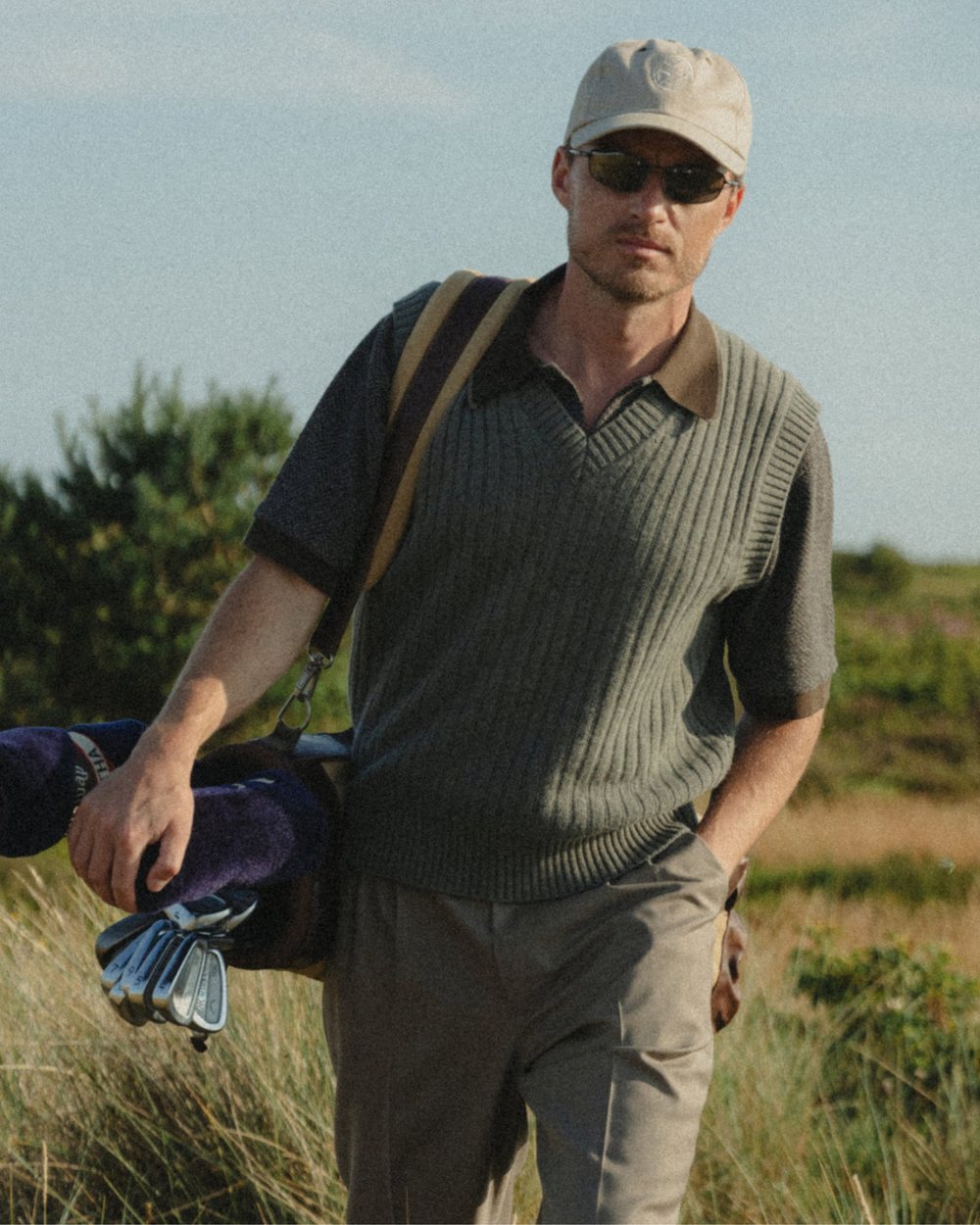
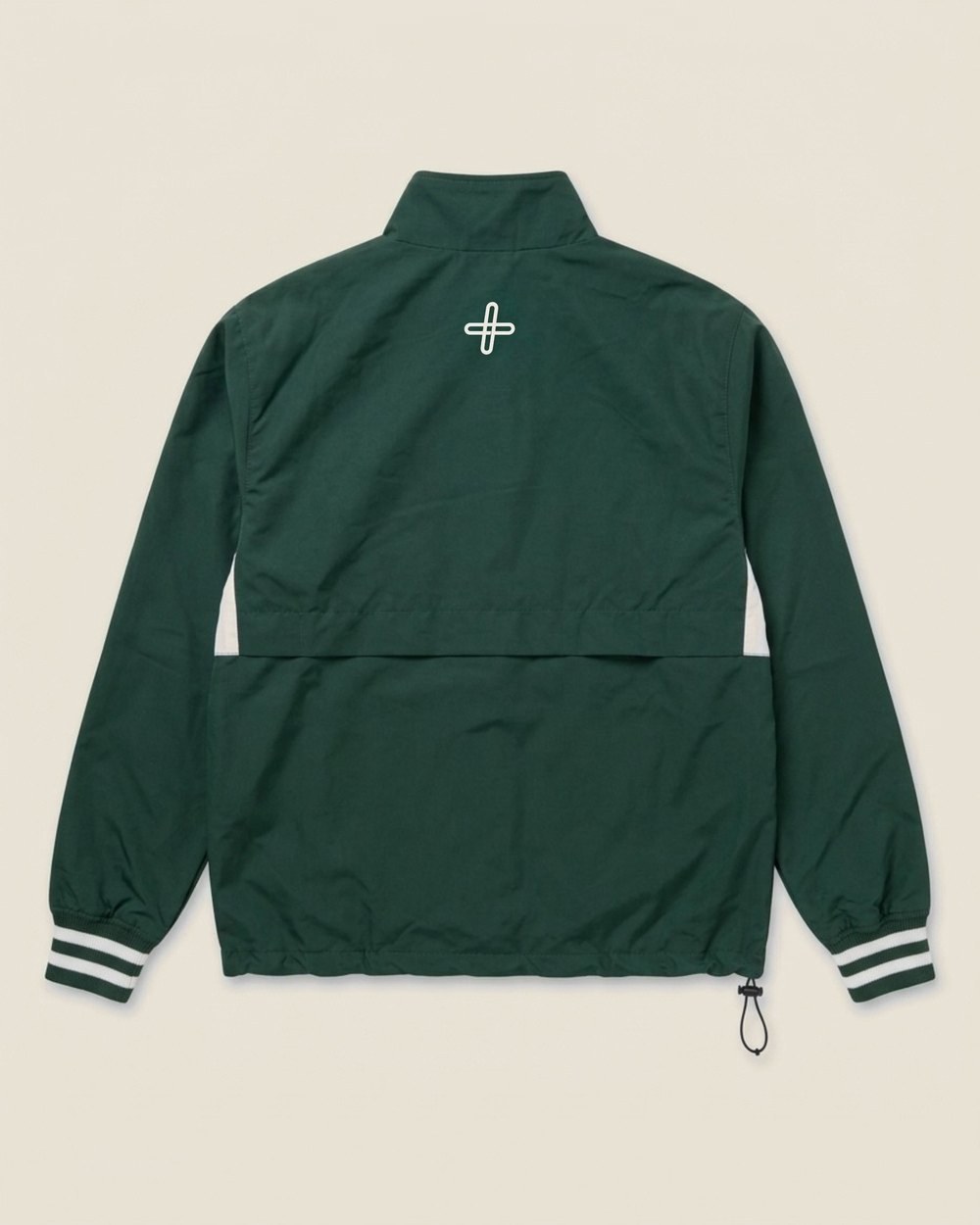
The short version. If one piece sums up golf style in 2026, it is a pair of chocolate-brown, double-pleated trousers in a natural fabric, worn with a hand-stitched belt.
Pleats, wide legs and room to turn
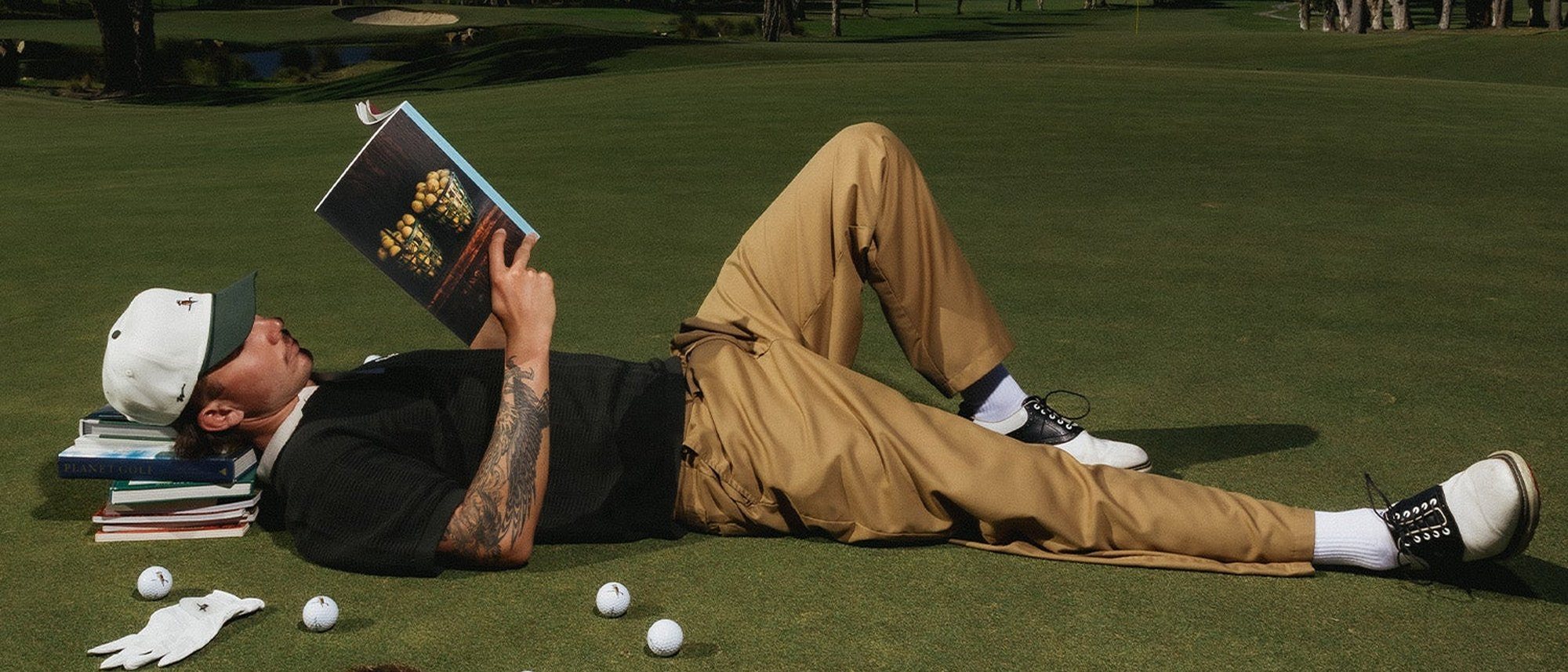
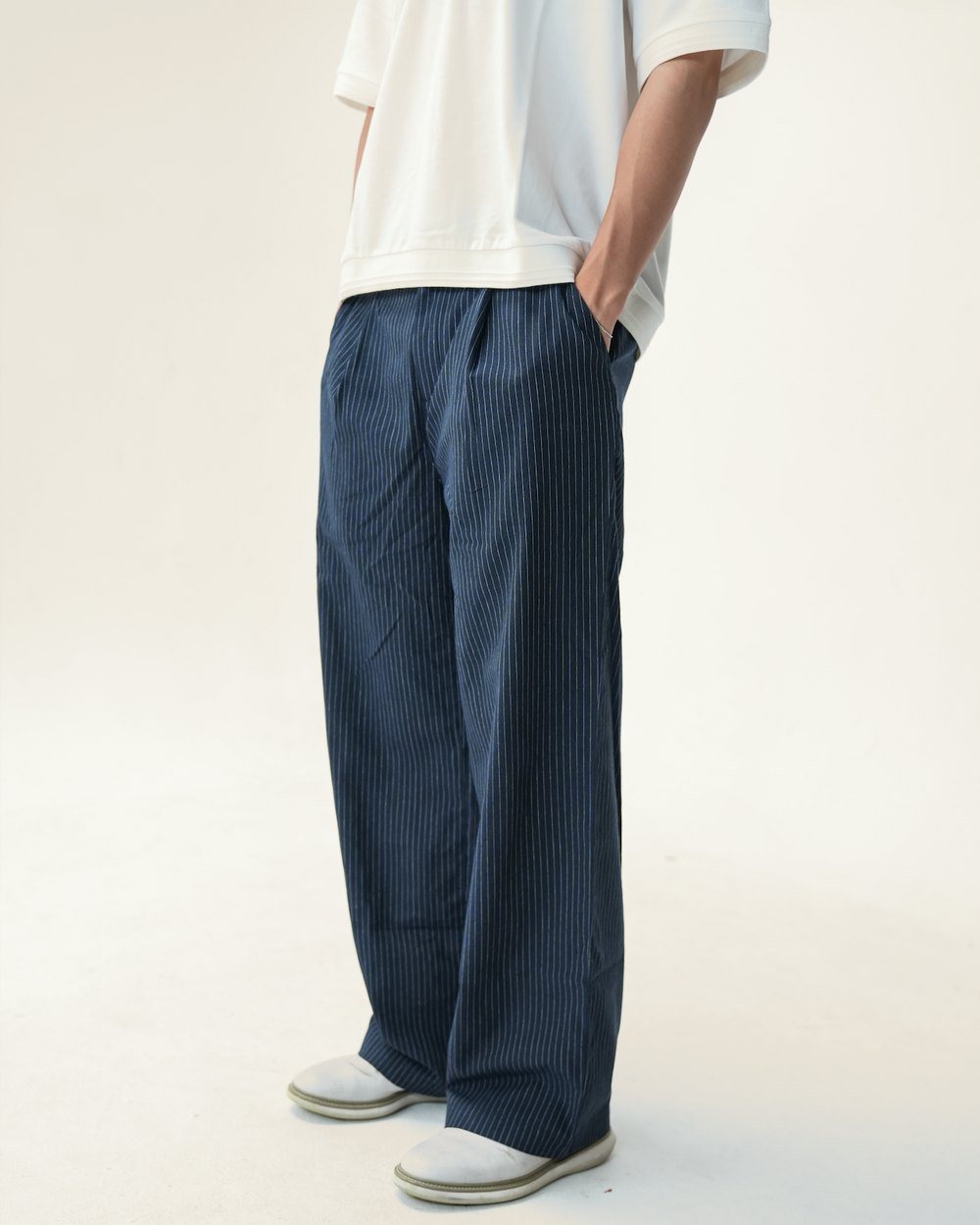
The shape of 2026 was the double-pleated trouser. We ran Pleated Golf Pants Are Back in September with 18 pairs, then Loose Golf Pants in November with 18 more, from barrel legs to wide pleats, and neither list was hard to fill.
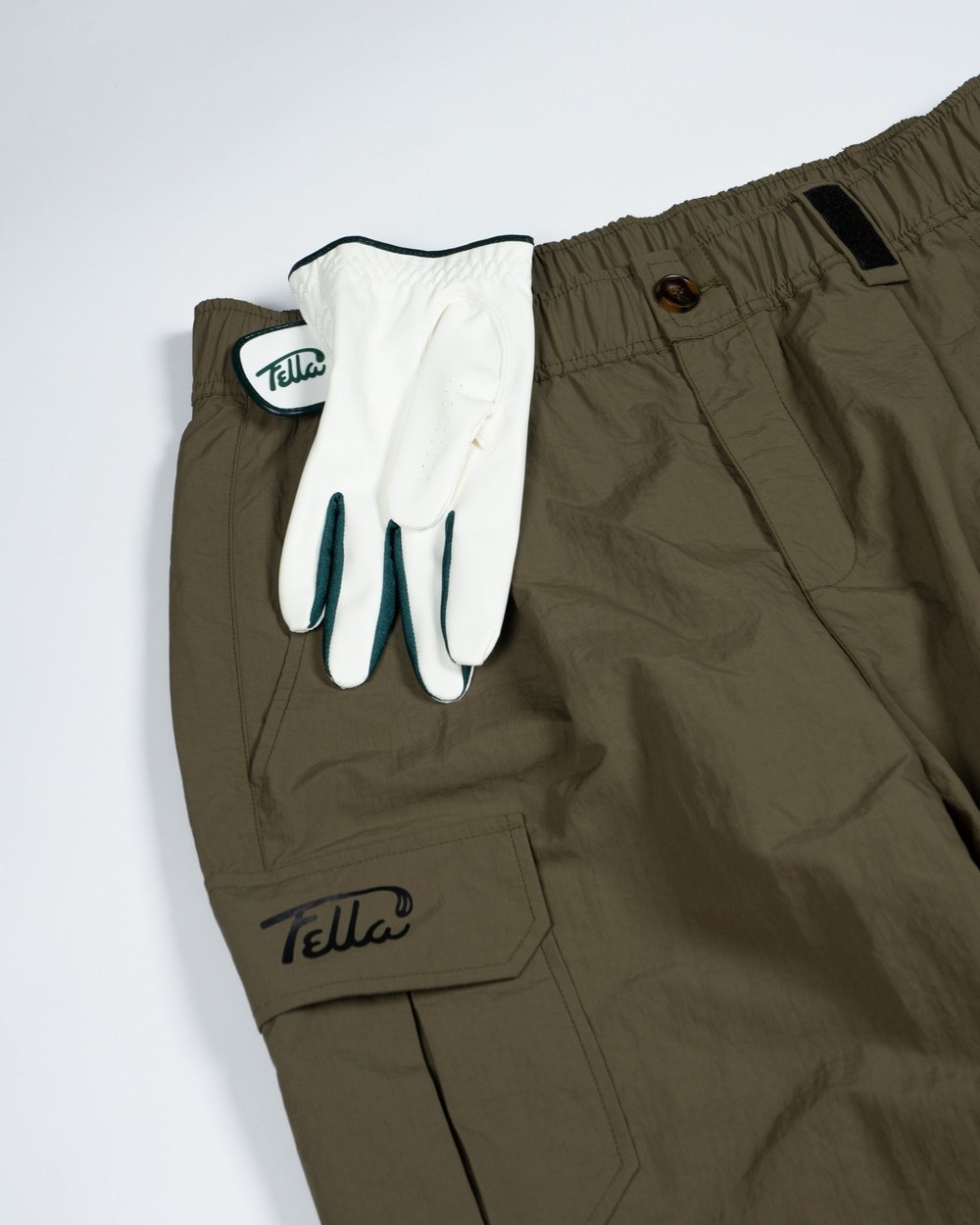
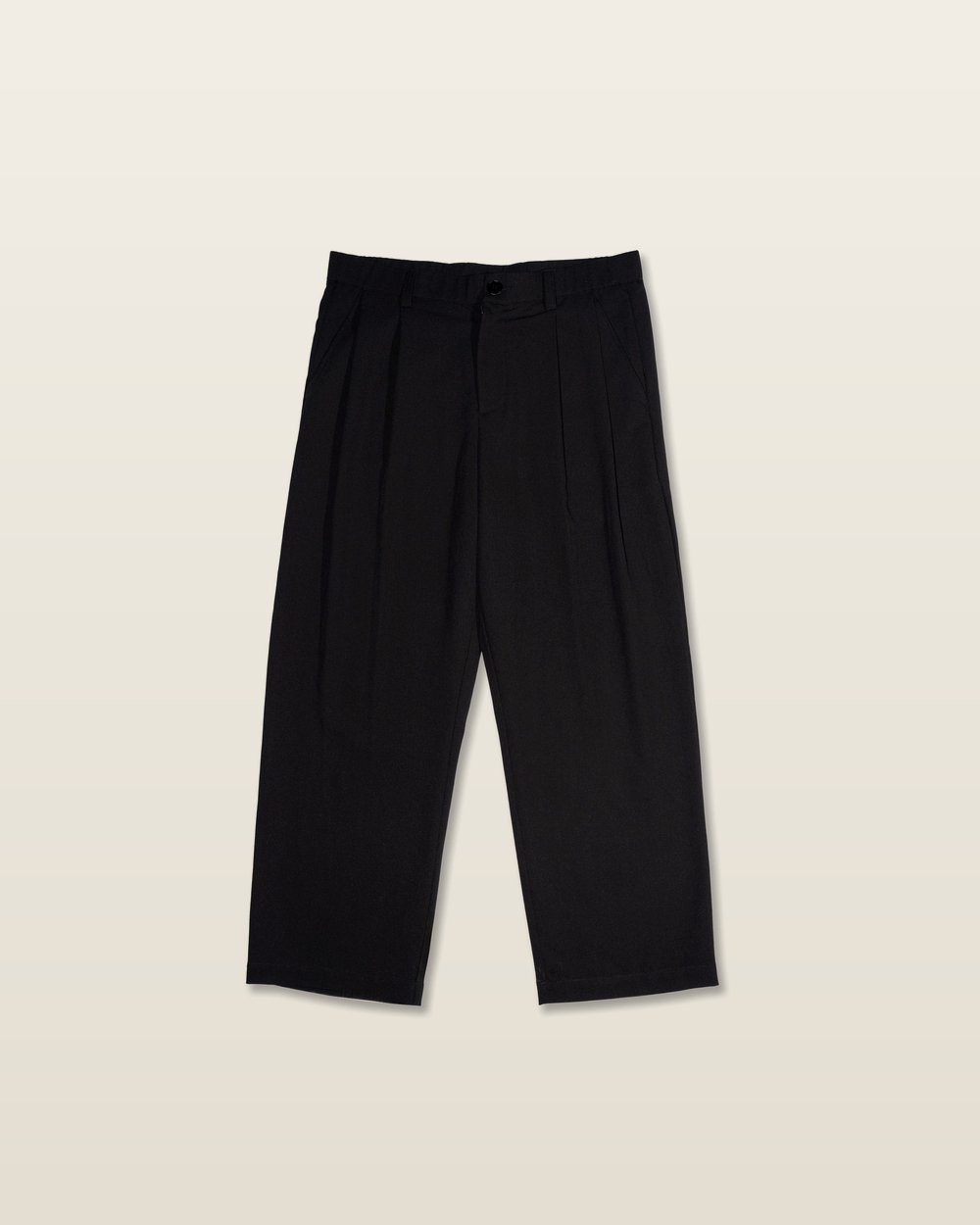
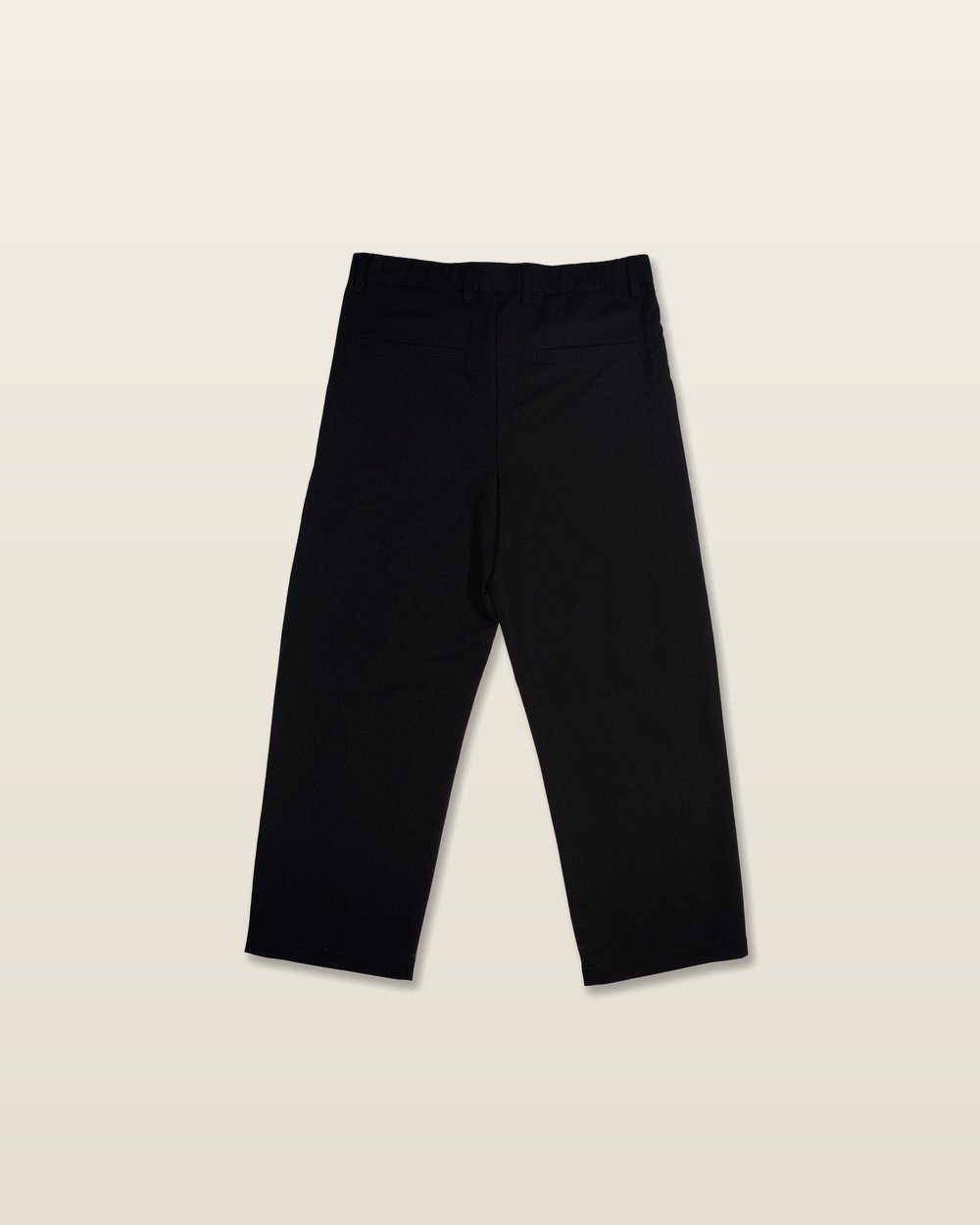
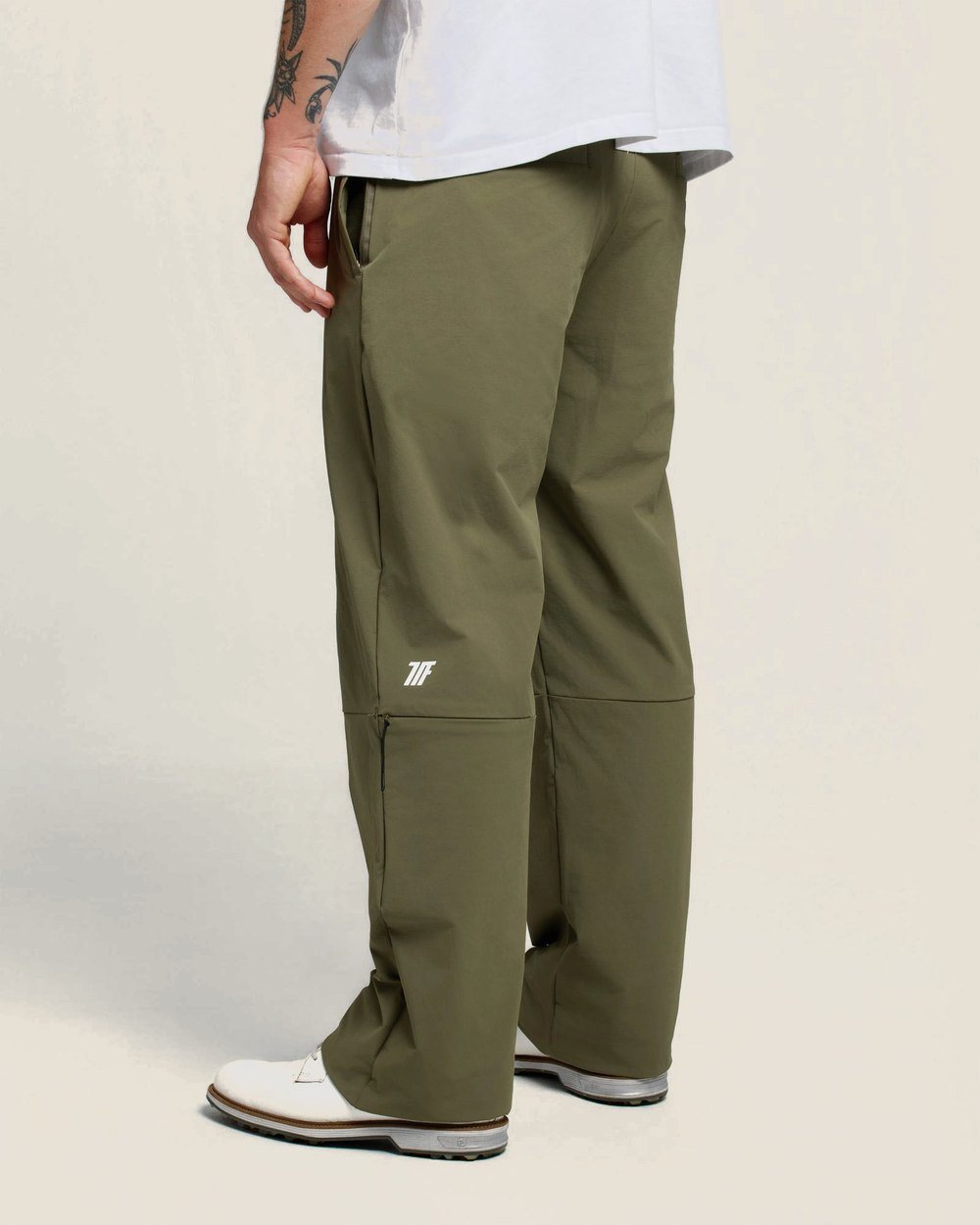
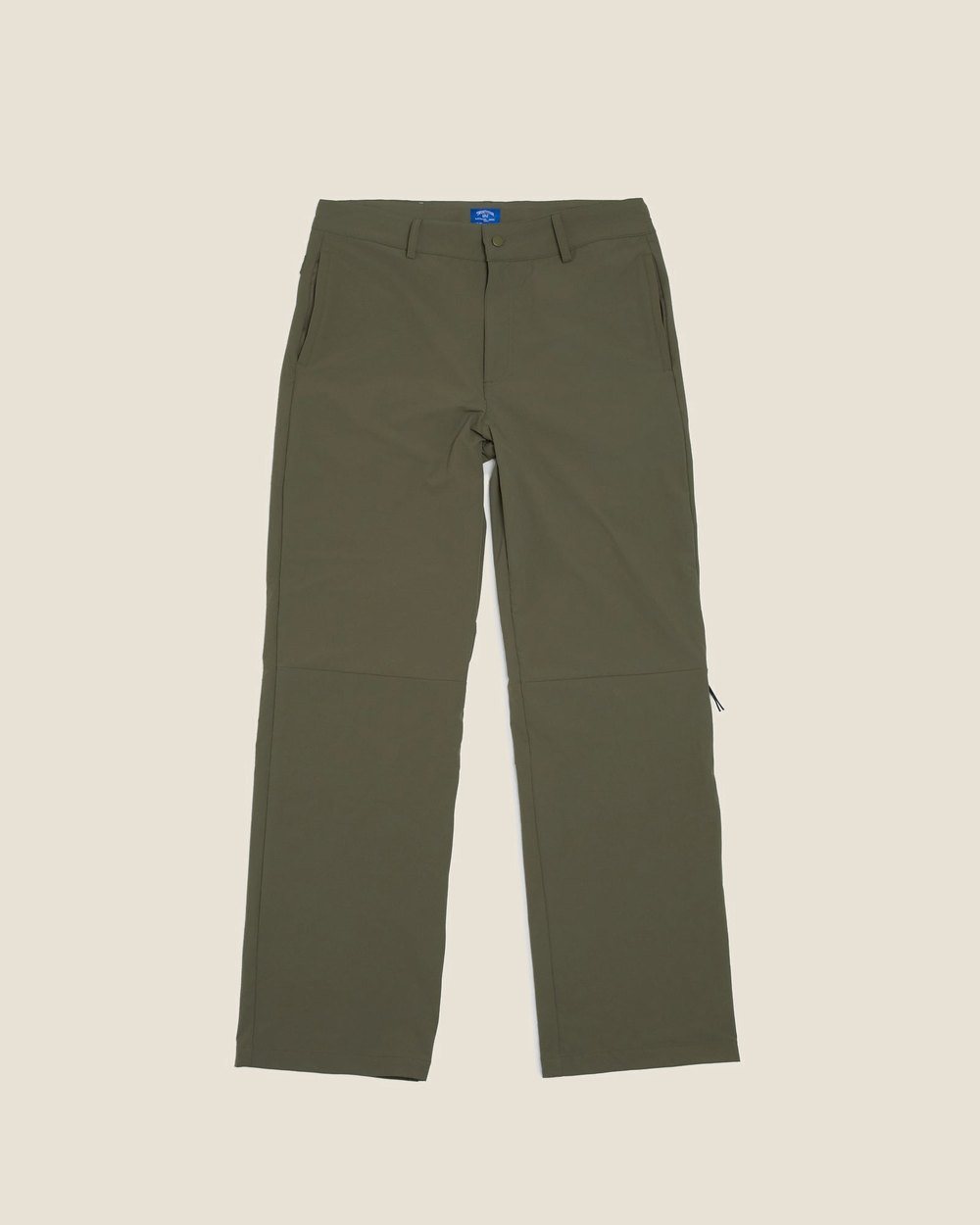
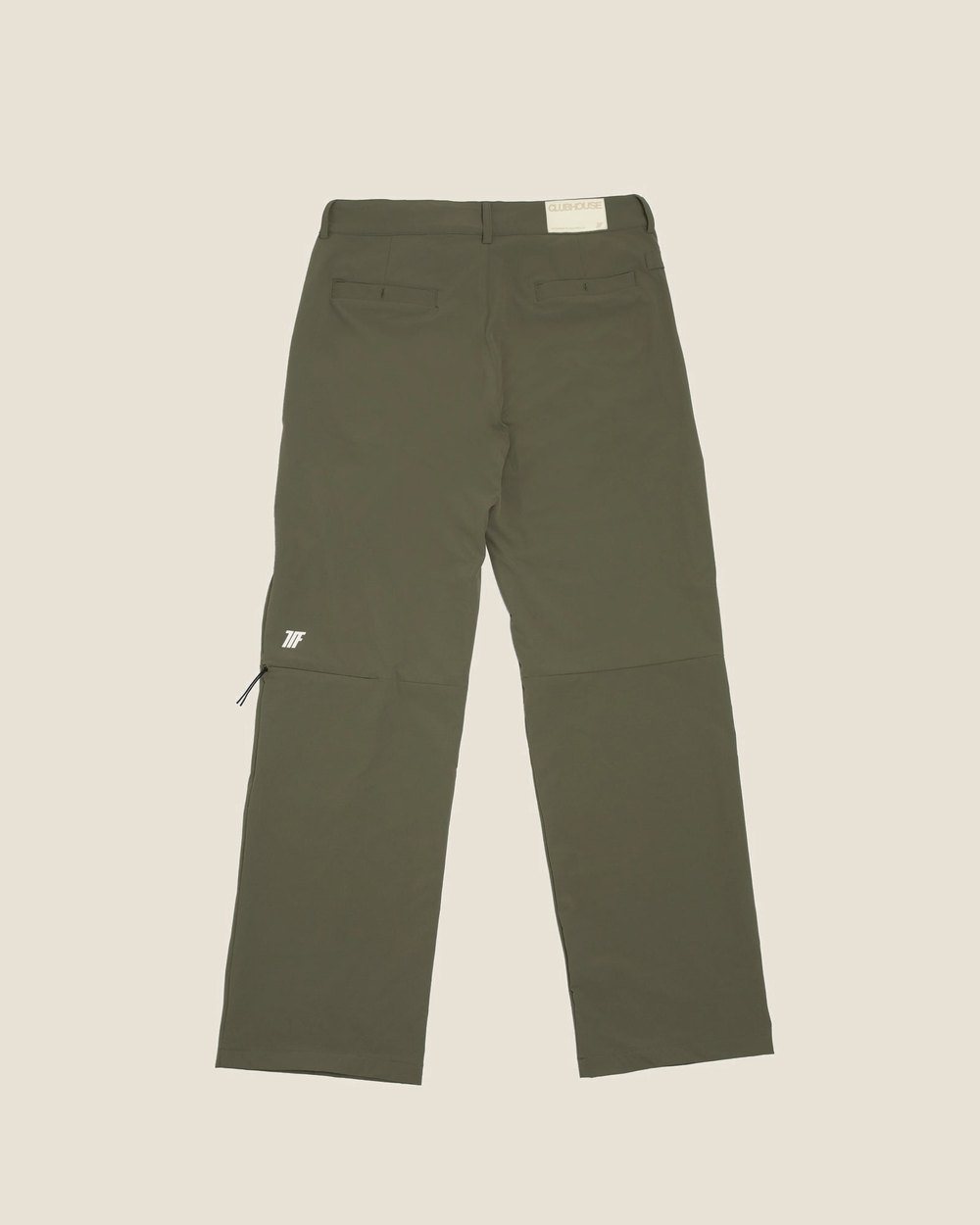
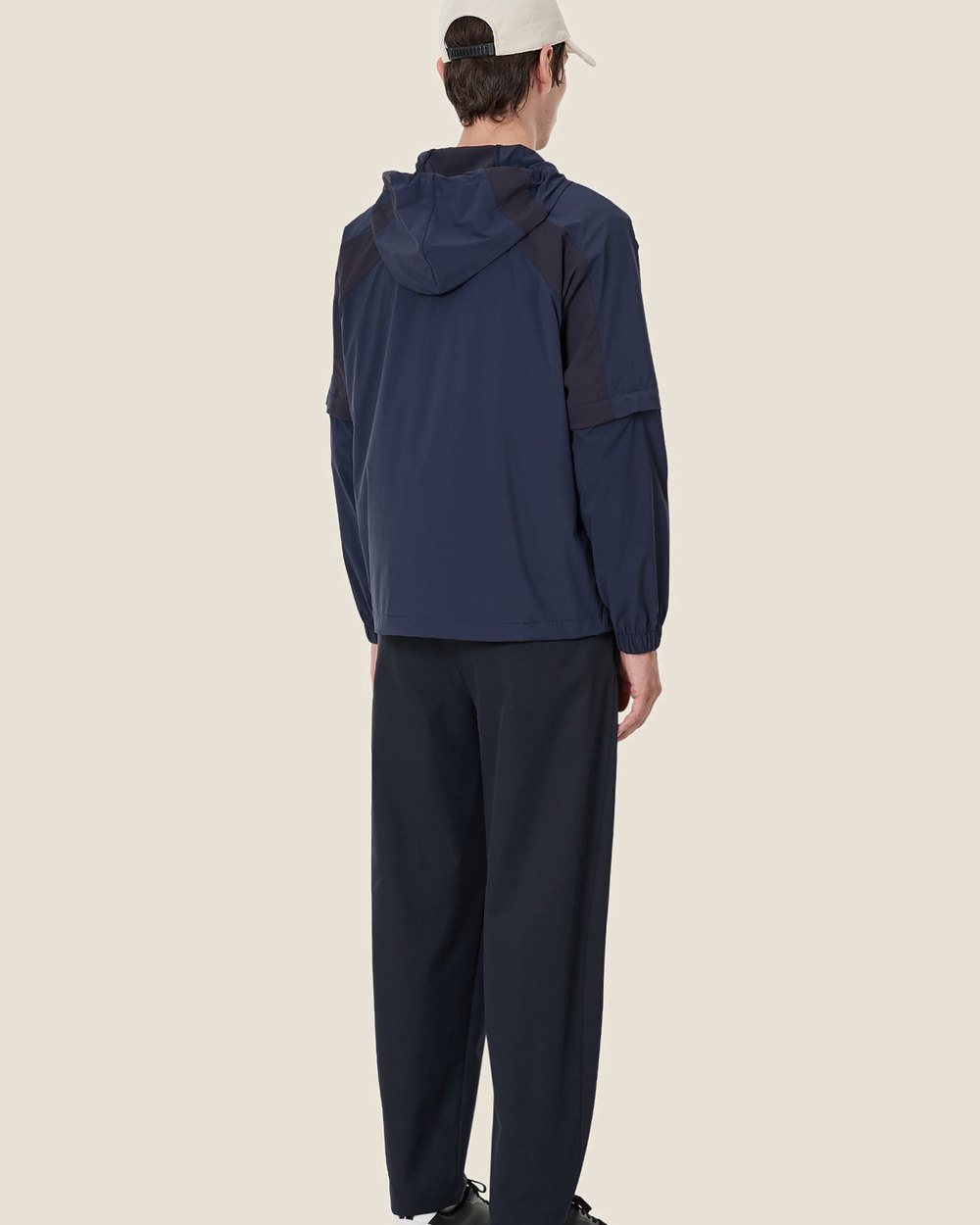
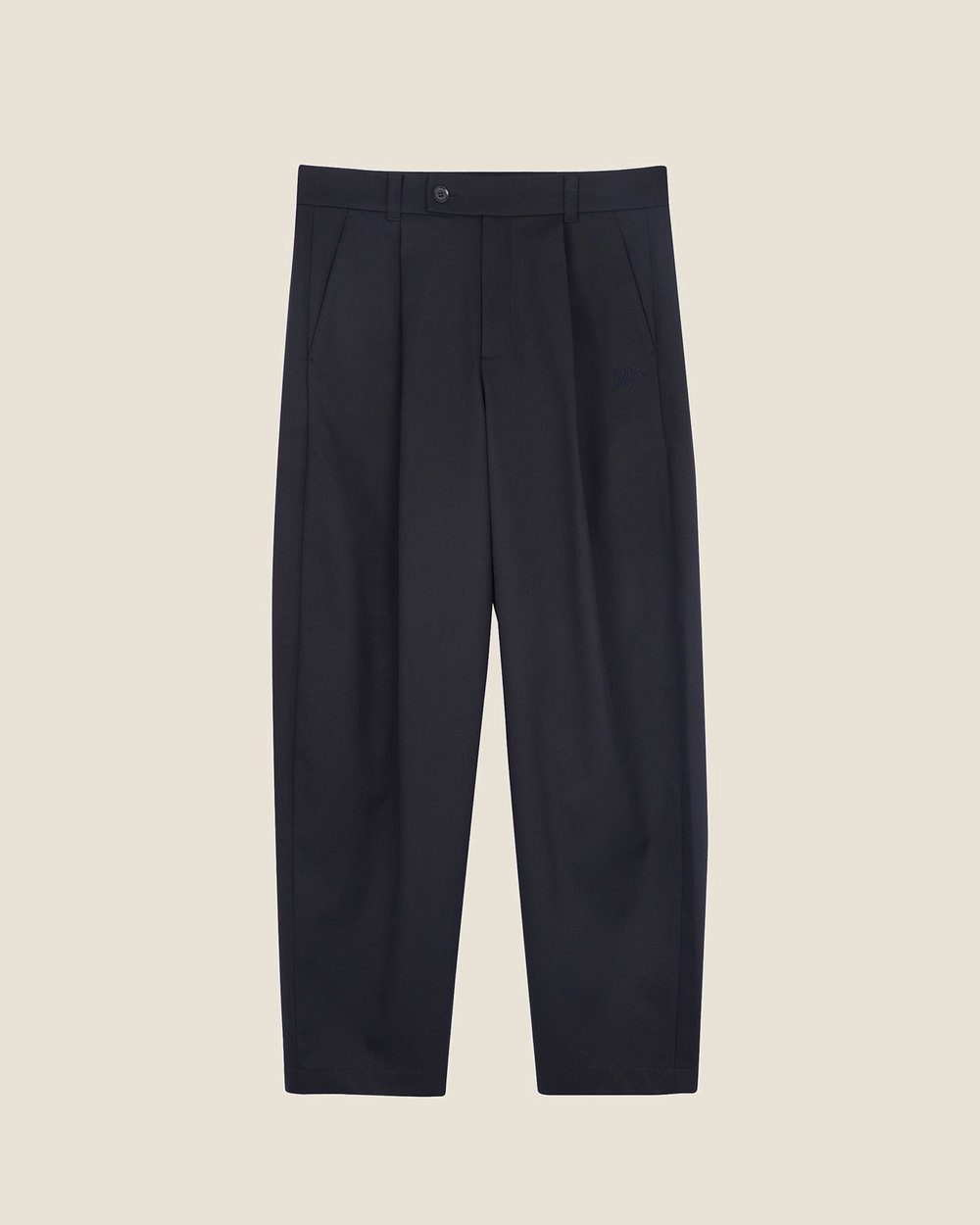
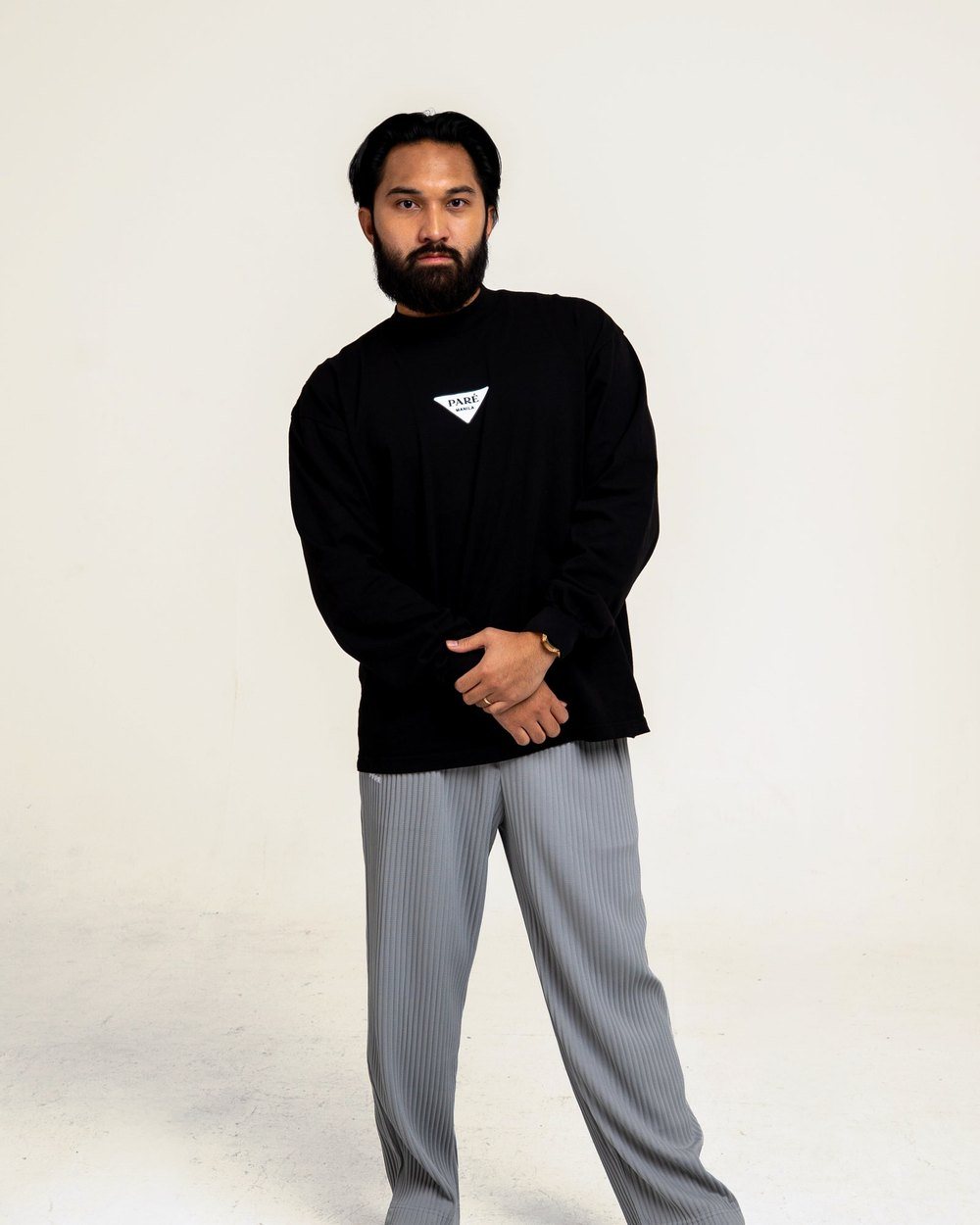
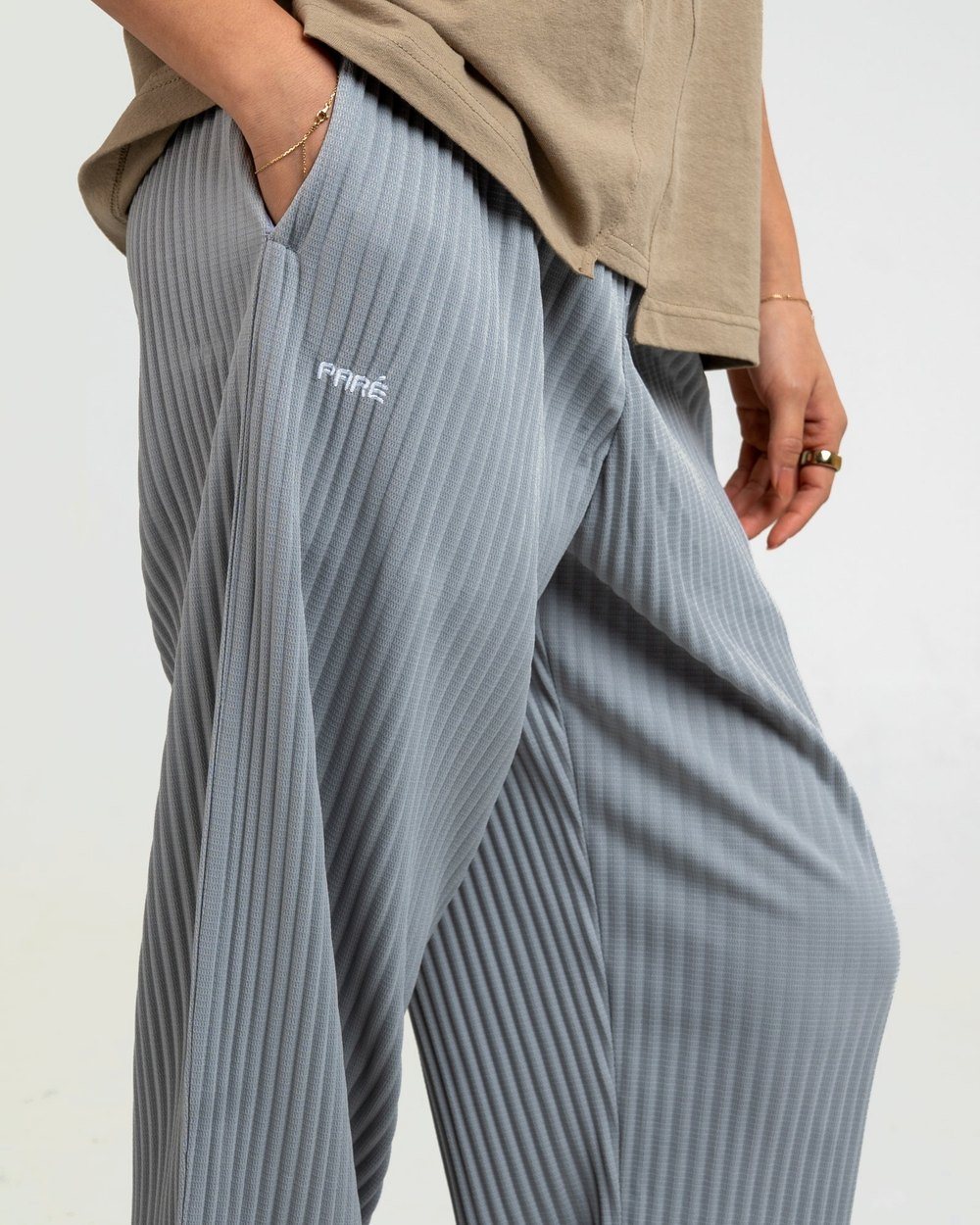
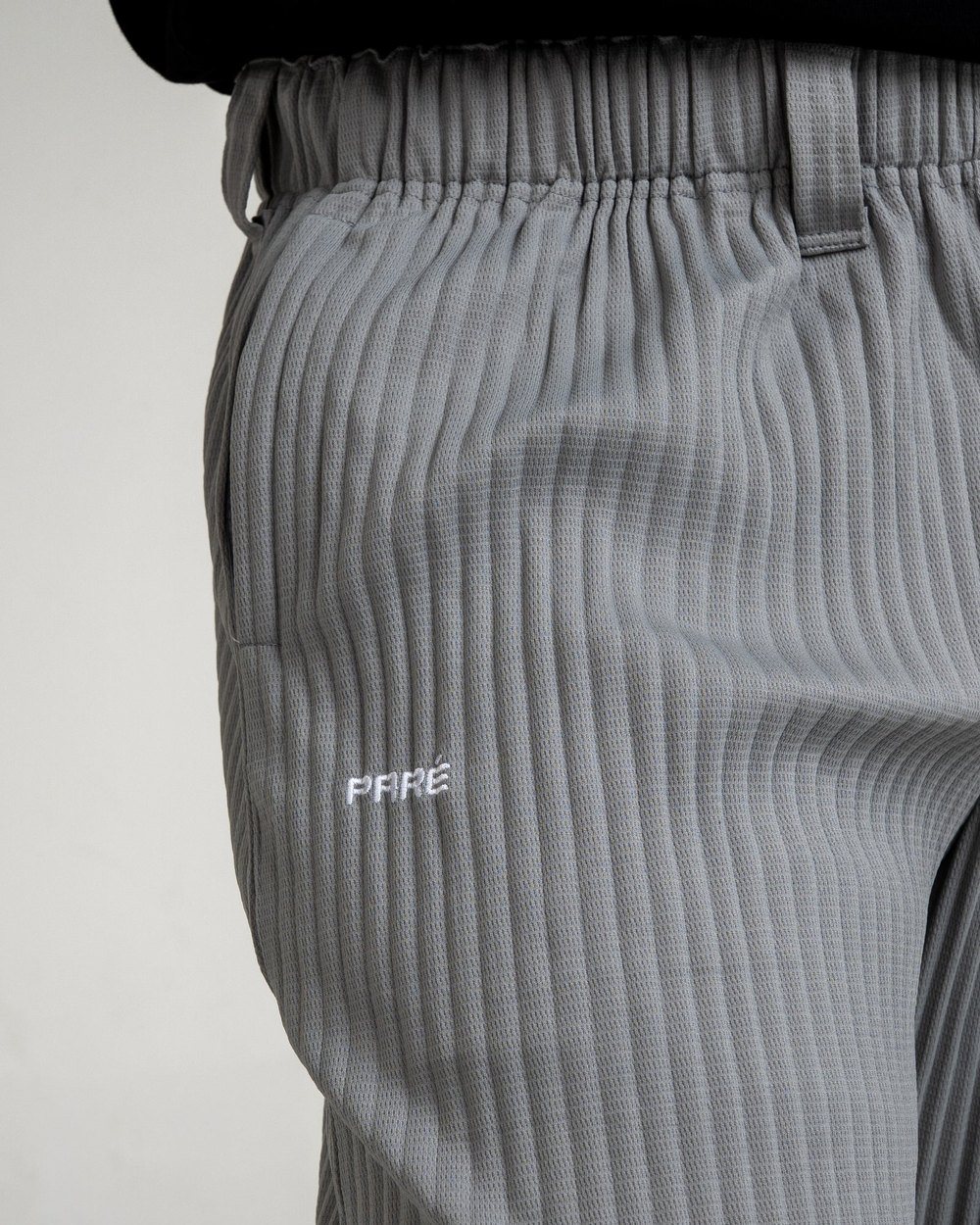
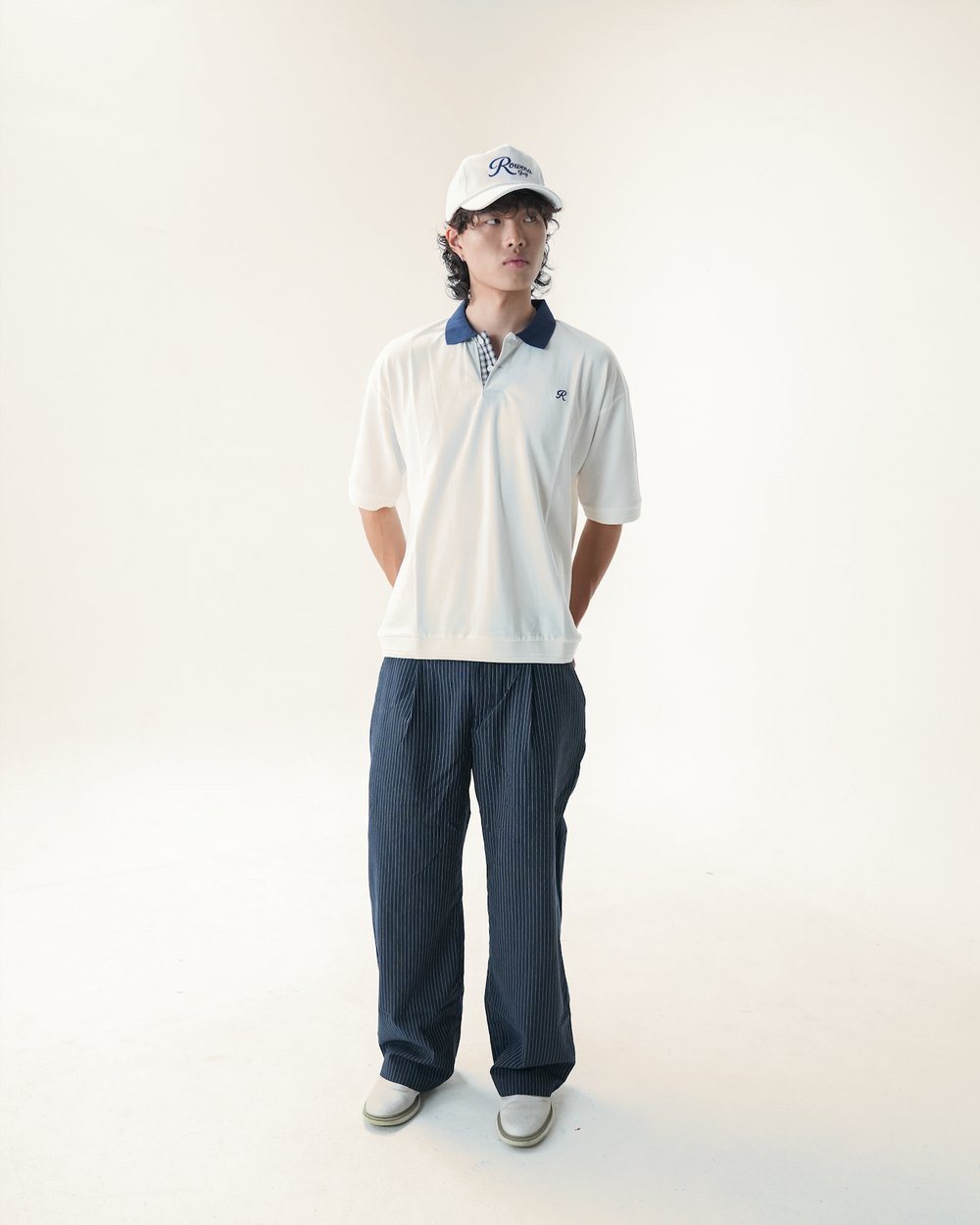
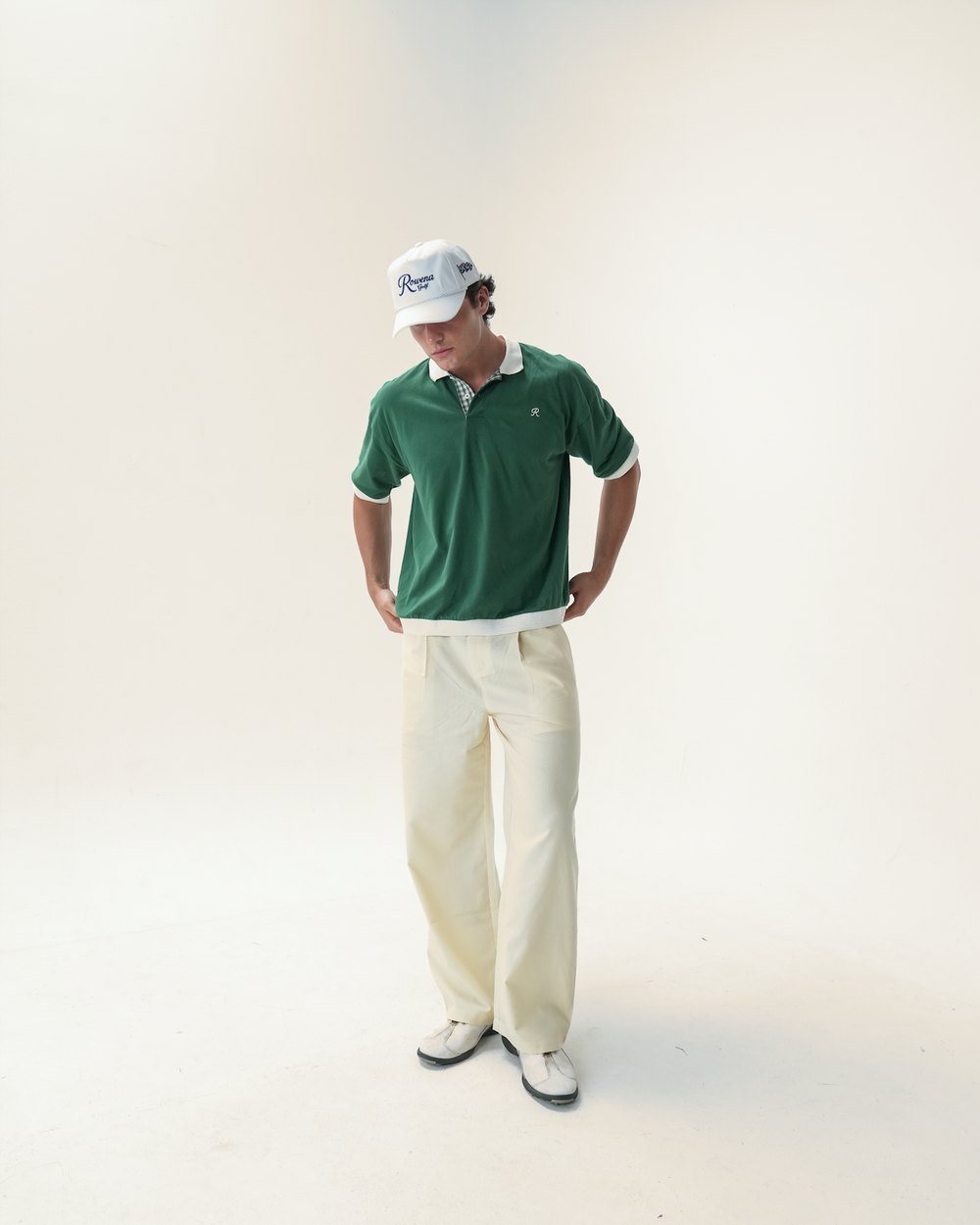
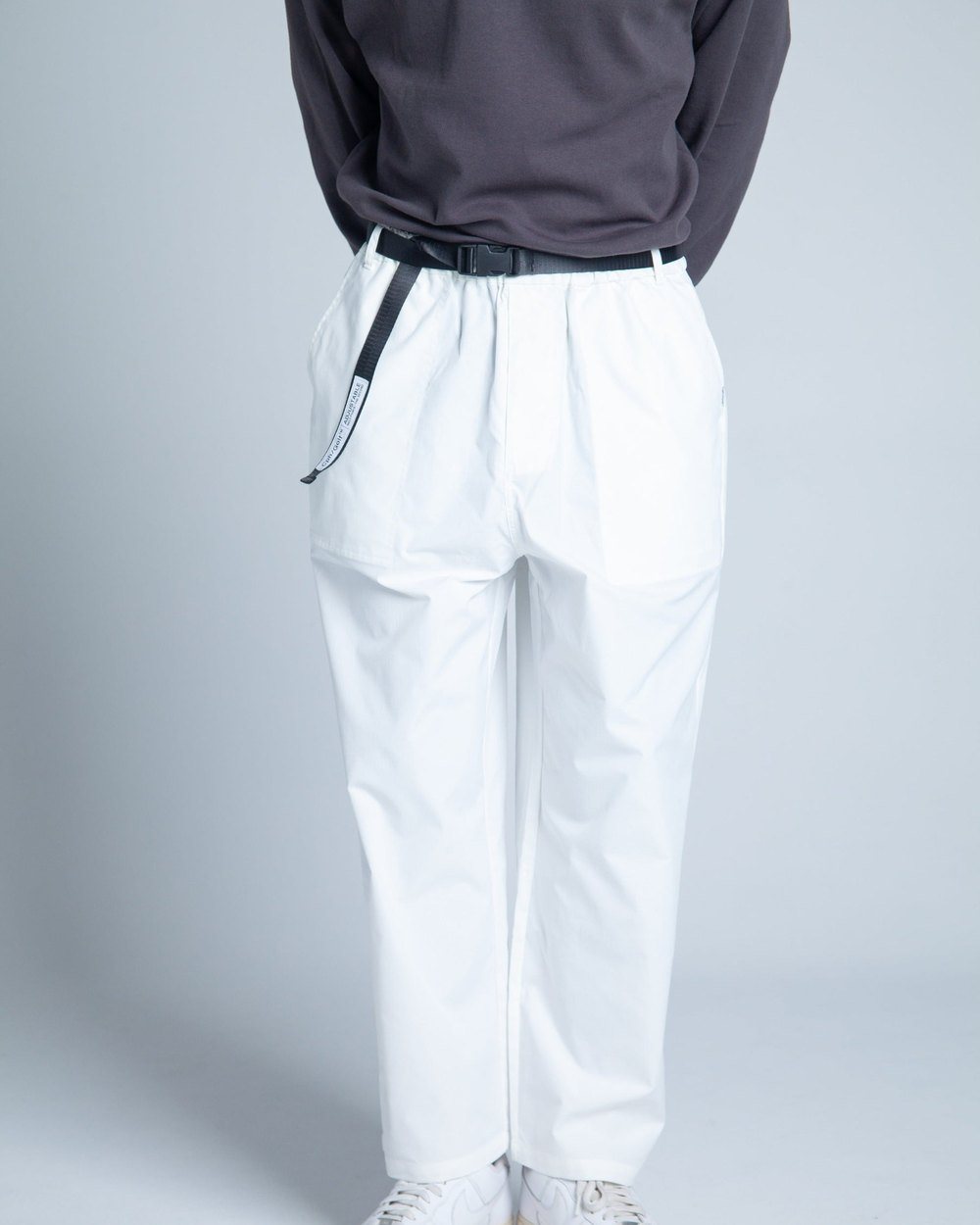
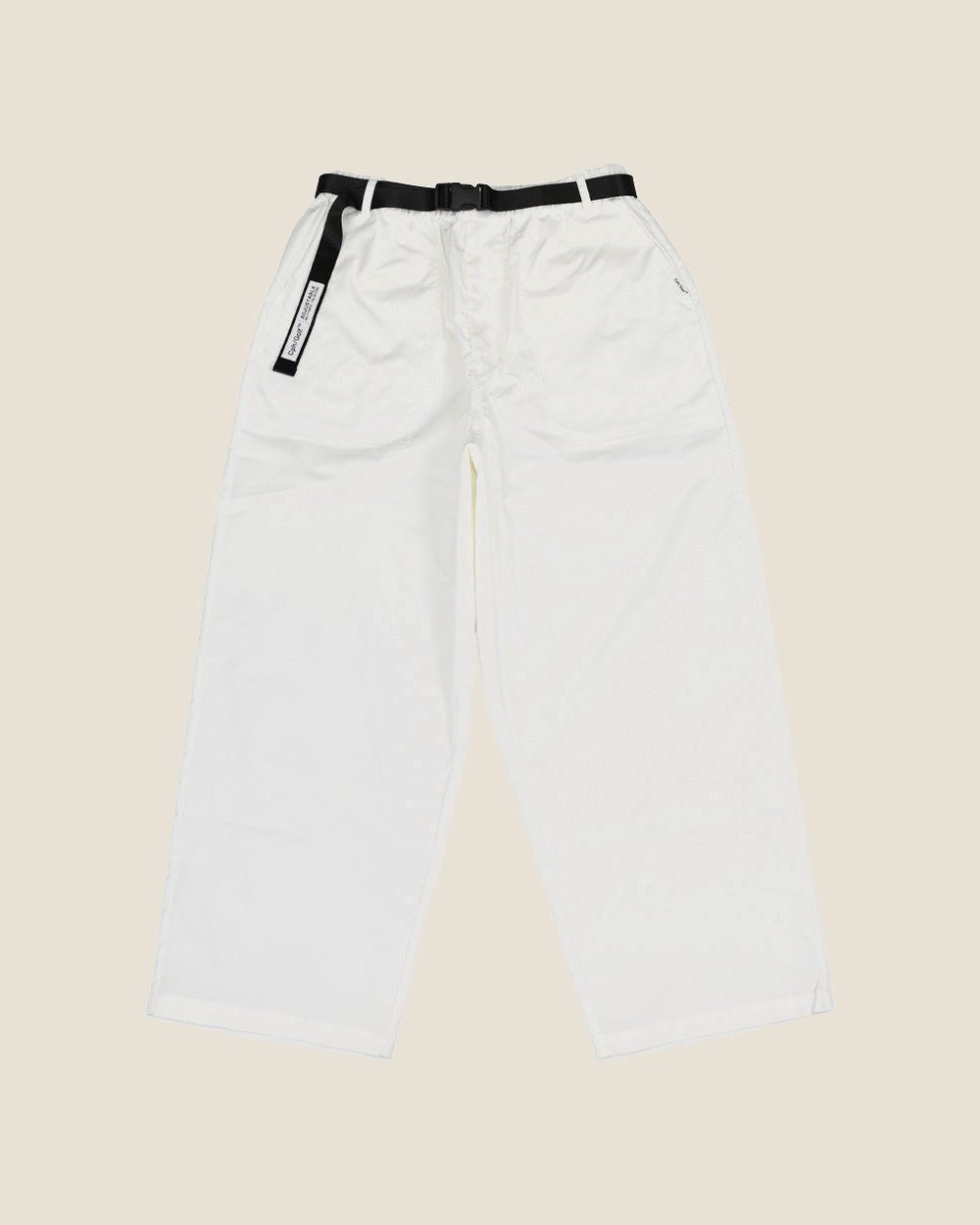
Woodgrain built a whole brand on the way the game dressed in the ’80s and ’90s, and Ashworth came back with its 1987 polo. But the cut spread well past the brands we wrote about most. Merrill makes a baggy pleated trouser in light stretch fabric, Twentyfour Golf cut its Clubhouse Pants to look as right in the bar as on the tee, A.P.C. Golf sent its Renato trouser out in a wide fit, and Paré’s Plisse Pants are pleated all the way down. Part of it is nostalgia, but part of it is practical: a wide leg breathes on a 100-degree Austin afternoon, and it does not pull when you make a full turn.
The color story moved with the cut. Our fall colorways post kept landing on chocolate, sage and hunter orange. If you buy one pair of pleated trousers this winter, make it chocolate brown.
Cotton, wool and silk back on the course
When we ranked the 12 best quiet luxury golf brands in October, what the list had in common was not a logo size. It was fabric.
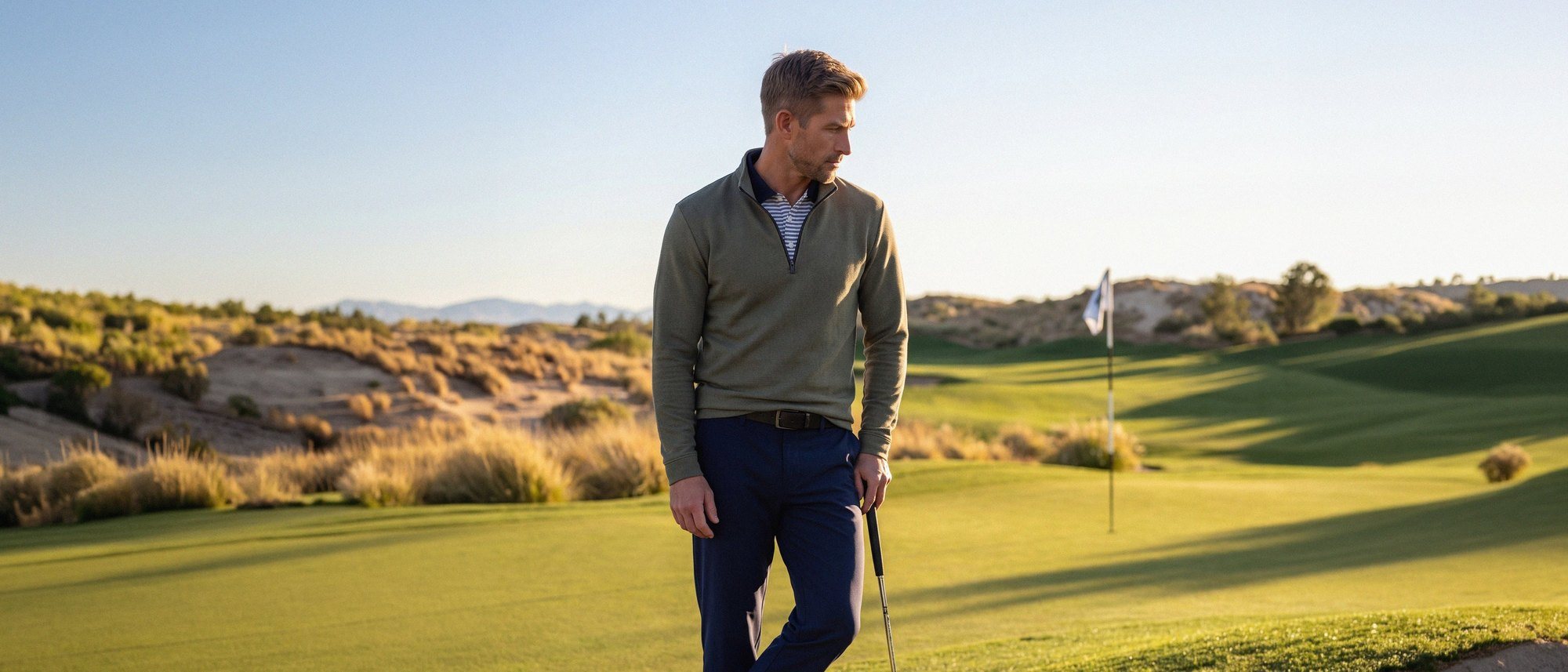
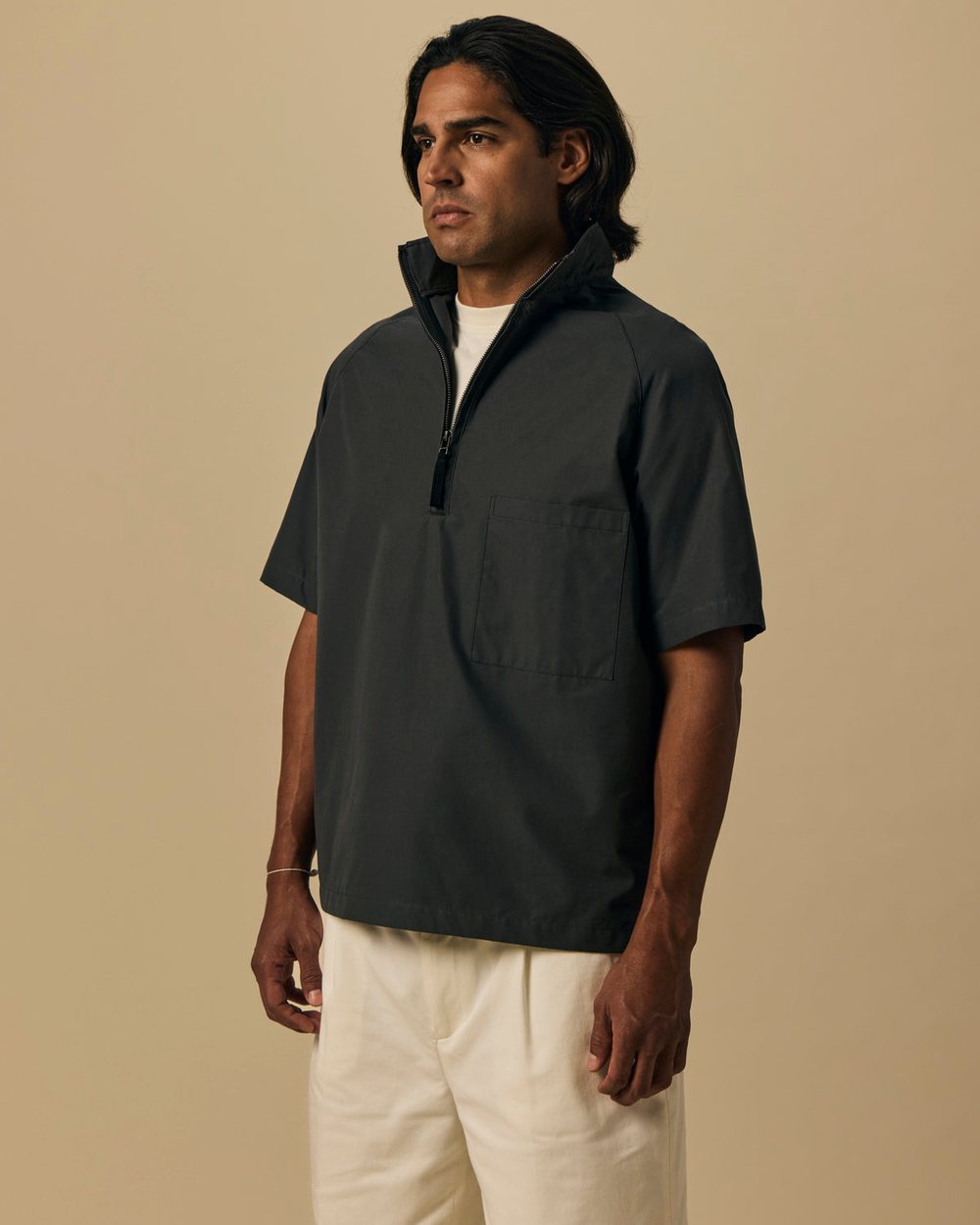
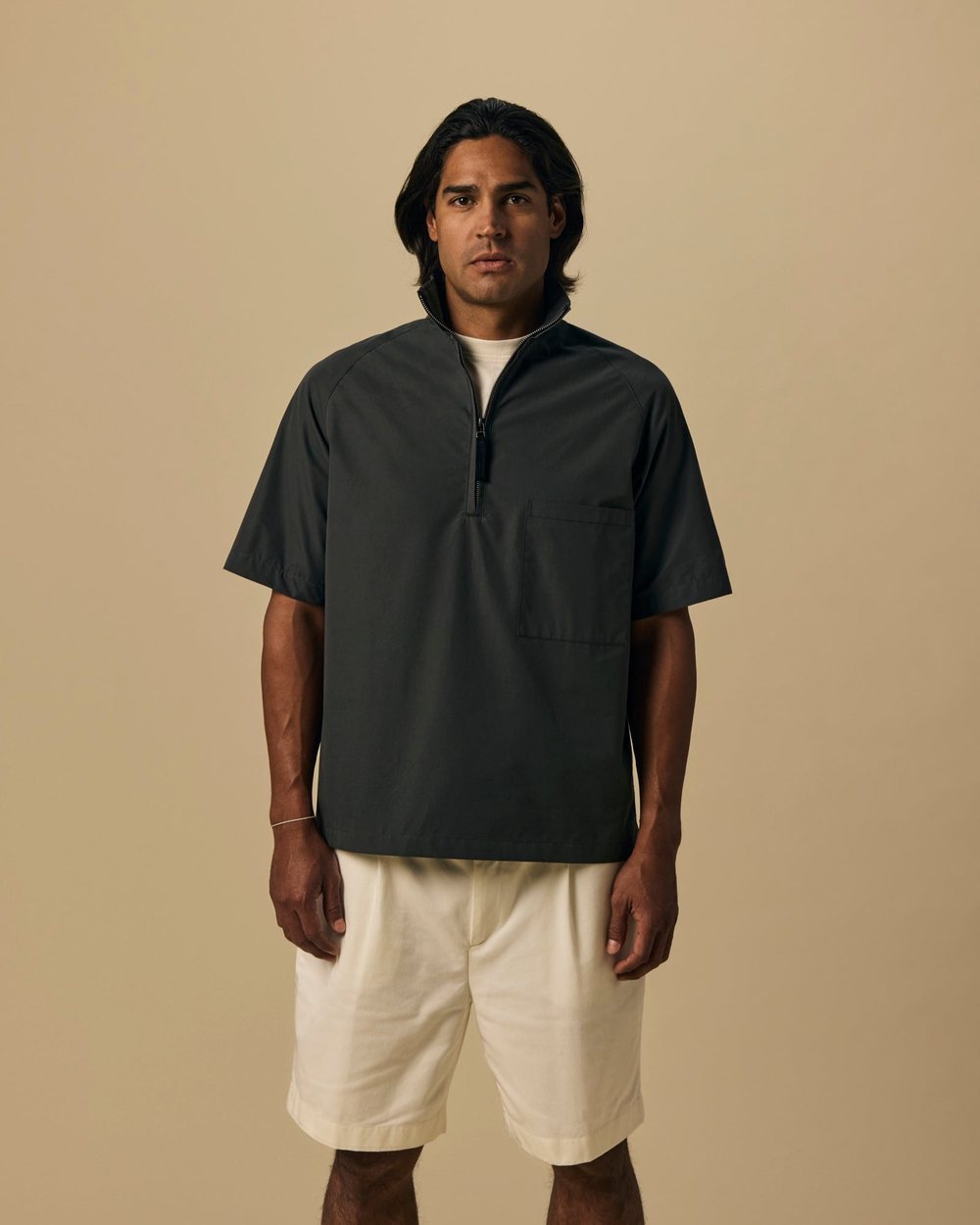
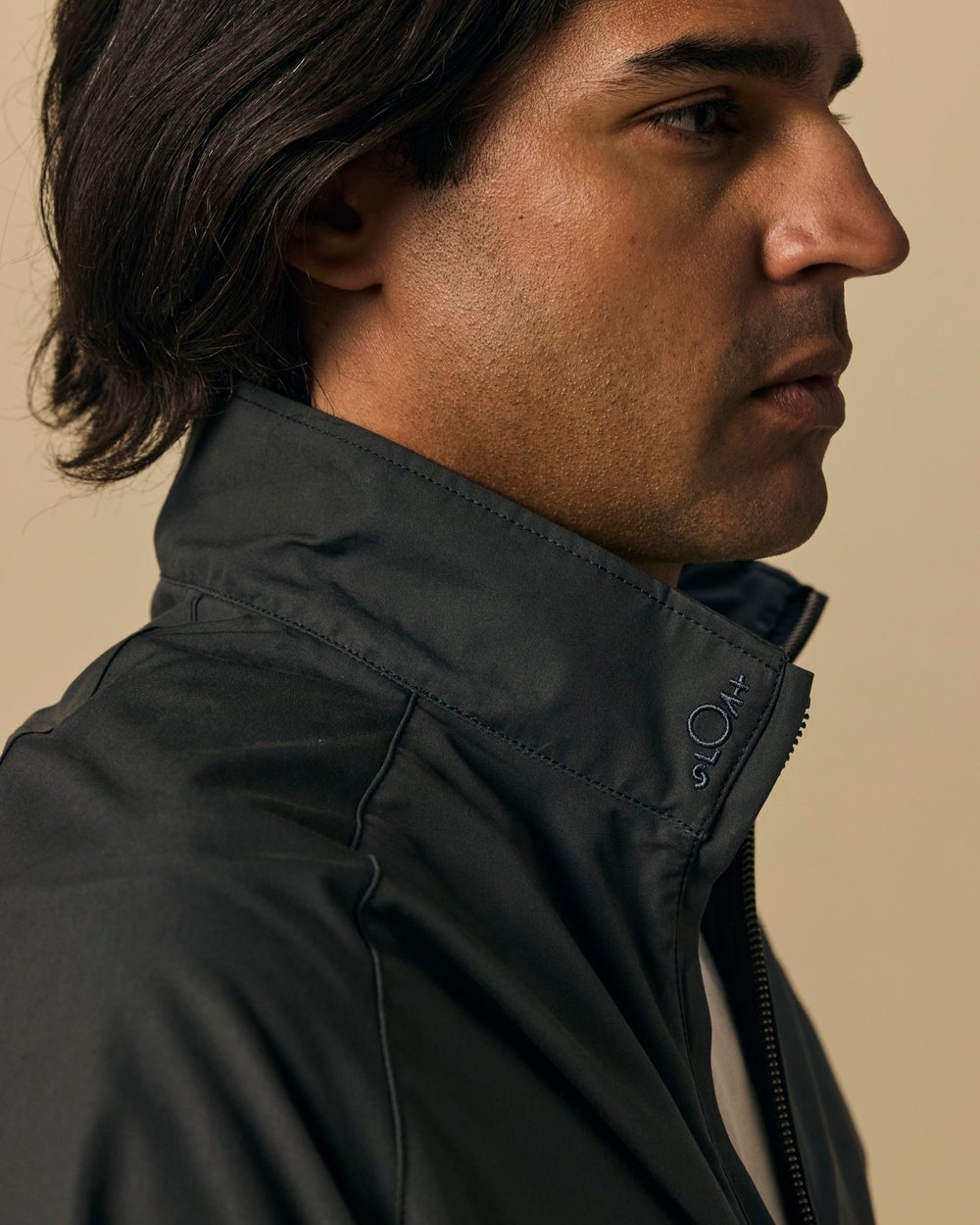
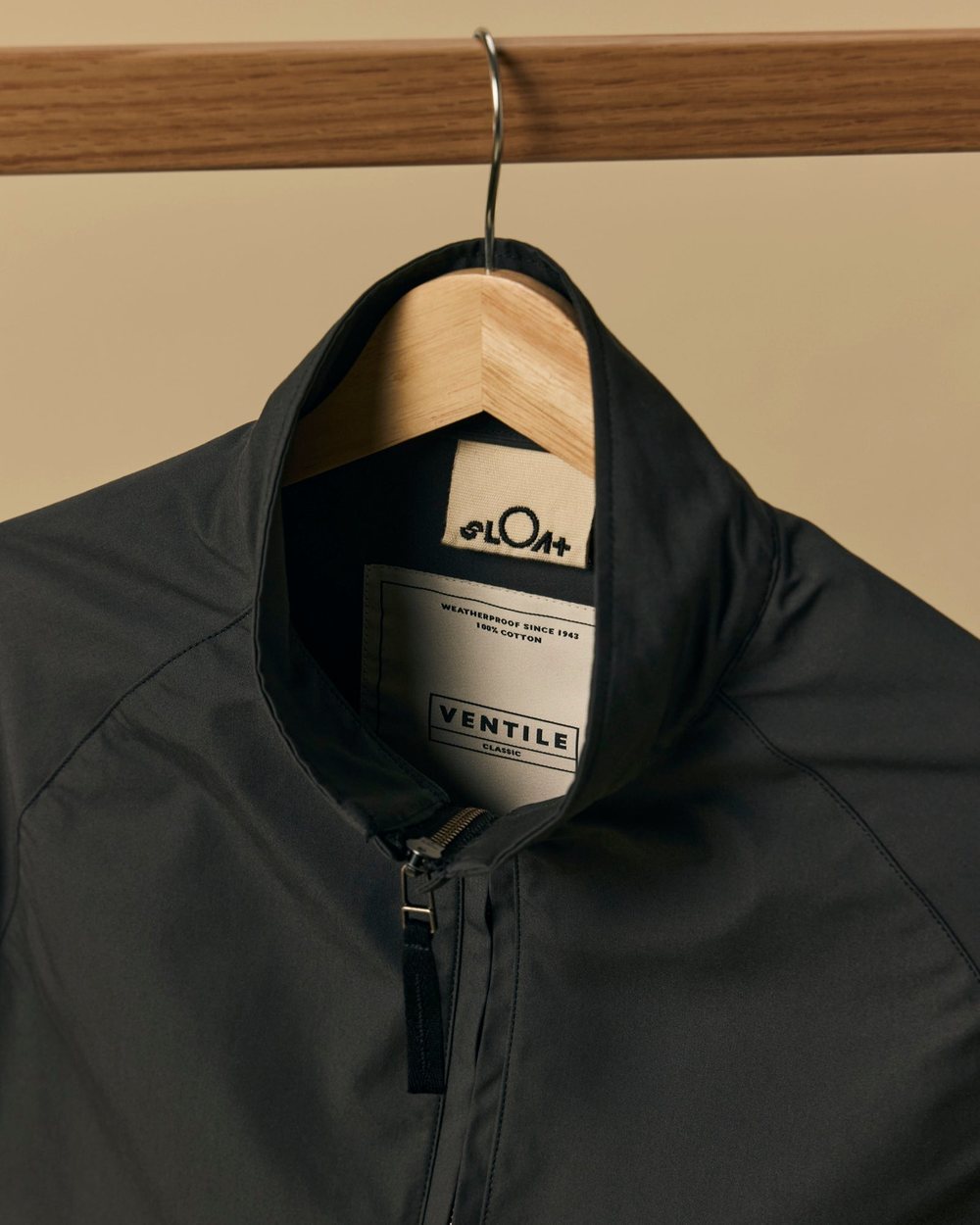
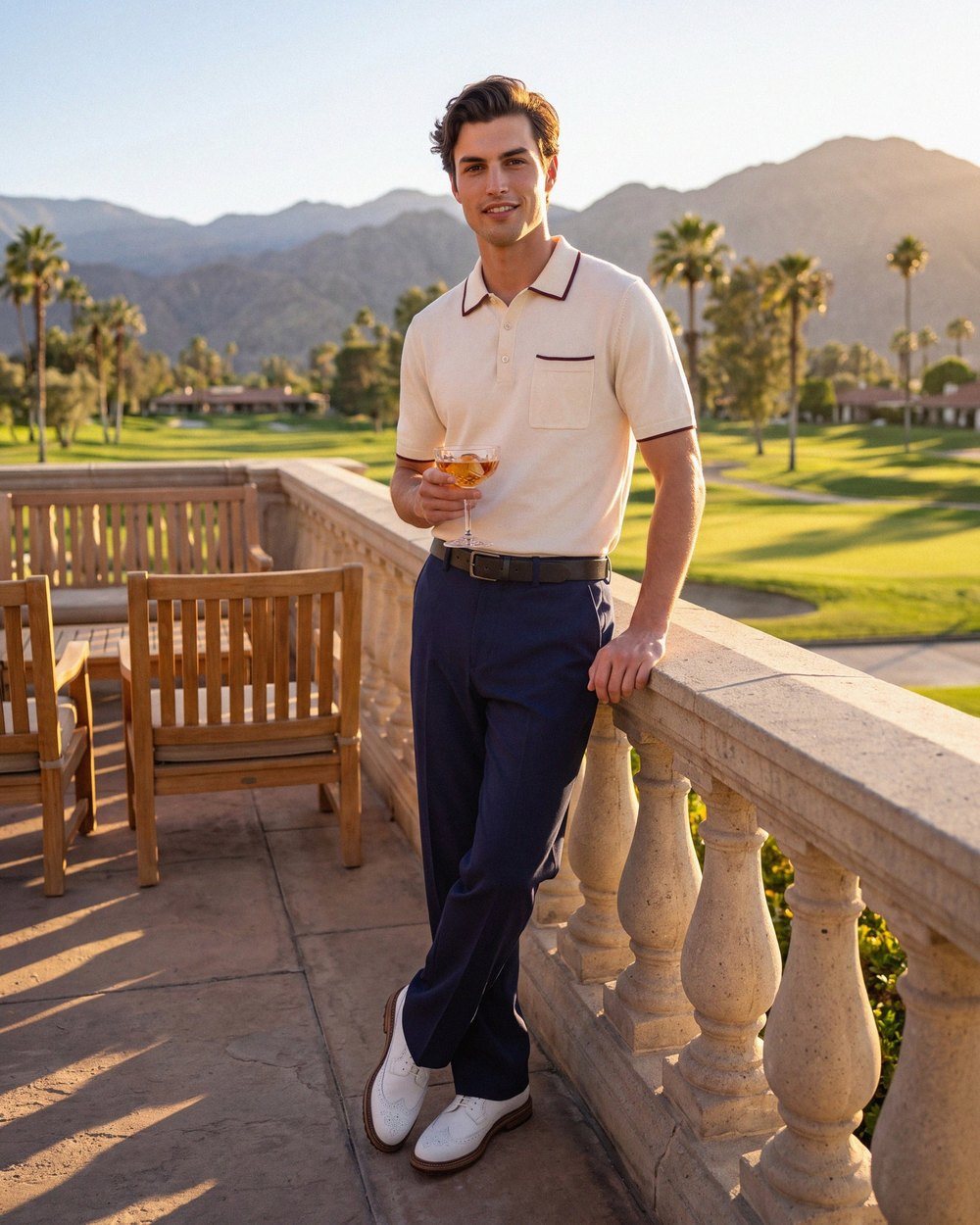
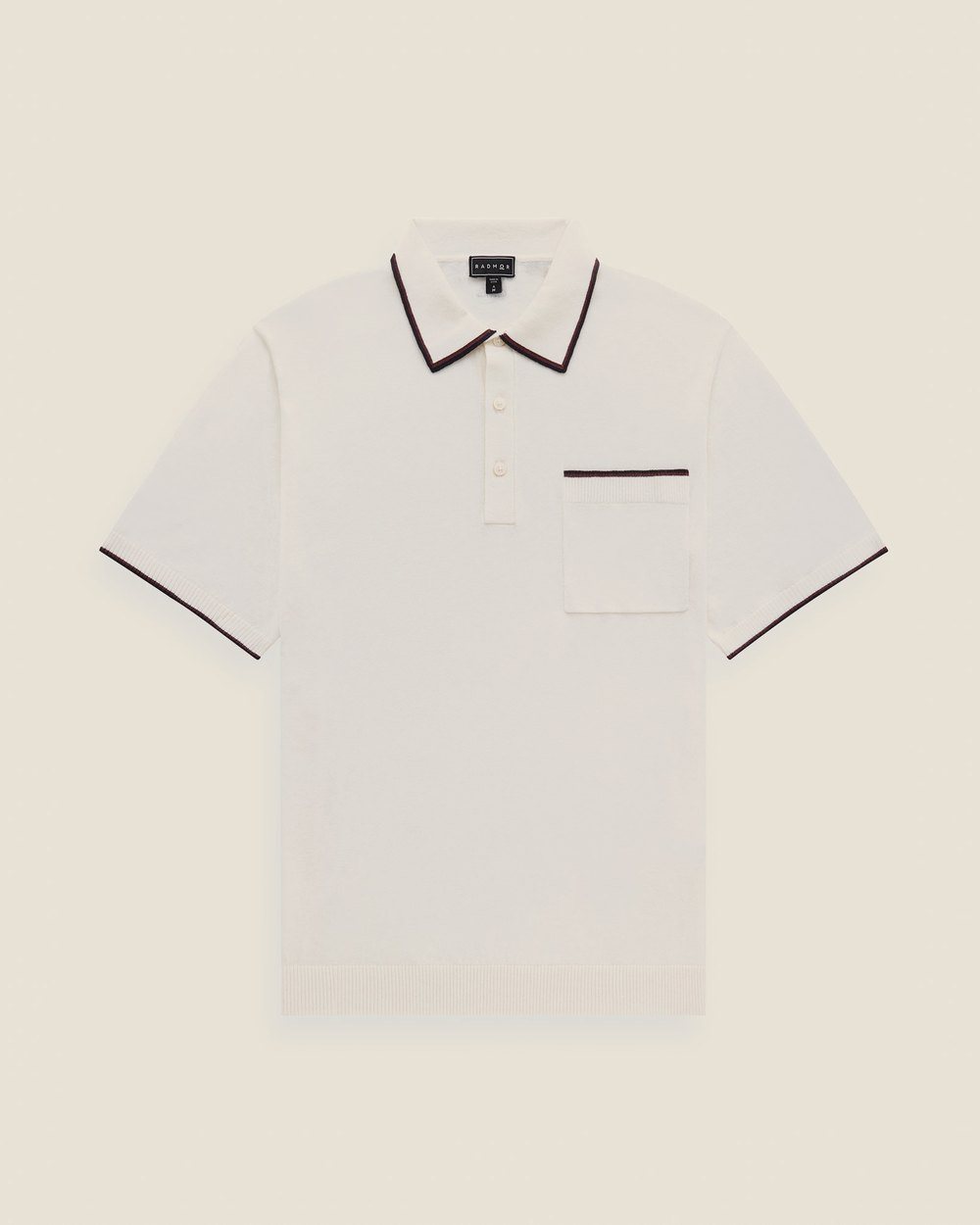
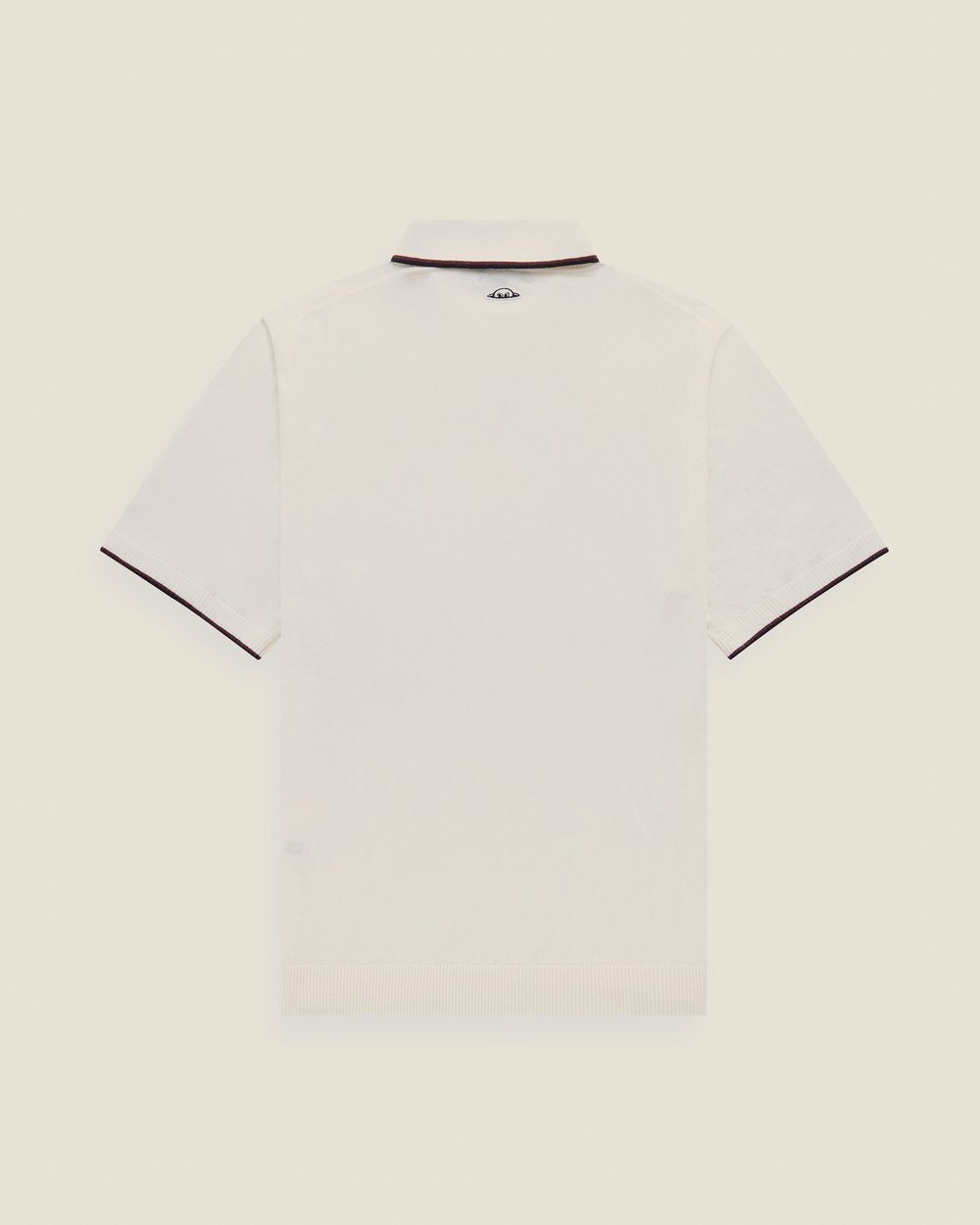
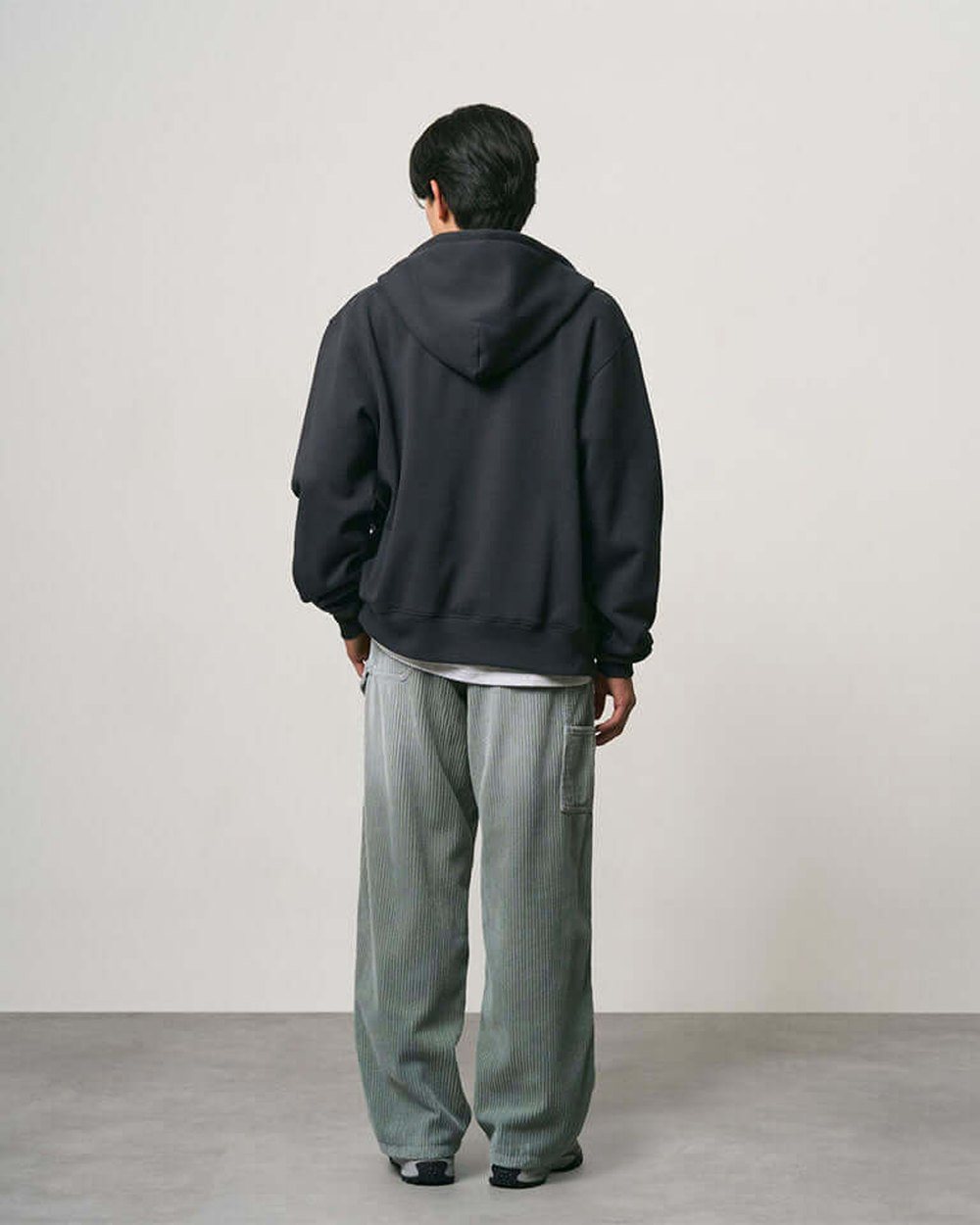
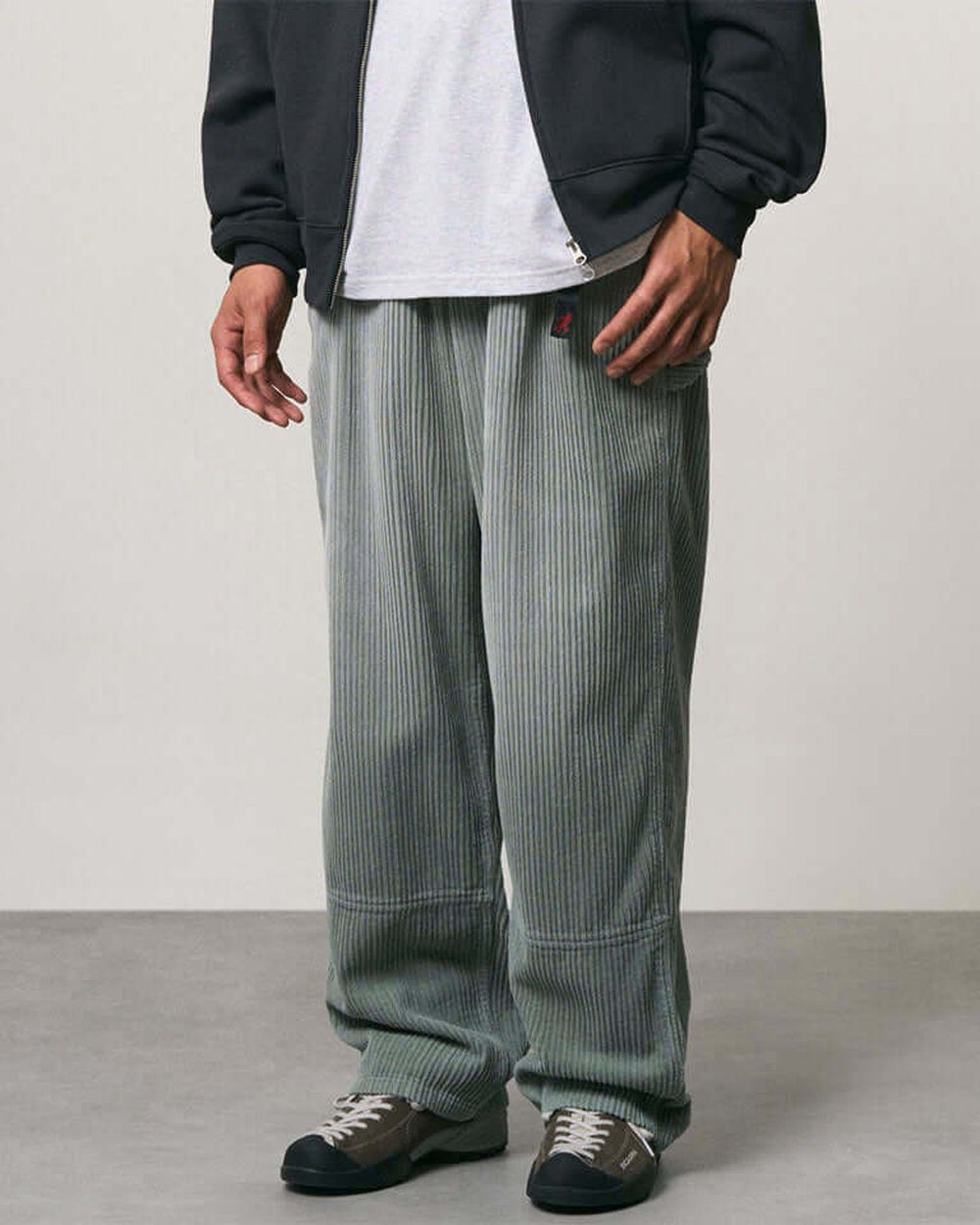
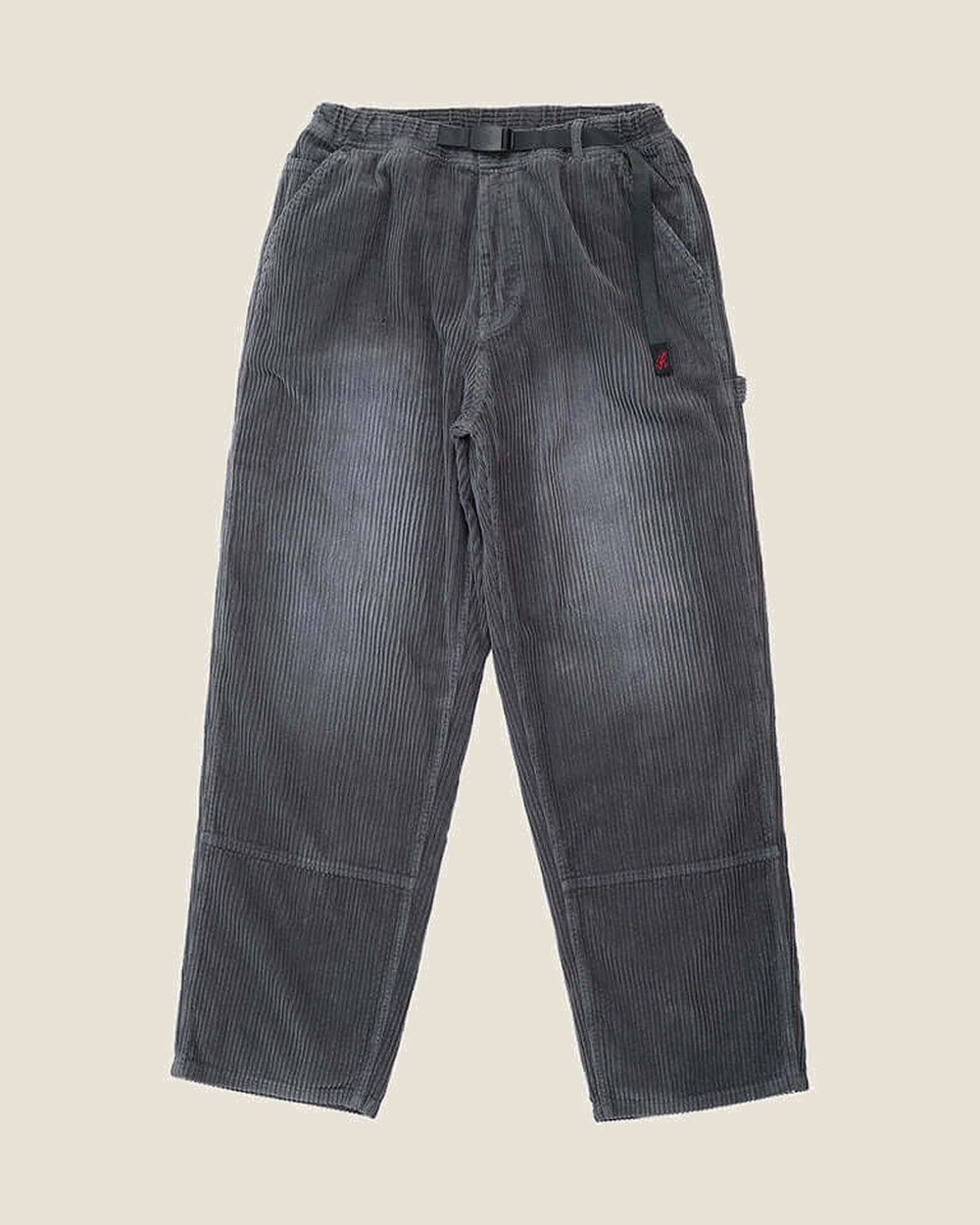
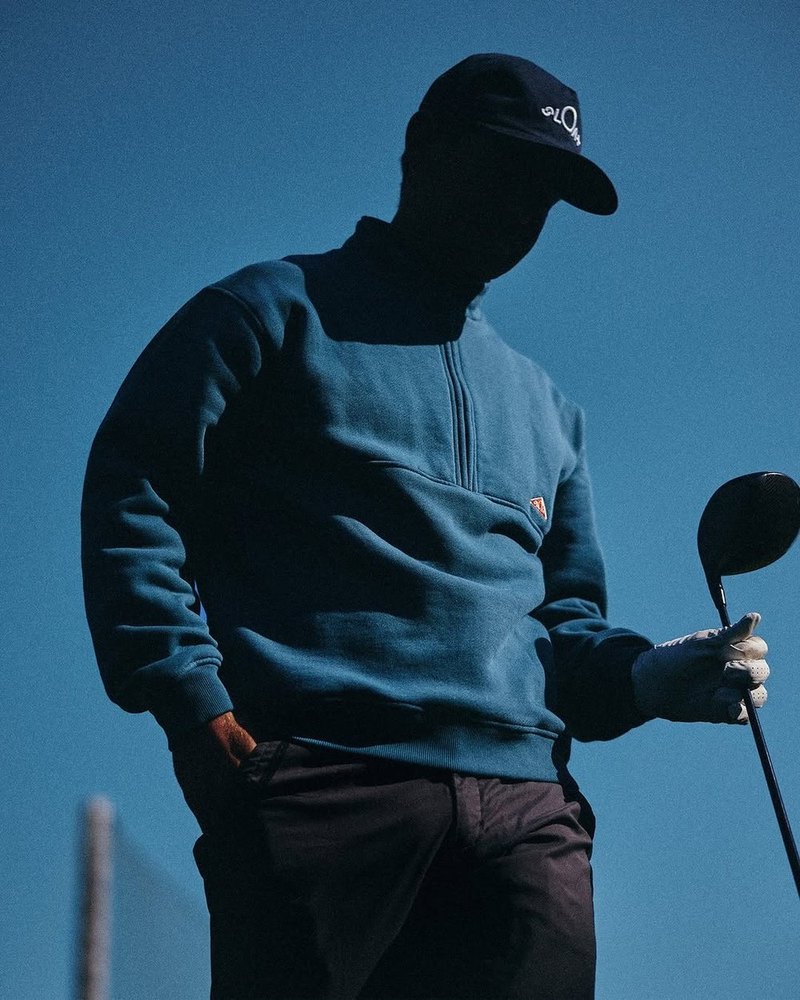
SLOAT in San Francisco uses natural fibers only, down to an organic Ventile cotton wind shirt where nearly everyone else uses polyester. Radmor in Seattle uses no virgin polyester at all. Radmor’s Whitman polo is knitted from organic cotton and organic silk. Rowena cut a golf trouser in lightweight linen, and Gramicci’s wide-wale carpenter pant is all cotton corduroy. Whim works in American merino, and Ashworth relaunched on Supima cotton.
Performance polyester is not going anywhere, and on a wet day it still wins. But at the top end of independent golf, the brands people talked about this year were the ones selling how a shirt feels, not what it wicks.
Needlepoint, hand-sewn covers and hand-finished markers
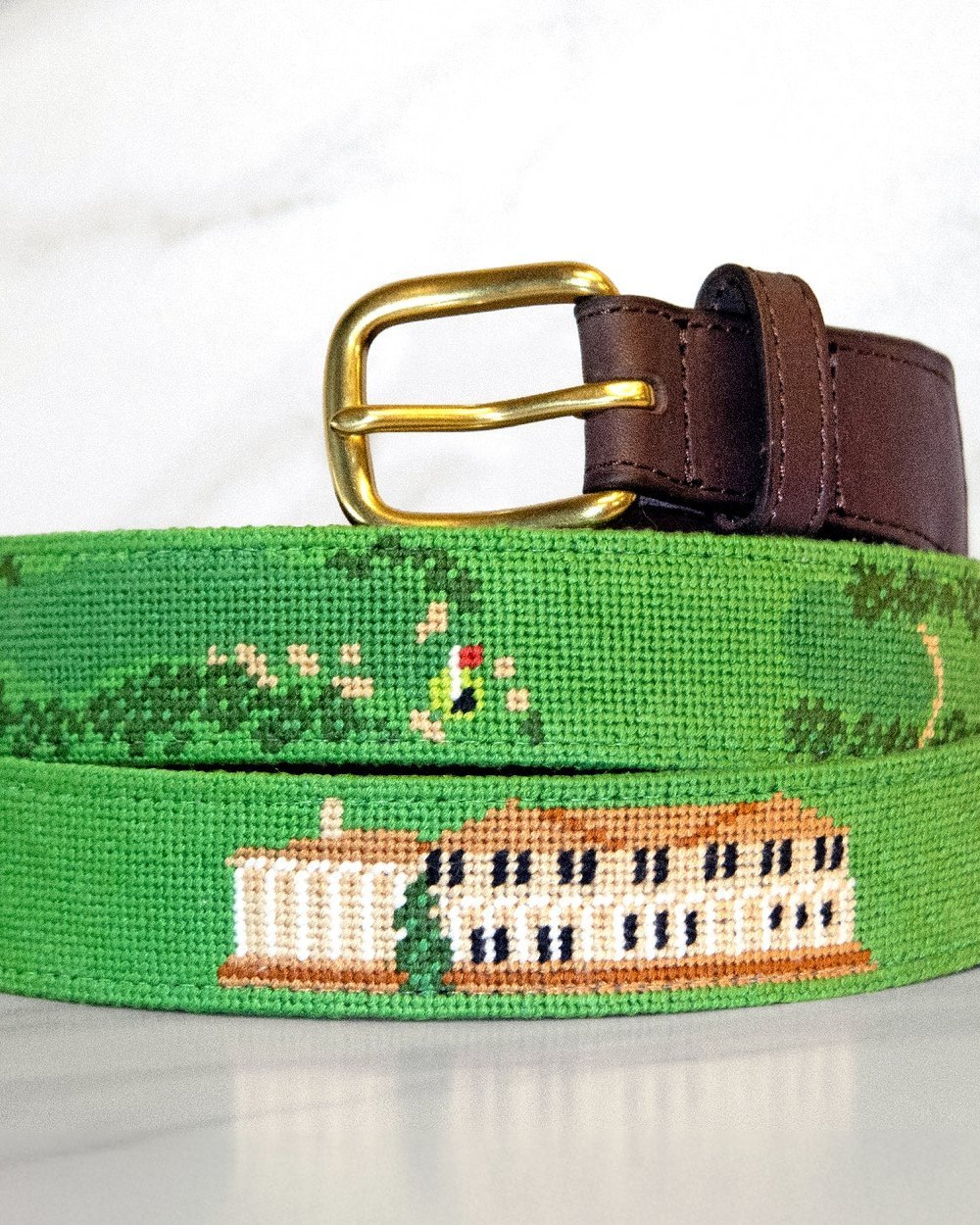
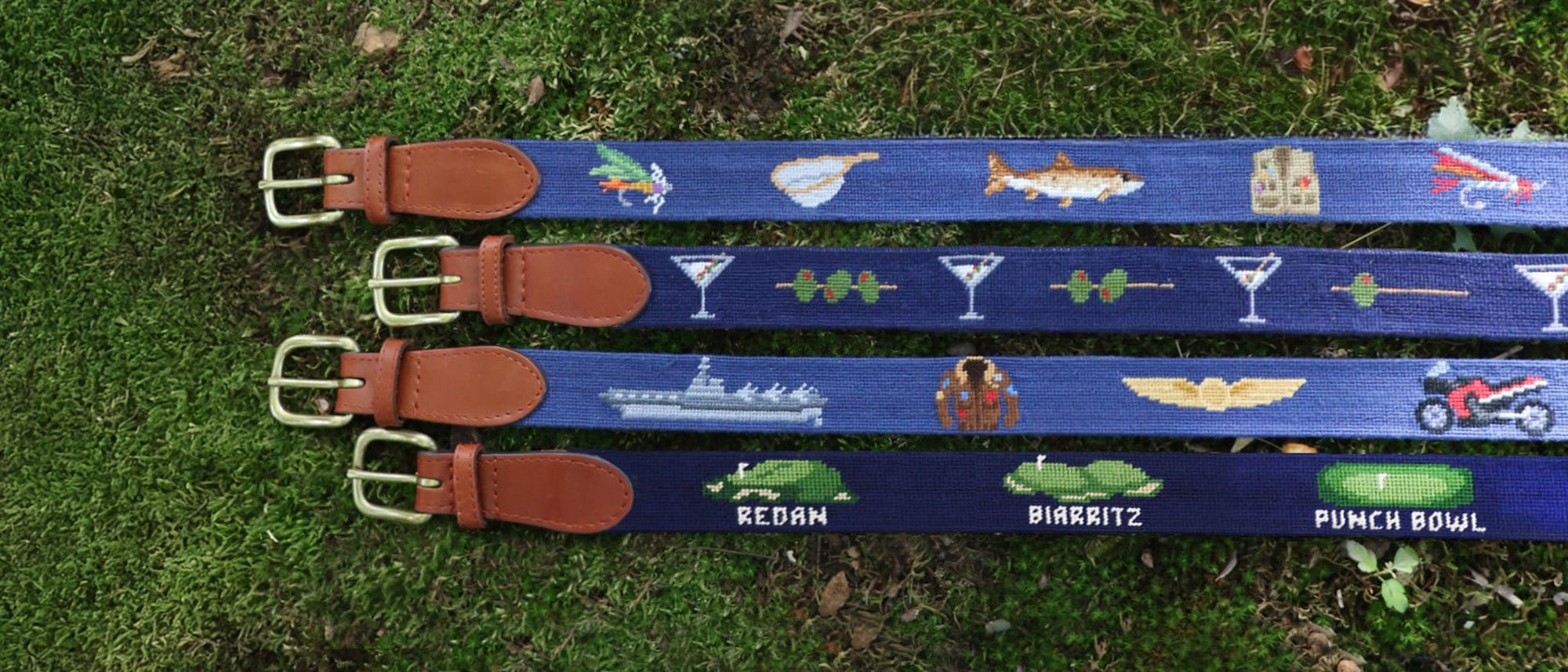
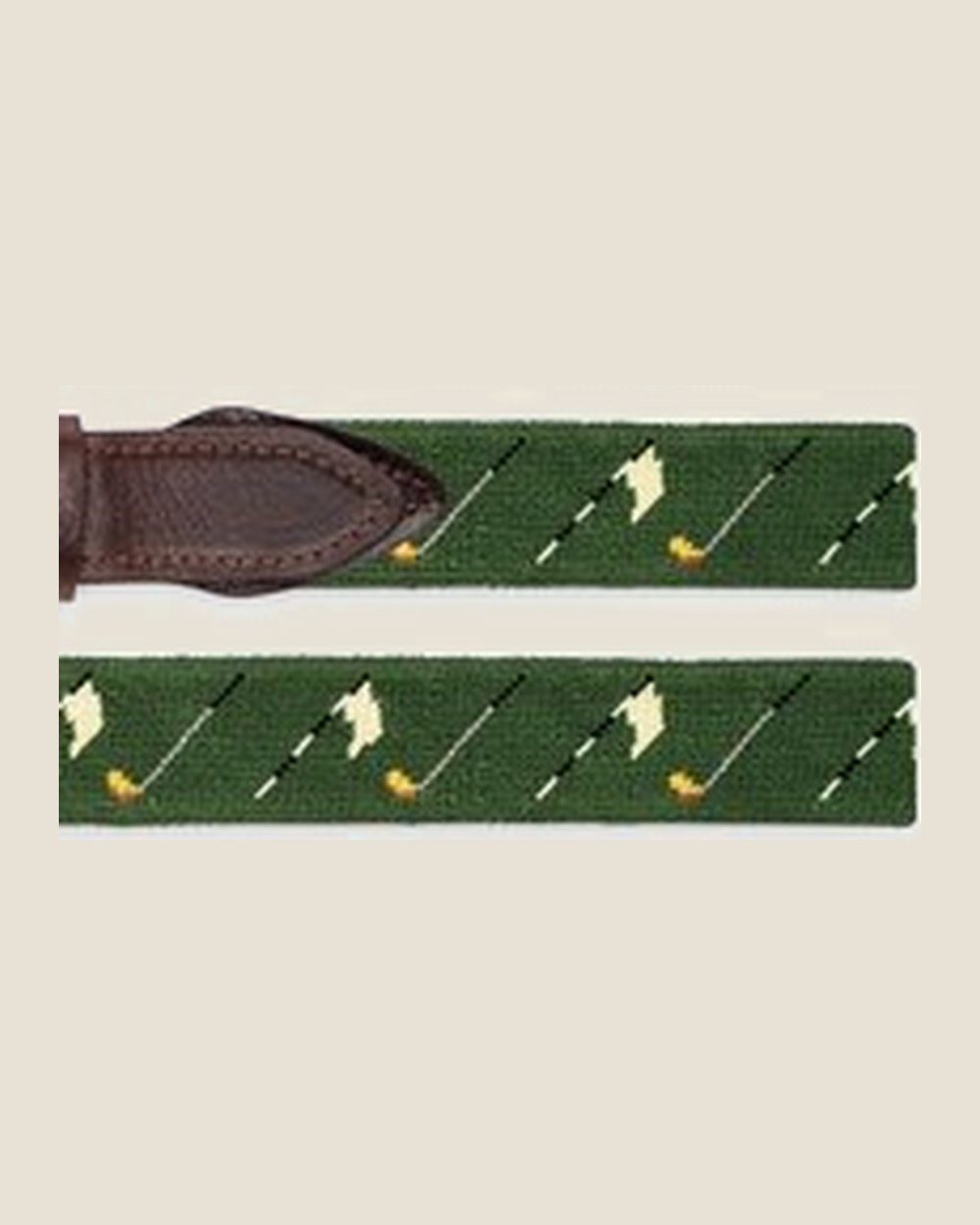
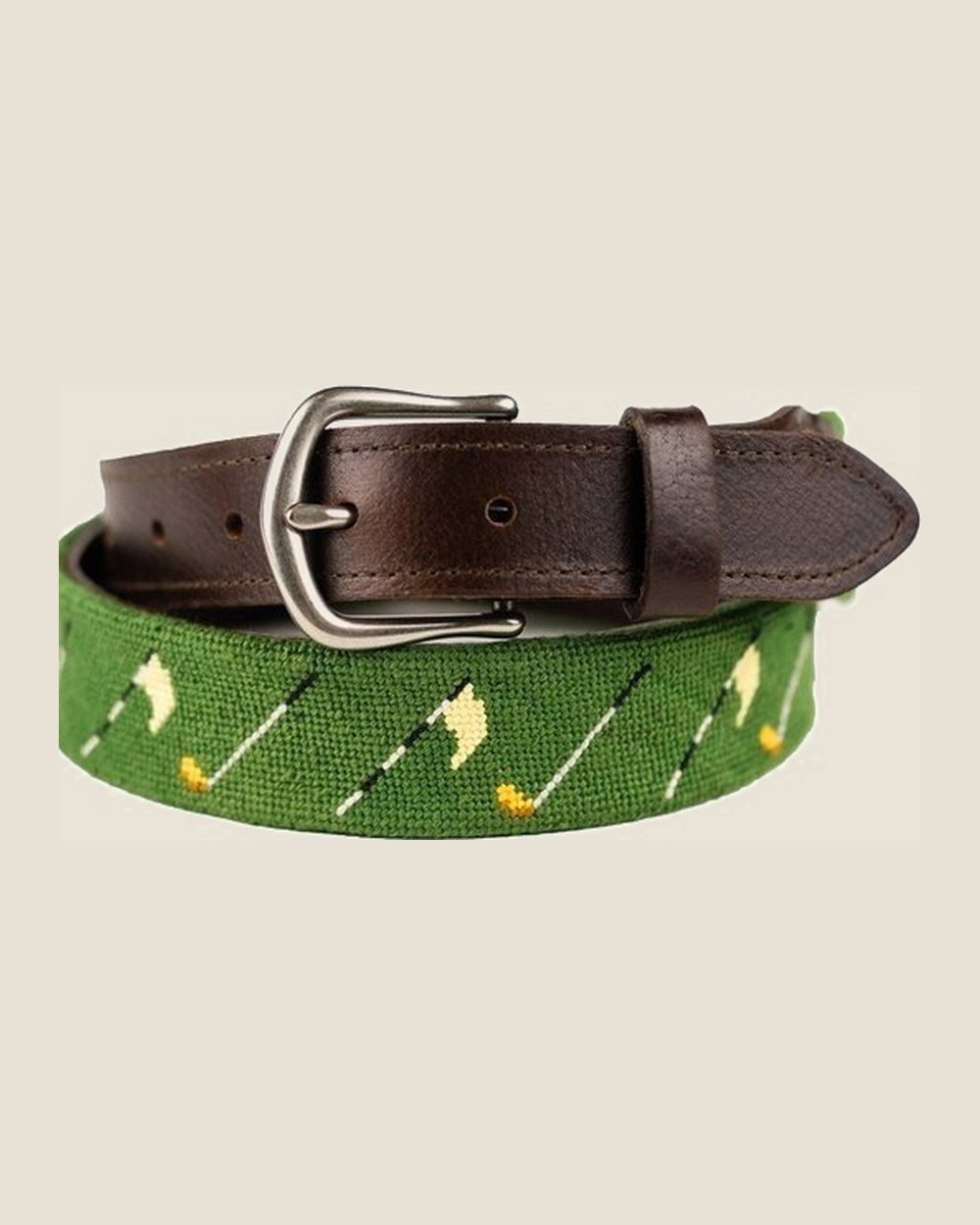
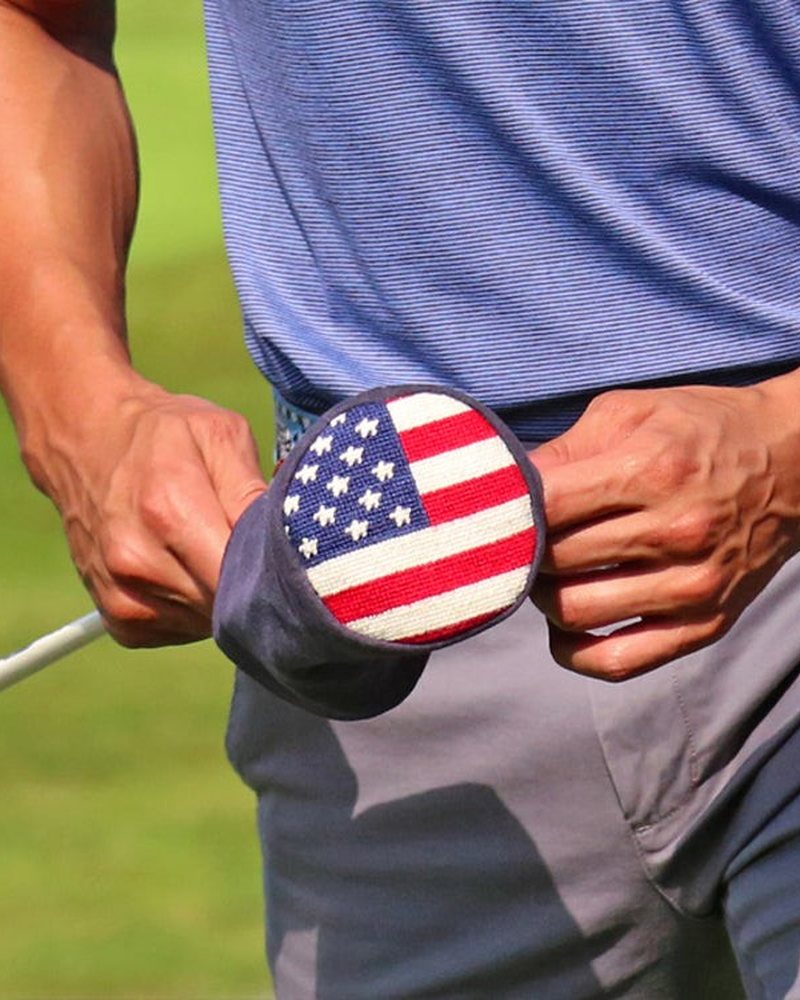
Needlepoint was everywhere. We covered it twice: 20 hand-stitched belts in August and the Needlepoint Roundup this week, with 36 belts, headcovers and small things. By fall the stitching had moved off the belt and onto driver covers, key fobs, card wallets and scorecard holders.
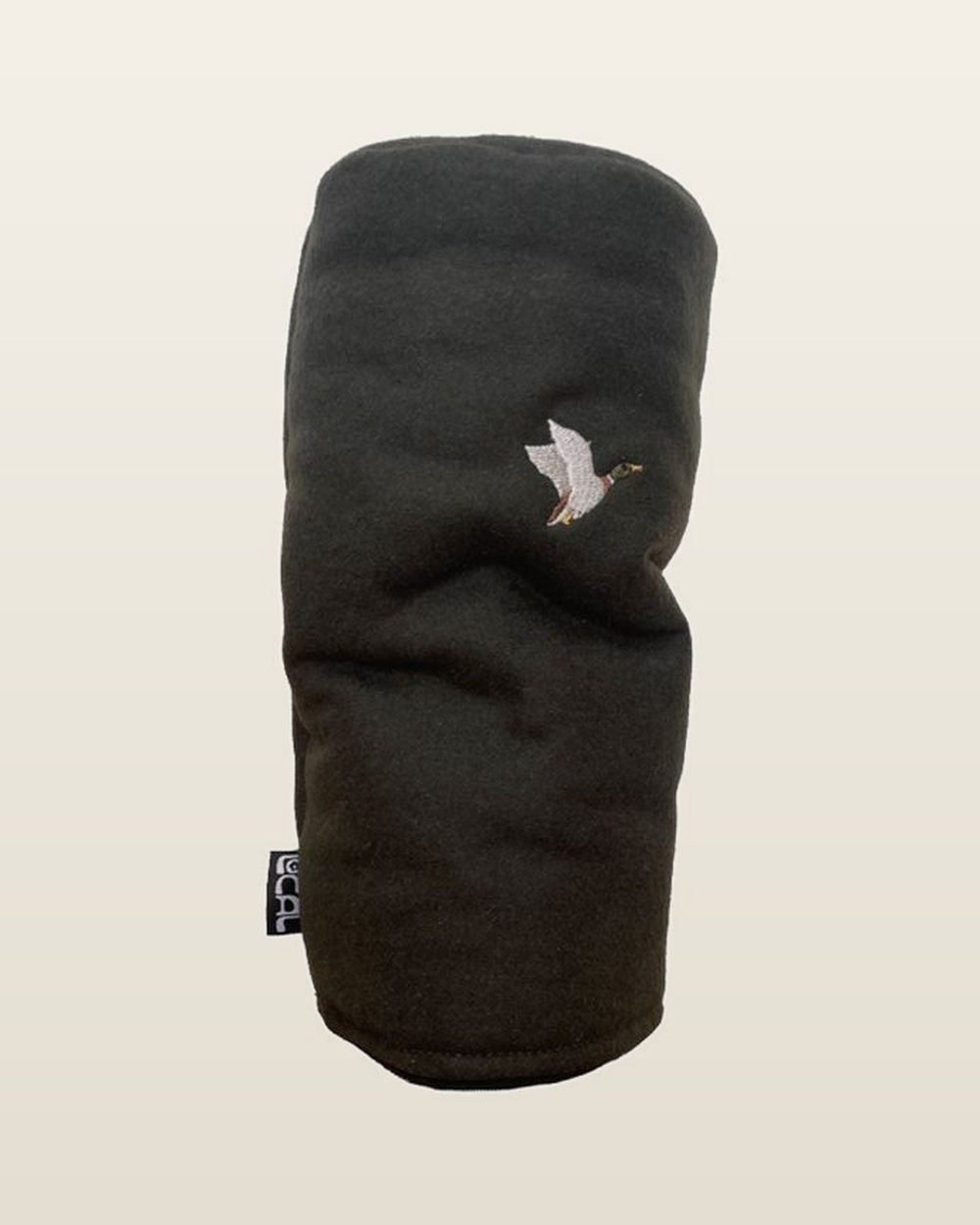
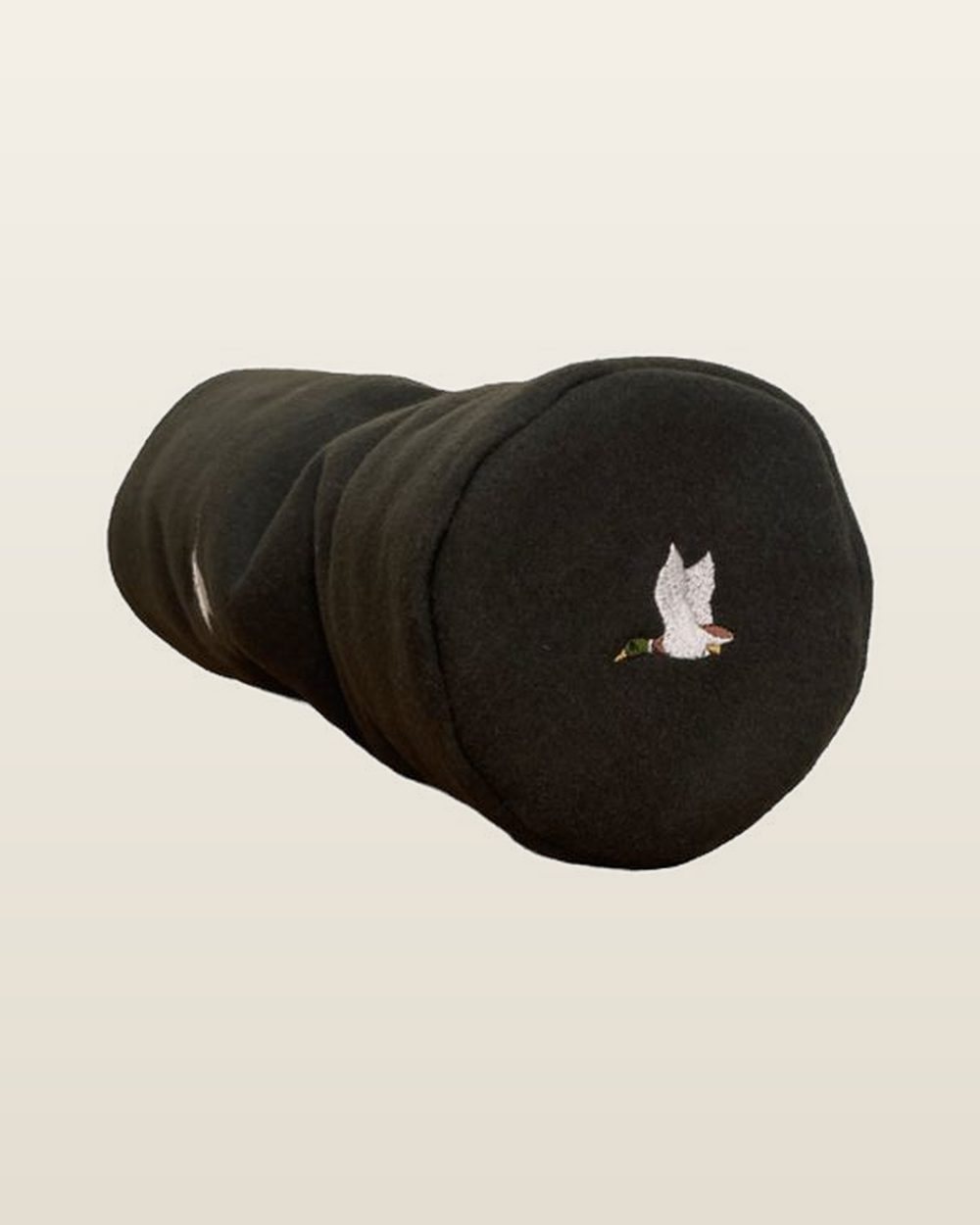
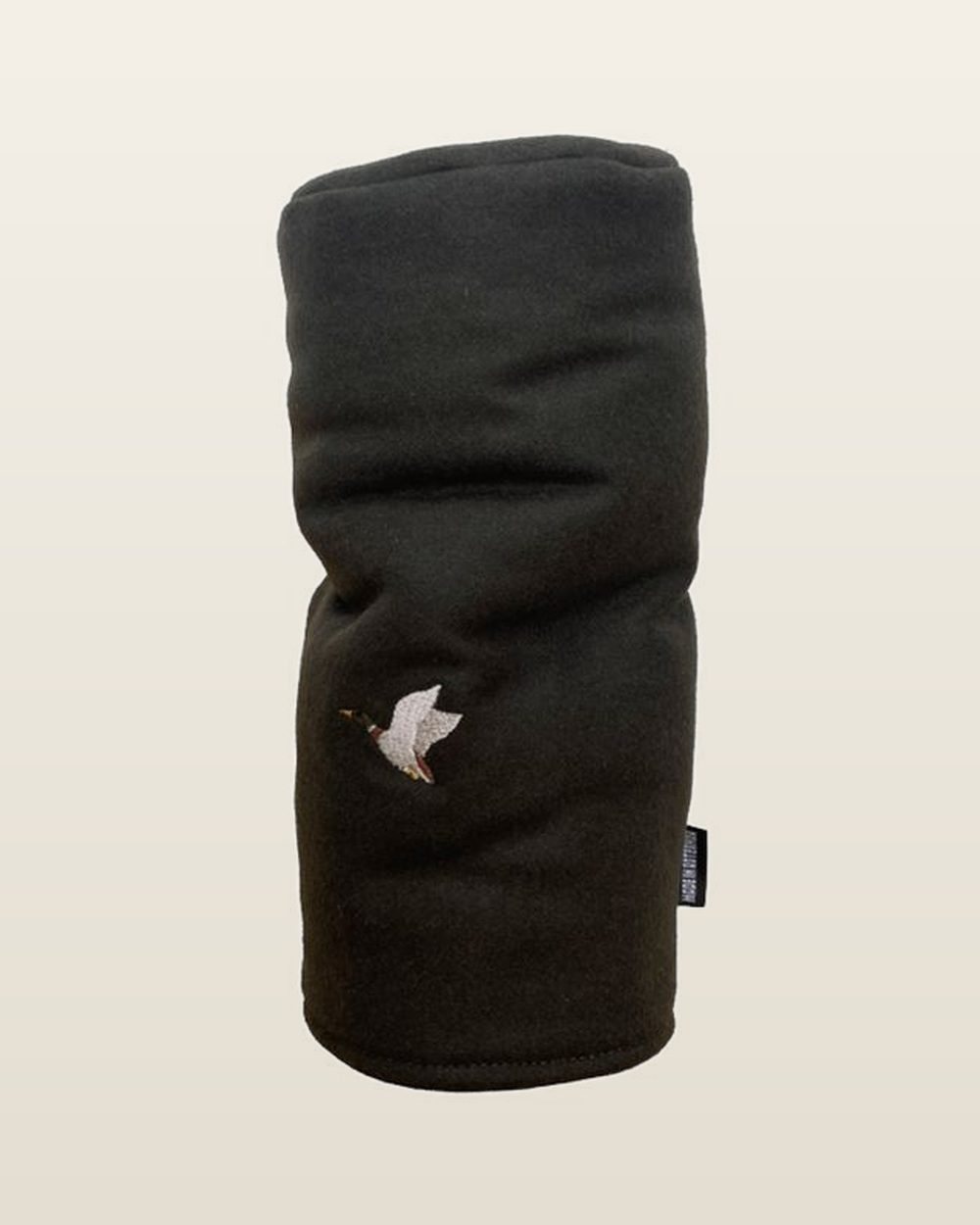
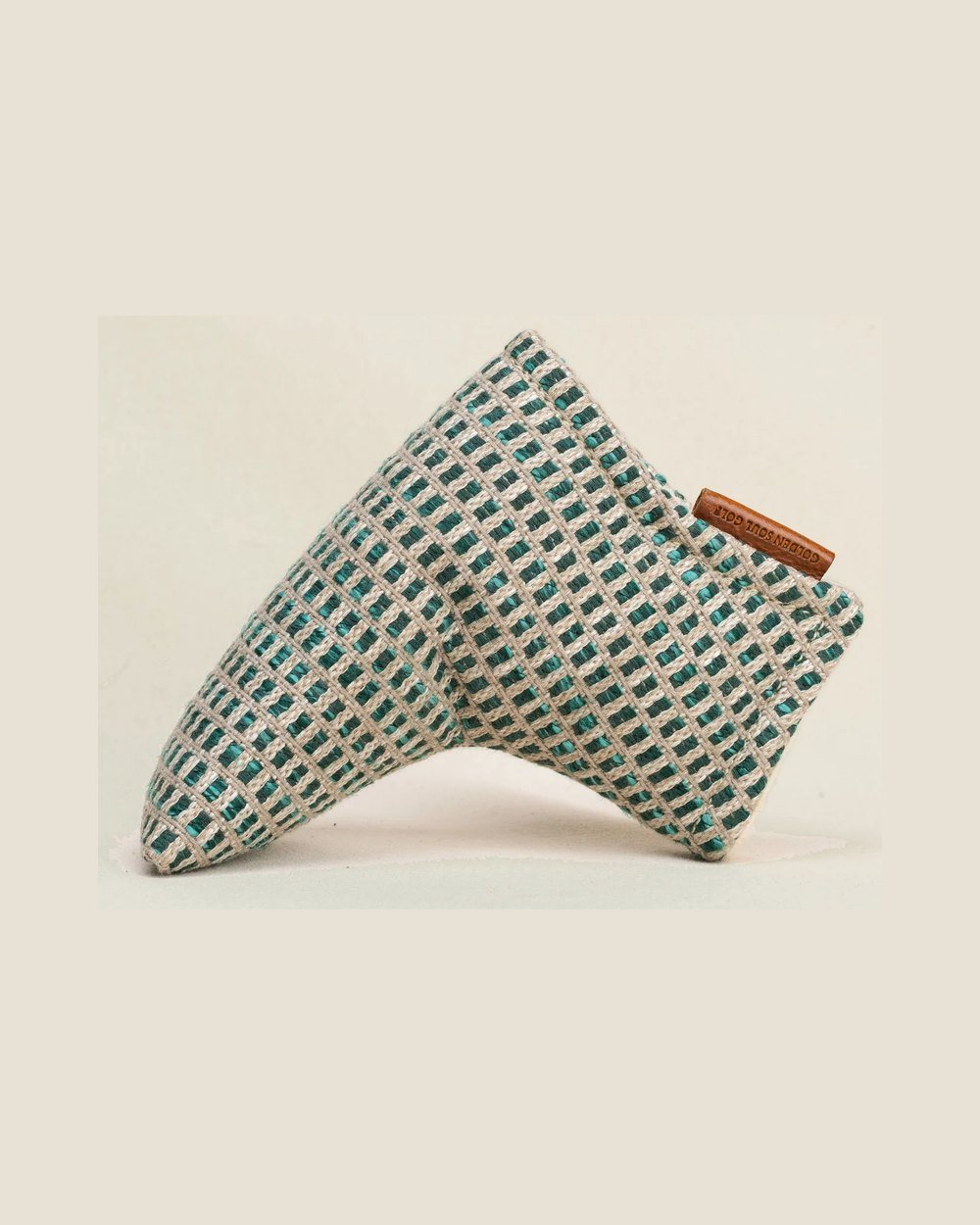
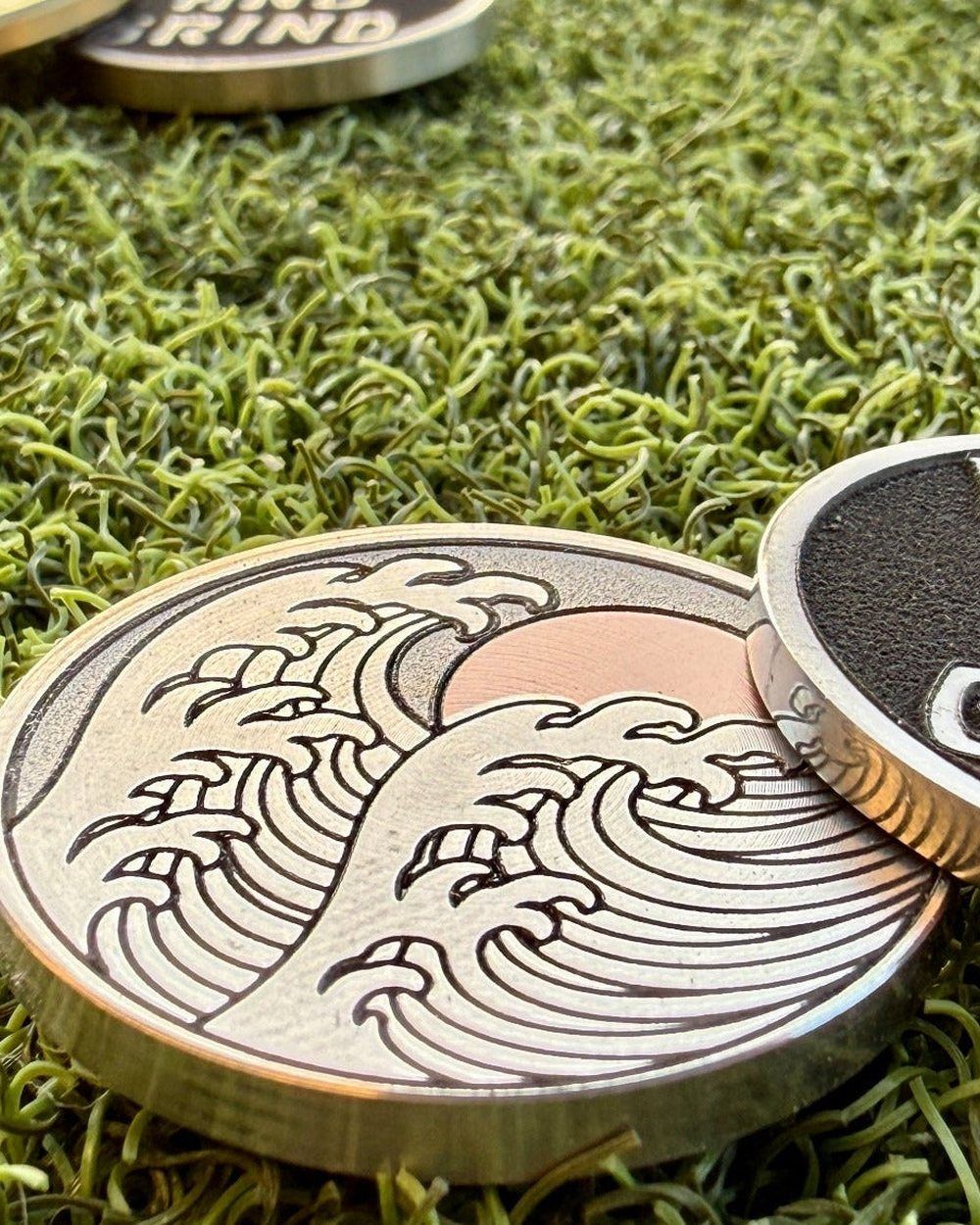
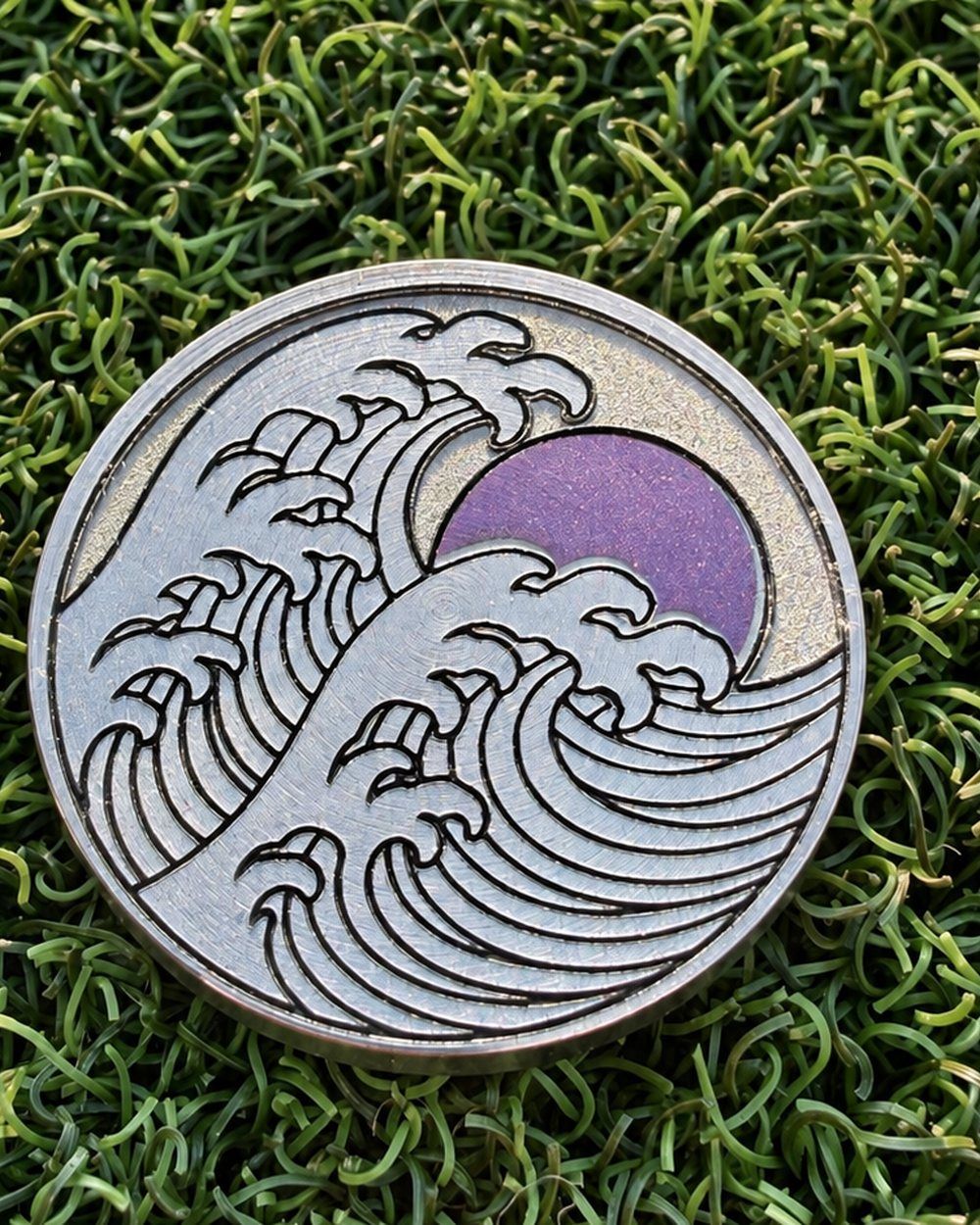
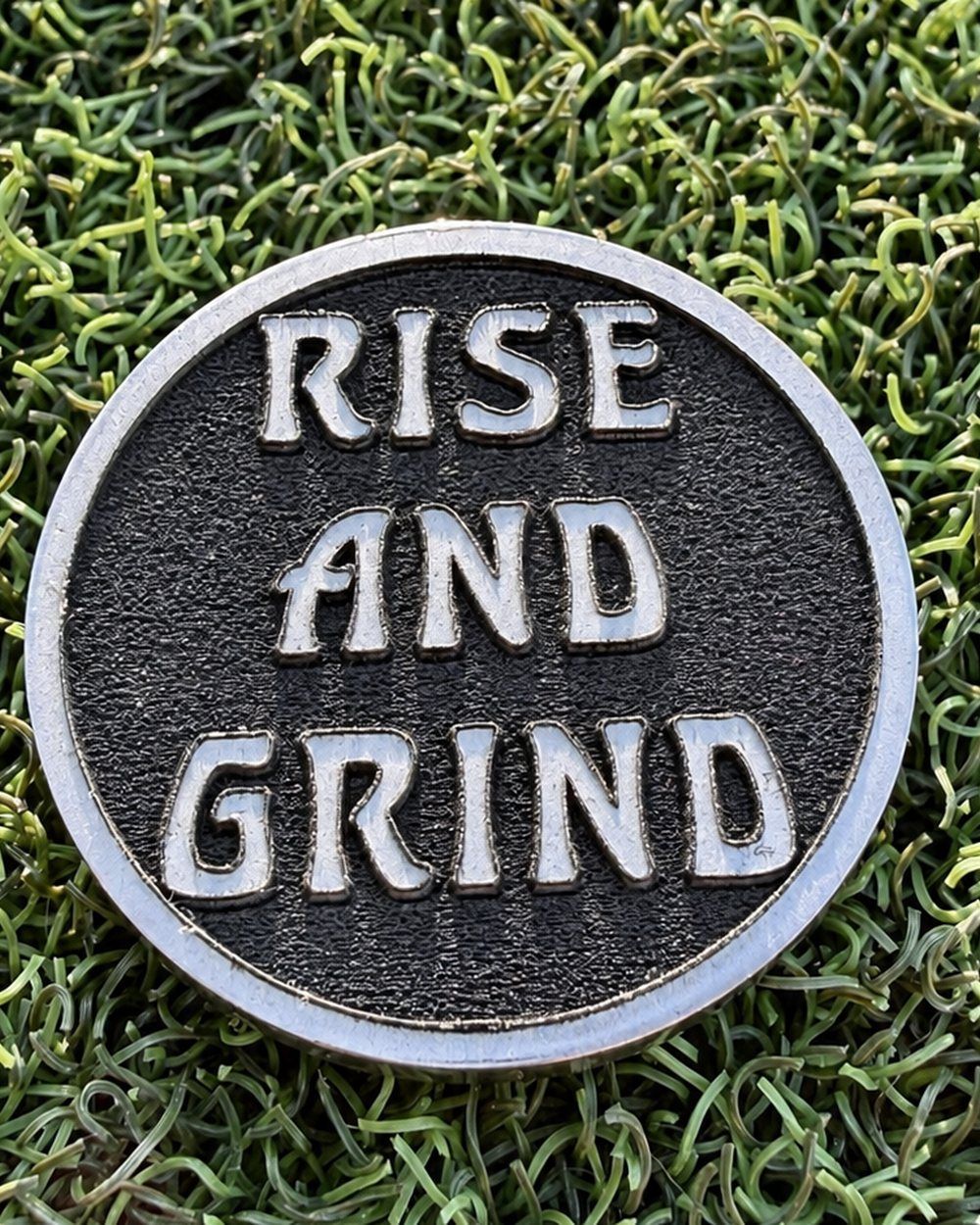
The smaller makers are where it got good. Good Threads stitches its belts in pearl cotton on 18-count canvas, a long way from the logo belts in the pro shop. Next to it sat headcovers sewn by hand: Local GC makes its wool covers to order in Orewa, New Zealand, Mackem sews in Perth, and Golden Soul working in leather in Colombia. In Coronado, Swell Marks finishes its stainless steel ball markers by hand and pours one-off resin pitch tools.
The appeal is the same in every case. When everything in the pro shop is made by the thousand, the thing in your bag made by one person stands out.
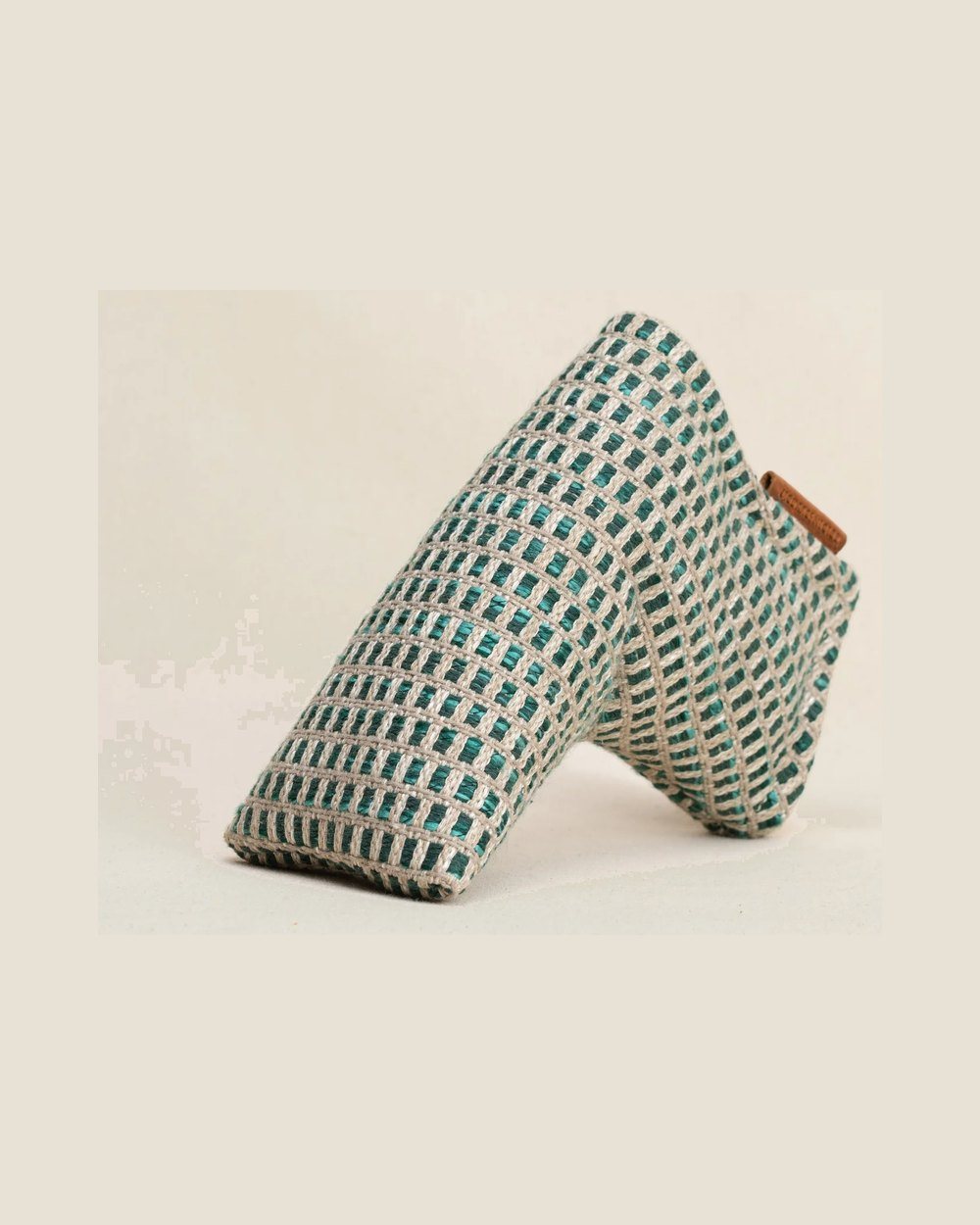
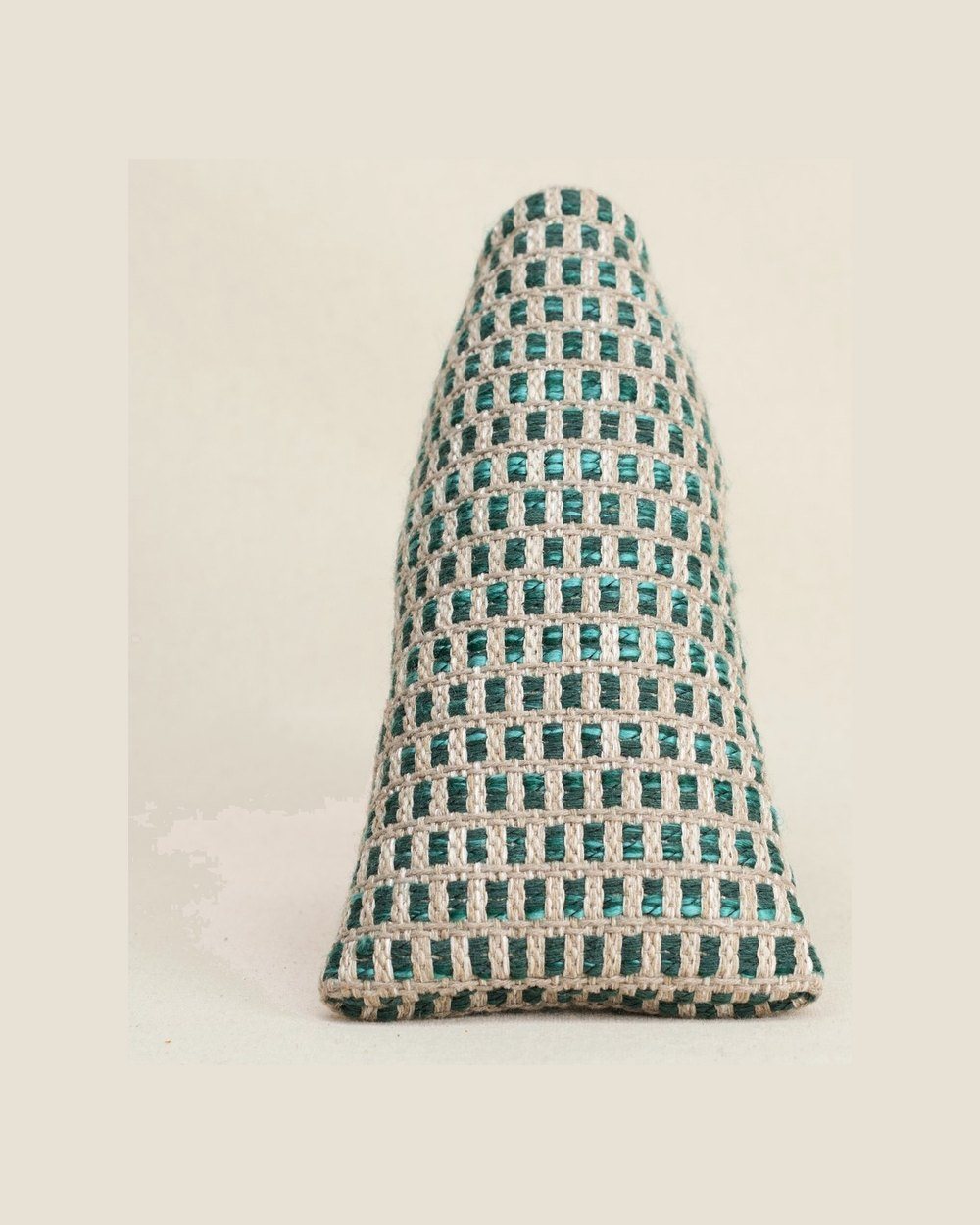
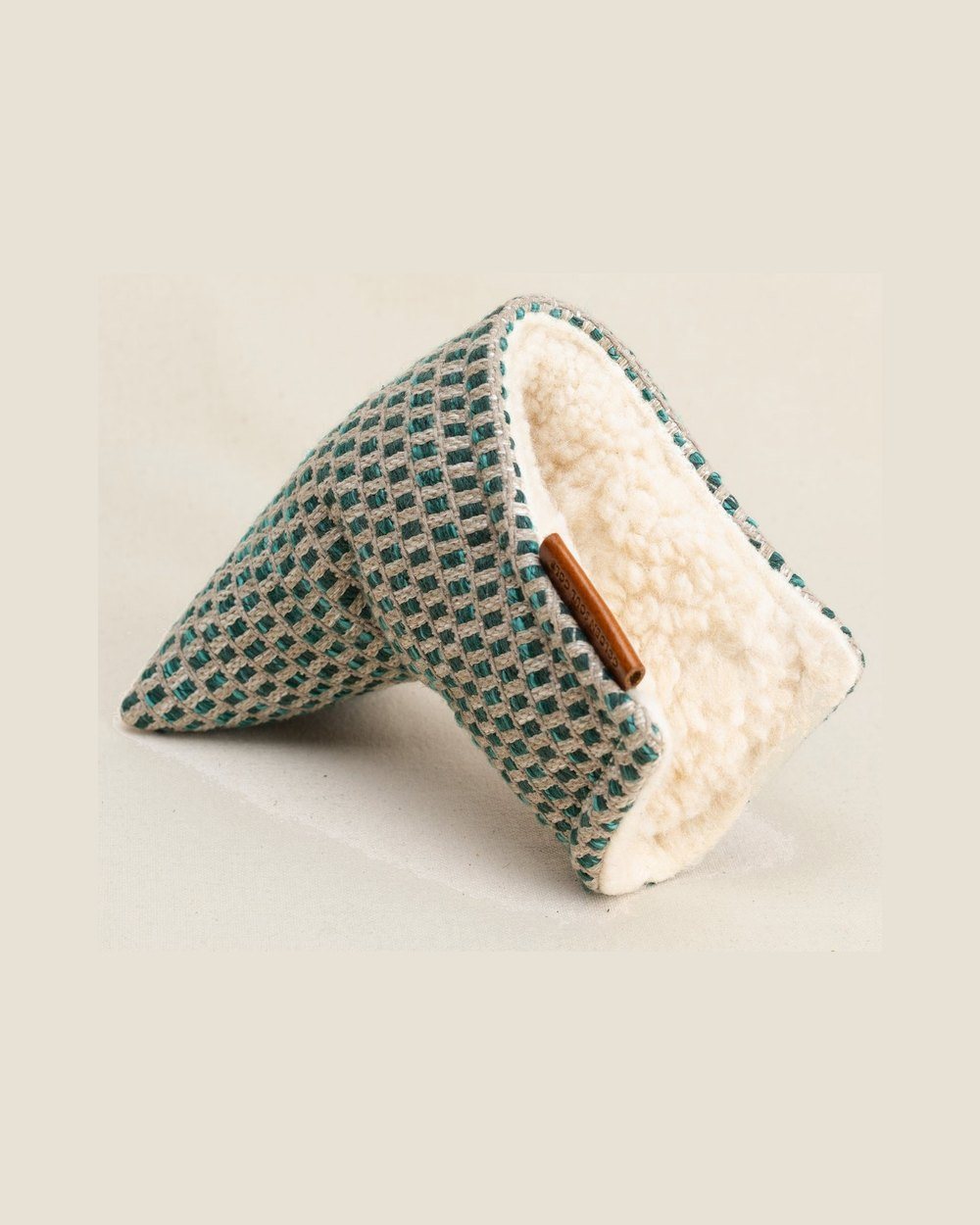
Headcovers that started life as something else
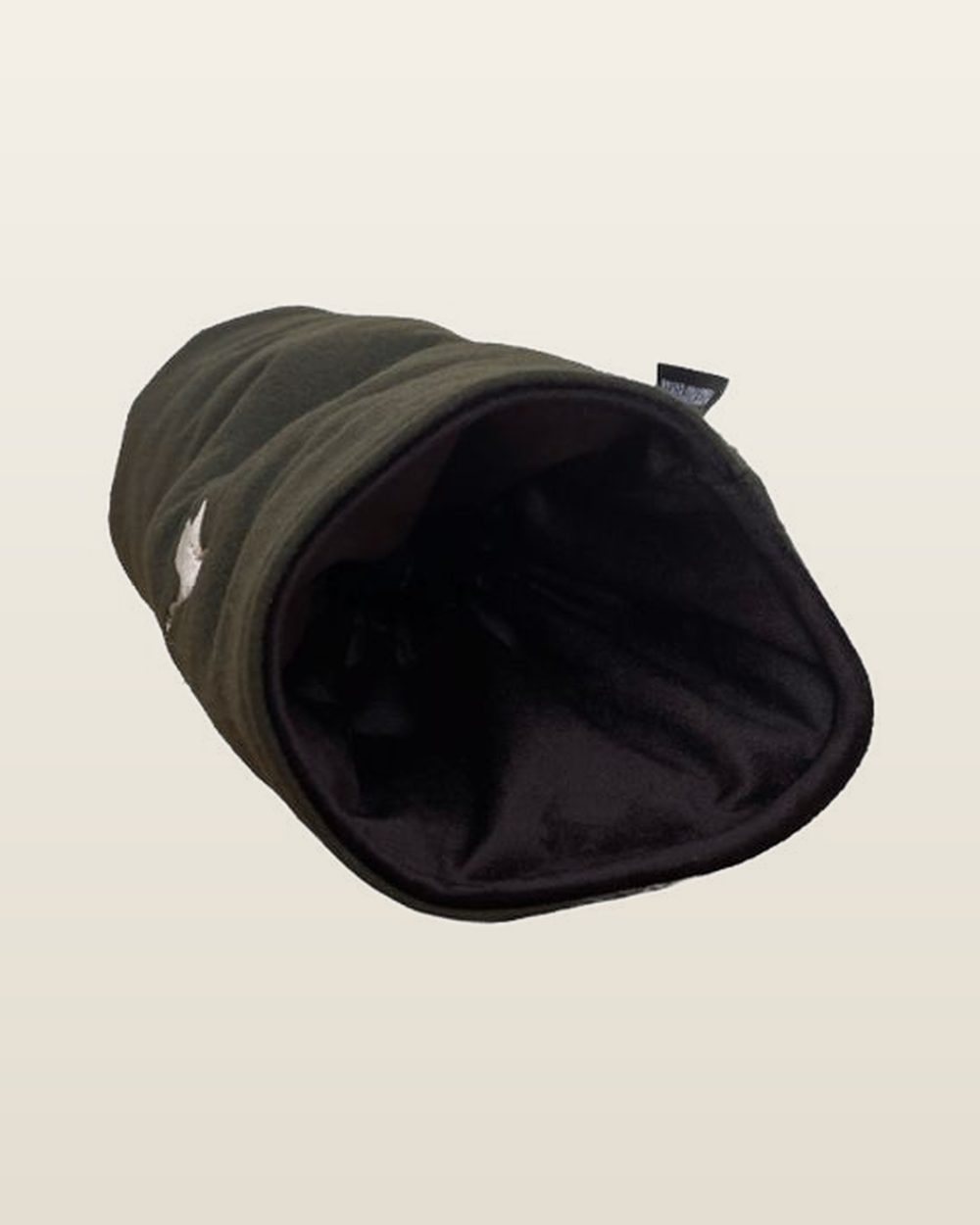
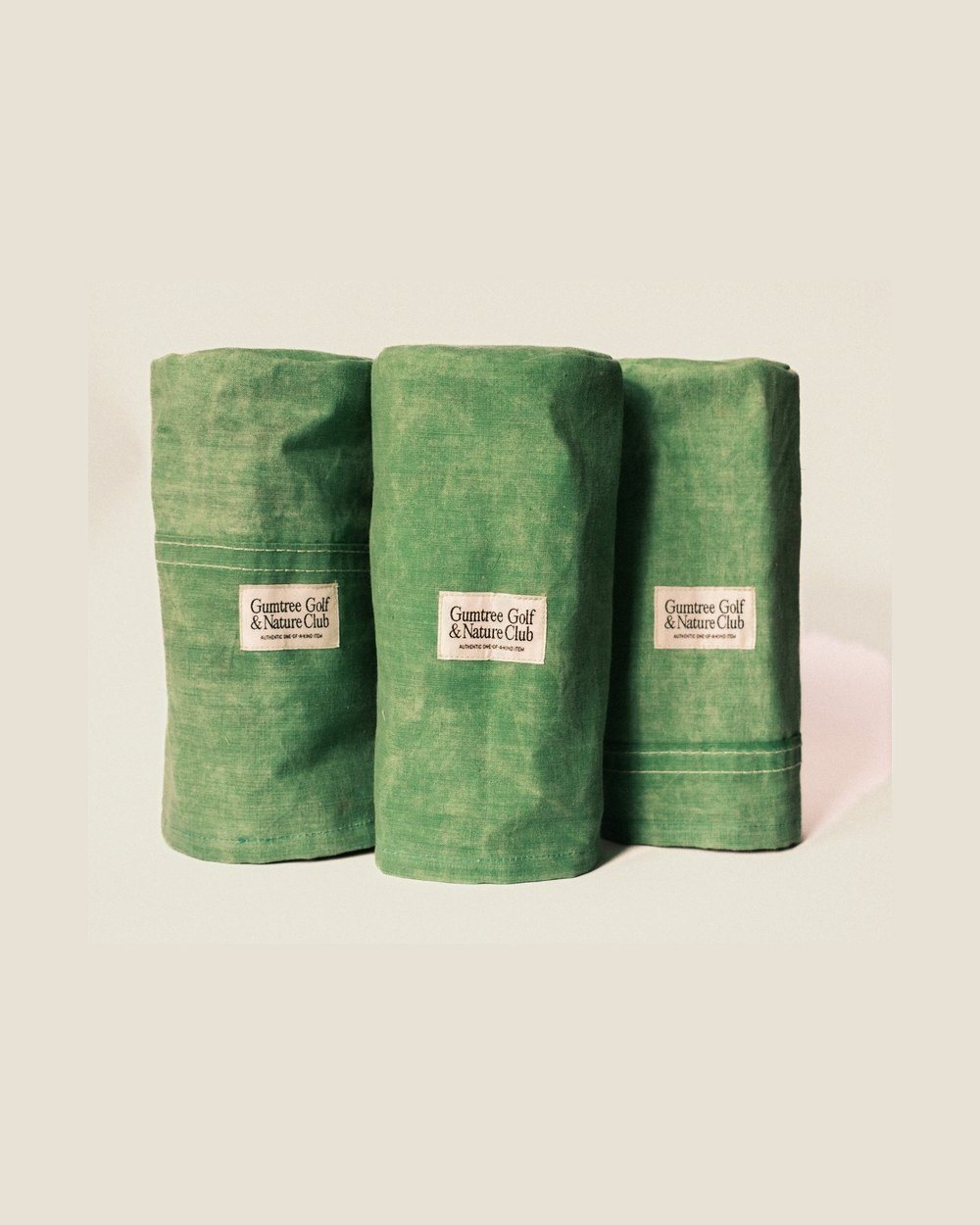
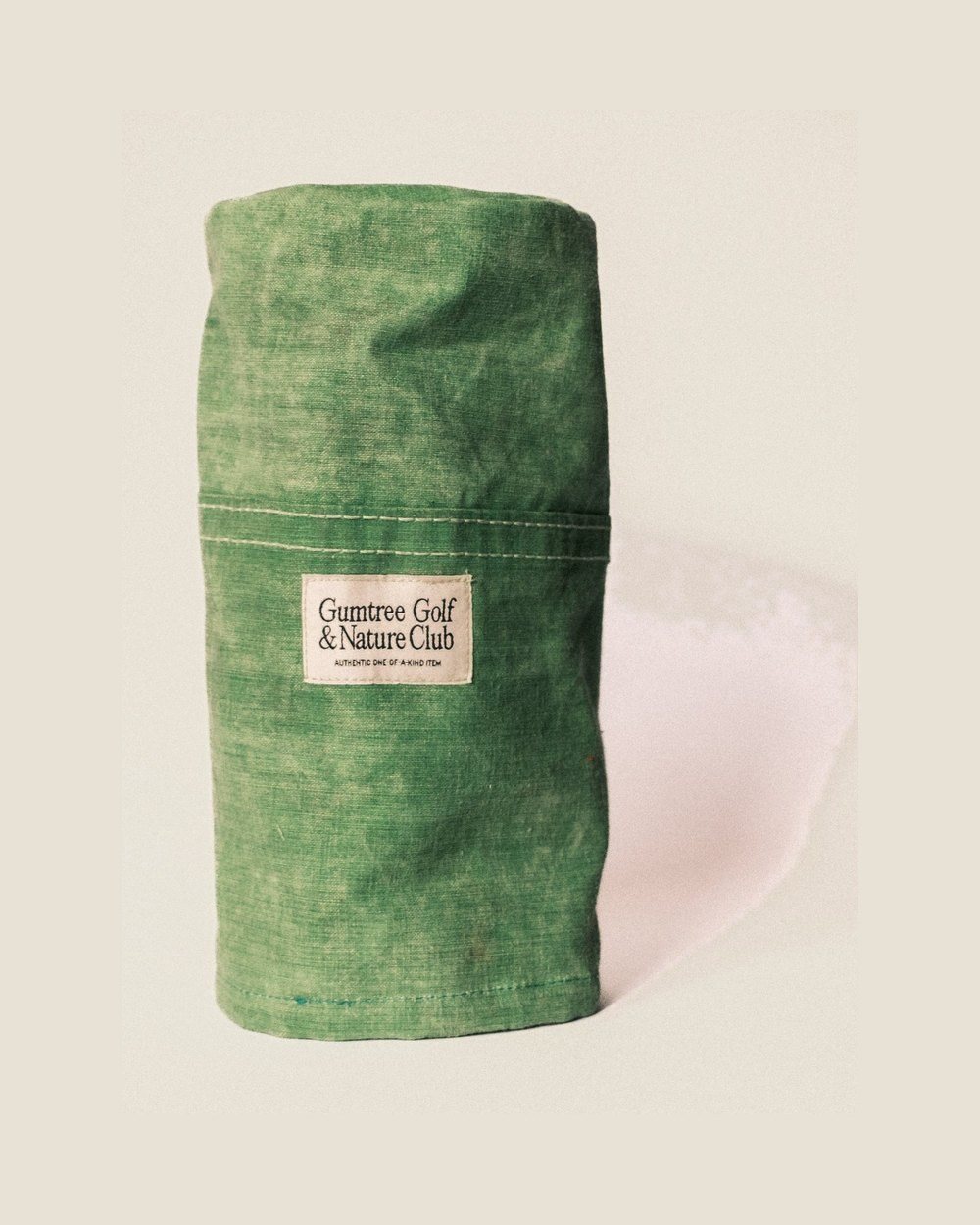
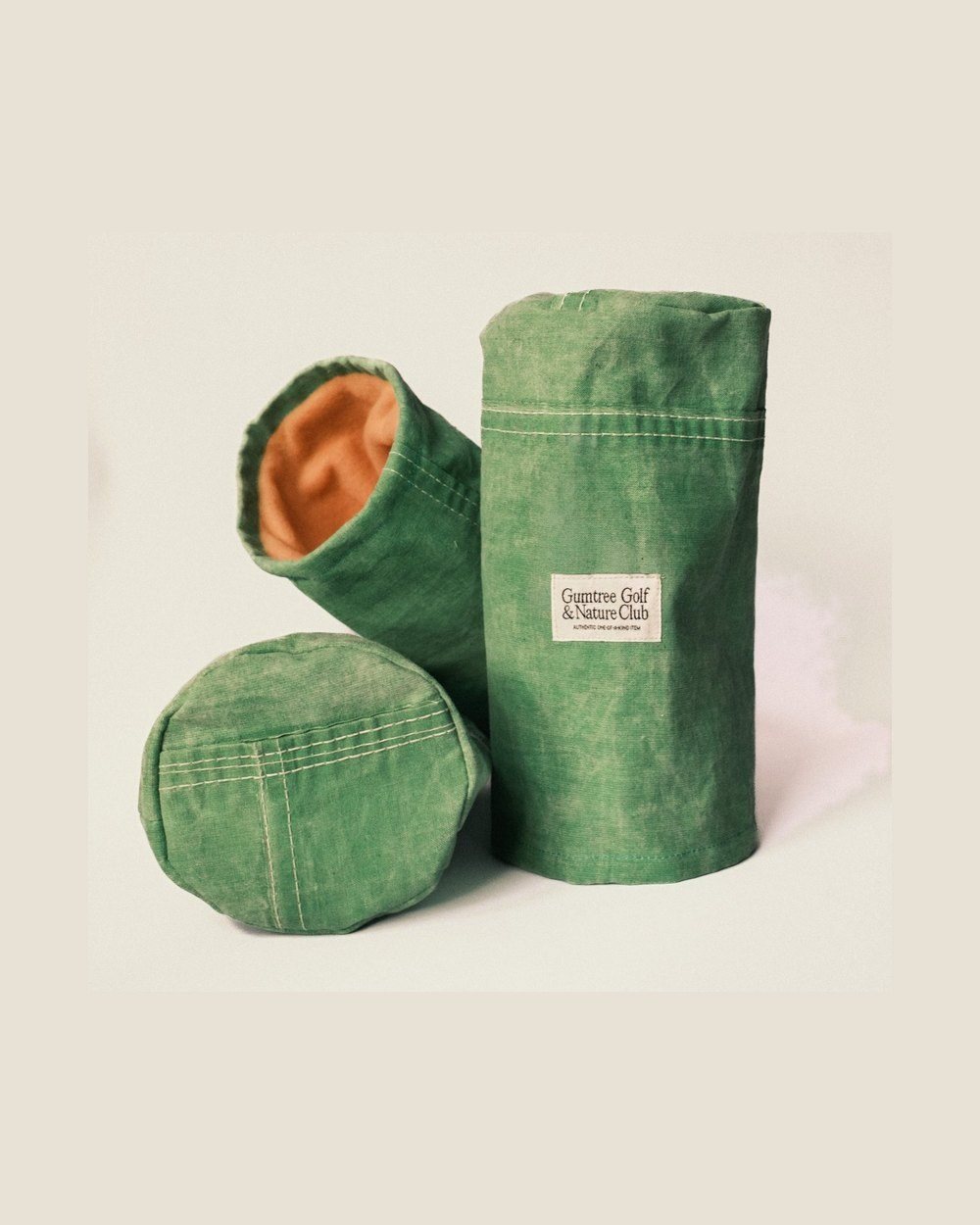
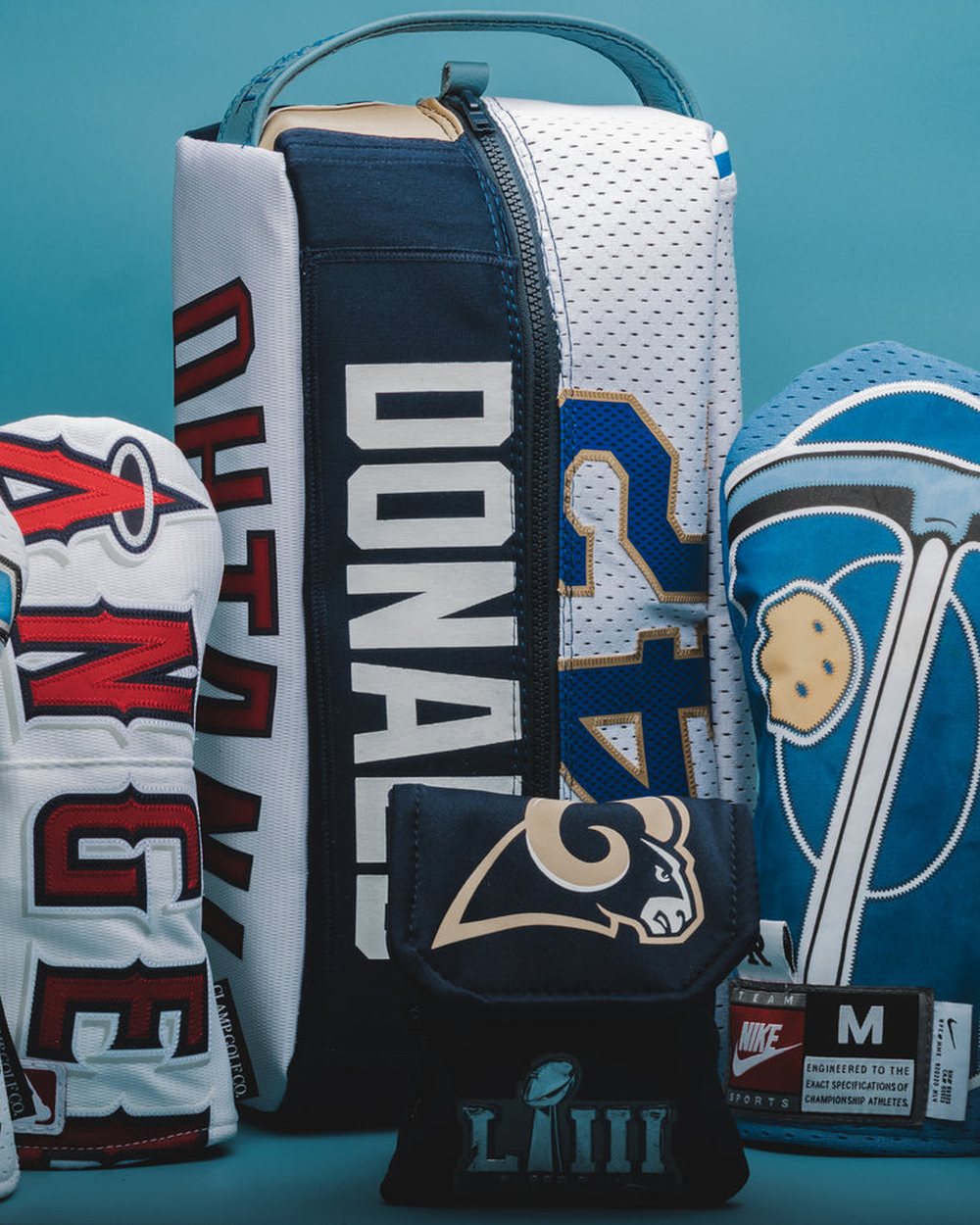
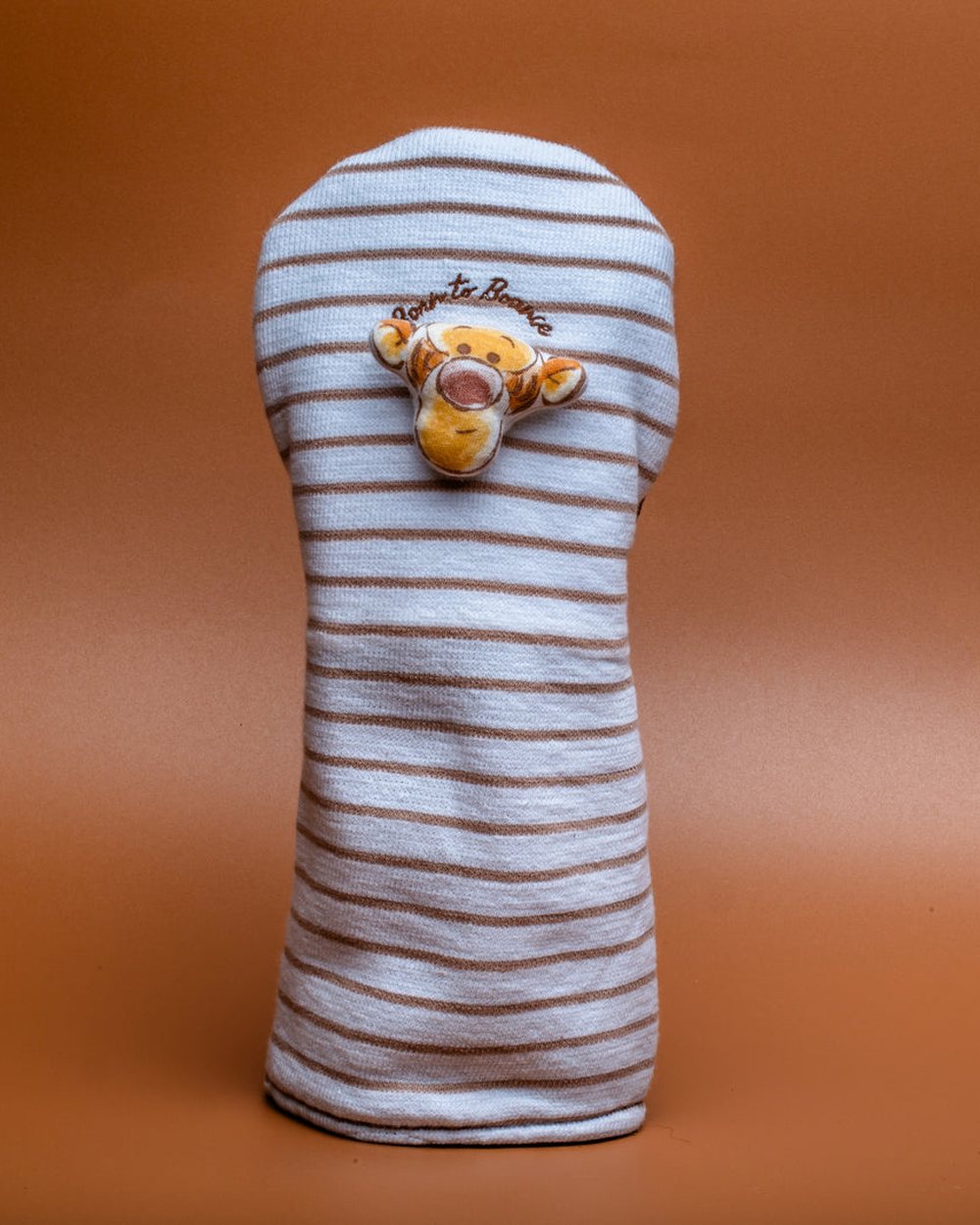
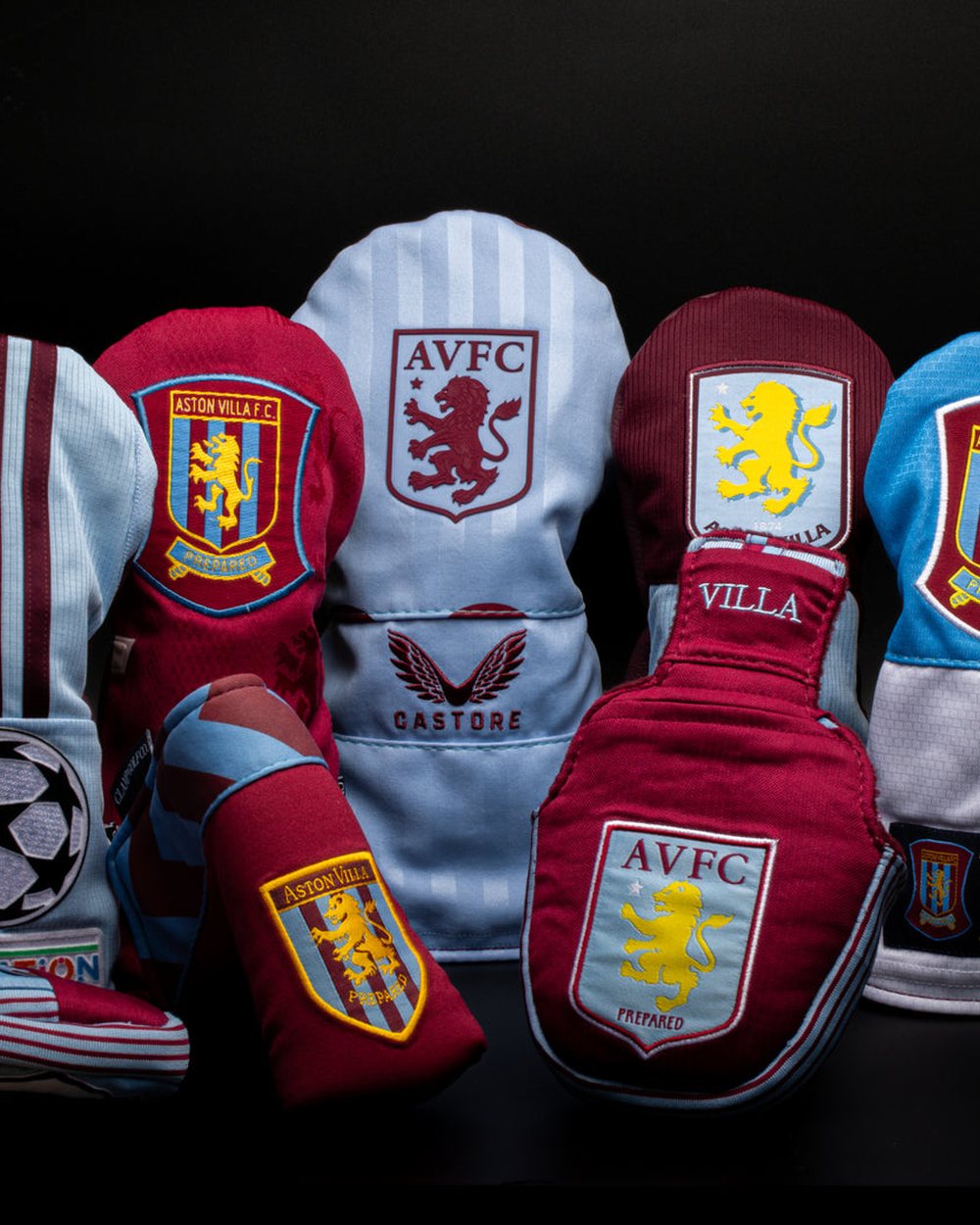
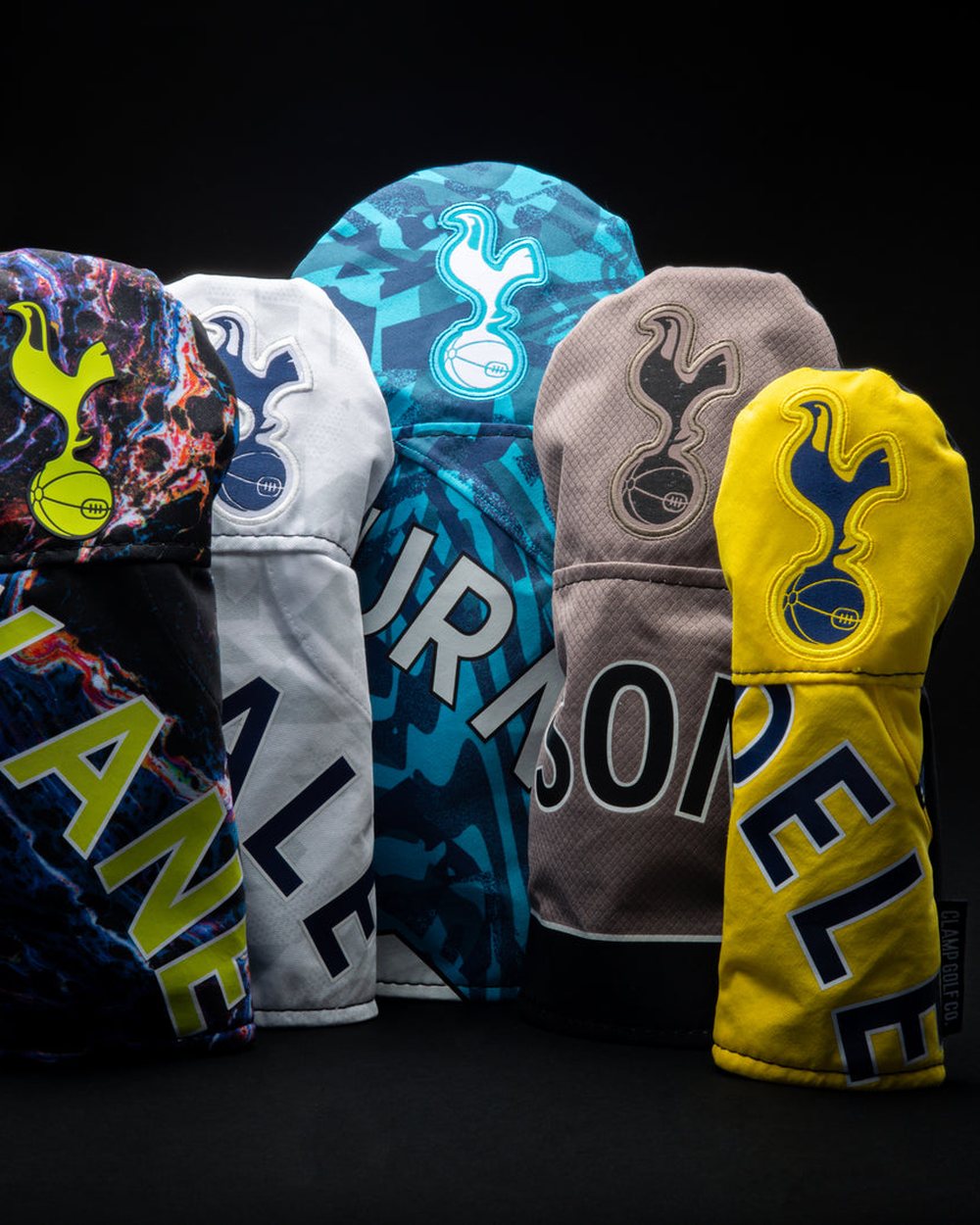
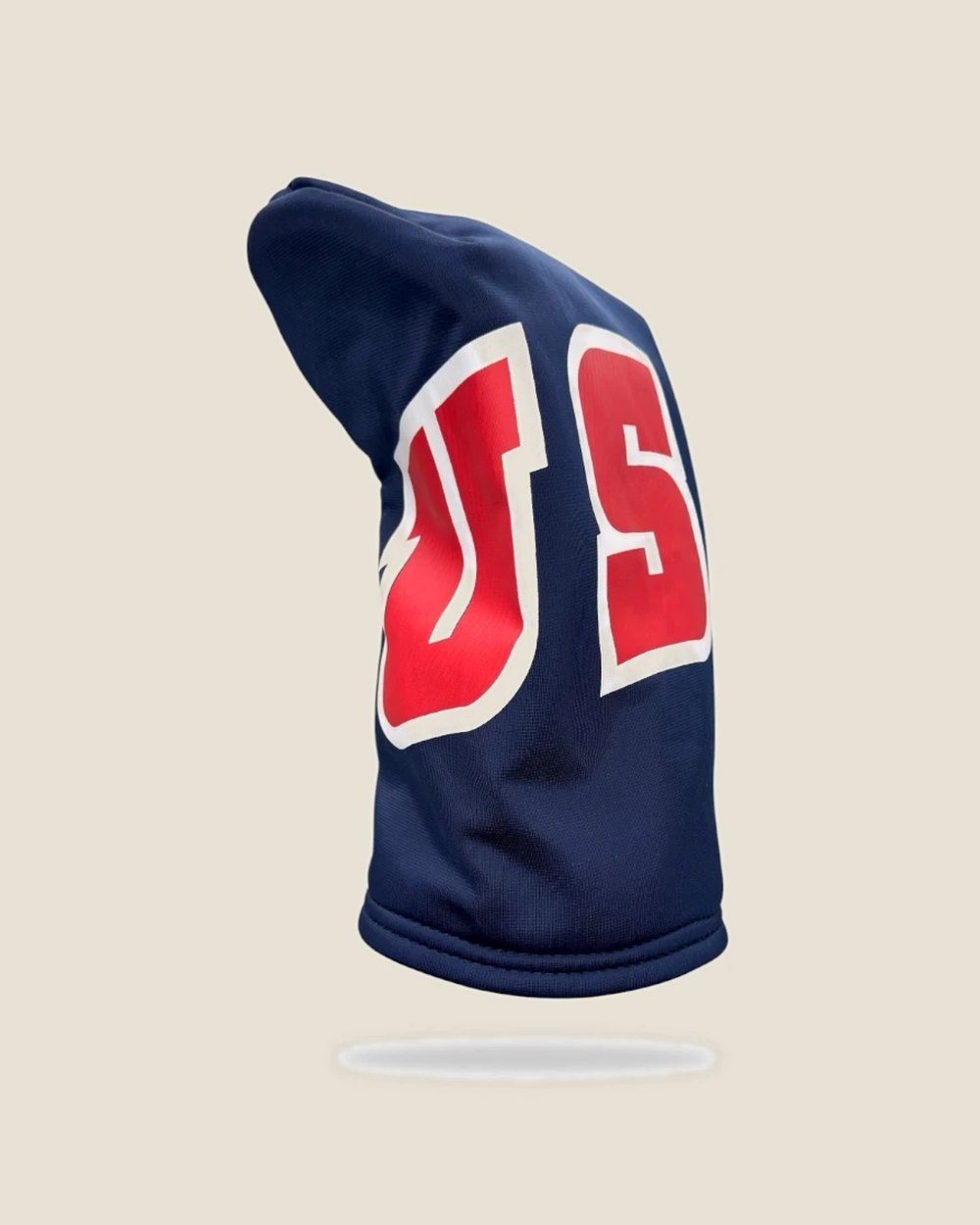
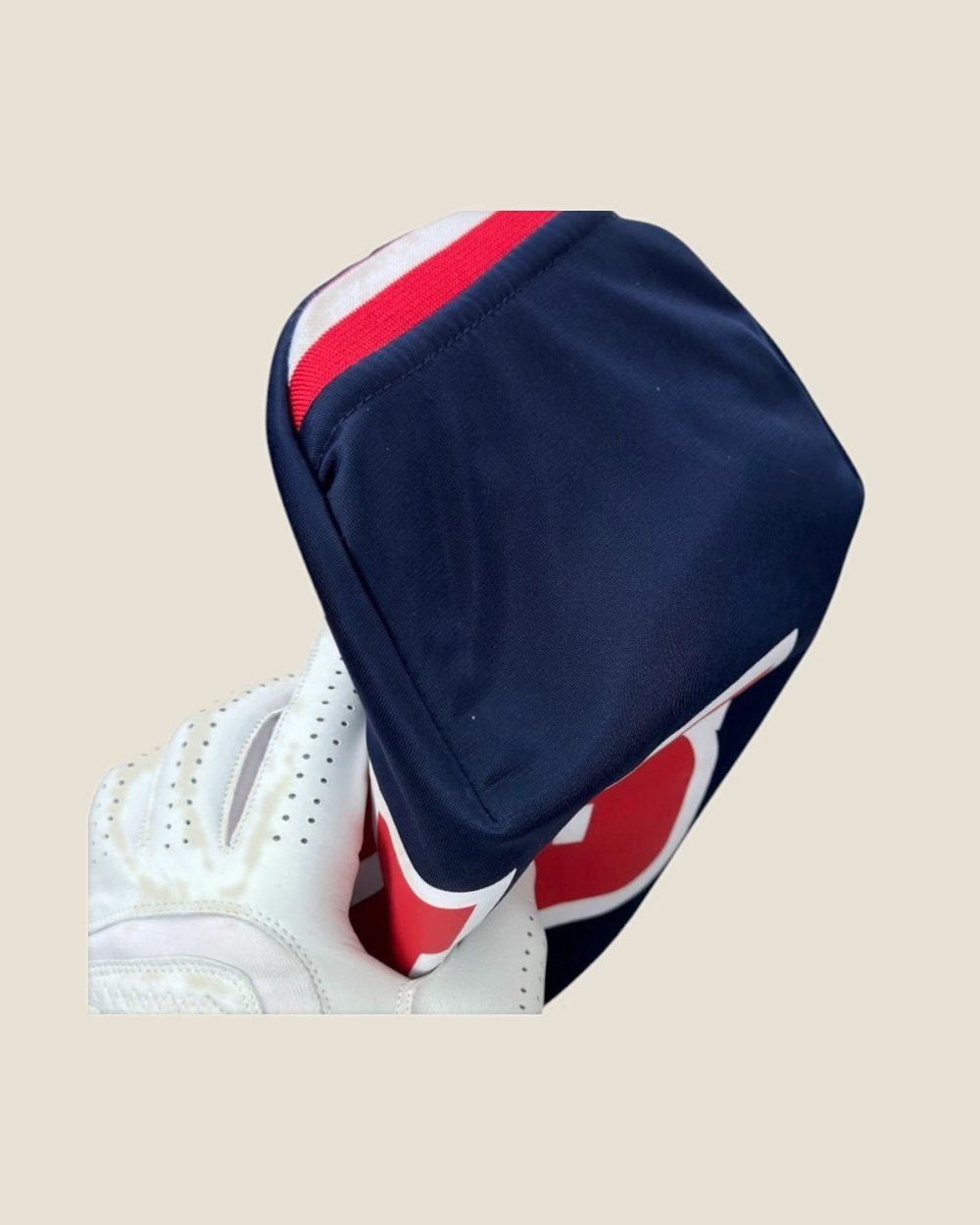
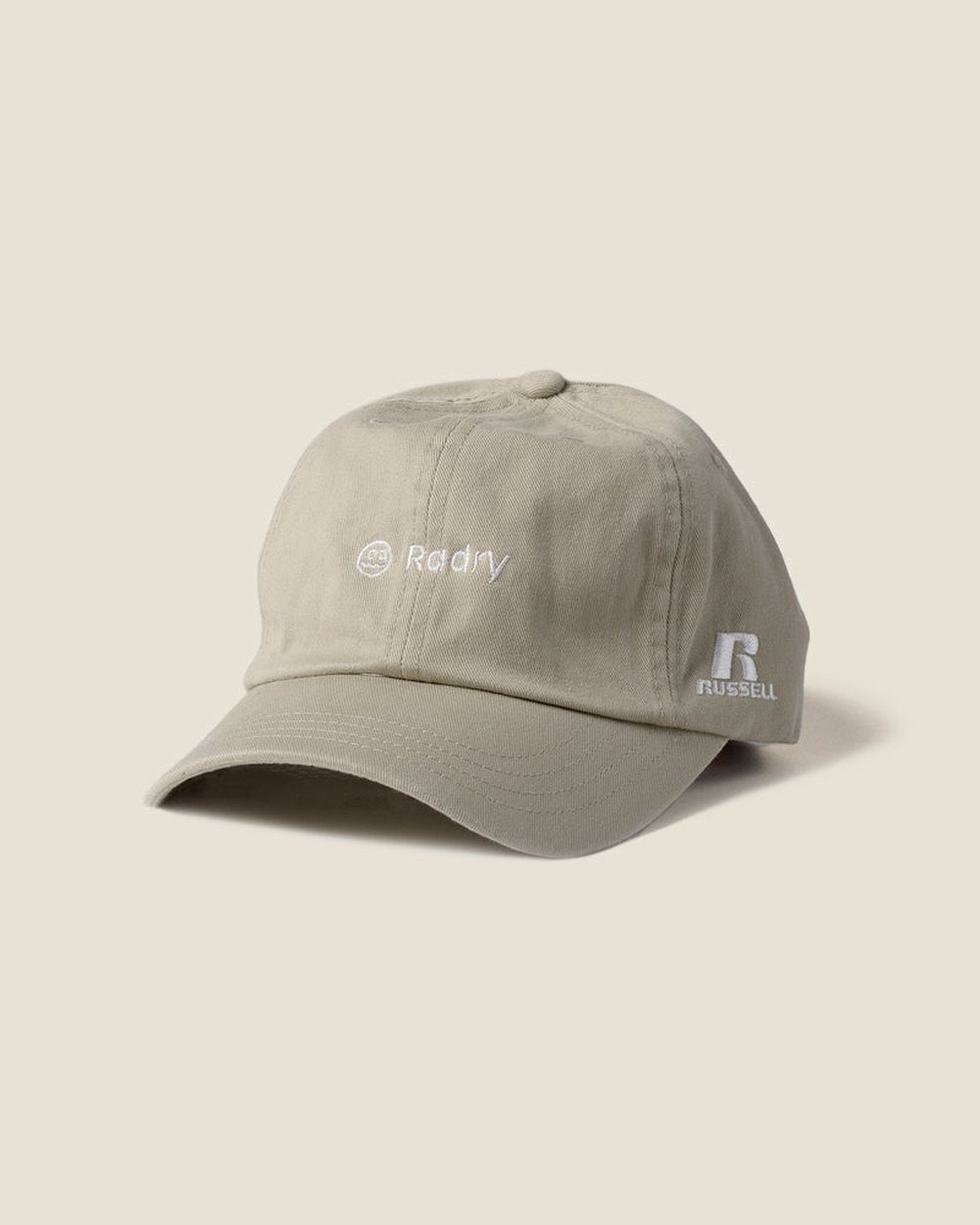
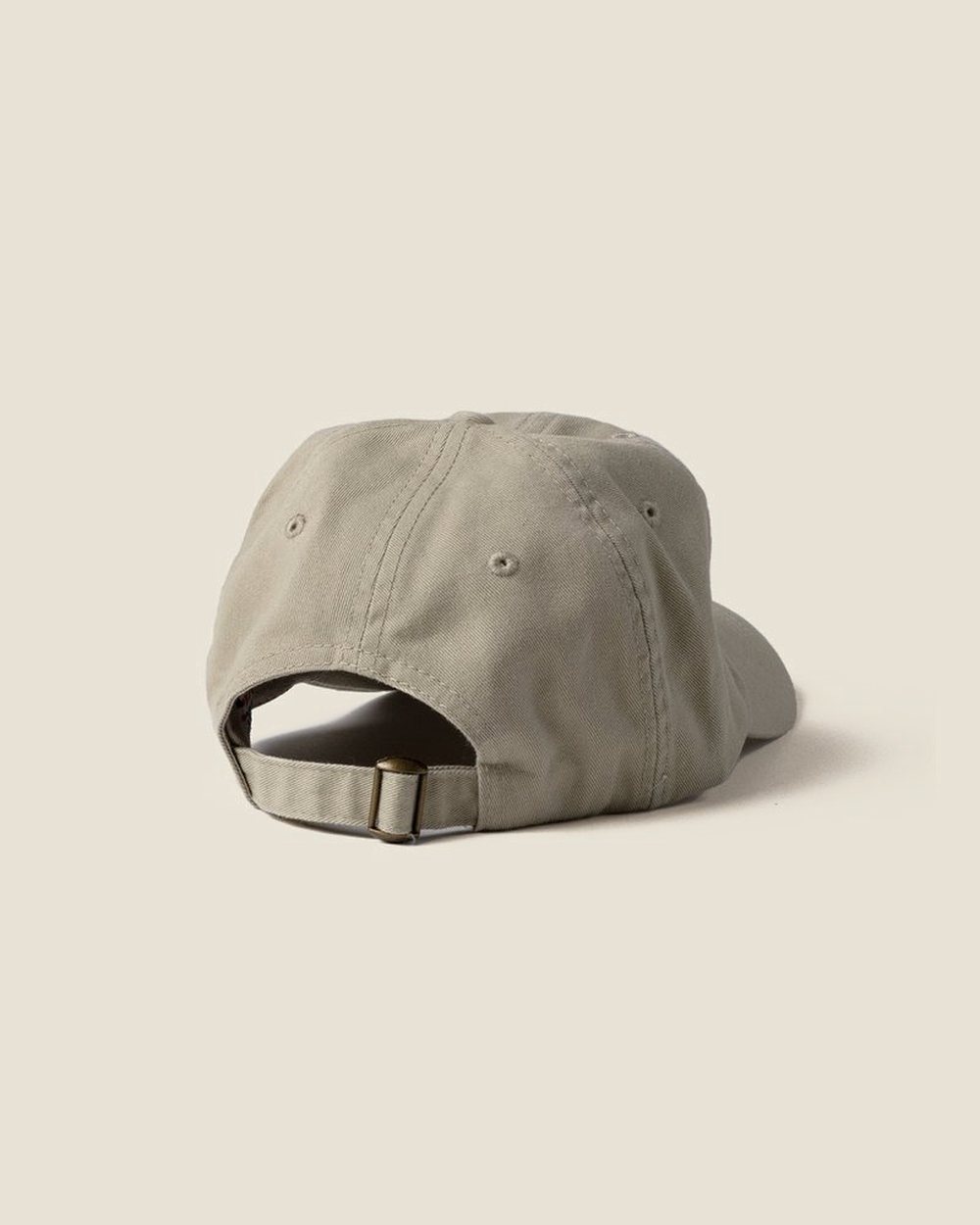
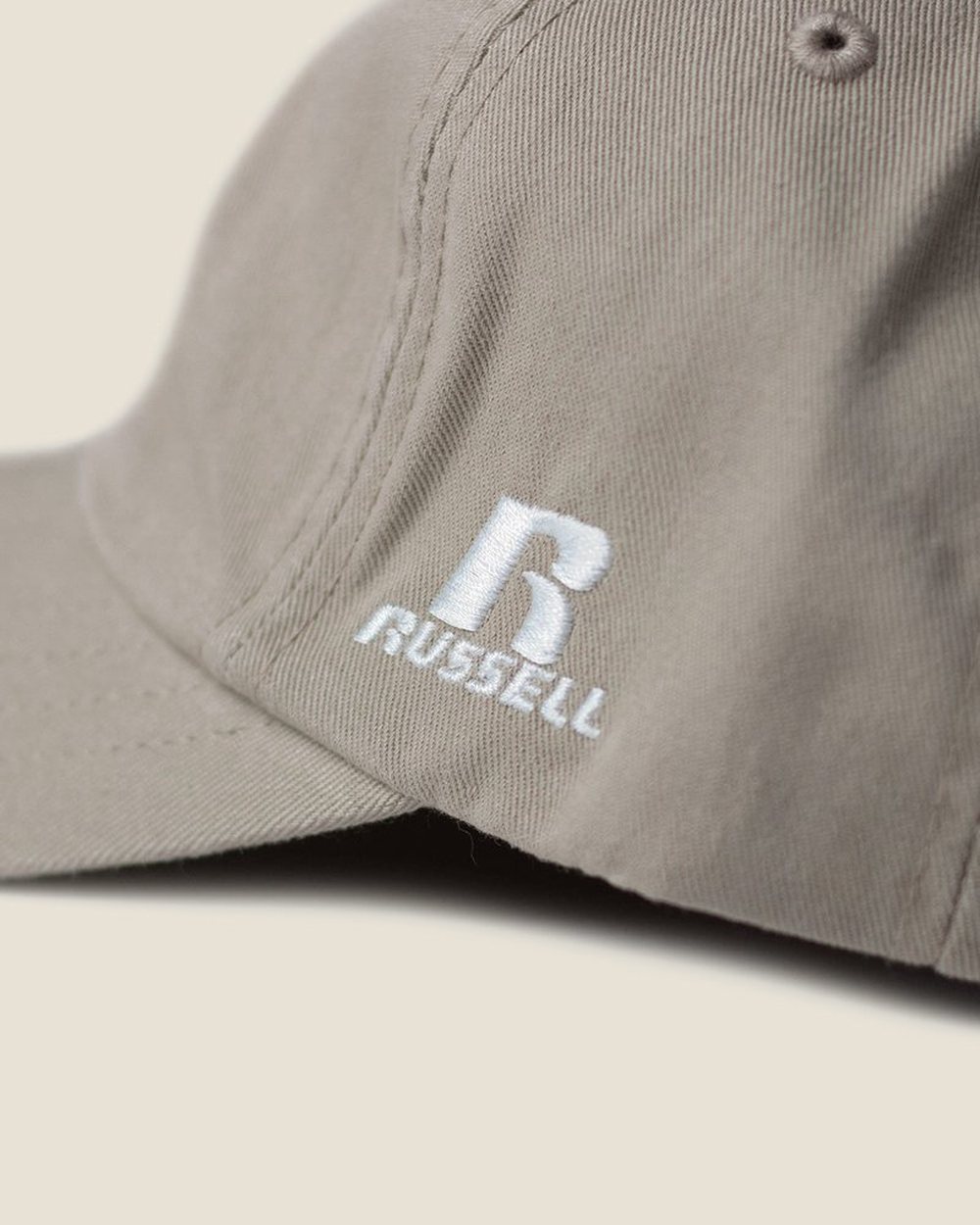
The most interesting headcovers of the year began as something else. Gumtree Golf & Nature Club cuts them from heirloom quilts and old camping tents. Clamp in Yorkshire reworks old Carhartt, Nike and Patagonia pieces into one-off sets, and will make a full set of covers from a single football shirt you send in. Fyfe’s Second Round series did the same with vintage golf jackets. Matchstick upcycles old jerseys, Gamut cuts covers from real course towels and vintage baseball jerseys, and Radry takes unworn ’90s Russell Athletic blank caps and gives them its own treatment.
Each run is limited by the source material, and that is the point. Once the tent is used up, that cover is gone. Clamp’s reworked one-off sets and Gamut’s covers were all sold out when we checked this week, which tells you how this kind of thing moves.
Two brands making what neither would alone
2026 was the year of the collab. The big names kept them coming all year; our PAYNTR edit alone counted 33 pieces, and MacKenzie bags turned up in so many that we keep a running archive.
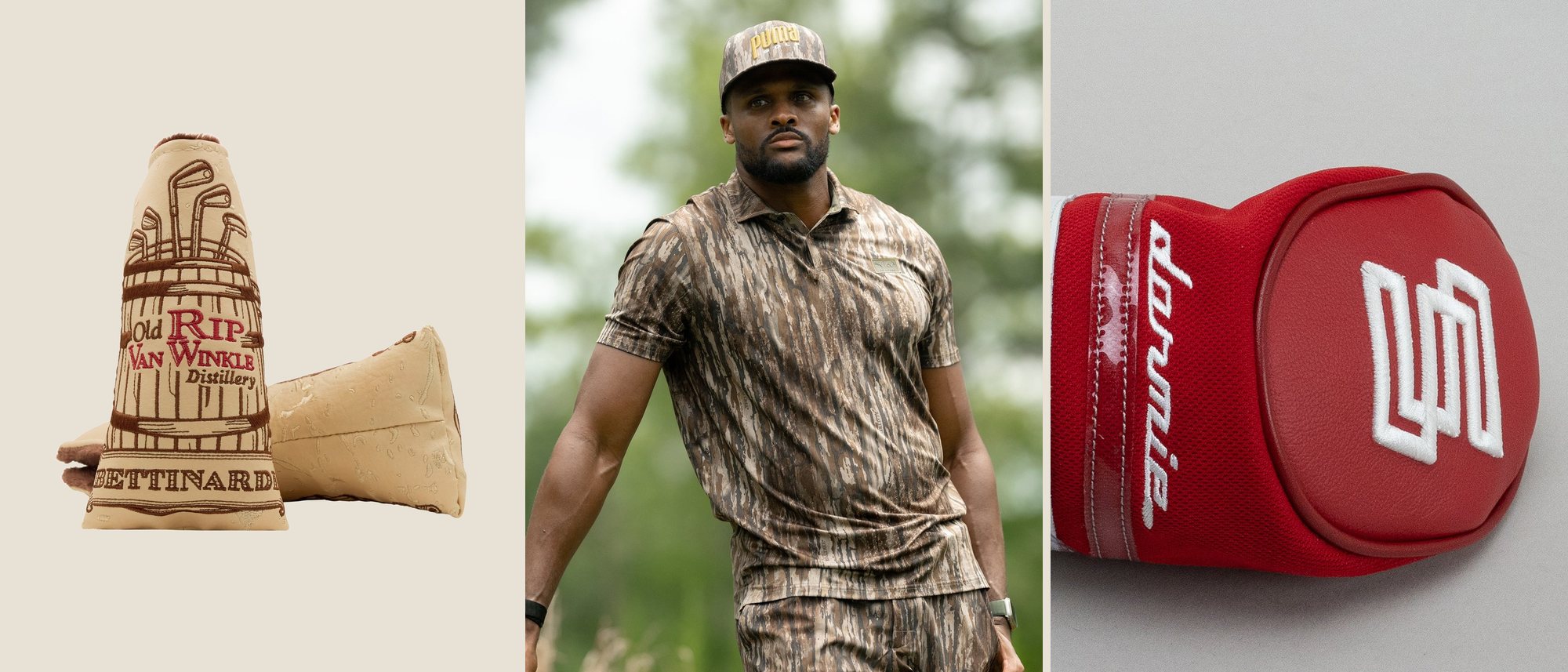
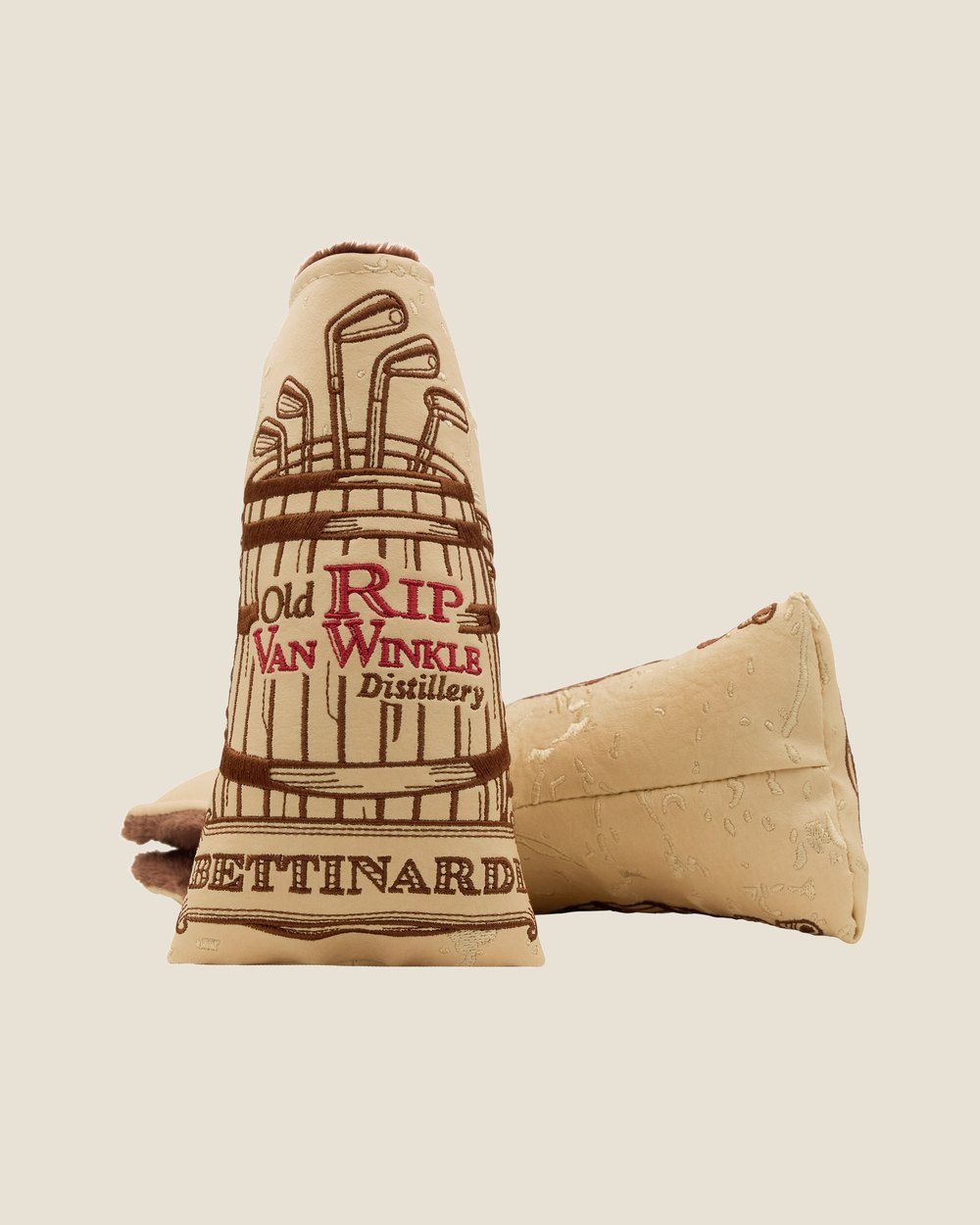
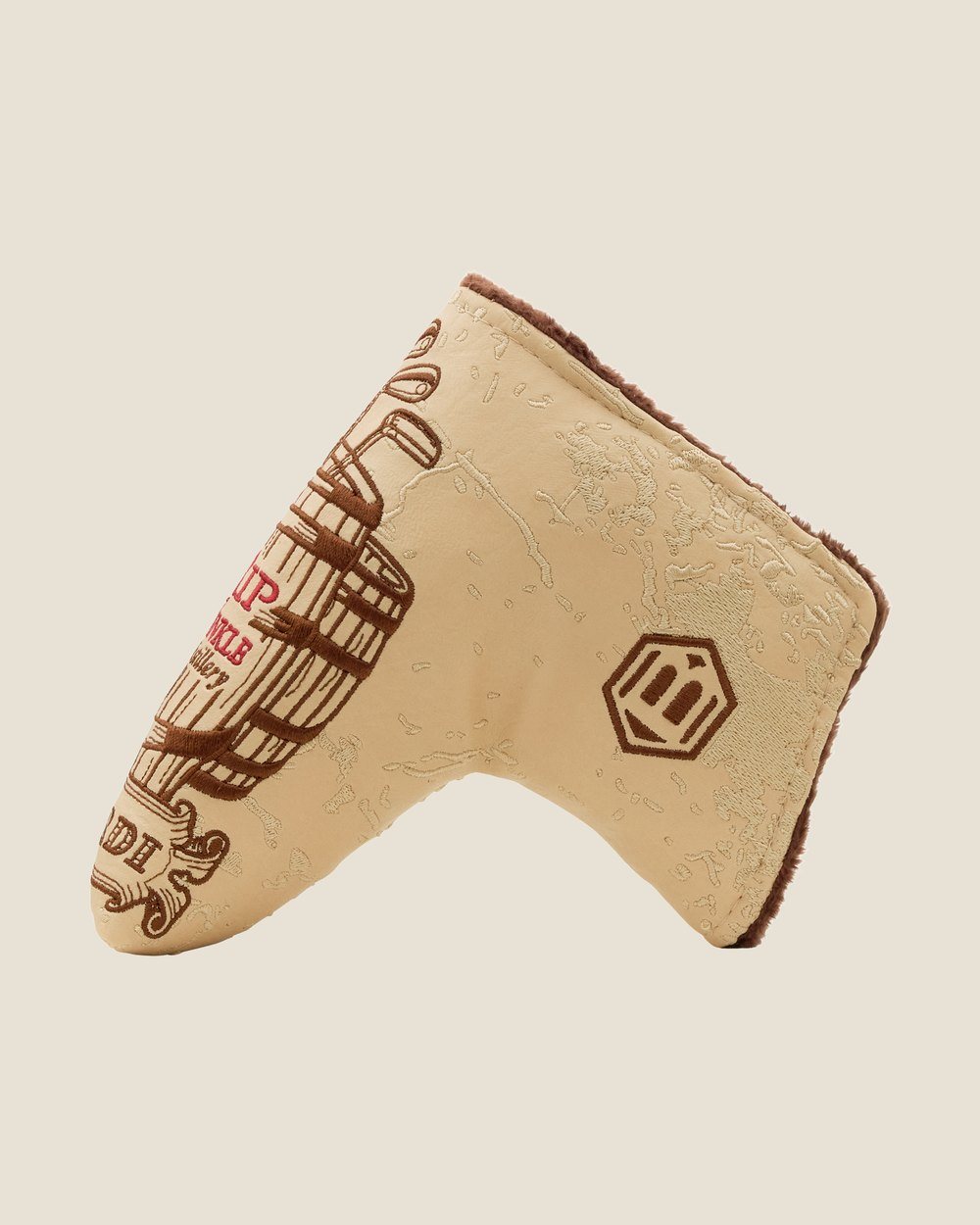
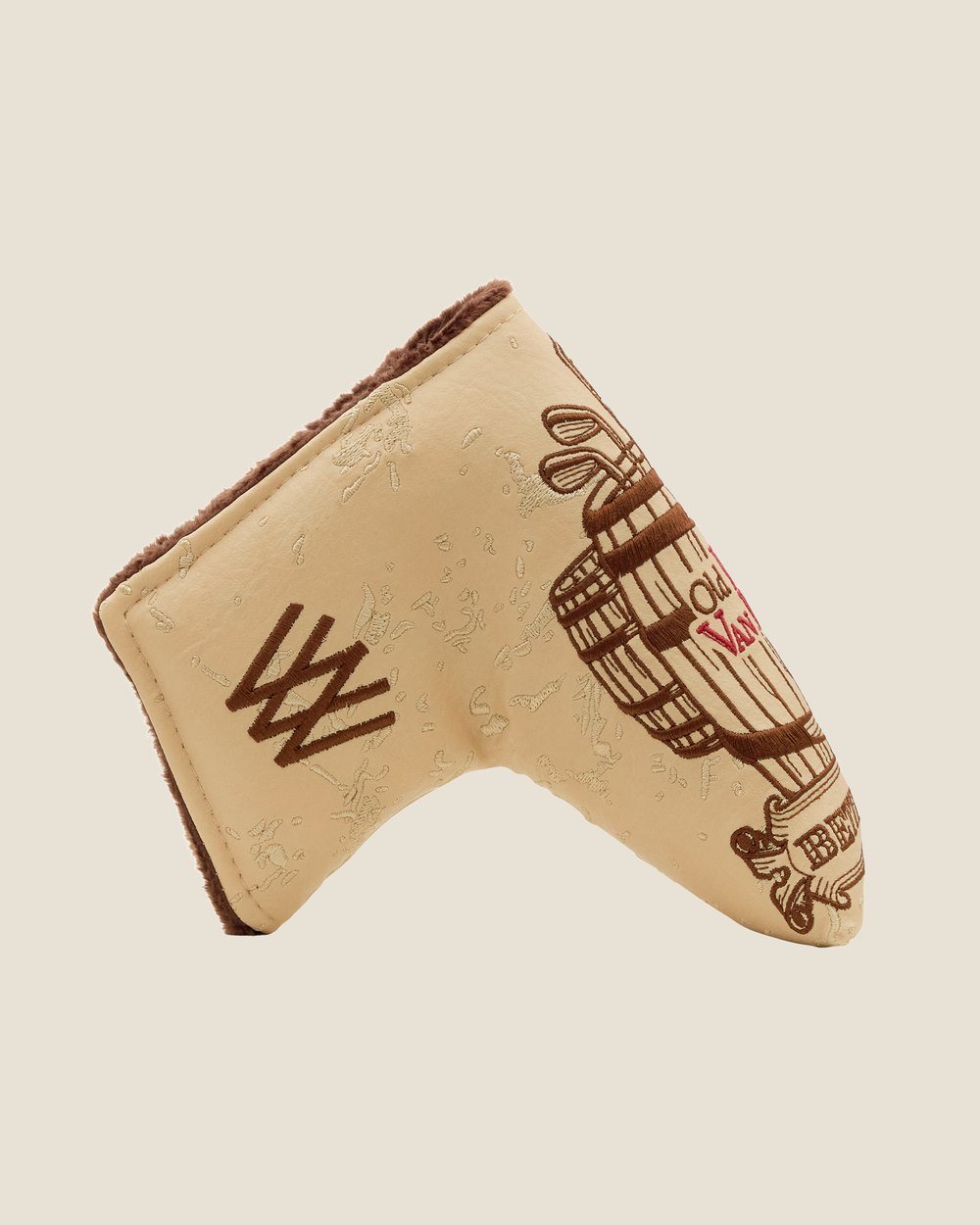
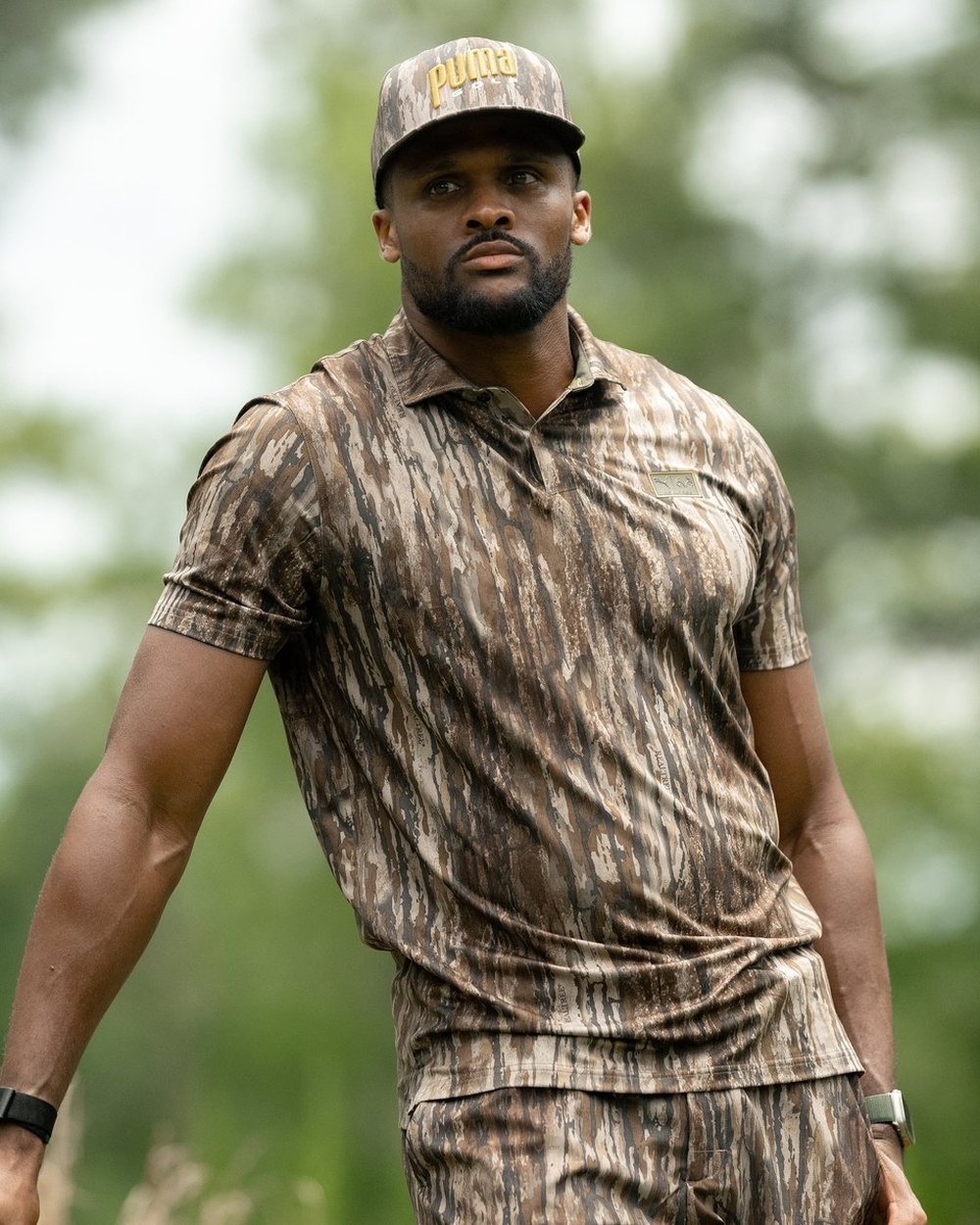
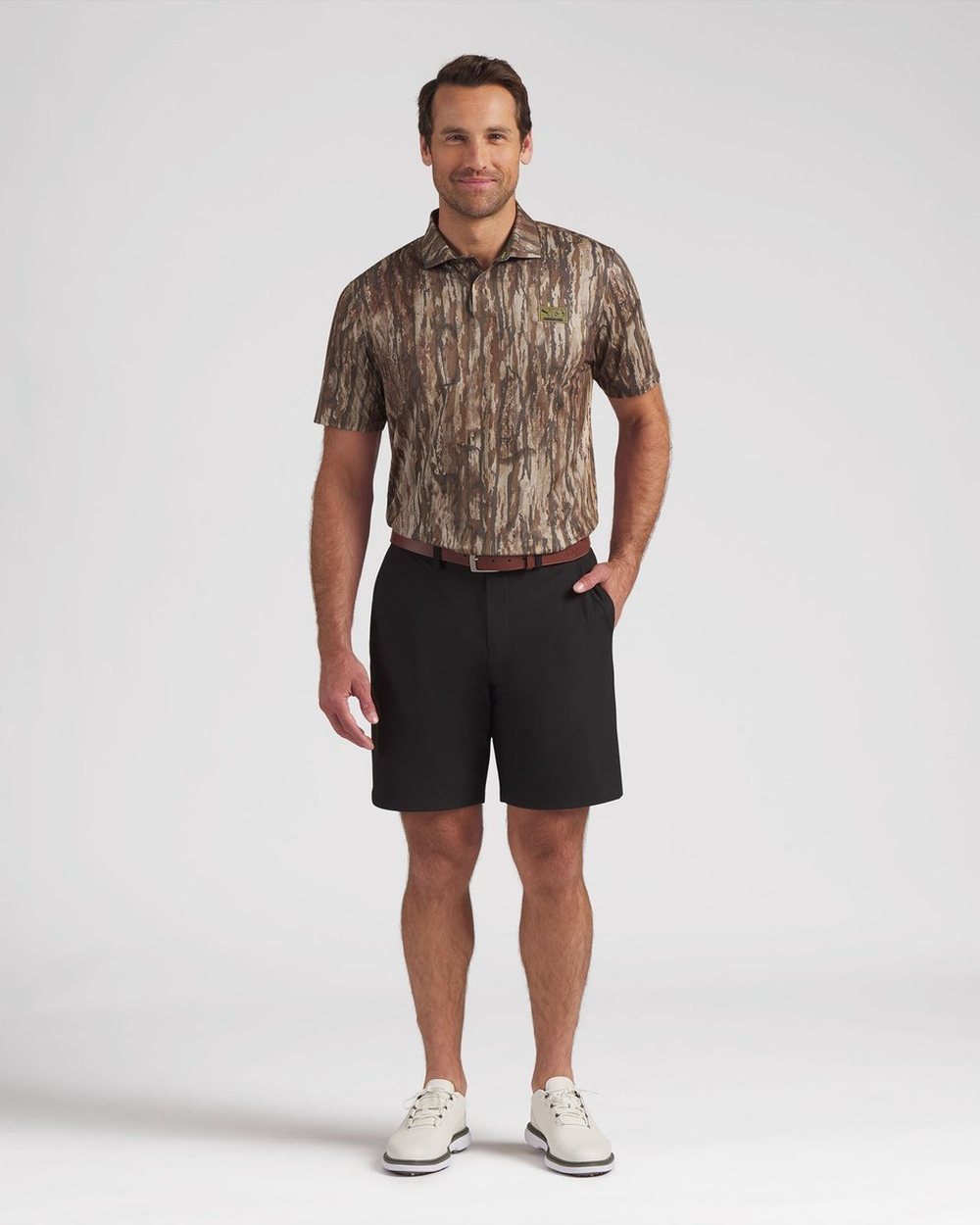
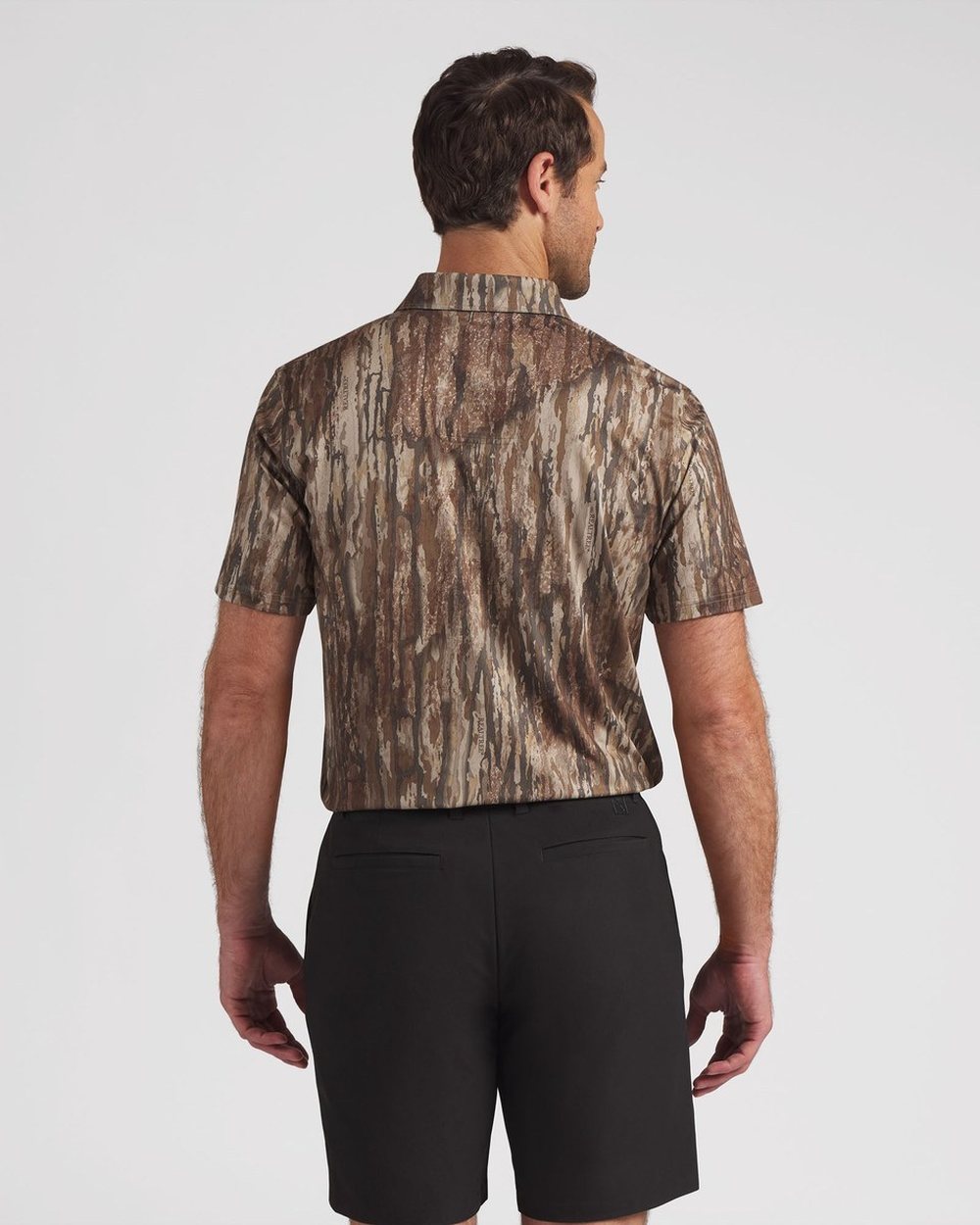
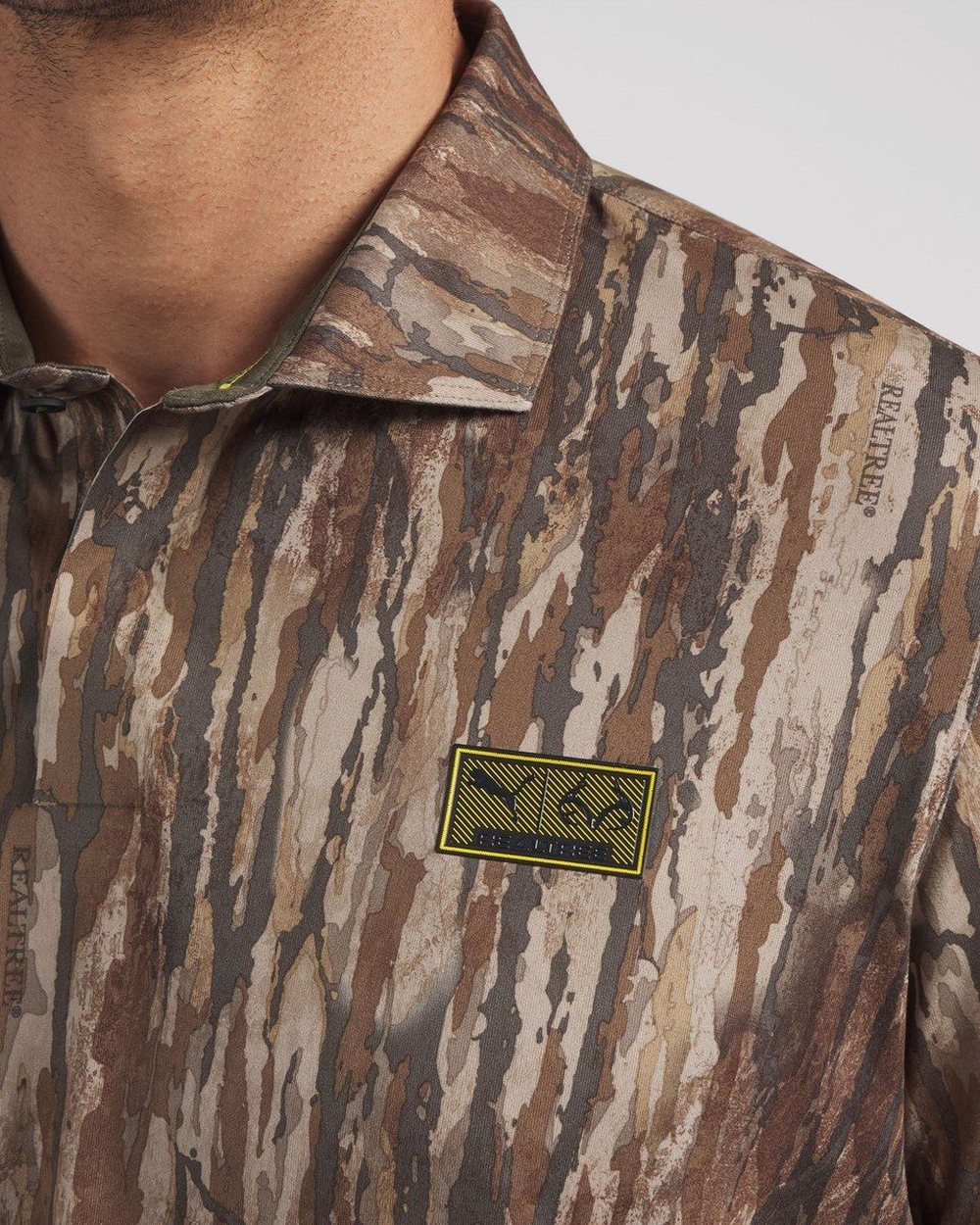
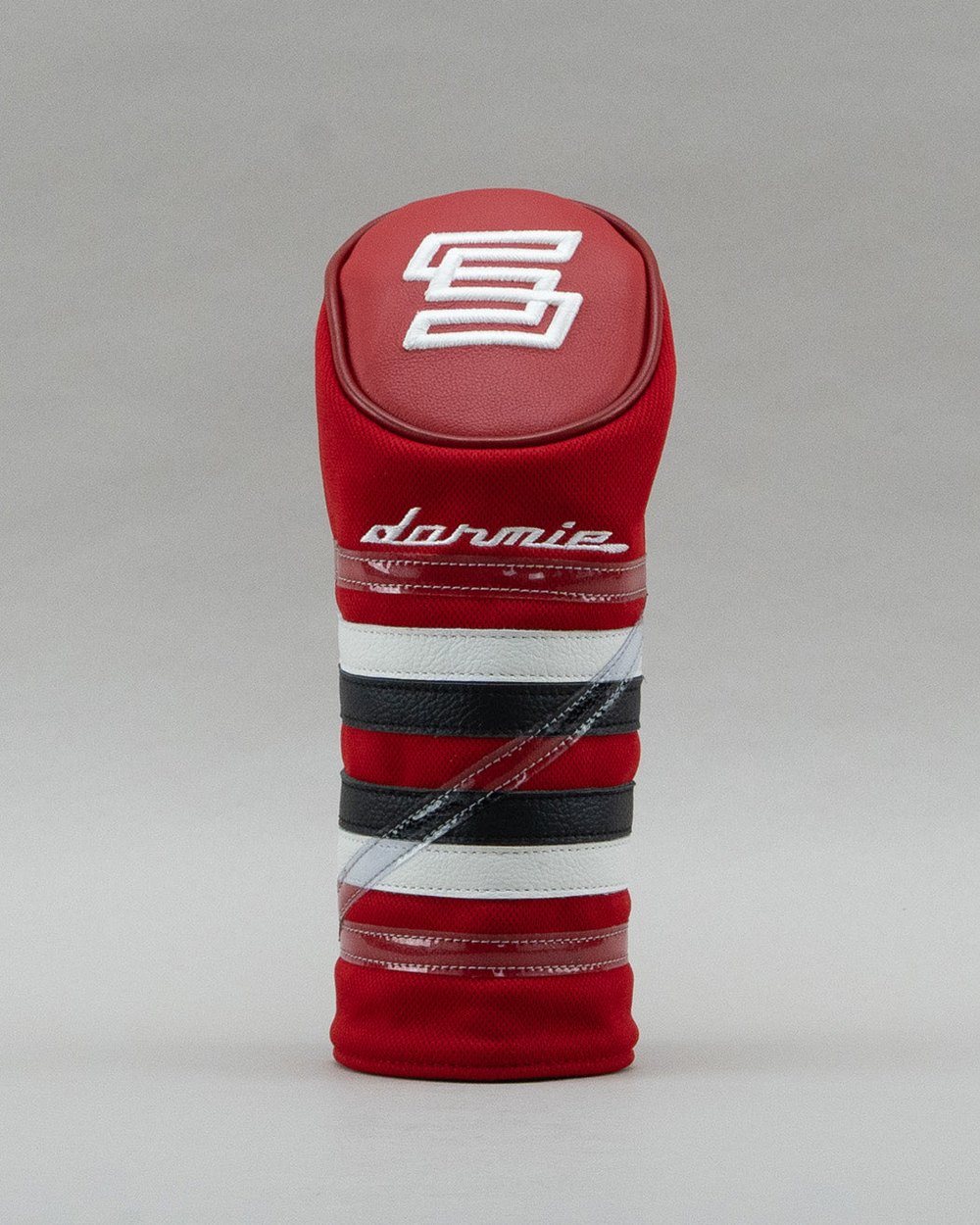
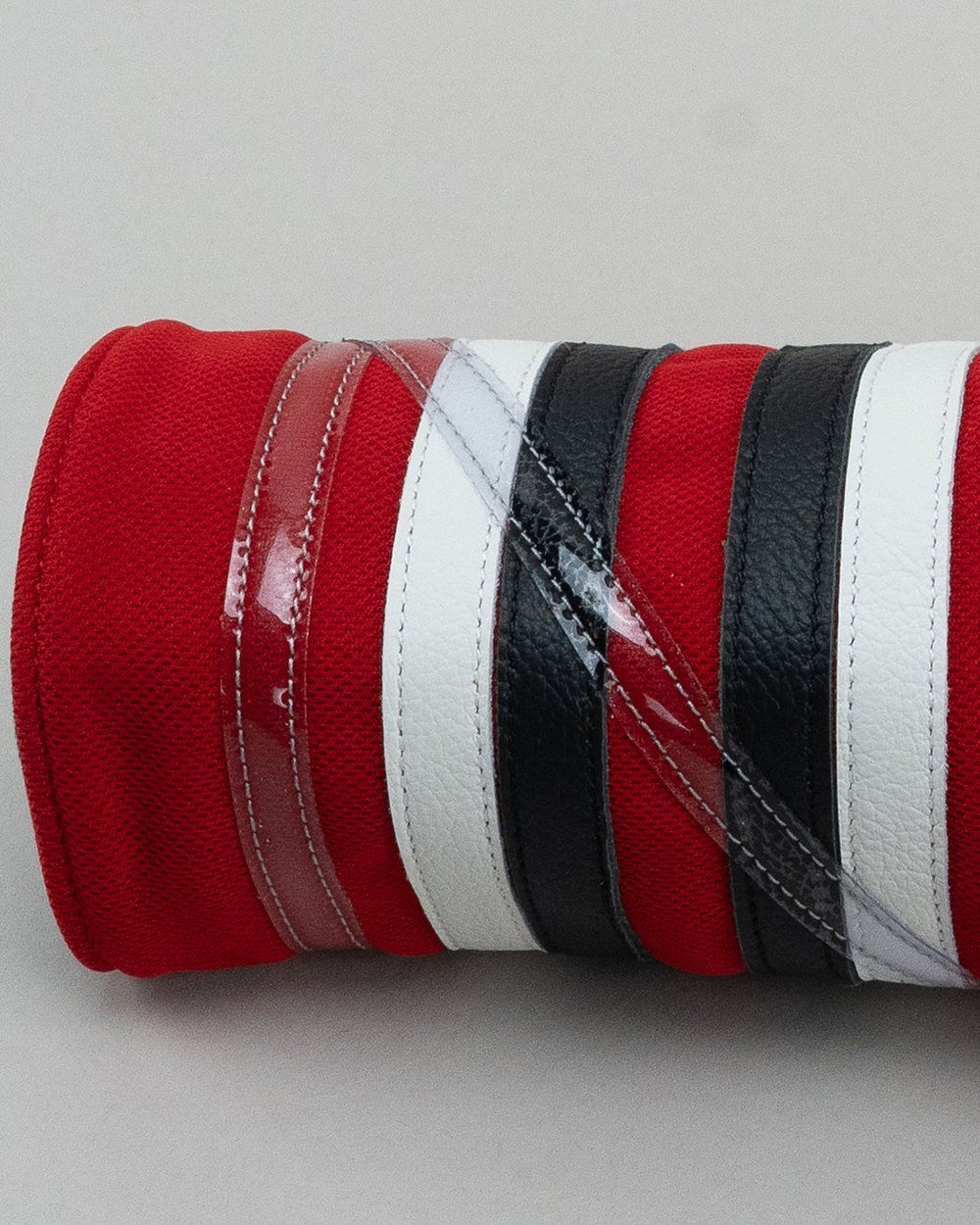
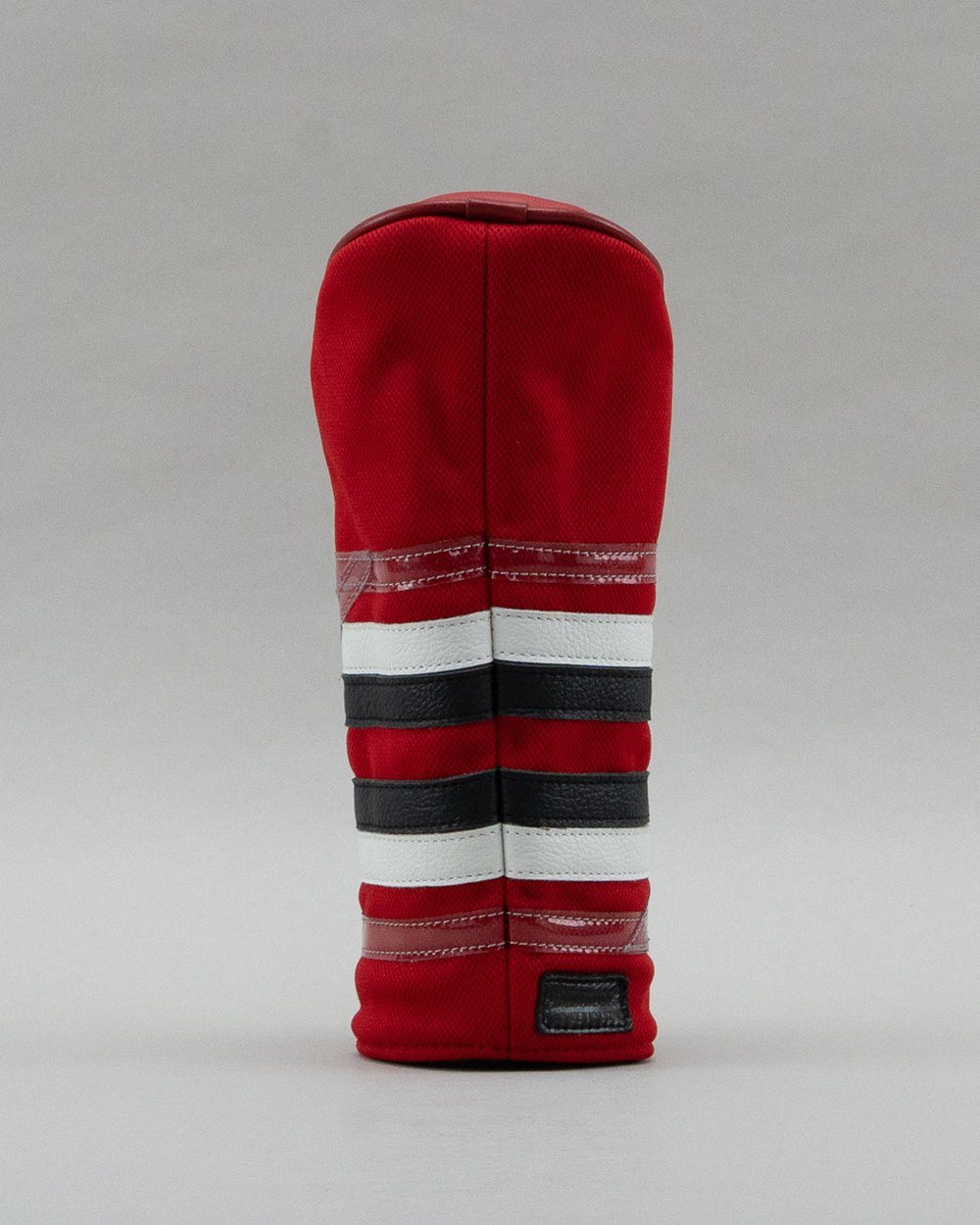
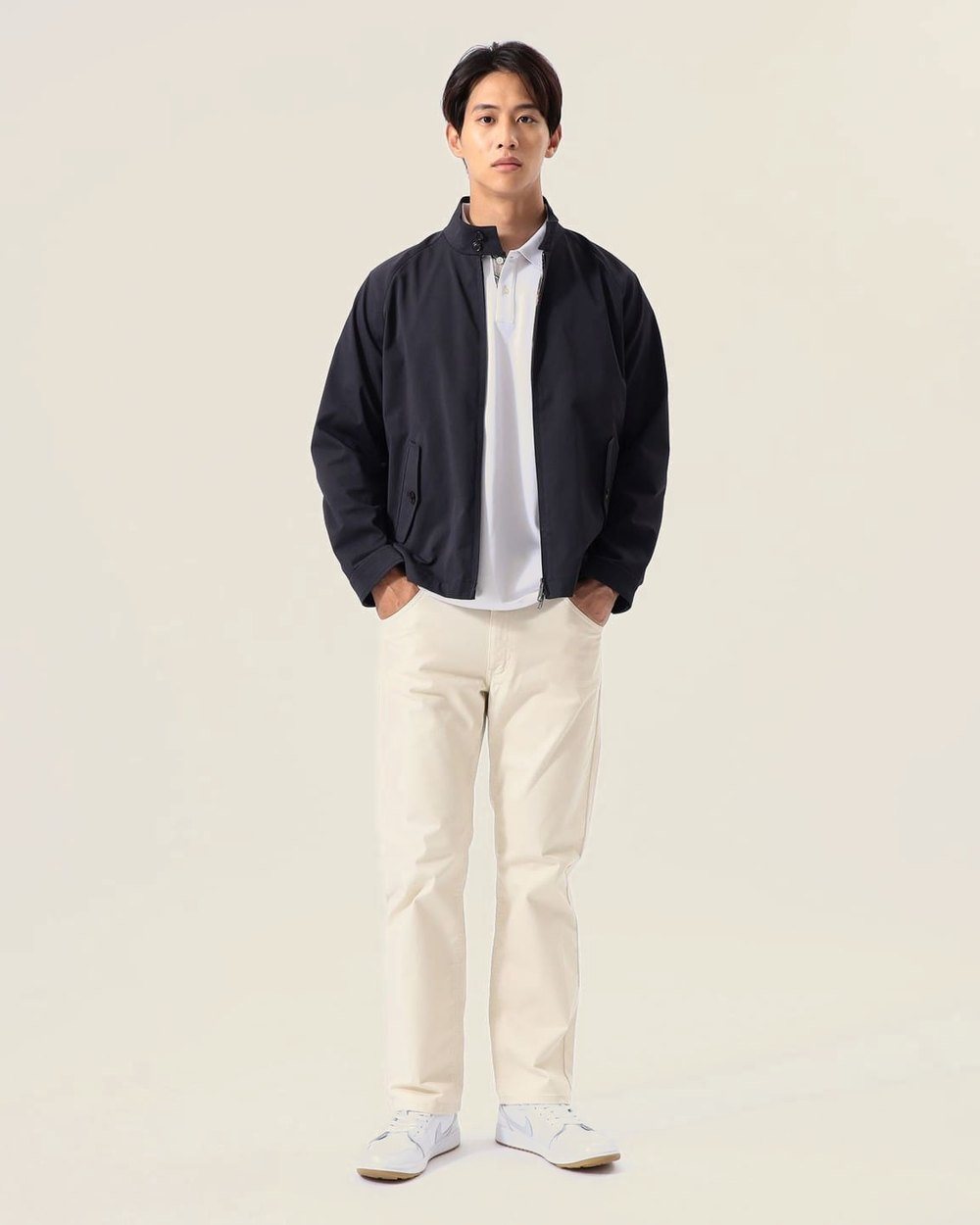
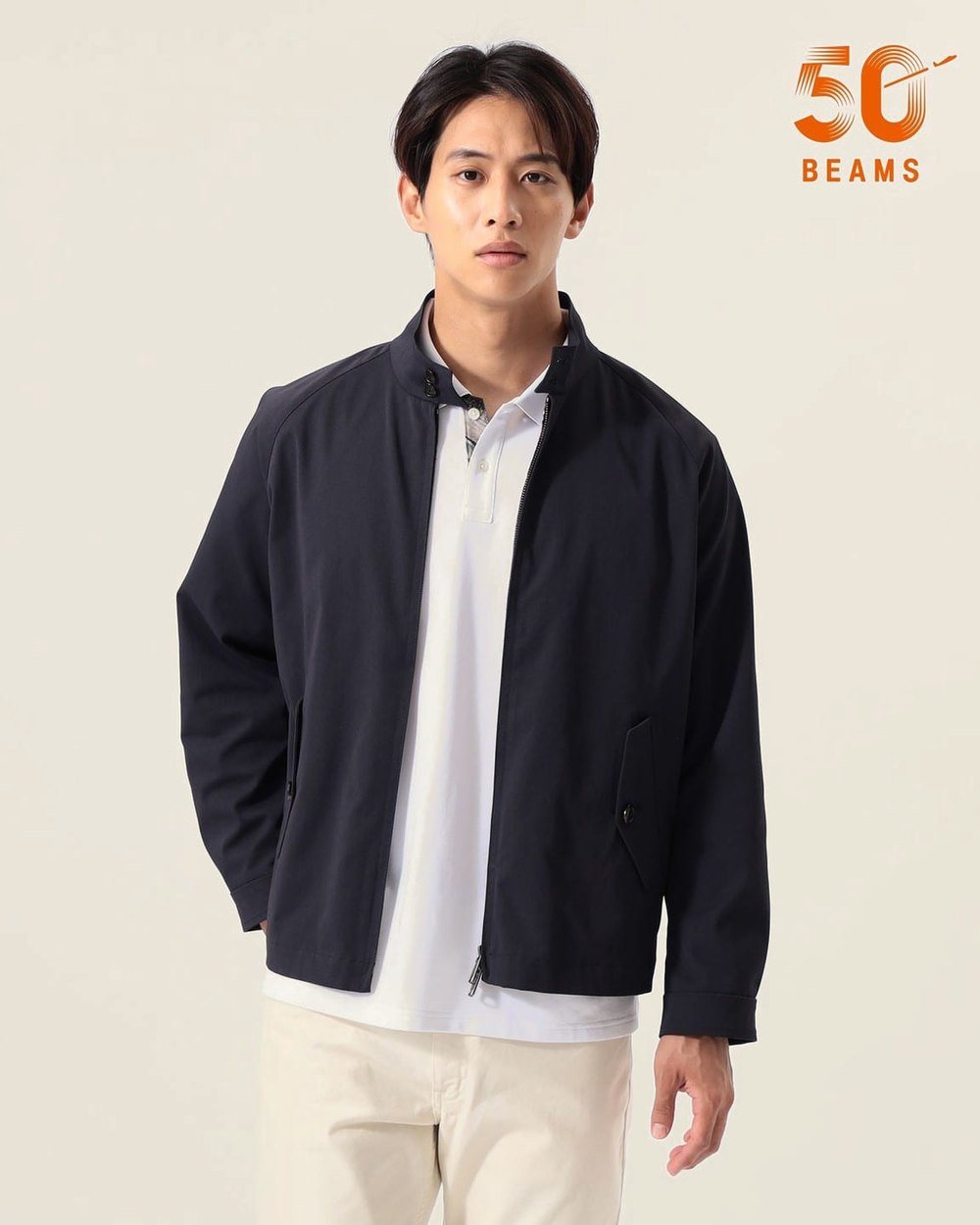
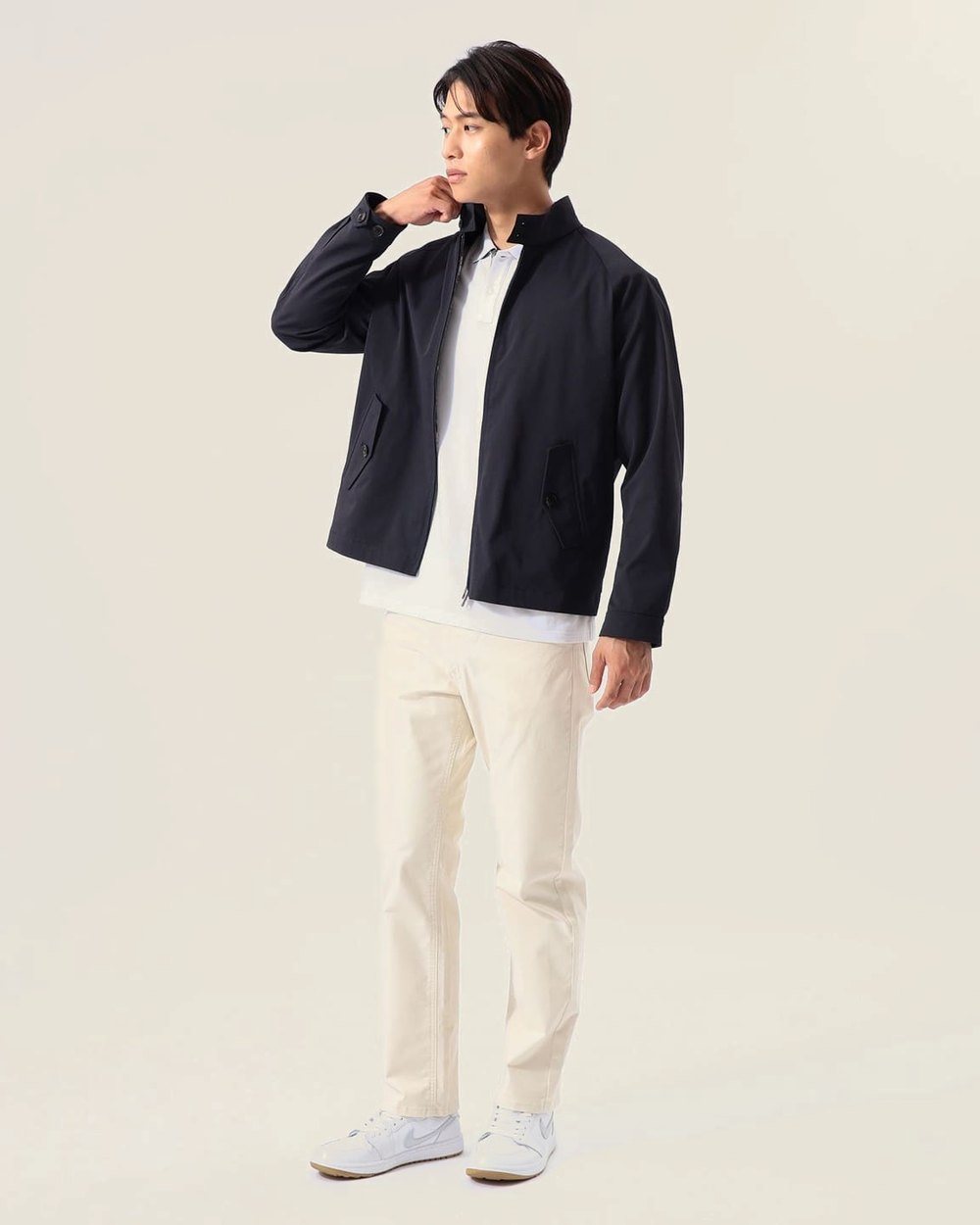
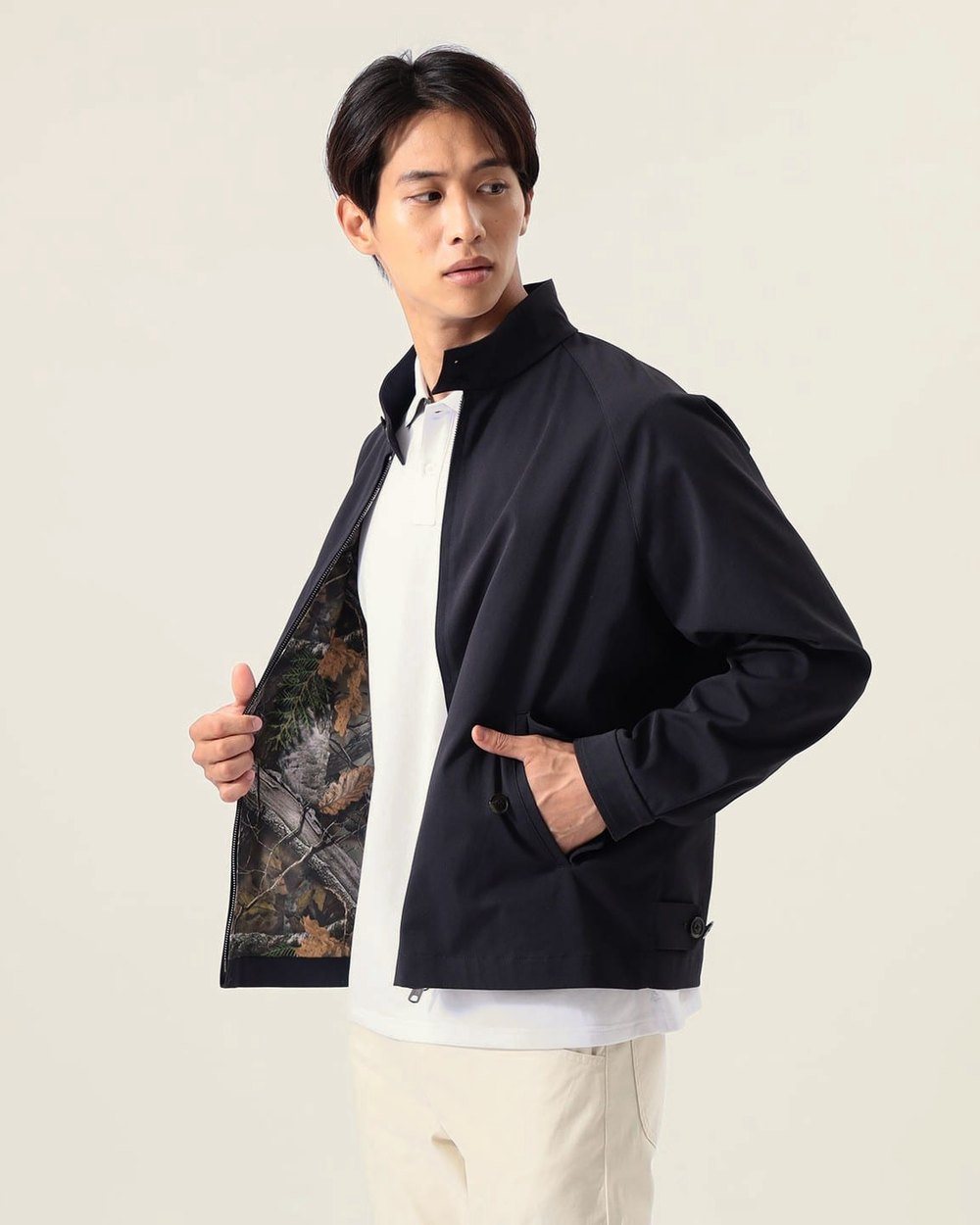
Our favorites were the small, specific ones, and most came from outside the usual names. In this month’s collab roundup, Sherwood and Dormie turned a hockey sock into a fairway cover, and Bettinardi put Old Rip Van Winkle’s barrels on a putter cover. The boldest pairing of the year was PUMA Golf and Realtree, which put hunting camo on a golf polo. In Tokyo, BEAMS Golf had Baracuta make its G4 jacket in tree camo. A good collab makes something neither brand would have made alone. A bad one is a logo on a logo.
Sydney, Manchester, Tokyo, Bournemouth and beyond
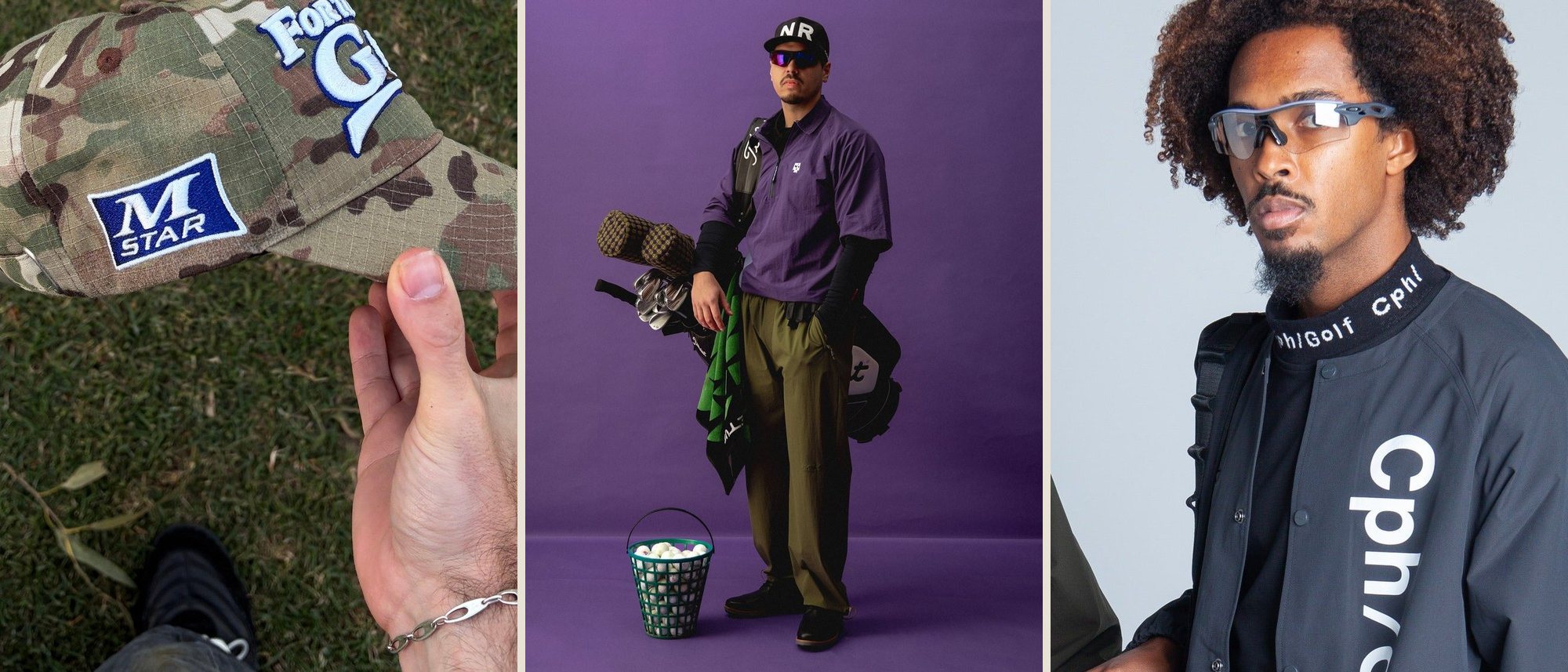
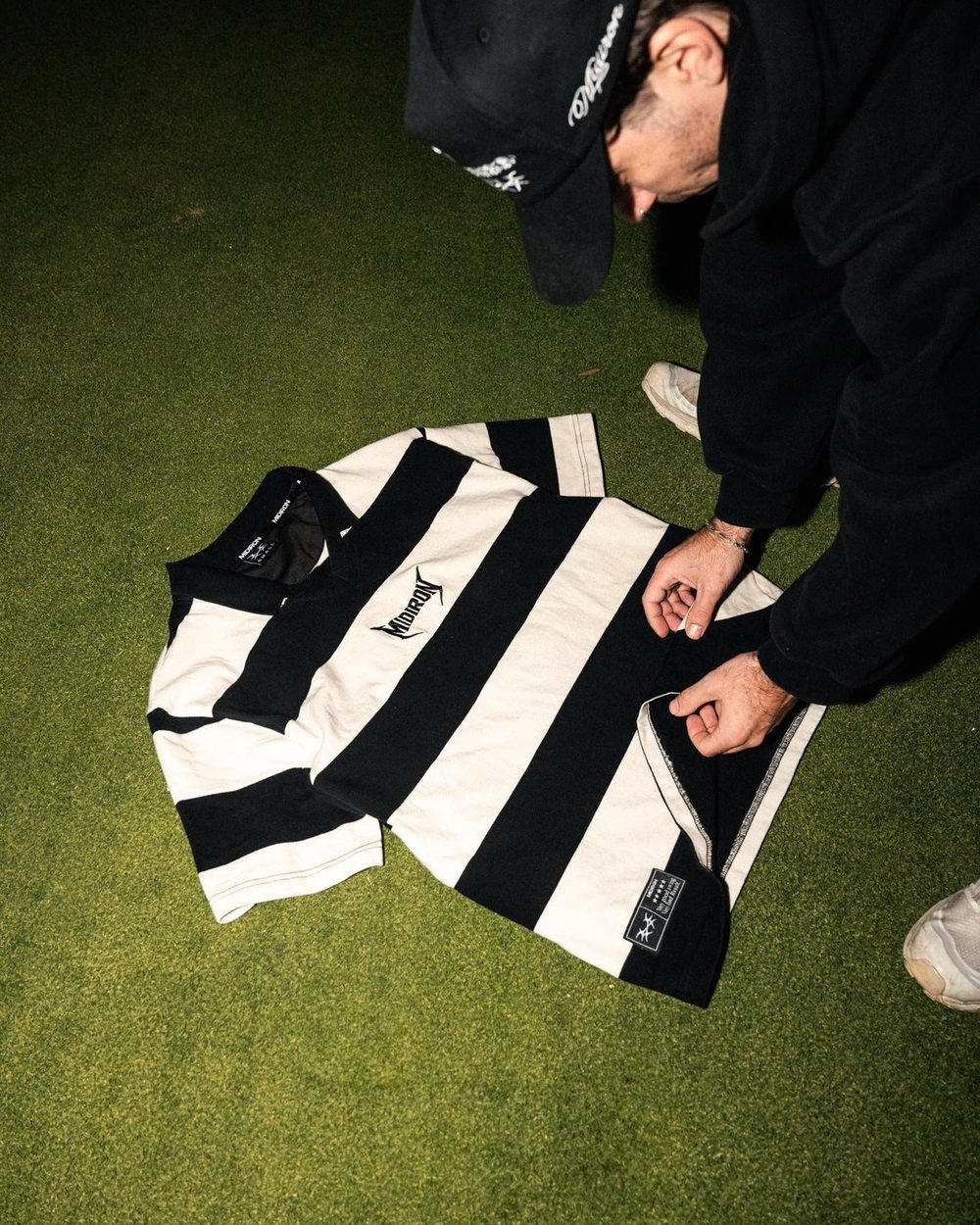
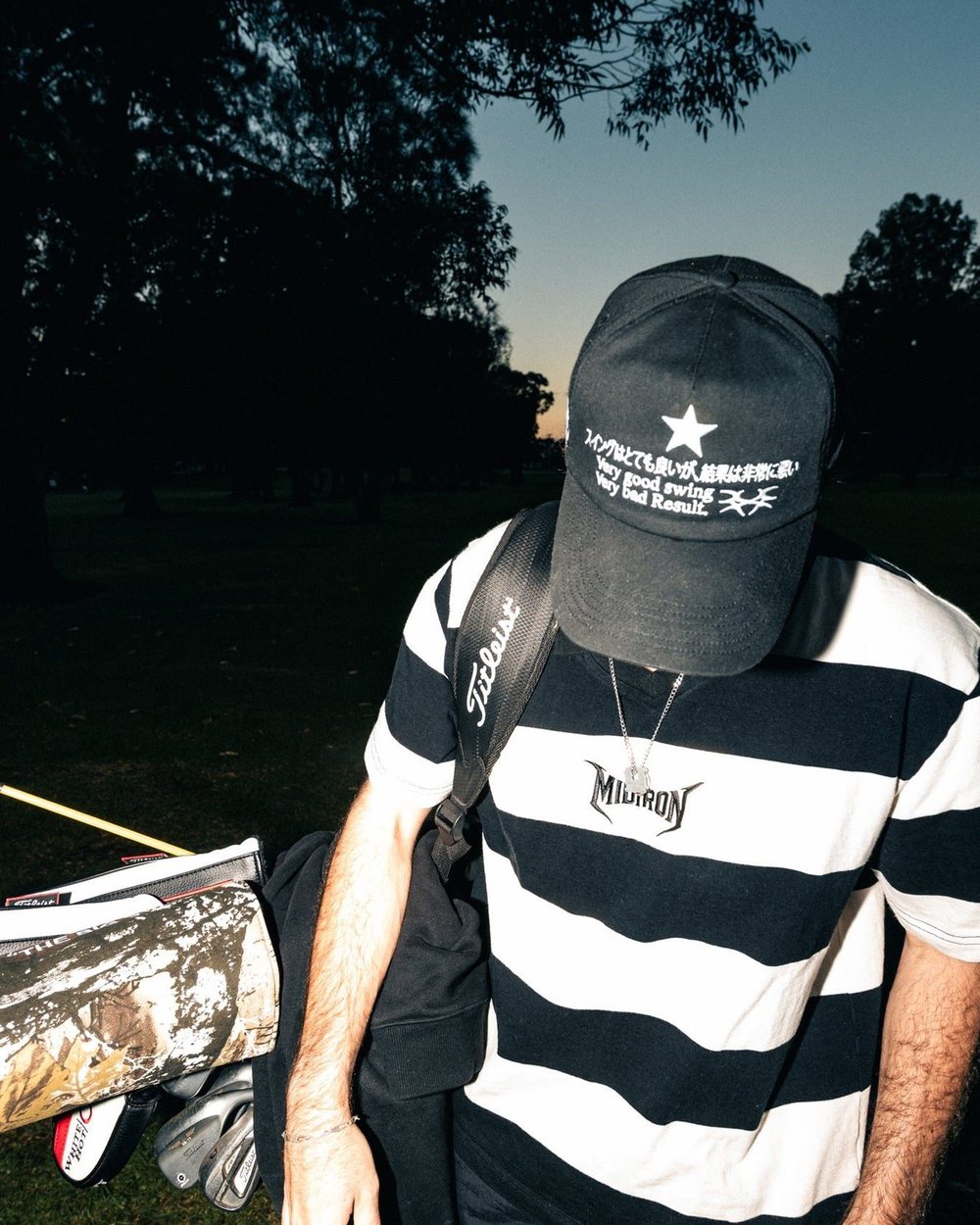
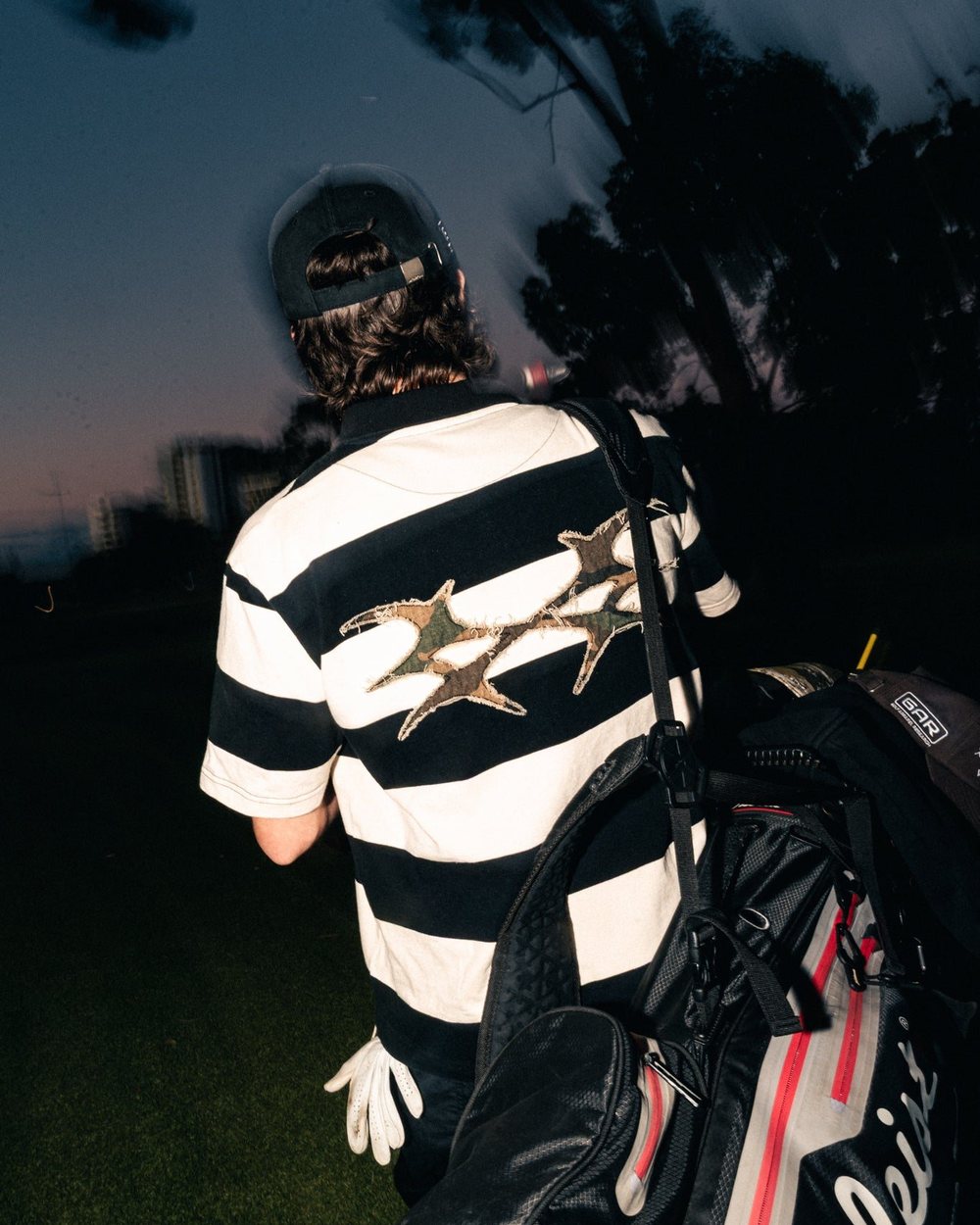
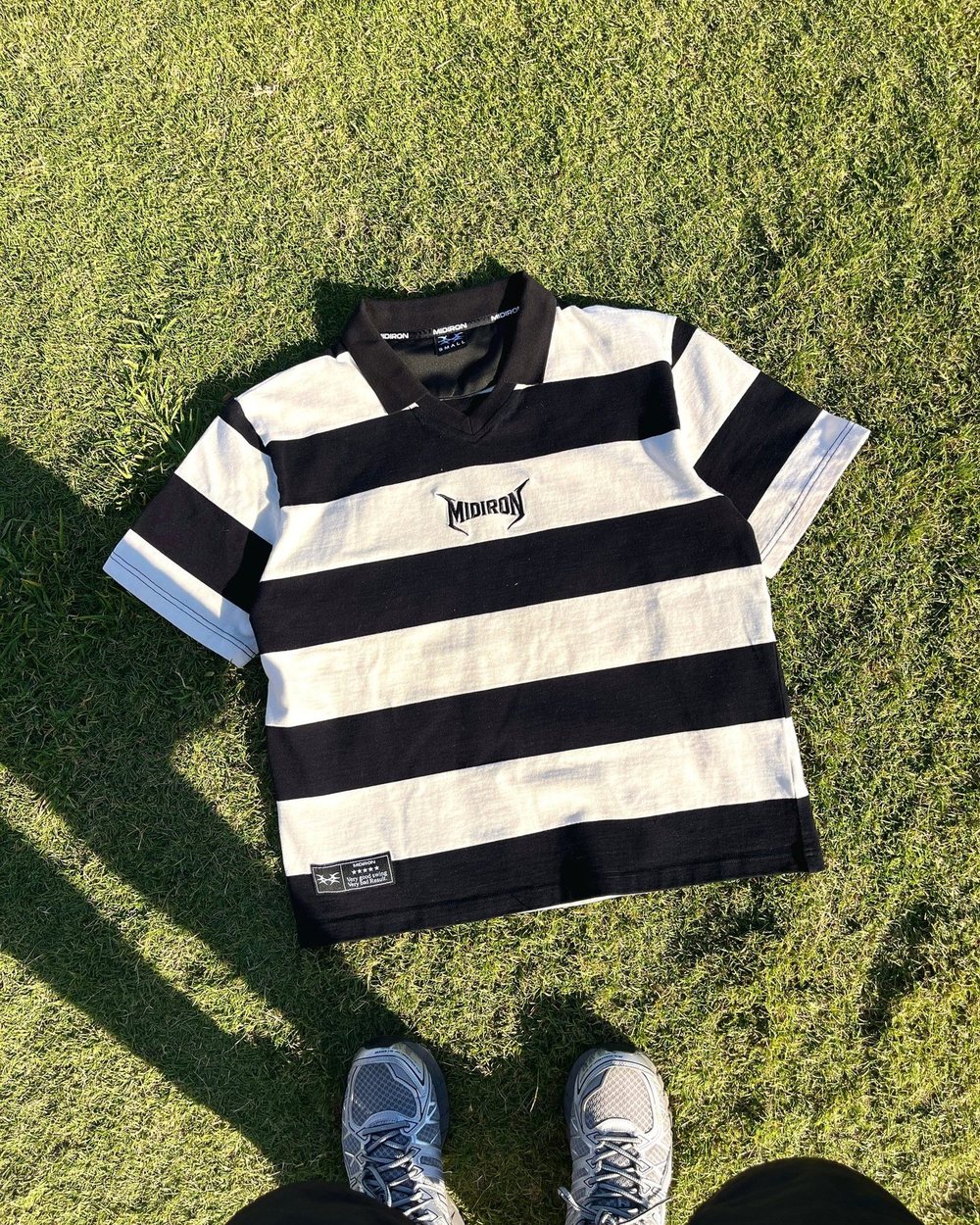
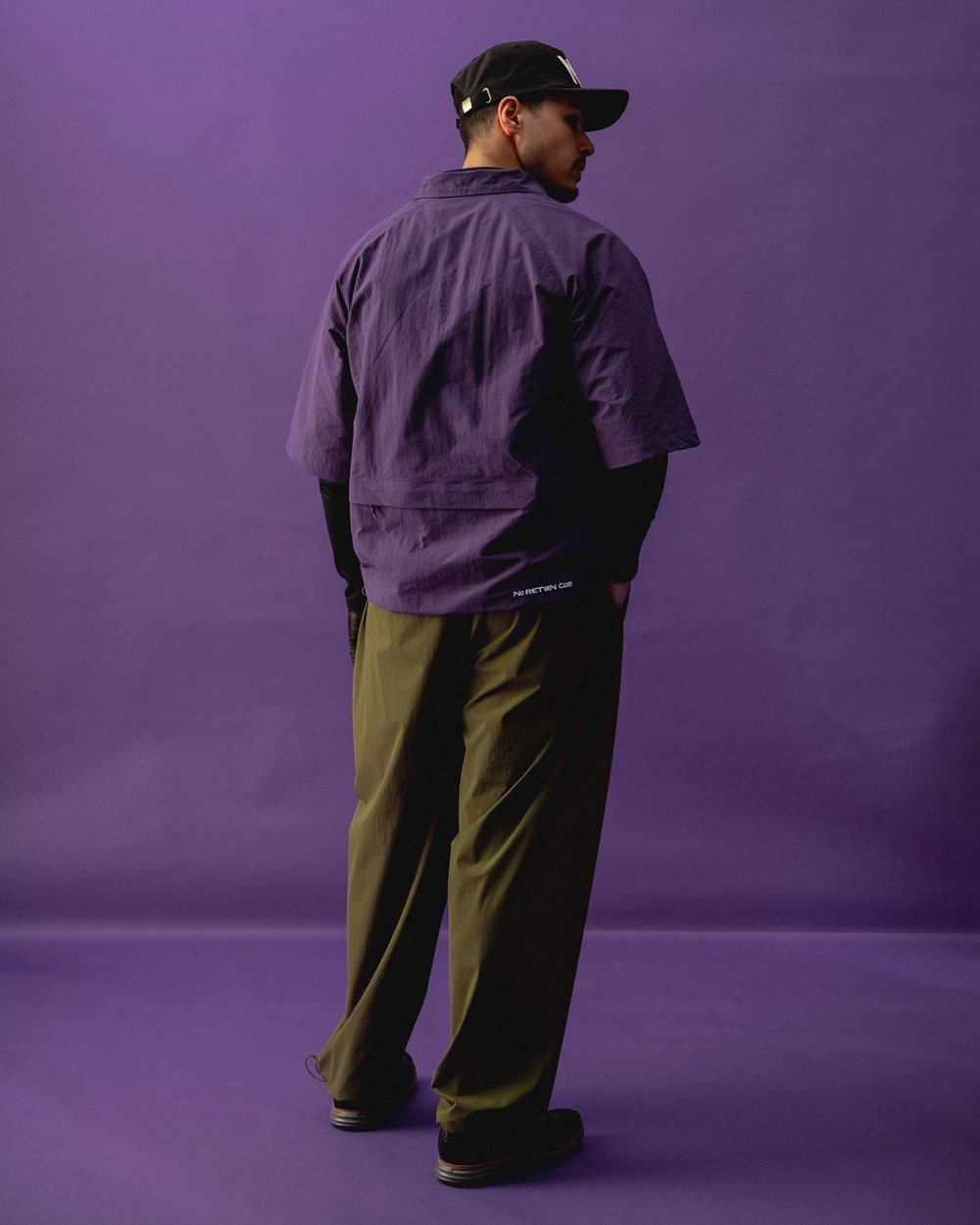
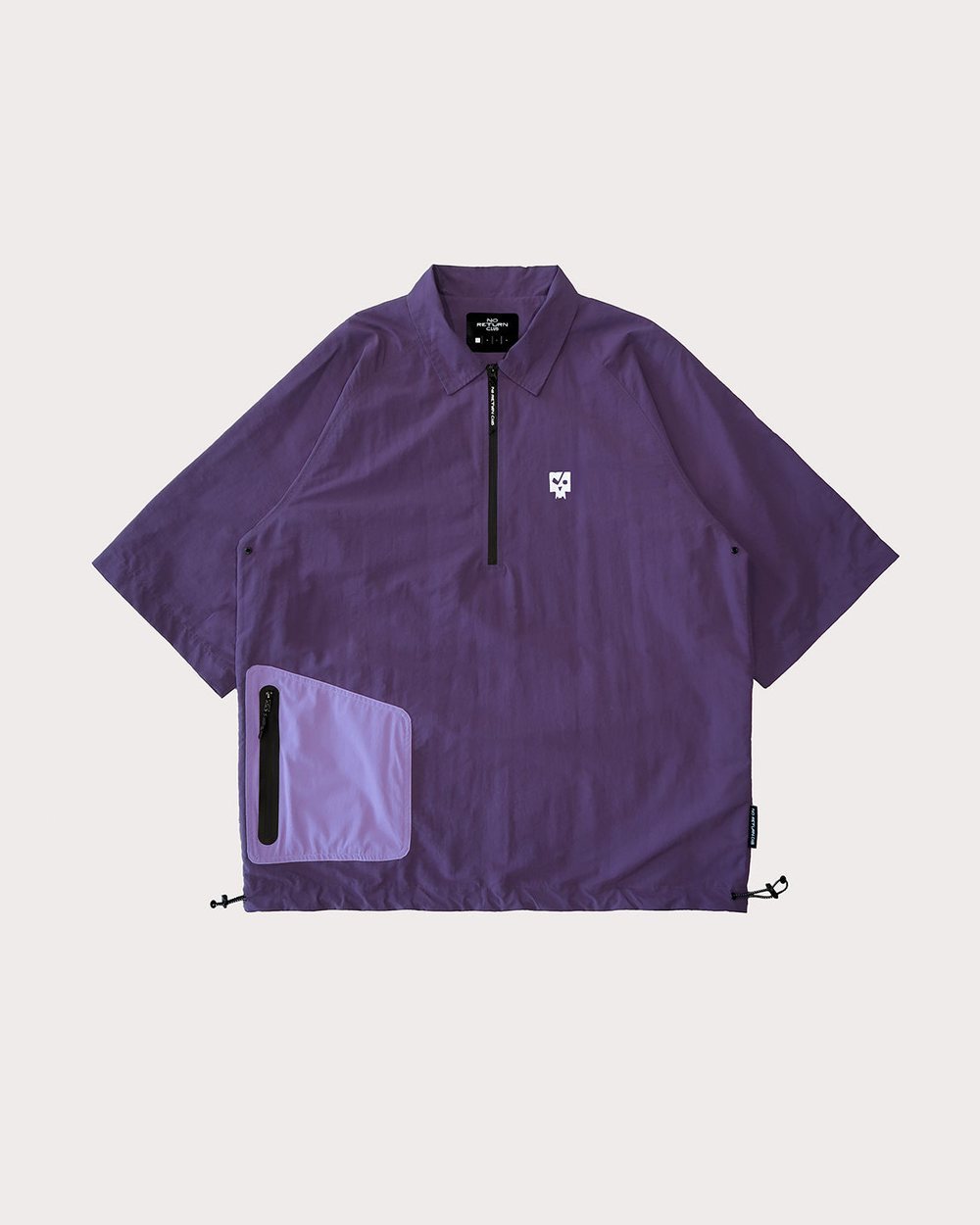
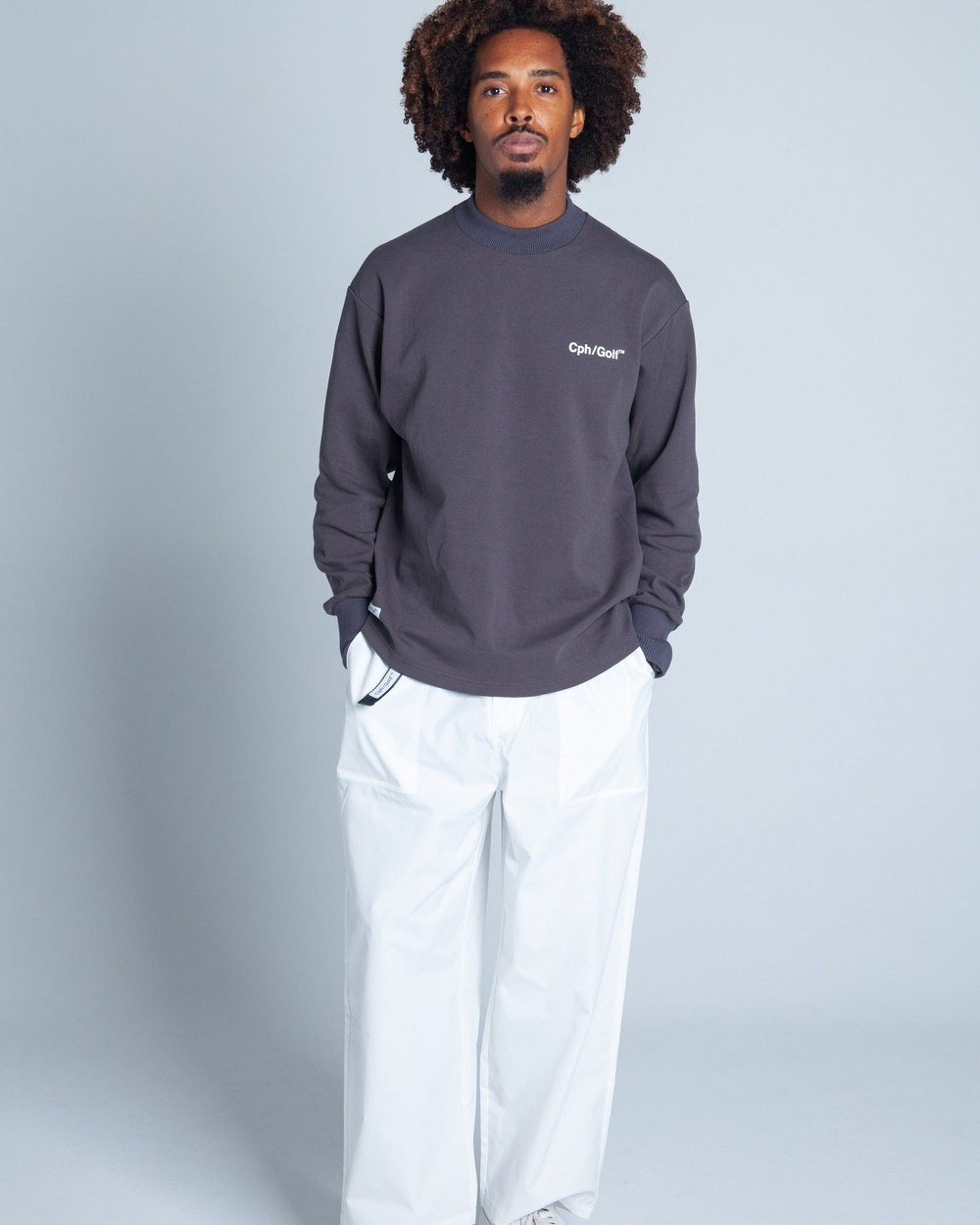
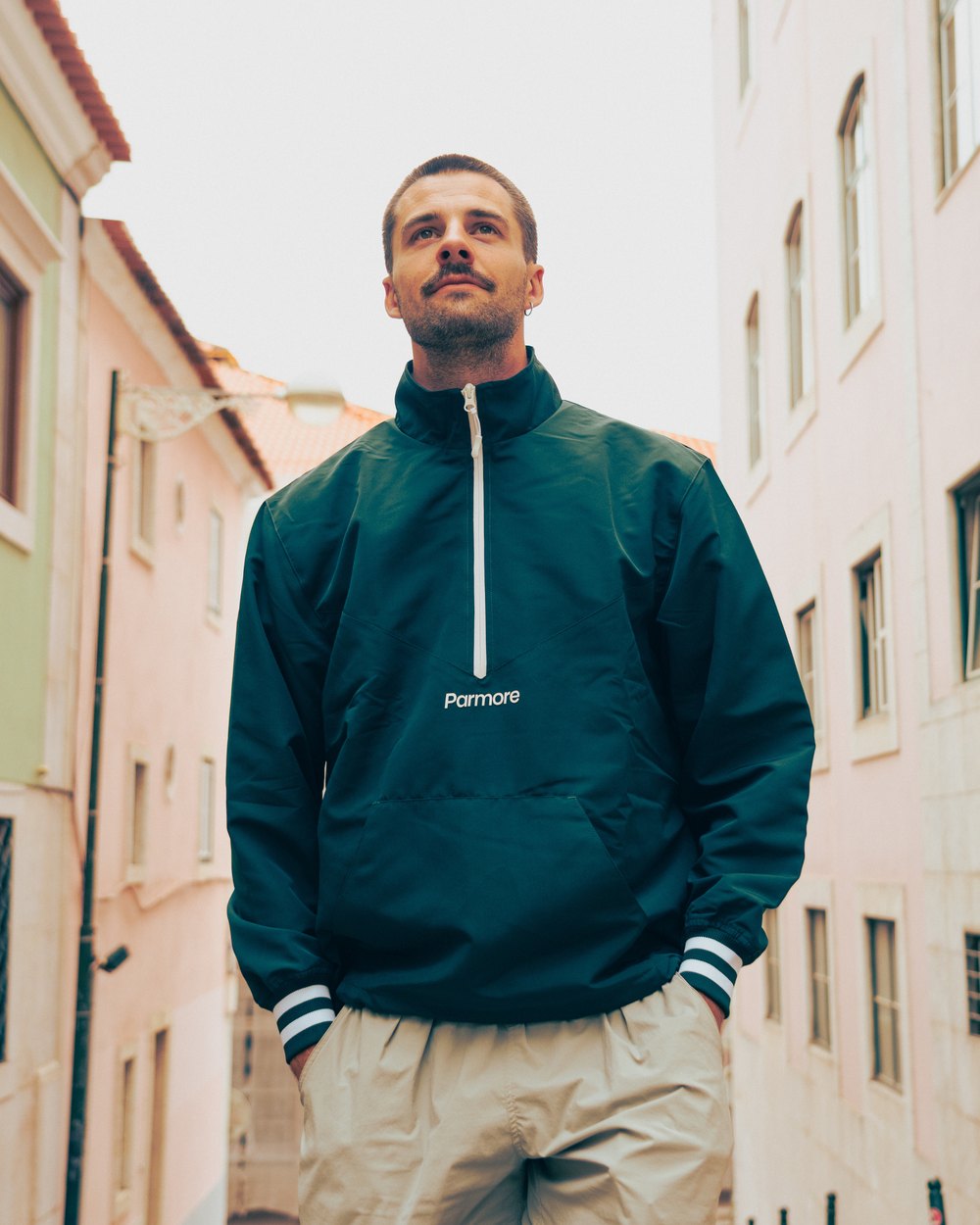
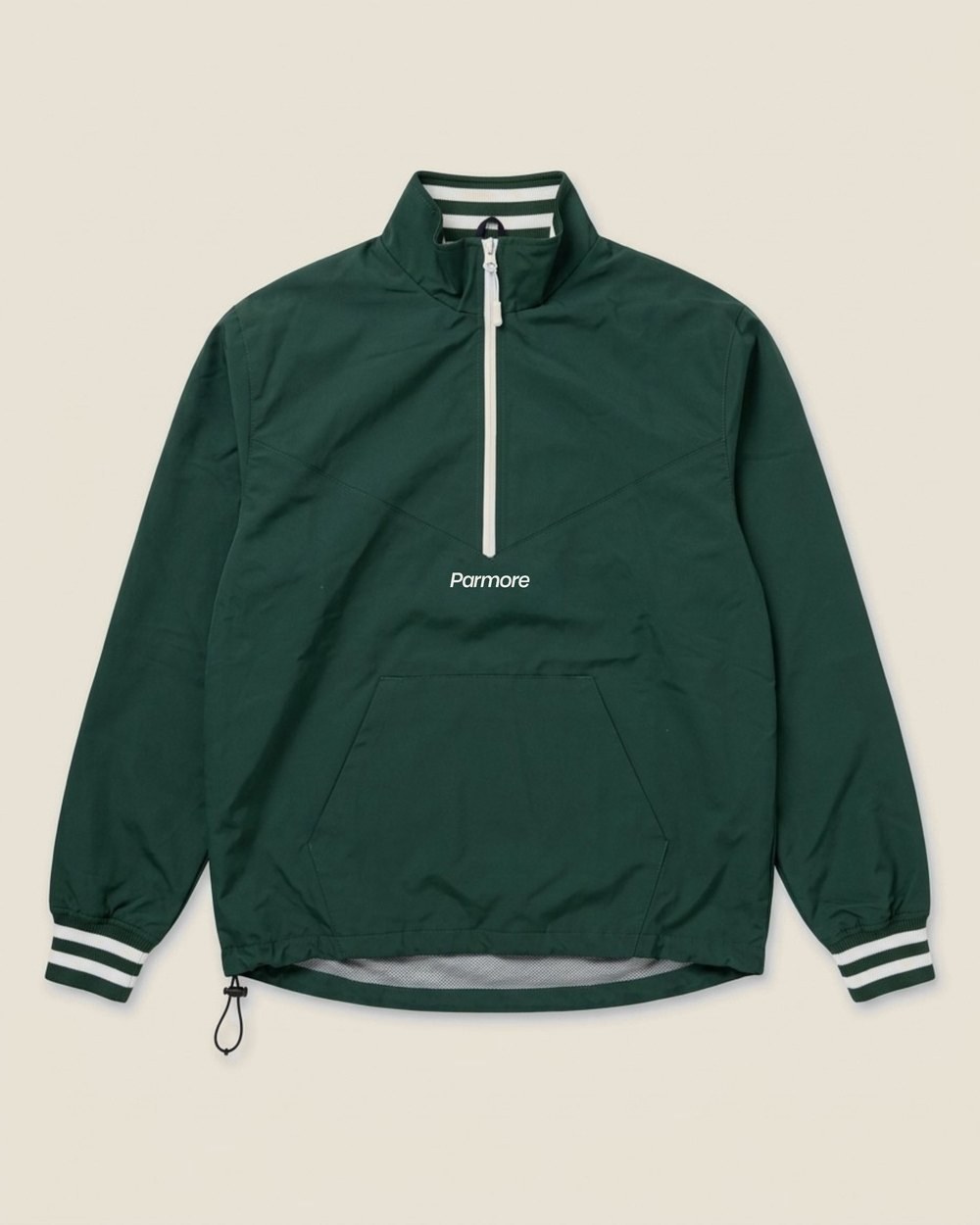
For a long time, independent golf mostly meant Los Angeles and New York. This year we wrote about Midiron and Angus & Grace in Sydney, No Return Club in Manchester, Cph/Golf in Tokyo, Parmore in Bournemouth and Alba in Milan. Golf in Australia alone took ten brands.
What they share is not a look. It is the sense that golf clothes can come from the same place as a city’s skate and music scenes. Several of them now show US shoppers their prices in dollars.
Tee pockets, marker magnets and pencil holders
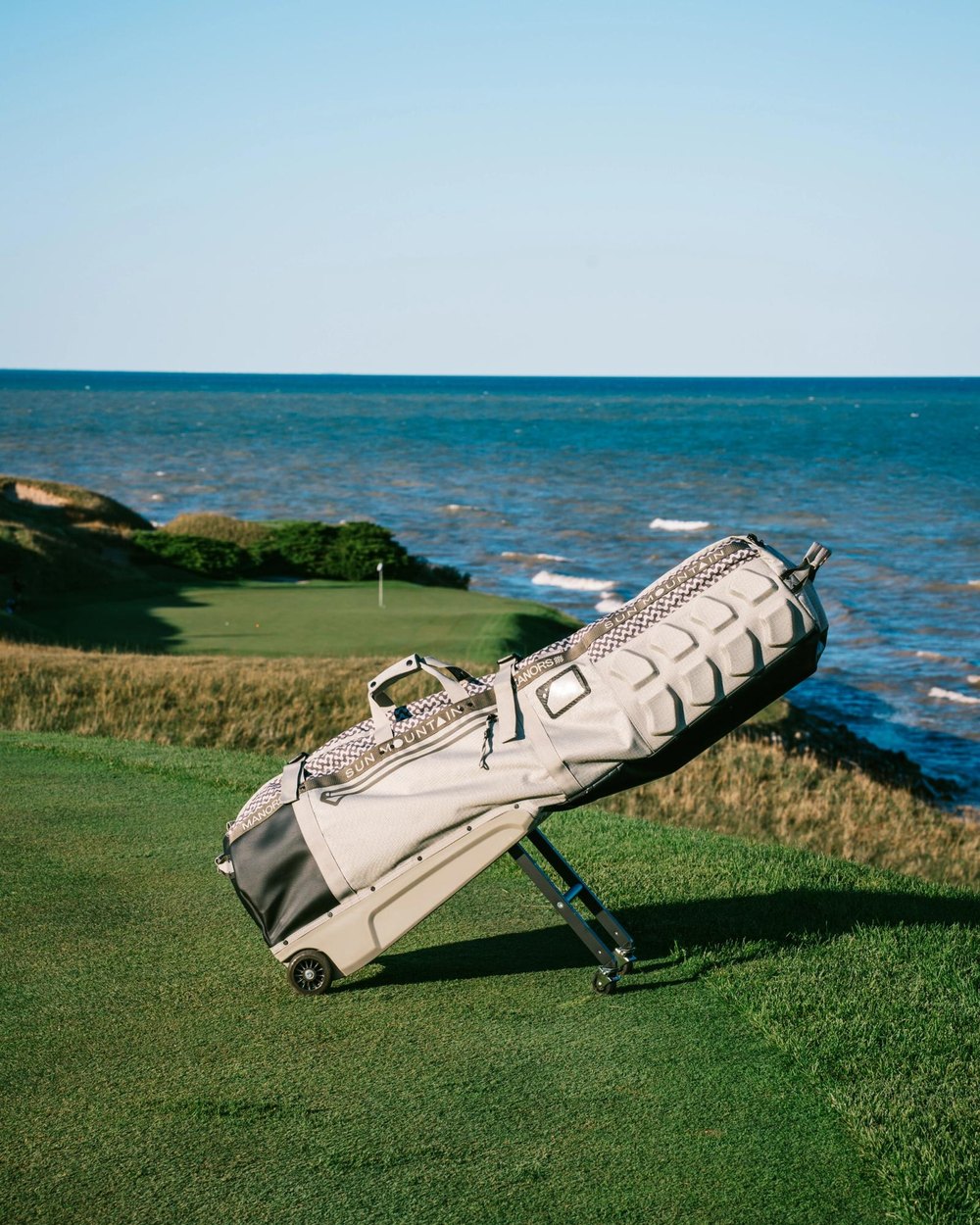
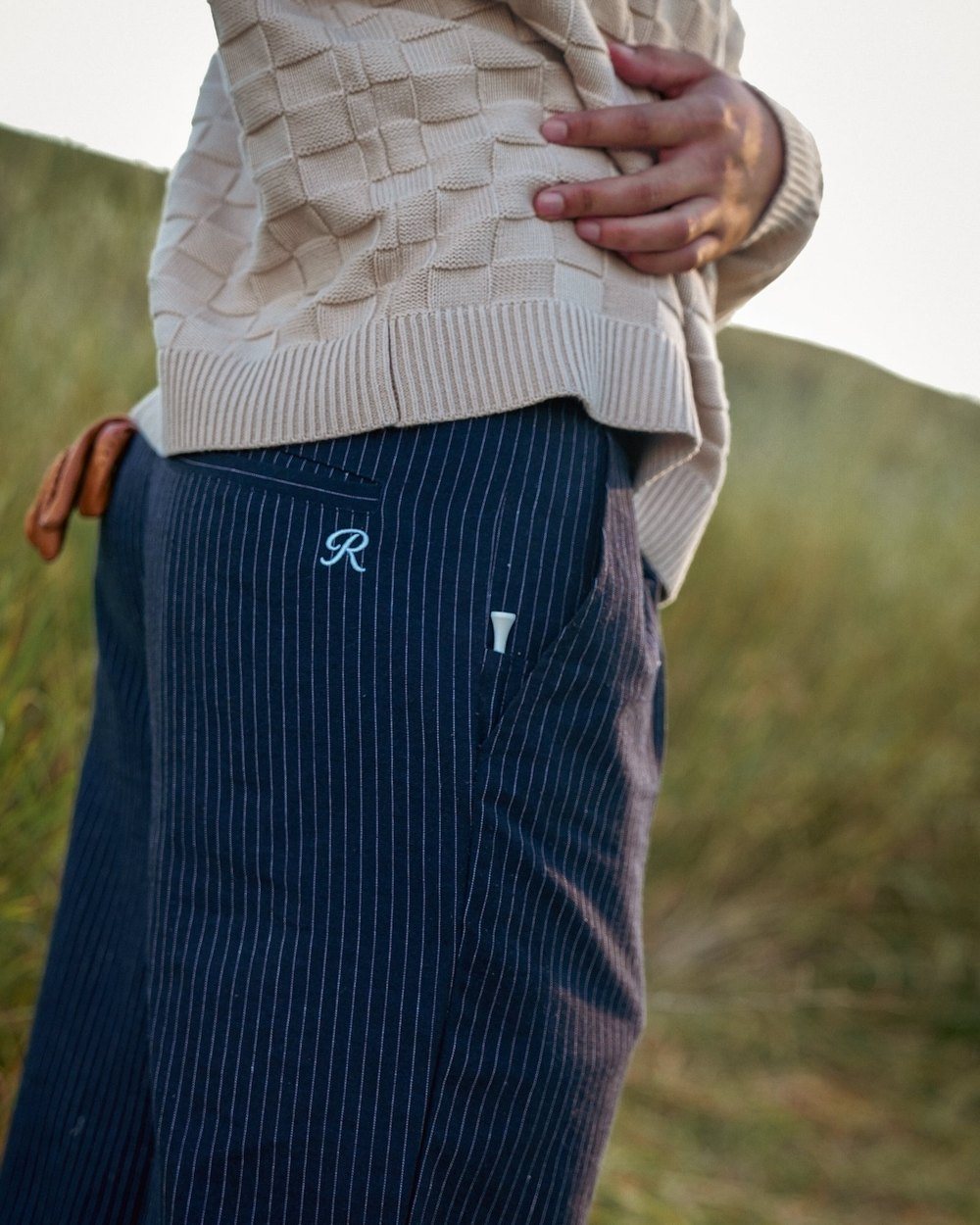
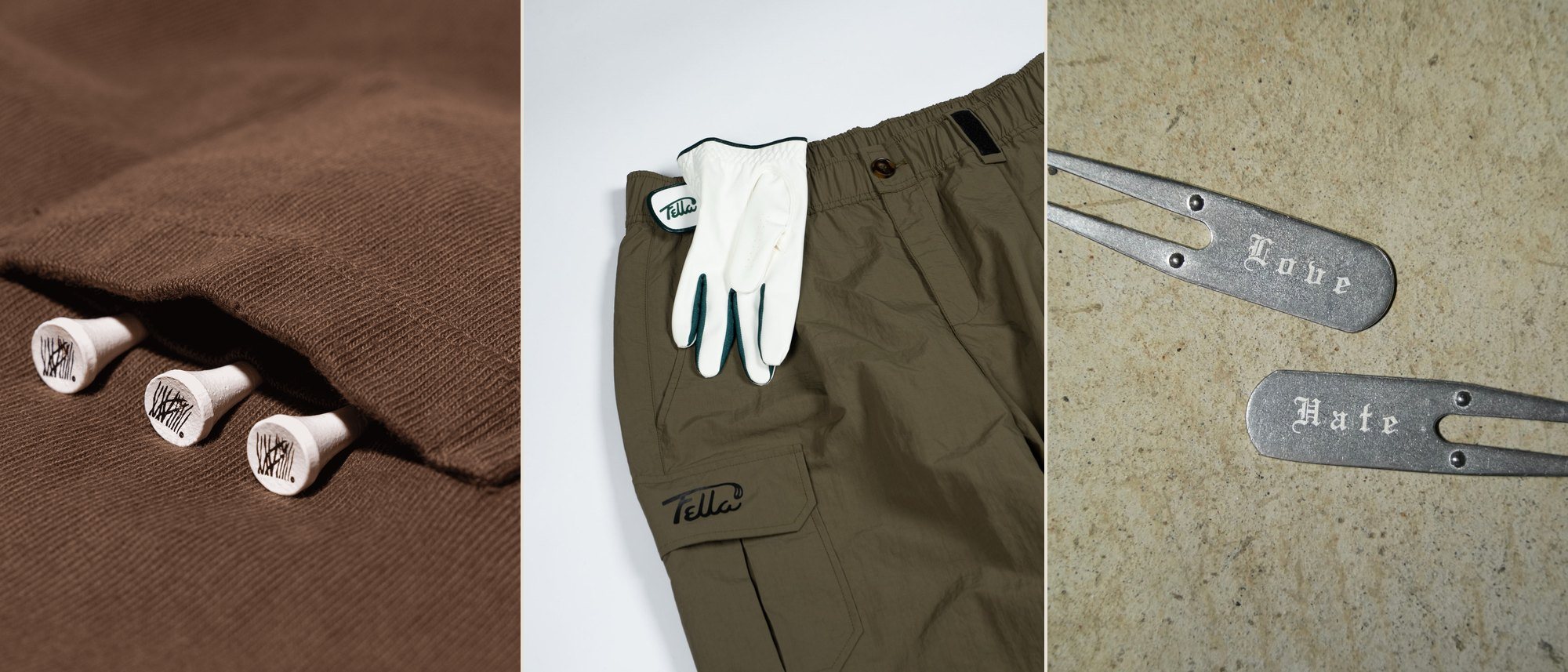
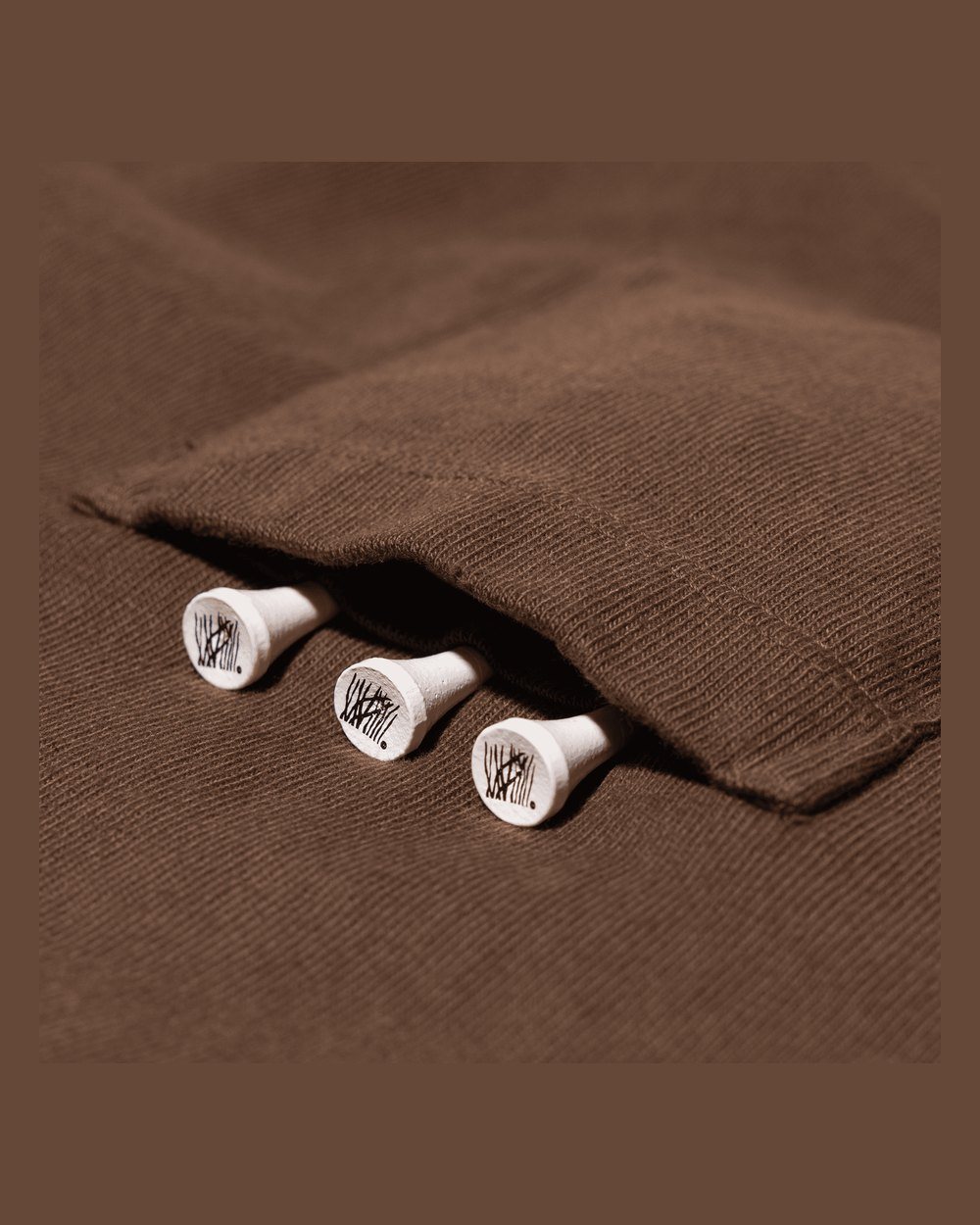
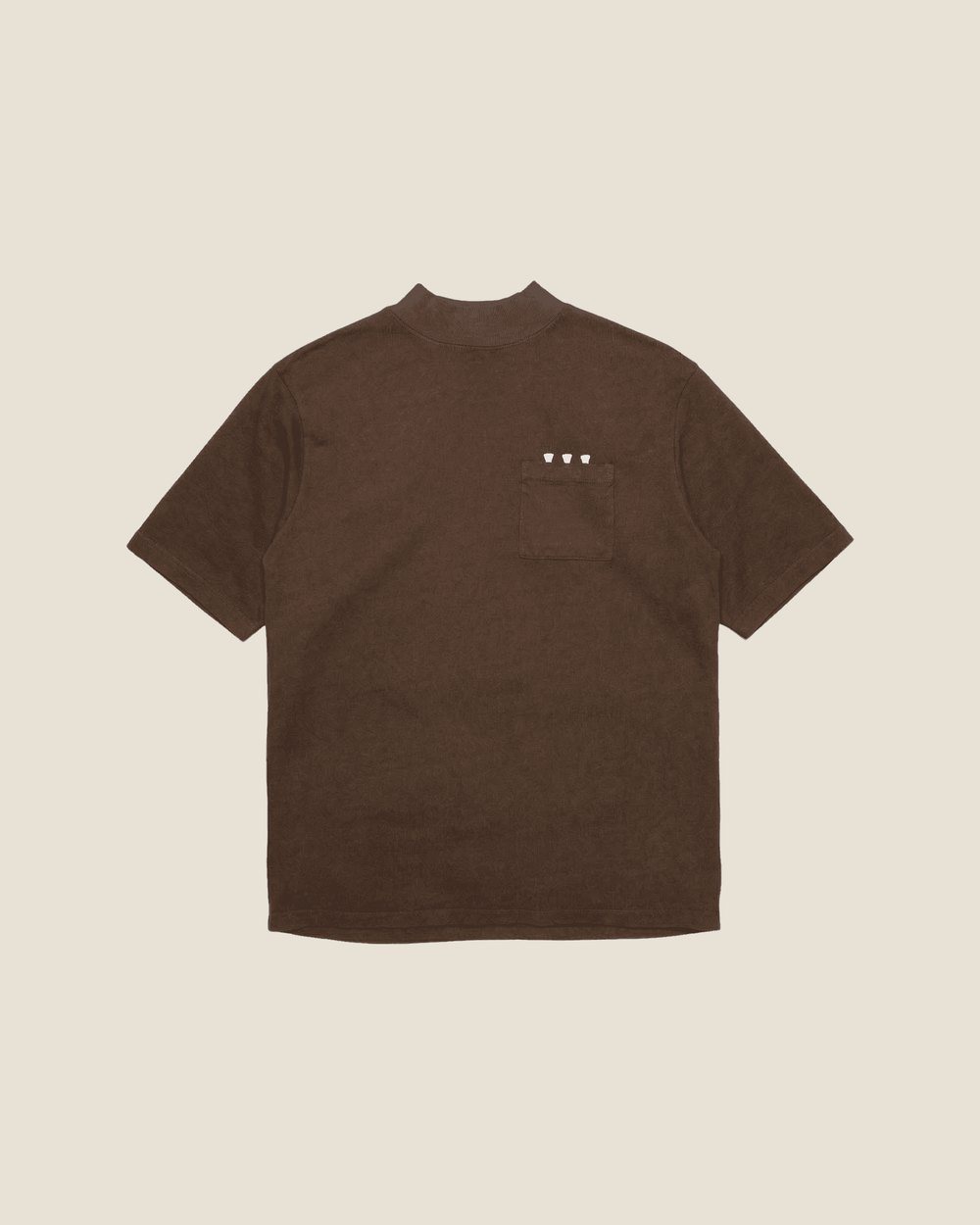
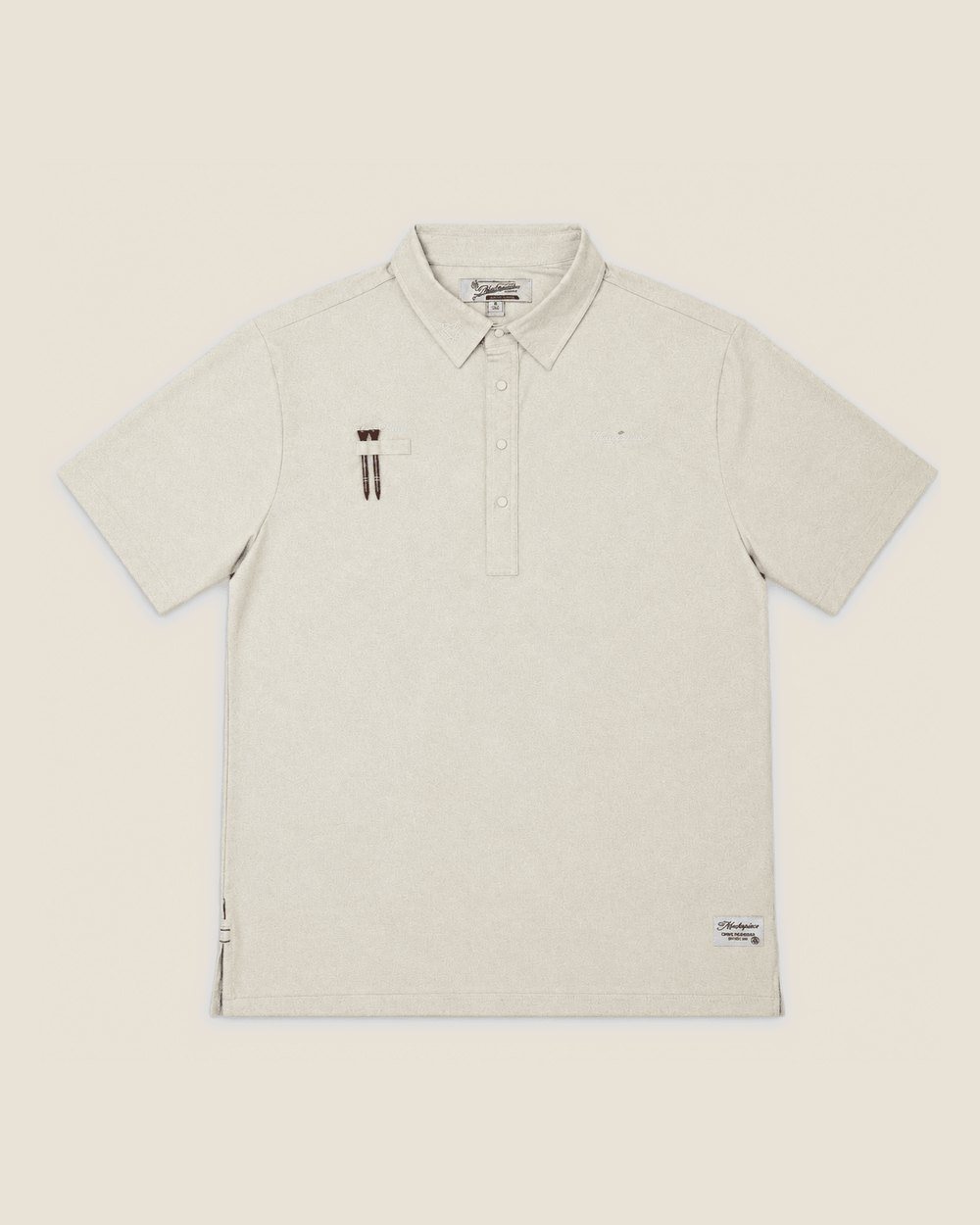
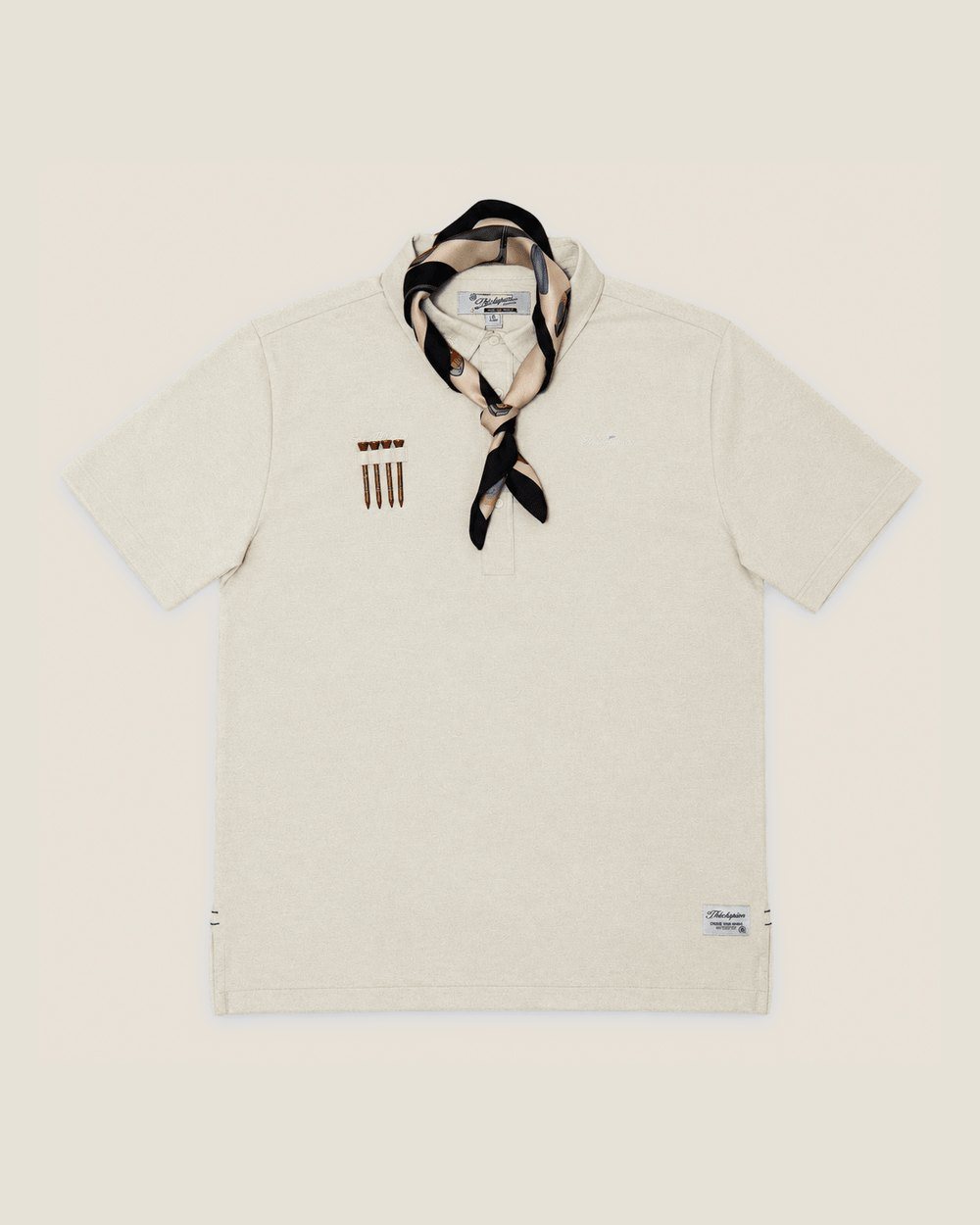
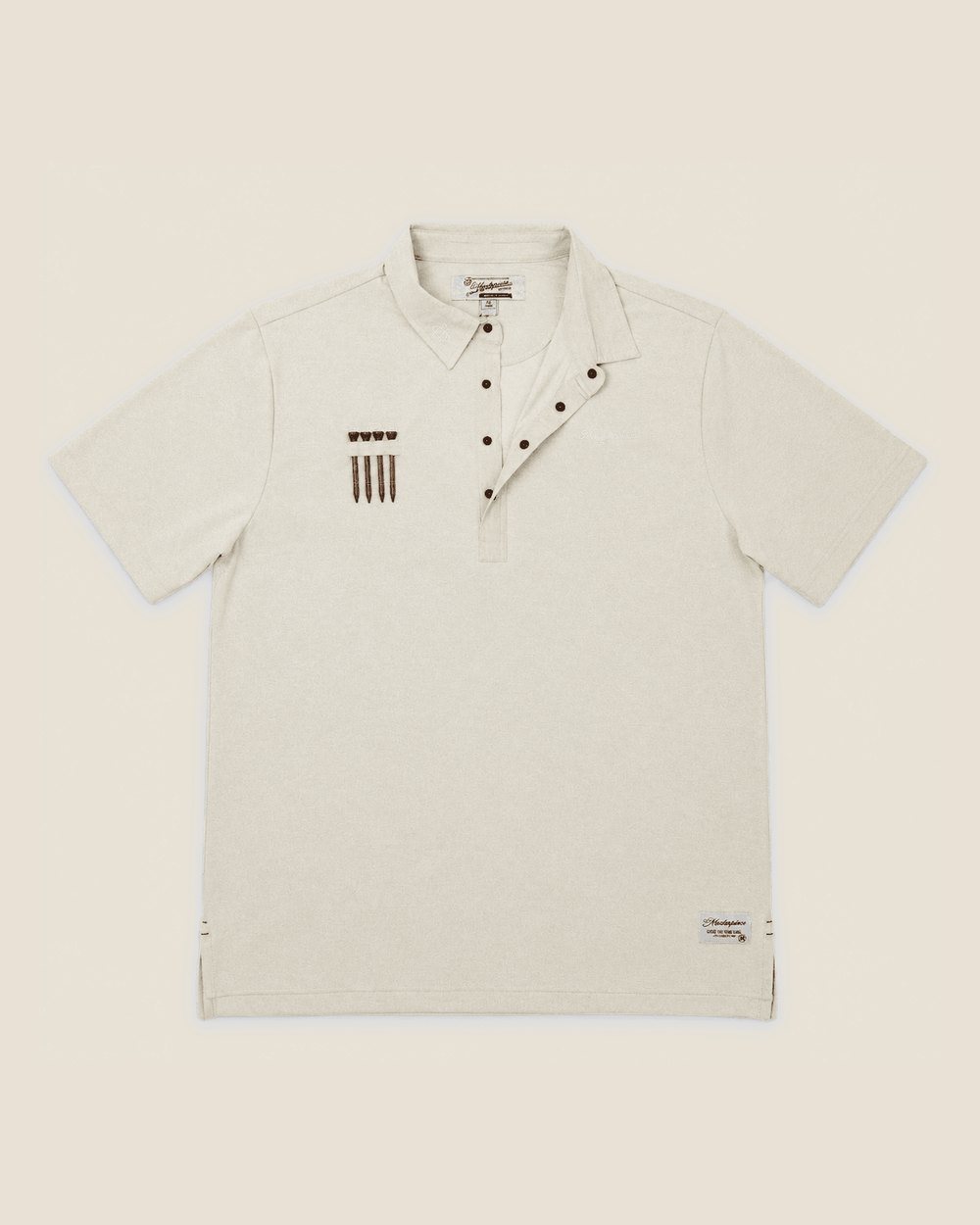
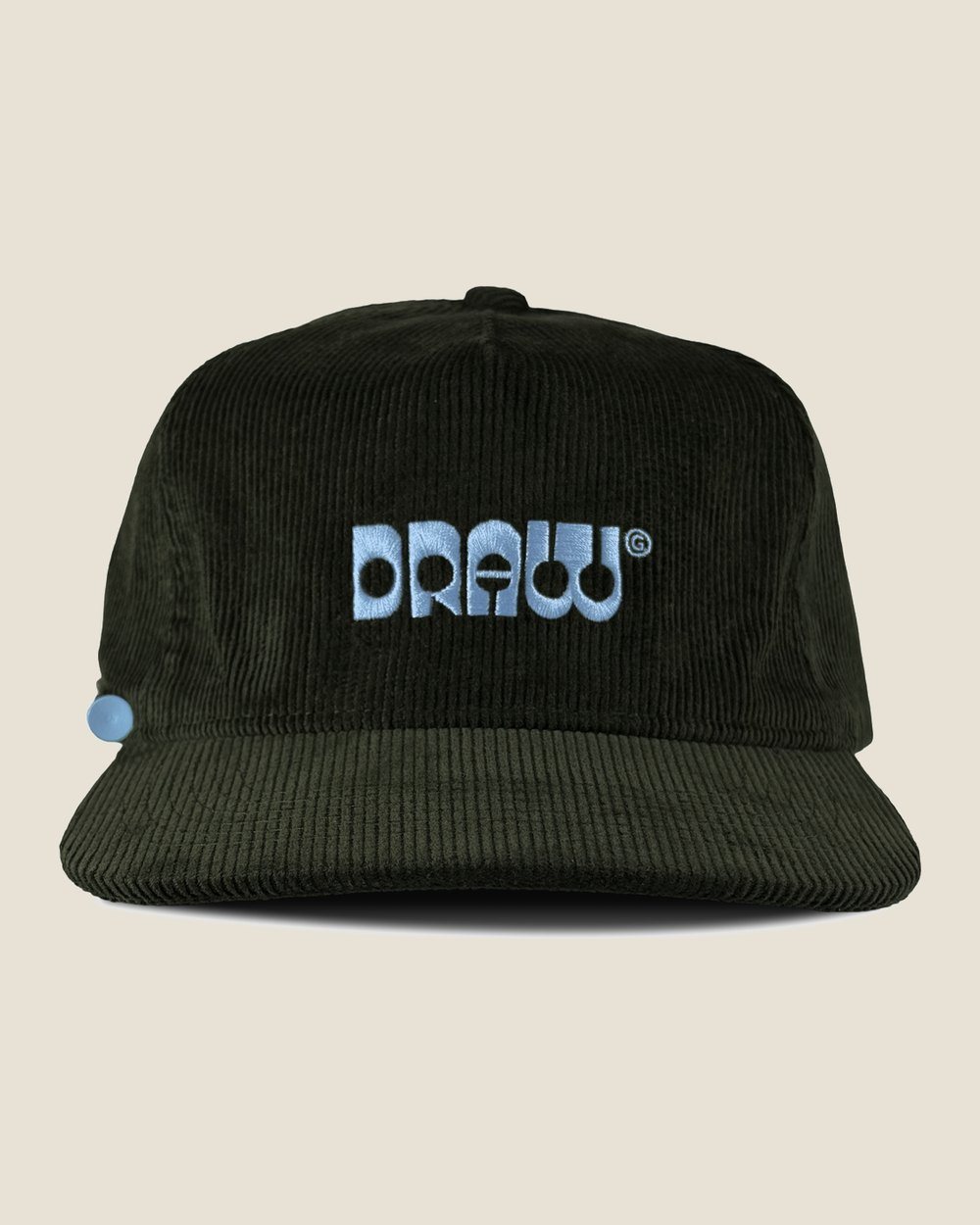
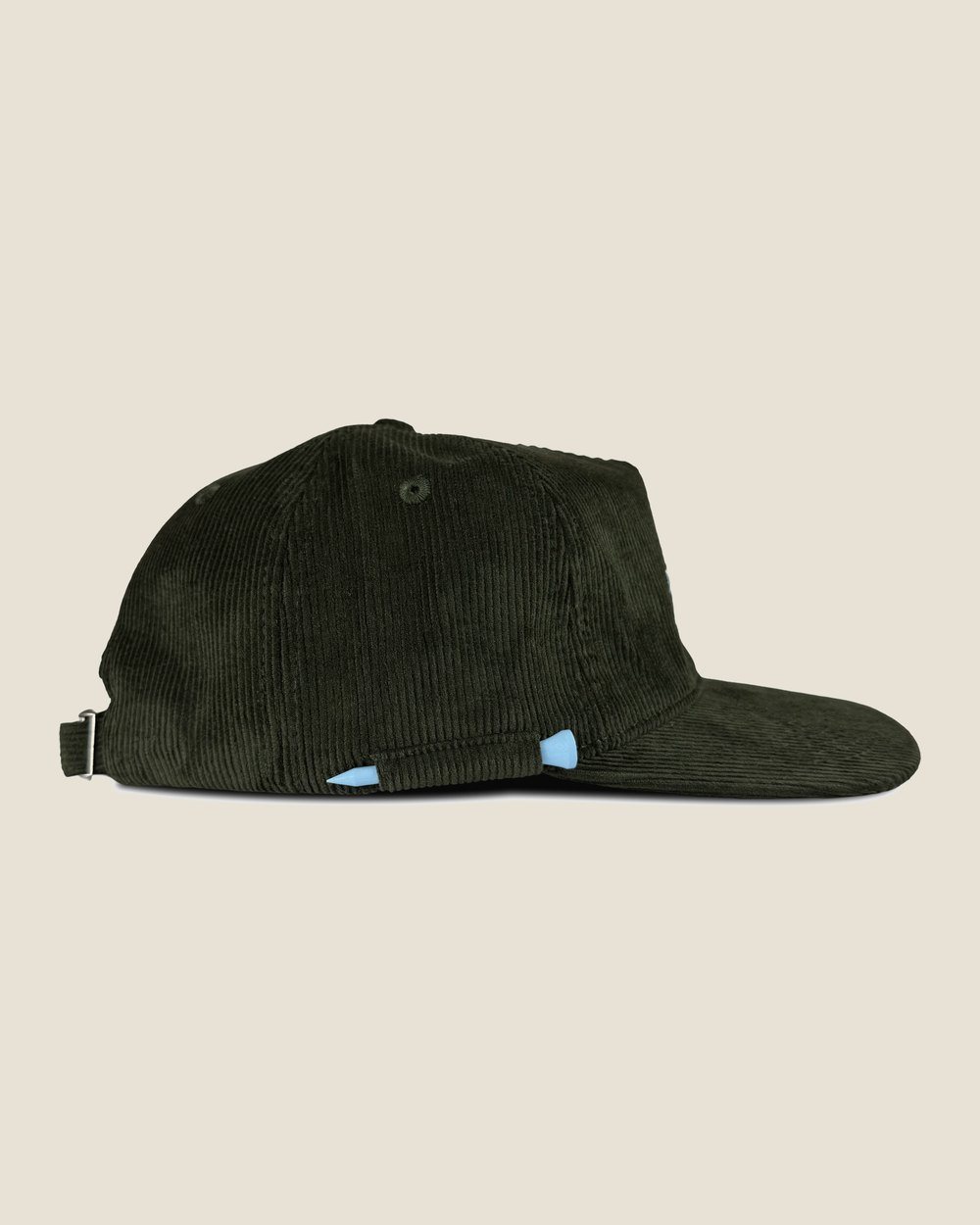
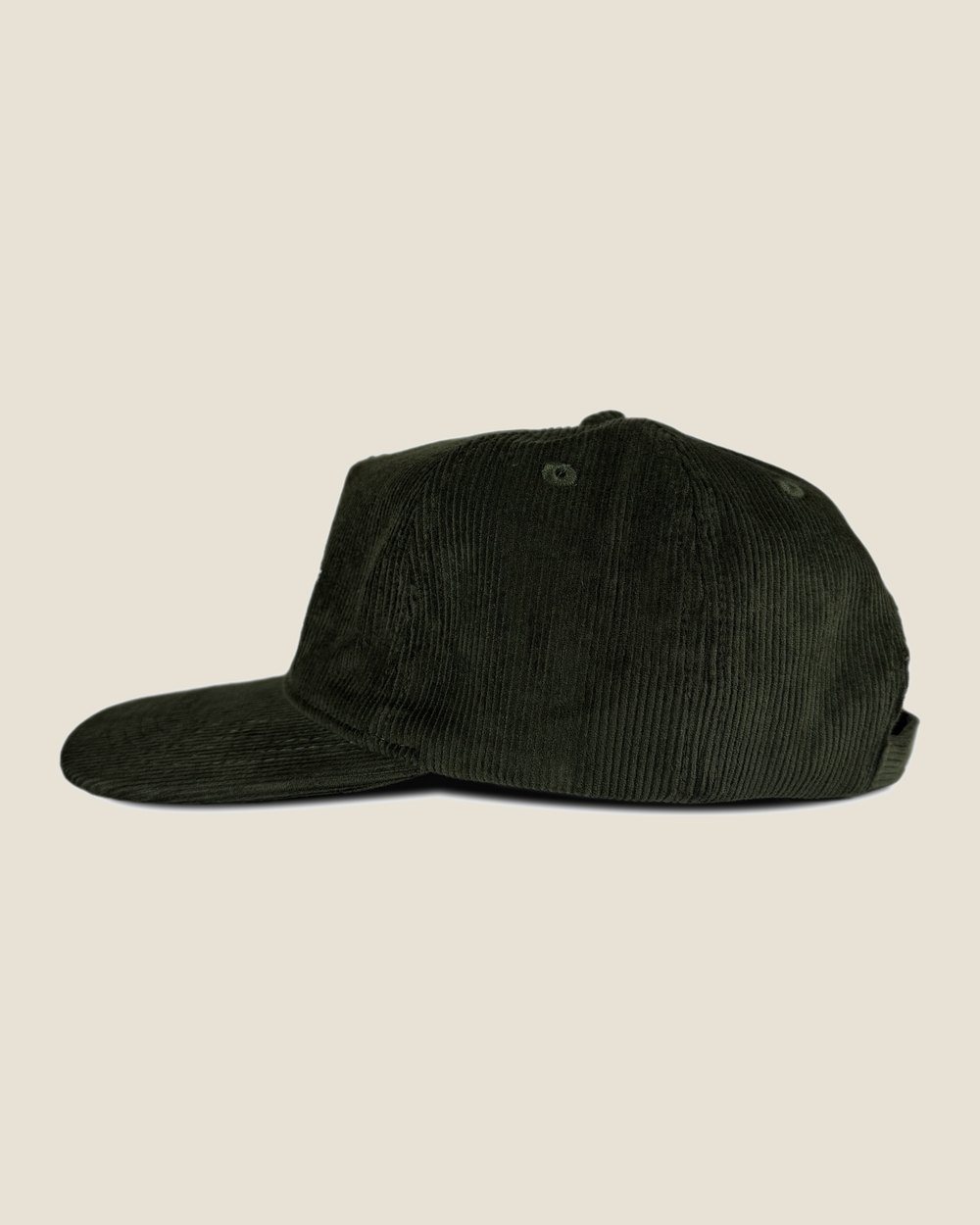
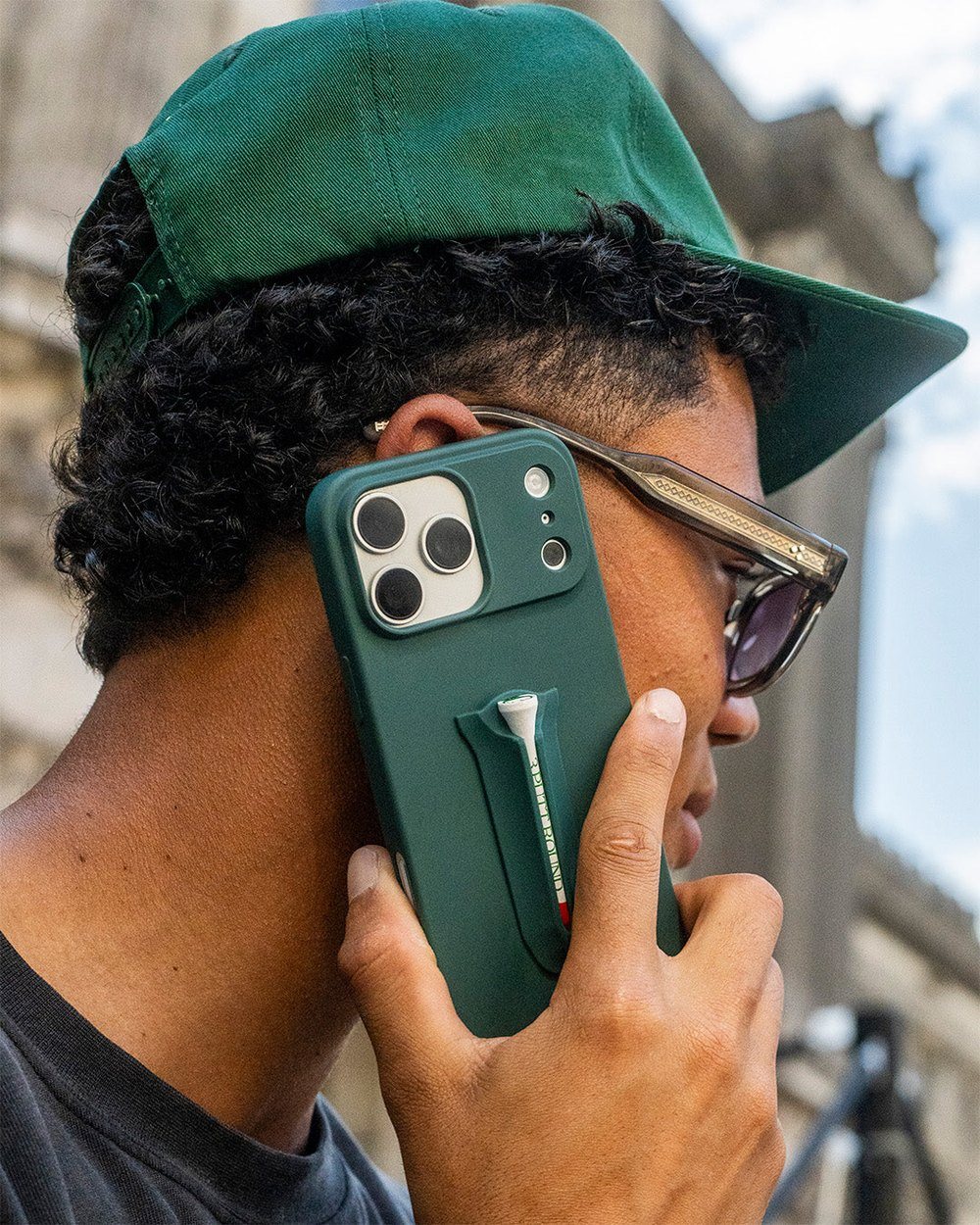
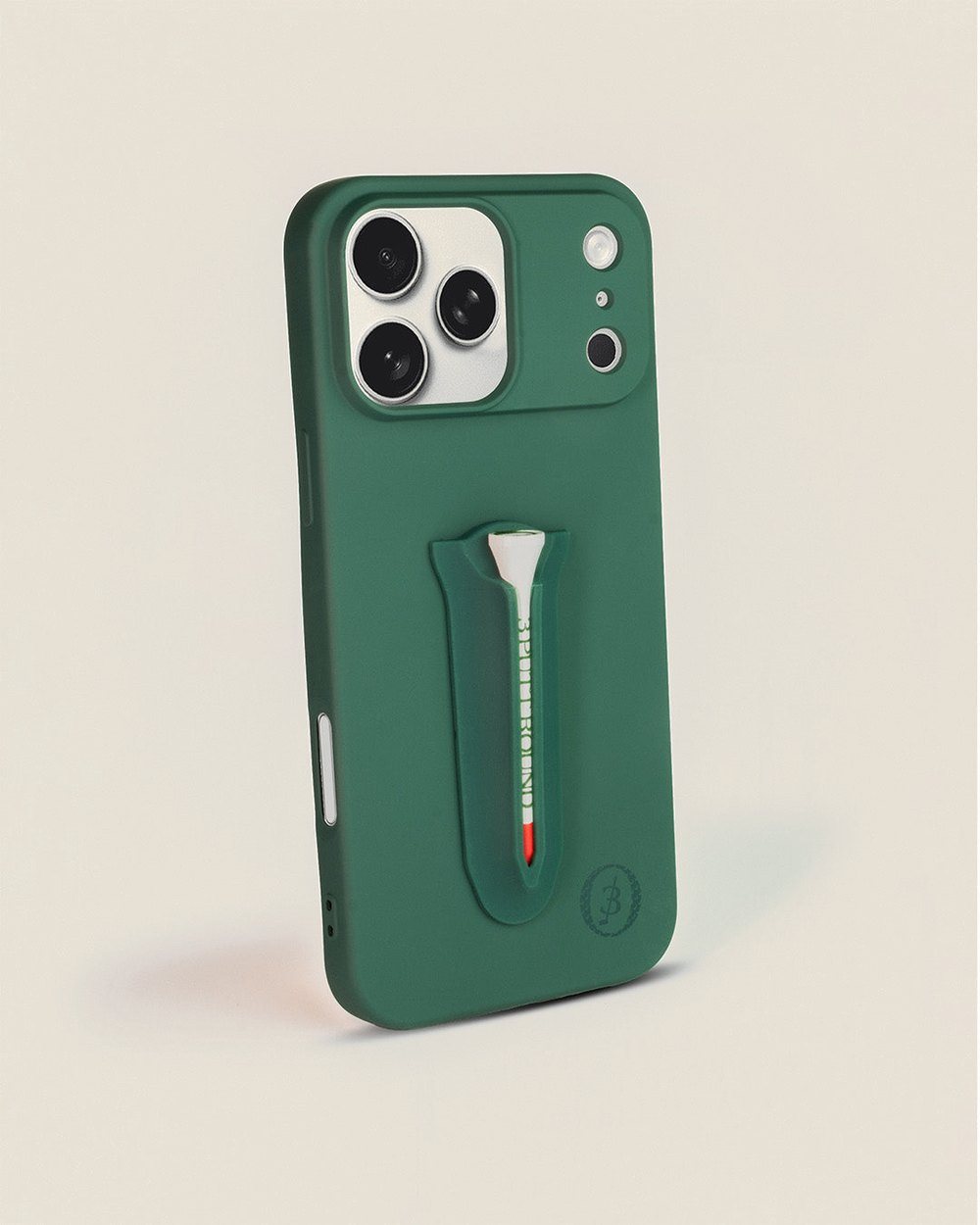
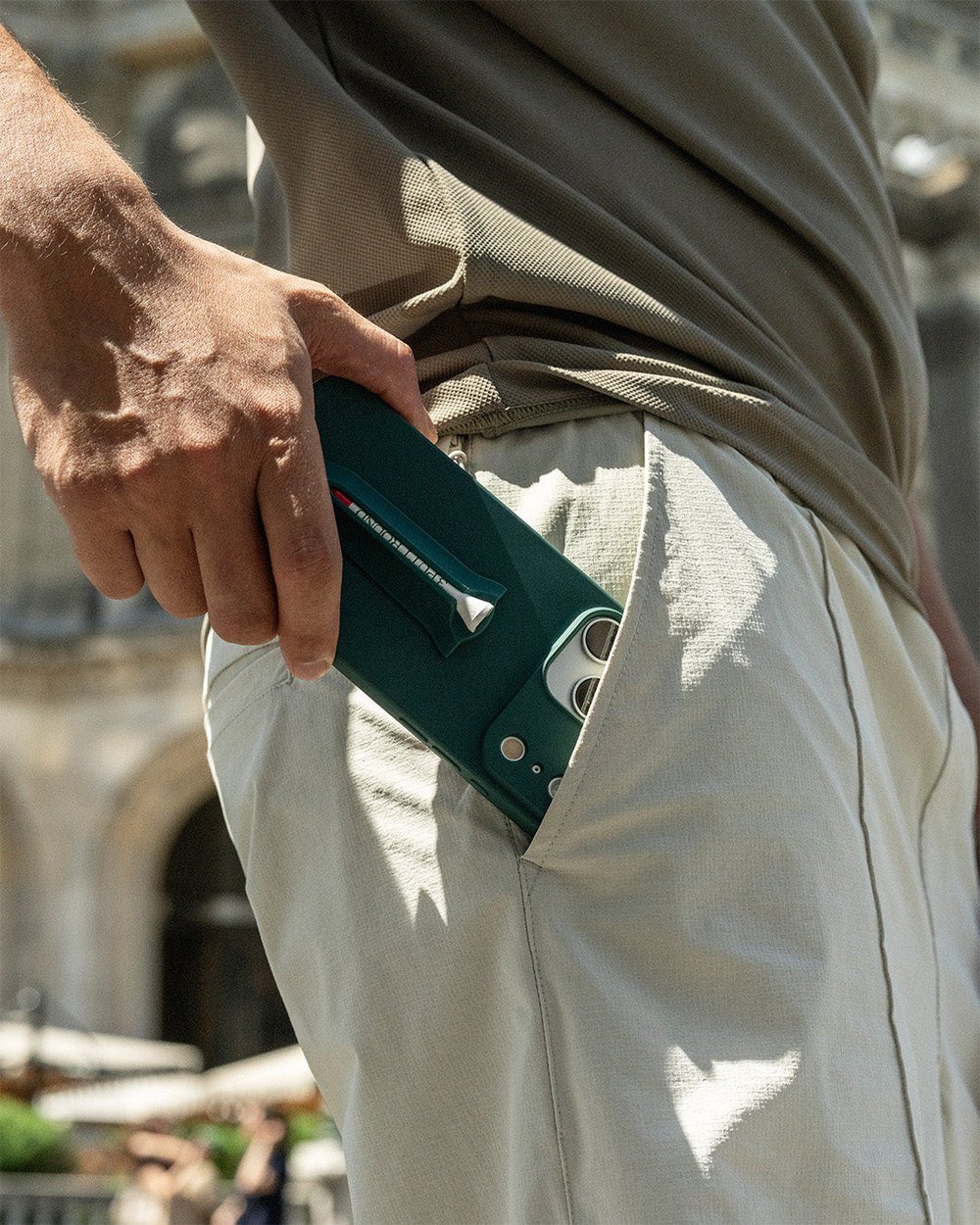
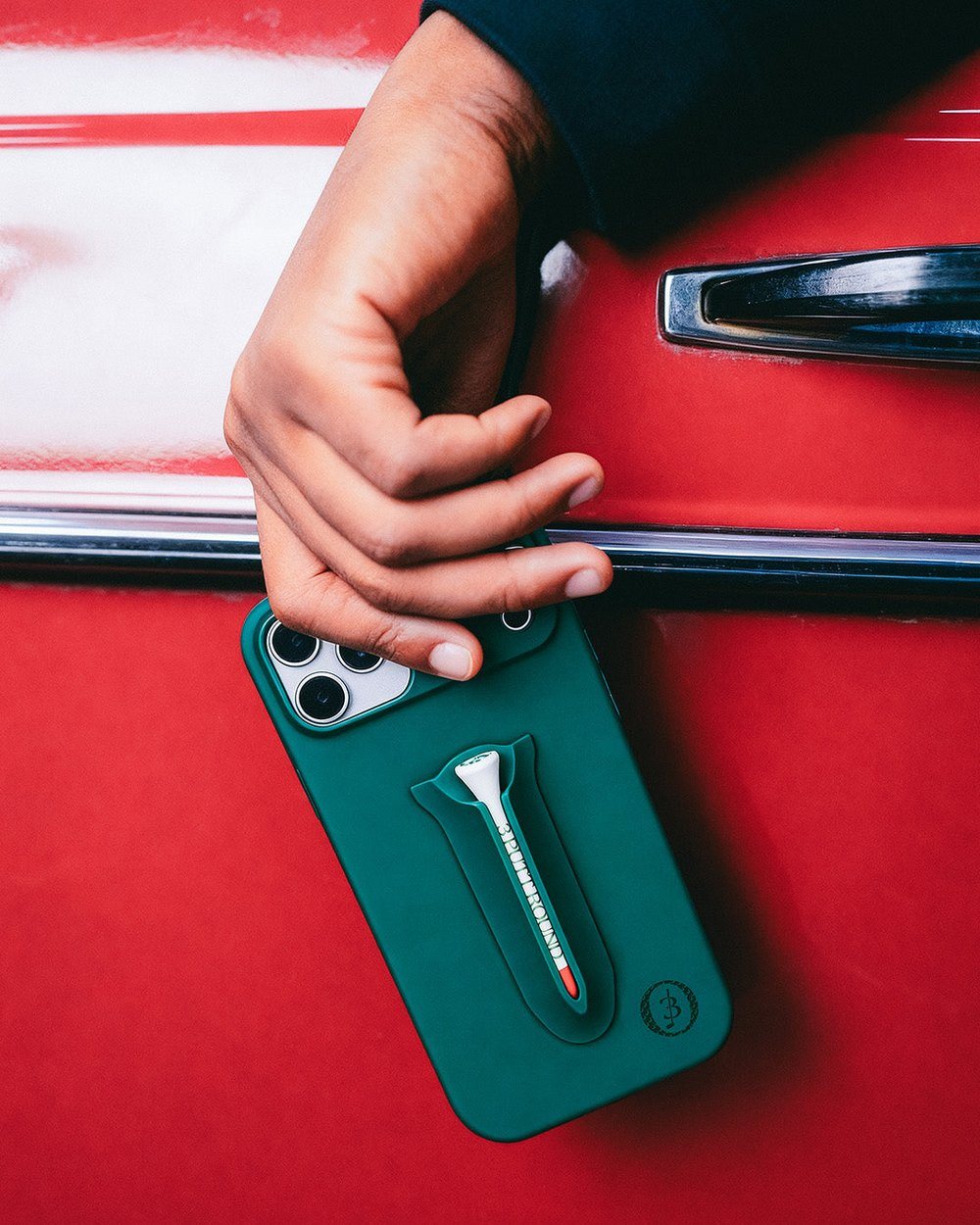
One of our favorite posts of the year was Hidden Details: 18 pieces with features you only find once you are wearing them. Agronomy Workshop sews a tee holder into the chest pocket of its work shirt. Masterpiece Sports Club built a tee holder into a polo. Draw’s corduroy cap has a small side pouch that holds a tee, and 3 Putt Round molded a tee holder into the back of a phone case. Manors even hides a magnet for your ball marker in a trouser pocket.
None of it shows up in a product photo, which is exactly why it matters. It is the clearest sign that the people designing these clothes are out playing in them.
Eight brands that shaped the year without getting the most airtime. Not the biggest, and not a ranking: these are the smaller names whose new drops we were most eager to see.
A Seattle brand with no virgin polyester in the line, and knitwear in organic cotton, silk and merino that does not look like it is trying.
Leather headcovers handmade in Colombia, with blade, mallet and mid-mallet putter covers in dozens of designs.
One-off sets reworked from Carhartt, Nike and Patagonia in Yorkshire. Every reworked set we covered has since sold.
Canvas and wool covers made to order in Orewa, New Zealand, with names like The Flusher and Dead Rats.
The Sydney label that does not sign its own work, and camo caps that sold out fast.
Manchester golf built for the hero shot: Harris Tweed covers, bamboo tees and wind shirts in Purple Haze.
Started in England in 2024 with three words printed on half the range: No Membership Required. Streetwear that happens to be about golf.
Japan’s first select-shop golf line and a fall run of collabs with Baracuta, Lacoste, Gramicci and more.
These are our guesses, based on what sold out this year and where the brands we follow seem to be heading. We will check back on them this time next year.
Natural fibers go mainstream. Merino and organic cotton move from the quiet-luxury tier into mid-priced lines. Expect more brands to put the fabric, not the tech, in the product name.
Needlepoint moves off the belt. The belt peaked this year. Next come needlepoint bag straps, scorecard holders and headcovers as the main event.
Fewer collabs, but better ones. Logo-on-logo drops are wearing thin. The ones that last will be two makers building one specific thing together.
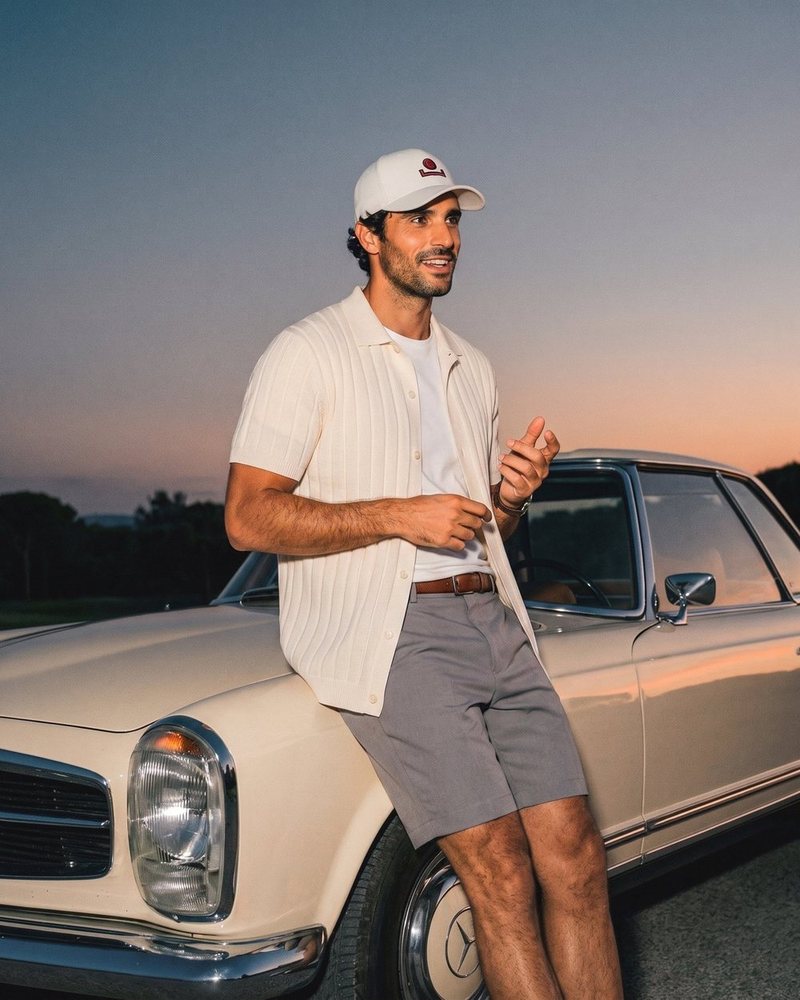
Wide legs stay; shorts follow. Pleated shorts with a longer inseam and a fuller leg are the next step from the trousers of 2026.
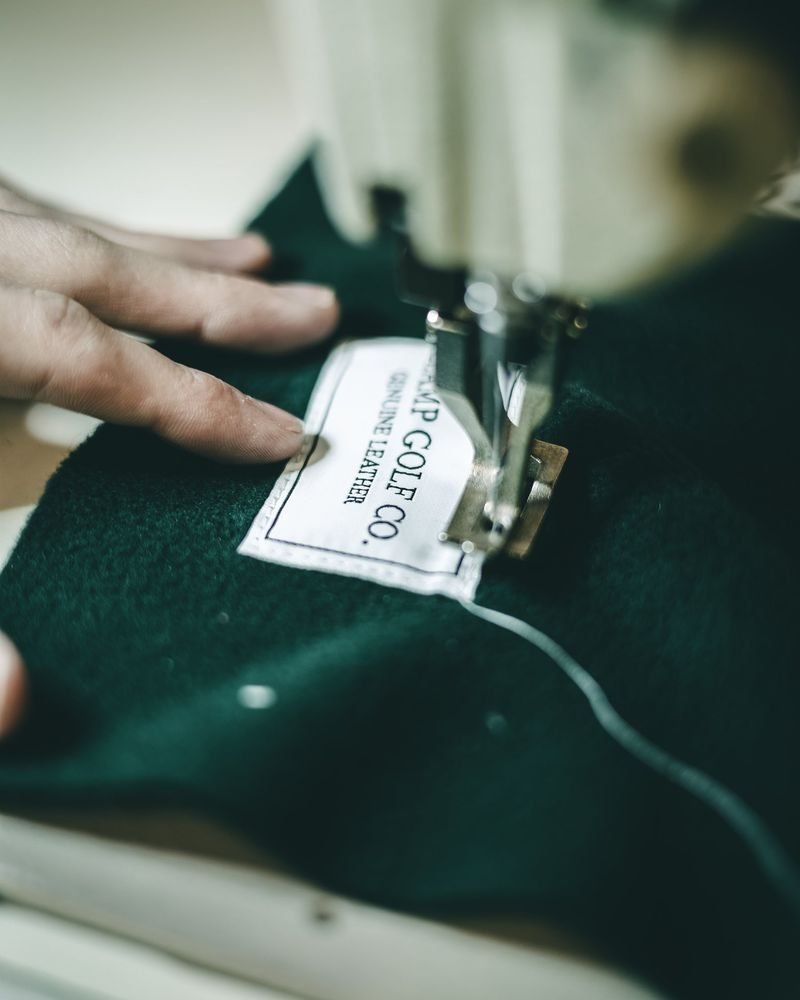
More one-offs. Remade and limited-run pieces sold out faster than anything else we covered, and our Gone Already post listed 35 of them. Brands will chase that.
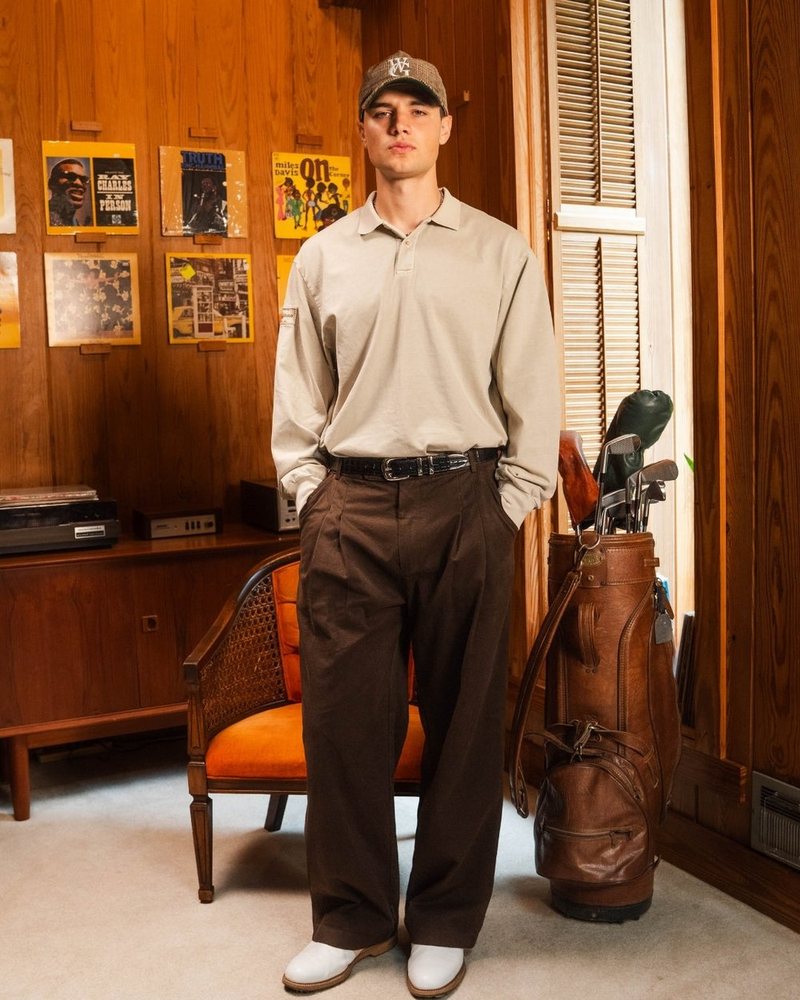
Brown is the new black. Chocolate and sage settle in as golf’s neutrals, with black saved for the evening.
Every trend here comes from our own coverage this year, and each one links back to the posts where we first noticed it. Prices are as each store showed them to a US visitor on November 12, 2026. A.P.C., Local GC and BEAMS price in euros, New Zealand dollars and yen, so those dollar figures are approximate. Everything listed was in stock that day except where we say otherwise.
Part 2 looks at how golf gear was made in 2026, from small club makers to the zero-torque putter fight. Part 3 covers the courses, from new builds in Texas to the comeback of the muni.