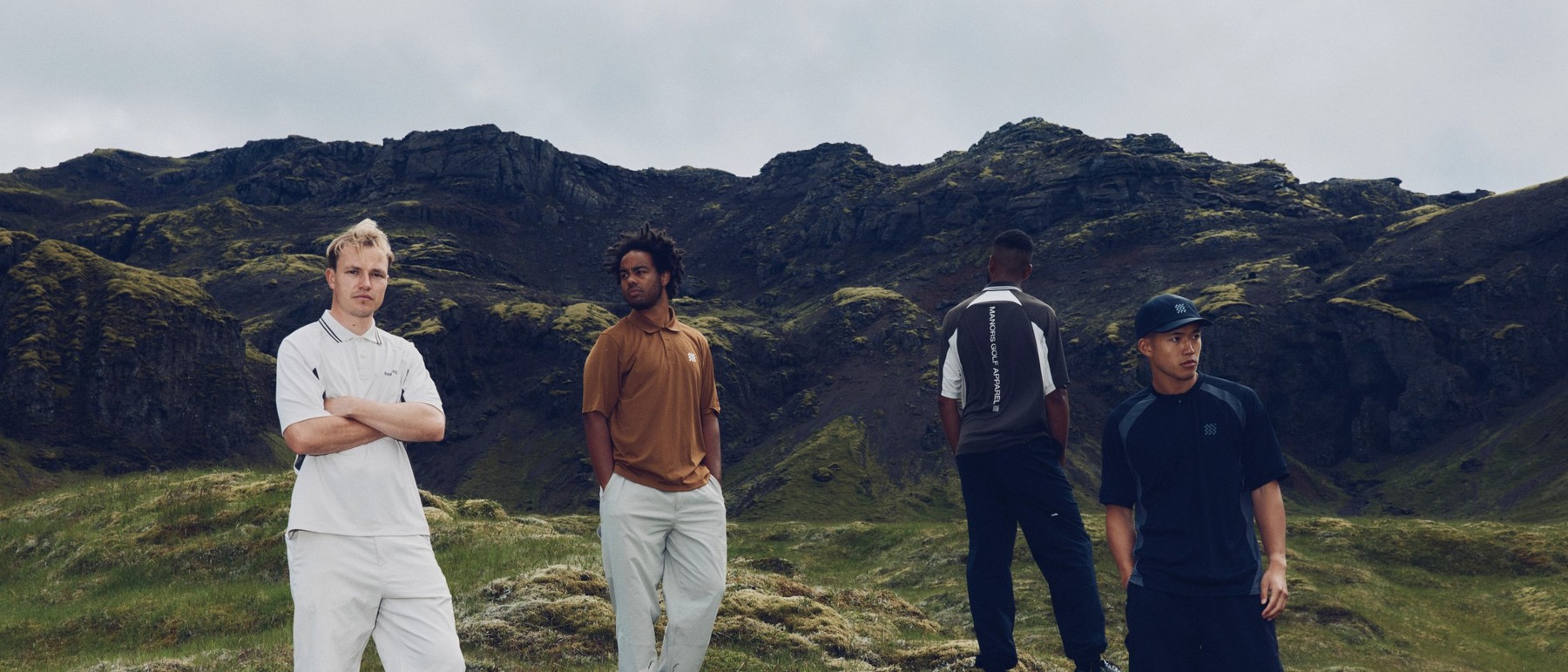
Manors Golf — photograph courtesy of the brand
Golf spent twenty years making one trouser. Flat front, four-way stretch, a tapered leg that ended in a break so short it barely was one, and a waistband engineered to disappear. It was a good trouser and it solved a real problem, and by about 2020 every brand on earth was making the same one in eleven colours.
What the shelves actually show in September 2026 is not a revolt against that. Read every trouser live across sixteen brands in this universe today and you get 158 distinct styles, of which sixteen are pleated. One in ten. The performance chino is still the business. But those sixteen pleated styles are spread across eleven of the sixteen brands — ANTi, Casualist, Gramicci, Malbon, Merrill, Odd Ritual, Olydoe, Public Drip, Siegelman, Students and Walker all carry at least one, and only Quiet Golf, Criquet, Birds of Condor, STITCH and Eastside carry none at all. That is the part that matters. A shape does not arrive at two-thirds of a category by accident, and it does not arrive there as a majority either. It arrives as one option on a shelf that used to have none.
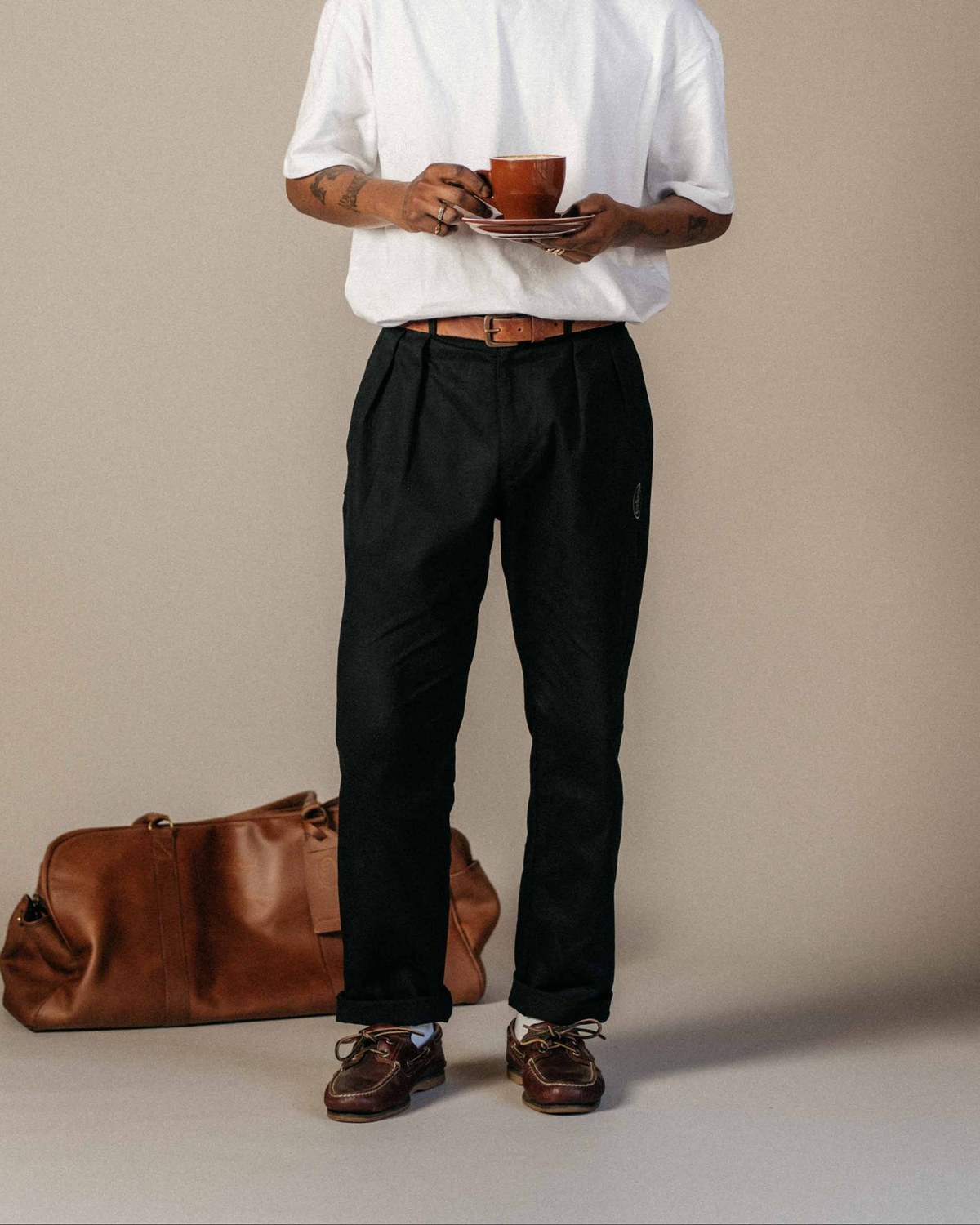
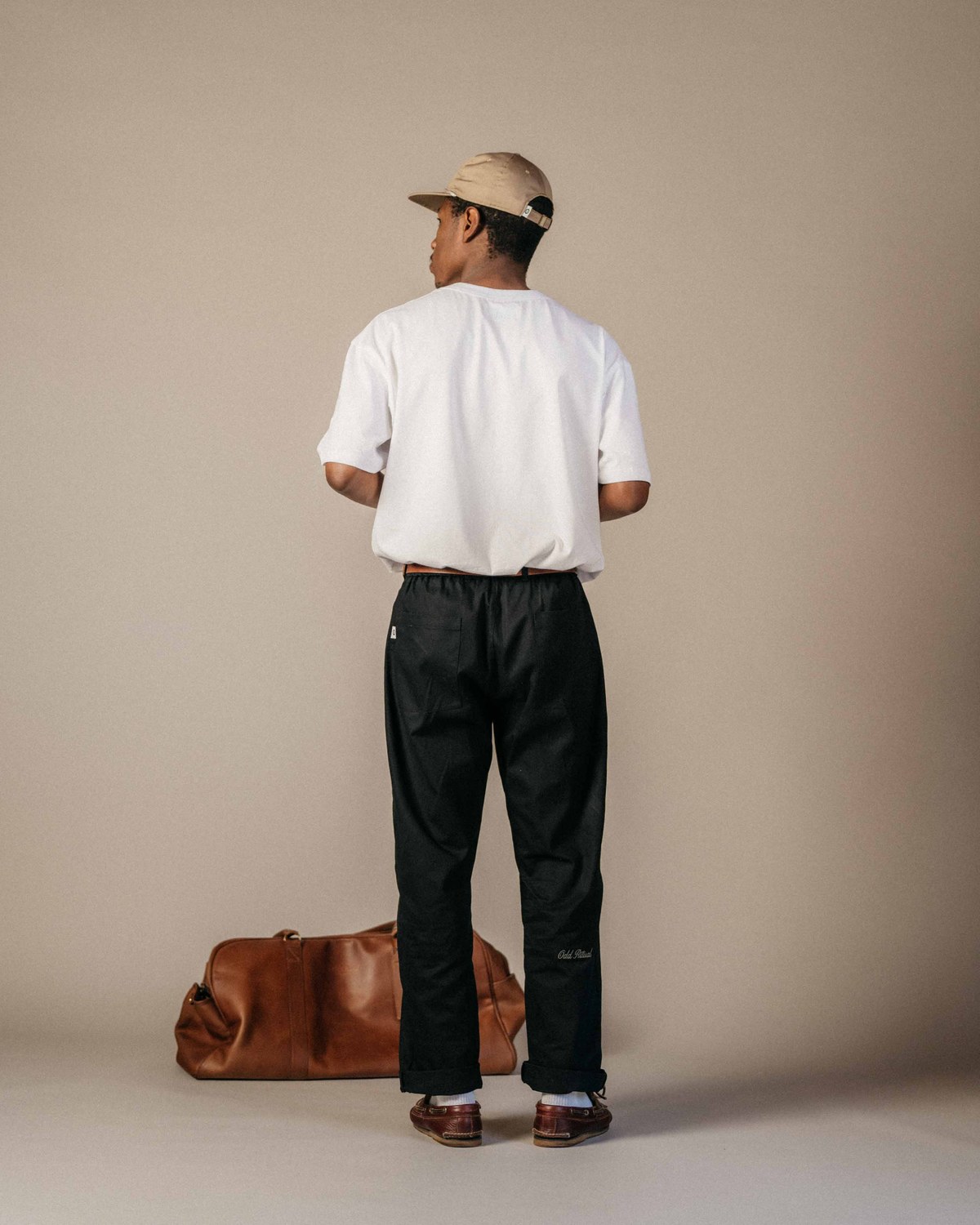
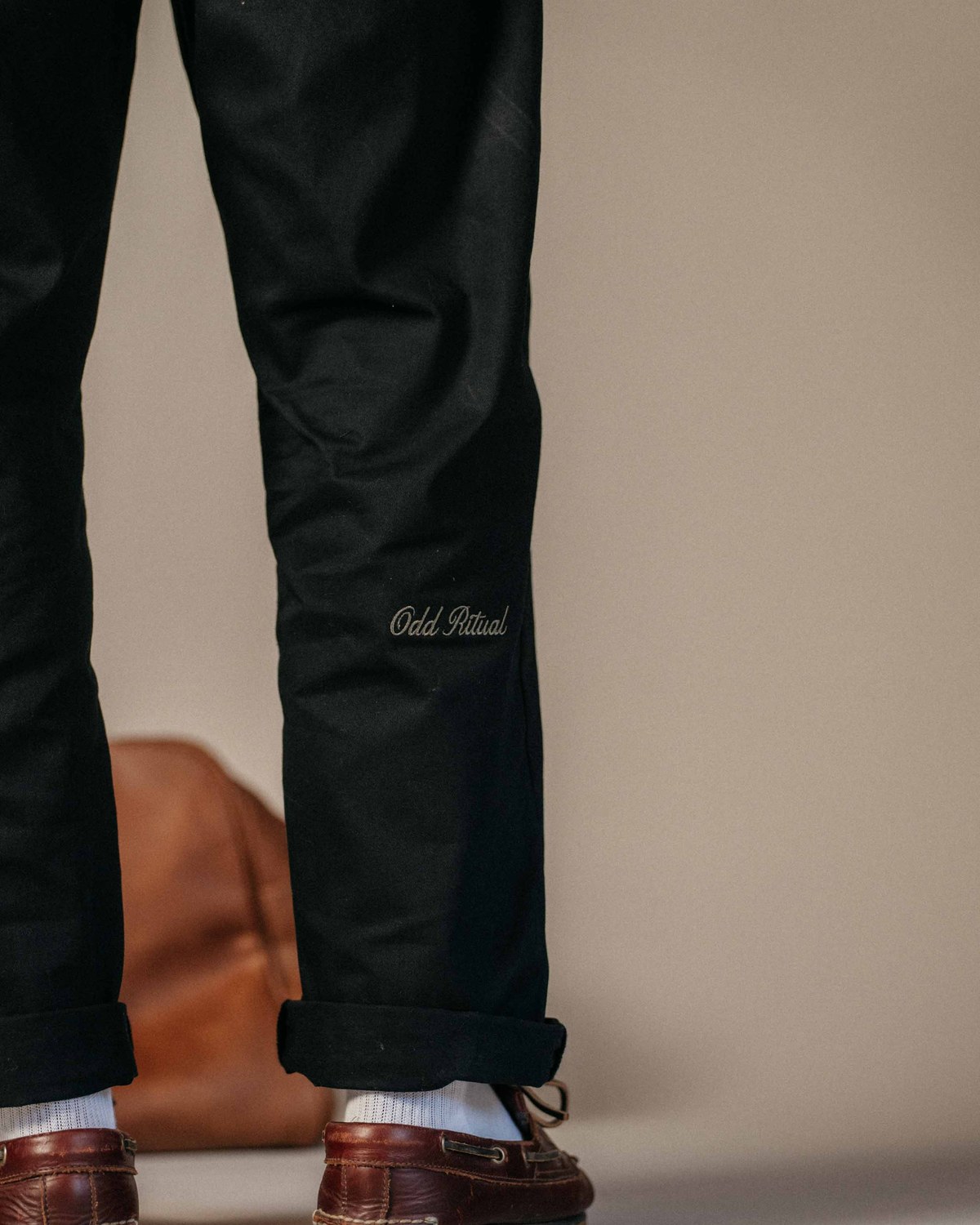
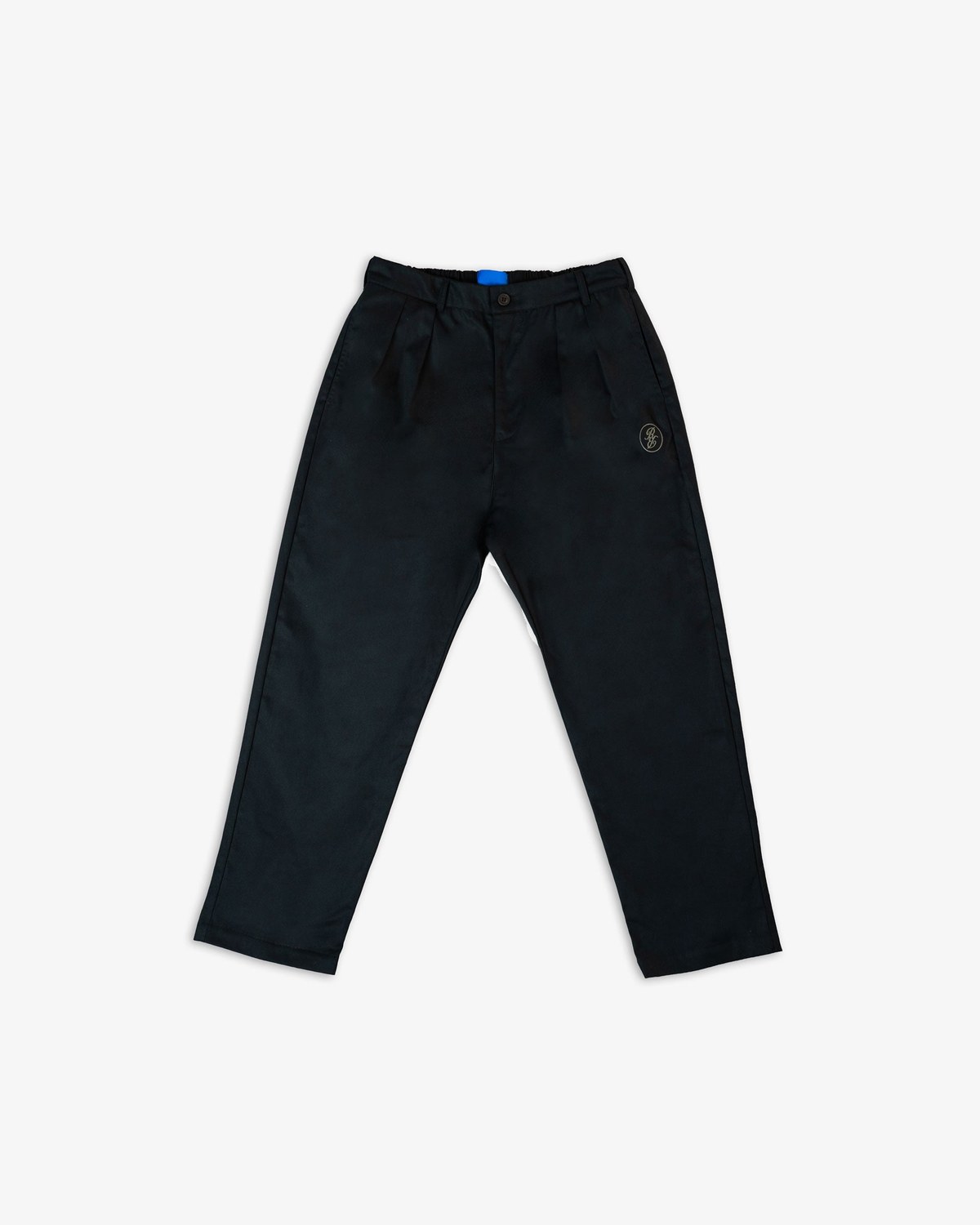
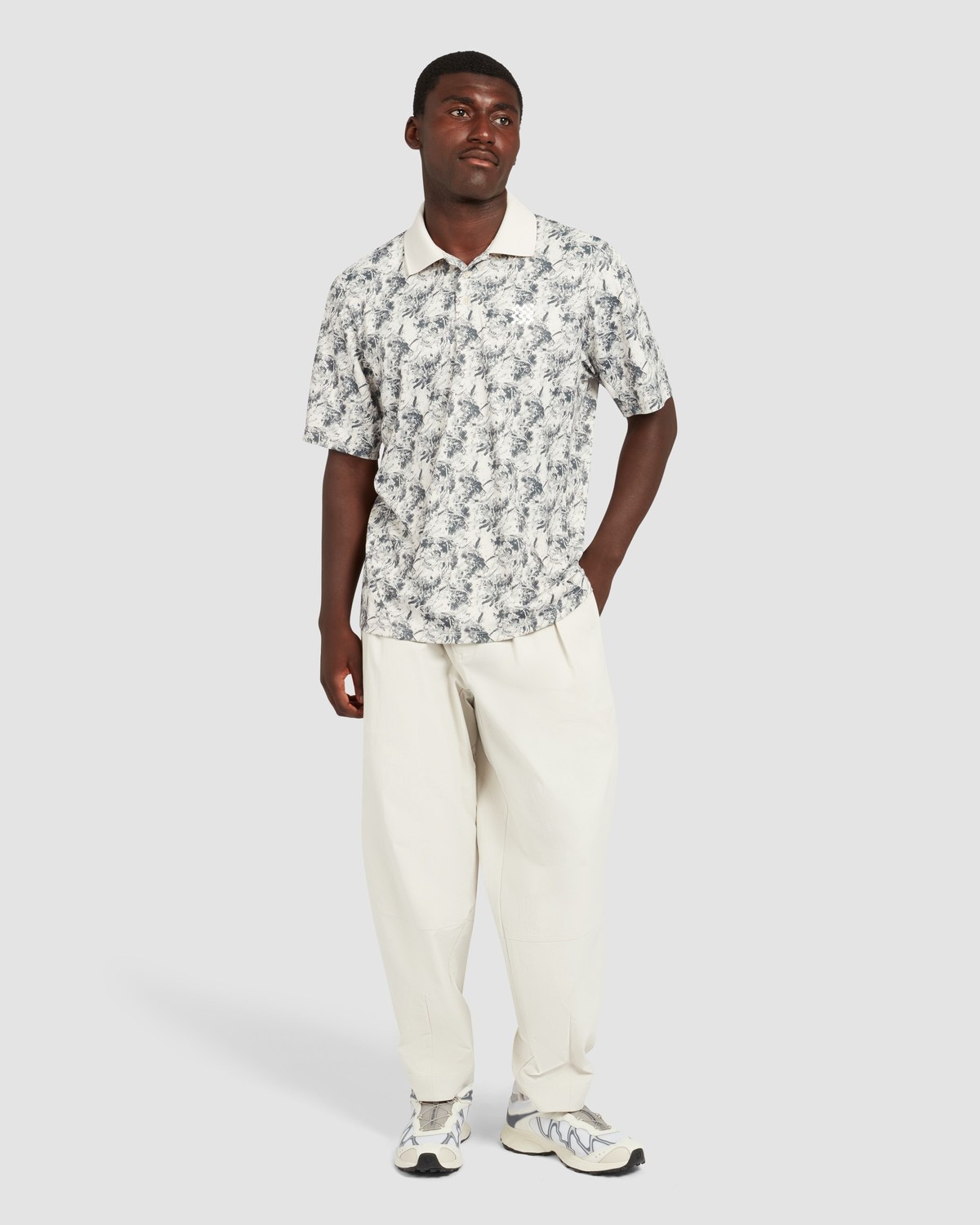
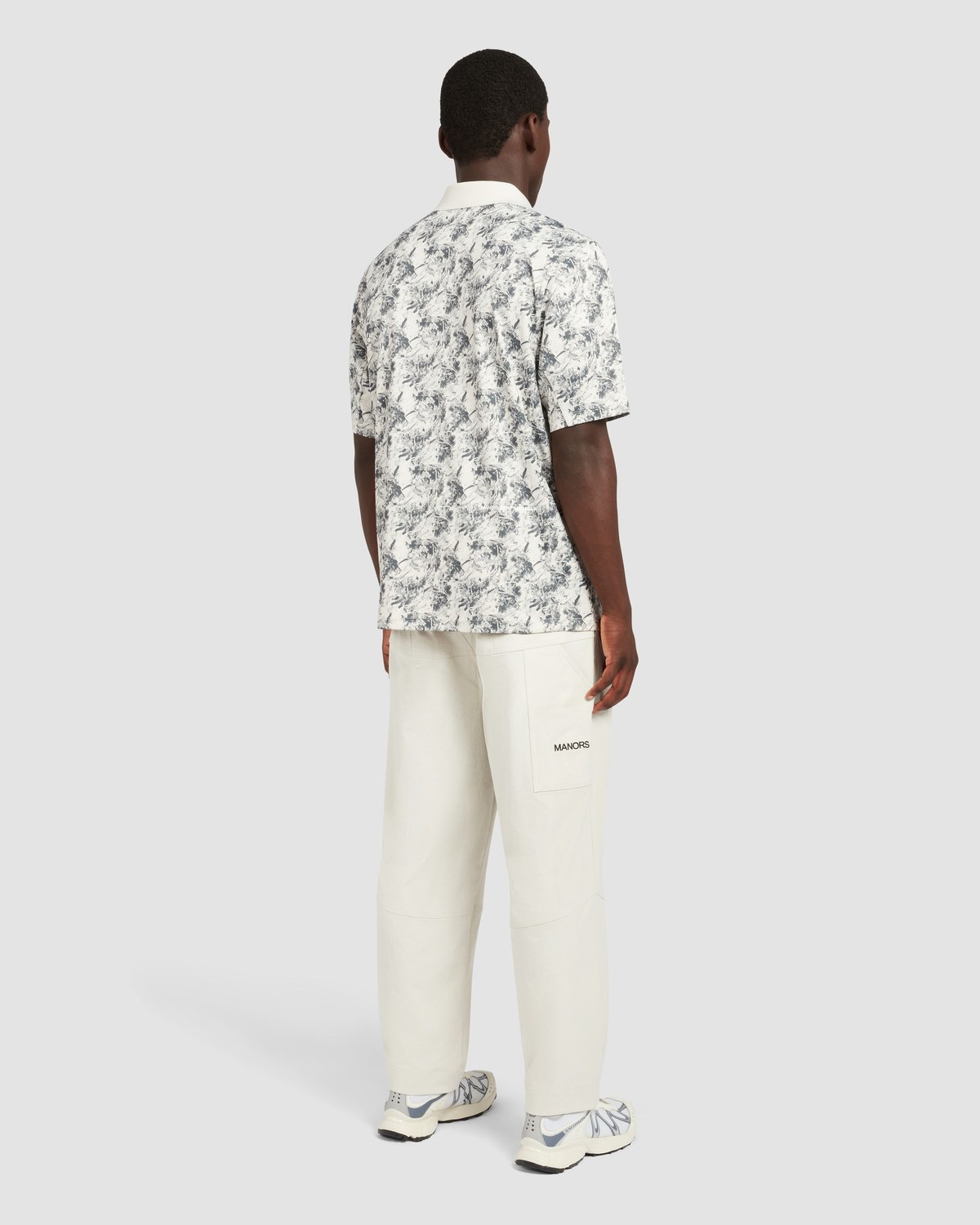
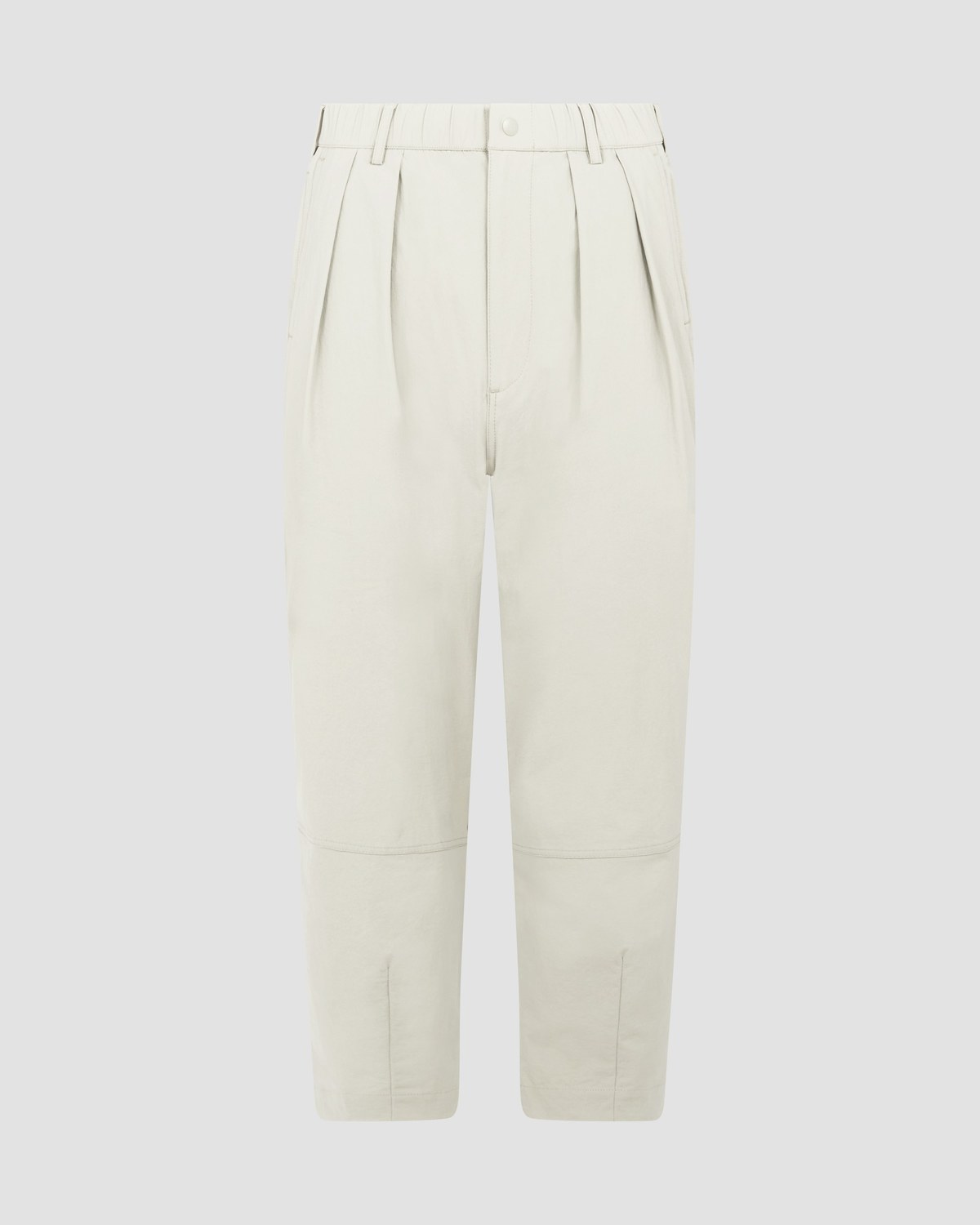
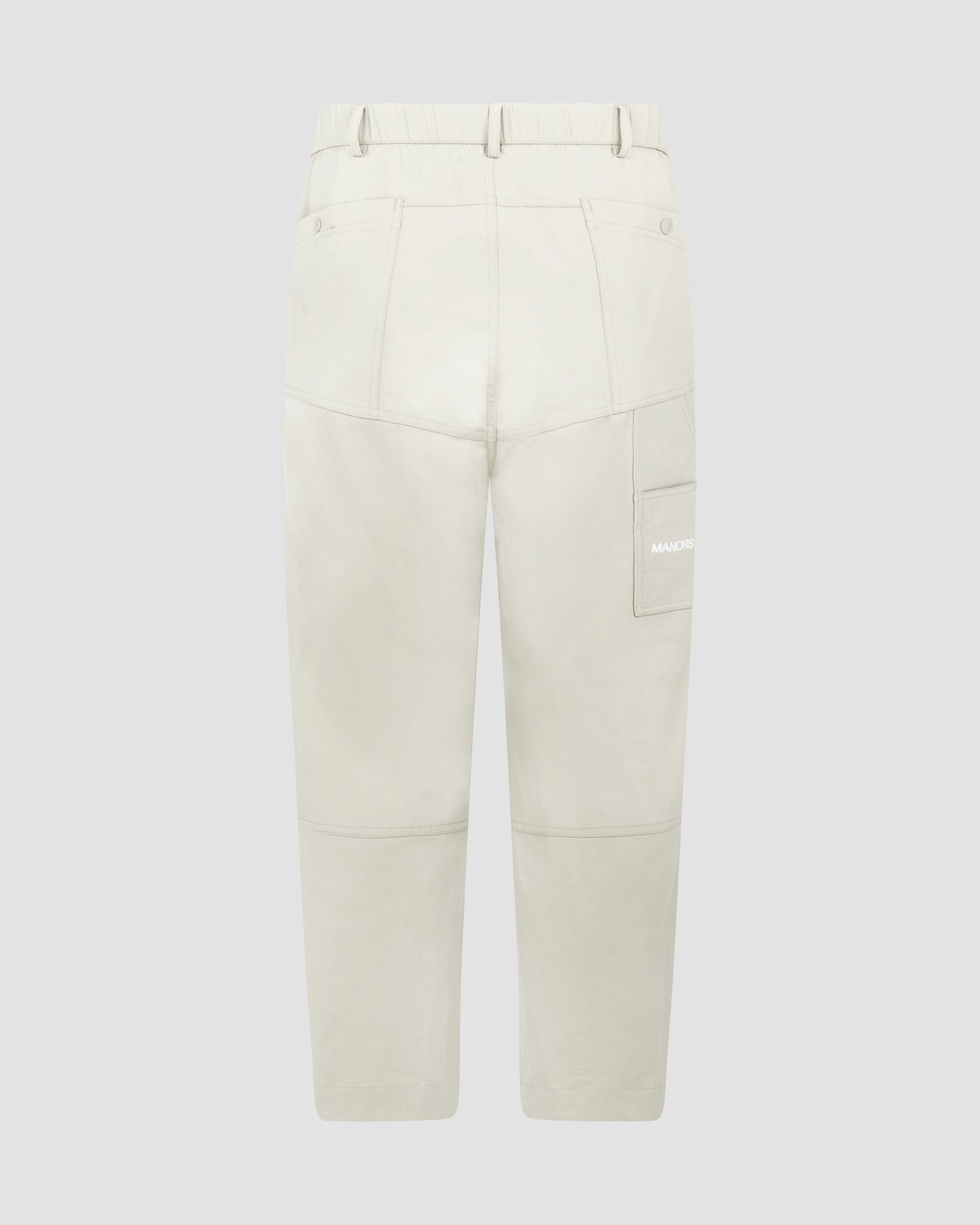
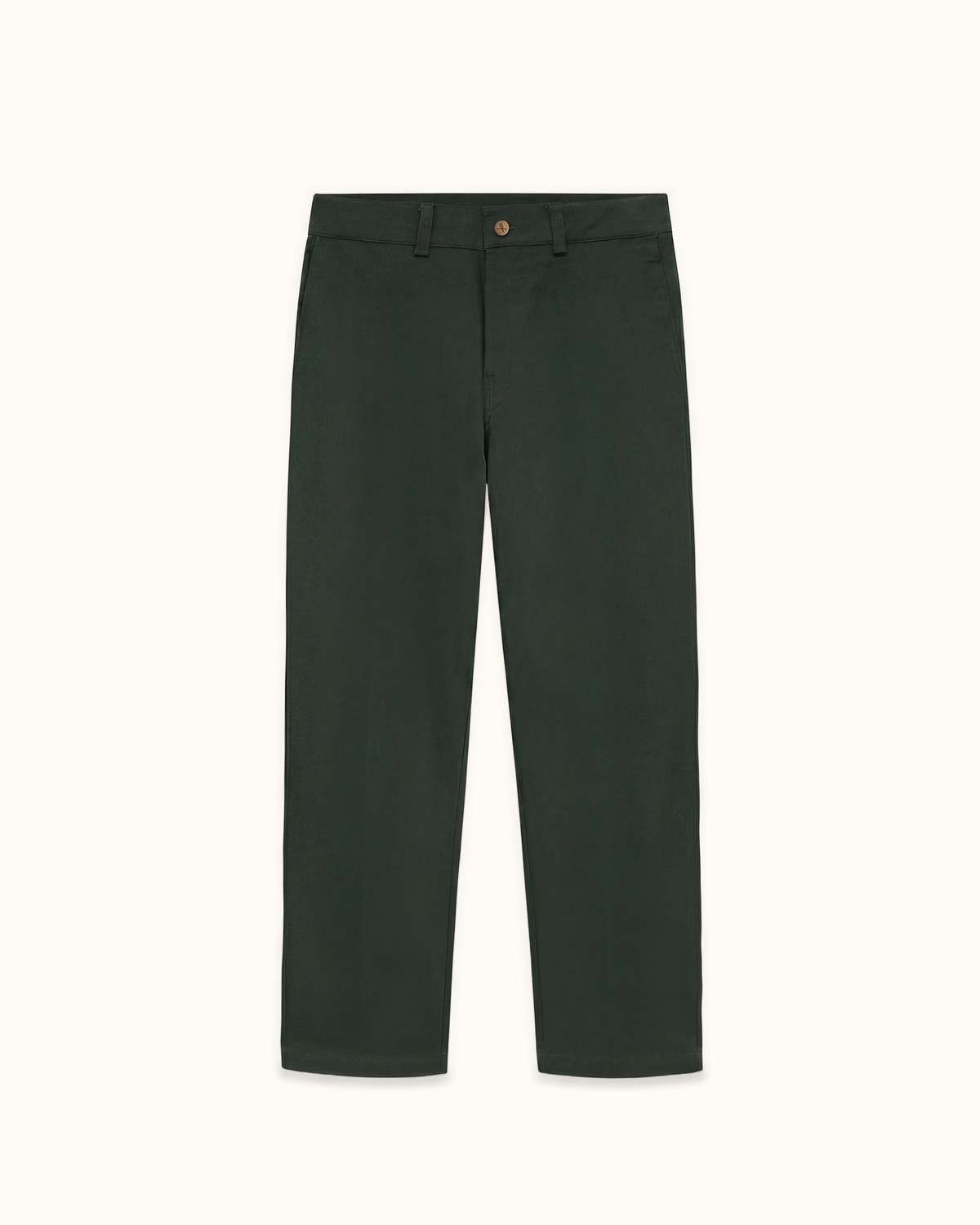
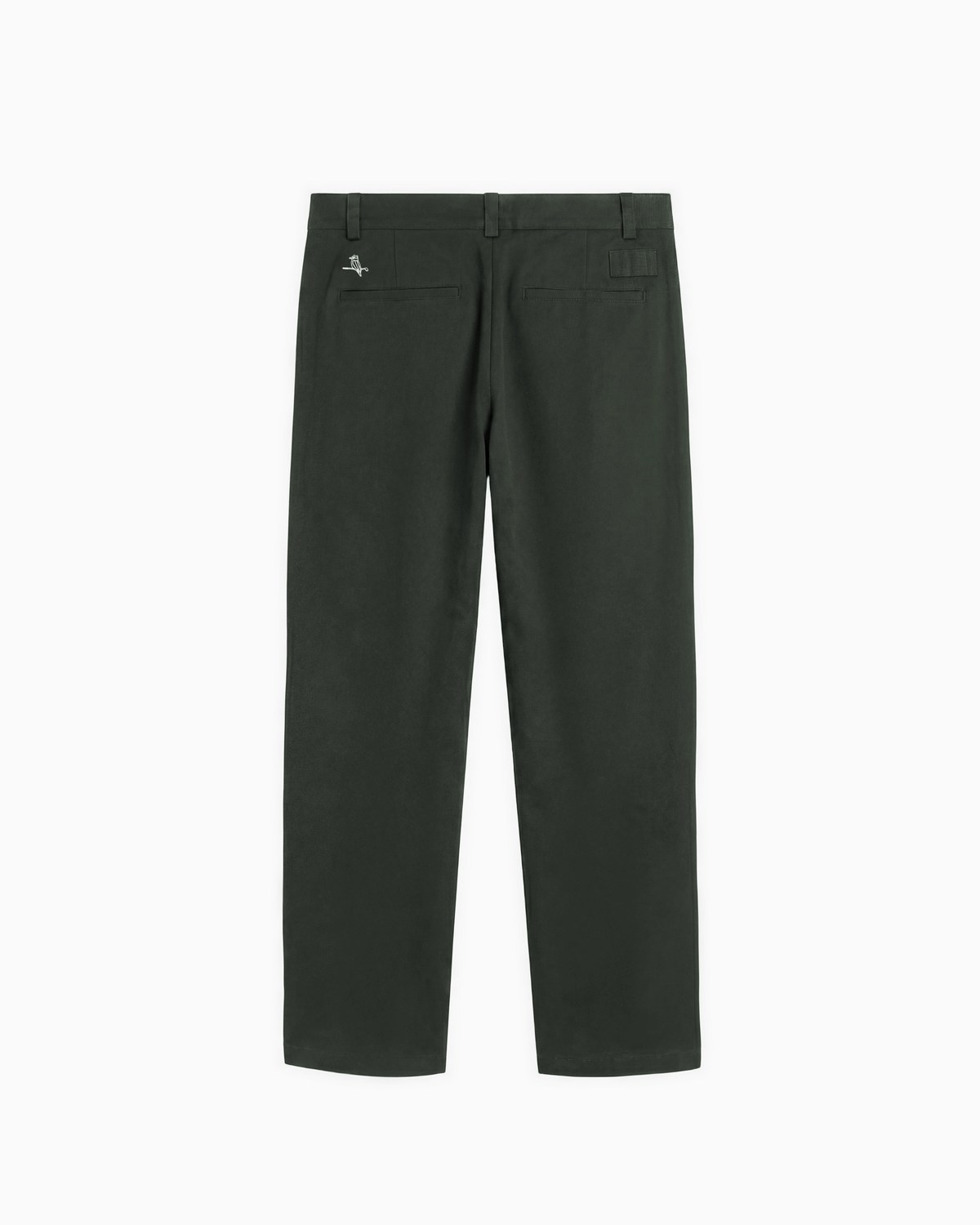
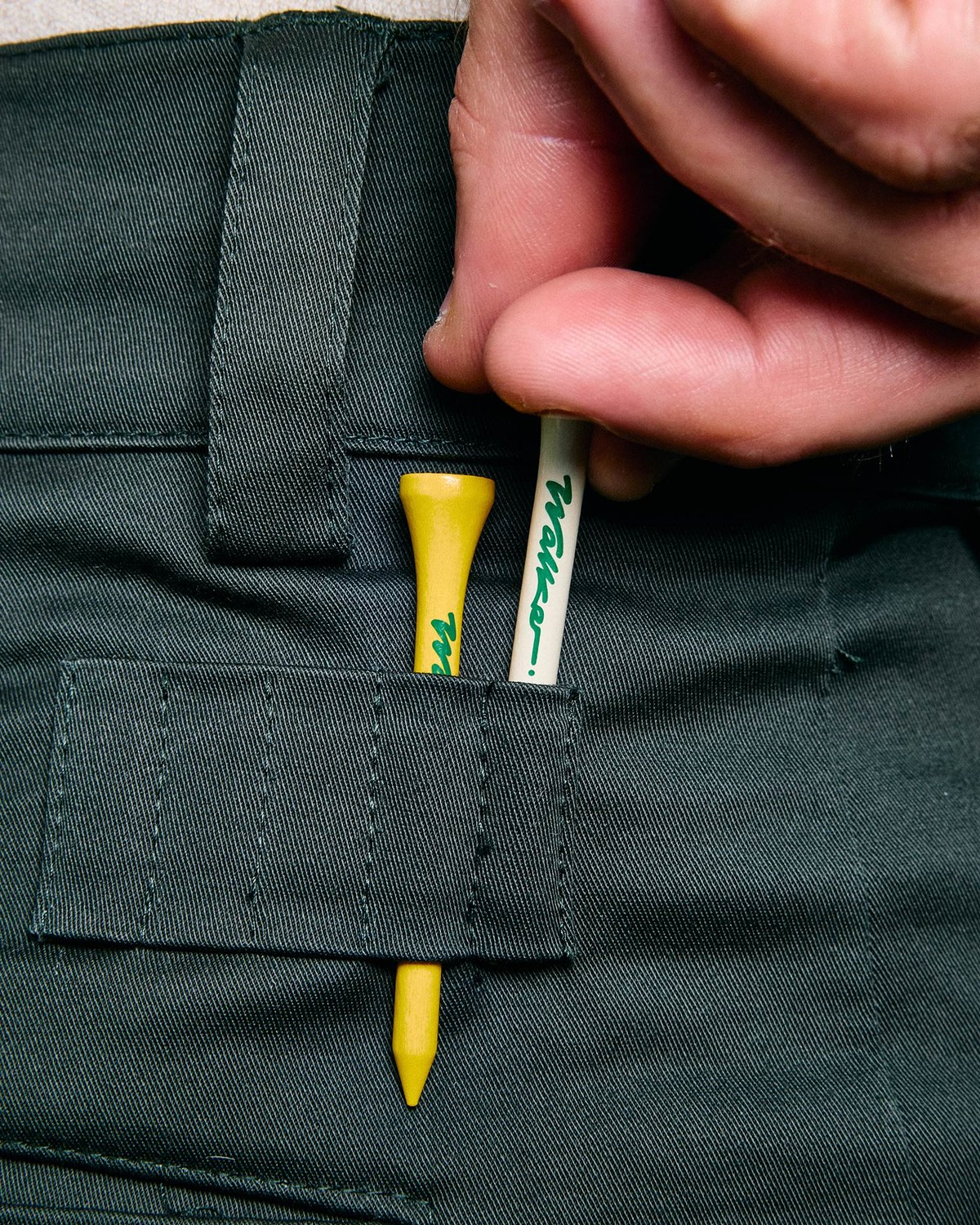
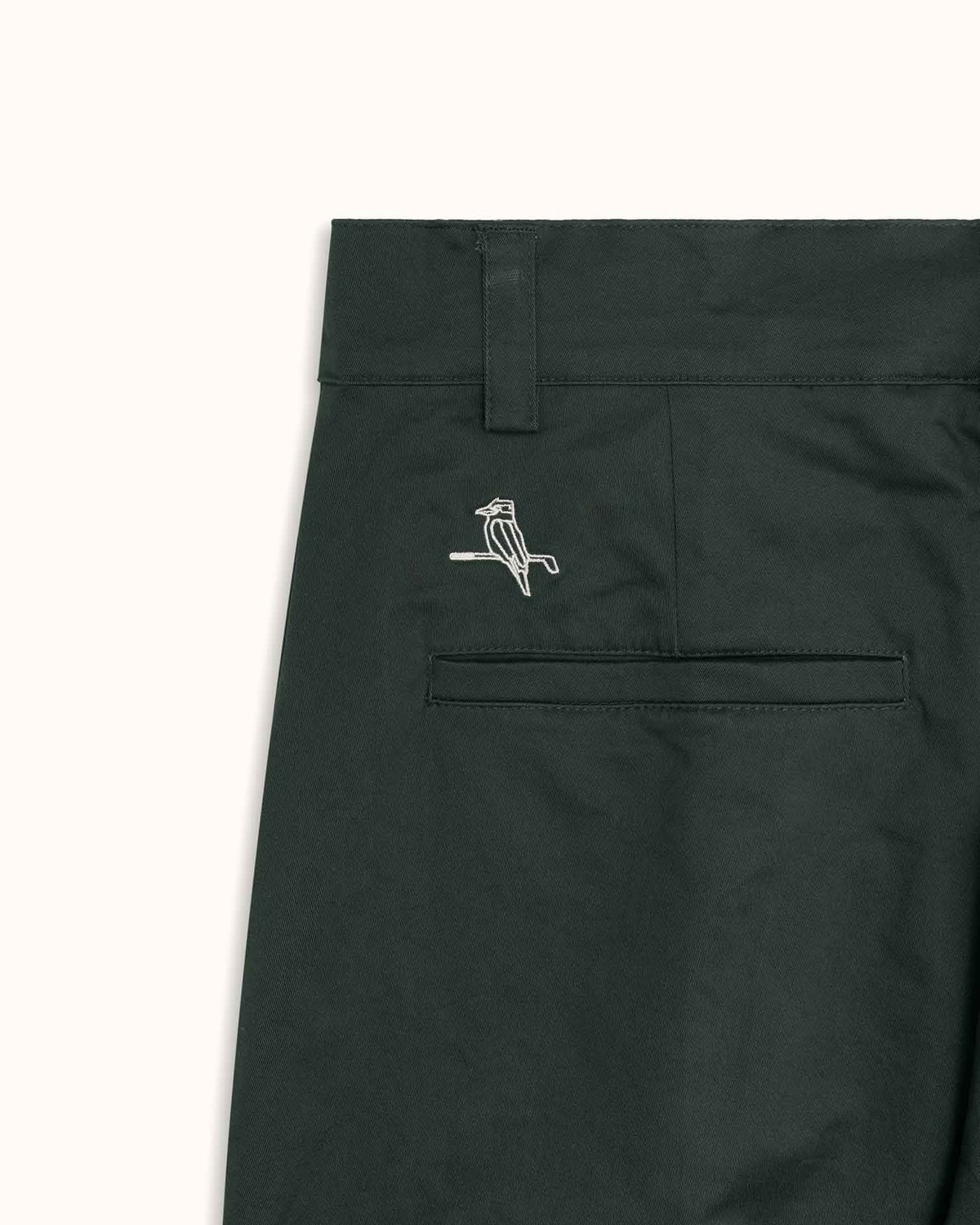
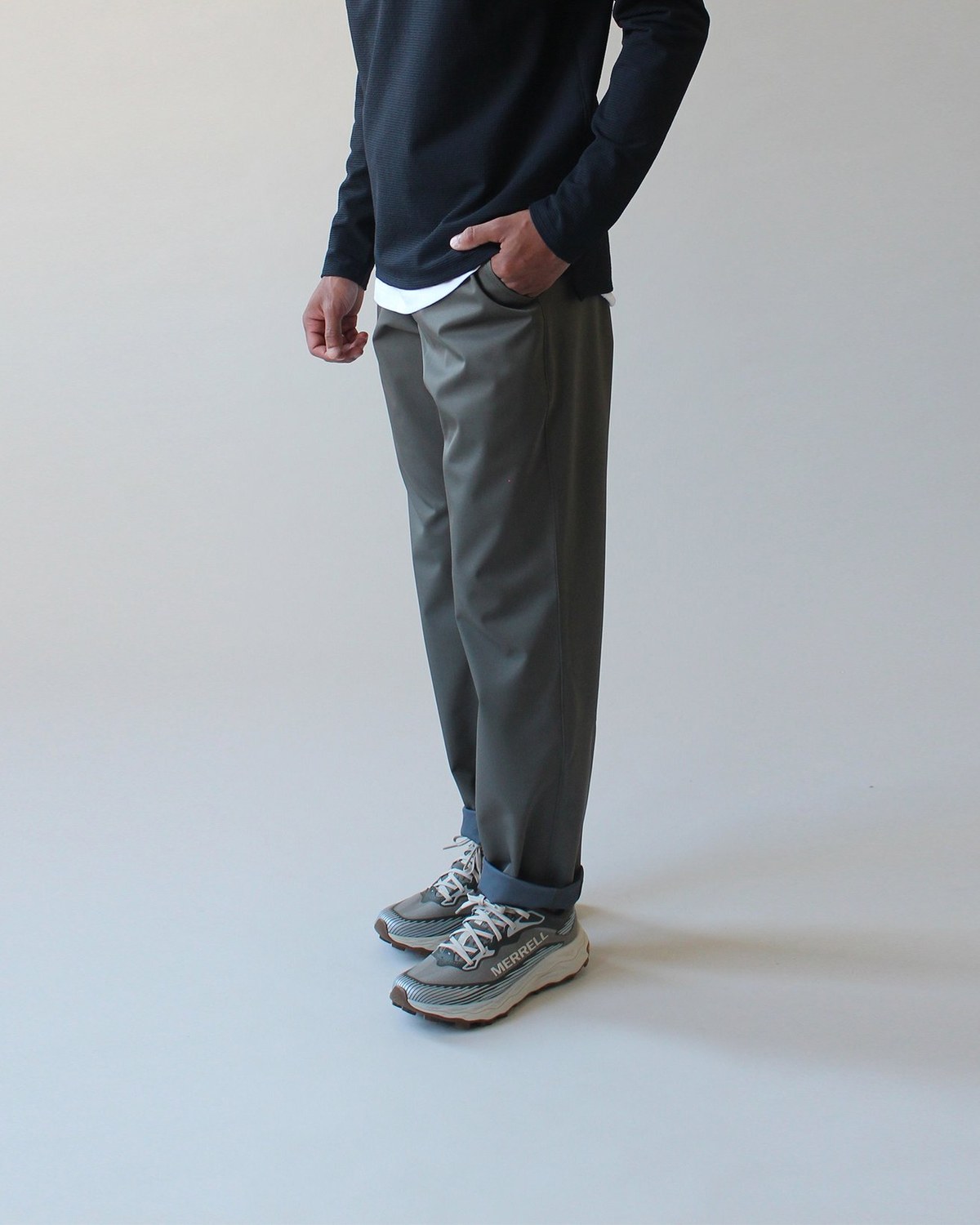
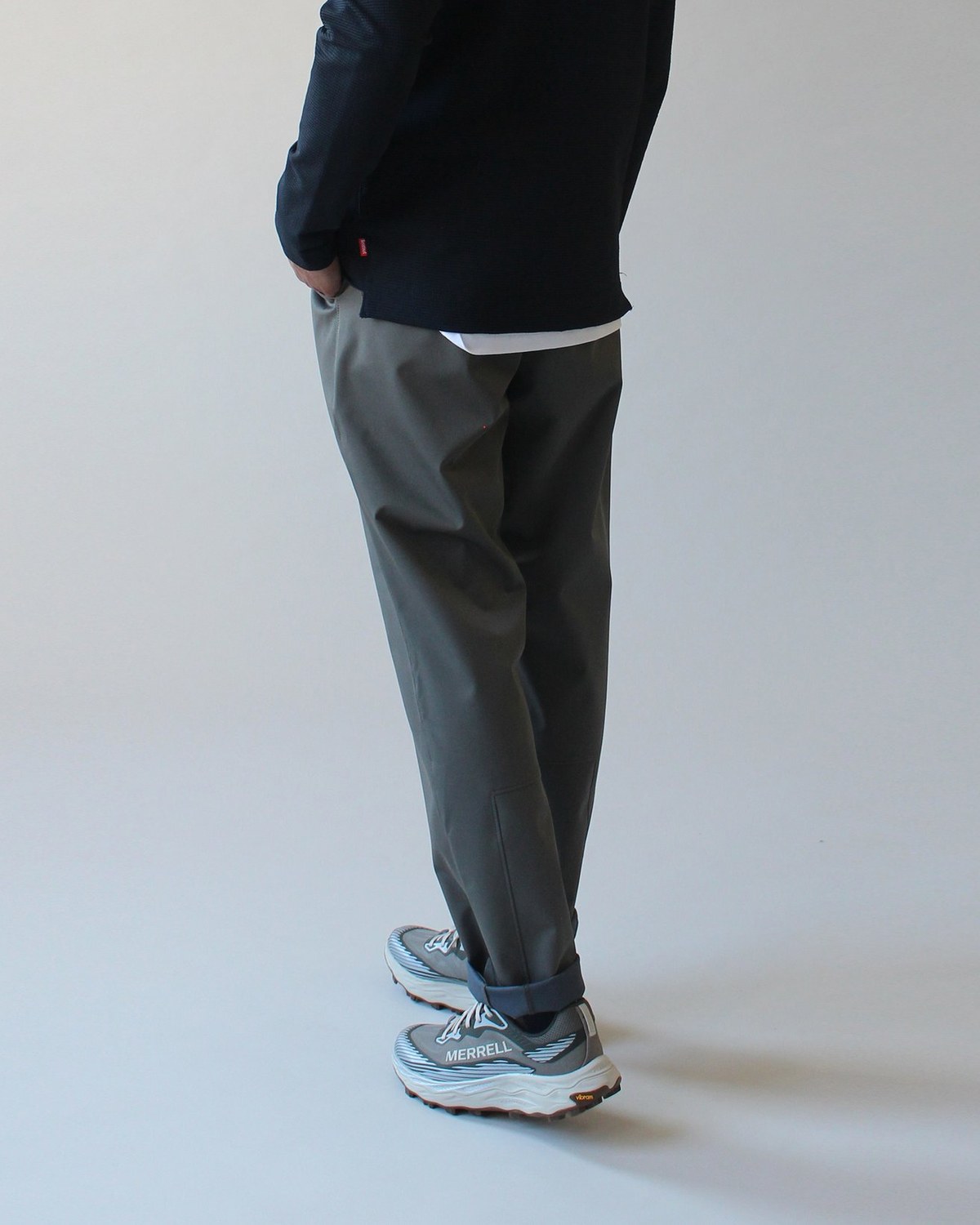
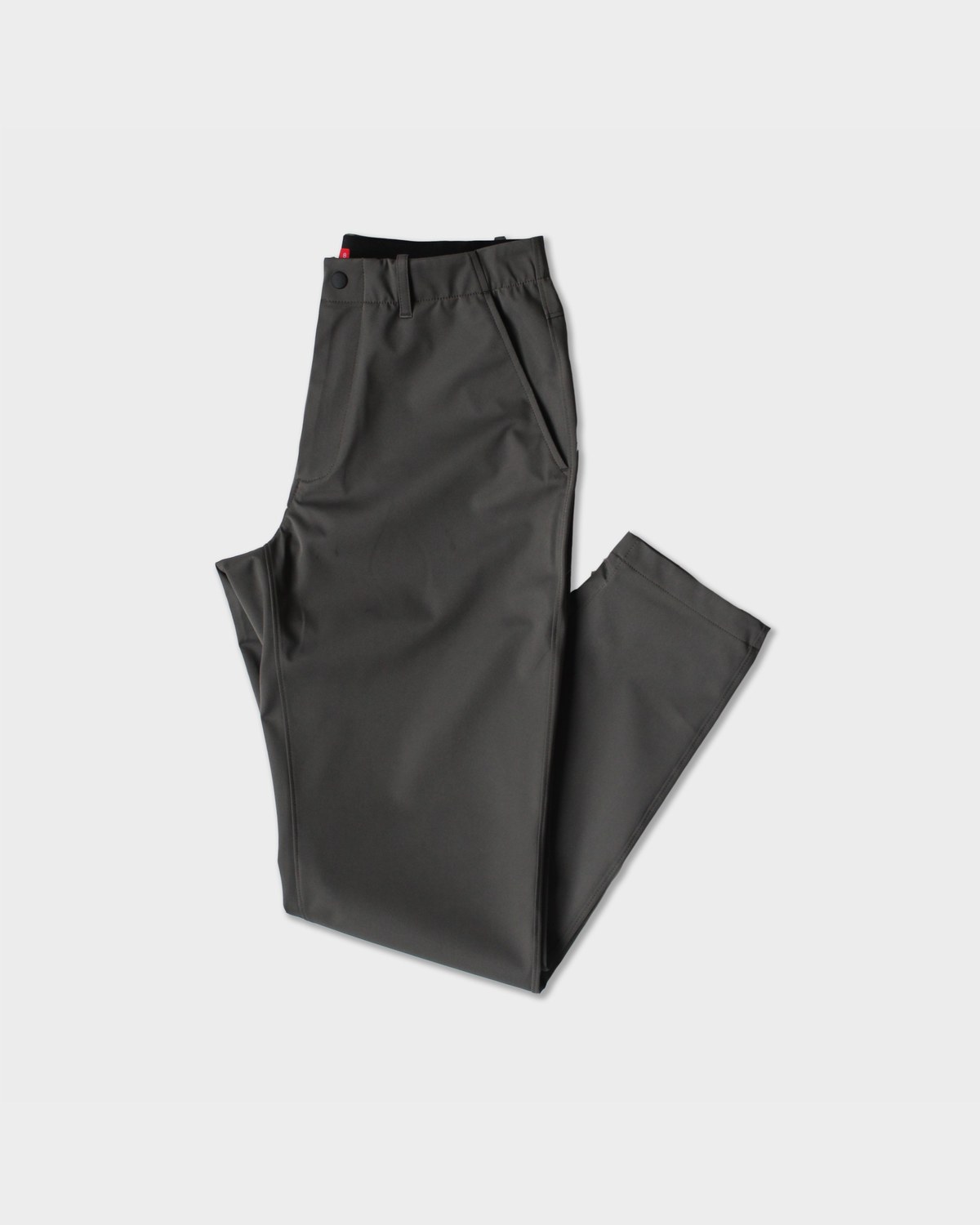
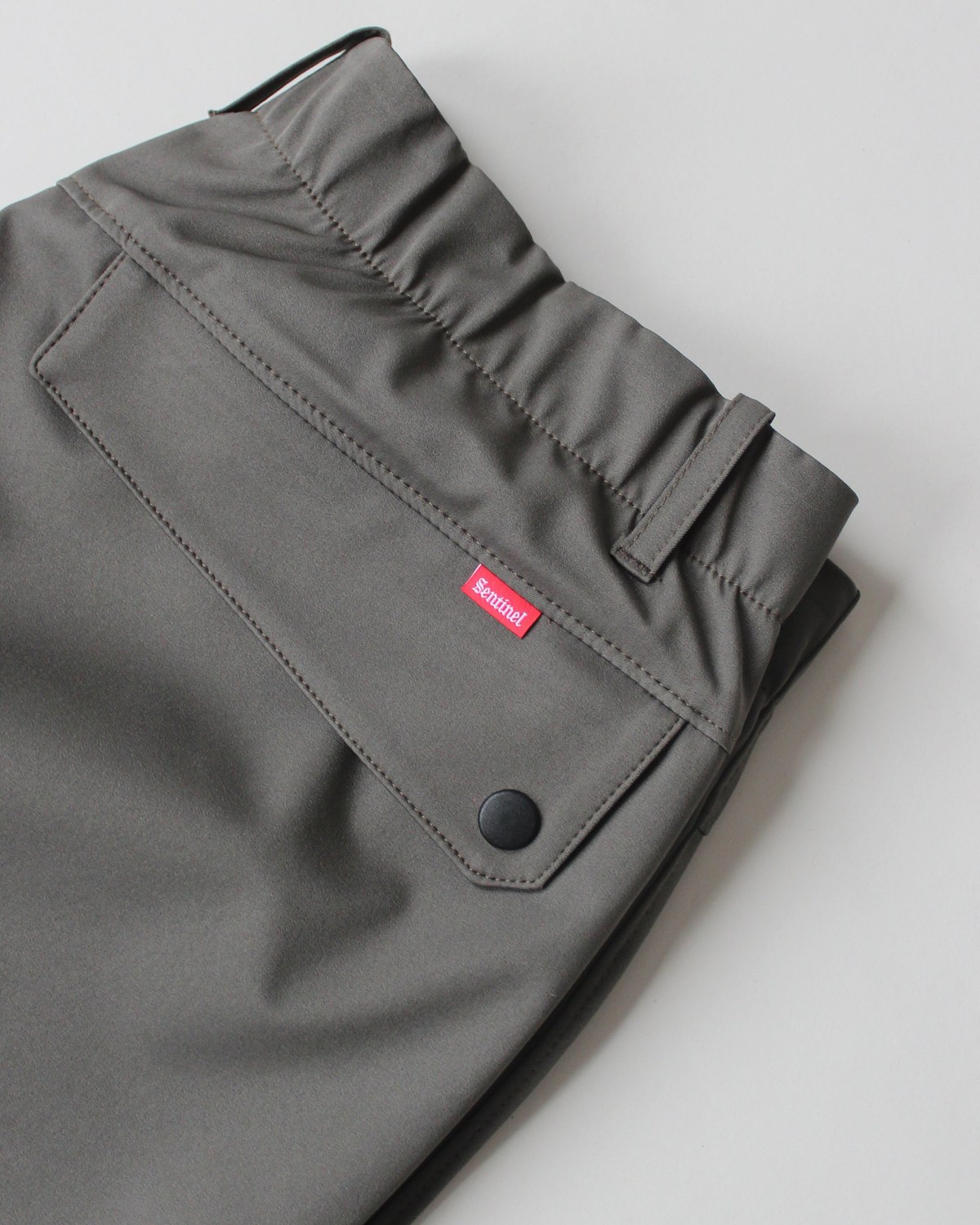
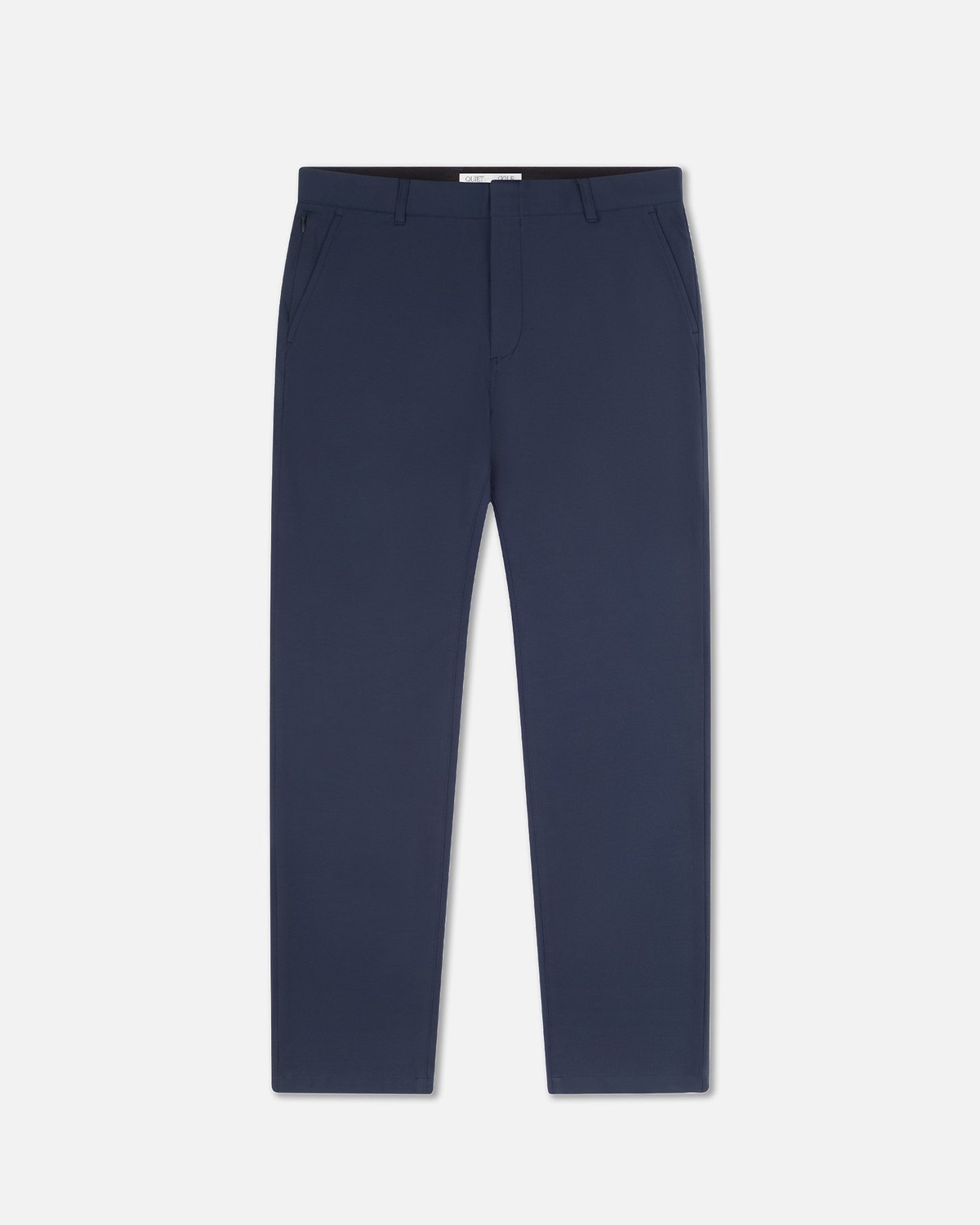
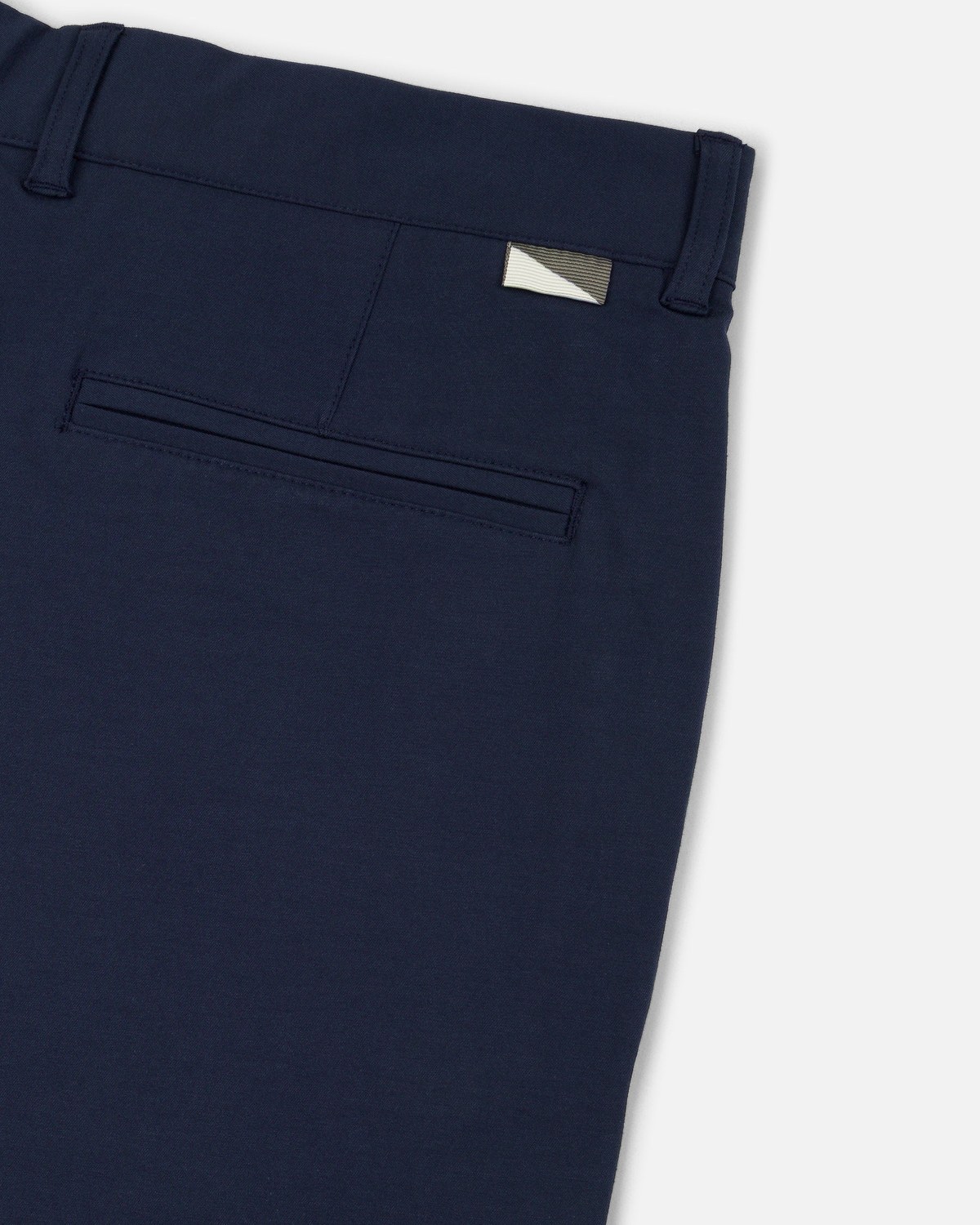
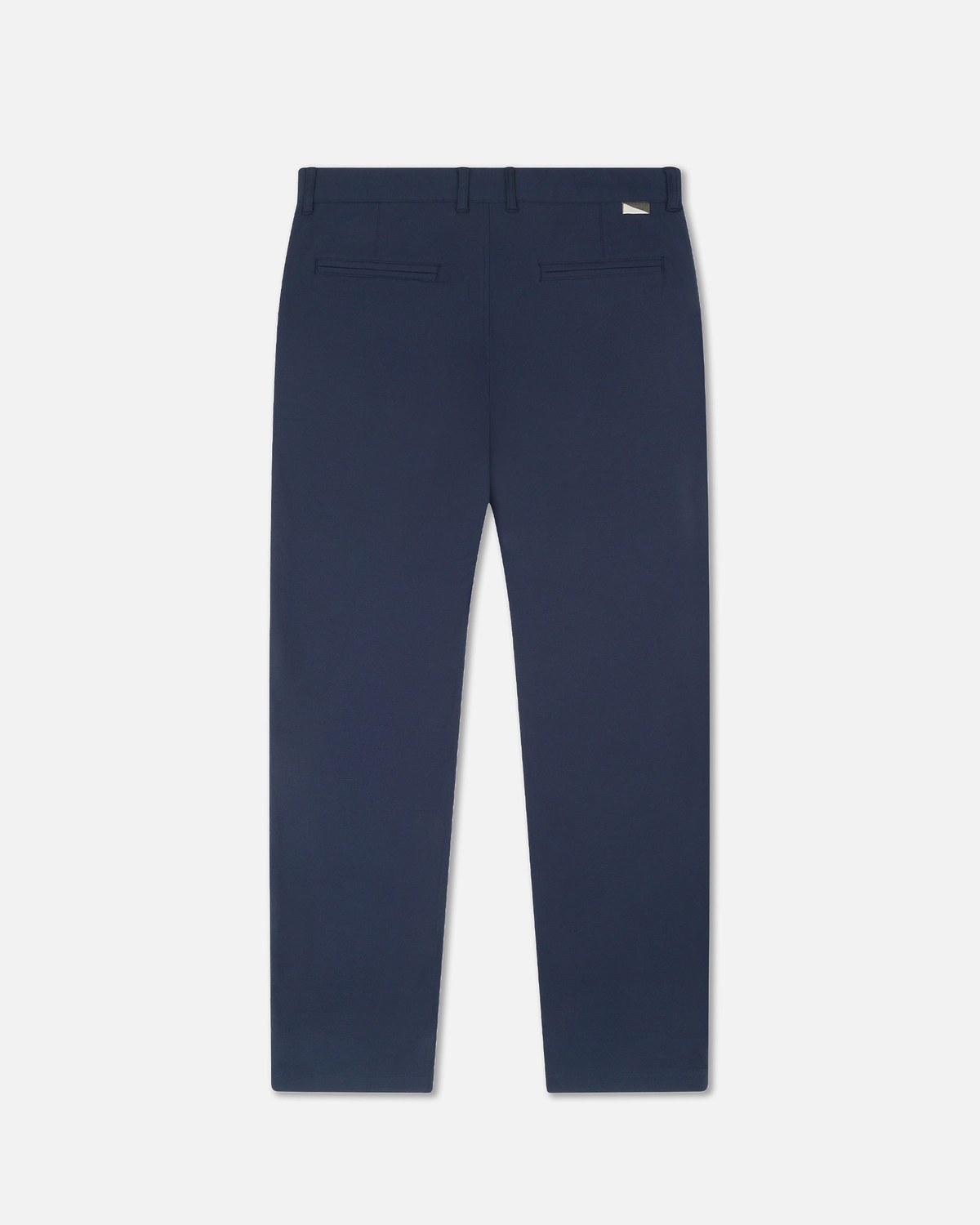
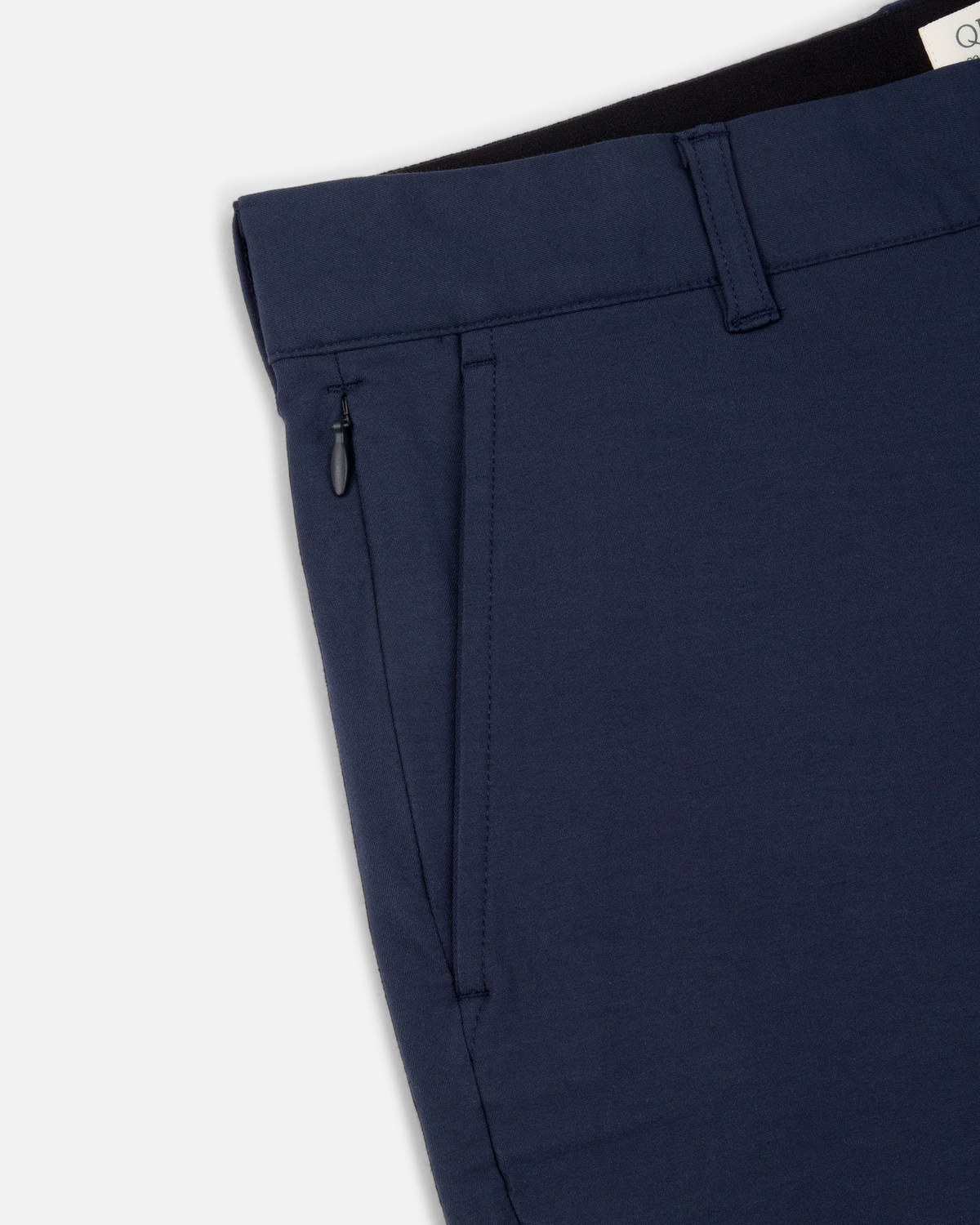
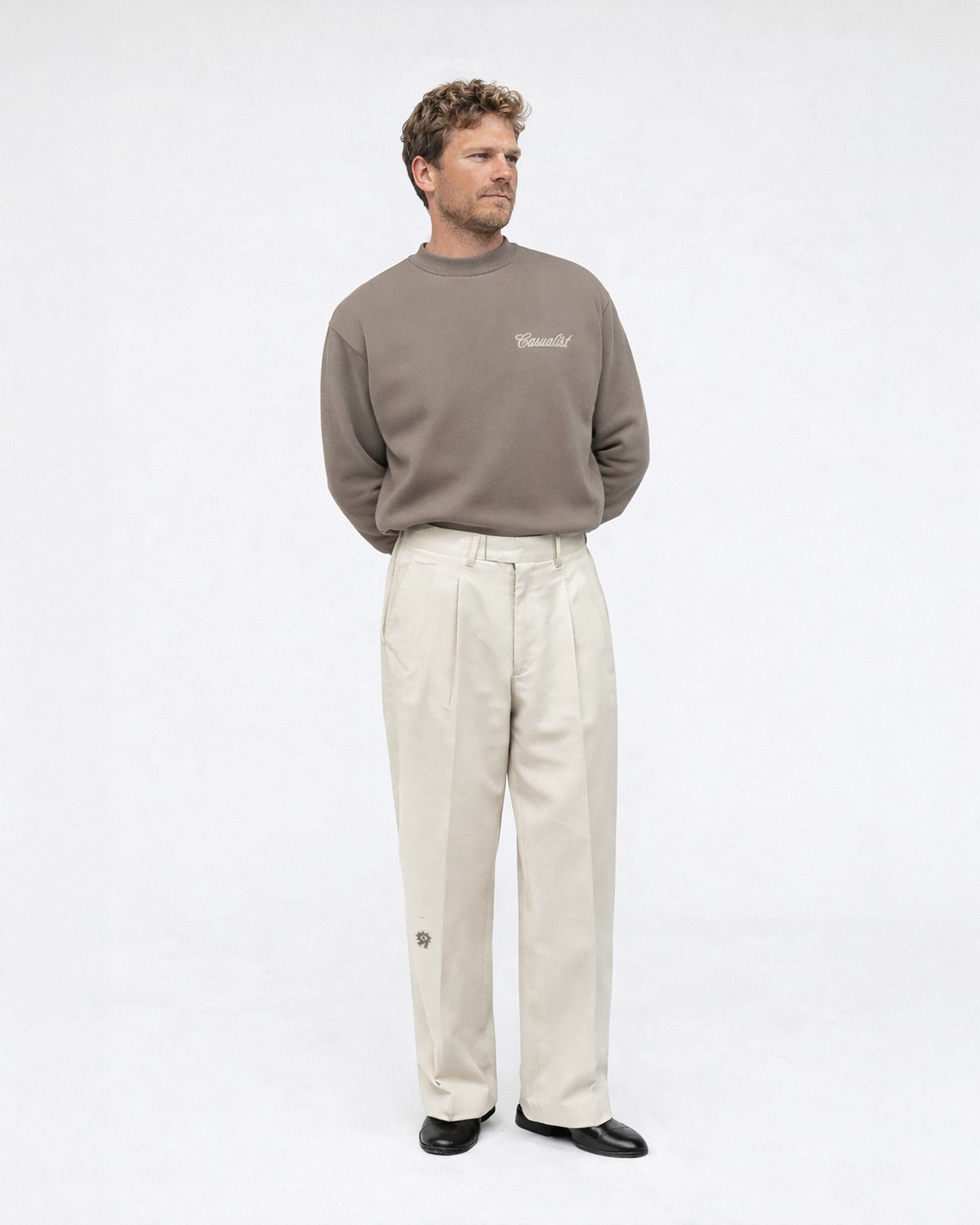
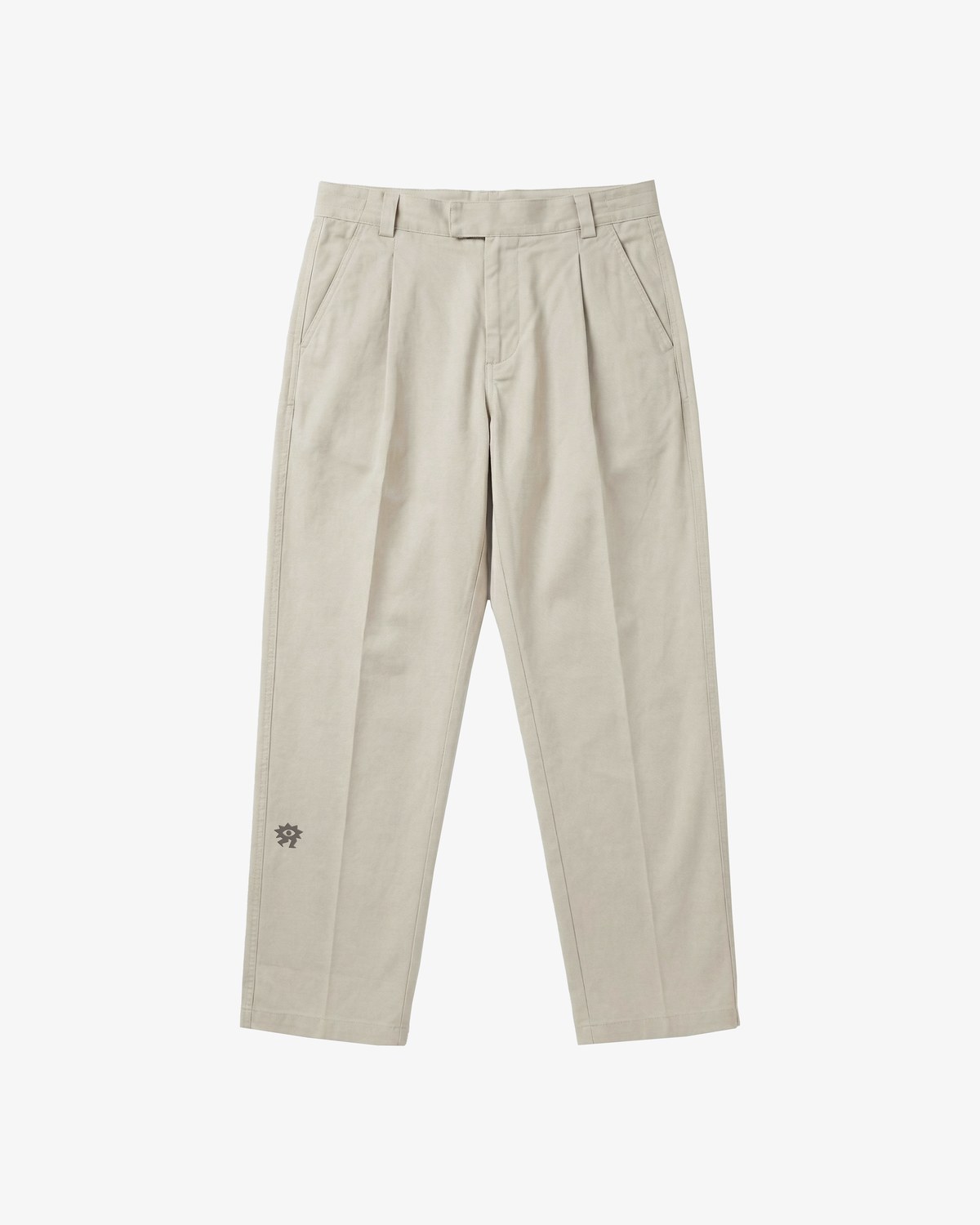
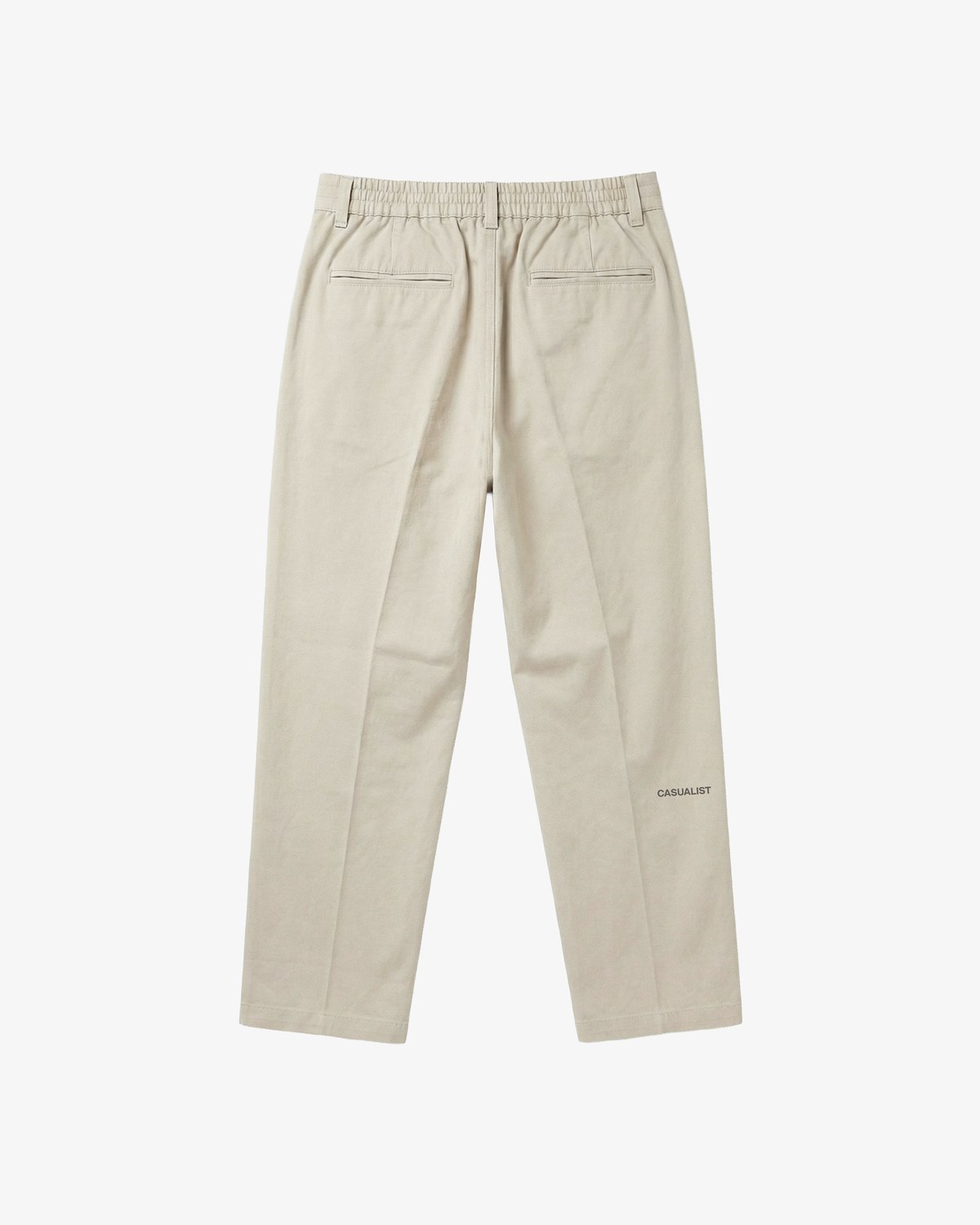
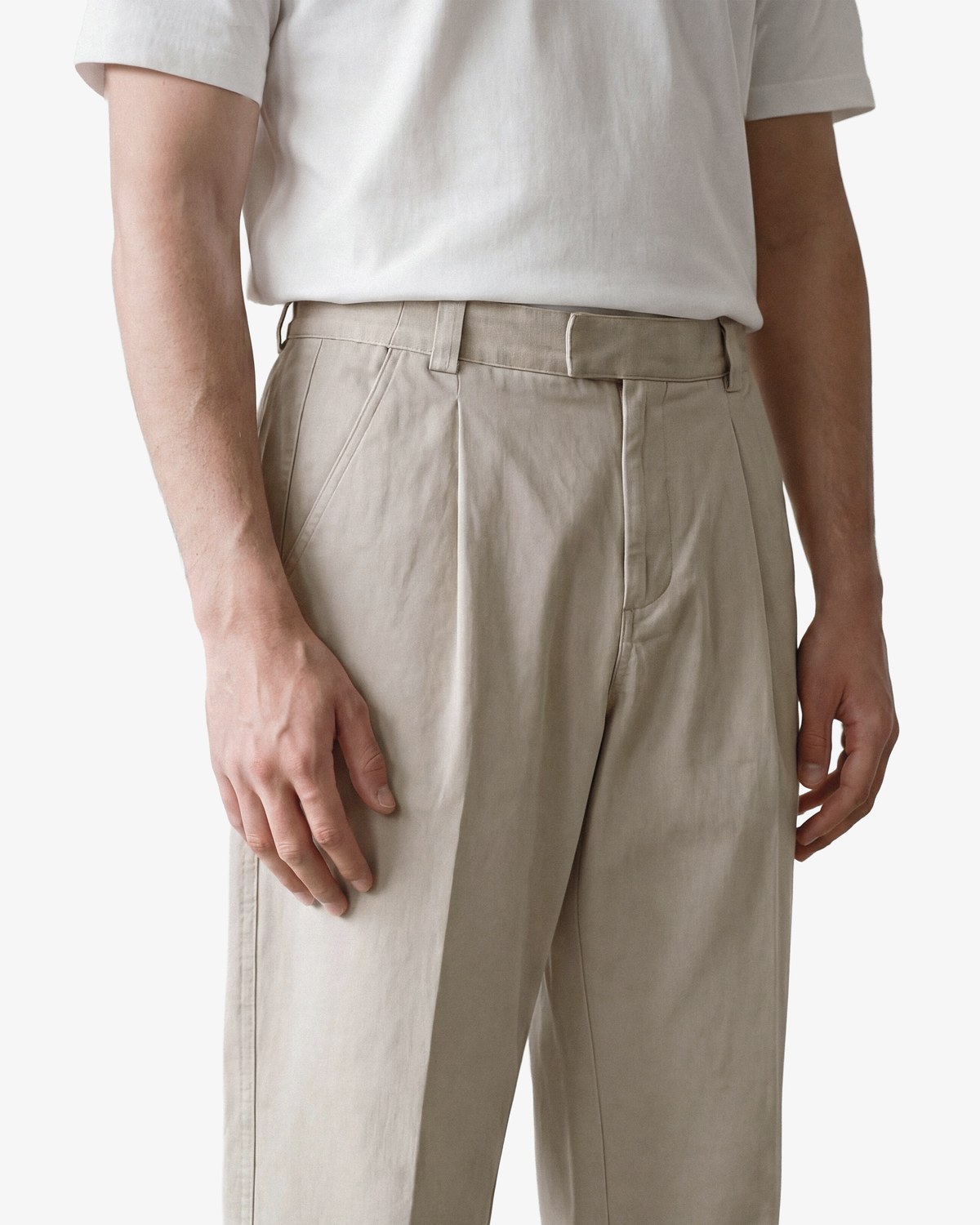
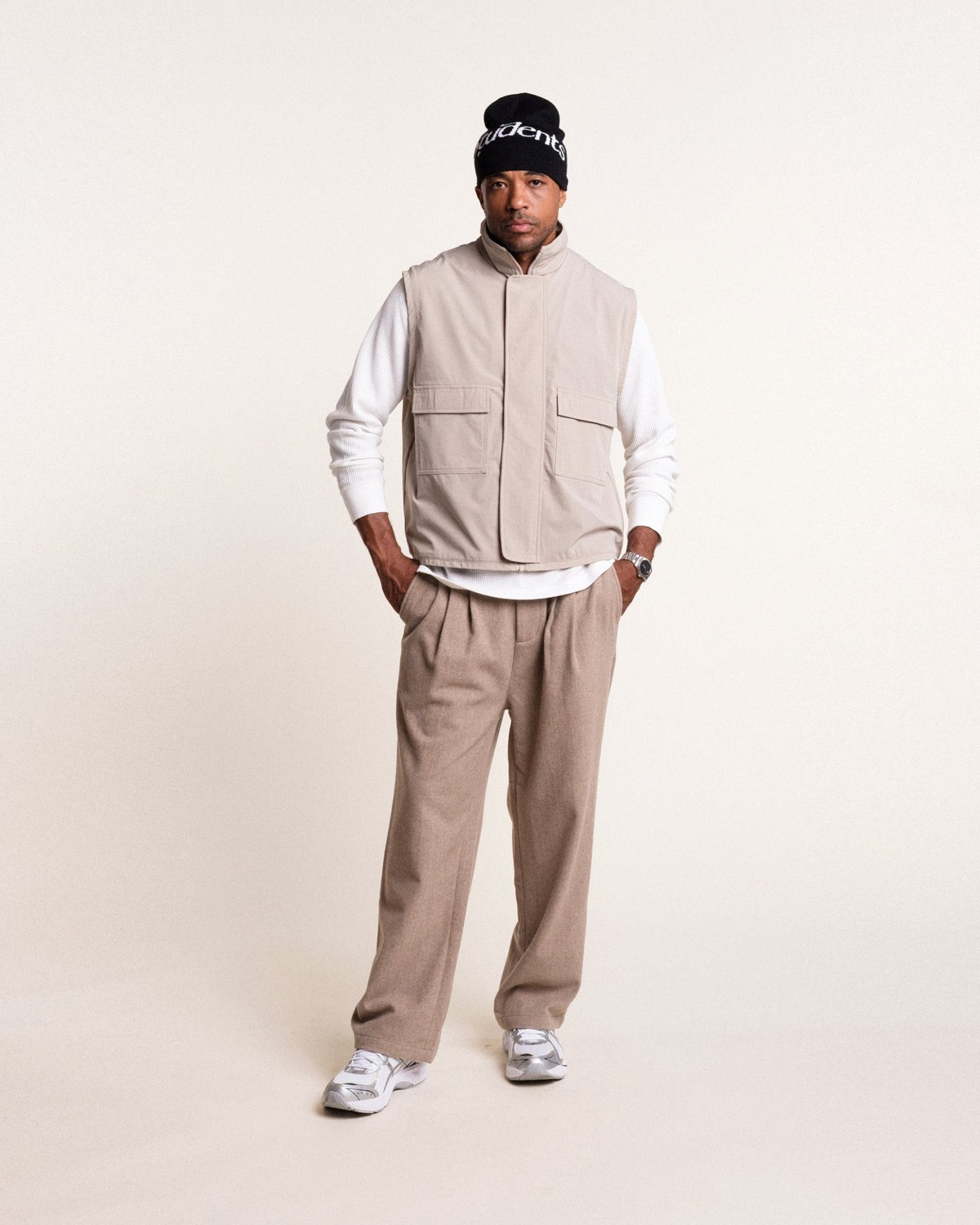
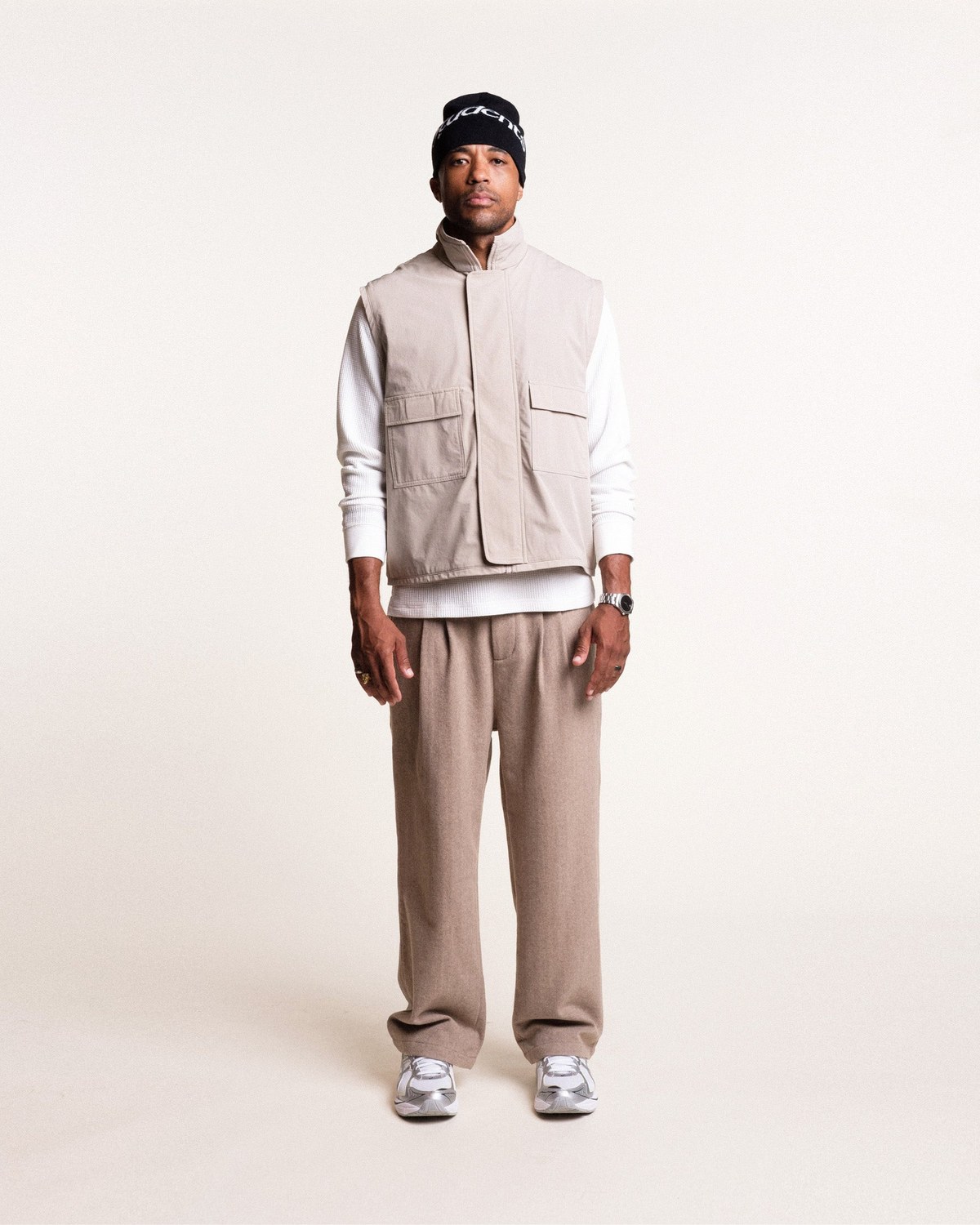
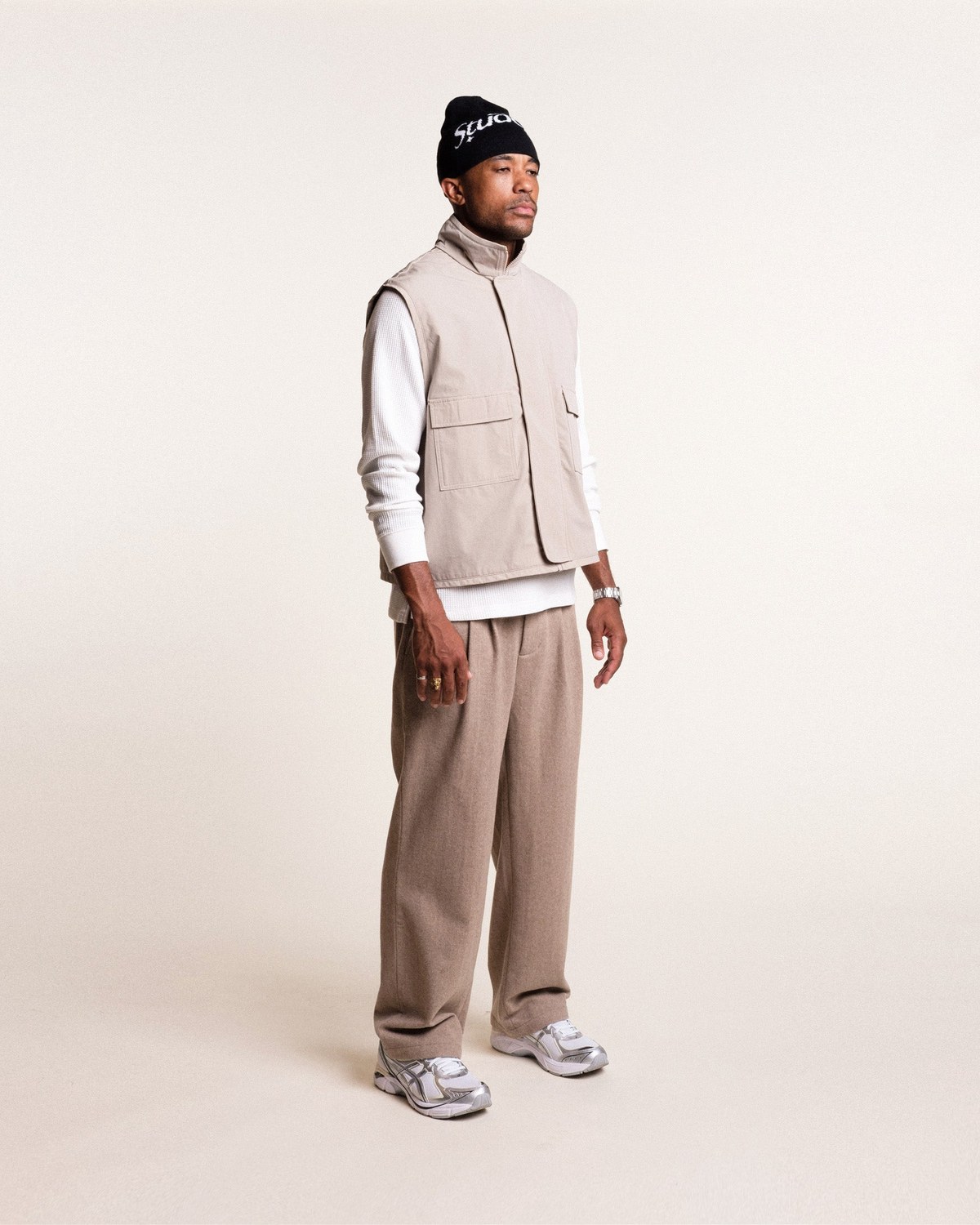
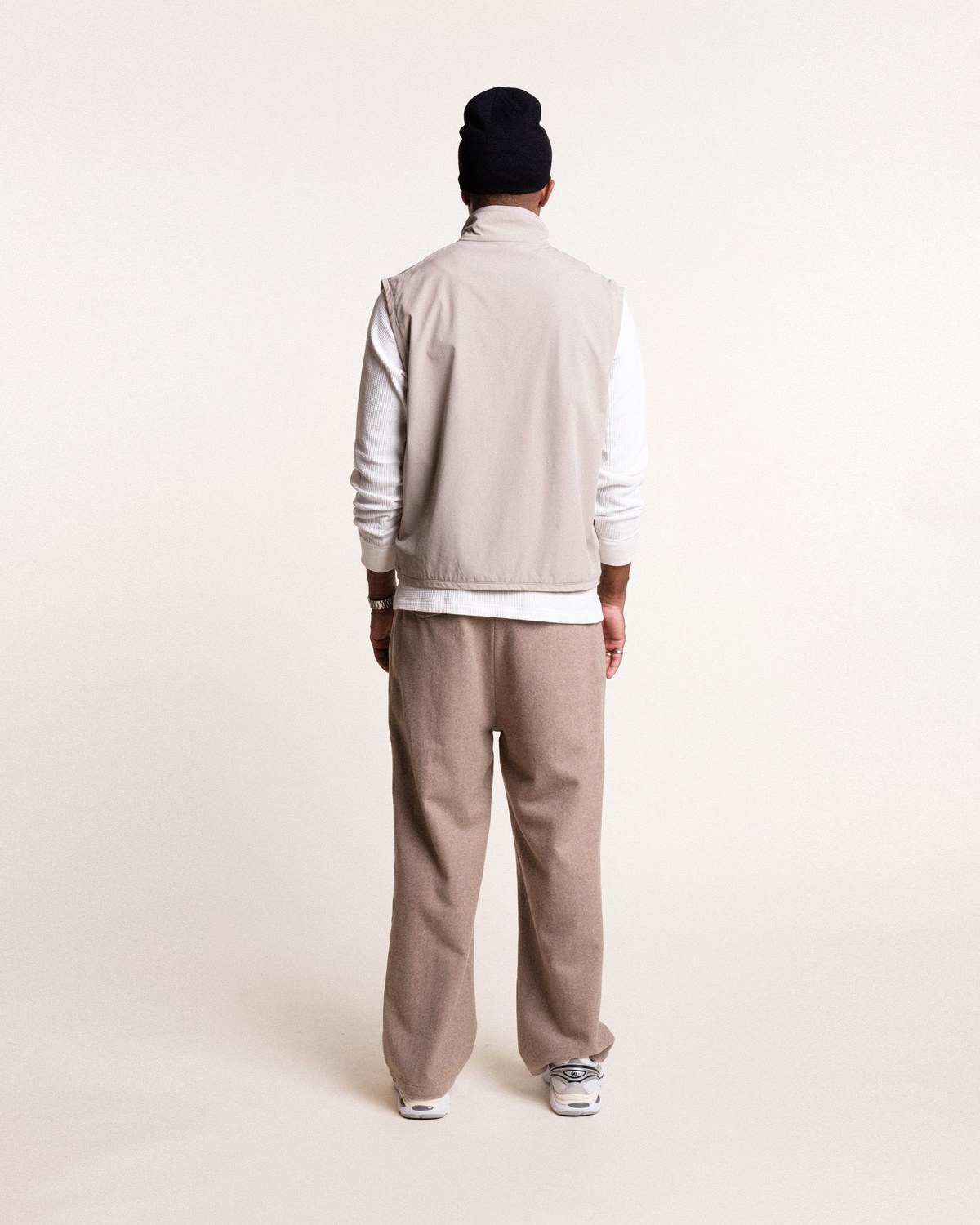

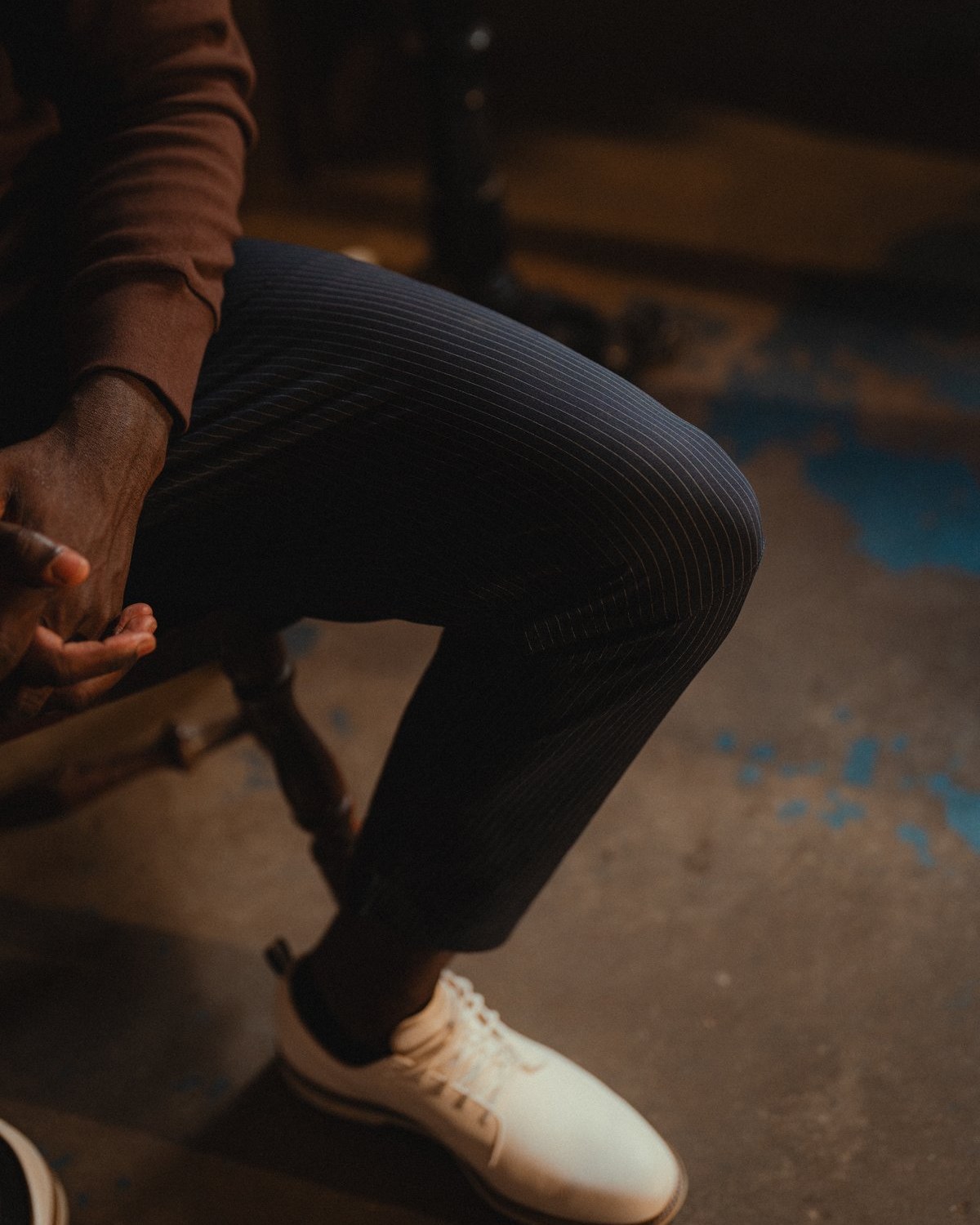
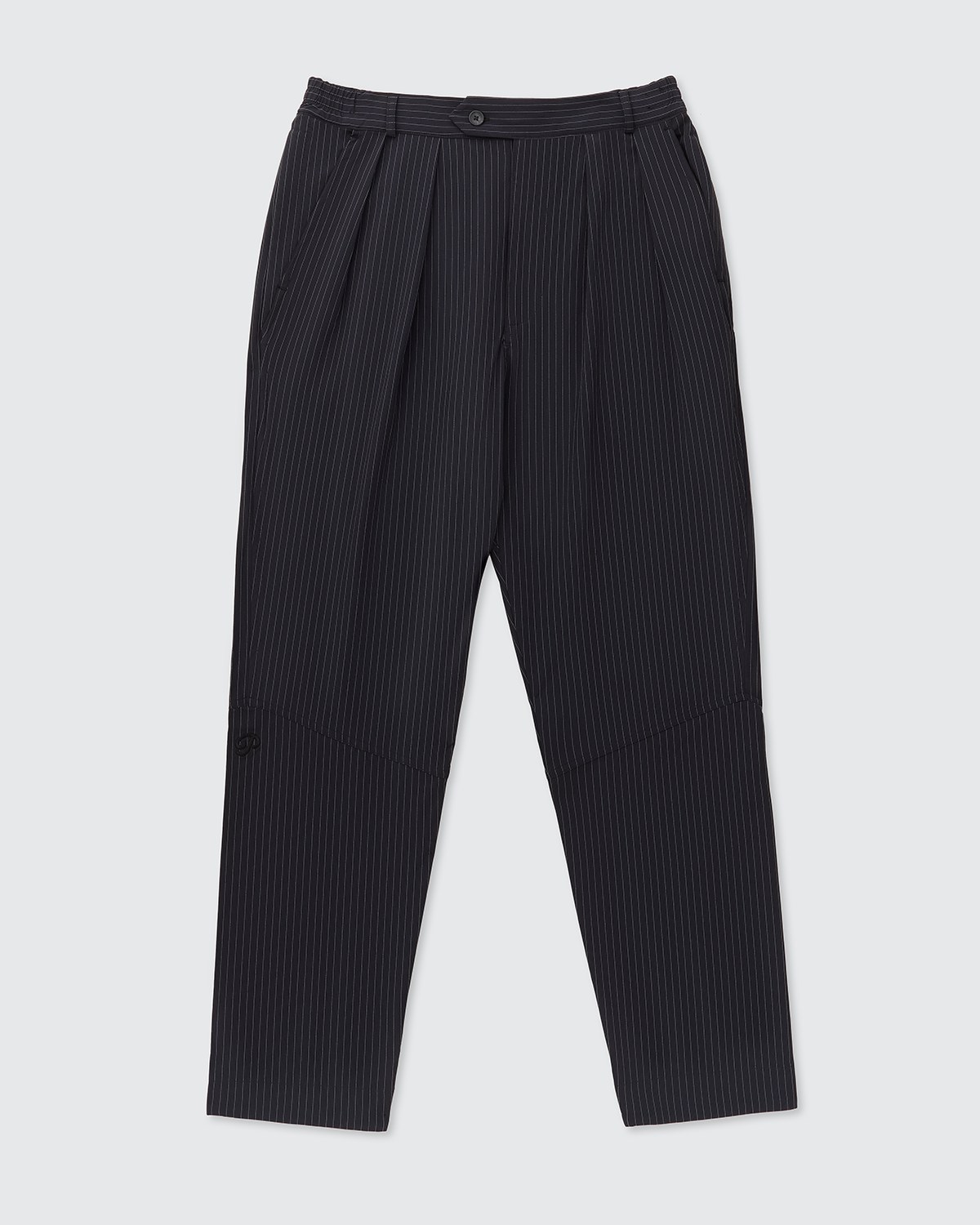
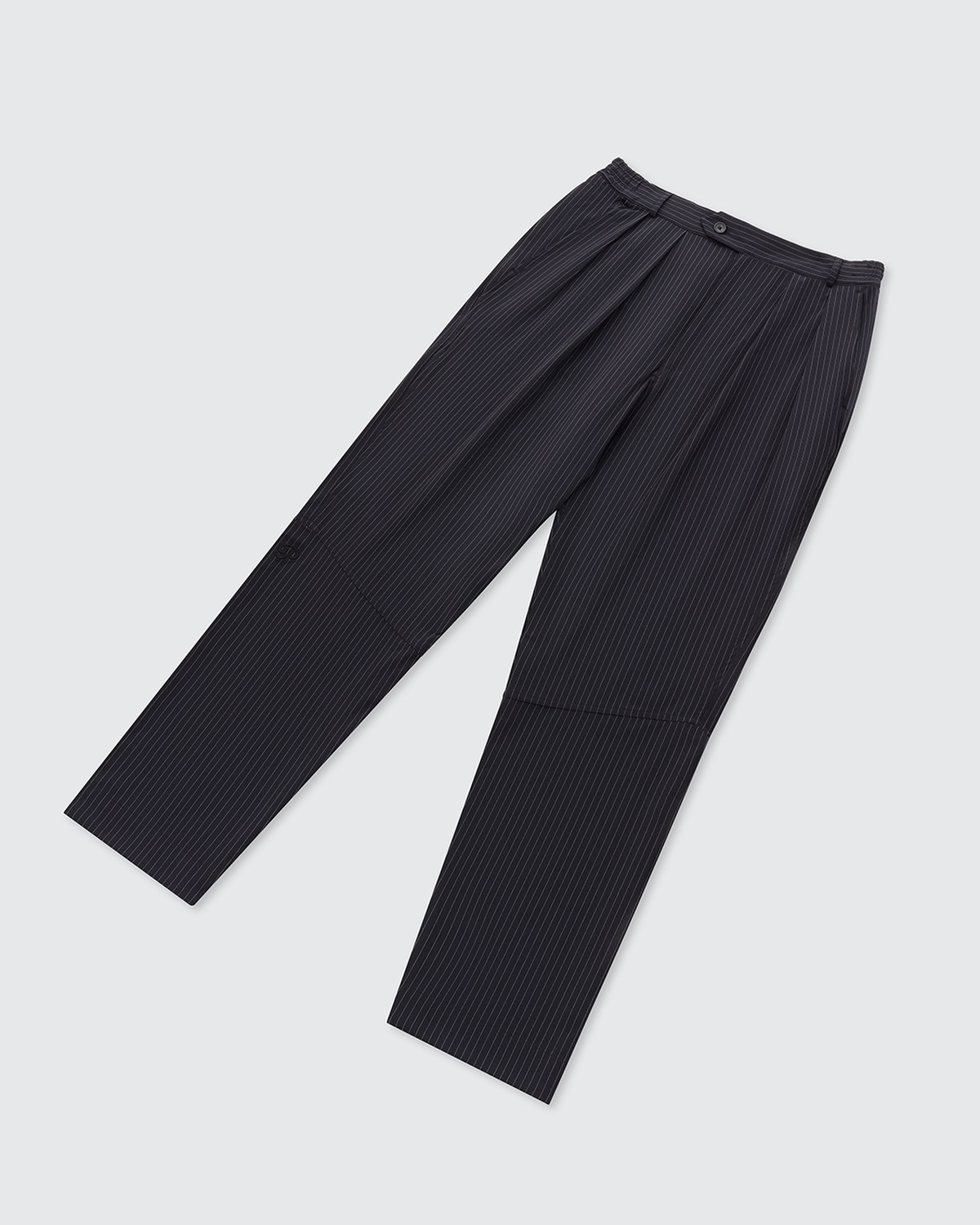
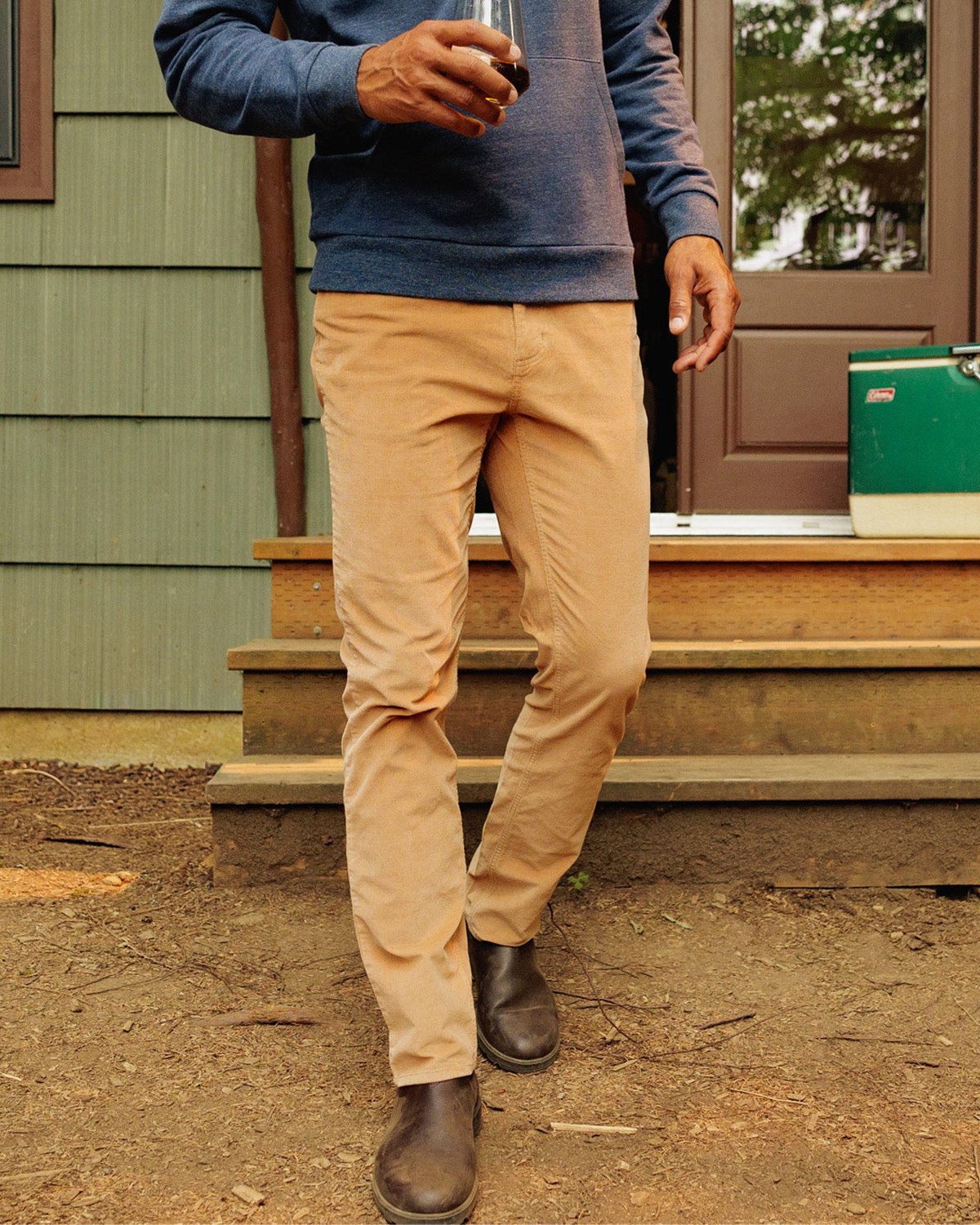
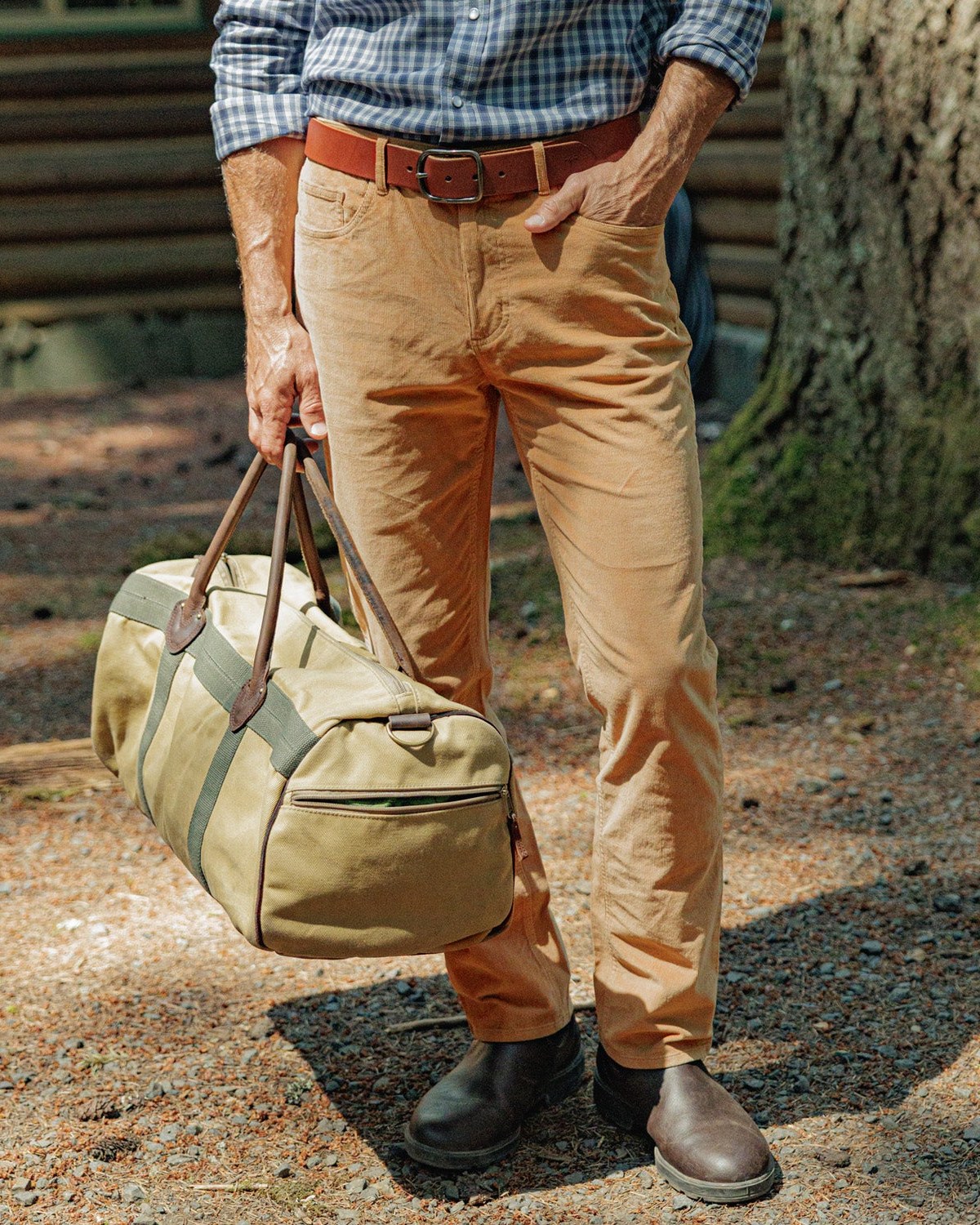
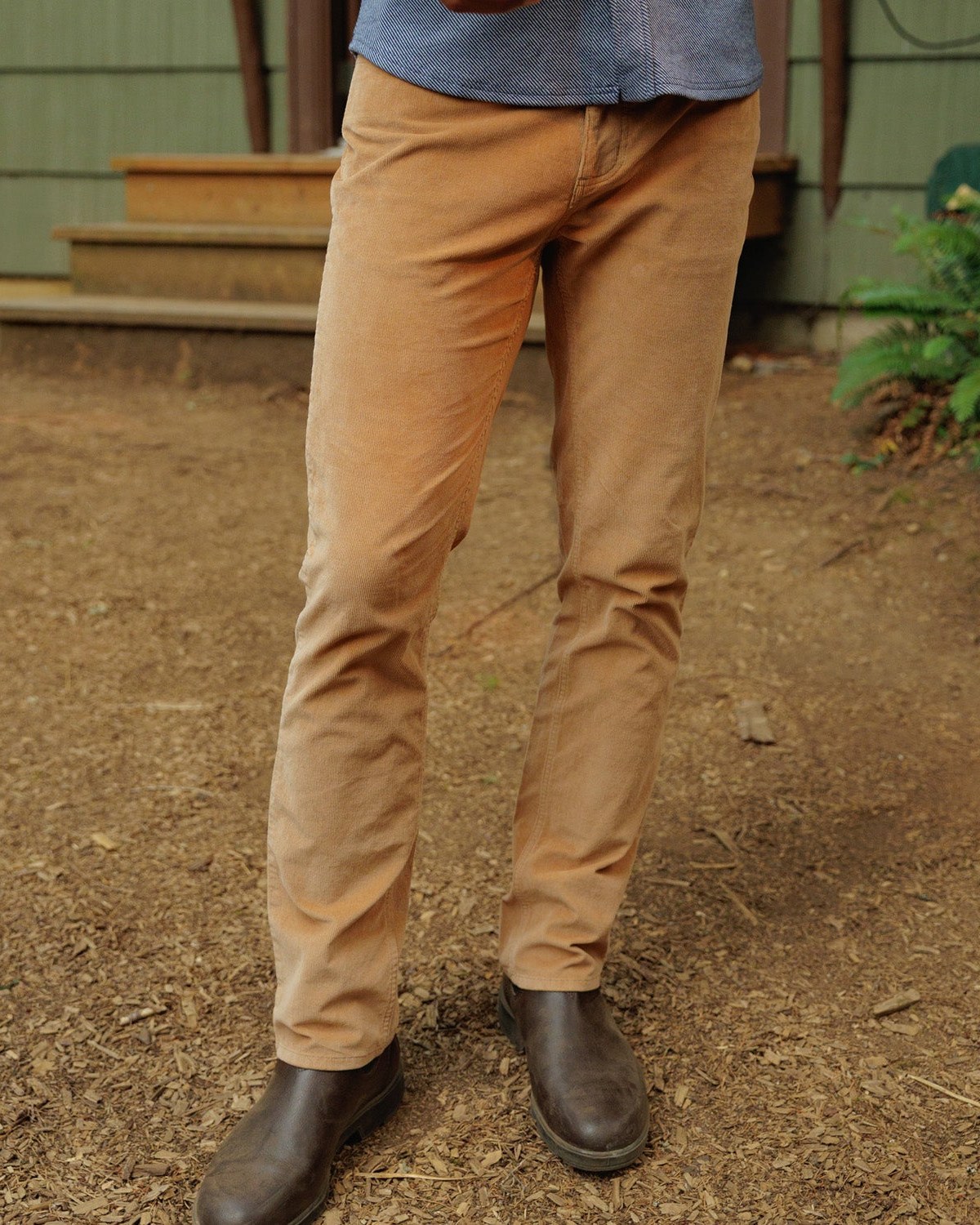
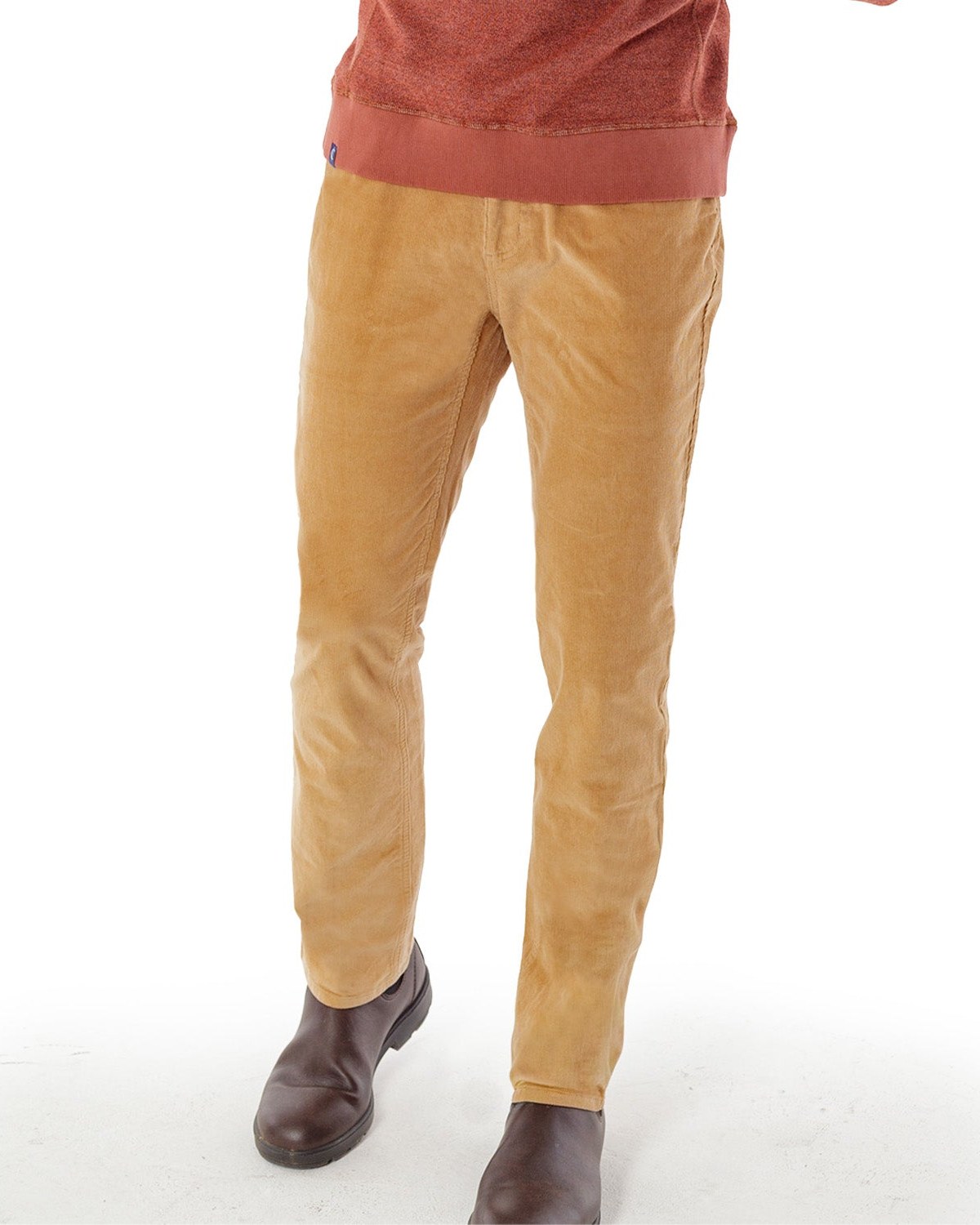
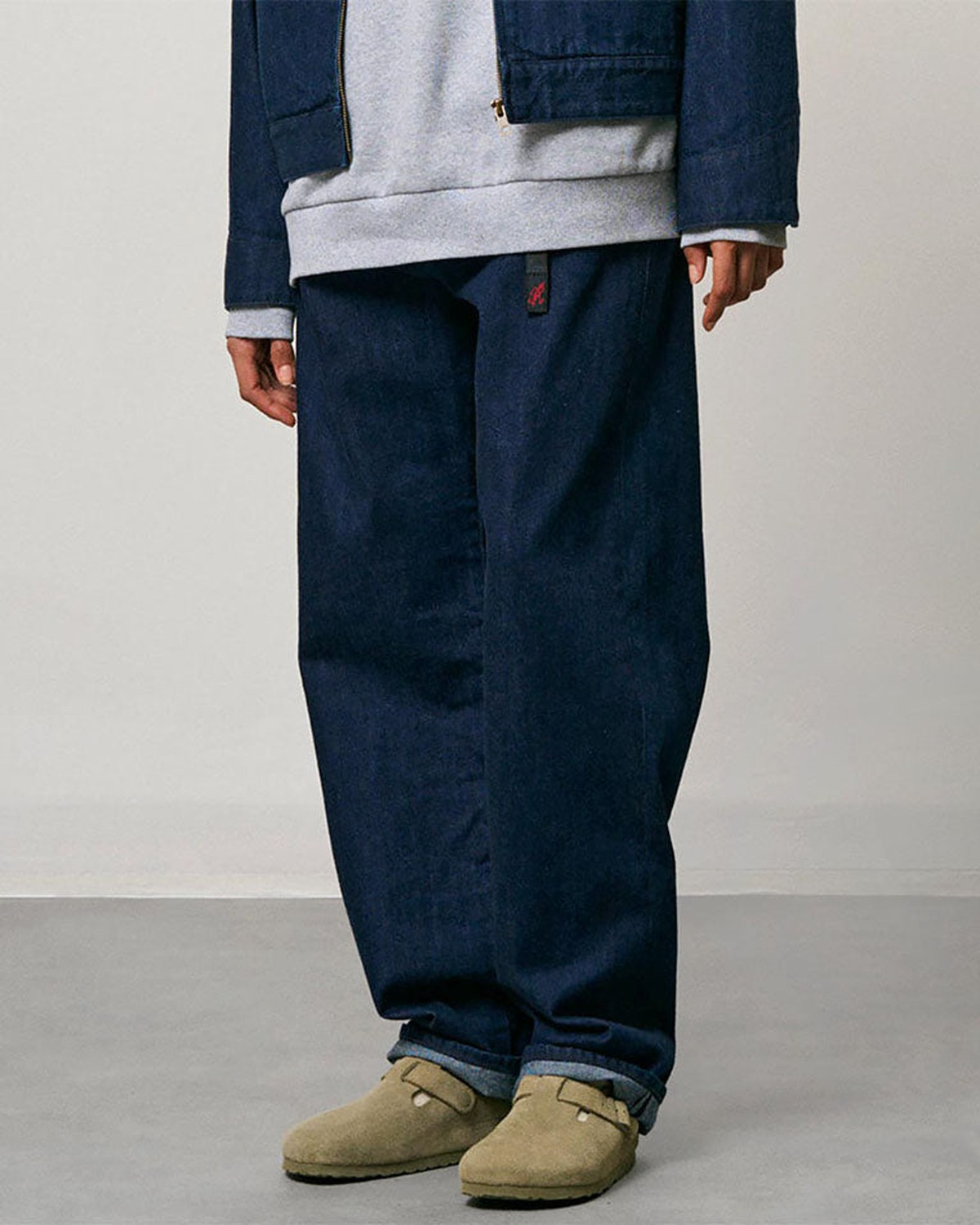
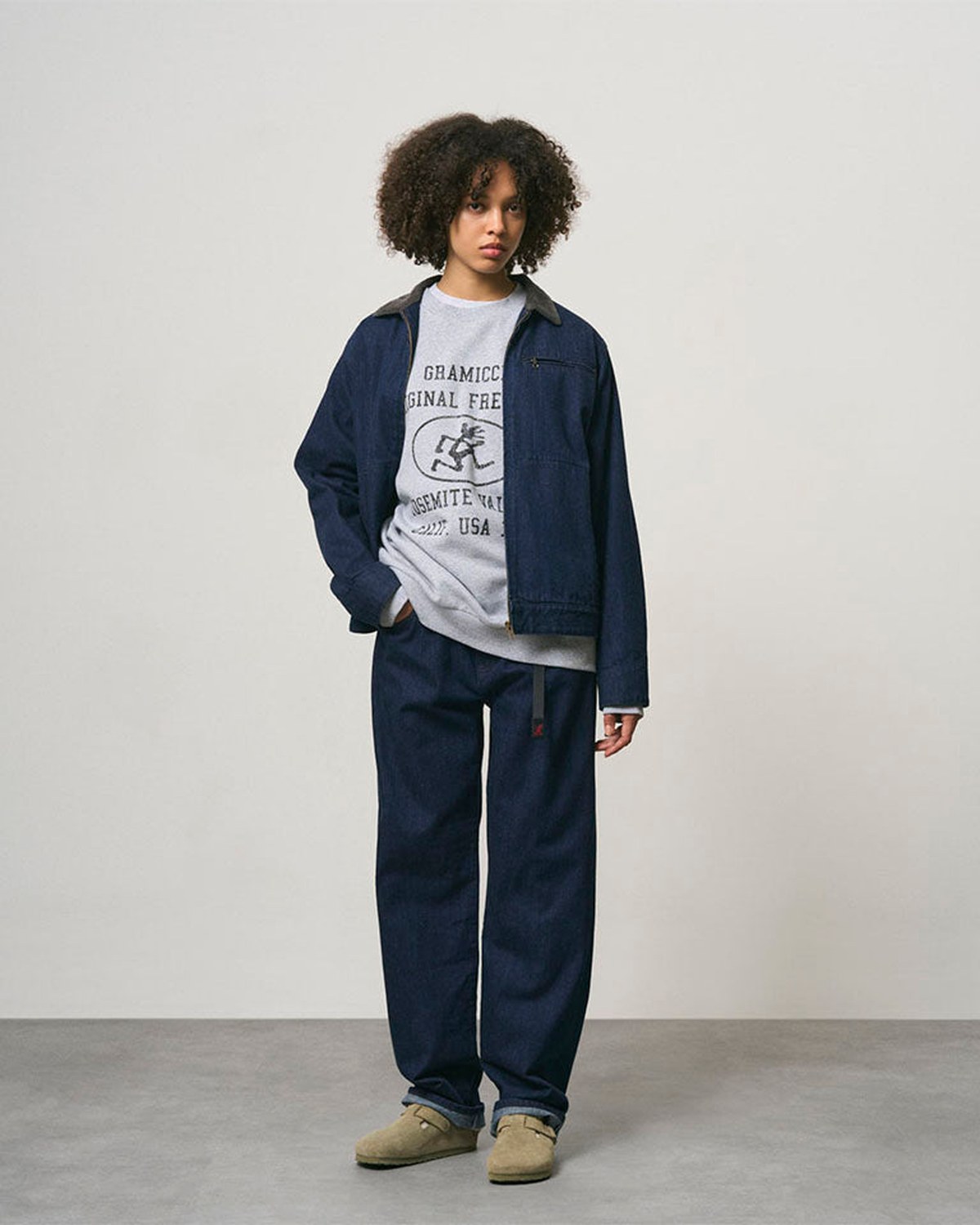
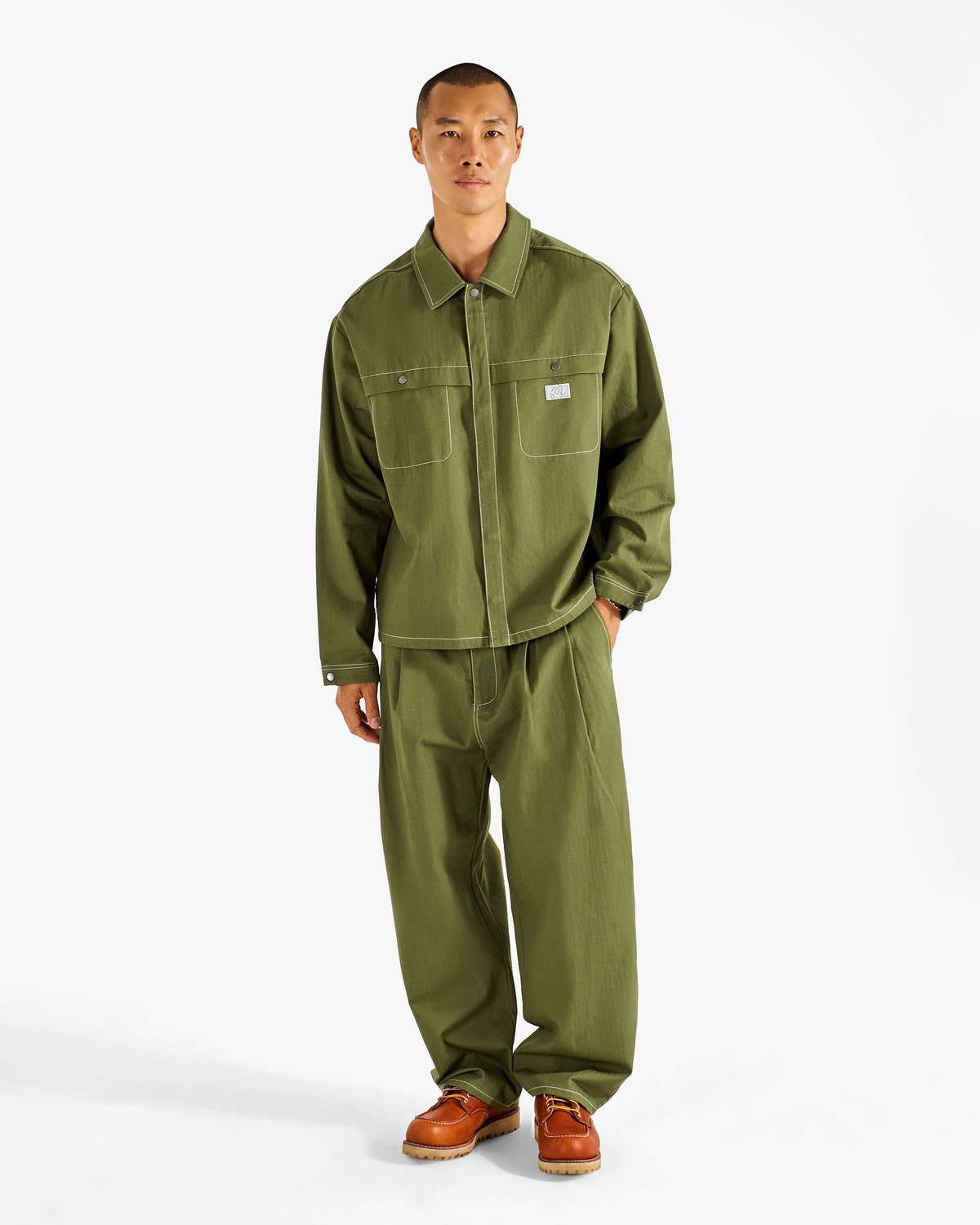
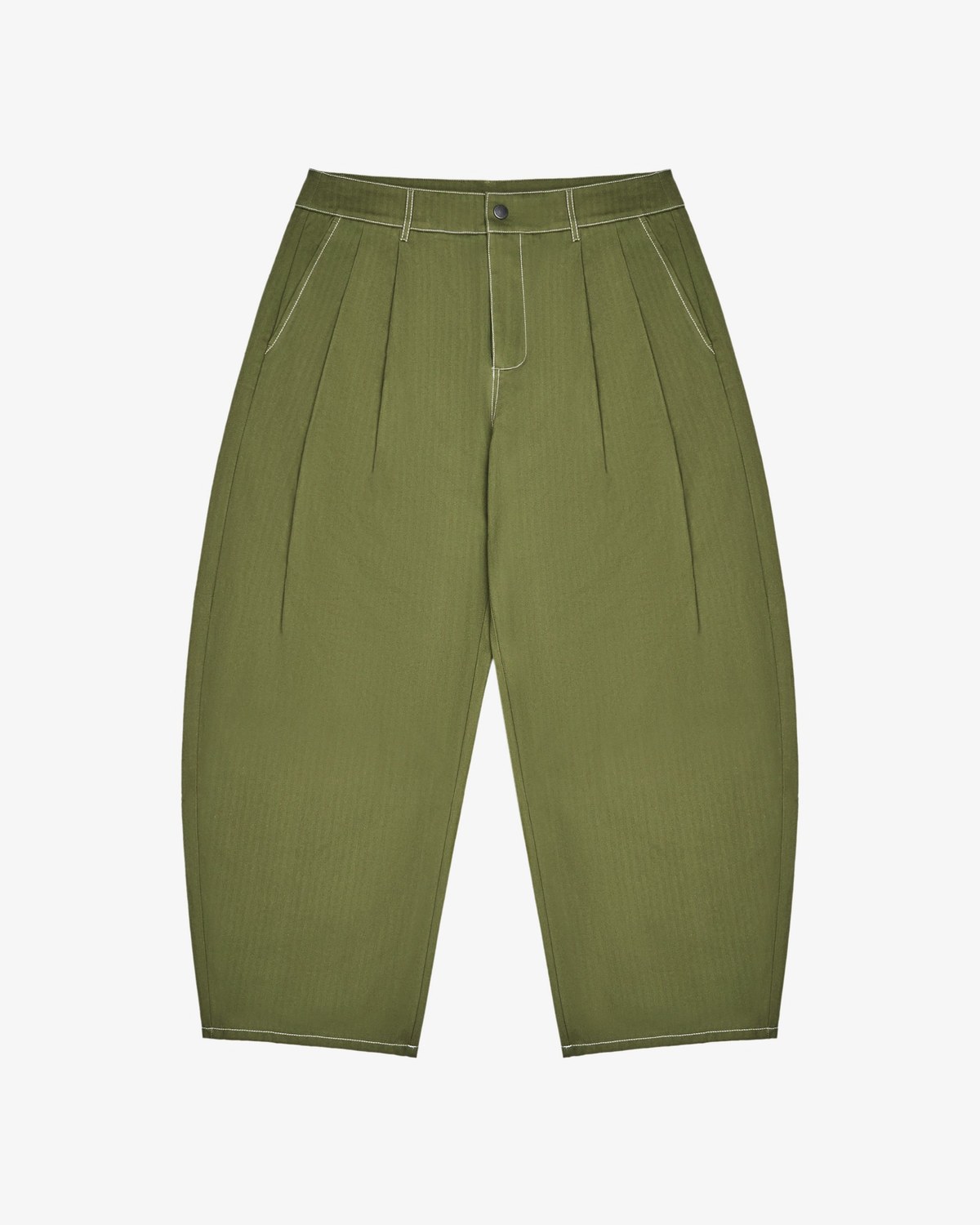
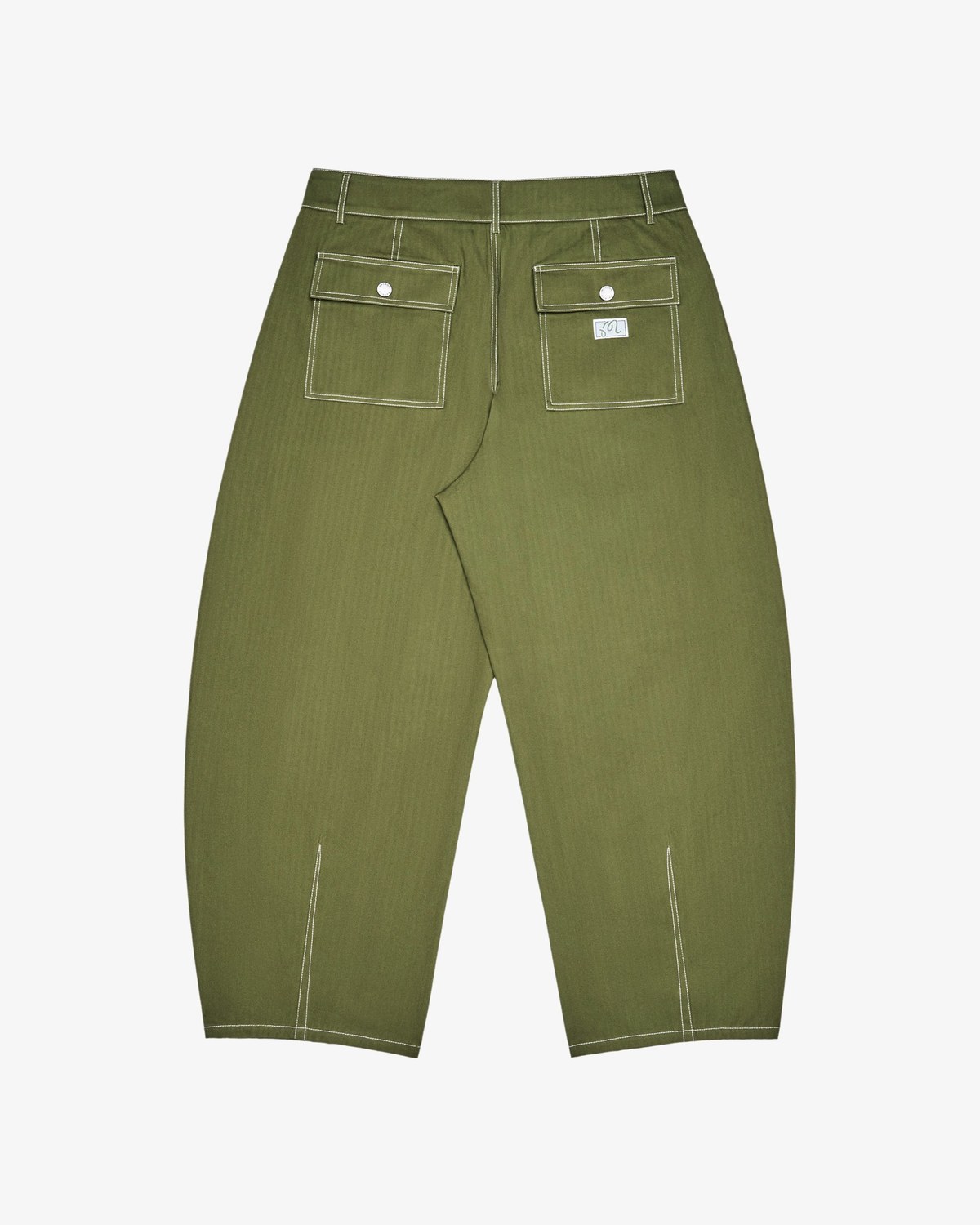
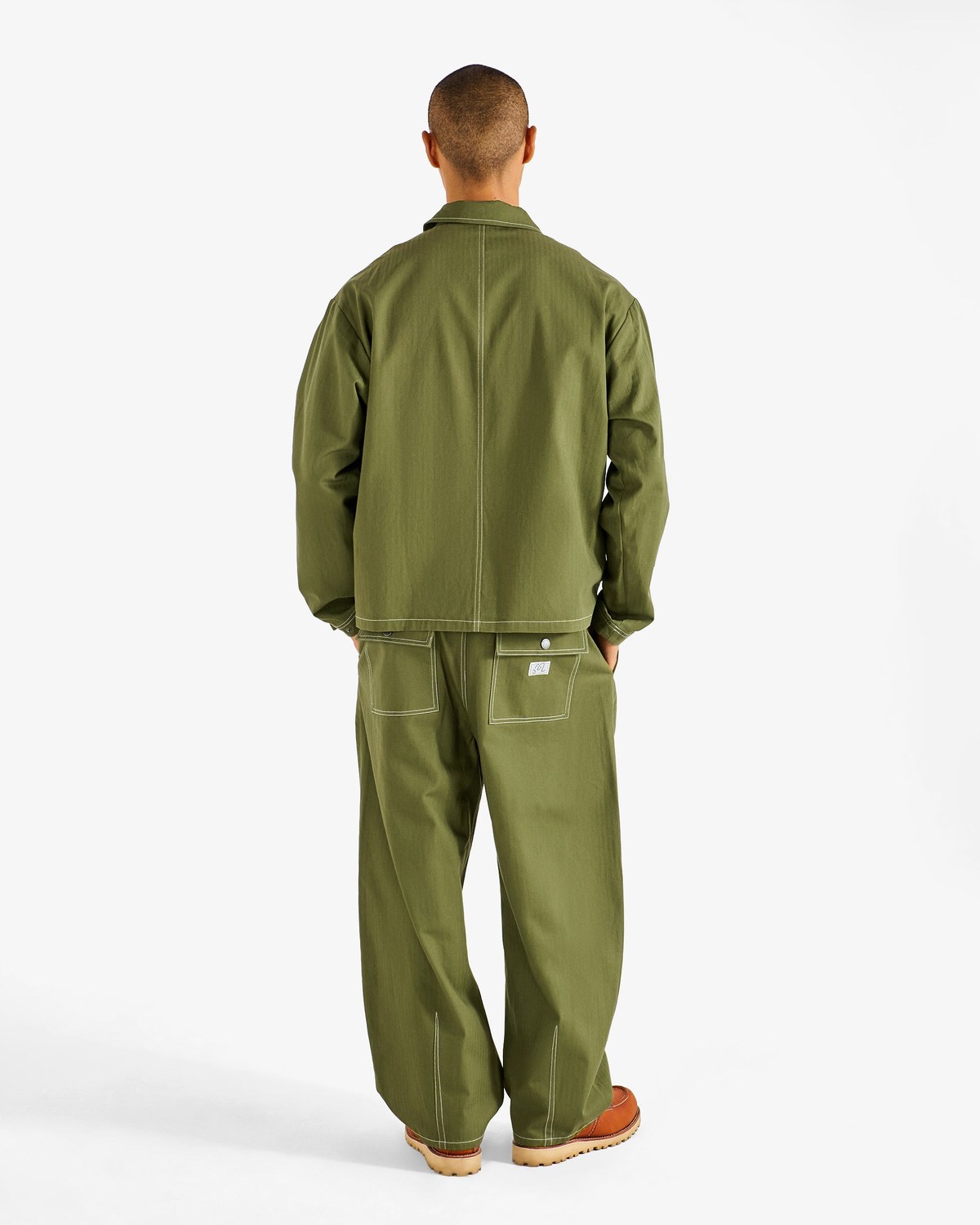
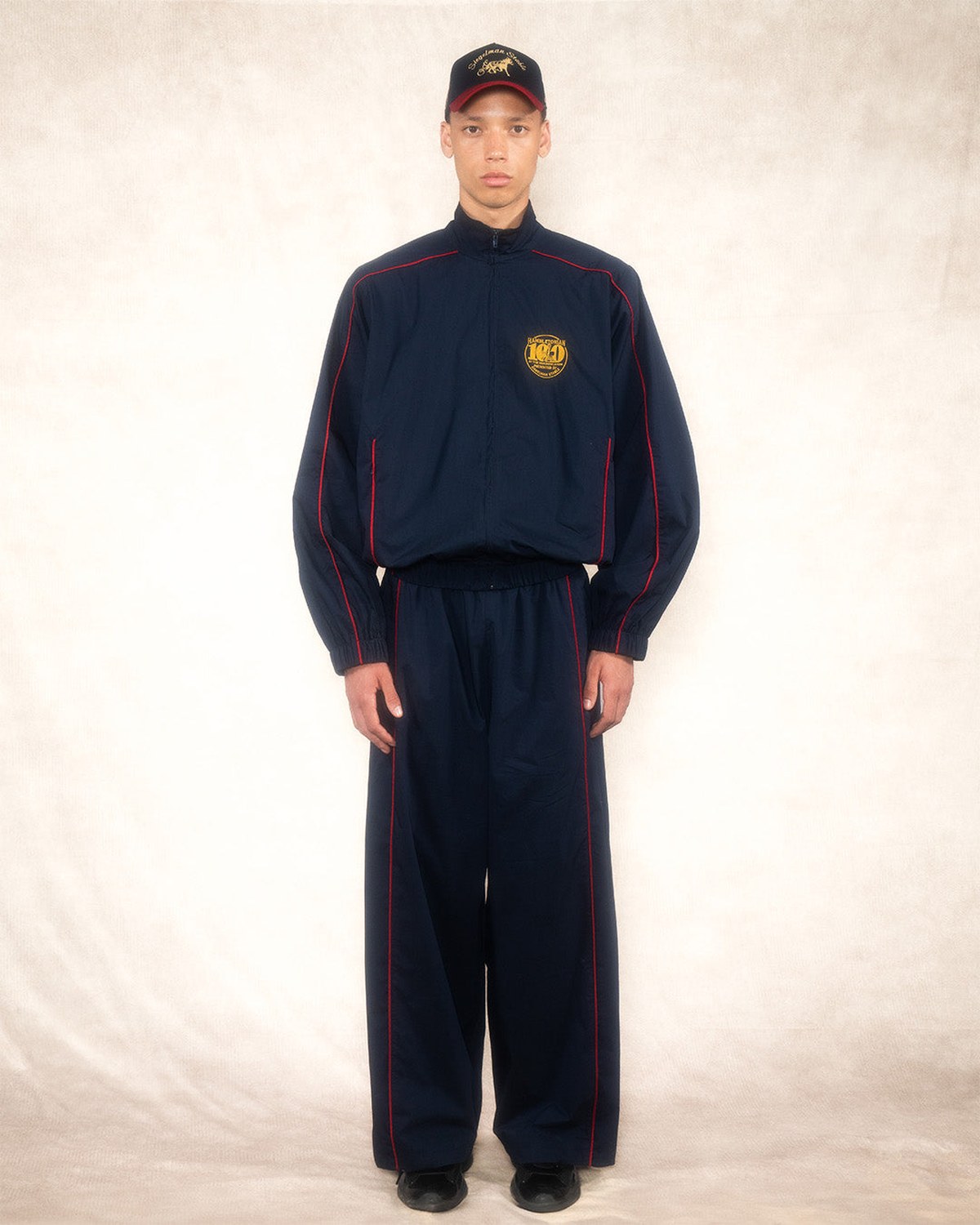
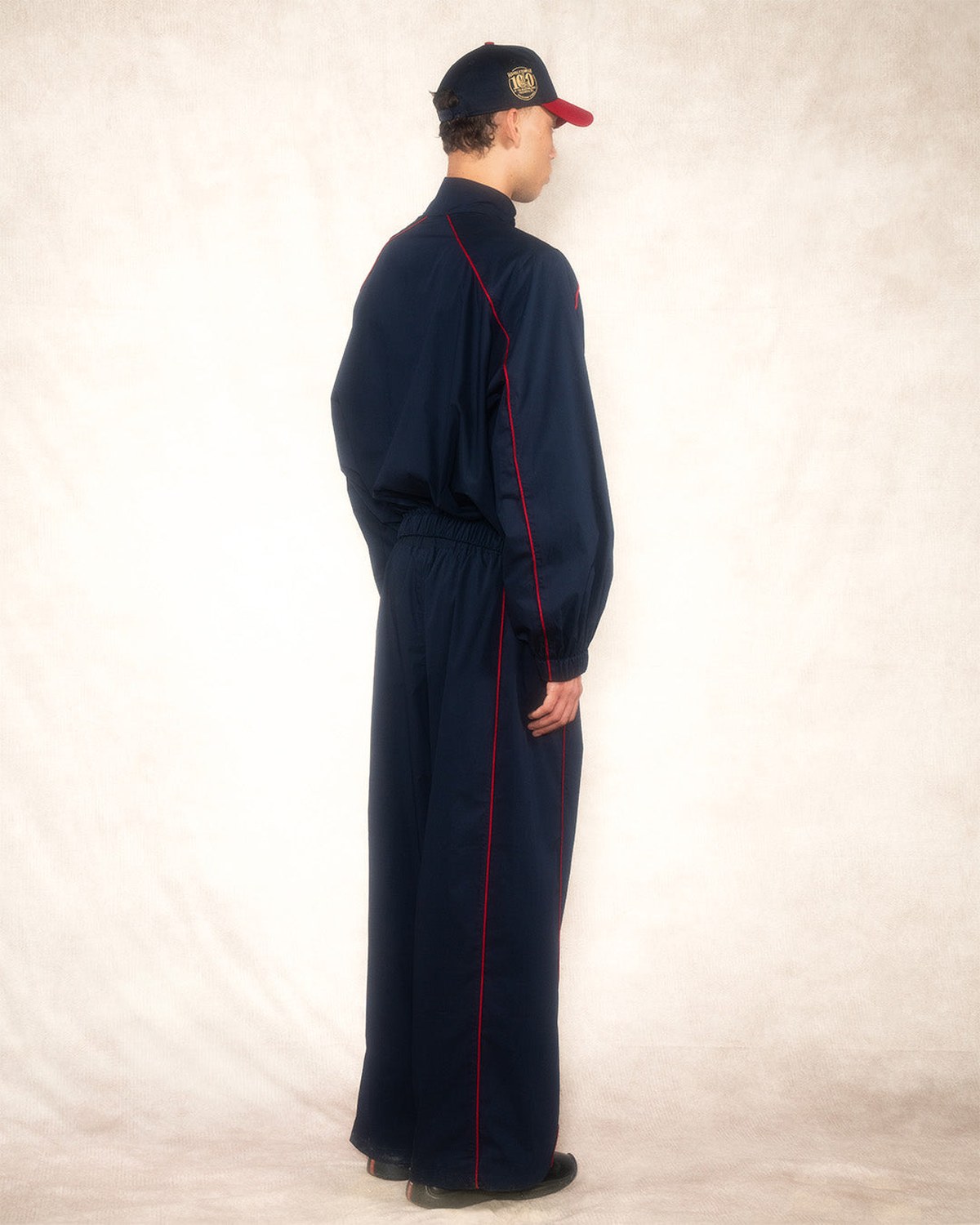
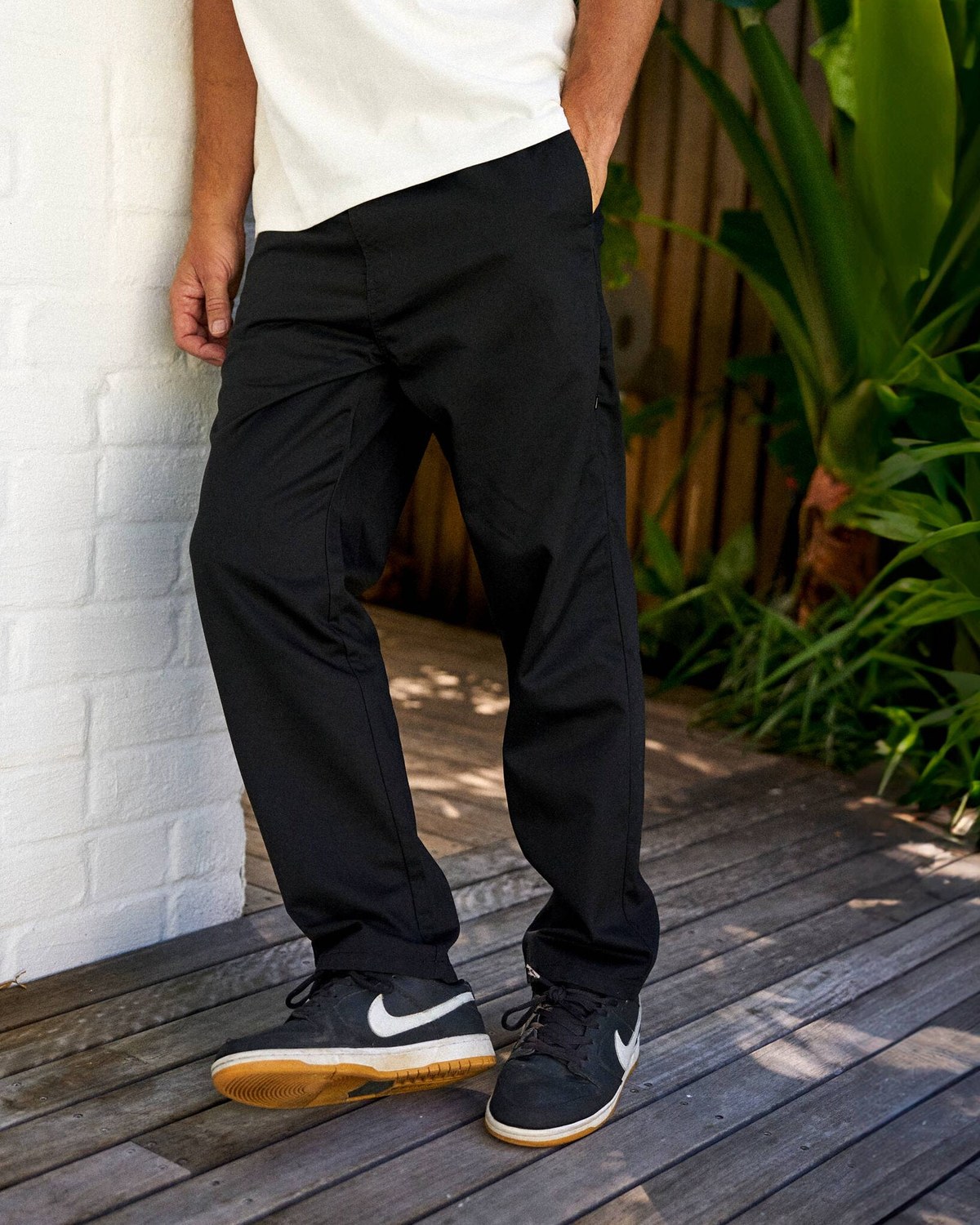
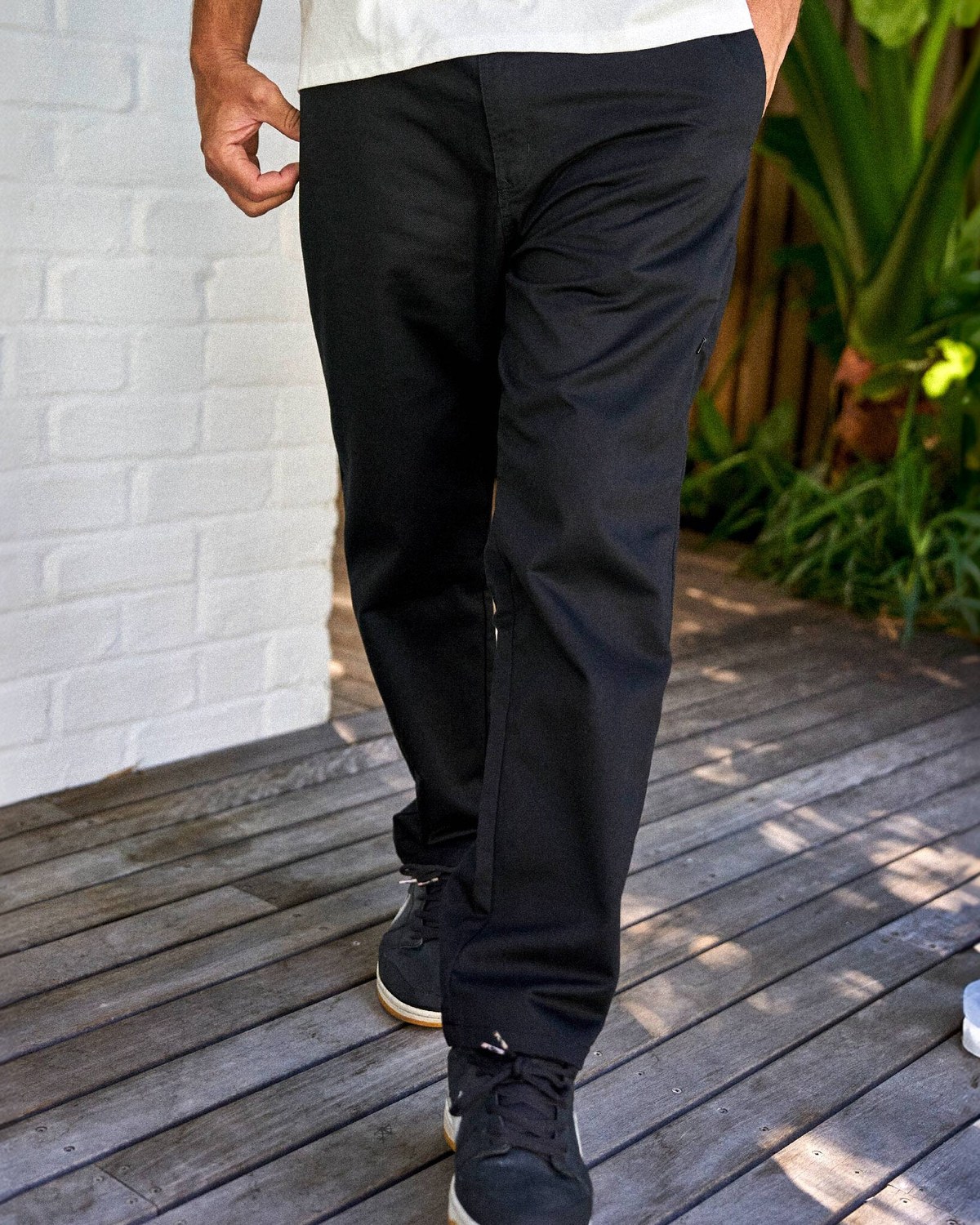
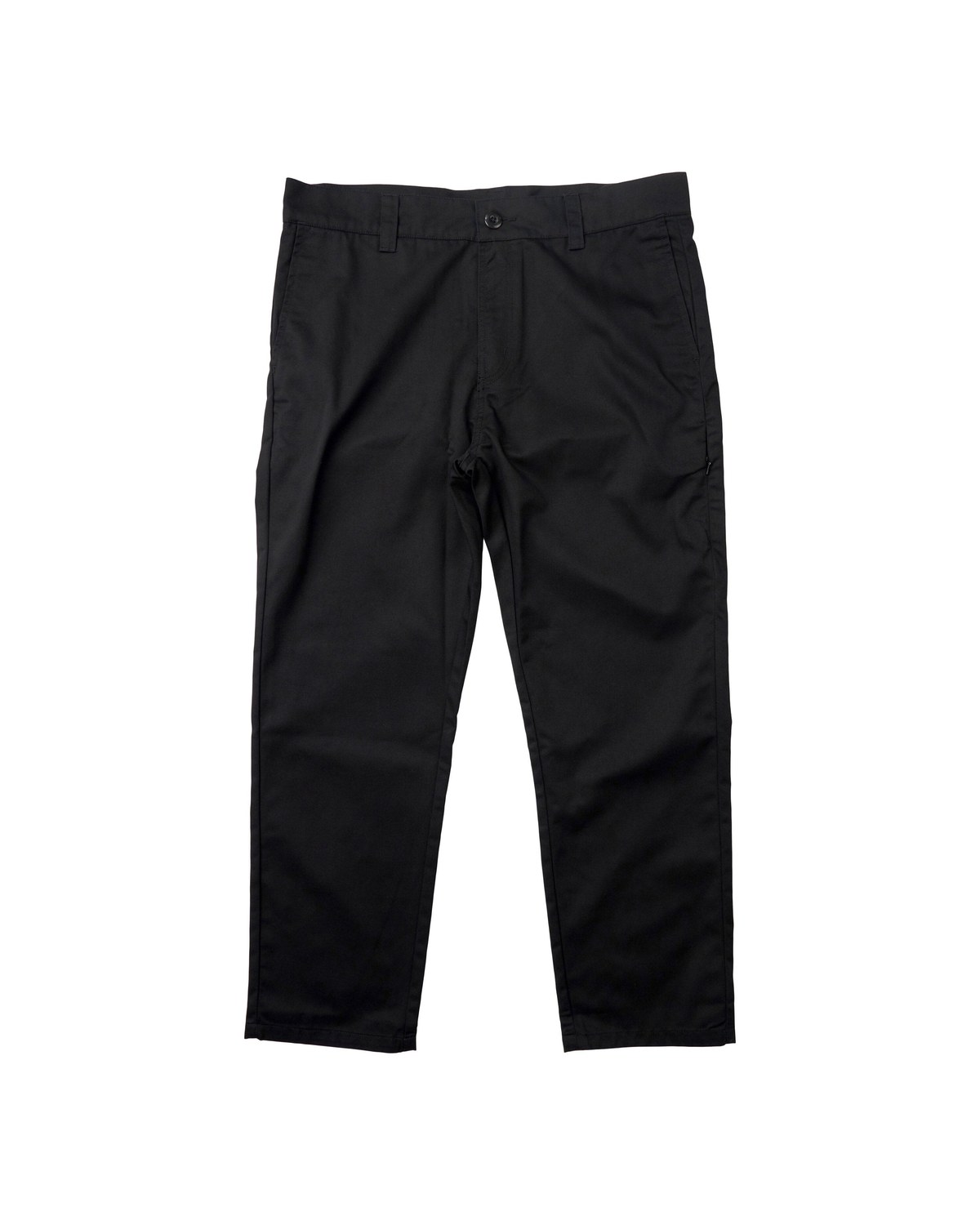
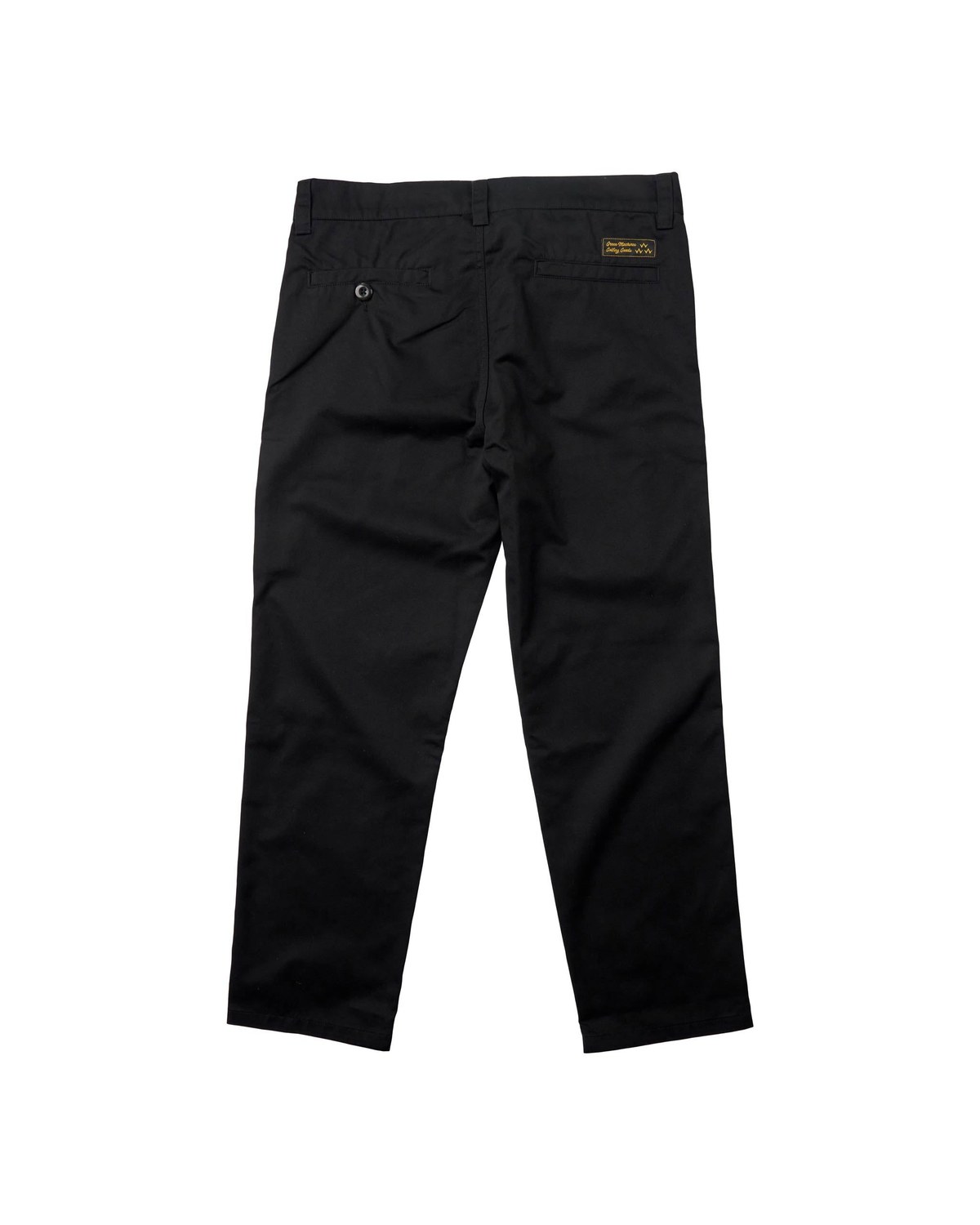
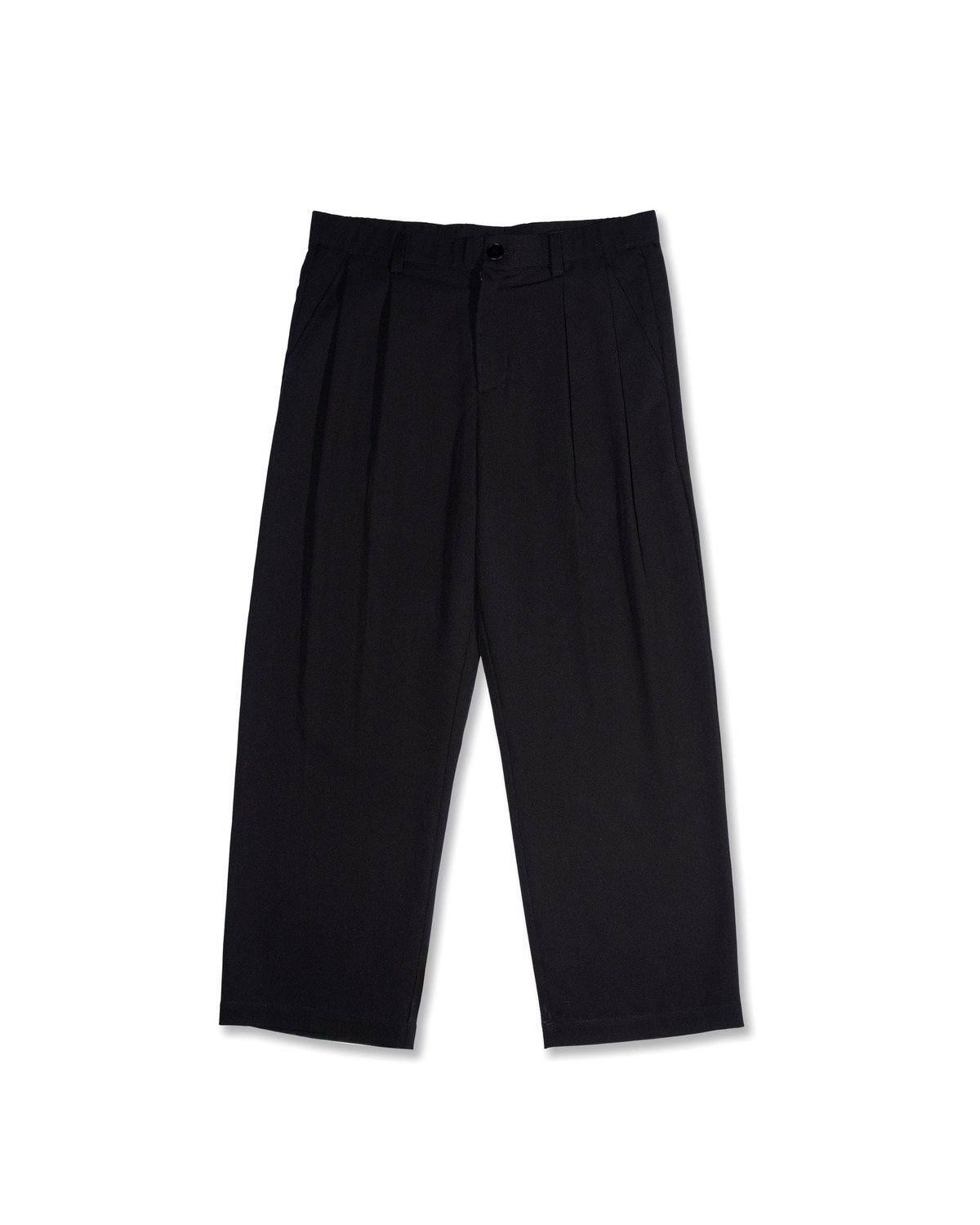
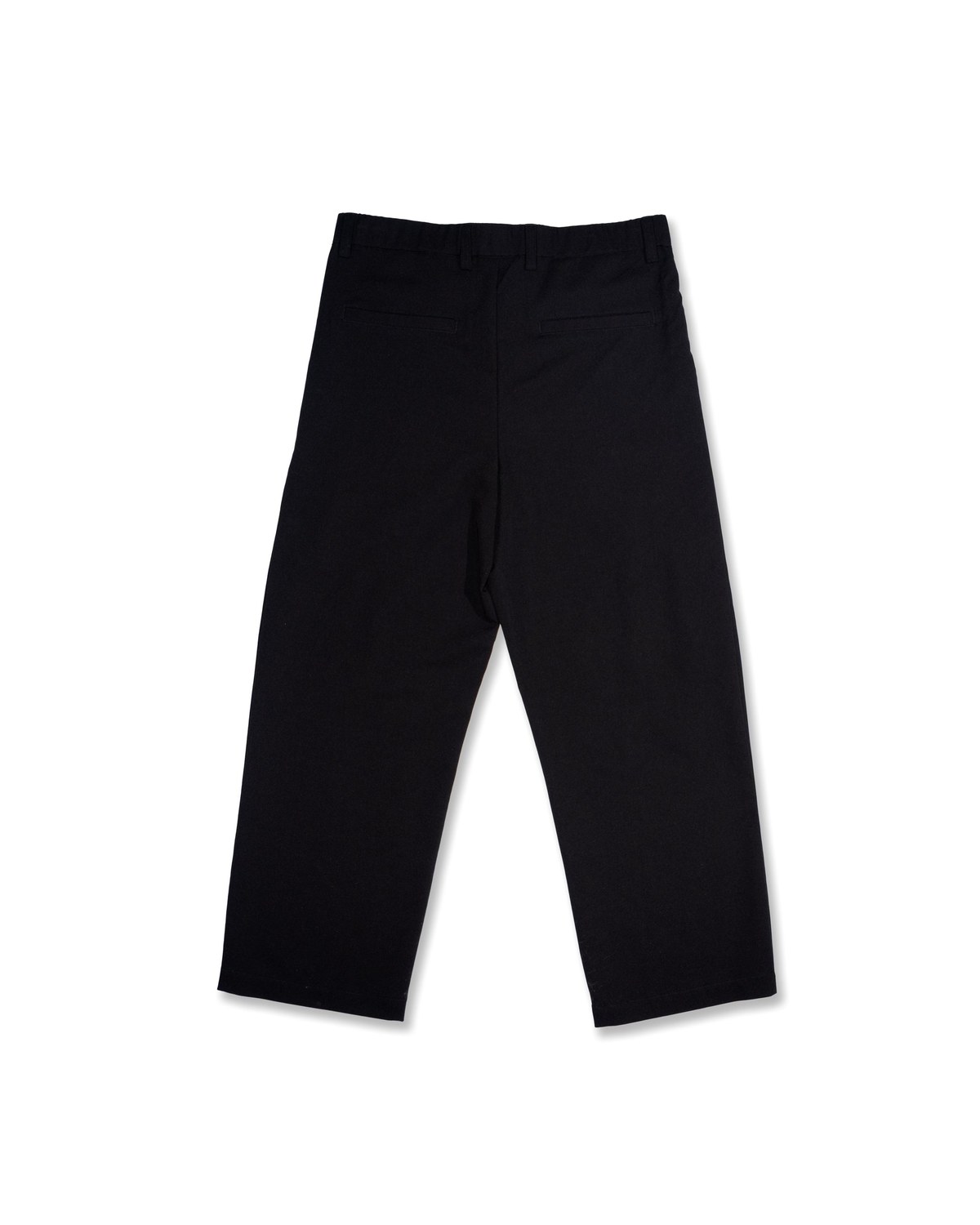
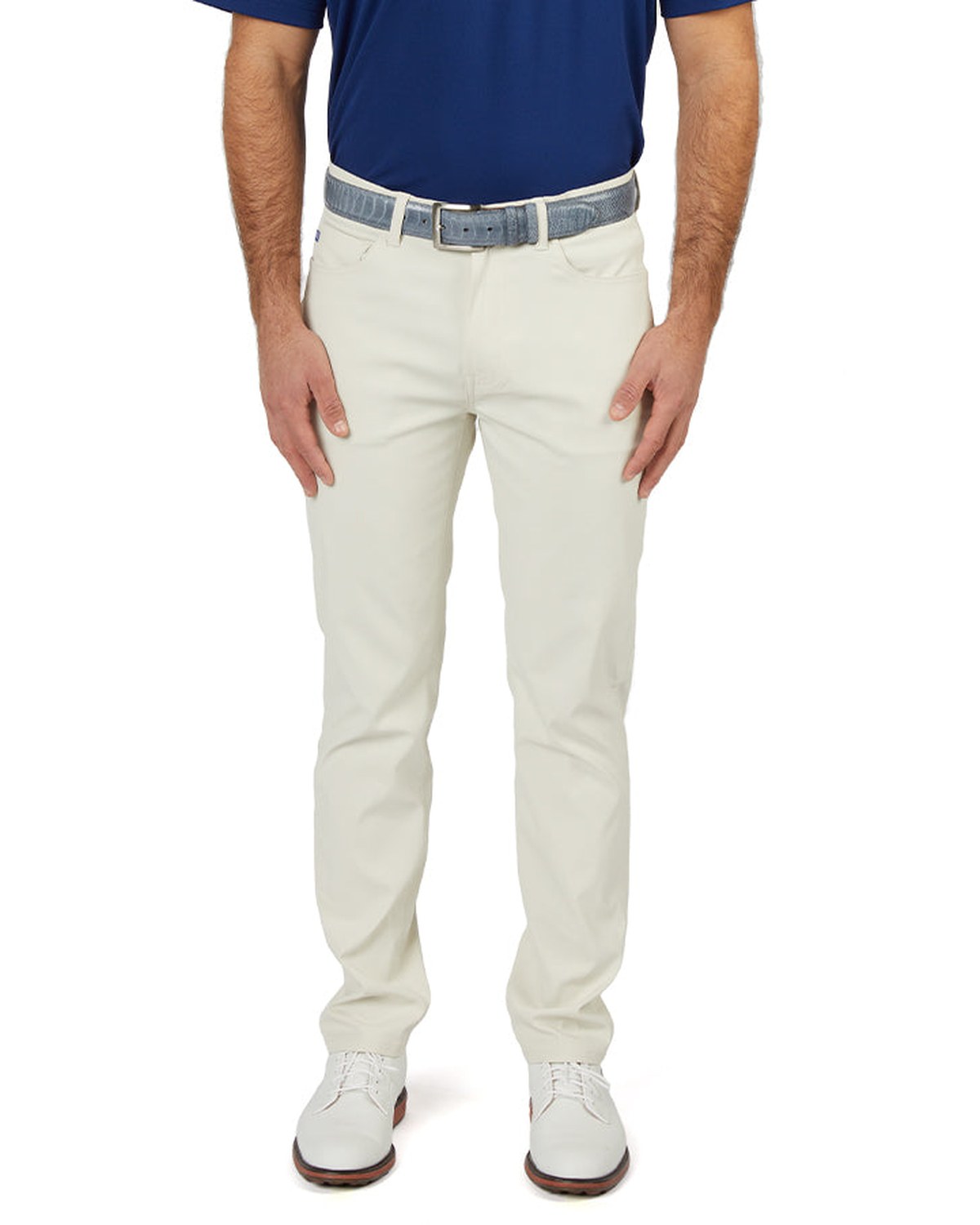
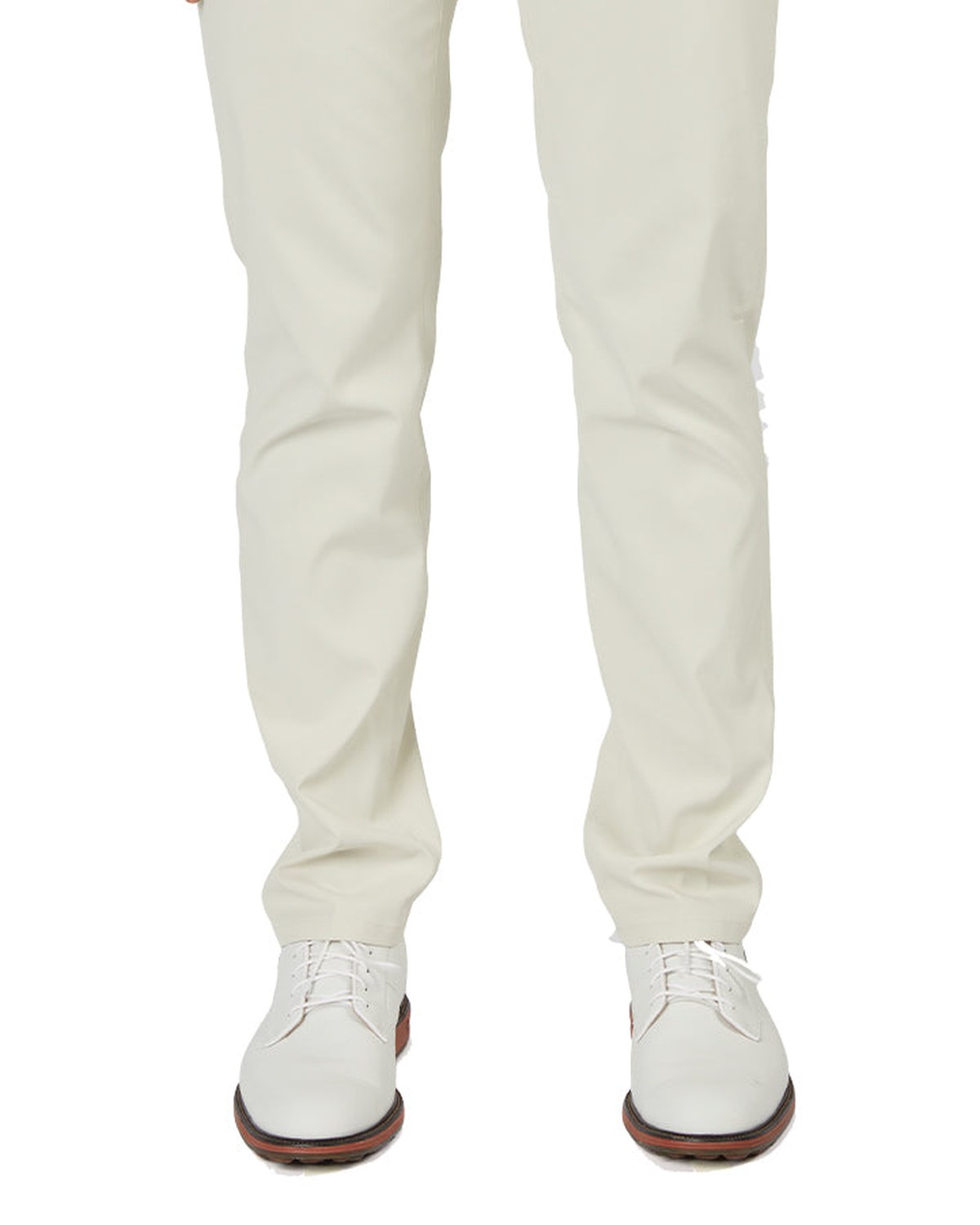
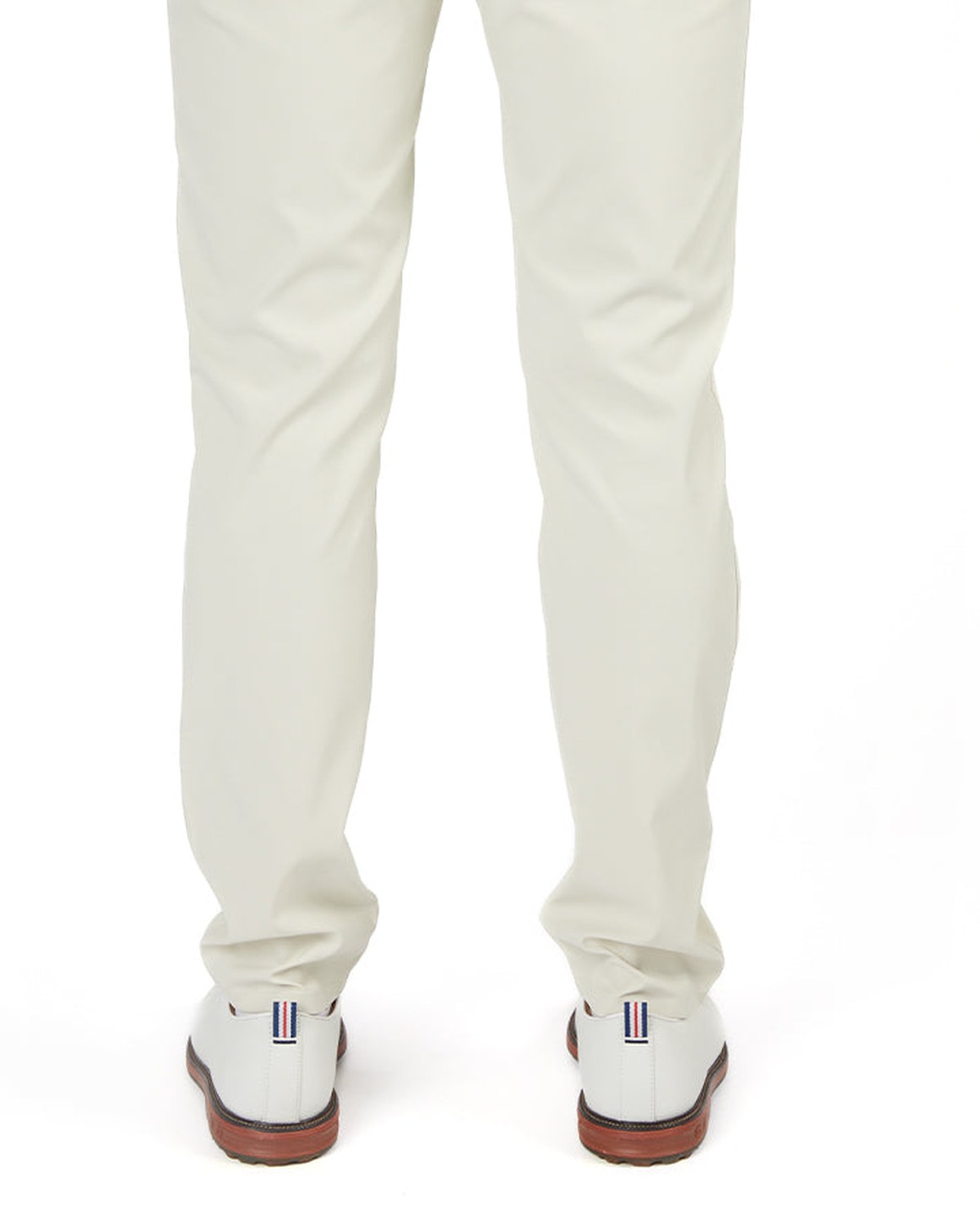
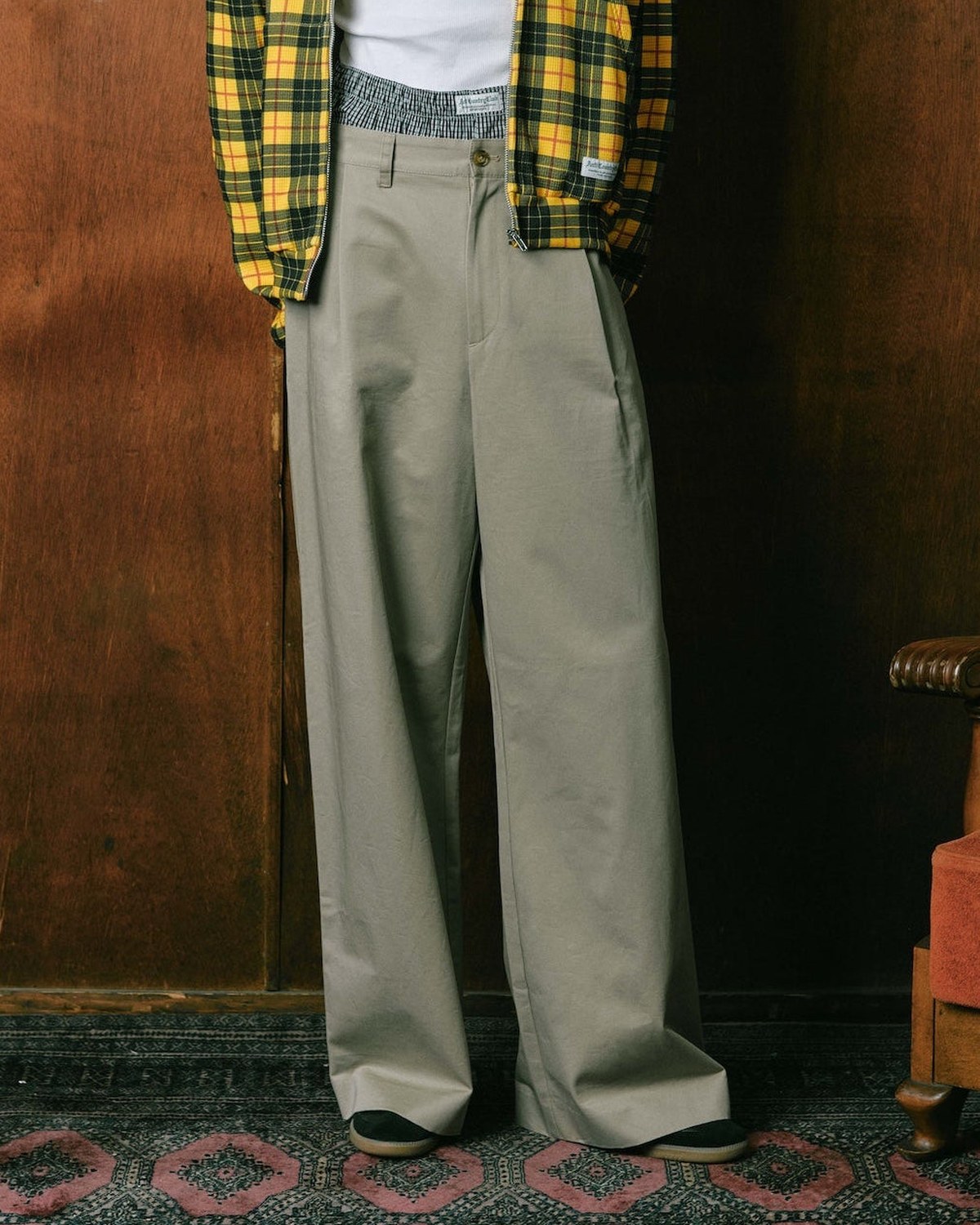
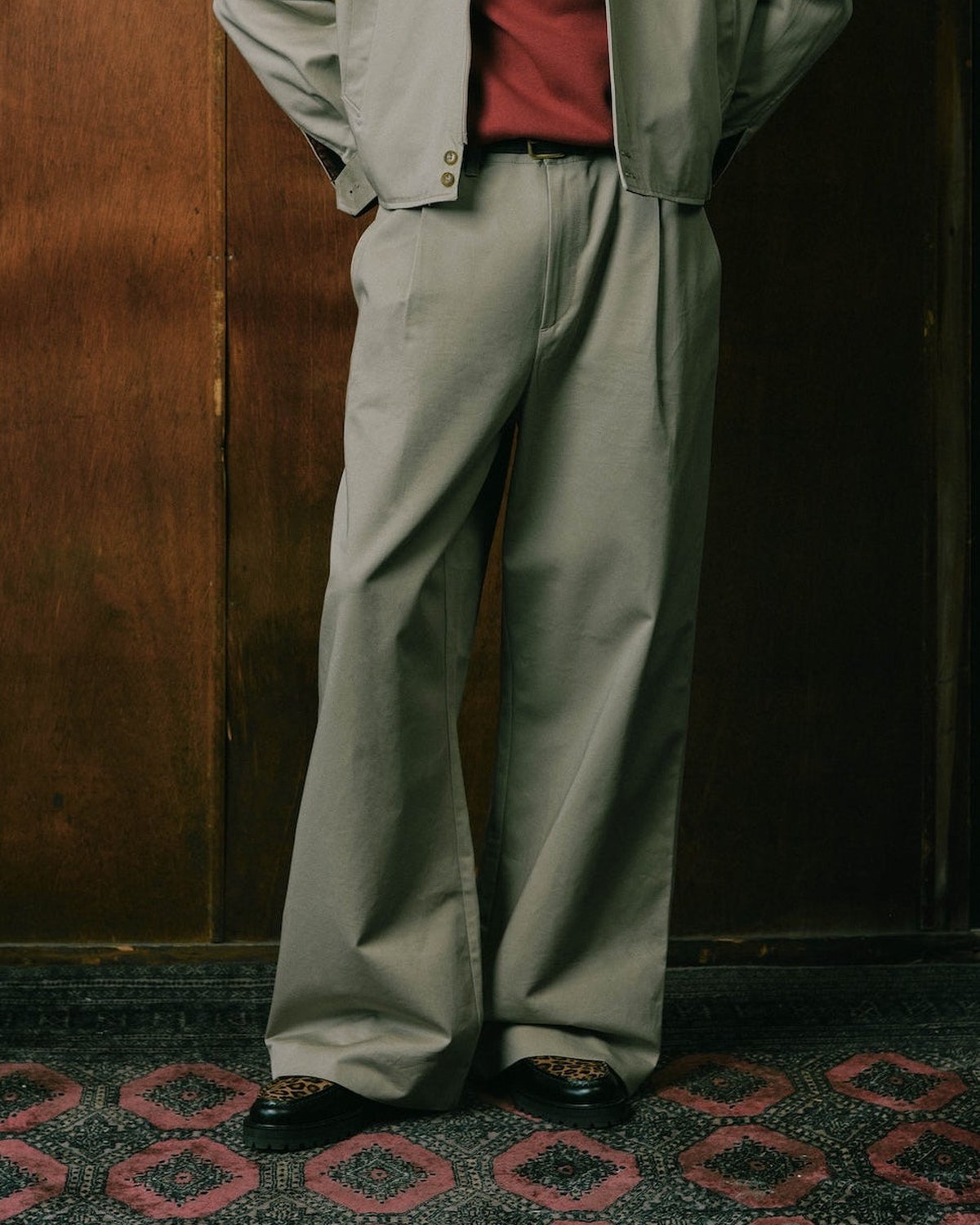
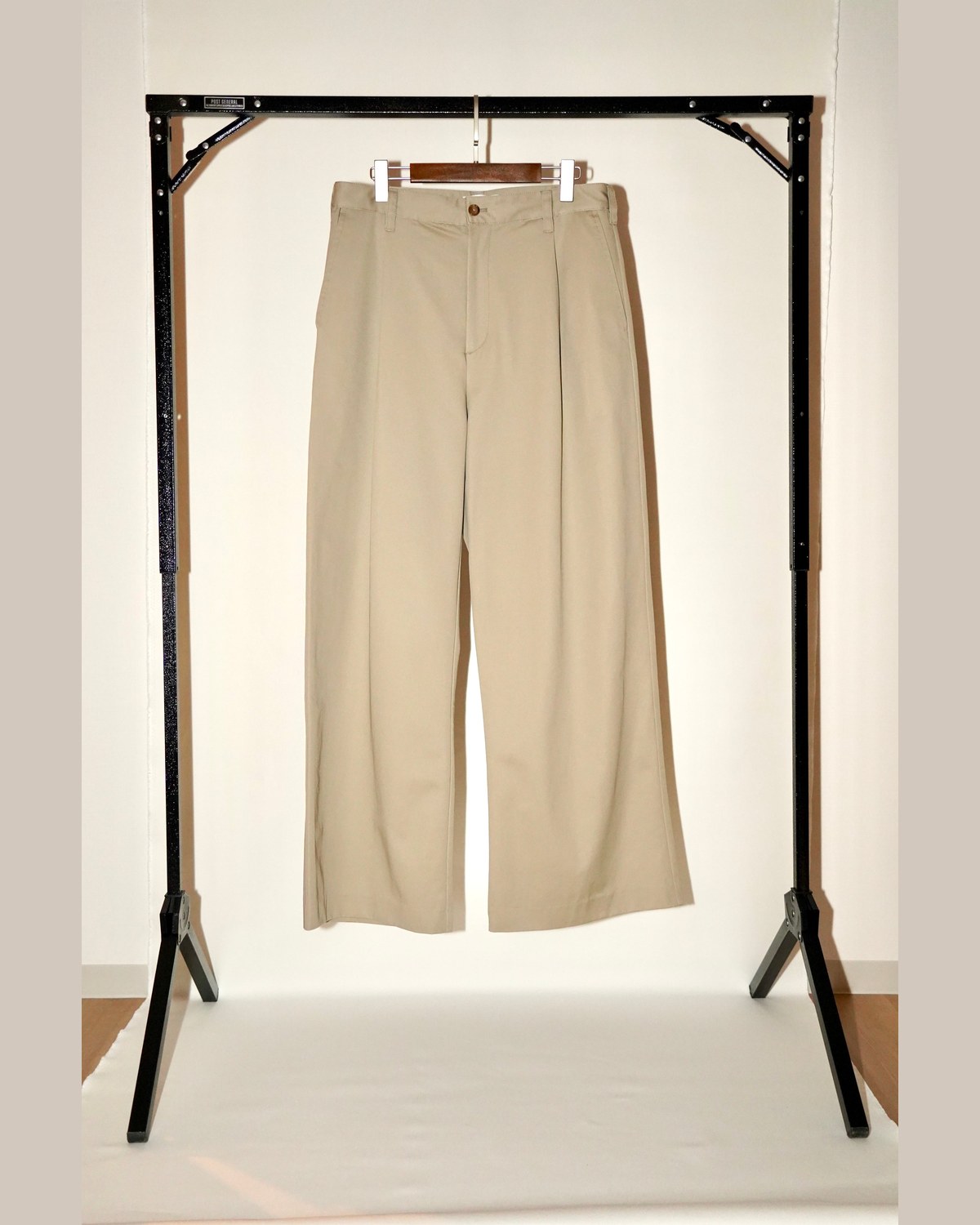
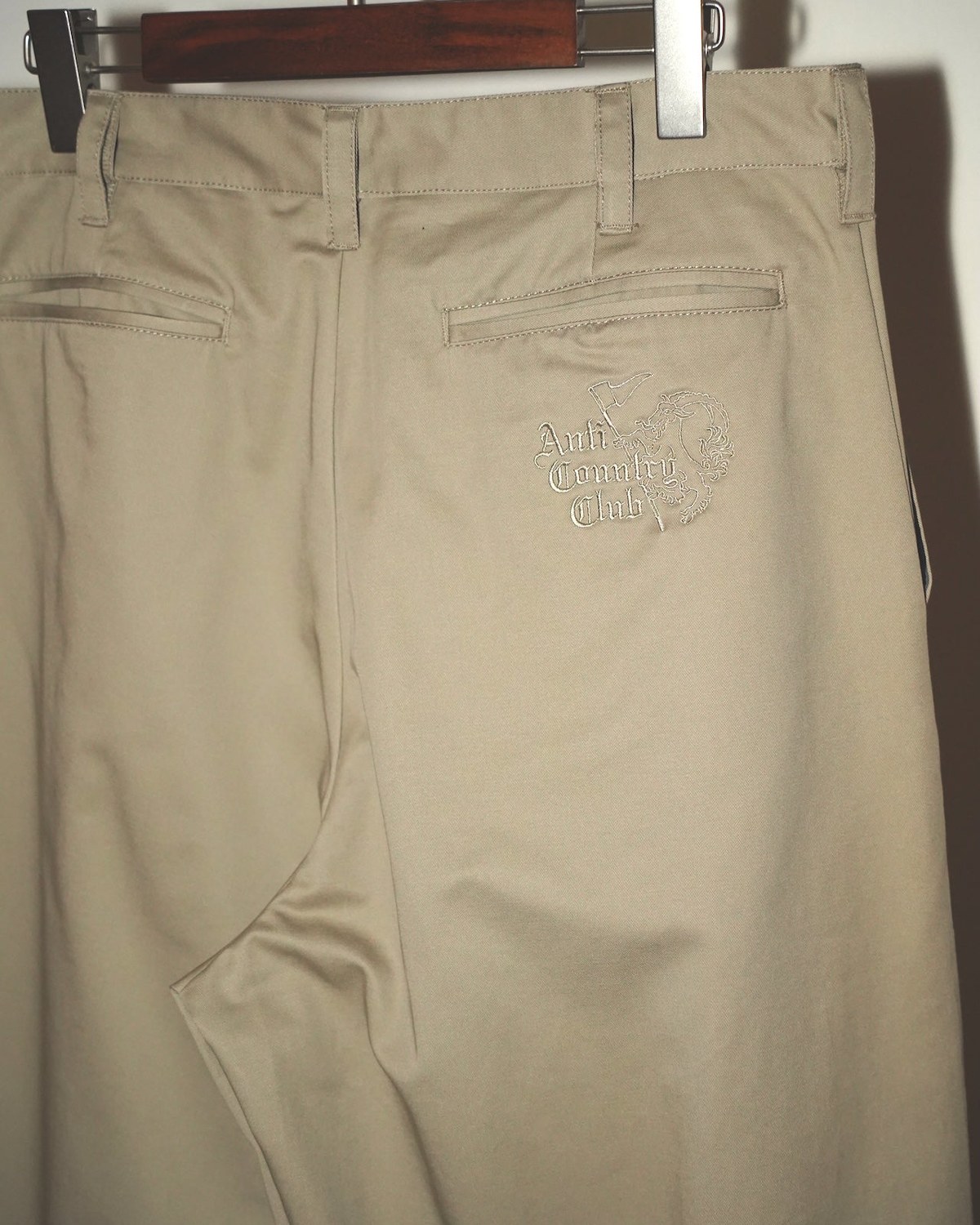
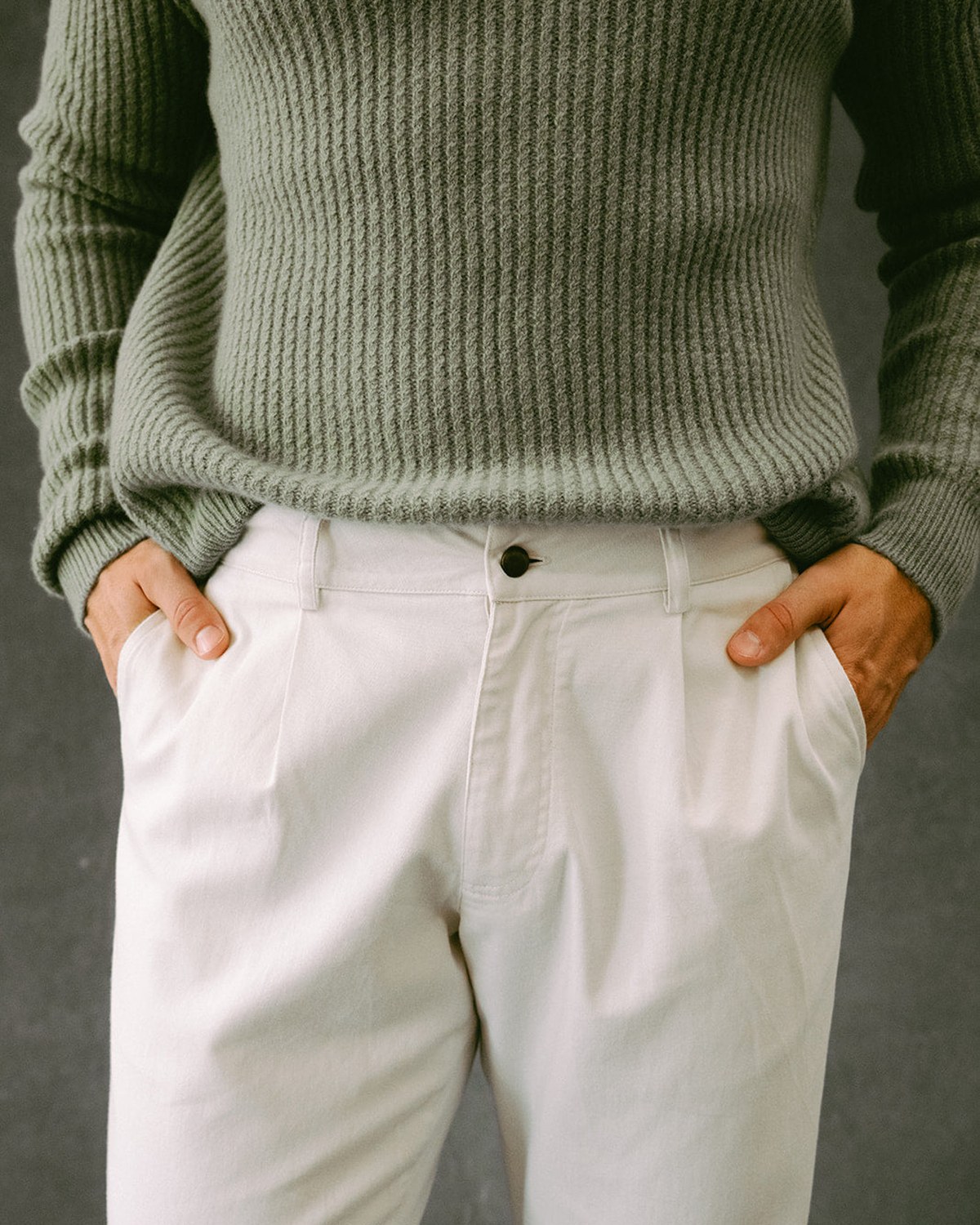
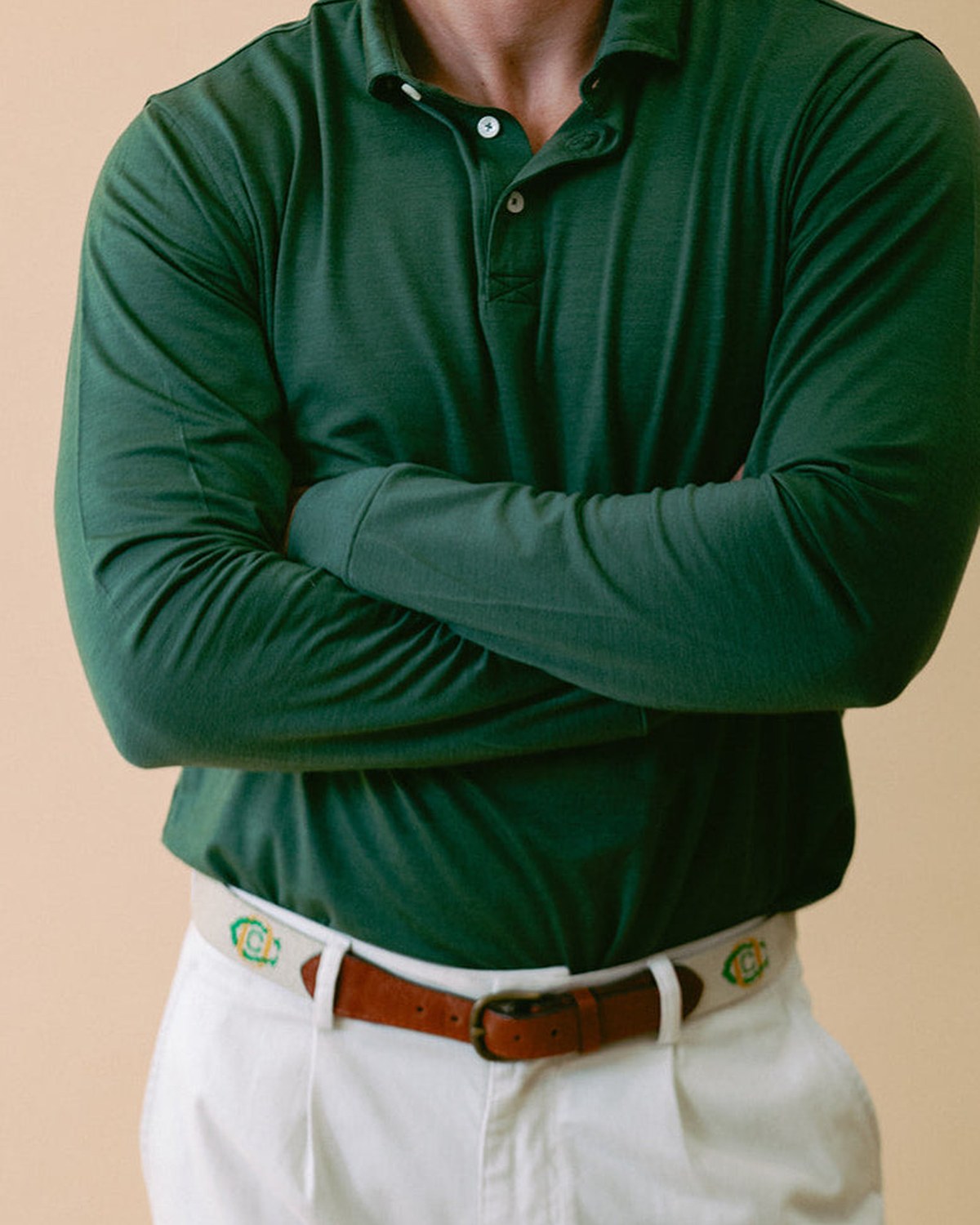
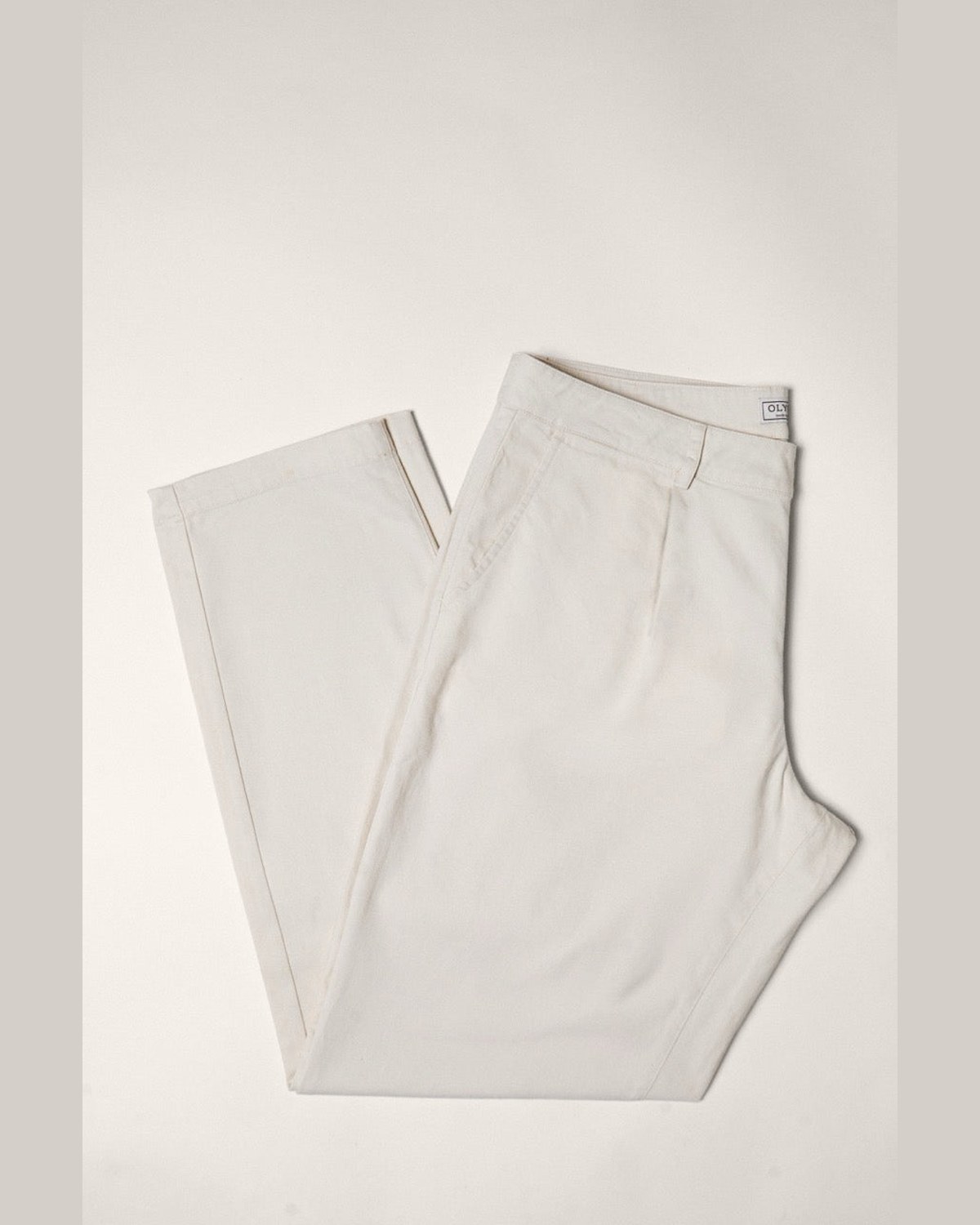
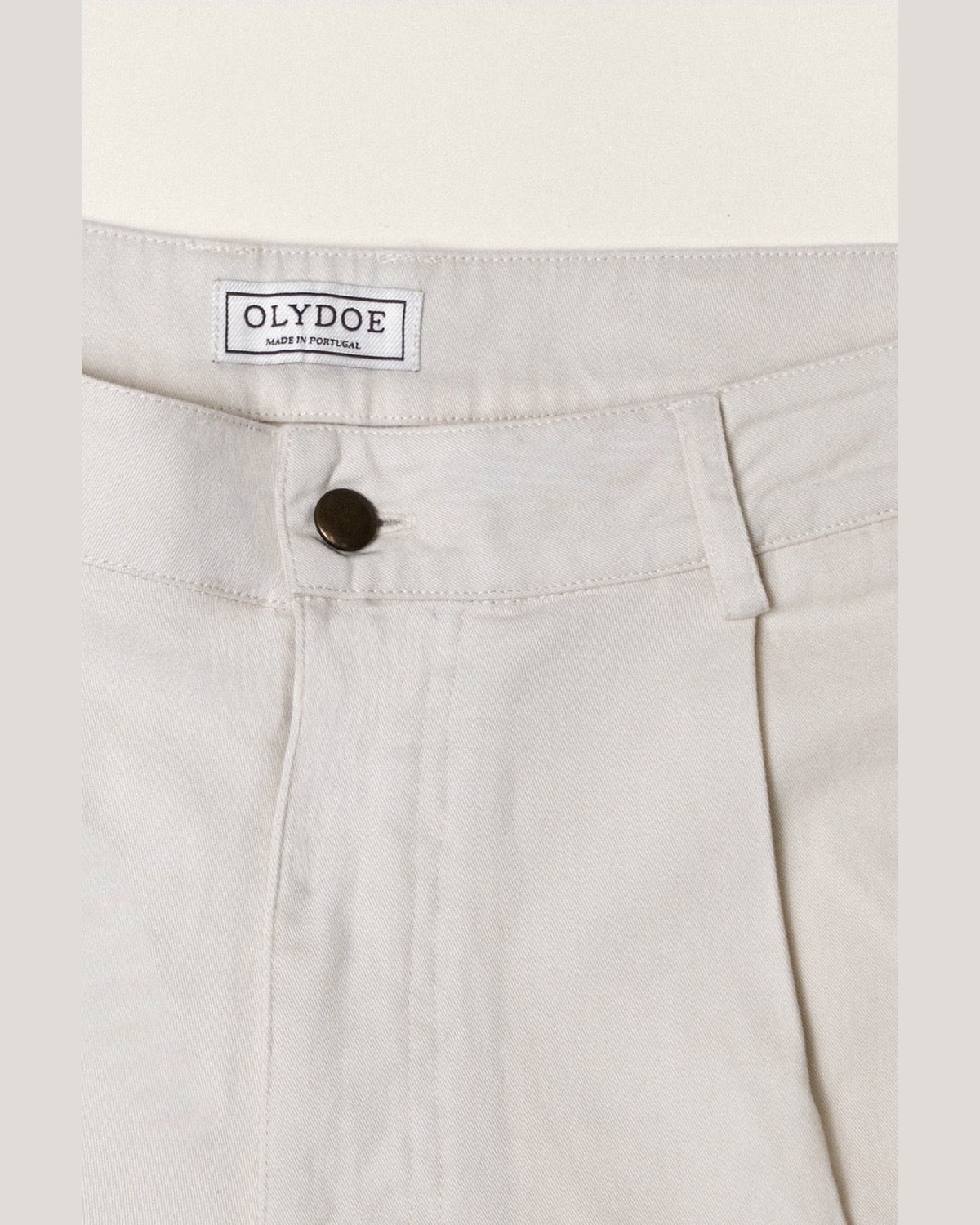
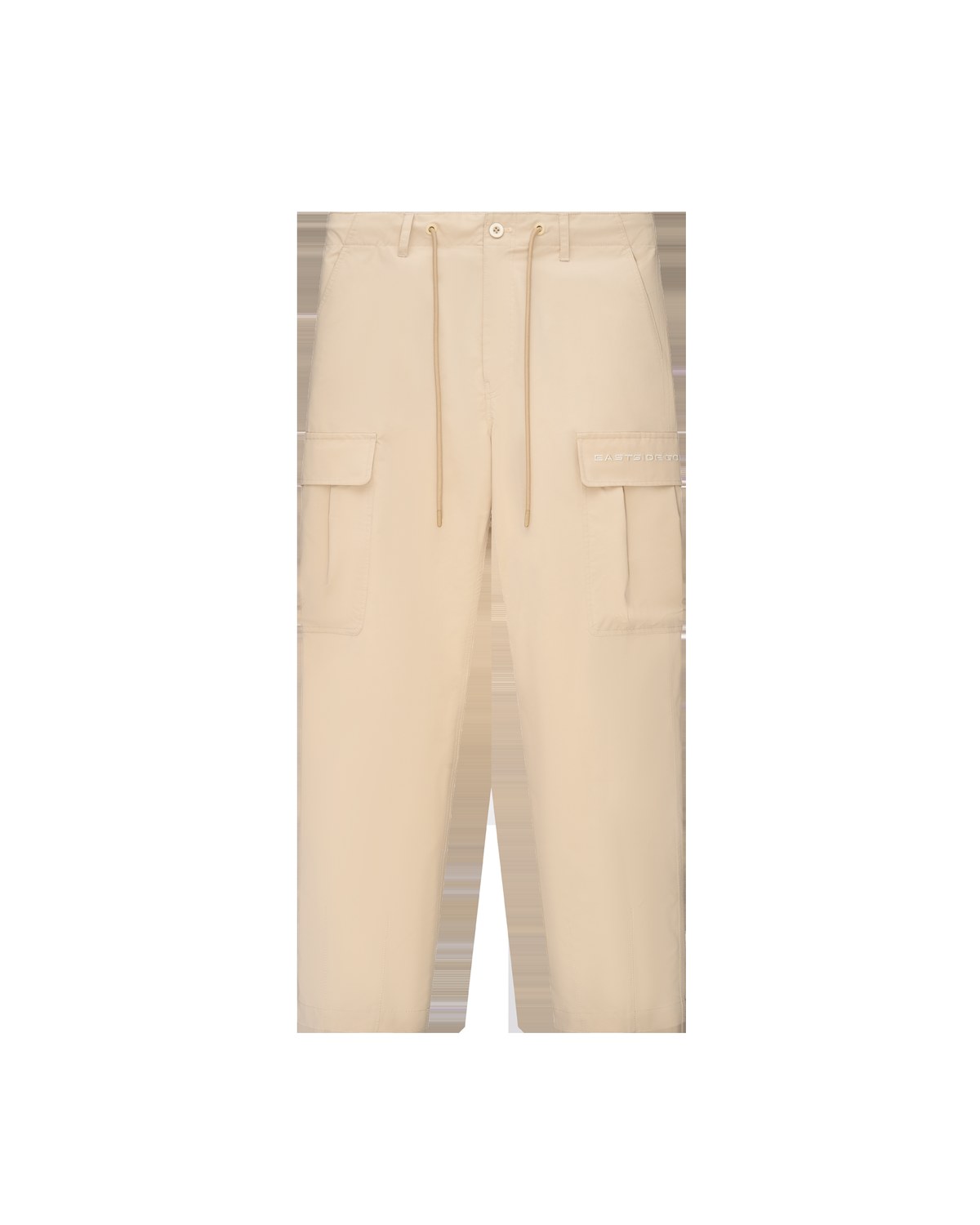
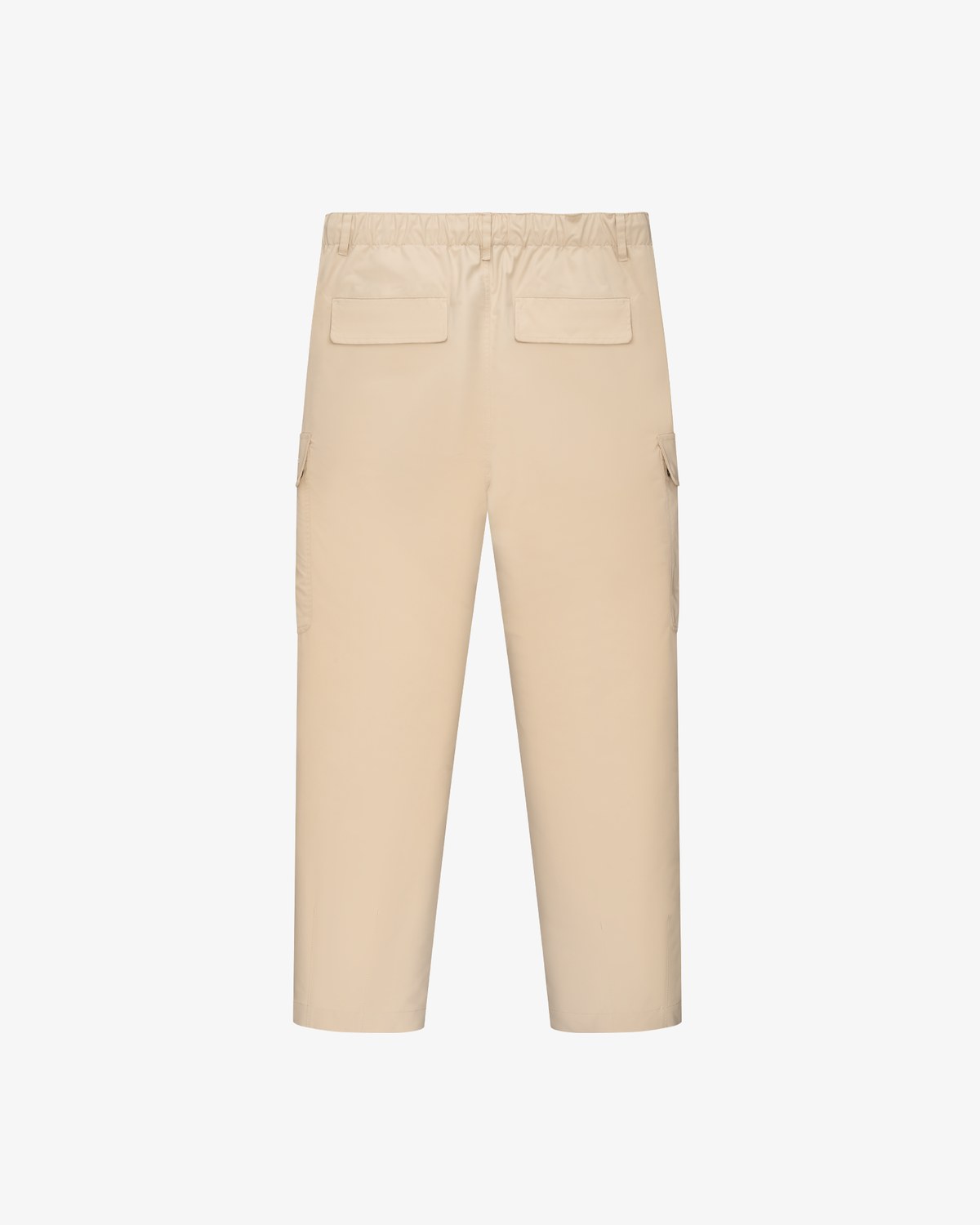
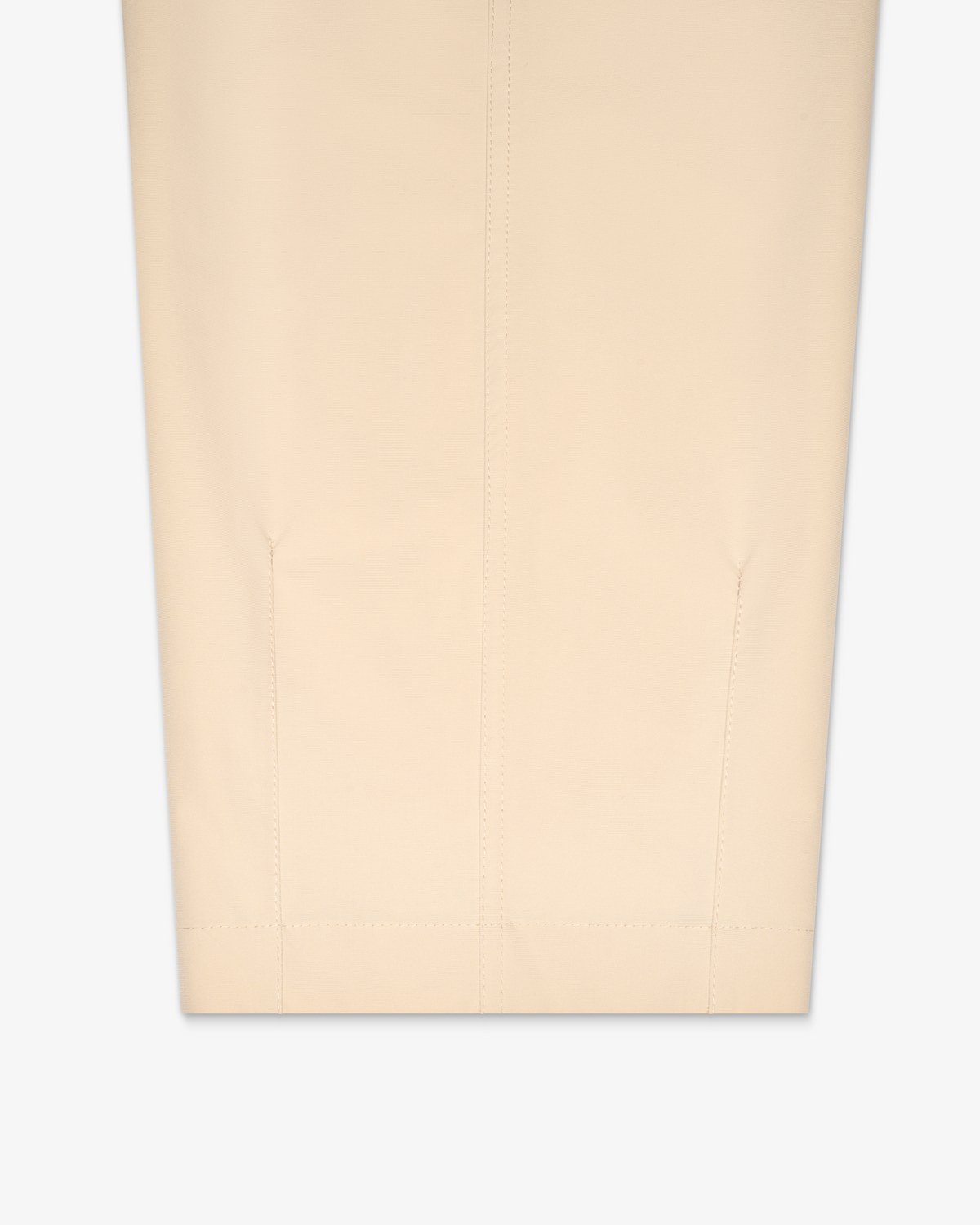
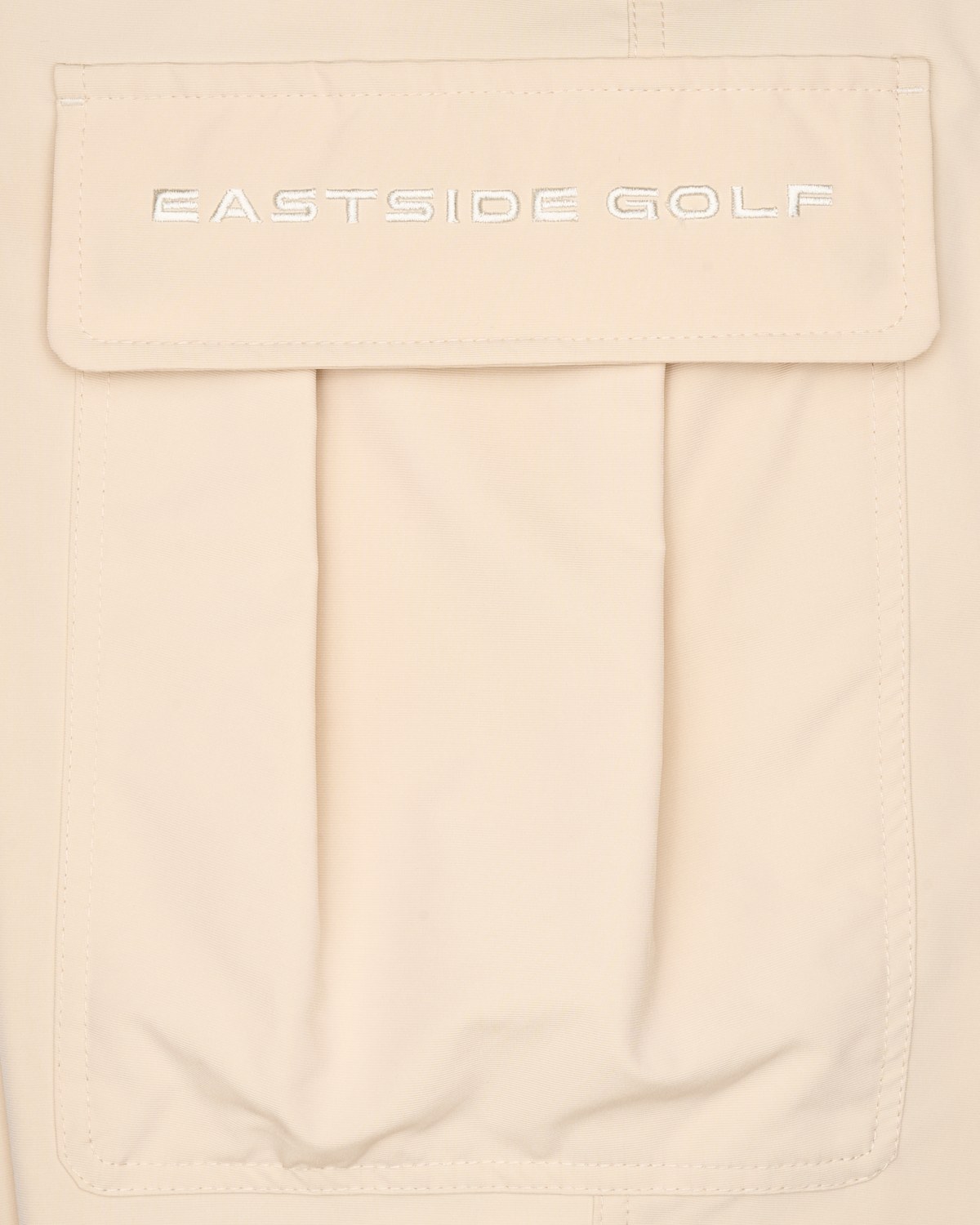
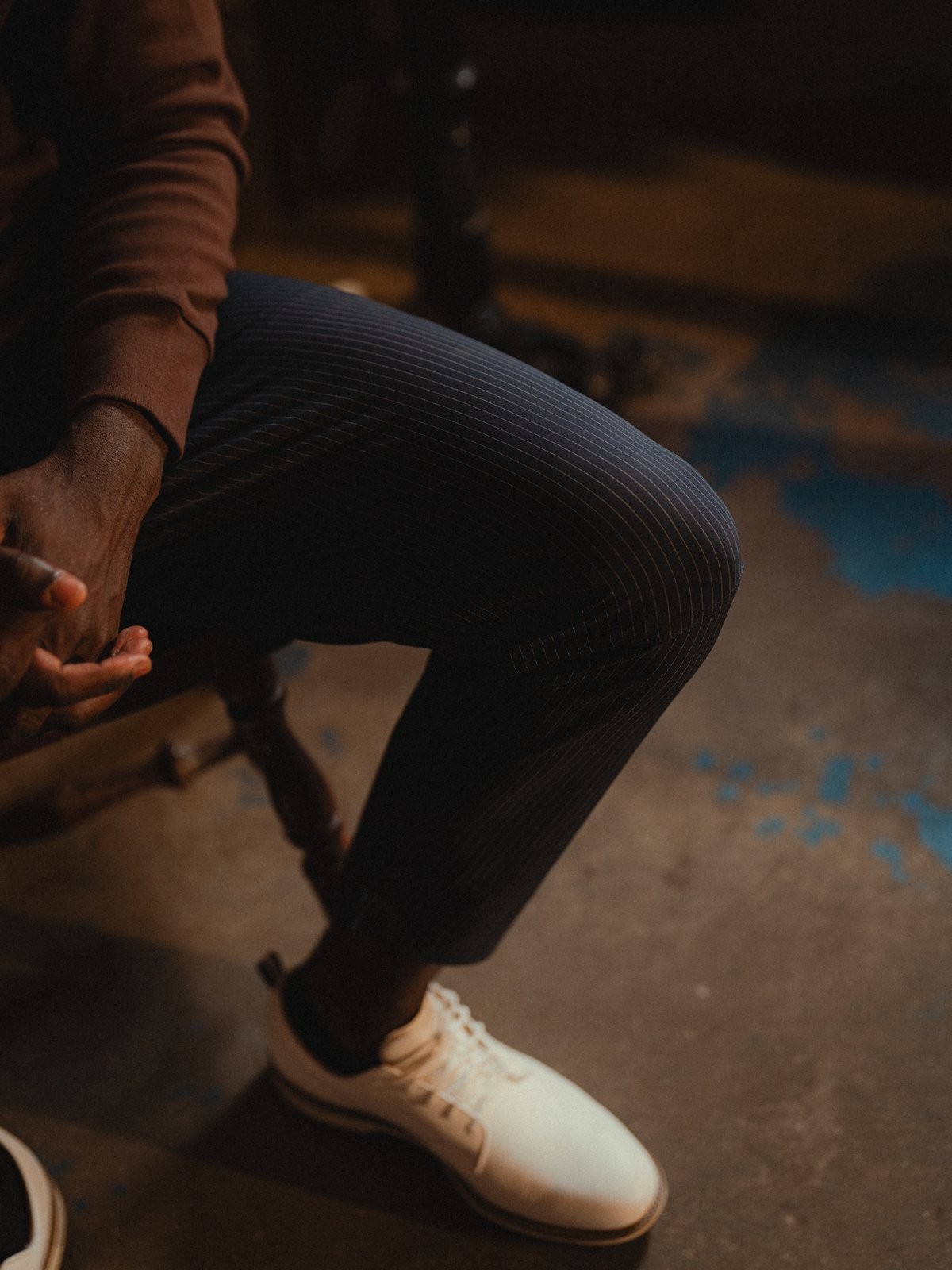
The pleat is doing something specific, which is why it came back rather than simply being cycled through. It adds cloth at the hip without adding it at the waist, so a wider leg hangs off a fitted waistband instead of a low one. Every trouser on this list that reads roomy gets there the same way. ANTi call theirs a one-tuck — a single pleat, the Japanese convention, and the name is a small tell about where the shape travelled from. Students double it. Odd Ritual, Casualist, Public Drip and Olydoe all put it in the product name, which is a brand telling you the pleat is the point rather than a construction detail it happens to use.
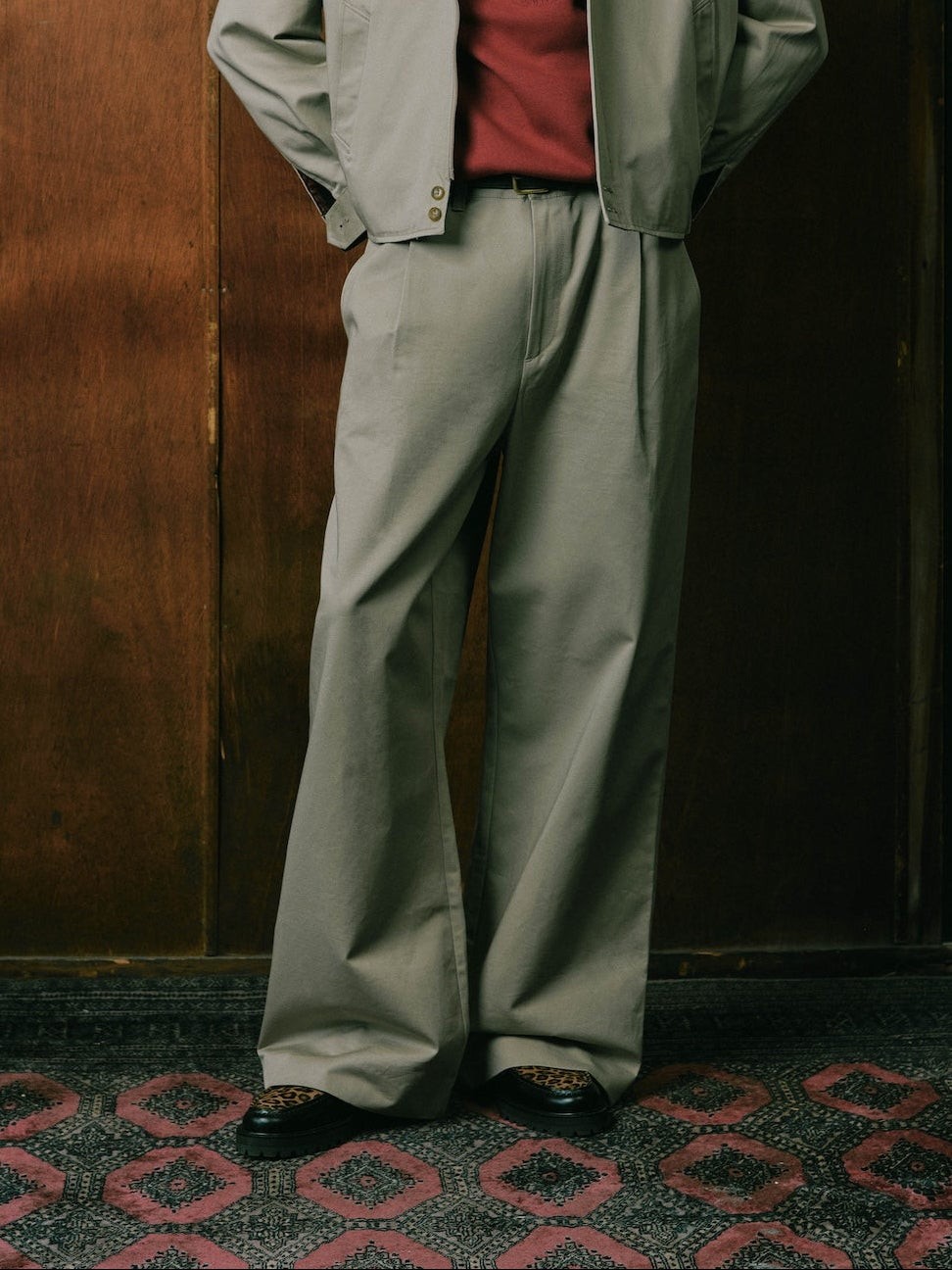
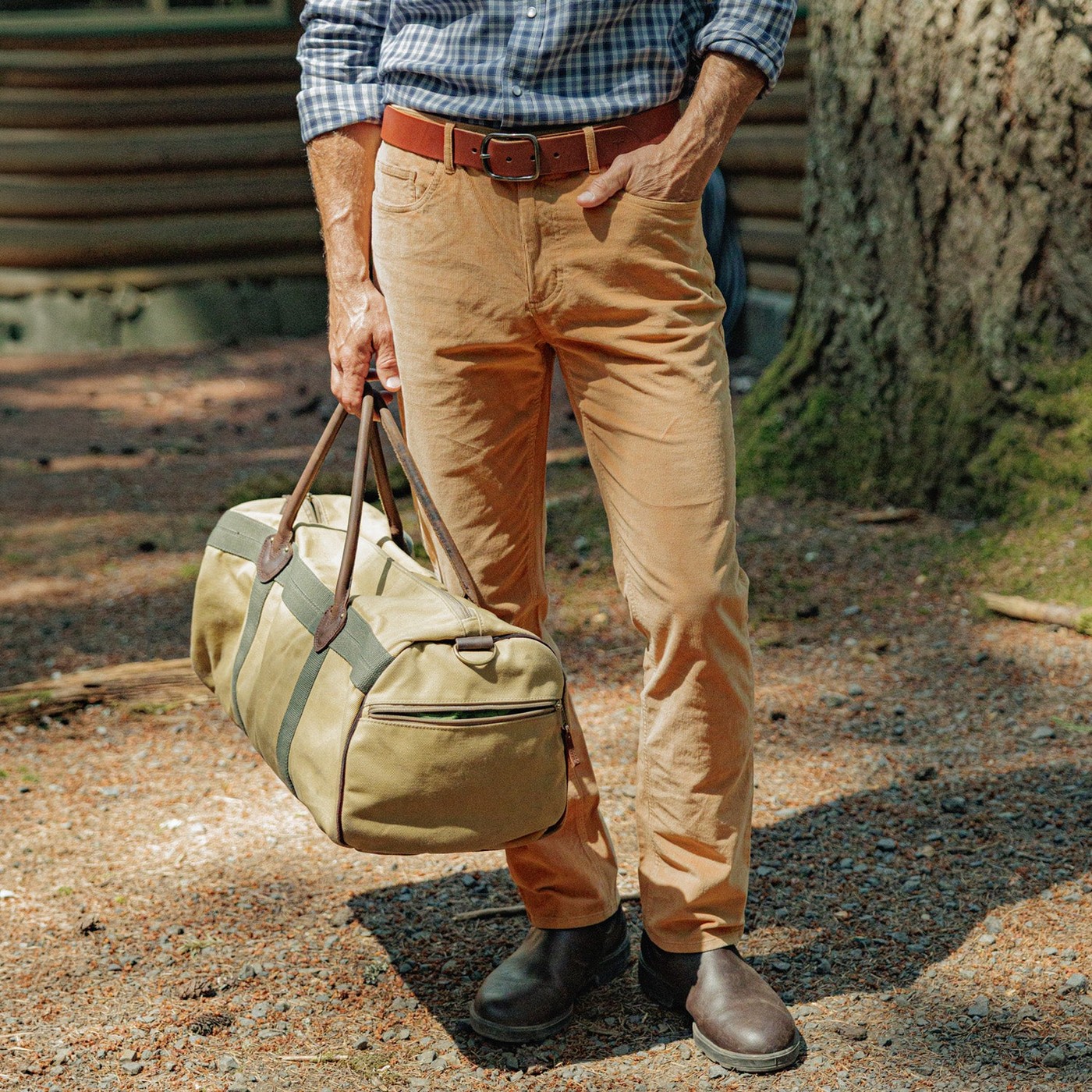
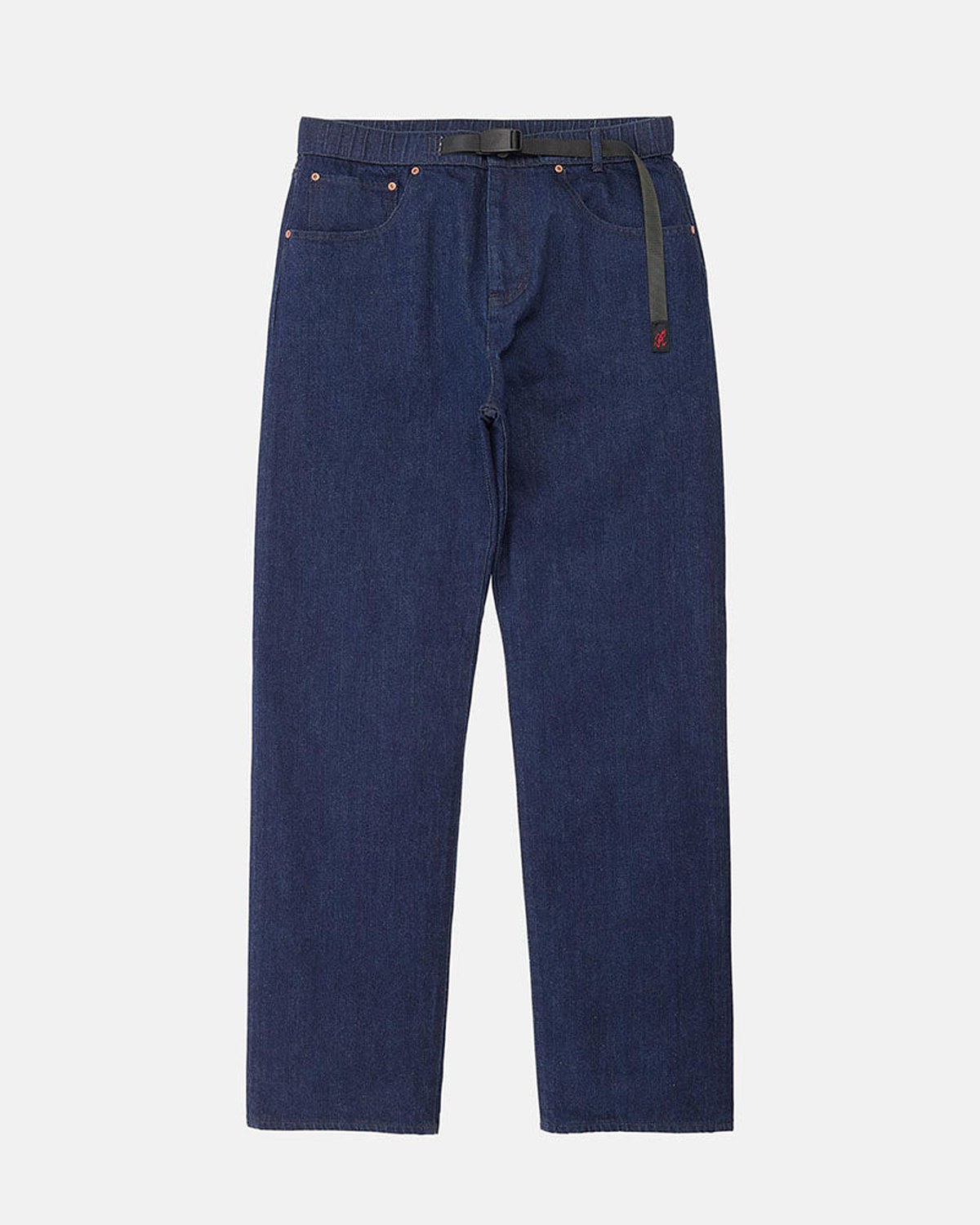
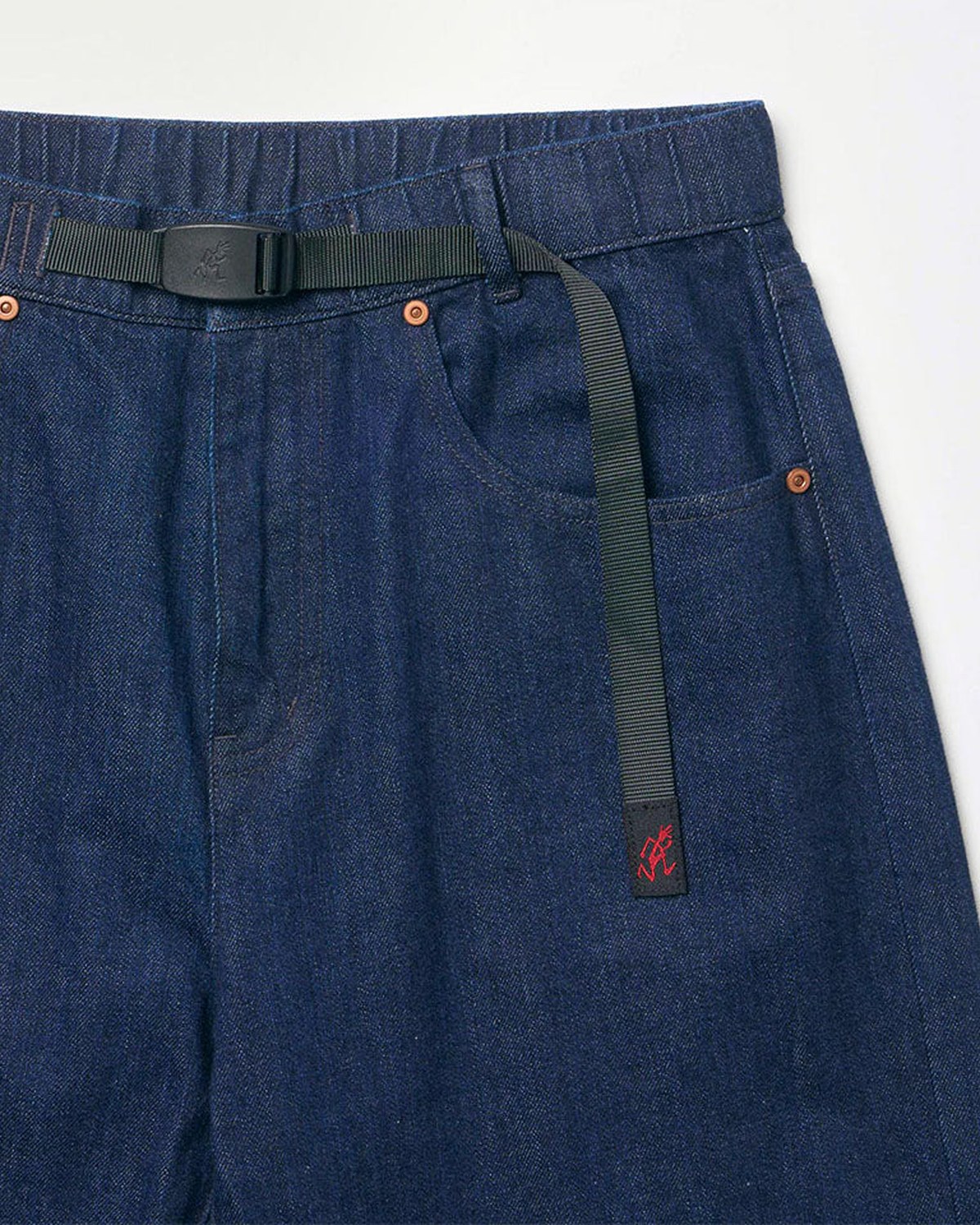
The second shift is what the cloth is. The stretch-poly chino is a fabric with one job: hold a crease in 95 degrees and go through a washing machine. The trousers here that are not that are cotton twill, corduroy, wool, denim and ripstop — Criquet's corduroy, Students' wool, Gramicci's Japanese denim, Malbon's cotton Station Pant. None of those recover the way a performance fabric does. They wrinkle at the back of the knee, they crease where you sit, and that is now being presented as a feature rather than apologised for. A trouser that shows it has been worn is a trouser that reads as clothing instead of equipment.
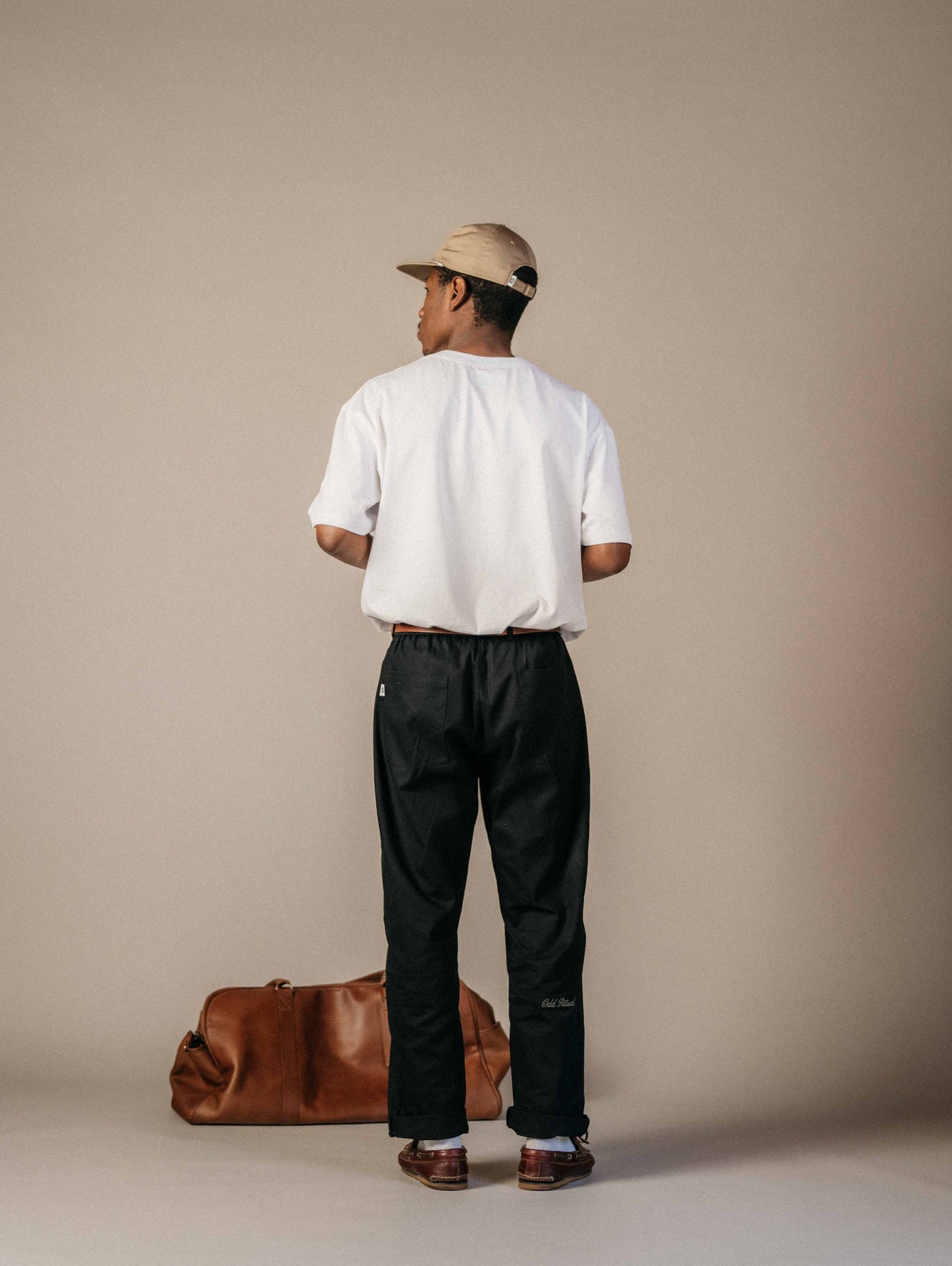
Where it goes: the interesting pressure is on the middle. The two ends of this are settled — there will always be a market for a trouser that does not crease and a market for a trouser that does. What is not settled is whether a course will let you play in the second one. Most of the pleated wide-leg trousers on this list are cut to a width that a strict dress code will look at twice, which is why so many of them photograph on a street and not on a fairway. The brands that solve that — a real pleat, a leg wide enough to read, in a cloth that survives eighteen holes in August — are the ones this category will be talking about next season. Nobody on this list has fully done it yet.
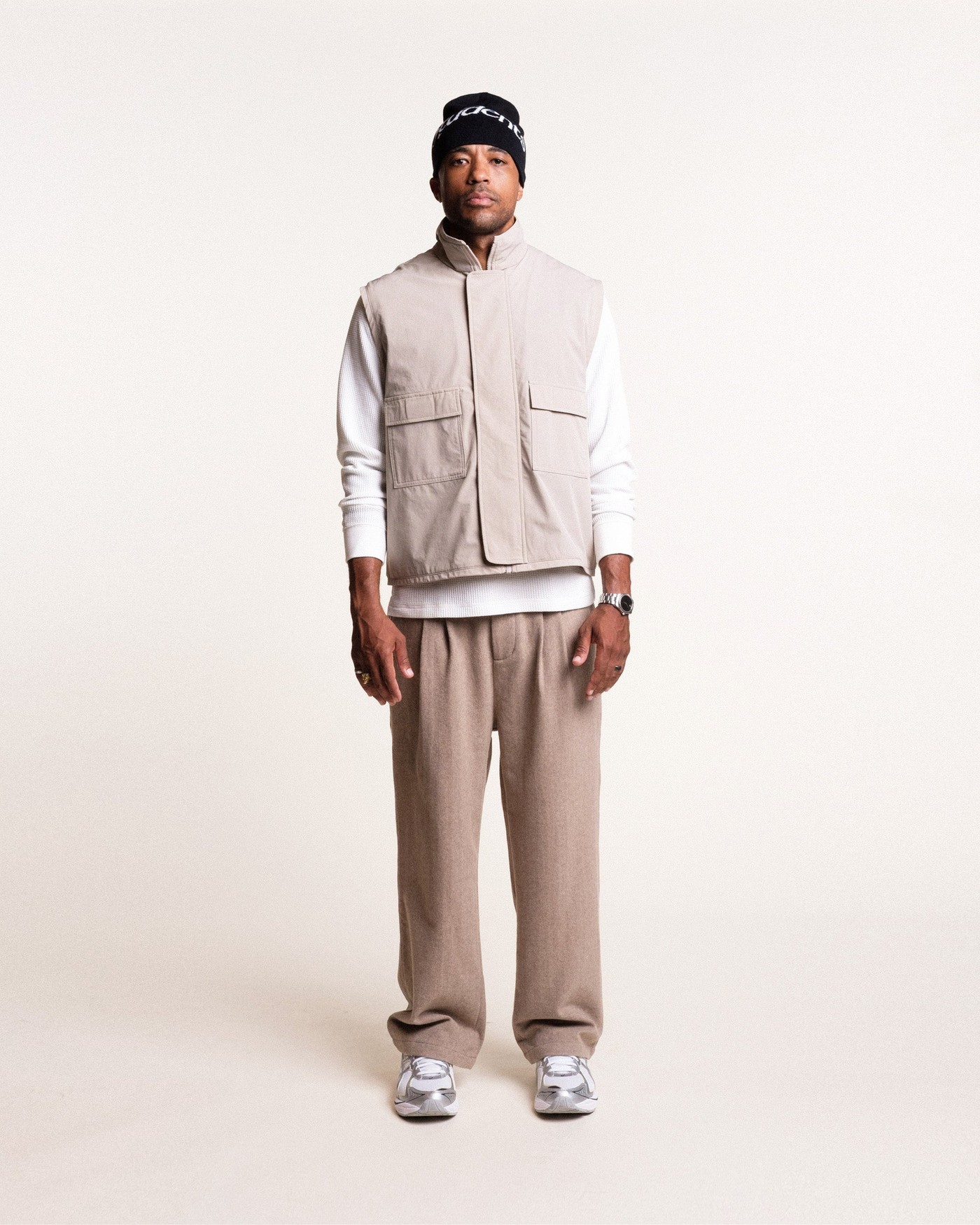
In the meantime the practical read is simple. If you have owned the same flat-front performance chino in four colours for six years, one pleated pair is the cheapest change you can make to how you look on a golf course, and it does not require you to like anything else about how fashion is going.