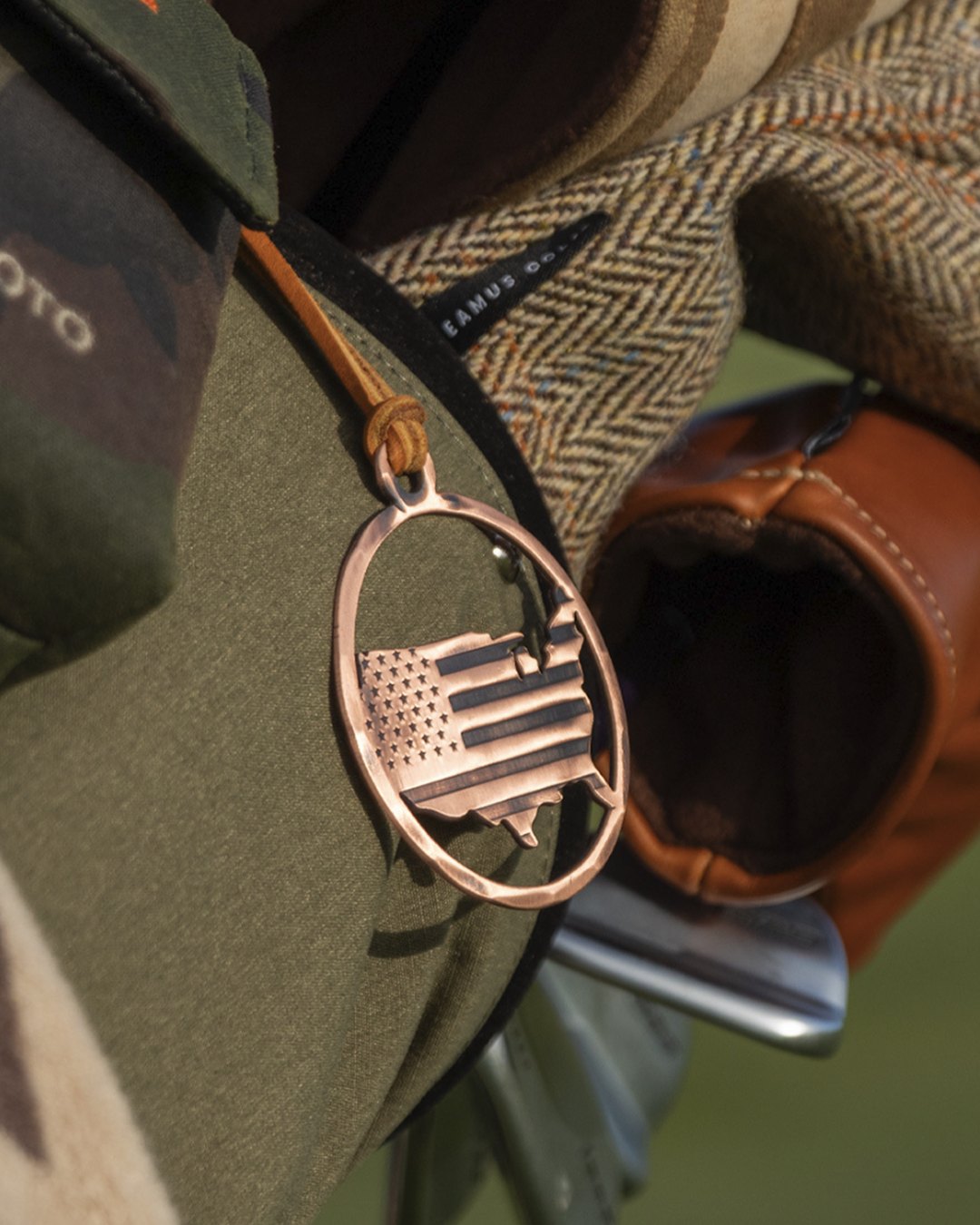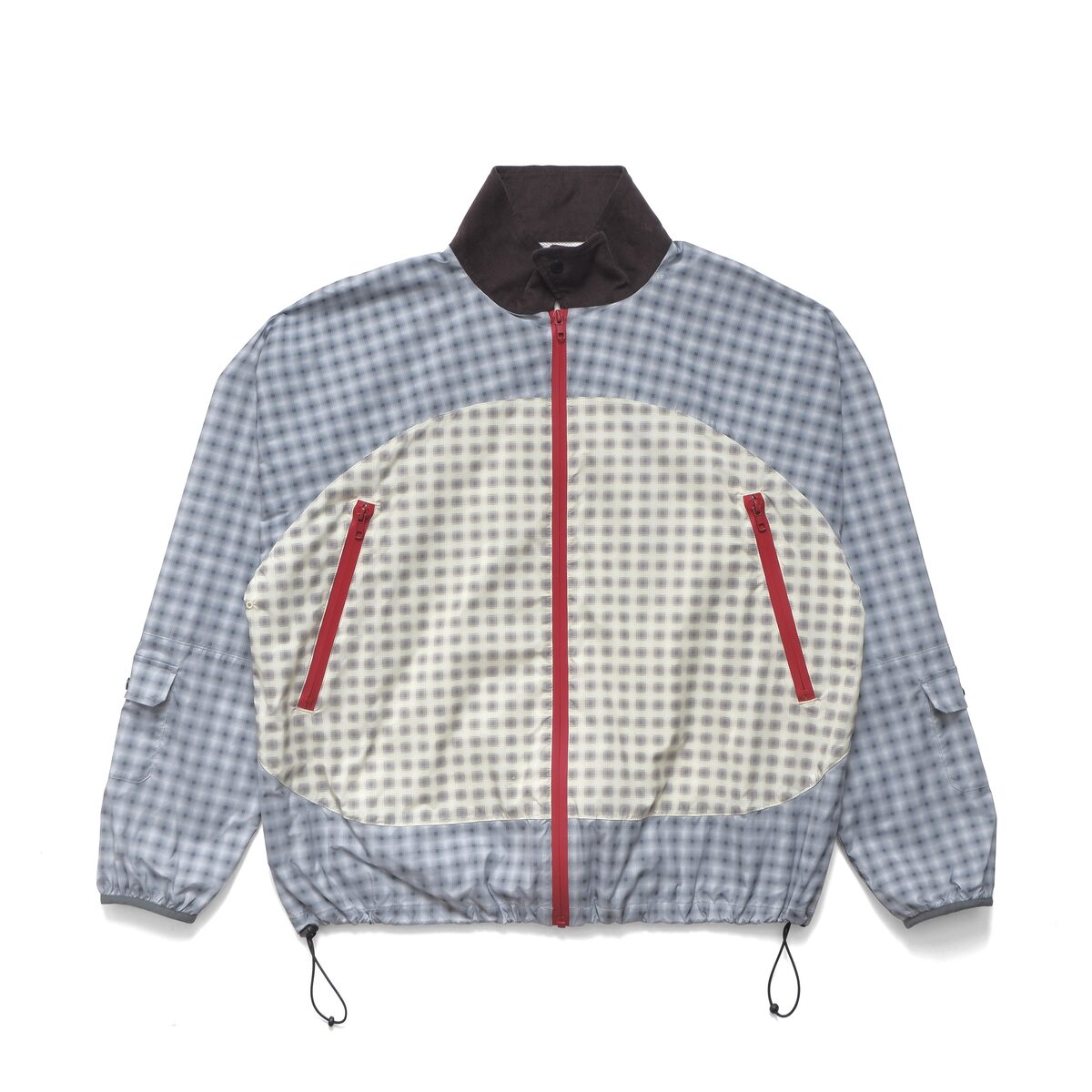
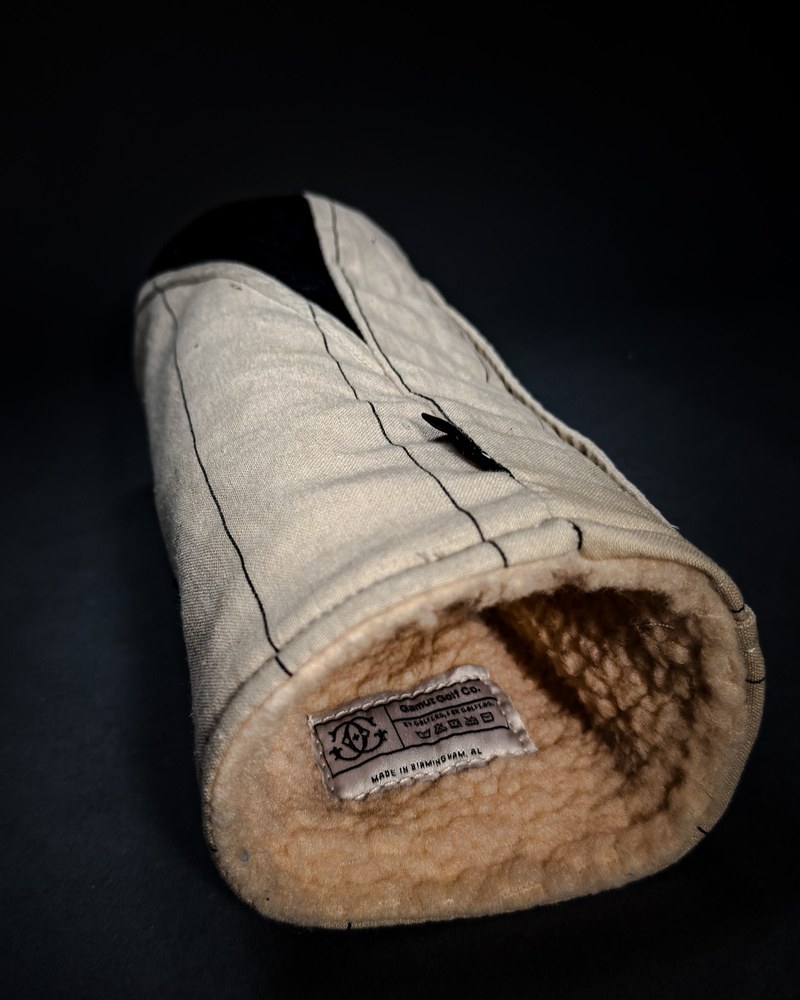
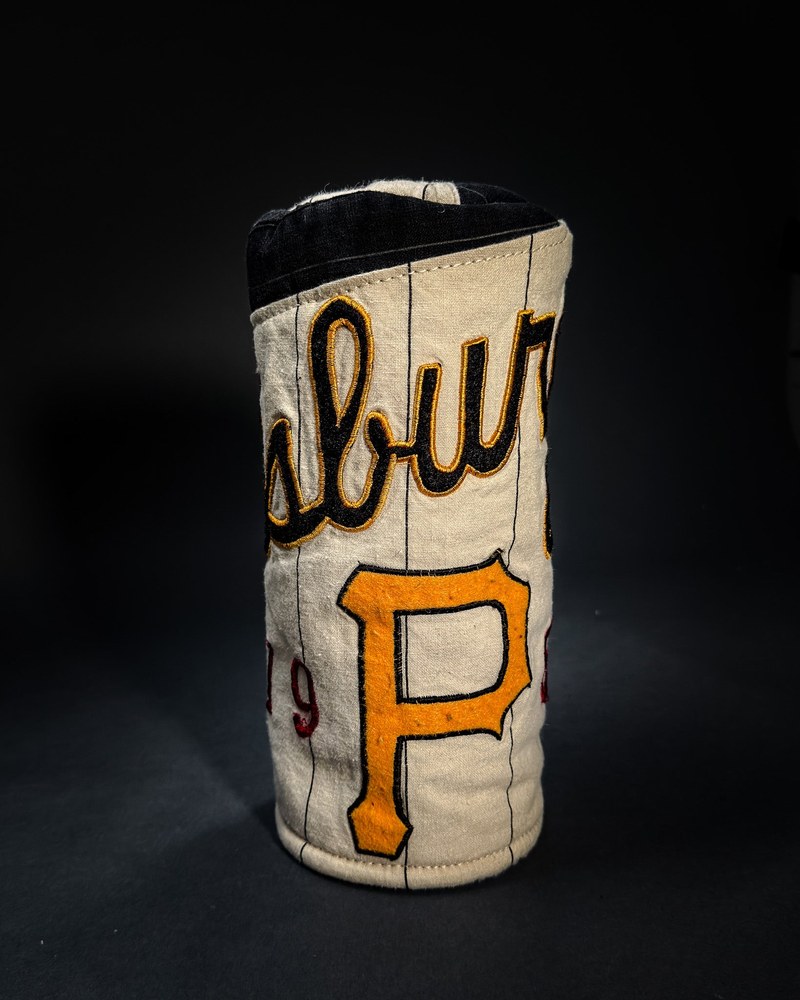
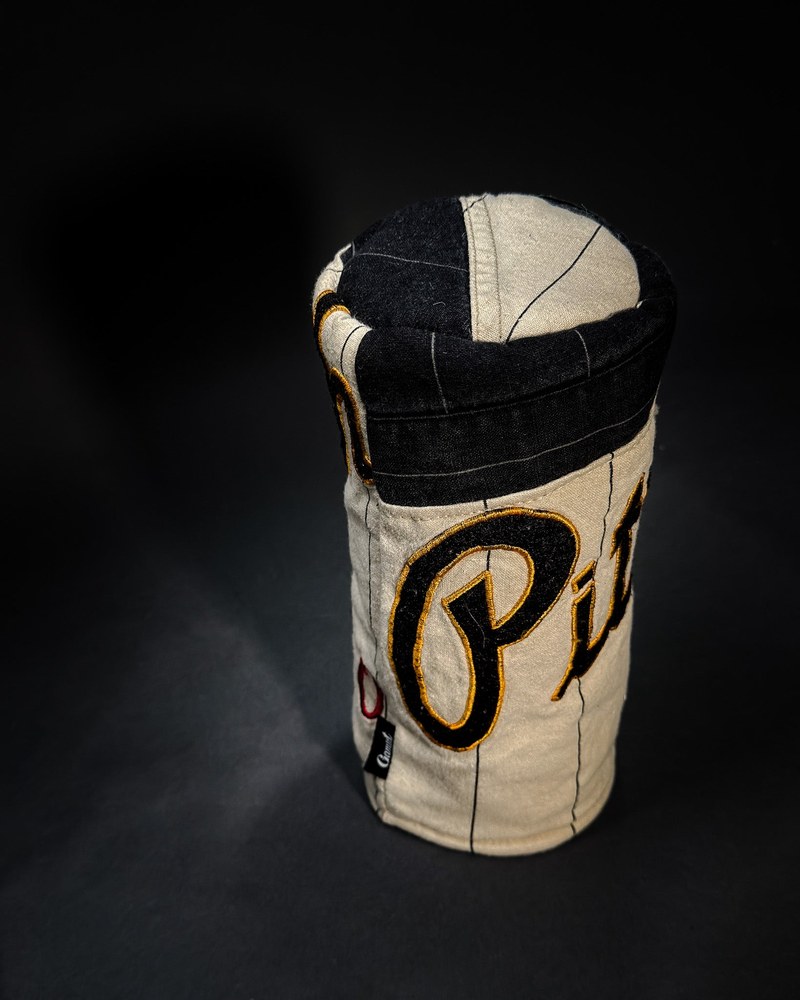
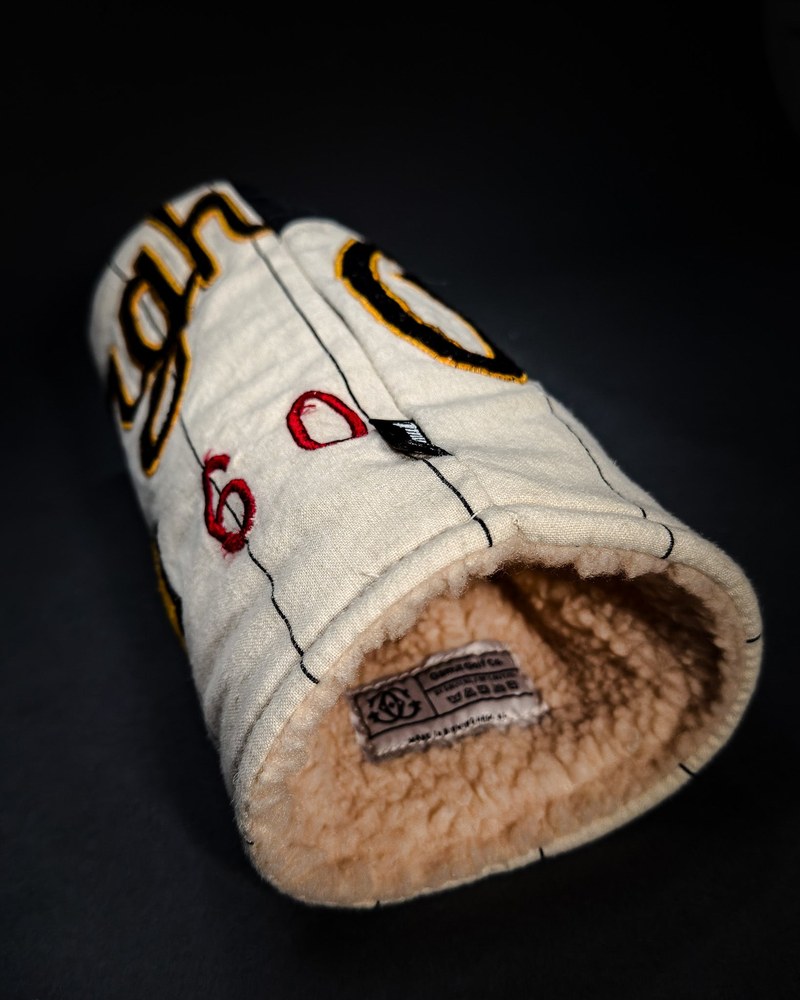
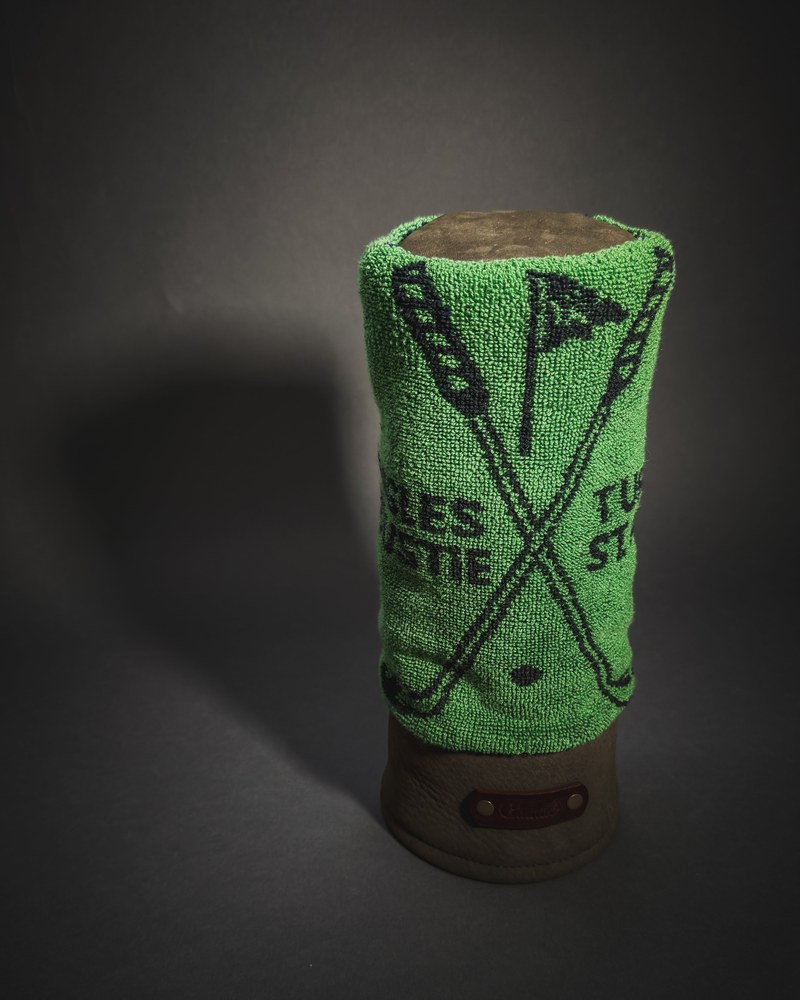
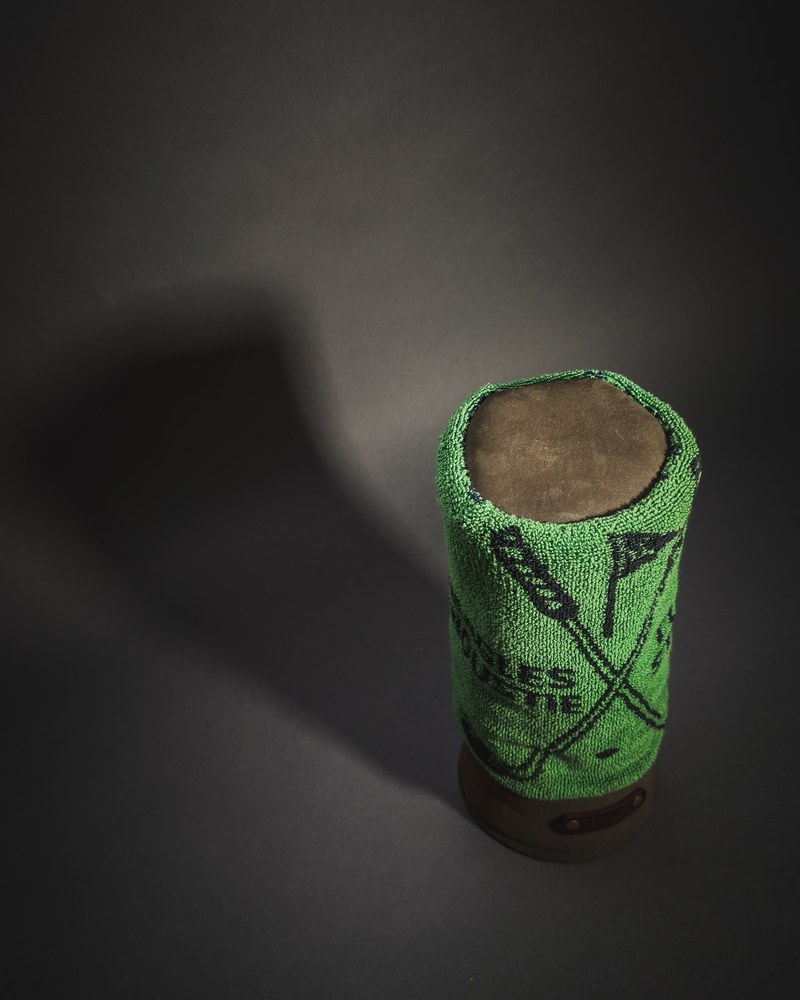
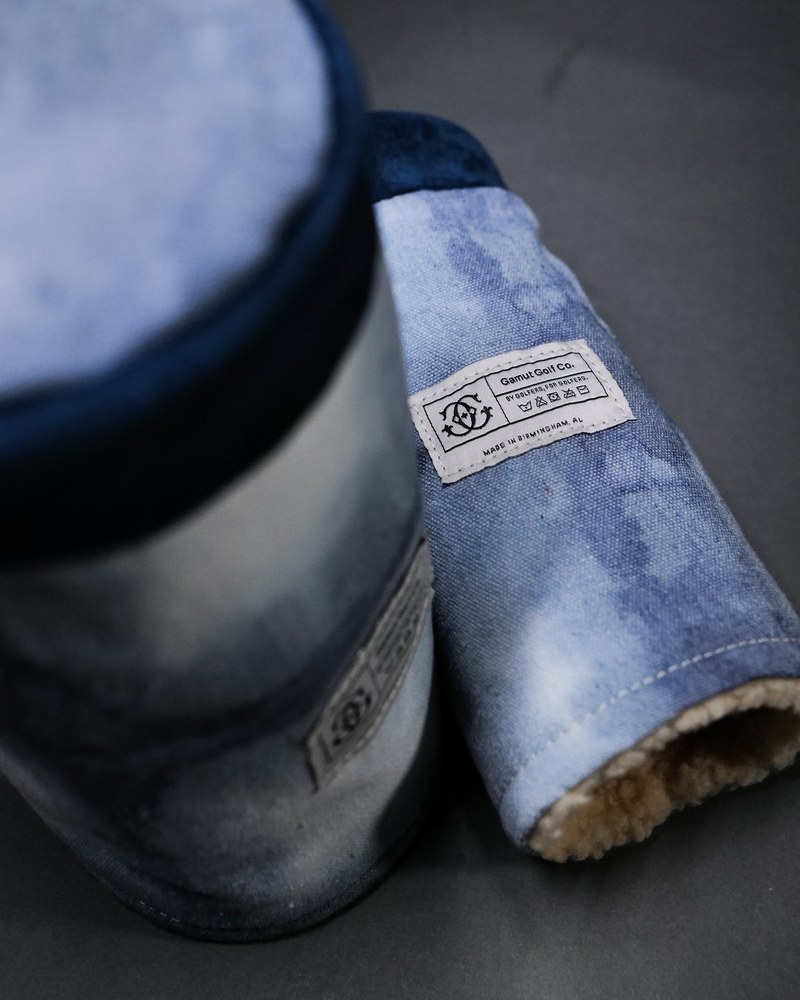
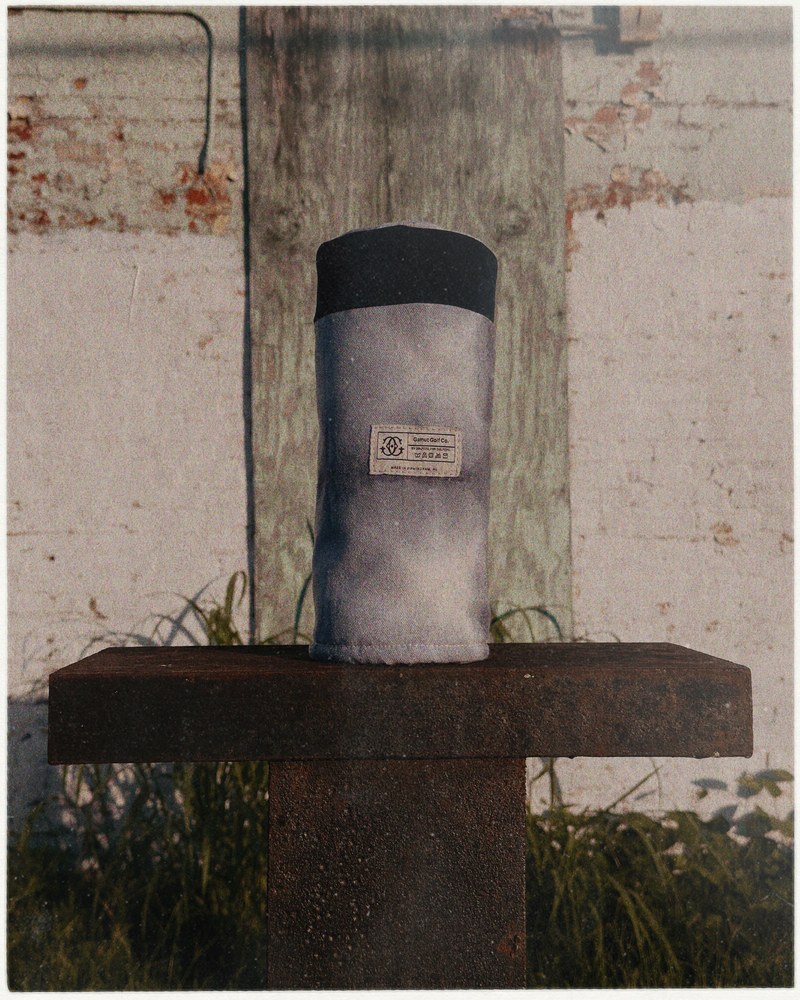
Gamut makes headcovers out of things that already existed, and the sourcing is what separates it. The baseball covers are cut from authentic vintage jerseys, several marked 1 of 1. The course covers are cut from genuine towels — Shinnecock, Pebble Beach, the Old Course, Sawgrass, Pinehurst.
A $128 cover built from a Cooperstown Collection throwback is not a print of a jersey; it is the jersey, which is why the same cover cannot be made twice.
It suits the player who wants one object in the bag nobody else can order. Twenty-five pieces run $22 to $128, and the hardwood alignment sticks at $98 are the sleeper.
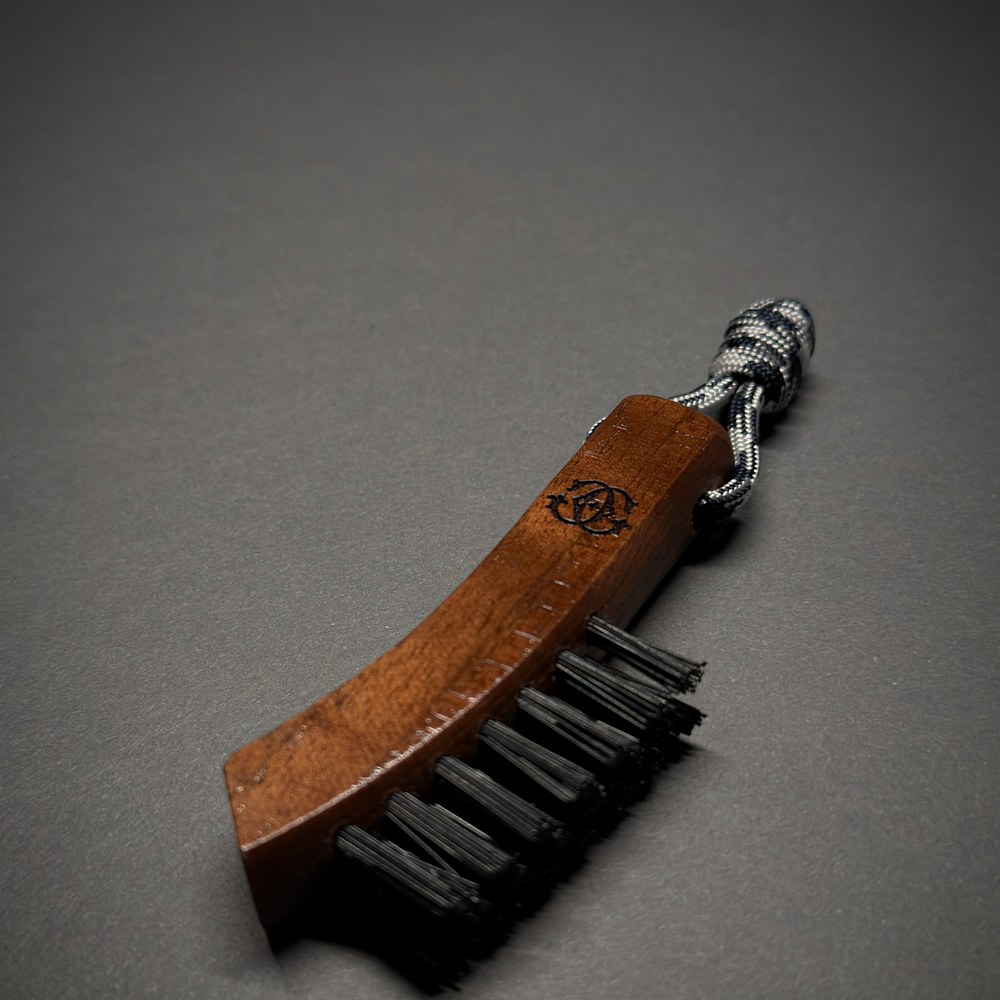
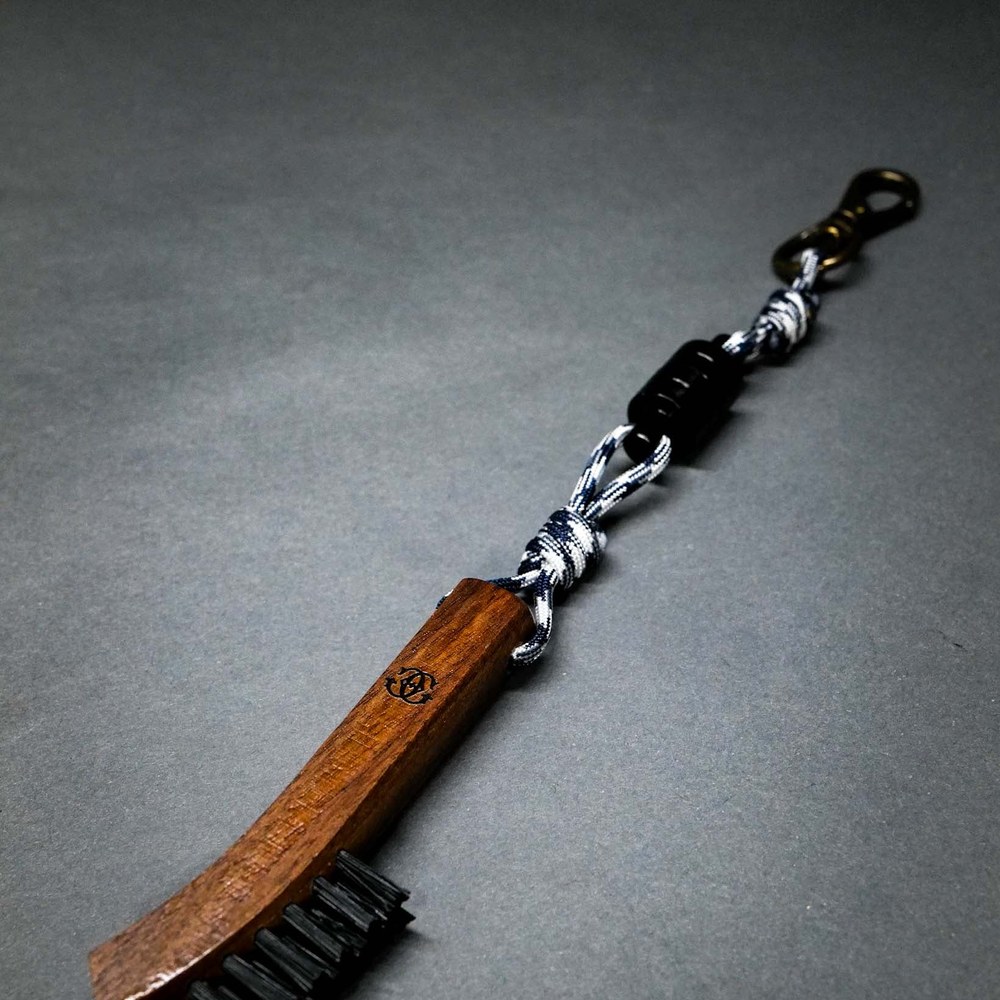
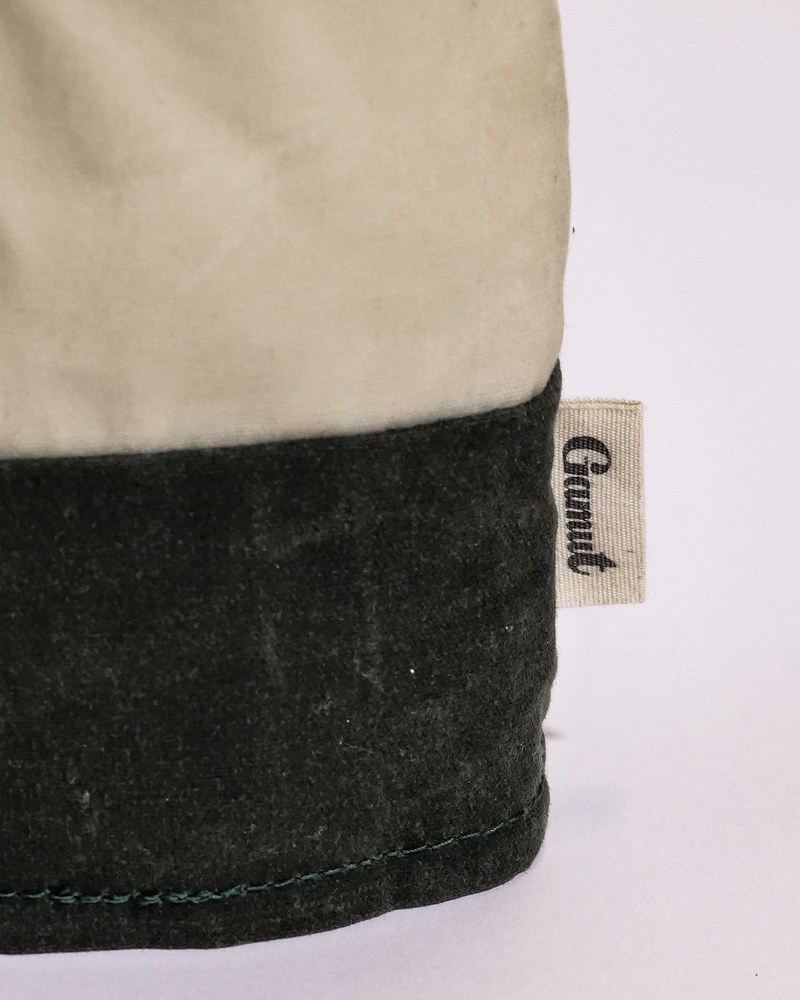
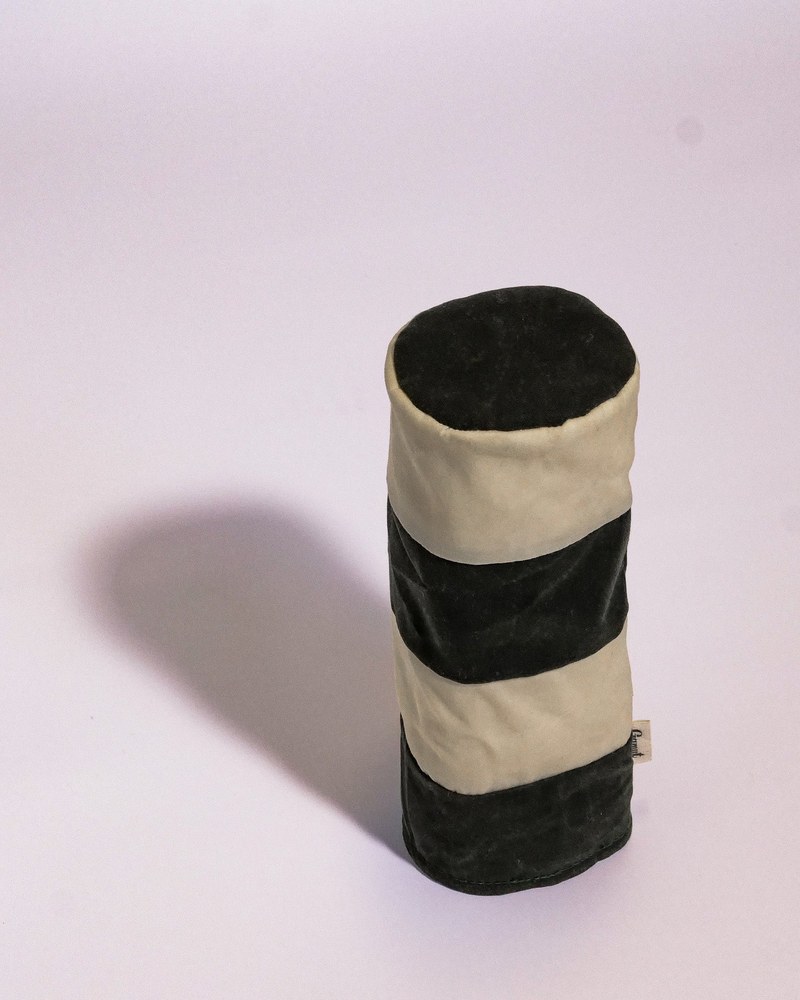
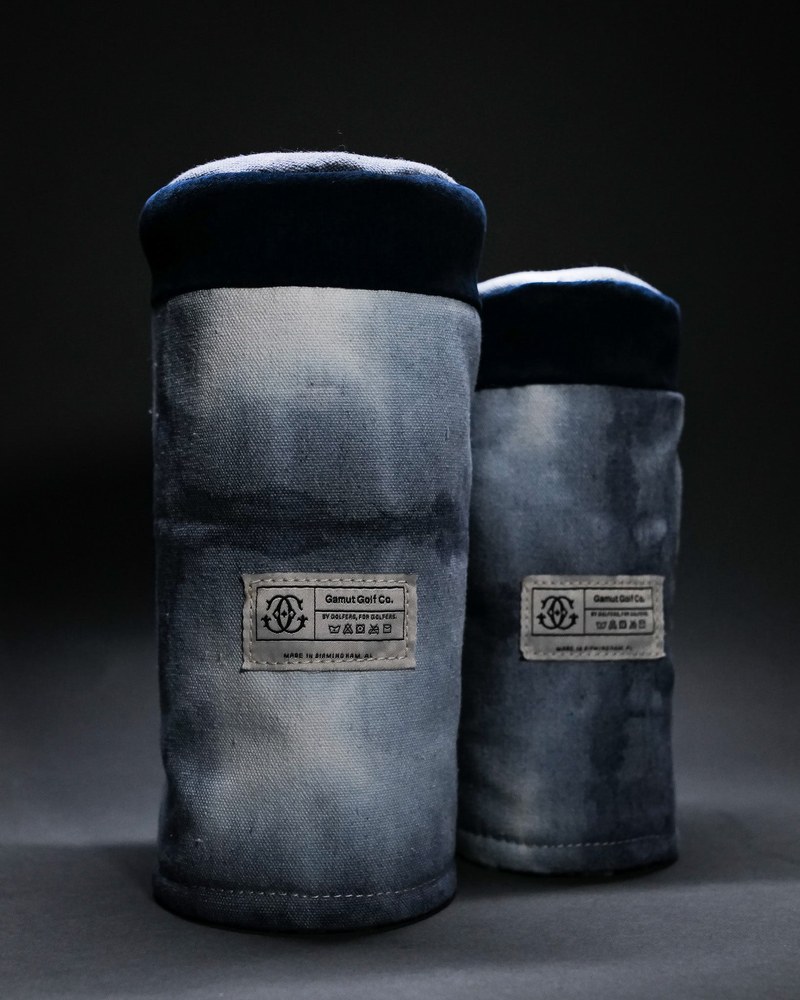
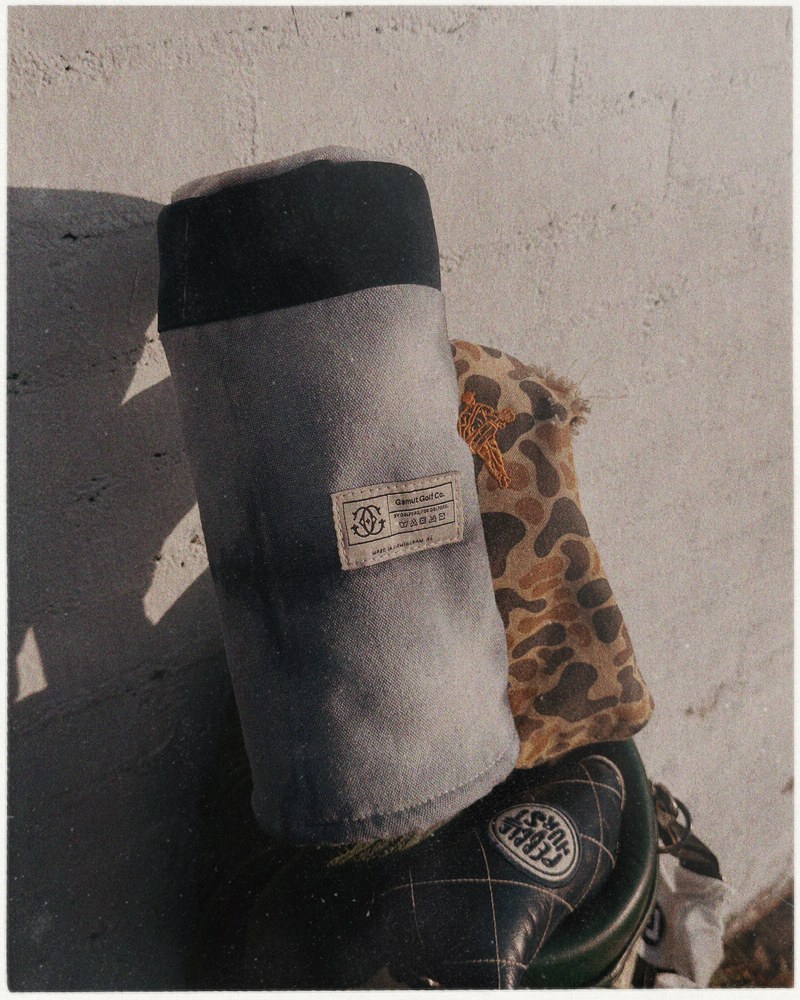
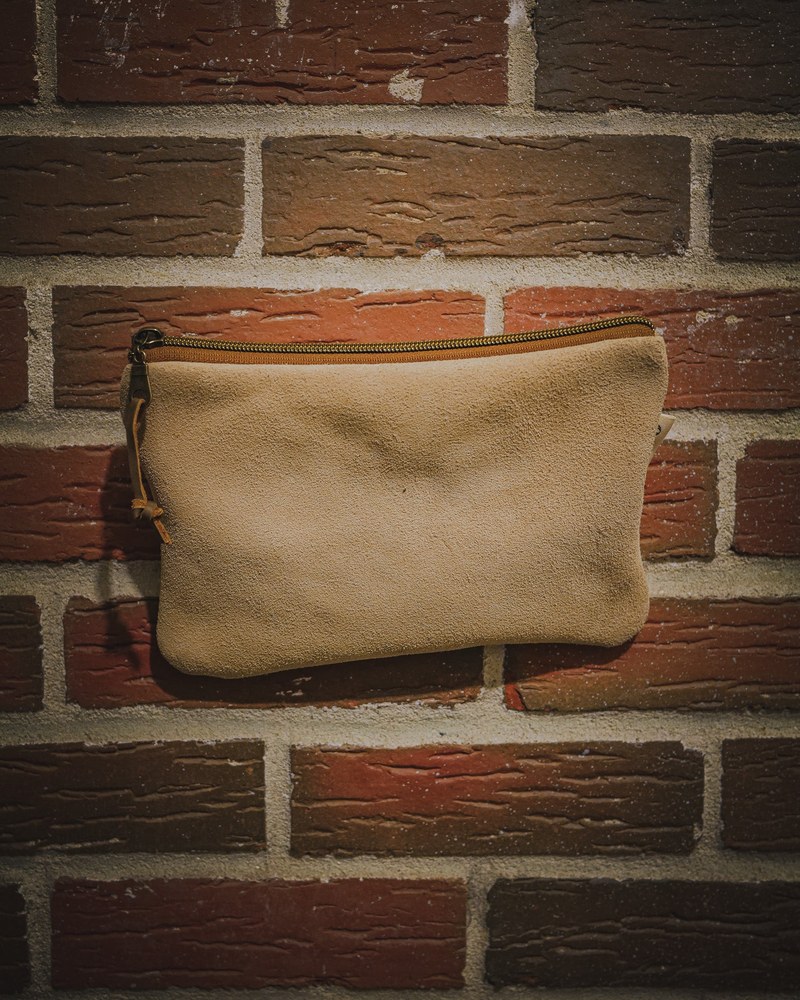
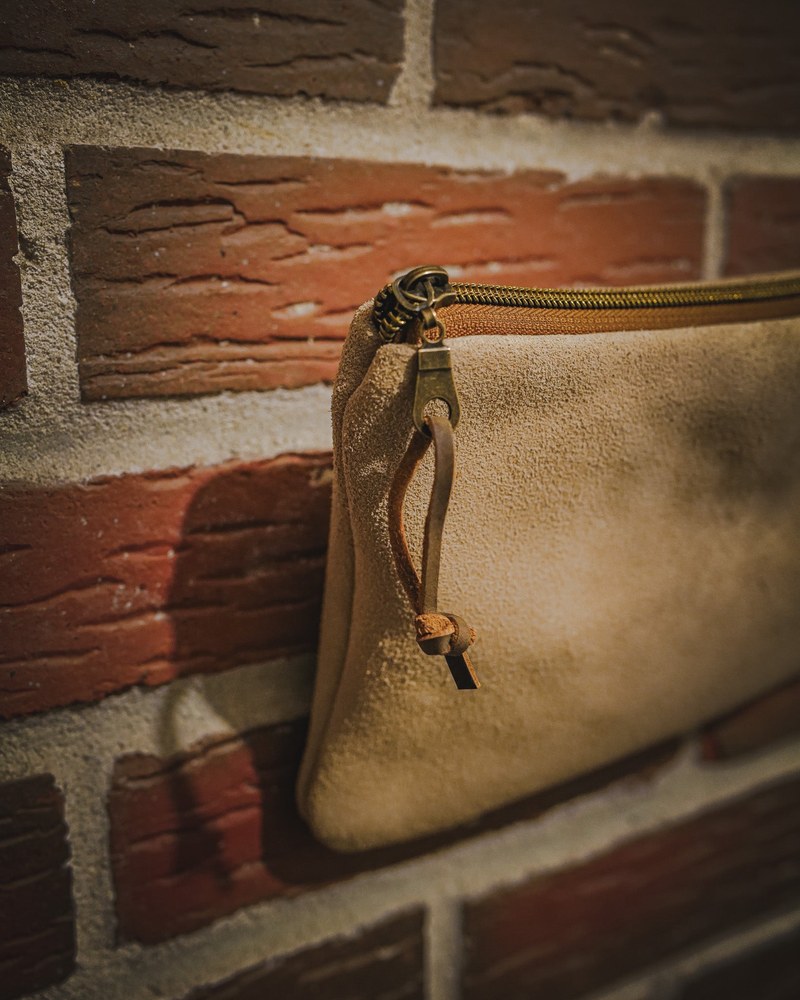
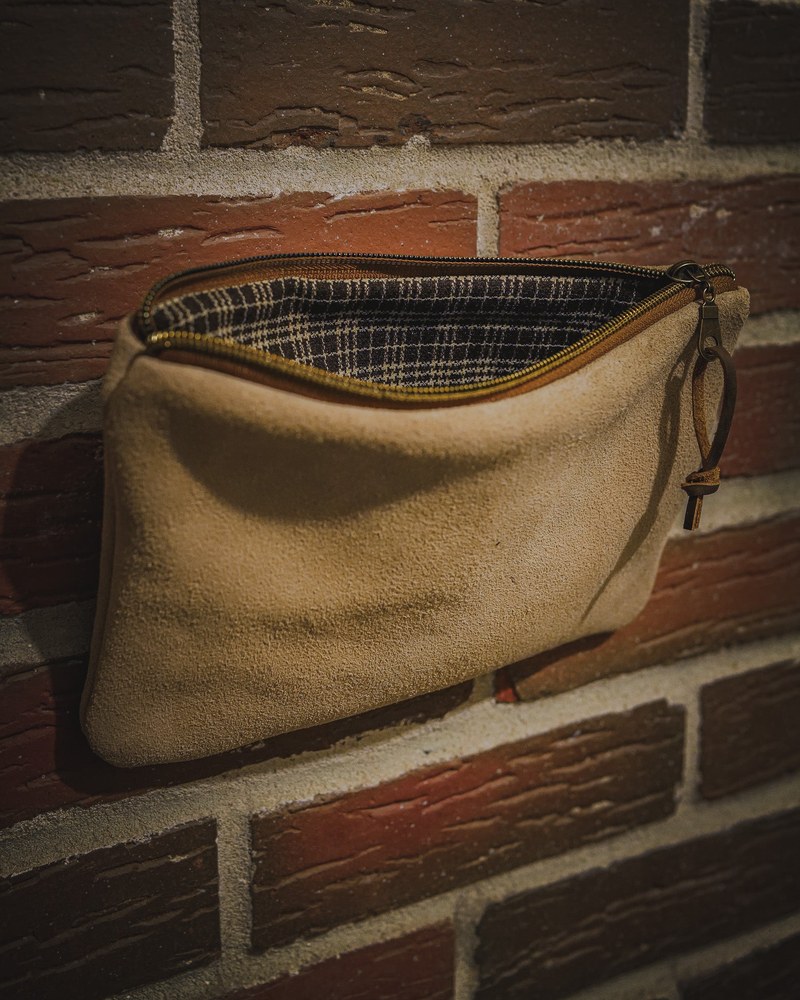
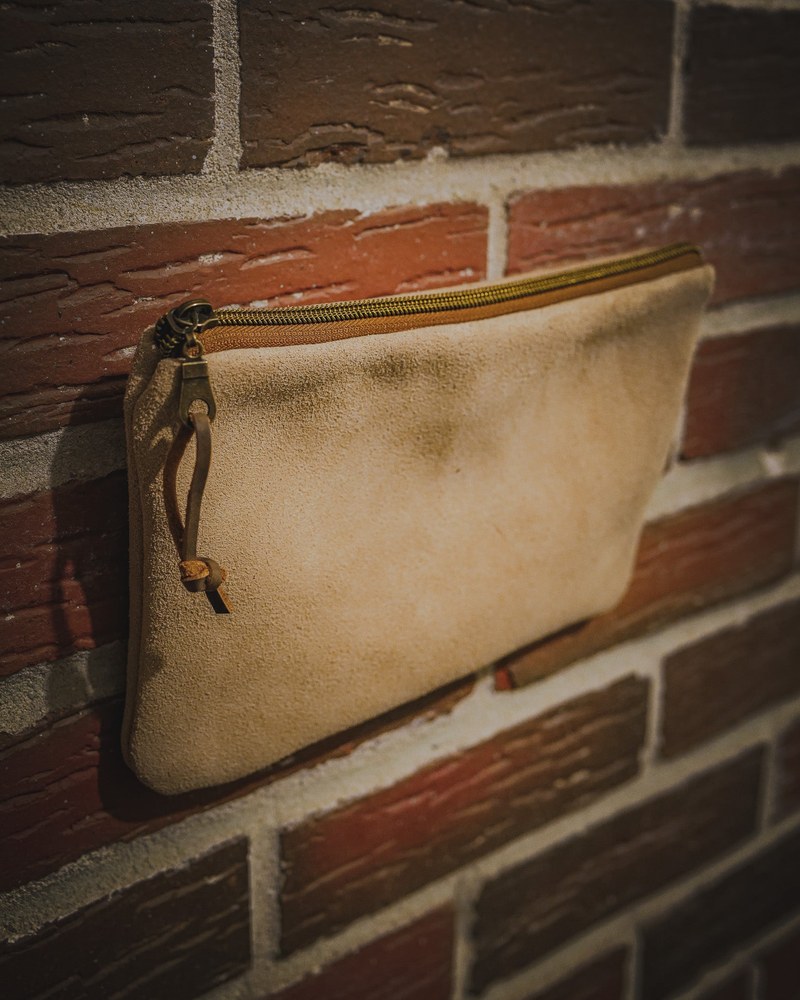
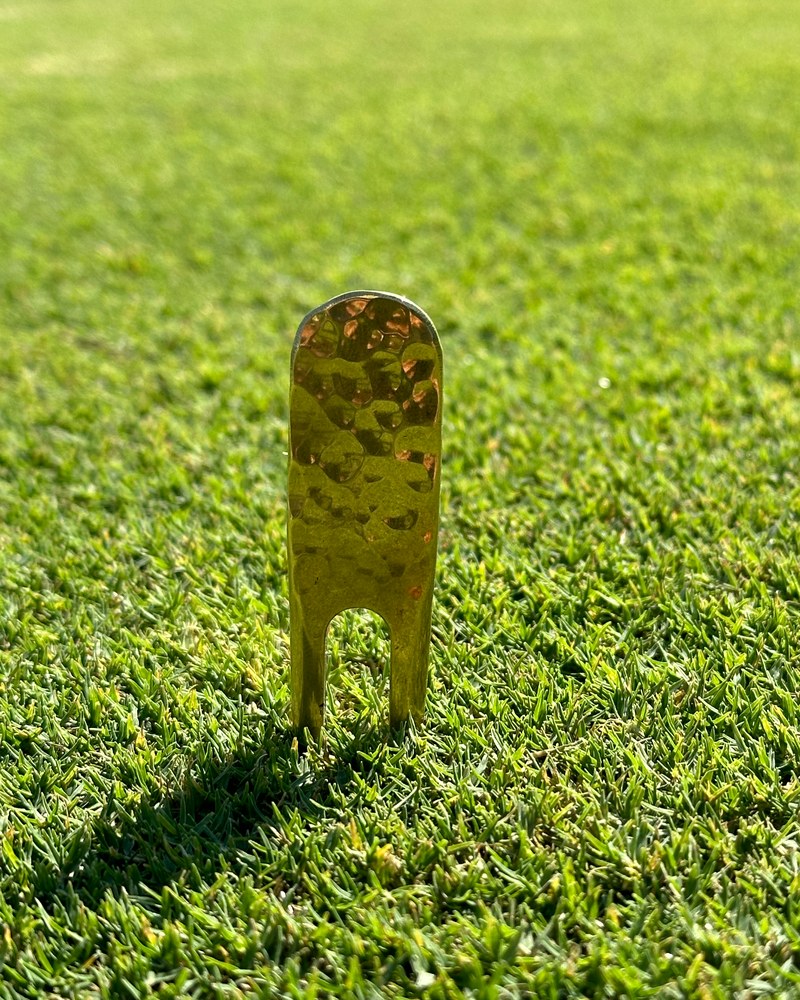
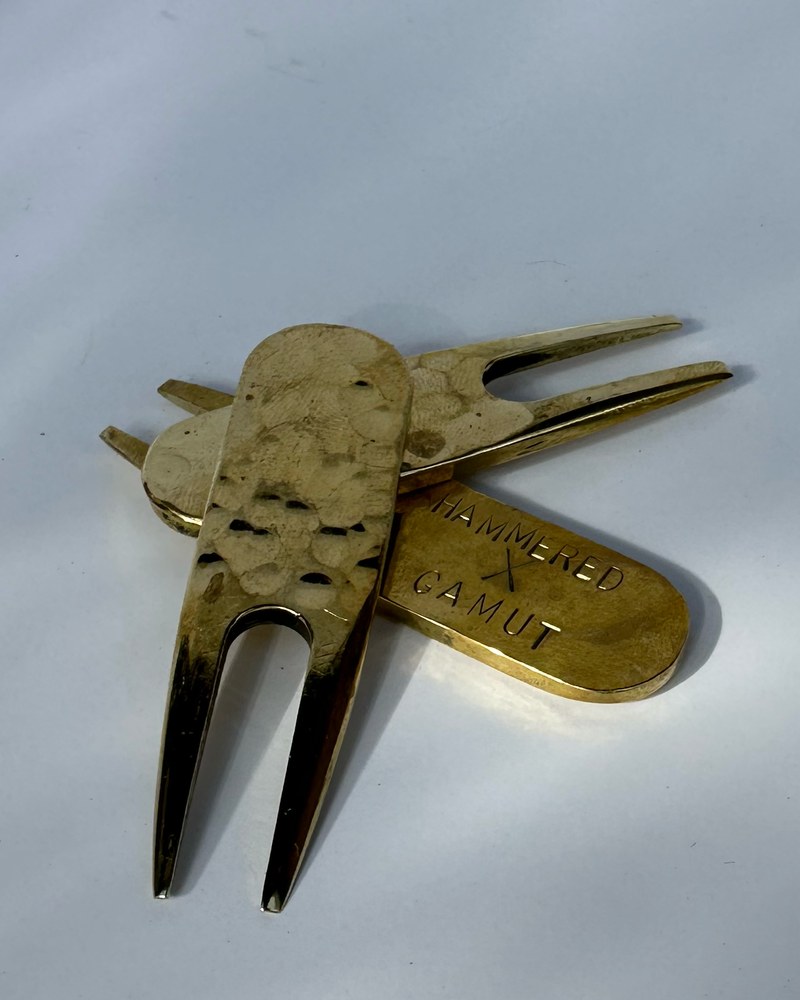
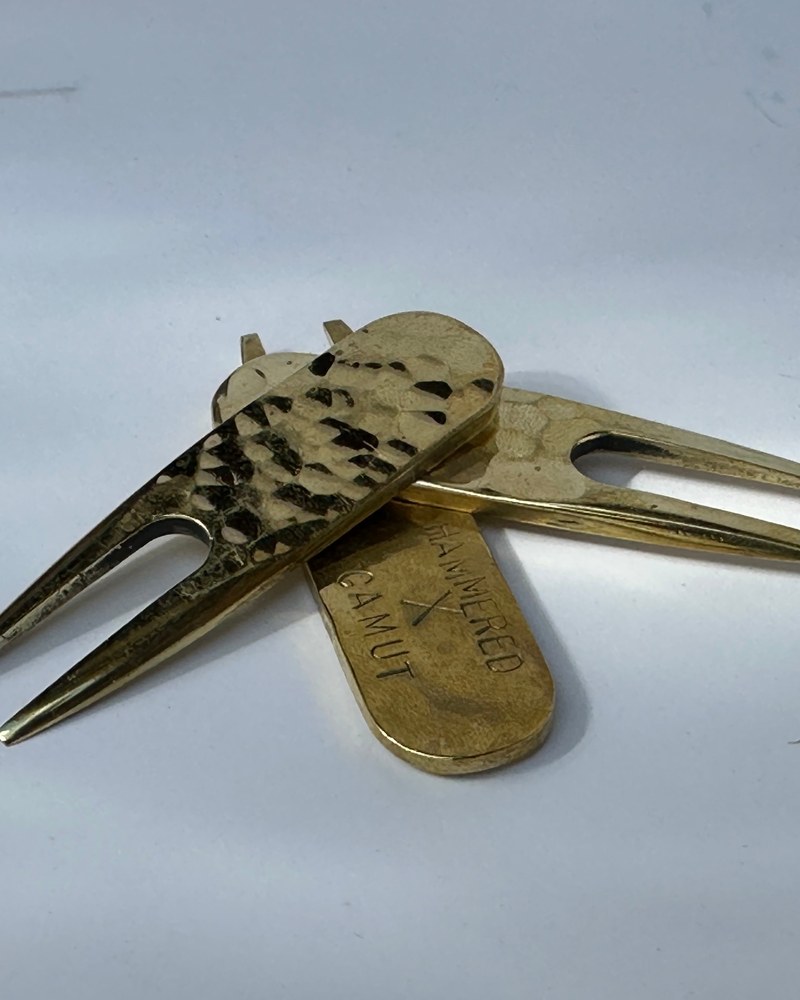
Gamut Golf makes driver headcovers out of things that already existed. The baseball covers are cut from authentic vintage jerseys, several of them marked 1 of 1. The course covers are cut from genuine course towels — Shinnecock, Pebble Beach, the Old Course, Sawgrass, Pinehurst. Alongside those sit hardwood alignment sticks at $98, a solid brass divot tool, waxed canvas pouches and a set of walnut brushes.
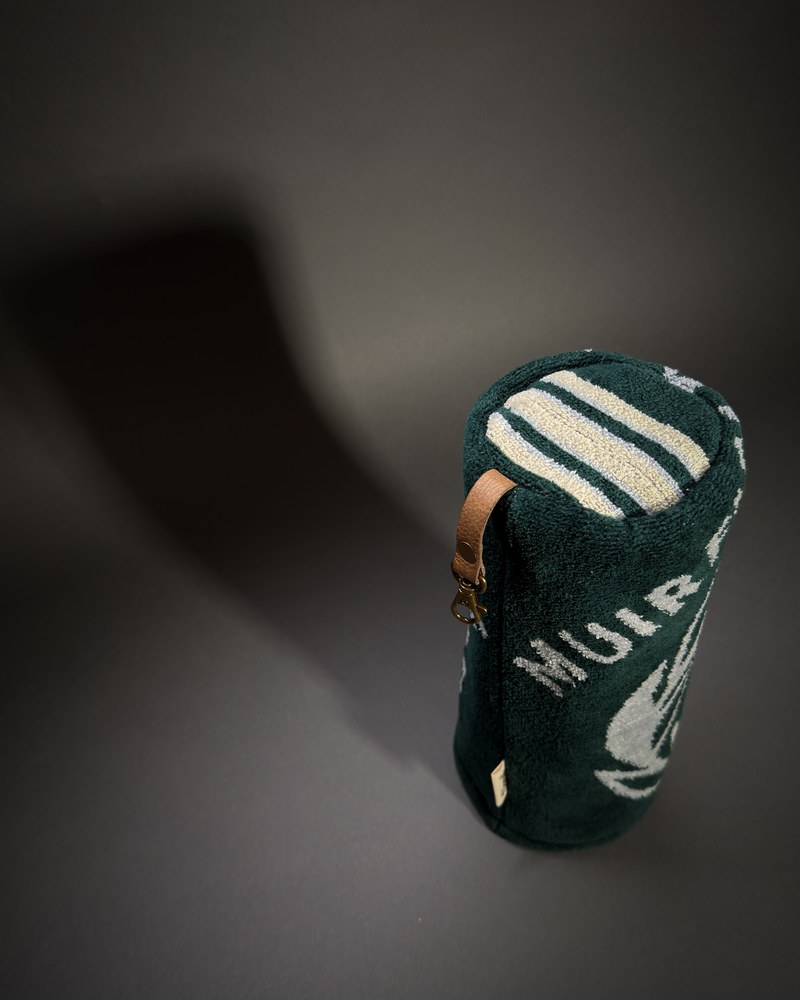
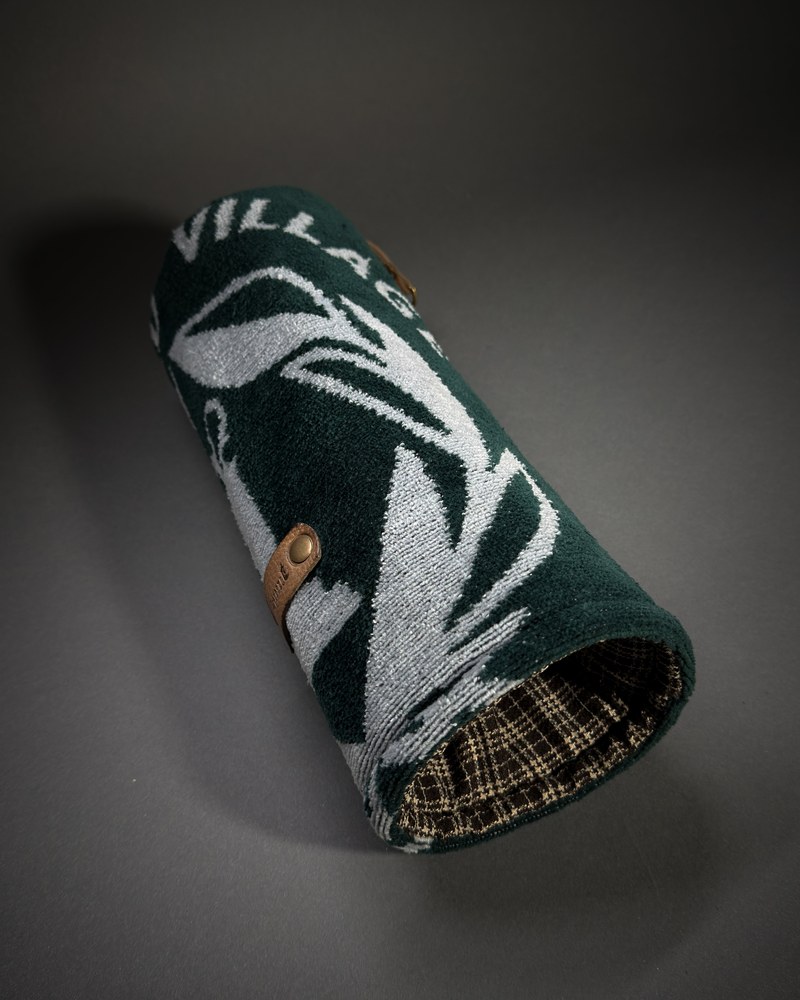
The idea is not new — repurposing salvaged cloth into golf goods has been done before — but the sourcing is unusually specific. A cover built from a Mirage Cooperstown Collection throwback carries a team name that was retired decades ago, on fabric that was licensed when it was sewn in the 1990s. A Muirfield Village cover is lined with deadstock Ralph Lauren suit liner. The Richard Pouch uses rare deadstock Double RL. Each object is a second life for something, and because the input is finite, most of the interesting pieces are one of one.
For anyone who has looked at a rack of printed headcovers and wanted something with provenance, this is the catalog to read. It is also small — 35 products, most of them sold out most of the time.
The product pages are unusually literal about materials, which makes the method easy to follow.
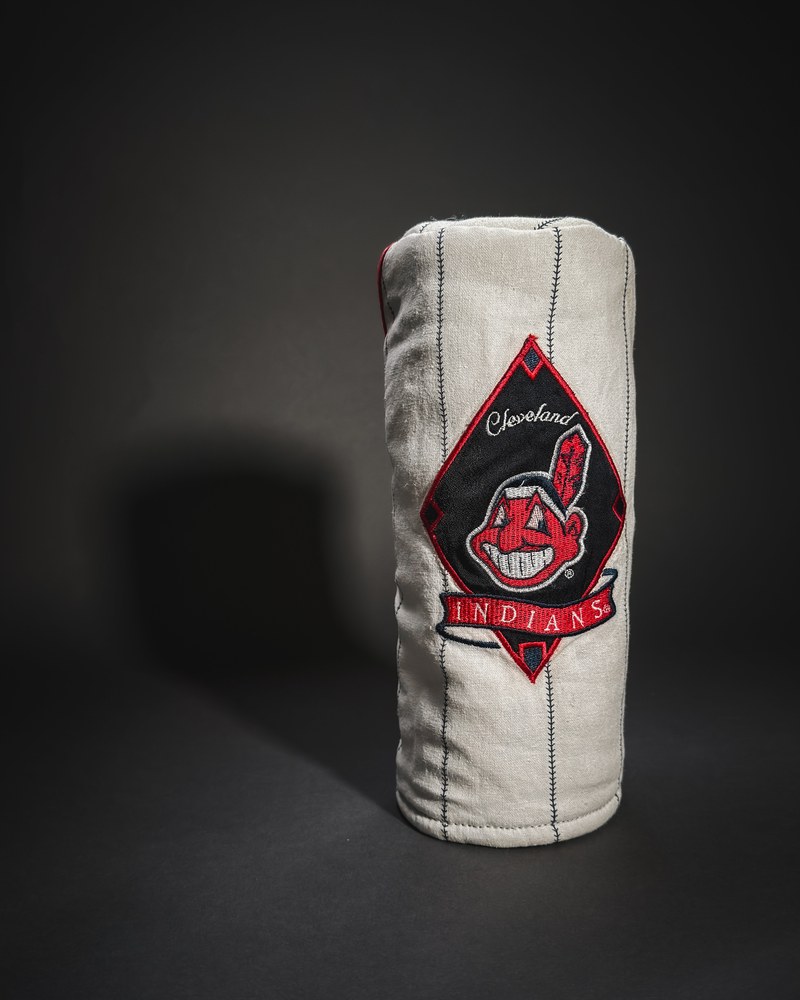
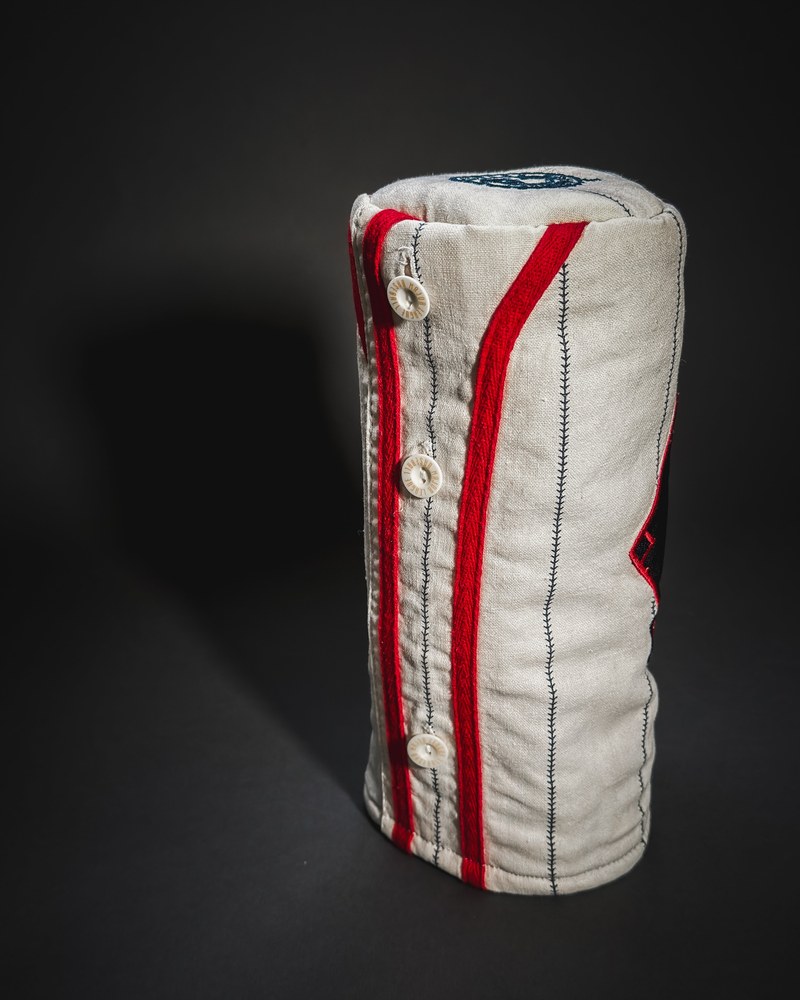
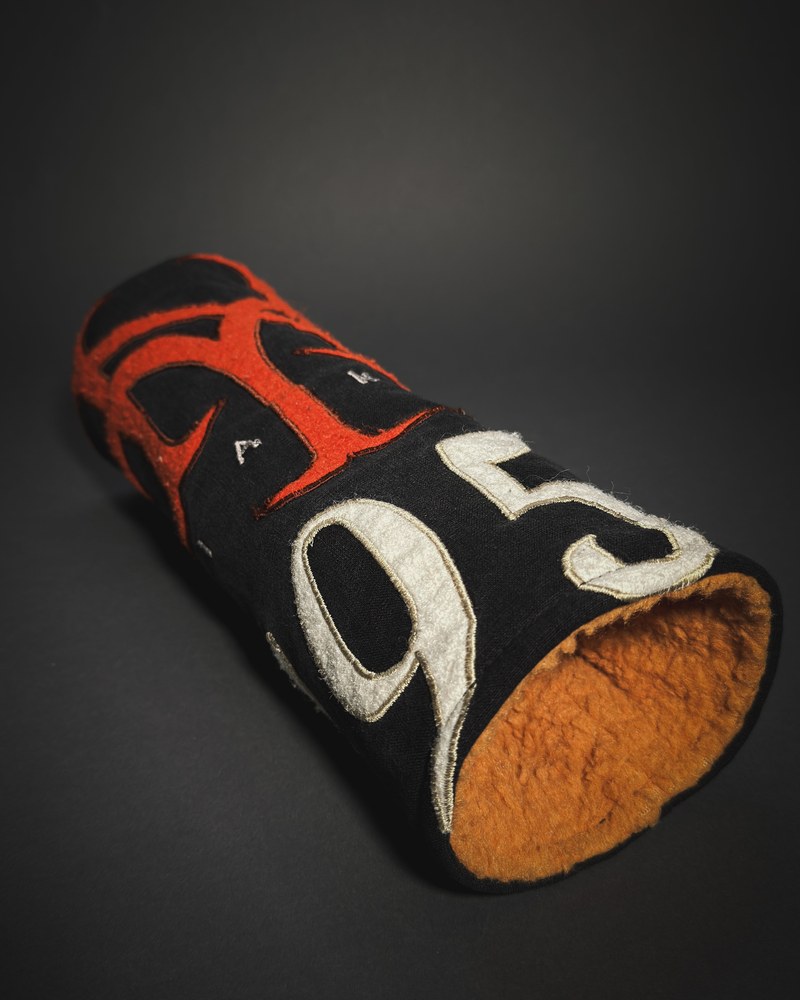
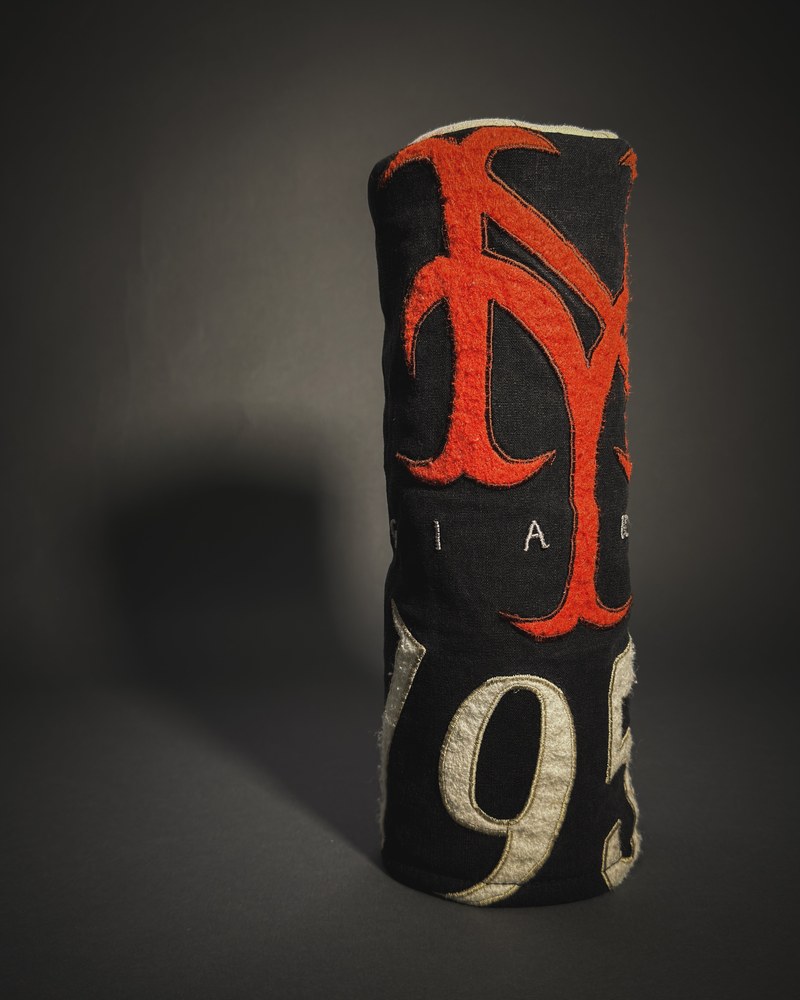
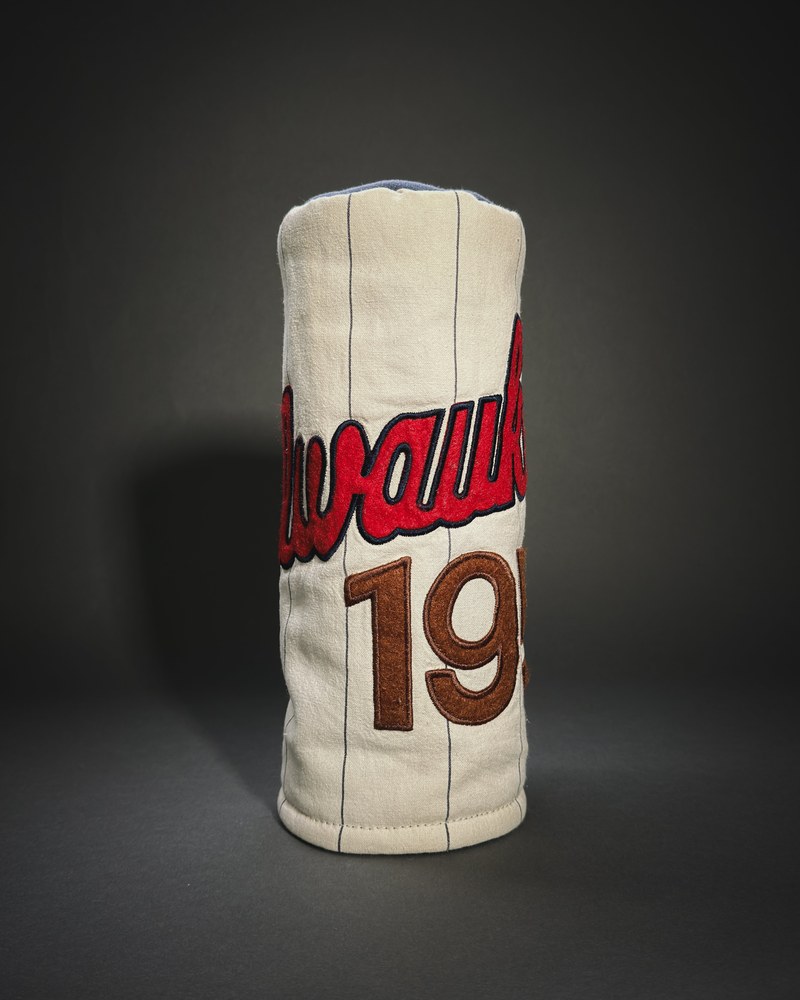
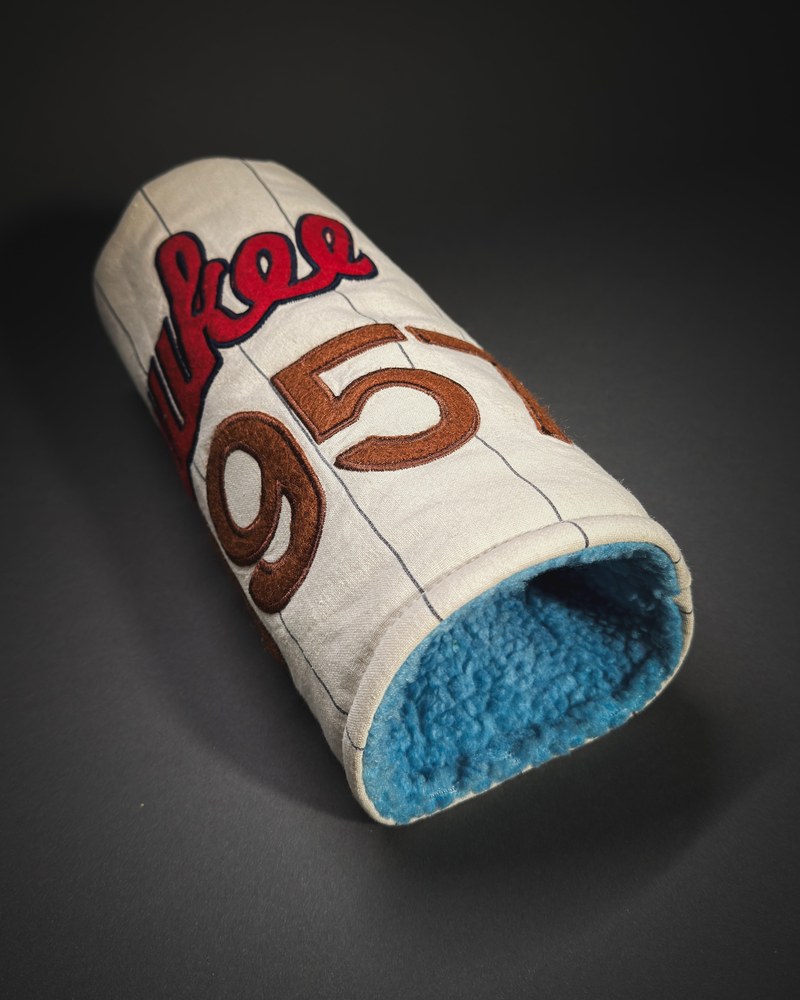
The jerseys. Five covers are cut from authentic baseball jerseys: Cleveland Indians, White Sox, Pittsburgh Pirates, and two Mirage Cooperstown Collection throwbacks — the 1951 New York Giants and the 1957 Milwaukee Braves. Mirage produced officially licensed Cooperstown reissues in the 1990s, so the garments carried licensed marks when they were made. Gamut is cutting finished goods into new ones rather than printing logos, which is a different act entirely. Several are marked 1/1 for the obvious reason: one jersey yields one cover.
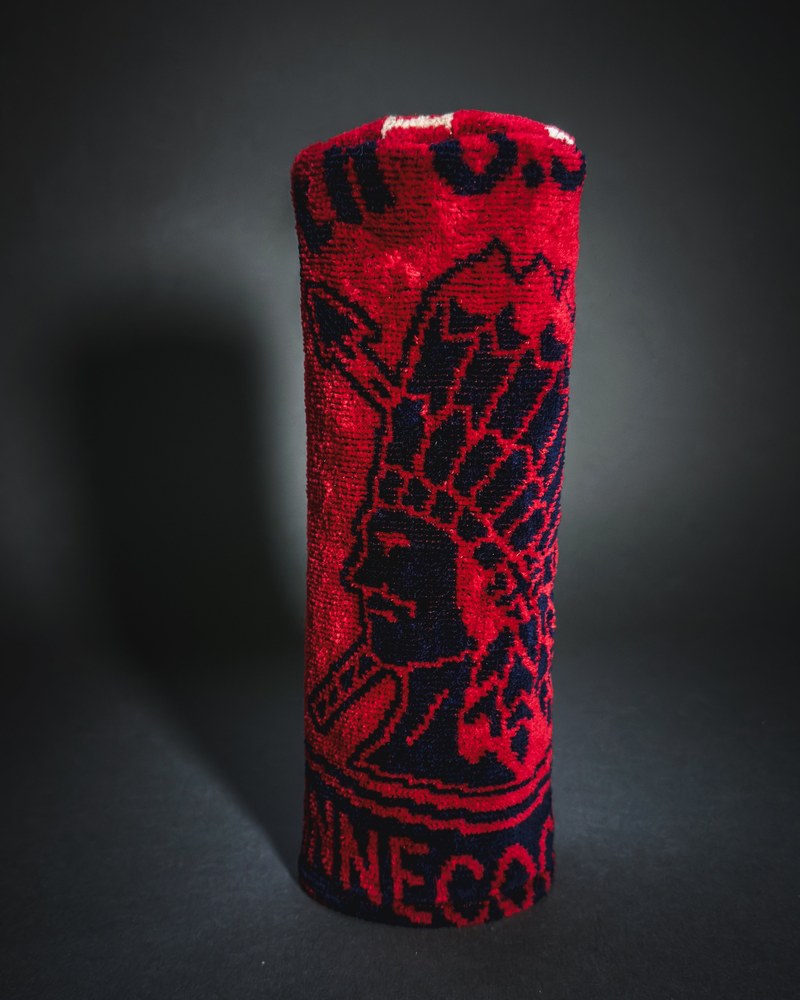
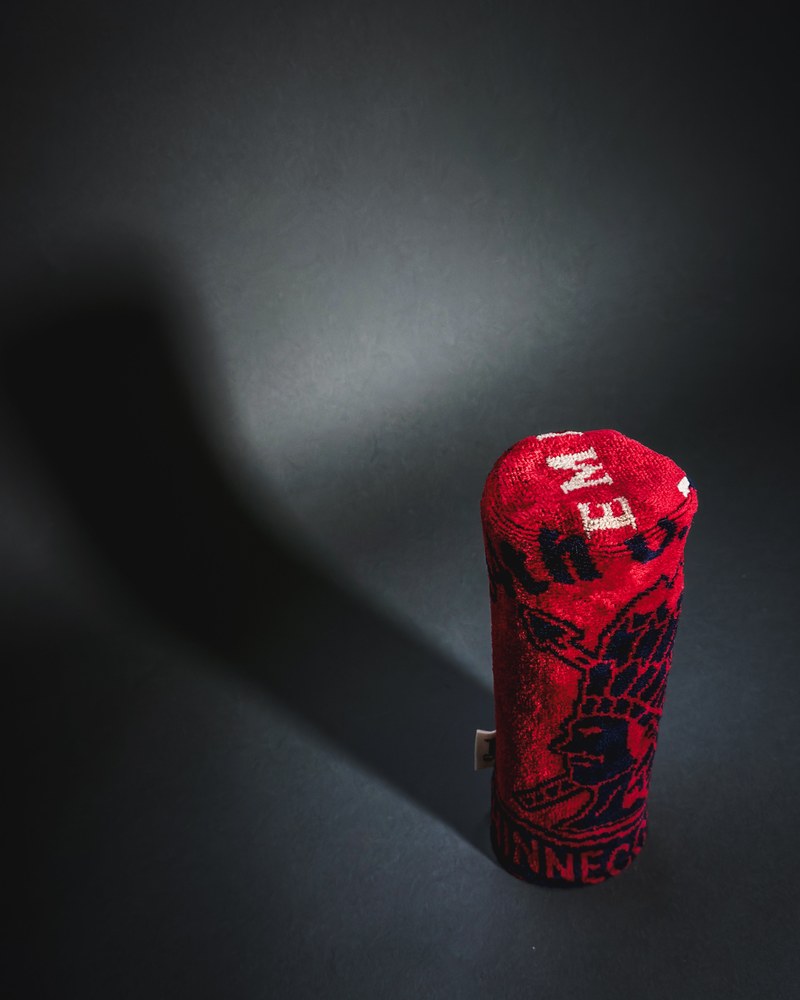
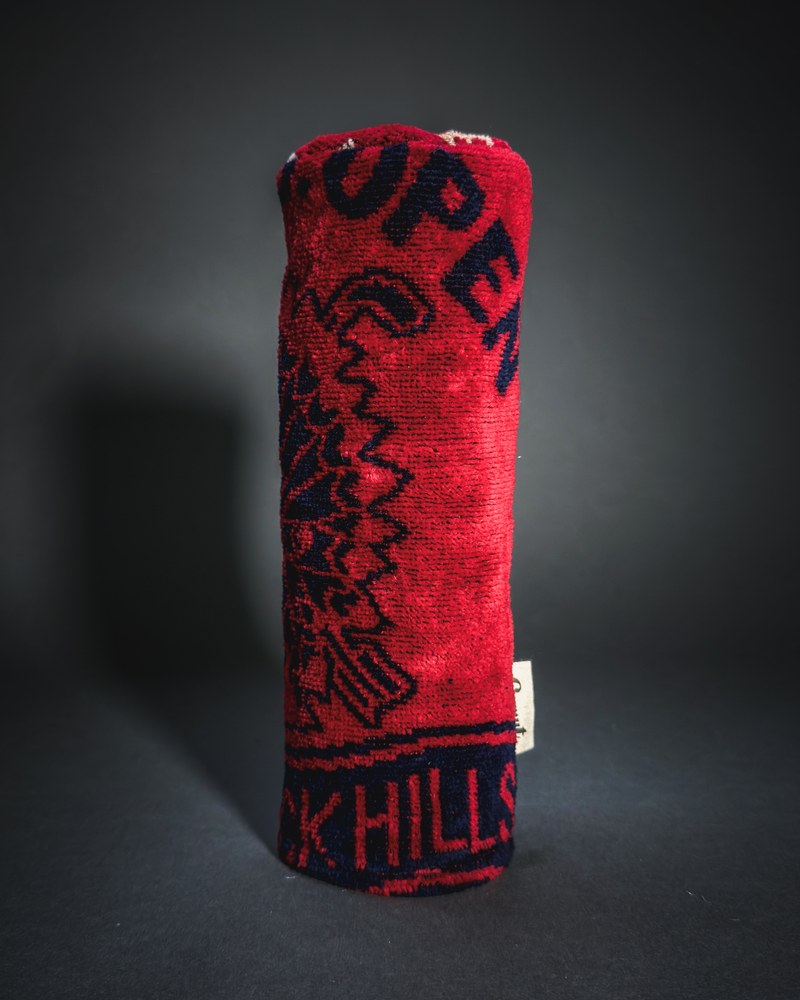
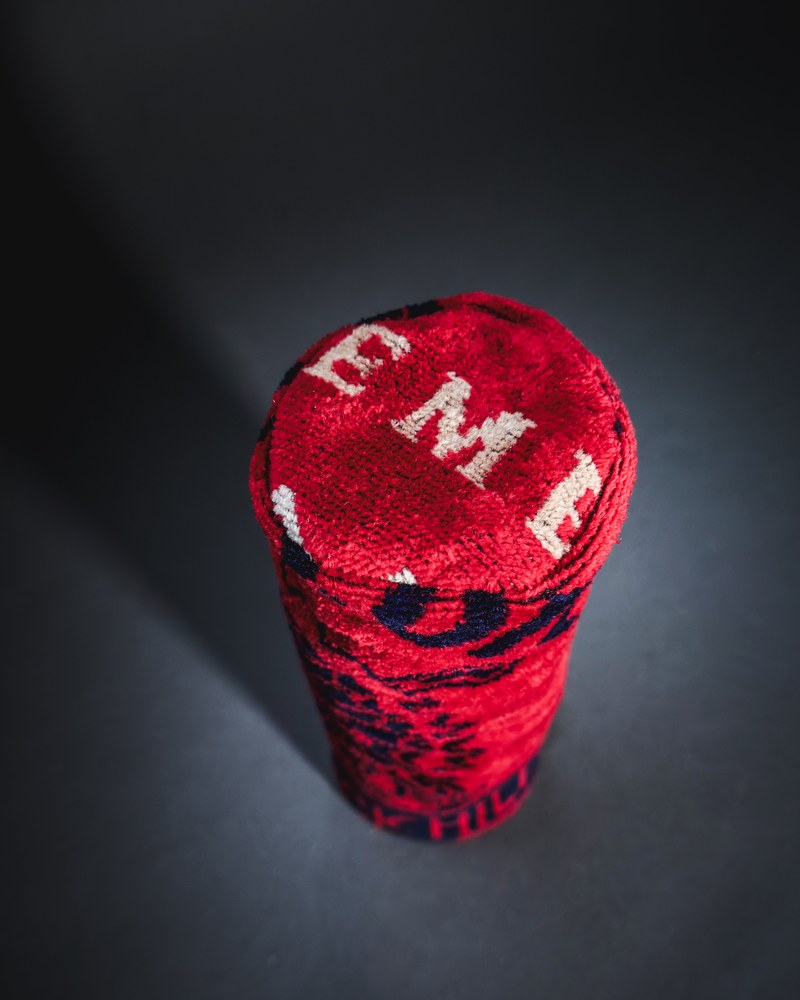
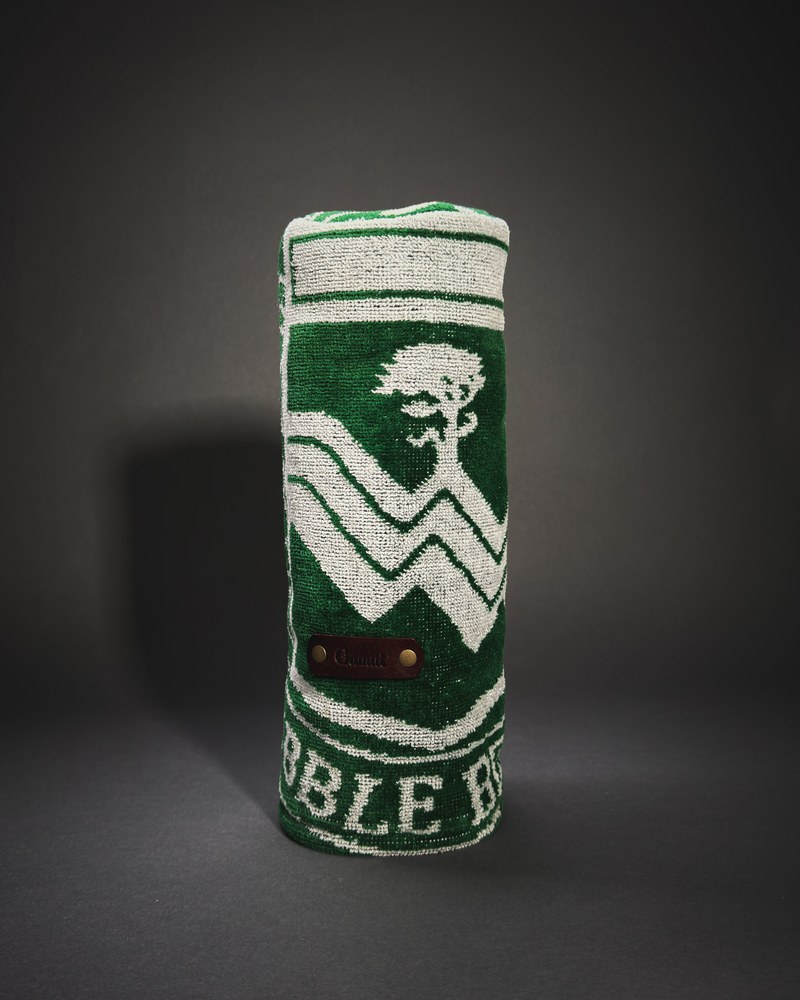
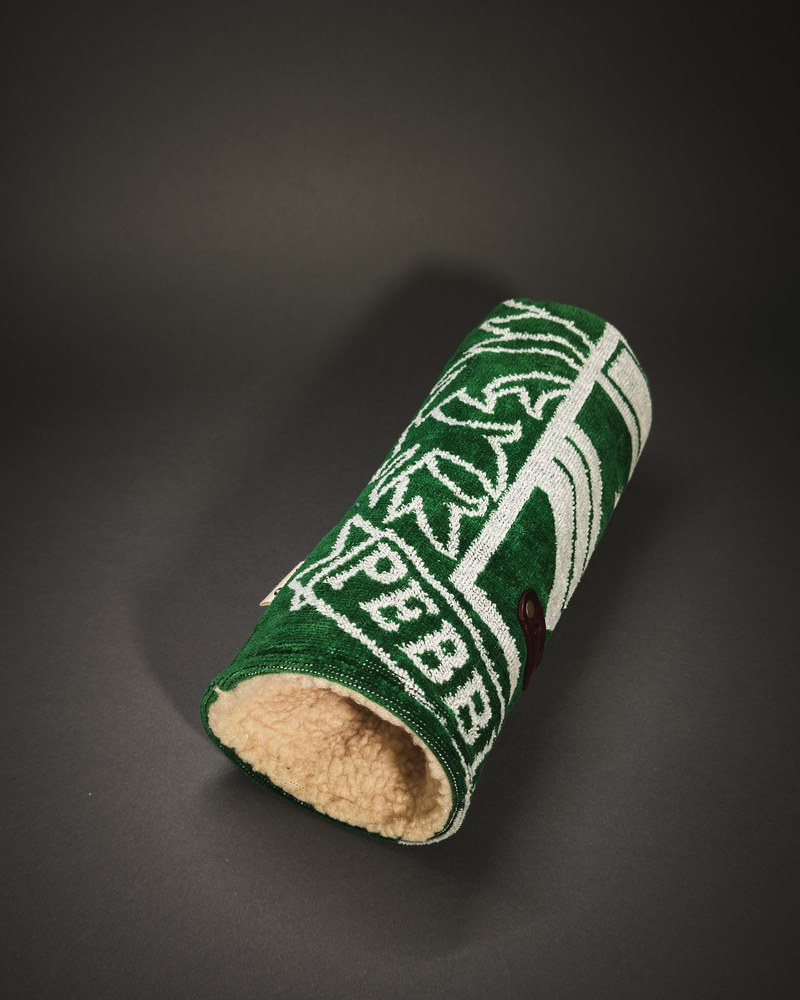
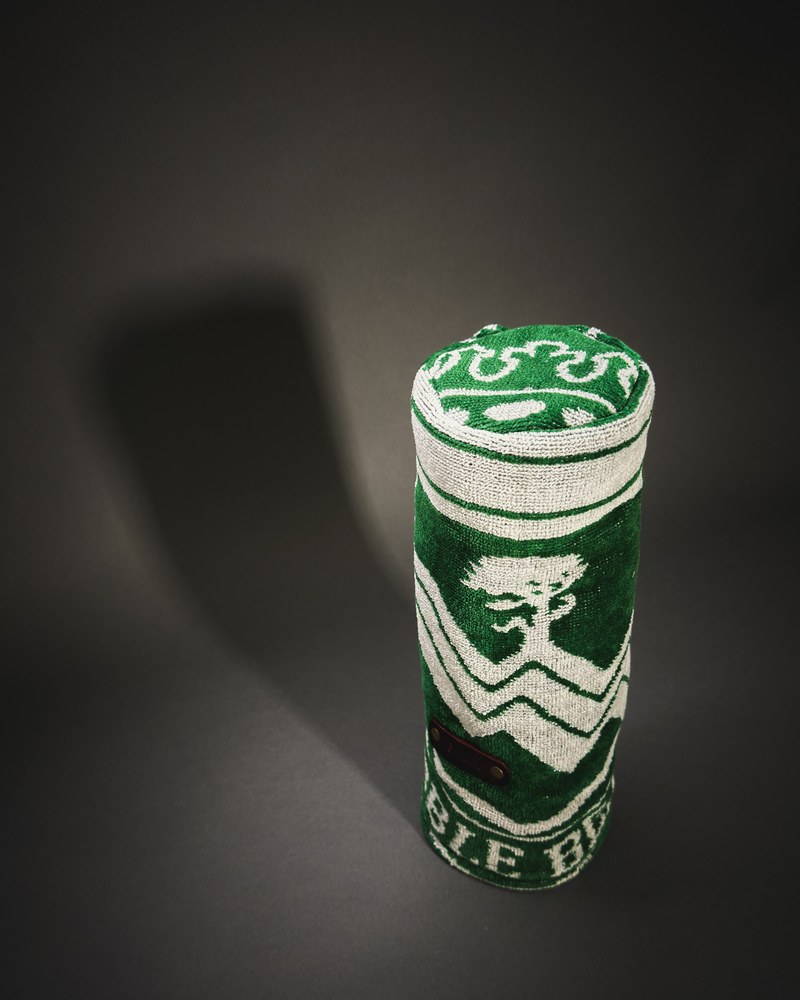
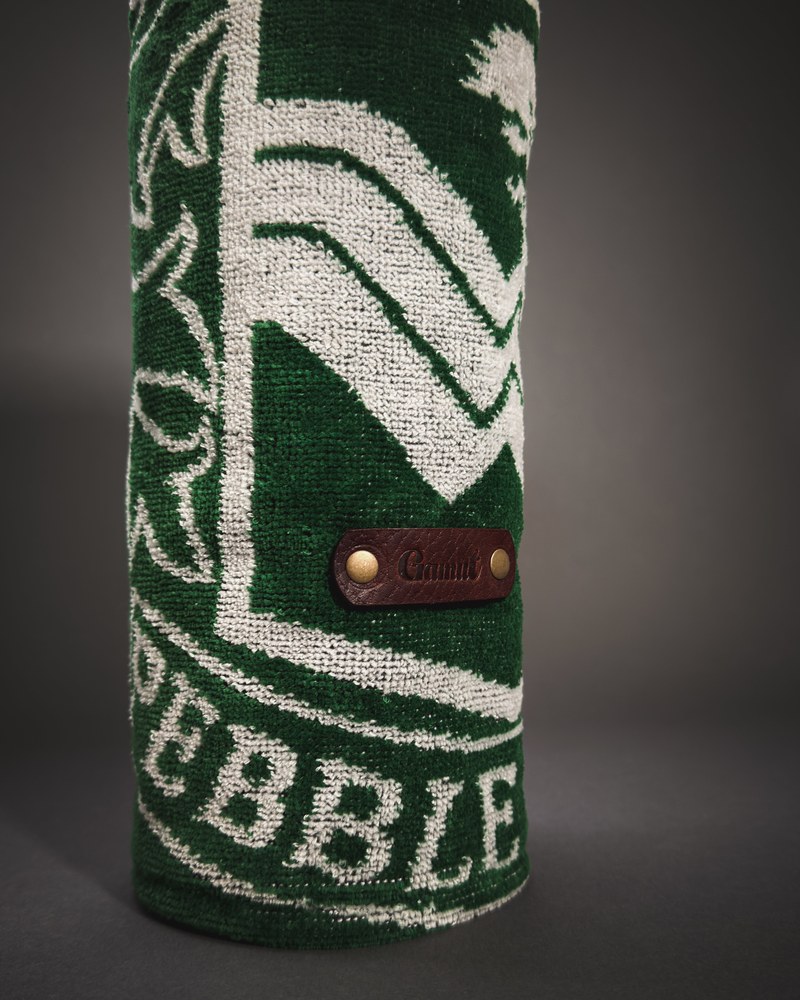
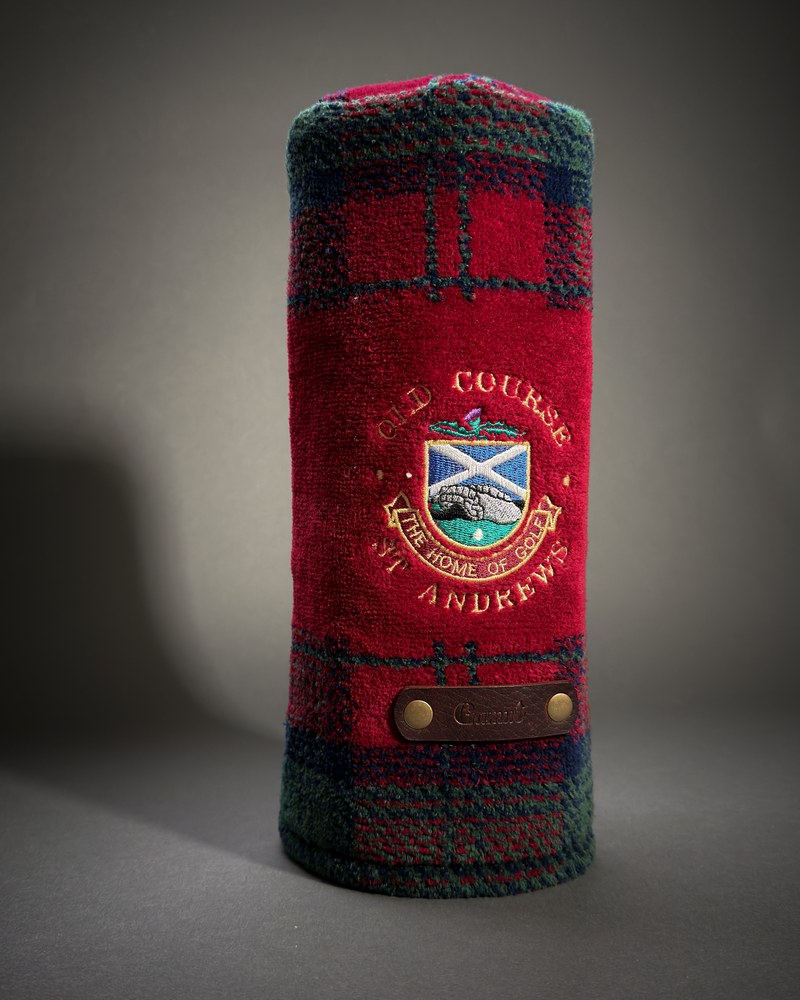
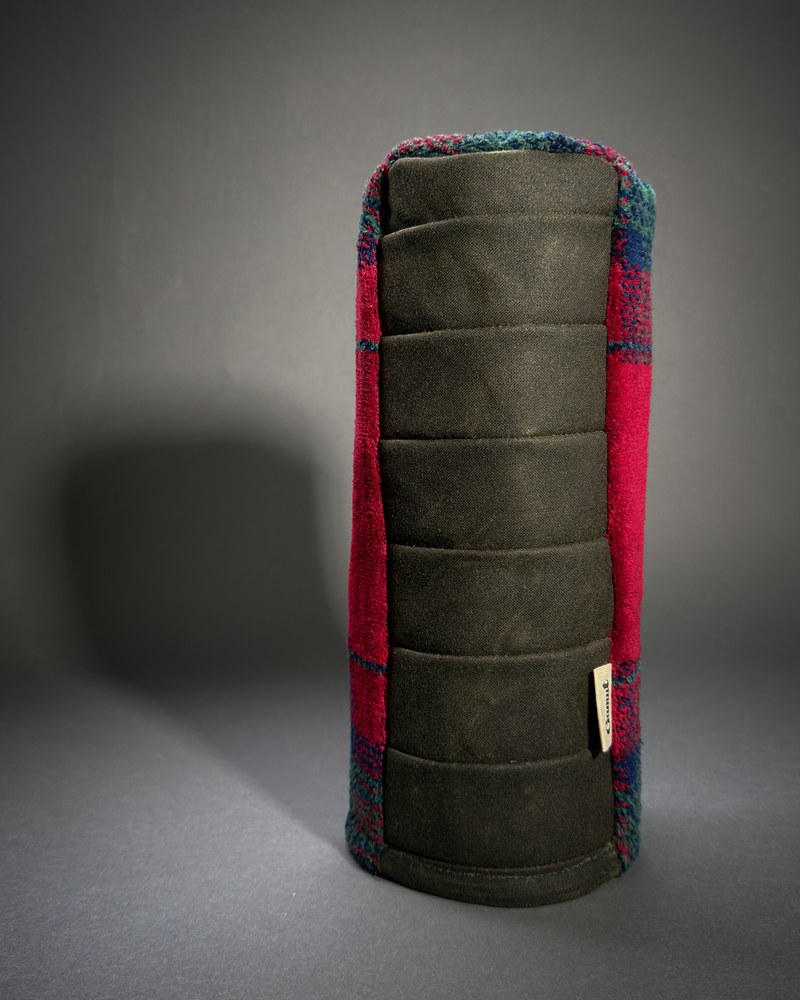
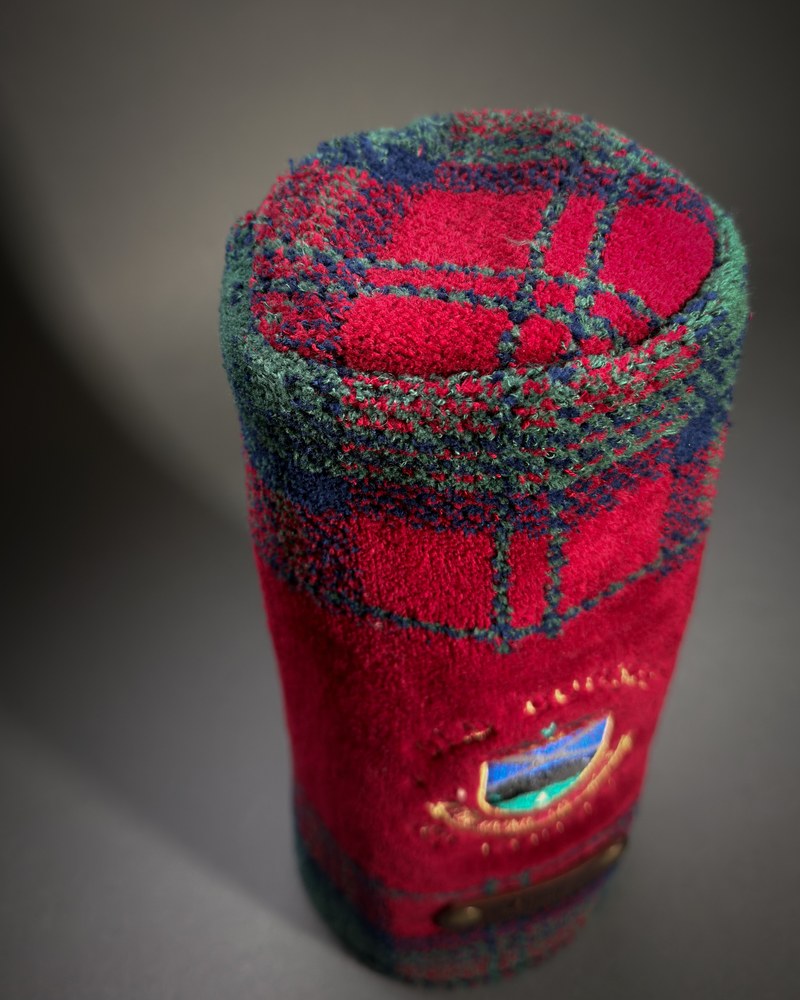
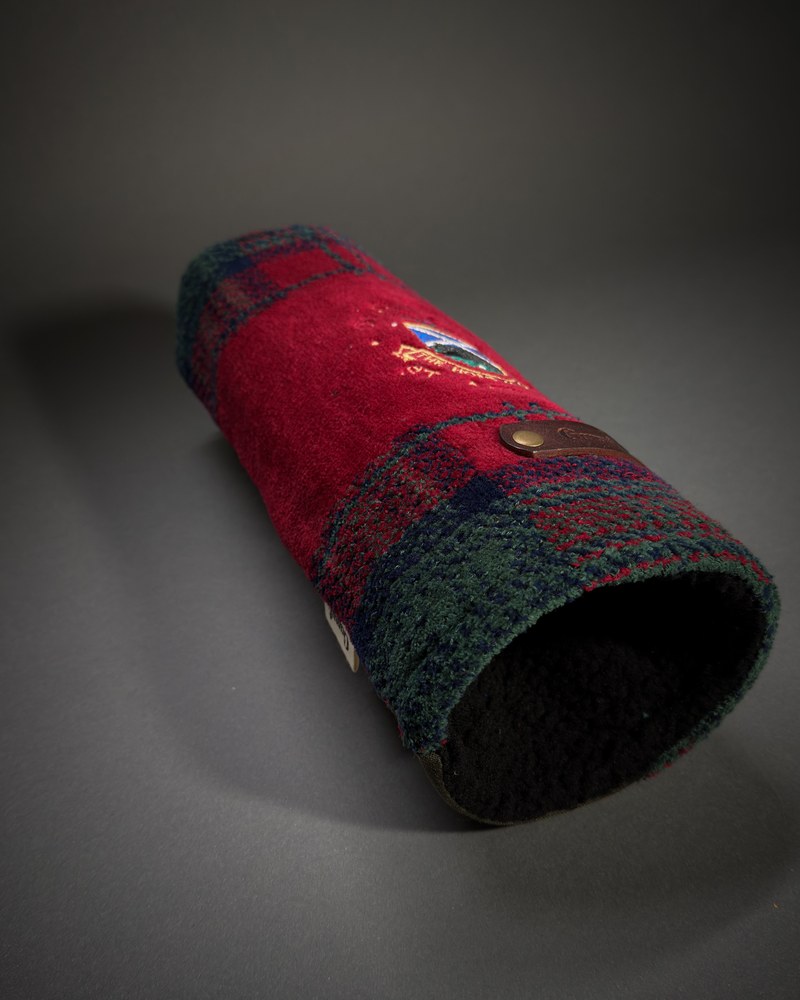
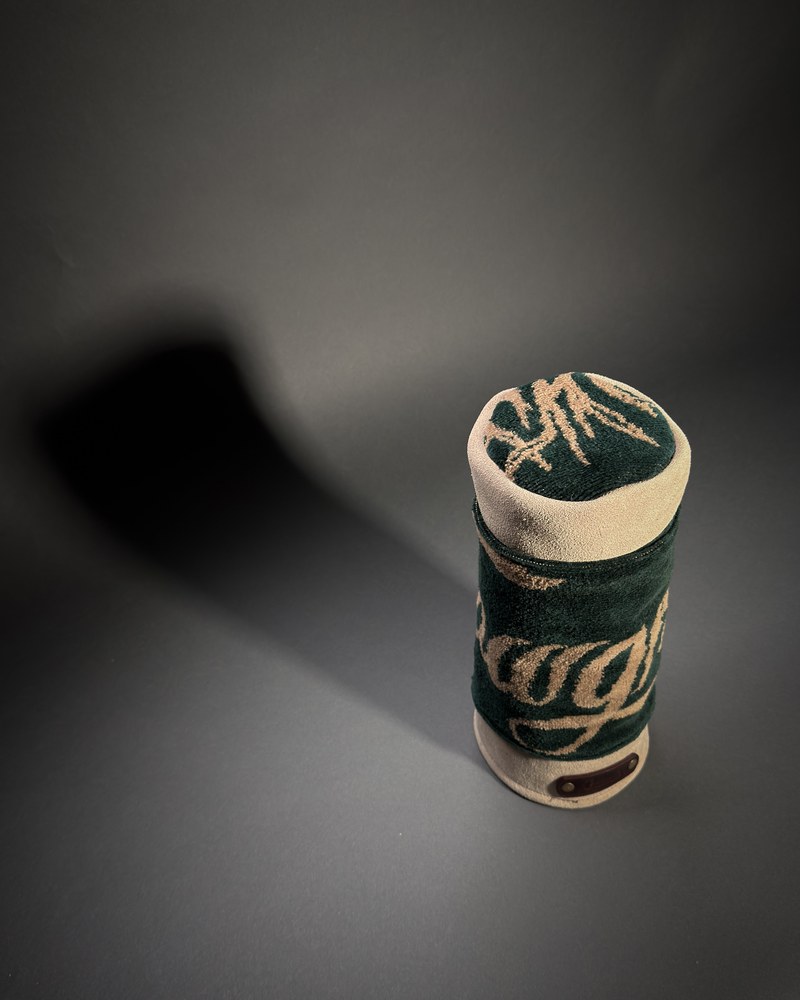
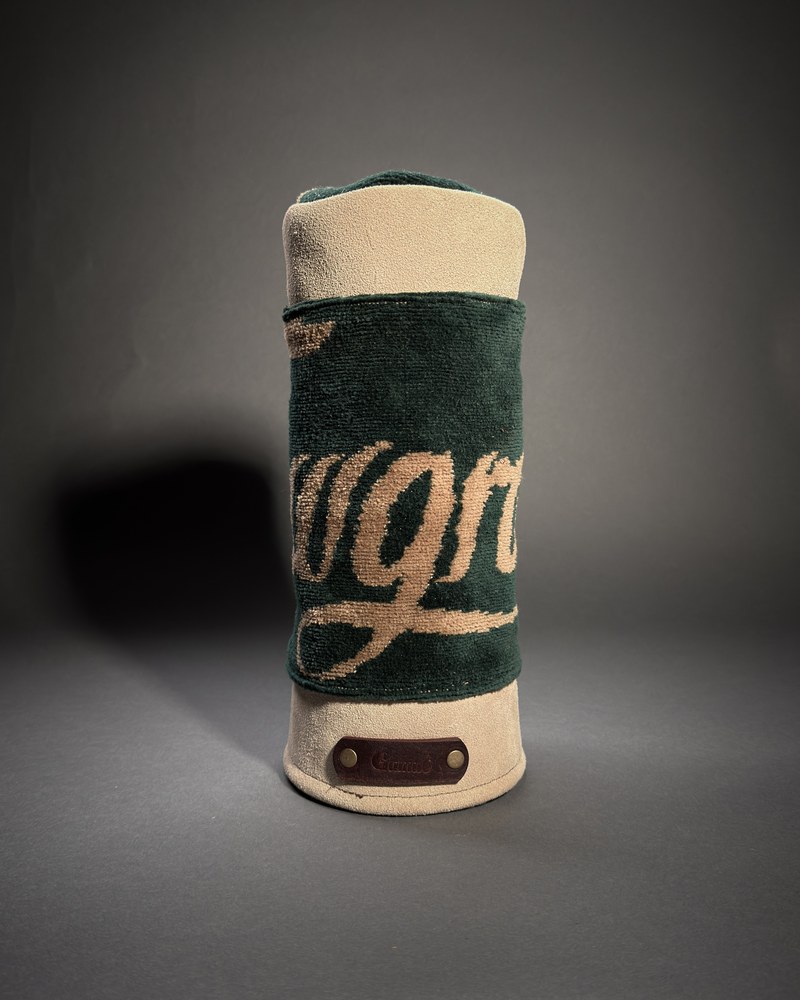
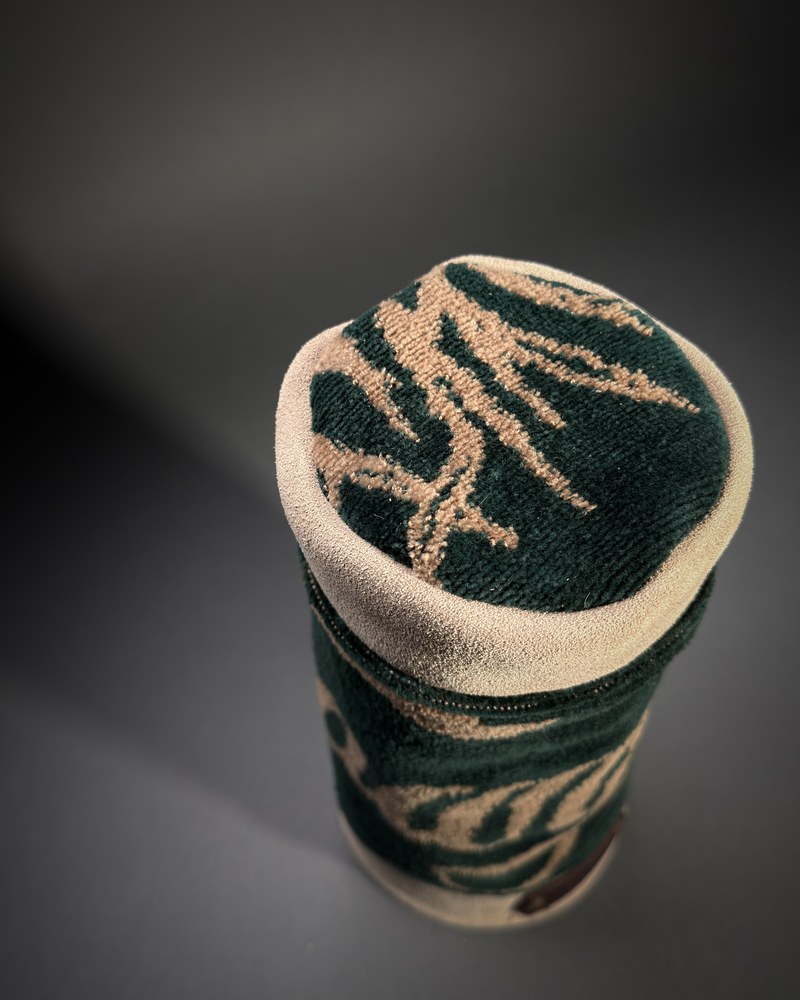
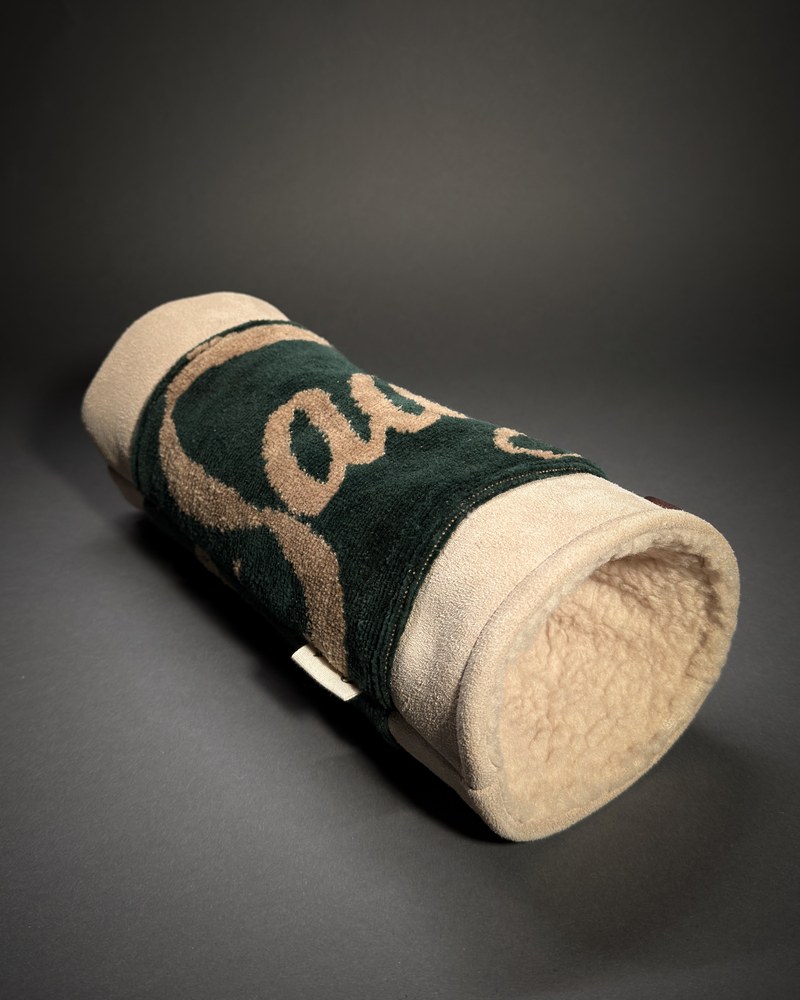
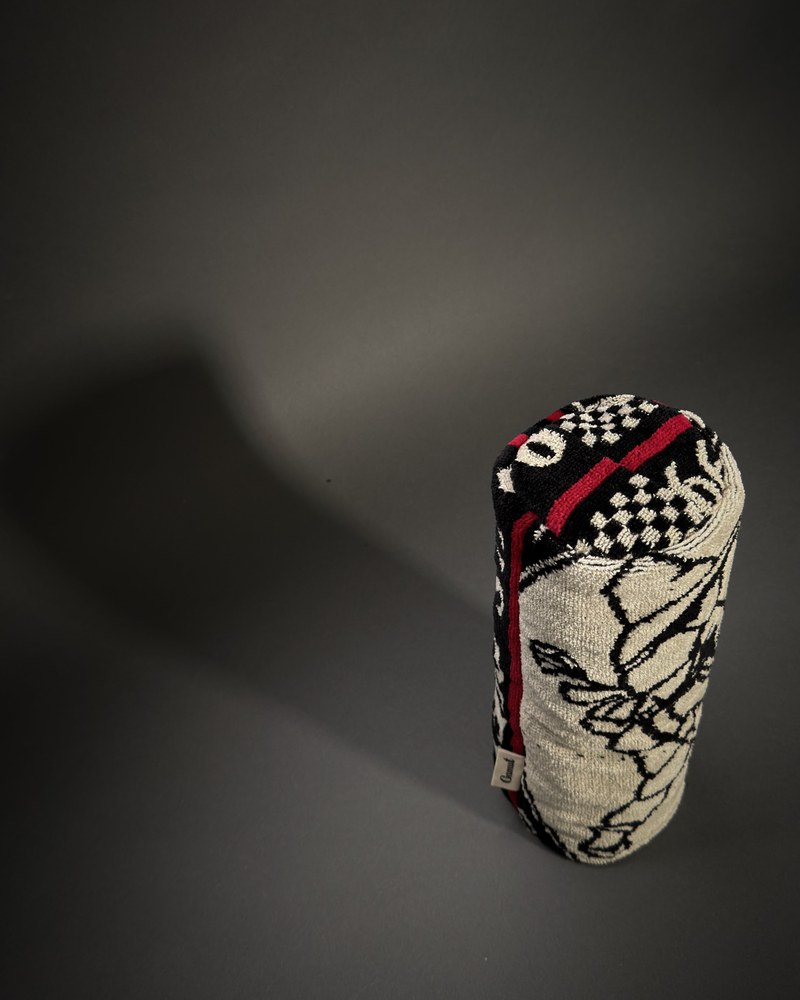
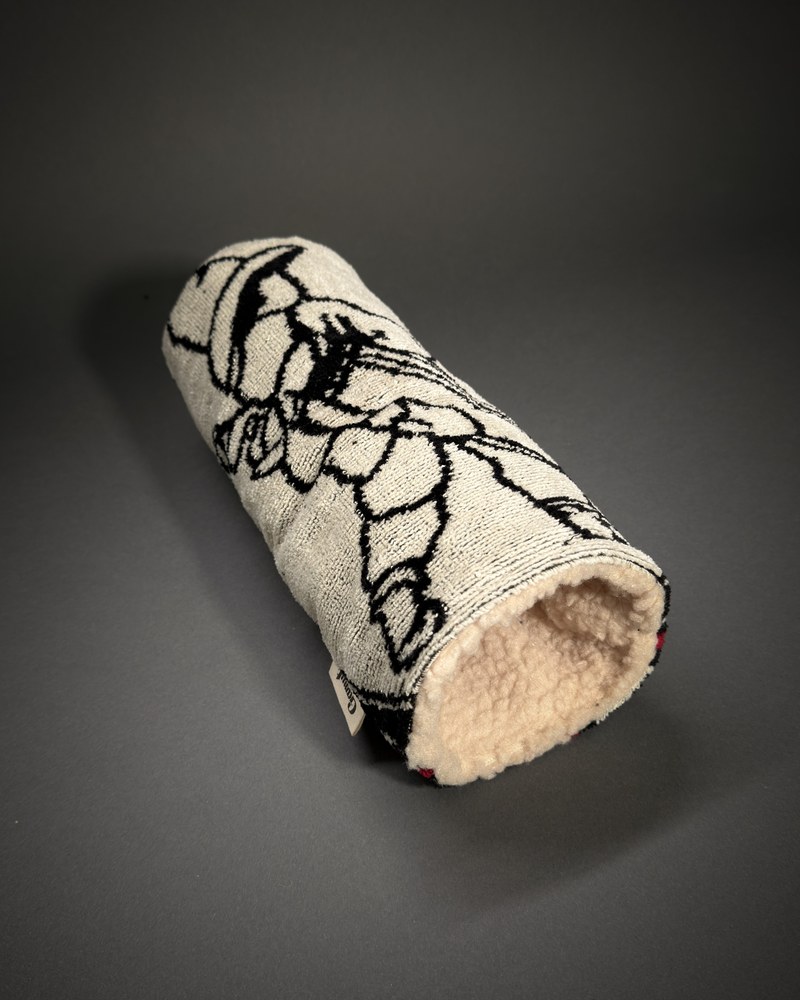
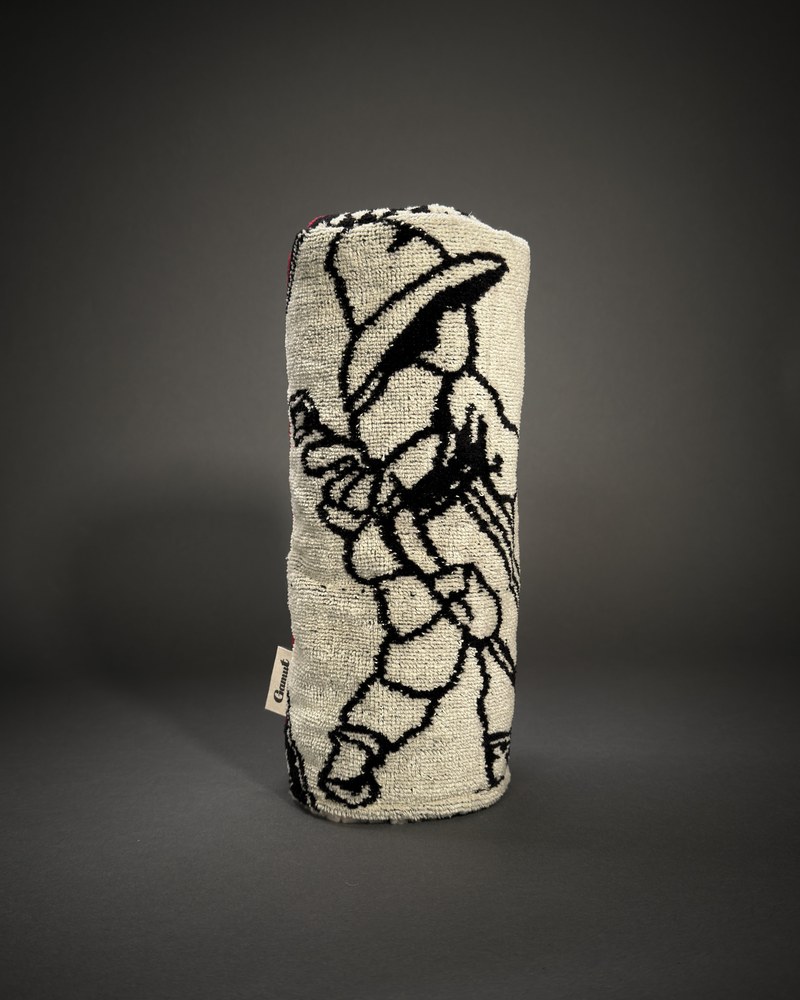
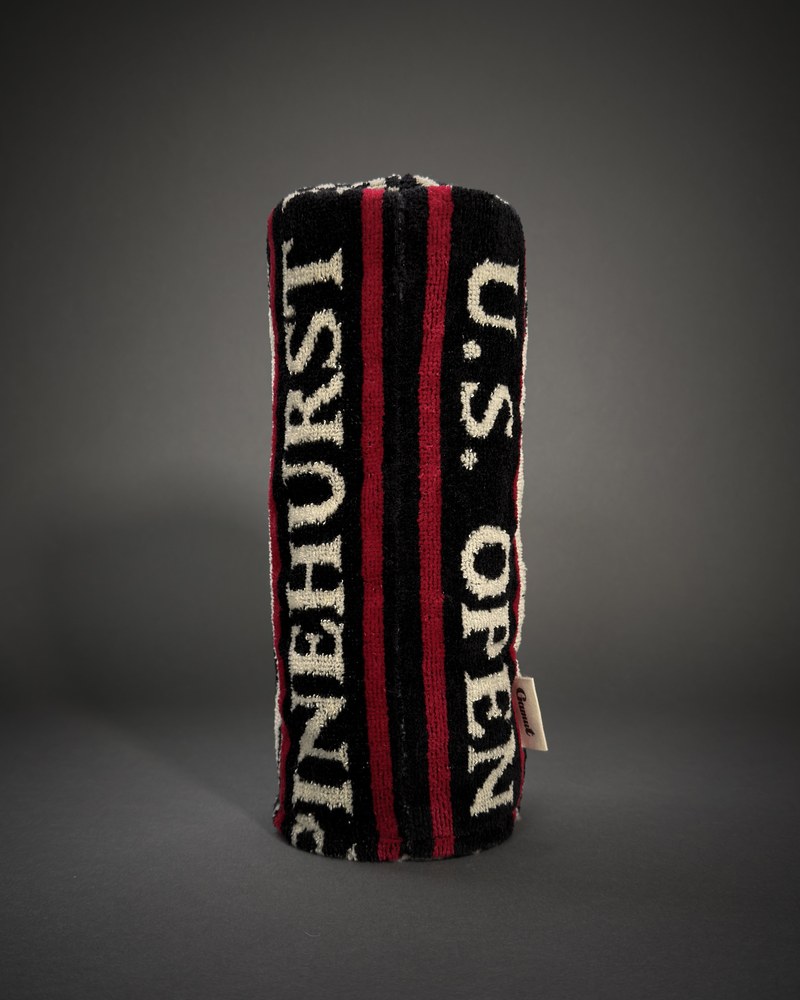
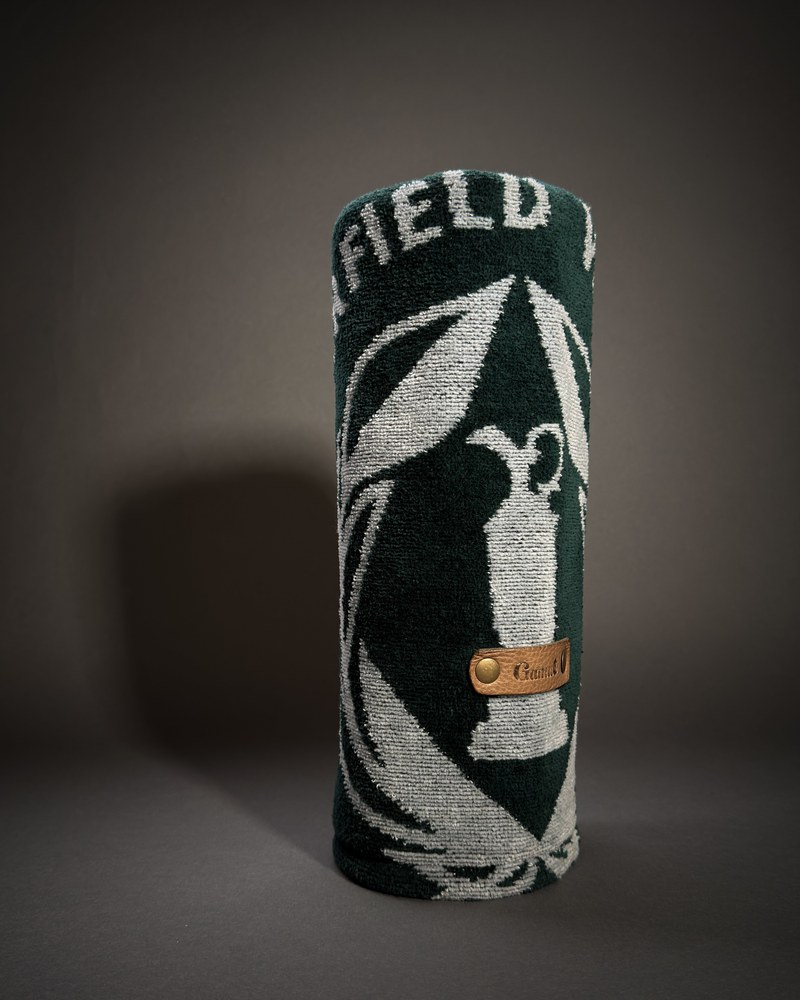
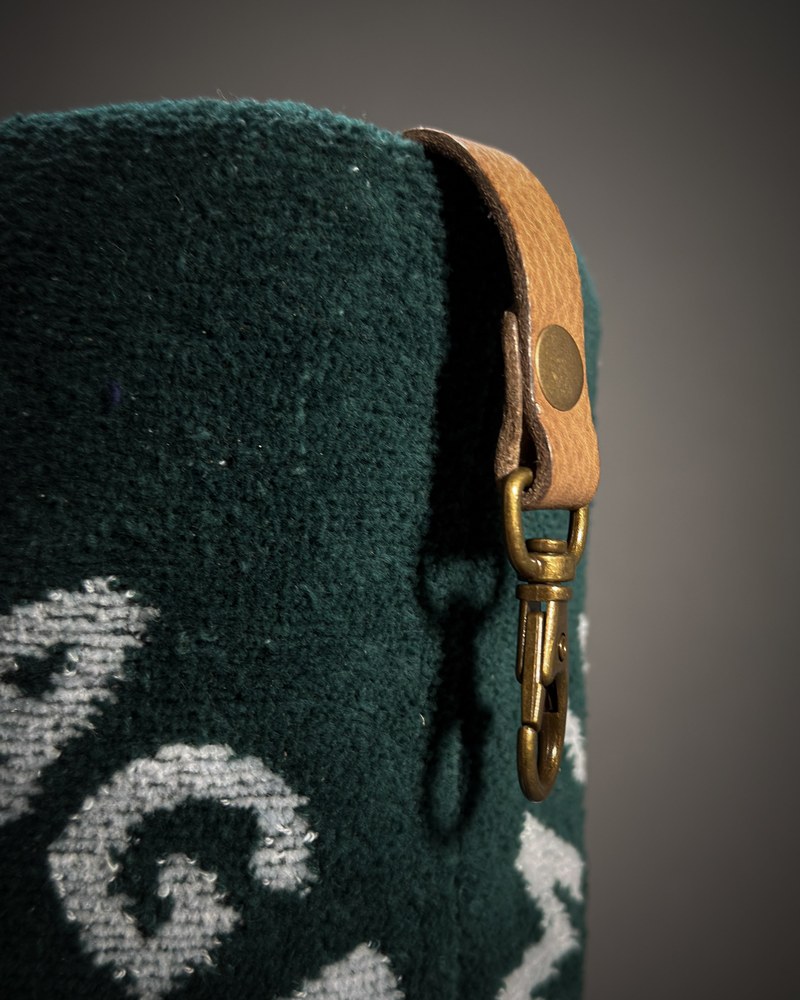
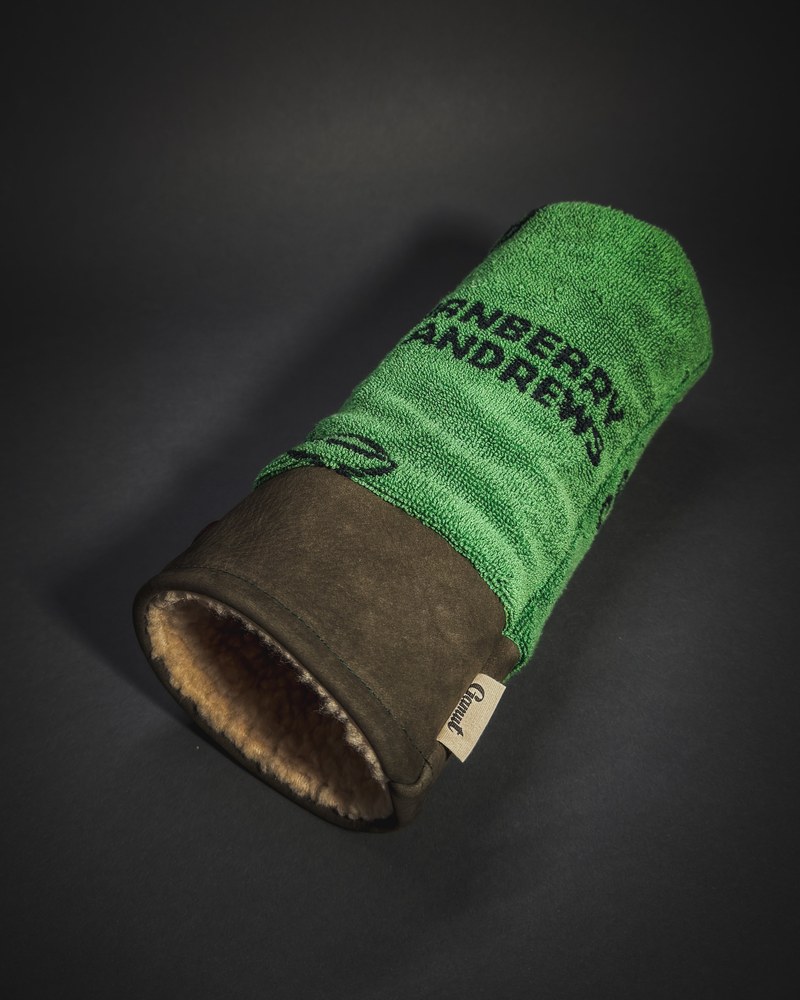
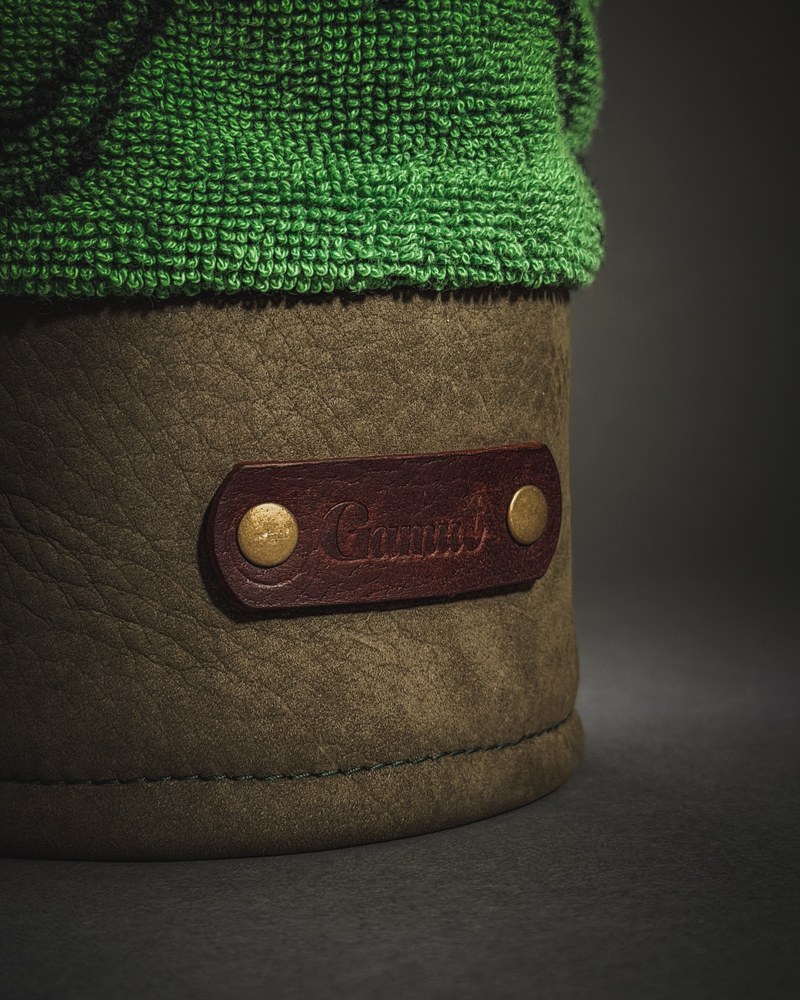
The towels. Seven covers are built from real course towels. Shinnecock Hills U.S. Open with a navy cotton felted inner. Pebble Beach with cream sherpa. The Old Course with black sherpa. Sawgrass paired with cowhide suede and a leather tee holster. Pinehurst No. 2 from the 1999 U.S. Open. Muirfield Village with that deadstock Ralph Lauren lining. The seventh, Home of Golf, is cut from a Scotland’s Big 4 towel and named for the group rather than a single club. No club partnership is stated on any of them, and none is discoverable — the material is genuine merchandise given a second use.
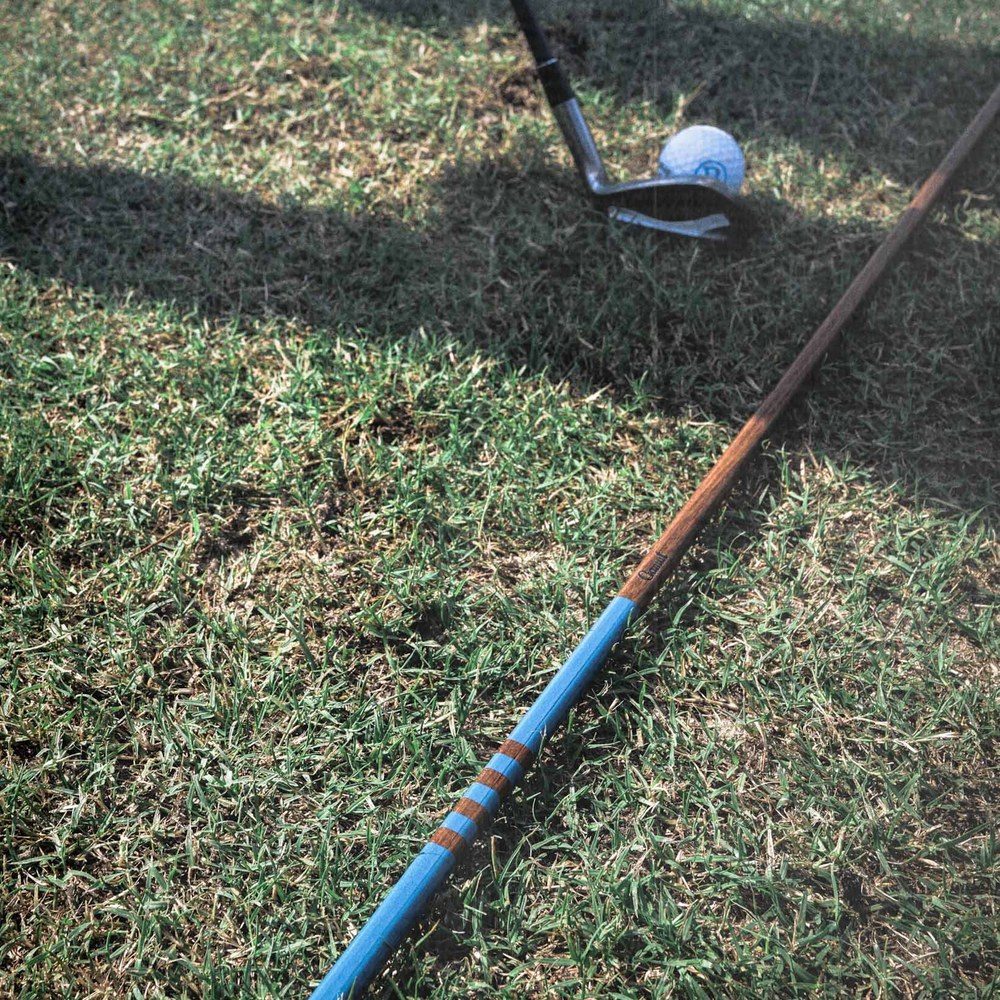
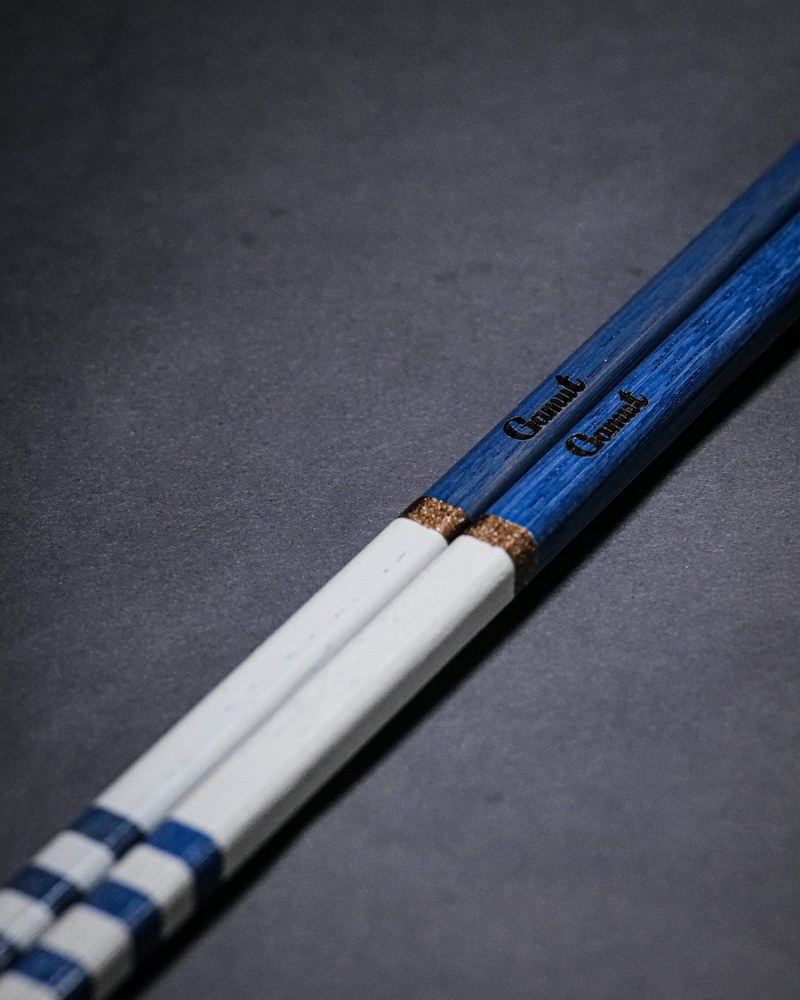
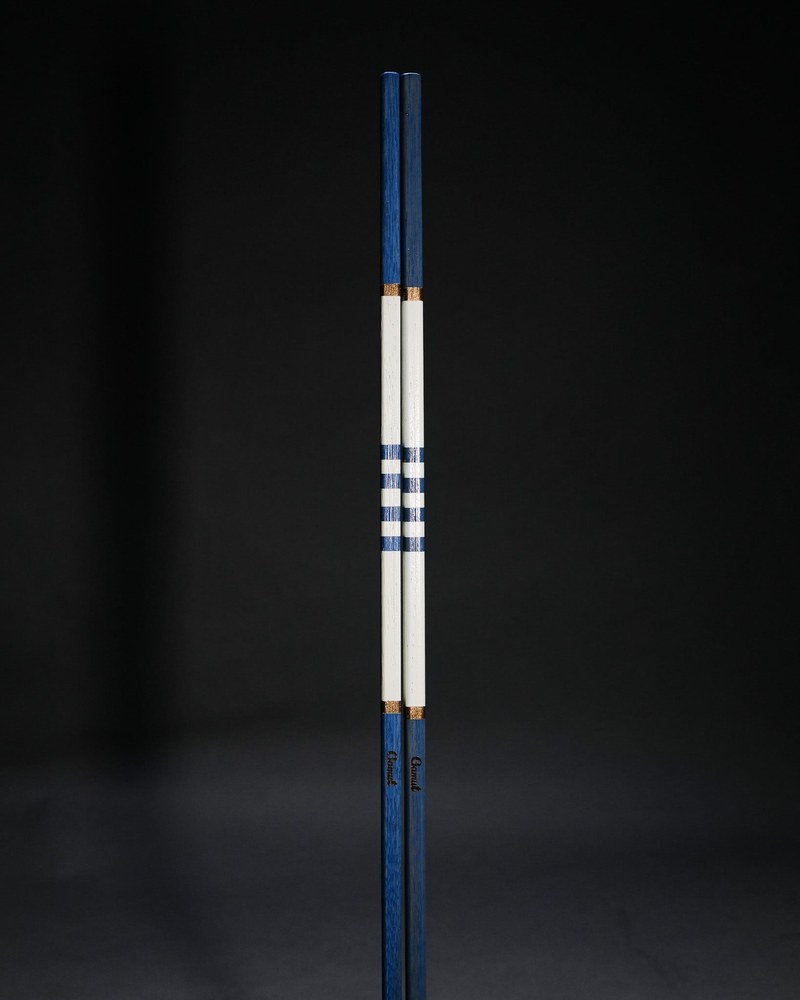
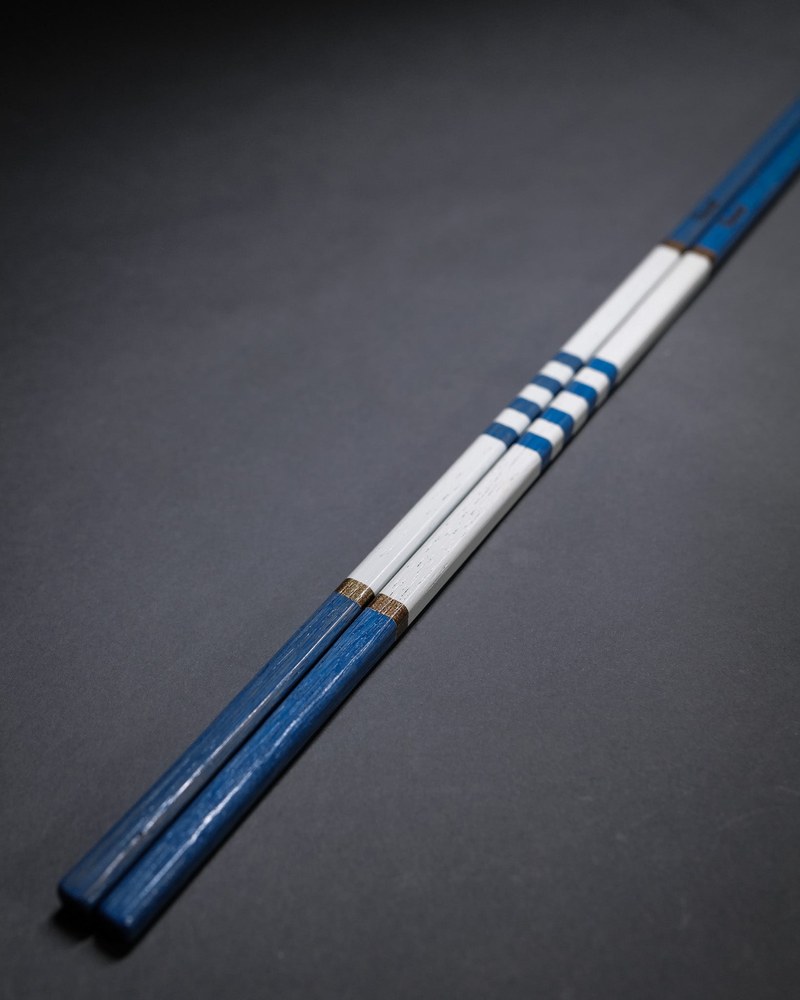
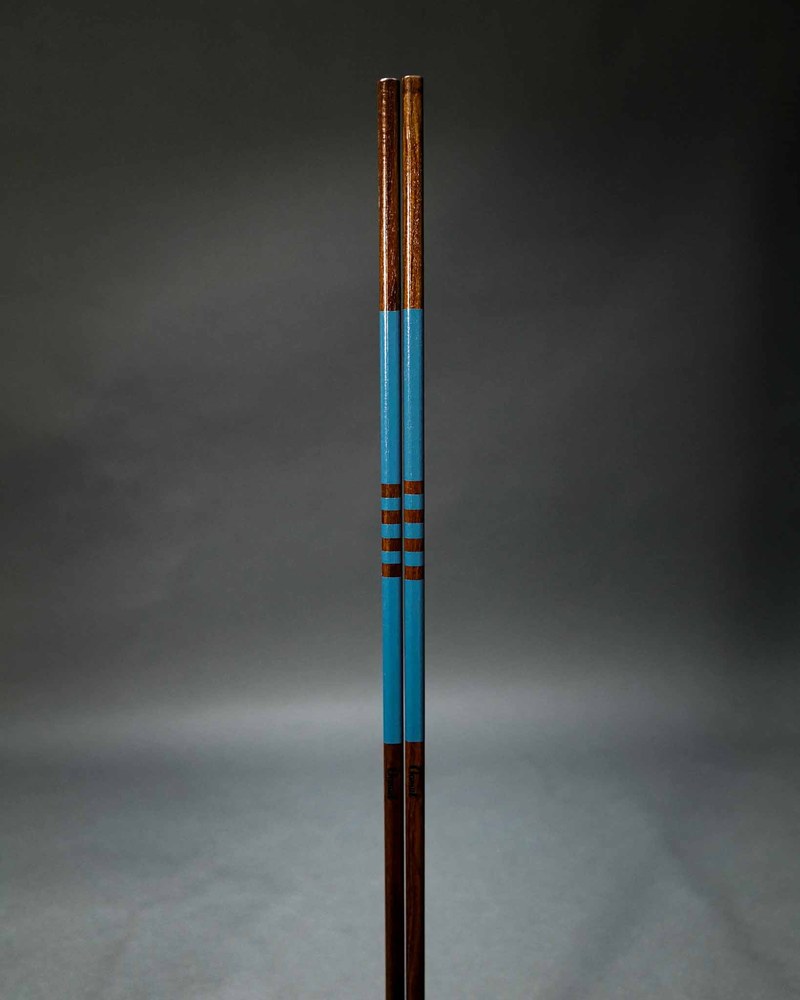
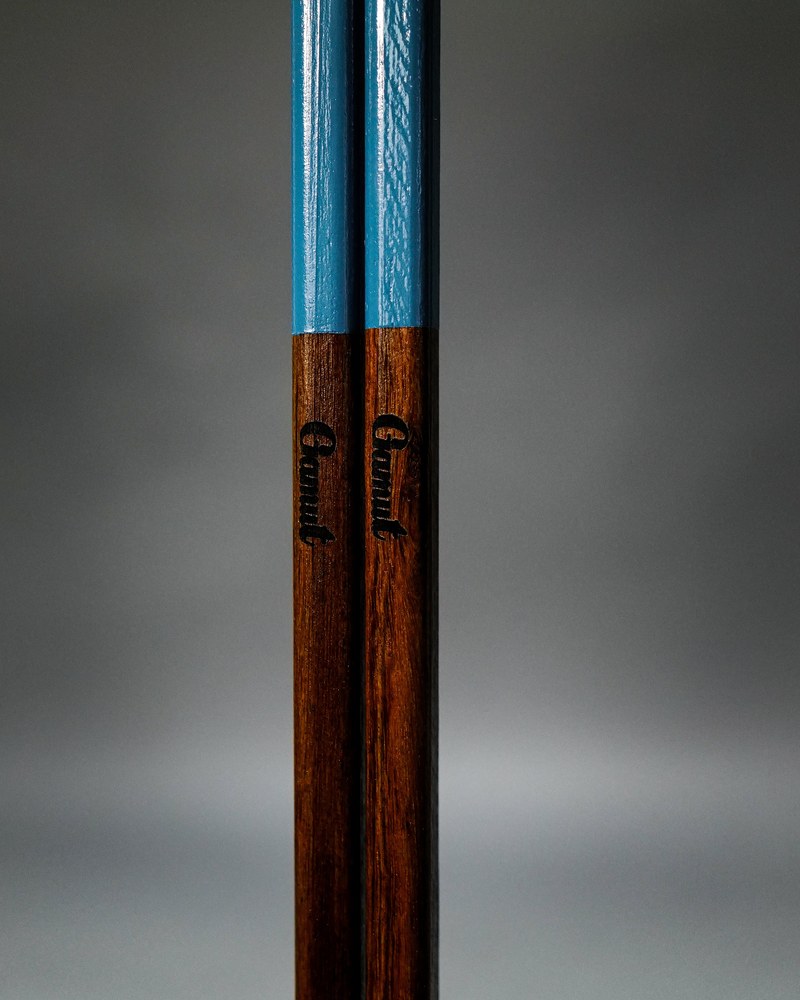
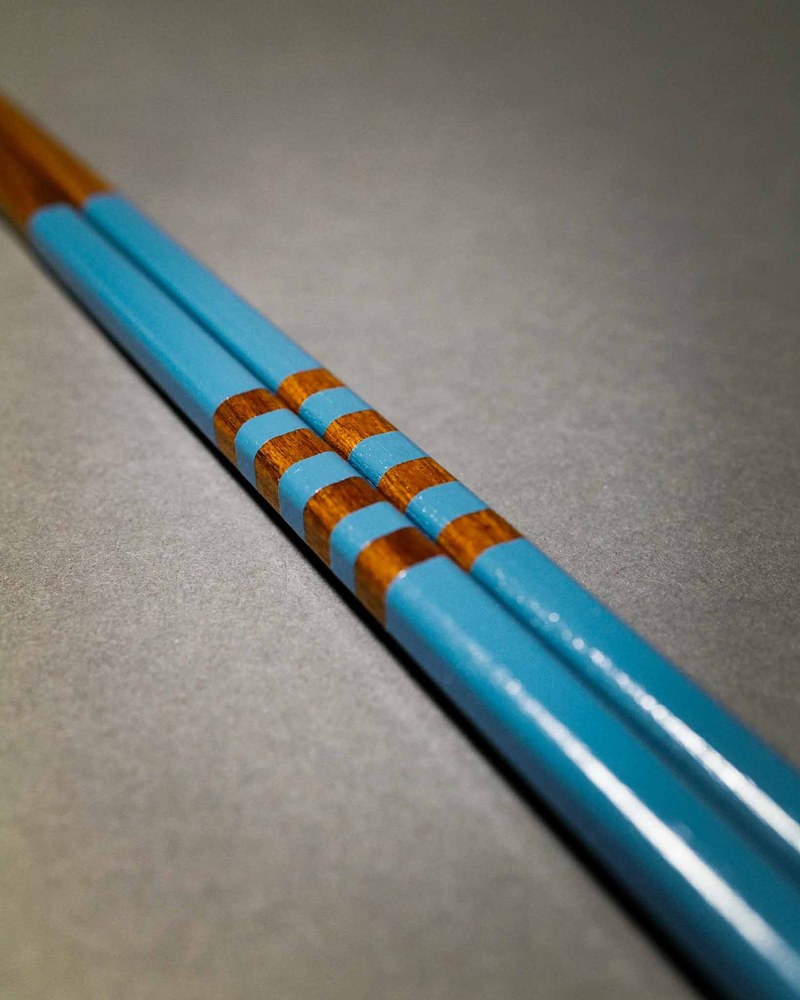
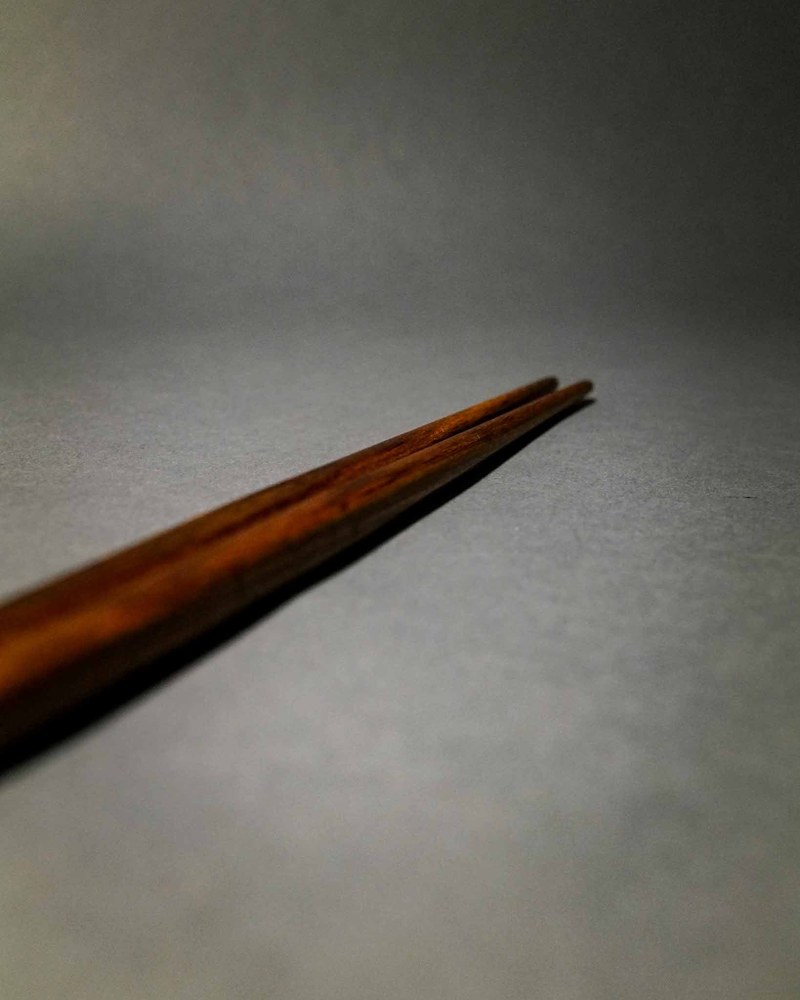
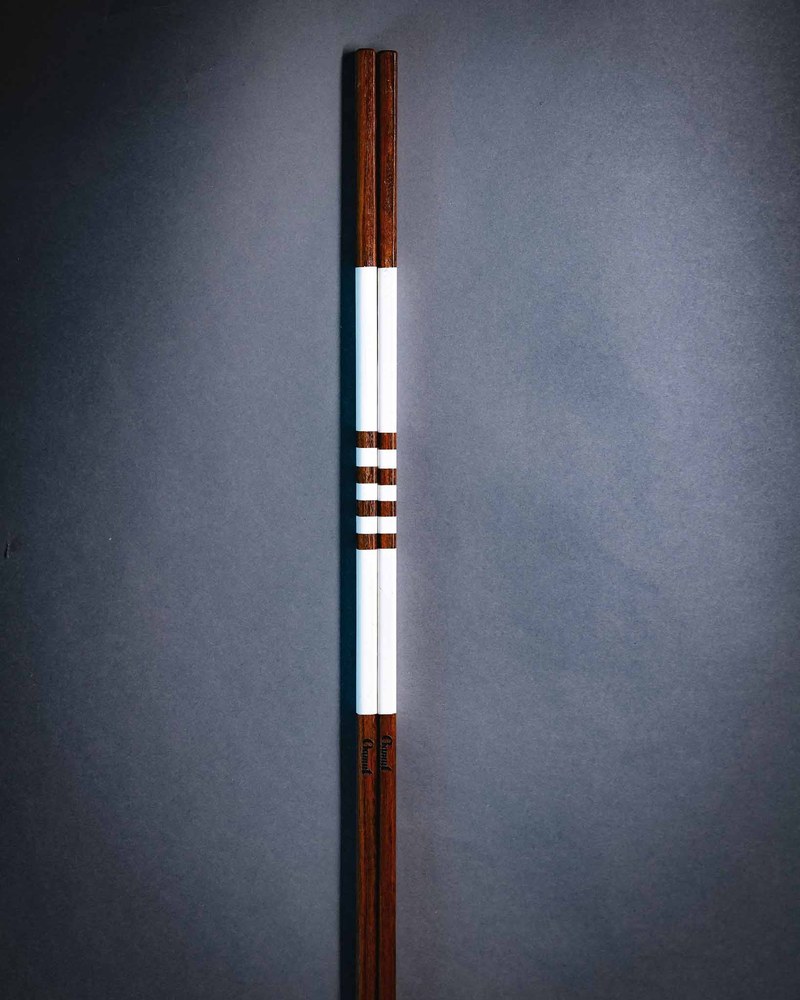
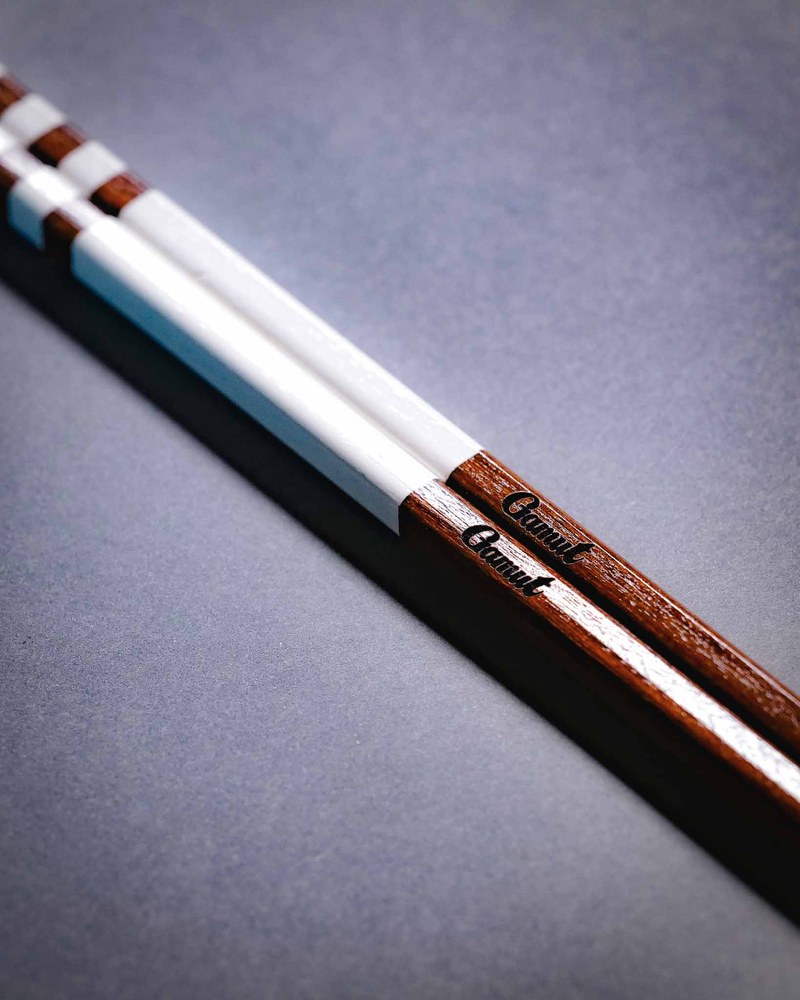
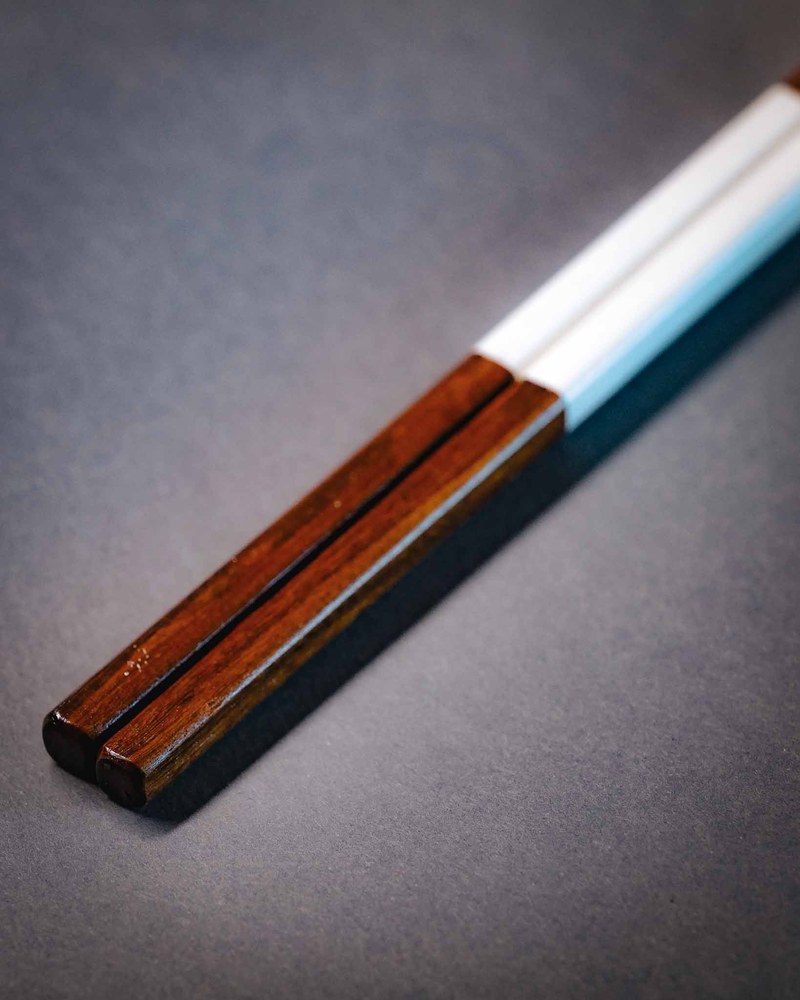
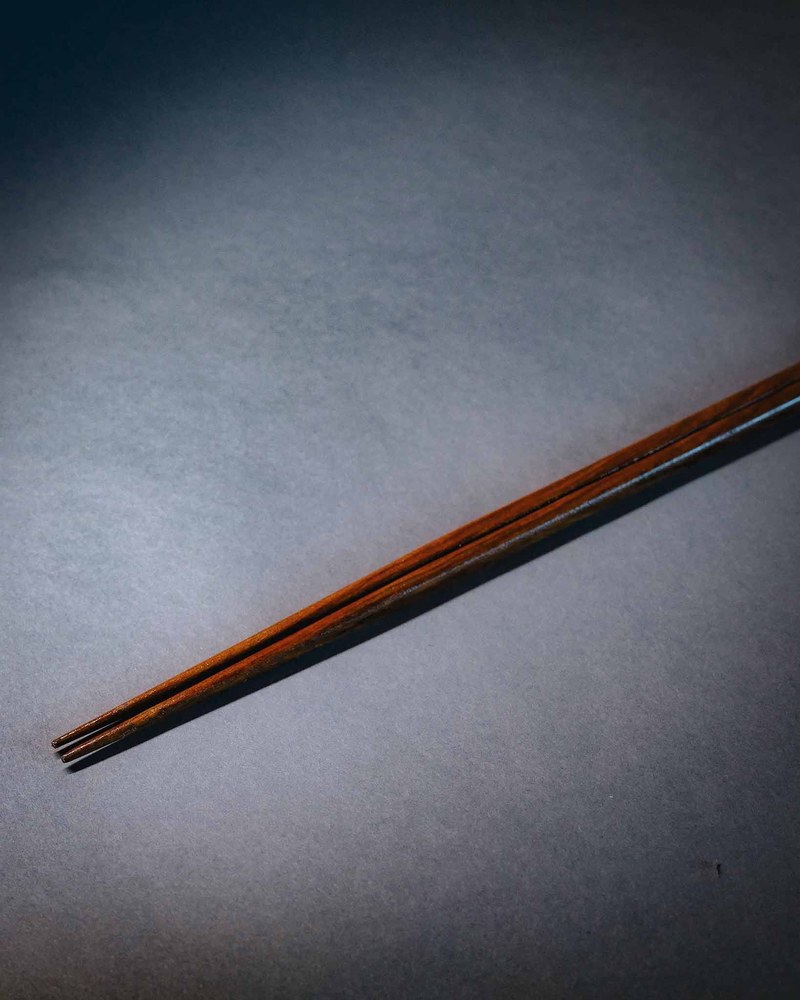
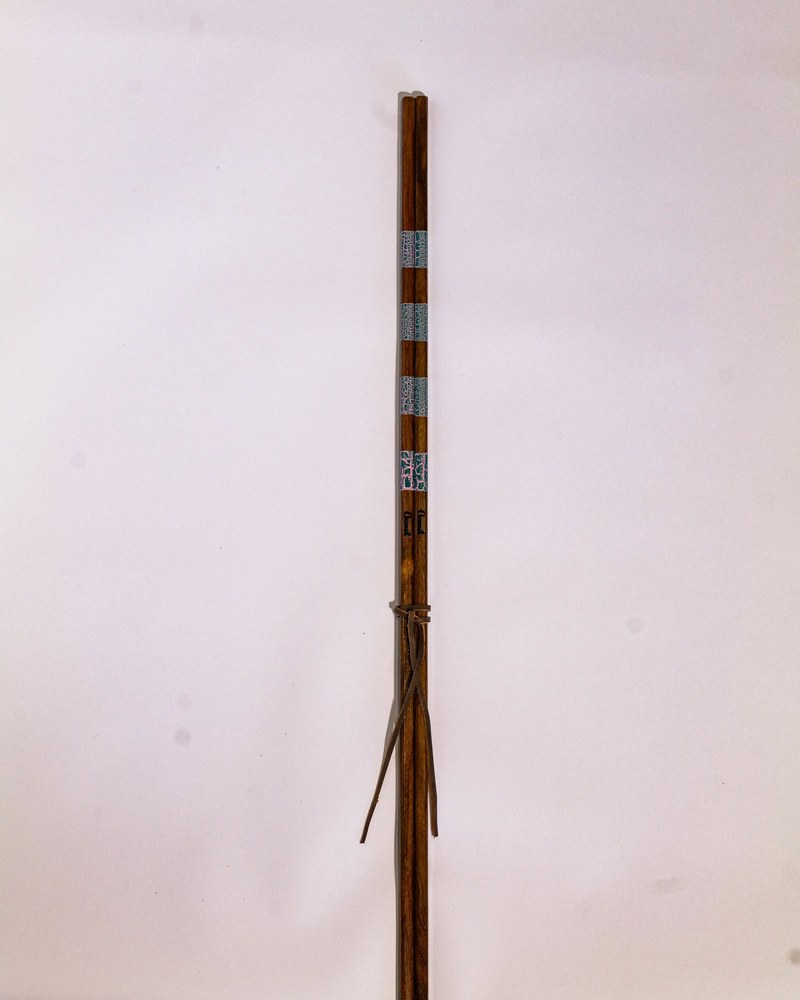
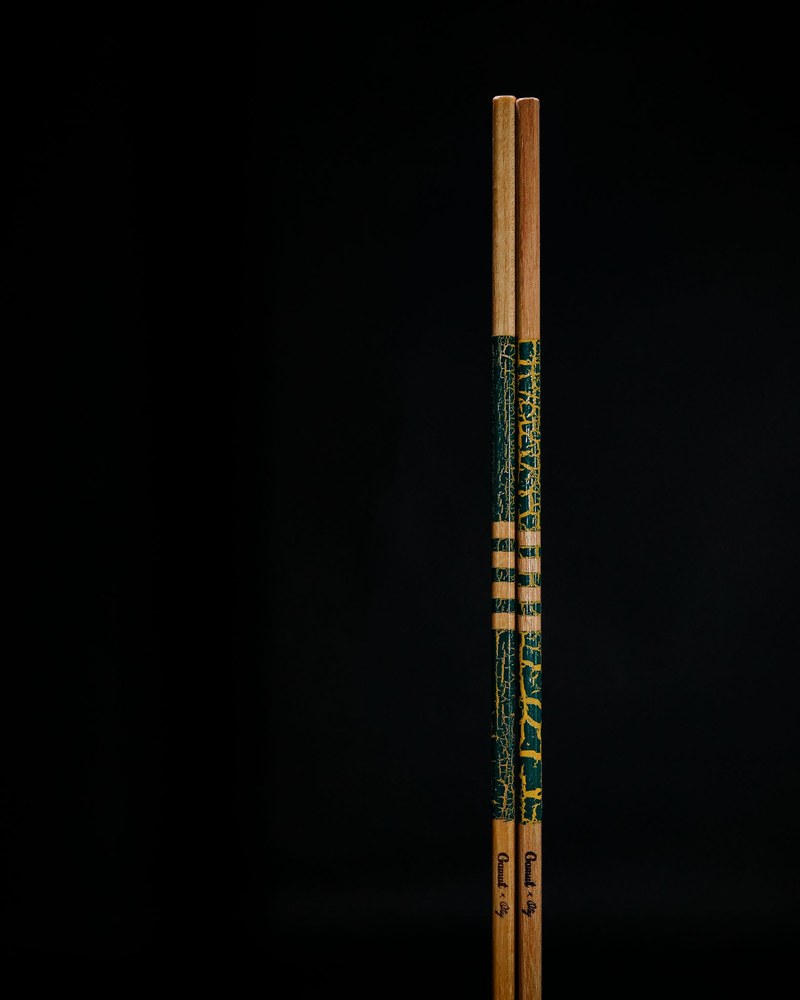
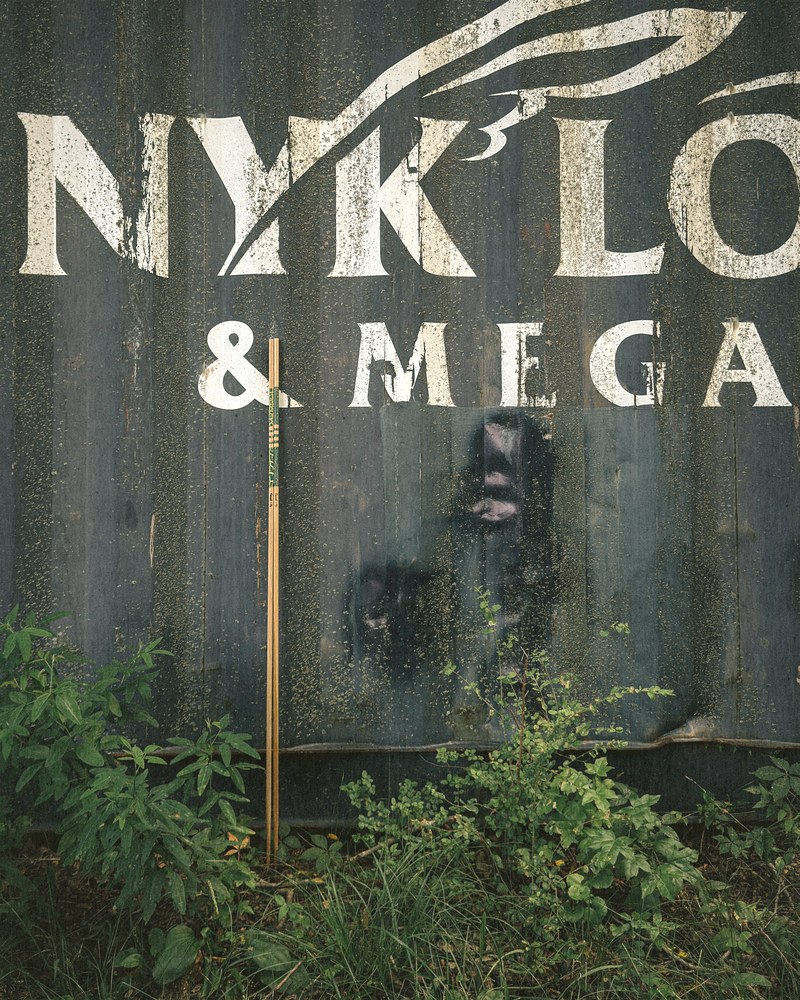
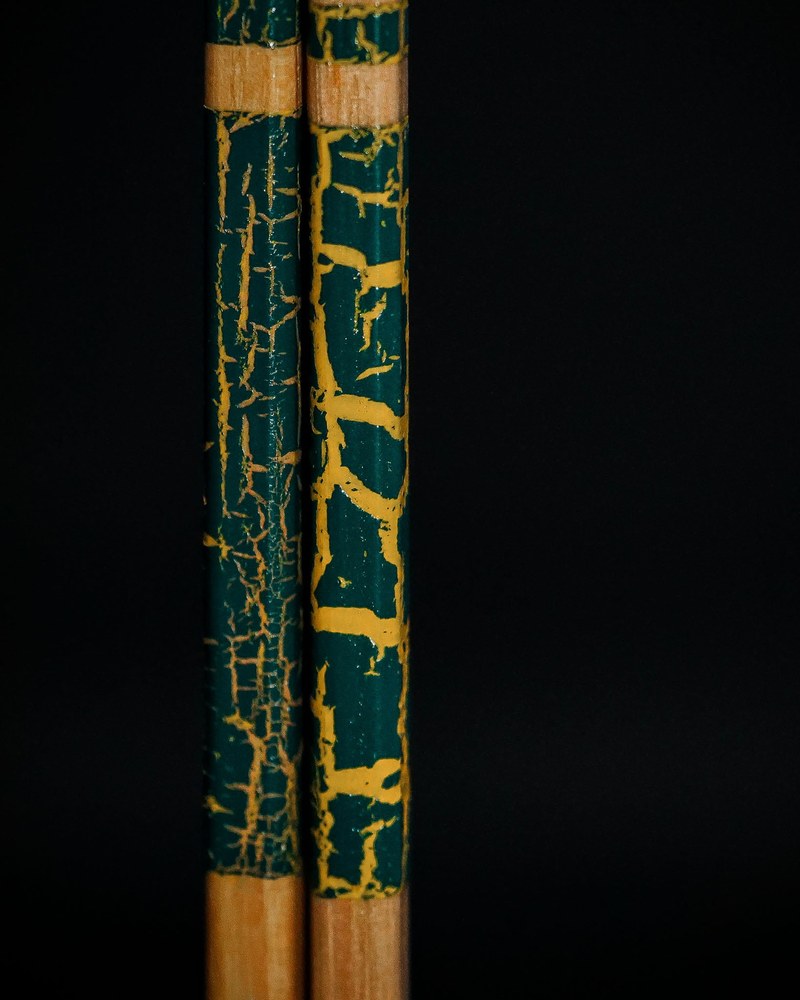
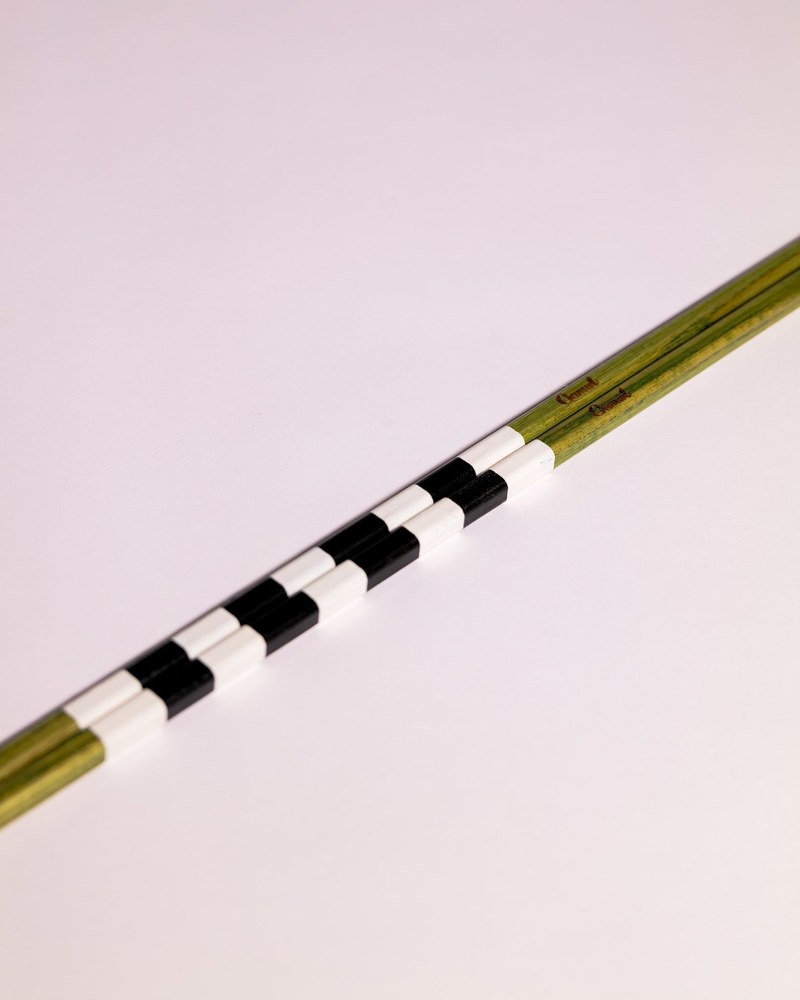
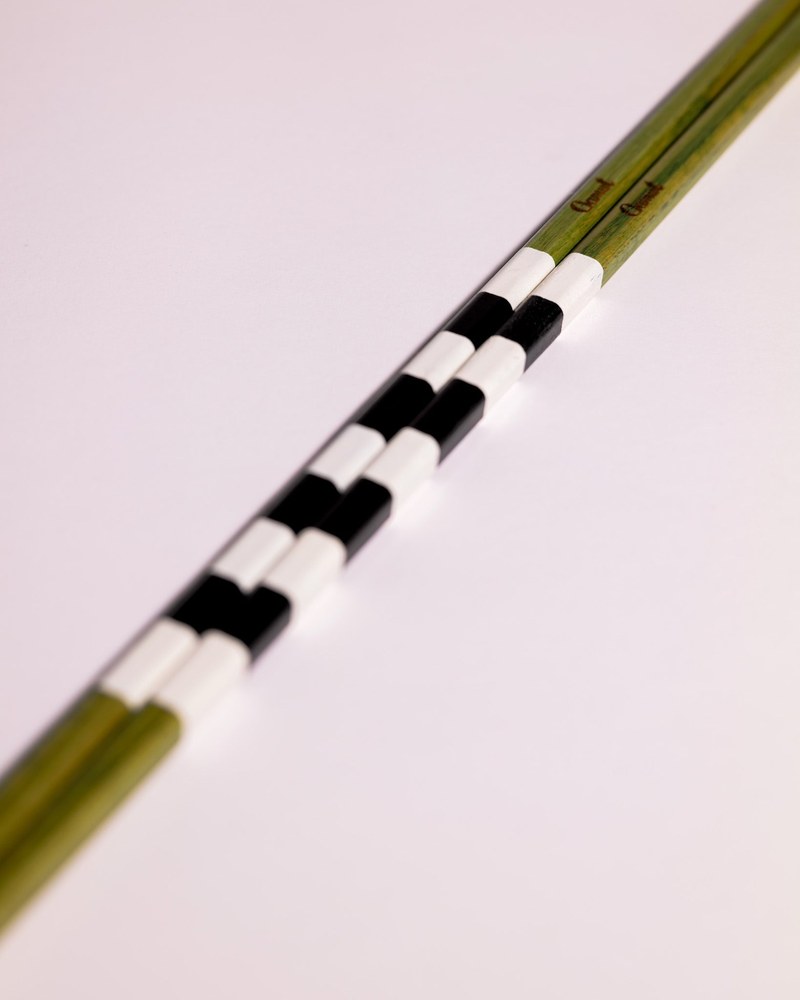
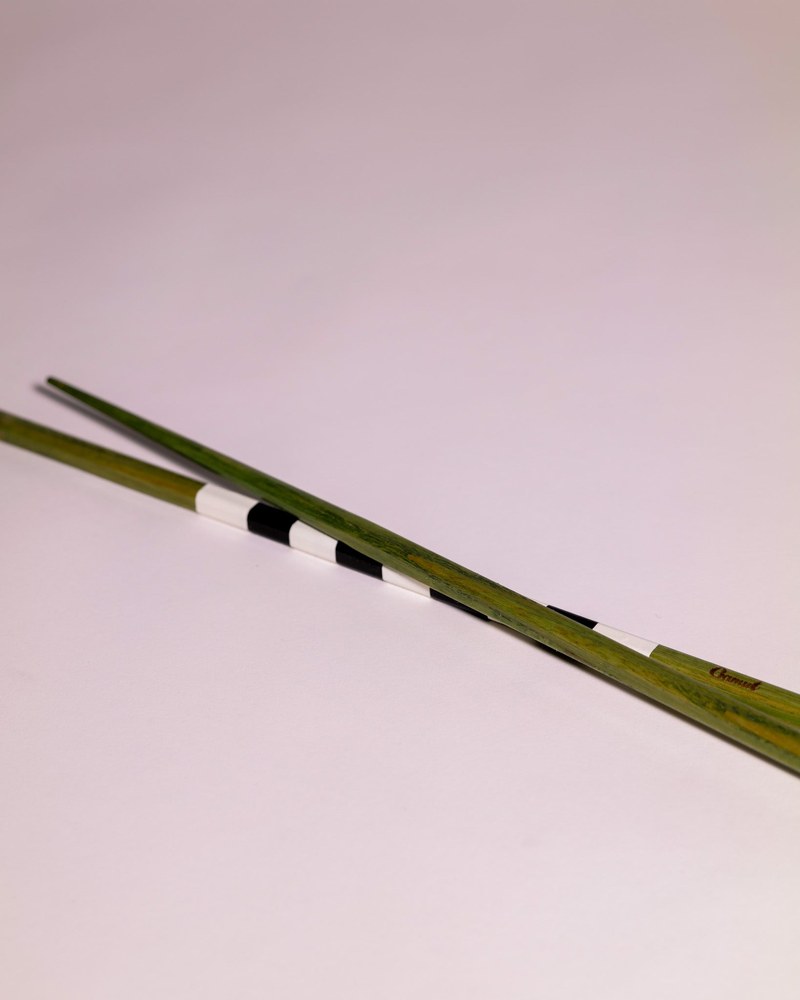
The sticks. The alignment sticks are the other half of the business and the reason to look past the covers. Every version runs 42 inches with a 3/8-inch square profile and six inches of taper. The square section is the whole argument for spending $98 on something available in fiberglass for twenty: a square stick stays where it is laid on a sloping range mat. Species rotate — American-grown hickory on the V3 and the Otey edition, solid etimoe on the Chain Gang run, shedua on the earlier versions. Etimoe and shedua are trade names for the same African hardwood, so the variety is narrower than the naming suggests.
Gamut has never given an interview, so the products are the only record.
There is no About page. No founder is named anywhere on the site, no publication has interviewed them, and the only personal identifier in the entire web presence is an email address in the returns policy. The Terms of Service still carries the unfilled Shopify template fields where a trading name and business address should be. That is not a criticism so much as a description of scale: this is a very small operation that has spent its effort on product rather than on the page that explains the product.
What can be dated is the output. The web presence begins in November 2023 and the oldest item still listed, the brass divot tool, dates to July 2024. Twenty-eight of the thirty-five current products were published in 2026, so the pace has increased sharply. The five-piece Chain Gang capsule — sticks, headcover, club brush, pocket brush and pouch, in waxed canvas and hardwood — landed in one drop in late March 2026, the week before the Masters. The club brush in that set is engraved with a single azalea.
The tagline has moved from “A Life Aligned” to “Know Your Line.” Two recurring lines in the product copy do the work an About page would: “Built to last, made to age,” and, on the waxed canvas, “the waxed canvas will wear in, not out.” Both are brand copy rather than anyone’s quote, but they describe the catalog accurately.
Stock is the practical caveat. Most of the covers are single-garment builds, so the majority of the range is sold out at any given moment, and a piece that sells is generally gone rather than restocked.

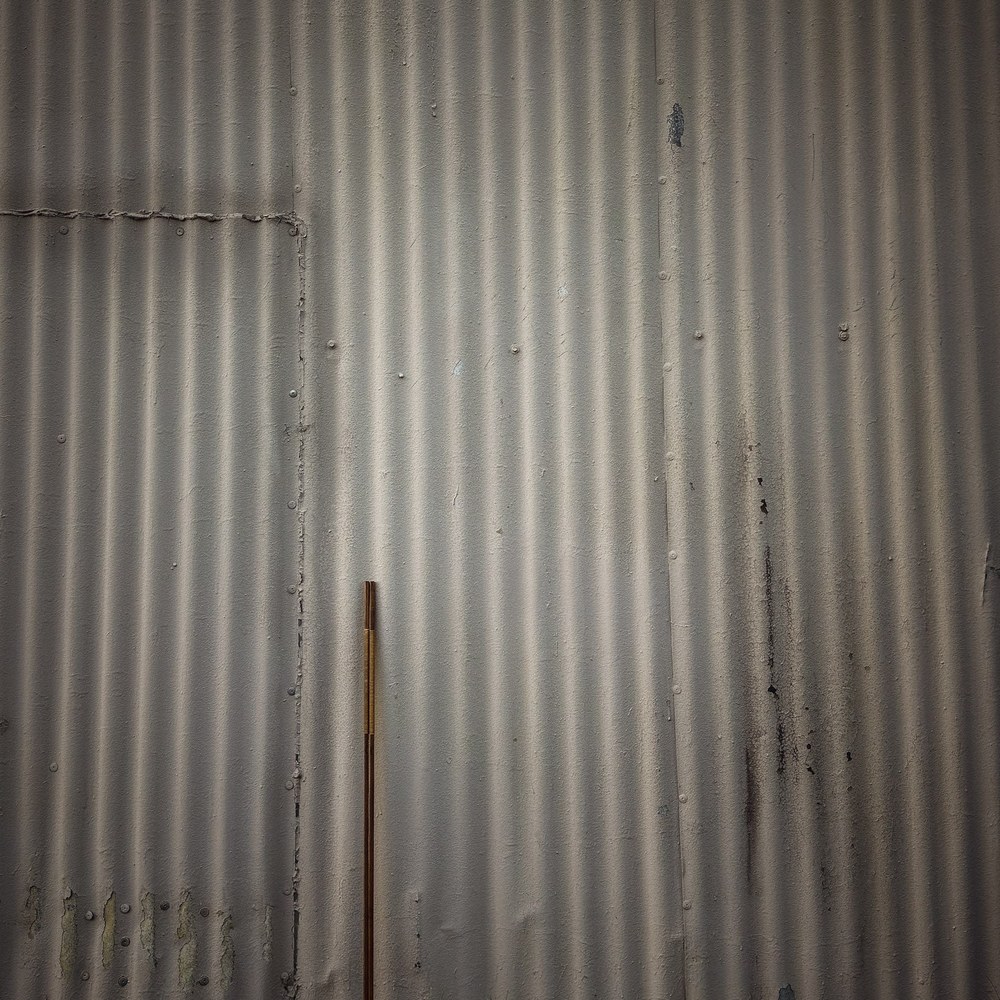
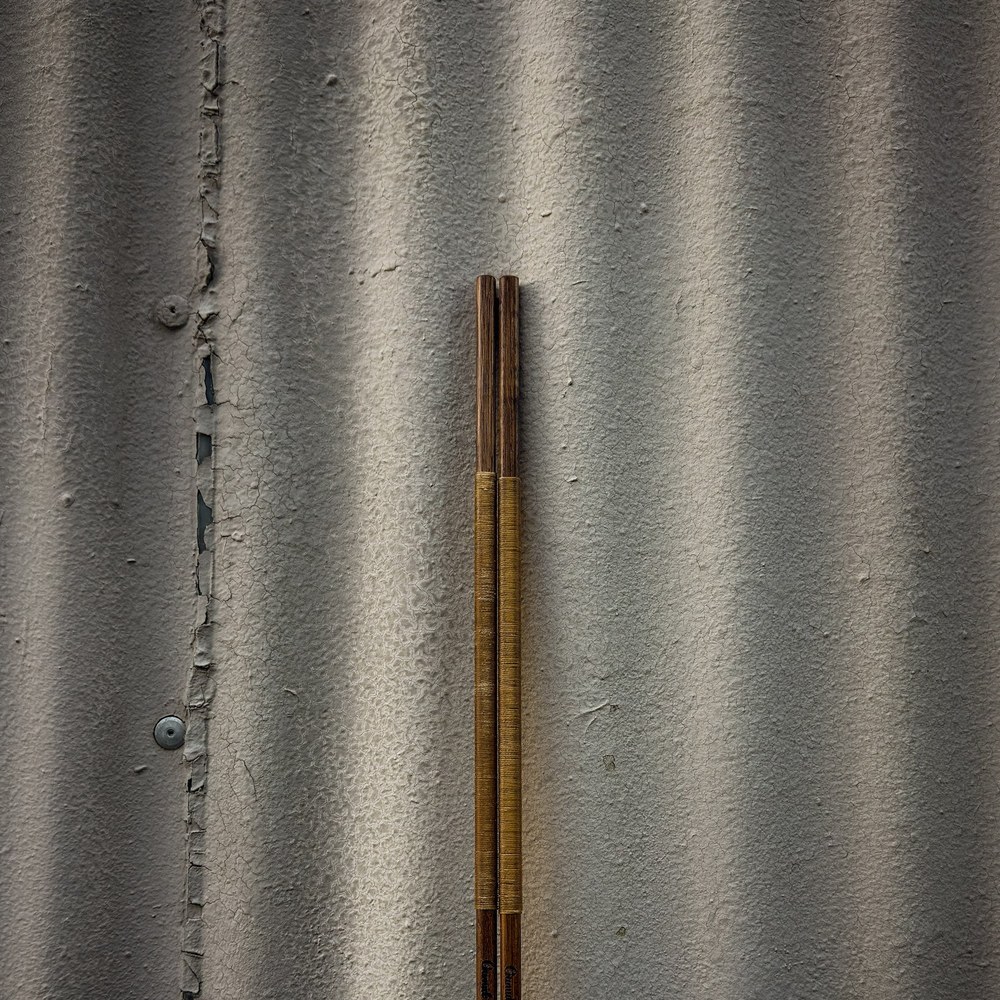
Photography courtesy of Gamut Golf
Each one cut from a single authentic jersey, so each one is the only one.
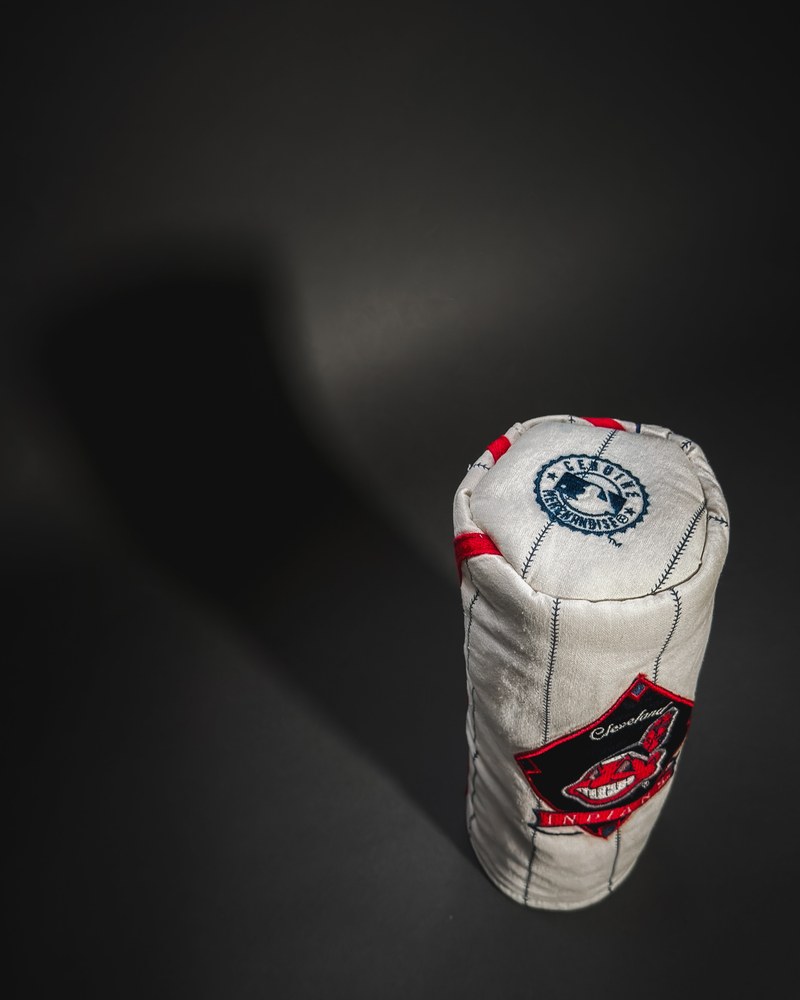
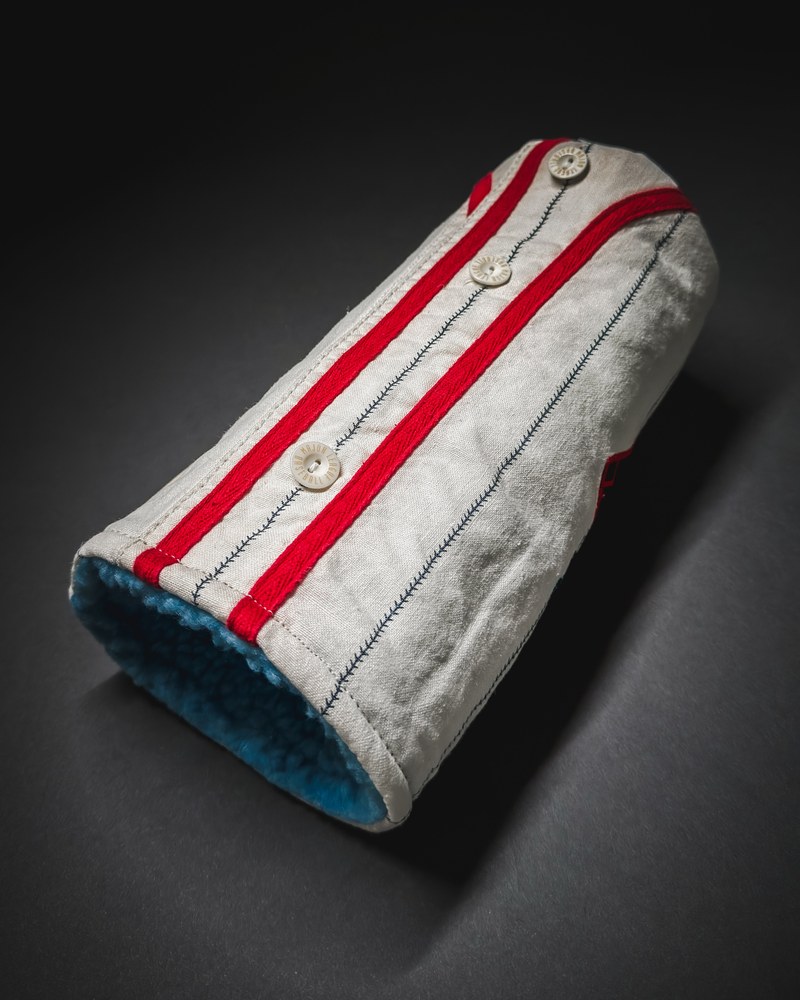
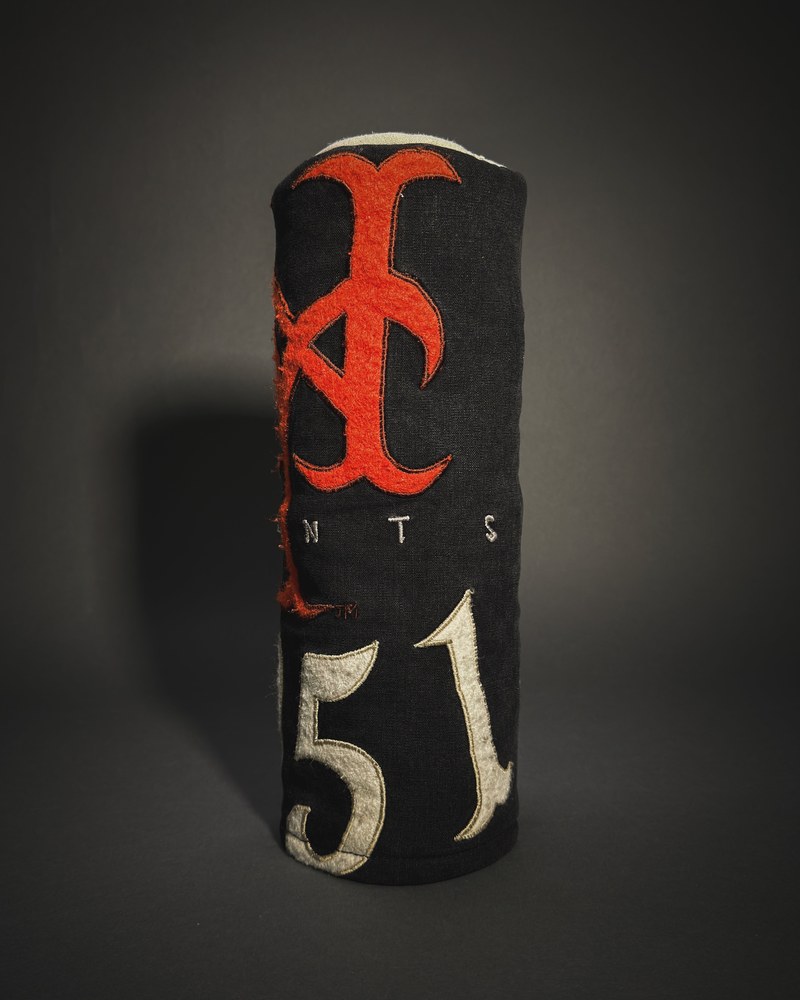
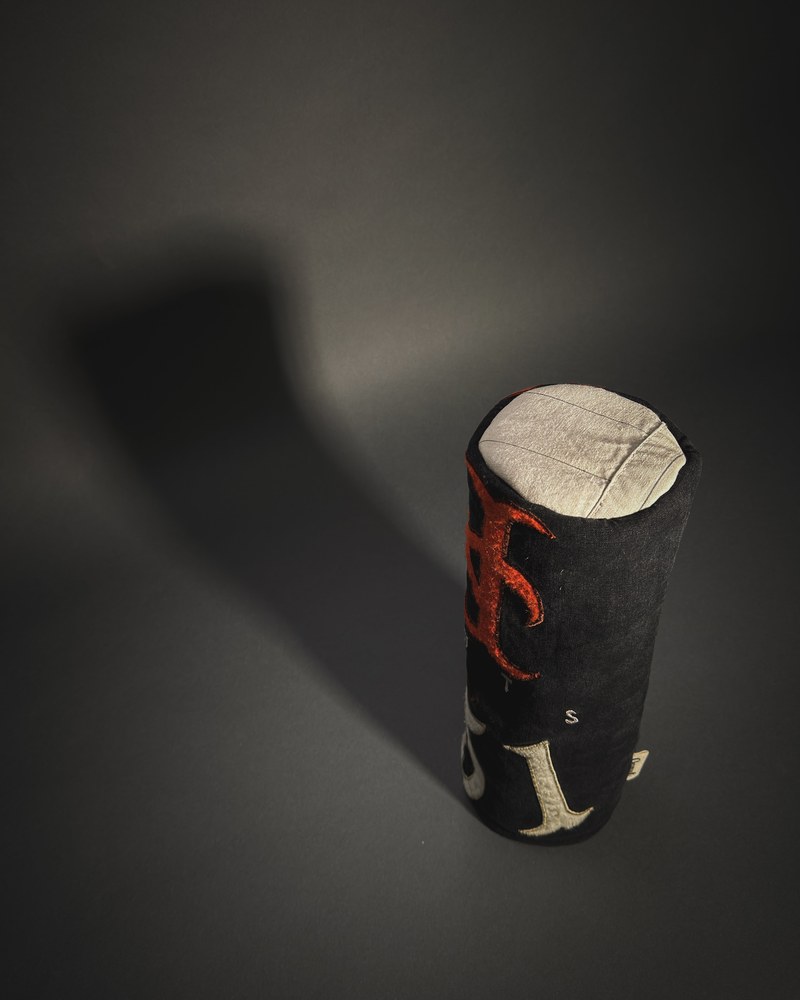
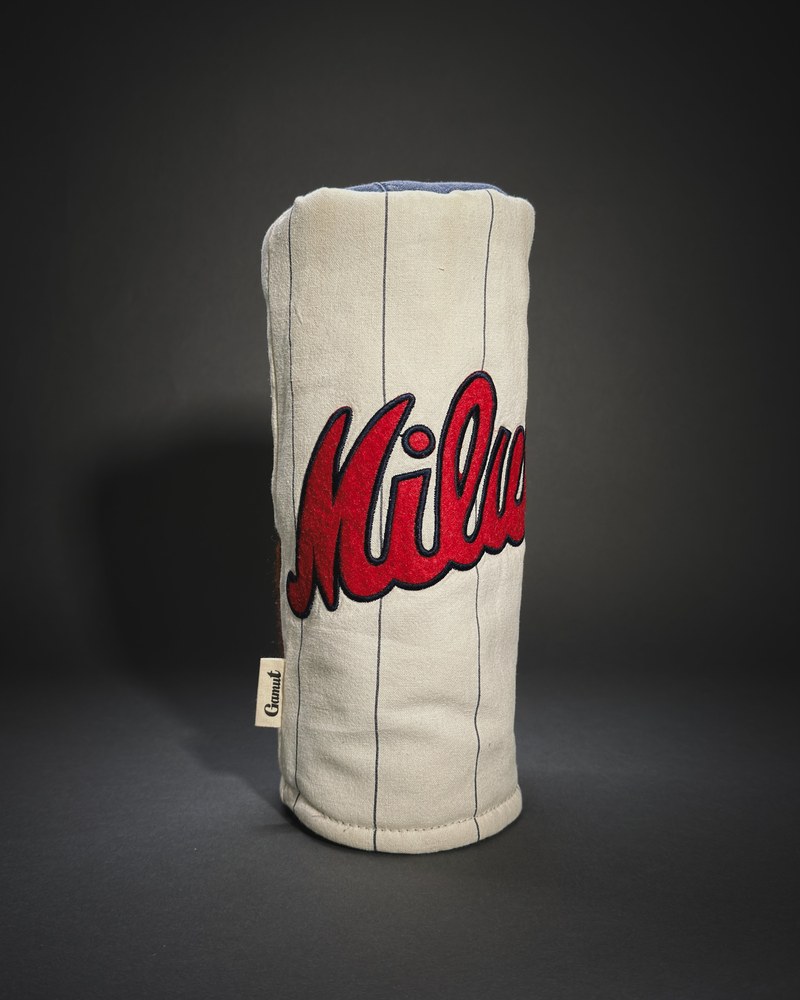
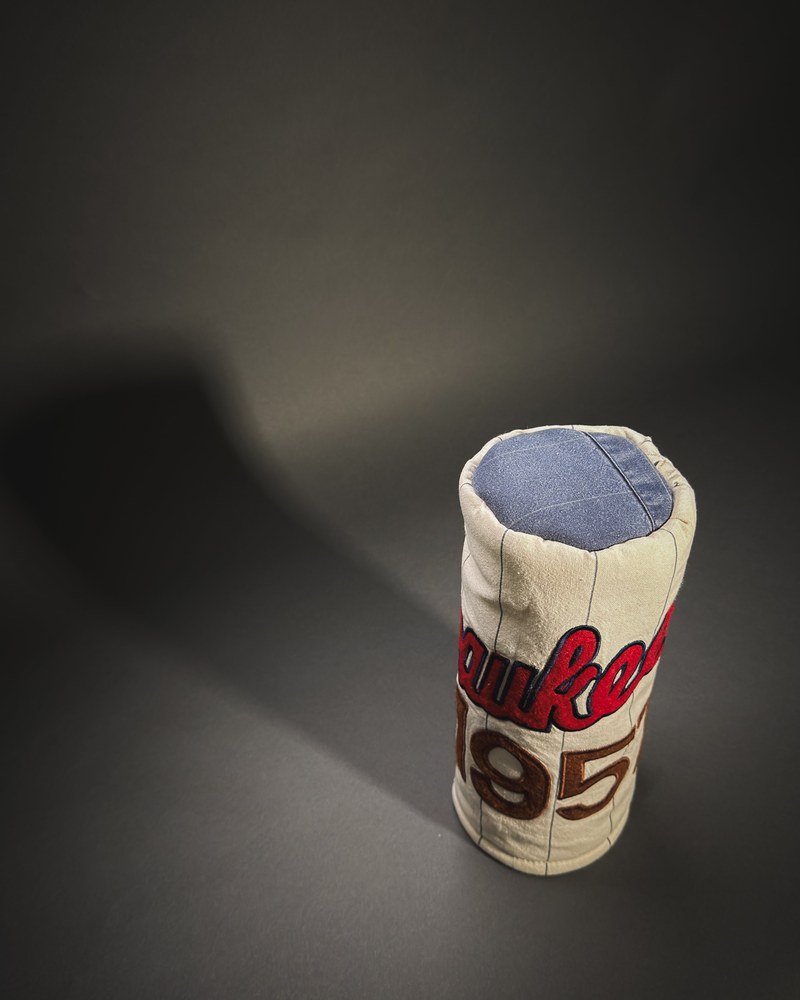
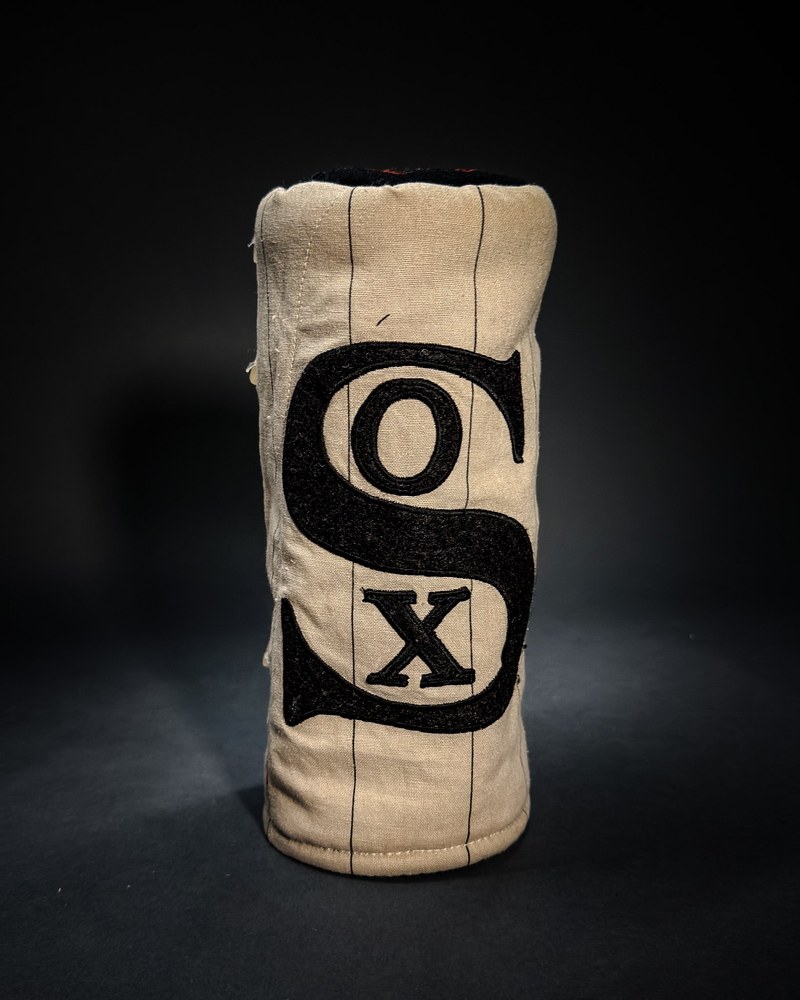
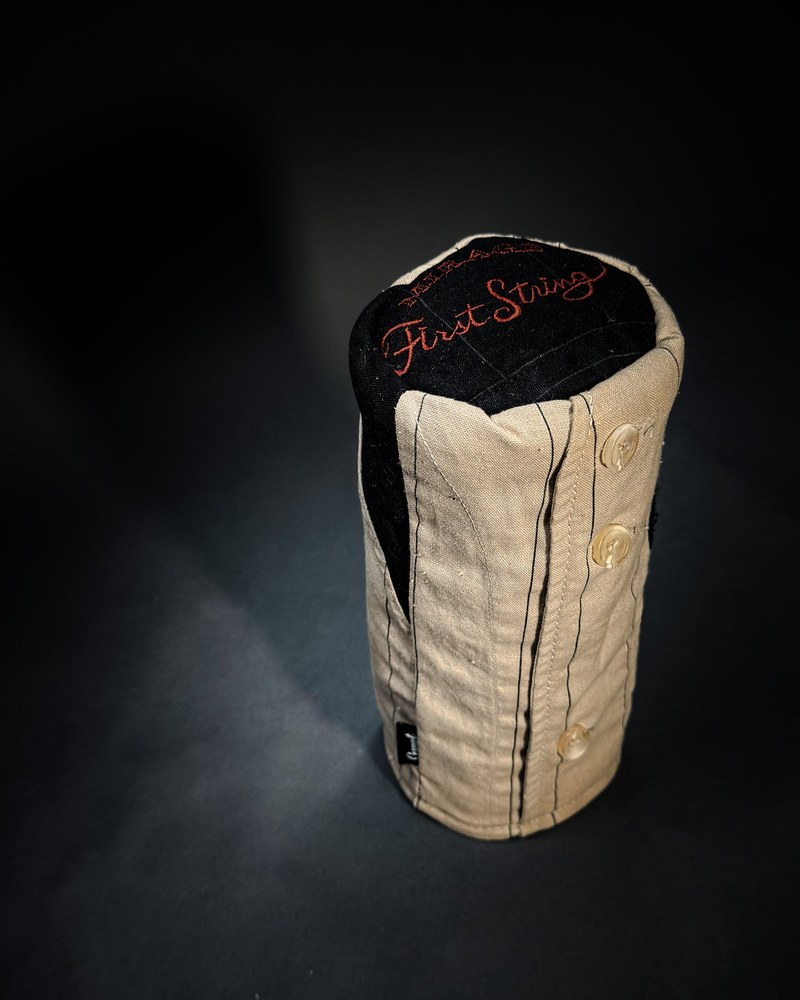
Built from genuine course towels. No club partnership is claimed on any of them.
Every version runs 42 inches with a 3/8-inch square profile and a six-inch taper. Only the species changes.

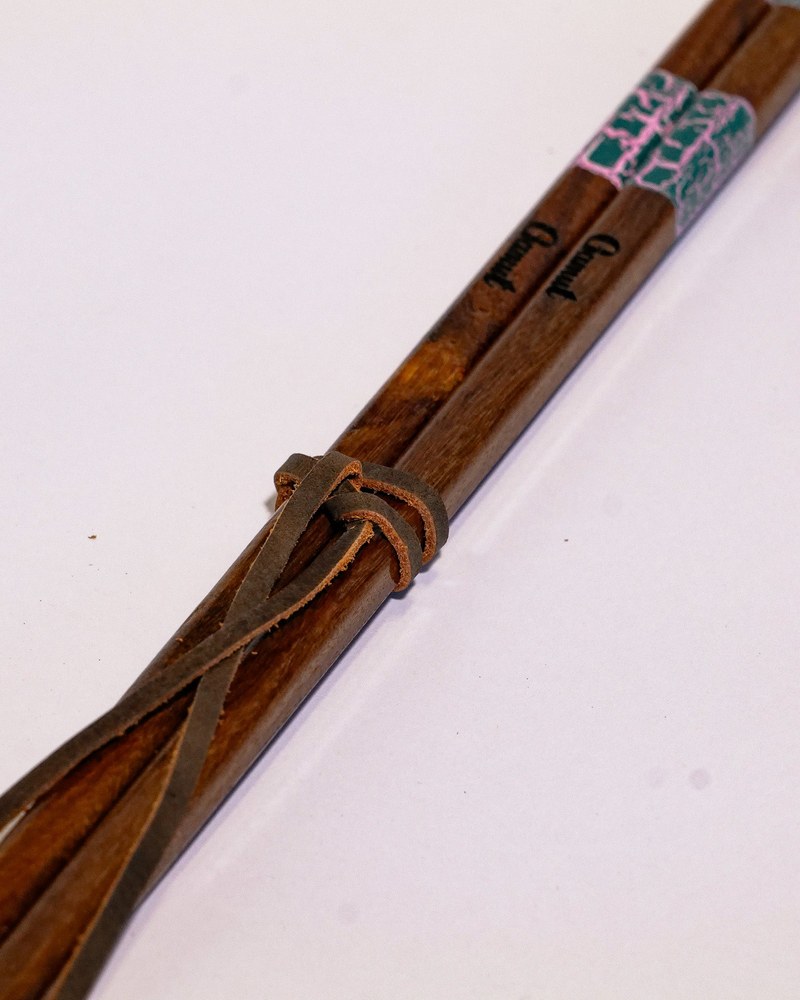
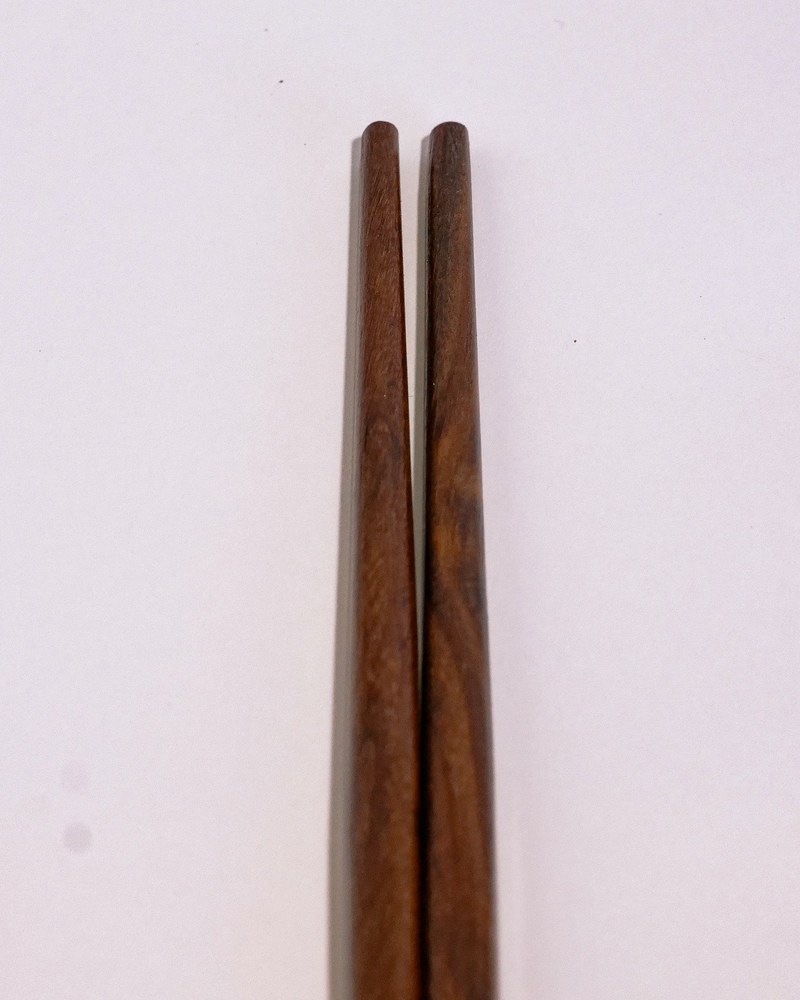
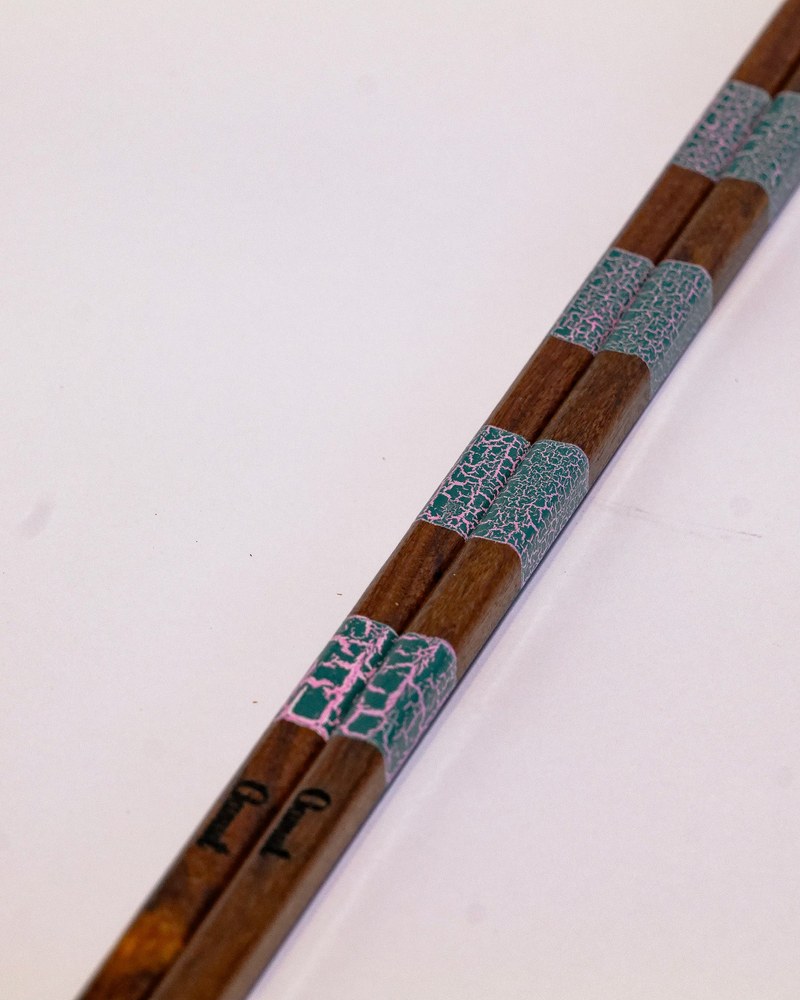
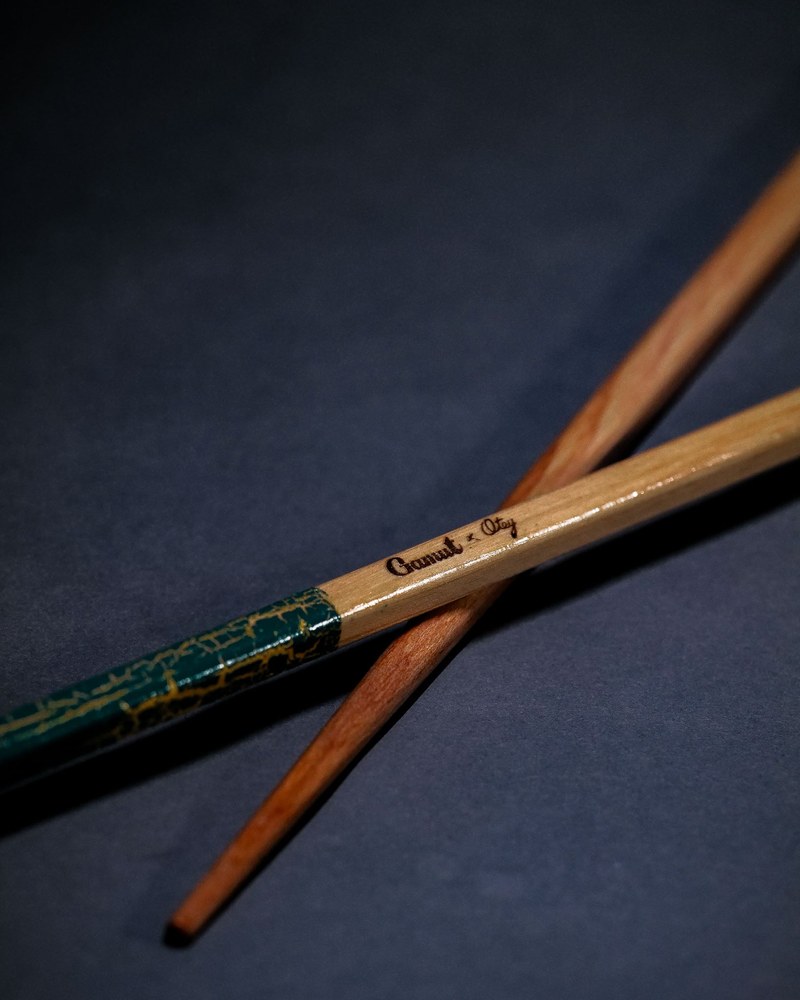
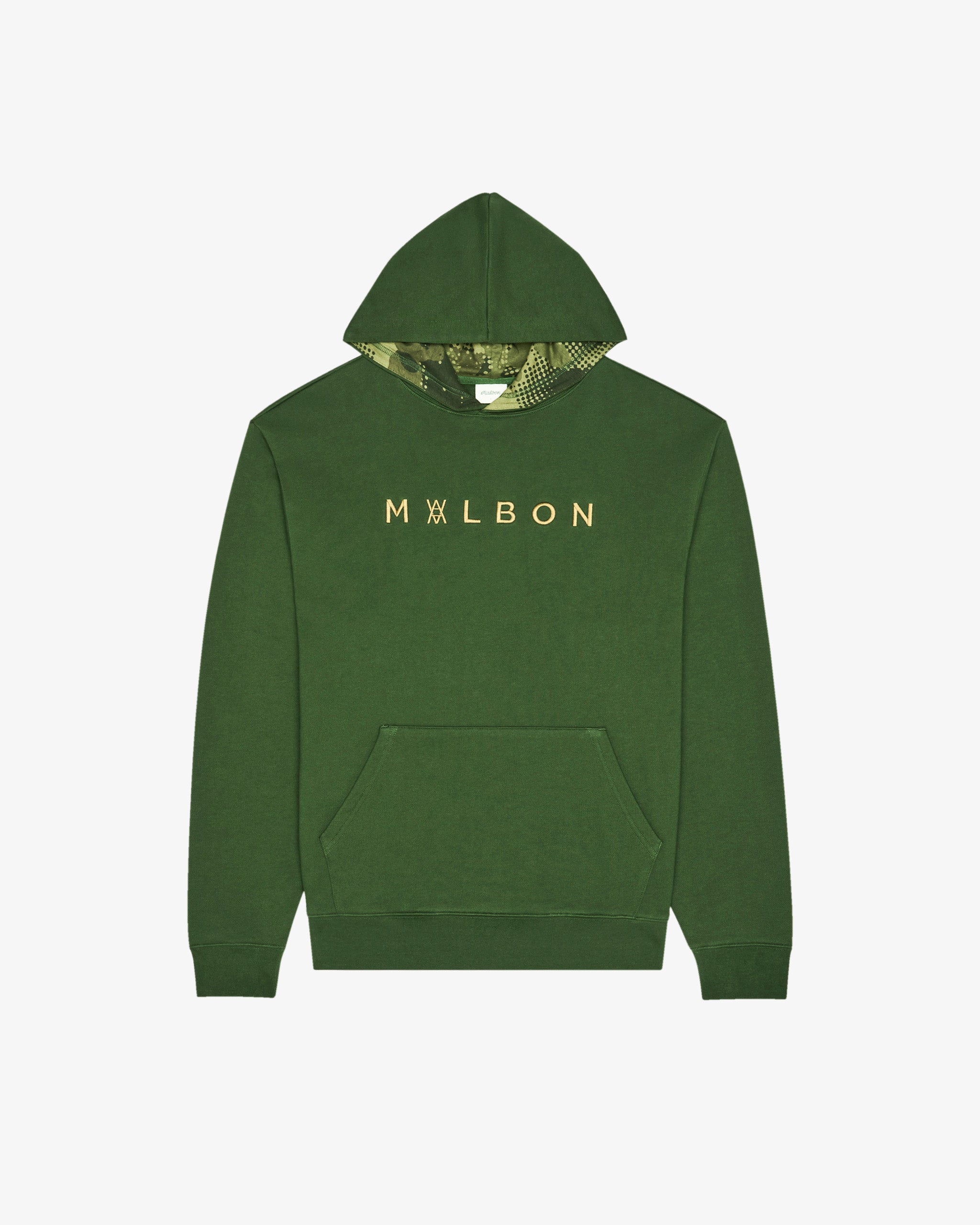
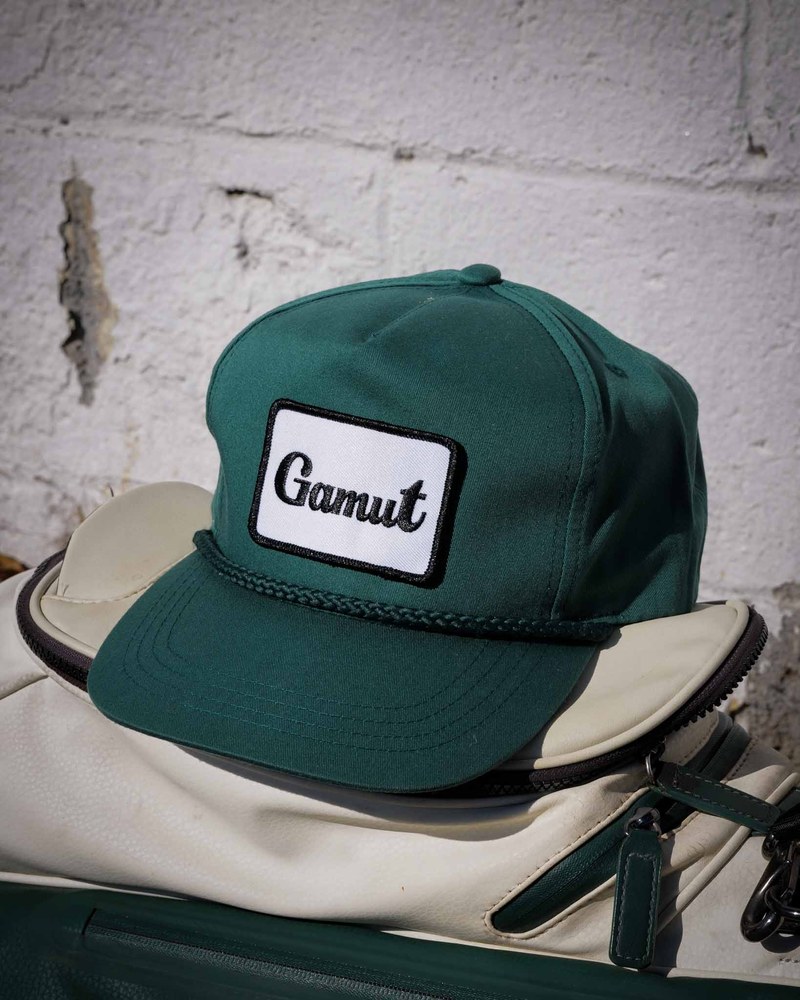
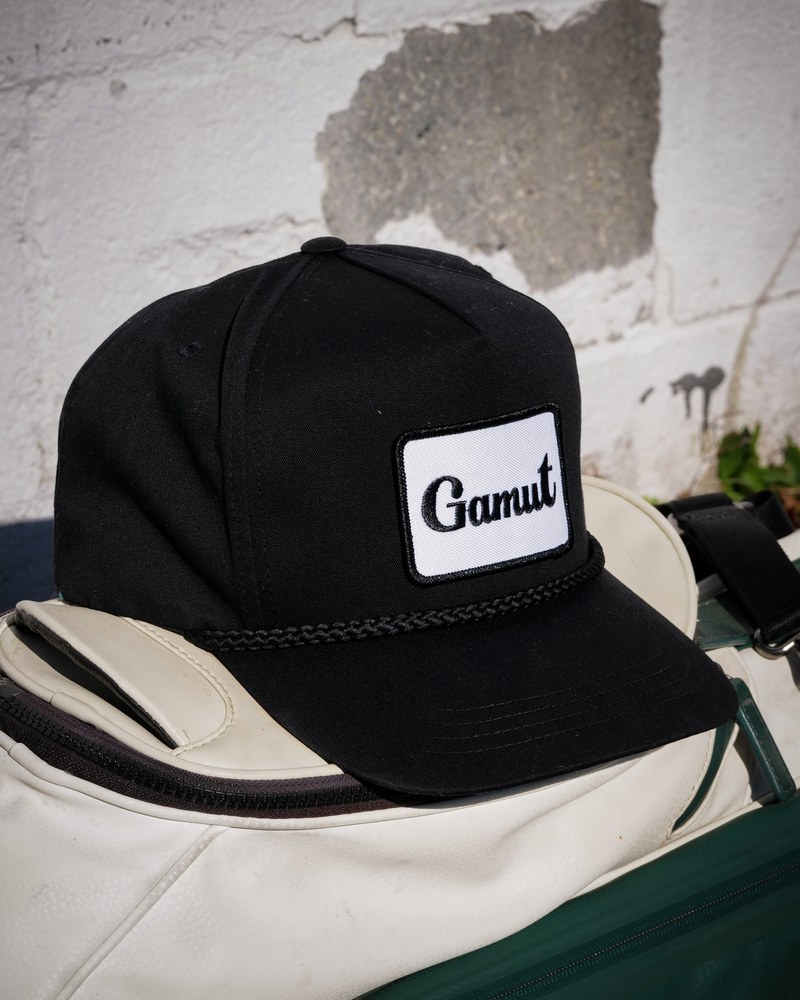
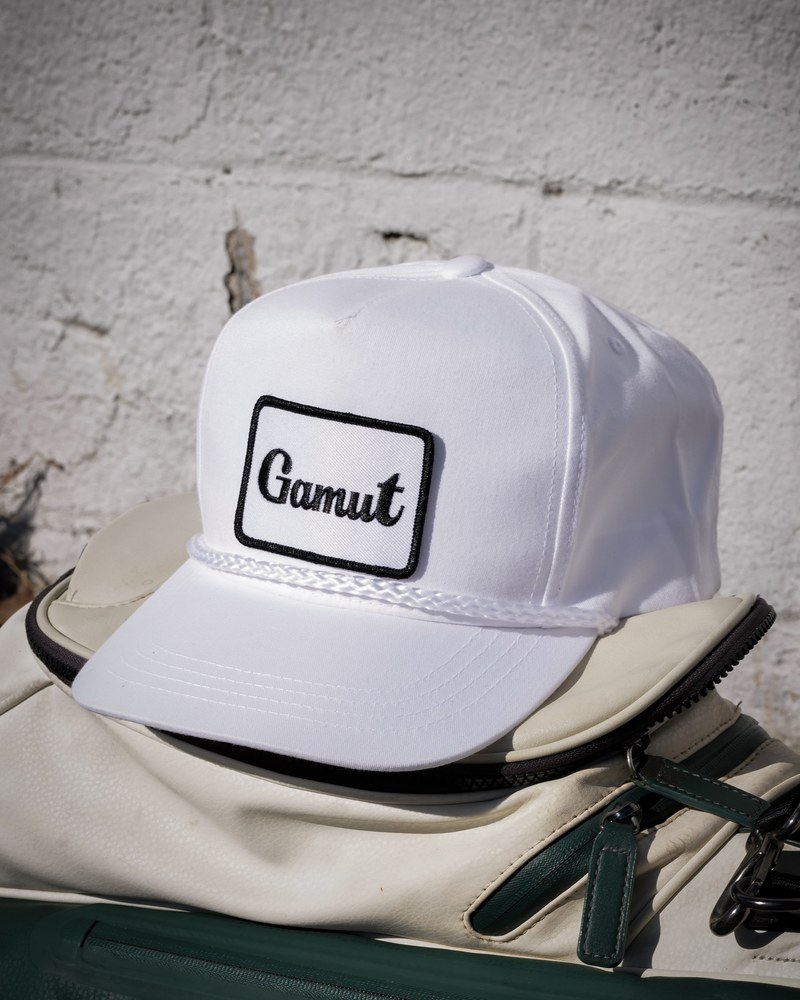
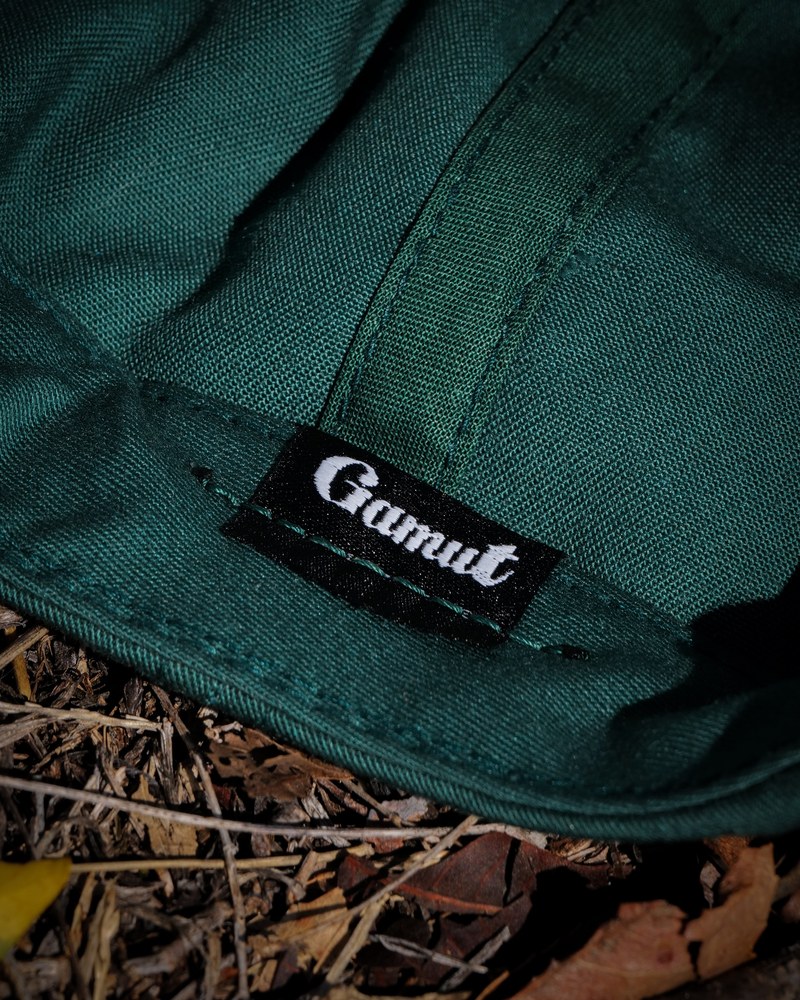
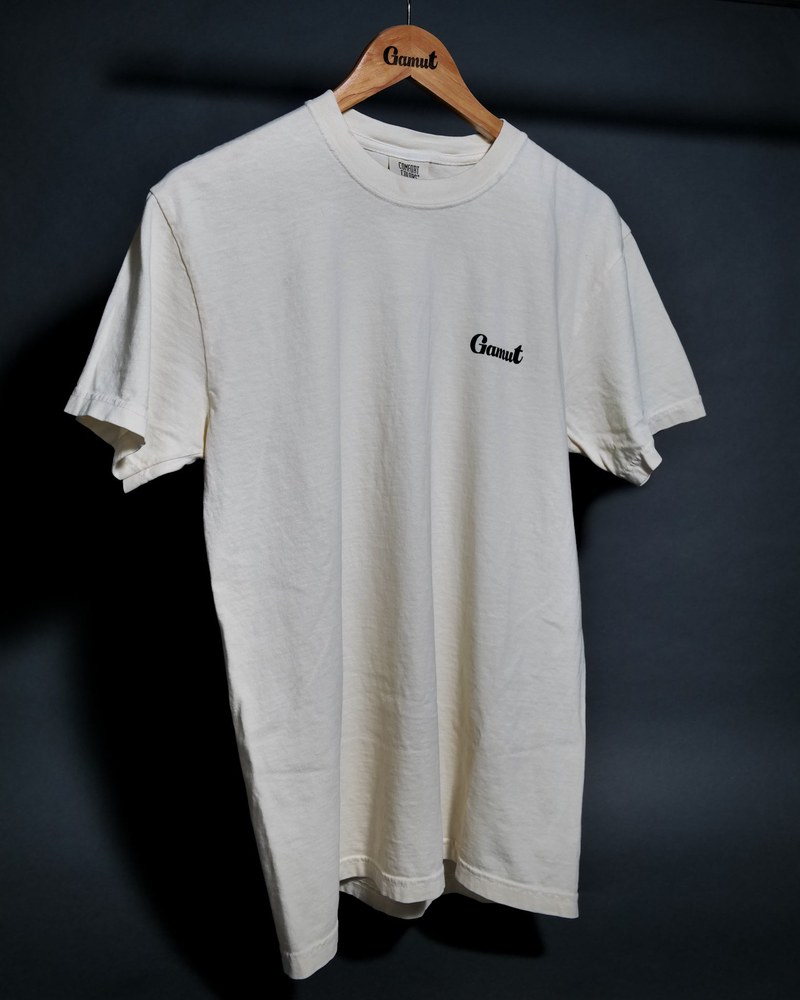
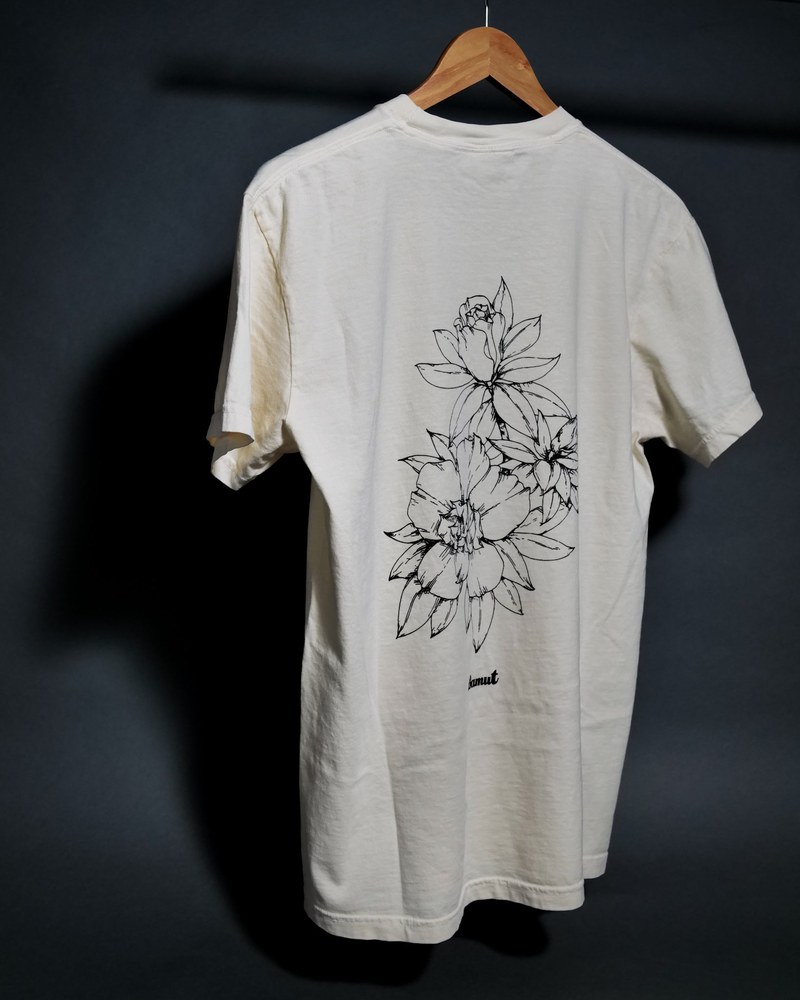
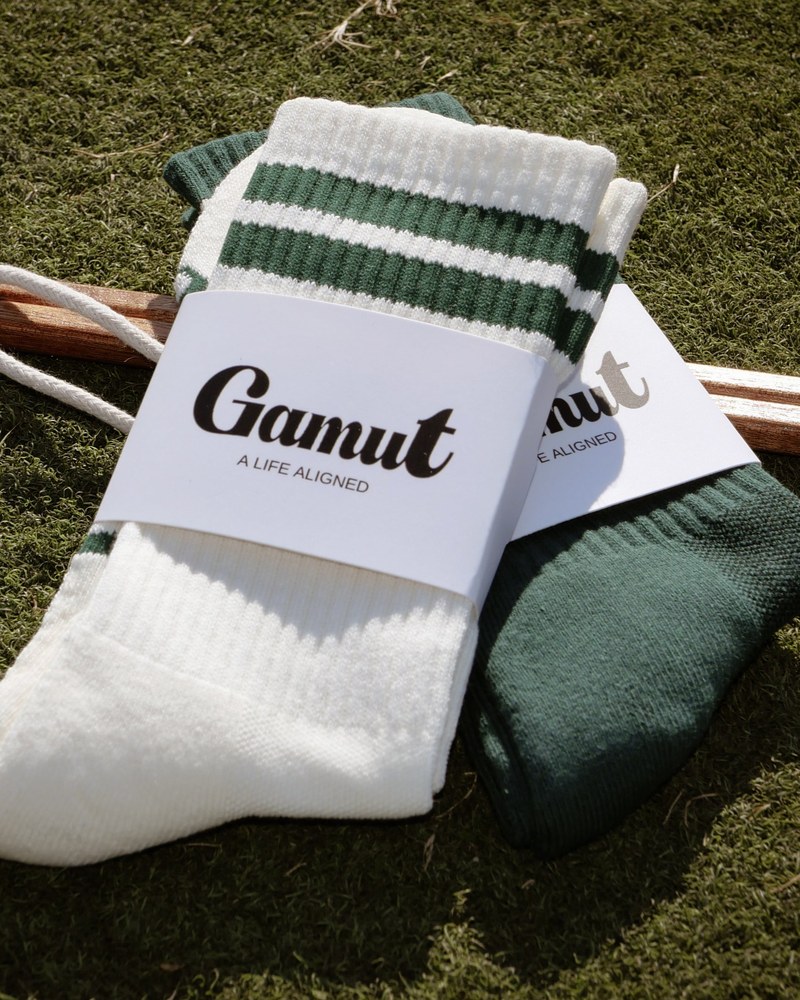
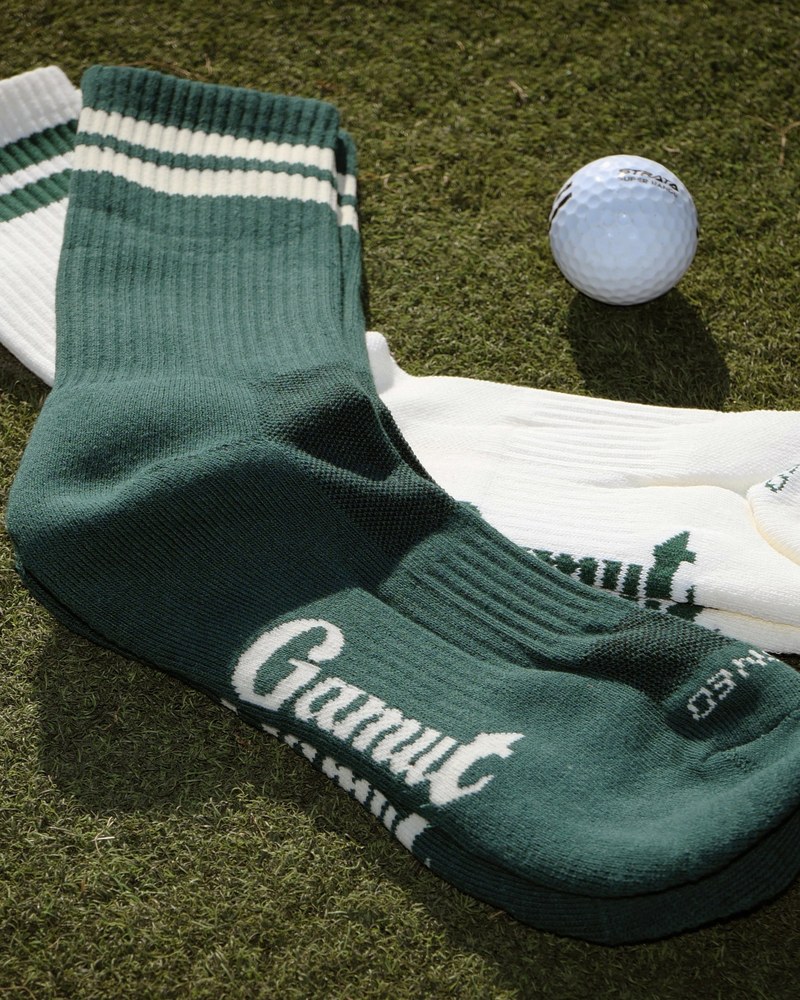
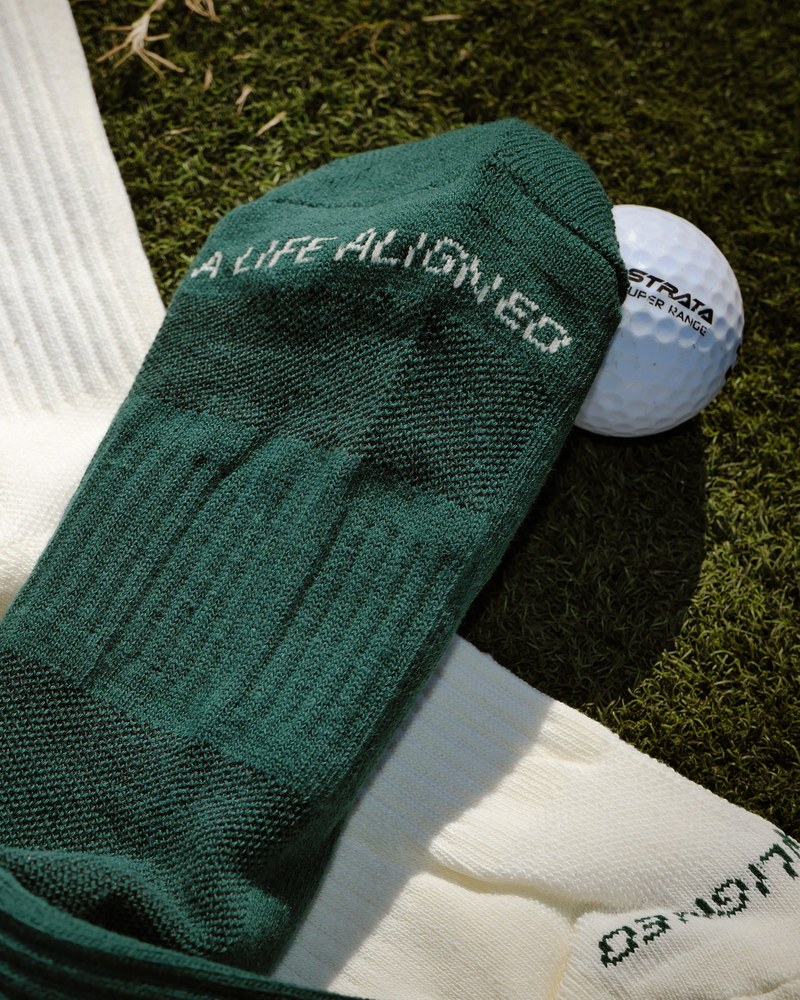
Brushes, a brass divot tool, a pouch, and the three soft goods that make up the whole apparel line.
No, and they do not need to be. Gamut cuts them from authentic vintage jerseys it has sourced secondhand, including 1990s Mirage Cooperstown Collection throwbacks that were officially licensed when they were manufactured. The covers are upcycled finished garments, not new products bearing printed team marks.
No club partnership is stated by Gamut or discoverable elsewhere. The covers are cut from genuine course towels — real merchandise, repurposed. The Home of Golf cover sidesteps the question by being named for Scotland's Big 4 rather than one club.
They are hardwood rather than fiberglass — hickory, etimoe or shedua depending on the run — and they use a 3/8-inch square profile over 42 inches with a six-inch taper. The square section is the point: it will not roll away on a sloping mat.
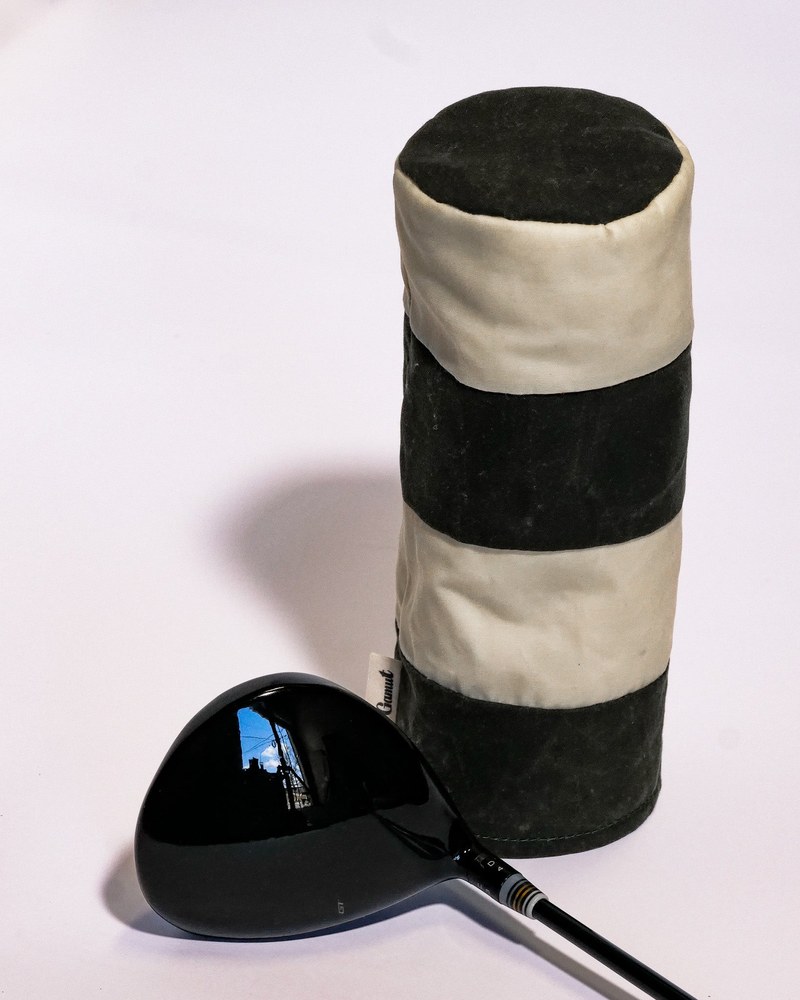
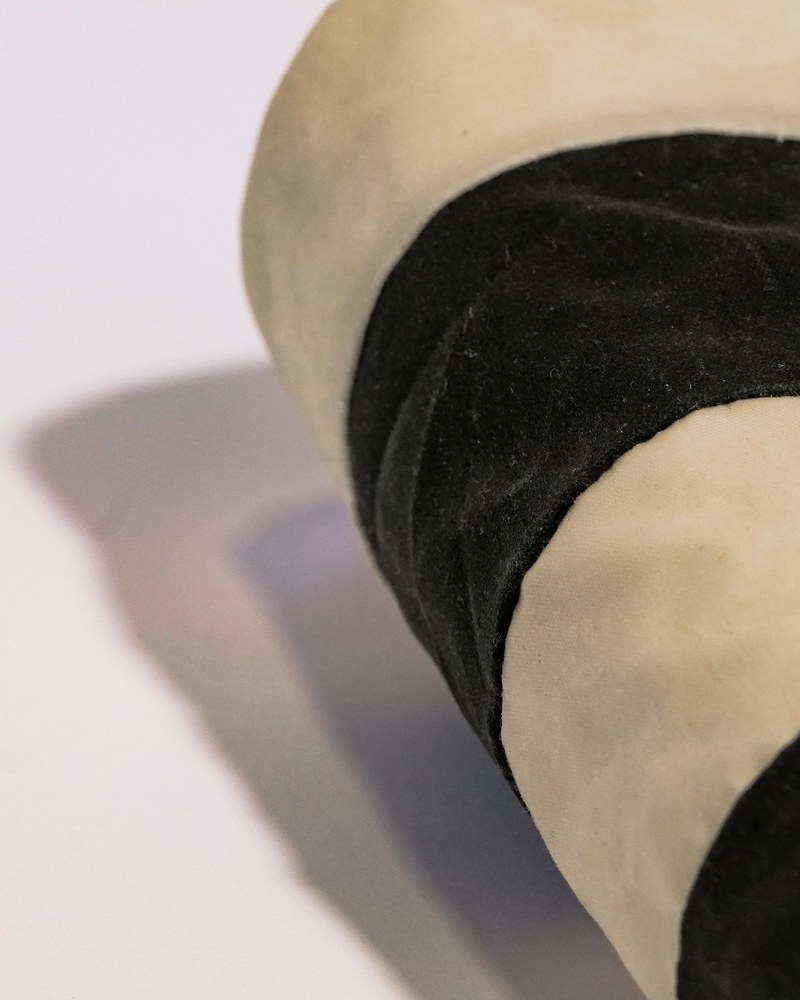
A five-piece capsule released in one drop in March 2026: alignment sticks in etimoe, a waxed canvas headcover, a walnut club brush, a hickory pocket brush and a waxed canvas pouch lined in Turkish herringbone wool. The brand says it is "inspired by the rugged utility of old chain gangs."
Every available signal says yes — no parent company, no funding announcement, no corporate footprint, and a catalog of one-of-one pieces that sells out and stays out. No outside investment is disclosed.