Australia is the best golf destination almost no American has been to, and the problem is information rather than distance. Half of what gets written about the Melbourne Sandbelt in the US repeats a myth about Alister MacKenzie designing all of it, and almost none of it tells you what a trip costs or how you get on one.
Two things are going on down there. The independent apparel and leather brands have got very good very fast, and nobody outside Australia is covering them properly. Alongside them sits a small set of organized trips an American can book, with prices exactly as published and a clear note where an operator publishes none.
Random Golf Club runs an Australia trip, and no other golf media or apparel brand in the world does. The rest of the field sits it out: the big golf media names, and a dozen clothing labels from Manors to Malbon to Eastside. One golf media outfit has a deposit system and a calendar published a year ahead, and points its entire international program at Britain and Ireland. That leaves a hole in the market, and for now one fourteen-person van tour is filling it.
Brand prices are in Australian dollars, because that is what these businesses charge. At late-August 2026 rates an Australian dollar is about seventy-two US cents, so knock off a bit under a third. Trip prices are quoted in whatever currency the operator publishes, and each one is labeled. Where an operator publishes no price at all, that is noted rather than guessed at.
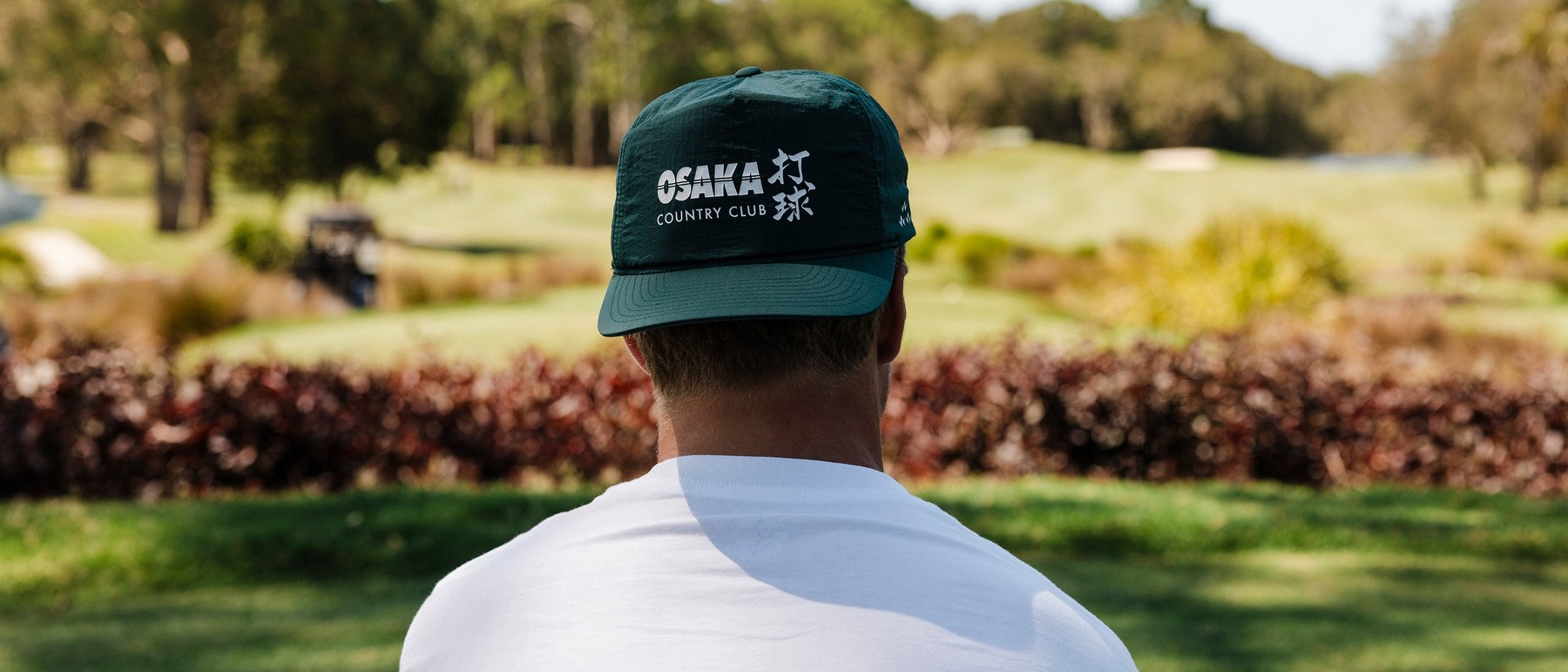
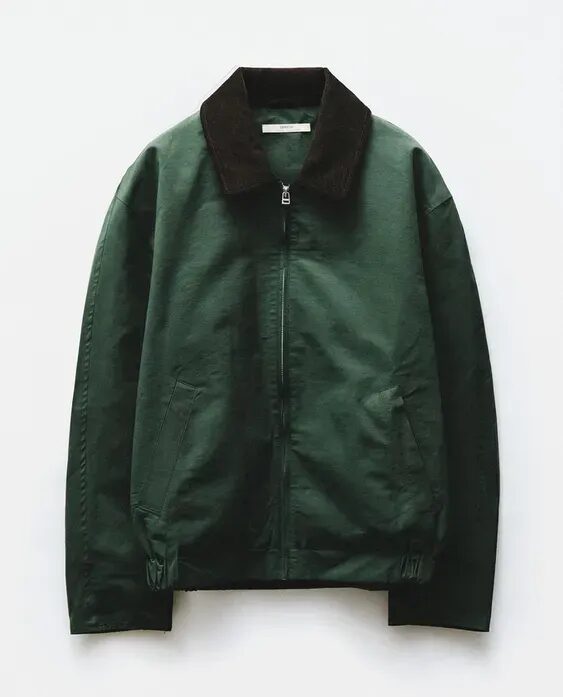
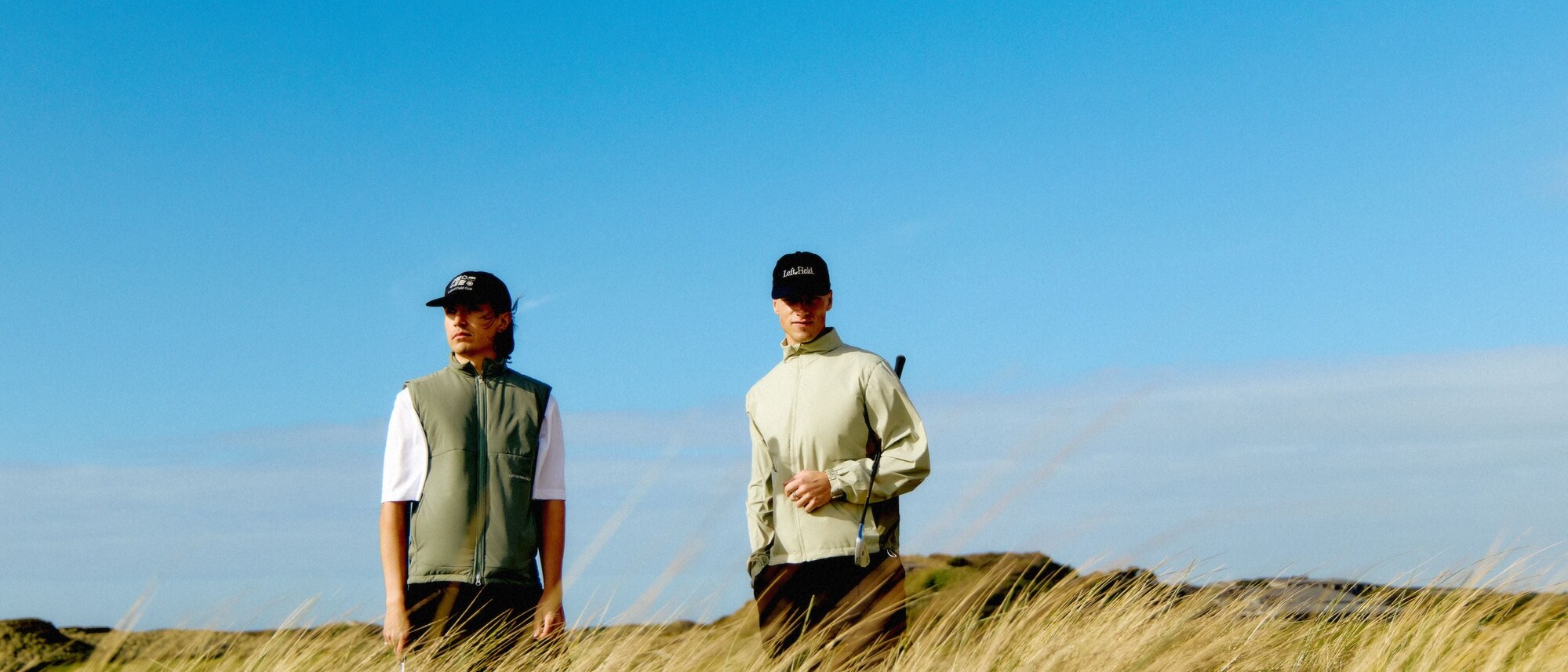
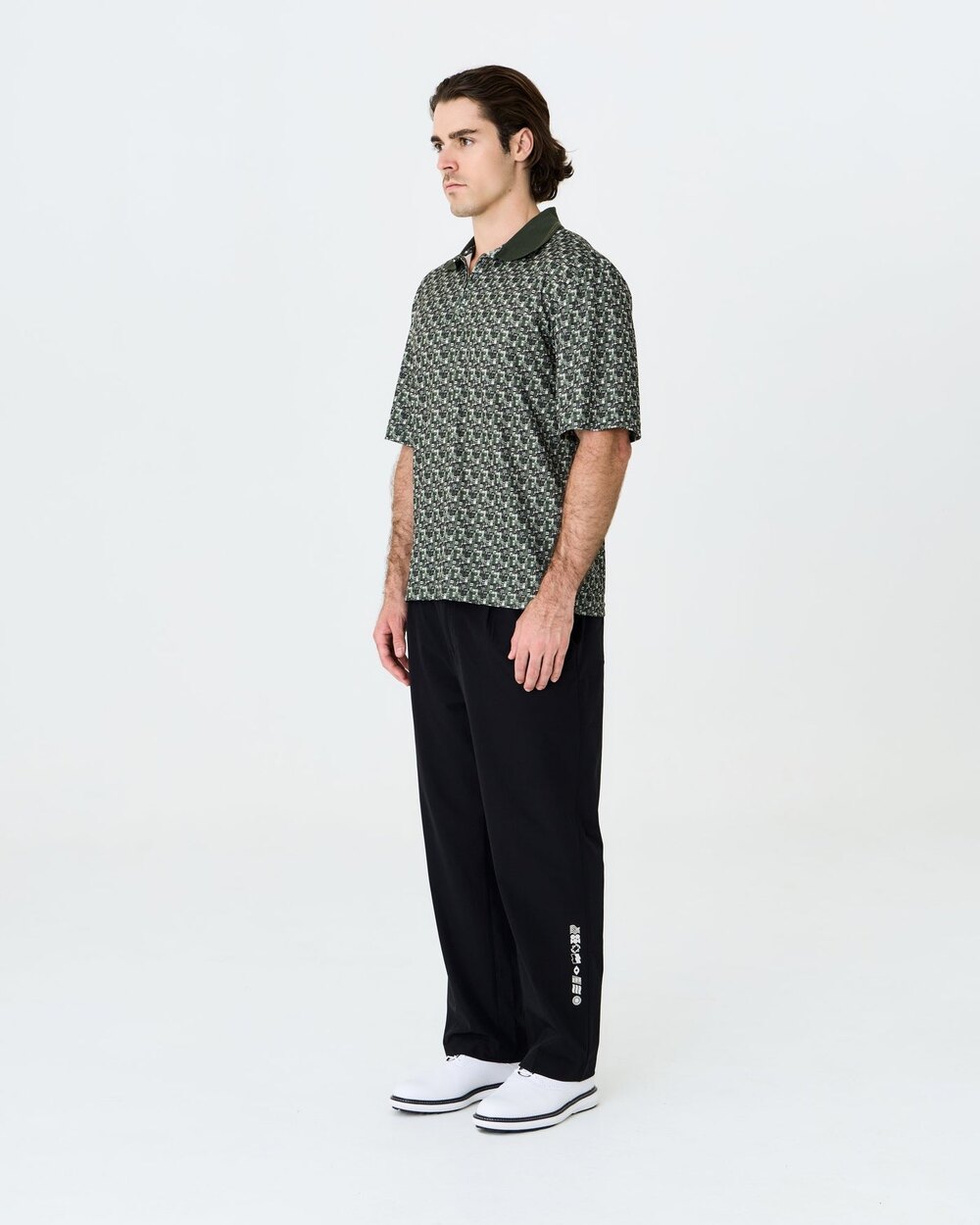
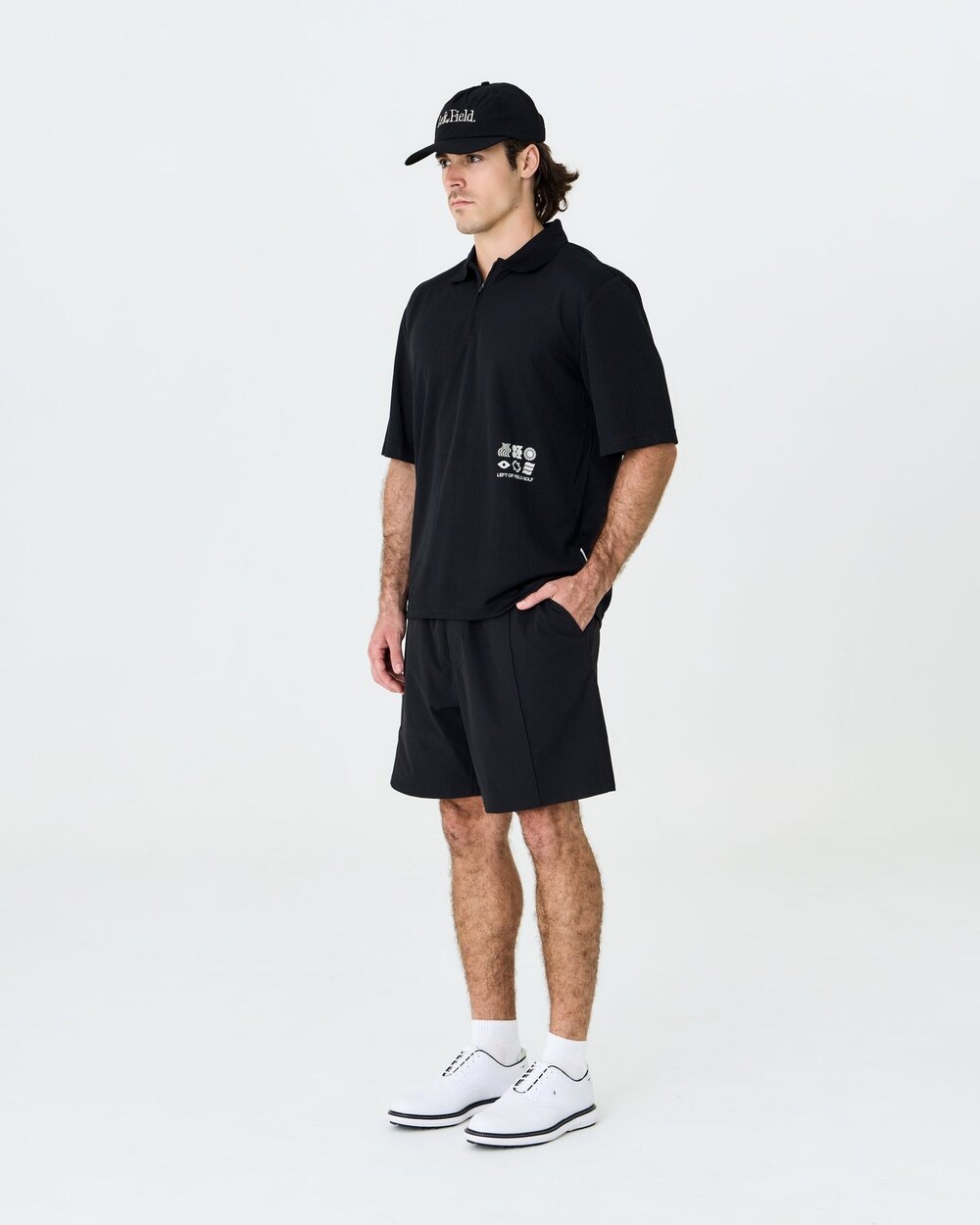
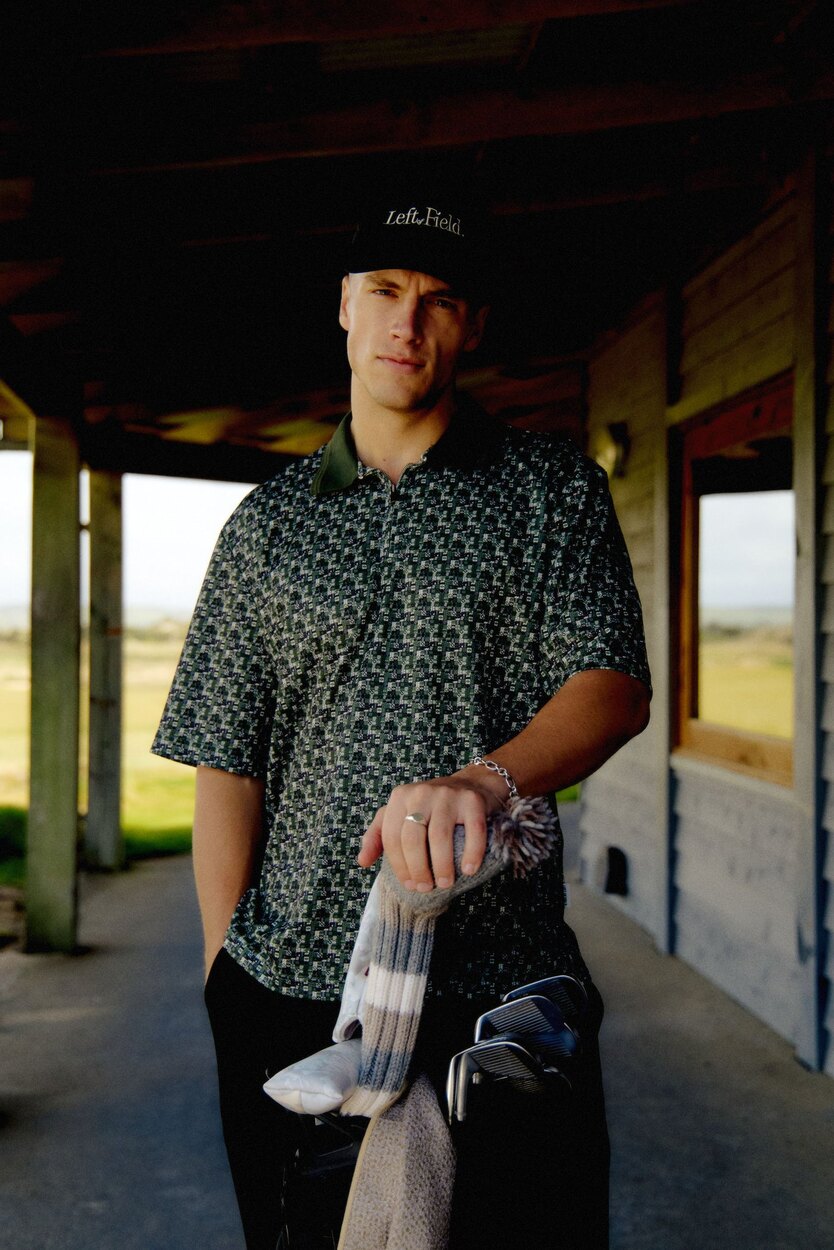
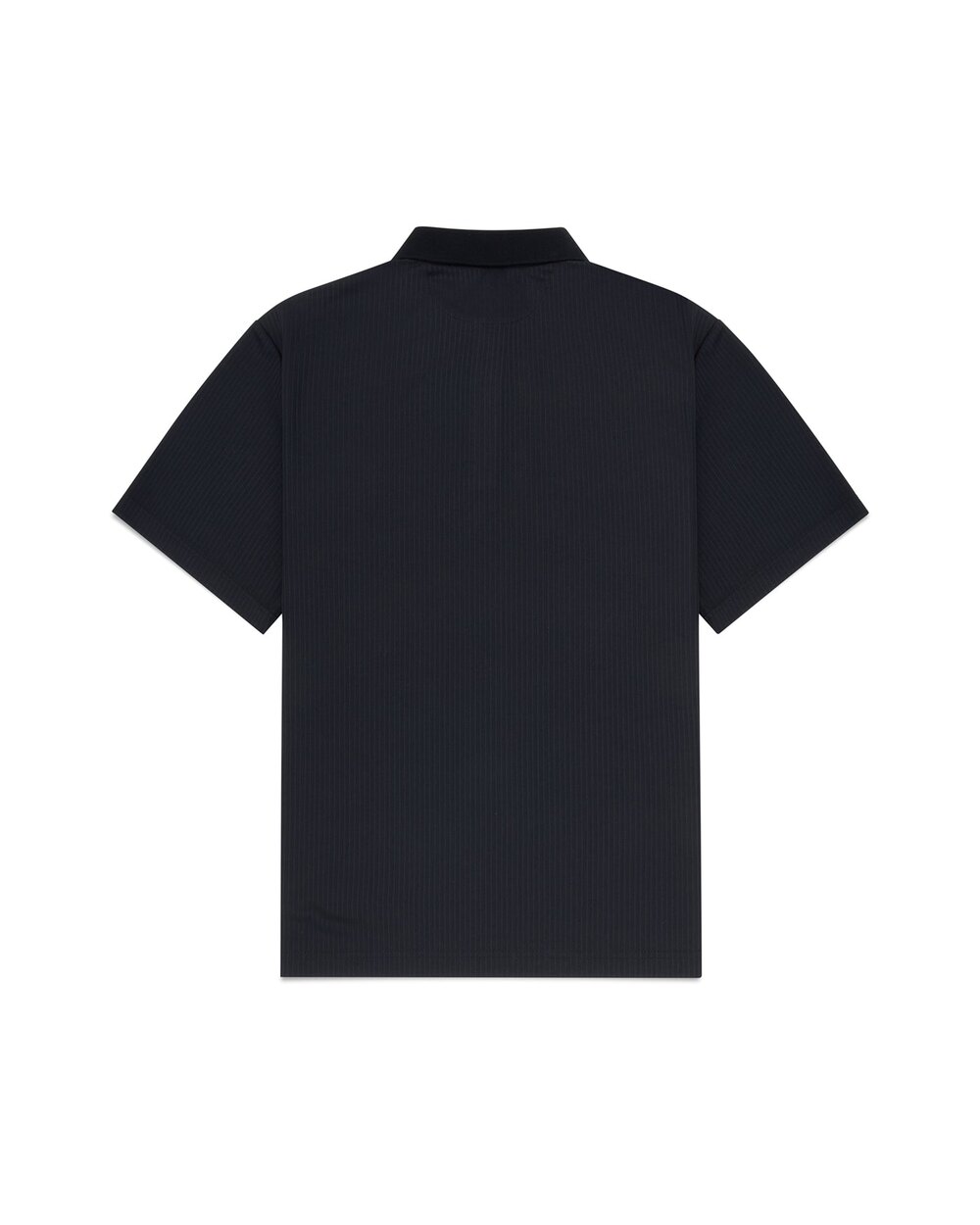
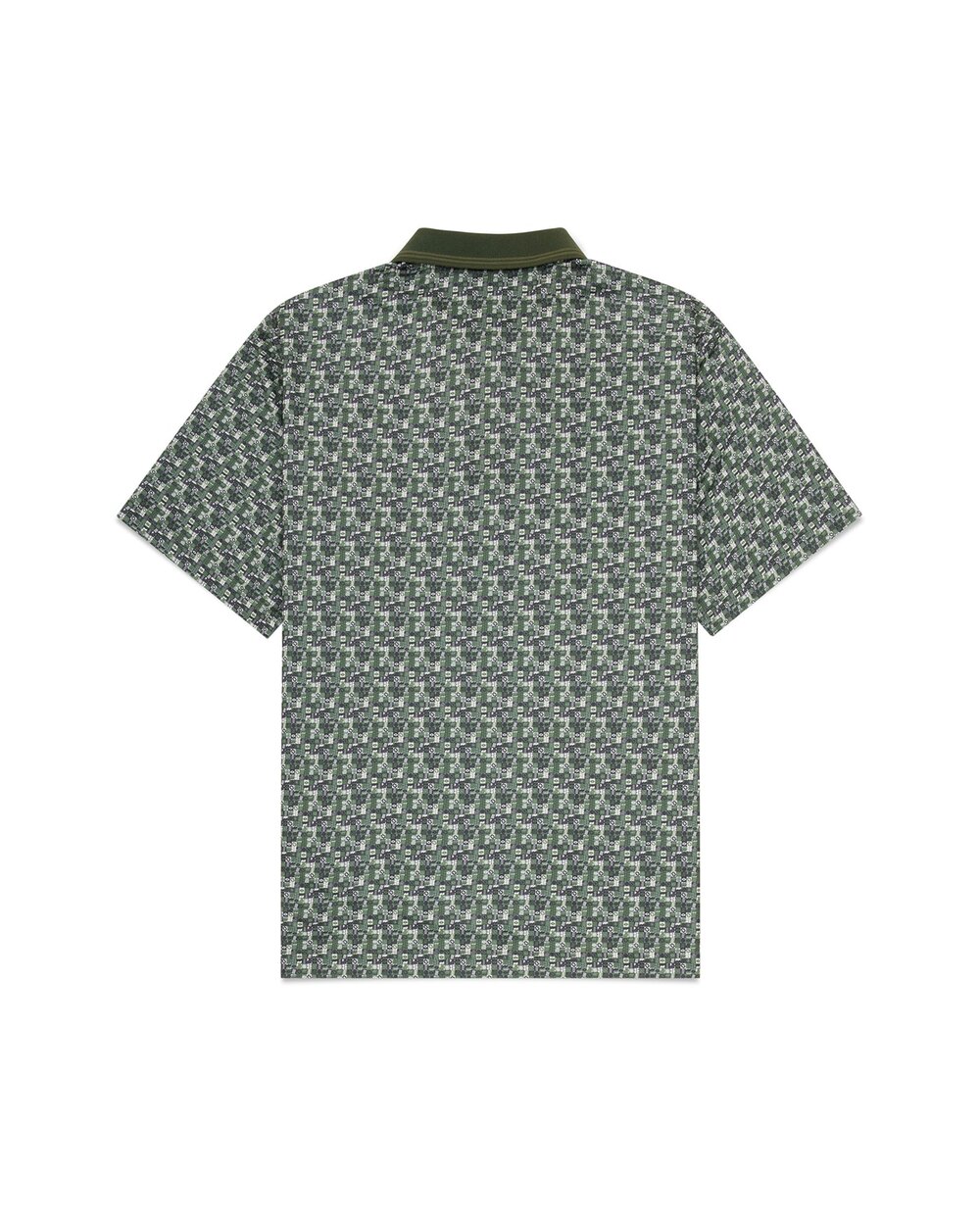
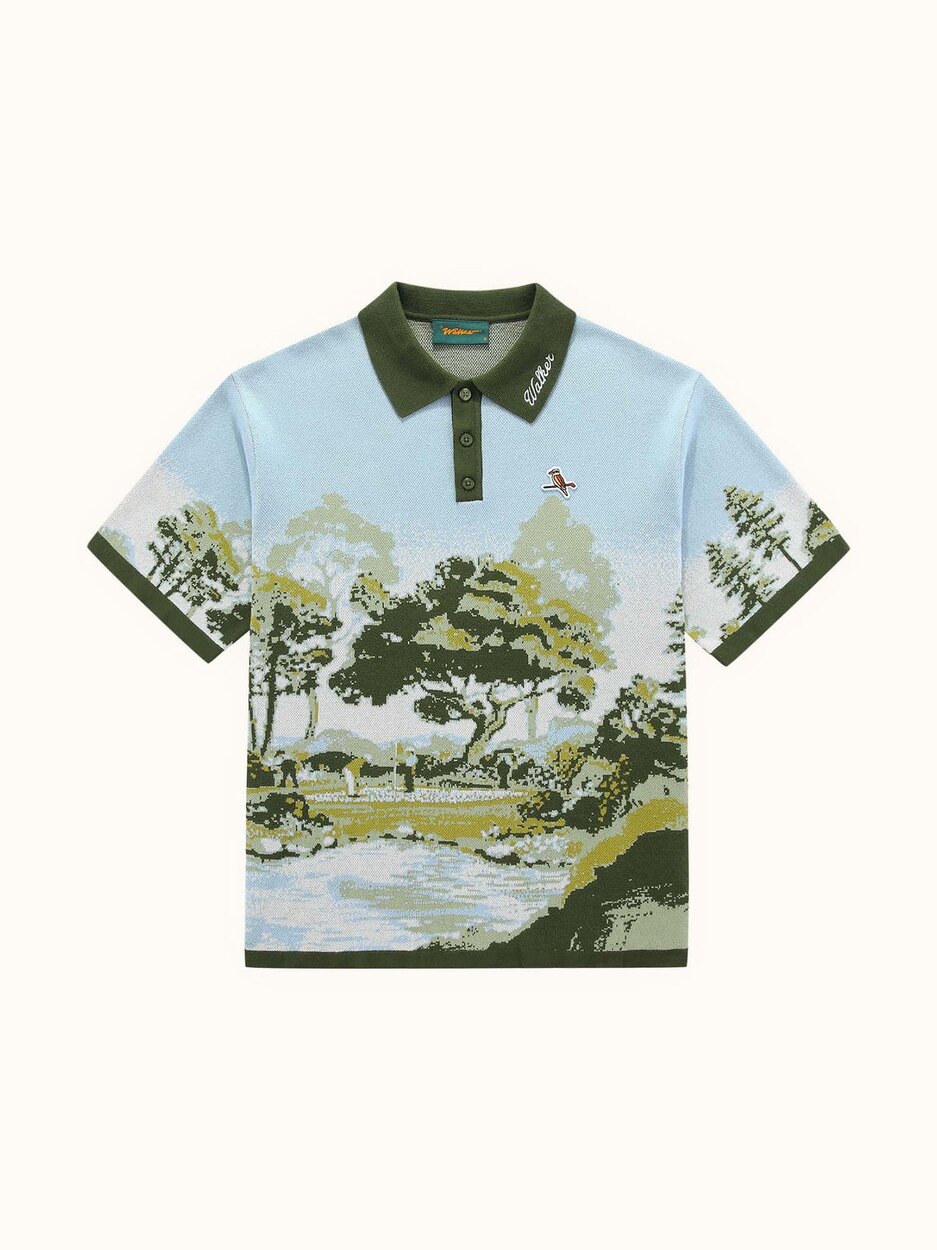
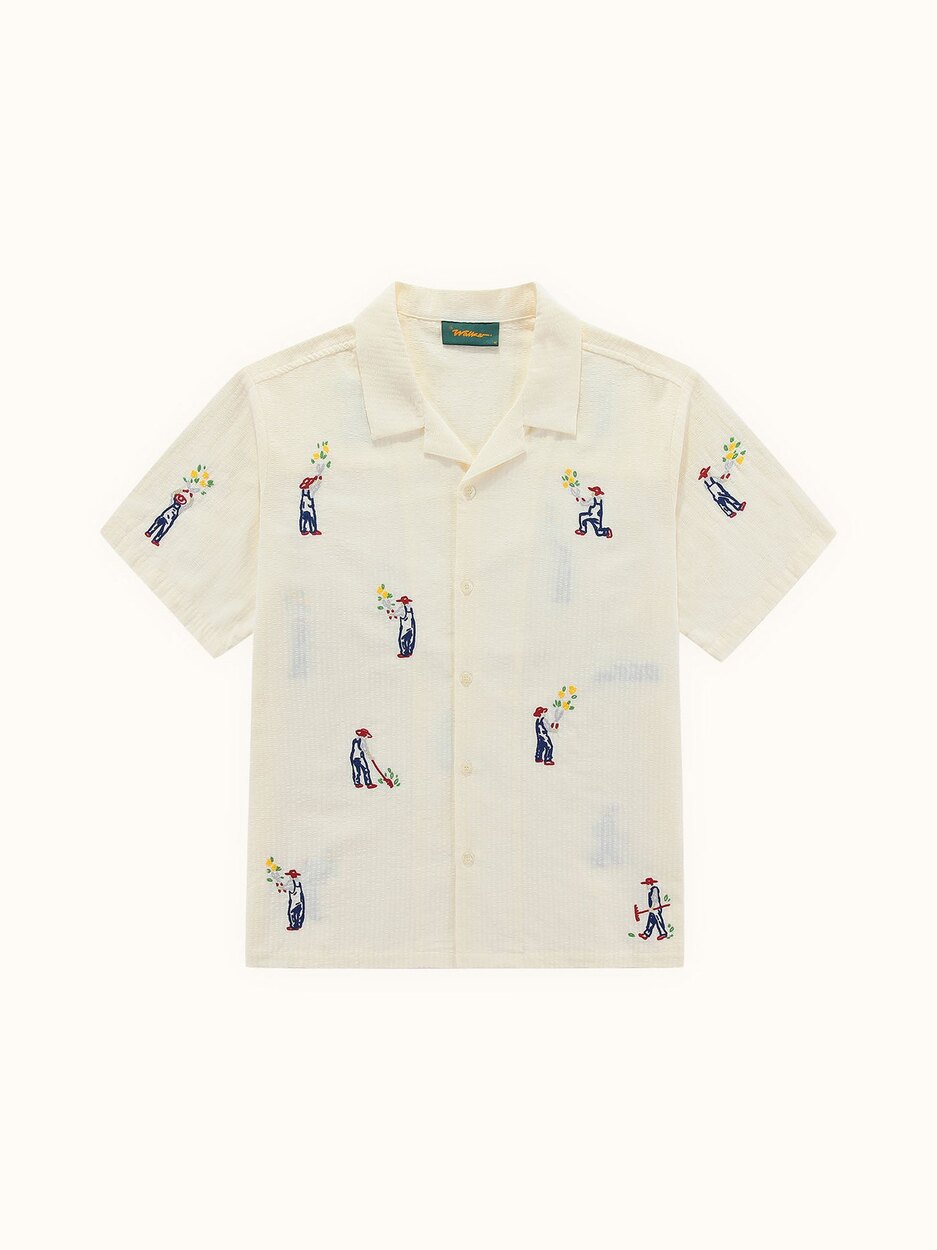
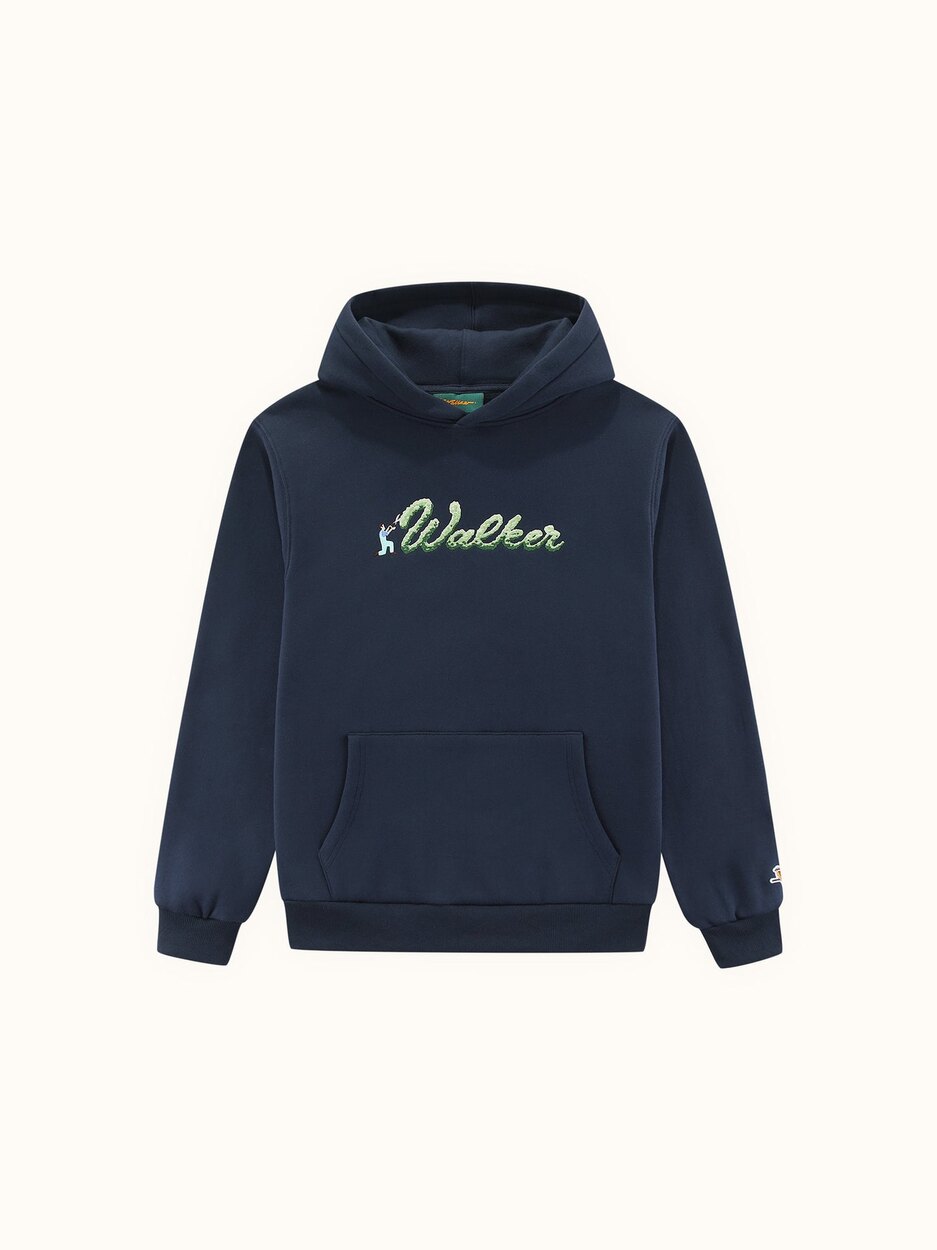
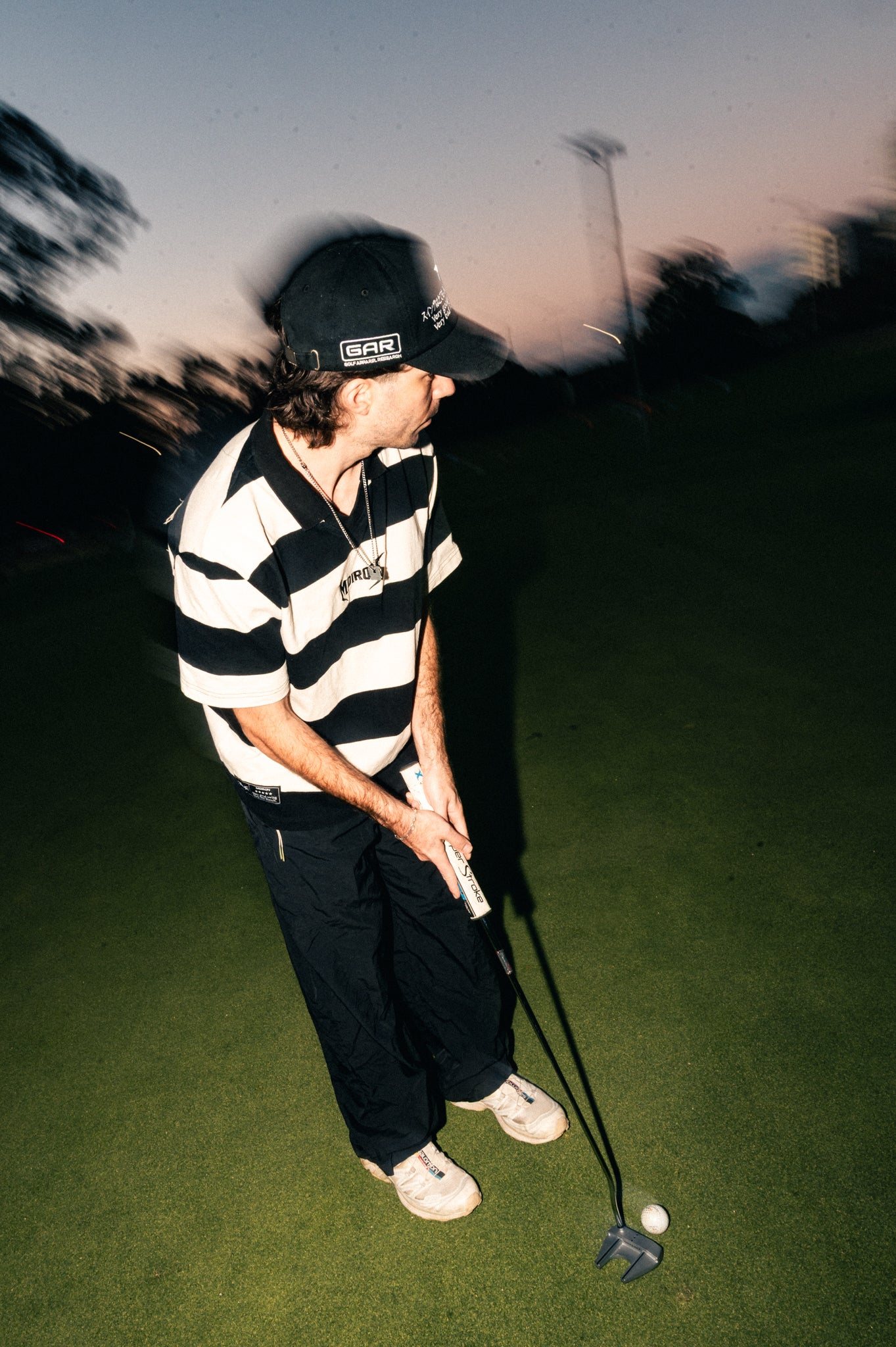
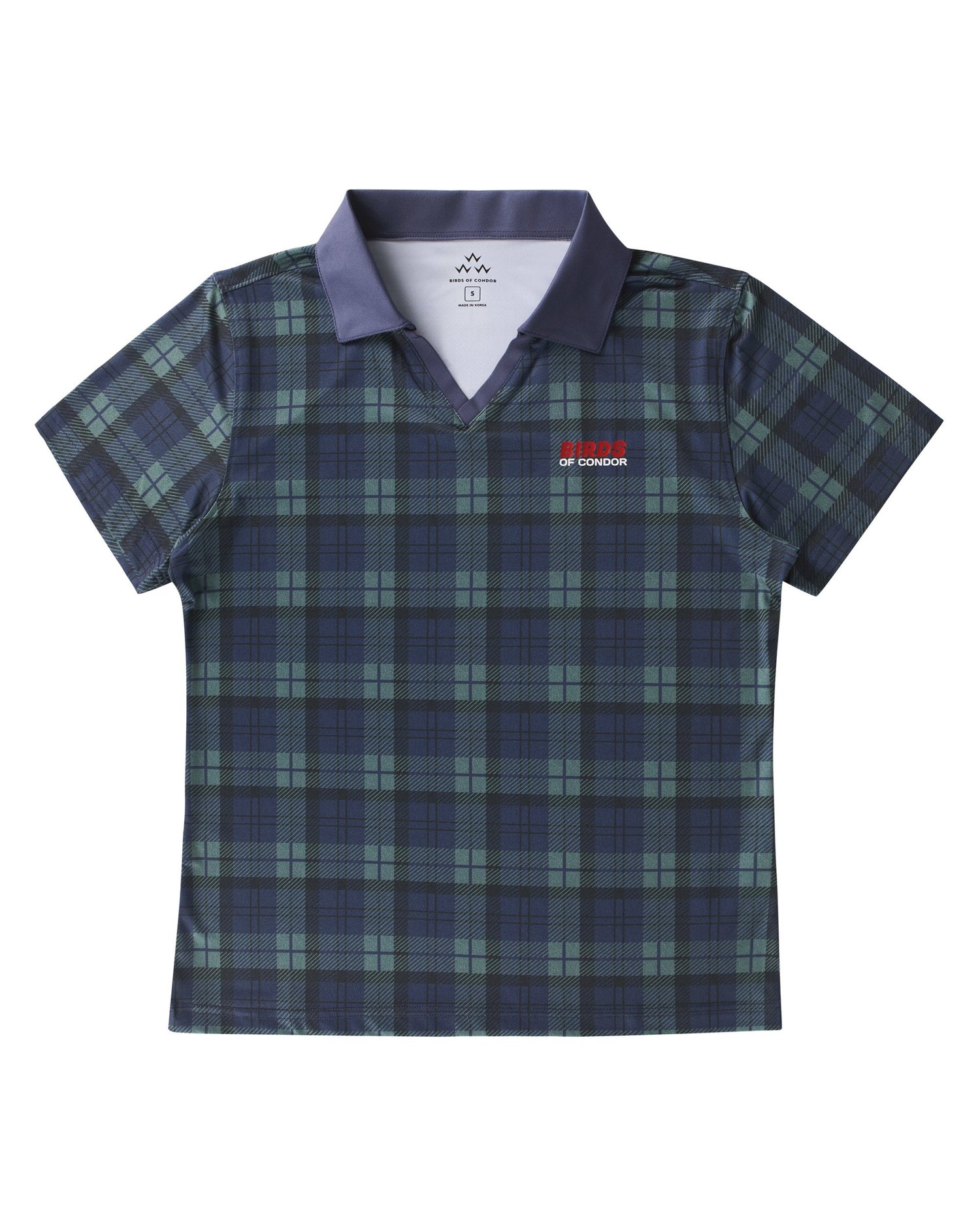
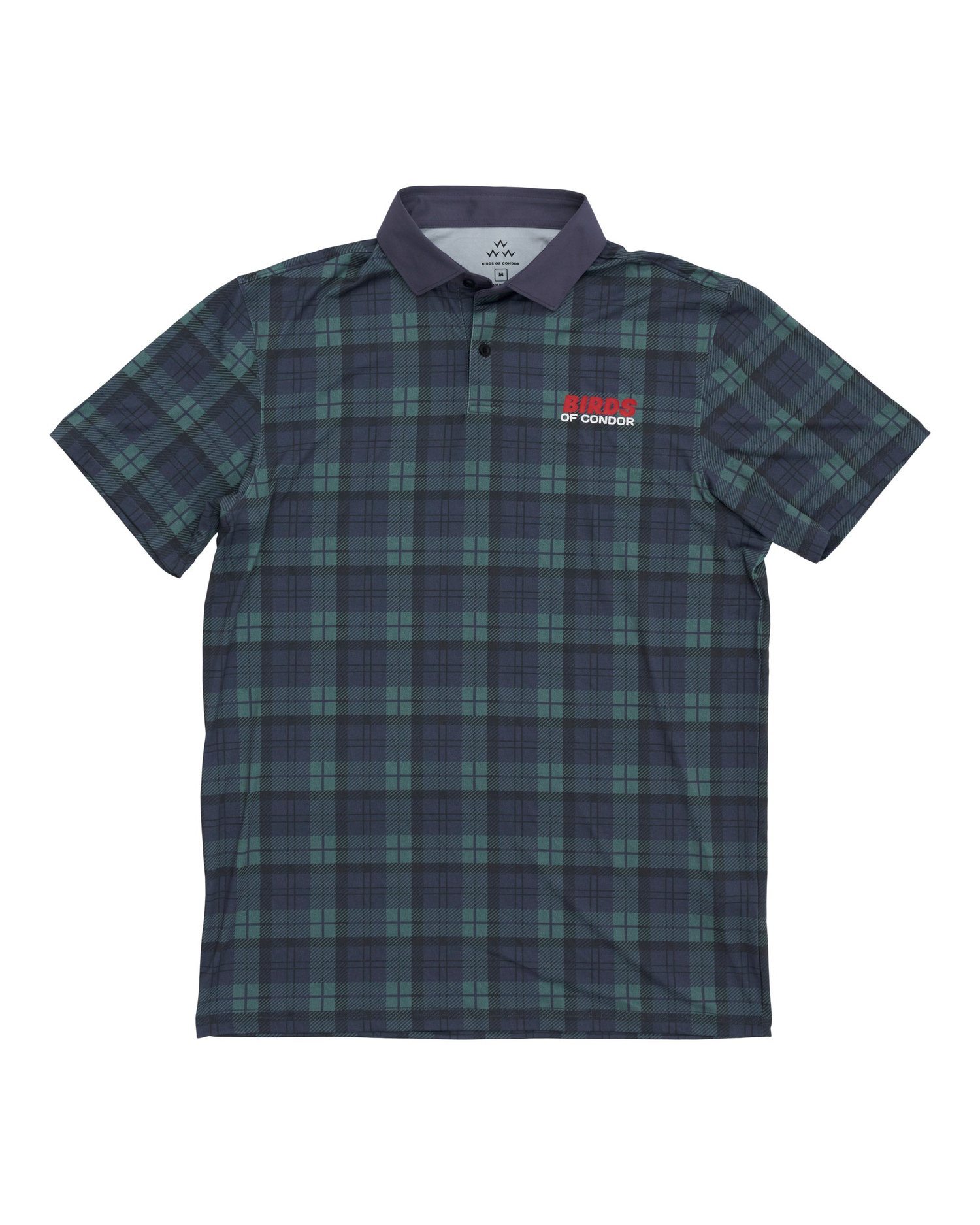
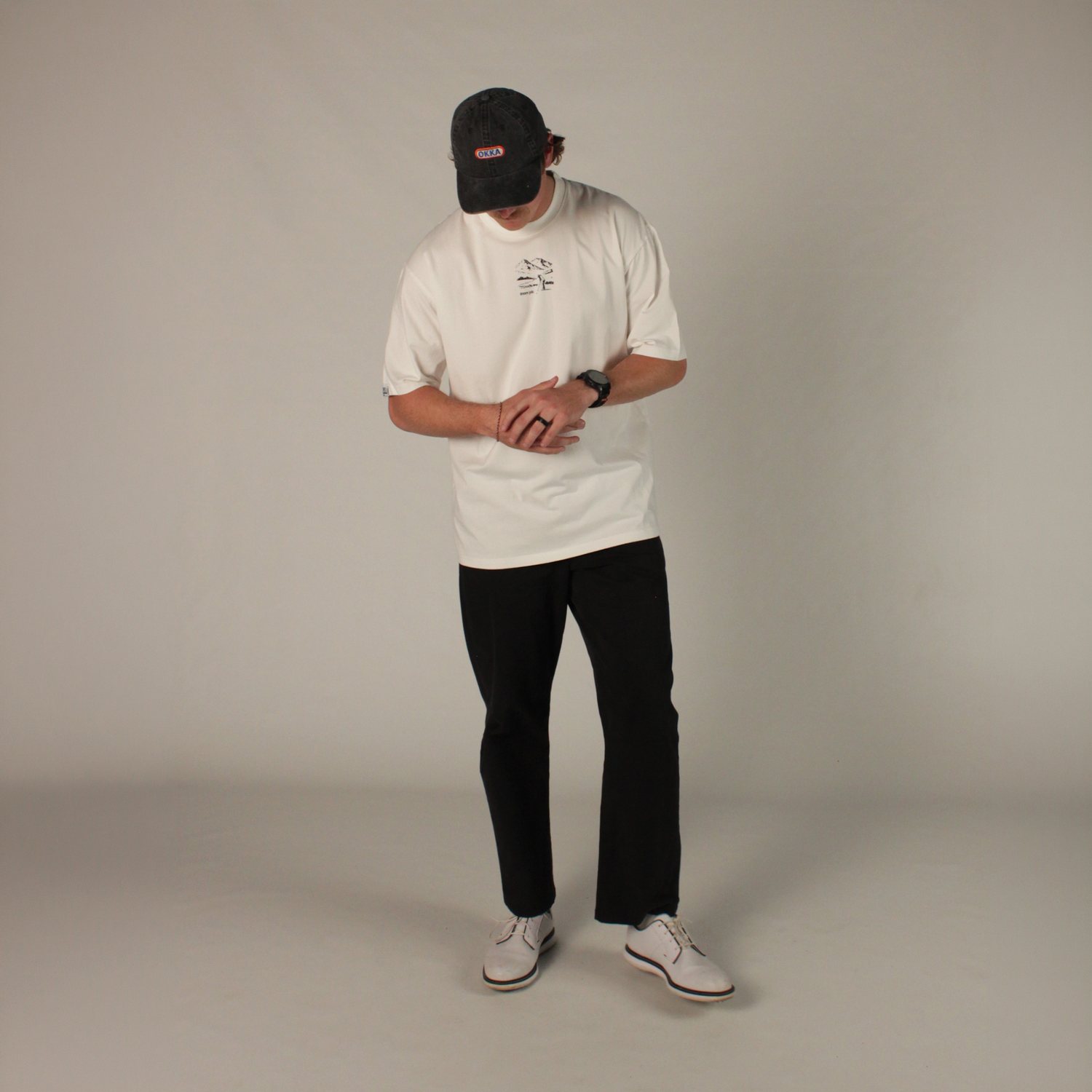
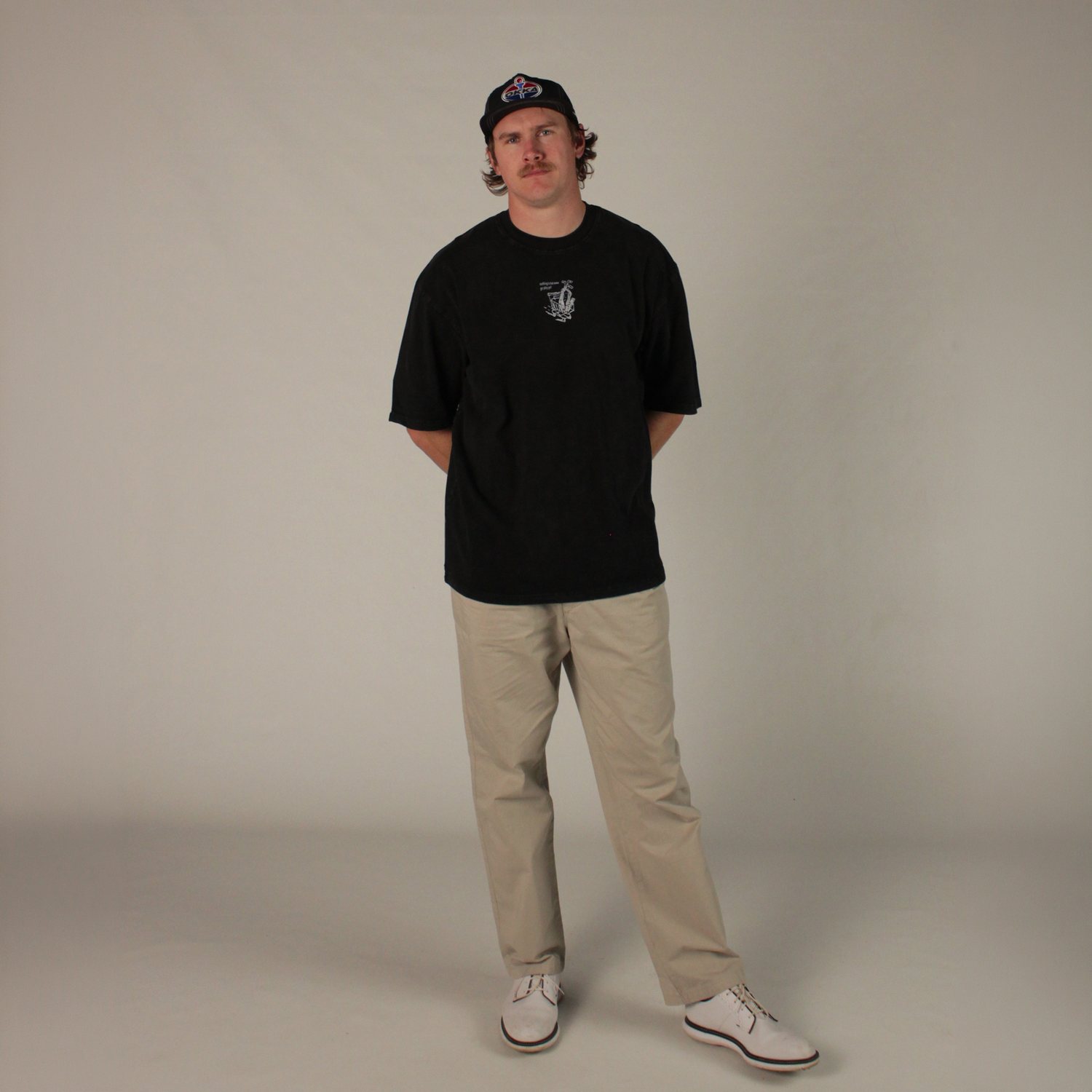
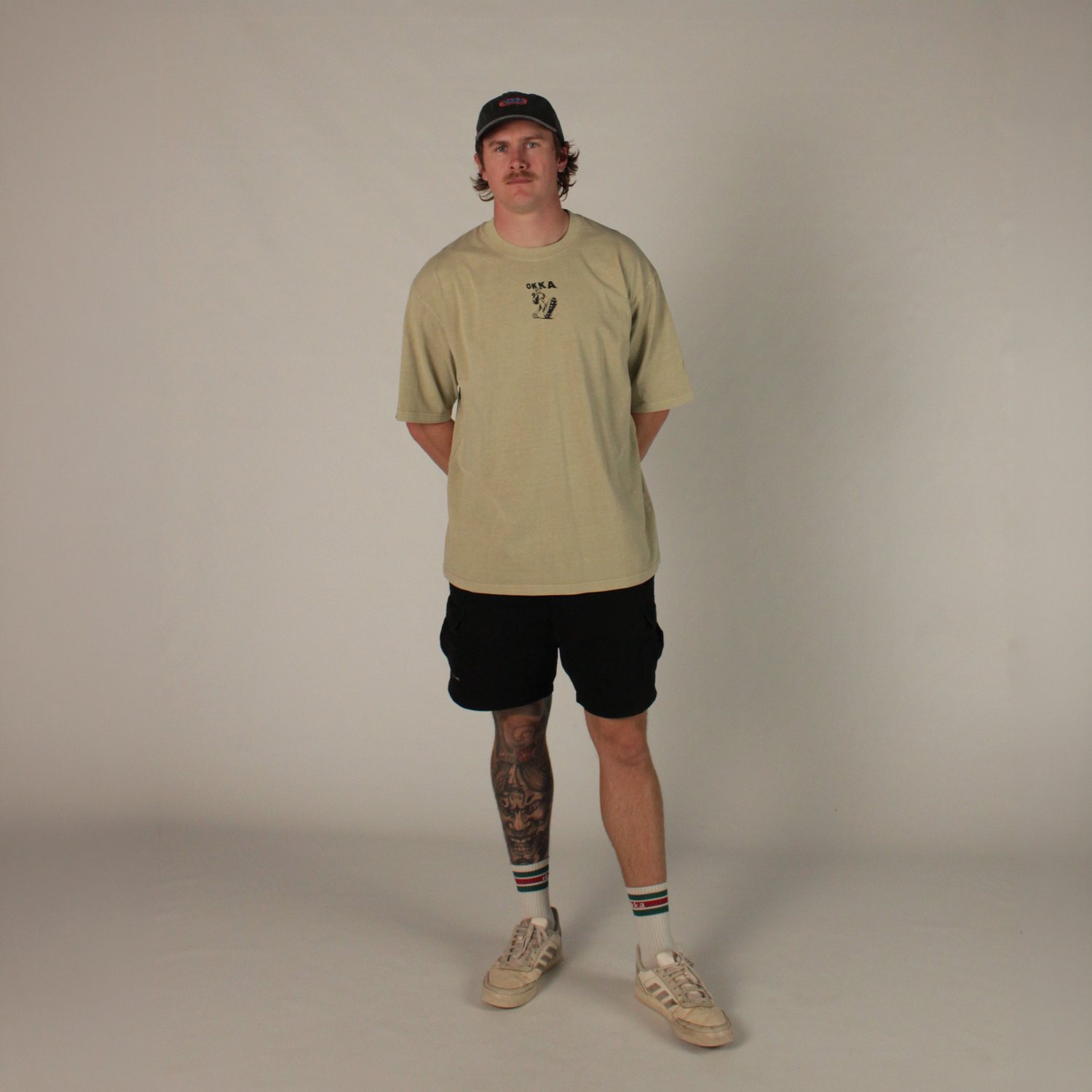
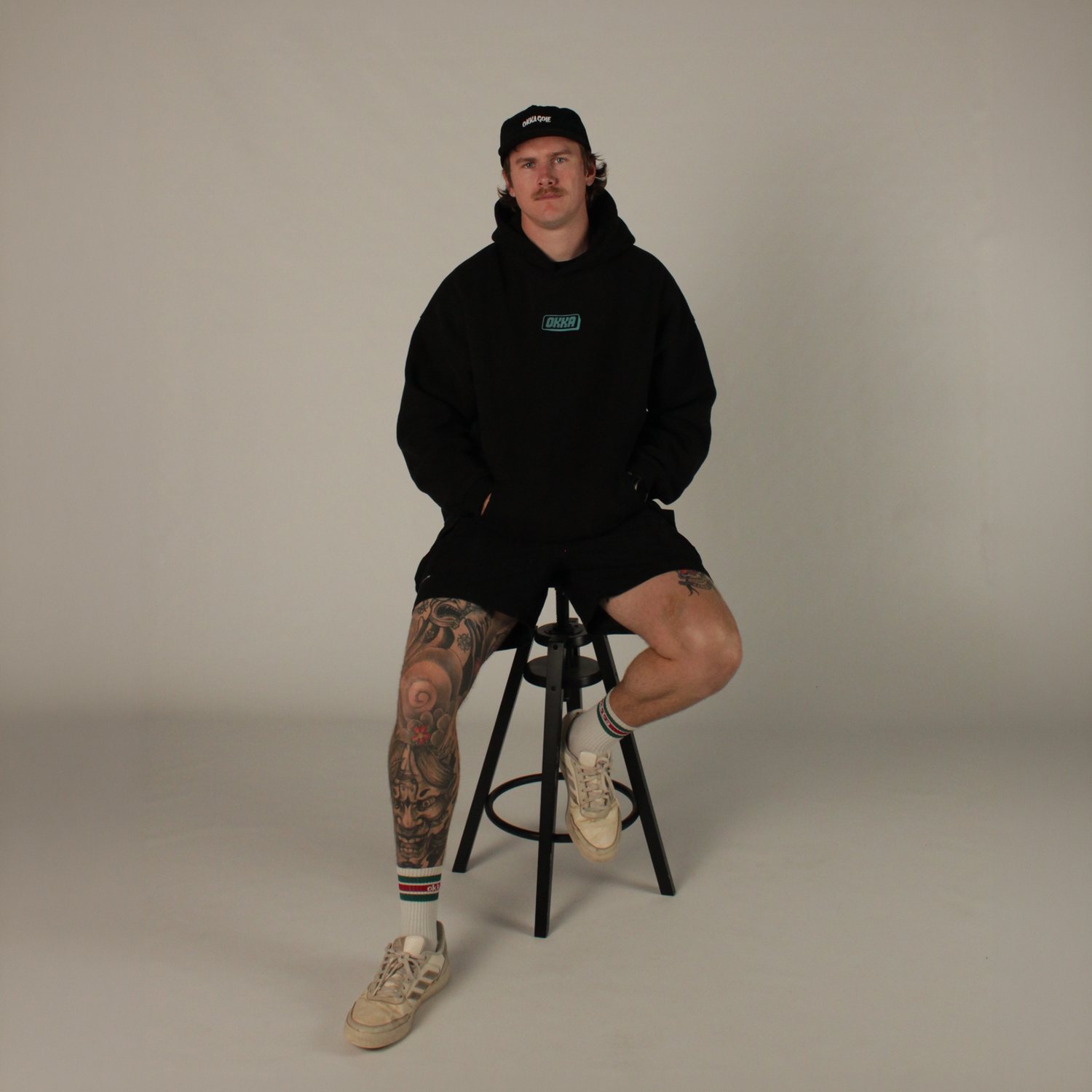
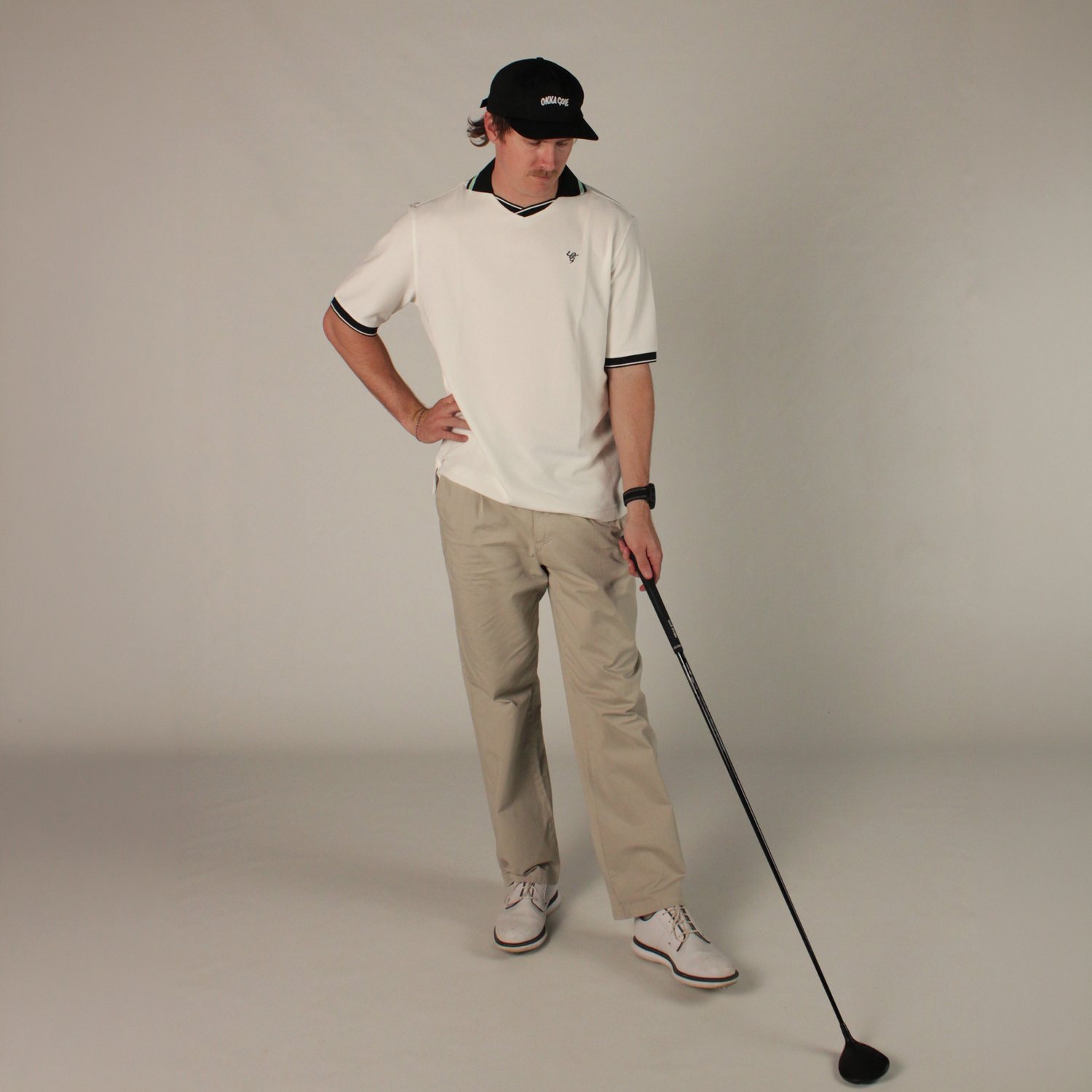
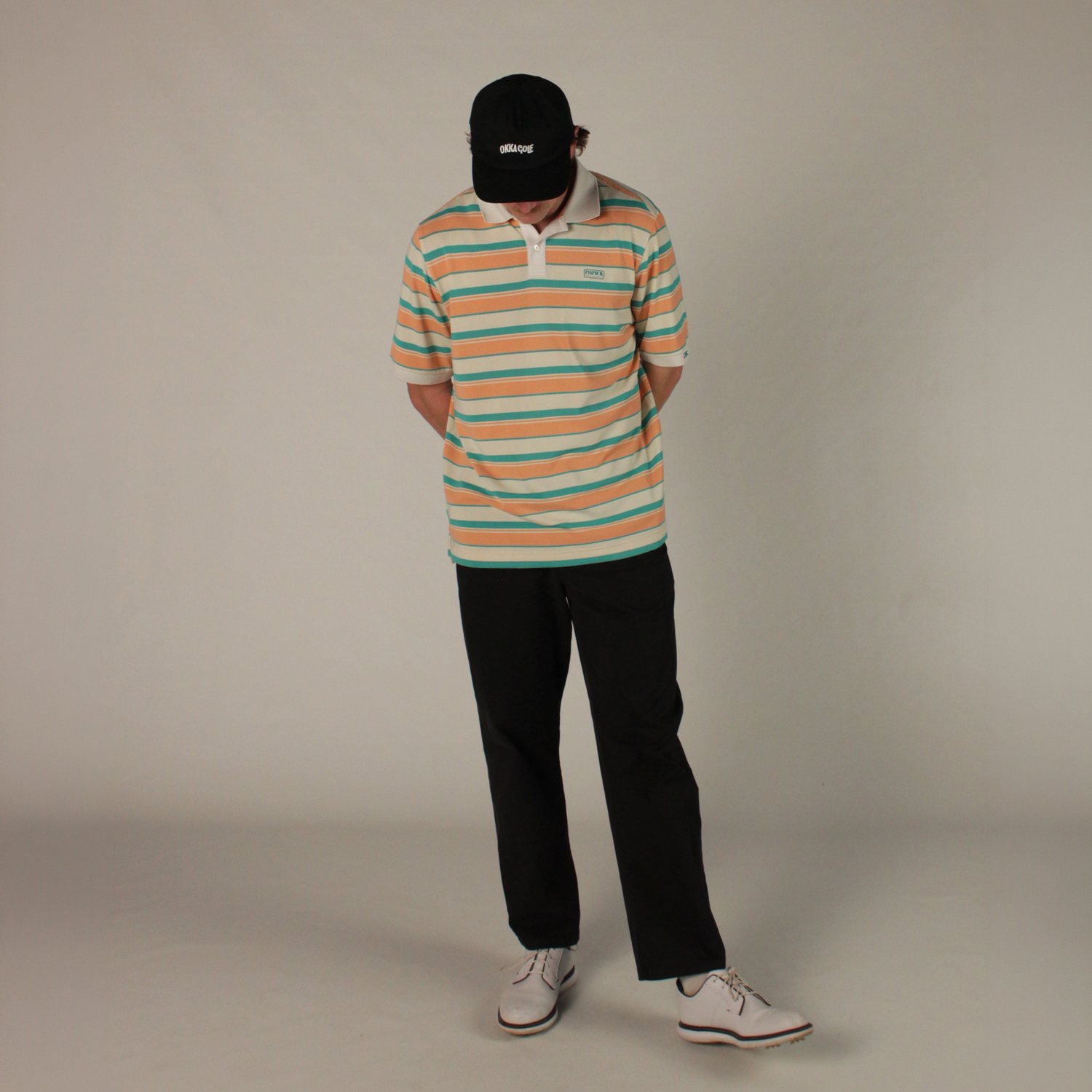
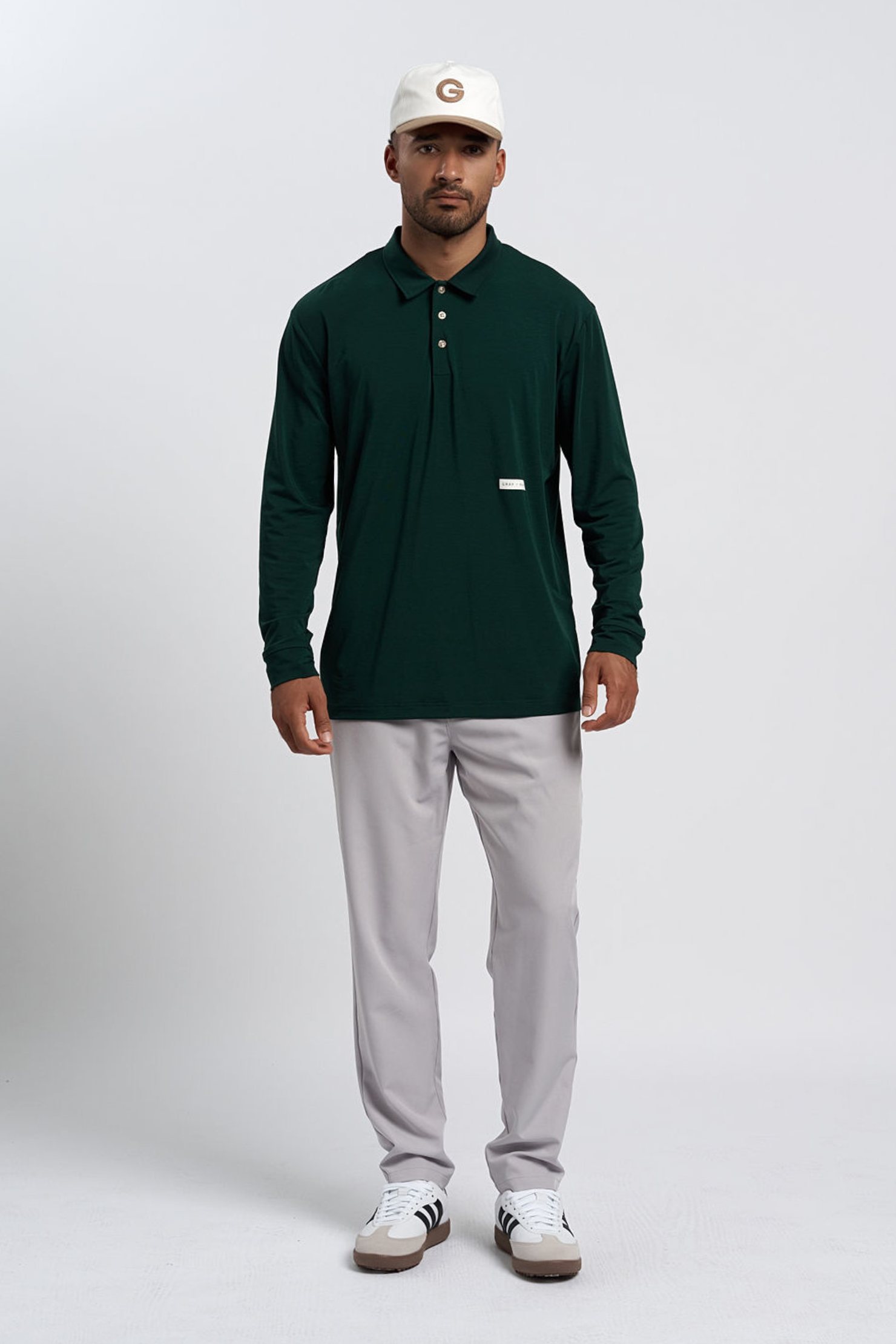
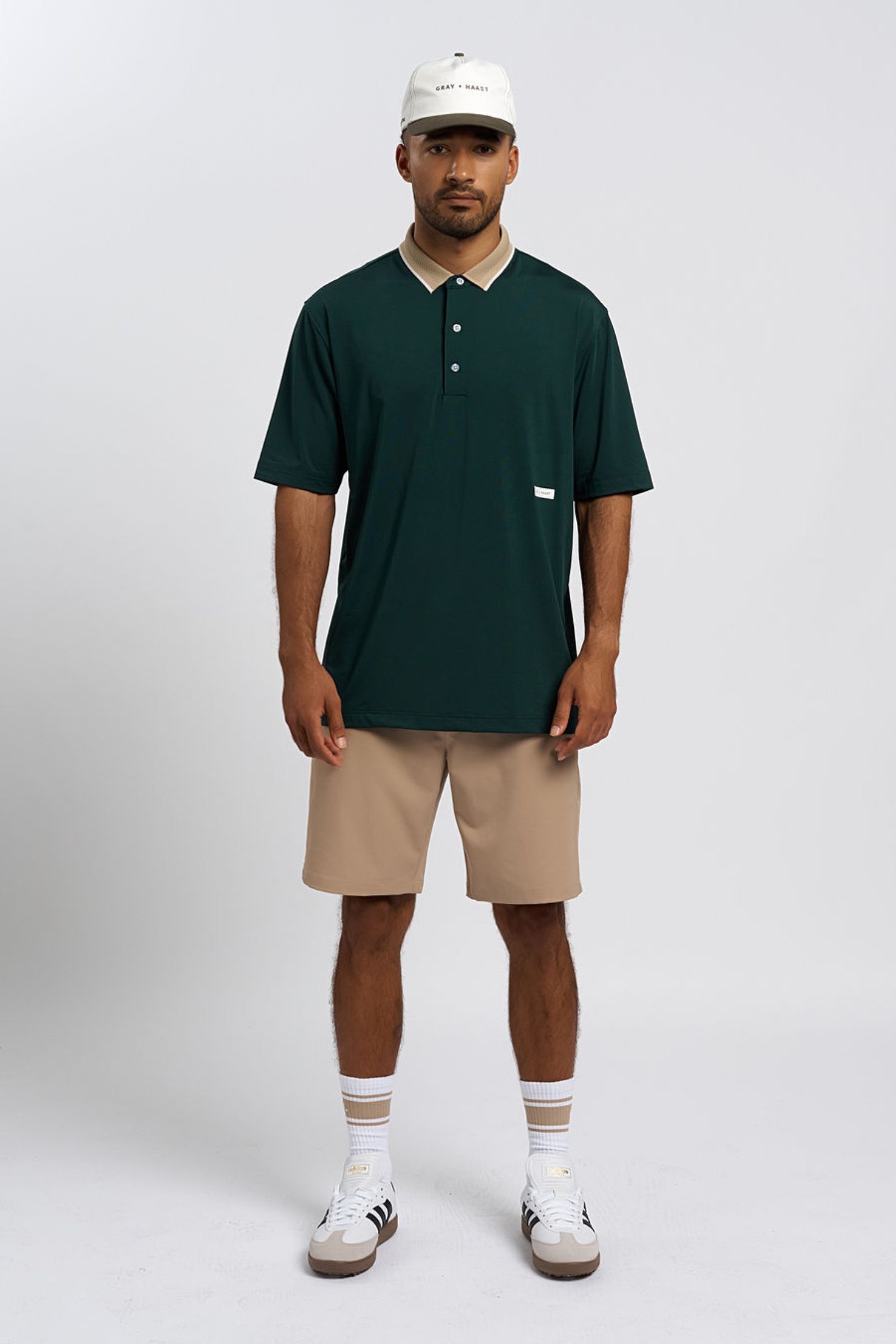
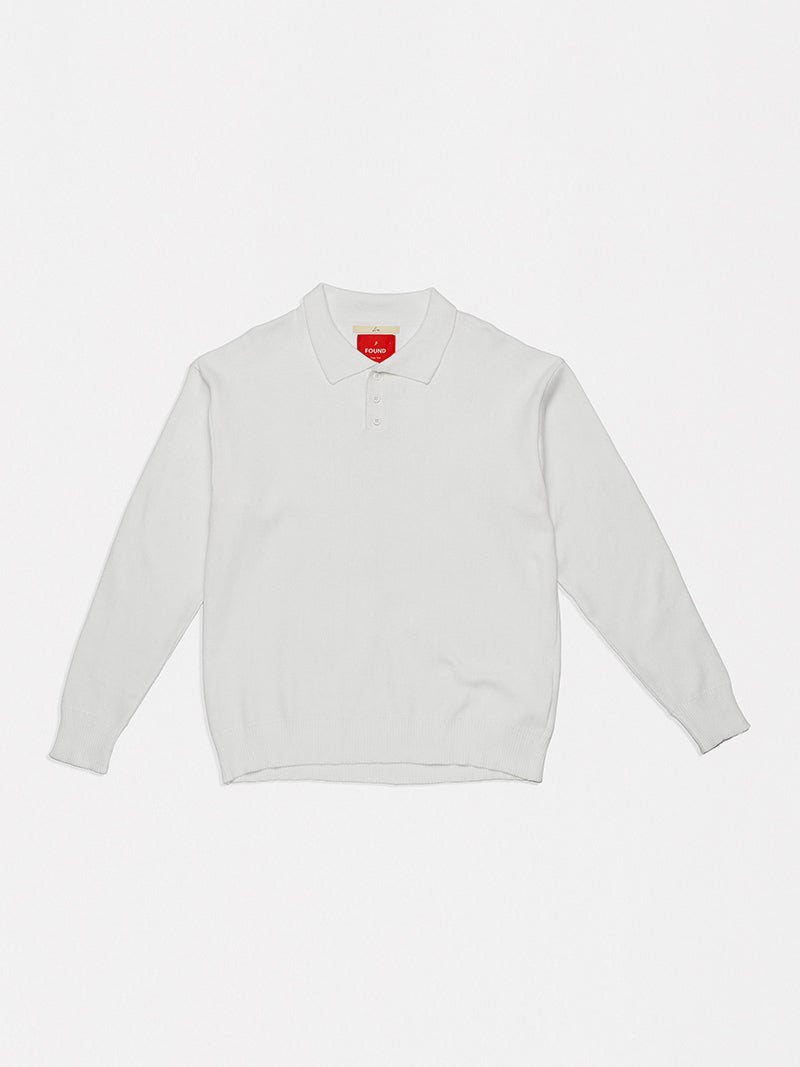
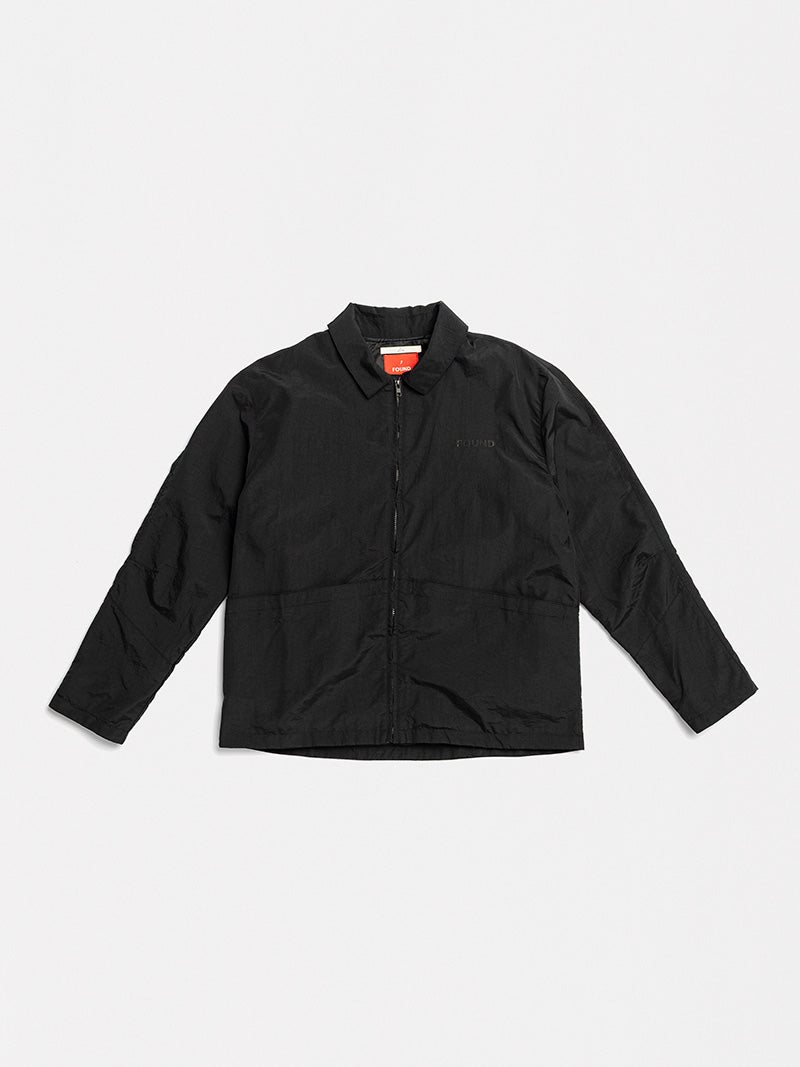
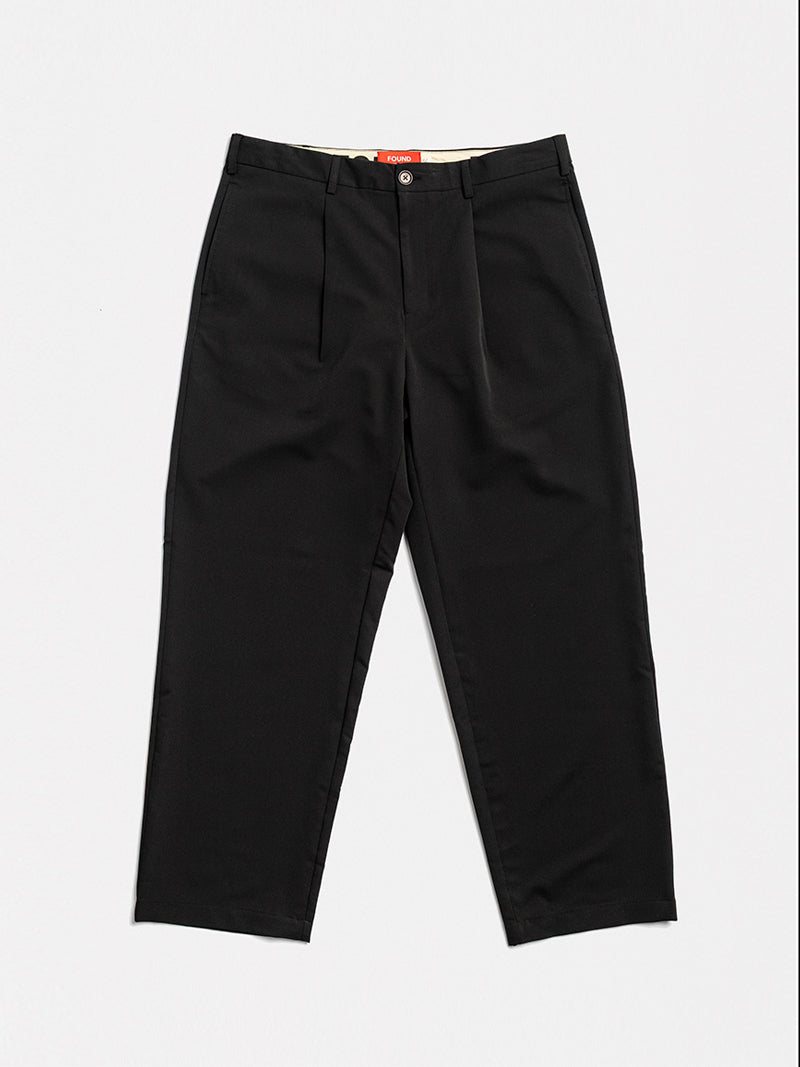
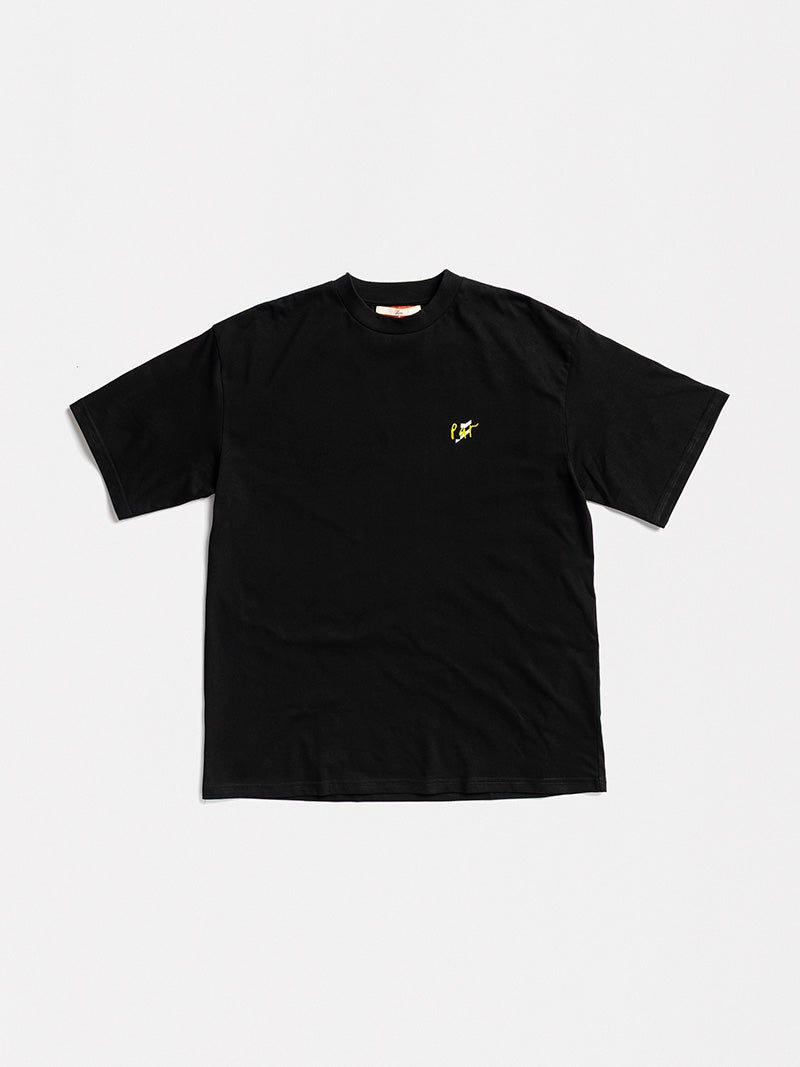
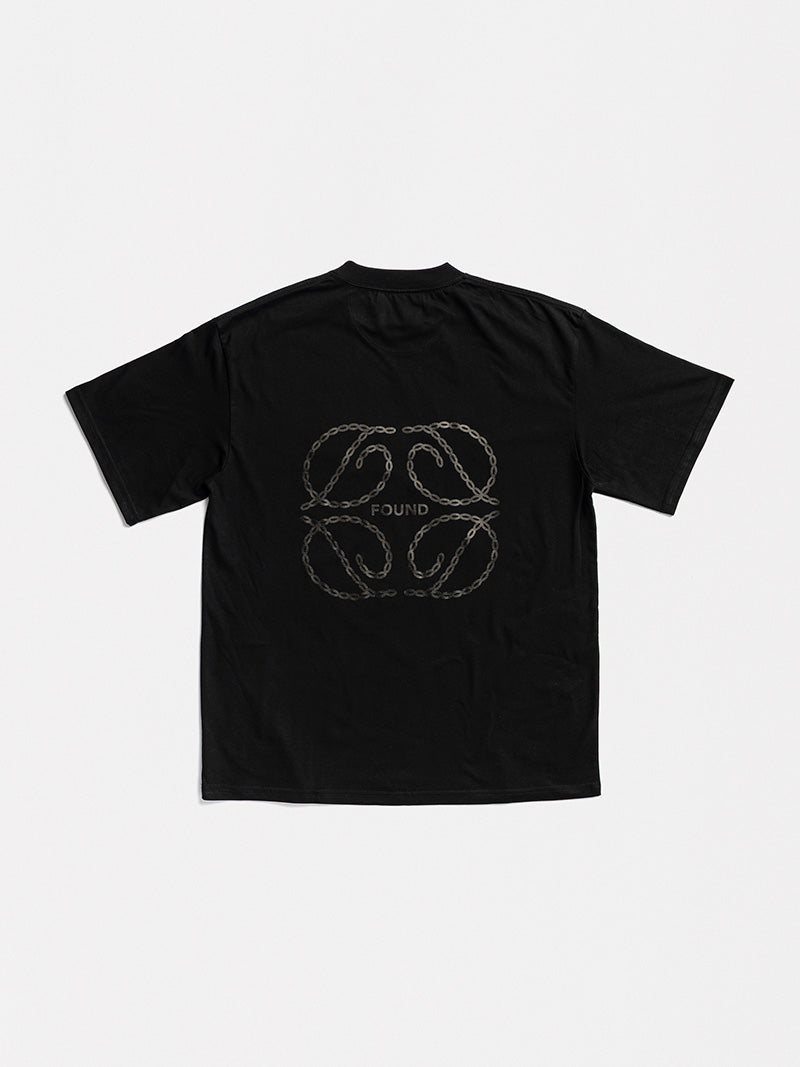
Apparel · eight brandsAustralia’s independent golf scene got good fast, and in a specific way: surf and skate silhouettes, coastal names, and no interest in looking like a pro shop. All eight ship internationally, and most price in Australian dollars.
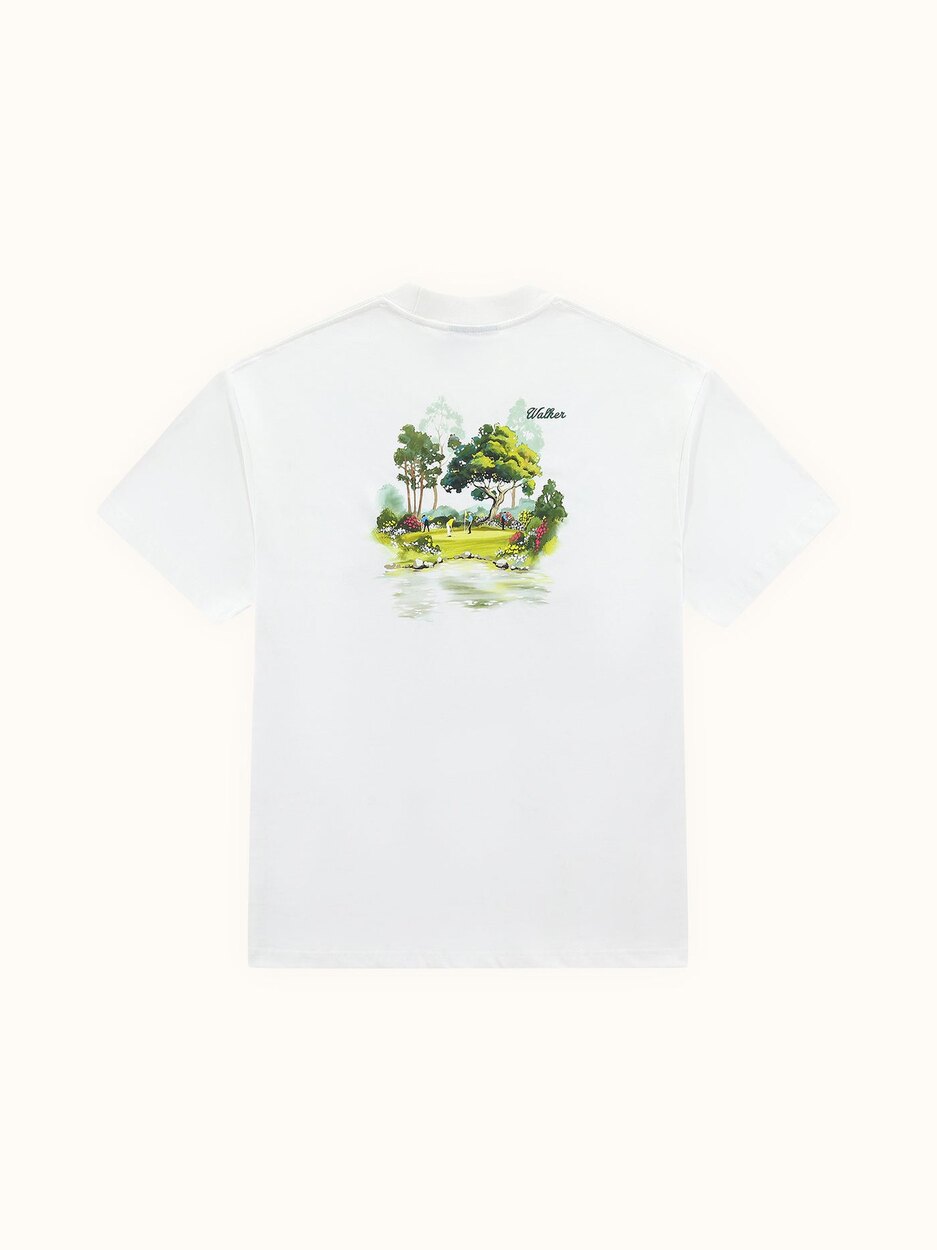
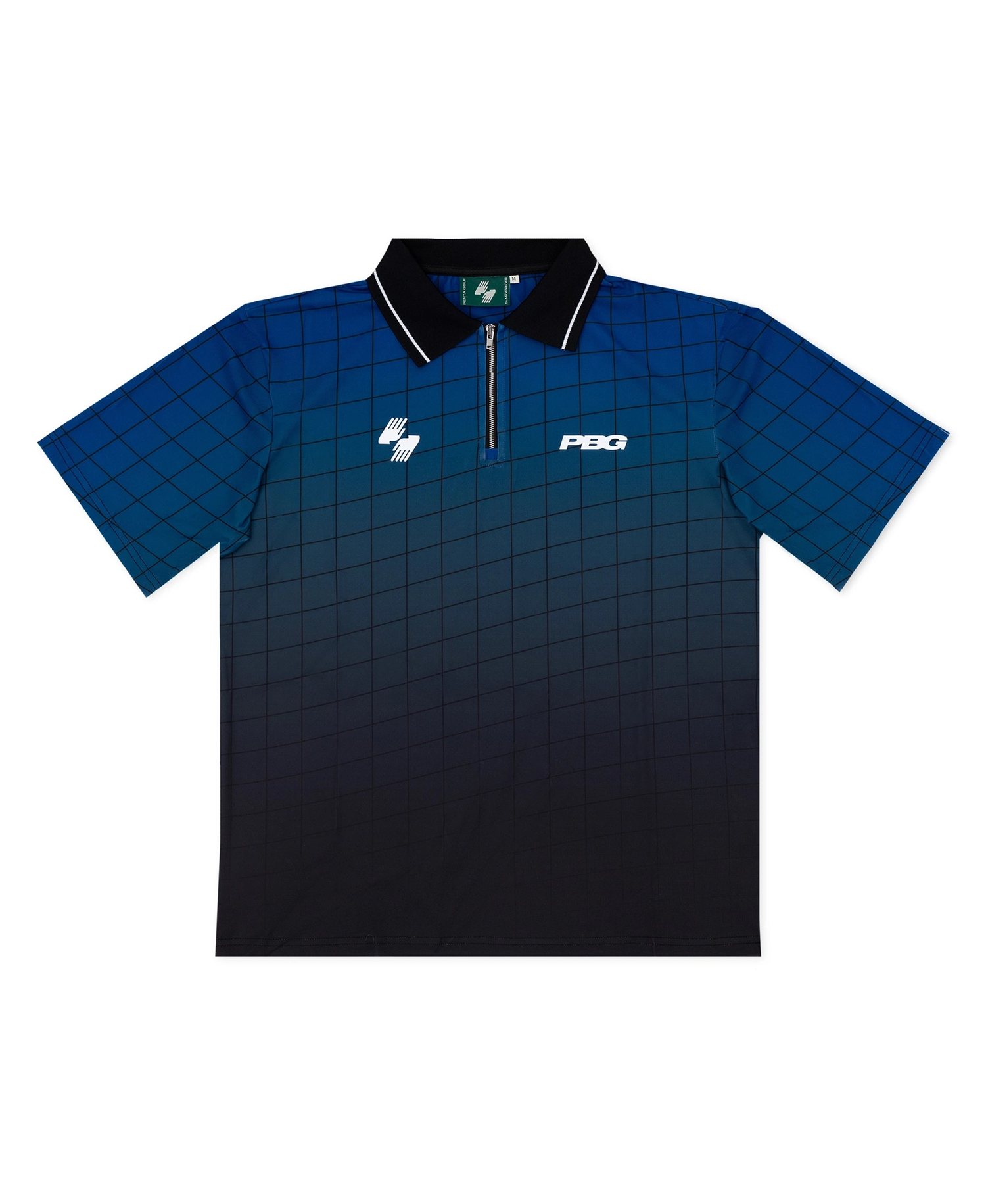
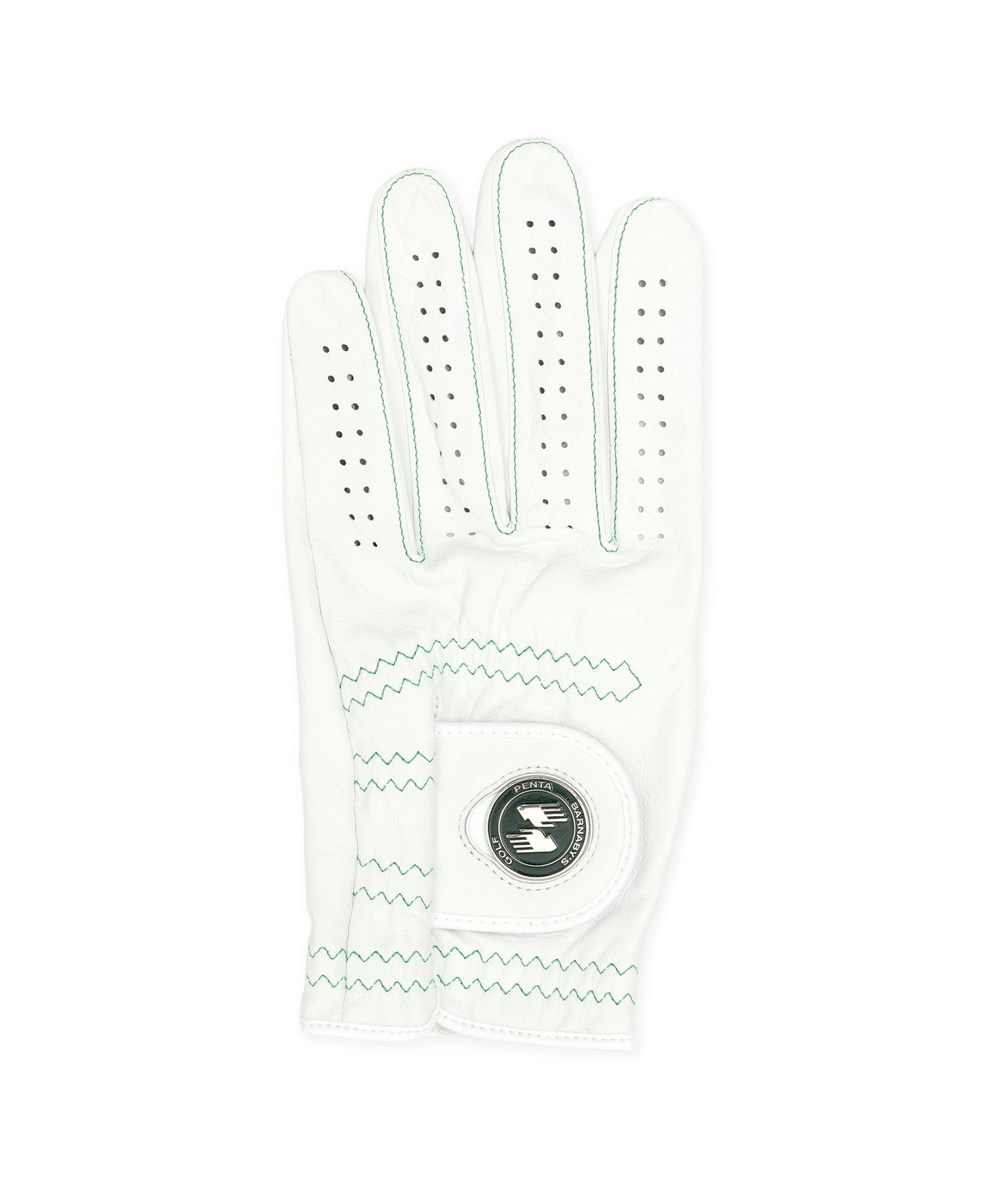
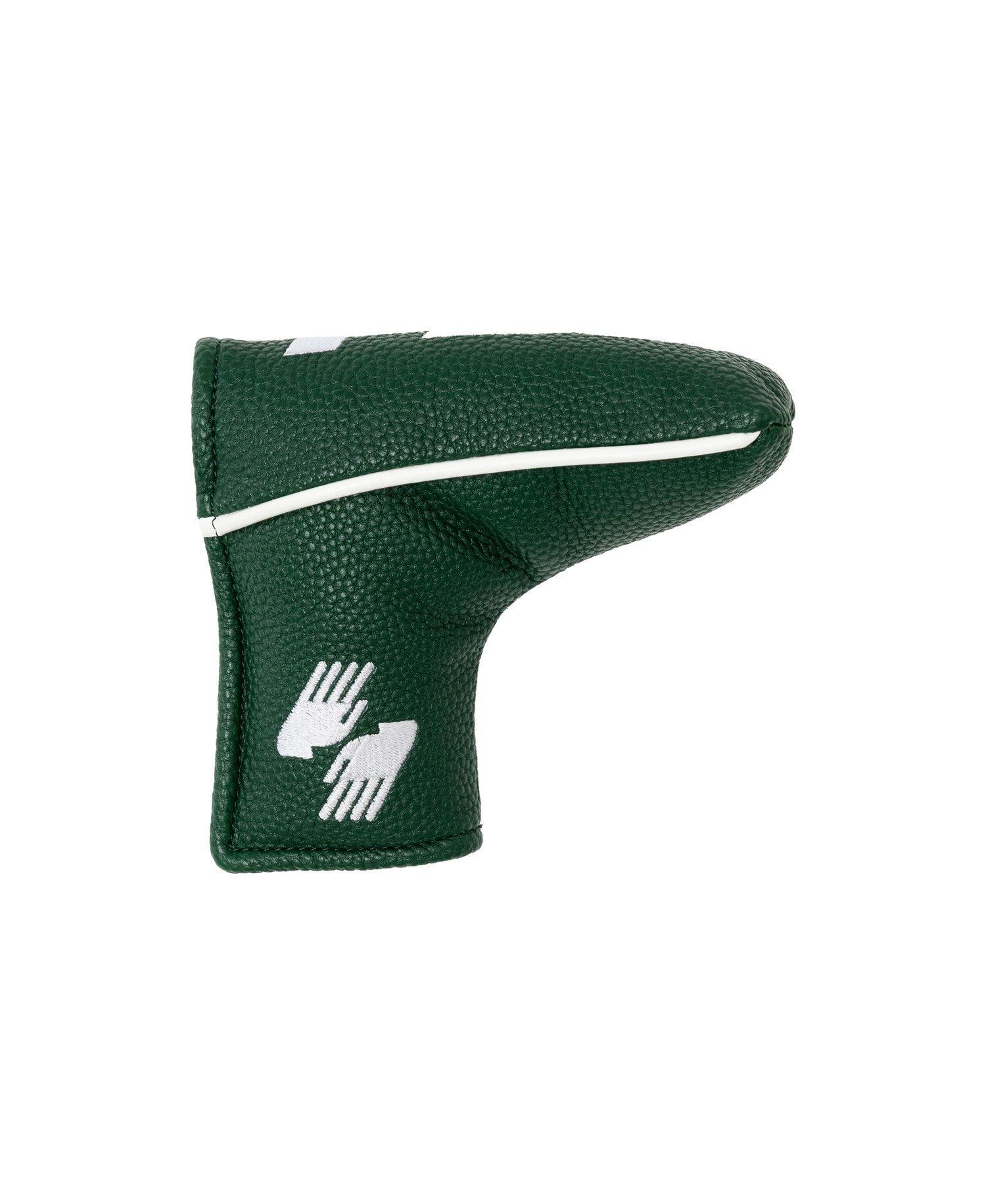
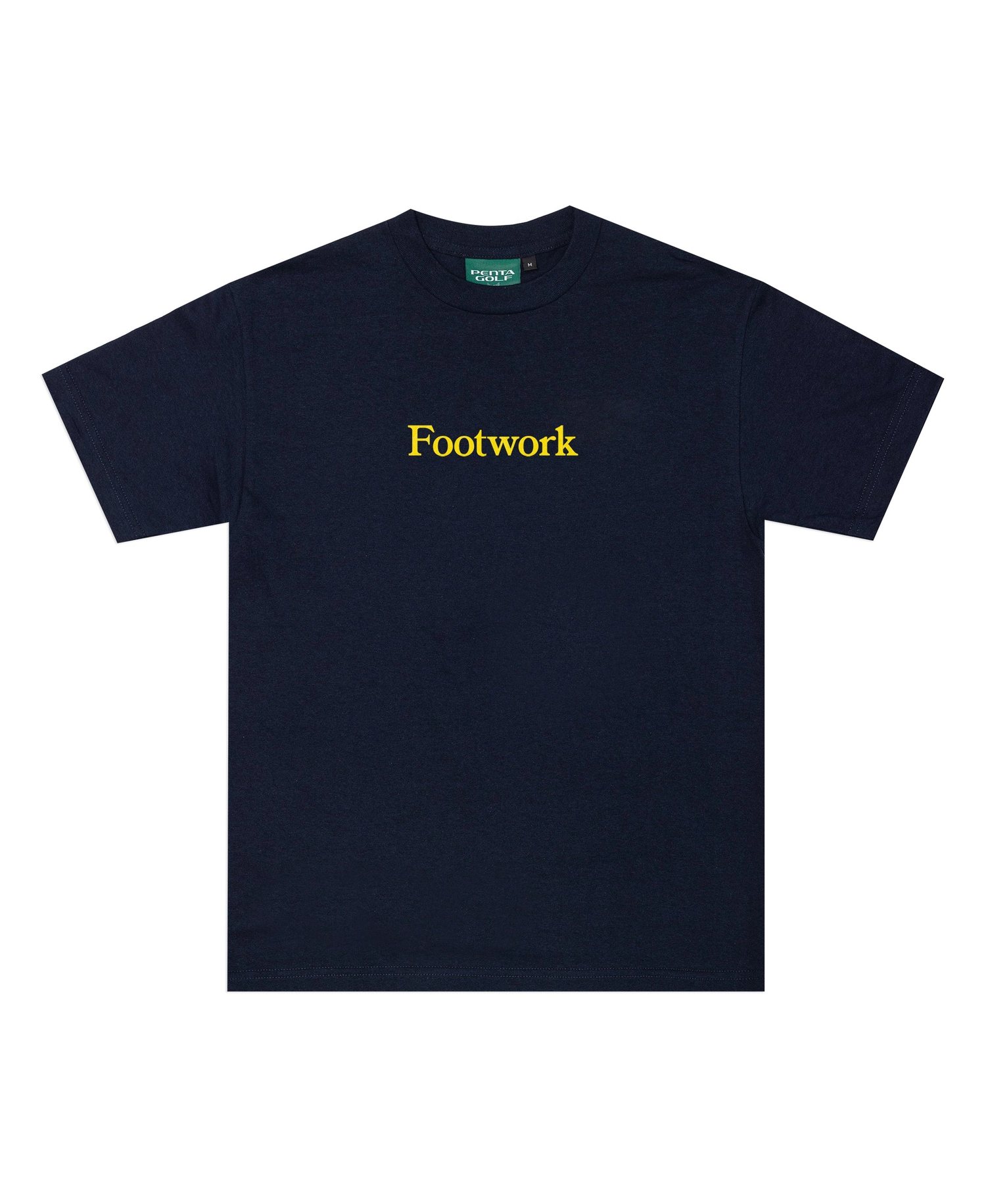
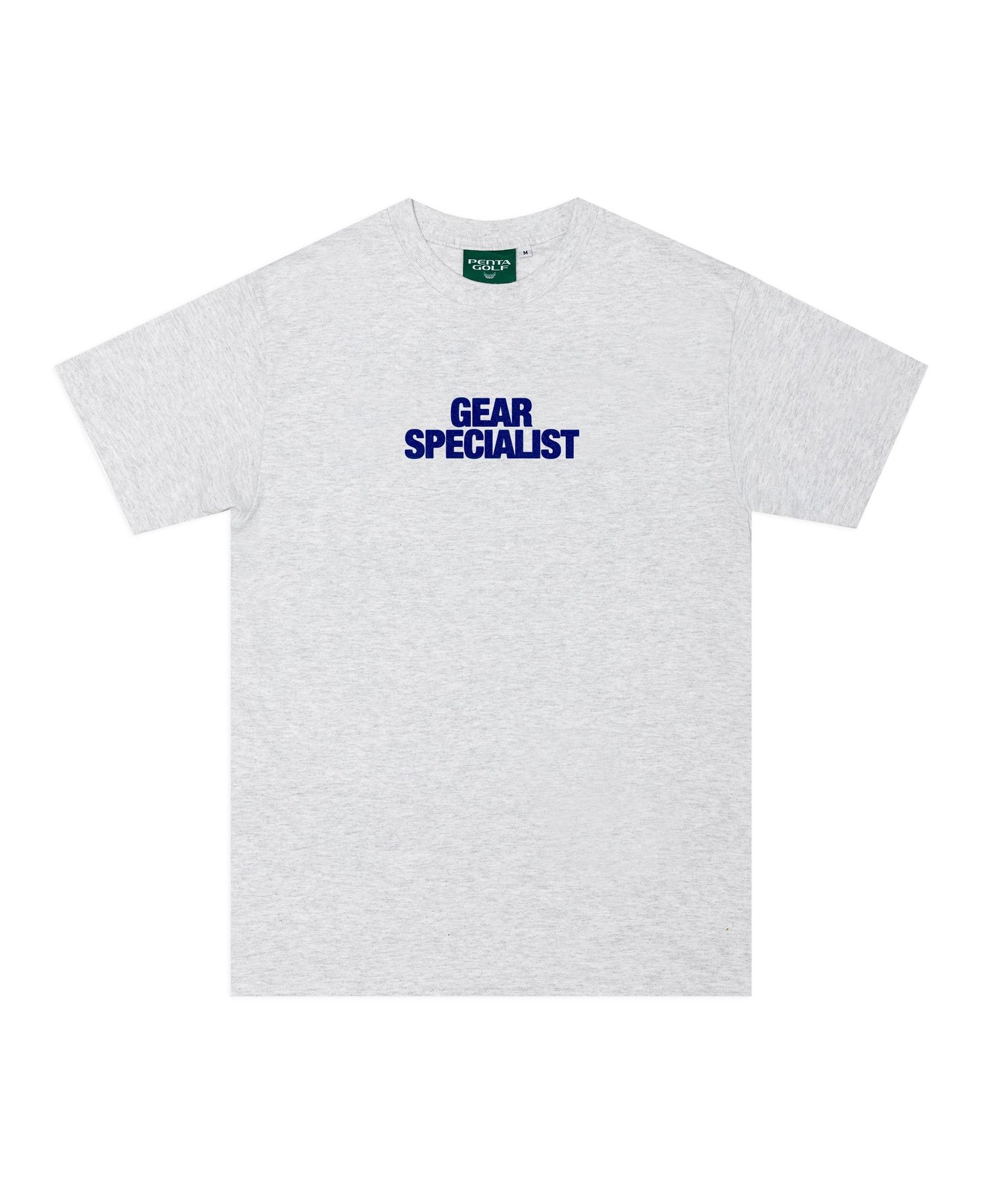
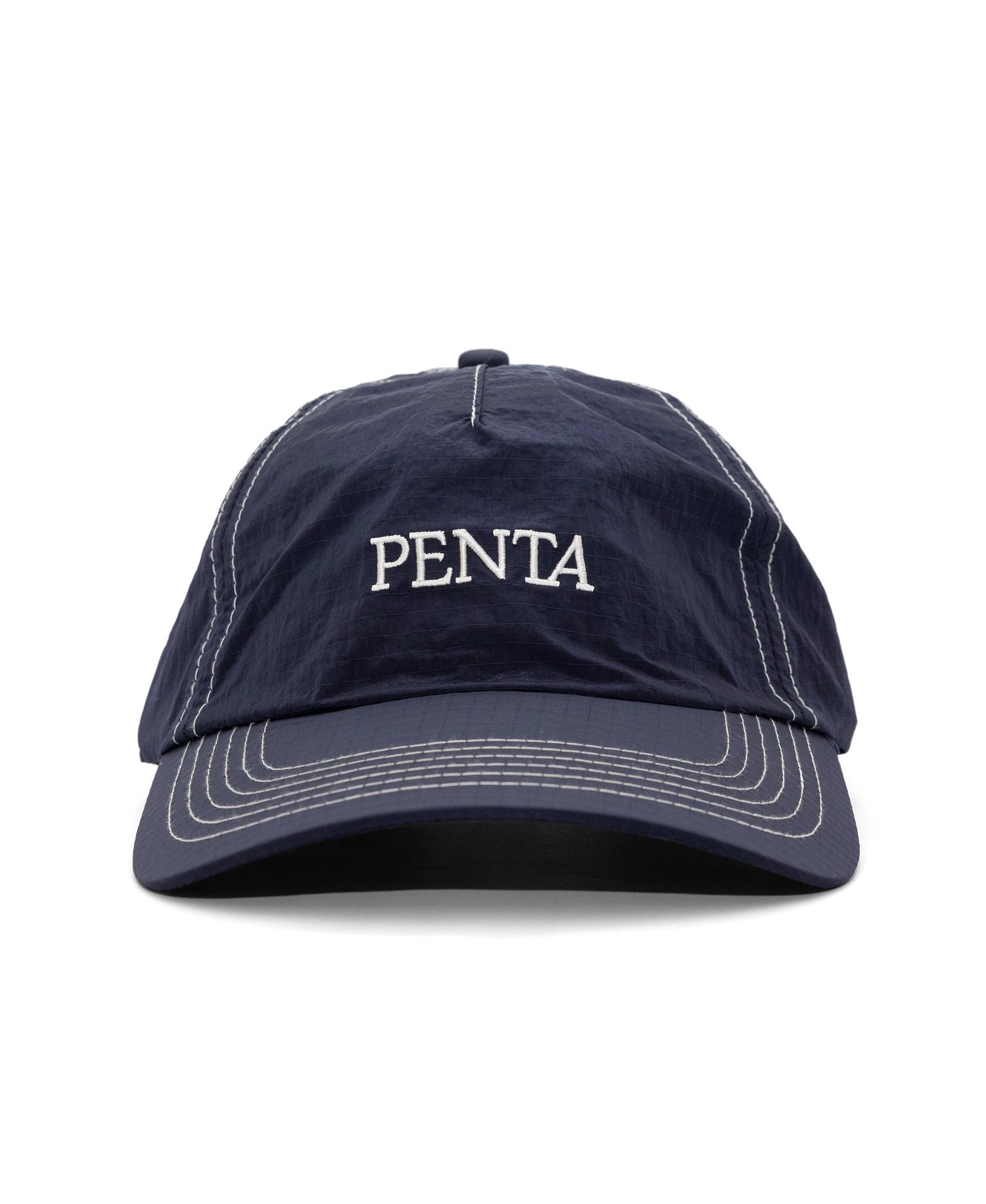
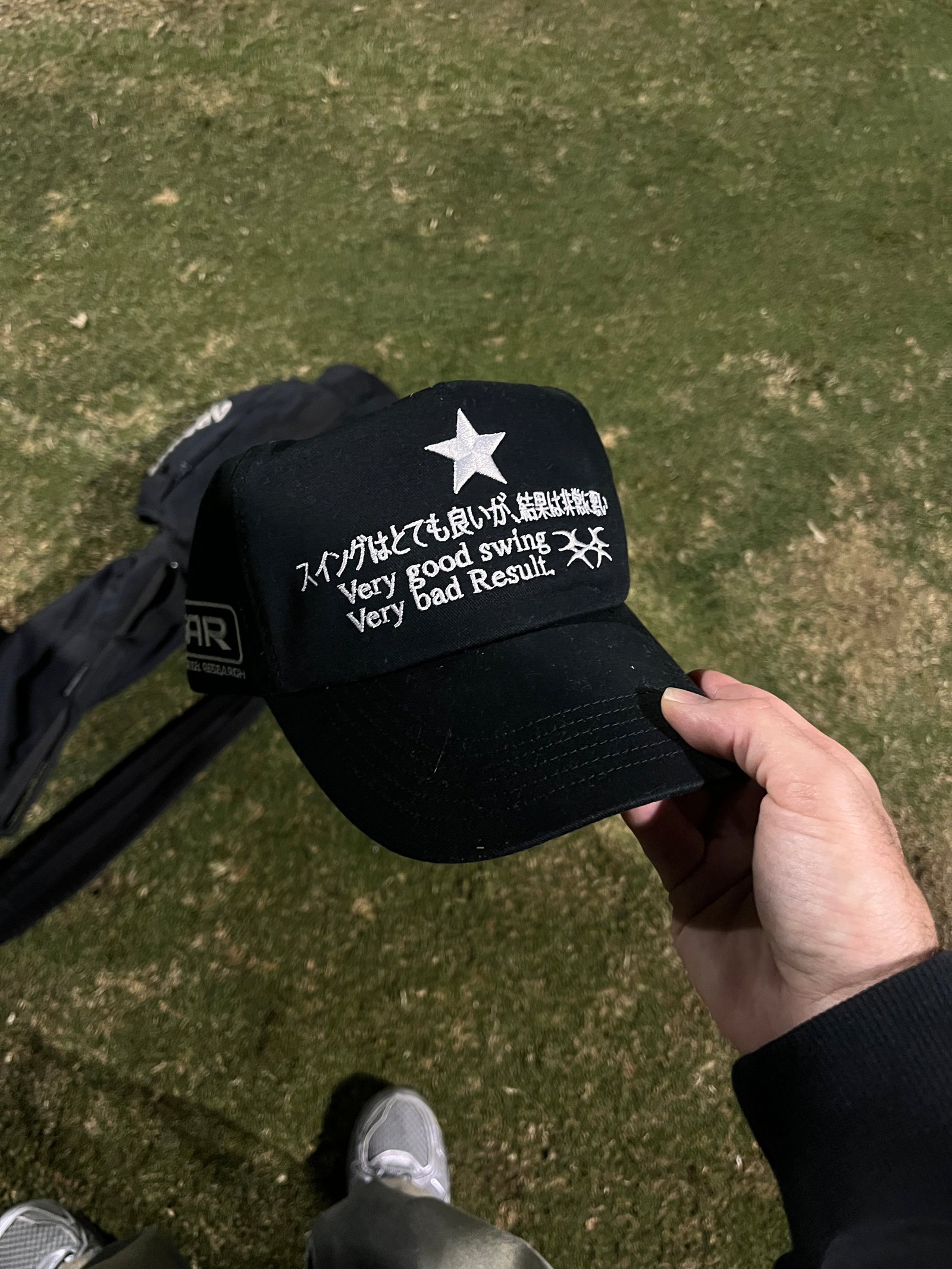
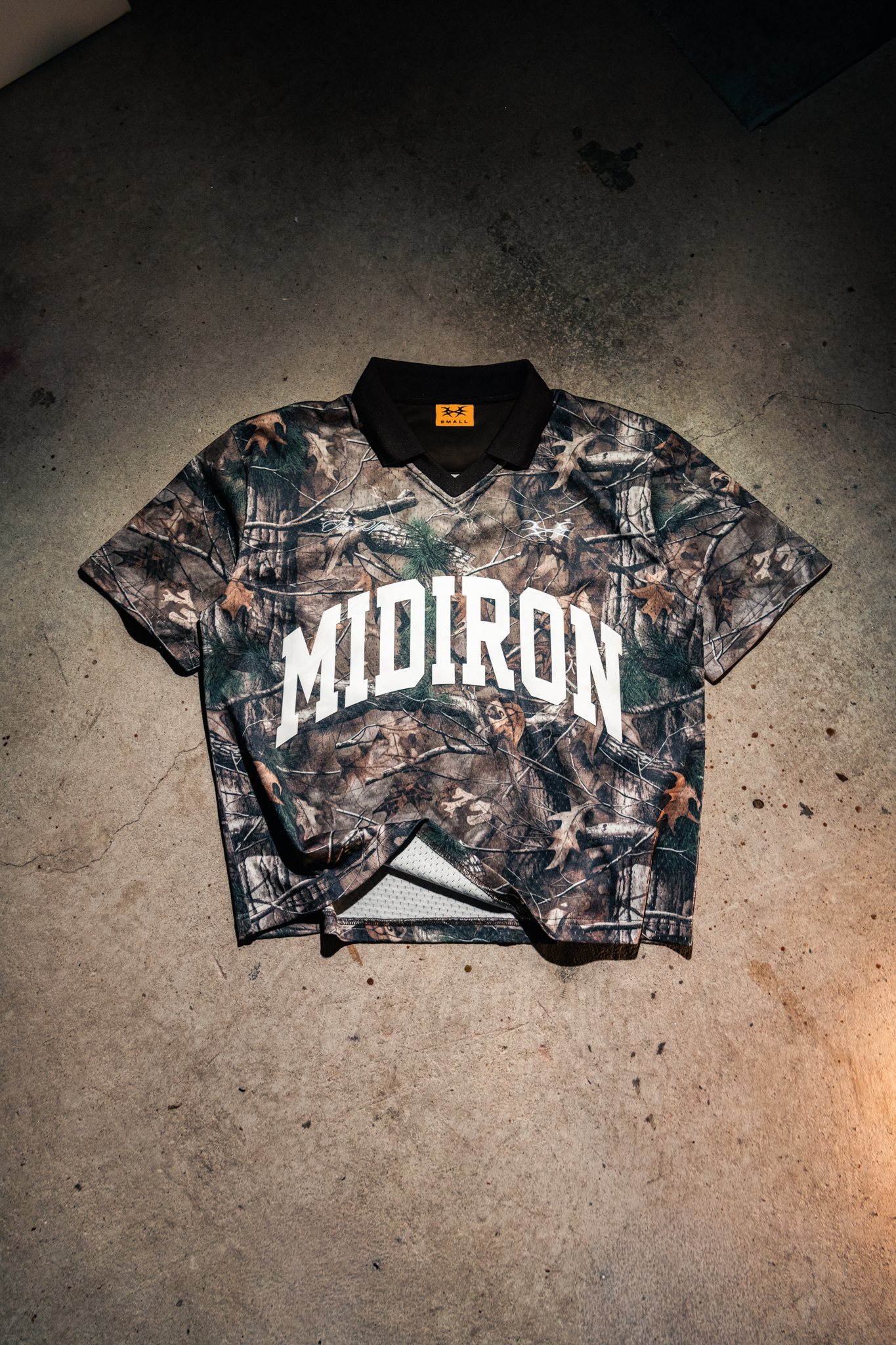
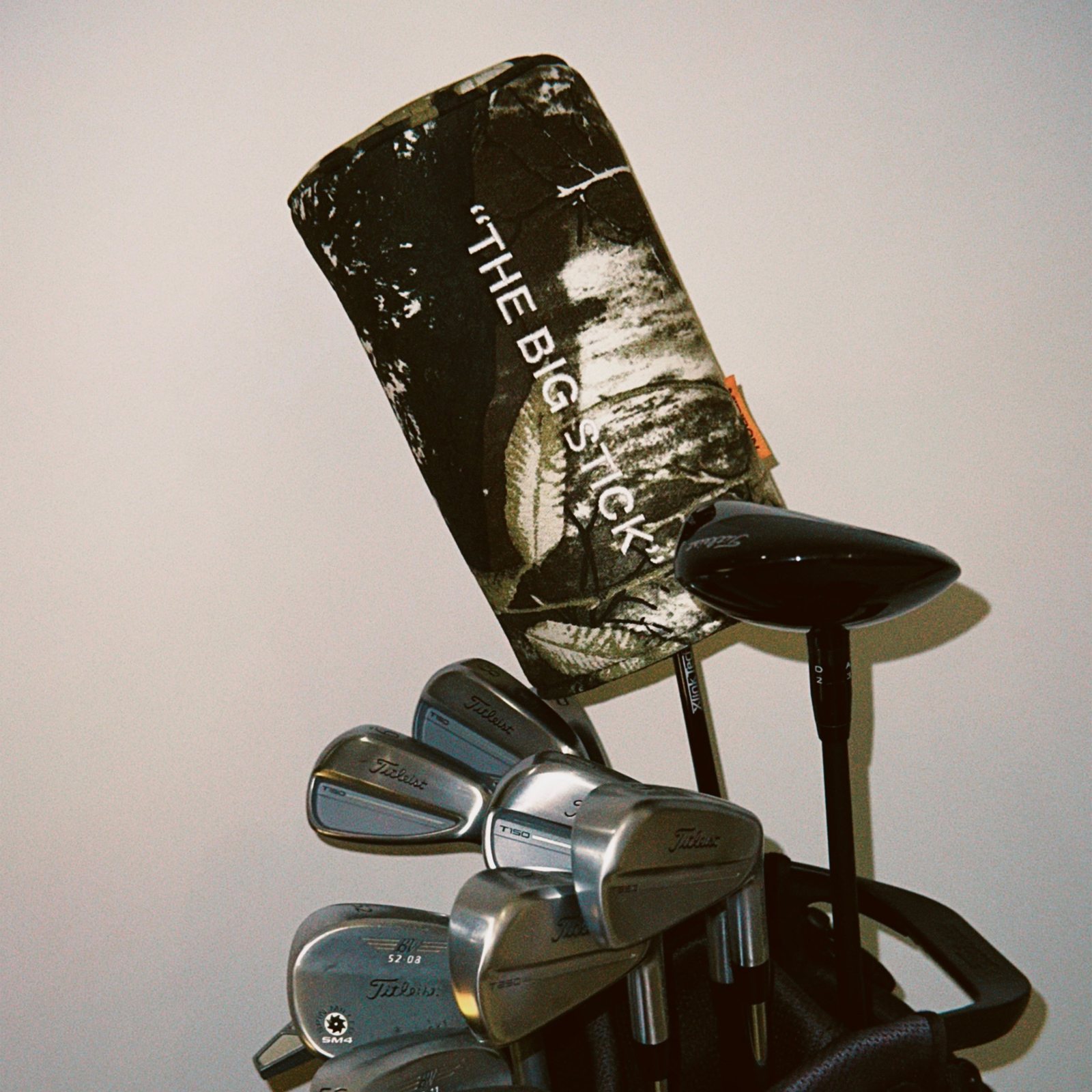
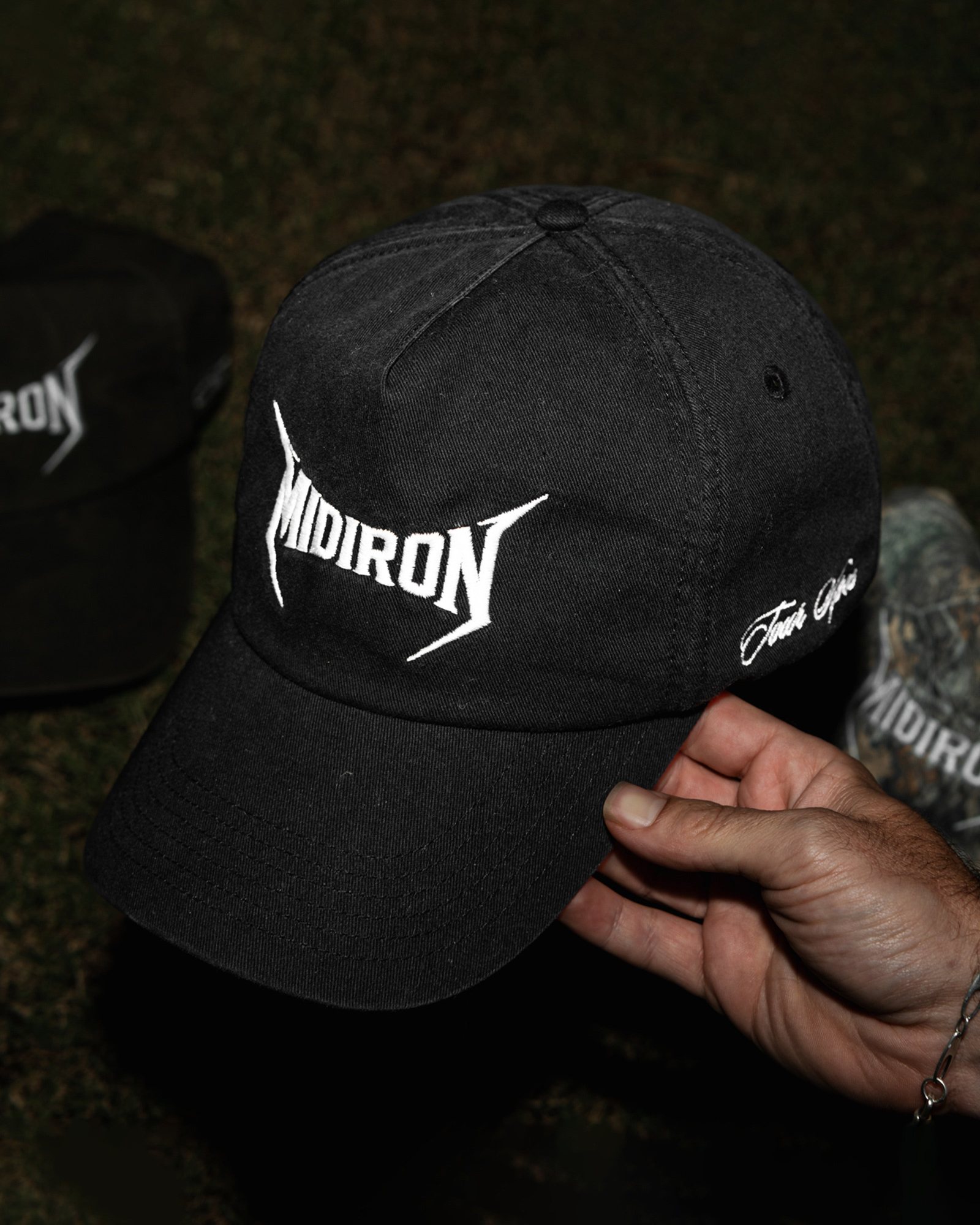
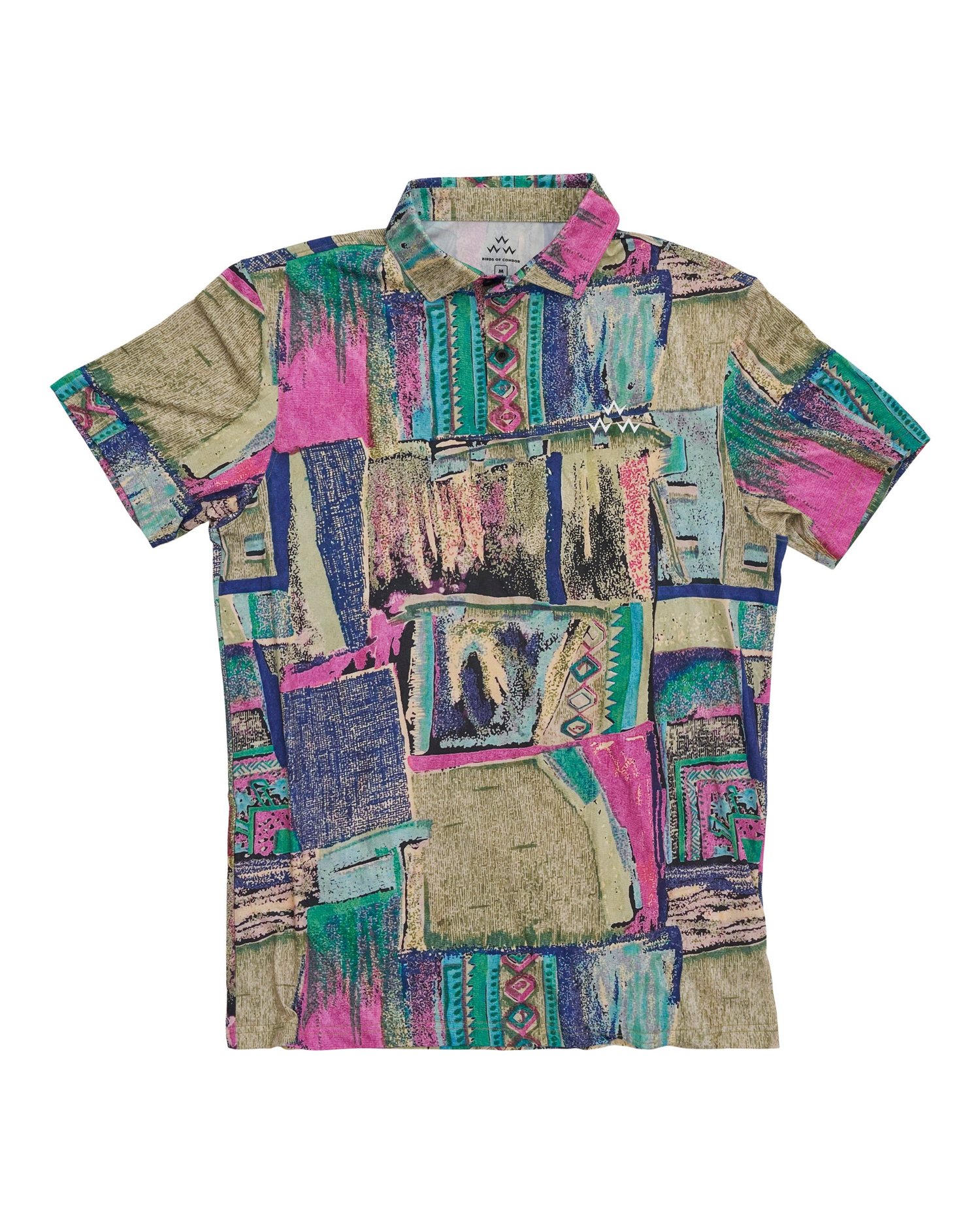
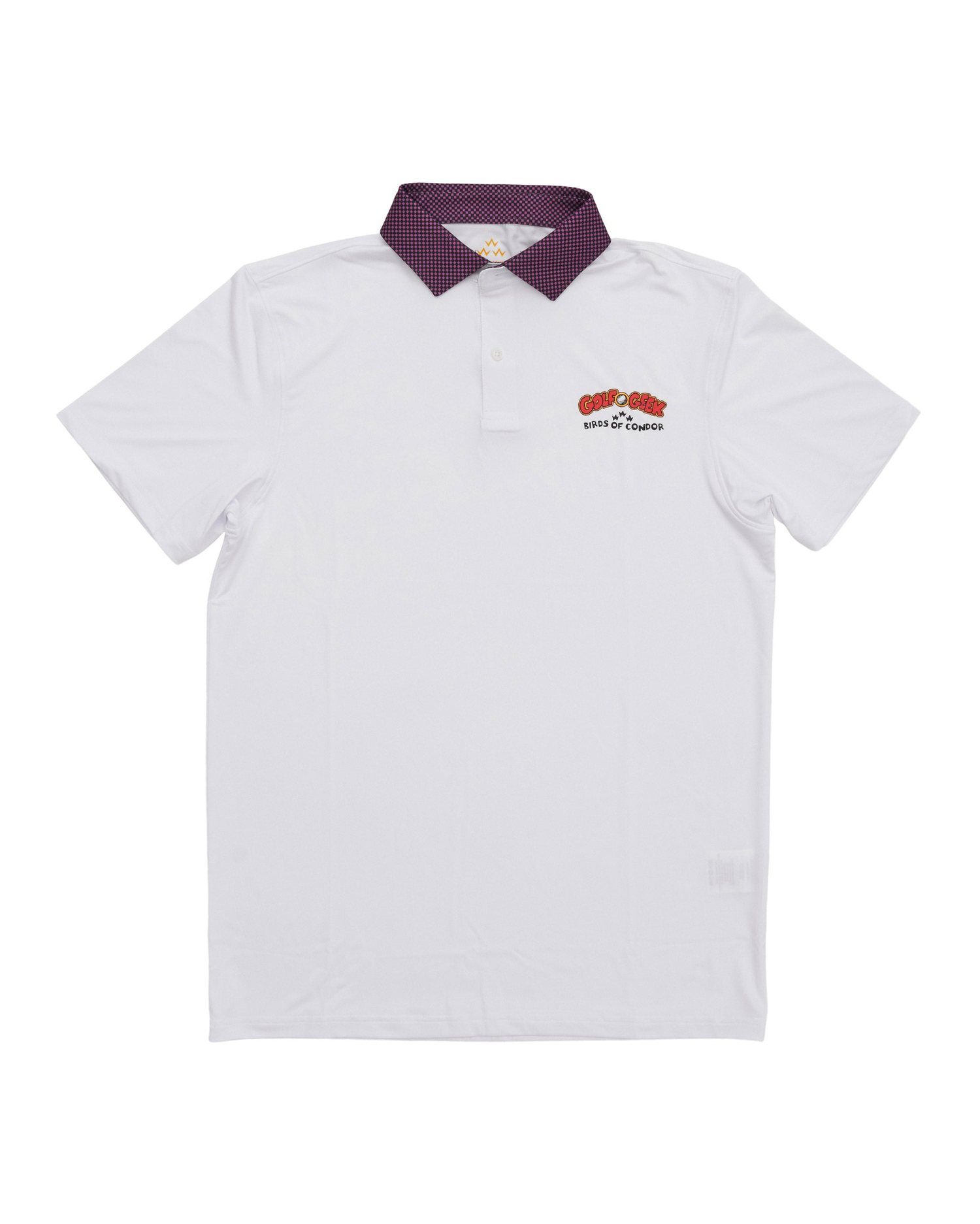
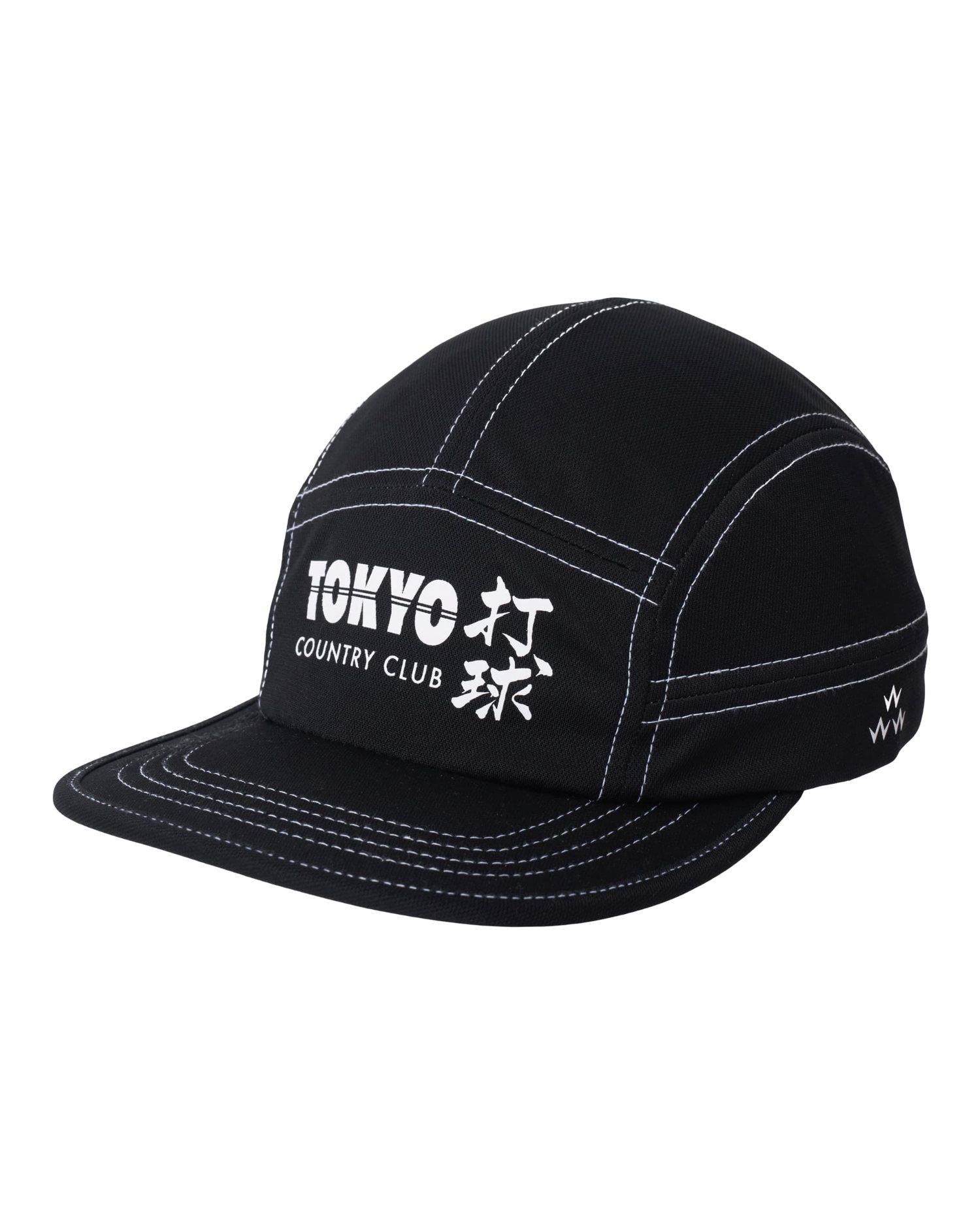
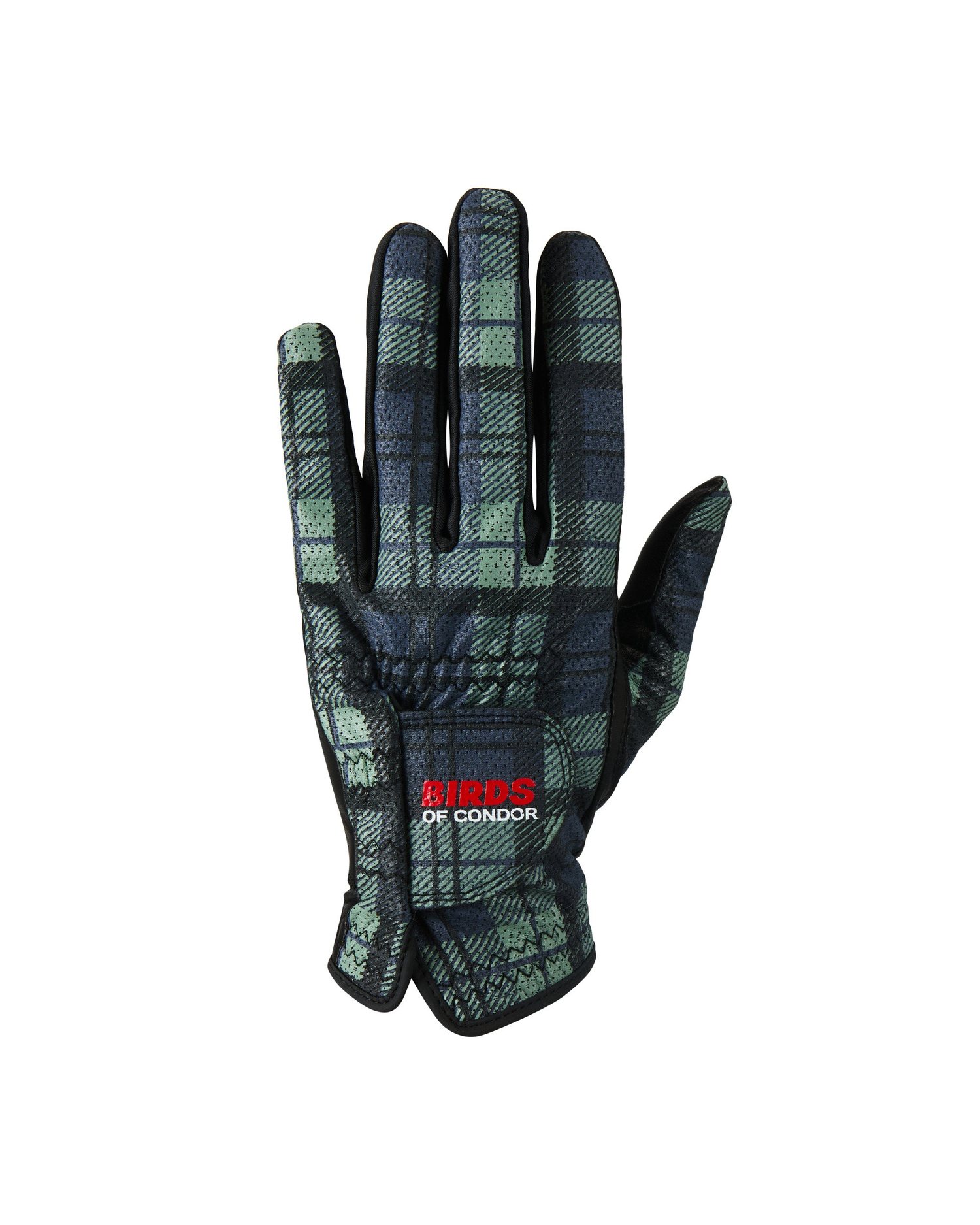
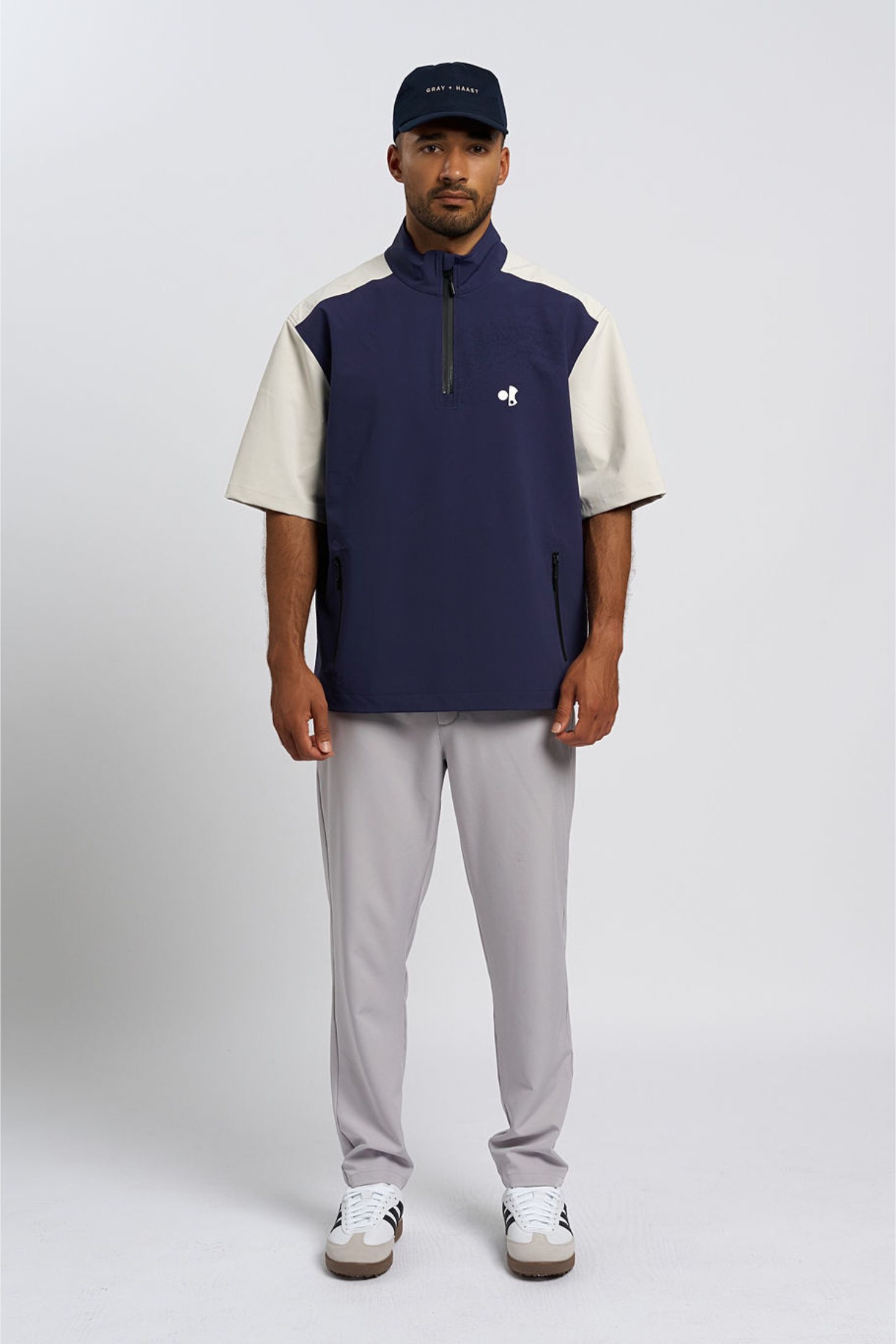
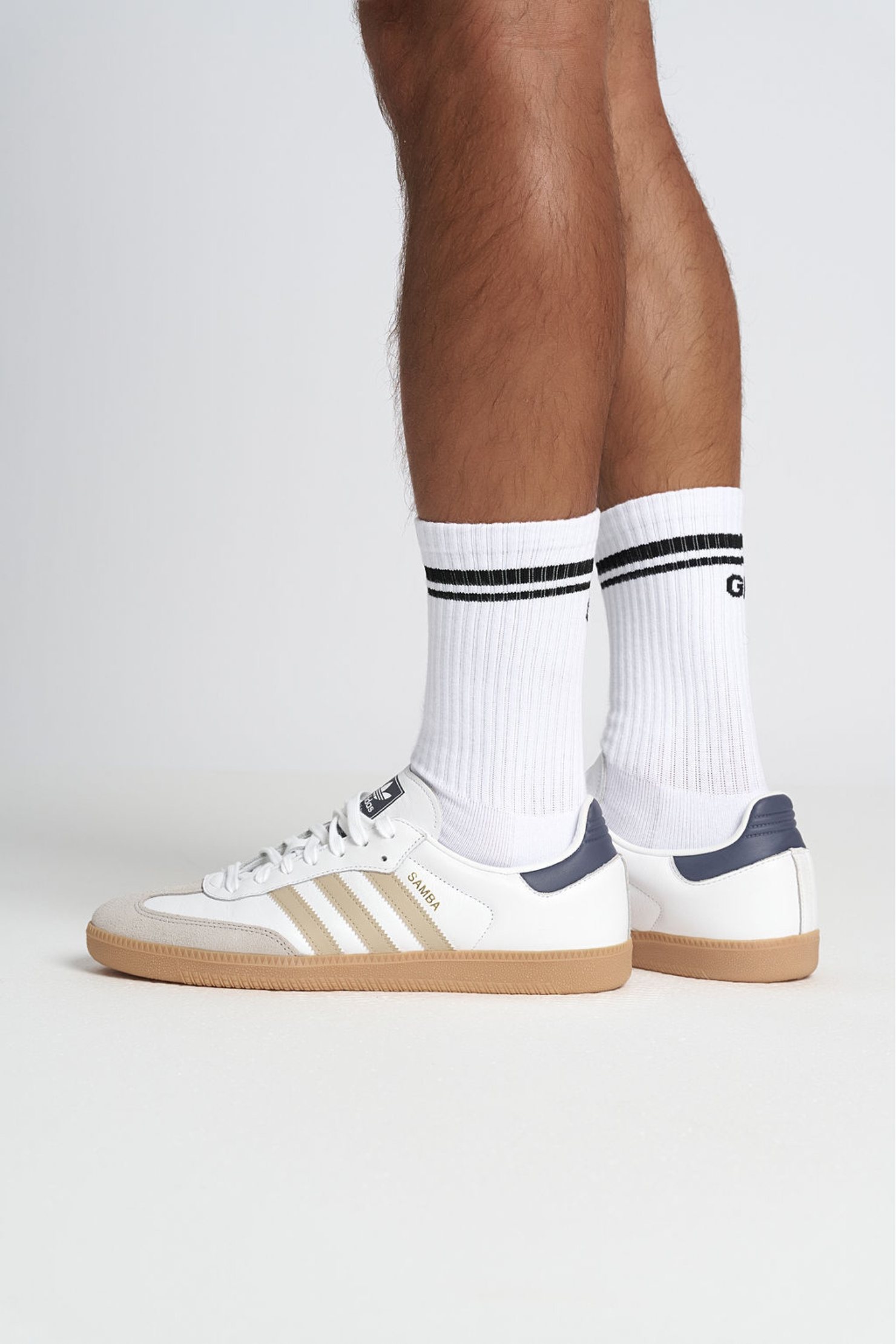
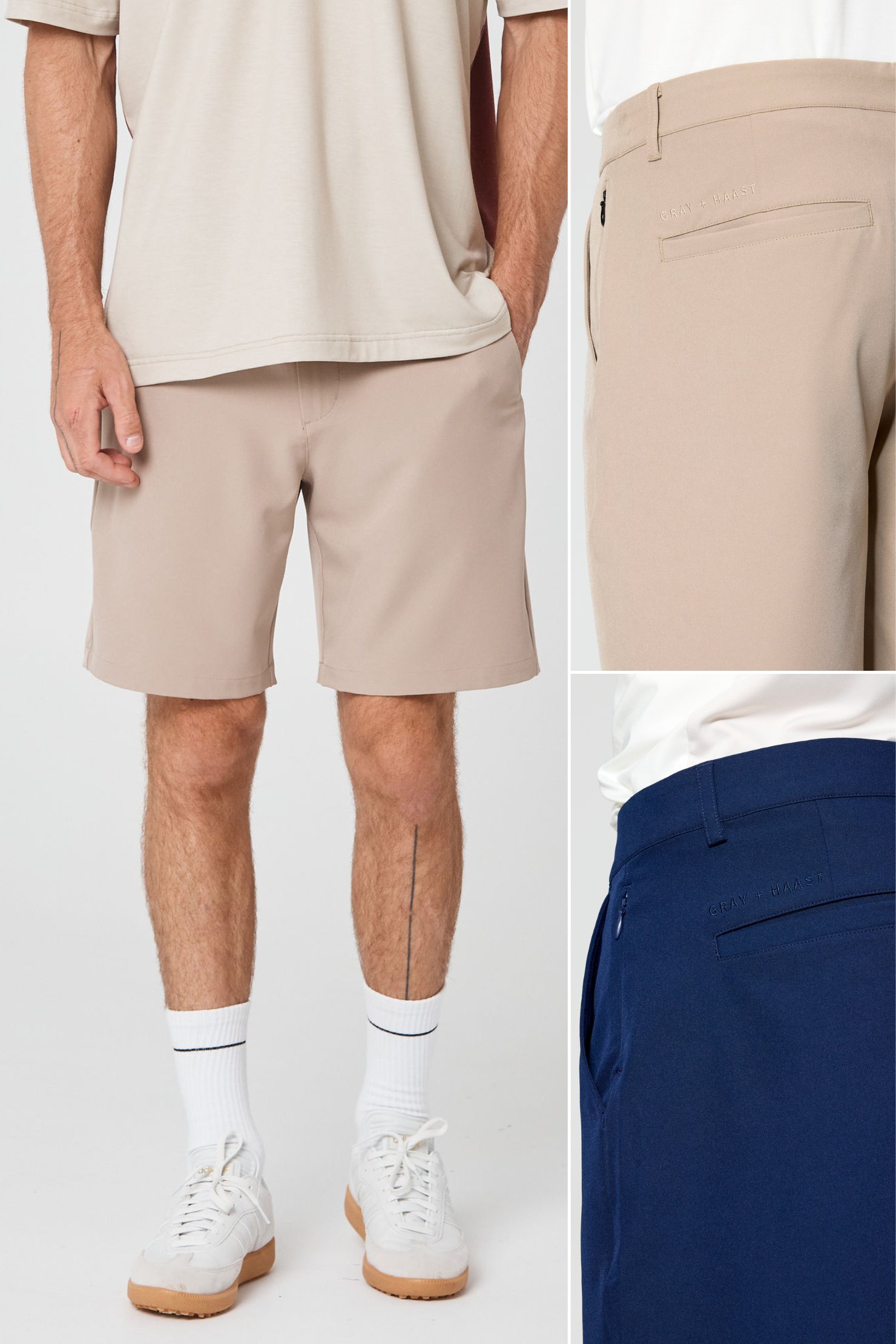
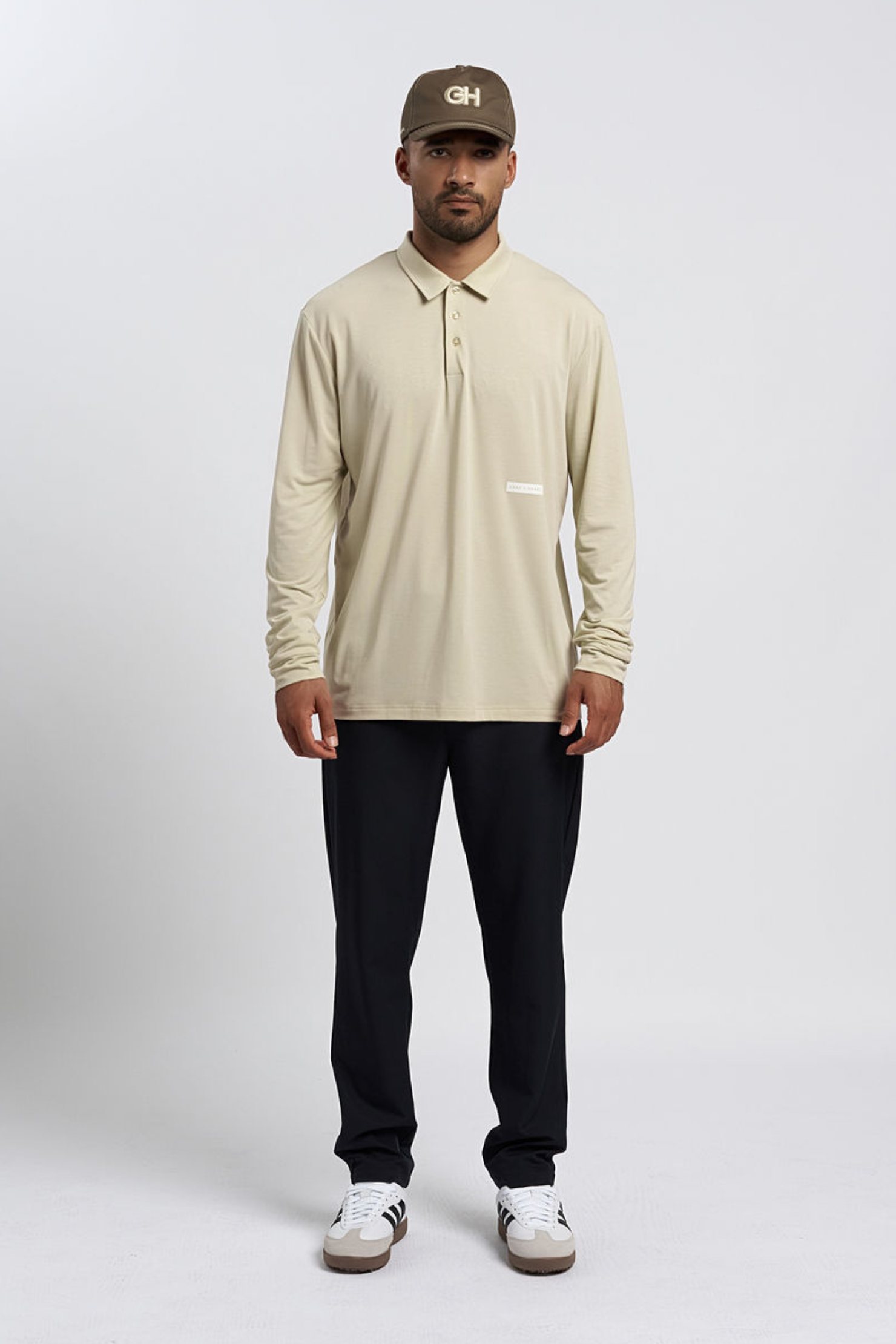
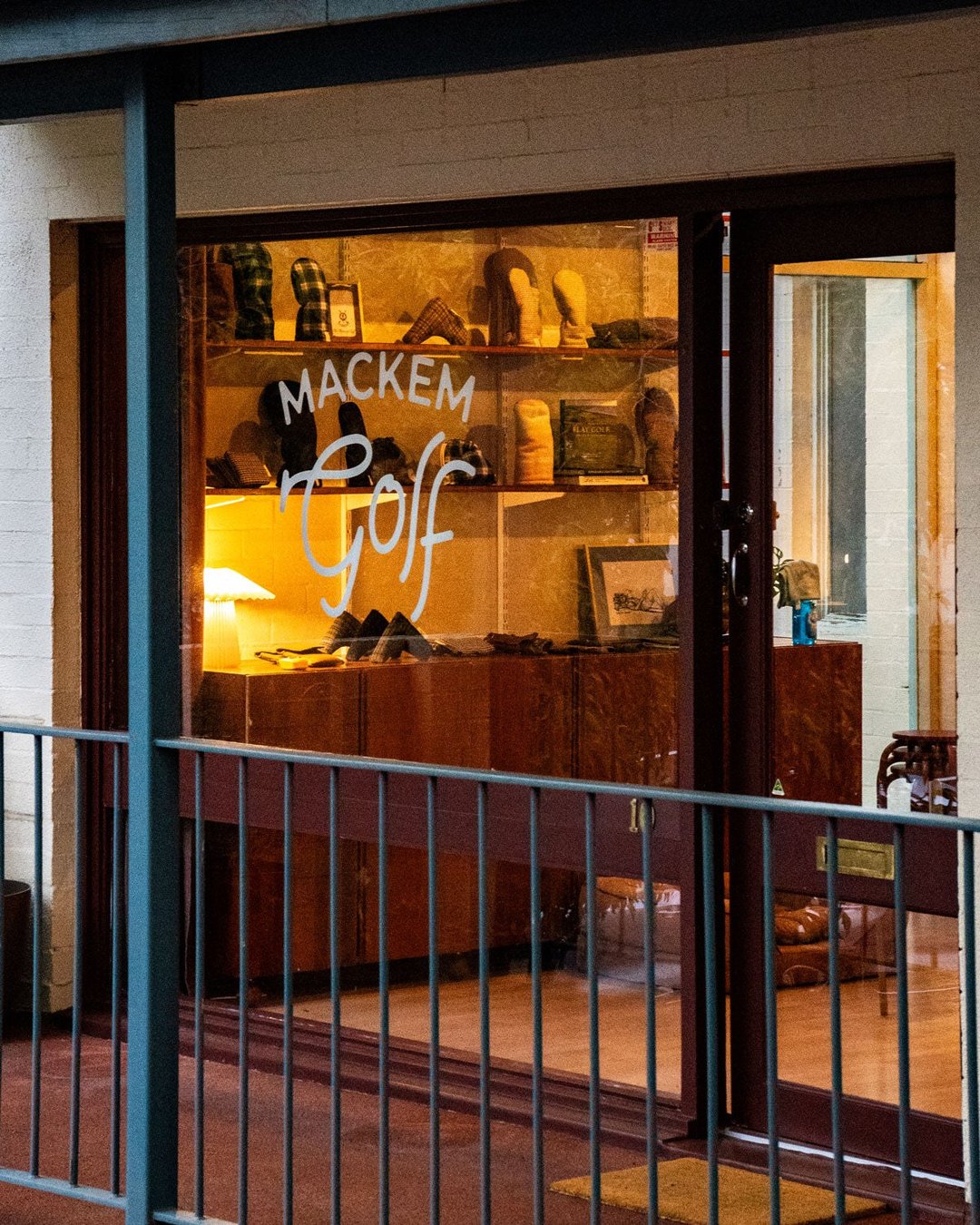
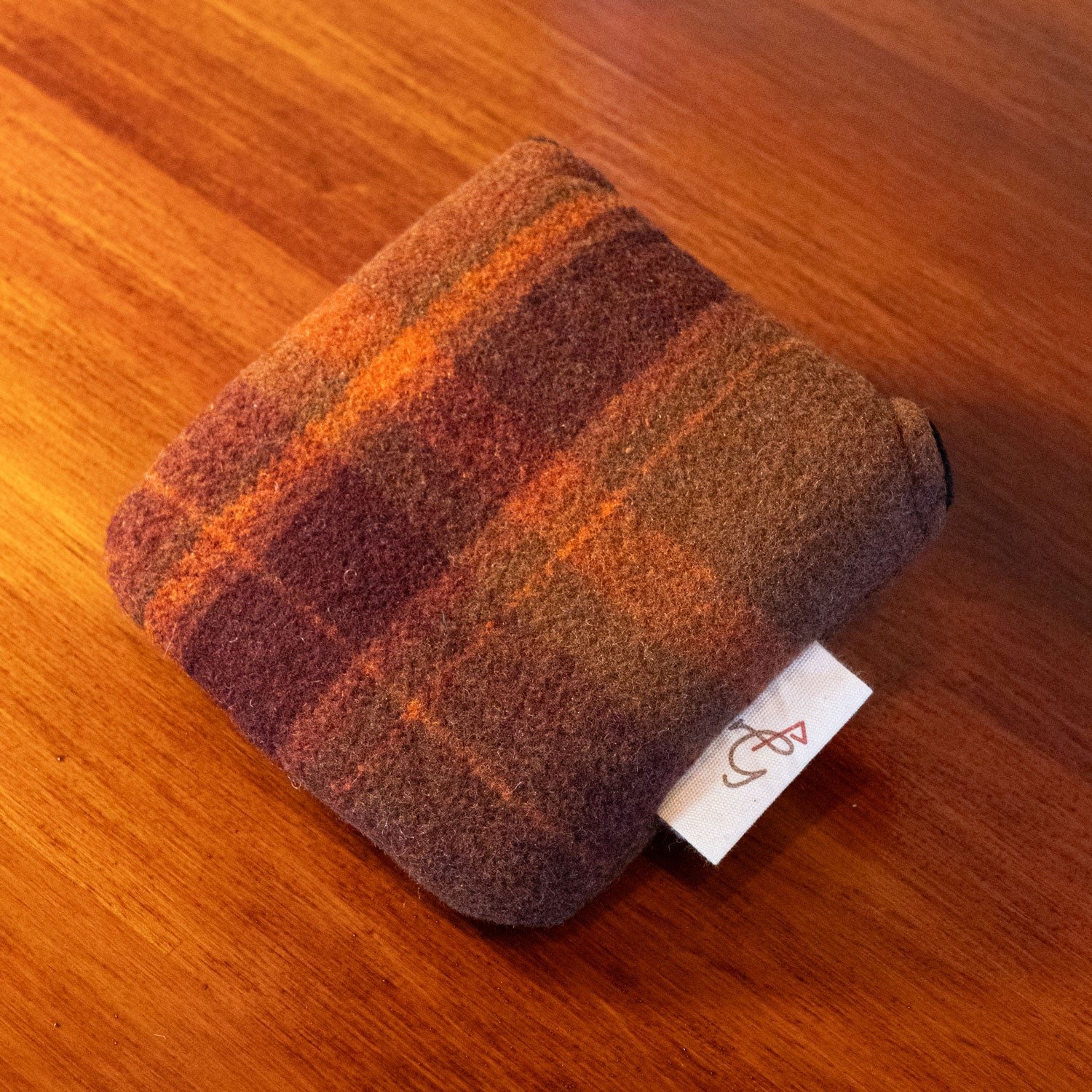
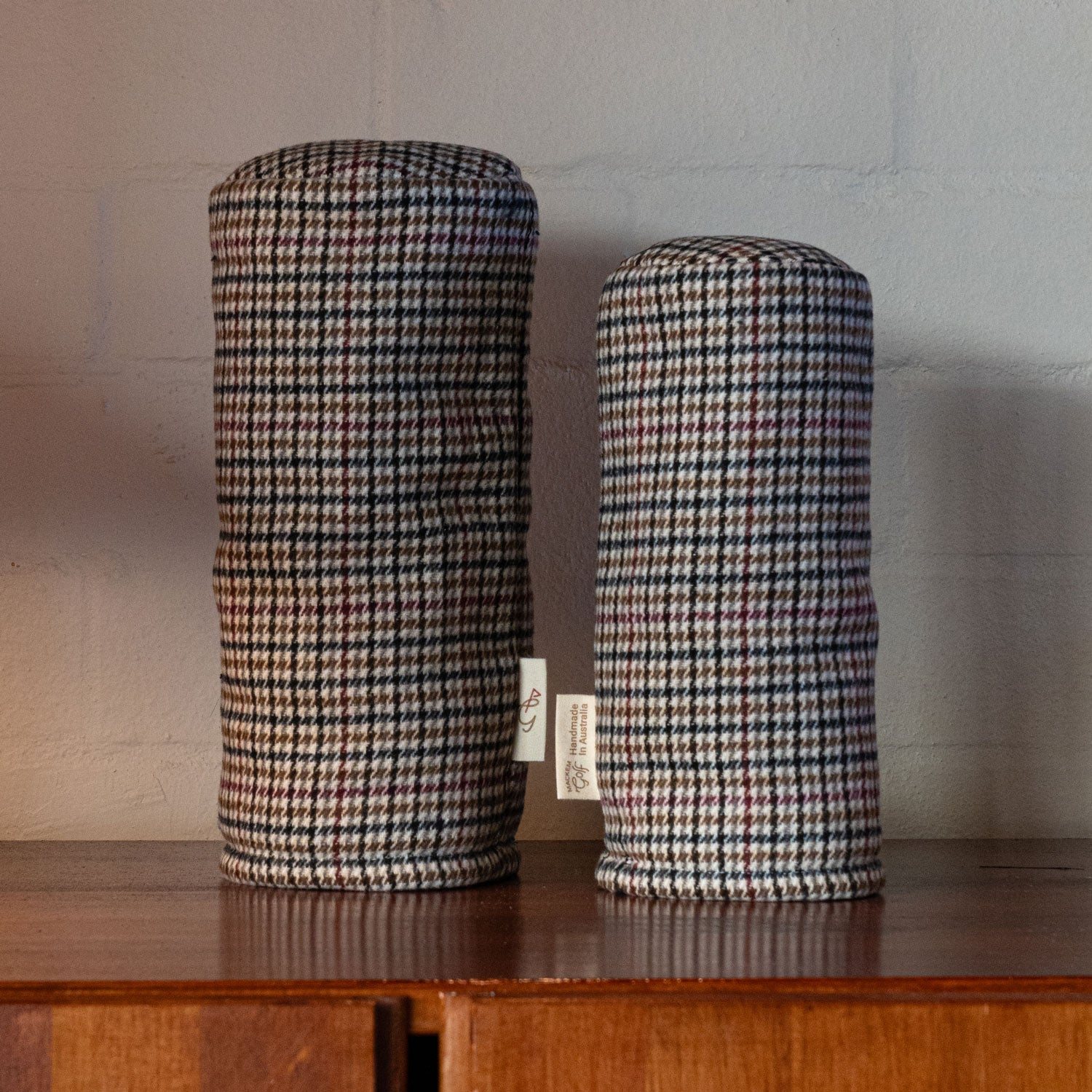
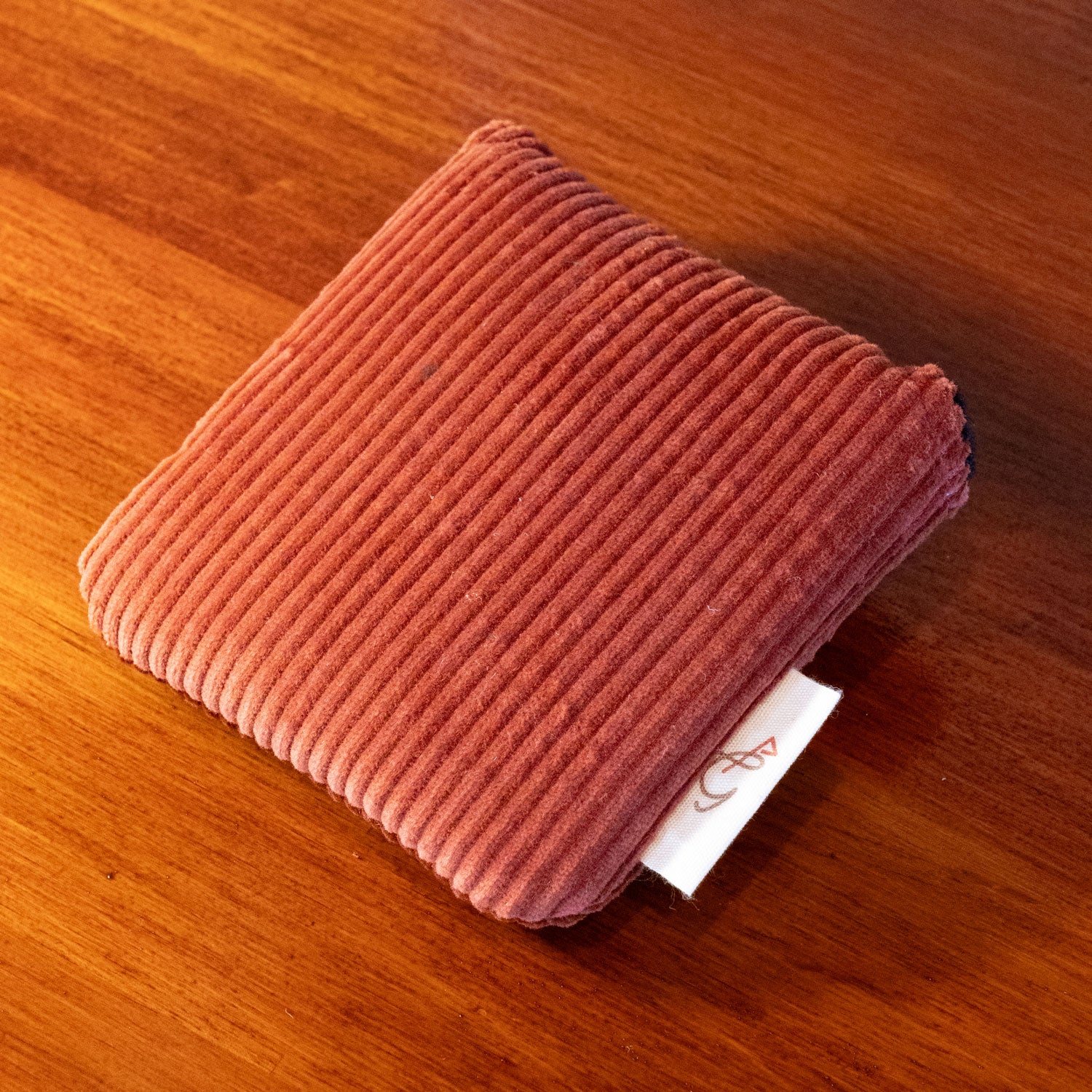
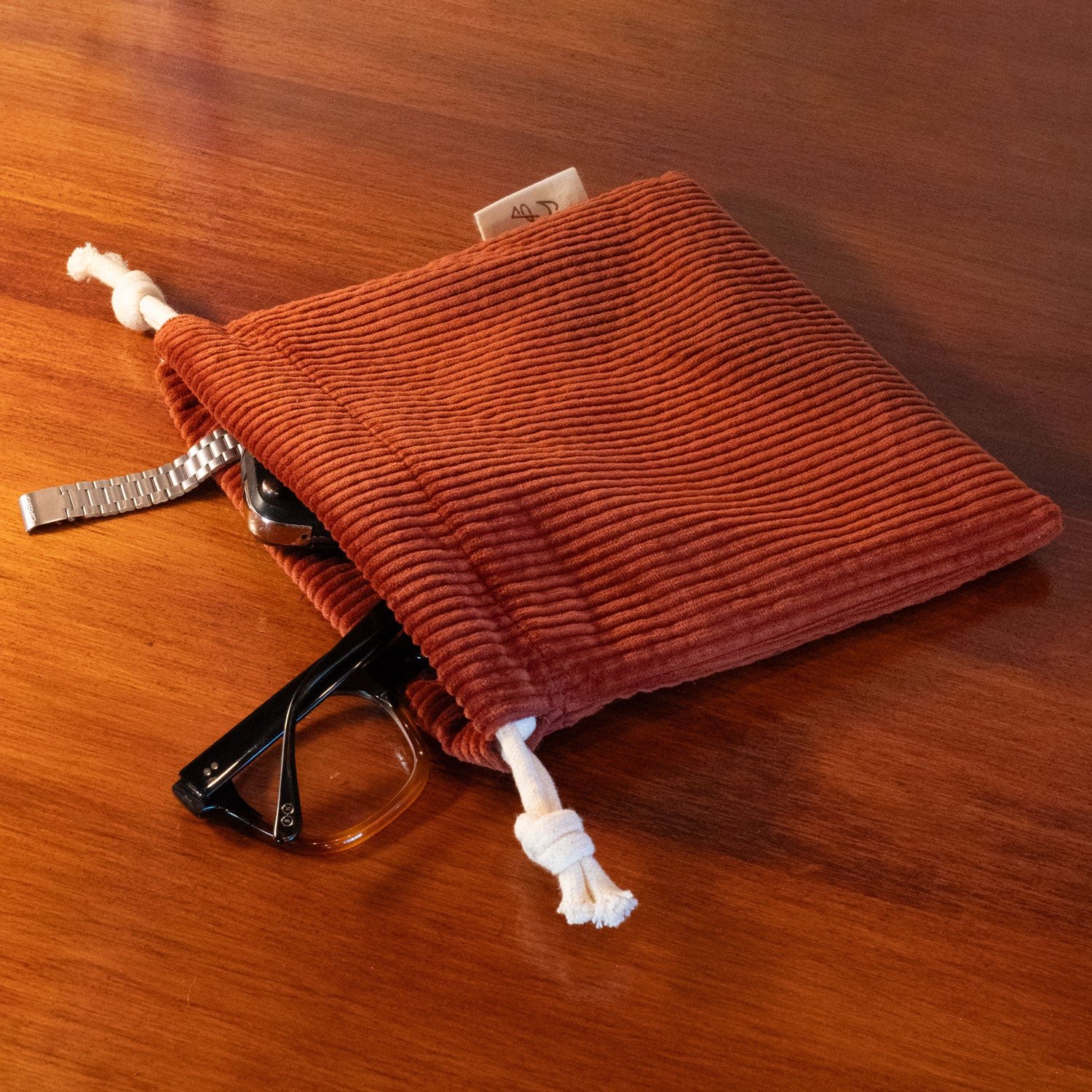
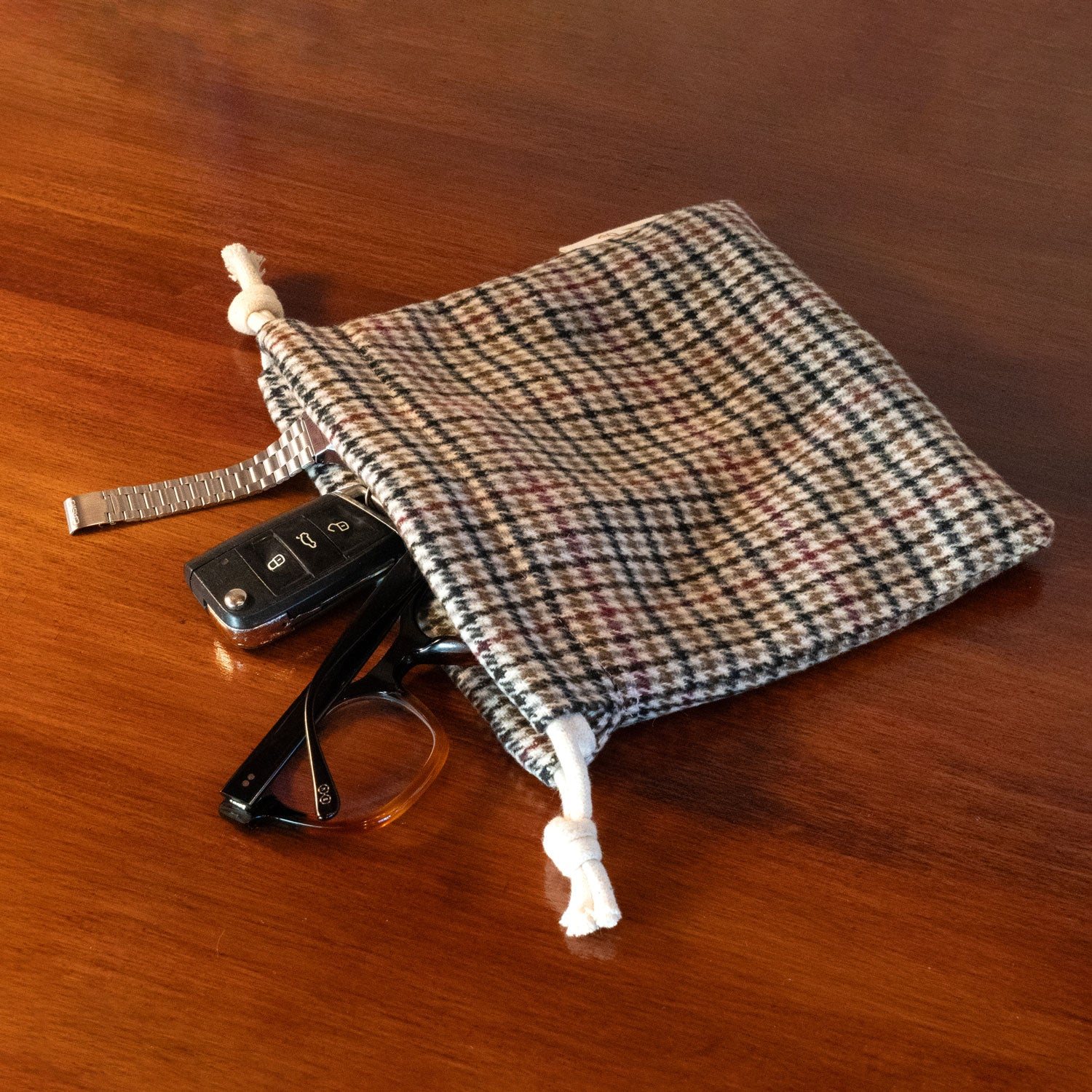
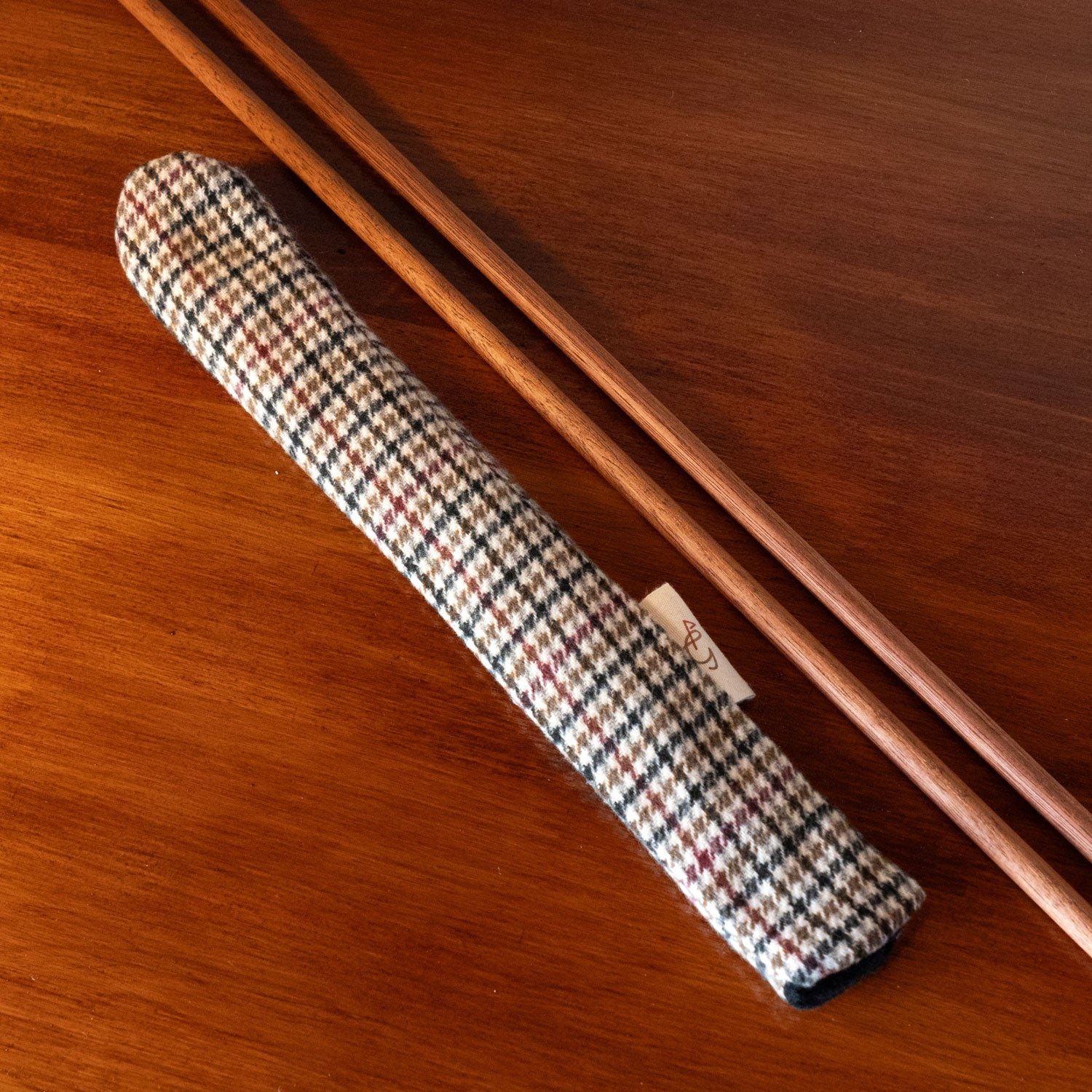
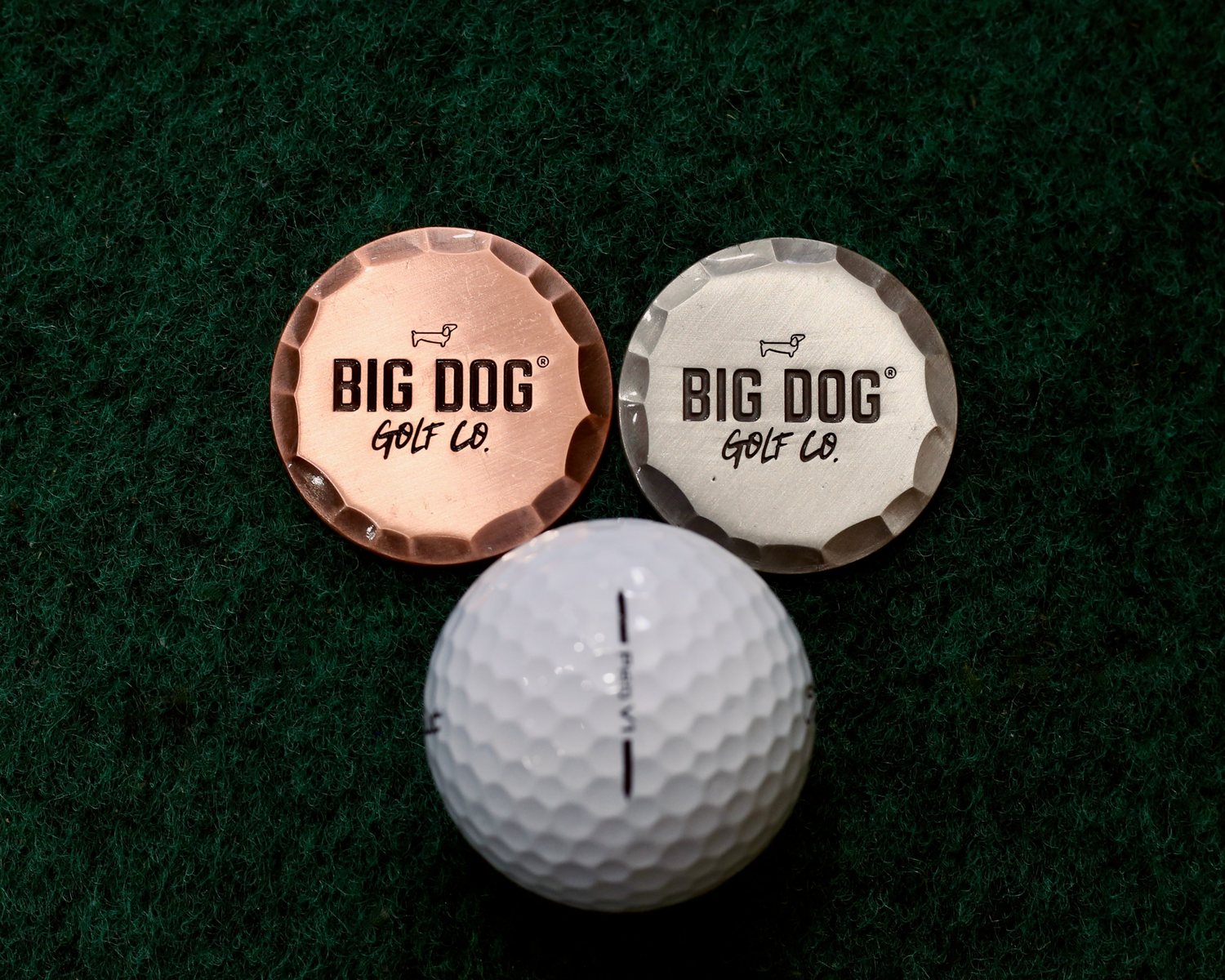
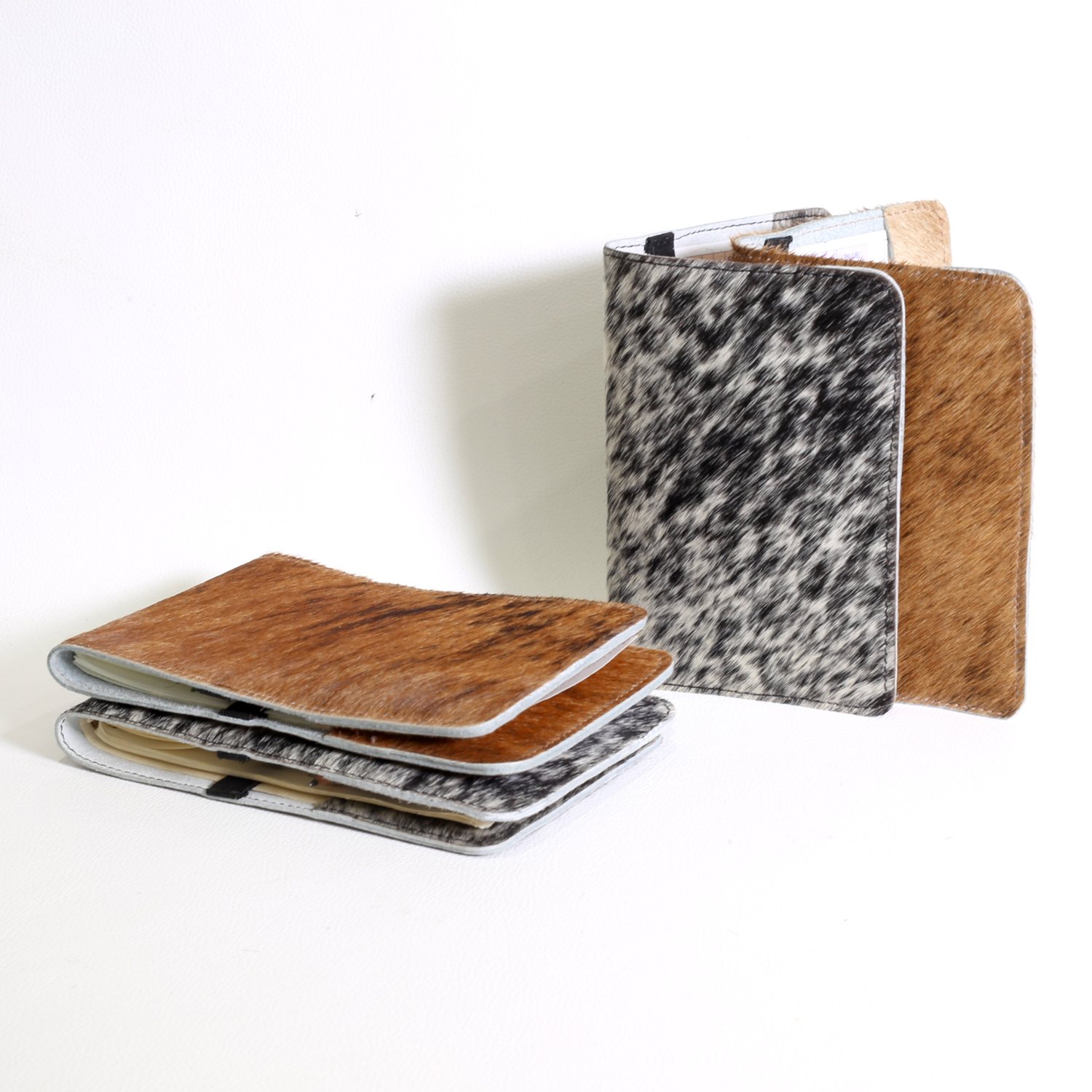
Leather and wool · two workshopsTwo small workshops sew the other half of the Australian scene by hand, and the work has ended up in the best pro shops in the country — Big Dog’s covers sit at Royal Melbourne, Barnbougle and Cape Wickham. If you are going, start here rather than at the logoed cap.
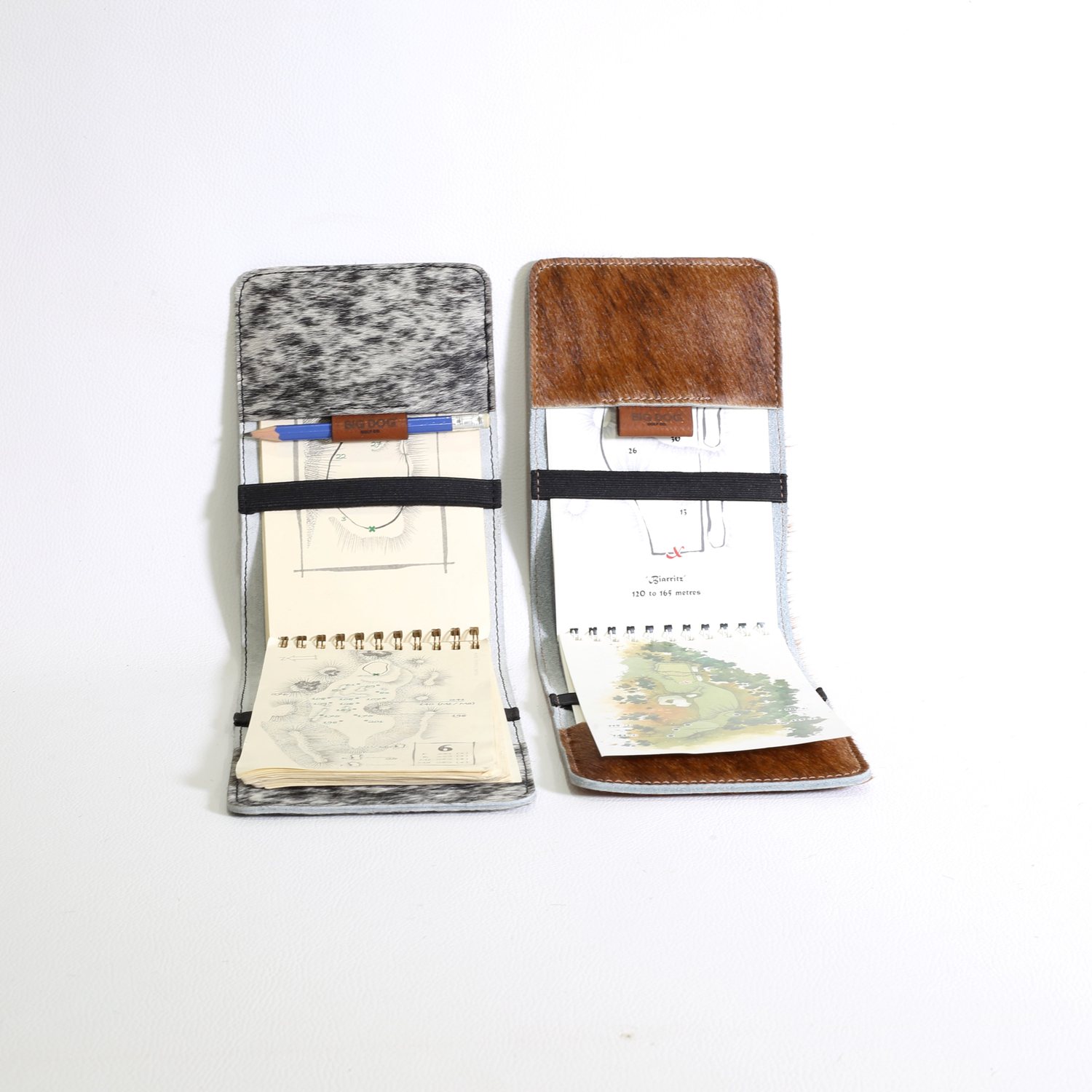
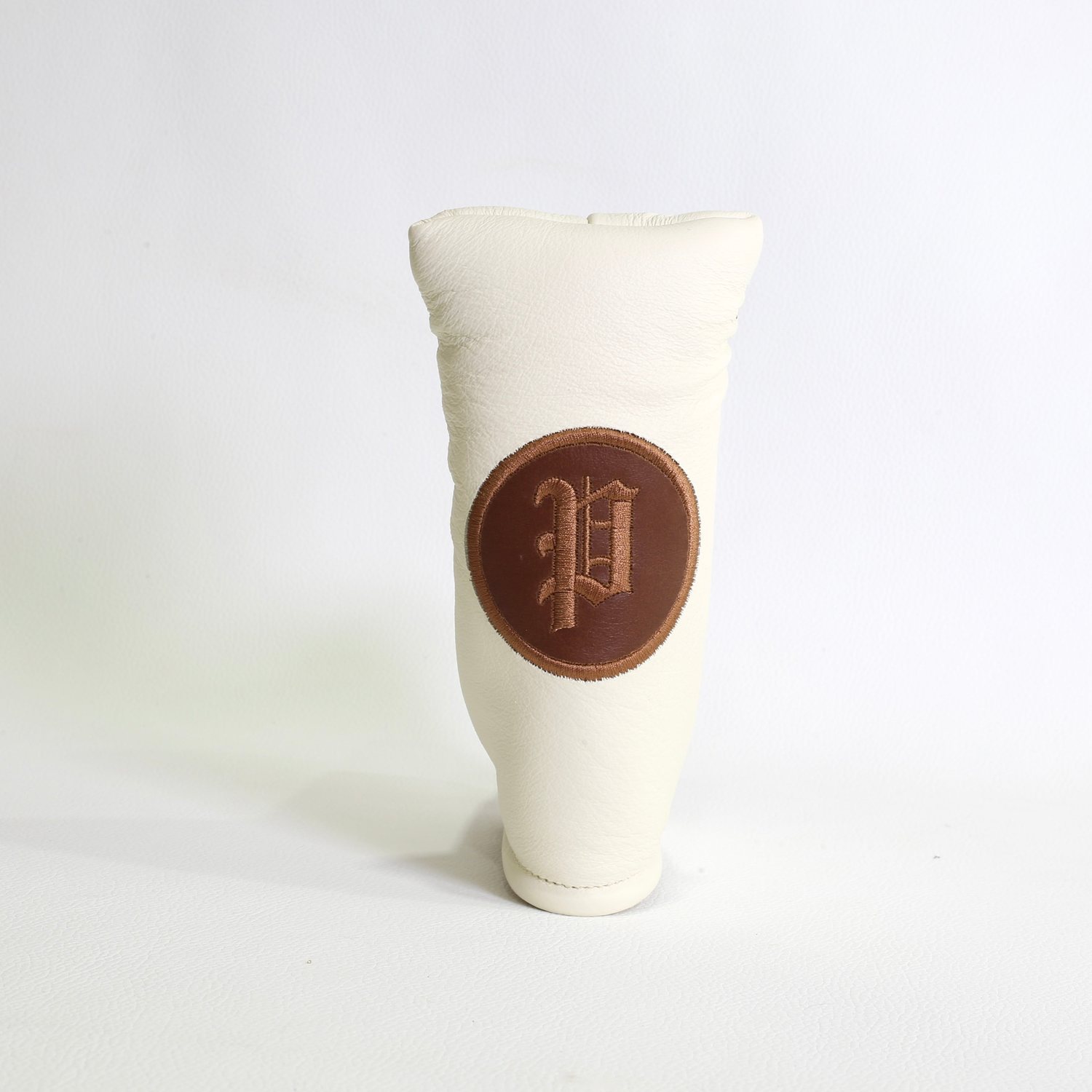
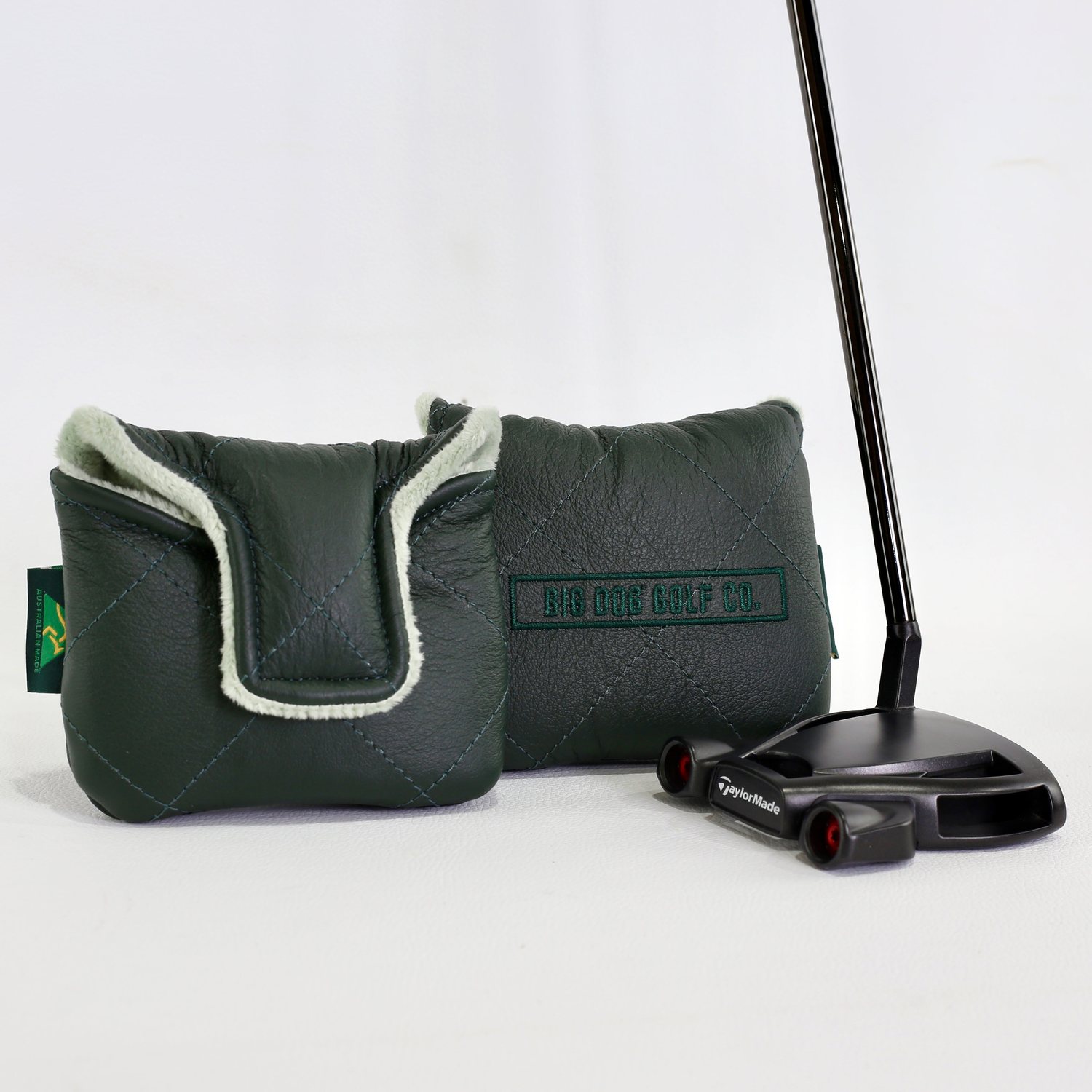
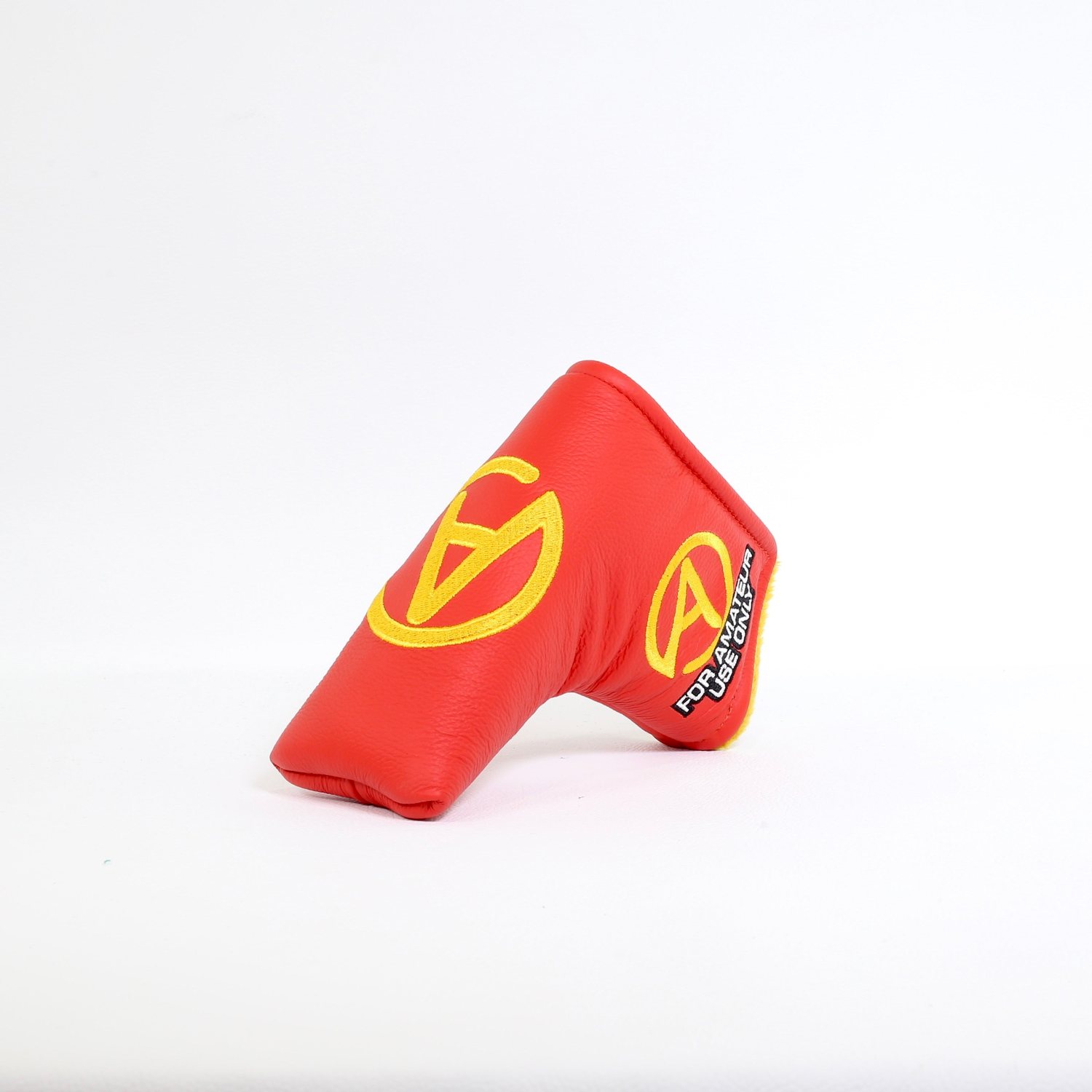
Two featured · ten more comparedRandom Golf Club runs an Australia trip; no other golf-media or apparel brand in the world does. Across roughly twenty operators, not one described a private Sandbelt tee time as guaranteed — access is sold as capability, never as contract.
The other tenThe other ten are best compared on price and round count rather than on marketing. Read the AUSGOLF line carefully: that A$2,525 is a rate for Golf Australia members, and overseas surcharges apply without being quantified. Premier’s low headline buys four rounds across ten days.
For clothing: Left of Field Golf out of Sydney, Walker Golf Things on the Gold Coast, Penta on Sydney’s Northern Beaches, Gray + Haast in Burleigh Heads, Okka in Perth, Found Golf in Melbourne, Birds of Condor in Byron Bay, and Midiron, which will not tell you where it is based. For leather and wool goods: Mackem Golf in the Perth hills and Big Dog Golf Co. in Victoria, whose covers are stocked in the pro shops at Royal Melbourne, Barnbougle, Royal Adelaide and Cape Wickham. Most price in Australian dollars, though Left of Field and Birds of Condor both run overseas storefronts that will show you a converted price.
Yes. Their Australia Major runs October 31 to November 7, 2026 and is limited to fourteen players. It is US$6,195 per person on shared occupancy or US$7,395 for a private room, covering eight rounds plus an opening nine-hole scramble, lodging, ground transport and breakfast — but not airfare, caddies or trolleys. deposit, with the balance due October 1, 2026. Australians can buy a local ticket at US$4,995 that strips out the hotels, breakfasts and transport.
As far as we can establish, yes, and it is not close. We checked the big golf media and creator names, plus a dozen apparel labels including Manors, Malbon, Eastside and Sugarloaf. None of them run an Australia trip. One golf media outfit publishes its calendar through September 2027 with a deposit system already built, and its entire international slate is Britain and Ireland.
The honest range for an organized trip is roughly US$4,250 to US$21,000 per person, and the spread is mostly about how many rounds you get. Pioneer Golf’s Tasmania-only package starts around US$4,250 and is the cheapest credible option we found. Random Golf Club is US$6,195 for eight rounds and a scramble. PerryGolf’s custom trips start near US$9,415 and their escorted departure runs US$20,995. Watch the round count — Premier Golf’s US$4,975 headline buys four rounds across ten days, not the seven you get elsewhere. Airfare from the US is almost never included.
No, and this surprises people. Every major Sandbelt club publishes an unaccompanied-visitor pathway and none requires a member host. What you do need is membership of a home club and, at most of them, a registered handicap — for an American, an active GHIN, printed and brought with you, because Golf Australia runs no reciprocal scheme and no shared database. Kingston Heath and Commonwealth want a letter of introduction; Yarra Yarra explicitly does not. What an operator actually buys you is the introductions and the booking windows, not access nobody else can get.
Often, and the good news is that the better courses print it rather than hiding it. Barnbougle charges A$199 to an Australian and A$285 to an international visitor for the same eighteen holes. Cape Wickham is A$235 against A$315. Kooyonga in Adelaide publishes A$425 for local and interstate visitors against A$625 international. Woodlands, the only Sandbelt club that publishes a fee at all, is A$350 domestic and A$450 international. Budget for the premium; just do not be surprised by it.
Spring, meaning October to mid-December, or autumn, mid-February through April. Avoid the Australian school summer holidays from around December 19 to January 26, when domestic demand spikes and access tightens. Two counterintuitive points: Melbourne’s rainfall is almost dead flat year-round, between 47 and 66mm every single month, so there is no dry season to chase; and Tasmania is windiest in summer, not winter — Hobart averages 19km/h at 3pm in January against 12km/h in June.
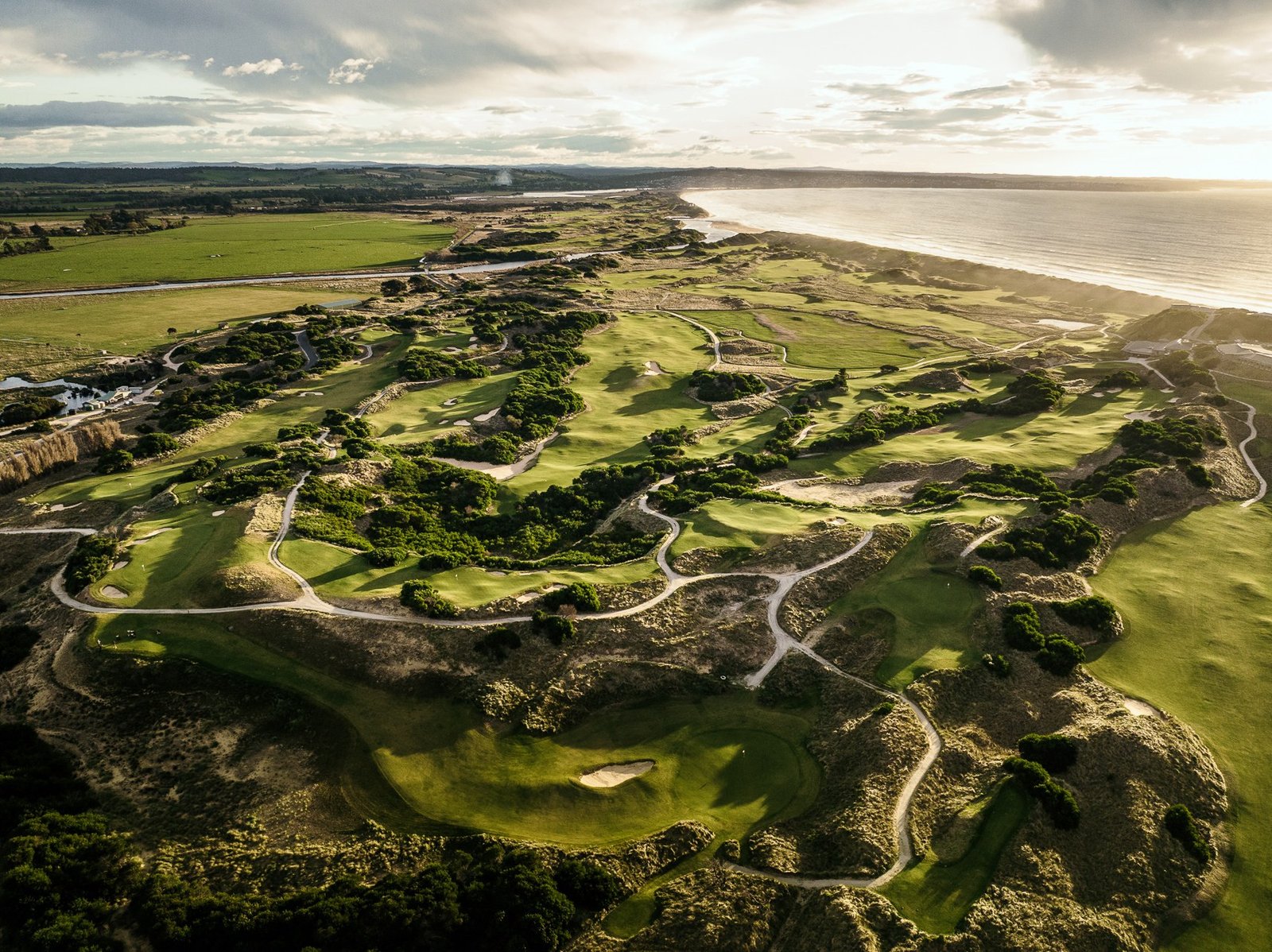
Barnbougle is about ninety minutes from Launceston airport, which is an hour from Melbourne. King Island has no passenger ferry — the Bass Strait vessels carry freight and vehicles only — so you fly, or you book a trip that flies you. If you are traveling independently with clubs, the airline choice matters: Sharp Airlines gives you 21kg all in, with excess charged by the kilo above that, while King Island Airlines carries clubs as freight at a published A$5 a kilo — roughly A$140 return for a typical travel bag on top of the fare. Ring whichever one you book and confirm how they will handle the clubs.
Yes. US citizens need an Electronic Travel Authority, subclass 601. There is no visa application charge but there is an A$20 service fee, and it is app-only — the Australian government does not run a web form, so any website charging you for one is not official. It is valid twelve months with unlimited entries and a three-month maximum per visit.
Three things that catch Americans out. First, most of these courses are walking courses and a cart genuinely requires a medical certificate; Barnbougle is walking-only with a A$150 exemption. Second, caddies are thinner on the ground than at a US destination resort and need booking with the tee time — Kingston Heath charges A$220 plus gratuity in cash, and Royal Melbourne A$200 in cash for overseas guests. Australia has no tipping culture anywhere else, but you do tip the caddie, in cash. Third, the old long-socks rule has been replaced by its opposite. Kingston Heath asks for short socks, predominantly white; Royal Melbourne for short socks that are either predominantly white or complement the rest of your clothing. Neither allows denim of any color.