Birds of Condor is funny on purpose and designed properly anyway, which is a harder combination than it sounds. Frankie and Zoe Kimpton started with ten hats out of a Byron Bay garage in 2016 and were shipping to South Korea, Japan and the United States within months — the joke travelled because the making held up.
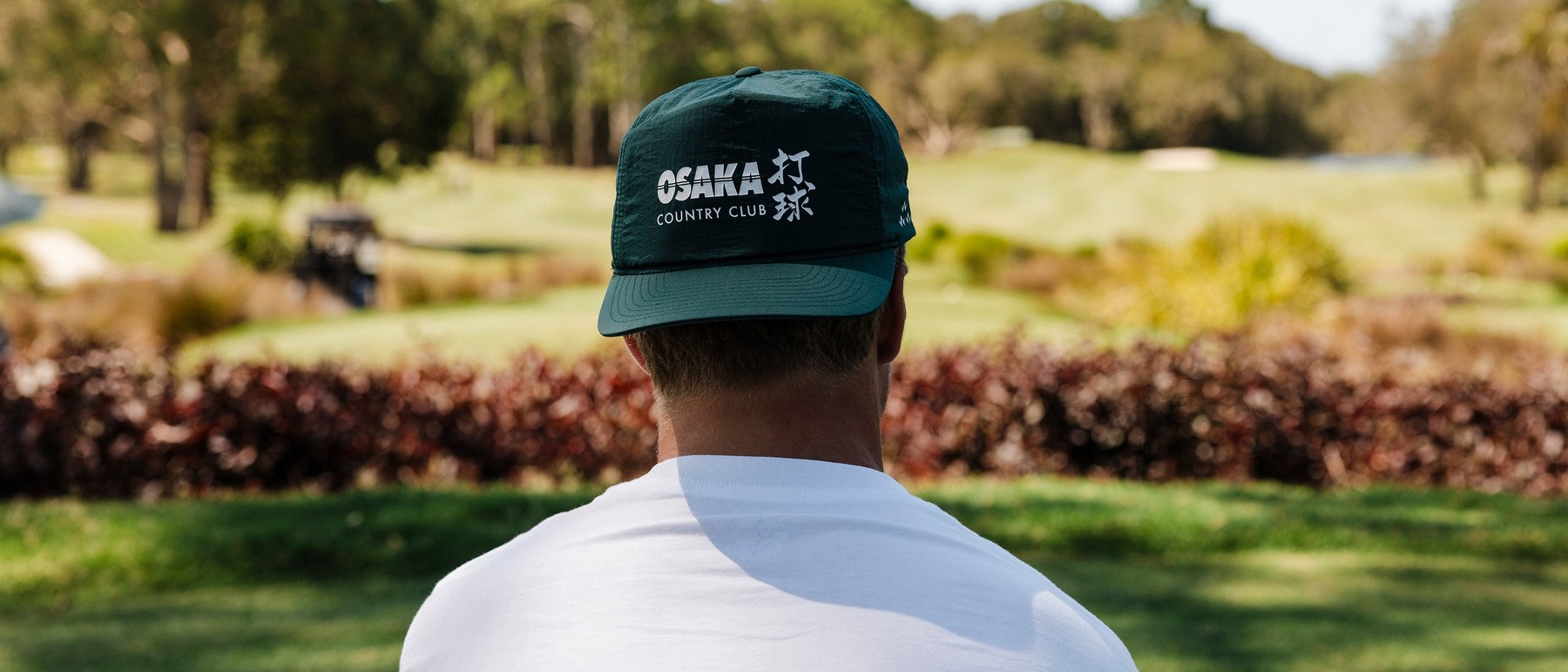
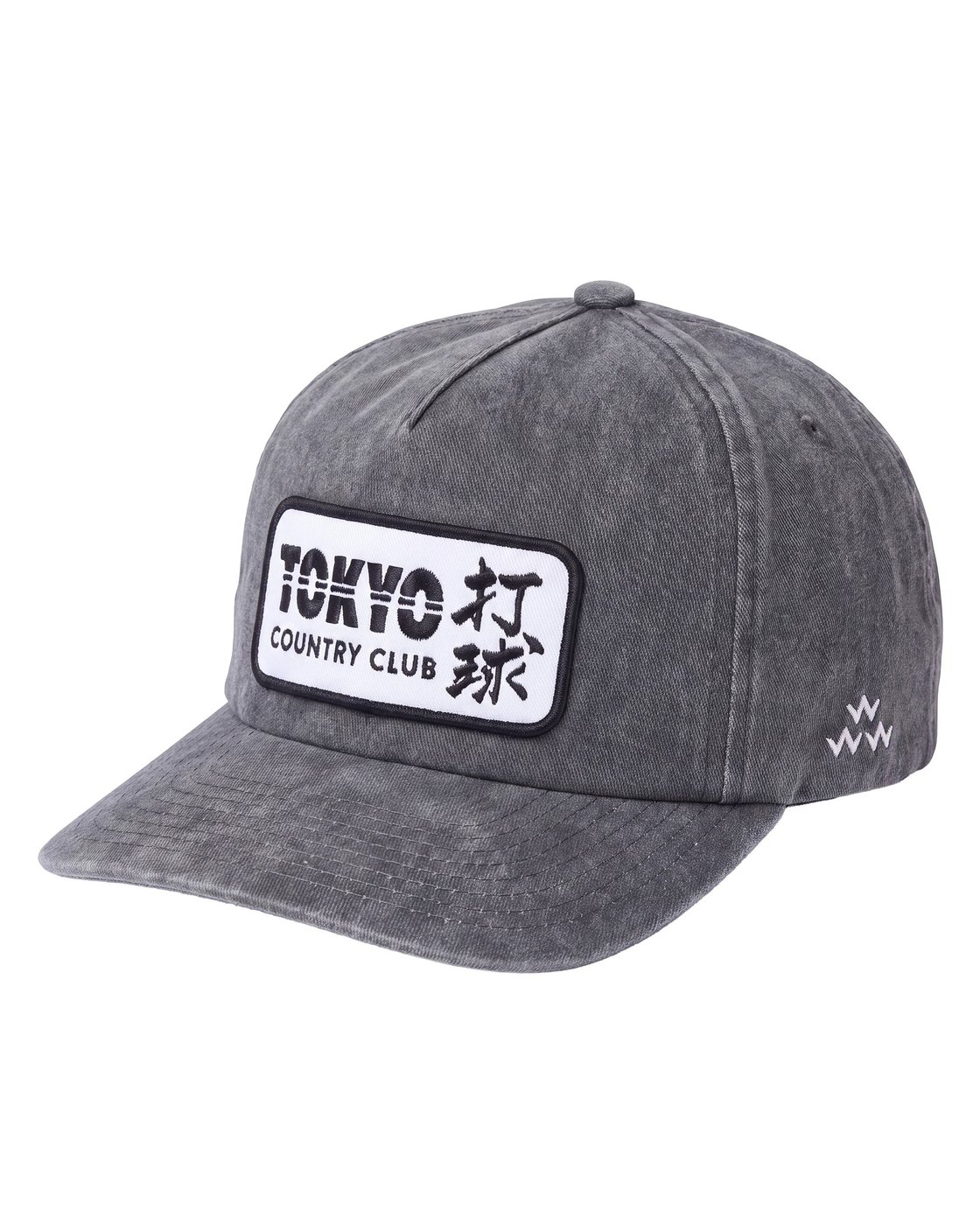
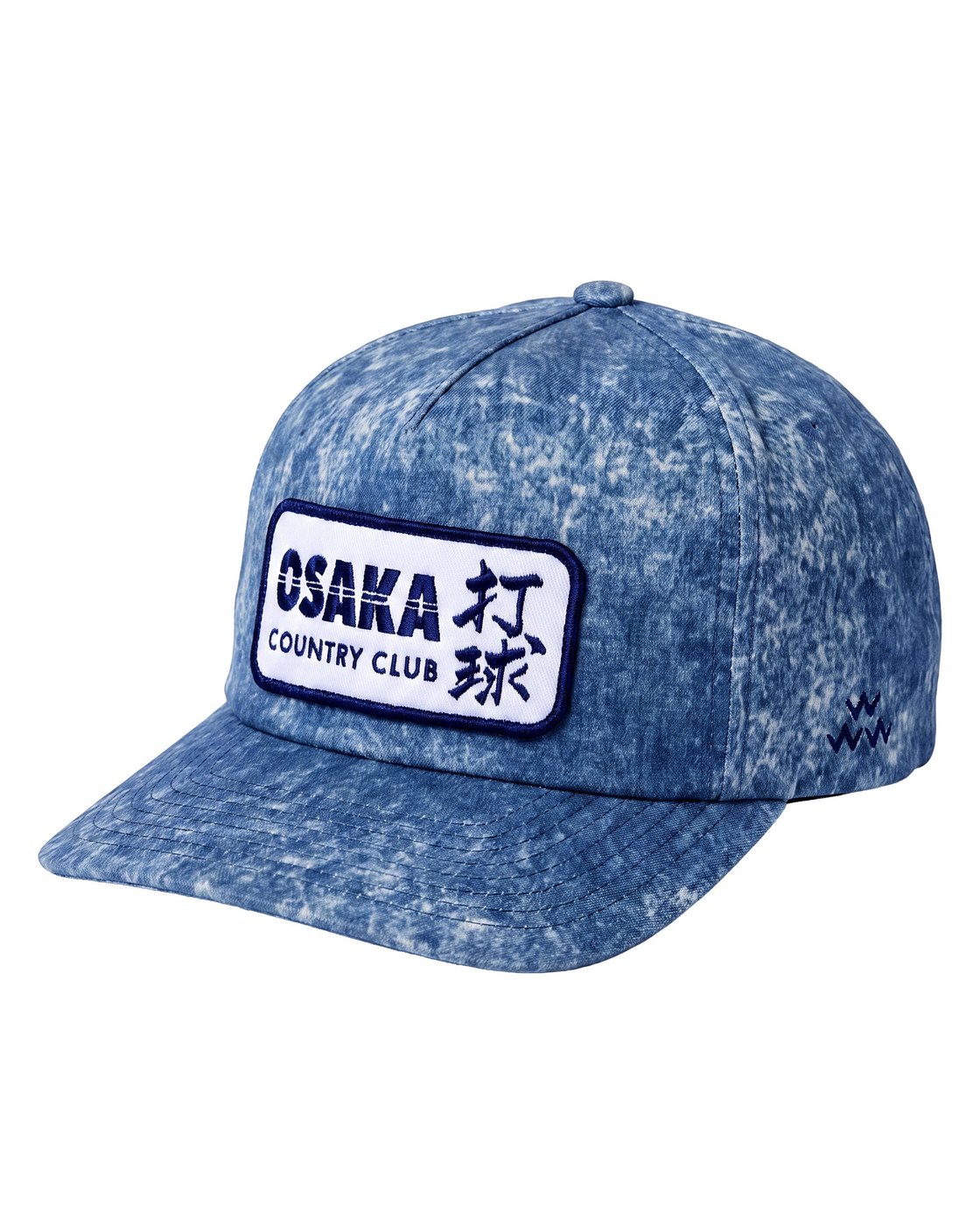
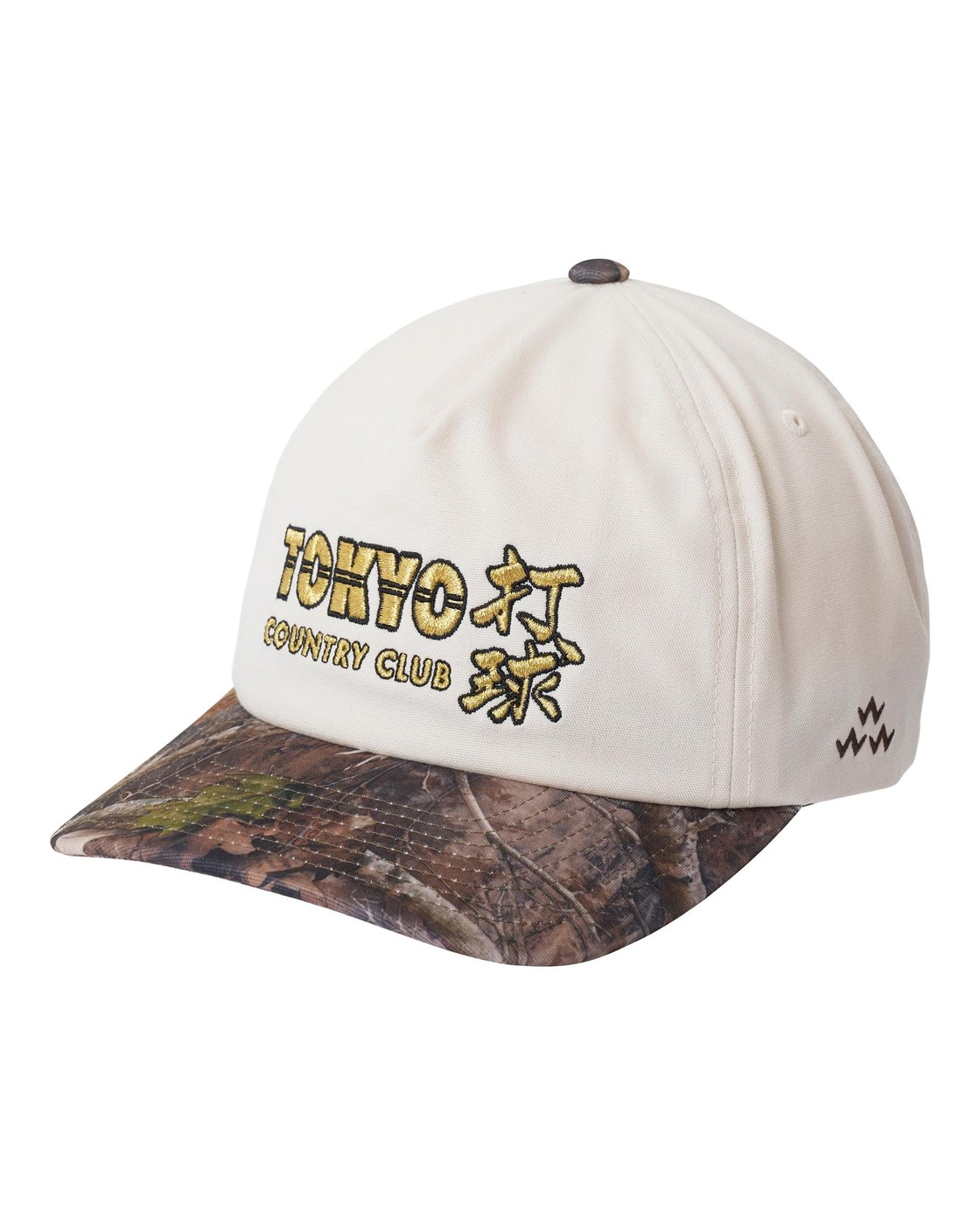
The Tokyo and Osaka Country Club snapbacks at $50 are the proof. They are gags about clubs that do not exist, executed to the standard of clubs that do.
It is for the player who finds golf’s seriousness about itself a bit much, and who would rather the hat say something than say a brand name. The range starts at $15 and runs to $175, so the cost of finding out is small.
Frankie Kimpton booked bands for Mushroom in Melbourne before he made golf hats. He grew up surfing competitively in Byron Bay, and golf was the thing he and his mates did when there were no waves. When he started turning up at driving ranges more often, he did not fit, and he has been unusually direct about why.
He and Zoe Kimpton, his wife and co-founder, started with ten hats out of a garage. The brand dates itself to 2016, from an idea that began on Melbourne driving-range lunch breaks around 2013 and 2014. Within months it was shipping to South Korea, Japan and the United States. It now has roughly 128 stockists across Australia and New Zealand, and the split is the whole story: about half are golf clubs and driving ranges, and about half are surf and skate shops — Culture Kings, Stateside Sports, Hillzeez. In November 2025 they opened a first flagship on Lawson Street in Byron Bay, with a restored 1980s golf buggy in the fit-out.
The clearest statement of what they are is a line Frankie repeats from a customer.
The name is a scoring term, and for once the brand explains itself.
A birdie is one under on a hole. An eagle is two. An albatross is three. A condor is four — a hole in one on a par five — and in the brand’s own words on its About page, it is “the rarest event in golf. Only a handful ever recorded, none of which have occurred in professional golf. It’s also known as a Triple Eagle and is what our logo represents.” That last part is literal: the mark stacks three W-shaped eagles.
Asked why that name and not something more direct, Frankie Kimpton gave an answer that explains the whole catalogue:
Three named artists, and a stated method.
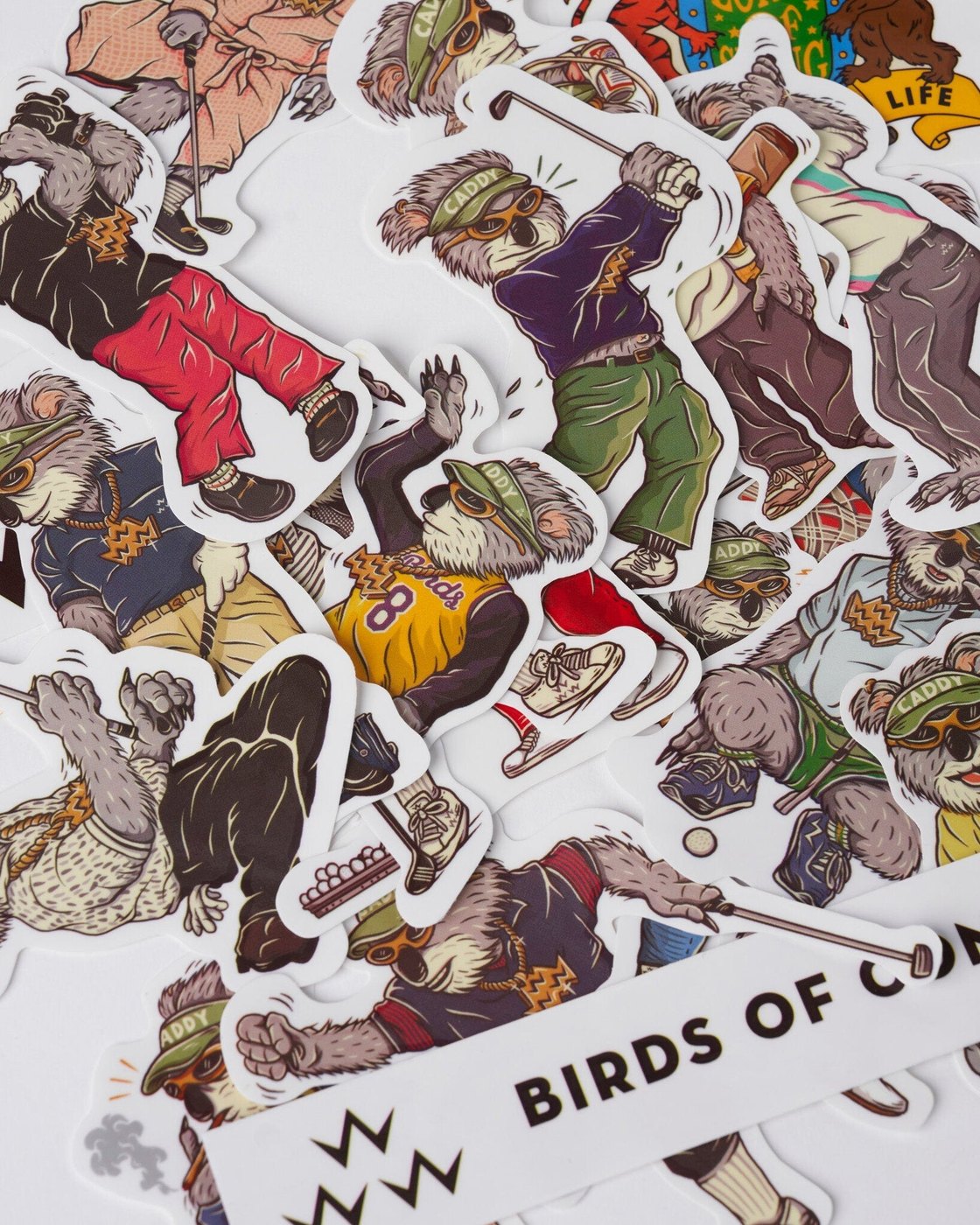
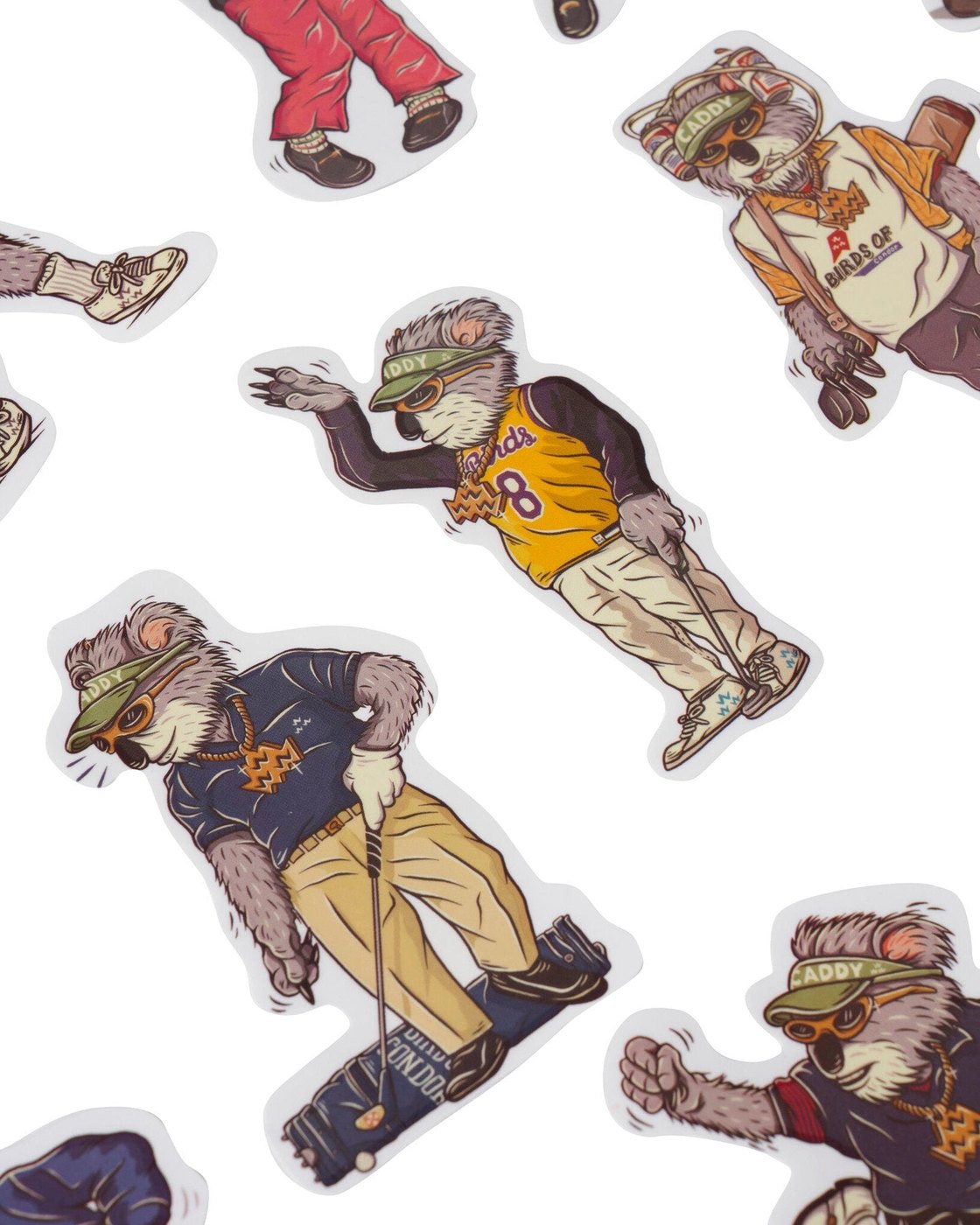
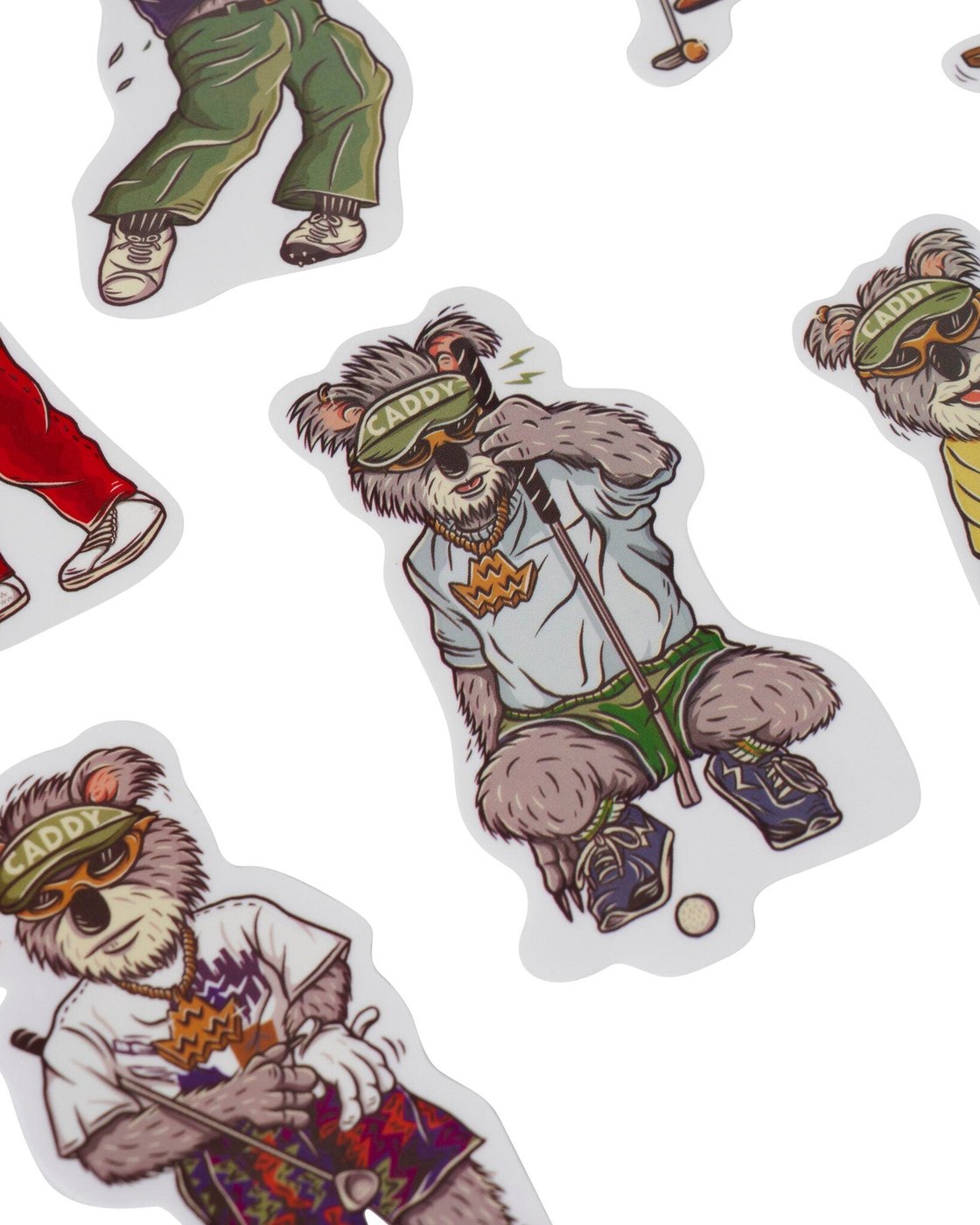
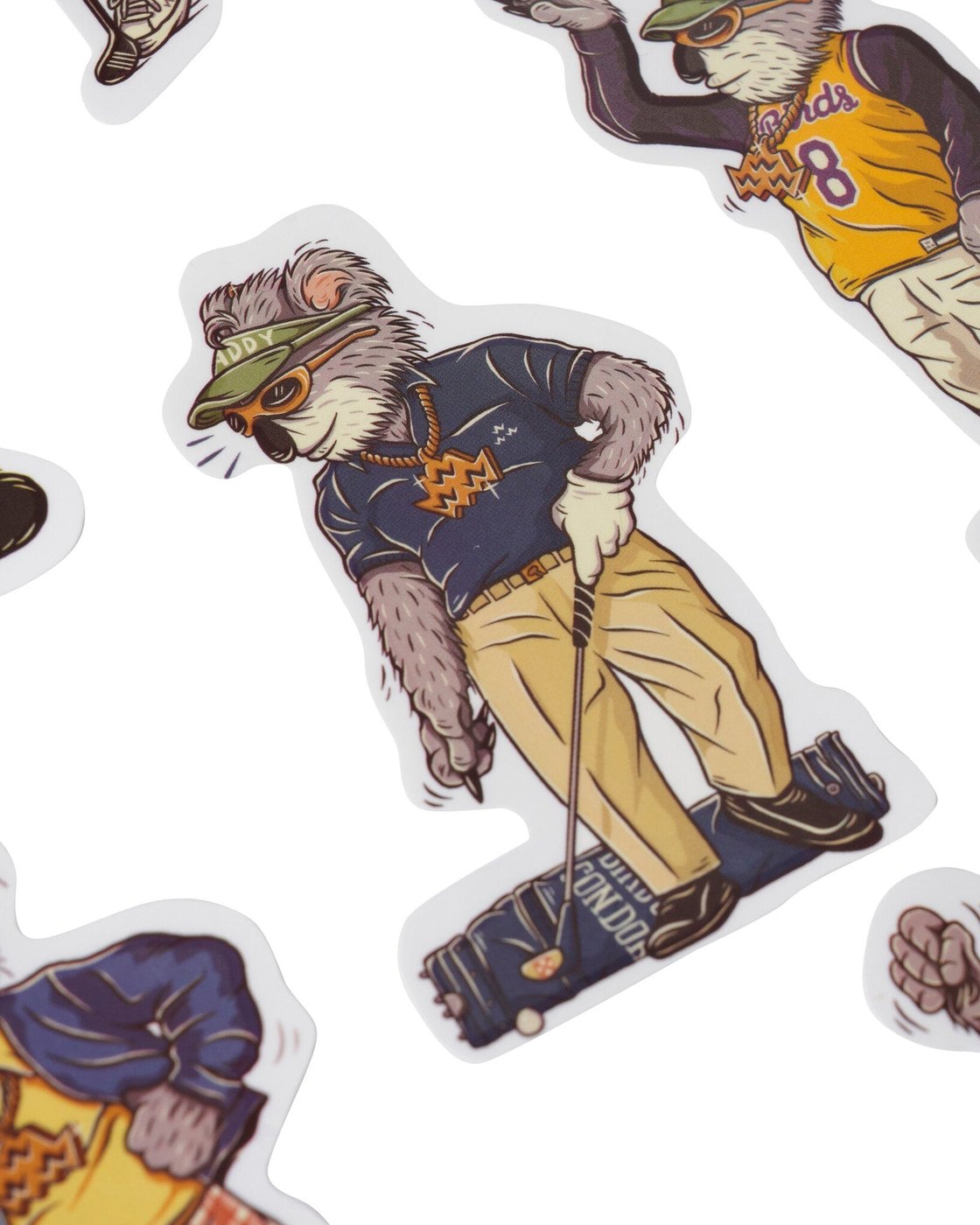
That is not a boilerplate claim, and the receipts are on the products. Kentaro Yoshida drew the koala golfers of the Lords of Swing series. Dan Coy, an Australian tattoo artist, created Birdie — a winged golf ball — as a new character for the Lyle & Scott capsule. Lee McConnell did the Australian-themed Legionnaire caps that carried the phrase “Playa Straya”, the run the brand used in January 2020 to donate fifteen Australian dollars a hat to WIRES during the bushfires.
What the brand does not publish is where any of it is made. There is no country of manufacture, no factory, no supplier list. The only geographic claim is that it is designed in Byron Bay, and designed is not made. We are noting that rather than filling the gap.
Two storefronts, and the American one is missing the best stuff.
There is a US store priced in dollars that ships from a warehouse in Buena Park, California, with free shipping over $75 and a badge on every product page reading “No tariffs, no surprises.” It does not ship internationally. There is also the Australian store, priced in Australian dollars, which carries a substantially deeper catalogue. Every price on this page is from the US store.
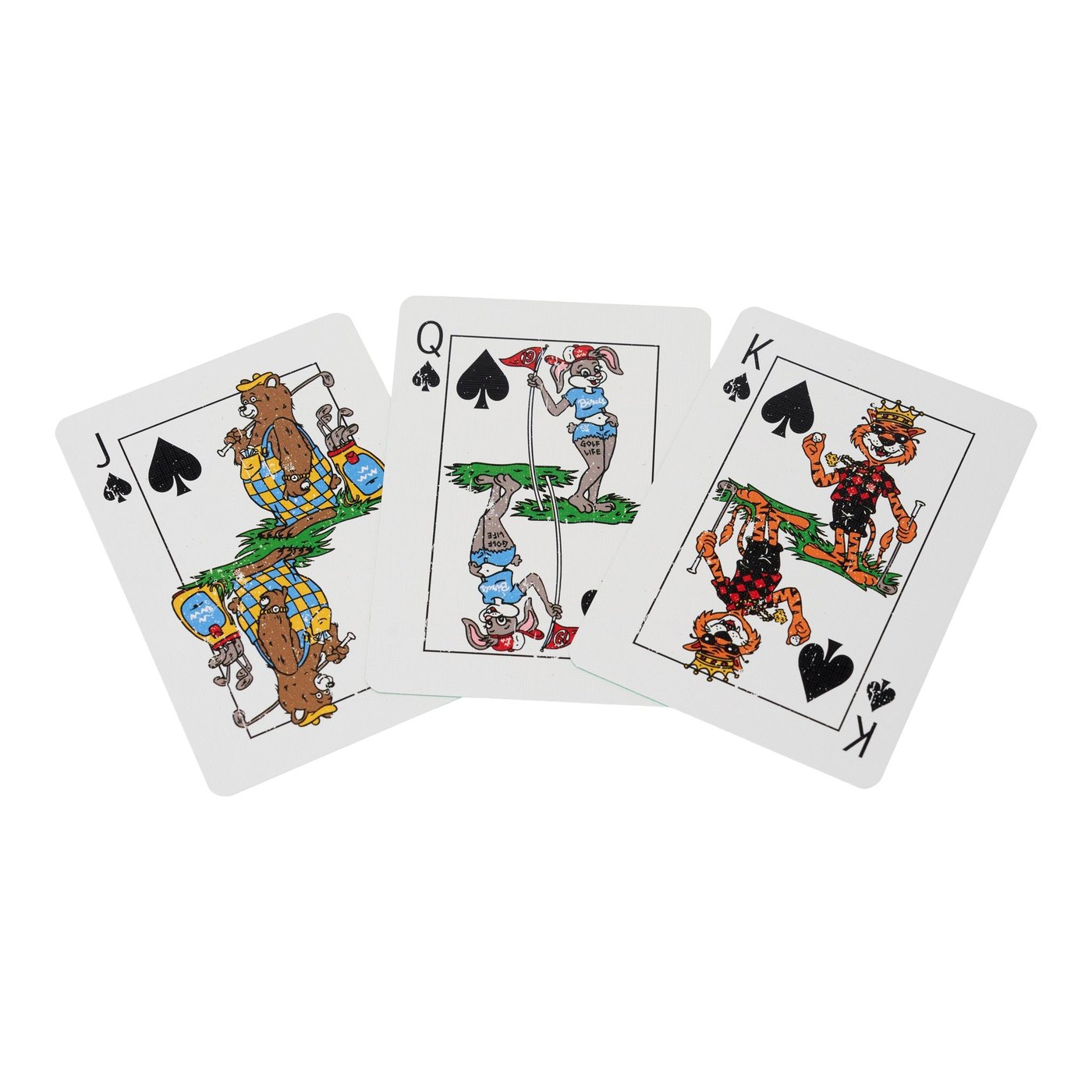
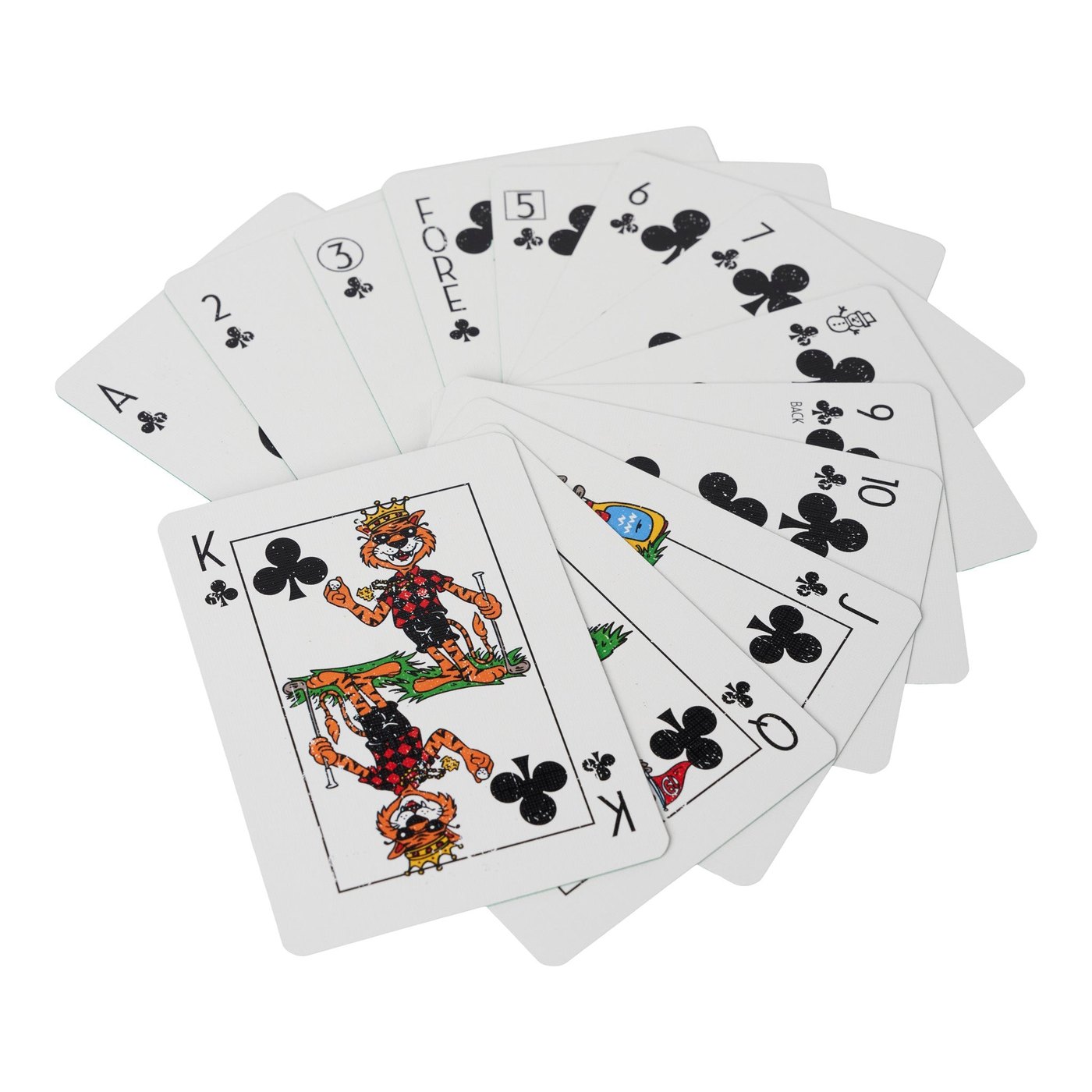
The catch is that the most characteristic things Birds of Condor makes are not on the American site. The four car air fresheners, the twenty-nine beer koozies, the tiger-camo Hat Caddy hard case that holds five hats, the one-of-one surfboard shaped with Misfit — all Australian store only. One of those air fresheners is in our Off Course Vol. 2 roundup, priced in Australian dollars for exactly this reason. The trade runs the other way on precisely one item: the playing cards are American-only.
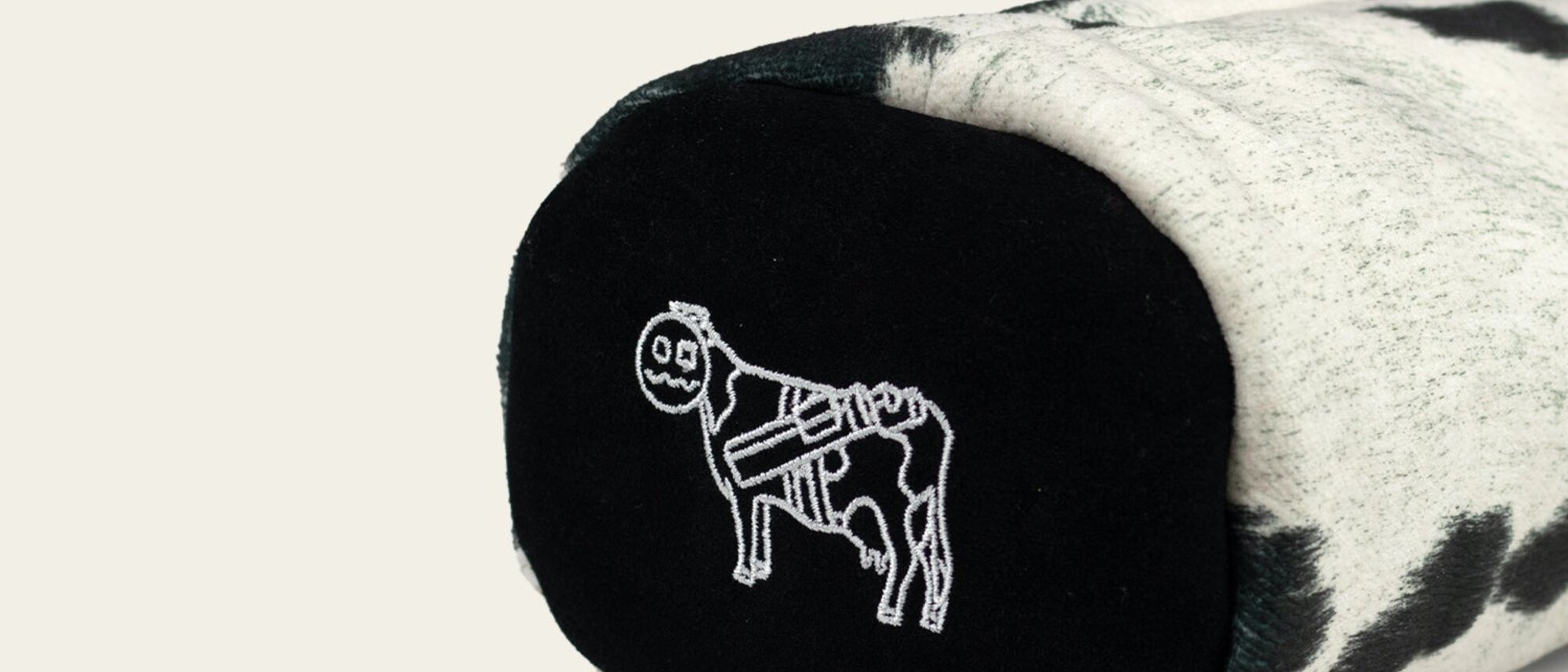
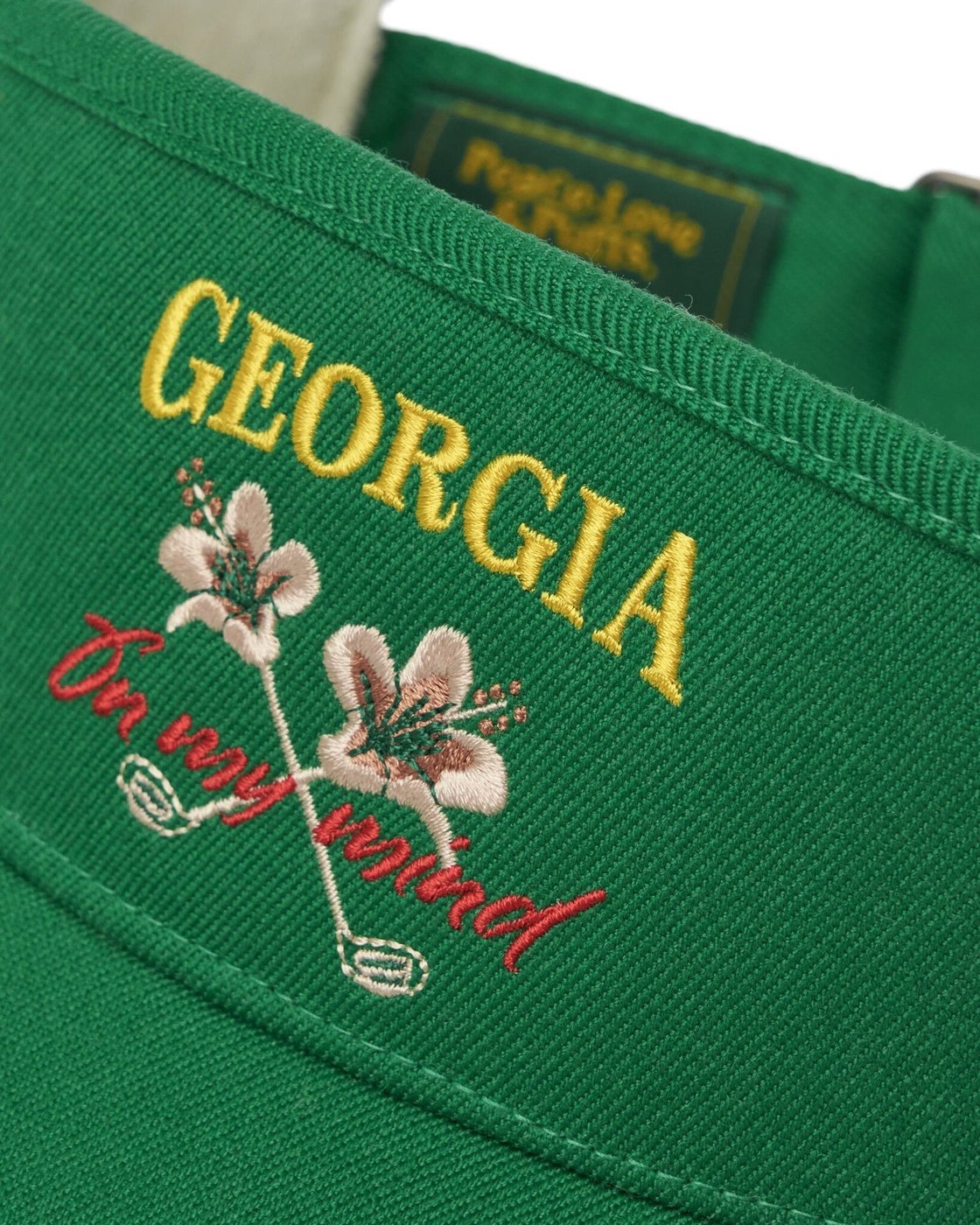
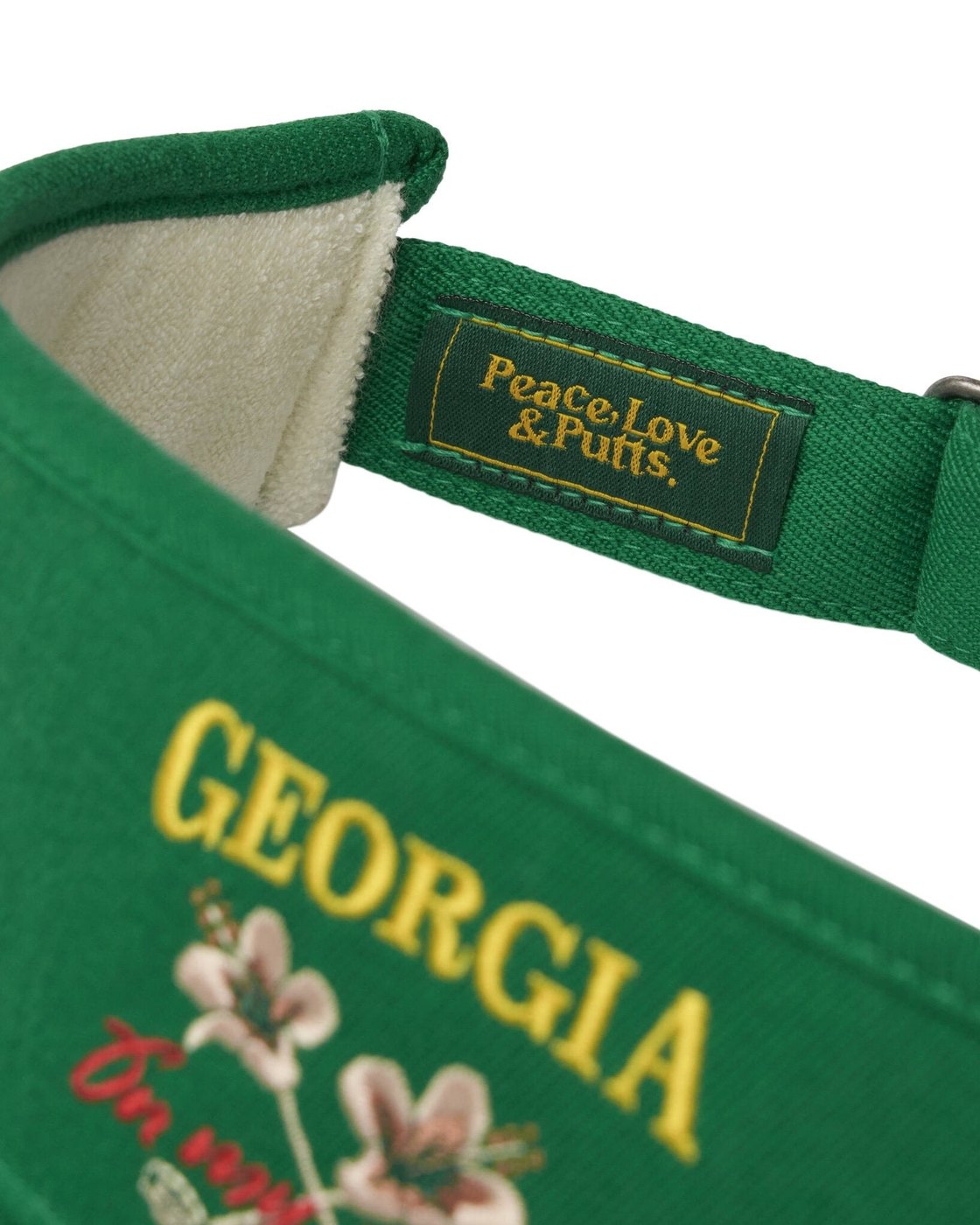
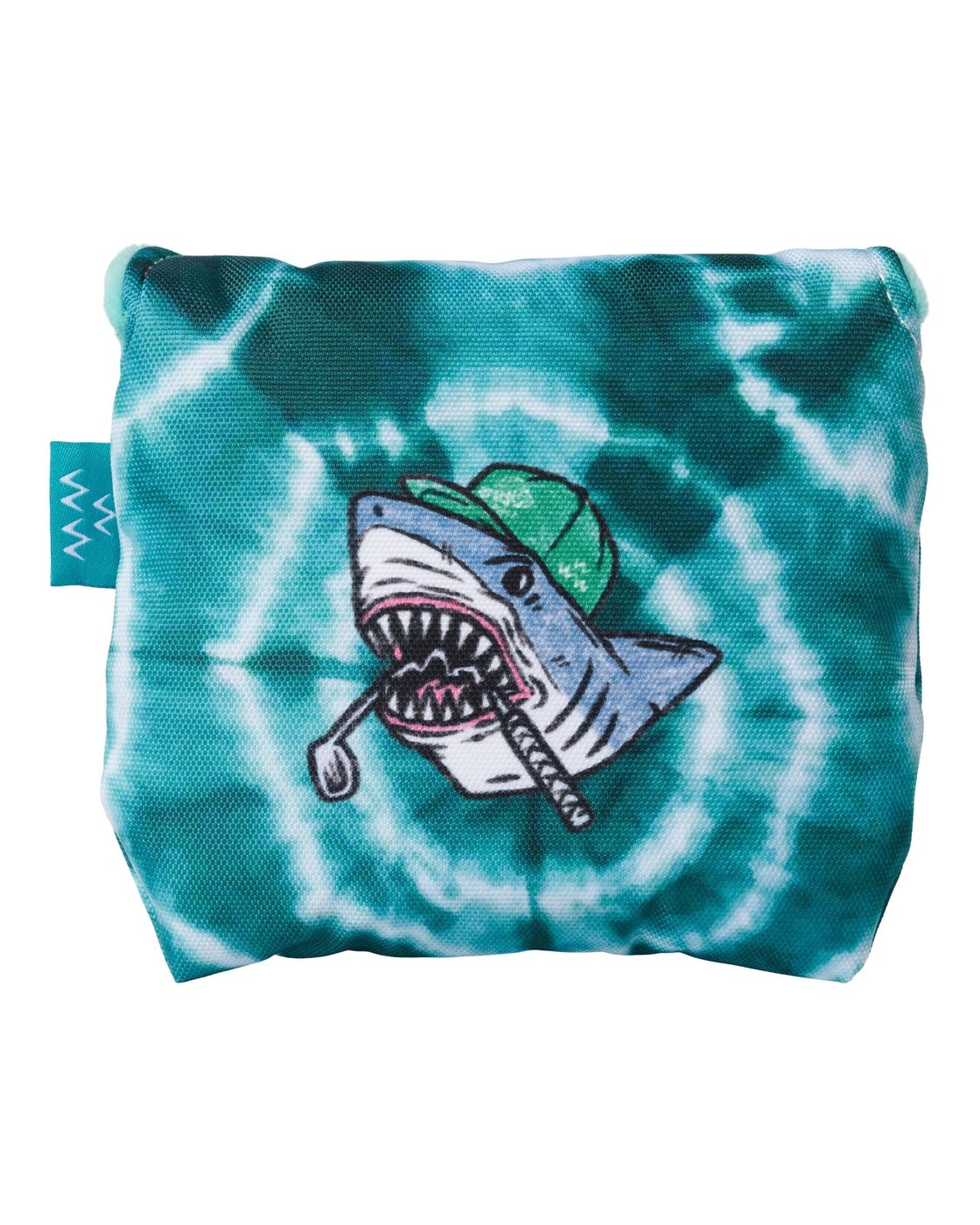
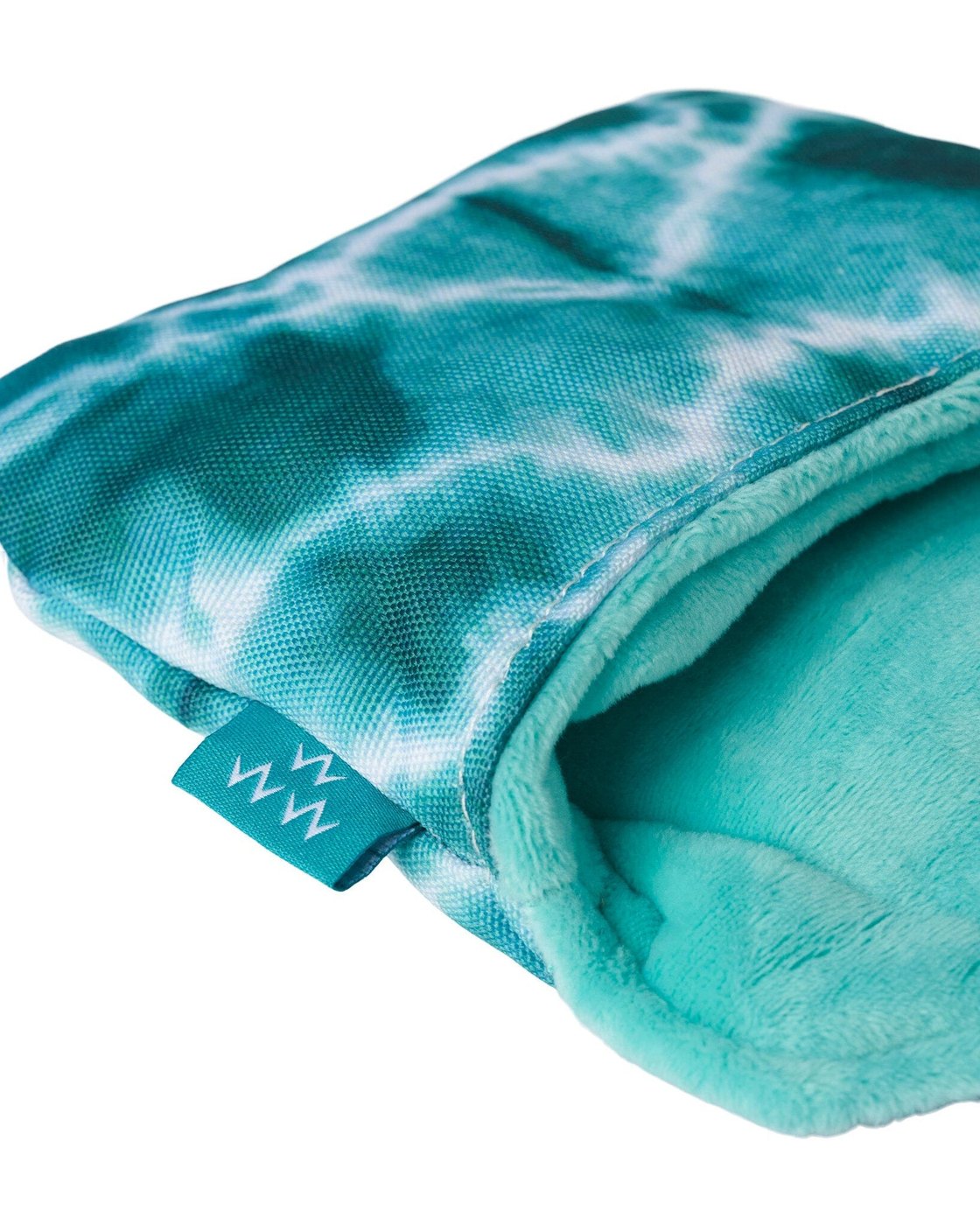
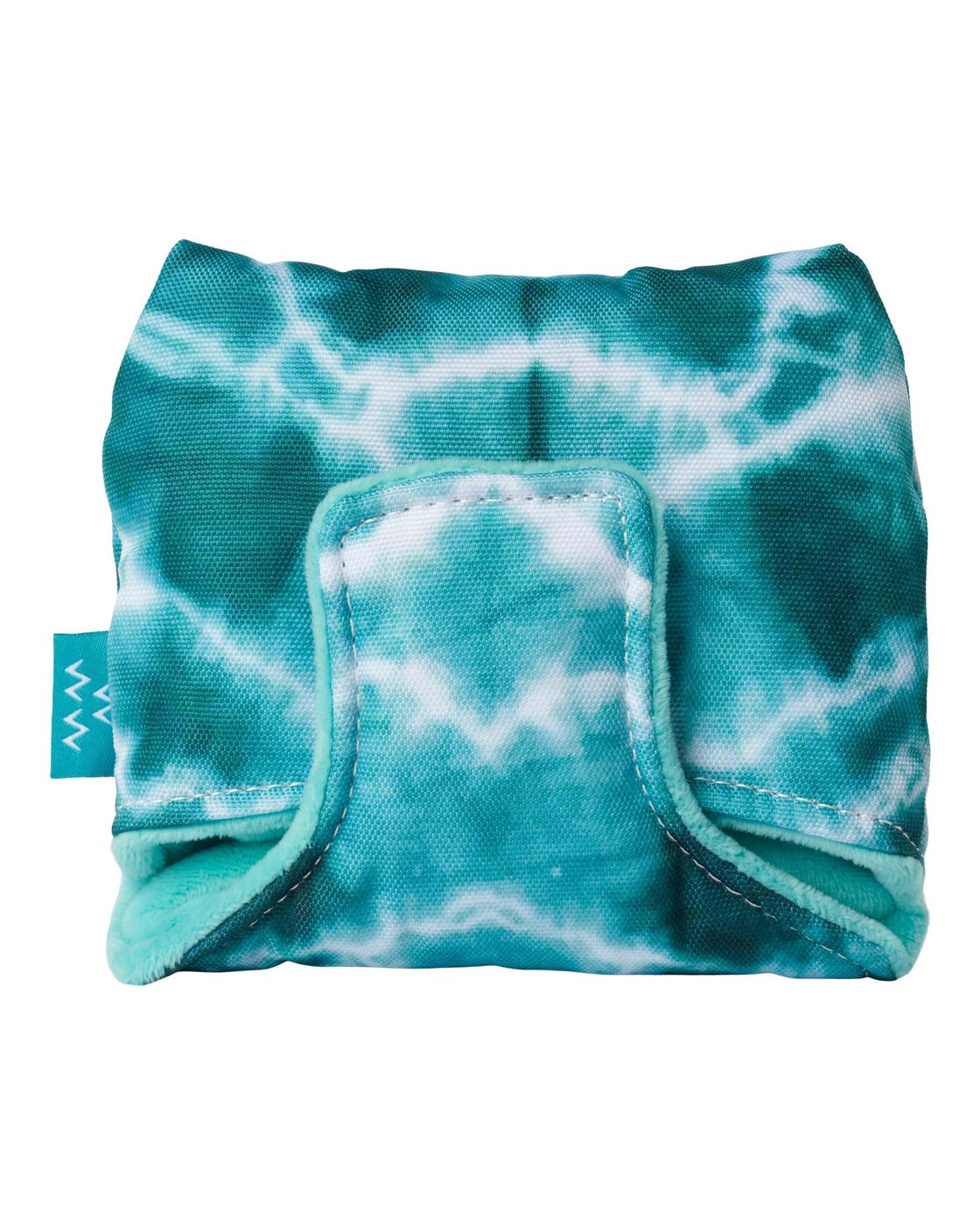
A few other things to know before you order. Prices are laddered with unusual discipline — snapbacks are a flat $50, headcovers $50, putter grips $35, towels $35, ball markers $15. Left-handed golfers are out of luck on gloves: every right-hand variant is sold out across all three glove products. And a cluster of the Tokyo Country Club headcovers is dead stock, so if you want a cover, the Lawn Pawn and Georgia ones are the healthy ones.
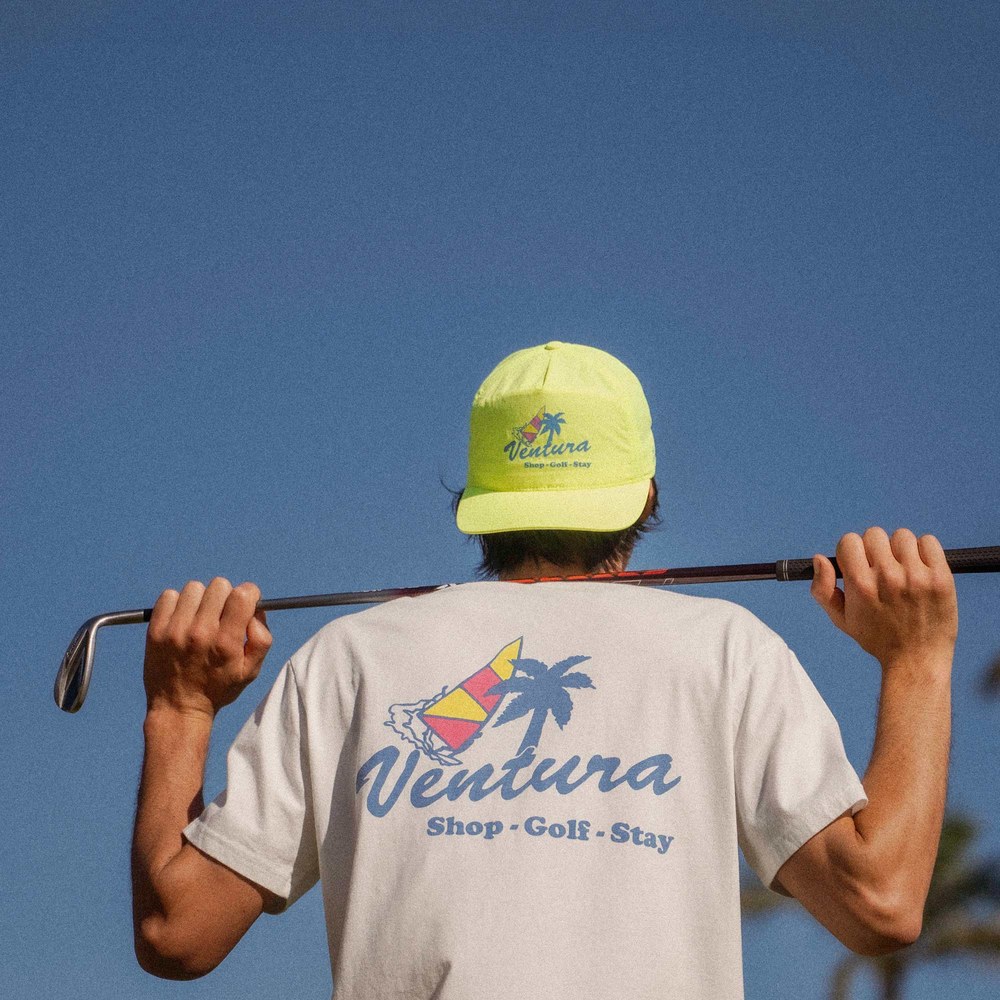
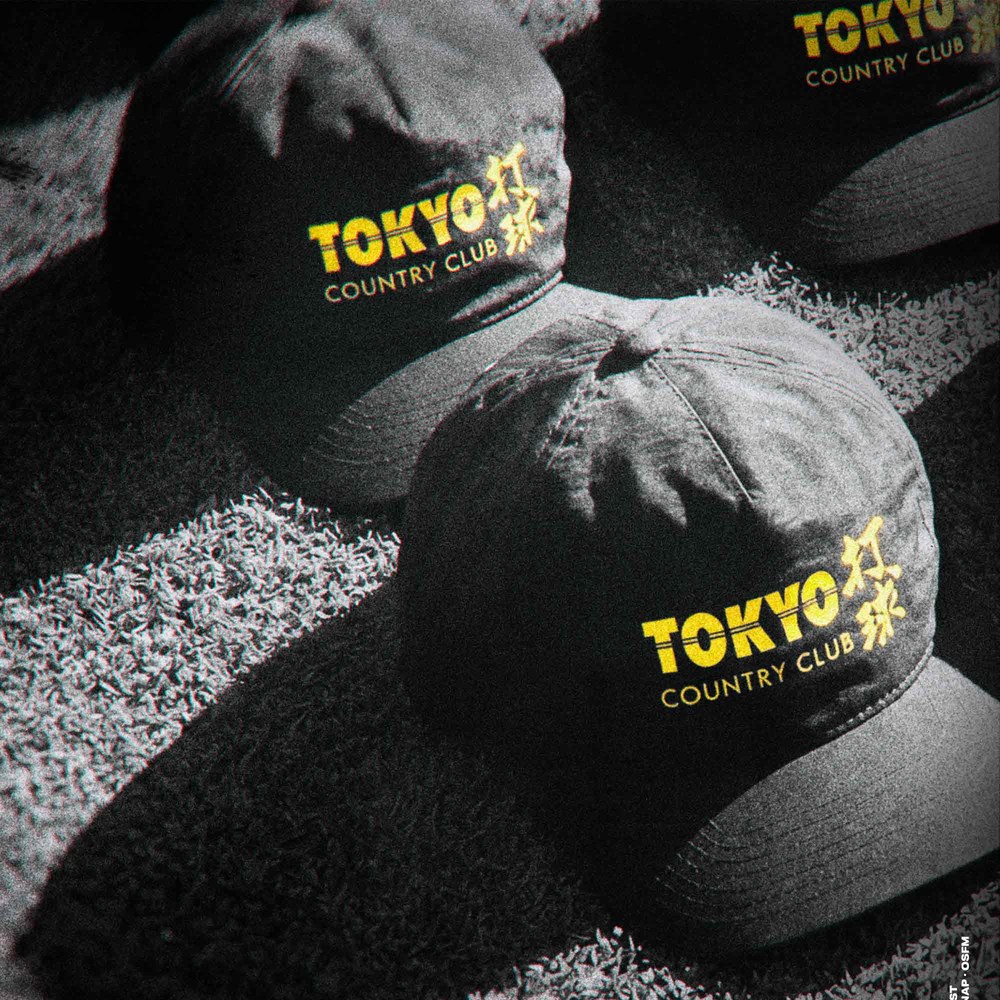
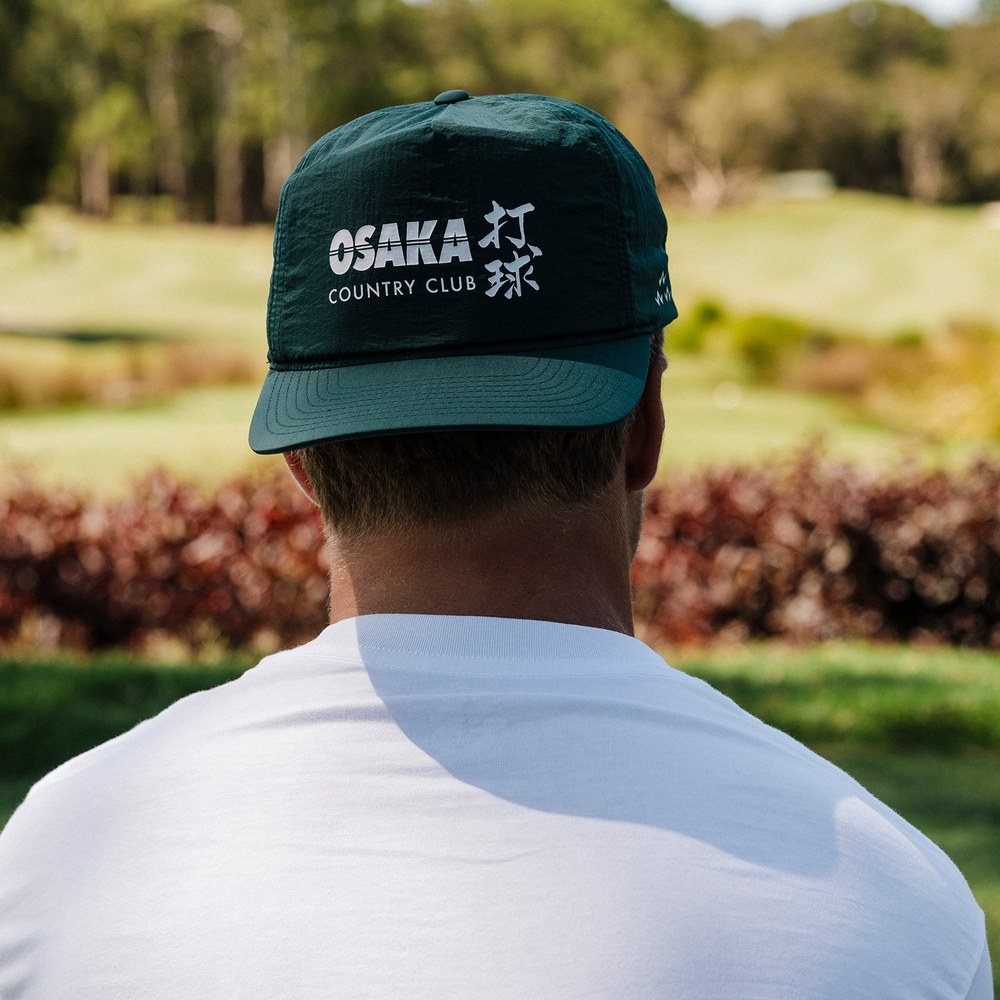
Photography courtesy of Birds of Condor
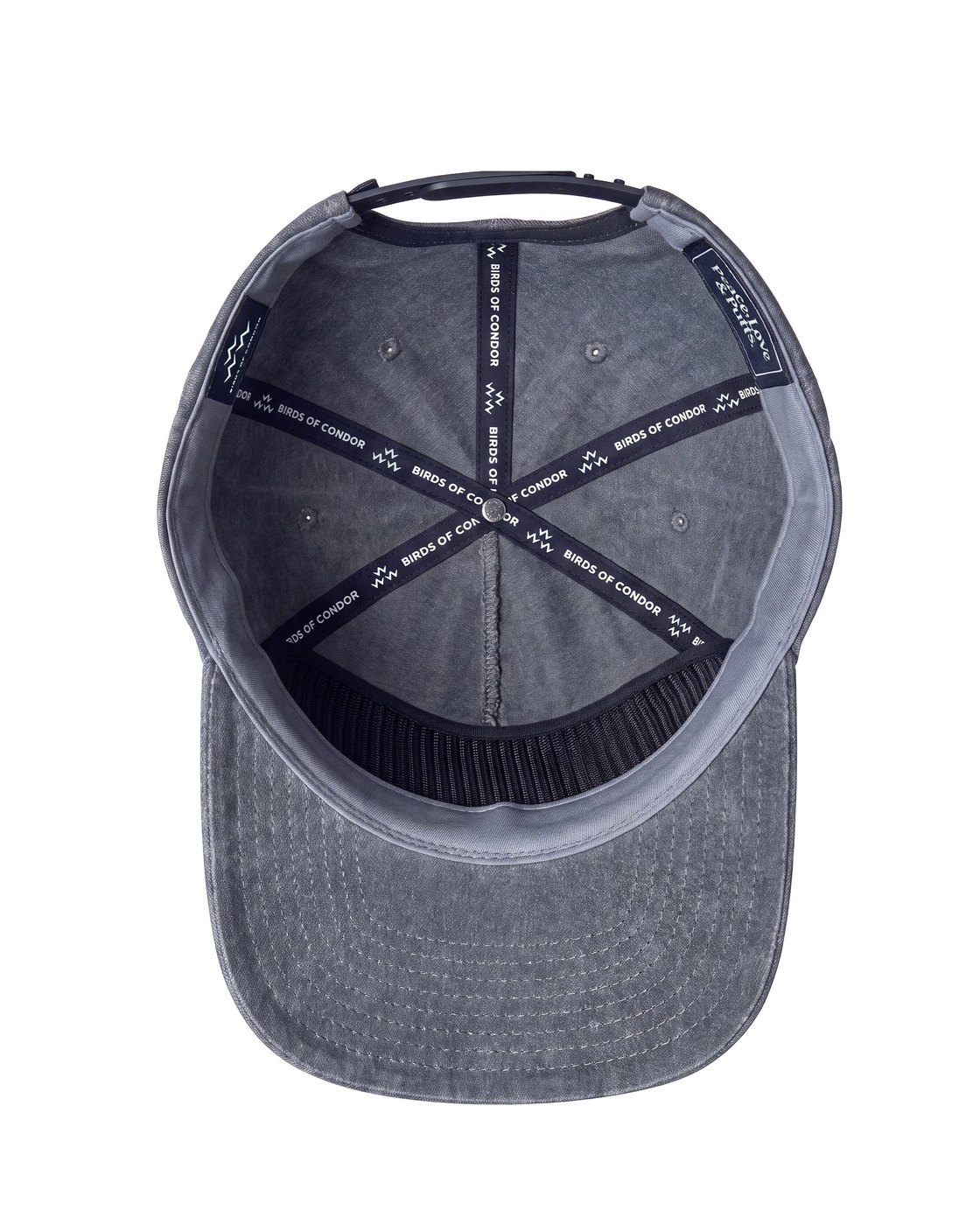
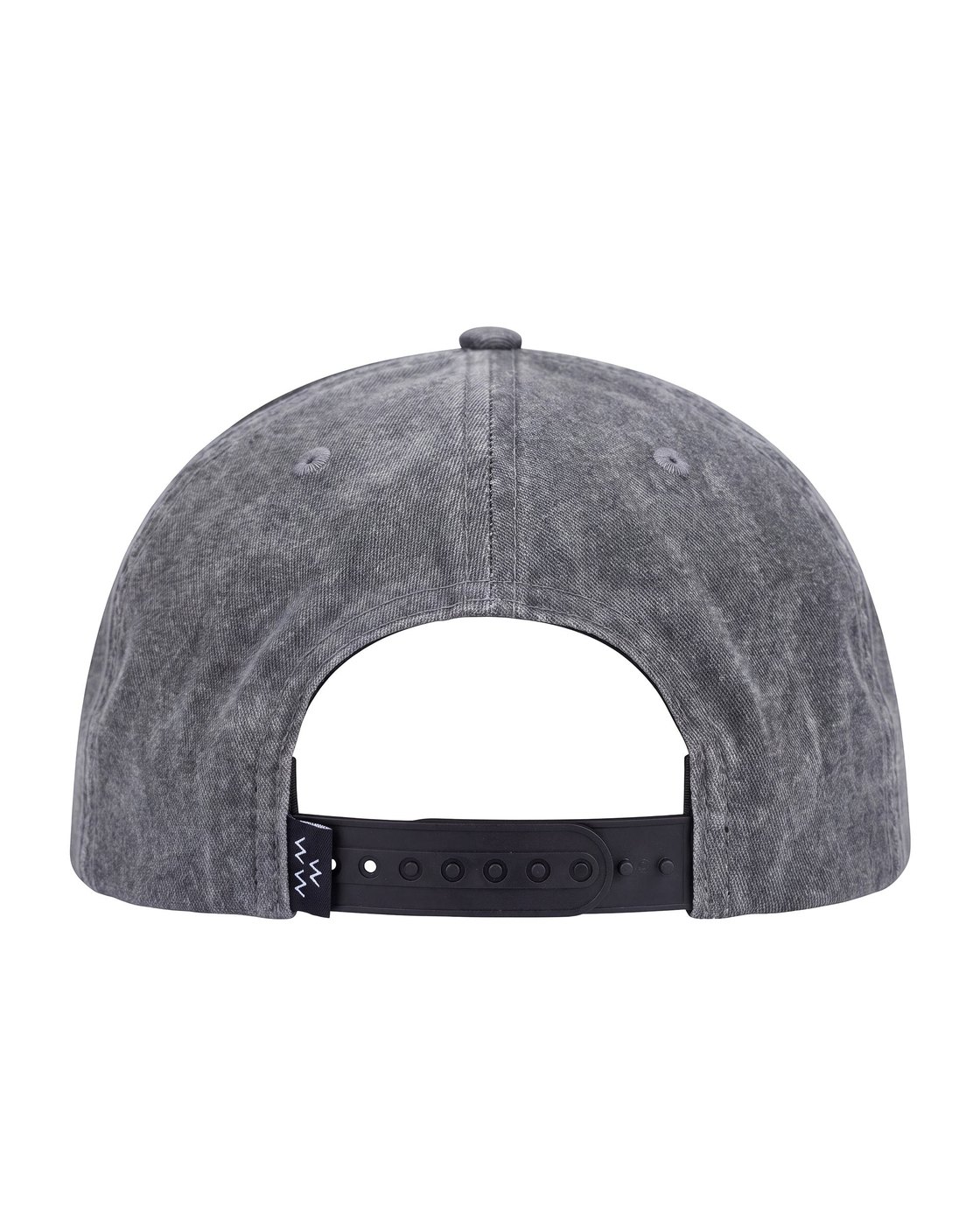
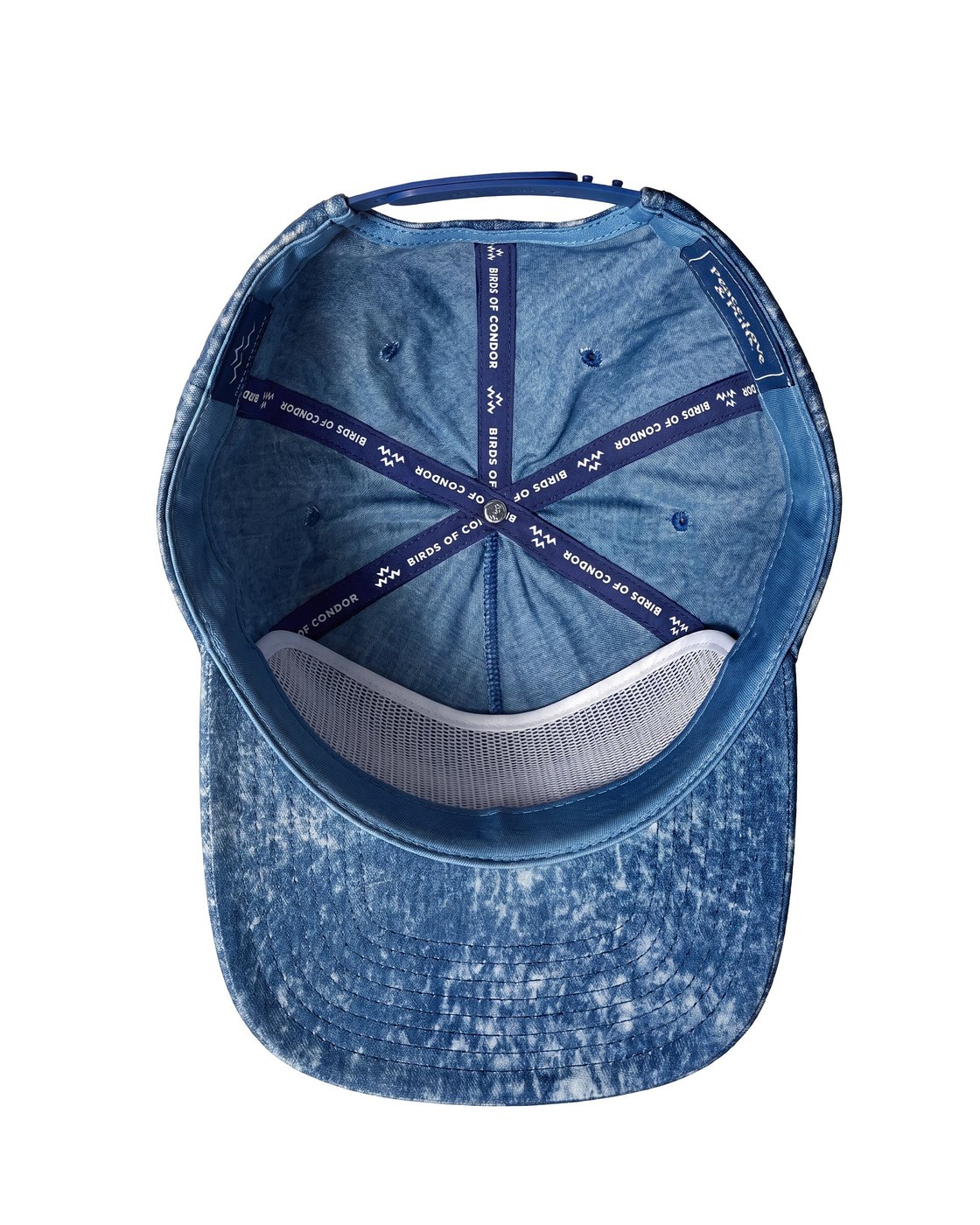
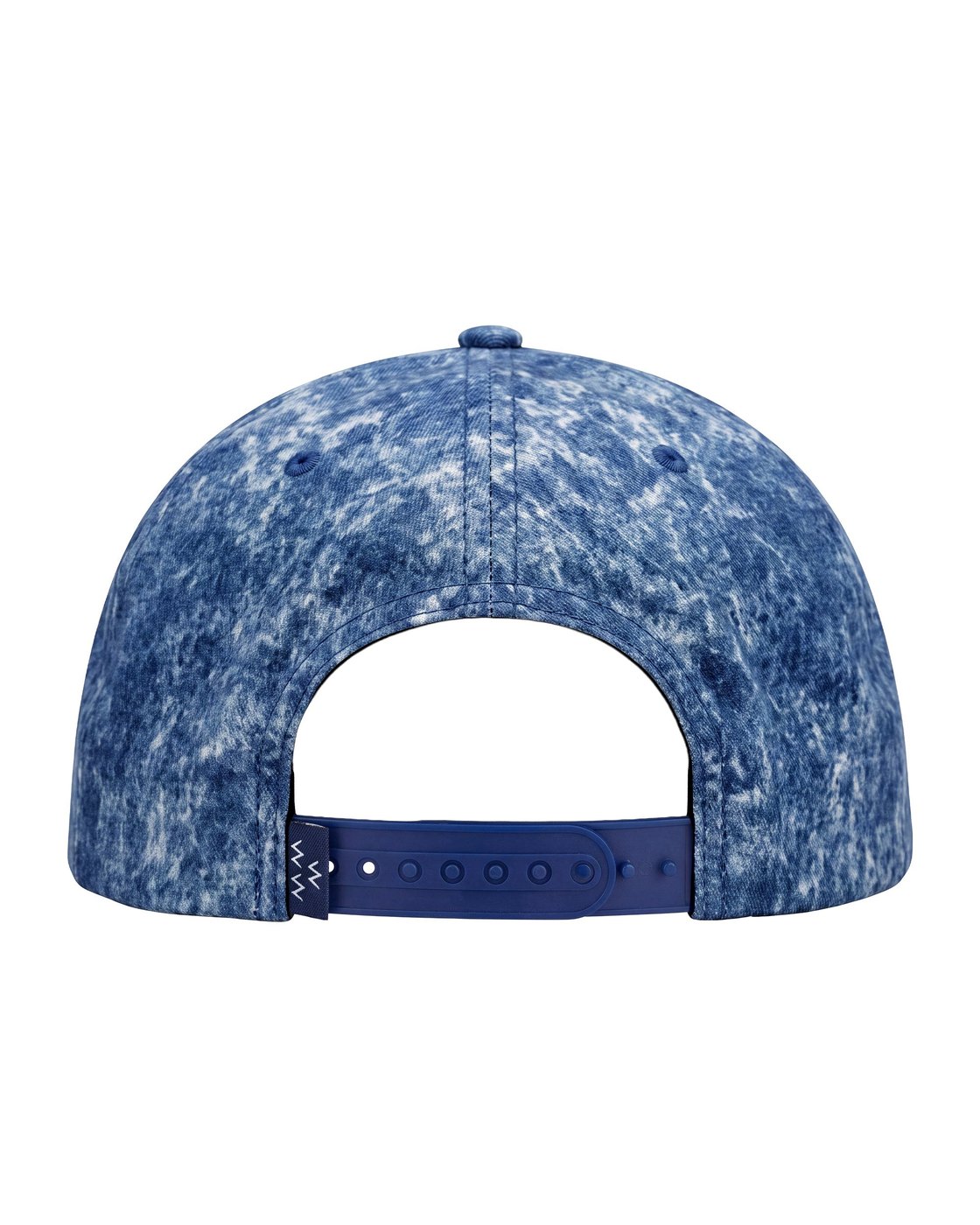
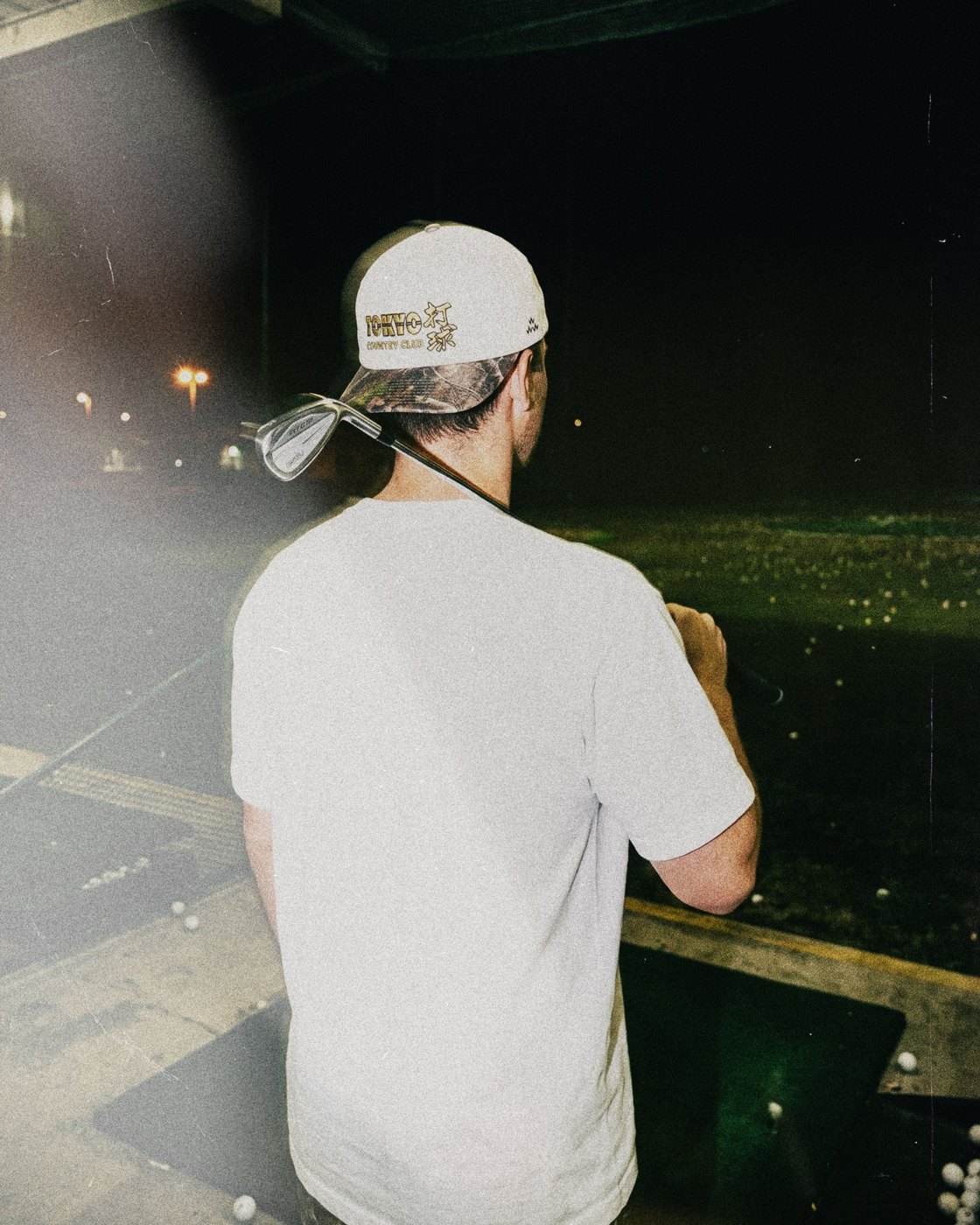
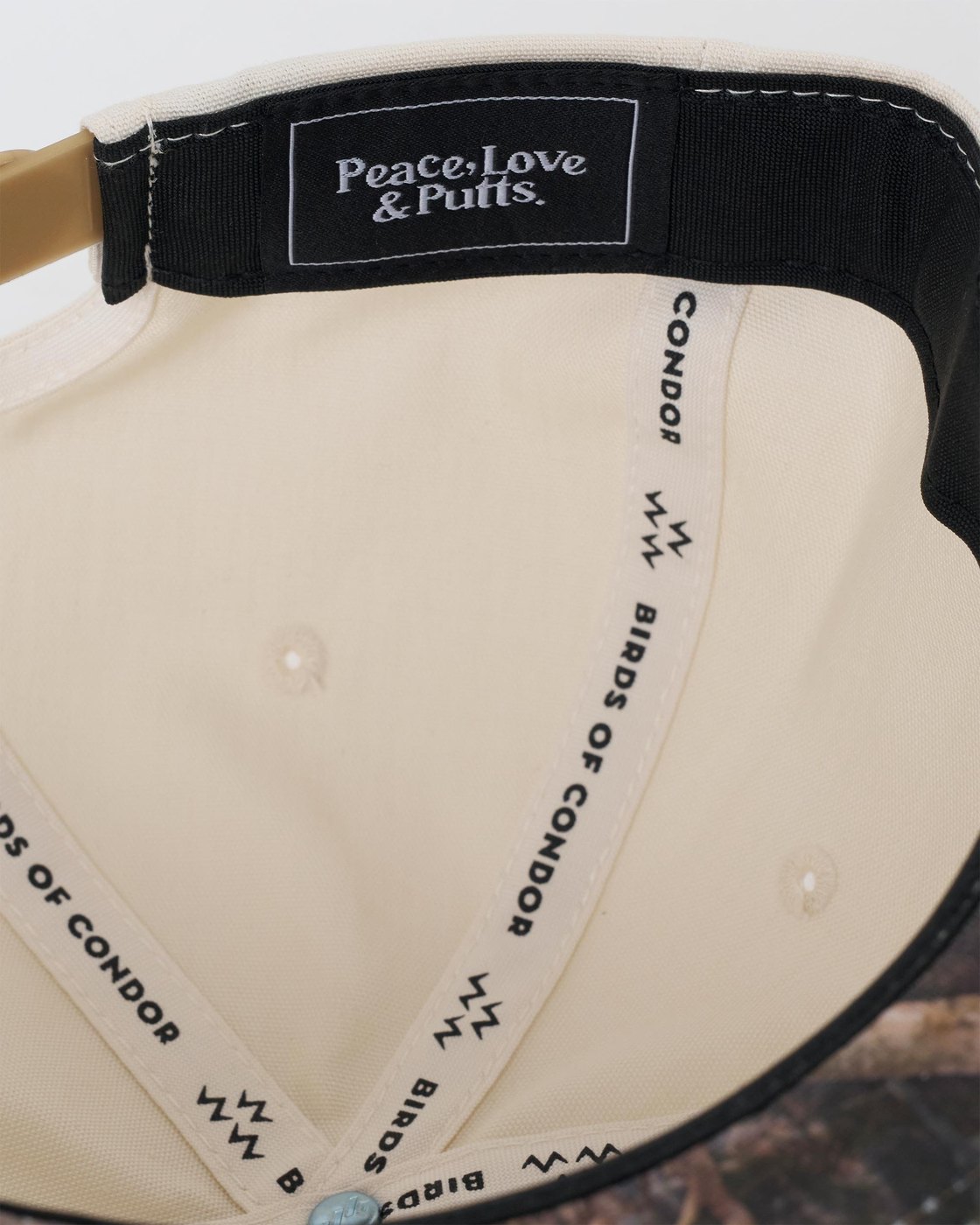
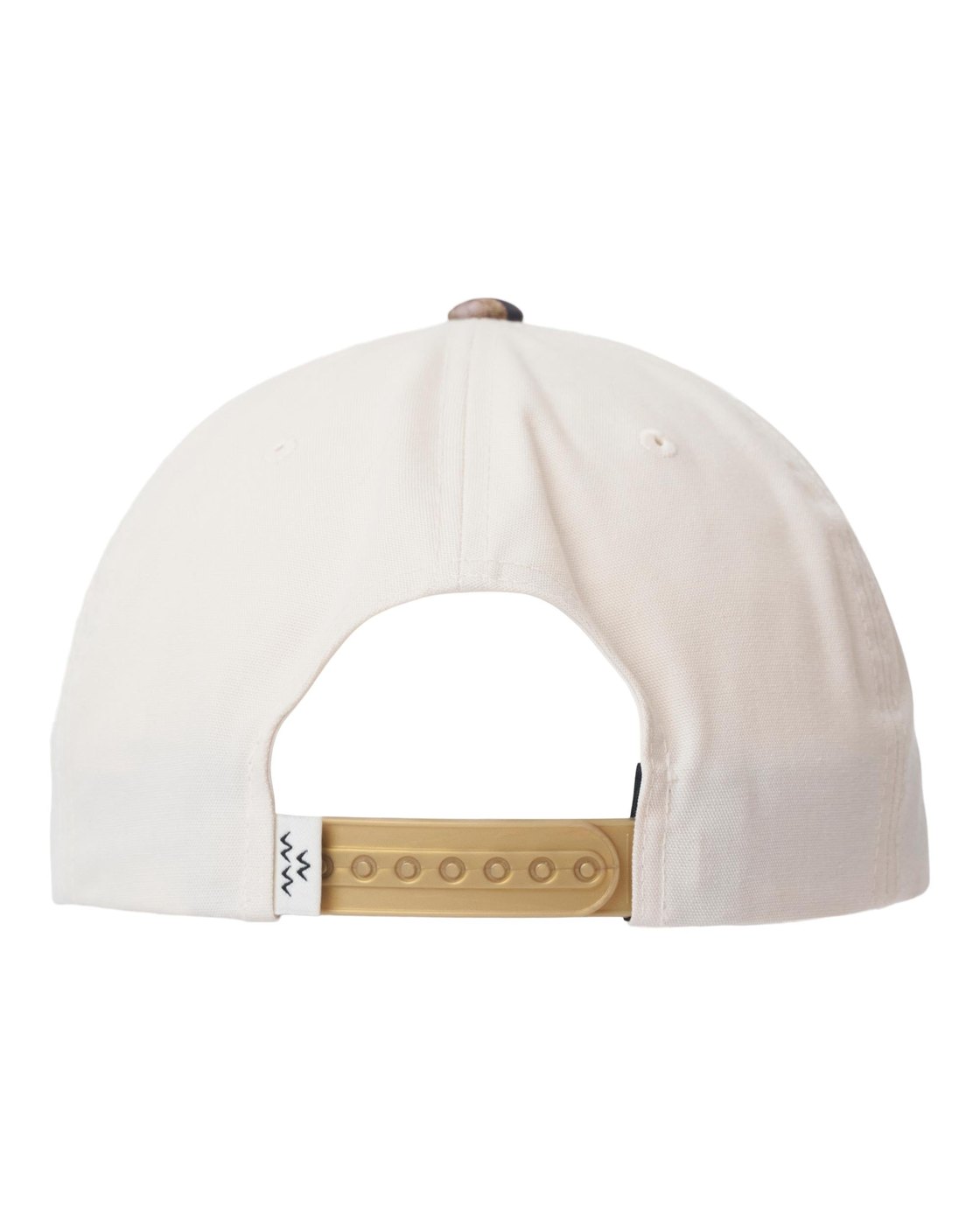
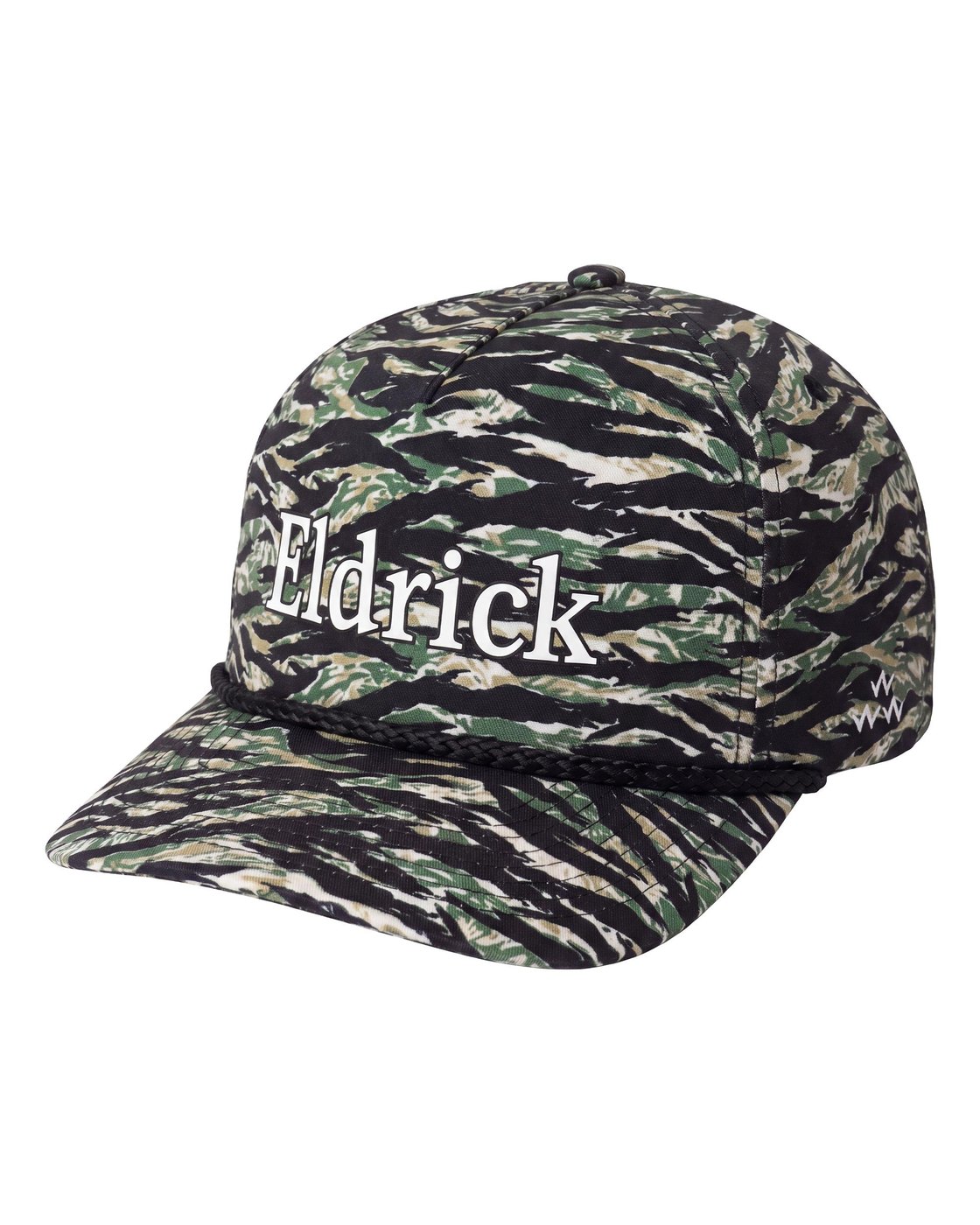
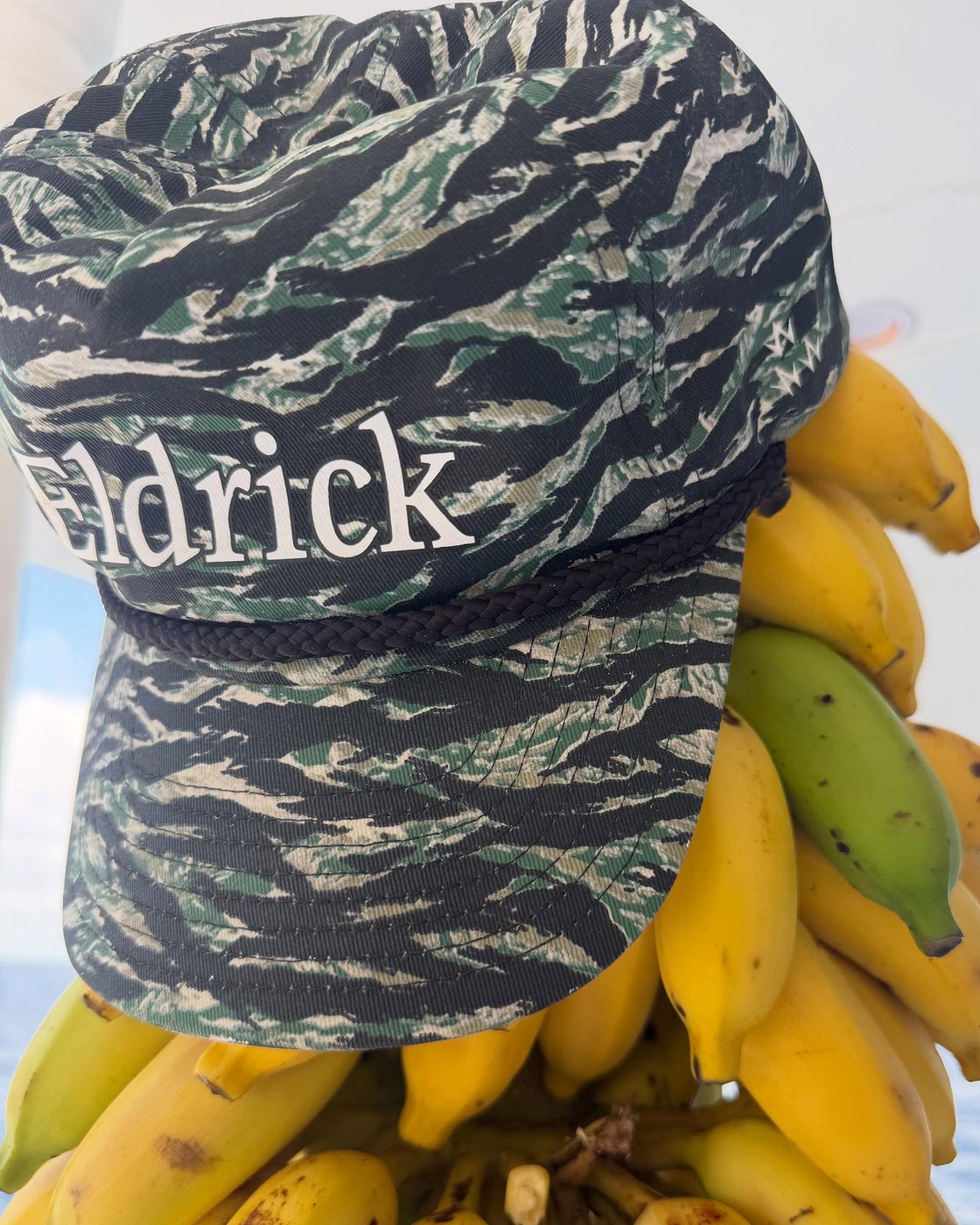
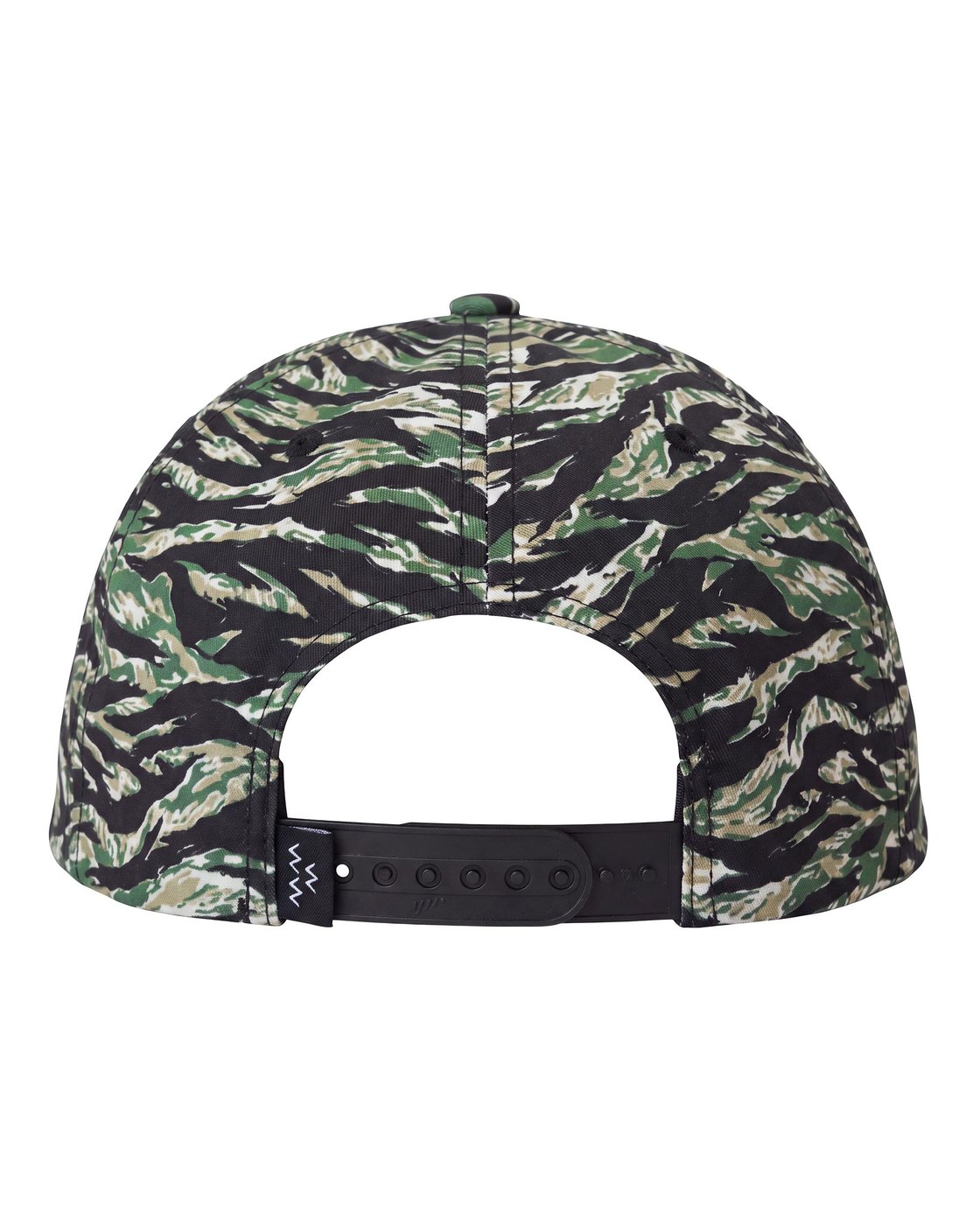
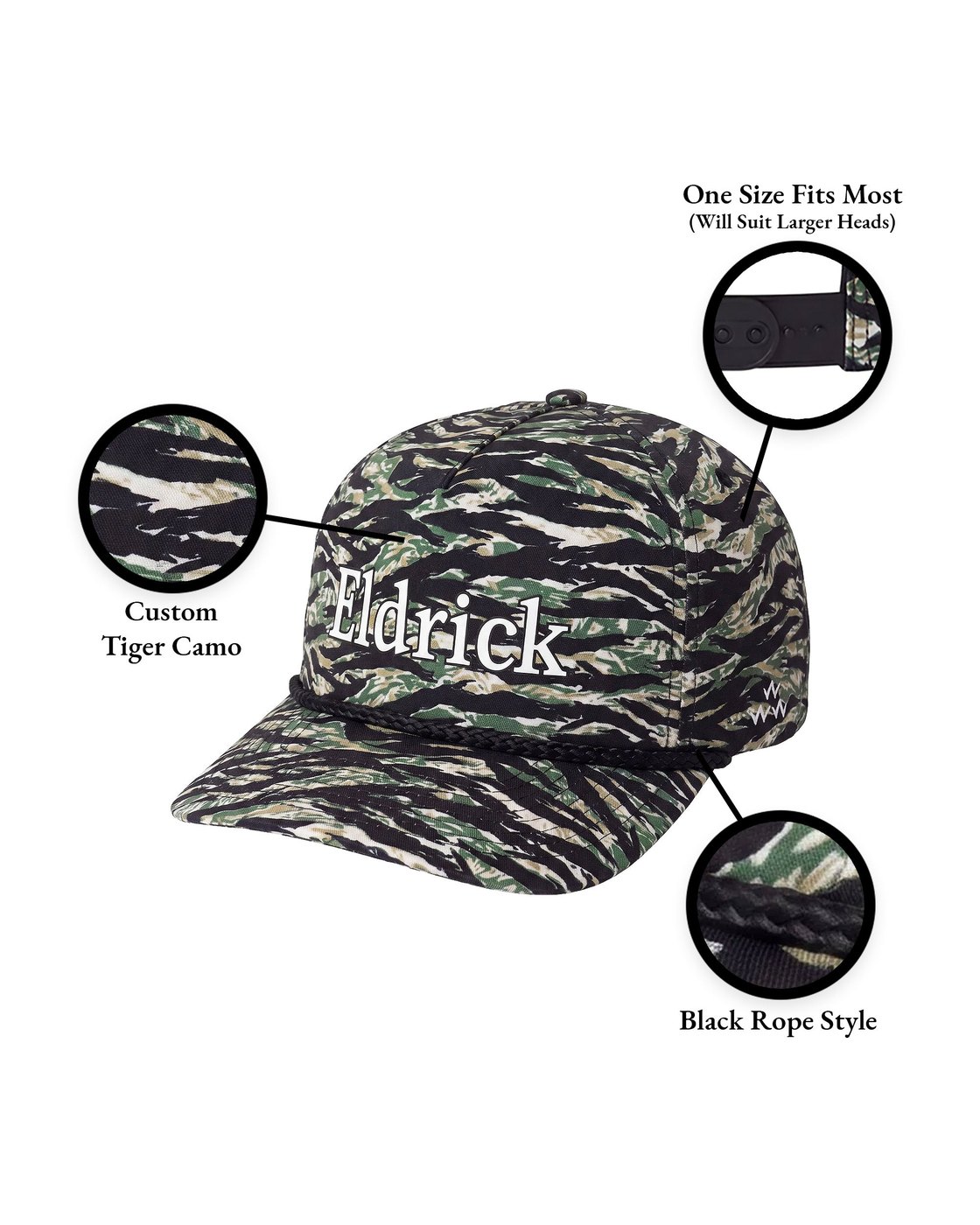
Hats were the first product and remain the best seller. Two invented Japanese country clubs do most of the heavy lifting.
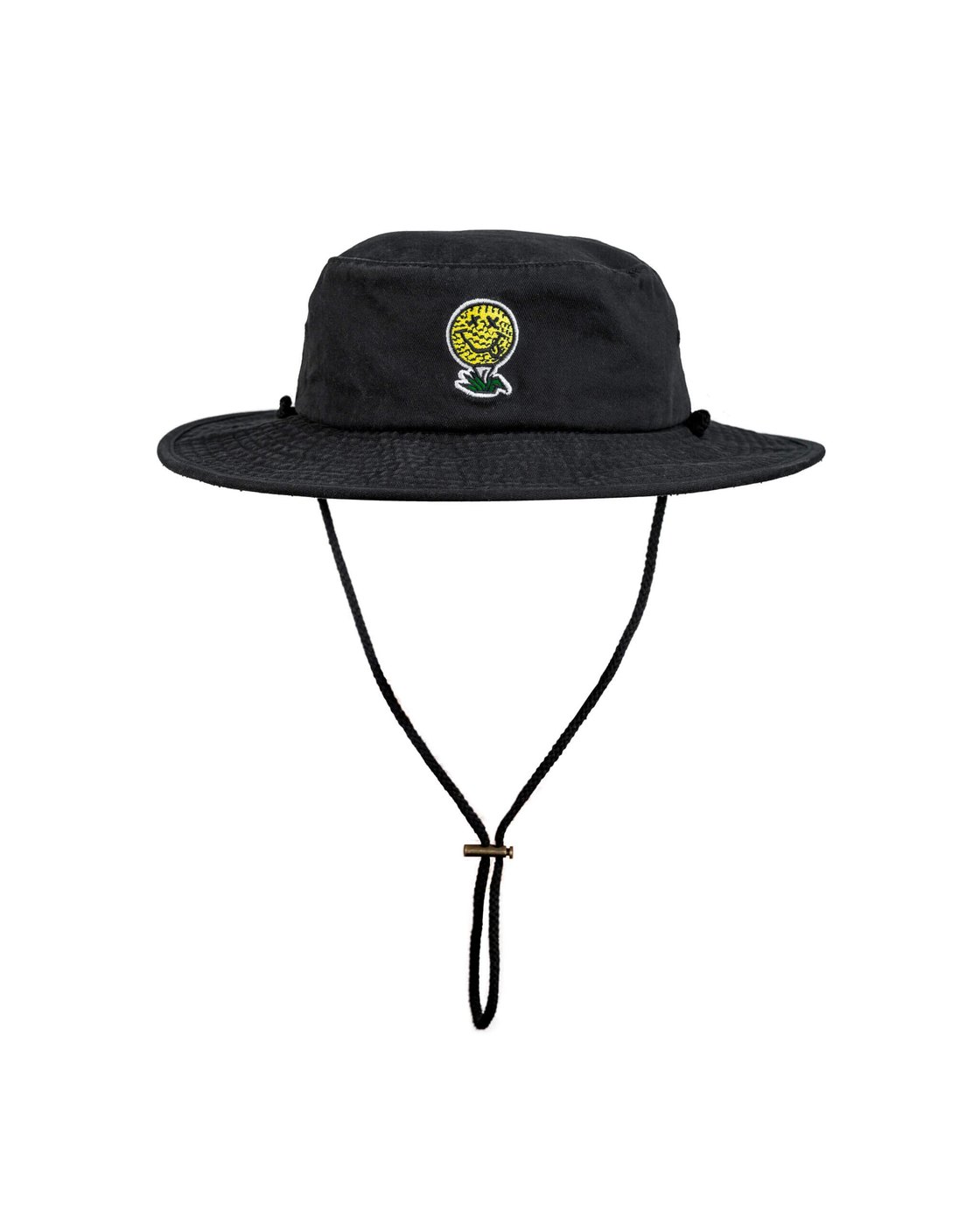
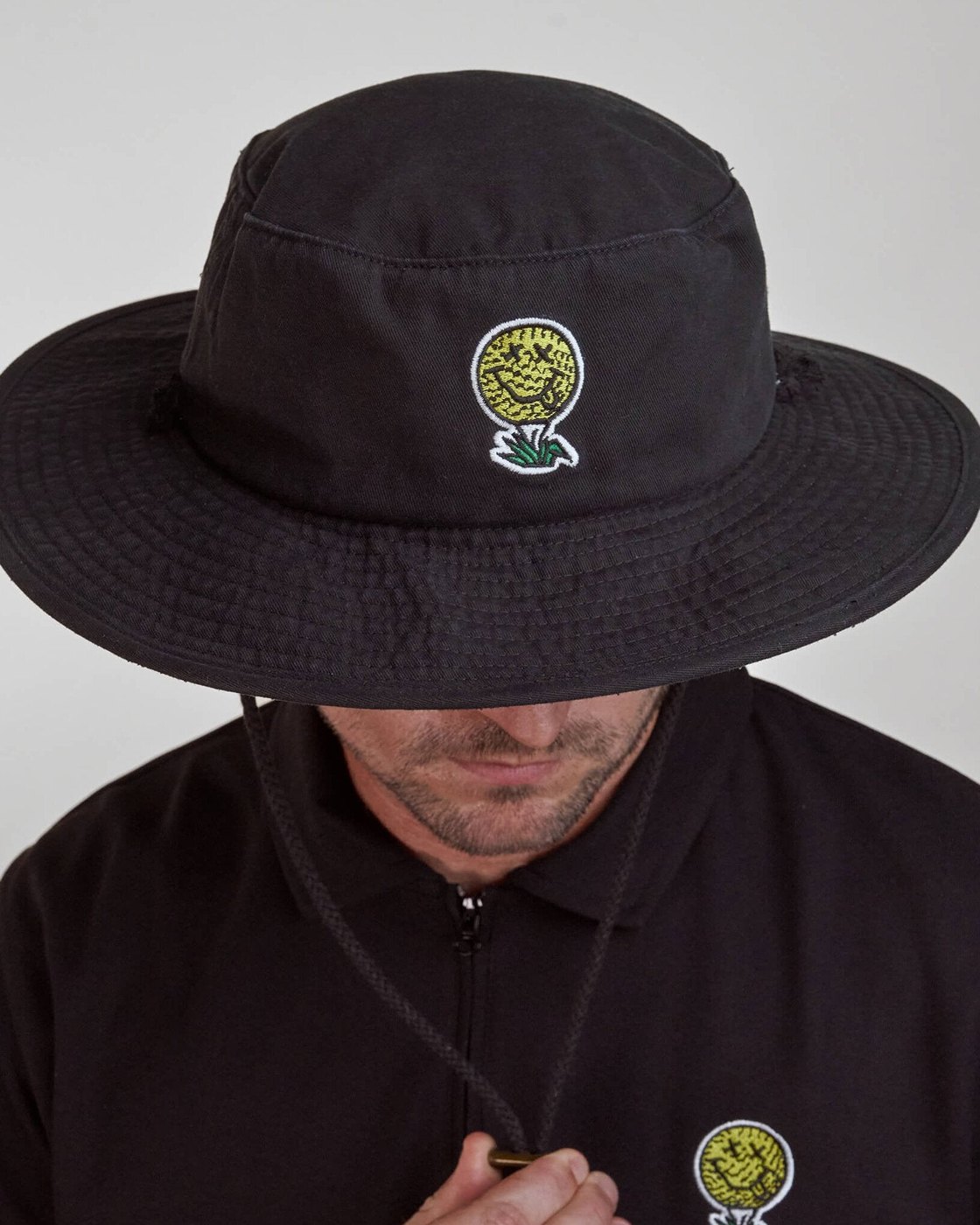
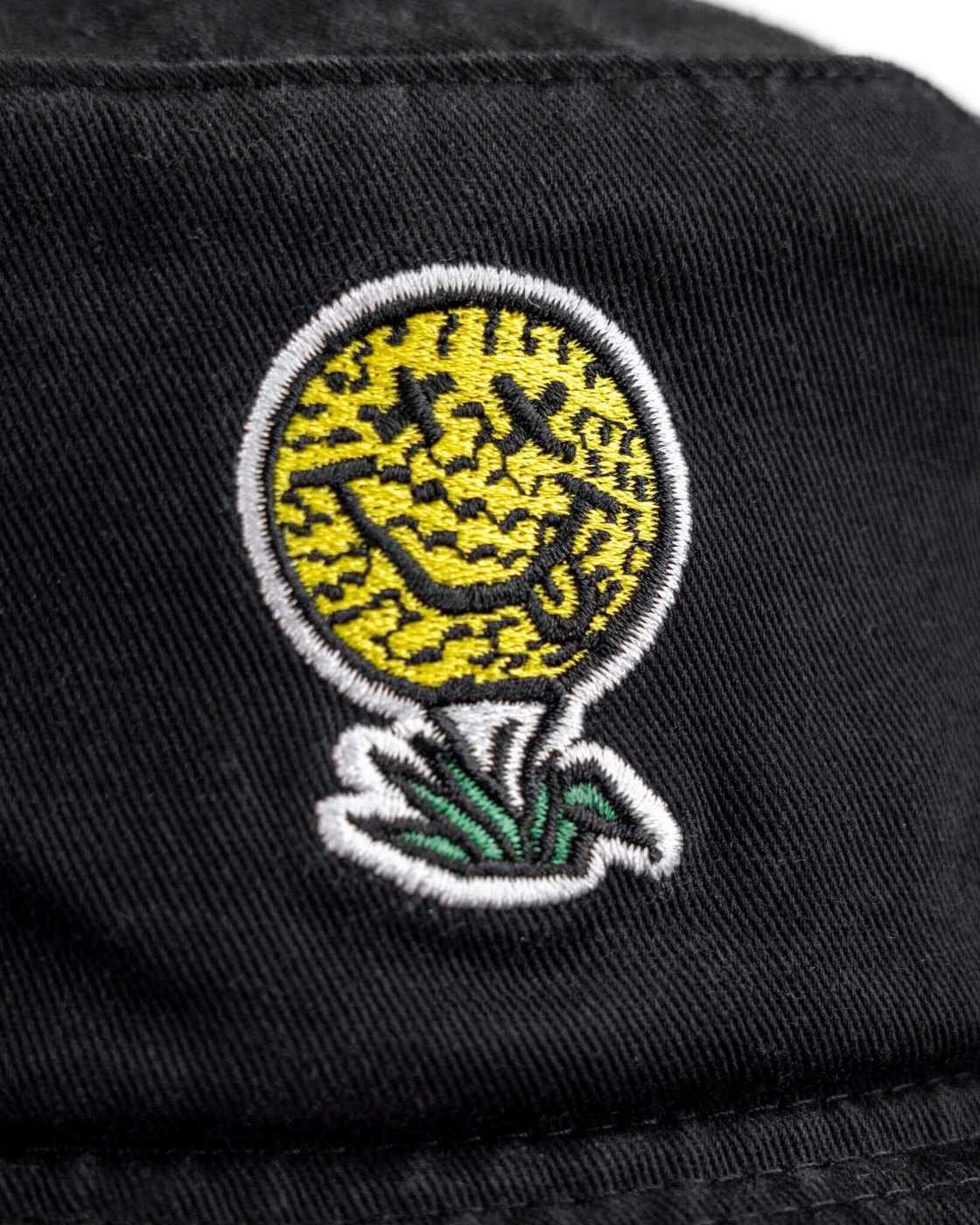
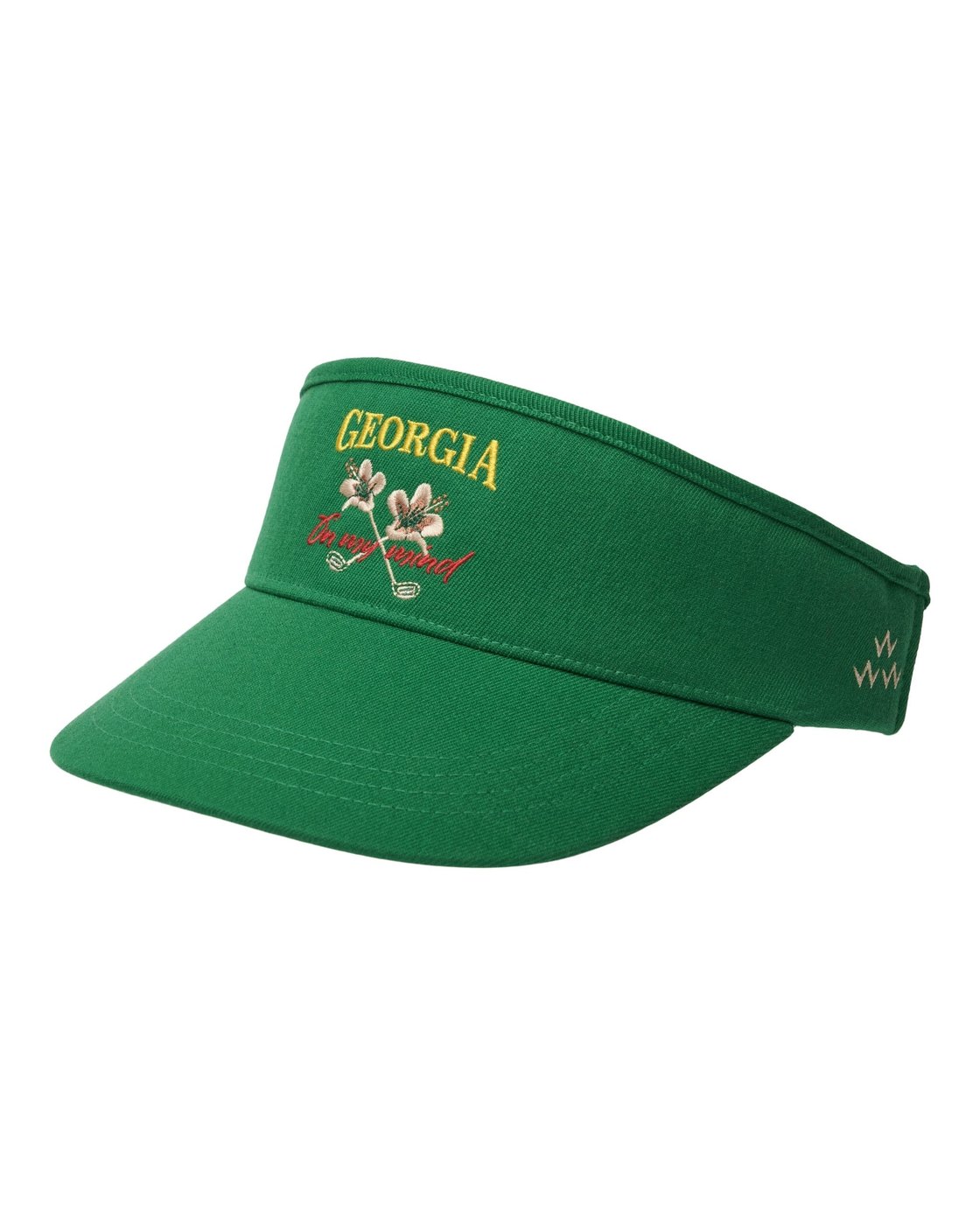
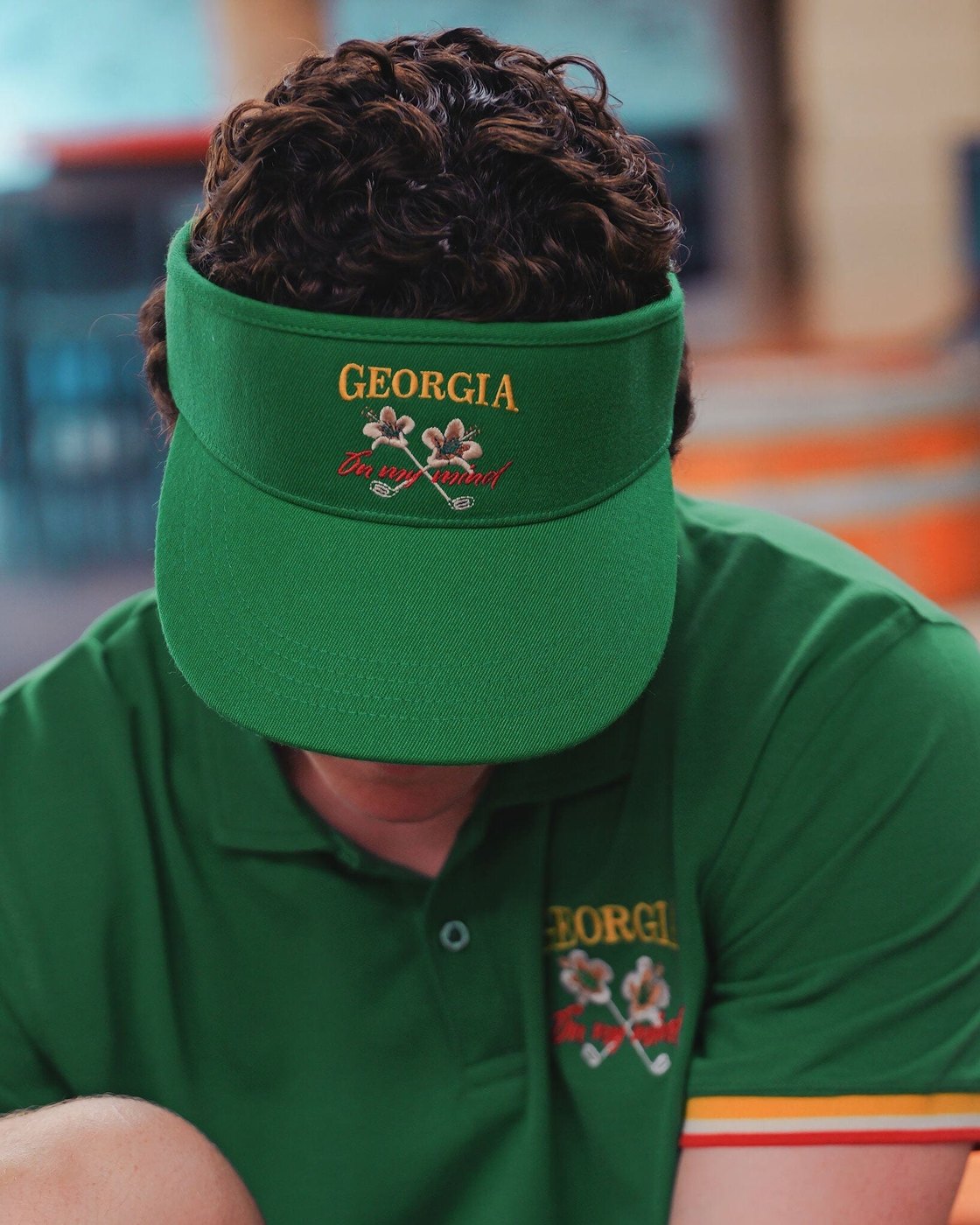
The apparel runs wider than the prints suggest, and prices ladder cleanly from eighty dollars to a hundred and seventy-five.
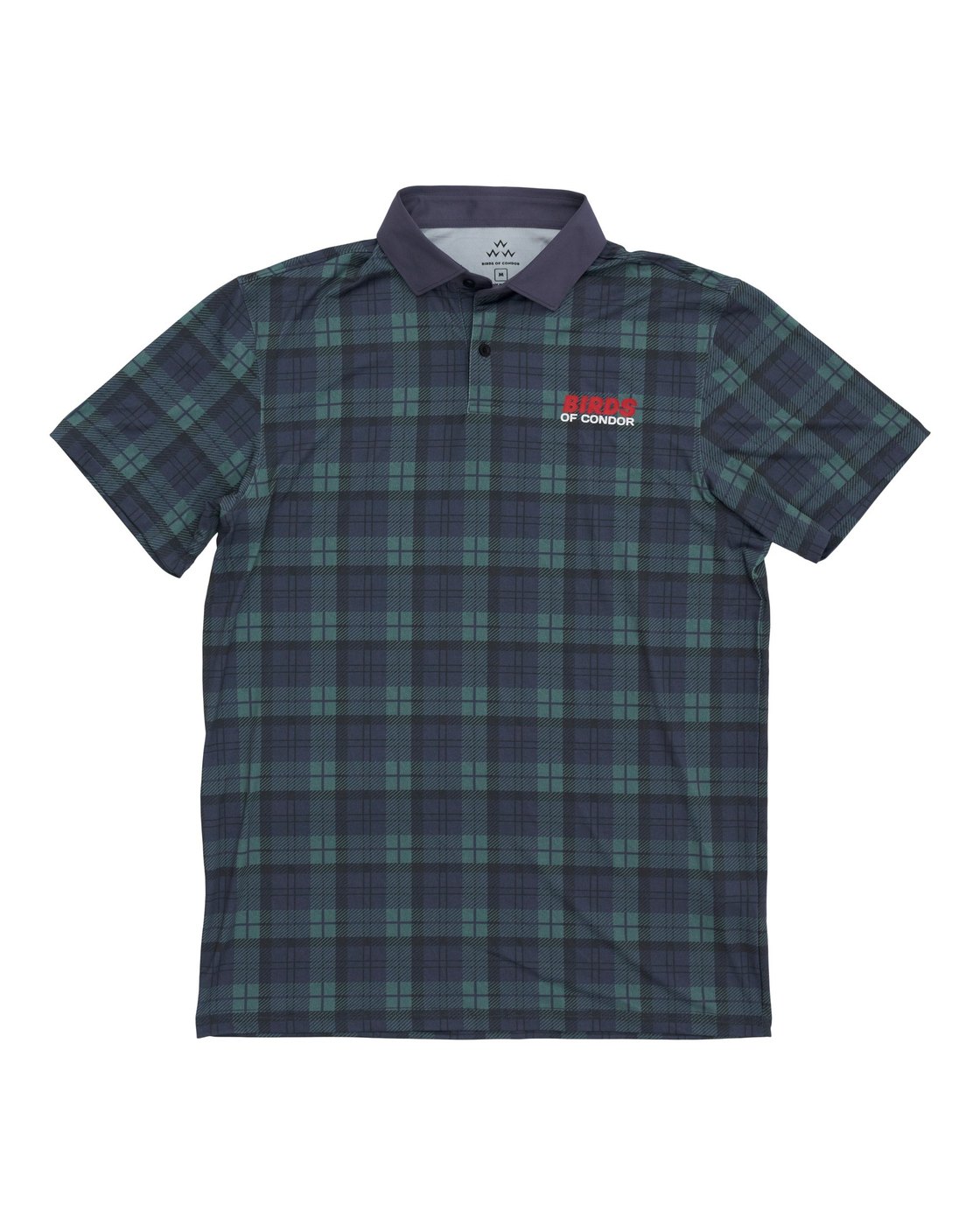
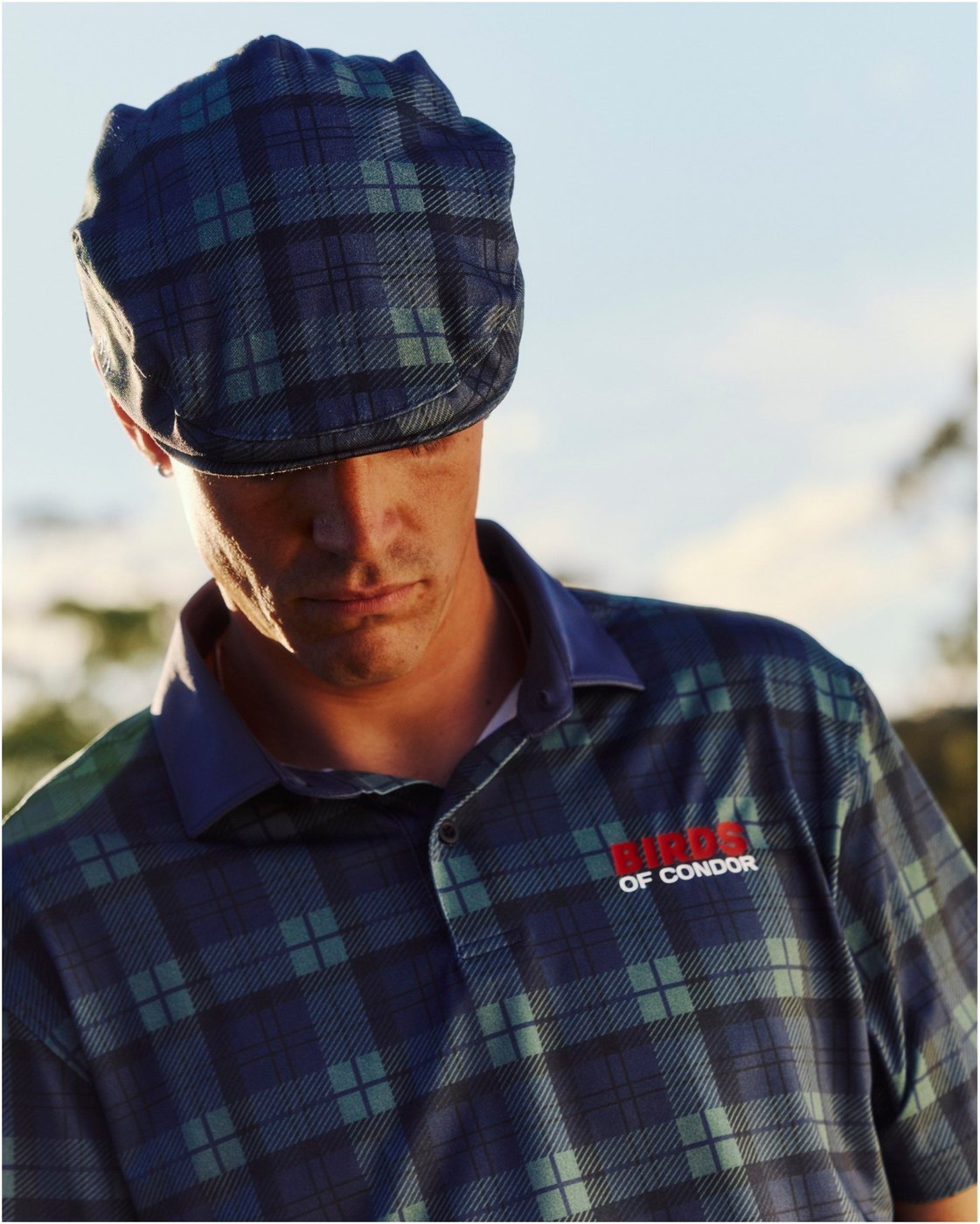
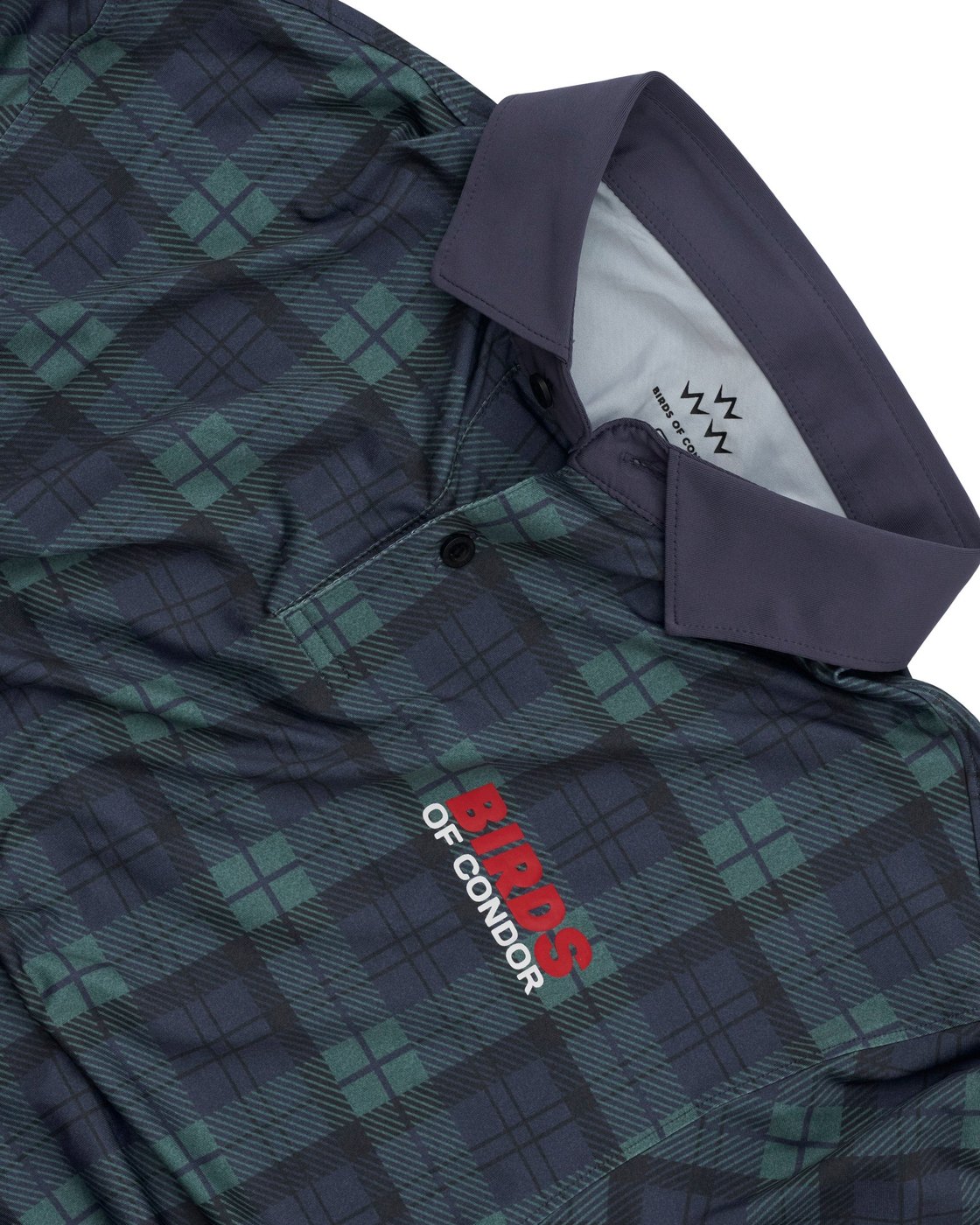
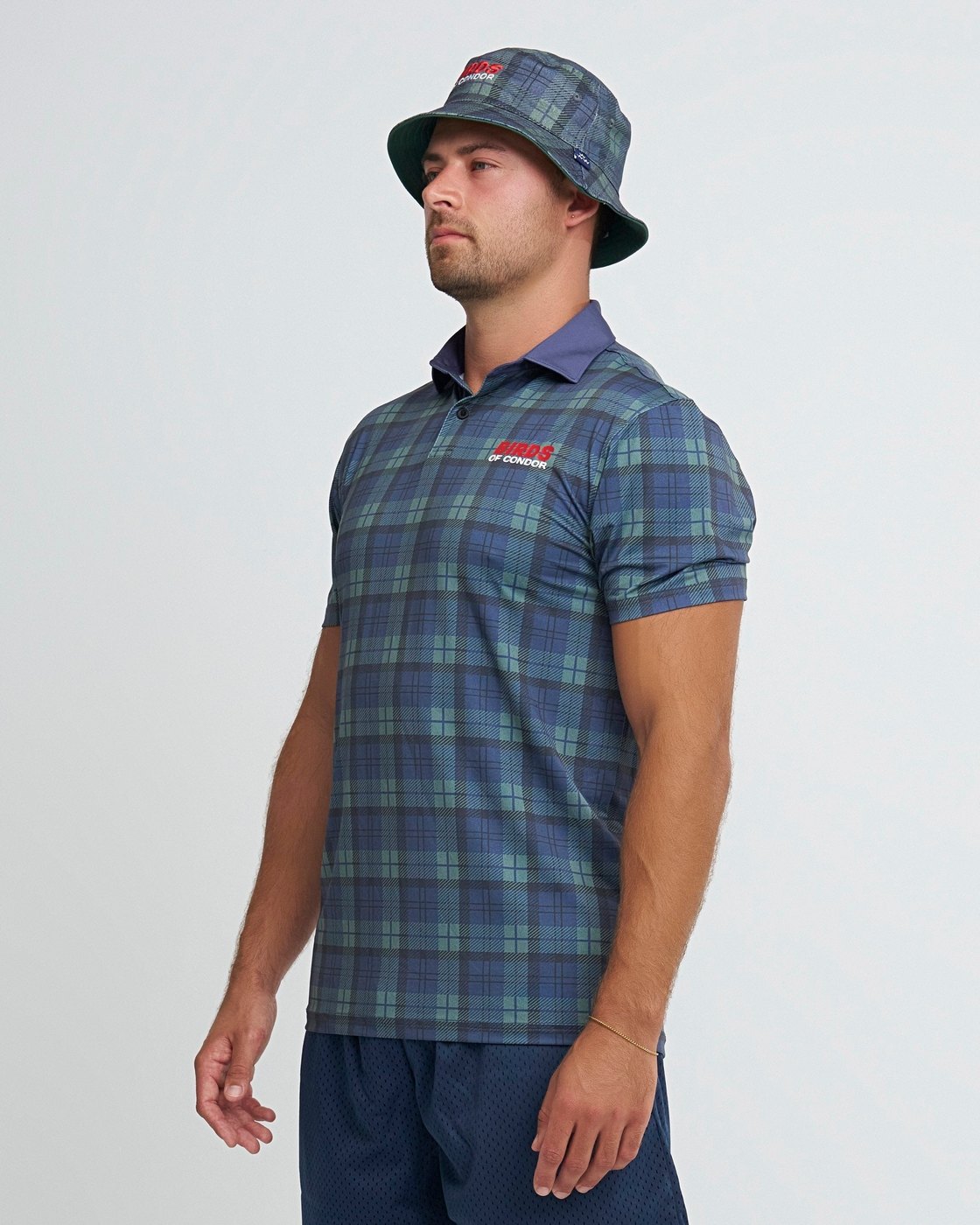
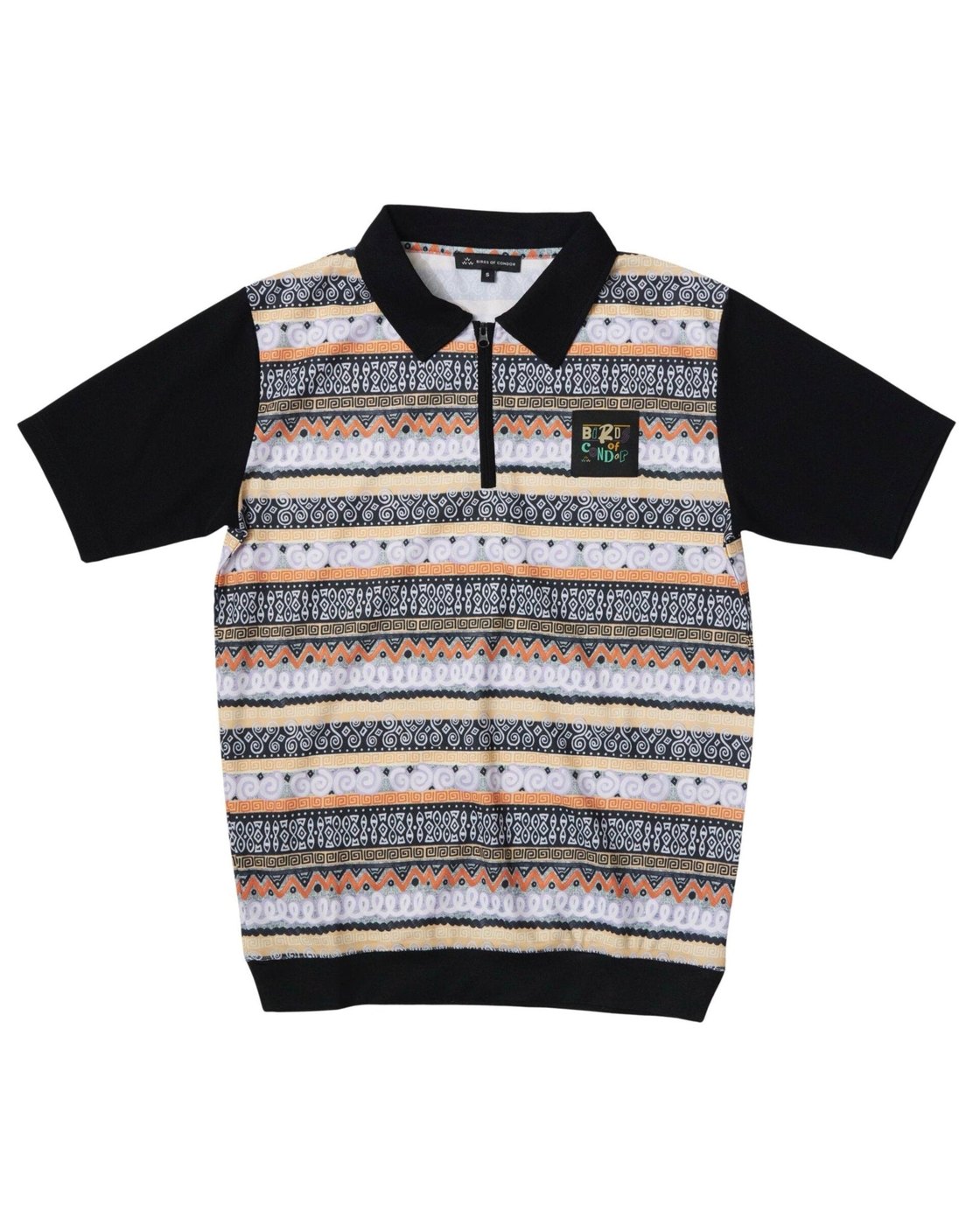
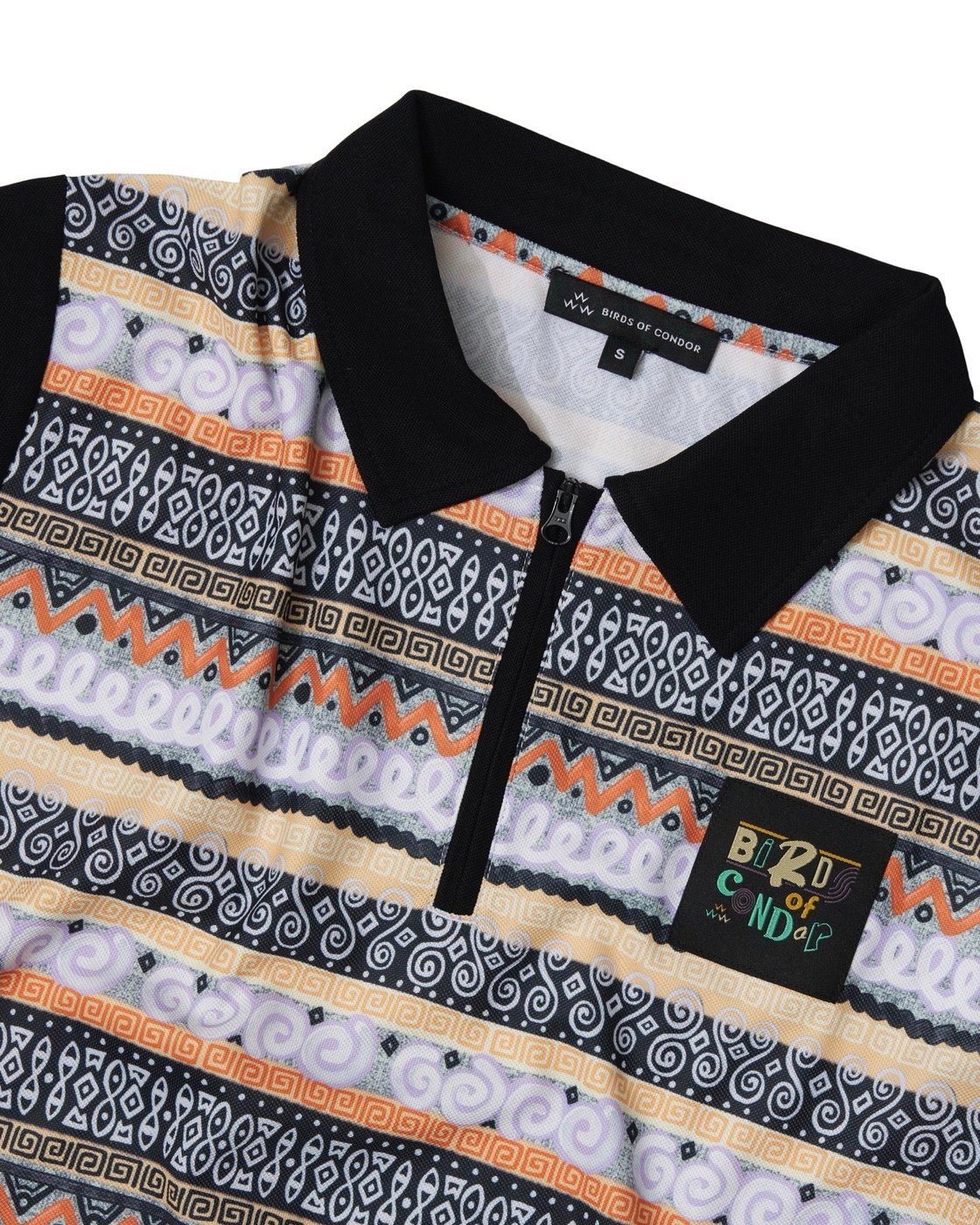
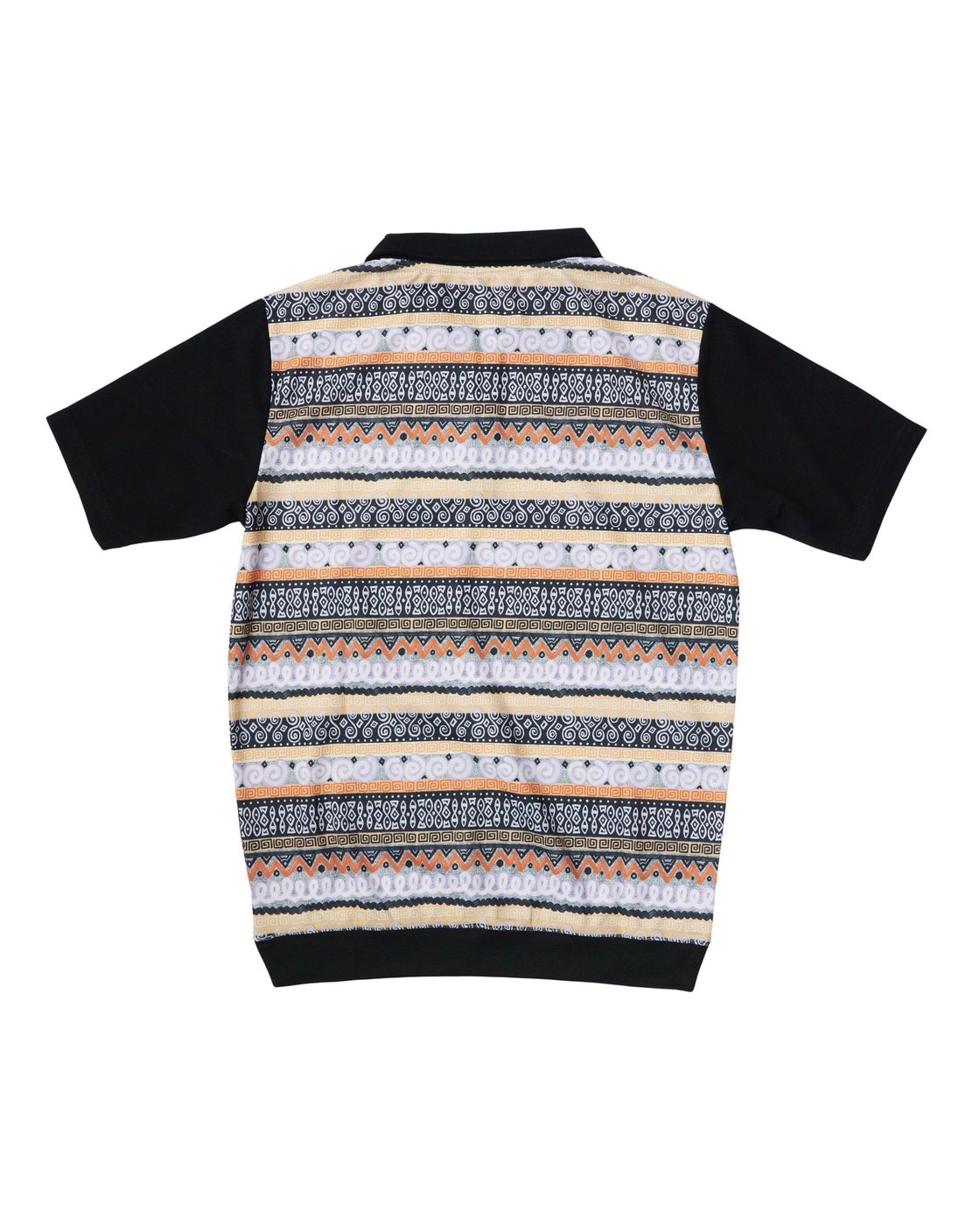
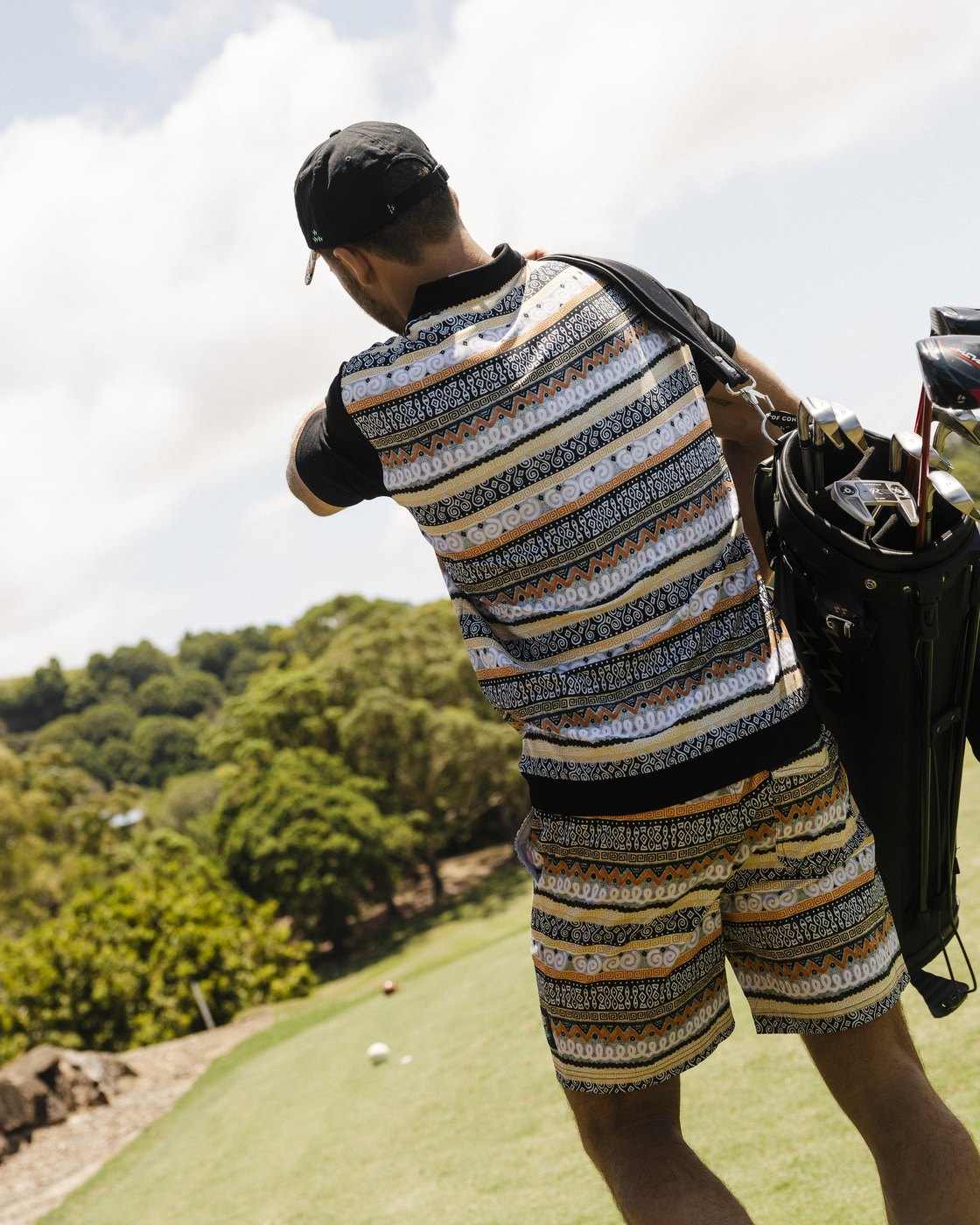
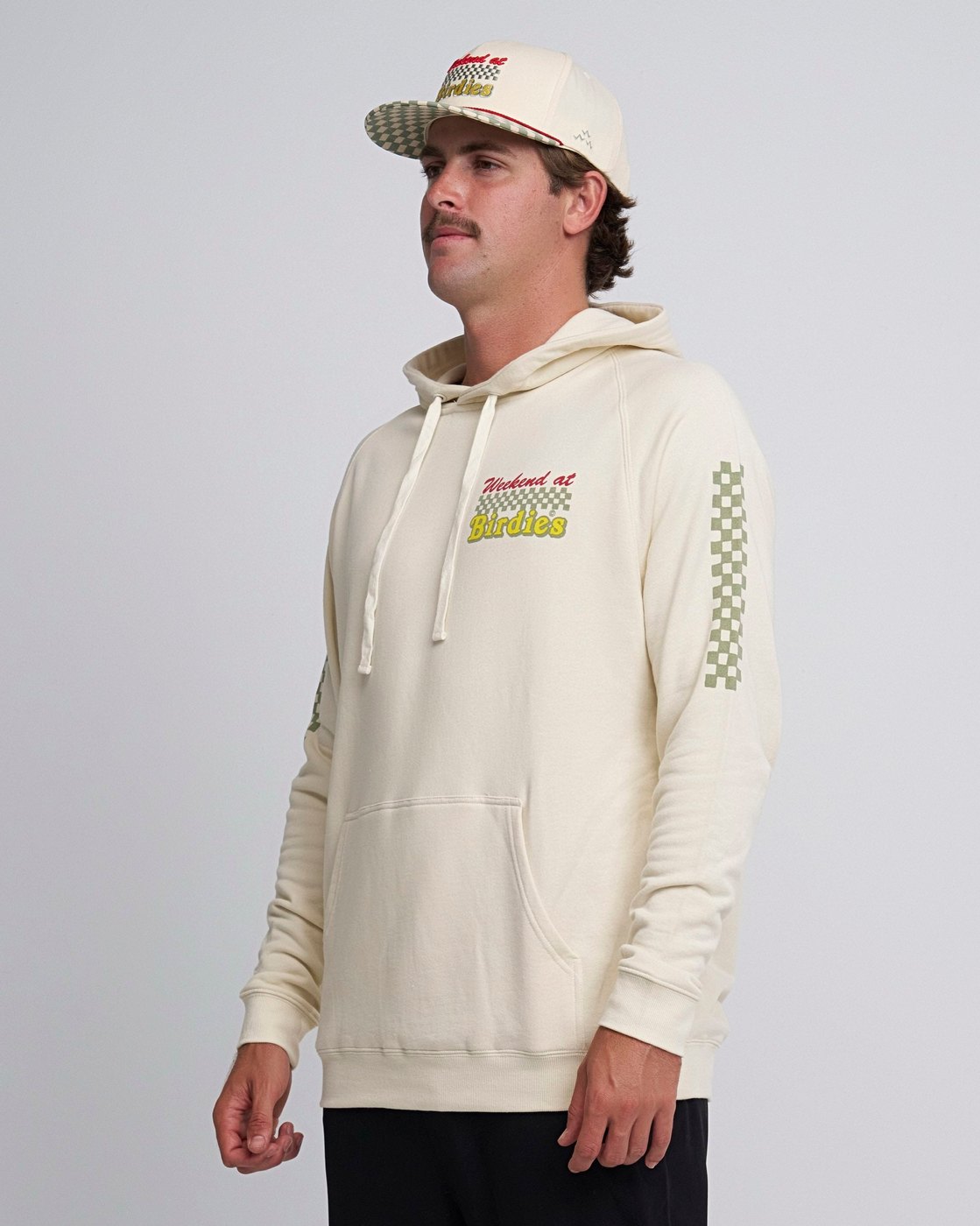
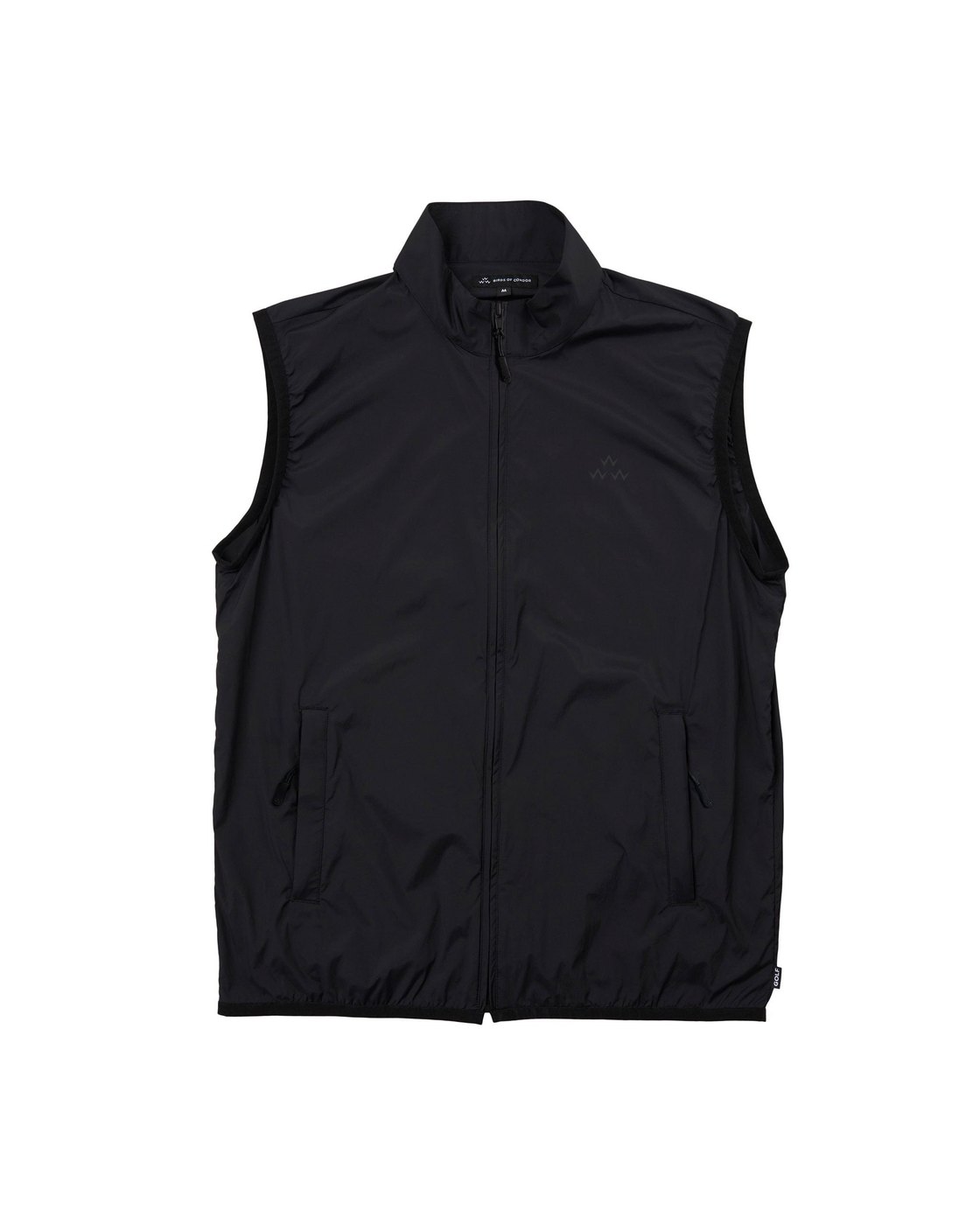
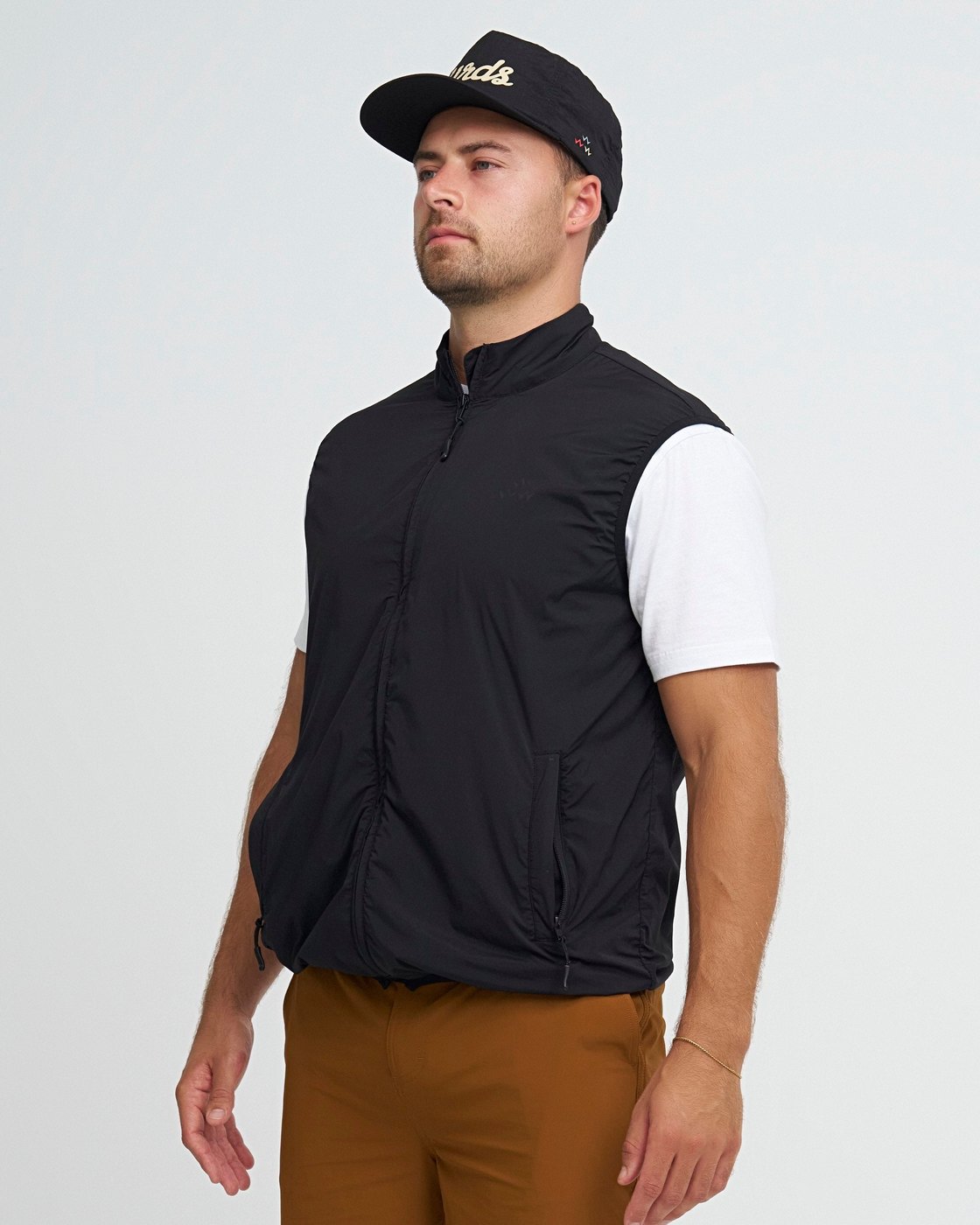
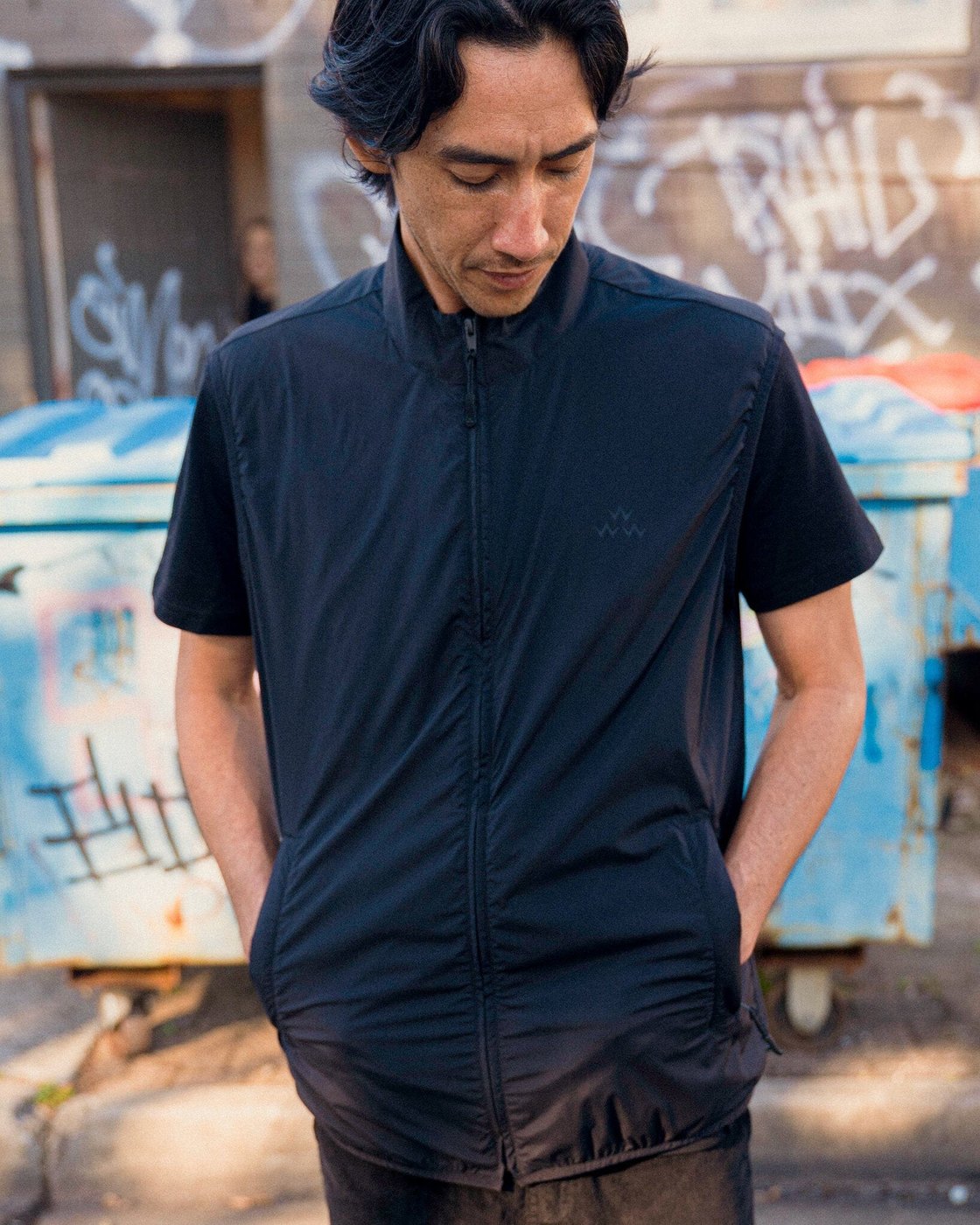
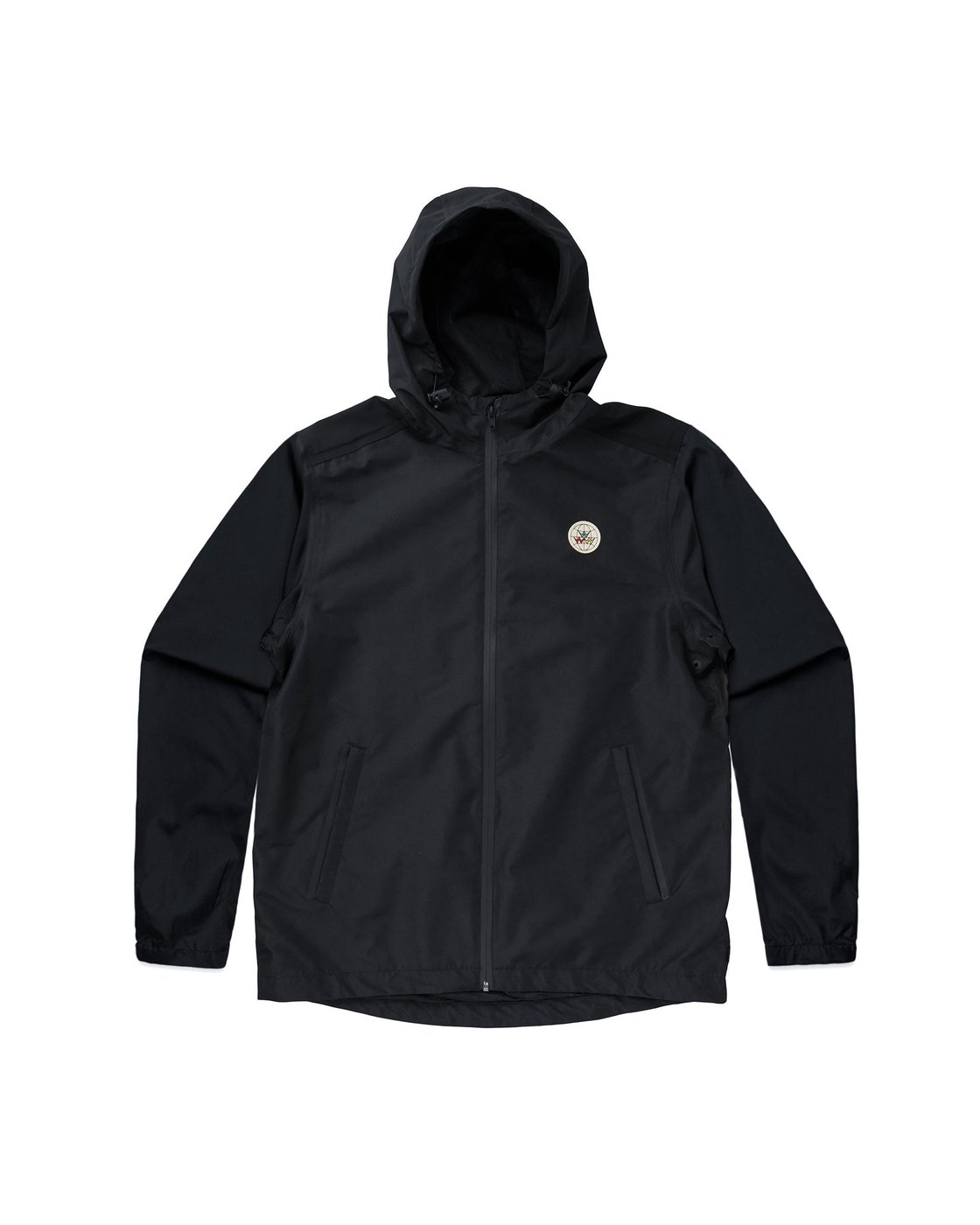
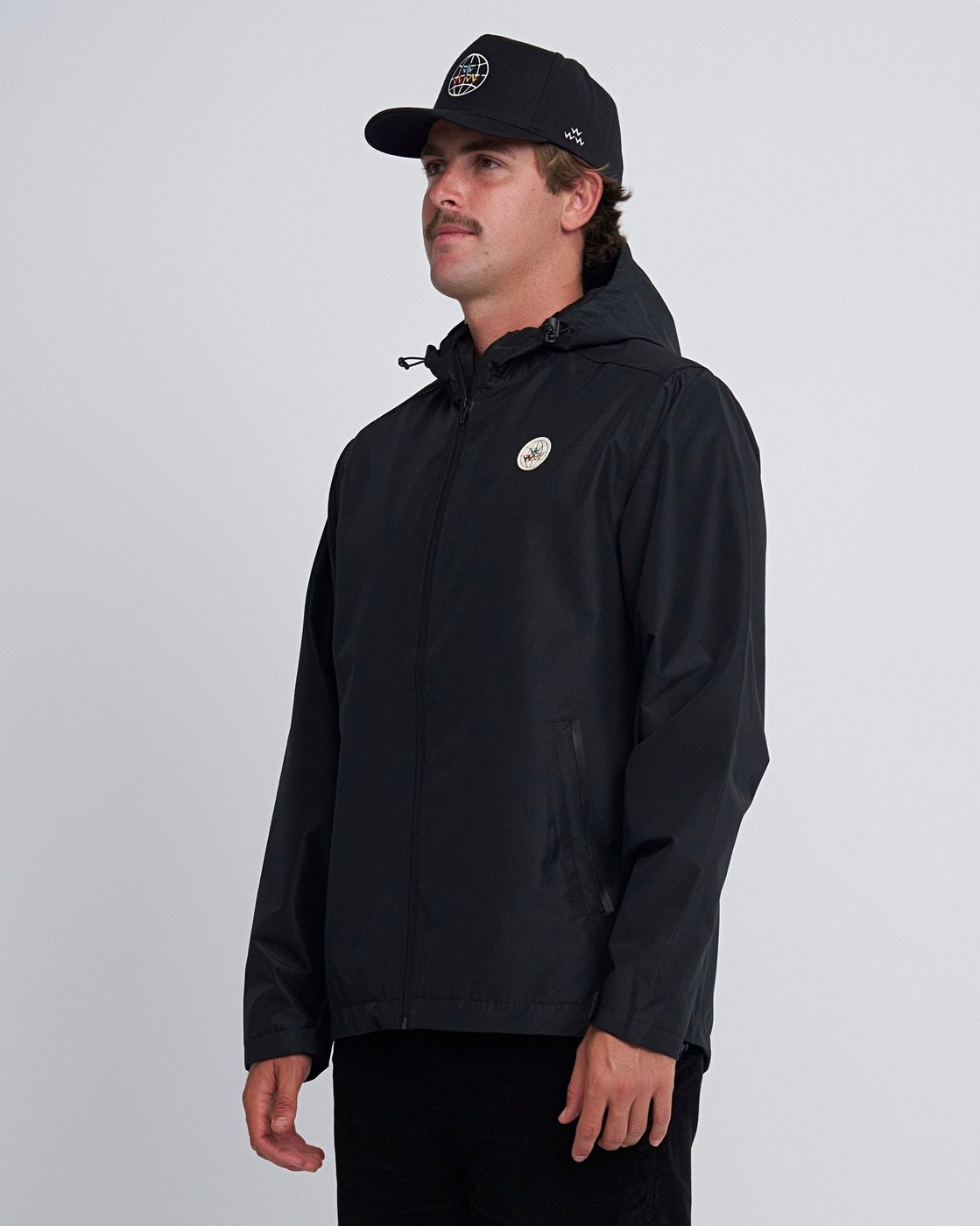
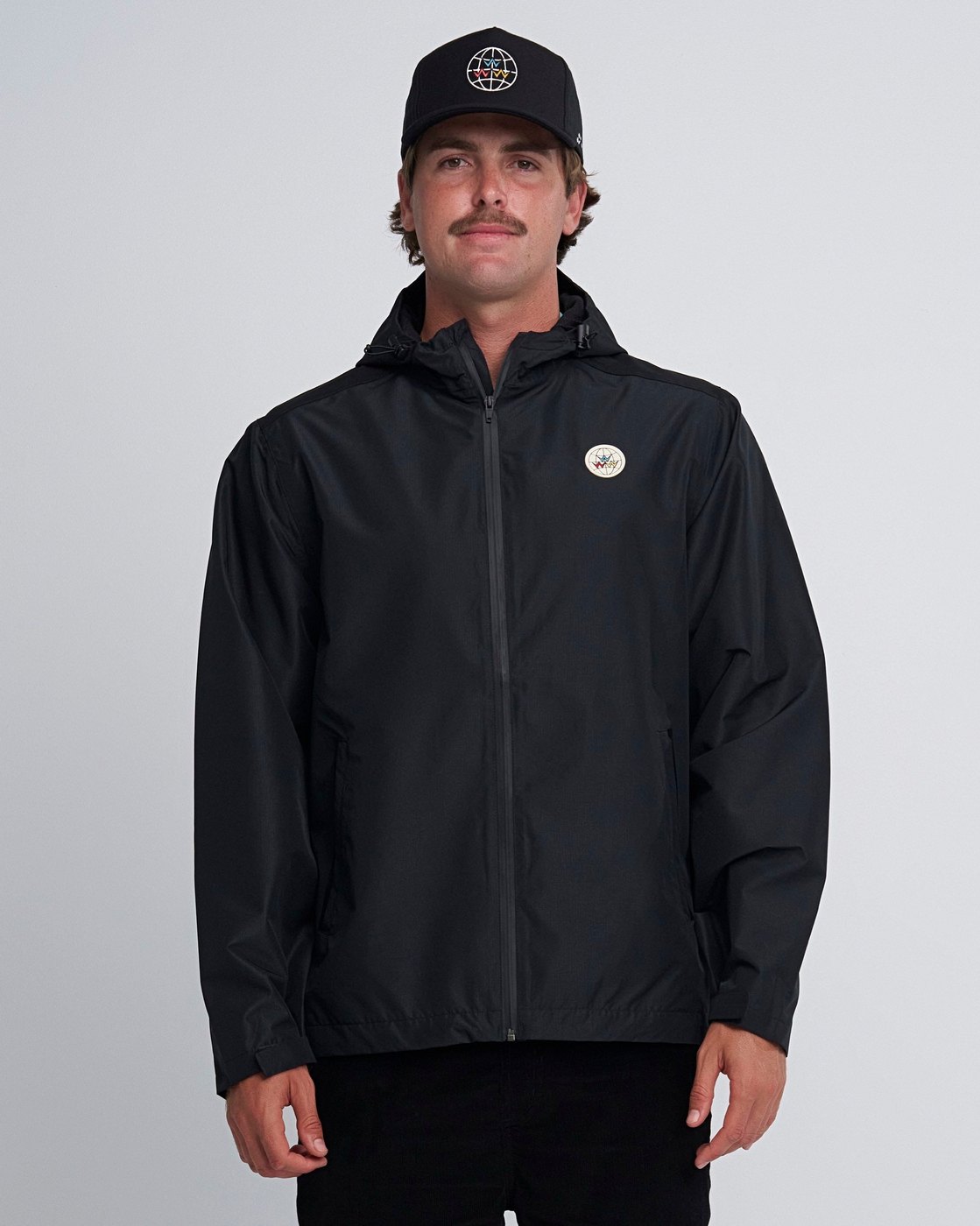
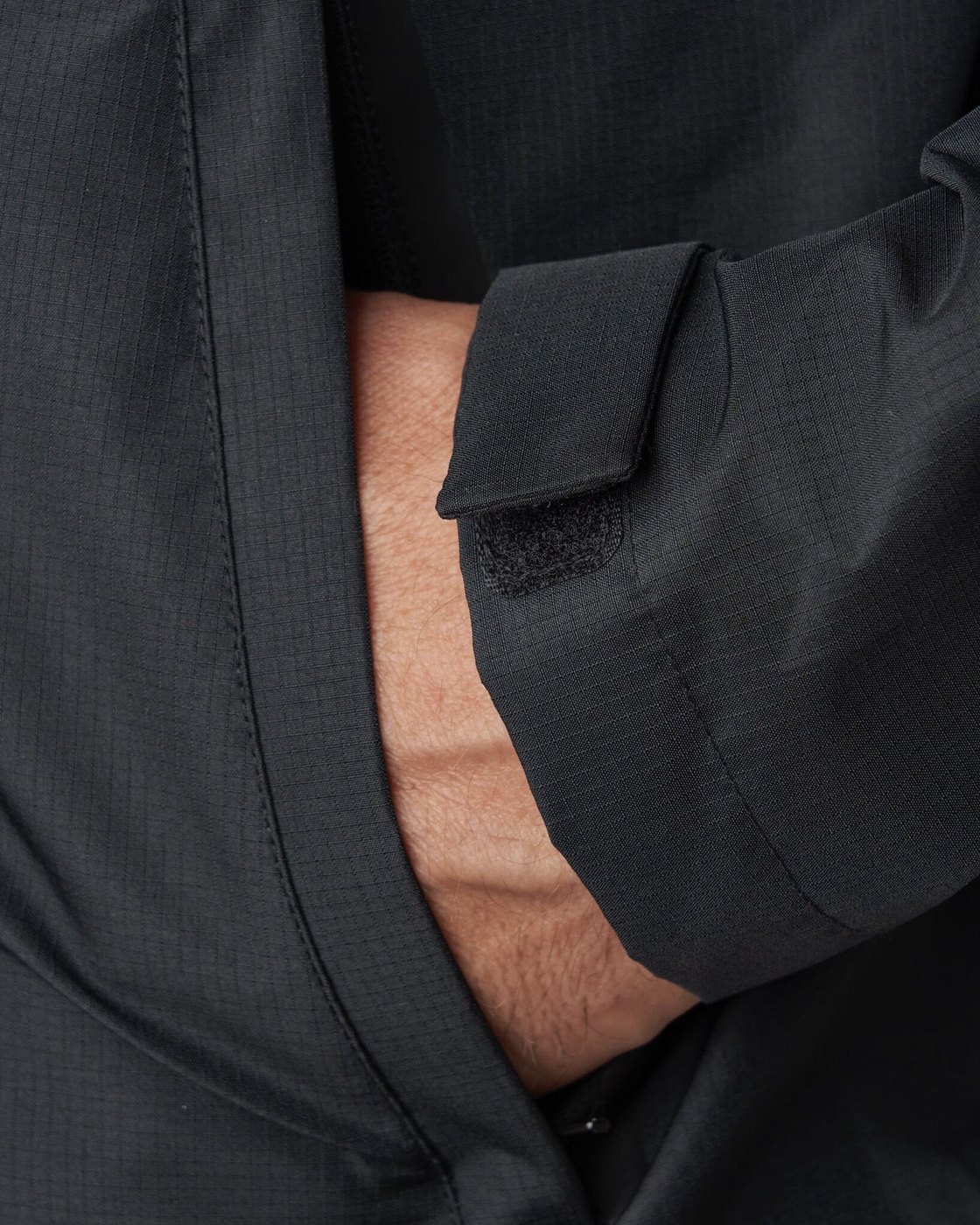
Two are still buyable in full: COOGI, the Australian knitwear house, and Lyle & Scott, which is 151 years old.
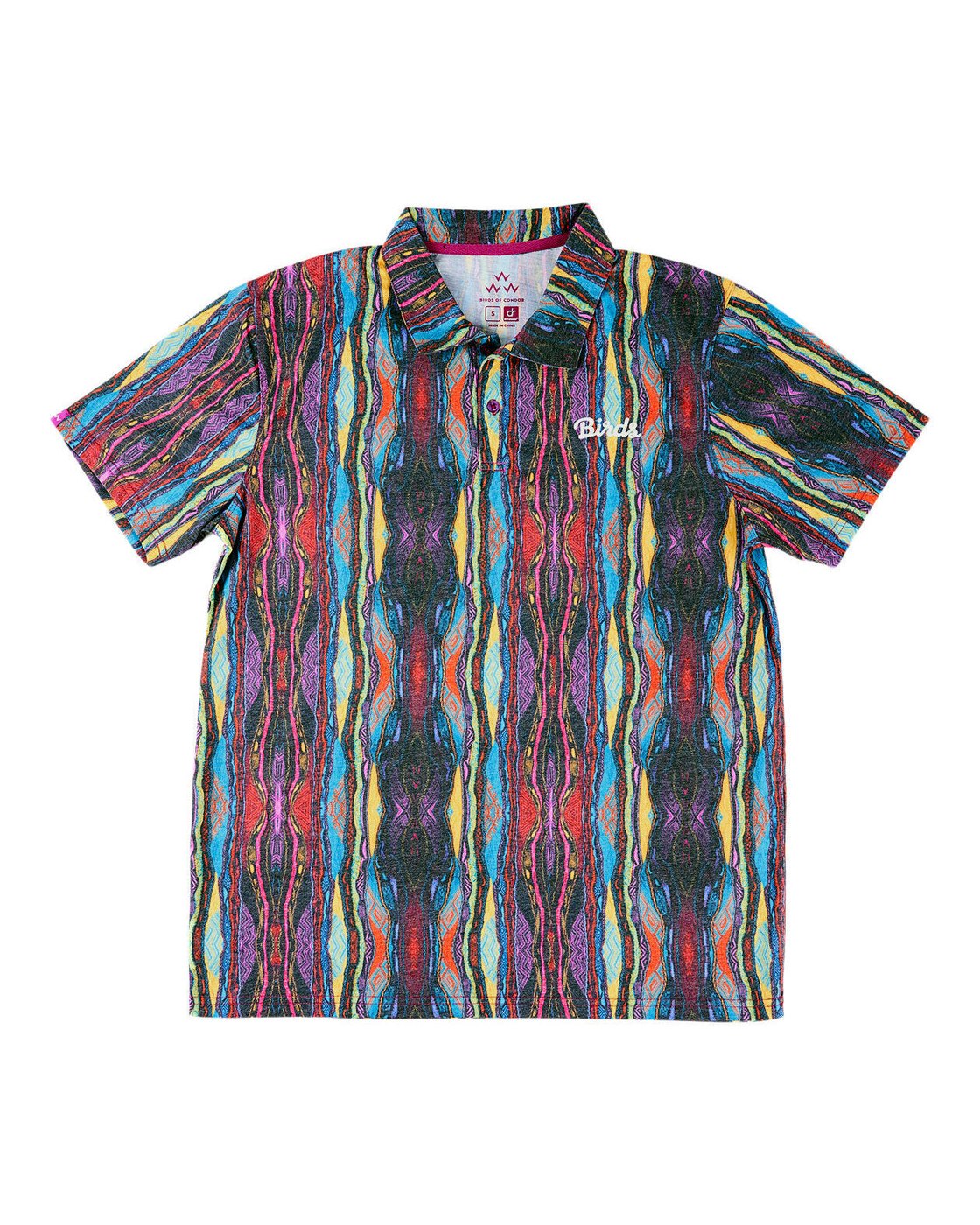
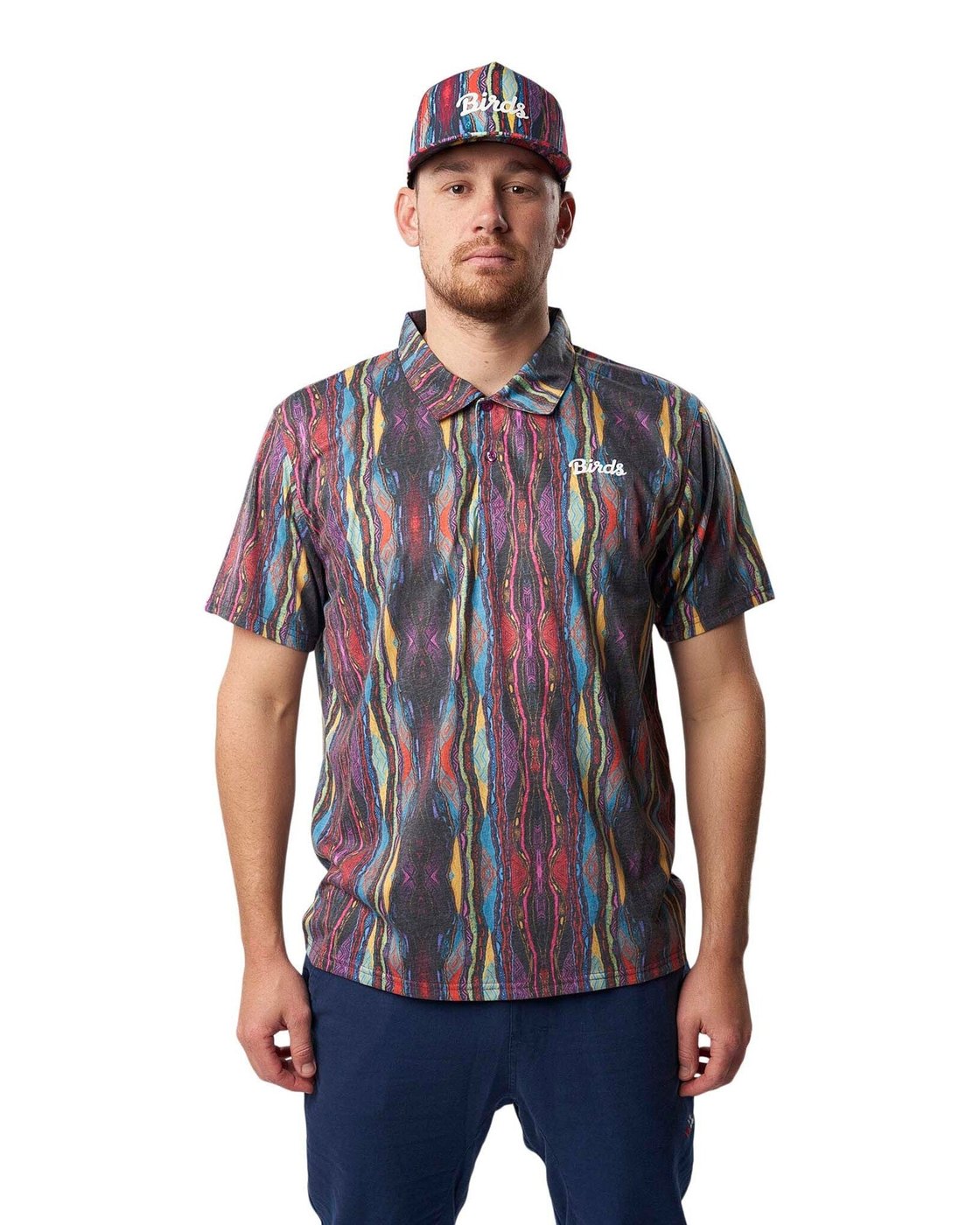
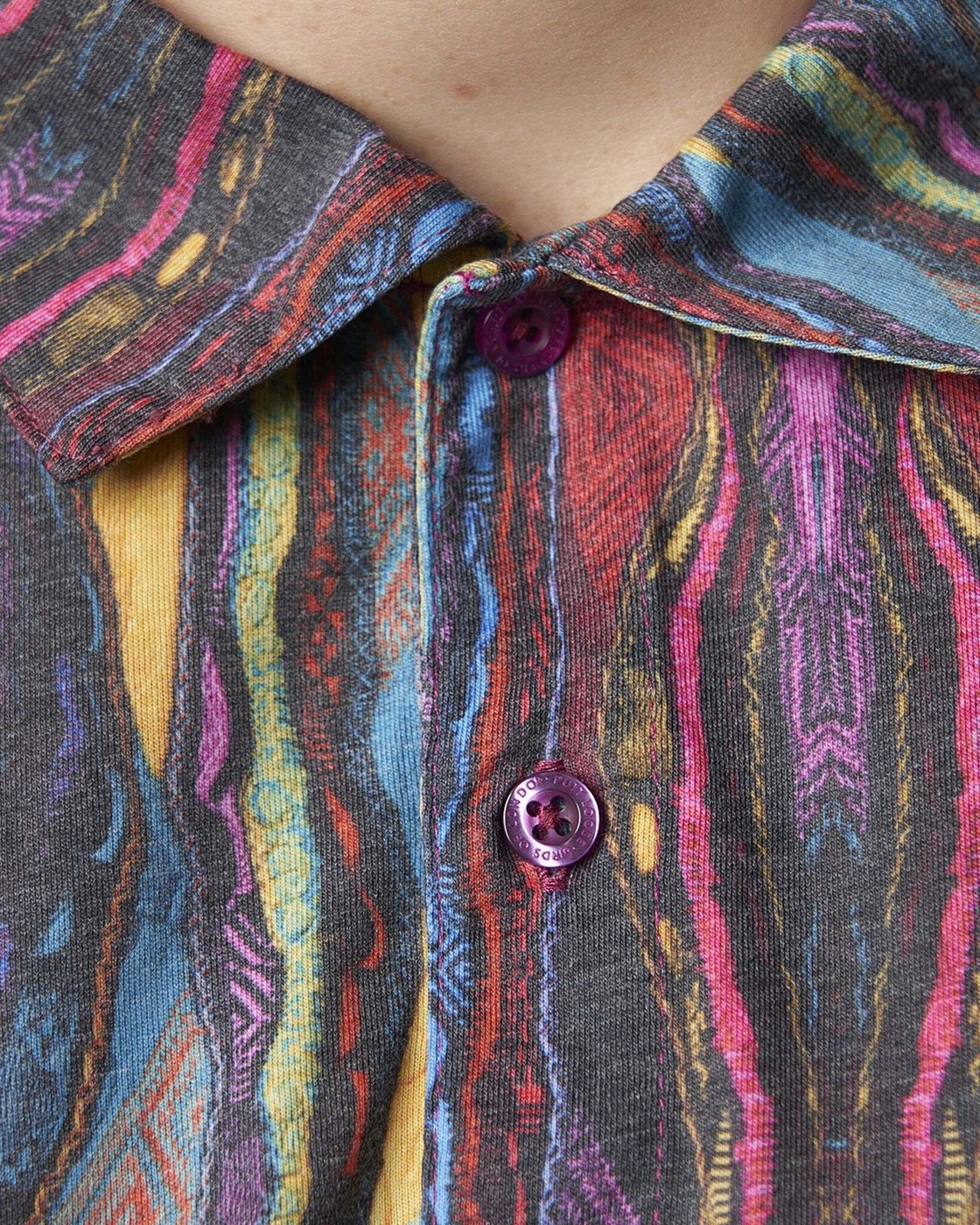
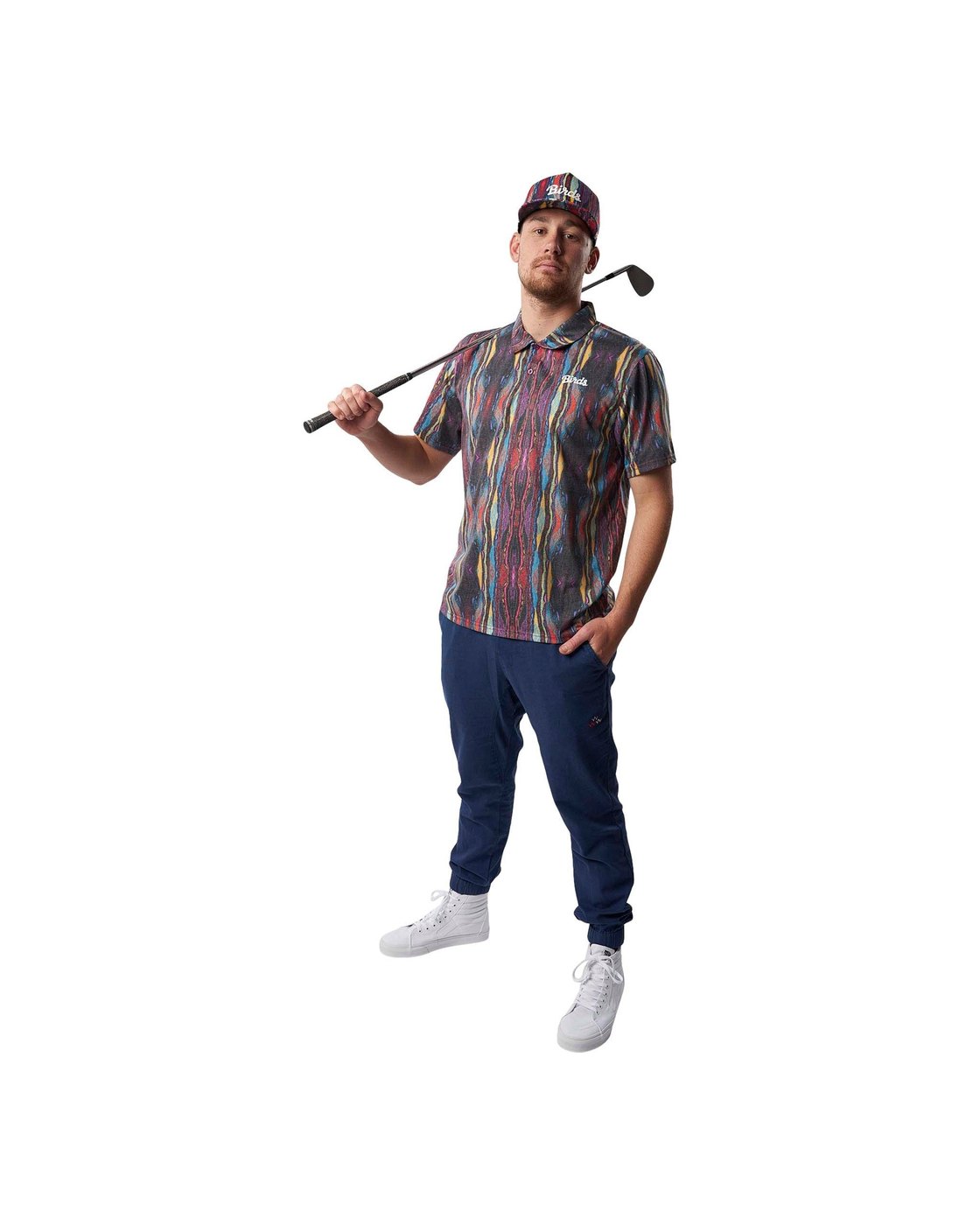
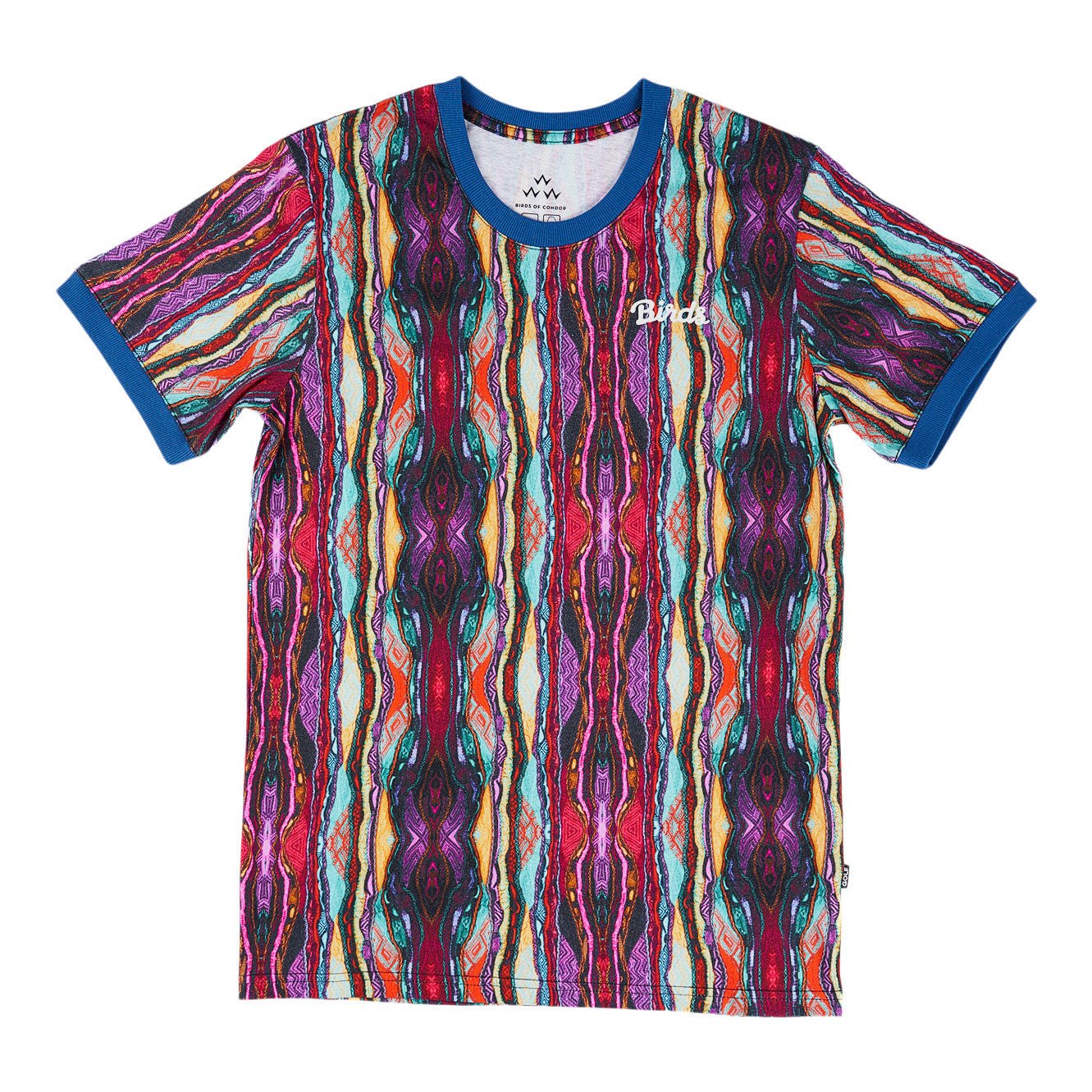
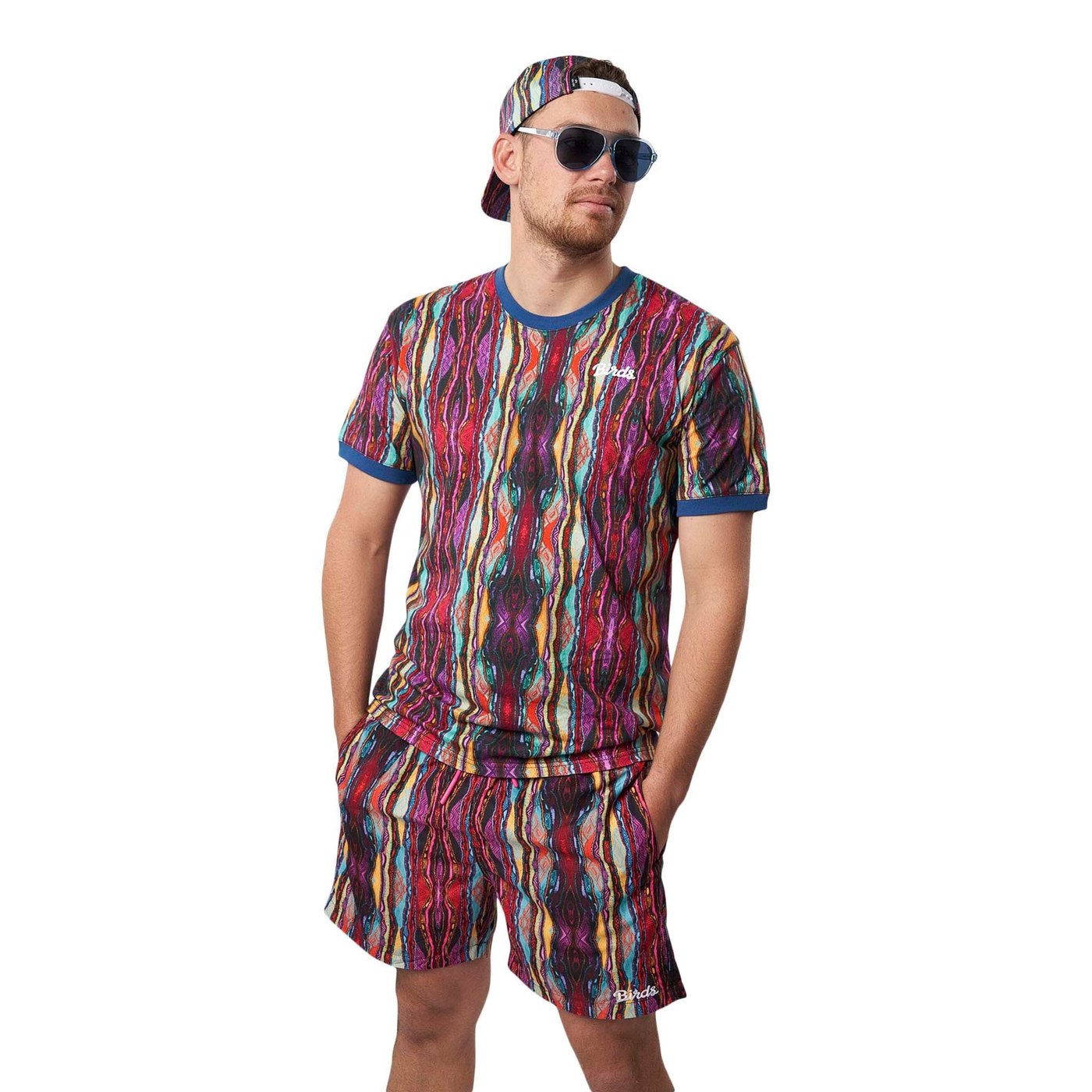
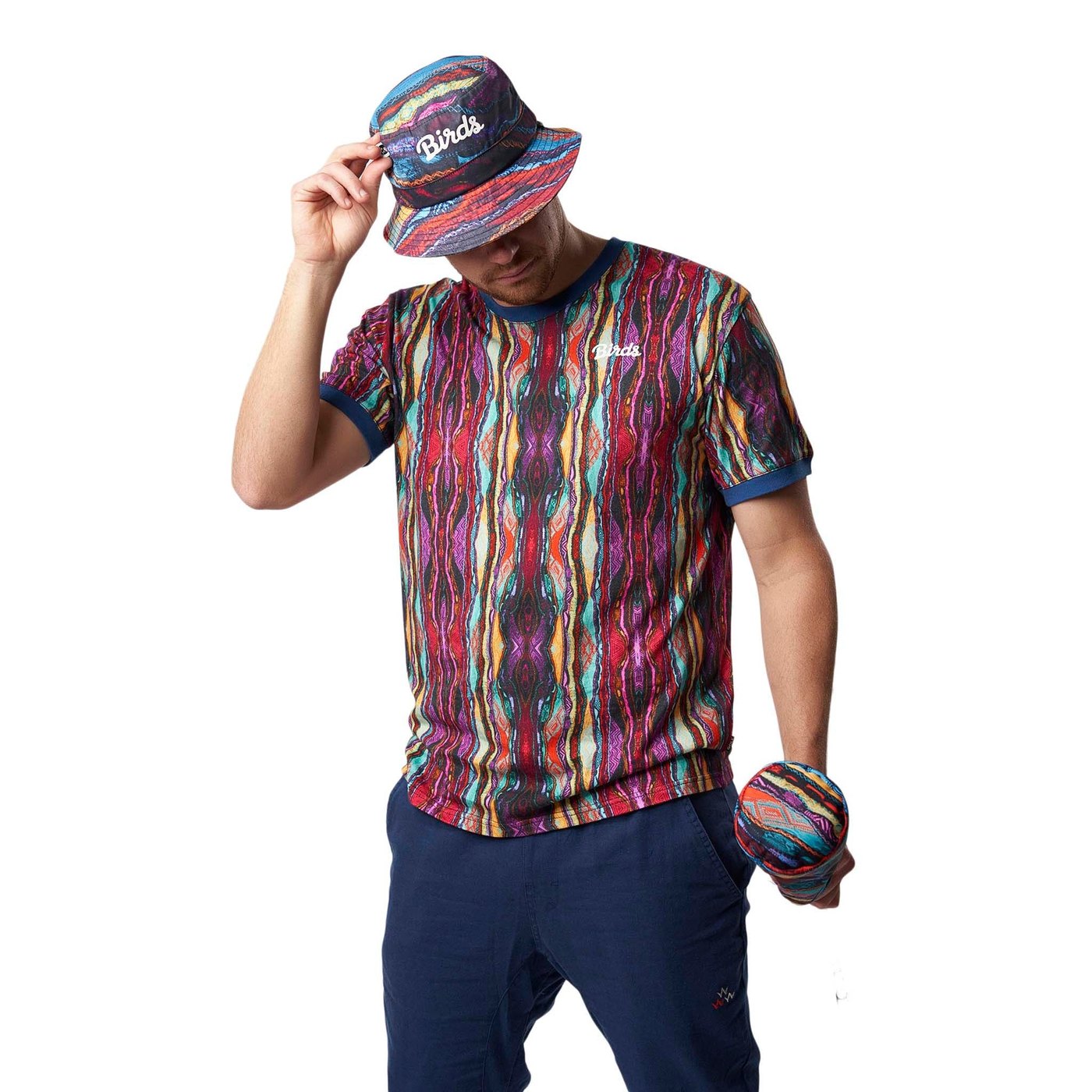
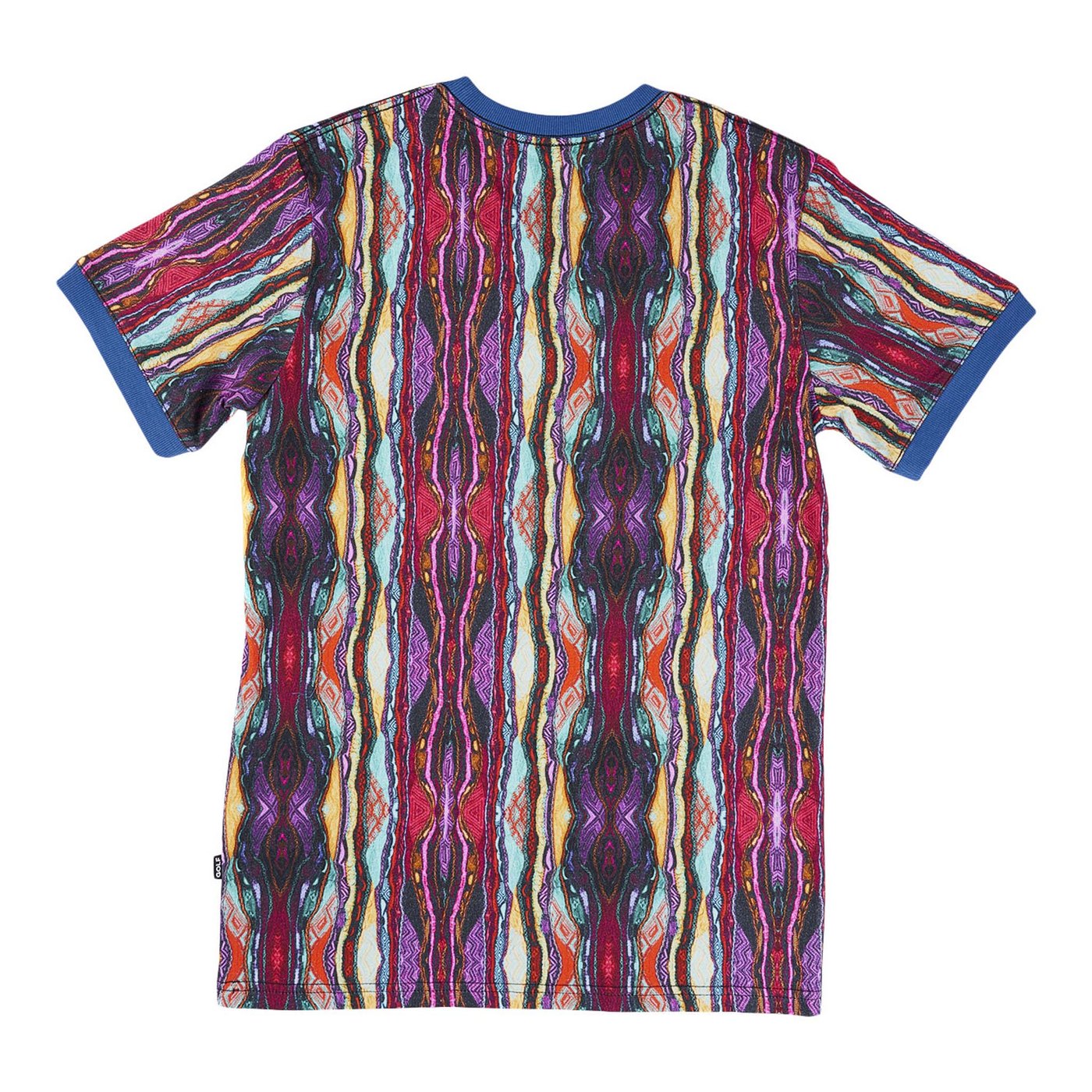
This is where the brand actually lives — and where the catalogue stops looking like a golf brand at all.
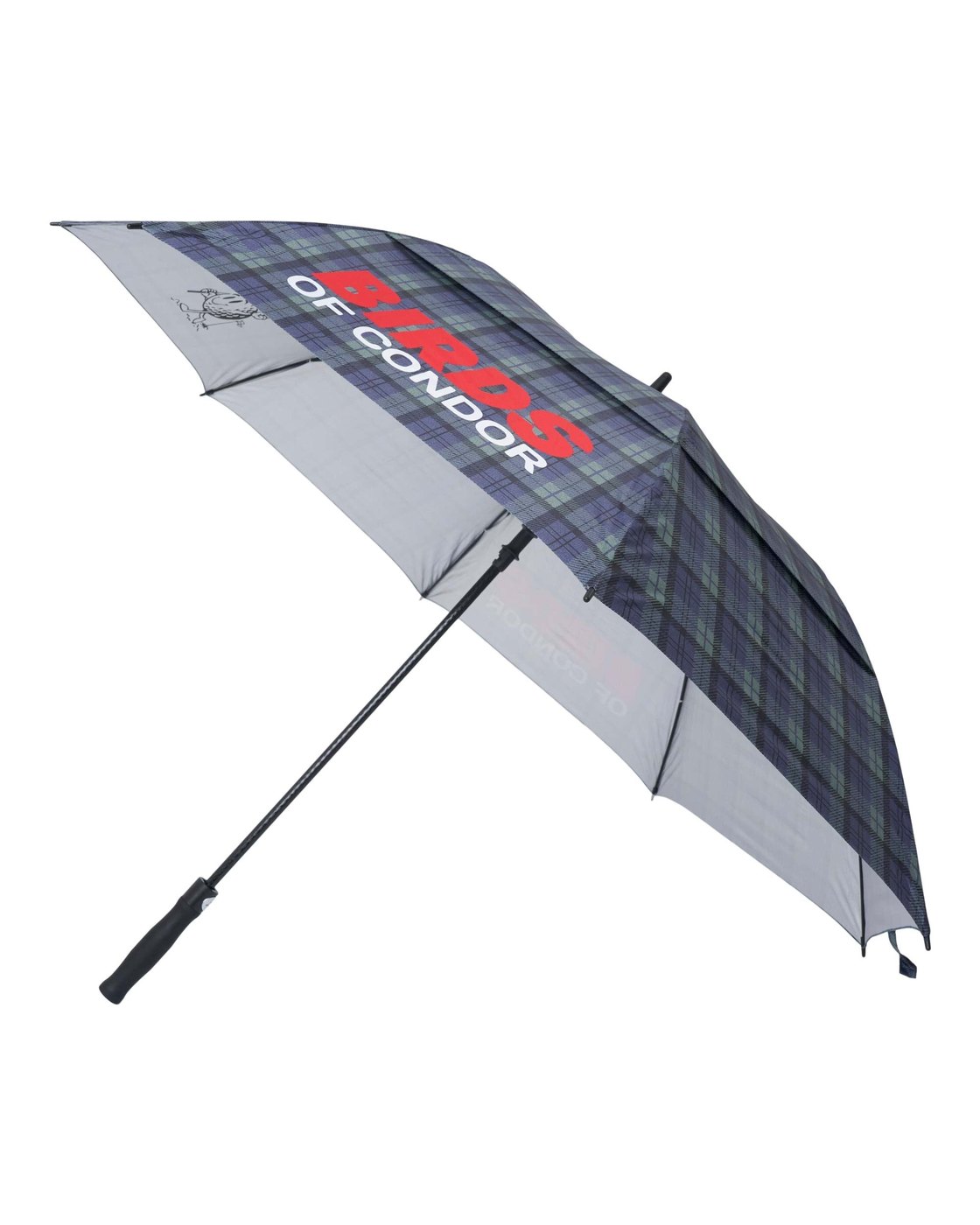
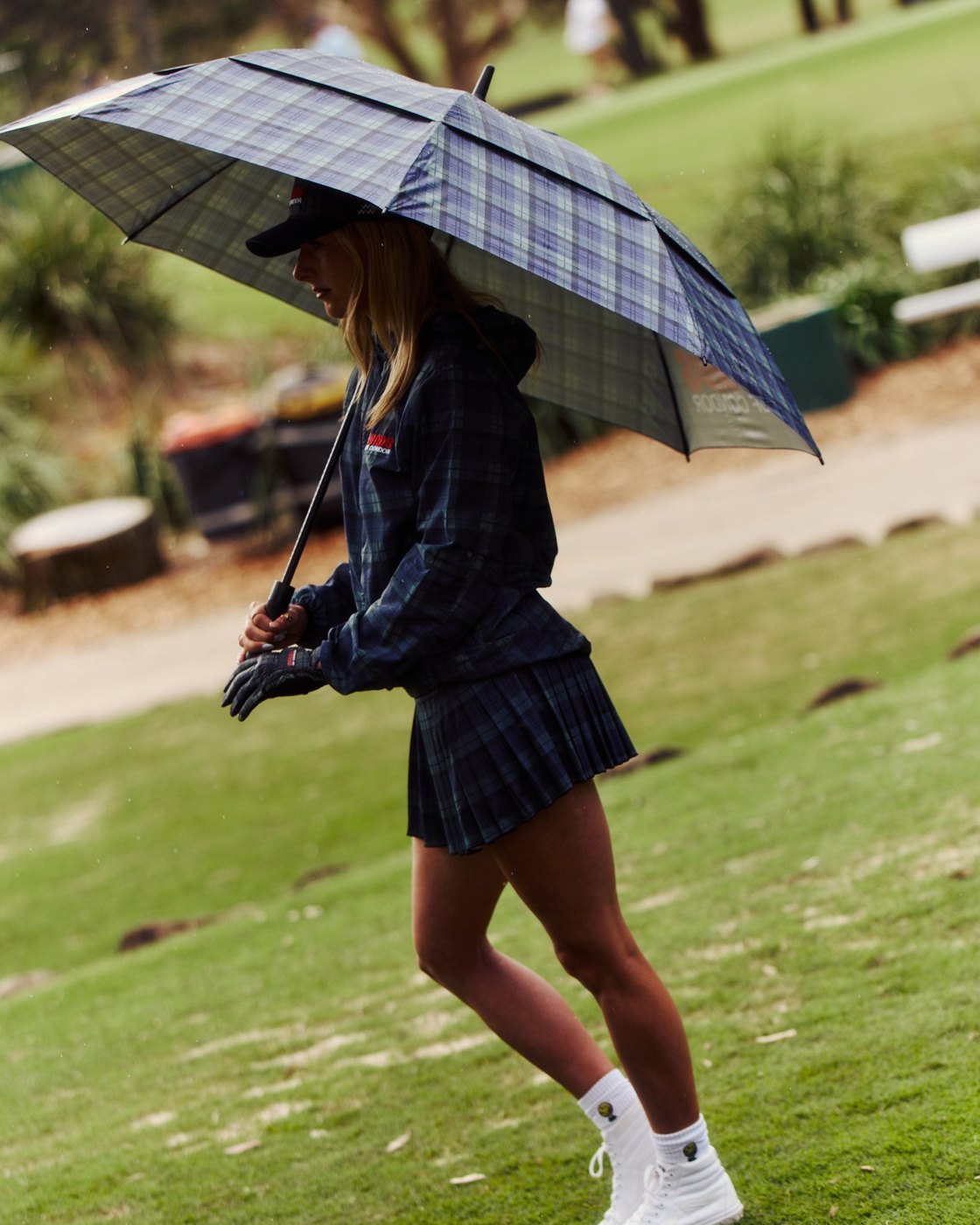
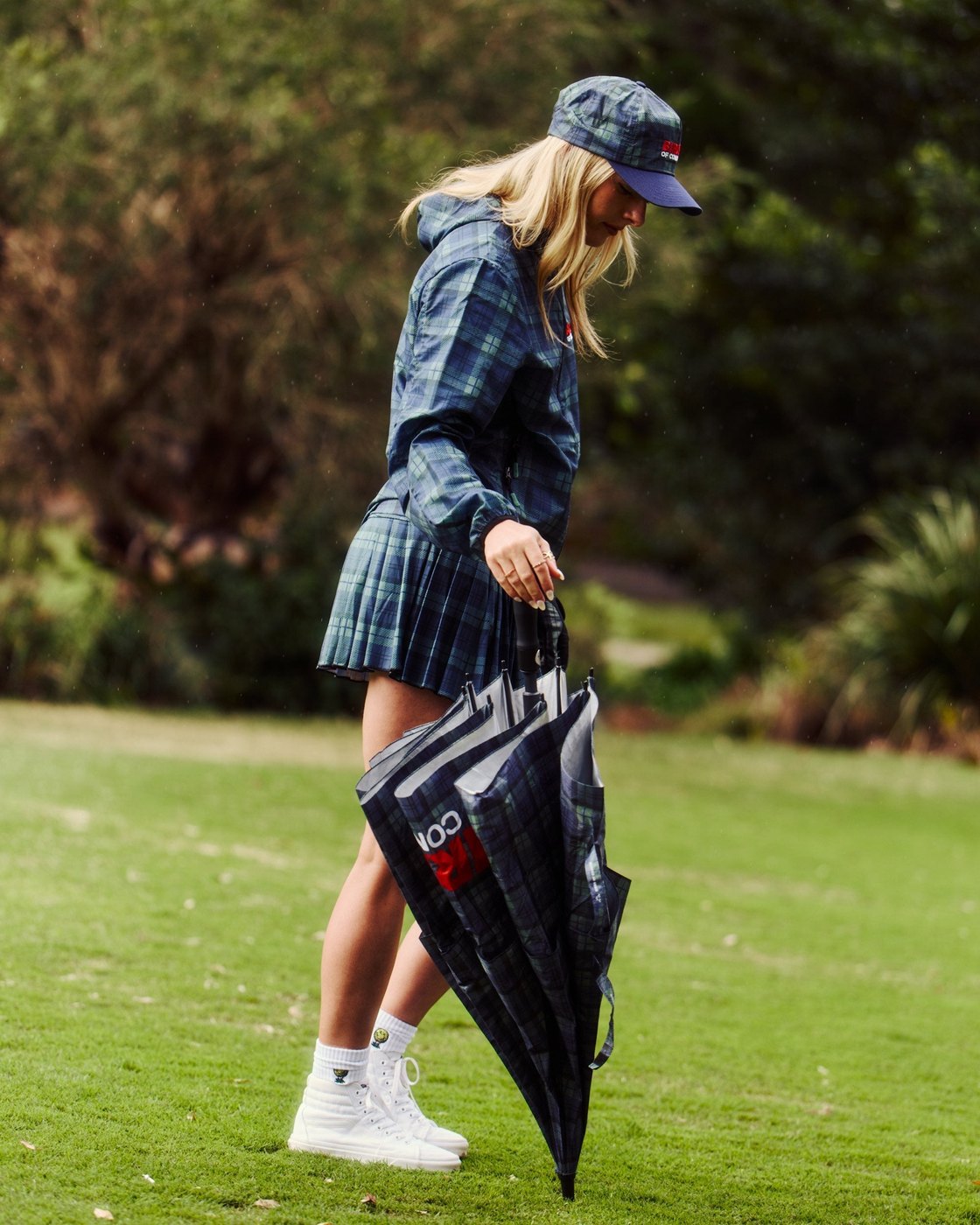
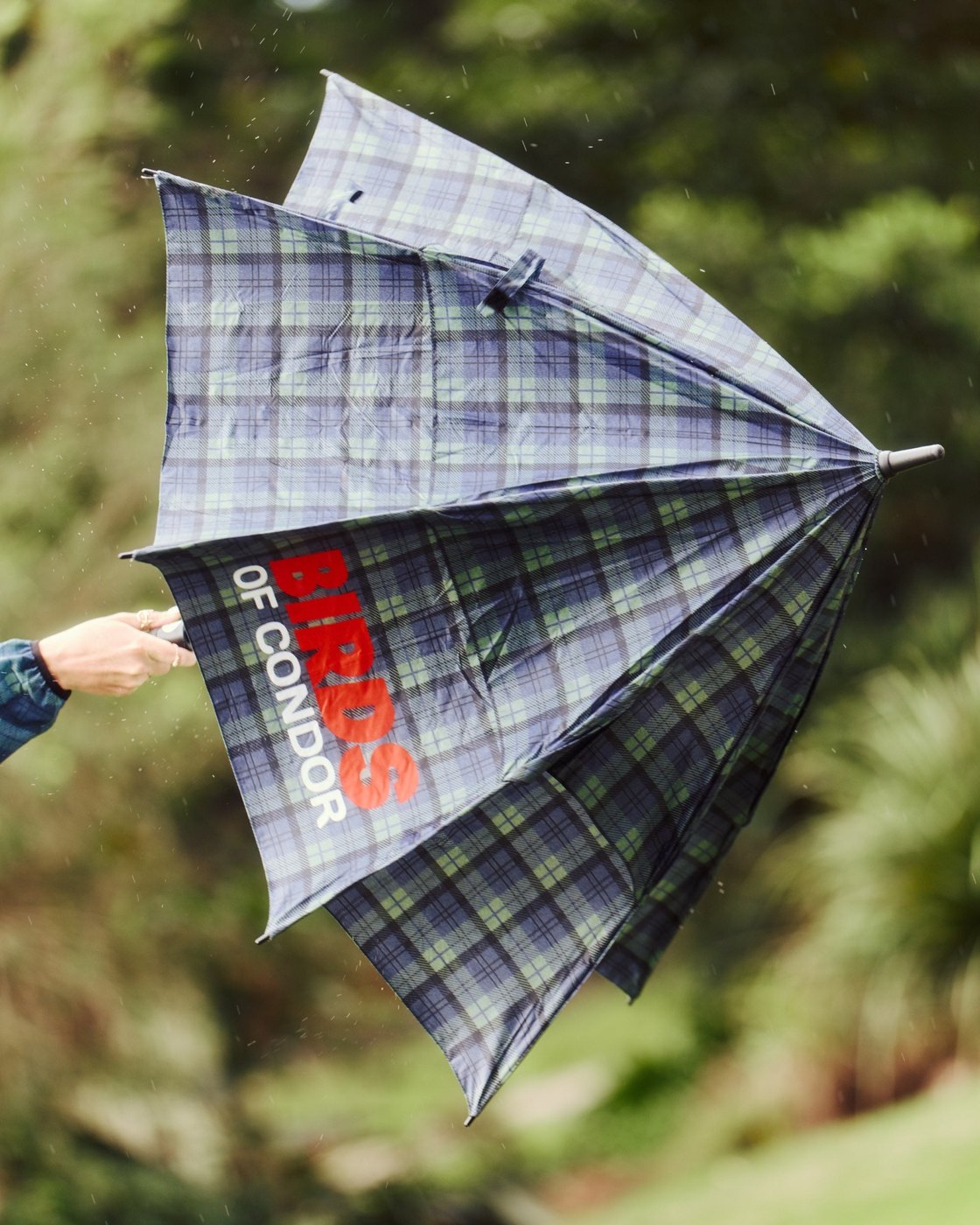
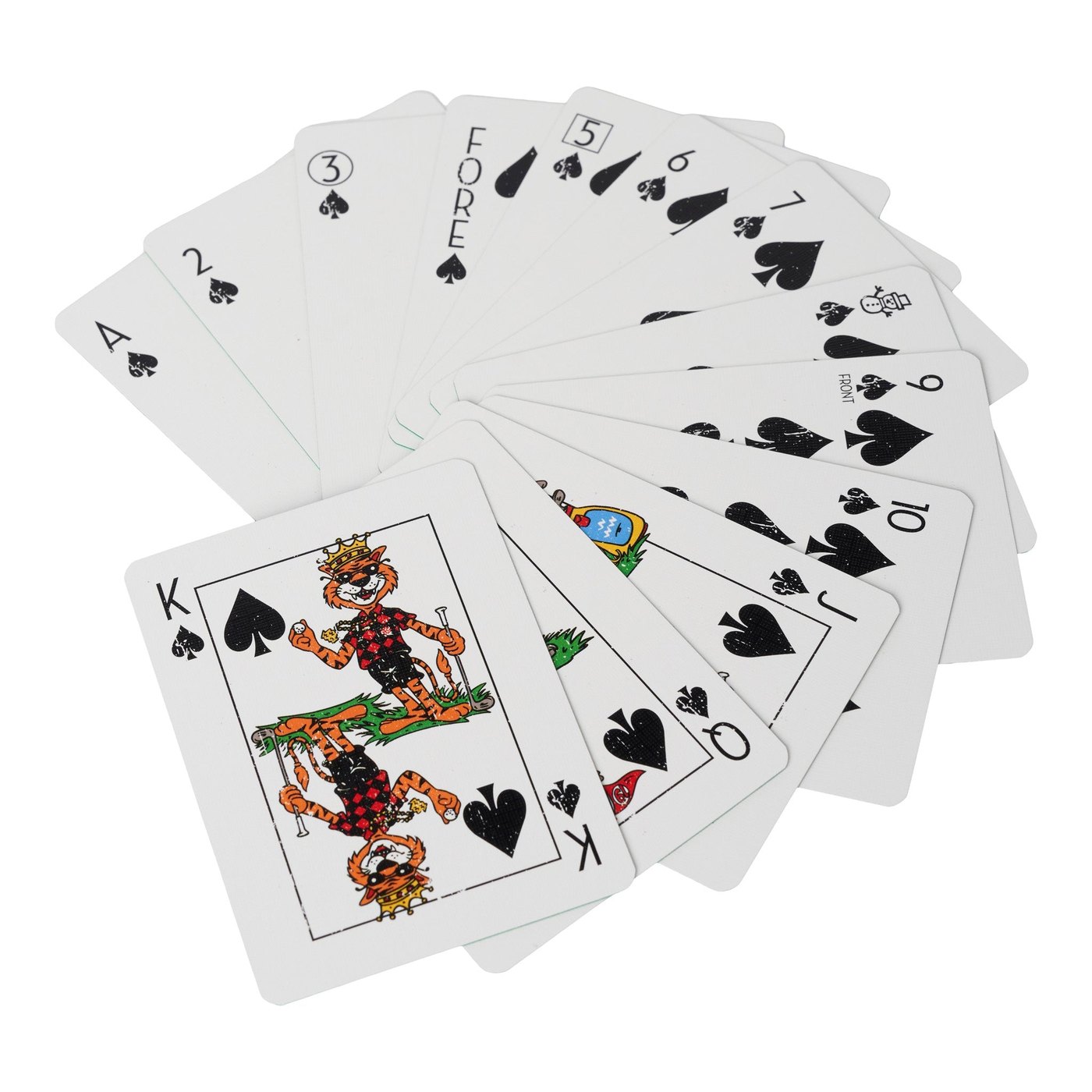
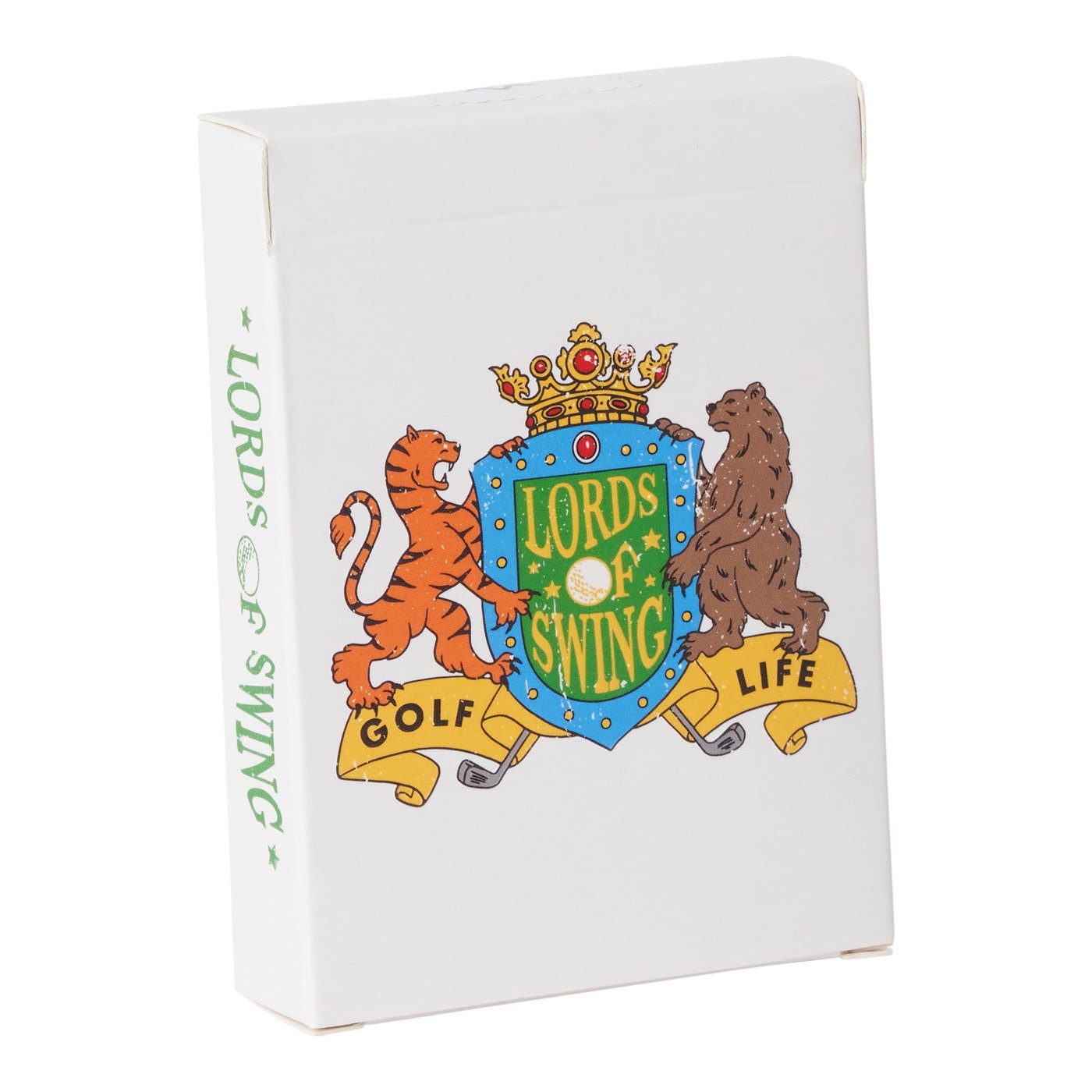
A condor is four under par on a single hole — in practice a hole in one on a par five. It sits above a birdie (one under), an eagle (two under) and an albatross (three under), and it is also called a triple eagle. Birds of Condor takes its name and its logo from it; the mark stacks three W-shaped eagles. The brand describes it on its own About page as the rarest event in golf.
Frankie and Zoe Kimpton, a married couple based in Byron Bay, New South Wales. Frankie is credited as founder and creative director and worked as a booking agent for the Australian music company Mushroom before starting the brand; Zoe is credited as co-founder. The brand dates itself to 2016, from an idea that began in Melbourne around 2013 and 2014, and the first drop was ten hats.
The brand does not say. It publishes no country of manufacture, no factory and no supplier information anywhere on its site. What it does publish is that the range is designed in Byron Bay, that its accessories meet Oeko-Tex Standard 100, that its headcovers ship in biodegradable packaging, and that the 2022 Coogi capsule used organic cotton and recycled polyester. Anyone telling you where the hats are sewn is guessing.
Yes. There is a separate US storefront at us.birdsofcondor.com priced in US dollars and shipping from a California warehouse, with no import duty and free shipping over $75. It carries the hats, apparel and headcovers but not the air fresheners, koozies, Hat Caddy or surfboard, which are Australian-store only. In physical retail the brand is carried by DICK'S Sporting Goods, Golf Galaxy and PGA TOUR Superstore.
The two that matter are COOGI, the Australian knitwear house whose sweaters Biggie Smalls wore, which produced an eleven-piece capsule in July 2022; and Lyle & Scott, the Scottish label founded in 1874, whose two-part “Friends of a Feather” drop landed in 2024 with a new winged-golf-ball character by tattoo artist Dan Coy. Both are still buyable. There is also a merchandise line sold through LIV Golf's own shop, and a “Grow the Game” collection with Ugandan golfer Kawuki “Roger” Sali whose proceeds went to a junior programme in Entebbe.
The Tokyo Country Club snapback. The brand's own store sorts Tokyo and Osaka Country Club hats into all eleven of the top bestseller positions, and its listing copy for newer versions describes them as evolutions of its best-selling hats. Tokyo Country Club is thirteen products deep and Osaka fifteen — the two deepest single-motif families it sells. Neither club exists.