Golf is the only sport whose scoring language is entirely ornithological. A birdie, an eagle, an albatross, and in the fever dreams of people who have never made one, a condor. The words arrived by accident — American slang around 1900, where a “bird” was anything excellent — and the game has been quietly committed to them ever since. What is odd is how rarely that vocabulary makes it onto the products. For a sport that counts in birds, golf puts remarkably few of them on anything.
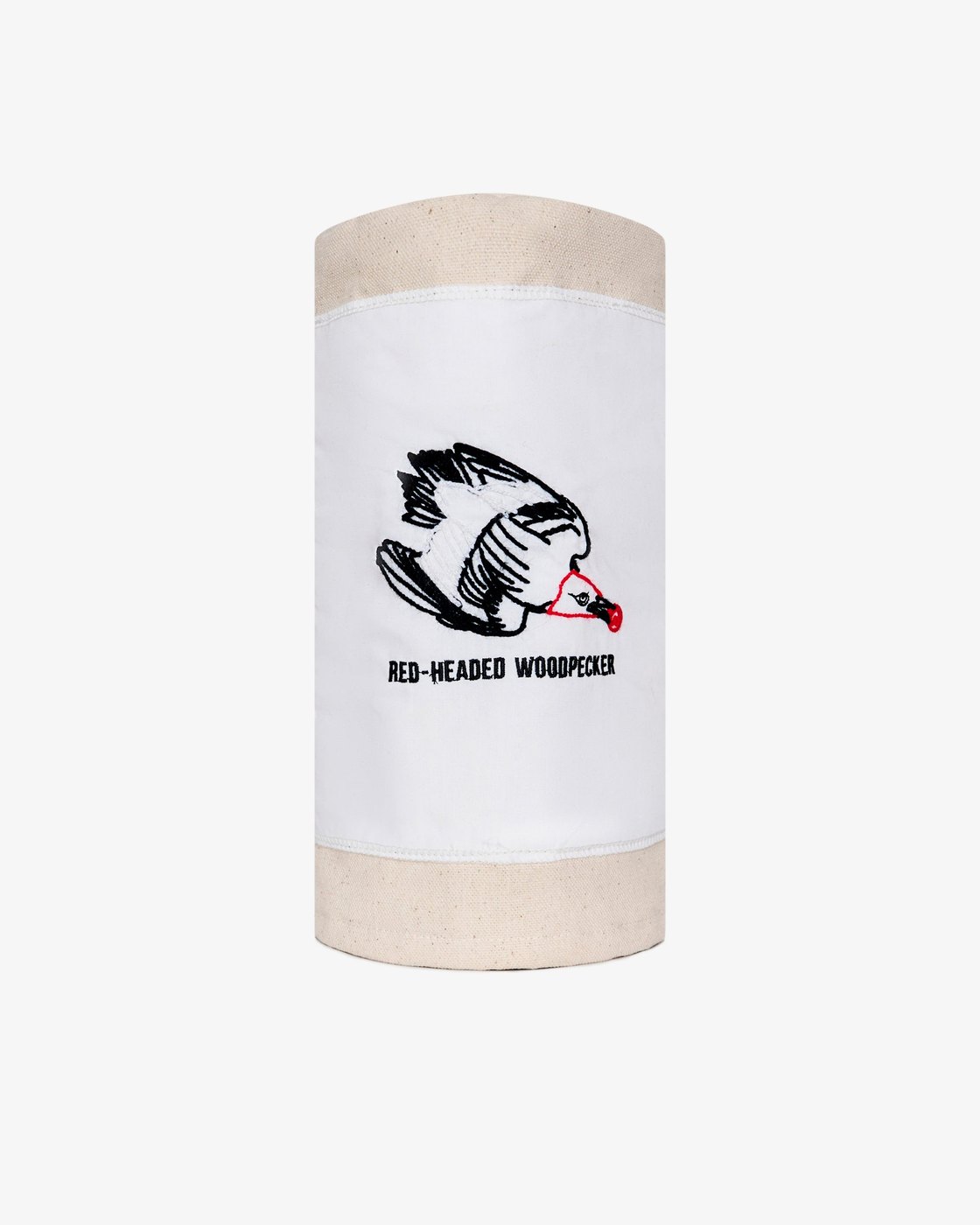
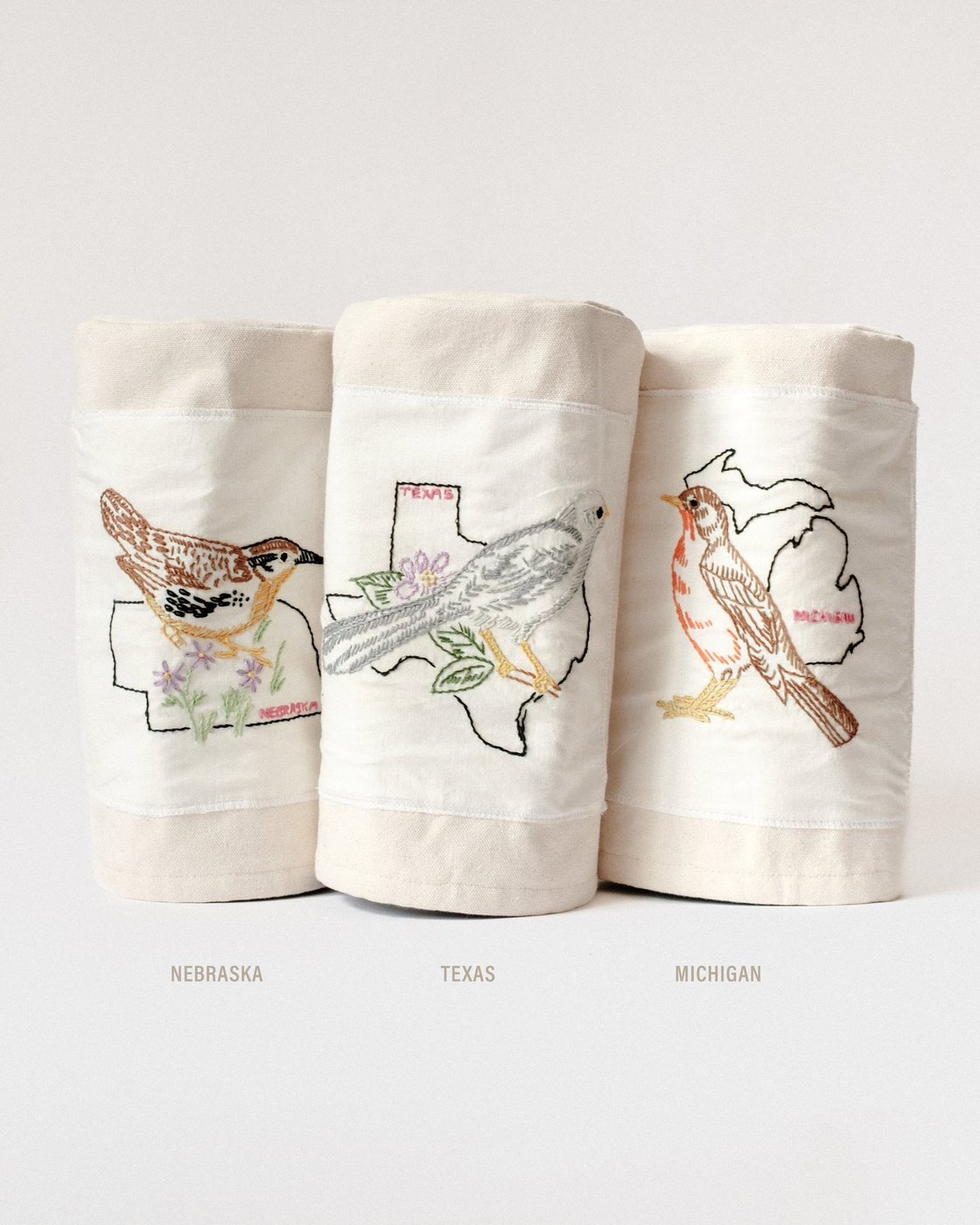
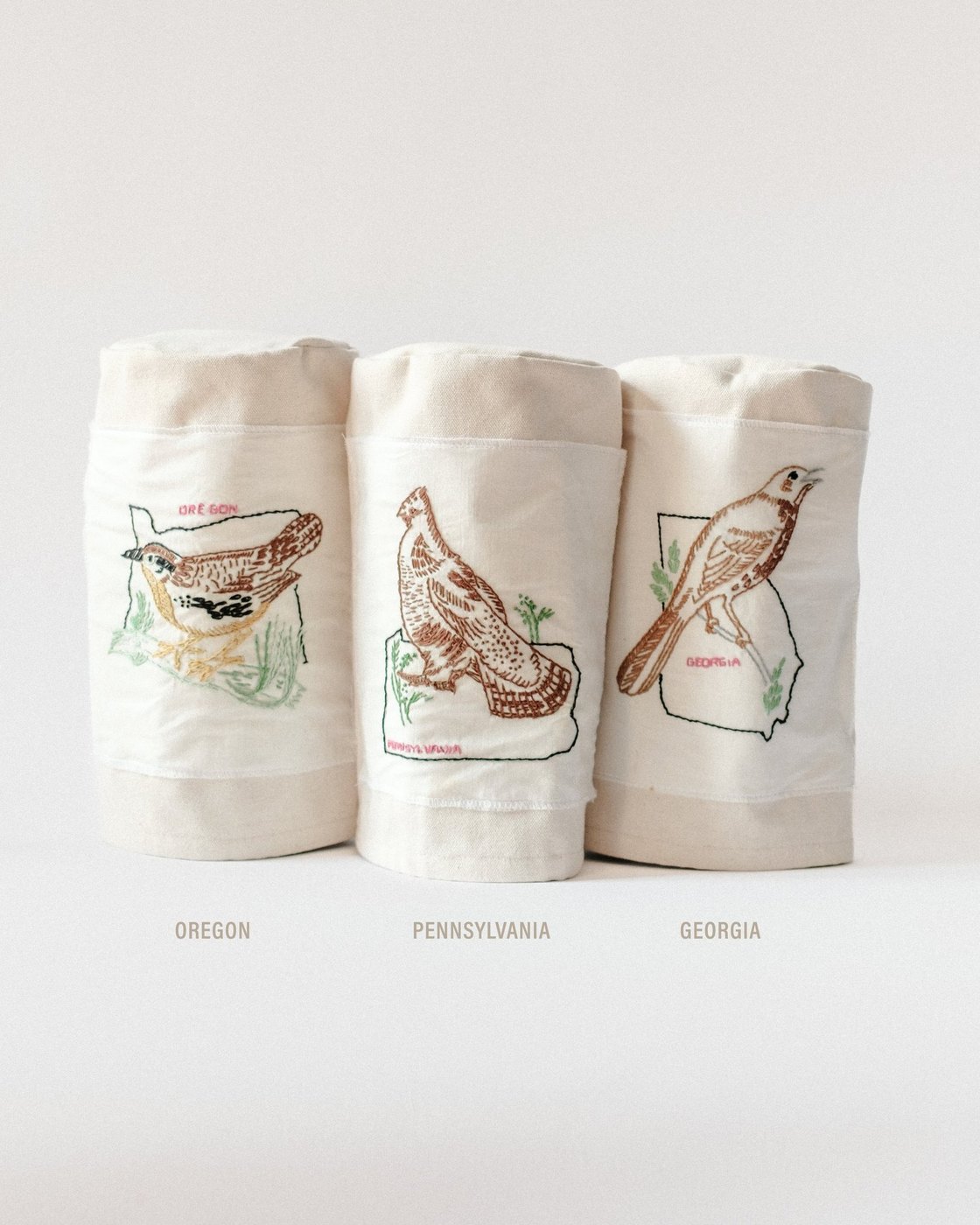
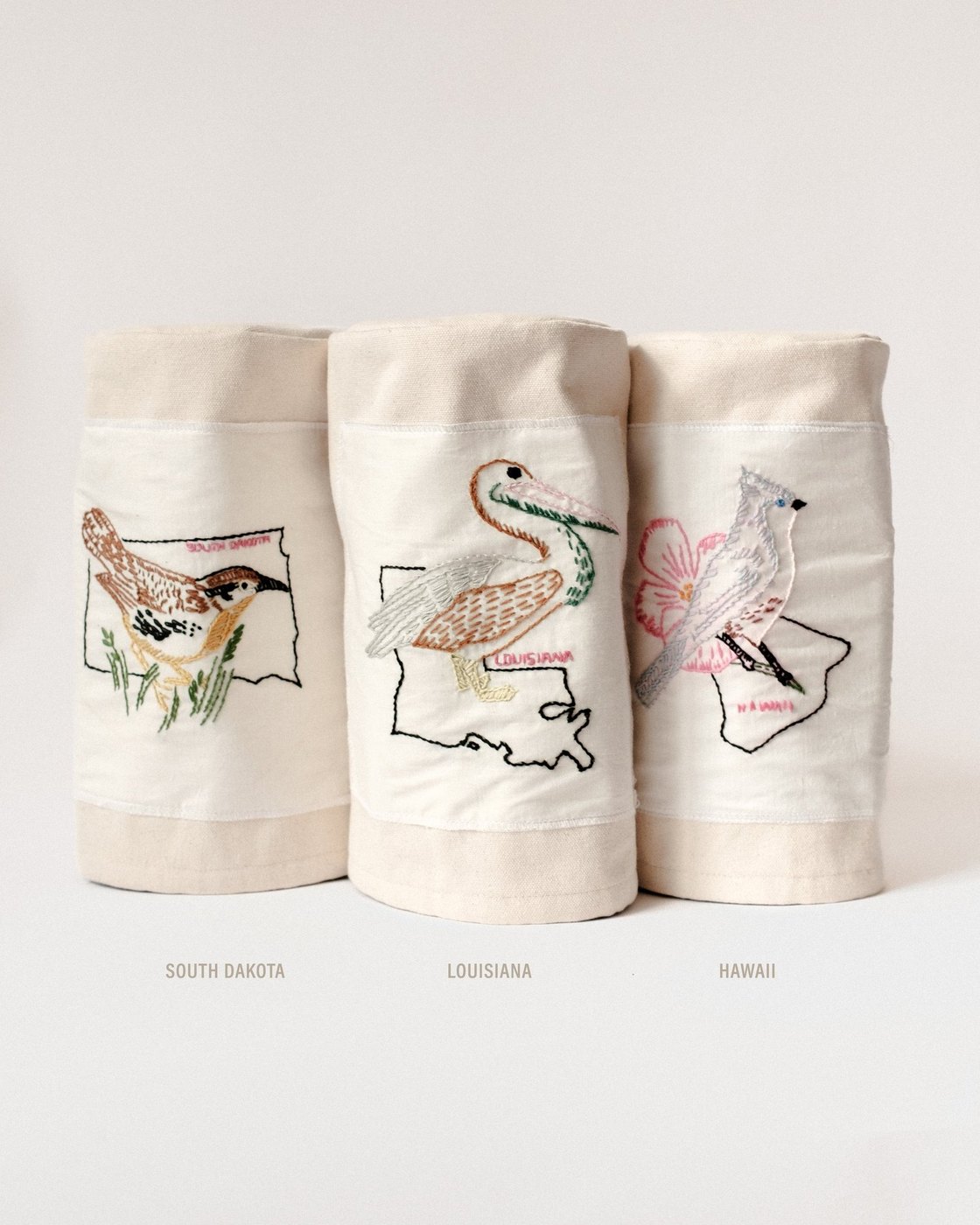
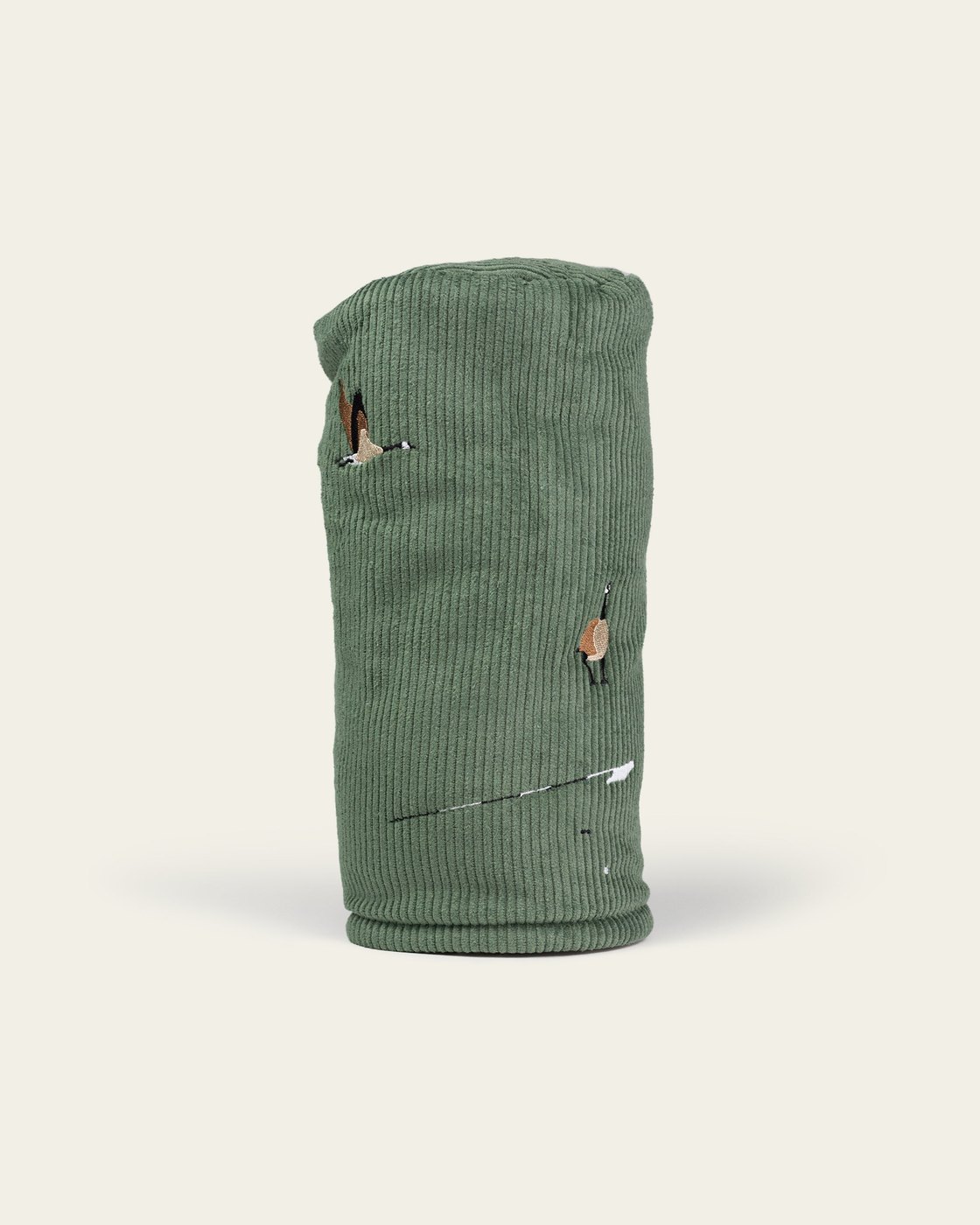
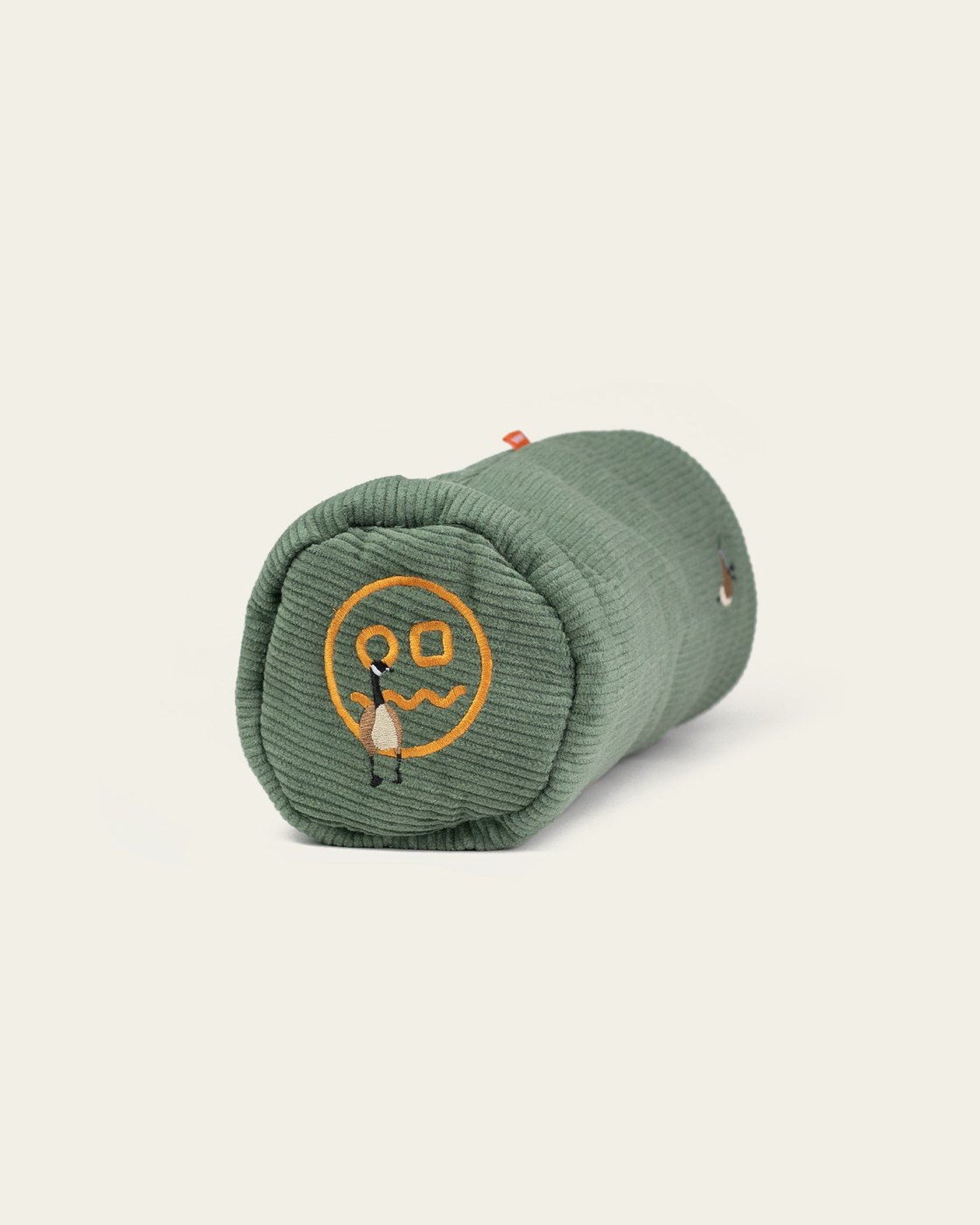
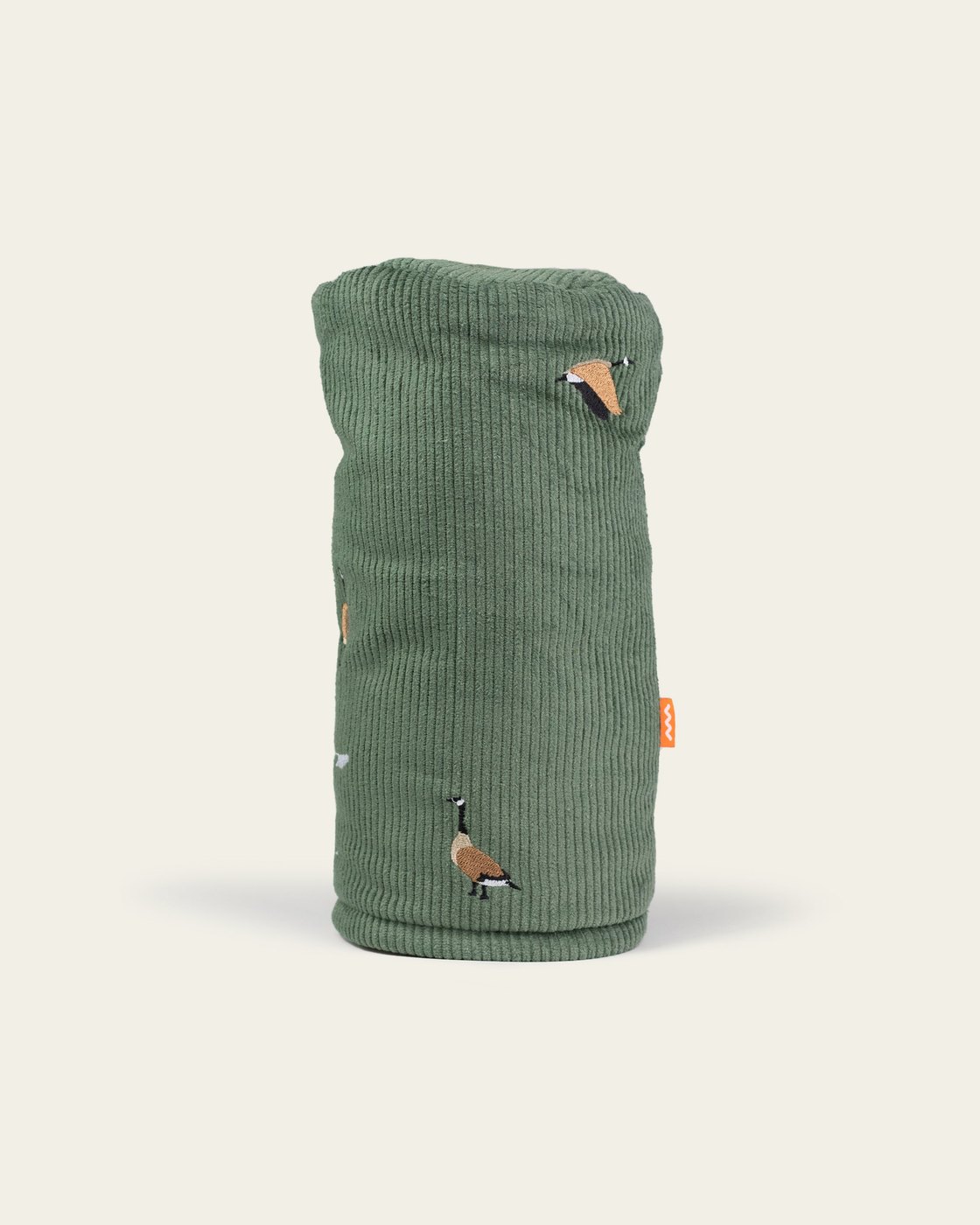
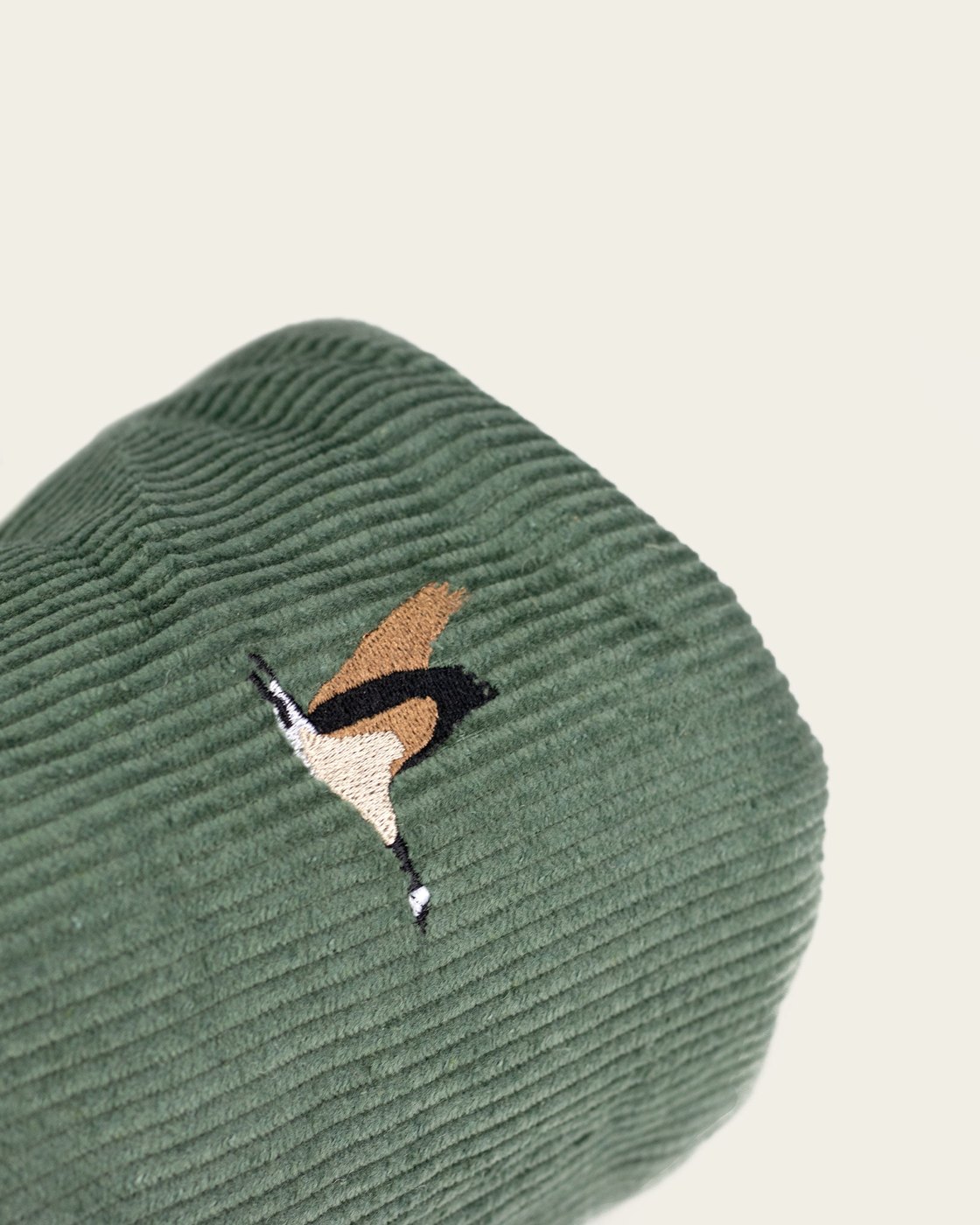
The brands that do bother tend to be the ones with something else going on. Gumtree Golf & Nature Club treats natural history as the entire premise and sells bird calls next to headcovers. Clint Orms has been engraving sterling in Kerrville, Texas for decades and puts a quail on a ball marker the way he would put one on a belt buckle. Radry embroiders Canada geese across corduroy and then declines to mention it in the product description. In each case the bird is not decoration bolted onto golf; it is the thing the brand already cared about, pointed at a golf object.
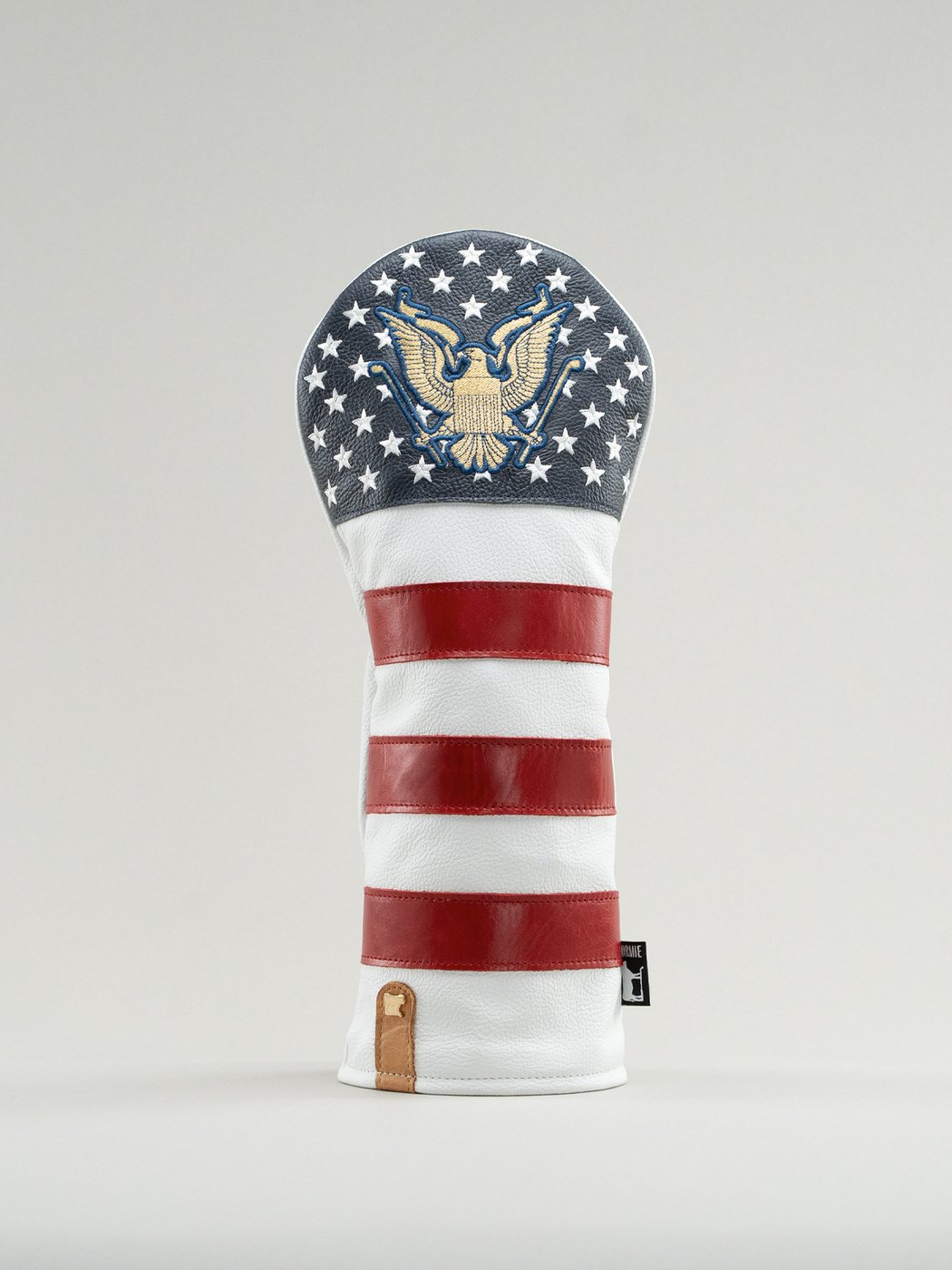
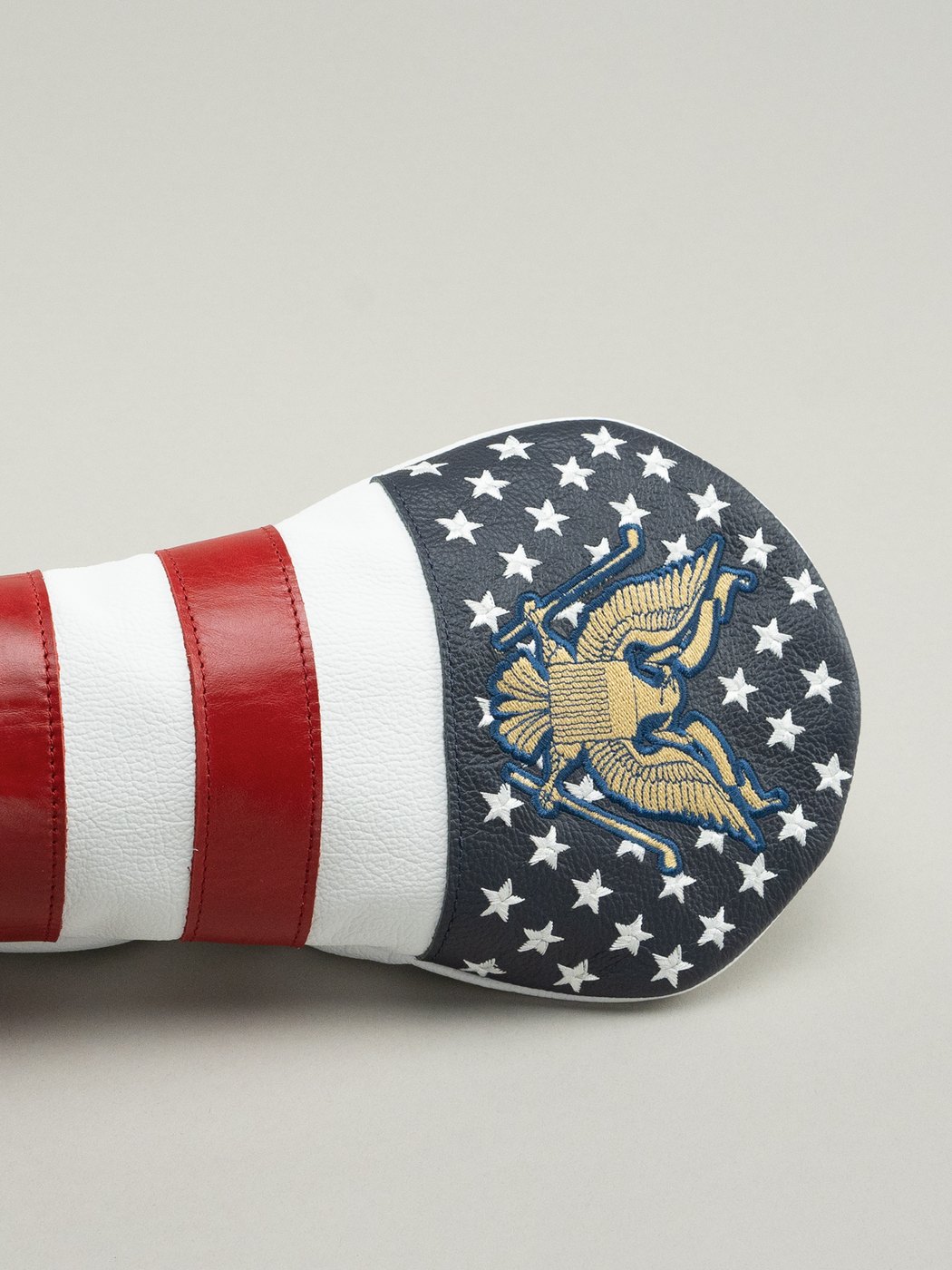
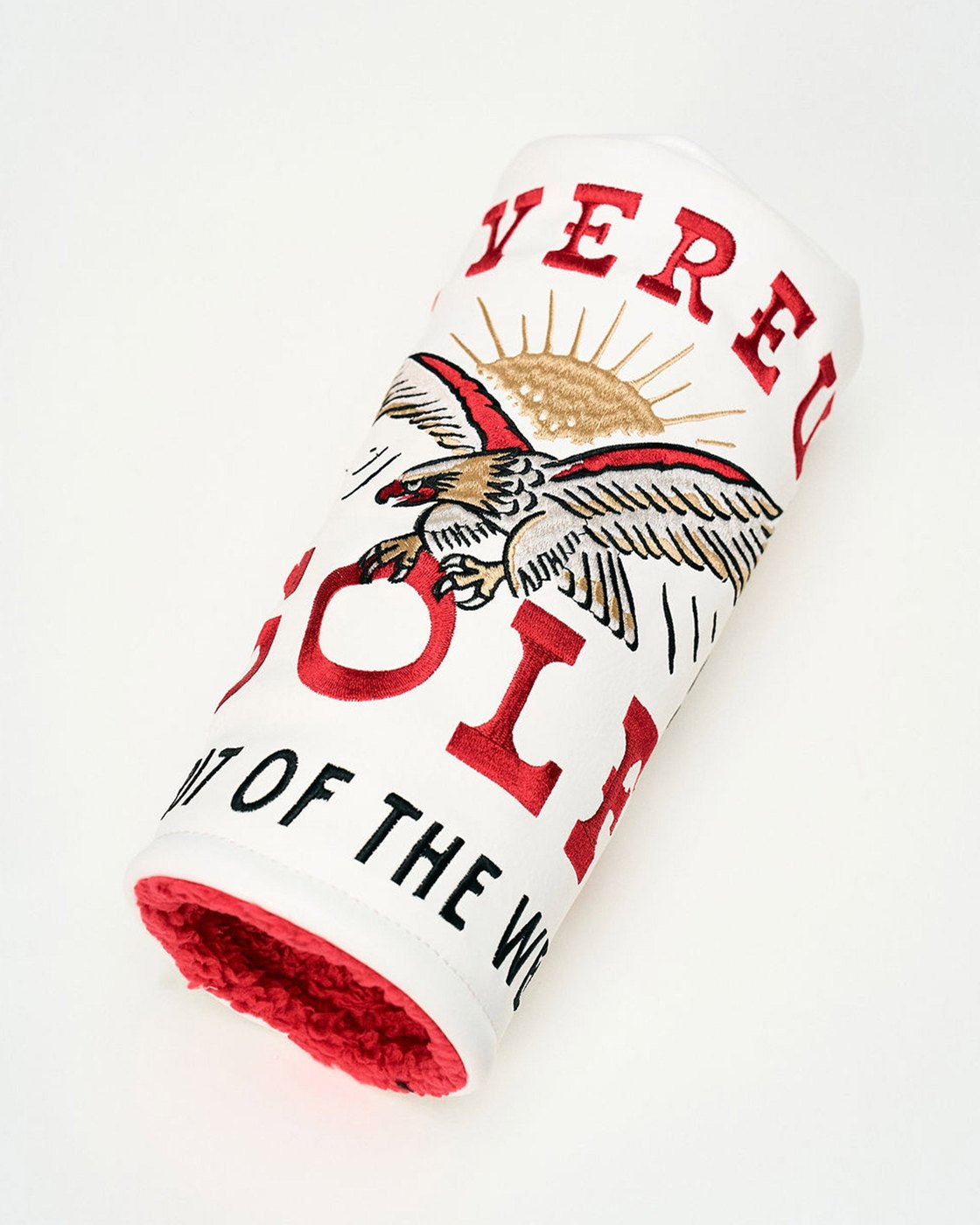
Two design problems come up over and over. The first is the eagle, which in American hands stops being a bird within about a second and becomes a flag — the pieces that survive it go somewhere specific, into heraldry or tattoo flash or western folk art, rather than reaching for the default. The second is scale. A bird rendered large is a mascot; a bird rendered small is a pattern. Almost everything good here is small.
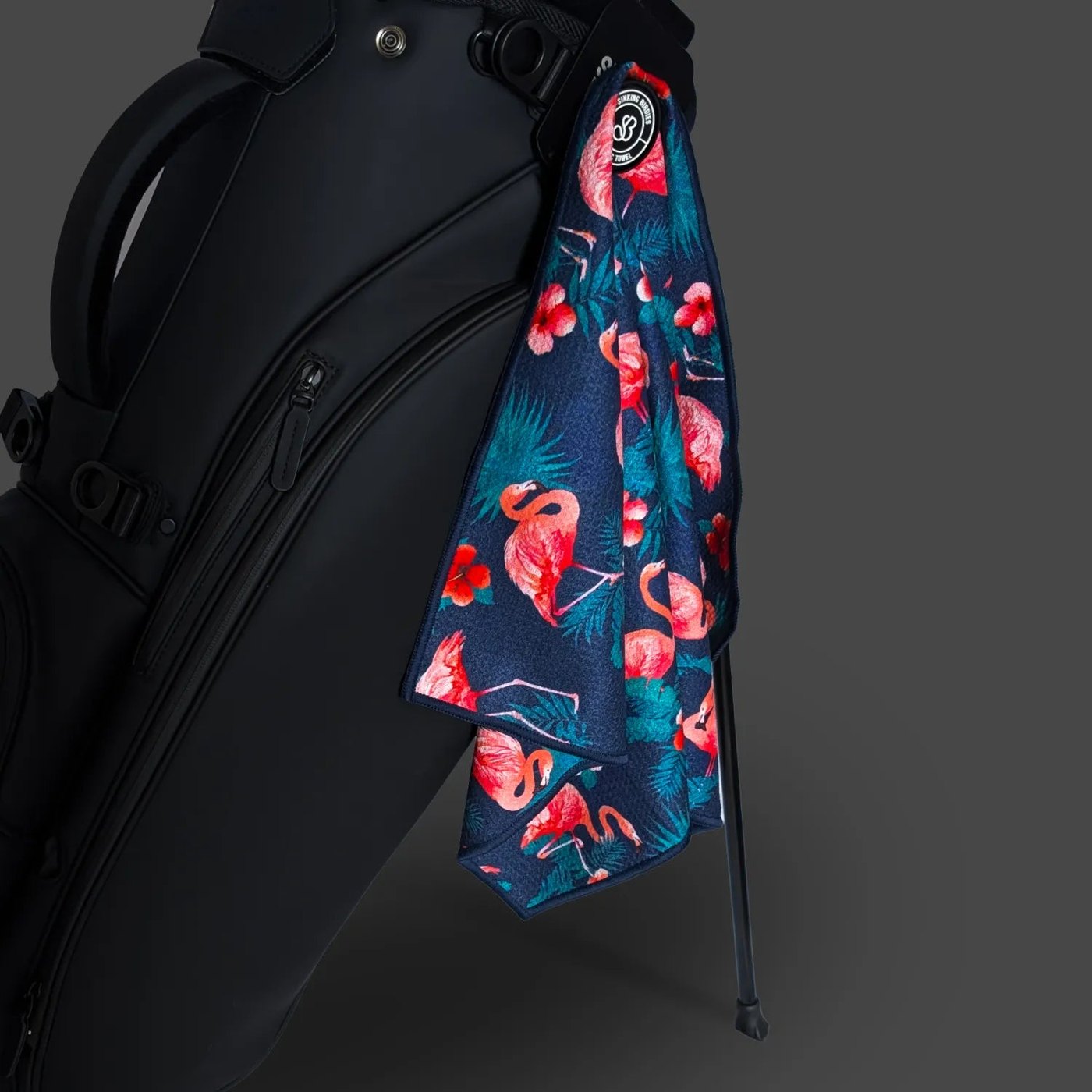
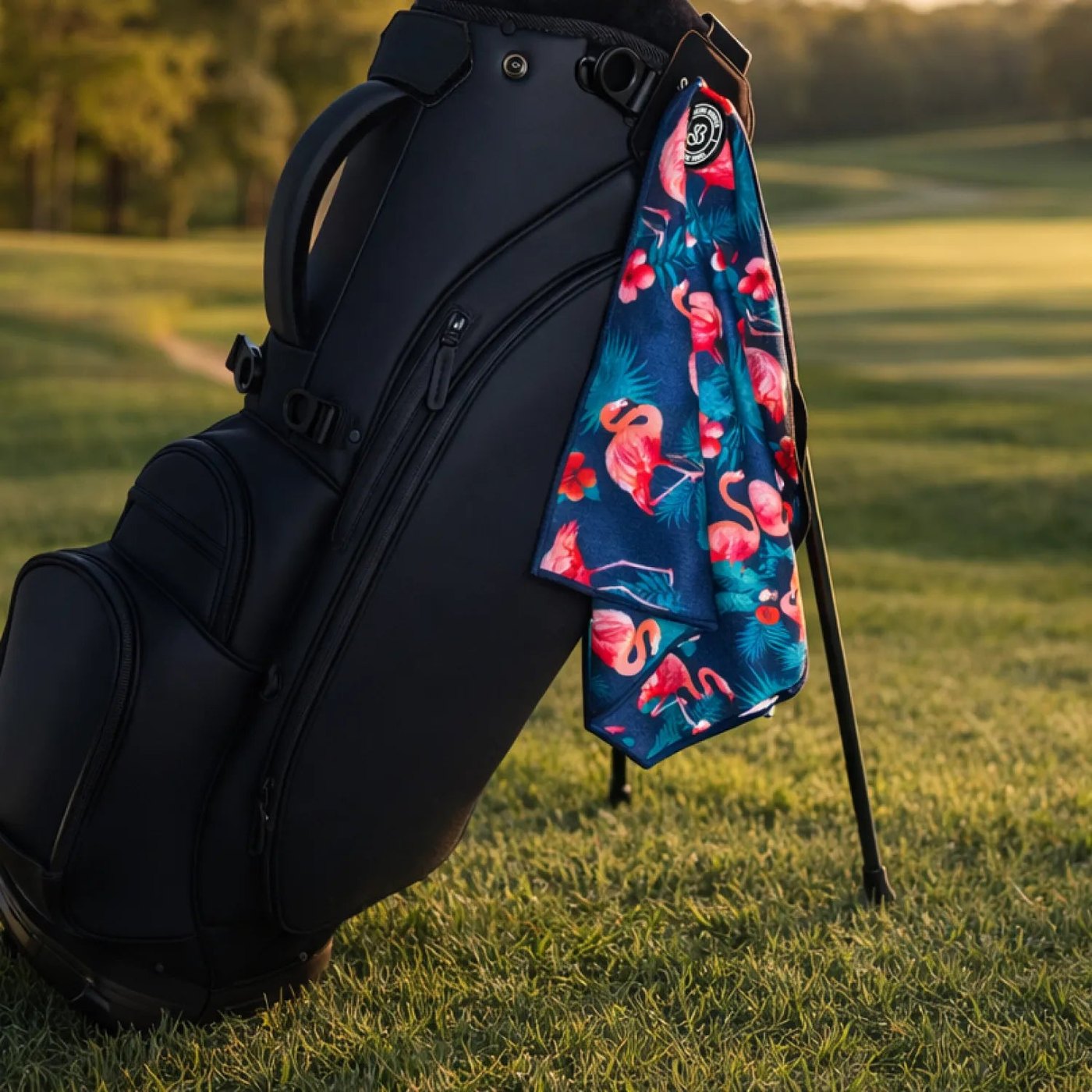
And then there is the funniest thing the research turned up, which is how many golf brands are named after a bird and have never once put a bird on a product. Jones built a line around its famous “birdie patch,” and the patch is a badminton shuttlecock. Sinking Birdies sells a Birdie Train range whose logo is a locomotive. Fyfe Golf names its cloths Black Grouse, Fulmar and Peregrine, writes copy about seabirds drifting above the Atlantic coastline, and then delivers plain gray herringbone every time. Seamus carries no bird at all across roughly 290 products, and their house animal is a goat. Eastside's “Birdie Camo” is duck camo. Rhoback's Birdie Stripe is a stripe. The scoring term did all the work, and the animal never turned up.
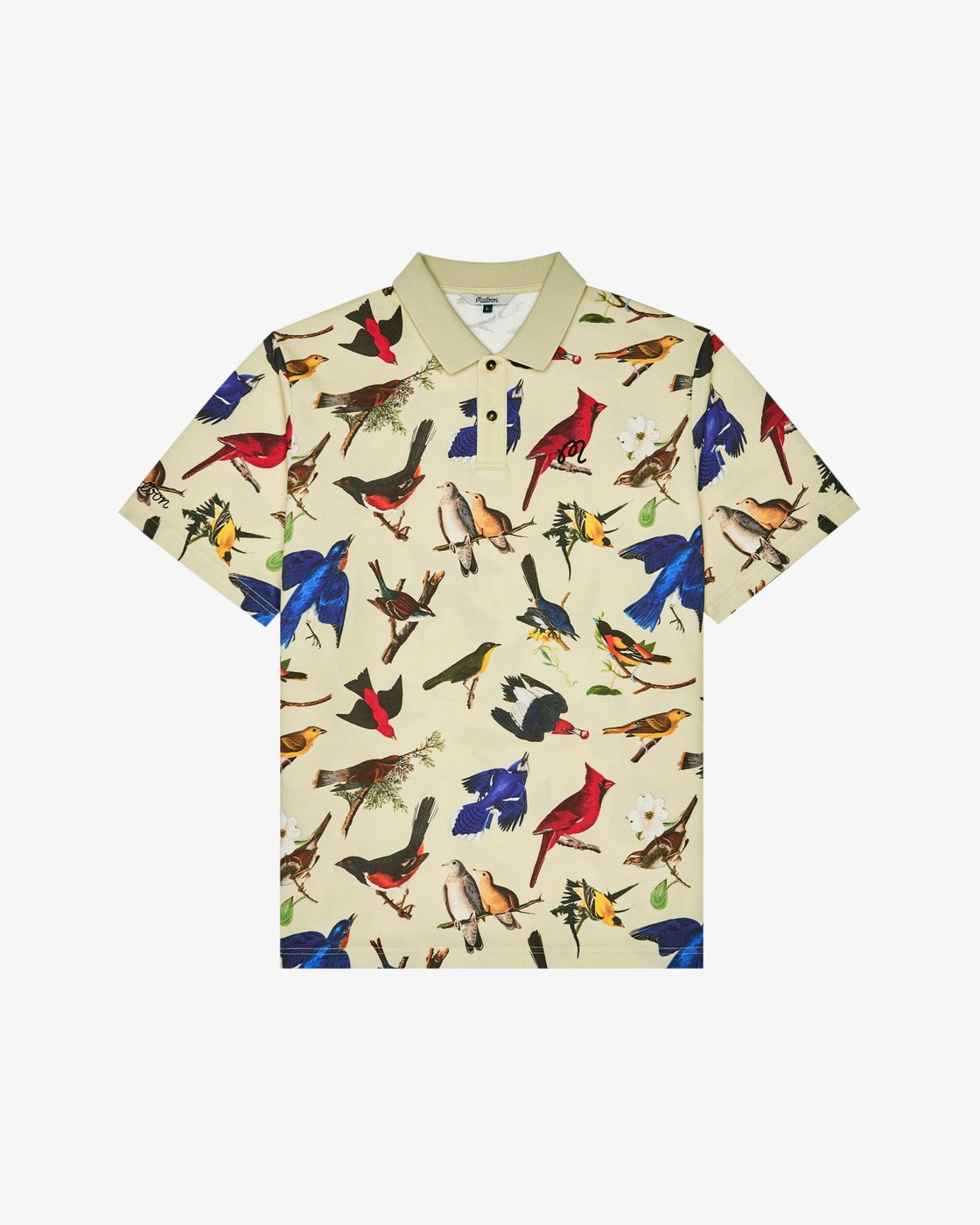
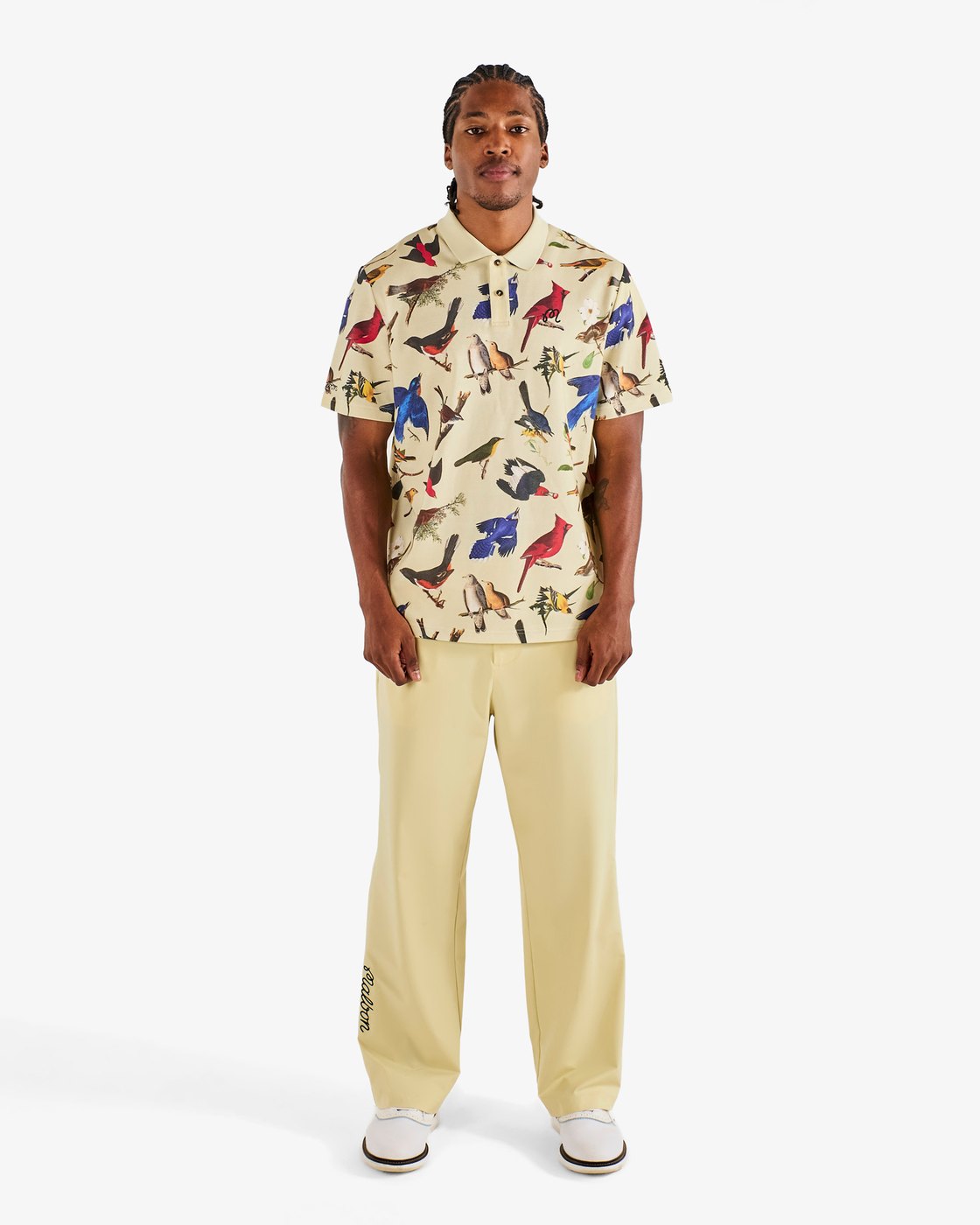
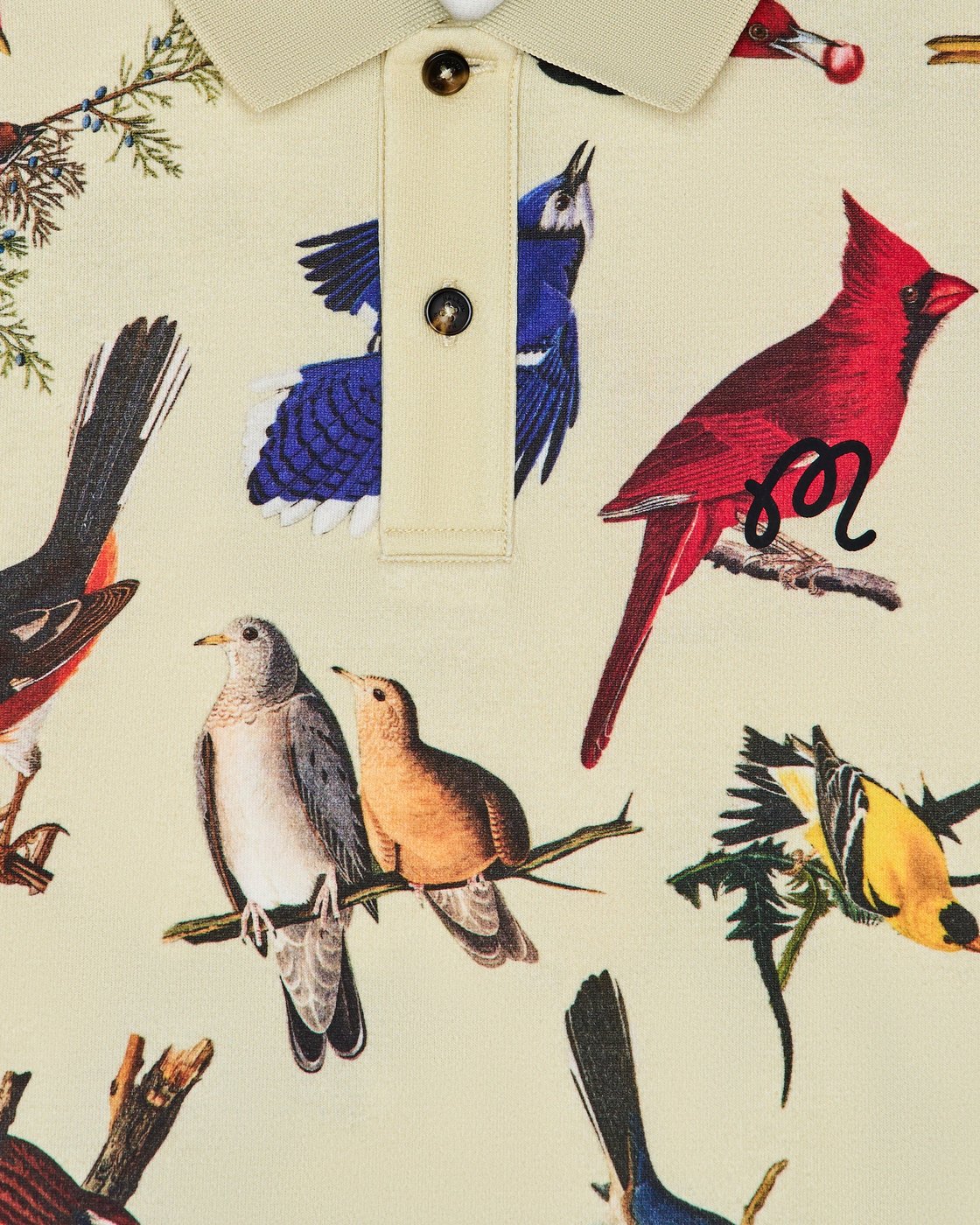
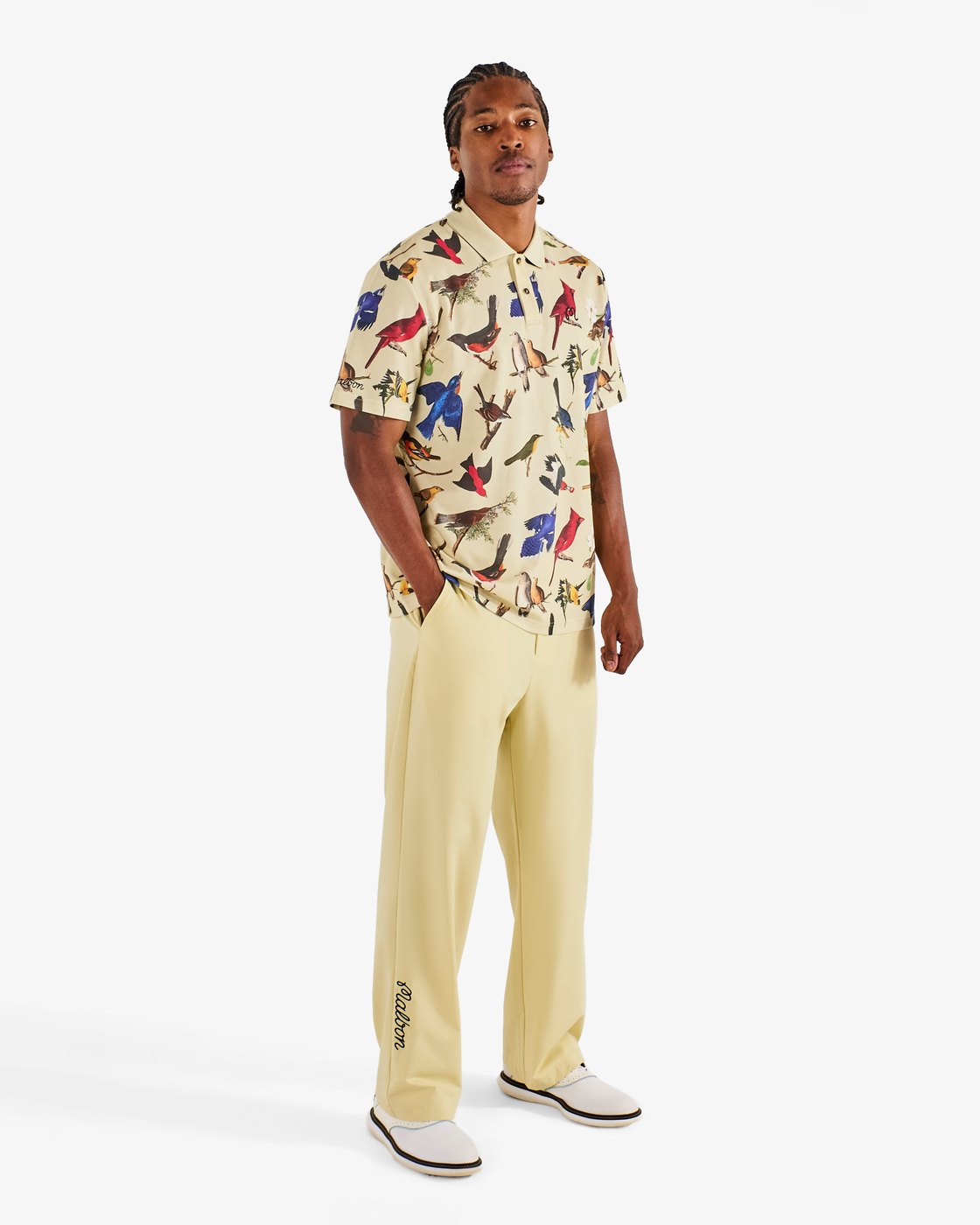
MALBON × GUMTREE AND GUMTREE ALONEThe best bird work in golf right now runs through one small New York label. Gumtree Golf & Nature Club builds its whole identity on field guides and natural history, and when Malbon wanted a Masters capsule it went to them rather than to a print studio. What came back was Audubon plates on golf clothing, which is a stranger and better idea than a logo bird.
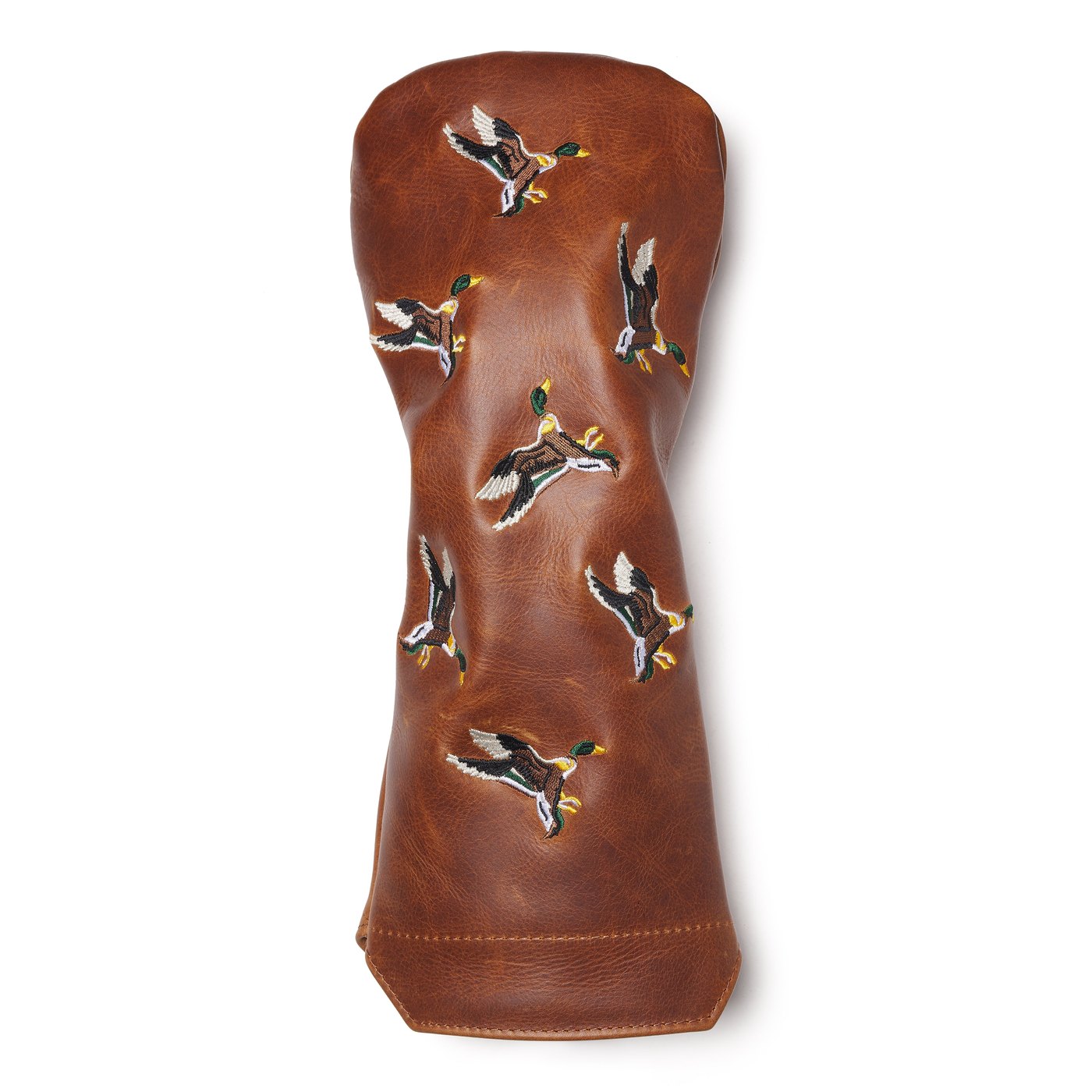
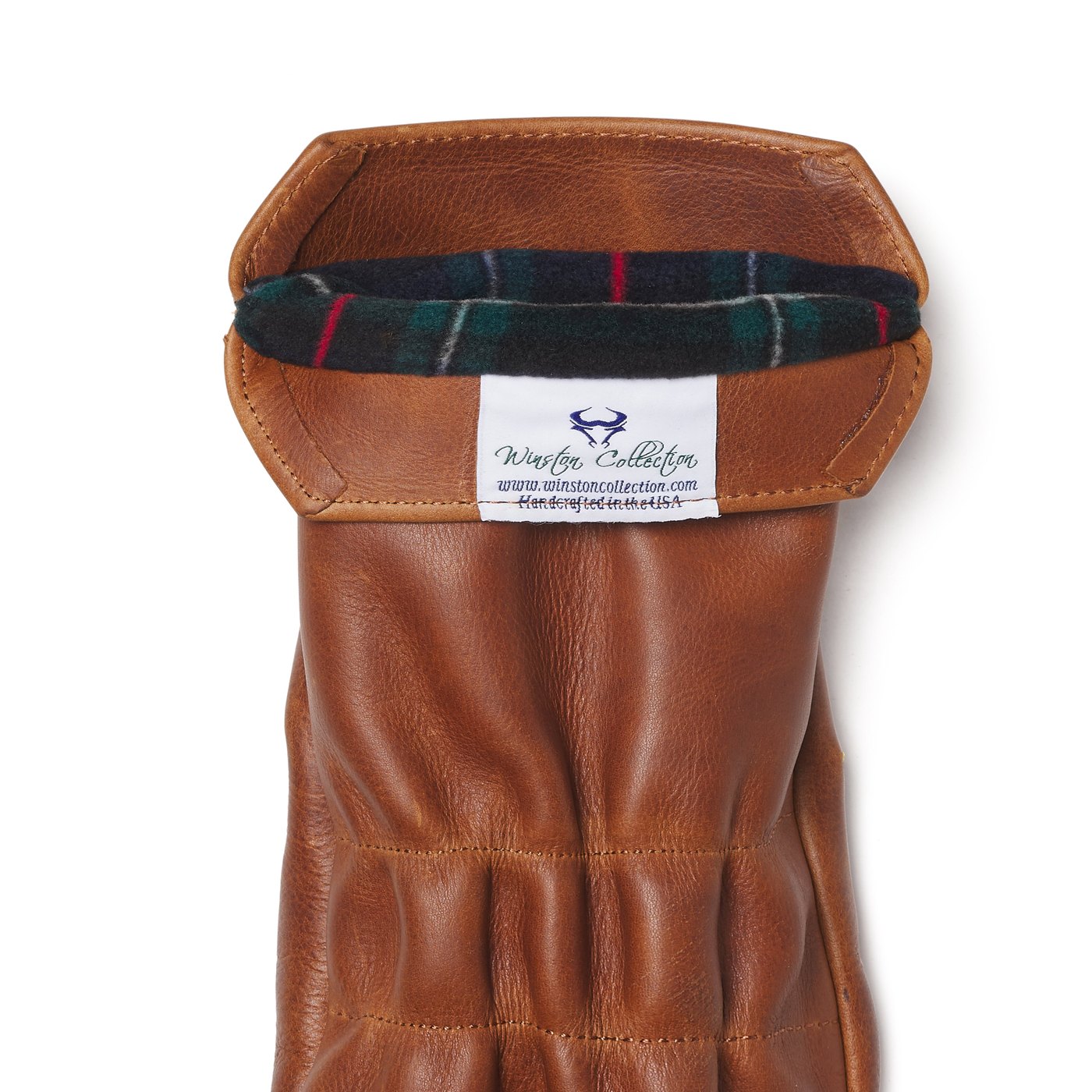
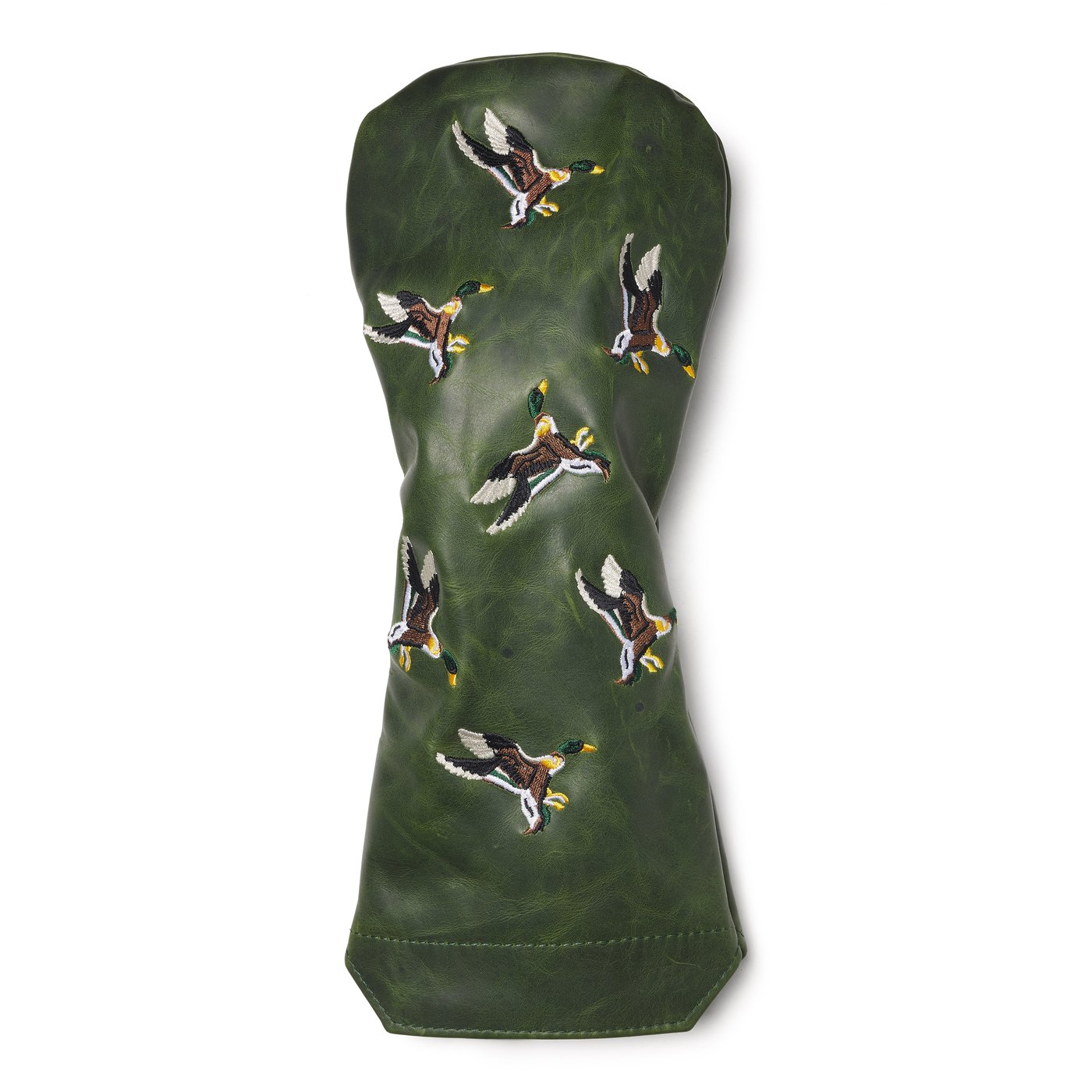
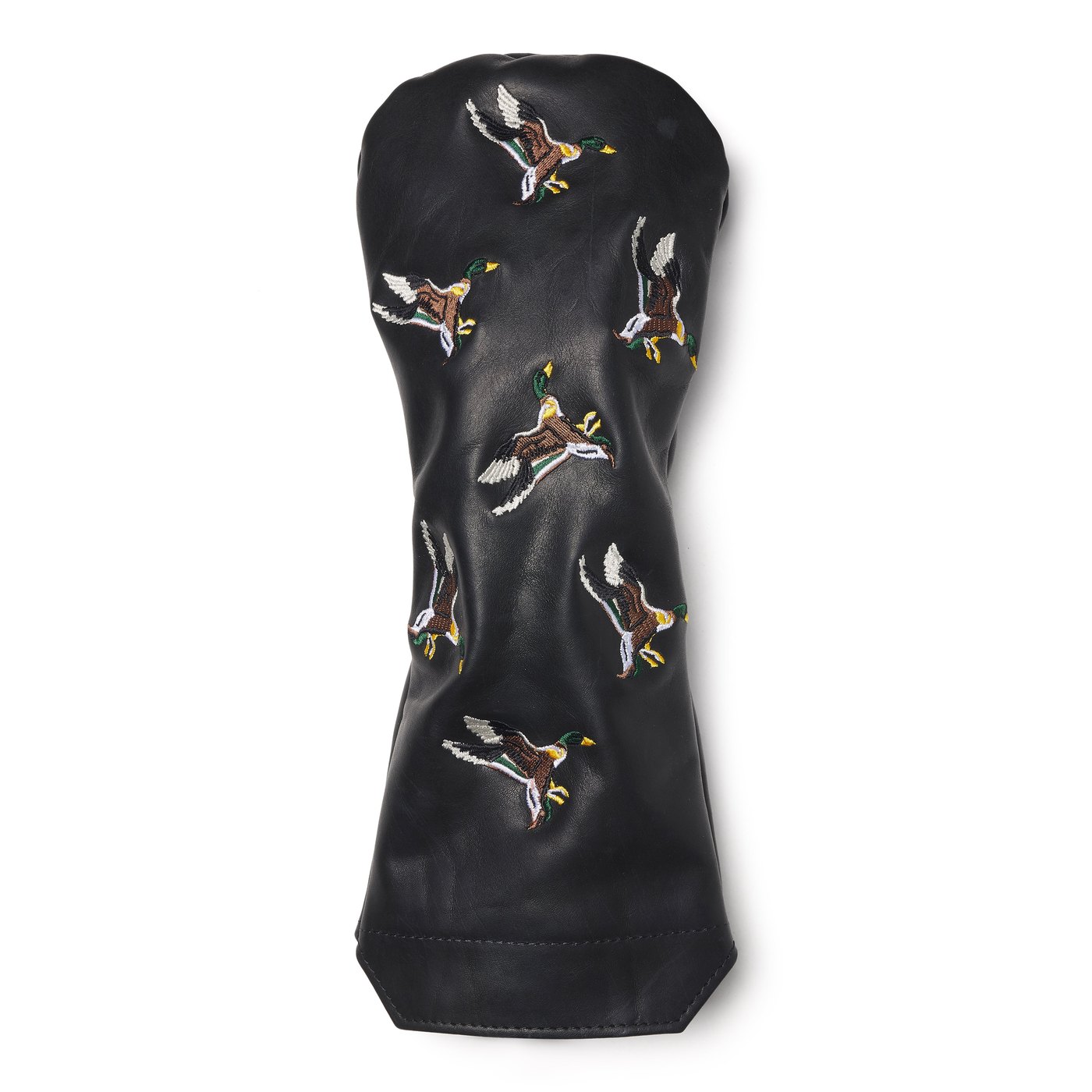
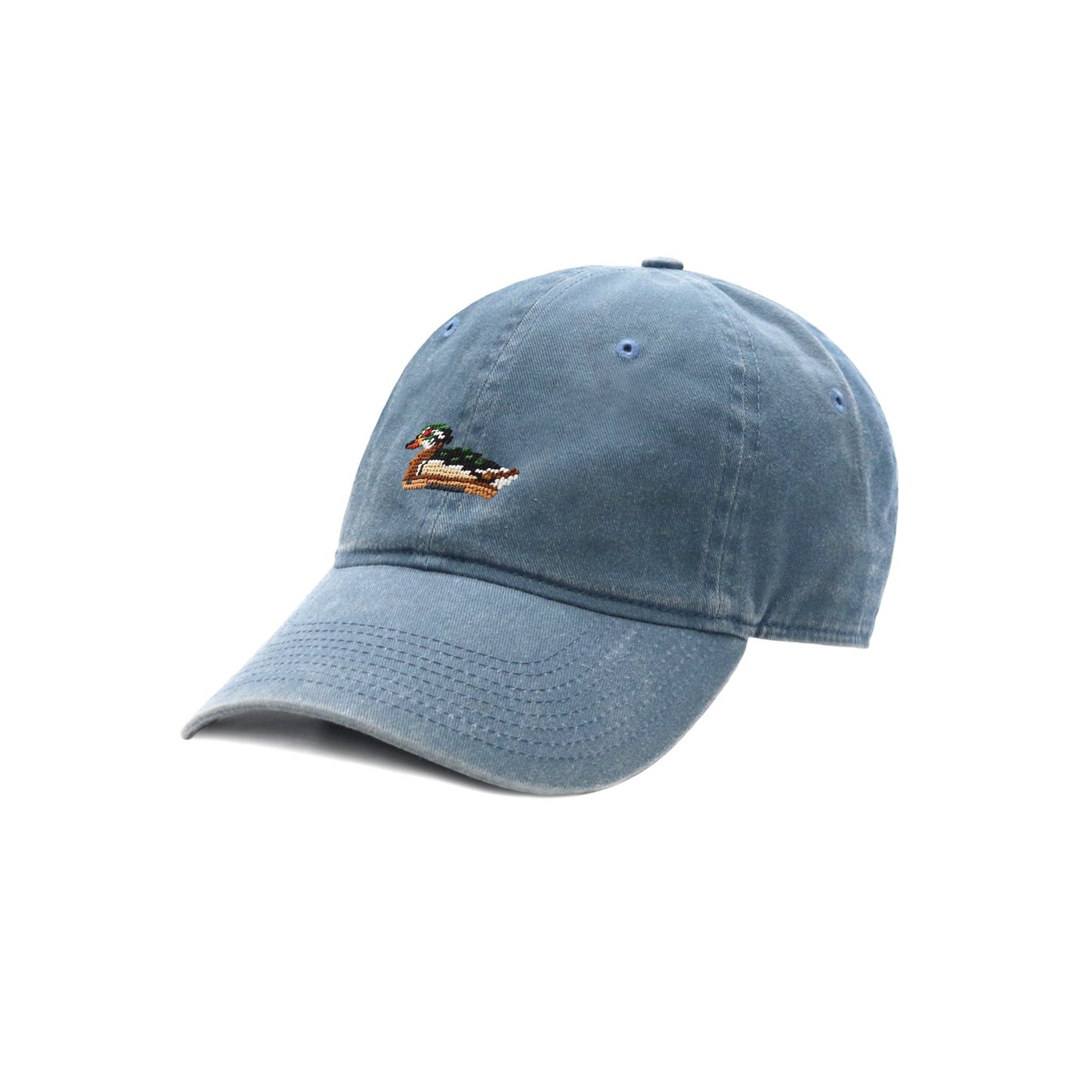
GEESE, MALLARDS AND WOOD DUCKSDuck imagery arrives in golf through the shooting estate rather than through birding, and it brings the whole visual grammar with it: pull-up leather, needlepoint, corduroy, tan and olive and oxblood. These are the pieces that would look at home in a gun room, which is either the appeal or the problem depending on how you feel about that.
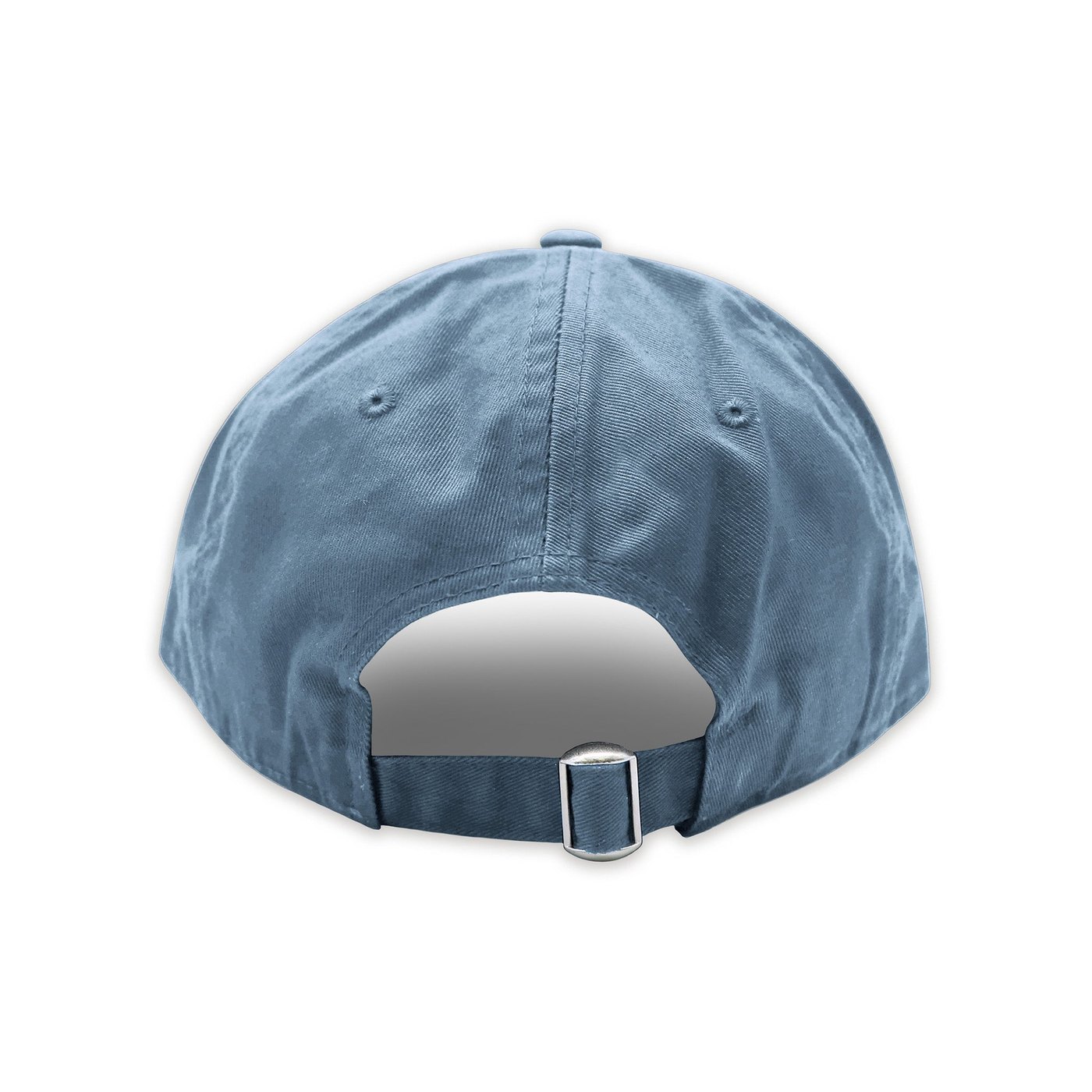
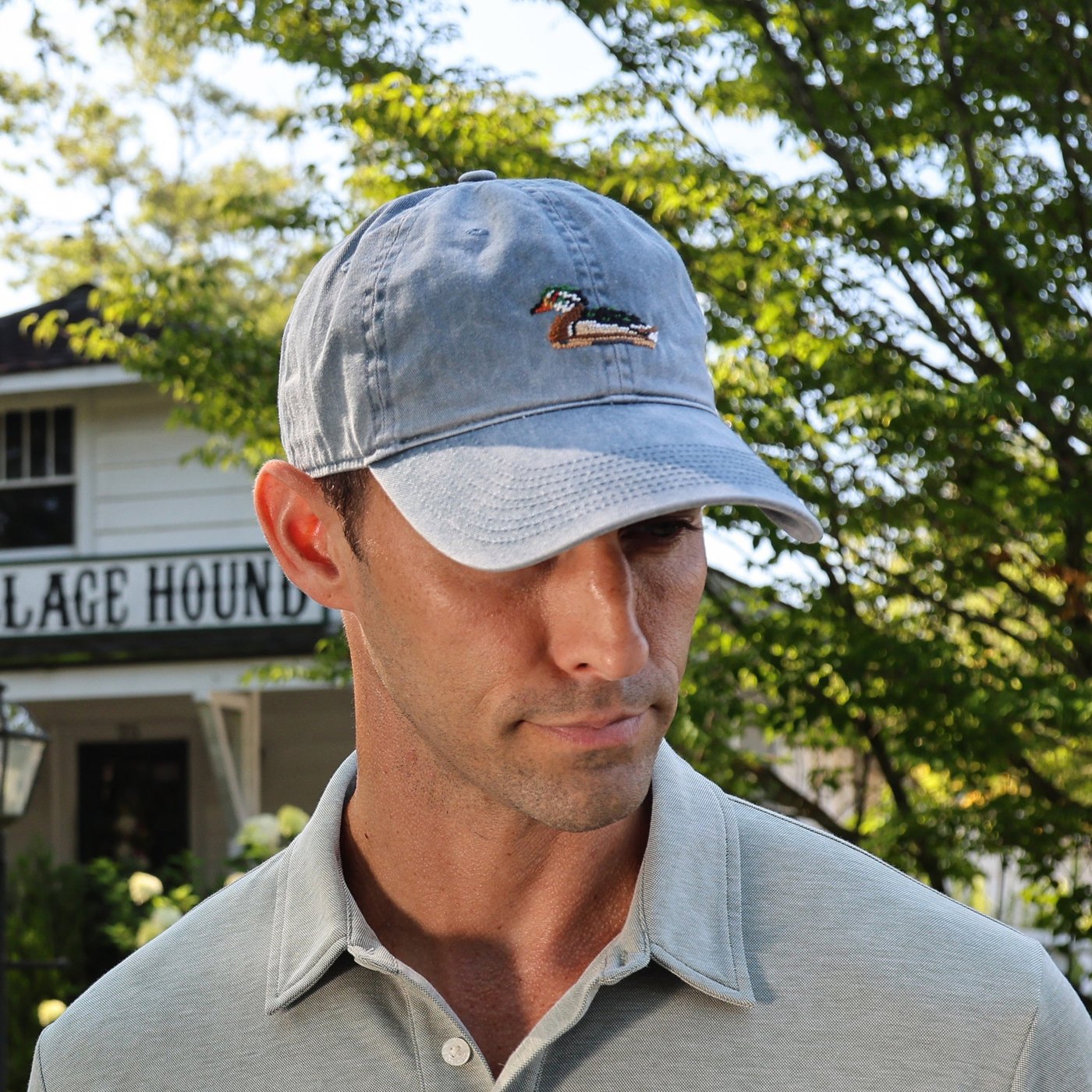
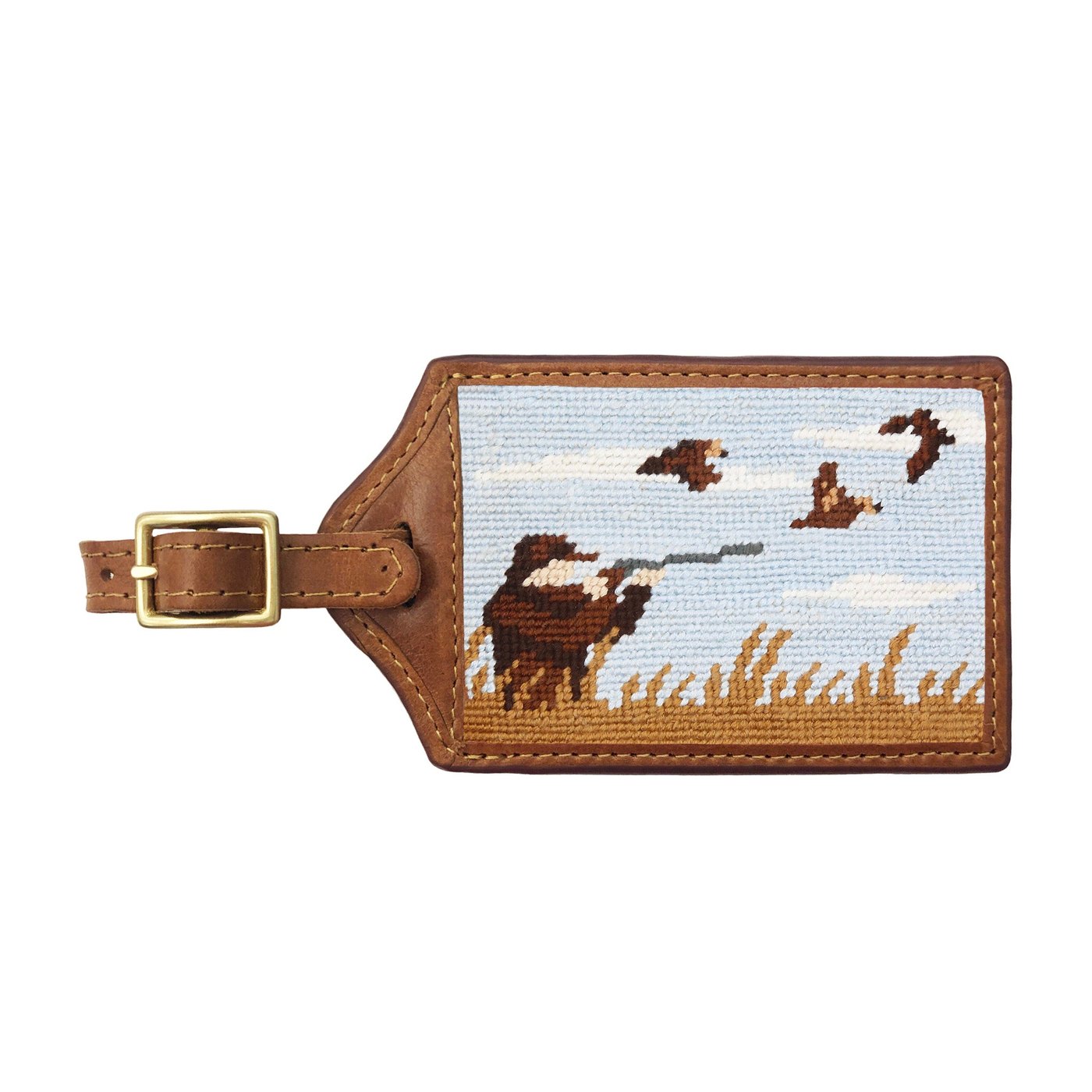
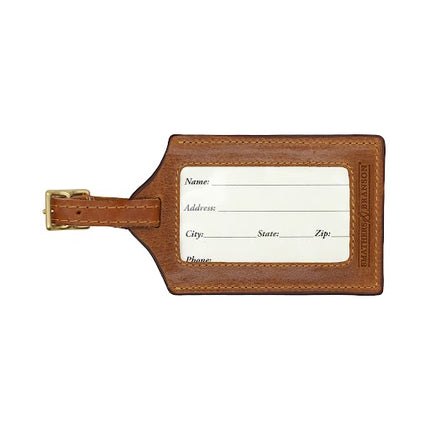
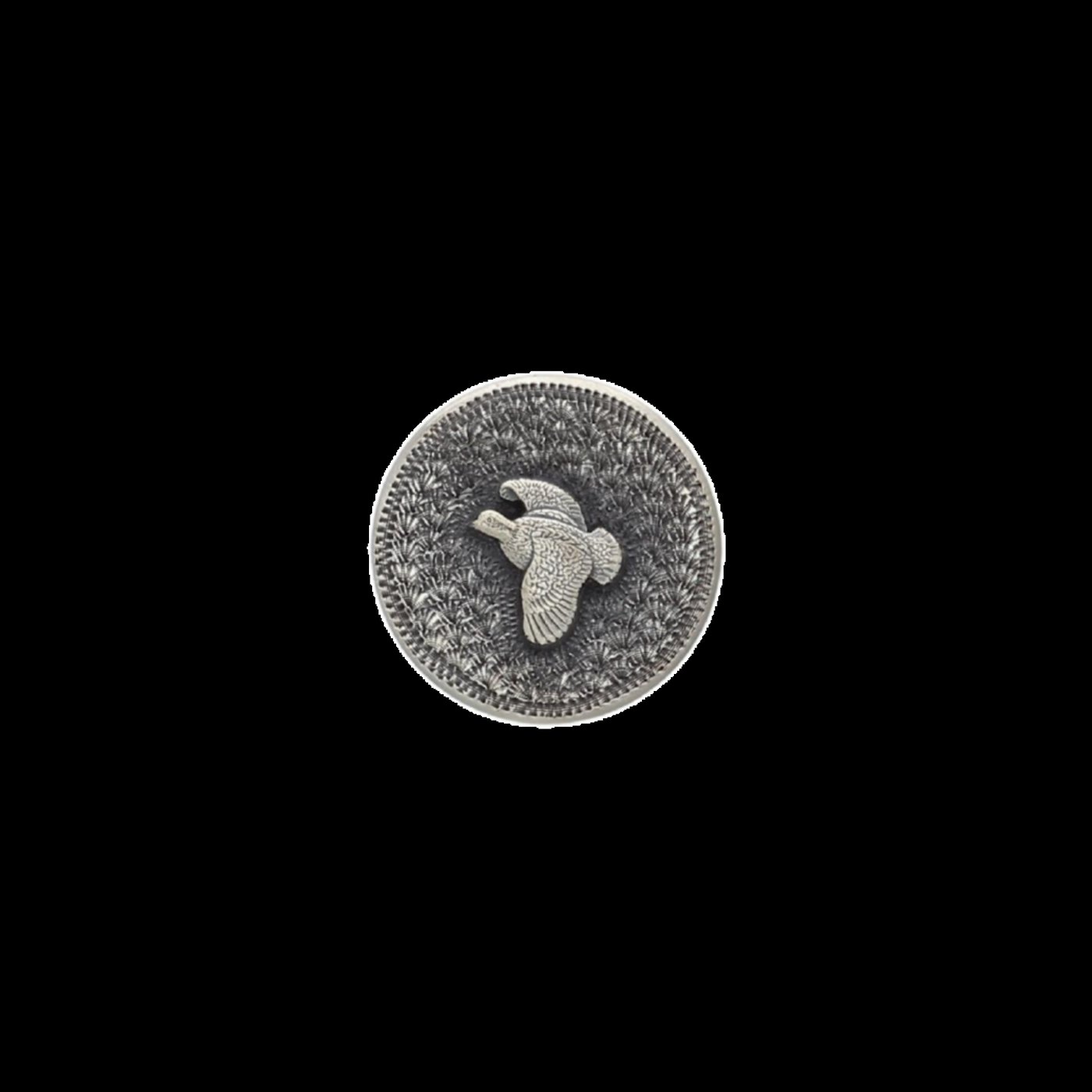
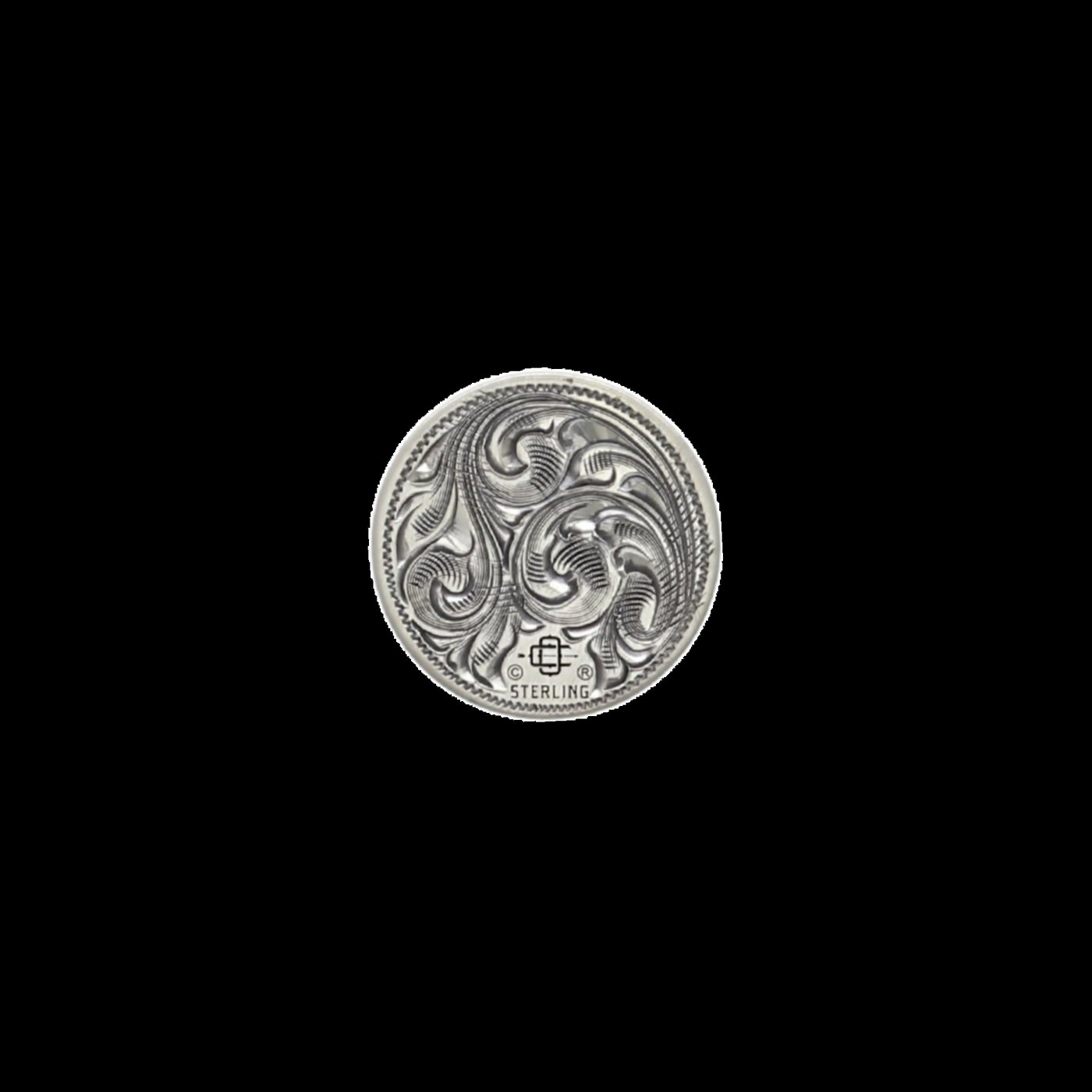
THE ONE EVERYONE REACHES FORQuail turns up more than any other species in golf, partly because of Quail Hollow and partly because a quail with its topknot is instantly legible at two centimetres across. It suits small objects. Both of these are small objects, and both are made by hand.
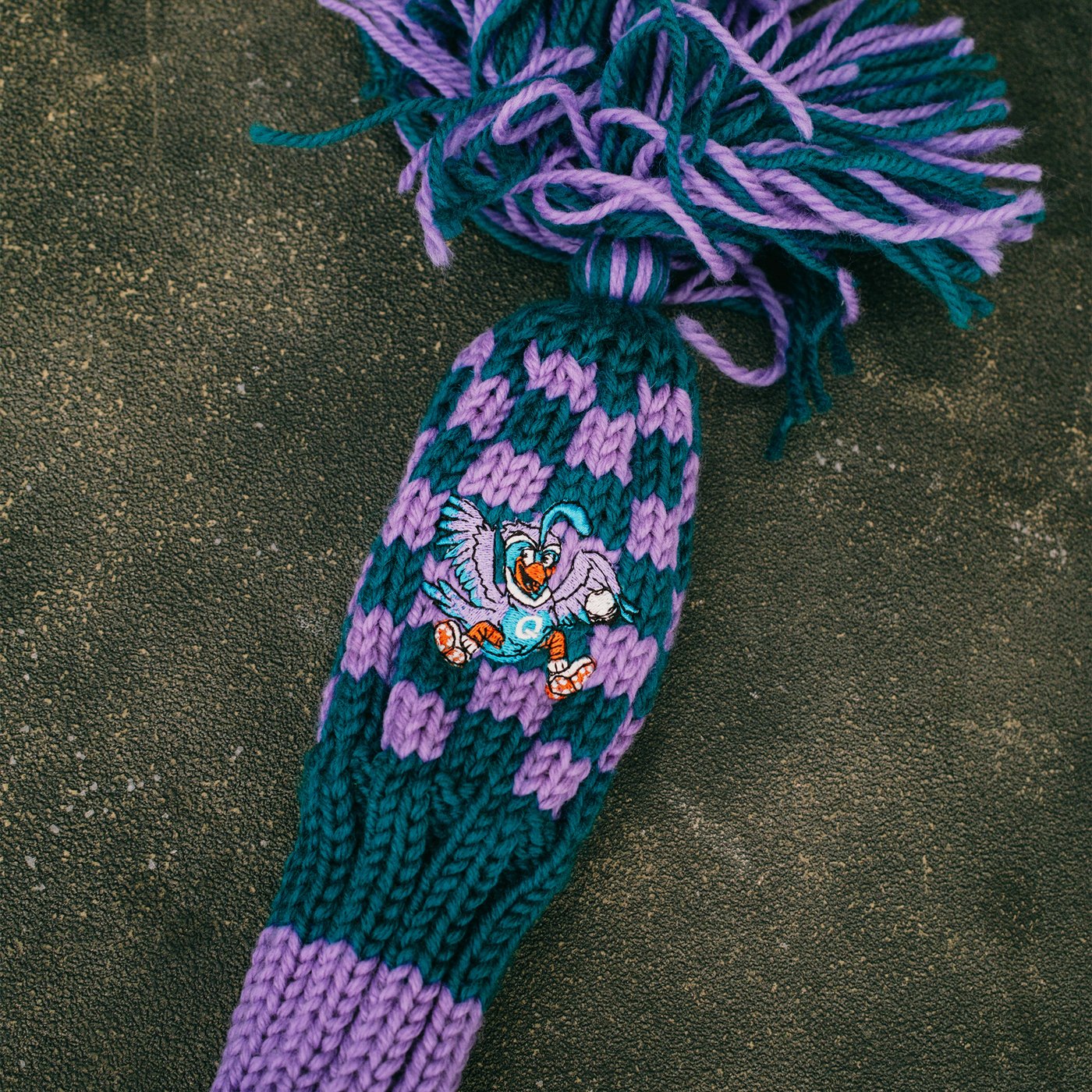
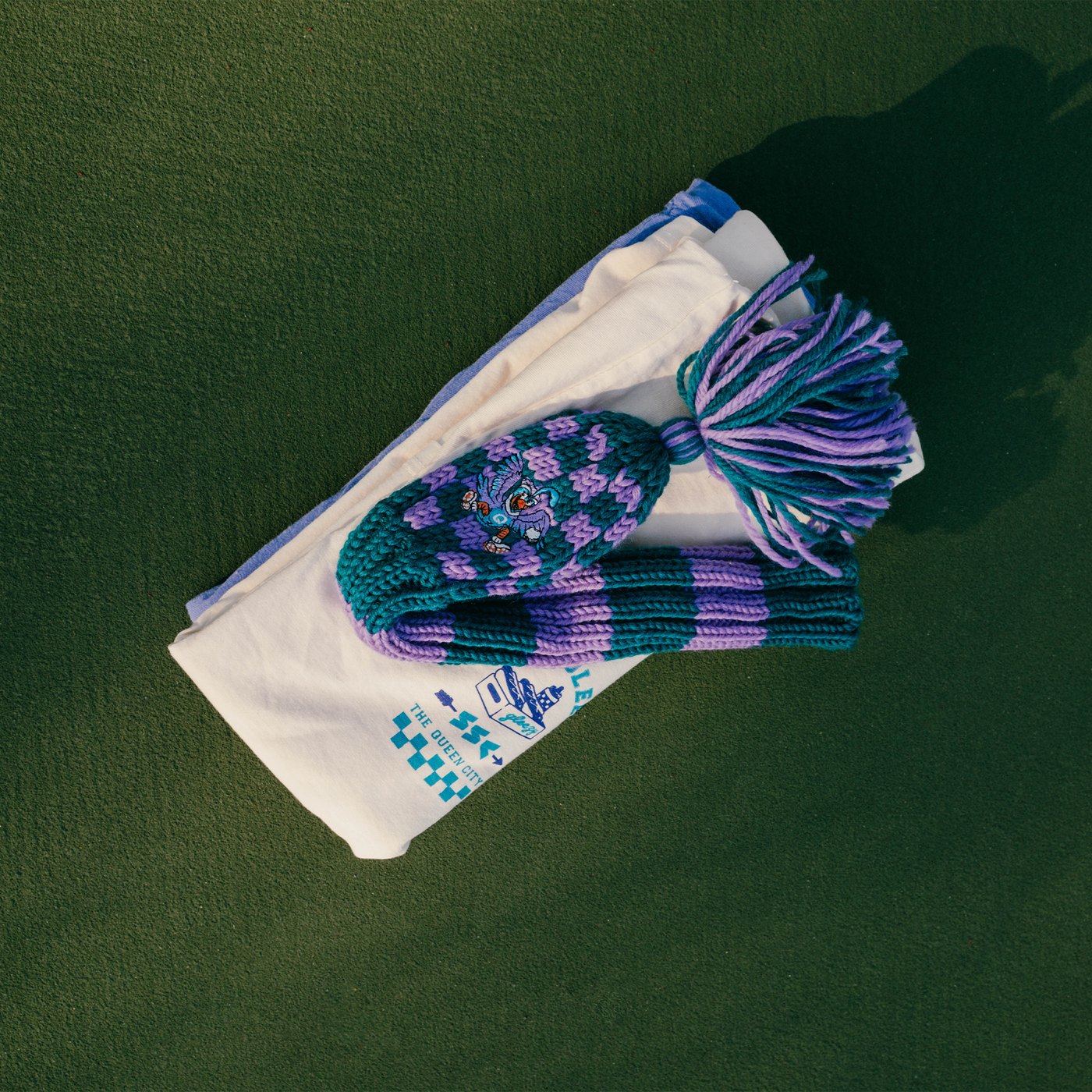
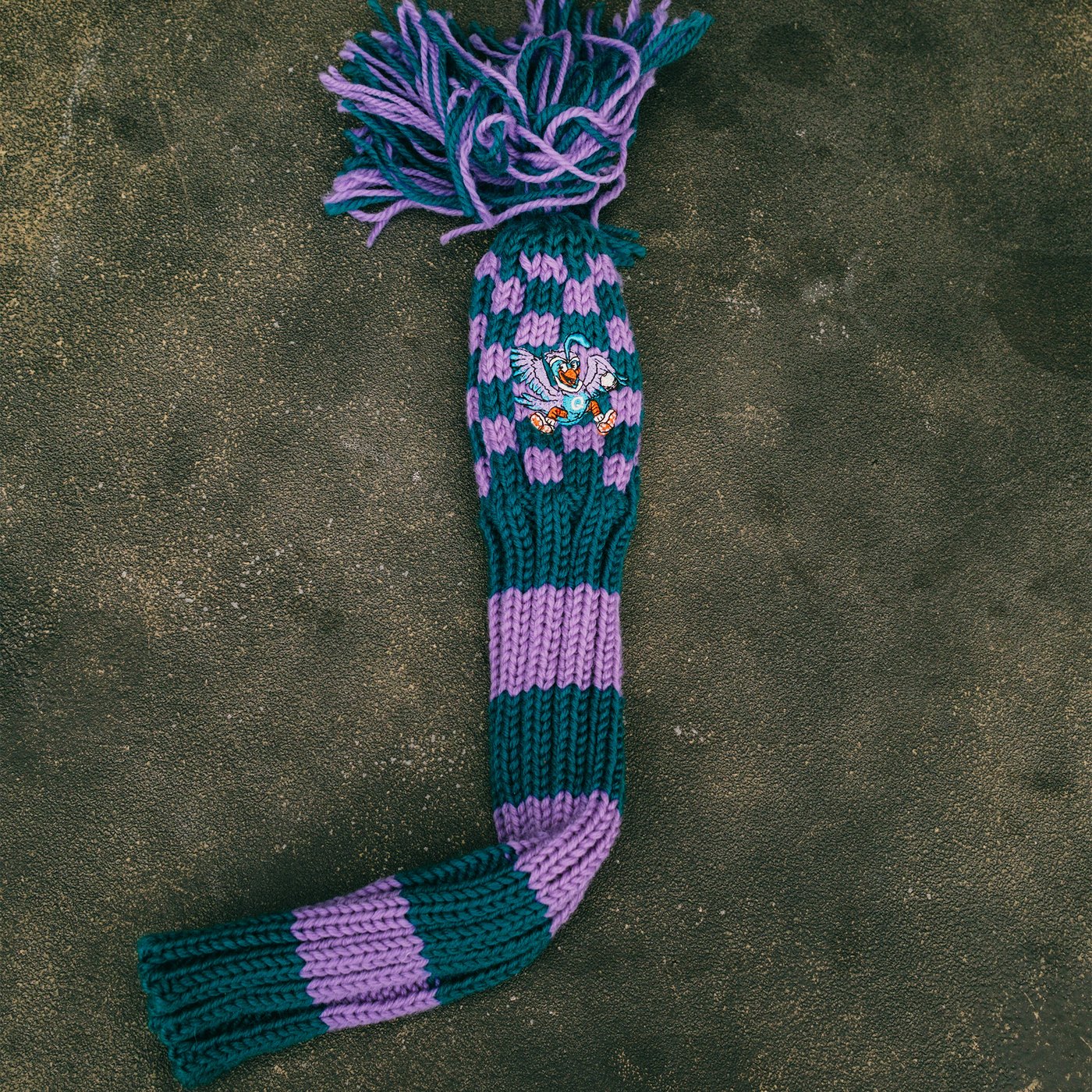
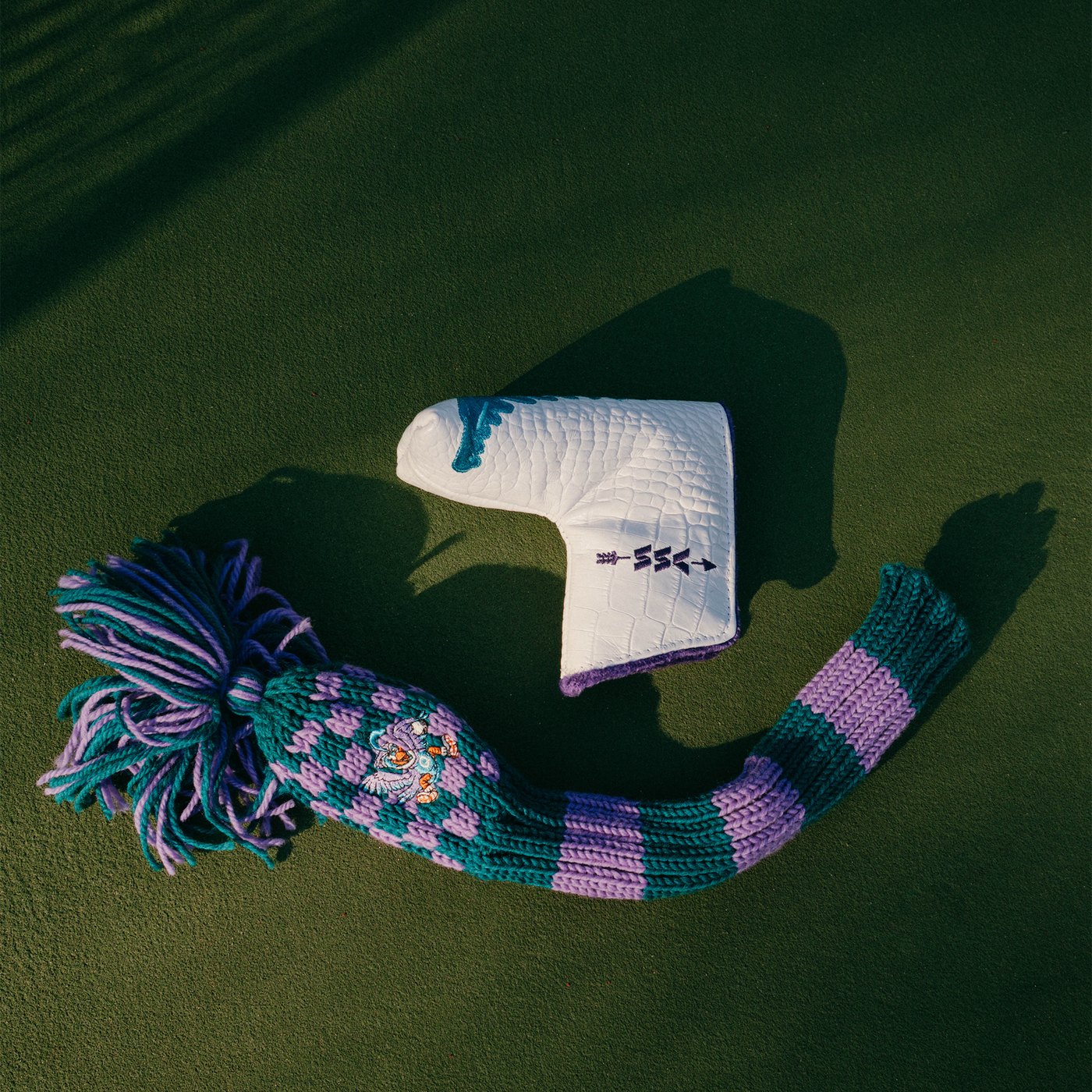
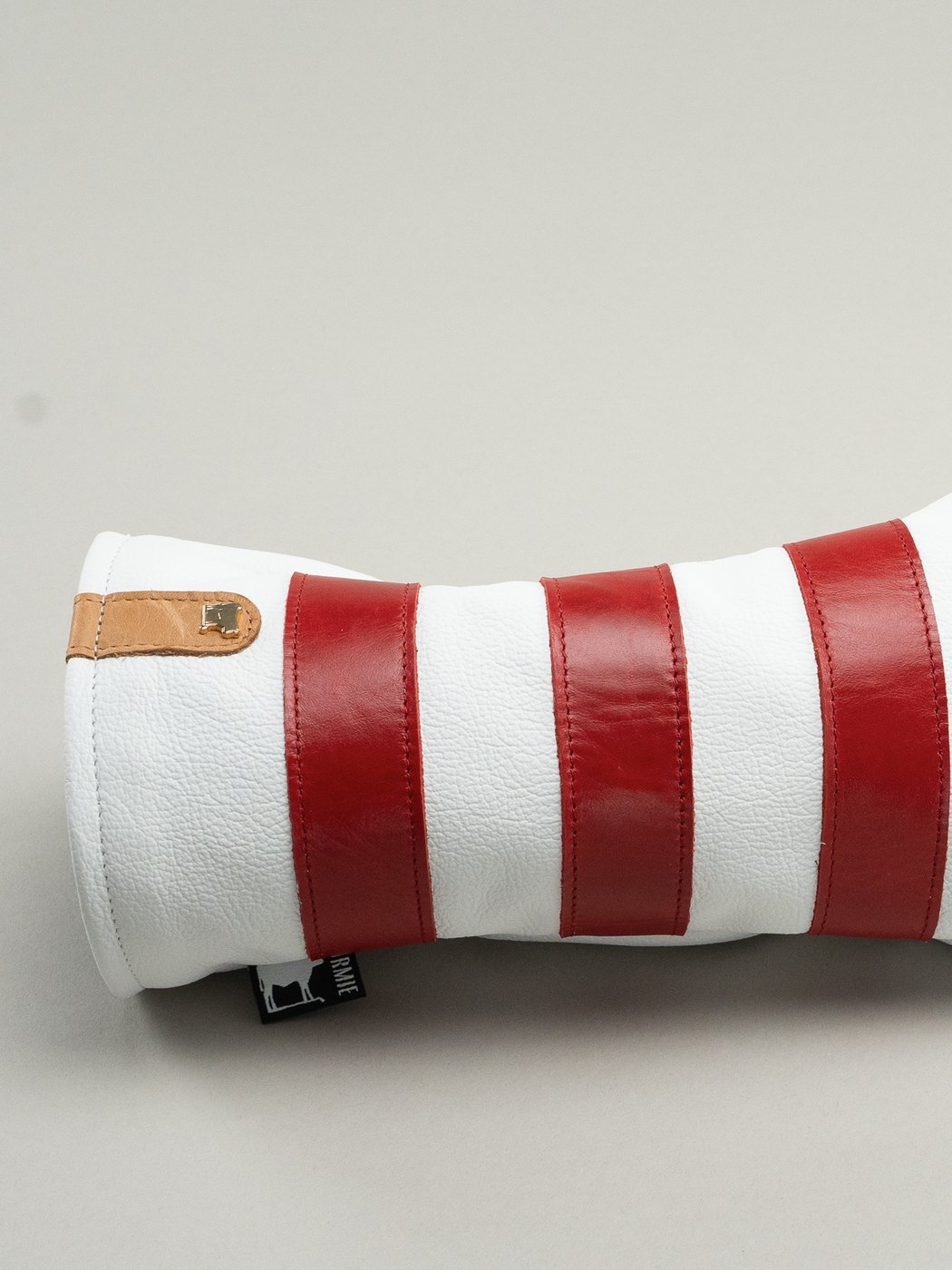
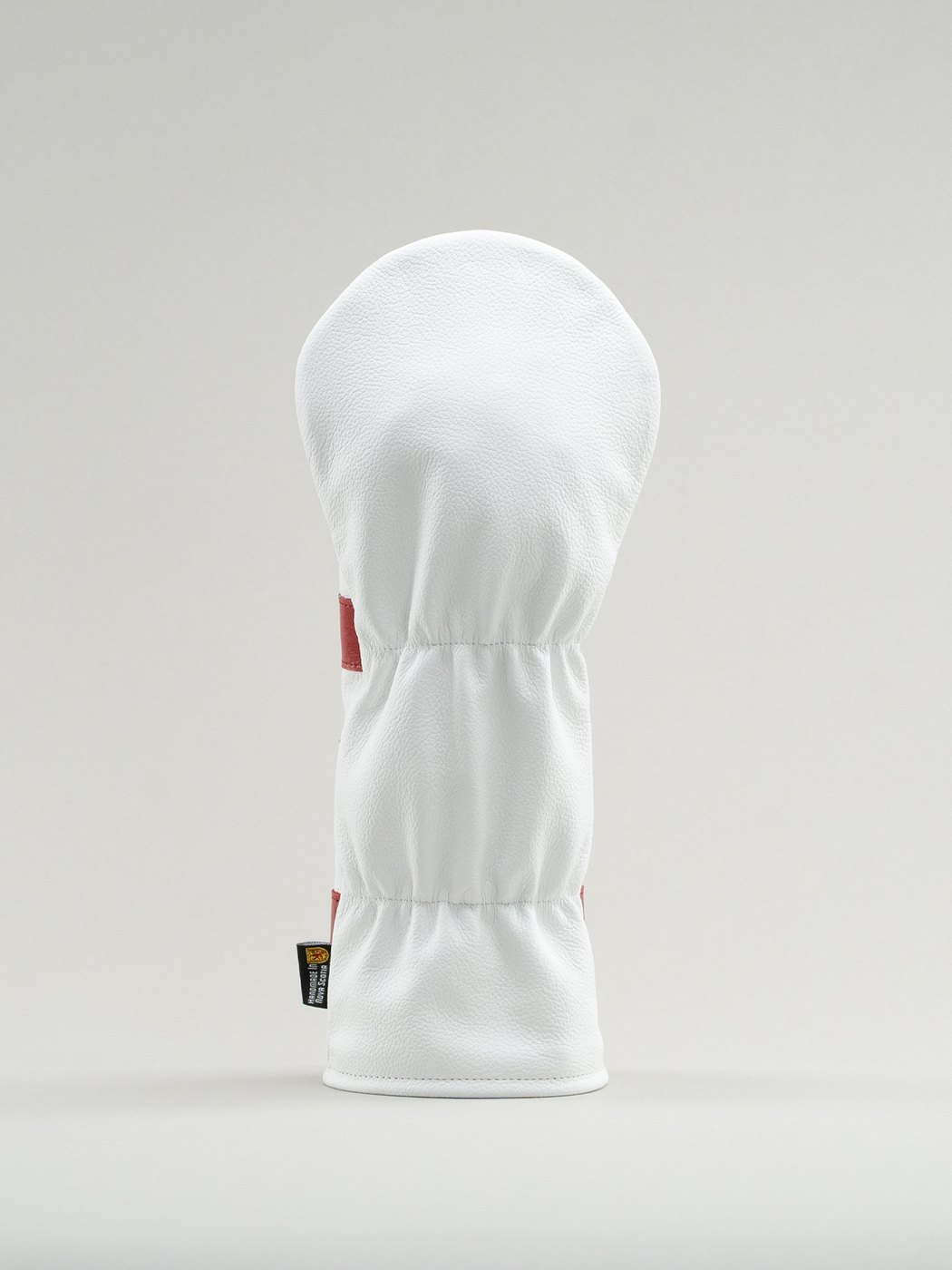
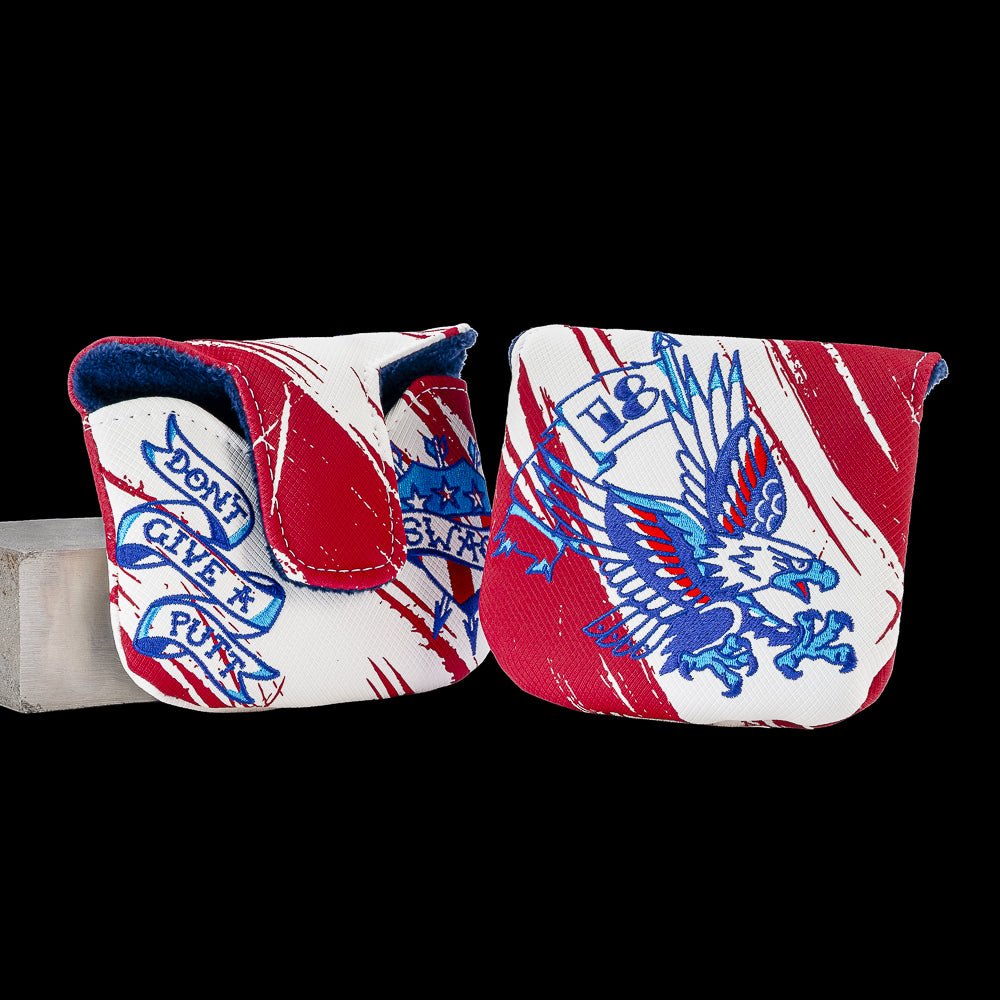
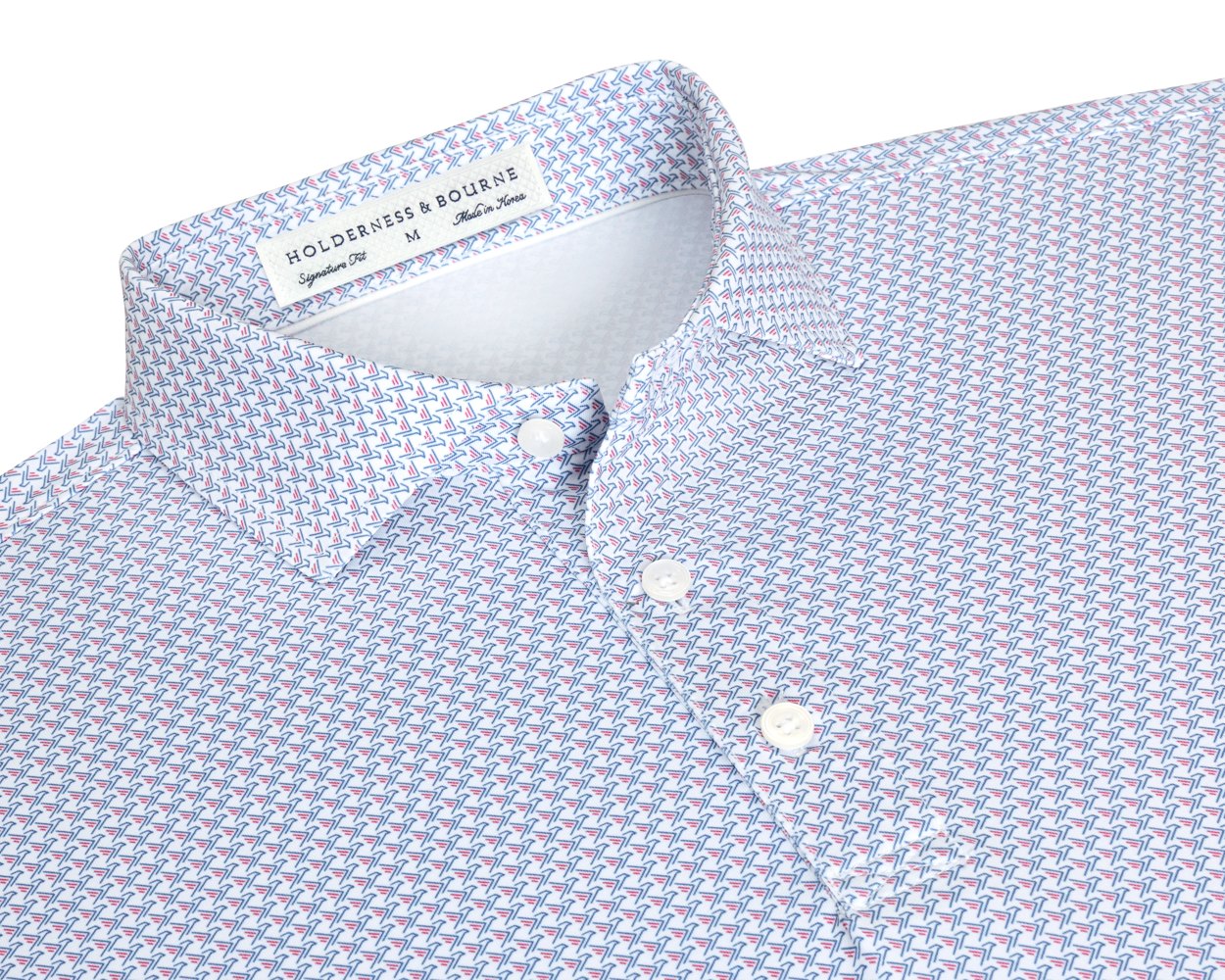
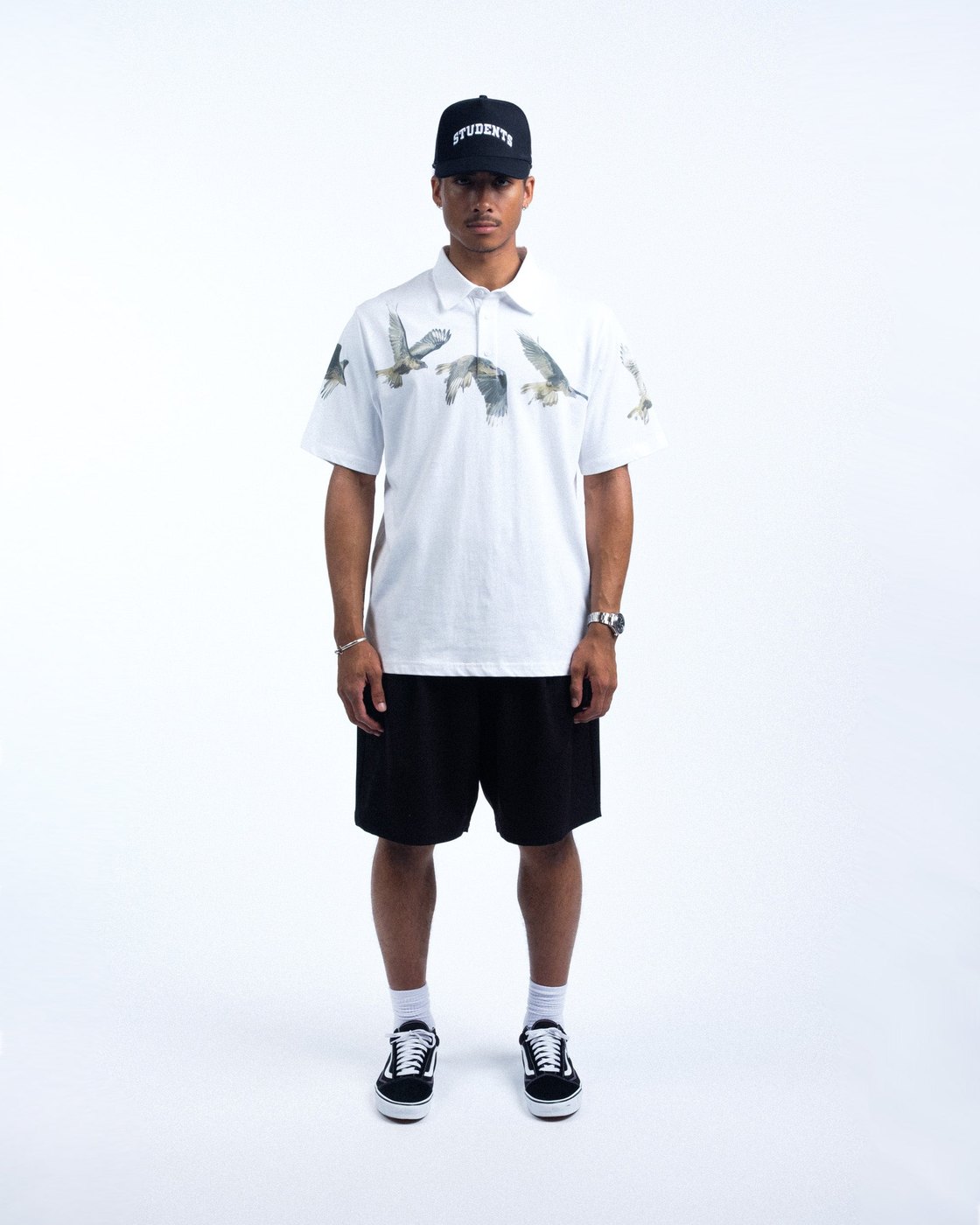
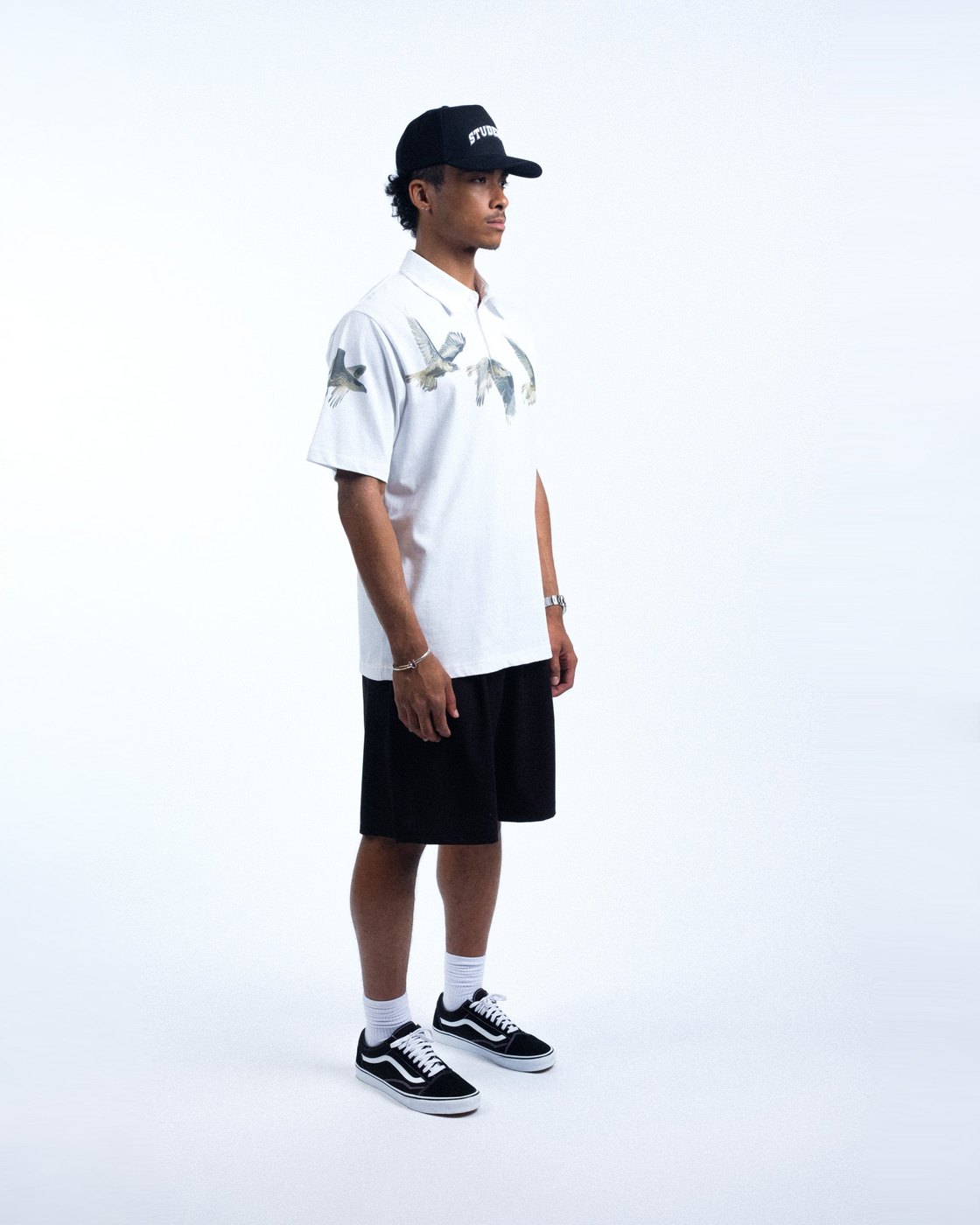
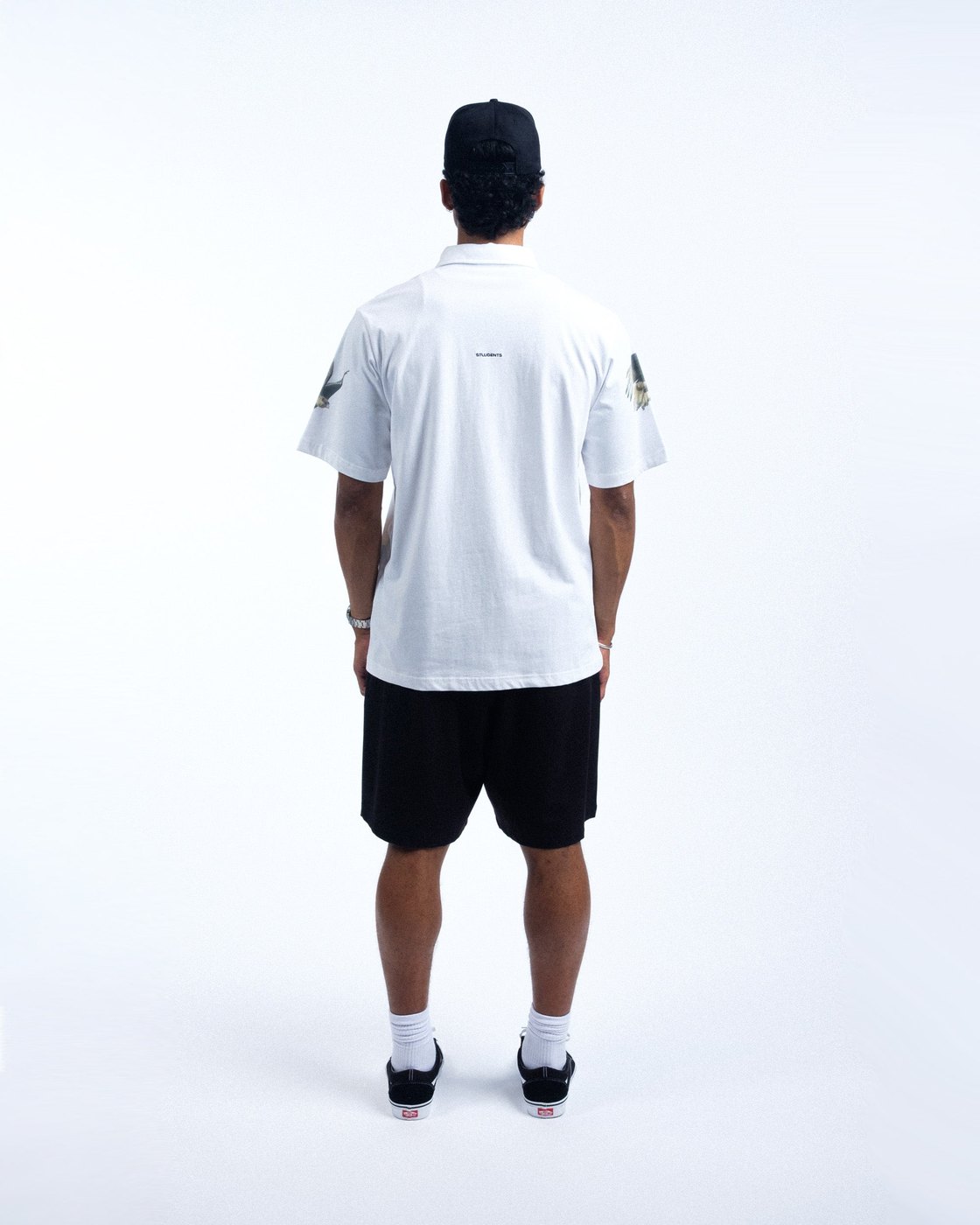
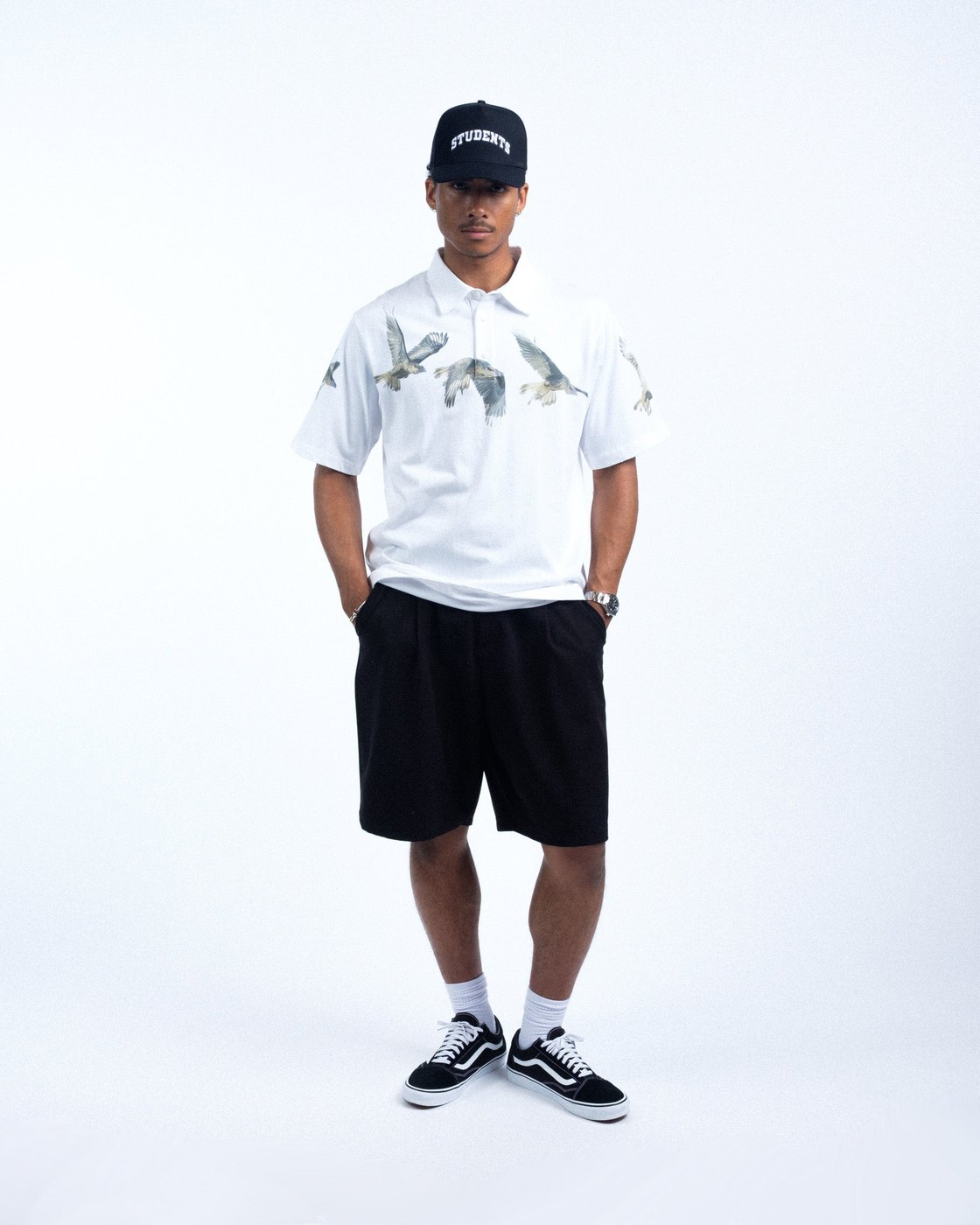
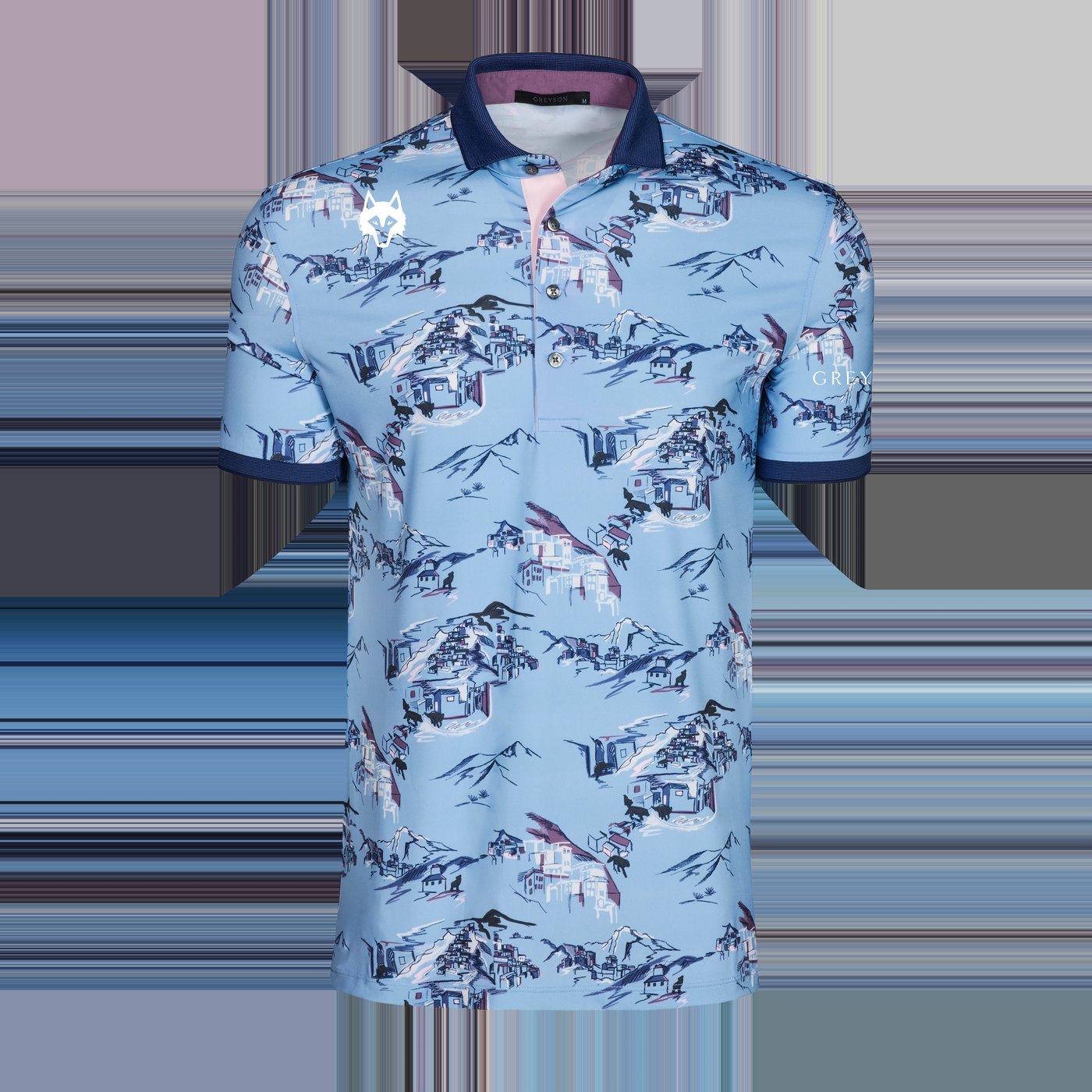
PATRIOTISM, TATTOO FLASH AND ONE RESTRAINED SHIRTEagles are the hardest bird to use well, because in American design an eagle stops being an animal and becomes a flag. Almost everything here is fighting that. The four below are the ones that win, and they win by going somewhere specific — heraldry, tattoo flash, western folk art, or shrinking the bird until it turns into pattern.
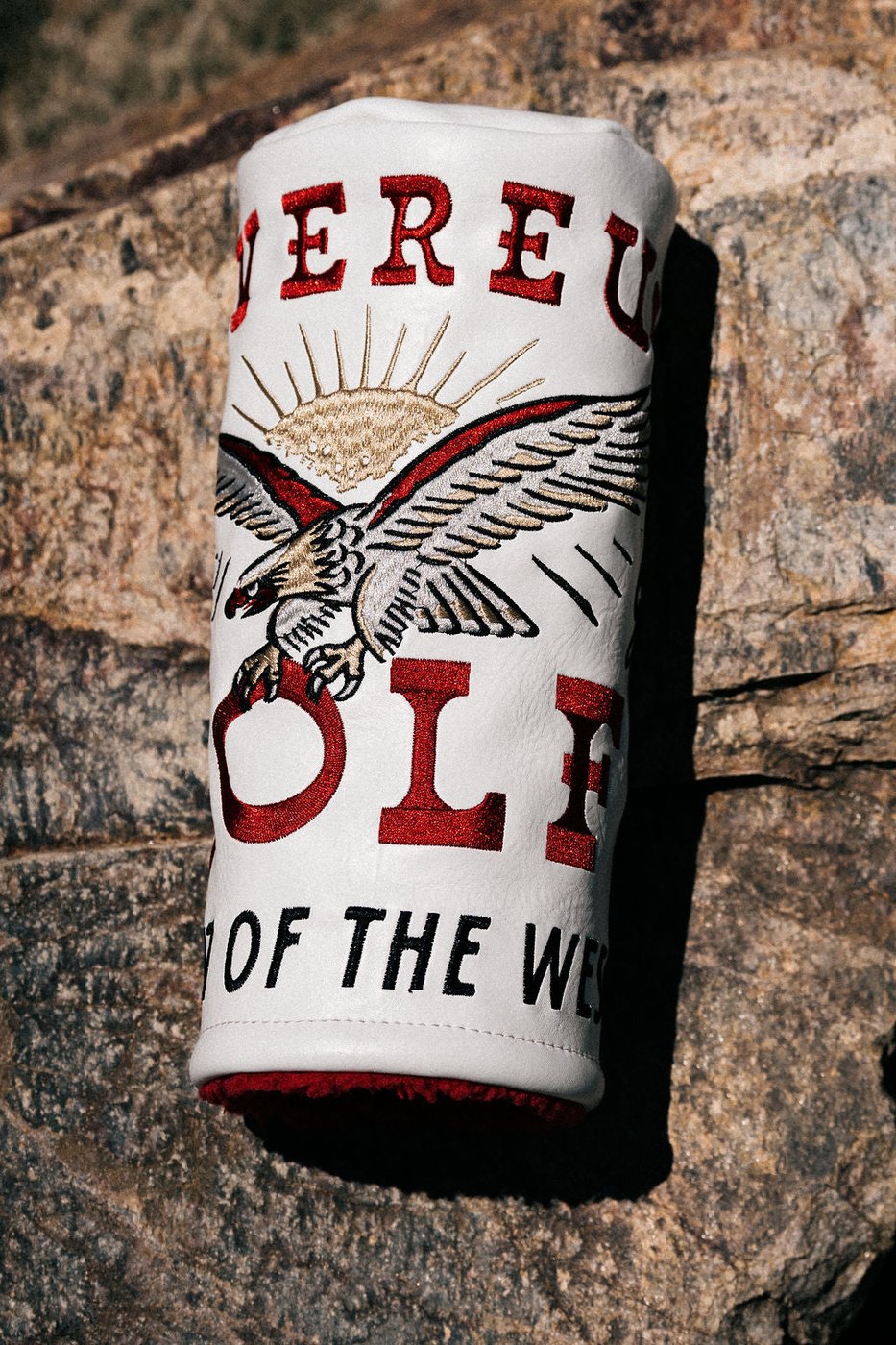
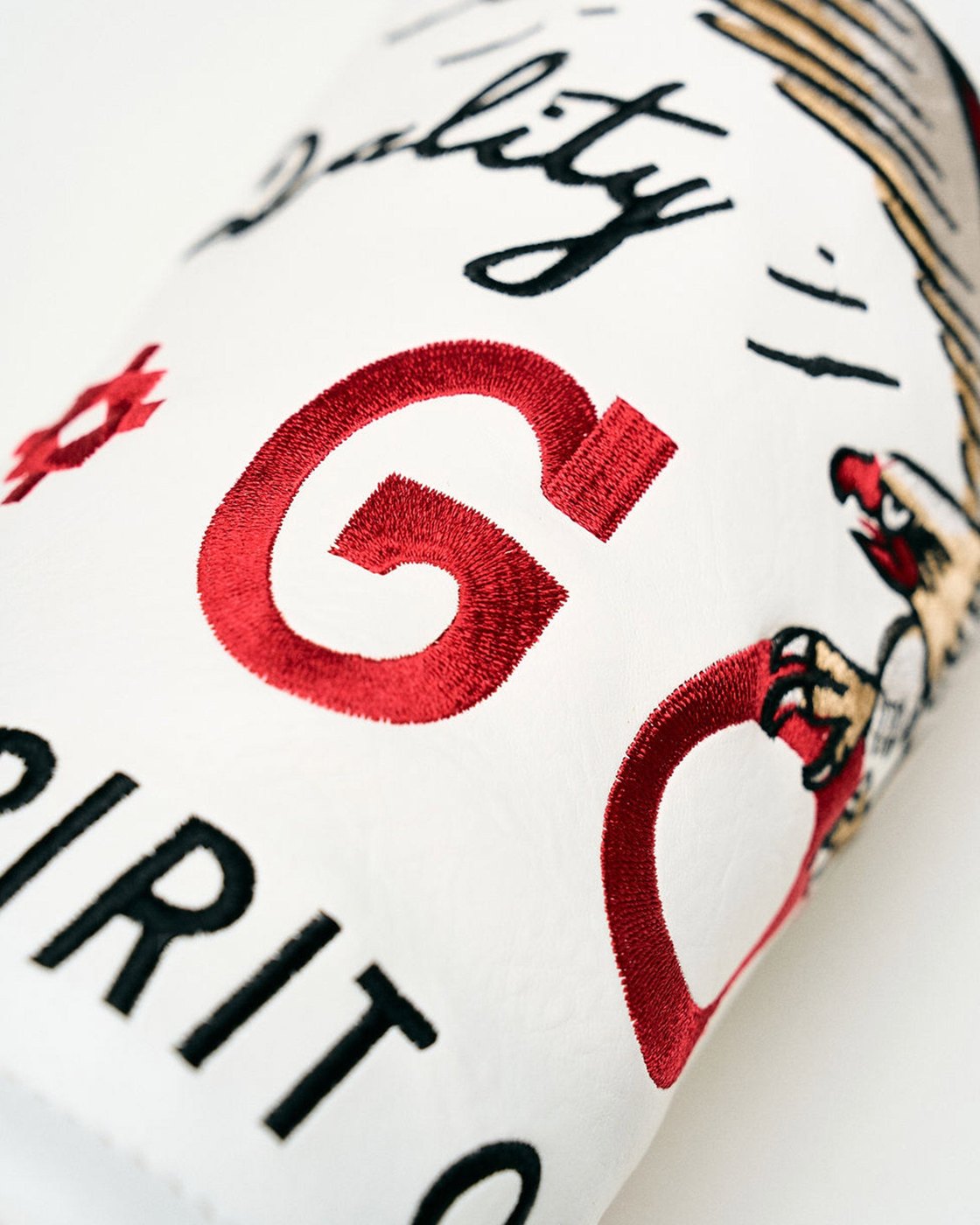
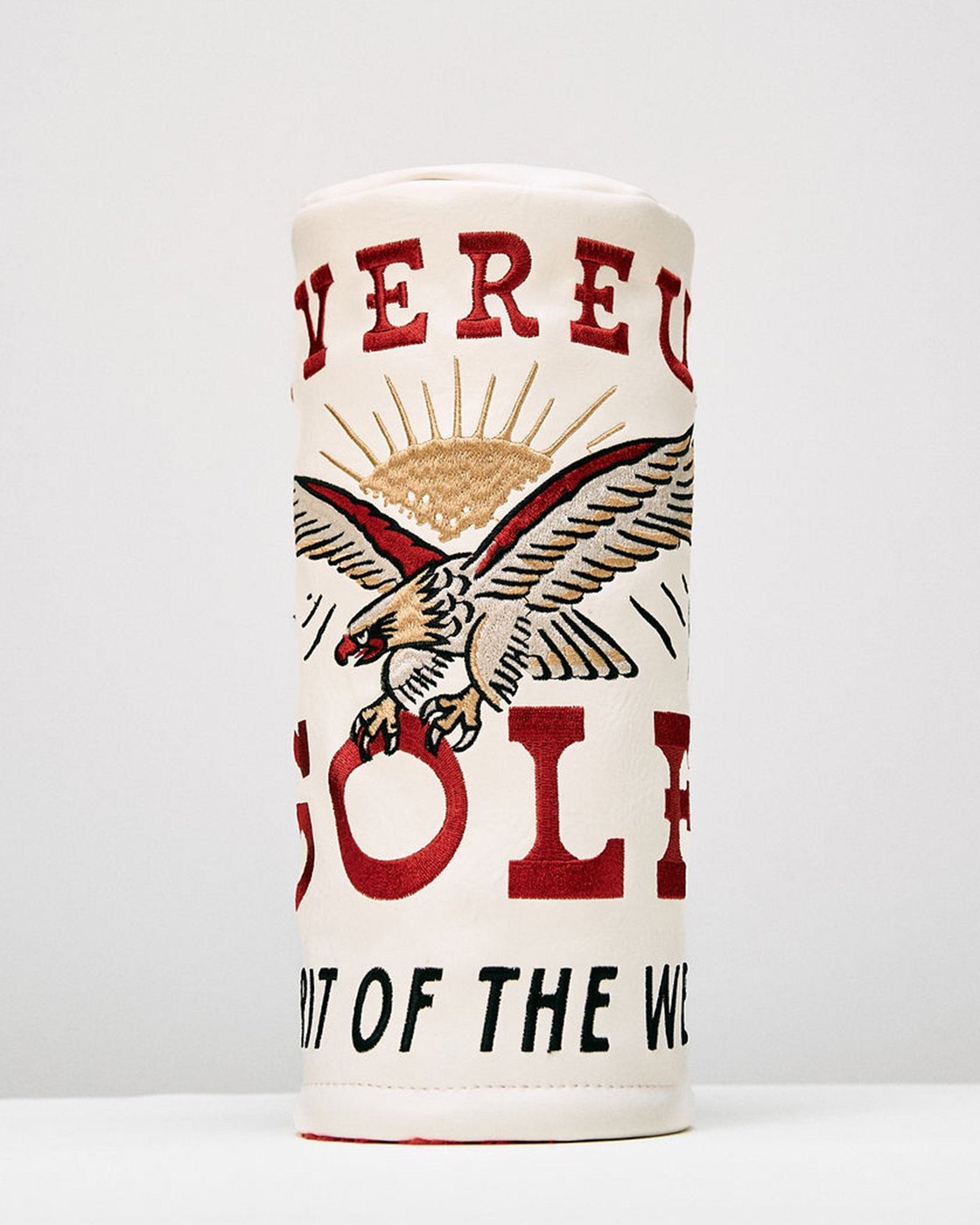
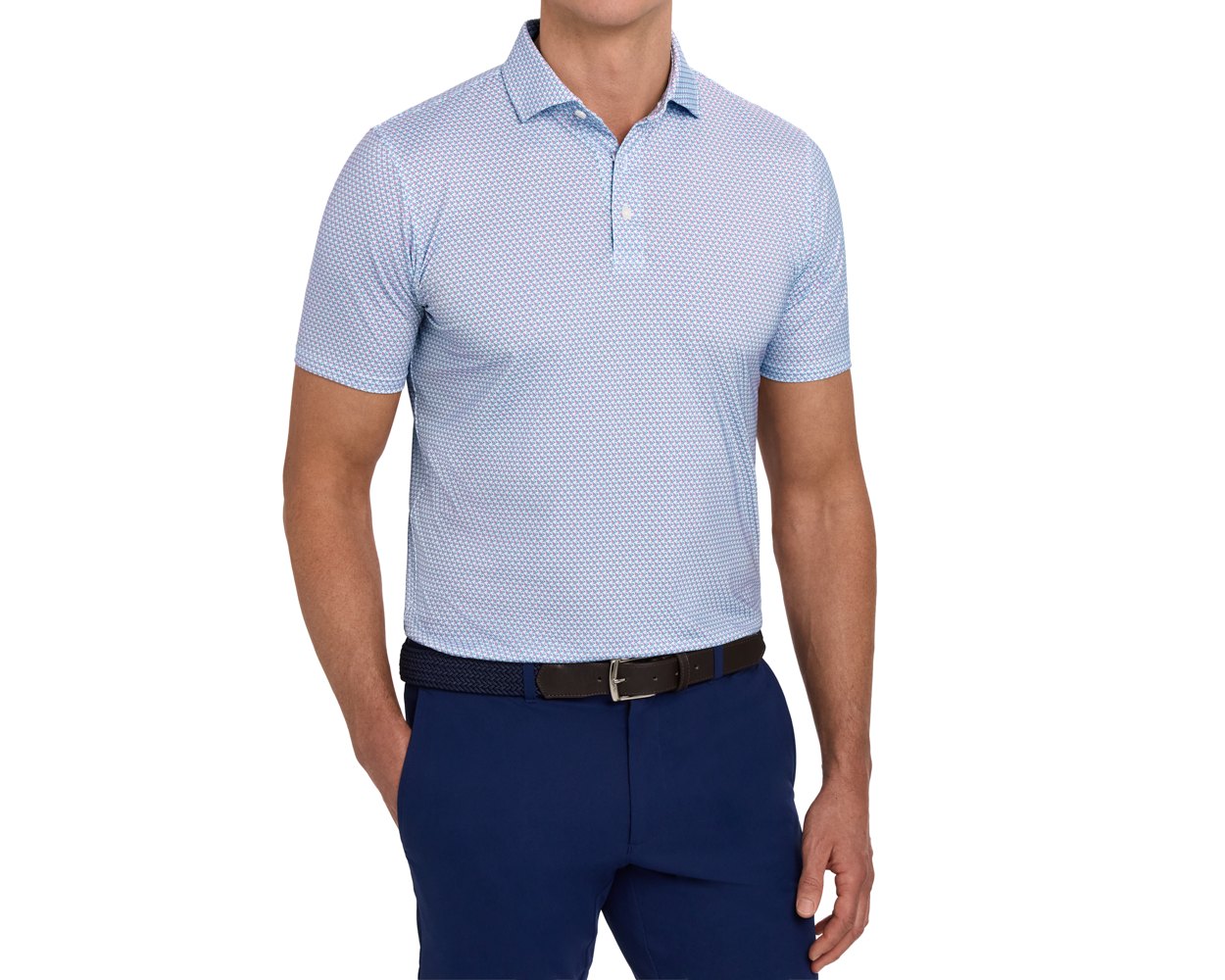
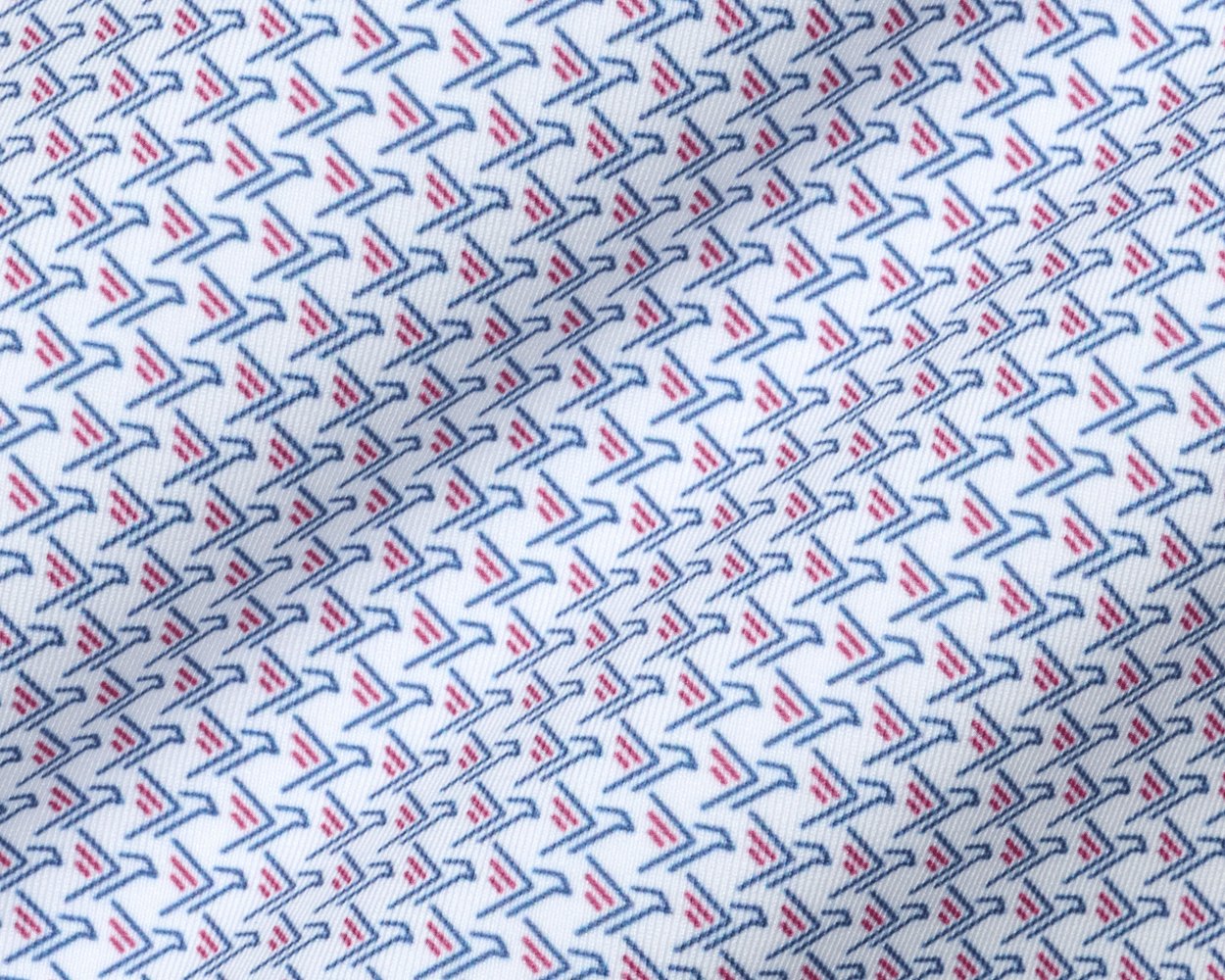
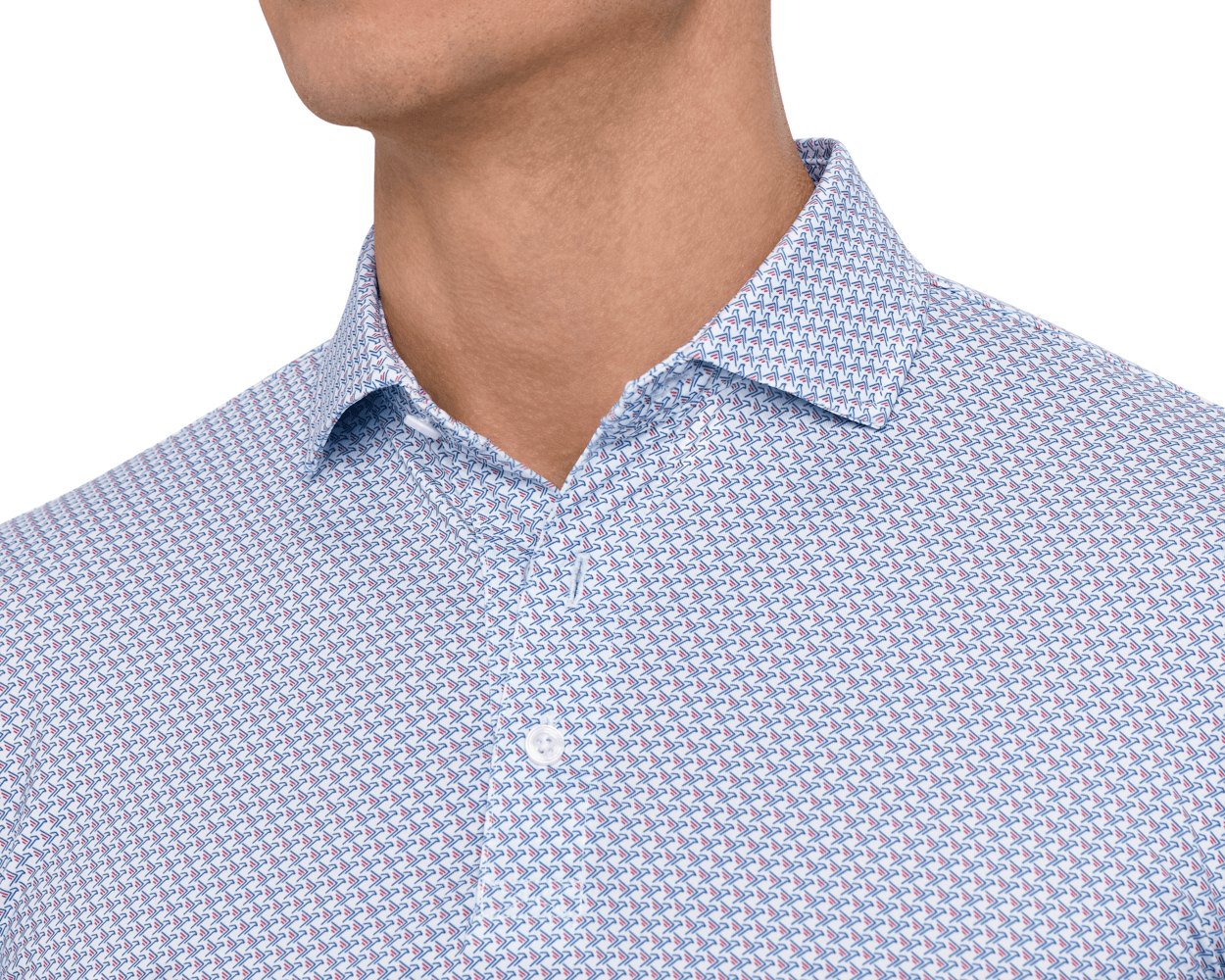
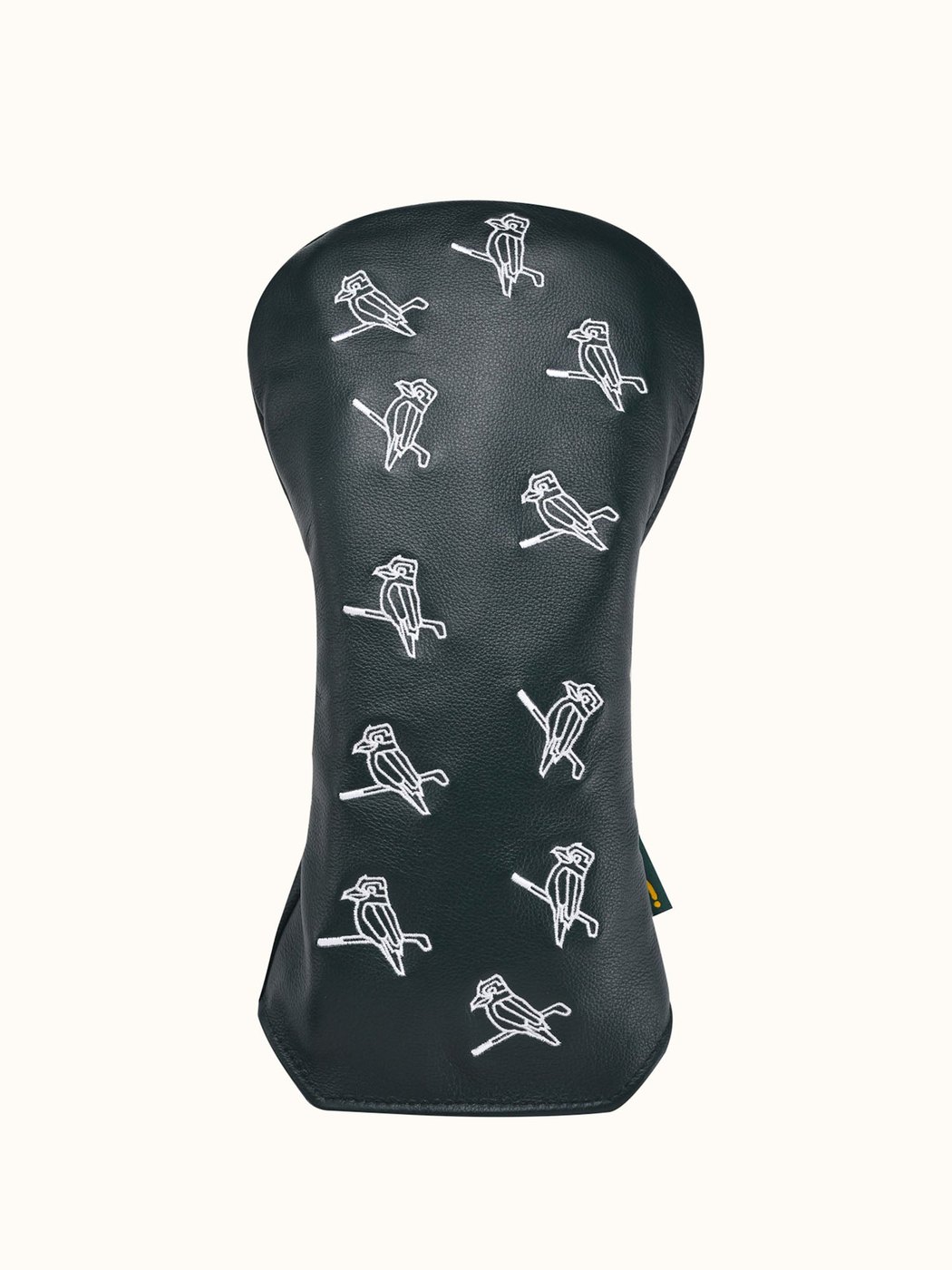
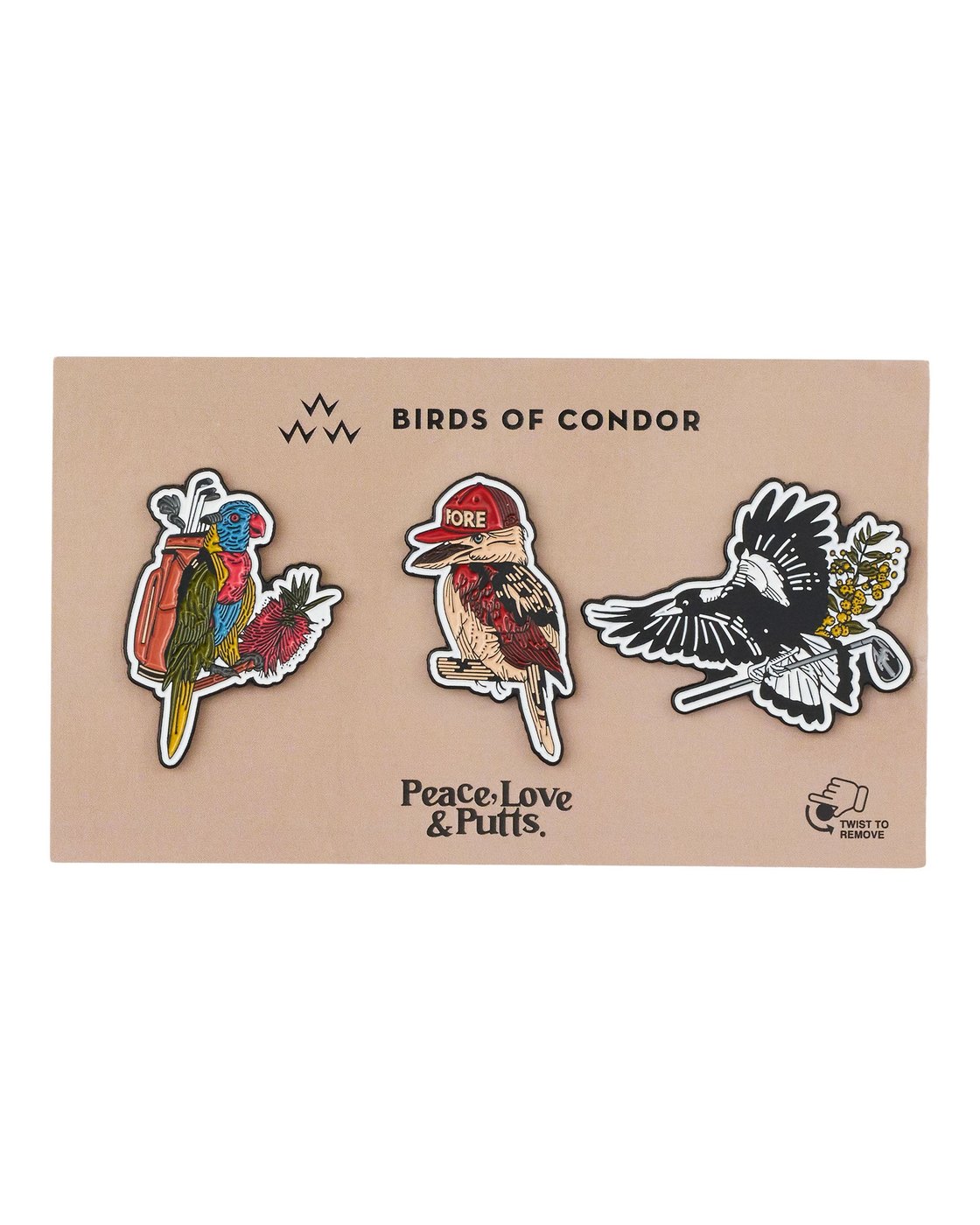
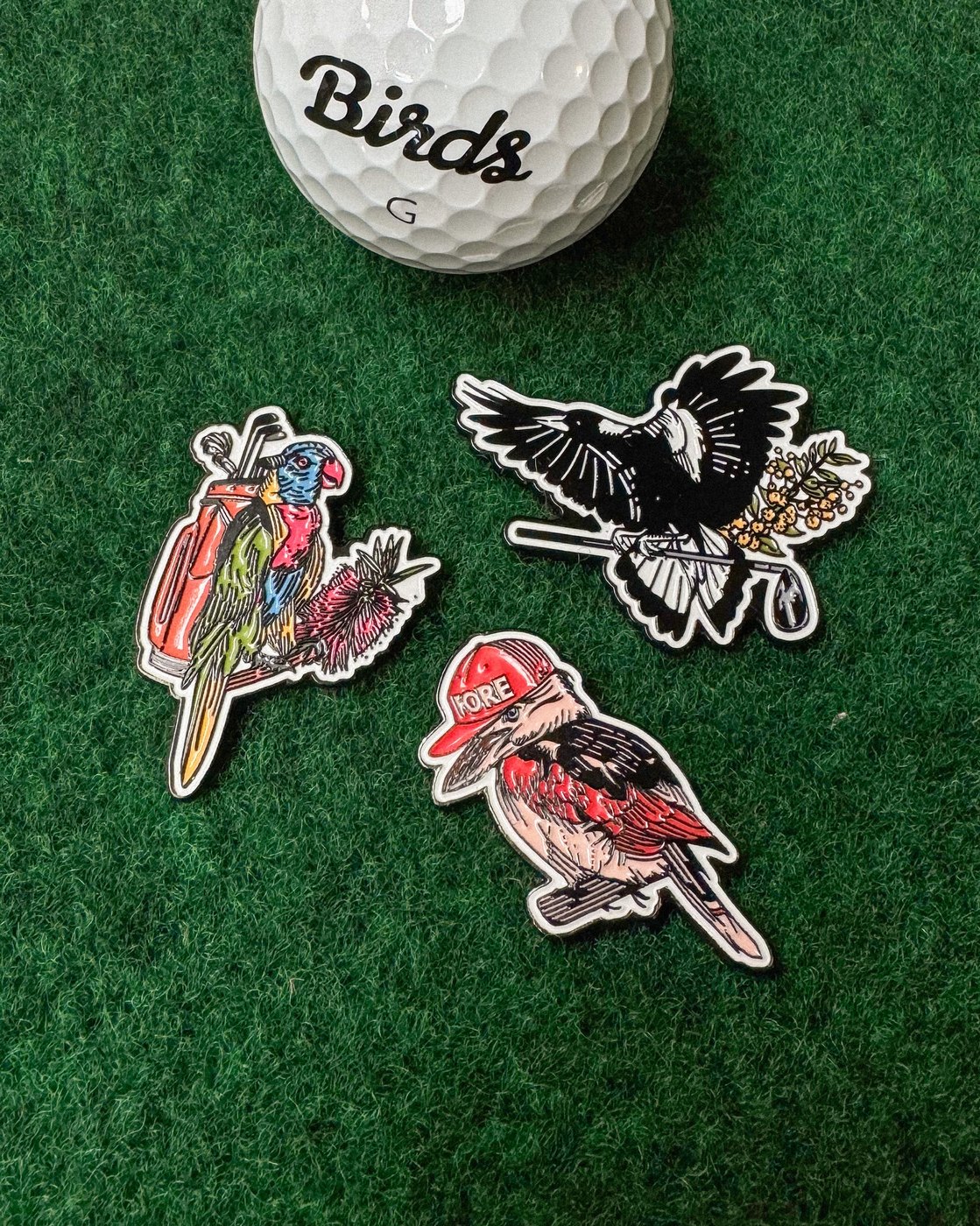
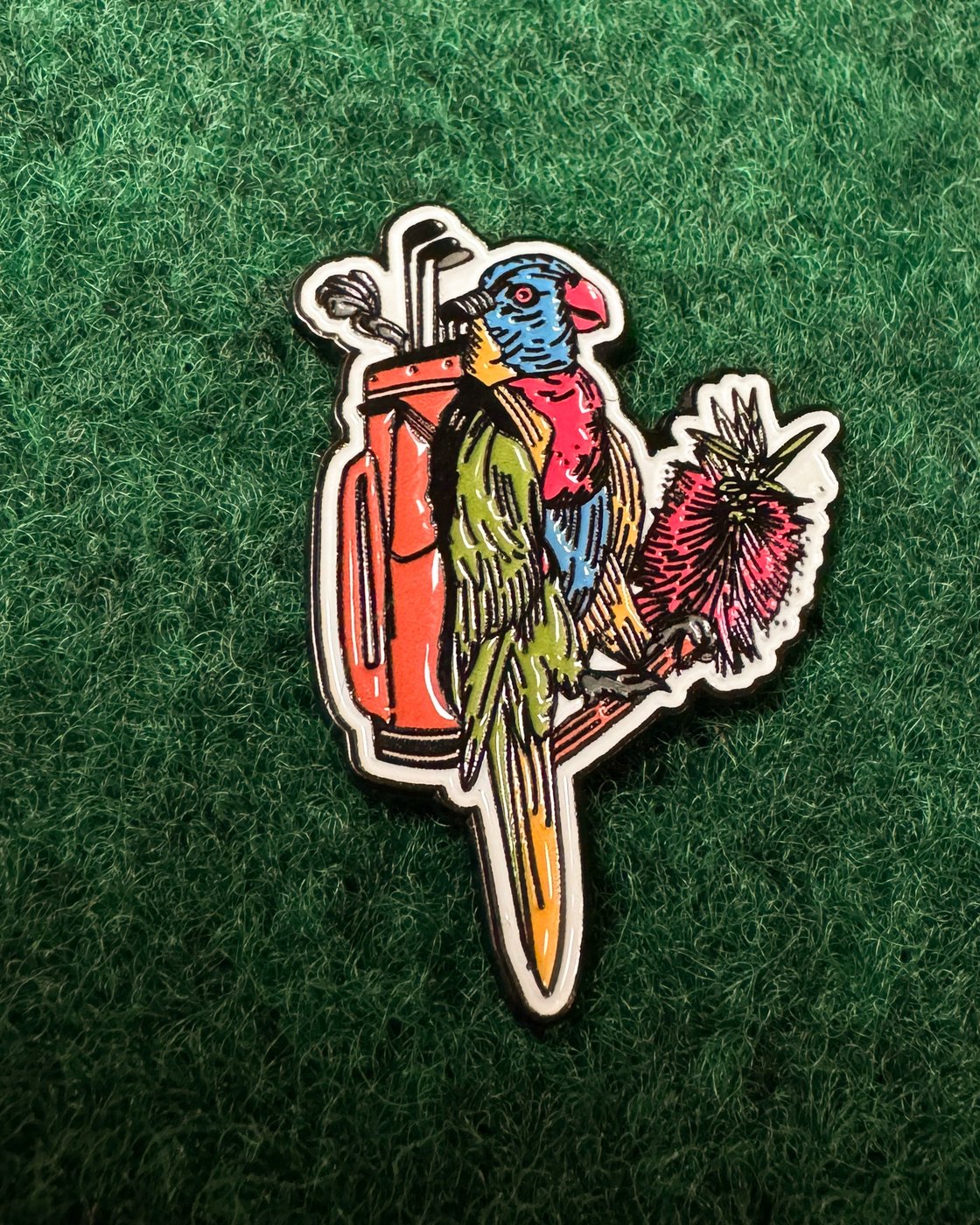
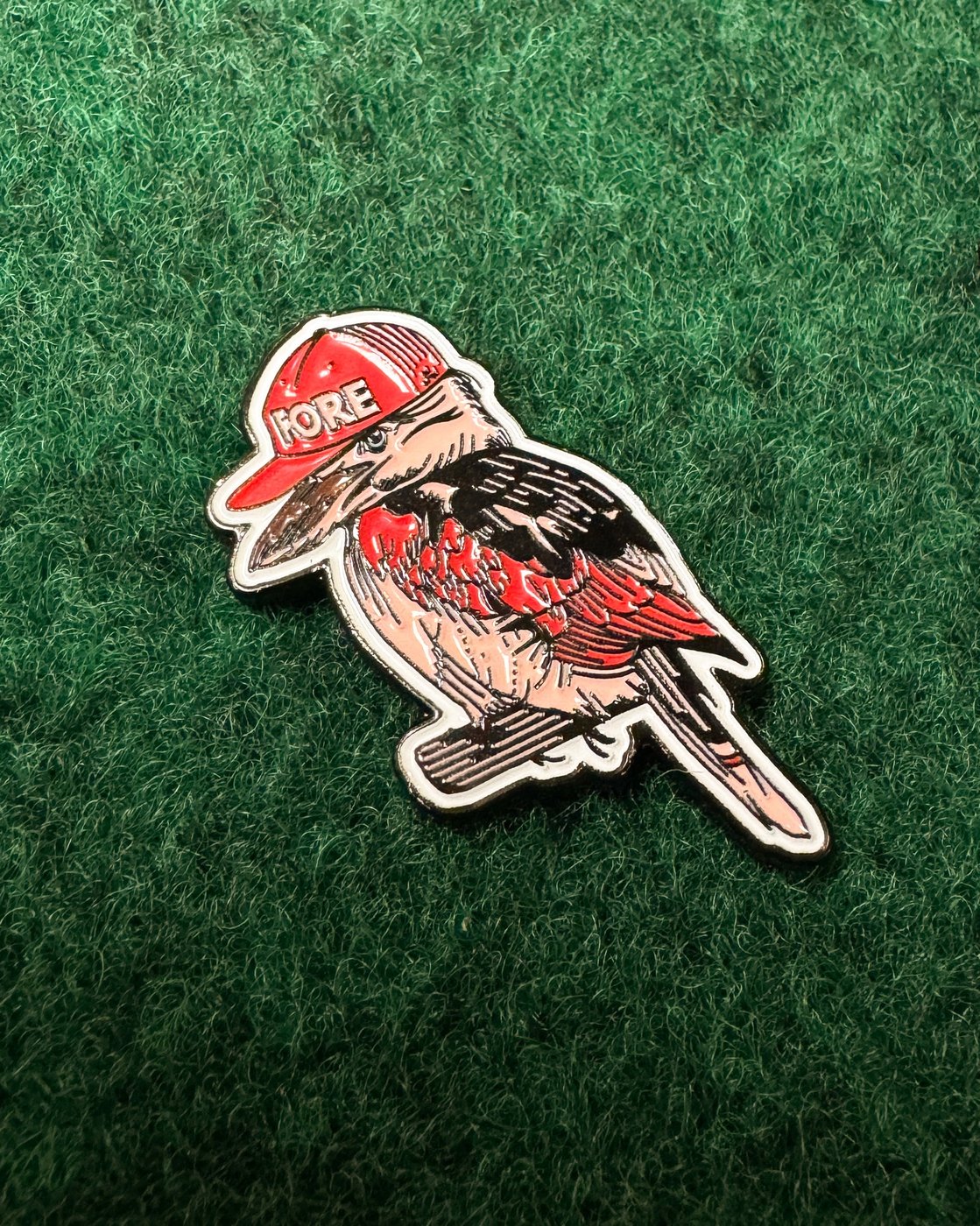
WHAT BIRDS LOOK LIKE FROM AUSTRALIAAustralian golf brands get a completely different bird vocabulary, and they use it. No eagles, no mallards, no quail — instead the birds you would actually hear over a course in Queensland. It is the clearest example in golf of a design language coming straight out of a place.
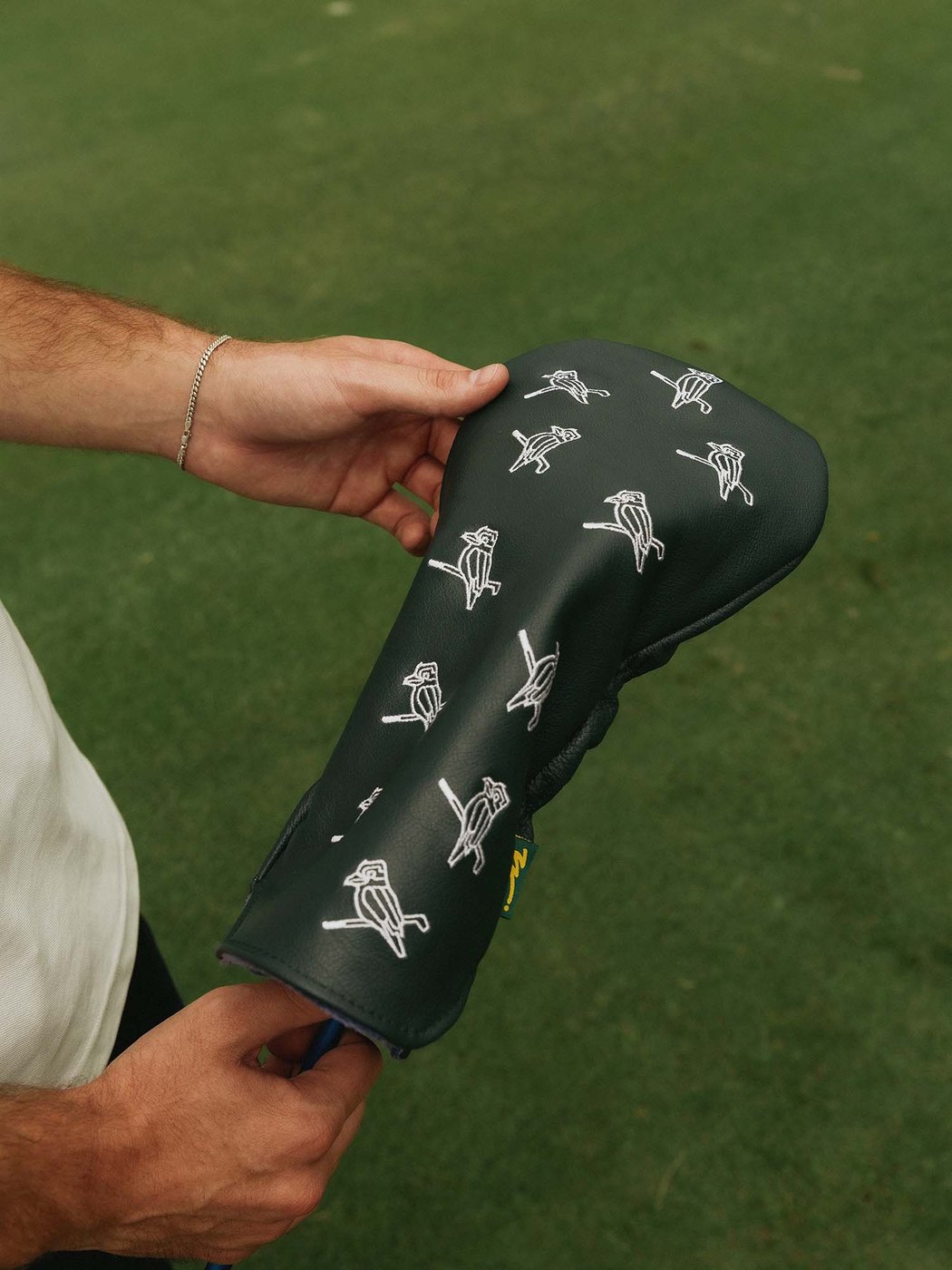
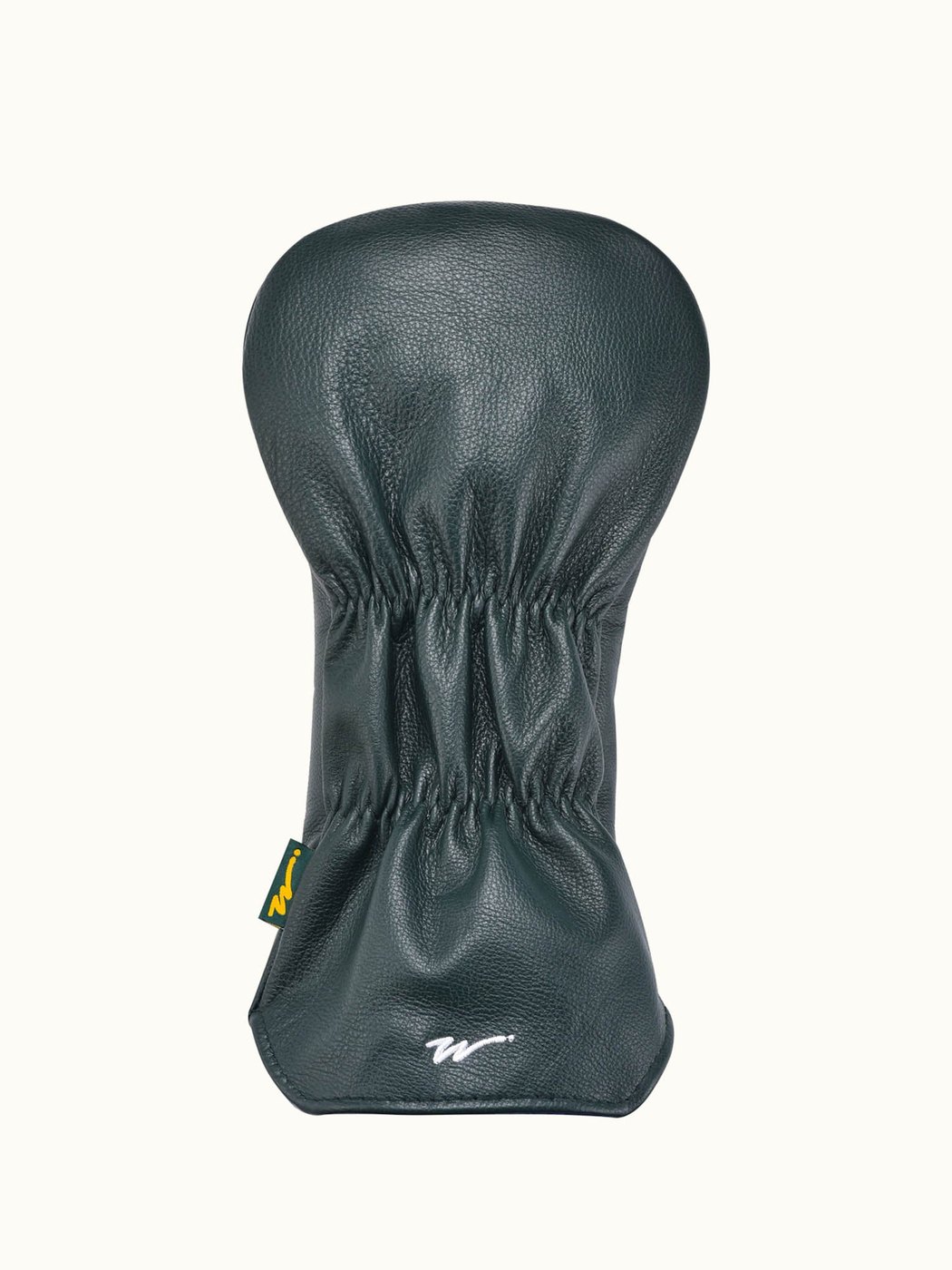
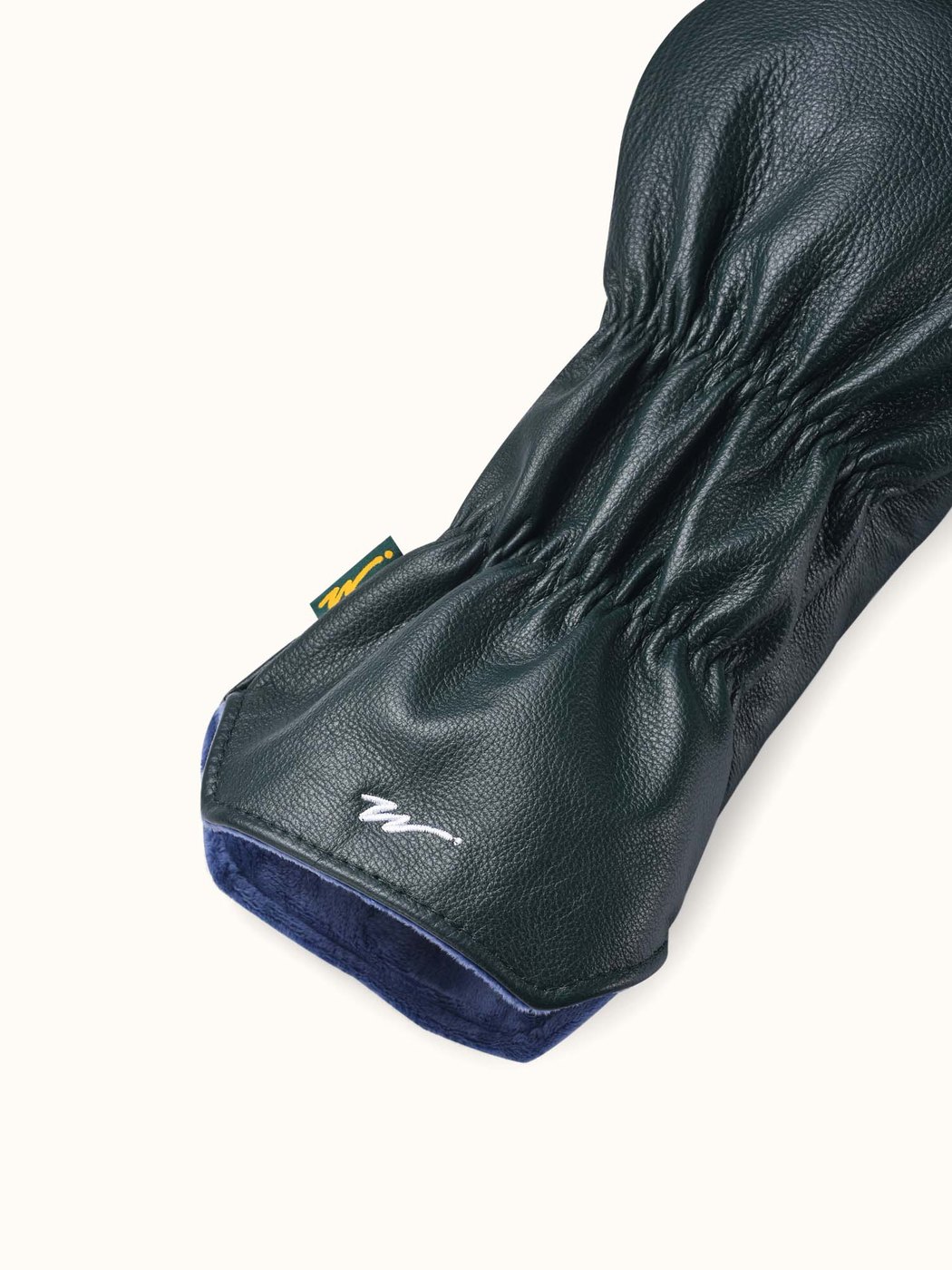
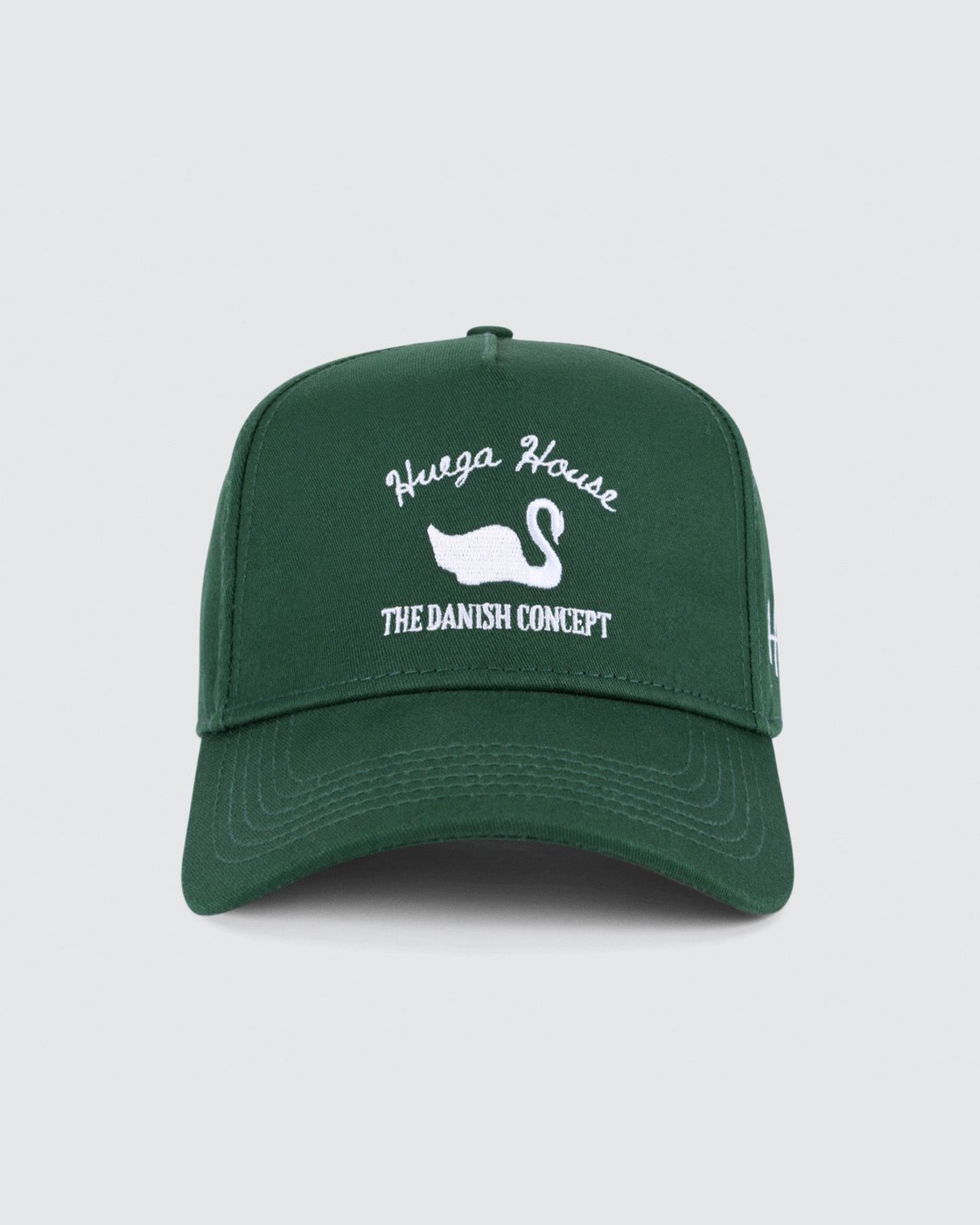
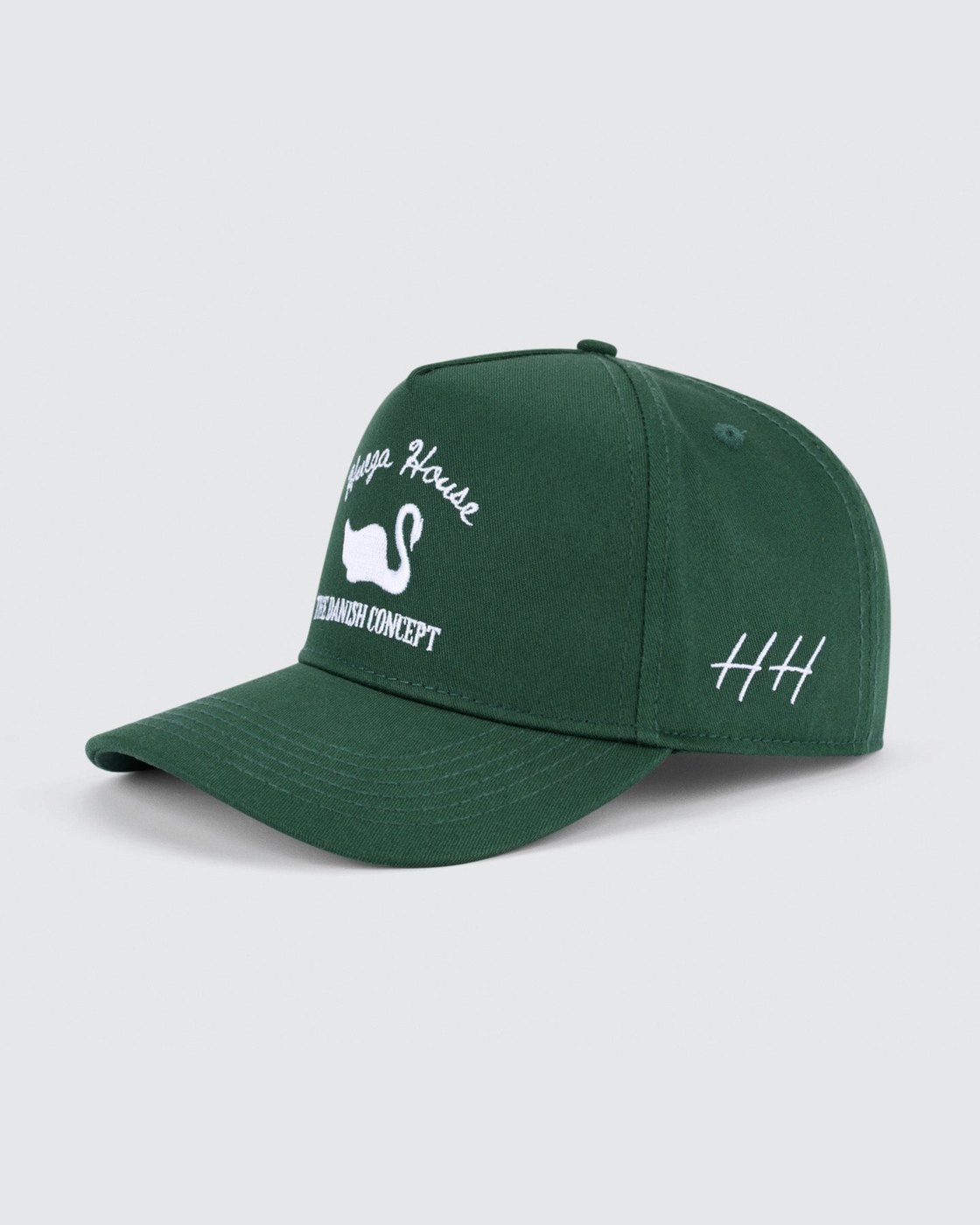
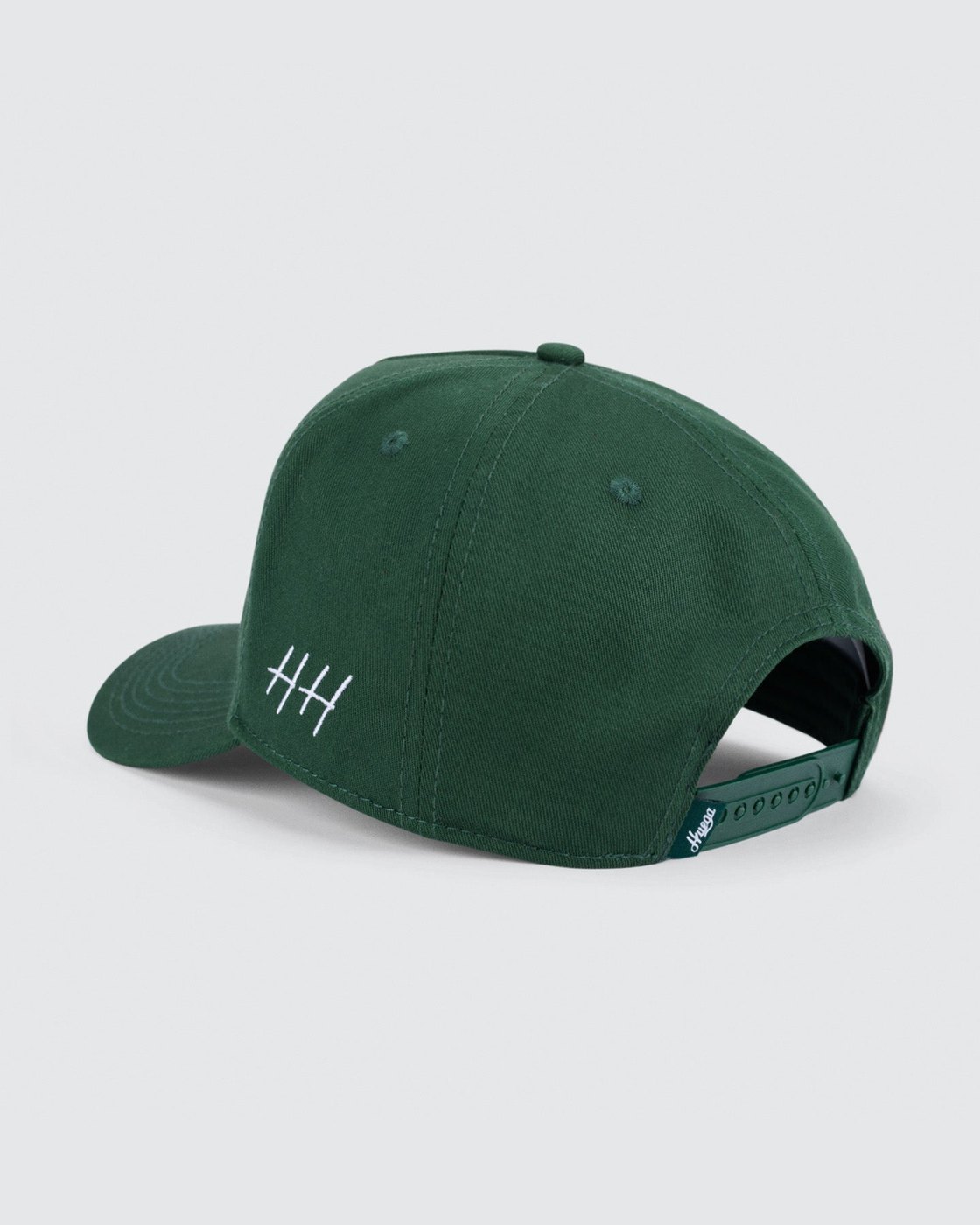
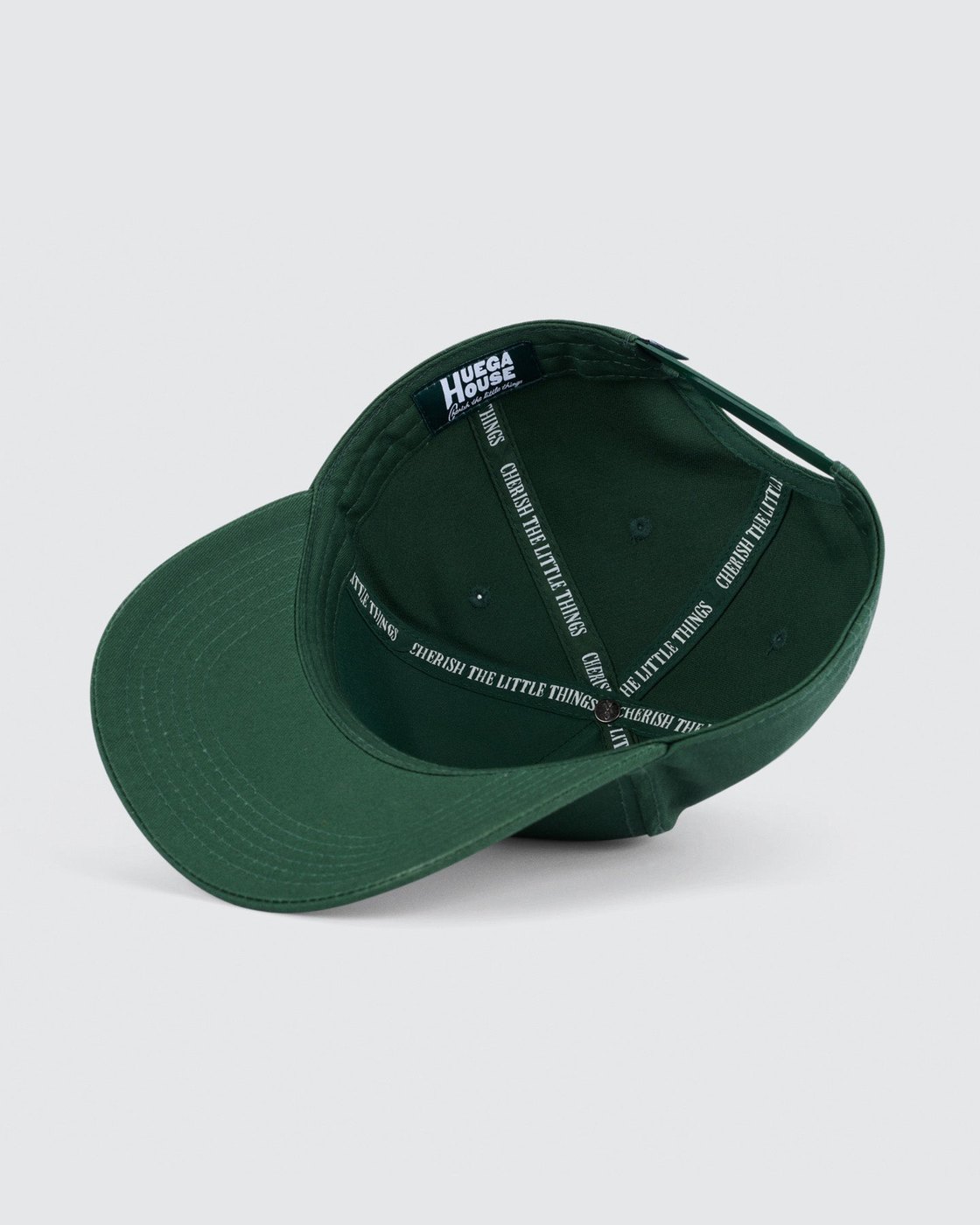
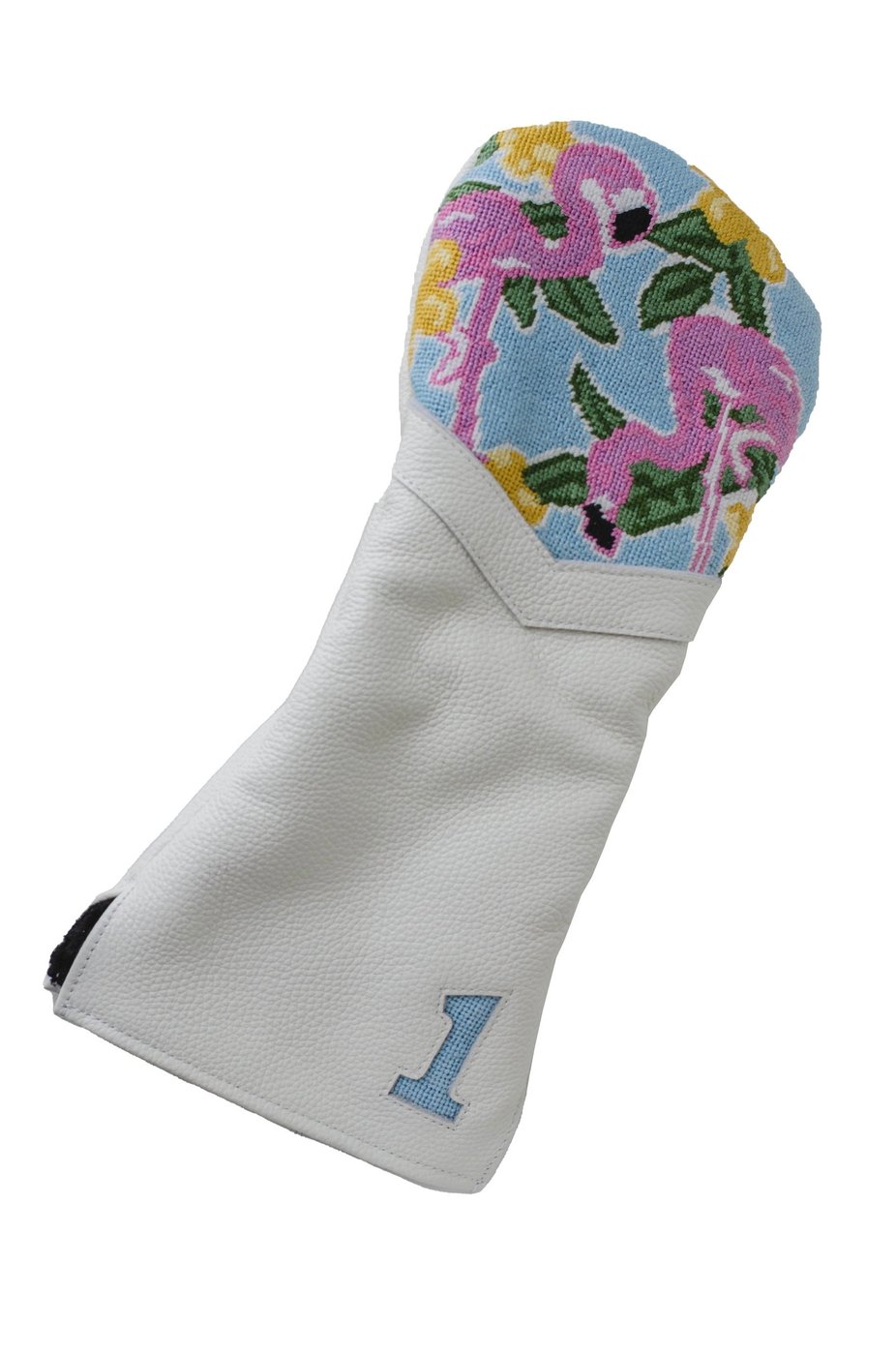
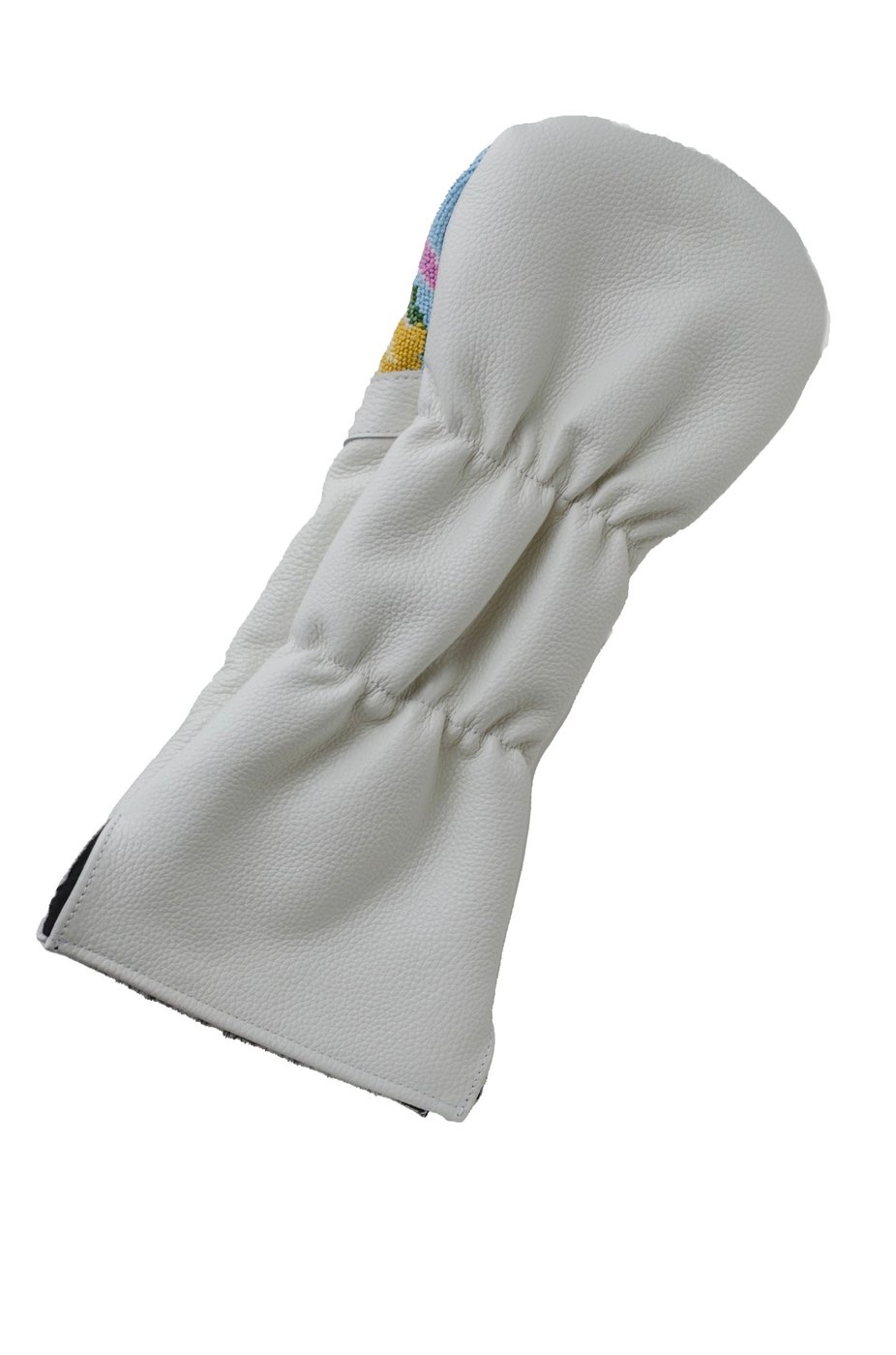
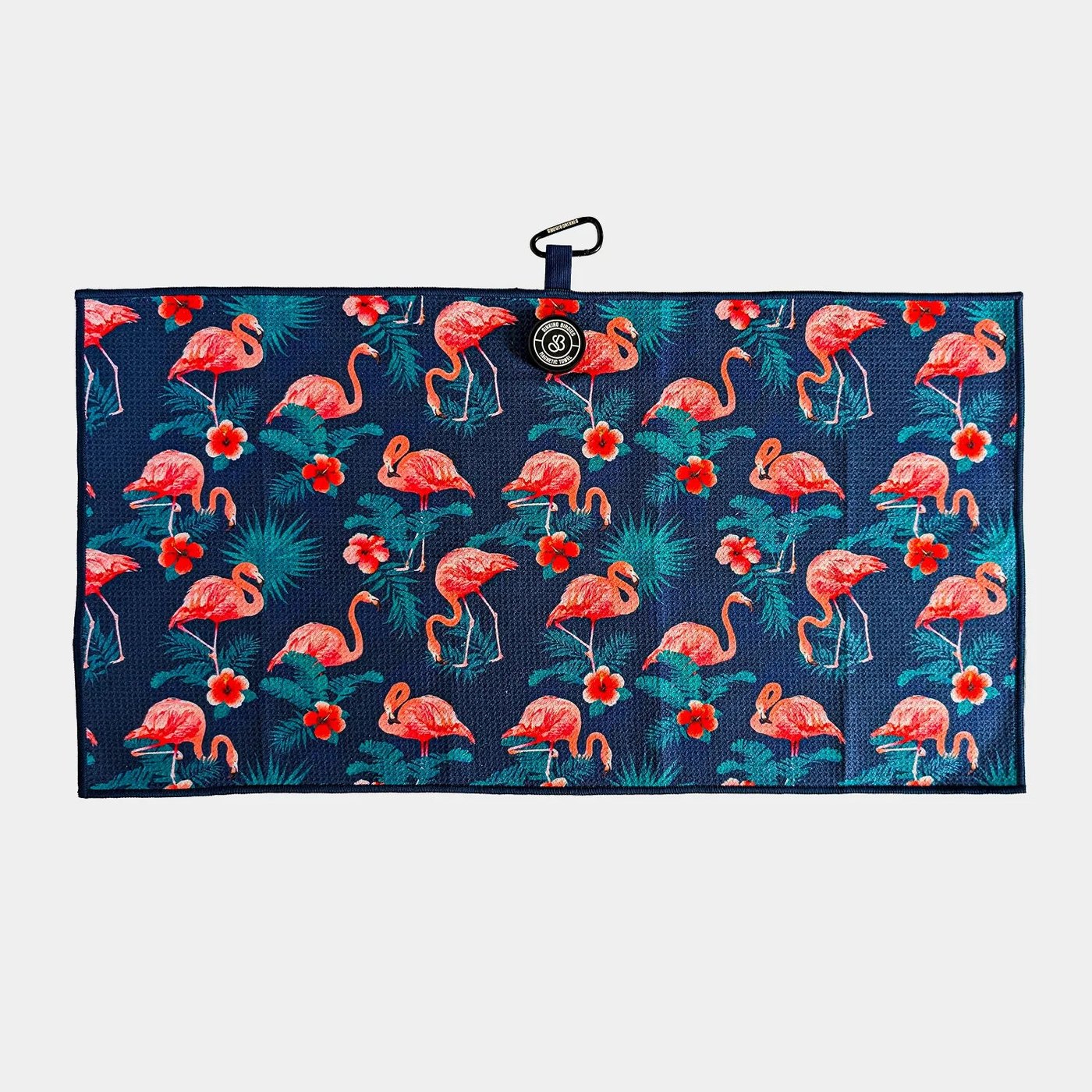
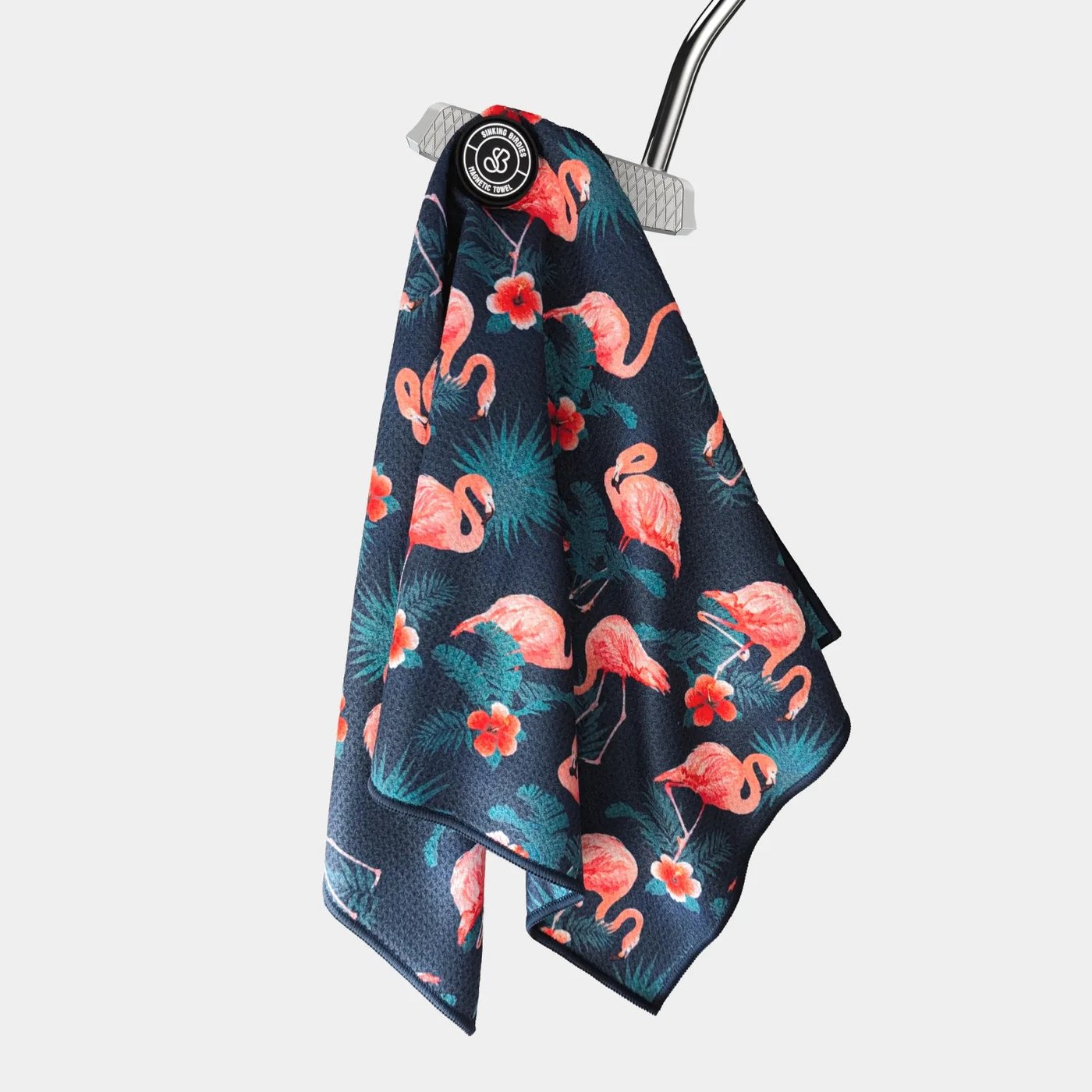
SWANS, FLAMINGOS AND BIRDS IN FLIGHTEverything that refuses to sit in a category. A Danish swan, a needlepoint flamingo, a toile of birds in flight and a print that reads as a flock only once you stop looking at it directly. The species here matter less than the handling.
The terms come from American slang around 1900, when calling something a bird meant it was excellent. A hole played one under par became a birdie, and the sequence extended upward into eagle, albatross and the largely theoretical condor for four under.
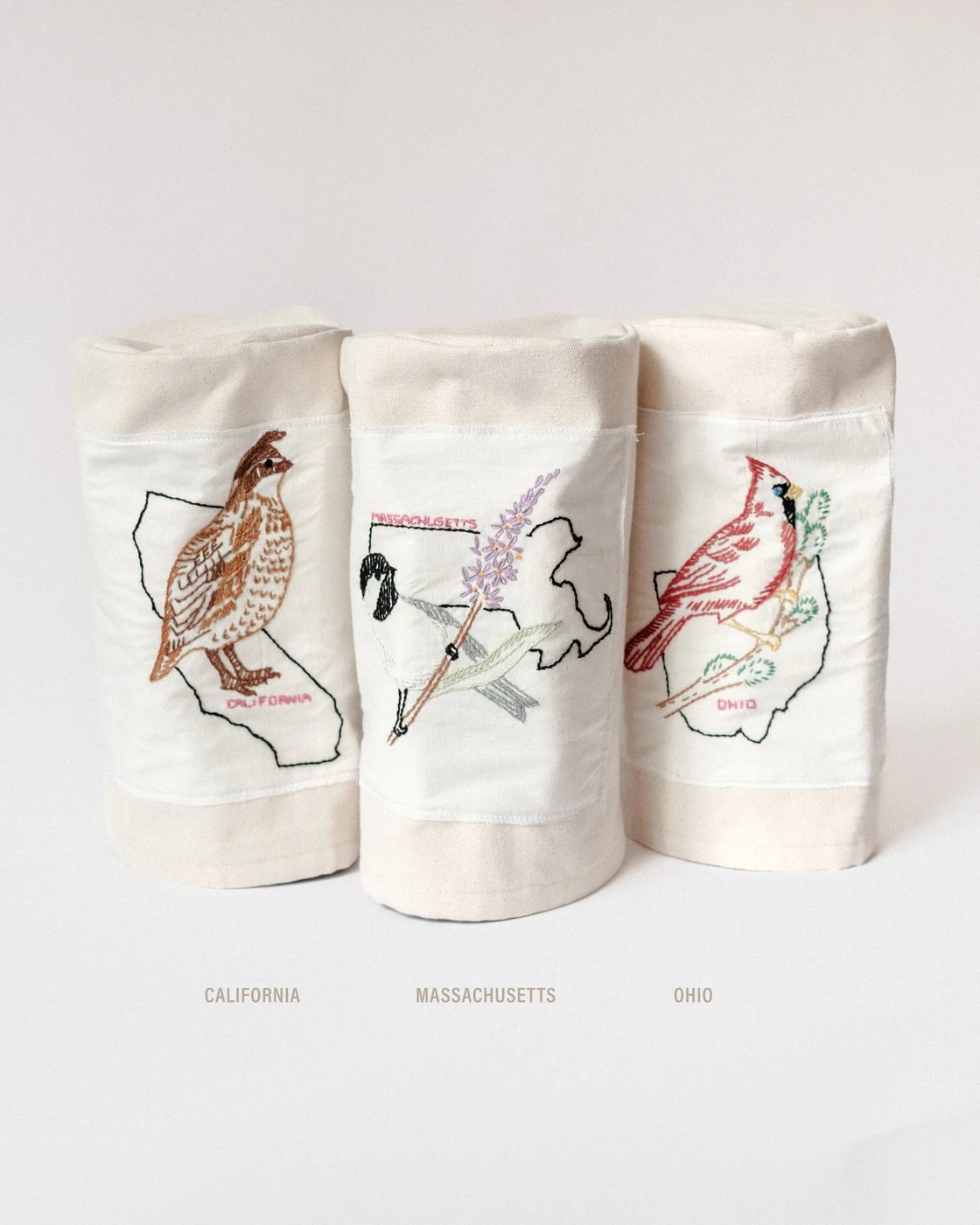
On current evidence, Gumtree Golf Nature Club. Their State Bird headcovers pair an embroidered state bird with its state outline, and their Birds of Georgia collaboration with Malbon put Audubon-style plates of the cardinal, blue jay, oriole and scarlet tanager onto a polo Jason Day wore at Augusta.
A corduroy headcover with Canada geese embroidered across it, sherpa-lined, at $65. The name reads as slang and the product description never mentions the birds, so it is routinely missed. The driver cover has sold out; the blade and mallet versions run at the same price.
Many. Jones Sports Co's birdie patch is a badminton shuttlecock. Sinking Birdies' Birdie Train logo is a locomotive. Fyfe Golf names tweeds after the black grouse, fulmar and peregrine without putting a bird on any of them. Seamus Golf's house animal is a goat.
The Clint Orms Ball Marker 1600 Quail at $330 sterling silver with a sterling quail overlay and hand-engraved wheatgrass, made in Kerrville, Texas. It is a fraction of the size of anything else on the page.
Most of them. The Winston Collection mallard covers, Smathers Branson wood duck hat and upland tag, Dormie's Oval Office cover, Swag's American Ink mallet, Asher Riley's flamingo, Walker's Kooka cover, the Birds of Condor marker set, Huega House's swan hat and the Holderness Bourne, Students and Greyson shirts are all live. The Malbon polo, the Sugarloaf quail and the Radry driver have gone.