Midiron writes better than anyone else in golf and will not tell you who is doing it — no founder name, no photograph, no byline. What is on the site is a line about a grandad’s hand-me-down Titleist cap, lowercase and unsigned, and then the brand went and found vintage Titleist caps, had a Melbourne studio rework three, gave one away and sold the other two.
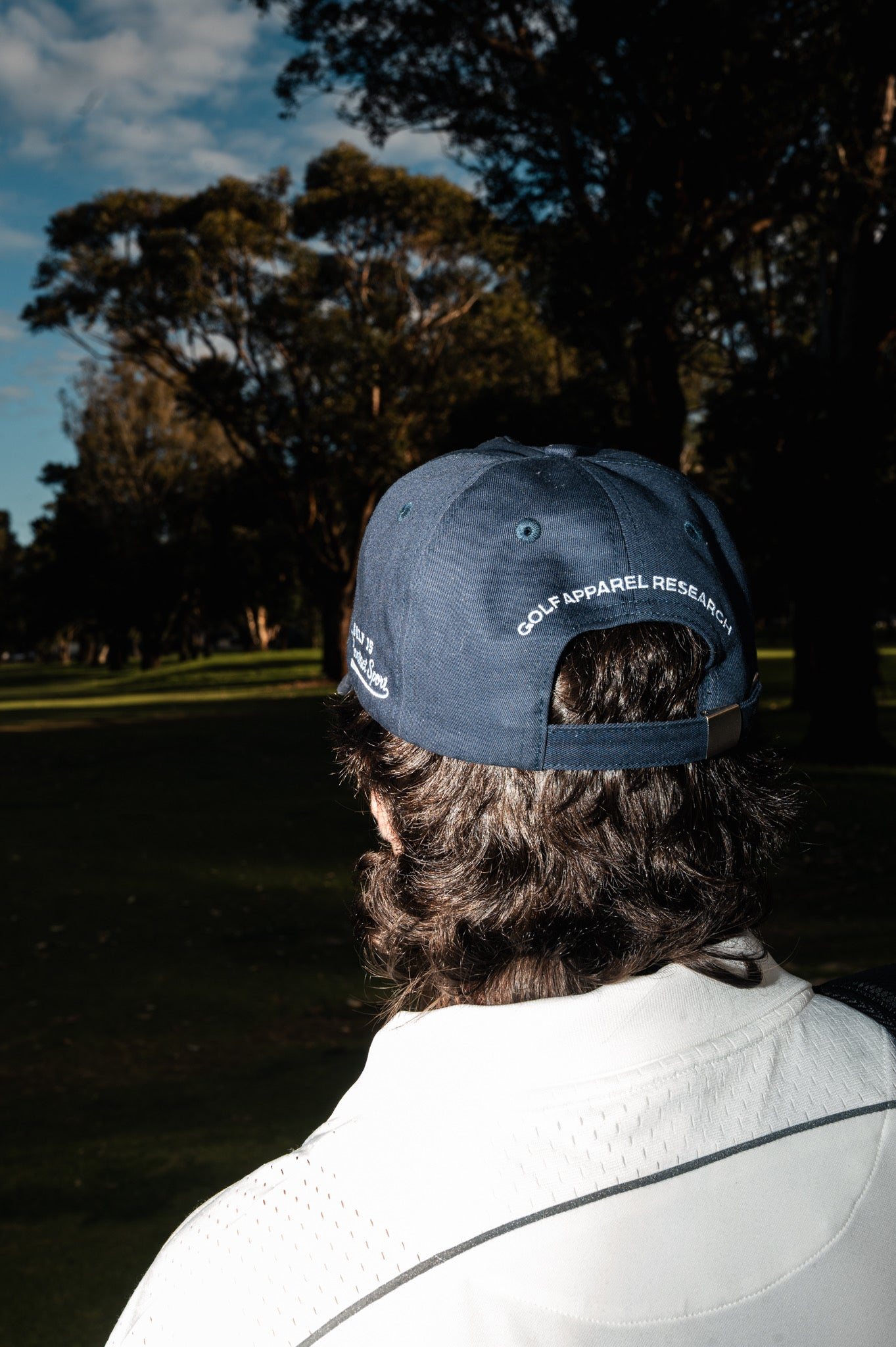
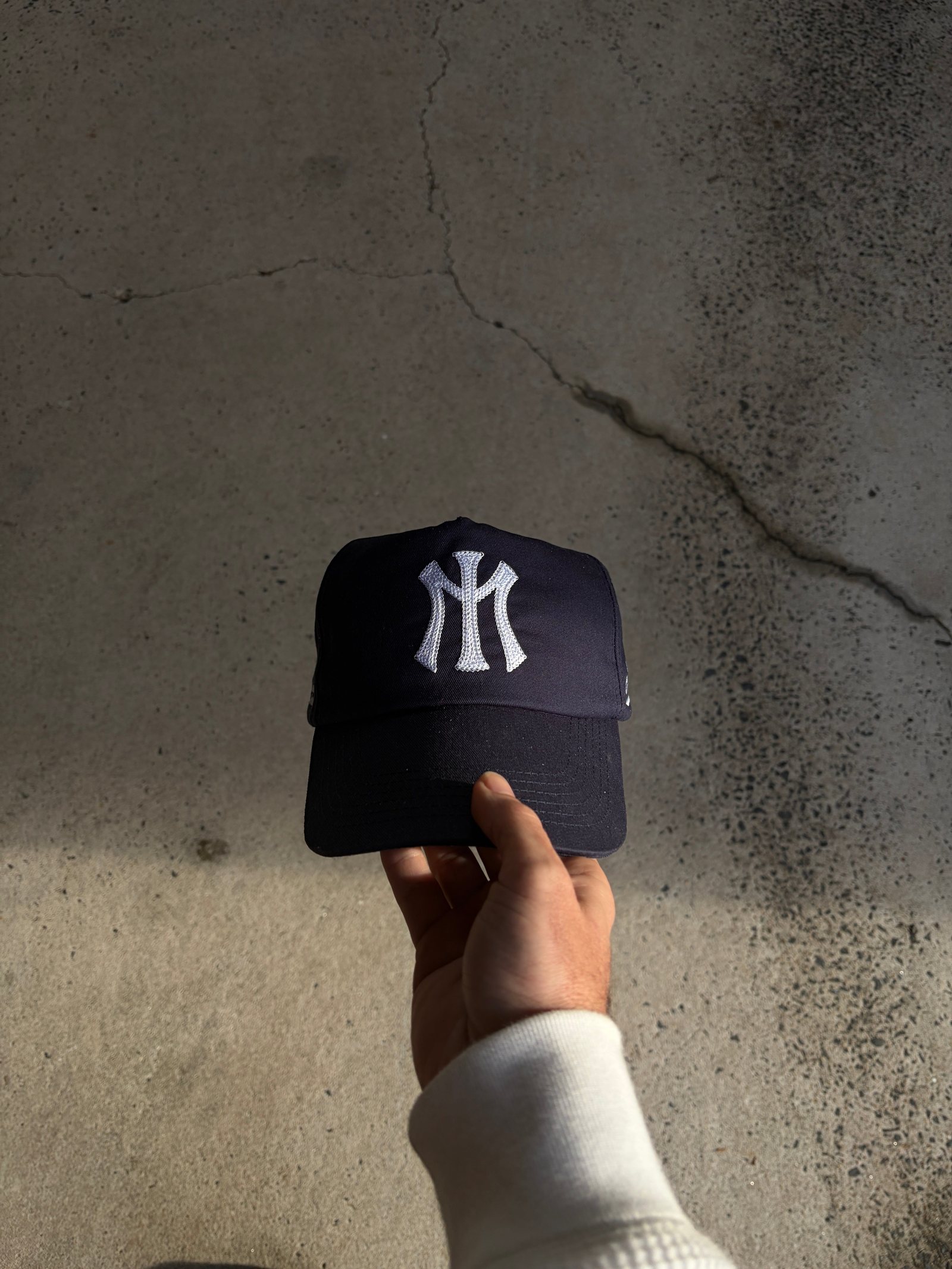
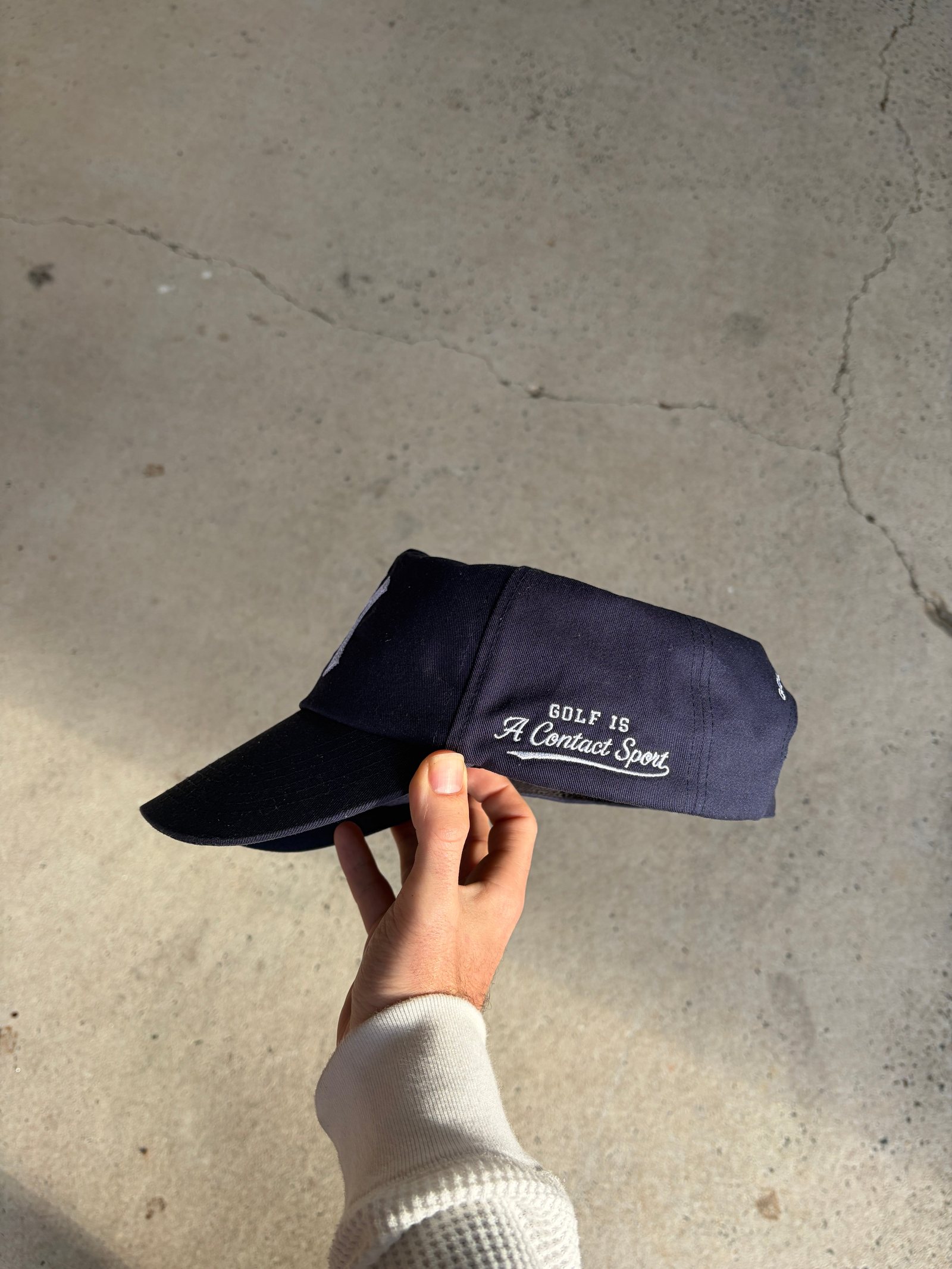
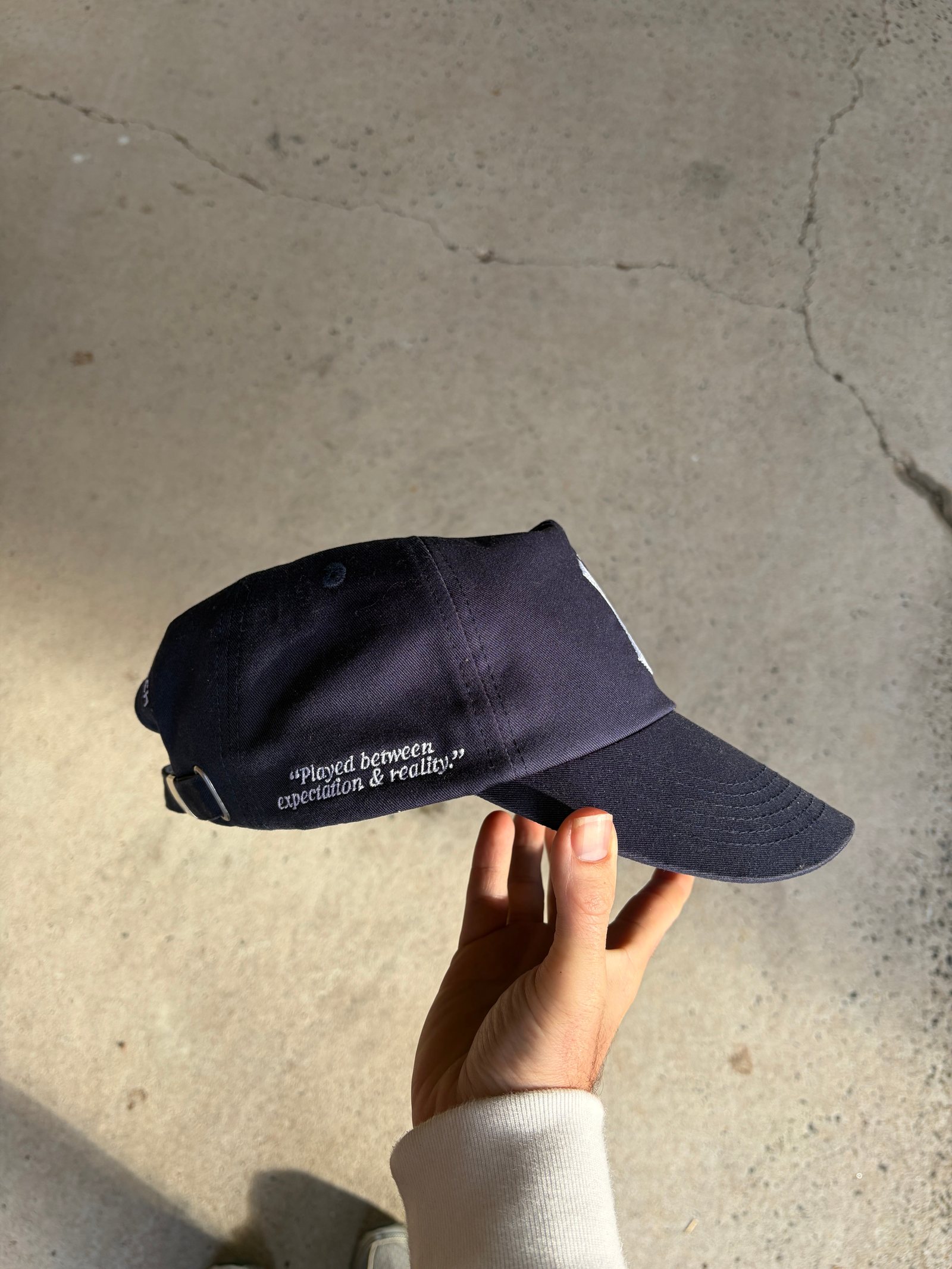
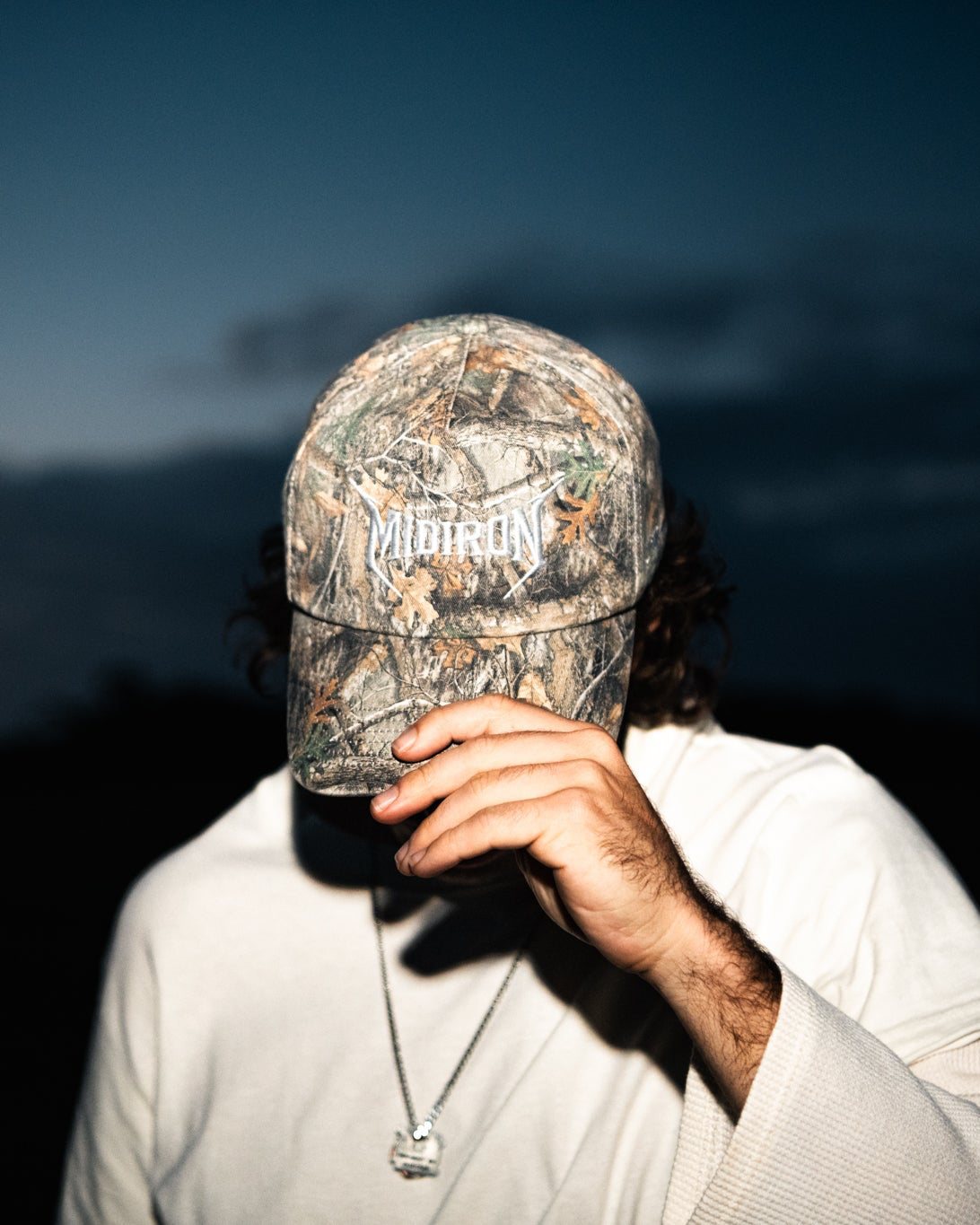
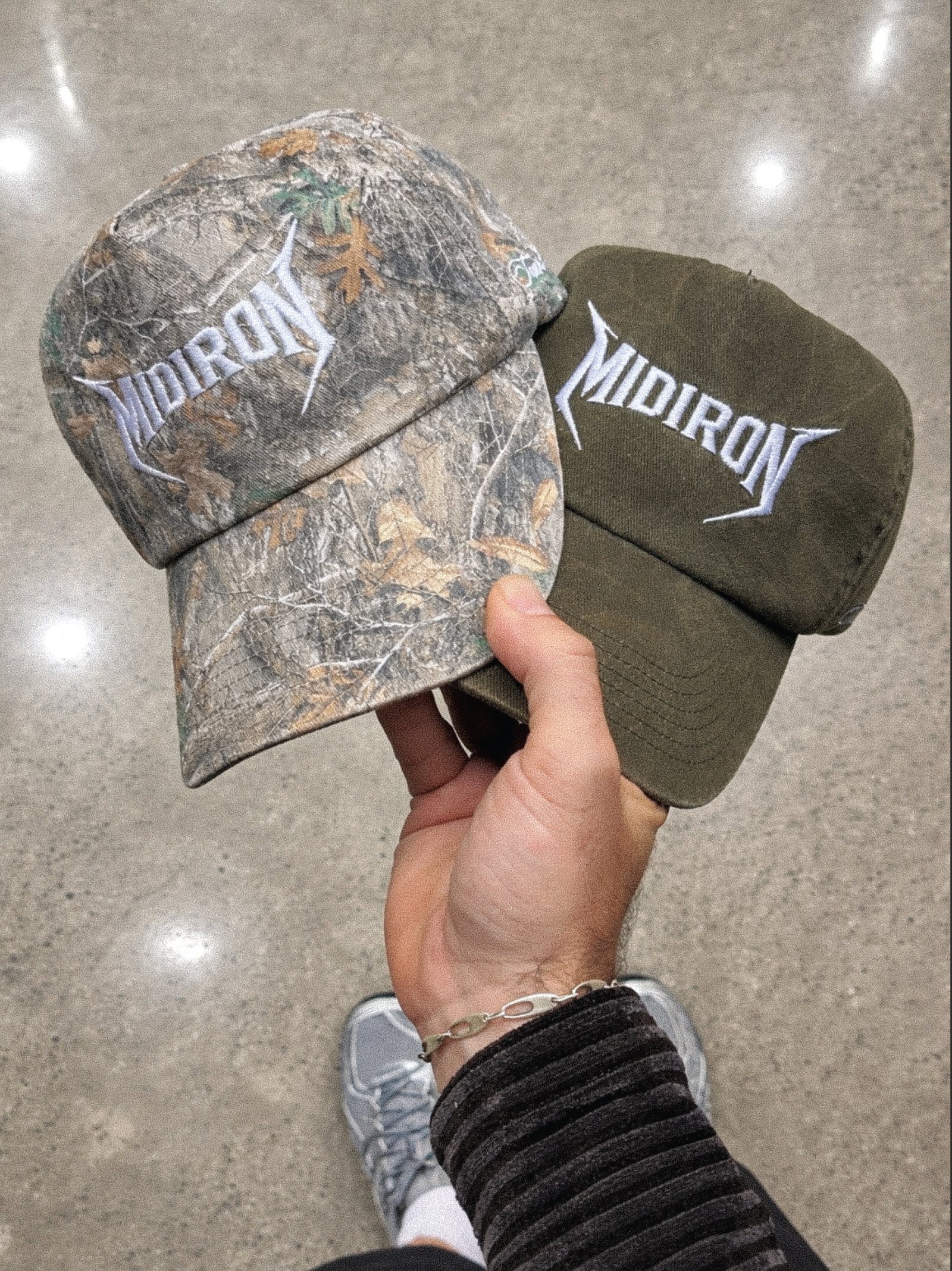
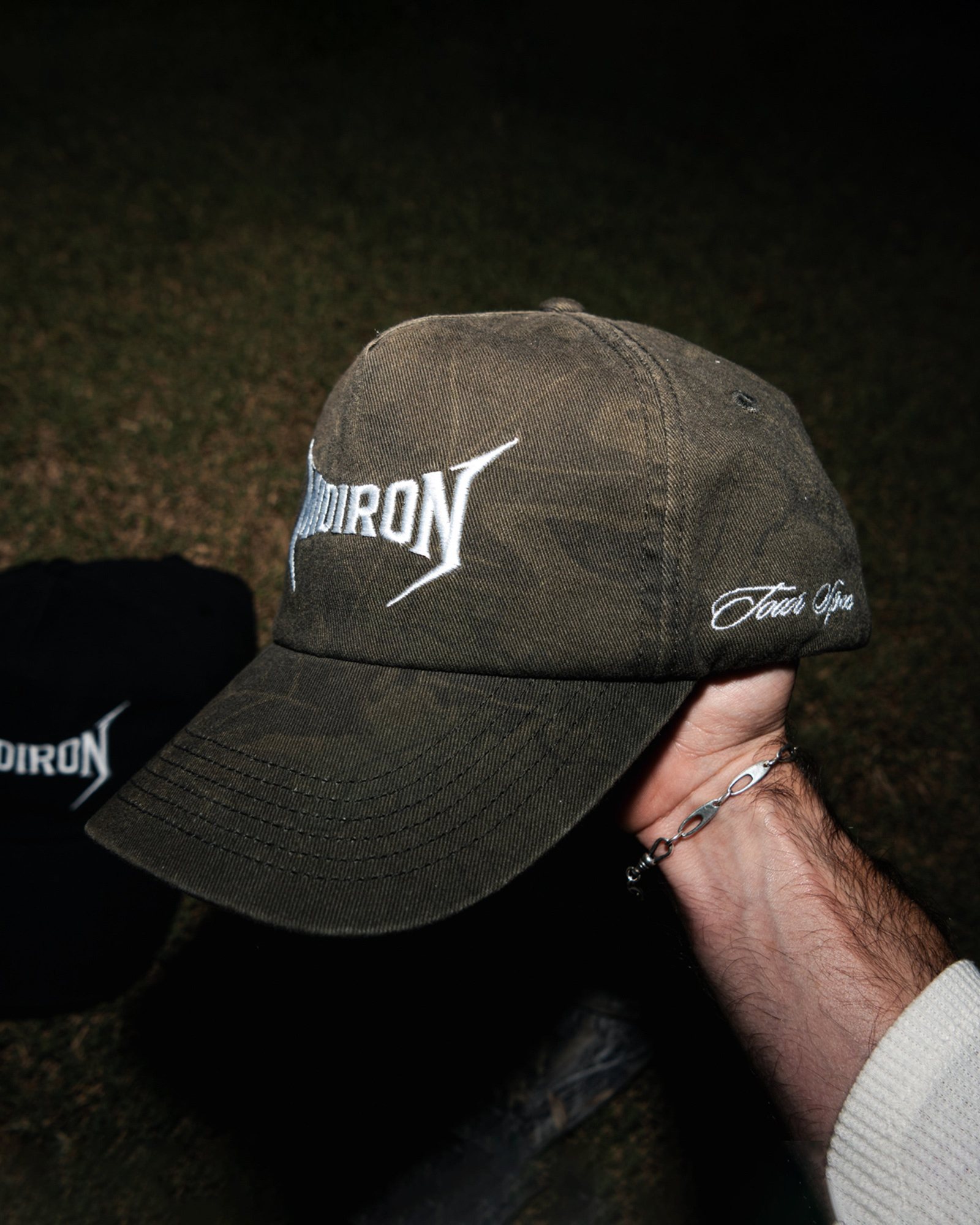
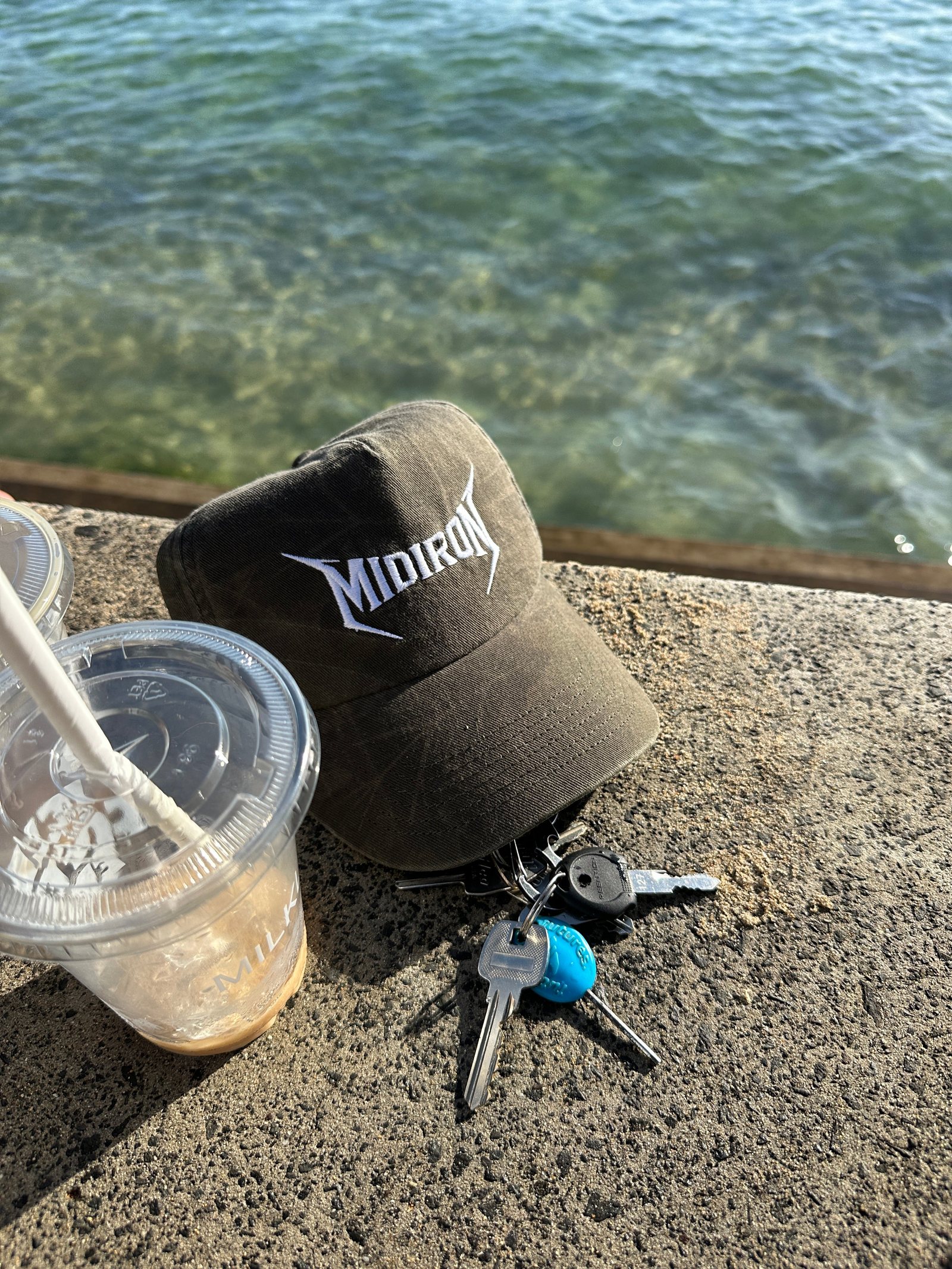
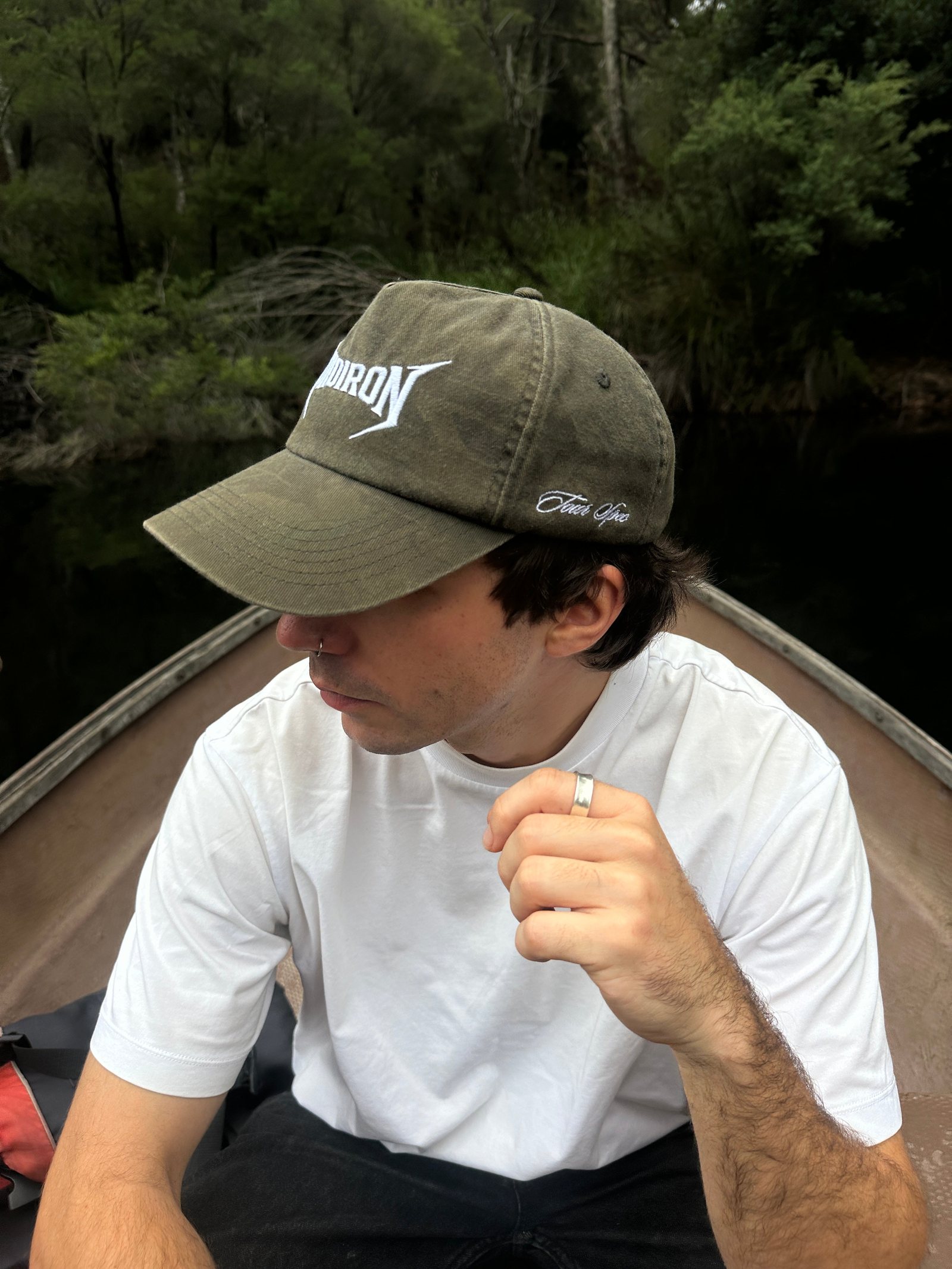
The Tour Spec Cap at A$69 (about US$49) is the everyday version of that sensibility.
This is for the player who reads the product page. Nine pieces exist, seven releases so far, A$69 to A$129 — a small catalog held to an unusually high standard of attention.
Midiron writes better product copy than anyone else in golf and will not tell you who is doing it. There is no founder name on the site, no photograph and no byline on any of the writing. On a product page for a sold-out cap, in lowercase and unsigned, is this:
“when i was 10, my grandad gave me a hand me down titleist cap because i didn’t have one to wear when we played golf together. sure, it was nothing special to anyone else, but it meant everything to me.”
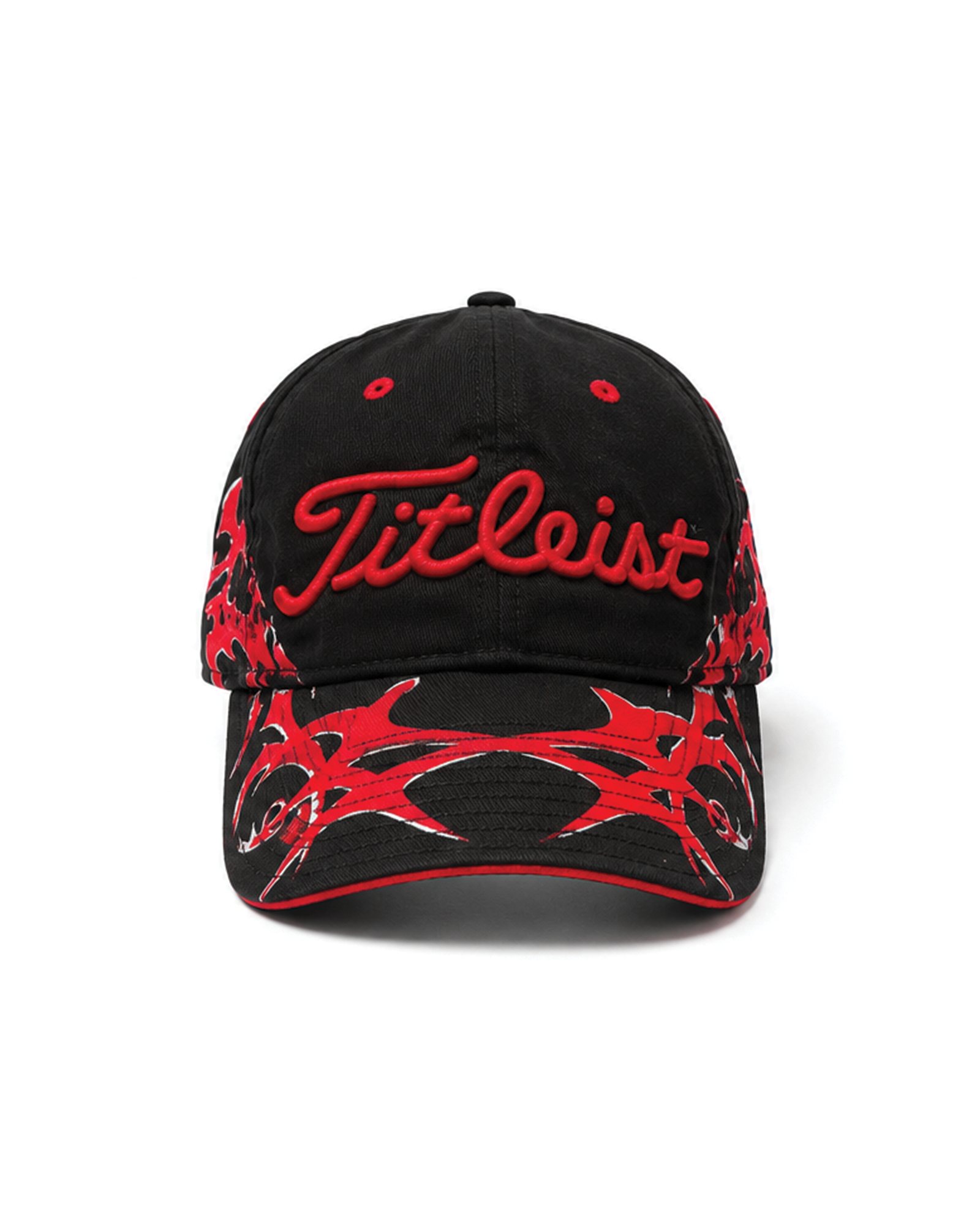
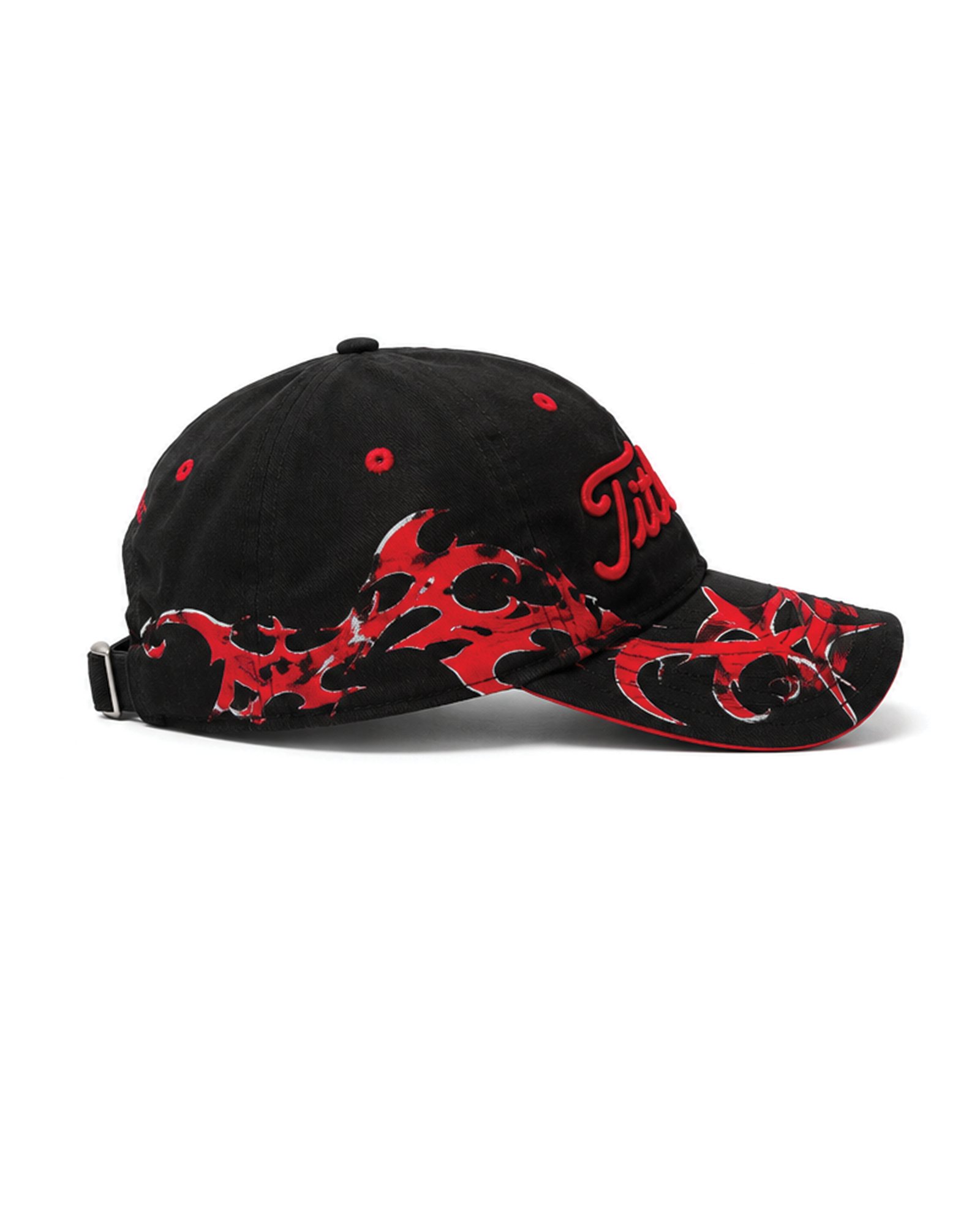
They went and found vintage Titleist caps, had a Melbourne rework studio customize three of them, gave one away and sold the other two as one-offs. The gesture describes the whole operation: small, sentimental and gone before most people heard about it.
The brand is Australian, run out of Sydney, registered in August 2025 and put its first product up that December. In the eight months since it has released nine things across seven drops: six caps, mostly cotton twill on an unstructured five-panel with a strap back, two polos in a unisex boxy cut, and one headcover. Three are already sold out, and the FAQ is blunt about whether that changes: “Sometimes. Usually not.”
The founding complaint is one every independent golf label starts from, and they put it better than most: “golf clothing never felt like the rest of our wardrobe. It belonged on the course, but nowhere else.” The conclusion they draw from it is sharper: “we don’t believe changing outfits should be part of finishing a round.”
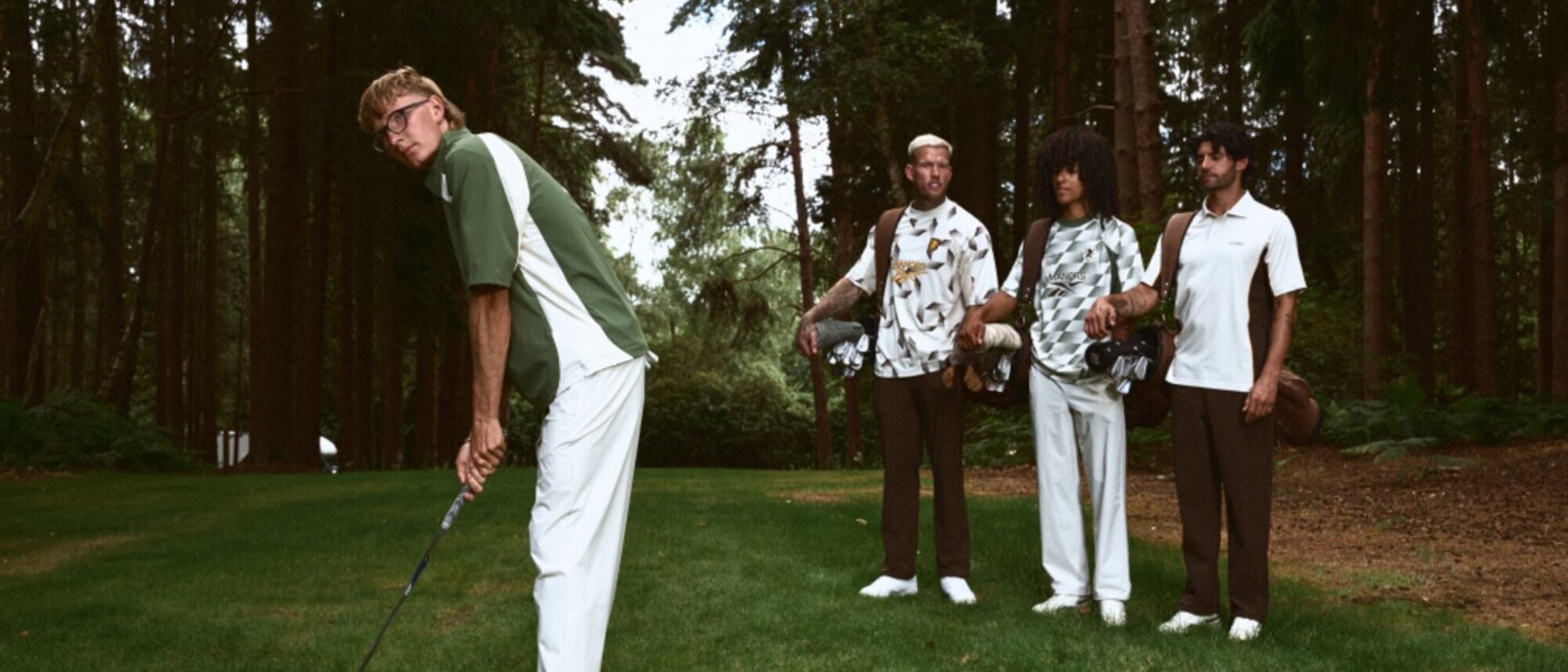
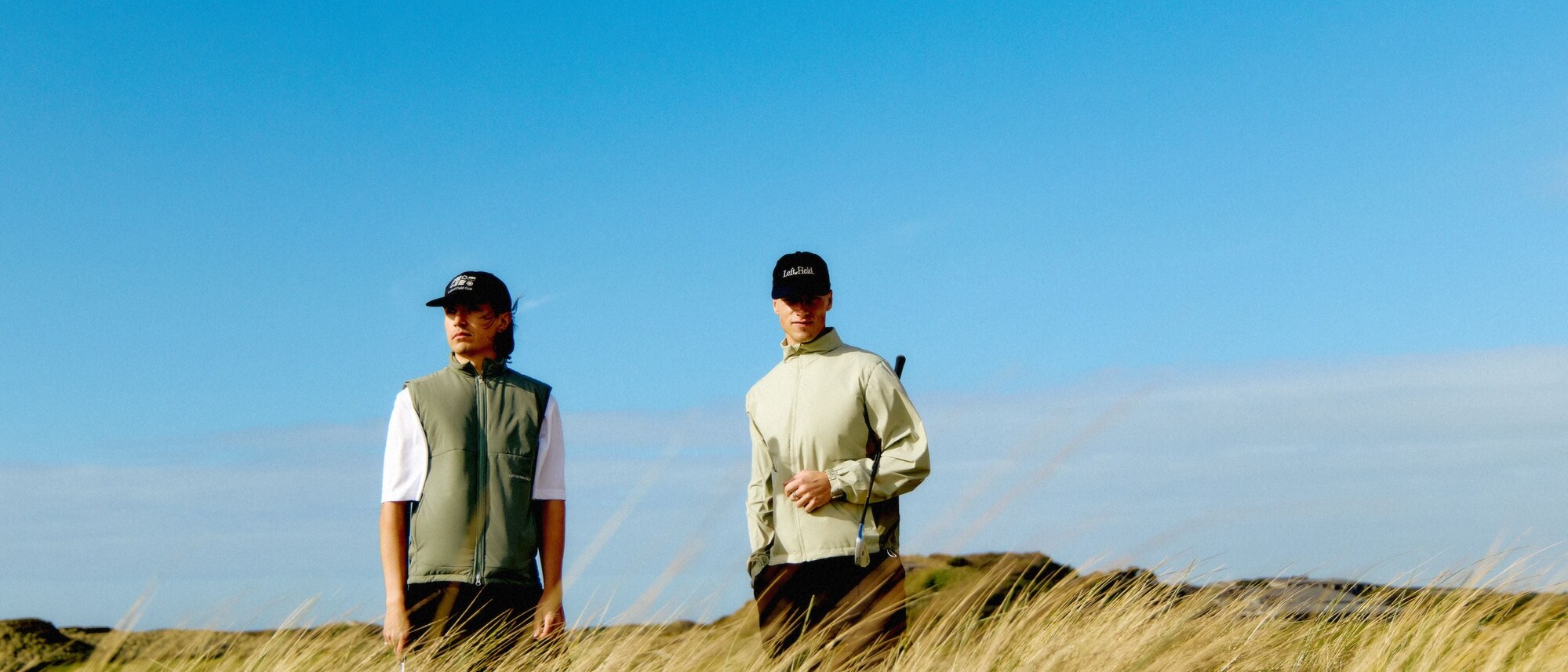
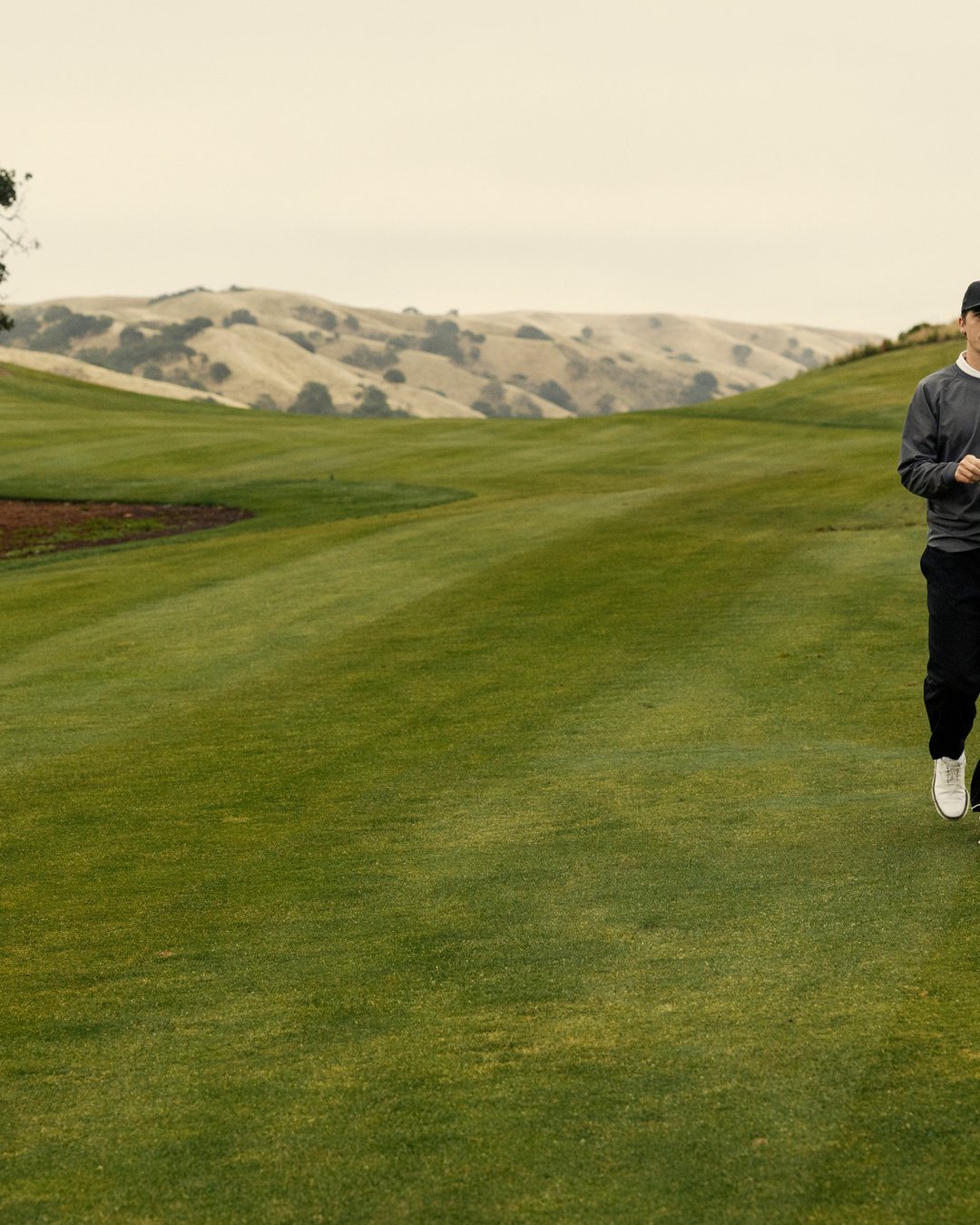
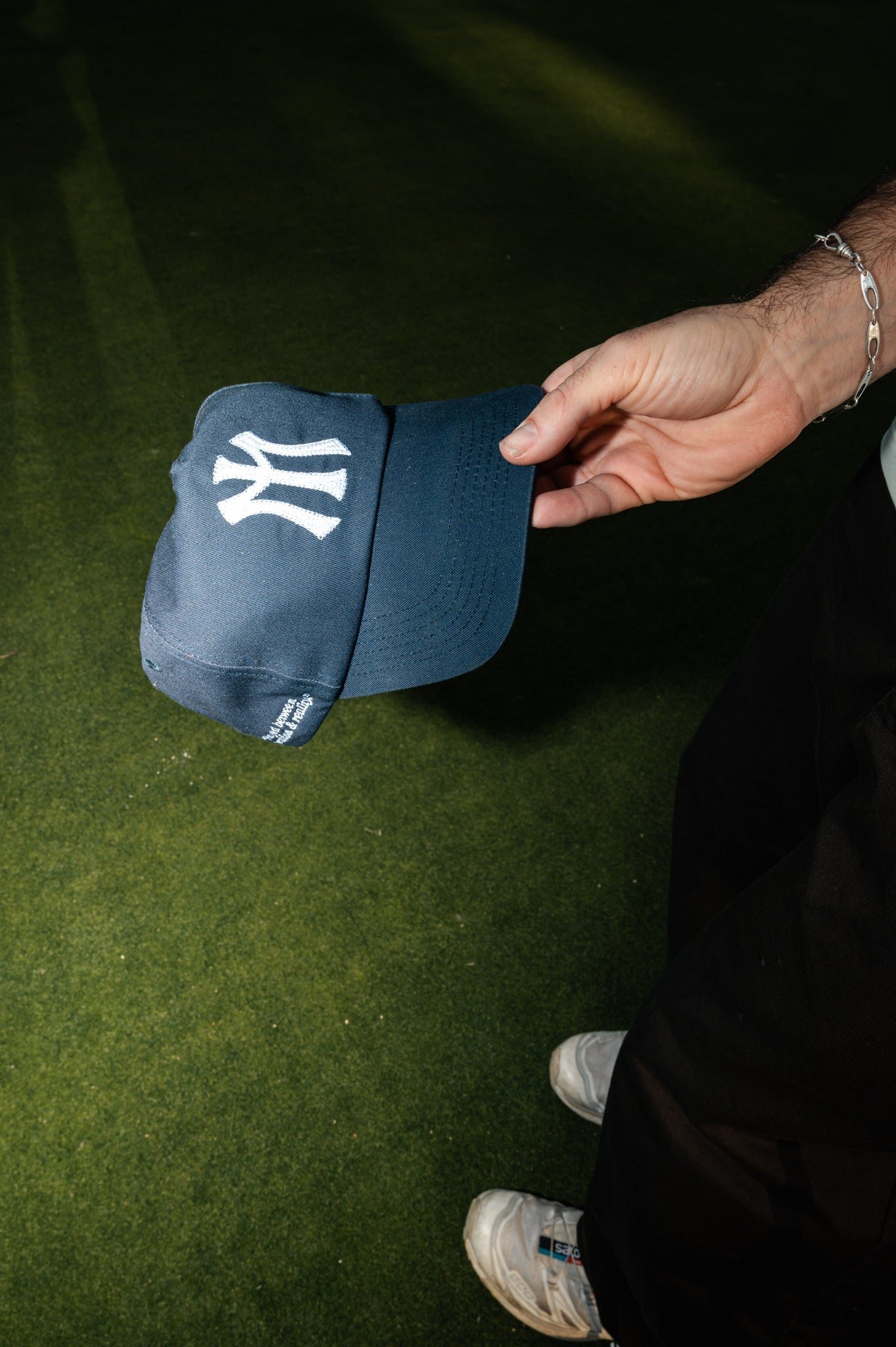
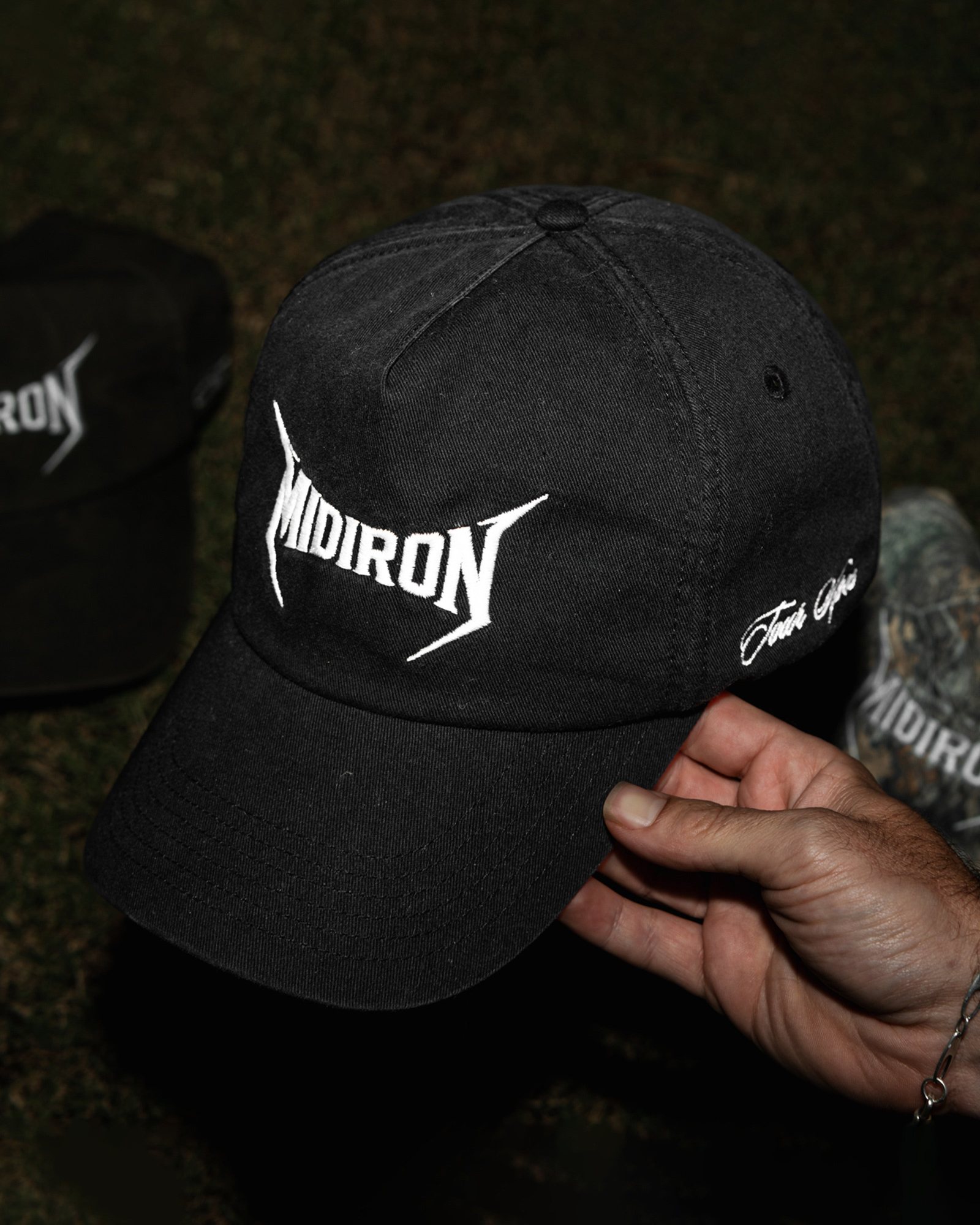
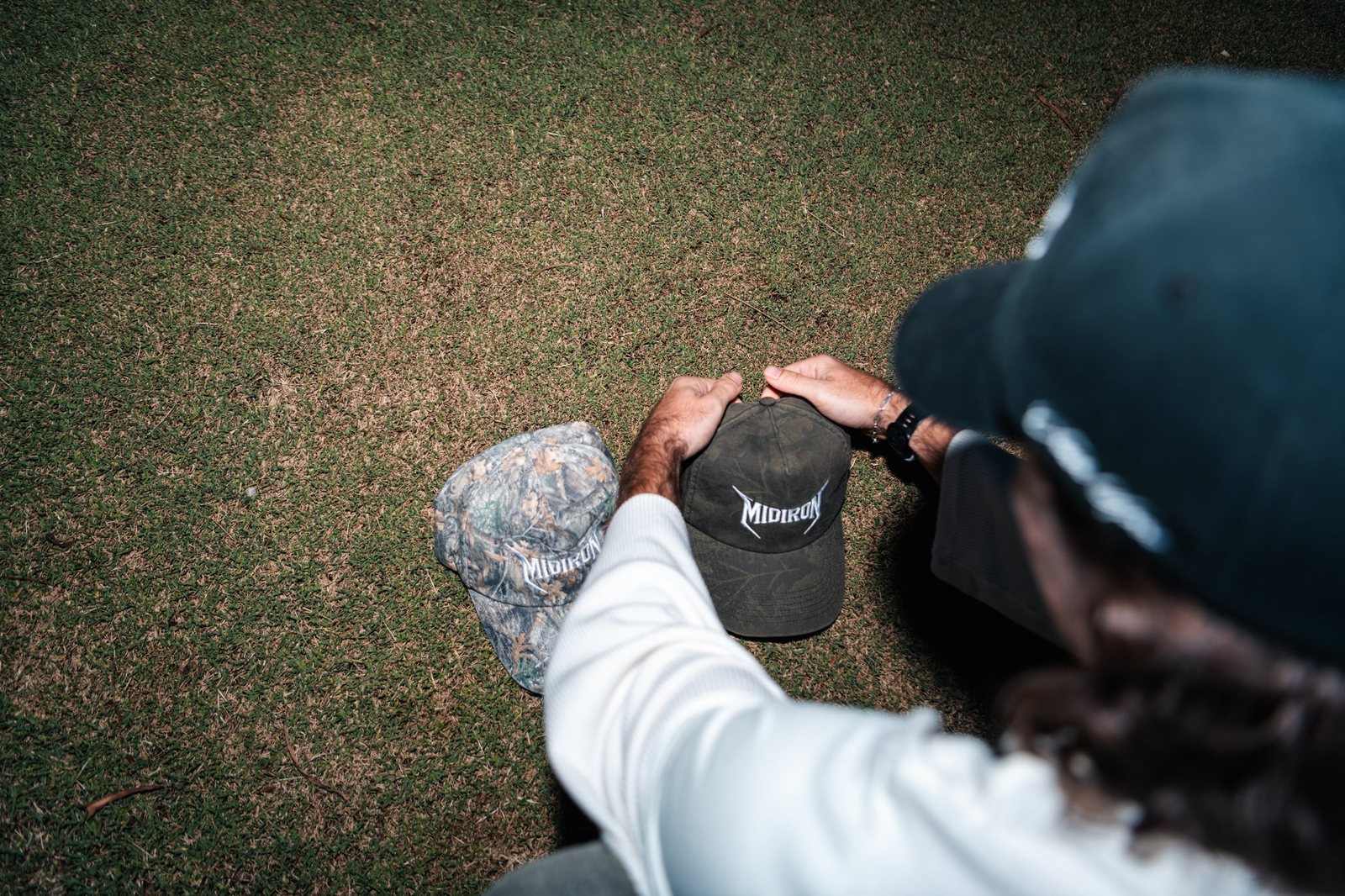
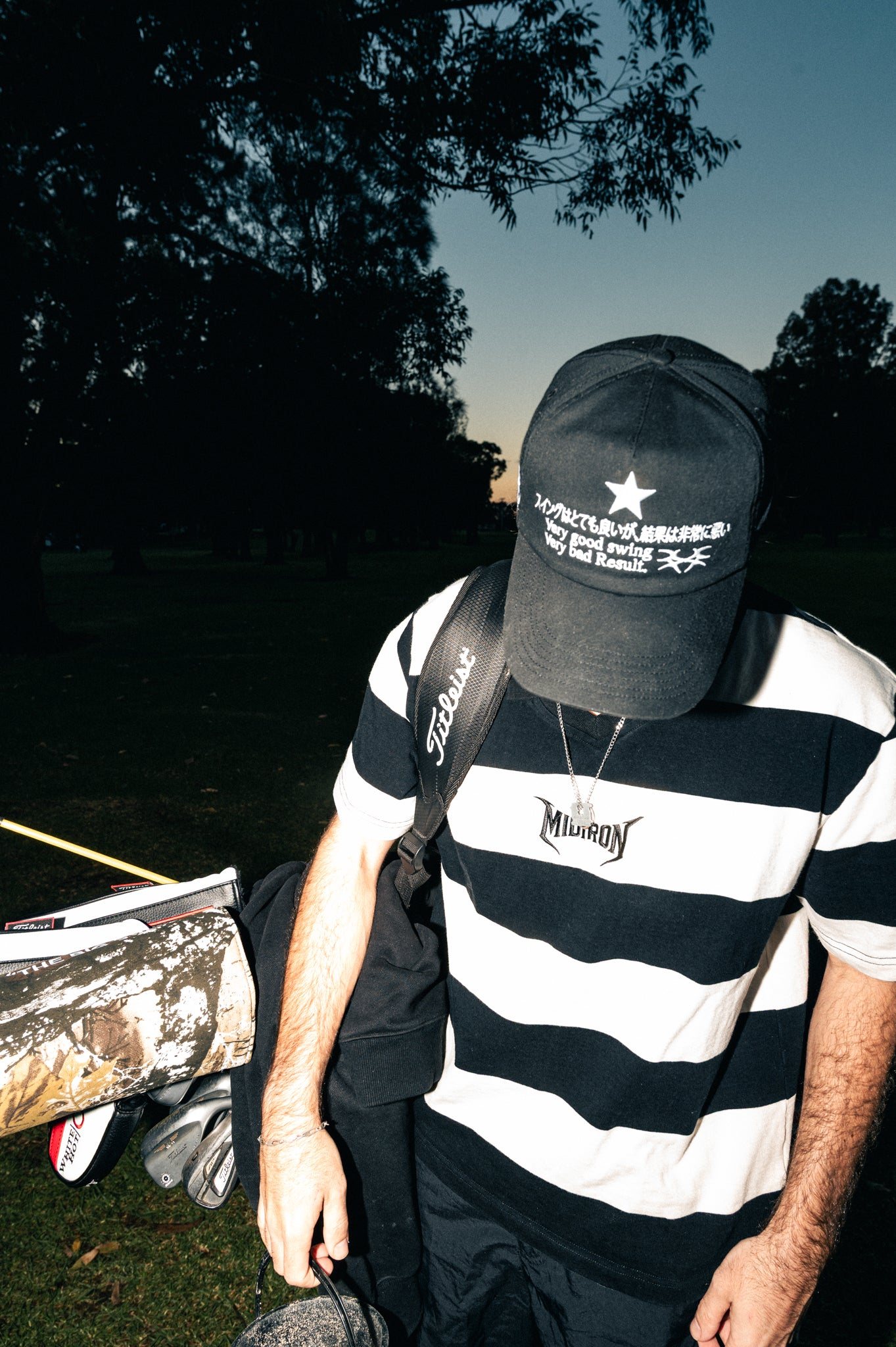
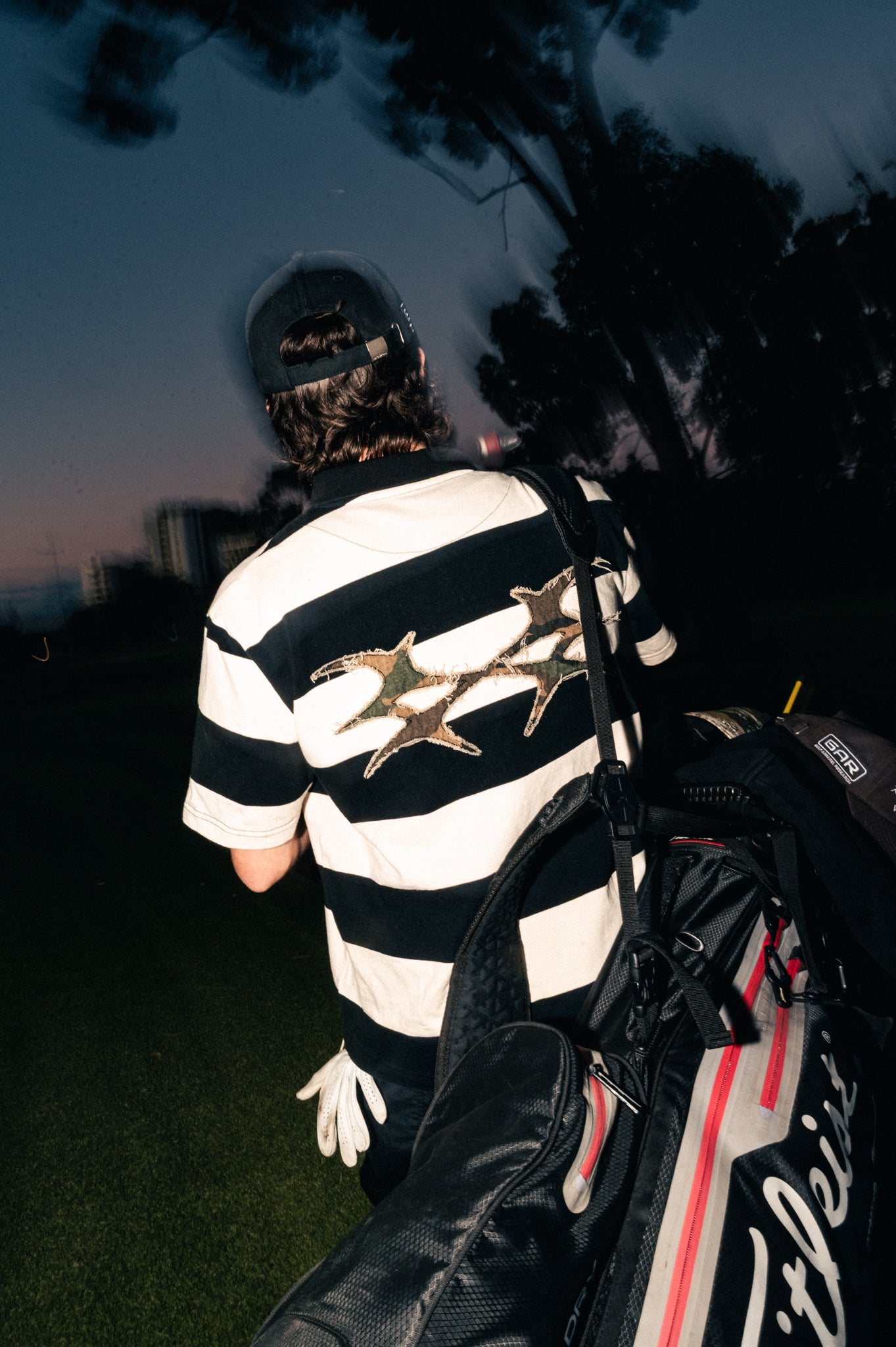
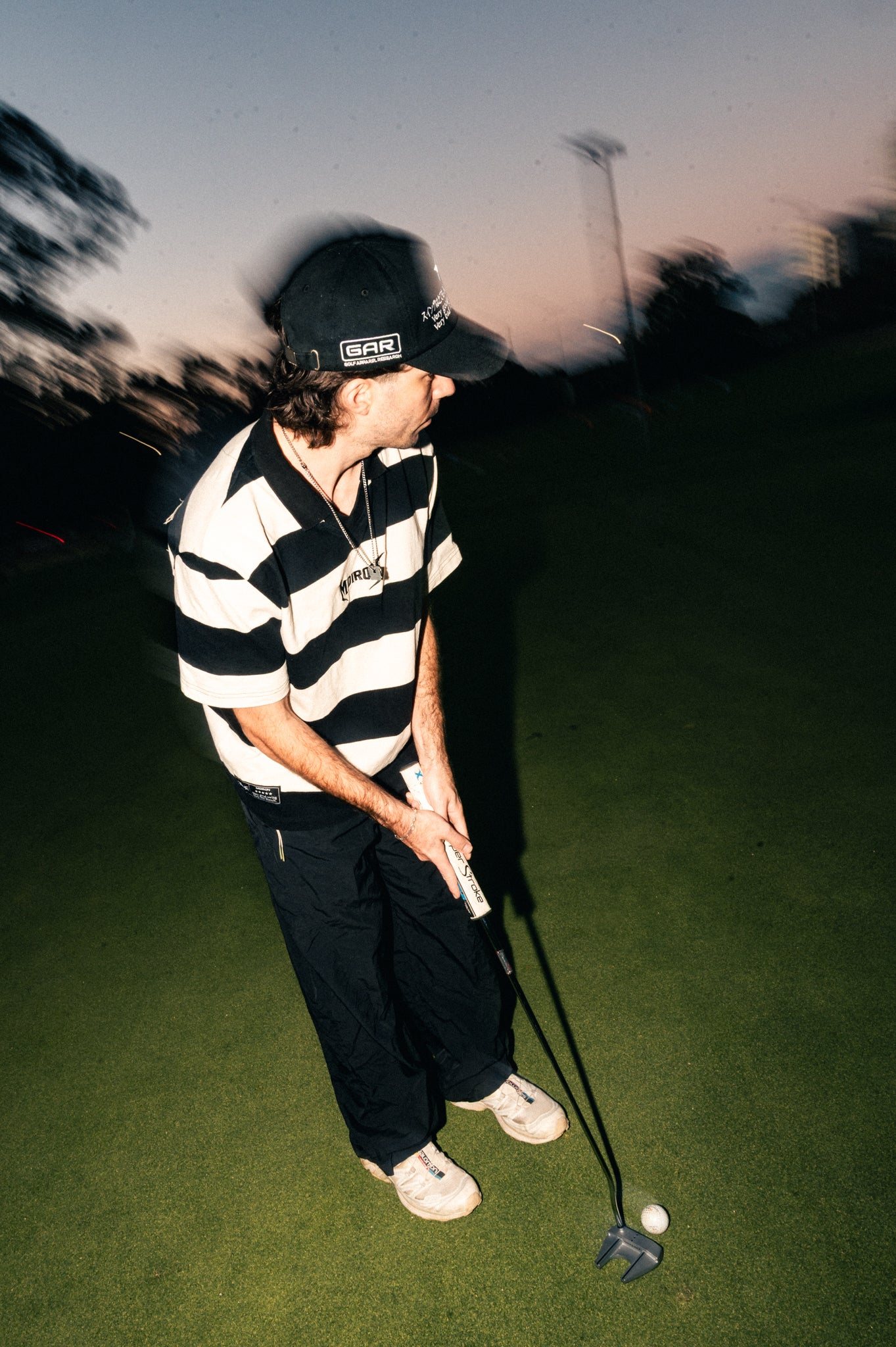
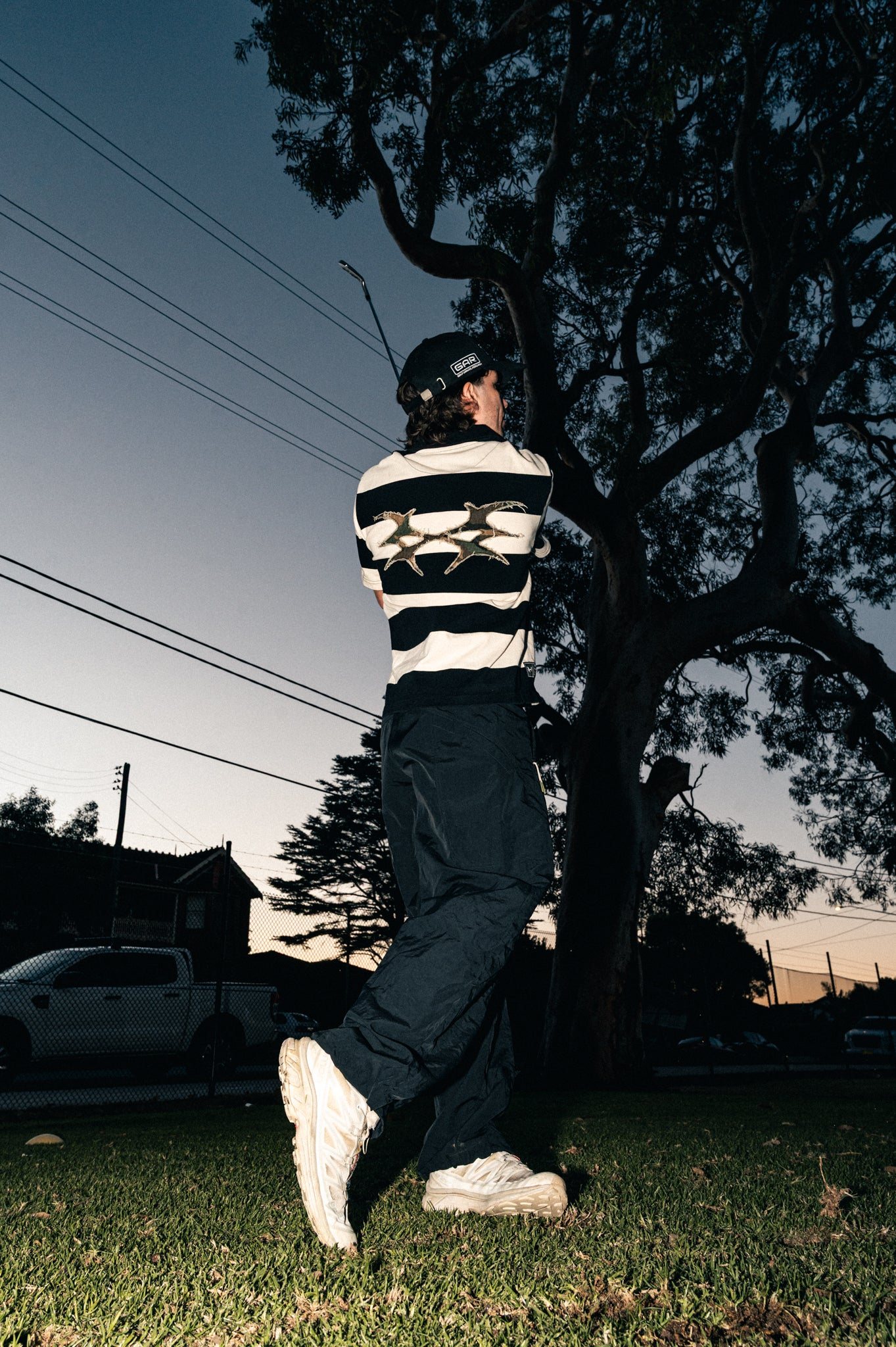
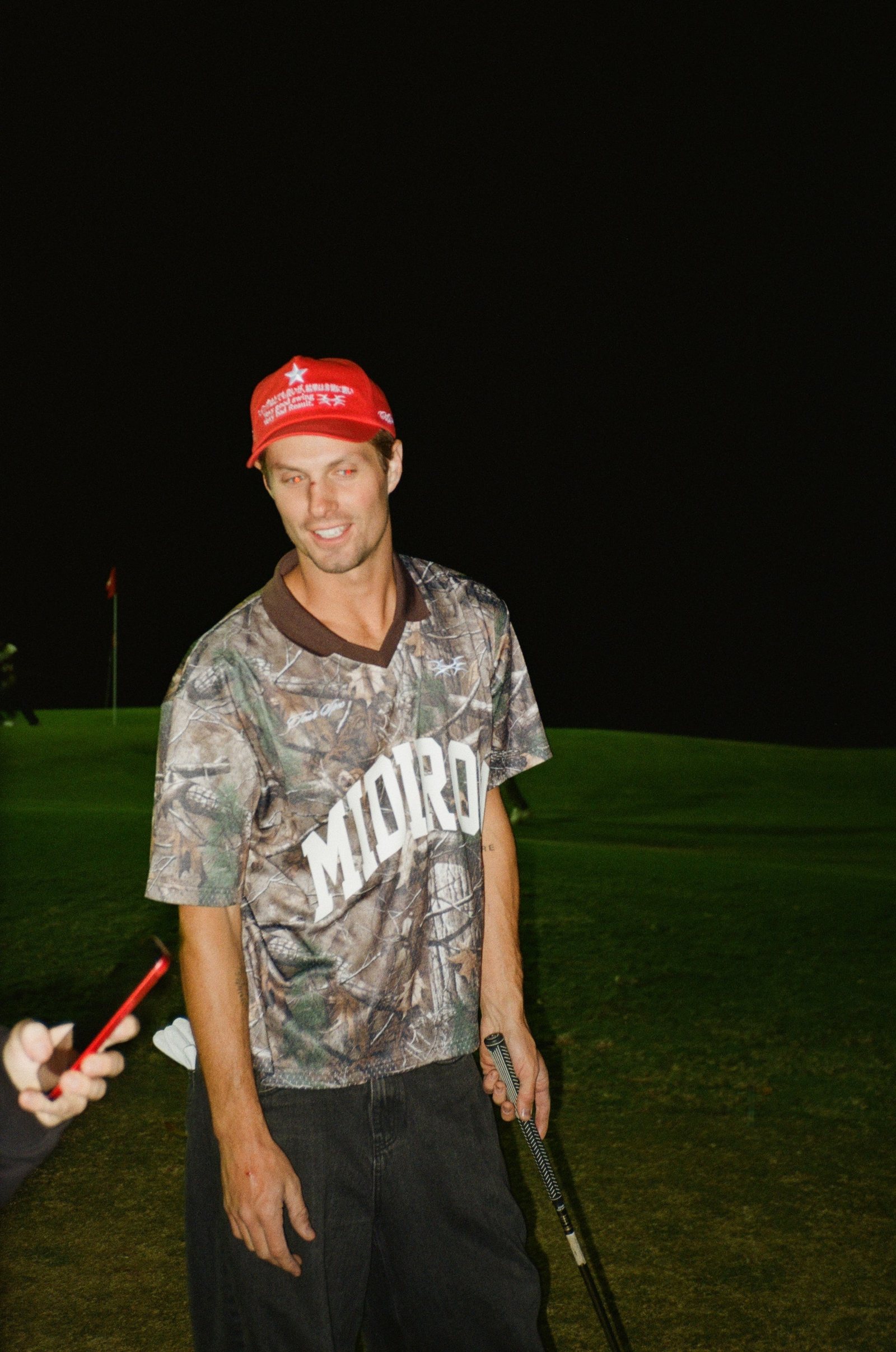
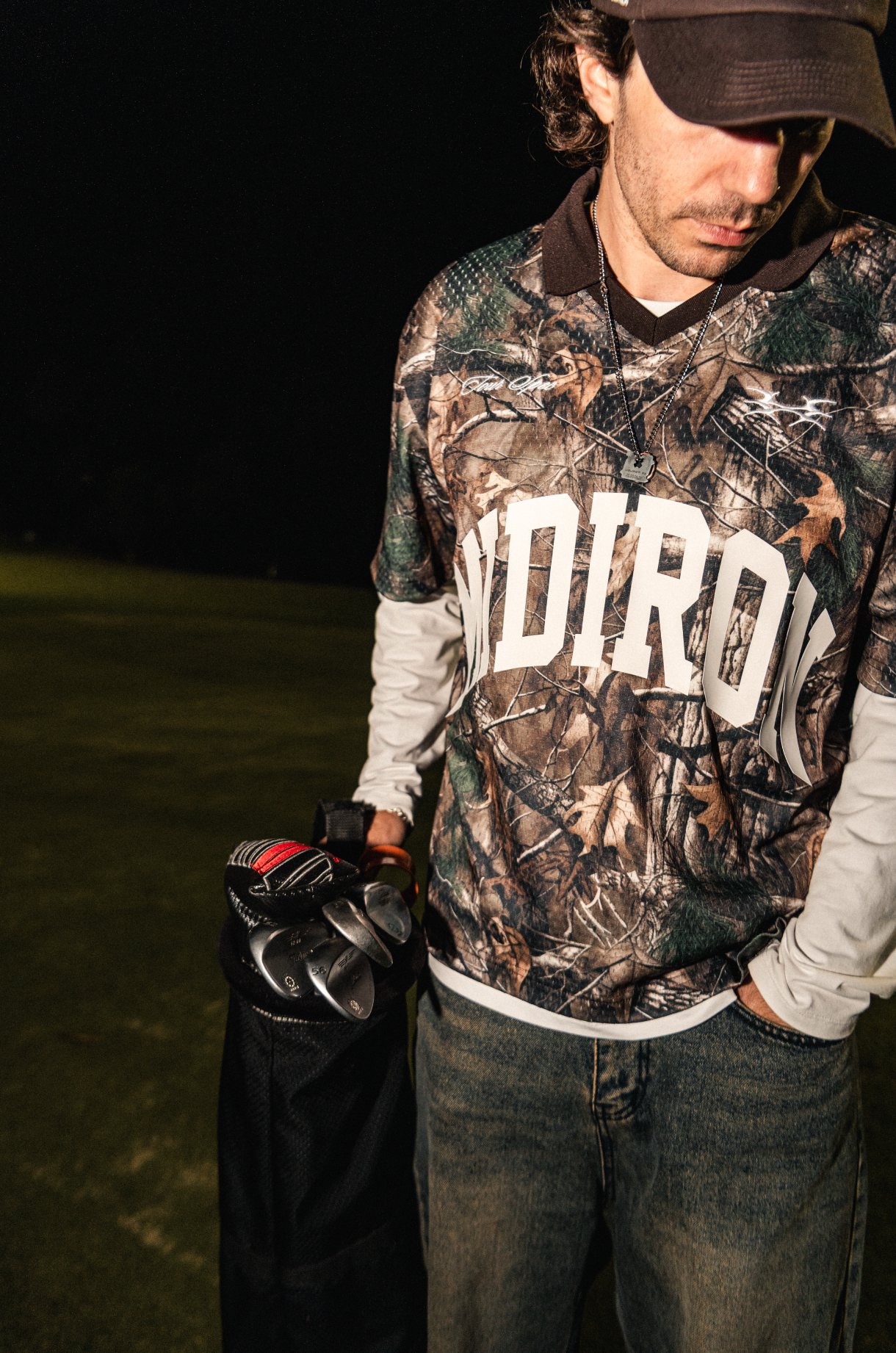
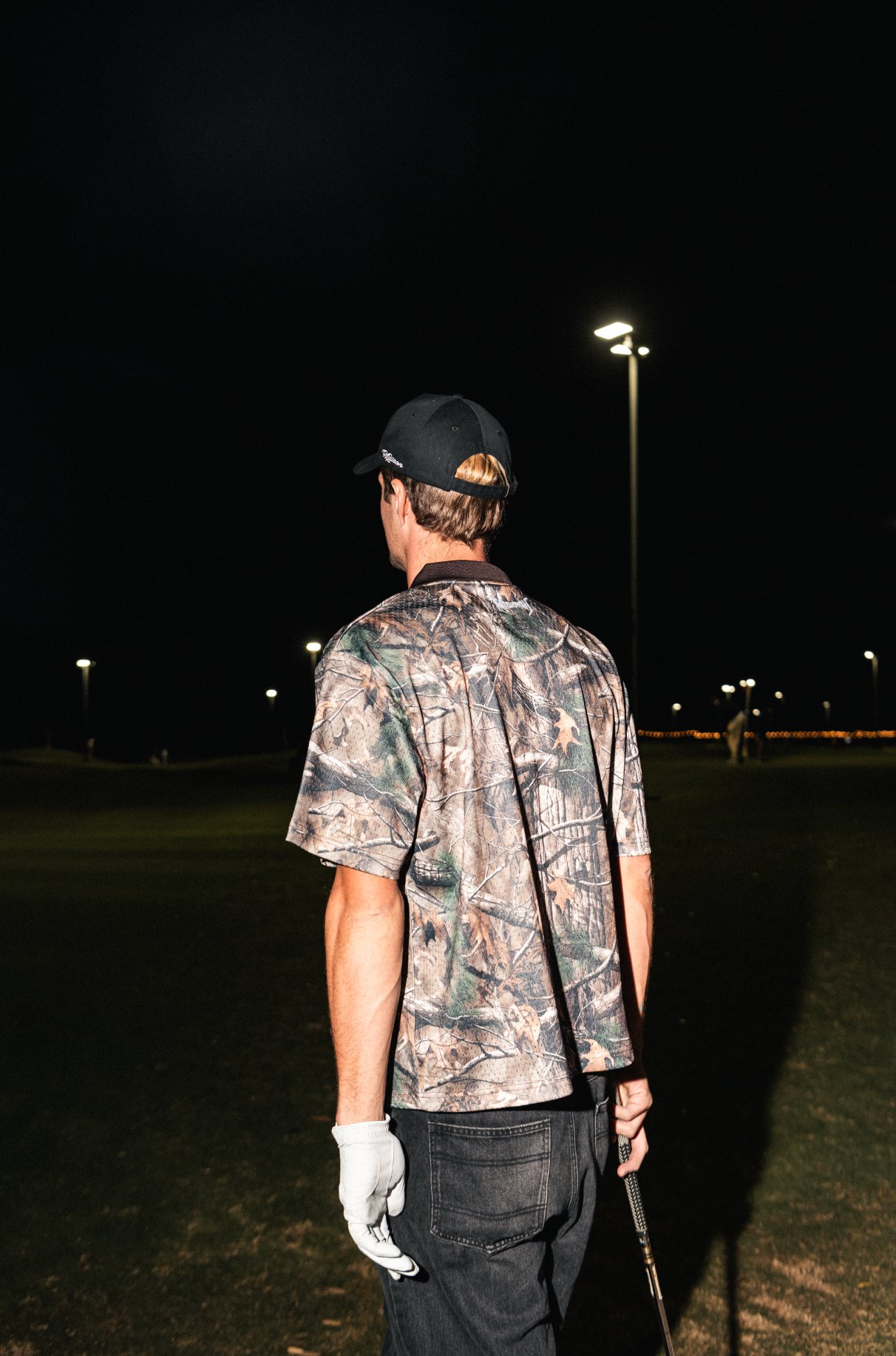
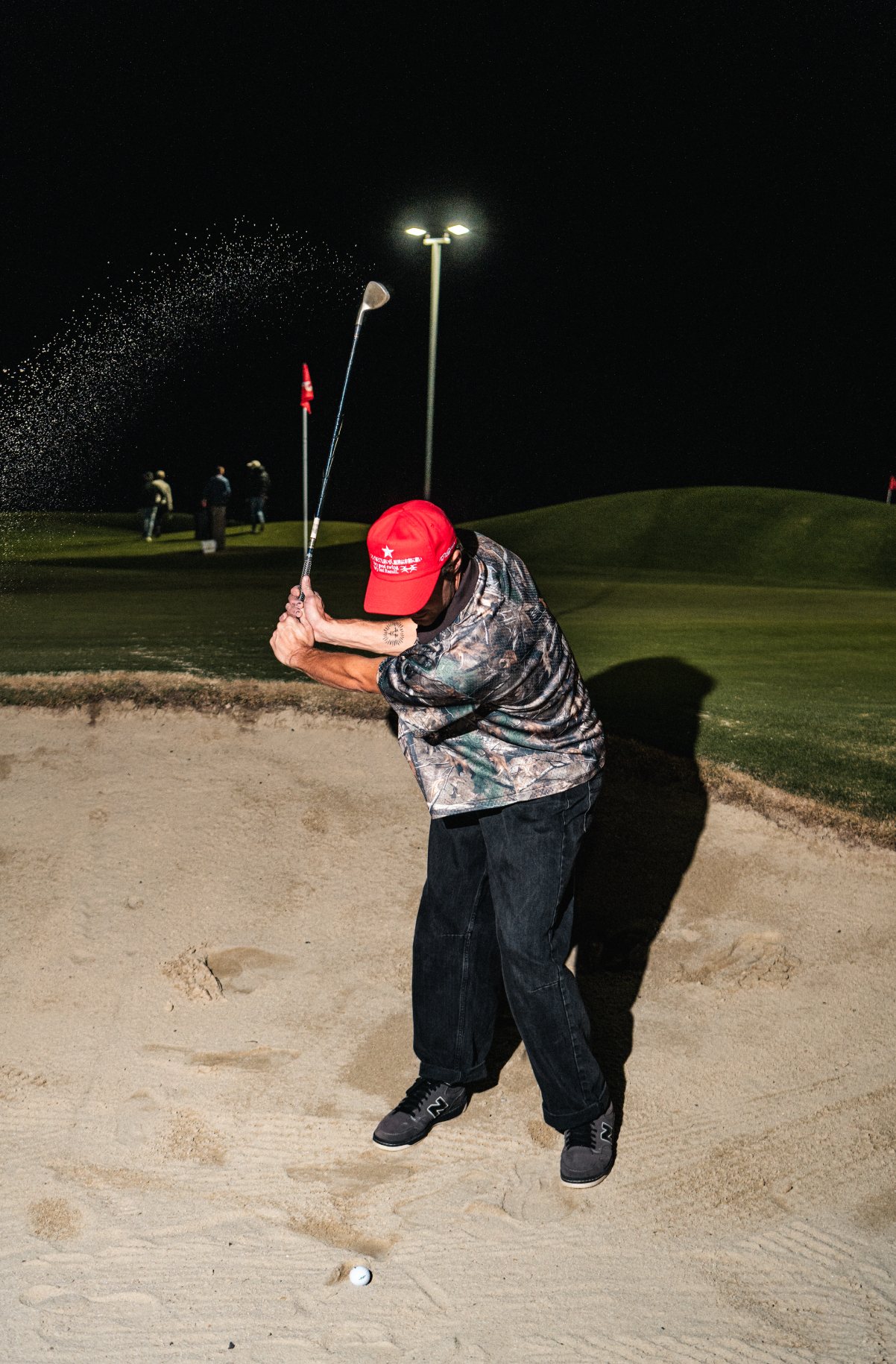
The photography does at least half the work. Most of what they shoot happens at night, on a floodlit par-three, with a hard flash: long shadows, wet grass, headlights and someone swinging in the dark. It matches a line from the Tour Spec Cap page exactly, which says the brand is for “early starts, empty fairways, late finishes. The moments that don’t need witnesses.”
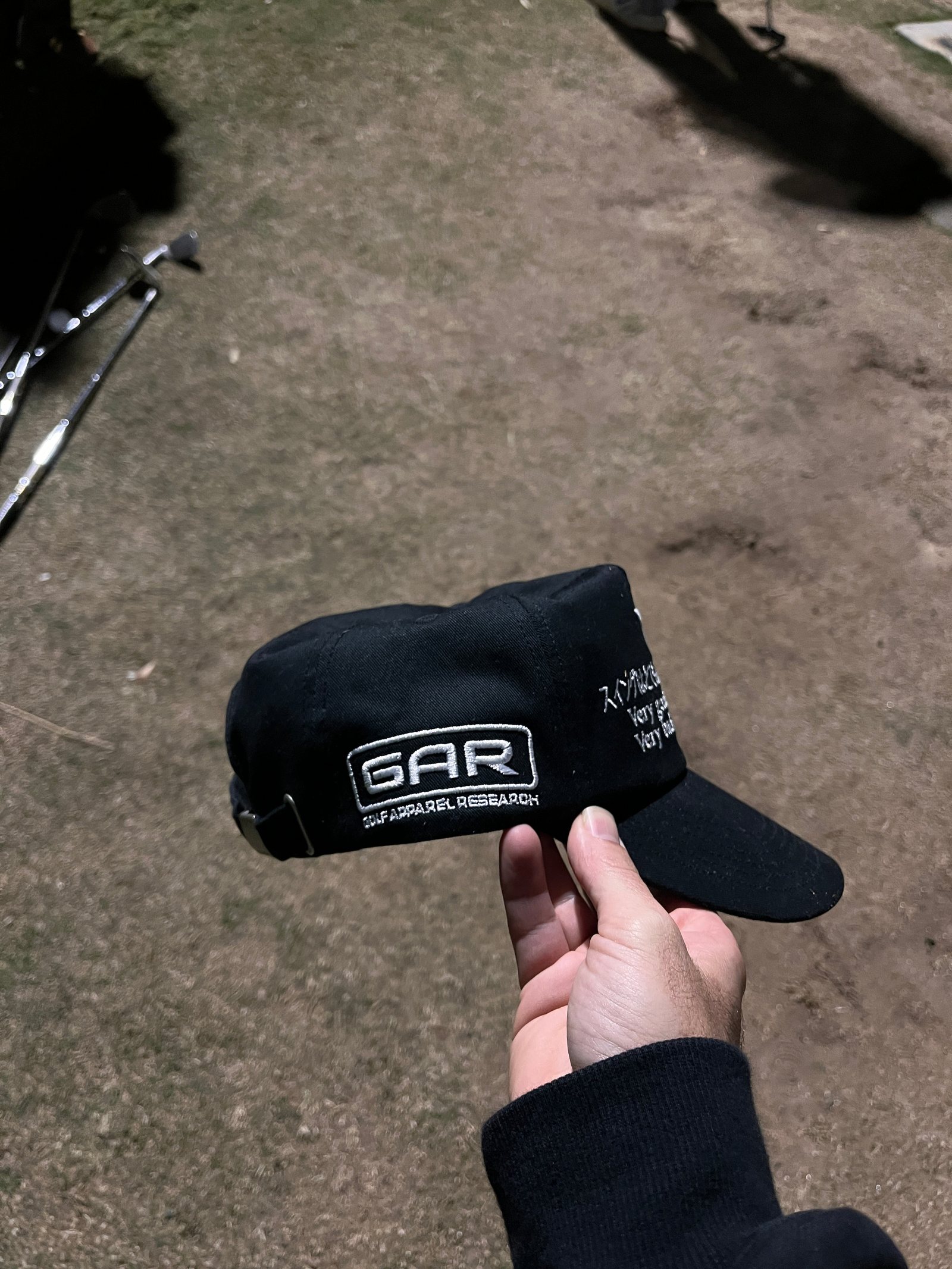
Six of the nine products sign off “Golf Apparel Research approved,” which reads like third-party validation and is not. Golf Apparel Research is Midiron’s own house descriptor, and the line sits at the bottom of the spec list, straight after custom Midiron branded trims, like any other feature. They are approving themselves, on purpose, with a straight face. Nothing else on the site carries a signature either, so a house descriptor standing in for an authority fits the pattern.
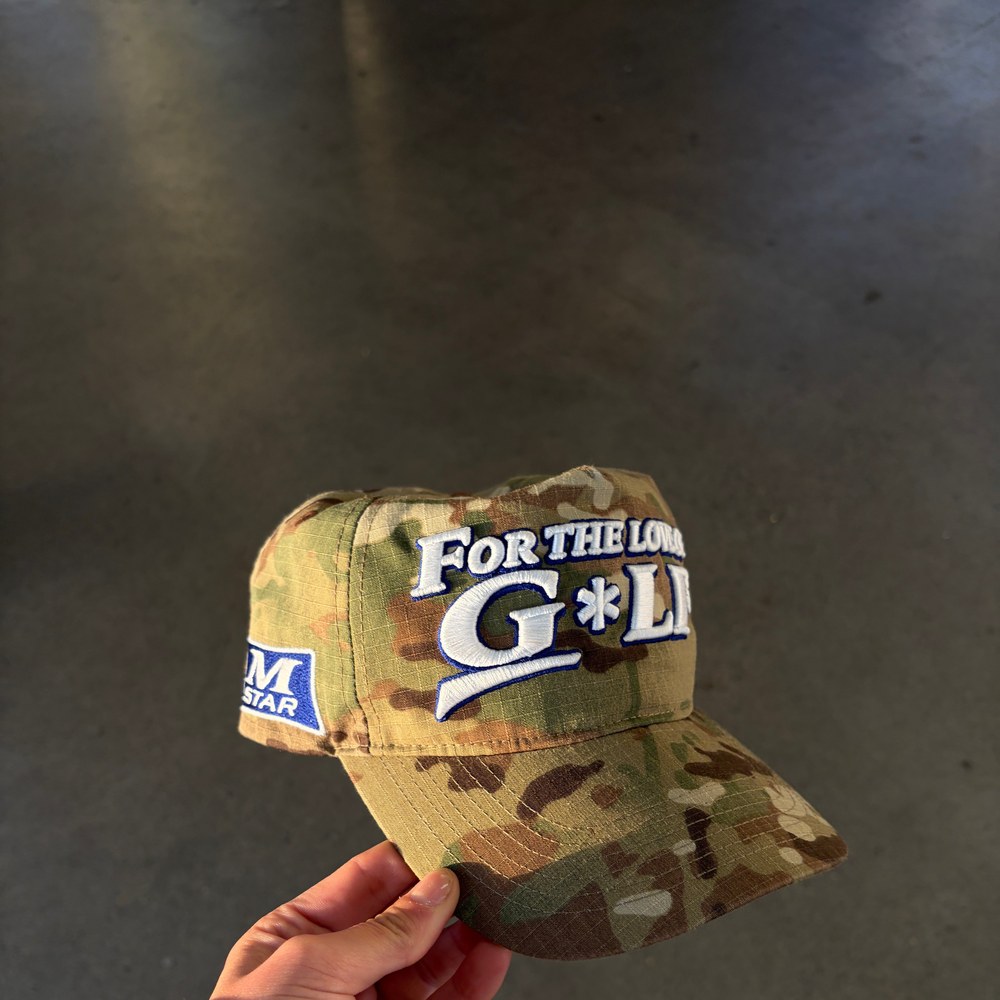
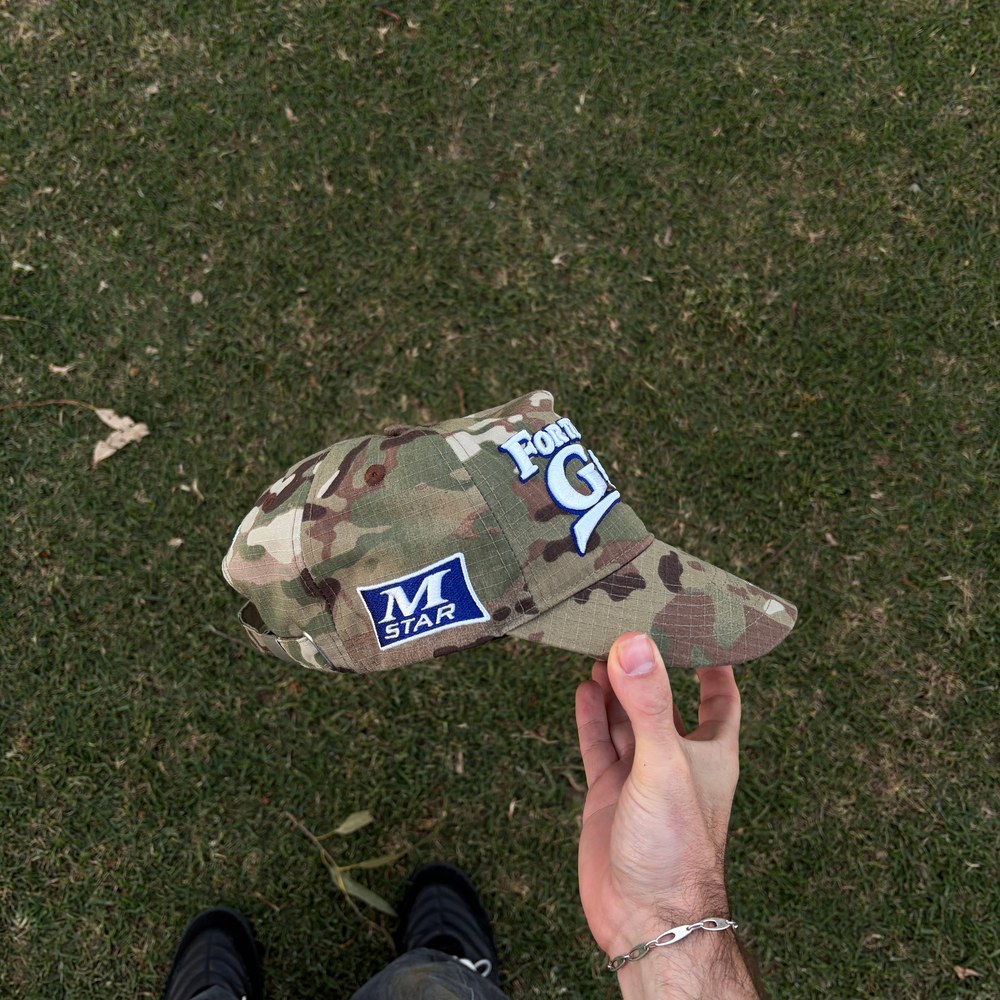
Photography courtesy of Midiron
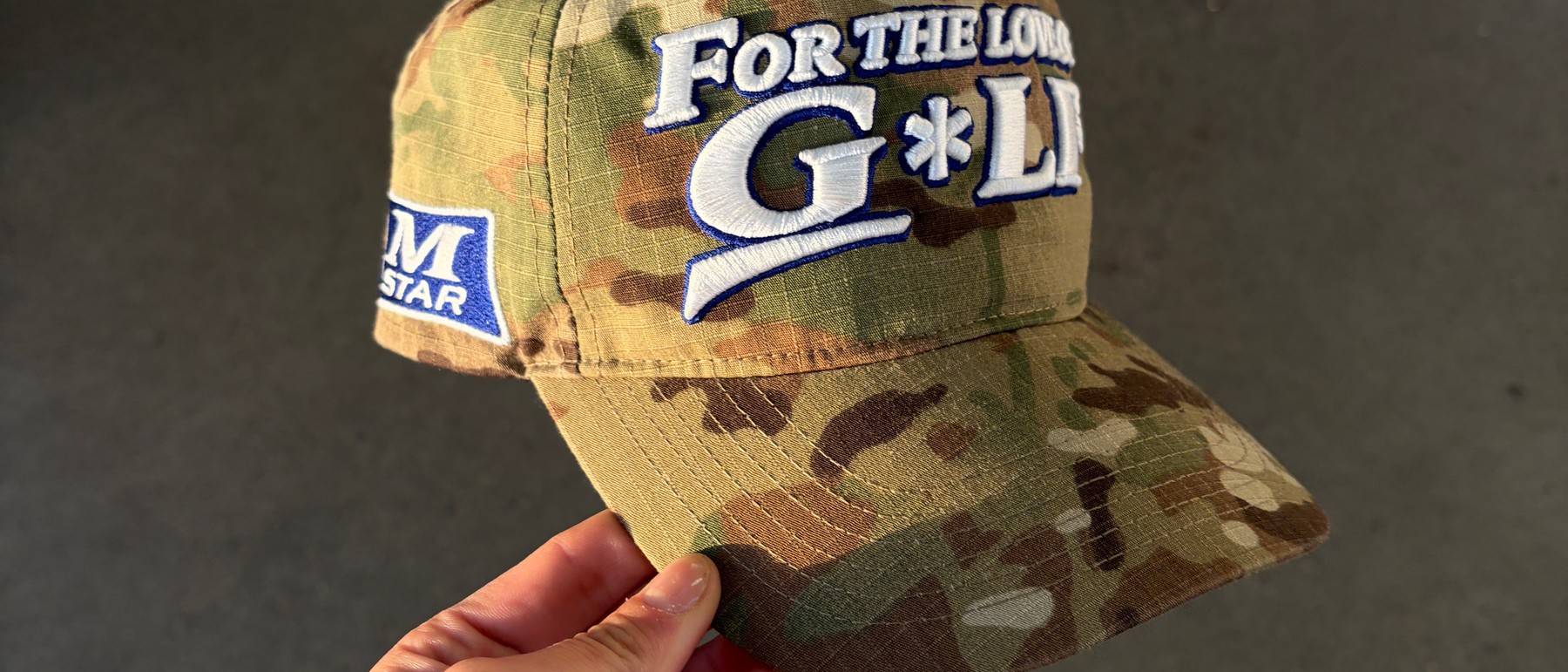
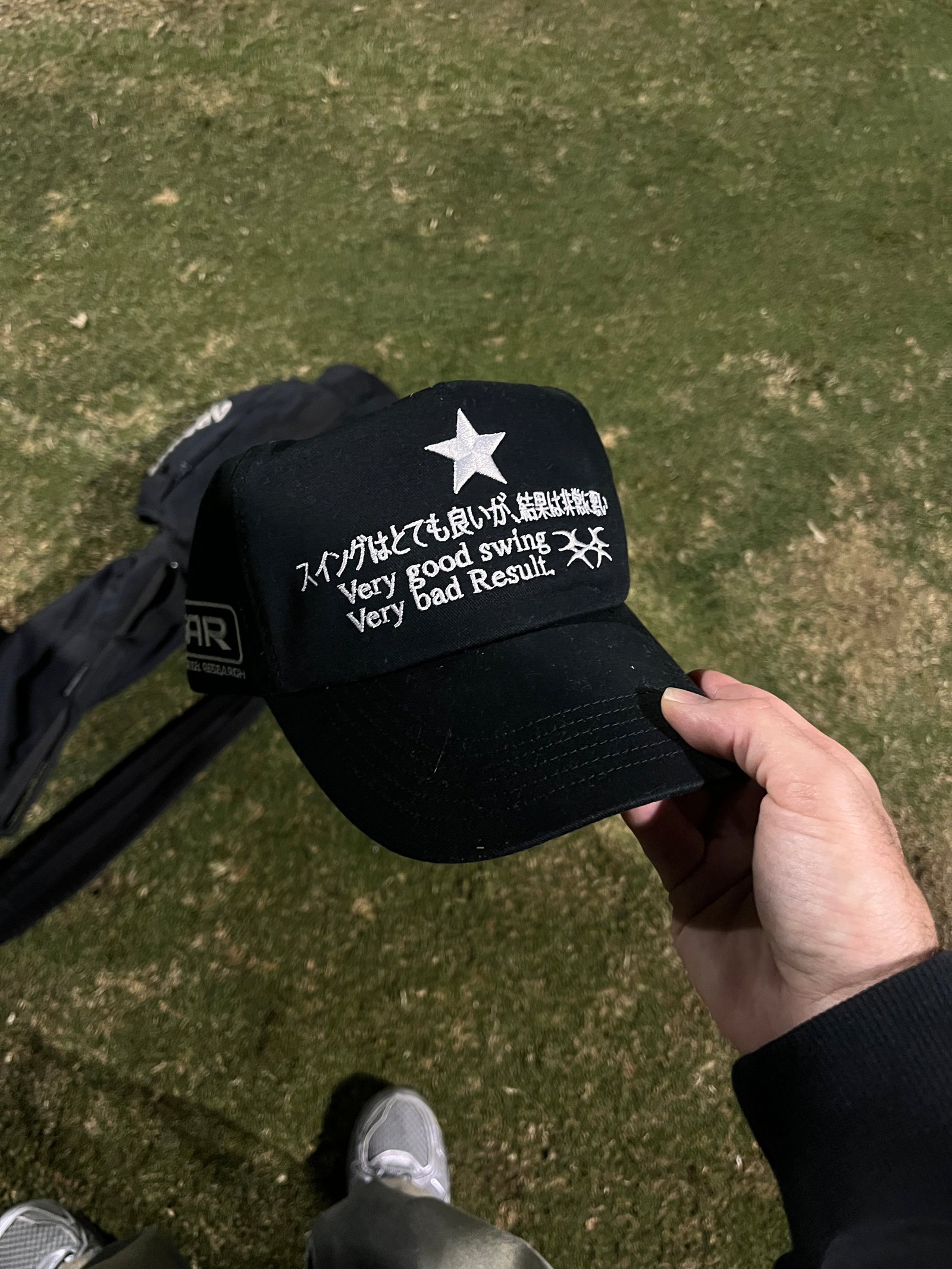
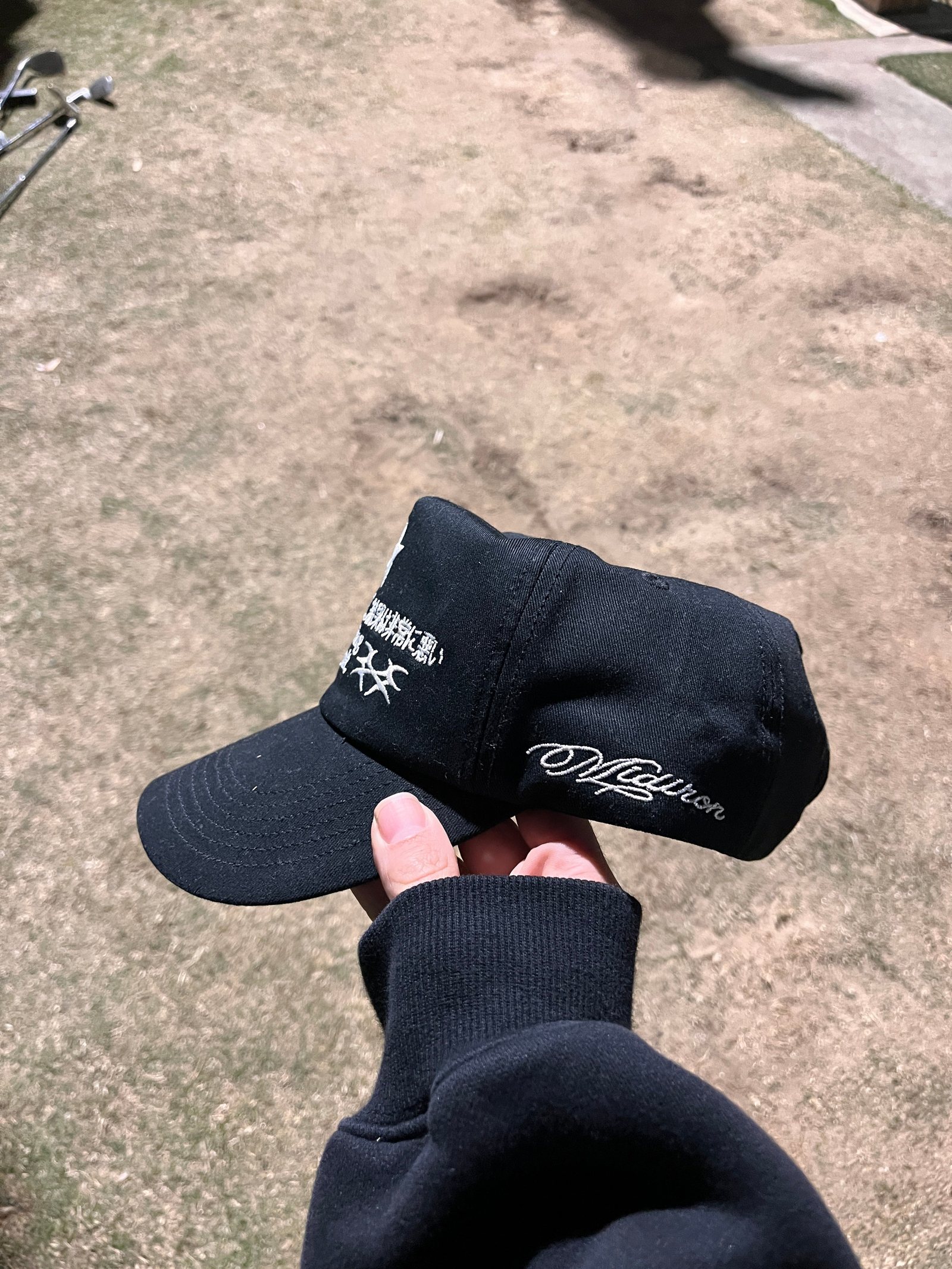
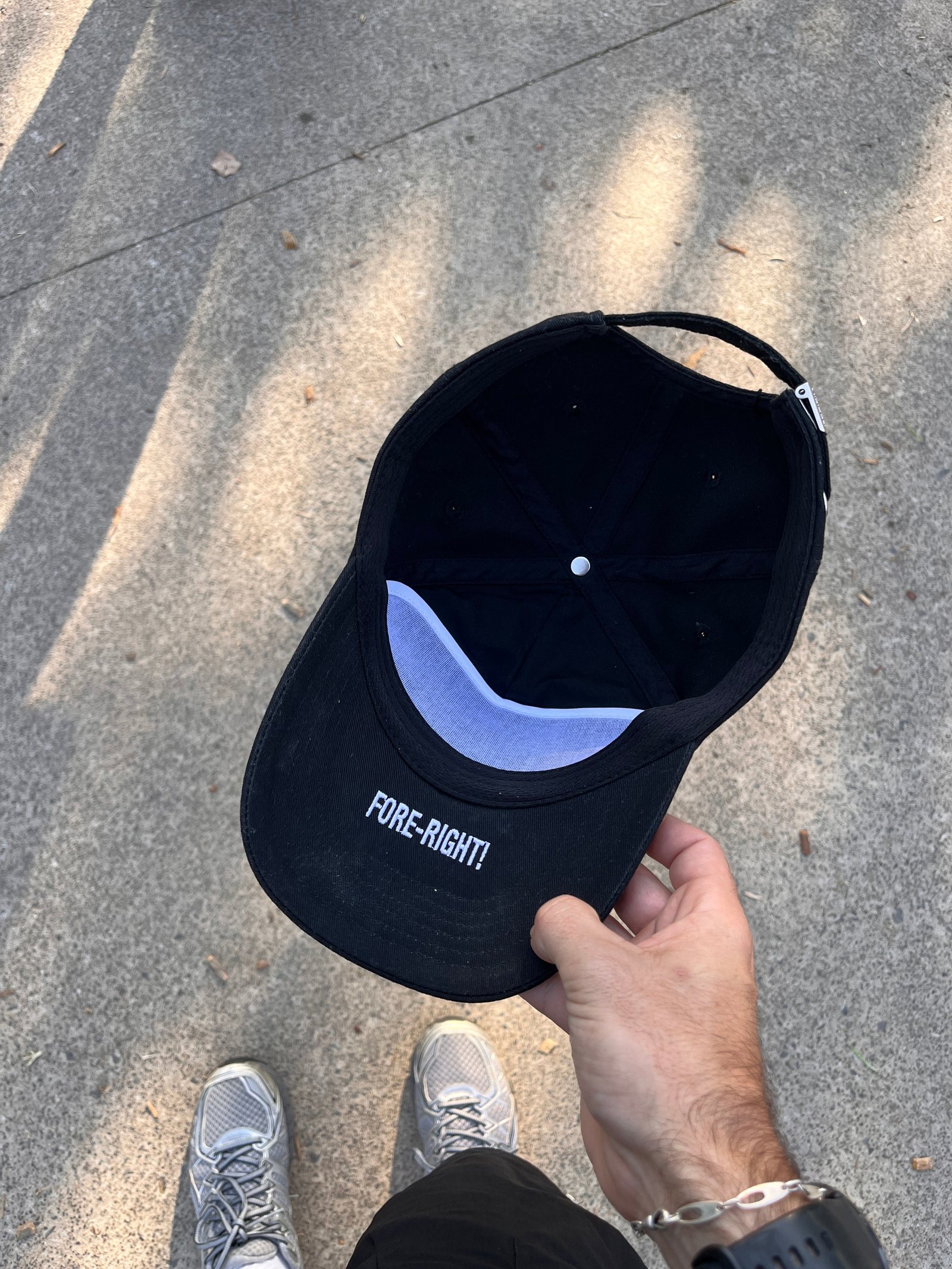
Six caps · A$69 (about US$49)Caps are the brand and have been since December 2025. Most run cotton twill on an unstructured five-panel with a strap back, and most sign off Golf Apparel Research approved — Midiron approving itself. Three of the six are already gone.
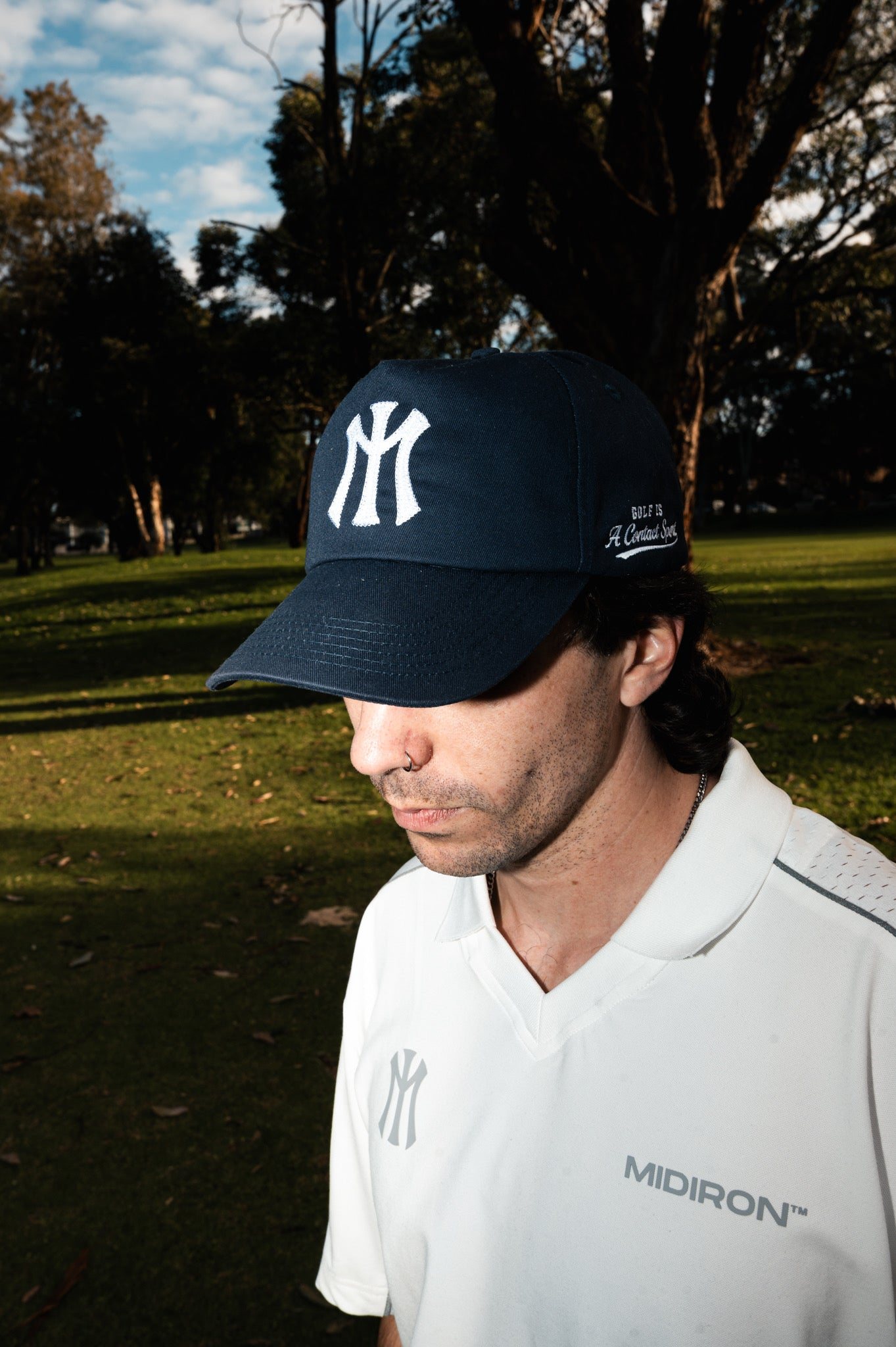
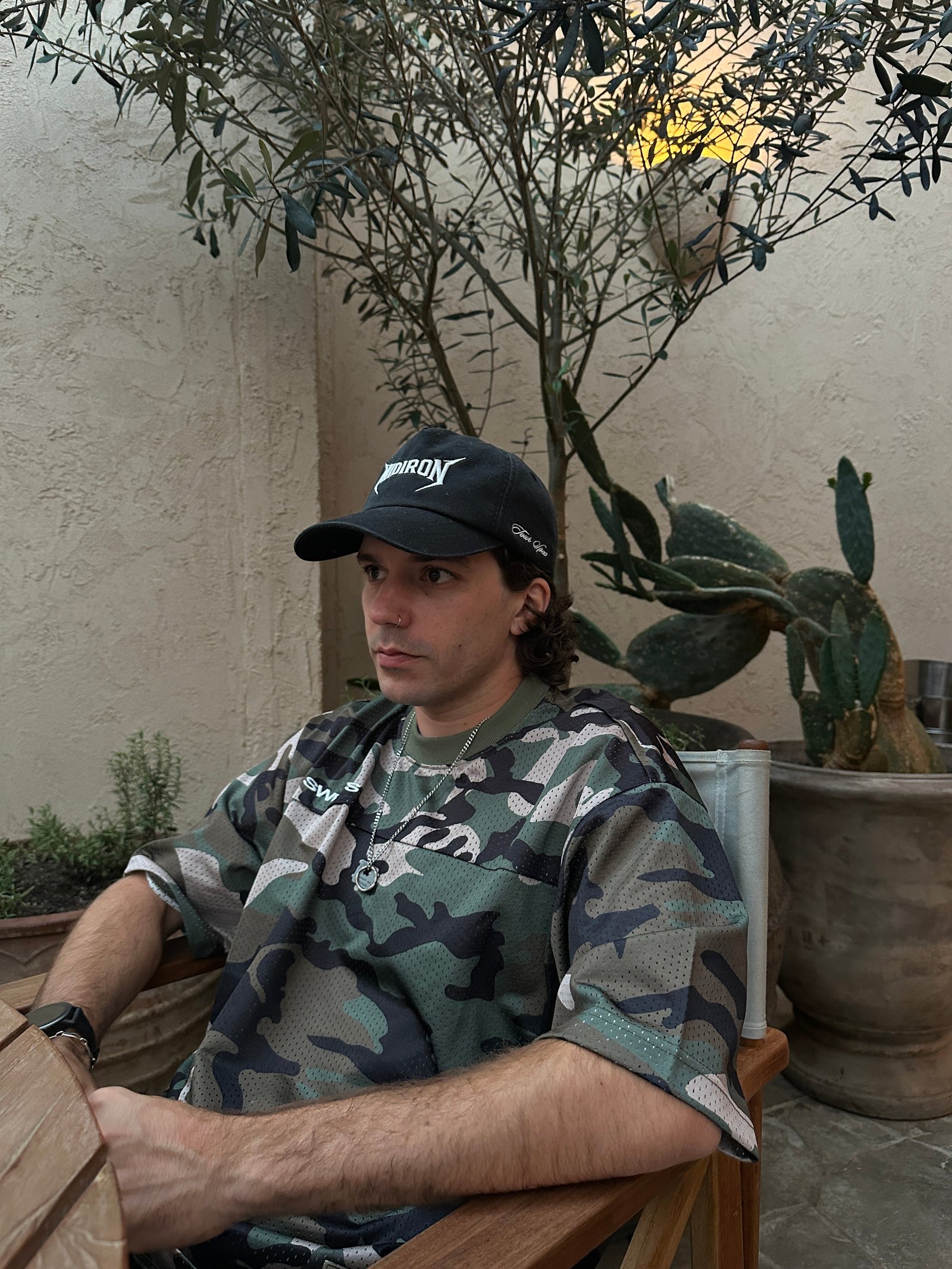
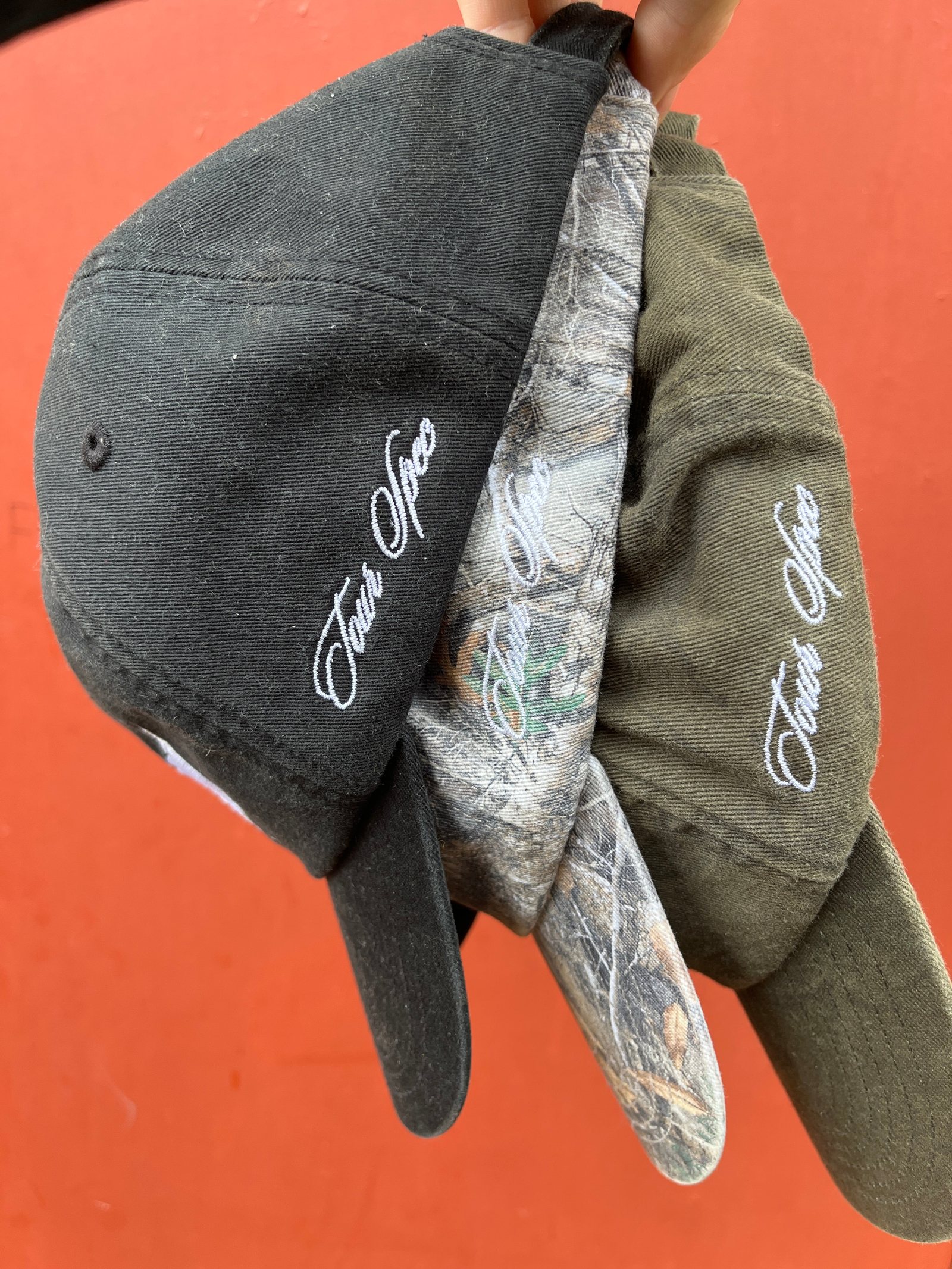
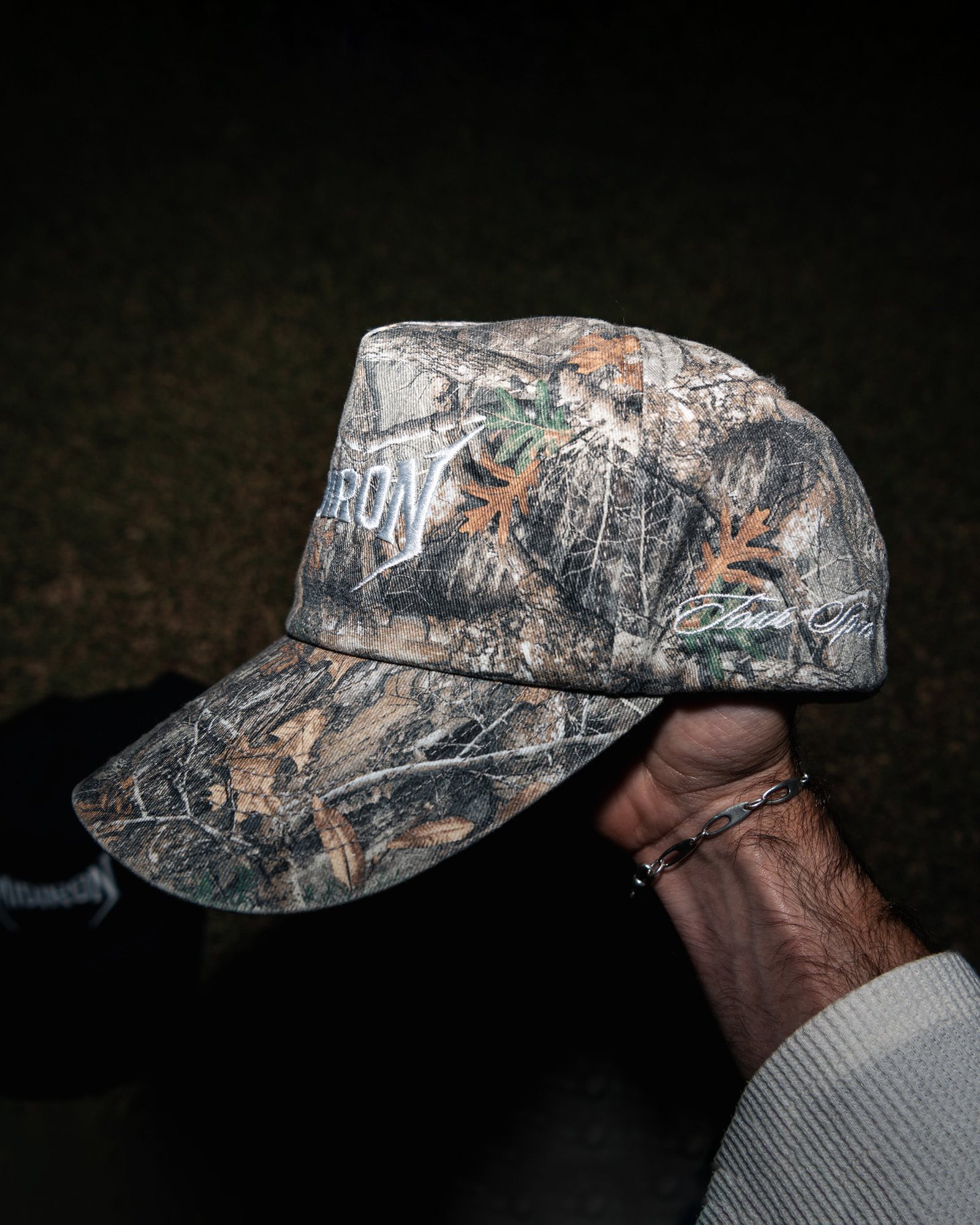
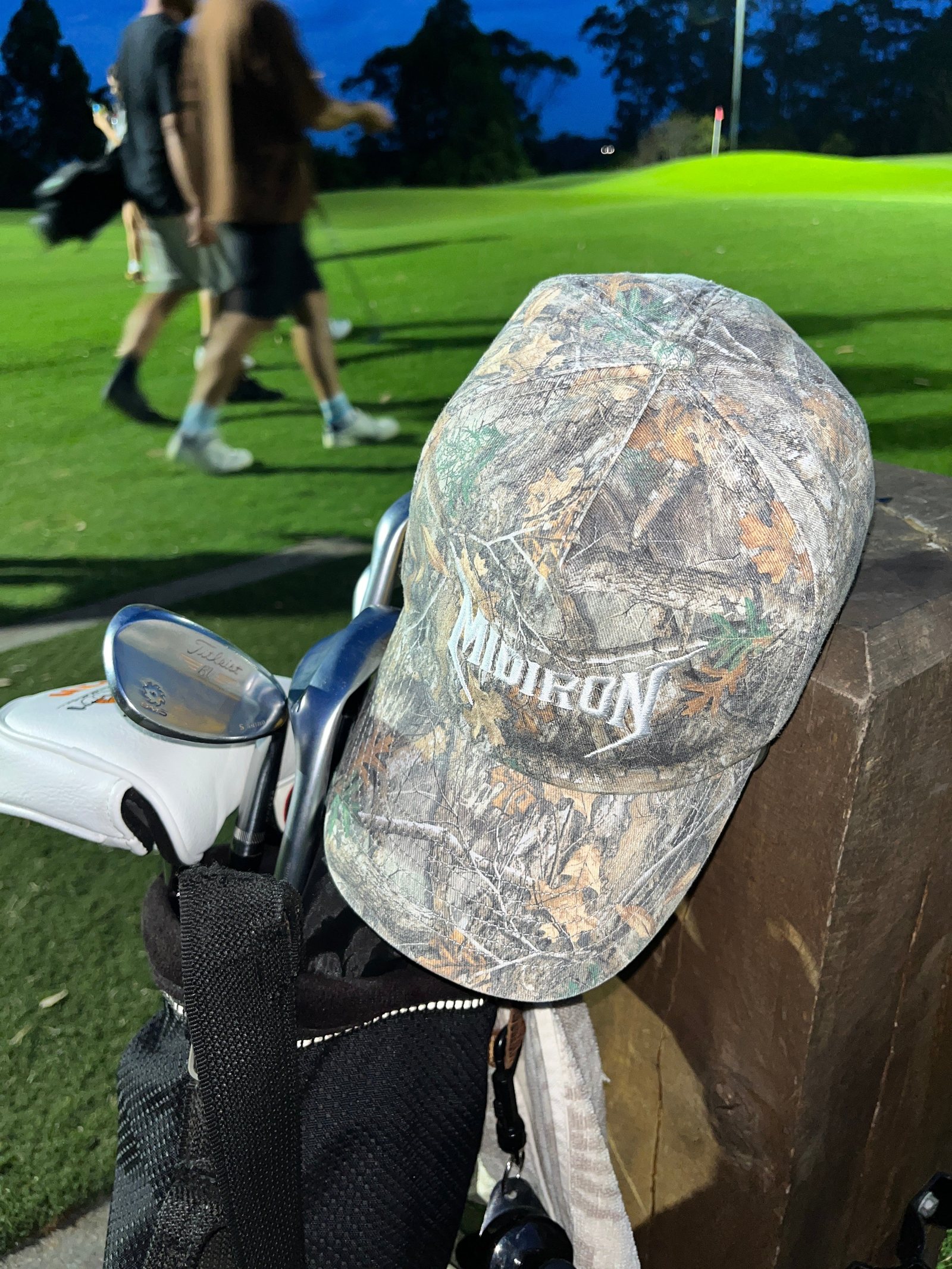
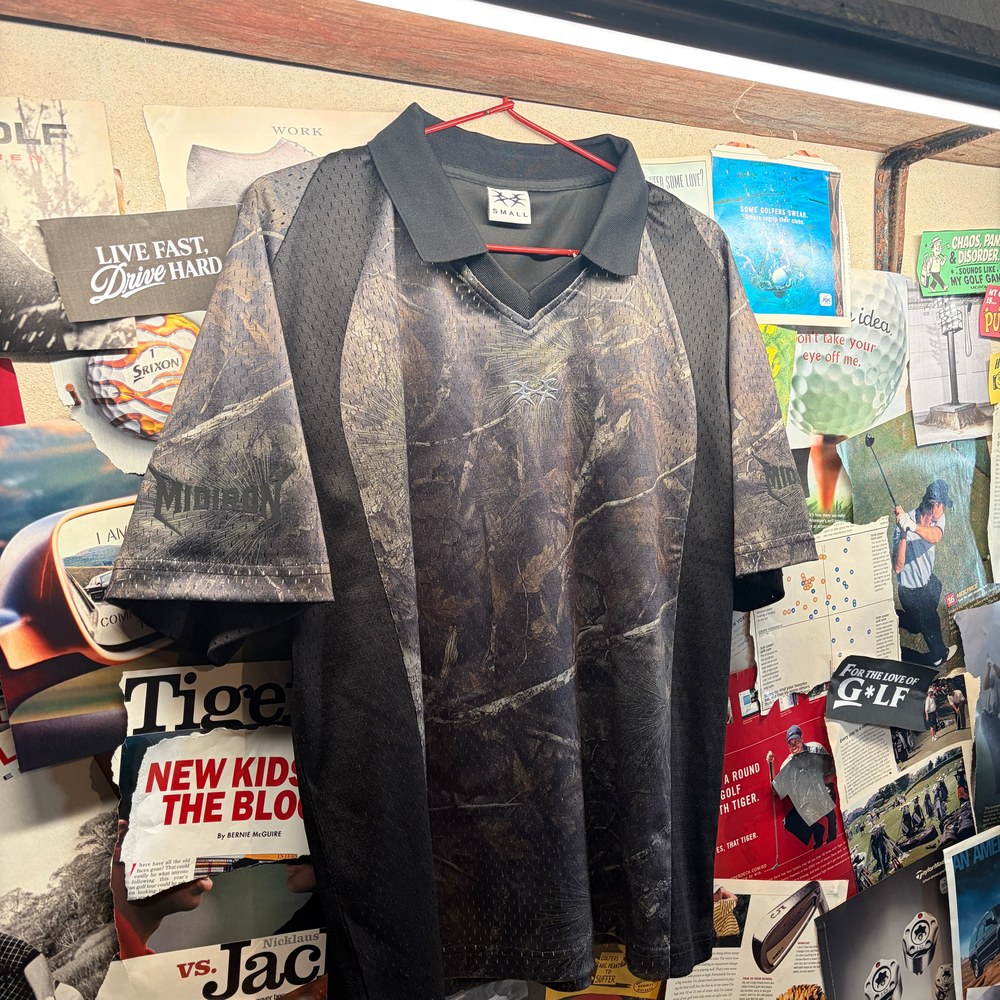
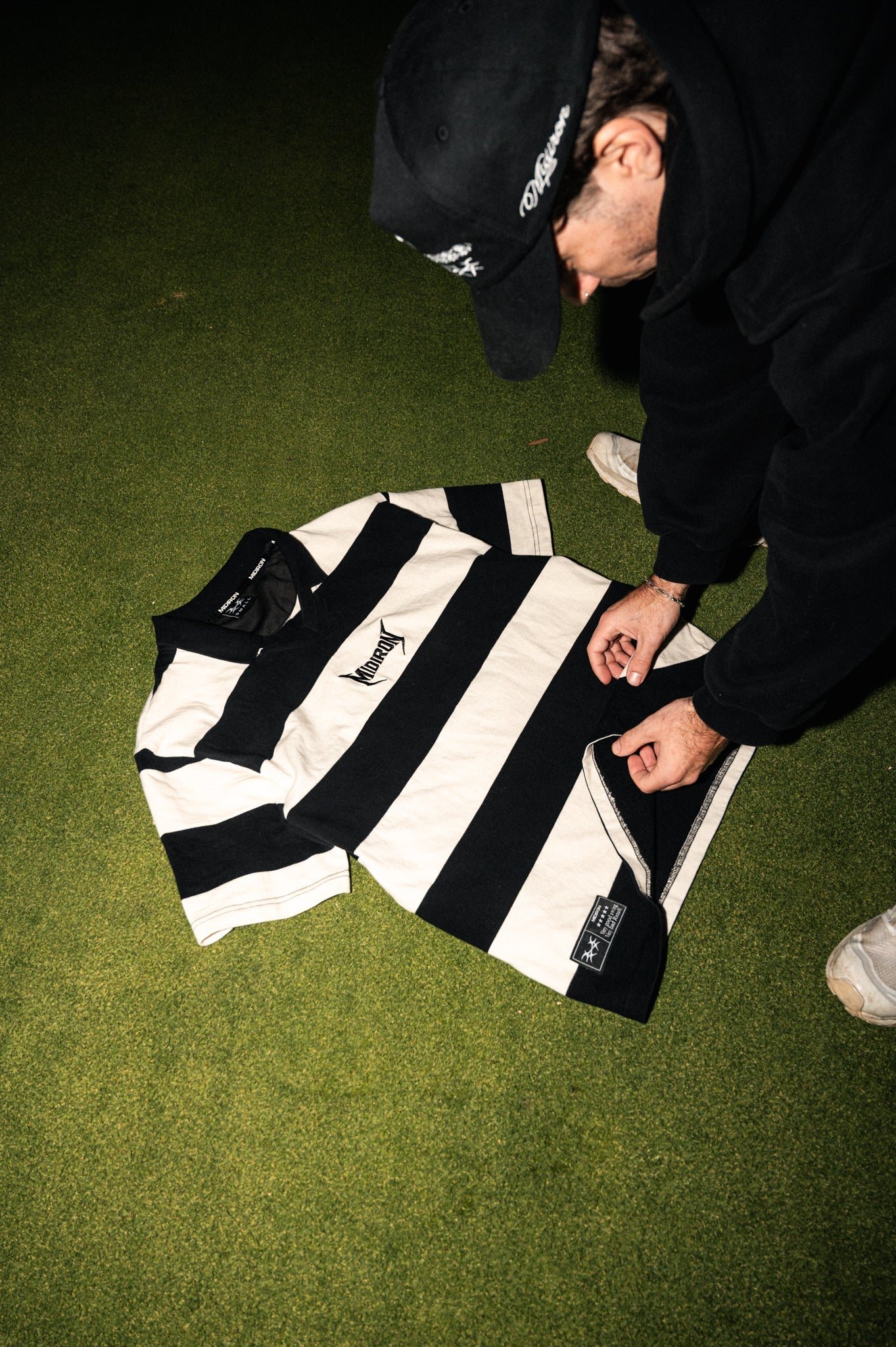
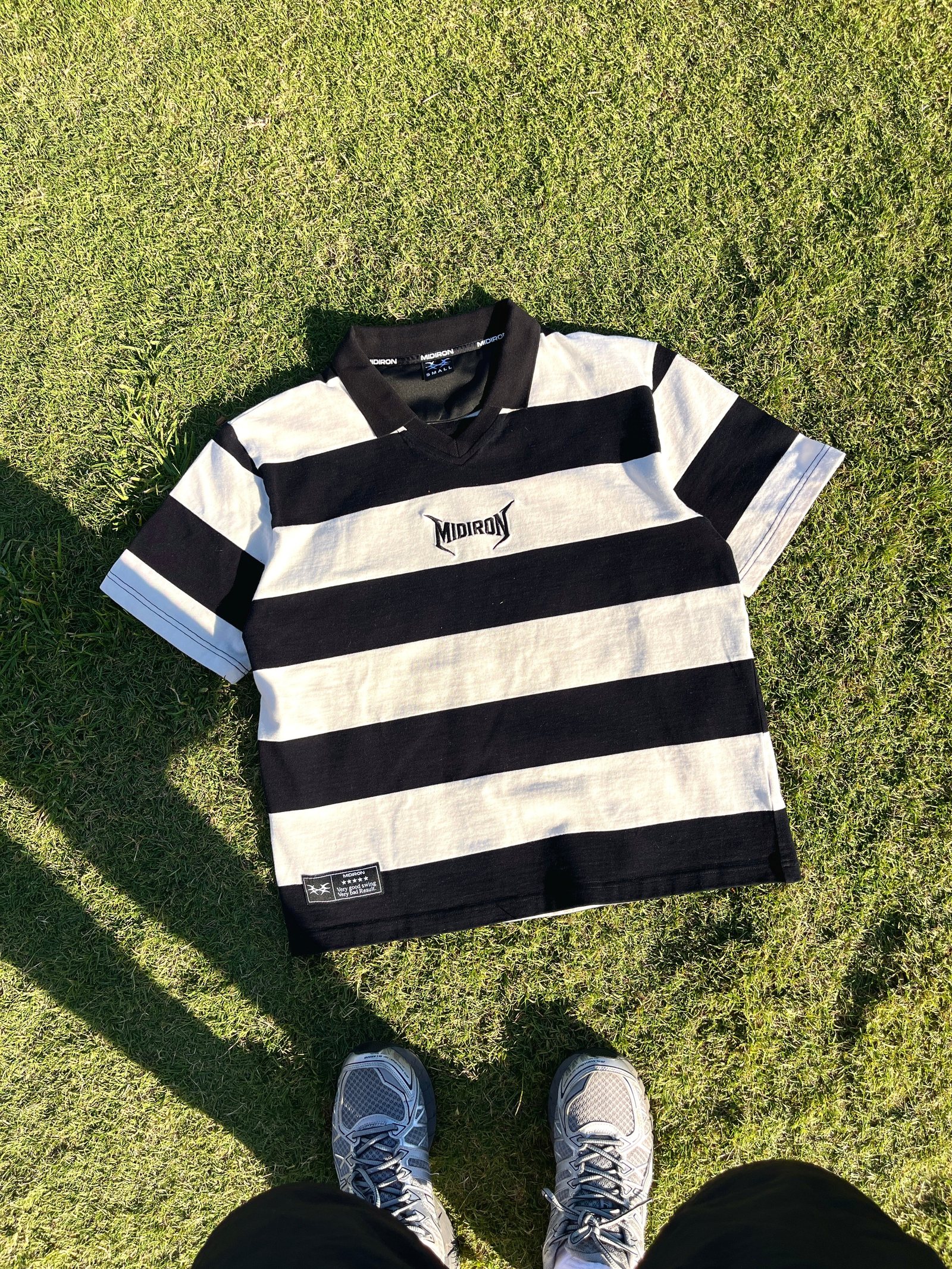
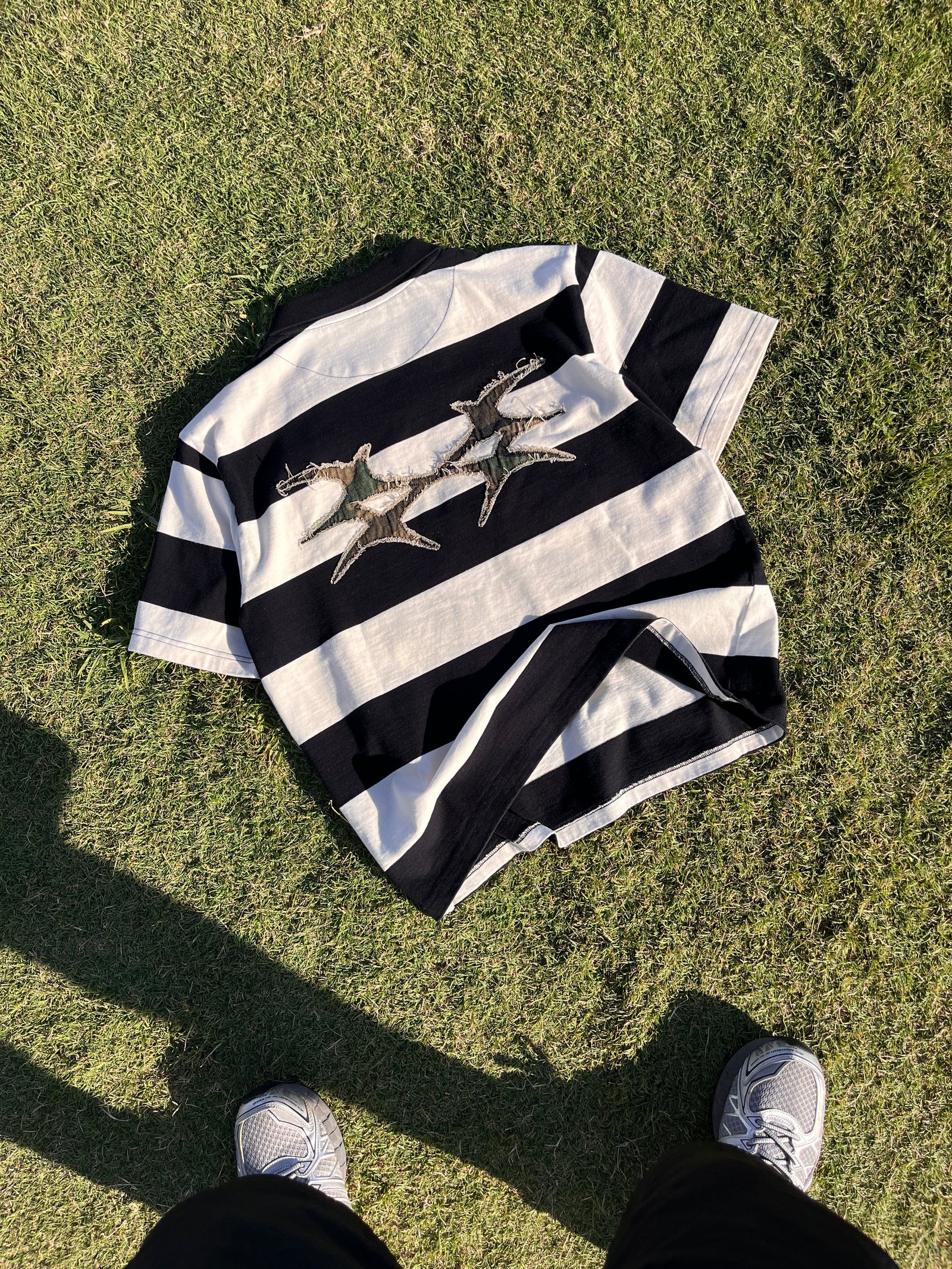
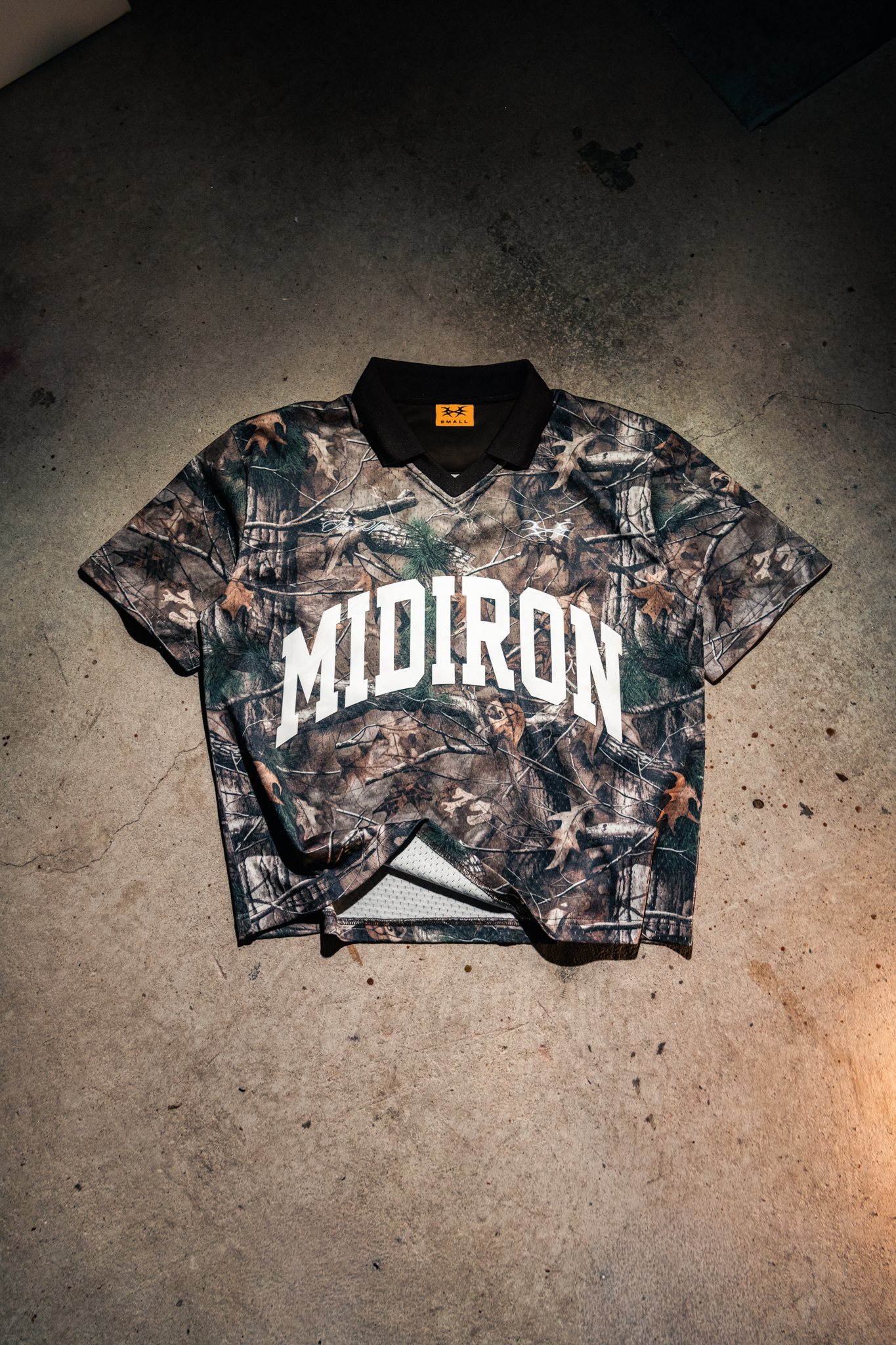
Two polos · A$129 (about US$92)Both polos run a unisex boxy cut rather than a golf fit, which is the thesis: “golf clothing never felt like the rest of our wardrobe. It belonged on the course, but nowhere else.” One is heavyweight cotton, the other perforated polyester.
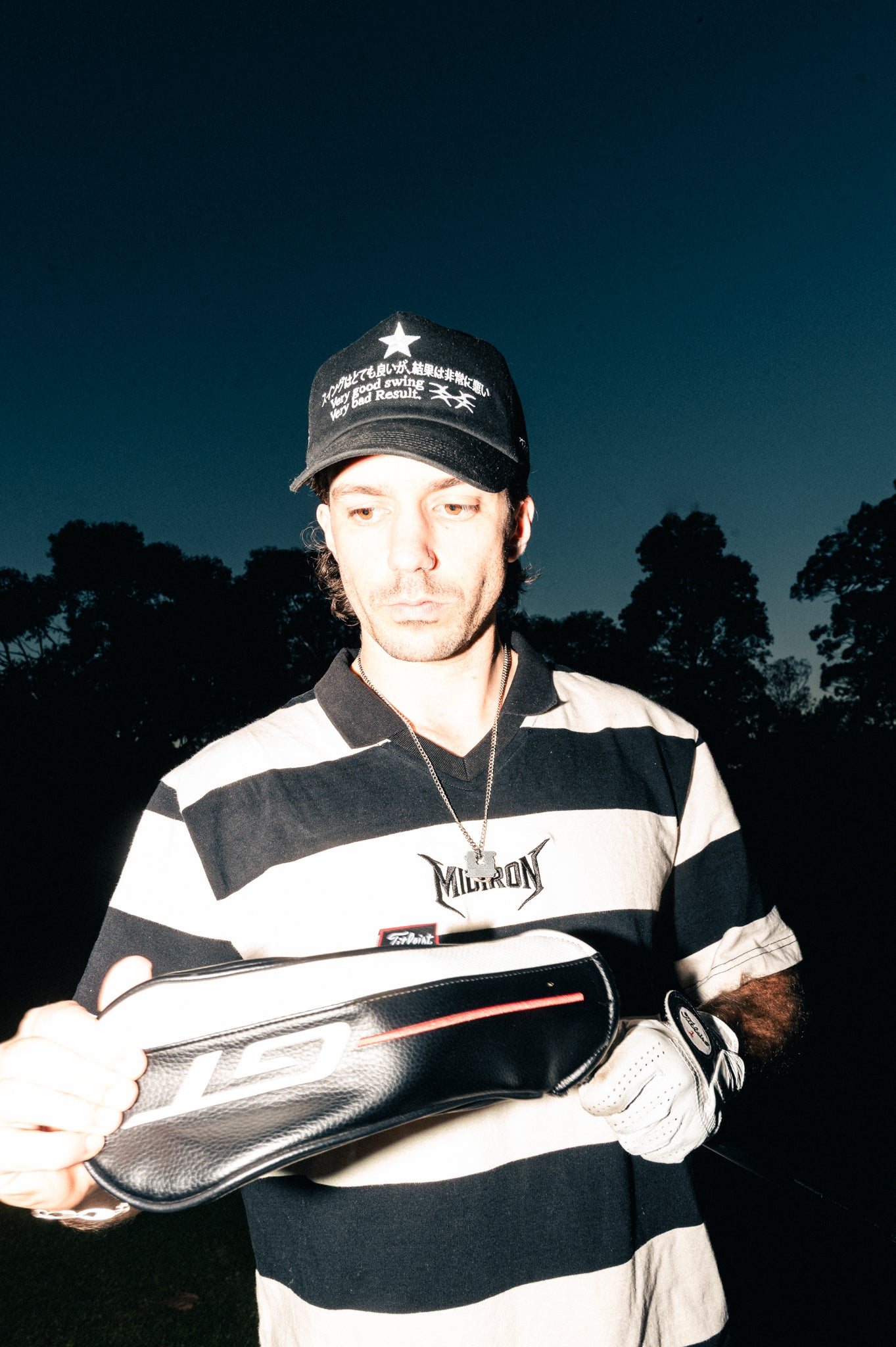
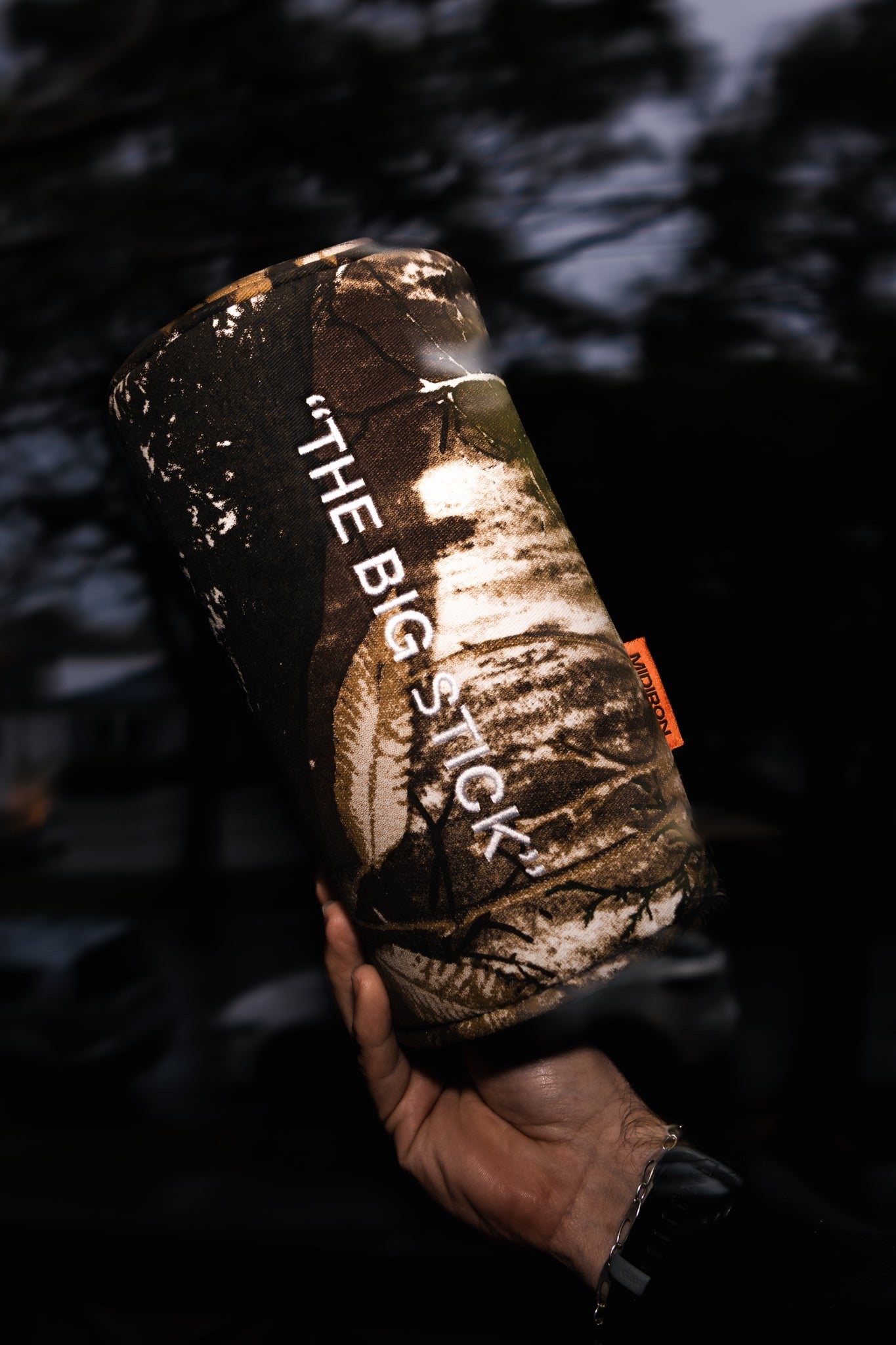
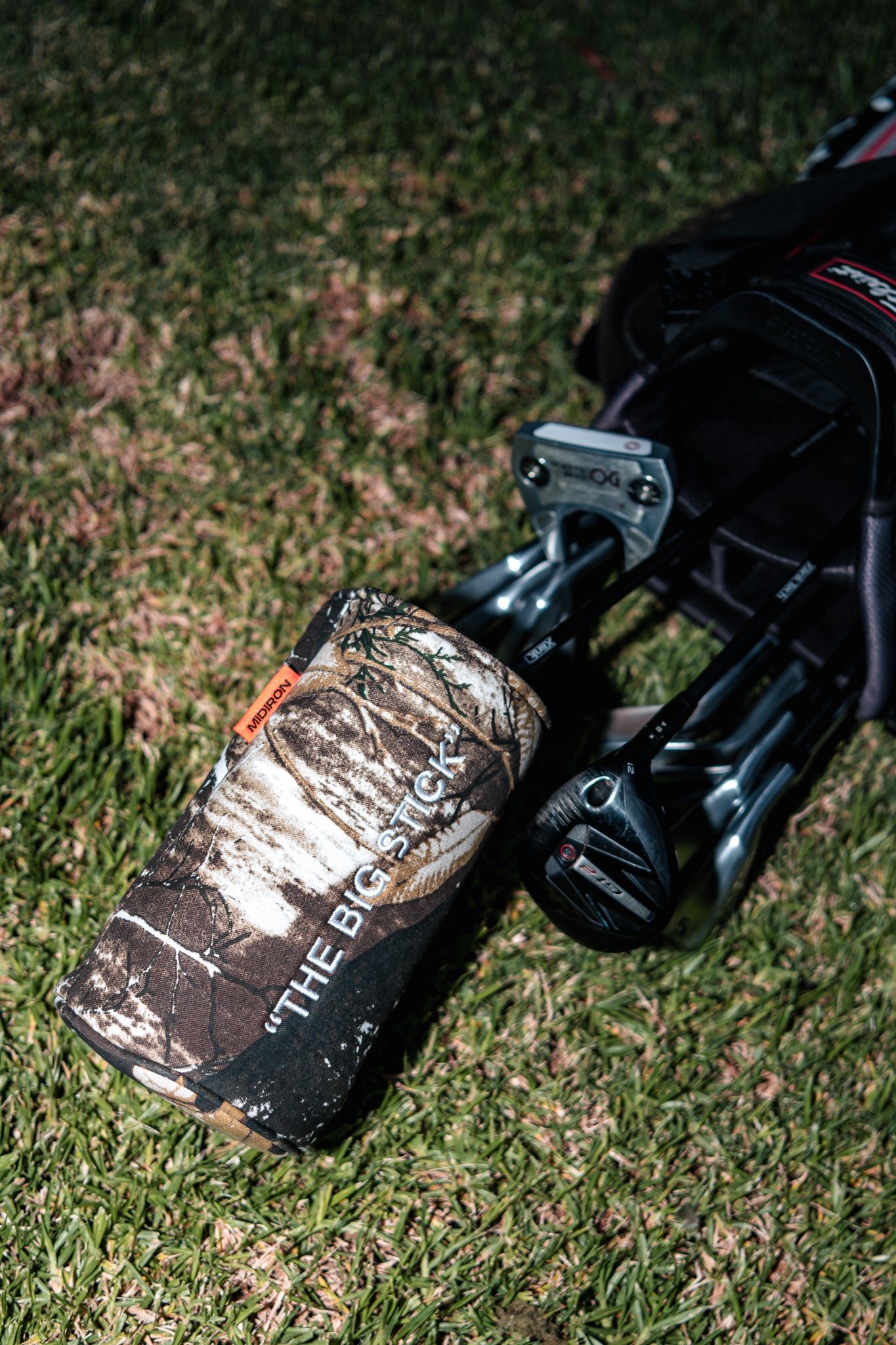
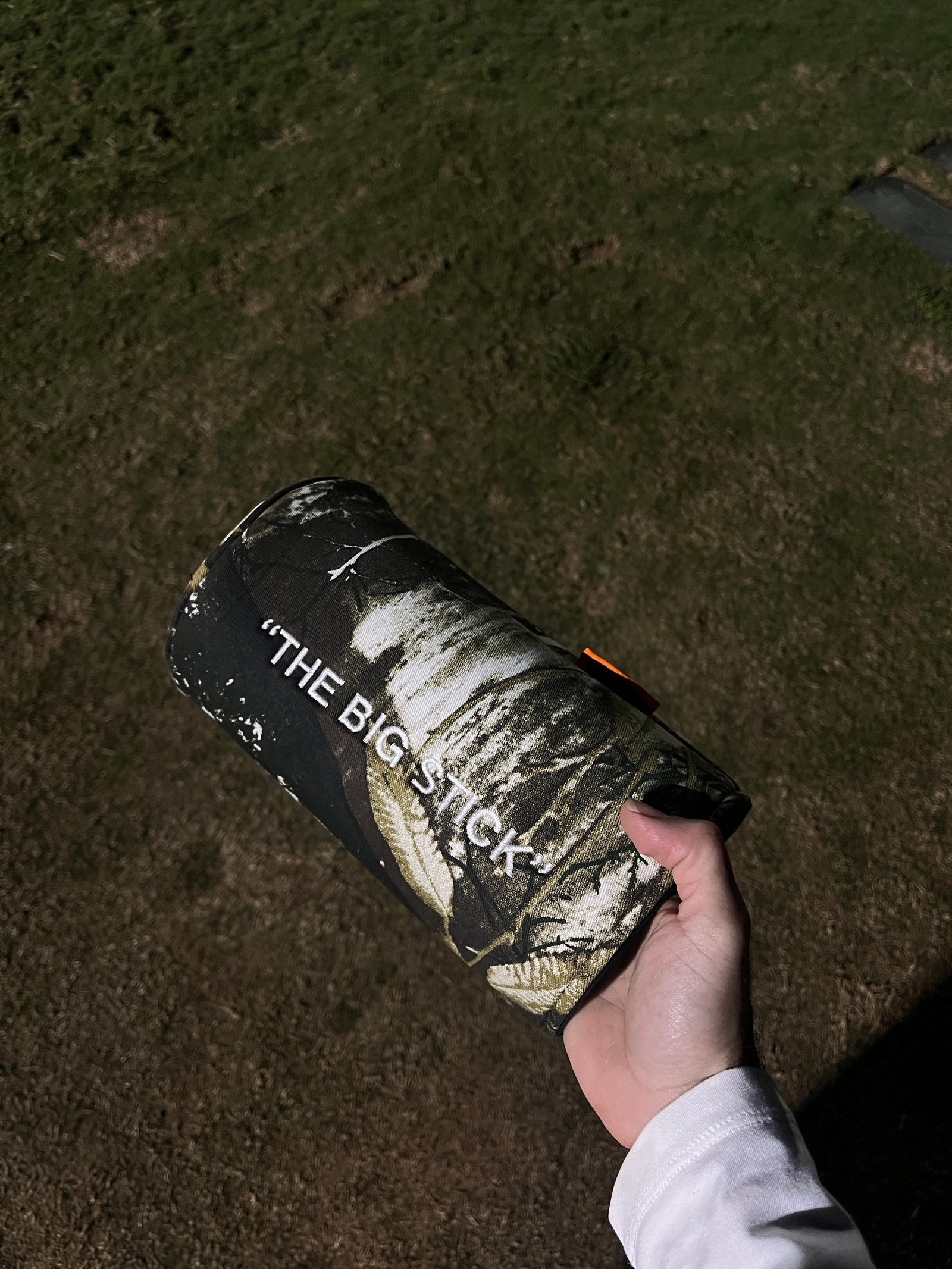
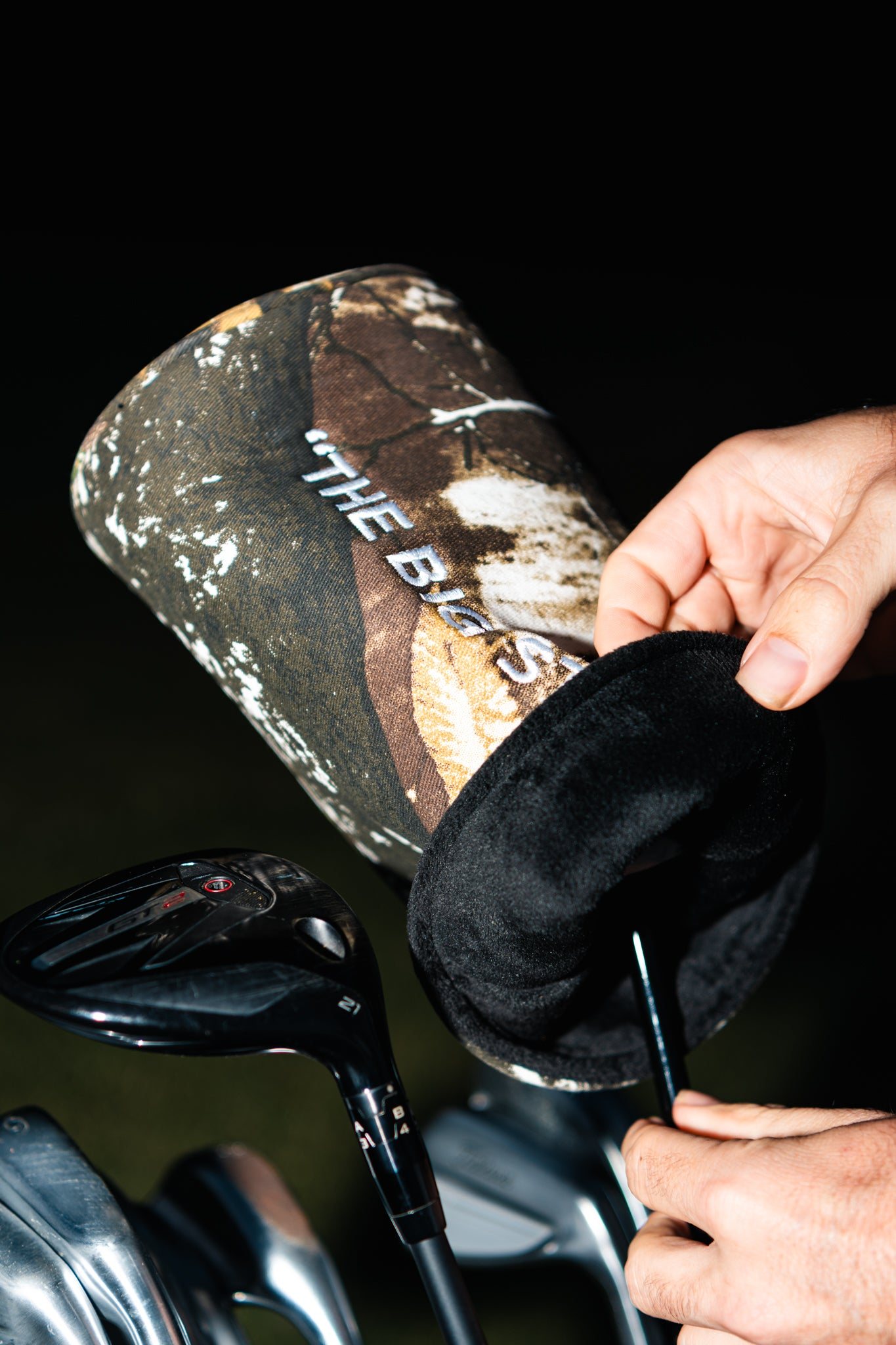
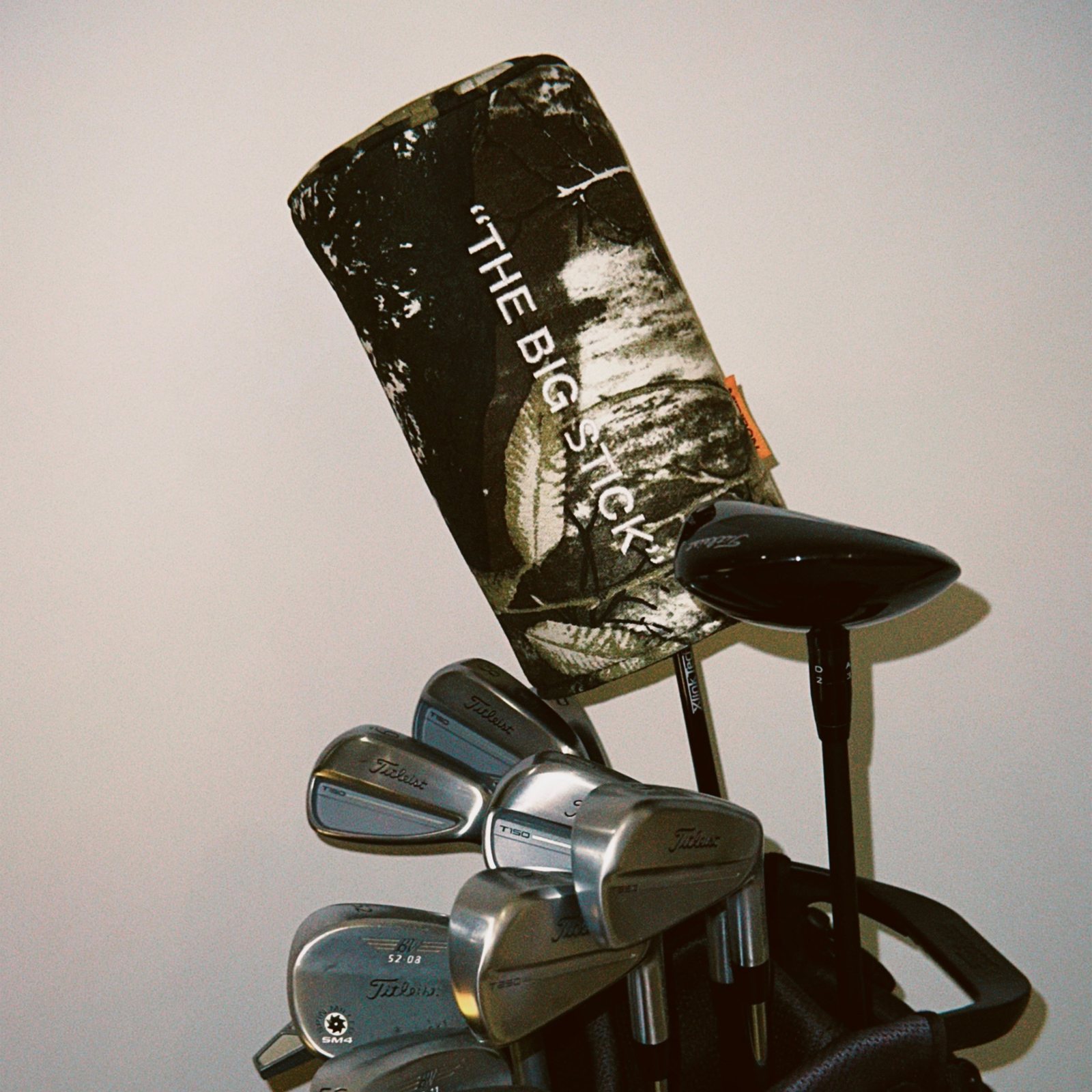
One headcover · A$69 (about US$49)The non-apparel catalog is one headcover. That is the shape of a brand which has put out nine things in eight months and restocks almost nothing.
Midiron does not say, and that appears to be deliberate. There is no founder name anywhere on the site and no signature on any of the writing — including the lowercase, first-person story about a grandad’s hand-me-down Titleist cap that is the most personal thing on the site. What they do publish is that the brand is Australian: “100% Australian owned, independent Australian business,” run out of Sydney. No interviews with the founders have been published anywhere.
Sydney, Australia. Their business registration publishes a postcode rather than an address — NSW 2232, in the Sutherland Shire in the city’s south. Their own image descriptions name the location of the night shoots: “At night time on Shortees Golf Course” — the LED-floodlit eighteen-hole par-three at Terrey Hills, about thirty-five minutes north of the CBD and open until ten at night. The line above their mailing-list signup reads “Built down under, played everywhere.”
They do not say. Every geographic claim on the site is about design and ownership rather than manufacturing — “100% Australian owned, independent Australian business,” and “designed in Australia” in their page metadata — and there is no country of origin listed on any product page. We would not assume either way. What they do publish is construction detail: 100 per cent cotton twill caps, a 300gsm cotton polo, a mid-weight perforated polyester polo.
Caps are A$69 and polos are A$129, with the headcover also at A$69. At late-August 2026 rates that is roughly US$49 and US$92. The store is priced in Australian dollars by default, with a currency selector in the site header offering USD, CAD, GBP, EUR, DKK, NZD and SEK.
Yes. Shipping is free within Australia, and the checkout quotes international rates directly — around US$15 to the United States and New Zealand and about US$21 to the United Kingdom, both quoted at six to ten business days. The store sells into fifteen countries. Their contact form also covers “international shipping, swing thoughts or general enquiries” if you need something specific.
Because they built it that way, and they answer this on their own FAQ page: “We release in small runs. We only open the store periodically.” Asked whether they restock, the answer is “Sometimes. Usually not.” Nine products have gone up since December 2025 and three are already gone. The mailing list gets first access to drops.
It means Midiron approves of Midiron. Golf Apparel Research is the brand’s own house descriptor — their Instagram display name is “MIDIRON | Golf Apparel Research™” and the footer of every page reads “Midiron Mission: Golf Apparel Research™. Engineered for the course, built for everything after.” It appears in the spec list on each product page alongside genuine details like mesh internal binding, which is the joke. There is no outside body doing the approving.
Three one-off caps, released in July 2026 and gone immediately. Midiron sourced vintage Titleist caps and sent them to Oxy Customs, a Melbourne screen-printing and garment-rework studio, to be reworked. It is the only outside collaboration the brand has done. The reason given is the closest thing to a mission statement they have published: recreating the feeling of being handed a cap by a grandparent, “for anyone who gets it.”
Seven releases between December 2025 and August 2026, producing nine distinct products — six caps, two polos and a headcover. They have never numbered their drops publicly, so anyone describing this as Drop 3 or Drop 4 is inventing it. The pace works out to roughly one release a month, with two of the seven being two-piece releases.
If you like the aesthetic, buy it when you see it, because it will not be there later. The construction detail they publish is real — metal clasp closures, mesh internal binding, 300gsm cotton, custom woven labels — and A$69 for a cap is normal money for an independent label. The caveats are that they publish no manufacturing origin, most of the catalog is gone at any given moment, and this is a very new and very small operation with almost nothing in stock at any given moment.