This is why we cover independent golf. A small brand has no committee standing between the person with the idea and the thing you end up holding, so you get a point of view: a logo lifted from a 1938 strobe photograph, a grip with poetry printed on it, a cap rebuilt from an old St Andrews cap found in a thrift shop in Vietnam. That design language is half the fun of playing now. It turns up in the bag, on the first tee and in conversation with whoever you’re paired with.
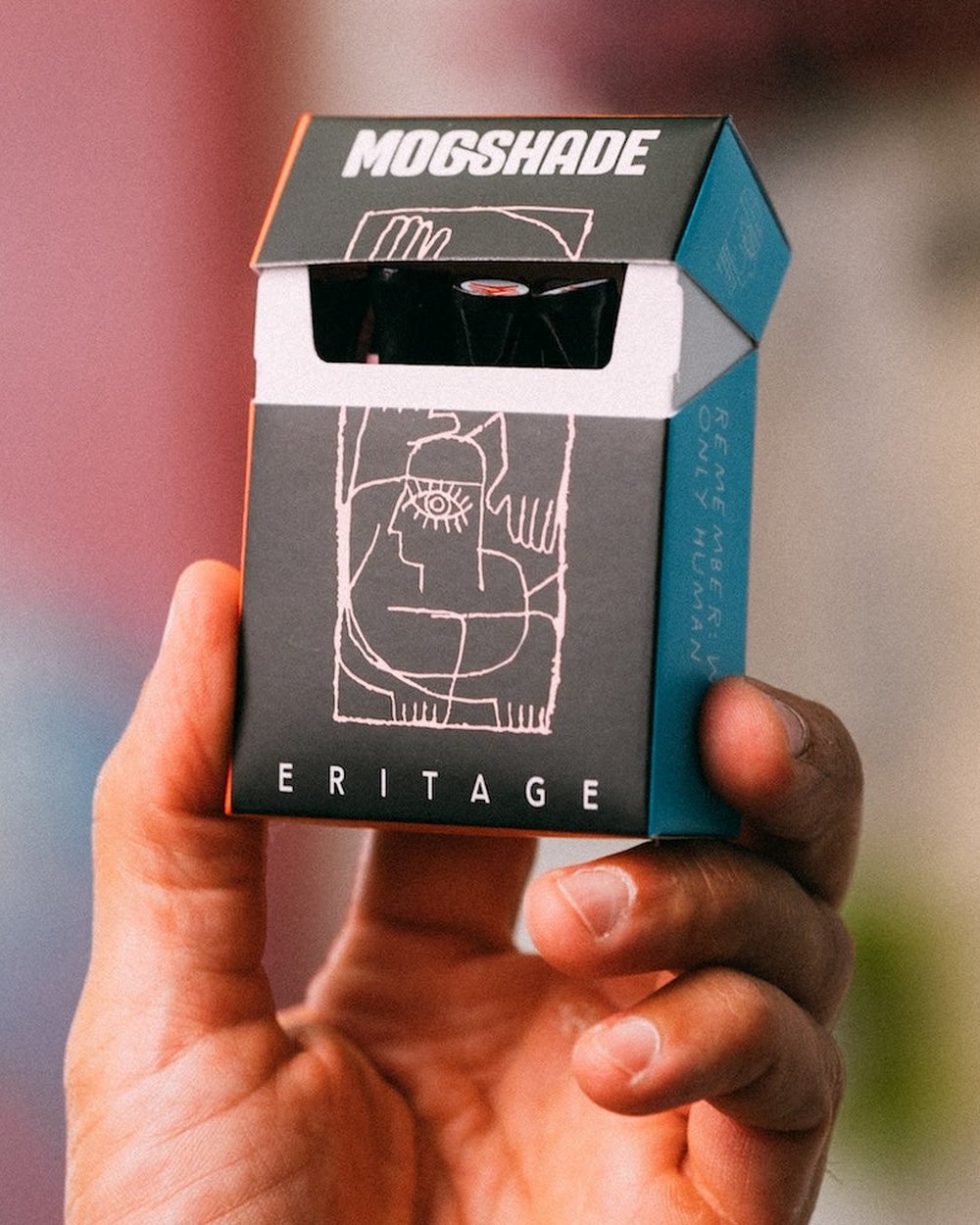
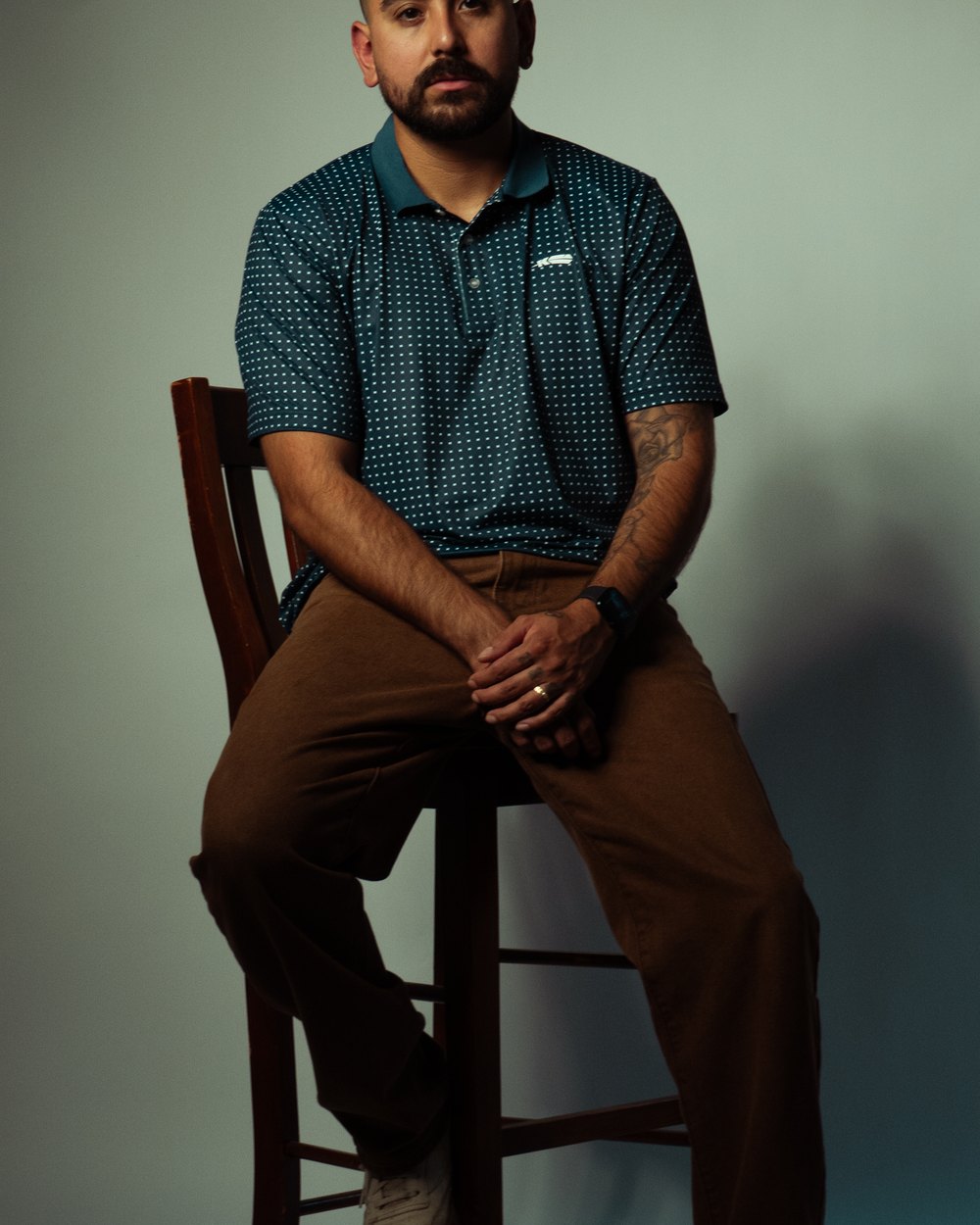
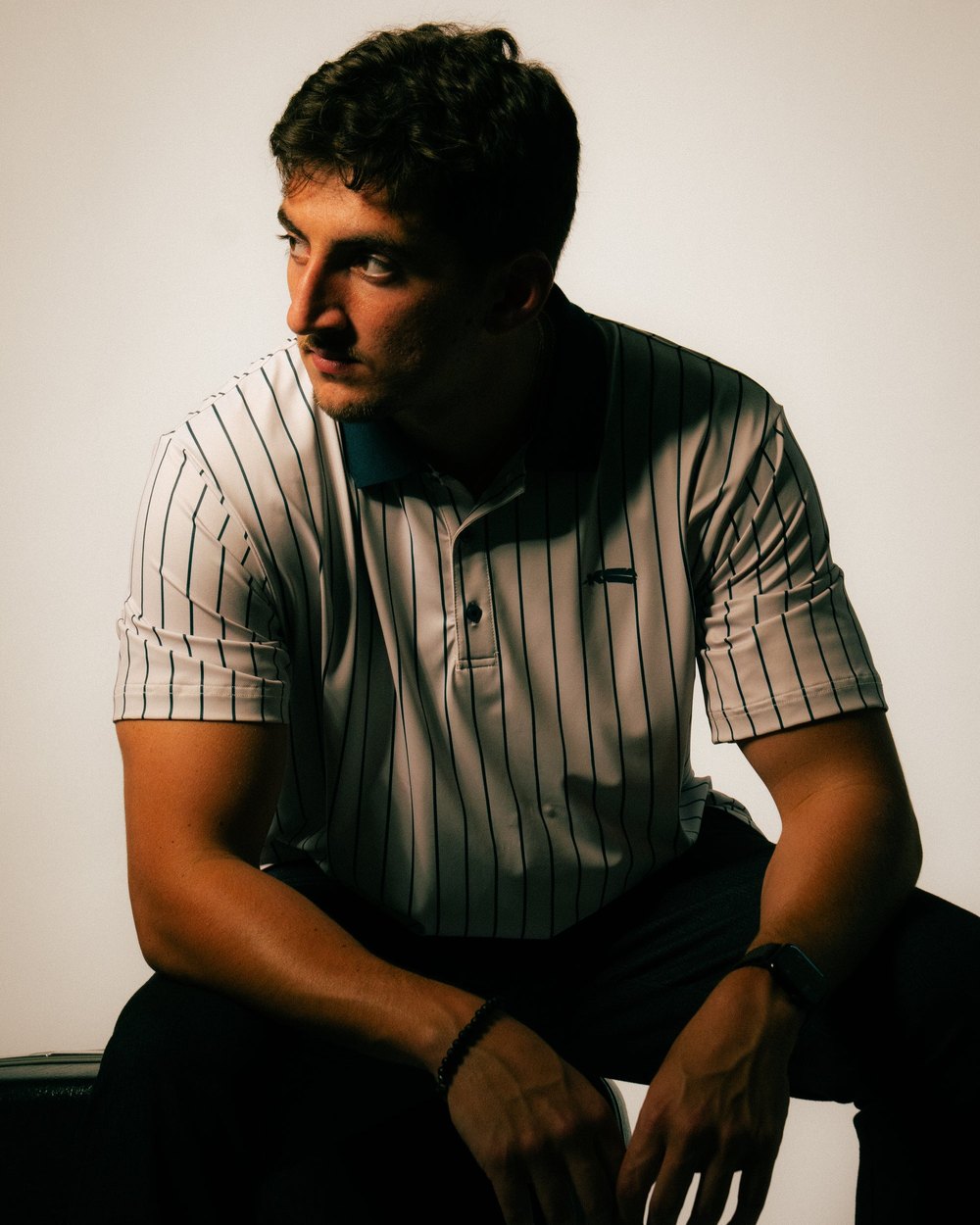
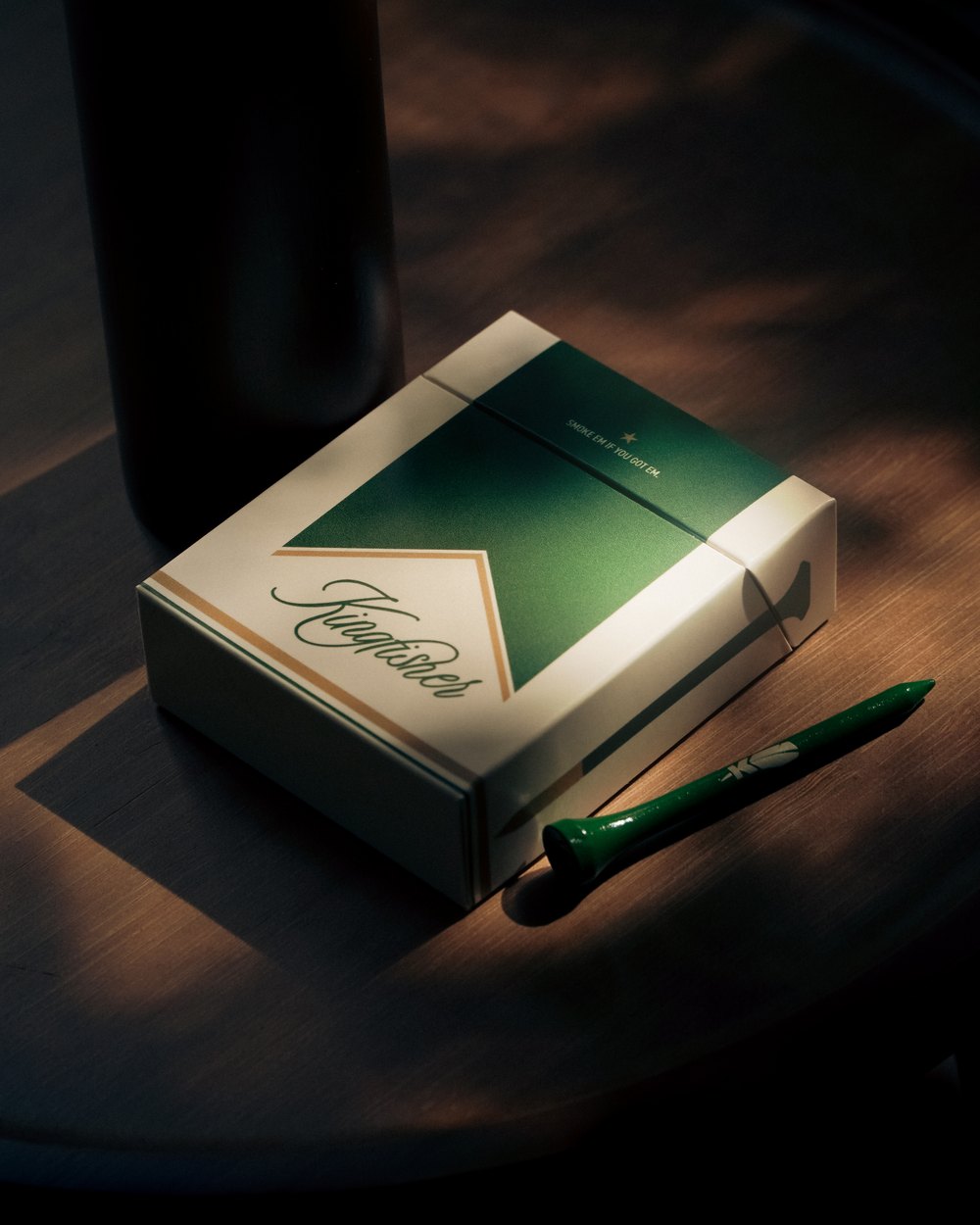
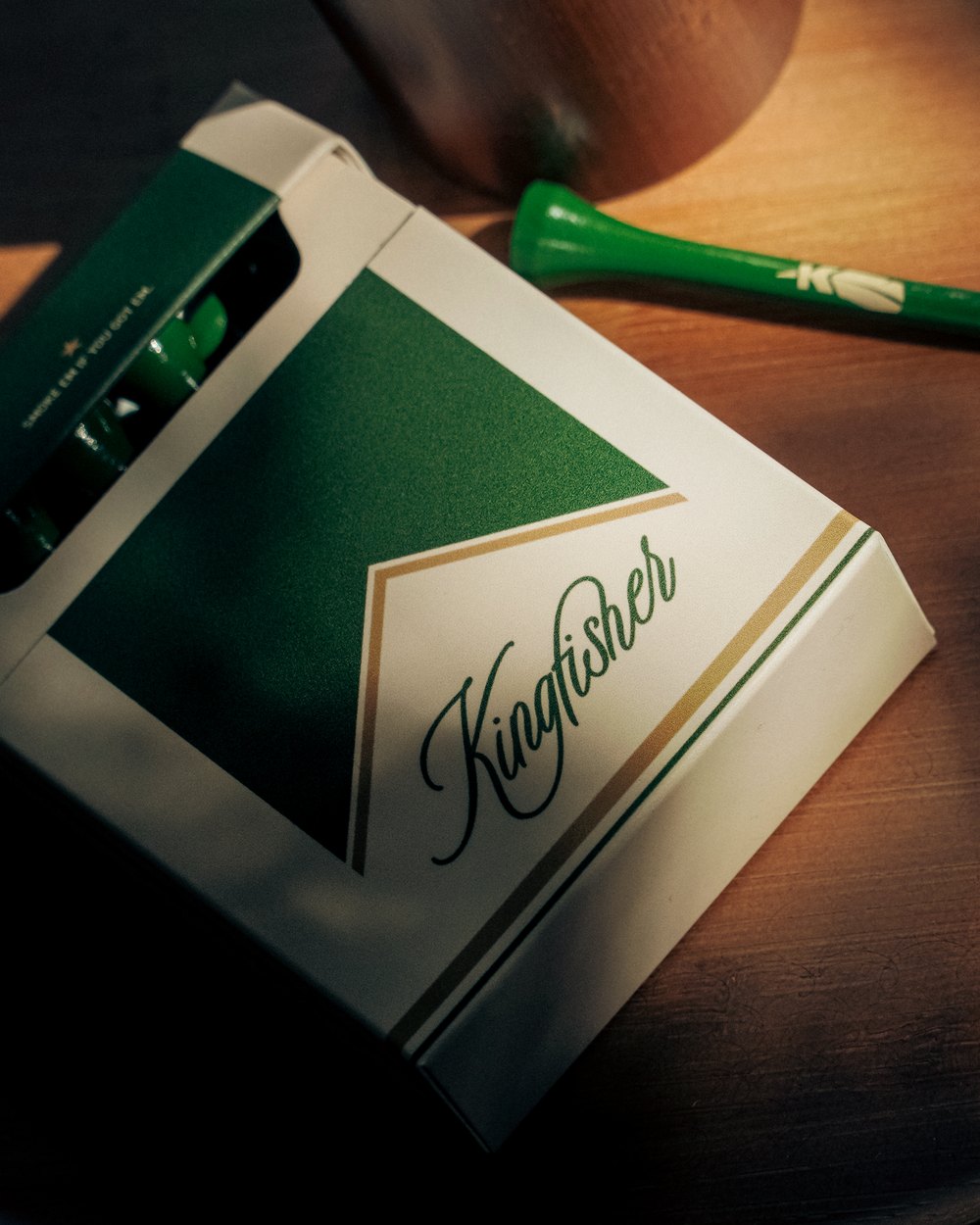
The ones that stand out commit to a single idea and carry it everywhere. Kingfisher’s founder came from PepsiCo’s creative department, and you can see it in the cigarette-box tee pack and campaign images lit like film stills. Forden built a whole range around one historical photograph. Whim took a golf object to Milan Design Week. Fyfe and Mogshade let the material lead, from Harris Tweed and old golf jackets to rescued mountain wool, so every piece comes with a story about where it came from. None of them looks like anything in the pro shop, and none of them looks like each other.
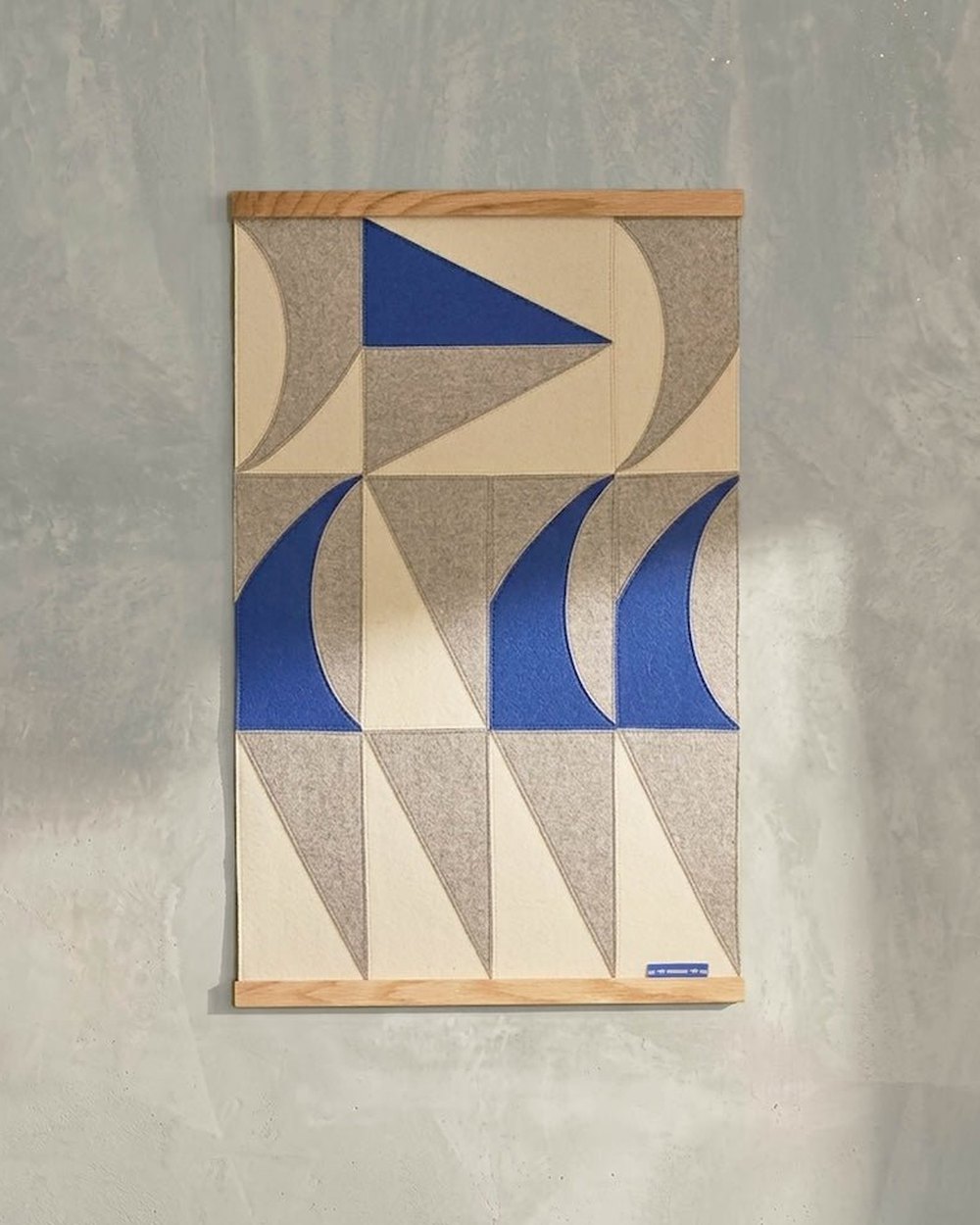
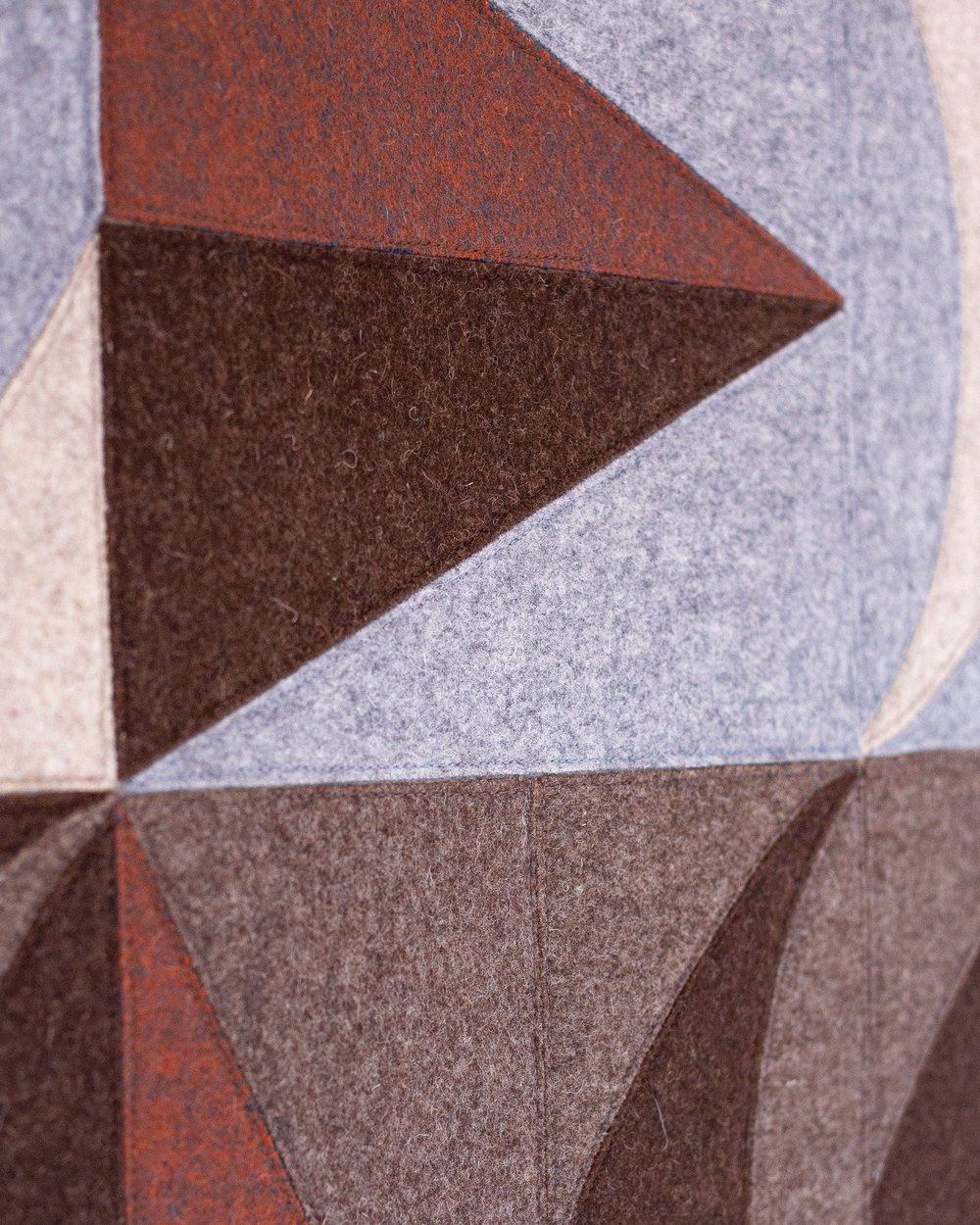
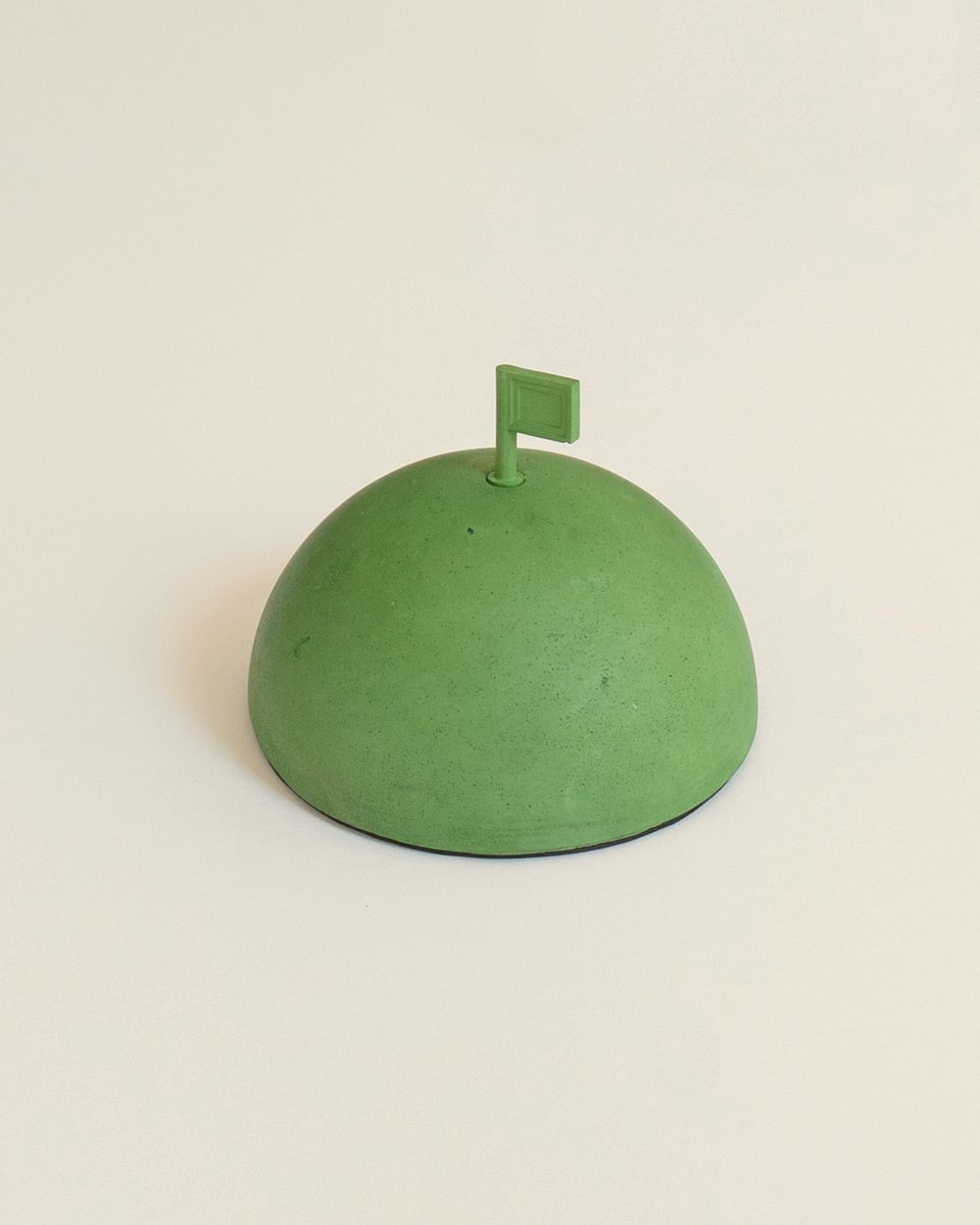
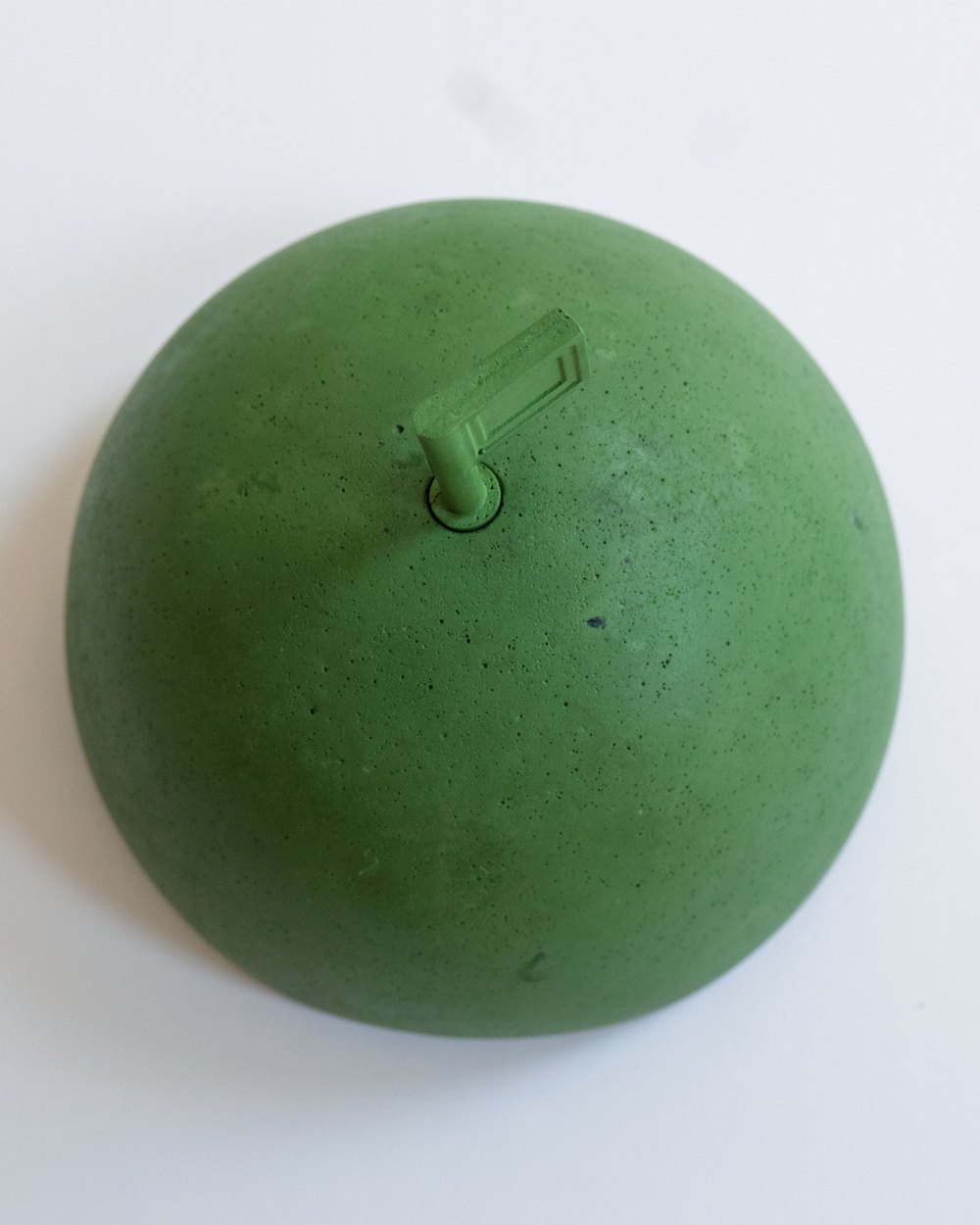
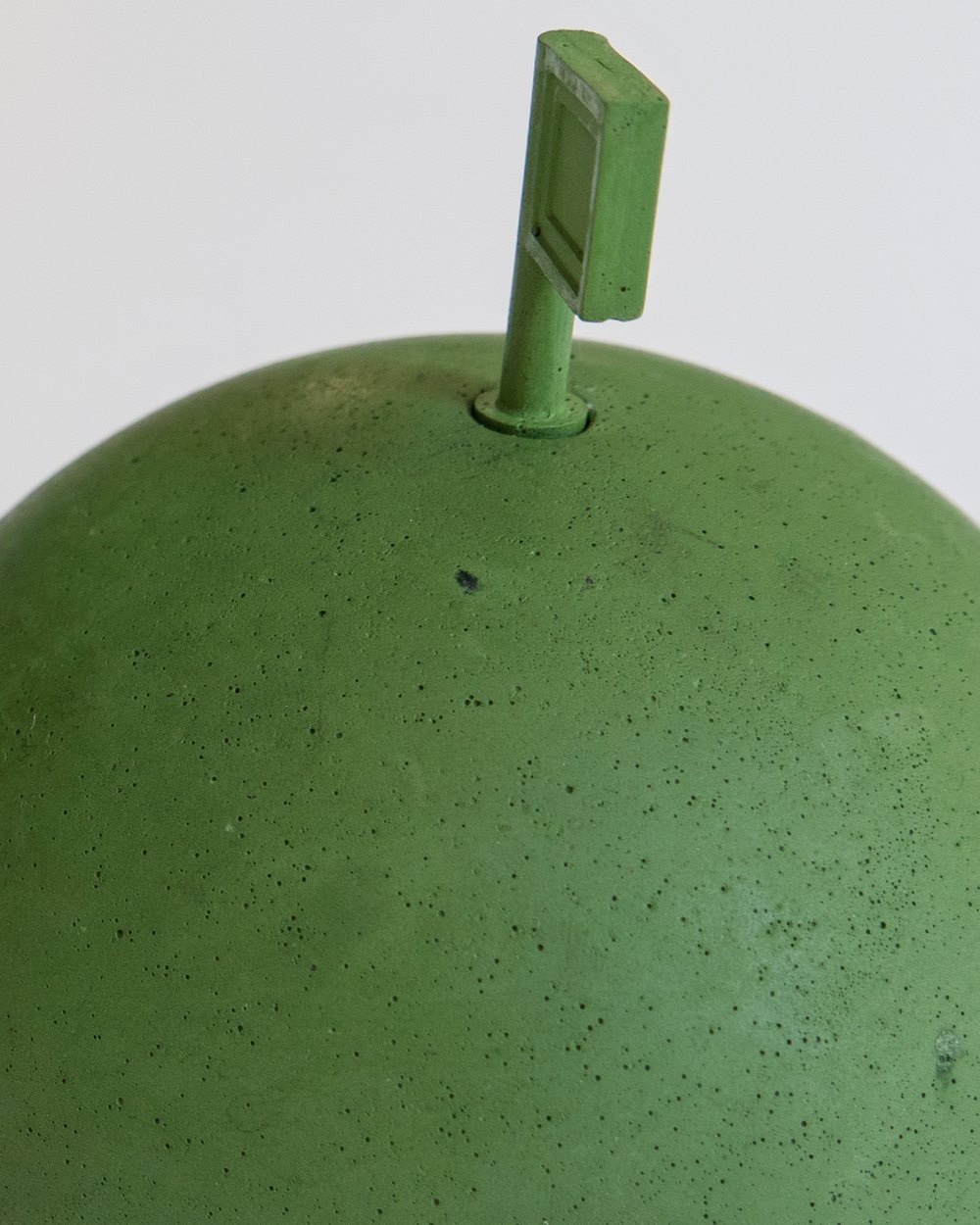
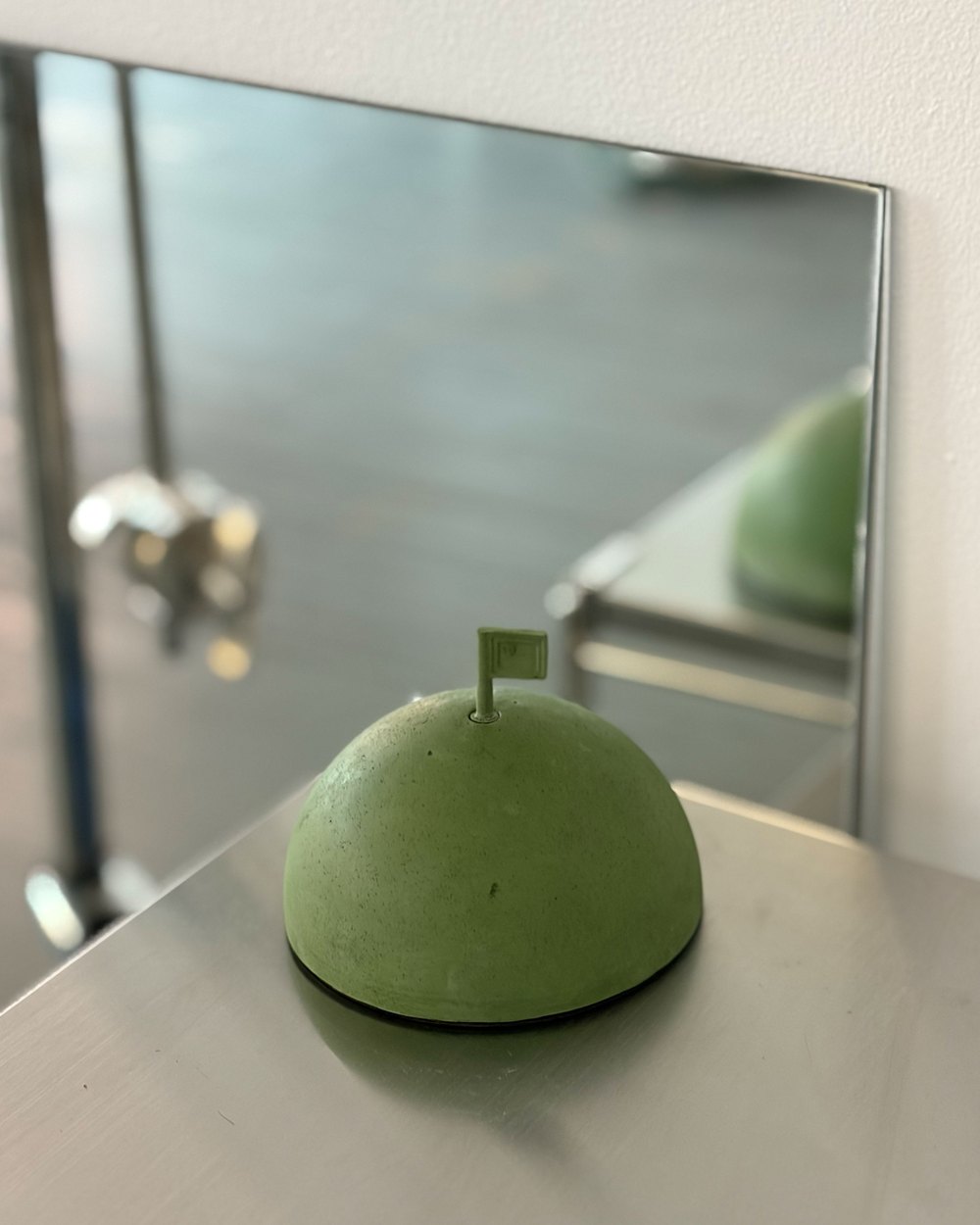
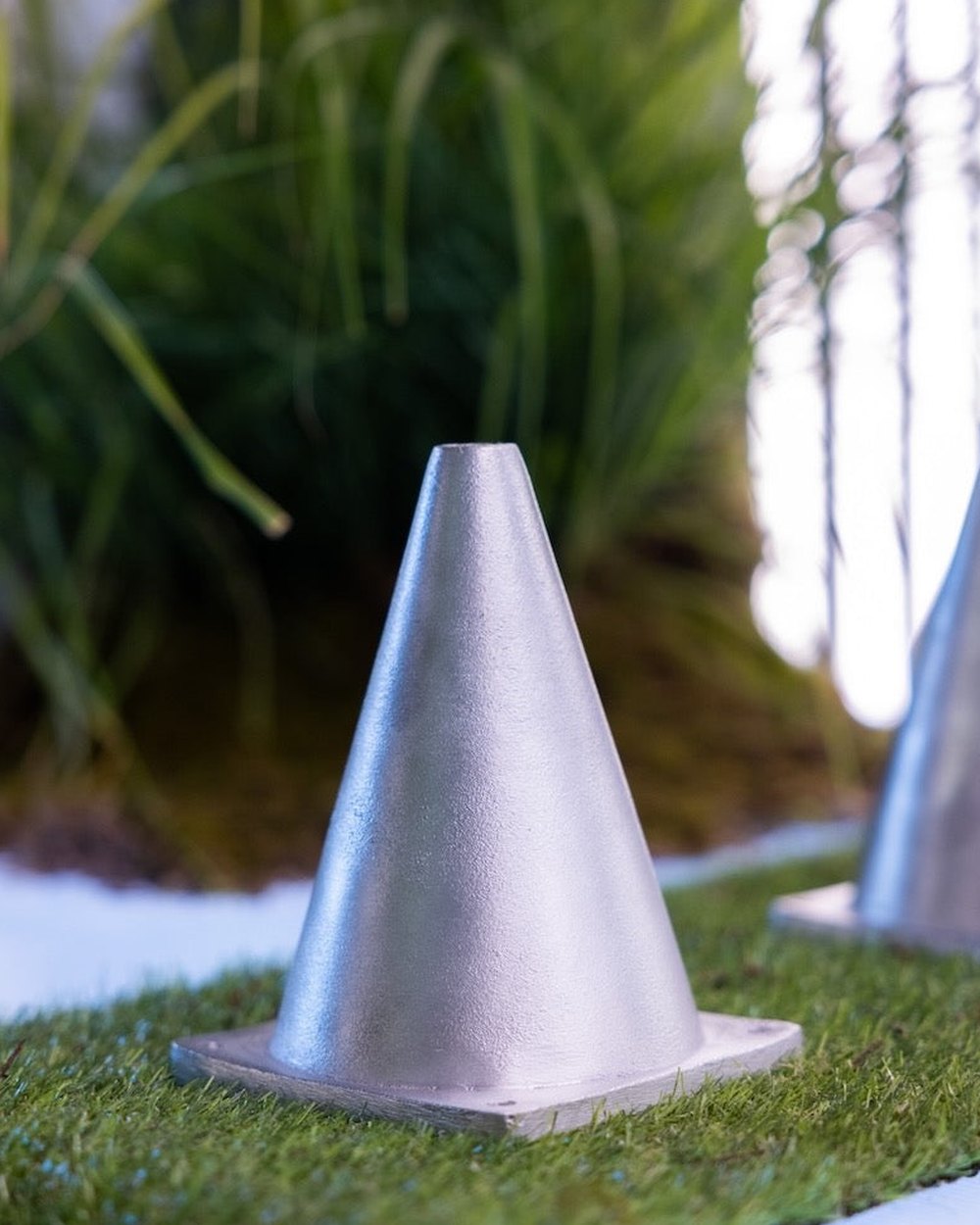
Where is it going? Look at what these brands sell besides clothes. Found sells sculpture and a bench. Mogshade makes hand-loomed wool posters. Hidden Links has a skateboard deck, and Whim sells a concrete paperweight. Golf brands are starting to make things for the house as well as the course, and we expect more of it, along with more one-of-one pieces cut from old garments, more artist collaborations and more brands throwing their own events the way SLICE TOWN does in Copenhagen. The game is becoming a reason to make things, and the independents are getting there first.
These 13 do it best, in the pictures they take, the graphics they draw and the objects they make. Each gets a short take, three of its own photos and three pieces, priced on October 17, 2026.
Brands whose photography does the selling.
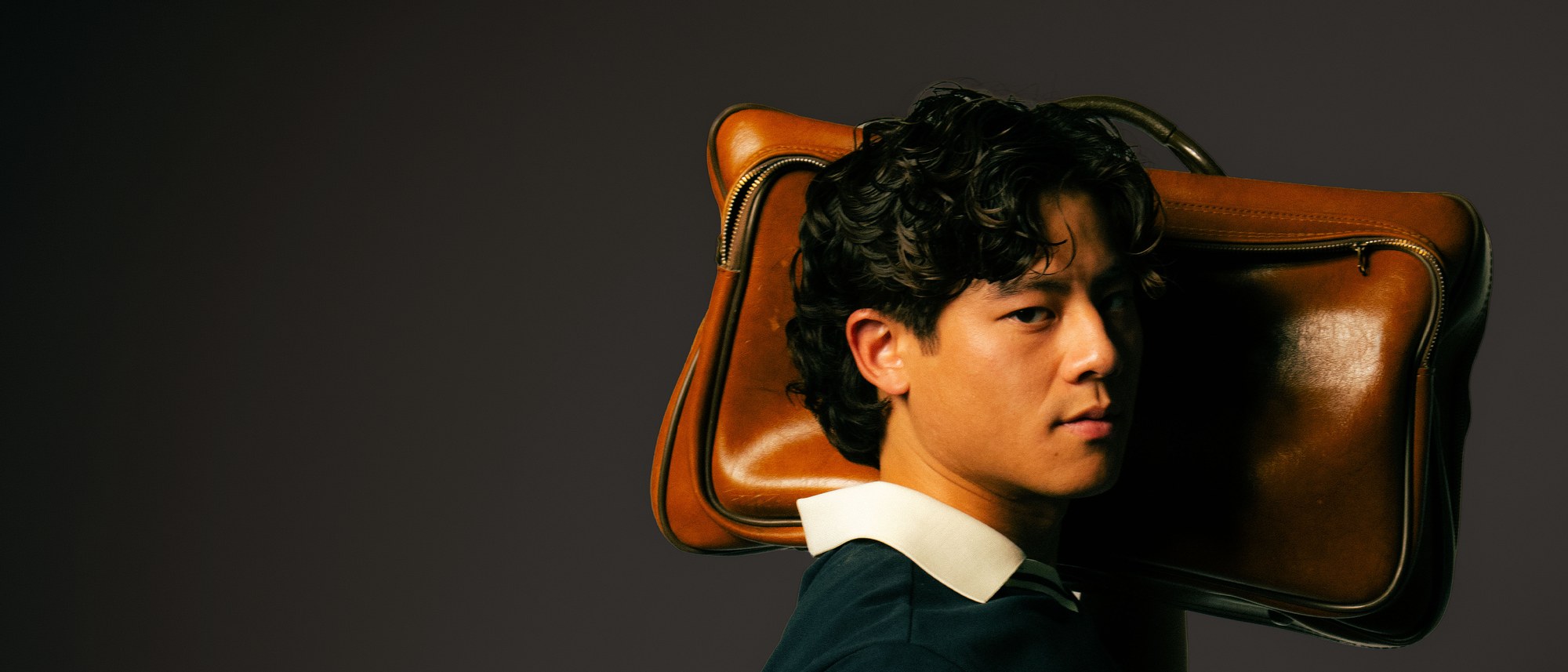
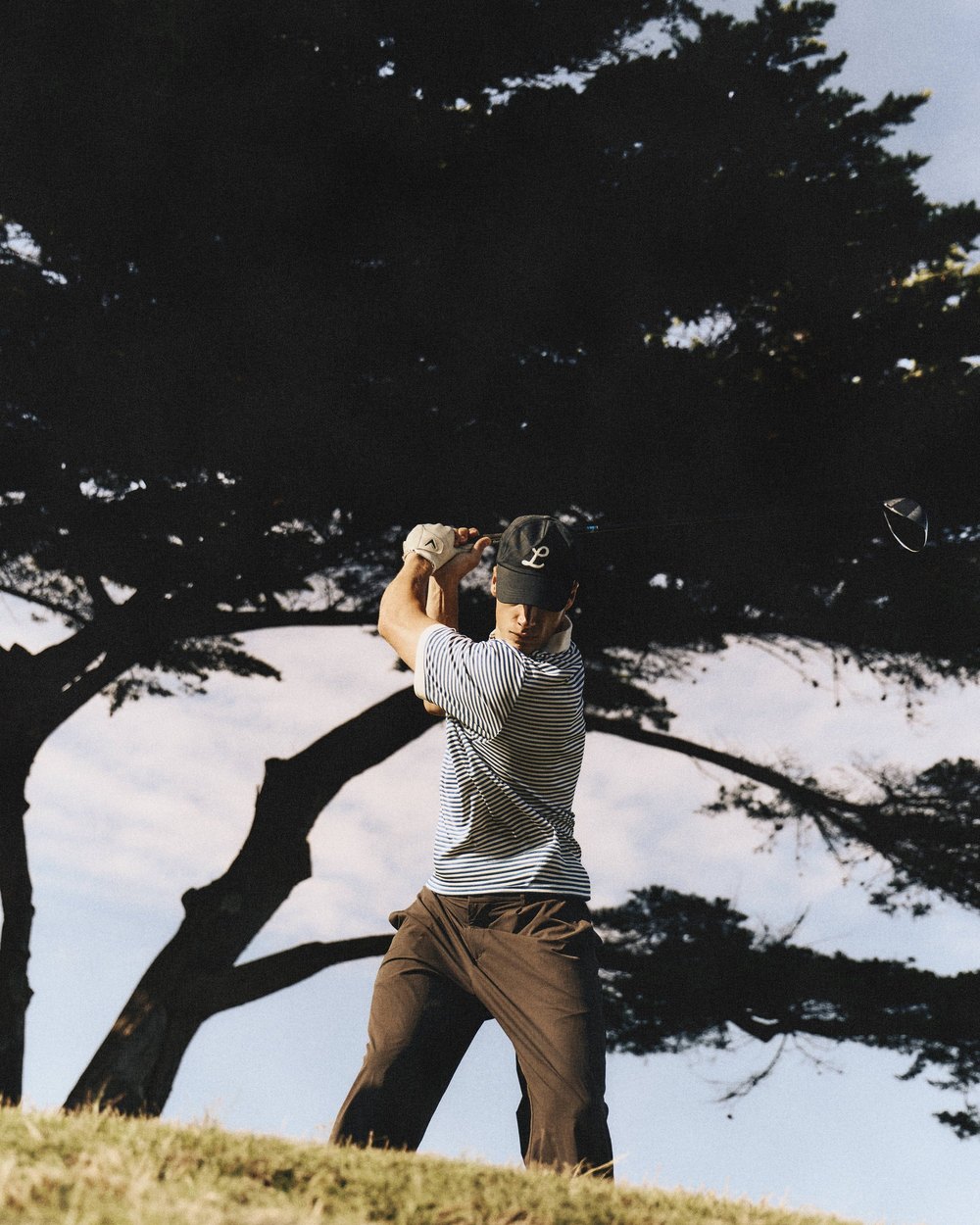
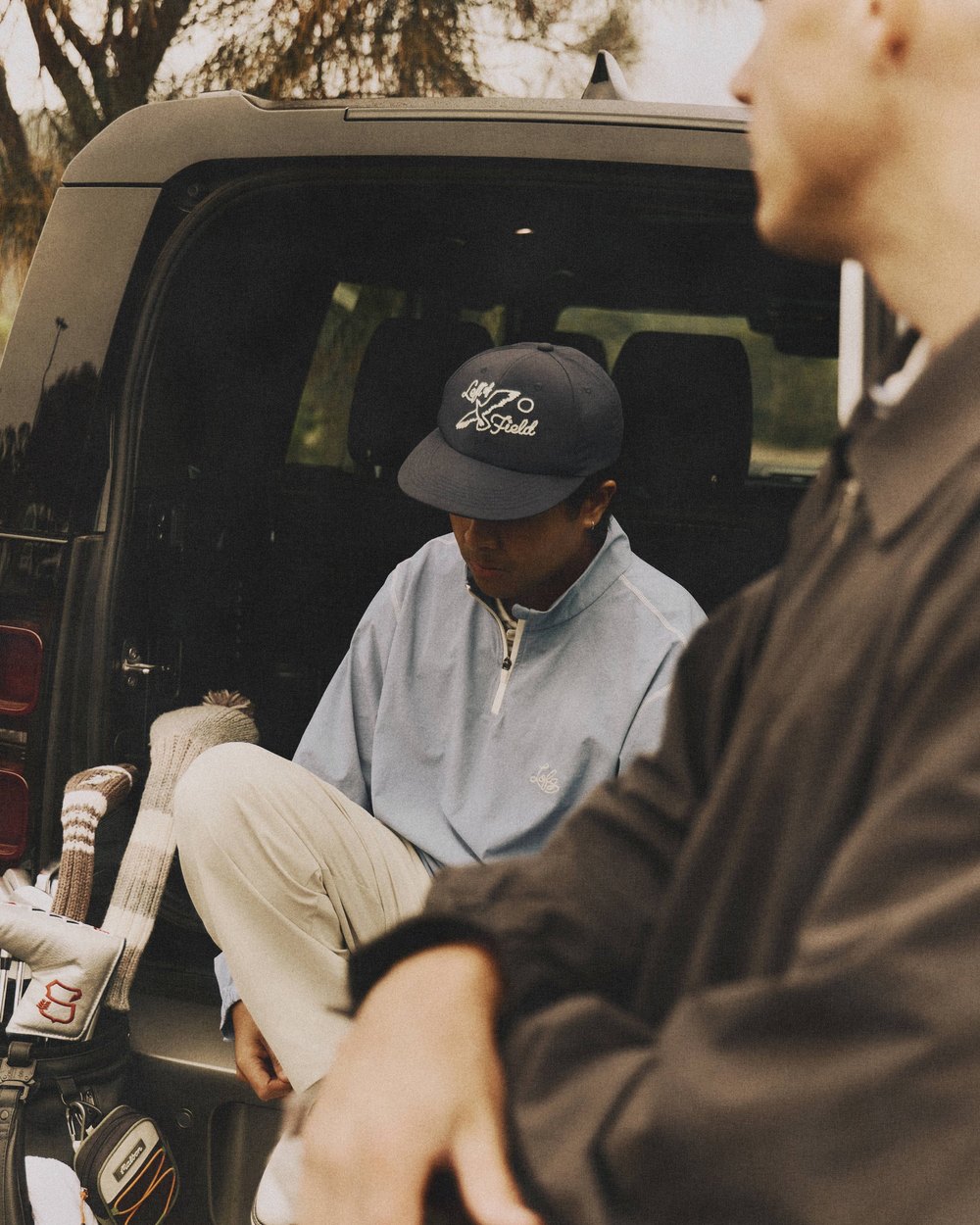
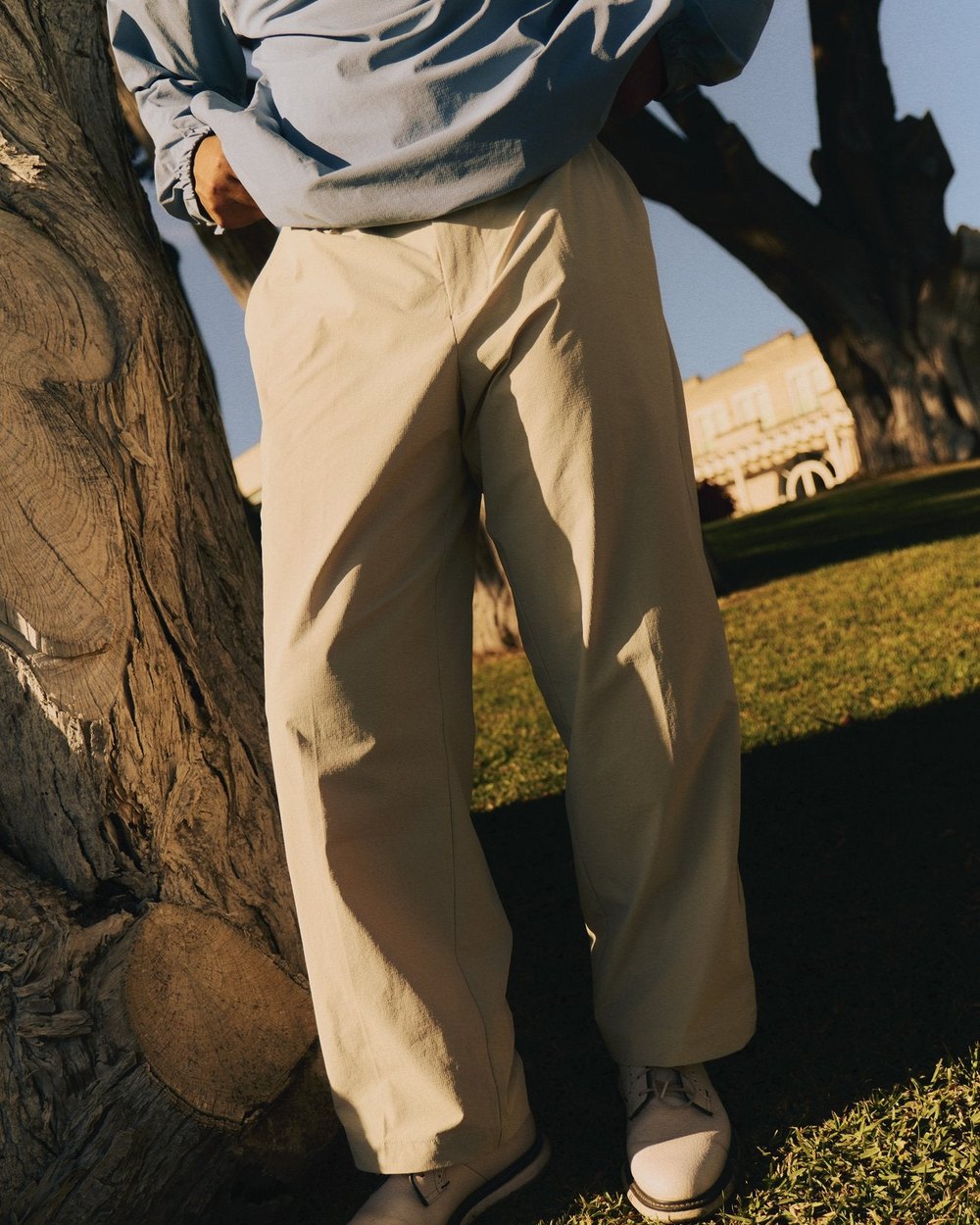
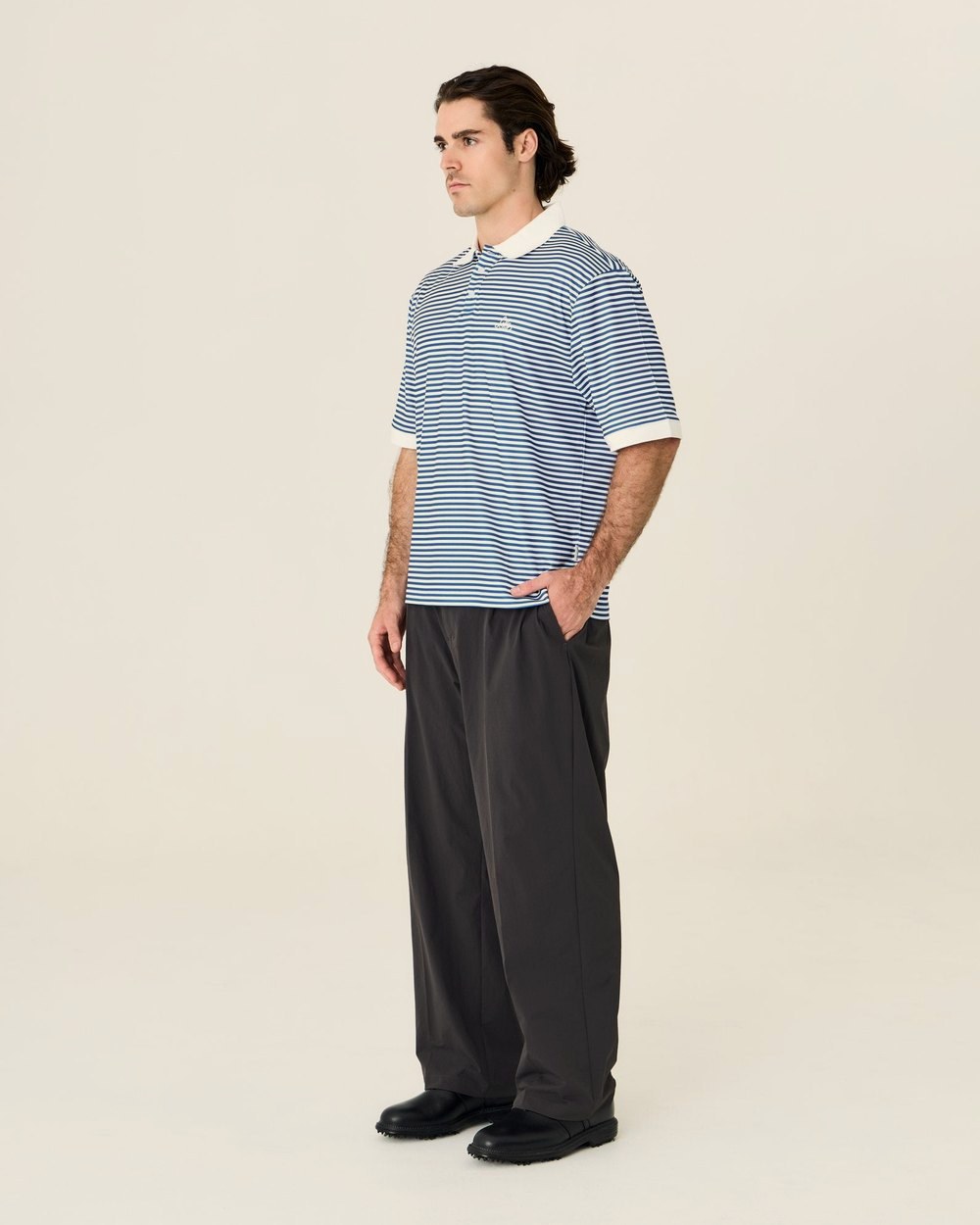
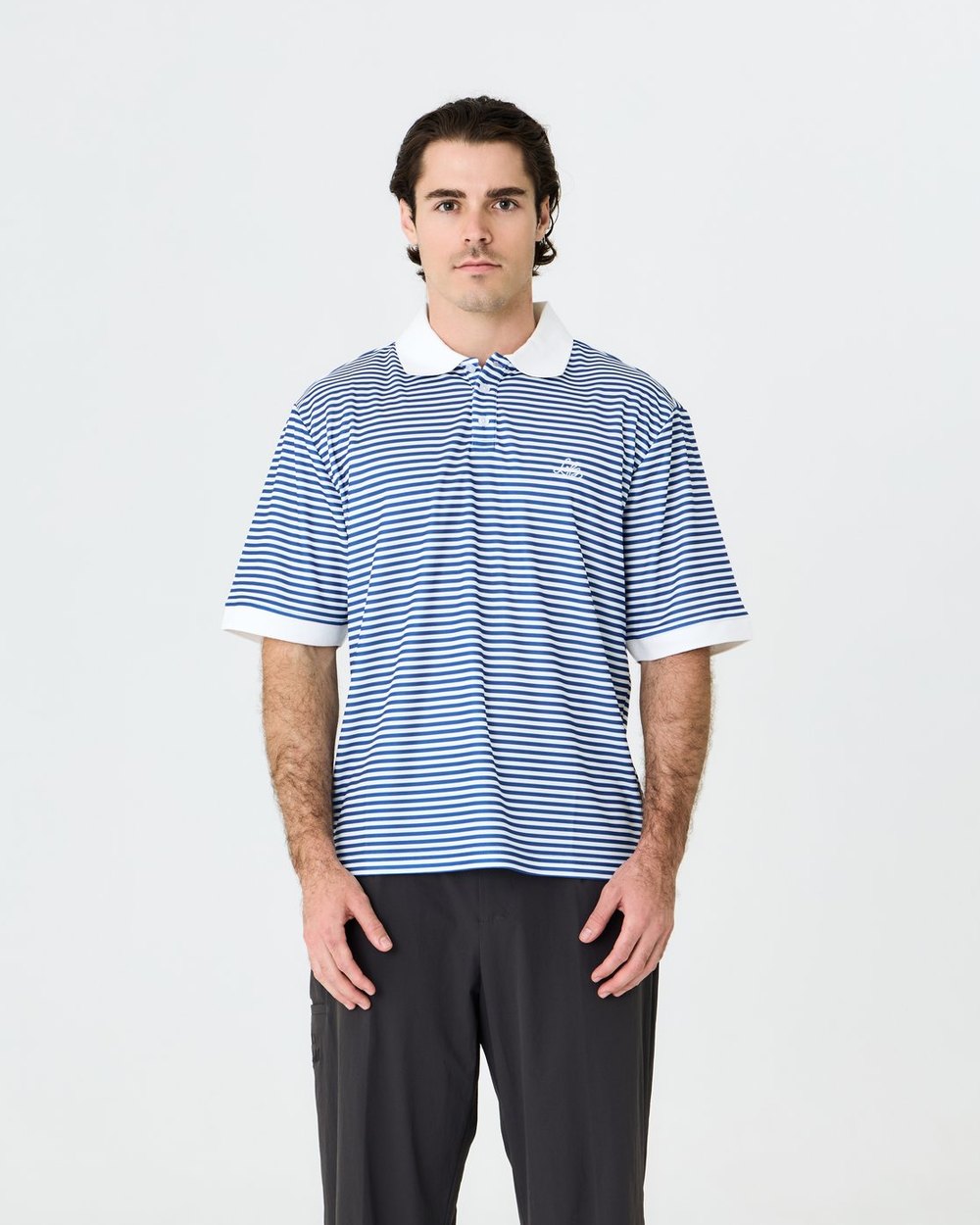
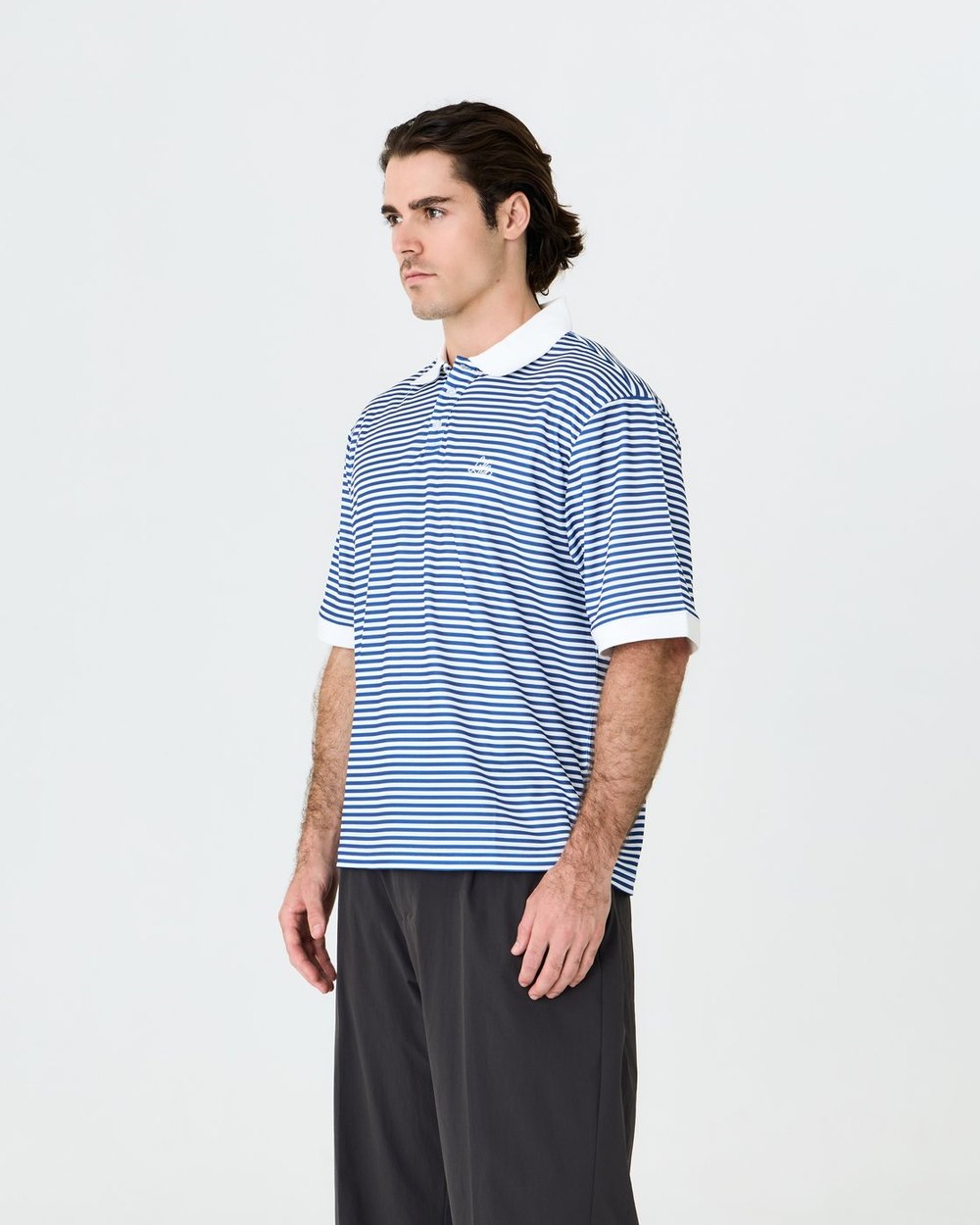
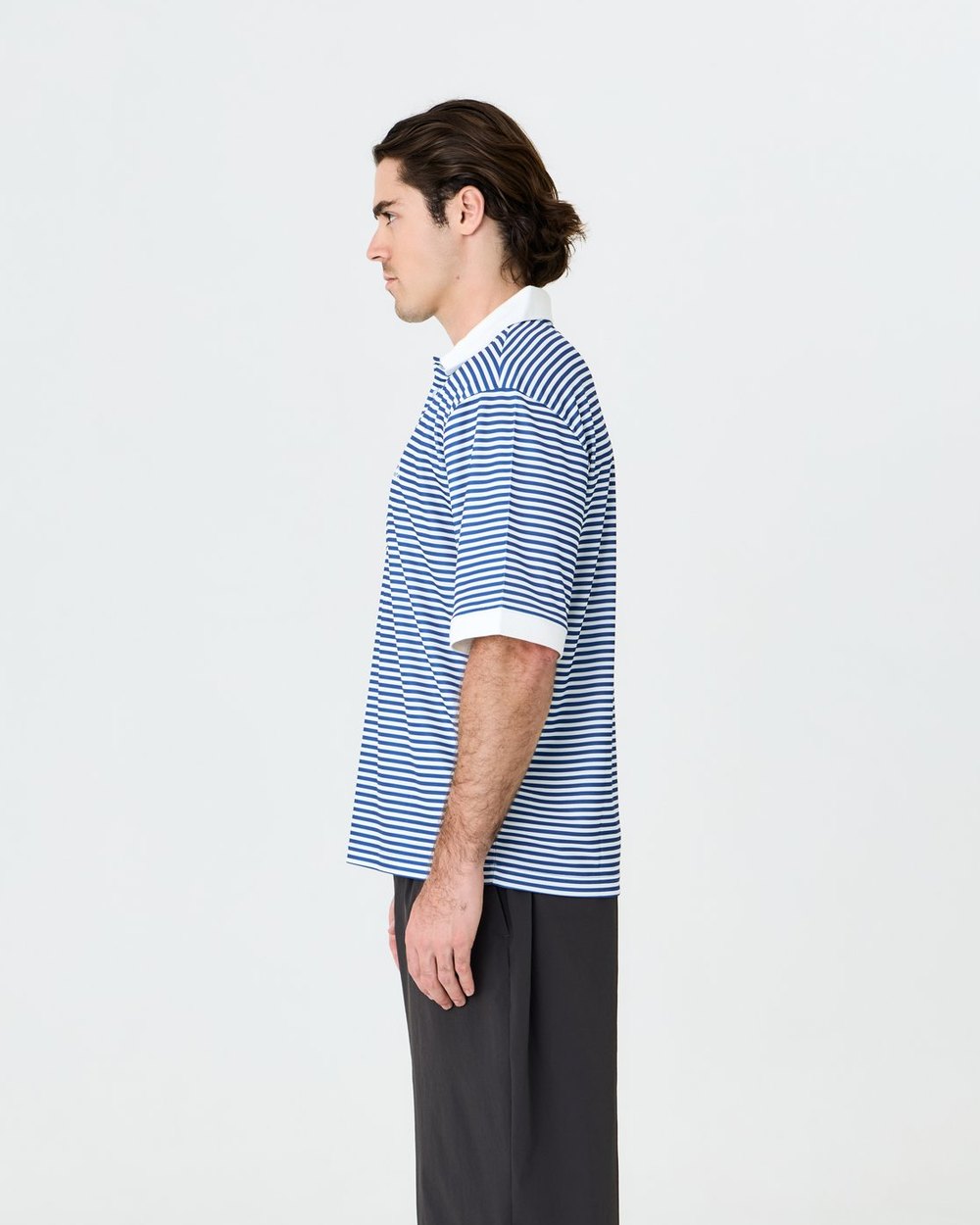
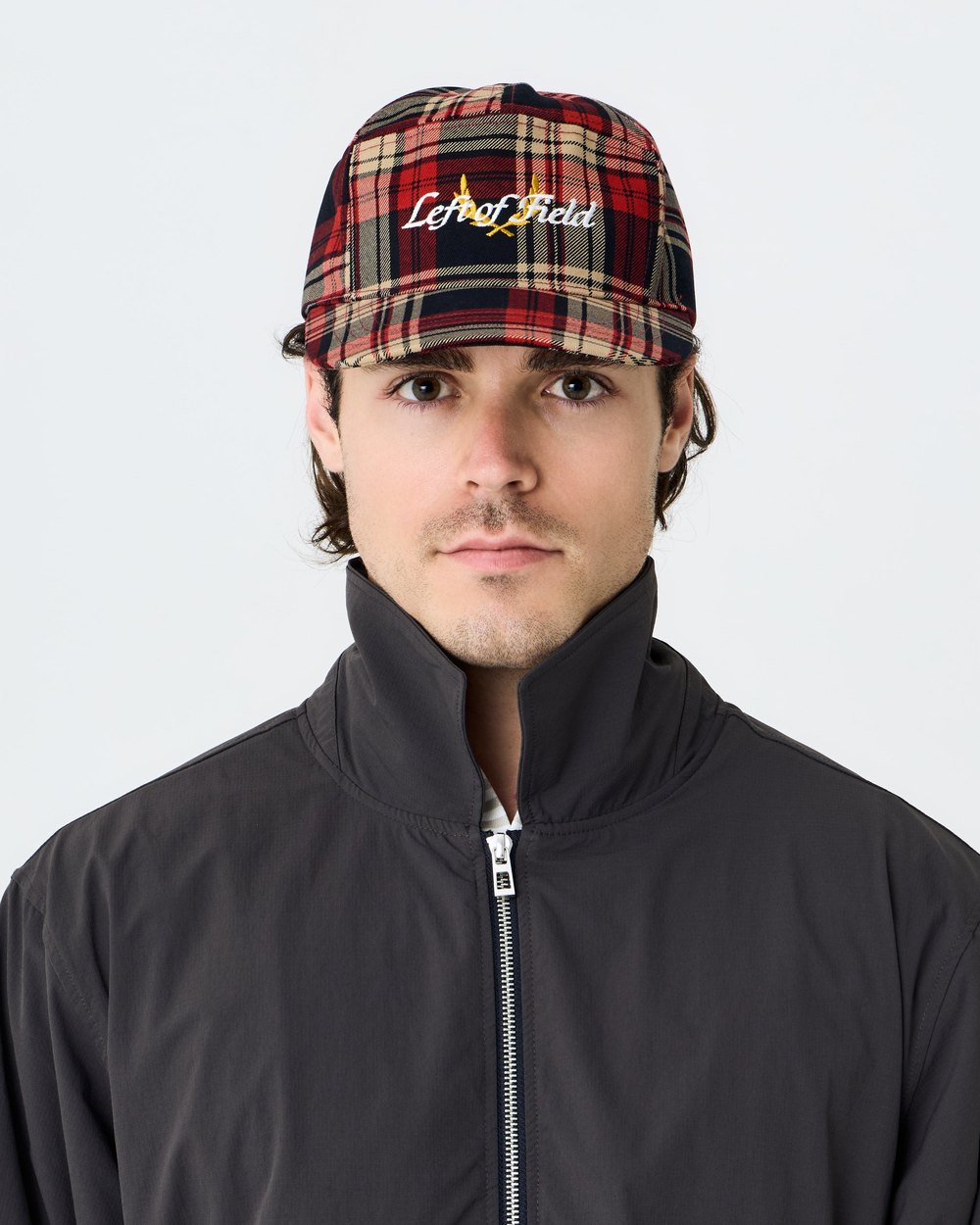
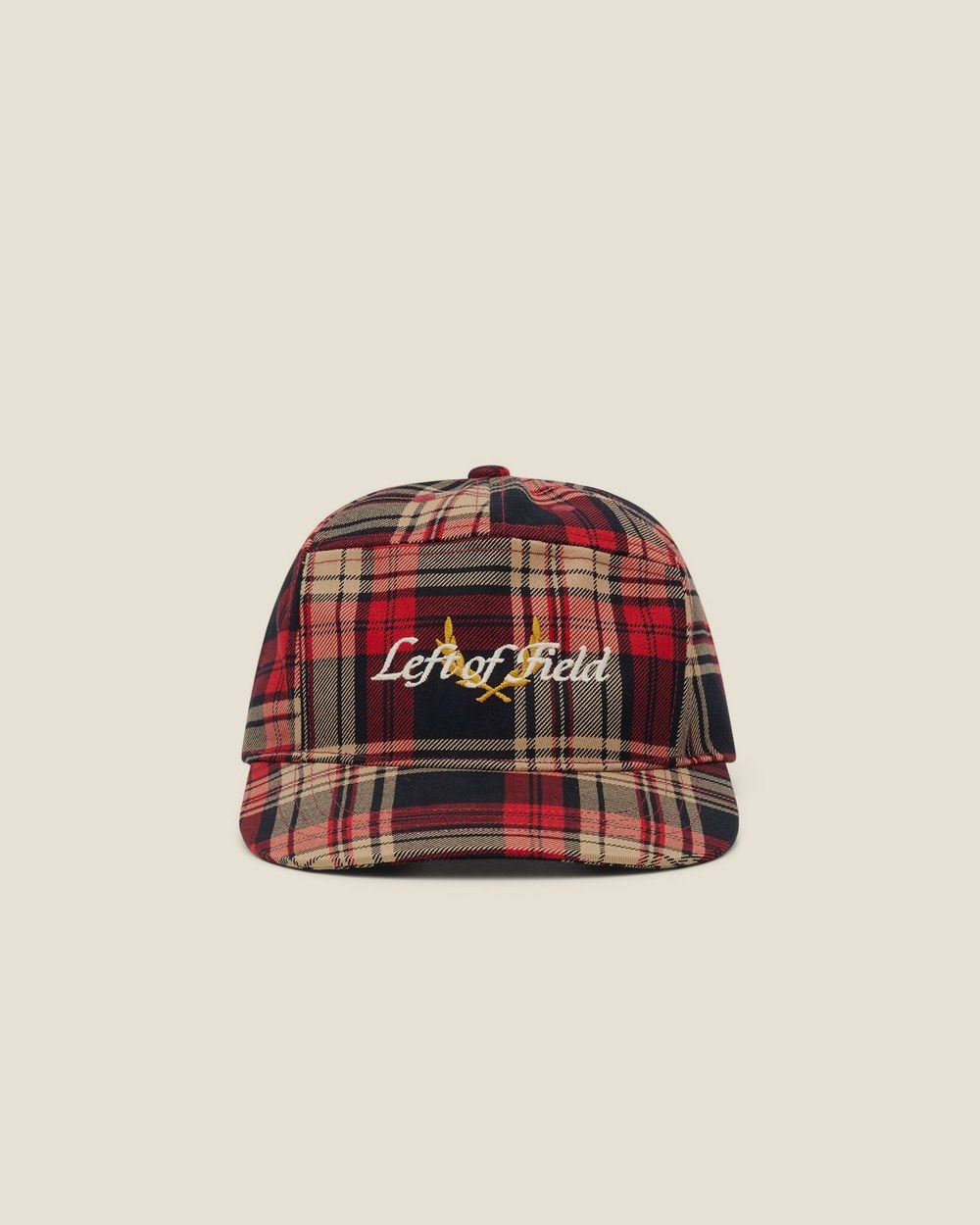
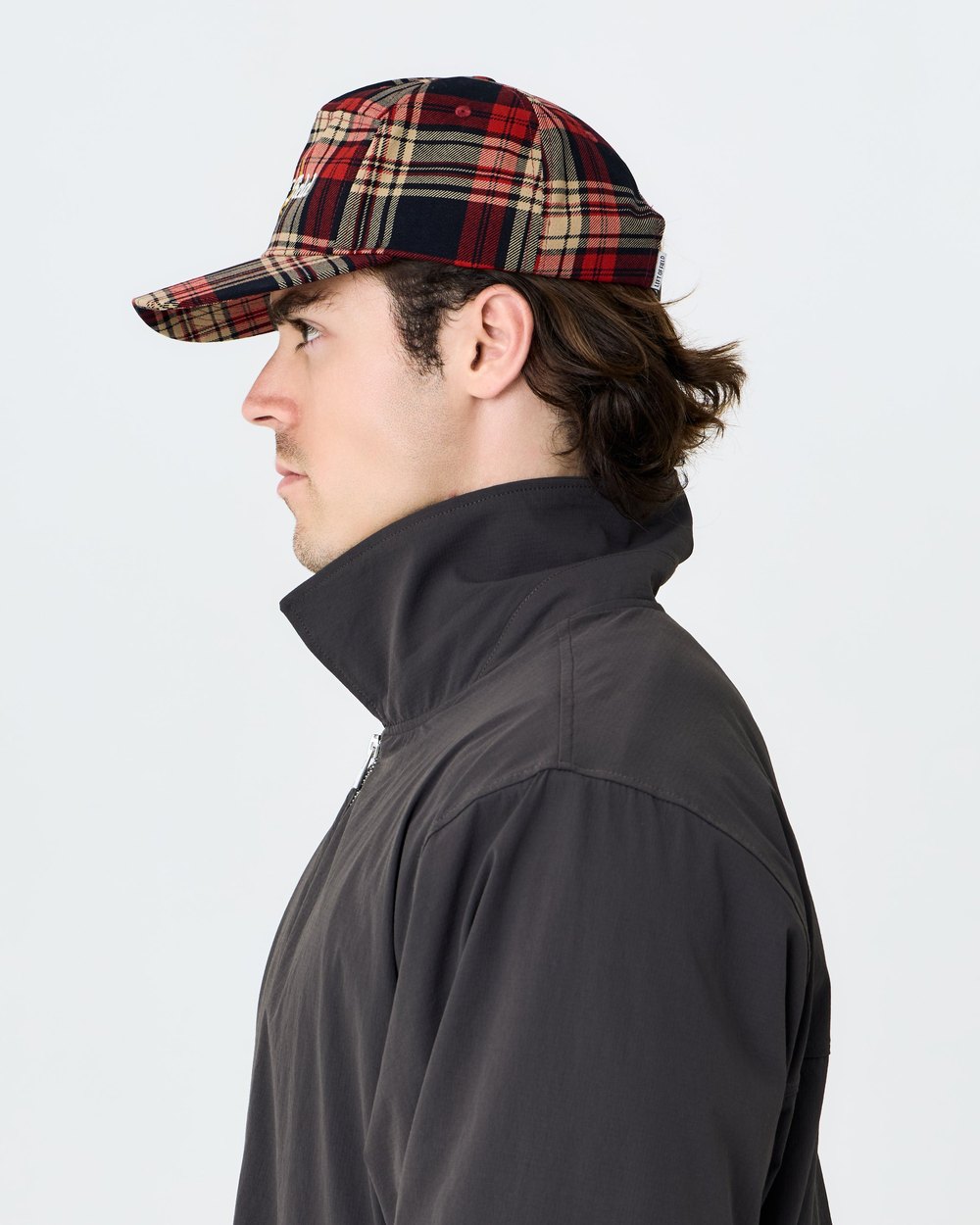
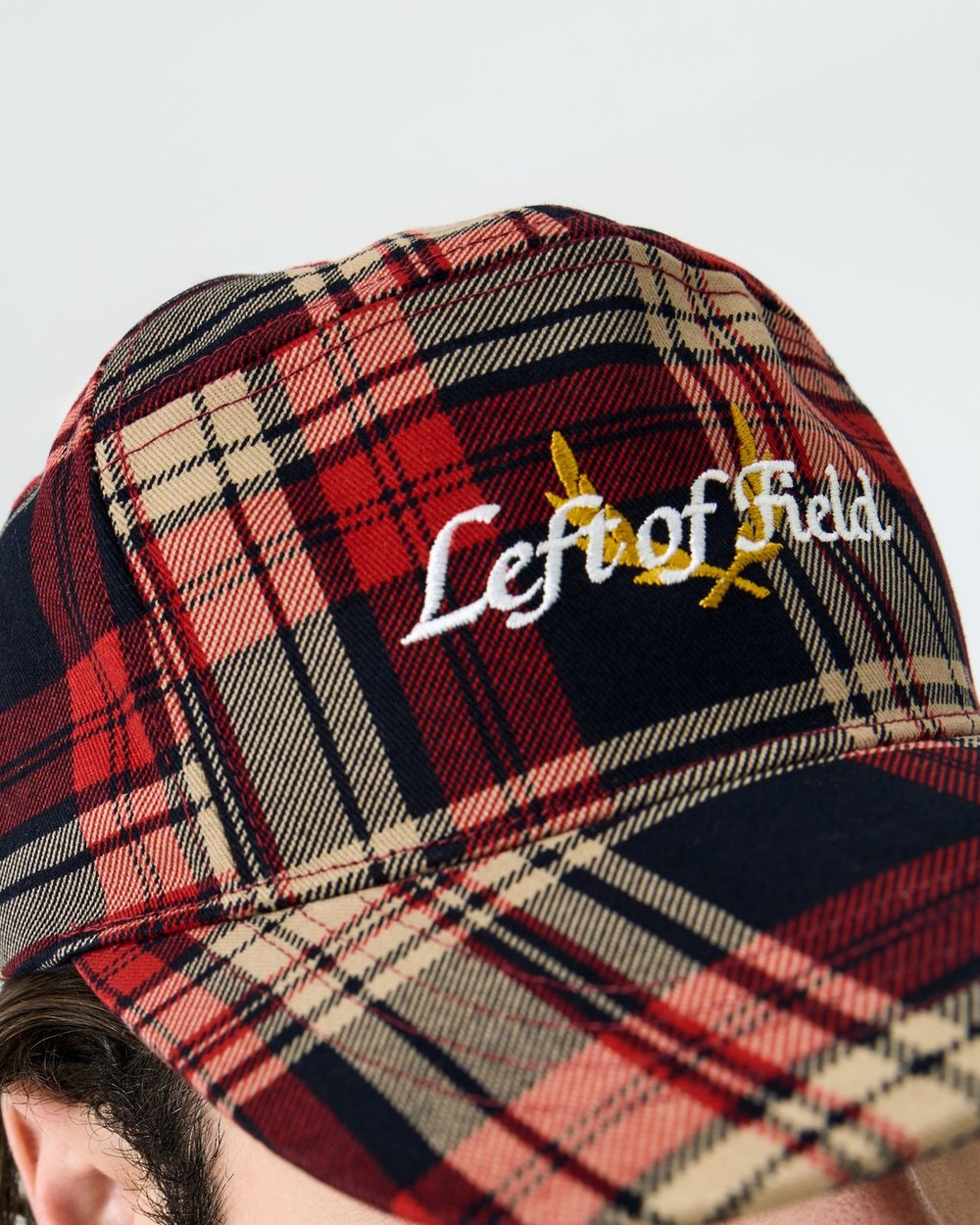
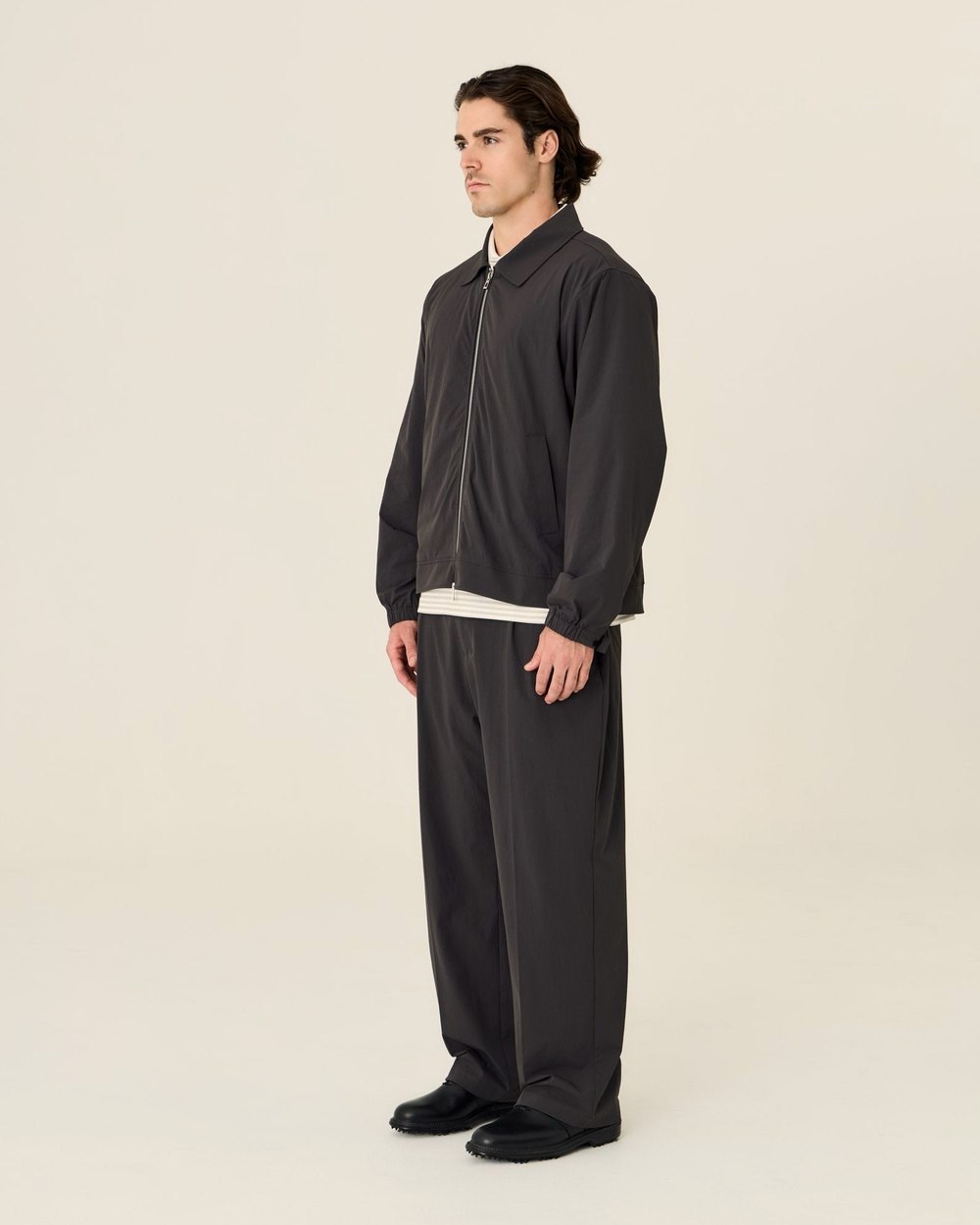
Grainy, warm and shot on Australian sea cliffs, Left of Field’s pictures sell a feeling before a polo. Founder Nick Ilias put the brief plainly: “Our mission isn’t to create products that scream ‘golf’.”
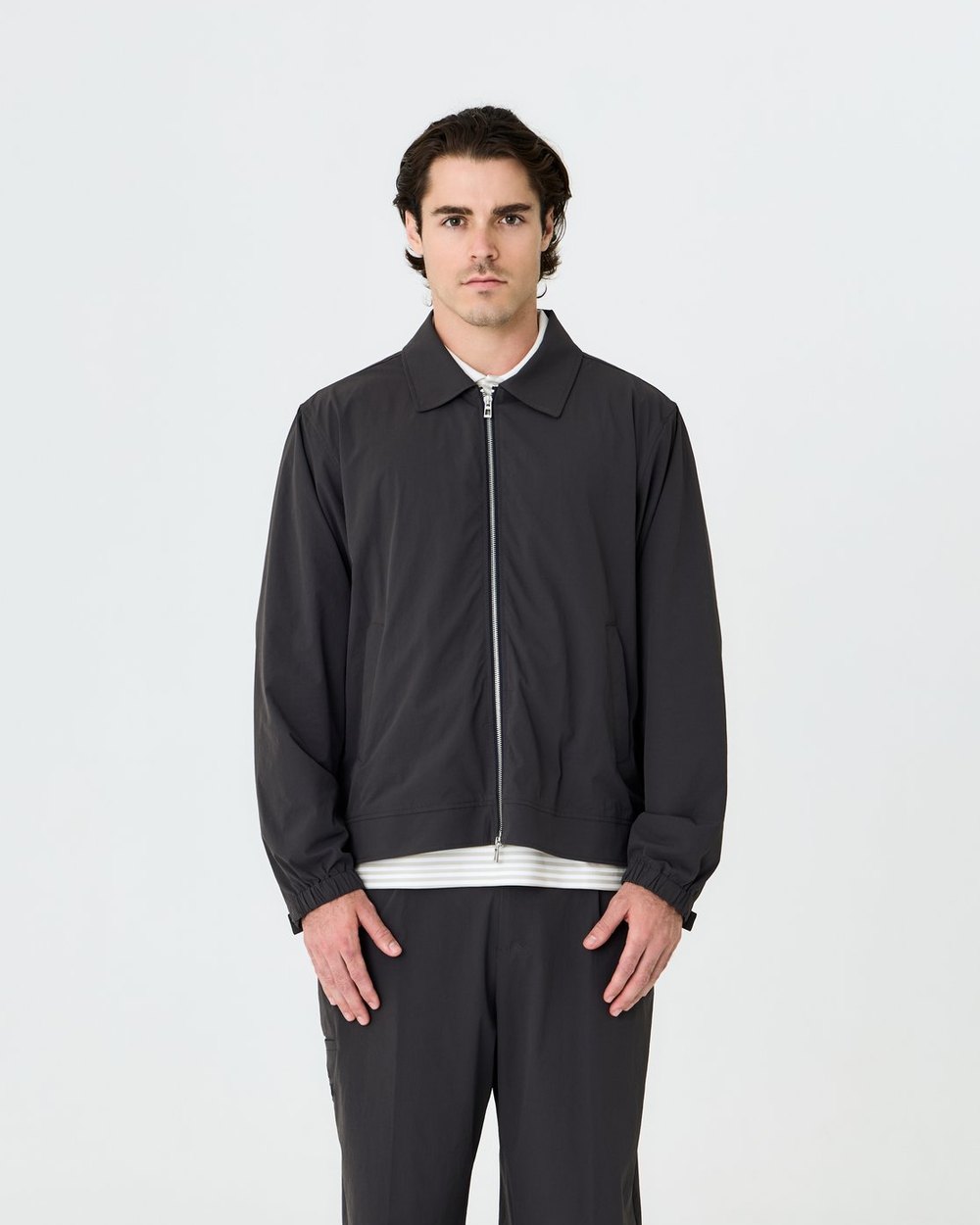
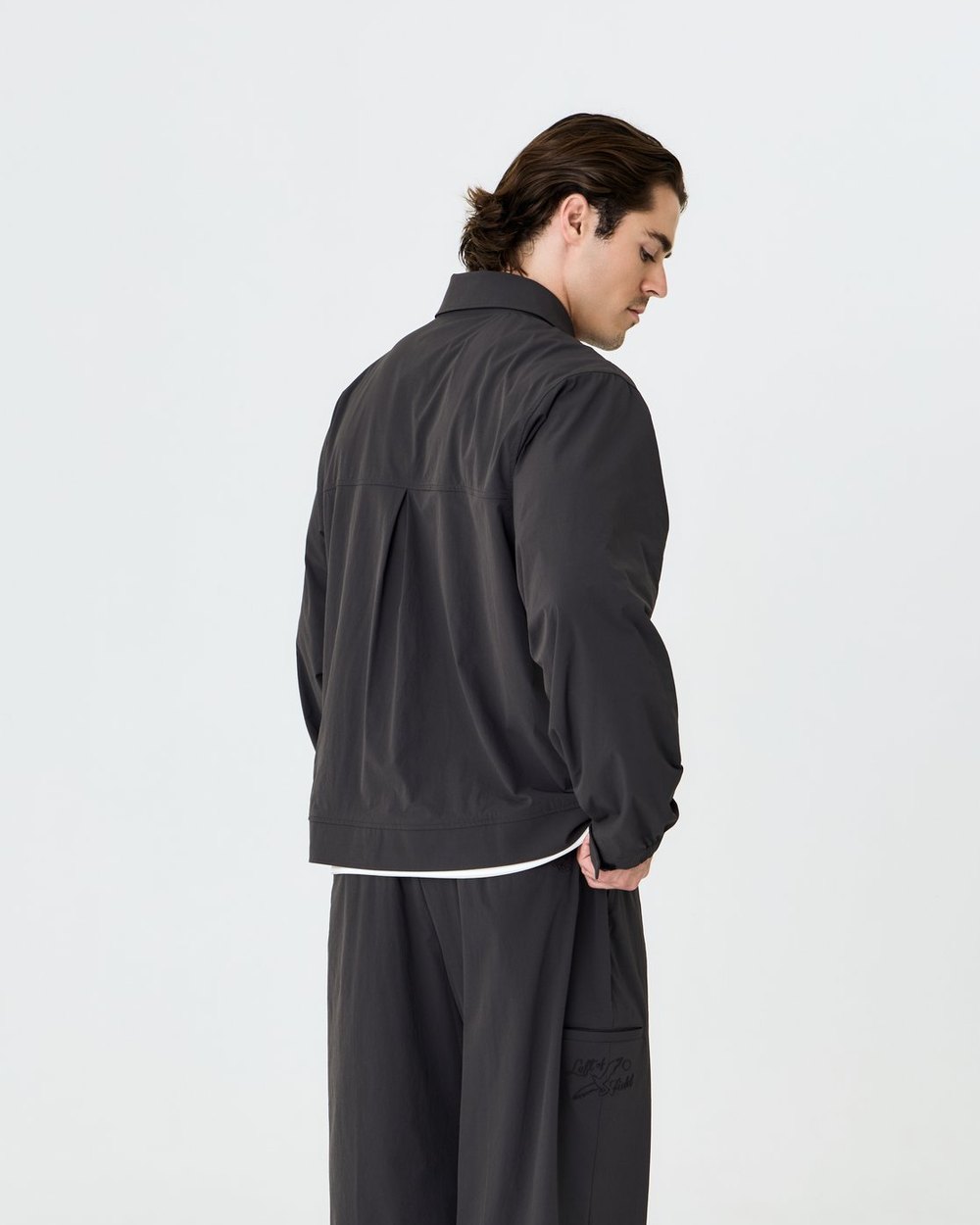
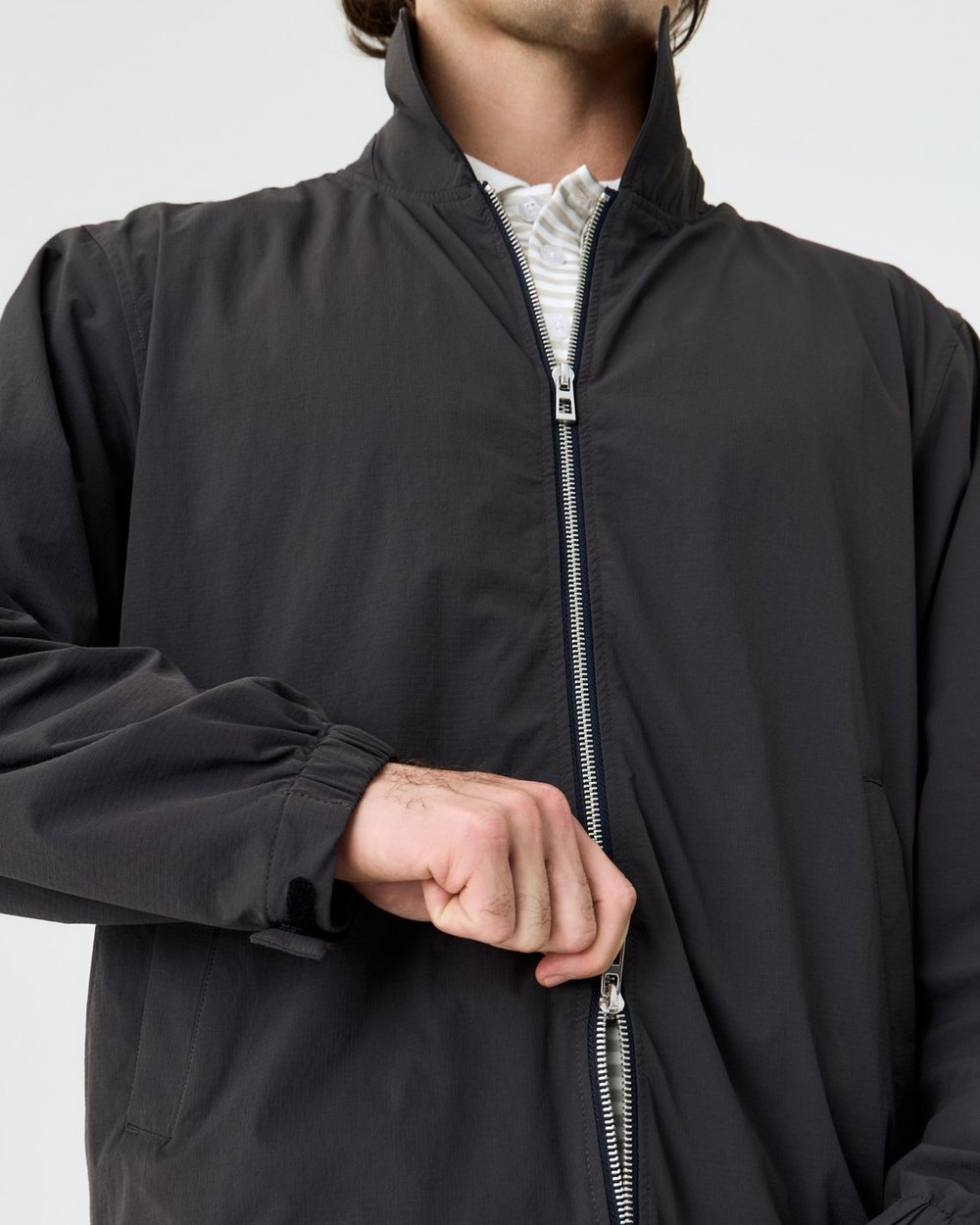
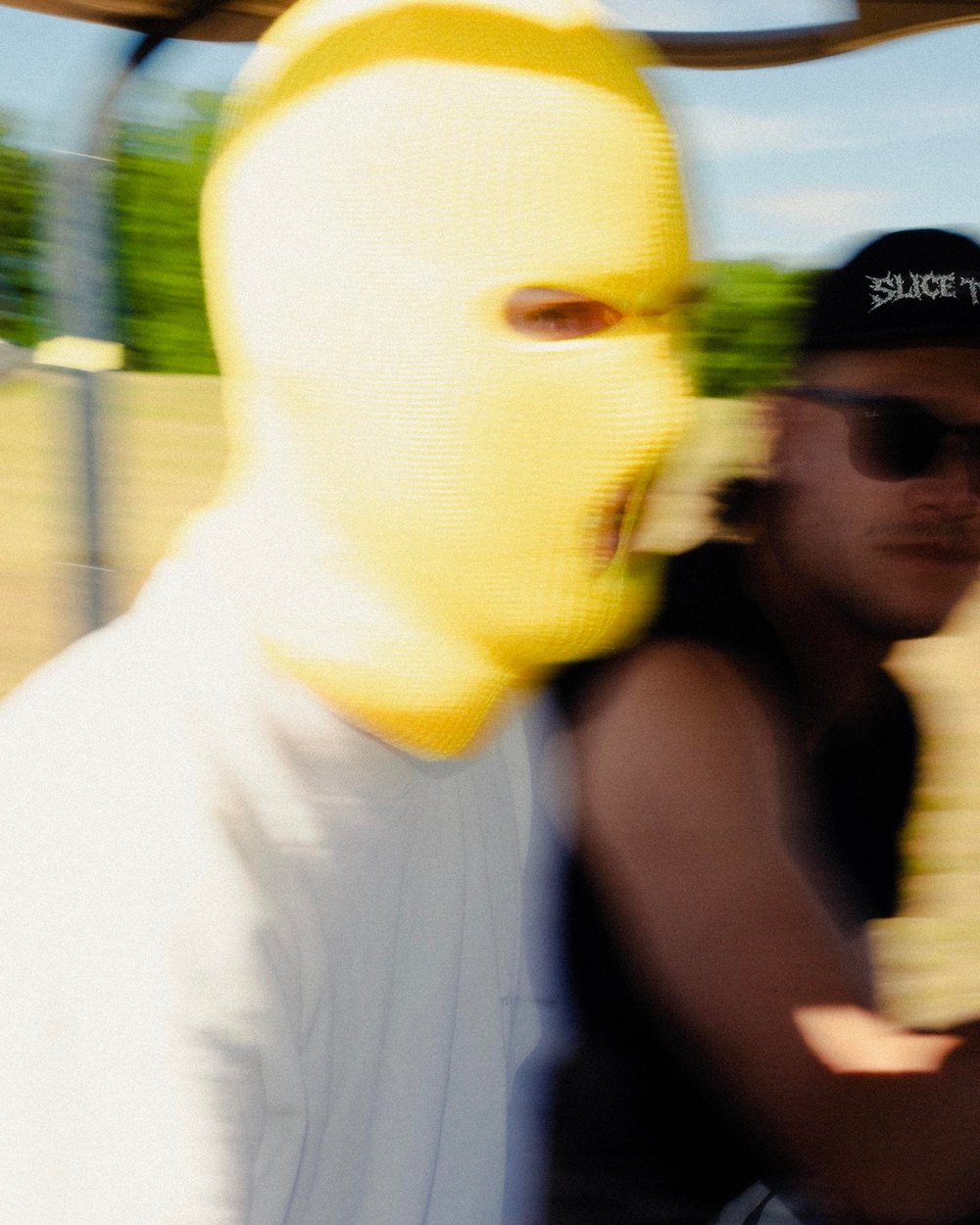
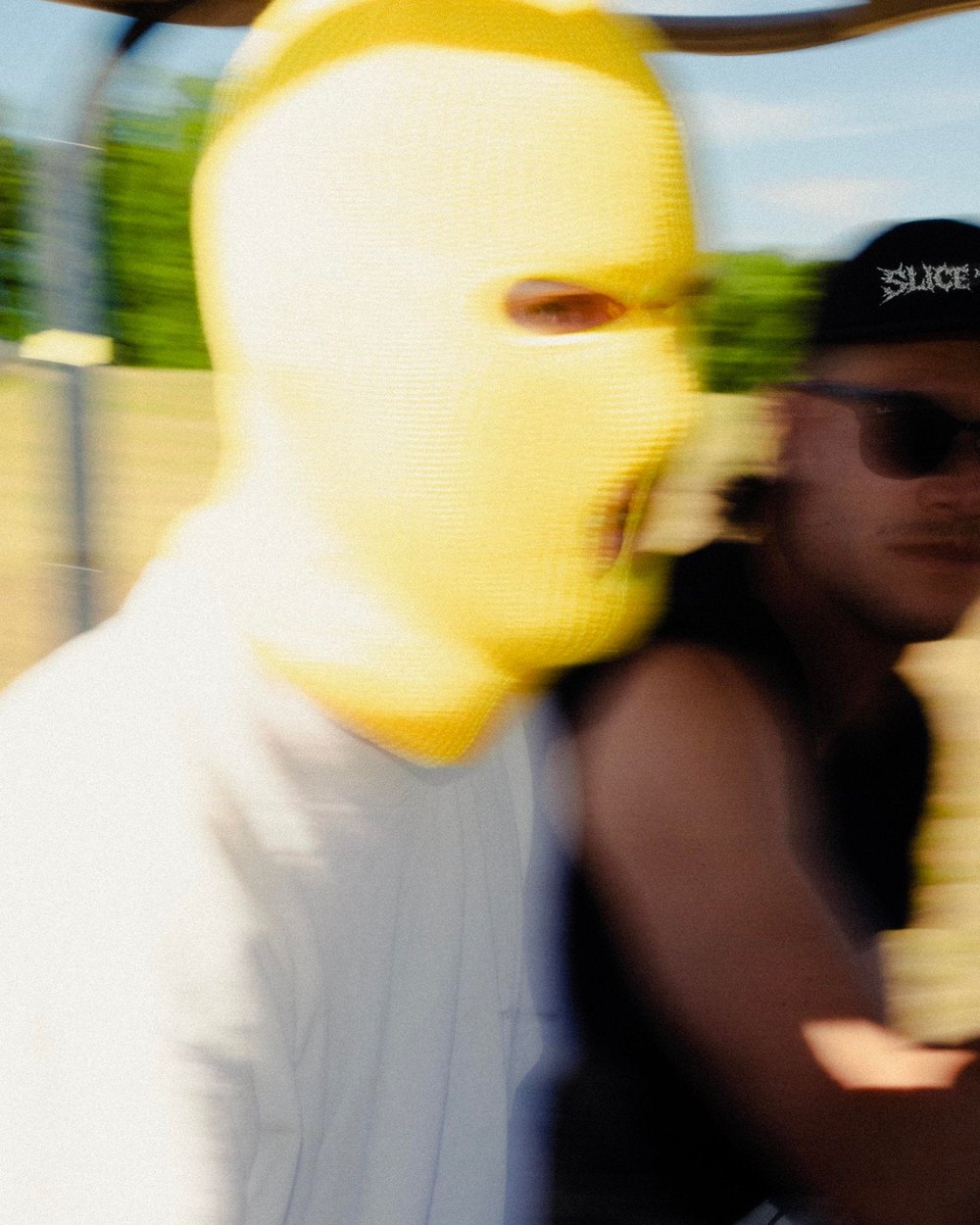
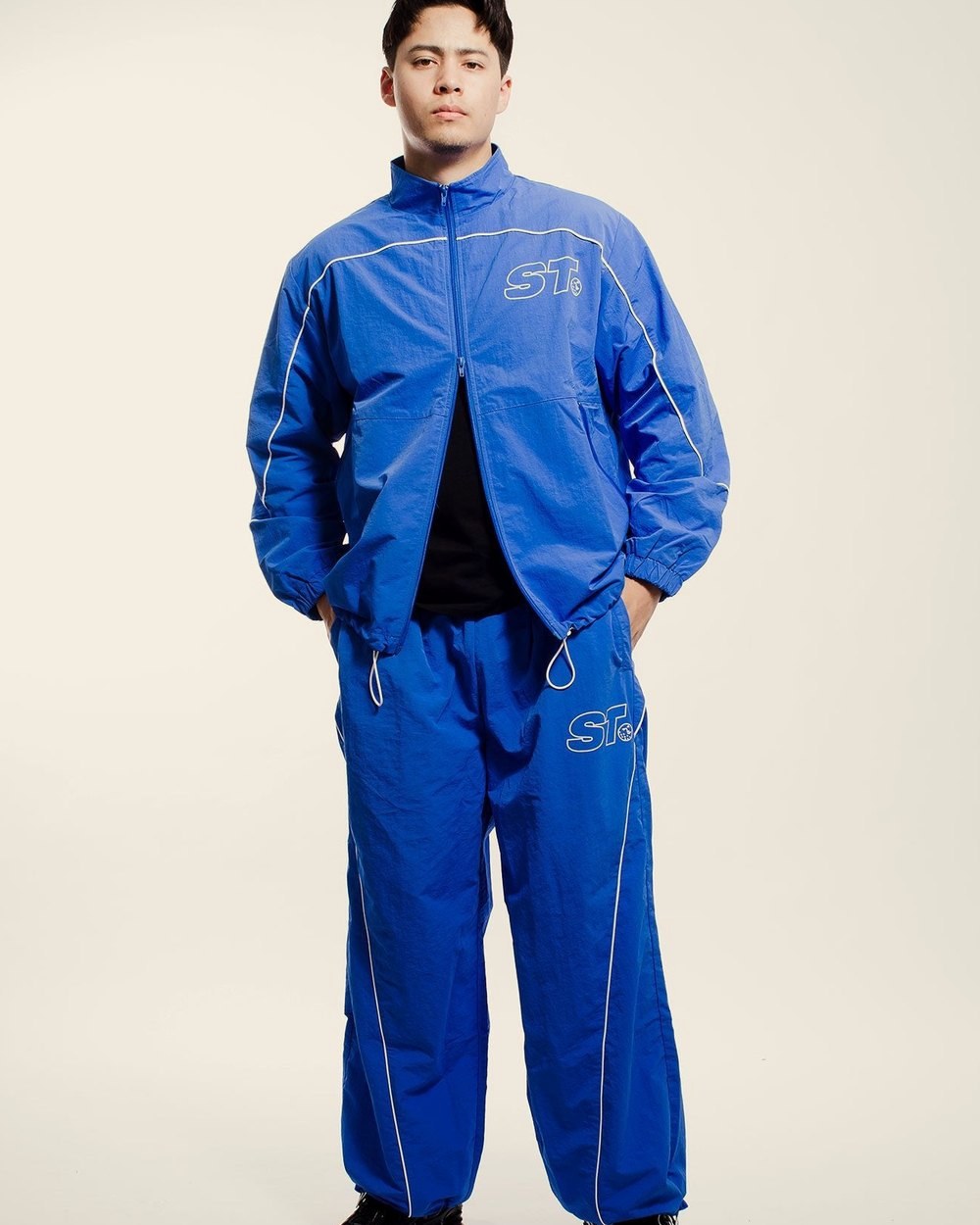
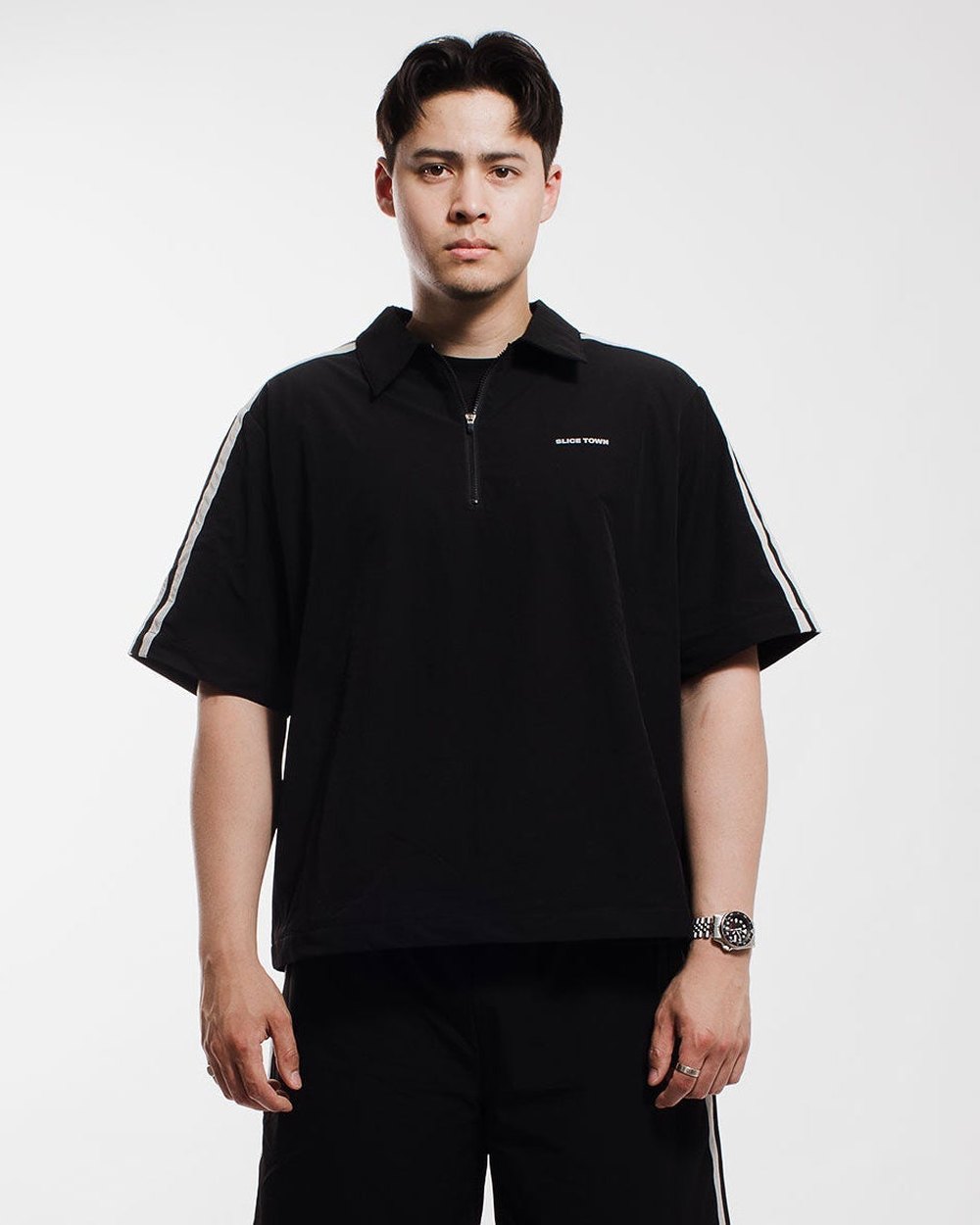
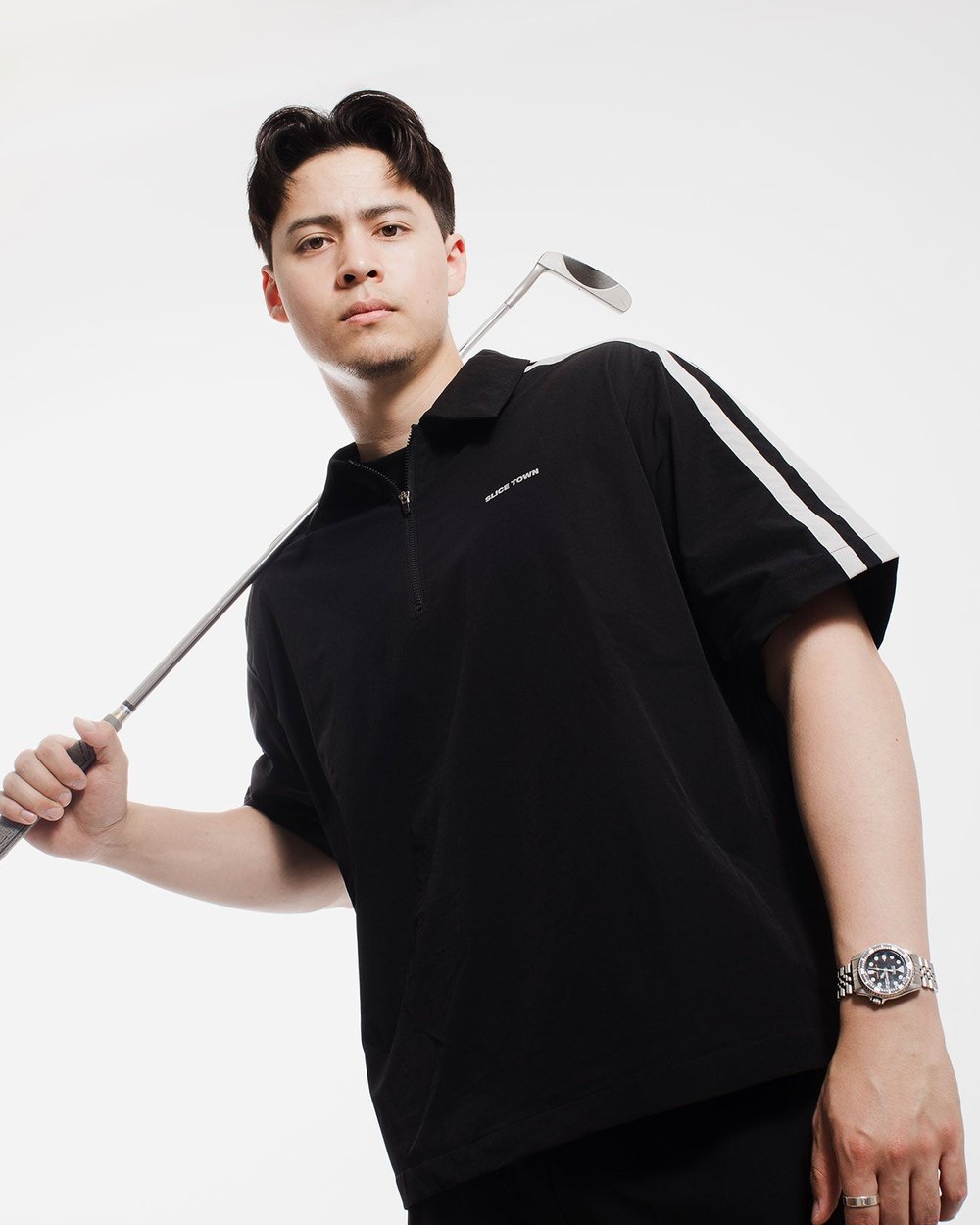
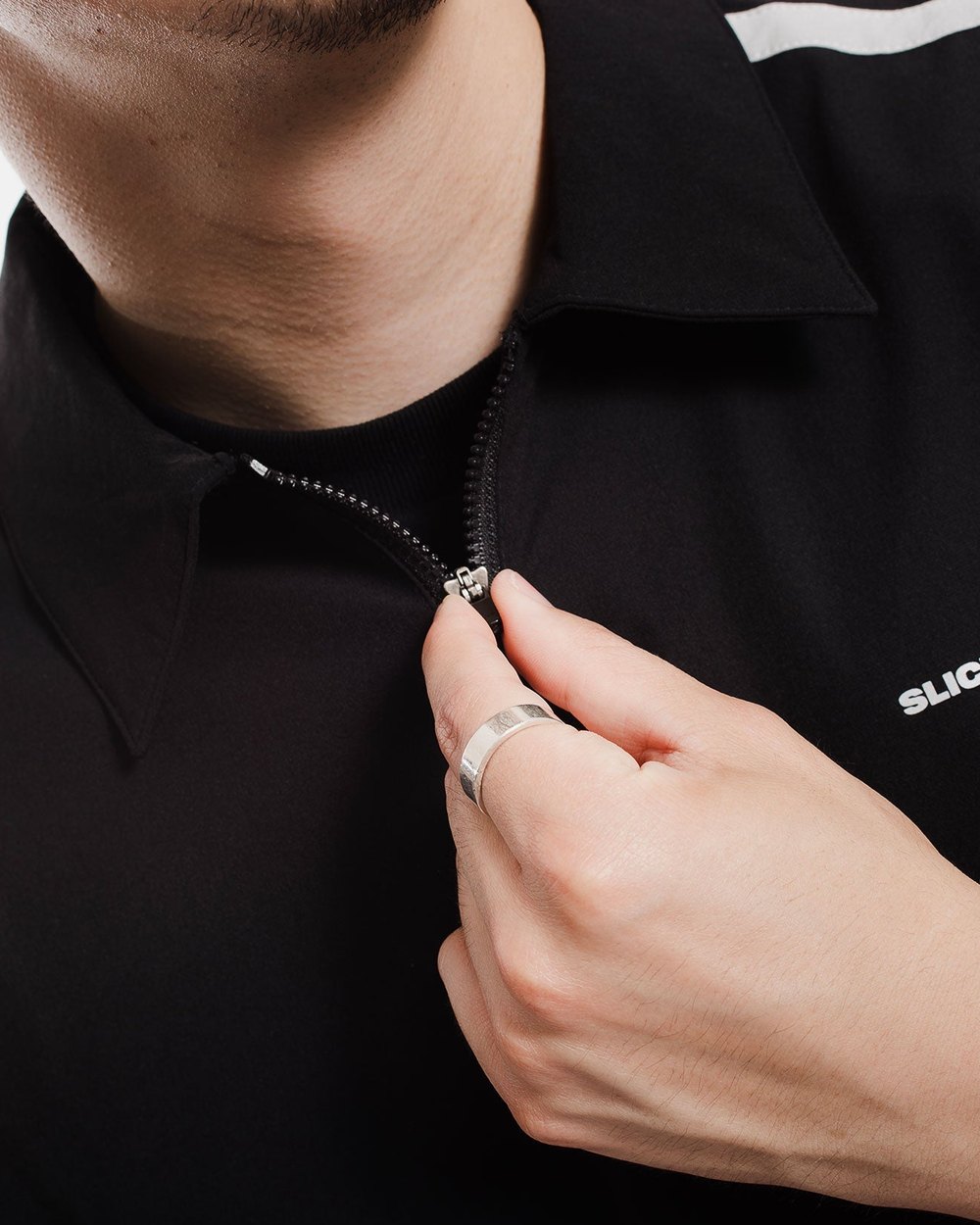
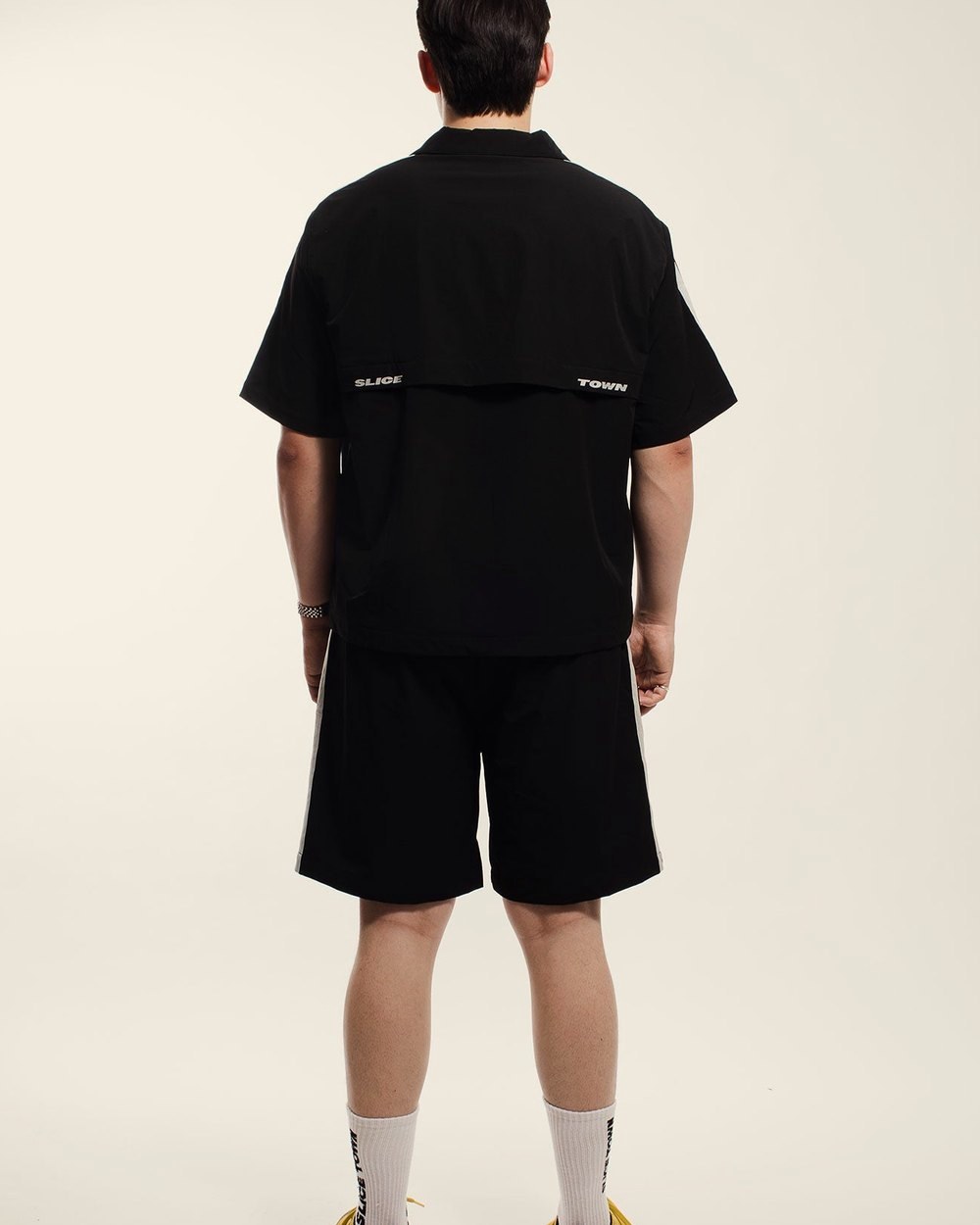
SLICE TOWN makes golf look like a night out in Copenhagen, with motion blur, flash and its own simulator parties. The brand’s line: “Our purpose is to challenge tradition, and make it possible for golfers to wear whatever they want on the course.”
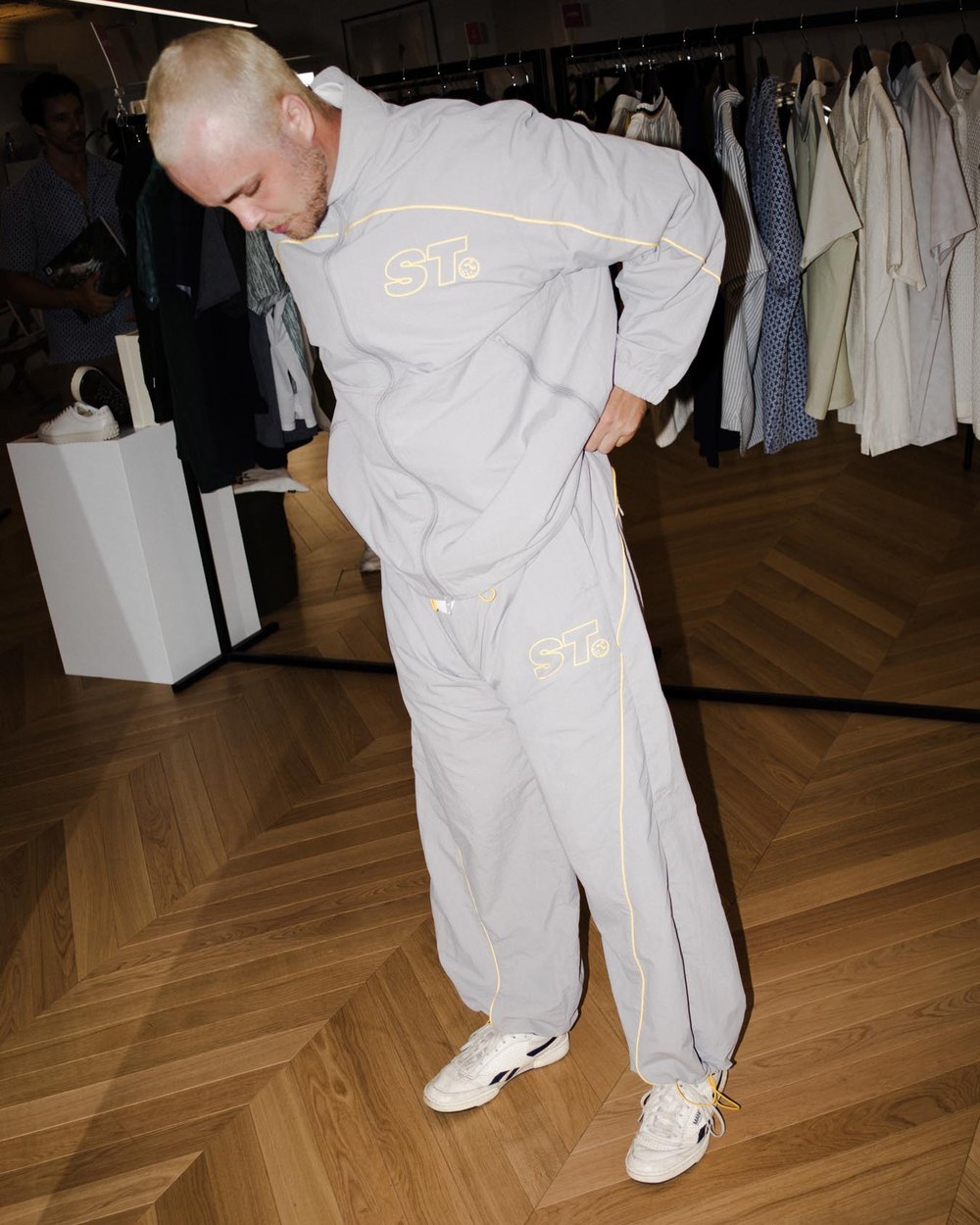
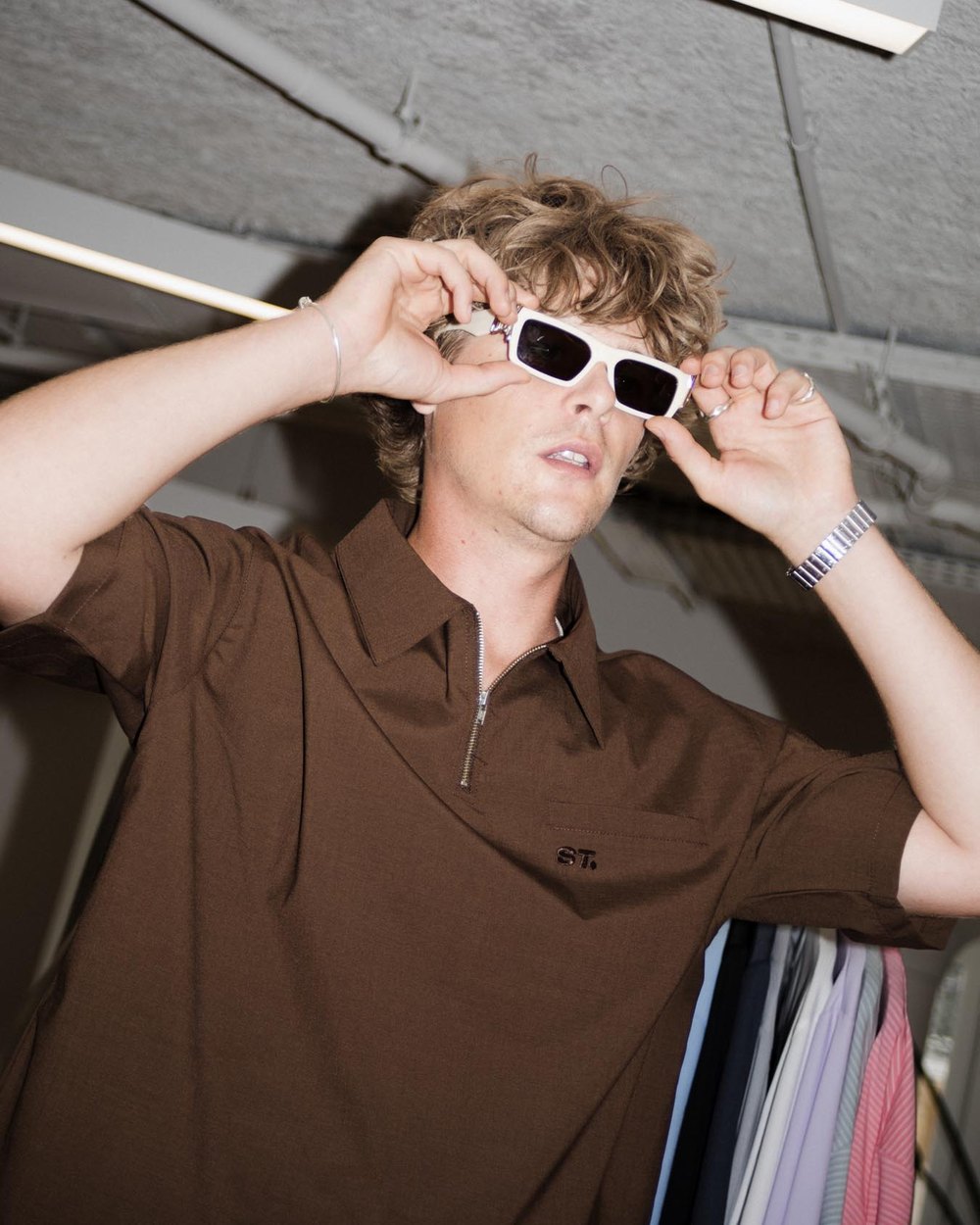
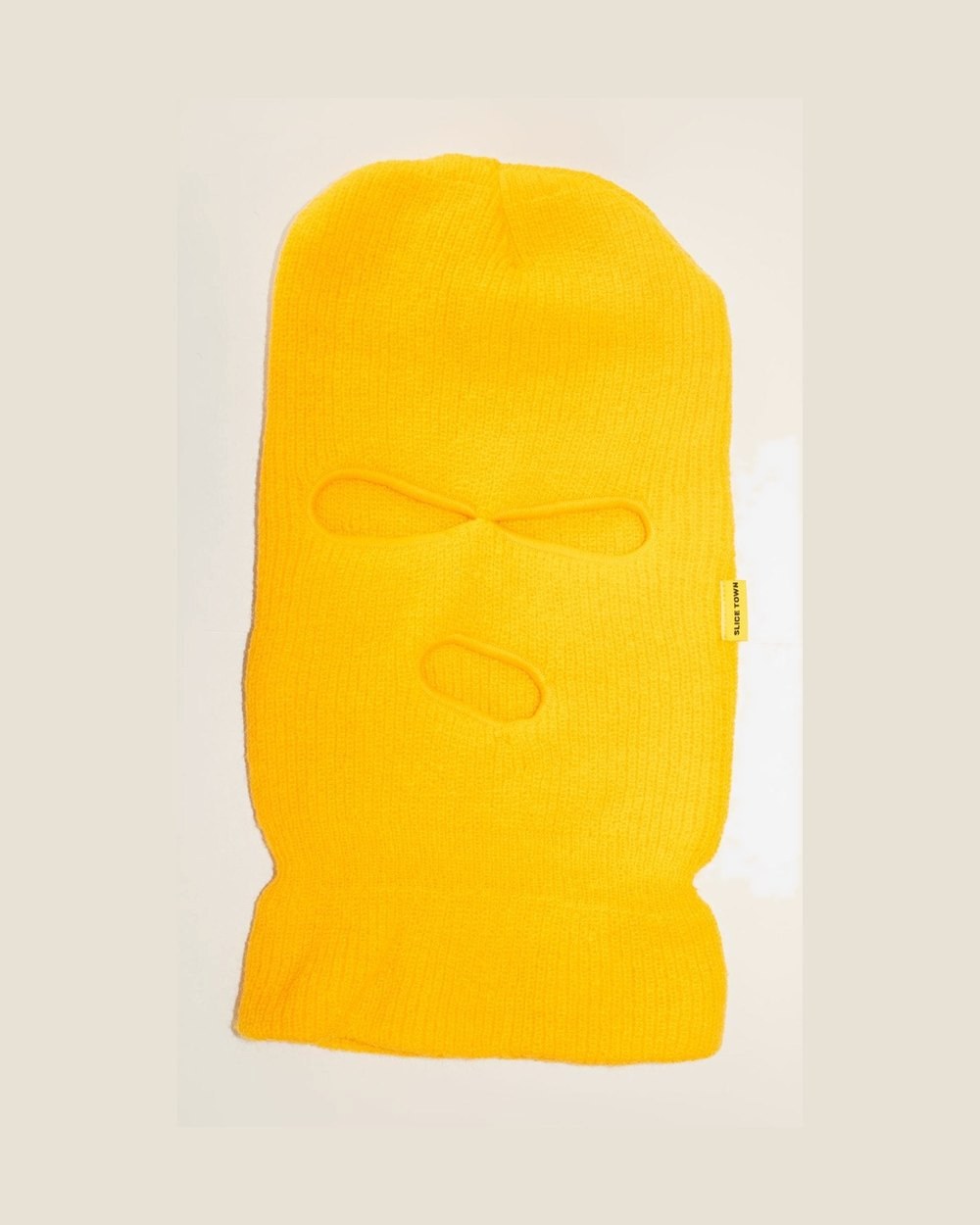
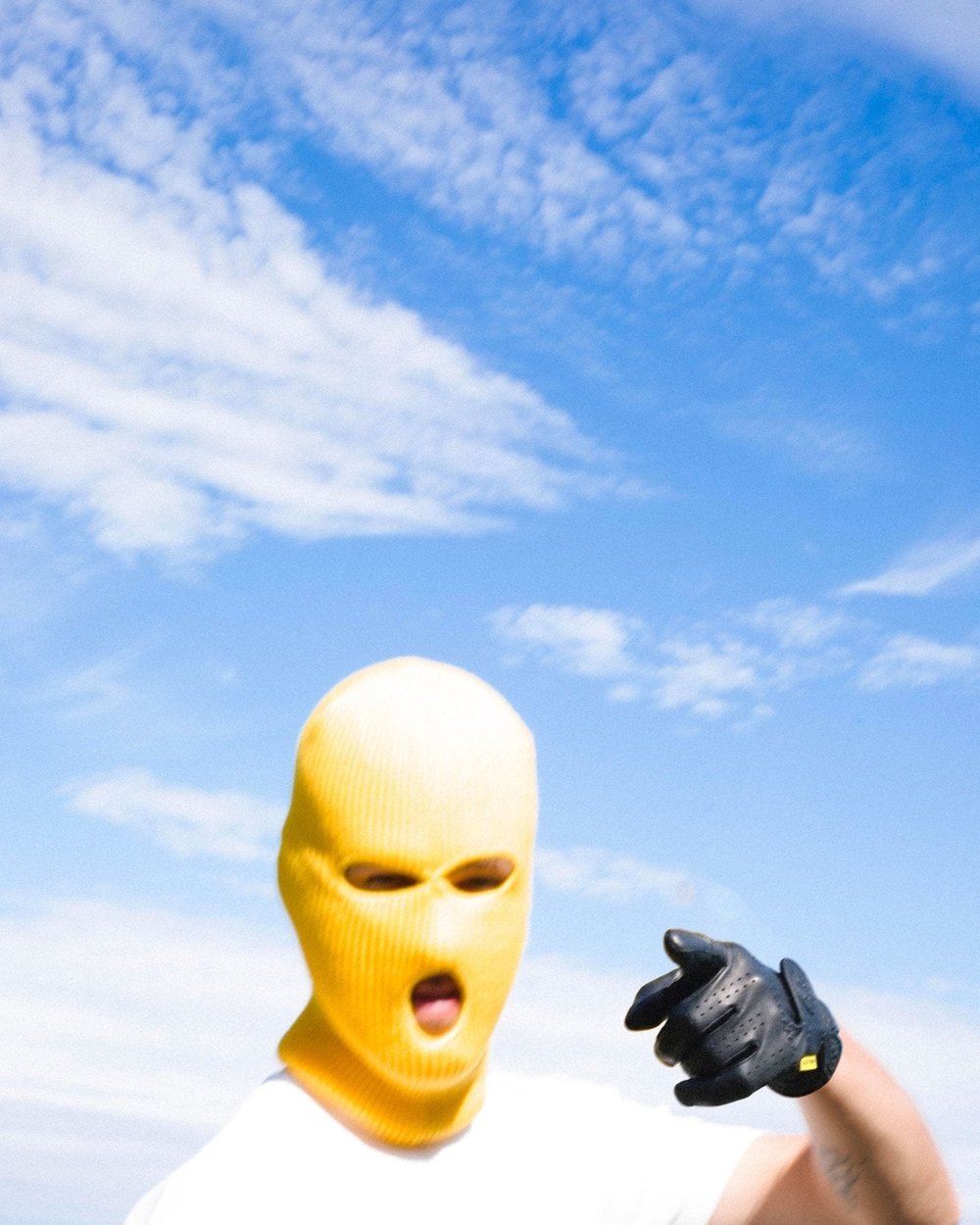
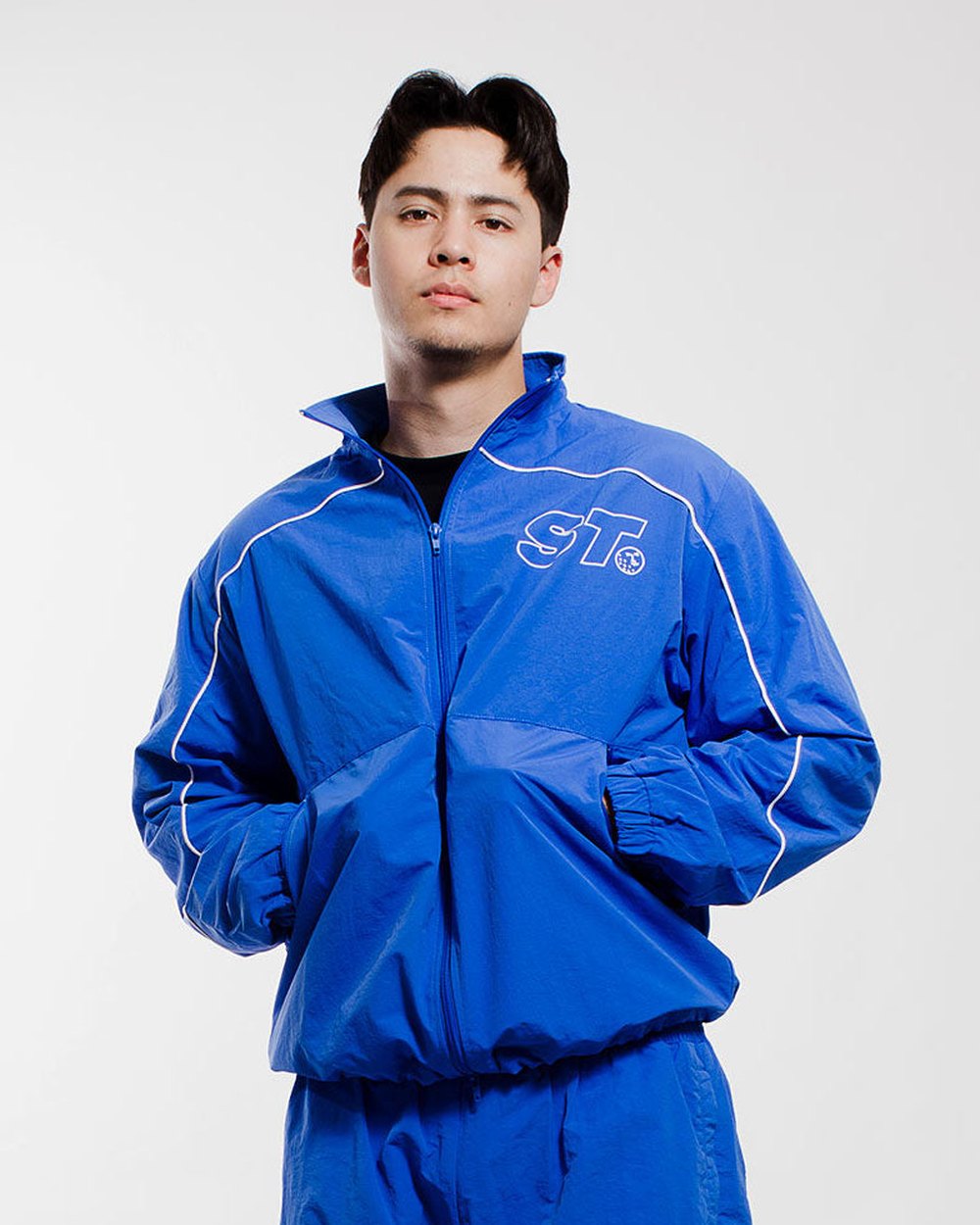
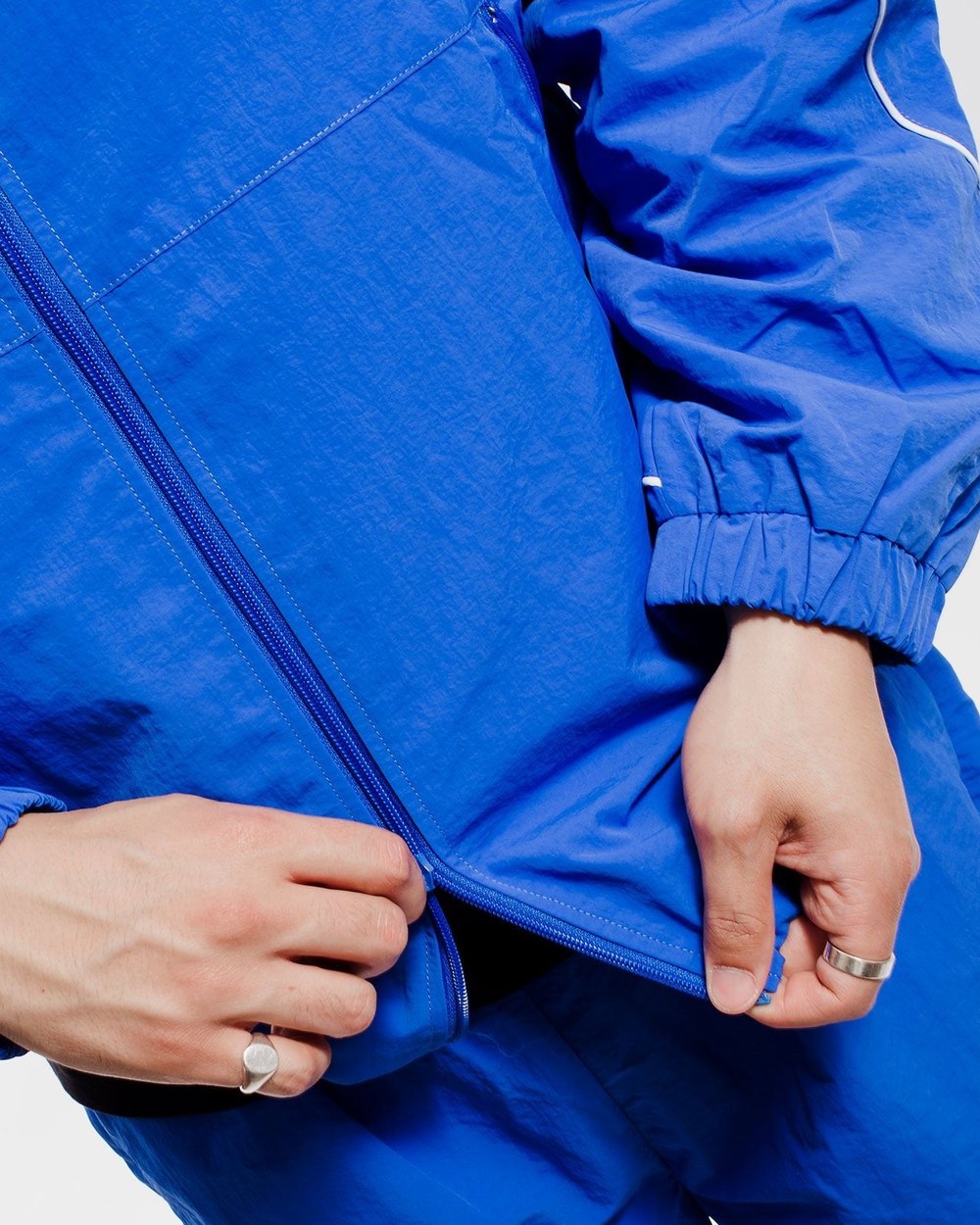
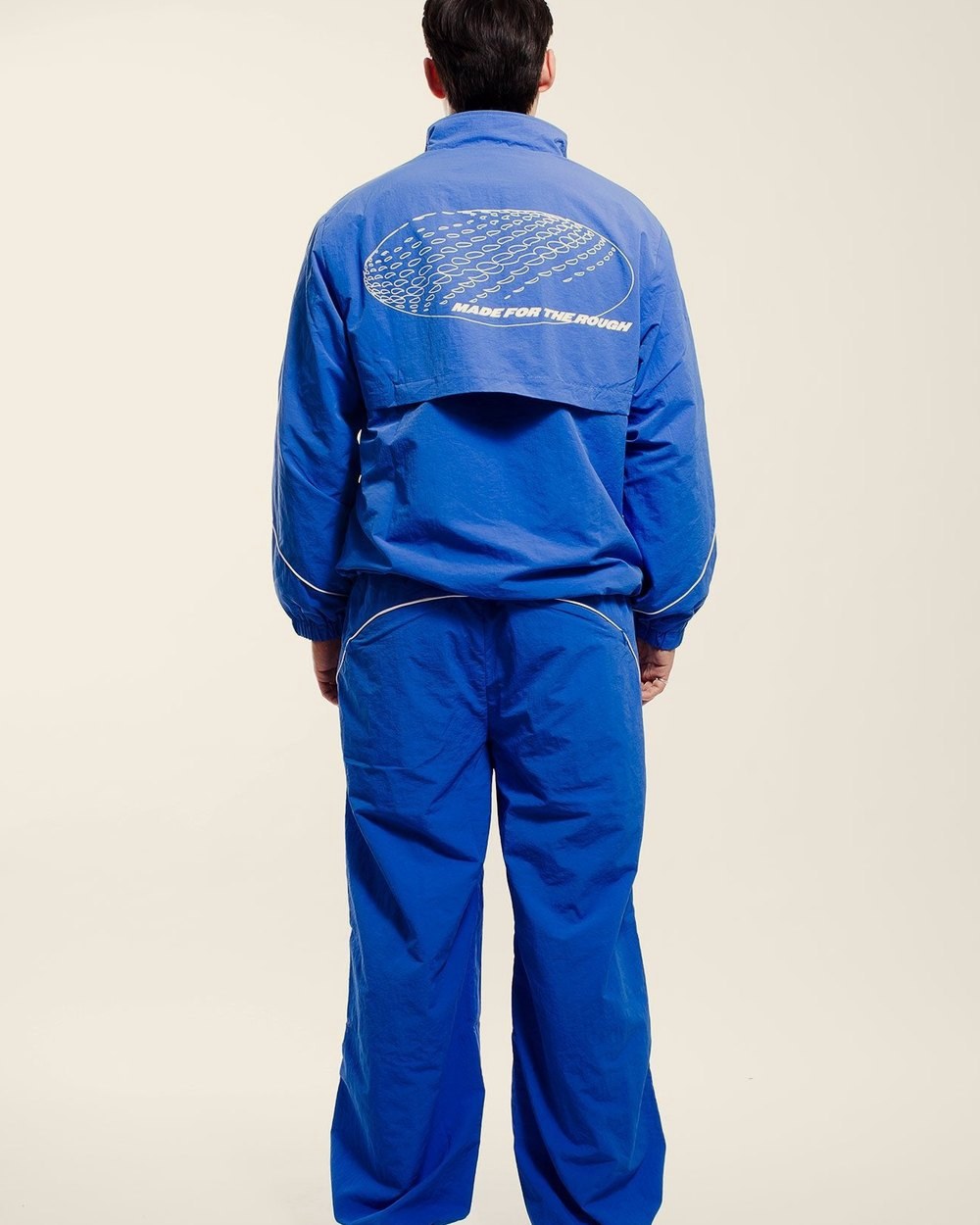
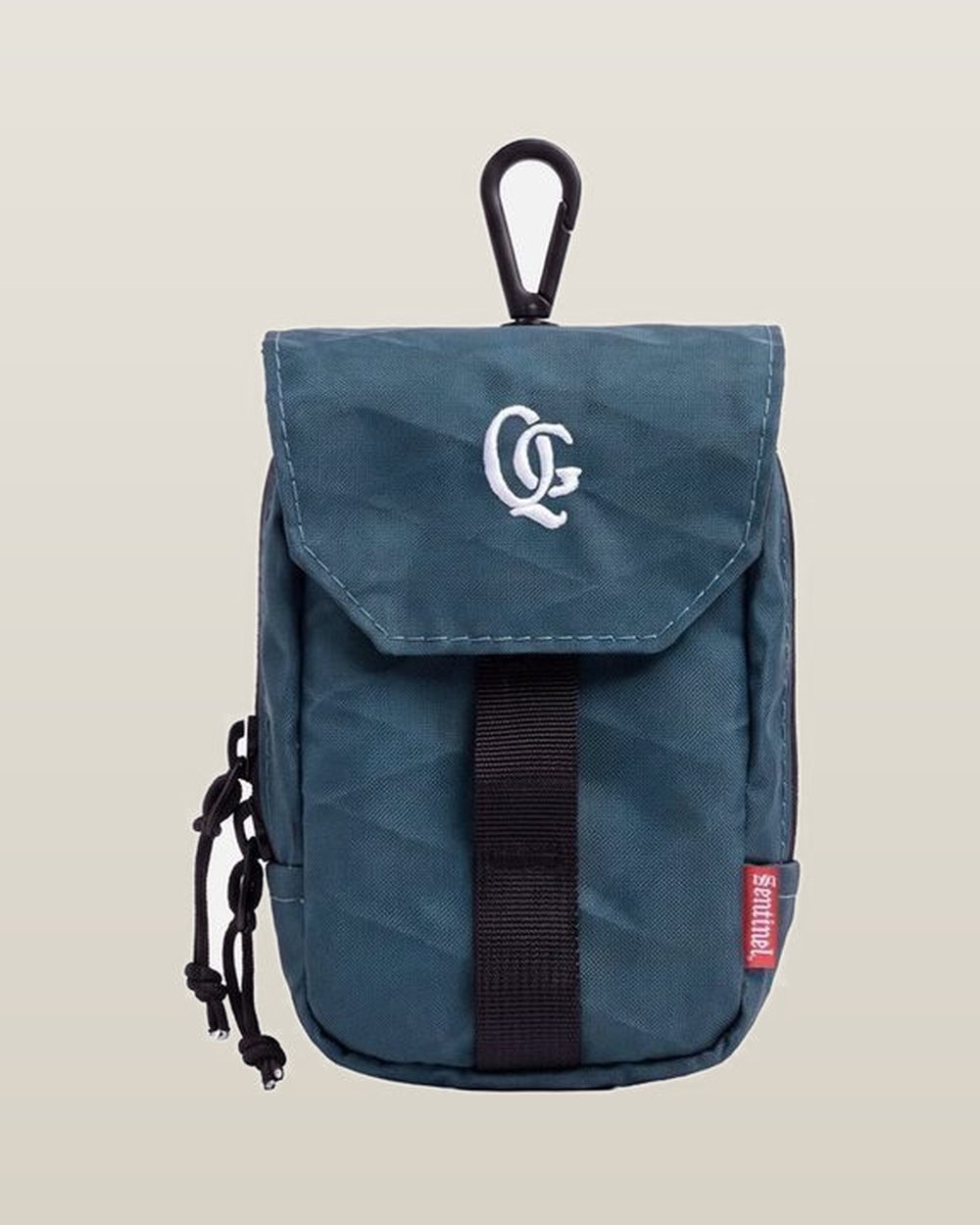
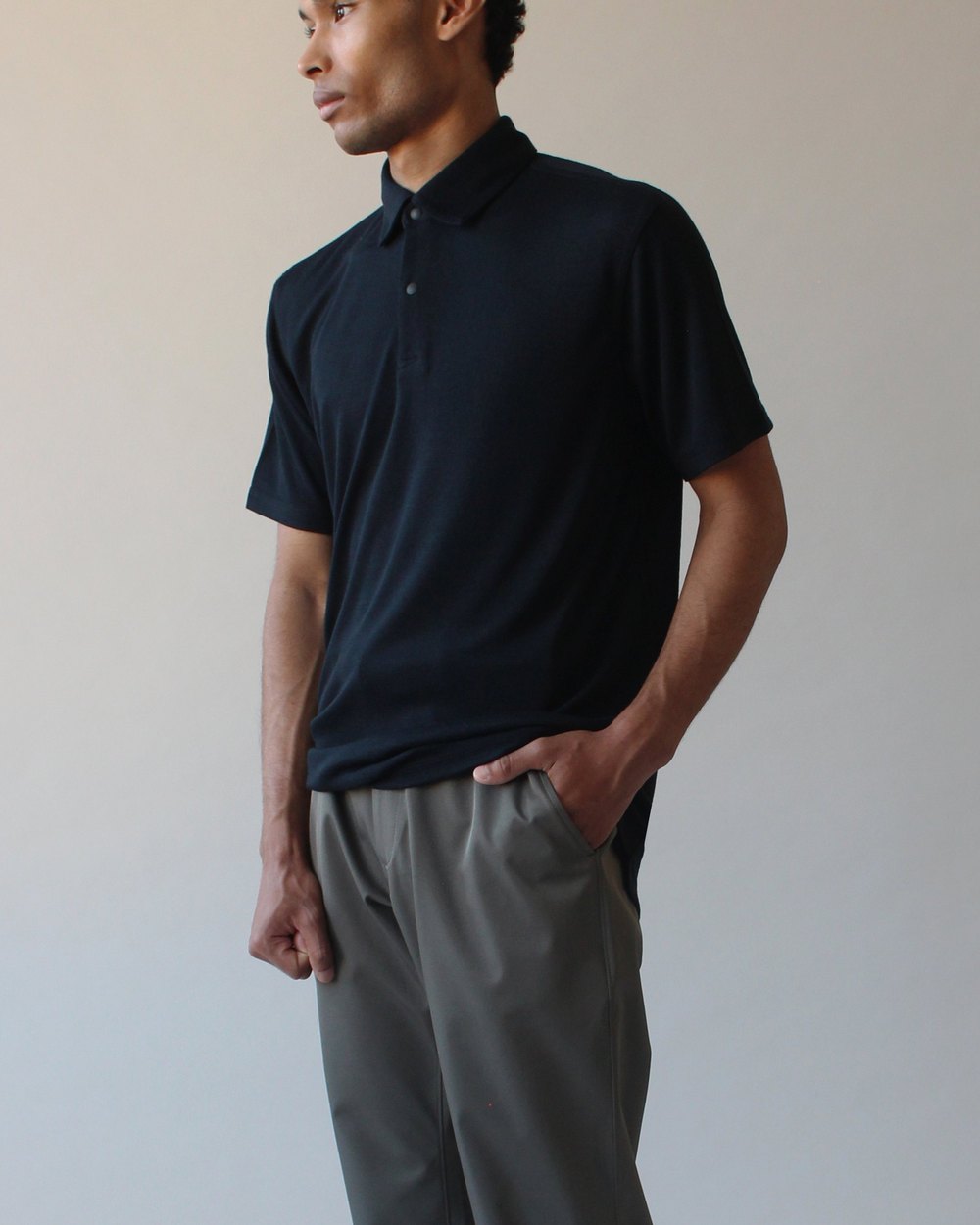
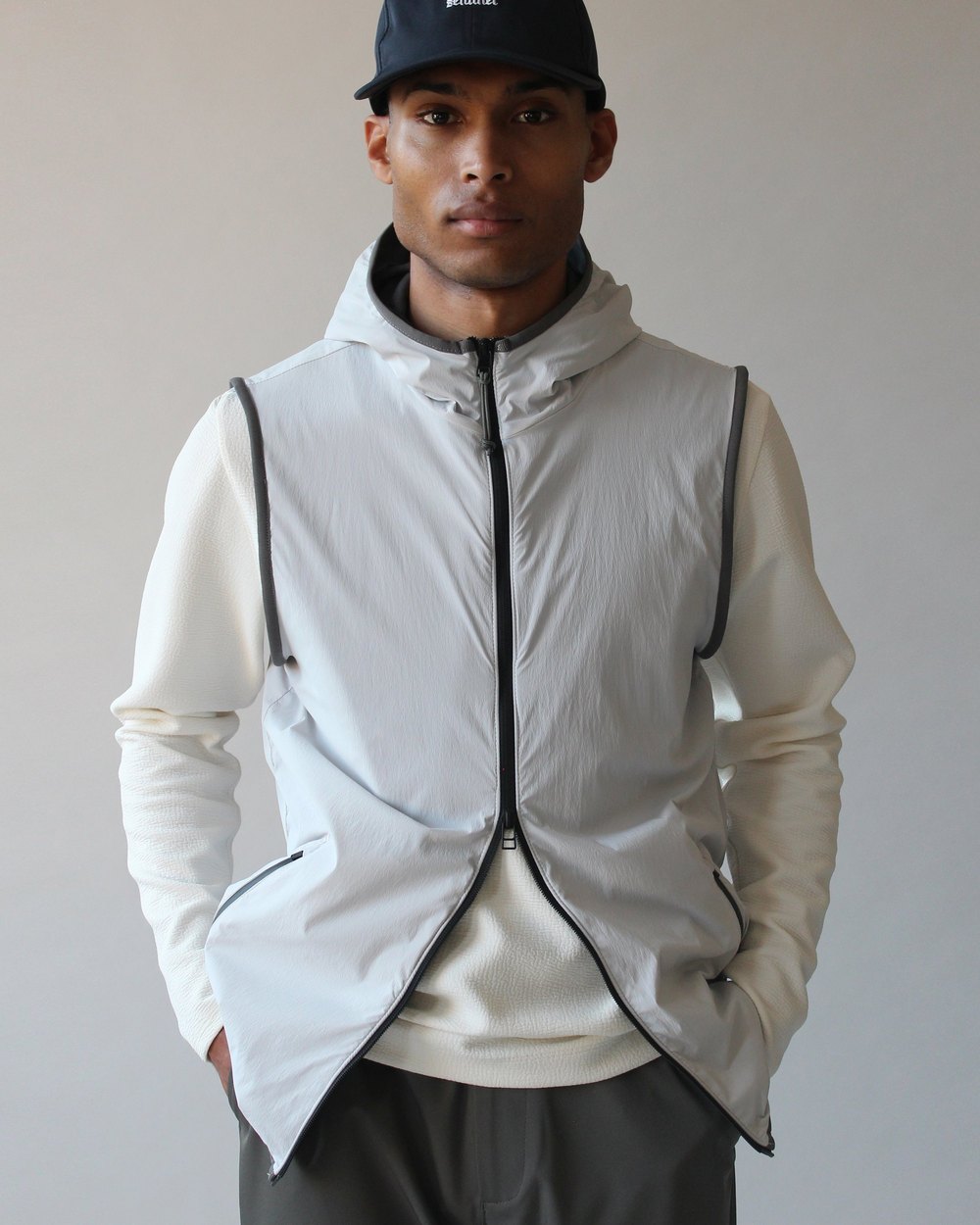
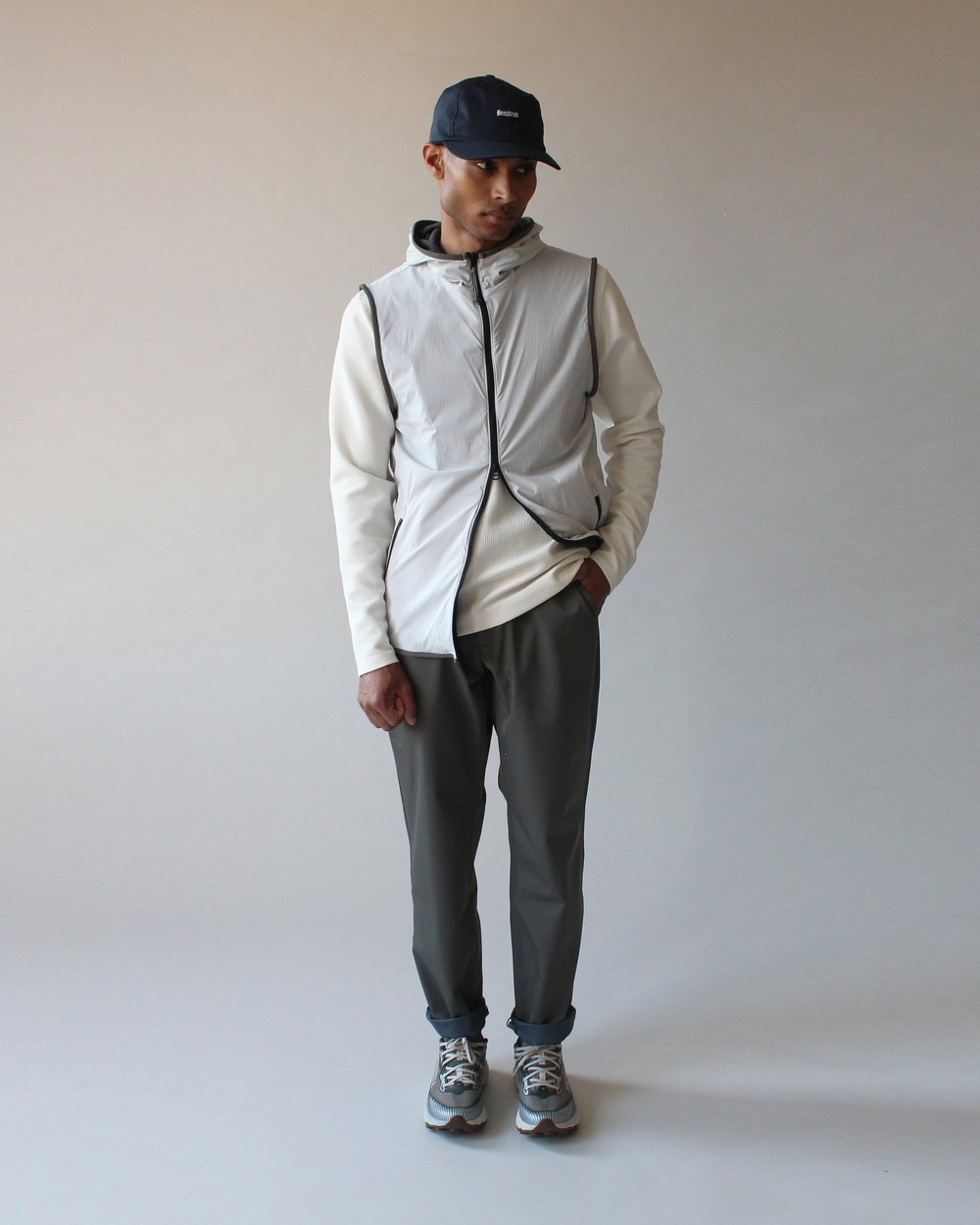
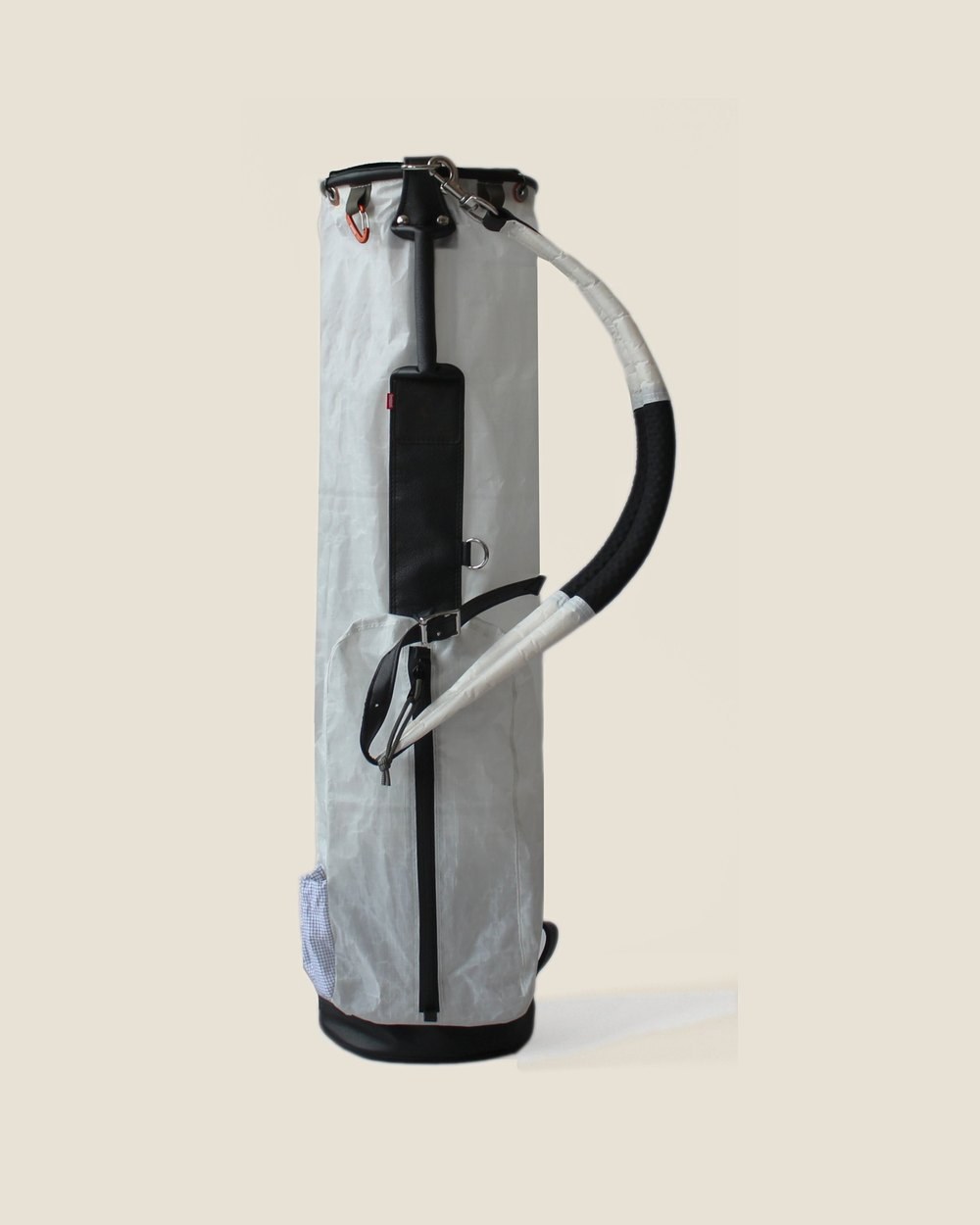
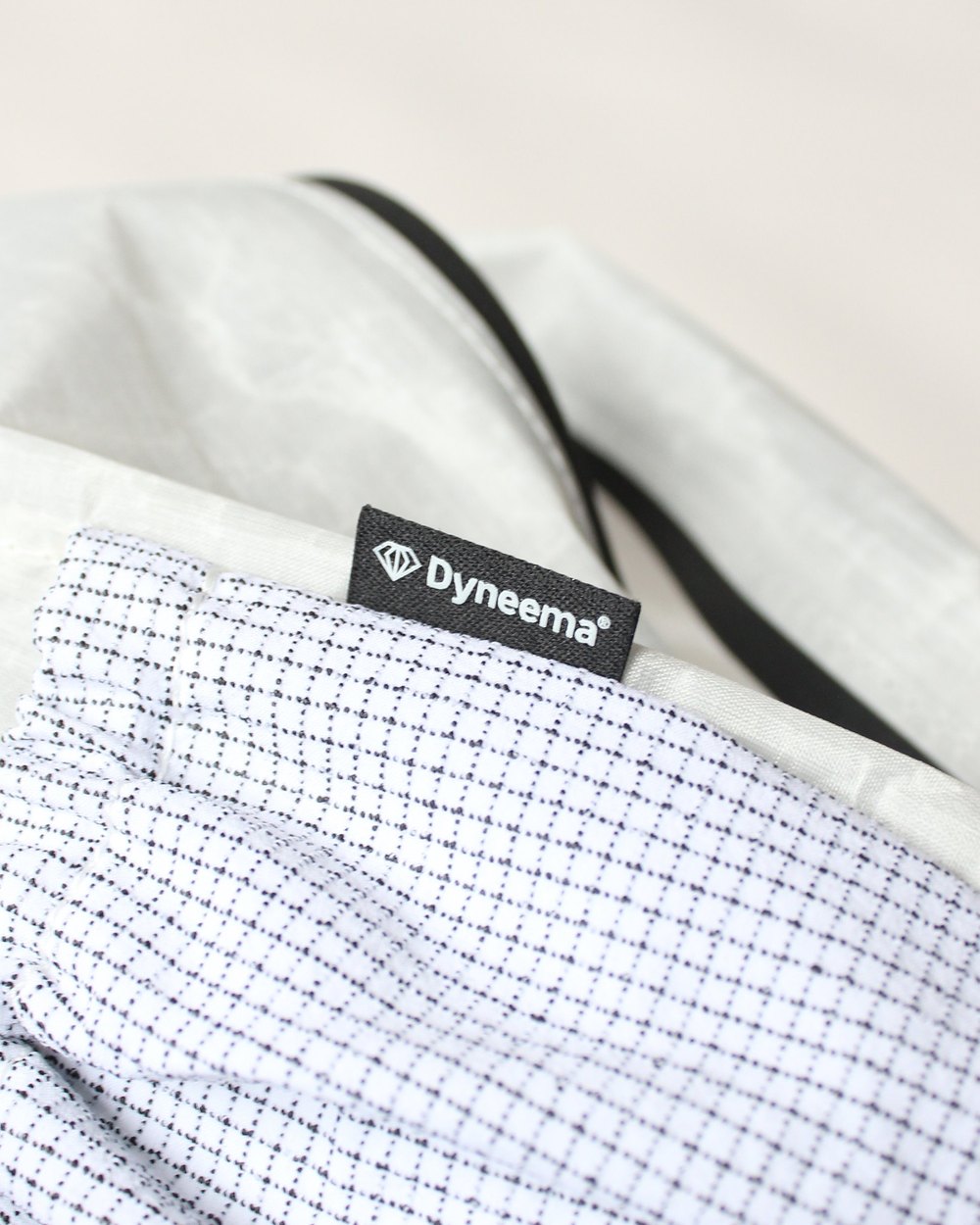
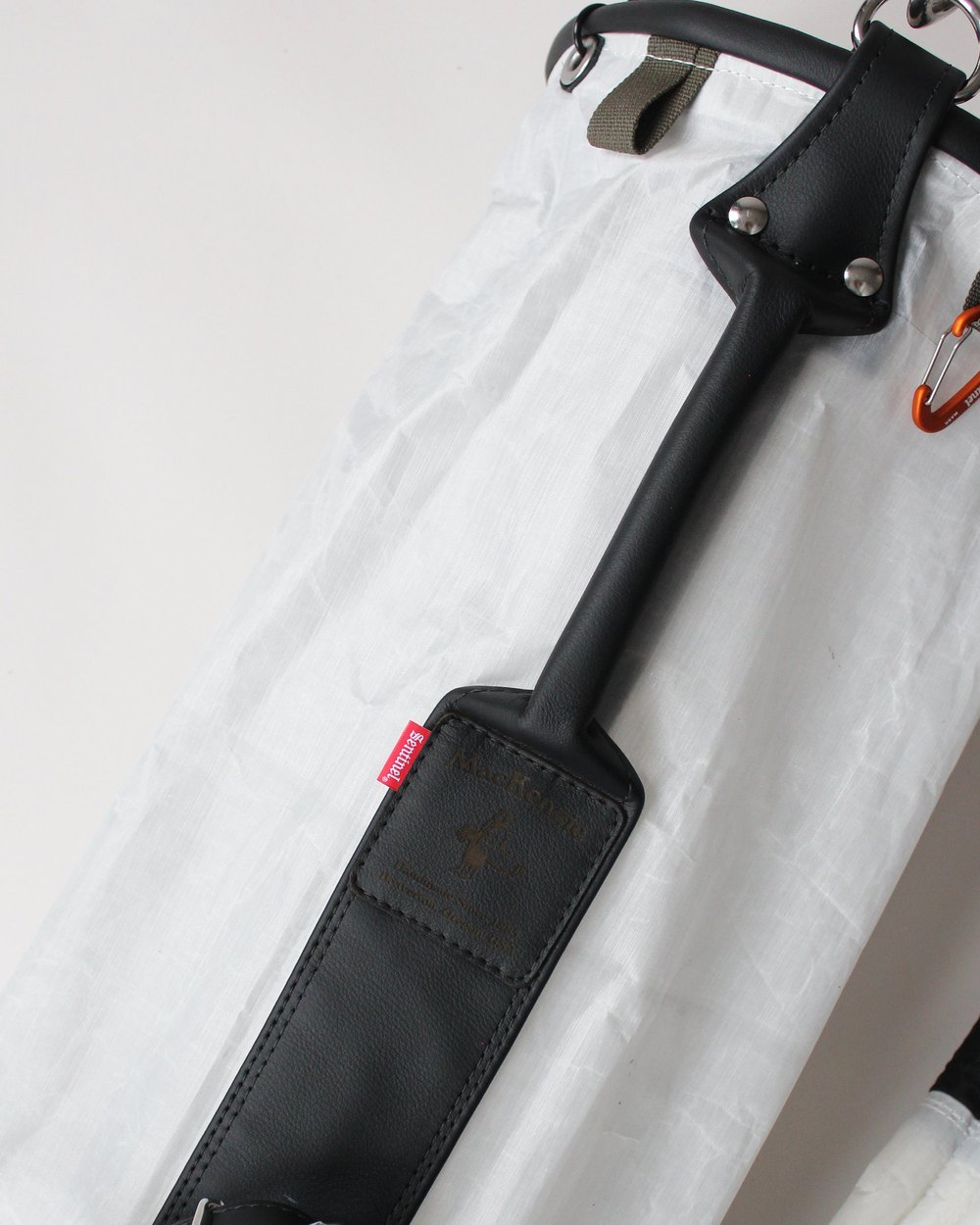
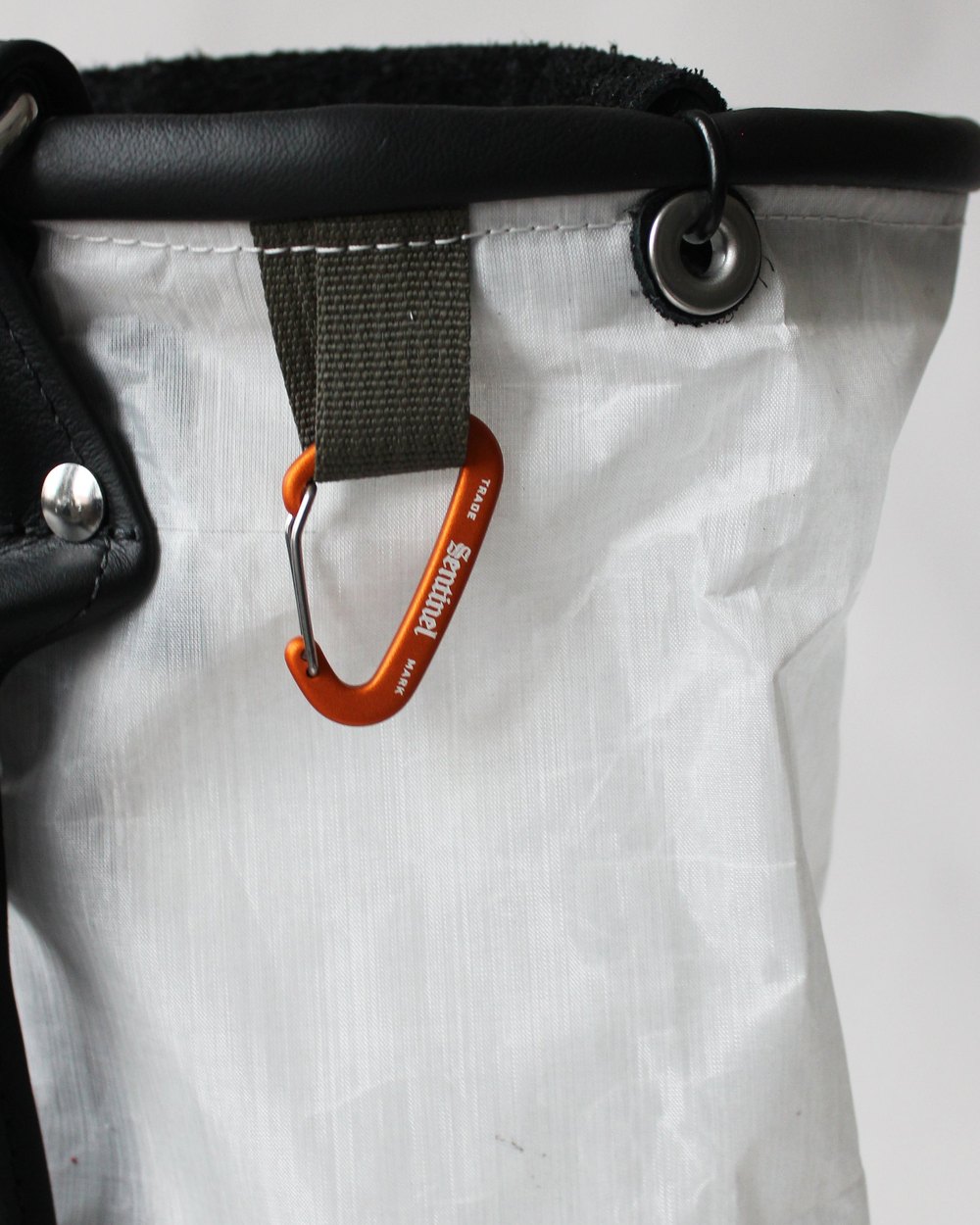
Sentinel shoots against plain walls in black, gray and white, with one red tab for color, and lets Kvadrat textiles and white Dyneema do the talking. Founder John Mooty wants every piece “rooted in quality, story, and utility.”
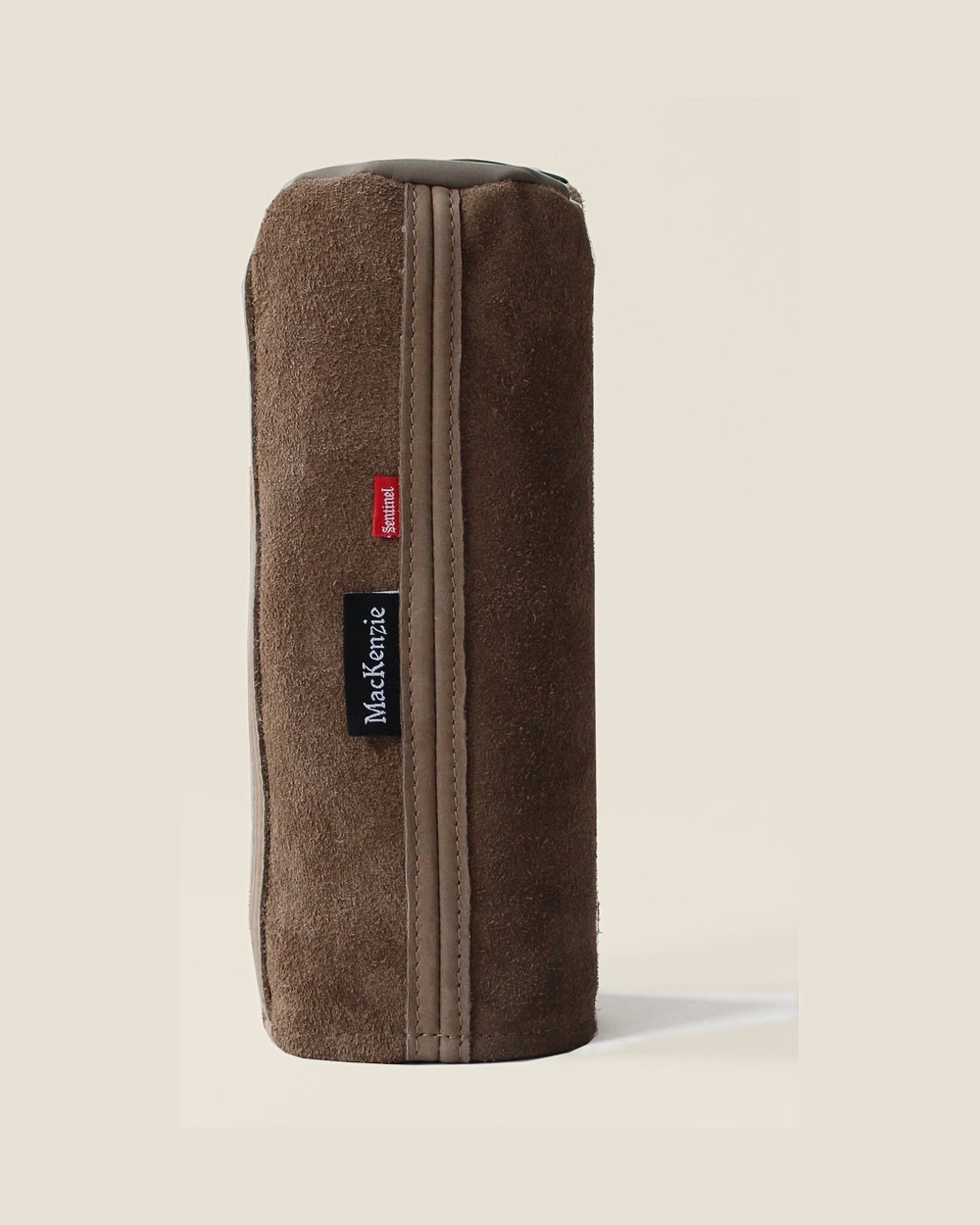
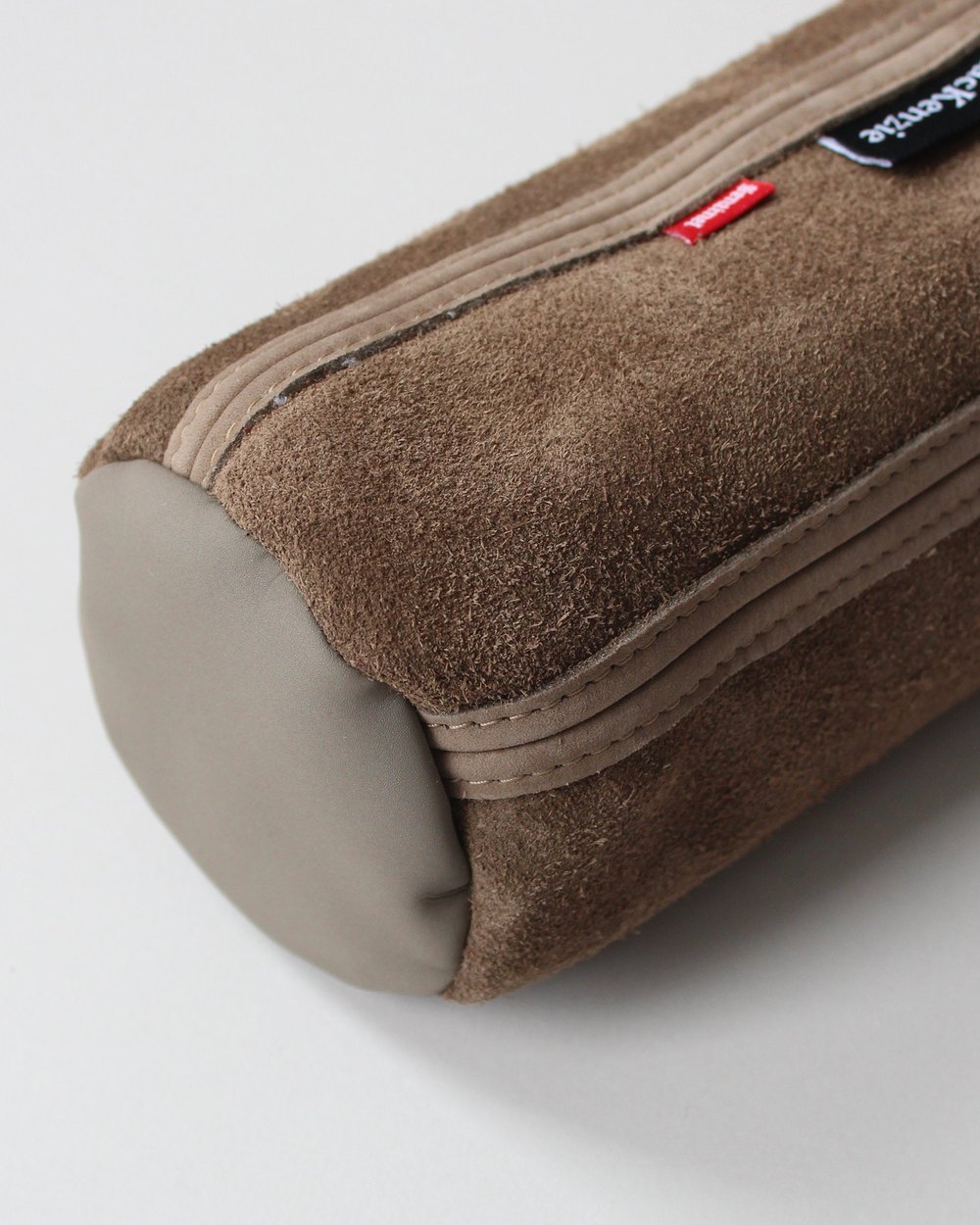
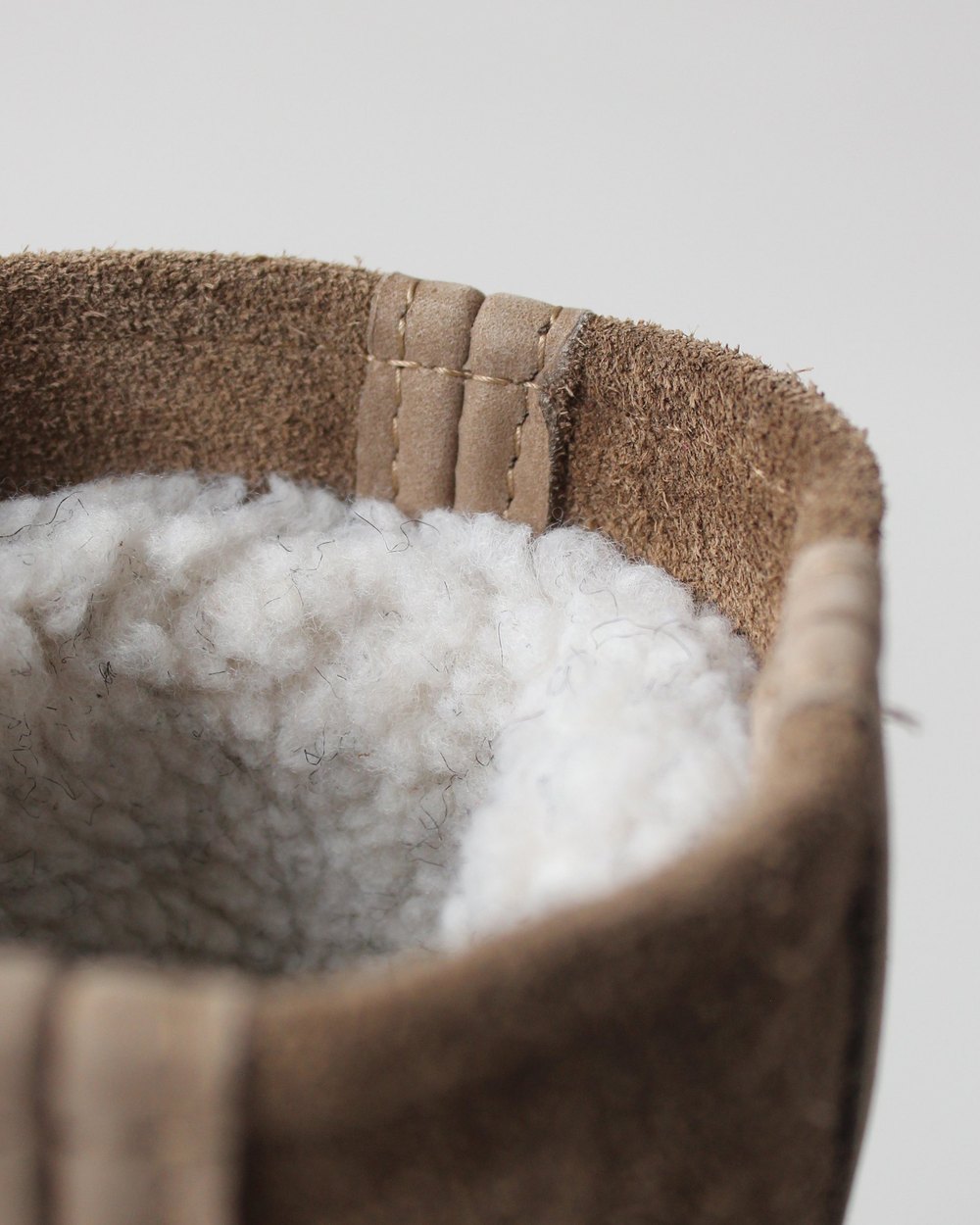
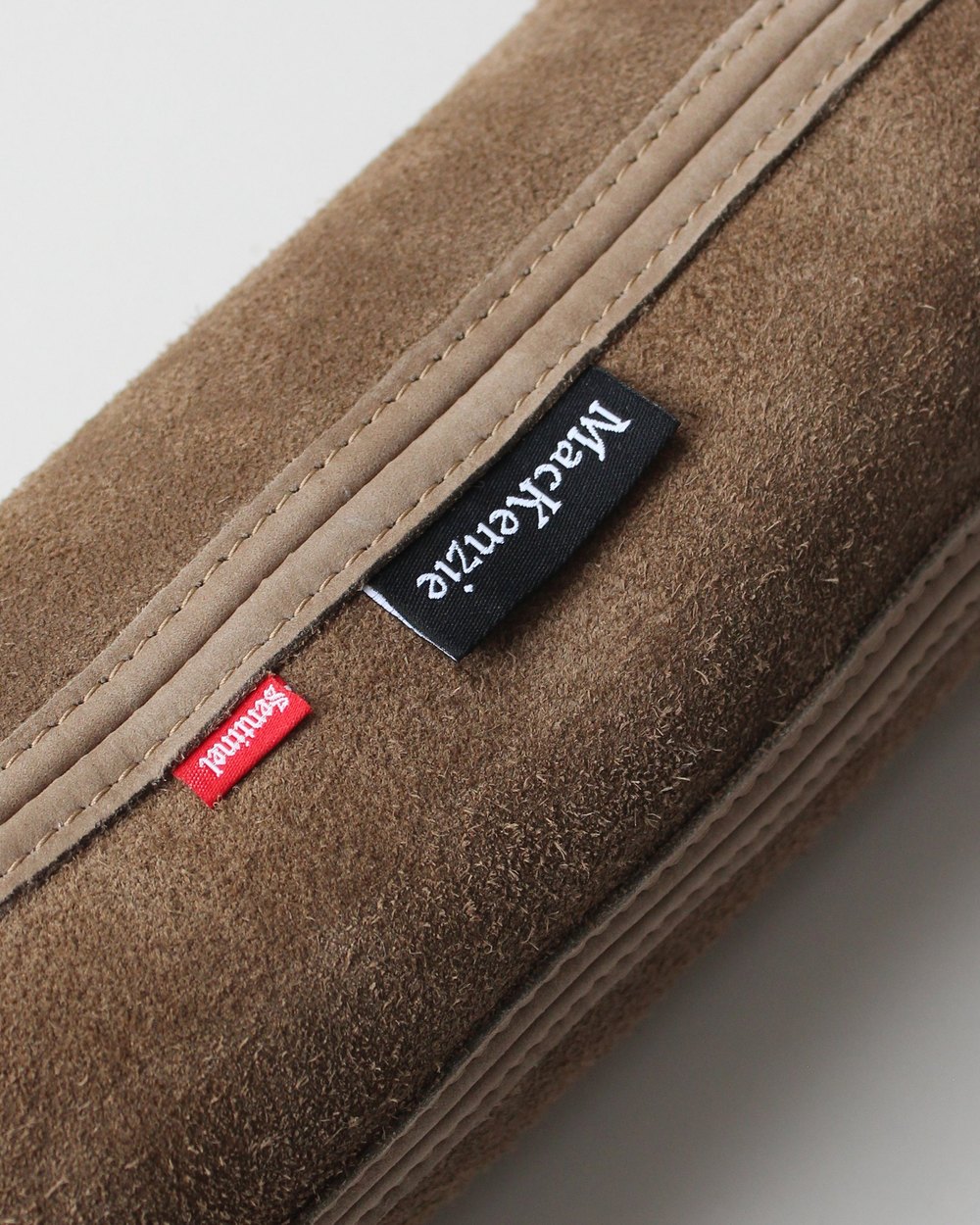
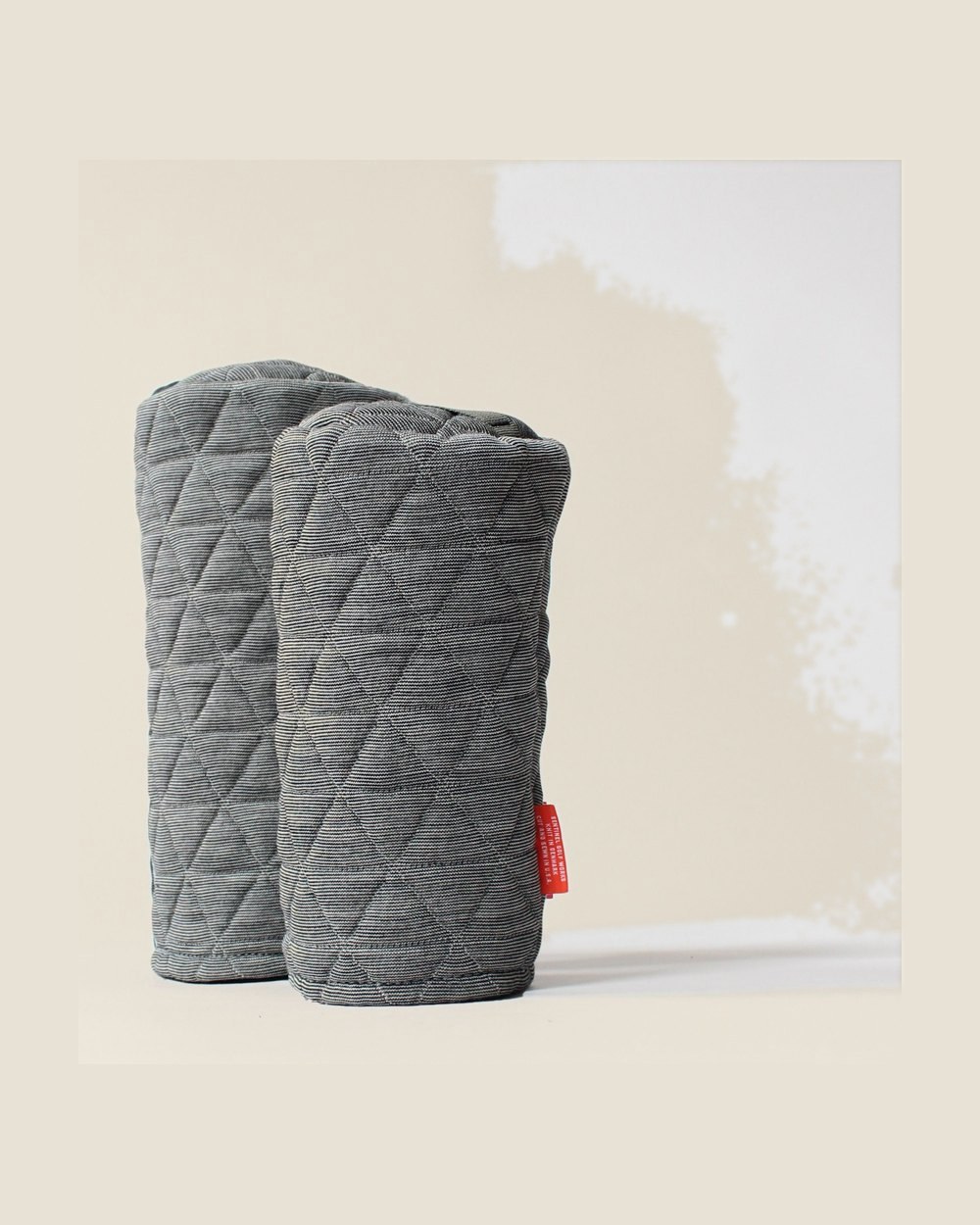
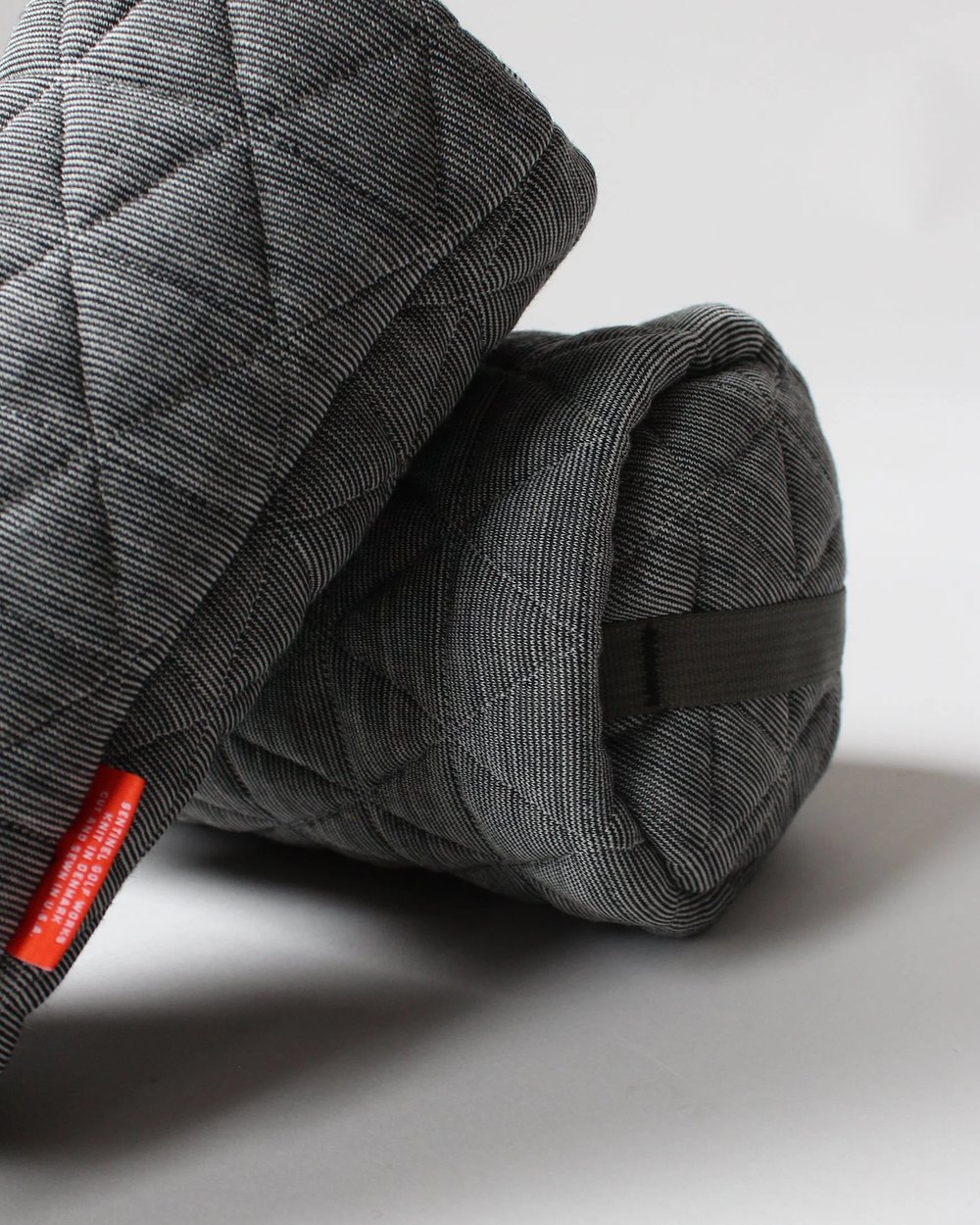
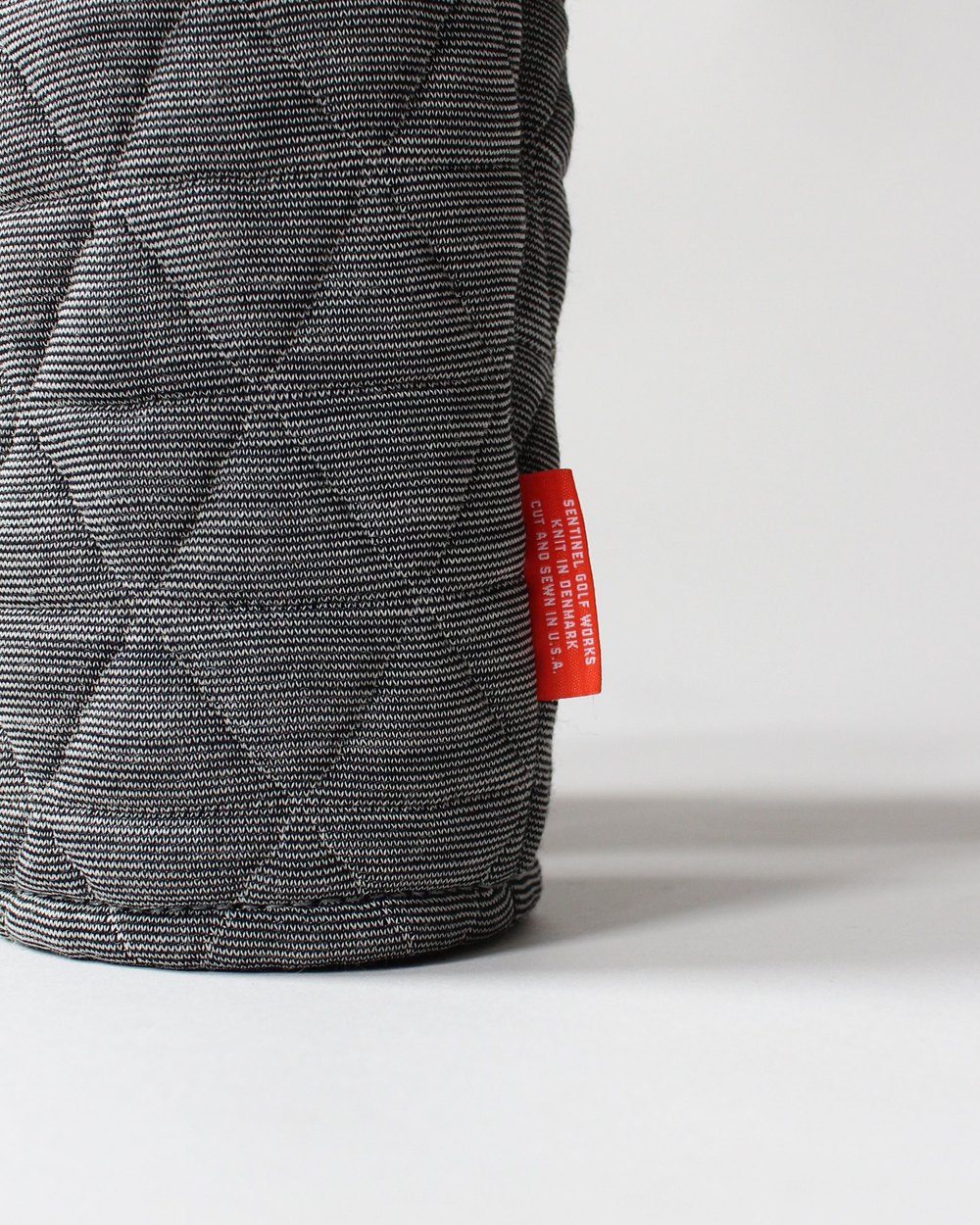
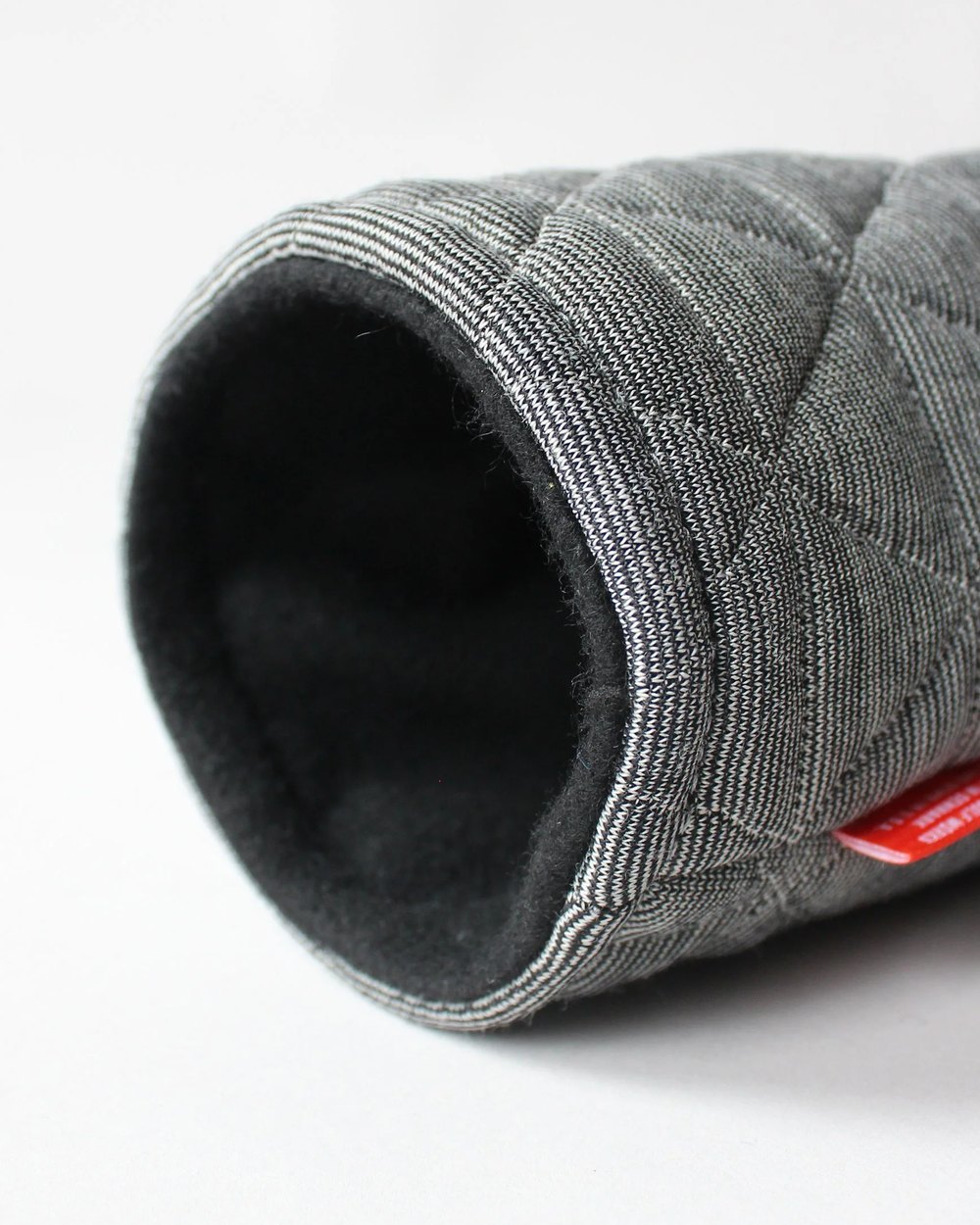
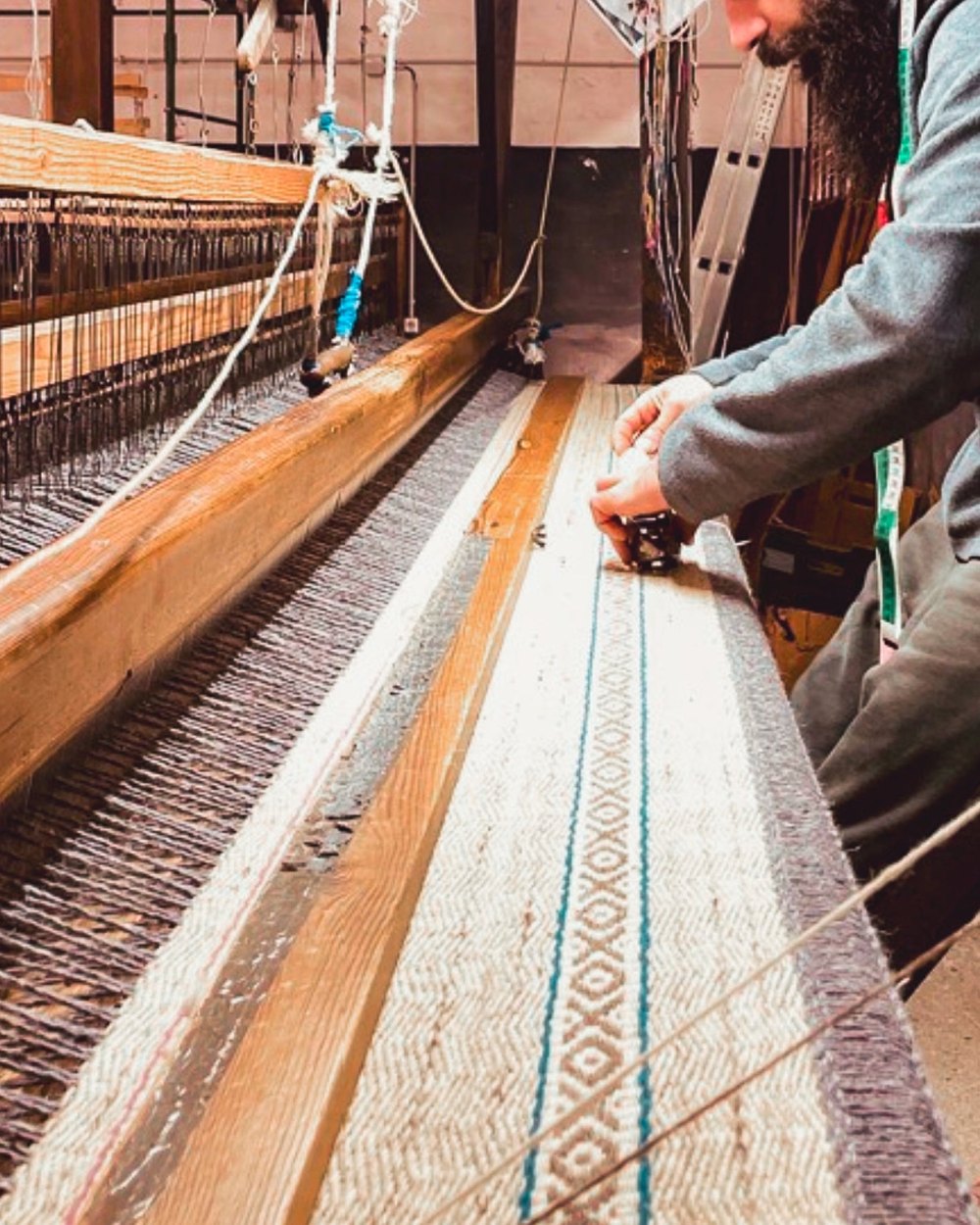
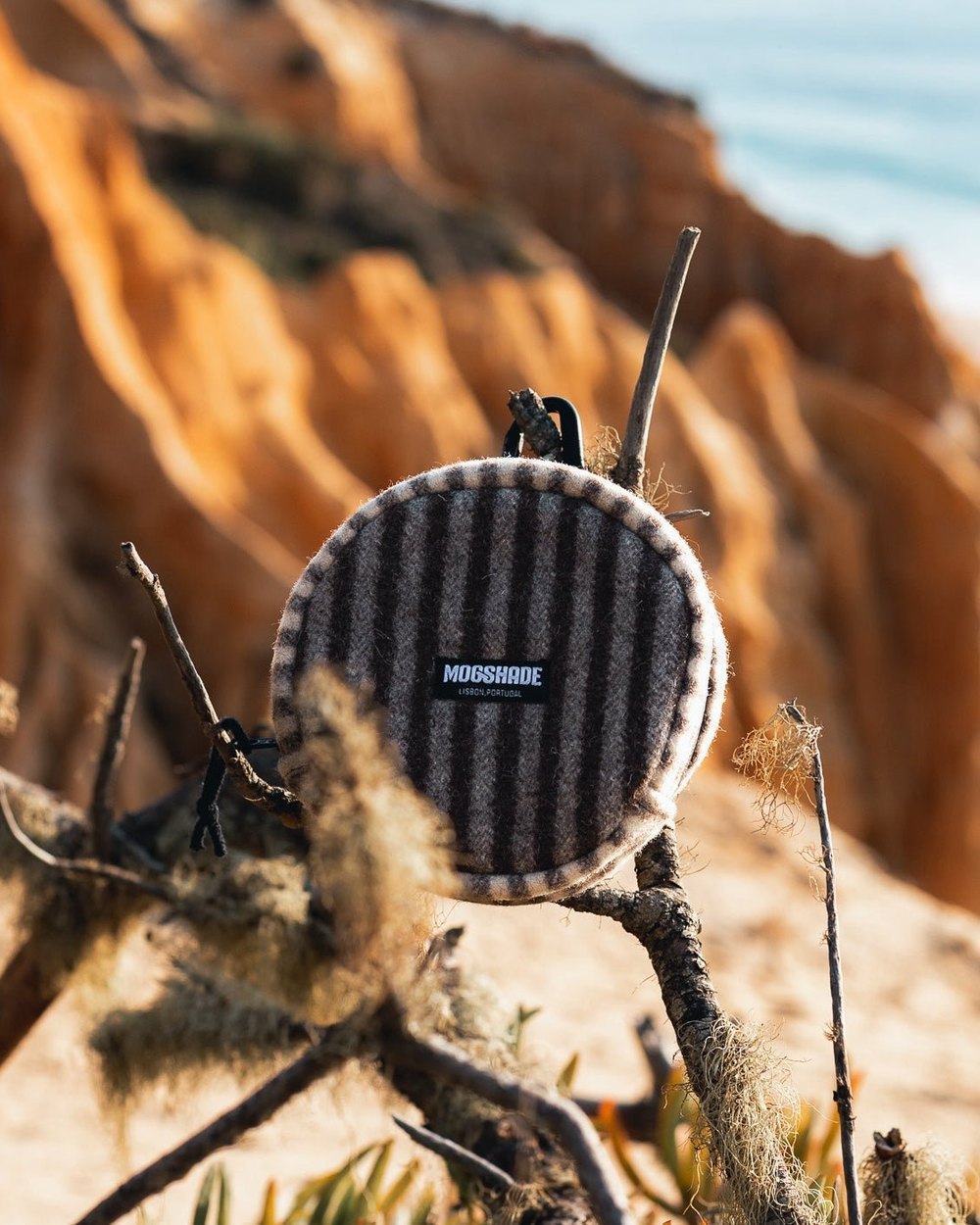
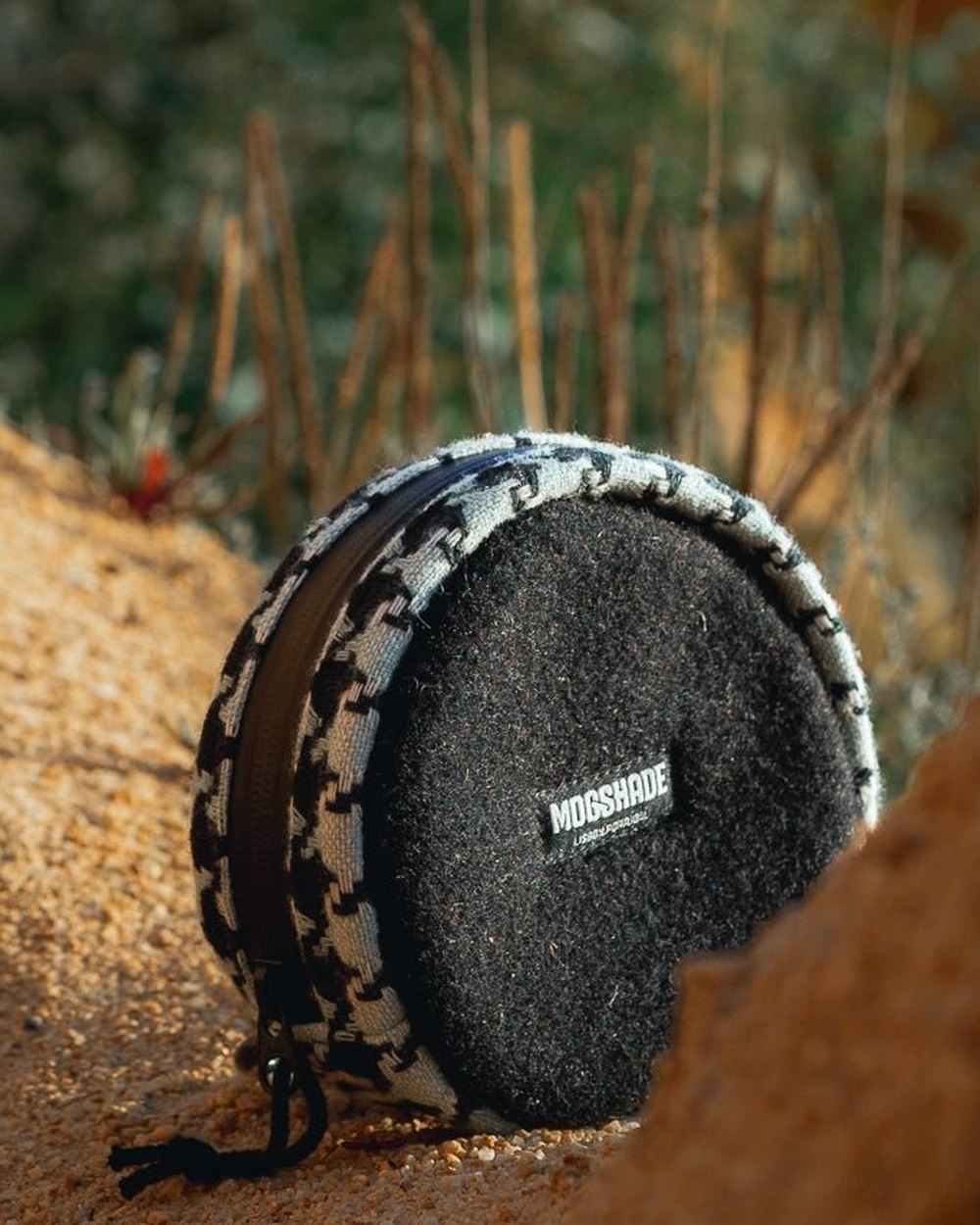
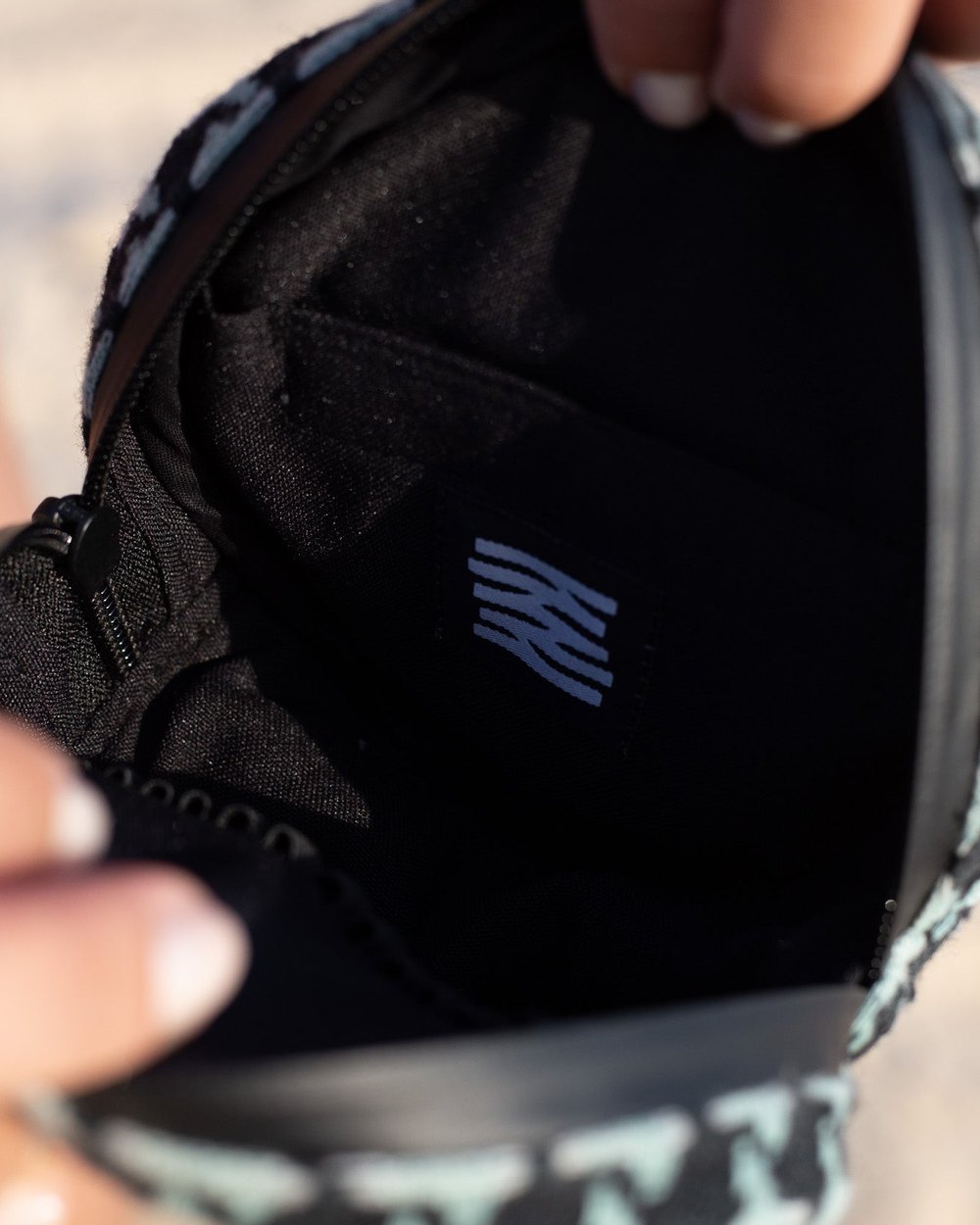
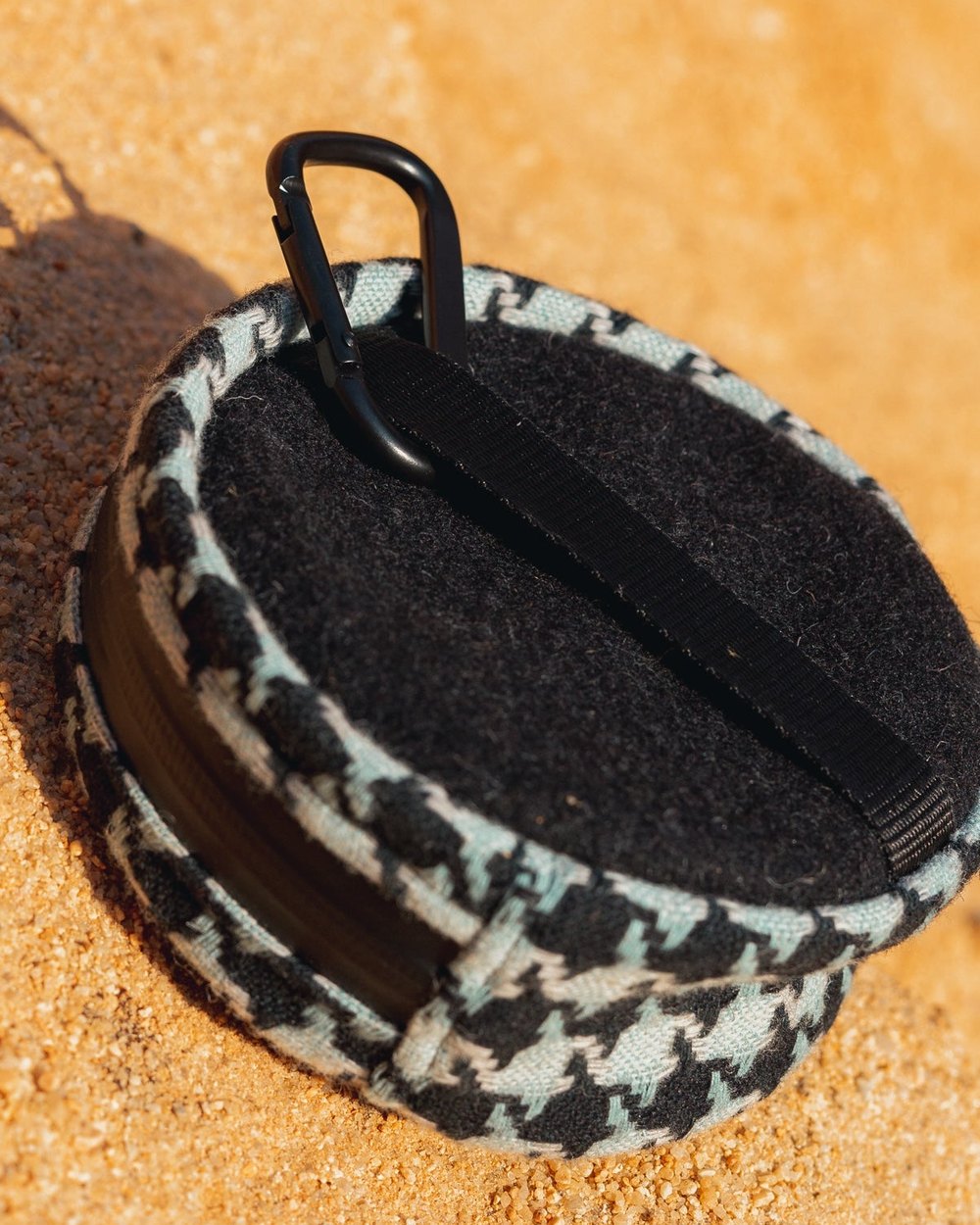
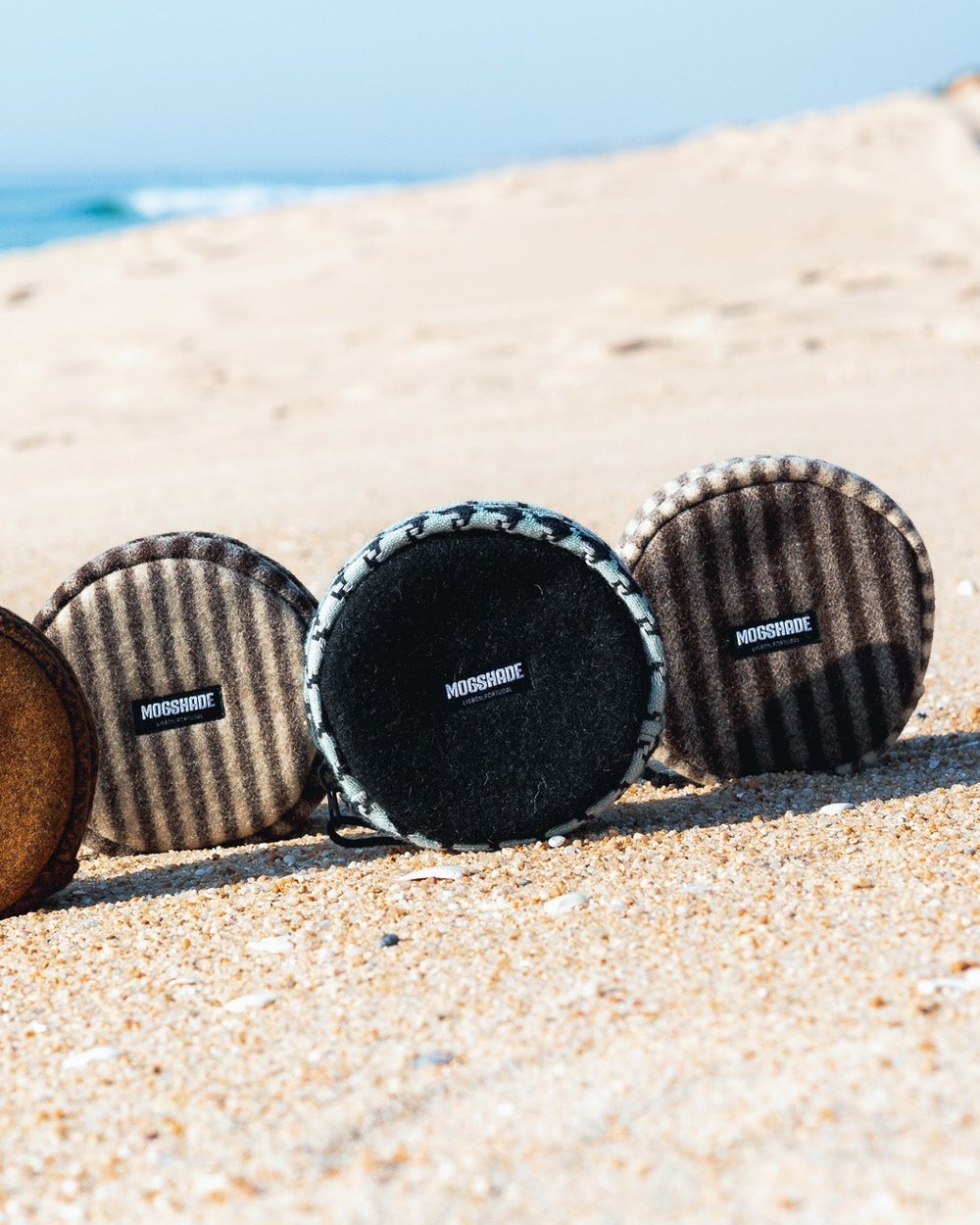
Mogshade photographs the making as much as the product: the loom, the rescued Serra da Estrela wool, a finished case on a sandstone cliff. Even the name, an old English word for the play of light and shadow, is a design brief.
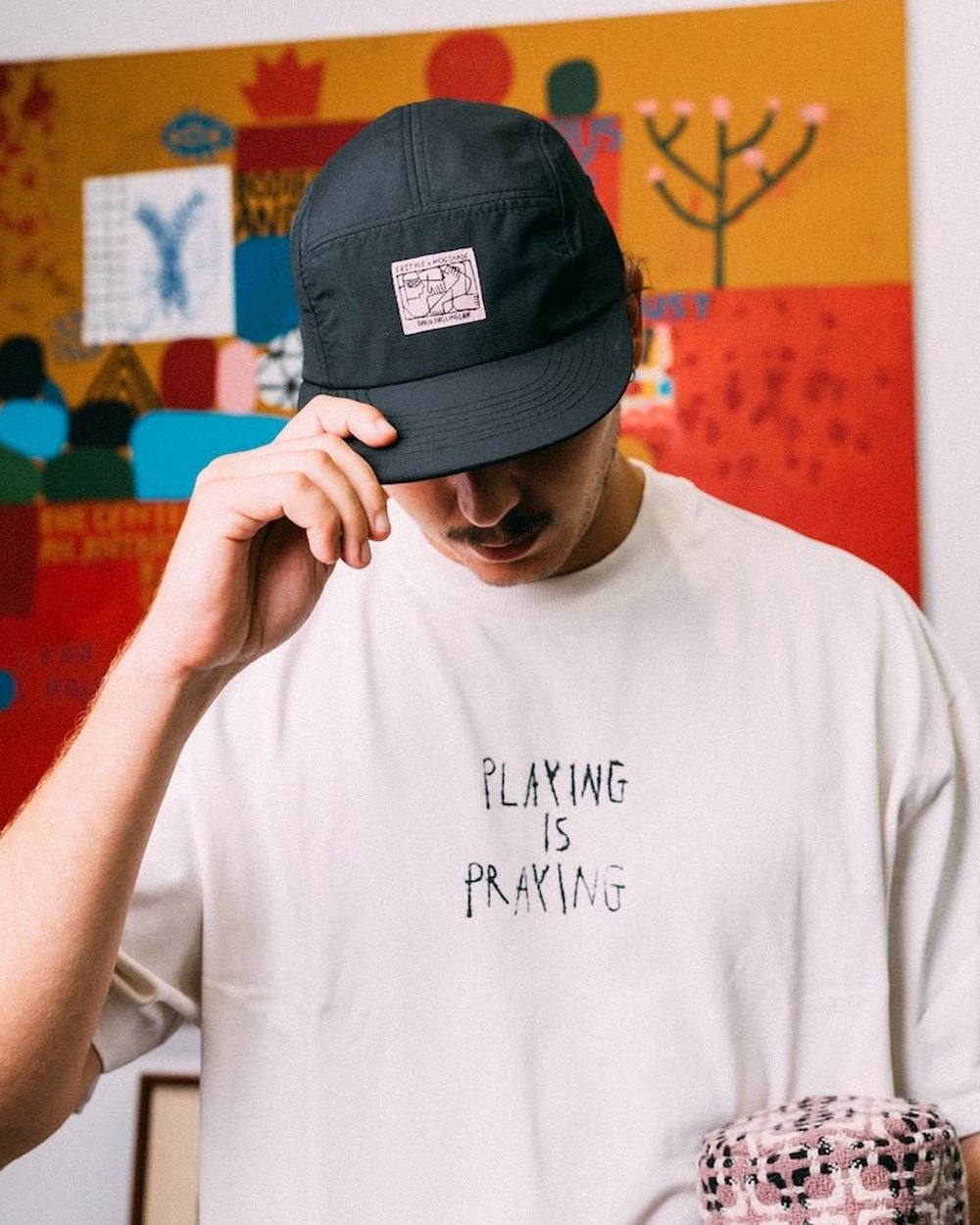
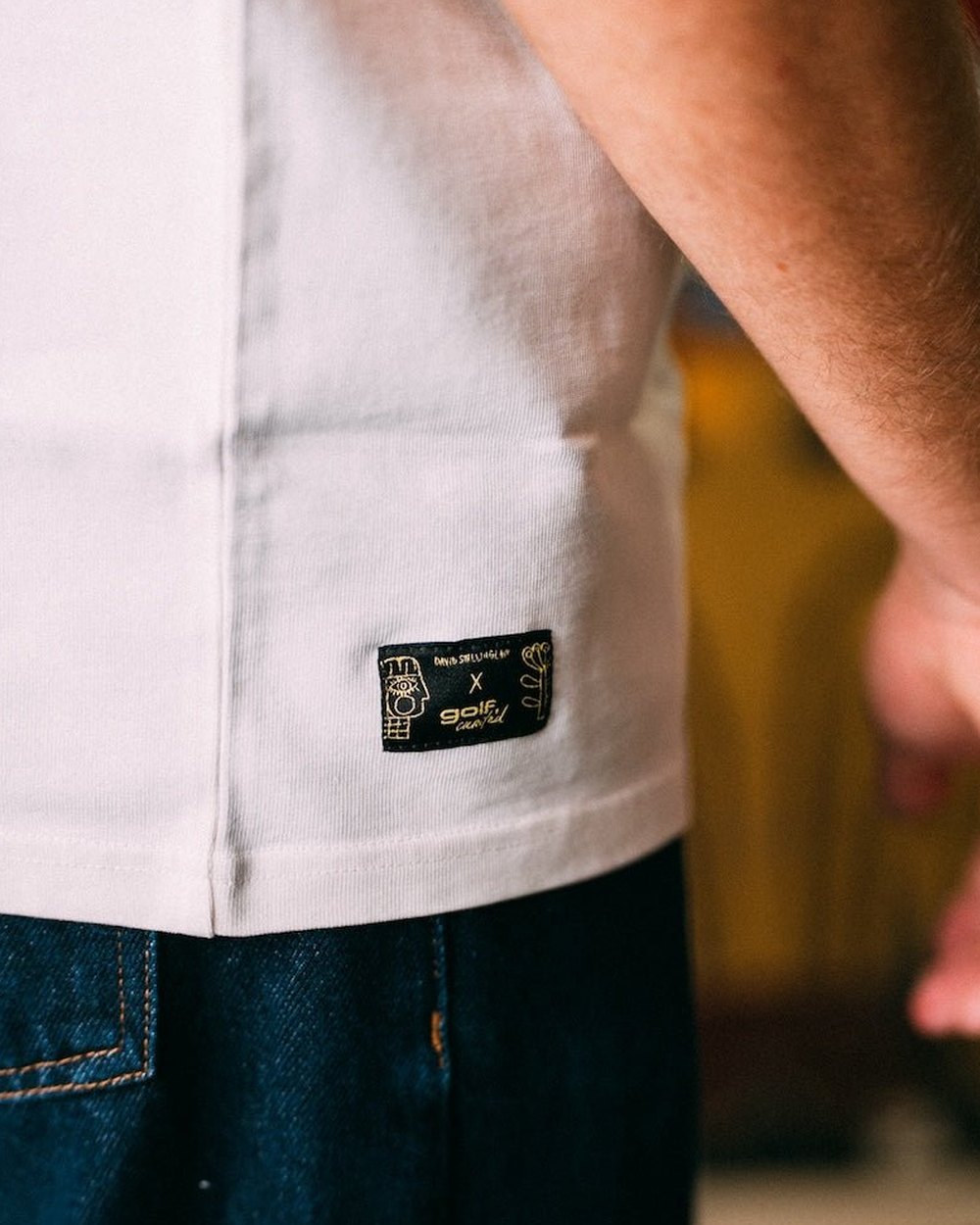
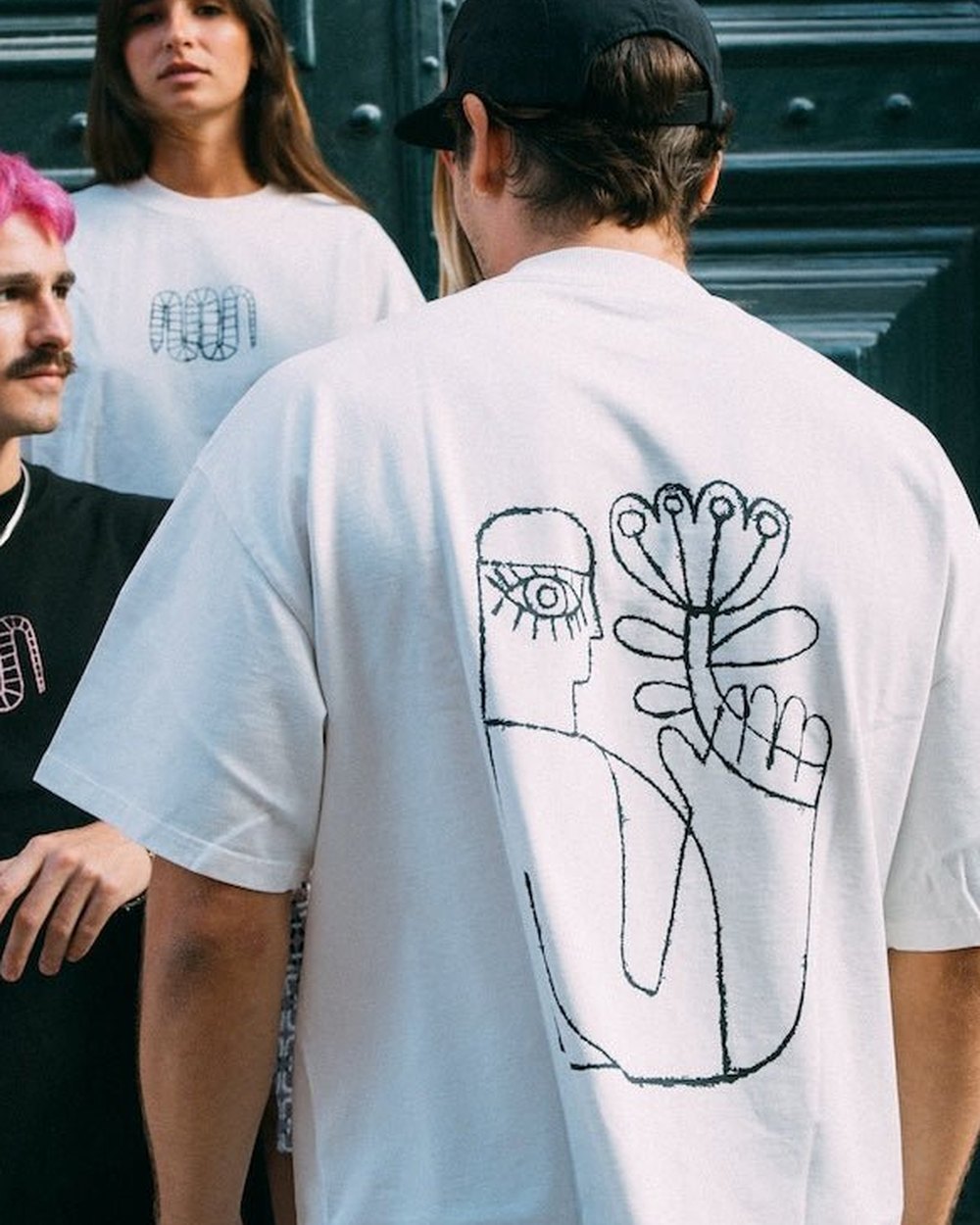
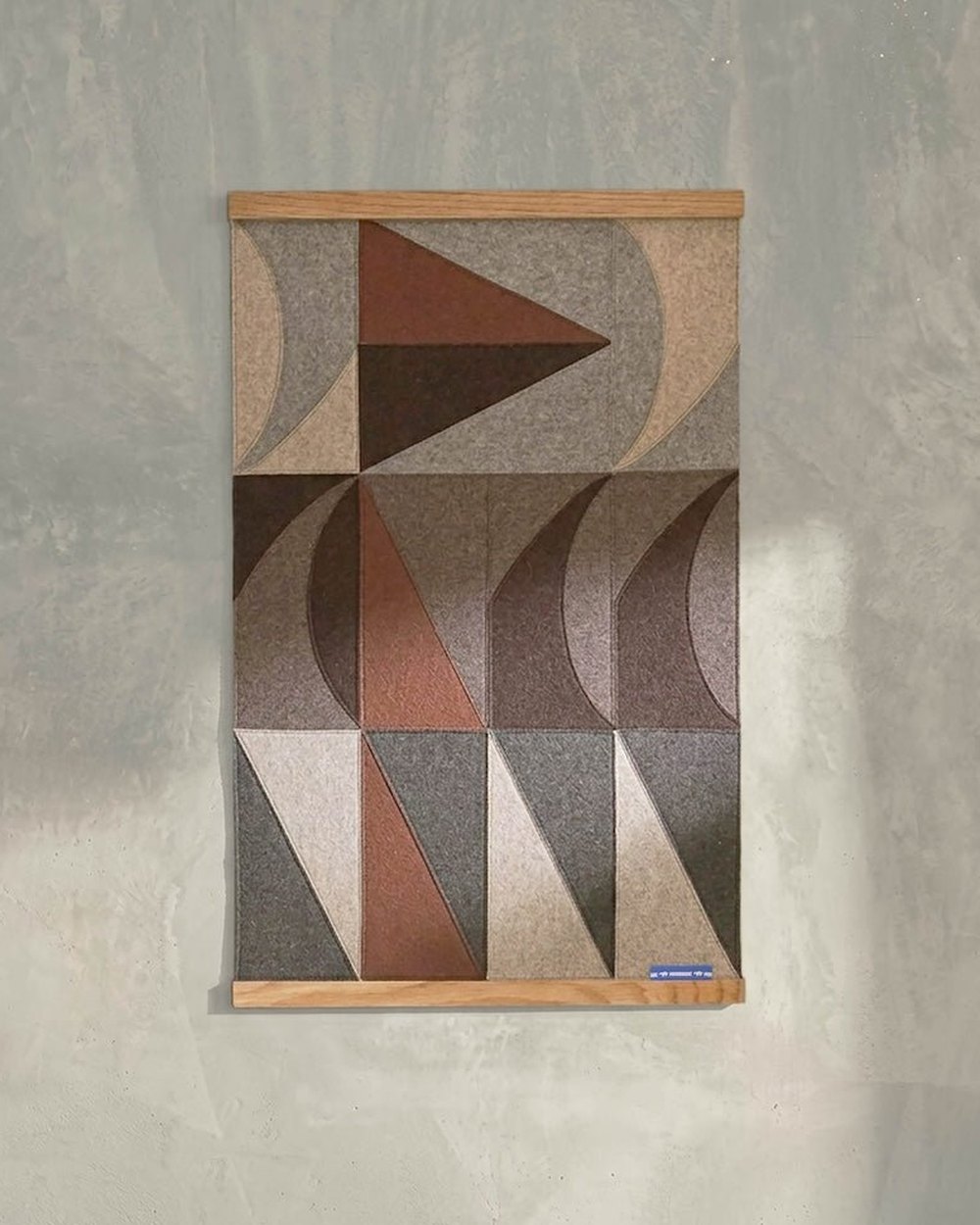
Logos, drawings and prints you could hang on a wall.
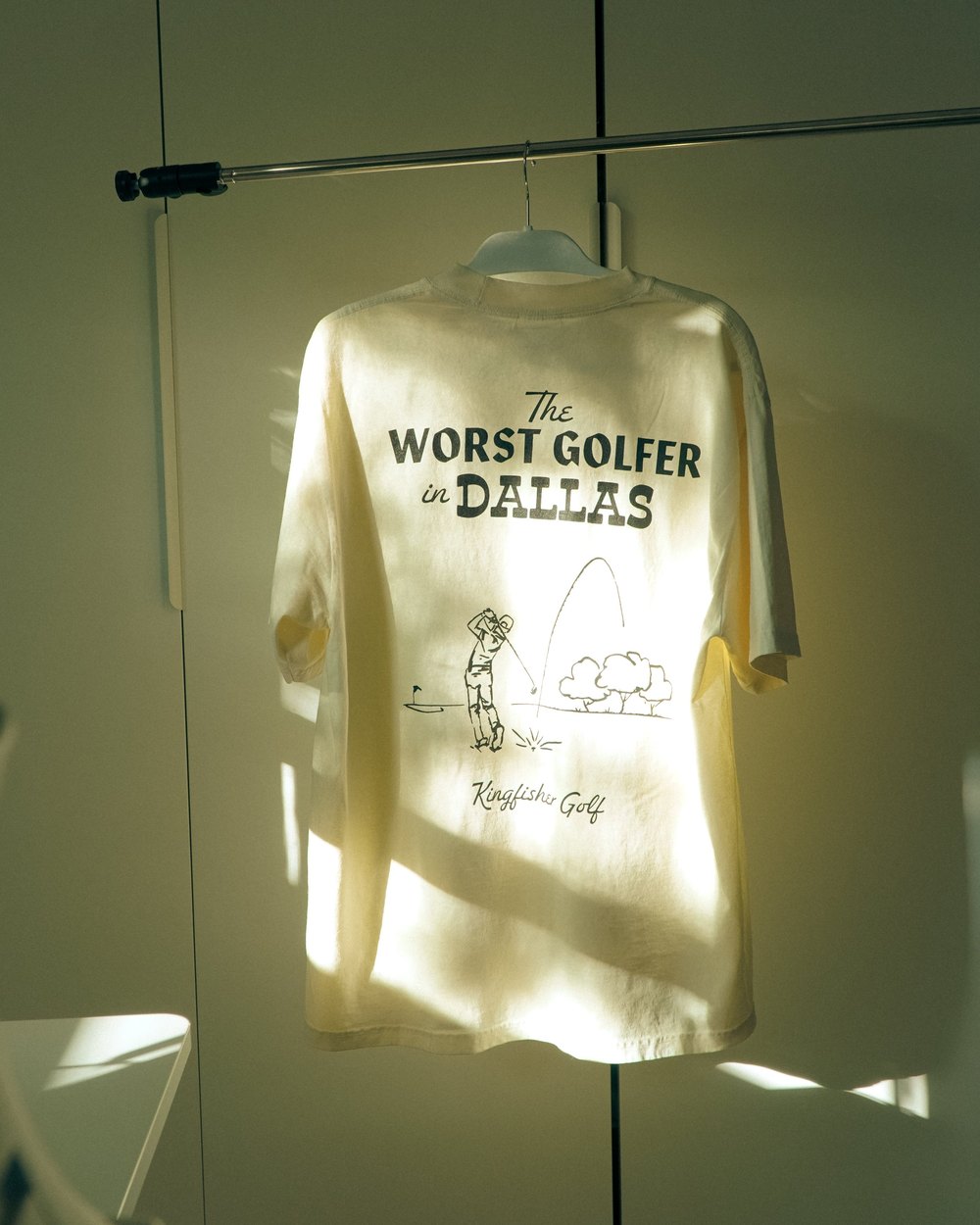
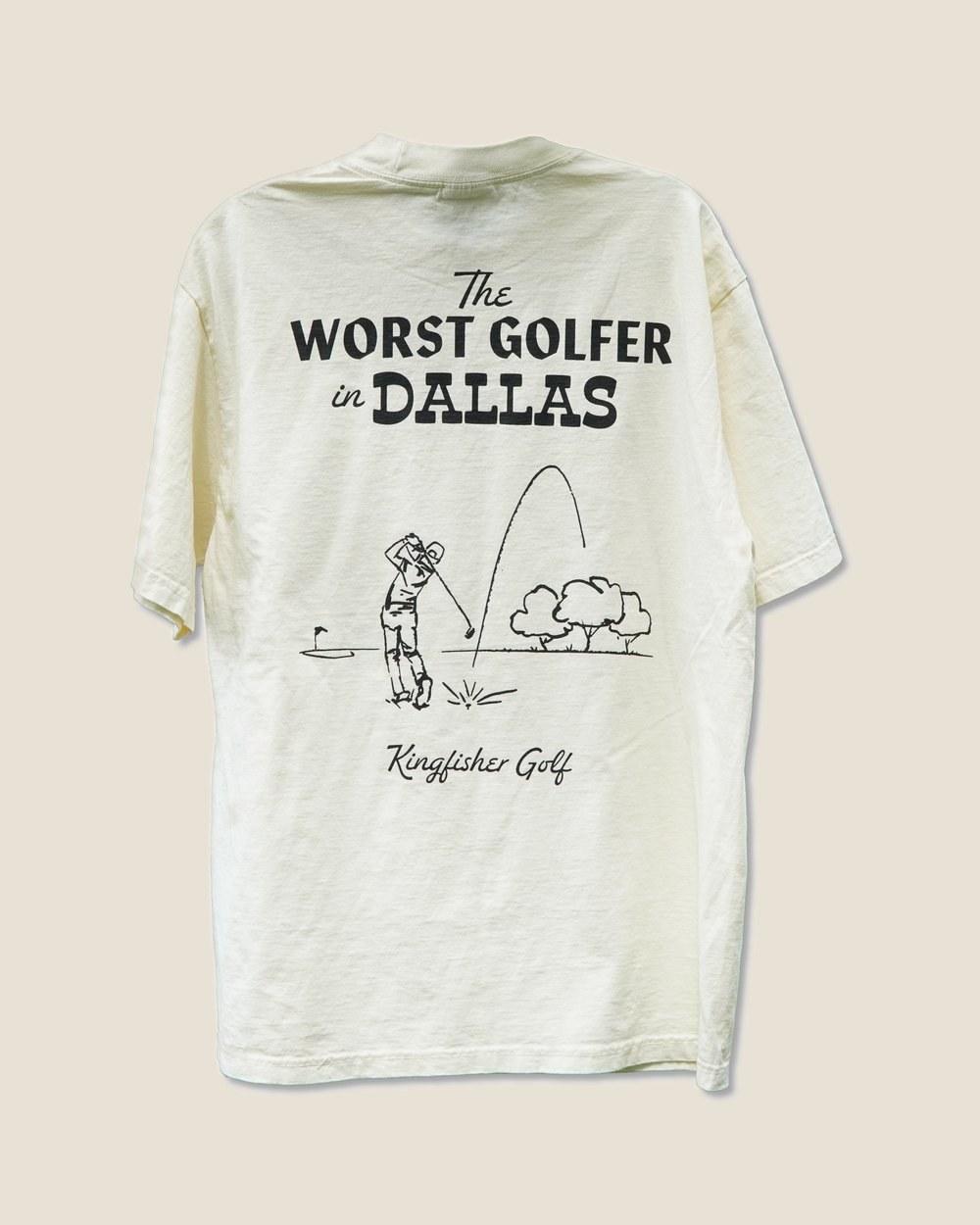
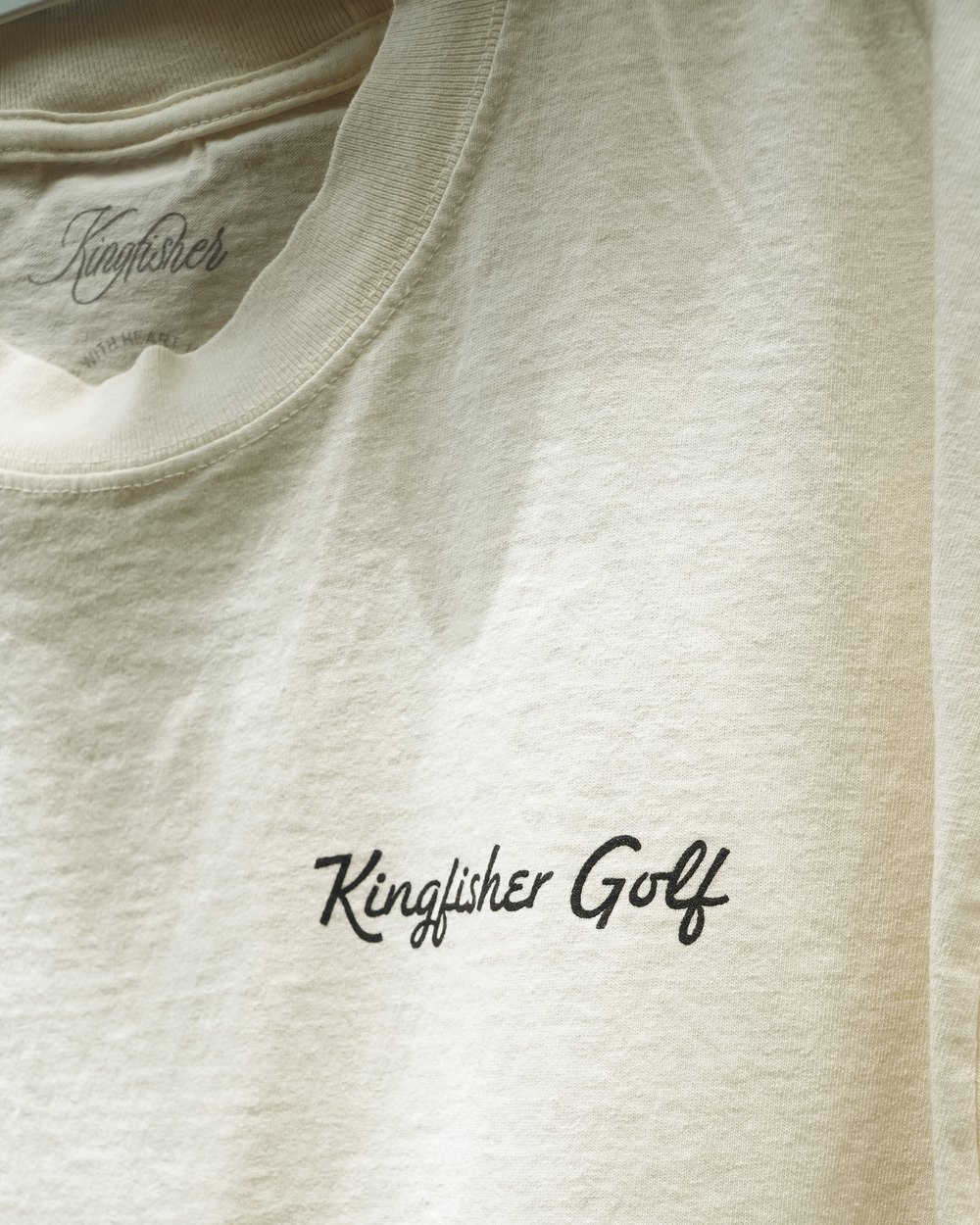
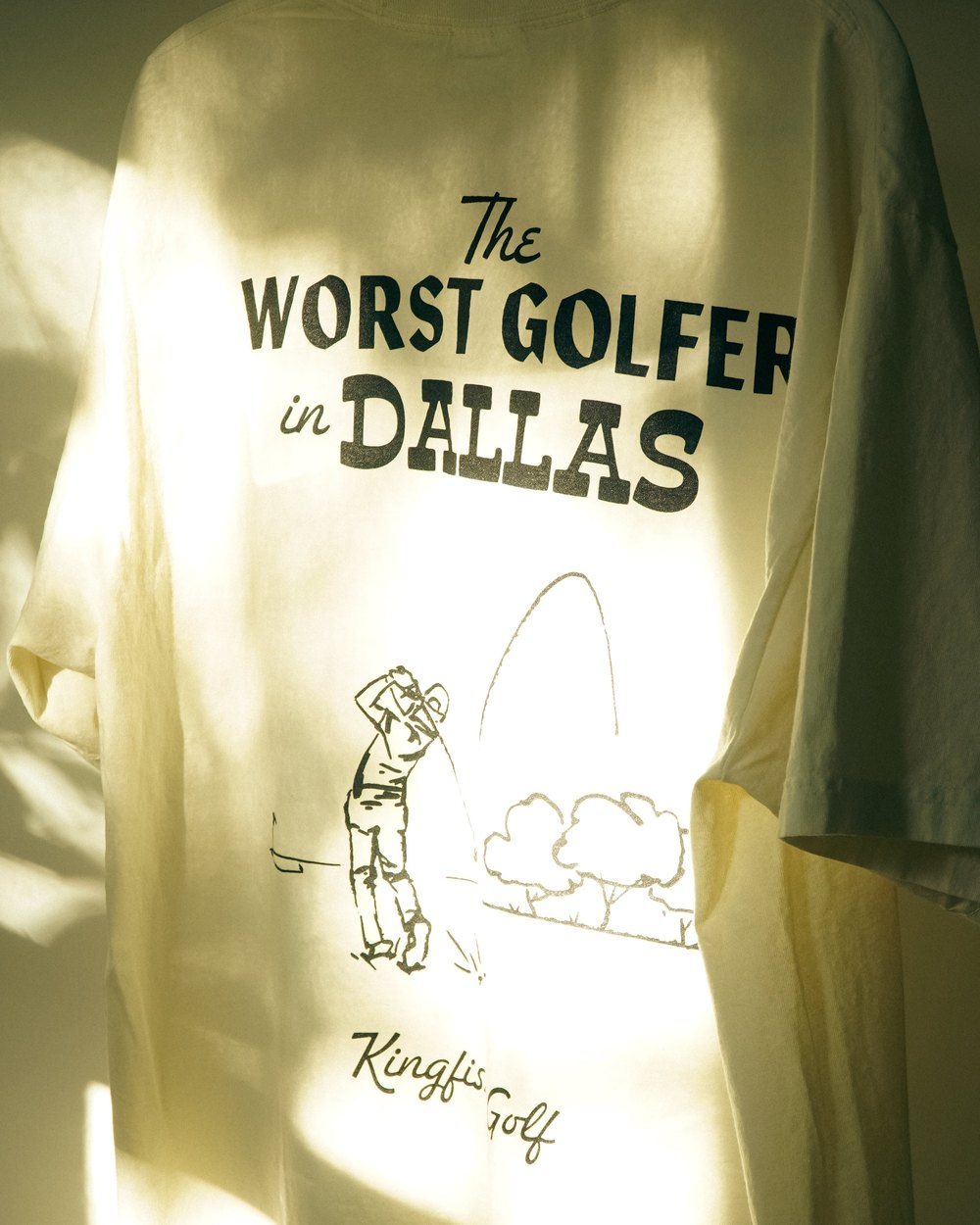
Kingfisher is what happens when an ex-PepsiCo art director starts a golf brand: tees in a cigarette box, campaigns lit like film stills, tees printed in Old East Dallas. Fiona Cohen gets the game, too: “You can have the most humbling, humiliating day on the course or at the range and still go back for more.”
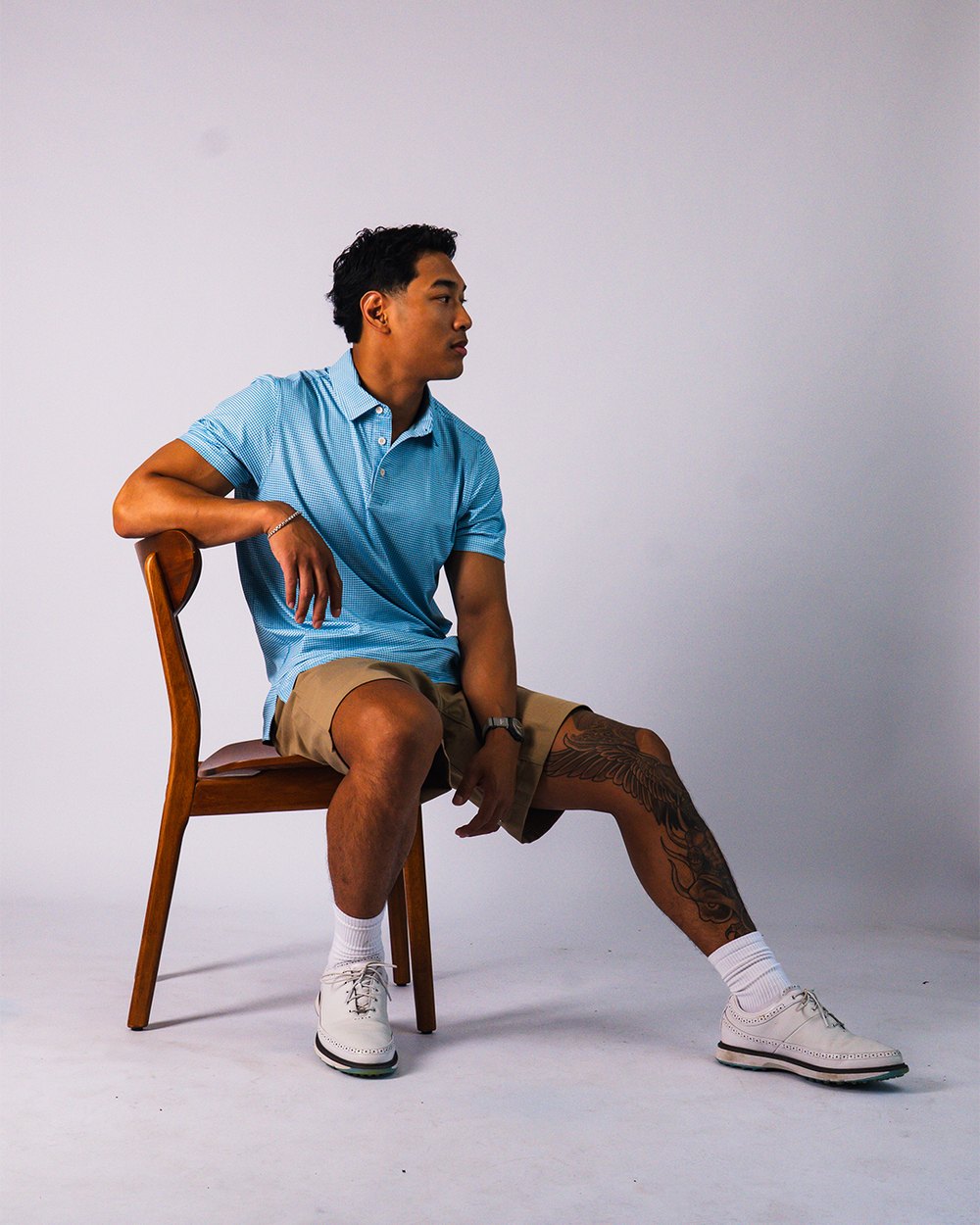
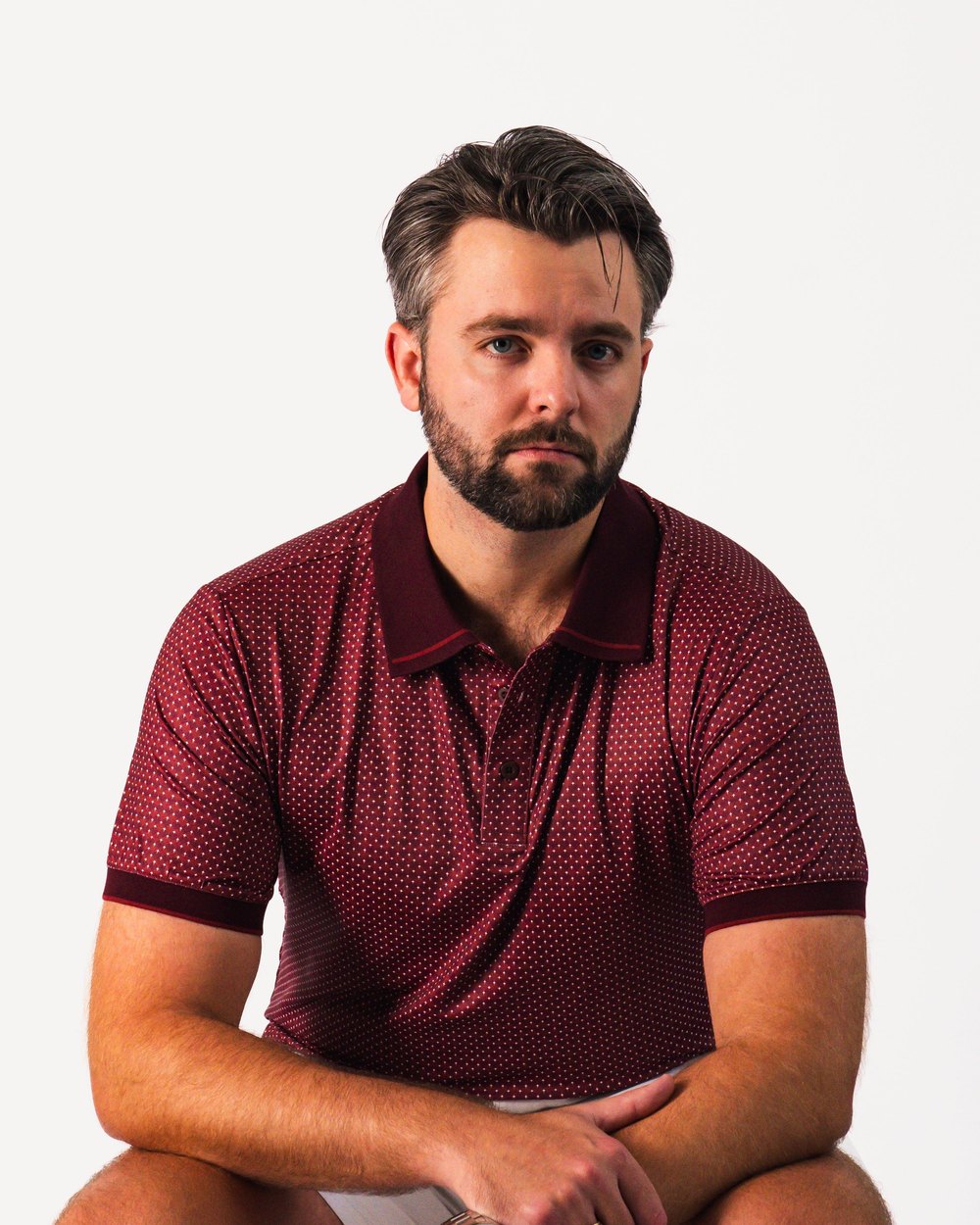
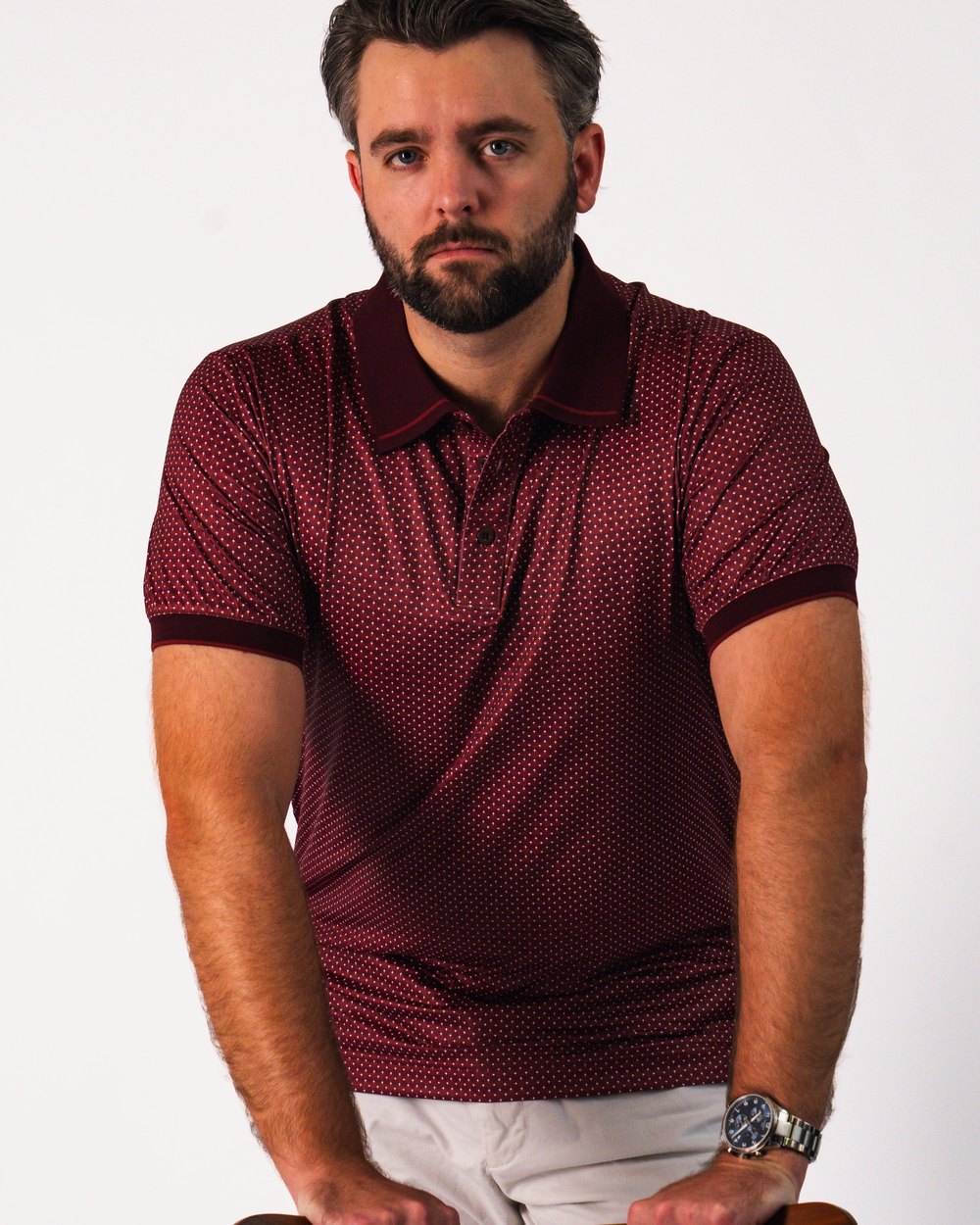
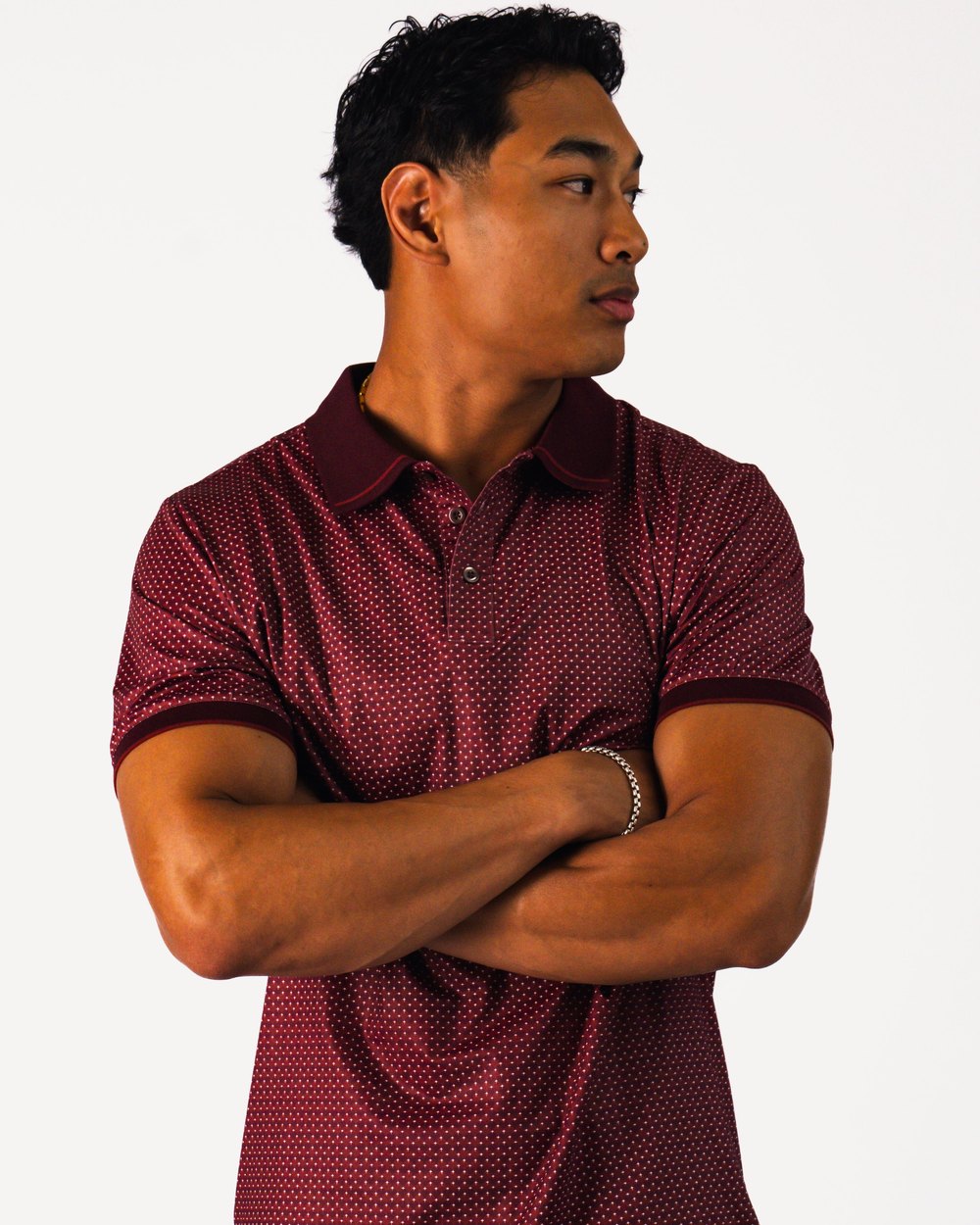
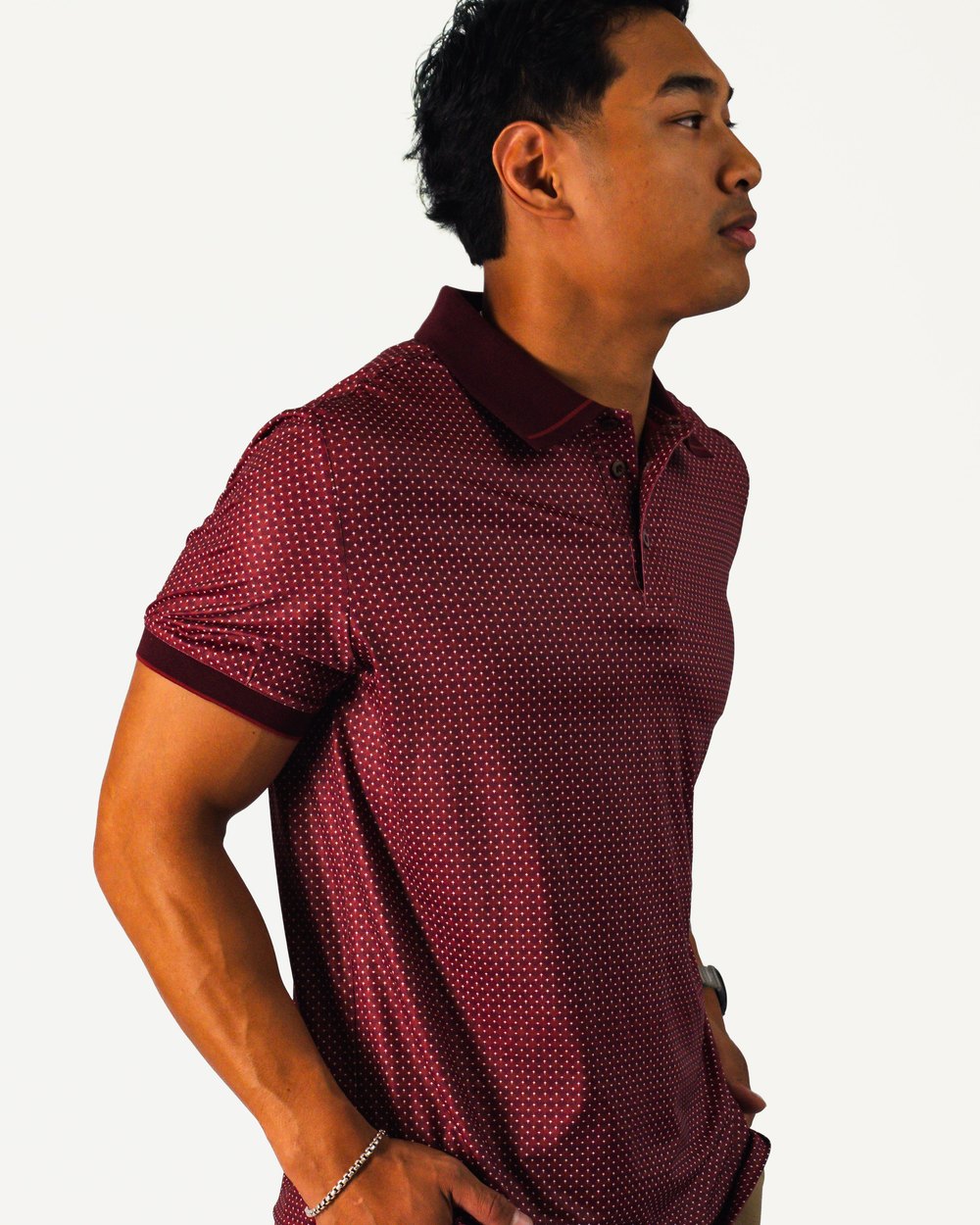
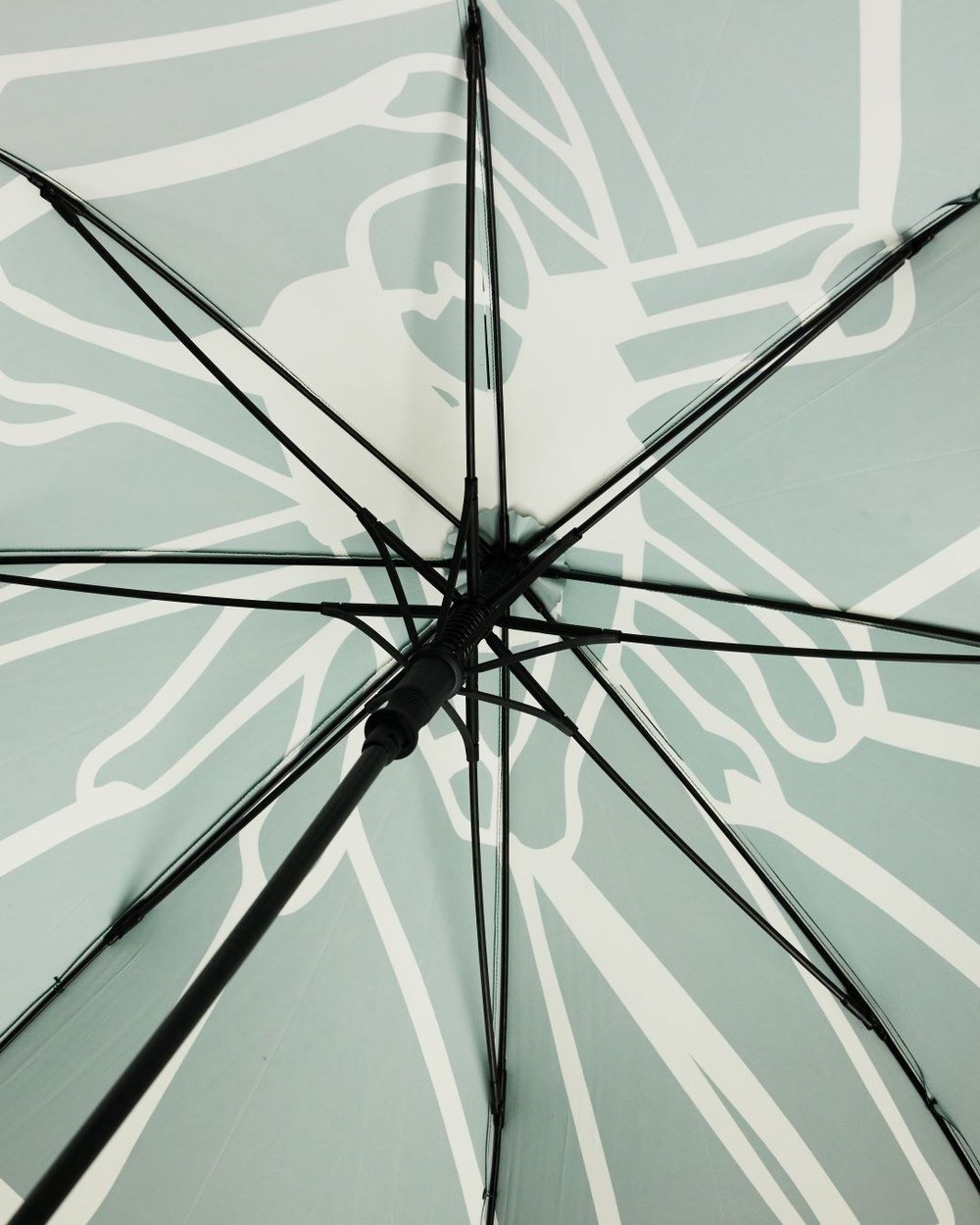
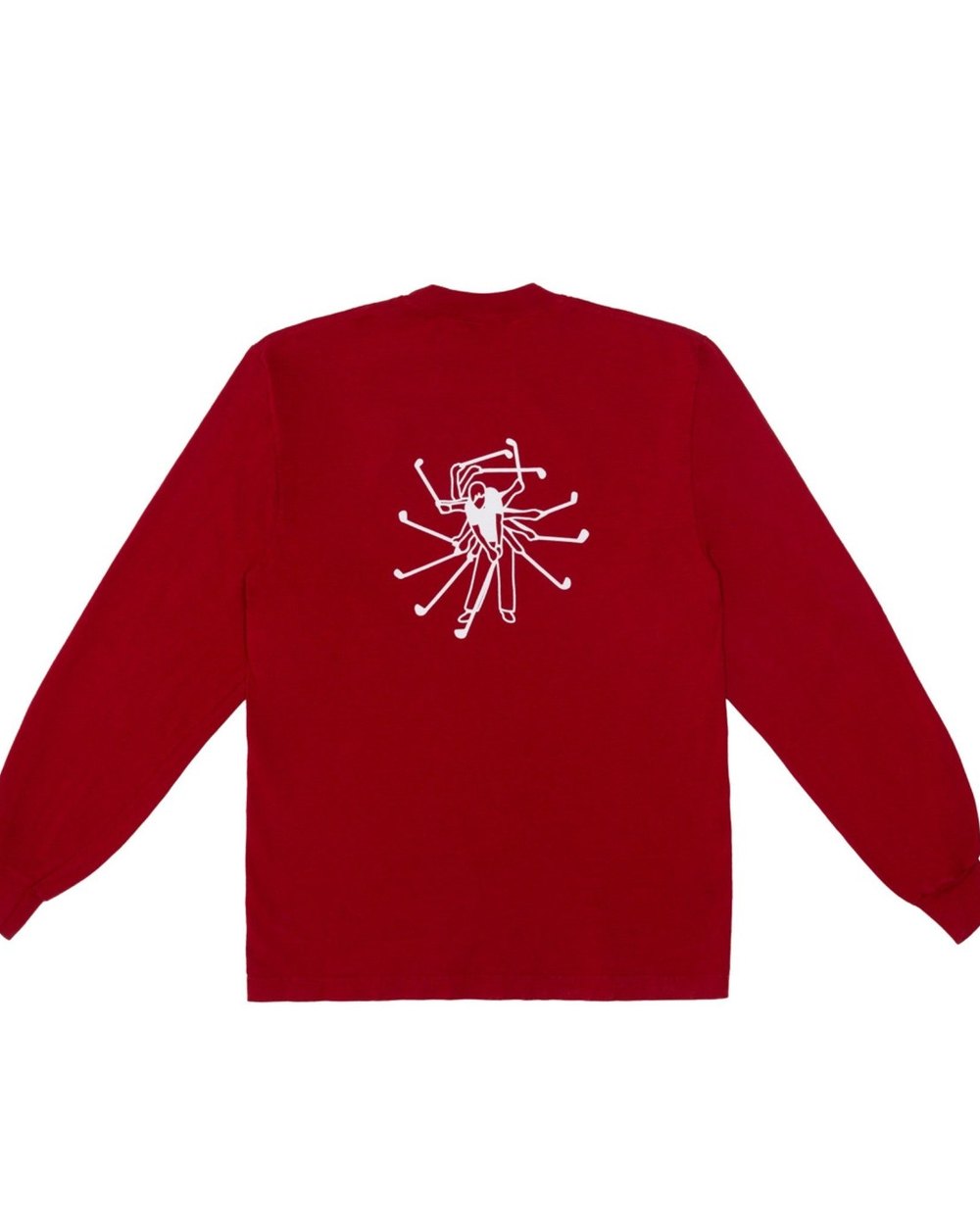
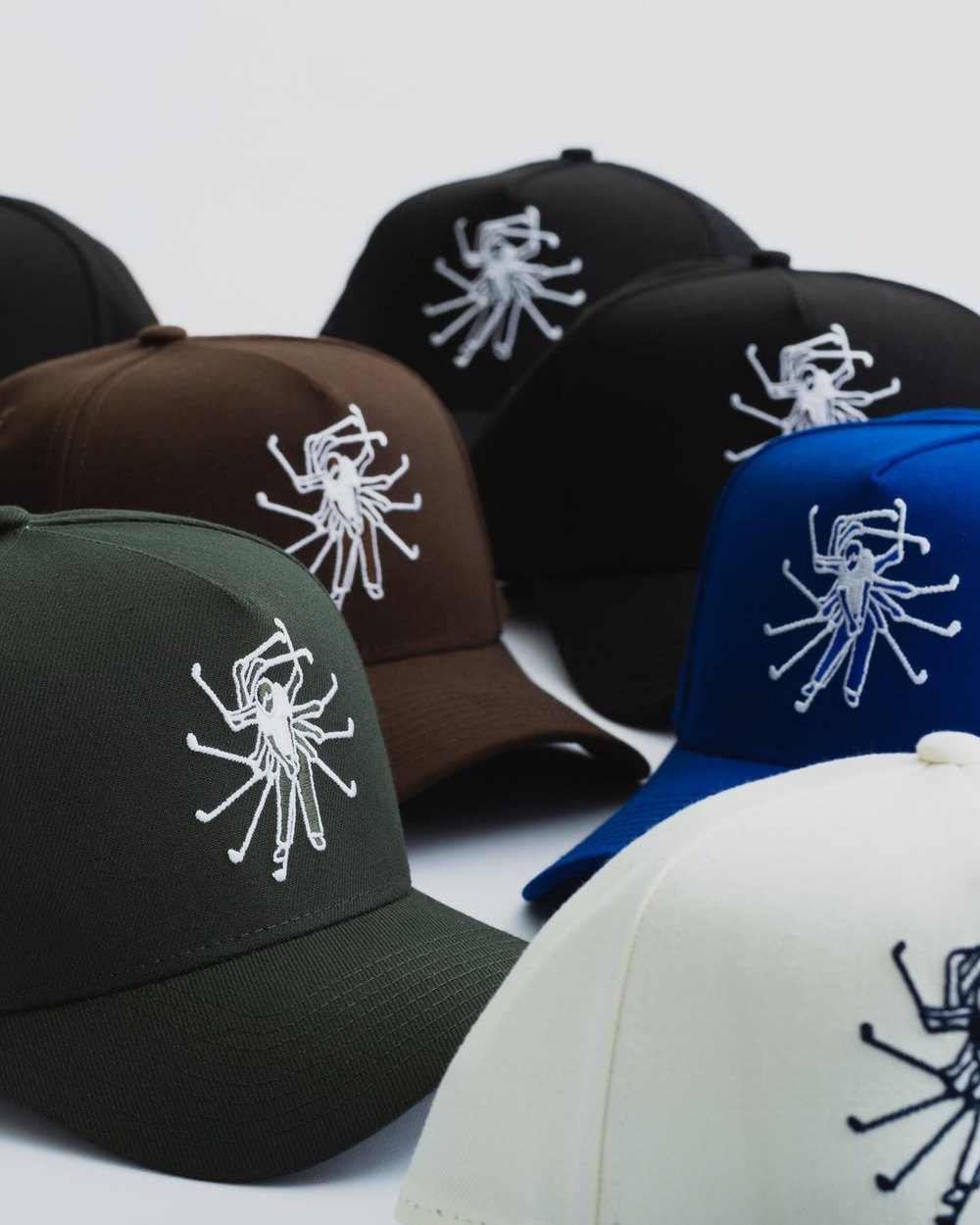
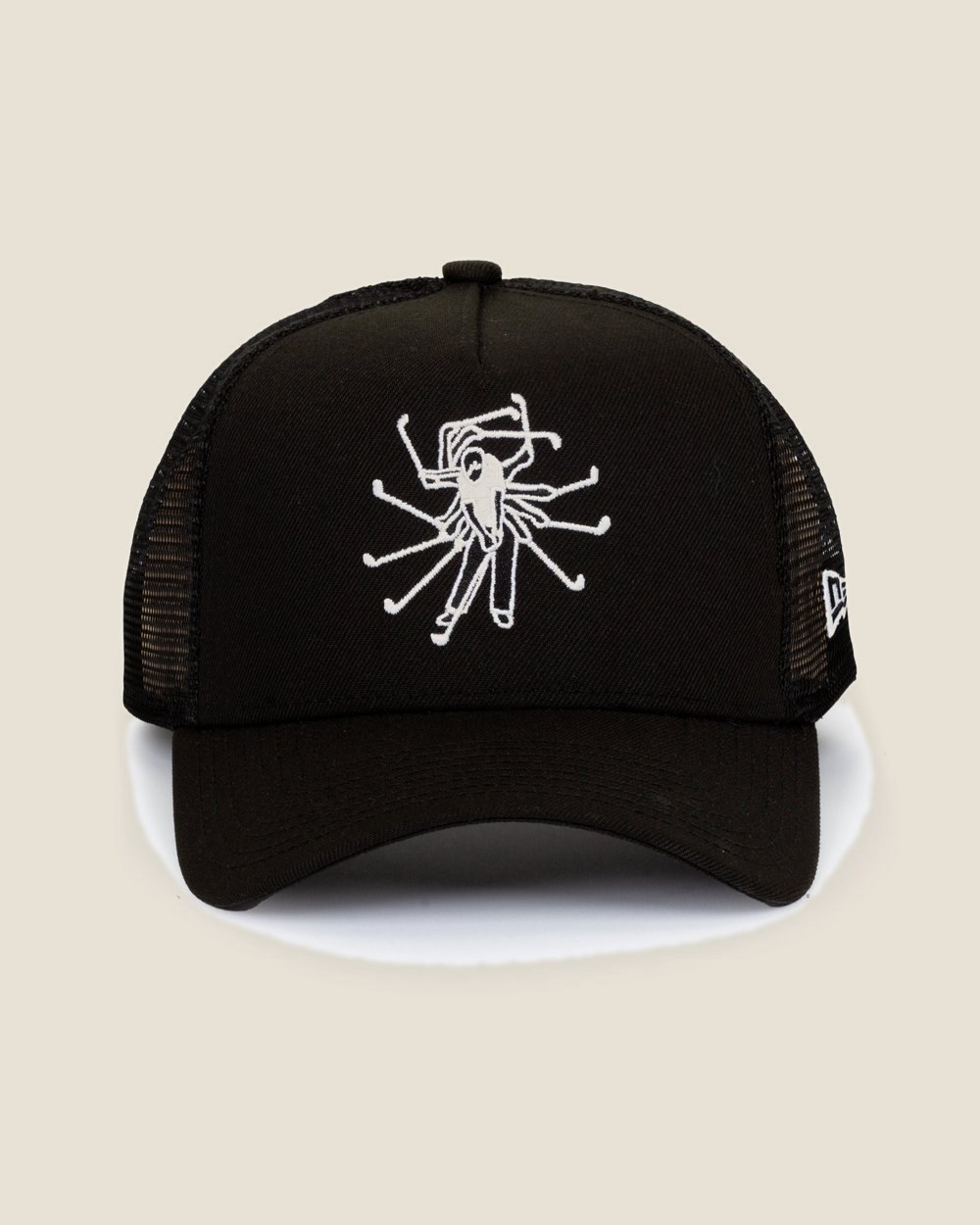
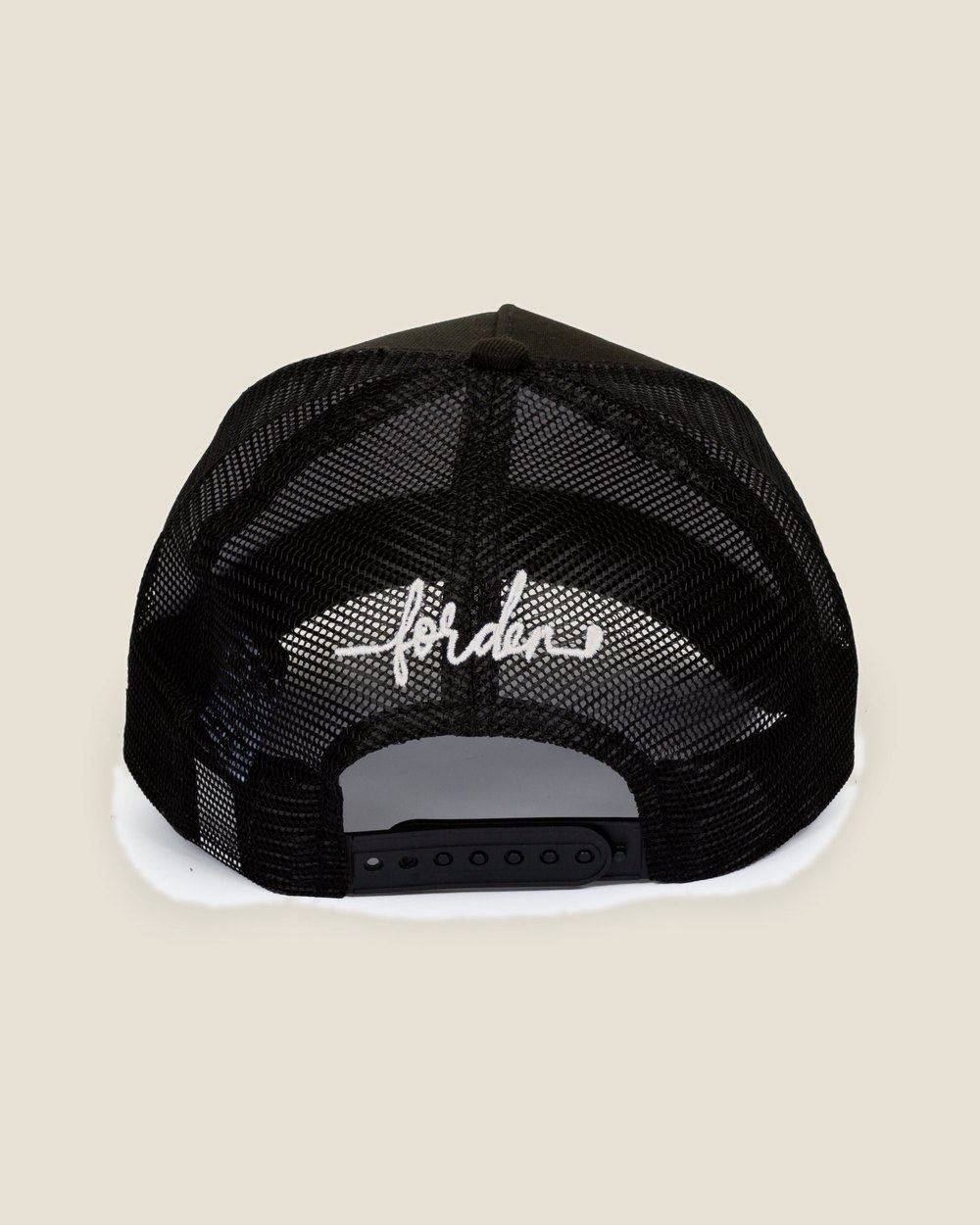
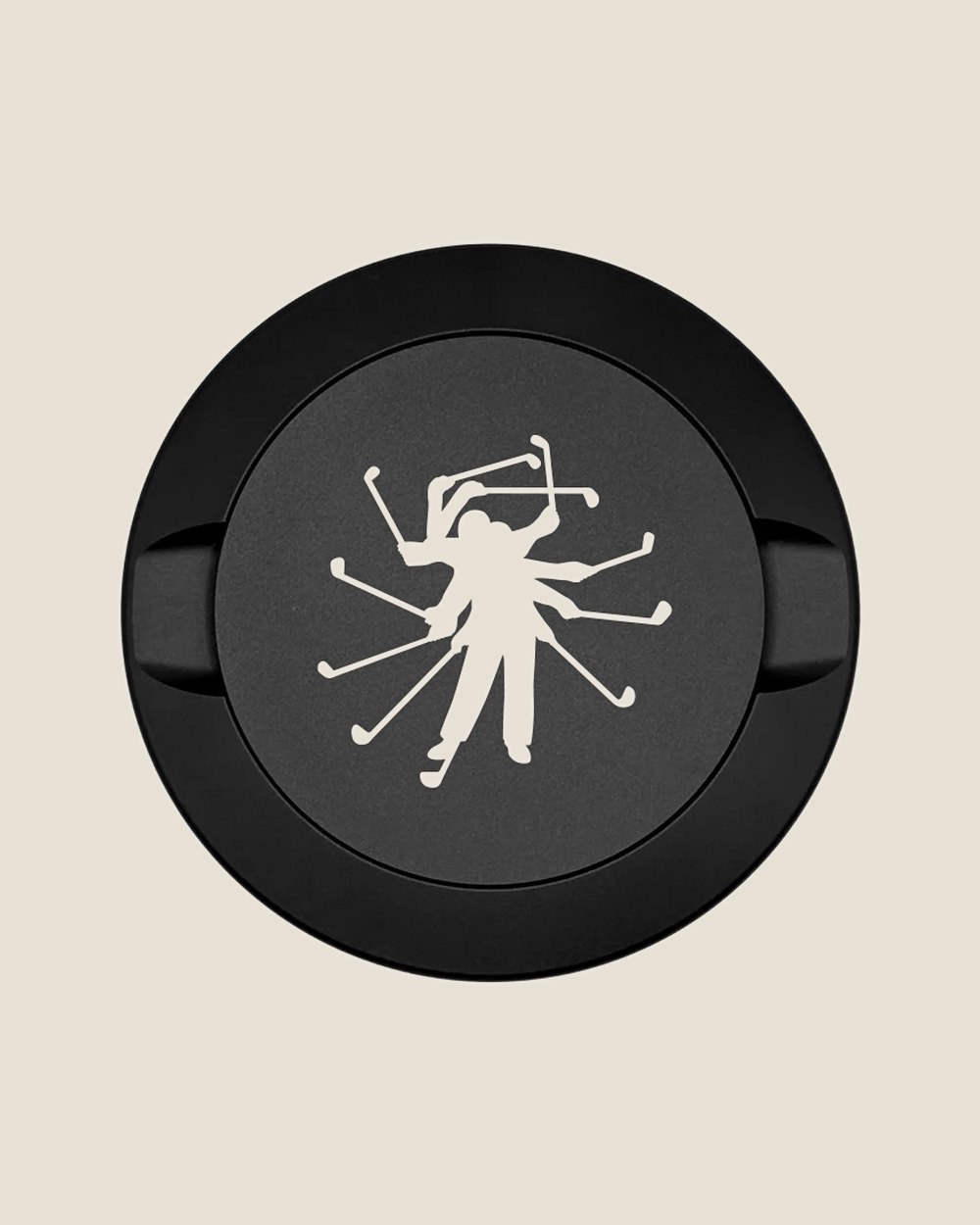
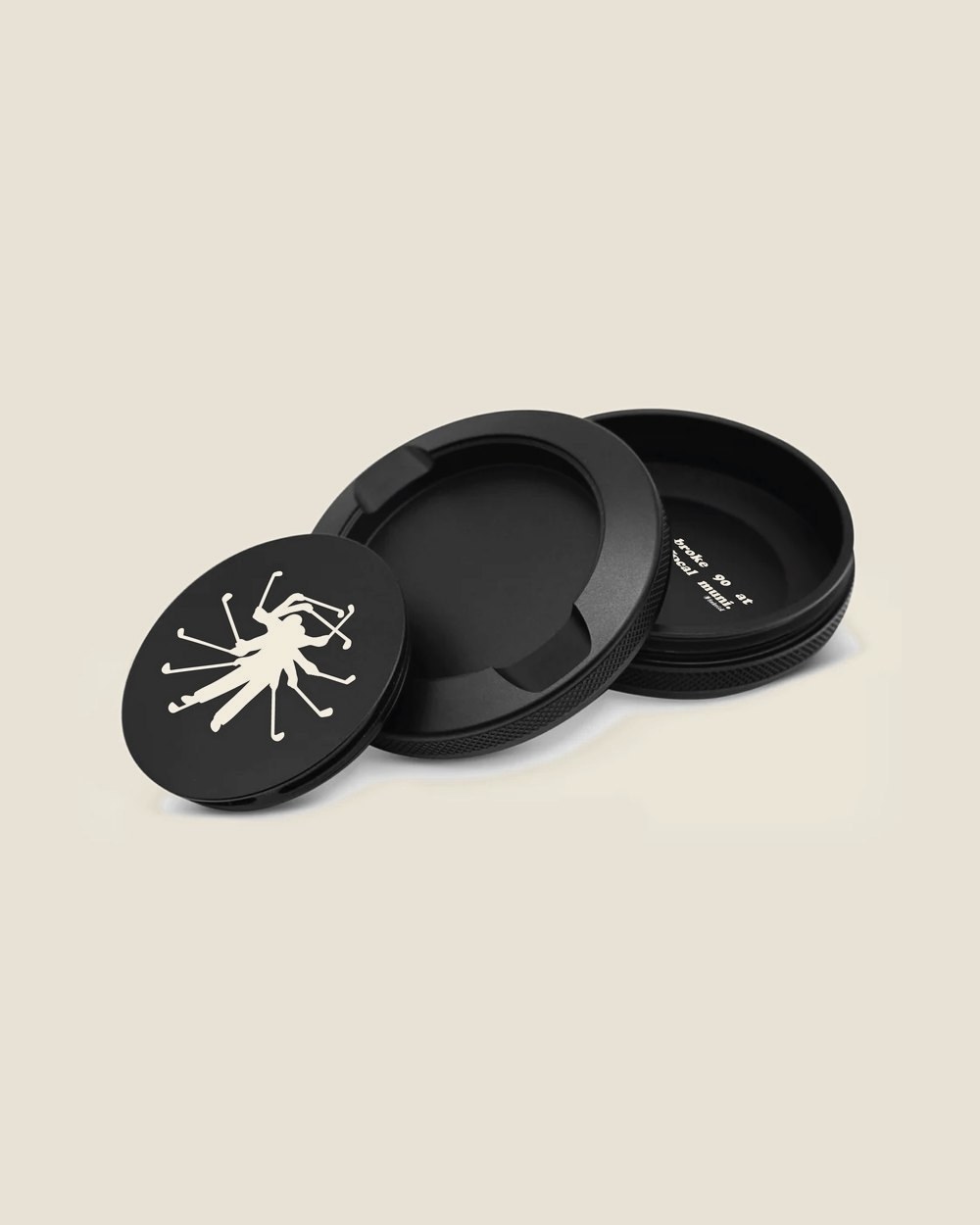
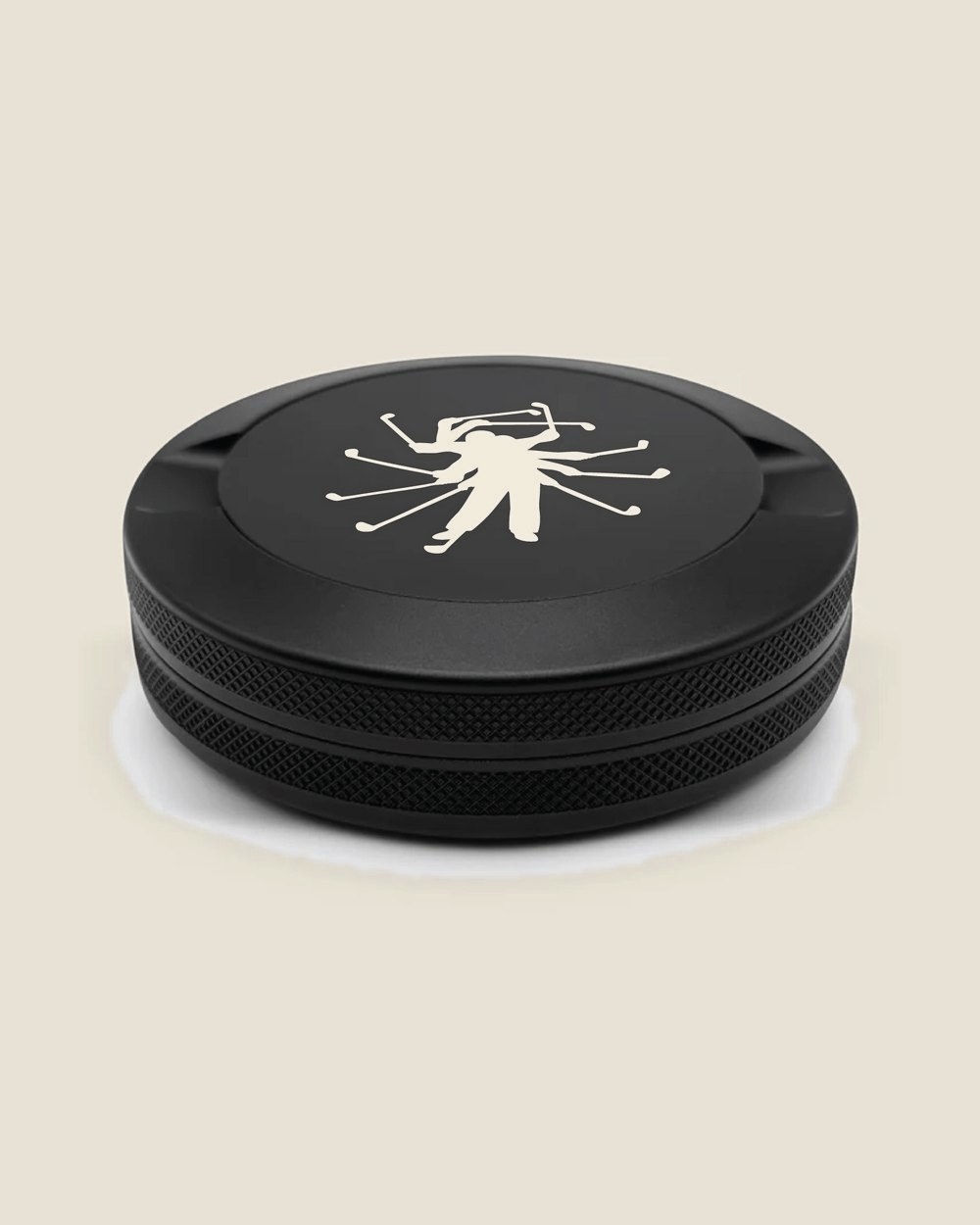
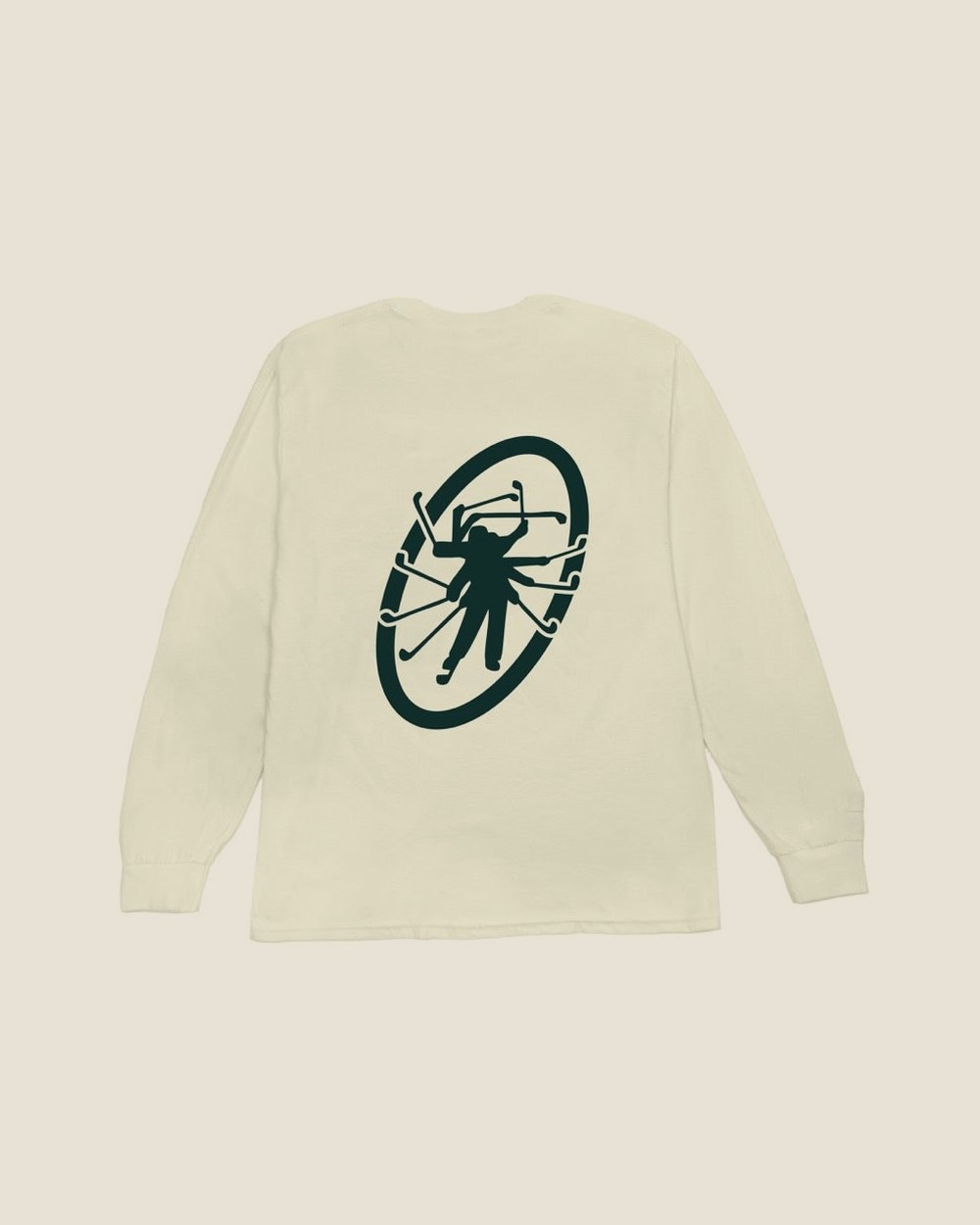
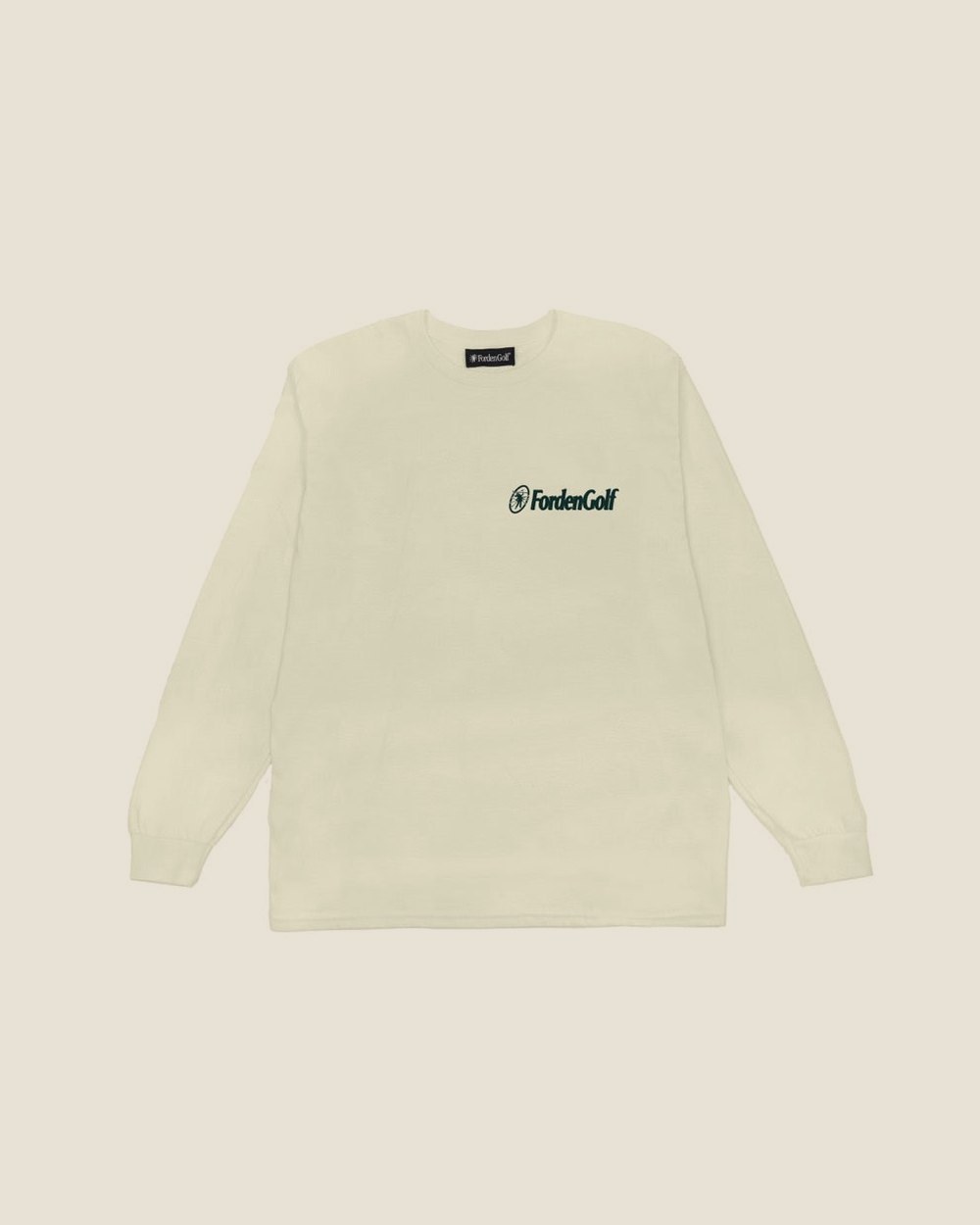
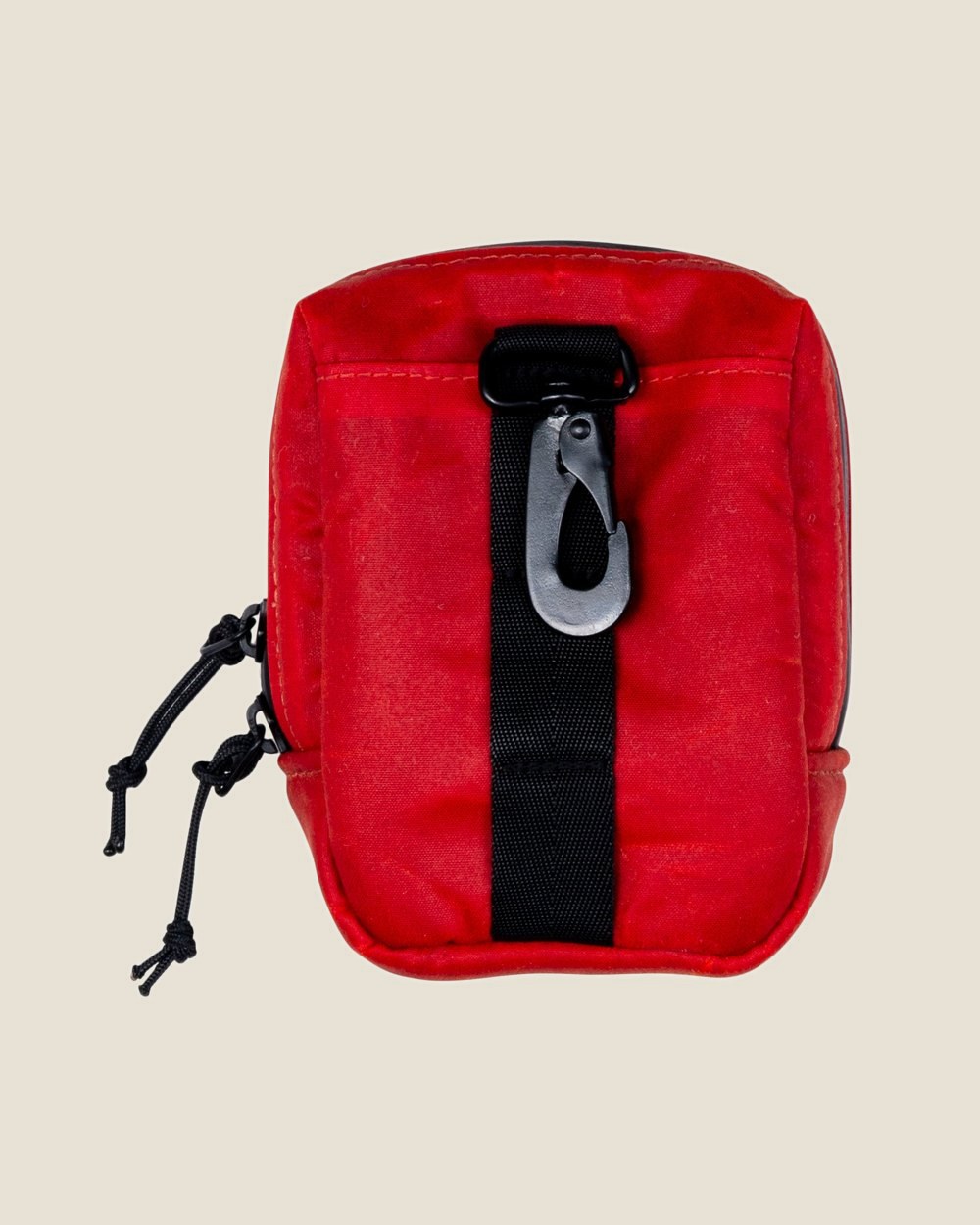
Forden’s Swingman logo comes from Doc Edgerton’s 1938 MIT strobe photo of a golfer, dozens of swings flattened into one mark, and it runs across caps, an umbrella and a pouch tin. The brand wants golf fashion “as dynamic and expressive as the game itself.”
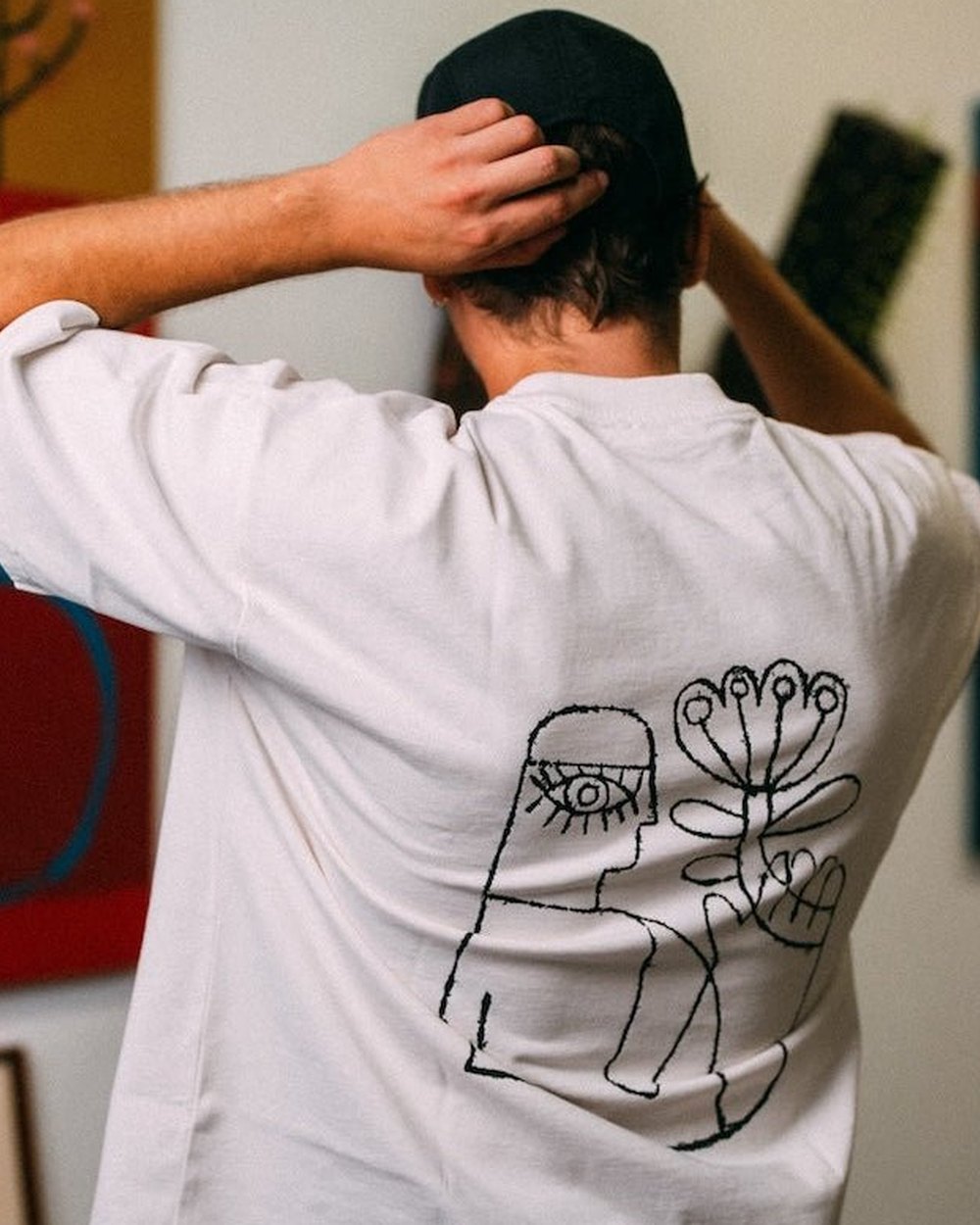
Every Radry piece starts as one of Tony Knapton’s drawings. The logo’s eyes are a circle for birdies and a square for bogeys, with a wavy line for the round in between.
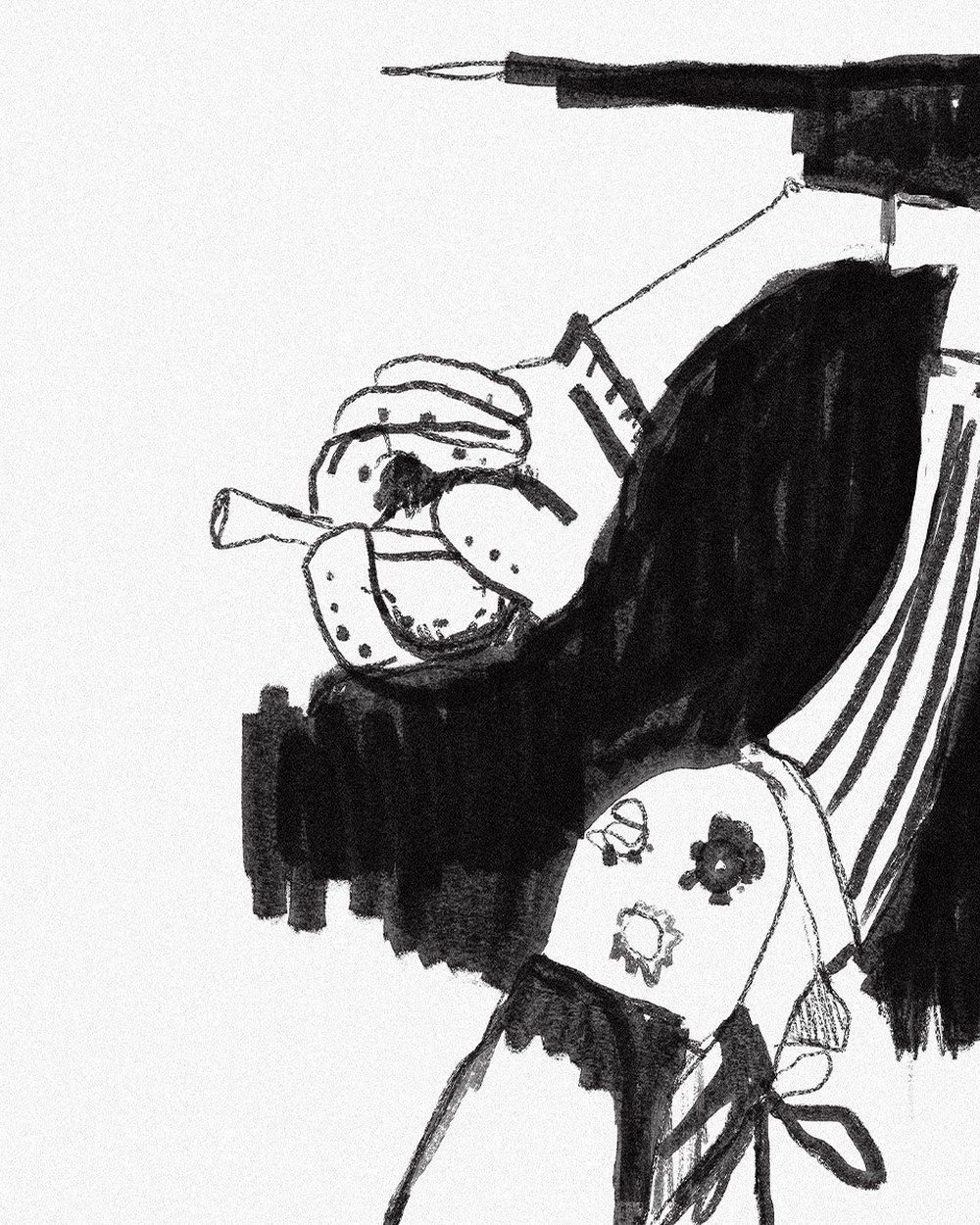
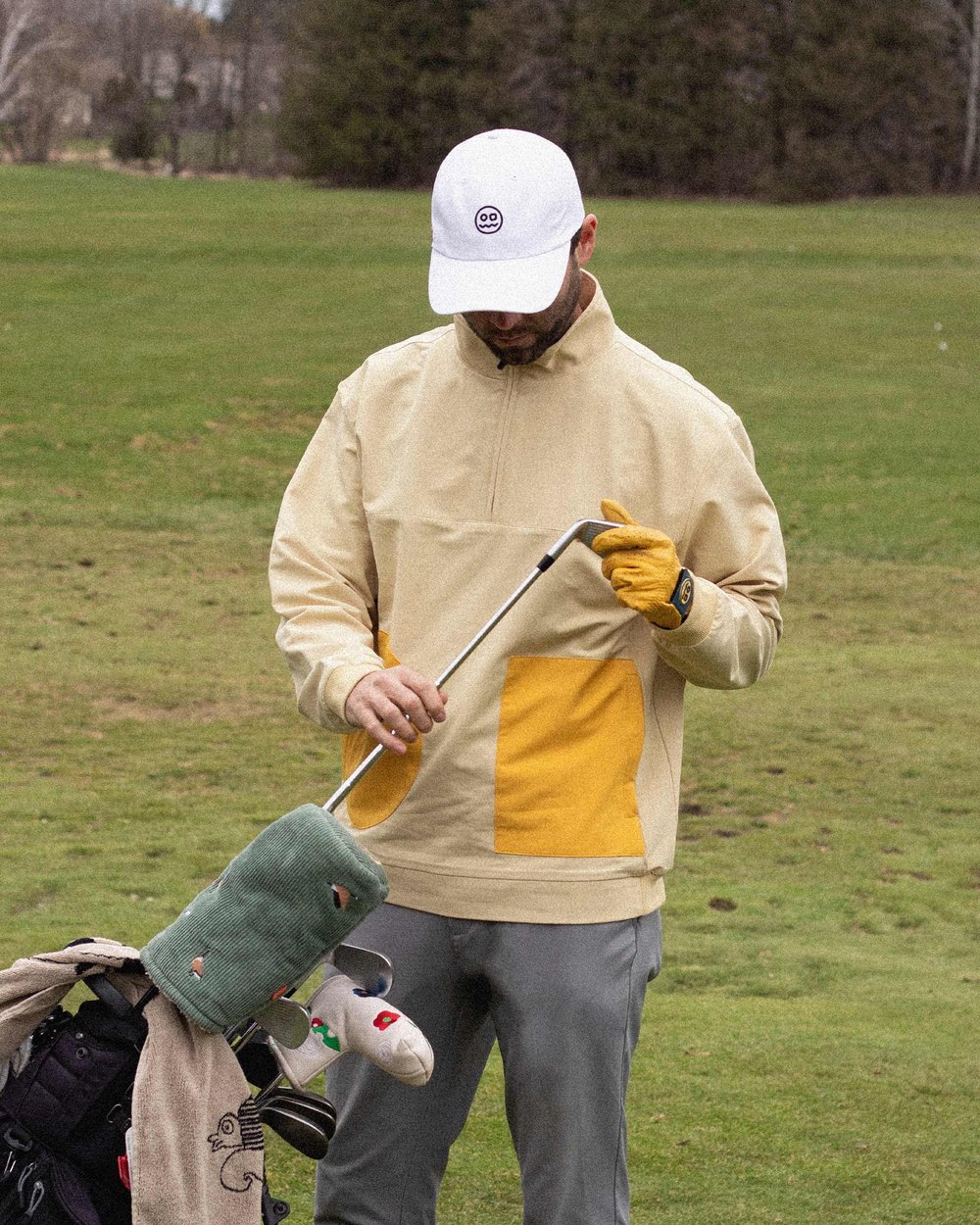
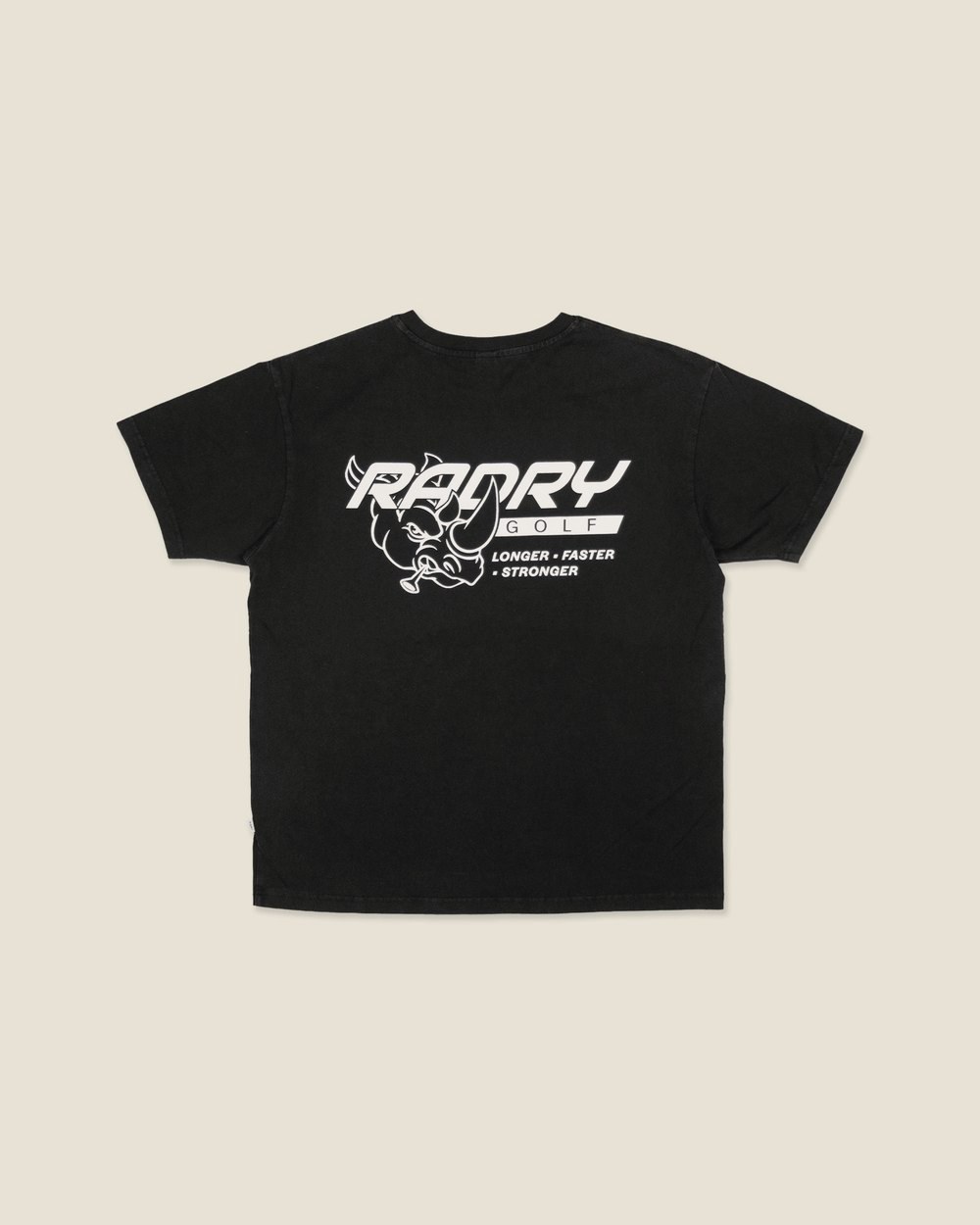
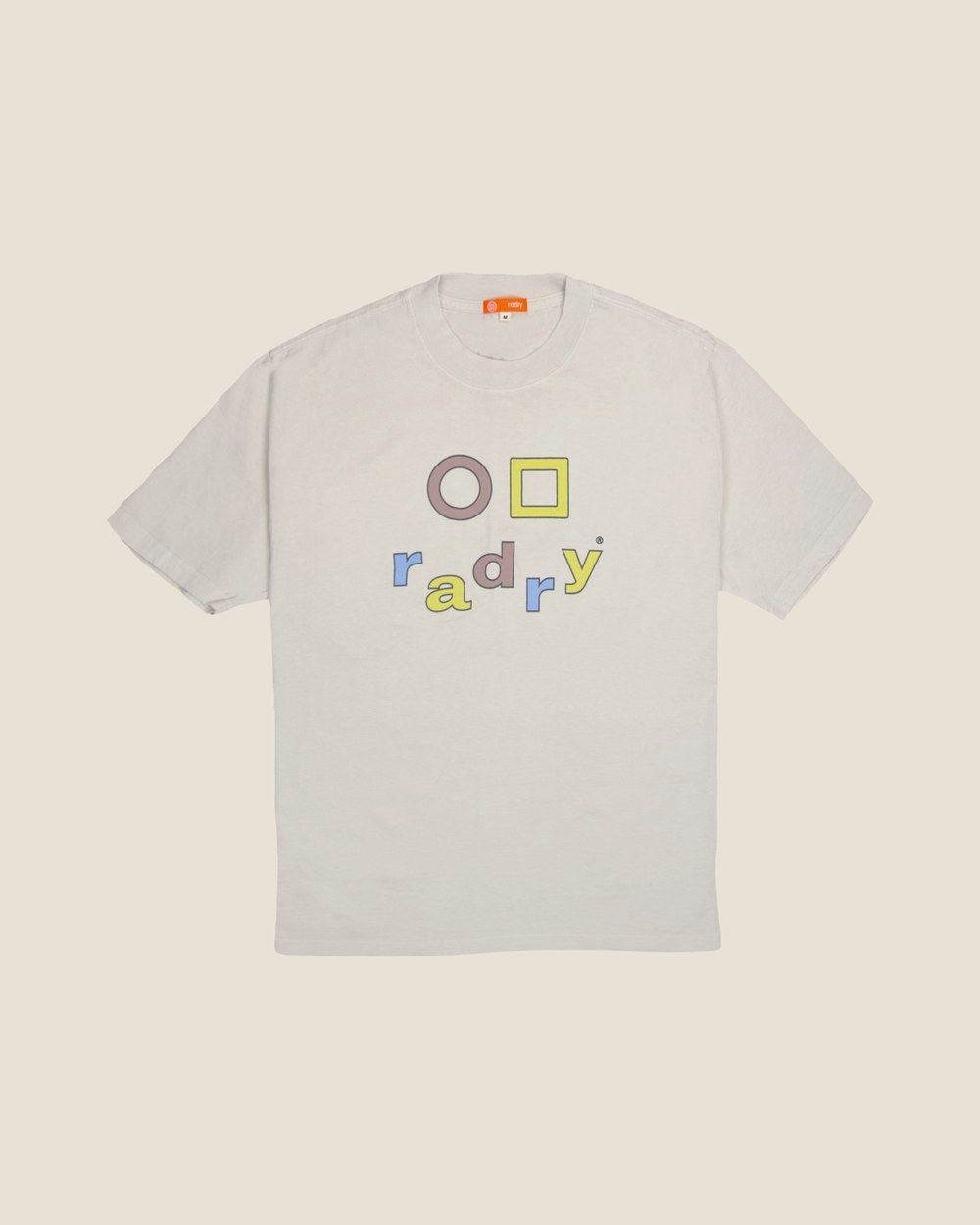
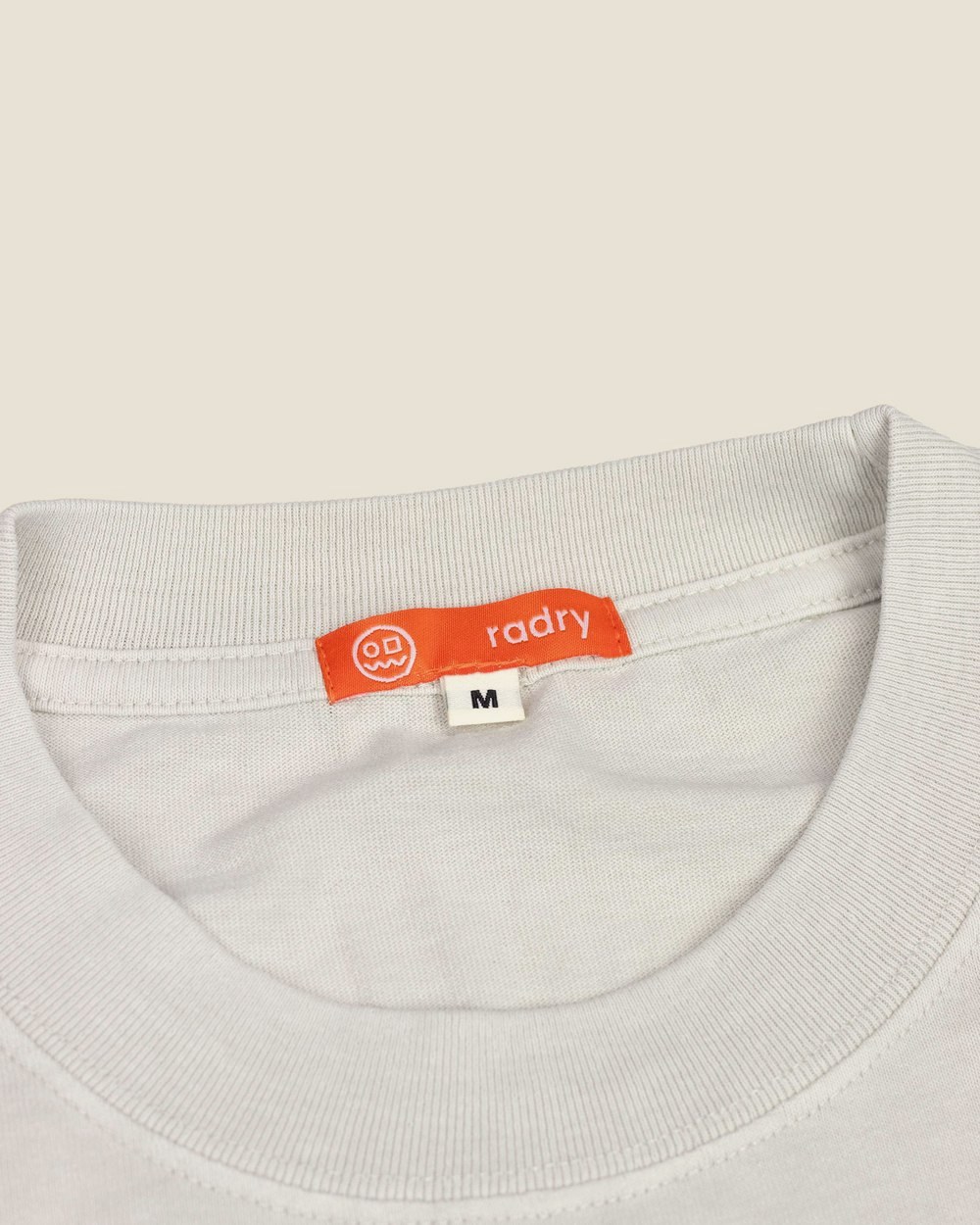
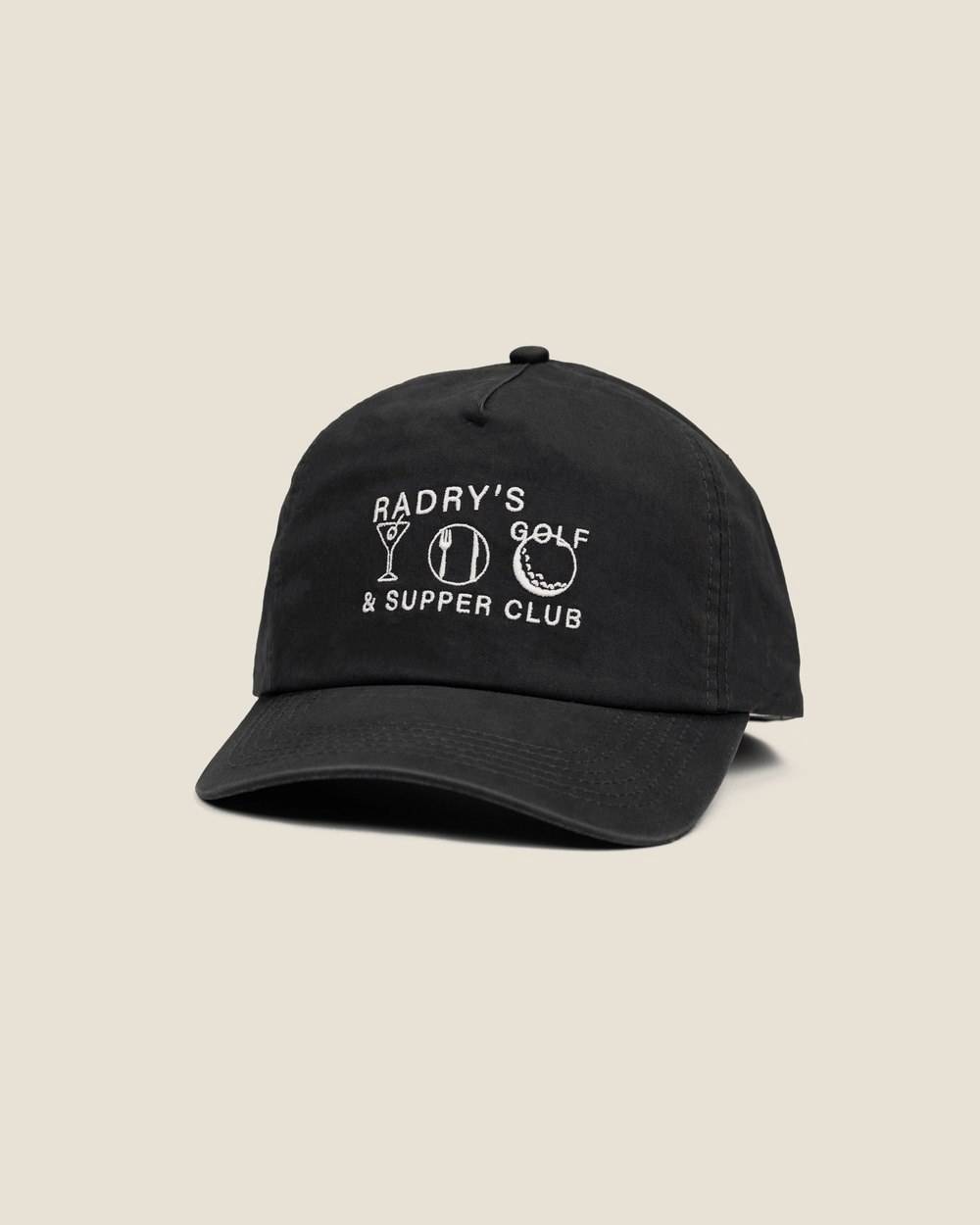
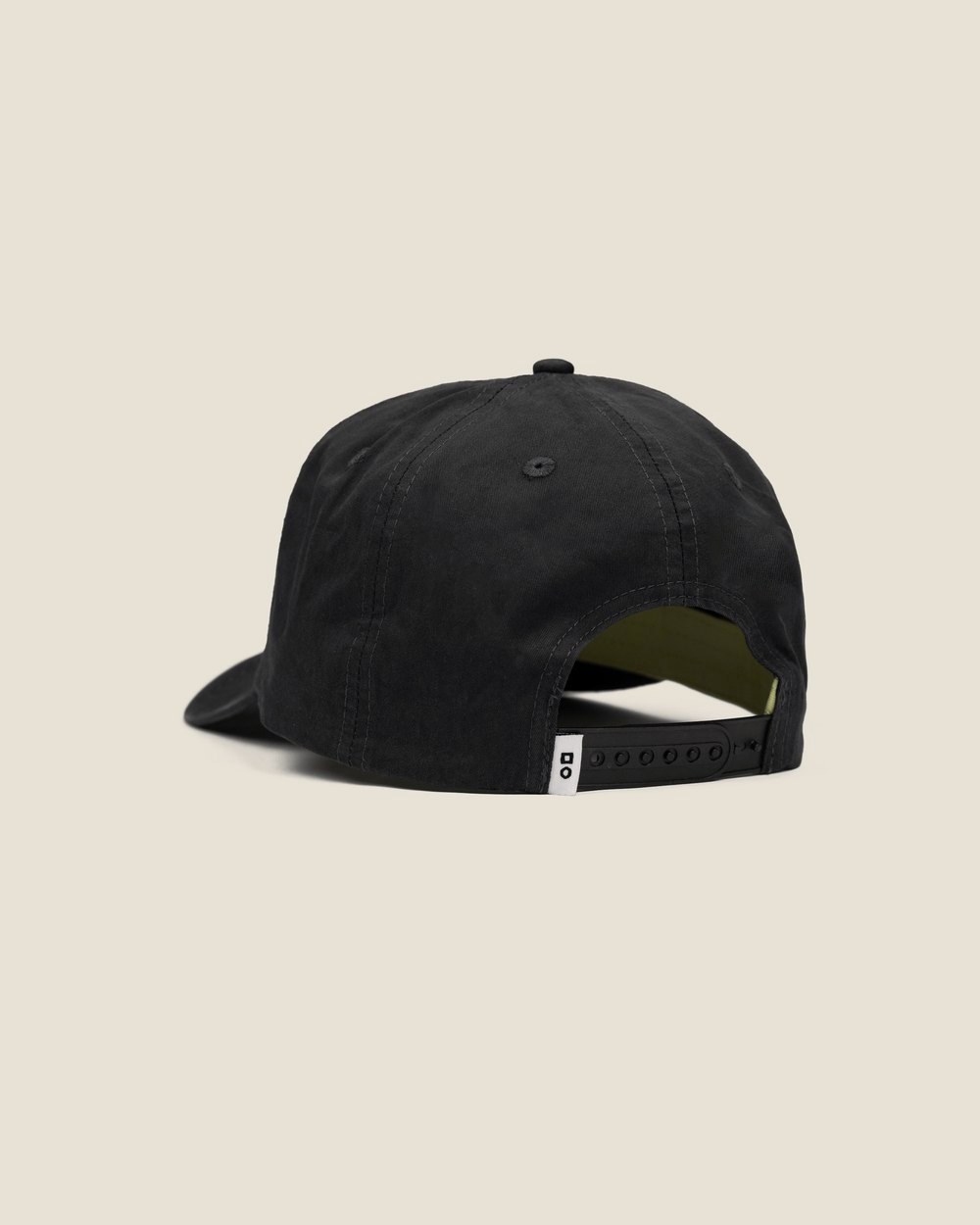
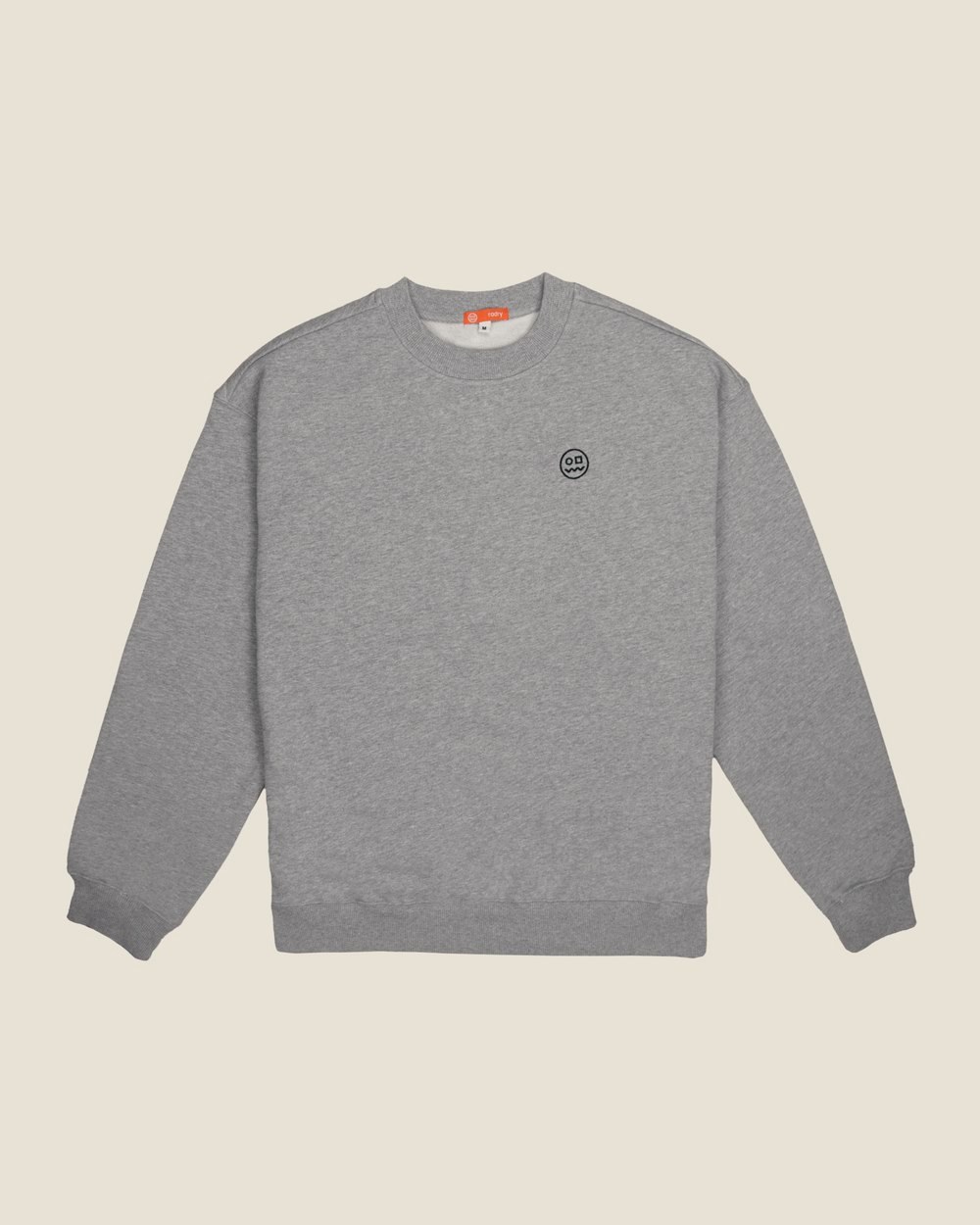
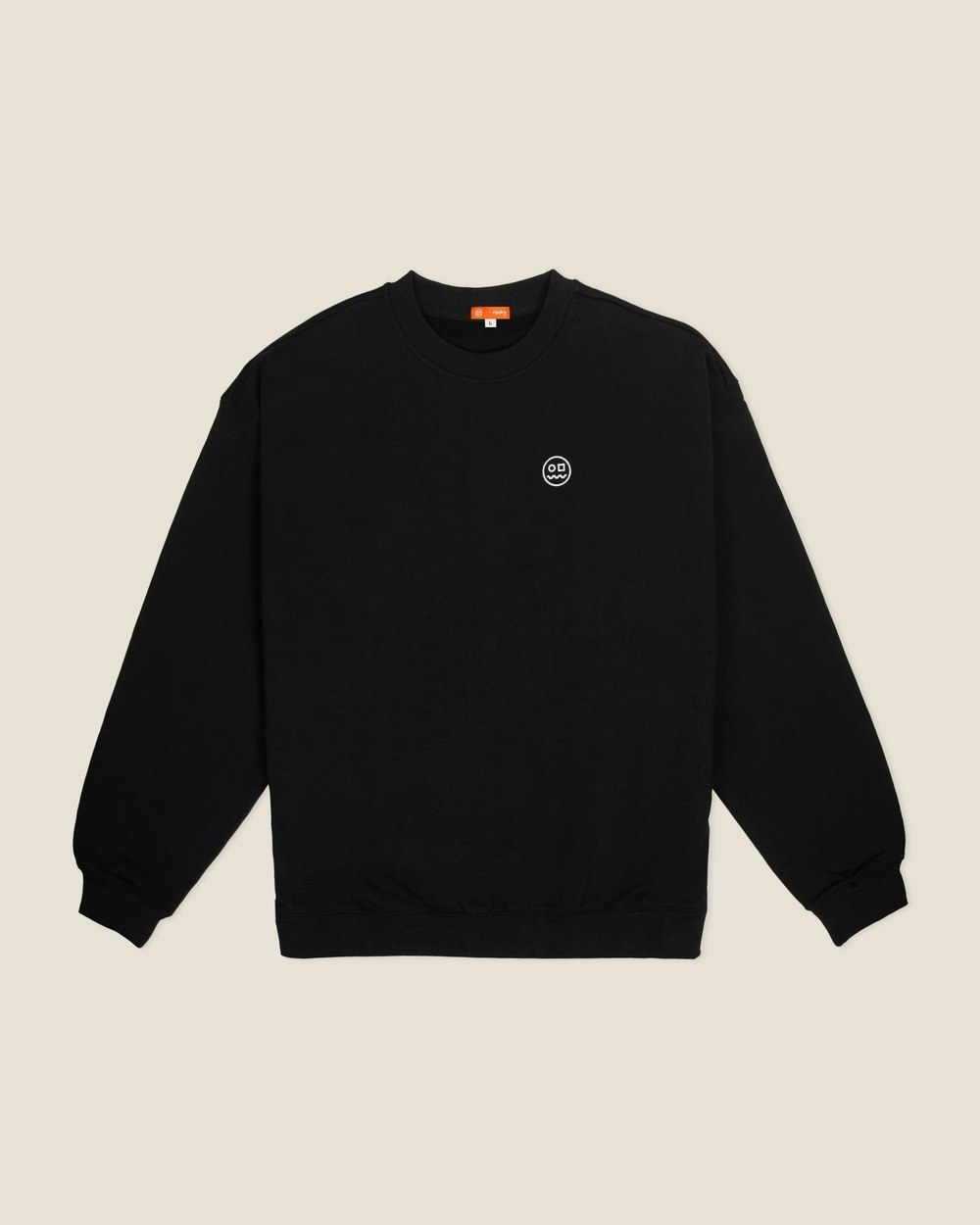
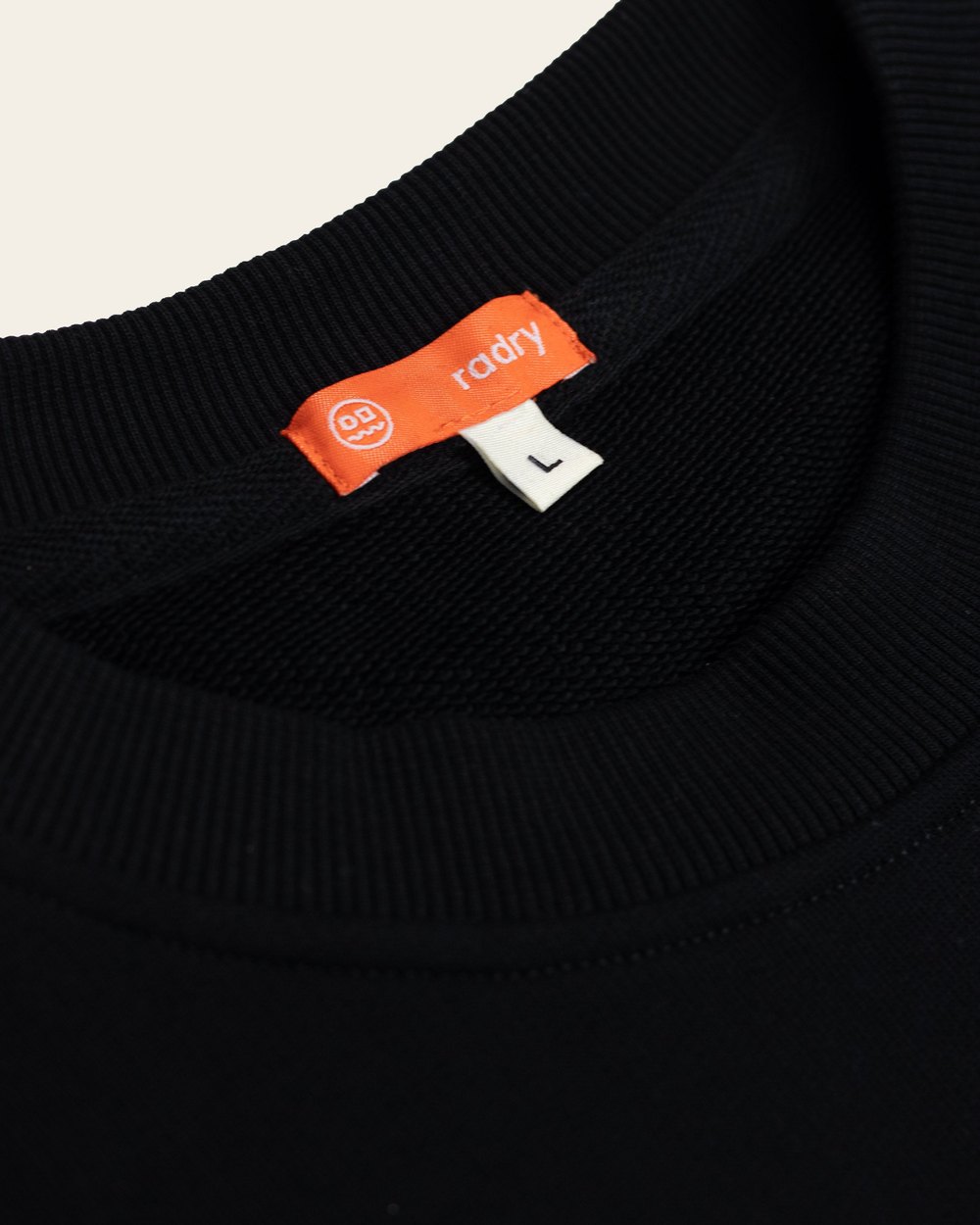
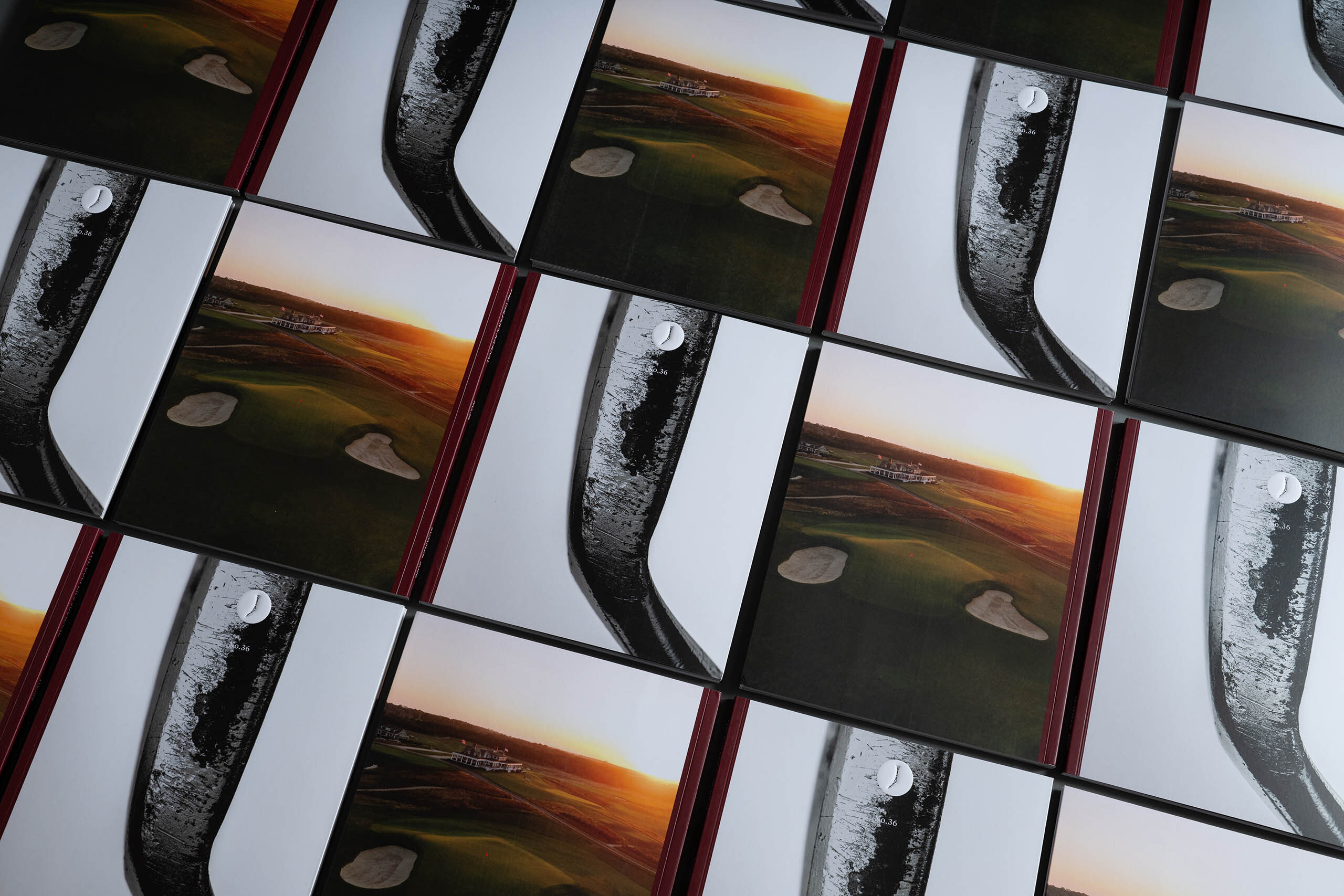
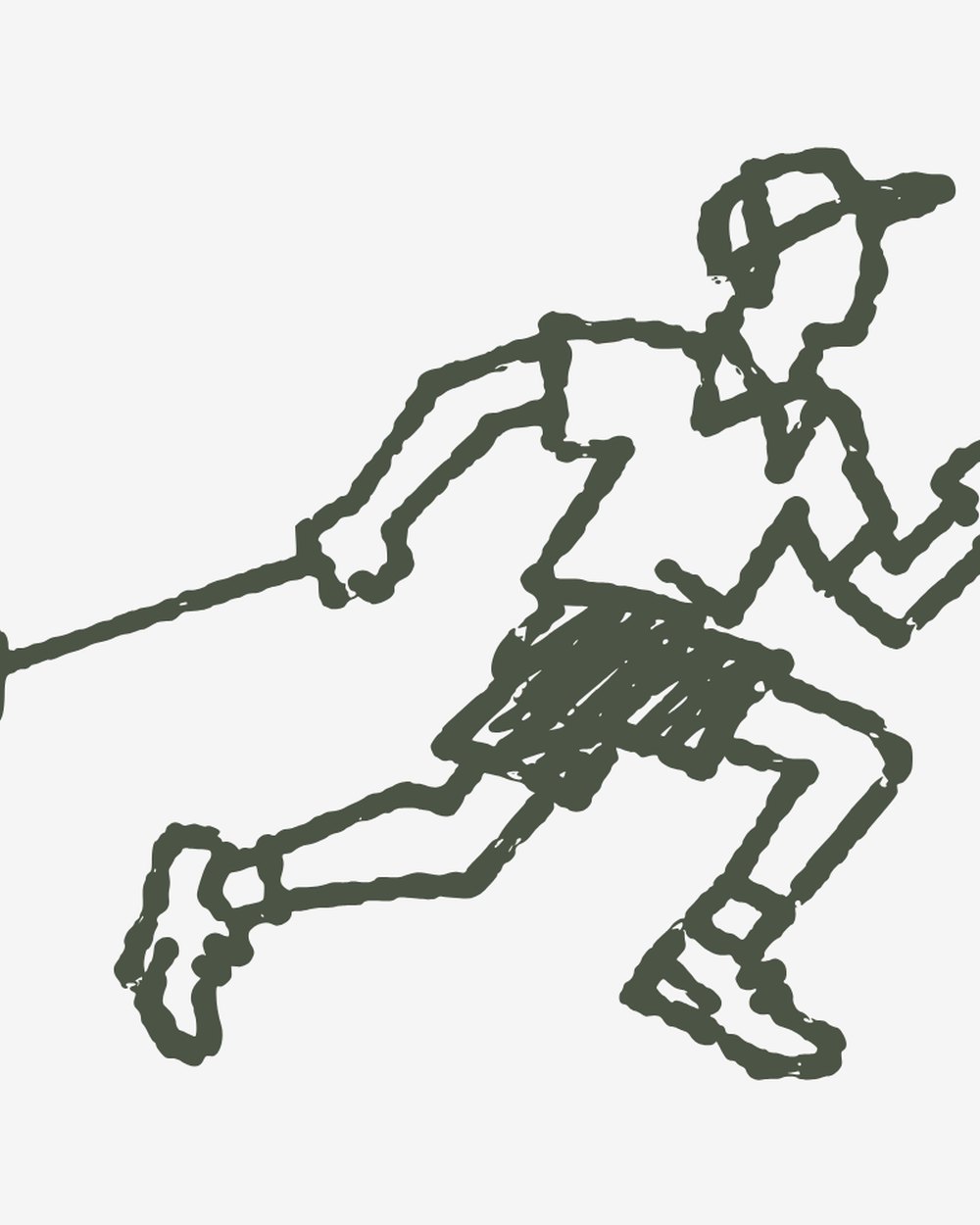
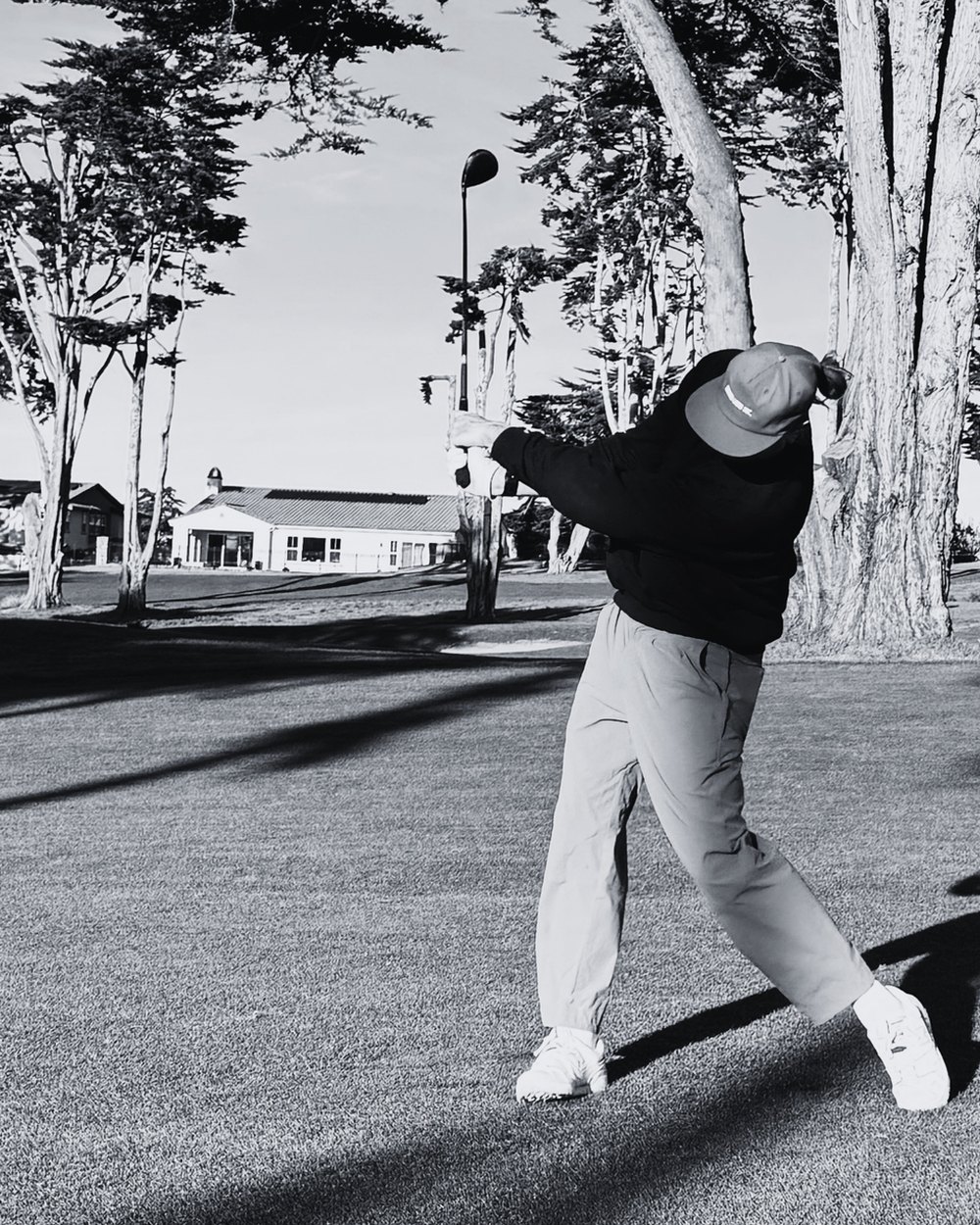
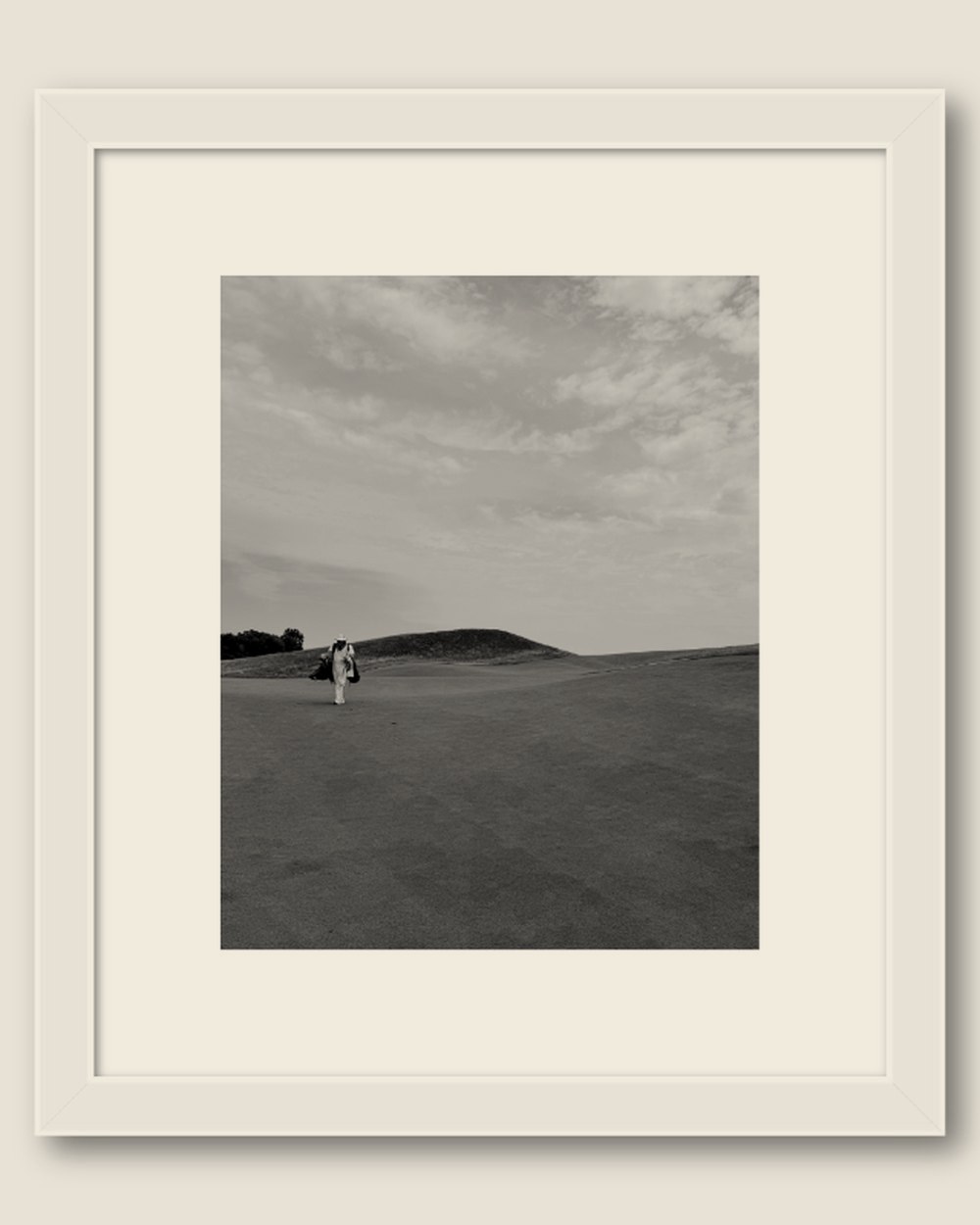
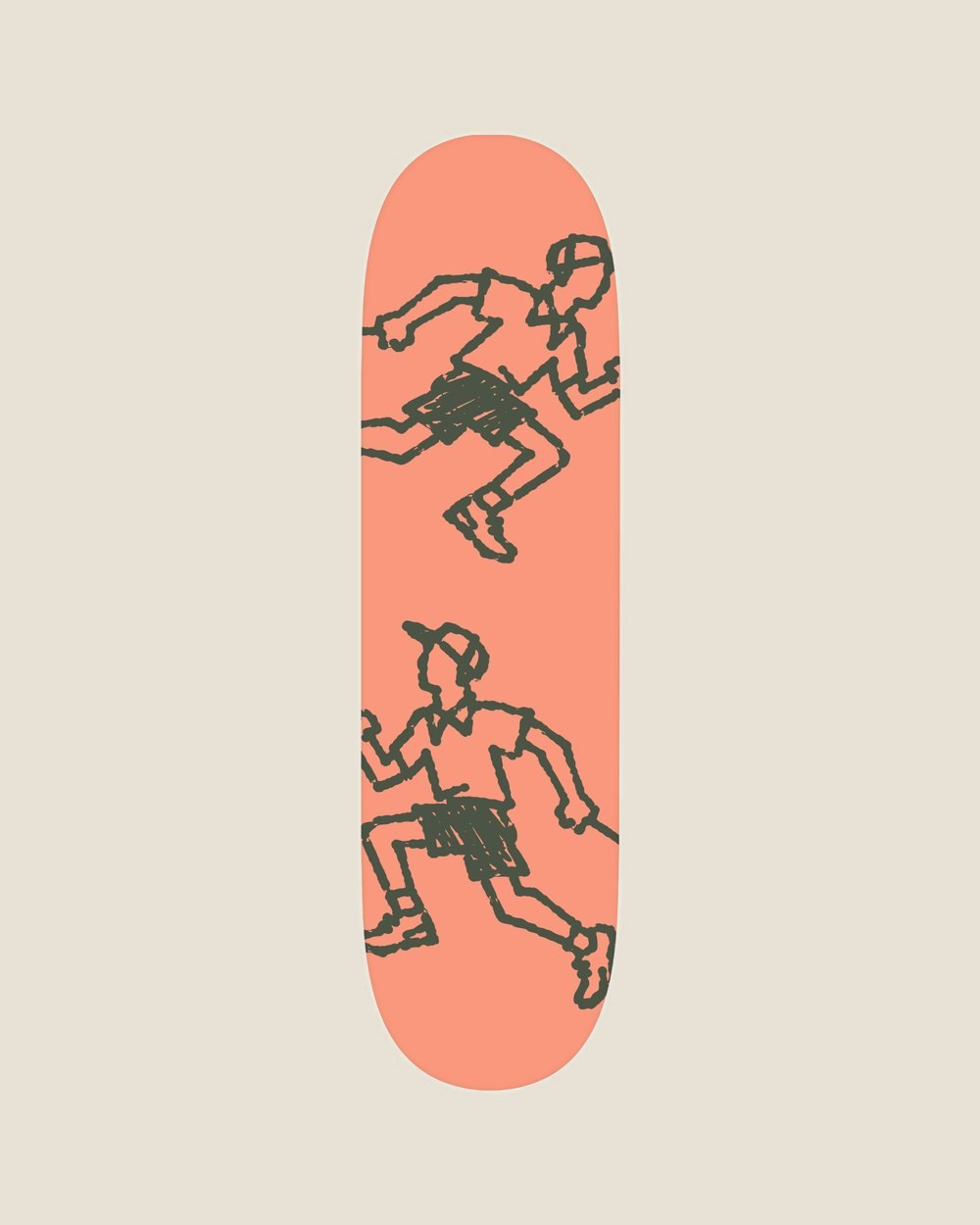
Spare line drawings, a skateboard deck and black-and-white course photos from its Public 100 Project make Hidden Links feel like a field journal. Its idea of golf: “no memberships, no private gates, no invitations required.”
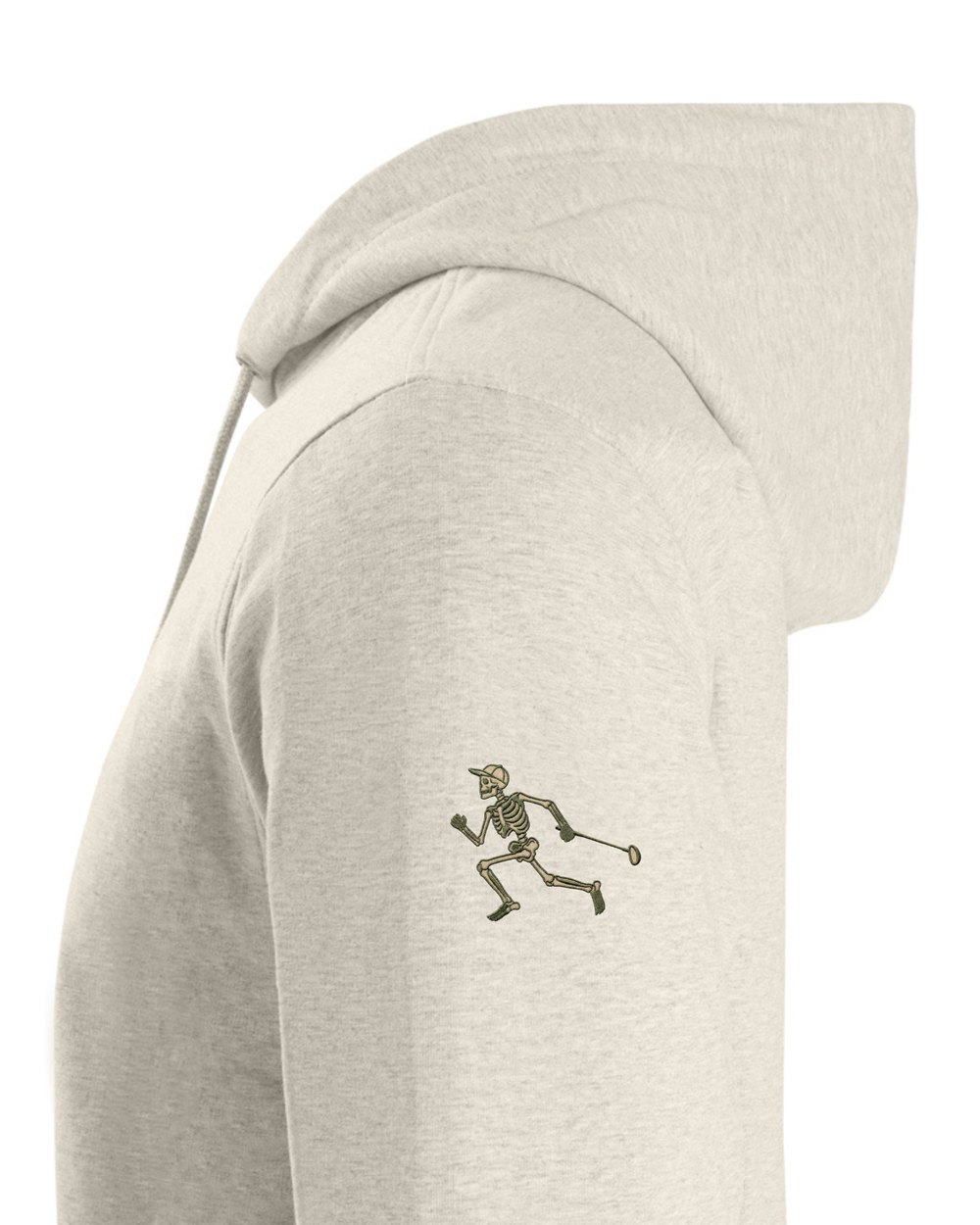
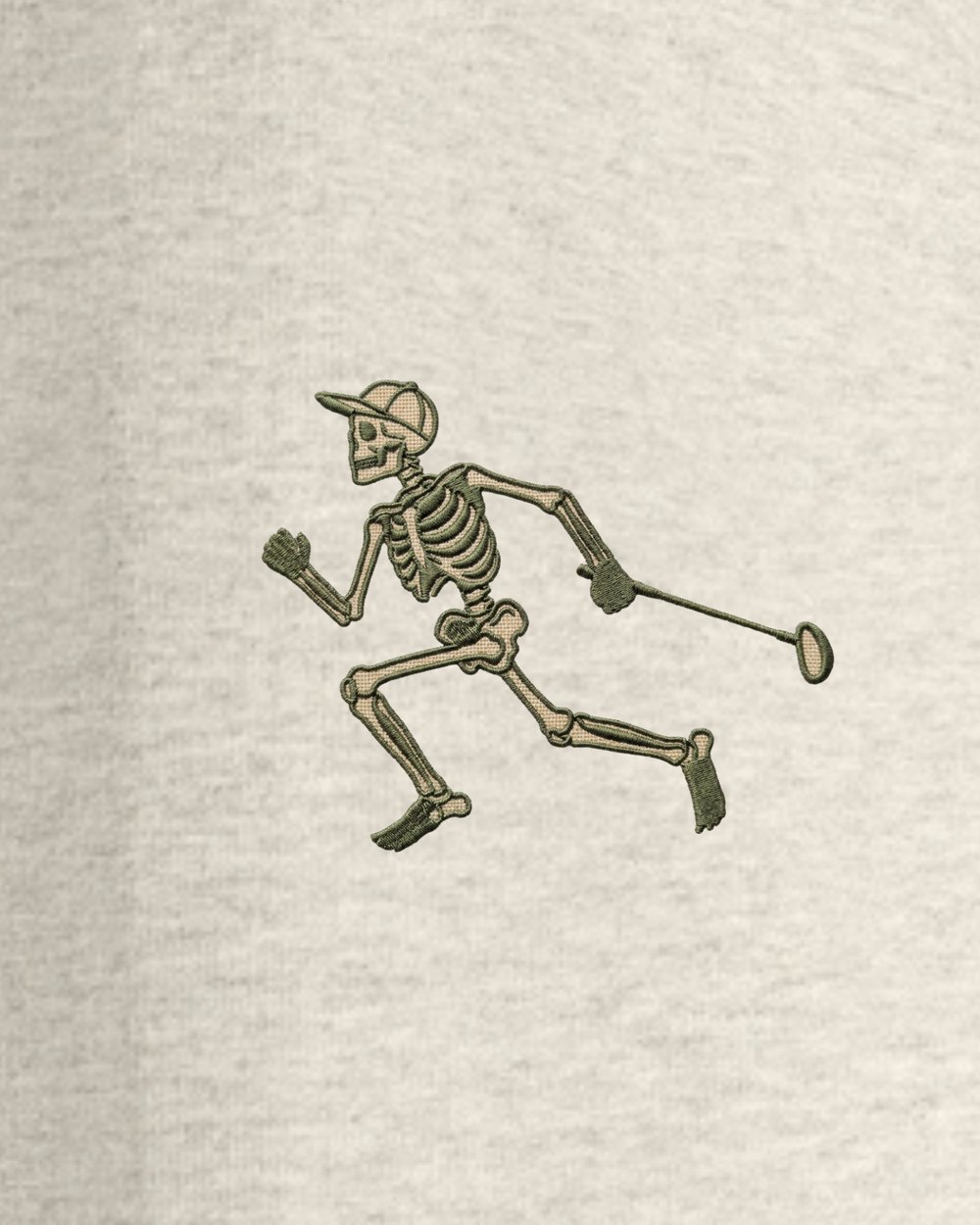
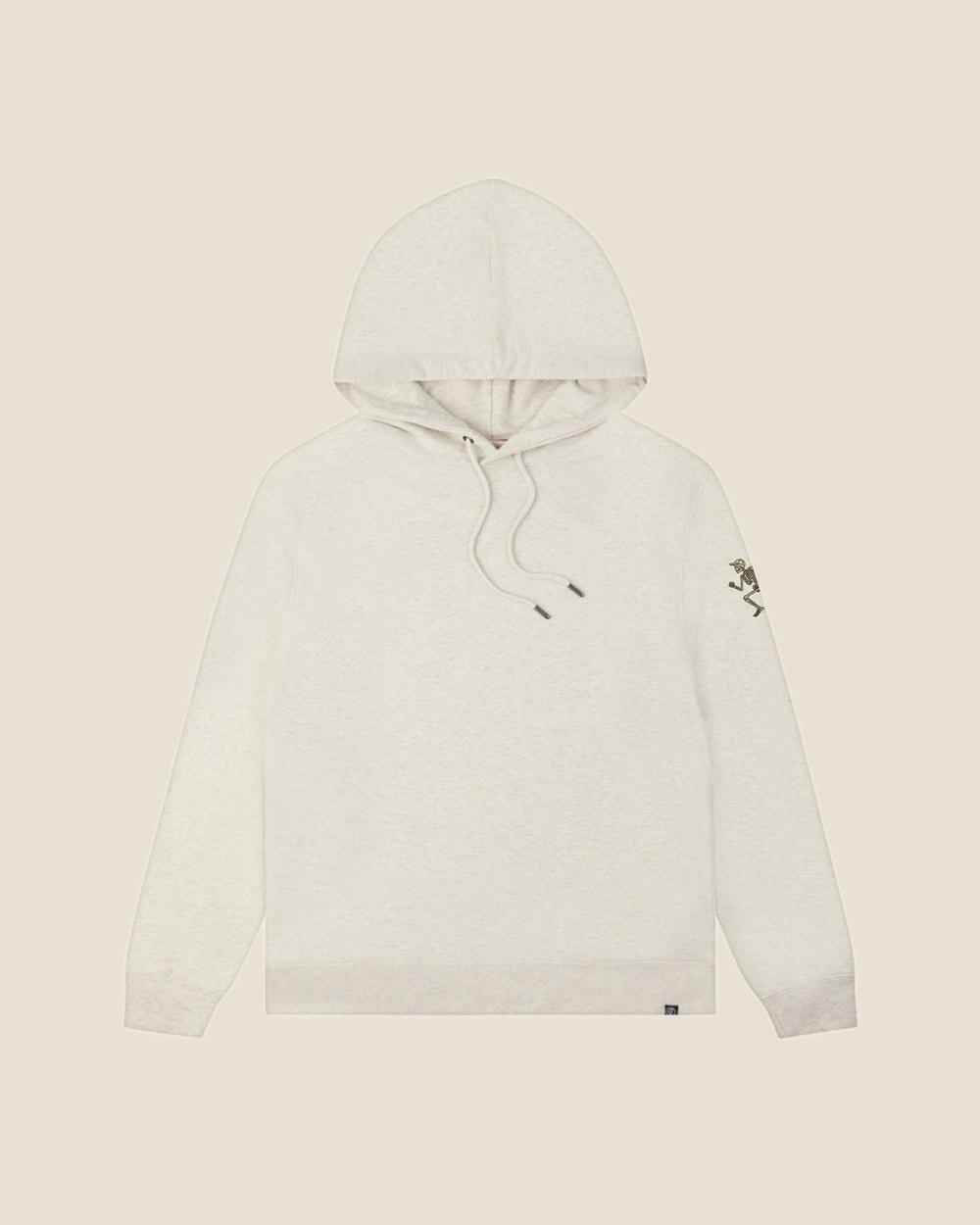
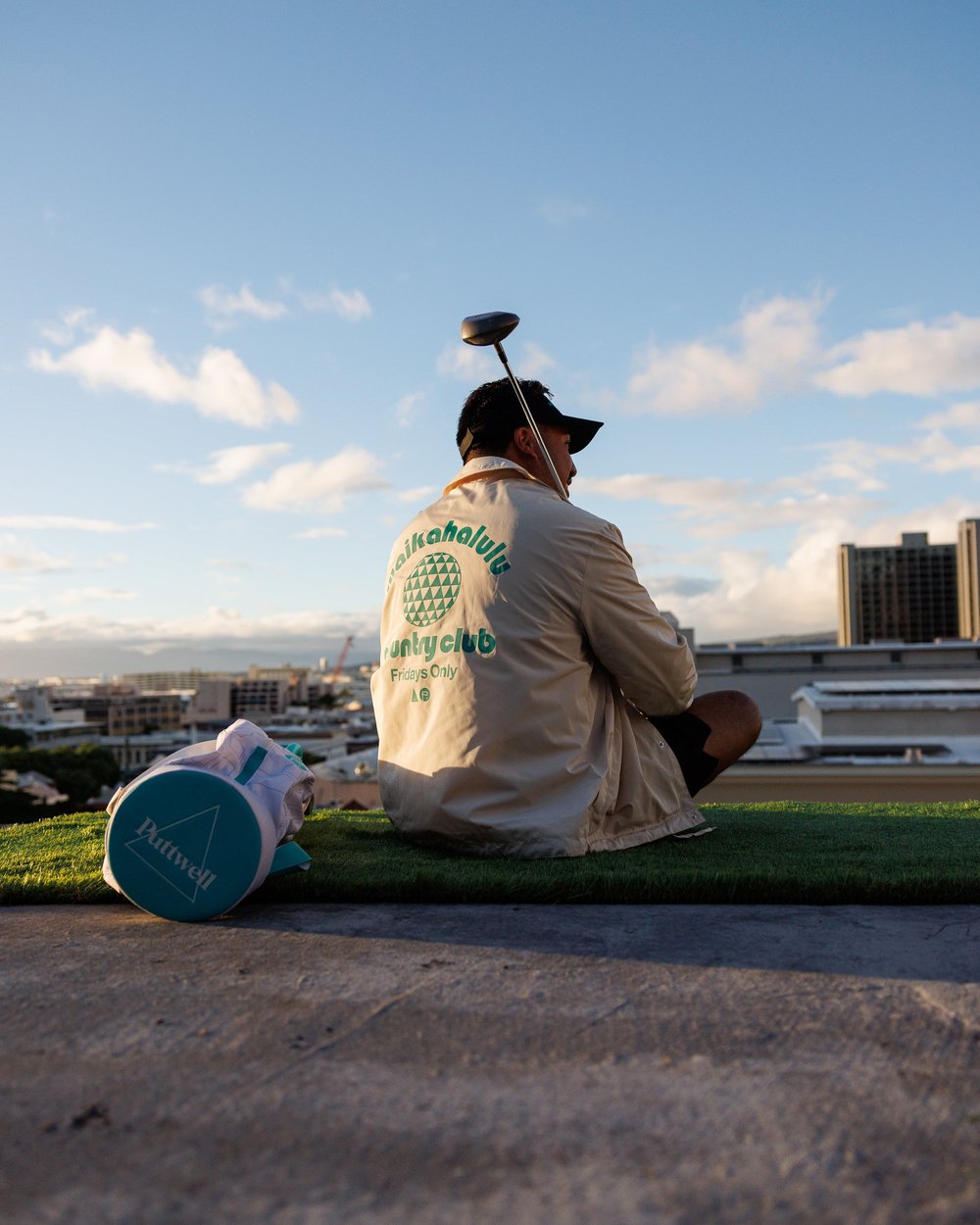
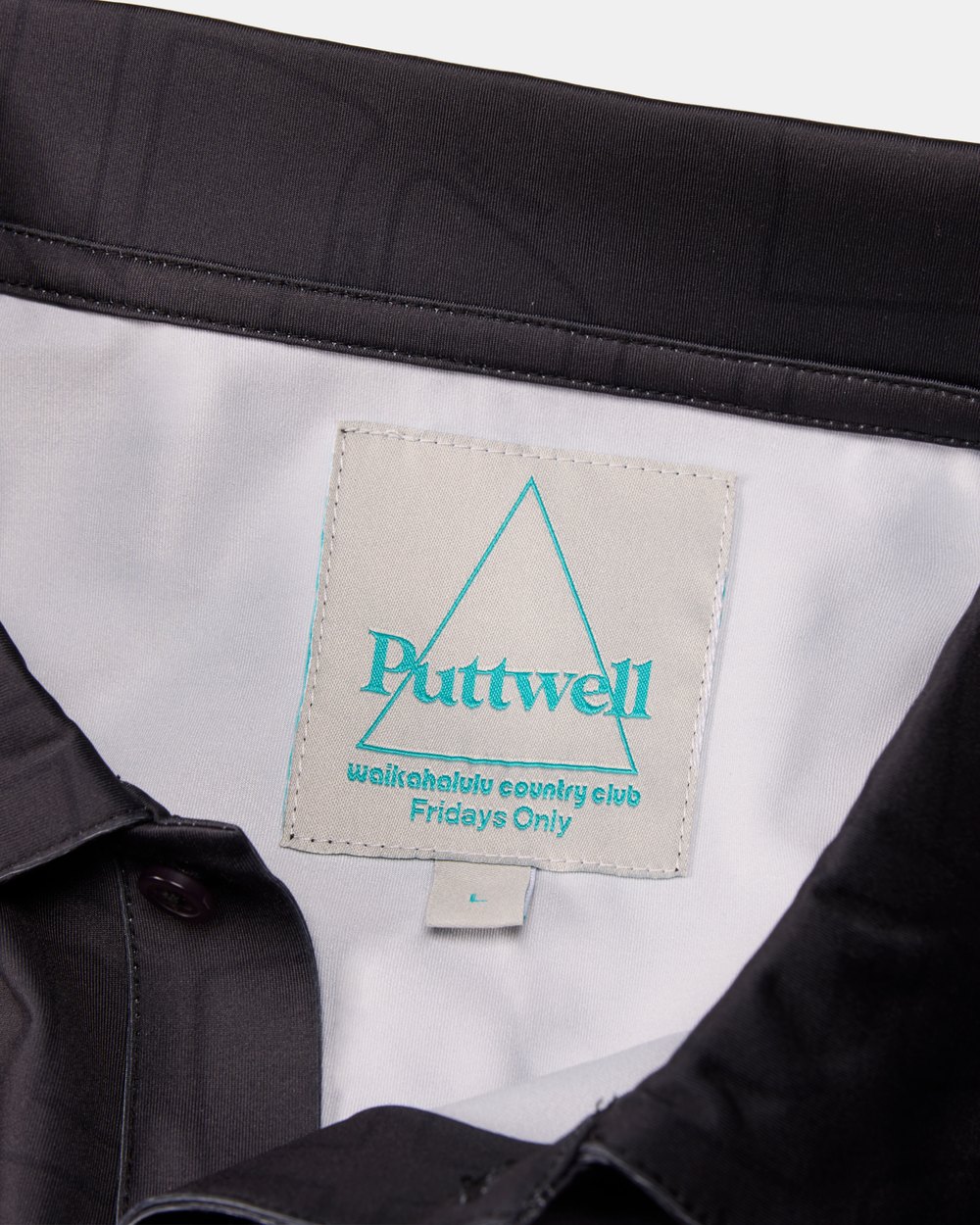
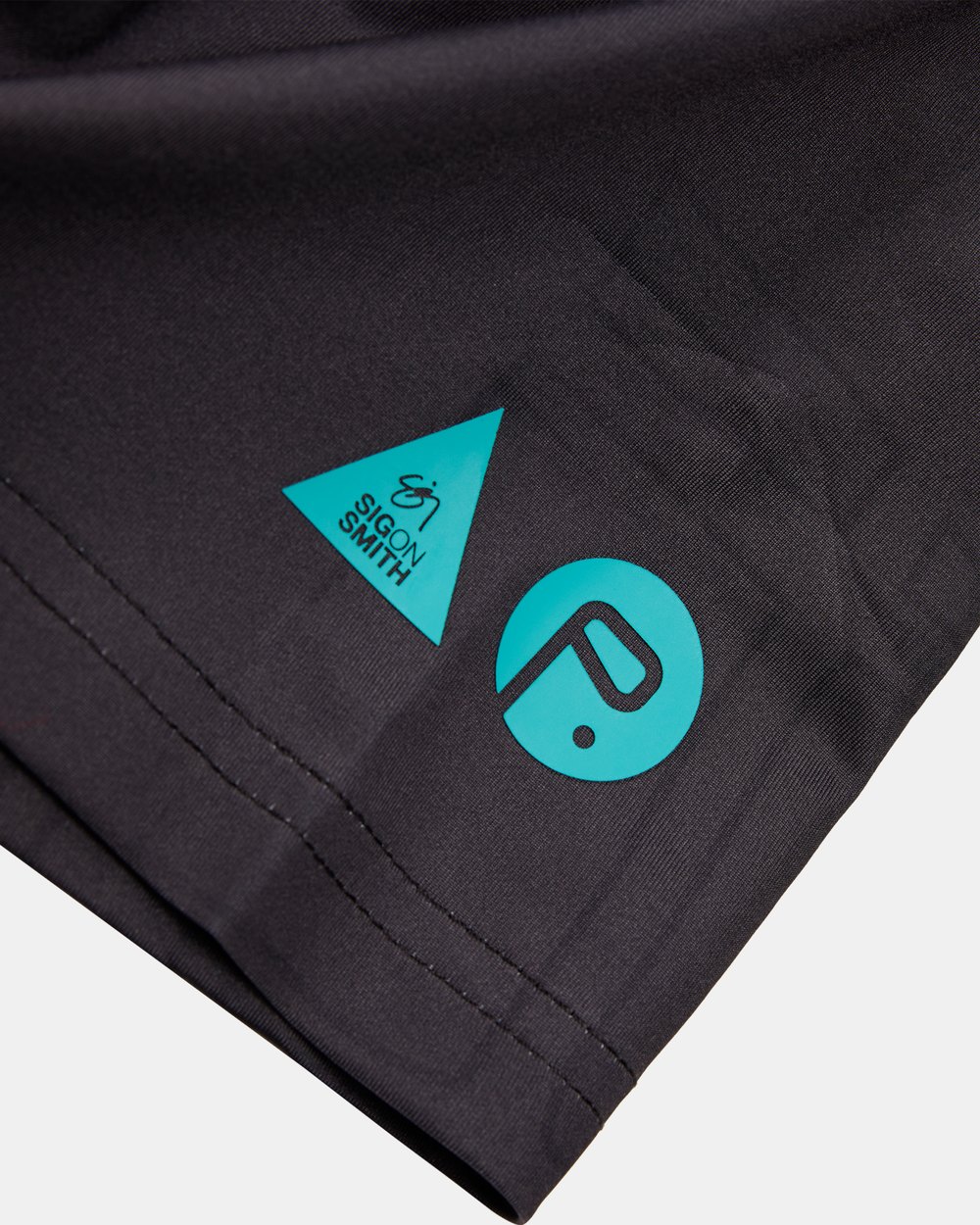
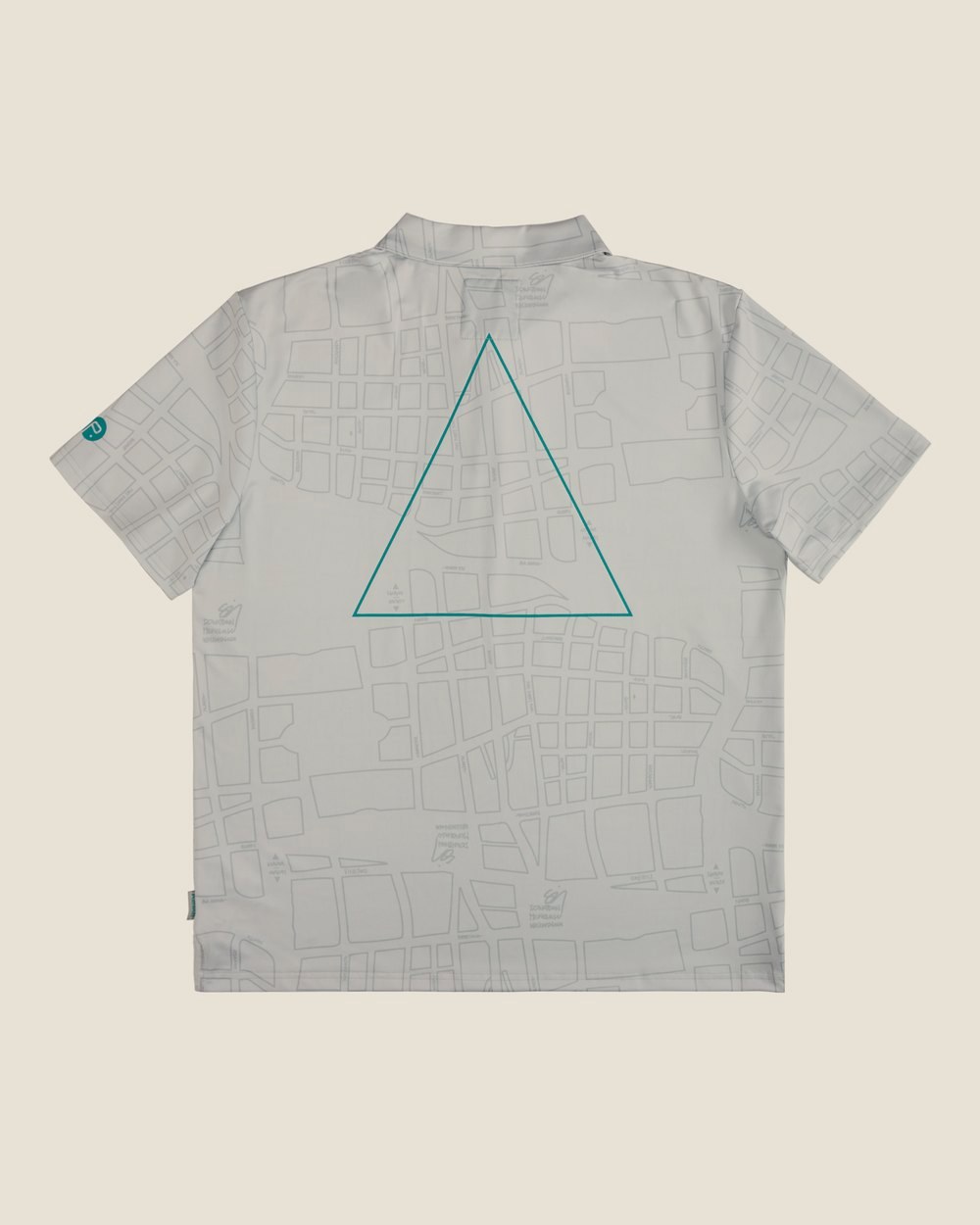
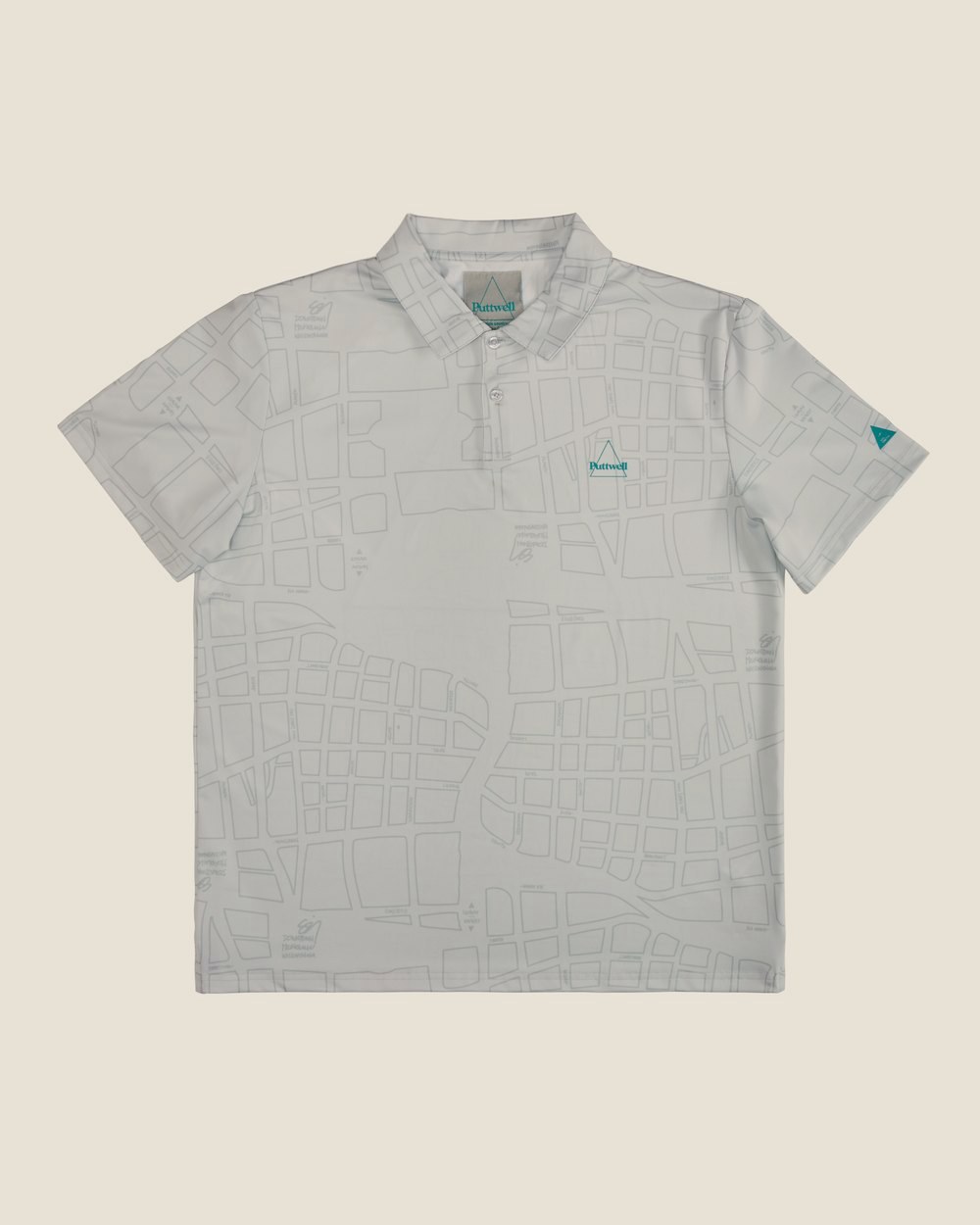
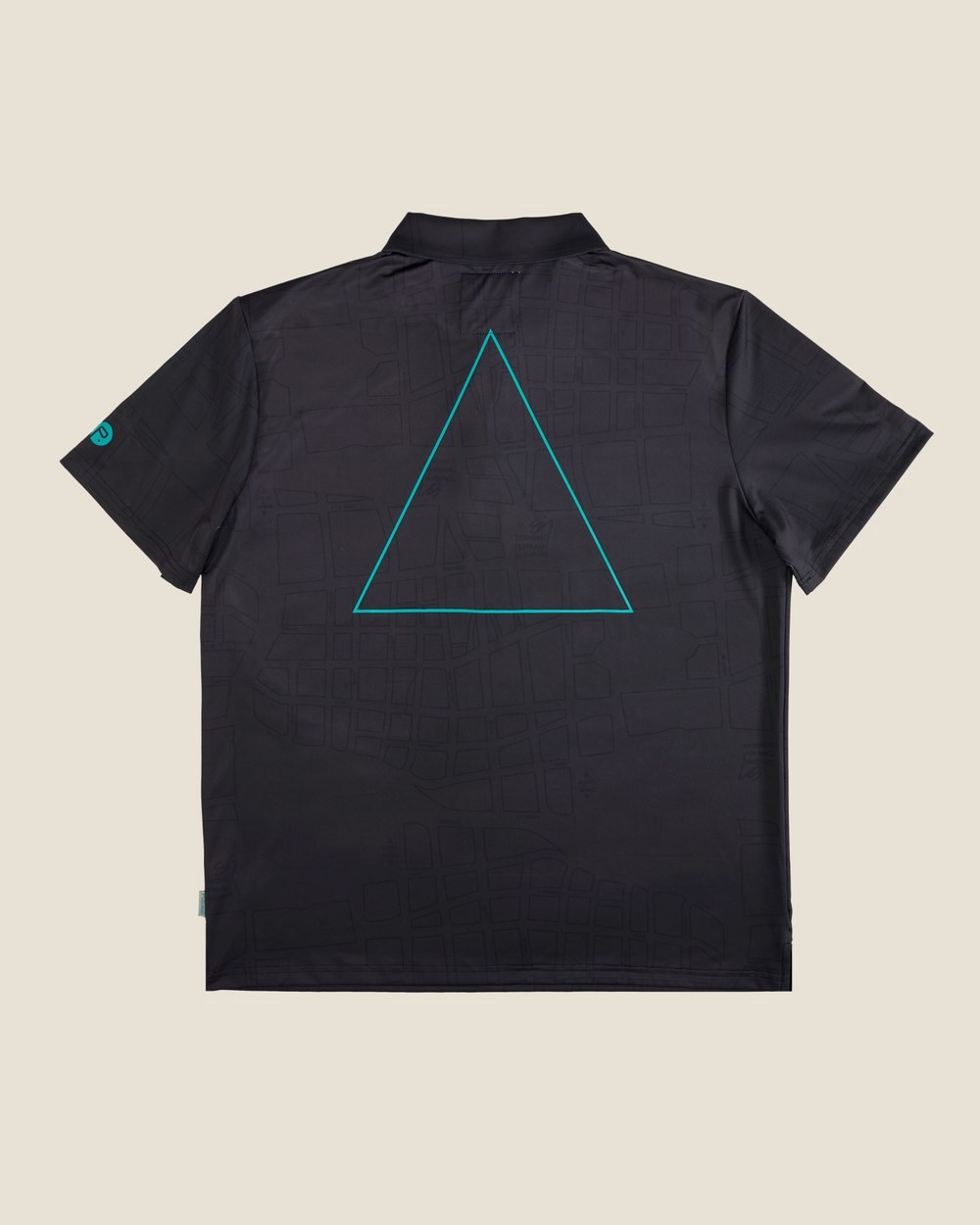
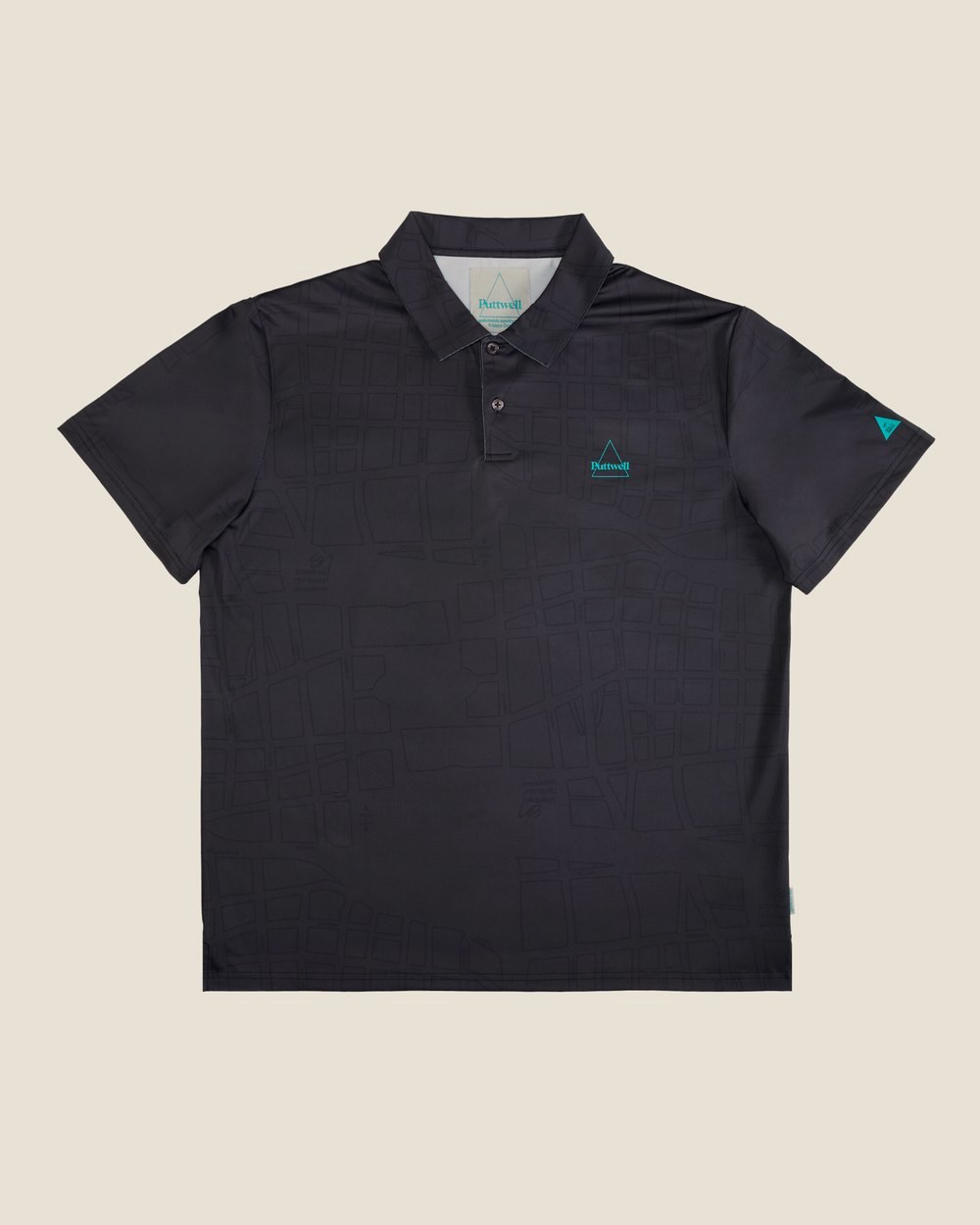
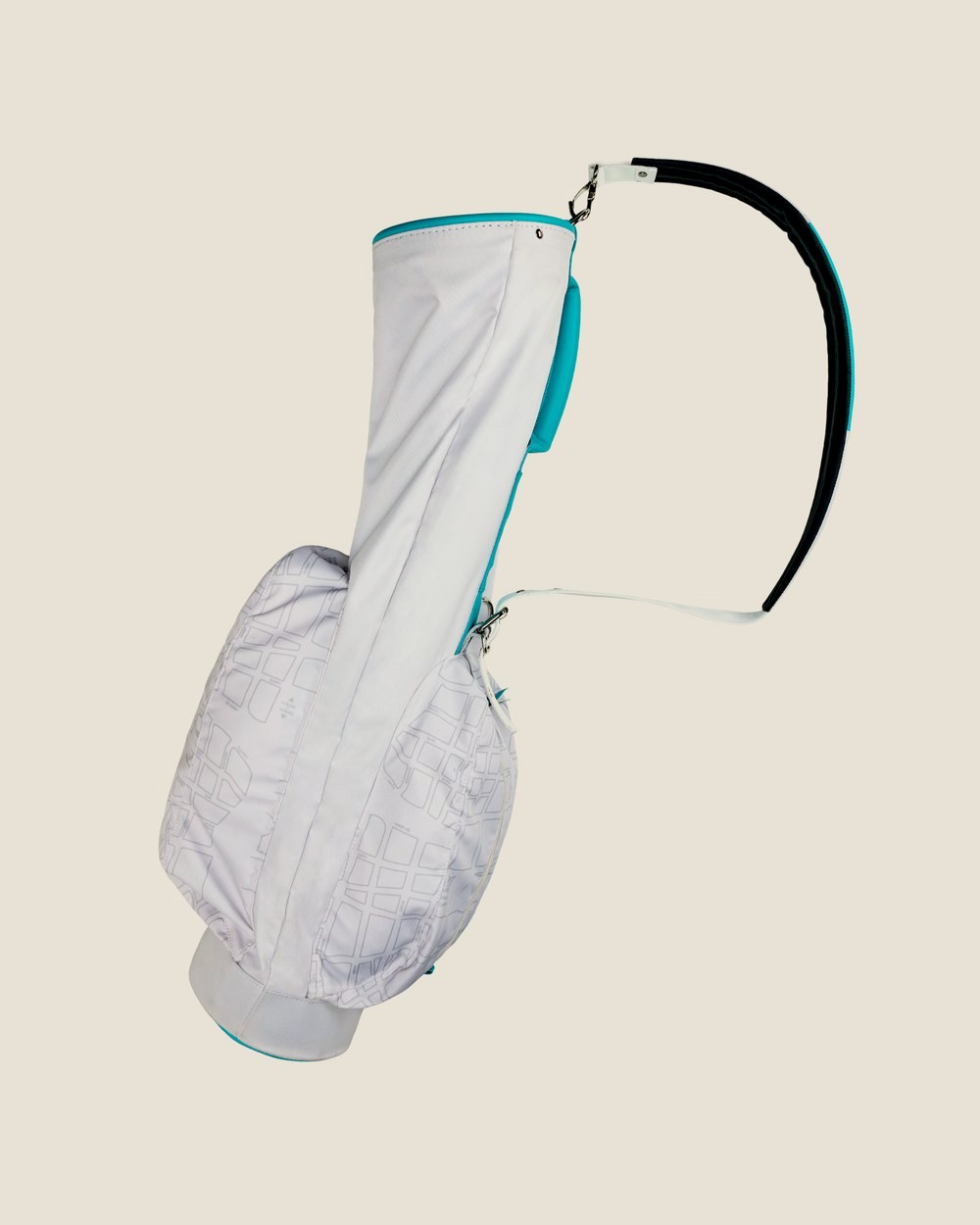
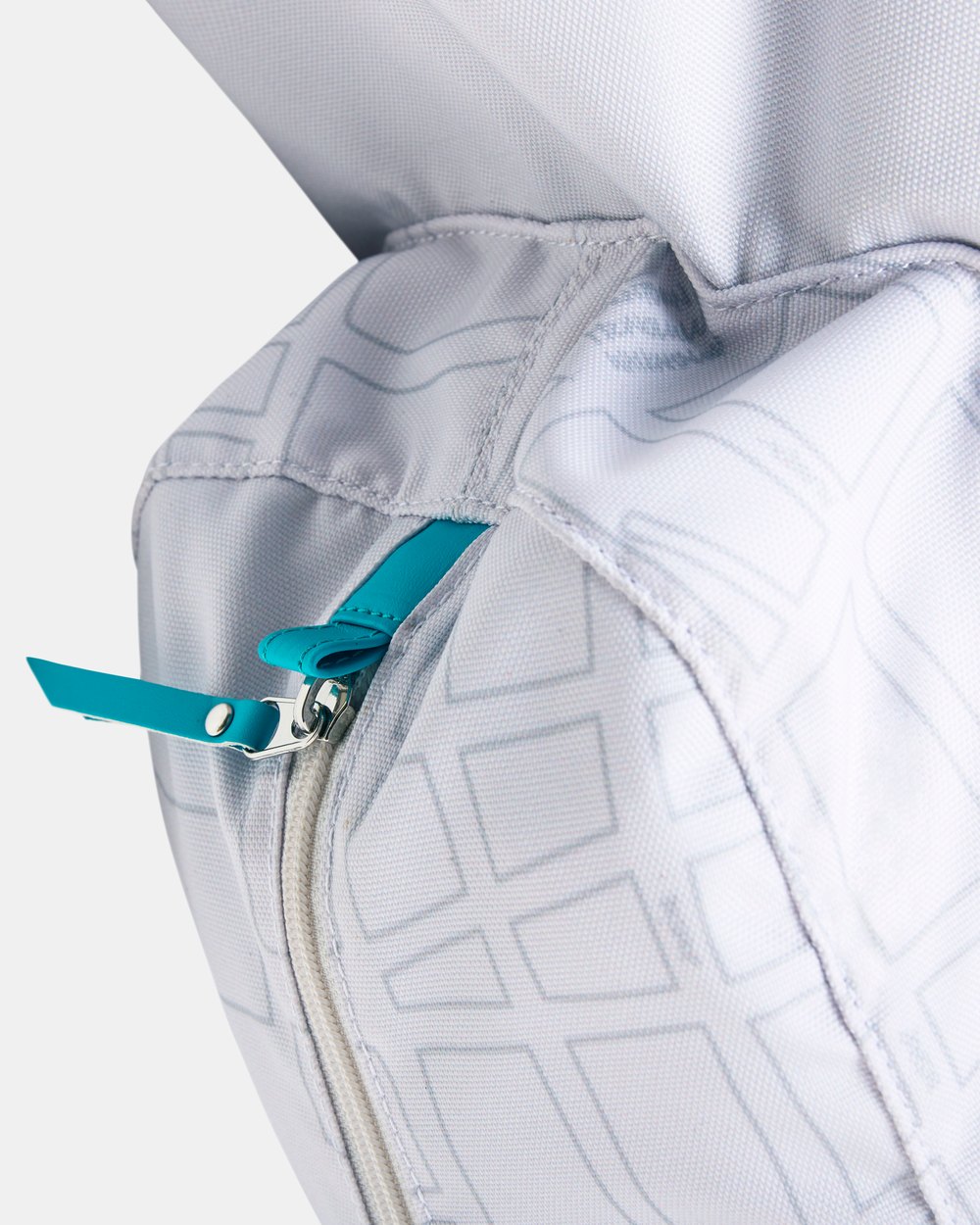
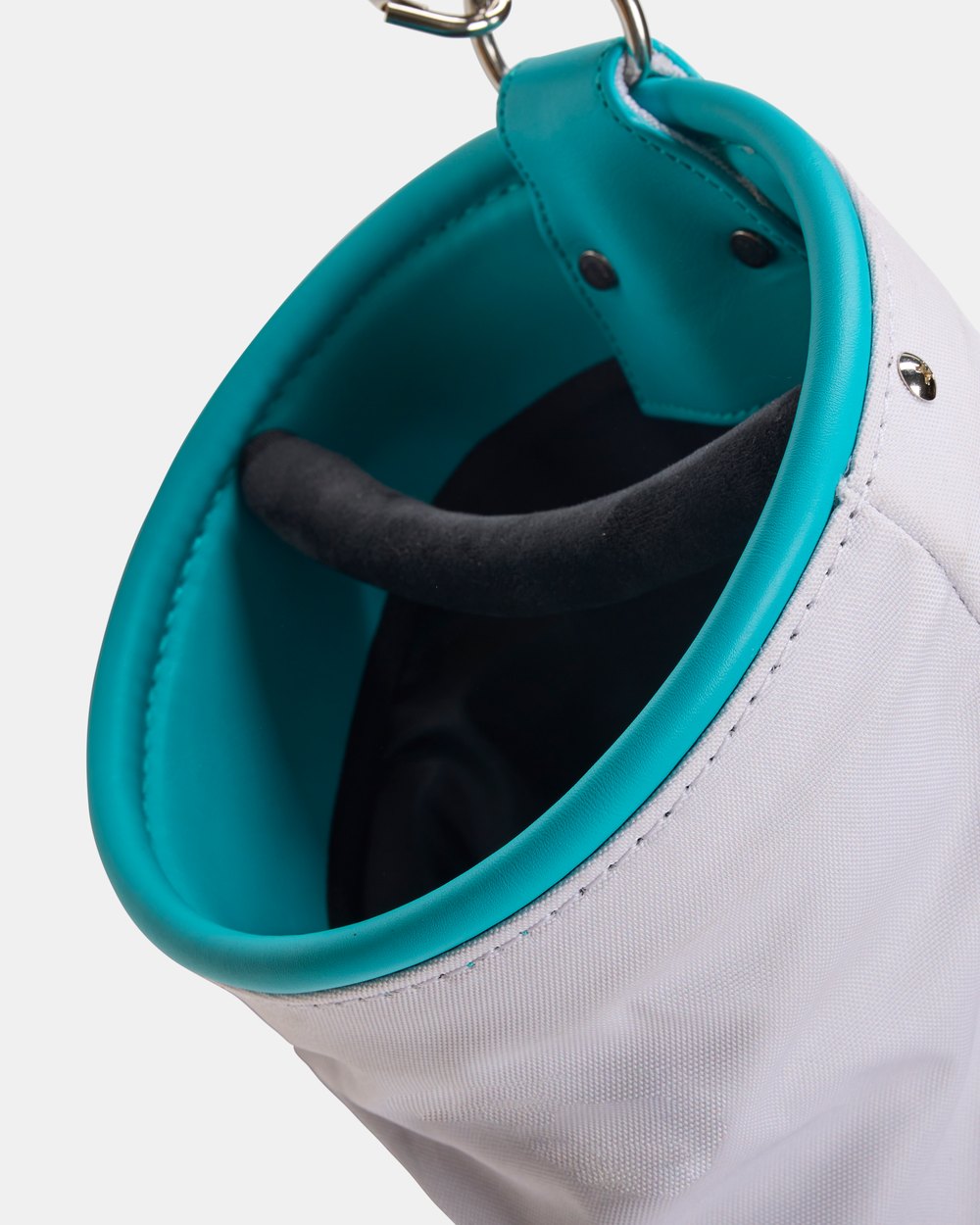
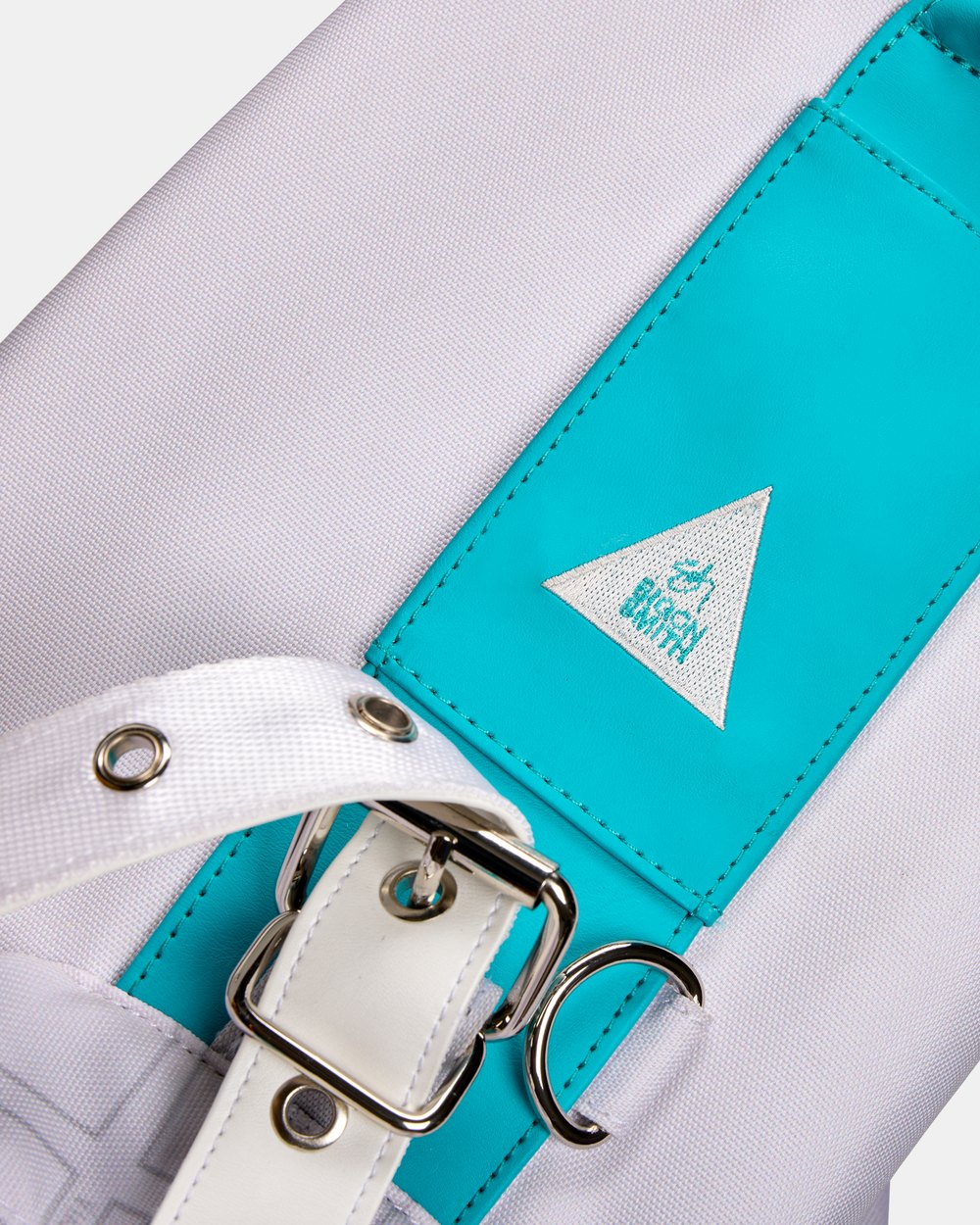
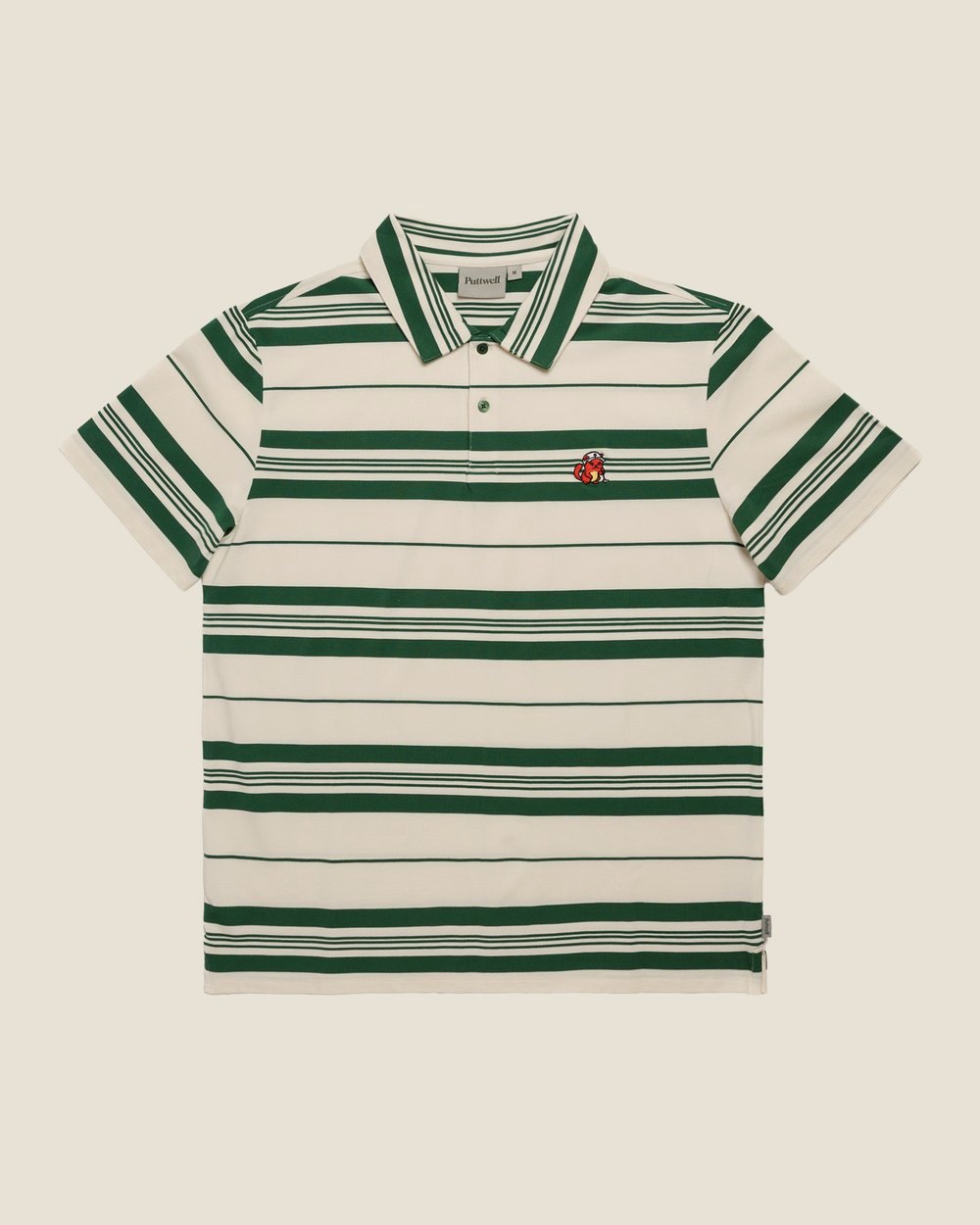
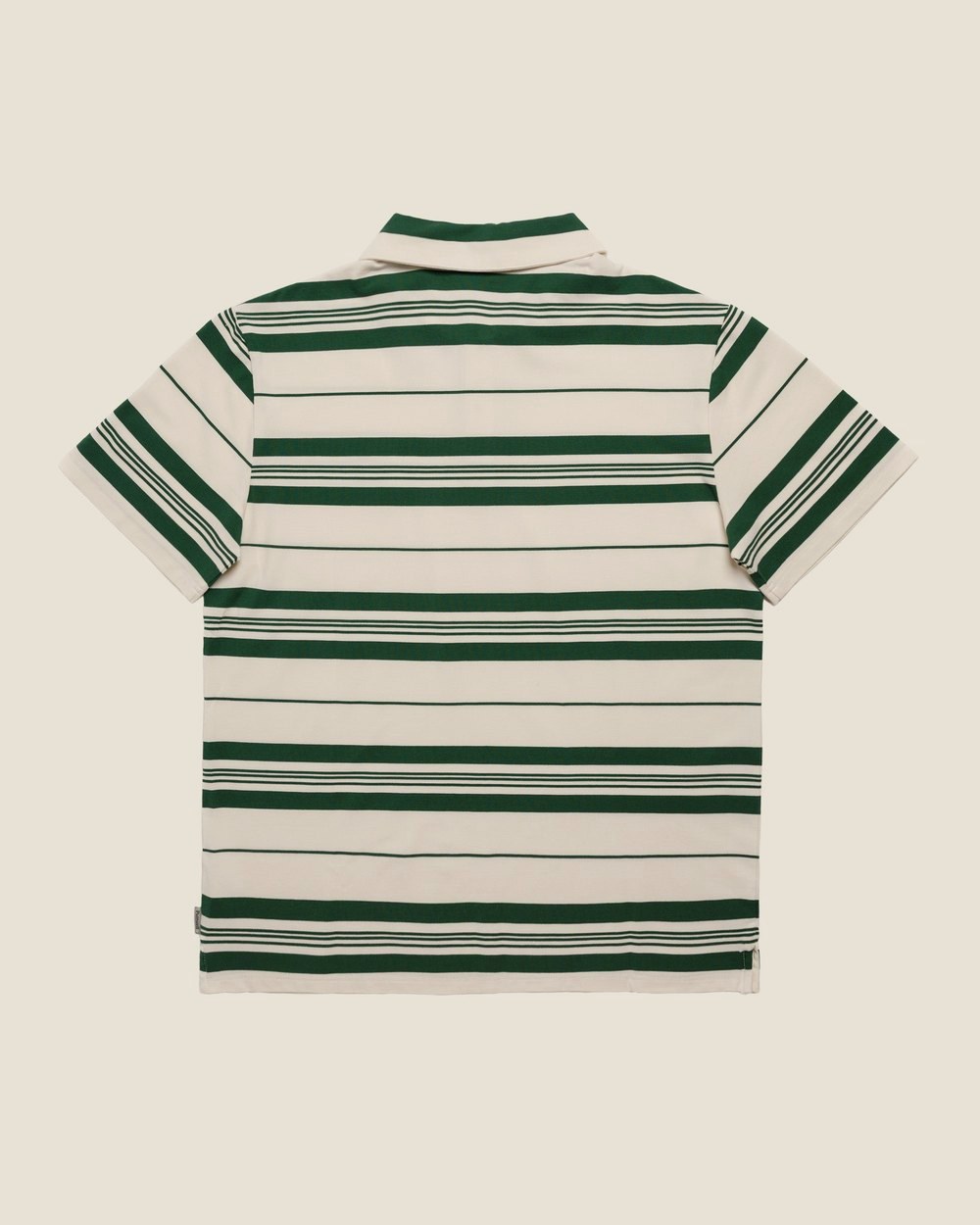
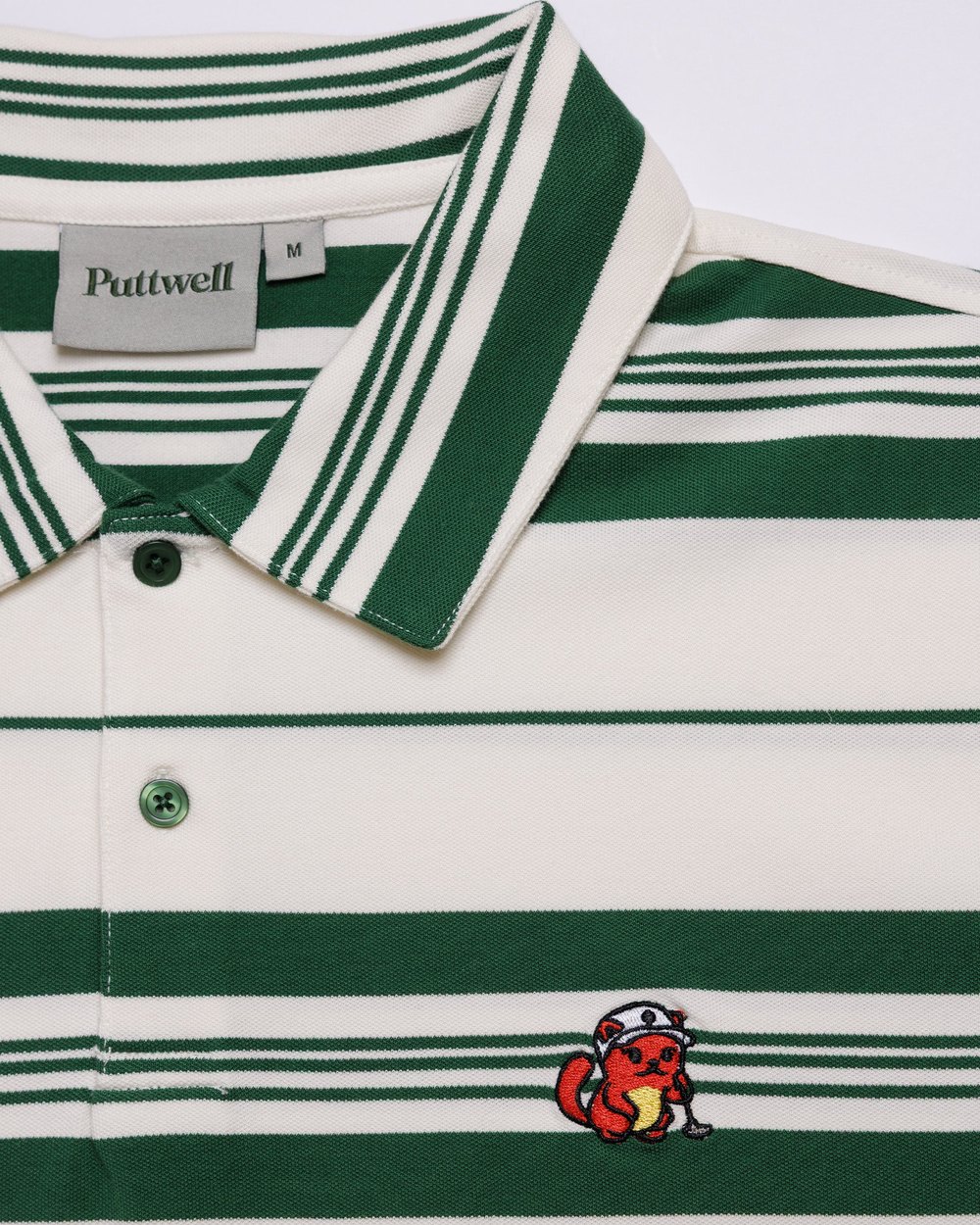
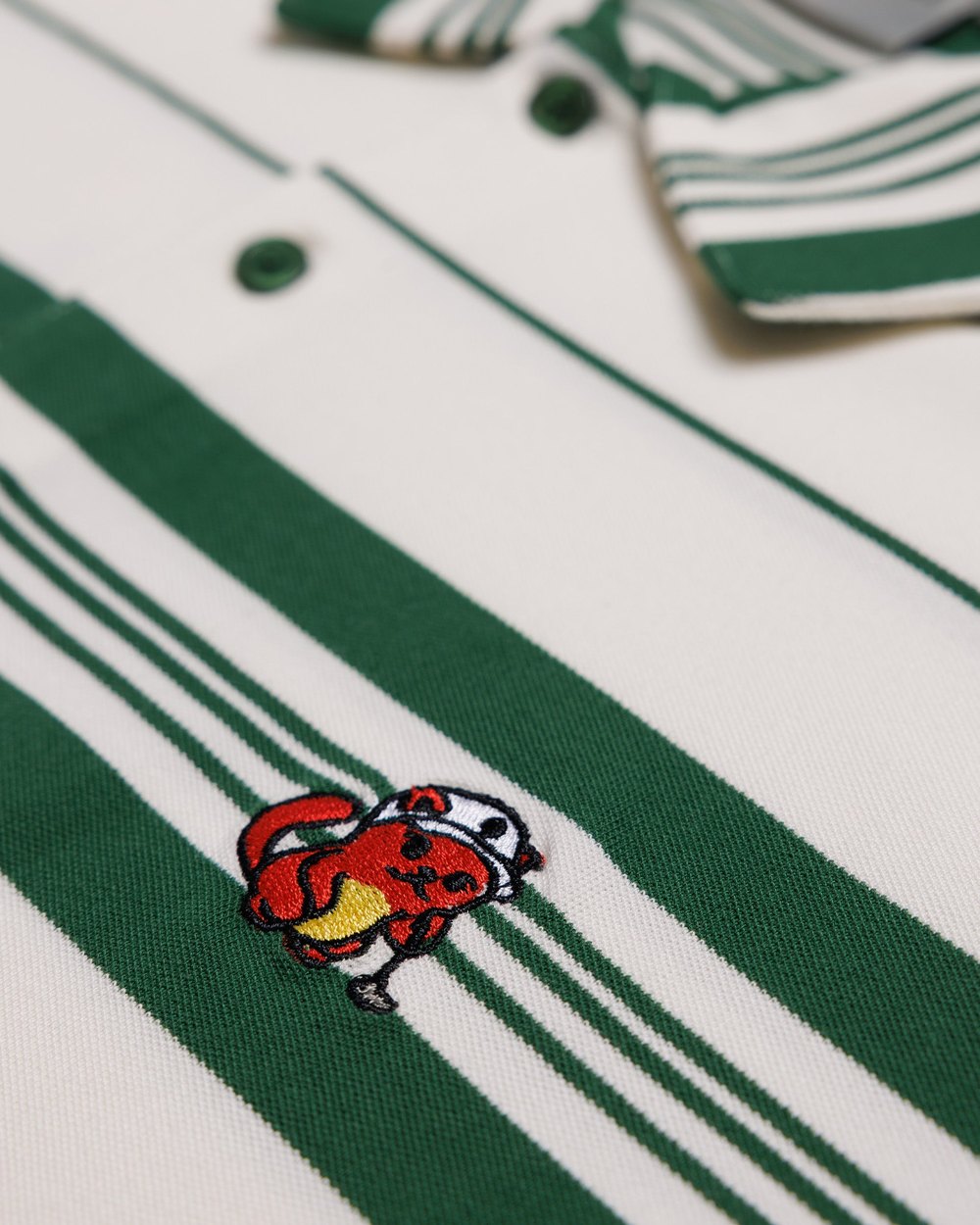
Puttwell turns a map of Honolulu’s Chinatown into a tonal jacquard with Sig On Smith, with one teal triangle as the loud note. Its promise: “dress well, play well, treat others well… Puttwell.”
Where the product itself is the design statement.
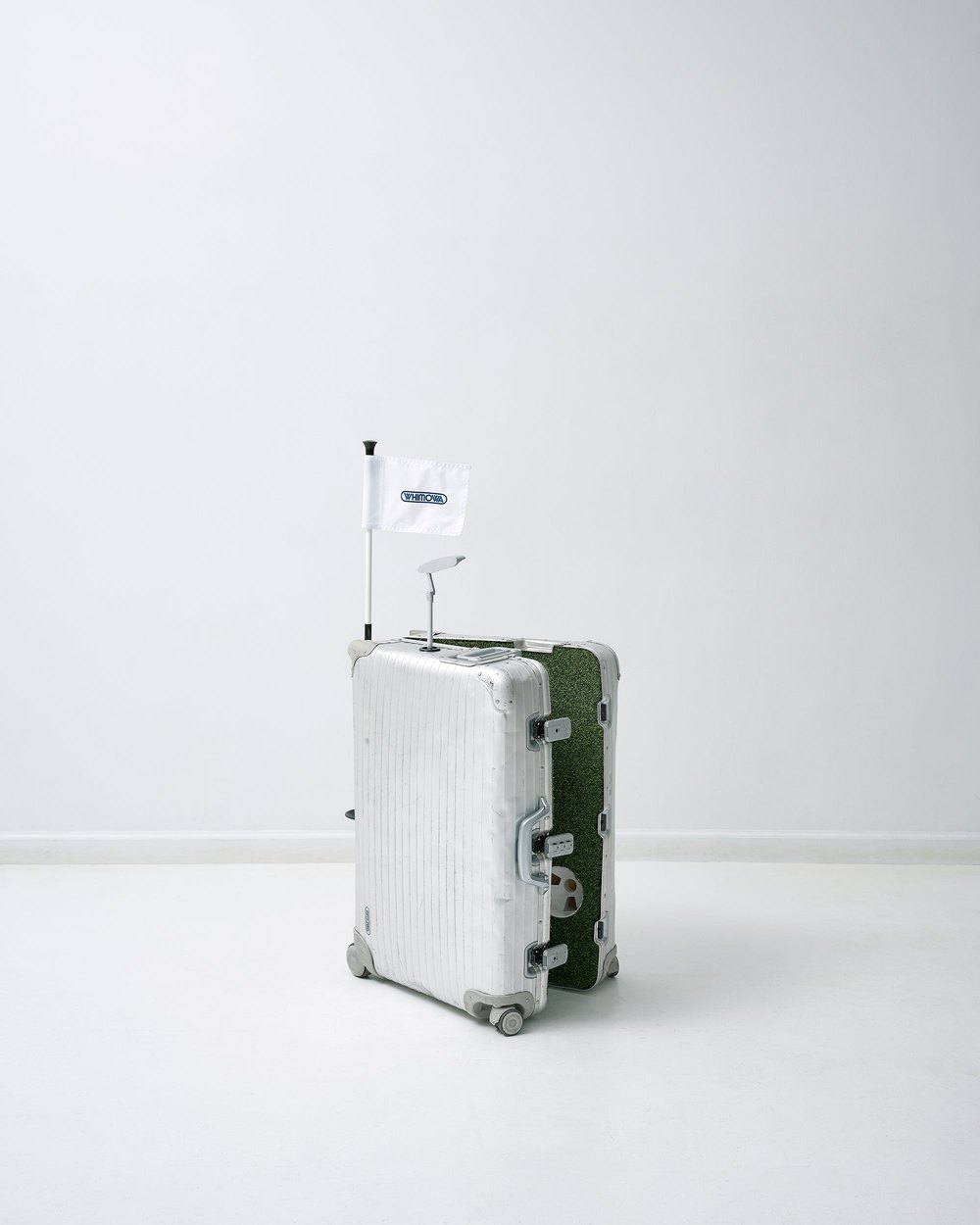
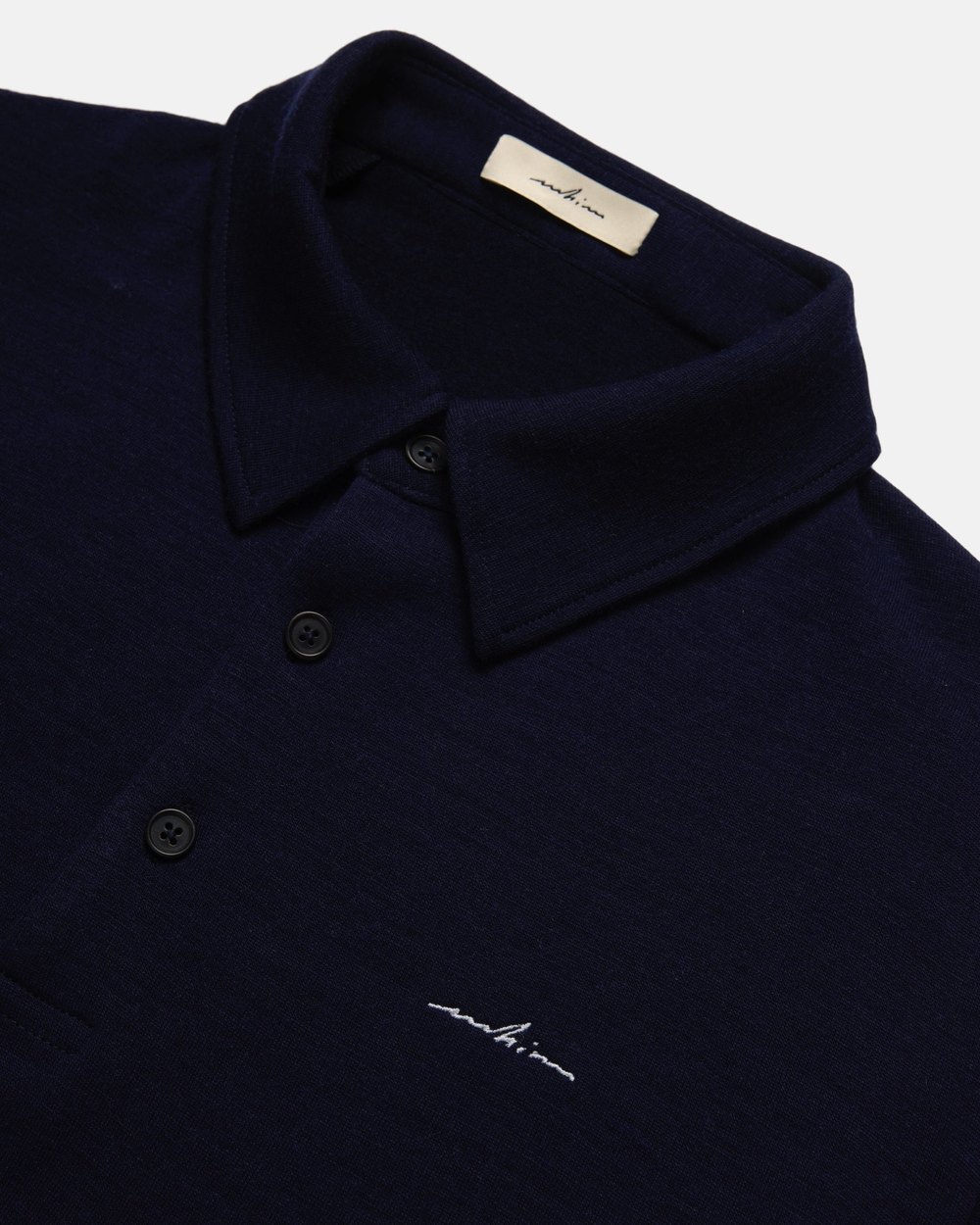
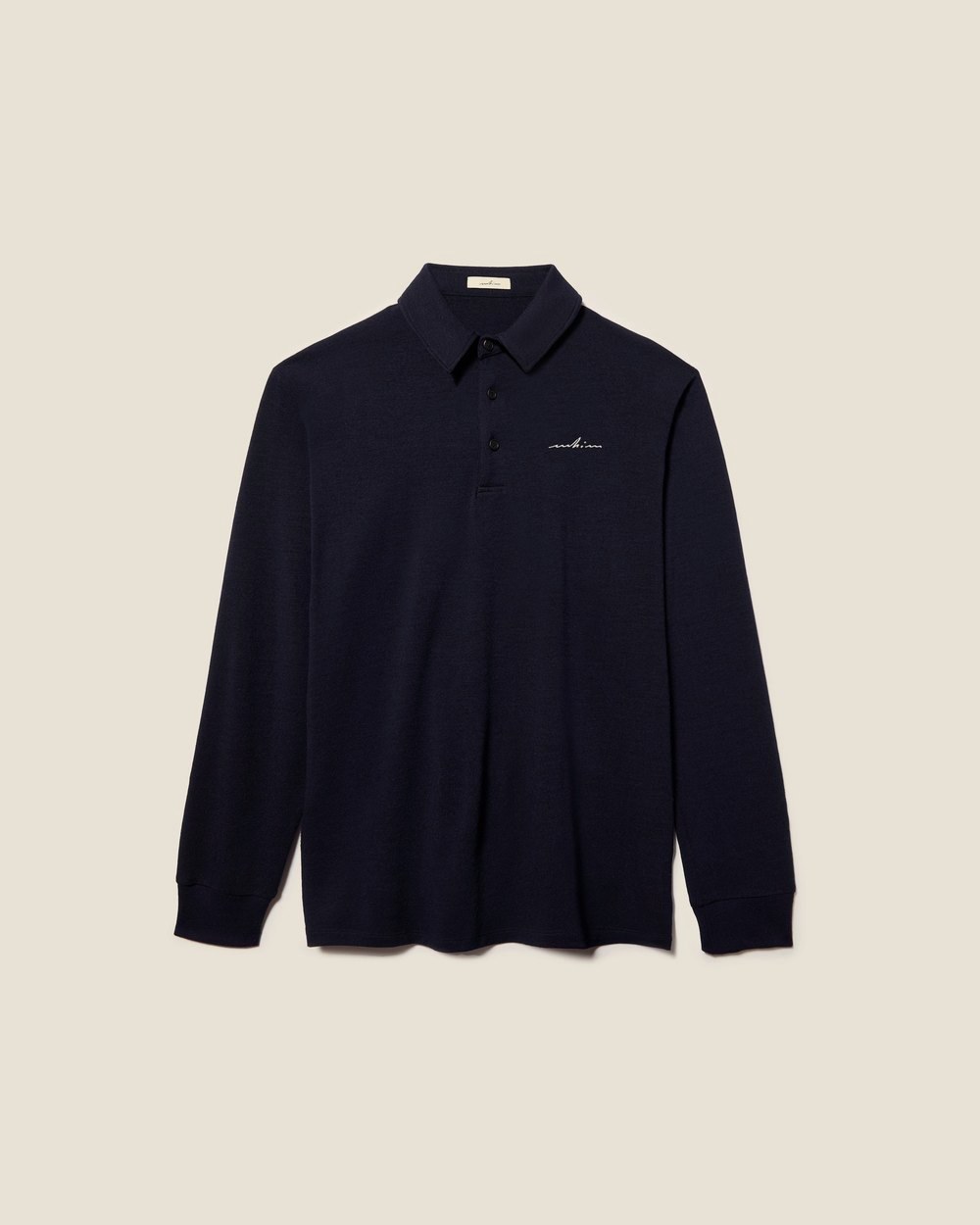
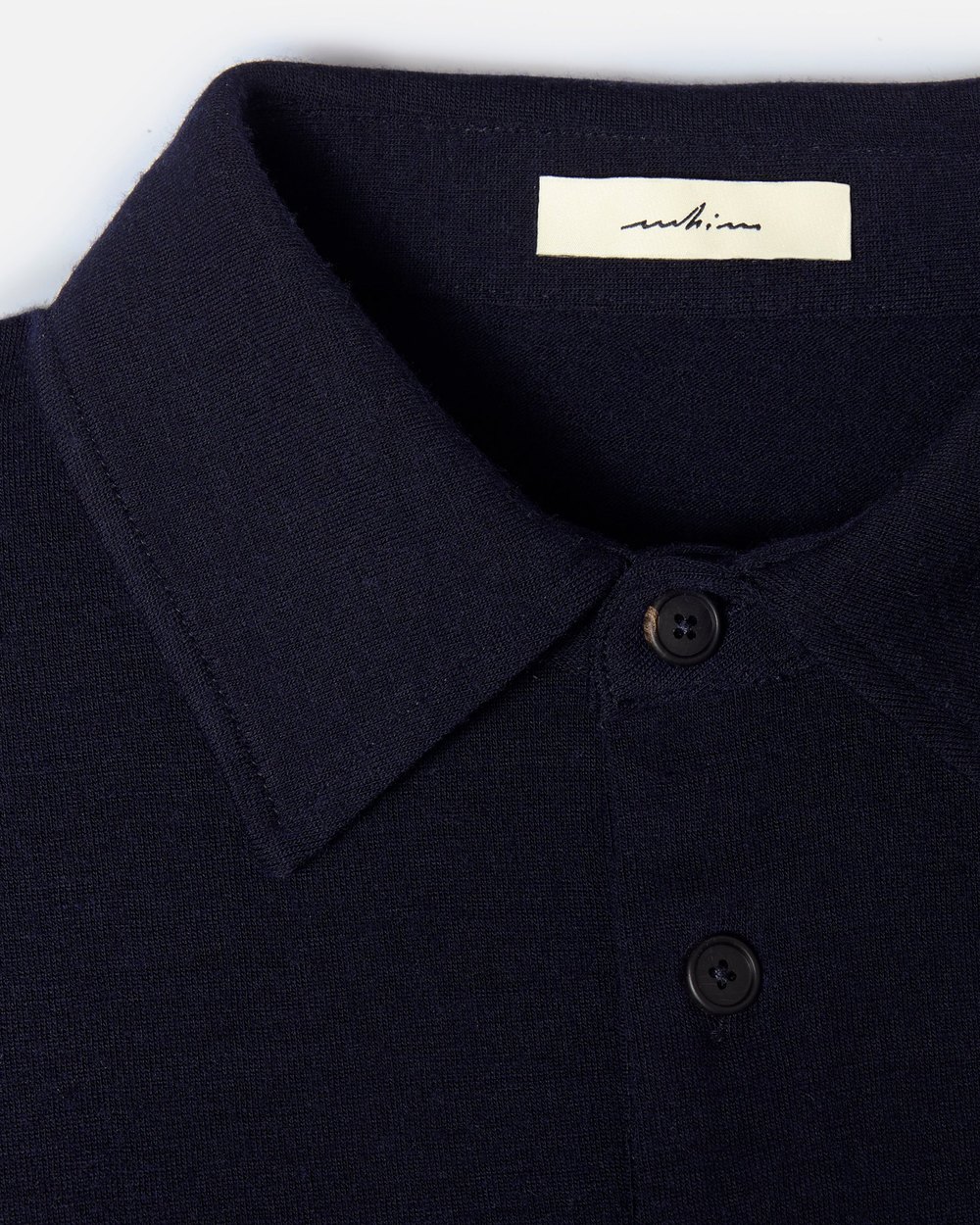
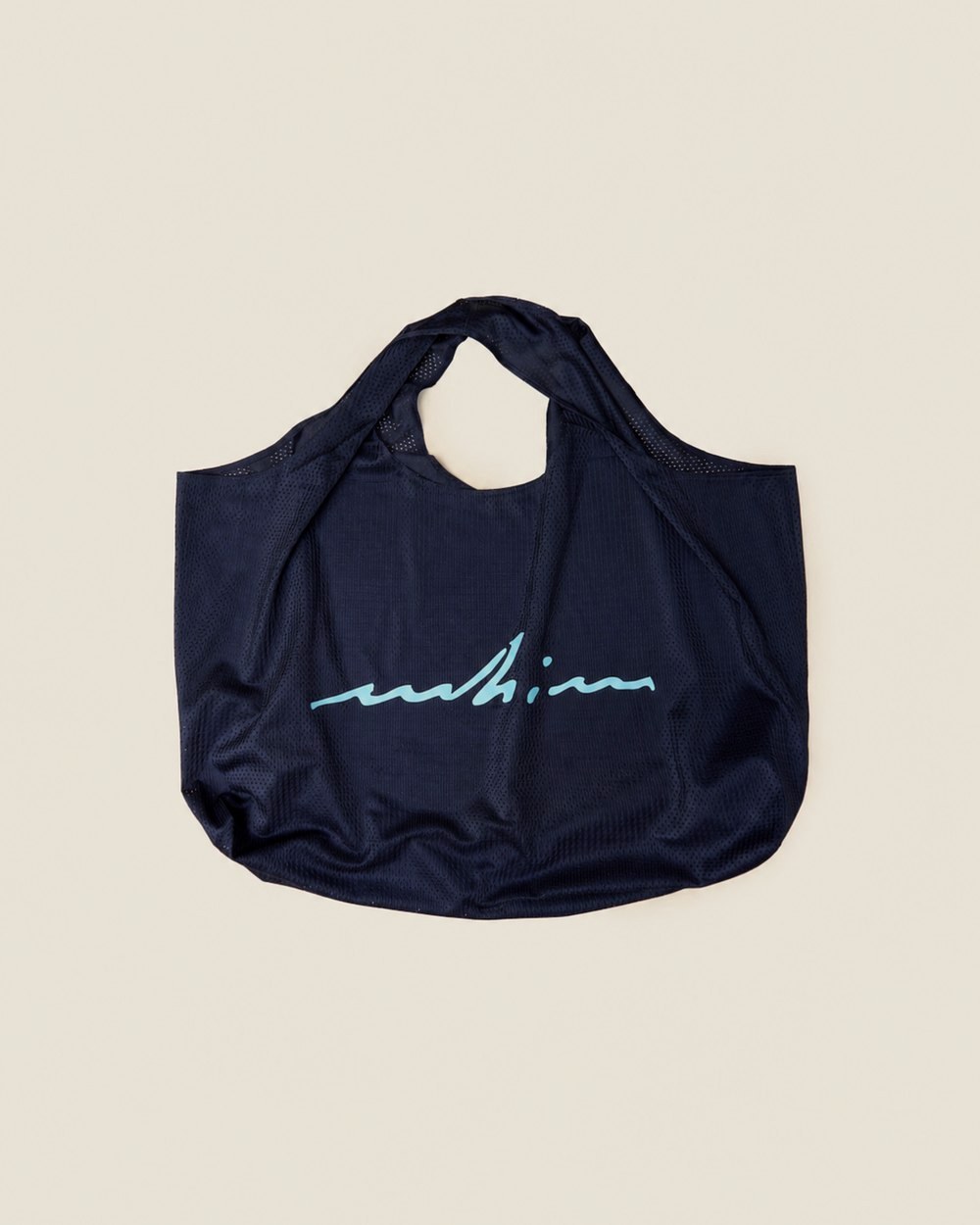
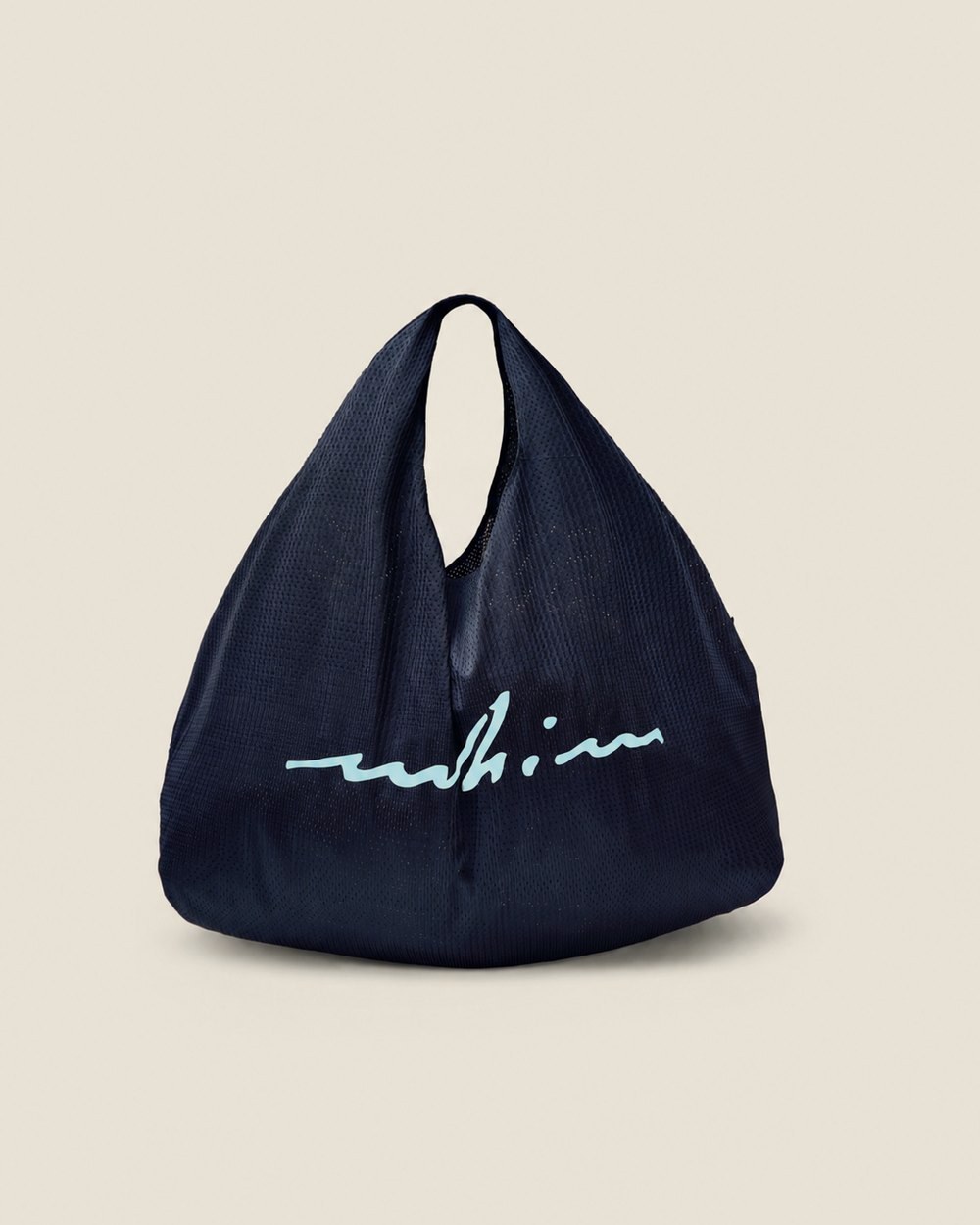
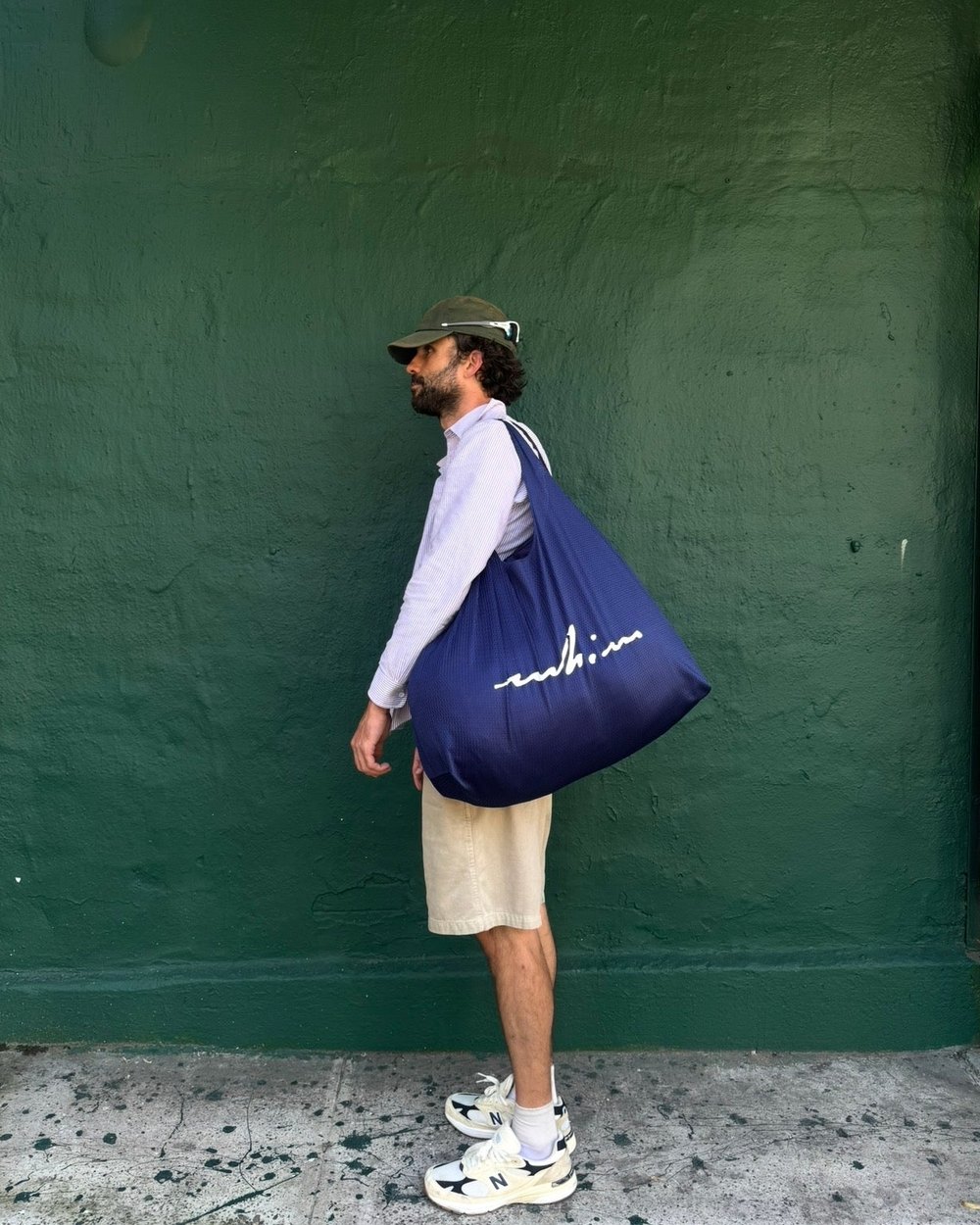
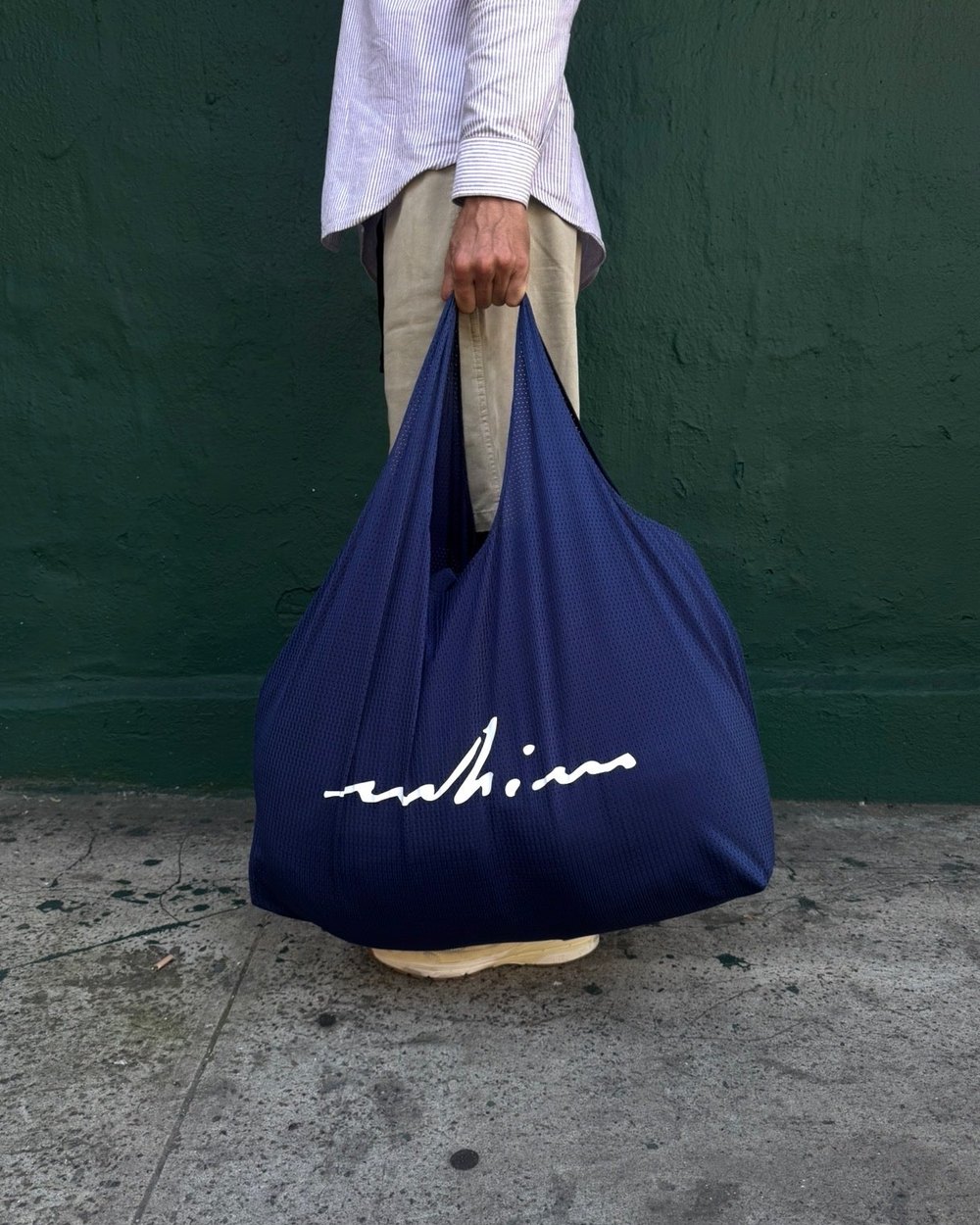
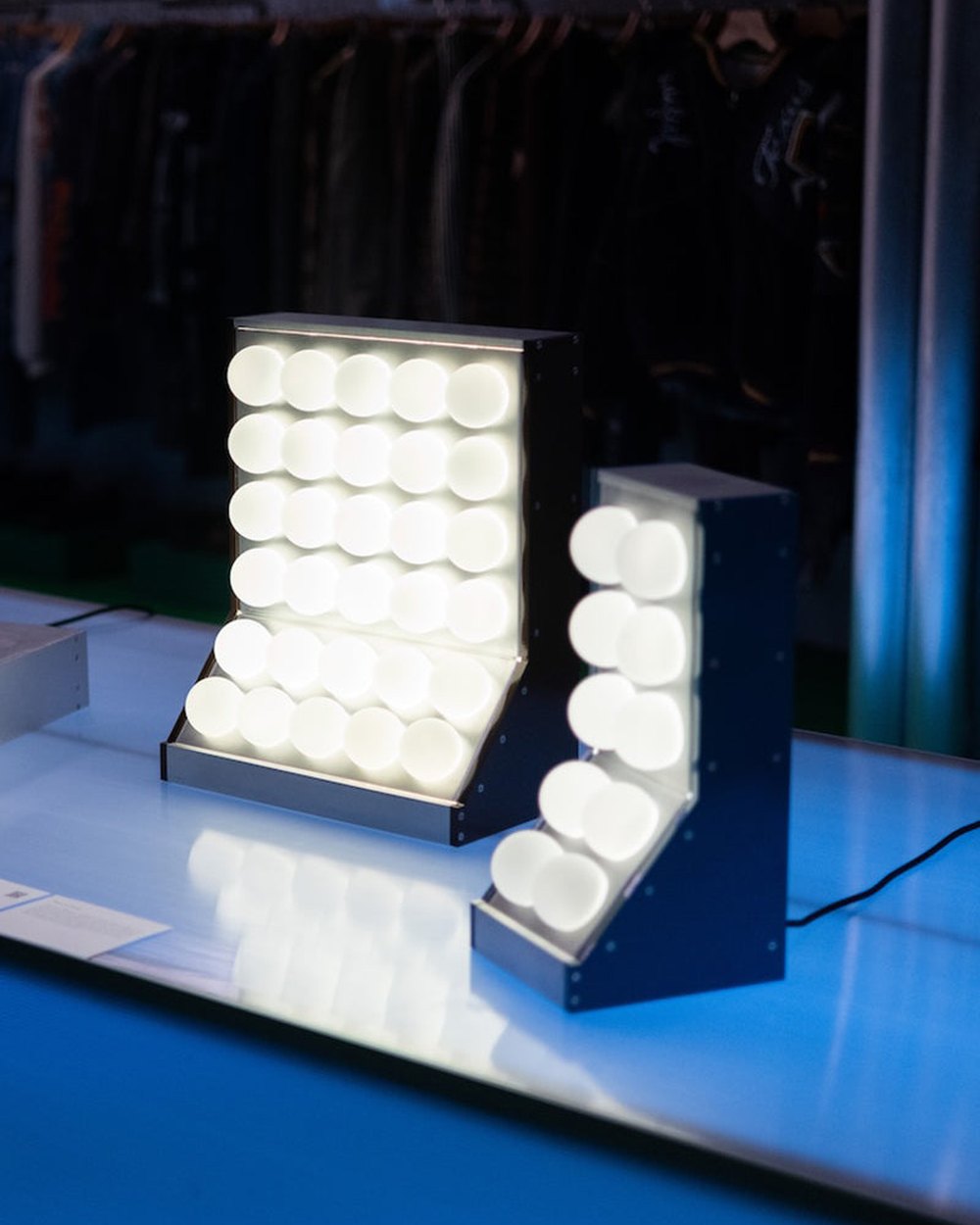
Whim treats golf objects like design pieces: a Milan Design Week dome sold as a concrete paperweight, a putting green inside a vintage Rimowa trunk, merino shirts knit in an old Massachusetts mill.
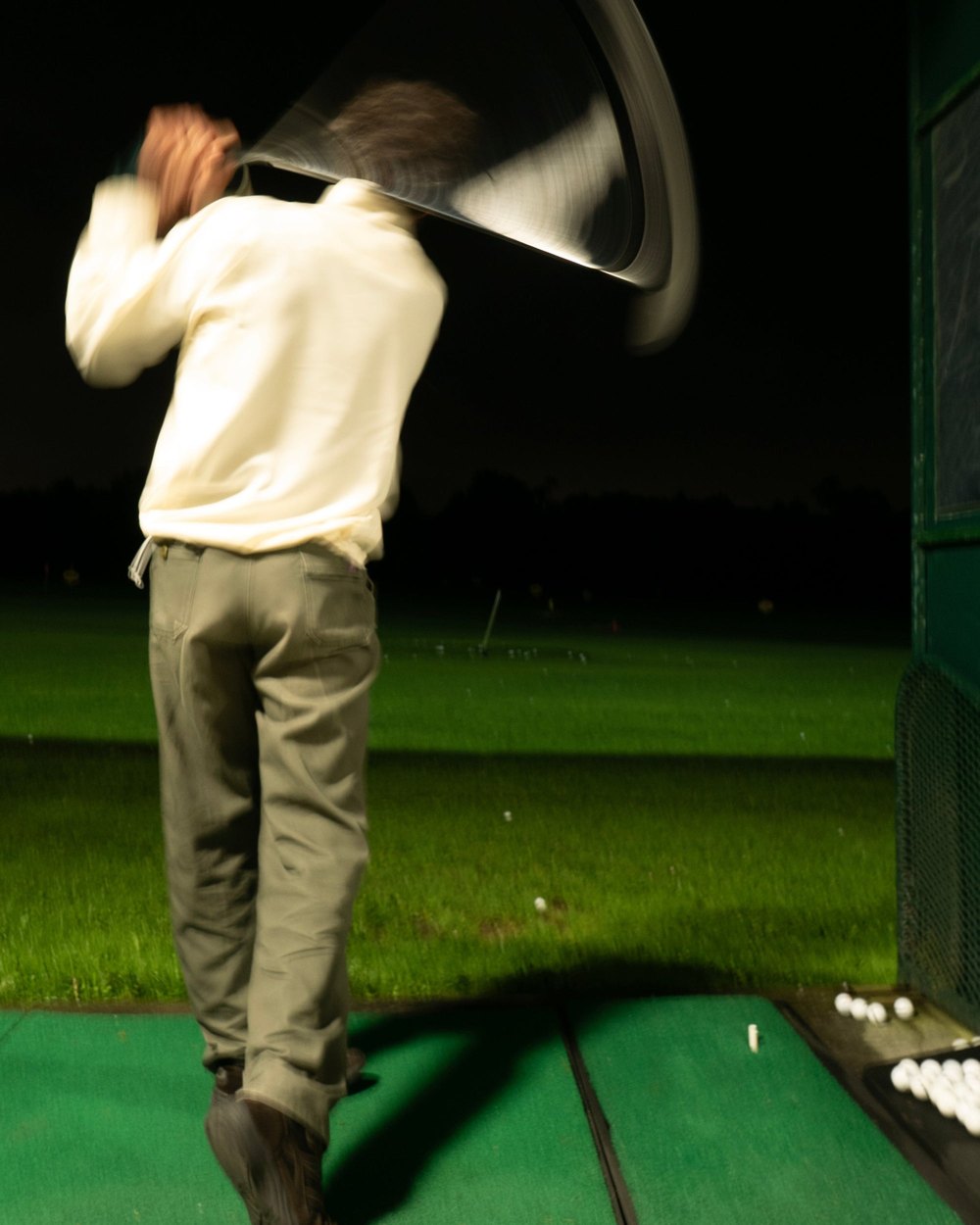
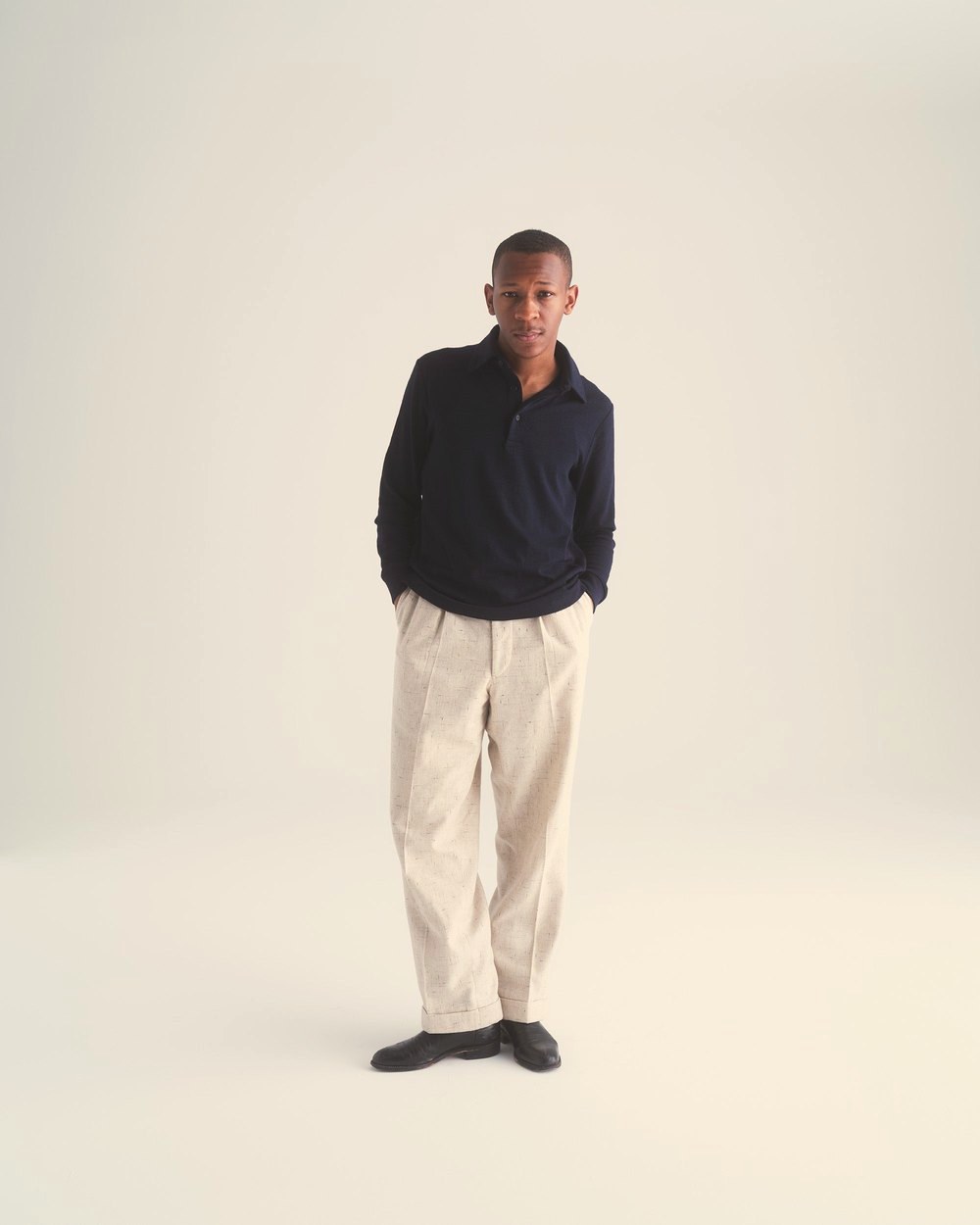
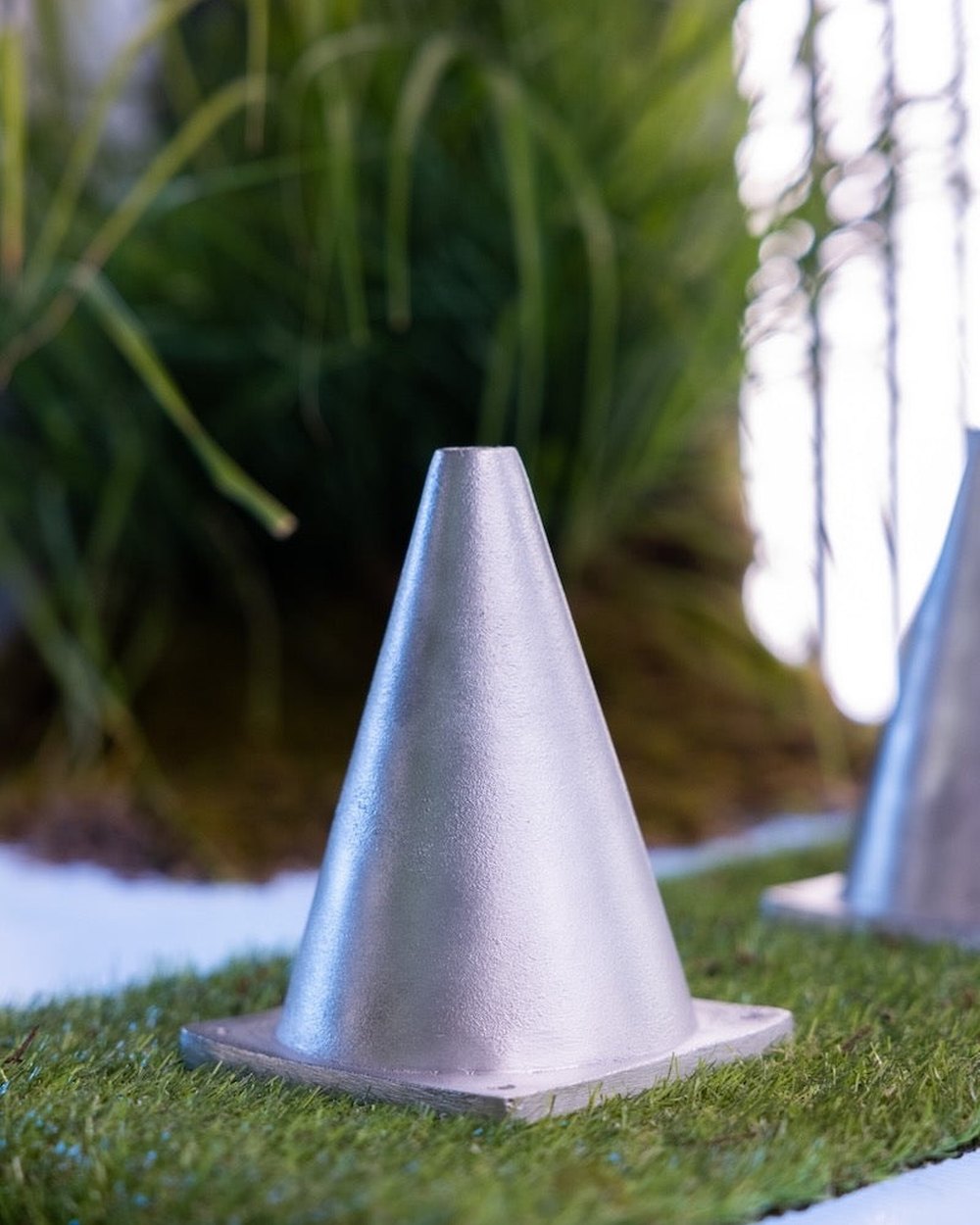
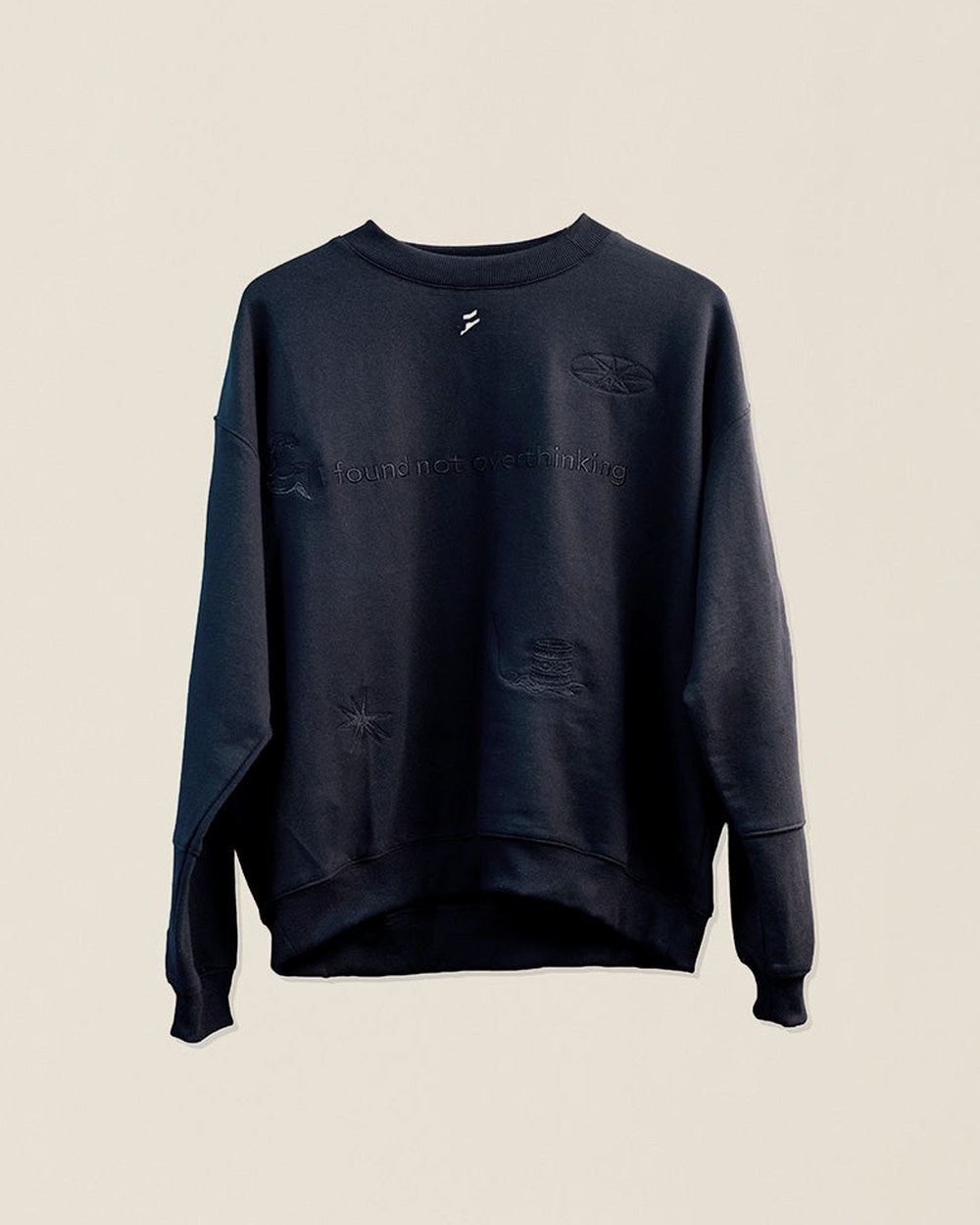
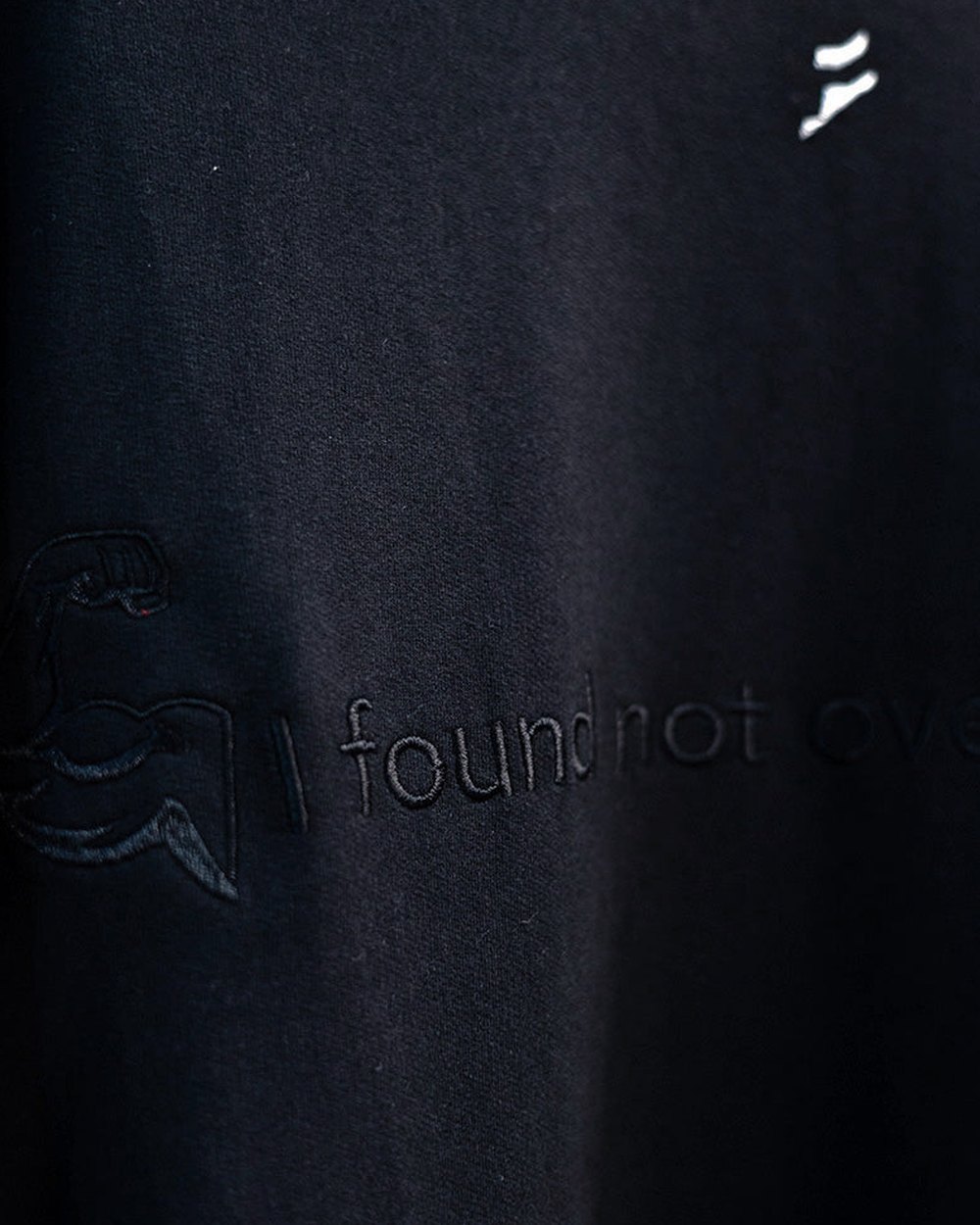
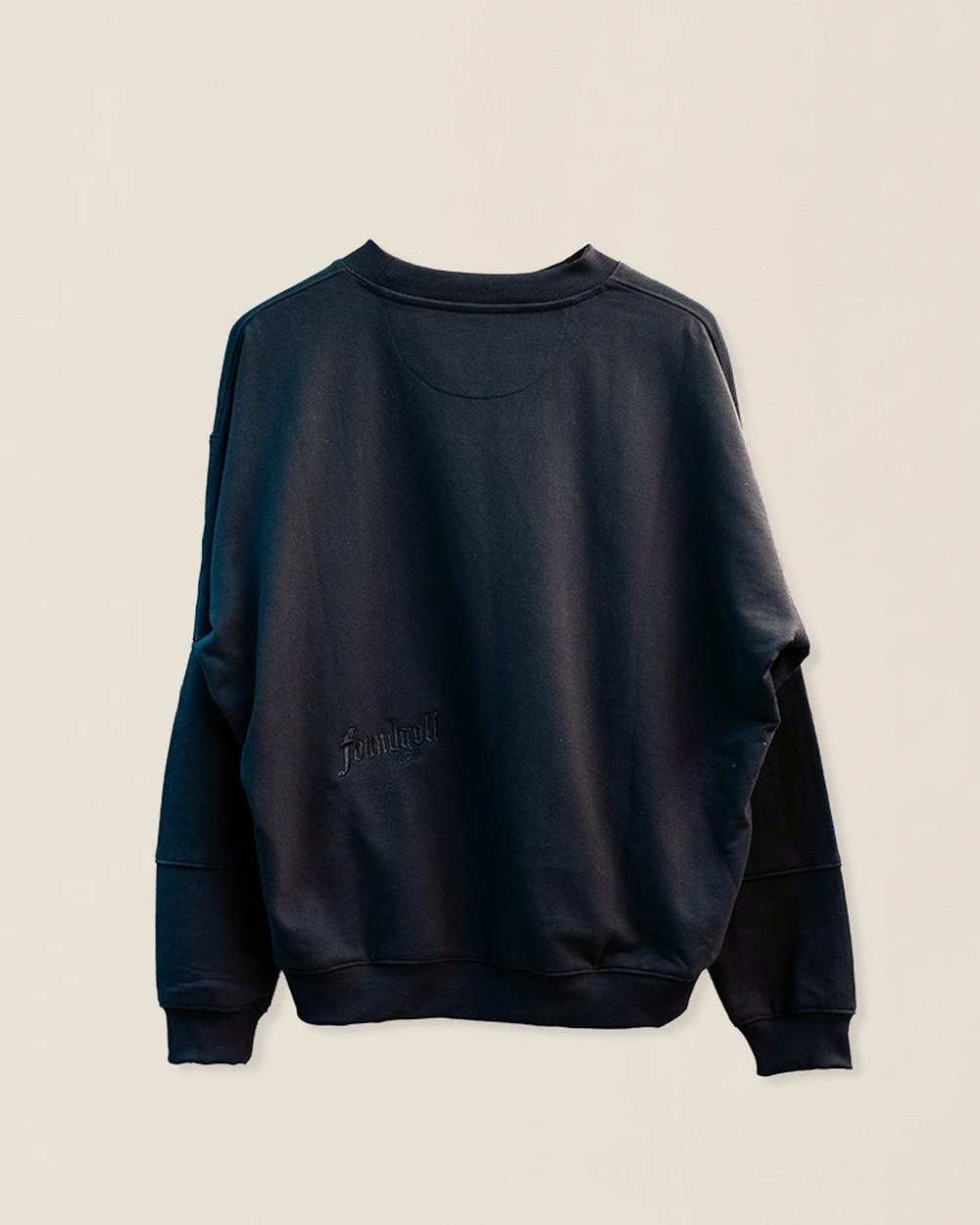
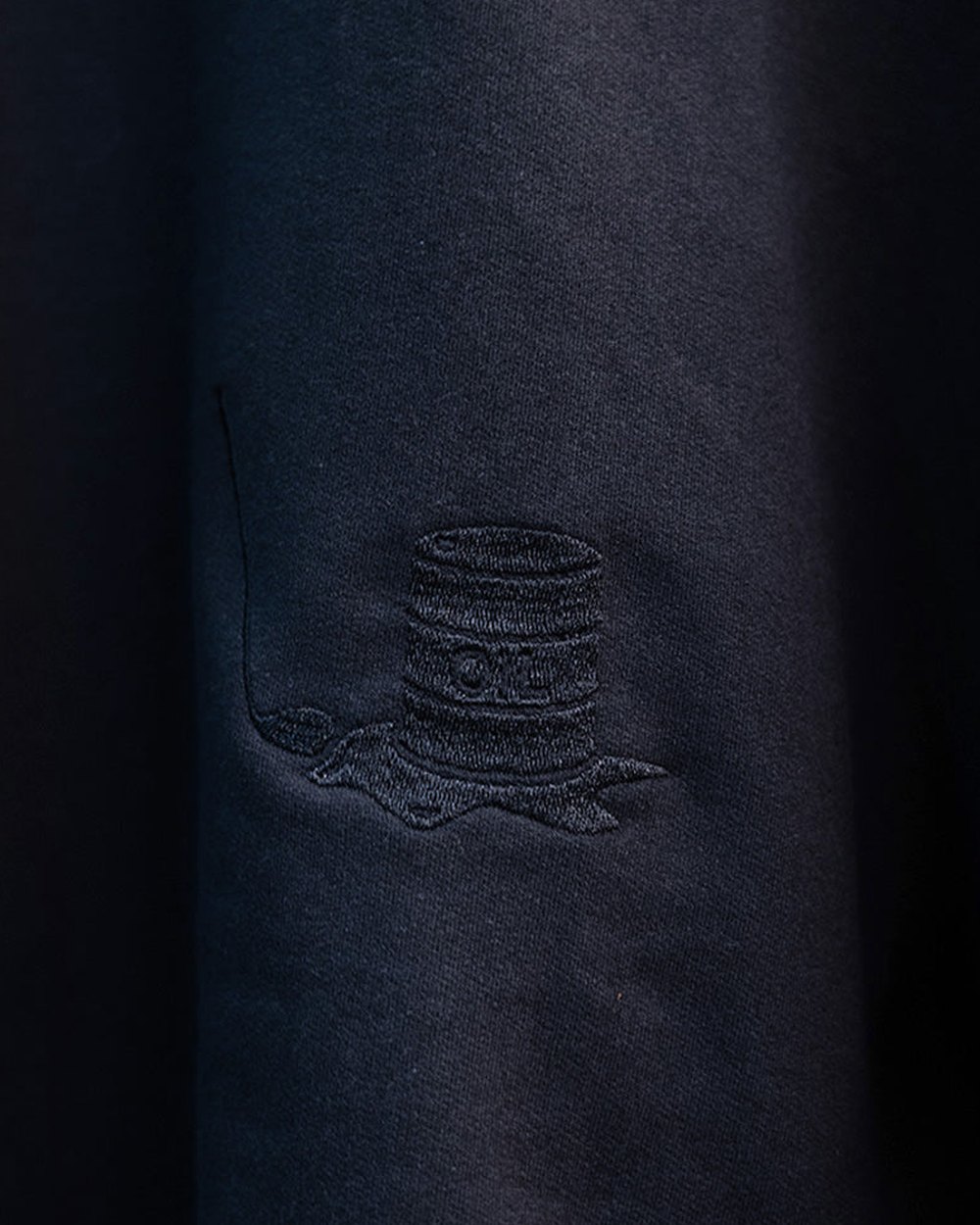
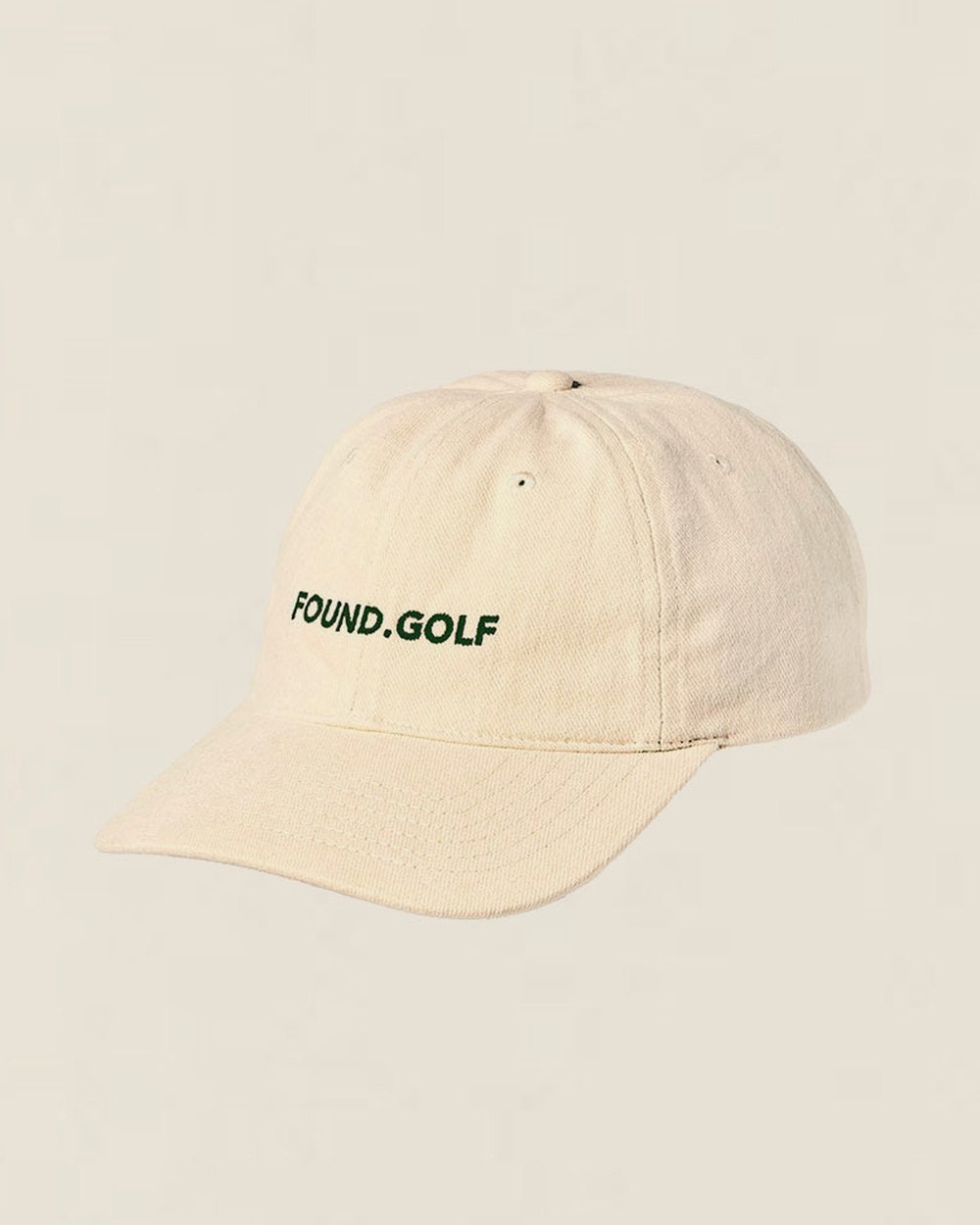
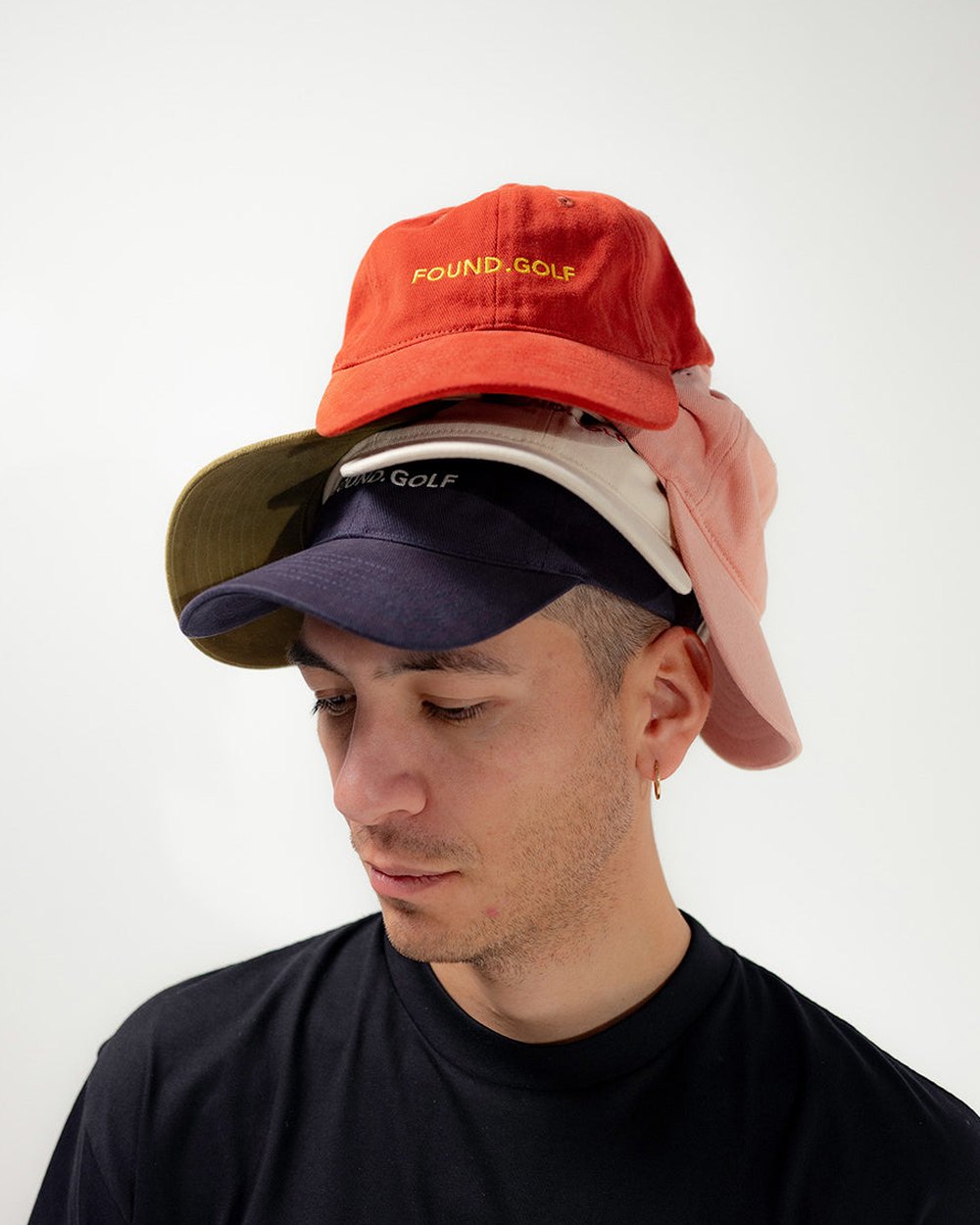
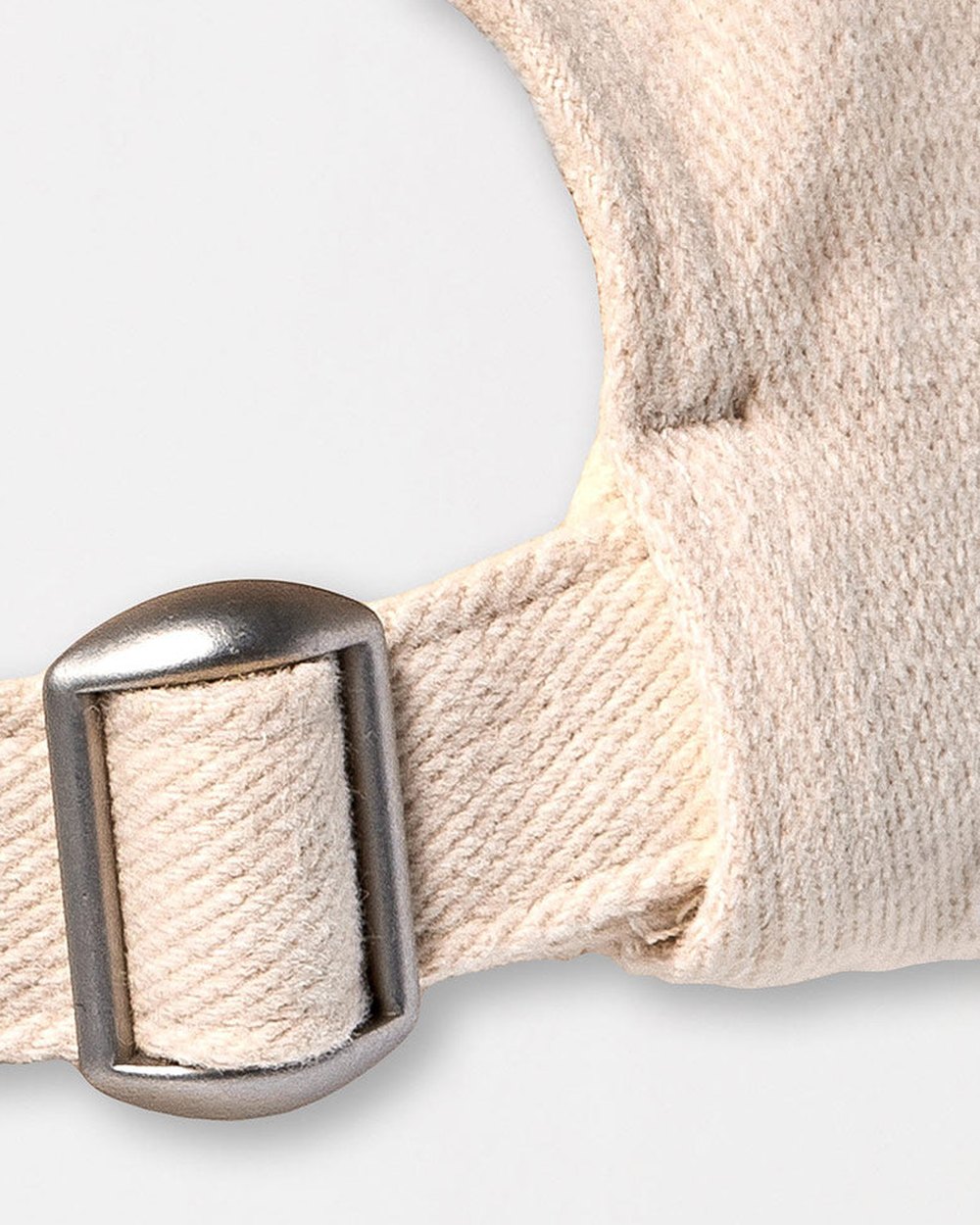
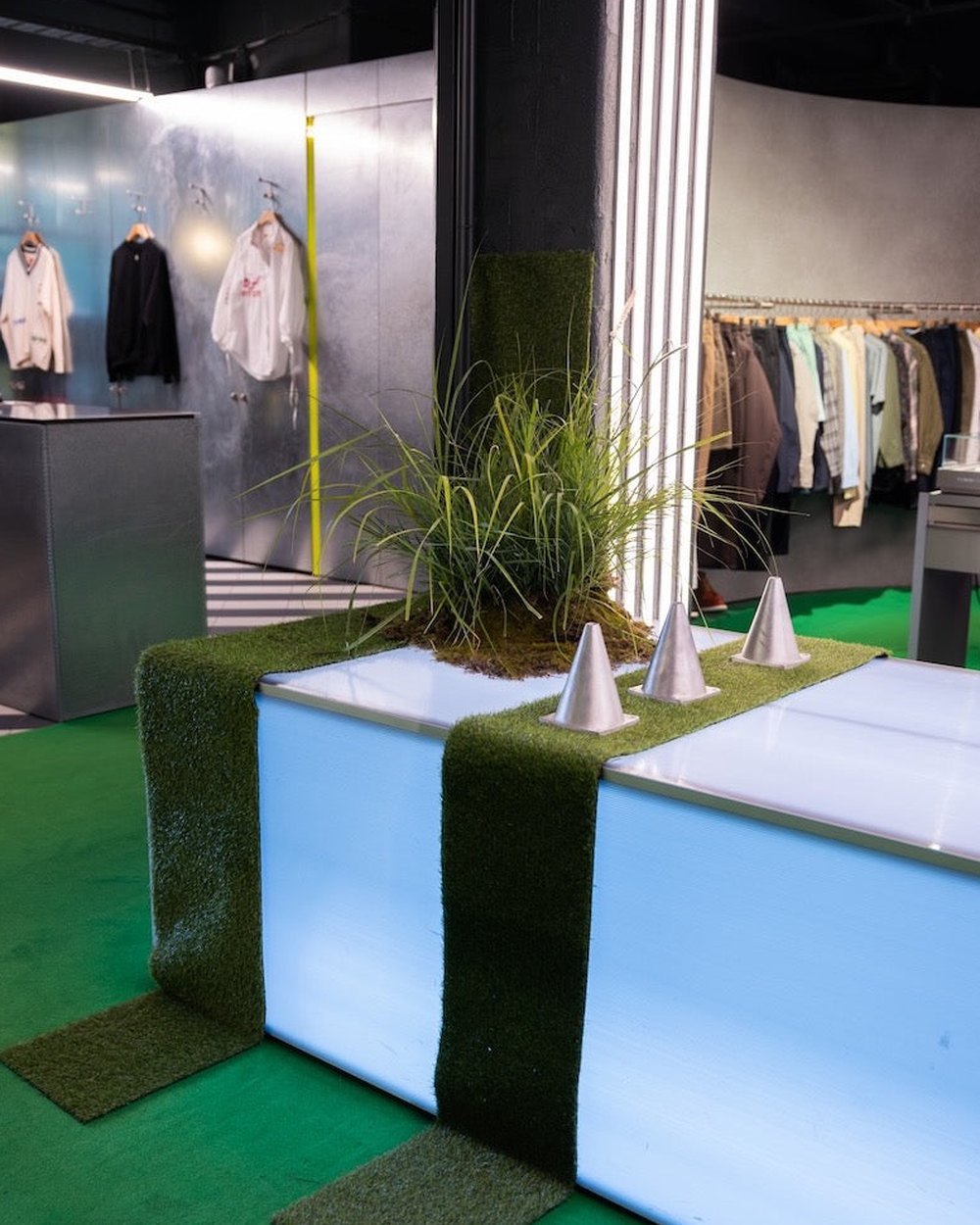
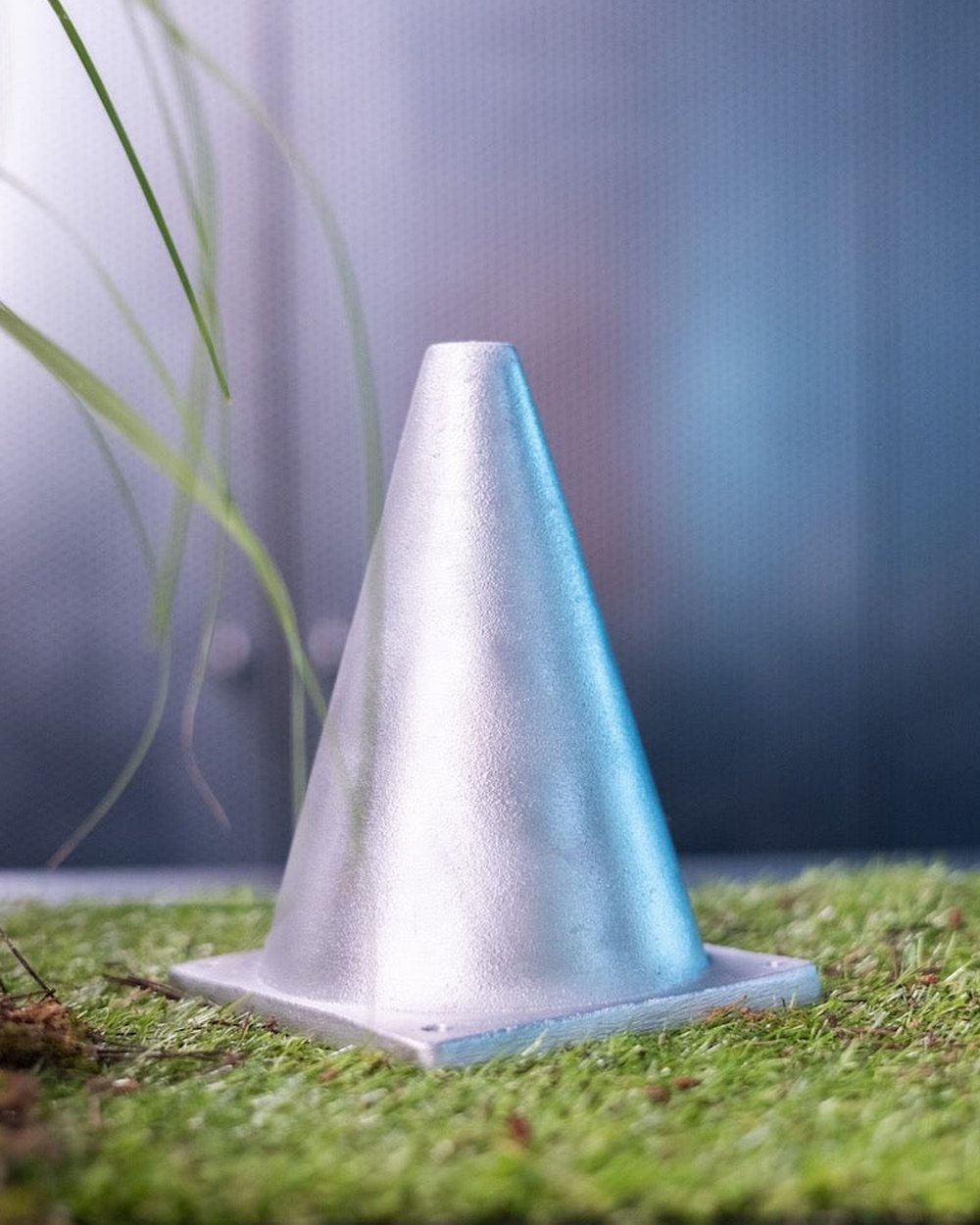
Found sells art next to its clothes, from a cast-aluminium vase to a bench, and wants to “activate golf as a creative culture through clothing, art, design and storytelling.” Co-founder Lance started it because he “was confused at the obvious conformity in what everyone was wearing.”
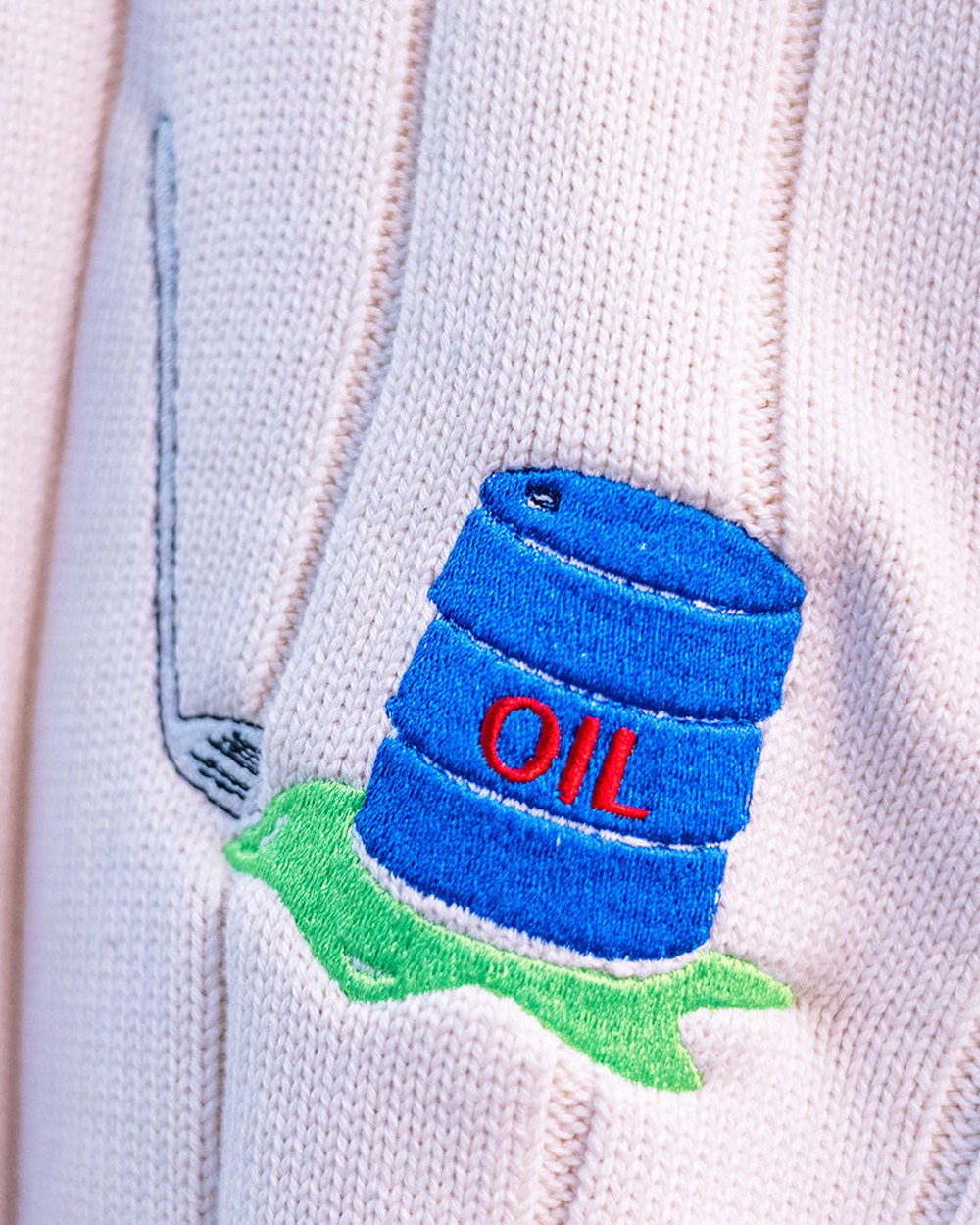
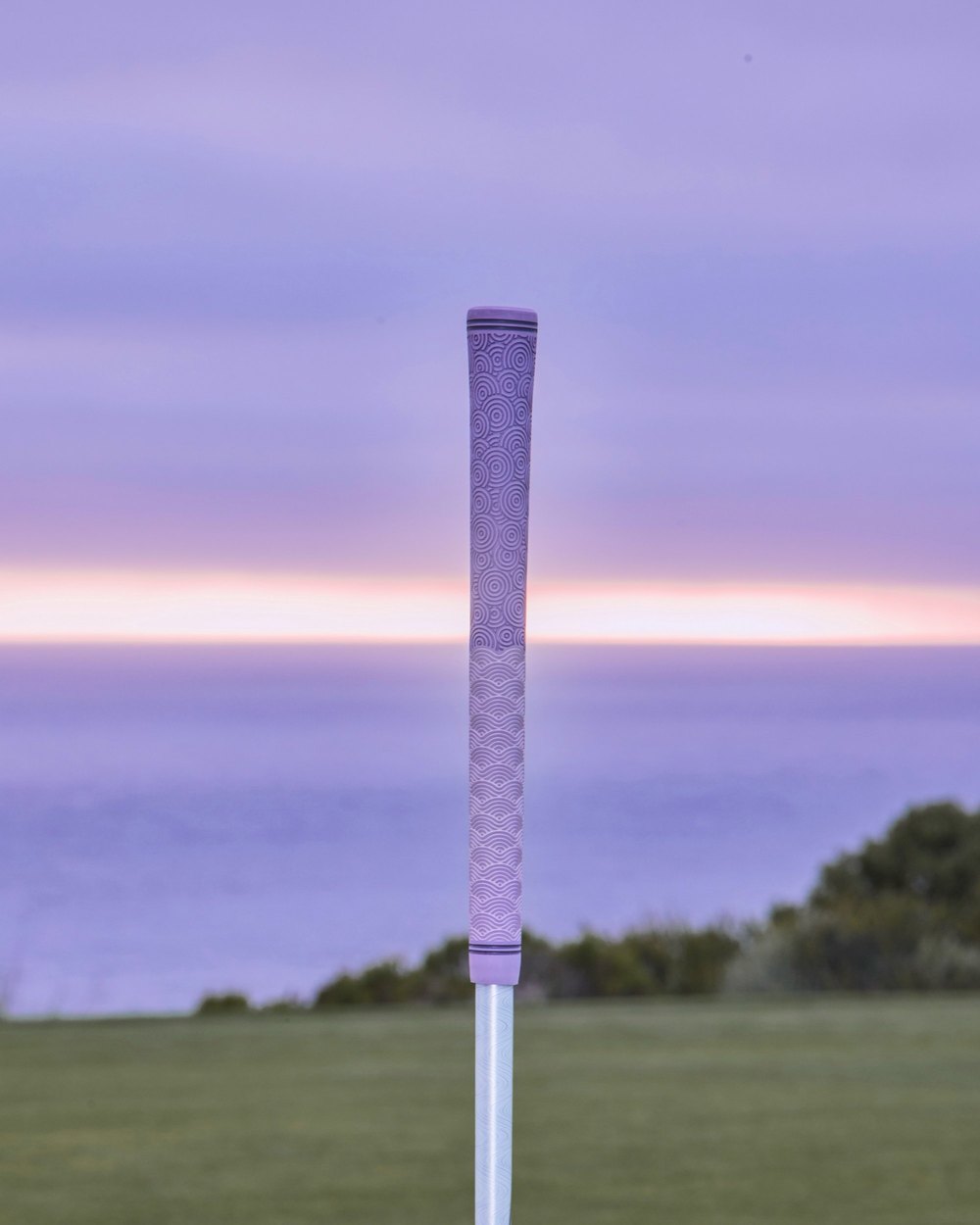
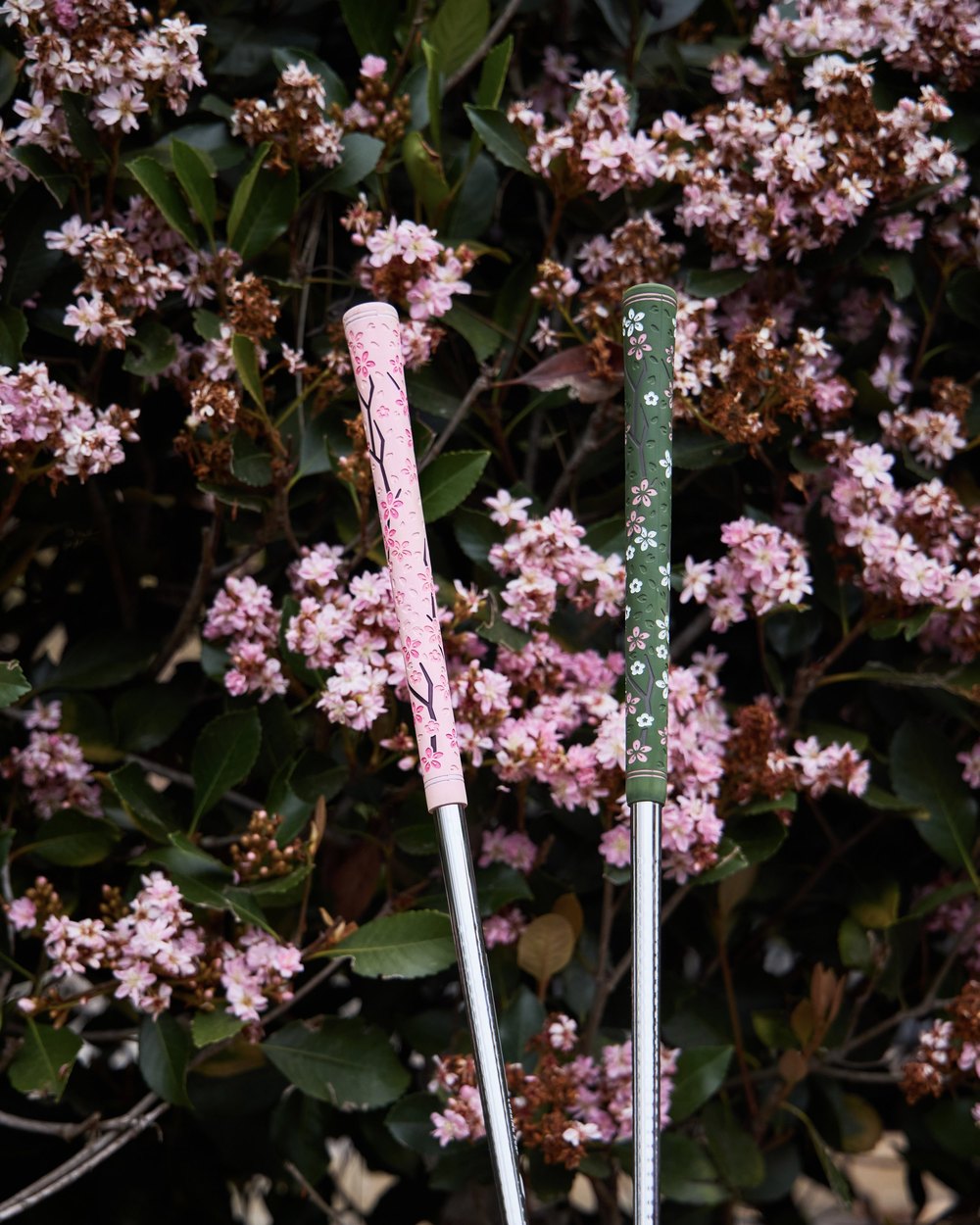
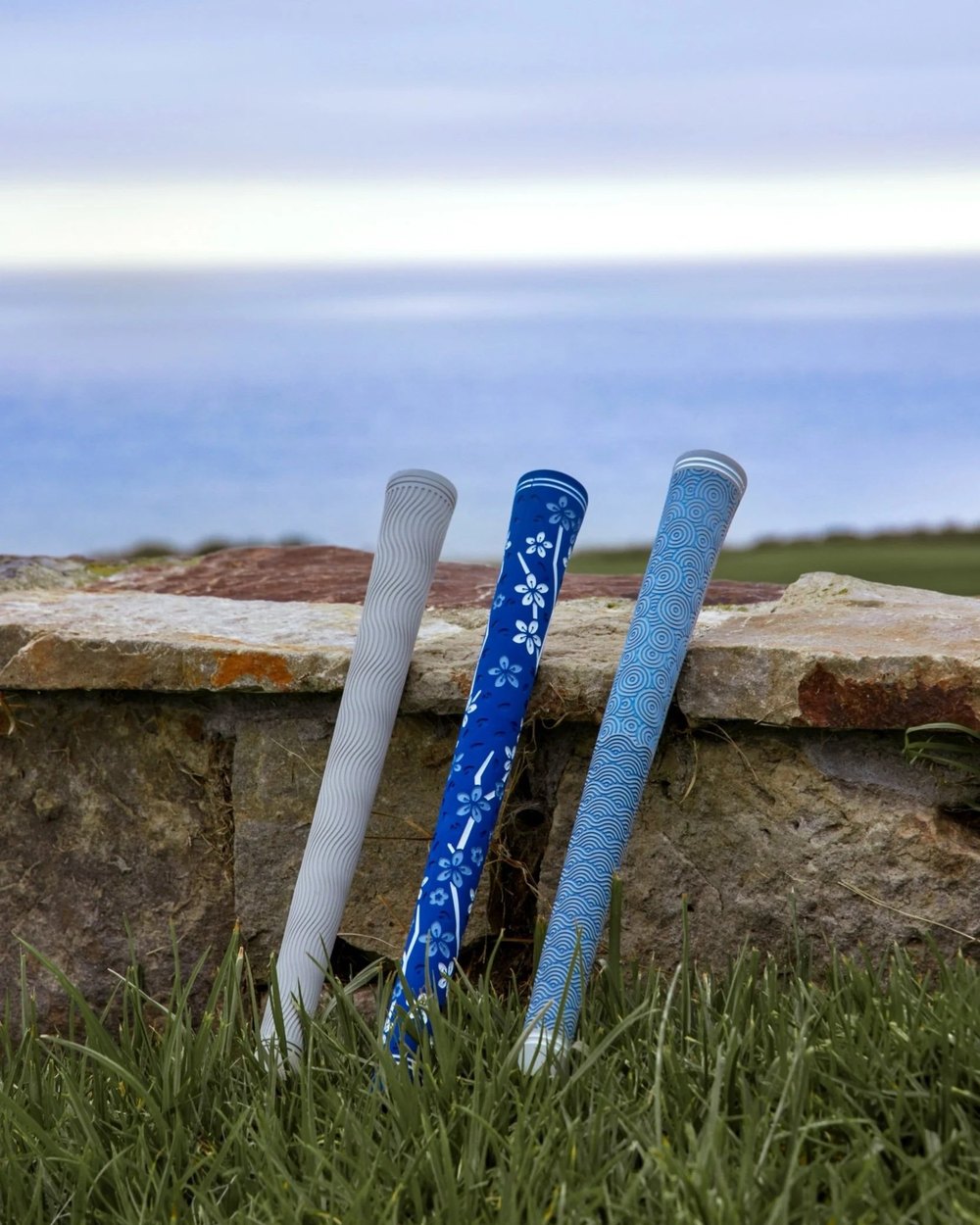
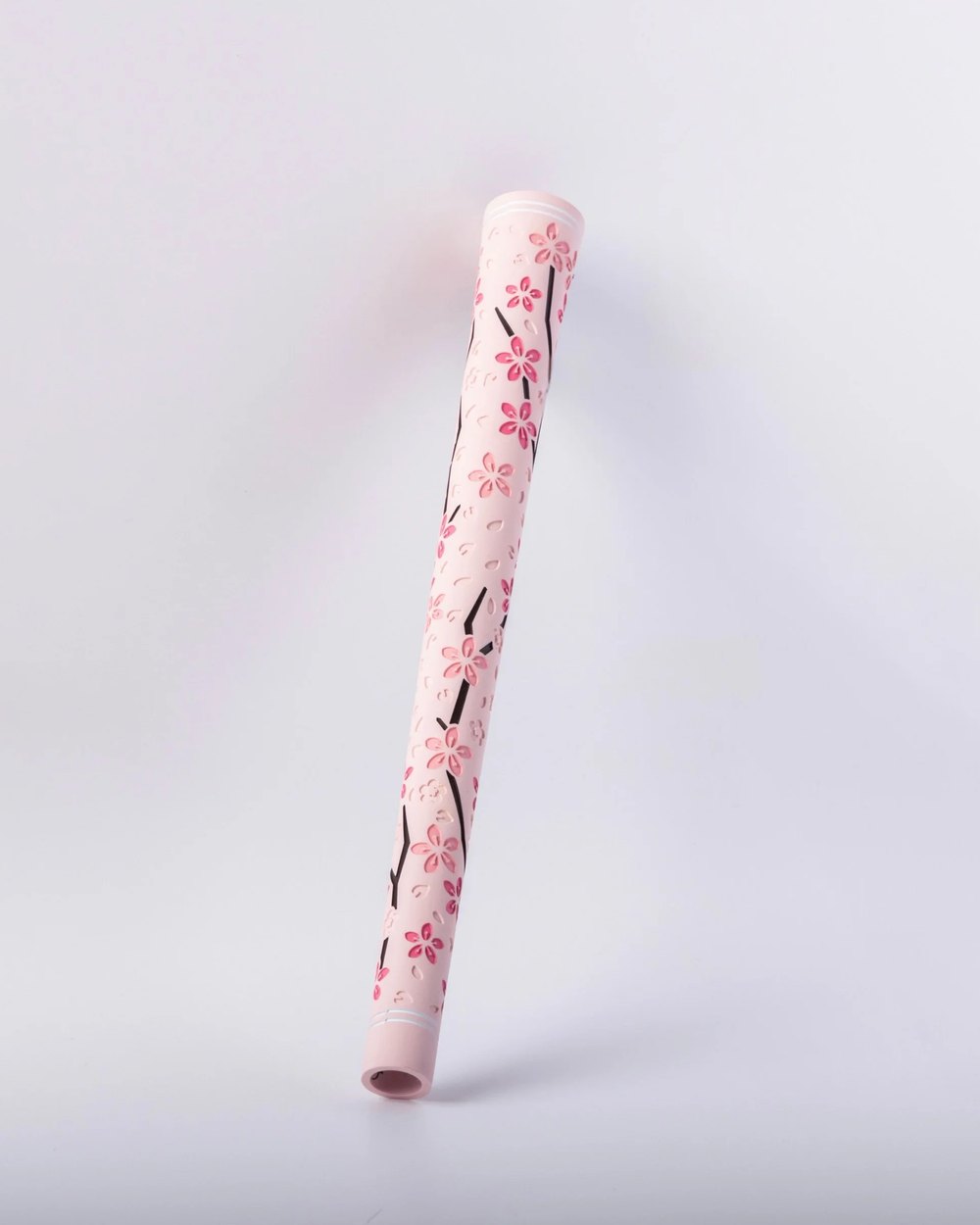
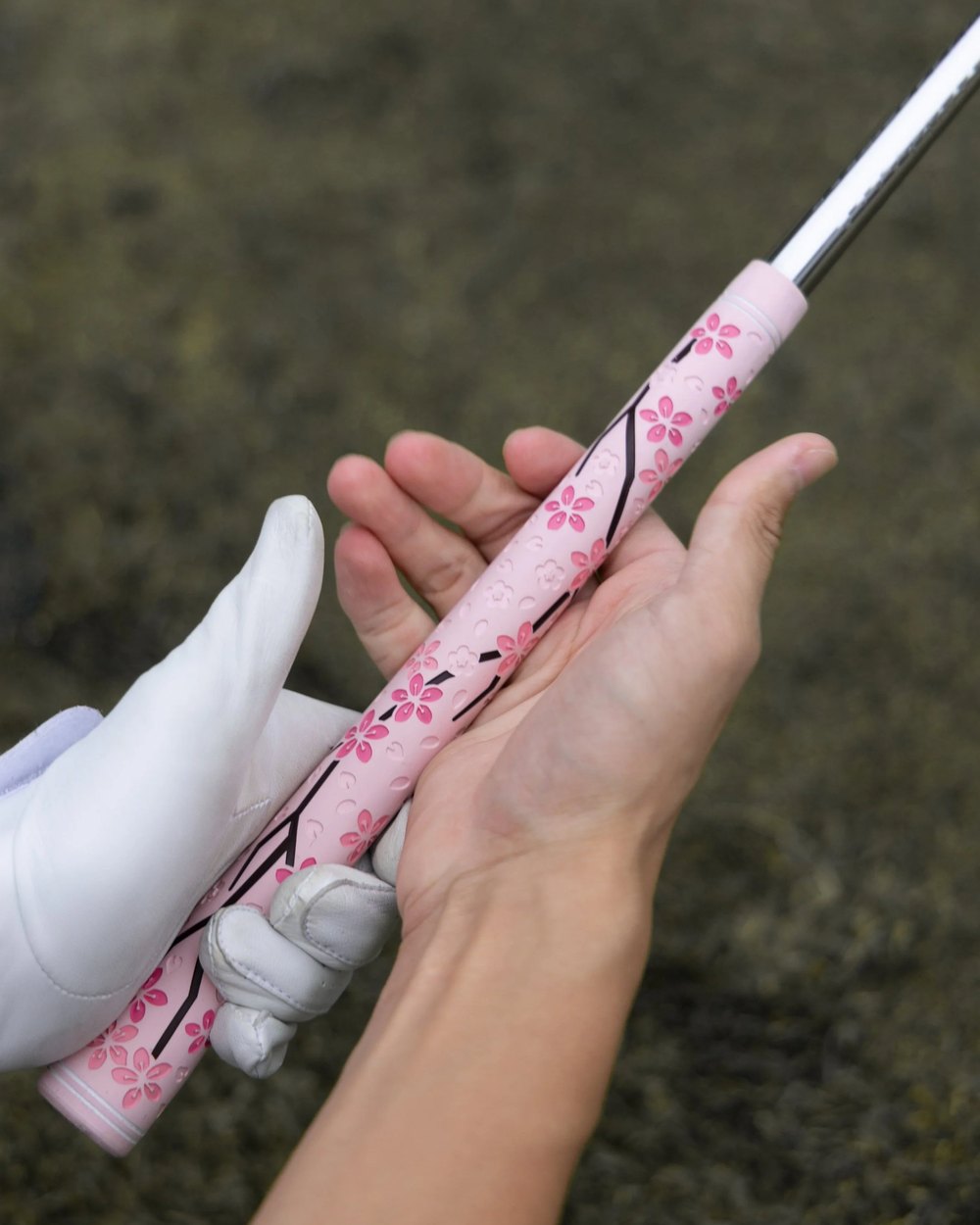
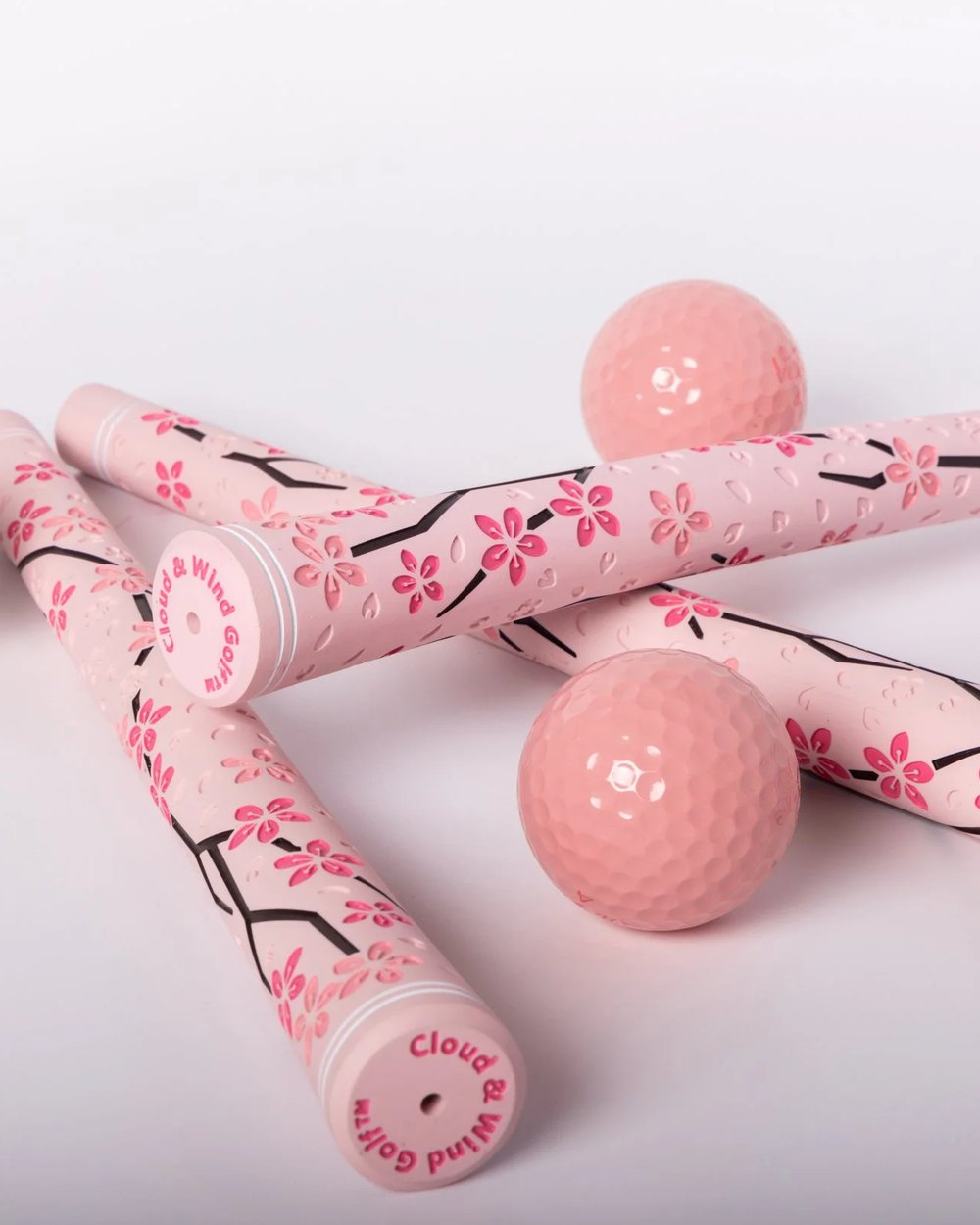
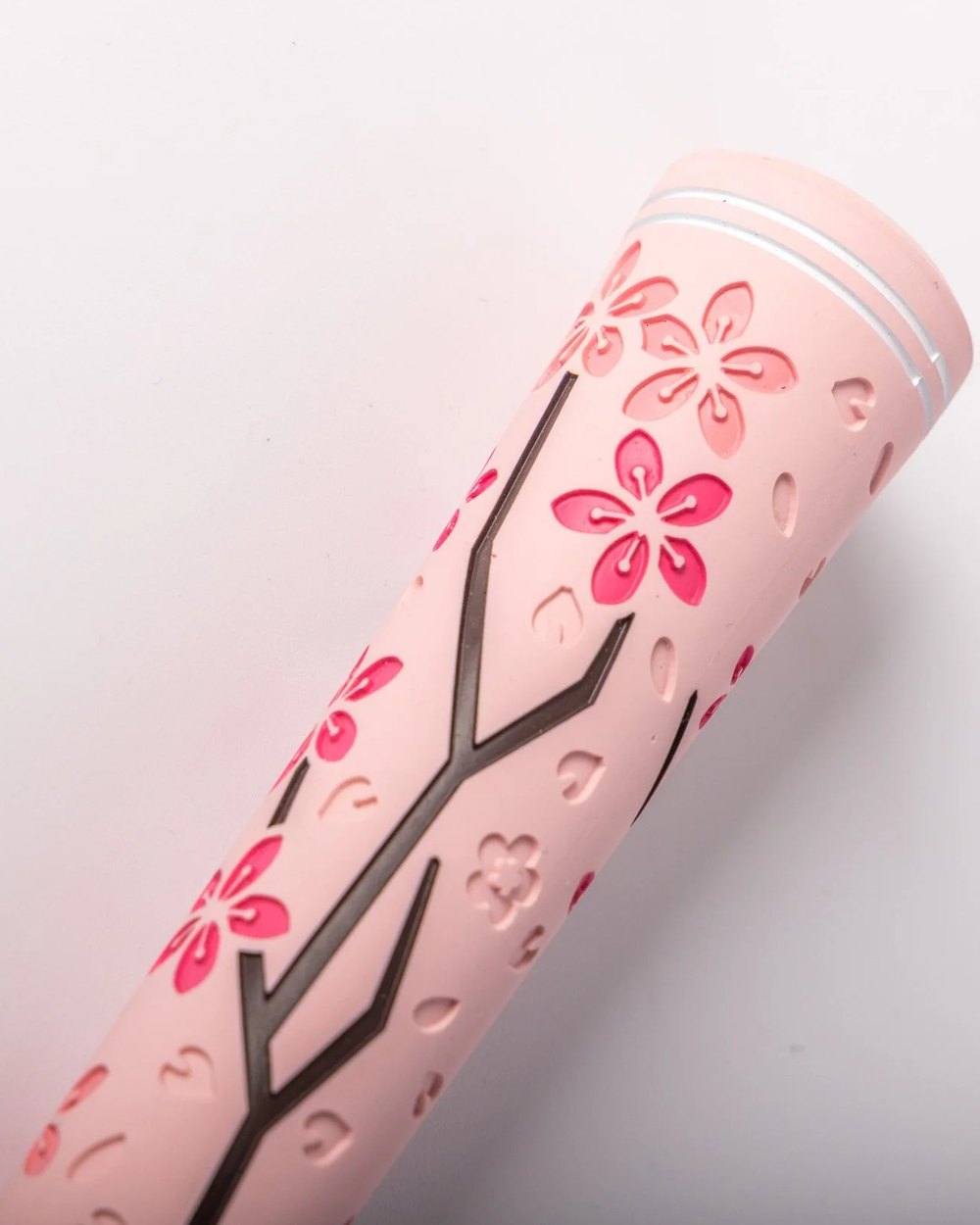
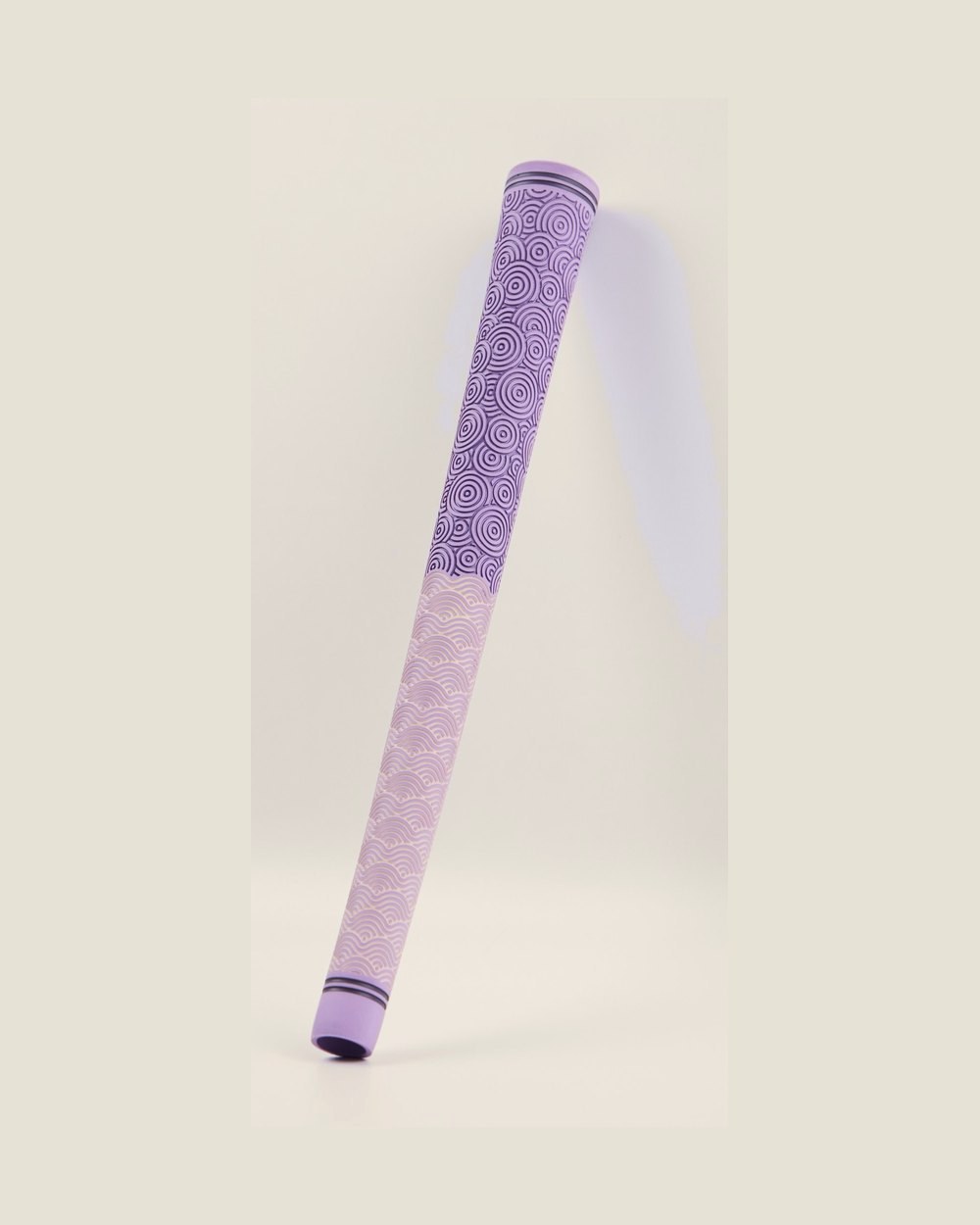
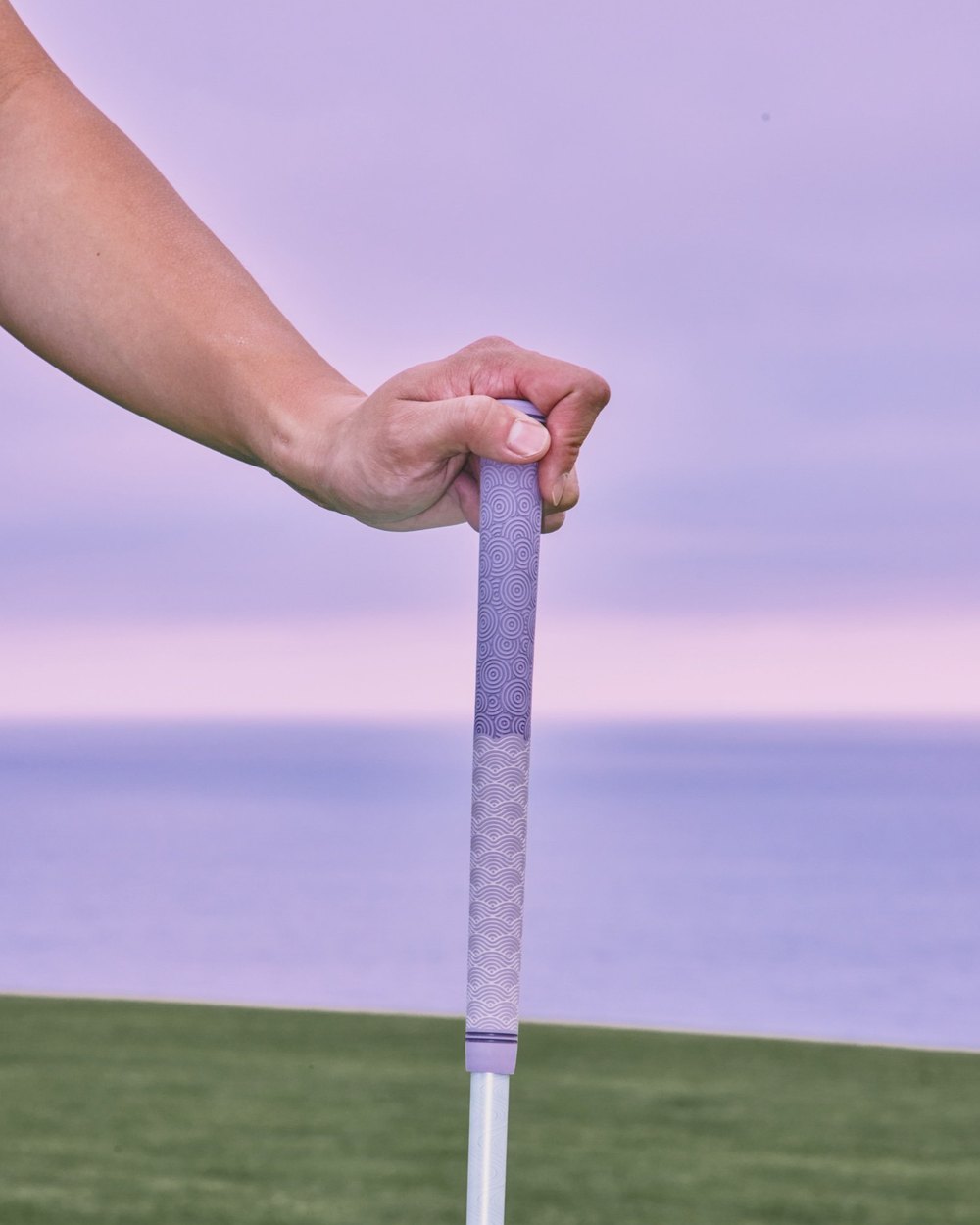
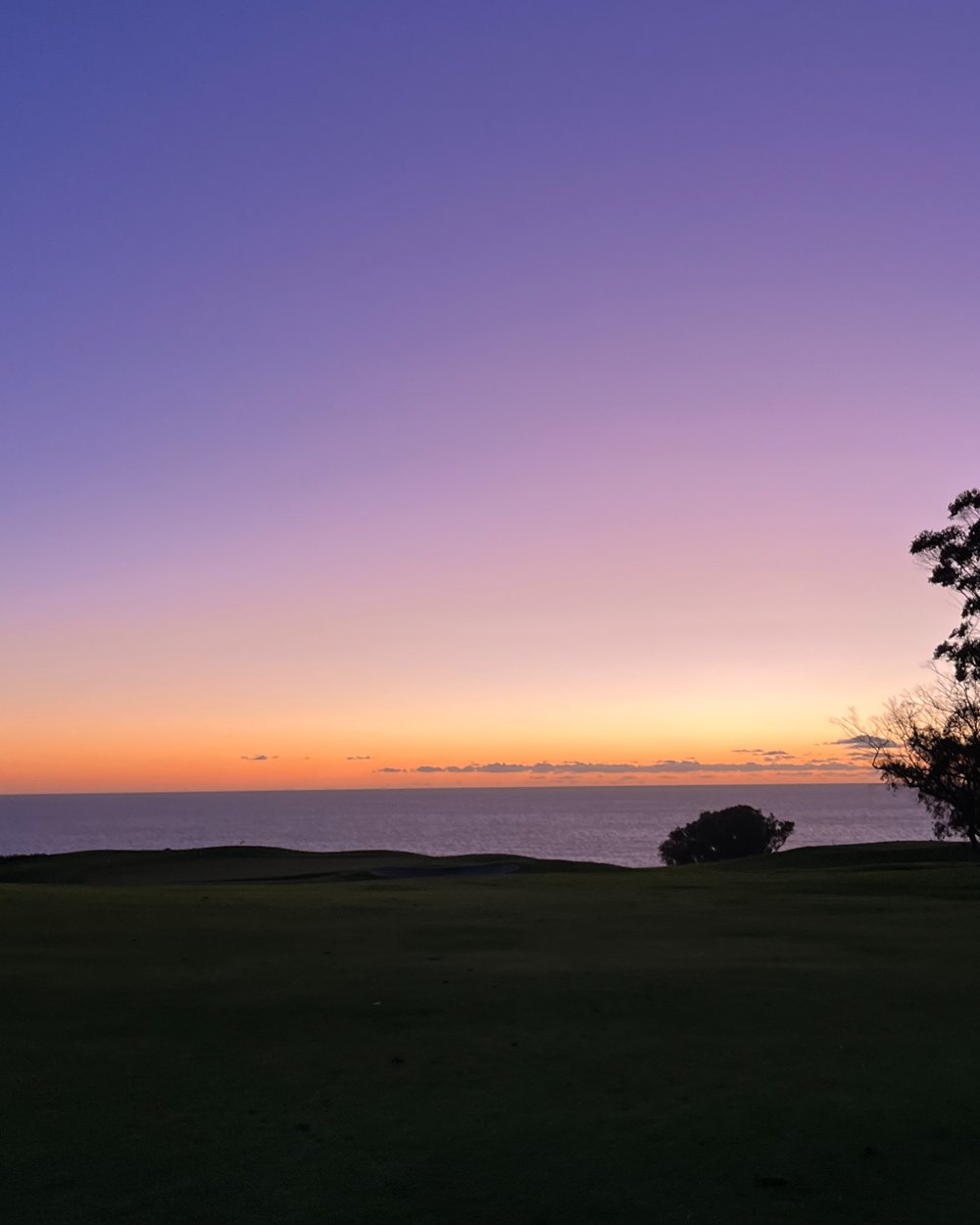
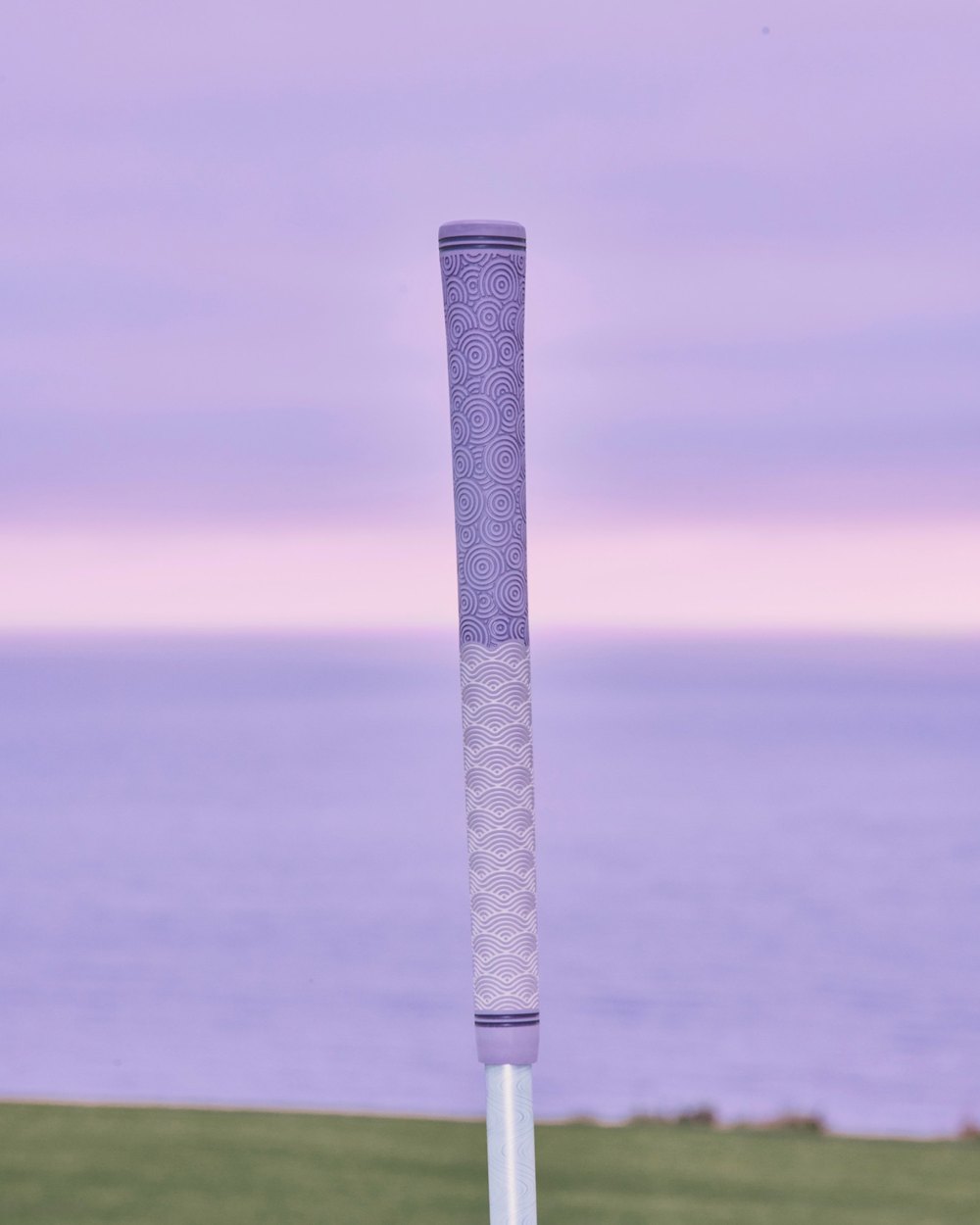
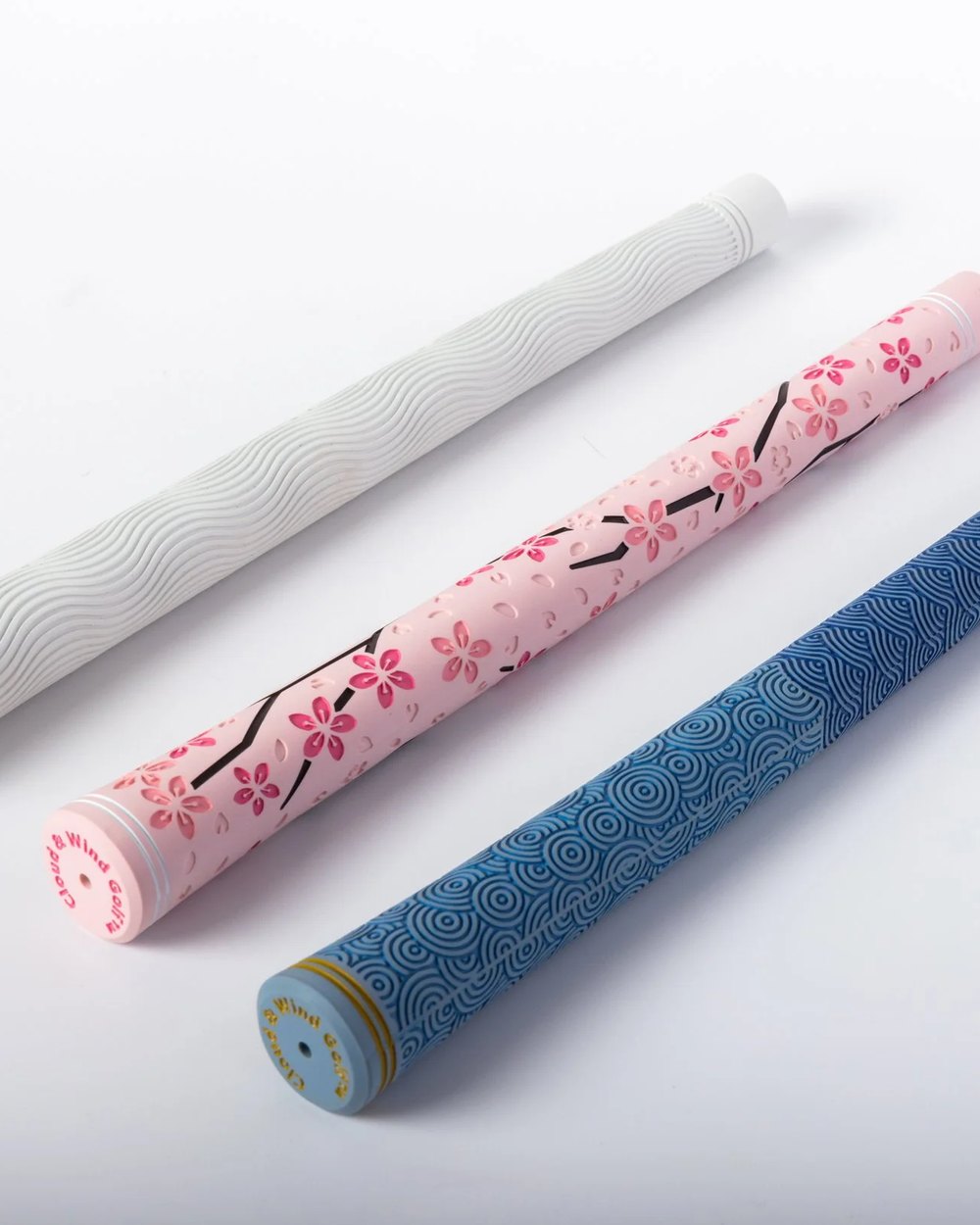
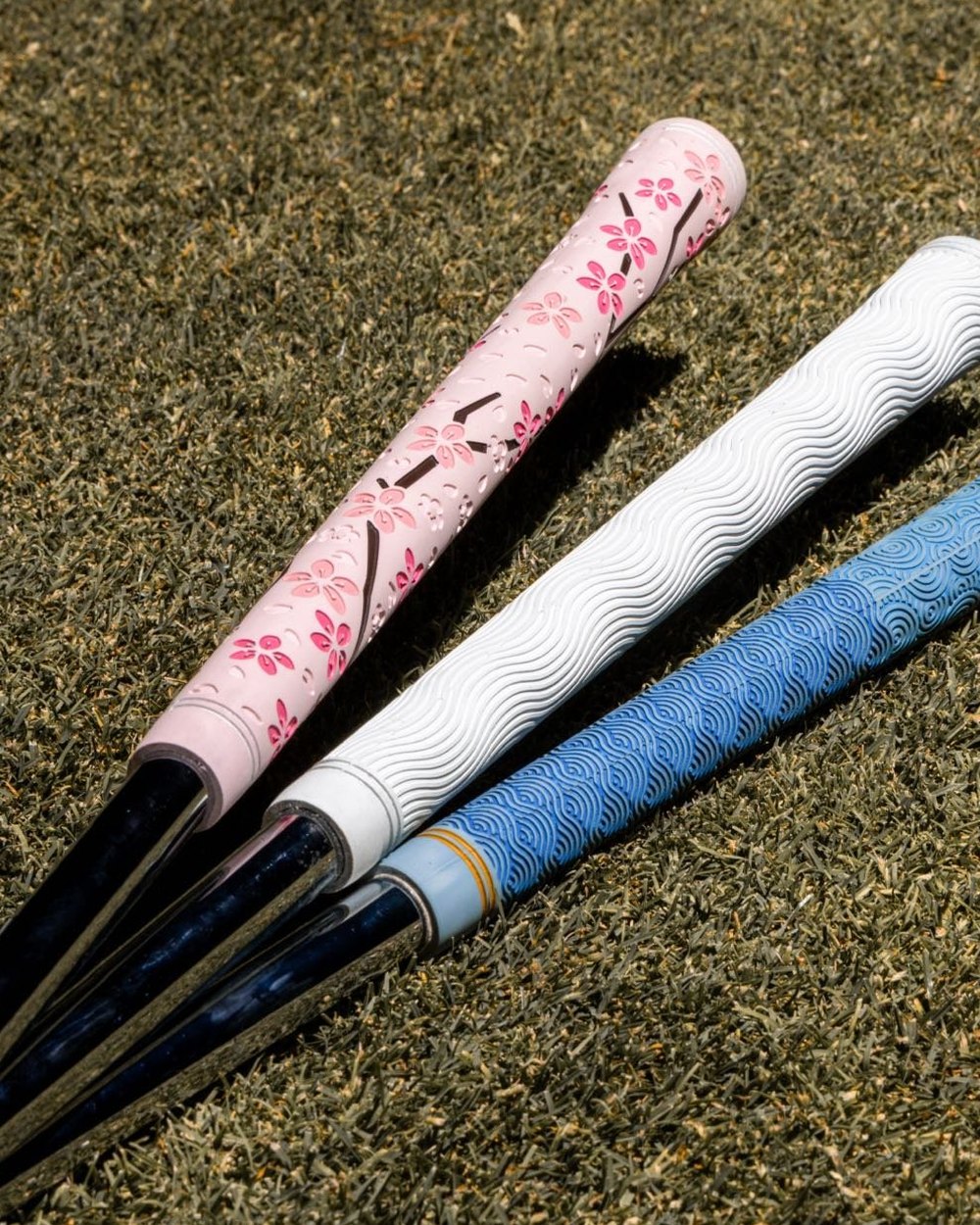
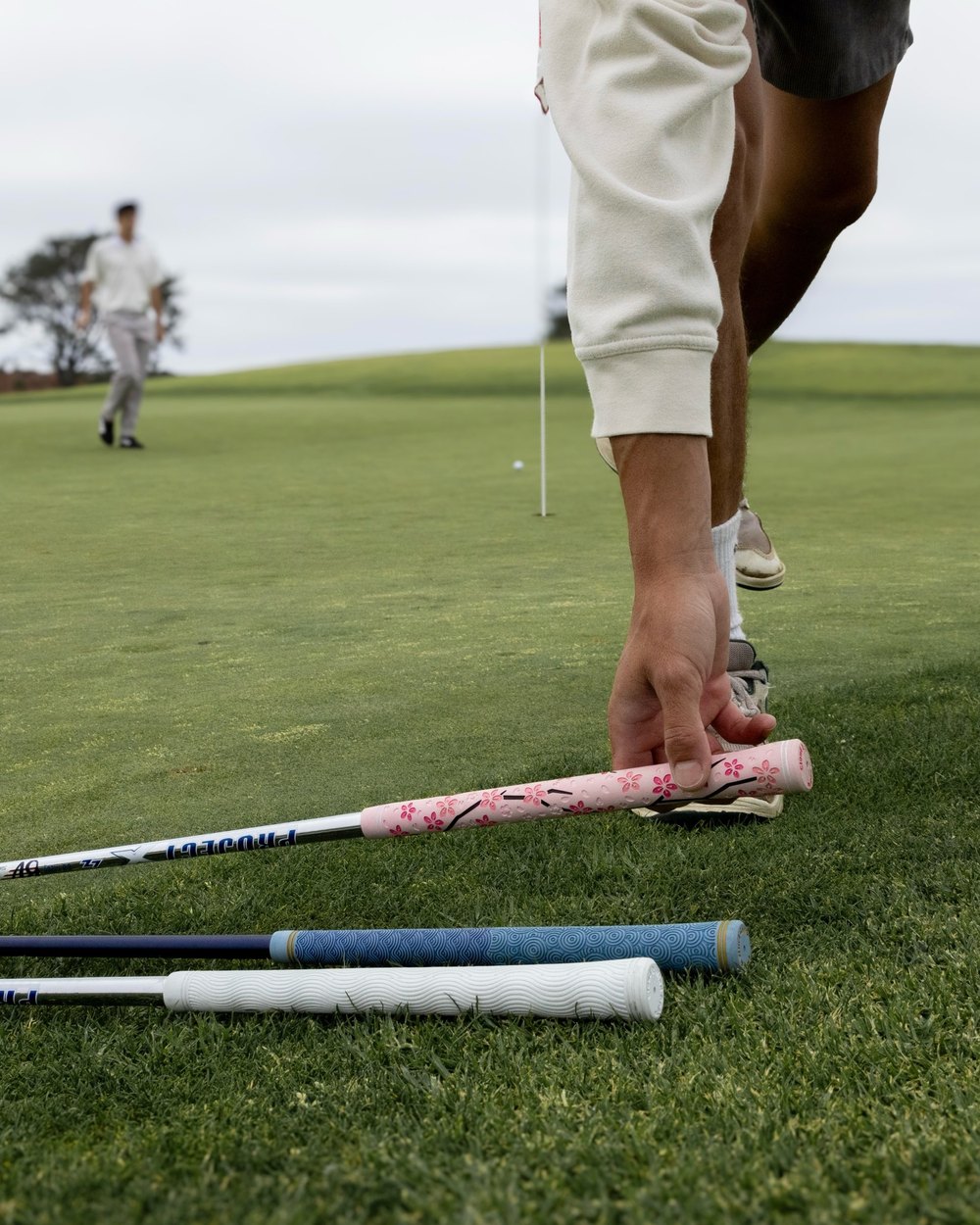
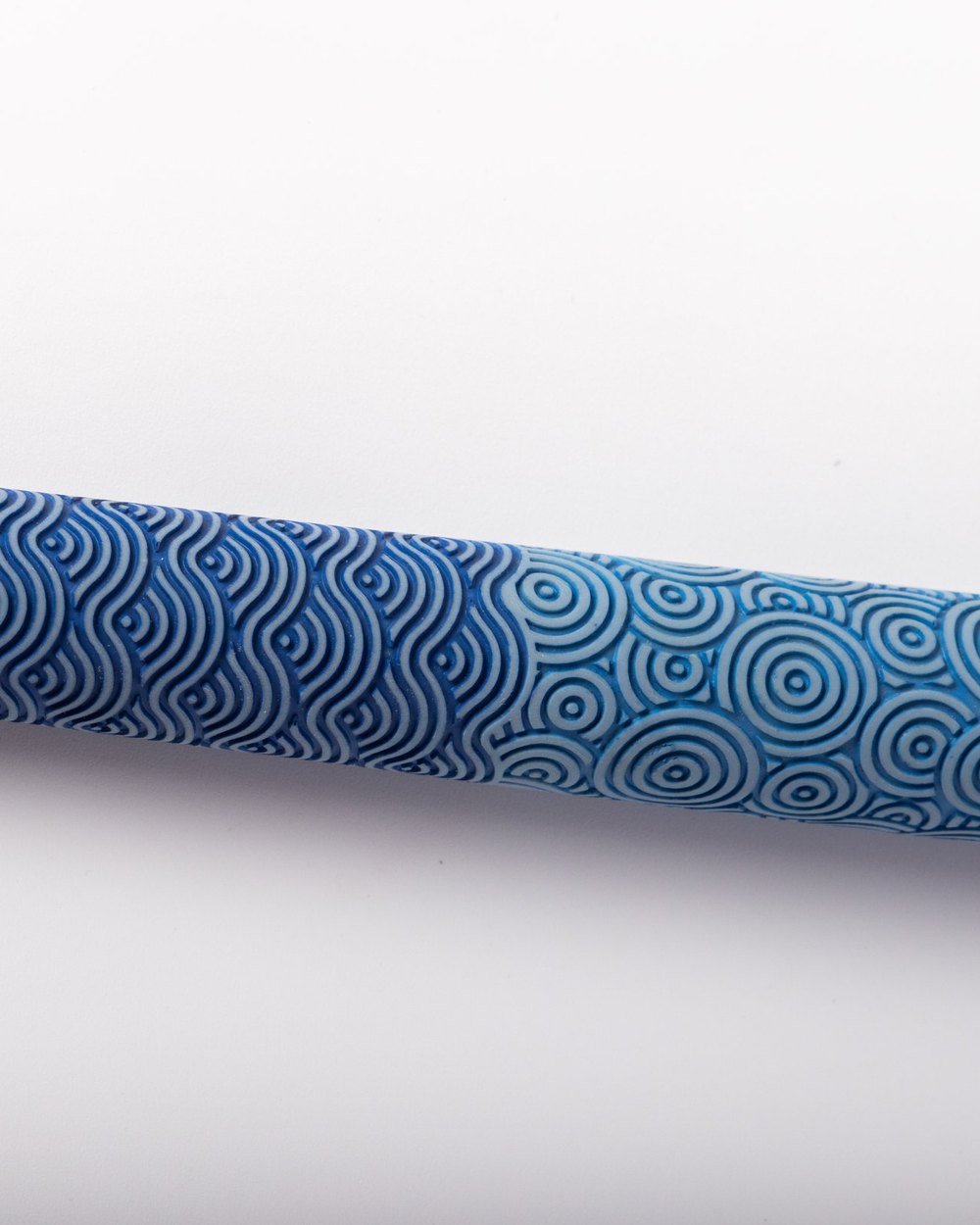
Cloud & Wind makes grips and art-directs them like a fashion line, with blossom patterns, coastal sunsets and a line of Chinese verse on every one. In its own words: “We dig back into our heritage and look for inspiration.”
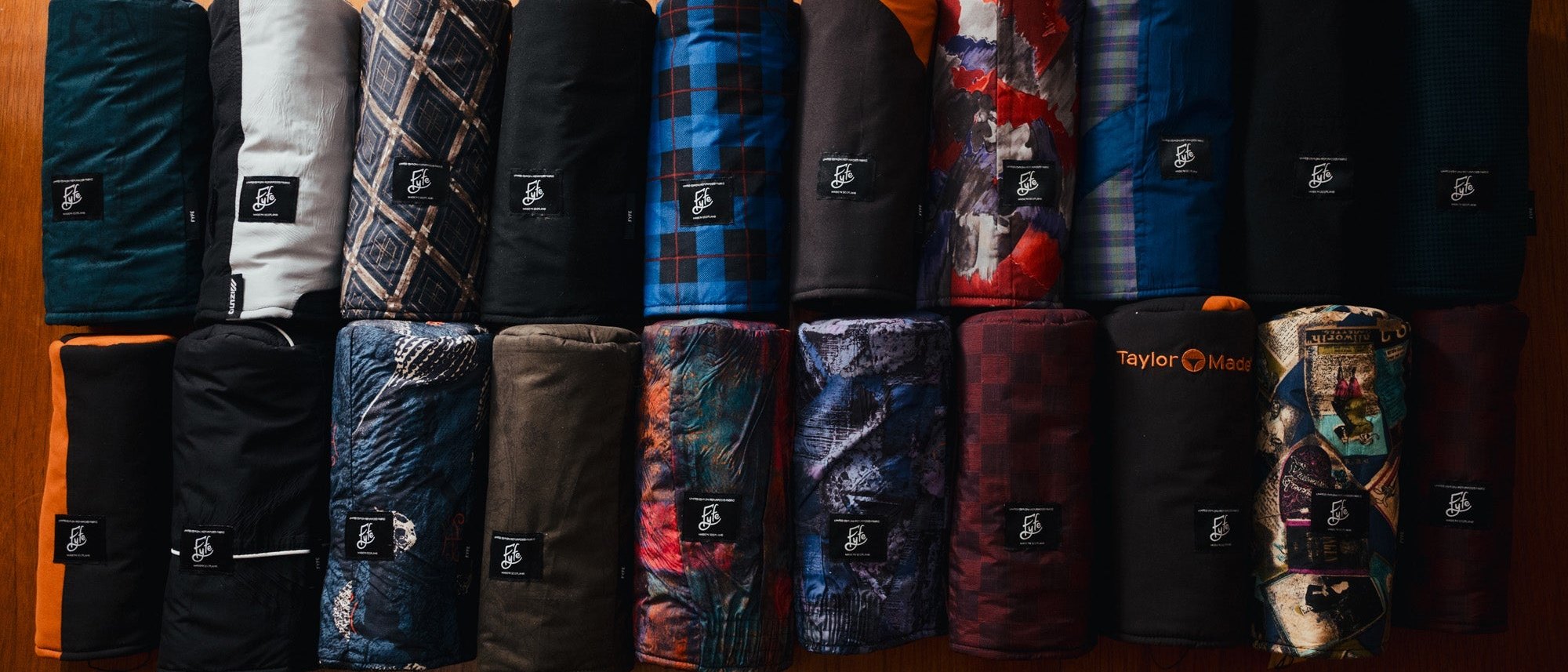
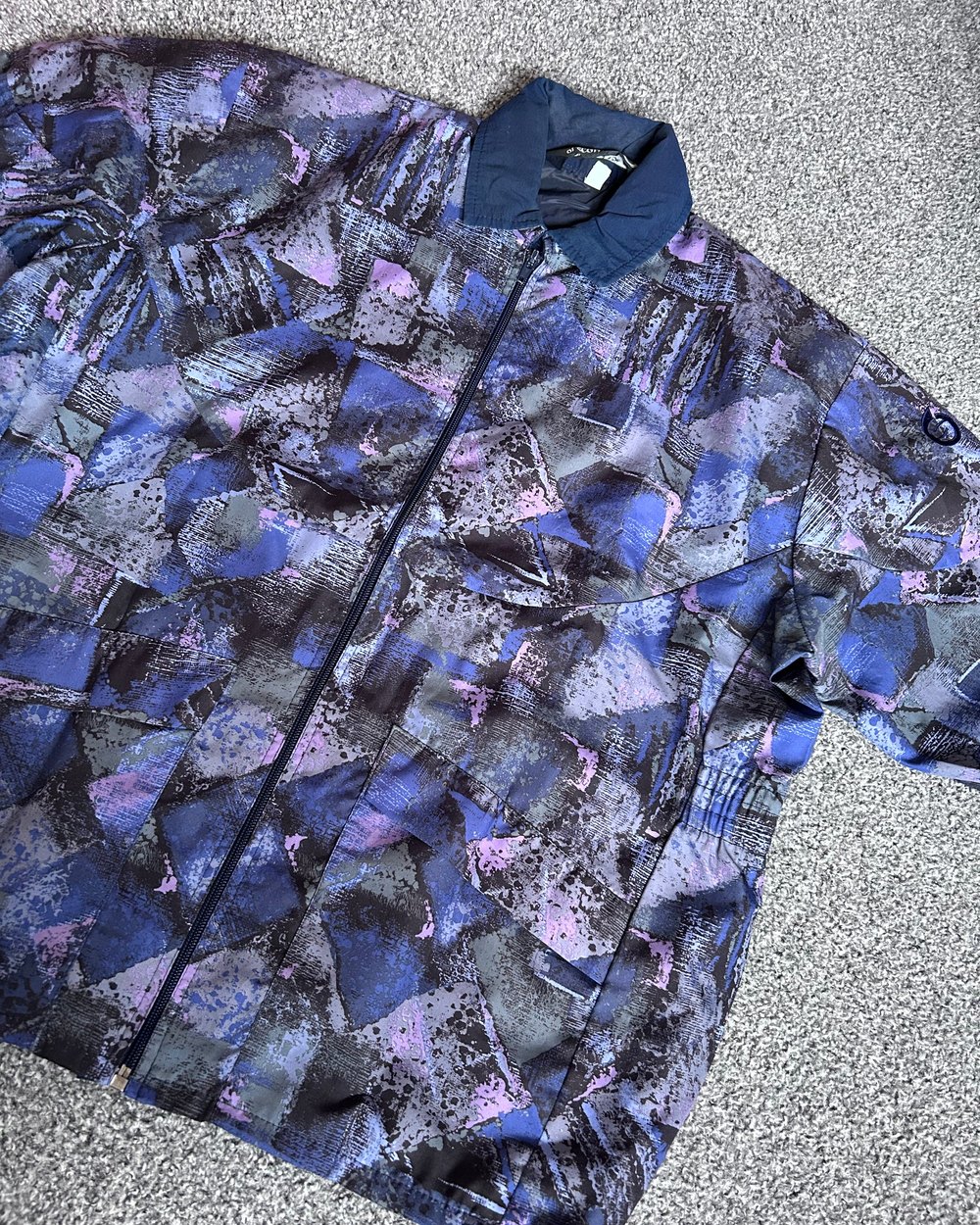
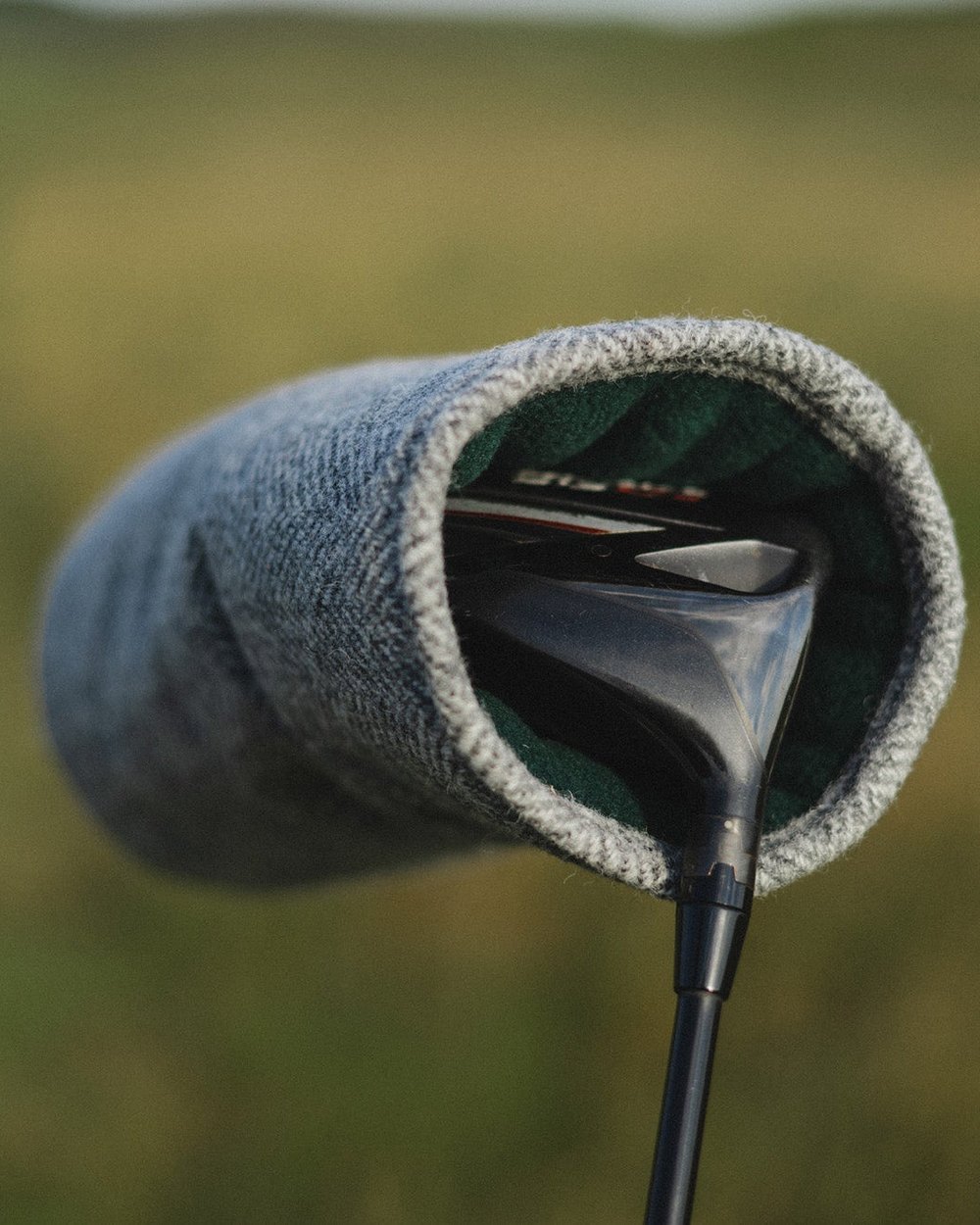
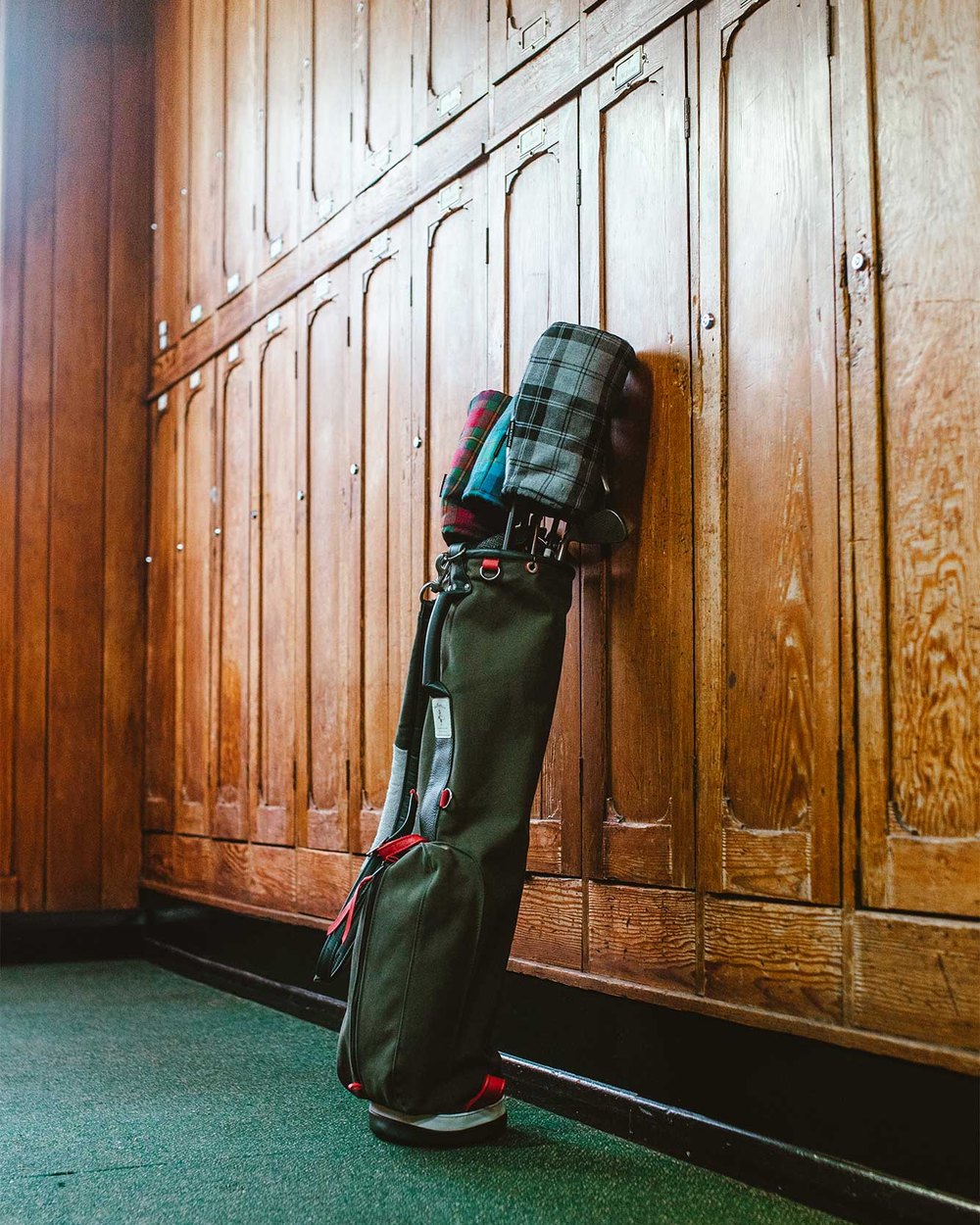
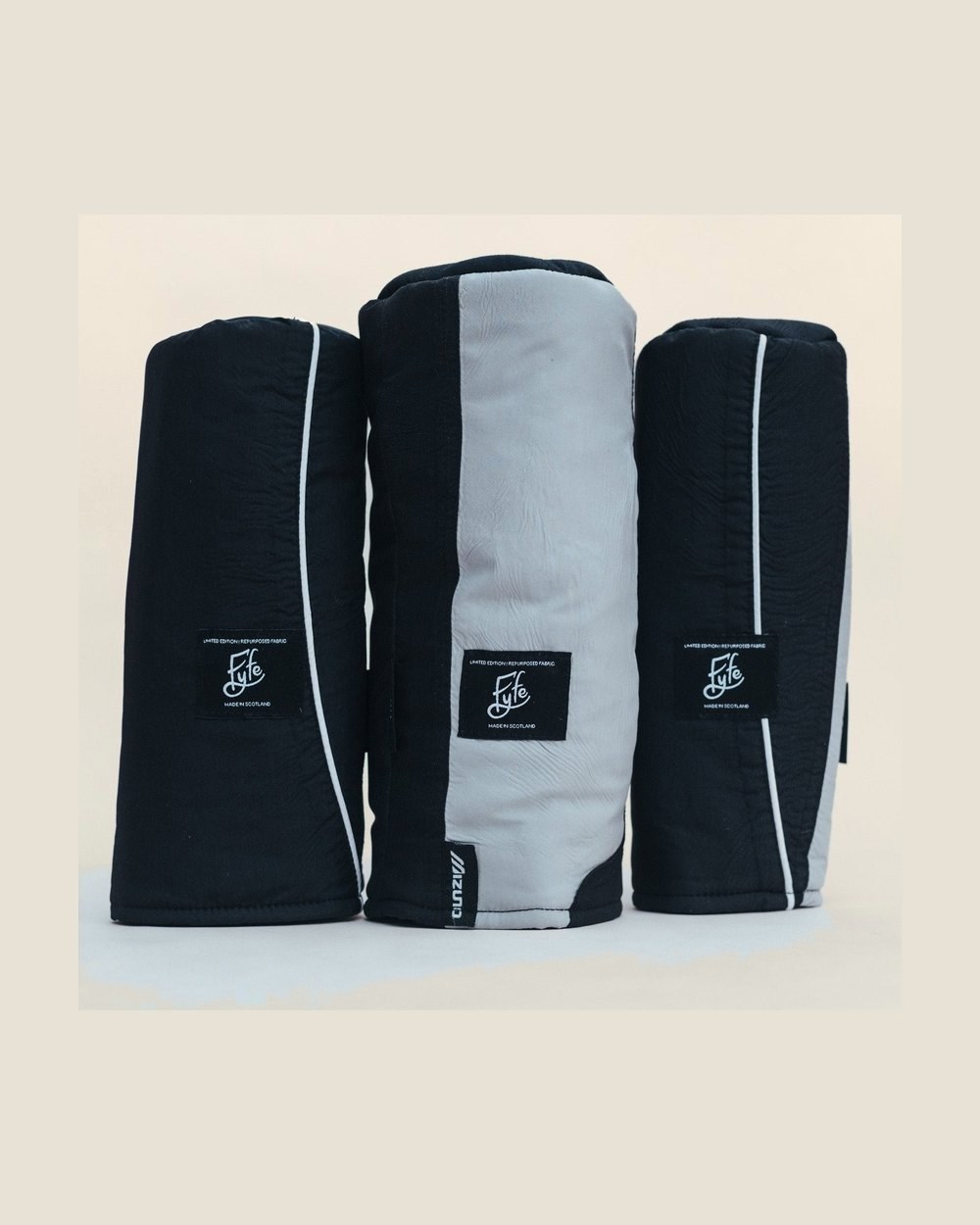
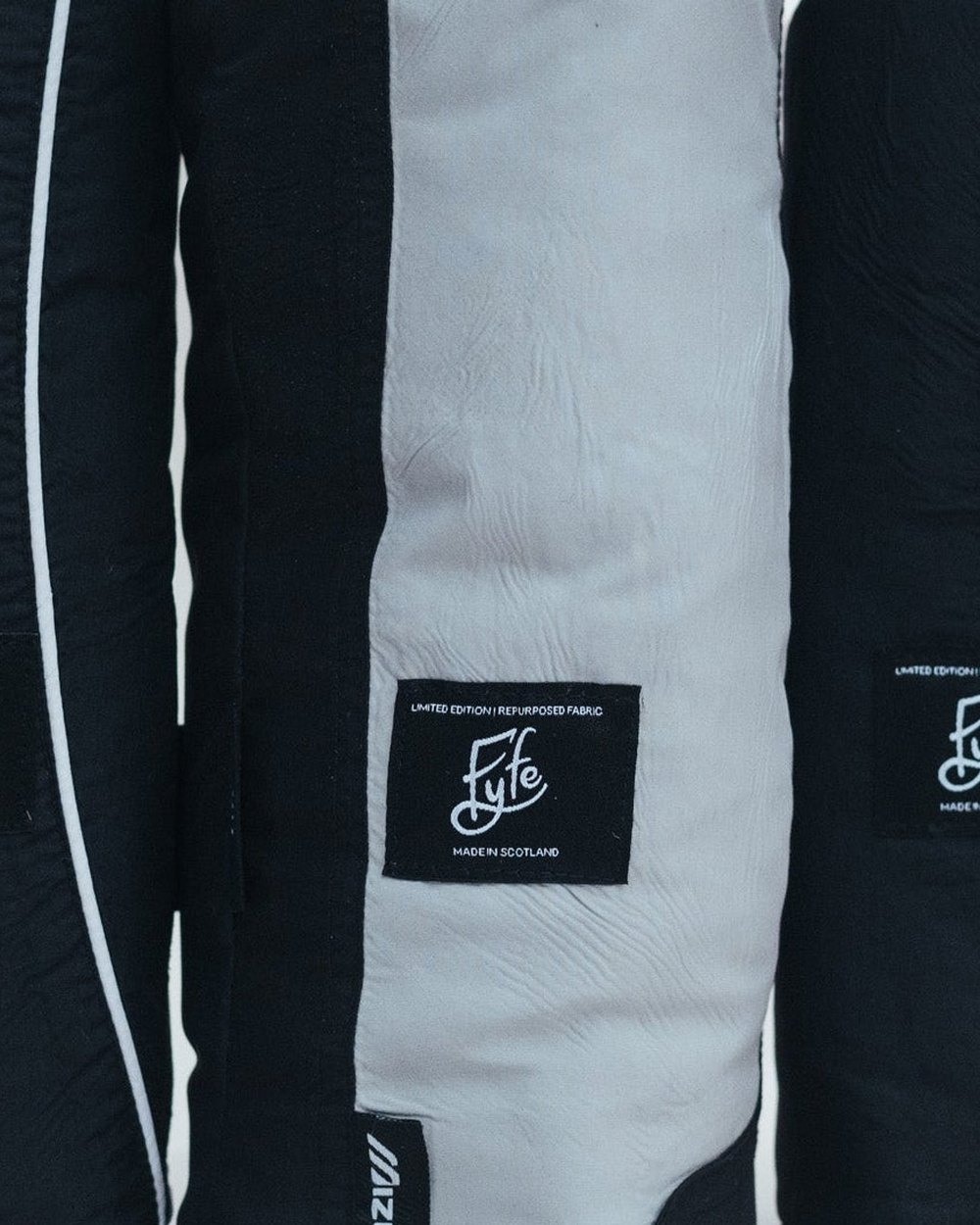
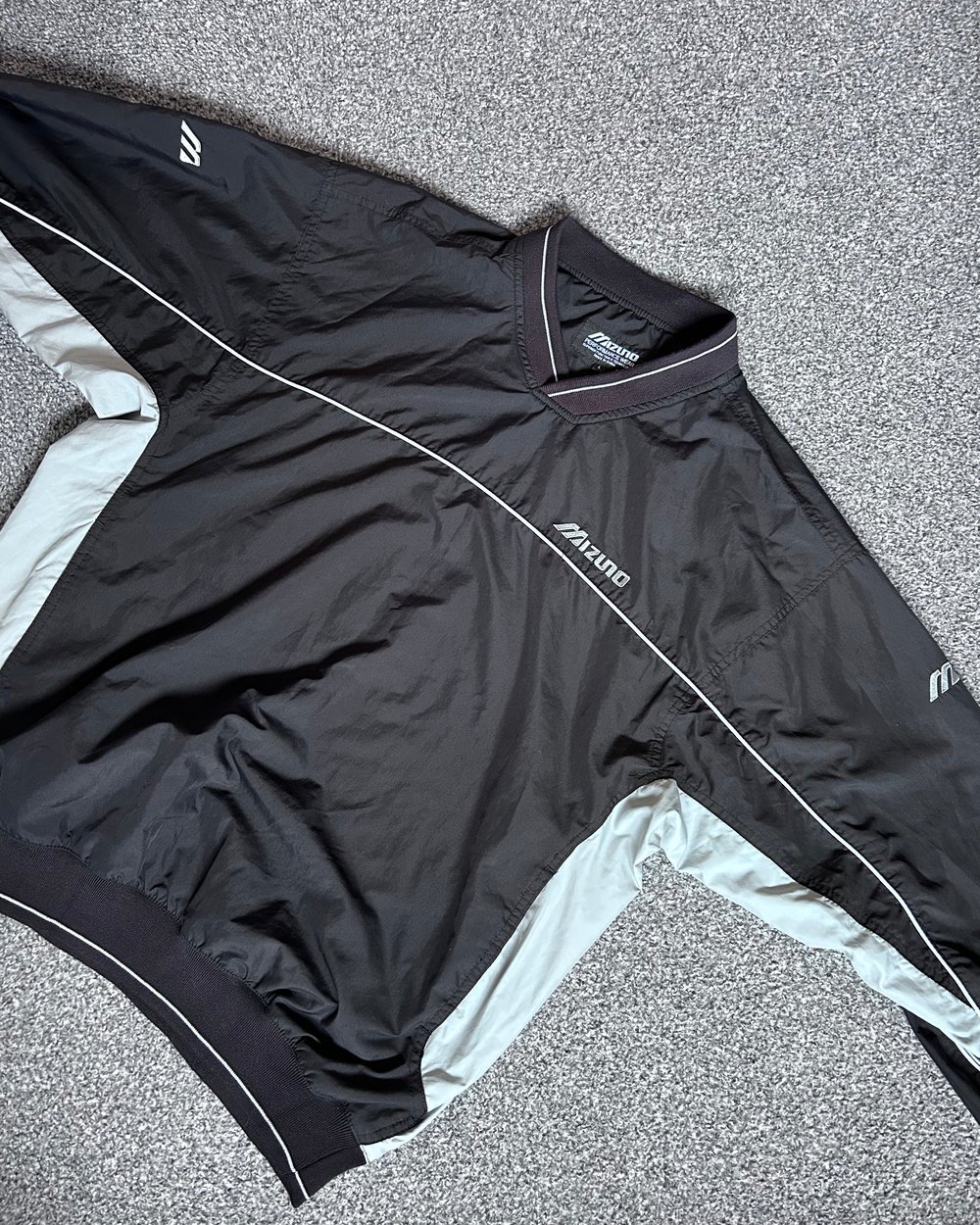
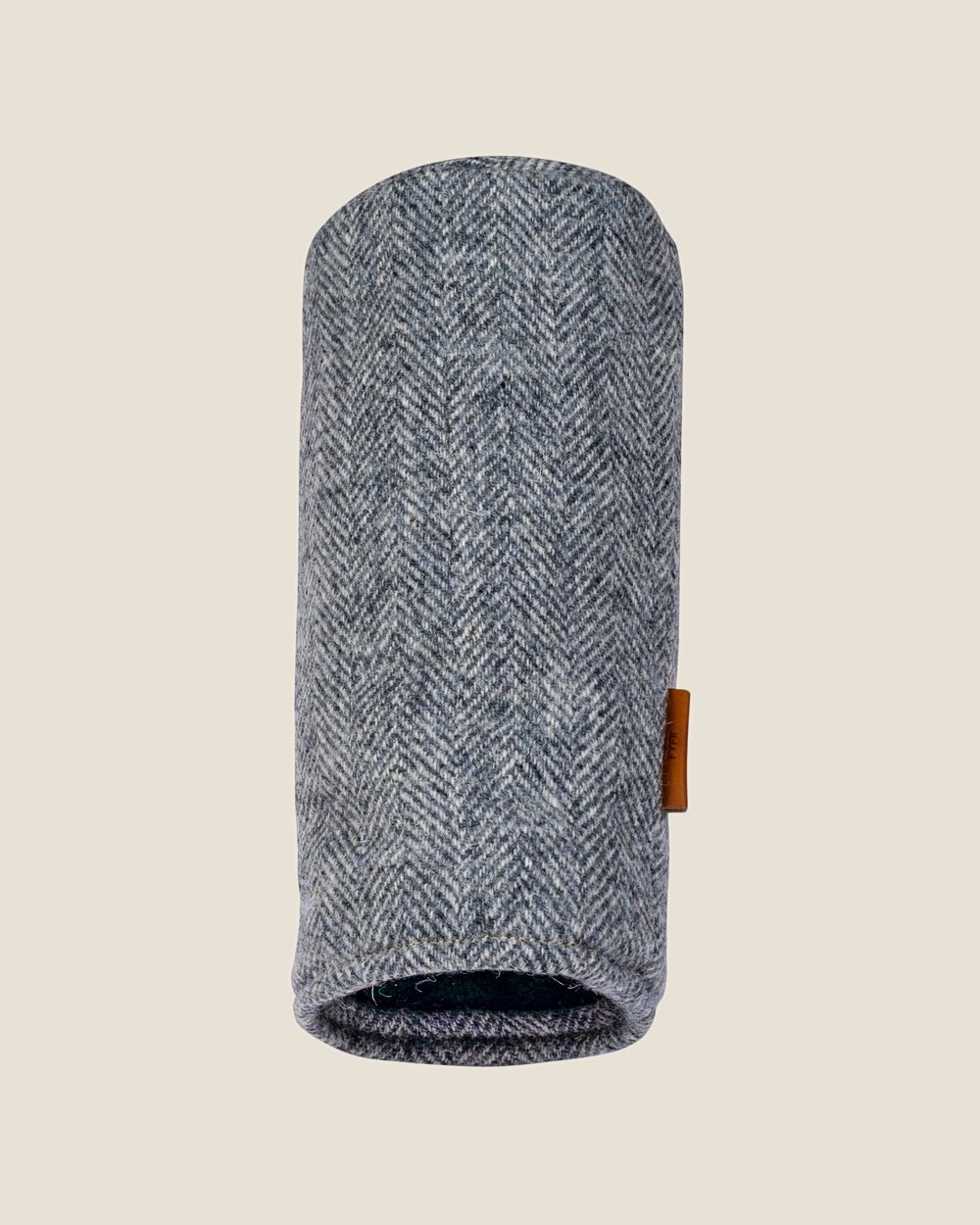
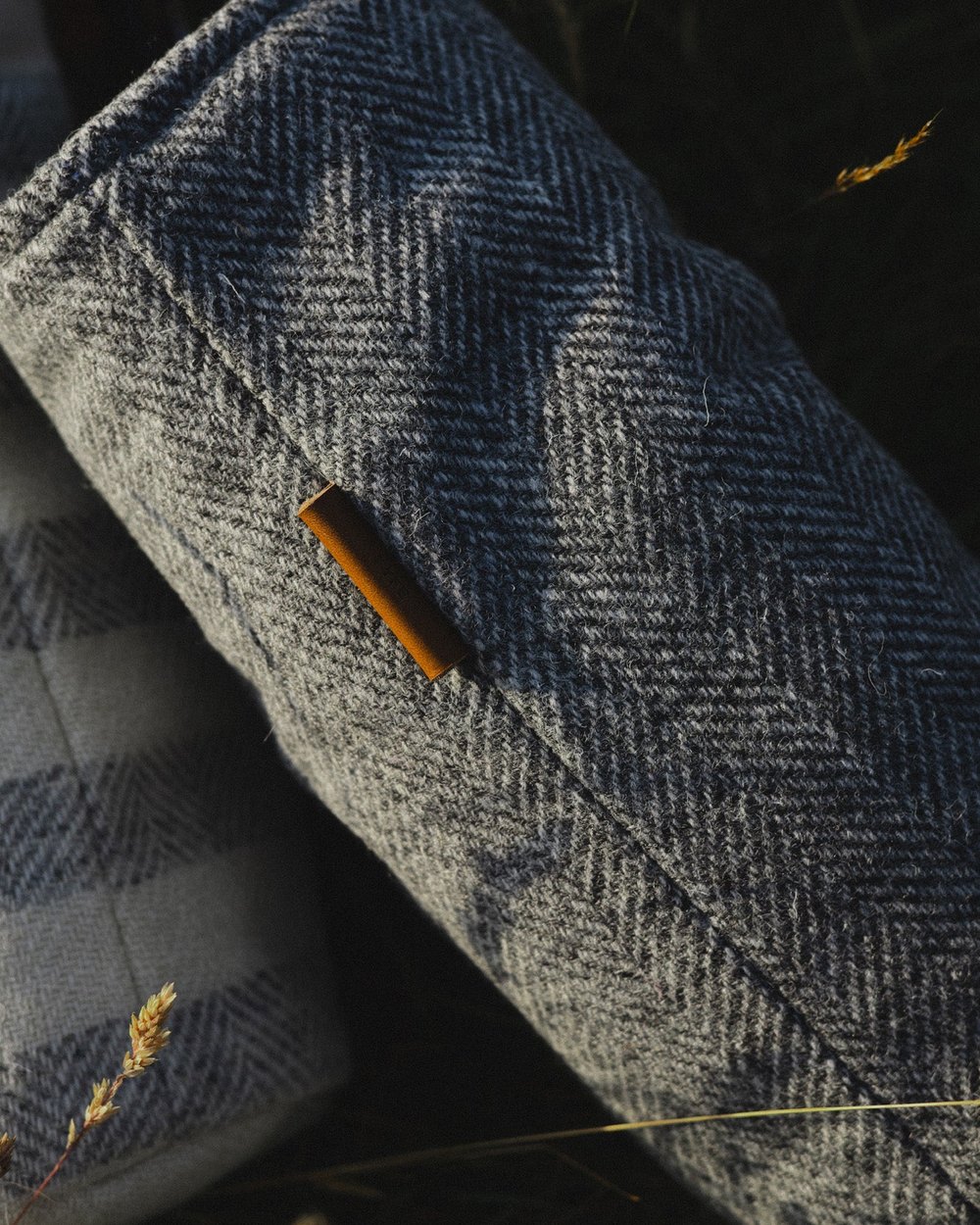
Fyfe cuts headcovers from Harris Tweed woven on the Isle of Lewis and from old golf jackets taken apart in its Scottish workshop. Founder Neil Rennie started it because Scottish pro shops felt like “Everything was mass-produced and heavily branded.”
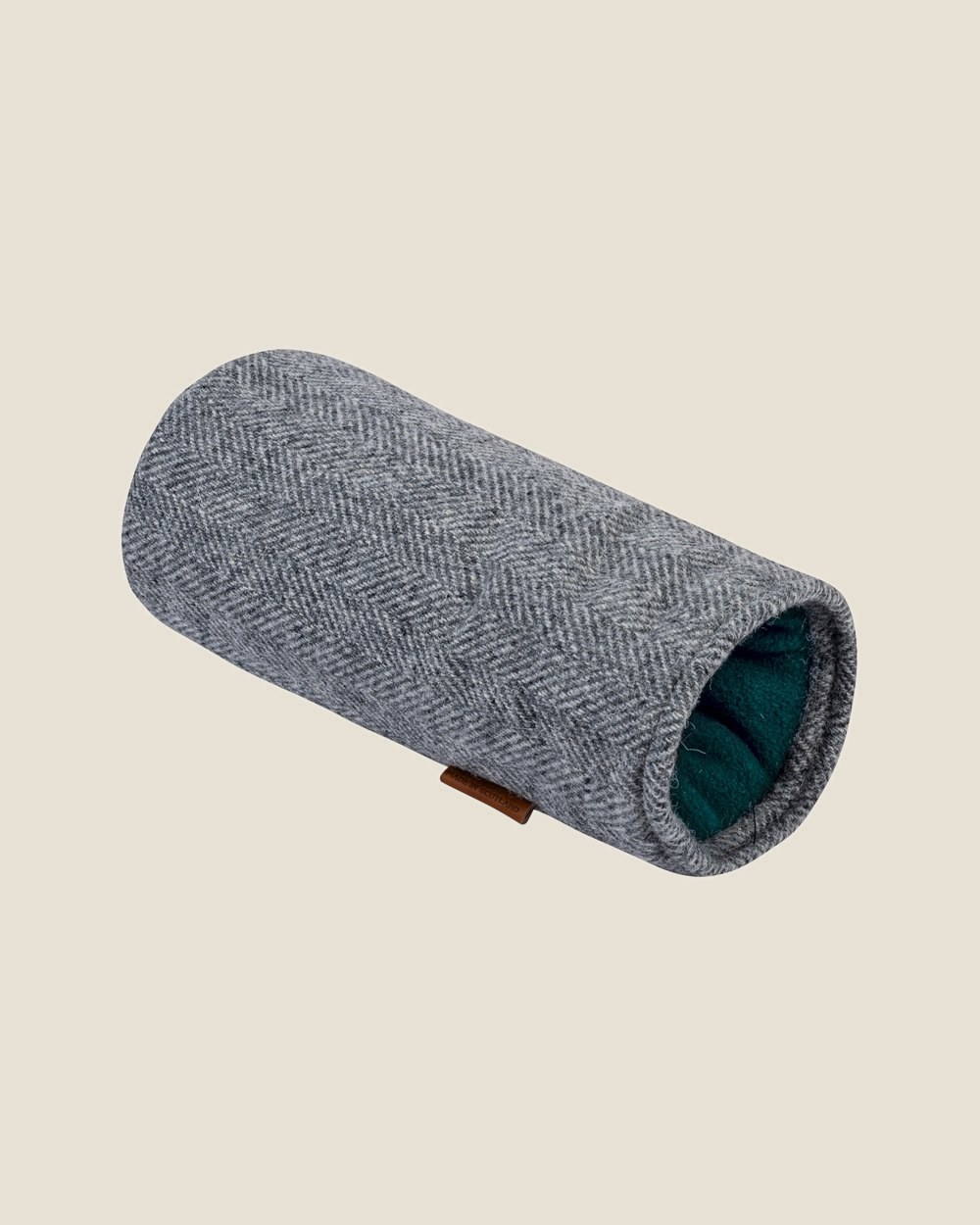
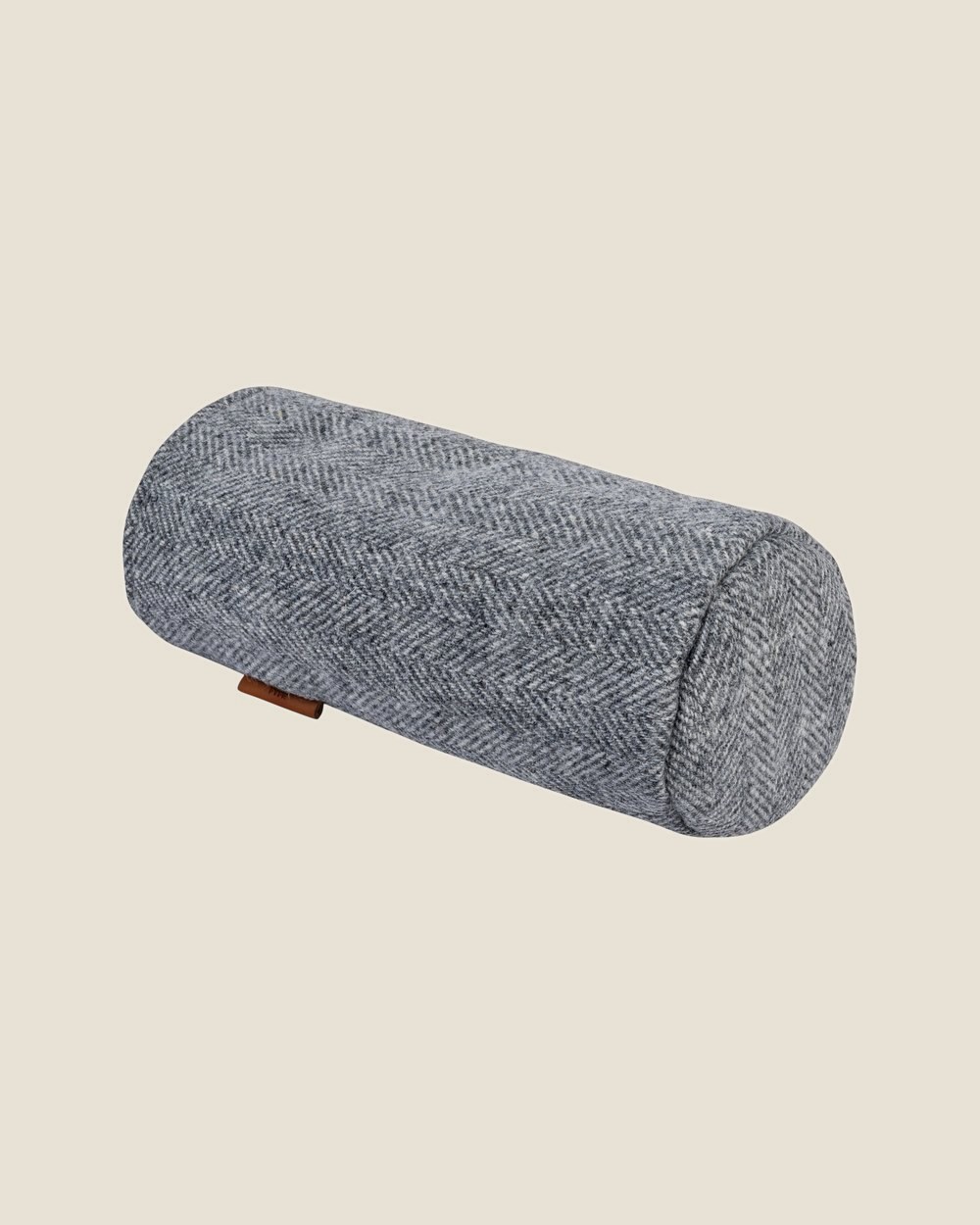
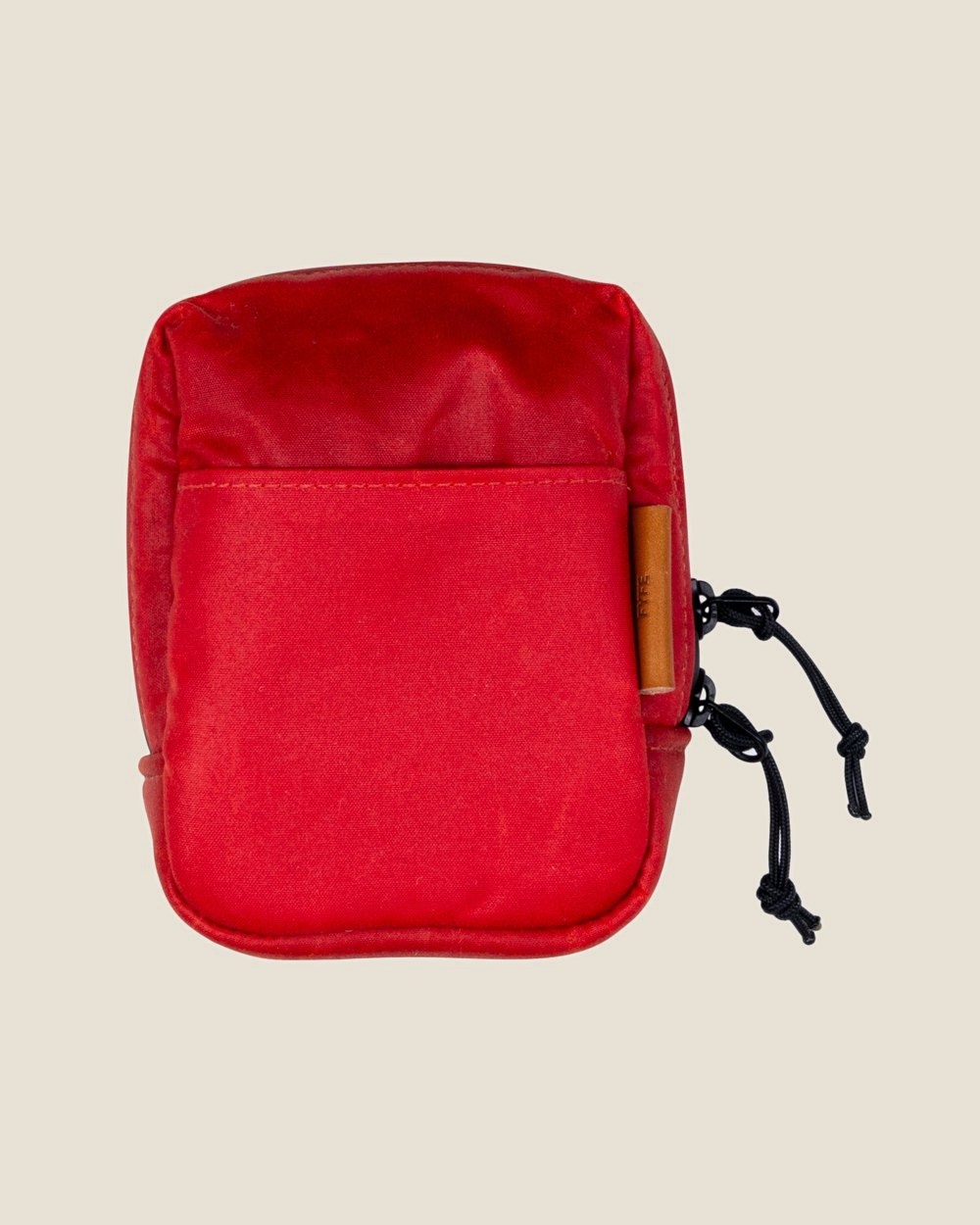
Our 13 for 2026 are Left of Field, SLICE TOWN, Sentinel Golf and Mogshade for photography; Kingfisher Golf, Forden Golf, Radry, Hidden Links Society and Puttwell for graphics; and Whim Golf, Found Golf, Cloud & Wind and Fyfe Golf for product and object design.
On lookbooks and photography, graphics and logos, and product design. Only independent brands qualified, and we left out any brand featured in our ten most recent posts to keep the list fresh.
Forden's Swingman logo comes from Doc Edgerton's 1938 strobe photograph of a golfer at MIT, which captured one swing as dozens of overlapping figures.
Kingfisher Golf in Dallas. Founder Fiona Cohen was an art director at PepsiCo, specializing in animation and motion design, before starting the brand.
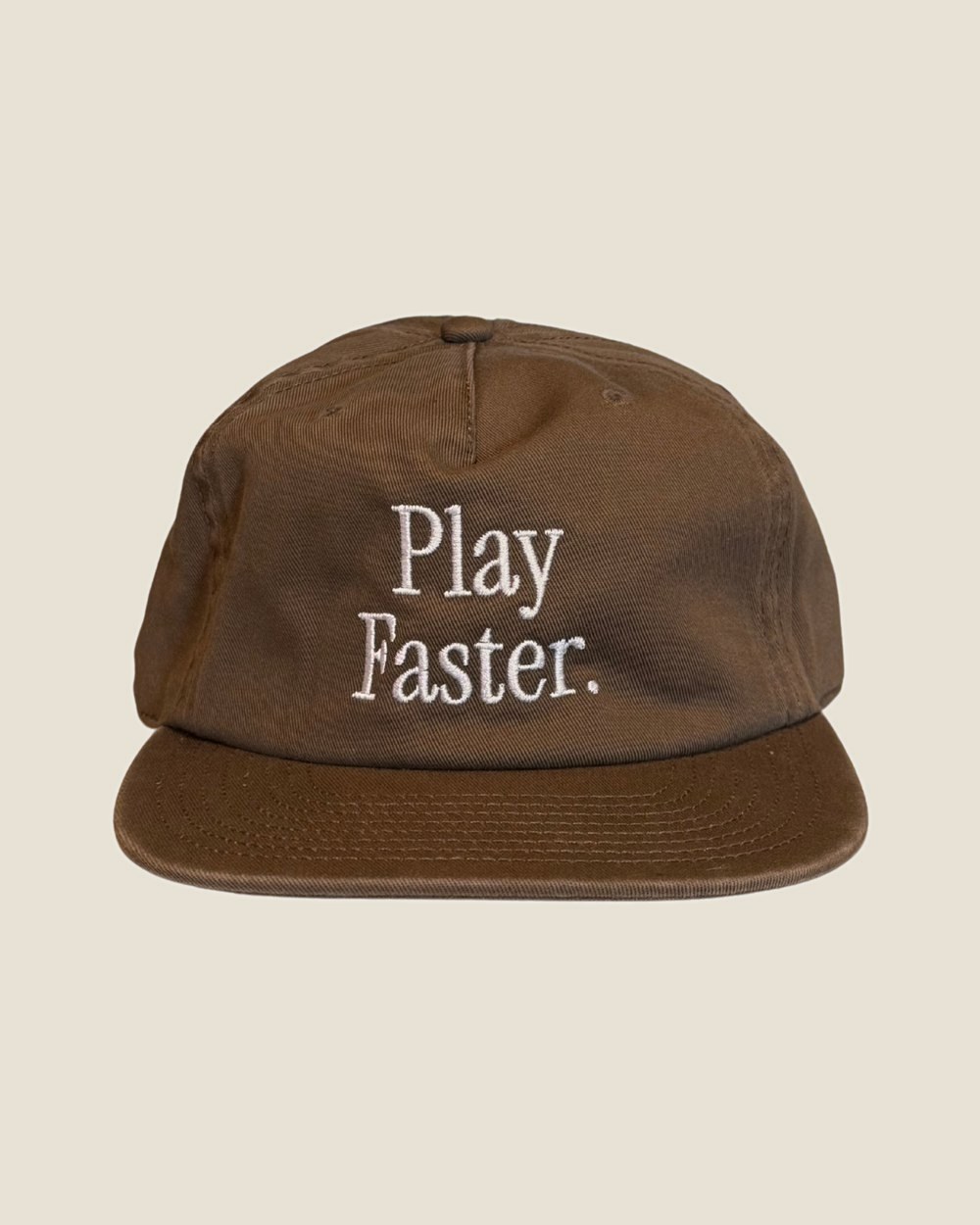
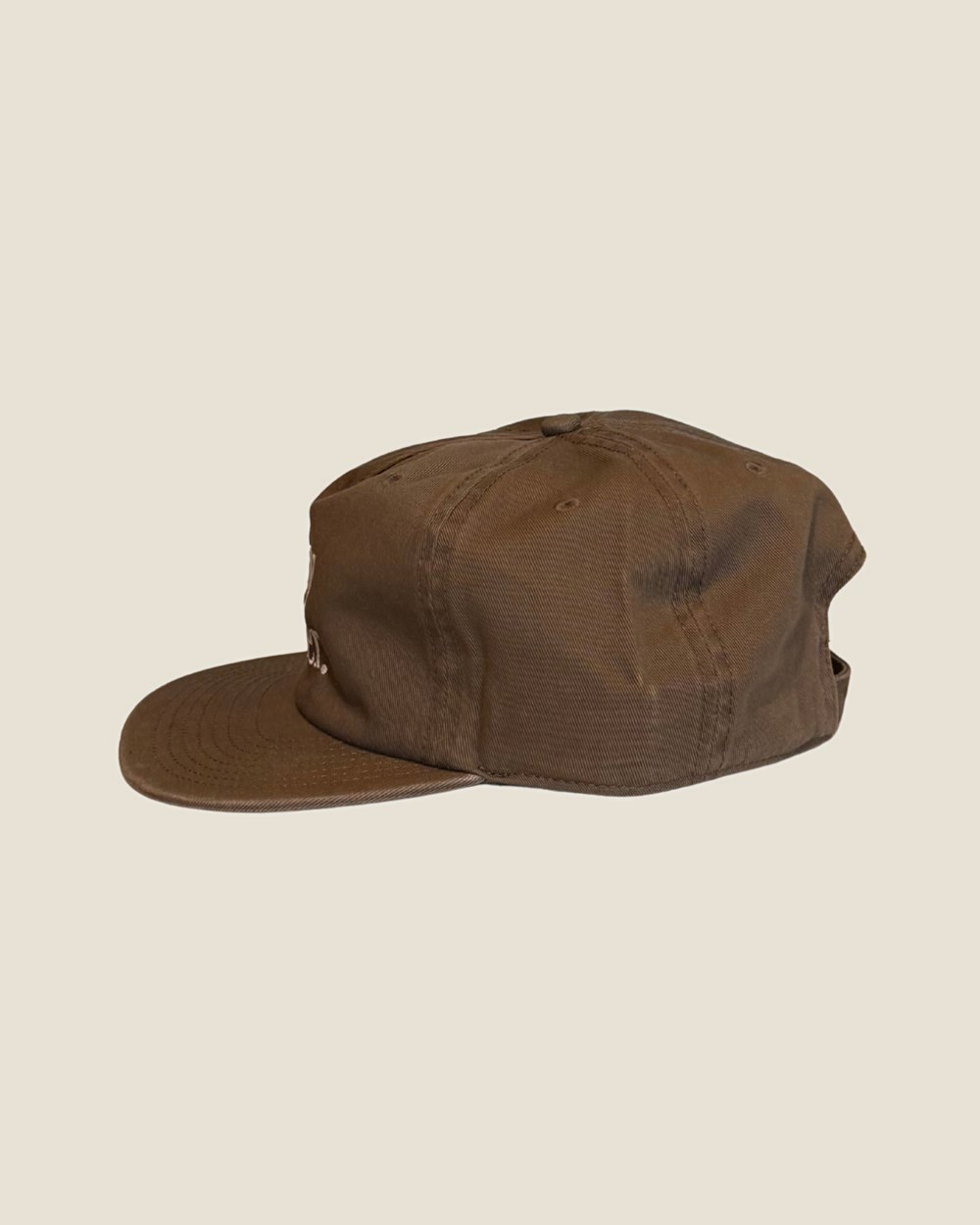
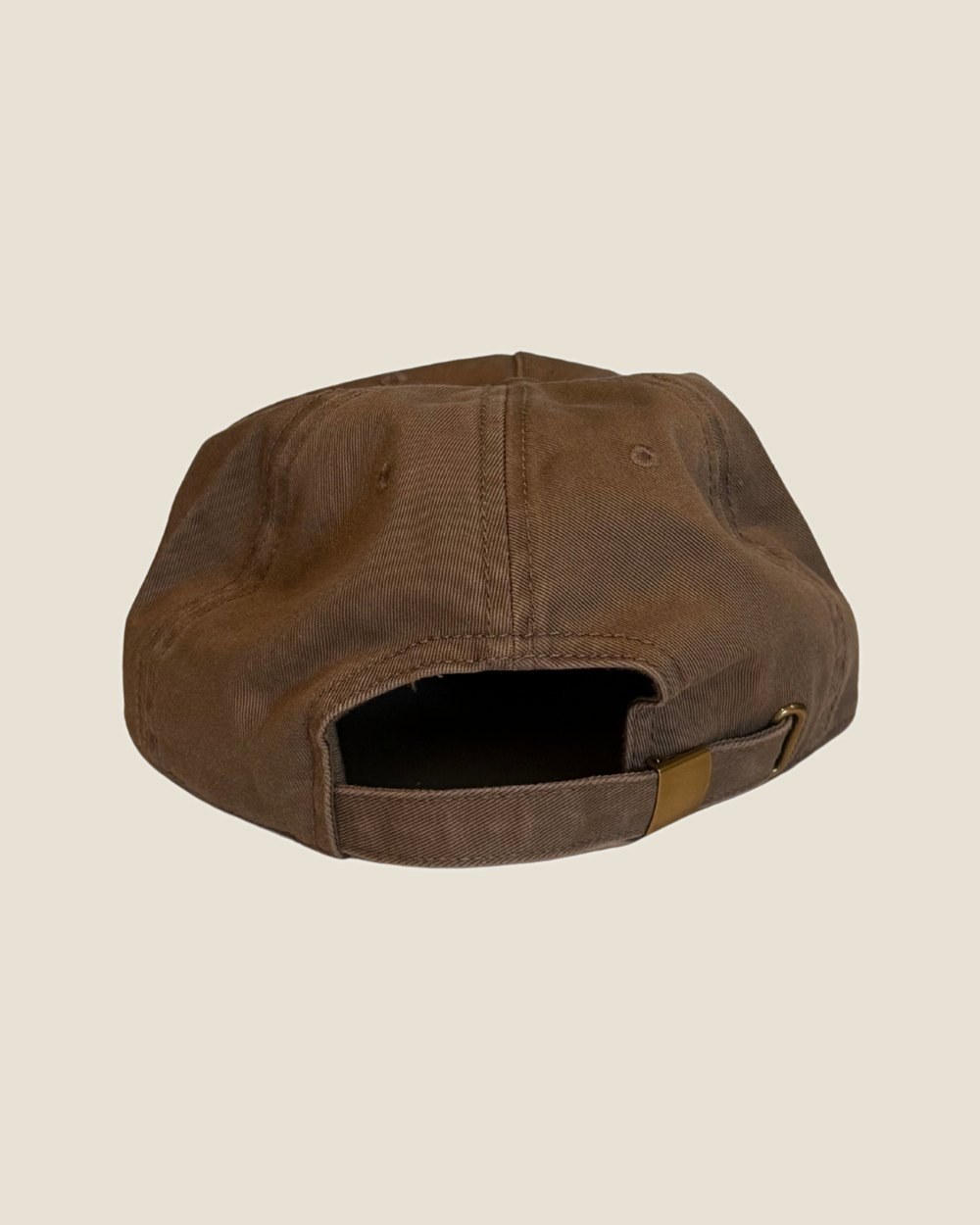
Kingfisher's tee box at $9, a Cloud & Wind grip at $18, or a Hidden Links Society Play Faster cap at $37, as of October 17, 2026.