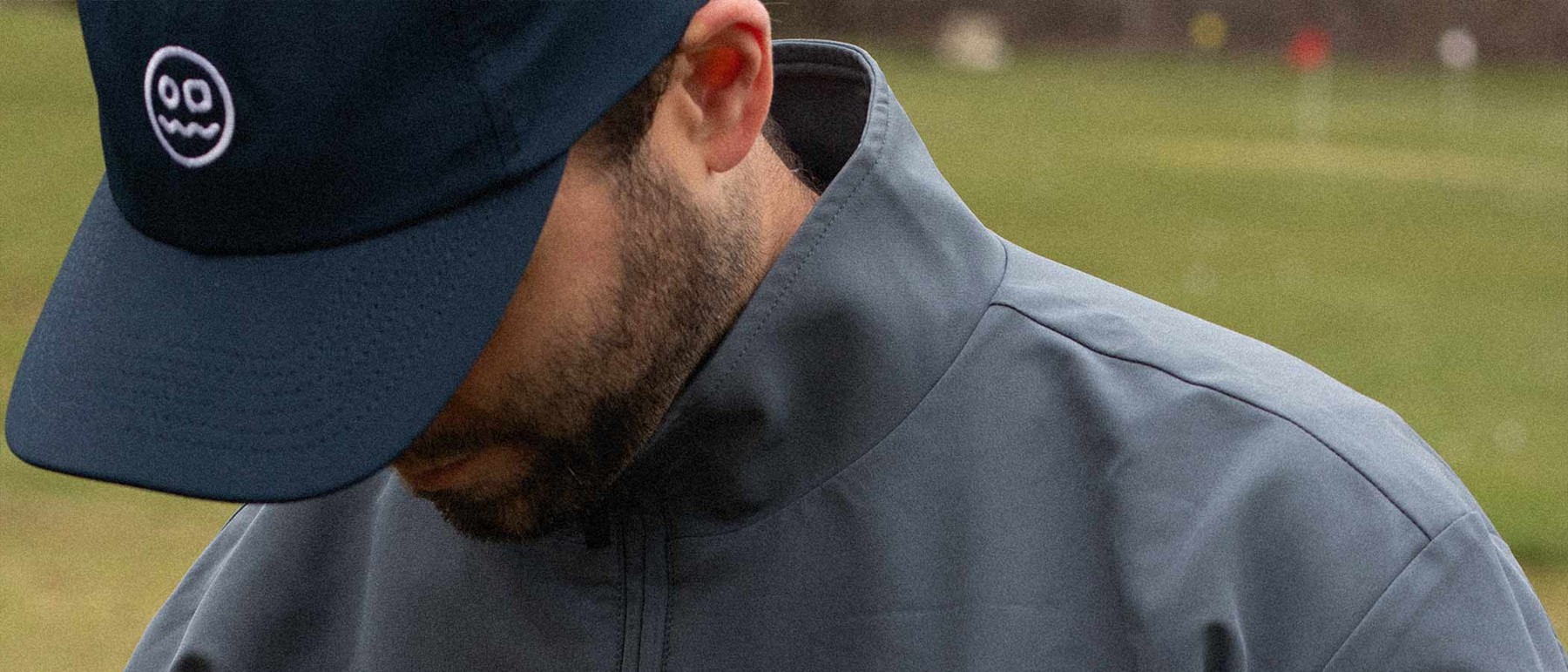
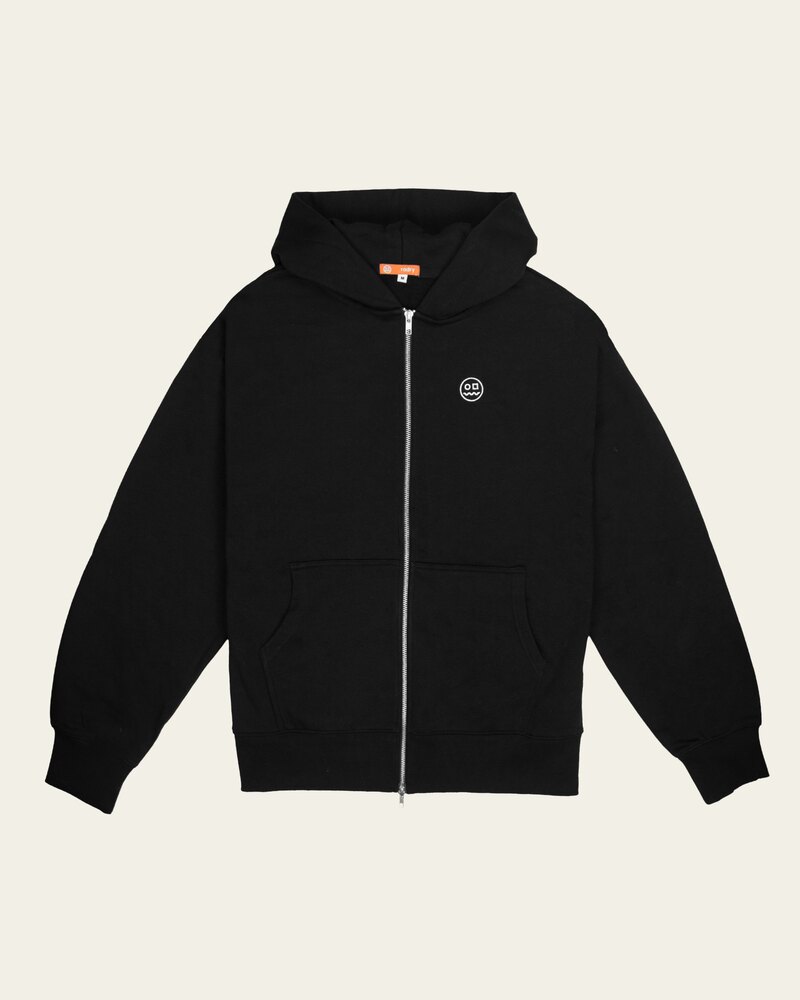
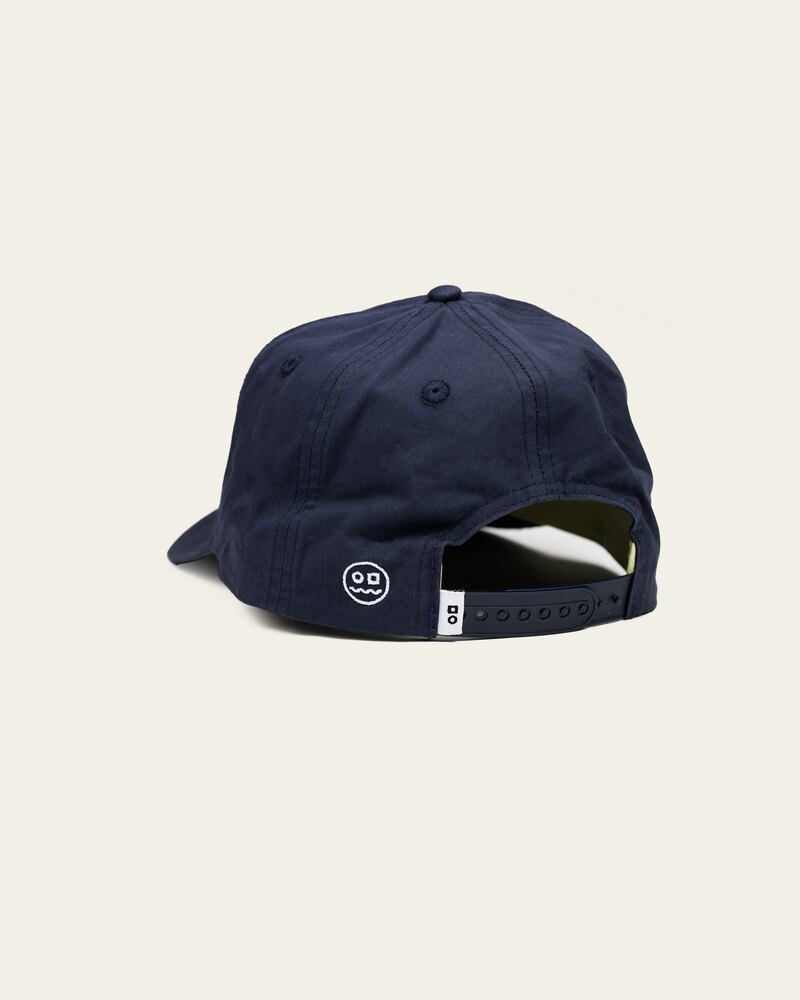
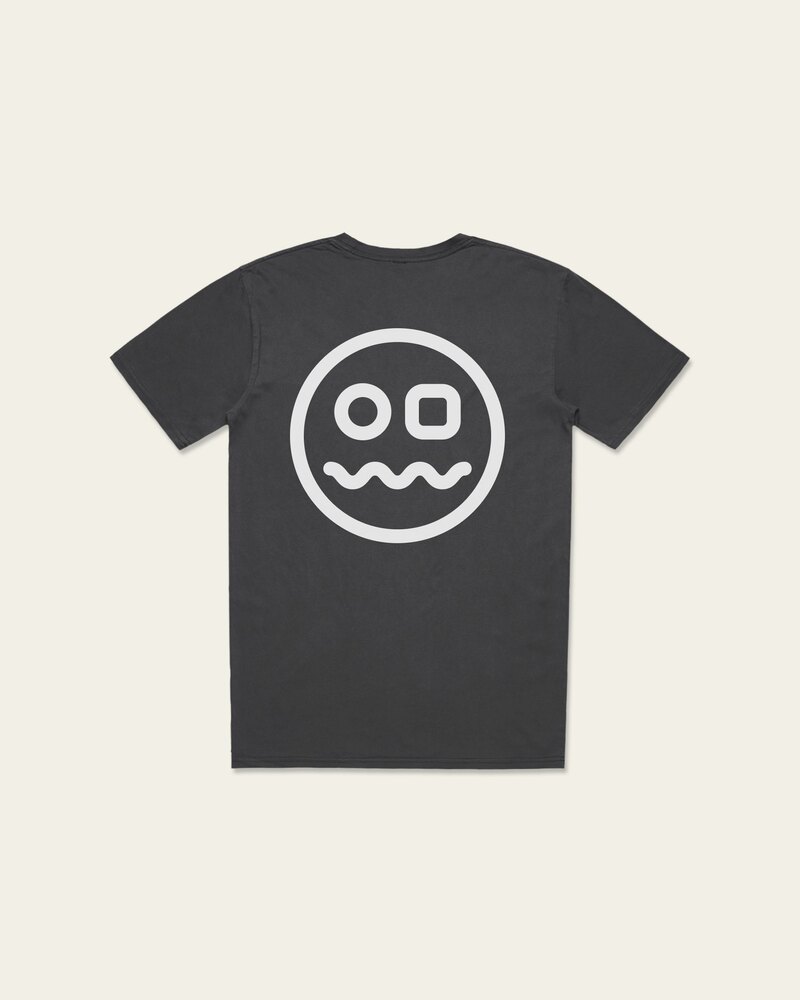
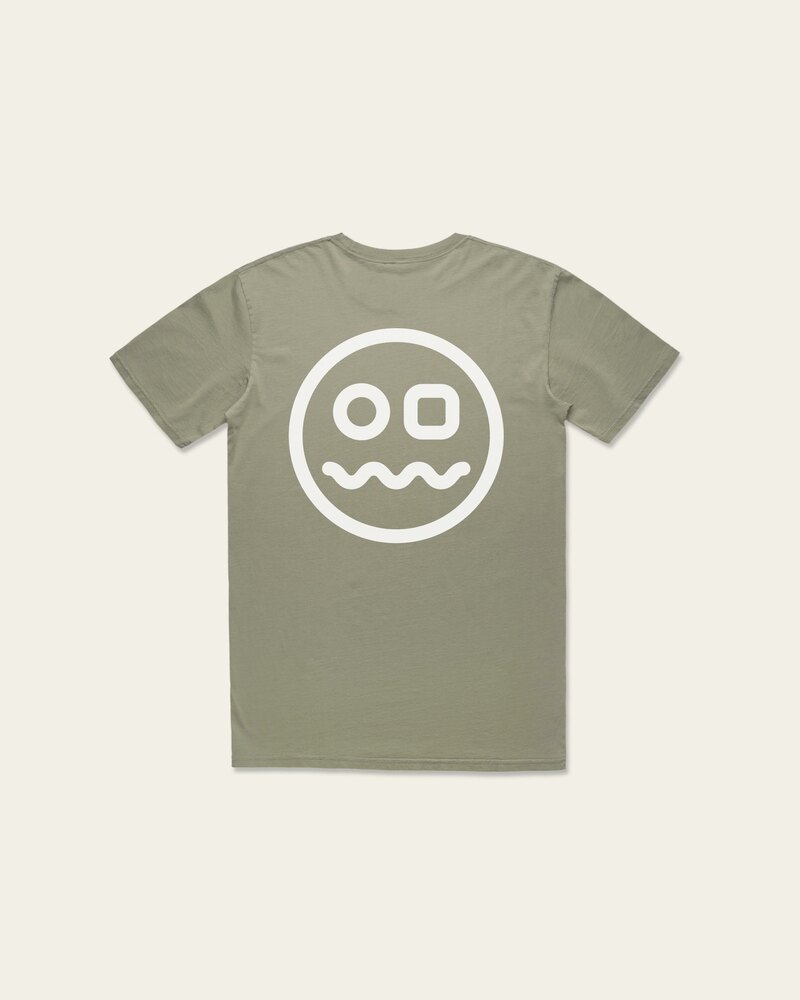
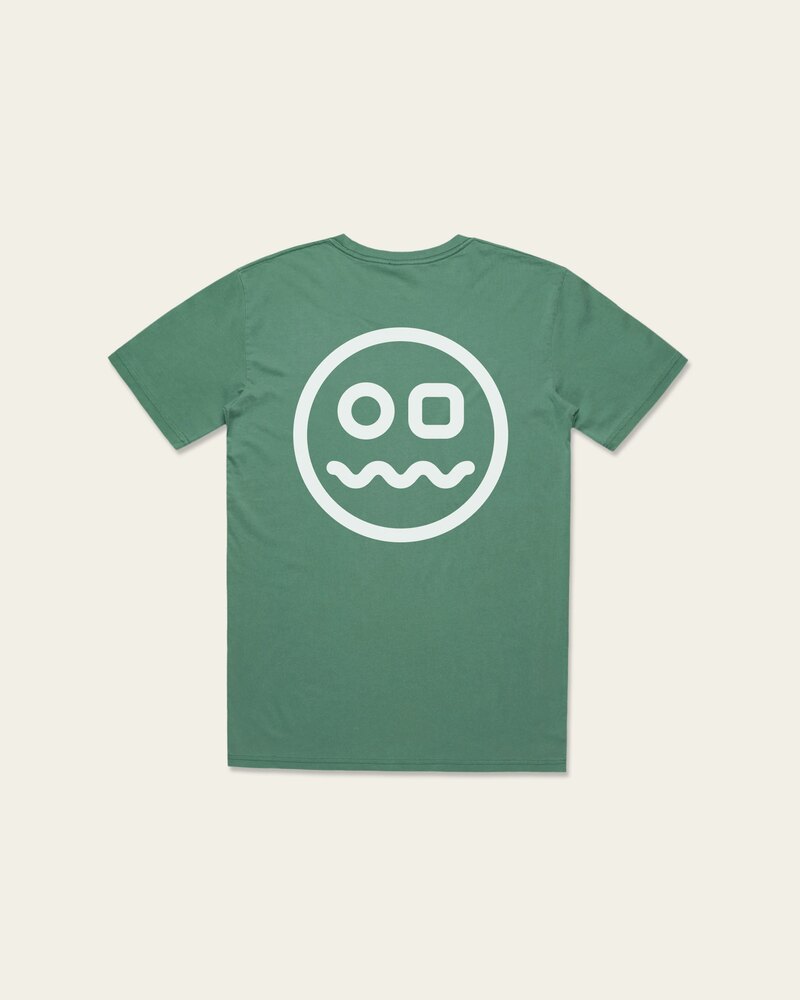
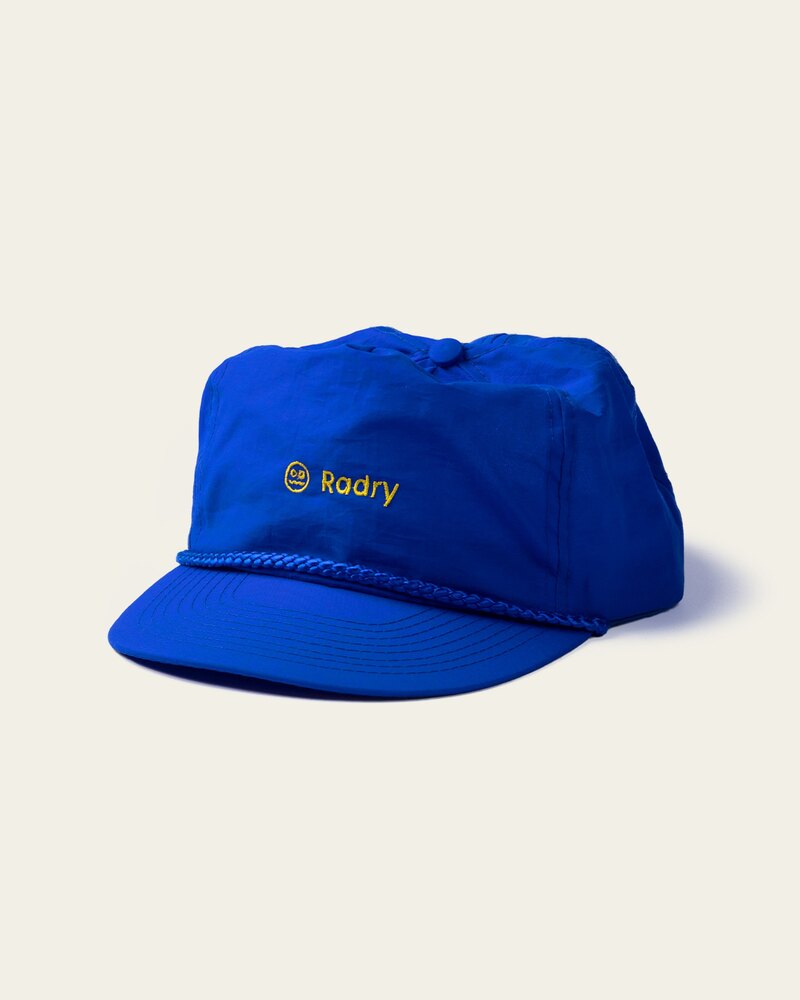
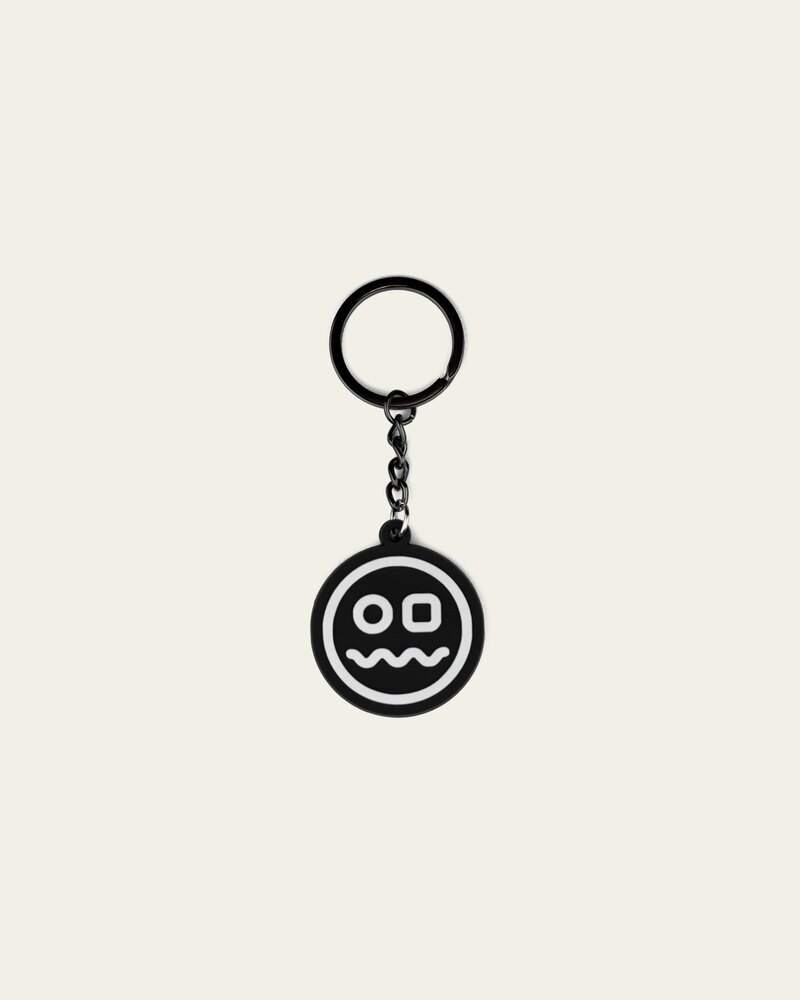
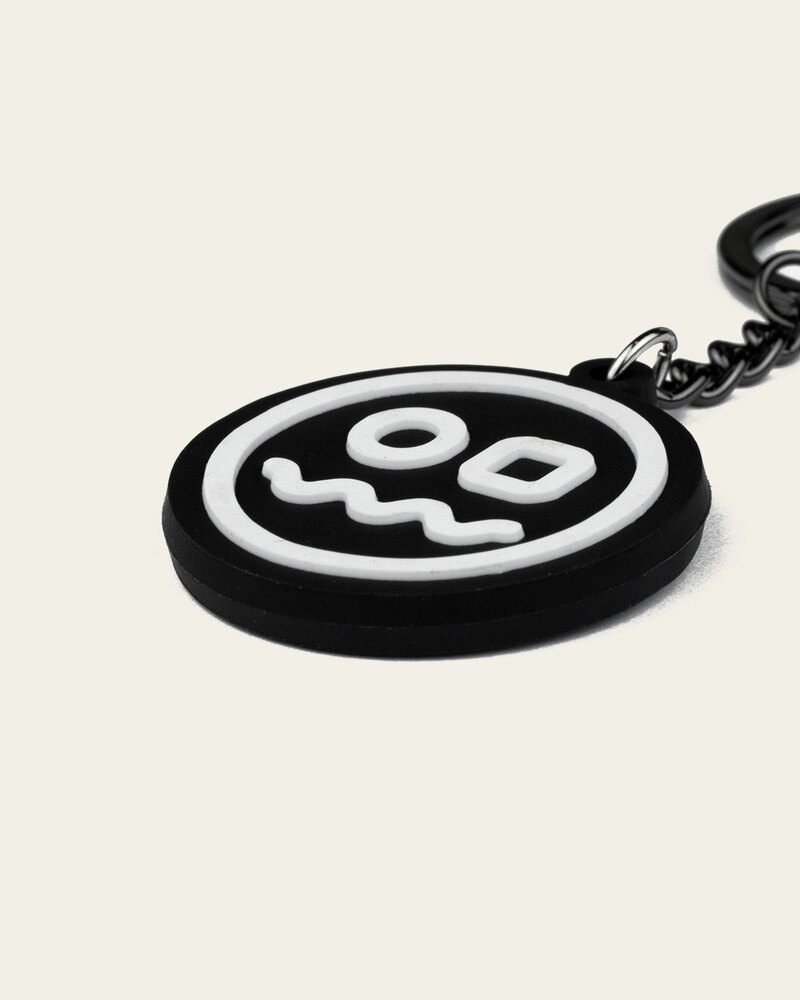
The smiley face on a Radry hat is not a smiley face, and once Tony Knapton tells you what it is you cannot unsee it. One eye is a circle for birdies, the other a square for bogeys, and the wave where the mouth should be is the up and down of a round — a logo about coming to terms with the game rather than winning it.
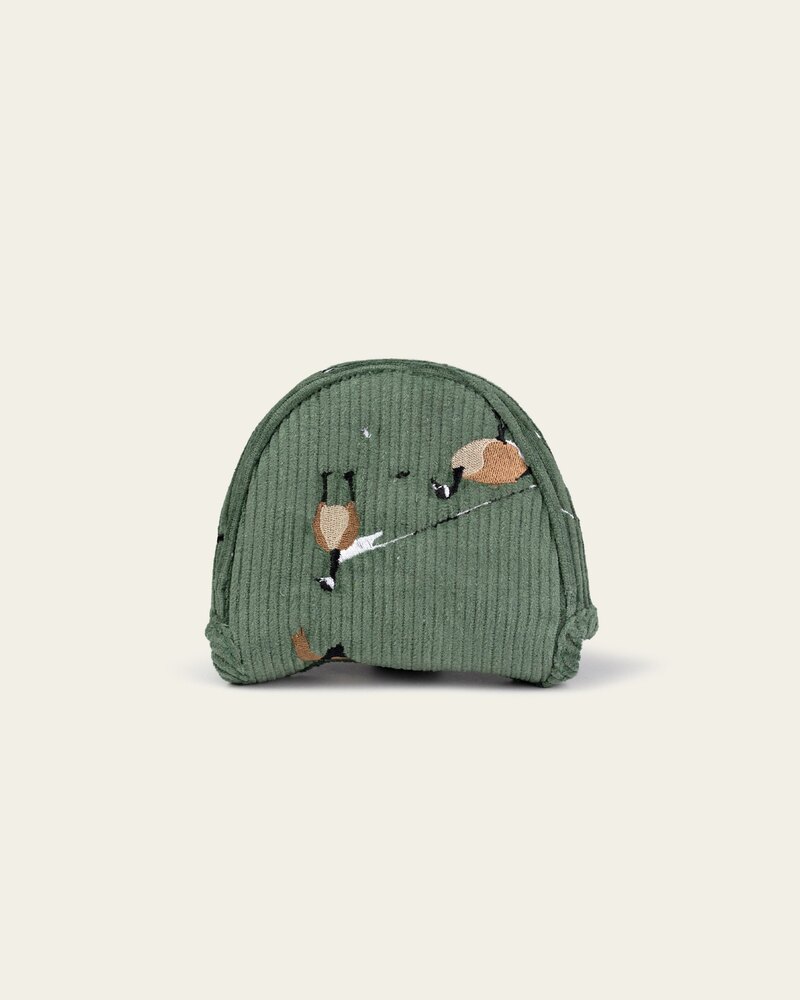
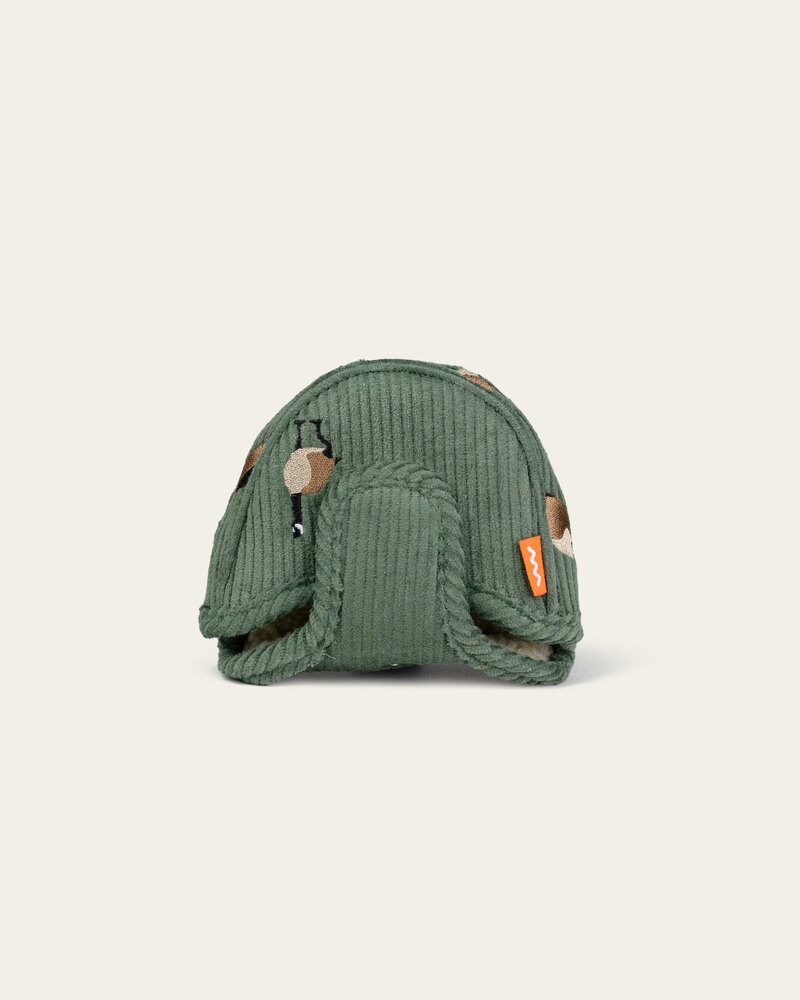
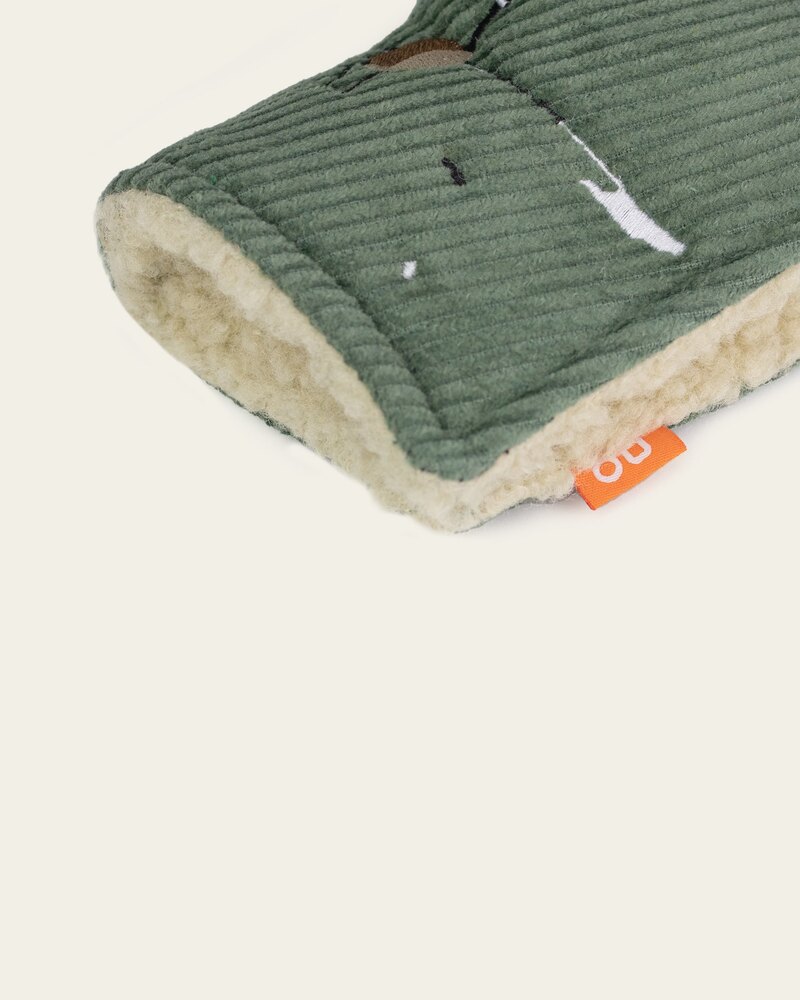
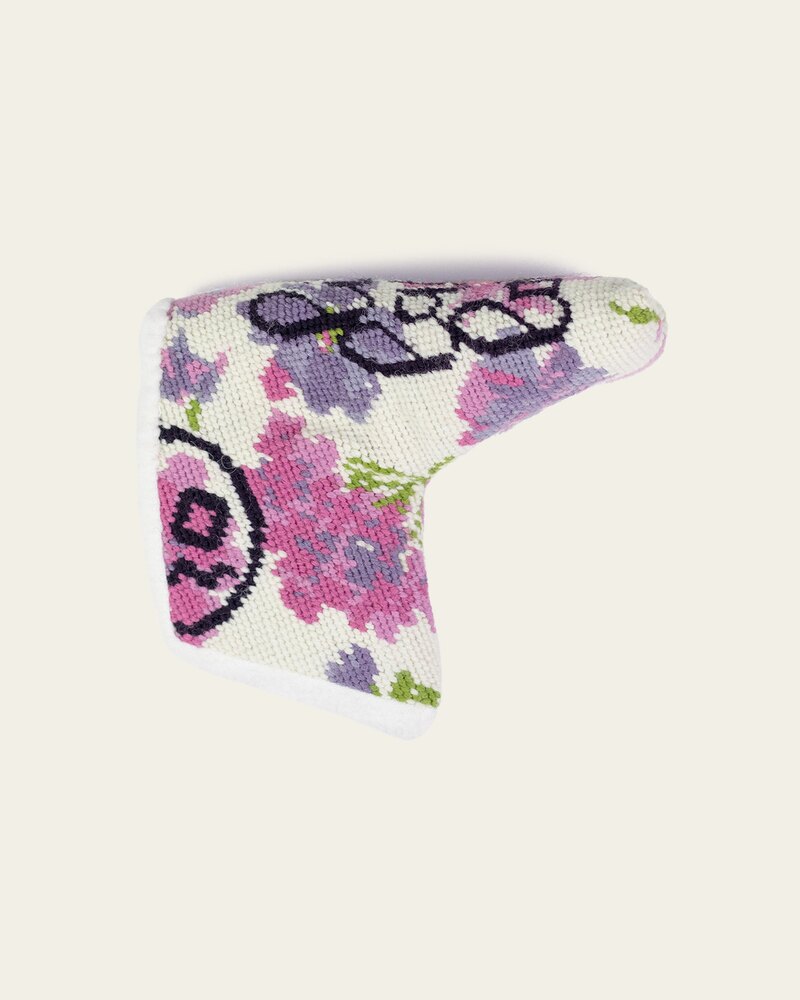
The Gang Gang covers at $65 are the most direct expression; the numbered runs mean the good ones do not come back.
This is for the player who finds golf psychologically funny. Thirty pieces run $18 to $3,900, and a $55 tee is the cheapest way to test the sense of humour.
Look at a Radry hat and you see a smiley face. That is not what it is.
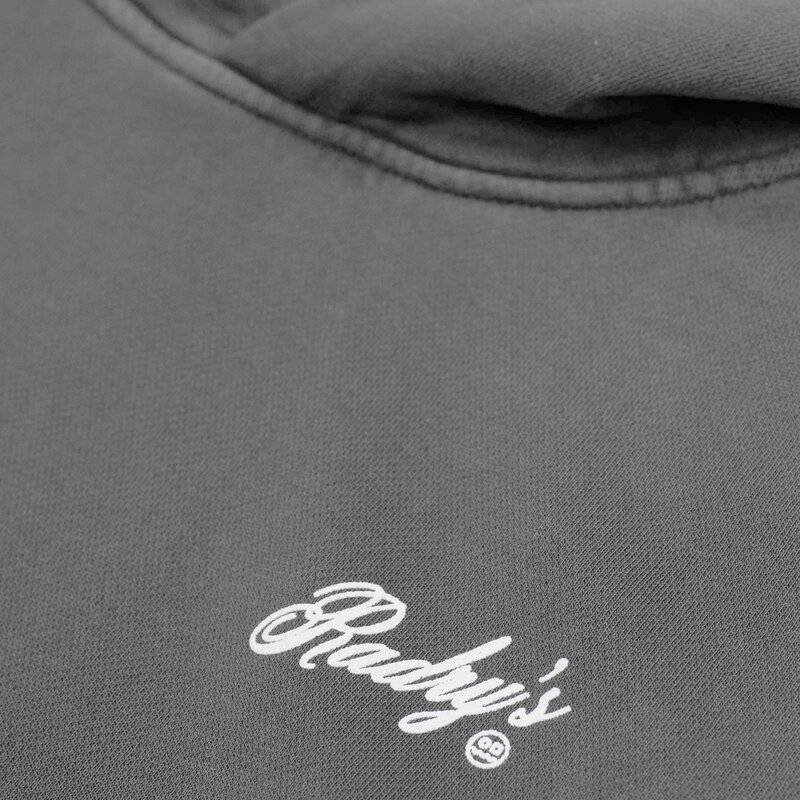
Tony Knapton explained it in an interview a few months after he started the brand, and it has been sitting in plain sight on every piece he has made since. “One eye in the logo is a circle (birdies) and one is a square (bogies) — to represent both sides of par and both sides to golf.” The wave where the mouth should be is the up and down of a round. “Coming to terms spiritually with the game is never ending. The game will always put you in situations and scenarios that you’ll have to figure out. That’s the beauty of it.”
He wanted a logo with a back story. “Something where if you wanted to dive deeper into my brand, you’d find some other layers you may not have known about.” Nine years later most people wearing it still think it is a smiley face, which is either a failure of communication or the most patient piece of design in golf.
Knapton started Radry in Wisconsin around late 2018 and runs it out of Sheboygan now. Every hat, crewneck and headcover begins as one of his drawings. He does not confine himself to a lane: asked where the work comes from he listed 90s design, abstract art, pop culture, high fashion, music and humour, and added “I try not to put myself in a box artistically.”
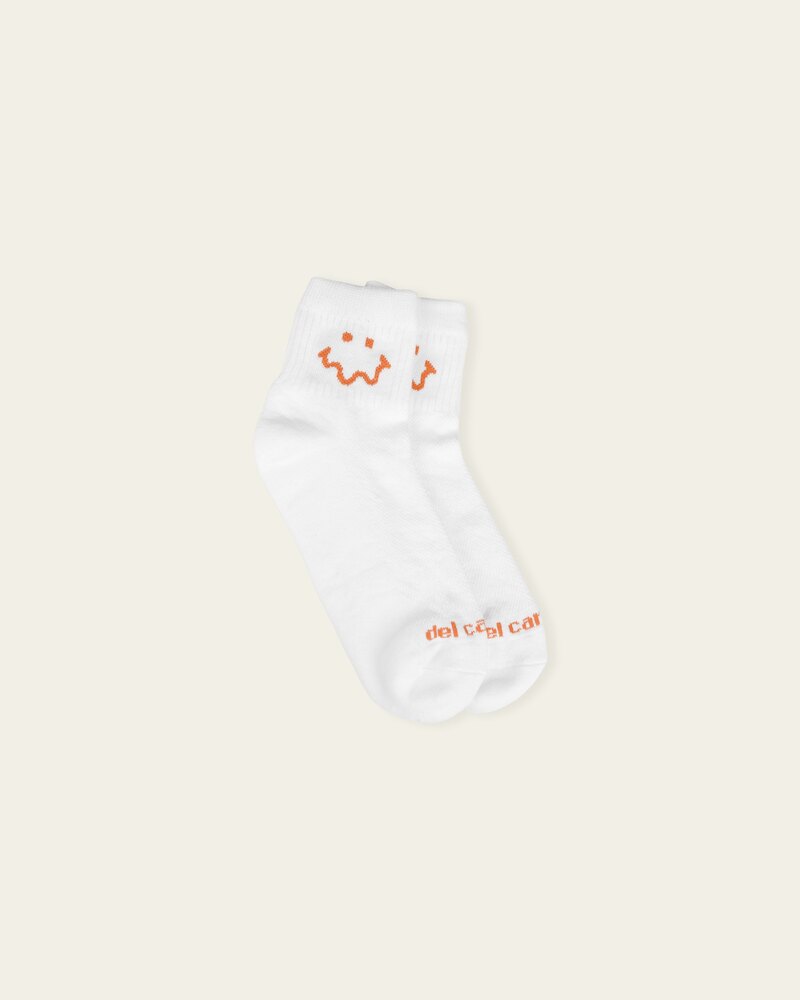
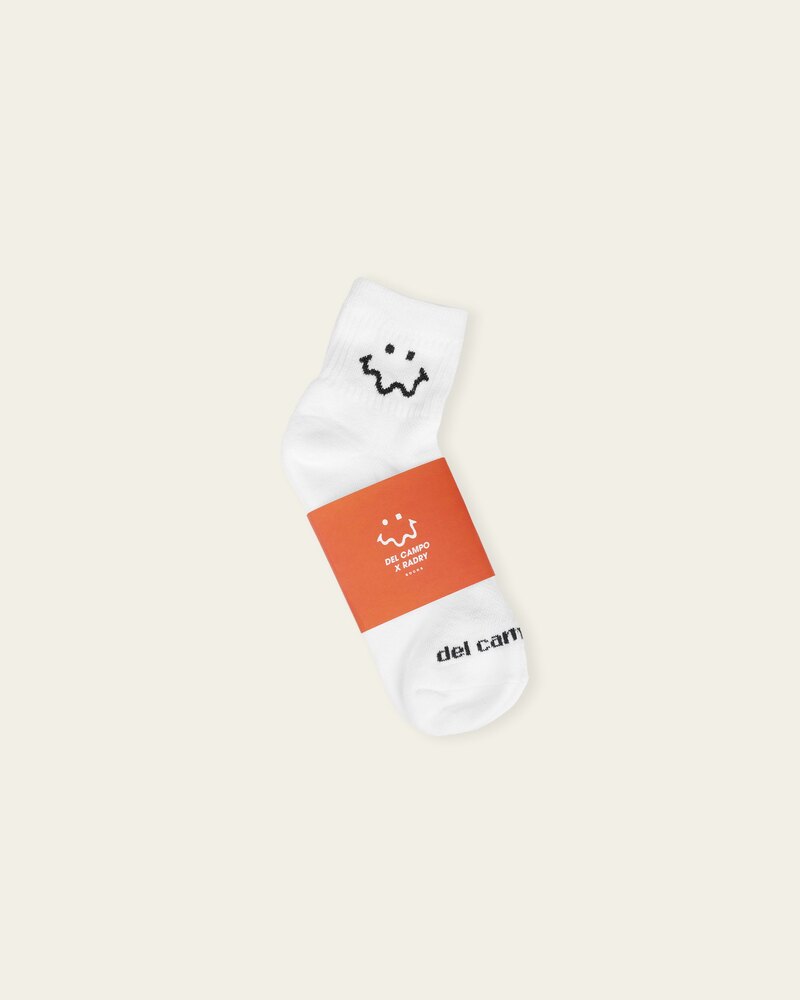
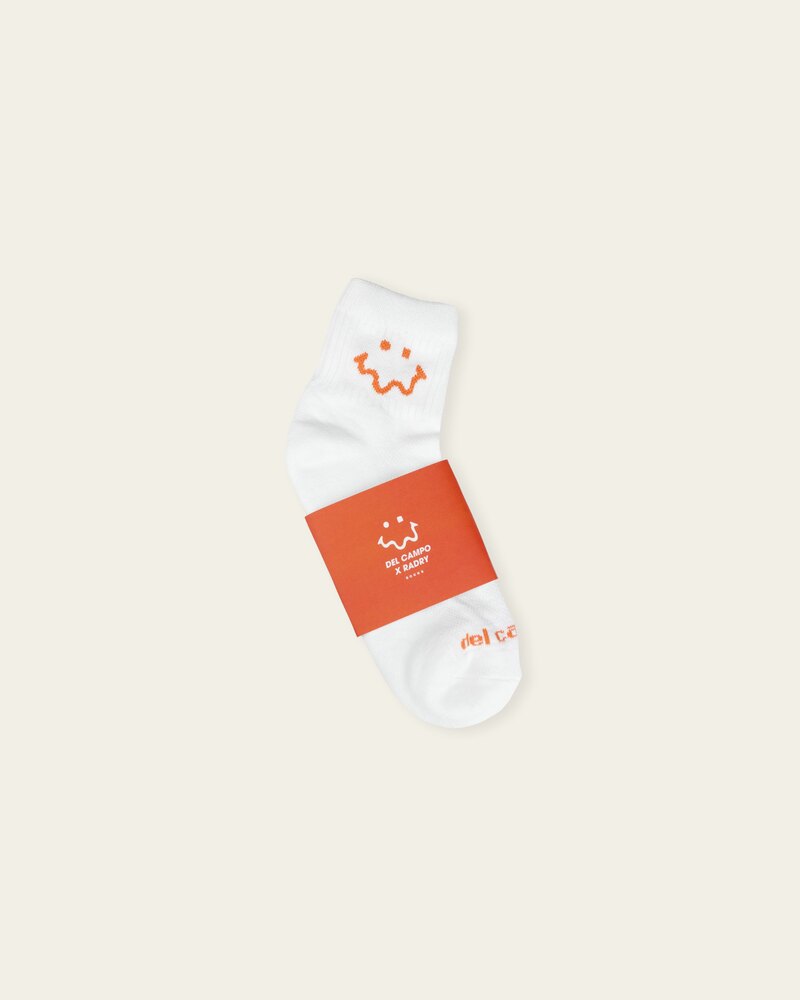
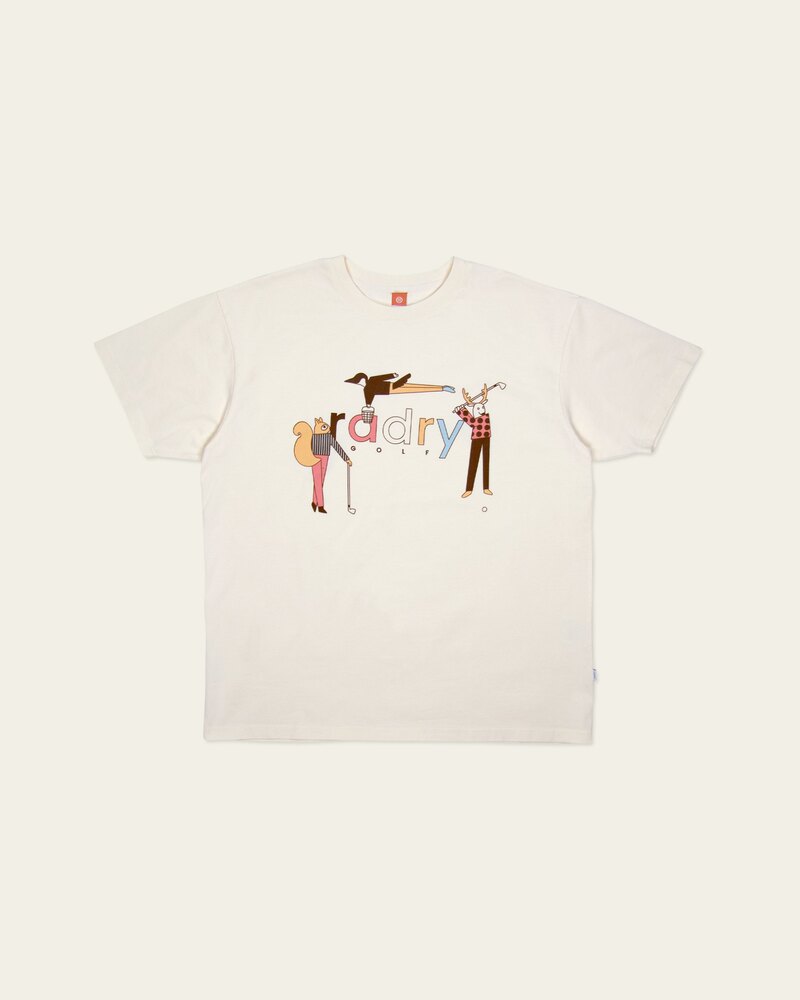
The other half of the operation is White Dot Market, where the original artwork lives. Open edition prints, limited editions, and originals up to $3,900 for a Streamsong Black Hole #18. The apparel funds the art and the art justifies the apparel, and the collab tee in the grid below has both logos on it.
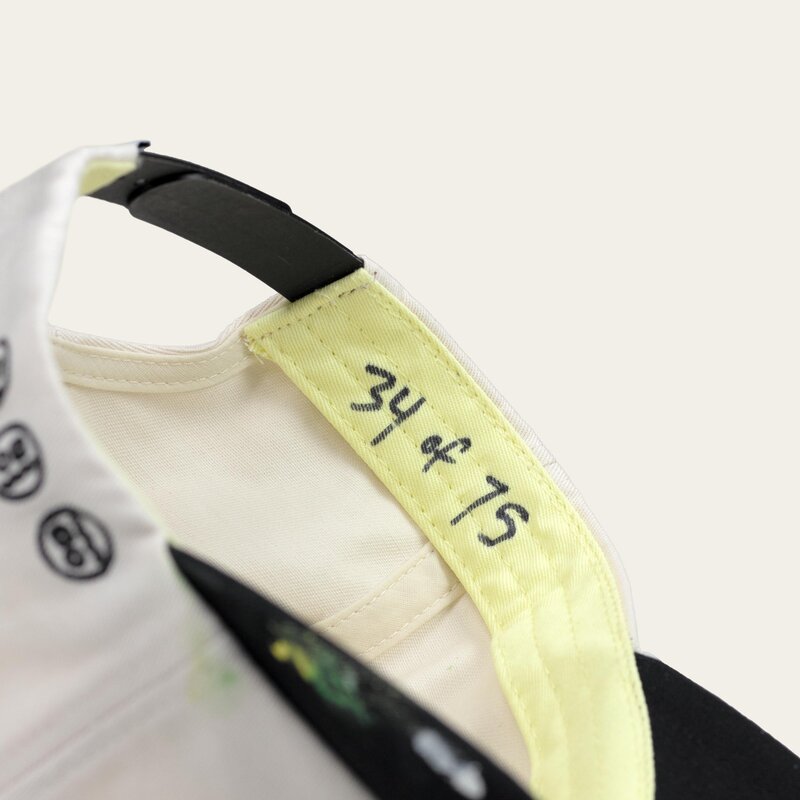
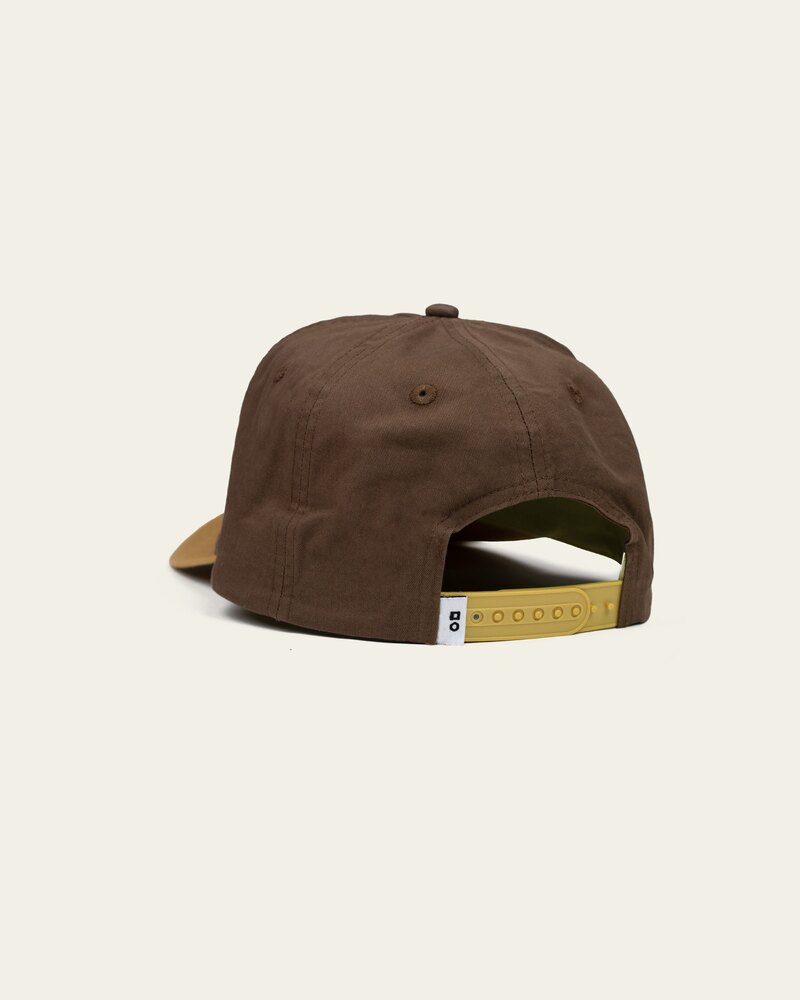
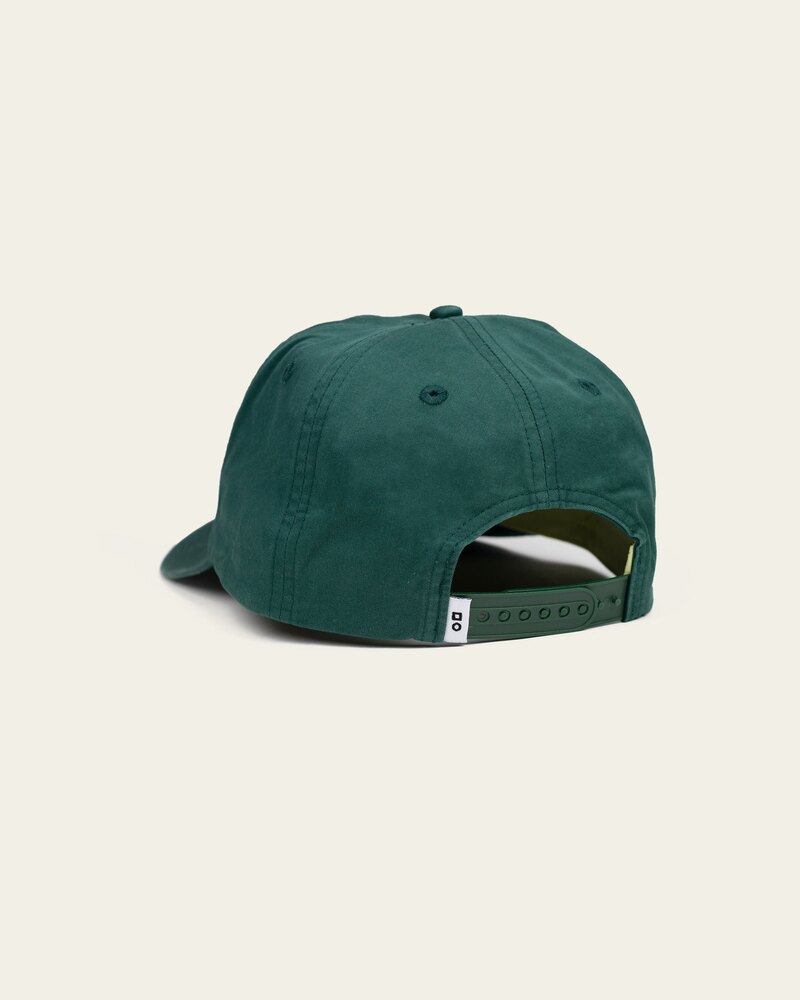
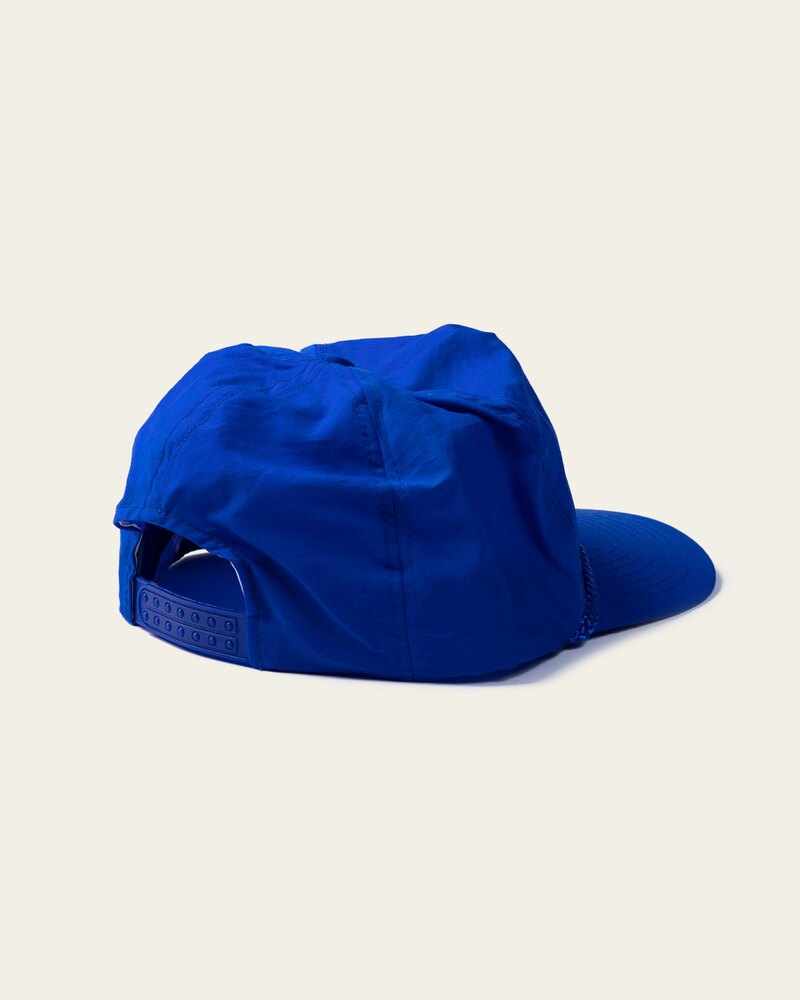
What makes Radry hard to shop and easy to admire is the release model. Small numbered runs, no restocks. The deadstock hats are built from vintage blanks and hand-numbered on the strap — the one in the photo above reads 34 of 75. Forty-four items in the catalogue are currently sold out, including a seven dollar keychain.
Asked in that same interview about his long-range goal, Knapton did not talk about revenue. He said he wanted to get the brand to a point where he could influence kids to stay in the sport. “The future of golf is in the youths hands, so if I can help grow the game through having a dope brand, then that is success to me. That’s my 15 year goal, my 20 year goal, etc.”
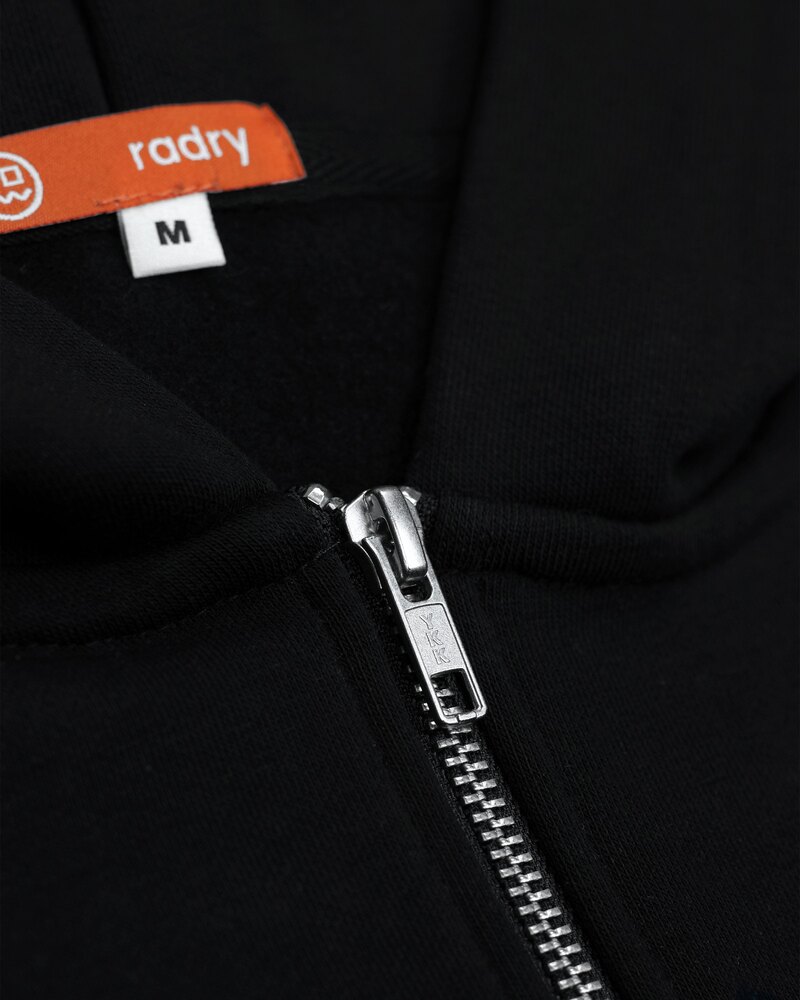
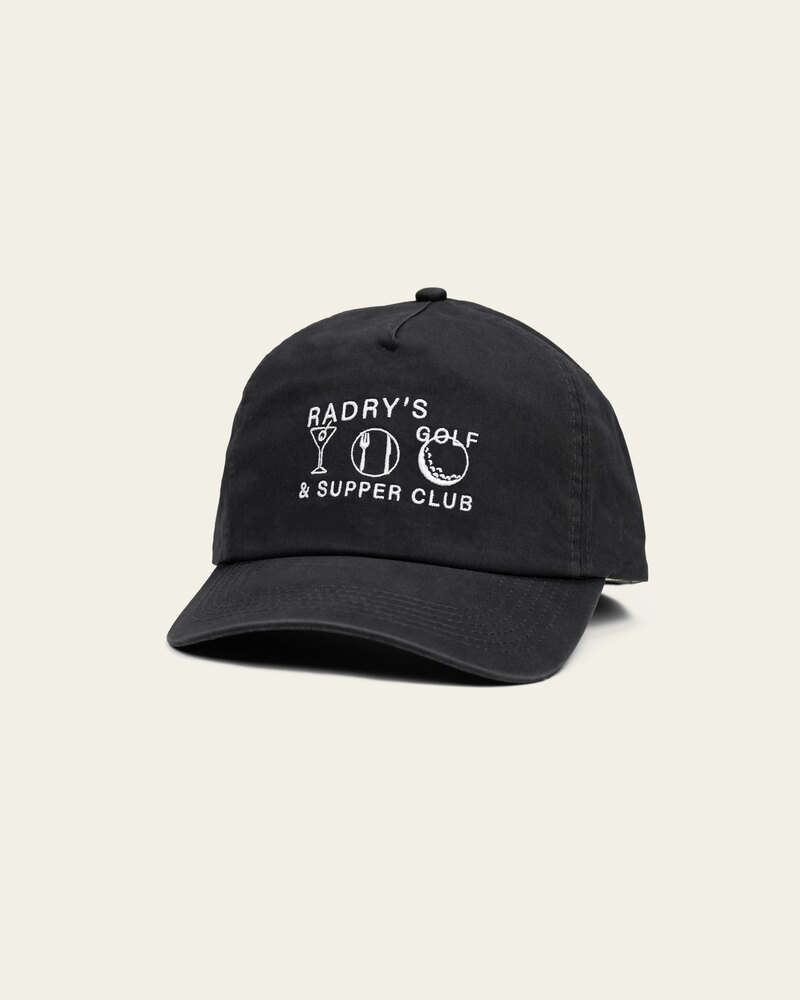
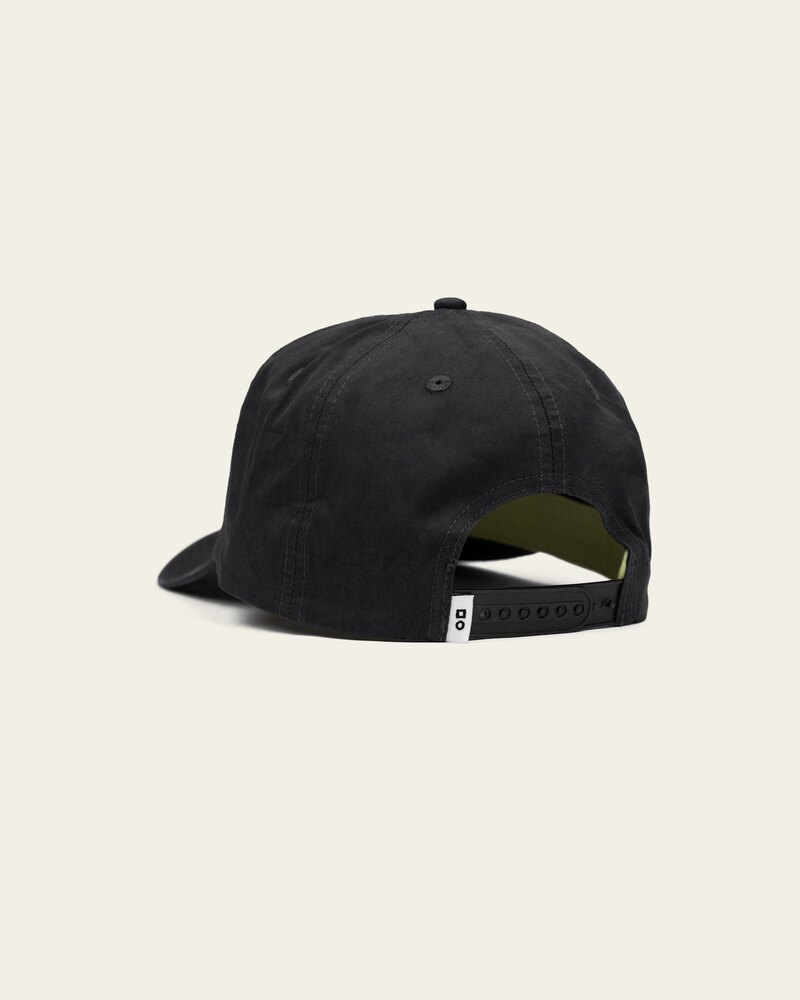
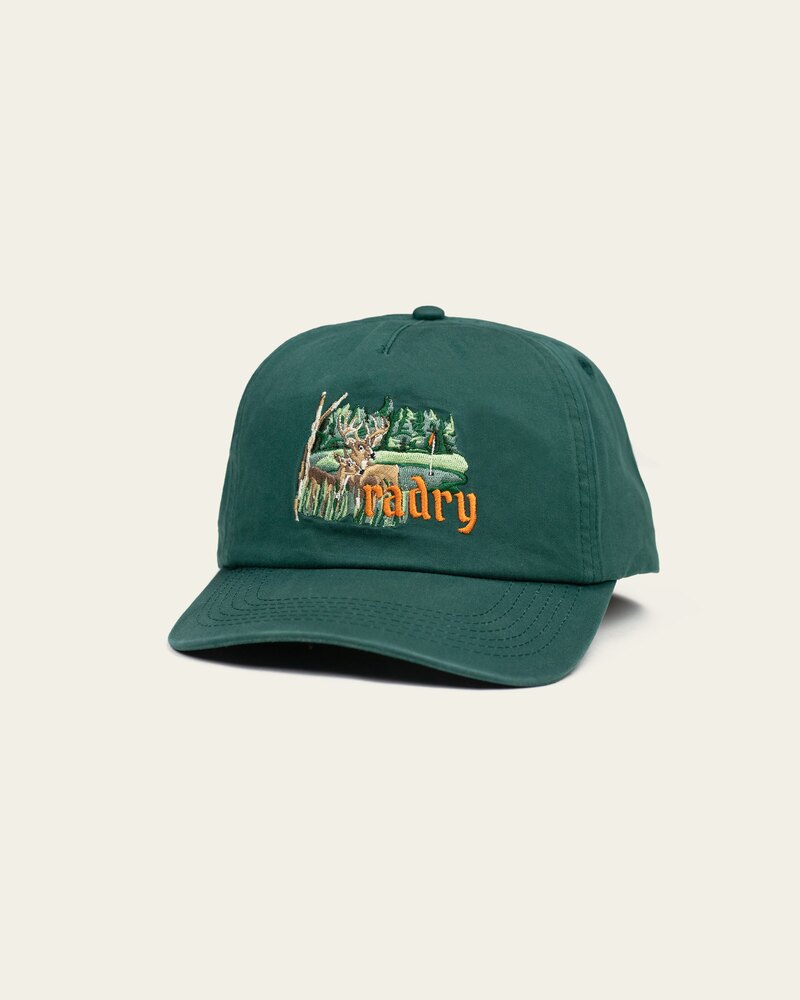
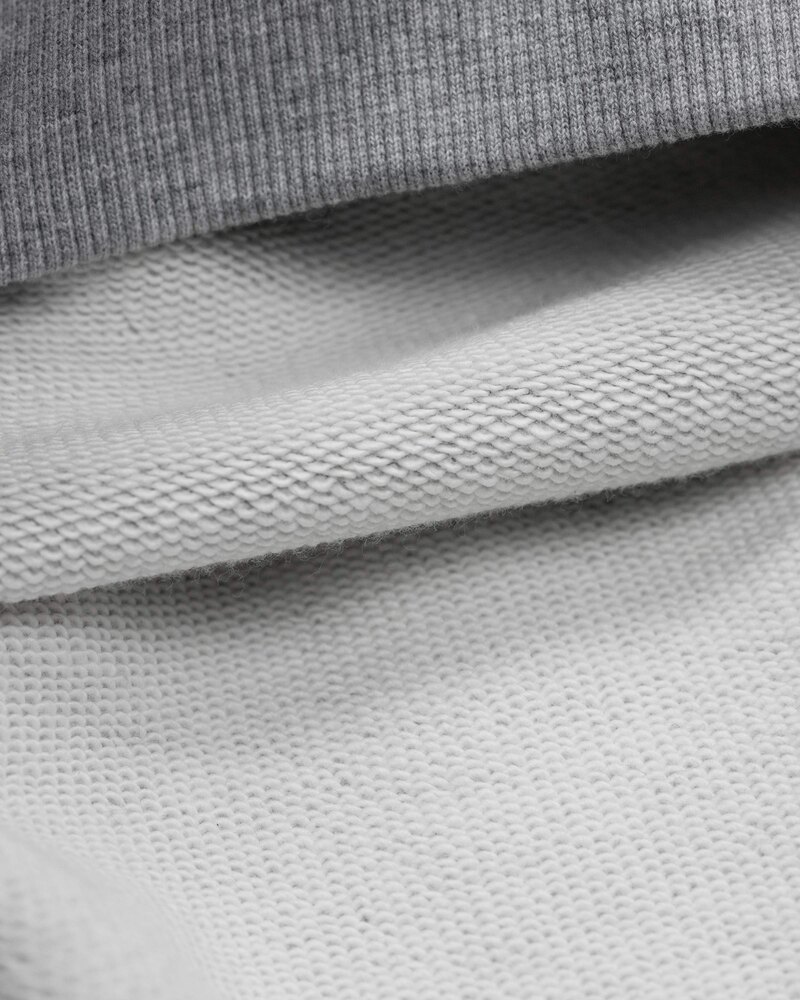
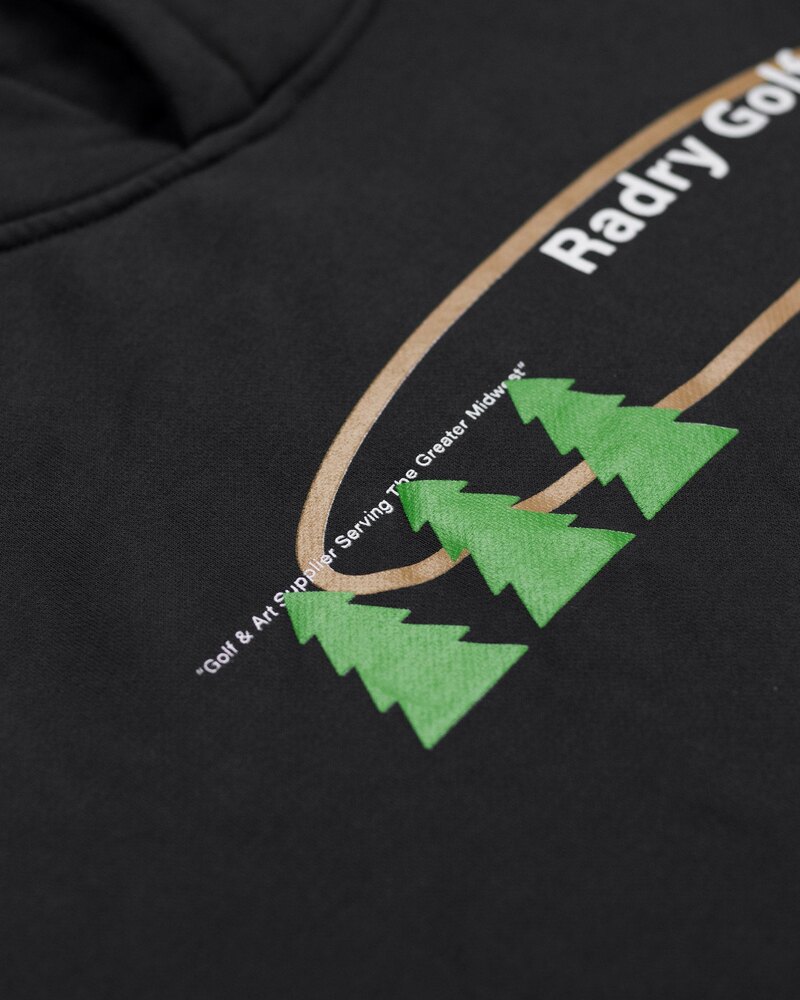
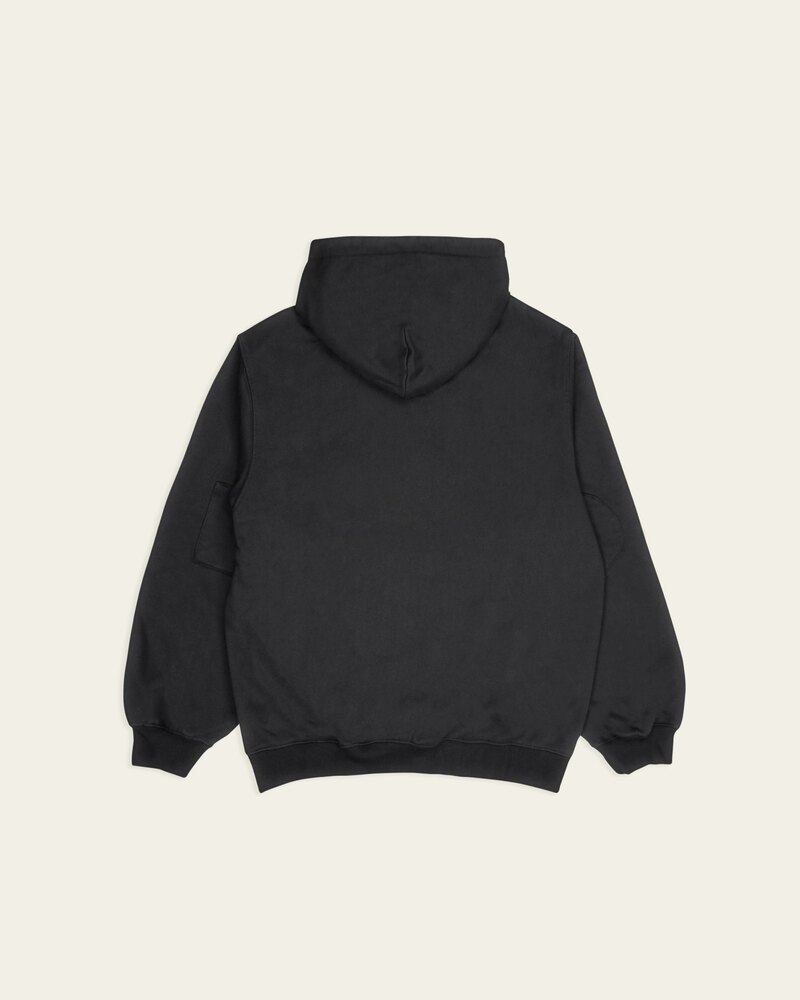
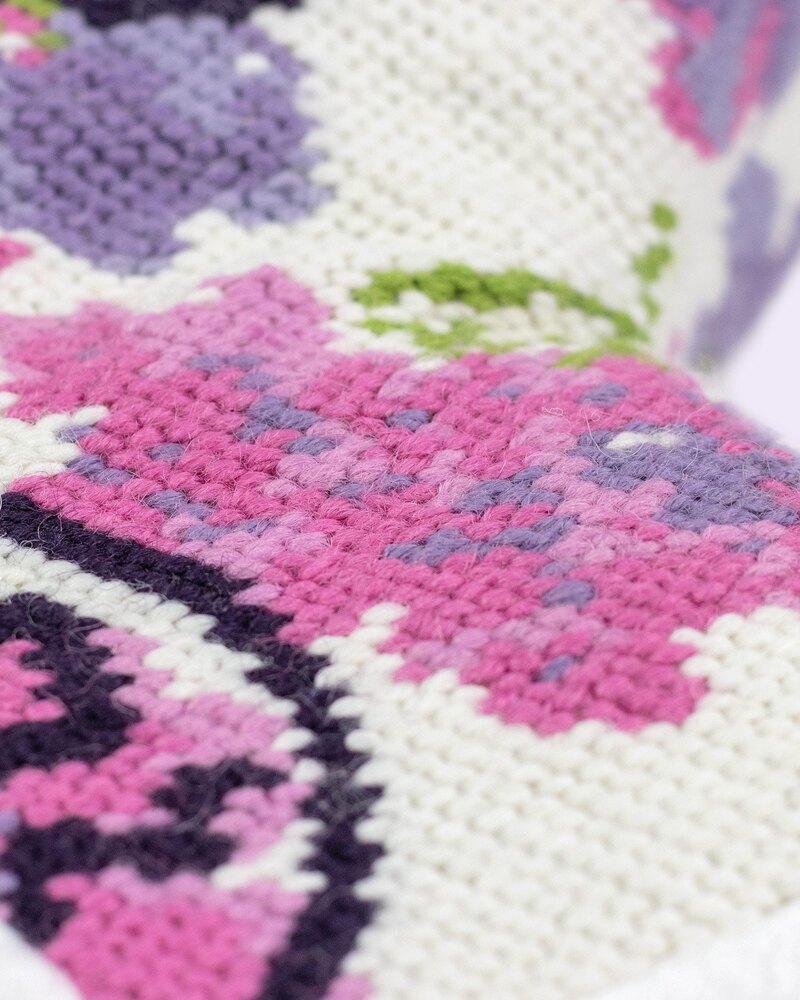
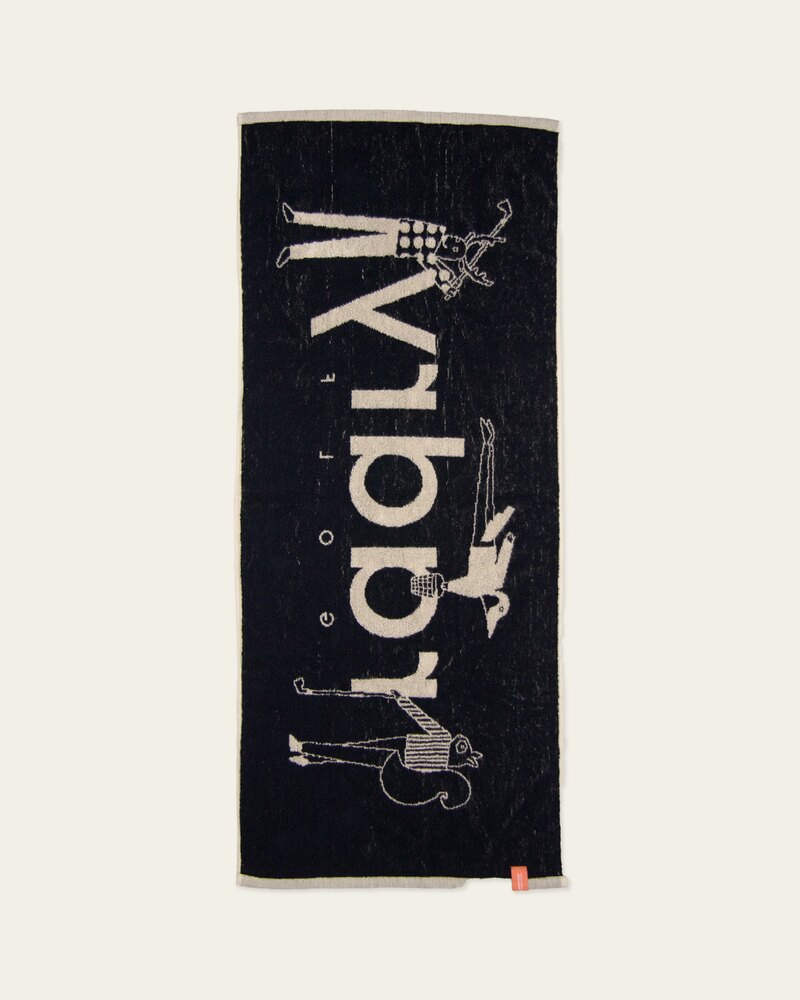
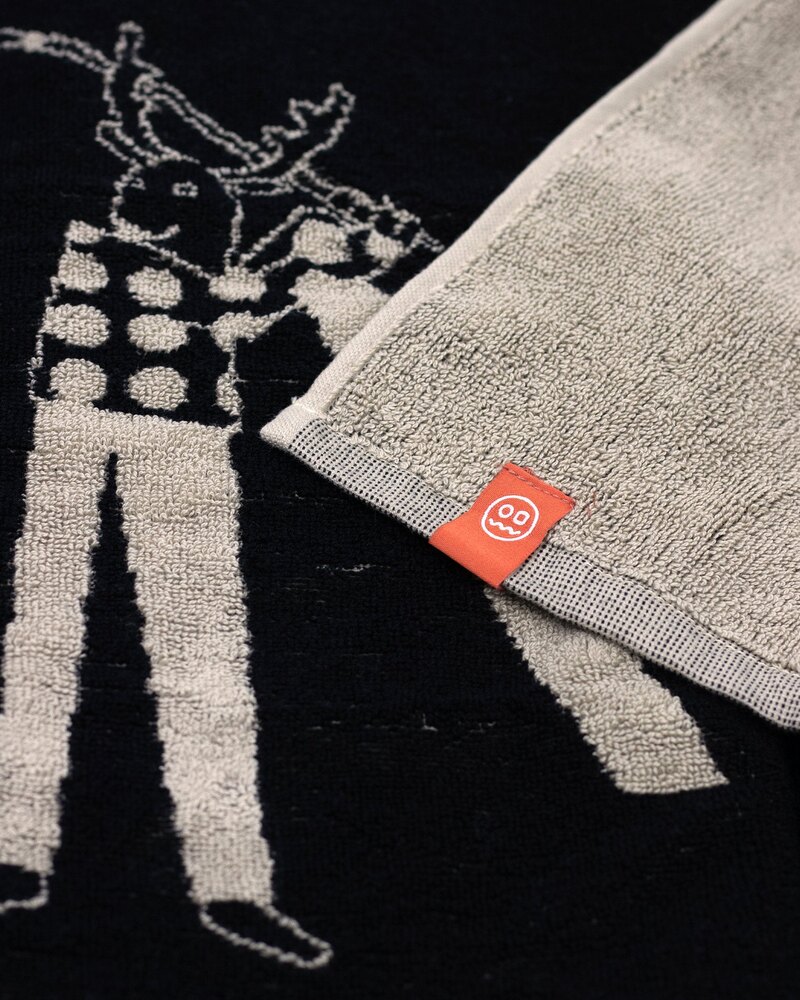
Radry has no lookbook and no campaign photography. Everything is shot on white, like product for a gallery rather than a golf catalogue. These are the details that survive the close-up.
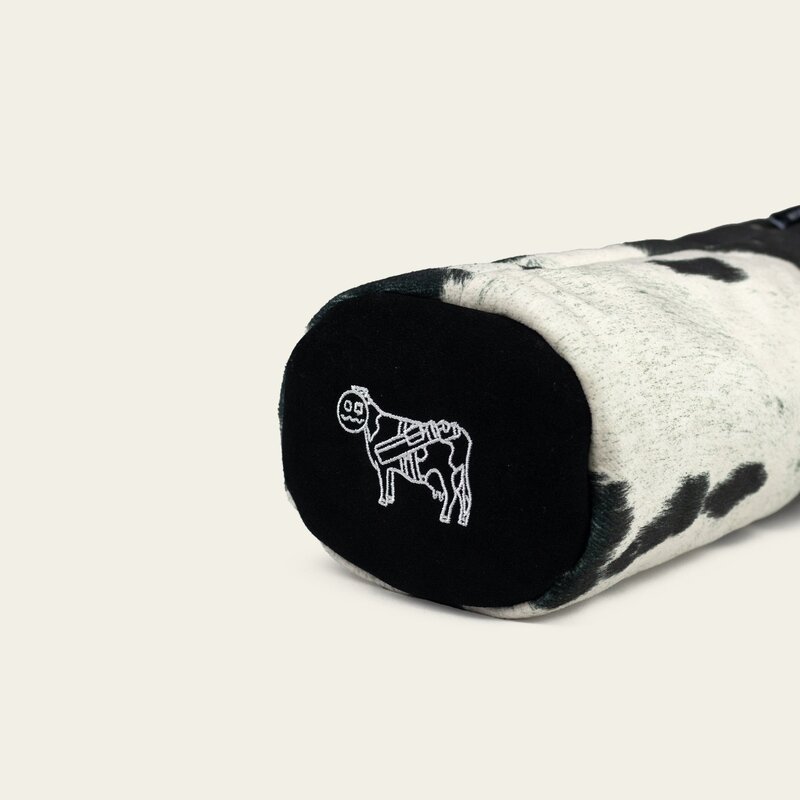
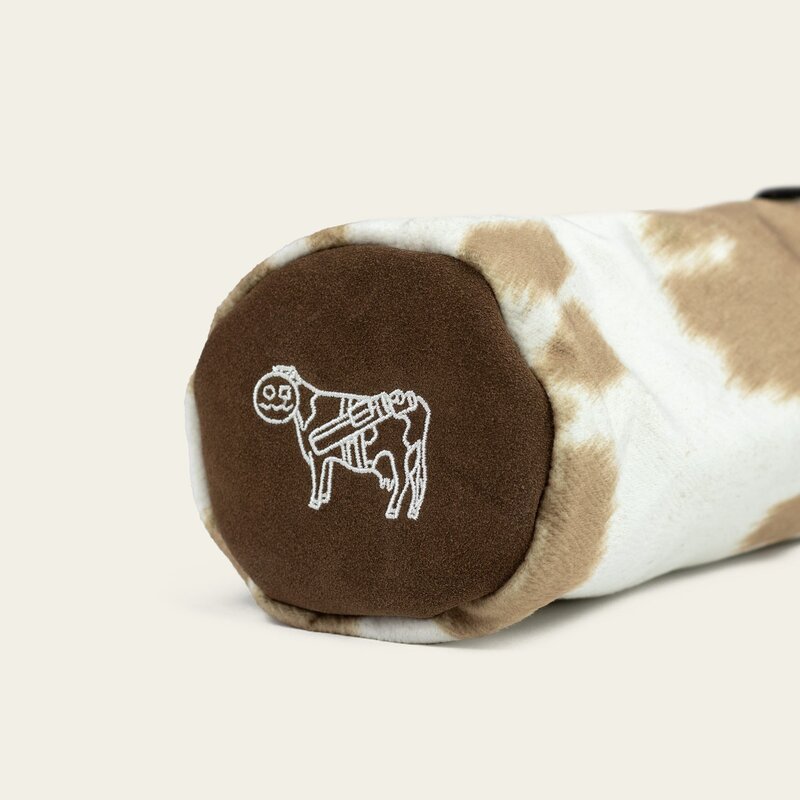
Photography courtesy of Radry Golf
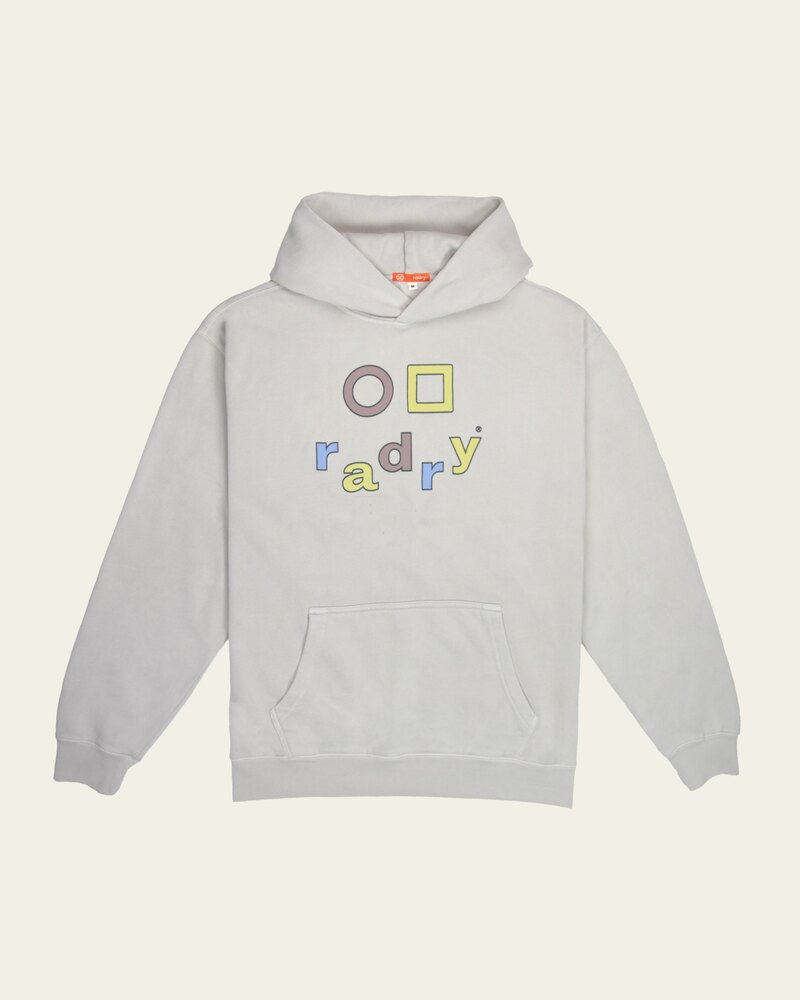
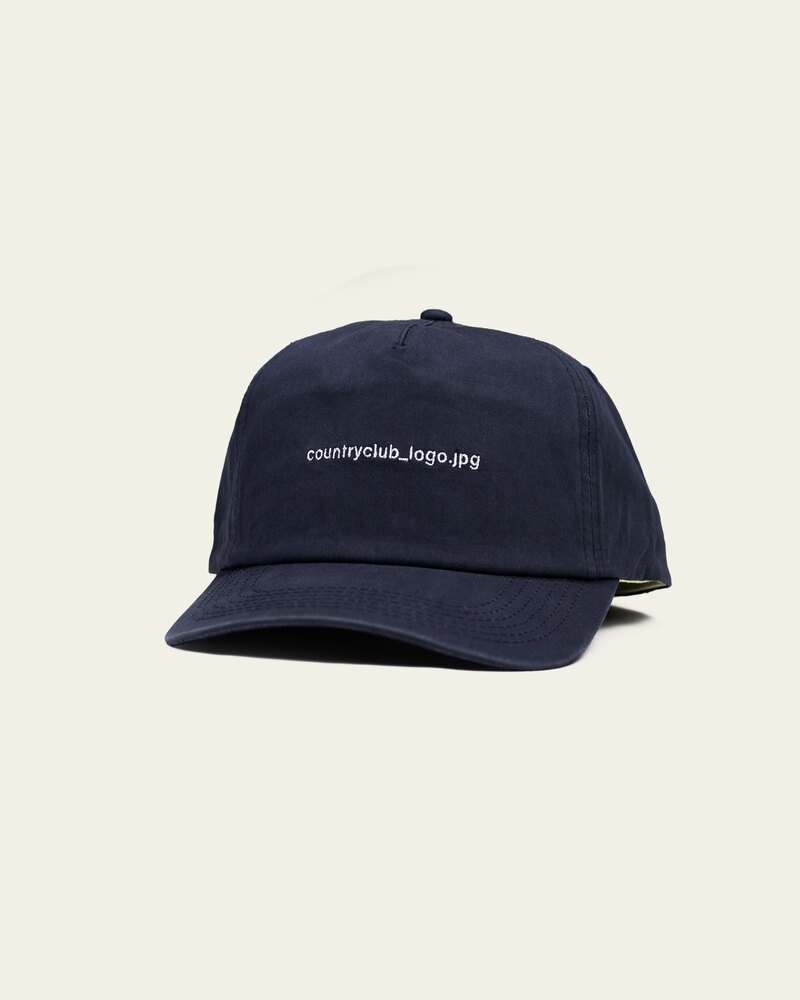
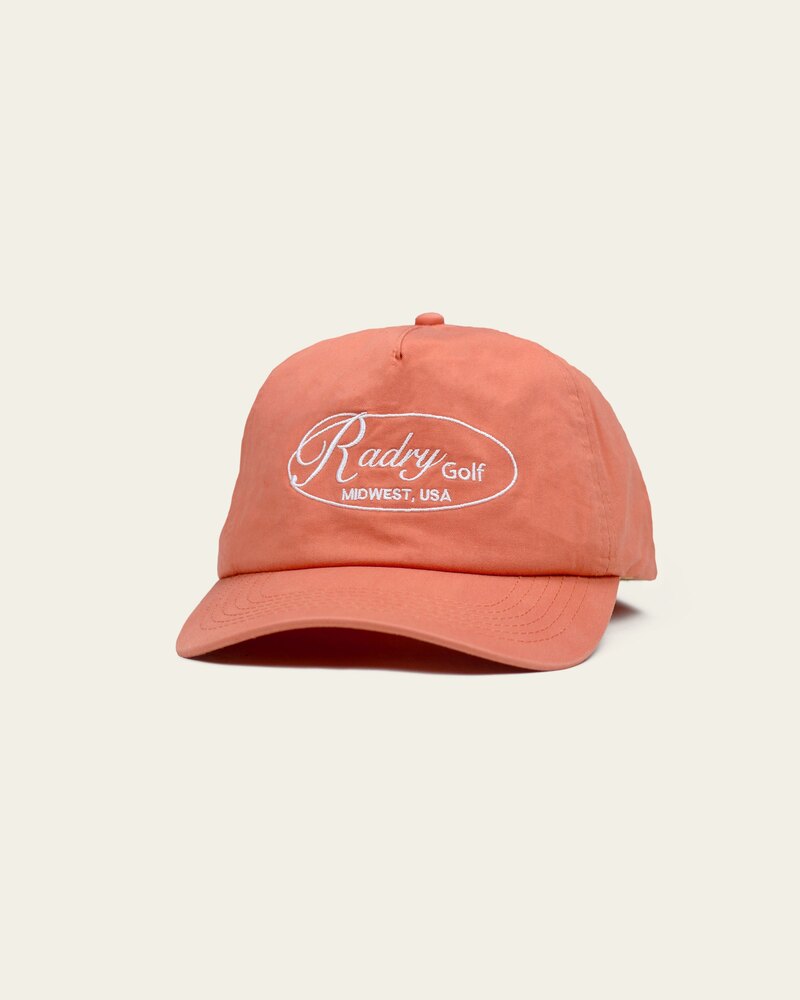
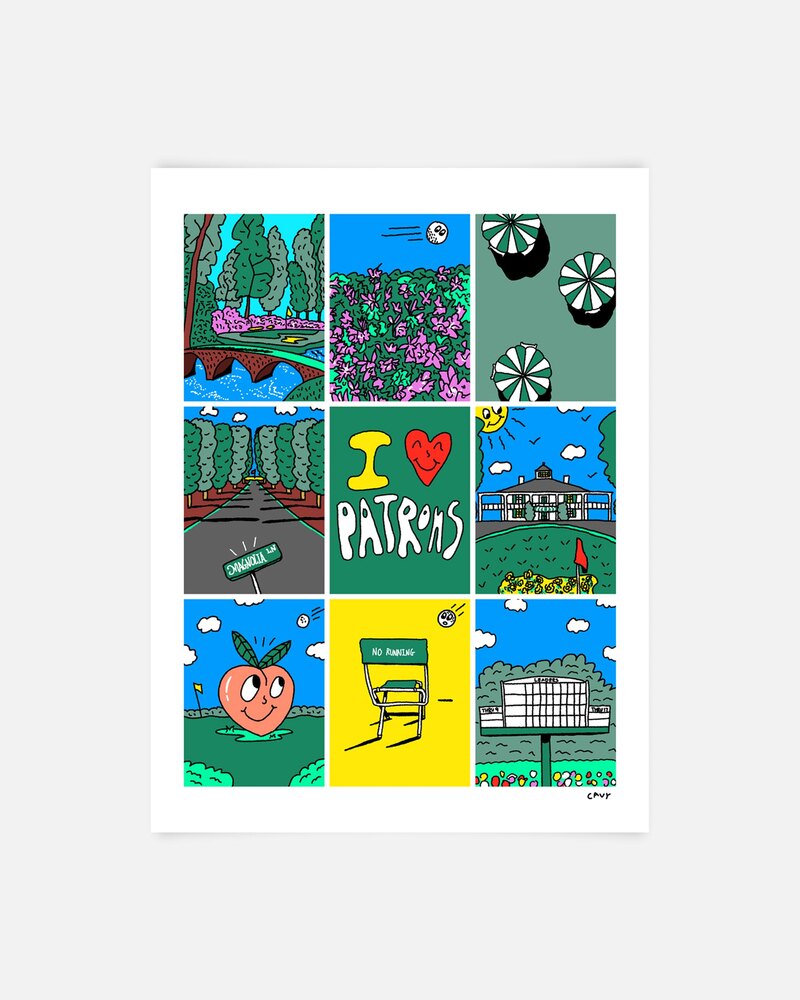
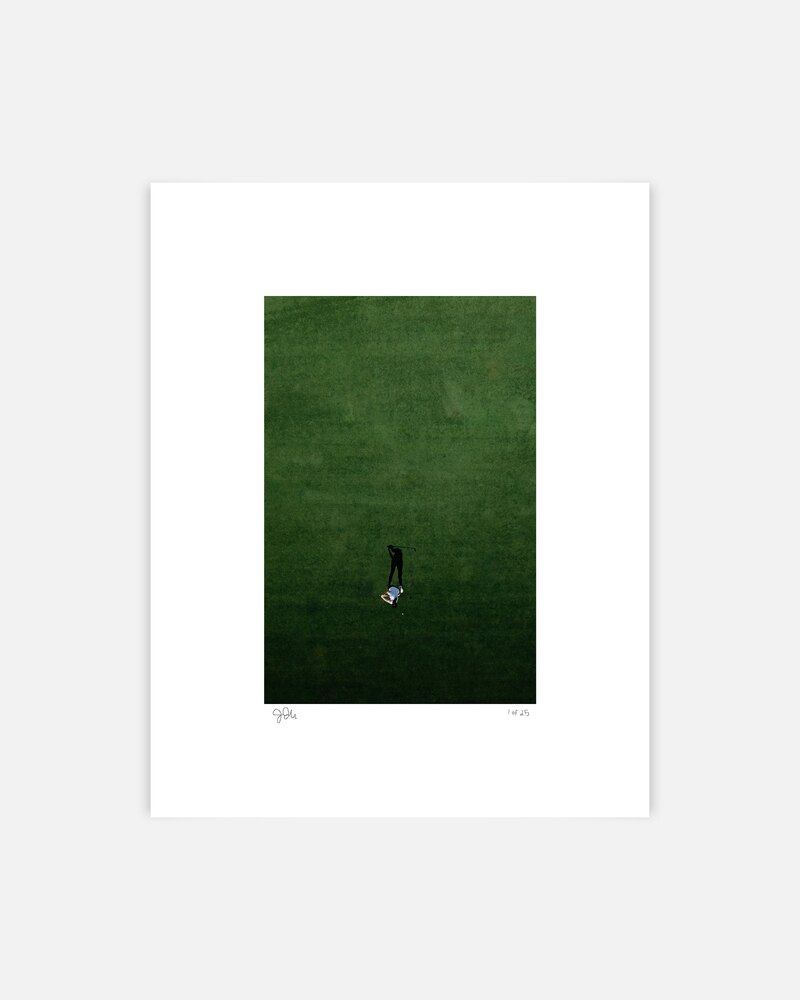
Everything below is in stock as of August 2026. The hats are the volume business, the corduroy covers are the signature, and the two prints at the end come through White Dot Market, the gallery side of the same operation.
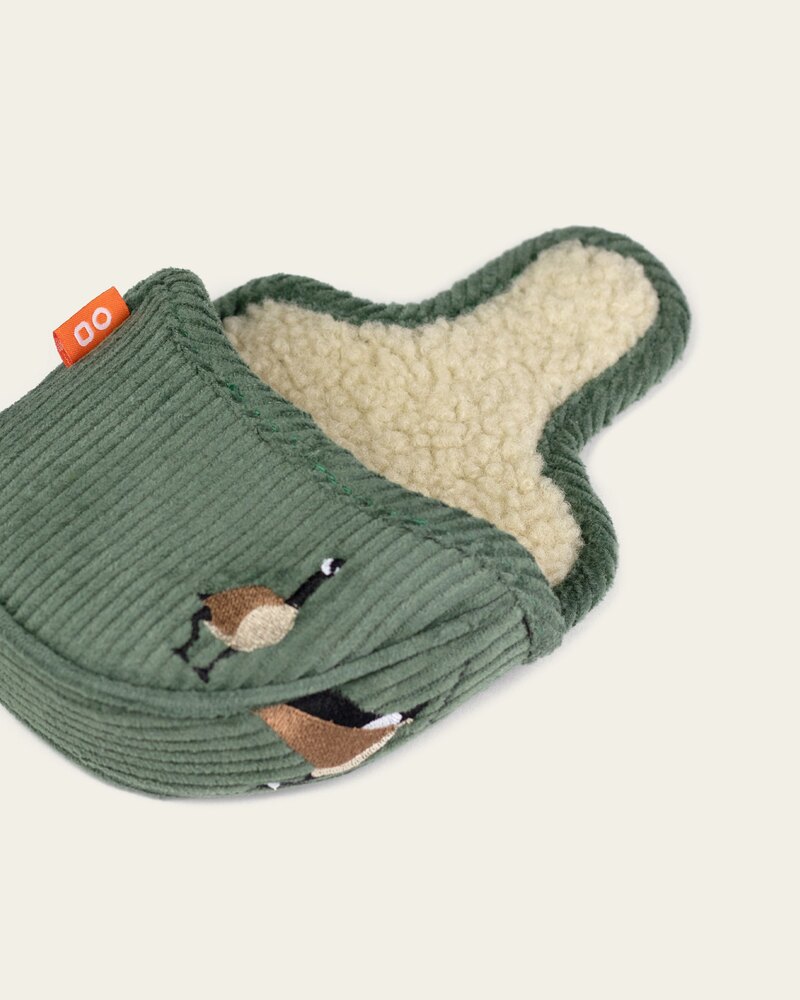
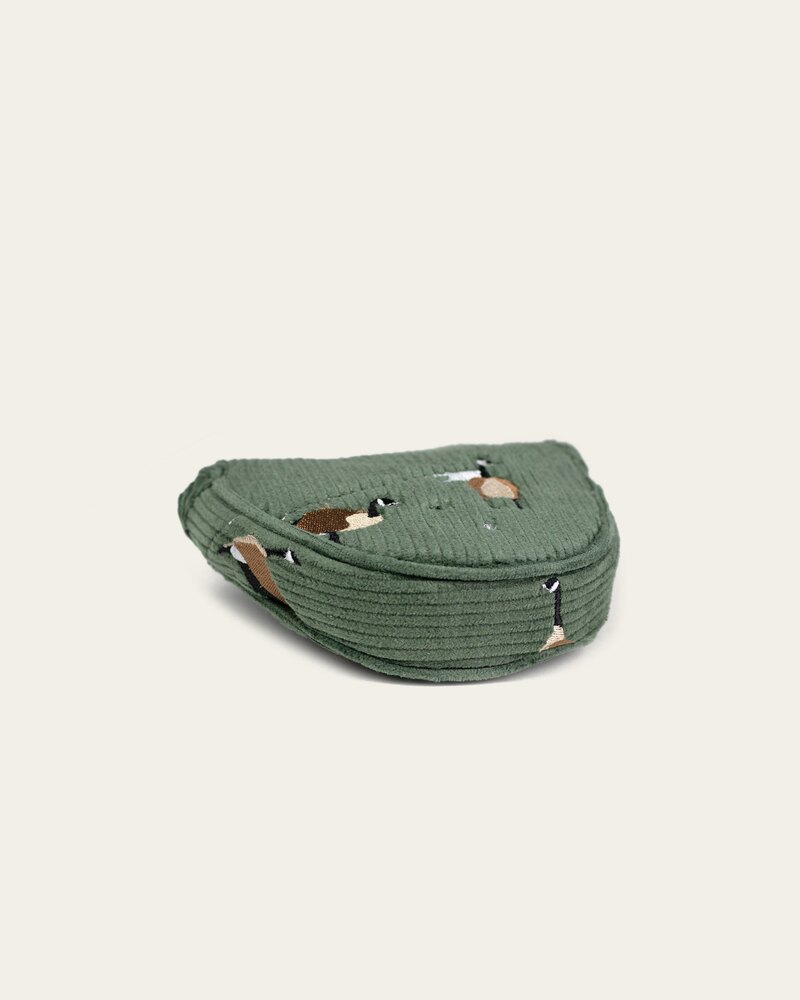
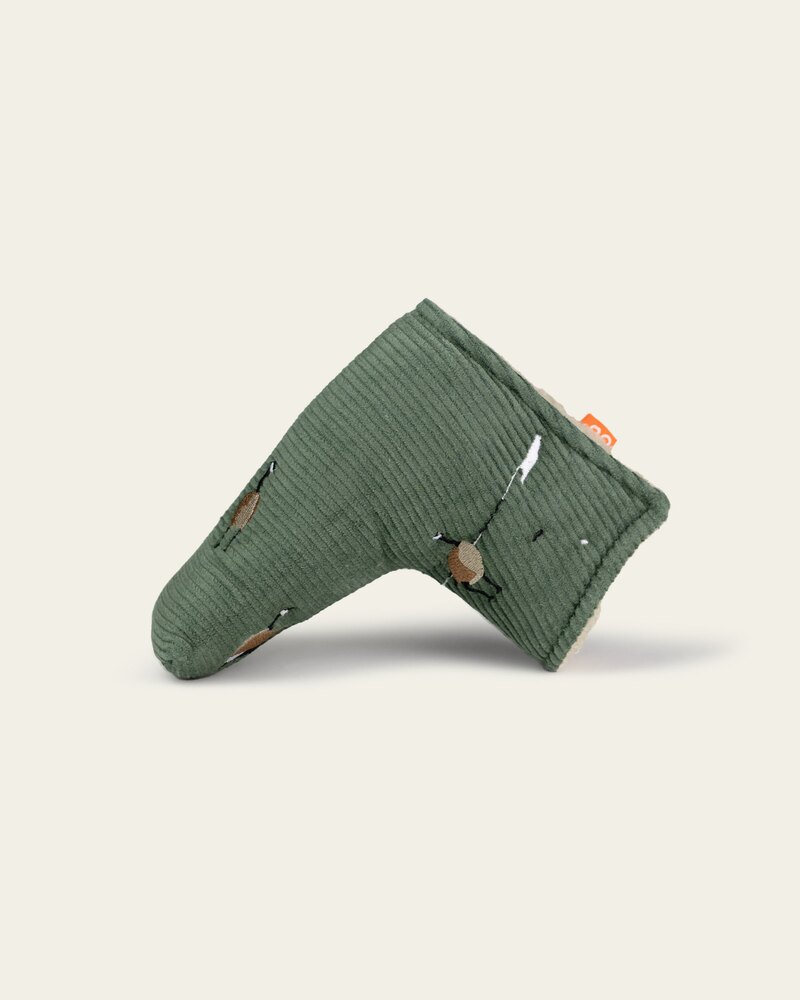
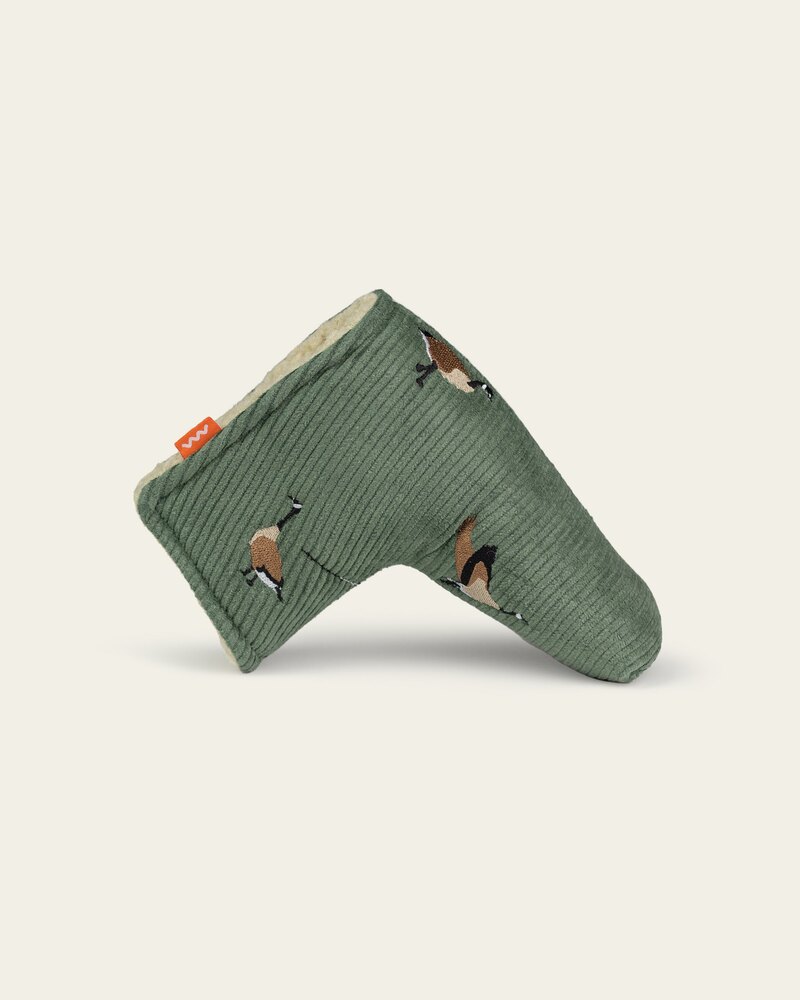
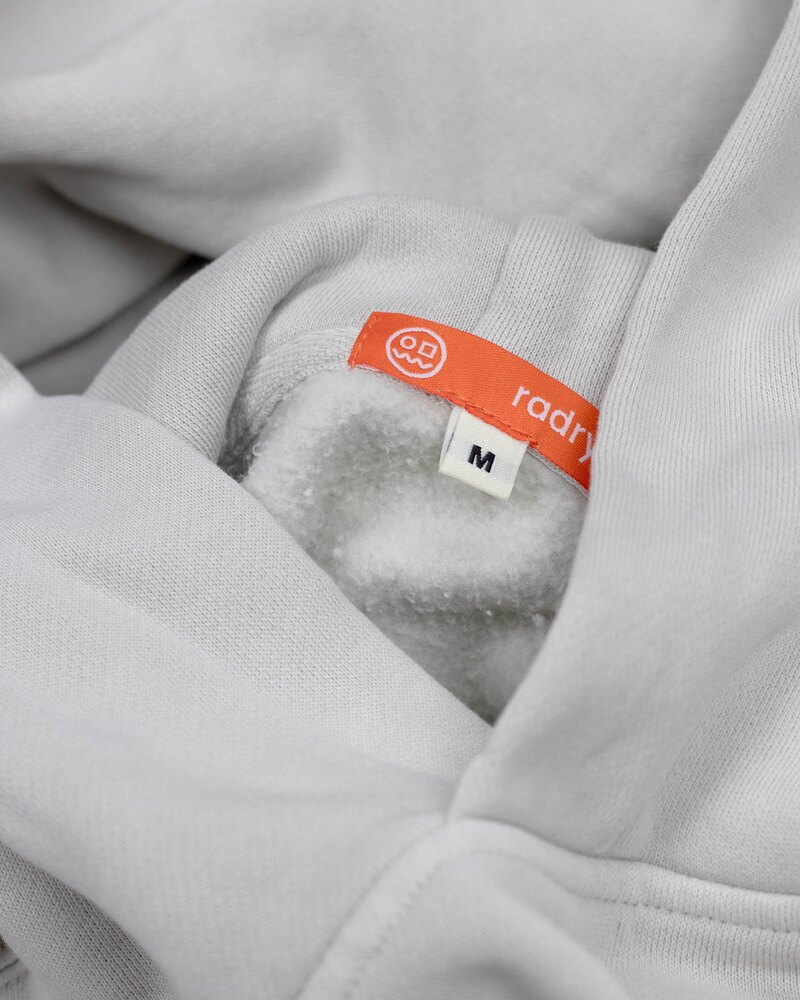
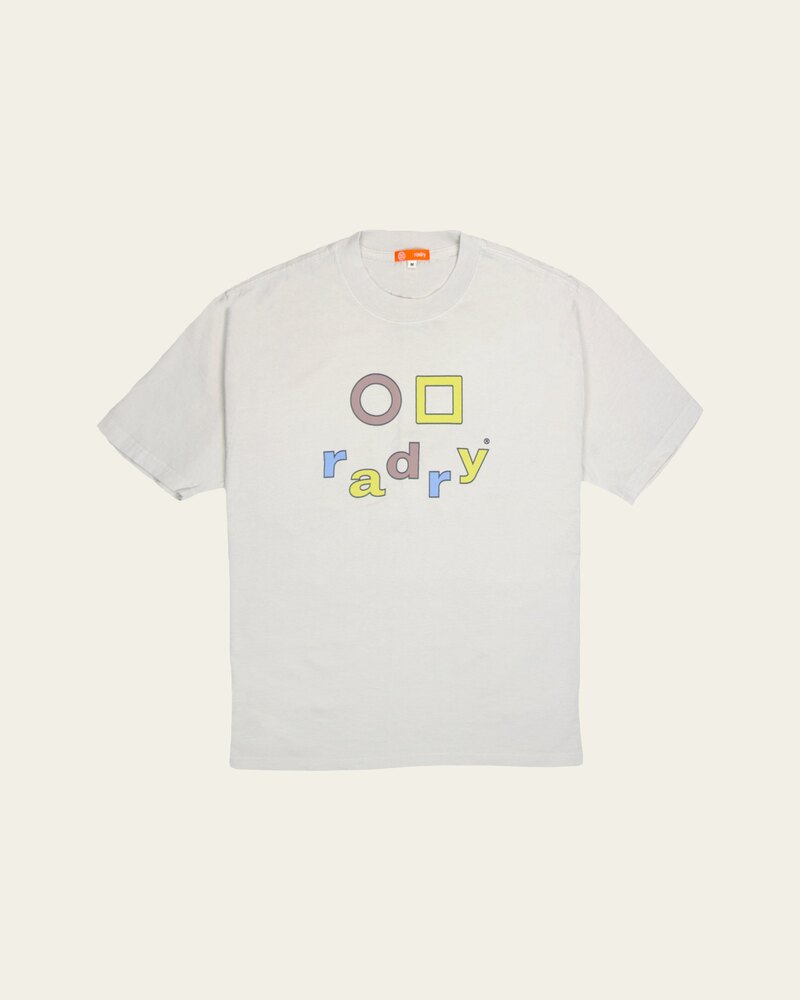
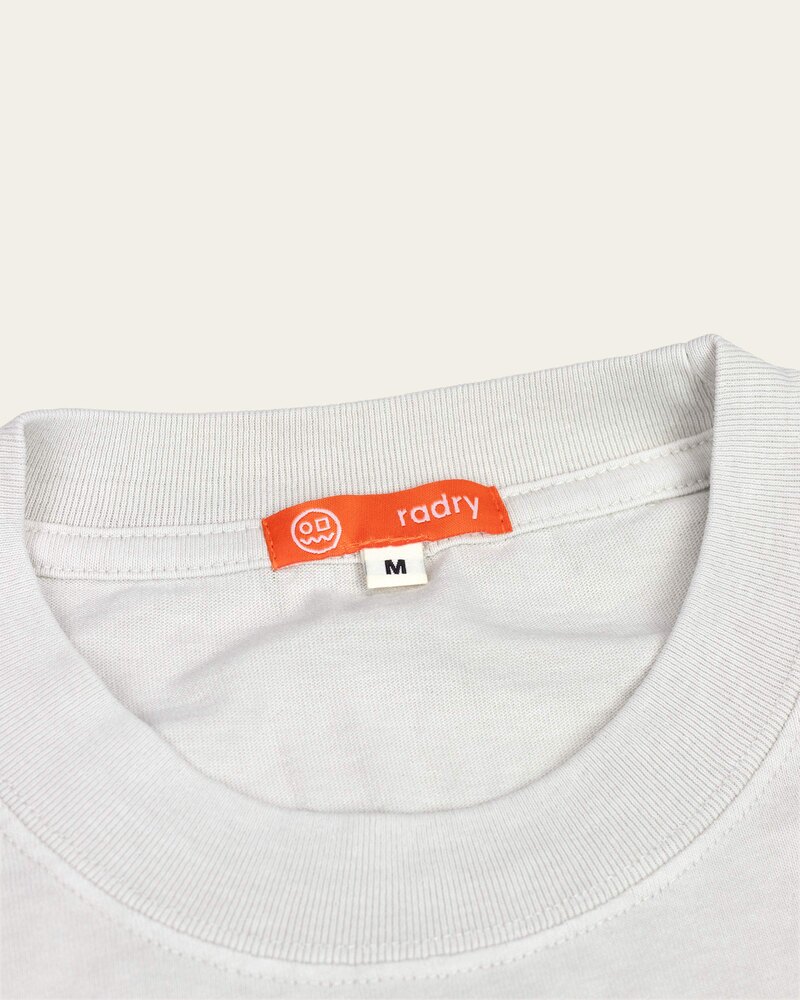
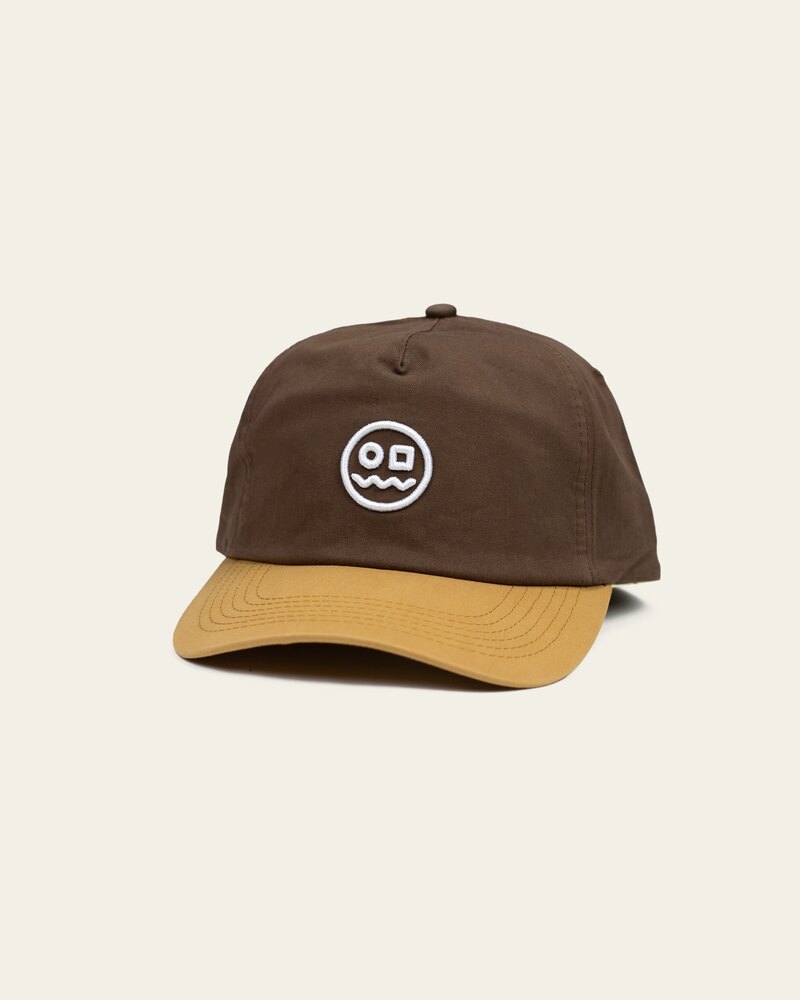
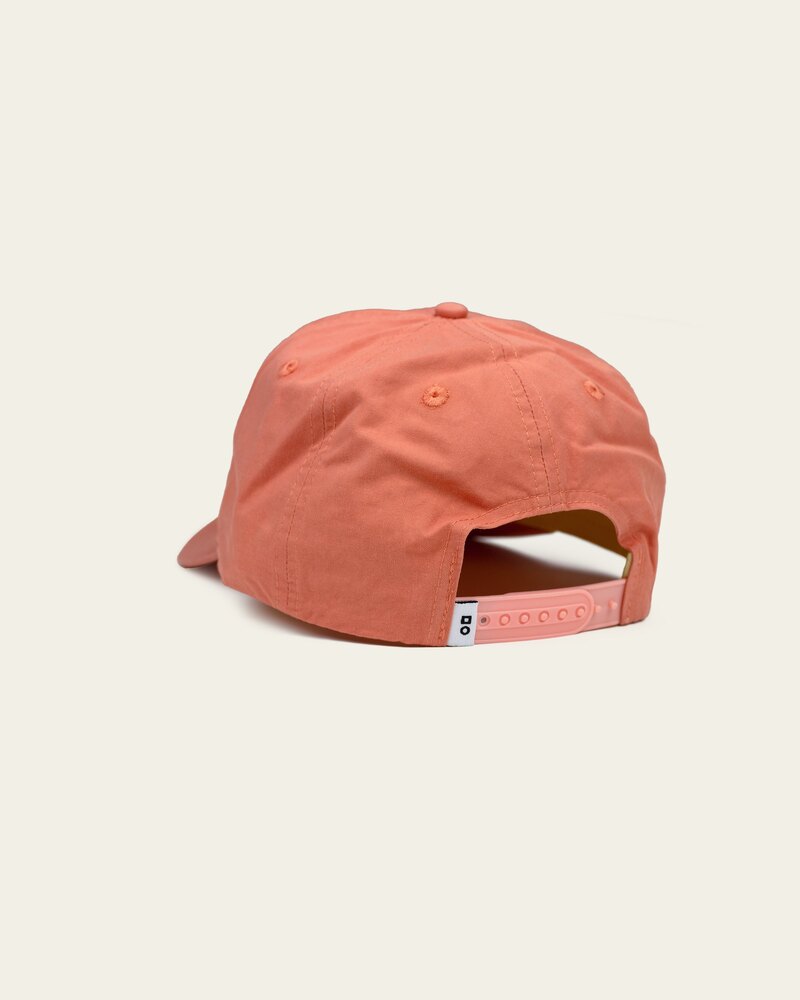
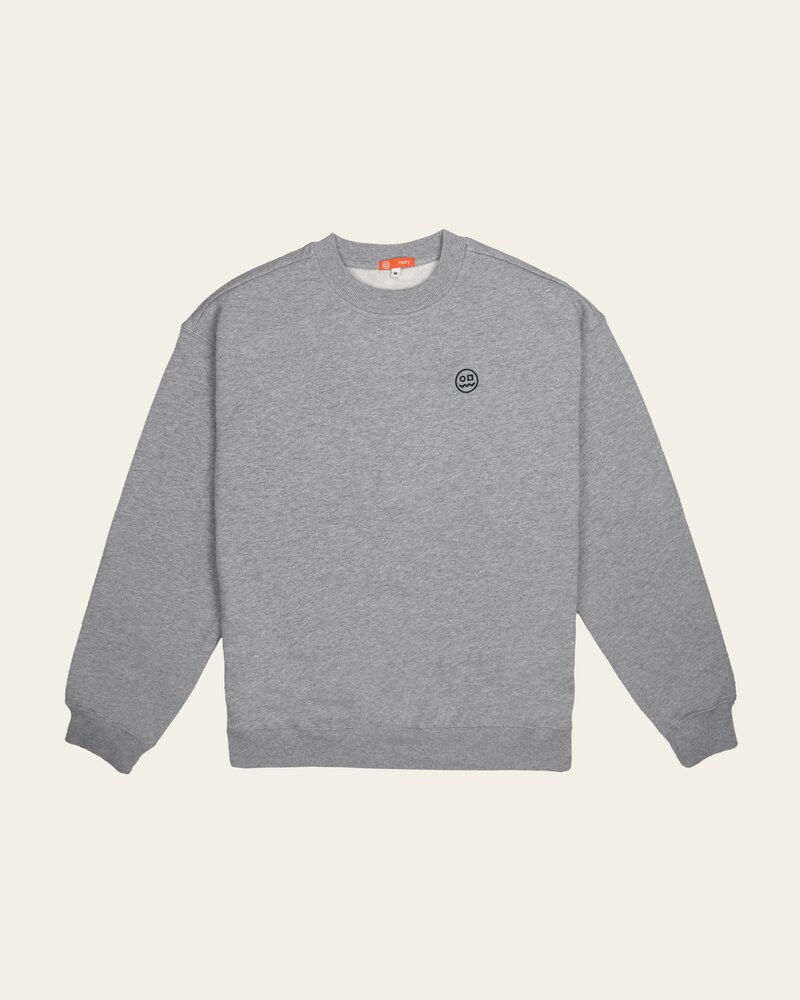
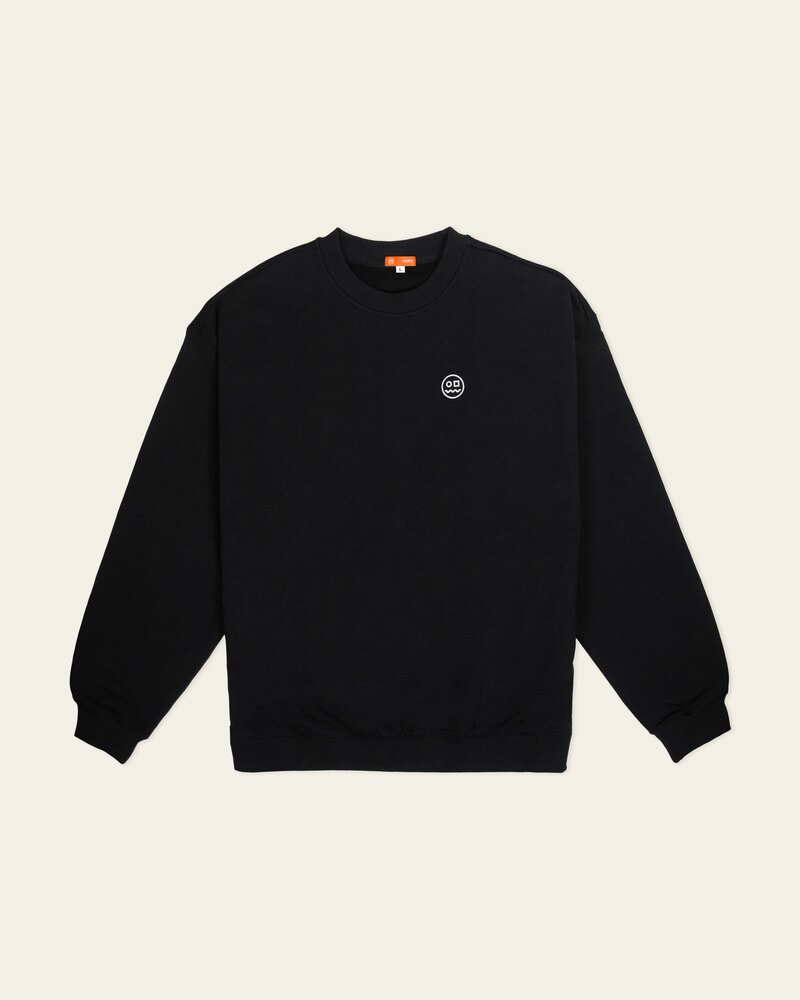
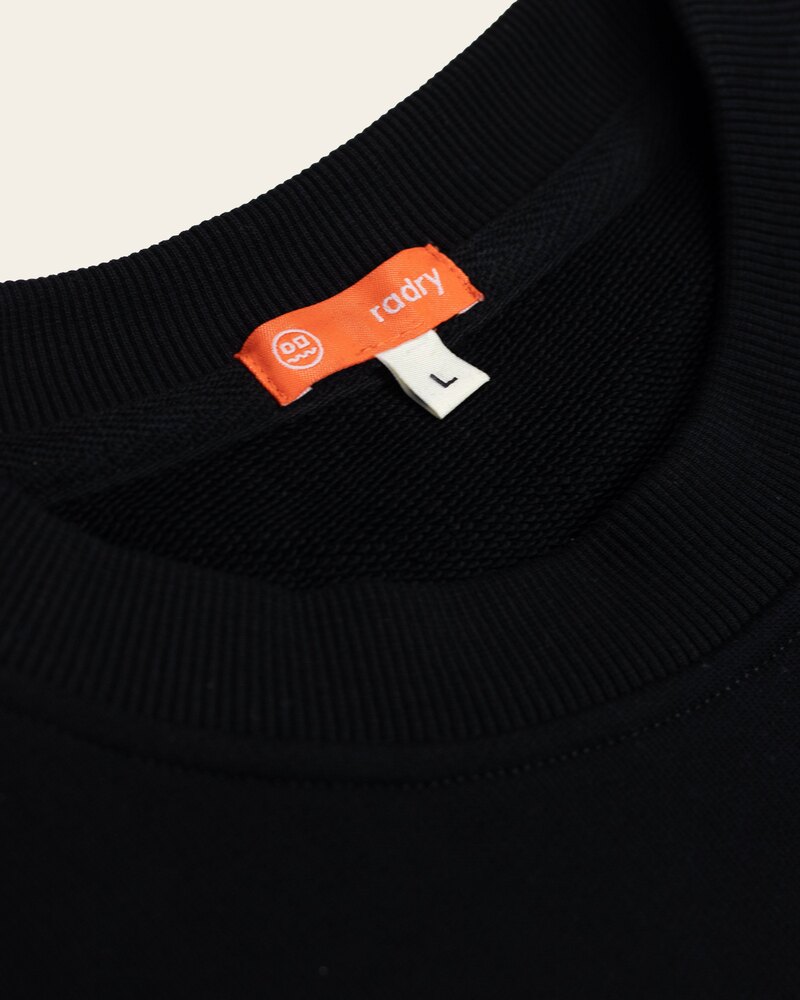
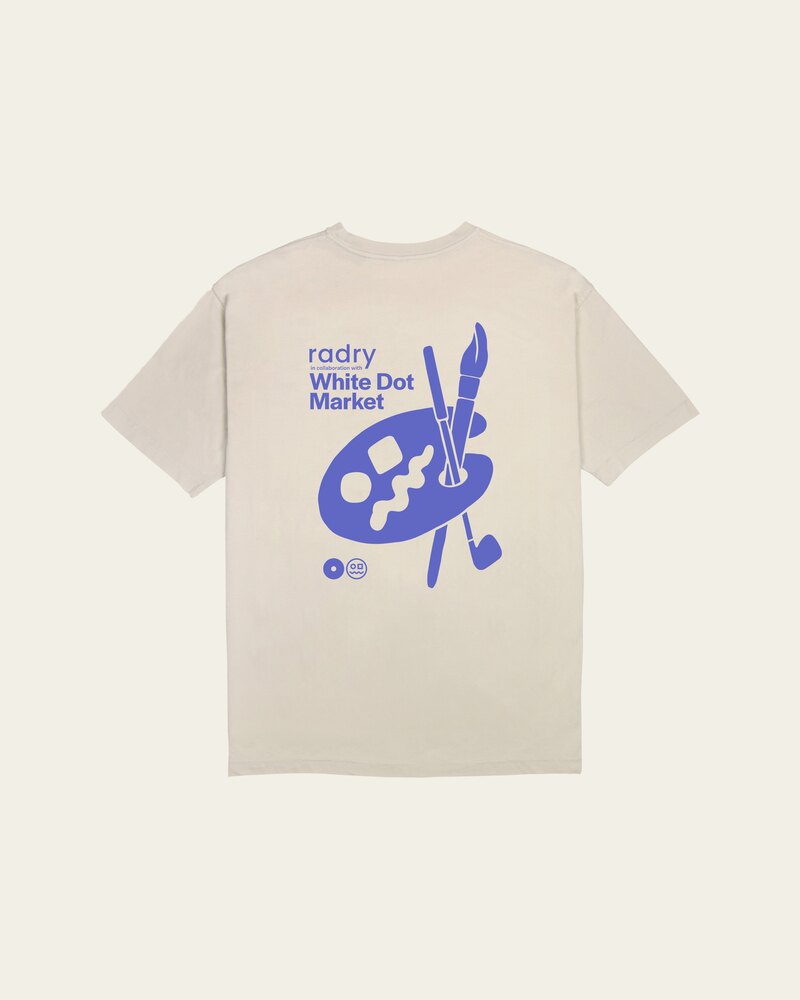
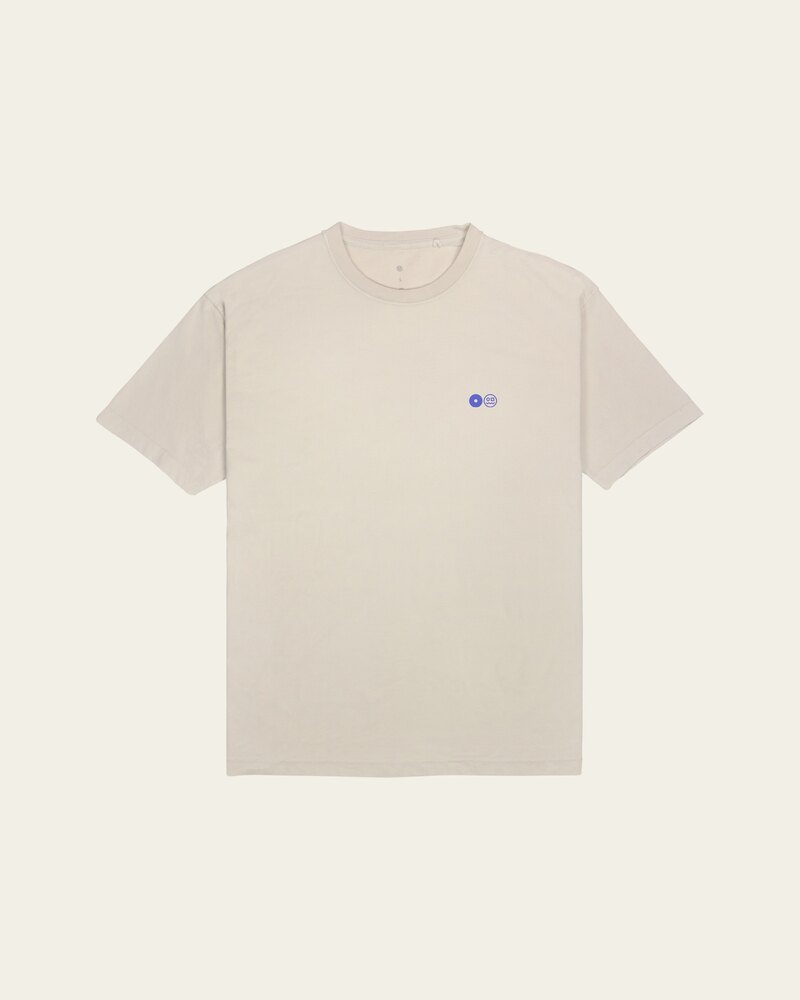
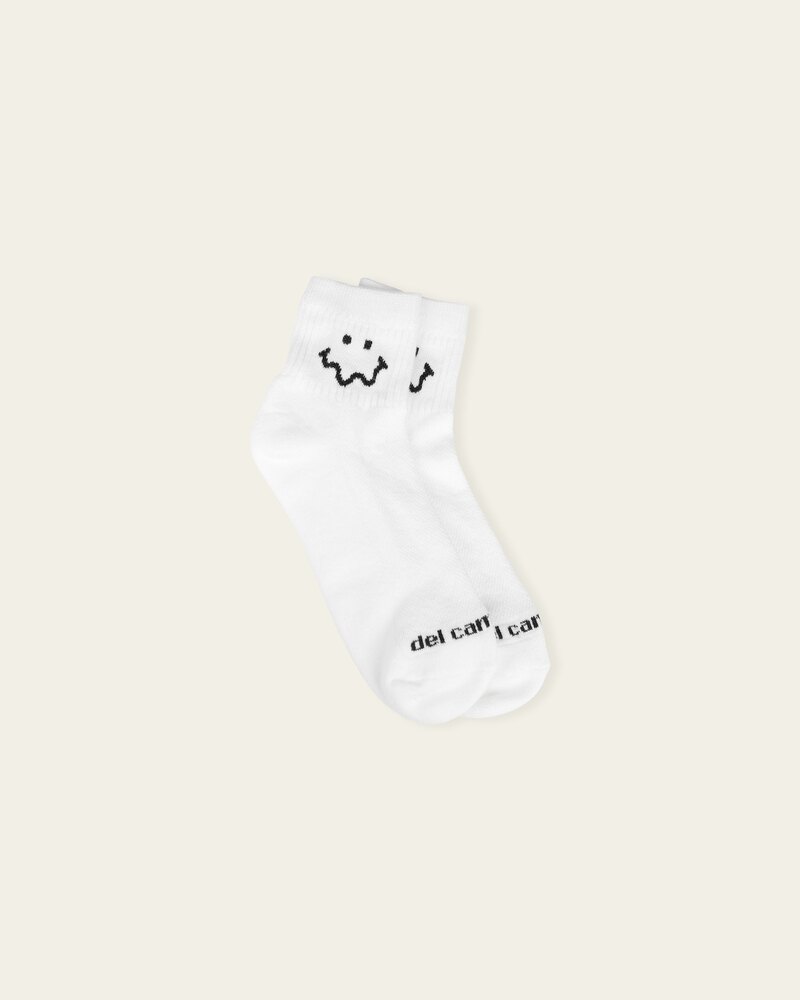
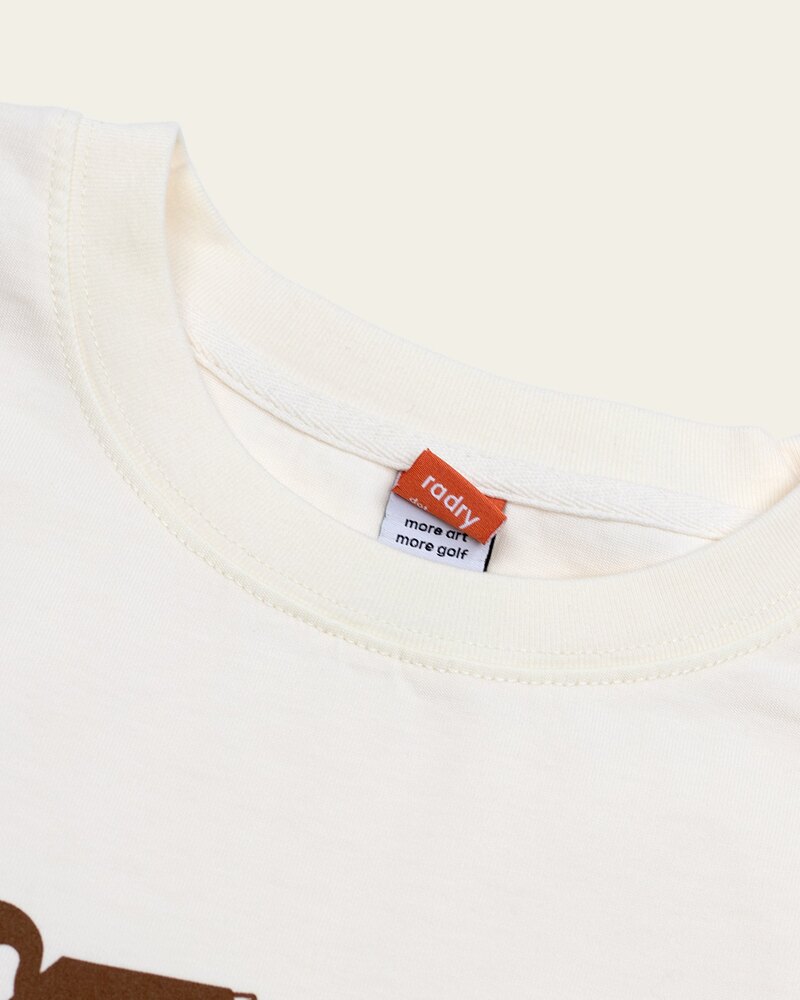
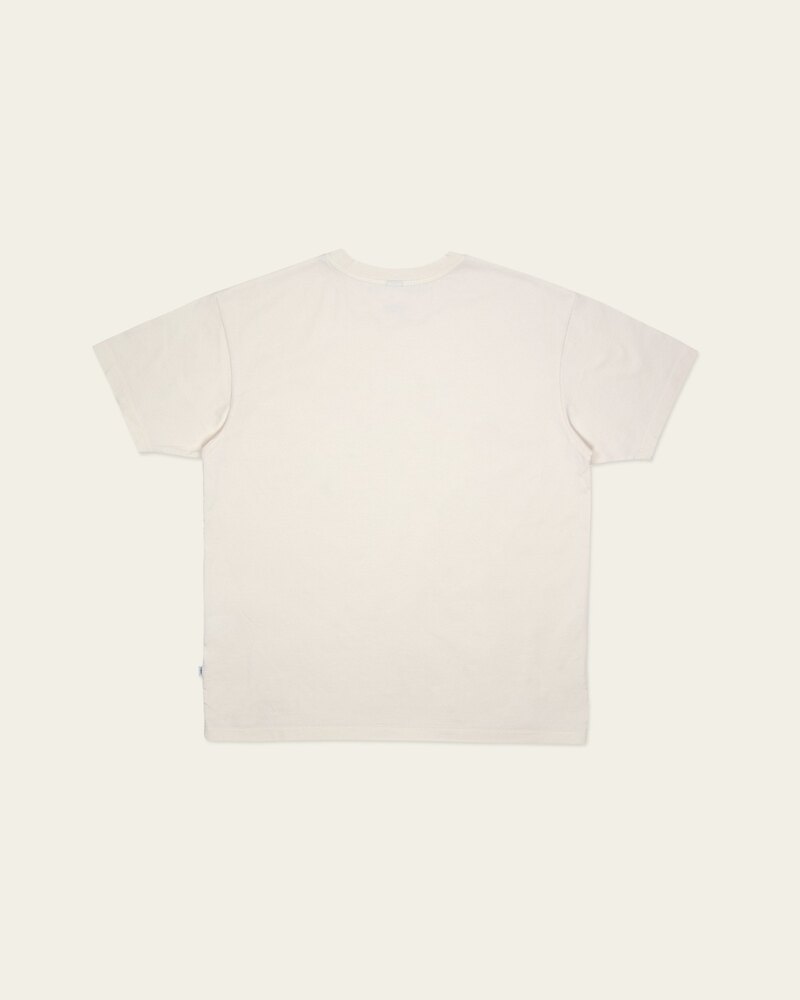
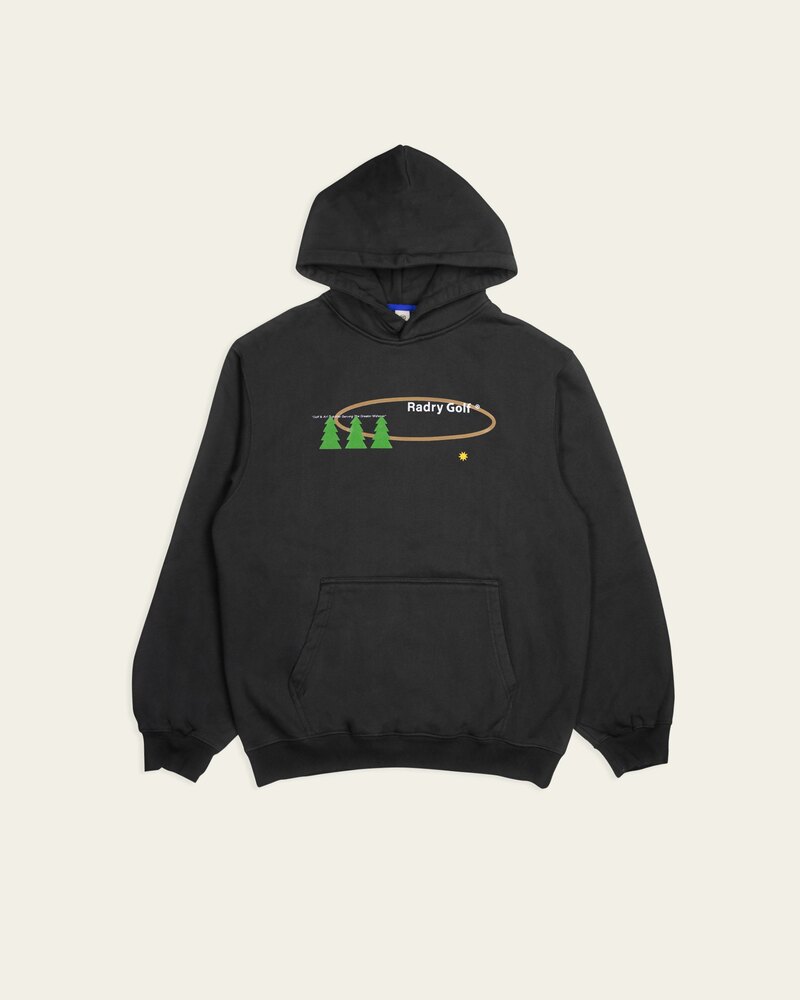
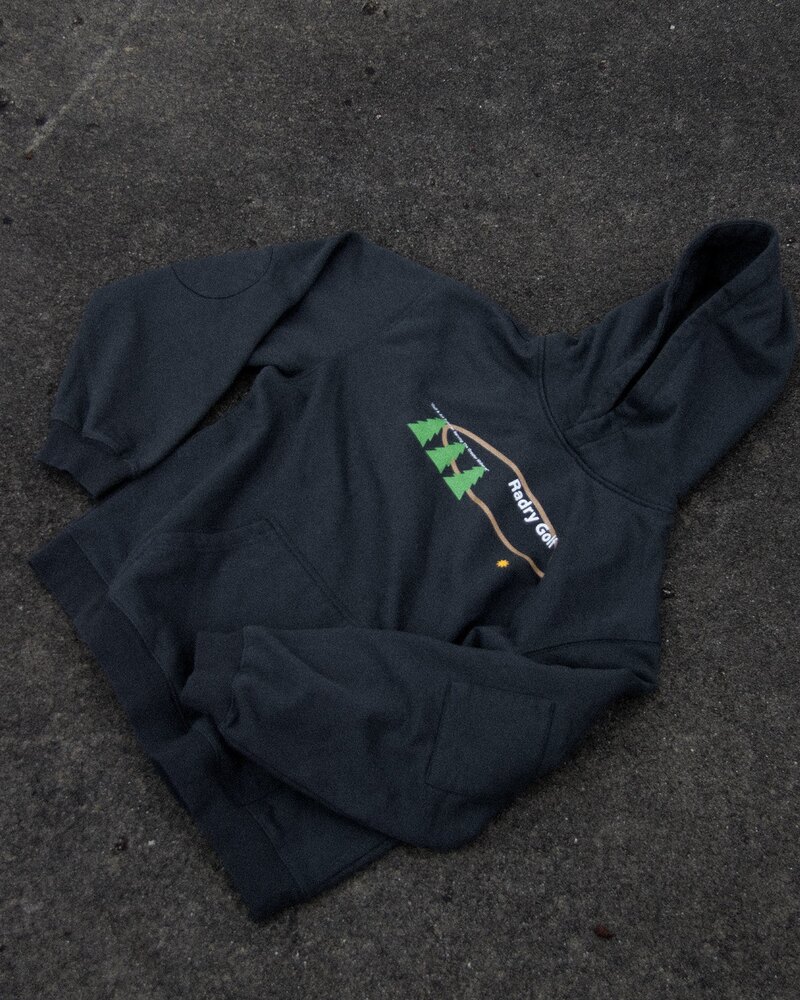
Radry works in small numbered runs and does not restock. This is the part of the catalogue that explains the brand better than the current one does. None of it is buyable. All of it is still up on the site, which is its own kind of statement.
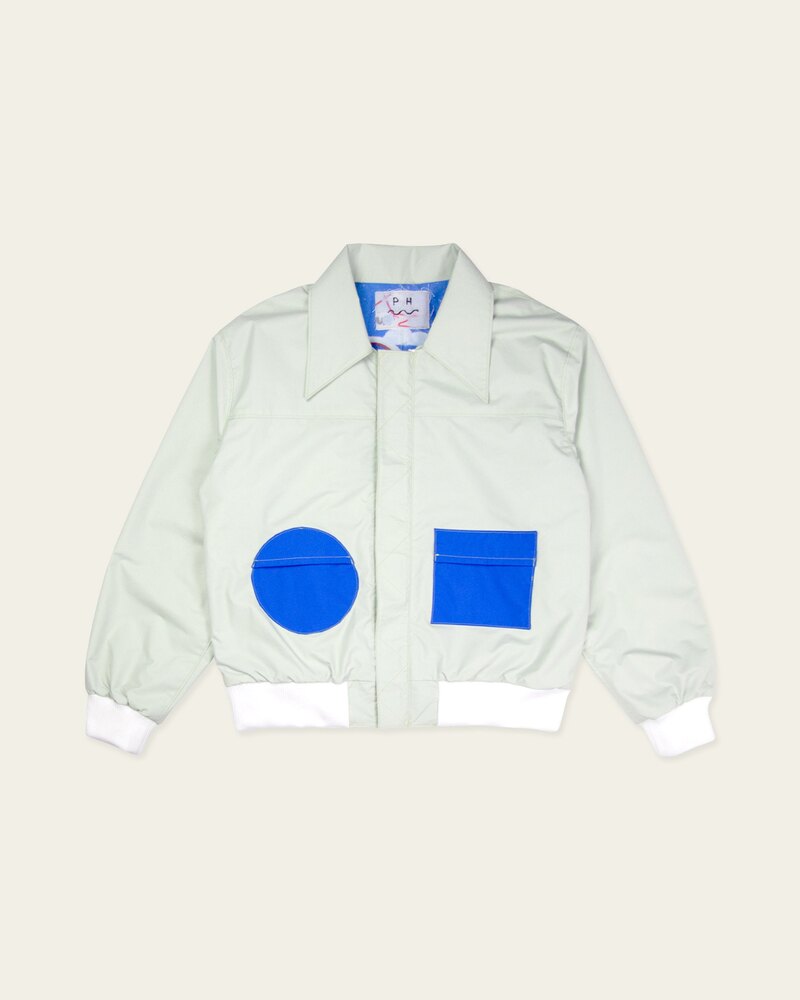
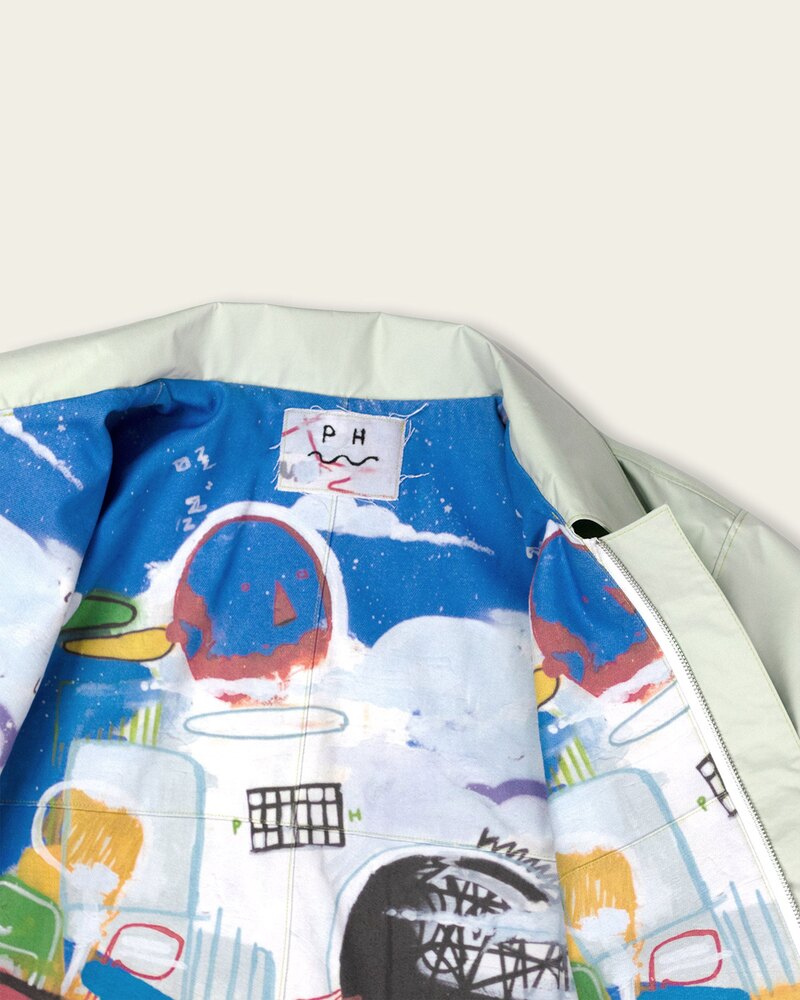
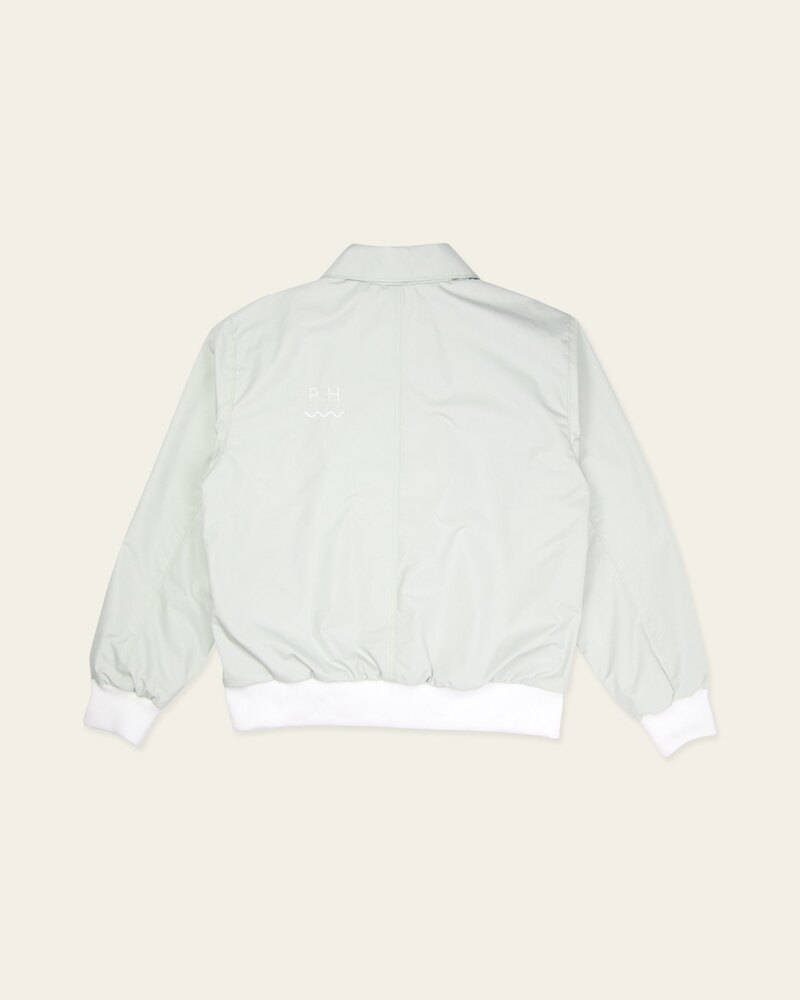
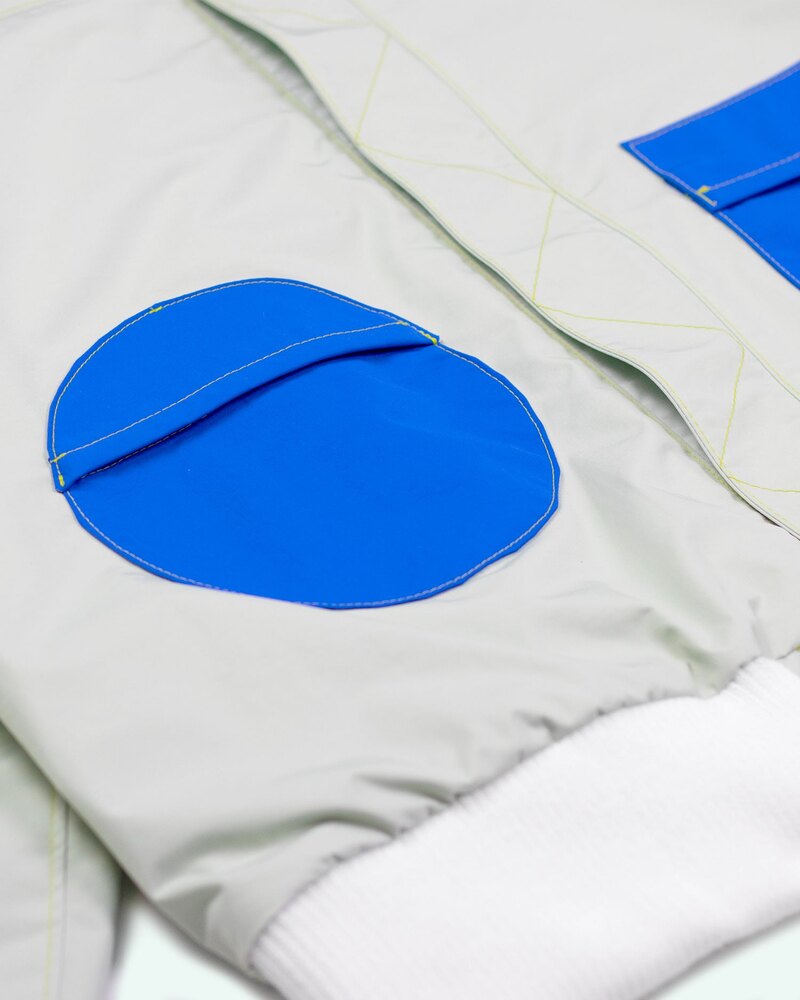
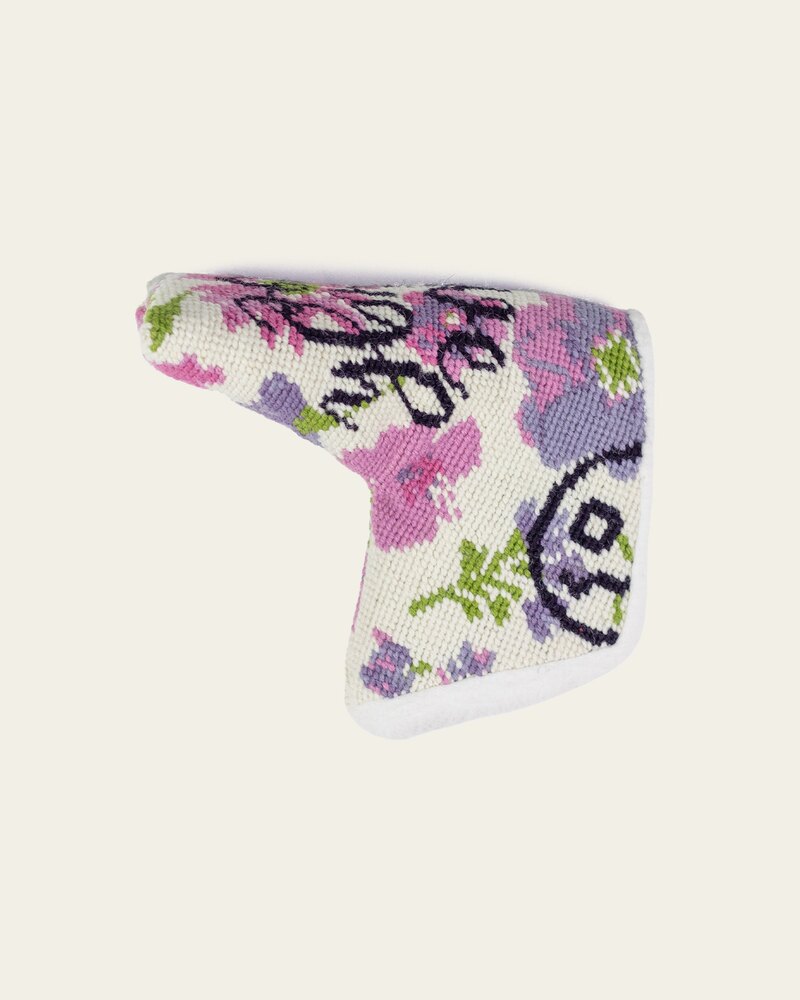
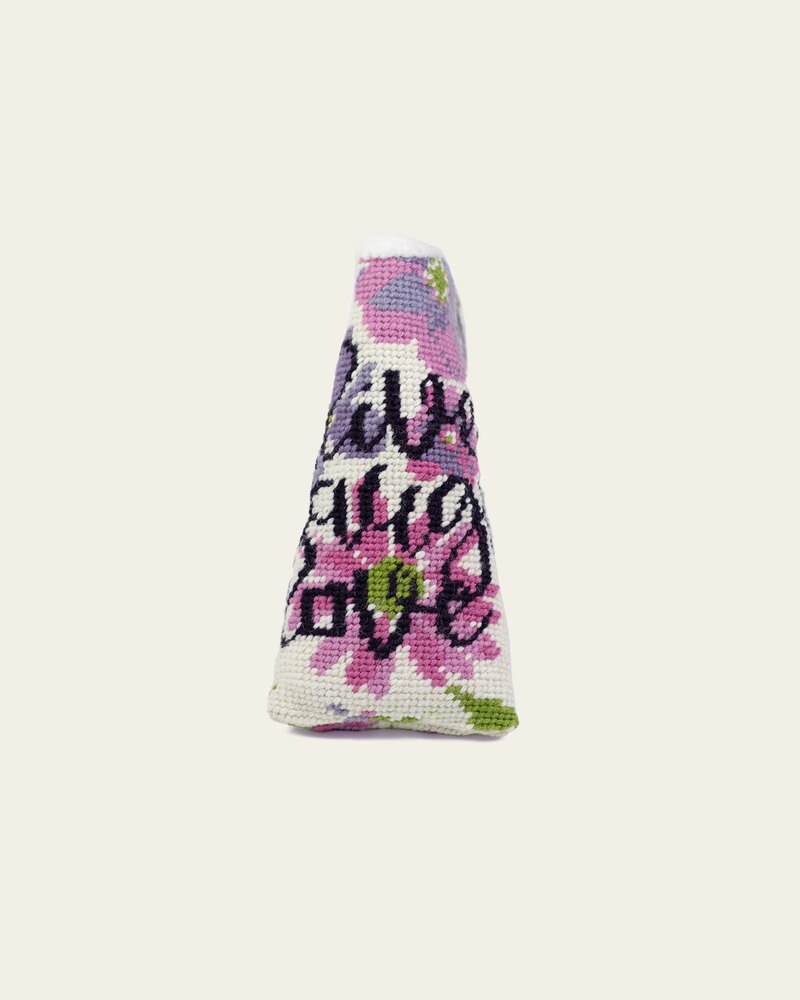
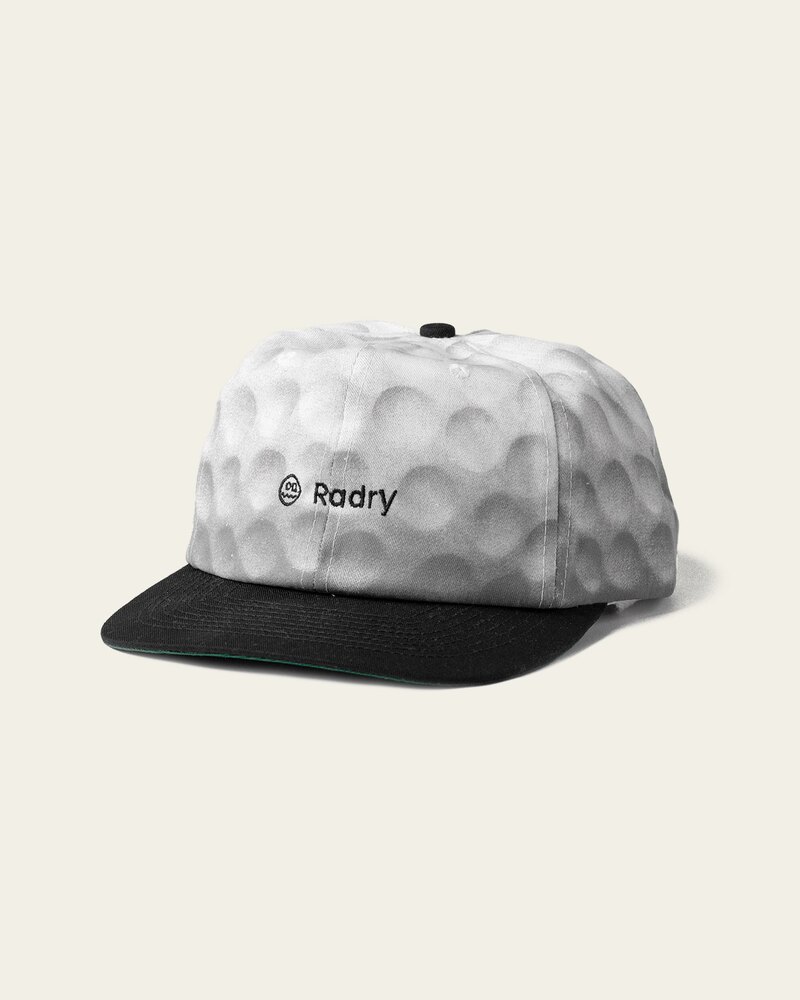
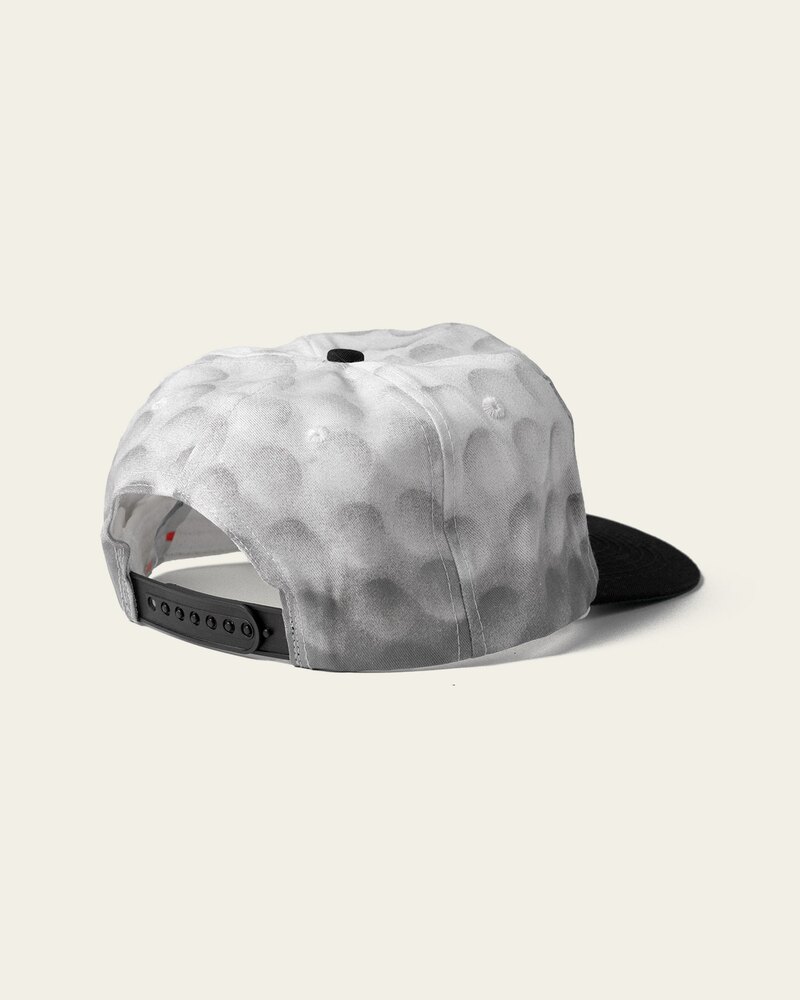
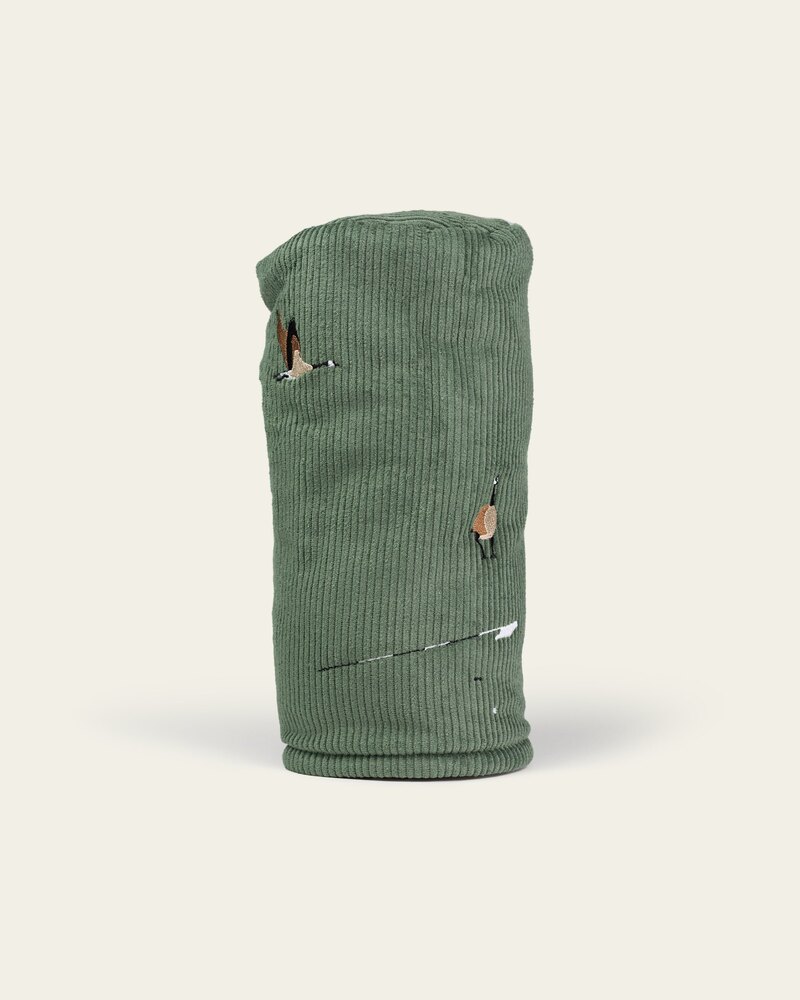
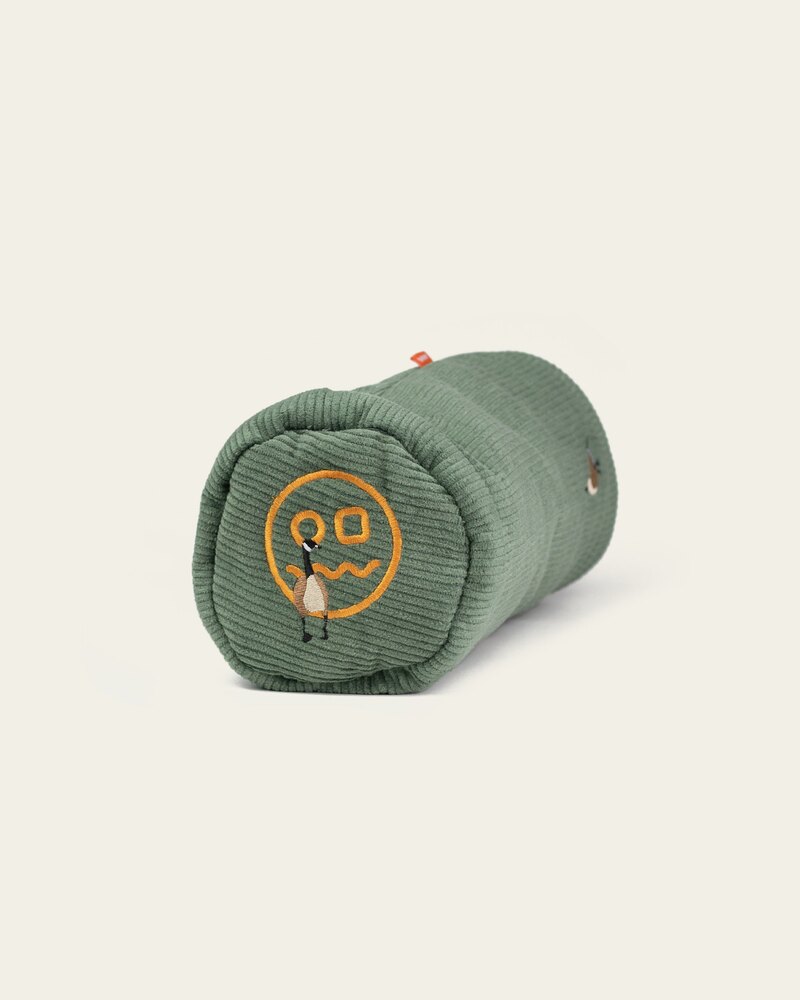
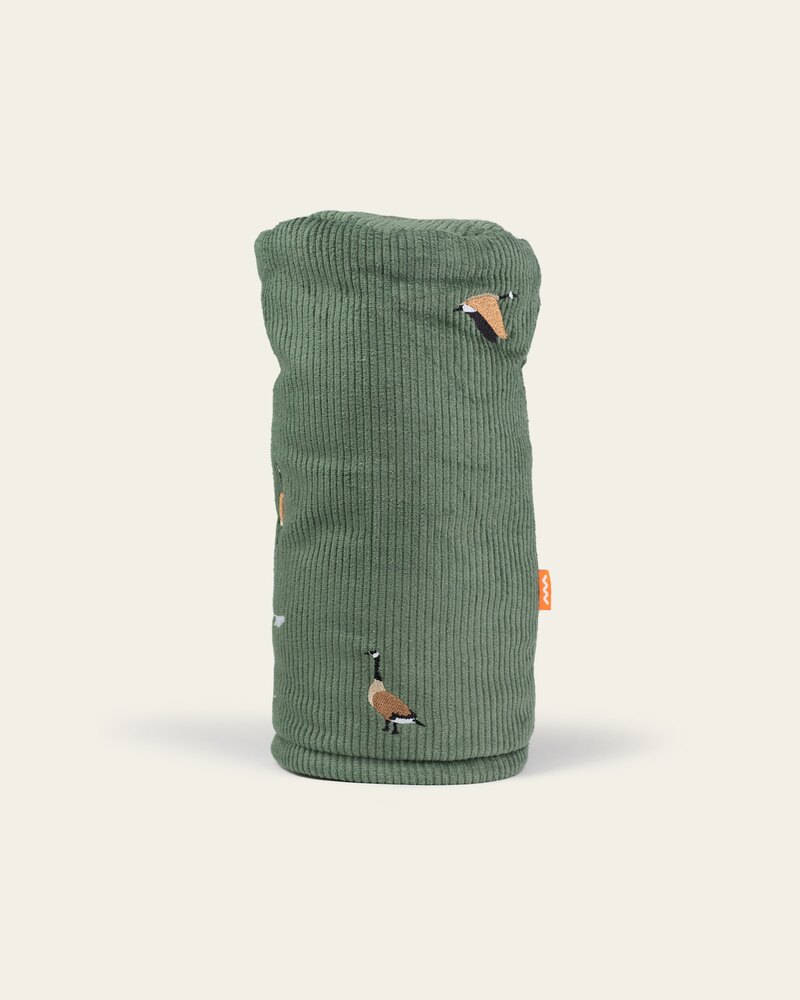
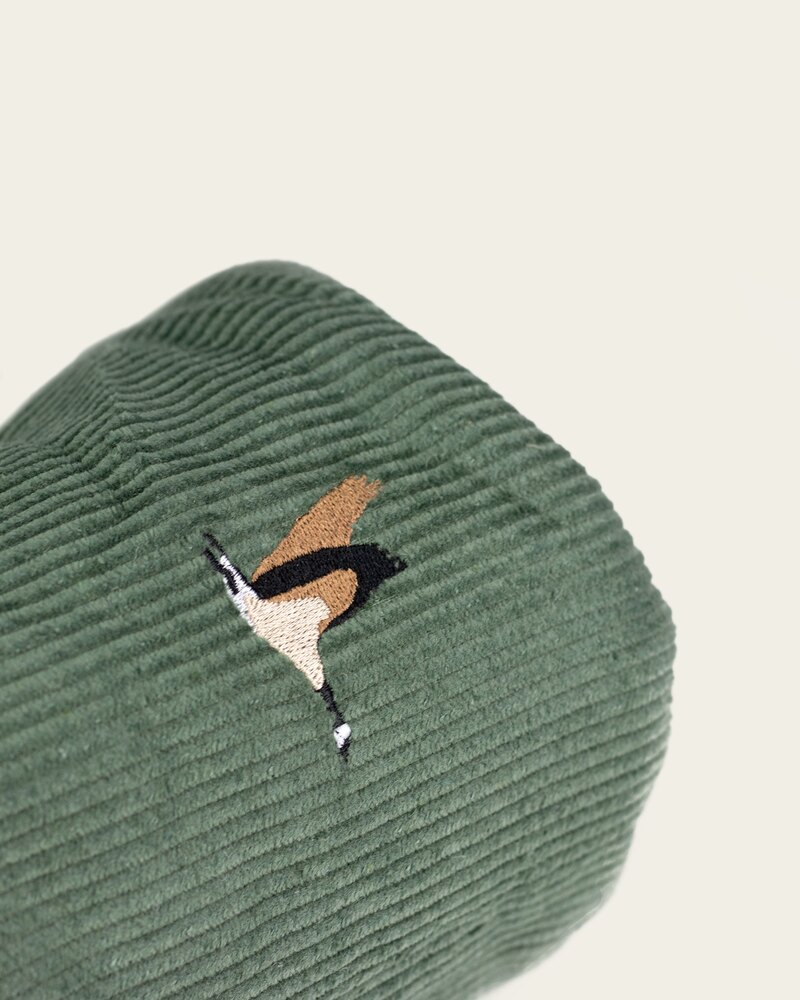
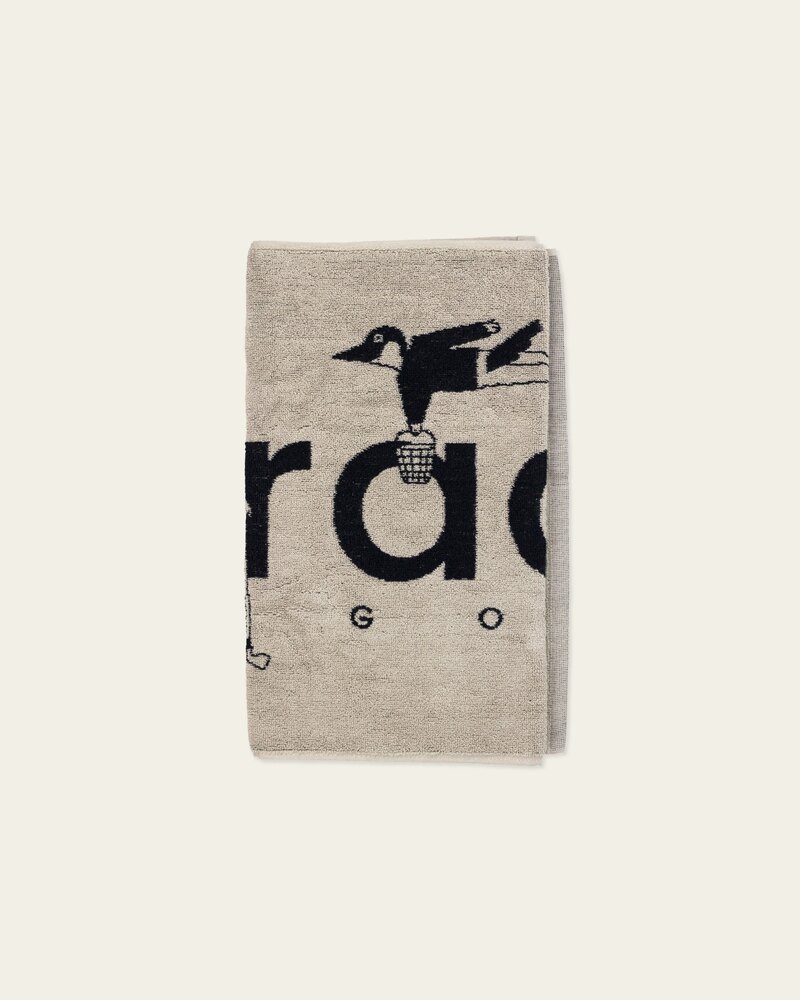
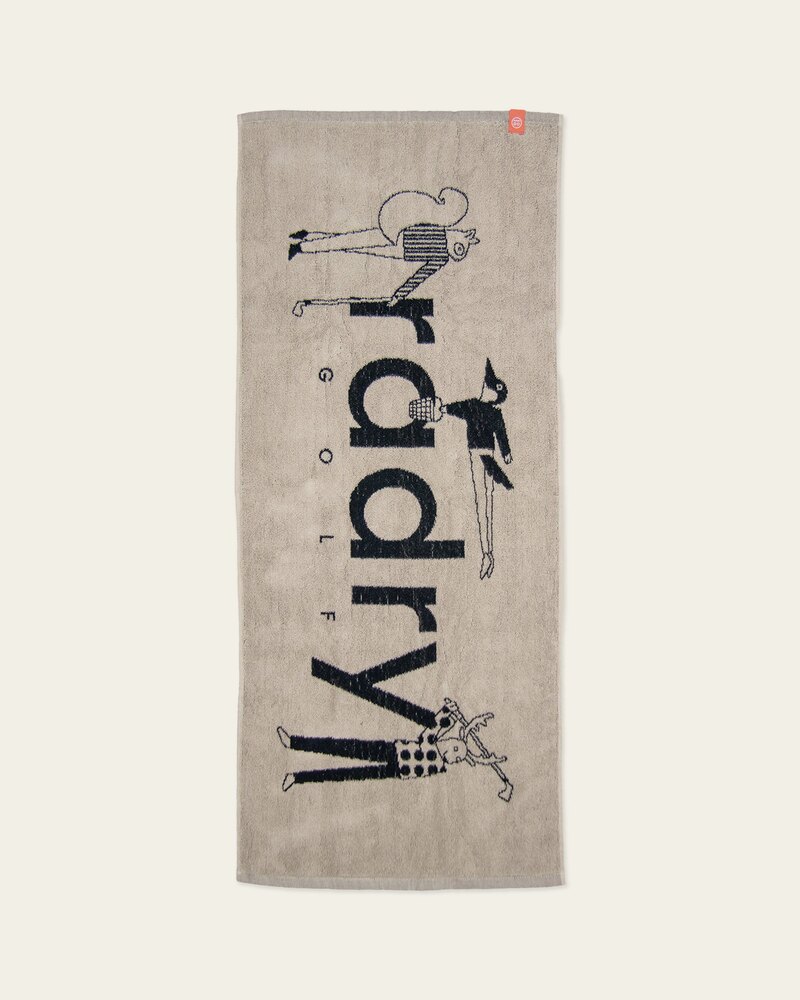
An independent golf brand run by Tony Knapton out of Sheboygan, Wisconsin. Every hat, crewneck and headcover starts as one of Knapton’s own hand-drawn illustrations.
Tony Knapton, an artist who treats golf gear as his medium. The brand’s gallery arm, White Dot Market, sells signed prints alongside the apparel.
Its smiley-face logo, which is becoming one of the more recognisable marks in independent golf, and accessories such as the Bugging Blade Cover and the Smoke Em’ Ashtray.
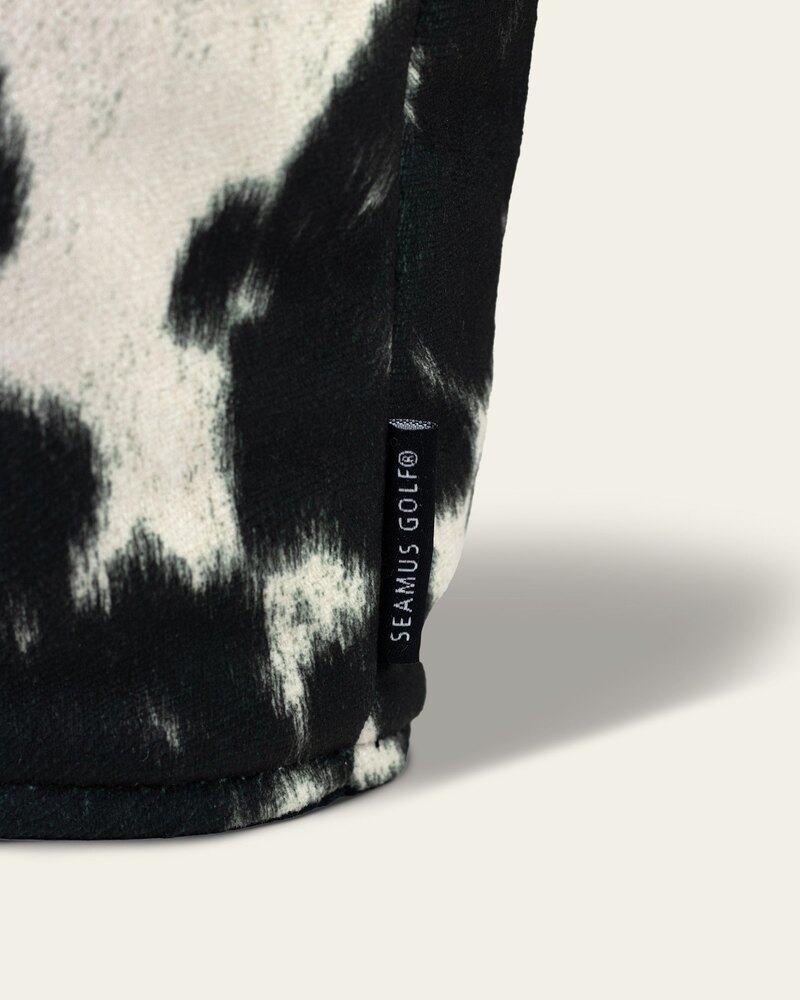
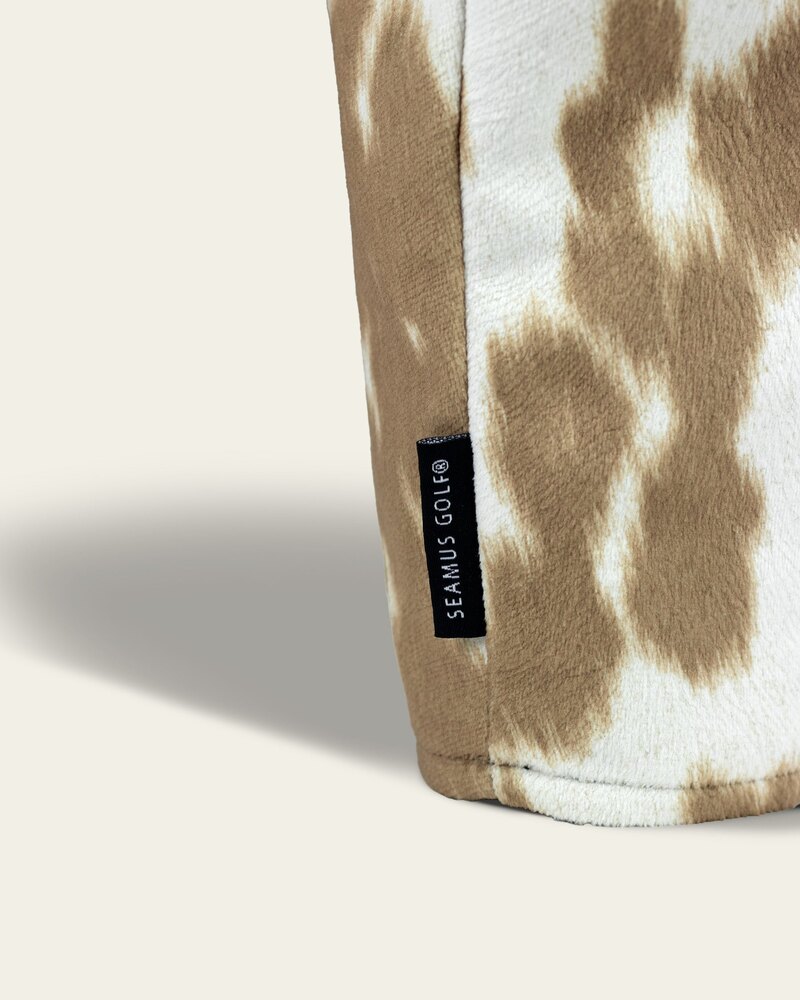
Yes, including work with Seamus.
Custodian Hats and Dive Team caps start at $42, the Bugging Blade Cover is $65, the Smoke Em’ Ashtray is $55, and the Contrast Quarter Zip is $120.
It is not a smiley face. Founder Tony Knapton designed it so that one eye is a circle, representing birdies, and the other is a square, representing bogeys — both sides of par. The wave in place of a mouth stands for the ups and downs of a round. In his words: "I wanted a logo that had a back story. Something where if you wanted to dive deeper into my brand, you'd find some other layers you may not have known about."
Radry works in small numbered runs and does not restock. The deadstock hats are built from vintage blanks and hand-numbered on the strap — one reads 34 of 75. Forty-four items in the catalogue are currently sold out, including a $7 keychain.
The gallery arm of the same operation, where Tony Knapton's original artwork and prints are sold. It carries open edition prints from around $48, limited editions, and originals up to $3,900 for a Streamsong Black Hole #18. Radry and White Dot Market have also released a collaboration tee and hat.
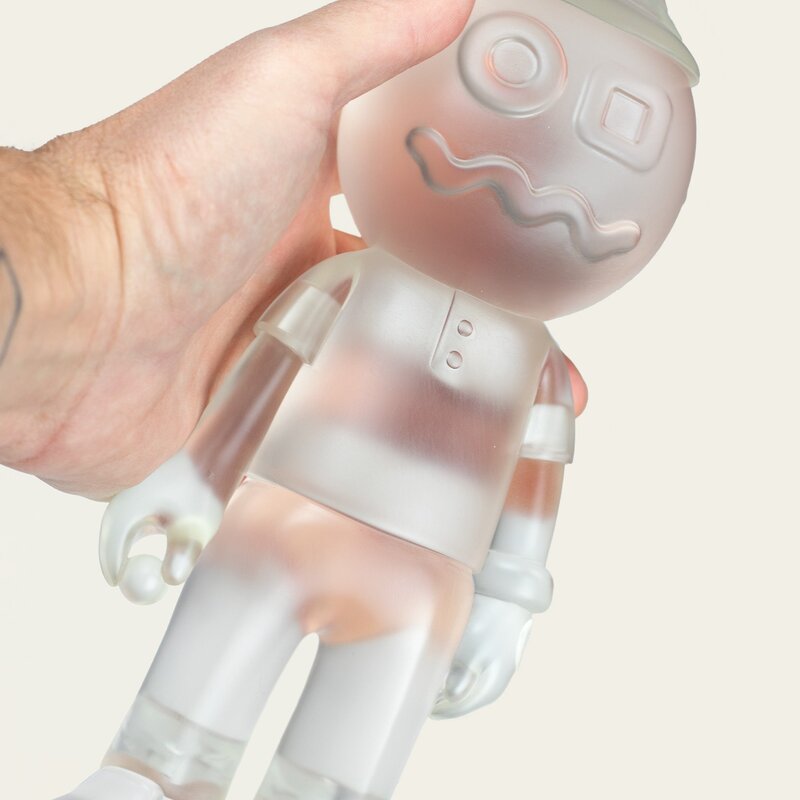
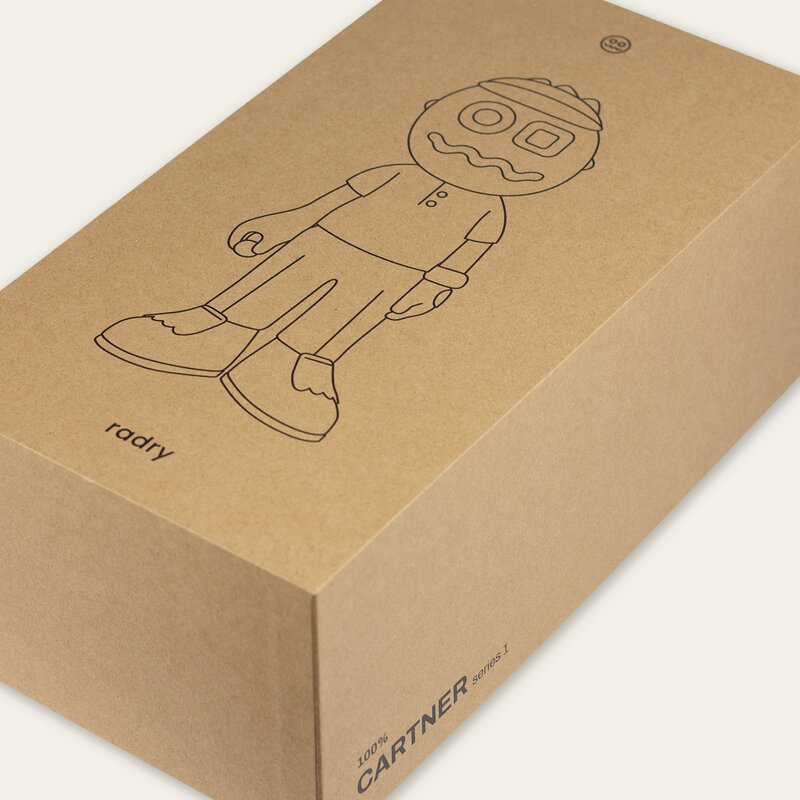
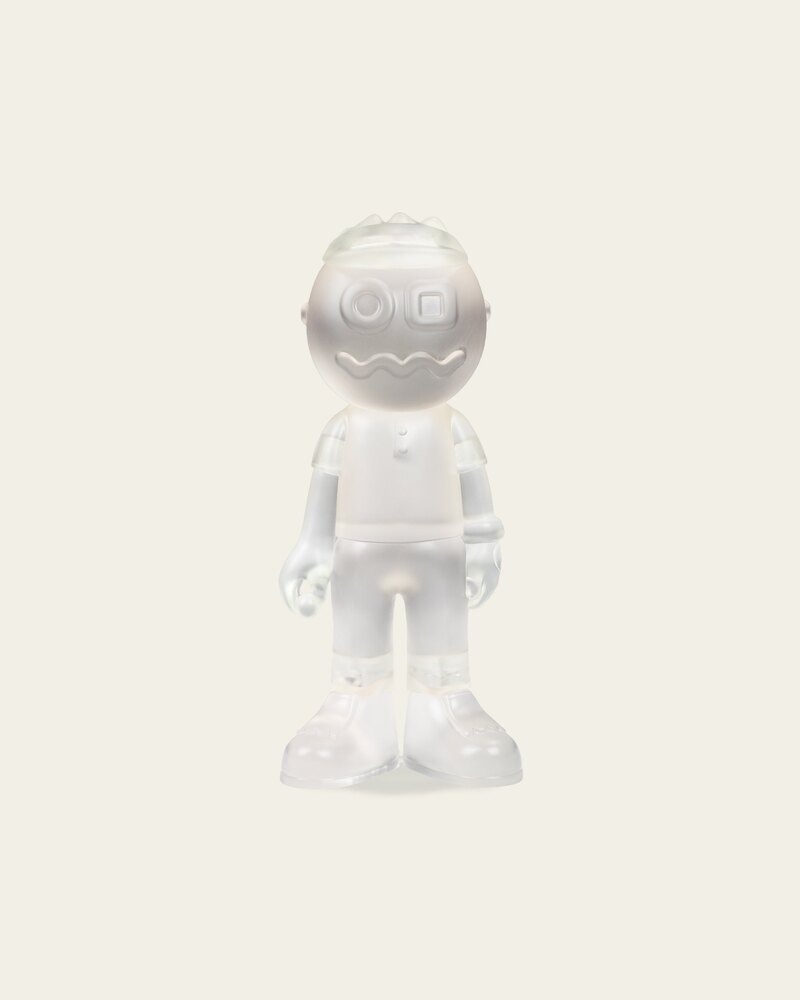
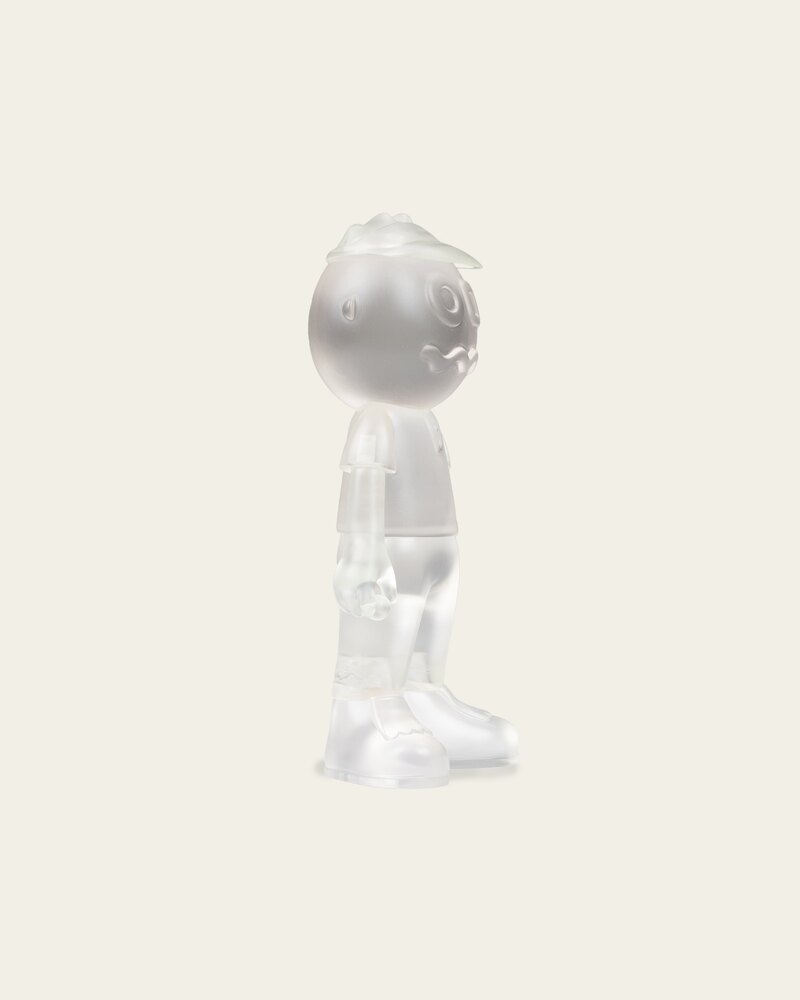
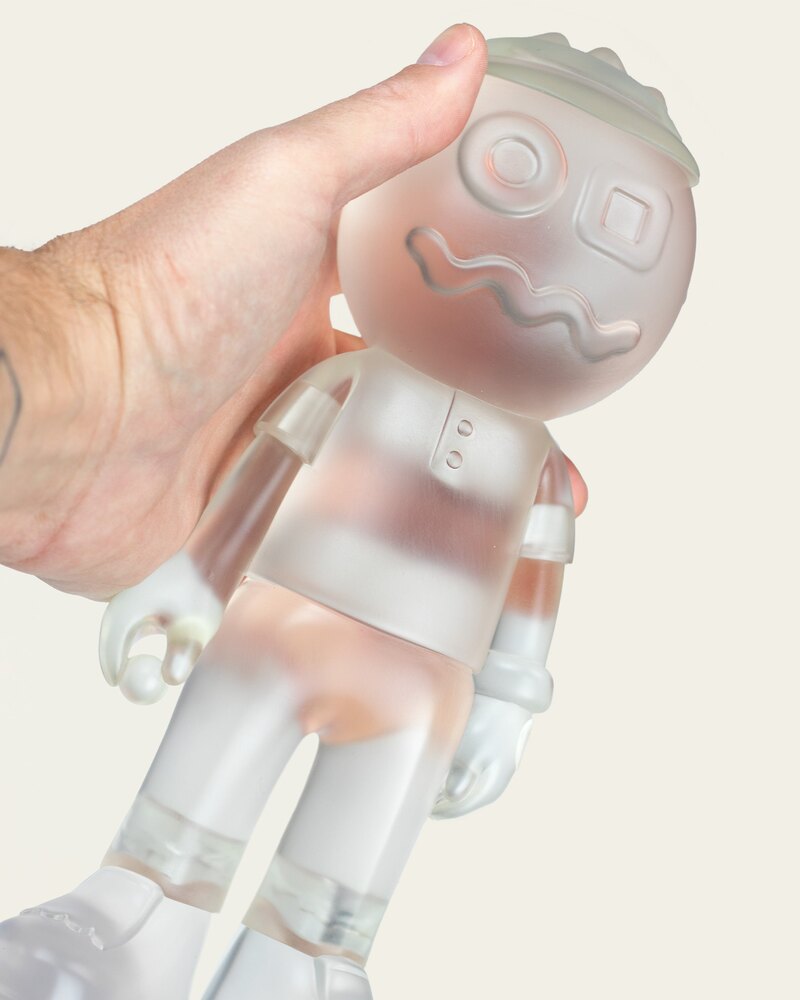
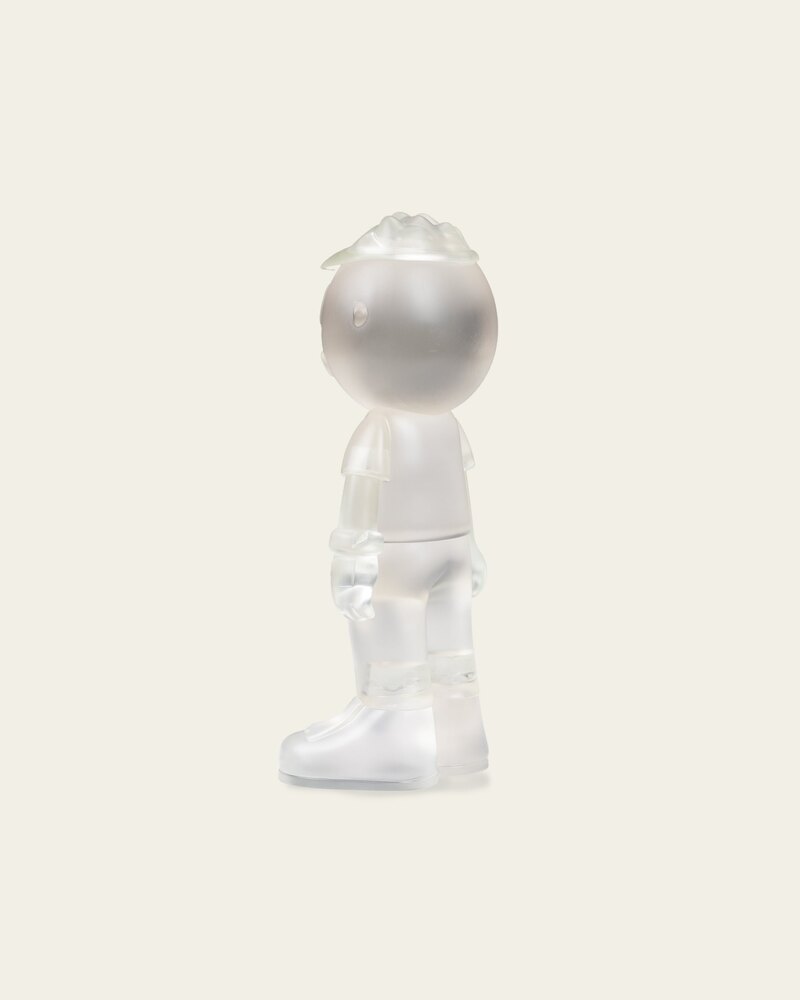
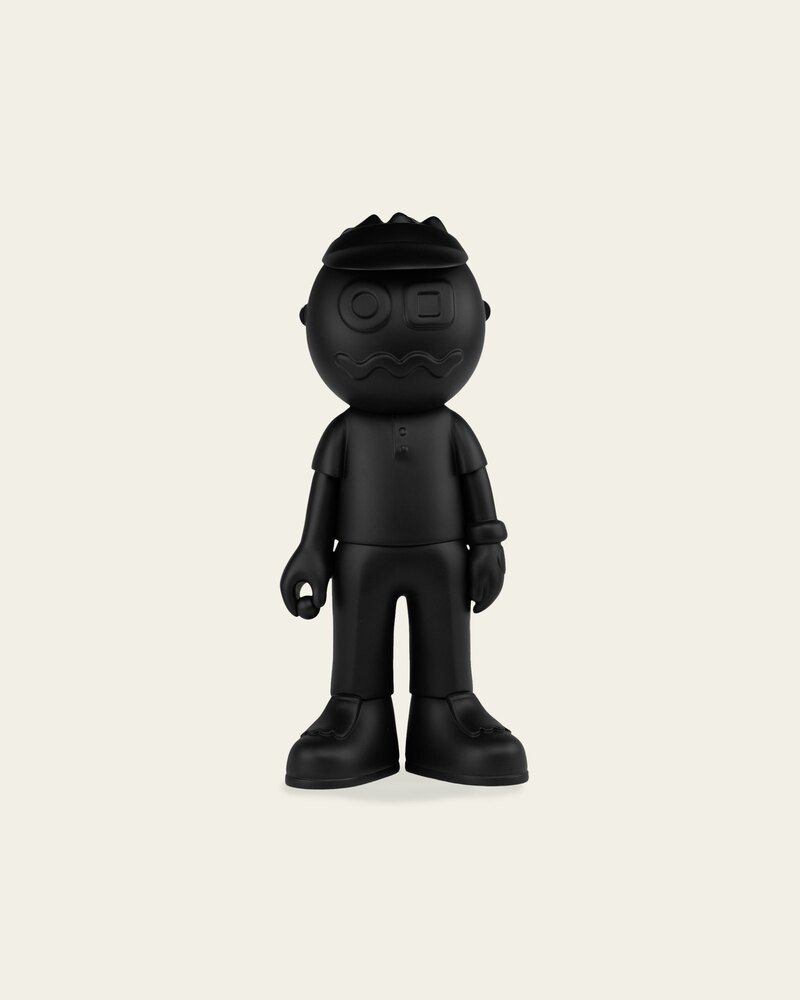
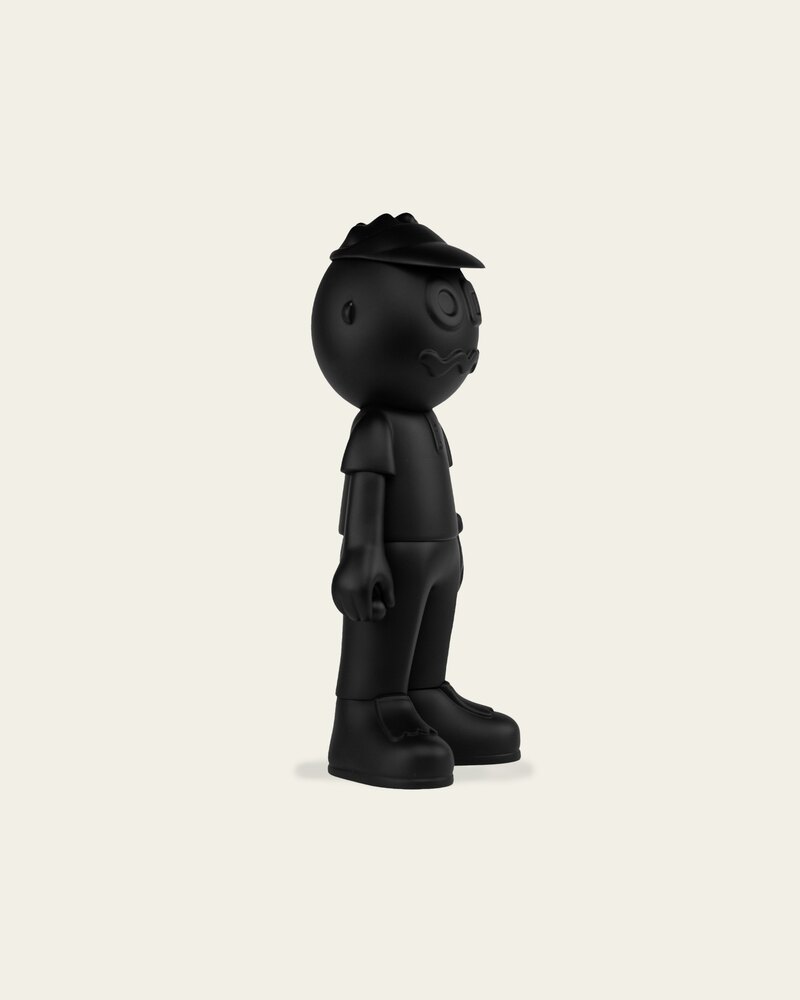
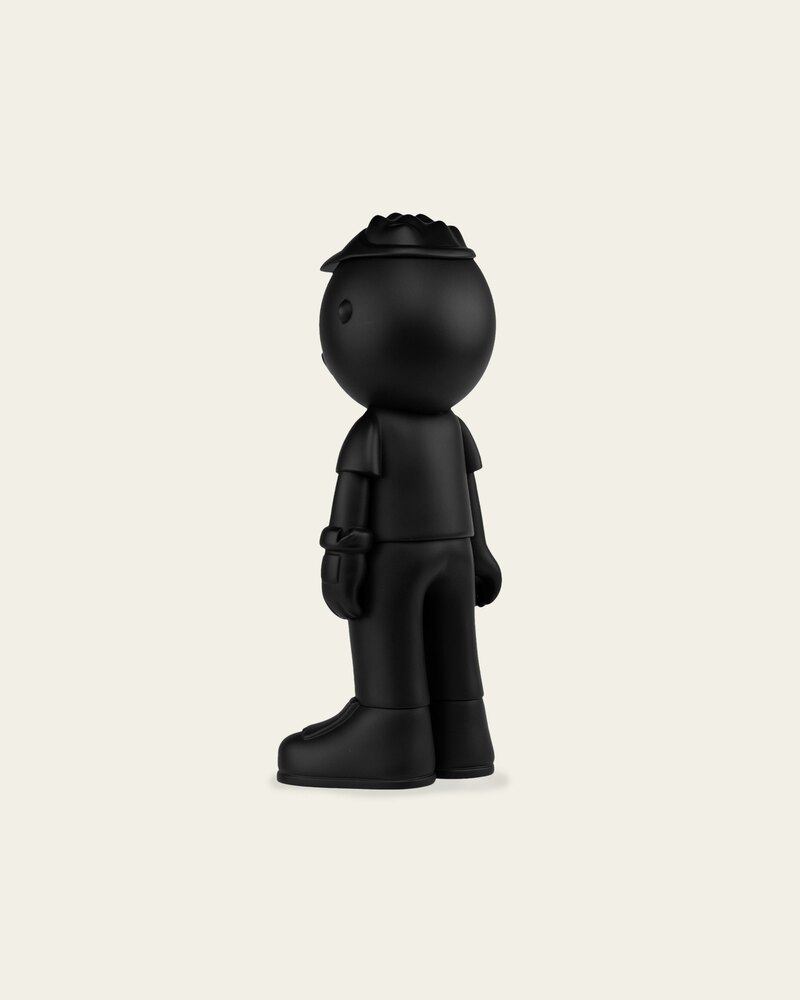
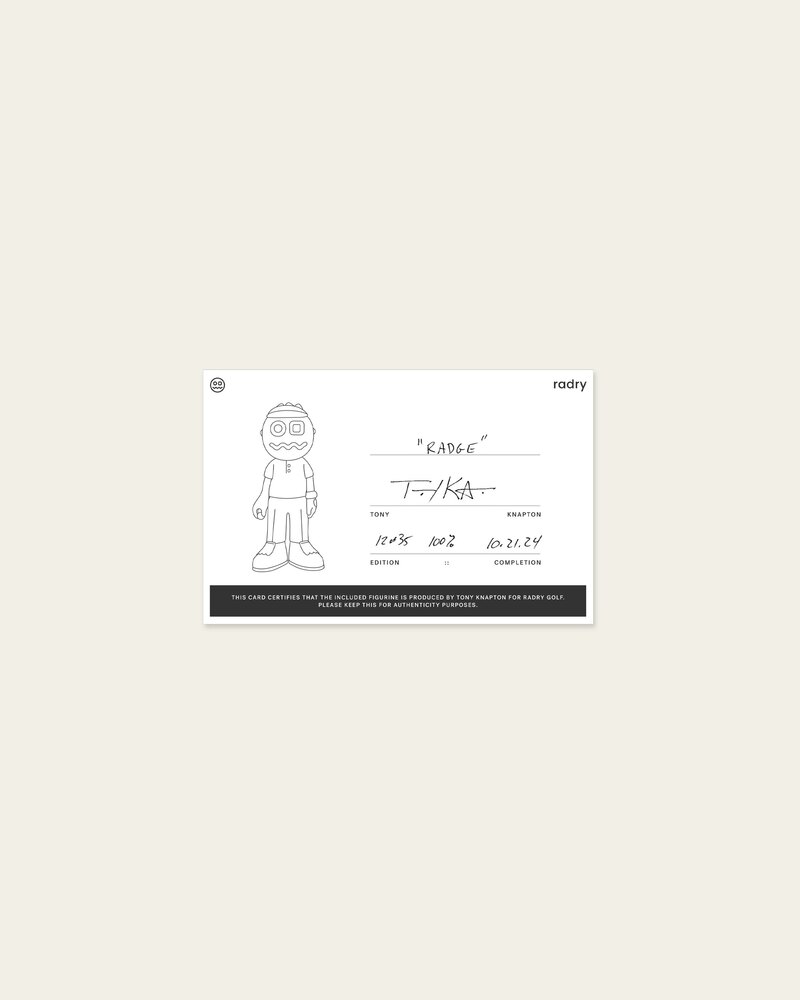
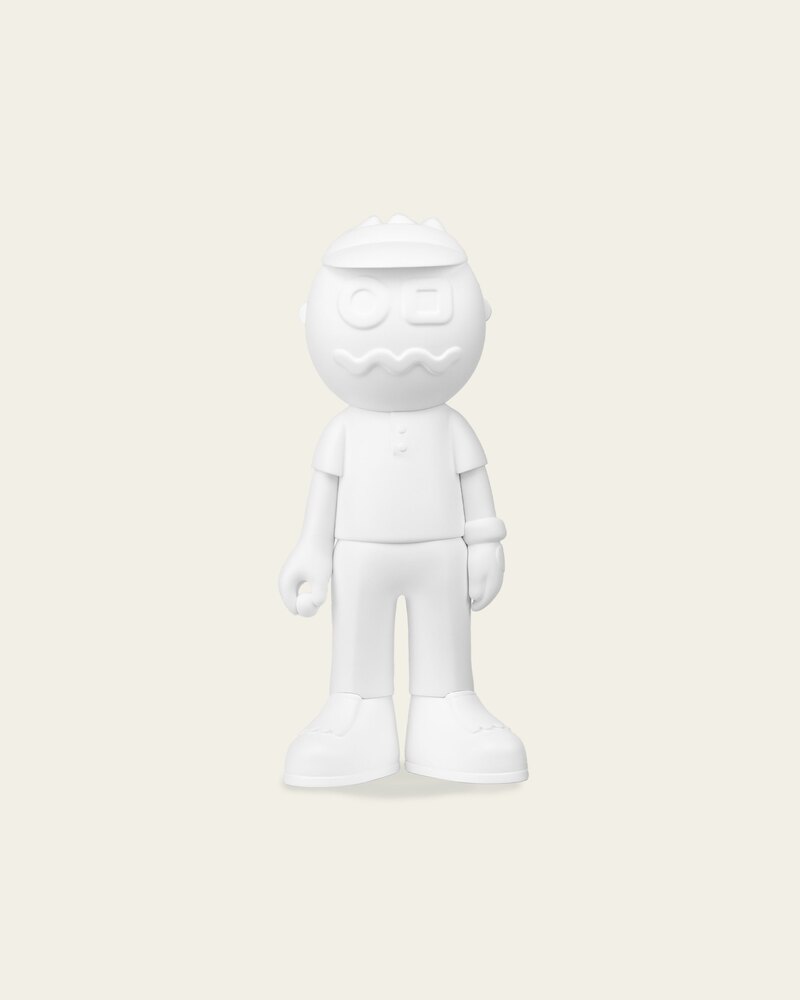
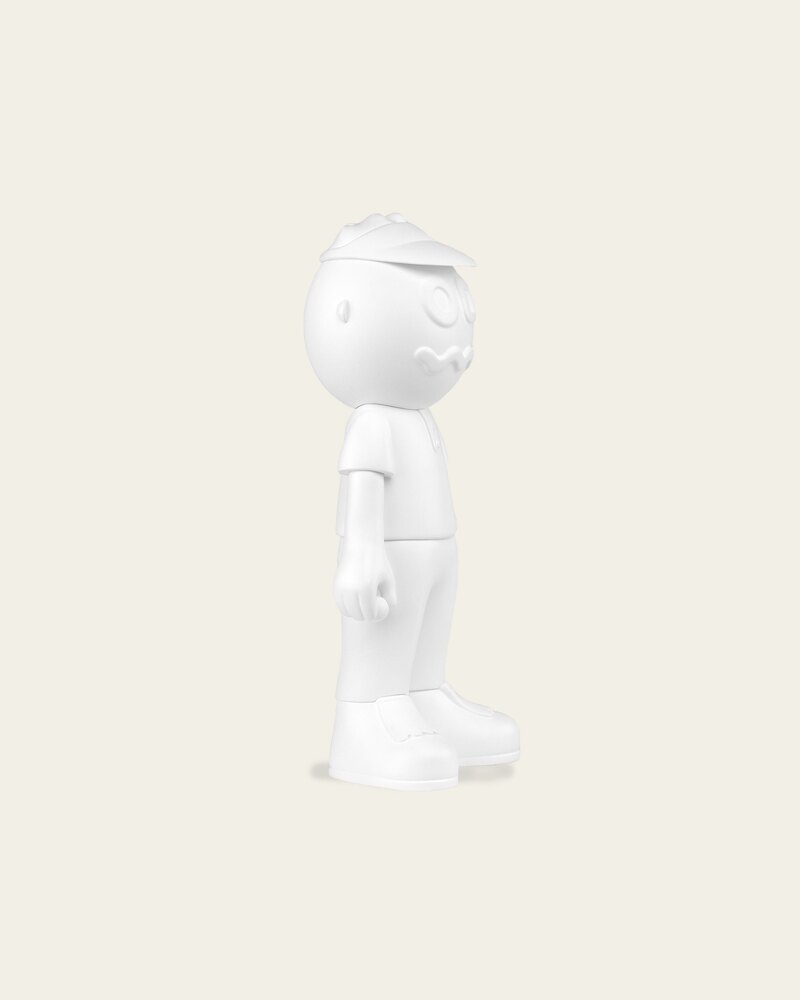
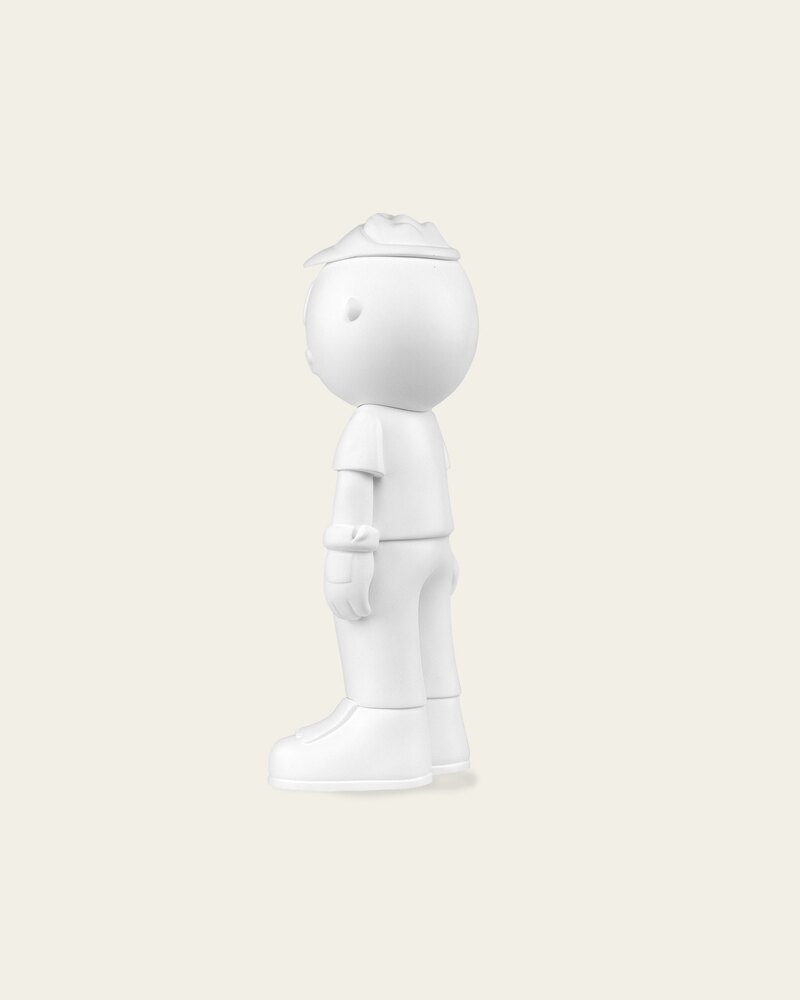
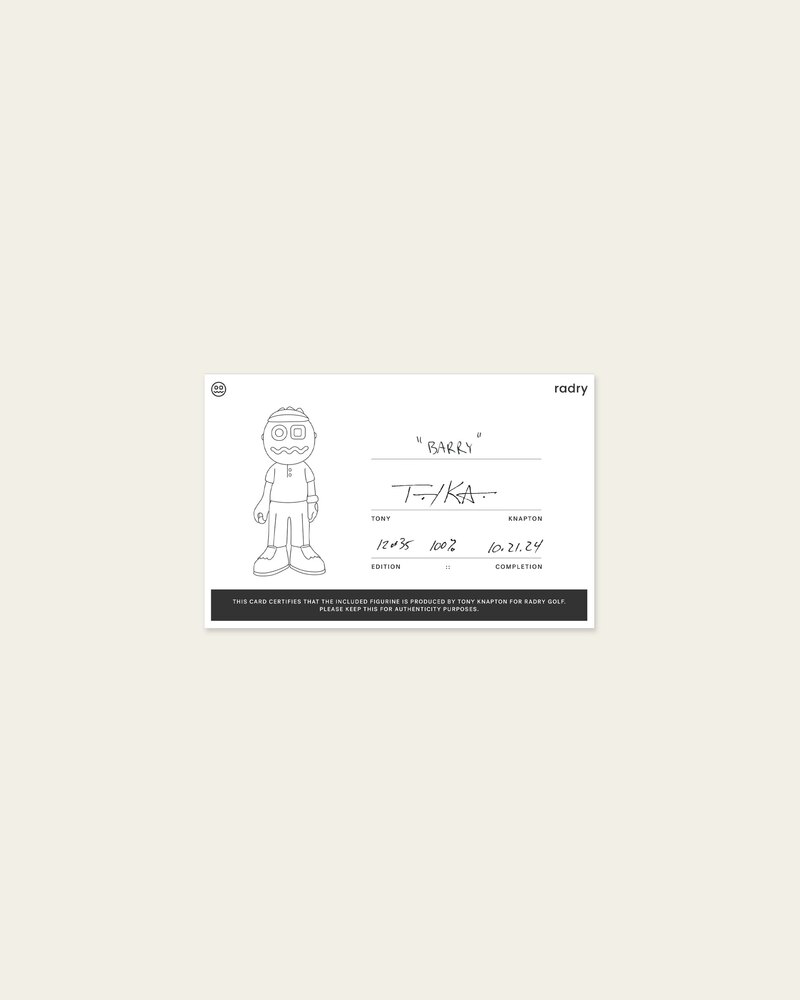
A Series 1 run of collectible resin figures — Fletcher in translucent frosted resin, Radge in black and Barry in white — each around $210 and sold in a printed box with the character line-drawn on the side. Hypebeast covered the launch in November 2024. All three are sold out.
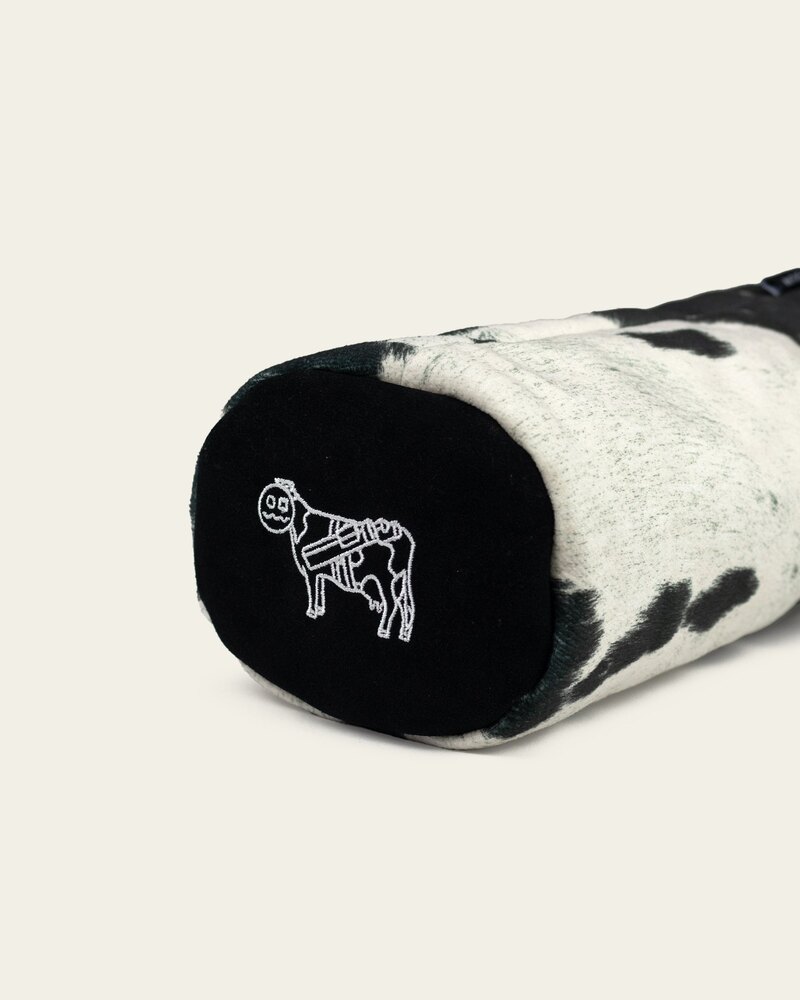
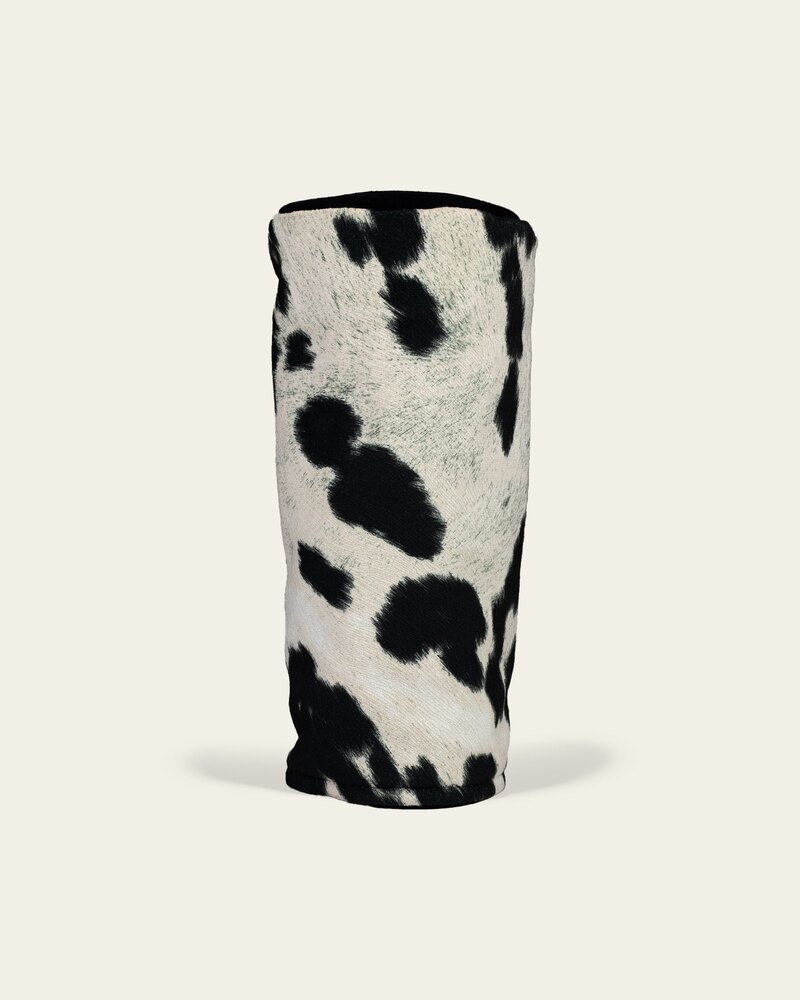
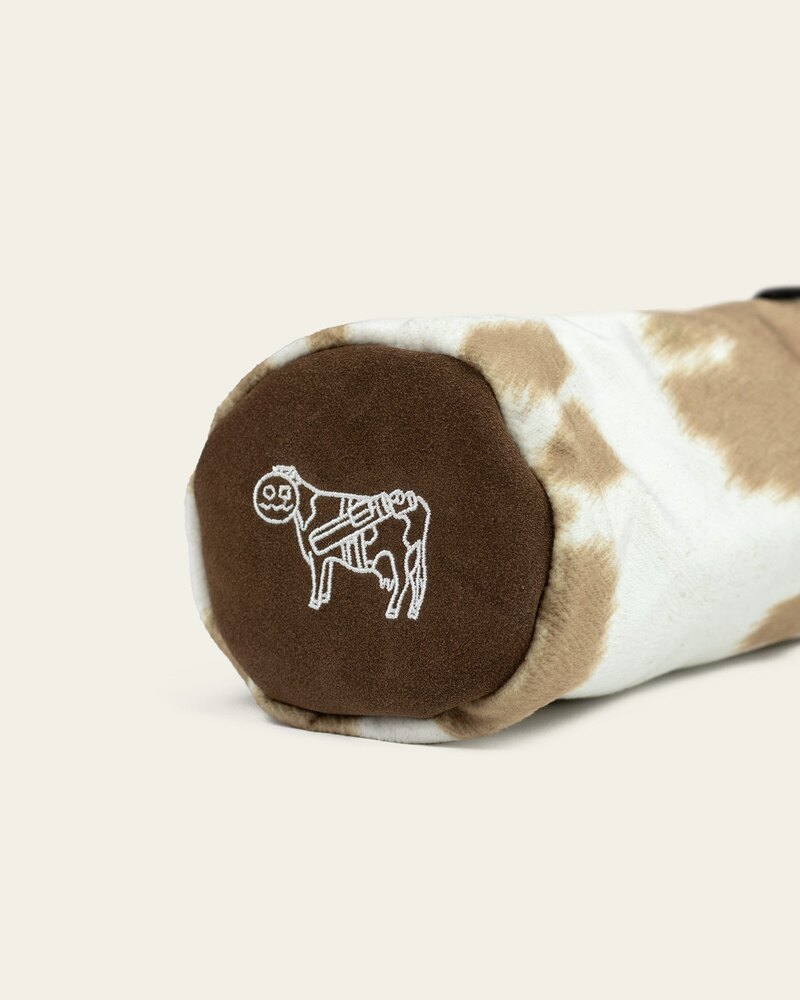
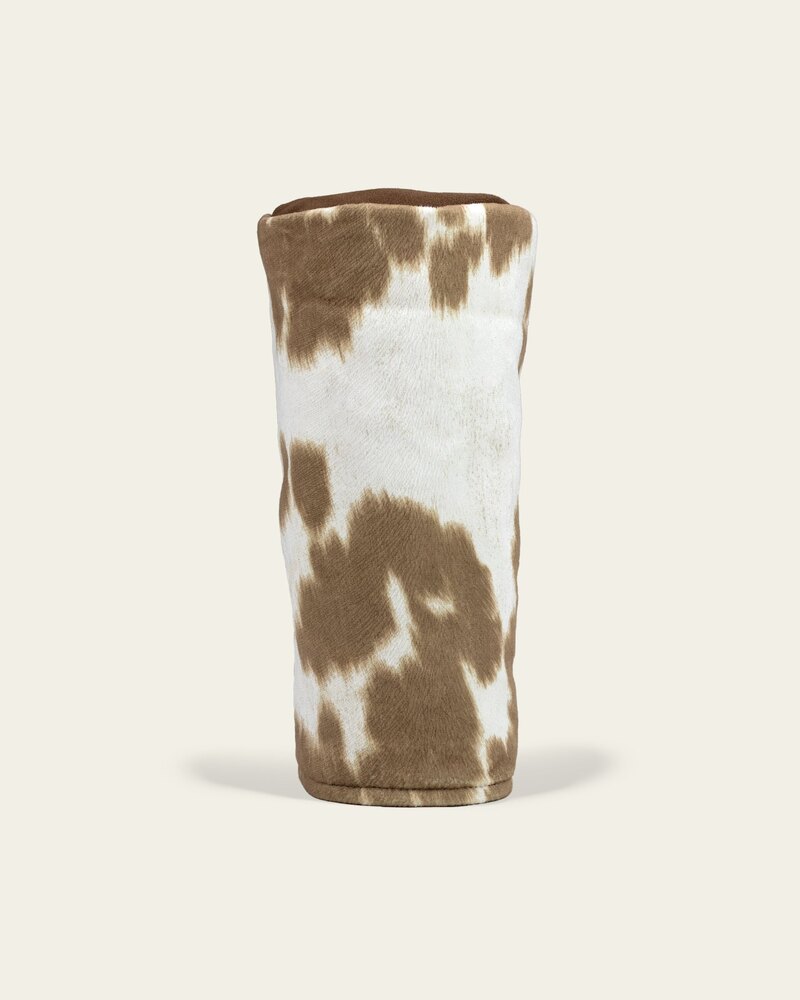
The Cow Caddy headcovers, made in real cow hide with an embroidered cow on the end cap, in Holstein and Palomino patterns and in both driver and fairway fits. They ran $100 to $110 and are all sold out.
Not sales. Asked about long-term goals early on, he said he wanted to get the brand to a point where he could influence kids to stay in the sport: "The future of golf is in the youths hands, so if I can help grow the game through having a dope brand, then that is success to me. That's my 15 year goal, my 20 year goal, etc."