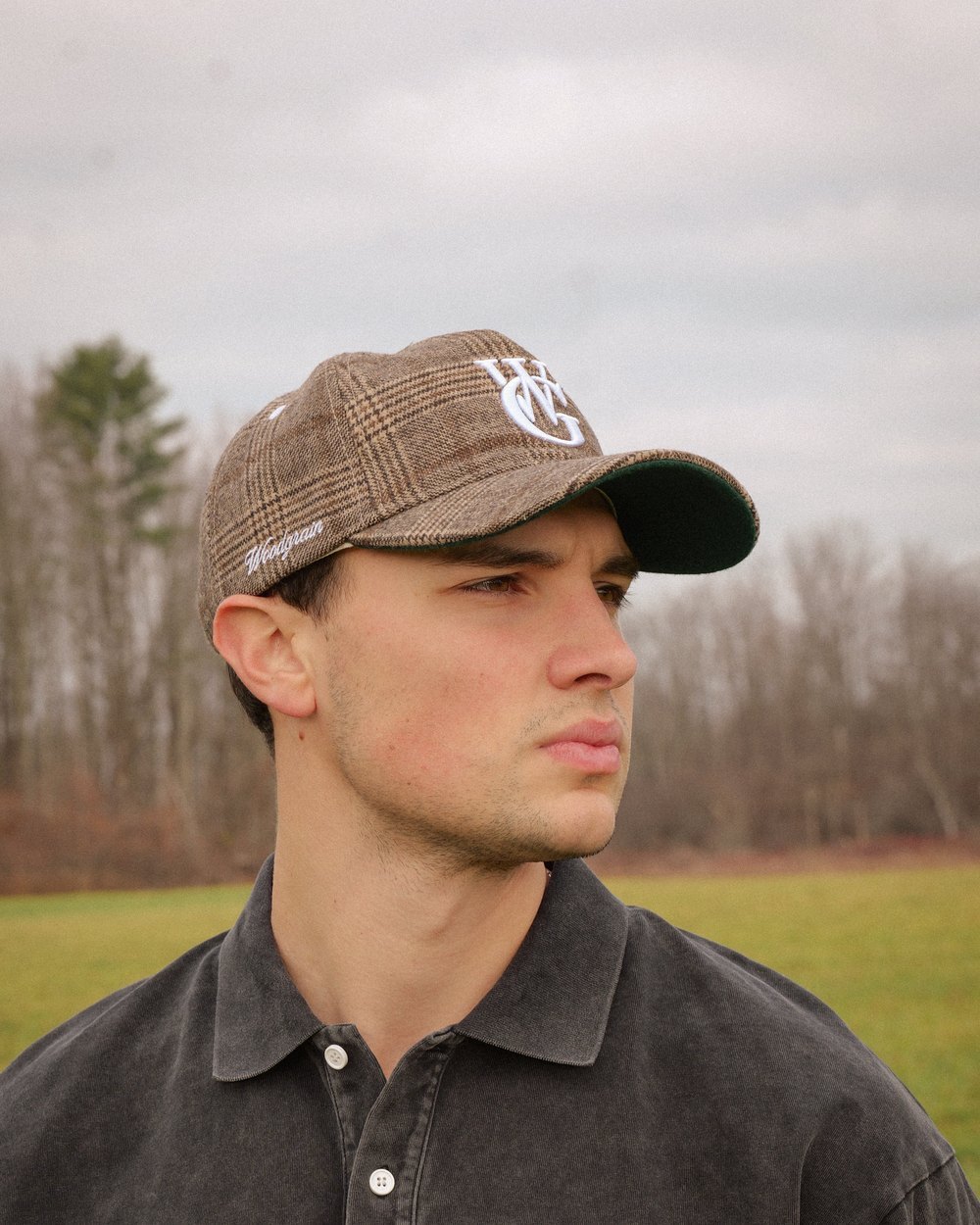
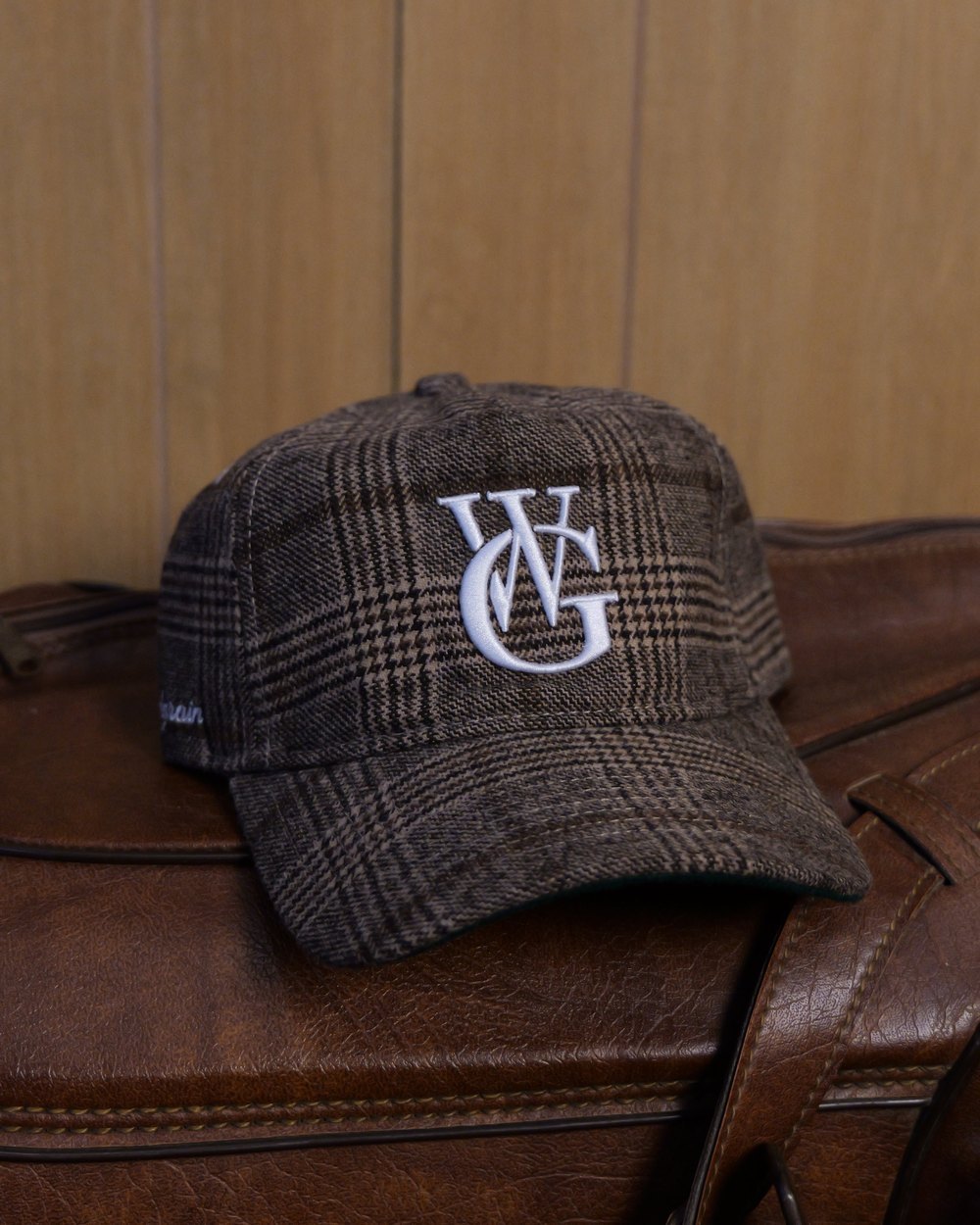
Read enough About pages and you start to hear the same sentence. We couldn’t find golf clothes we wanted to wear, so we made them. It is the founding story of almost every independent golf brand we cover, and we have printed versions of it again and again on this site, most recently this week, in our Woodgrain post, before we noticed.
The sentence is true, which is why it keeps coming up. For decades the choice in a pro shop was a shiny performance polo with a big logo on the chest, and the people who started these brands were simply the ones who got fed up first. But the line tells you nothing about the brand. What does tell you something is what each founder decided they wanted.
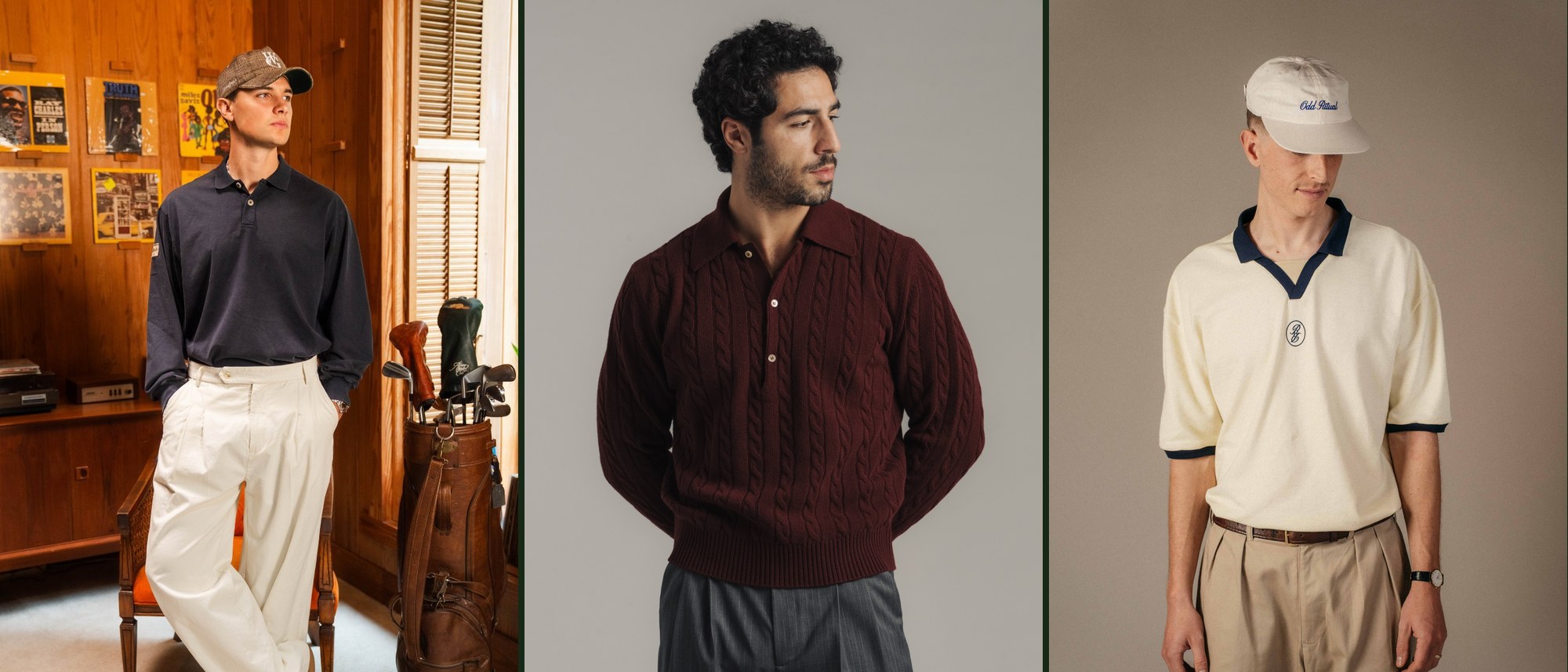
So we went back through our own coverage and found seventeen brands with the same origin story. They split, almost neatly, into four answers. Some wanted something older: pleats, cable knits and the clothes from 1990s golf photos. Some wanted something louder: camo, prints and resort collars. Some wanted something from home: Harris Tweed, New Zealand wool, Supima cotton. And one just wanted a hat that fit. Below, each brand’s line in their words or ours, then two pieces that show what they actually made.
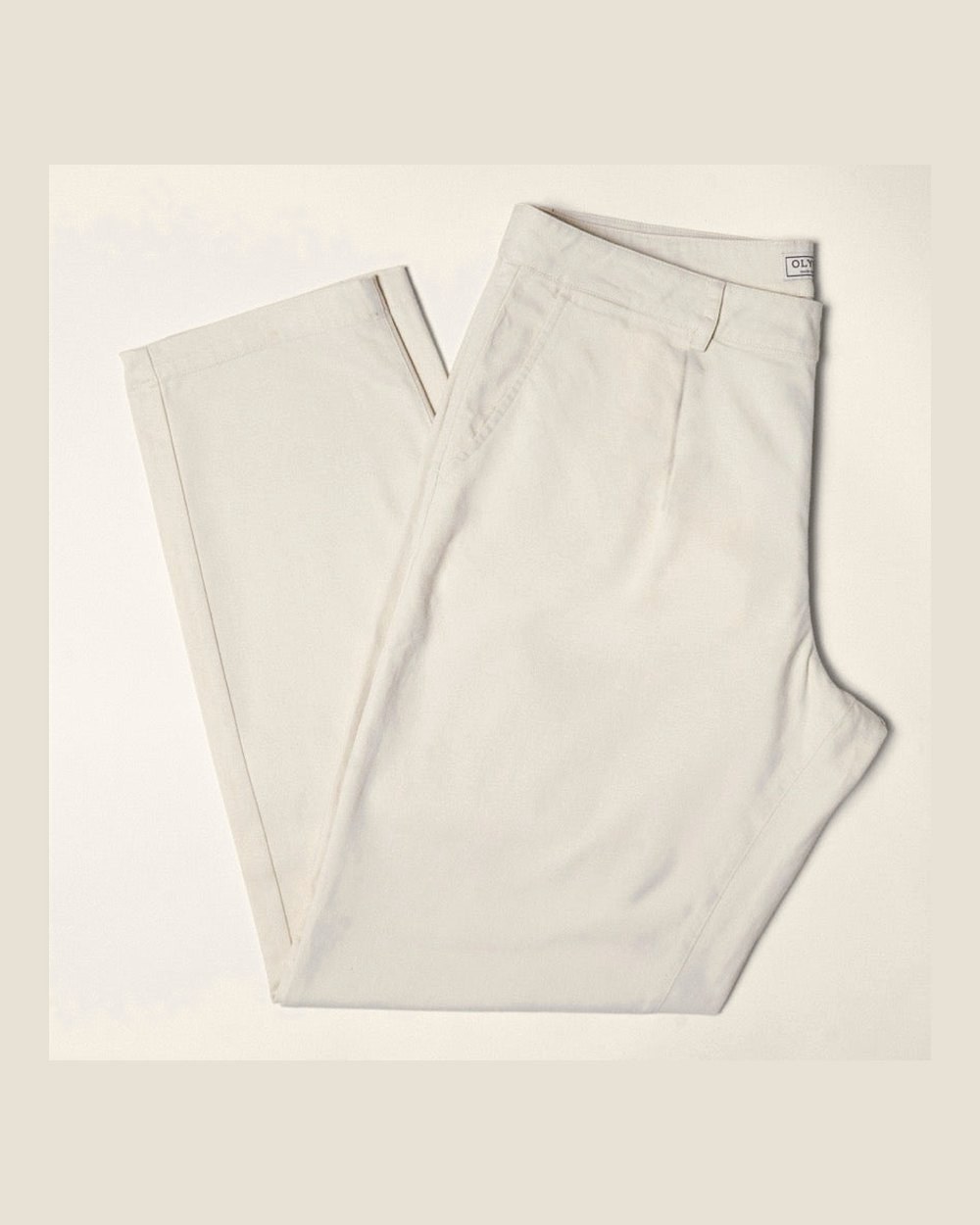
When a brand tells you it made what it wanted to wear, the useful question is: wanted instead of what? Woodgrain wanted the trousers from old tournament photos instead of a slim five-pocket. Olydoe wanted cotton instead of polyester. Fyfe wanted Scotland instead of mass-produced. Huega House wanted a hat that sat right on the head. The answer to that question is the brand. The sentence is just the doorway.
All 33 pieces were in stock on each brand’s own store on October 12, 2026. Prices are in each store’s currency, with an approximate dollar figure; where a brand charges US customers a set dollar price, that is shown second instead.
| Brand | What they couldn’t find | What they made |
|---|---|---|
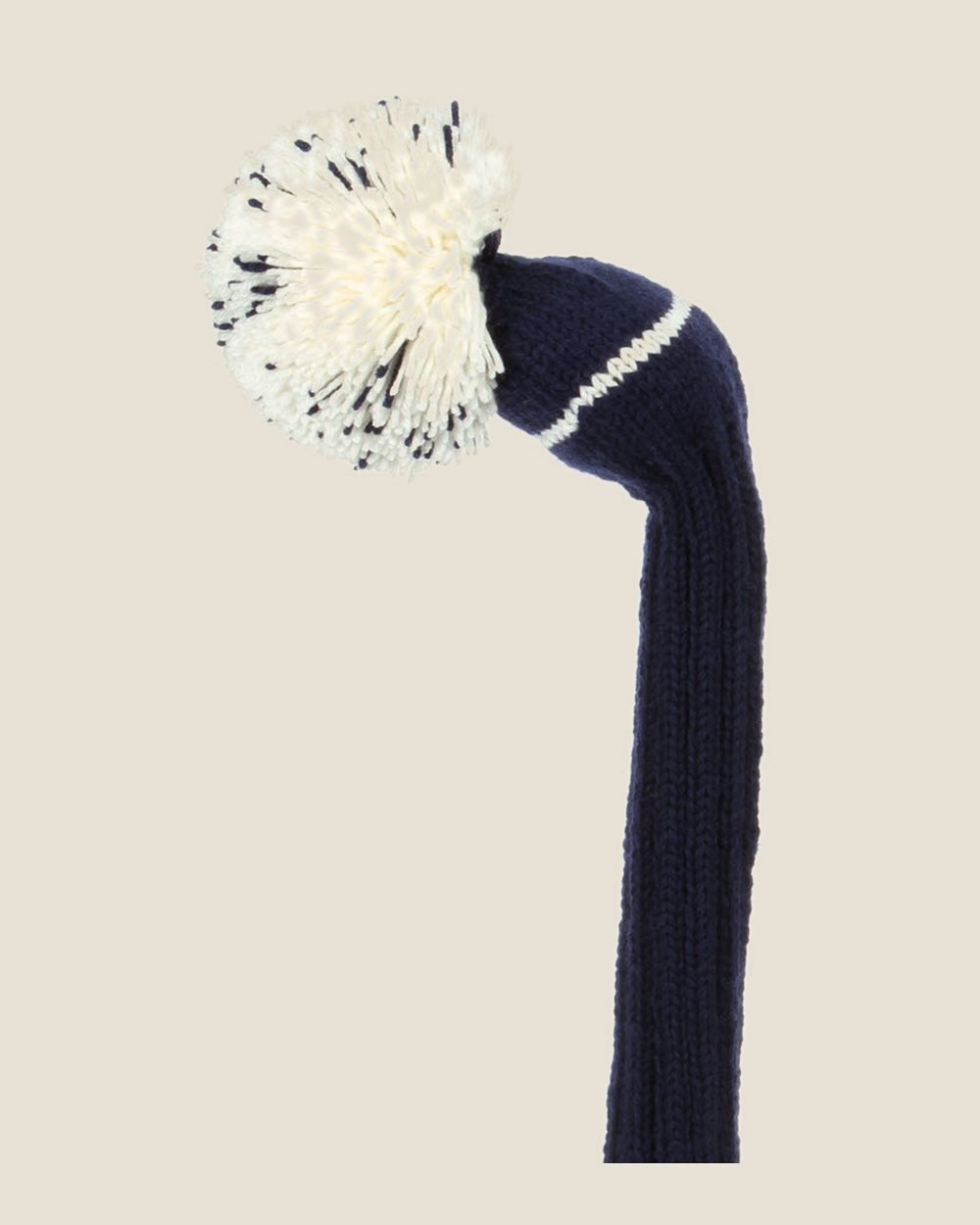
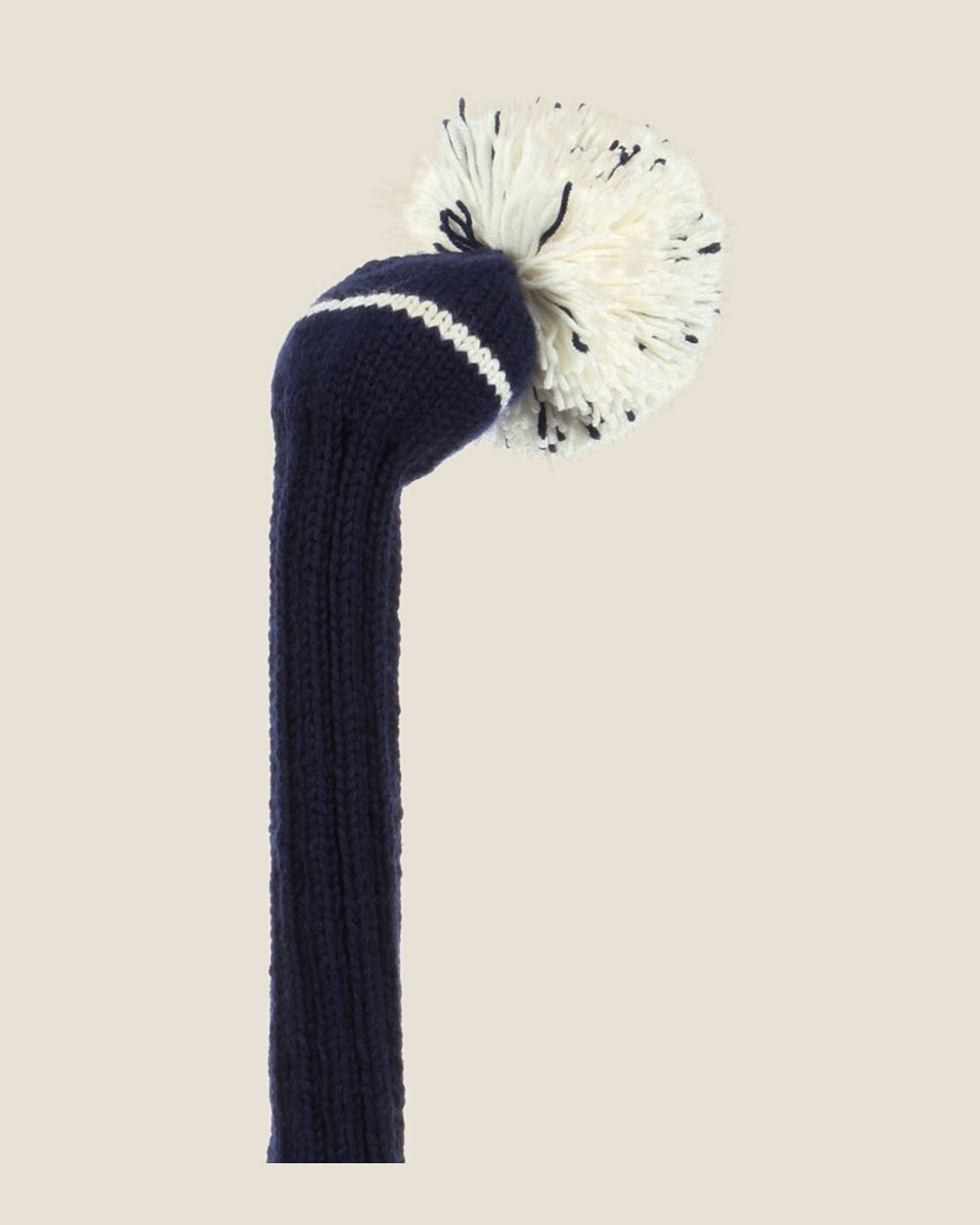
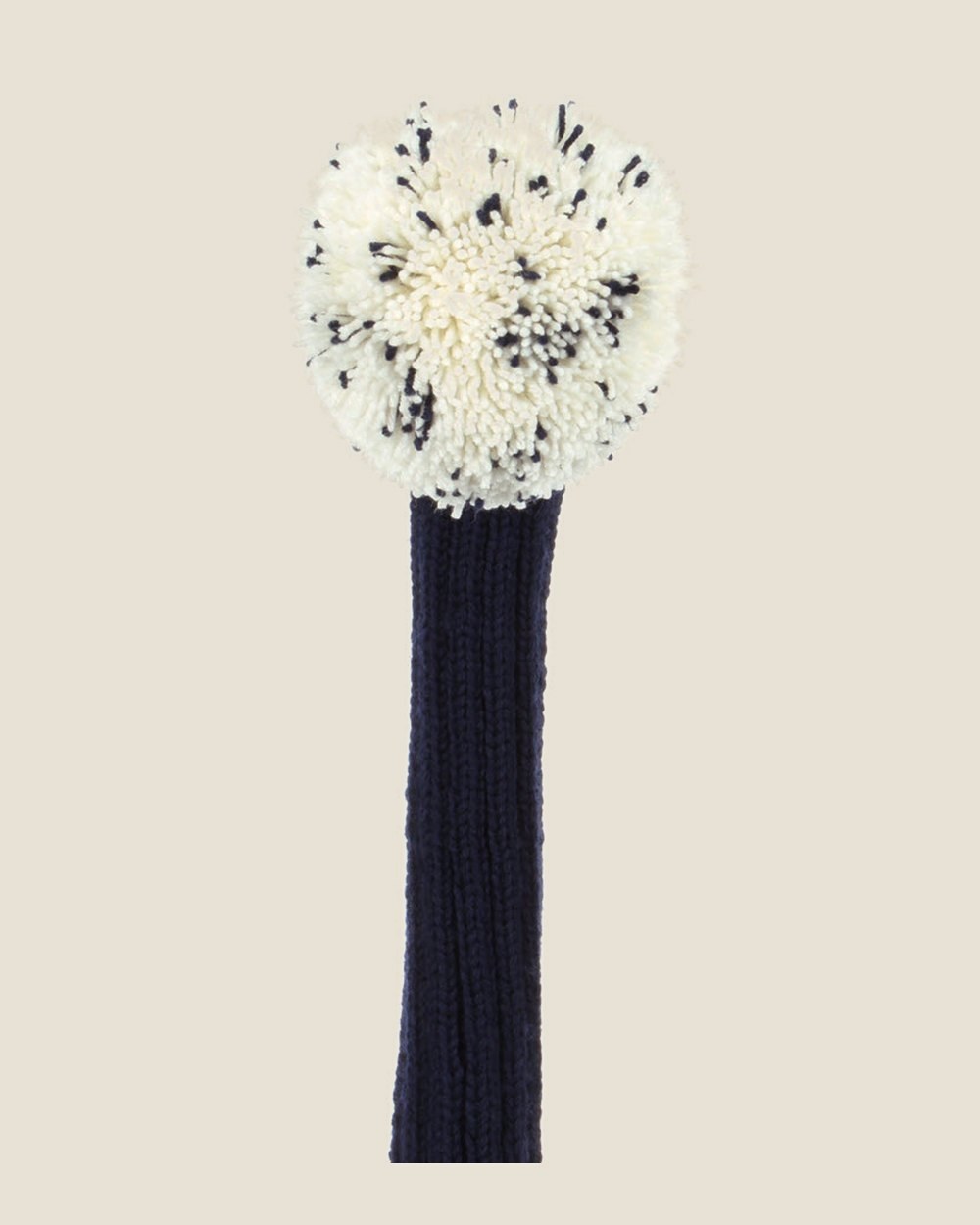
| Jan Craig Headcovers | Headcovers she liked | Hand-knit wool covers, since 1962 |
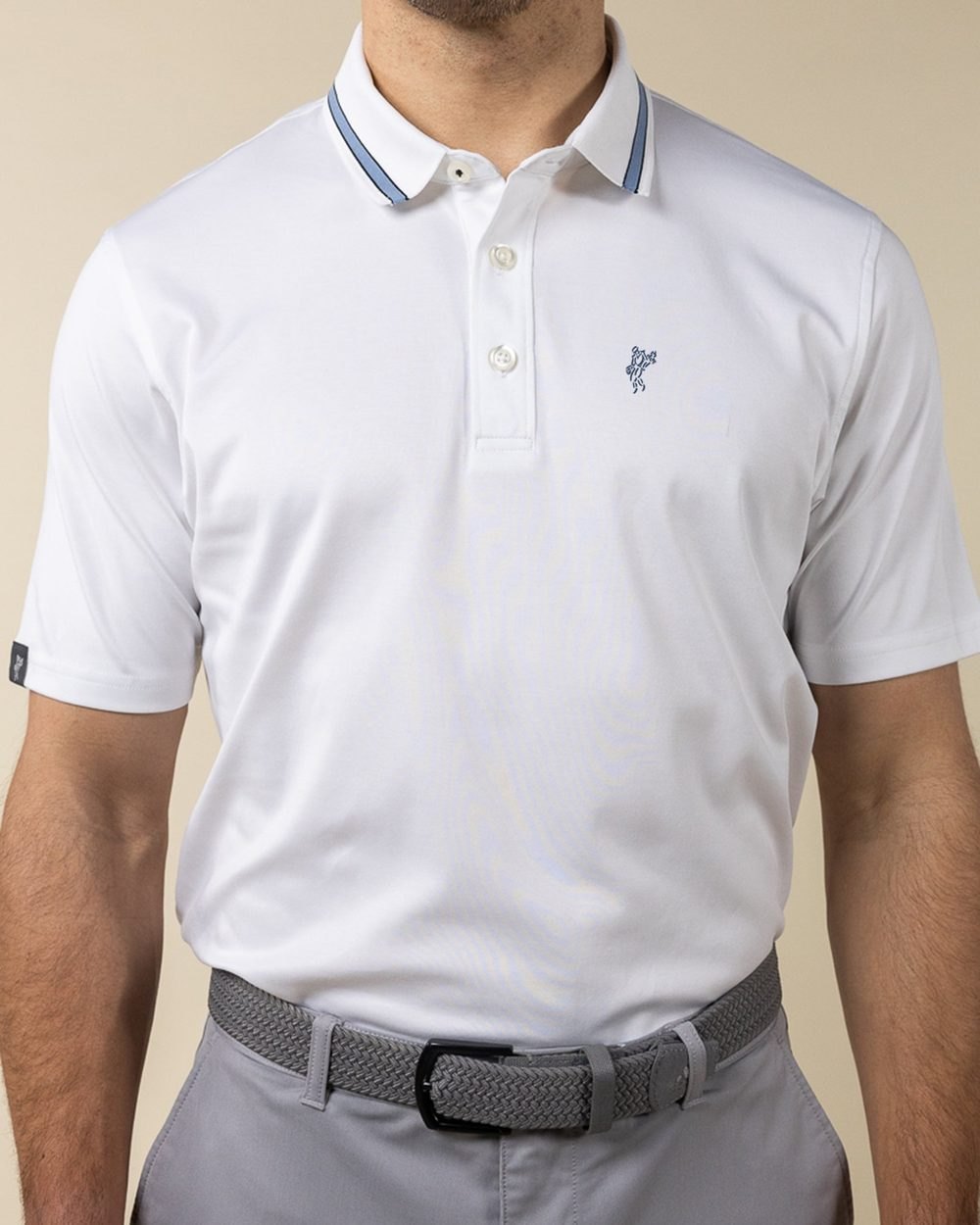
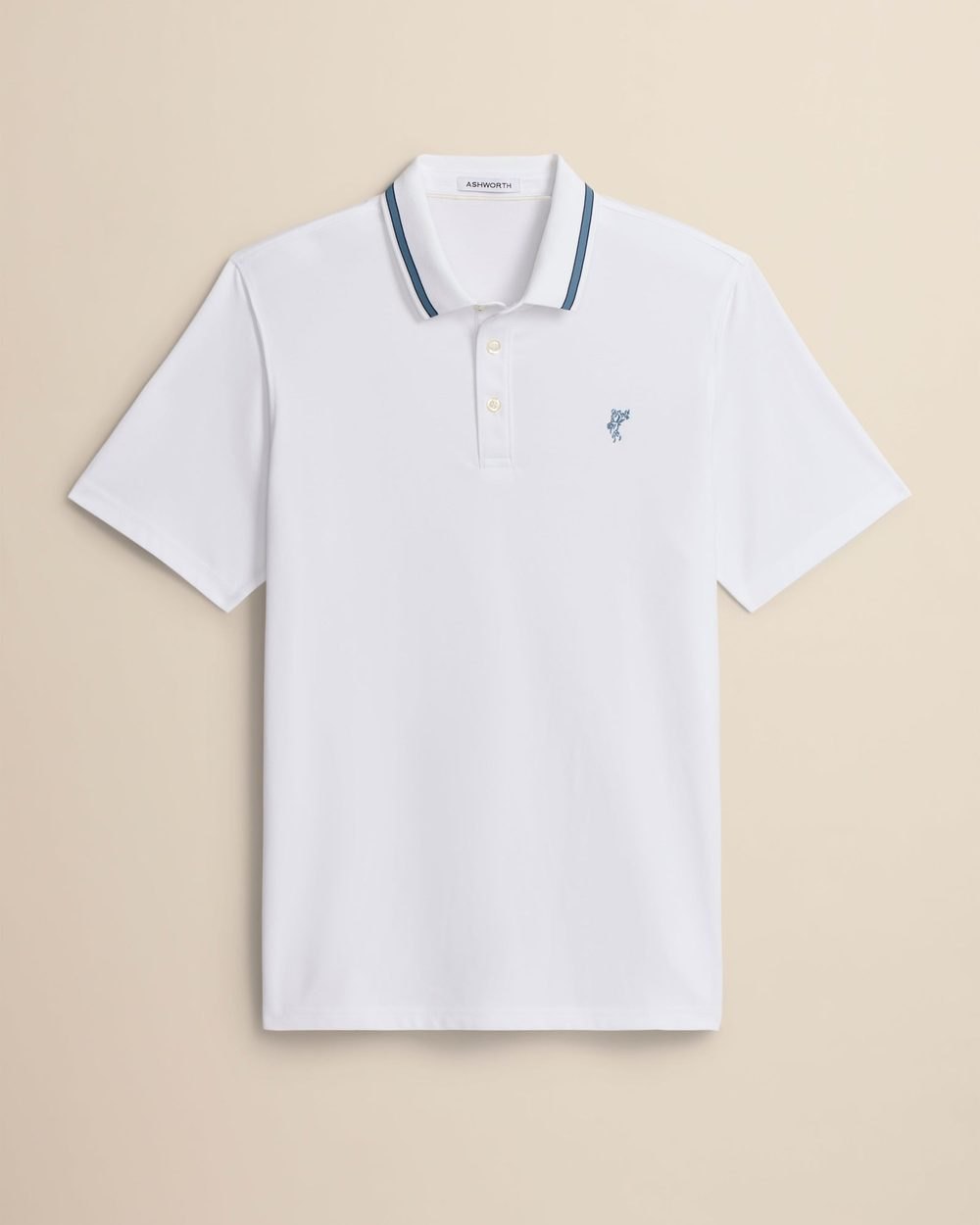
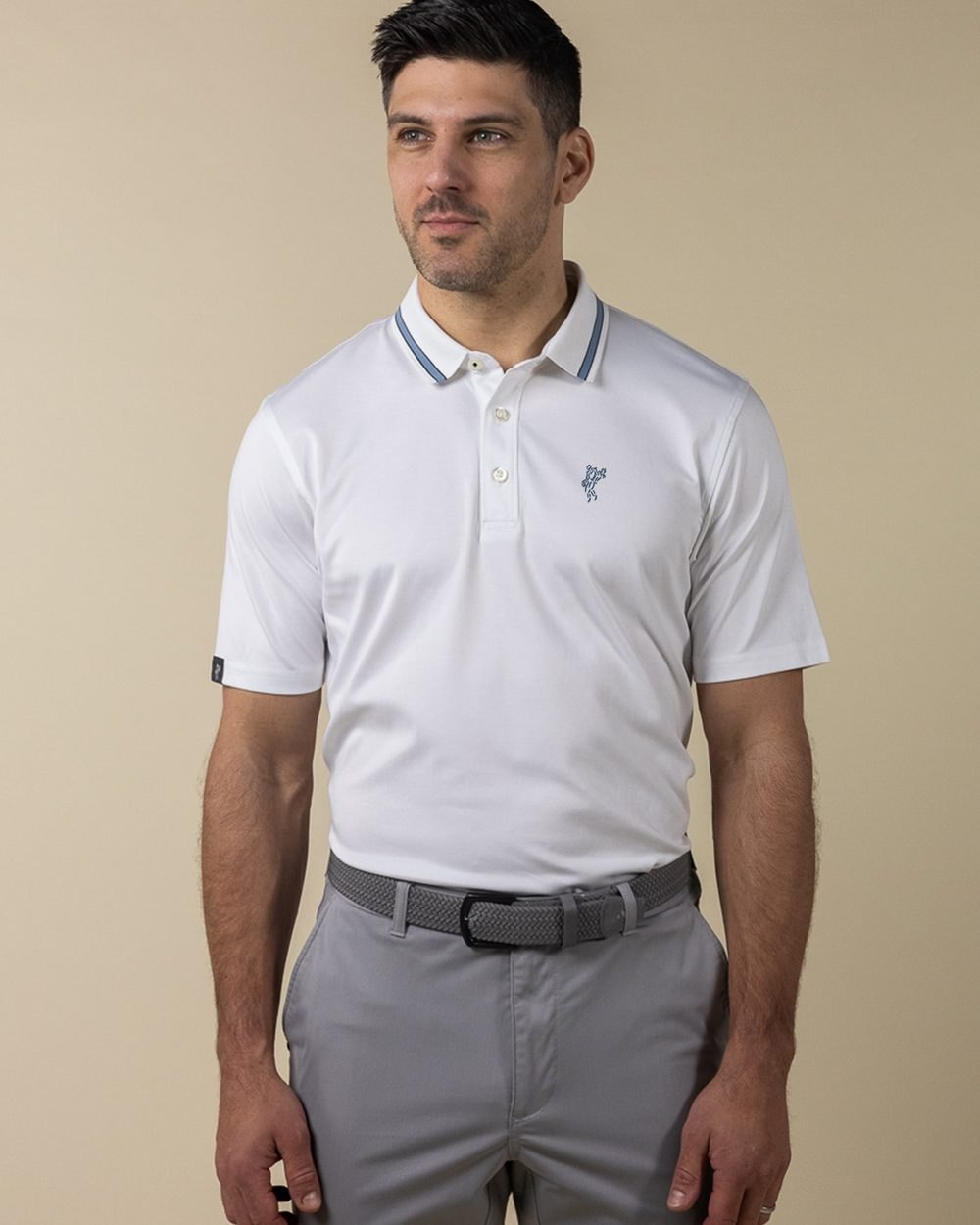
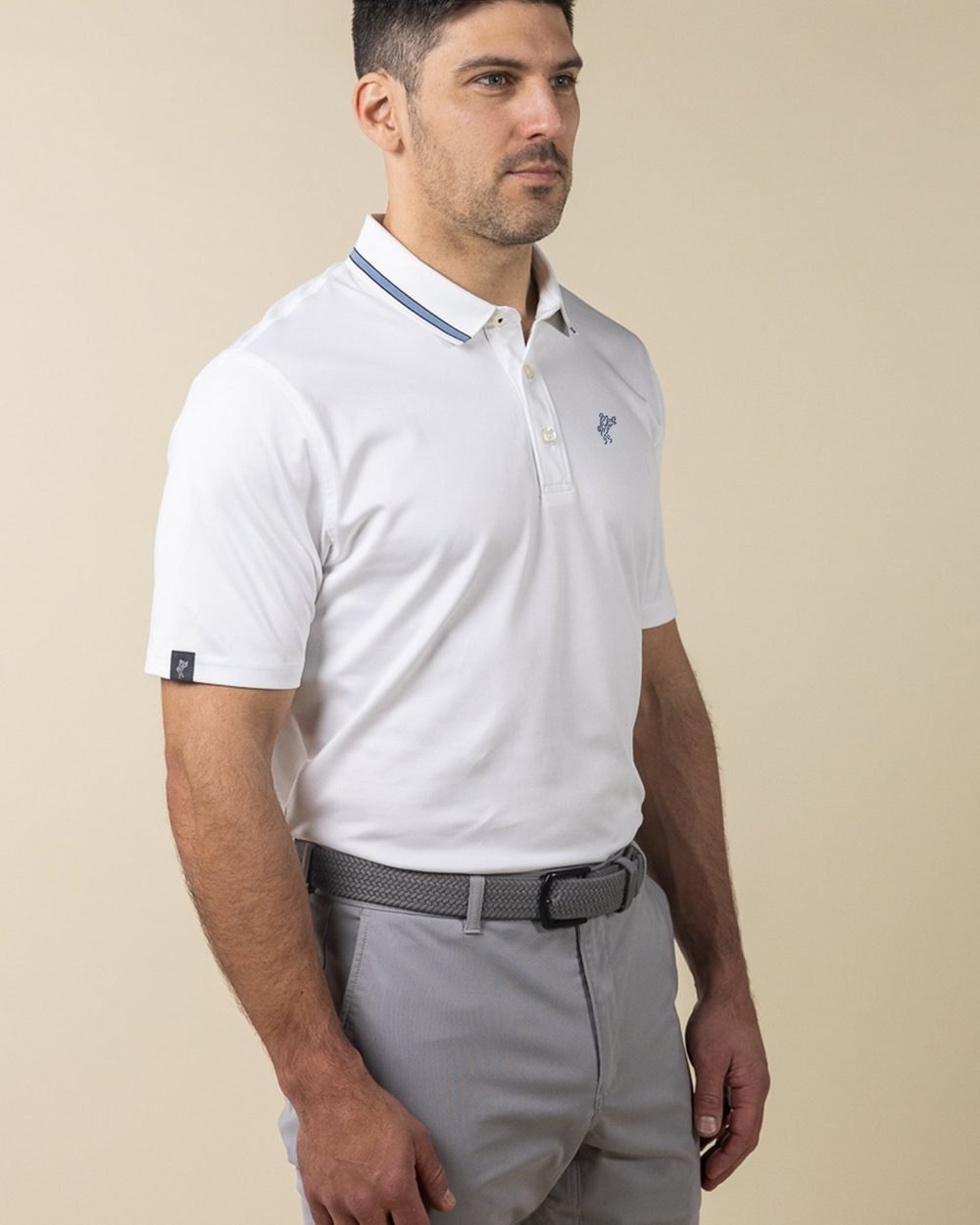
| Ashworth Golf | An alternative to polyester | A roomier cotton polo, 1987 |
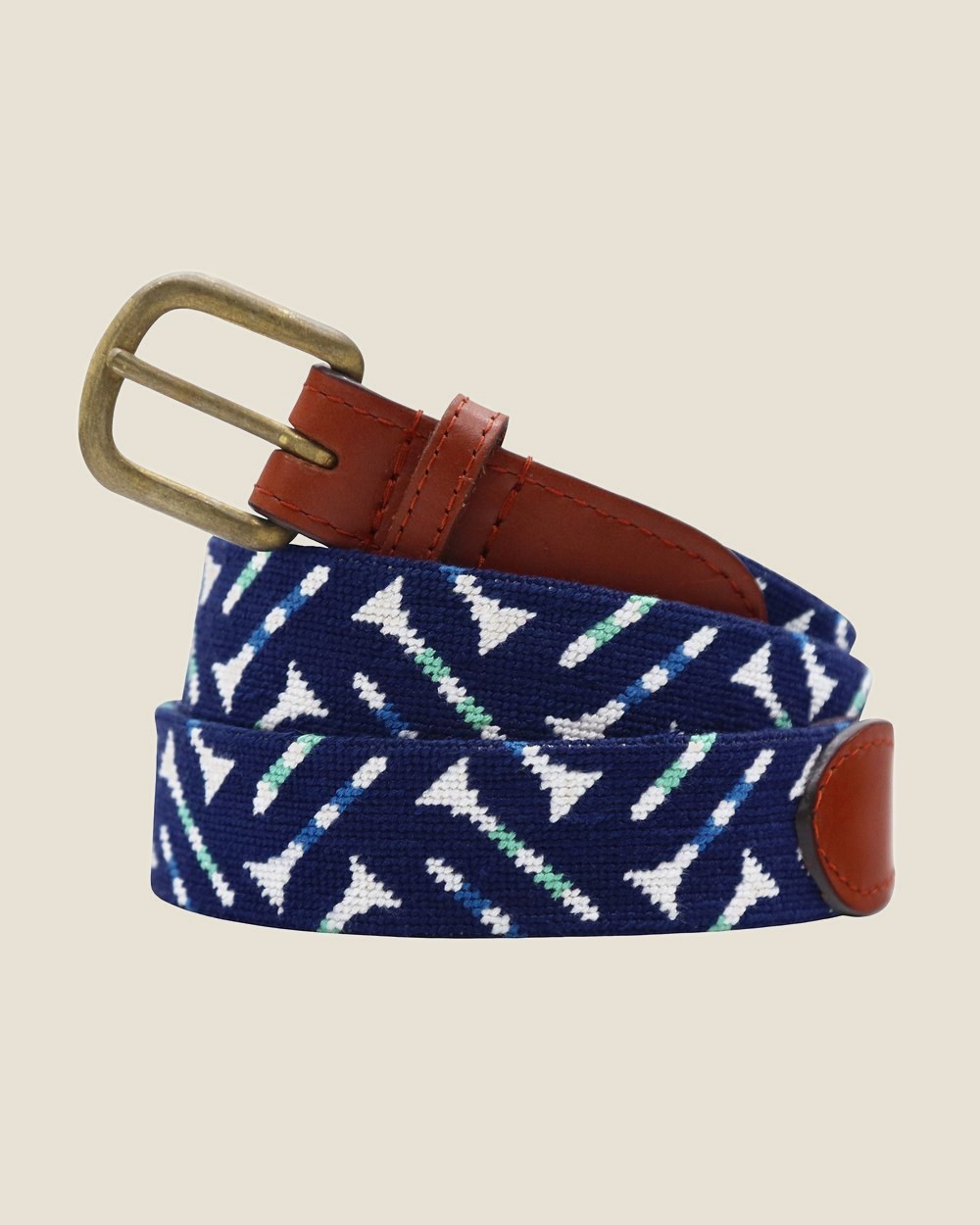
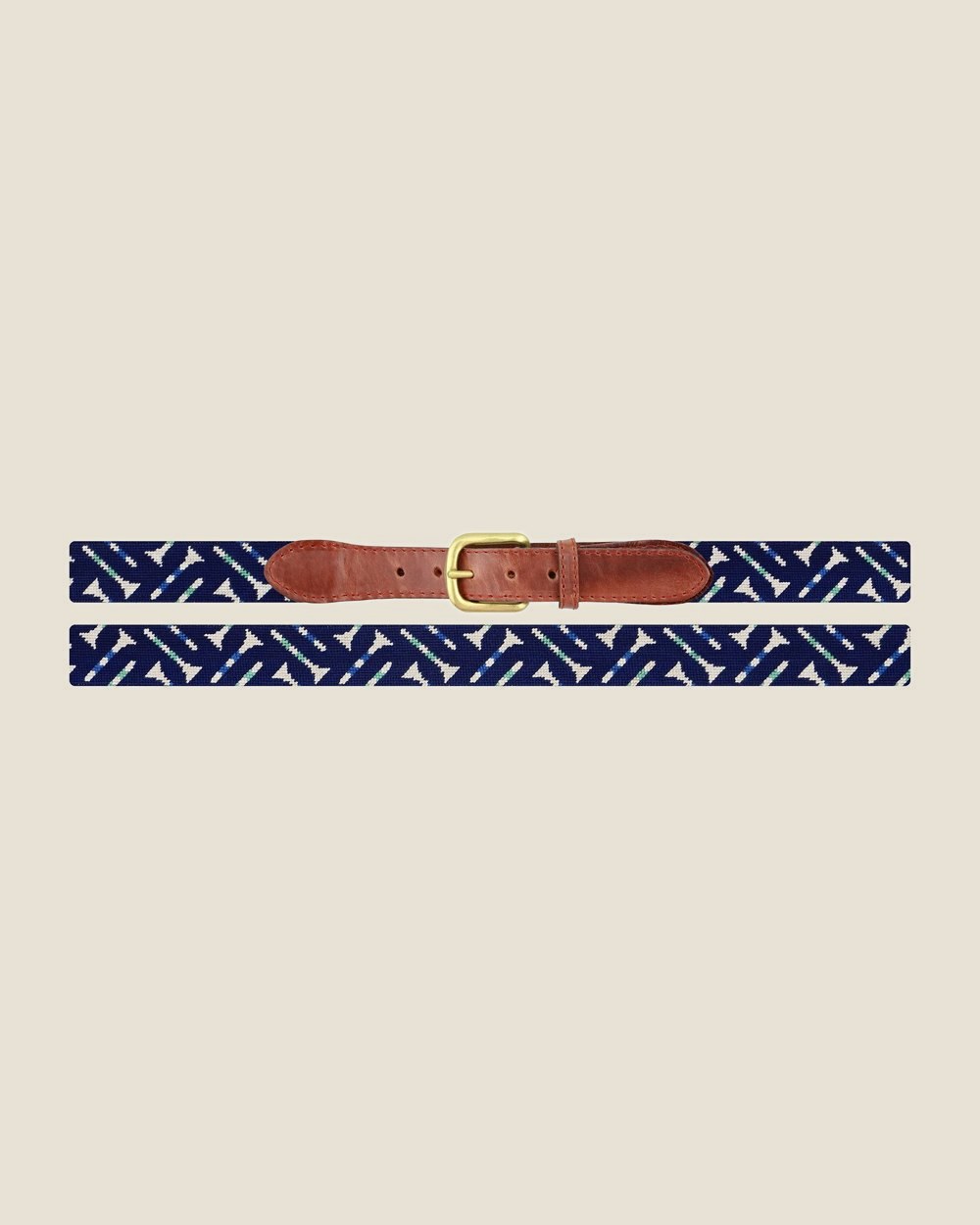
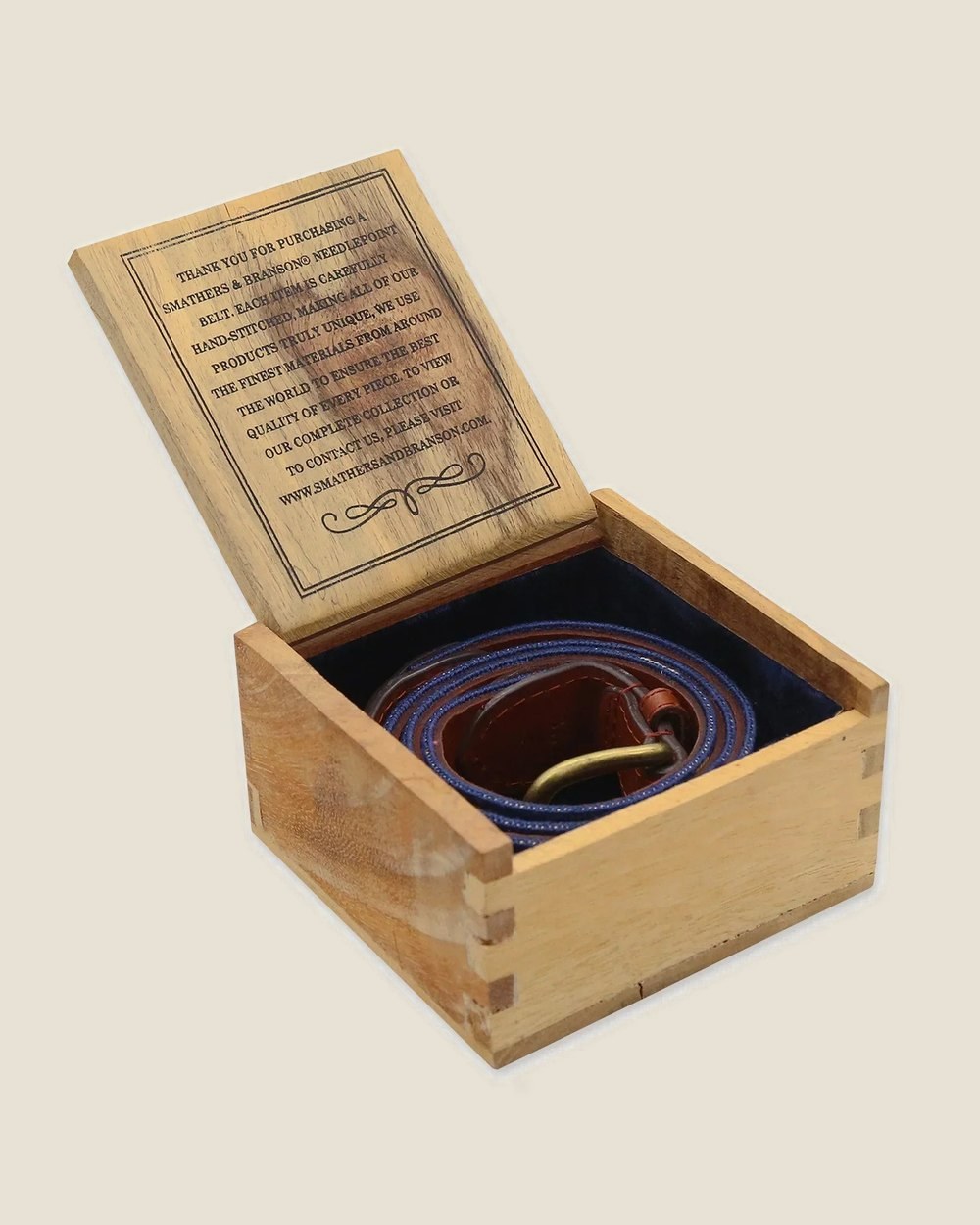
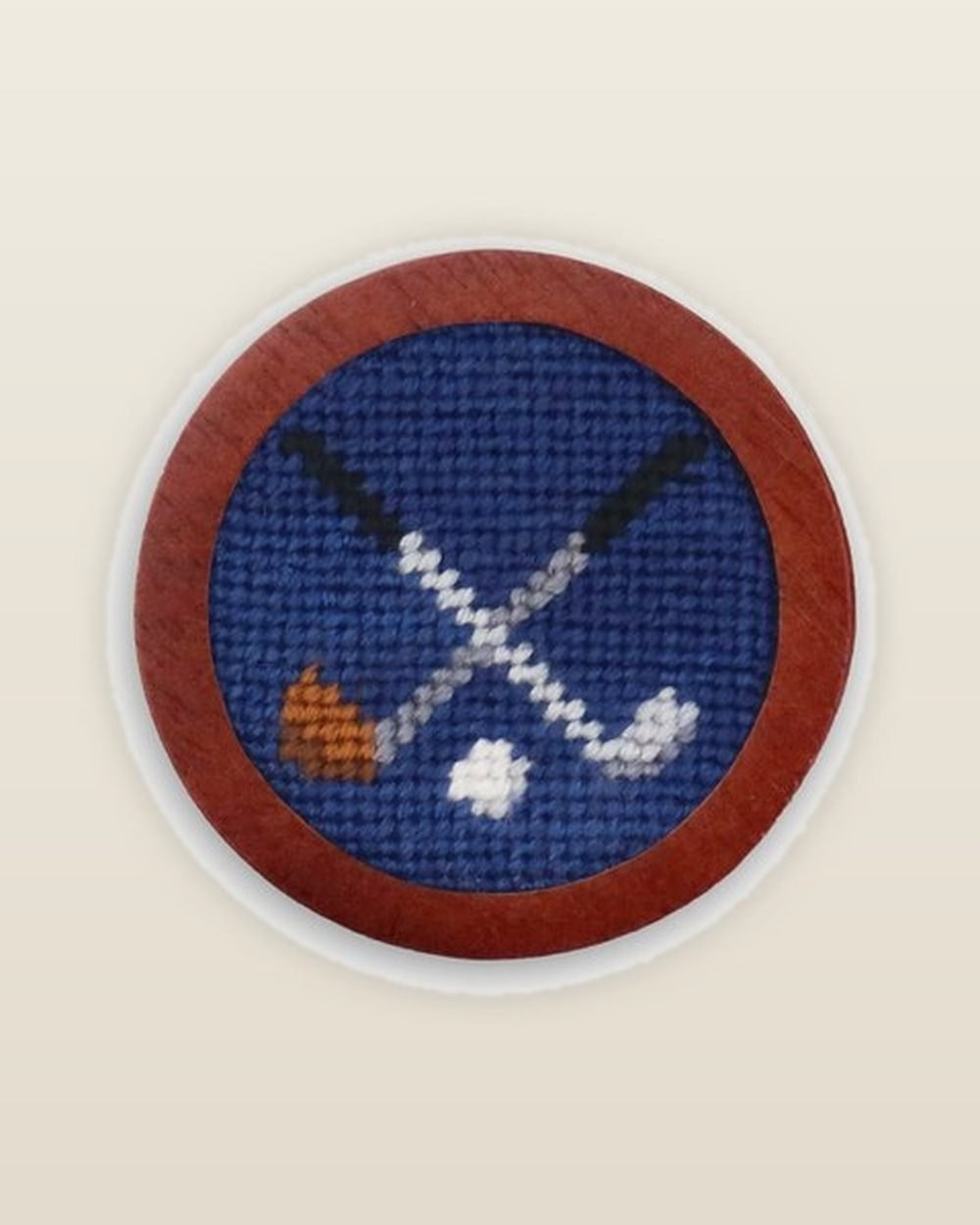
| Smathers & Branson | A second needlepoint belt | Hand-stitched belts and accessories |
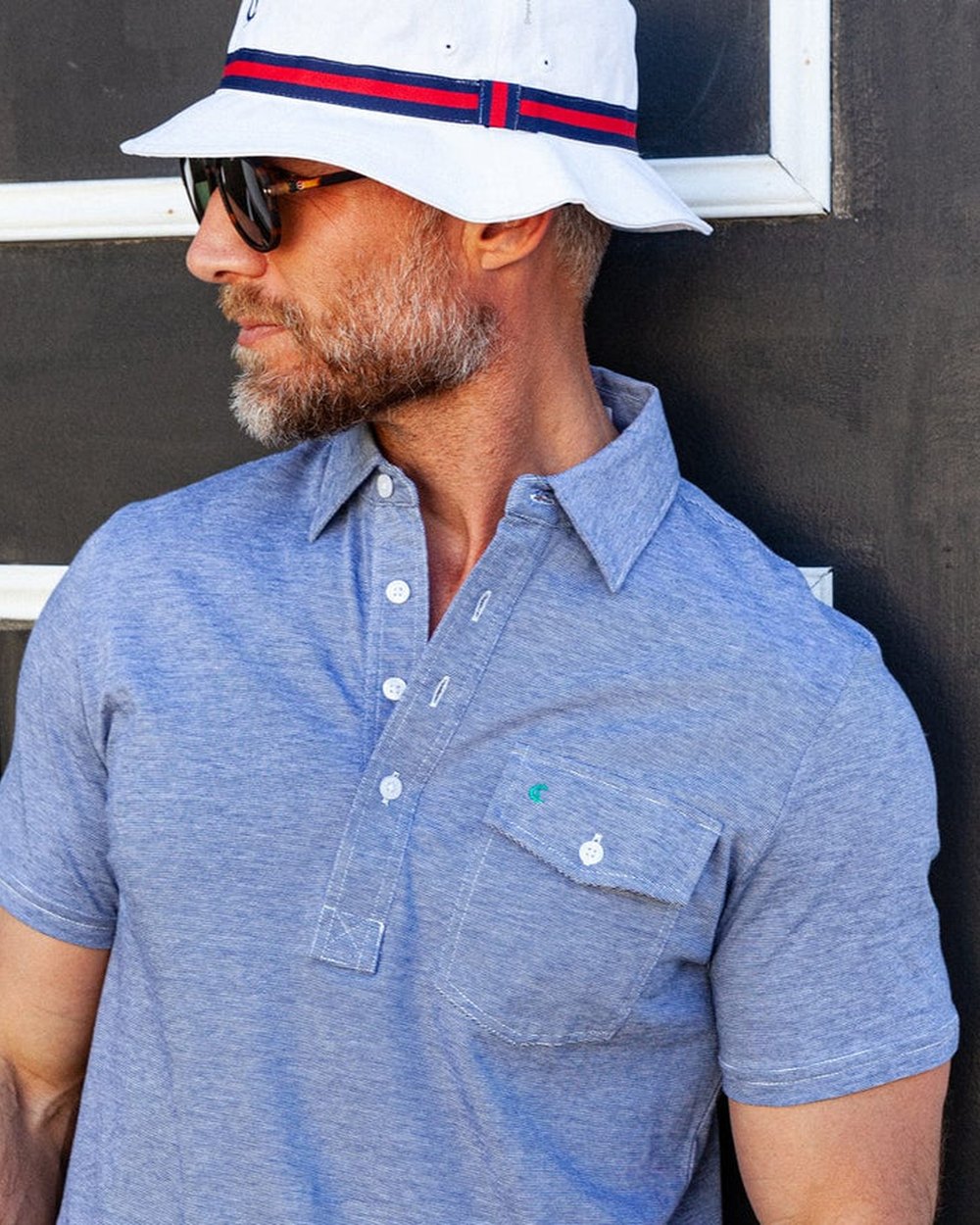
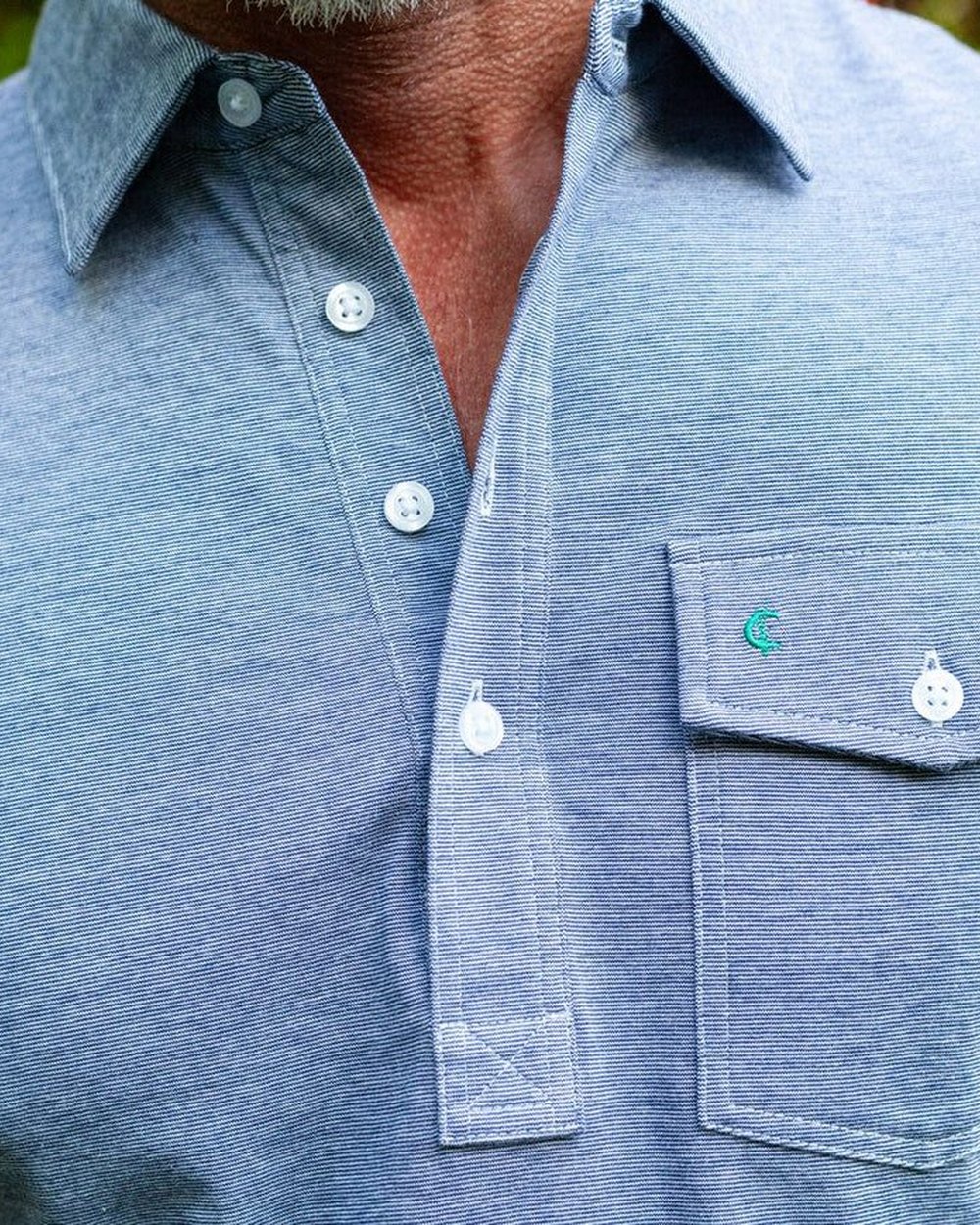
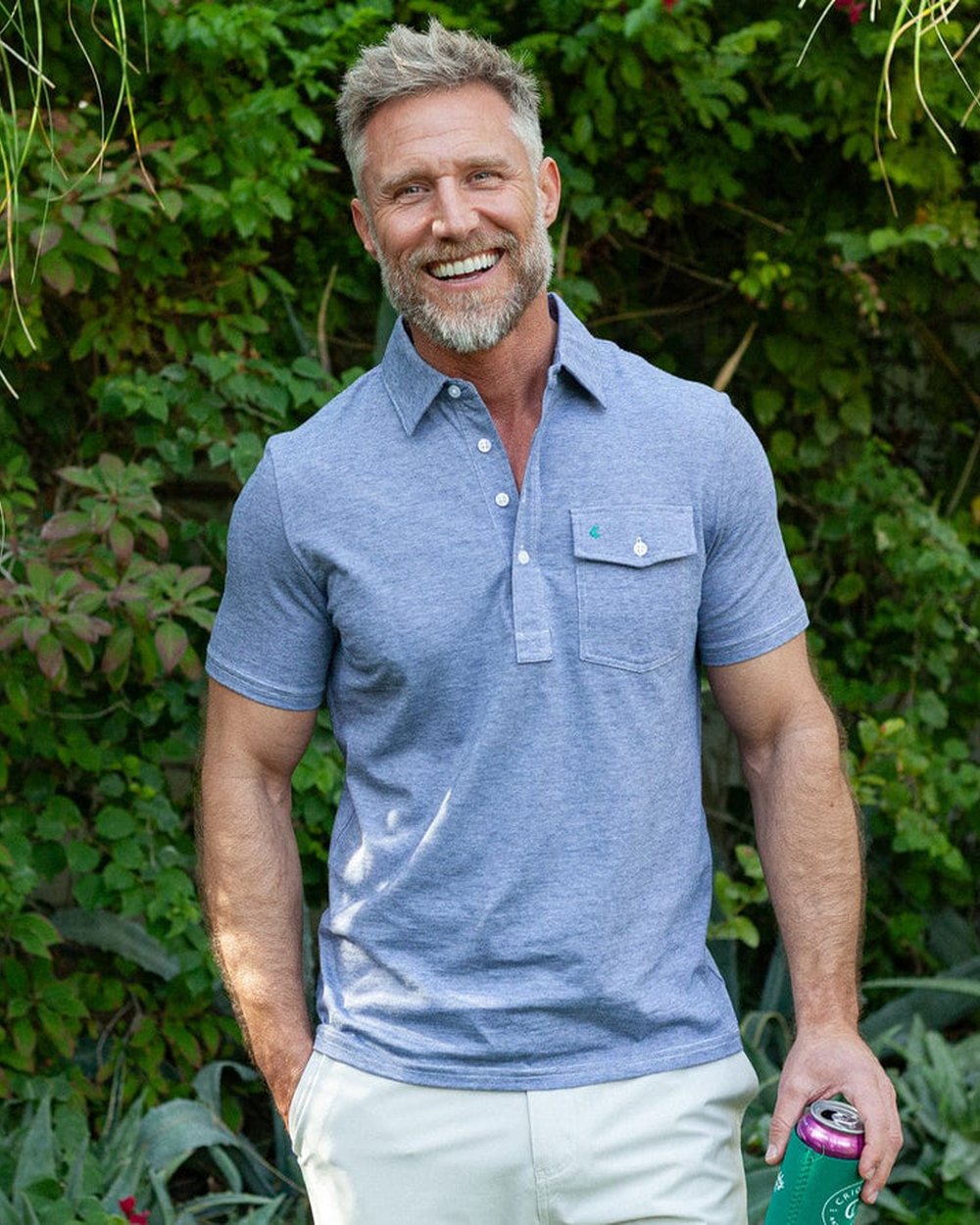
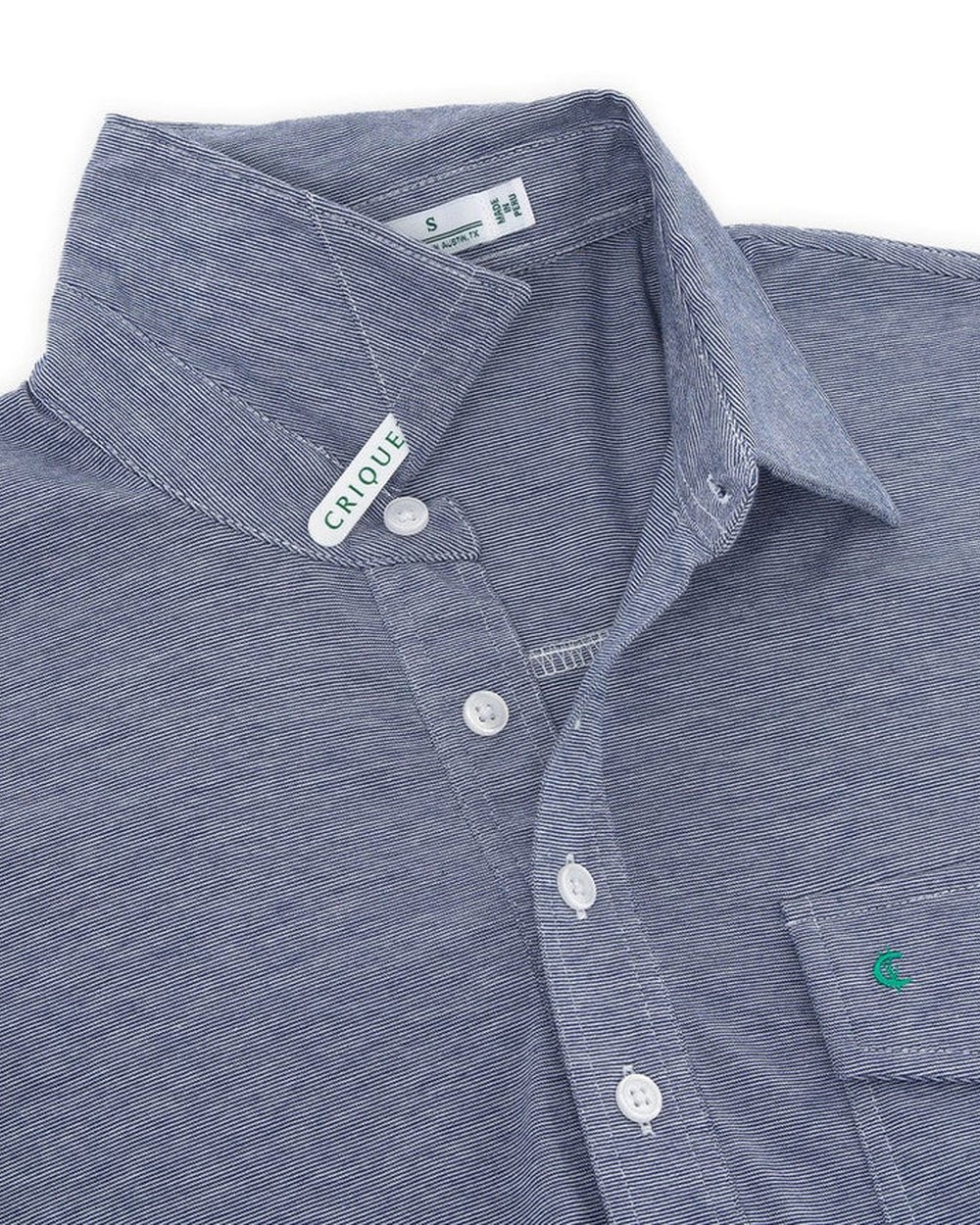
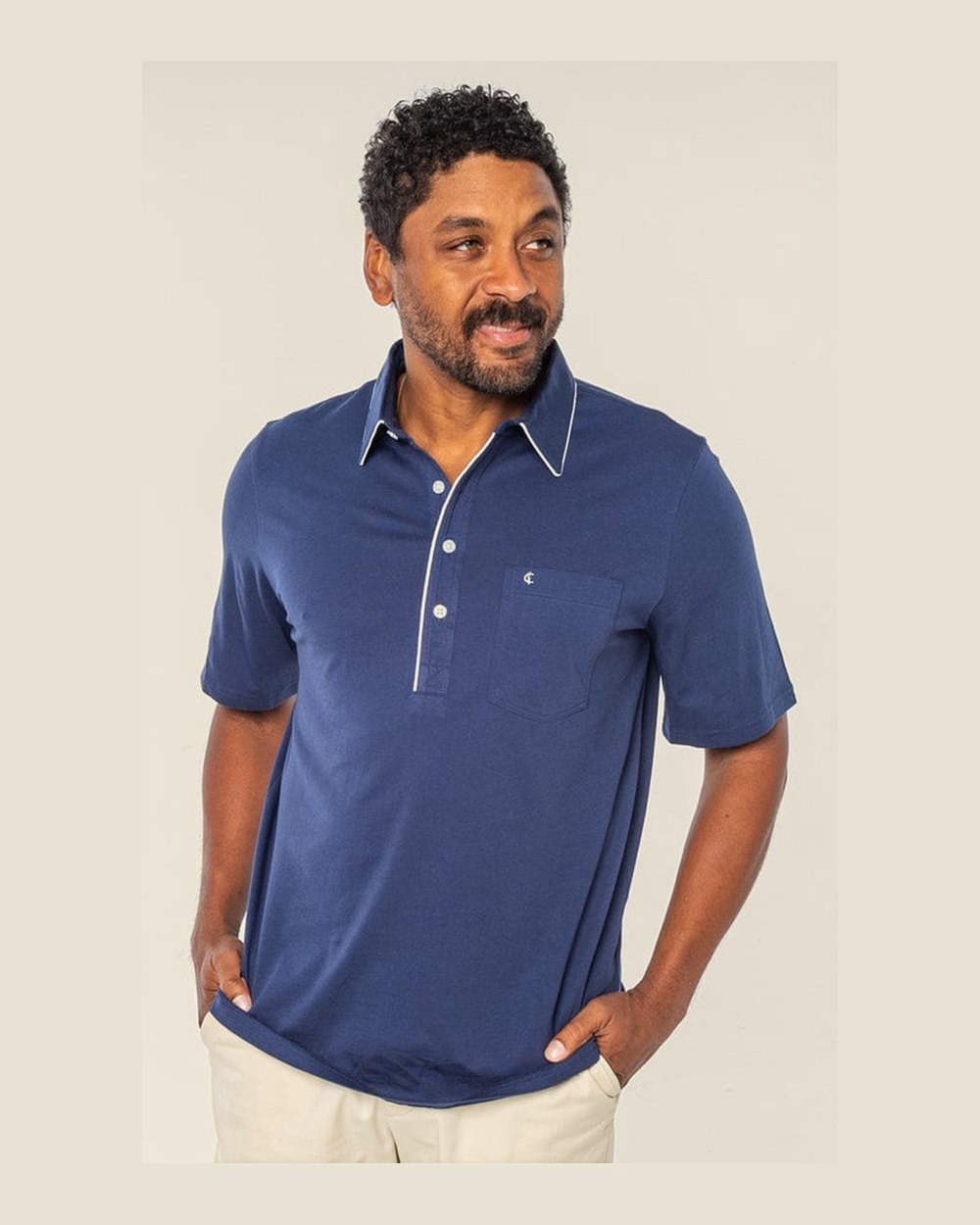
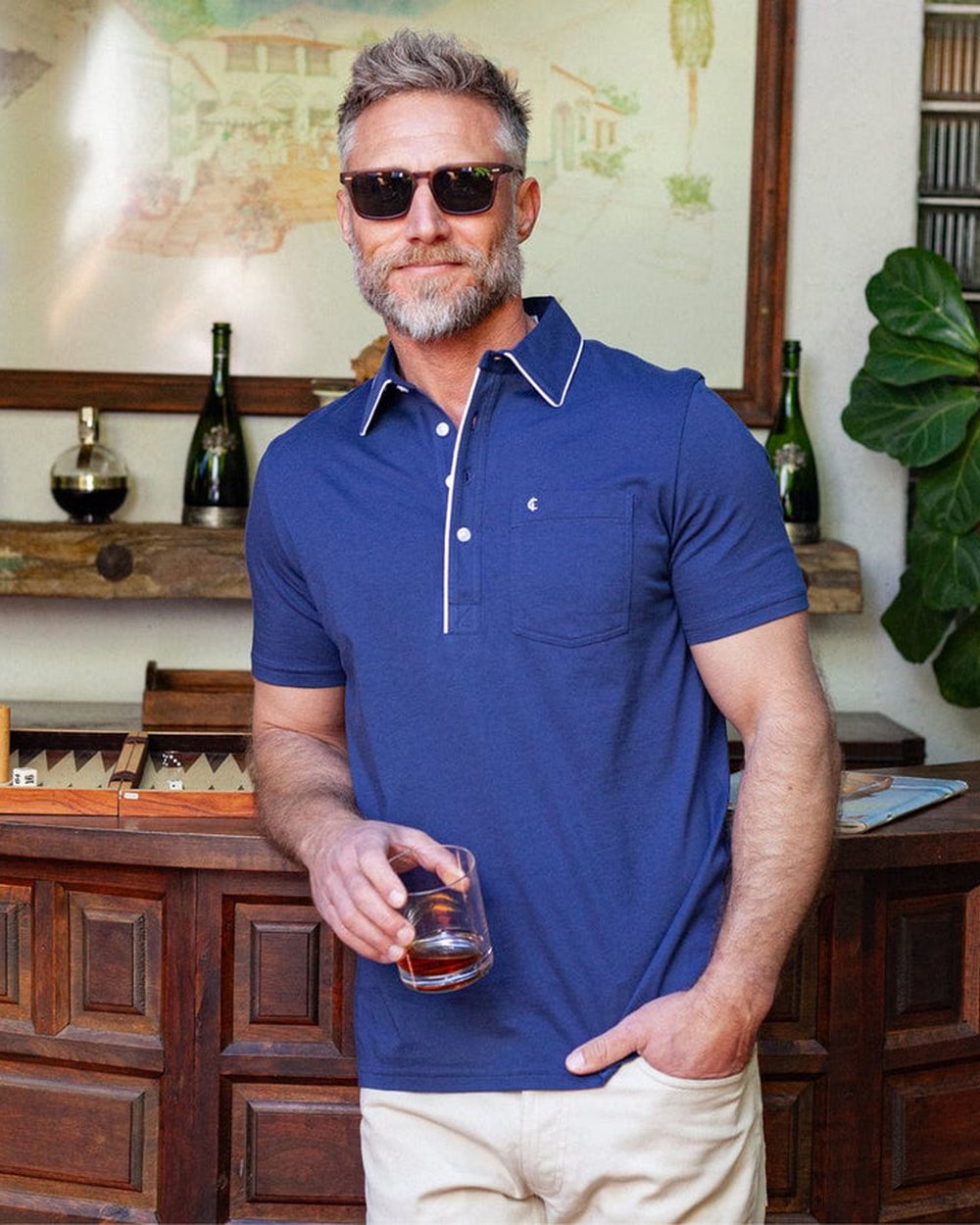
| Criquet | A shirt that passes as a shirt | Grandad’s vintage golf shirt, rebuilt |
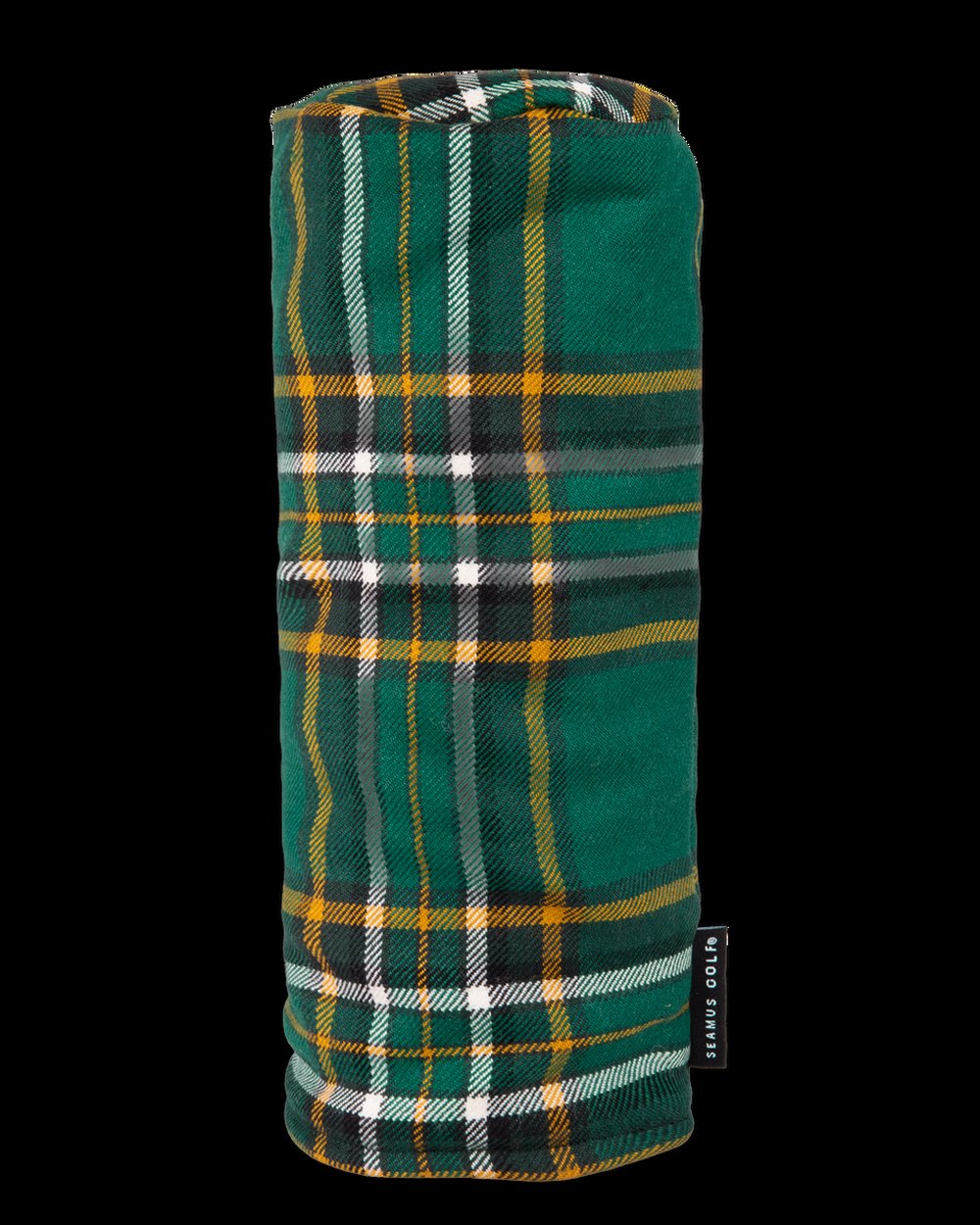
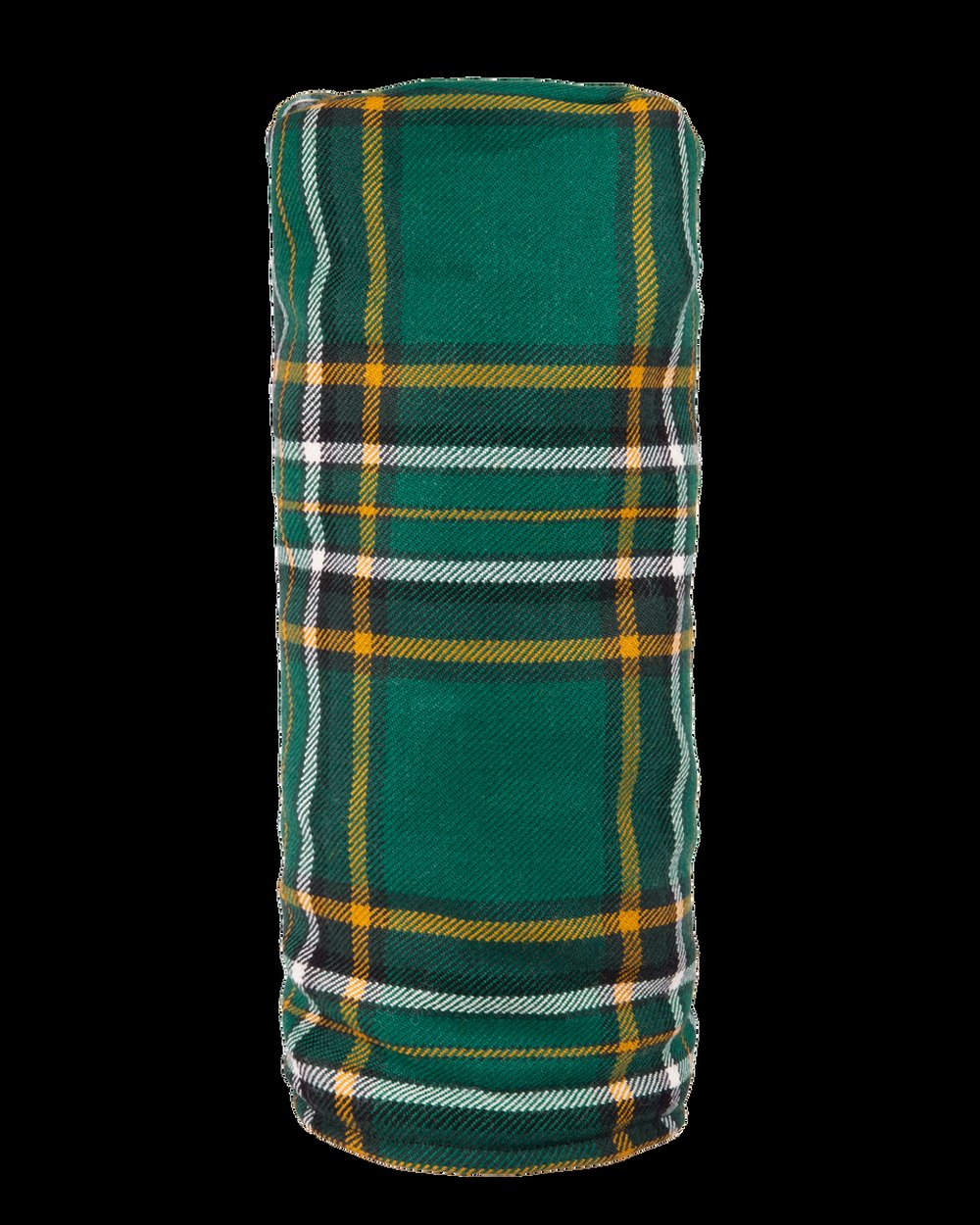
| Seamus Golf | A replacement for a worn-out cover | Headcovers sewn in Oregon |
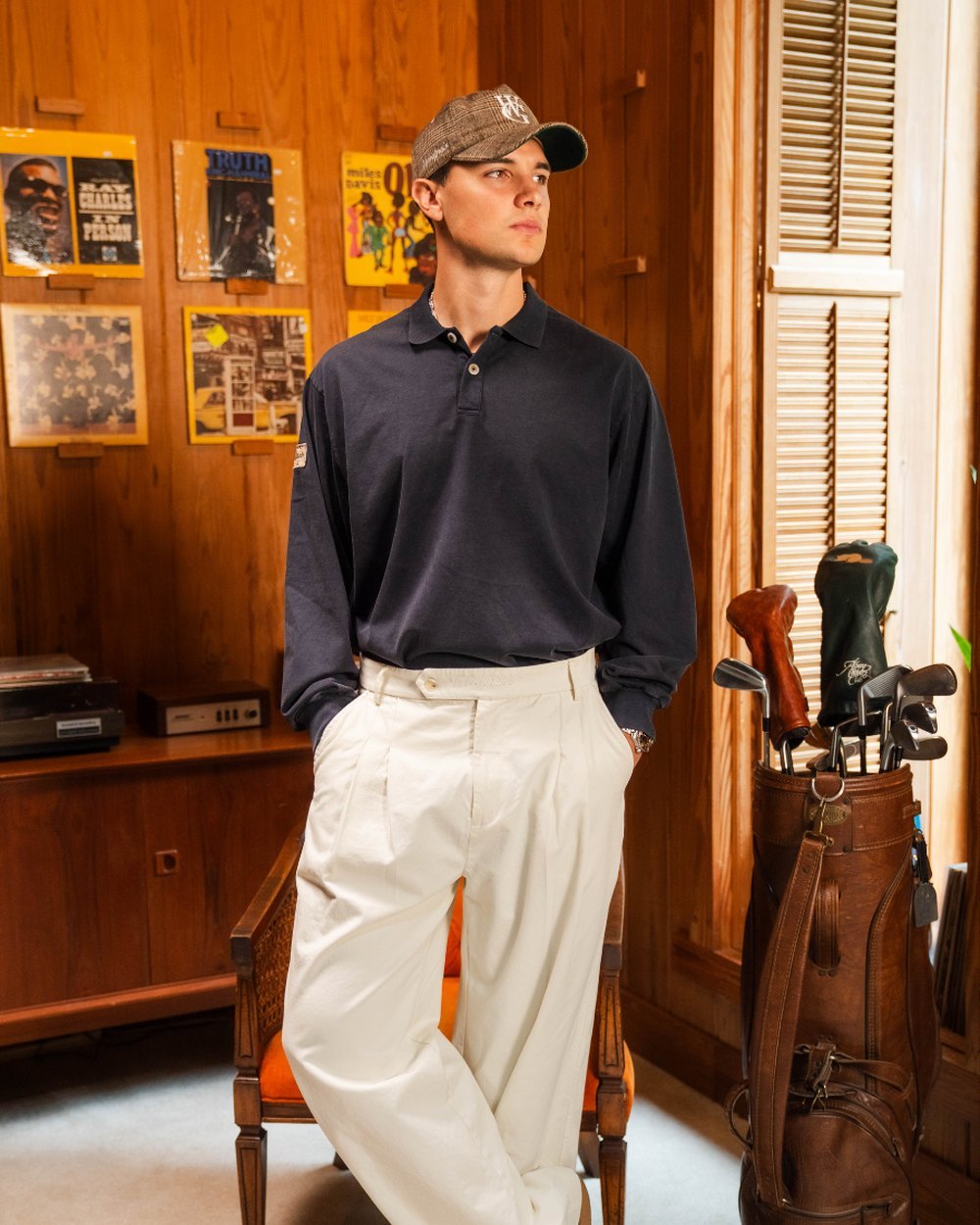
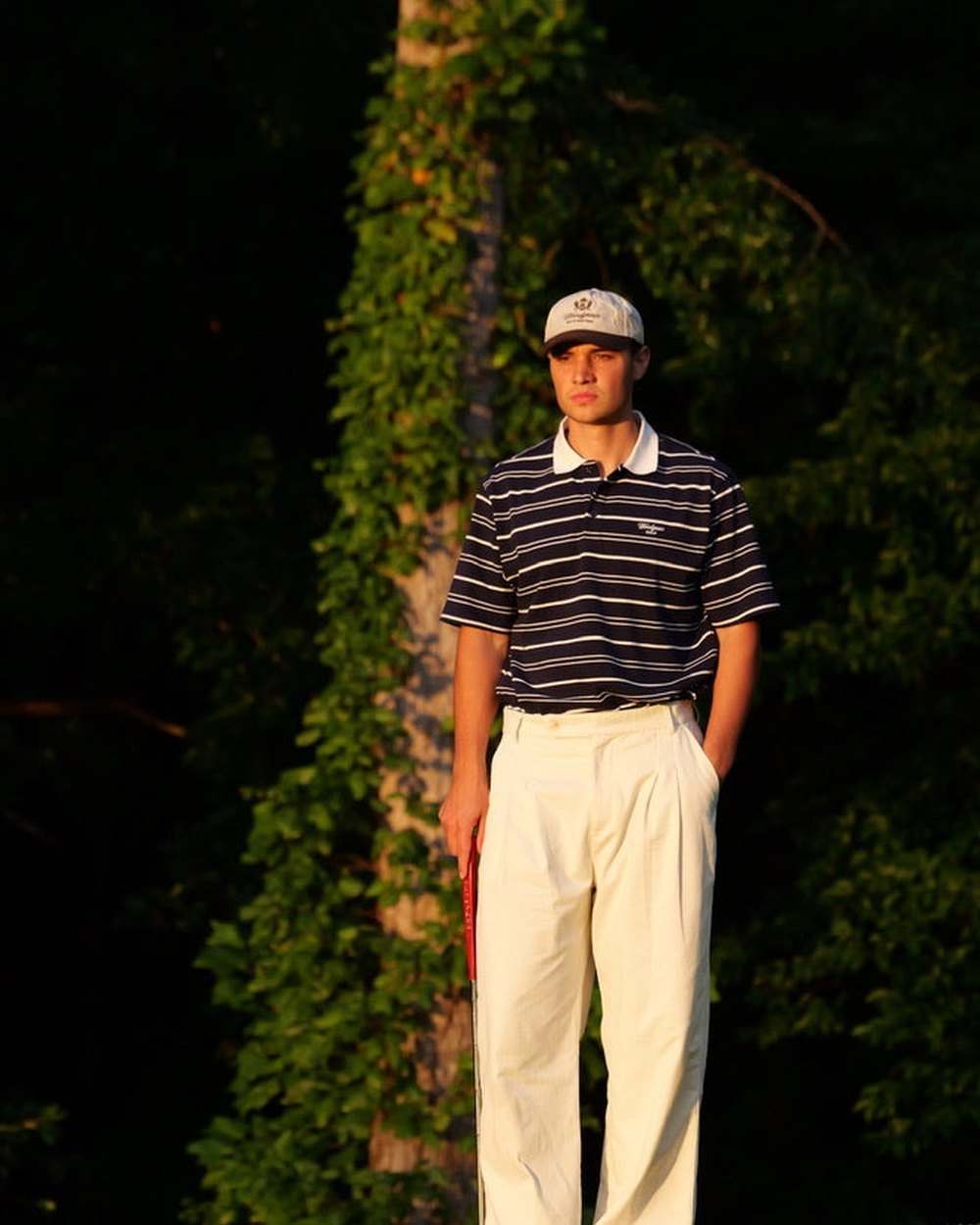
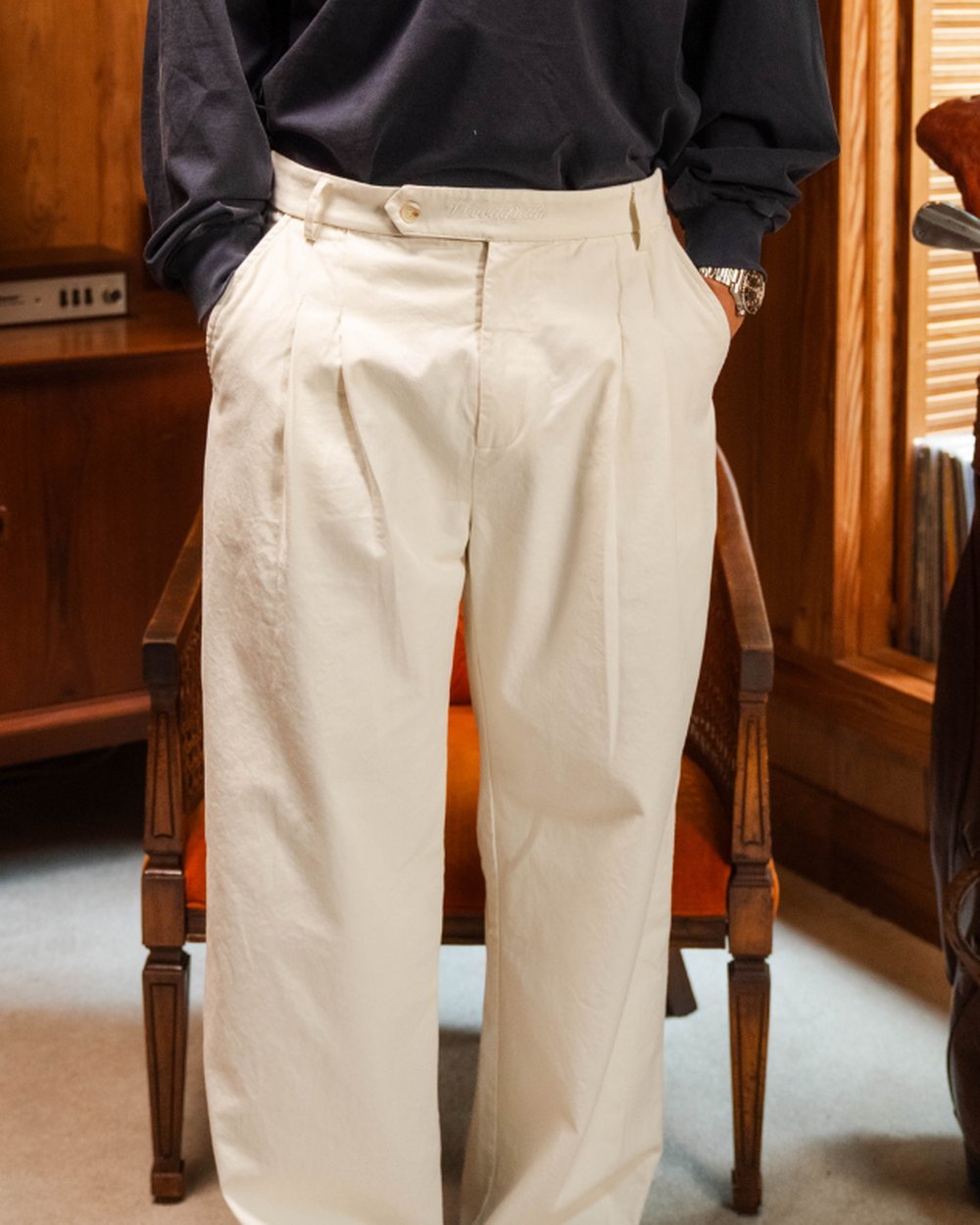
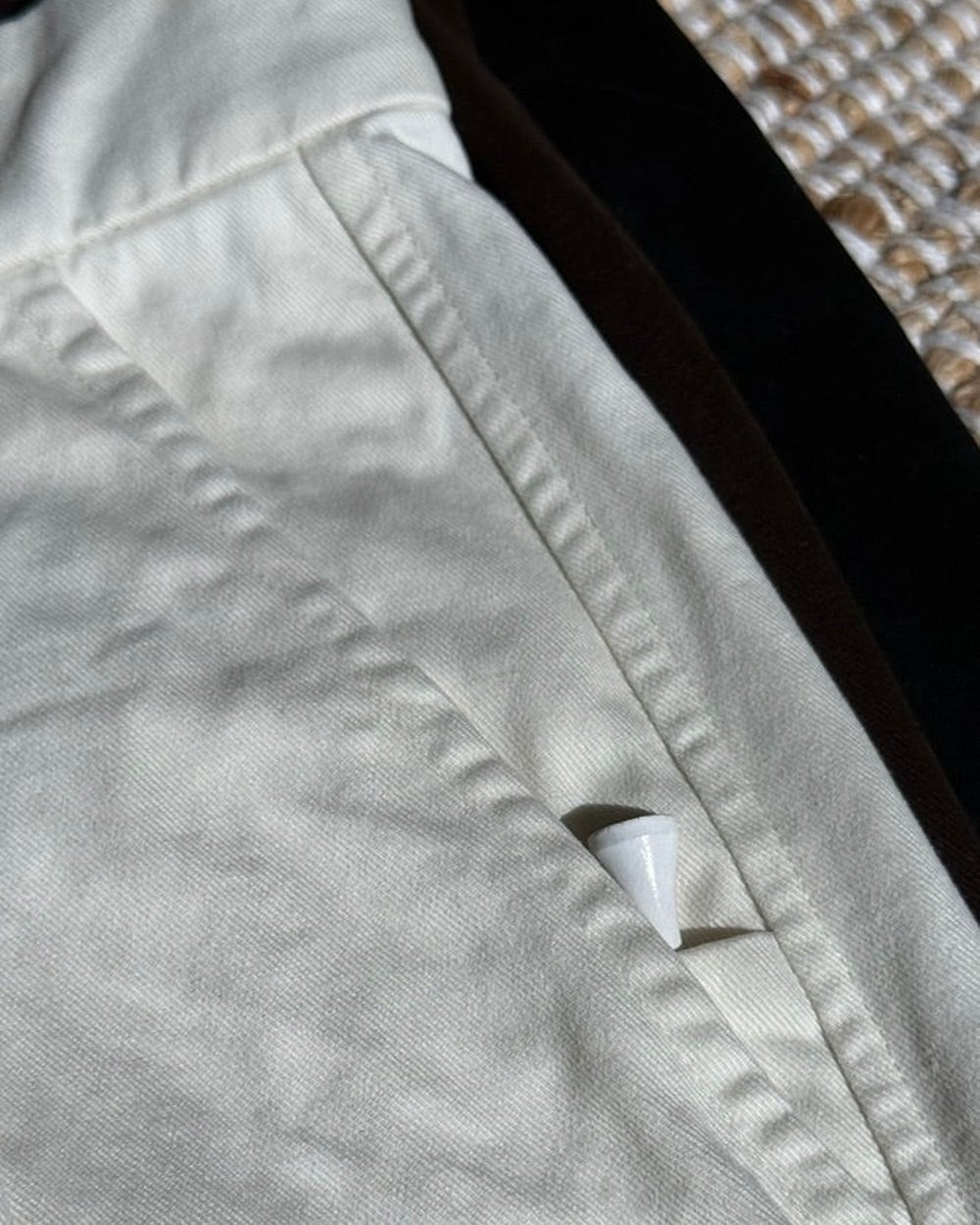
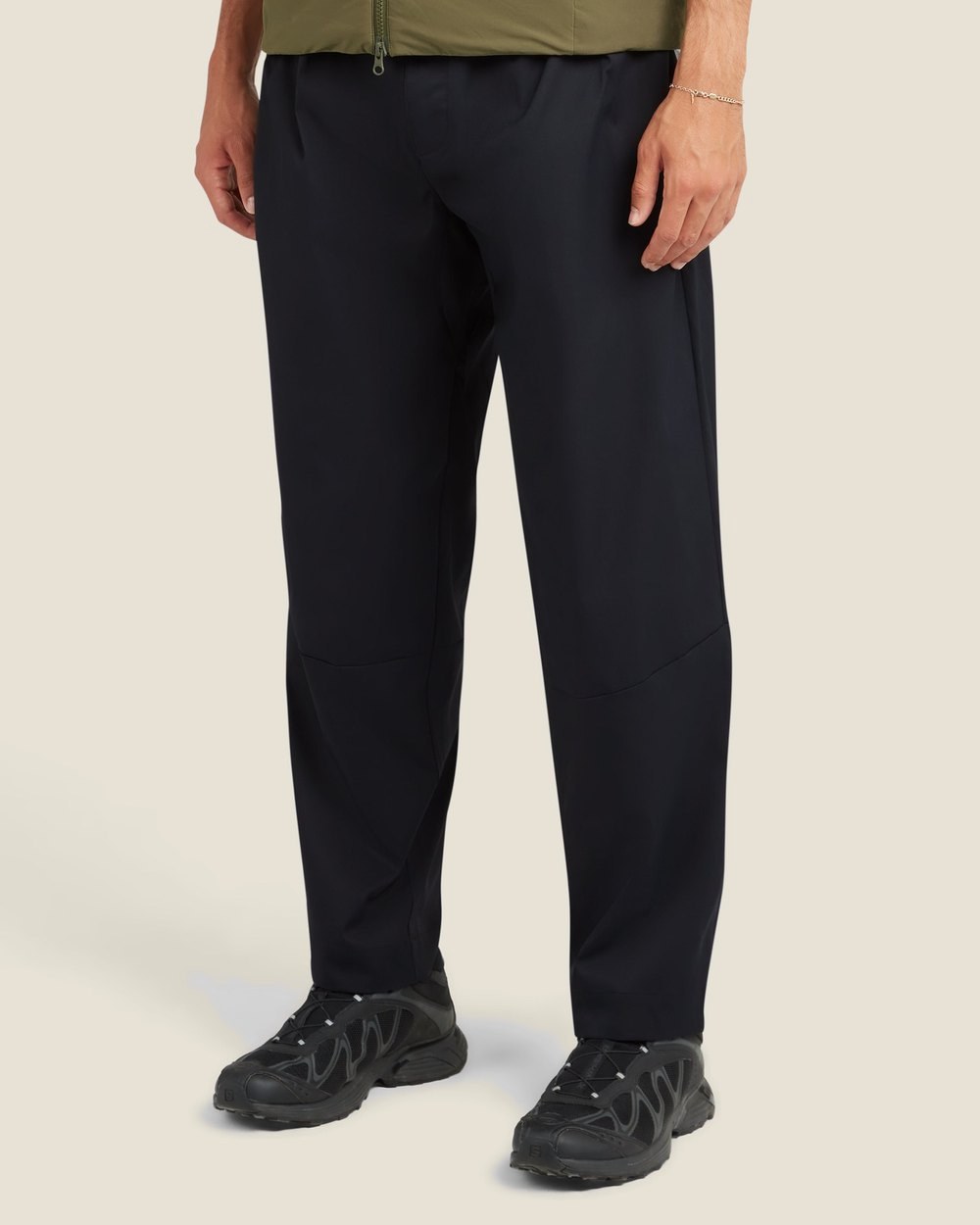
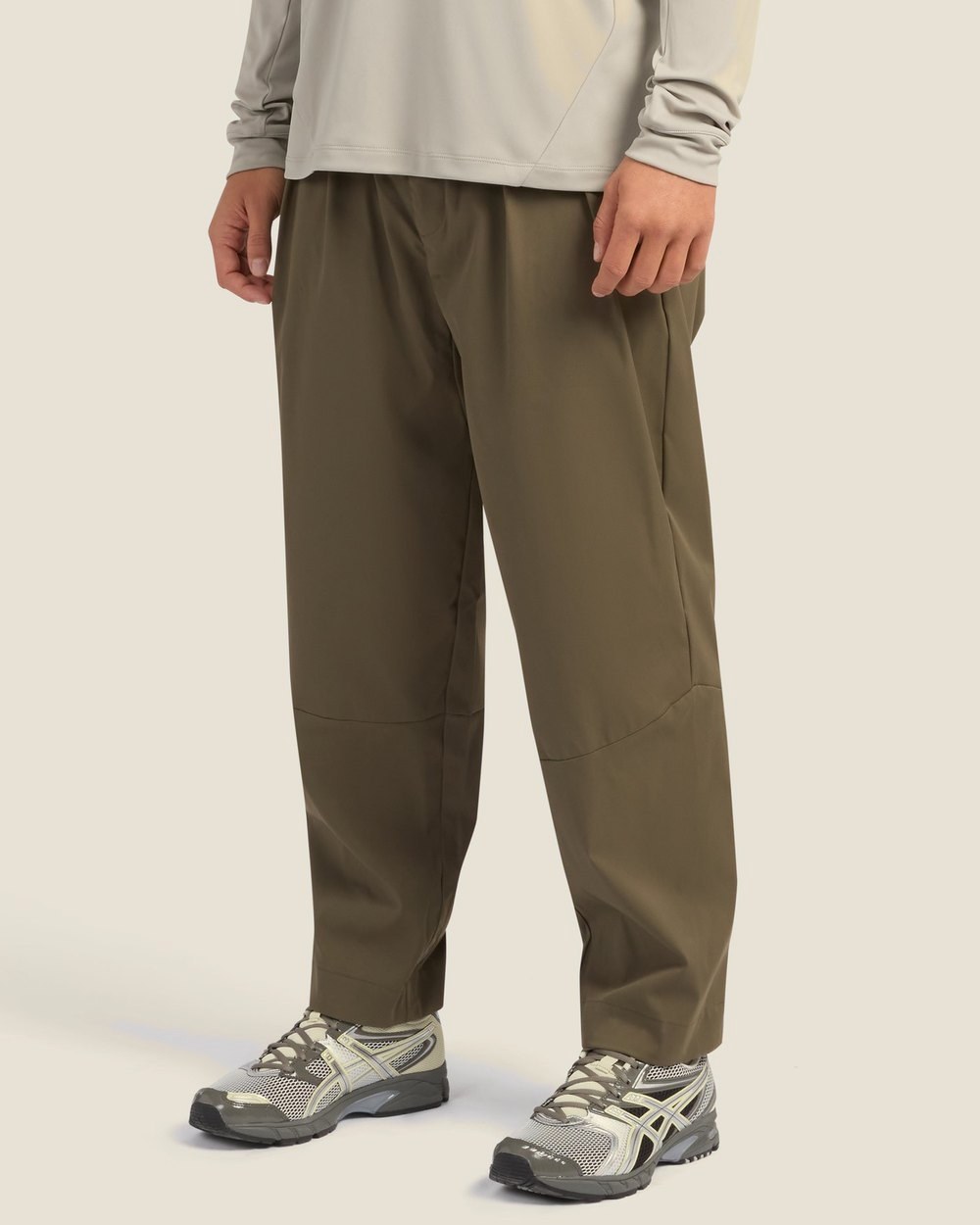
| Woodgrain Golf | Golf clothes they wanted to wear | Wide double-pleated trousers |
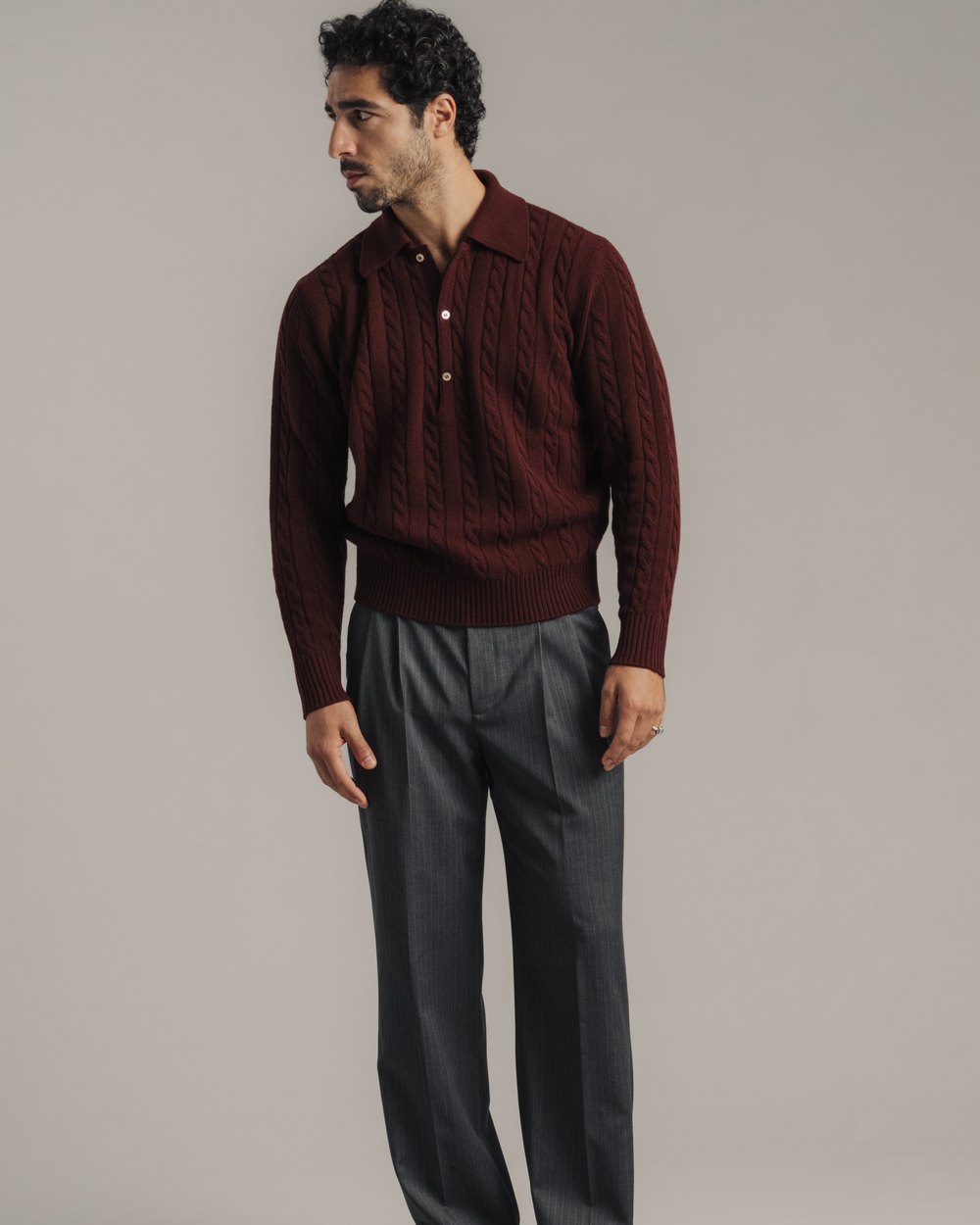
| Late Nine | A specific aesthetic | Merino knits and wool slacks |
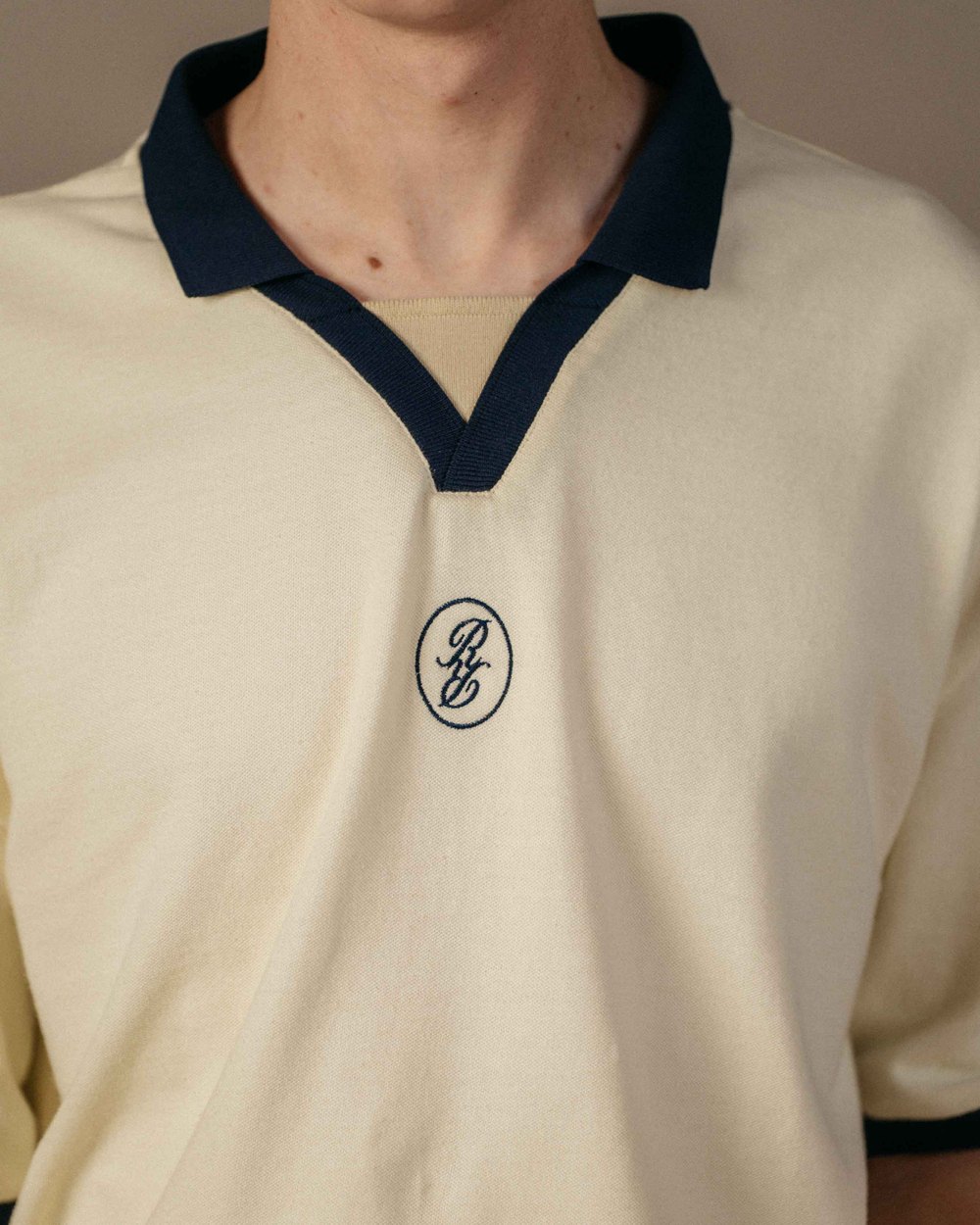
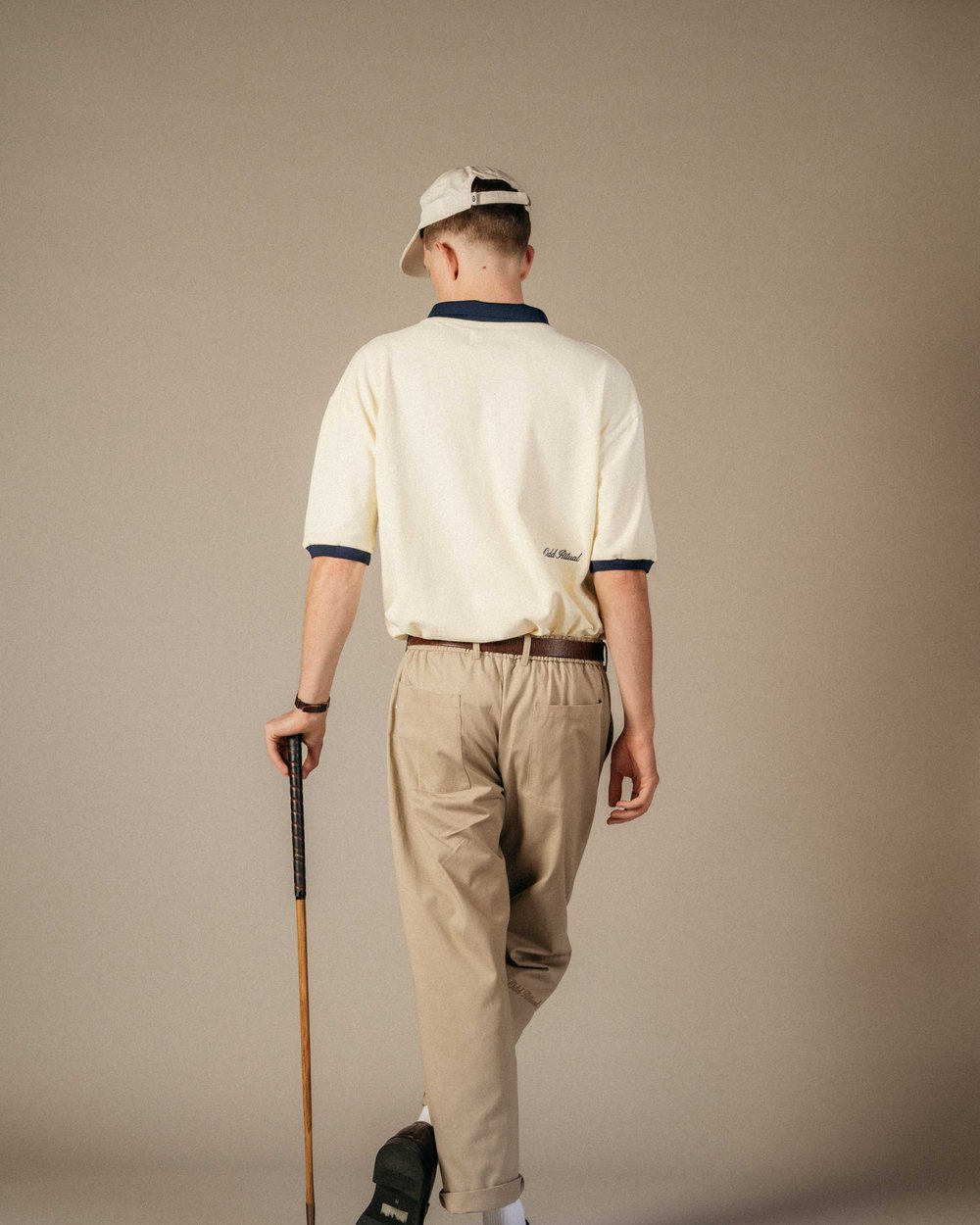
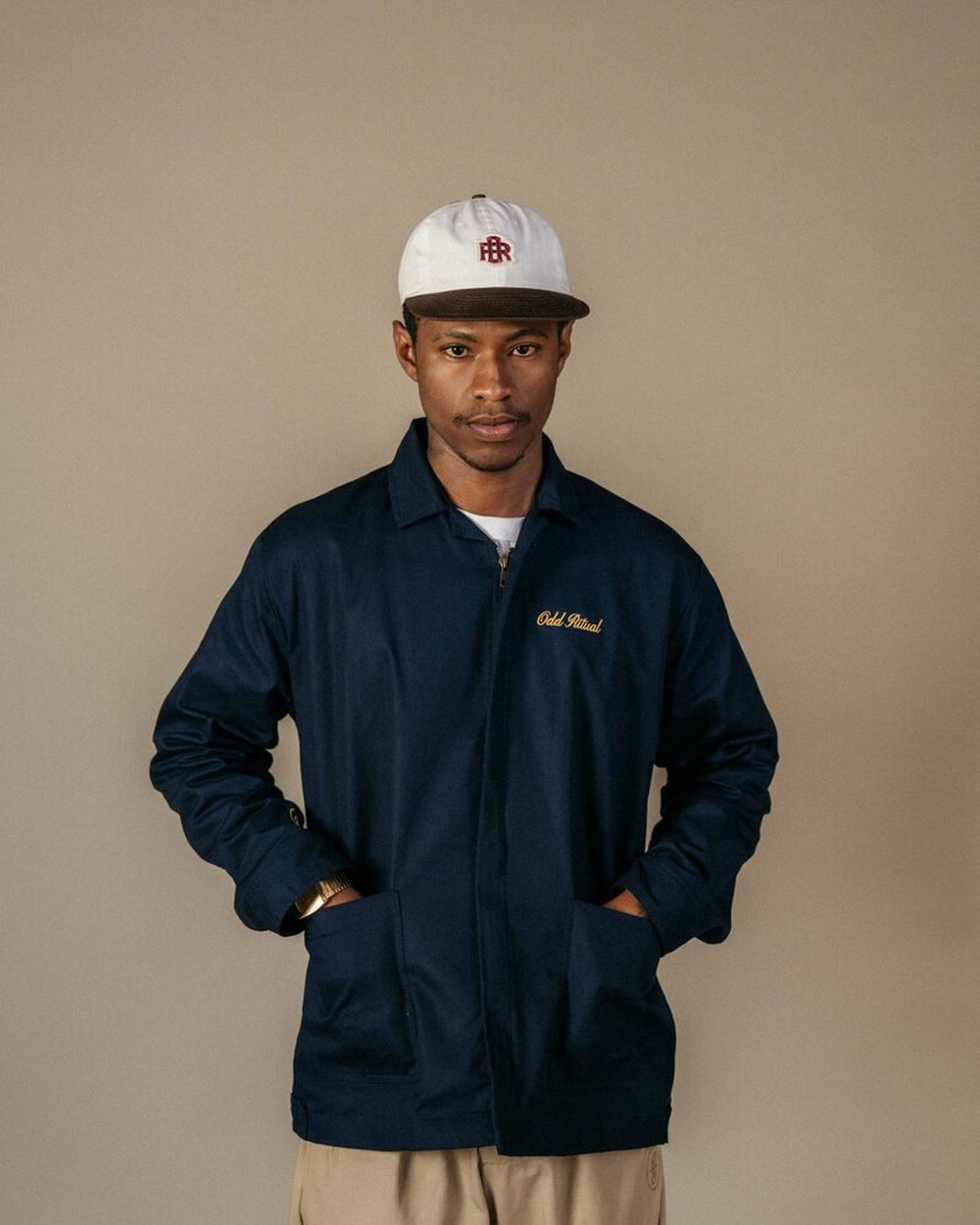
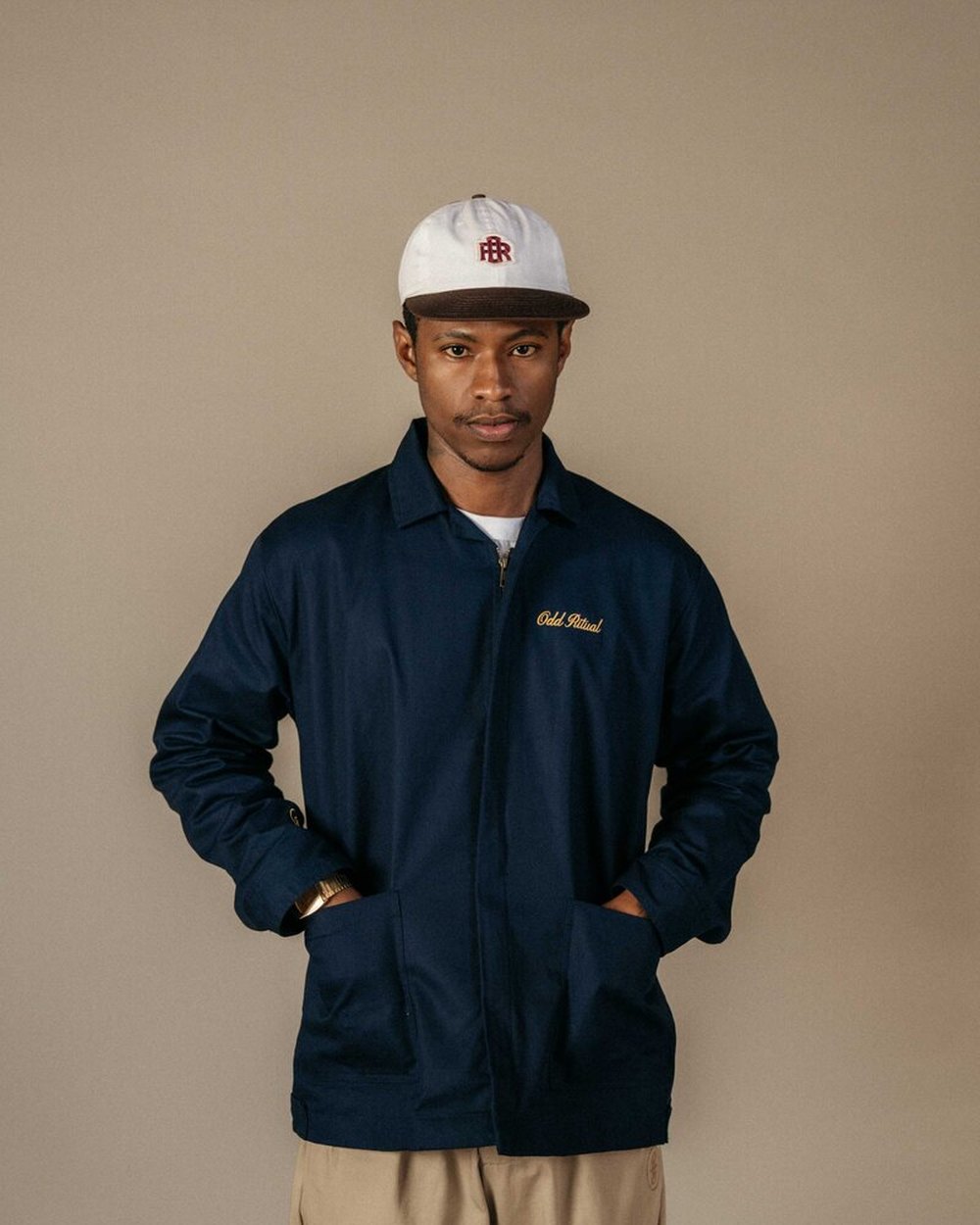
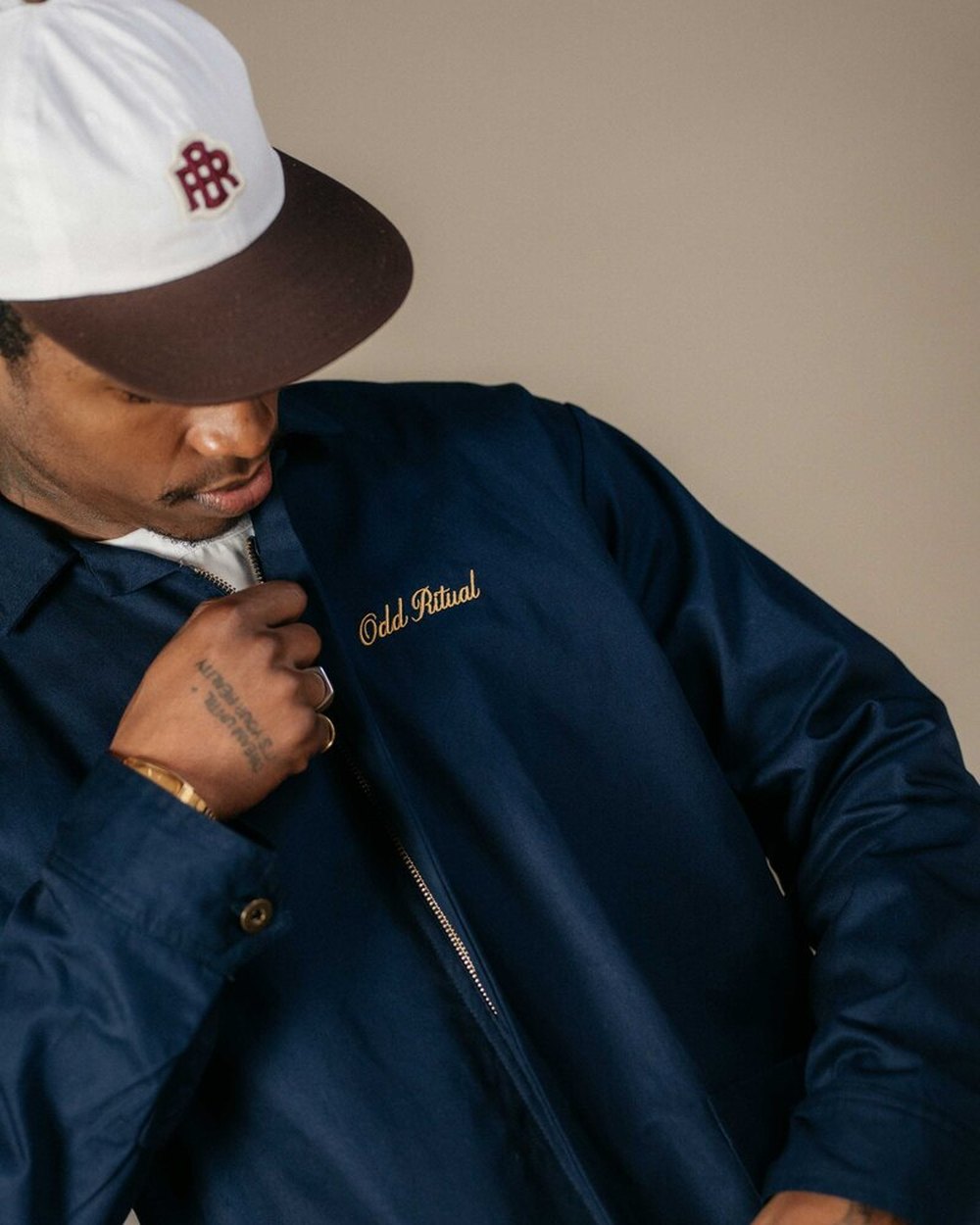
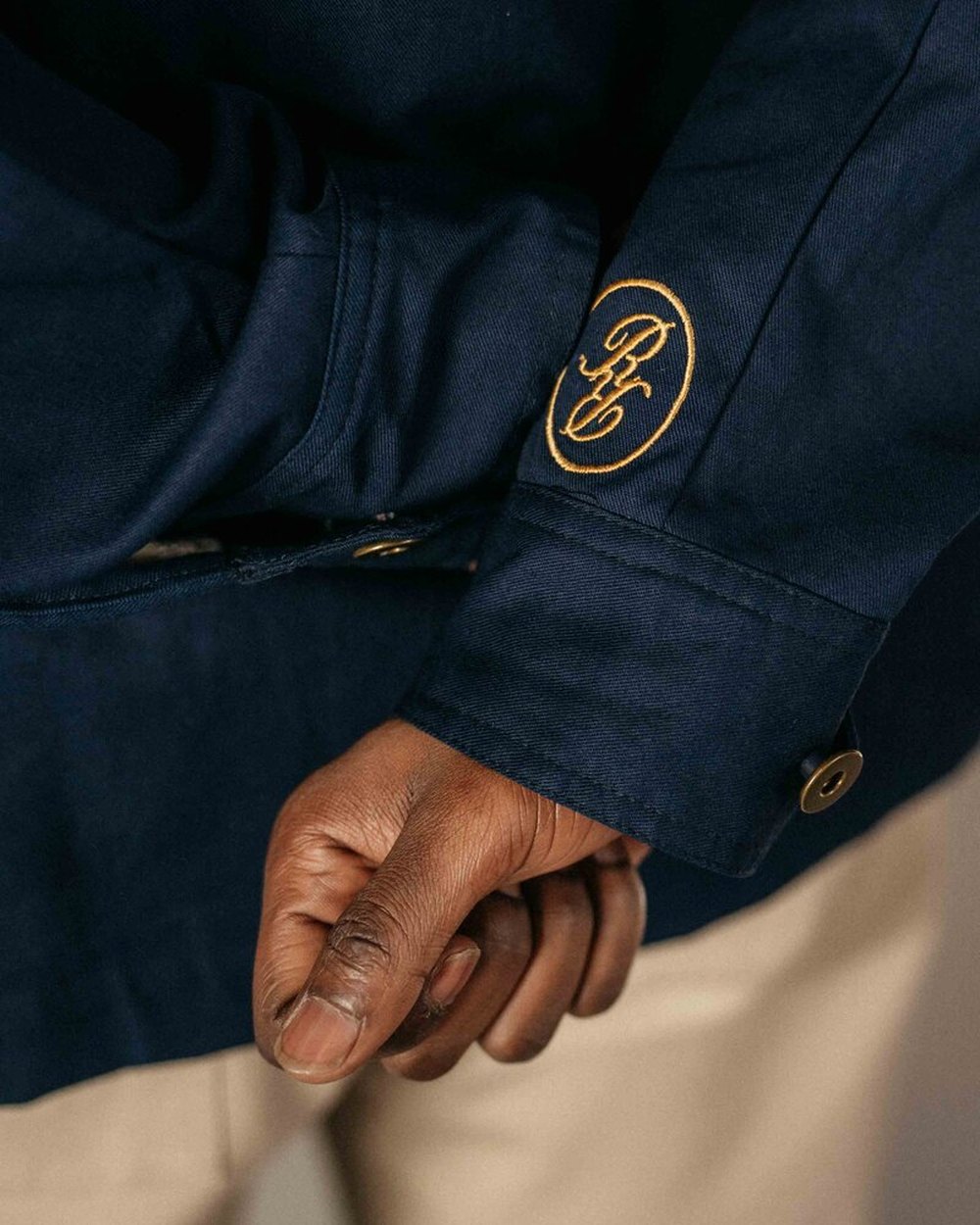
| Odd Ritual Golf | A local brand that spoke to them | 1990s-style polos and caddie jackets |
| Manors Golf | Clothes they wanted to play in | Retro shapes, now in technical fabric |
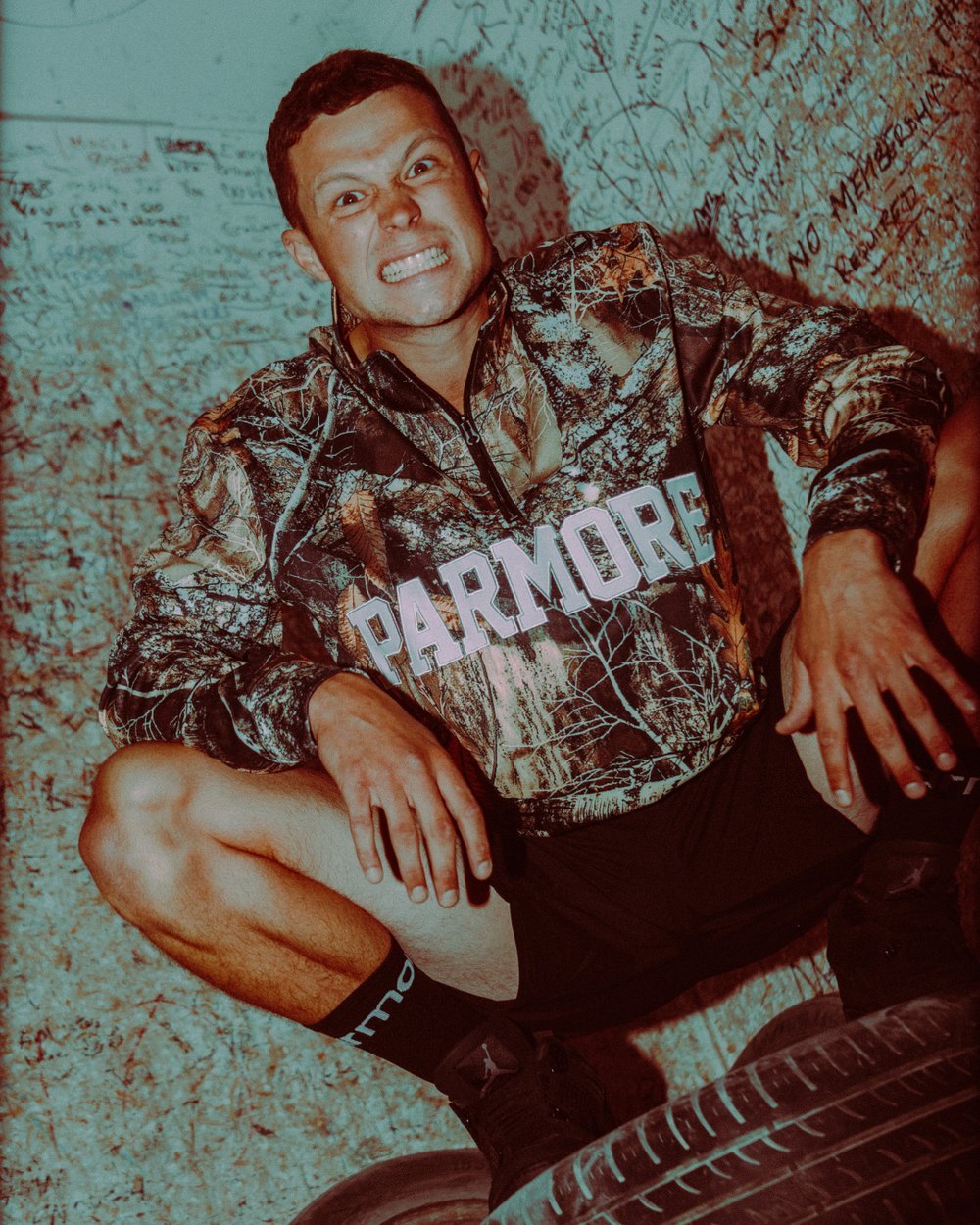
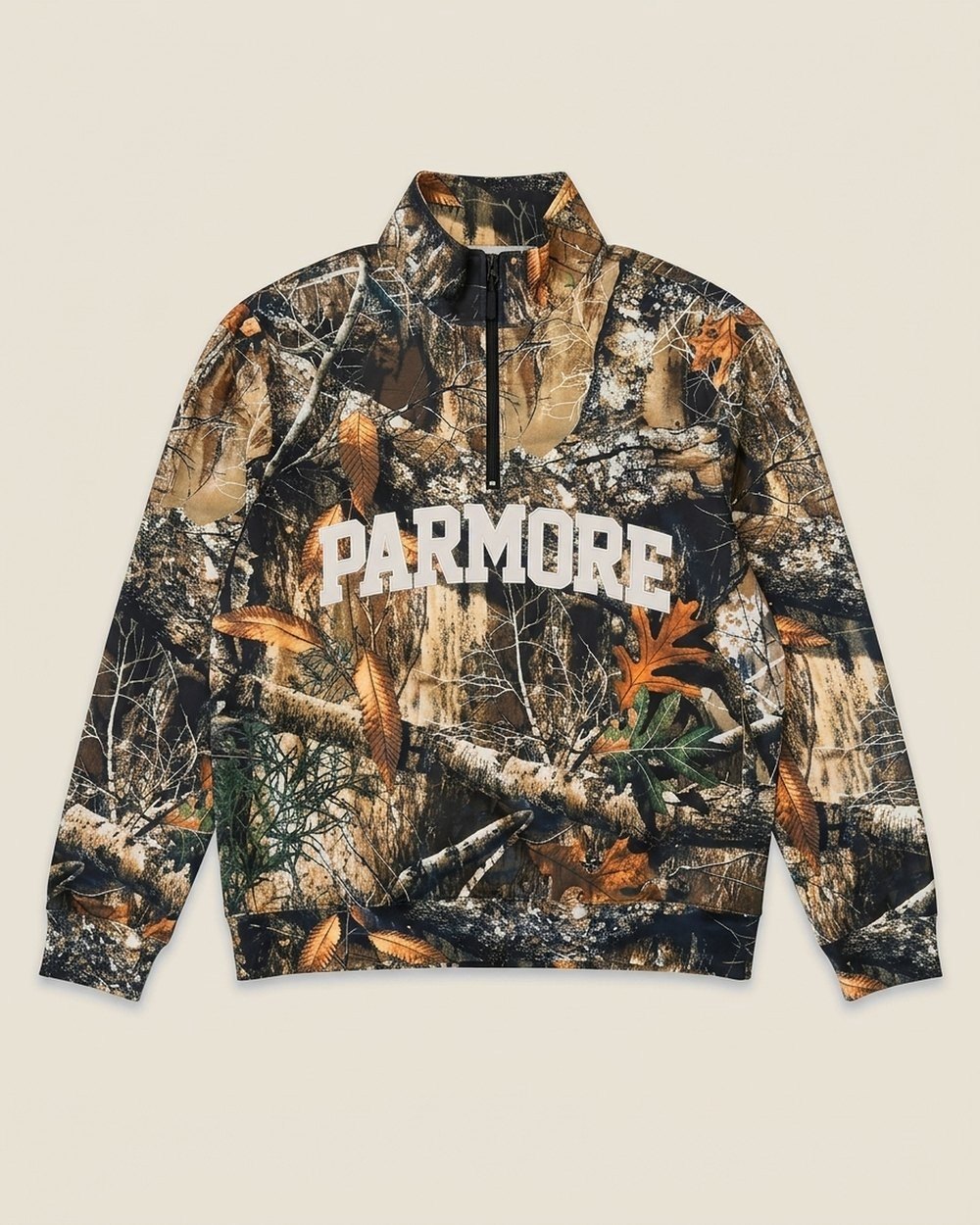
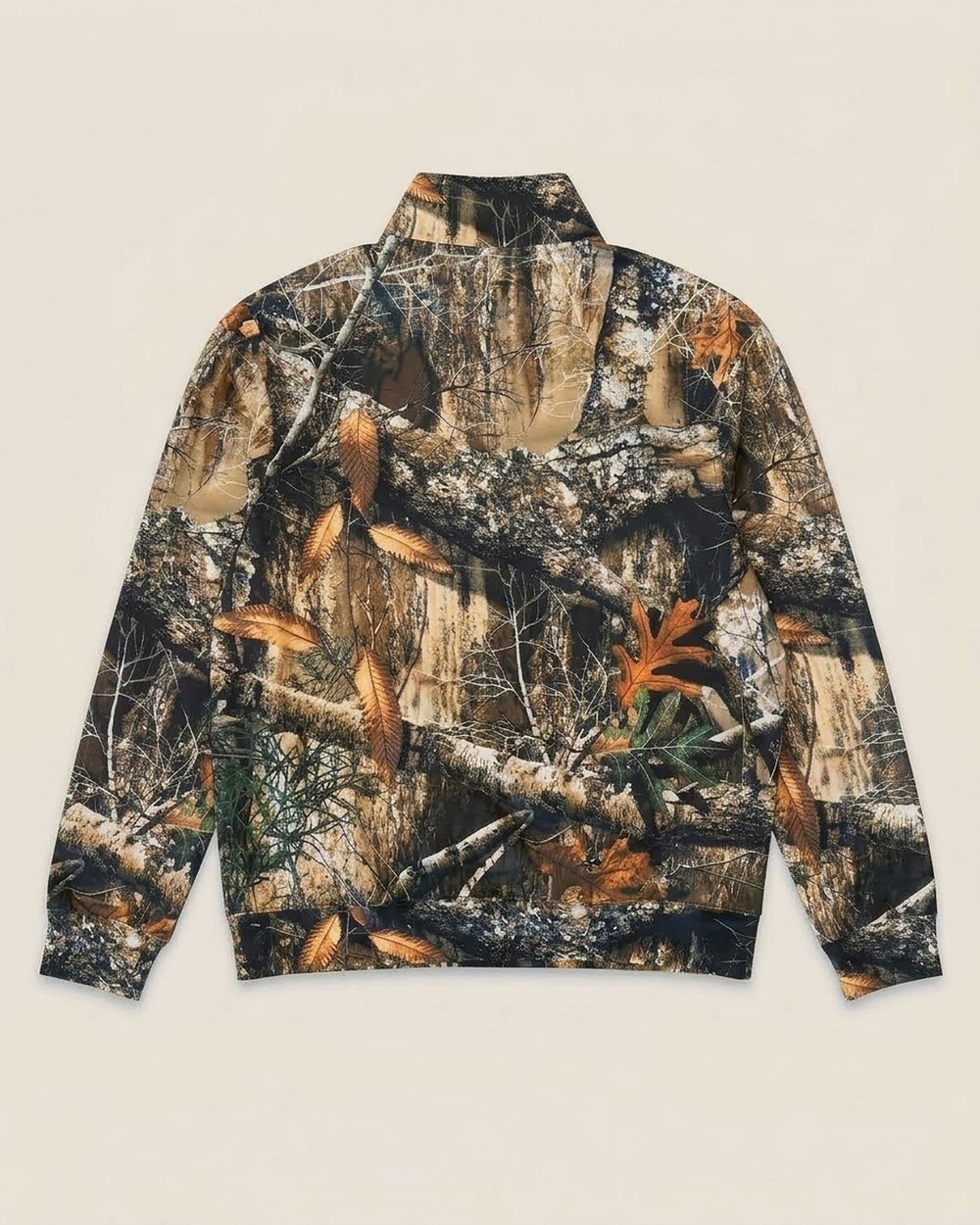
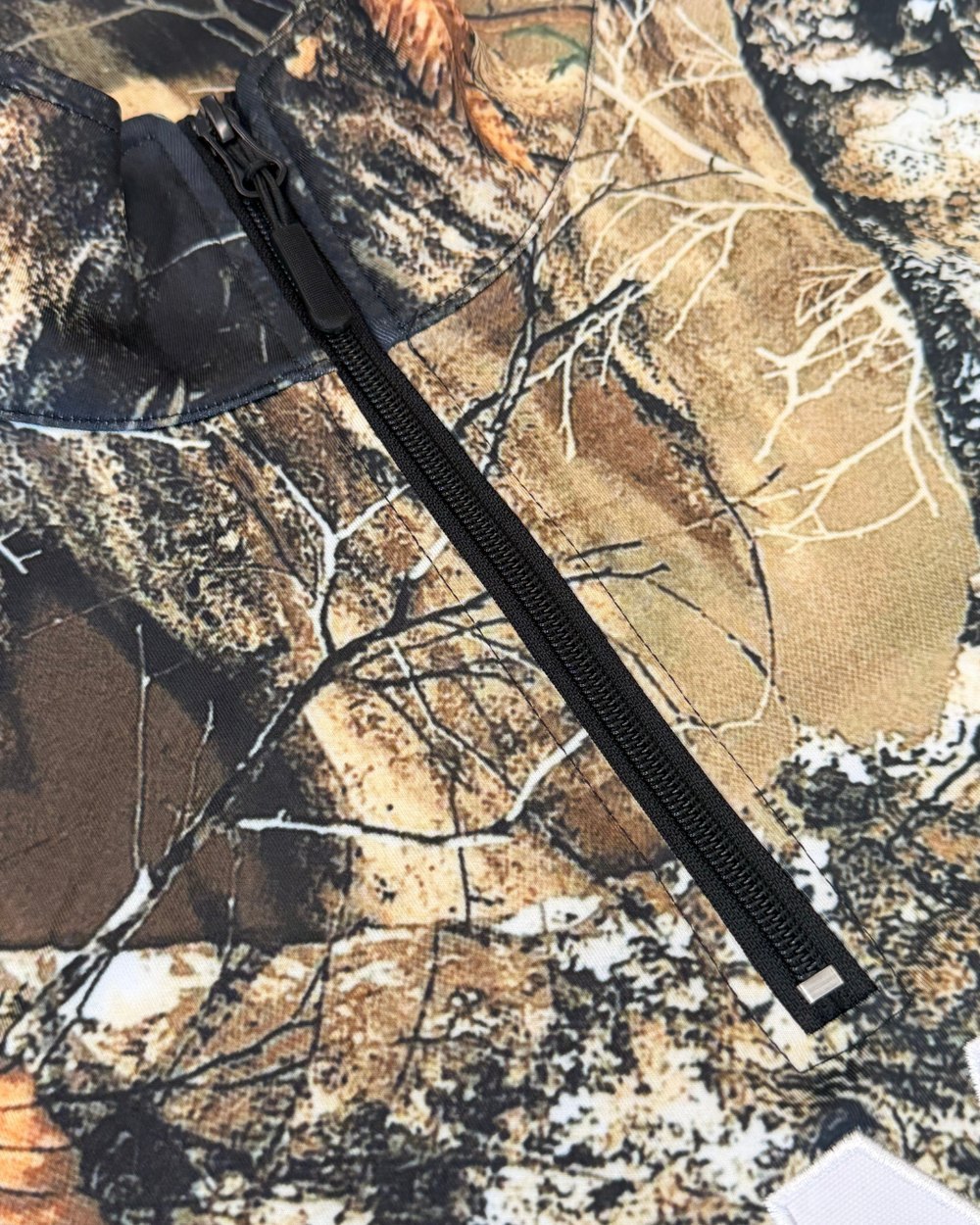
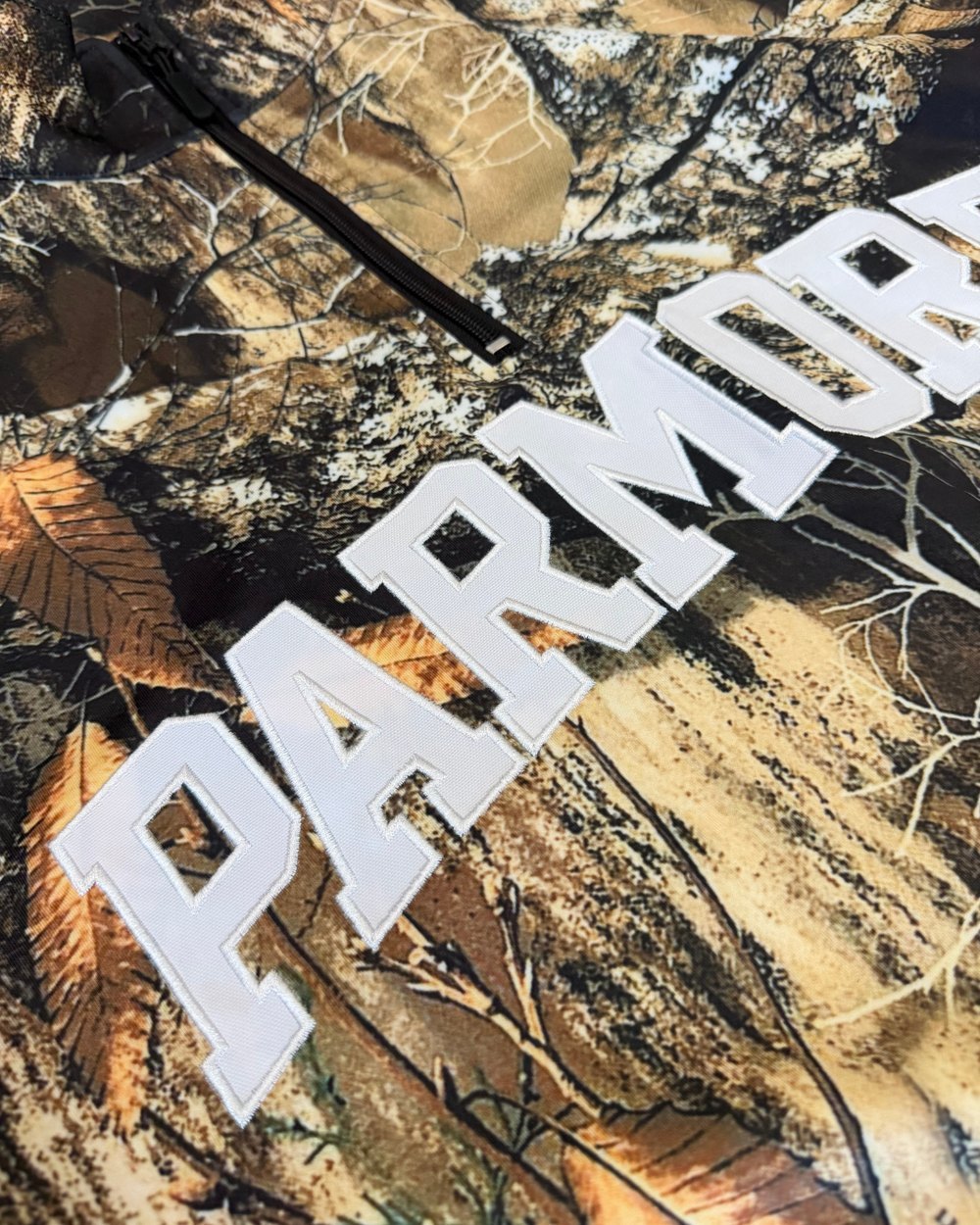
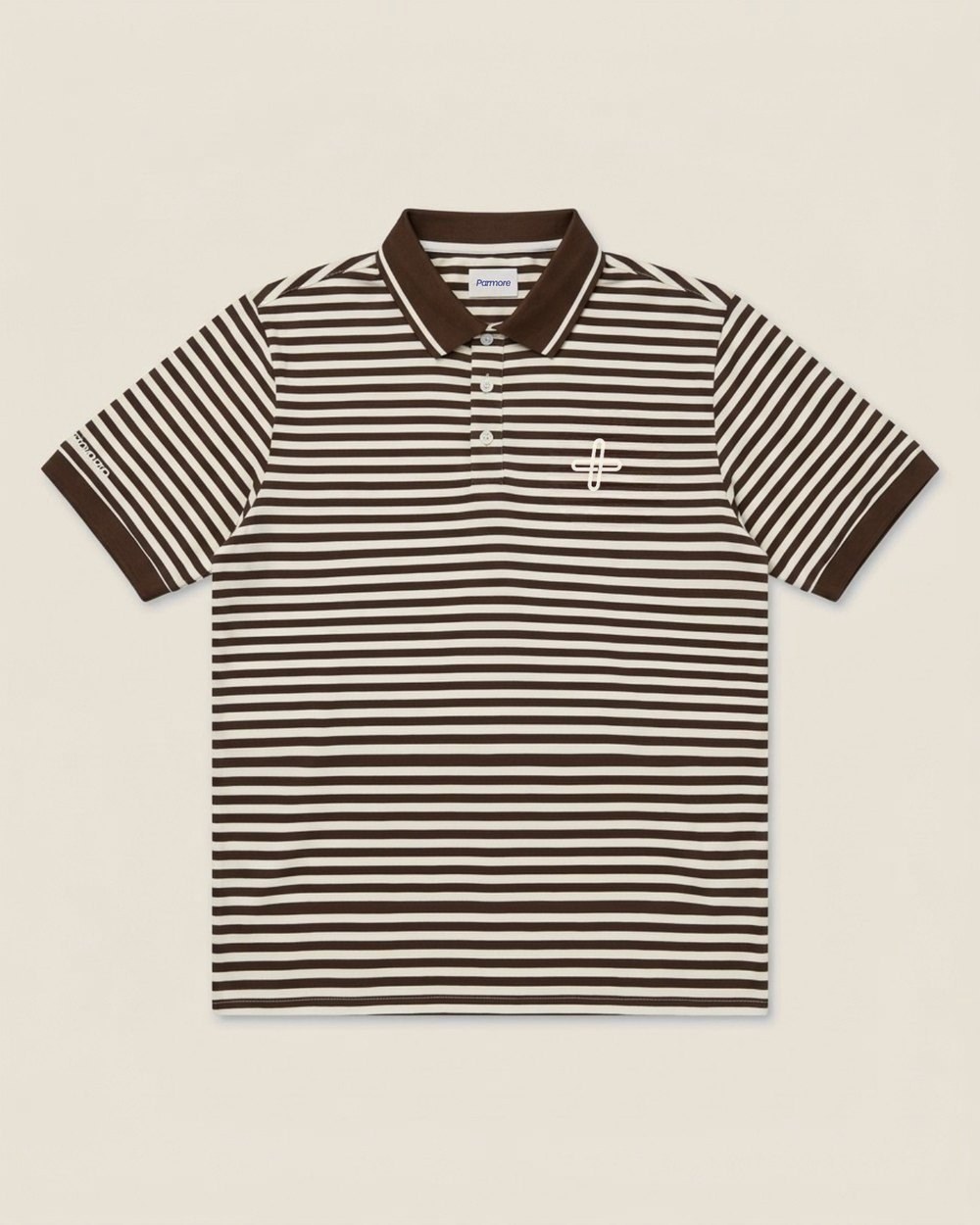
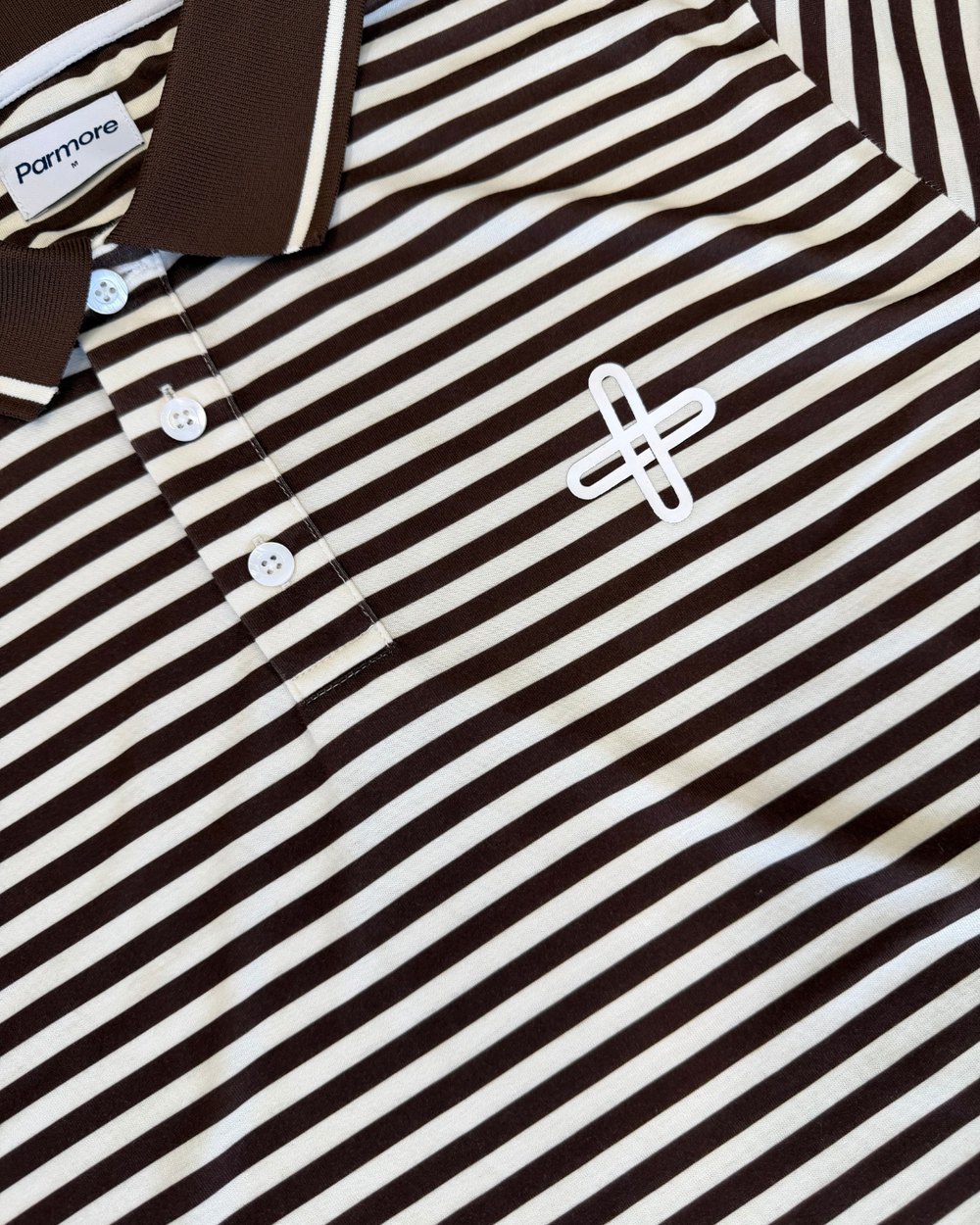
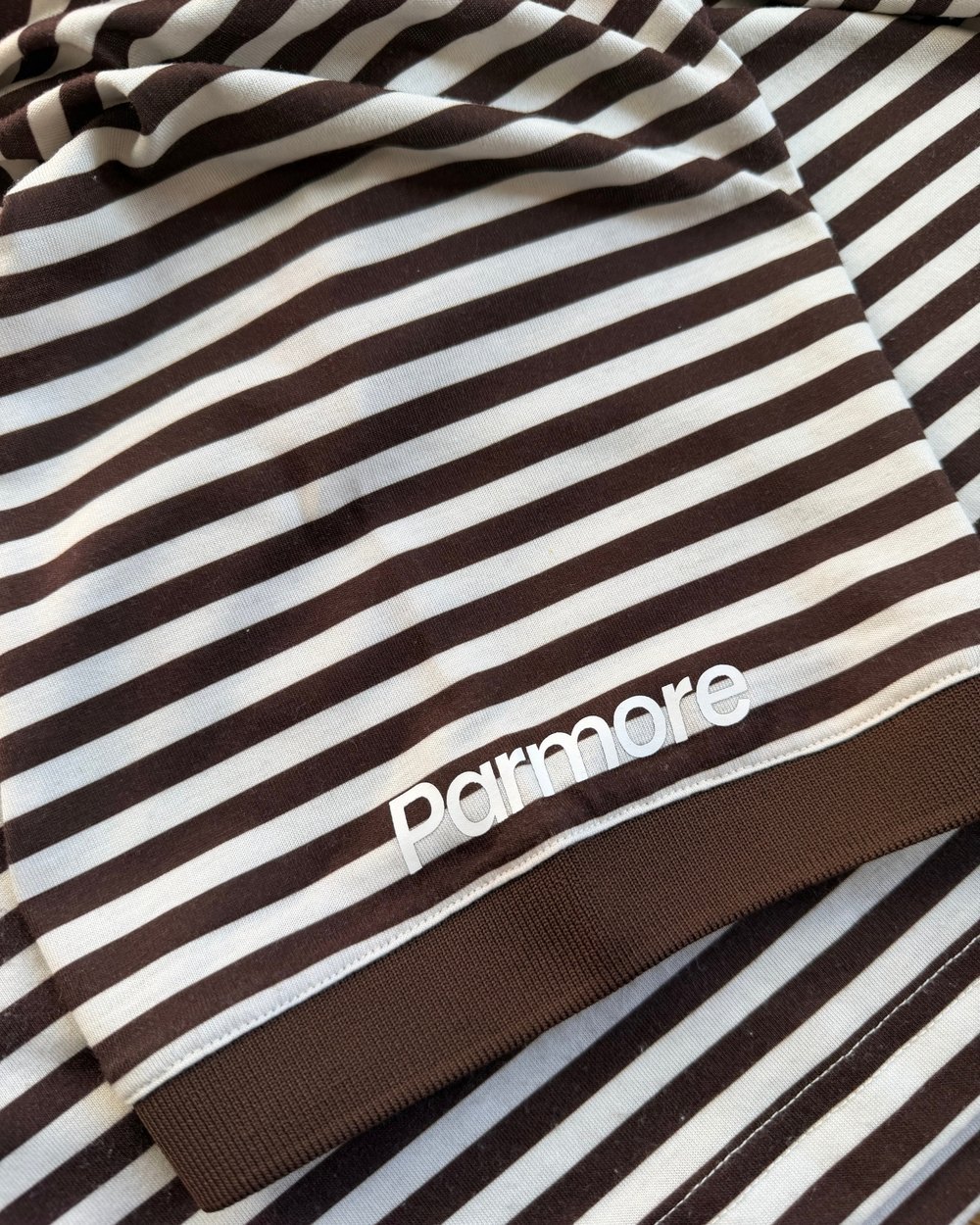
| Parmore Golf | Clothes to wear off the course | Camo quarter-zips and streetwear |
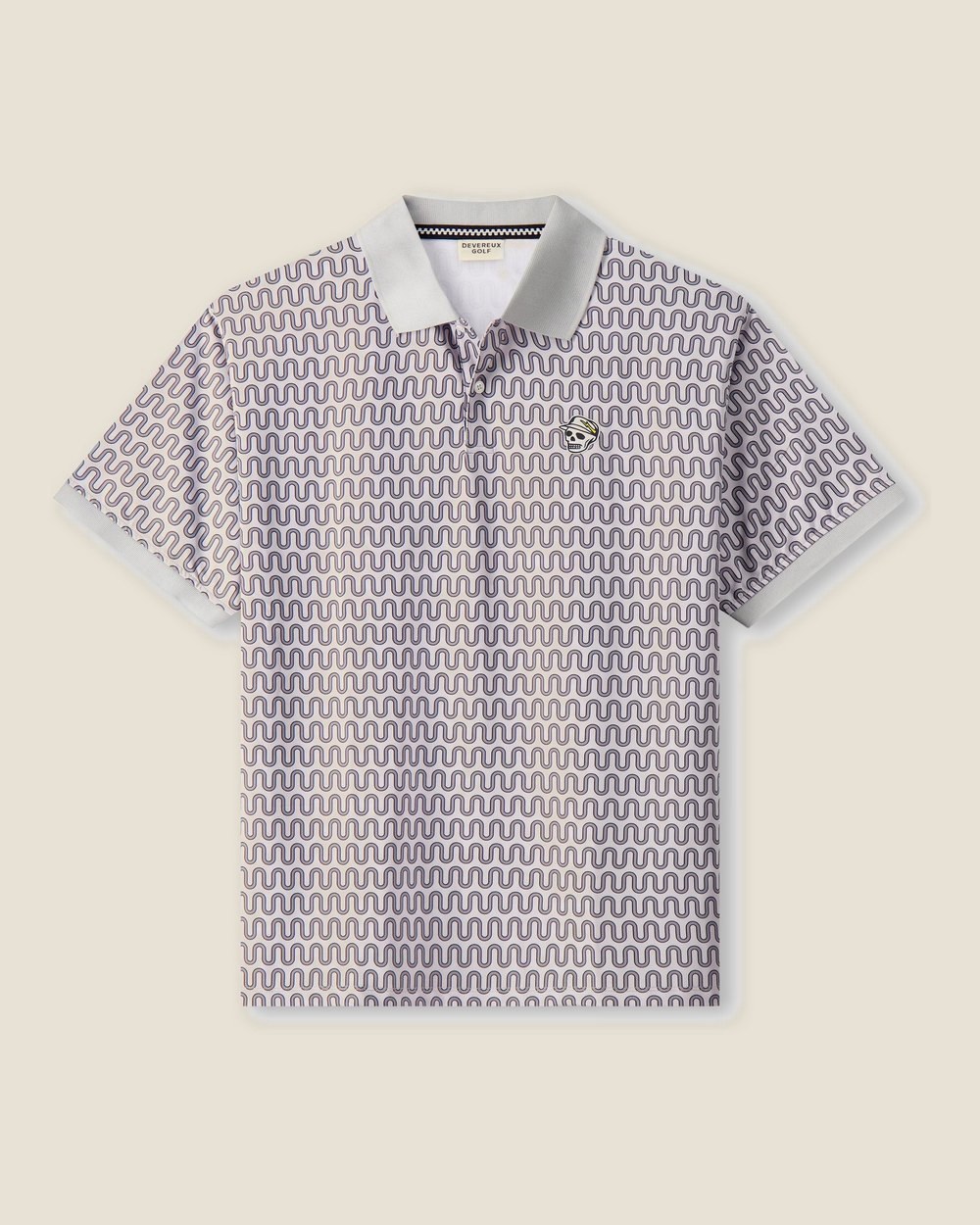
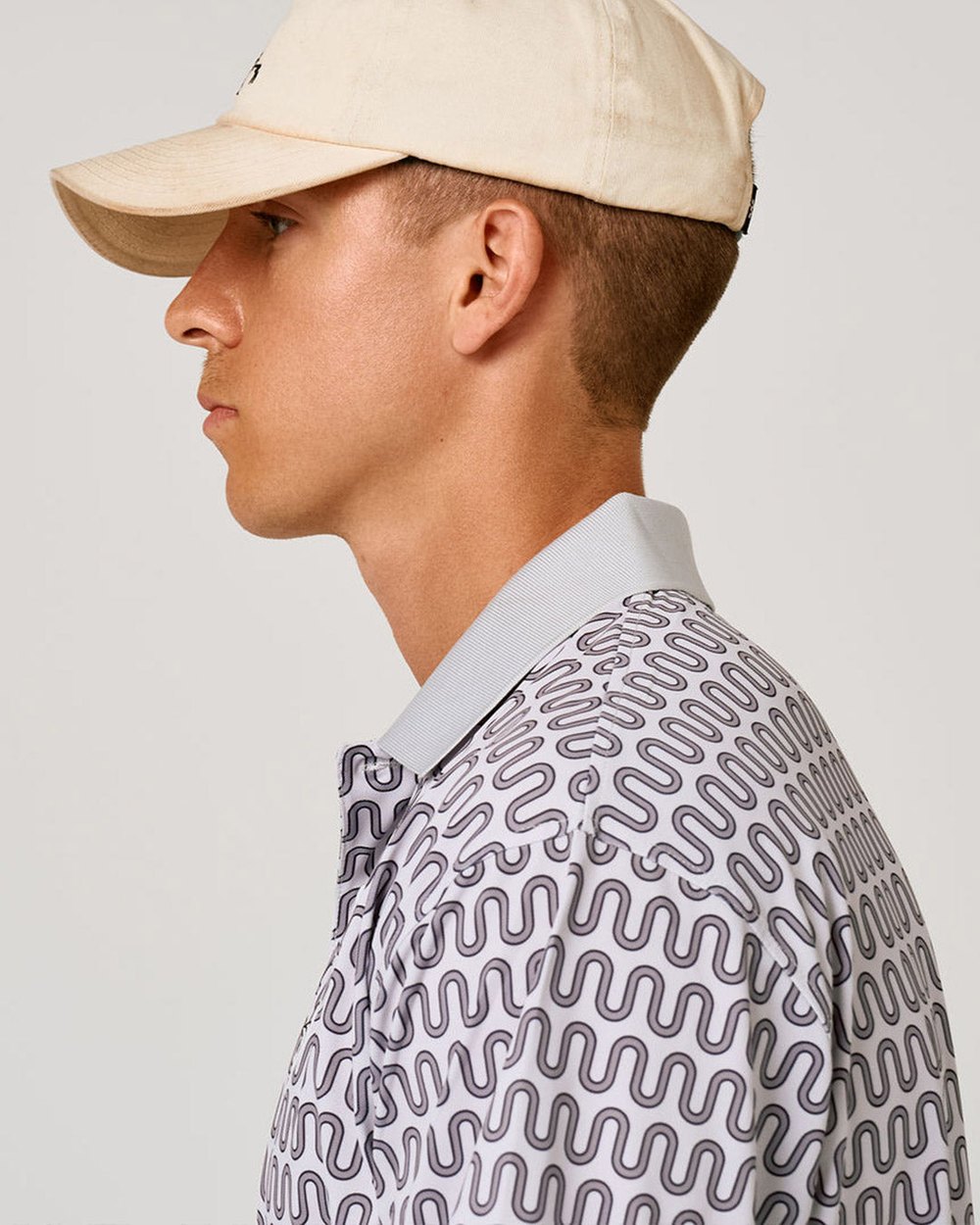
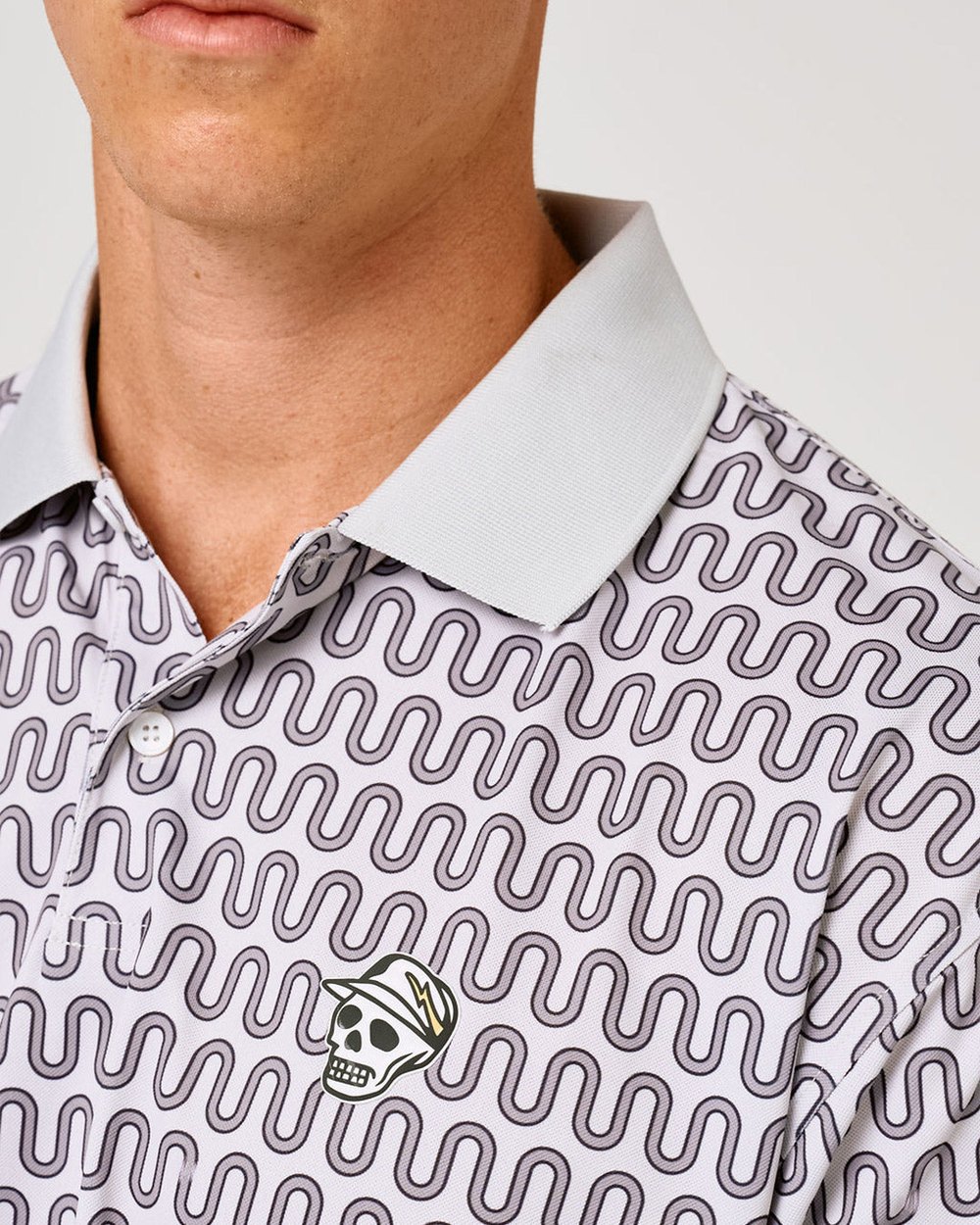
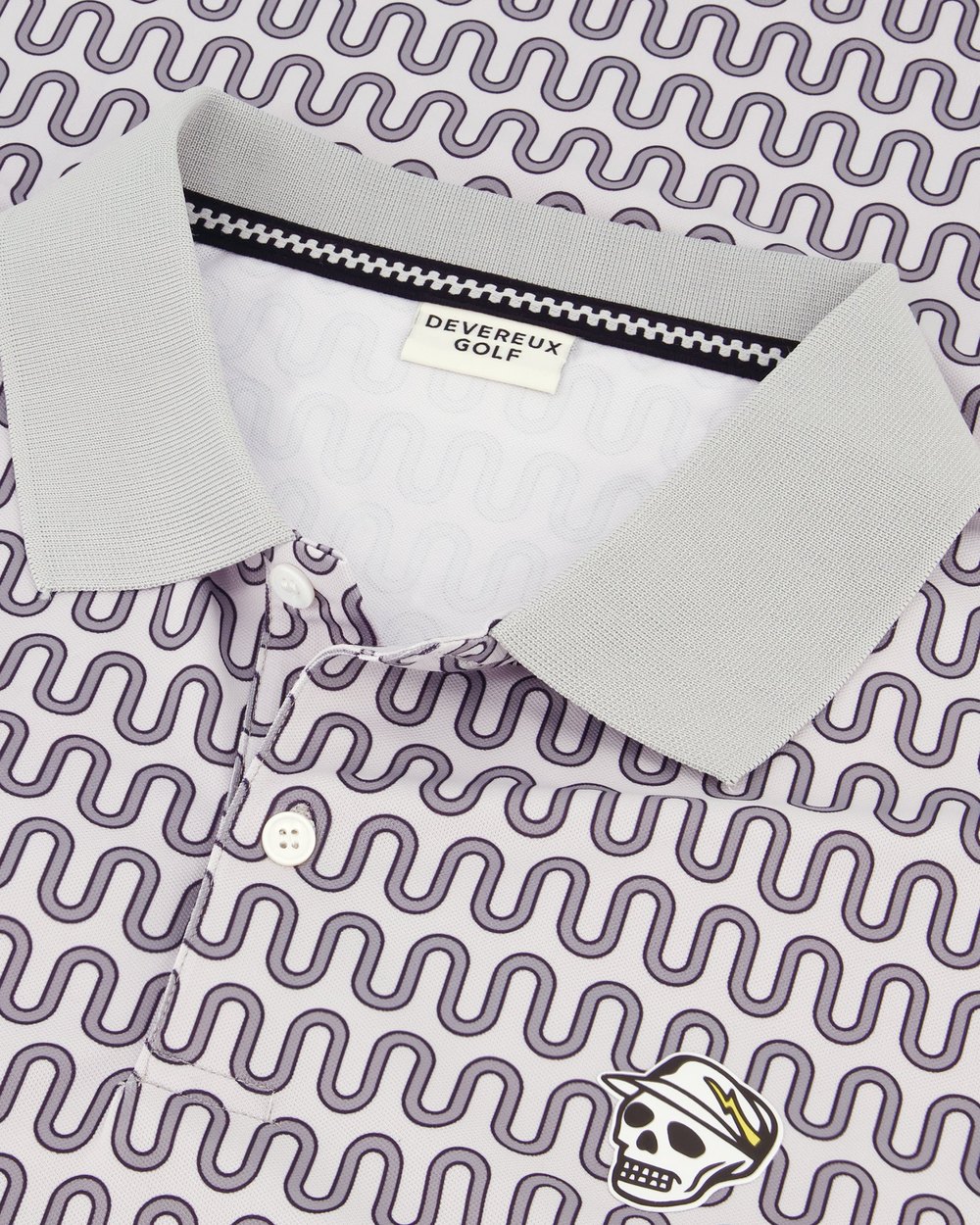
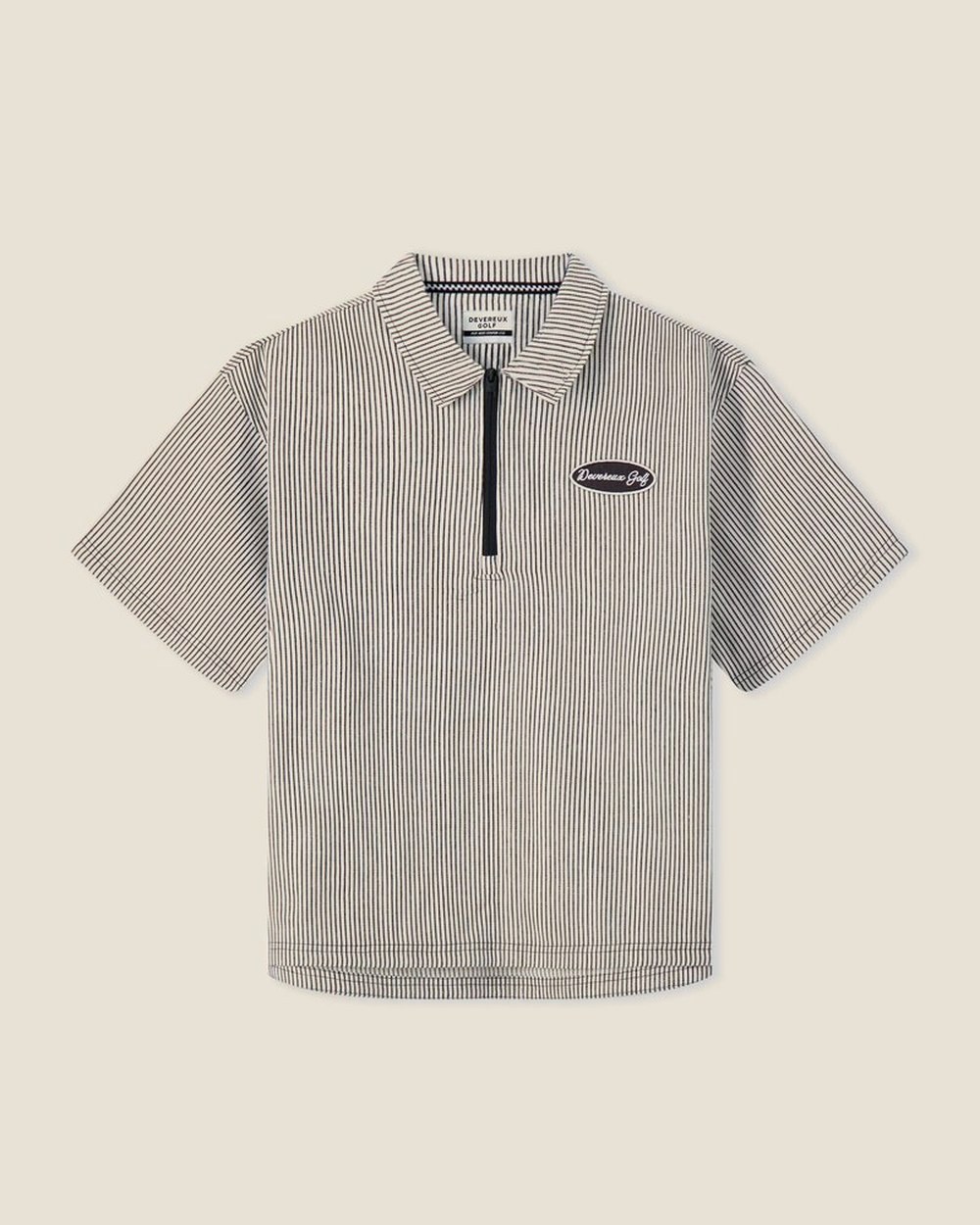
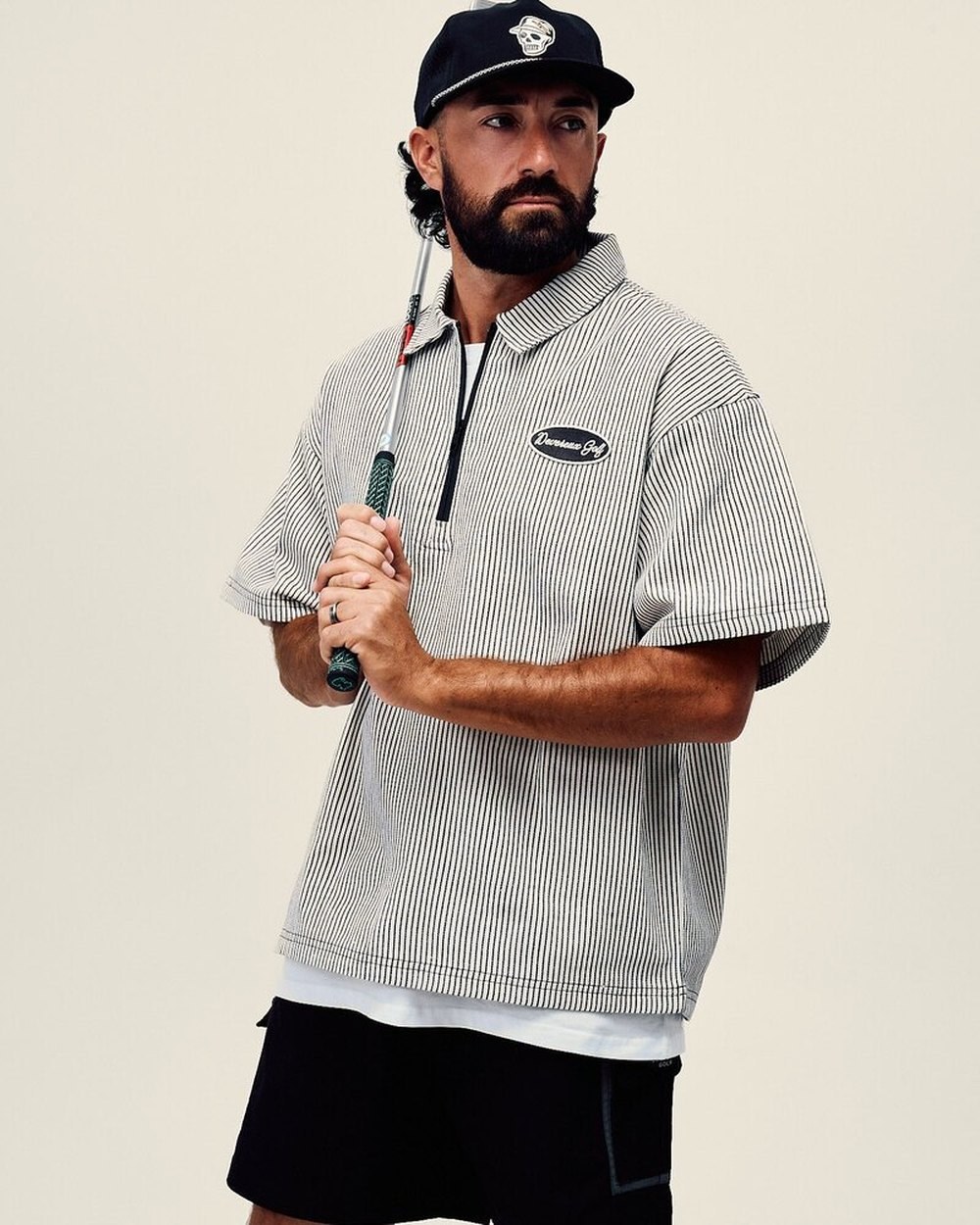
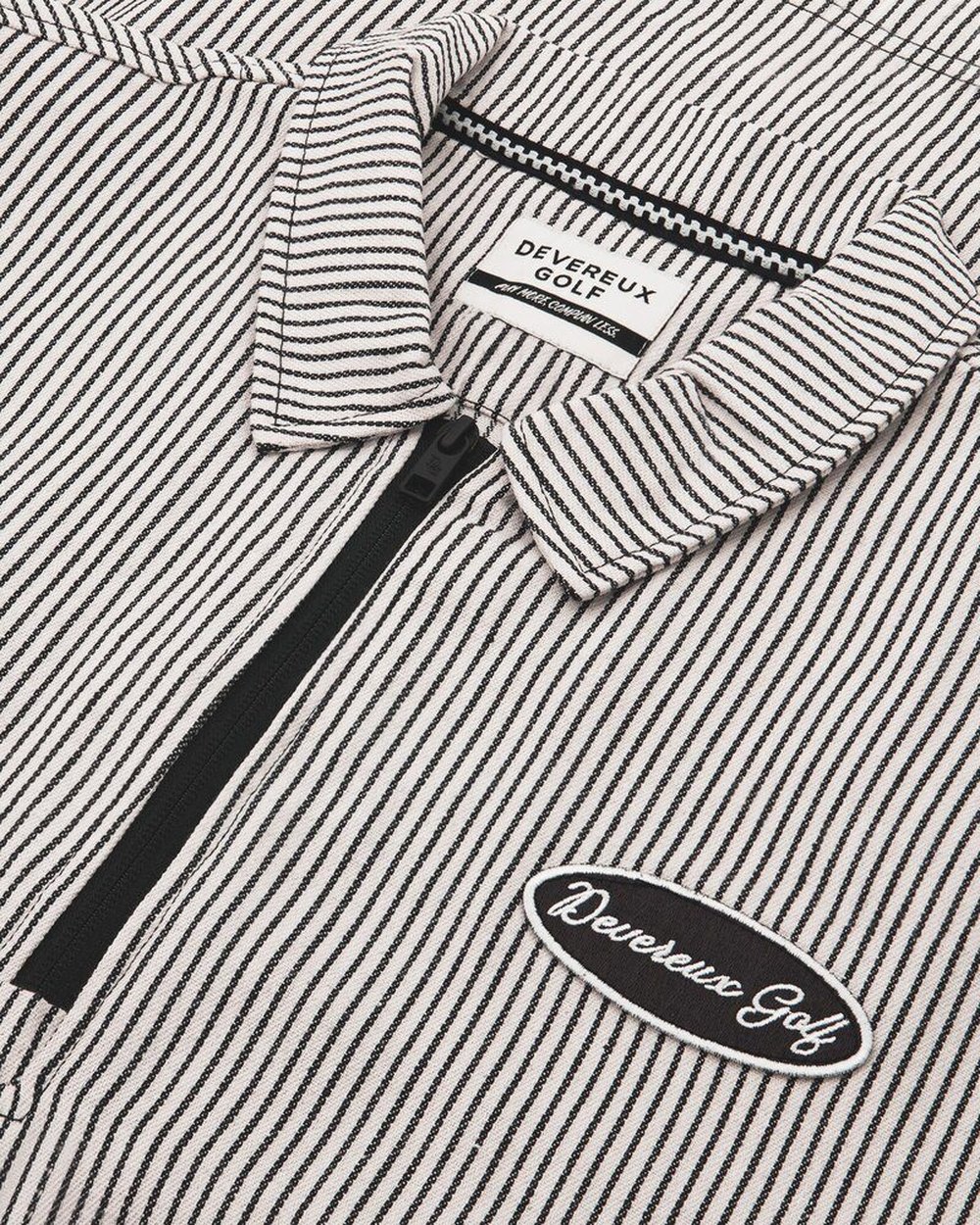
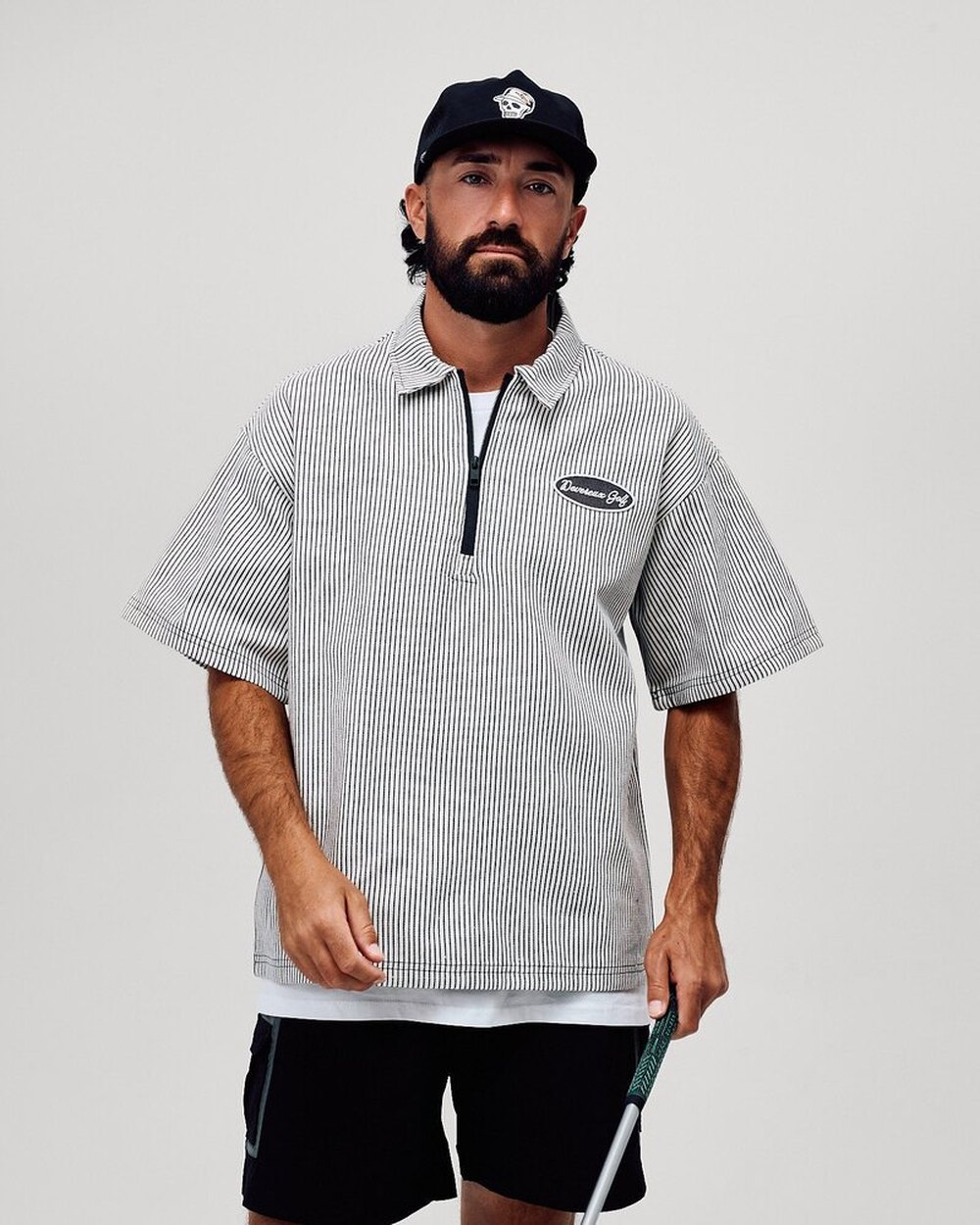
| Devereux Golf | “What can I wear?” | Printed polos and 90s windbreakers |
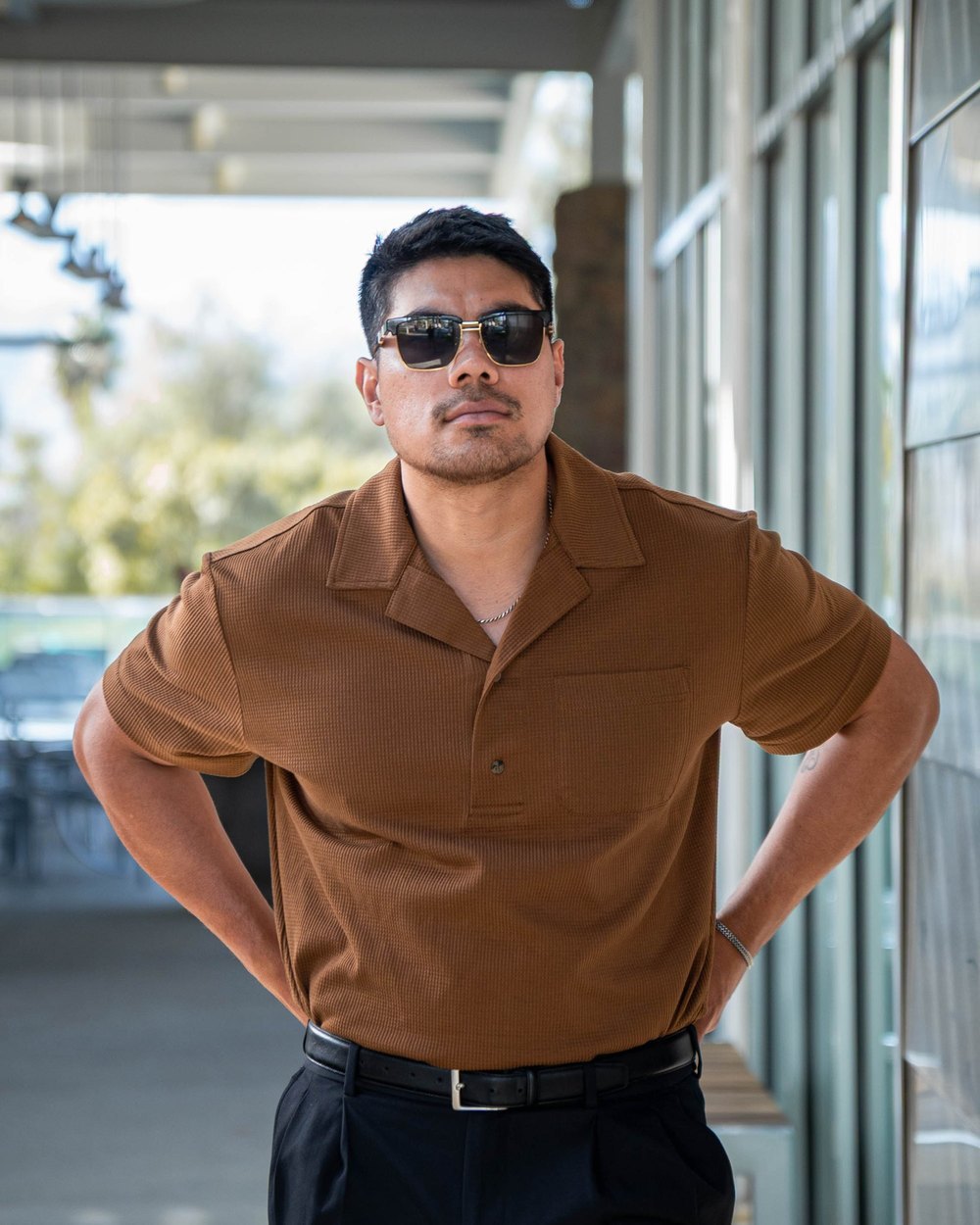
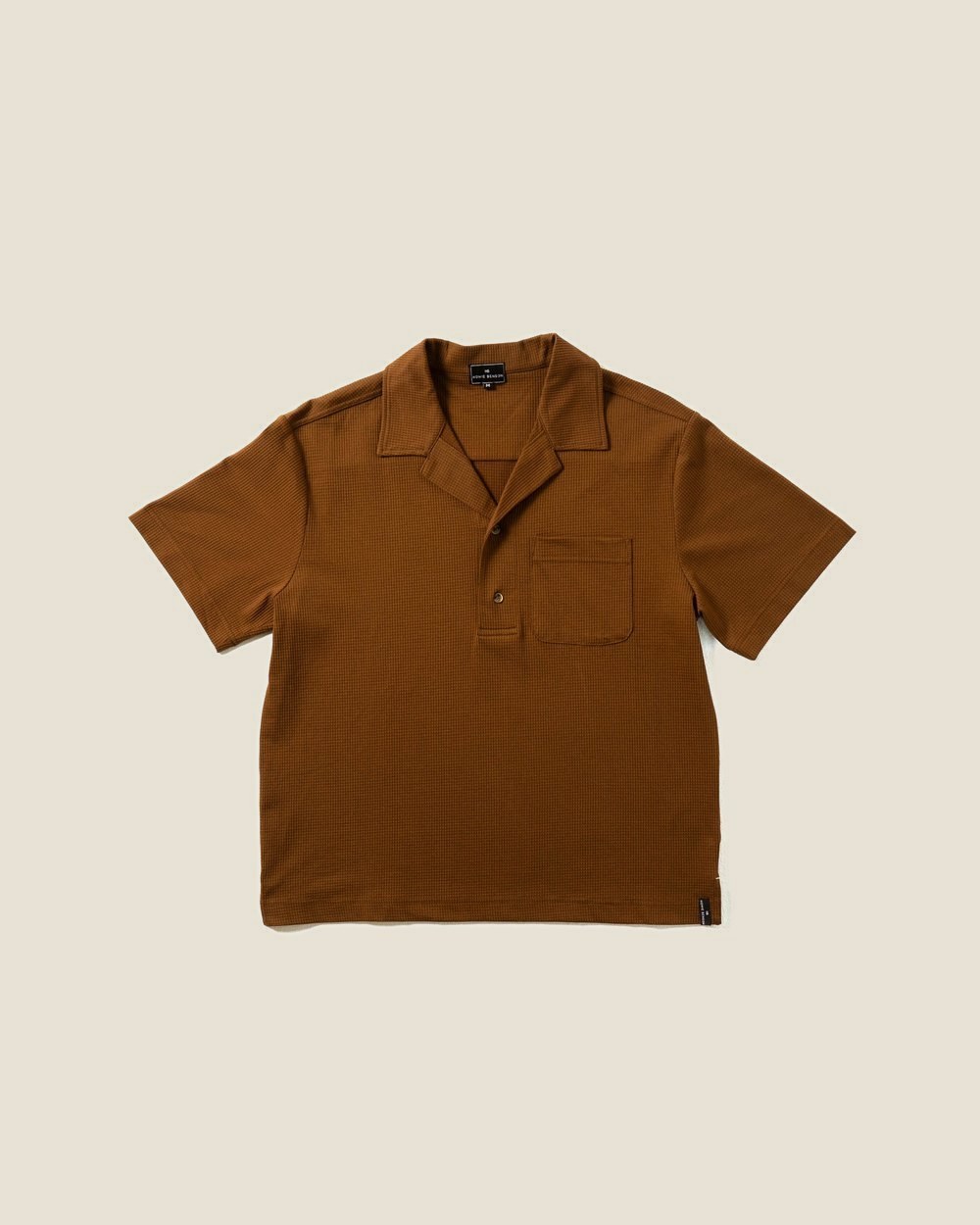
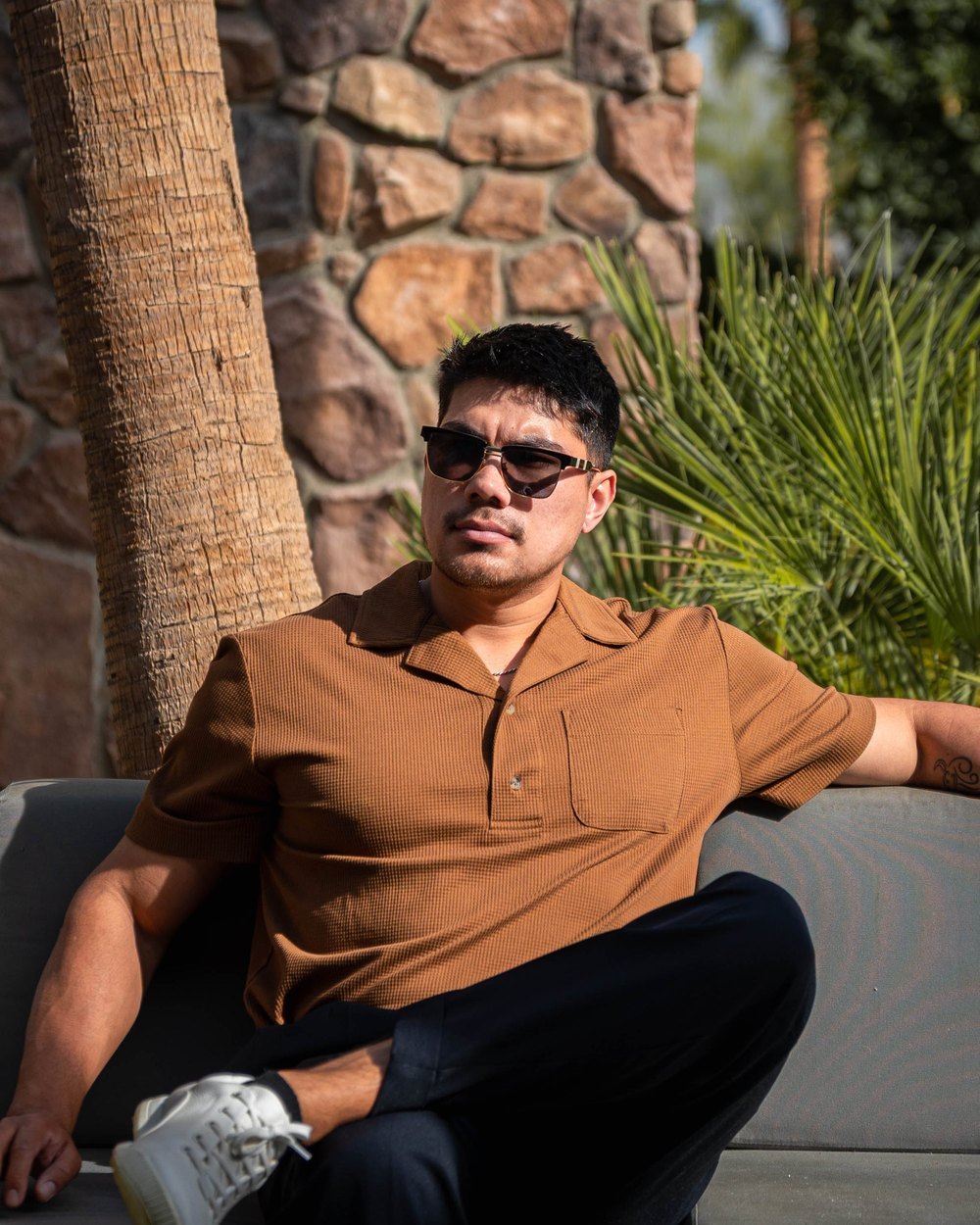
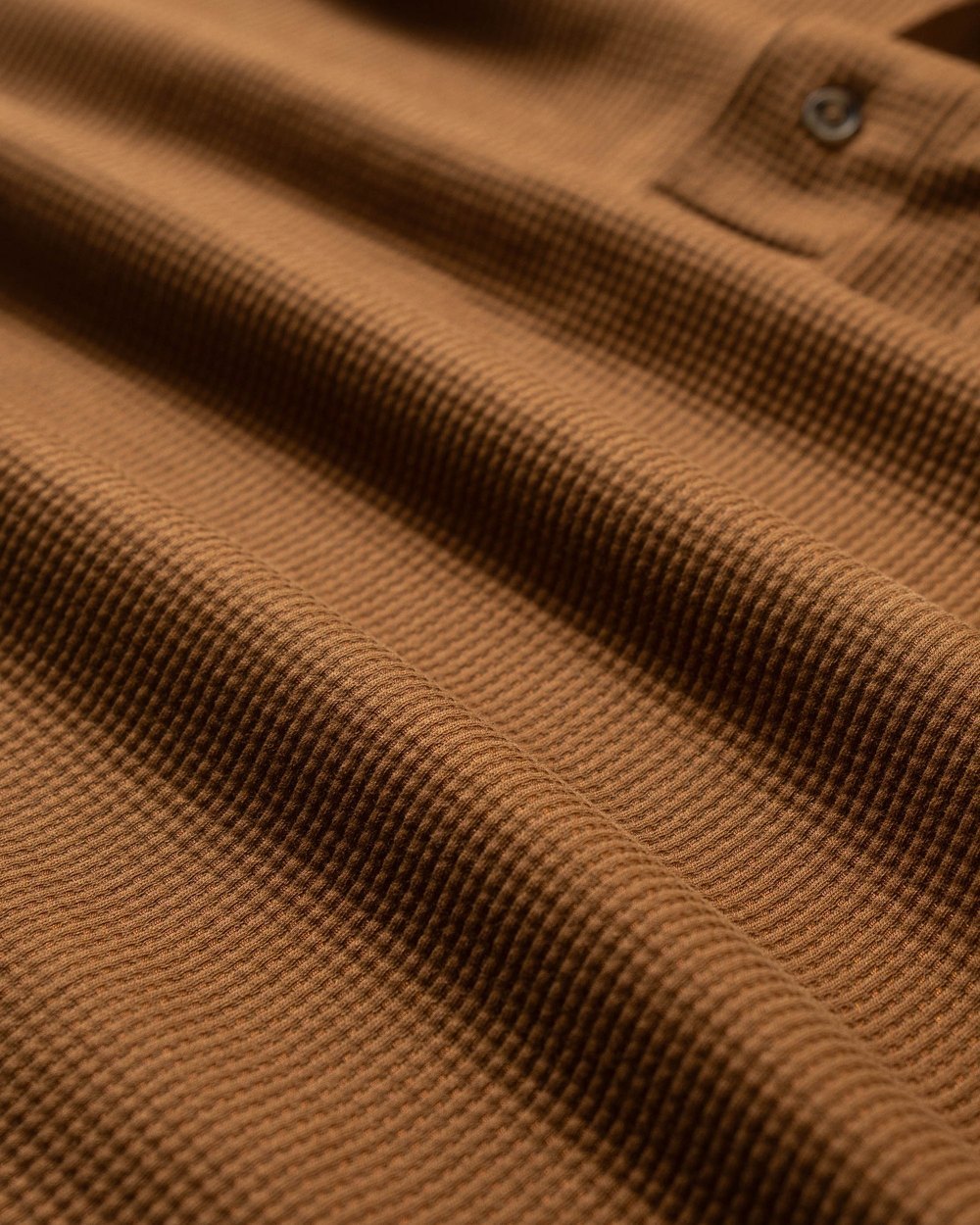
| Howie Benson | “What we were looking for” | Resort-collar polos |
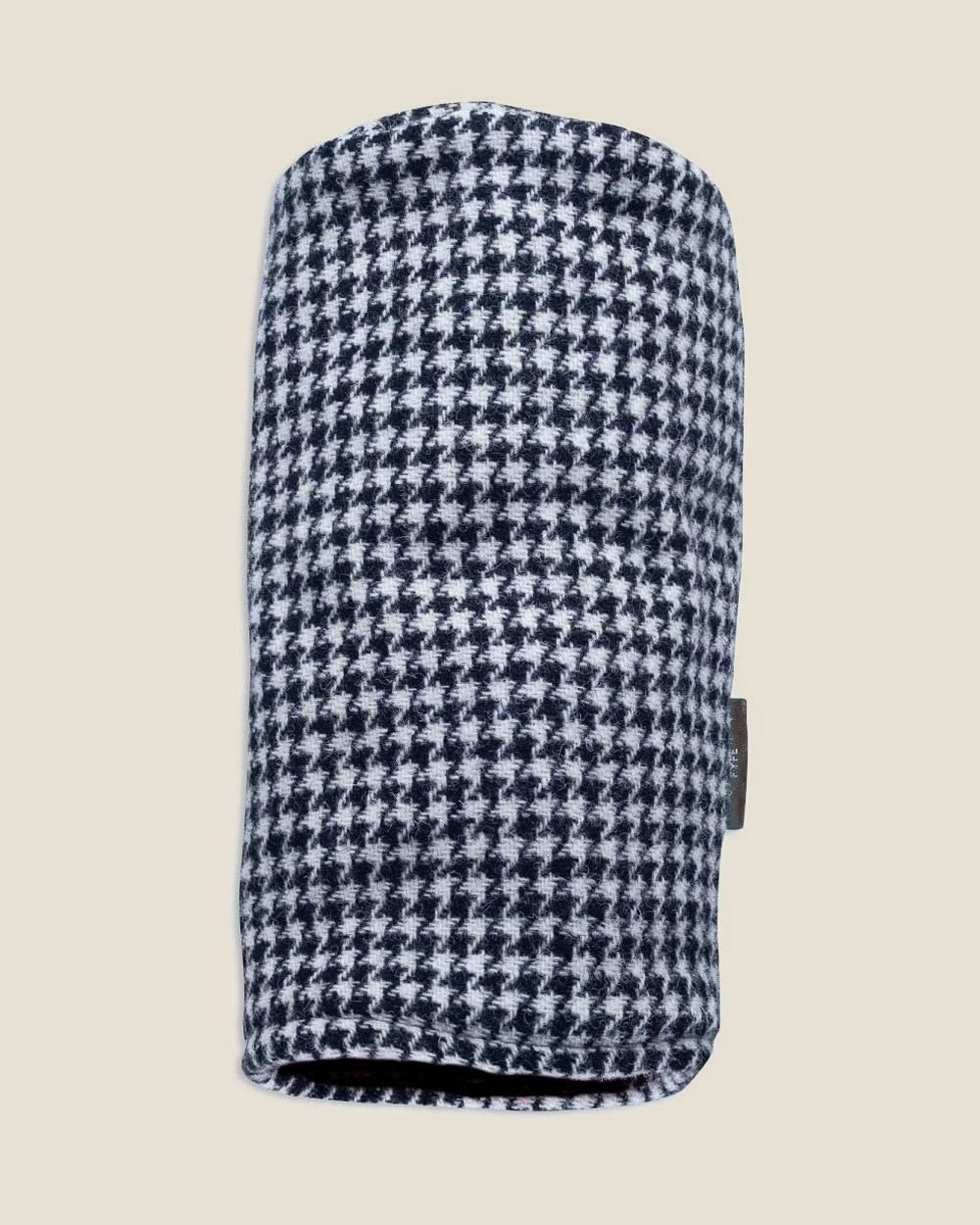
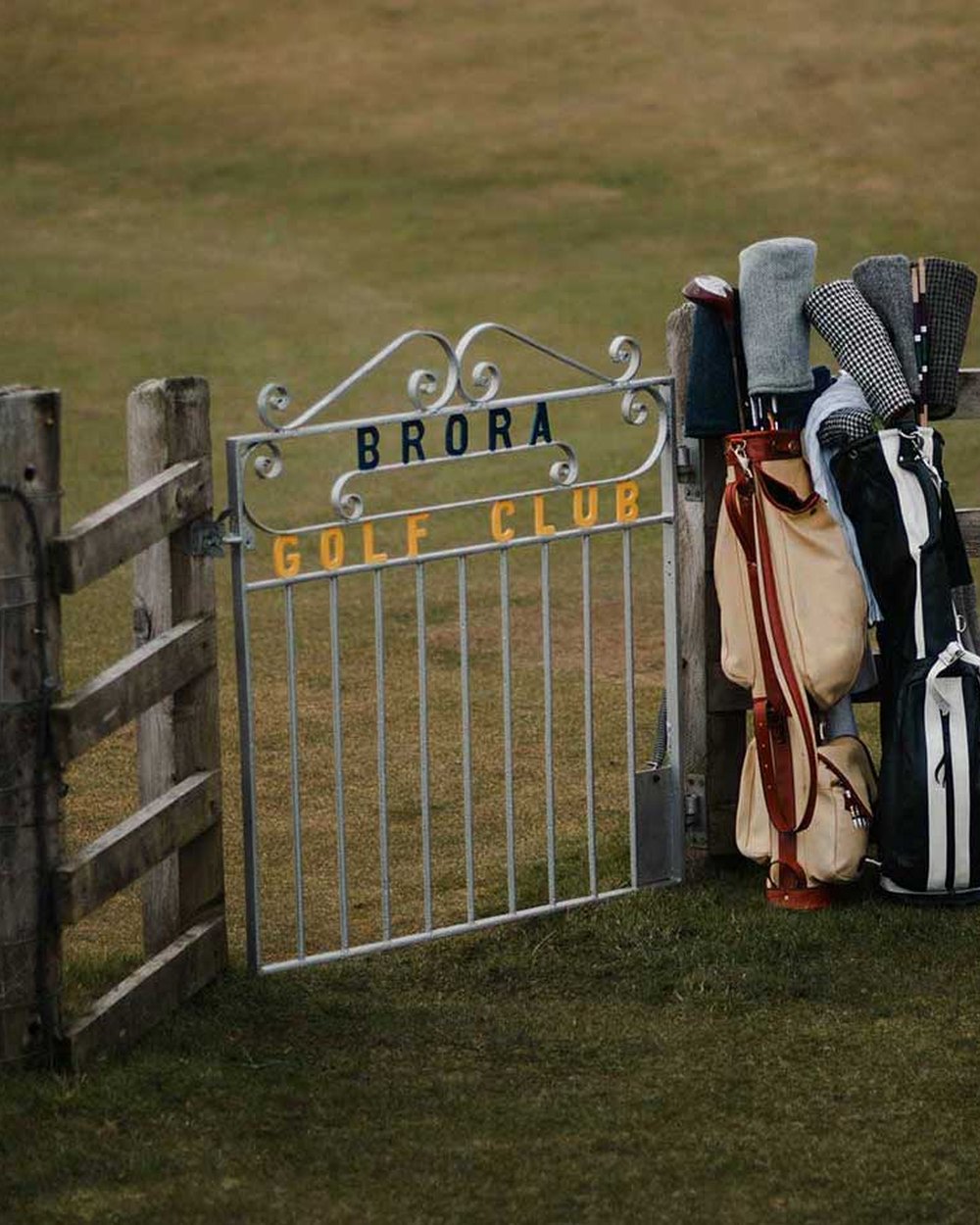
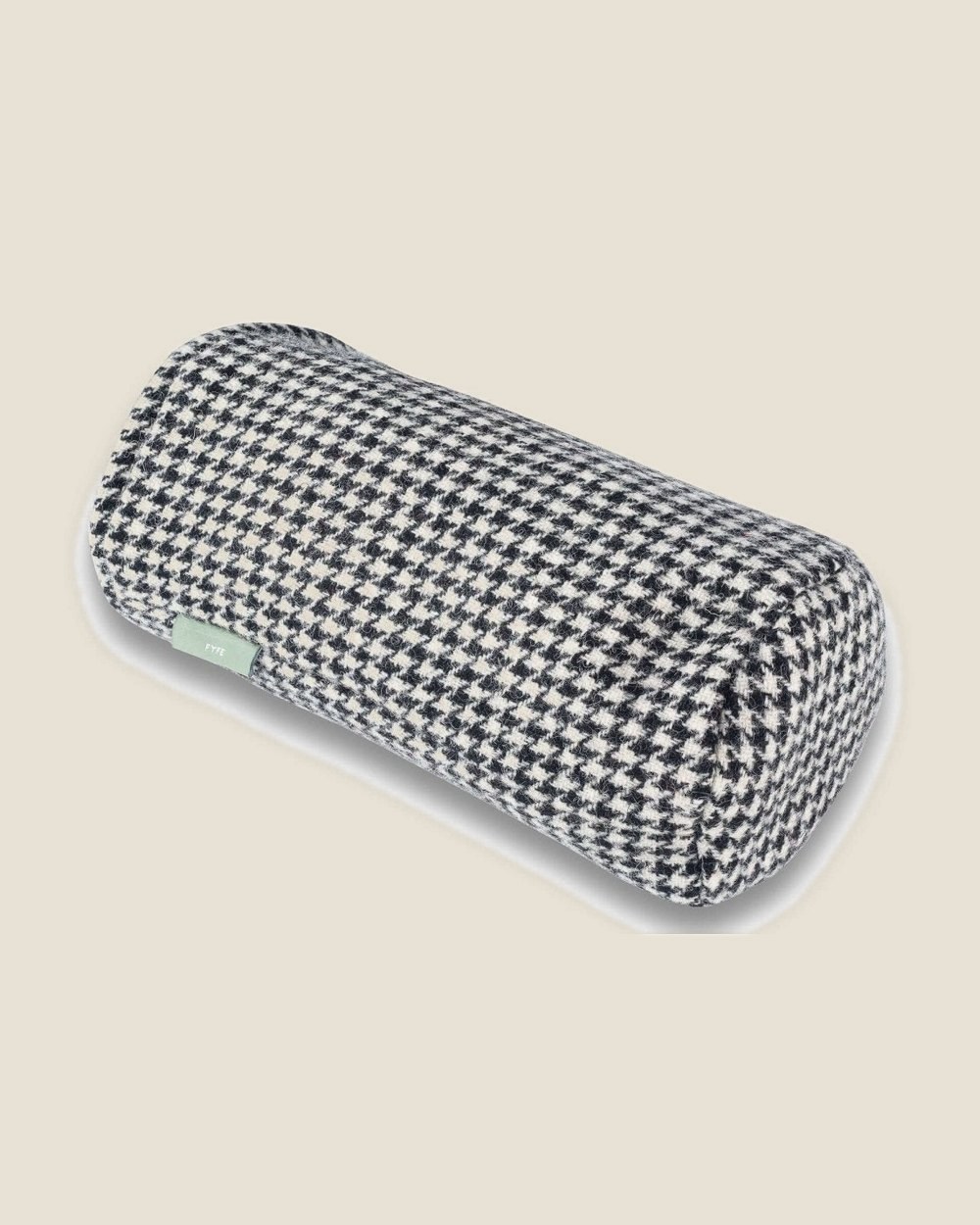
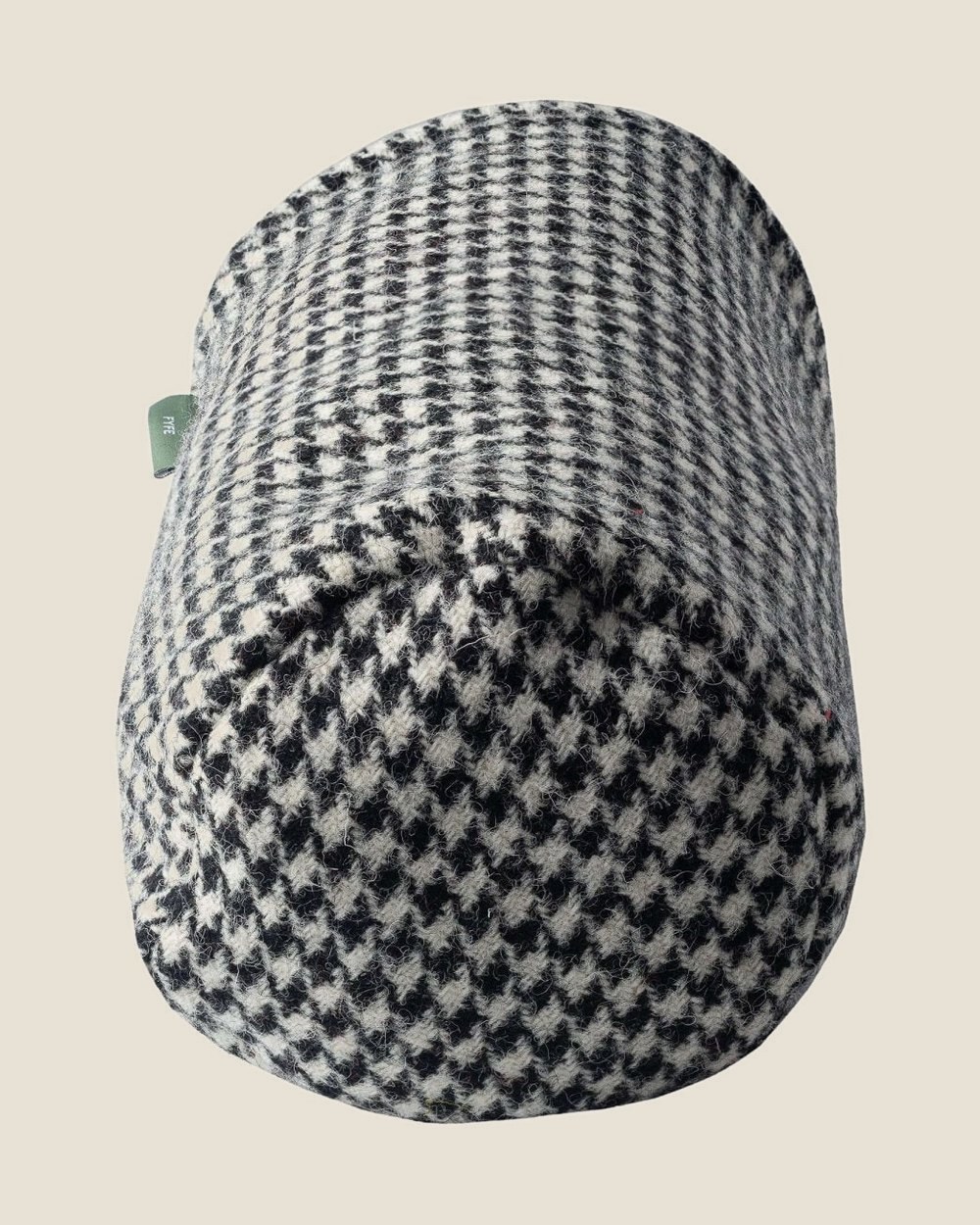
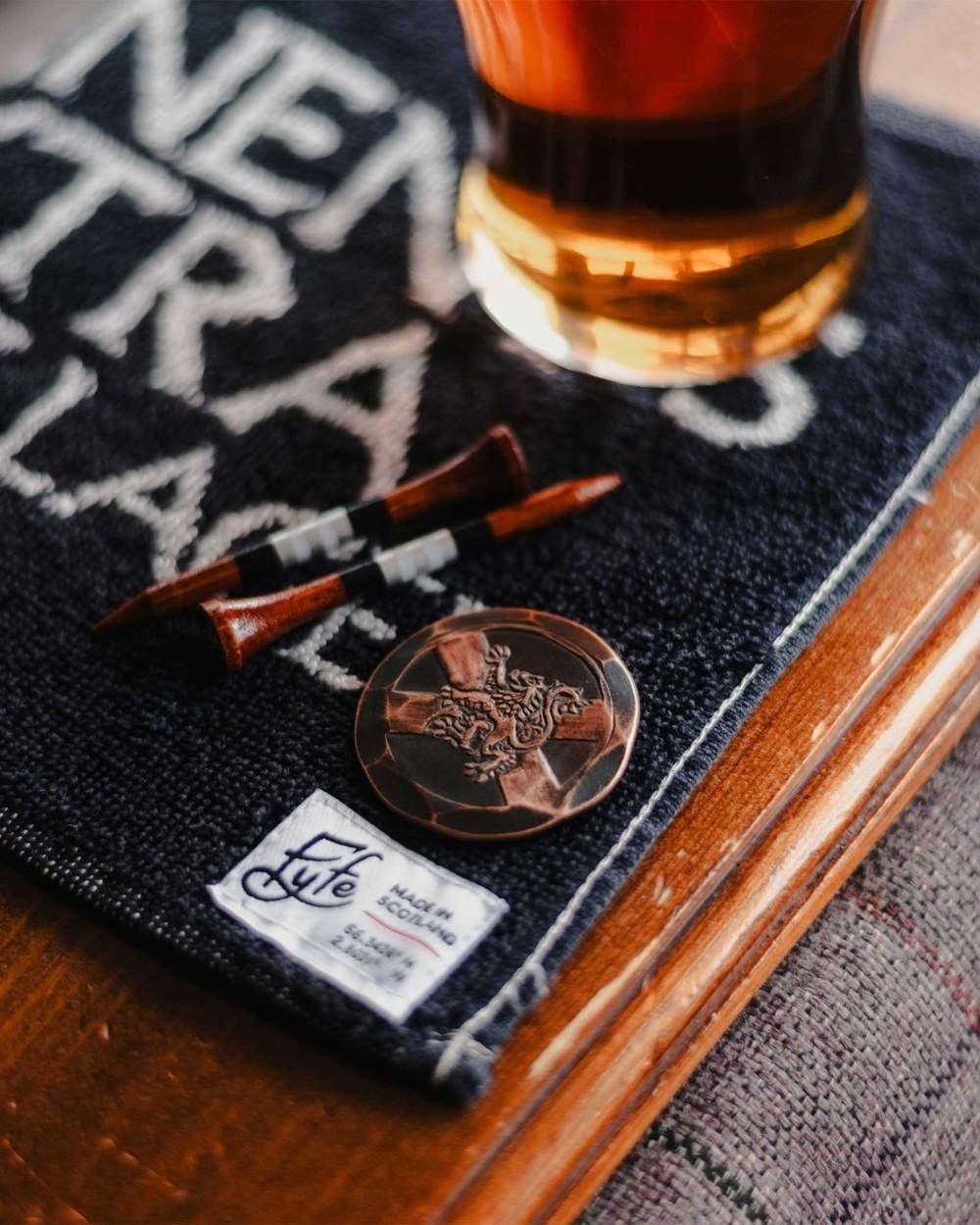
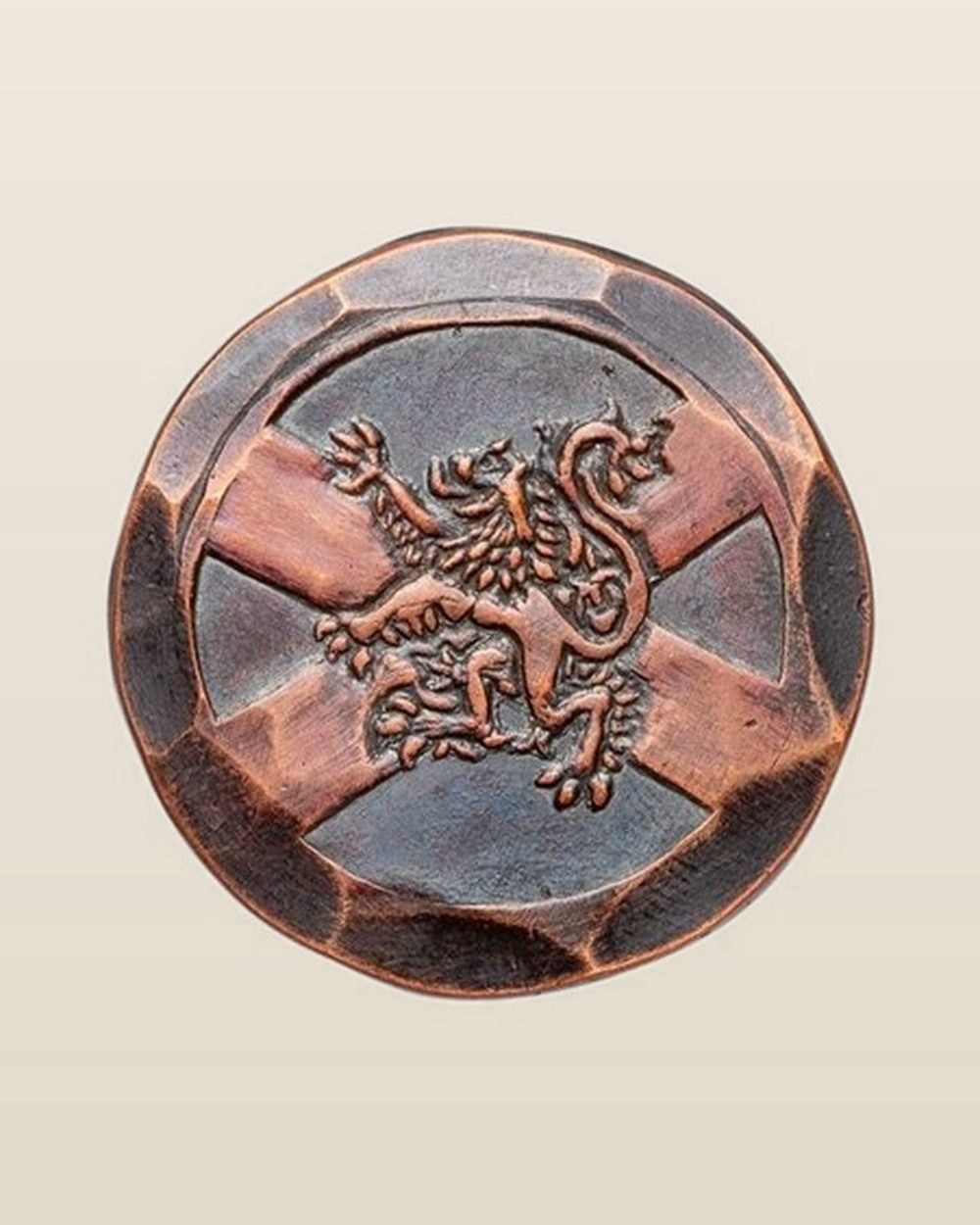
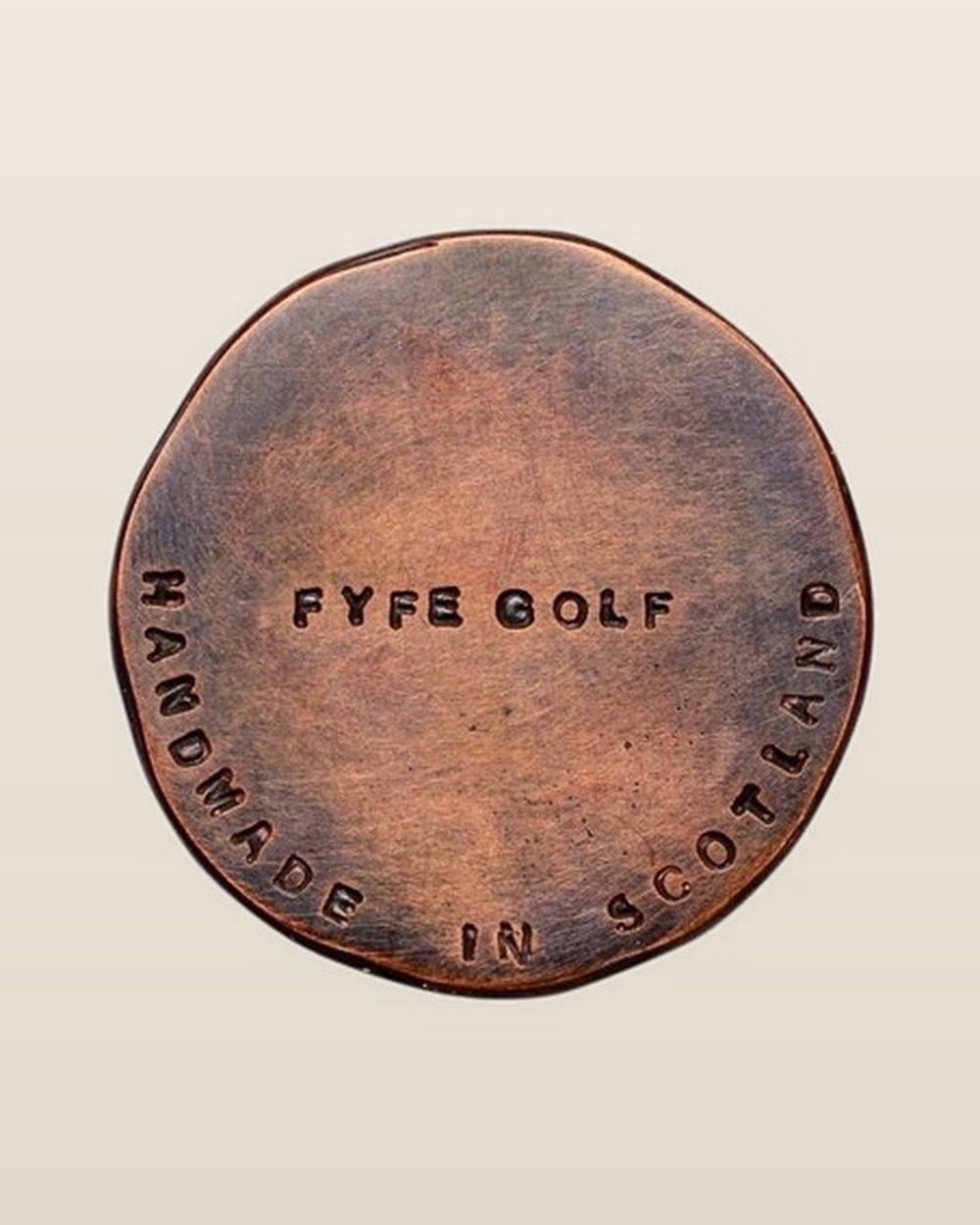
| Fyfe Golf | Heritage and provenance | Harris Tweed made in Scotland |
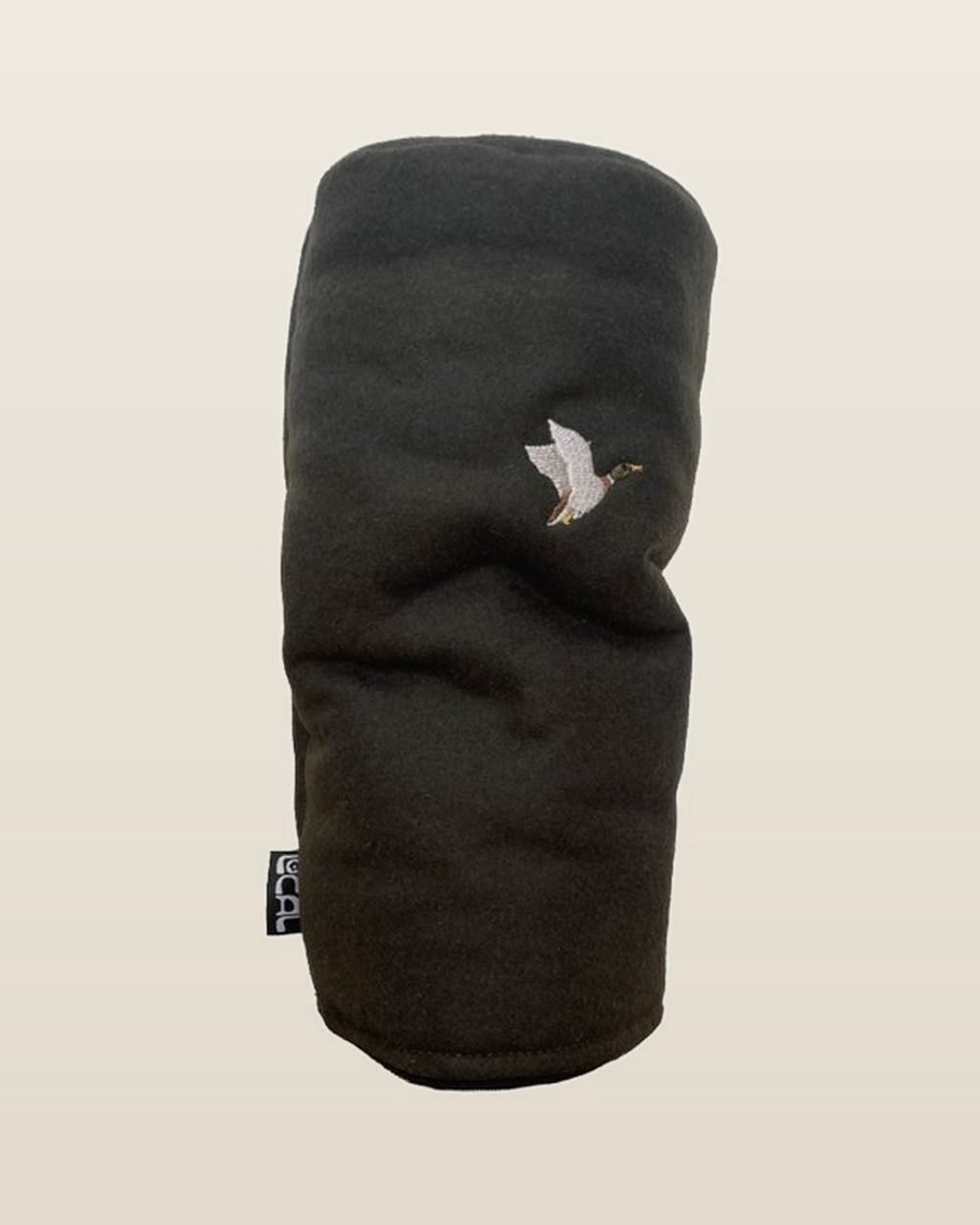
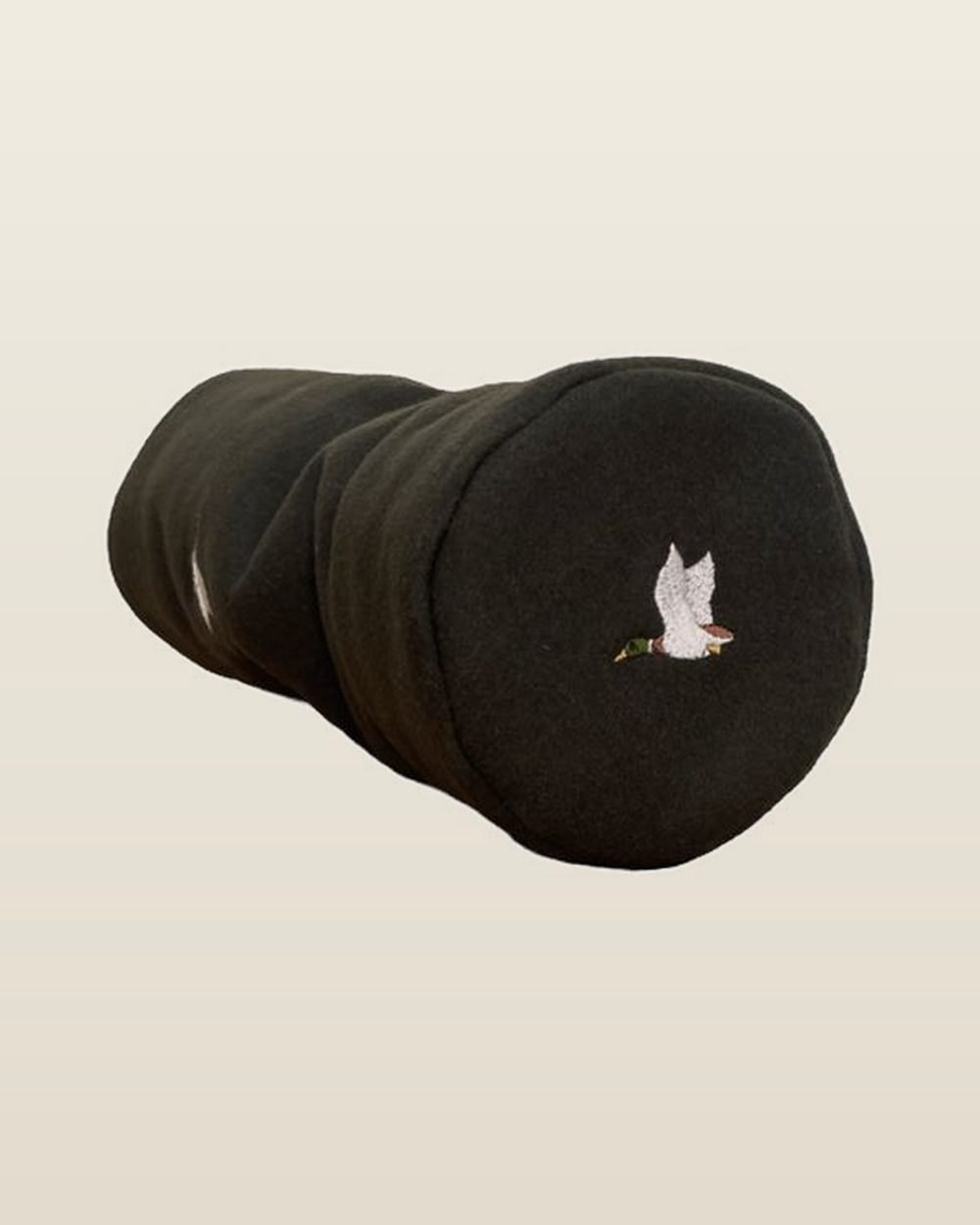
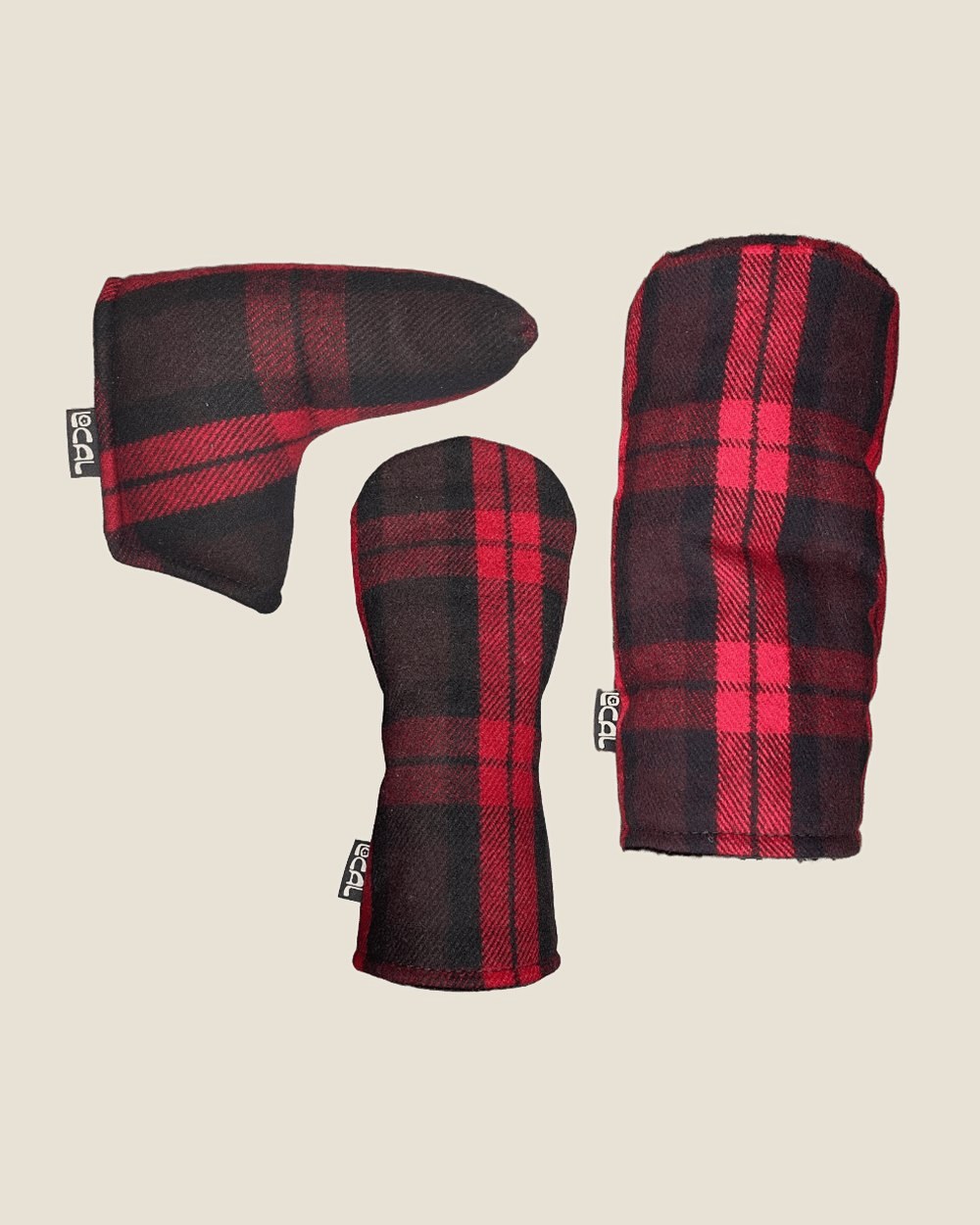
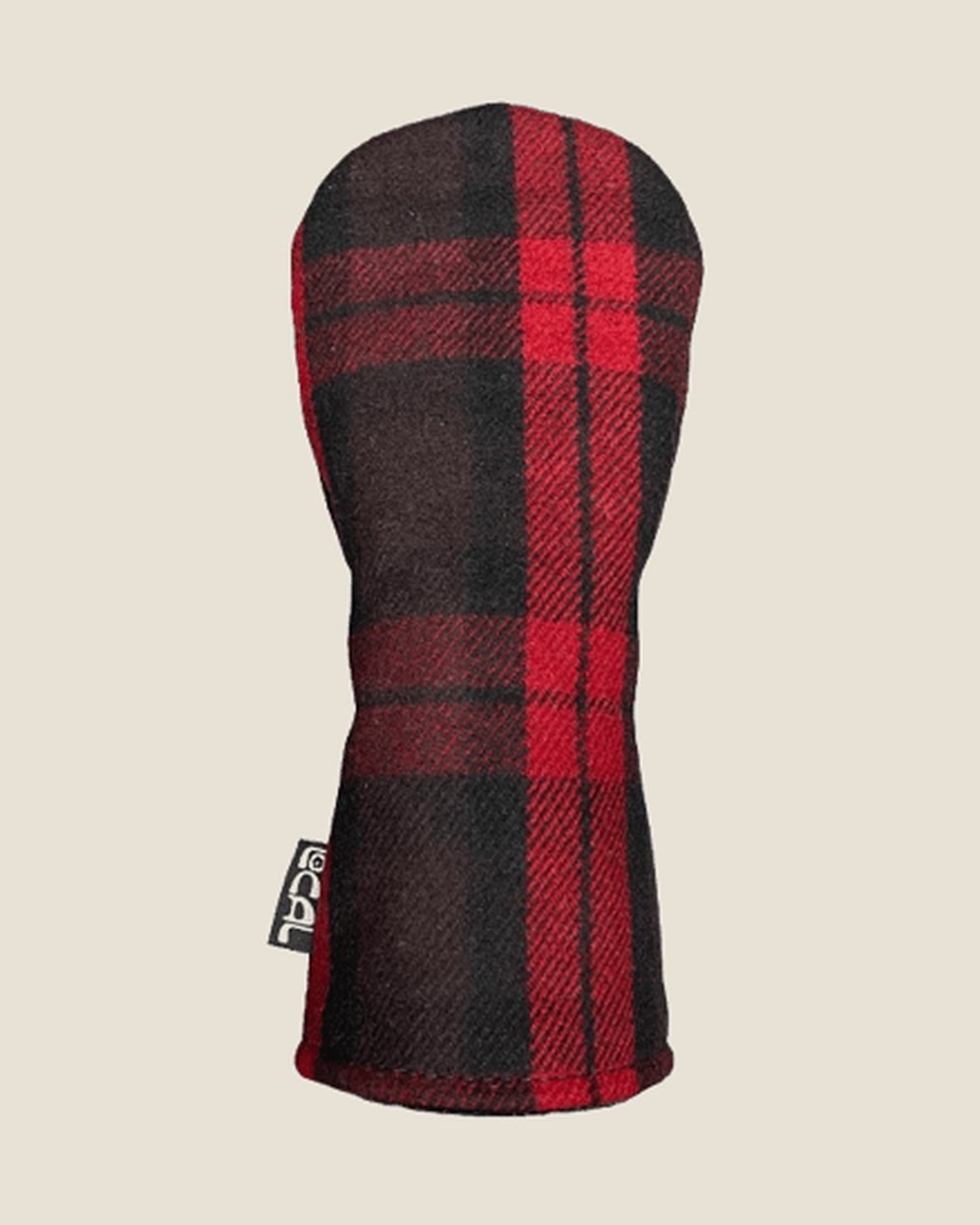
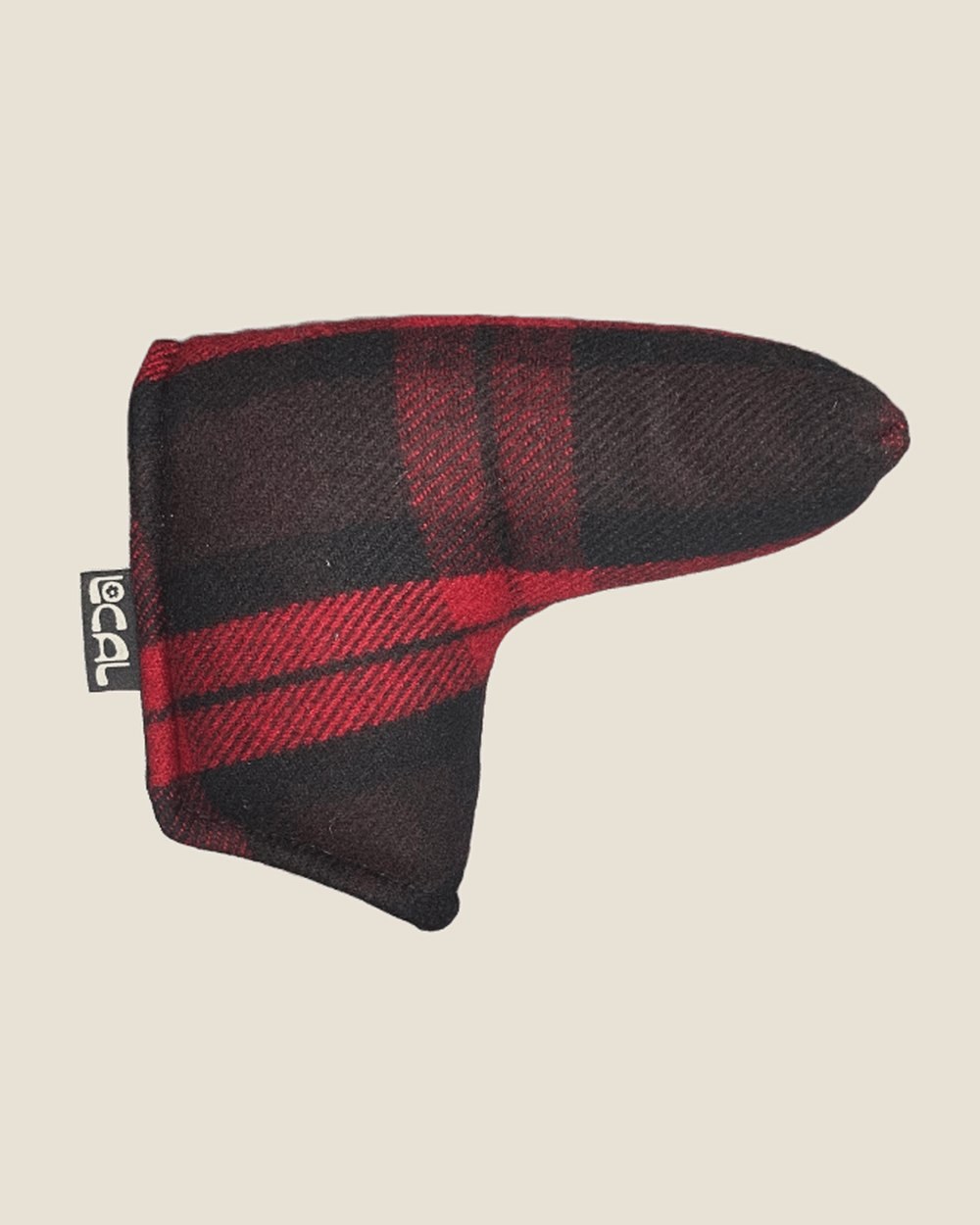
| Local GC | Locally made headcovers | One-man-workshop covers, made to order |
| Left of Field Golf | Not out of place in the pro shop | Clean Australian layers |
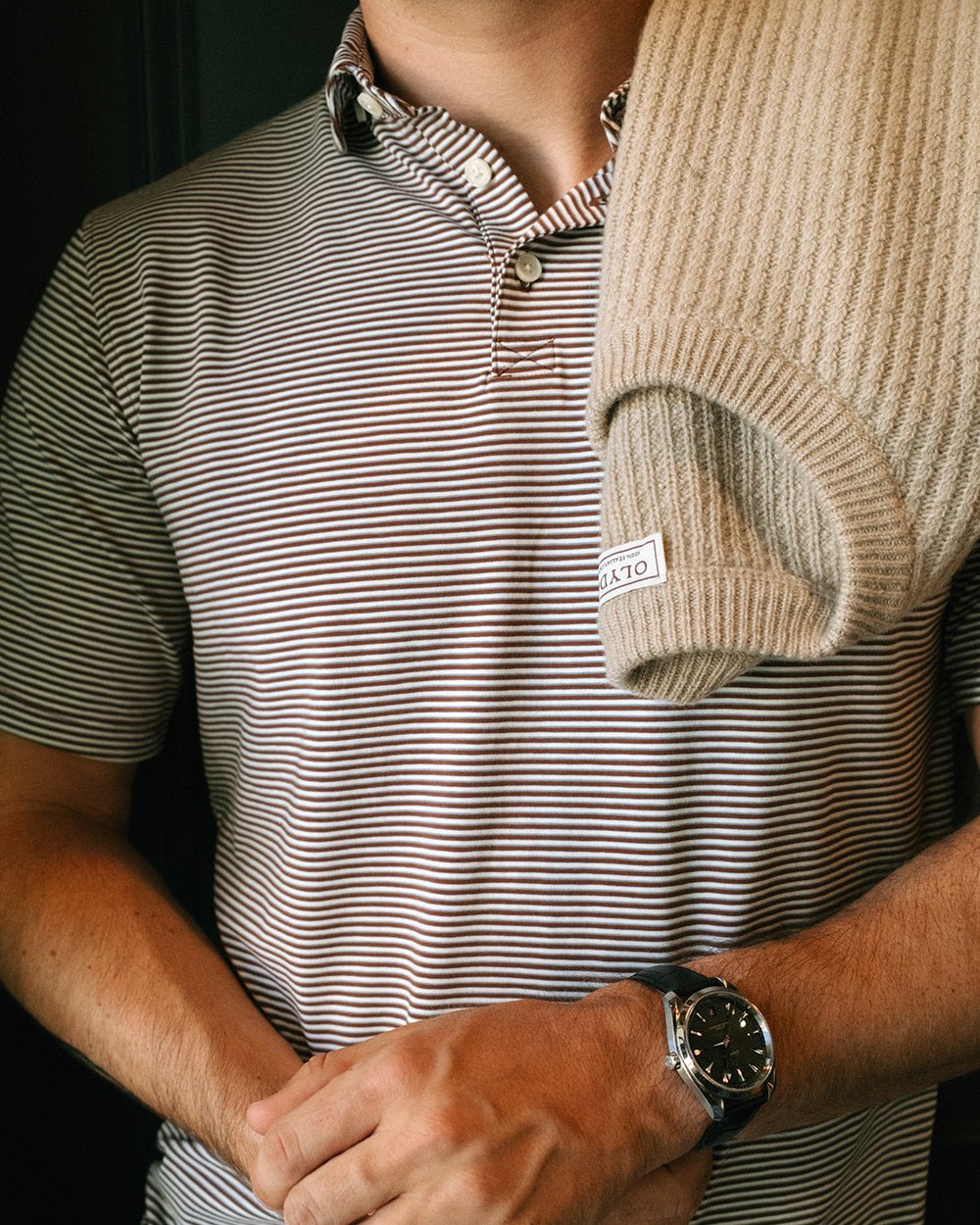
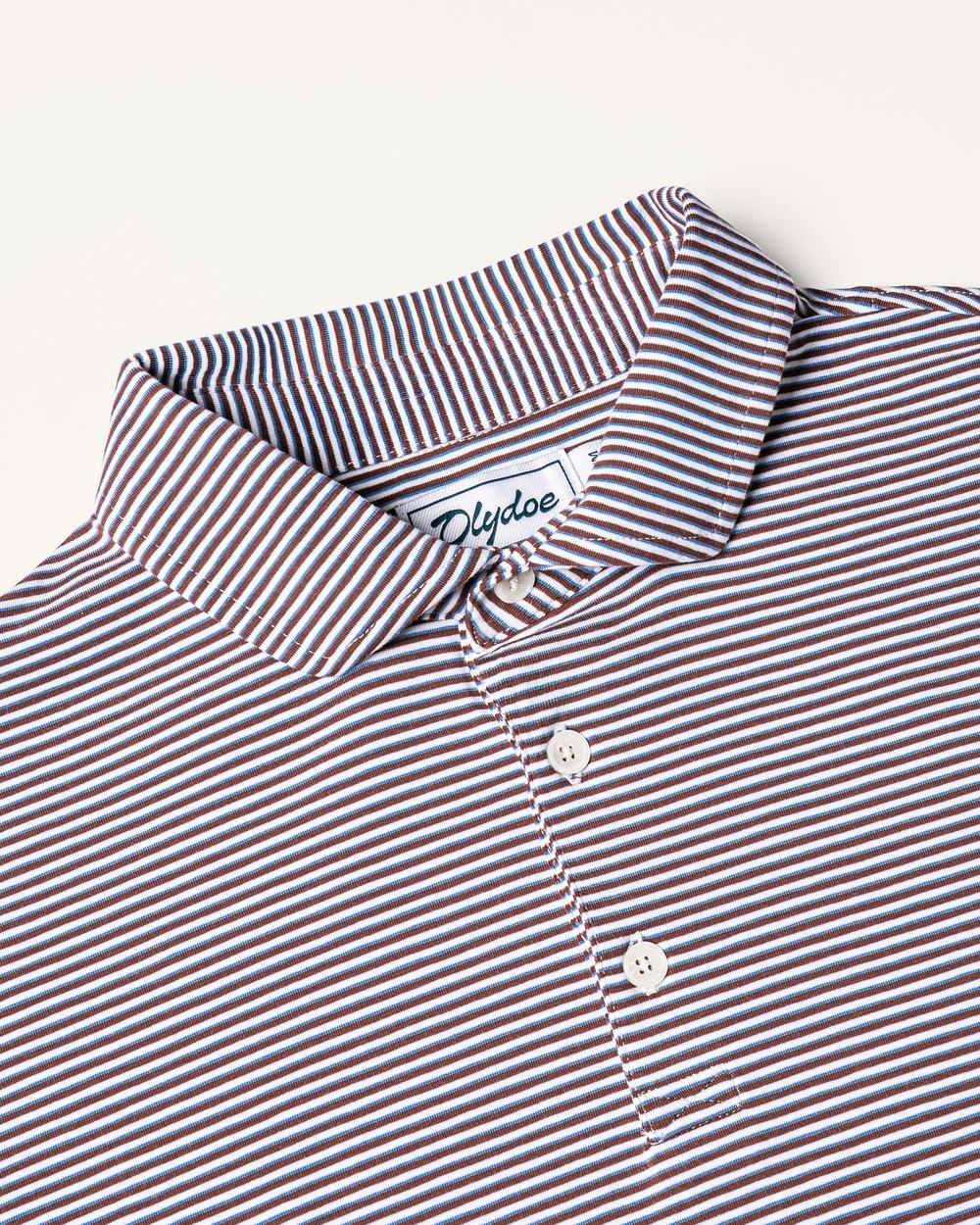
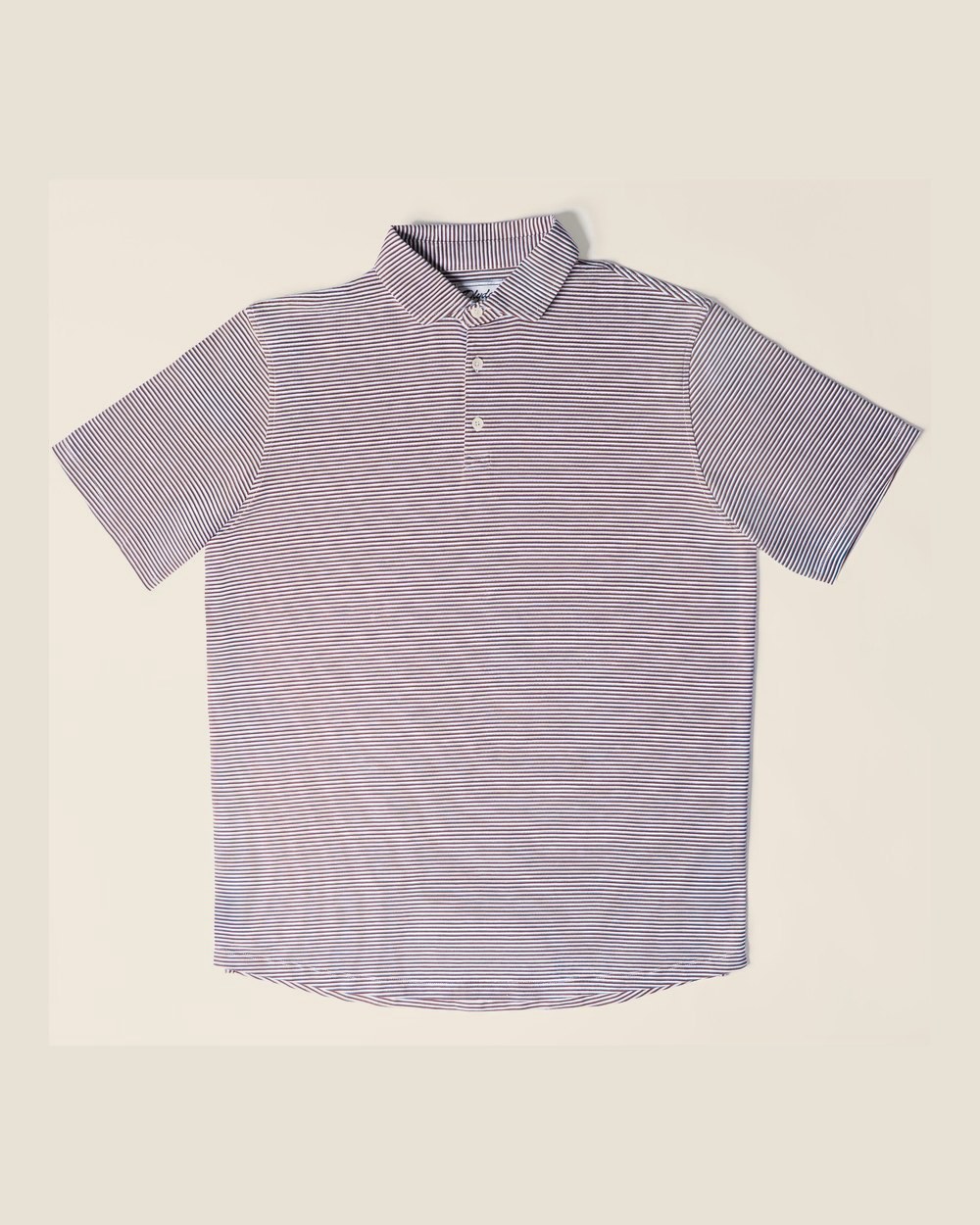
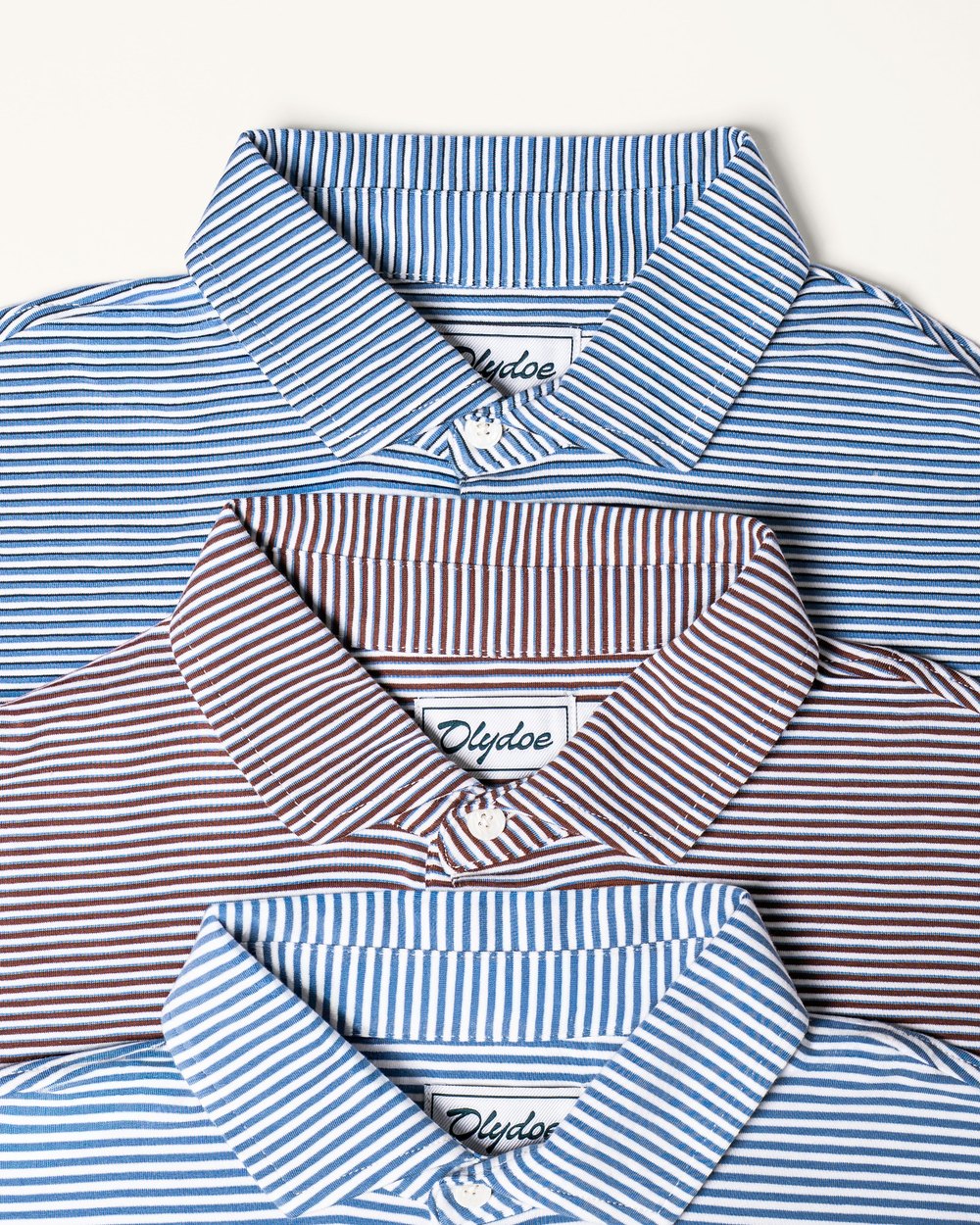
| Olydoe | A cotton golf polo | Supima and linen, no polyester |
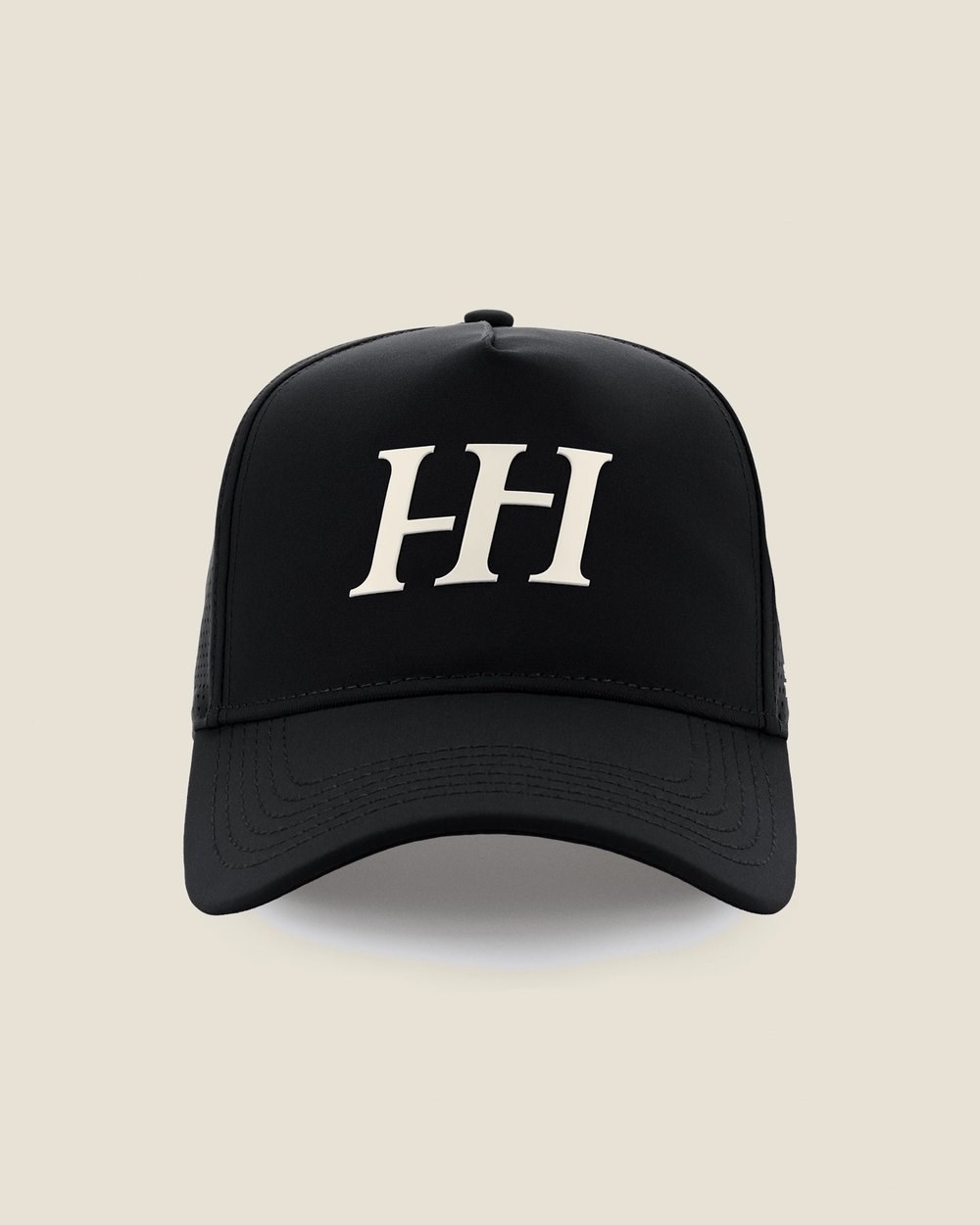
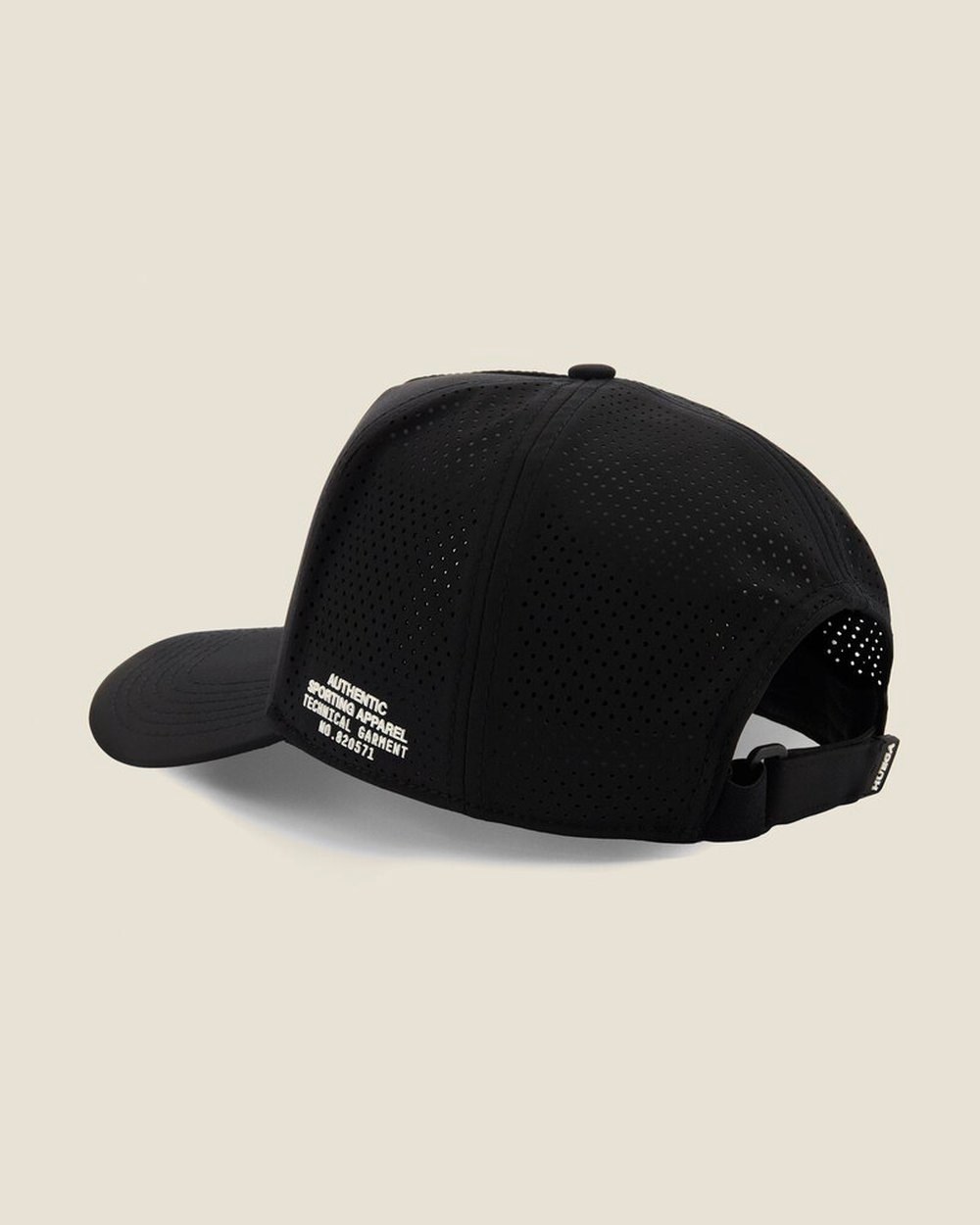
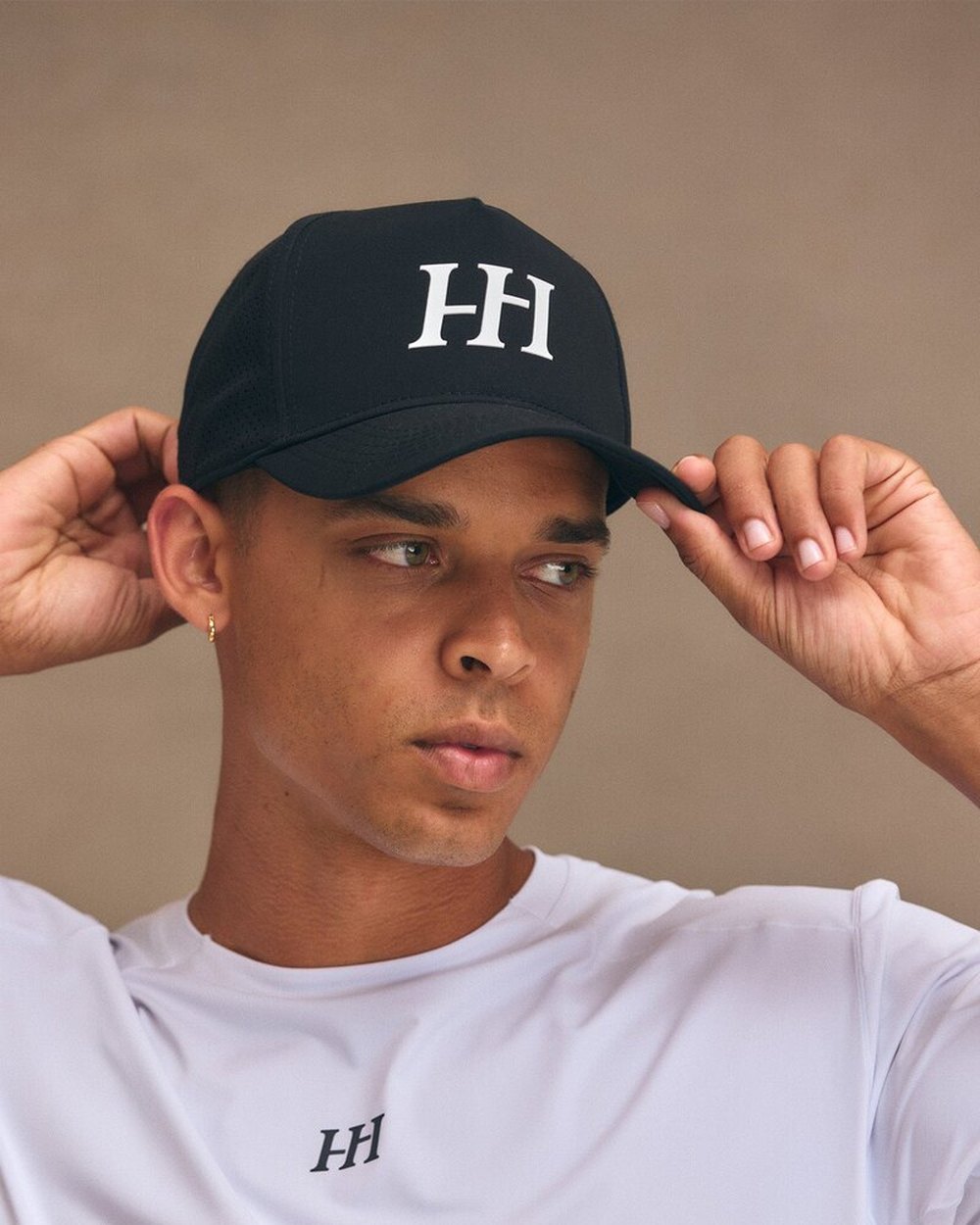
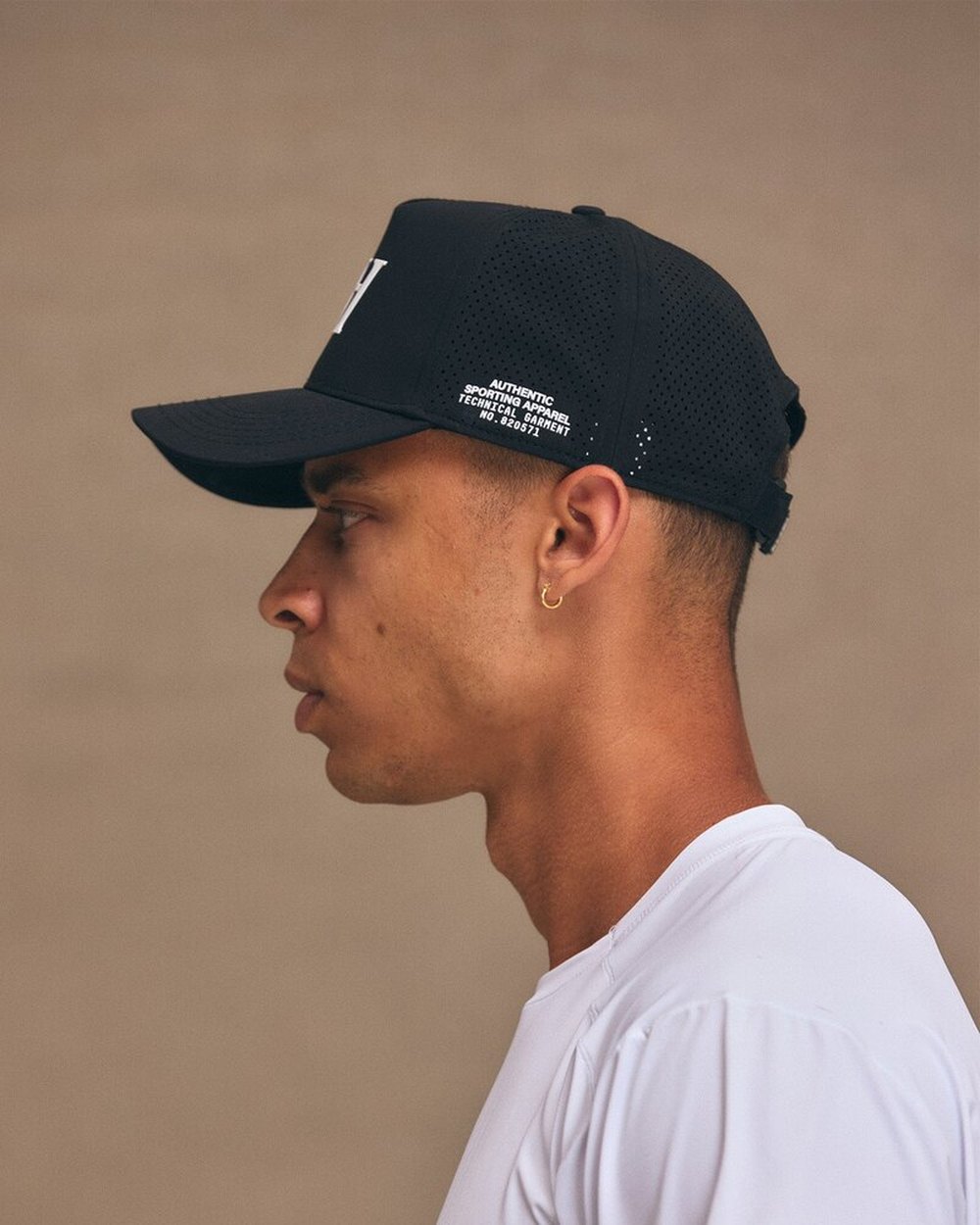
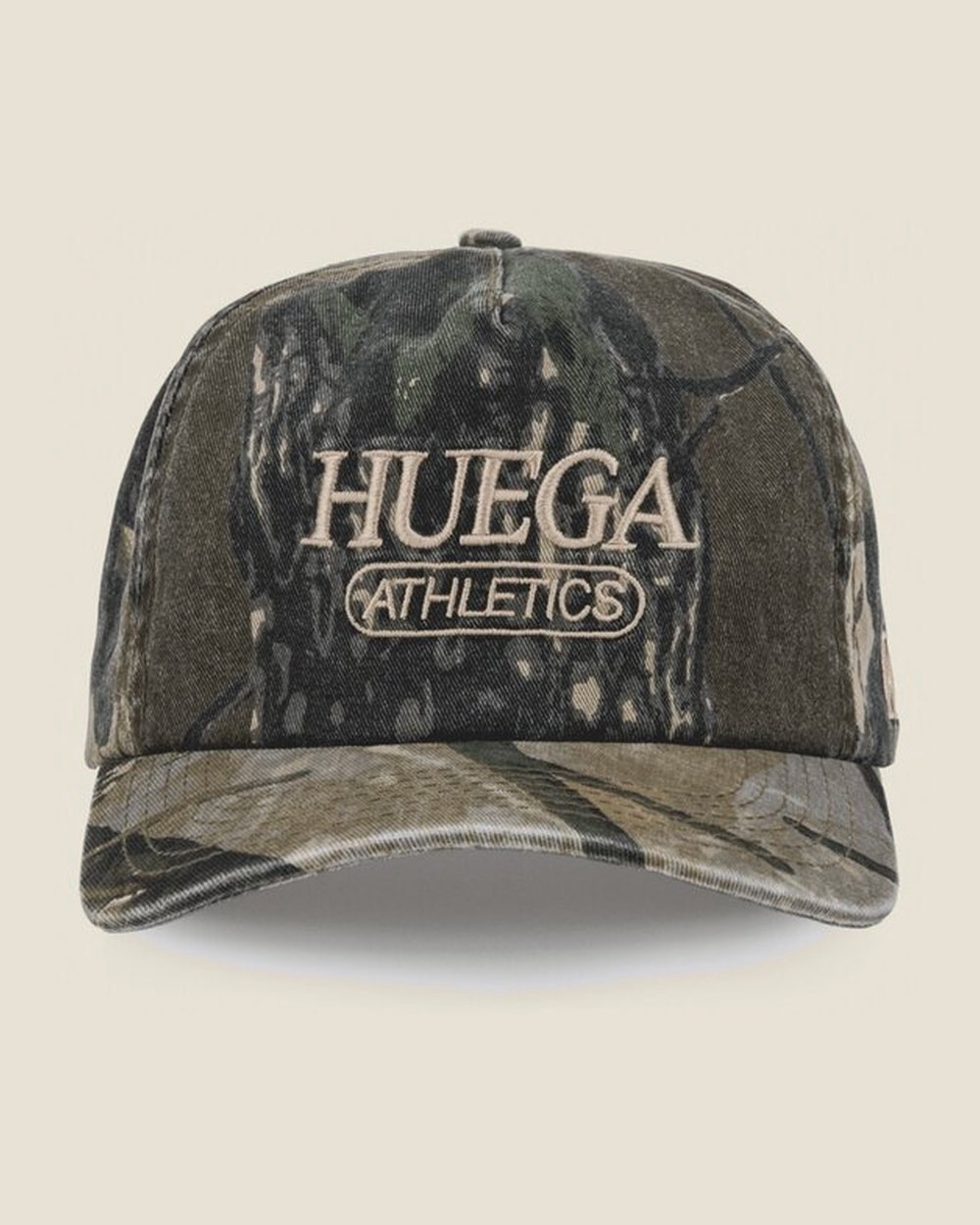
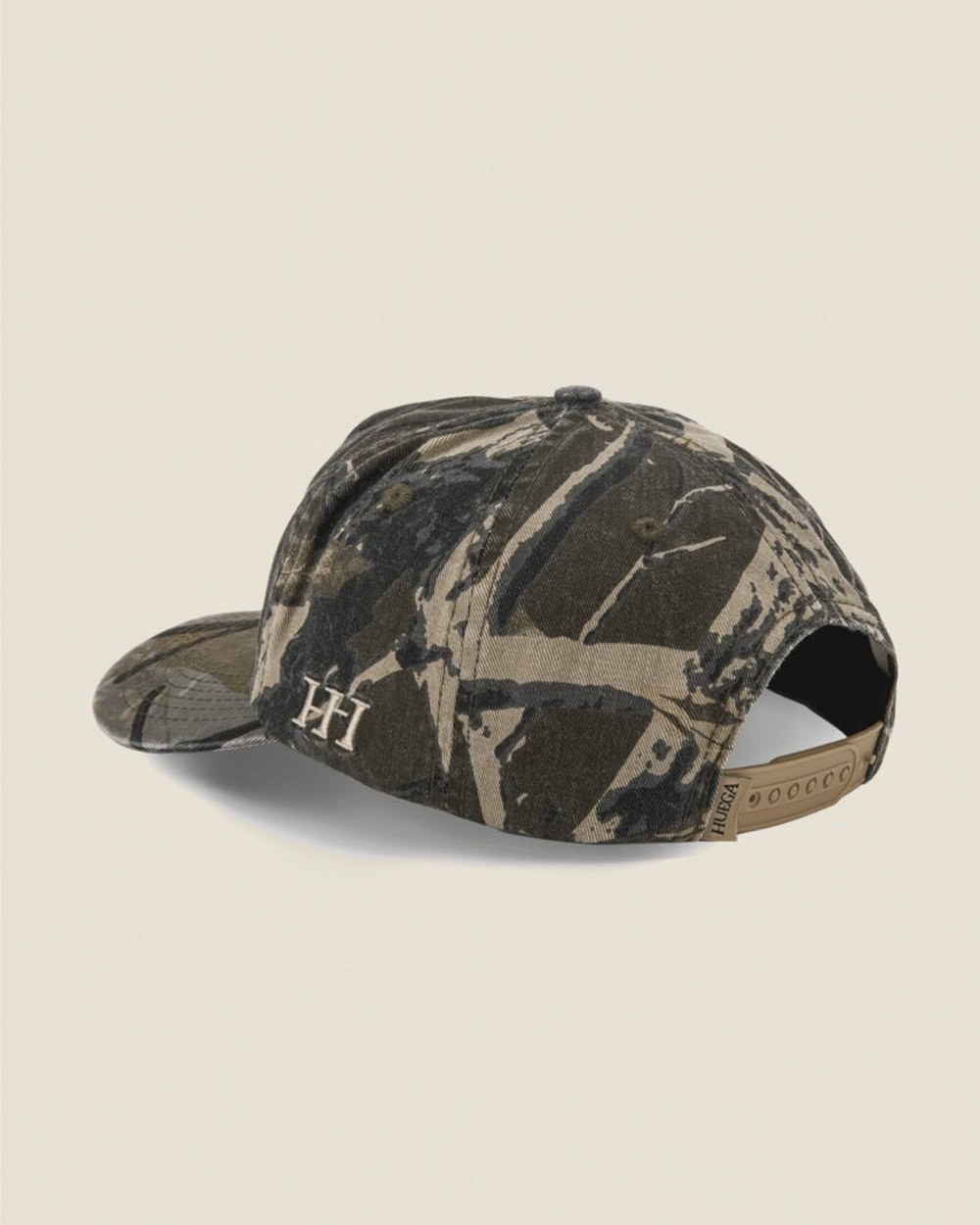
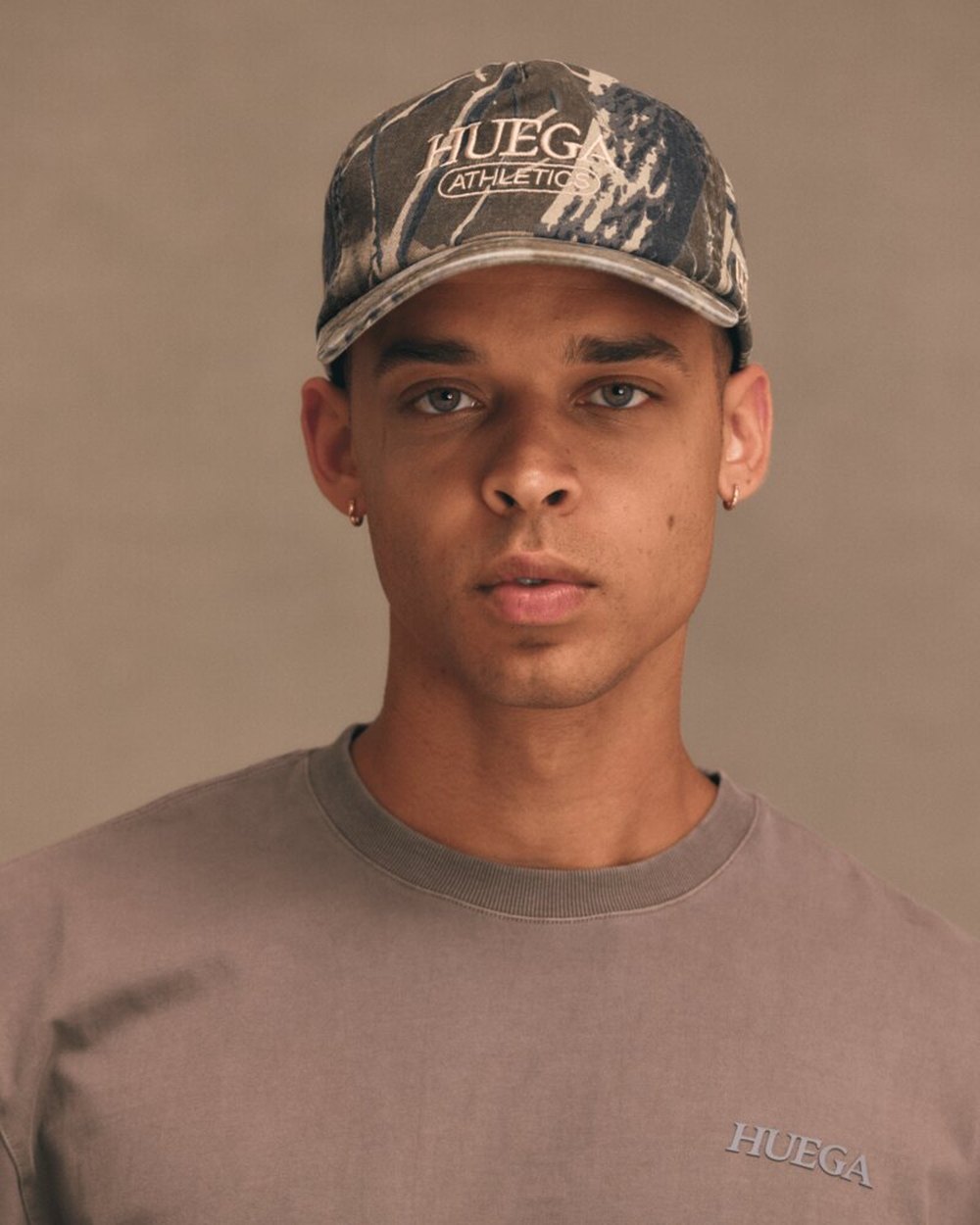
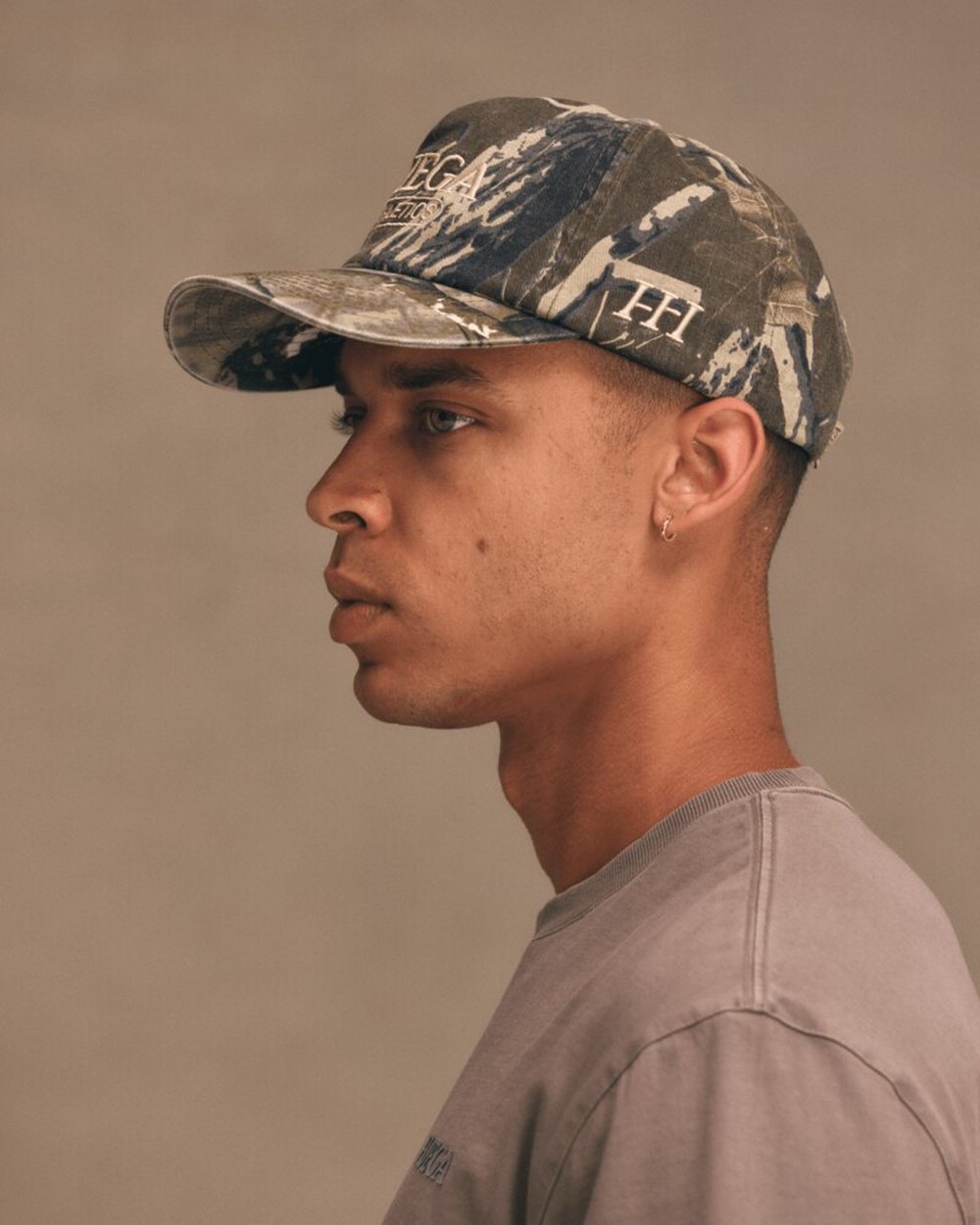
| Huega House | A hat that fit | Hats, then everything else |
Nine picks · 1962 to 2011Long before it was a pitch-deck line, it was a golfer with knitting needles, a California polo, two college roommates with one belt each, a grandfather’s shirt and a worn-out headcover.
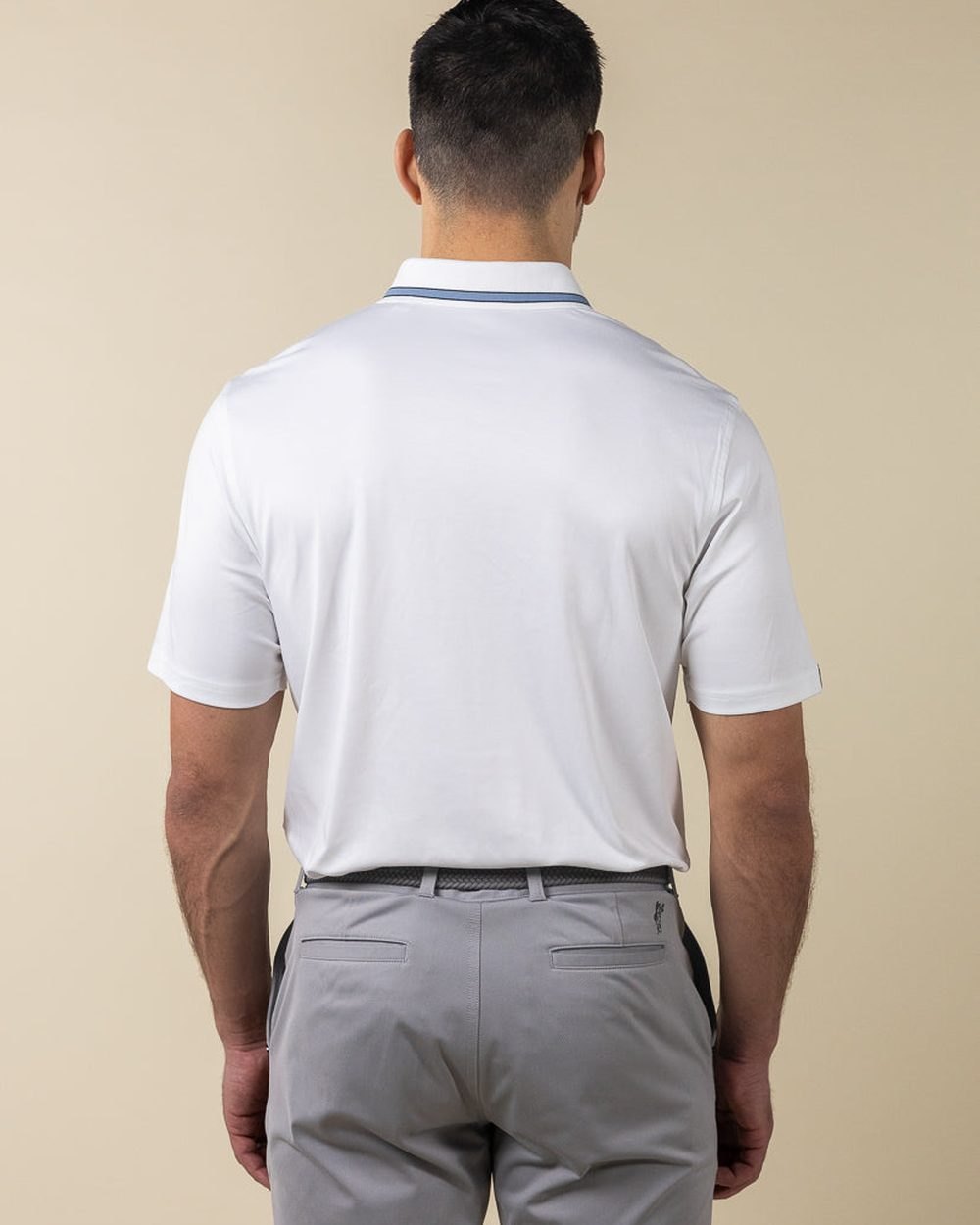
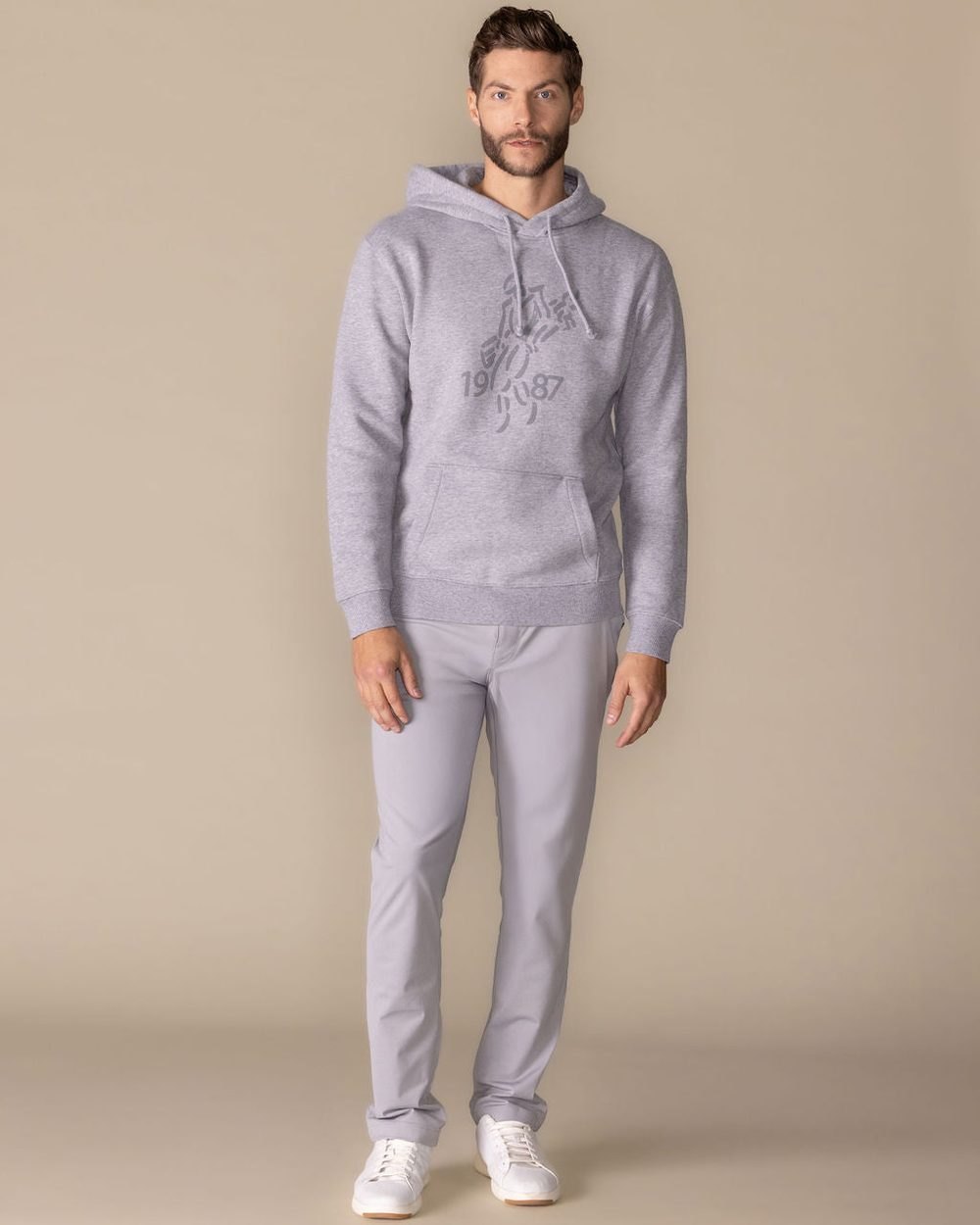
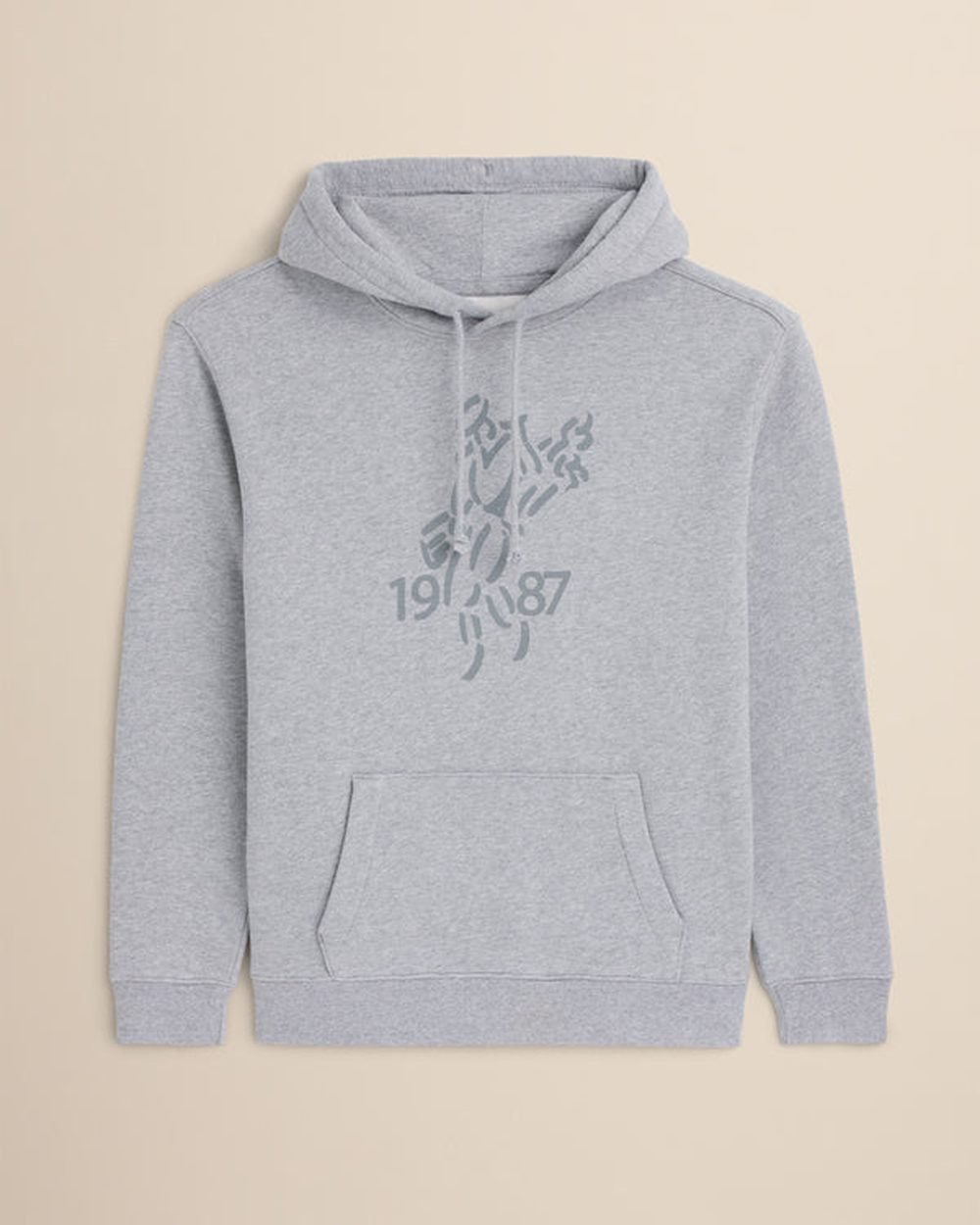
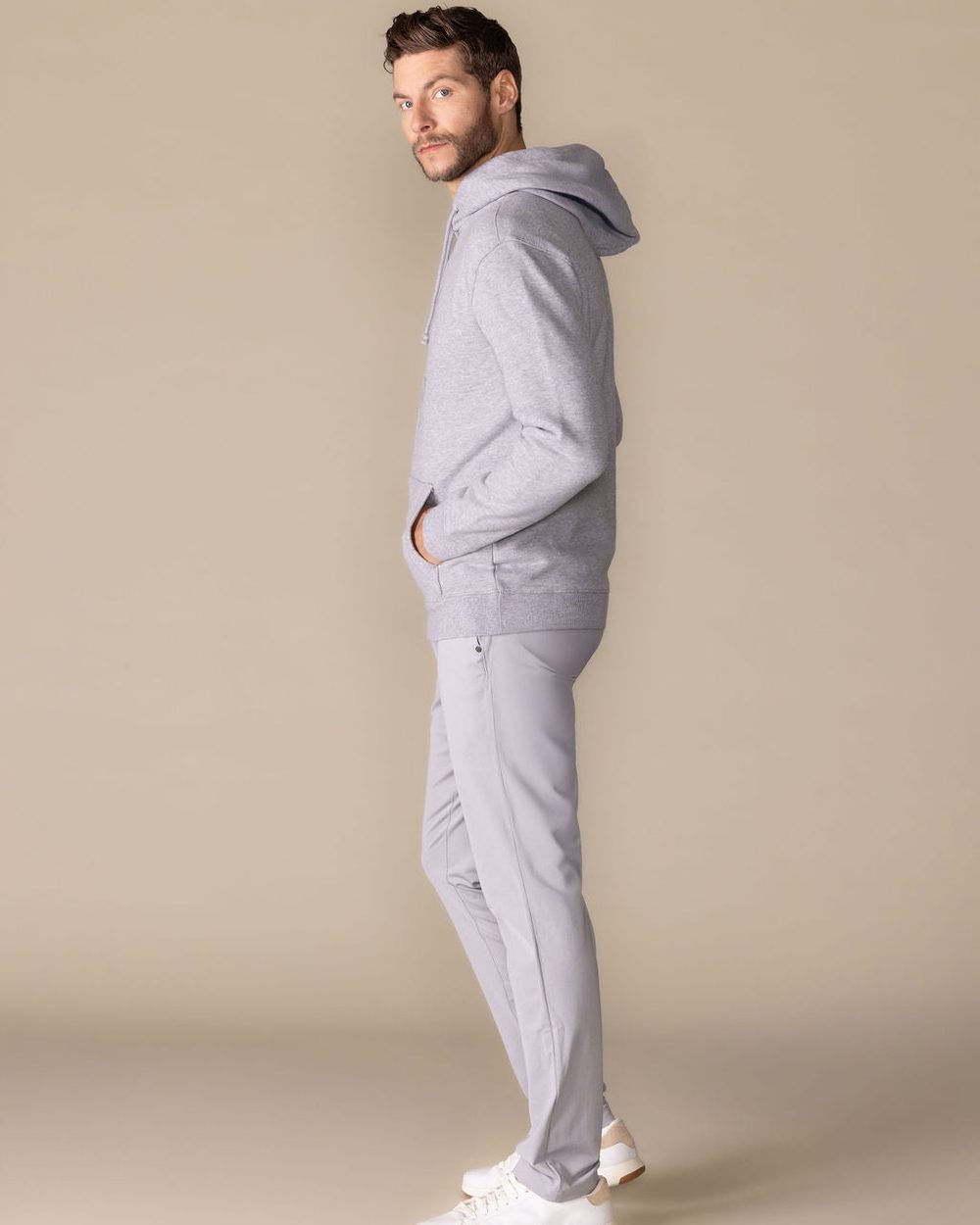
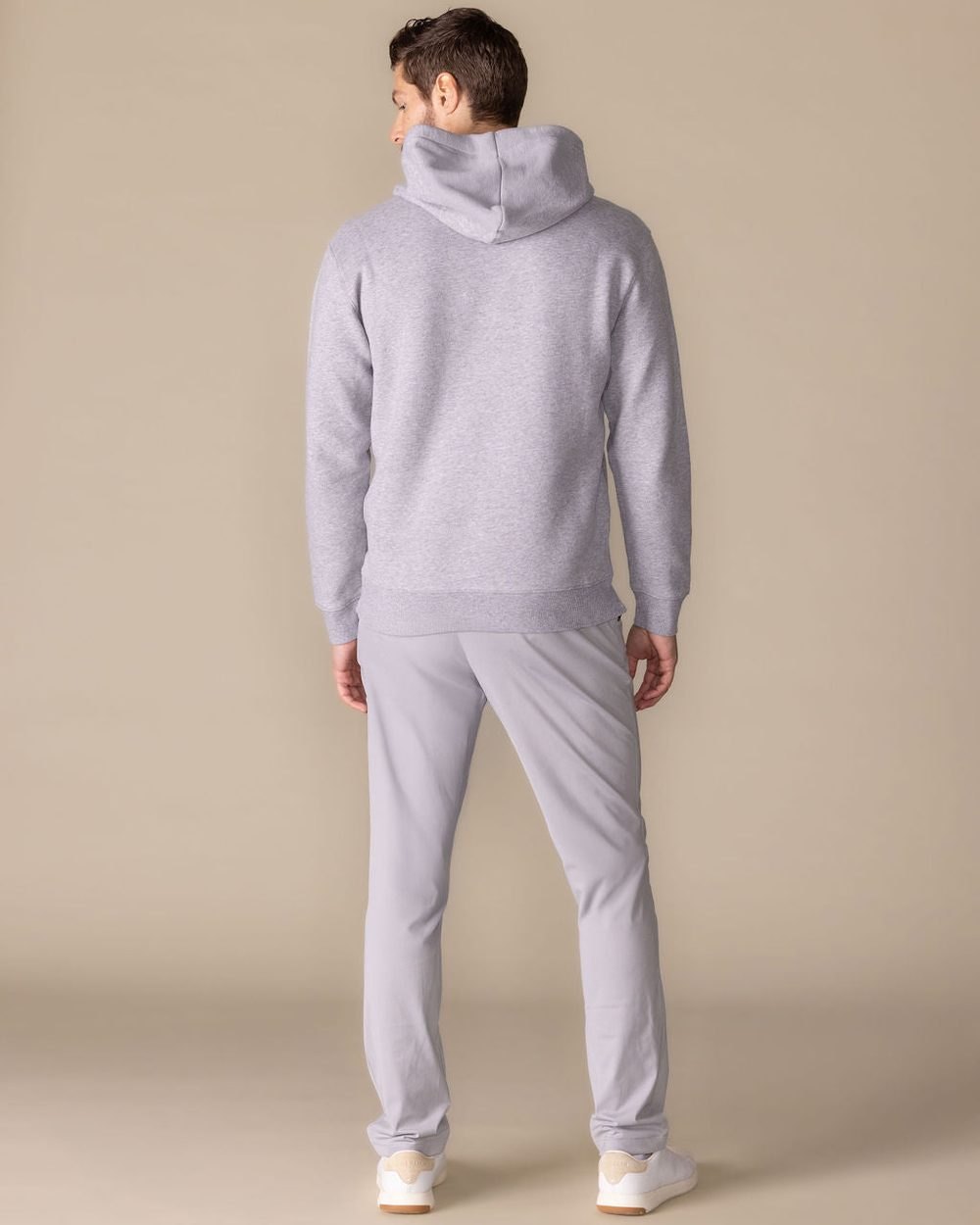
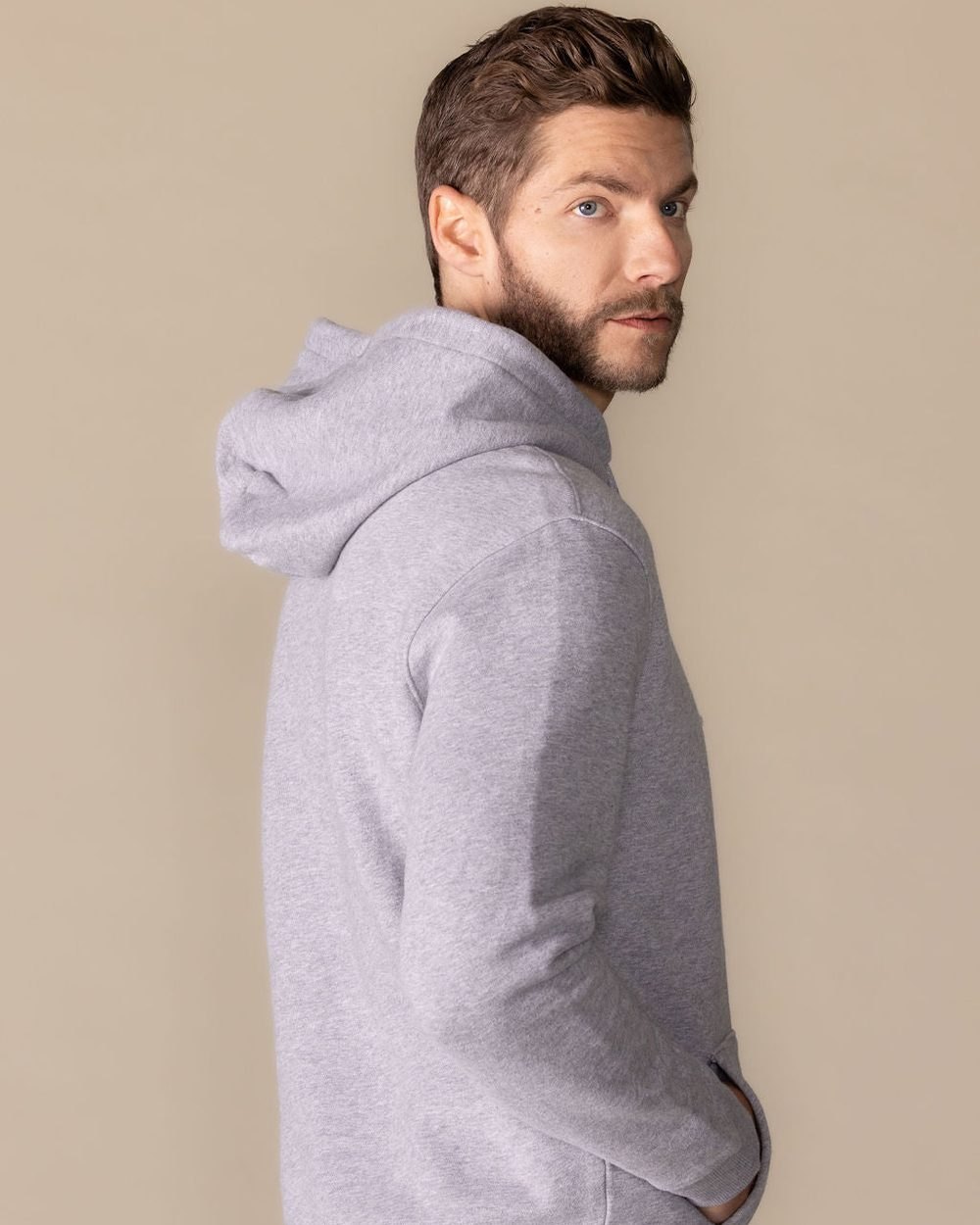
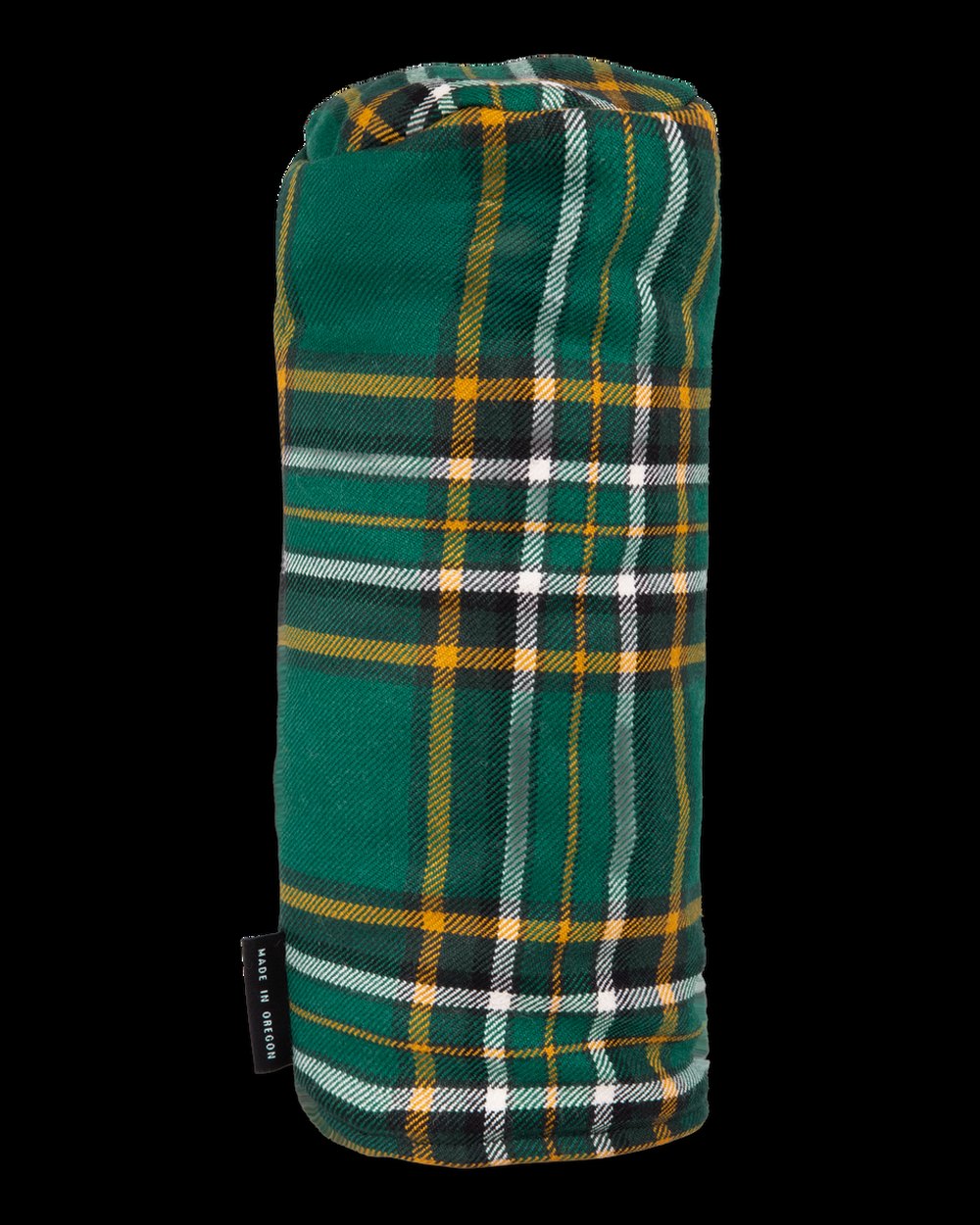
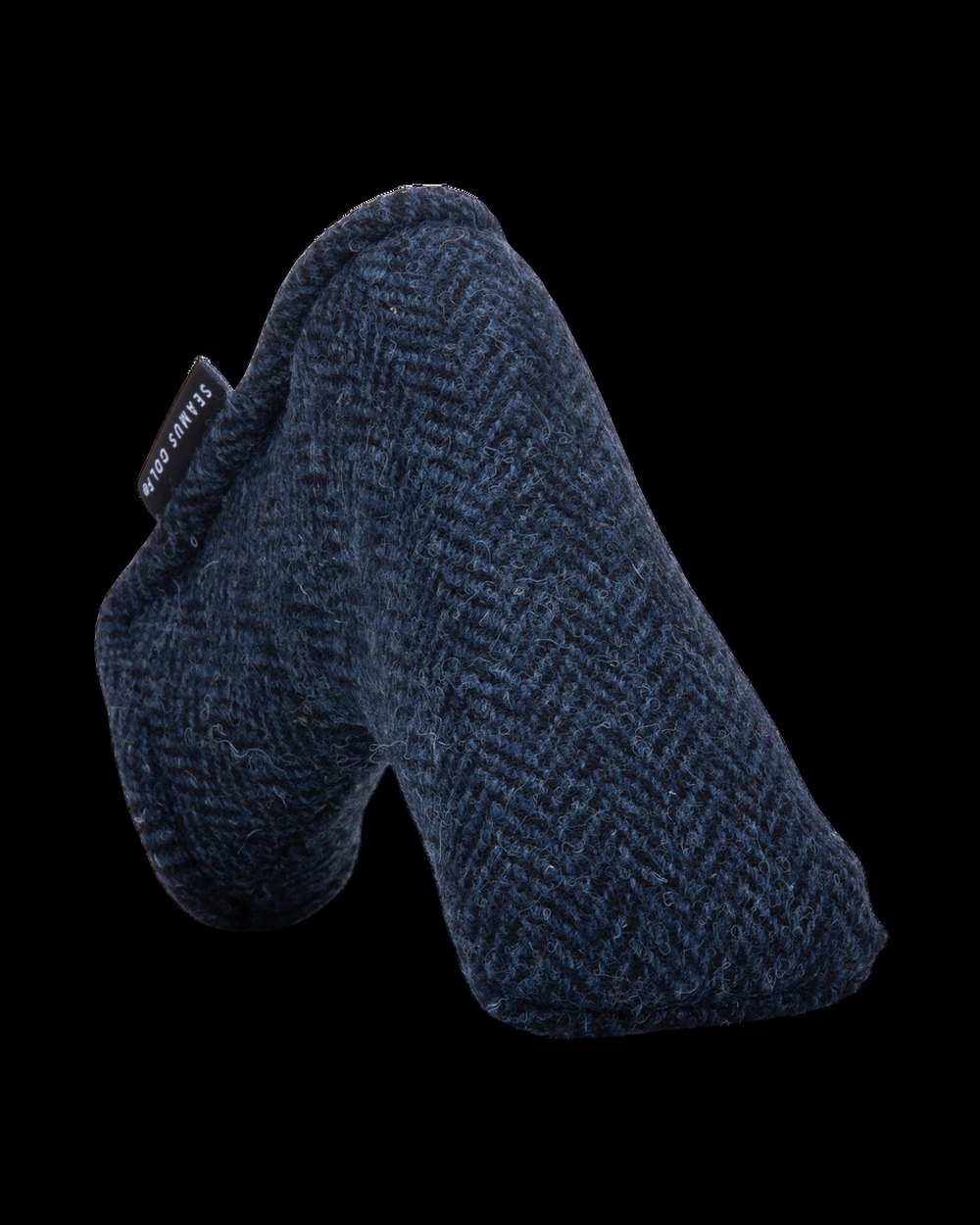
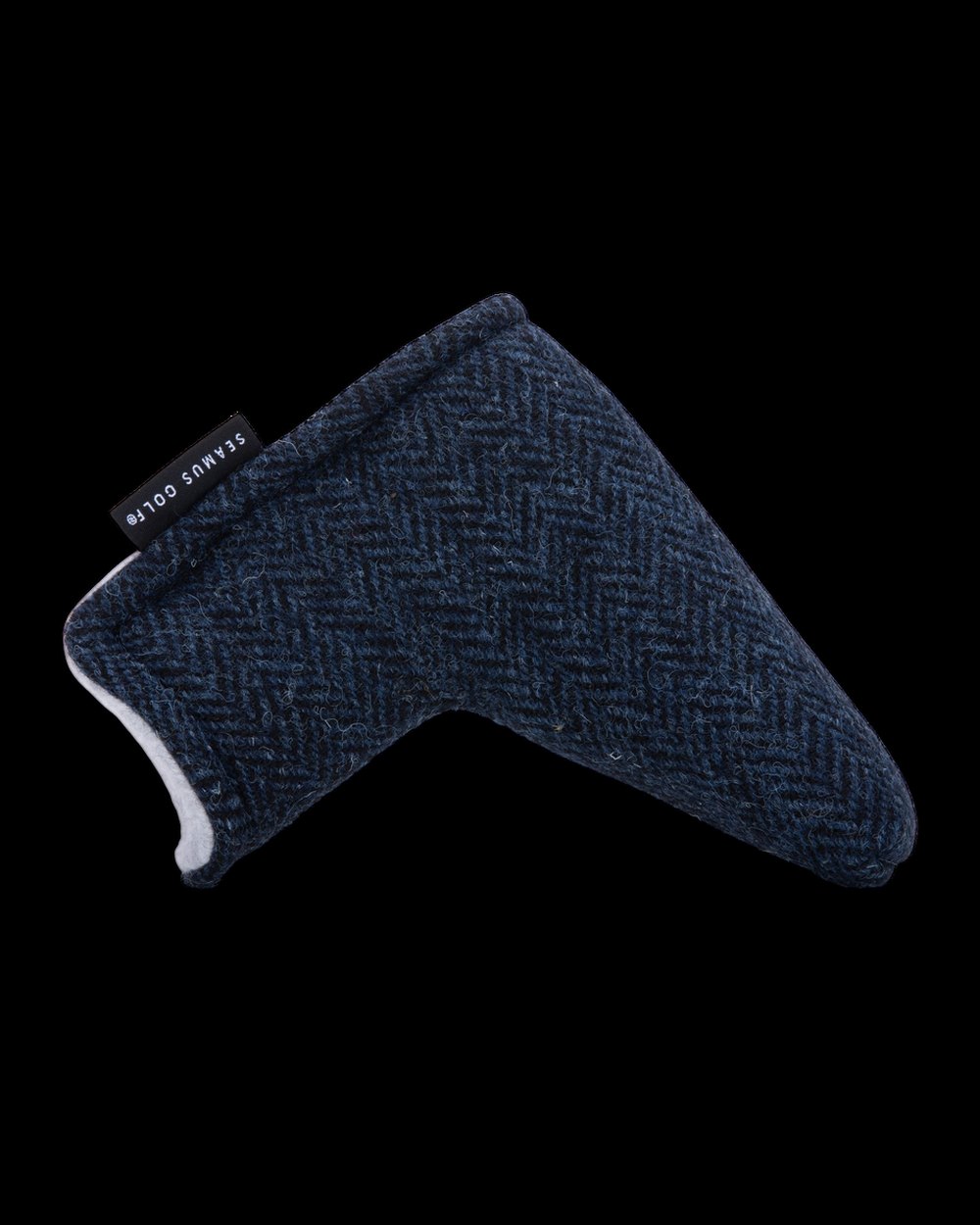
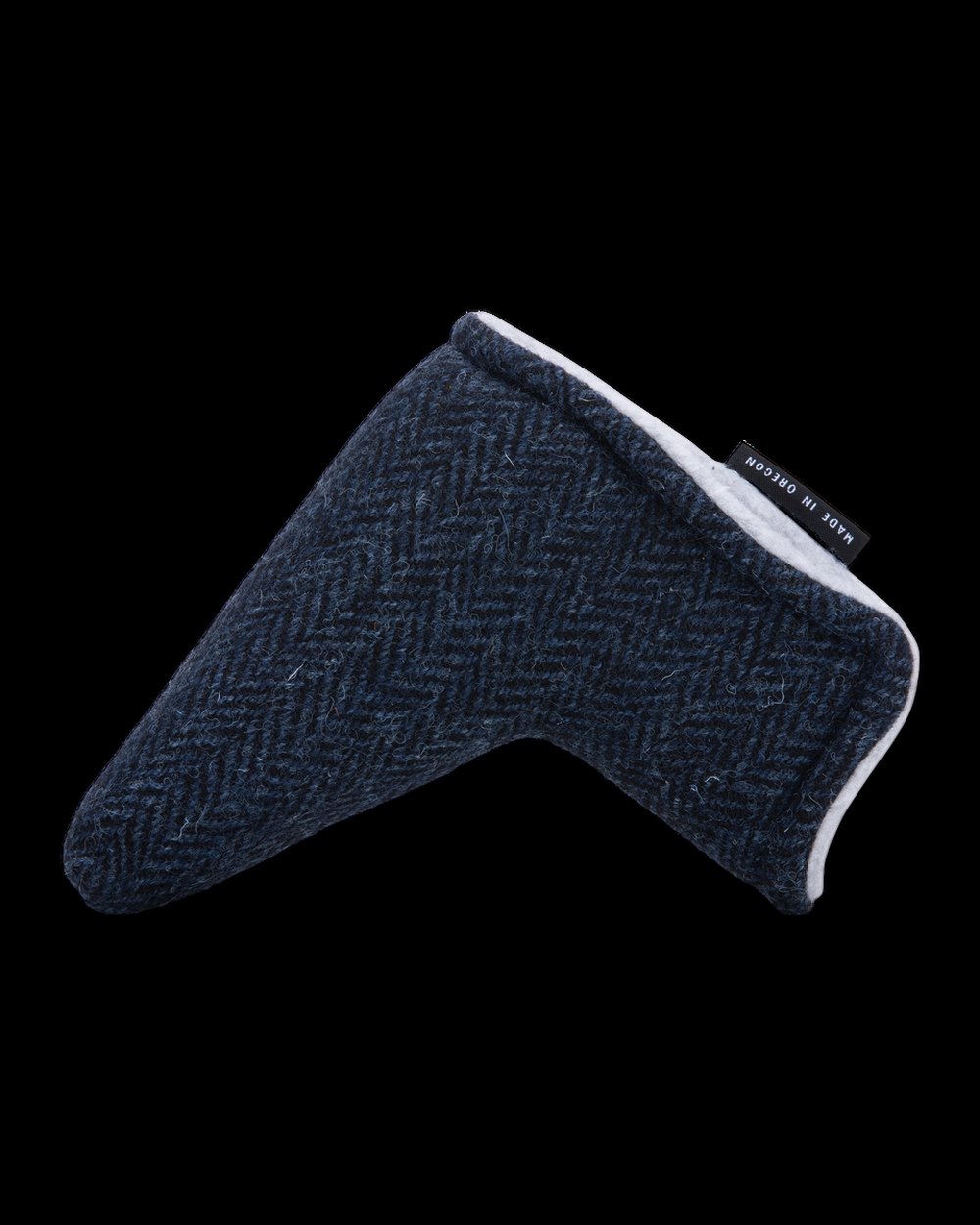
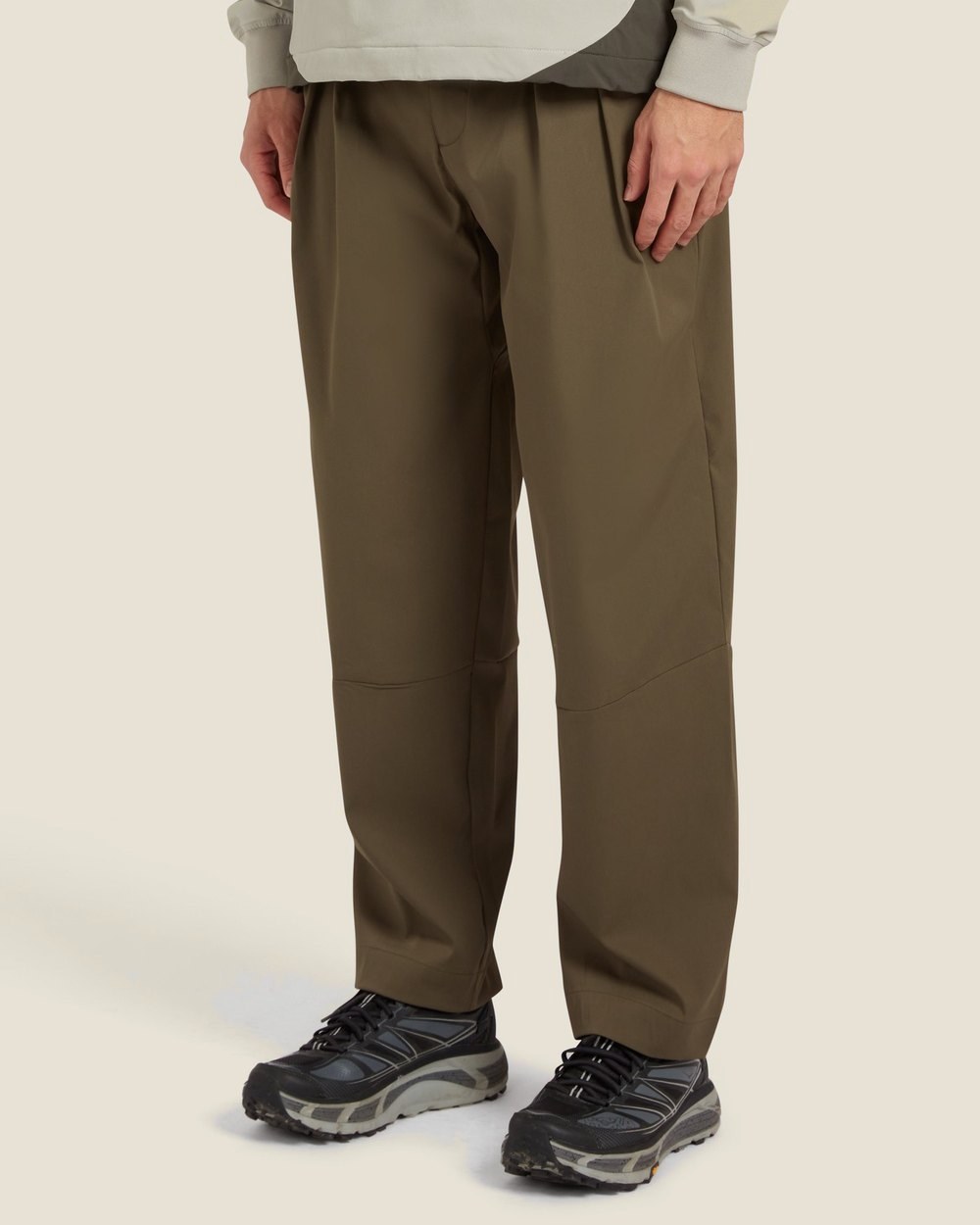
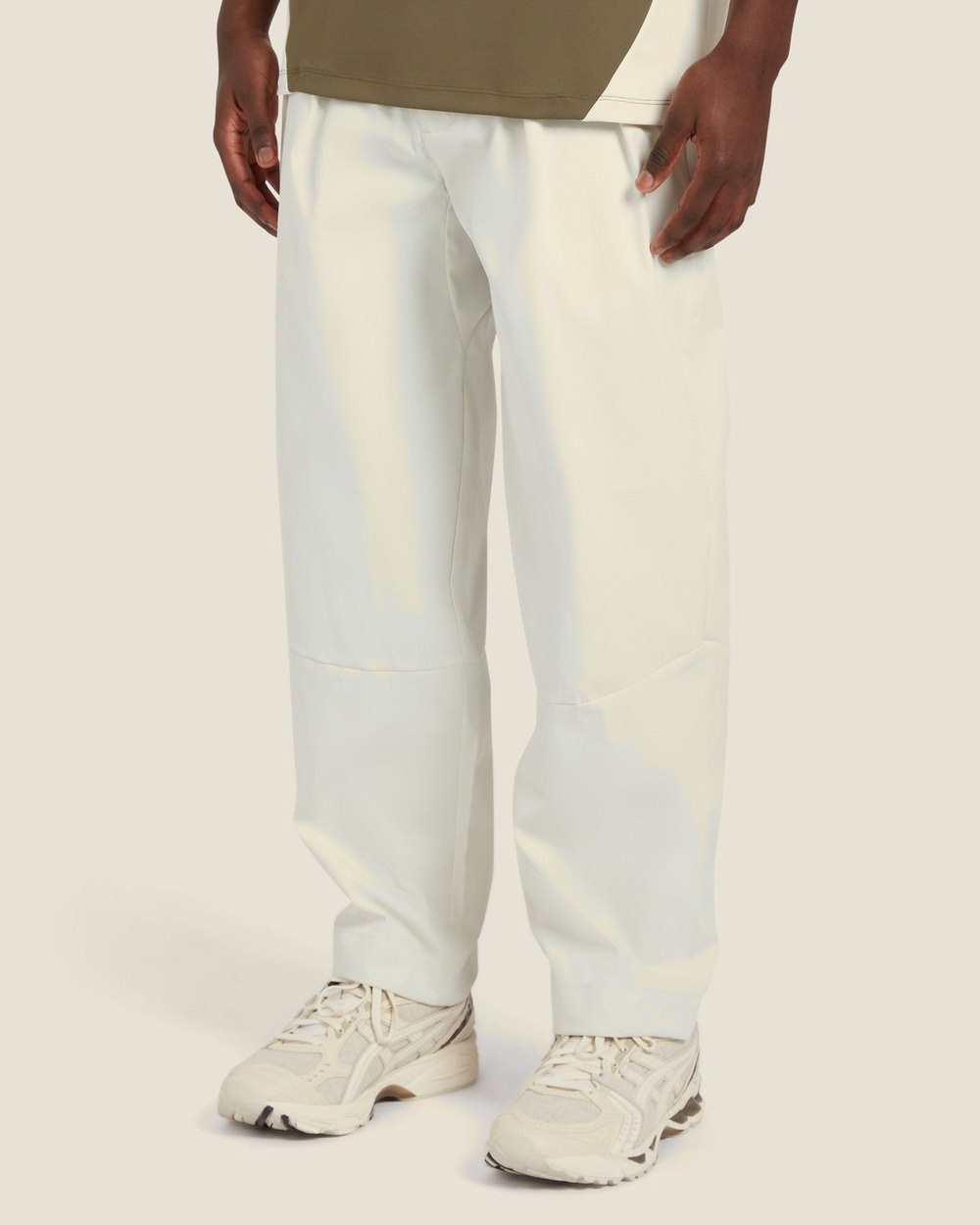
Eight picks · four brandsFor these founders, “what we wanted to wear” turned out to be what golfers wore before 2000: pleats, cable knits, contrast collars and caddie jackets.
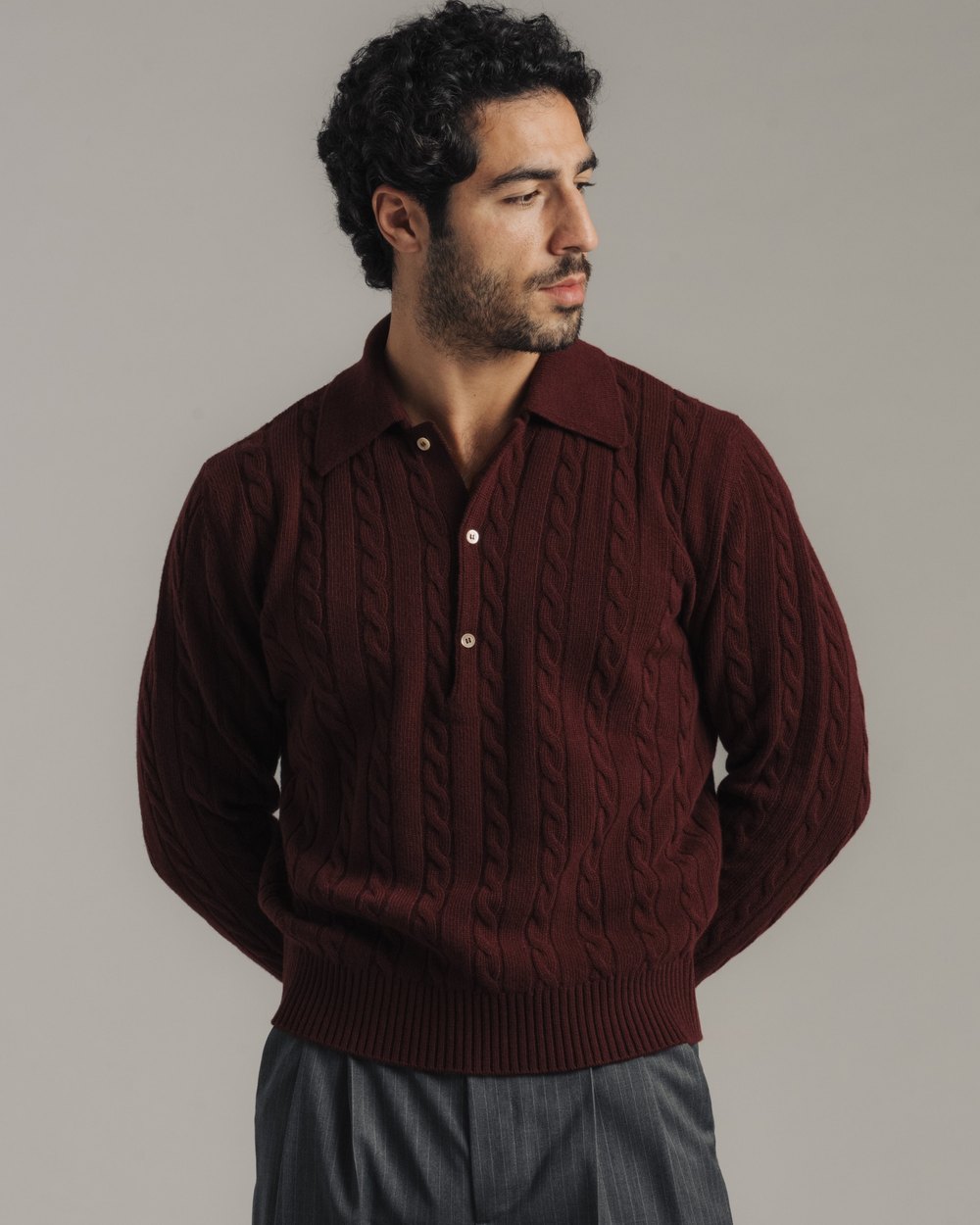
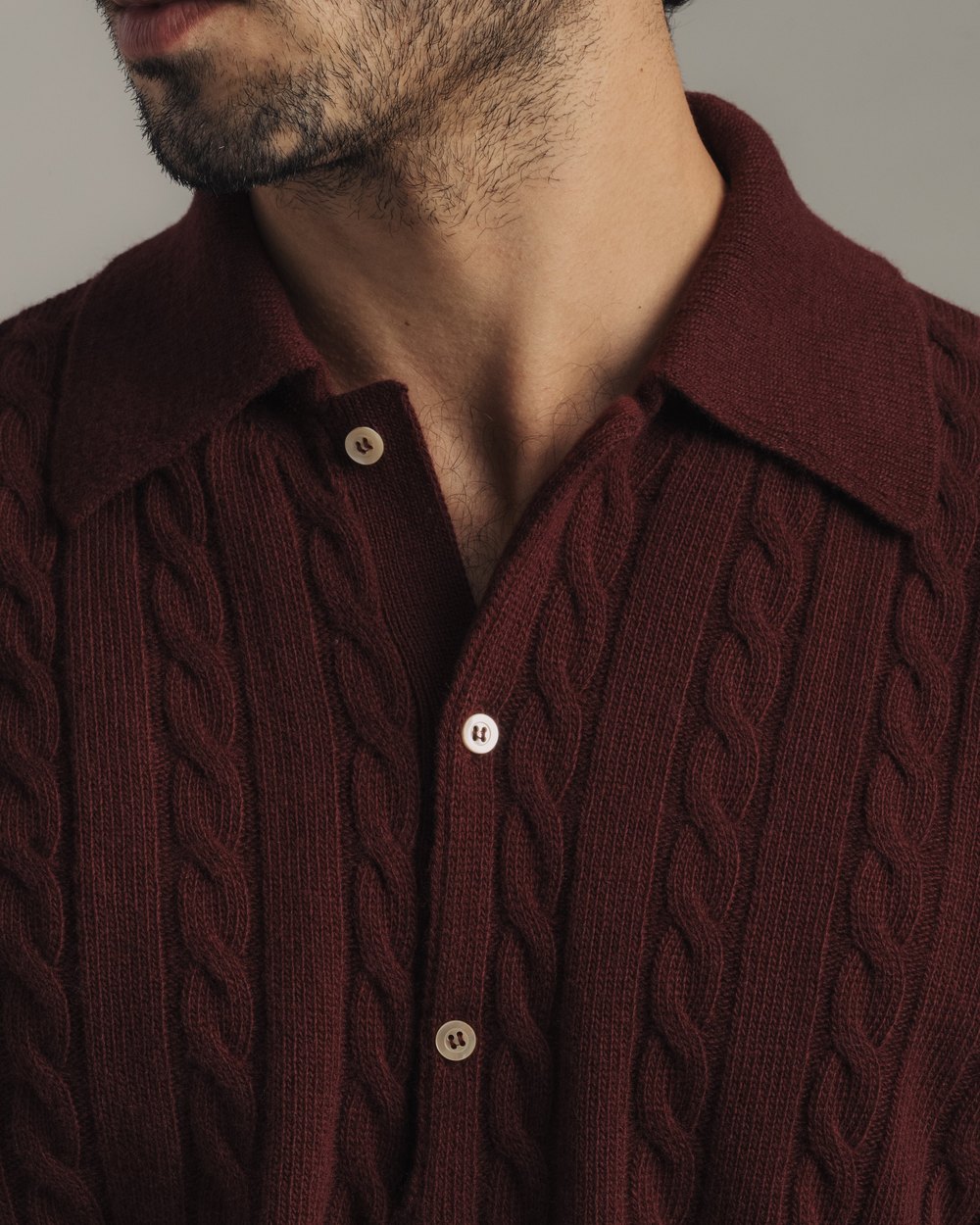
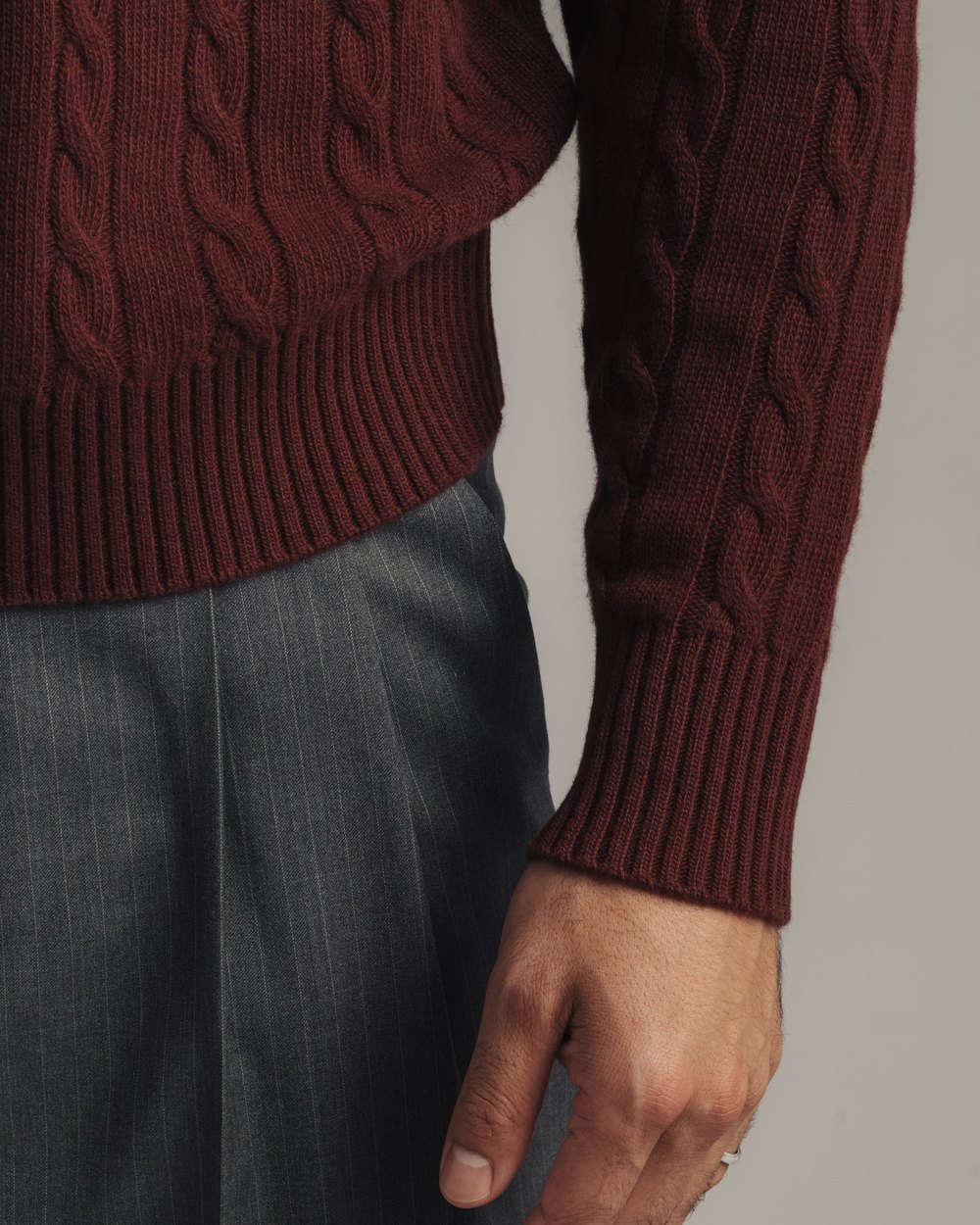
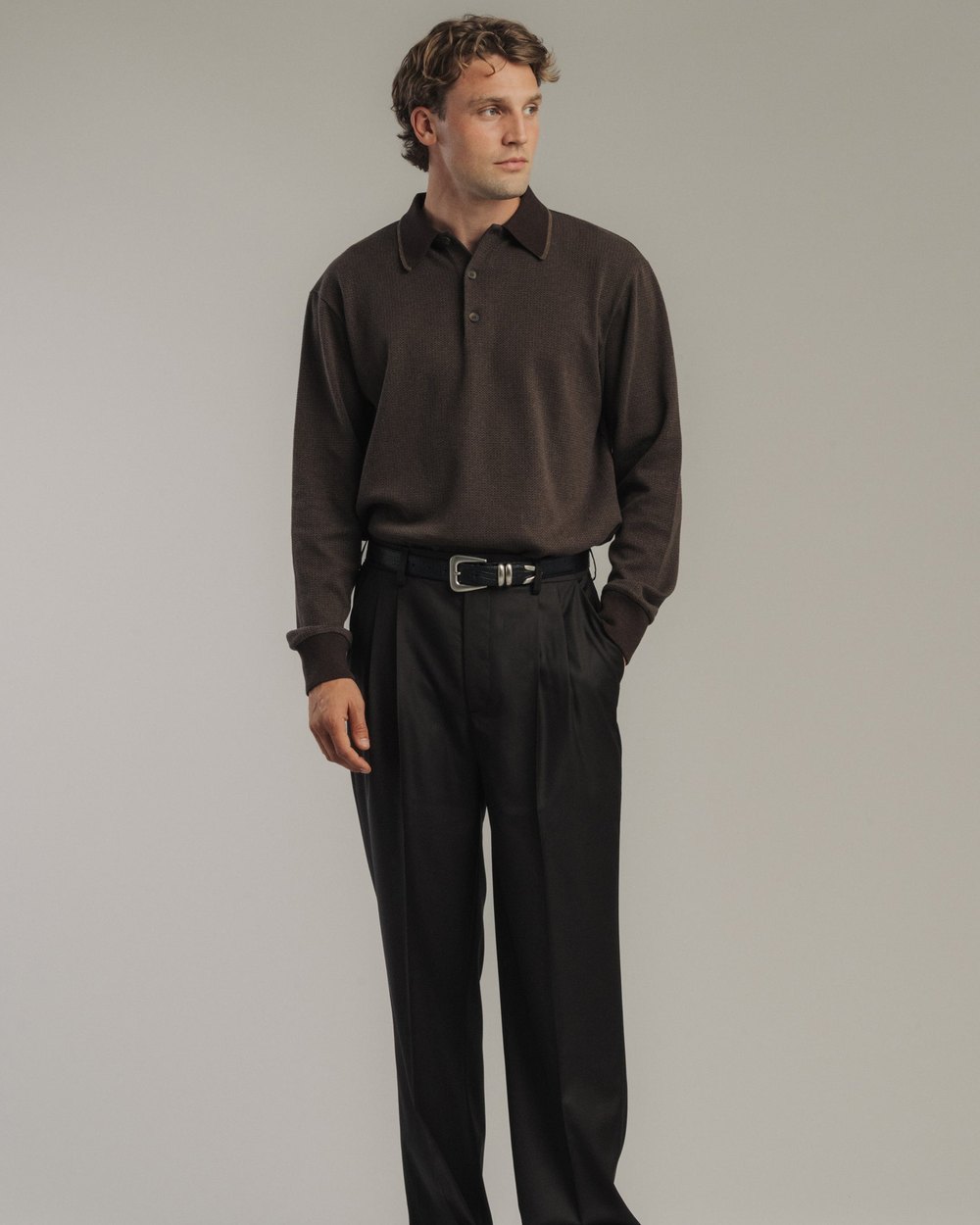
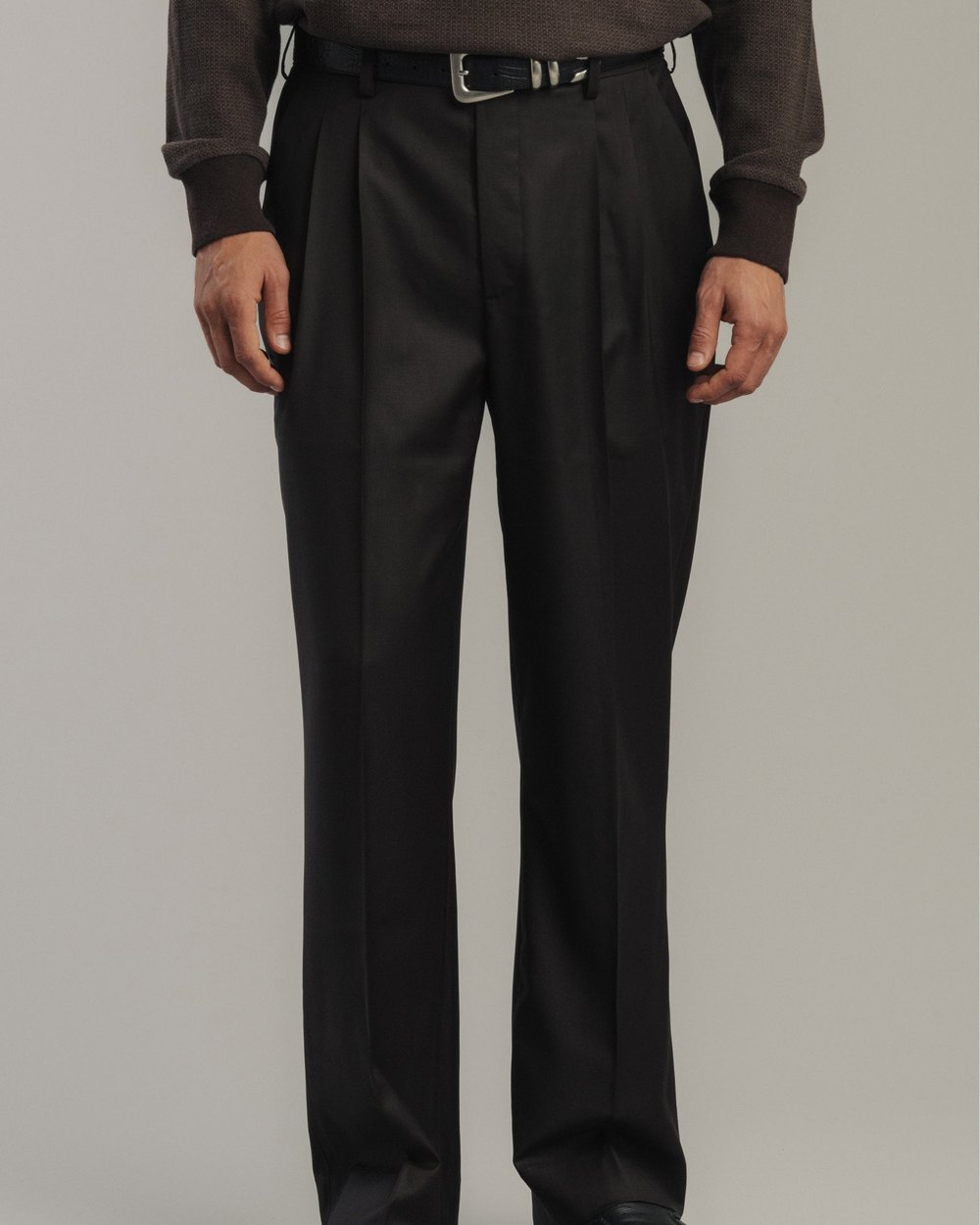
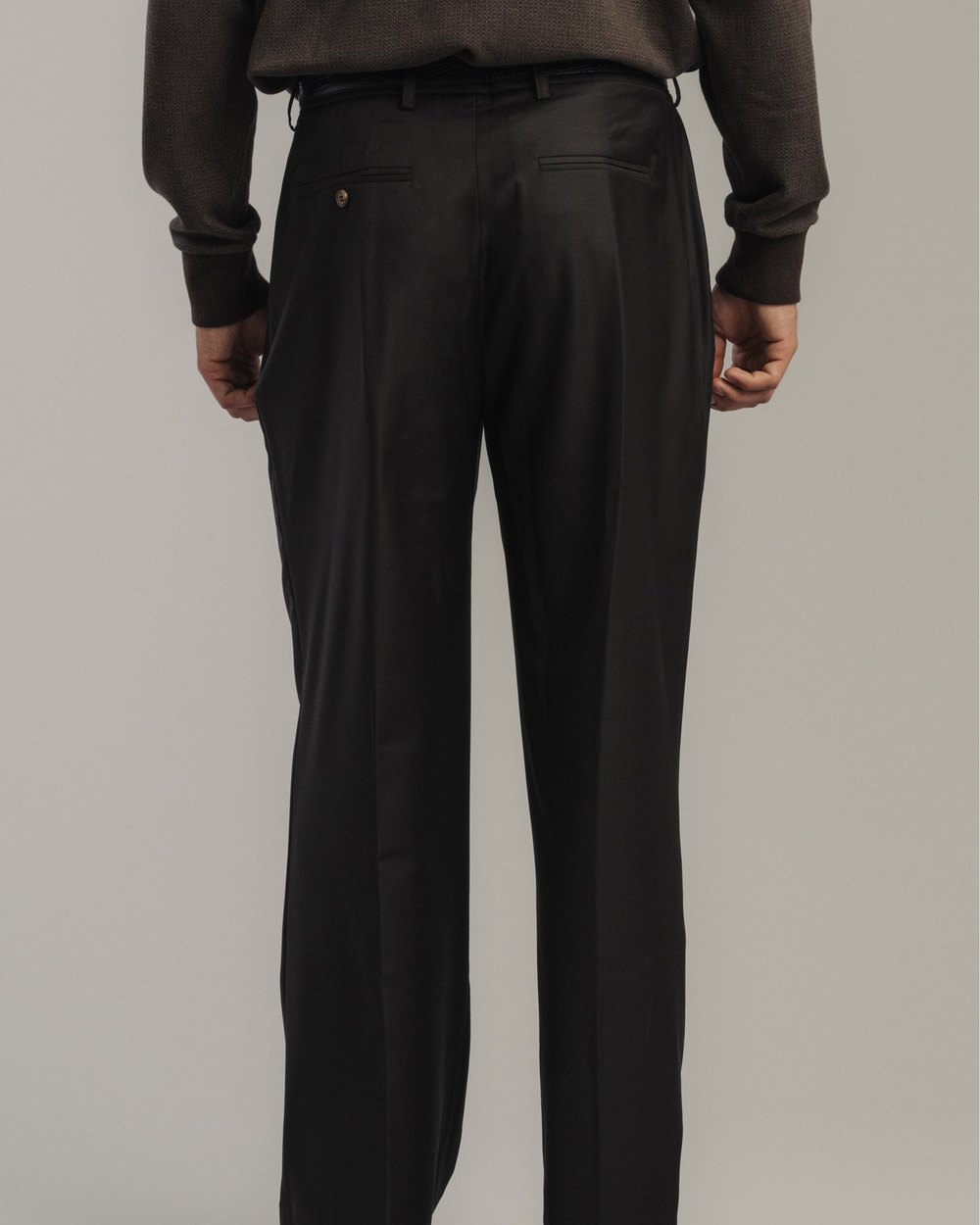
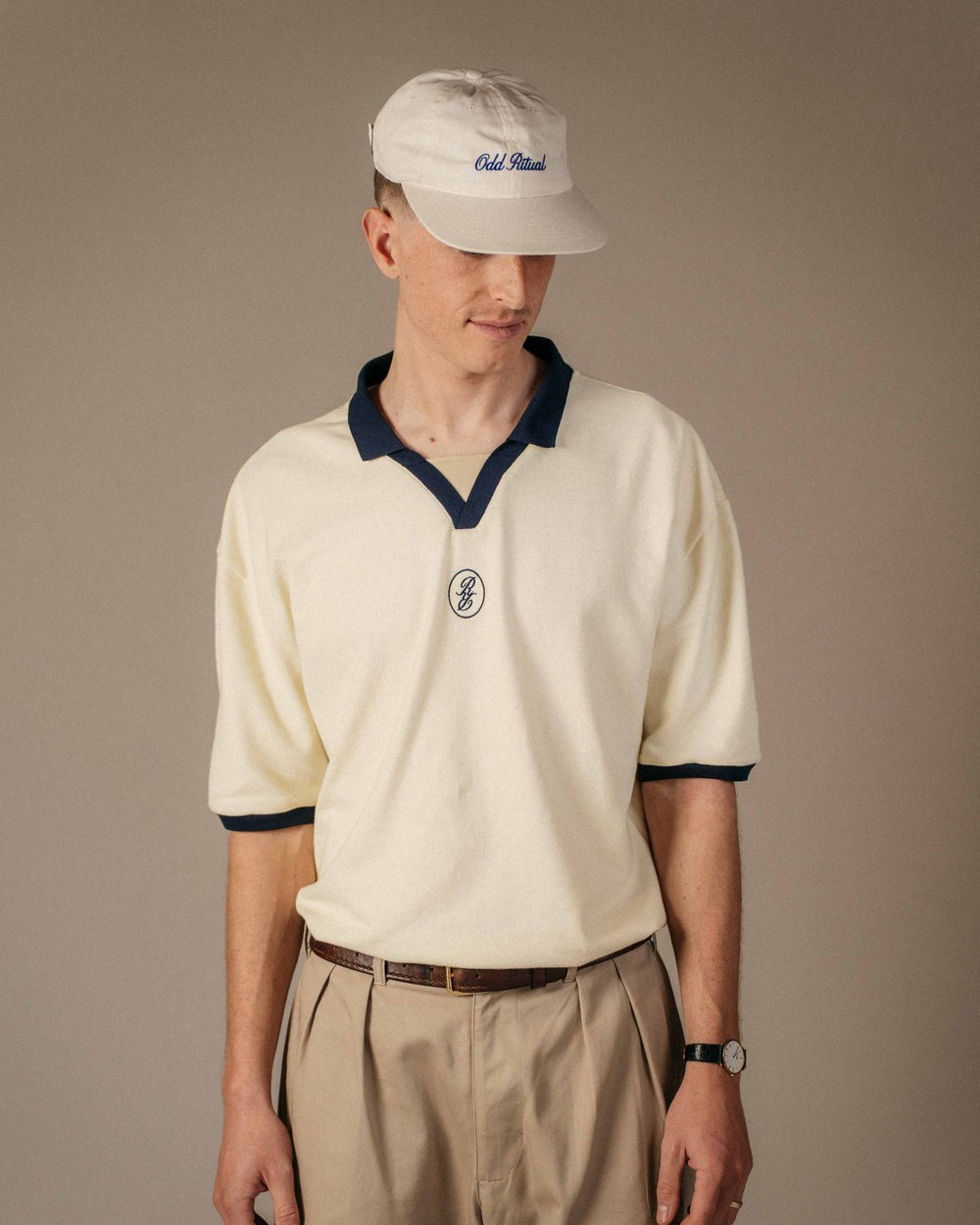
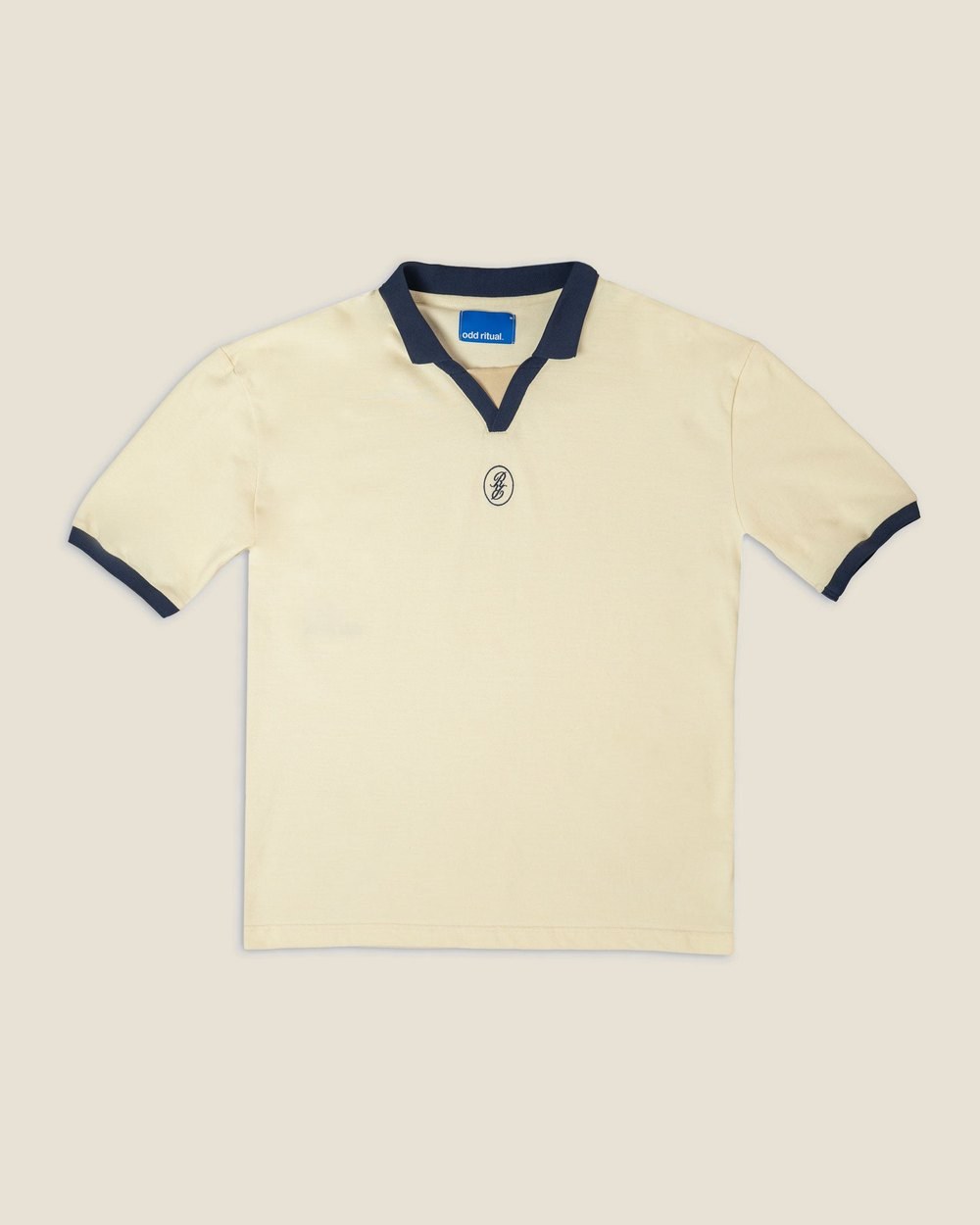
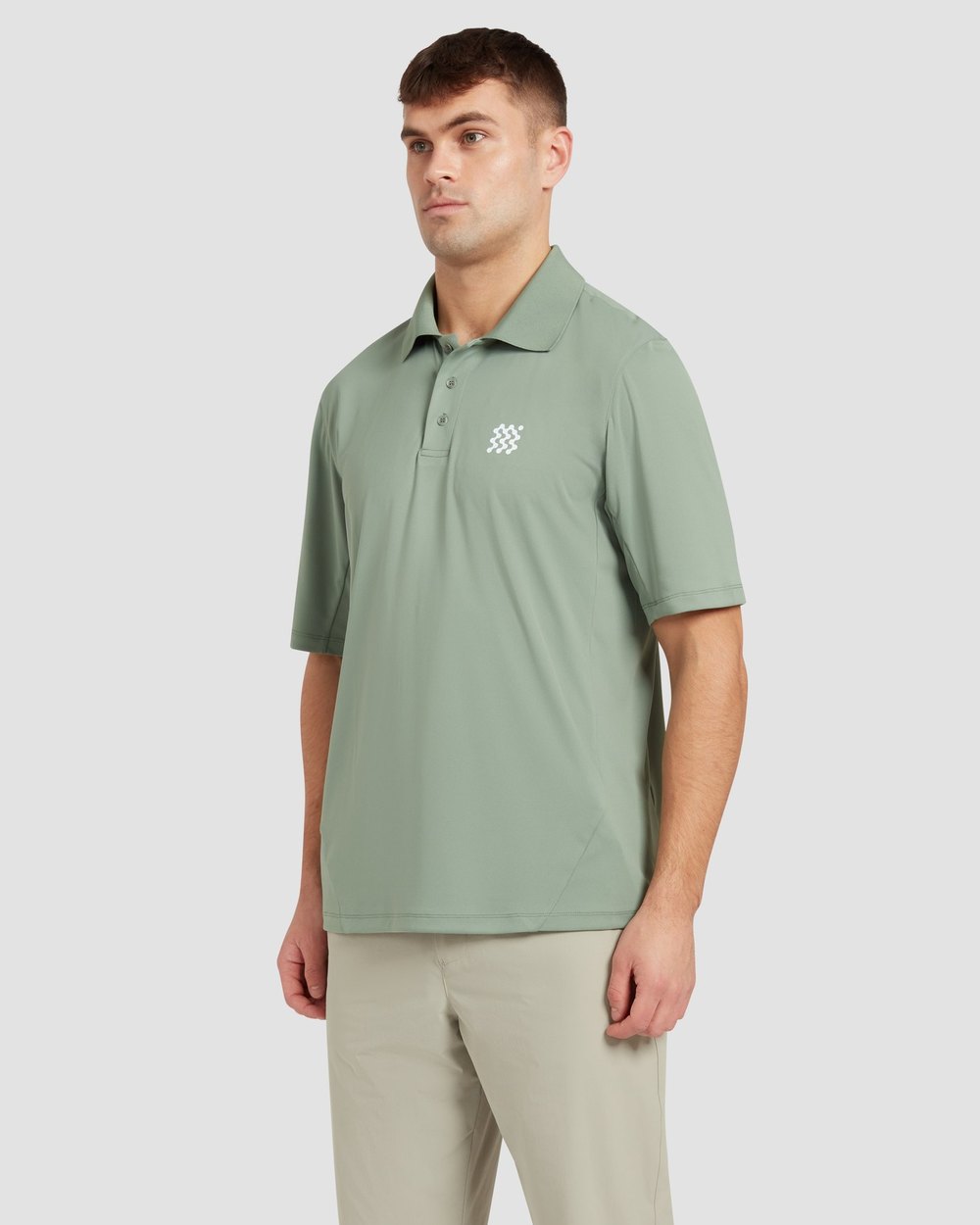
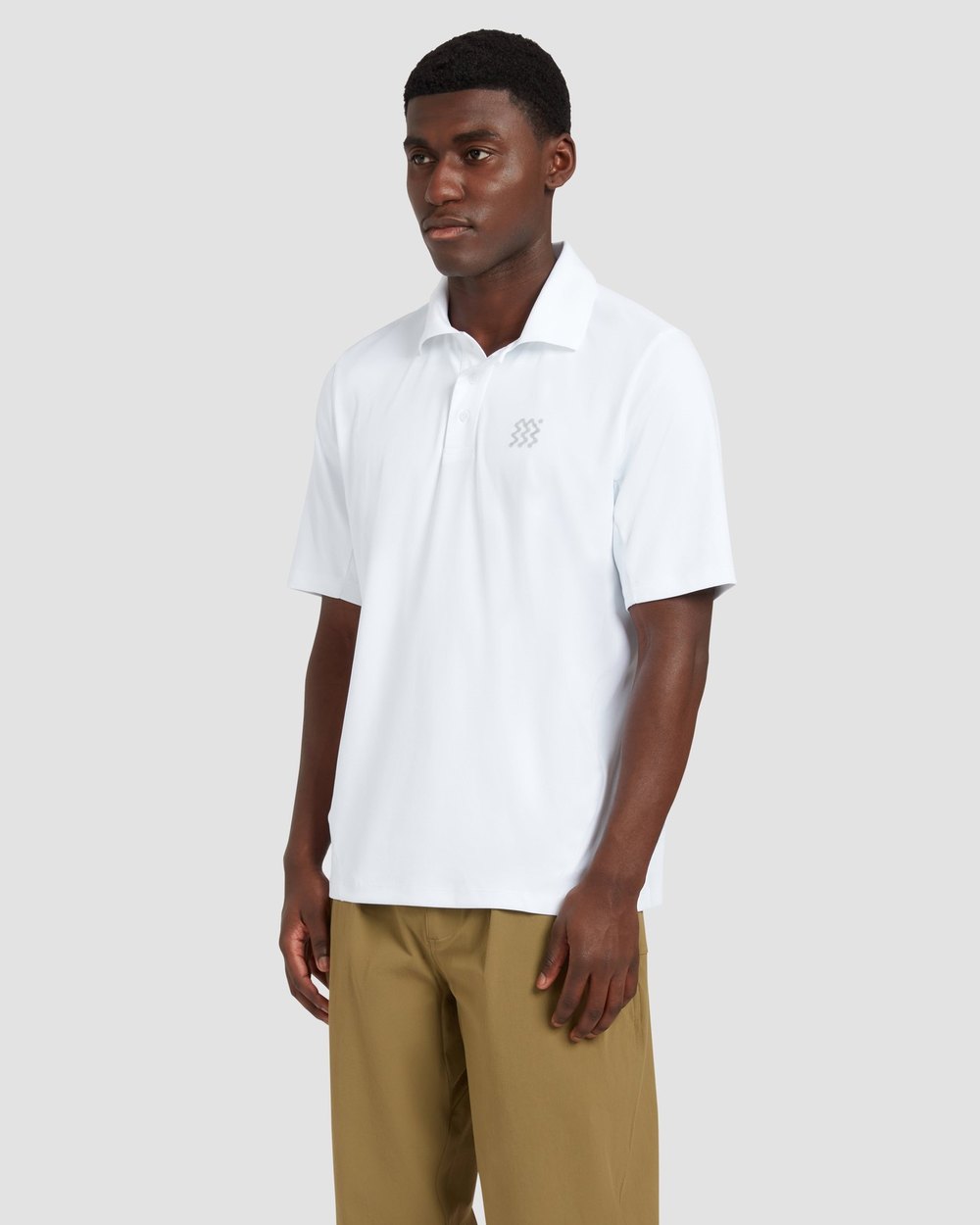
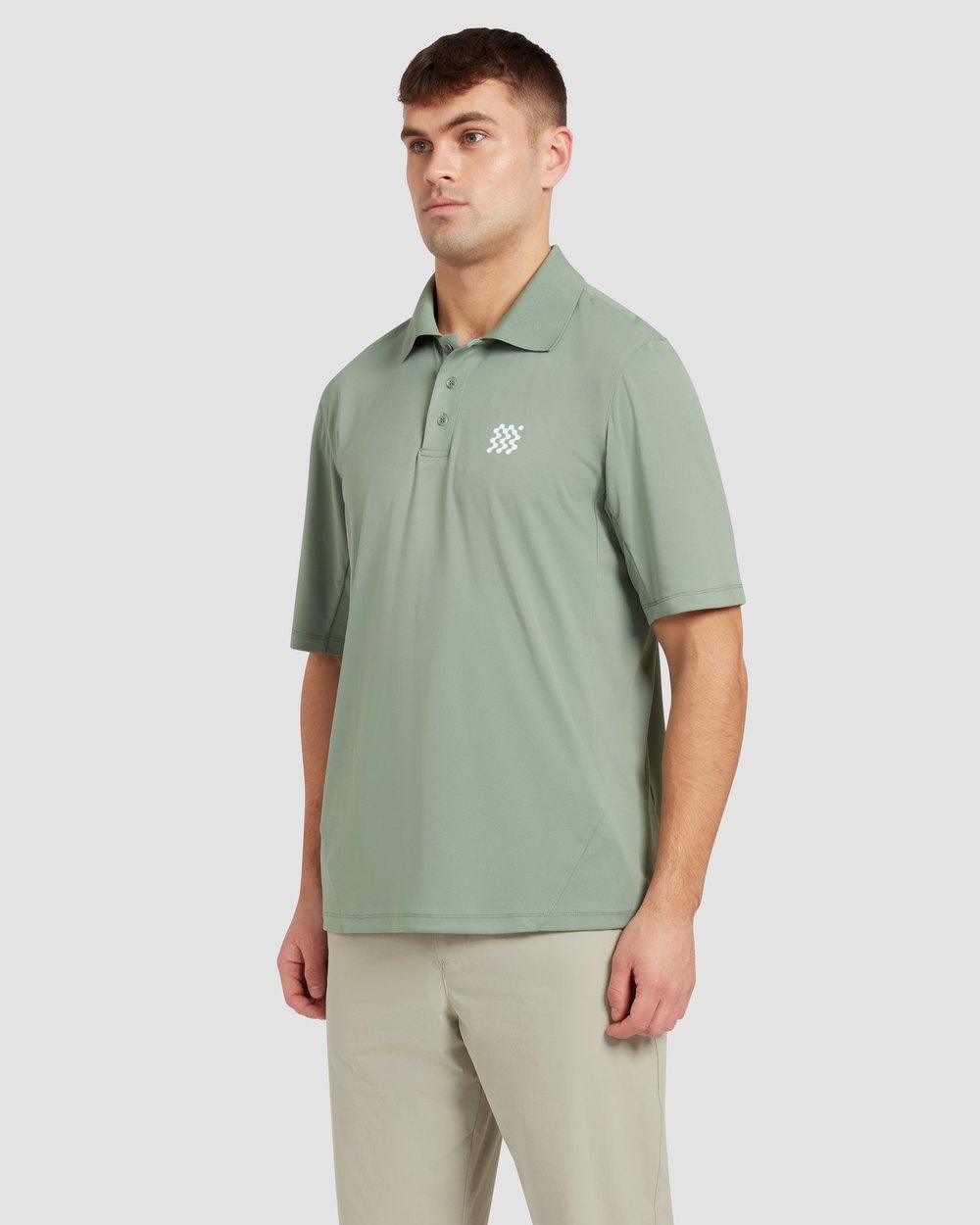
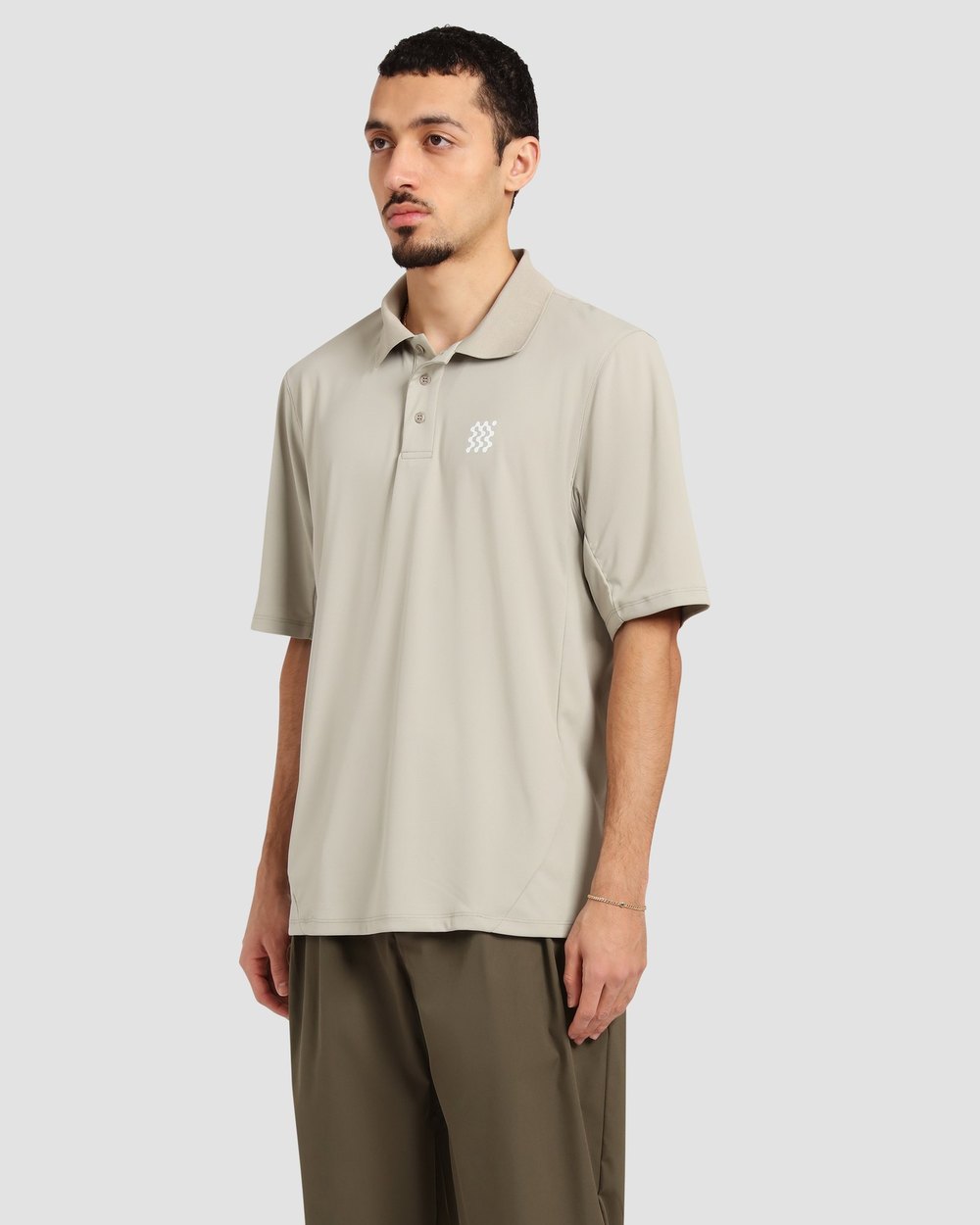
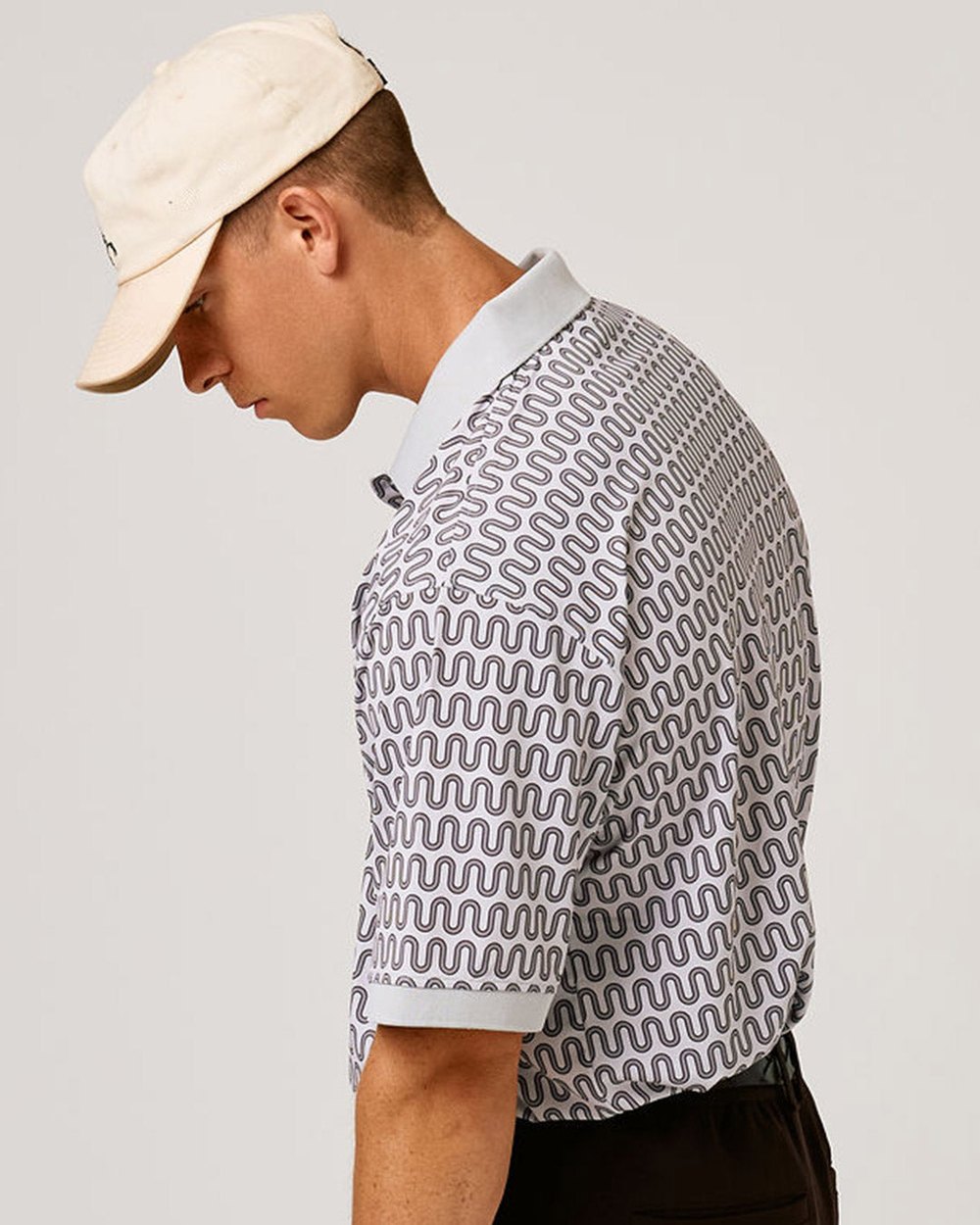
Six picks · three brandsFor these, it meant personality: camo, prints, resort collars and conductor stripes.
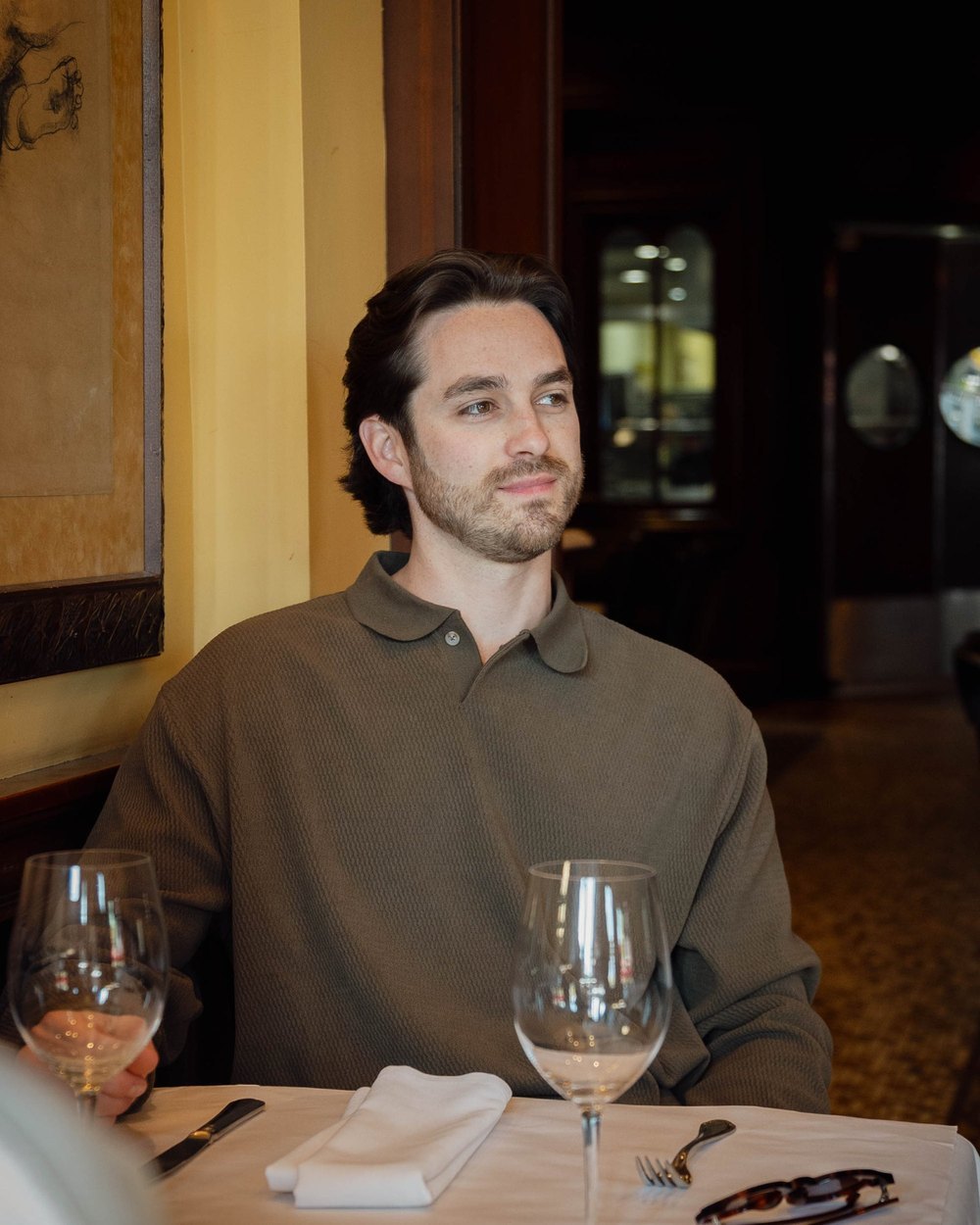
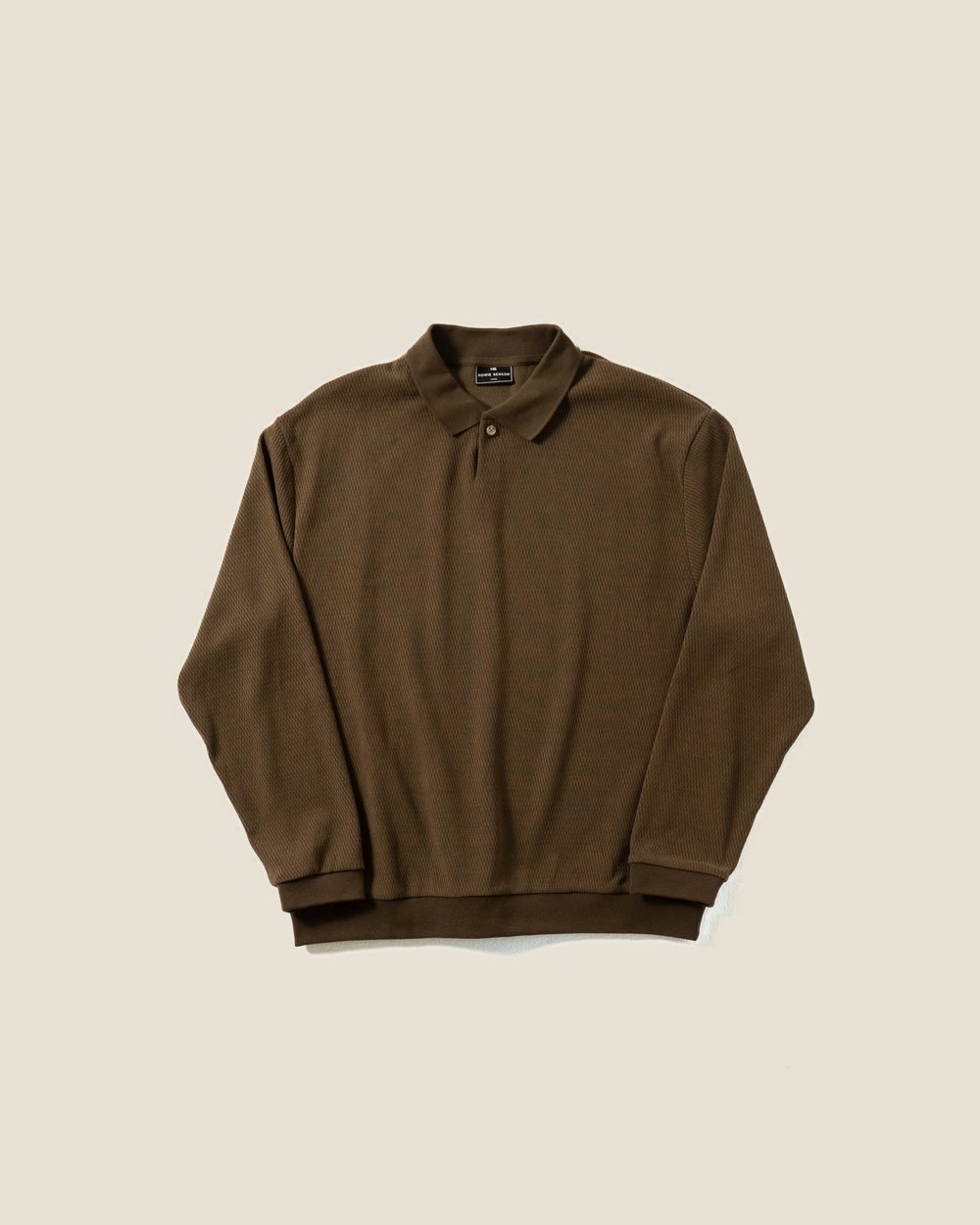
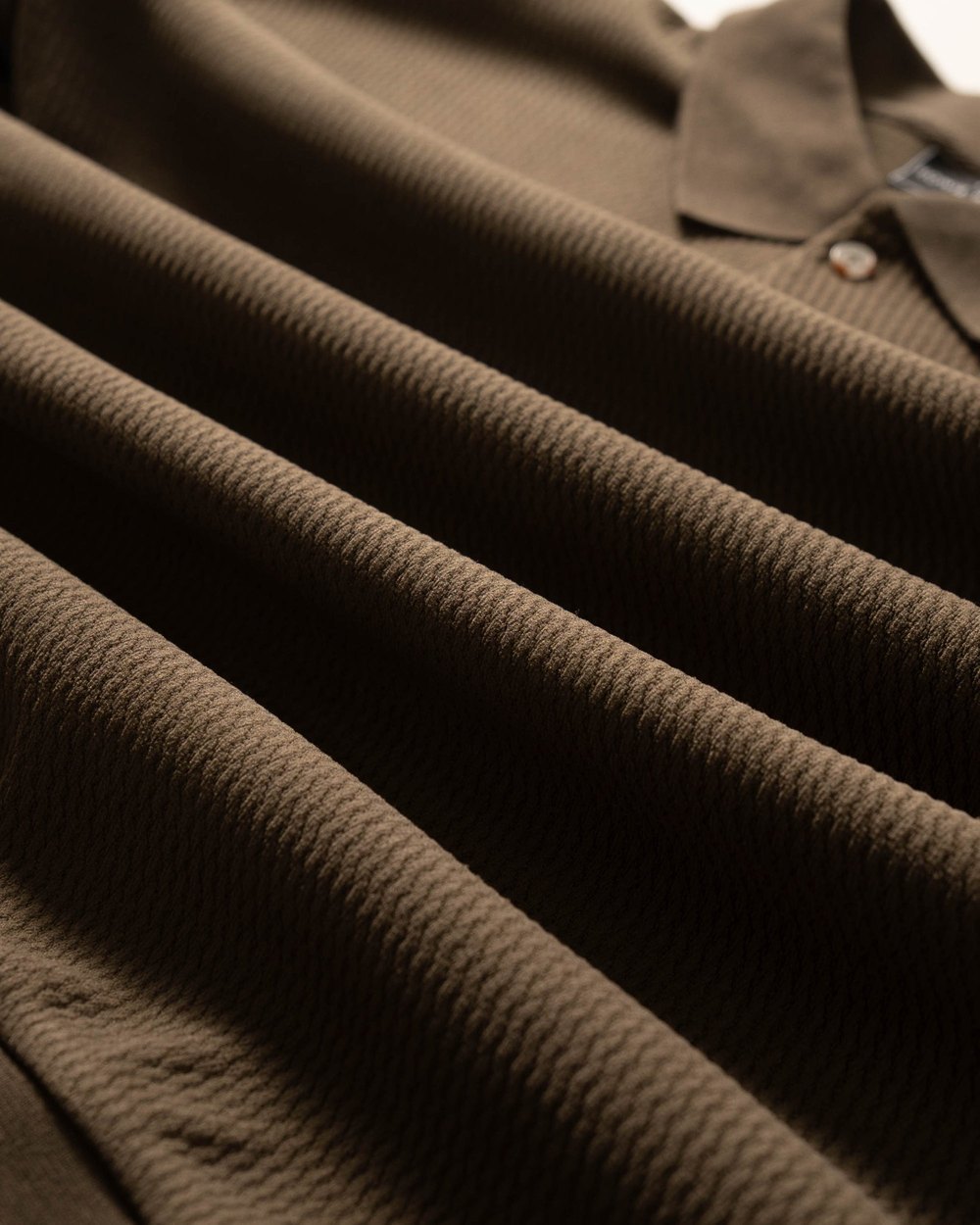
Eight picks · four brandsFor these, it meant provenance: Harris Tweed from Scotland, wool covers from a New Zealand workshop, Australian layers and American Supima cotton.
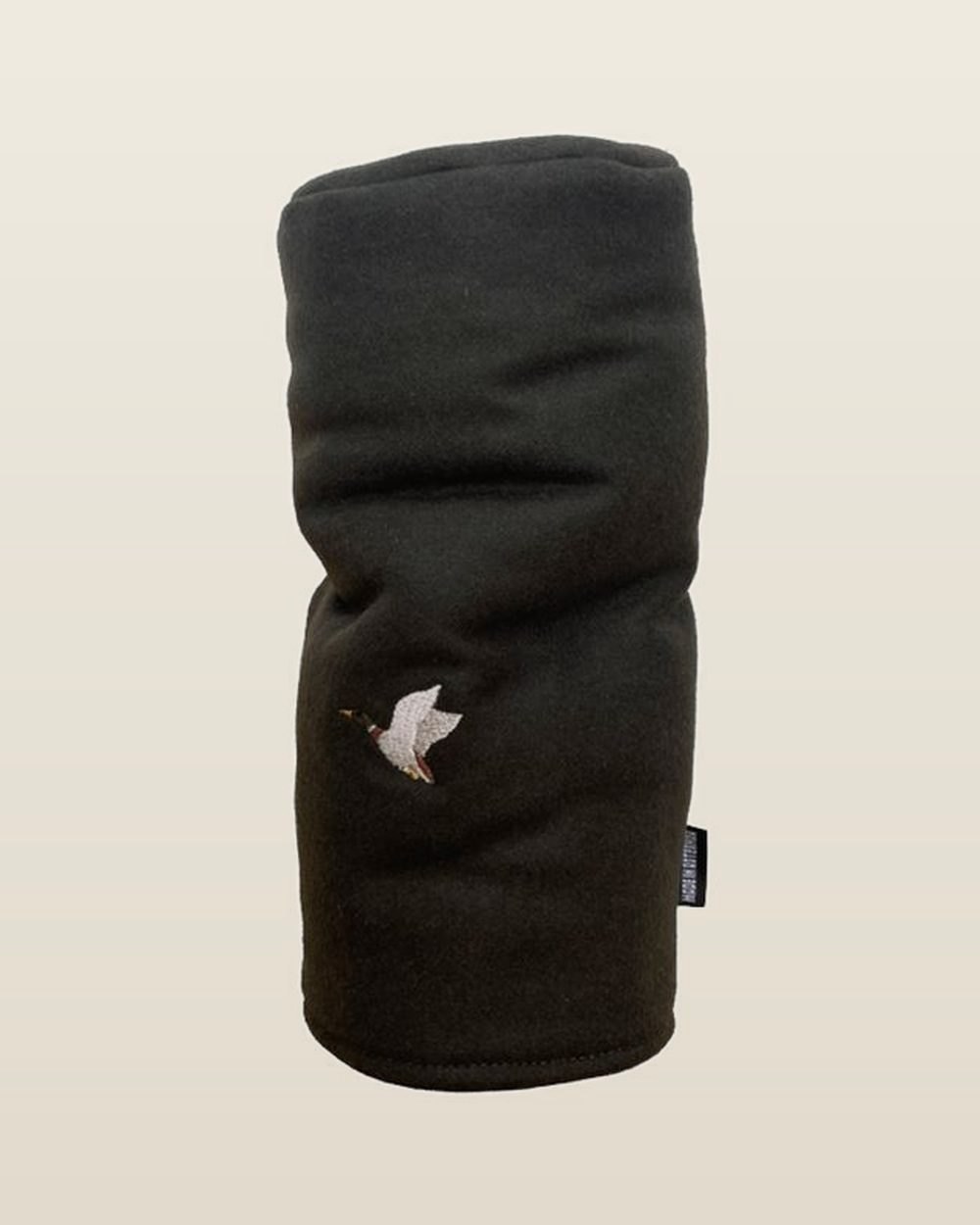
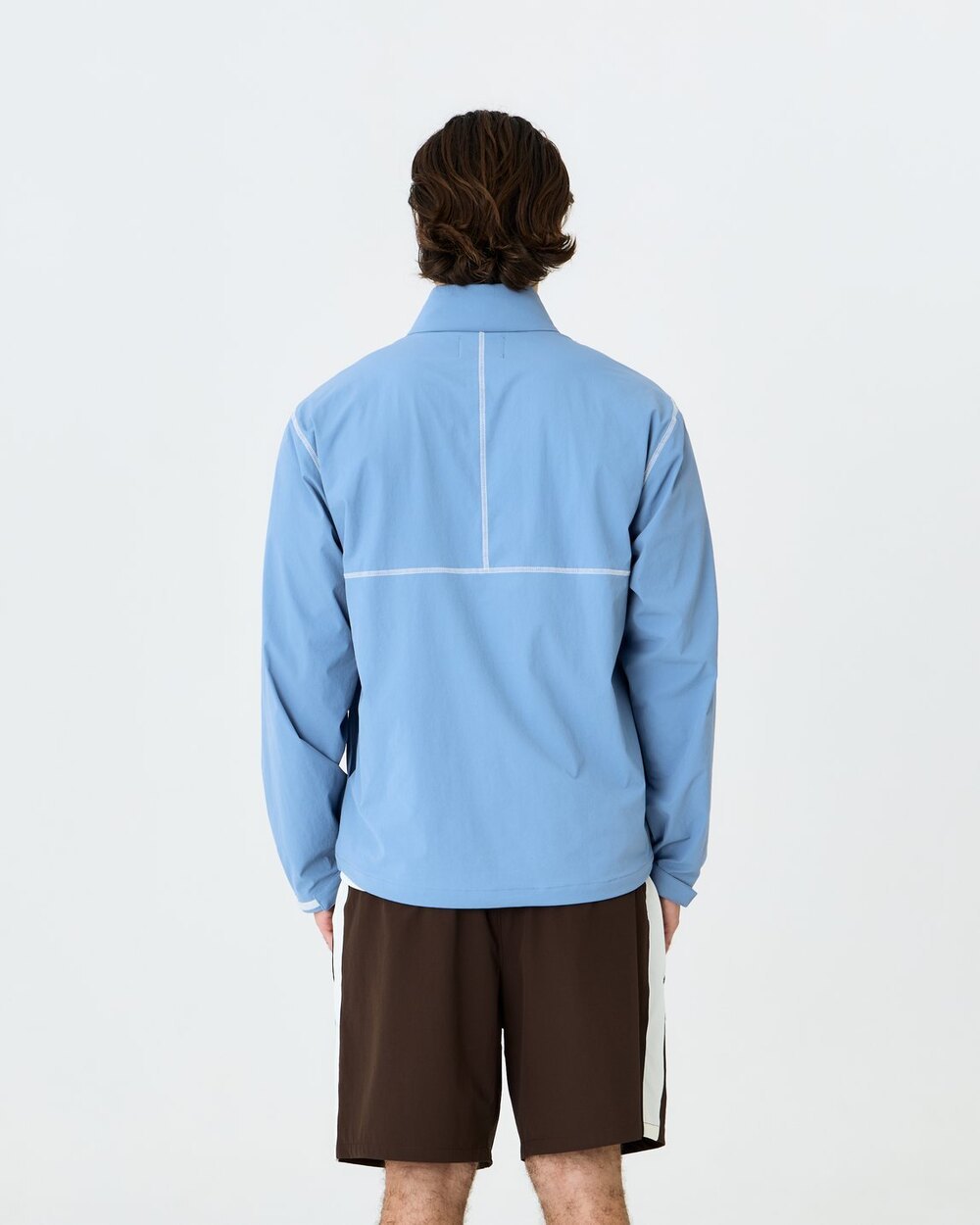
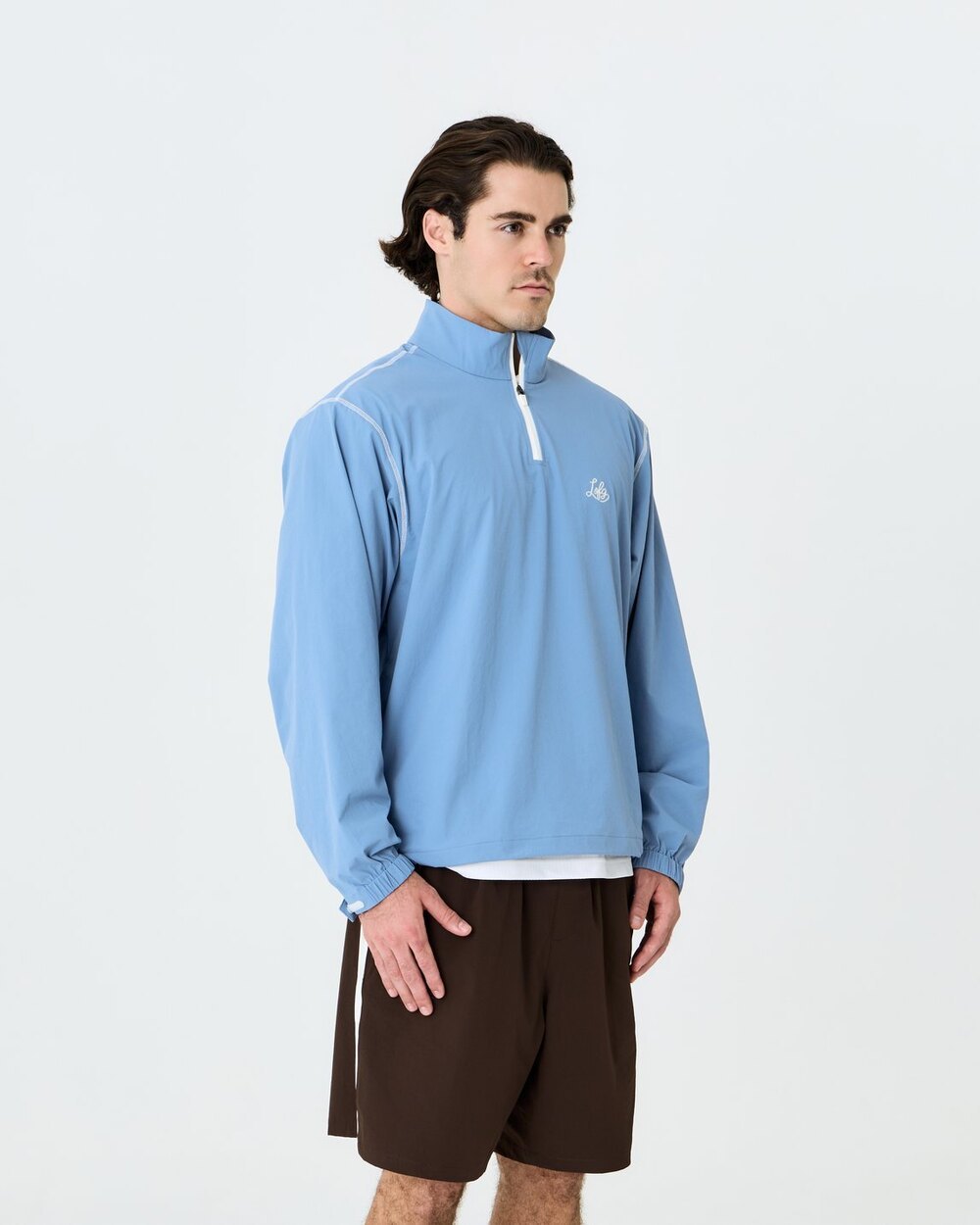
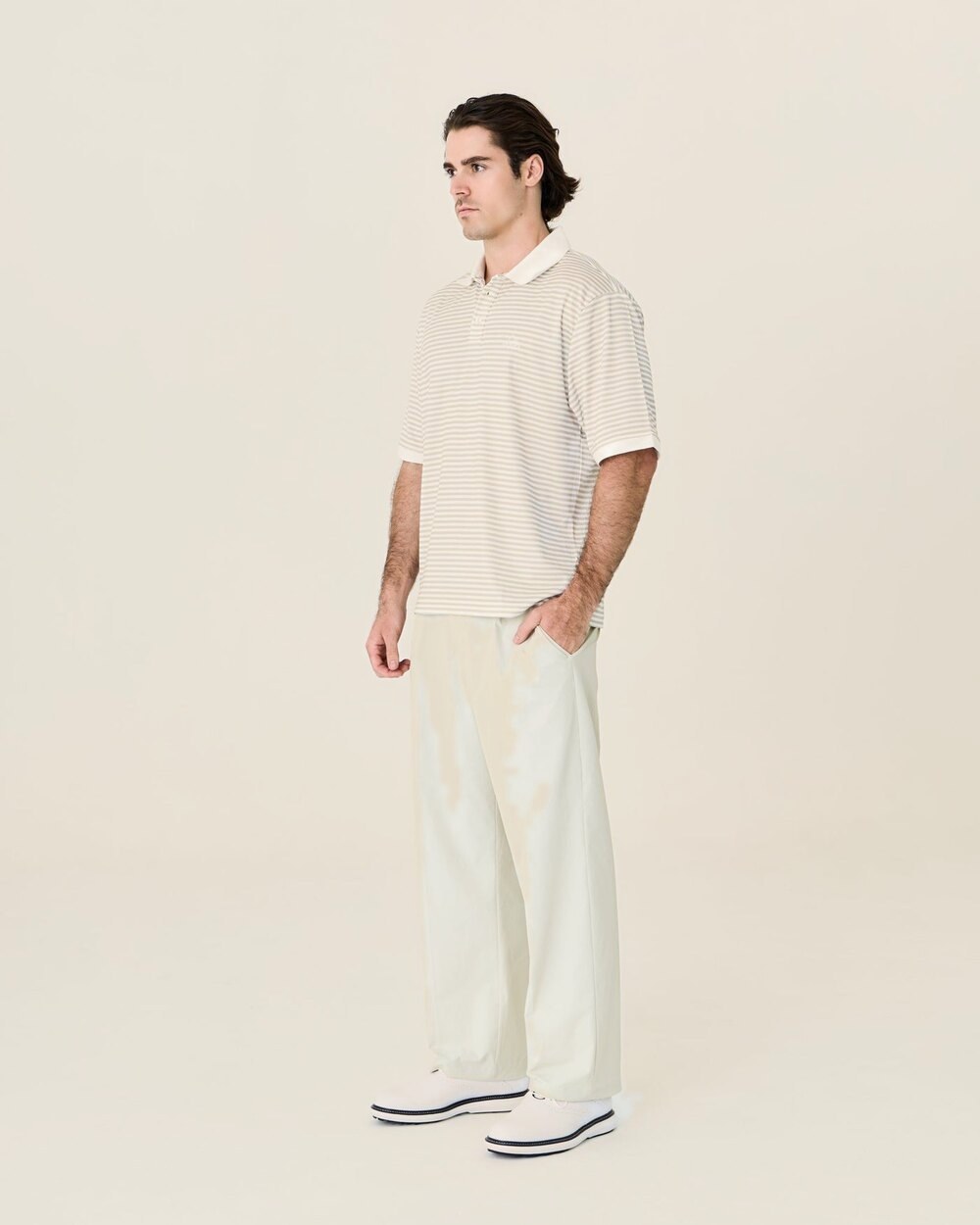
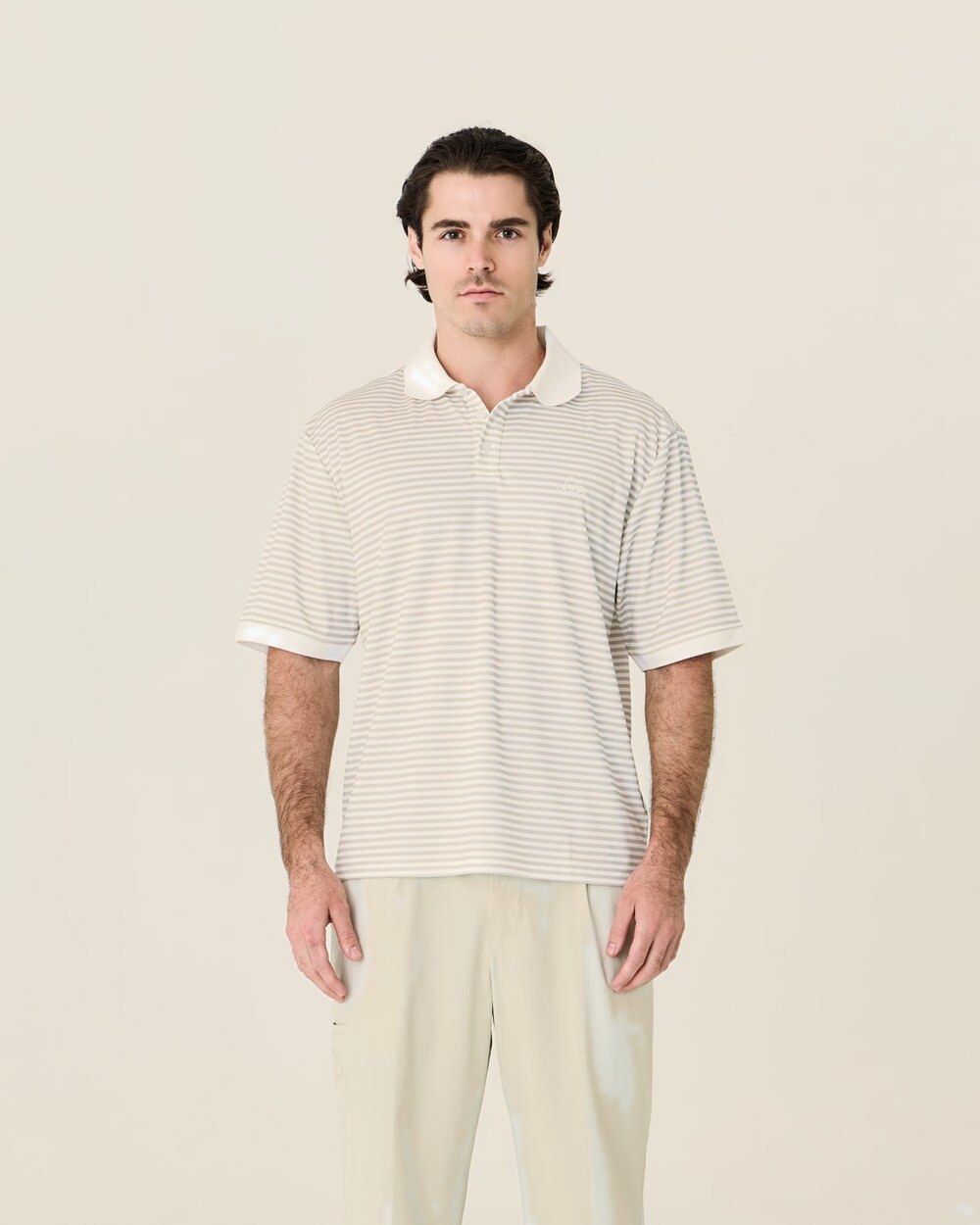
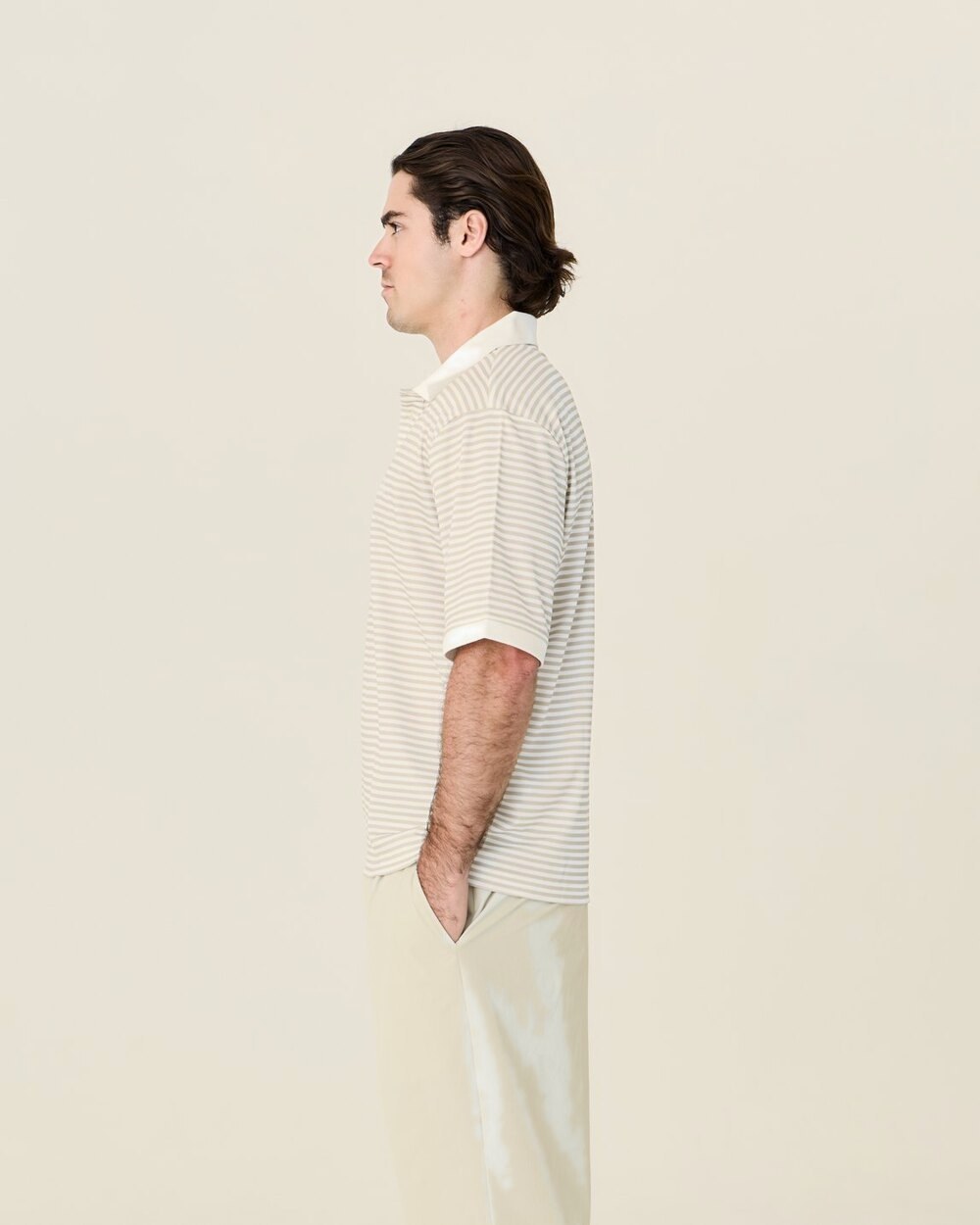
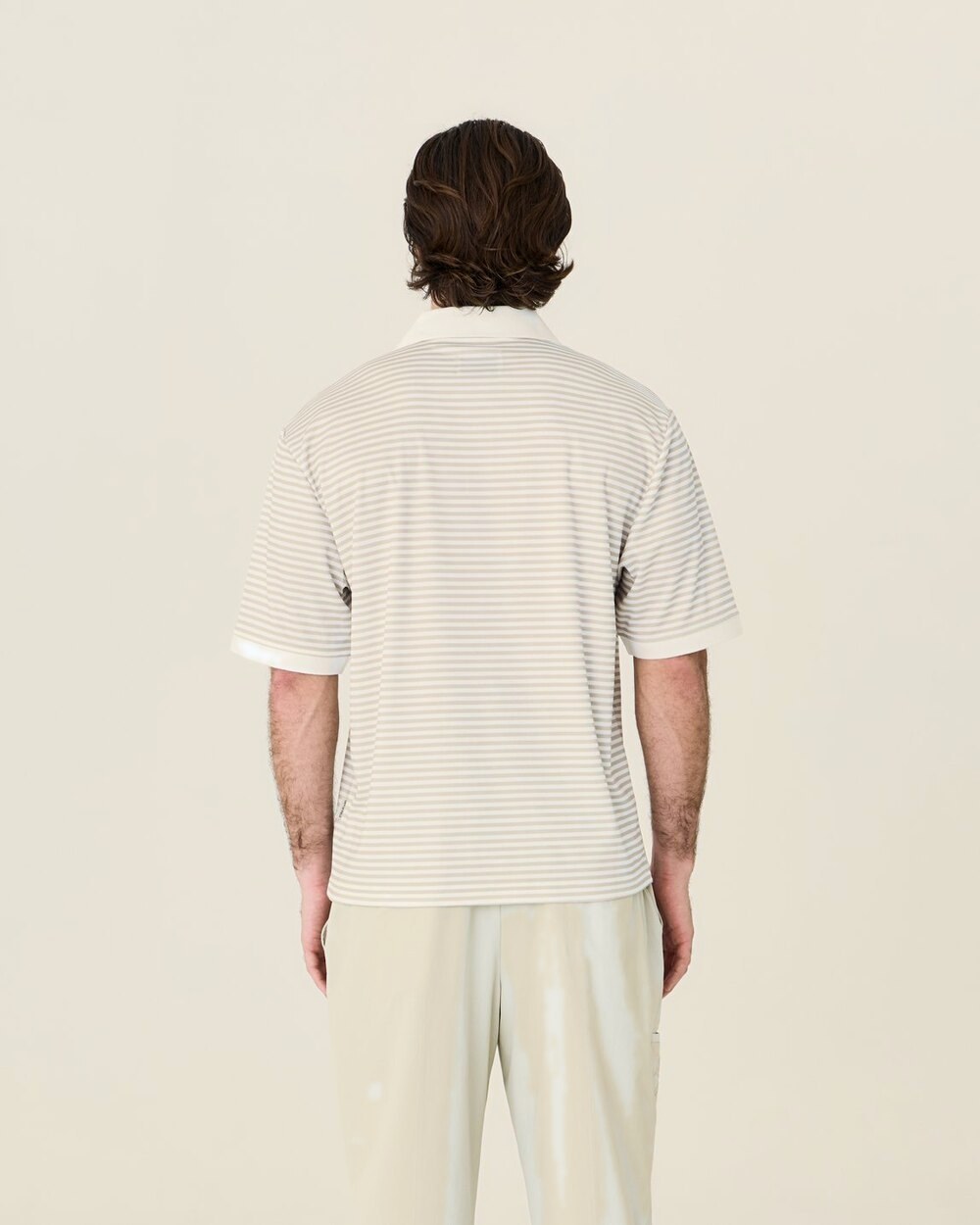
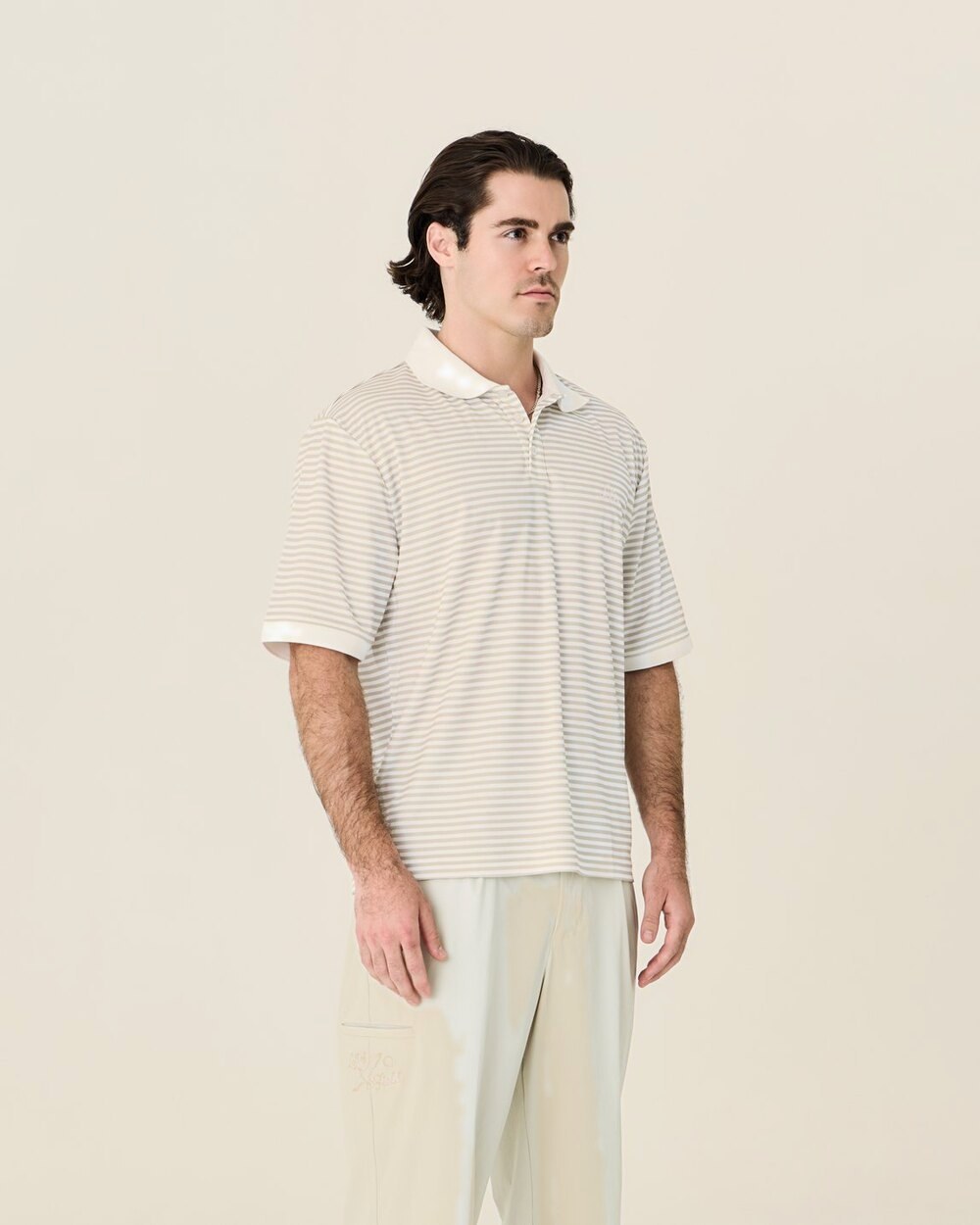
Two picks · one brandAnd sometimes it was simpler than taste. Sometimes the hat just did not fit.
Because for decades golf clothing mostly meant shiny performance polos from a few big companies. Independent brands started when golfers who wanted something else, from knit headcovers and pleated trousers to streetwear and Harris Tweed, made it themselves.
Jan Craig Headcovers. Jan Craig started hand-knitting her own covers in 1962 because she could not find any she liked, and the covers are still hand-knit in the USA.
Olydoe calls itself an anti-polyester brand and makes Supima cotton polos and cotton, Tencel and linen trousers. Odd Ritual's Heritage Polo is a cotton pique, and Late Nine works in merino and Italian wool.
Woodgrain (the Legacy Double Pleated Trouser, $180), Late Nine (Double Pleat Slacks in Italian wool), Manors (the Lightweight Pleated Trouser, $172) and Olydoe (the Pleated Walker Pant, $115).
On October 12, 2026 they ran from $22.50 (Smathers & Branson's needlepoint ball marker) to US $427 (Late Nine's wool slacks), with most between $50 and $200.