Fyfe started as a complaint: Neil Rennie kept walking into Scottish pro shops and finding nothing in them that had anything to do with Scotland. The answer is a Fife workshop making to order in Harris Tweed, Scottish tartan and waxed canvas from Dundee — and, several times a year, in something that used to be an RAF flight suit, a caddie’s coverall or a yacht sail.
The Arran at £65 is the everyday version of the idea; the upcycled runs are the reason to keep an eye on the site.
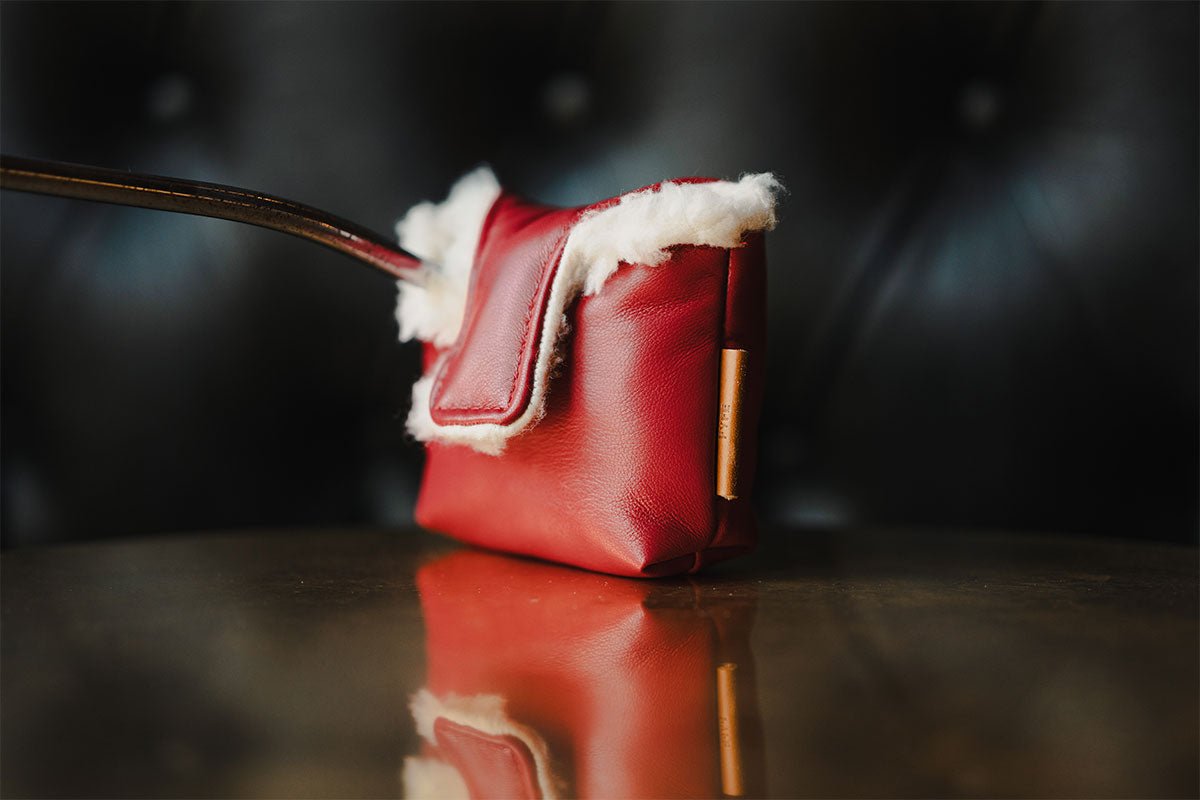
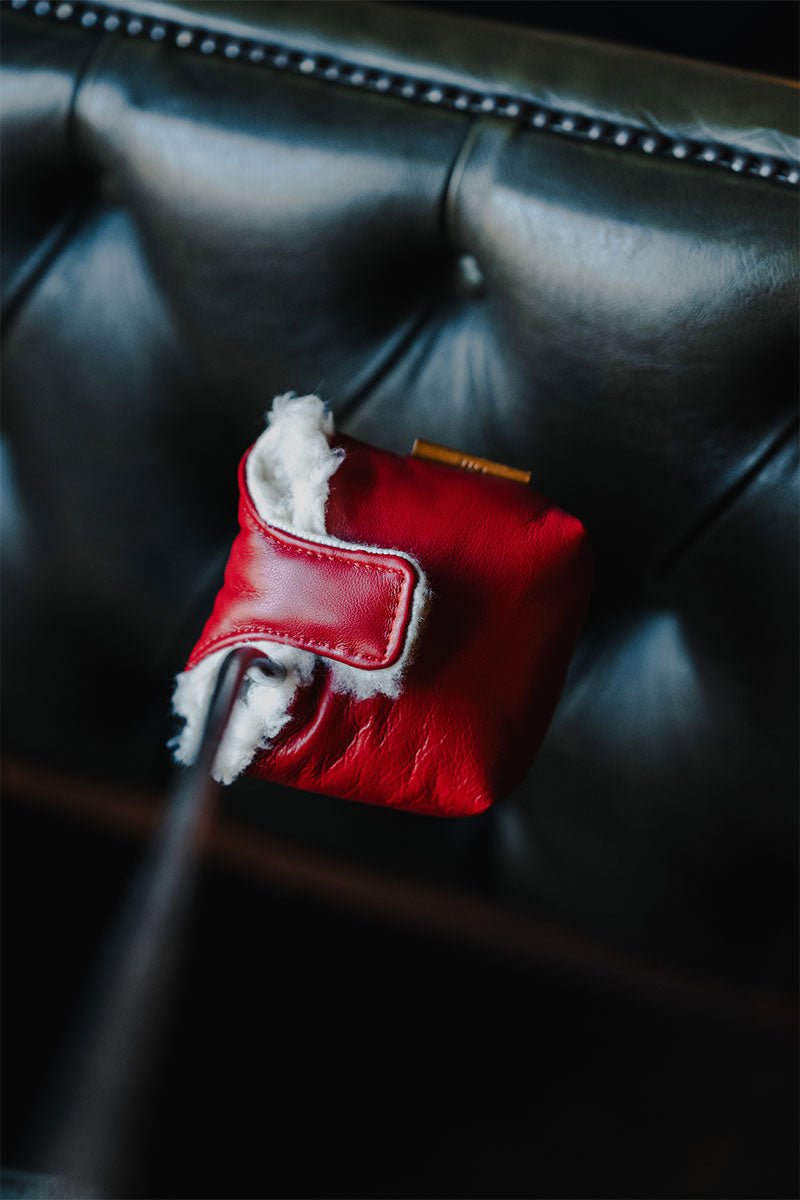
This is for the player who wants the cover to come from somewhere specific. Thirty-two pieces are in stock, twenty-three of them headcovers.
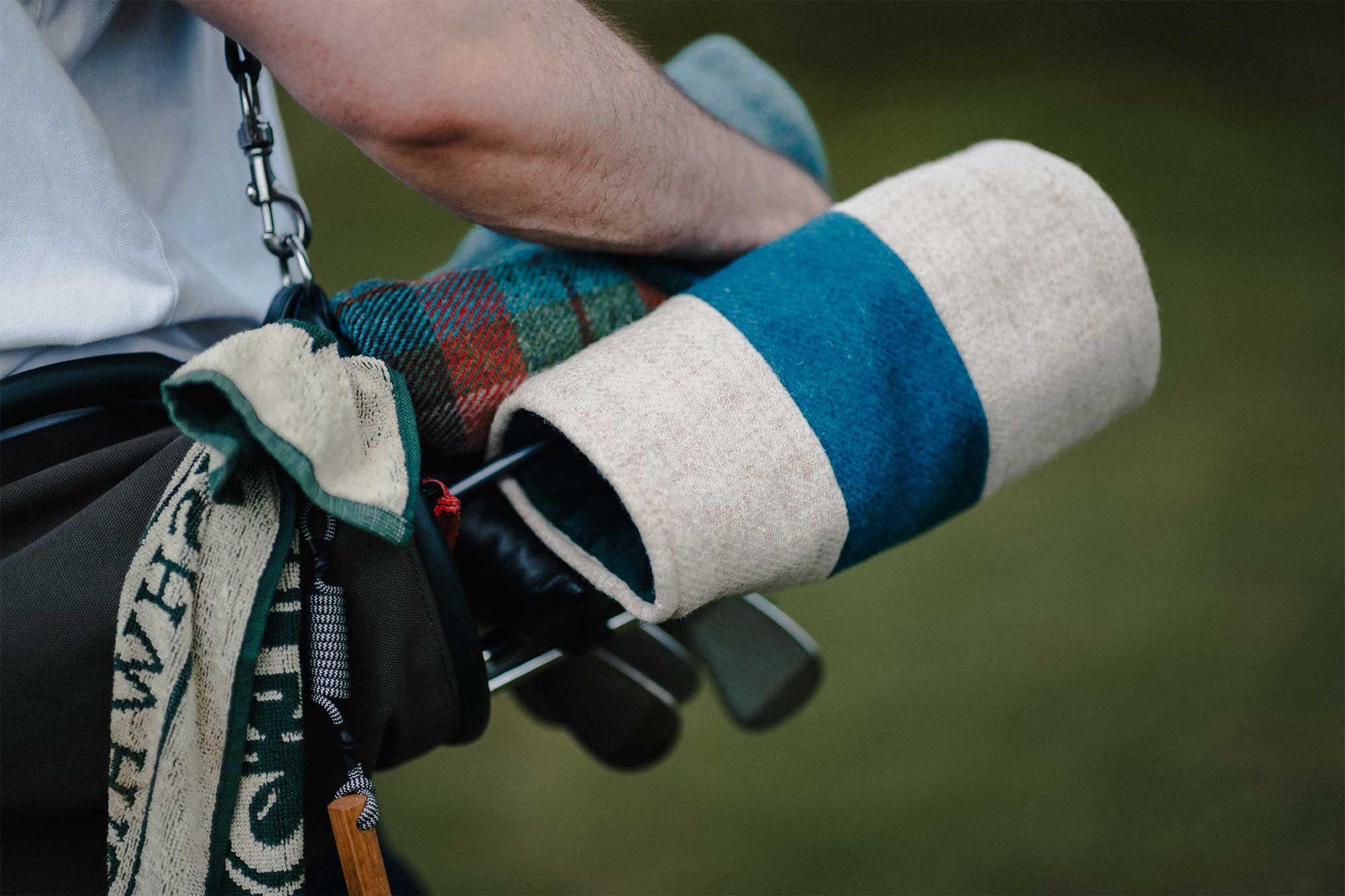
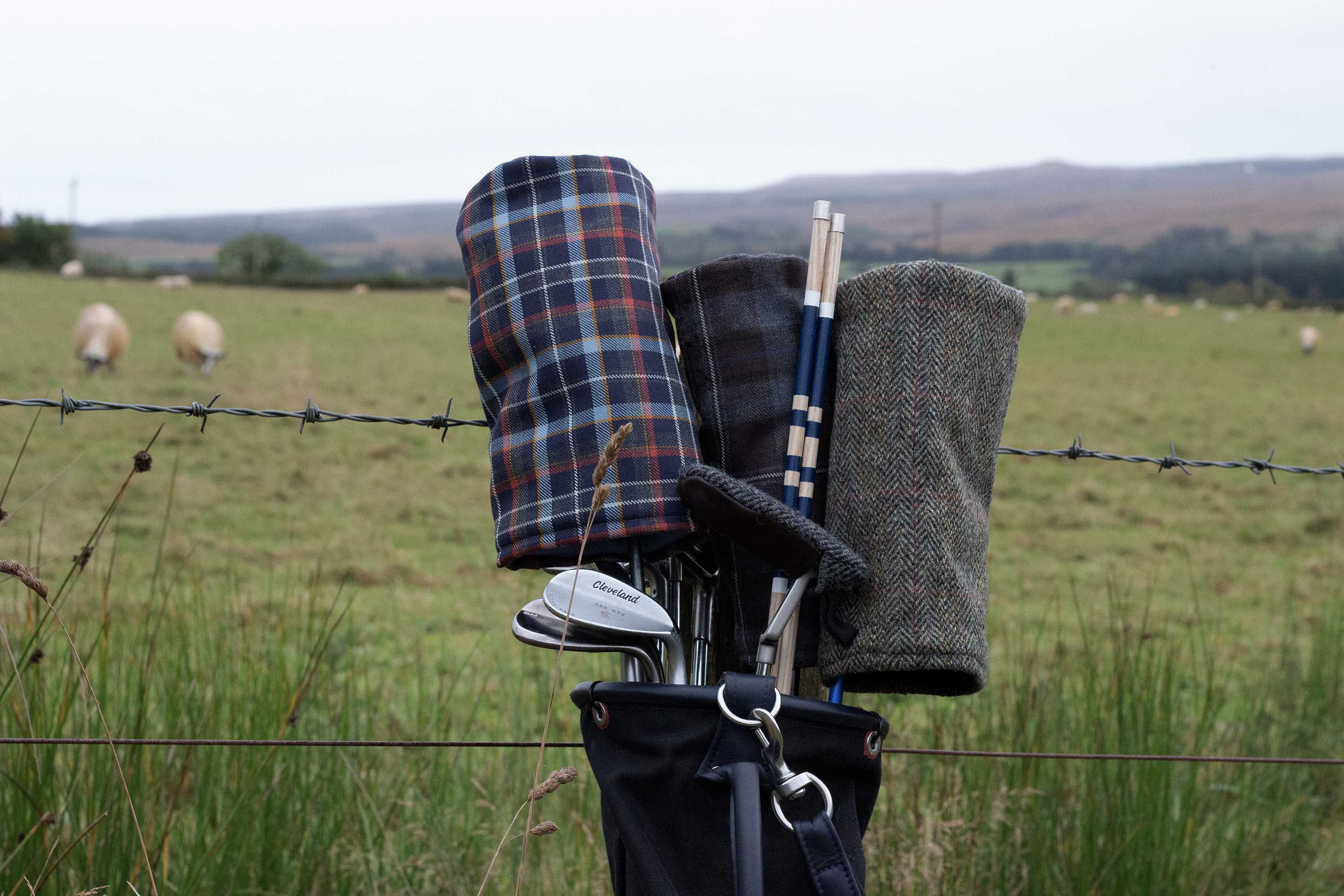
Fyfe Golf makes headcovers to order in a workshop in Fife, out of Harris Tweed, Scottish tartan, waxed canvas from Dundee and, several times a year, something that used to be a completely different object — an RAF flight suit, a caddie’s coverall from Augusta, a deck chair, a bolt of sail cloth off a yacht on the west coast. Thirty-two pieces are below, twenty-three of them headcovers, all in stock on 14 September 2026.
The brand started with a complaint. Neil Rennie had spent years walking into Scottish pro shops and finding nothing in them that had anything to do with Scotland. “Going around the pro shops and golf retailers, I couldn’t find that more elevated product, with heritage and provenance,” he told The Wandering Golfers in 2022. “Everything was mass-produced and heavily branded.” He had come out of fashion rather than golf, which meant he already knew who still wove cloth in Scotland and how to reach them. Fyfe launched in November 2021.
If you want the short version: the Harris Tweed covers are the reason to know the brand, the tartans are the ones people ask about, and the reclaimed-material projects are where it gets interesting — and where almost everything sells out inside a week.
Fyfe names its mills. That is rarer than it sounds, and it is checkable.
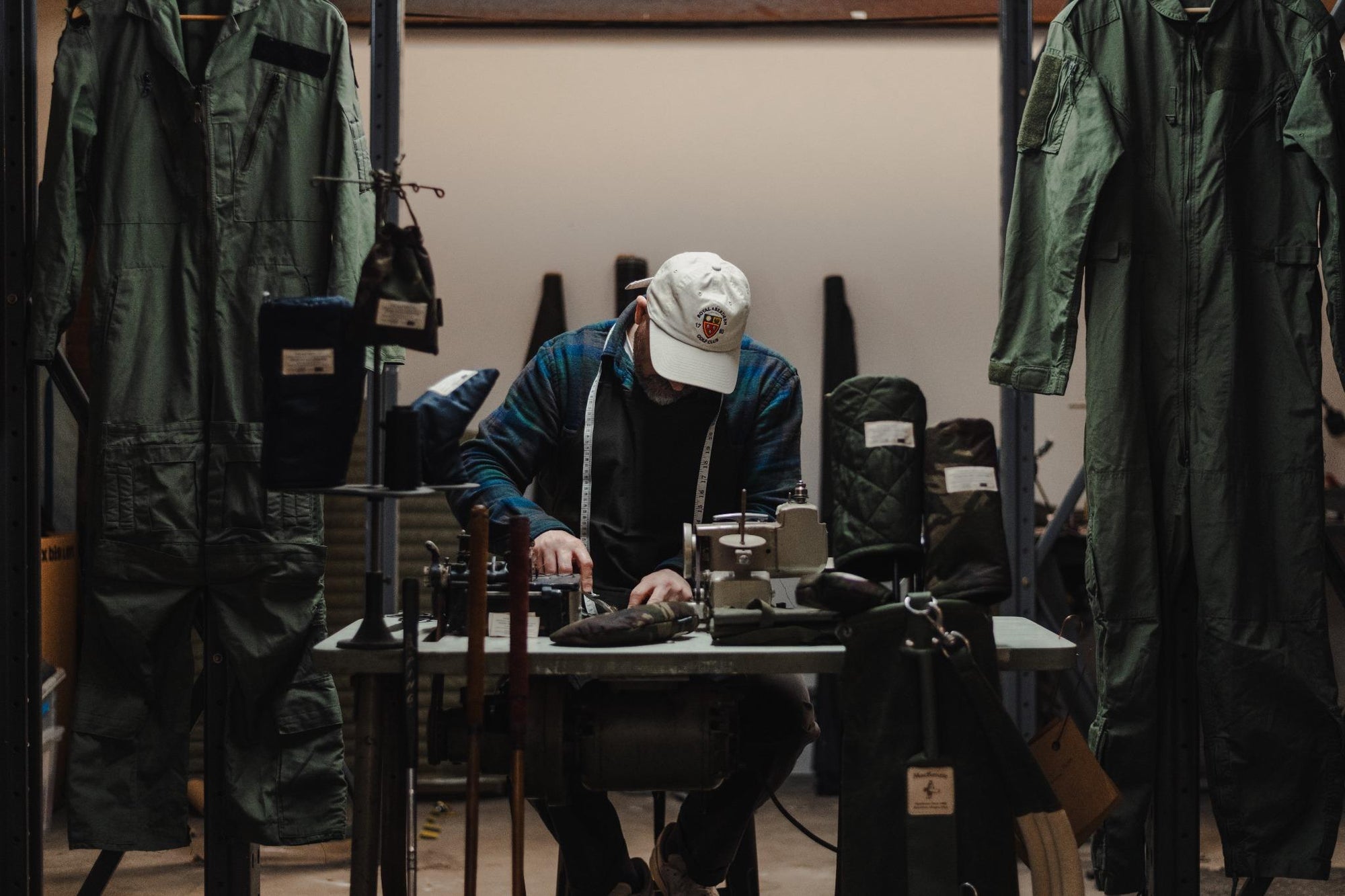
The workshop is a joint venture, not a contractor. Rennie set it up in Fife with what he has called a small group of friends and family, and it is where every headcover is cut, lined and sewn. Fyfe publishes a set of coordinates on its own story page — 56.3438° N, 2.8031° W, which puts you in the East Neuk near Crail — and no street address. Distribution runs from the same county.
The cloth comes from named places. Harris Tweed from the Isle of Harris. Tartans from historic makers in Perthshire and Selkirk. Waxed canvas from Halley Stevensons in Dundee, the mill that has been finishing waterproof cotton for North Sea fishermen since 1864. Merino dyed and finished by Todd & Duncan, the cashmere and merino specialists at Loch Leven. Hats made in Ayrshire, socks in Hawick. Every one of those is a company you can look up.
Most of it does not exist until you order it. Fyfe describes its approach as “producing in response to demand rather than overmaking”, which in practice means a custom cover ships in fourteen to twenty-one working days and the standing range is small on purpose. The custom programme has a published price ladder rather than a quote-on-request page: £15 to make an item to order, a further £15 fabric surcharge on one or two covers in a bespoke tartan that is waived at three or more in the same cloth, £20 for initials, £30 setup plus £8.50 per application for custom embroidery. You choose outer fabric, lining, label colour and embroidery.
And they publish an Honesty Box. On the fabrics page Fyfe names the two materials in its own products that are not natural — elastane in the internal grip of a headcover, switched over from organic cotton and rubber because the tension was inconsistent, and polycotton in some linings, chosen over pure organic cotton for strength. Plenty of brands publish a sustainability page. Very few use it to list what they have compromised on and why.
Neil Rennie has given two long interviews in five years. These are from both.
Rennie is the founder and, per Companies House, the sole director of Fyfe Golf Ltd. He has described himself as a co-founder as well, crediting “a small group consisting of friends and family” without naming them. The company was incorporated on 1 August 2023, two years after the brand launched — there is no predecessor entity on the register, and Fyfe has never explained the gap.
The story he keeps returning to is a mill:
“My grandparents on my mother’s side both worked in a fabric mill just north of Aberdeen that produced cloth for Crombie coats, which became famous across the world through the 1950s and 60s. That mill eventually closed in the mid 1990s, and I think growing up around those stories stayed with me.”
— Neil Rennie, interviewed by Ettinger London, May 2026
On what he found missing, and why he started:
“Having visited many golf pro shops across Scotland over the years, I felt there was a real disconnect between where the game began and the products being sold within it. Scotland has an extraordinary history of craftsmanship, textiles, and making, yet very little within modern golf felt genuinely connected to that heritage anymore.”
— Neil Rennie, Ettinger London
On where a product starts — which explains the reclaimed collections better than anything on the sustainability page:
“Most products begin with either a material or a story. Sometimes it is a particular tweed, waxed canvas, military textile, or even a landscape or place in Scotland that sparks an idea for a collection.”
— Neil Rennie, Ettinger London
And on what he wants the covers to become:
“Hopefully, decades from now, there will still be Fyfe products being used and passed on, much in the same way people value beautifully made leather goods today.”
— Neil Rennie, Ettinger London
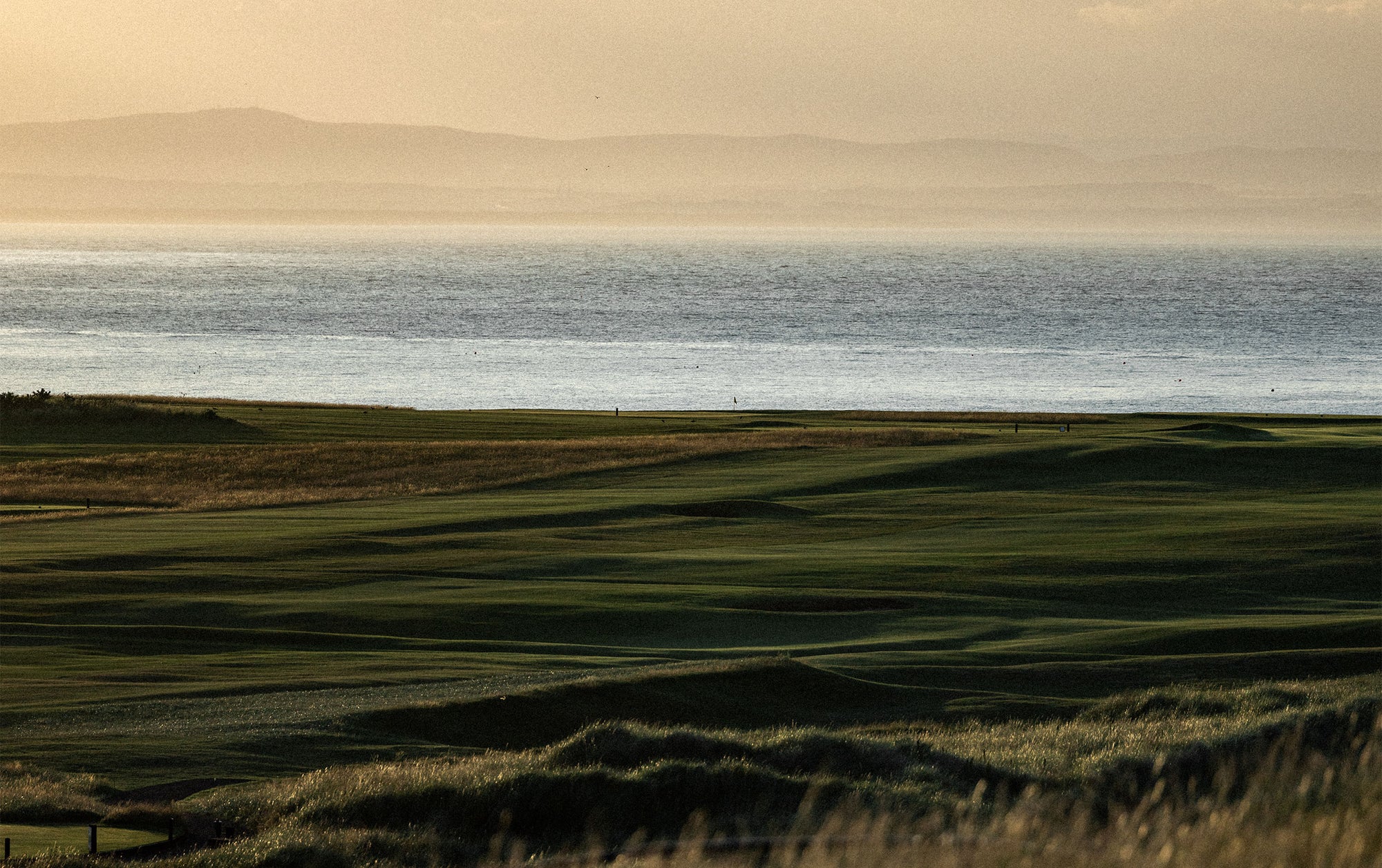
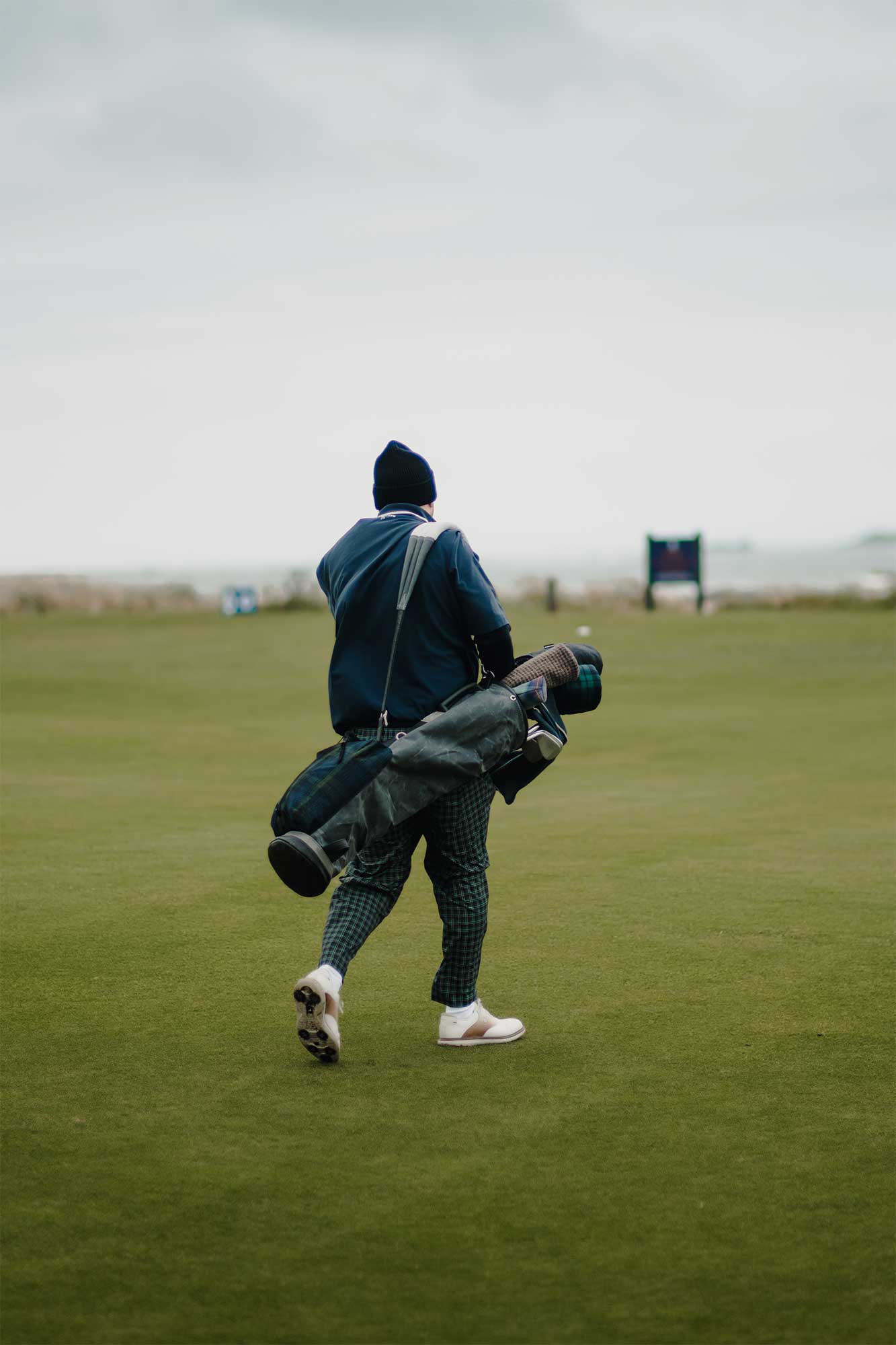
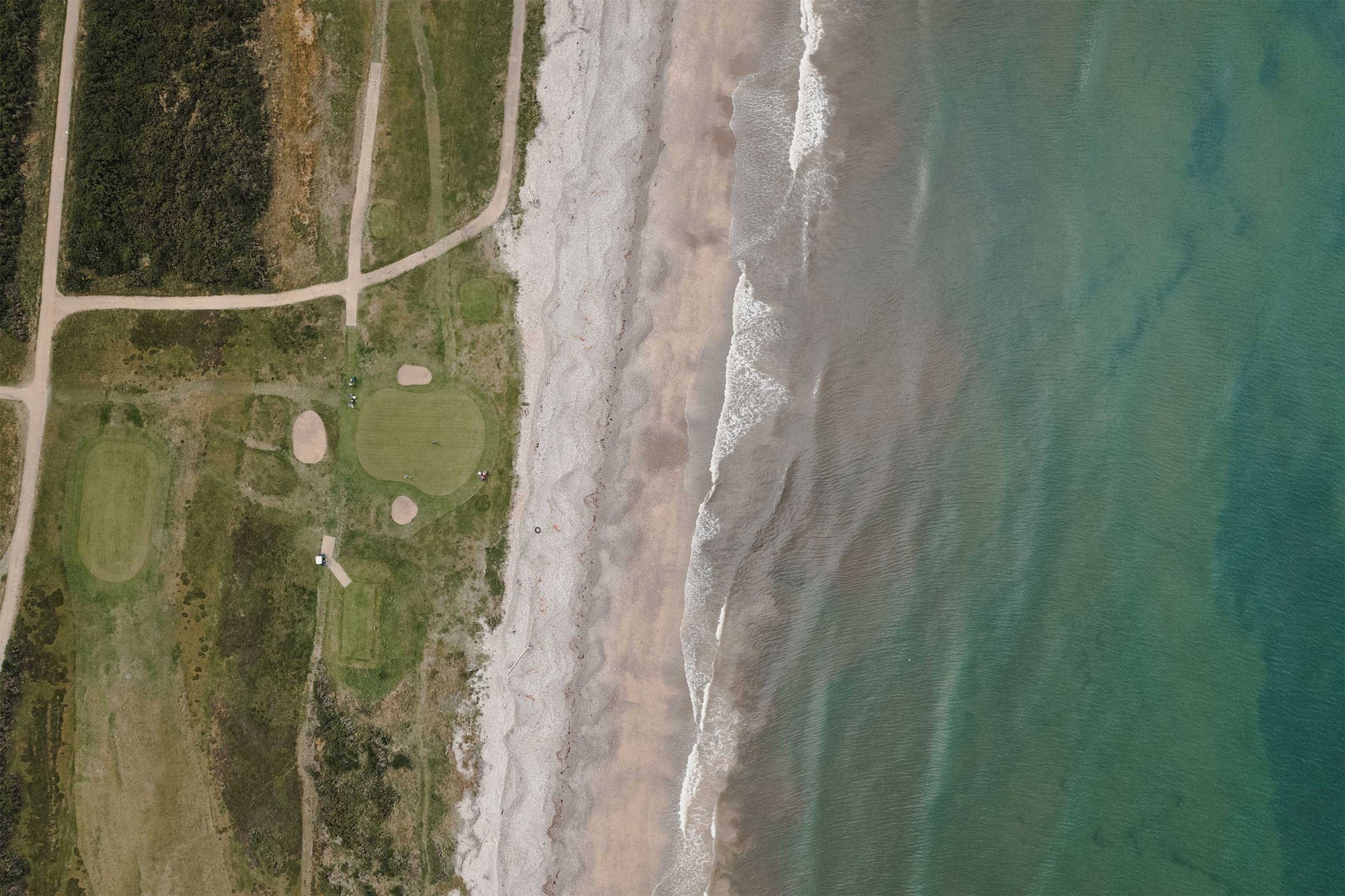
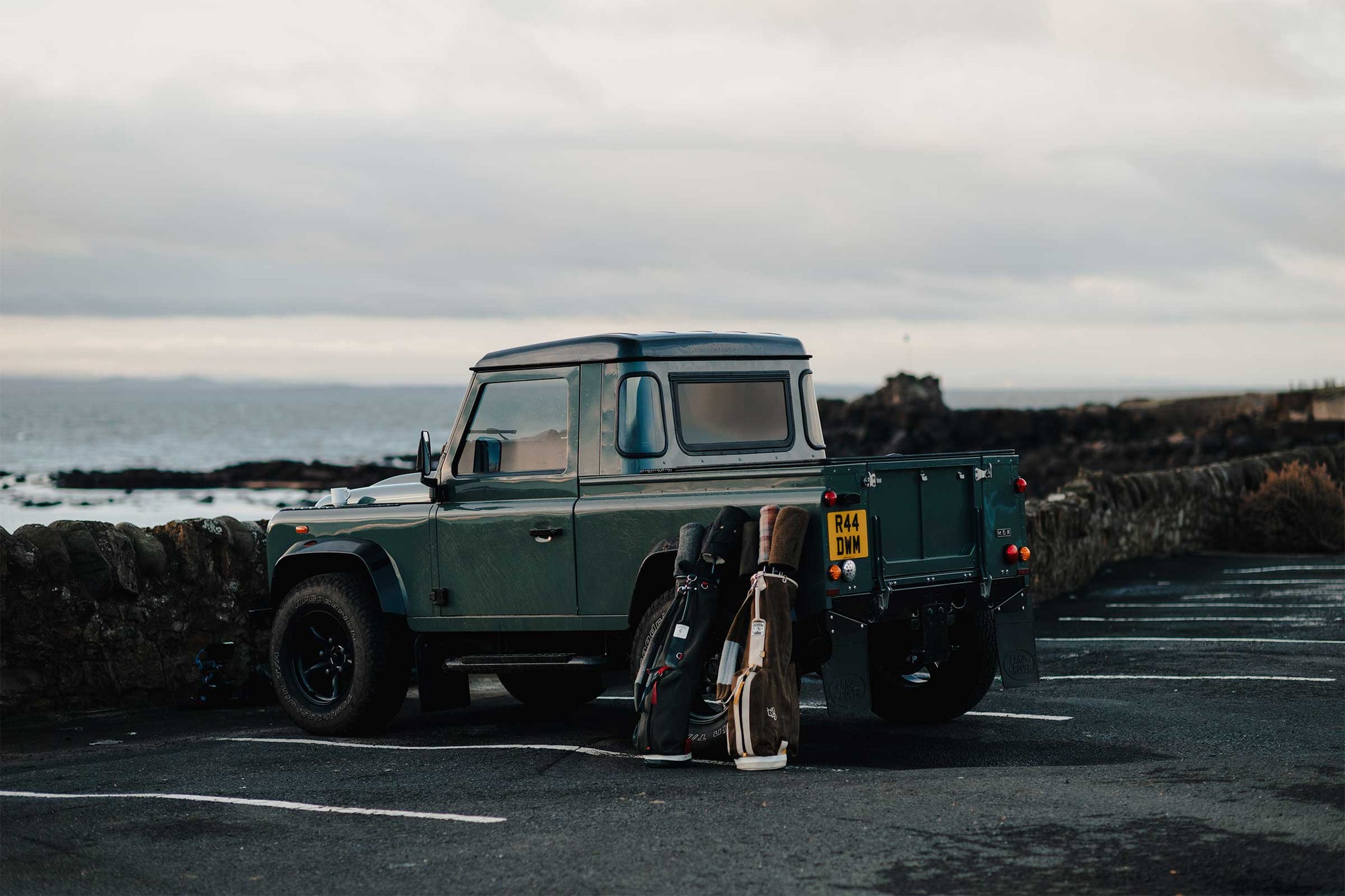
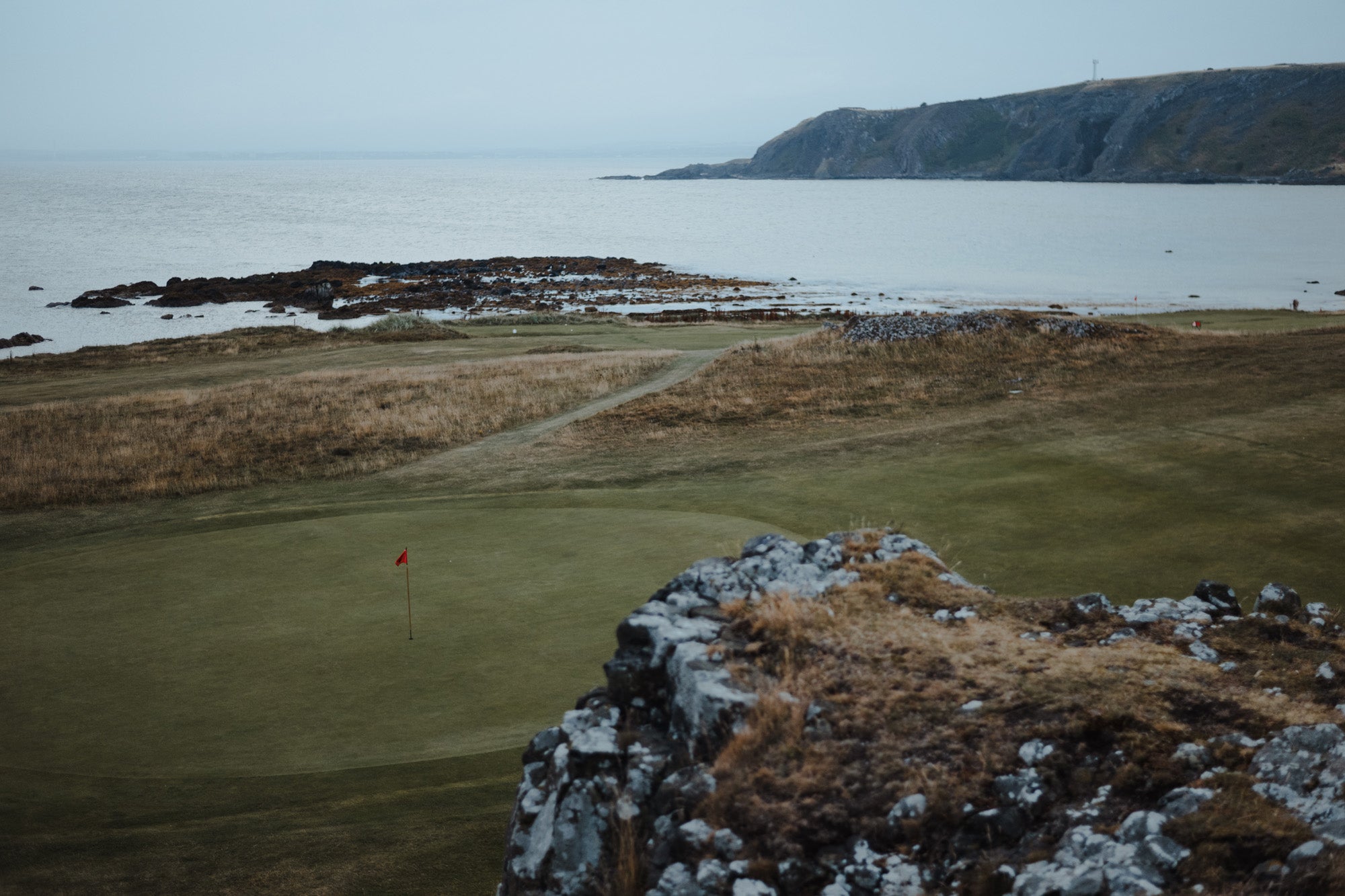
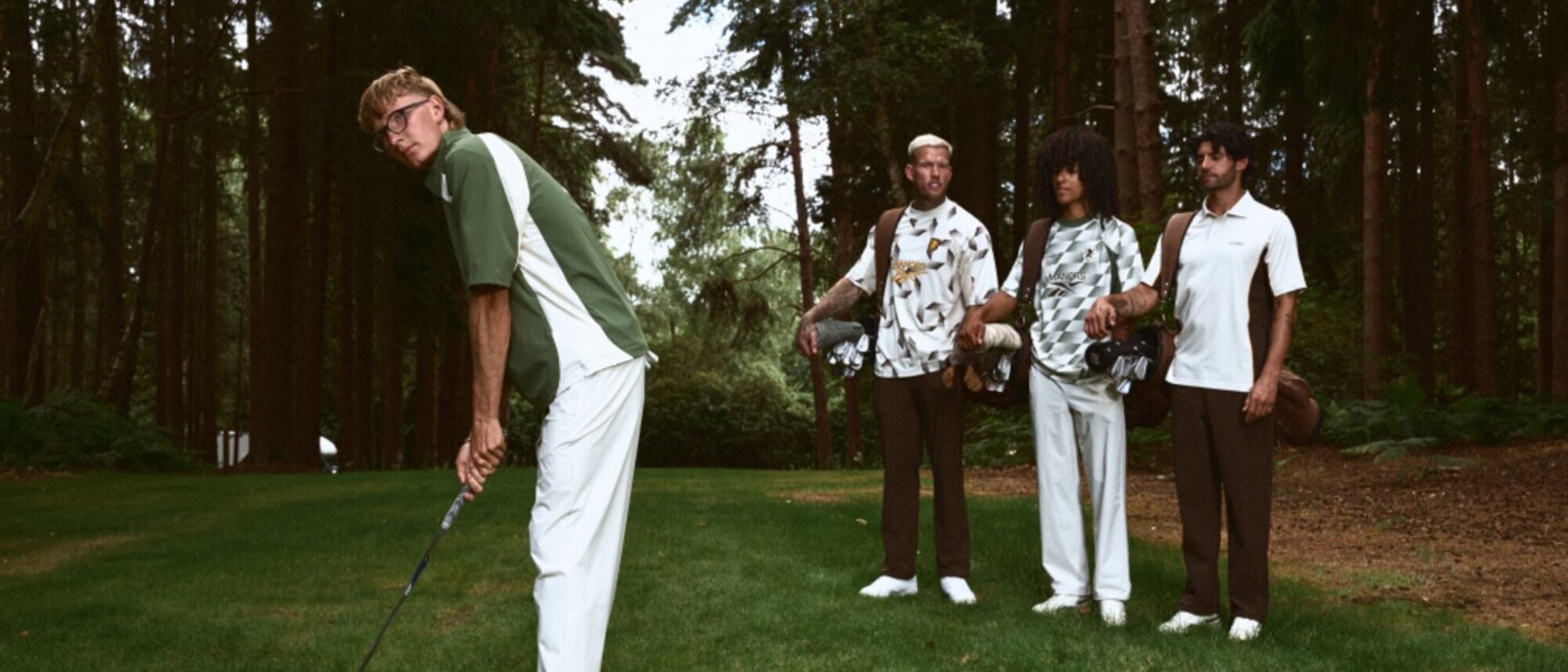
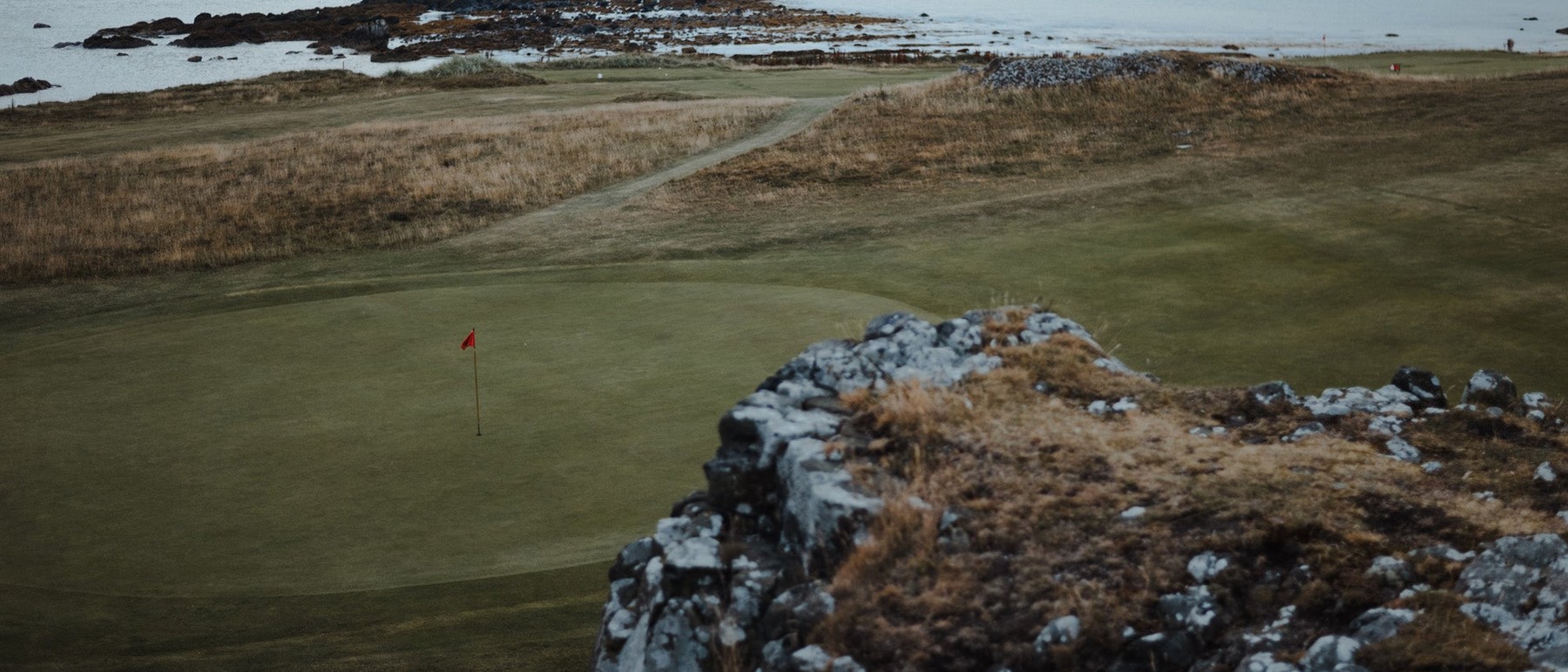
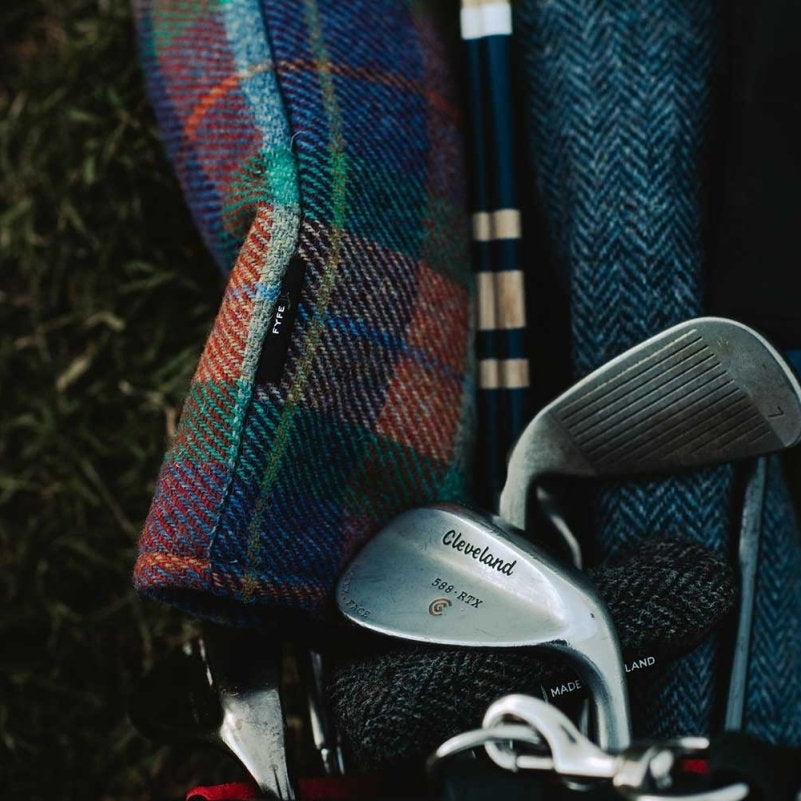
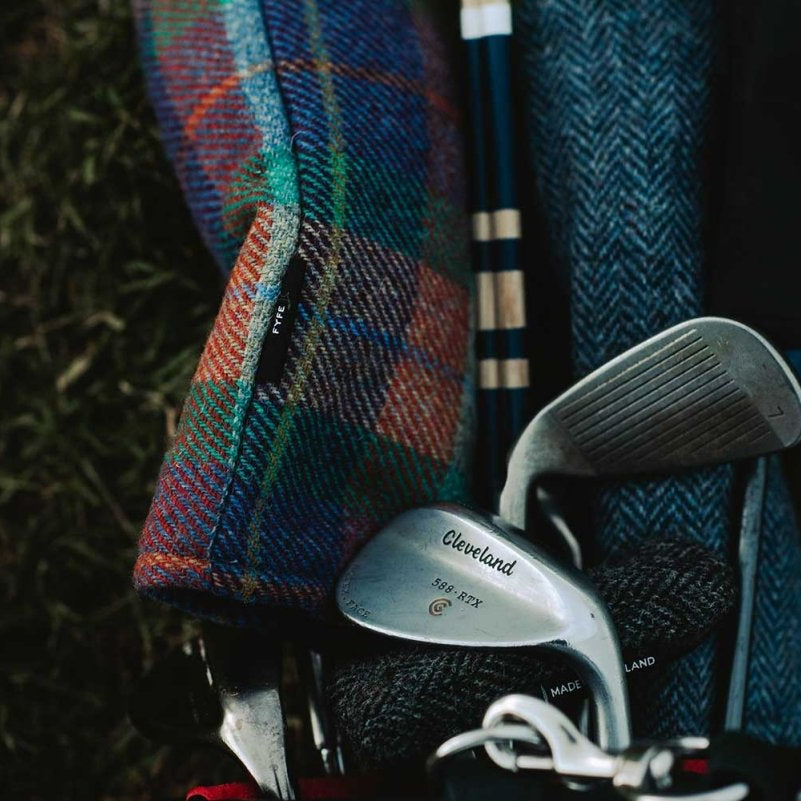
Fyfe shoots its own product on Scottish courses and coastline, and publishes a lookbook for every collection.
Seven collections in four years built from cloth that had a previous job.
The most consistent thing Fyfe does is also the thing it says least about. Since 2022 the brand has run at least seven collections built from reclaimed material: denim offcuts from Hiut in Cardigan, made with Kuroki Mill selvedge and Isko organic; vintage deck chair canvas, for a collection about Scottish seaside holidays; RAF flight suits and quilted liners; white caddie coveralls and green canvas from Augusta, twice, with Vintage Chubbs; repurposed sail cloth from Oban, alongside marine suede from the Clyde; and tartan remnants from its own previous production runs, patchworked into a new cloth.
The clearest statement of why is on a denim page from February 2022, and it has been sitting there ever since: “As part of our continued focus on craftsmanship and sustainability, we decided to launch the Offcut Projects. Working with likeminded brands who focus on the artisan led approach to making product and who themselves have a focus on sustainable fabrics and materials, we utilise the cuts of fabrics that would otherwise go to waste to create a variety of products at our workshop in Scotland.”
What is striking is that none of this appears on the sustainability page. Fyfe’s fabrics and materials page is entirely about virgin fibre — tweed, merino, organic waxed cotton, bamboo — and the words deadstock, offcut and waste appear nowhere on it. The reclaimed collections are sold on story and scarcity instead: one-of-a-kind, twelve per style, once standard issue and now far from it. Which is a choice, and probably the right one commercially, but it means the most defensible environmental thing the brand does is filed under marketing rather than under ethics.
The three projects below are the ones that best explain how it works.
Fyfe cut vintage flight suits and quilted liners into covers and pouches in April 2025.
Scotland’s coastal links and its airfields have been neighbours for a century. Fyfe’s lookbook makes the point directly: “Scotland’s coastal golf courses once shared their ground with the Royal Air Force—fairways became flight paths, and bunkers bordered runways. During wartime, the links served a different purpose.” The Drop Zone took that overlap and made it physical, cutting vintage RAF flight suits and quilted combat liners into headcovers, putter covers and pouches, with a parallel run in P200 camo waxed canvas from Halley Stevensons for anyone who wanted the look without the provenance.
The line Fyfe used is the one that matters: “These are not replicas. They are remnants, reworked.” And in the longer collection copy: “Reworked from vintage RAF flight suits and liner fatigues, The Drop Zone range honours Scotland’s enduring connection to the Royal Air Force—past and present. From Leuchars to Lossiemouth, these garments once flew across shared skies. Now, cut and sewn in Scotland, they return to ground level—repurposed for play. Each piece is one-of-a-kind. Once standard issue. Now far from it.”
Two things to be straight about. Leuchars and Lossiemouth are named as geography, not as sources — Fyfe publishes nothing about where it obtained the garments, and no supplier, dealer or squadron appears anywhere. And the camo half of the collection is new cloth, not surplus, which the copy is clear about if you read the product pages rather than the collection header. The claim being made is that the flight-suit pieces are genuinely used garments. Fyfe asserts it; it does not evidence it.
Fyfe commissioned a map for the shoot, tracing where Scotland’s historic RAF airfields overlap its golf courses, and photographed the collection at Aberdour across the Forth from Rosyth. The store records show the collection published on 22 April 2025 with the lookbook up the next day, and a small restock followed on 4 September. Everything is now gone — the collection page is still live and reads zero products, which is a fairly exact picture of how this brand operates.
Fyfe has run four releases with a UK reseller, two of them landing on the Wednesday of the Masters.
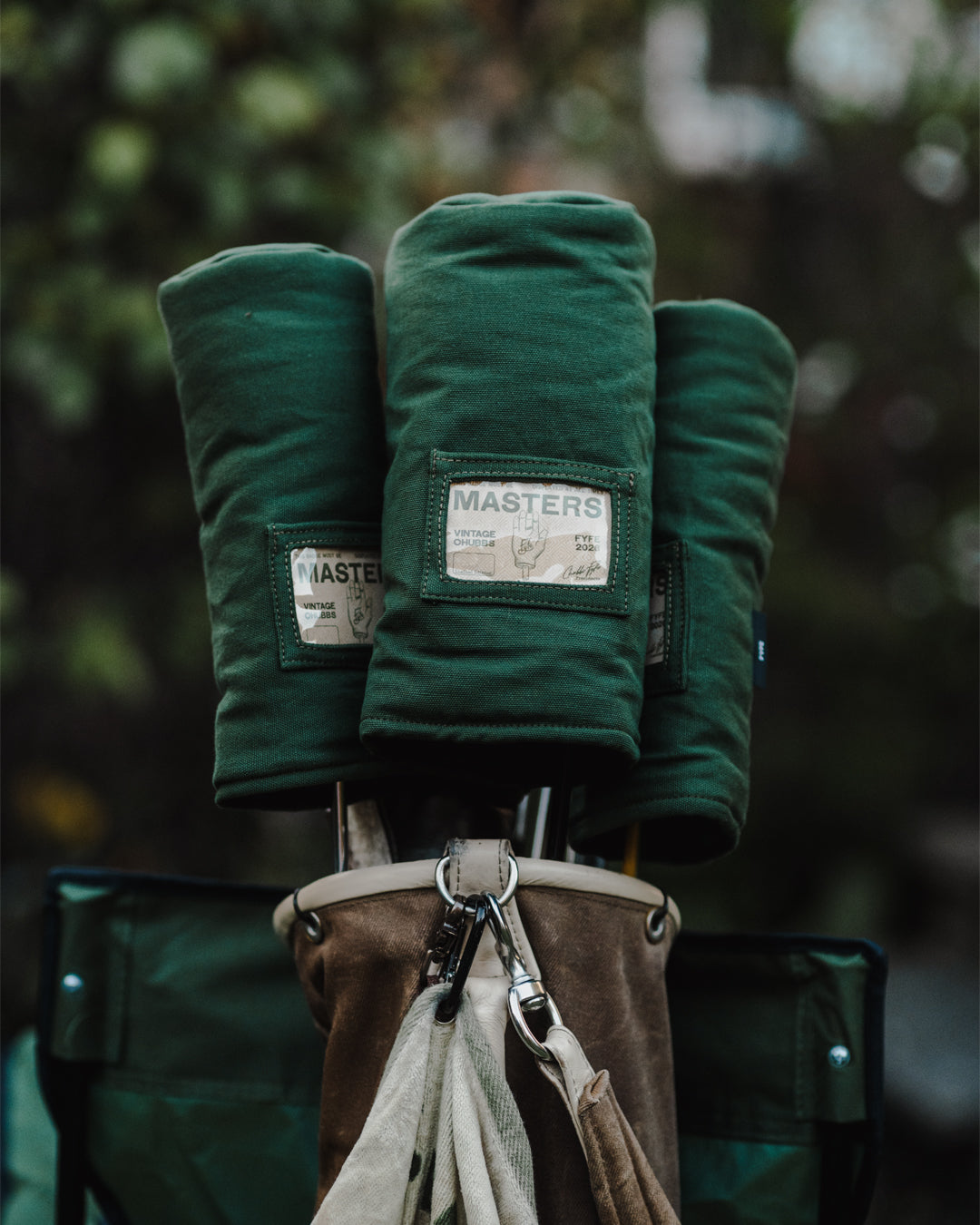
This is the sharpest thing Fyfe does, and it is not on the collaborations menu. Working with Vintage Chubbs — a UK operation that sells through Instagram, Depop and Vinted and publishes nobody’s name — Fyfe has run four releases built from Augusta-adjacent material, timed to the tournament.
The Lucky Numbers landed at 7pm on 9 April 2025, the Wednesday of Masters week. Driver and fairway covers made, in Fyfe’s words, “from repurposed white caddie coveralls—echoing the suits worn at Augusta each April. Each headcover carries a number linked to a Masters champion. From No. 1 to No. 89, every digit tells a story of pressure, poise, and improbable victory. Some worn by legends. Some left untouched.” The chest pocket vinyl number was cut out and stitched into the reworked body. Dark green fleece lining. The sign-off: “One number. One story. Made to carry.”
The Spectator arrived exactly a year later, 9 April 2026, and Fyfe called it “the fourth release in our collaboration with Vintage Chubbs” — “a limited series shaped from dark green canvas, drawn from the spectator line and reworked into a collection of headcovers. Each piece carries a 1950s inspired entry ticket, individually numbered, with only 12 made per style.” Twelve driver covers at £69 and twelve fairway covers at £65, each with an ID badge pocket and a printed collector’s card. Both sold out.
No licence is claimed and none is implied; the word Masters appears in Fyfe’s copy exactly once, in the phrase about champions’ numbers, and Augusta National is never named. What Fyfe is selling is the material and the week, and it is selling twenty-four units of it. Releases one and three are harder to pin down — the product pages are gone, as they always are — but the pattern across the two that are documented is unusually disciplined for something this opportunistic.
Fyfe published twenty-two pieces in October 2025, alongside the best photography it has produced.
Not a collaboration, despite the name — there is no club, no estate and no partner named anywhere. The Shooters Club is an in-house collection, published on 15 October 2025, that borrows the language of Scottish field sport and applies it to golf. The conceit is spelled out in the lookbook: “In Scotland, the pursuit of sport takes many forms. On the moor or the links, both demand precision, patience, and respect for the land. The ghillie and the caddie — two guardians of their game — share a quiet kinship, guiding each shot and swing with instinct and understanding.”
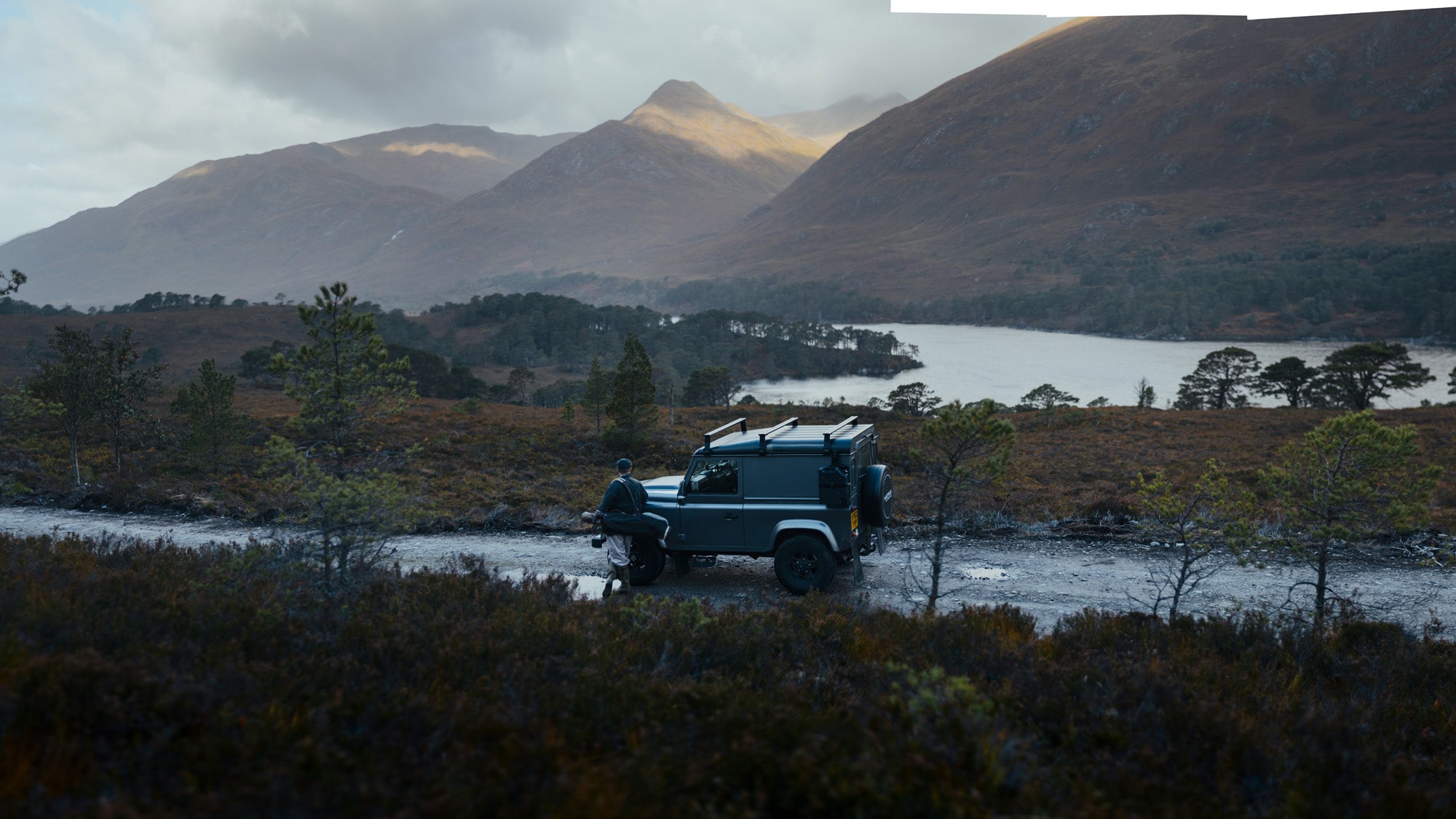
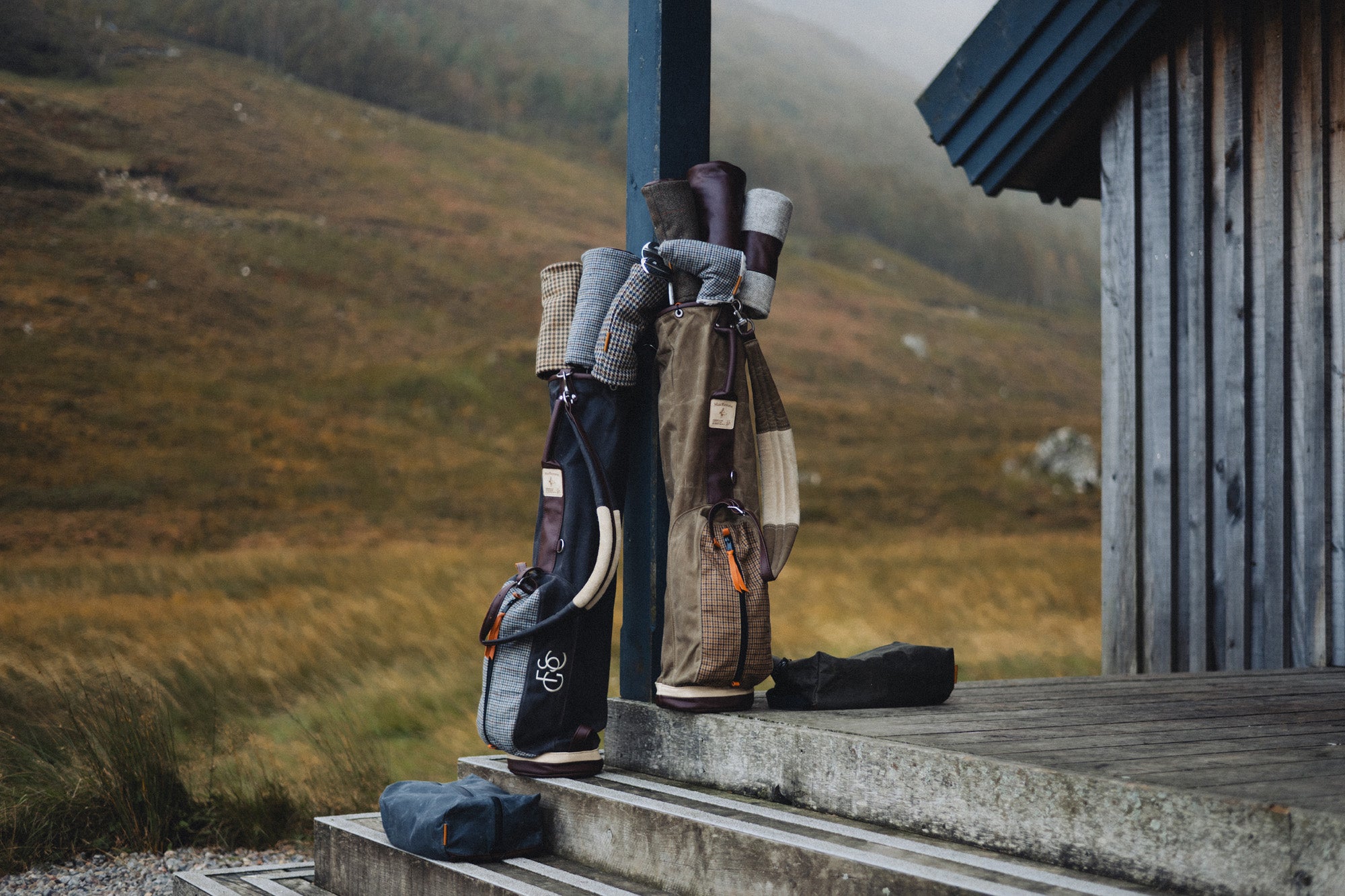
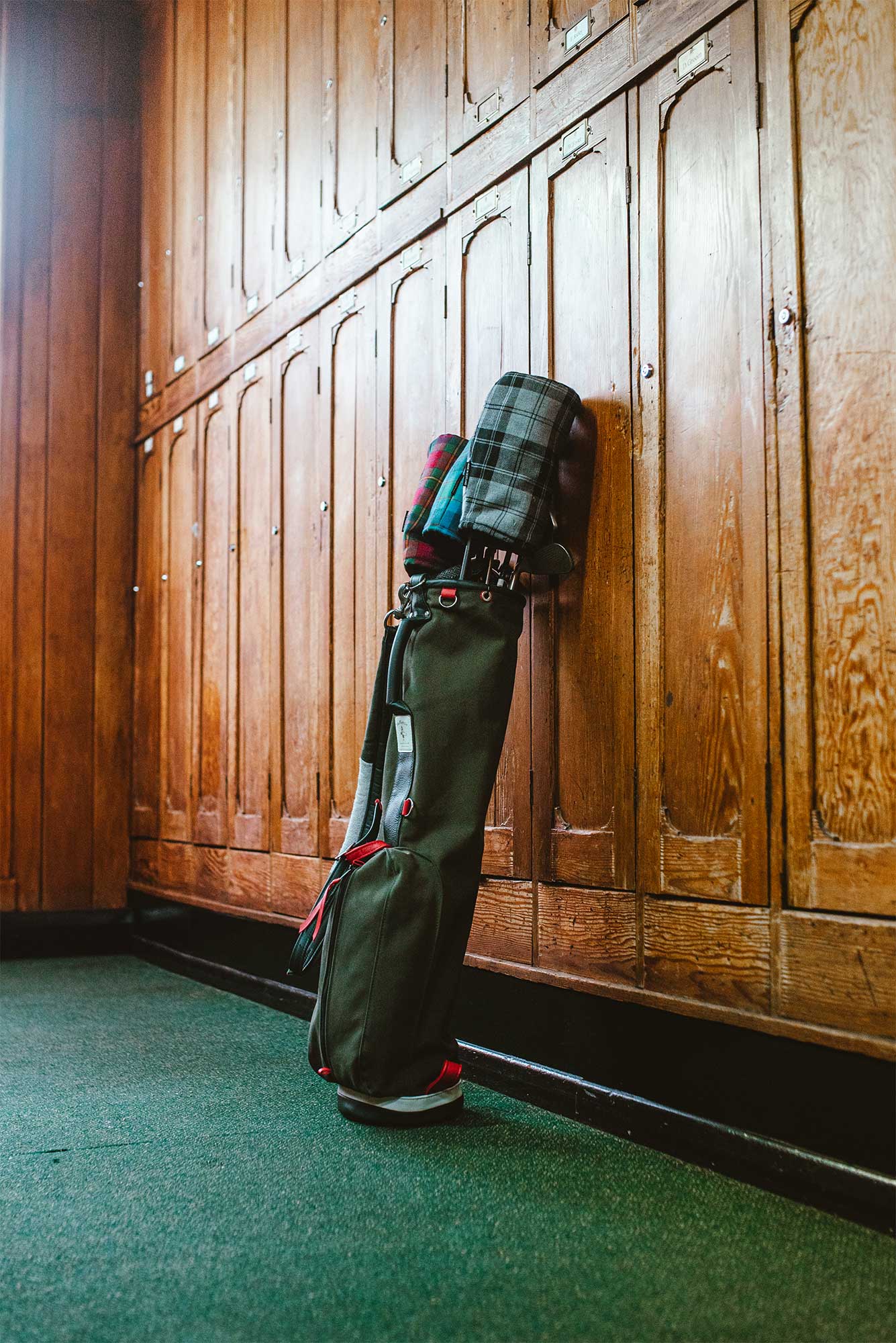
It was shot at Glen Affric — lodge, forest, a Defender on a hill road, two golfers walking out with a gundog, bags propped against a hut, a bottle of whisky in a doorway. Twenty-two pieces went out: Achnacarry and Cannich tweeds, Gun Dog, Ghillie waxed canvas, Nightwatch tartan, Remony, and a Dalmore leather cover at £89 that remains the most expensive headcover Fyfe has listed. Six are still available, including the Gamekeeper and Remony blade covers and the Marksman rangefinder case further up this page.
One honest note on the cloth. The lookbook says the tweeds are “limited-edition estate tweeds from some of Scotland’s most storied grounds” but names no estate, mill or weaver. The product pages tell a plainer story — Harris Tweed woven in the Outer Hebrides, Peregrine Houndstooth Waverley Tweed woven in Selkirk, and a Gamekeeper cloth described as a pattern “inspired by” Scotland’s estate tweeds. It is good cloth from named mills, dressed in a slightly bigger story than it needs. The pictures, on the other hand, do not oversell anything.
Twenty-two numbered editions have come and gone since 2021 — Dundee canvas, Oregon stitching, £650 a bag.
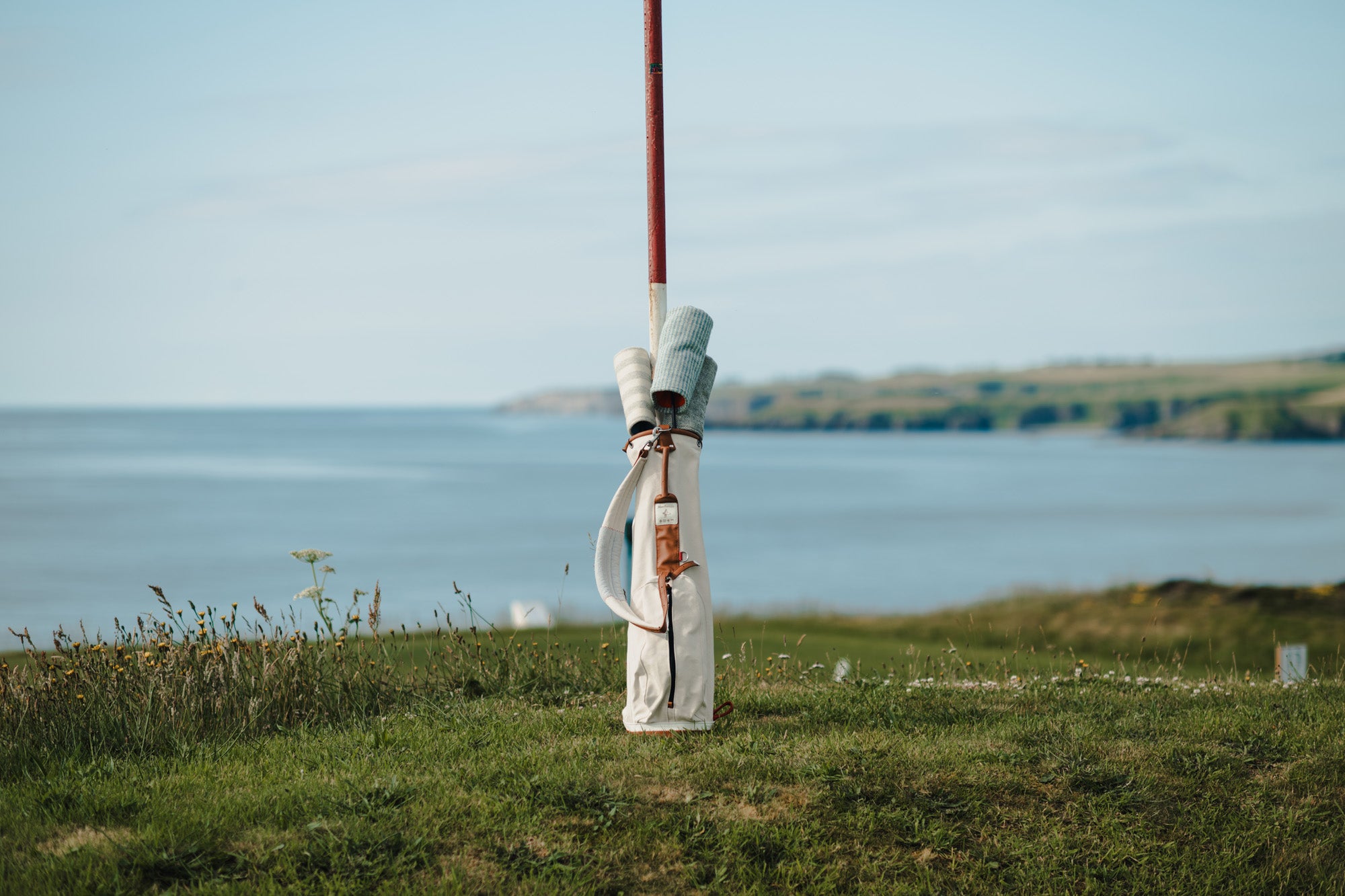
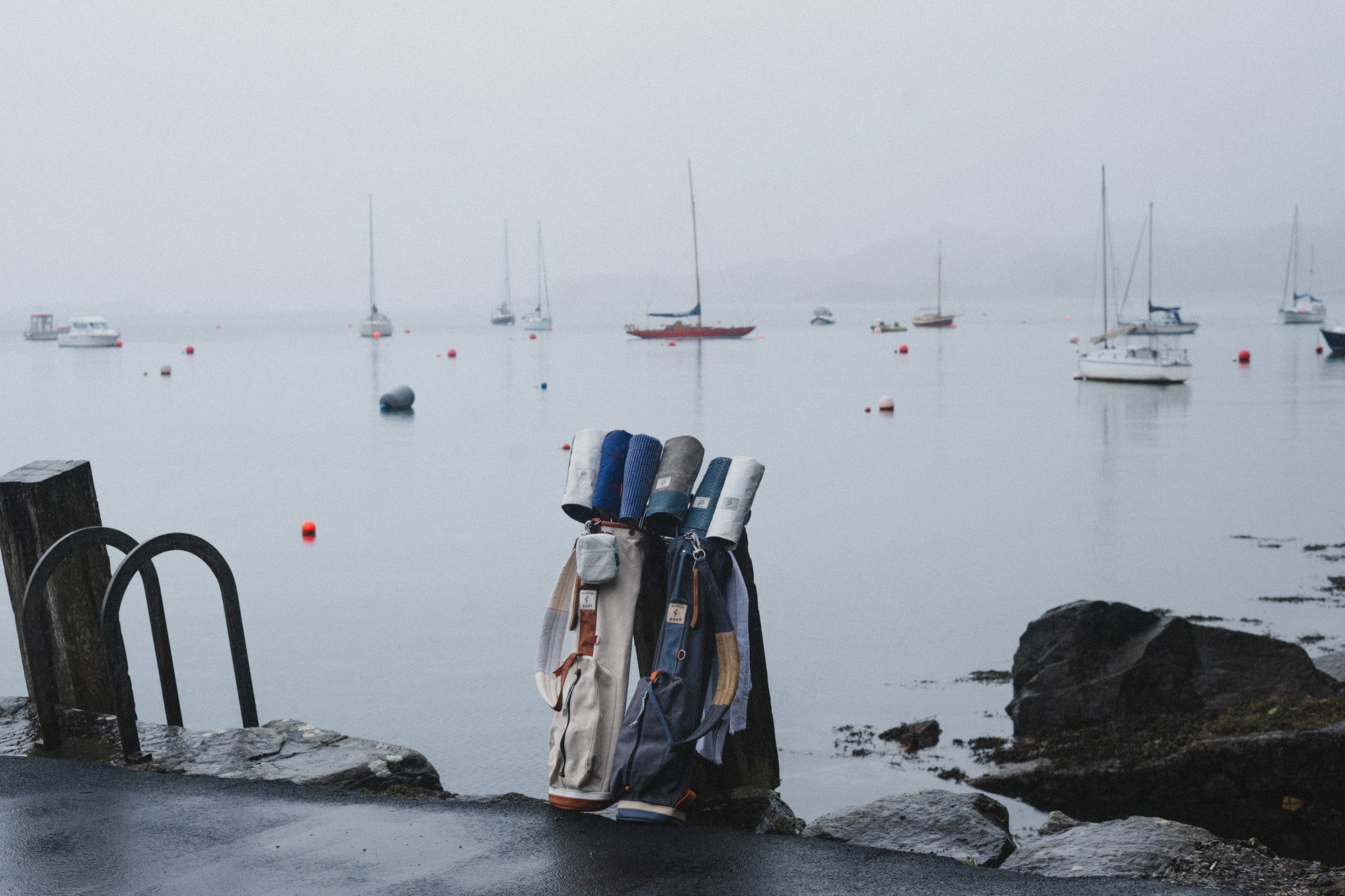
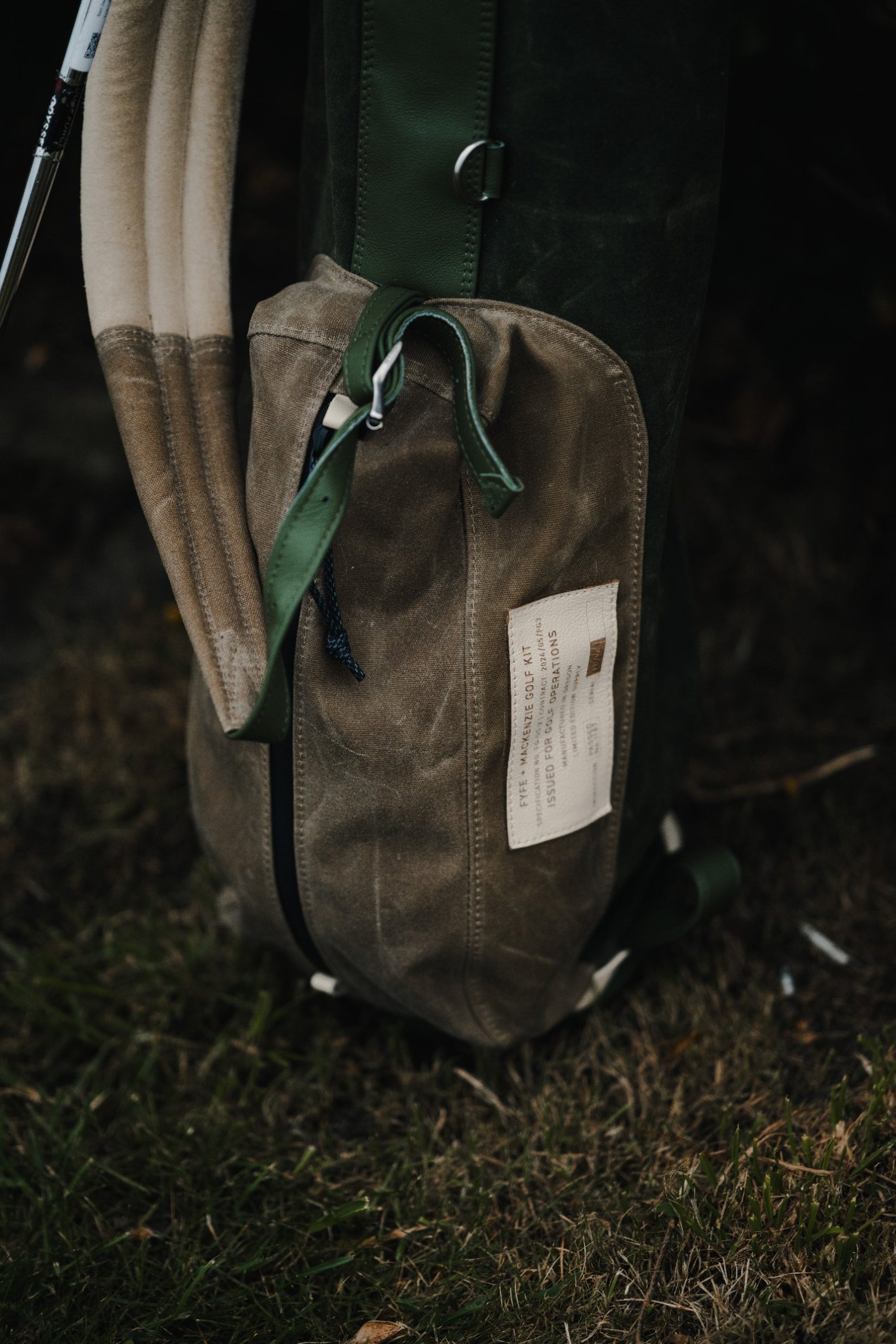
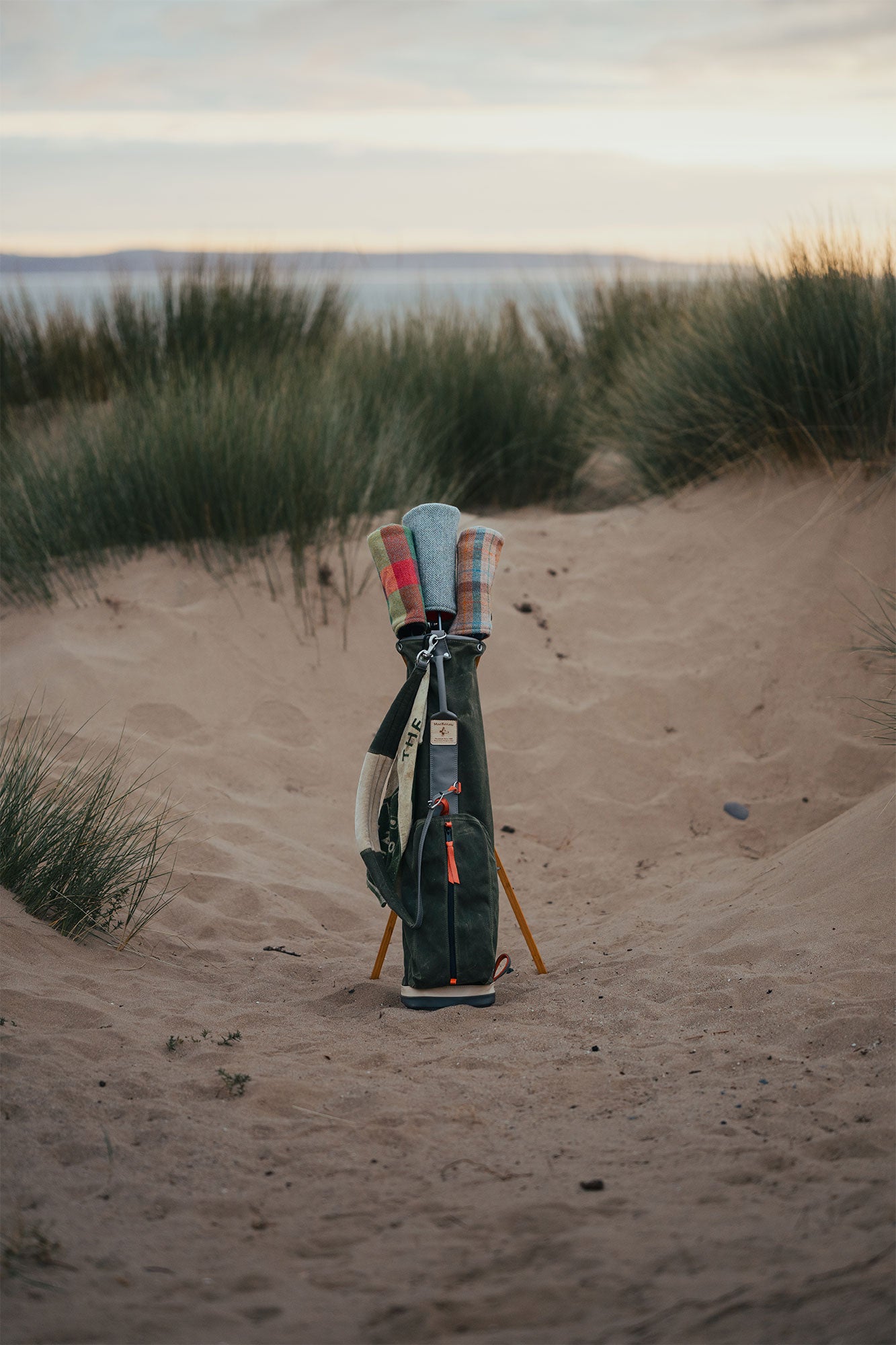
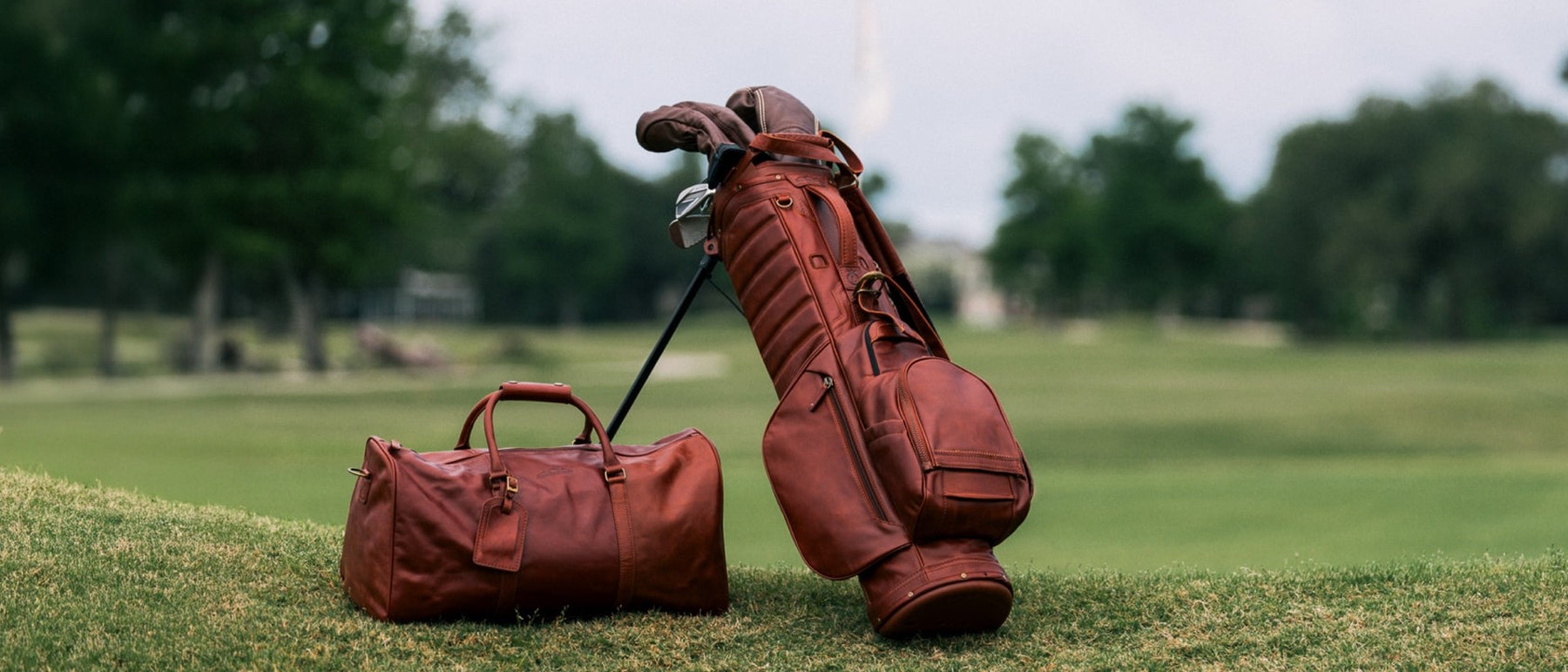
Fyfe’s longest collaboration is with MacKenzie Golf Bags in Portland, Oregon, and the division of labour is clean: Fyfe supplies the Scottish cloth and designs the colourway and the story, MacKenzie builds the bag. Every edition is a MacKenzie Walker — 8″ opening, single divider, one tartan-lined pocket, full-grain leather, Halley Stevensons waxed canvas, and a leather patch made specifically for that release. They are £650 and they do not last.
The count now stands at twenty-two. Editions 21 and 22 — the Coastal Tones pair, one sage and one charcoal, each with a two-tone split leather base — were published on 11 August 2026 and both sold out. Editions 19 and 20 came out of the Between Tides shoot at Crinan Harbour in April, with nautical navigation symbols tooled into the leather patch and paracord zip pulls.
We have written up every edition, with the stories behind each one, on a separate page: Fyfe x MacKenzie — Every Edition.
Roughly seventy pro shops, and Canada is the biggest market outside the UK.
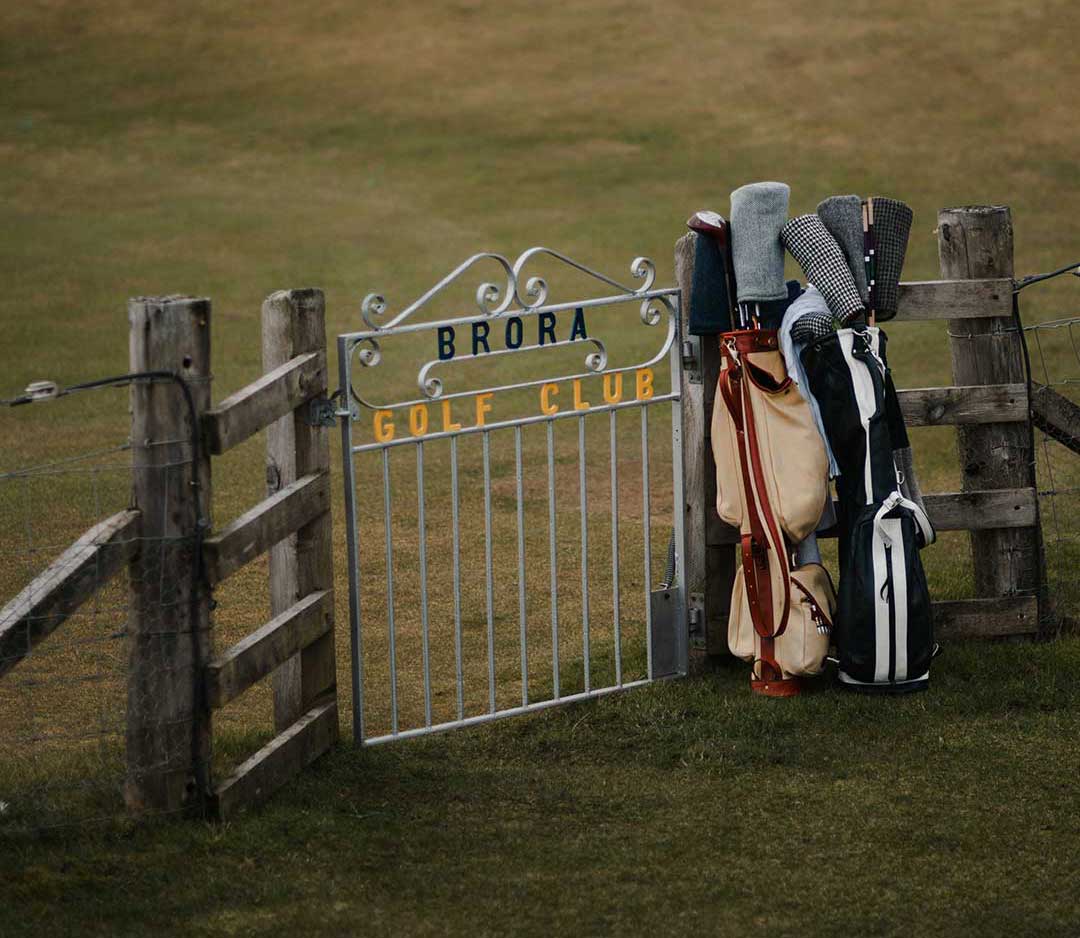
Fyfe sells direct, but the stockist list is the more interesting document. In Scotland and England: Panmure, Royal Dornoch, Royal Aberdeen, Cruden Bay, Cabot Highlands, the Carnegie Club at Skibo, Nairn, Brora, Carnoustie, North Berwick, Crail, Dumbarnie, Bruntsfield, Wentworth, Sunningdale Heath, Royal St George’s and the Isle of Skye, among others. Five of those — Panmure, Royal Dornoch, Royal Aberdeen, Nairn and Carnegie — are listed separately as club partners, though Fyfe never defines what the distinction means.
Then there is Canada, which carries twenty-three clubs on its own: Toronto Golf Club, Royal Montreal, St. George’s, Rosedale, Beaconsfield, Donalda, Oakdale, Ottawa Hunt, Glencoe, Vancouver and more. Online, the brand reaches Korea through The Green Cup Official and The Cart, and the Netherlands through Bisque.
For clubs, the offer on the wholesale page is a logo embroidery service rather than a bespoke tartan programme: “We work with golf clubs worldwide, providing unique designs and best-selling items, along with a full club logo embroidery service.” Minimums are described only as relatively low, and no figure is published.
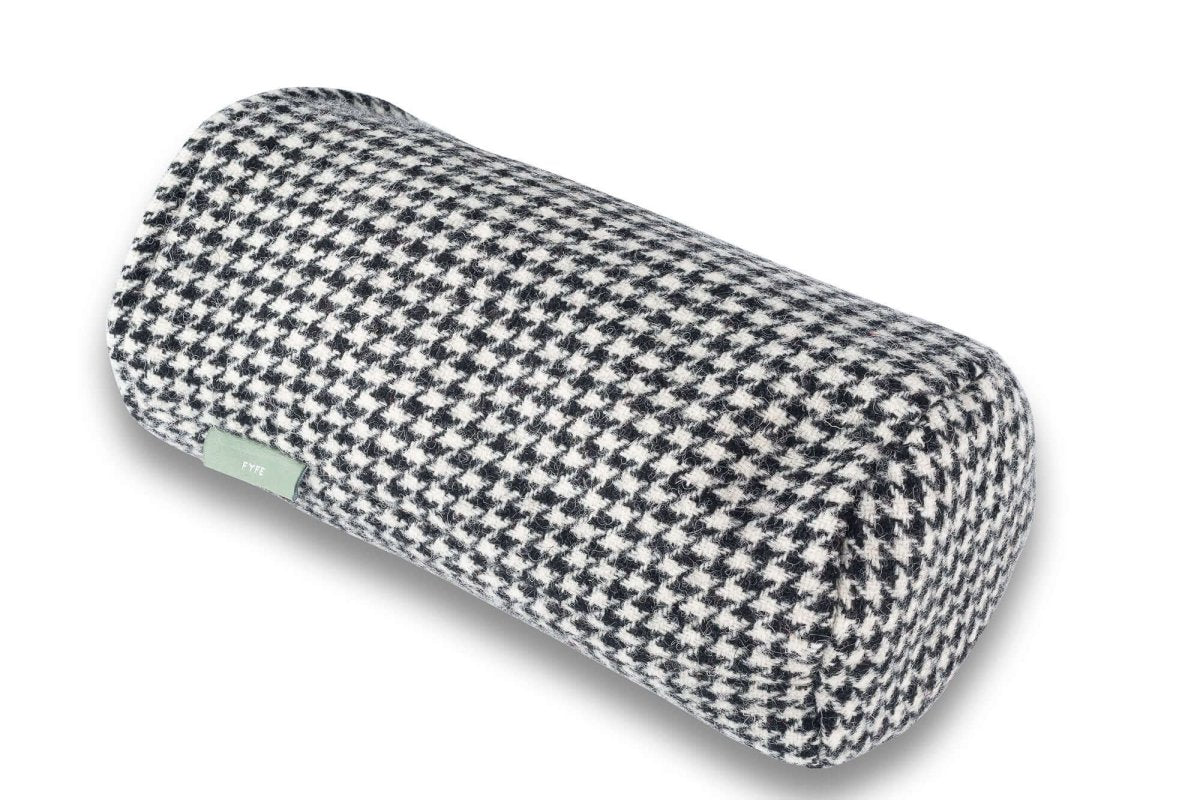
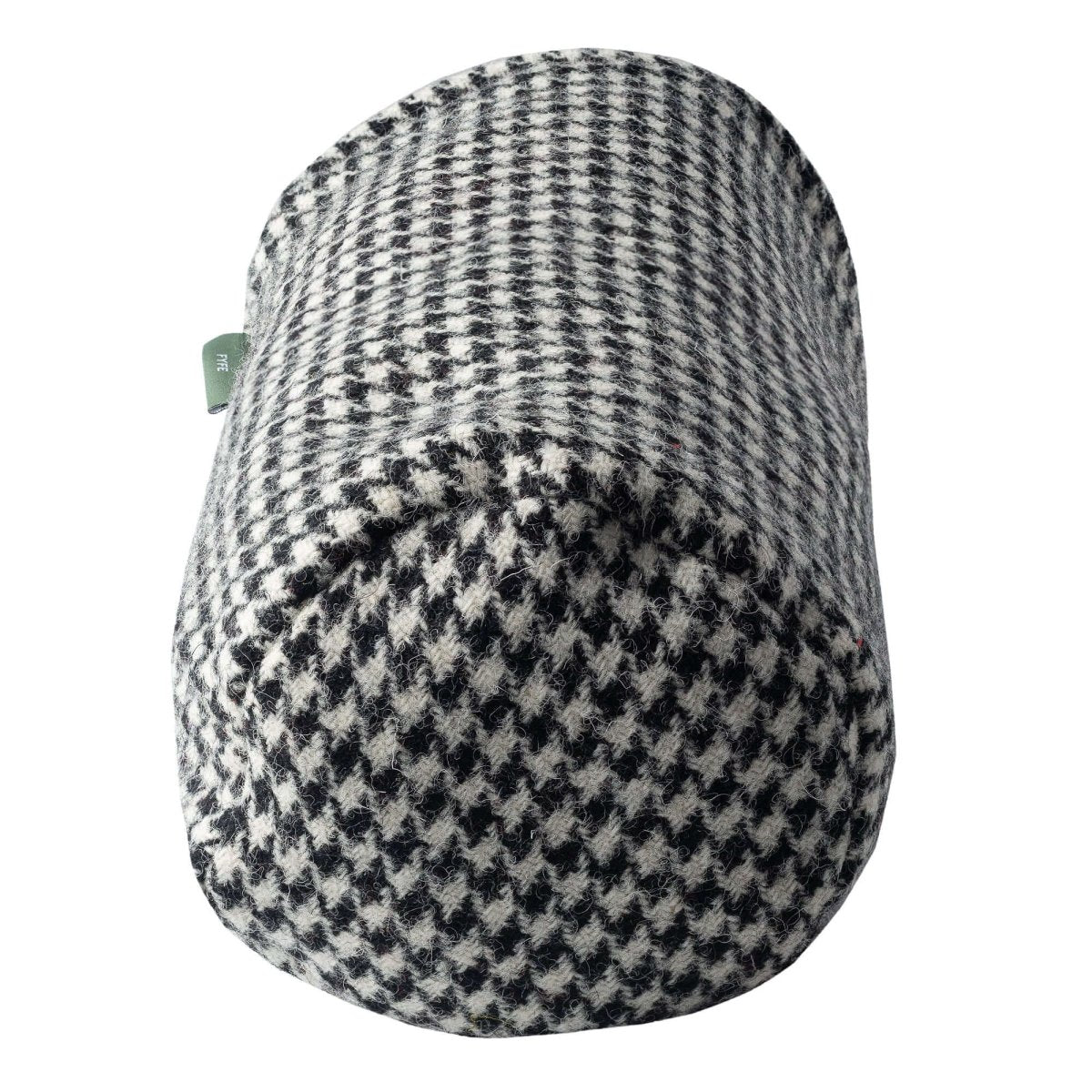
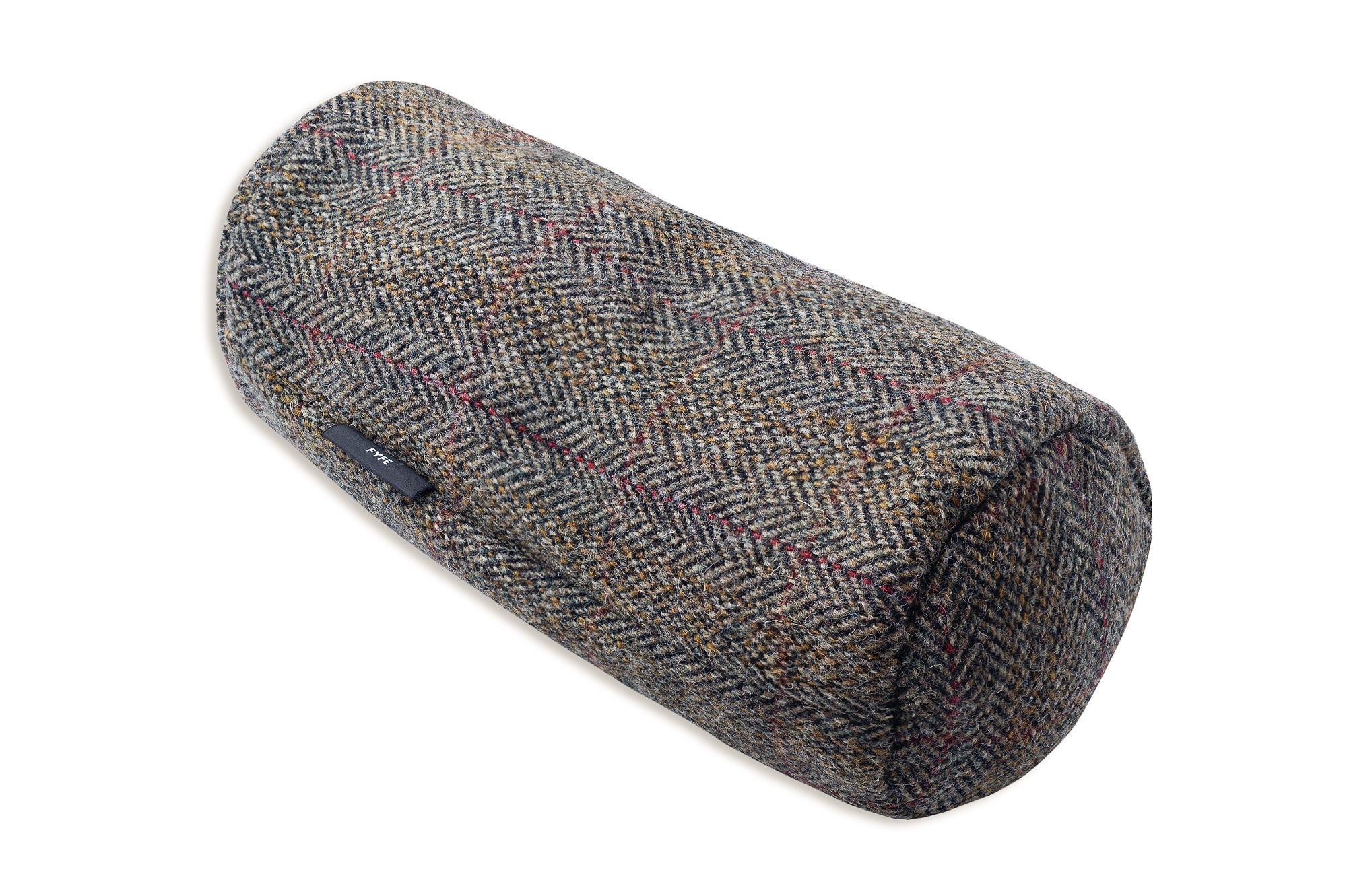
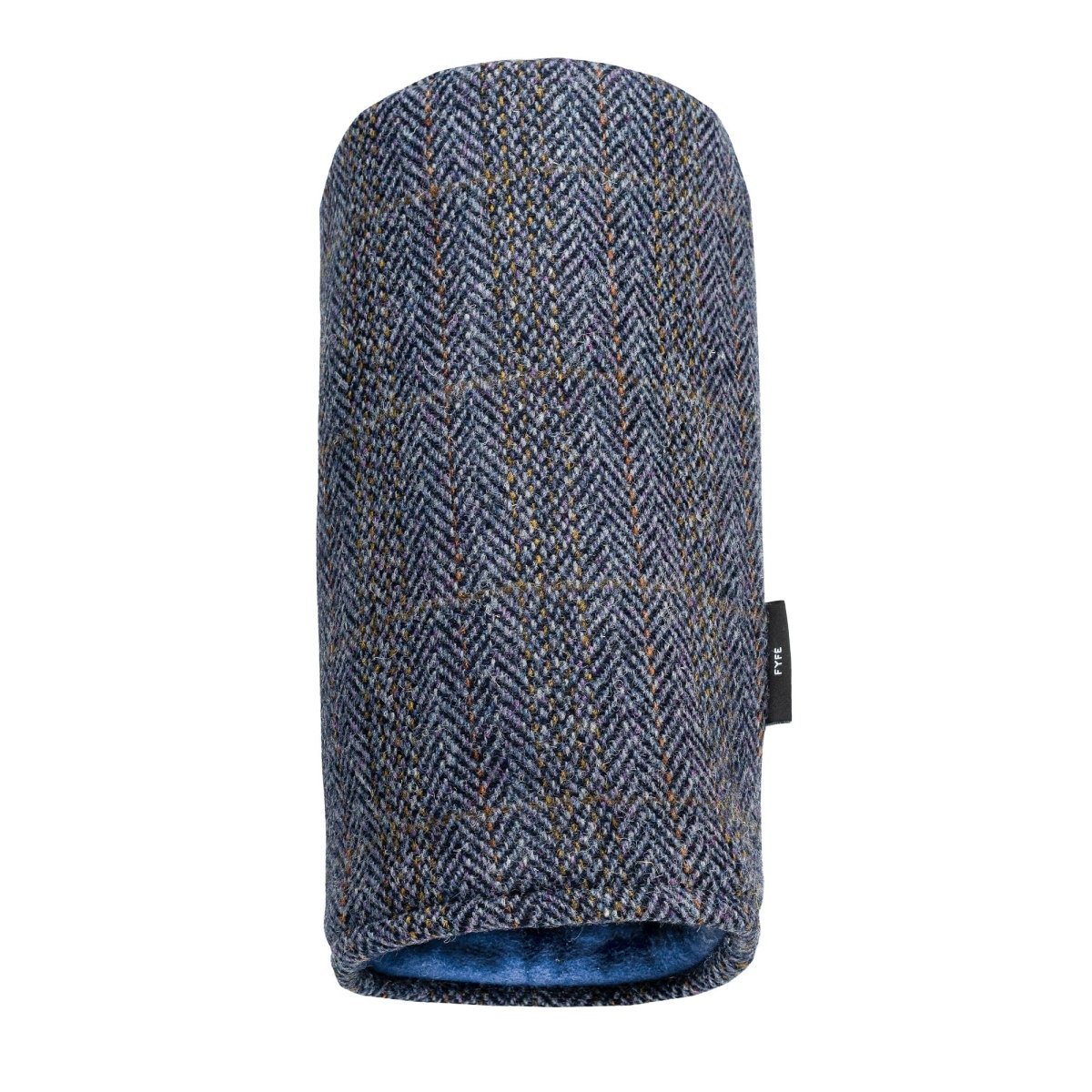
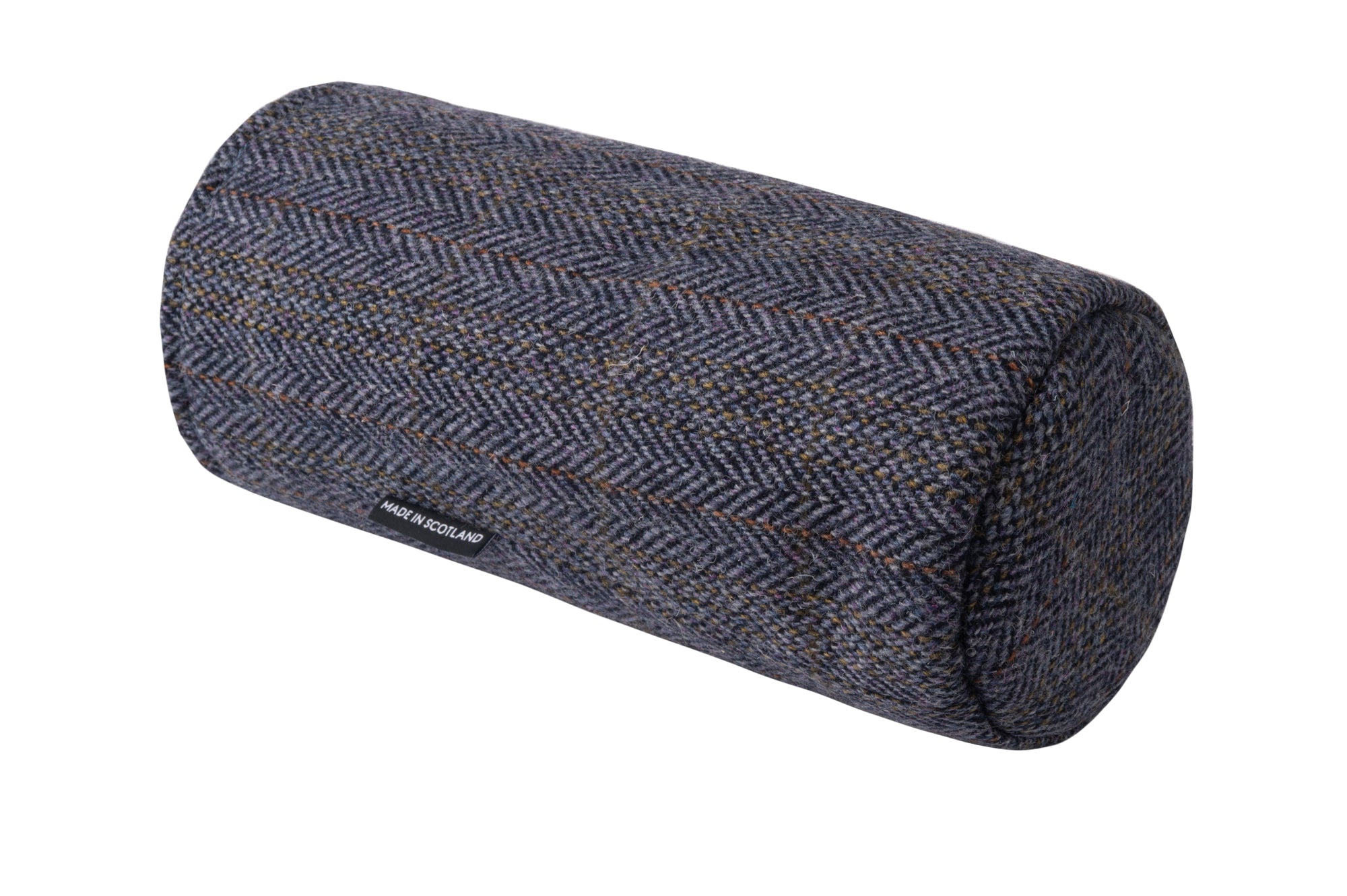
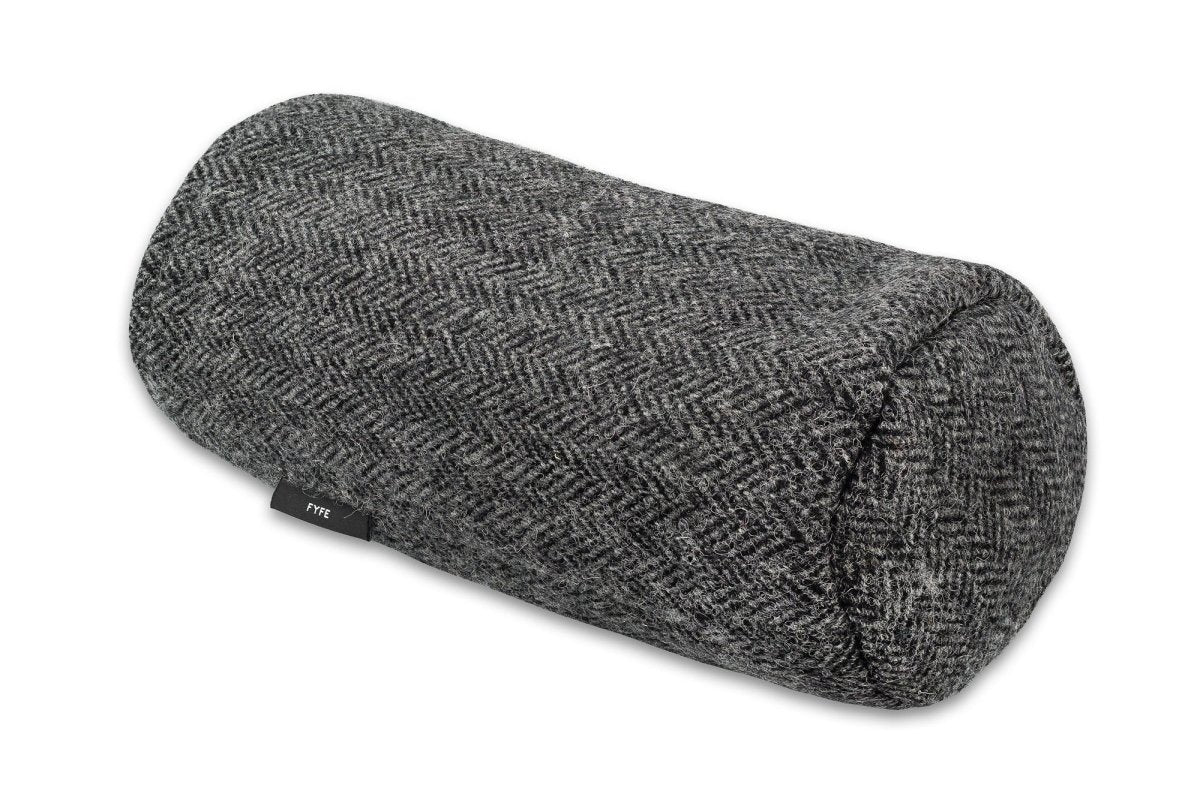
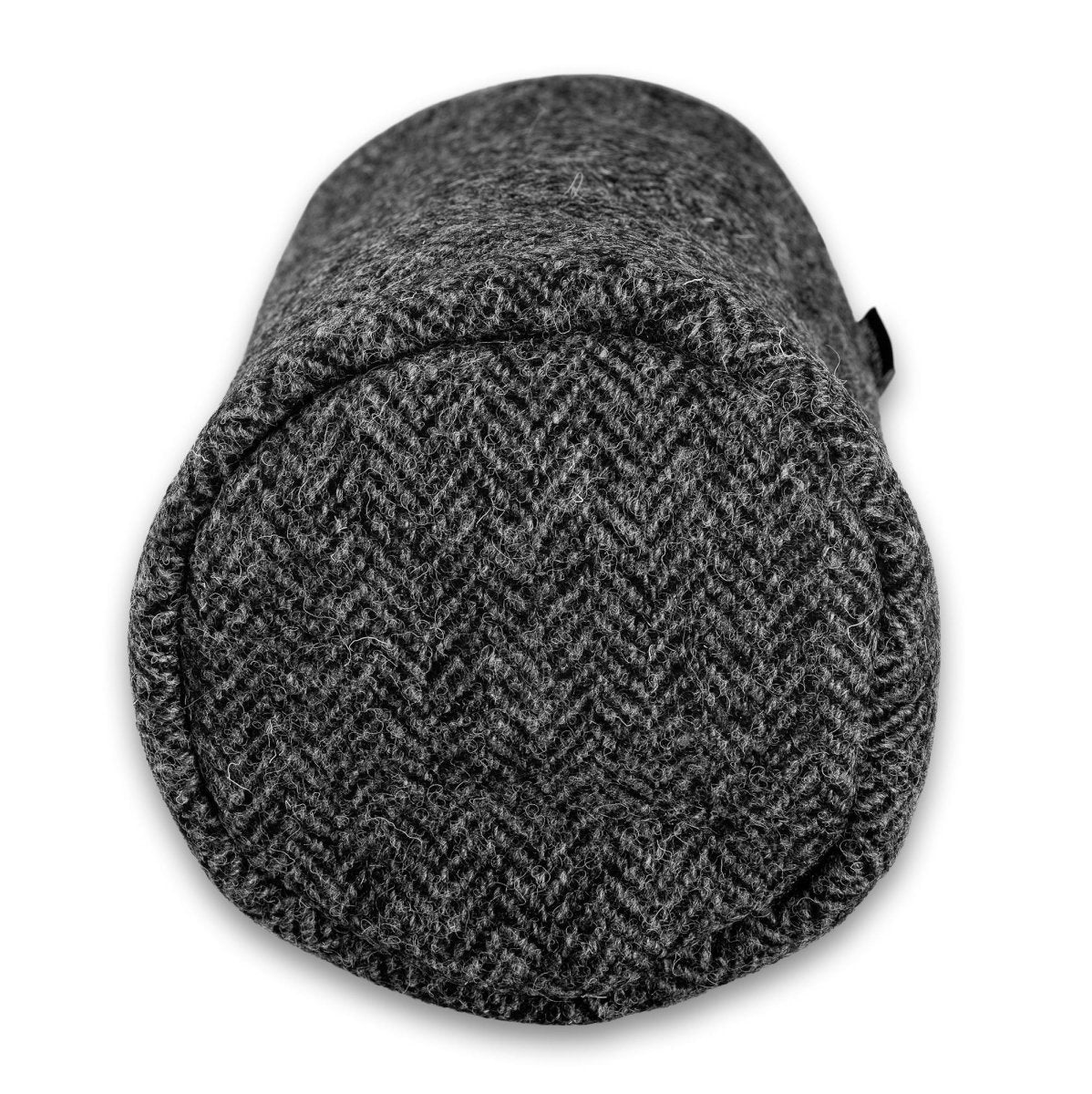
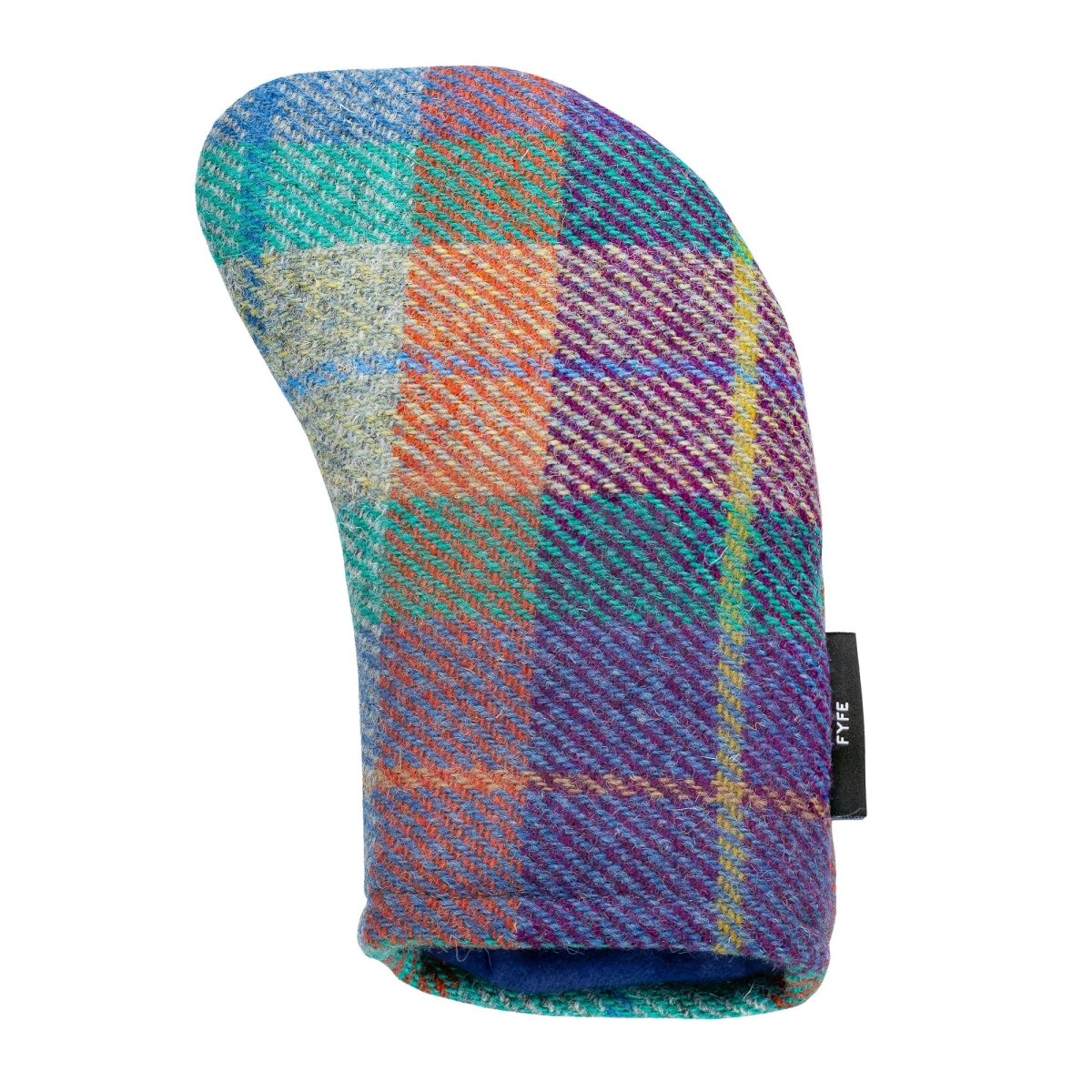
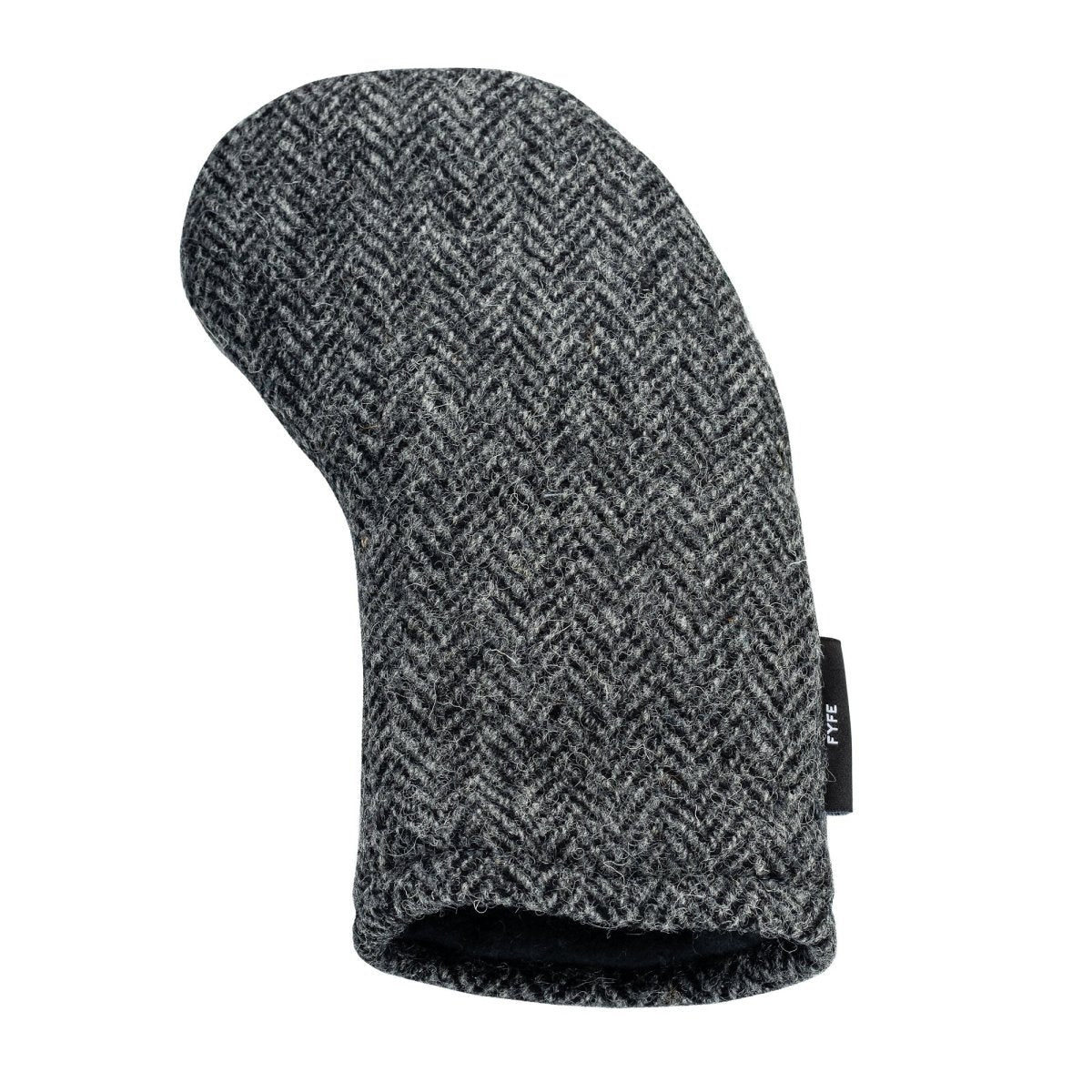
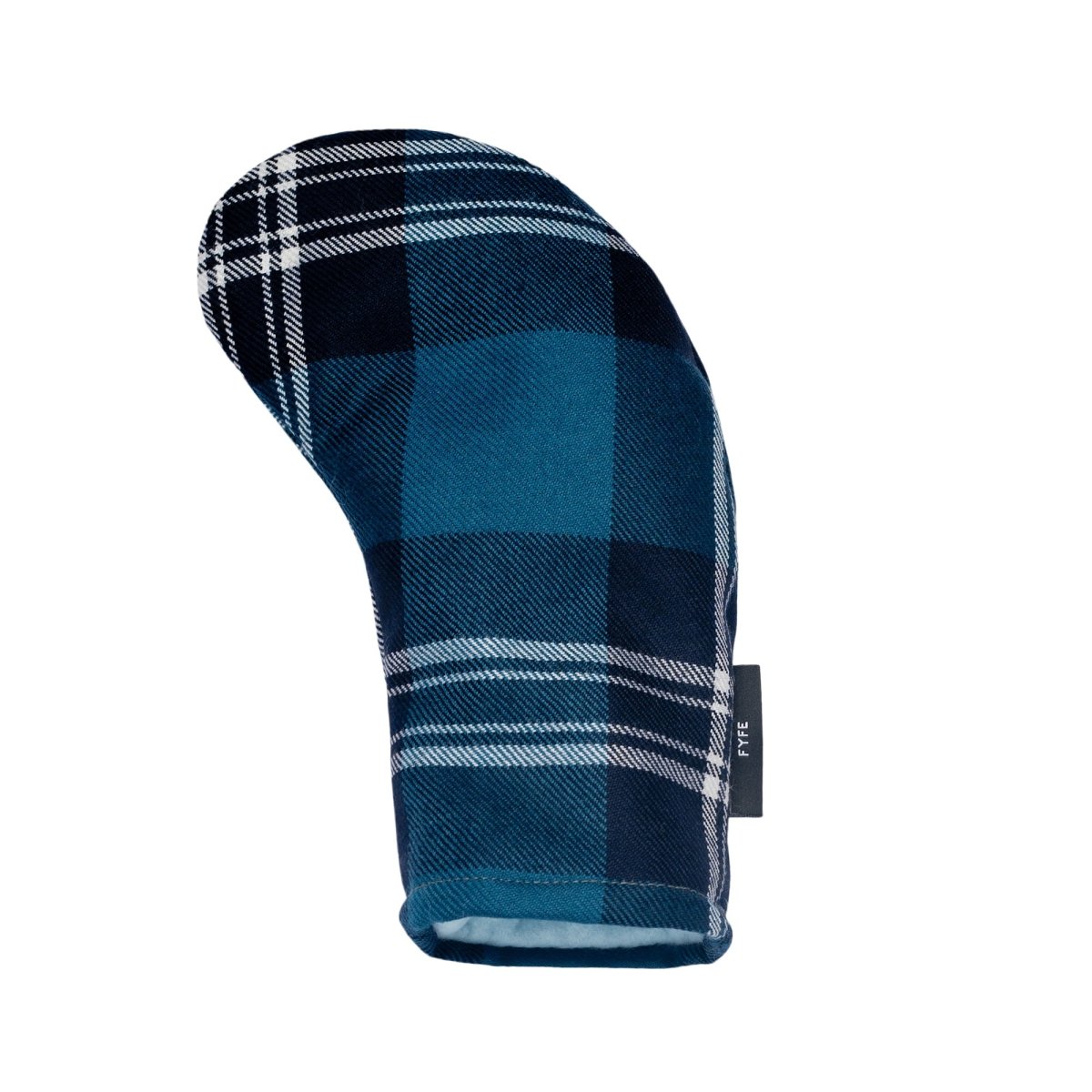
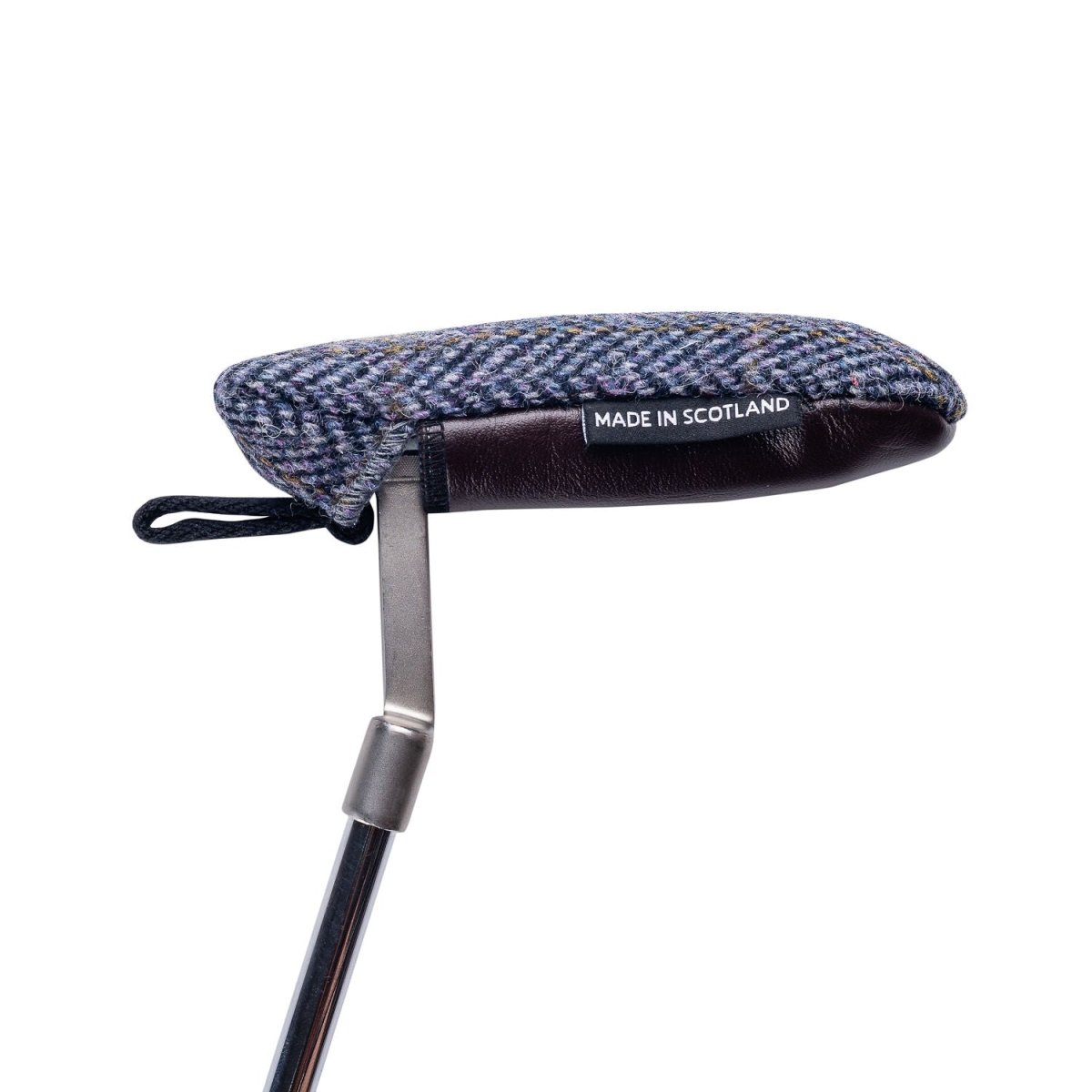
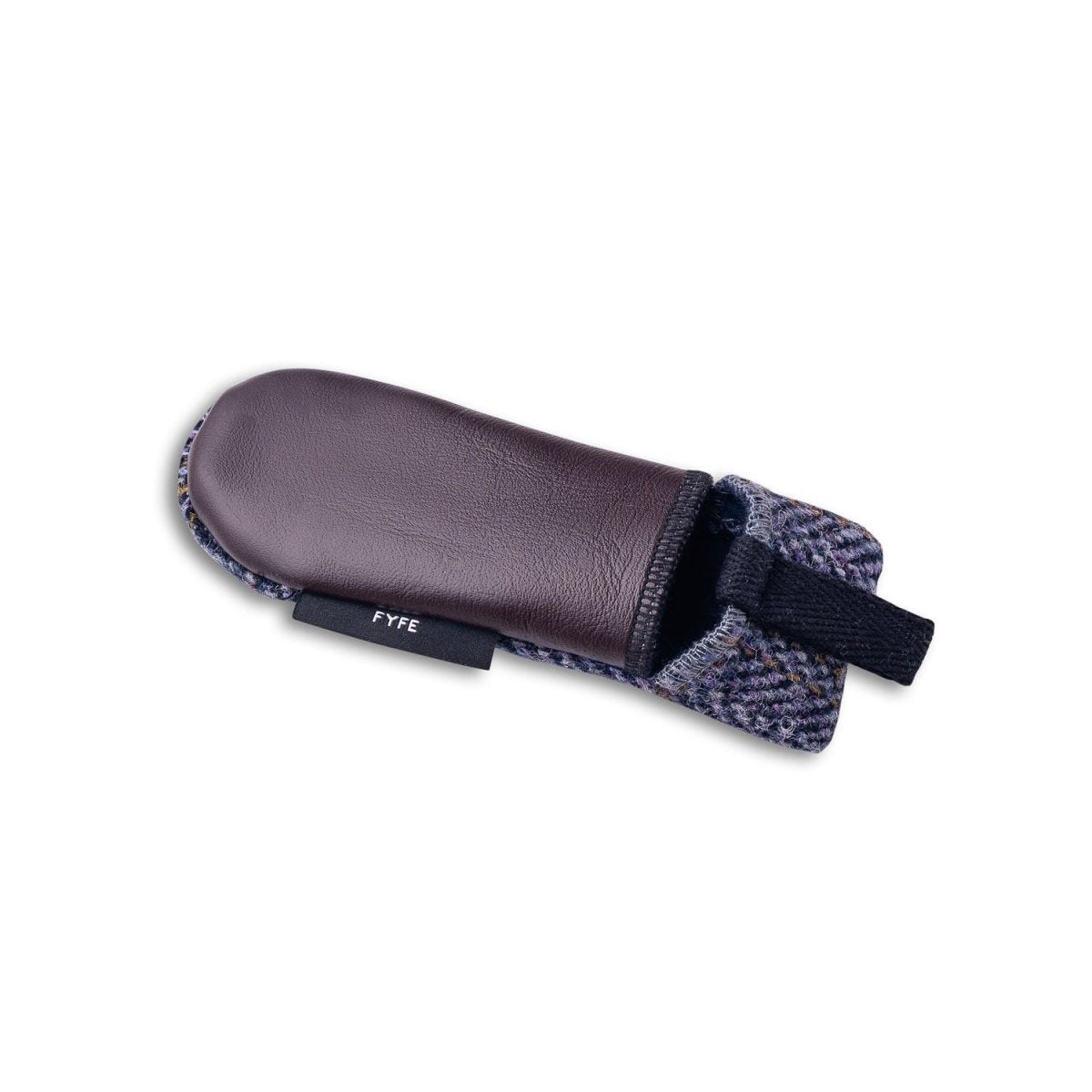
Twelve Harris Tweed cloths are in stock today. This is the heart of the range and the reason to know the brand.
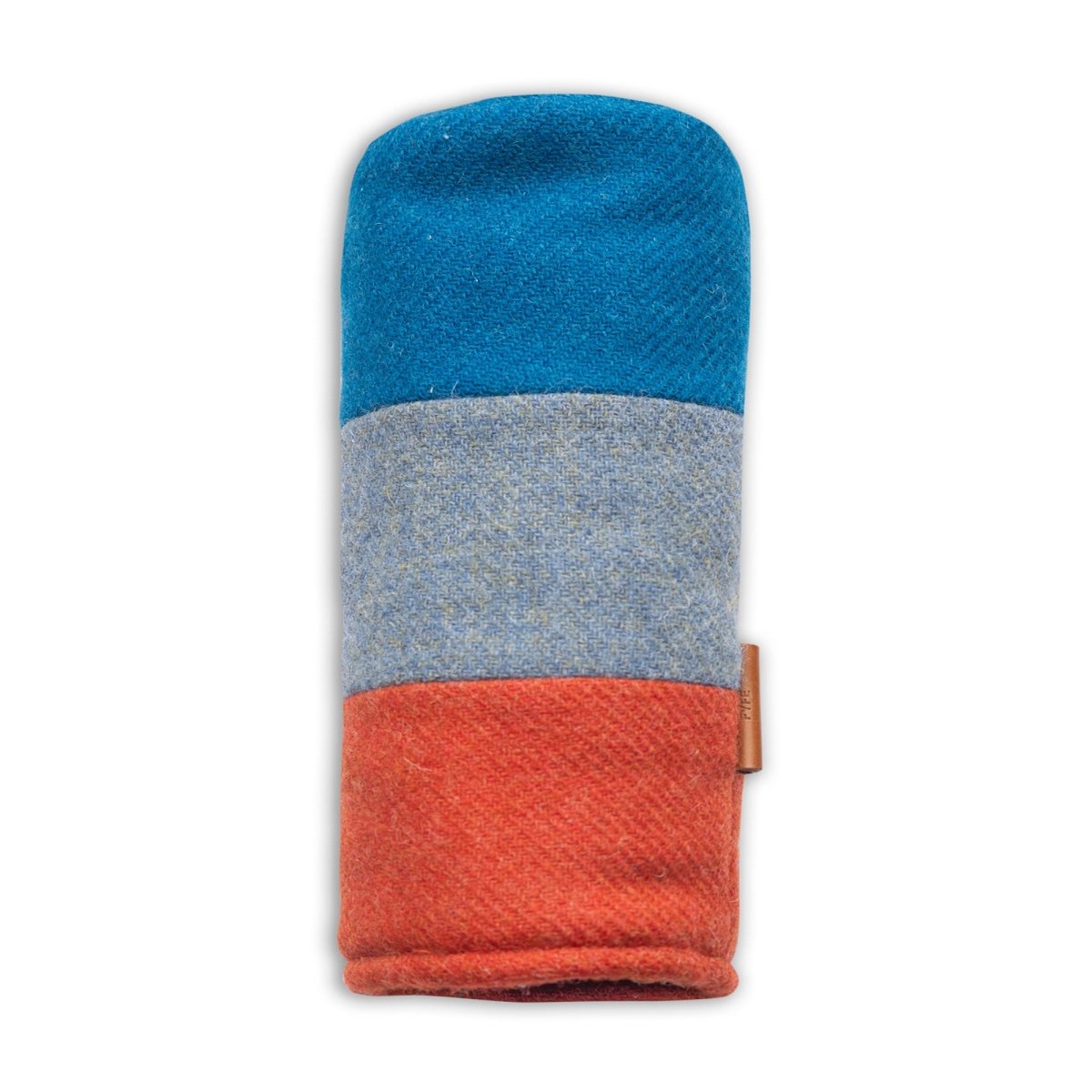
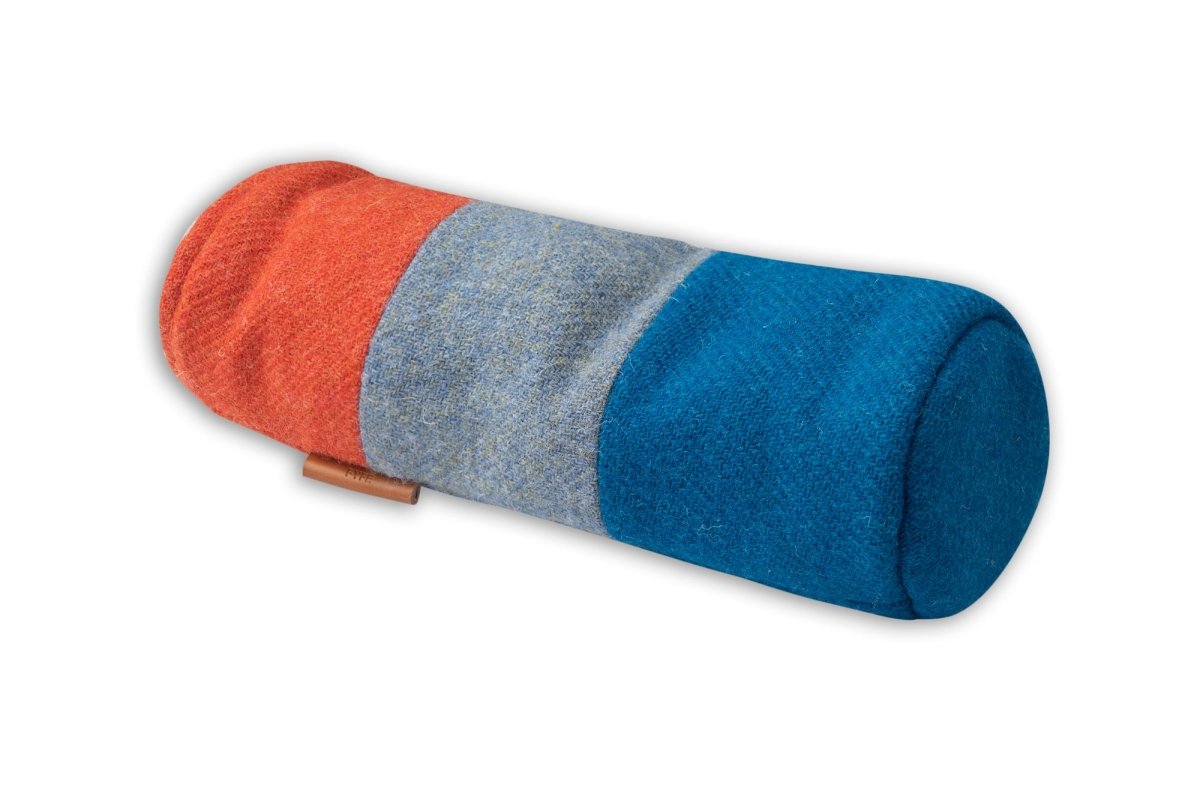
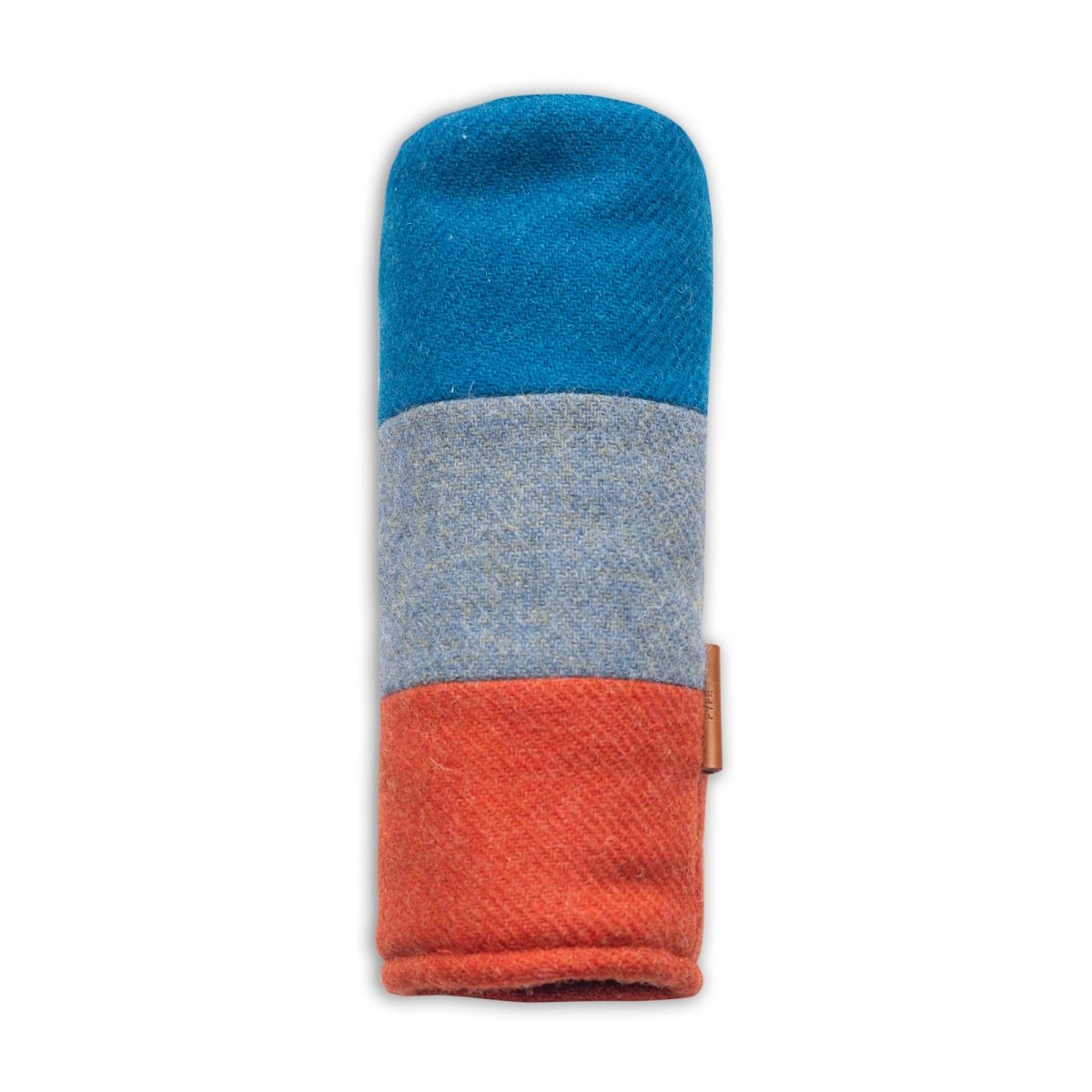
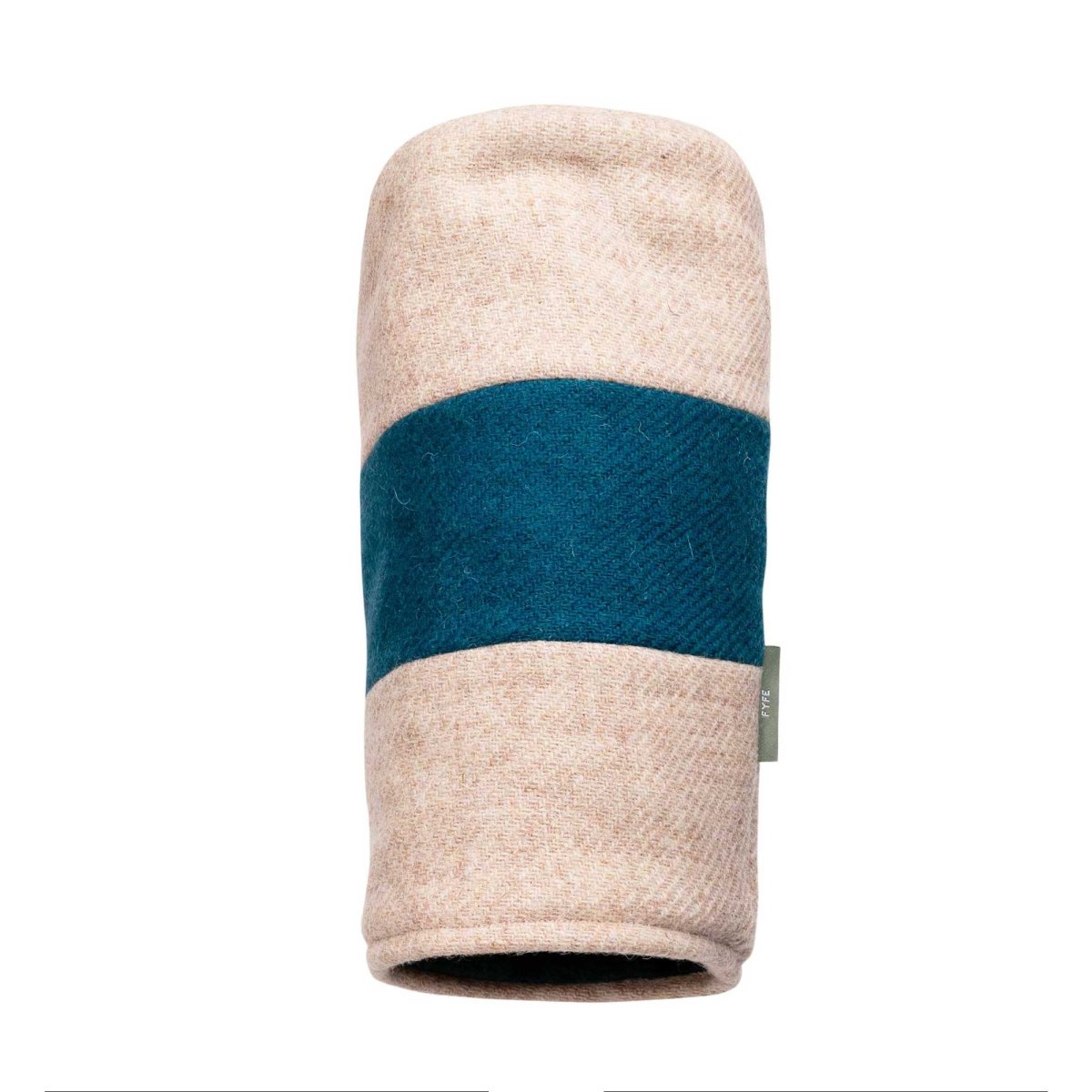
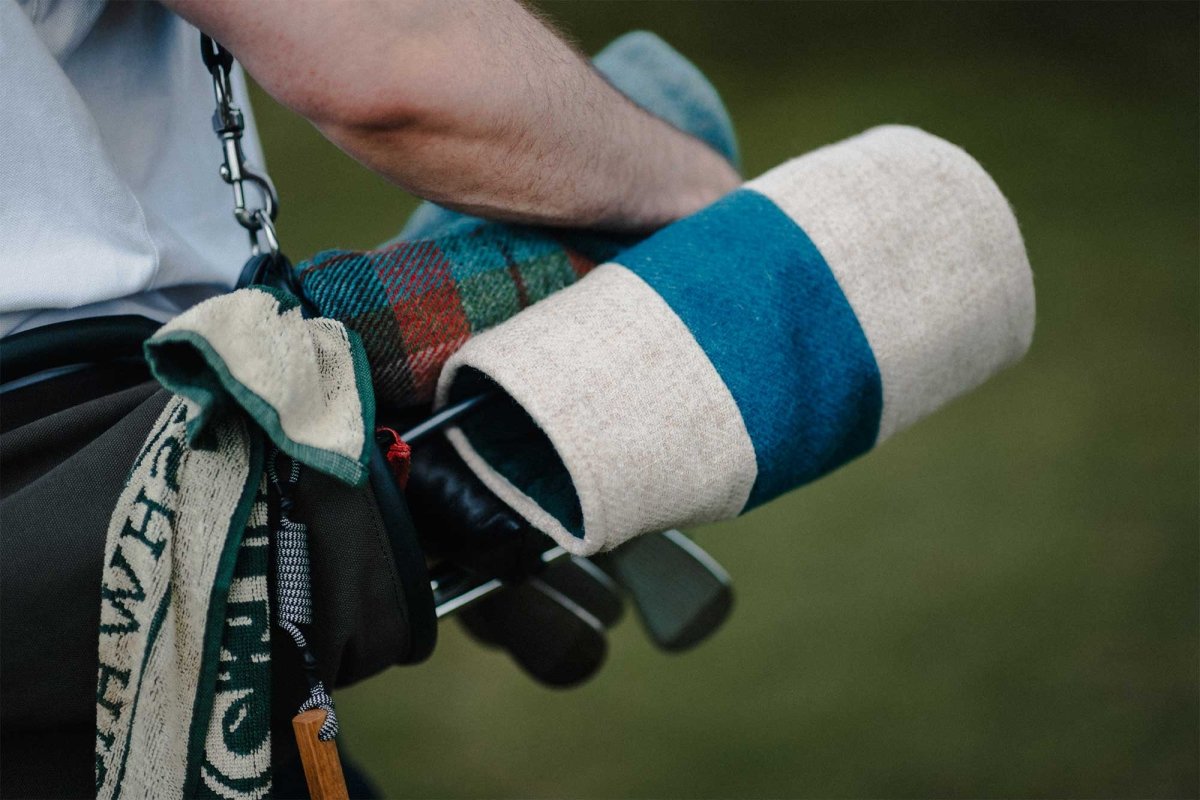
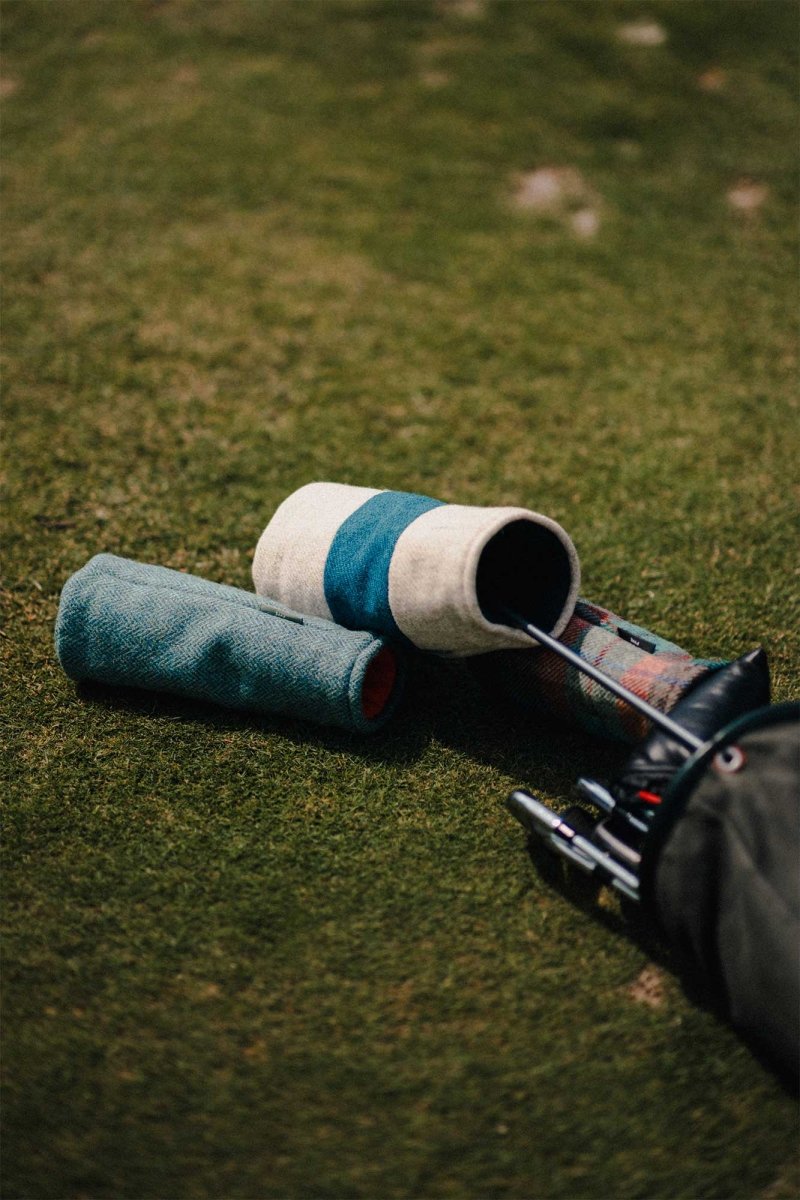
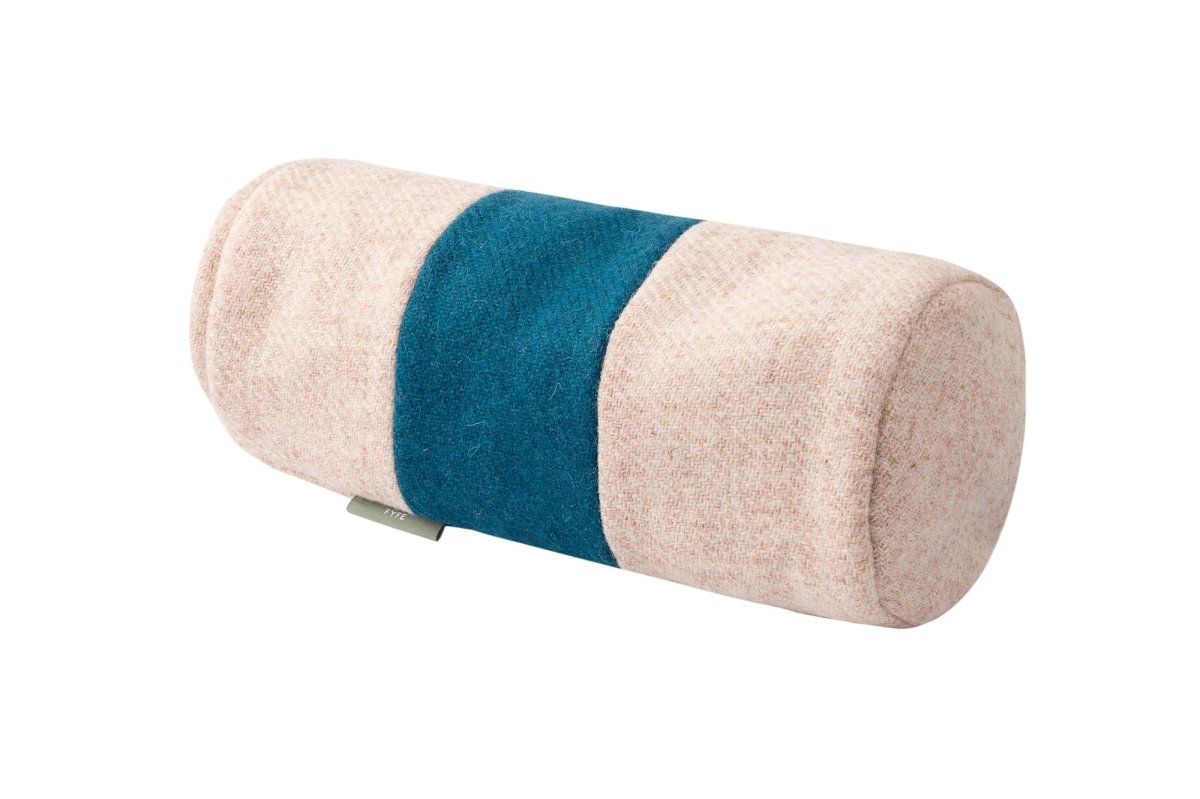
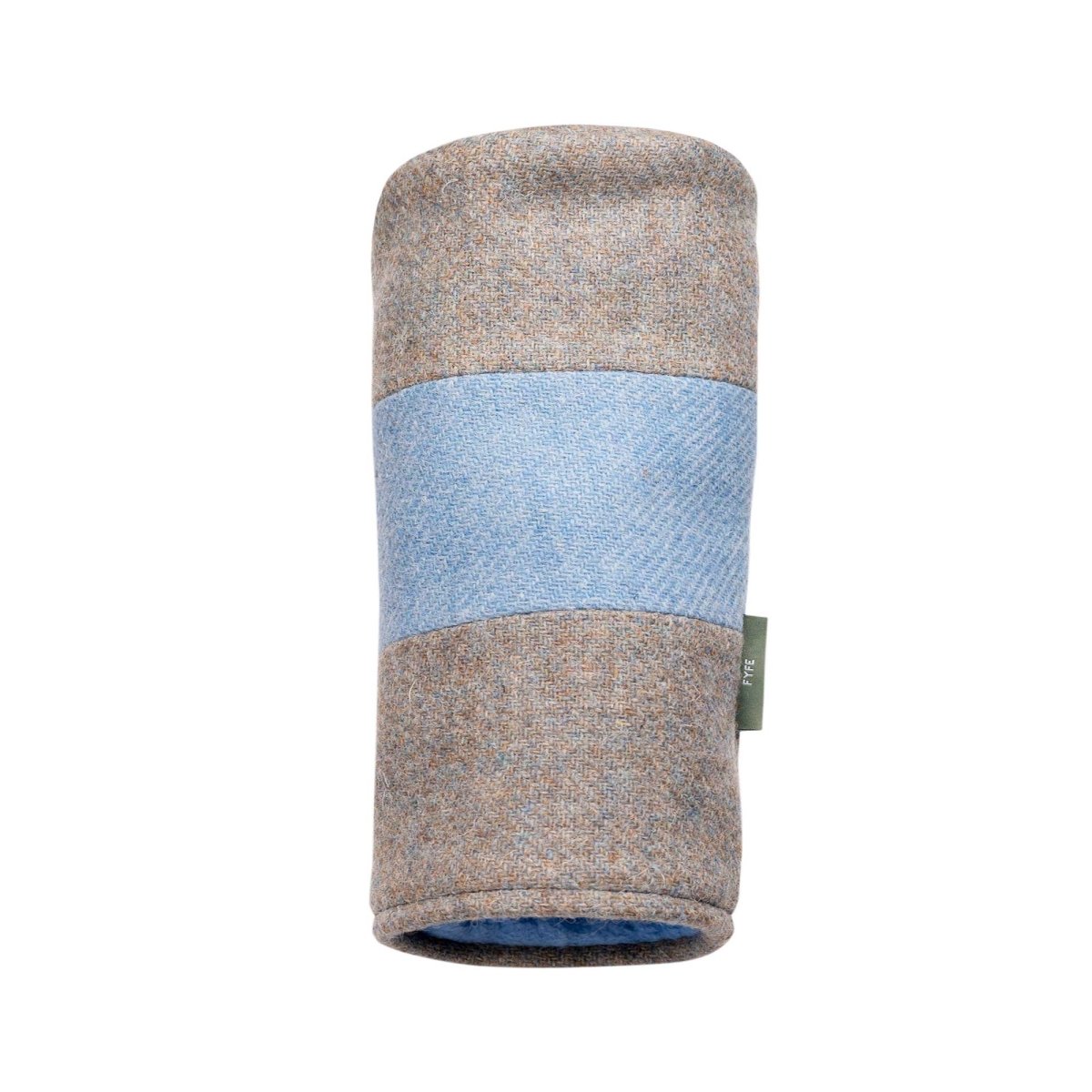
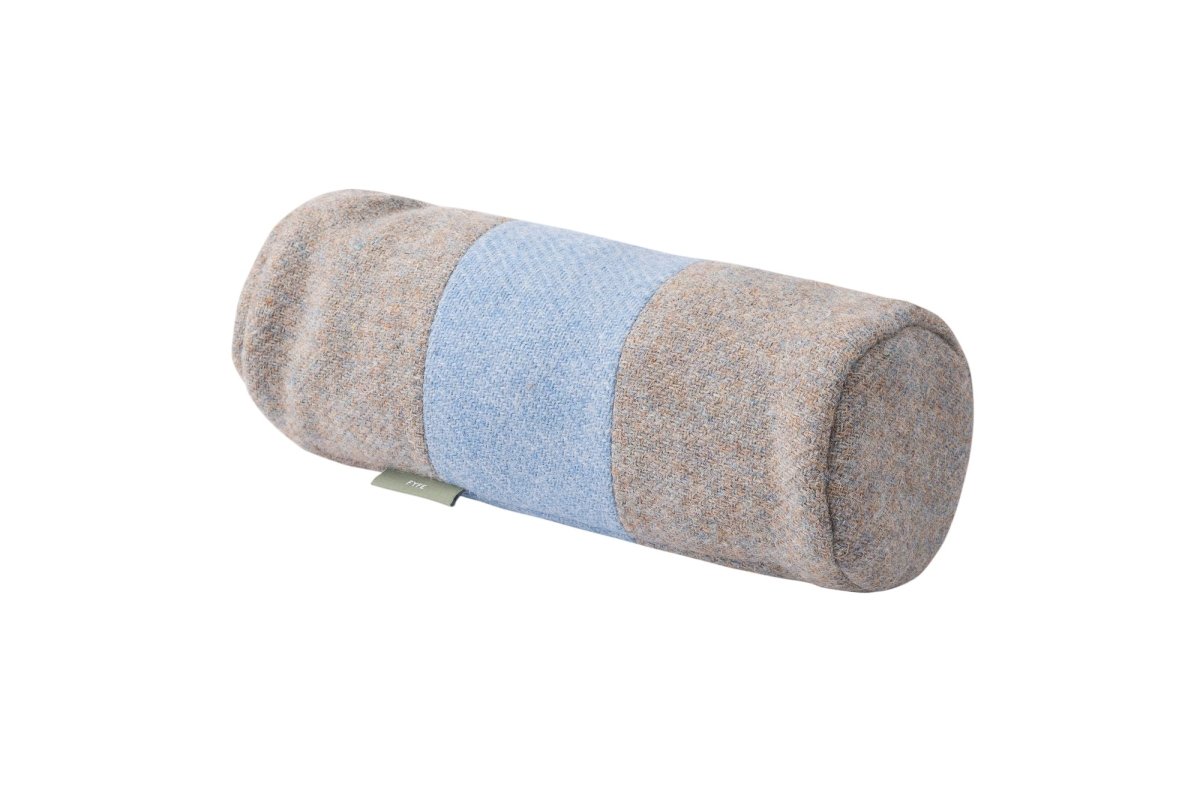
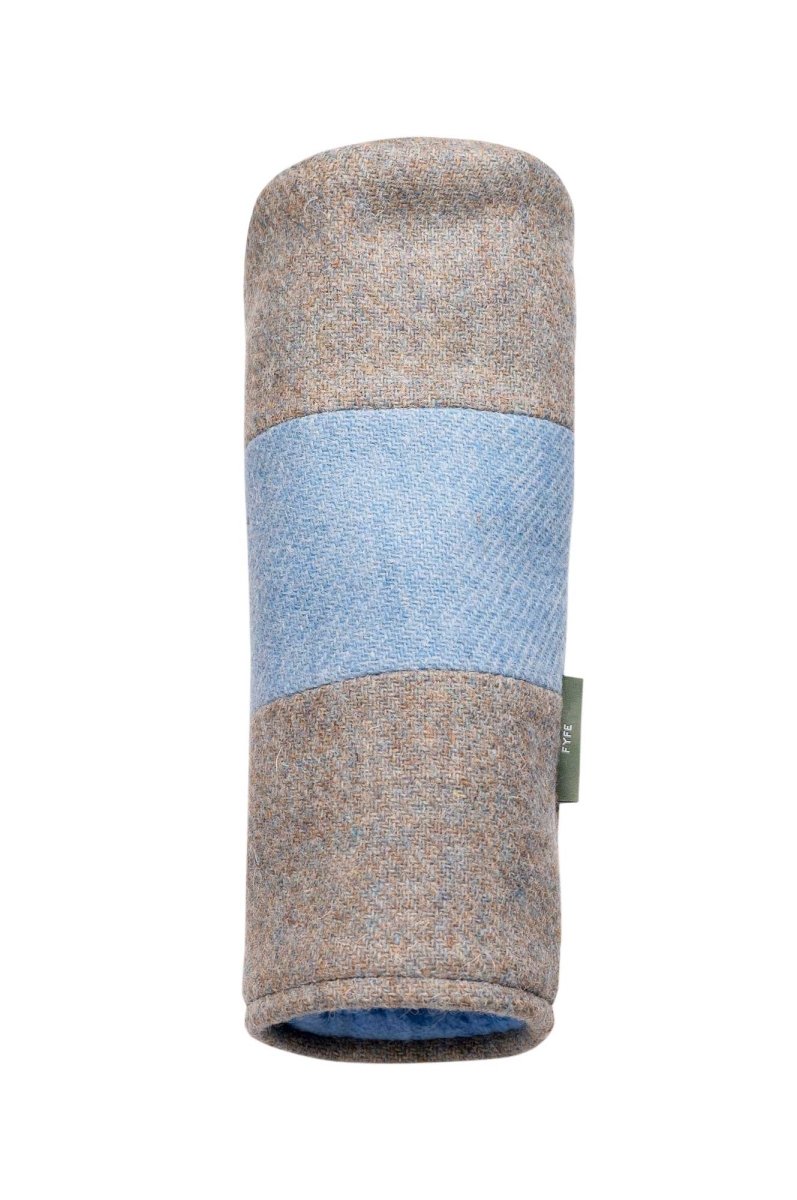
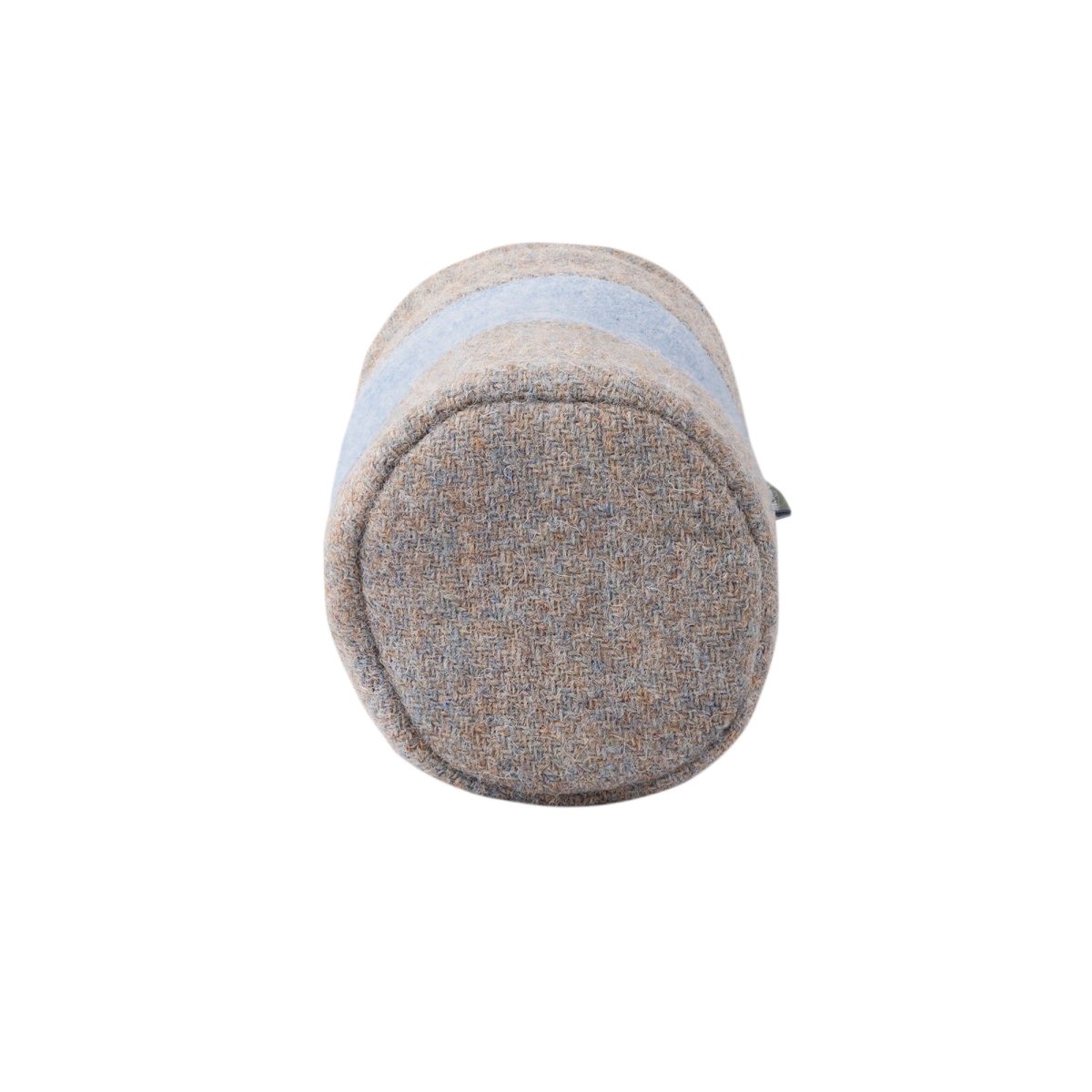
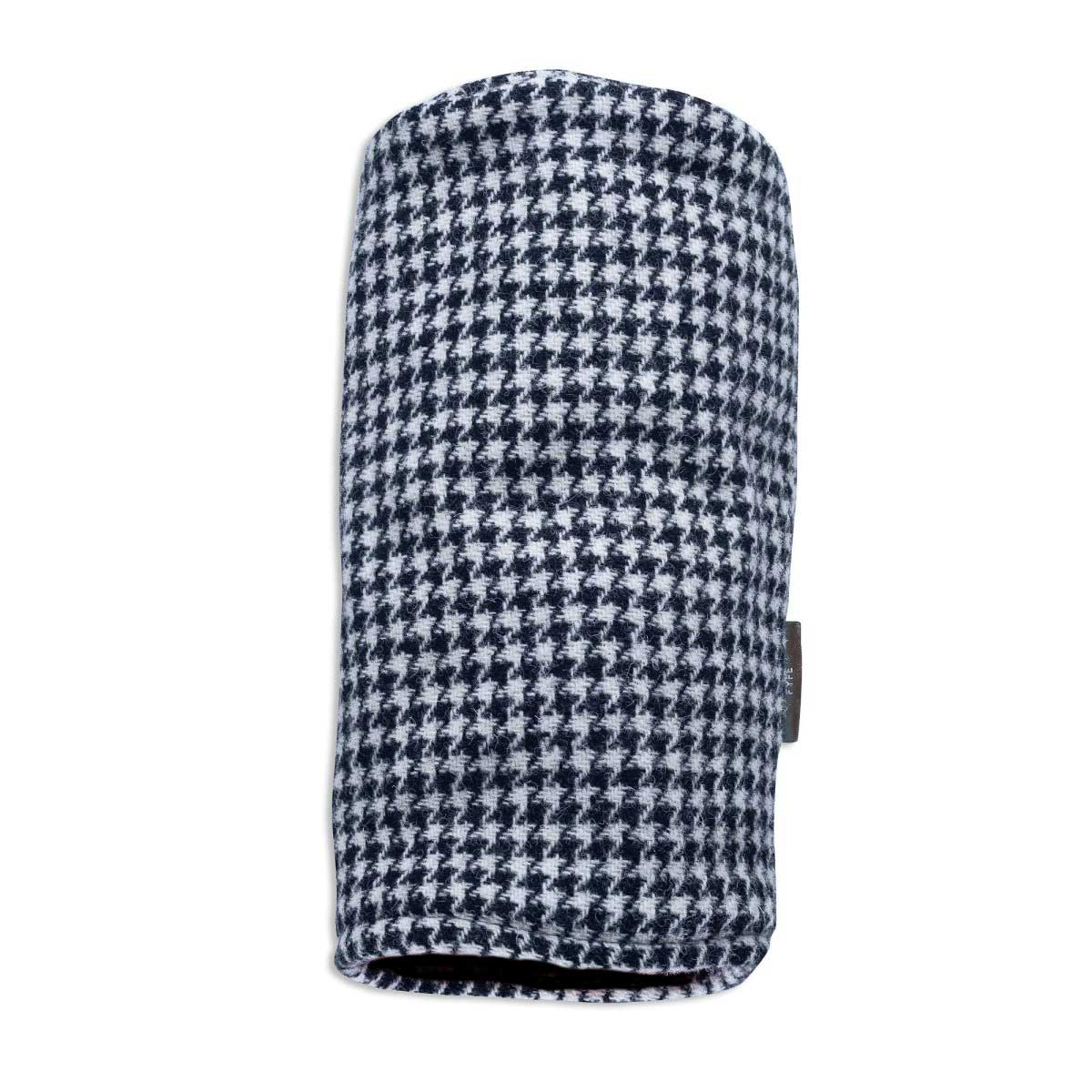
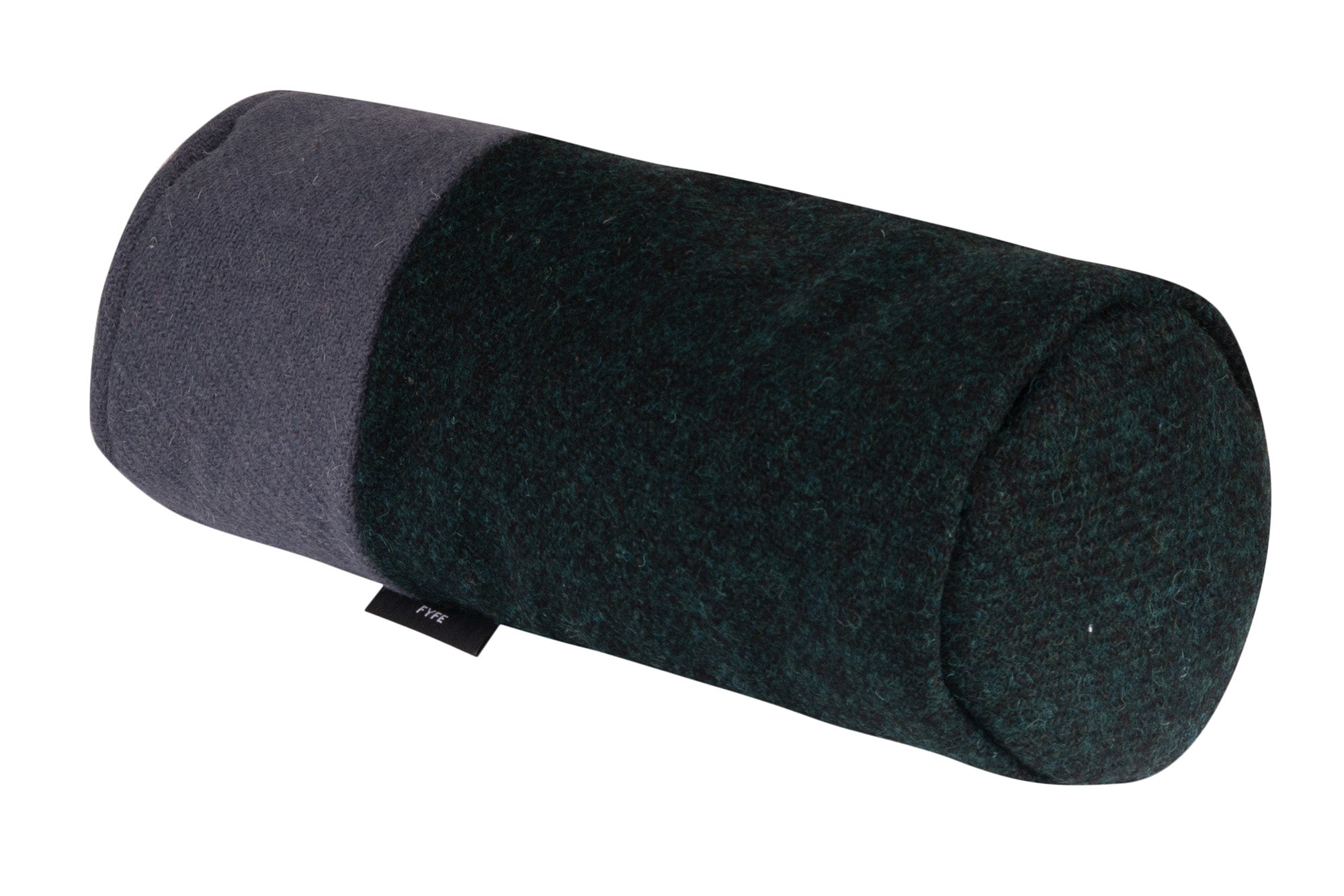
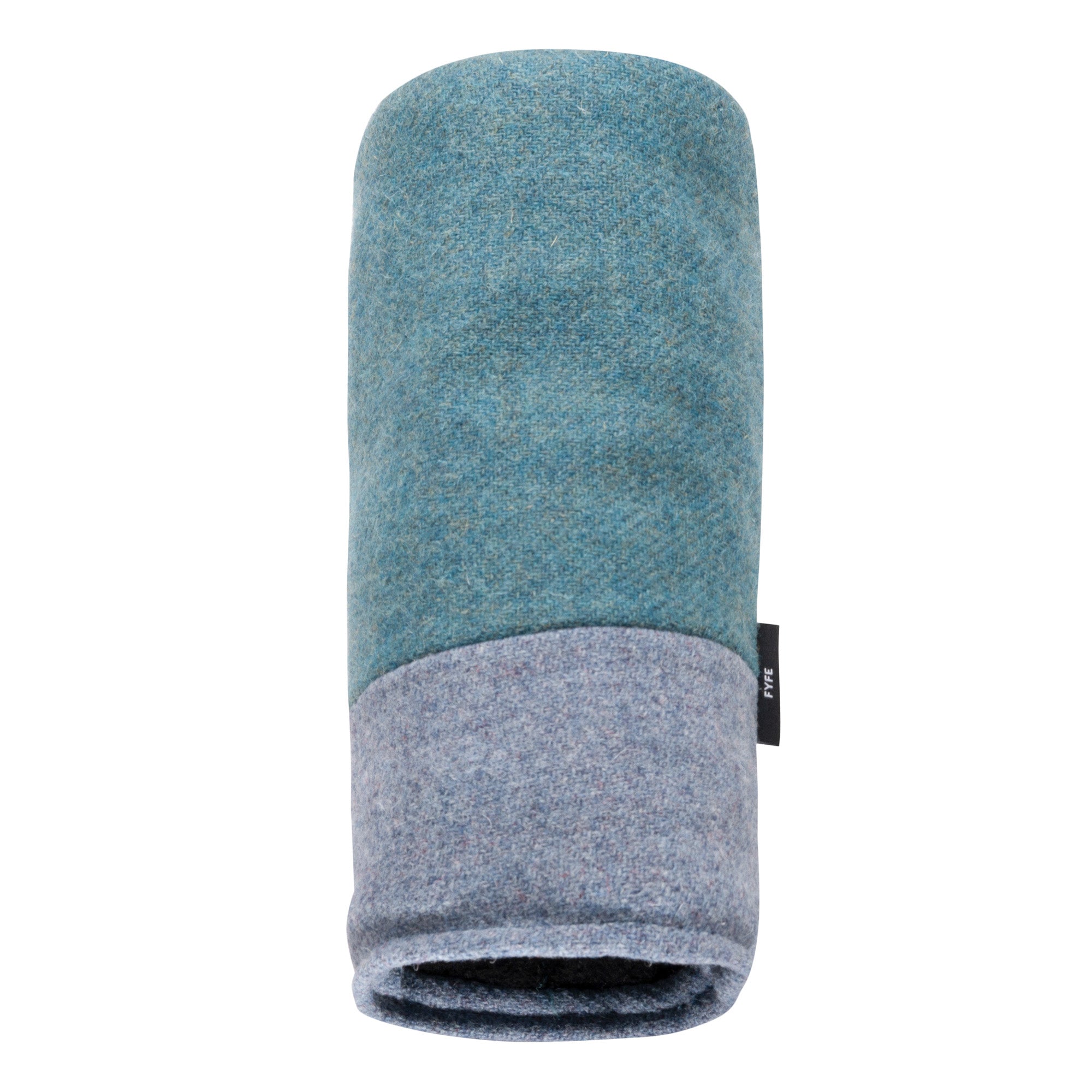
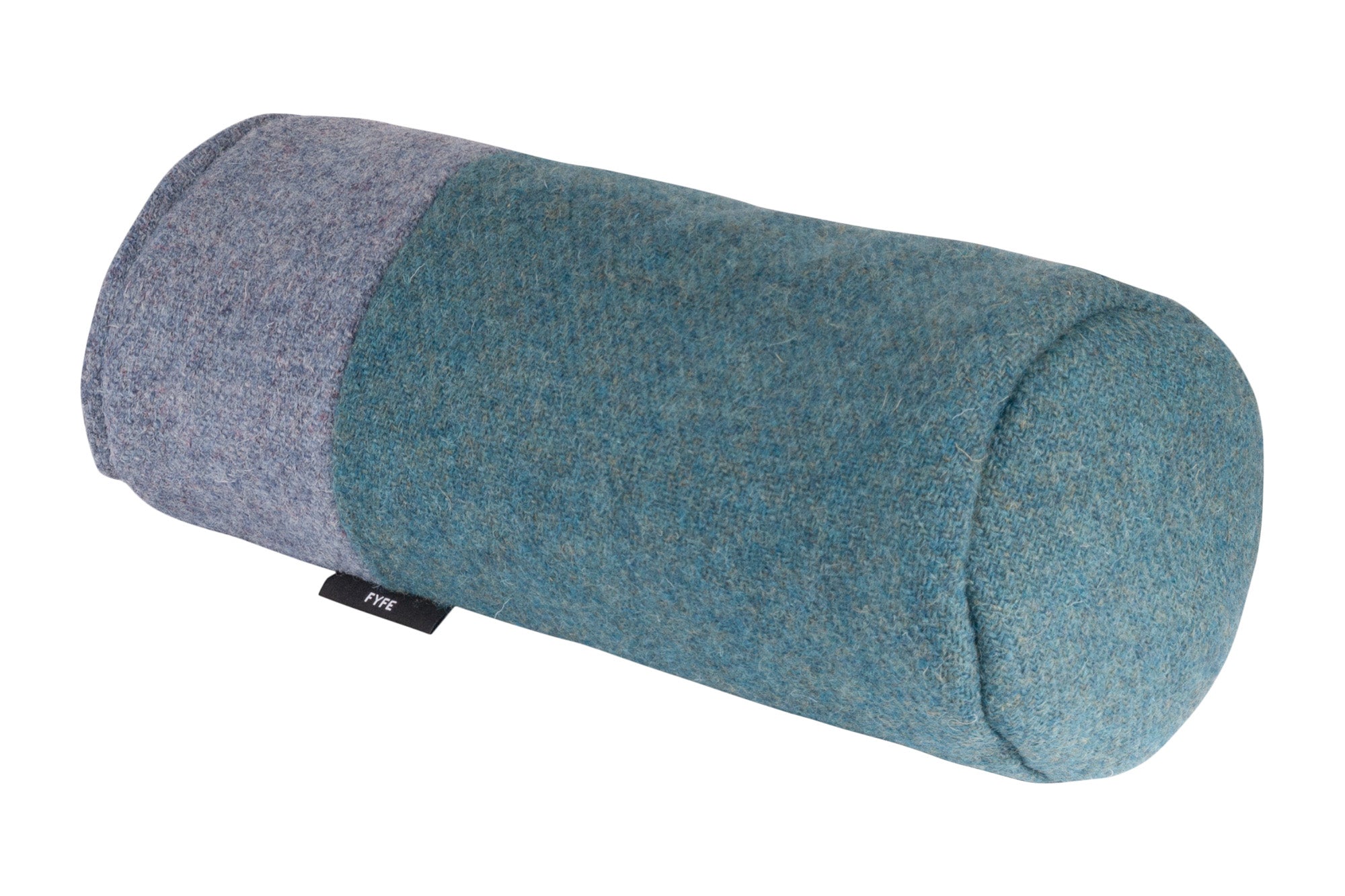
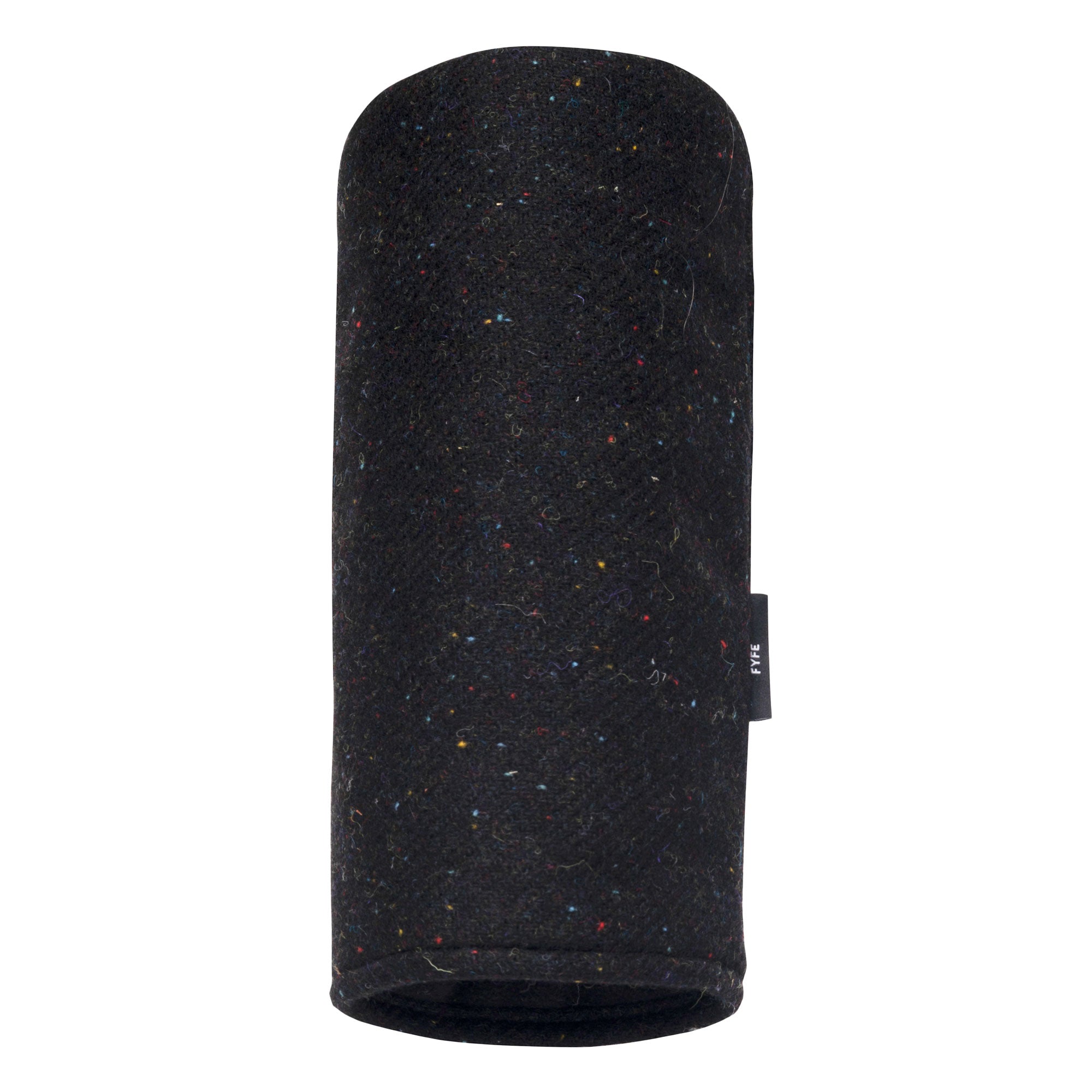
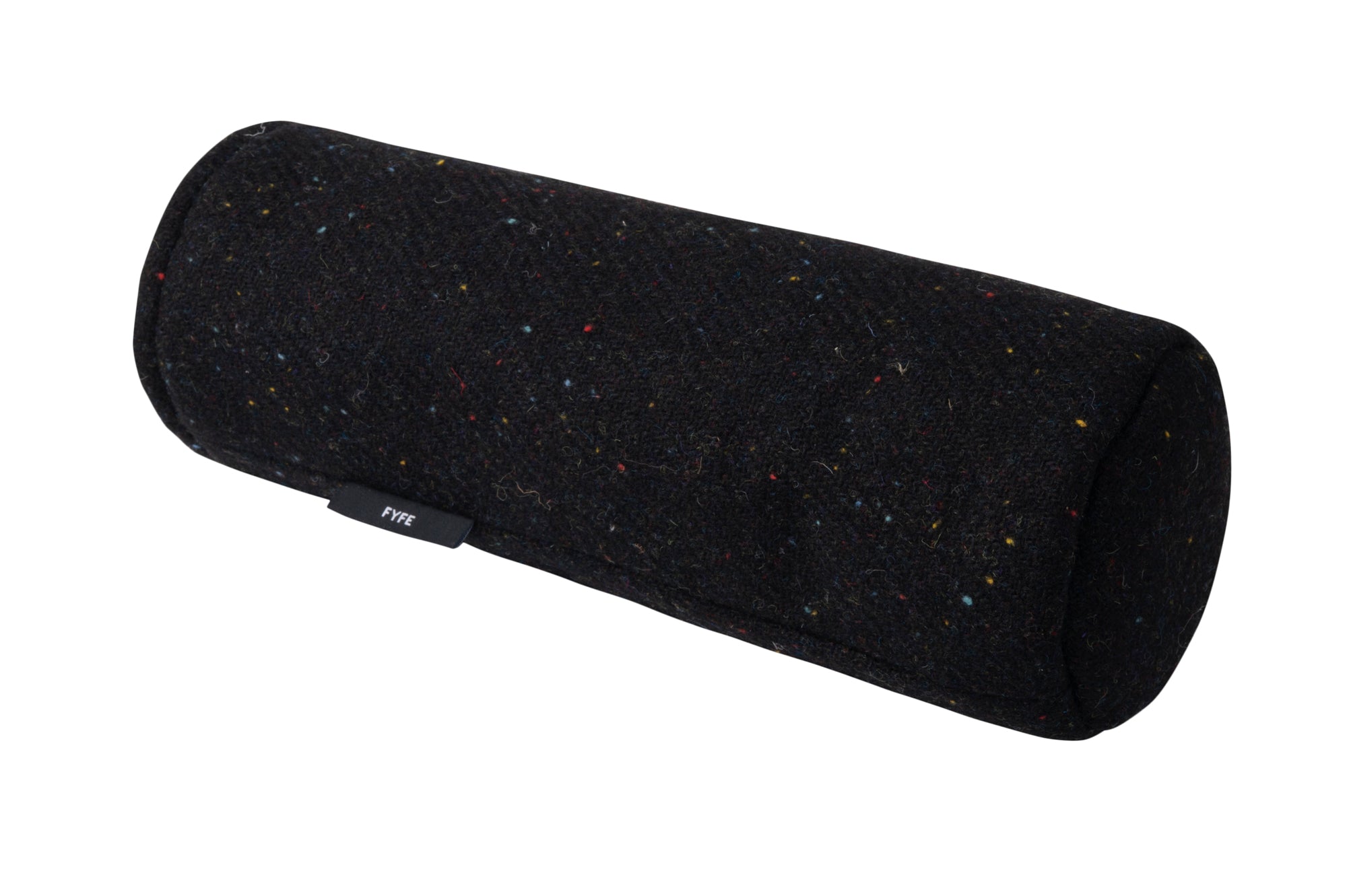
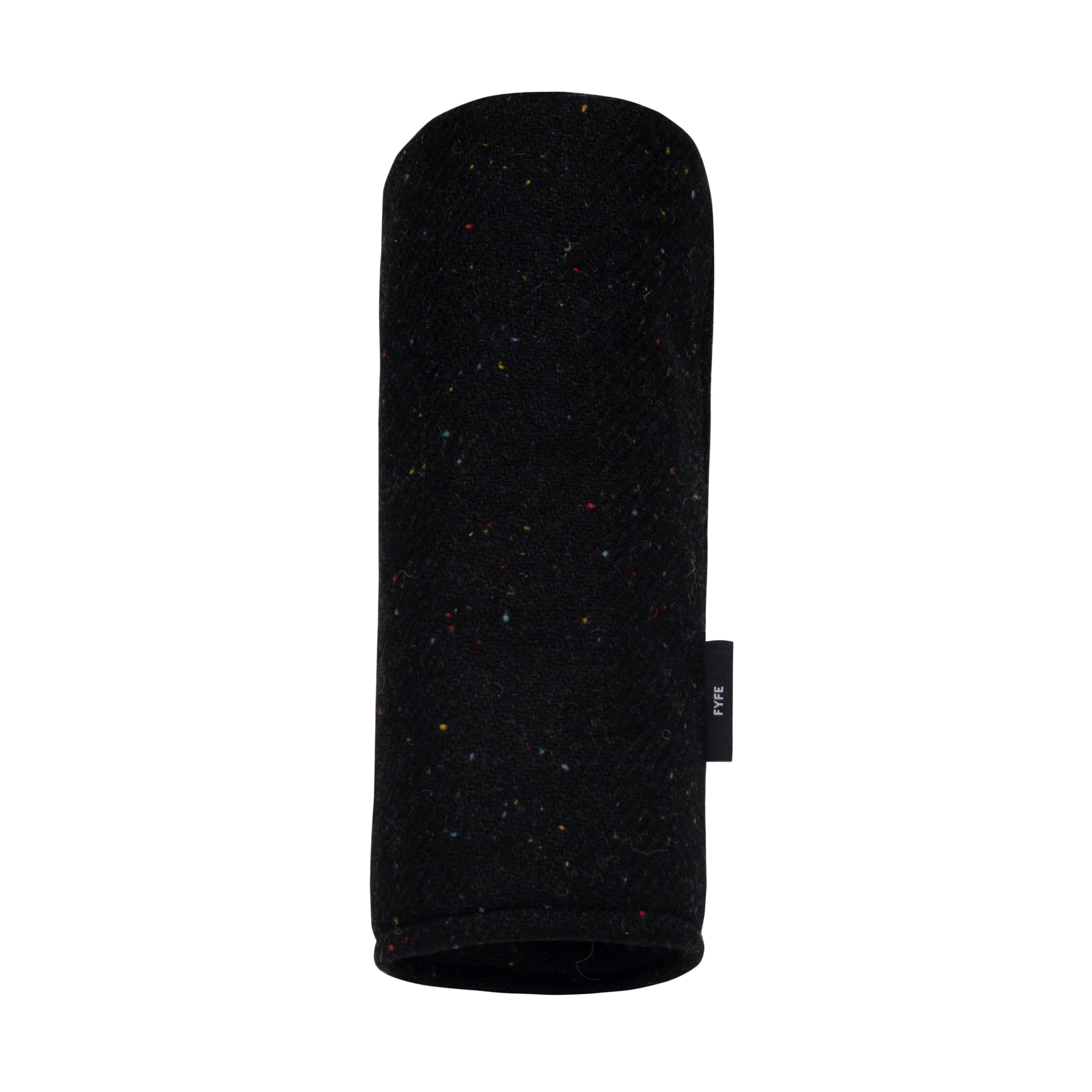
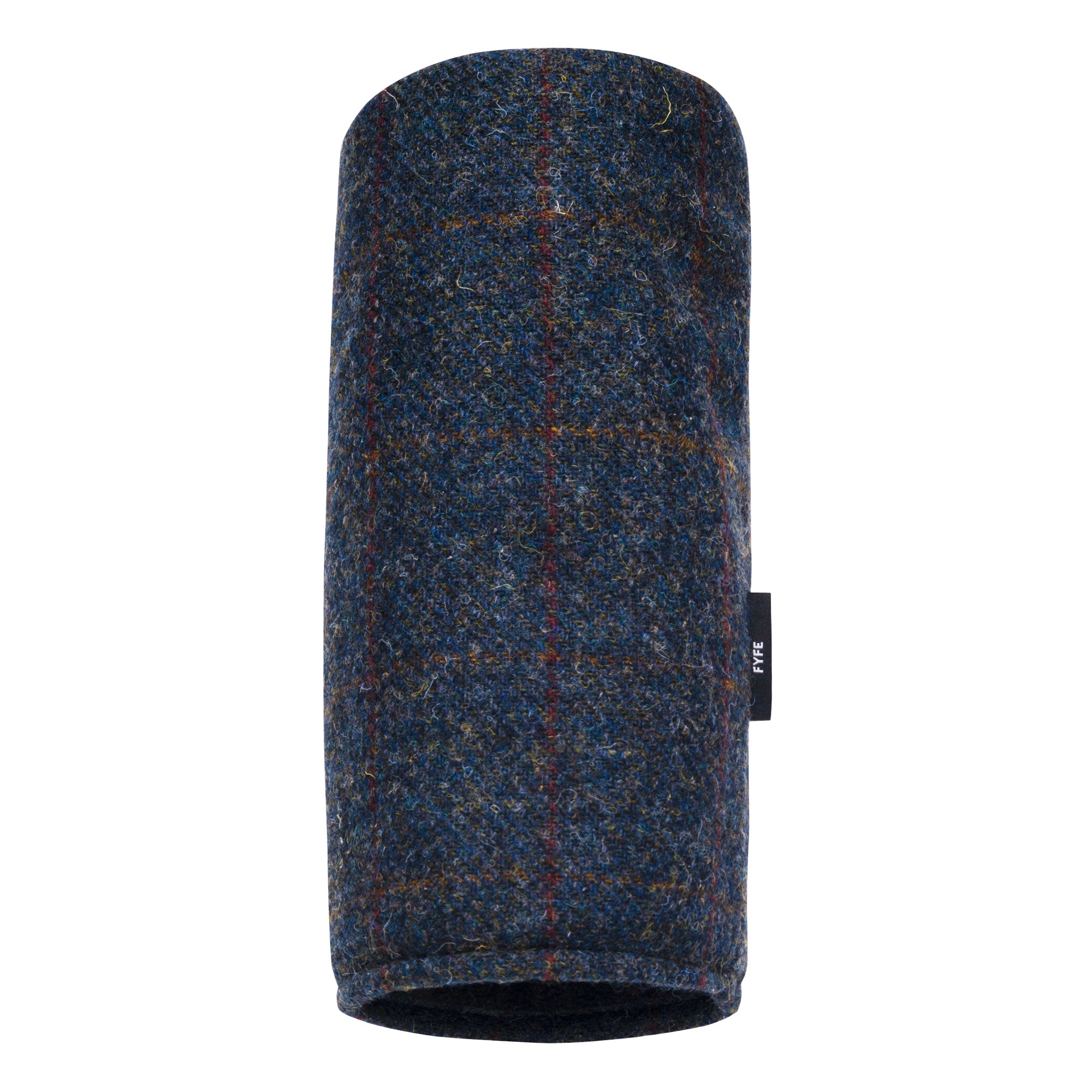
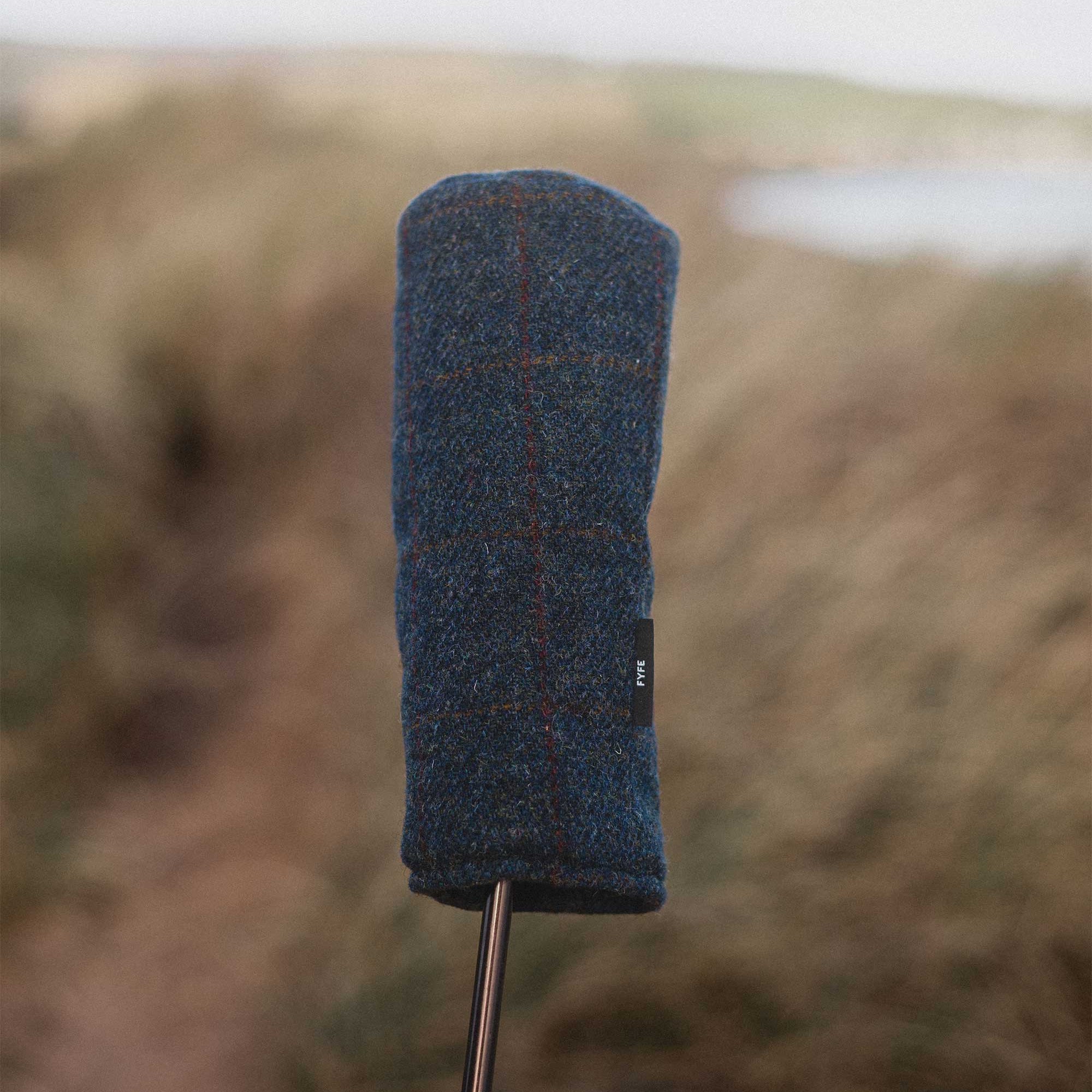
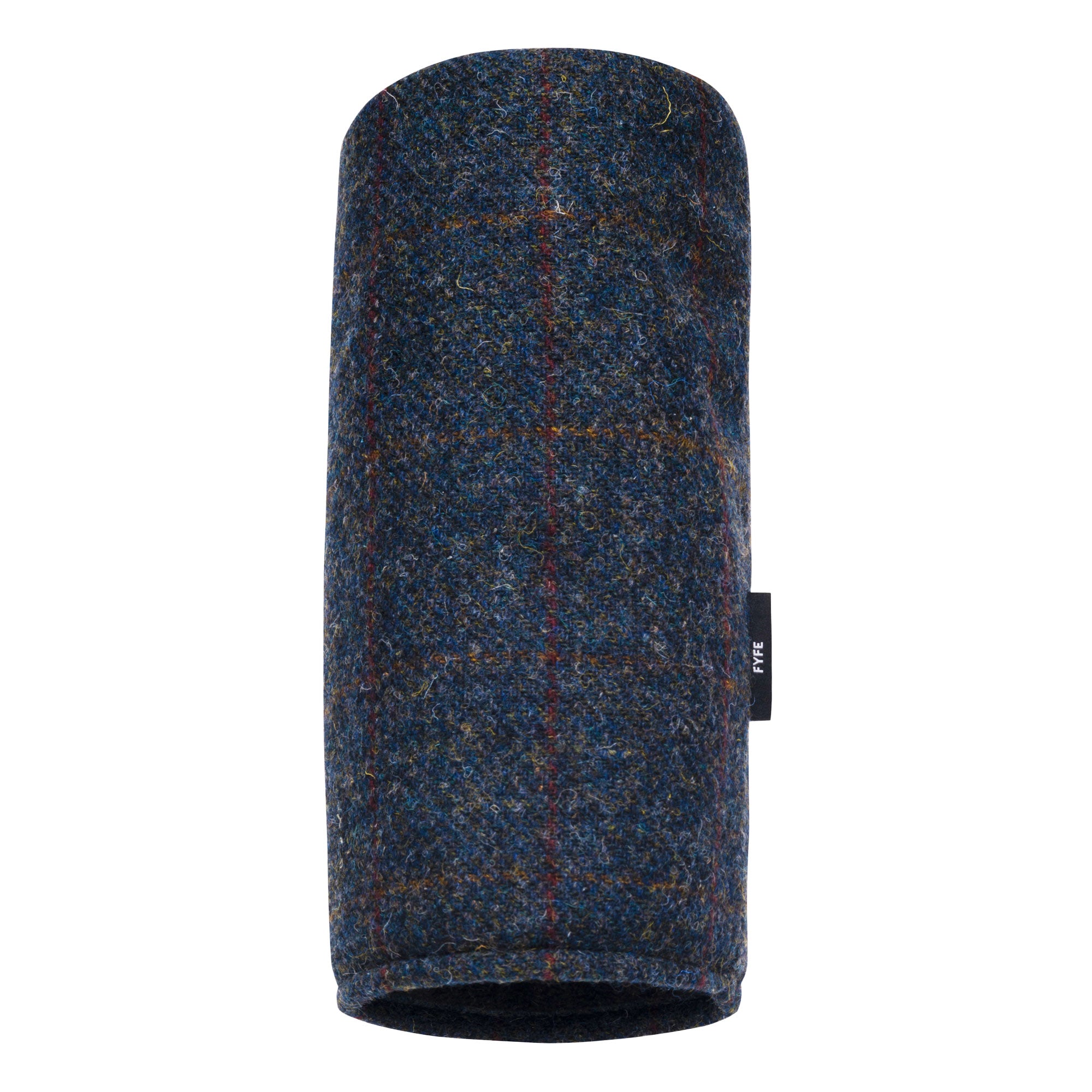
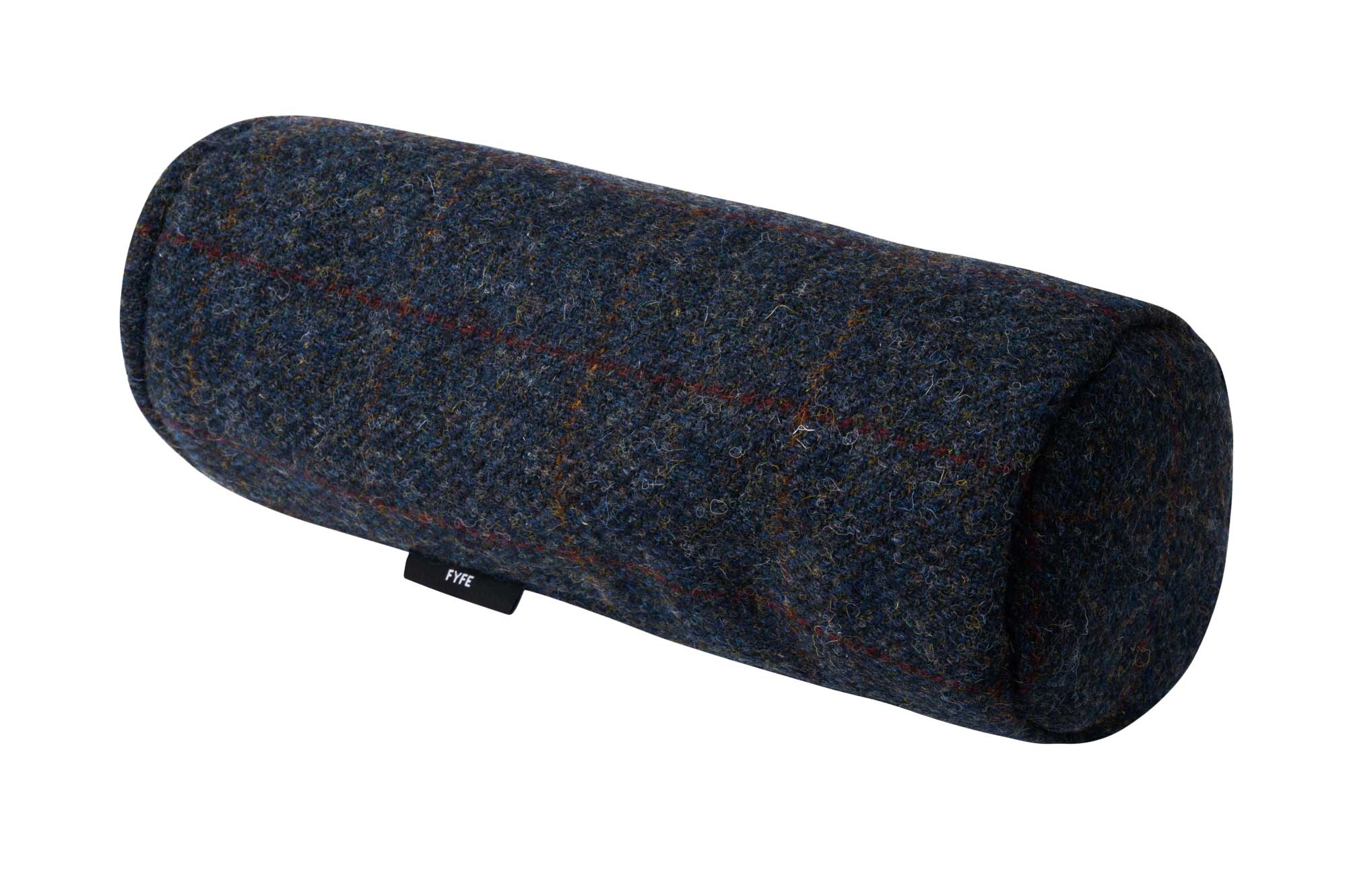
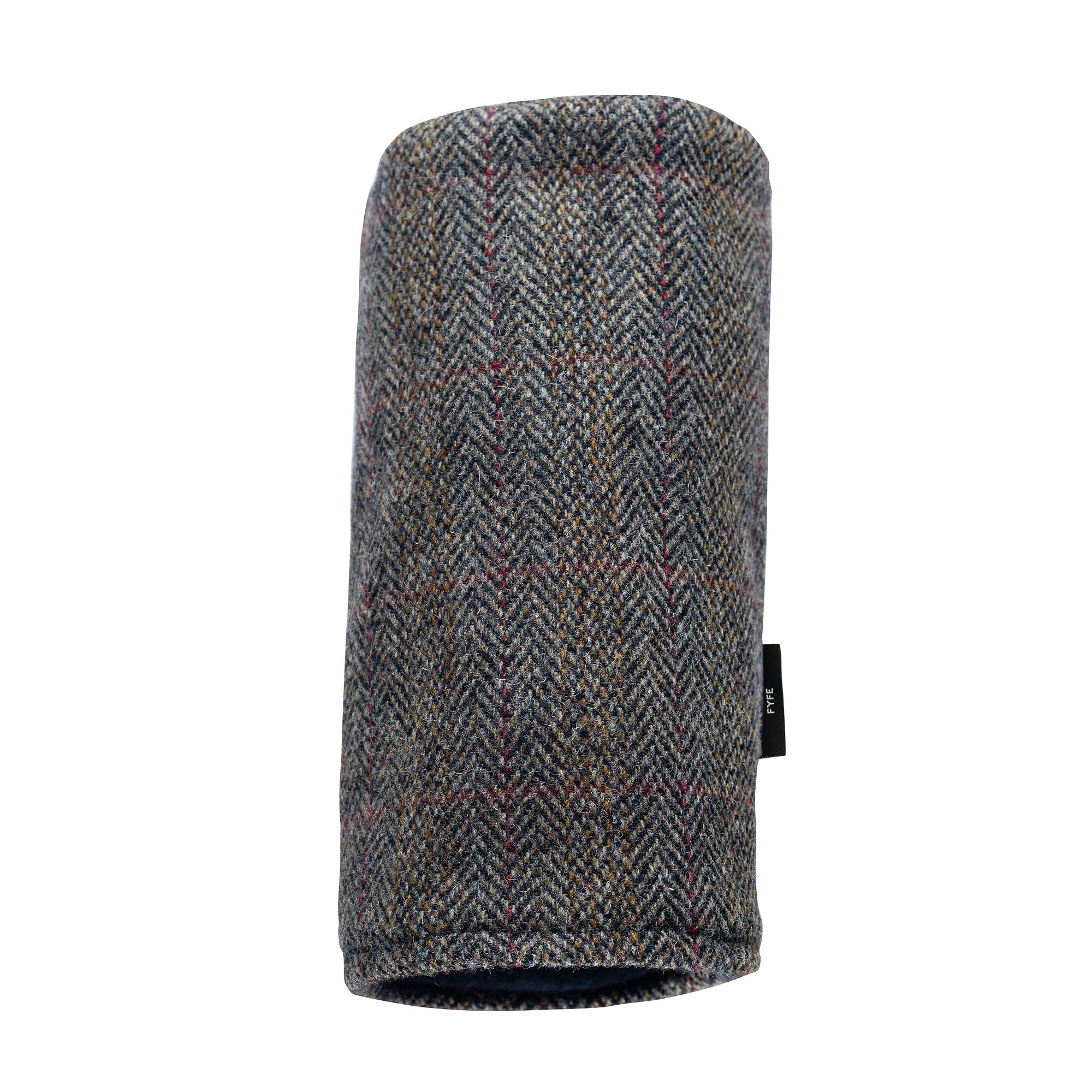
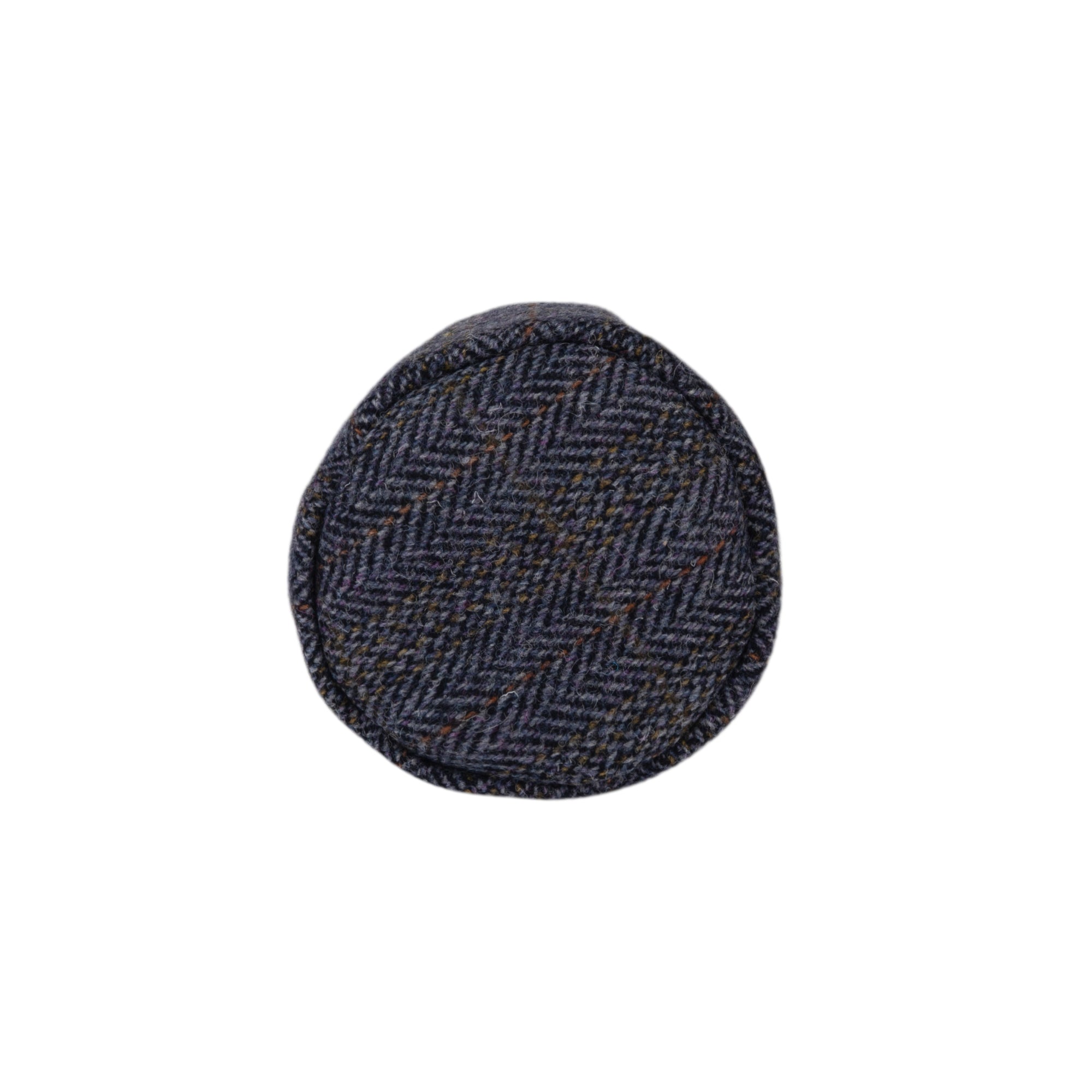
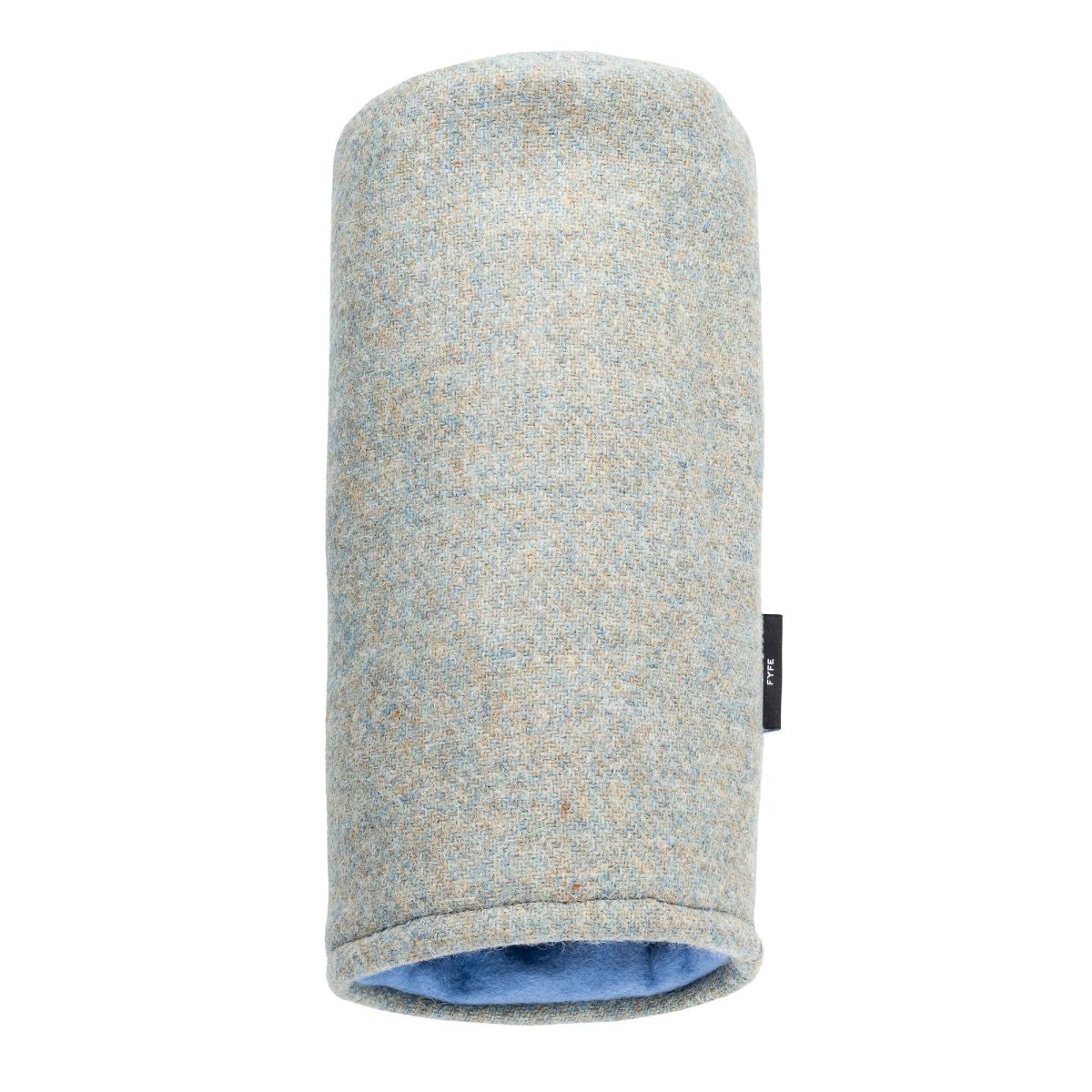
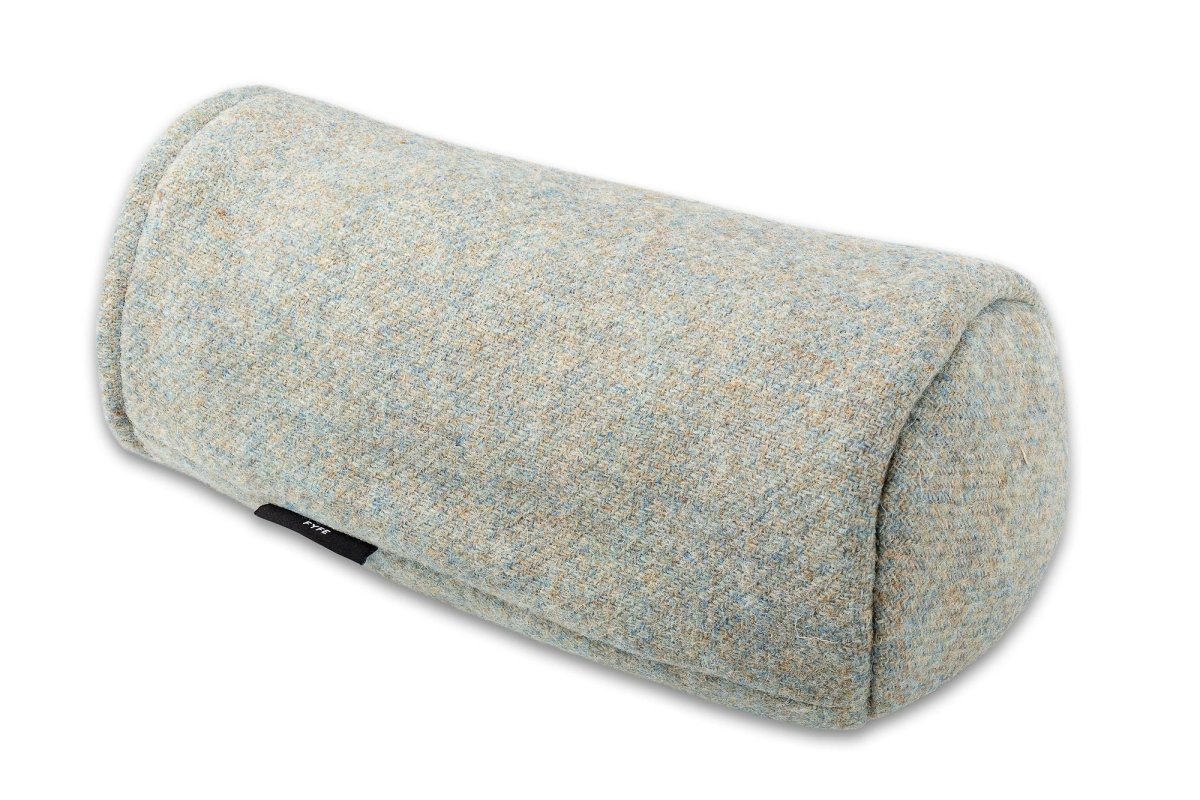
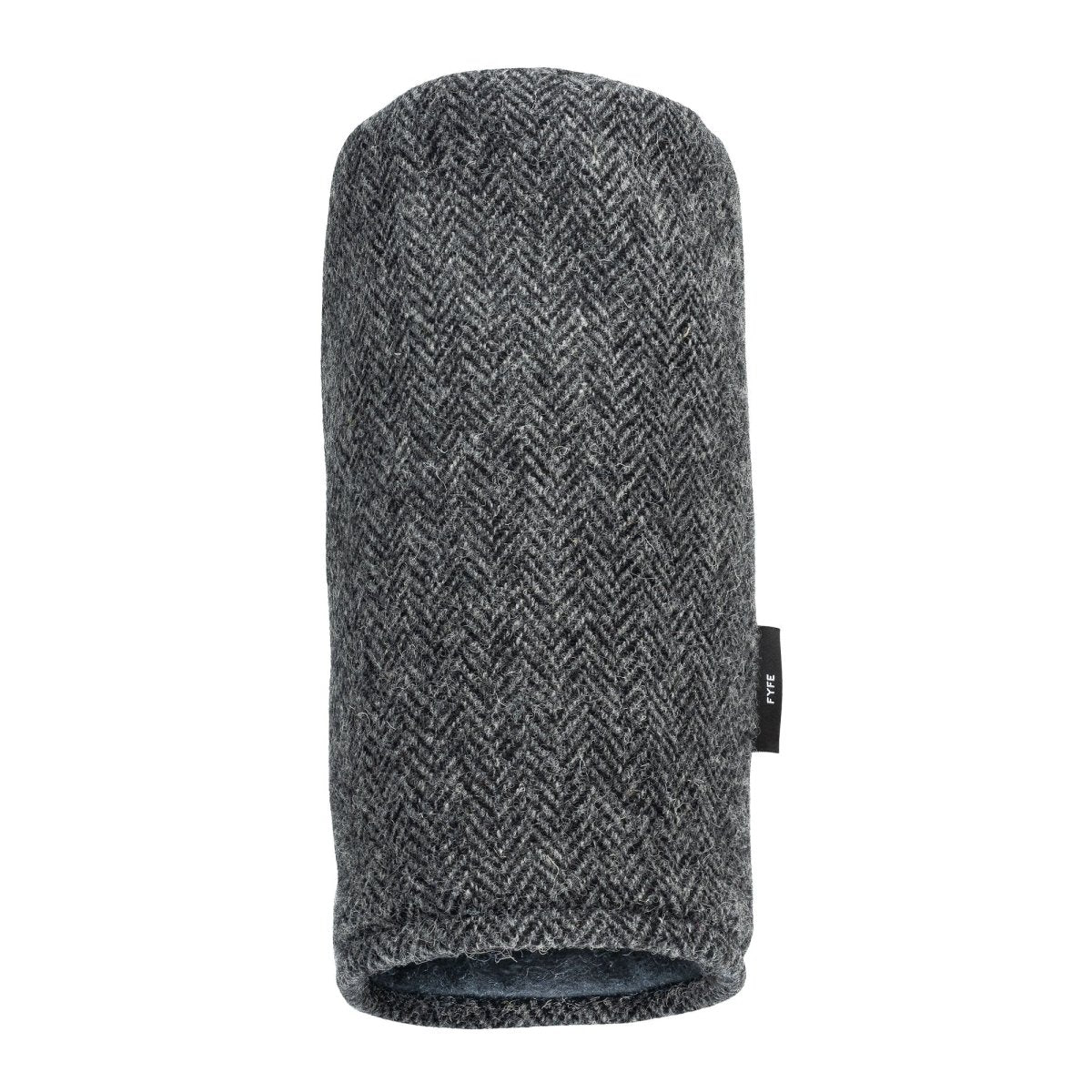
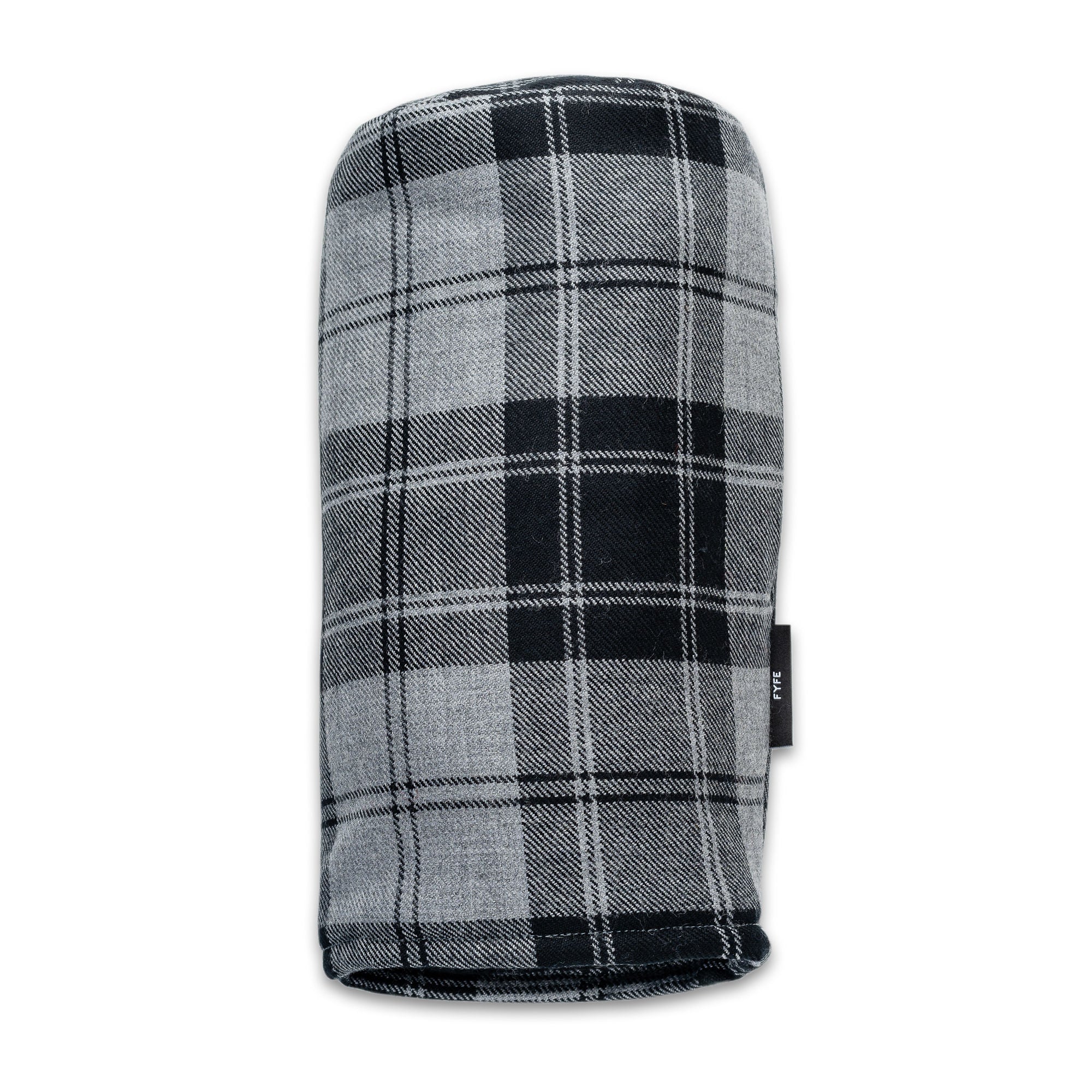
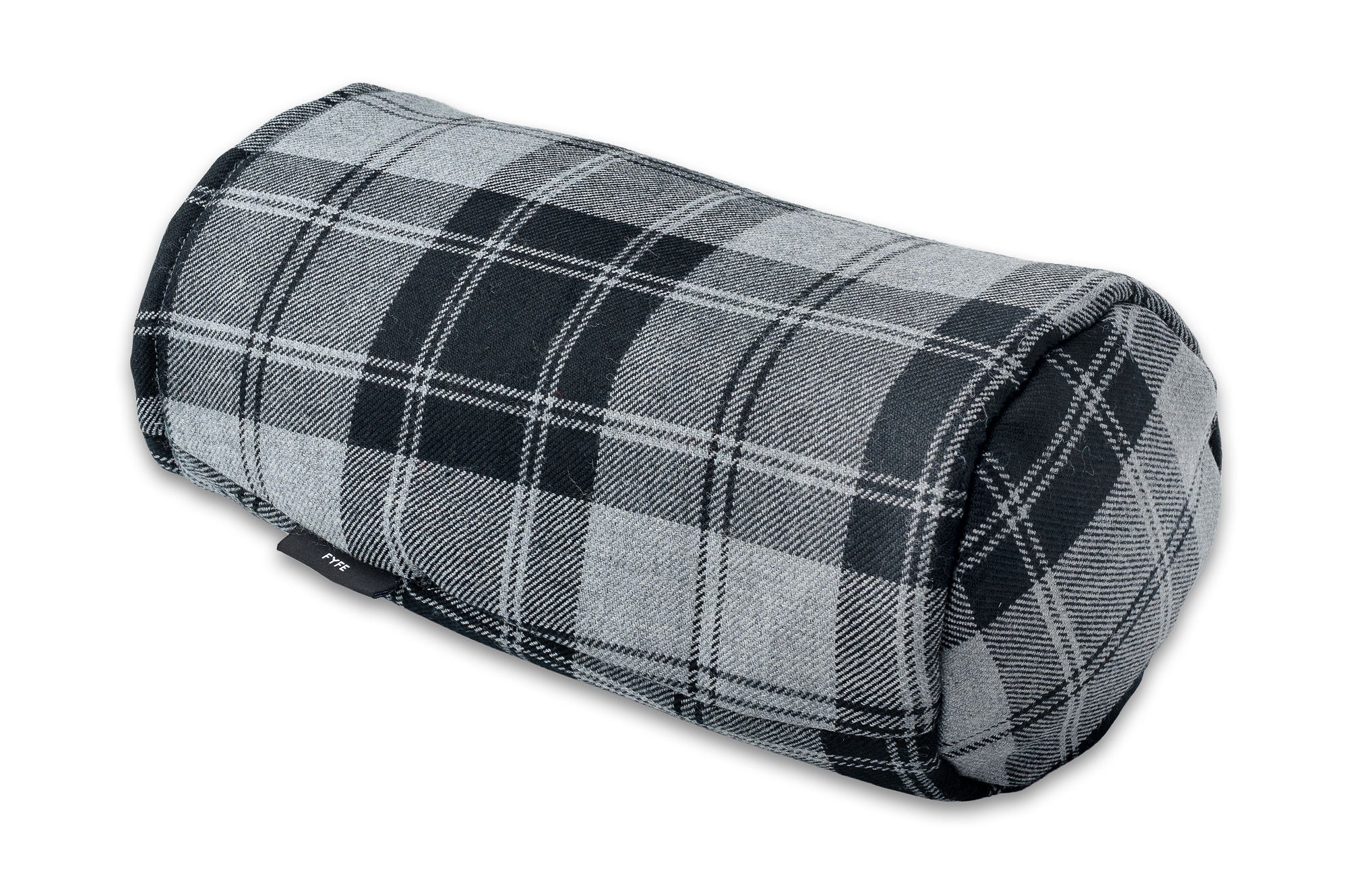
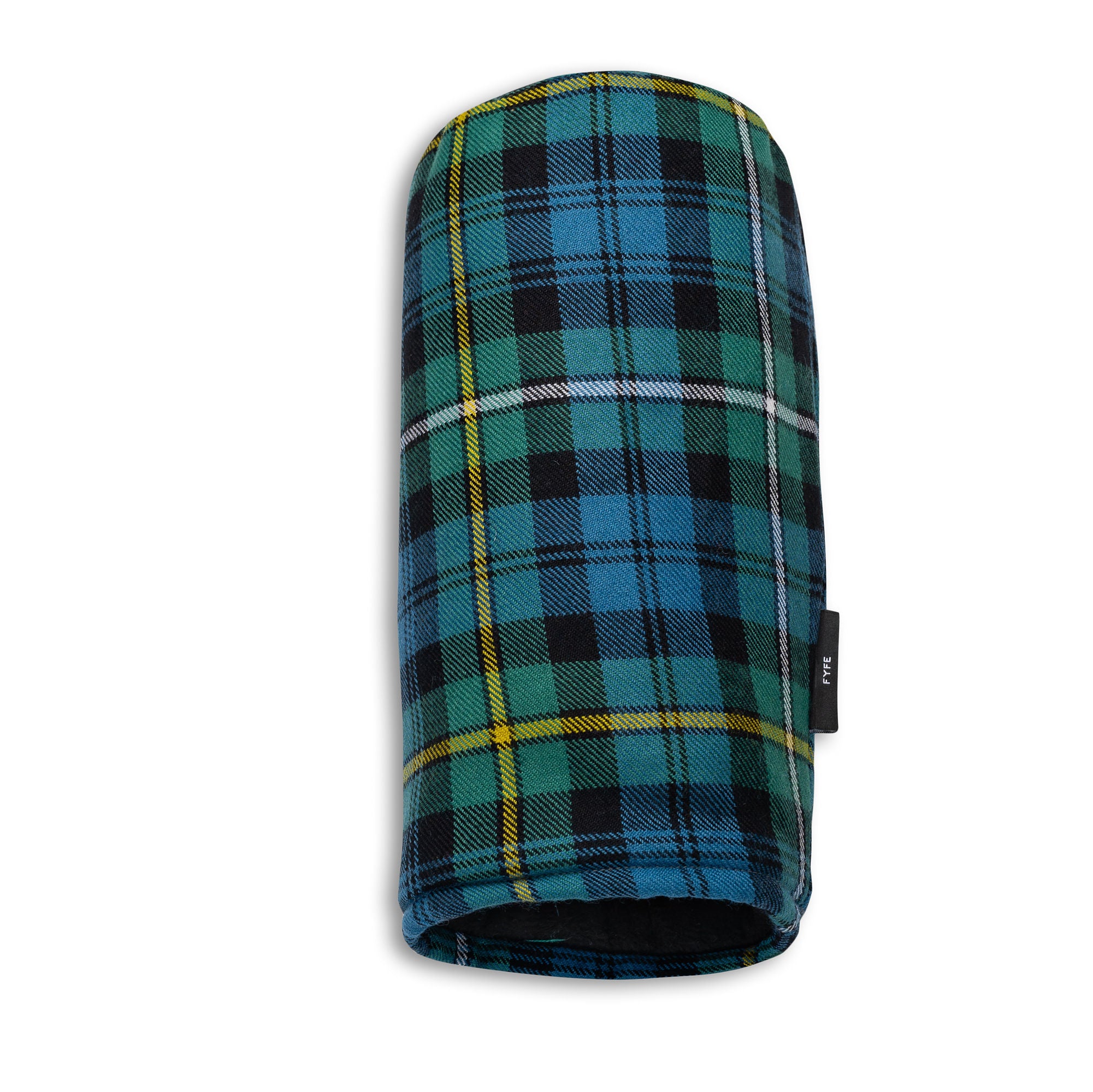
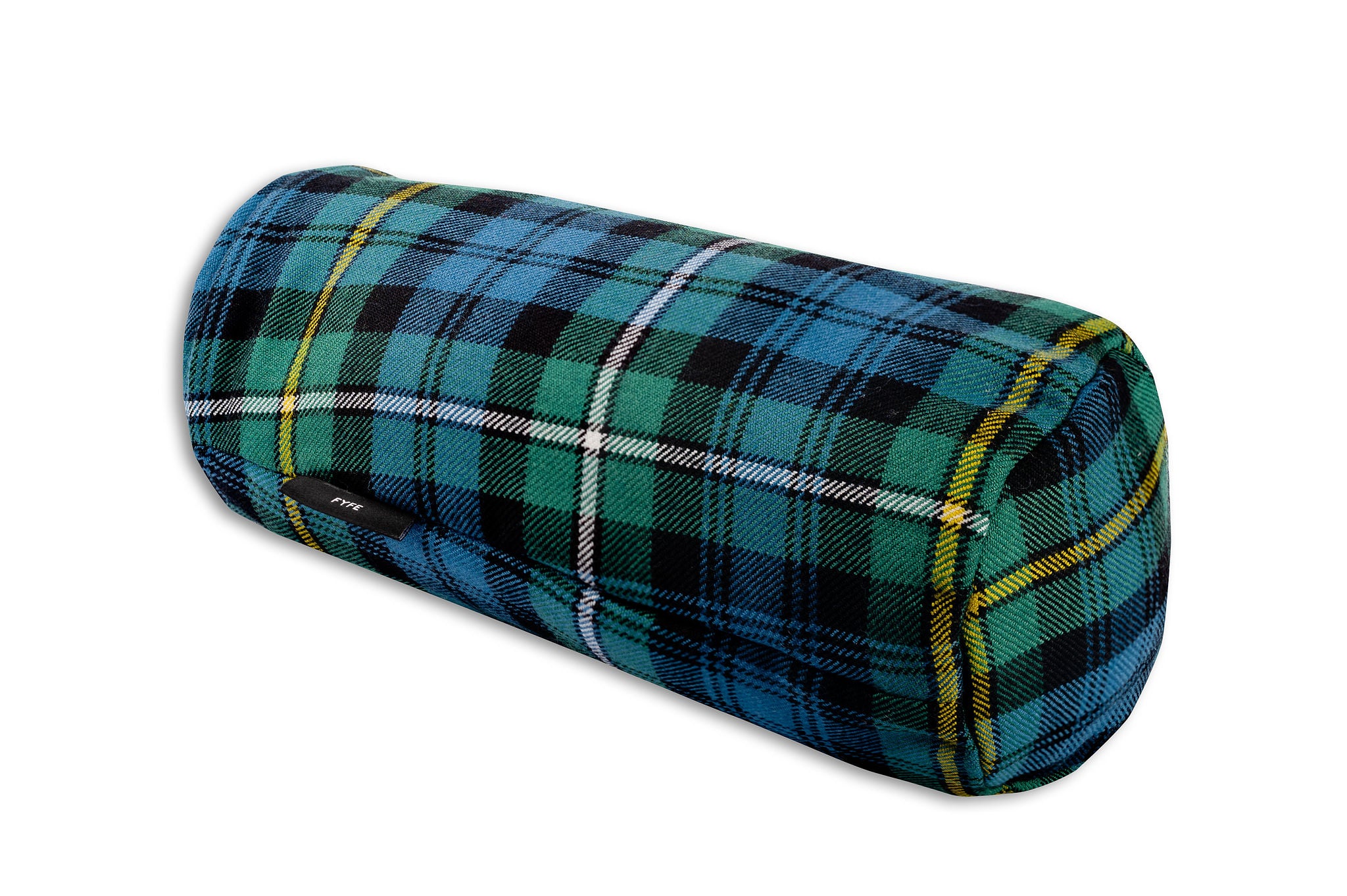
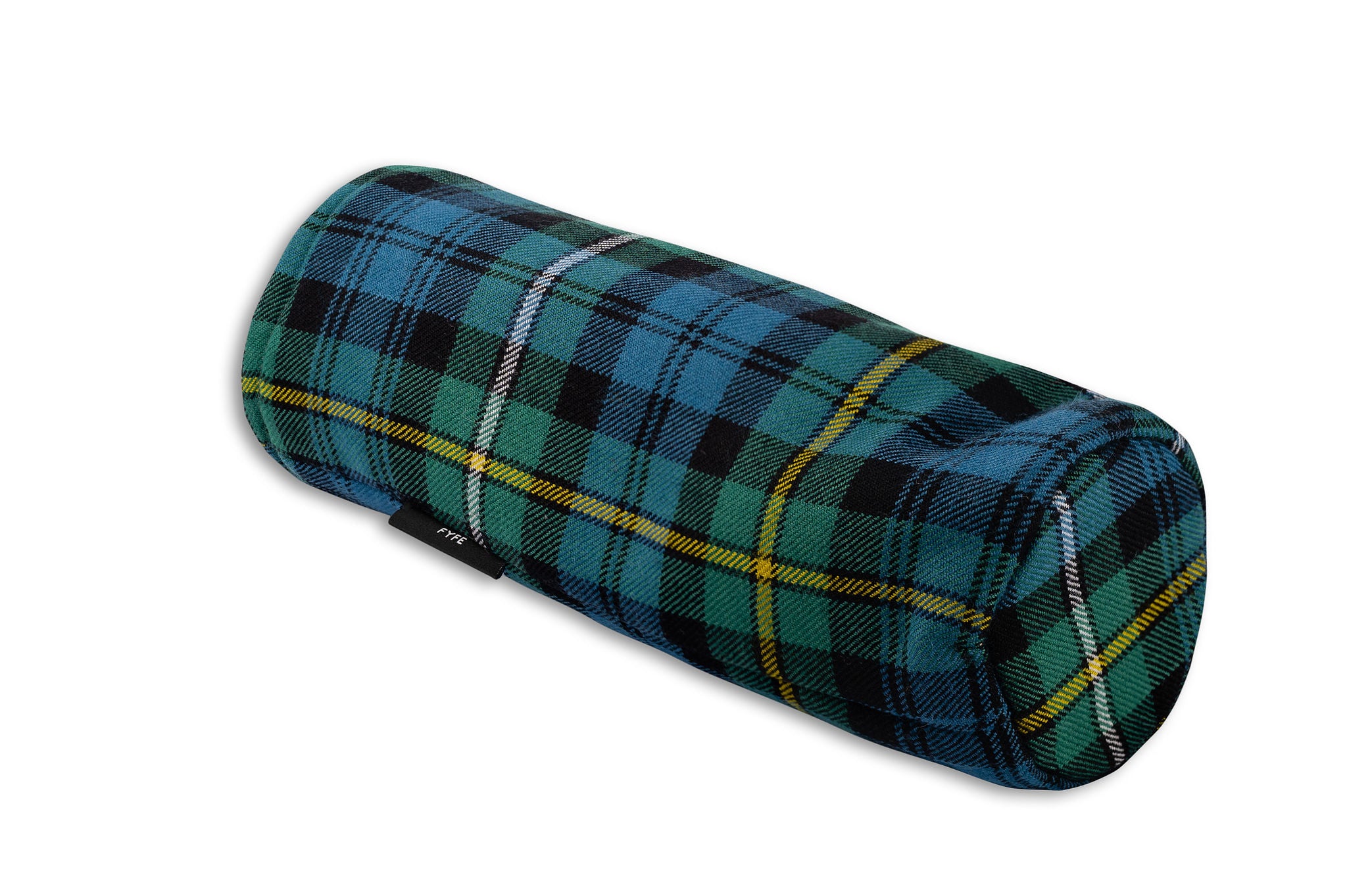
Registered setts in pure new wool, woven in Perthshire and Selkirk, cut and placed by hand.
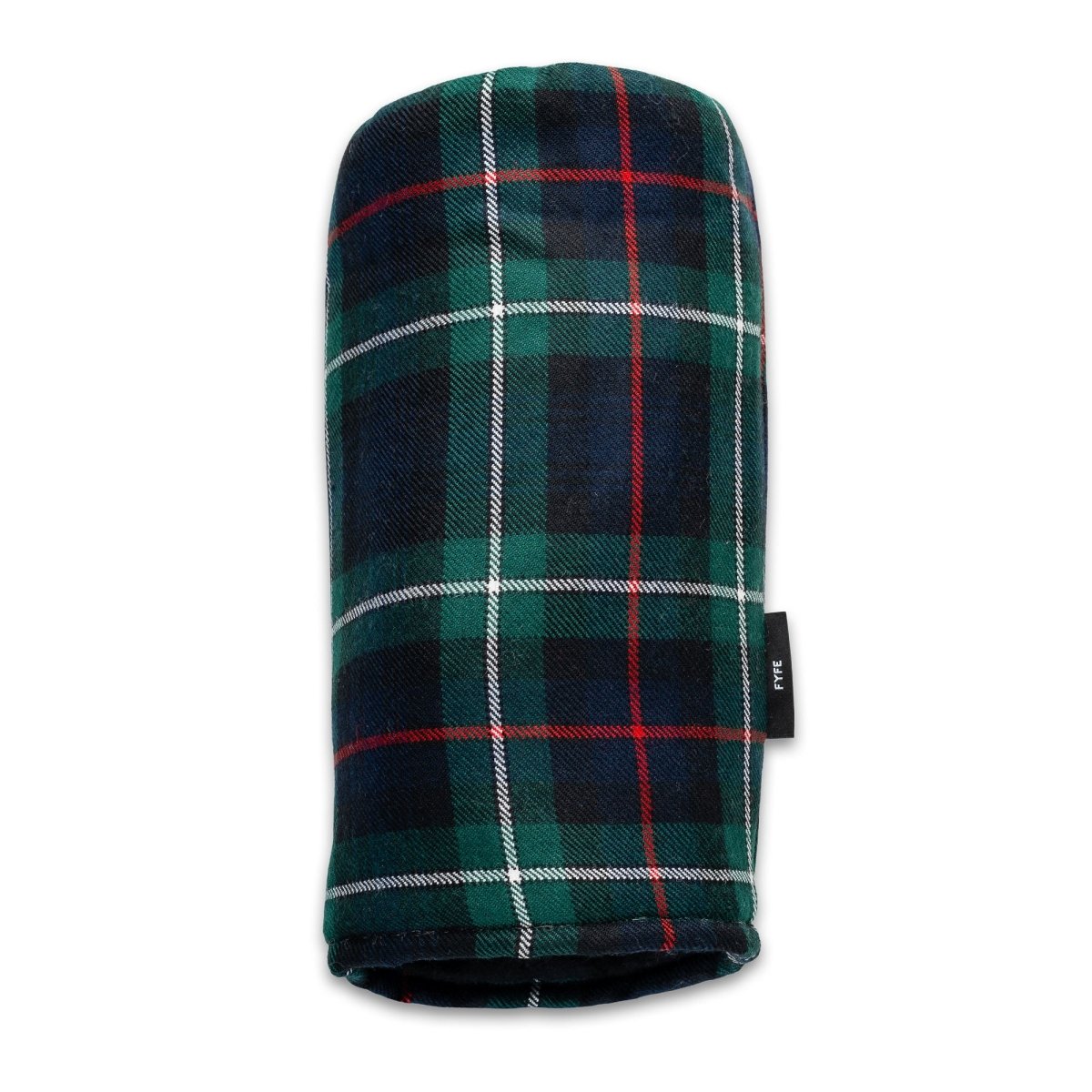
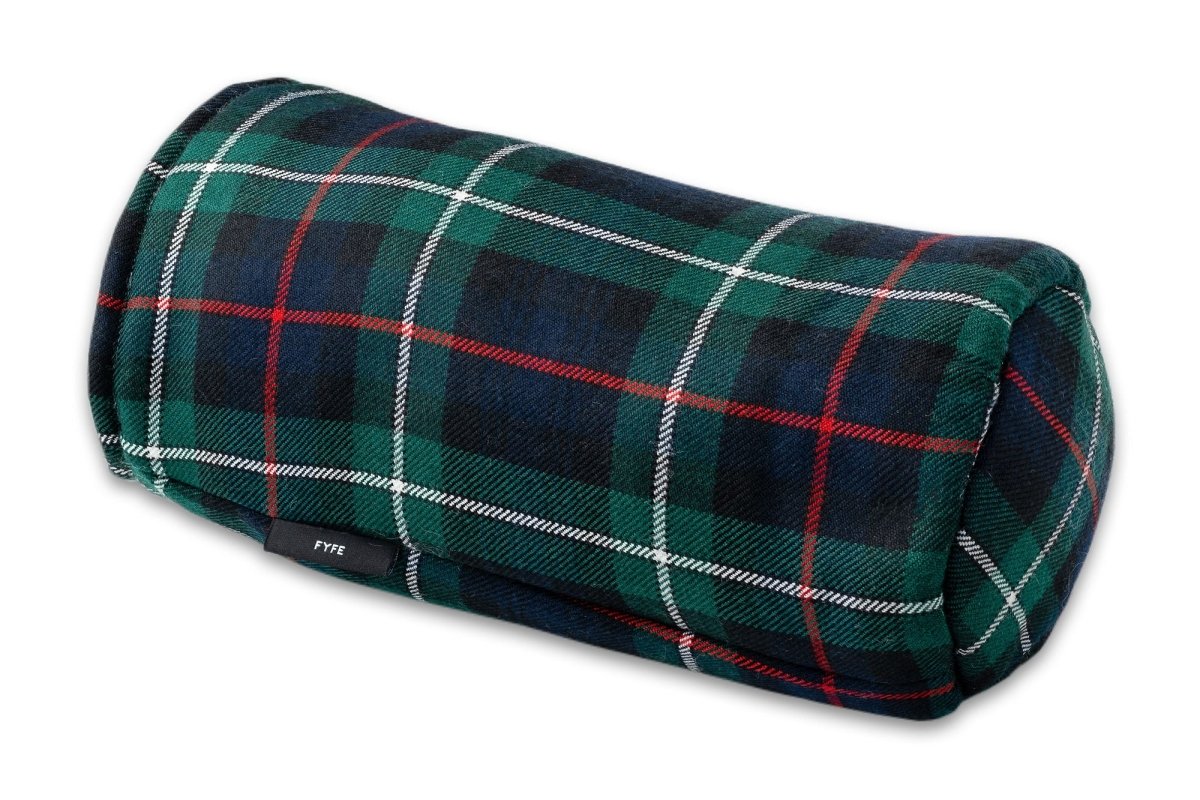
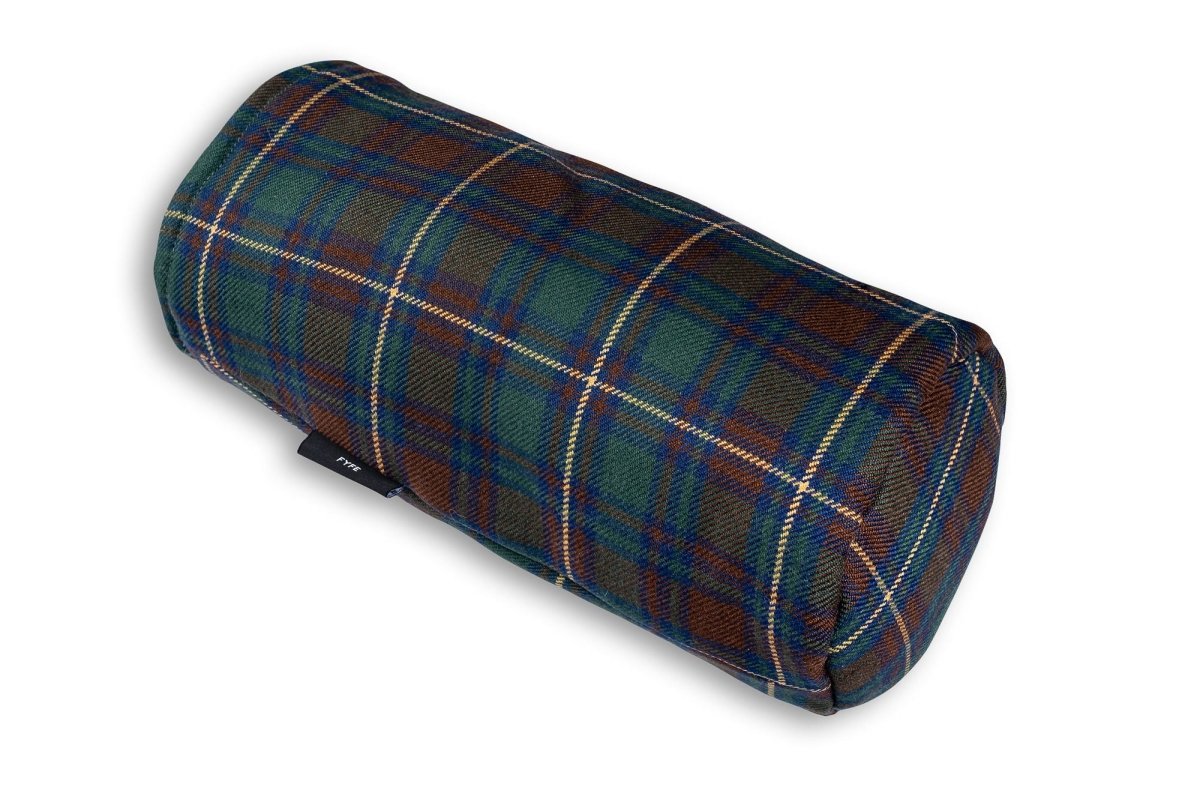
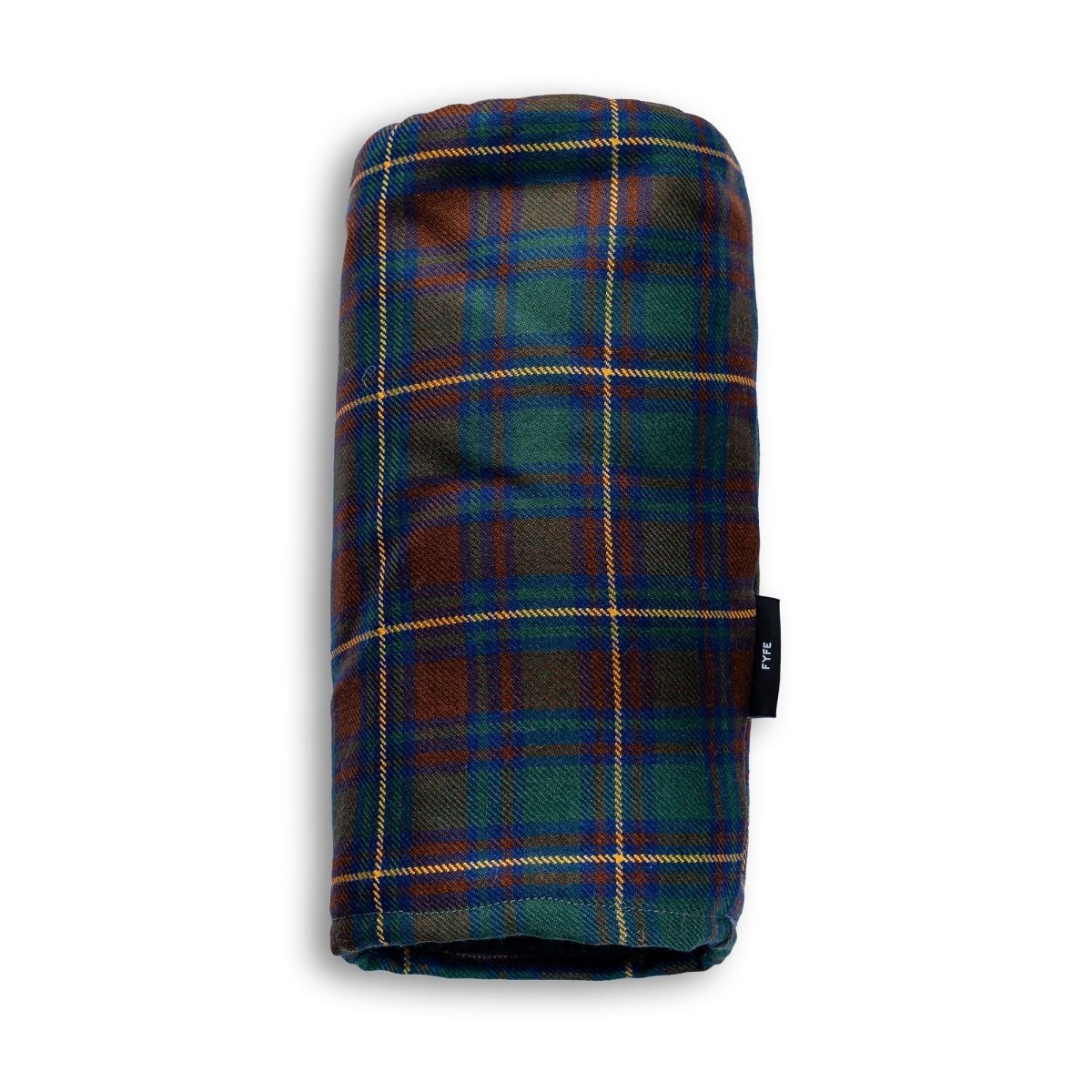
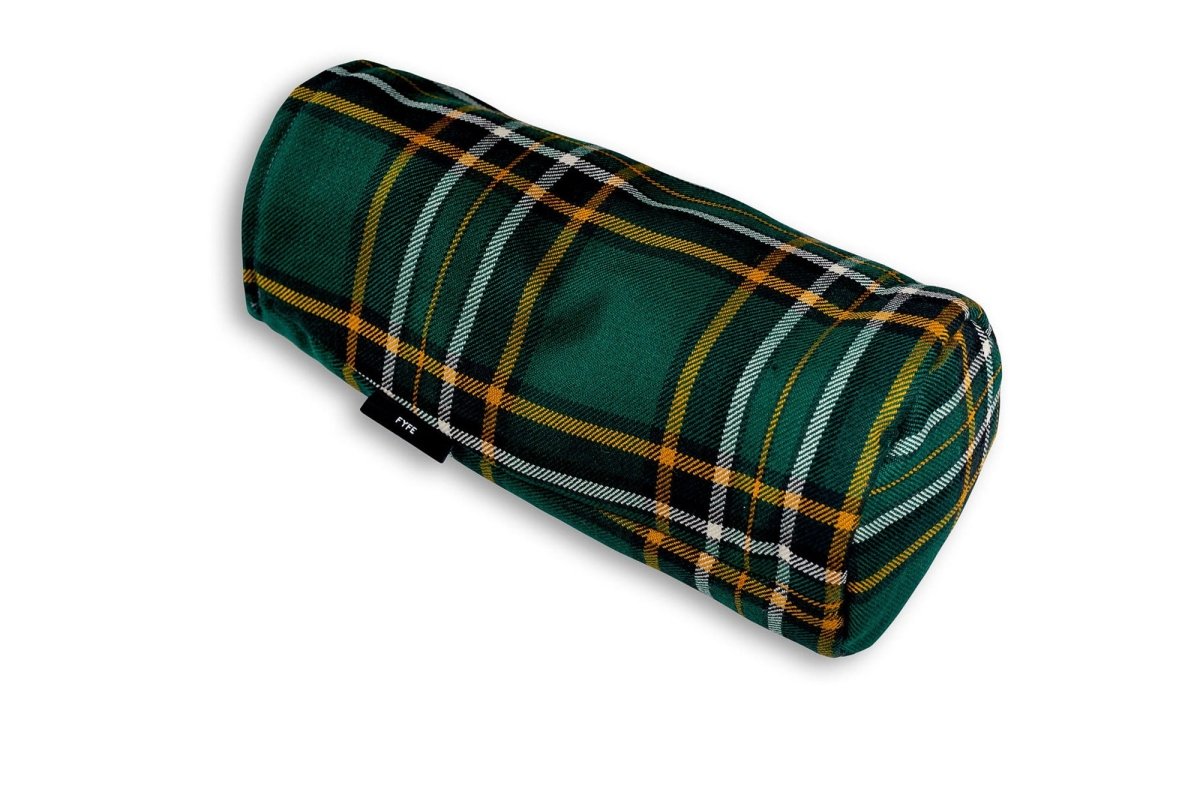
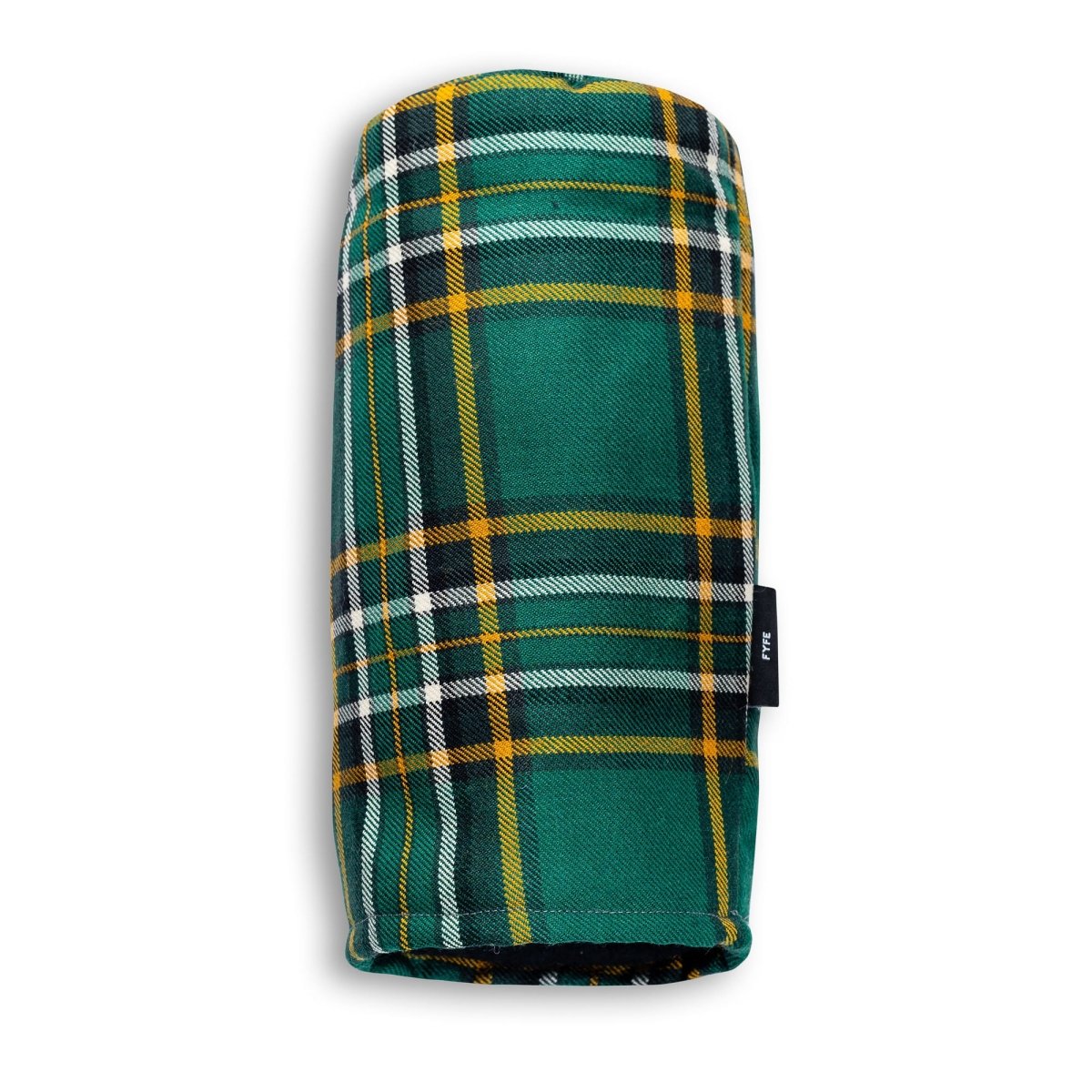
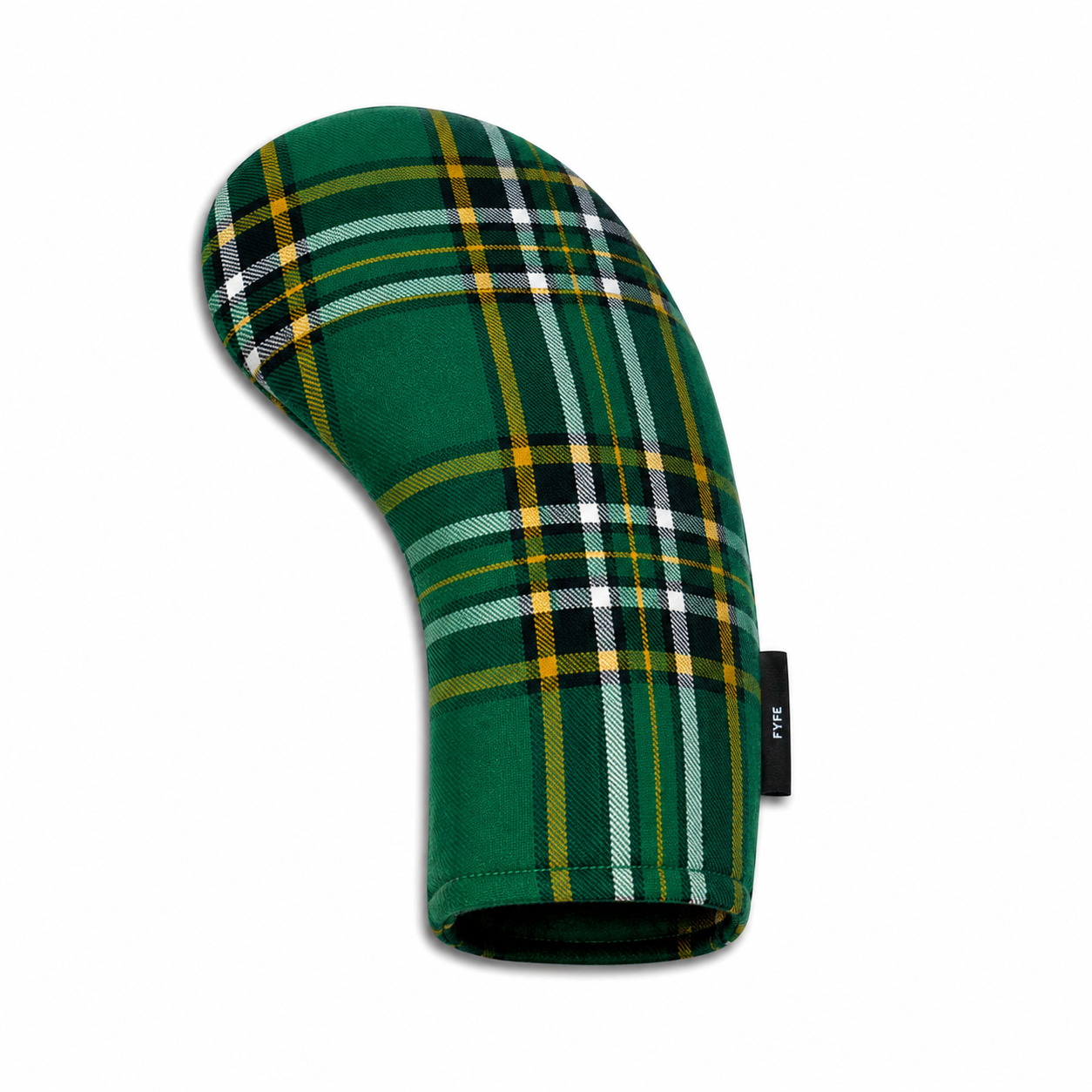
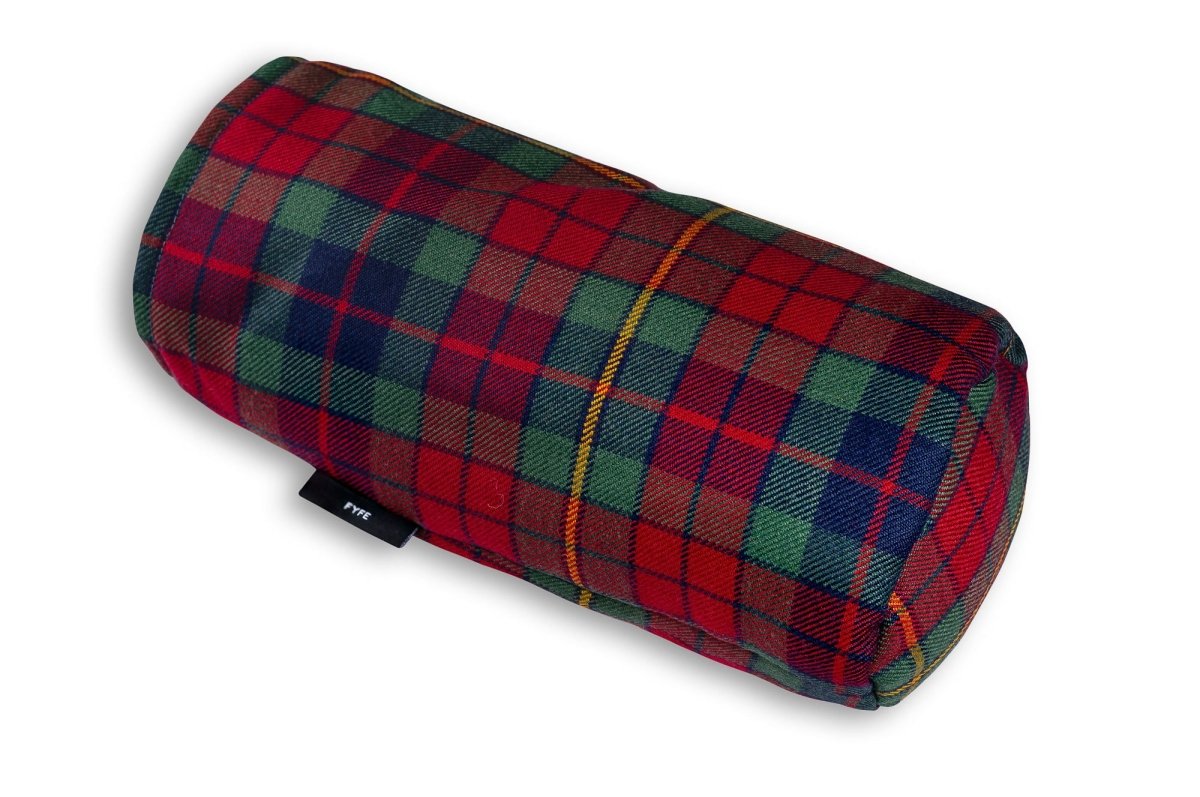
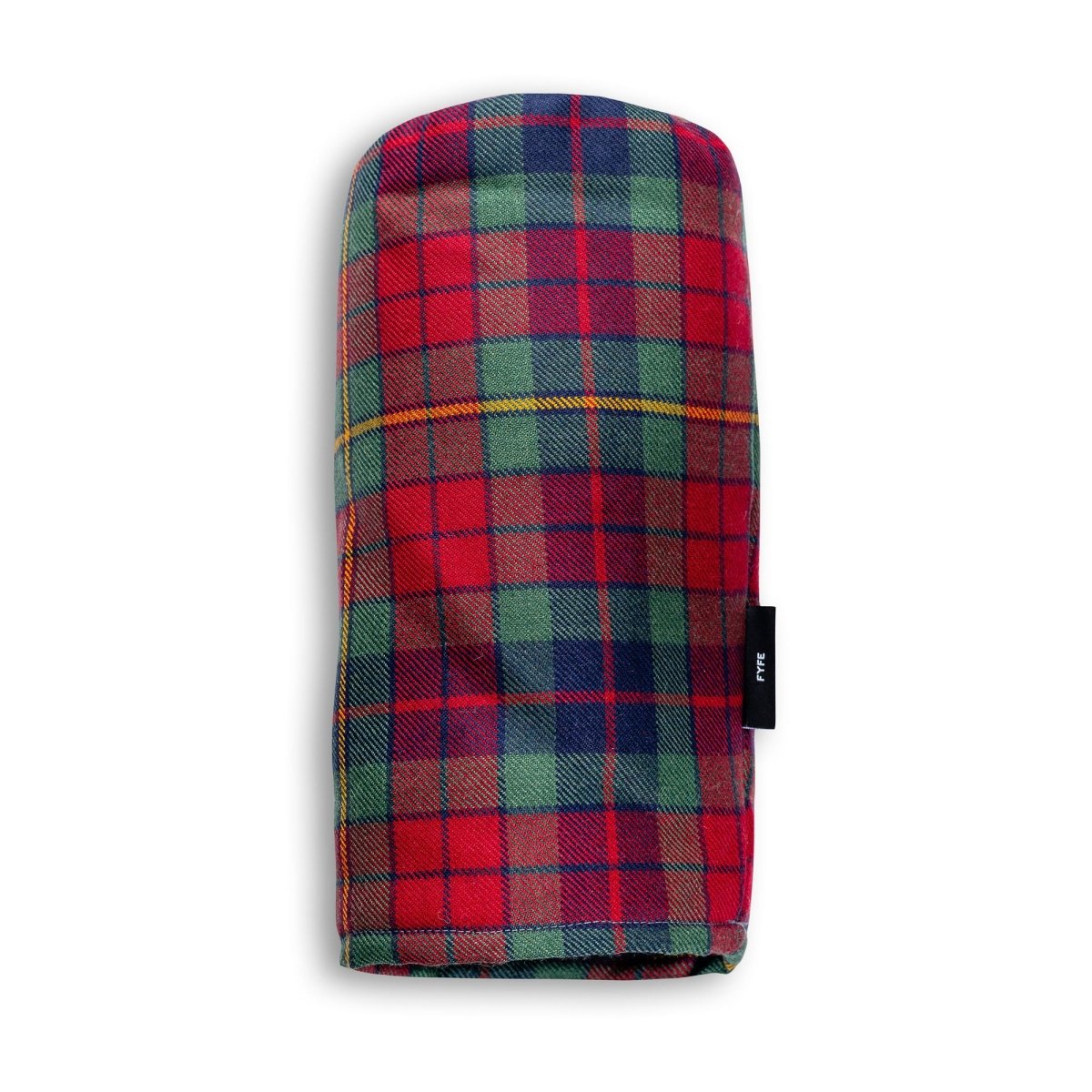
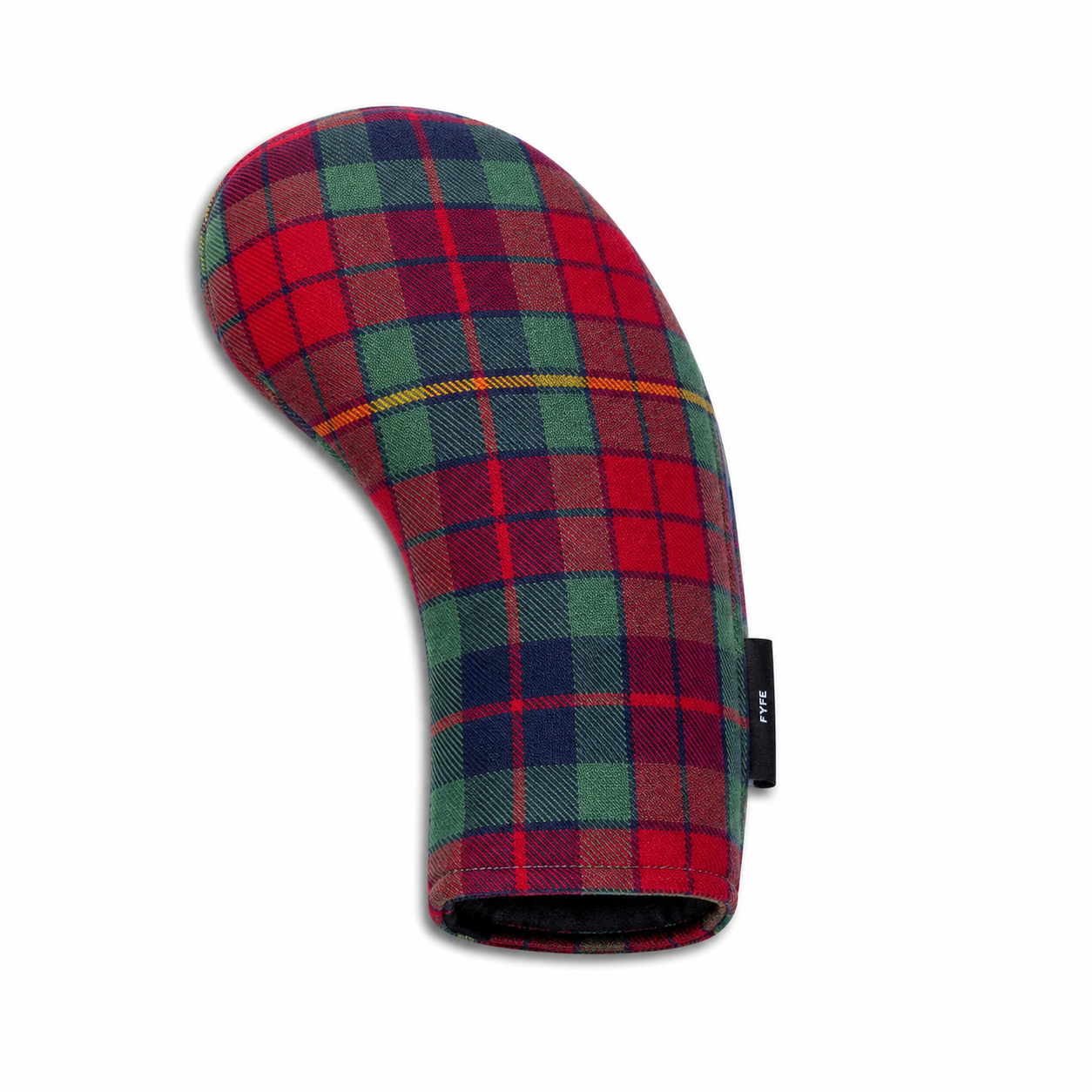
The club shapes most cover makers skip, in the same cloths as the drivers.
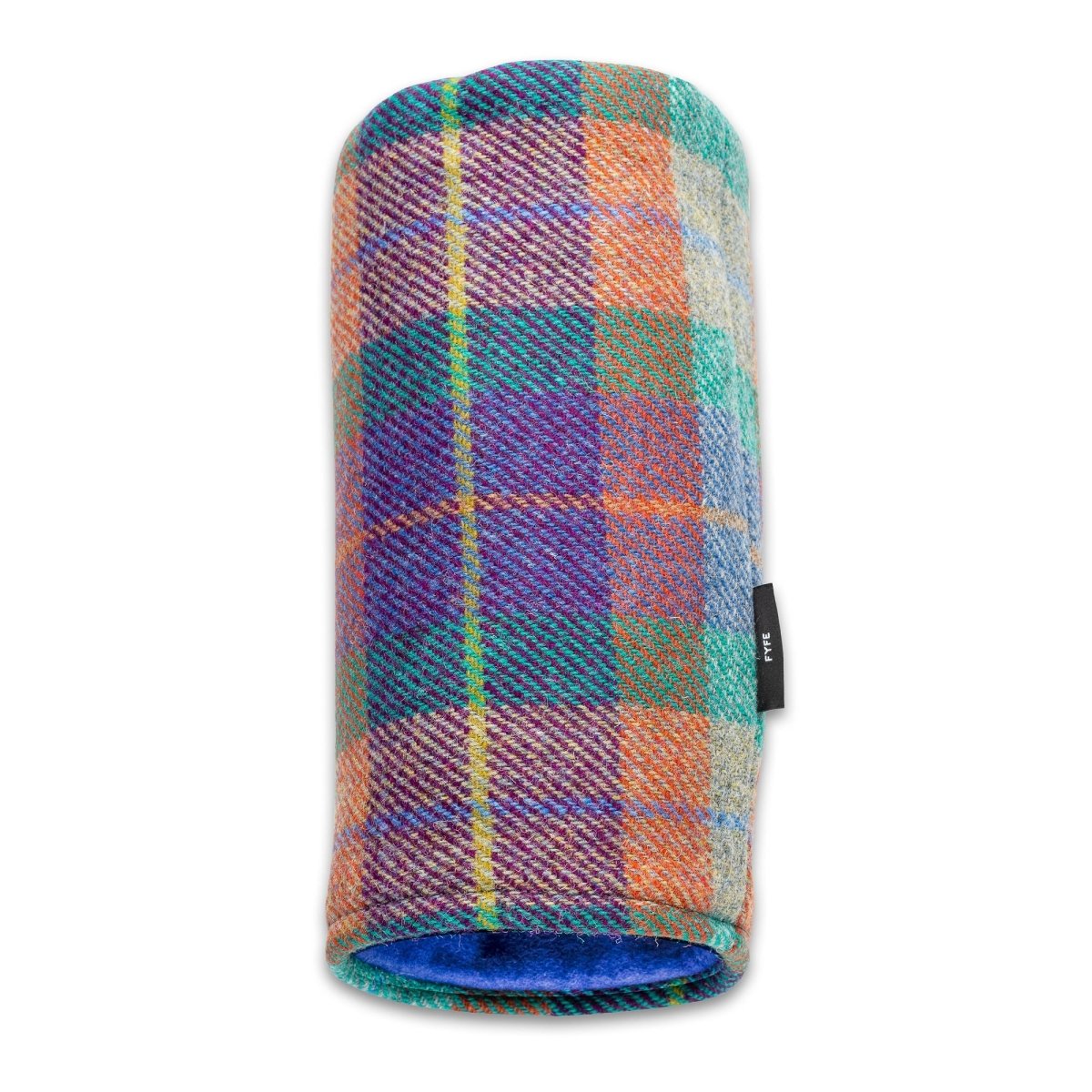
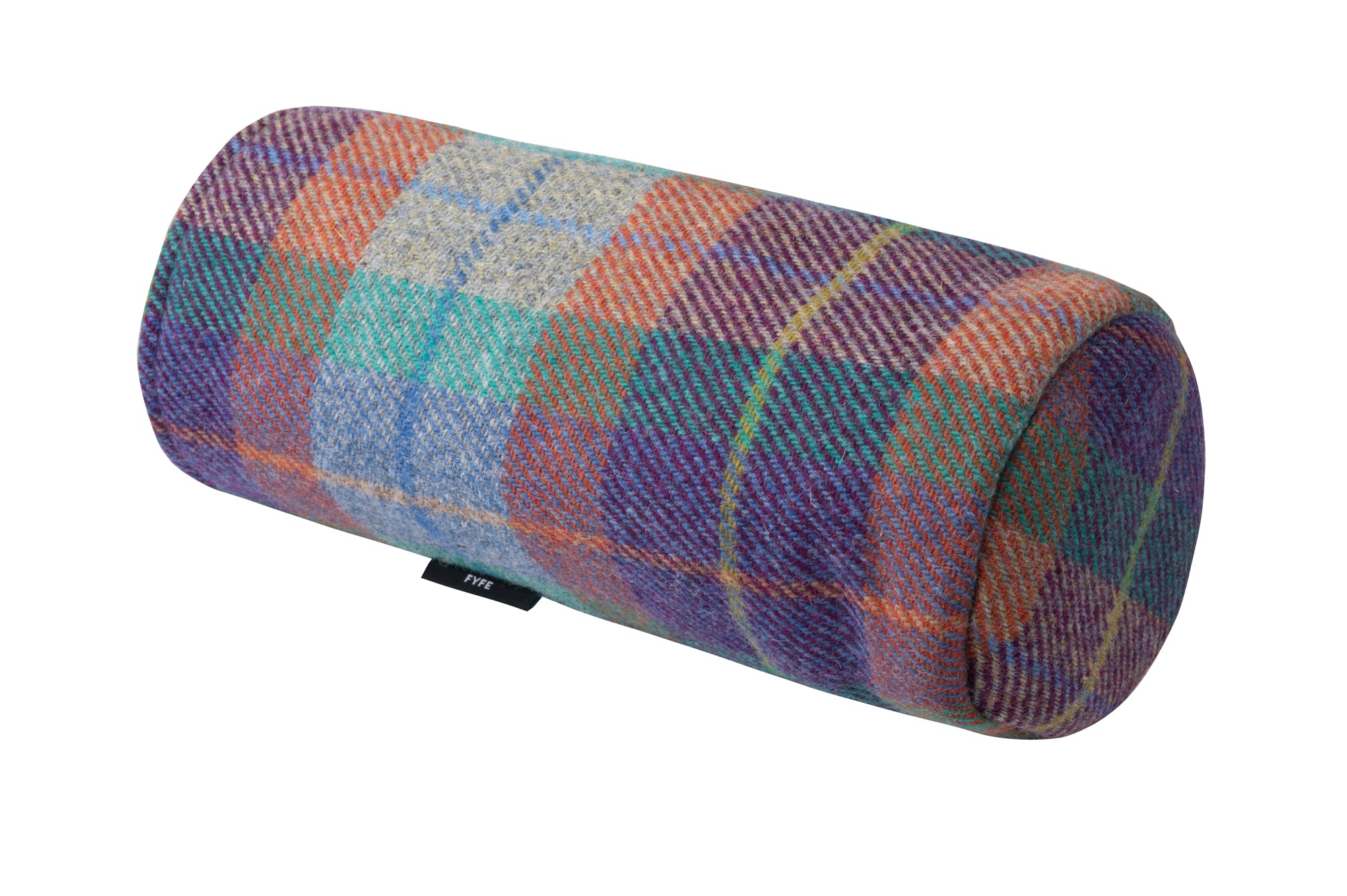
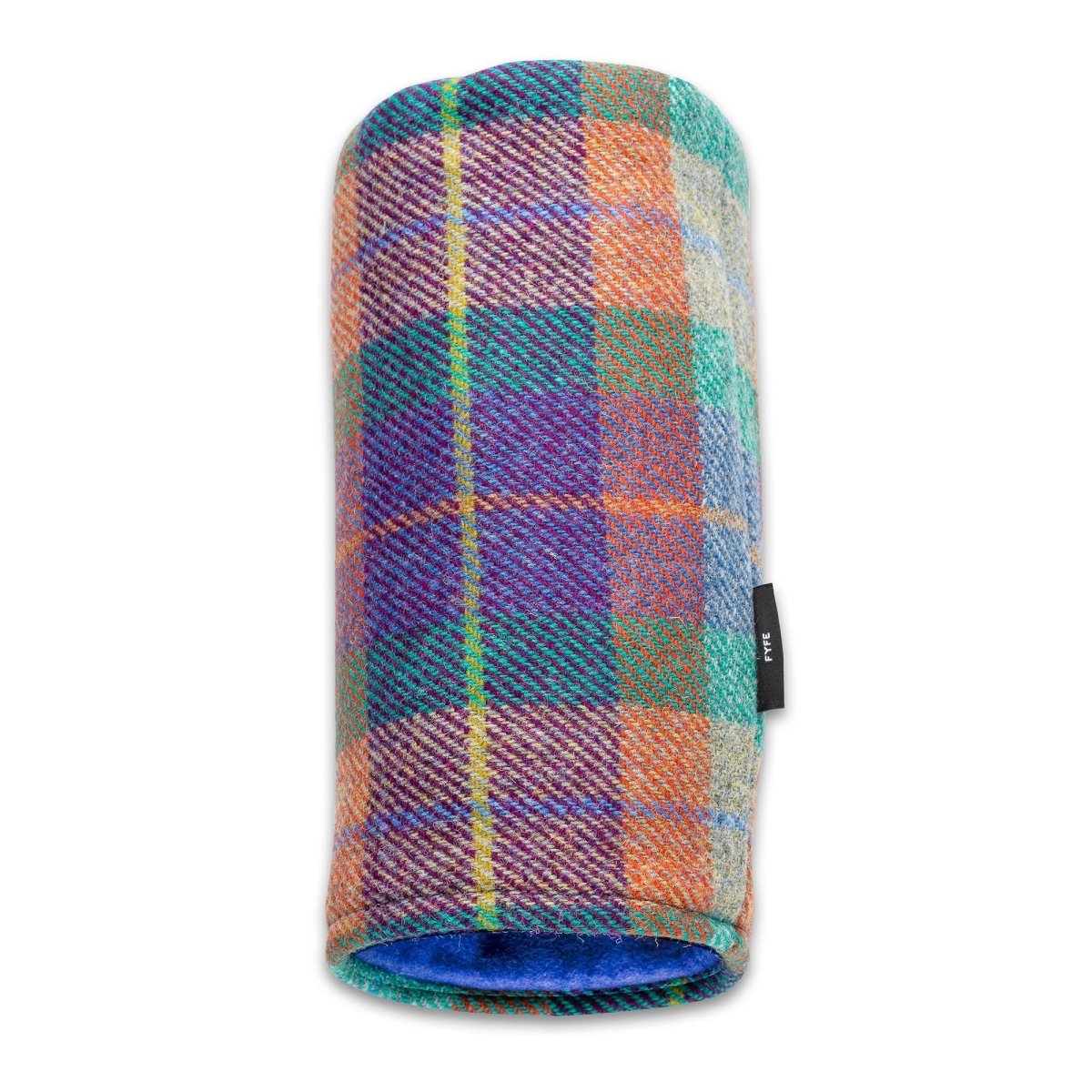
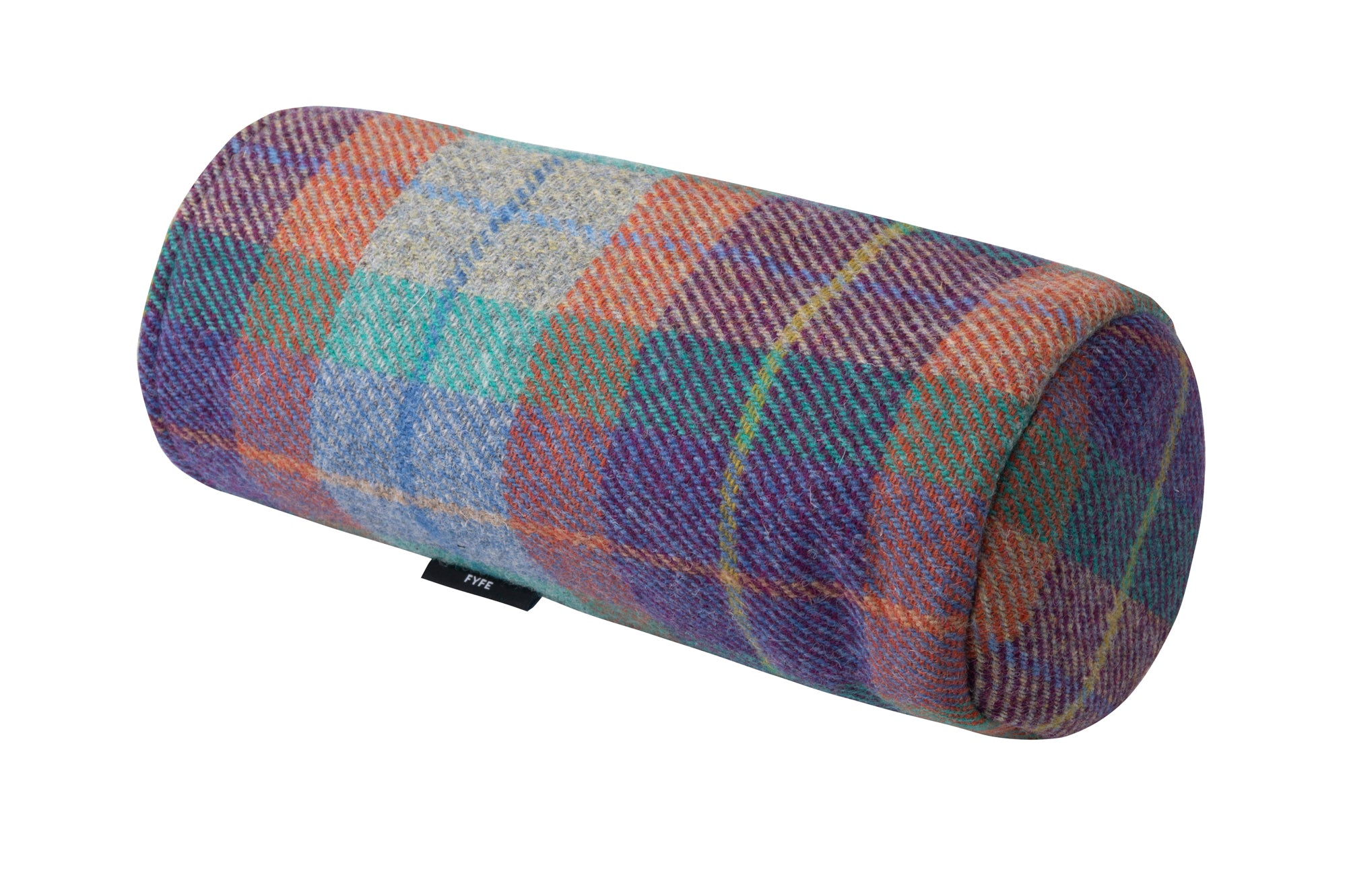
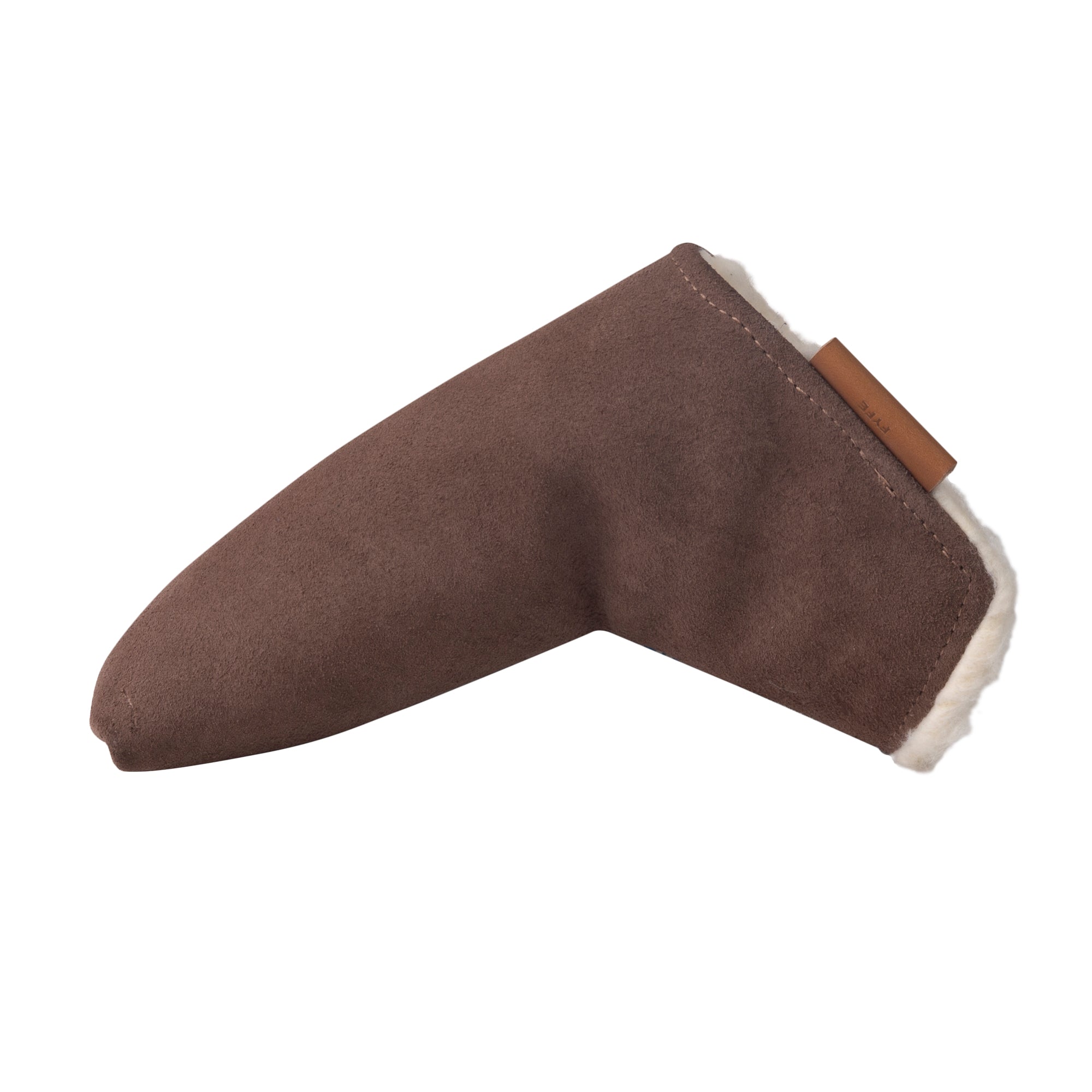
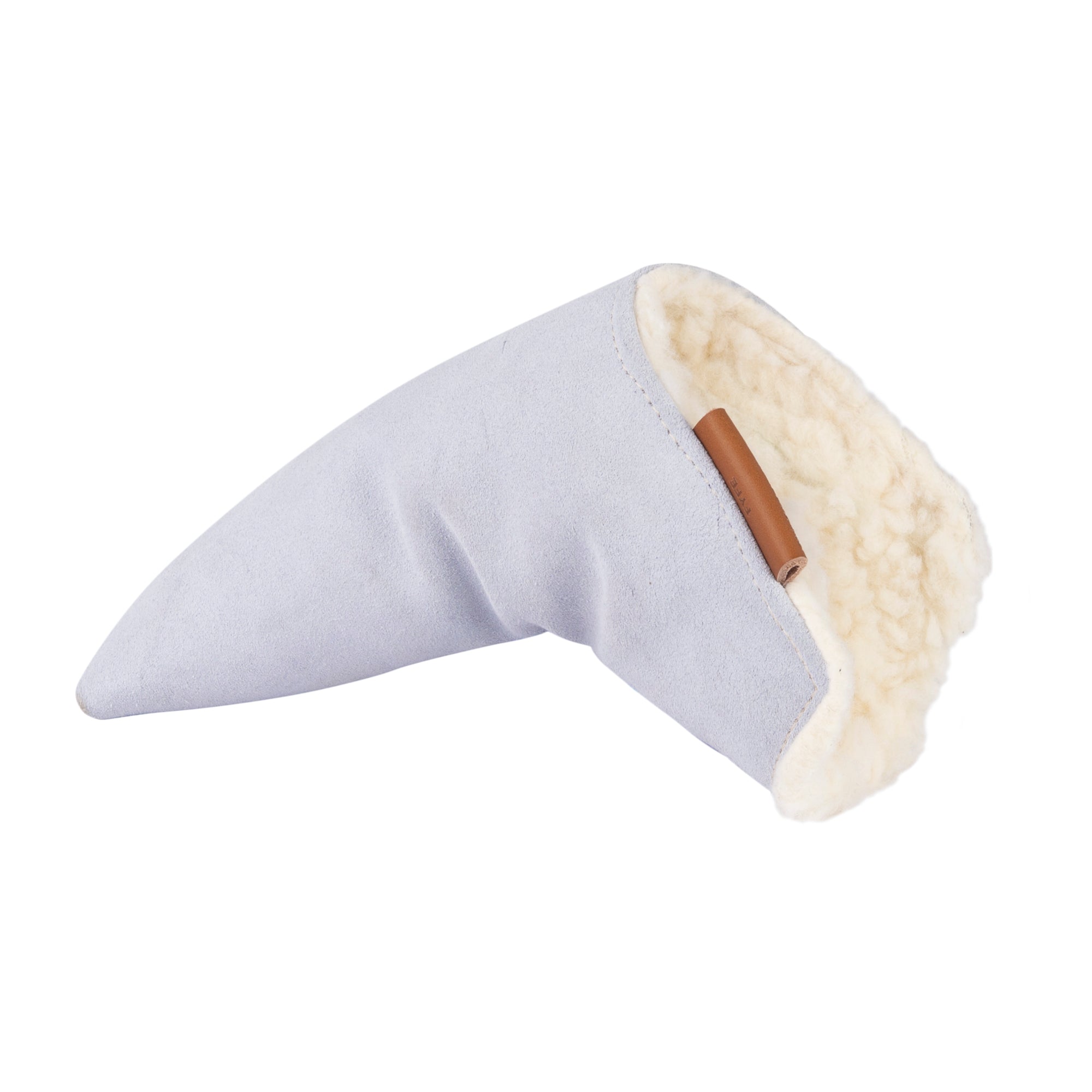
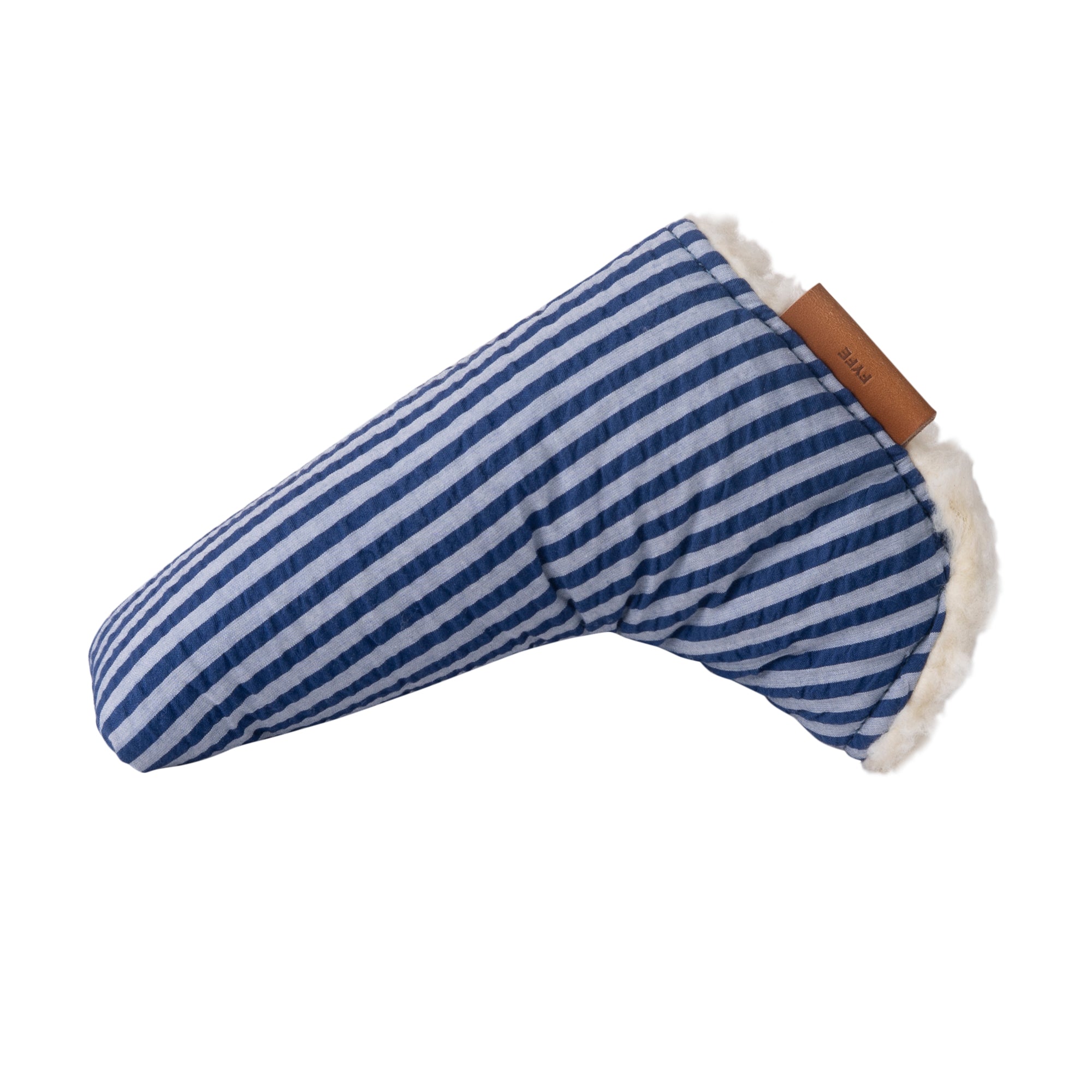
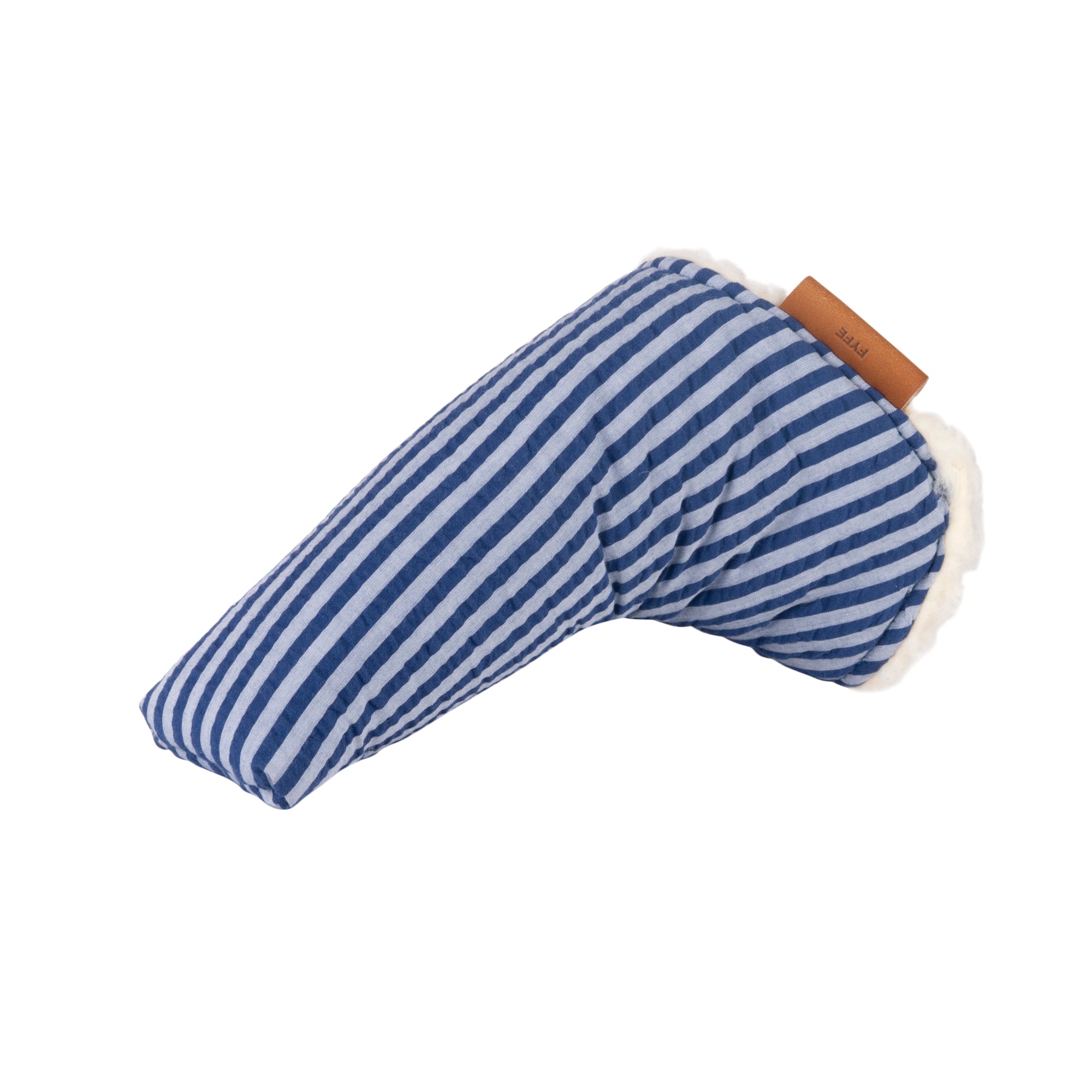
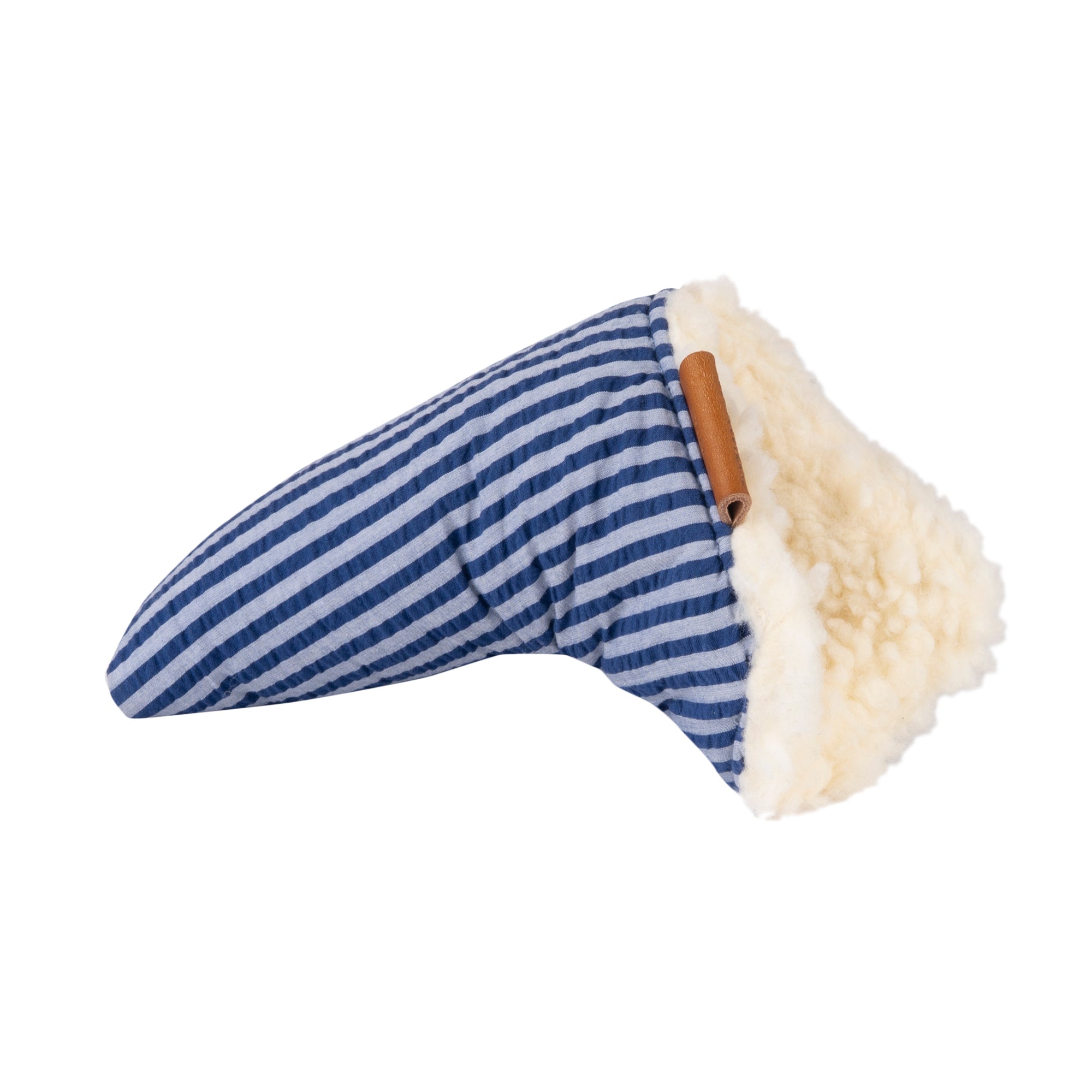
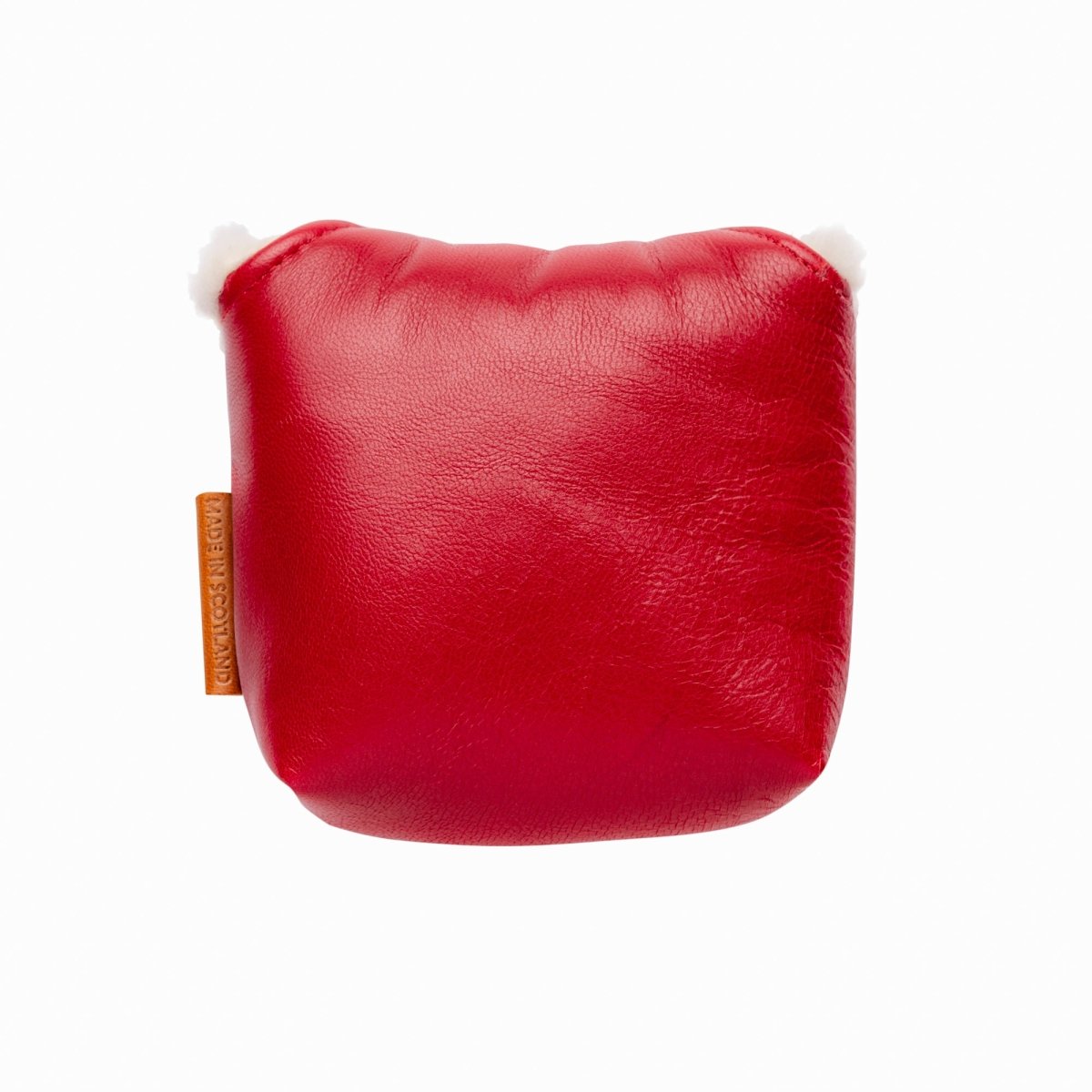
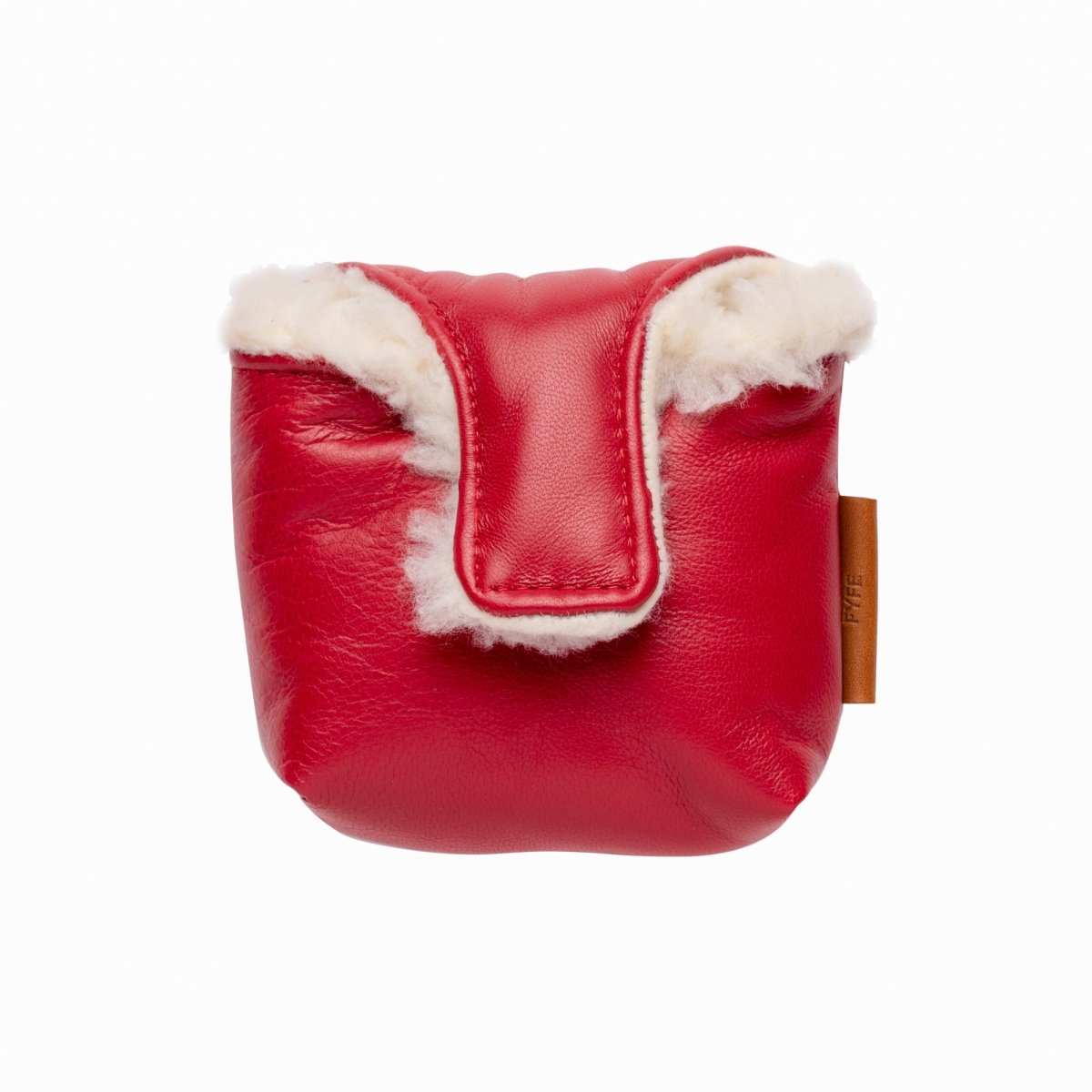
Marine suede, seersucker and leather — the materials Fyfe reaches for when it leaves tweed behind.
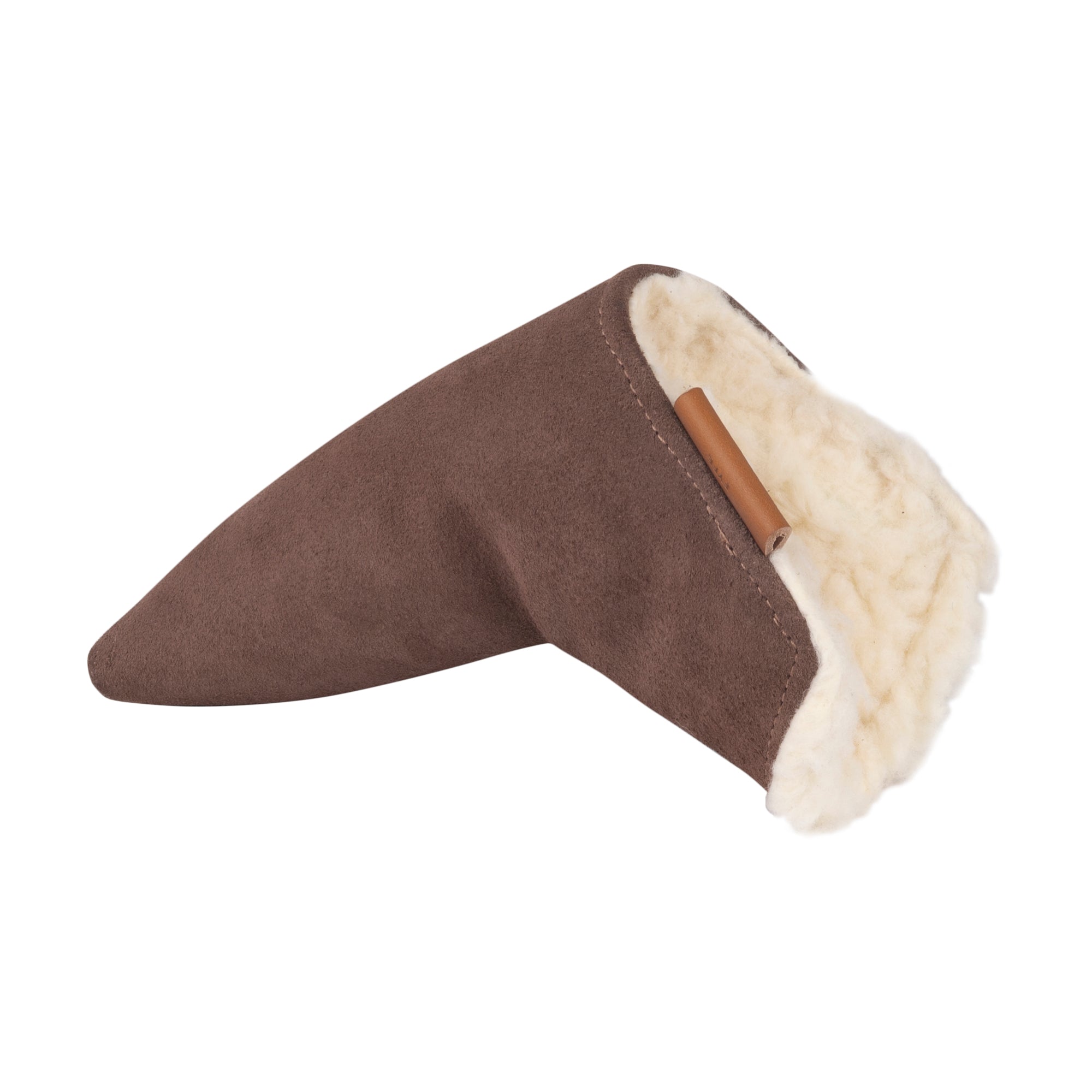
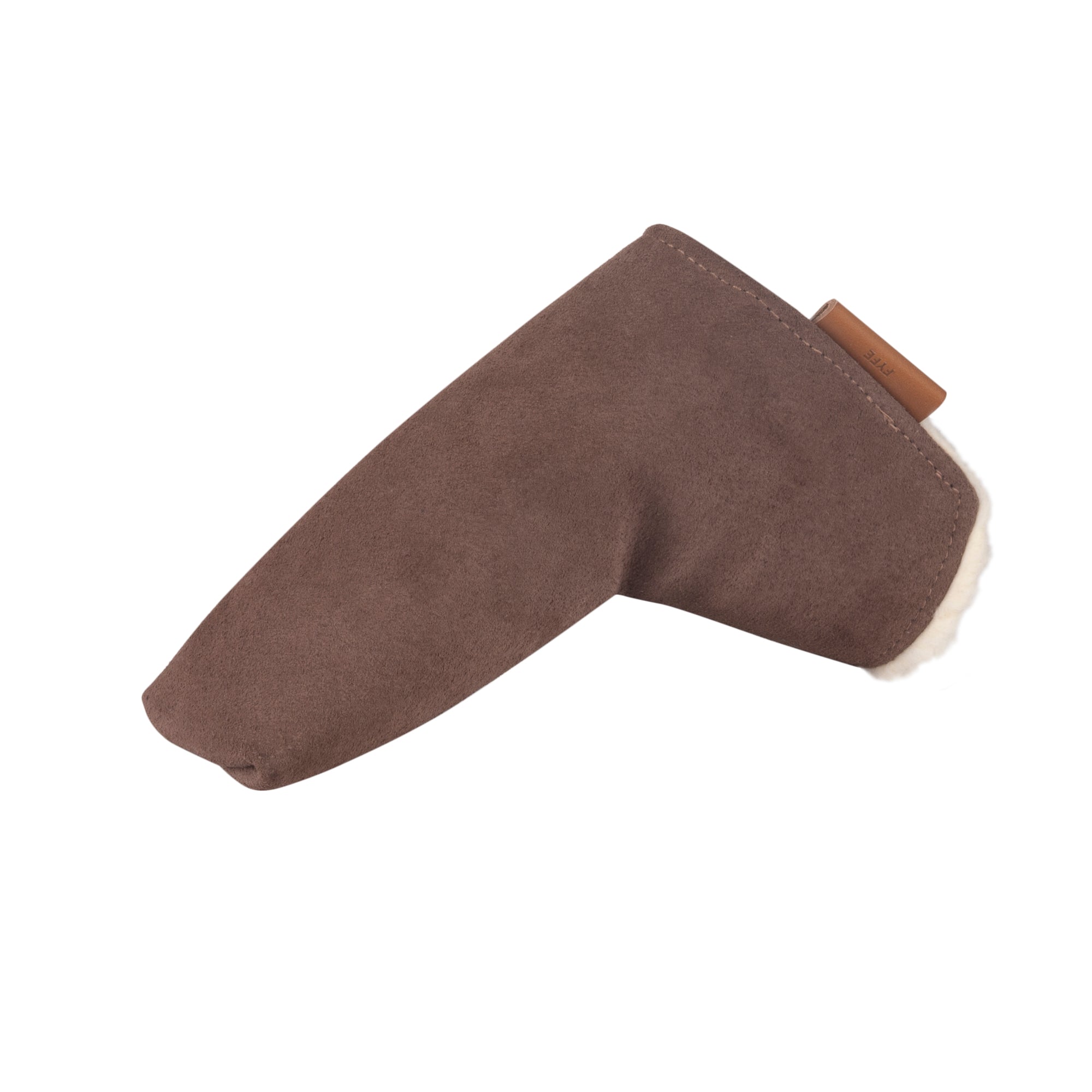
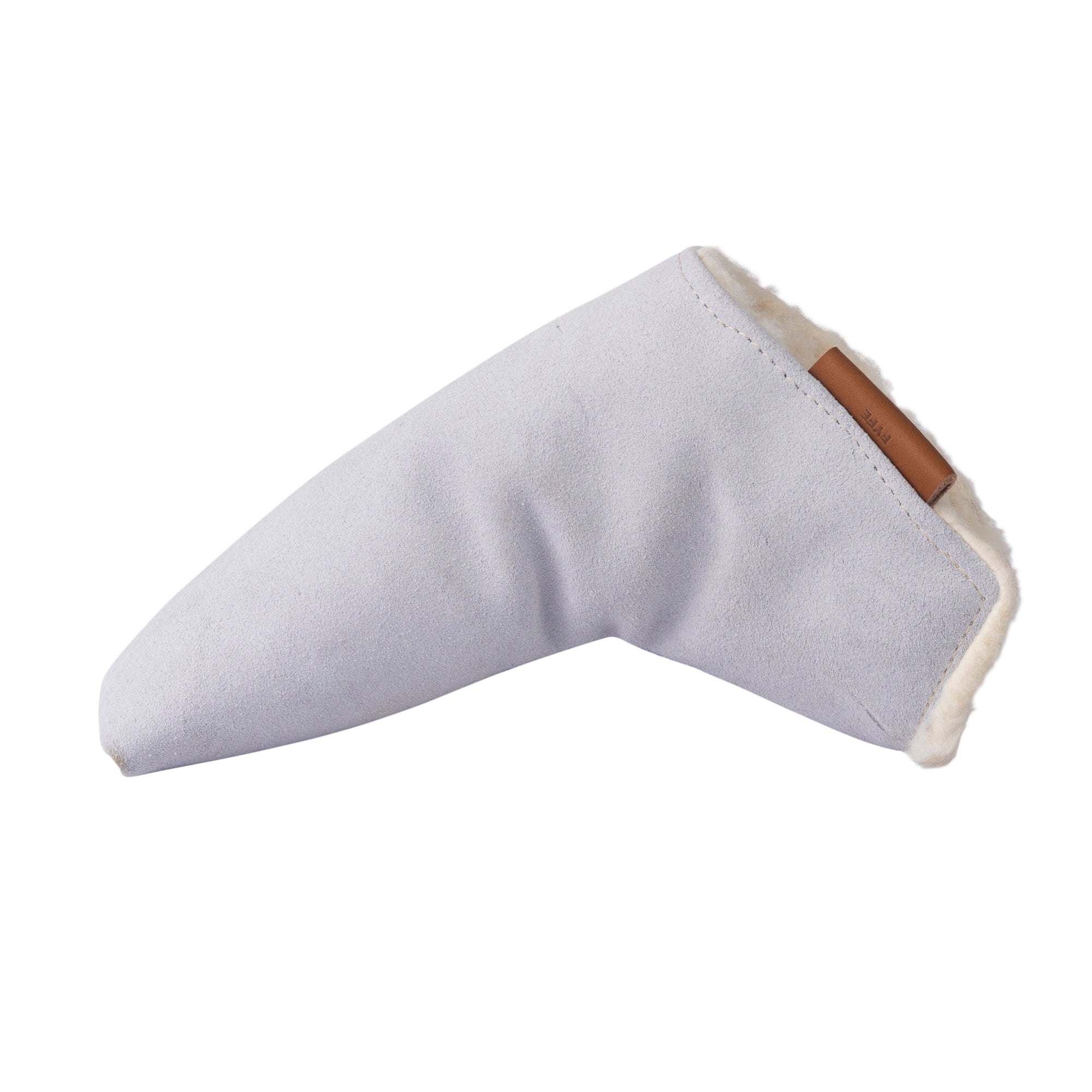
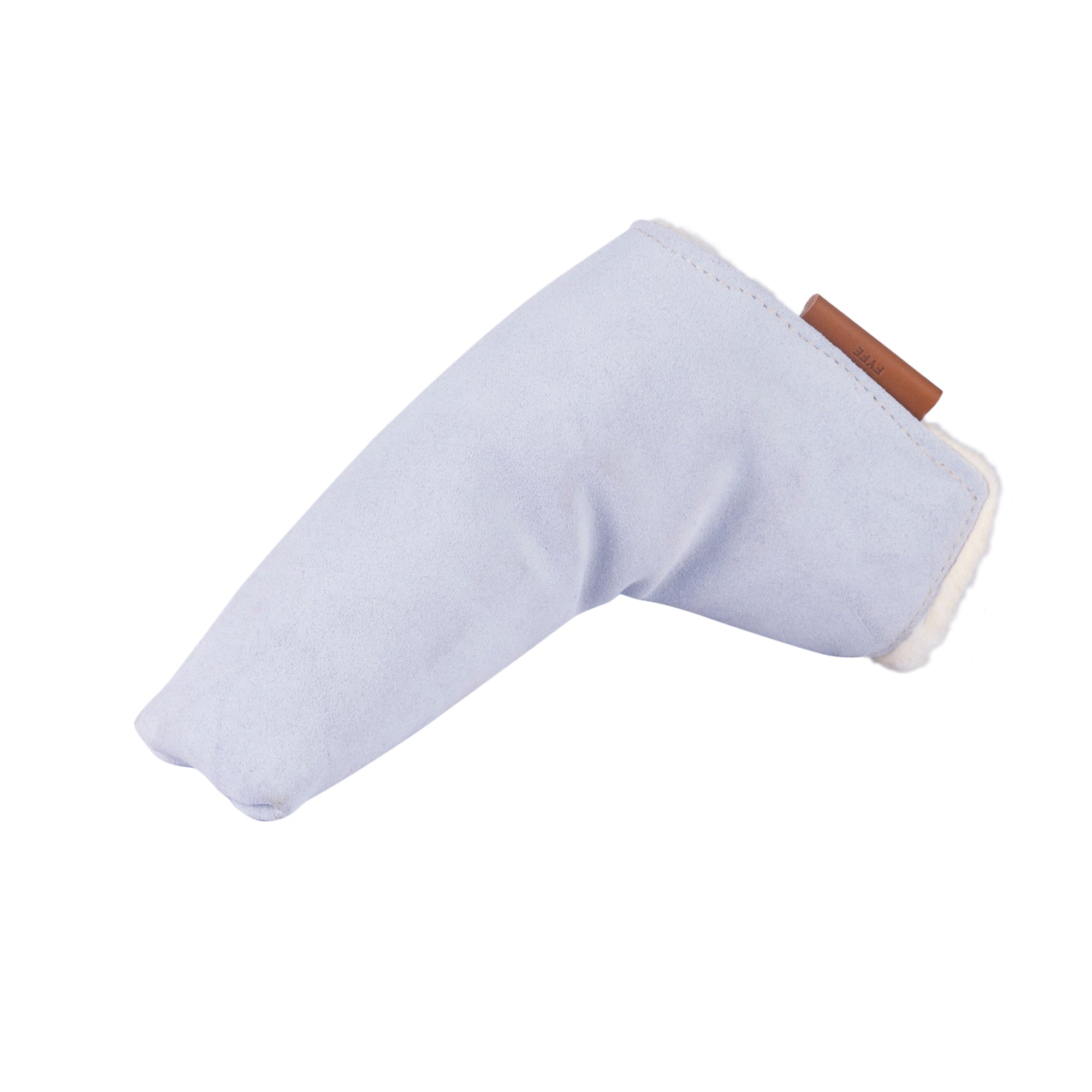
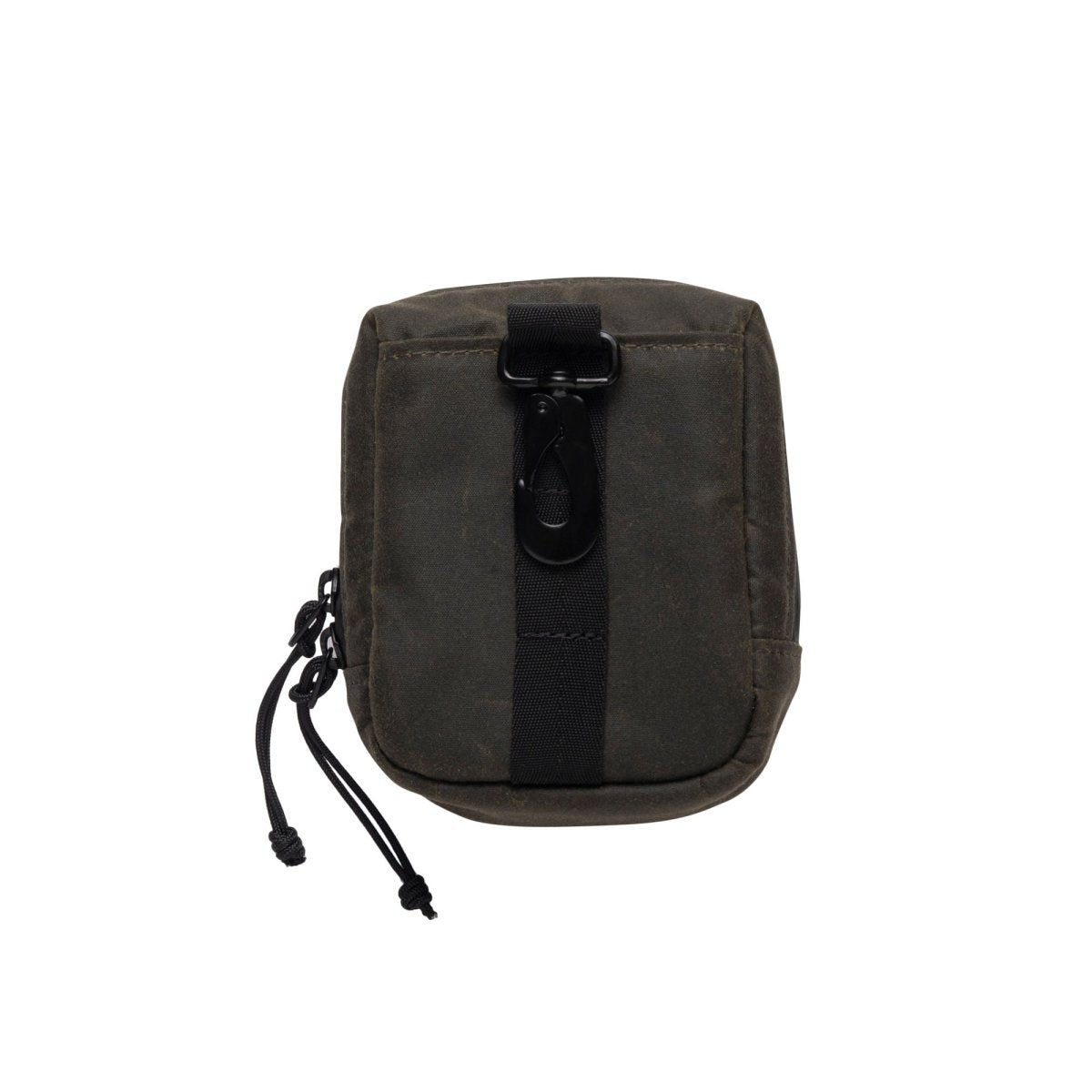
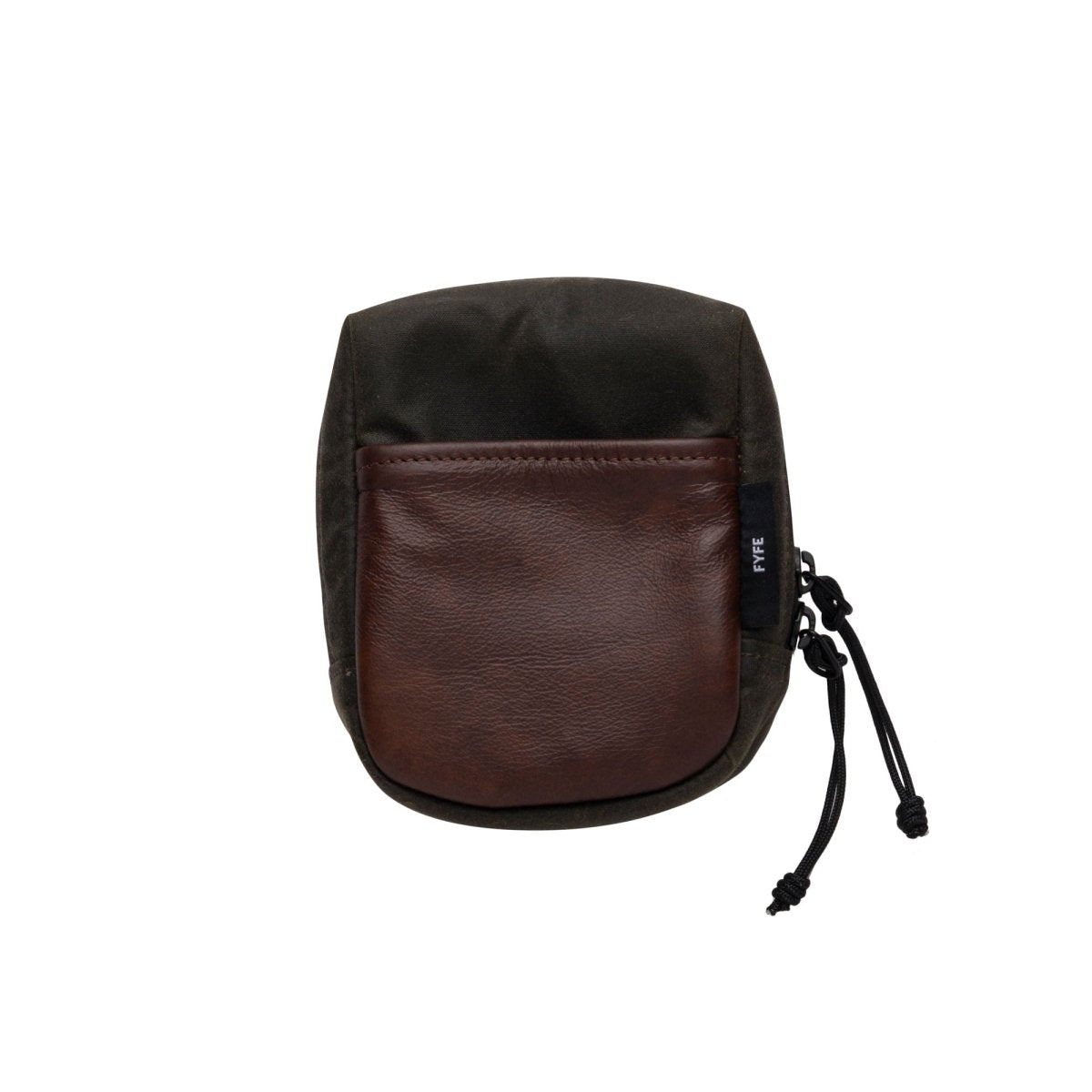
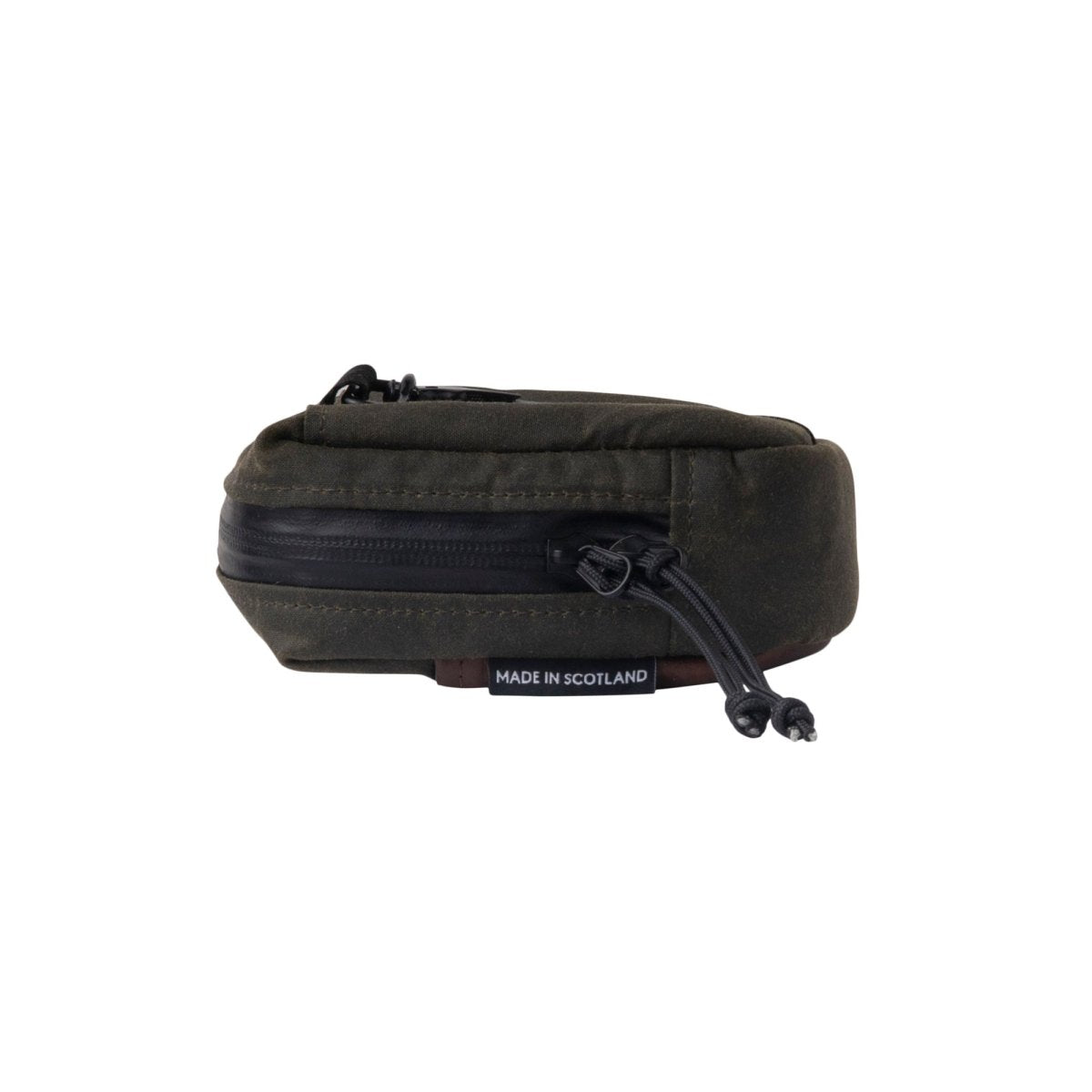
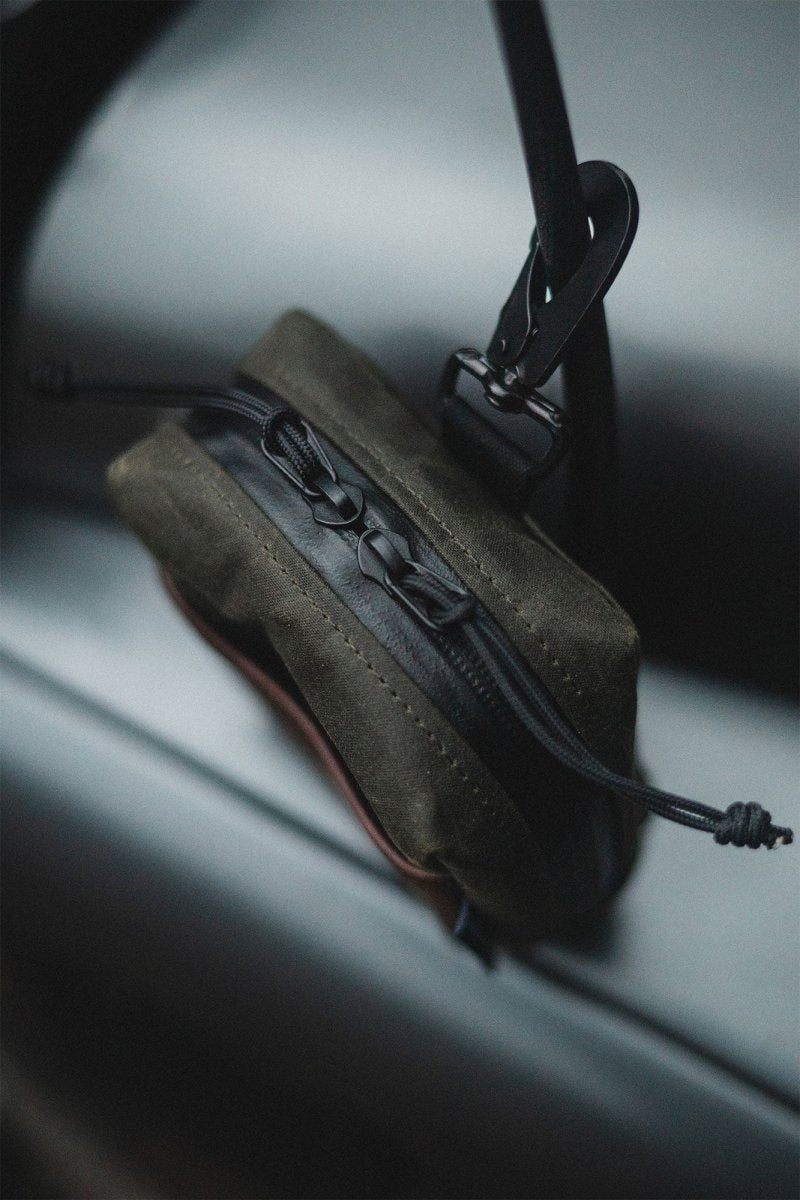
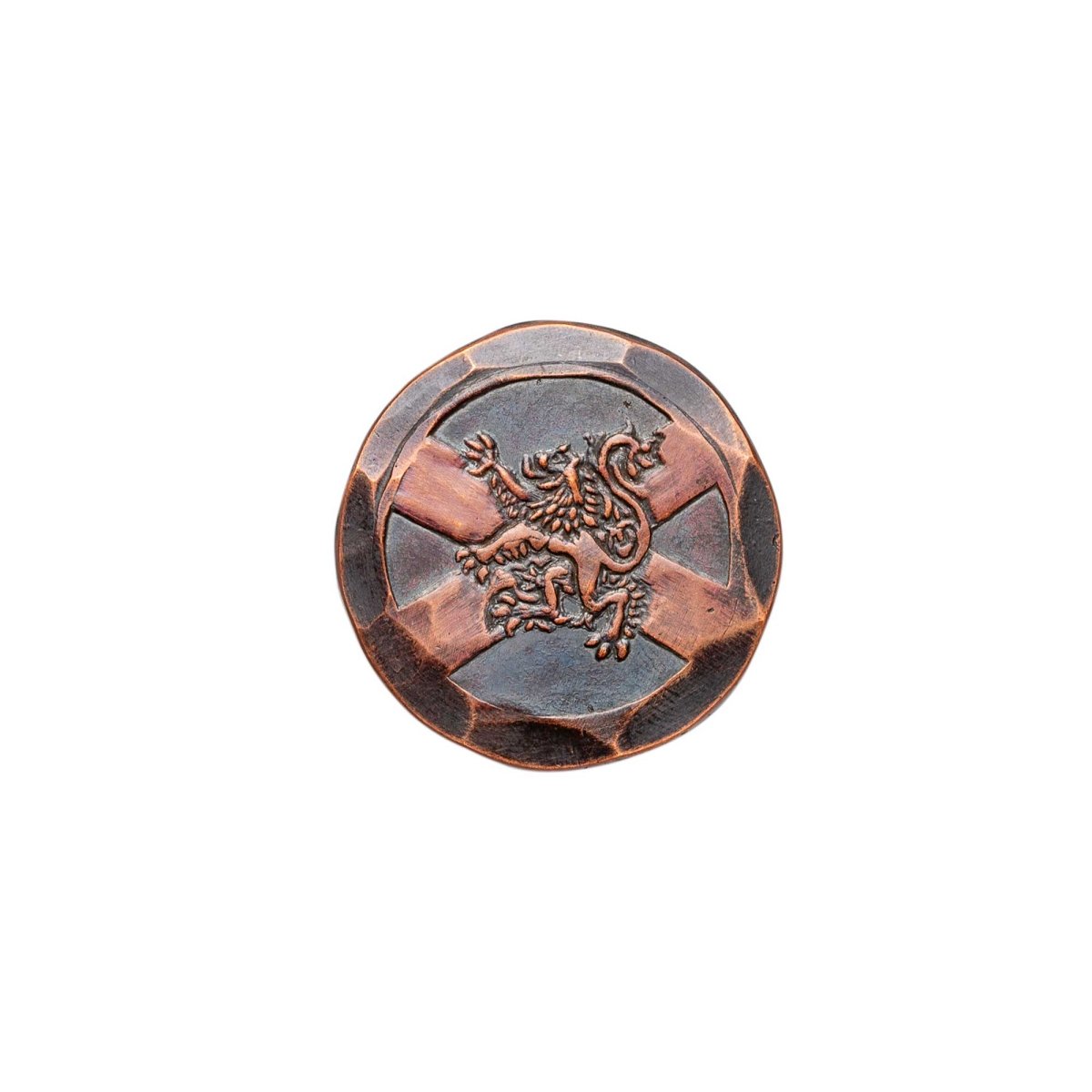
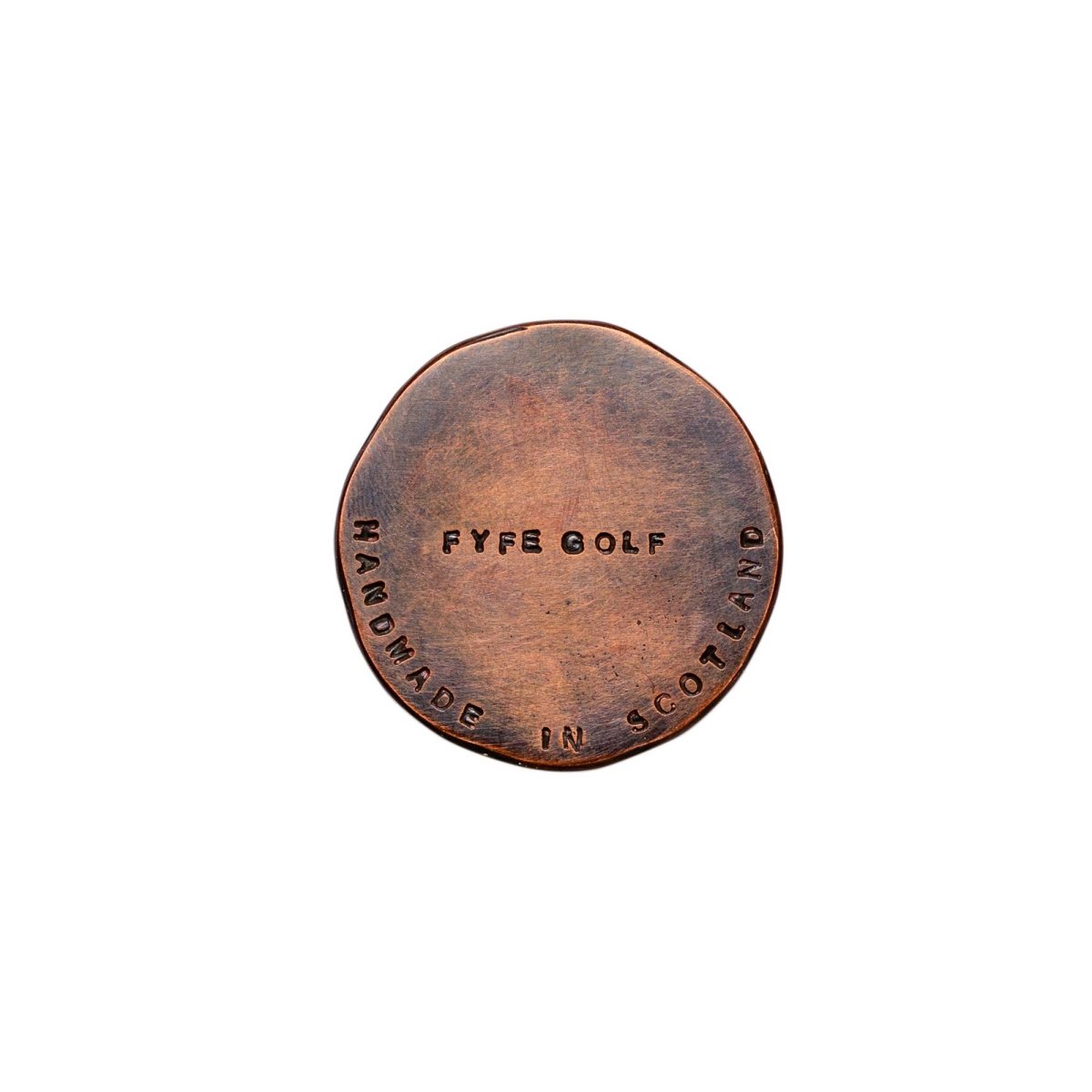
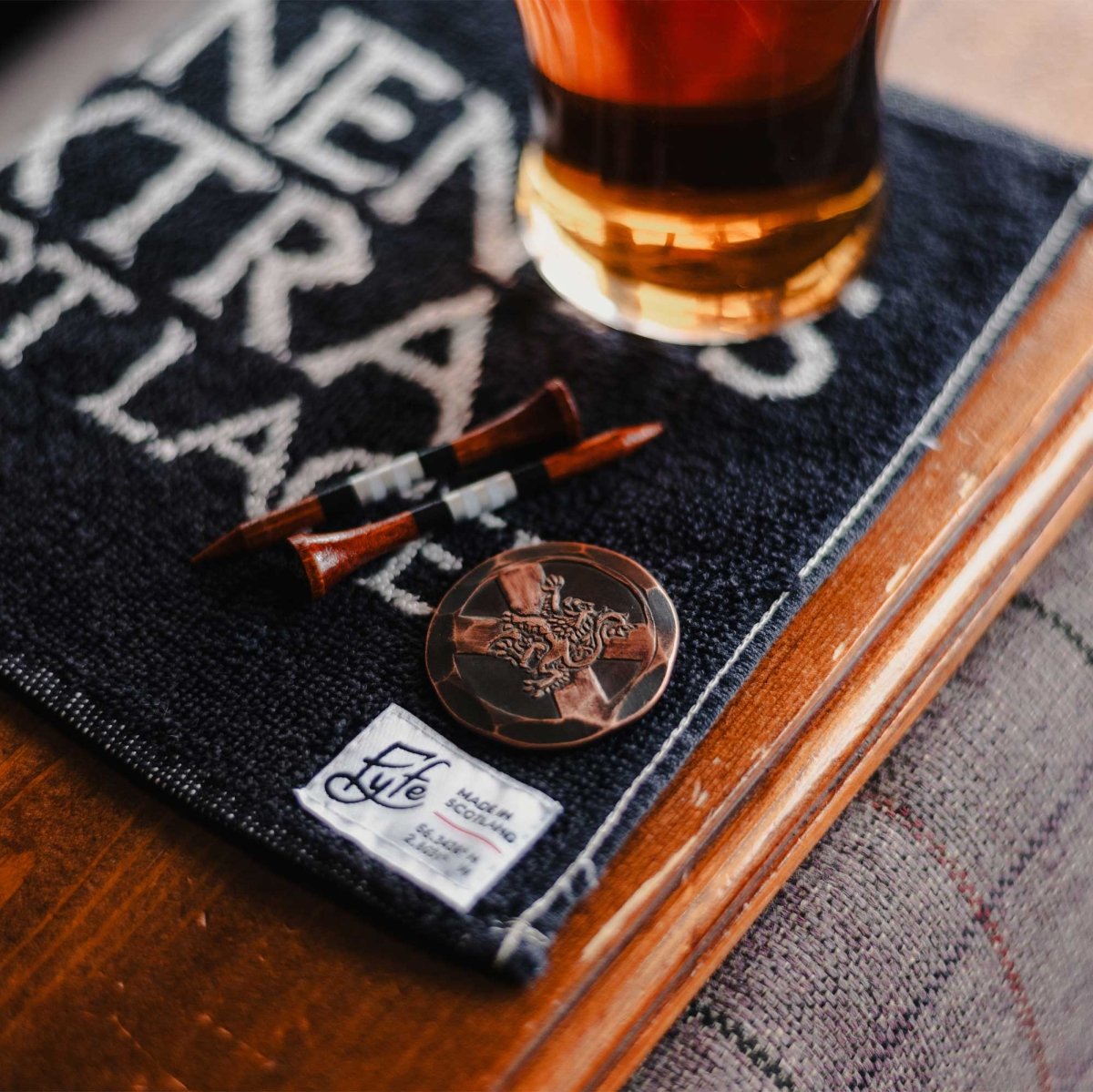
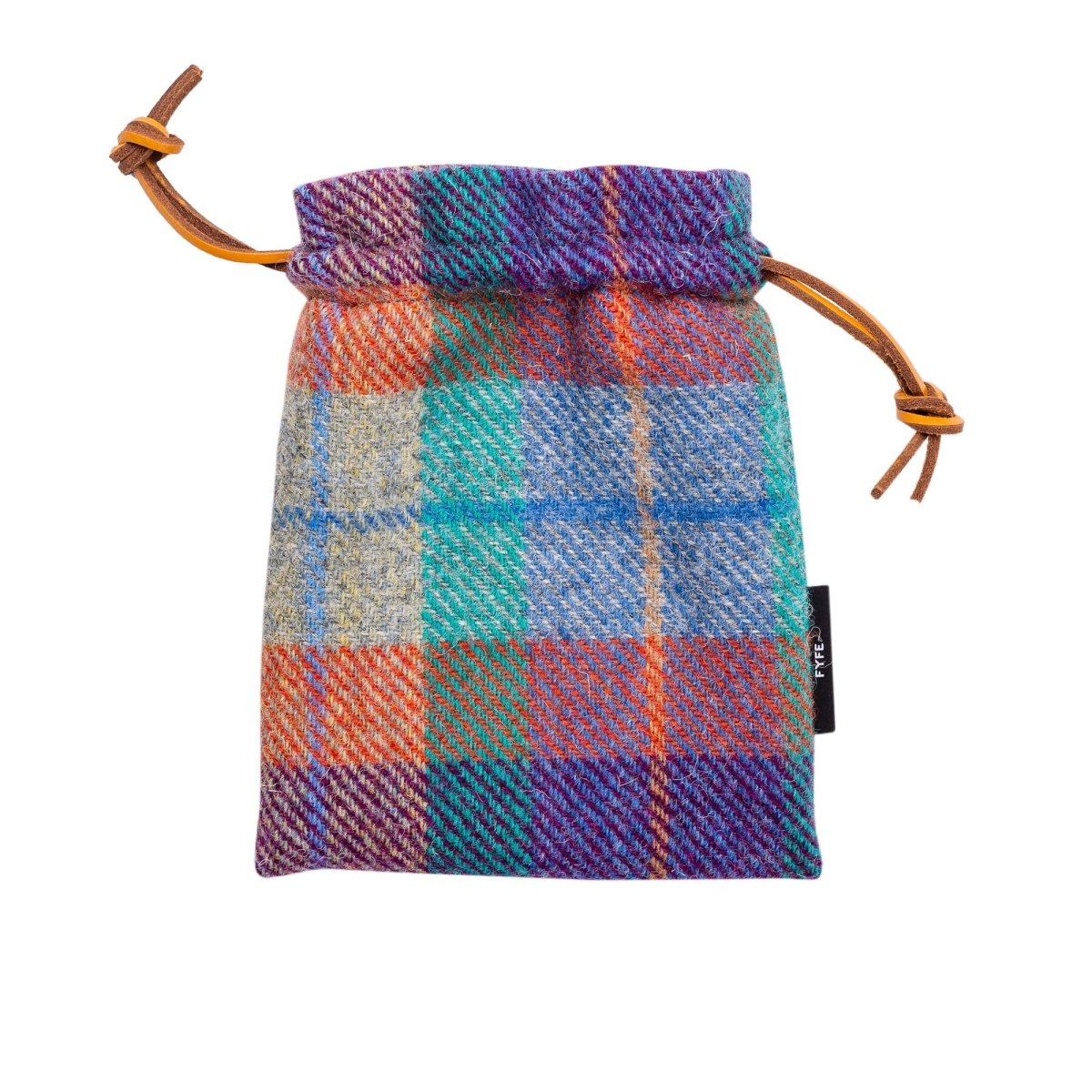
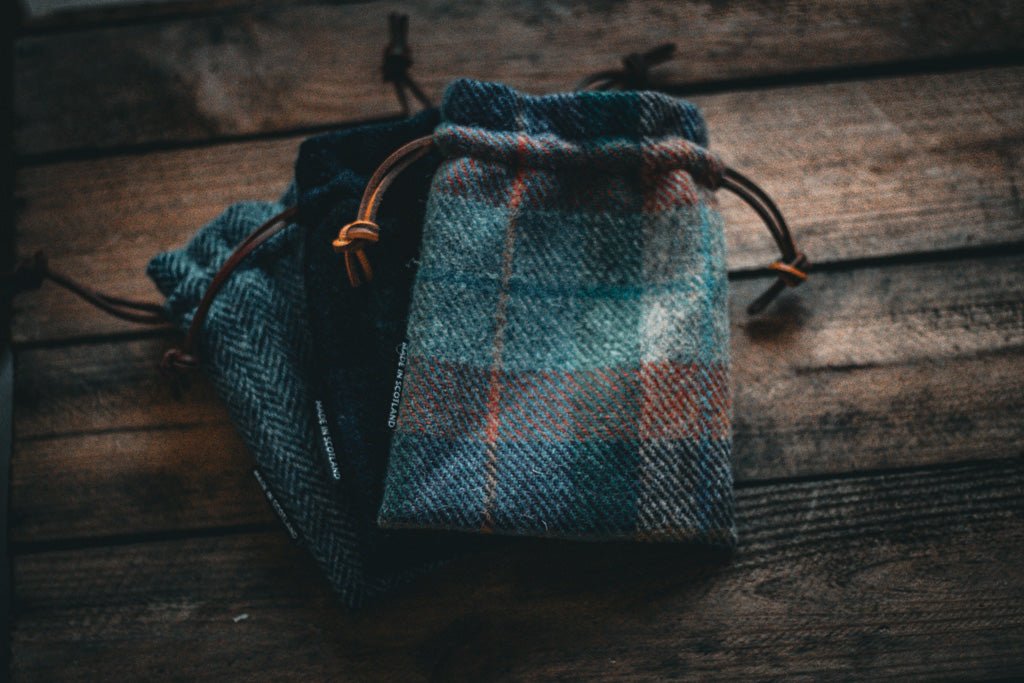
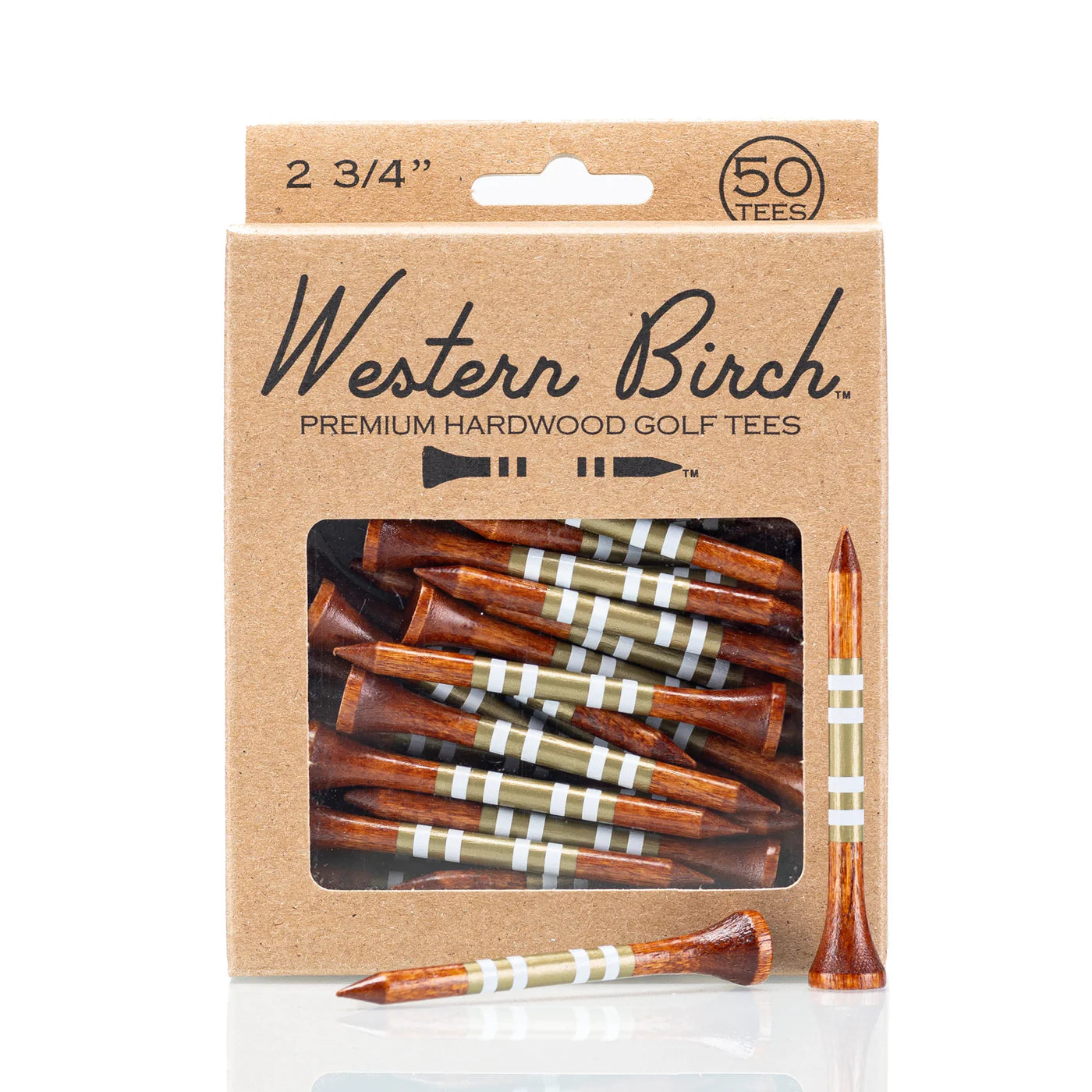
A rangefinder case, a forged marker, a pouch and a box of tees.
Neil Rennie. He launched the brand in November 2021 after a career in fashion, and is the sole director of Fyfe Golf Ltd (company number SC777625), incorporated in August 2023. He has also described himself as a co-founder alongside a small group of friends and family, whom he has never named.
In a workshop in Fife that Rennie set up as a joint venture rather than contracting production out. Fyfe publishes coordinates — 56.3438° N, 2.8031° W, which is the East Neuk near Crail — but no street address. Everything is cut, stitched, assembled, pressed and checked by hand there.
A protected cloth. By law it must be made from pure virgin wool, dyed and spun in the Outer Hebrides, and handwoven at the home of the weaver on the islands of Lewis, Harris, Uist or Barra. Fyfe buys it from the Isle of Harris. It is the reason a Fyfe cover feels heavier than a synthetic one.
Hybrid covers start at £49, driver and fairway covers run £65 to £75, and putter covers are £35 for a tweed-and-leather slip-on up to £75 for the Dalmore leather blade. The MacKenzie collaboration bags are £650. Custom work adds £15 per item on top.
Yes, and the pricing is published rather than quote-on-request. £15 custom make fee per item; a further £15 fabric surcharge on one or two covers in a bespoke tartan, waived at three or more in the same cloth; £20 for initials; £30 setup plus £8.50 per application for custom embroidery. You choose outer fabric, lining, label colour and embroidery. Custom orders ship in 14 to 21 working days.
A run from April 2025 made from vintage RAF flight suits and quilted liners, cut into headcovers, putter covers and pouches, with a parallel line in camo waxed canvas from Halley Stevensons. Fyfe describes the reworked pieces as remnants rather than replicas but publishes nothing about where the garments came from. It sold out and was delisted.
A UK reseller that trades through Instagram, Depop and Vinted and publishes no names. Fyfe has run four releases with them, two of which landed on the Wednesday of Masters week — The Lucky Numbers in April 2025, made from repurposed white caddie coveralls, and The Spectator in April 2026, made from dark green canvas drawn from the spectator line, twelve per style.
Twenty-two numbered editions as of September 2026. Editions 21 and 22, the Coastal Tones pair, were published on 11 August 2026 and sold out. Each is a MacKenzie Walker built in Portland, Oregon from Halley Stevensons waxed canvas, at £650.
Fyfe makes to order rather than to forecast, buys from Scottish mills to keep the supply chain short, and has built at least seven collections from reclaimed cloth. It also publishes an Honesty Box naming the synthetics in its own products — elastane in headcover grips, polycotton in some linings — and why they are there. It avoids broad claims, and its current language is deliberately hedged.