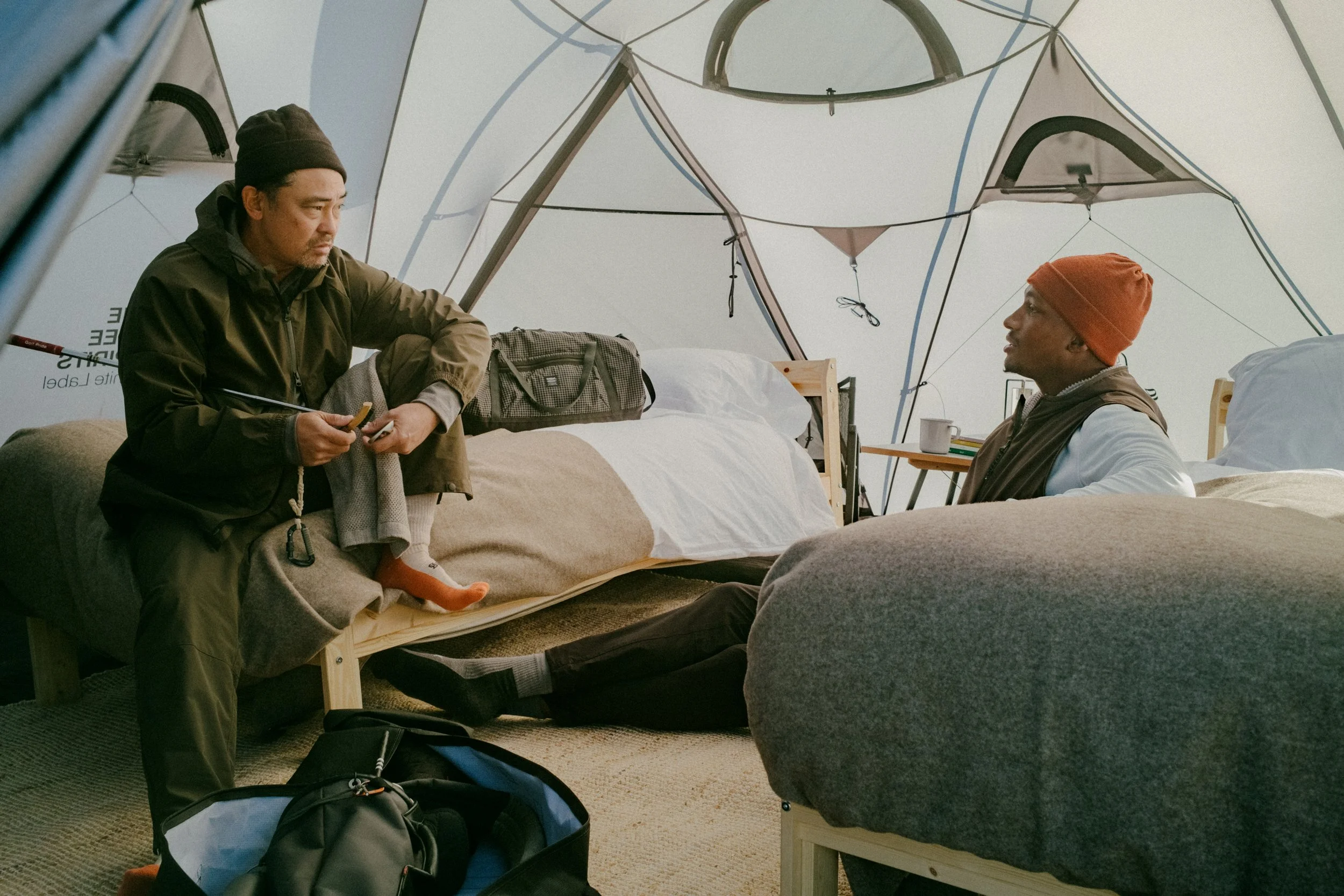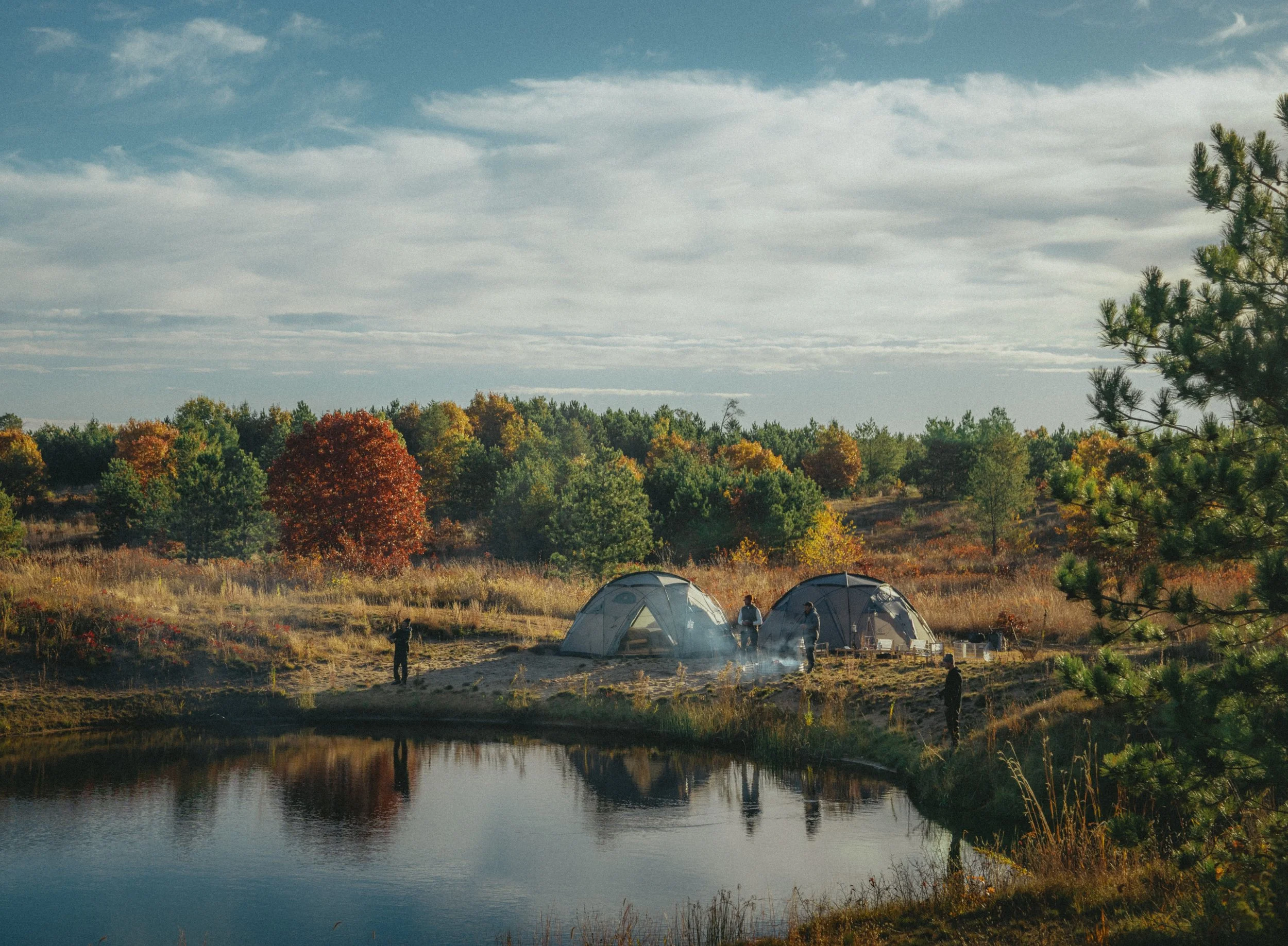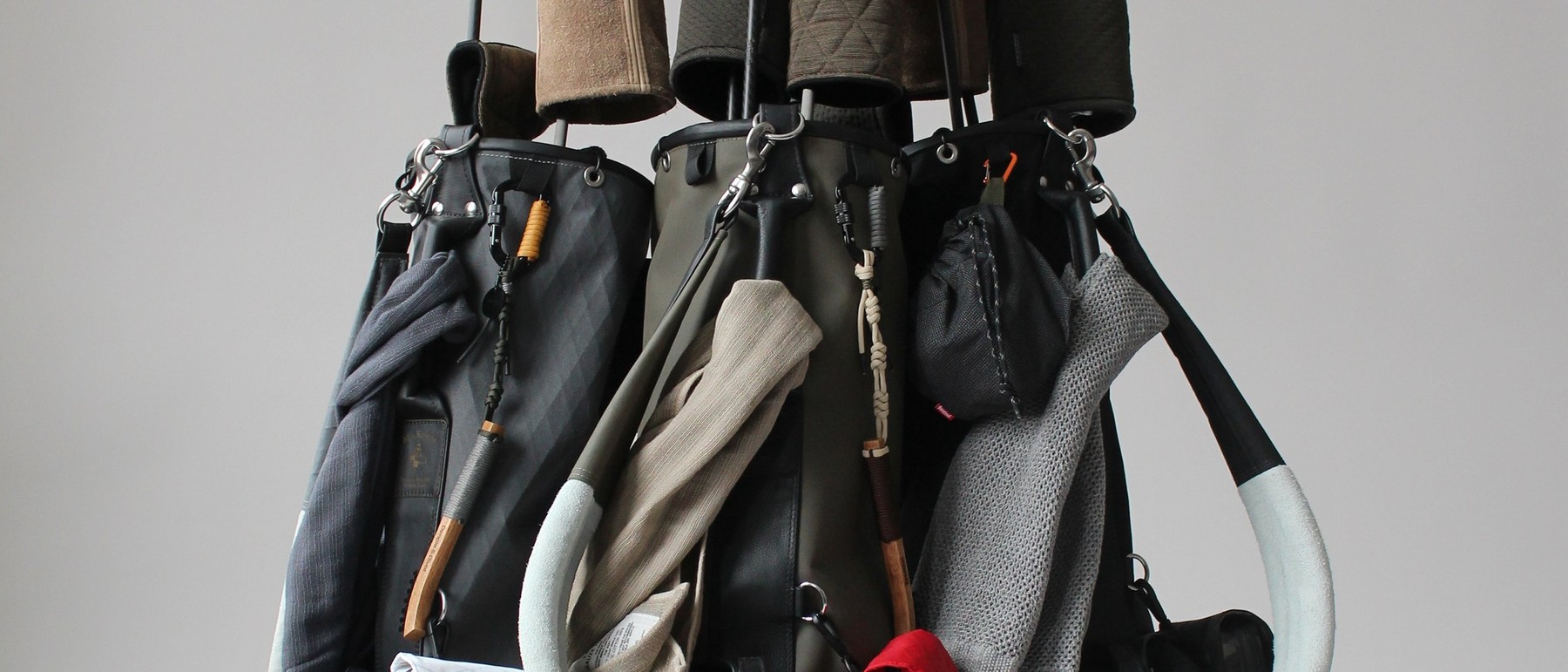
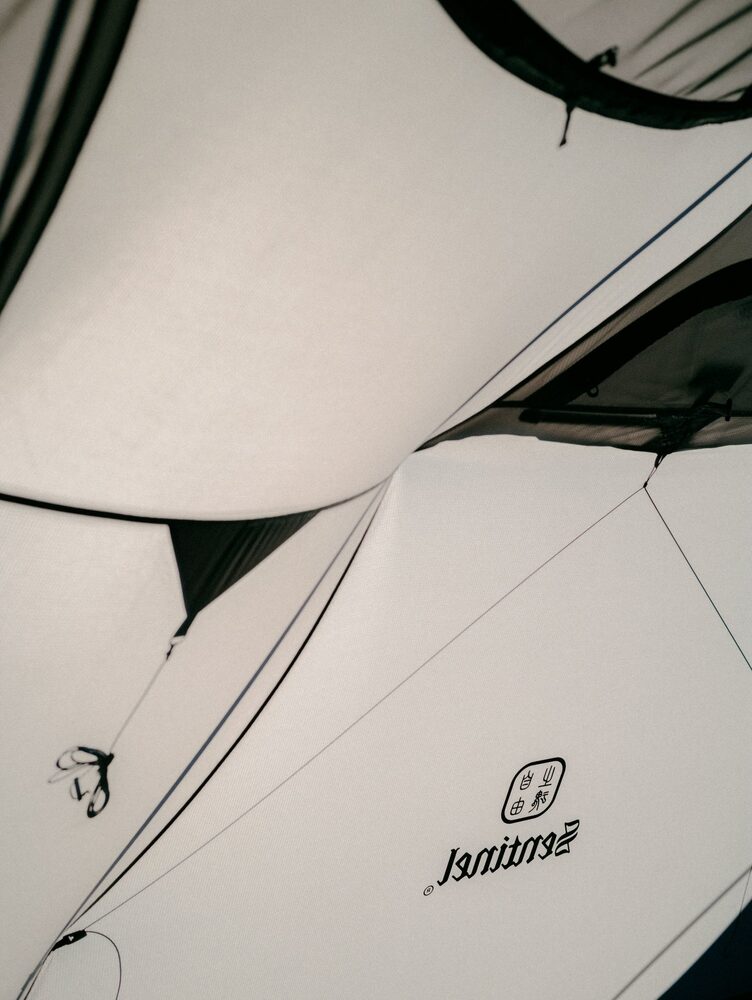
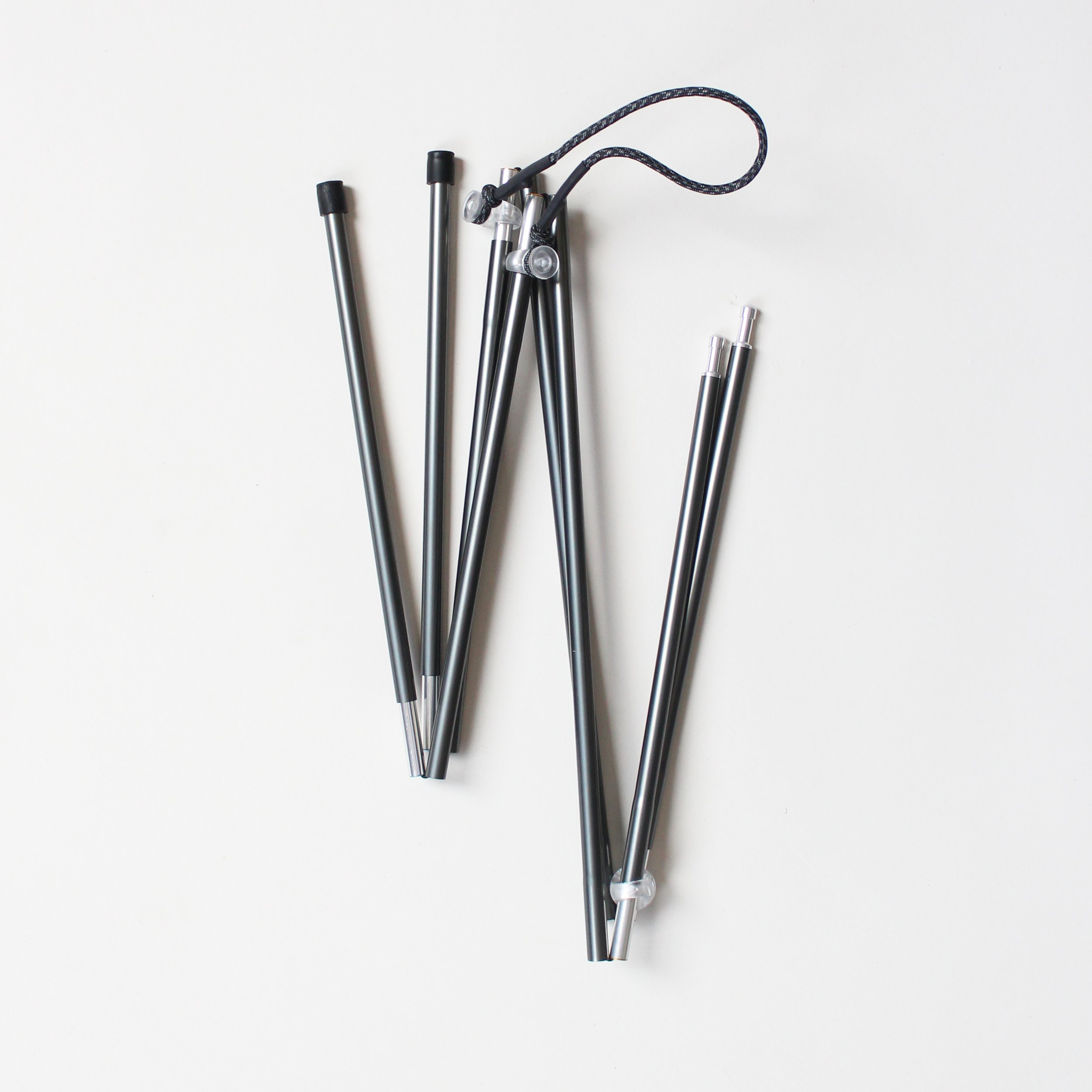
Sentinel is a product design lab that happens to make golf equipment, and John Mooty staffs it by calling in favors outside the game — a Danish tannery, a Nashville chair company, a Brooklyn machine shop, tent-pole engineers in South Korea. The reference point is not golf; it is the Boundary Waters.
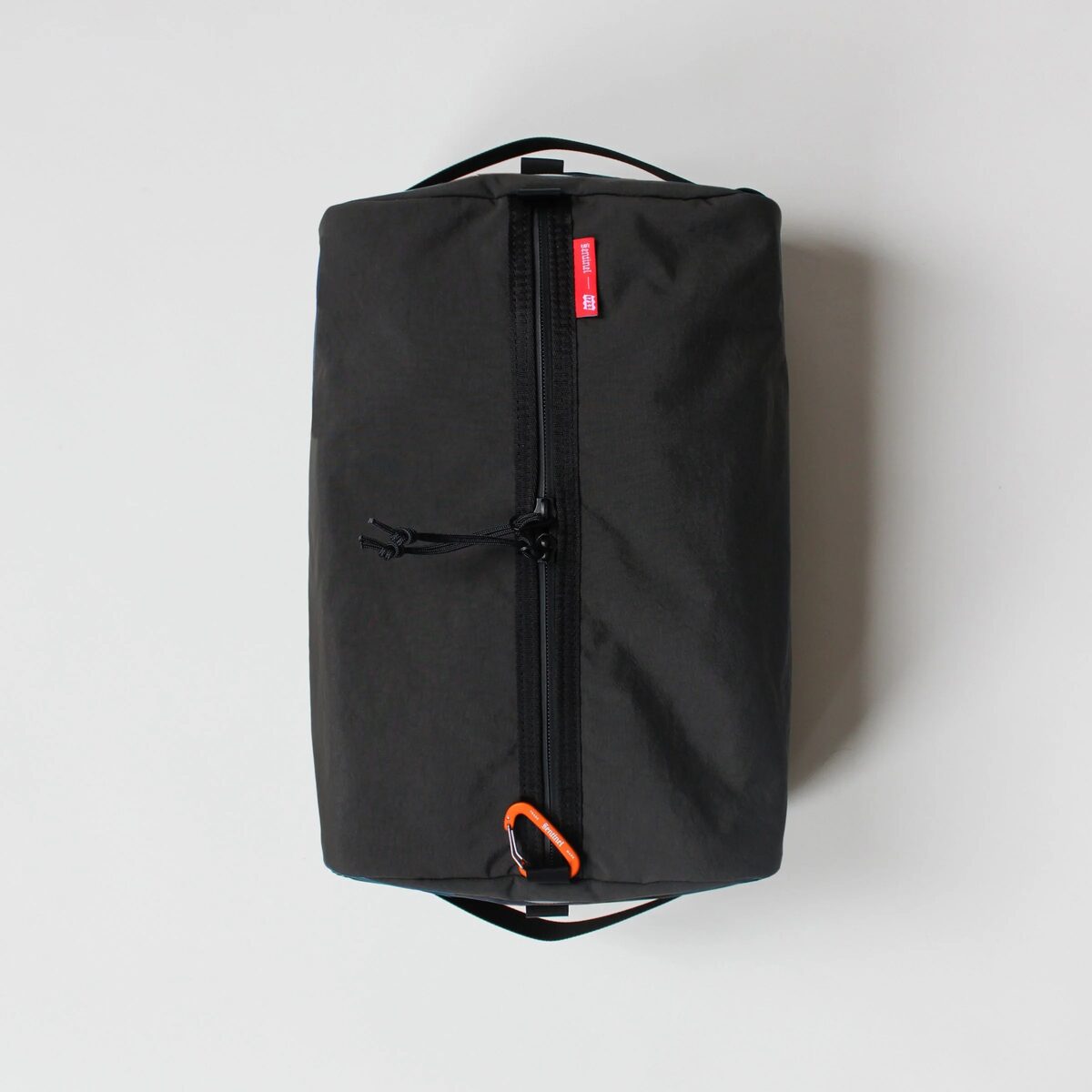
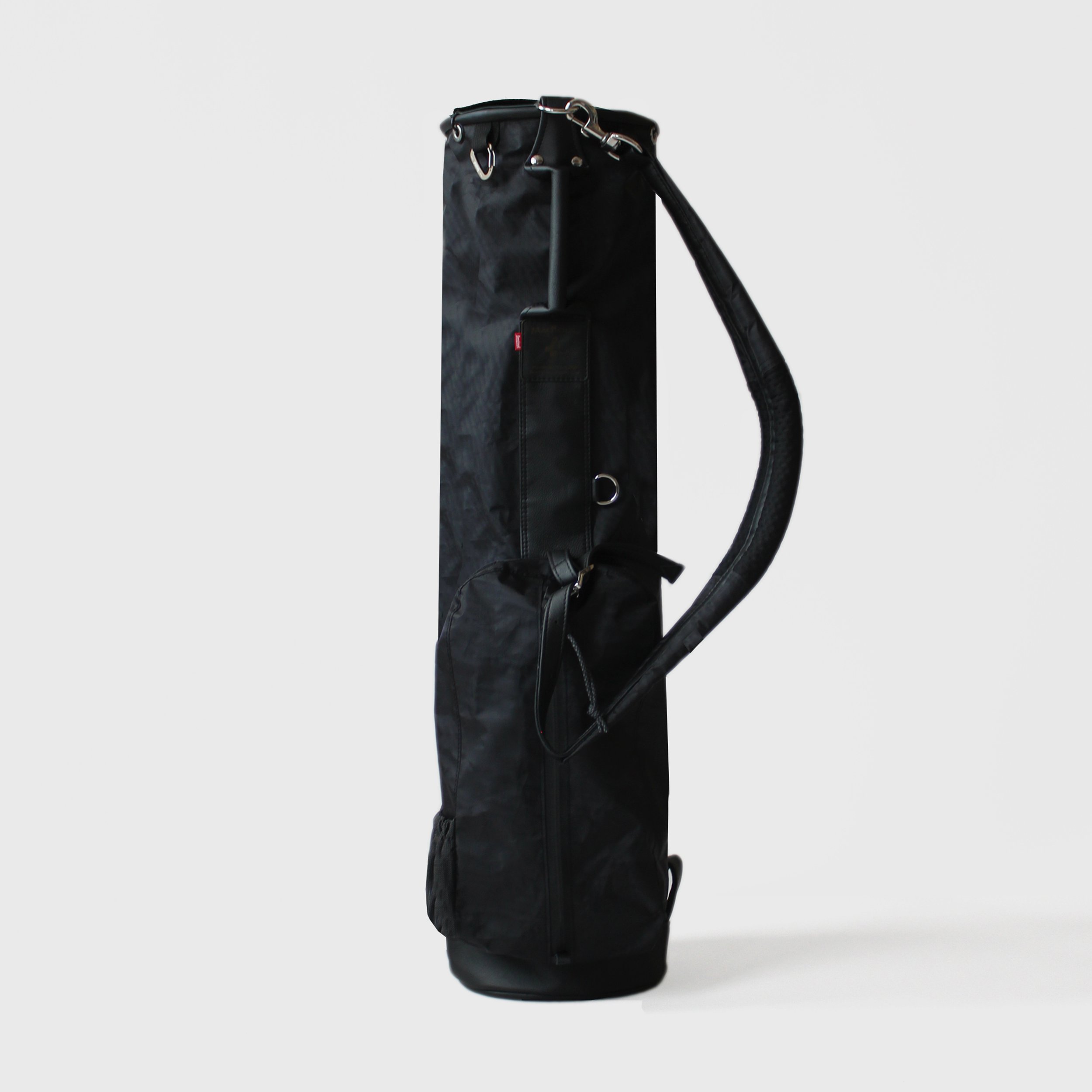
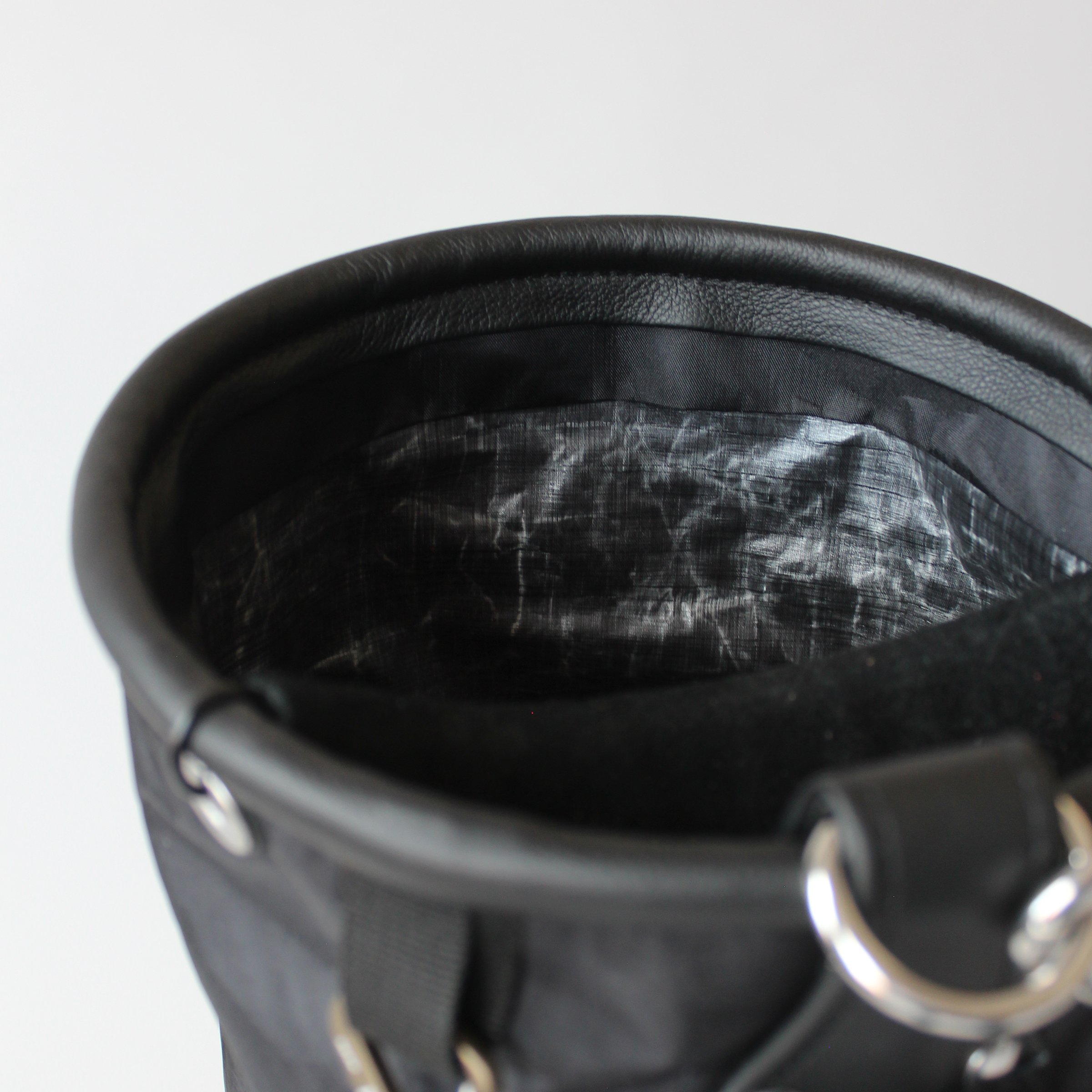
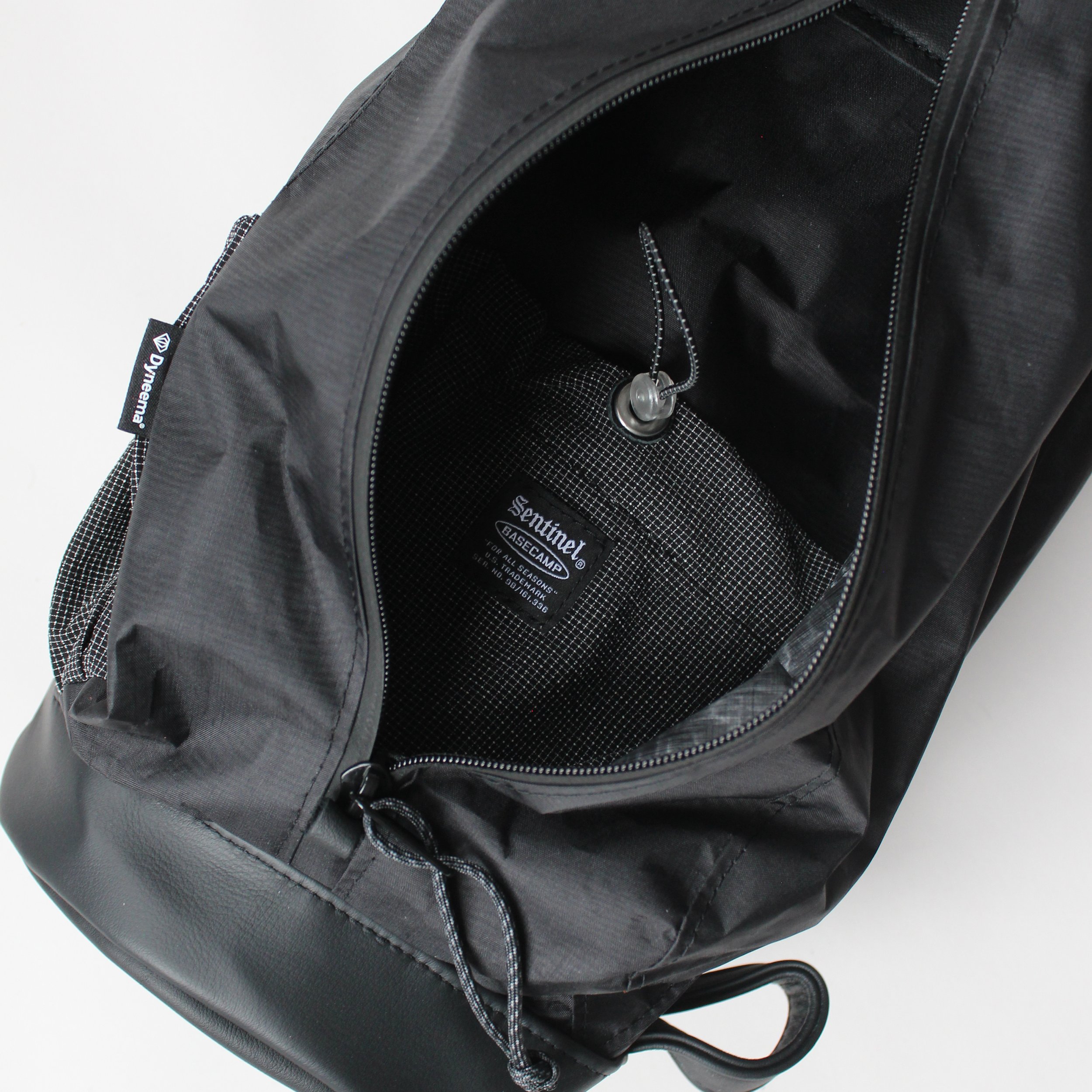
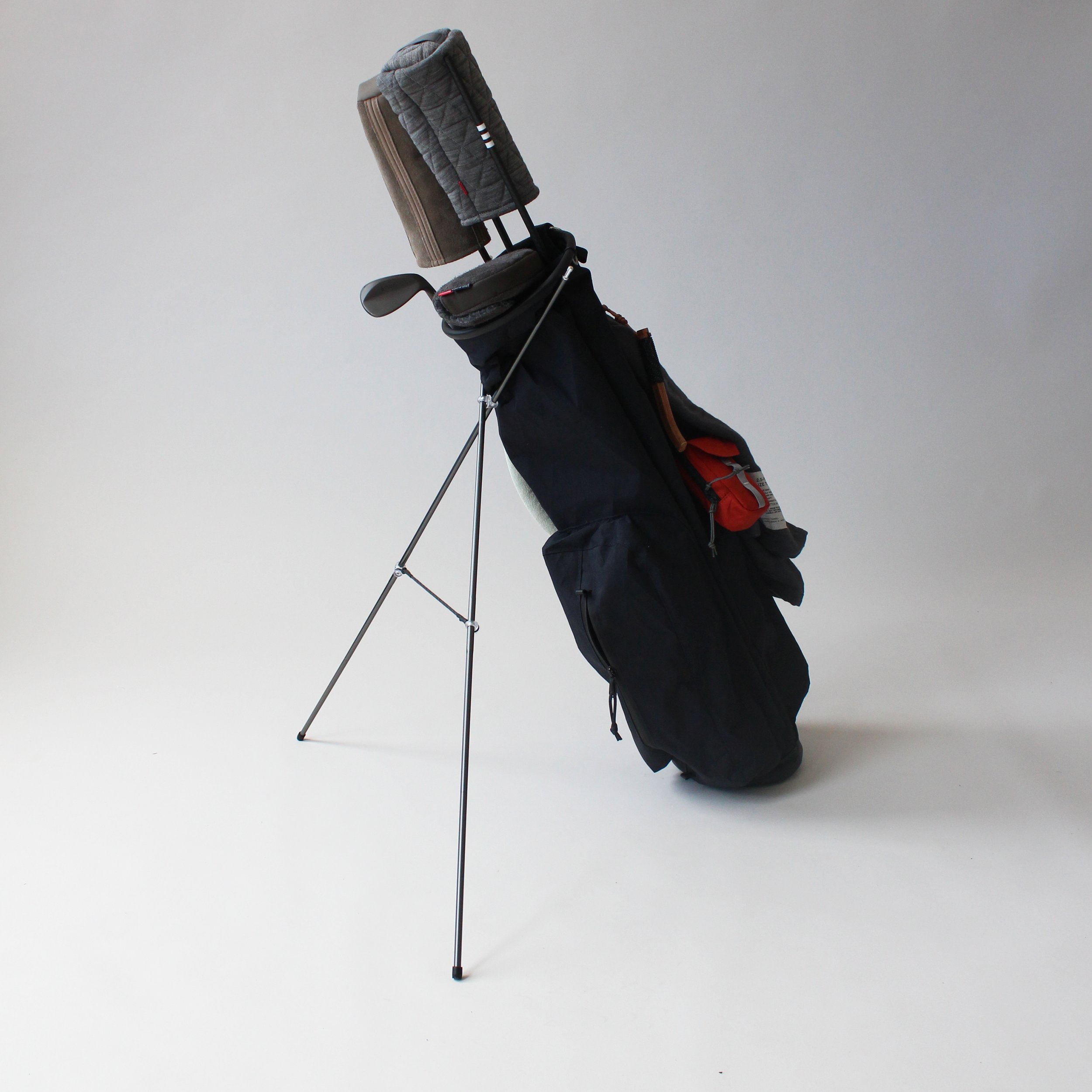
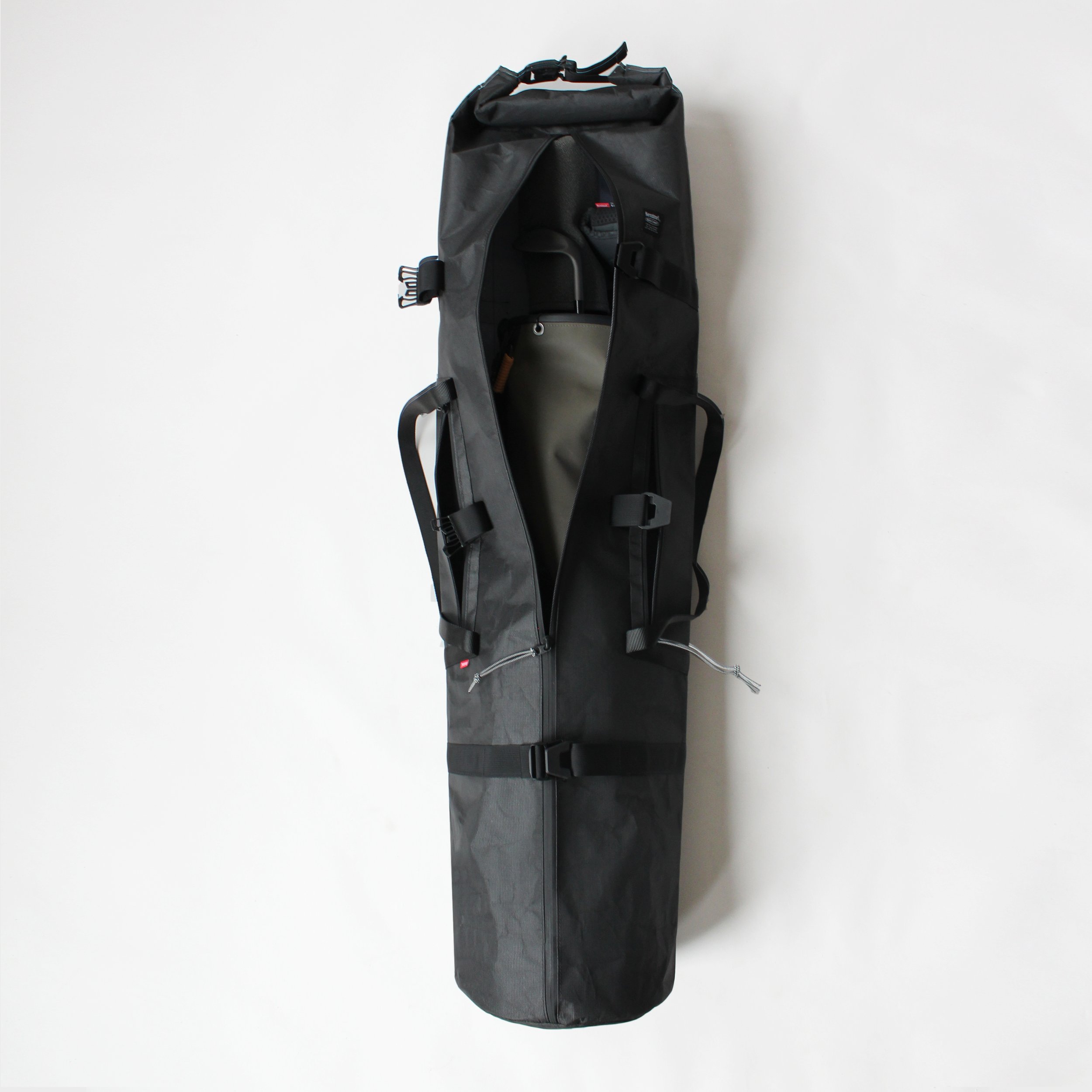
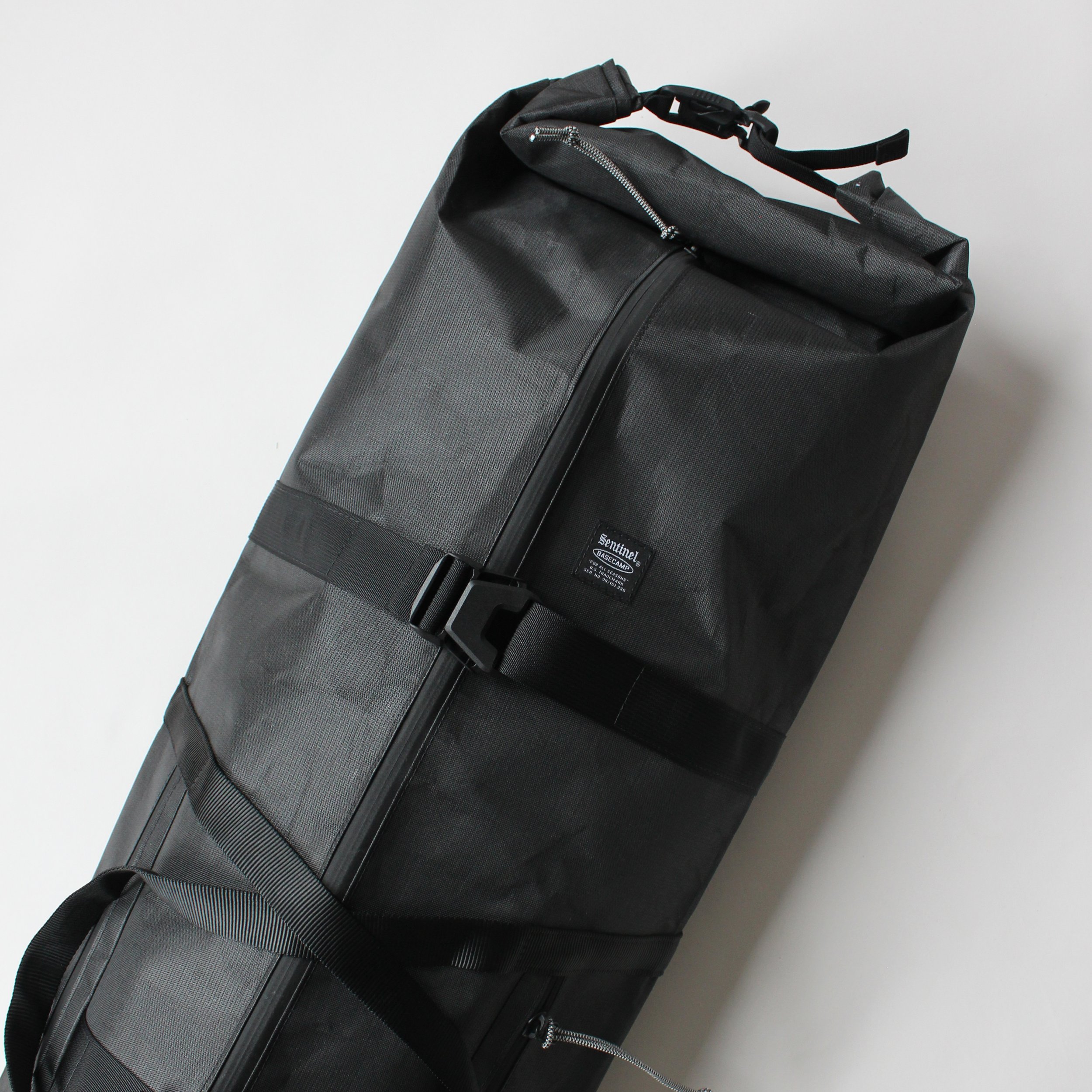
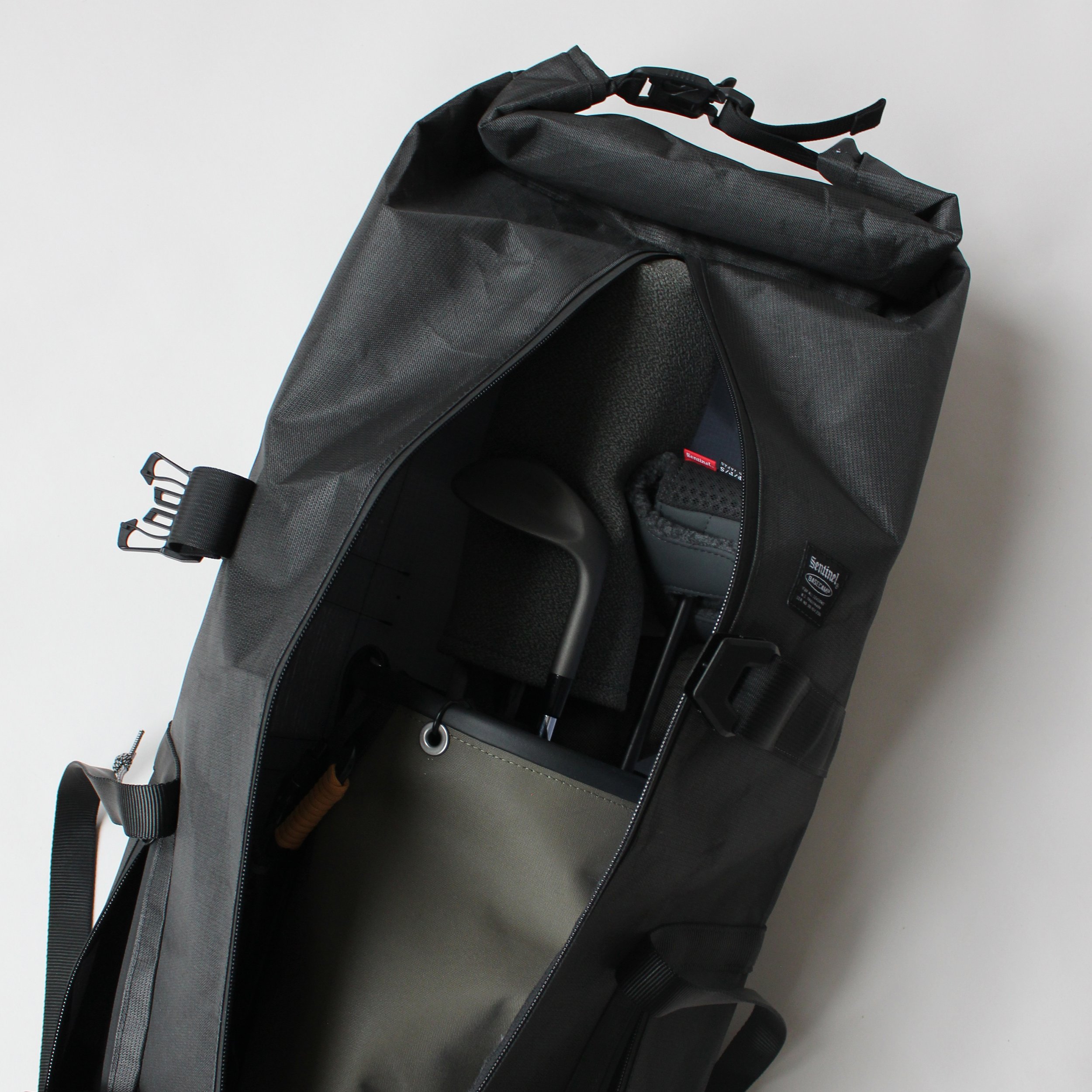
The Basecamp Walker in black Dyneema at $890 is the clearest statement: a carry bag engineered the way an outdoor brand engineers a tent.
This is for the walker who already owns serious outdoor gear and has noticed golf bags are not built to that standard. The model is limited pre-order — no restocks, no discounts — so the $98 SCOUT is the low-risk introduction.
Sentinel Golf is a product design lab in Minneapolis that makes golf equipment the way an outdoor brand makes a tent. Founder John Mooty runs it on a limited pre-order model — a window opens, you buy or you miss it, and there are no restocks and no discounts — and spends the rest of his time convincing manufacturers outside the game to take a job in it. A Danish tannery. A Nashville chair company. A Brooklyn machine shop. Tent-pole engineers in South Korea. The catalog reads like a list of favors called in.
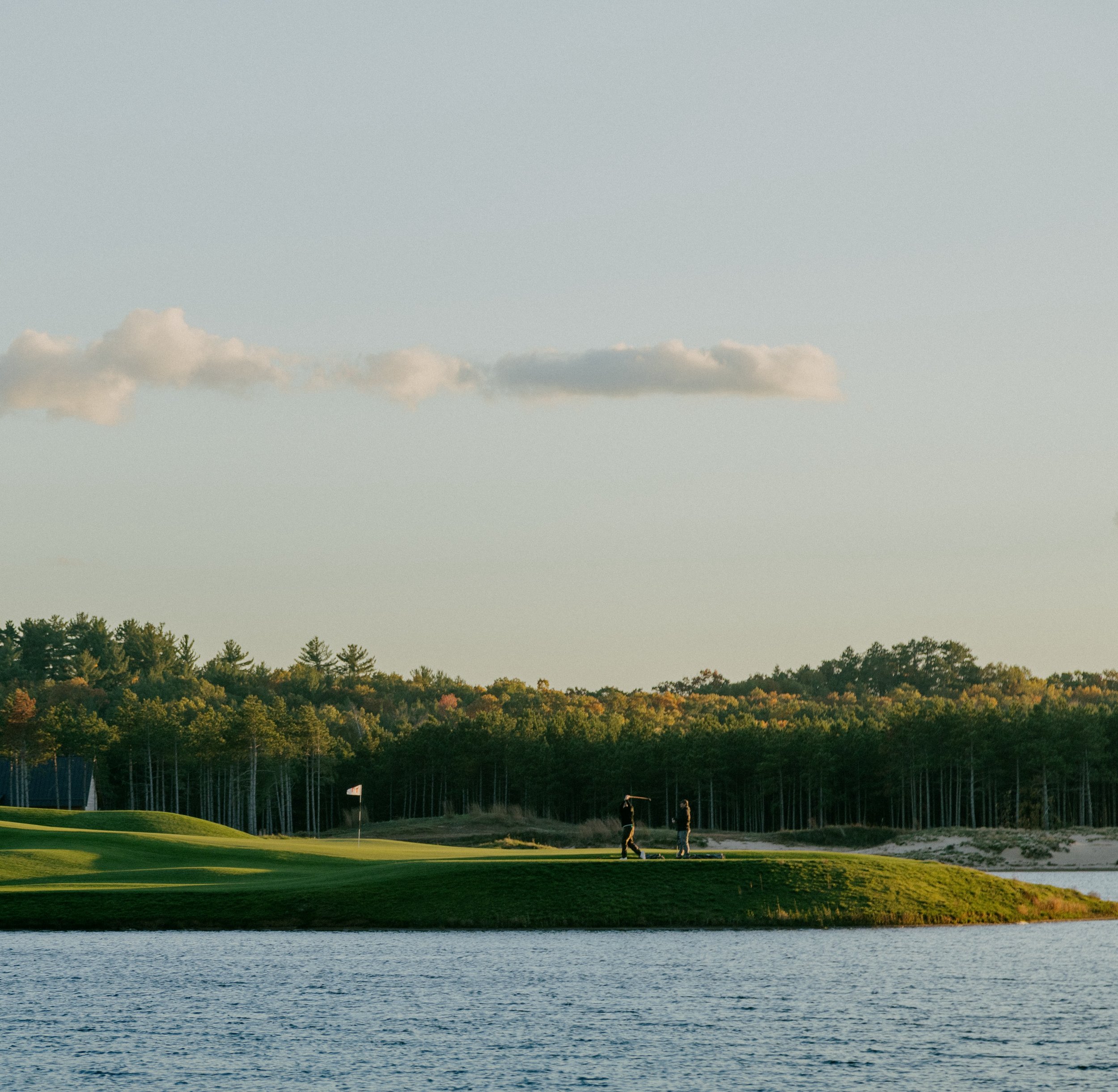
The reference point is not golf at all; it is the Boundary Waters, the million-acre stretch of protected Minnesota wilderness where you camp, canoe and fish all day with no cell service and can drink the water under your canoe. Mooty built the Basecamp series to hold that feeling inside a golf trip, and the second Basecamp capsule was shot at Sand Valley across three days of camping, fishing and golf on one itinerary. It is why the writer Michael Williams called Sentinel an American Snow Peak, but for golf.
Which makes it a brand for a fairly specific reader: the walker who cares where the fabric was woven, who would rather own four objects for a decade than forty for a season, and who is not put off by an eight-week wait or a bag that costs more than a driver. Prices run from a $30 sock to a $2,900 dome tent. The sold-out archive is longer than the live shop, and that is the point — 112 of the 196 things Sentinel has made are already gone.
One interview exists. Every quote below is verbatim from The Old Ghosts, “Sentinel: Beyond the Green,” by Michael Williams, December 9, 2025.
Mooty does not give many interviews — one, as far as the record goes — and when he does he talks about sourcing rather than about himself. Asked what the project has been about since the start, he answers in the same register the products do.
“Since it started, the project has always been about bringing new ideas, materials, and people into the golf space, not only to make it more interesting but to make it more fun. That is still the best part for me, but in terms of evolution, the most enjoyable challenge is exploring the boundaries (or lack thereof) beyond golf and how that can be done in both product and brand the right way, balancing innovation and tradition.”
On where Basecamp came from: “It came from the idea of just building an itinerary that sounded like the most fun trip to leave the house for. In Minnesota, we have the largest chain of interconnected lakes and over a million acres of protected wilderness called the Boundary Waters, where you have no choice but to camp, canoe, and fish all day. You also have no cell service, no planes flying overhead, and can drink the water under your canoe so the experience with the people you are with is very special. The Basecamp series tries to embody this feeling in the form of a golf trip.”
And on whether made-in-America is the standard: “Definitely, but it is also not an absolute requirement. What is important to me at this point is finding the people who care the most about what they make, use the best inputs they can find, and do things the right way at all phases of the process. If that is here in the US, in Japan, Europe, or elsewhere, I am here for it.”
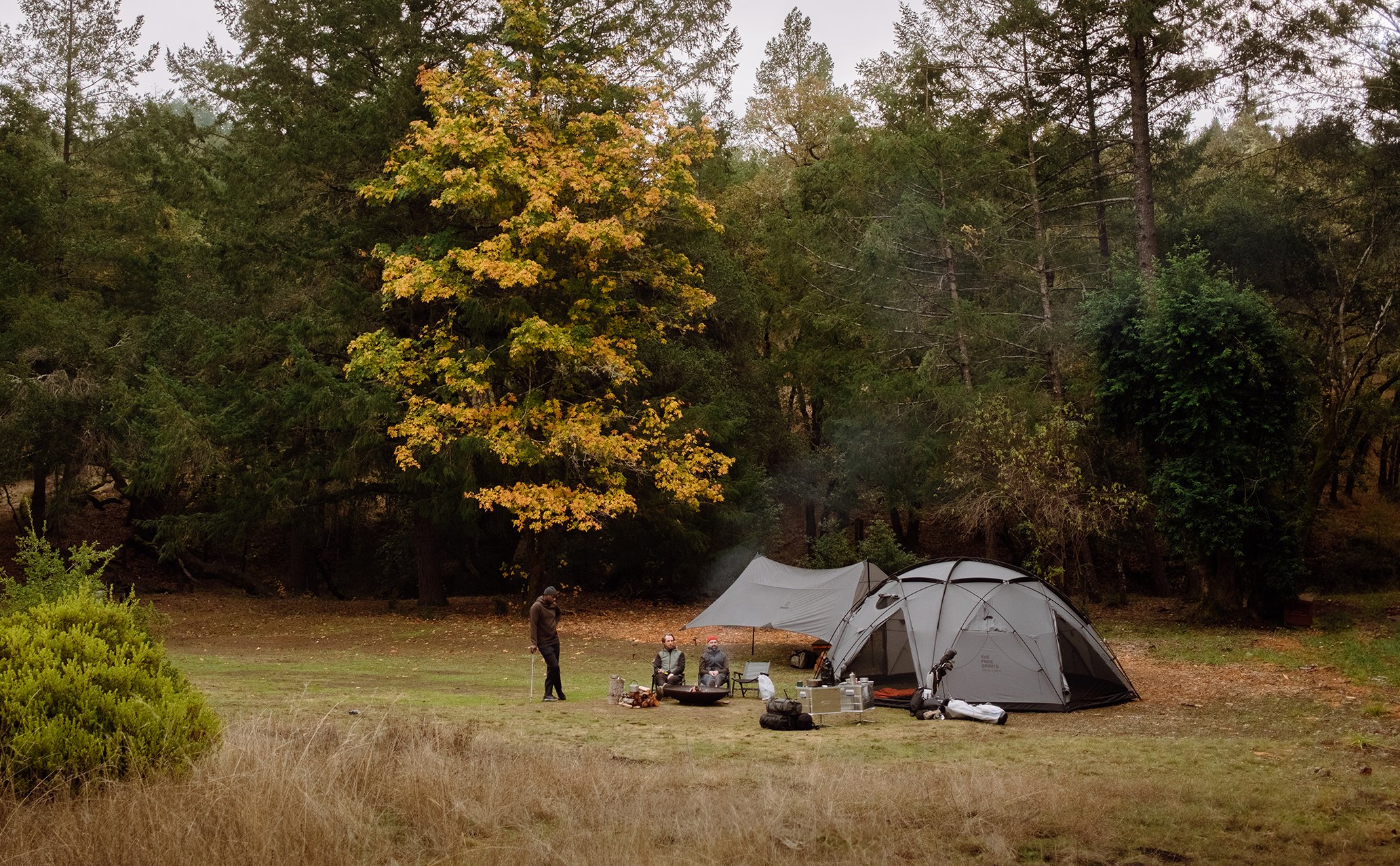
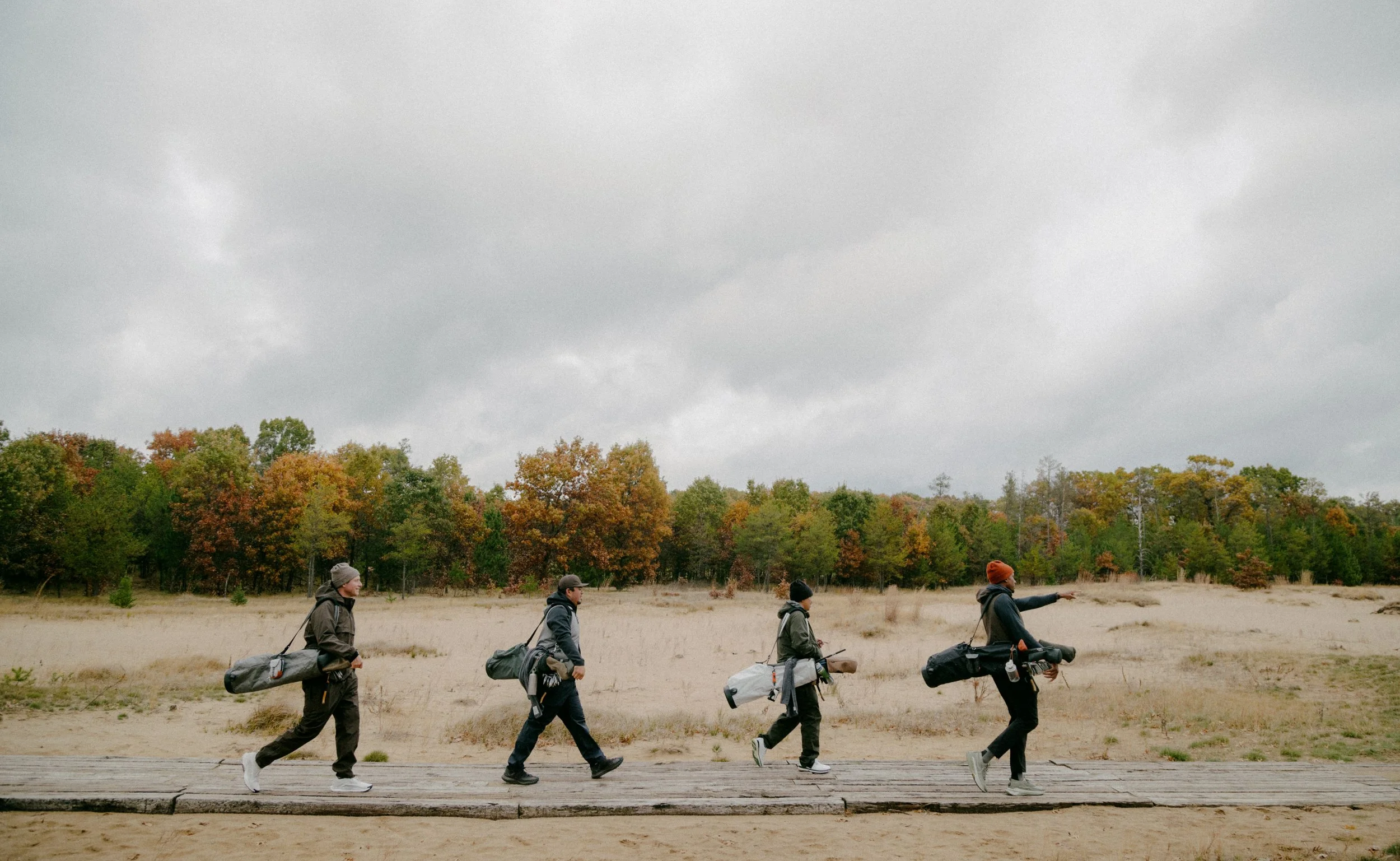
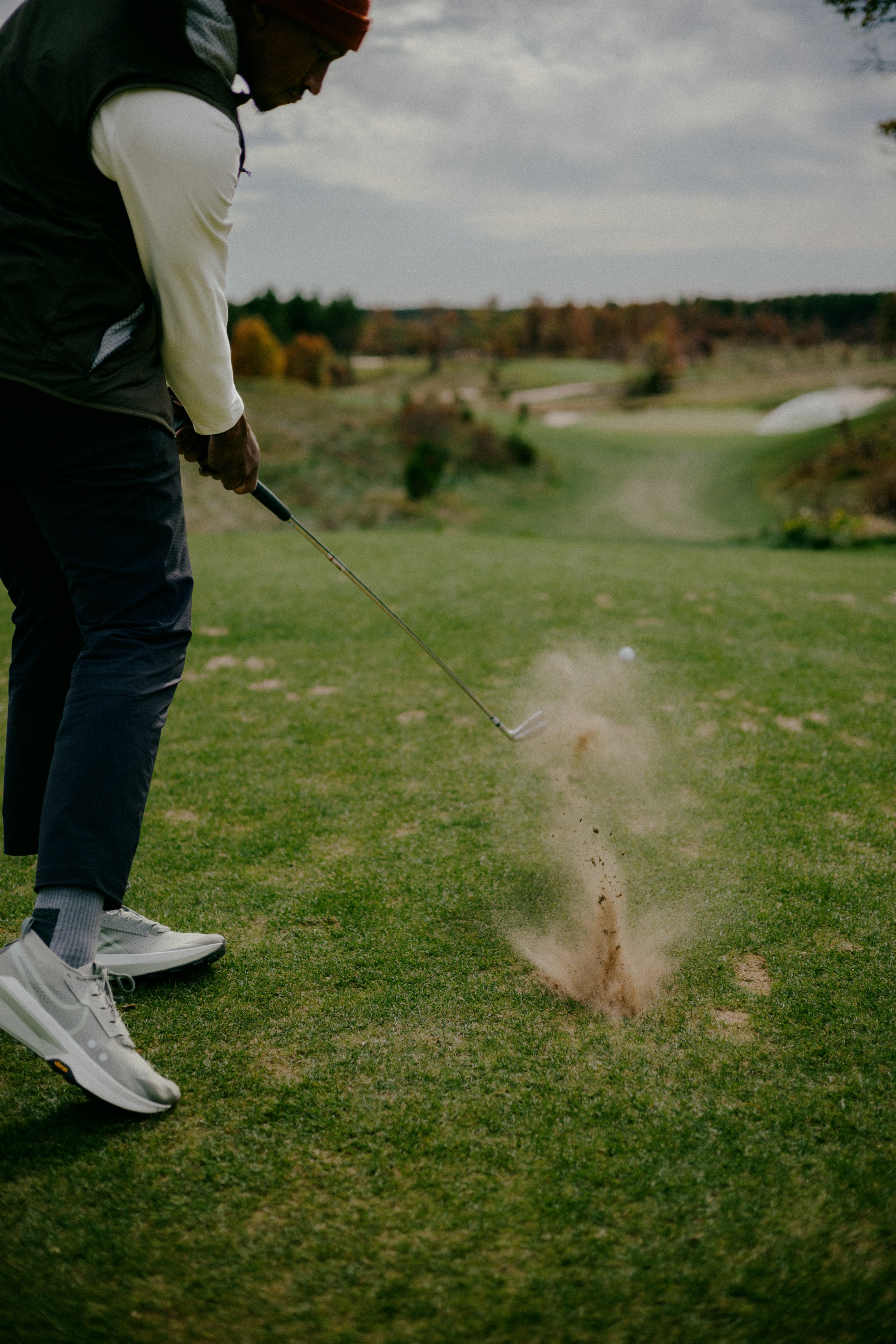
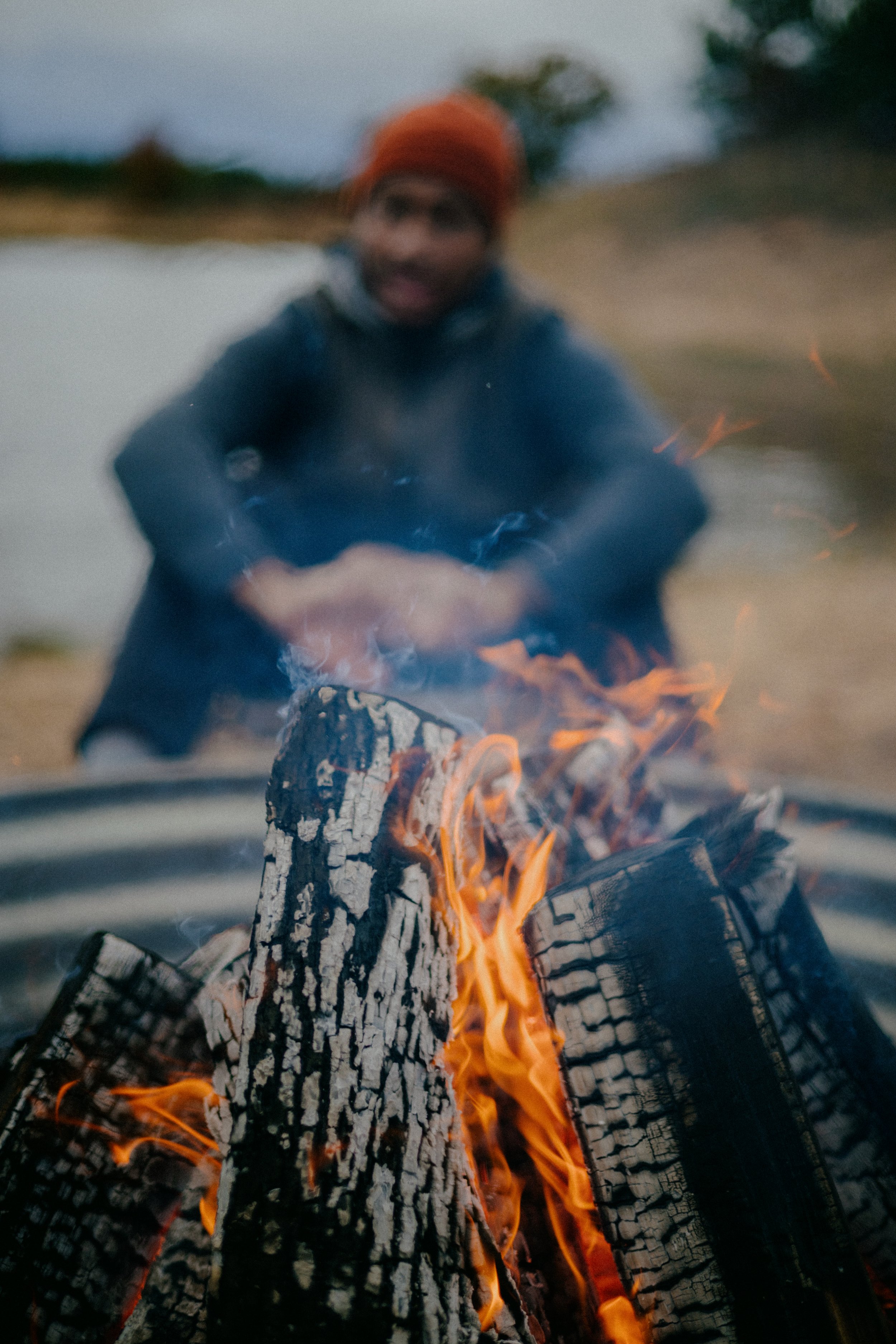
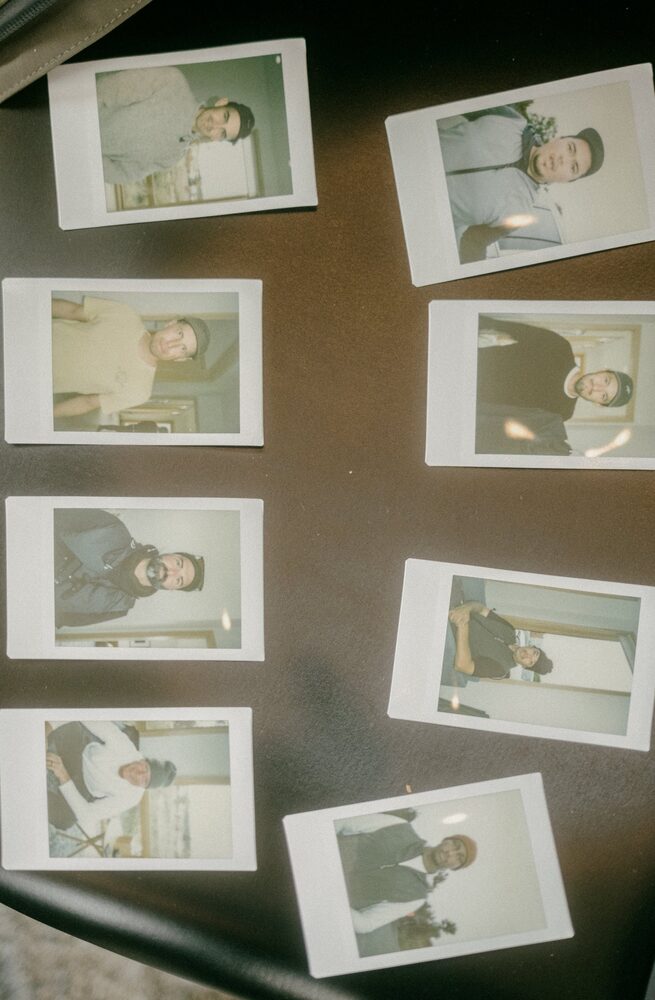
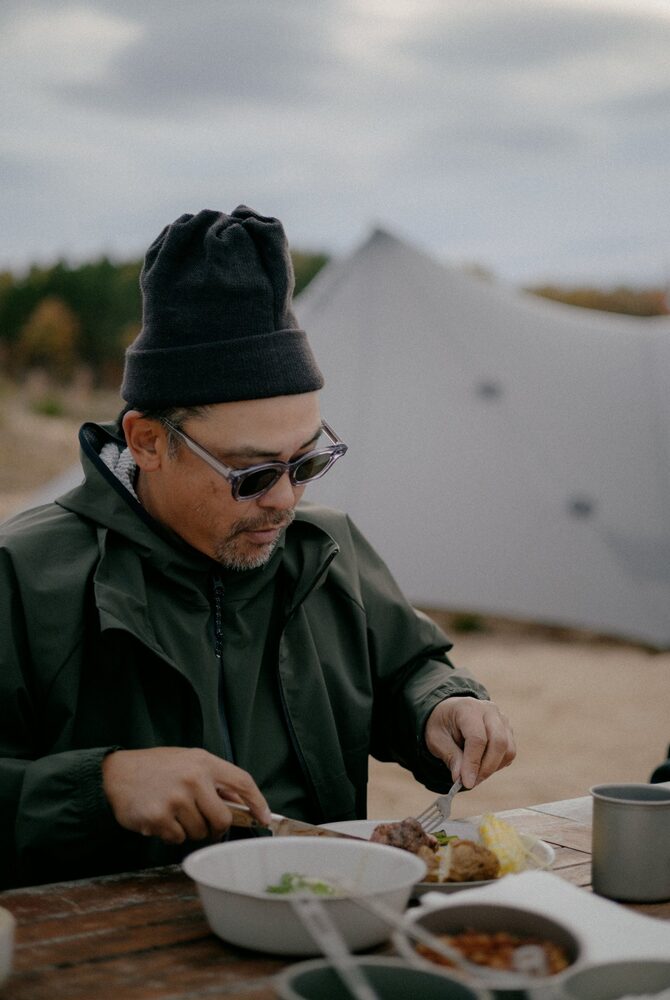
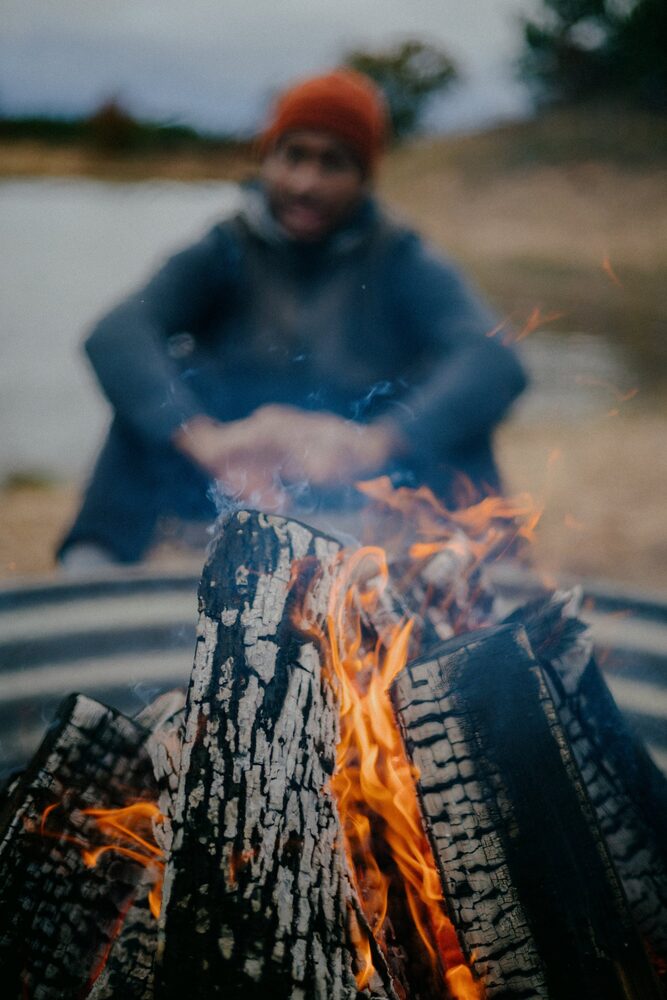
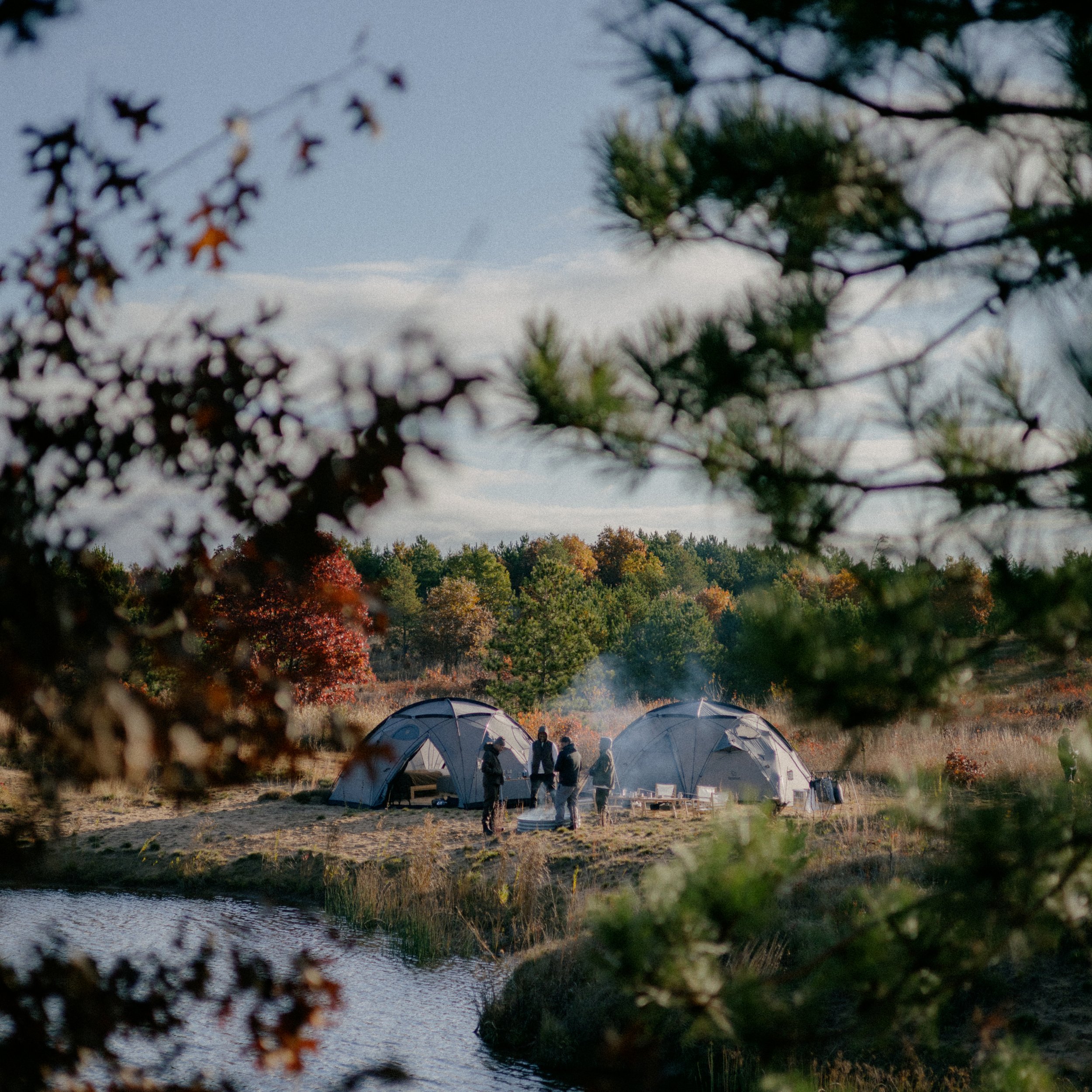
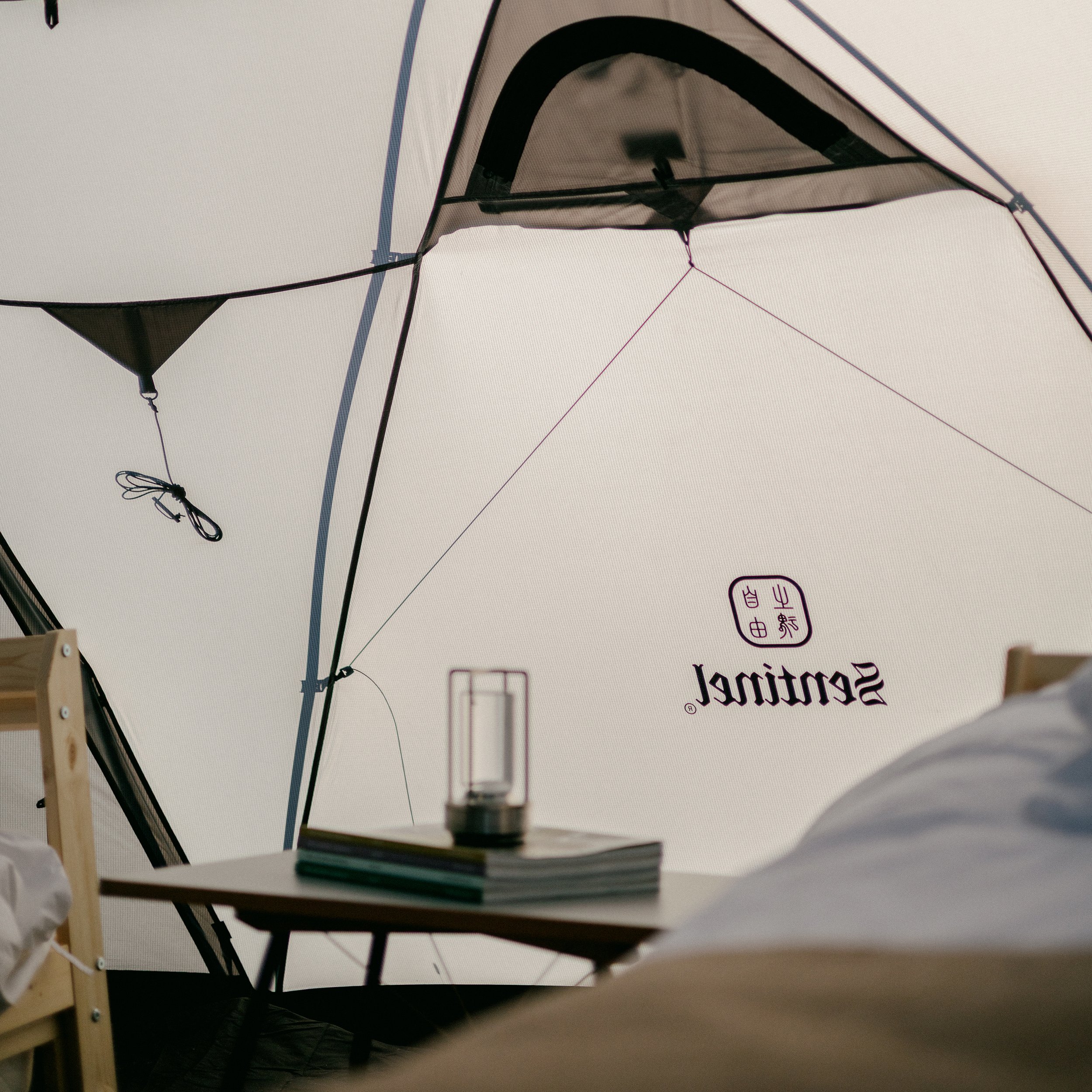
Basecamp Expedition One, Sand Valley, autumn 2025. Three days of camping, fishing and golf on one itinerary — the trip the whole Basecamp line was drawn from.
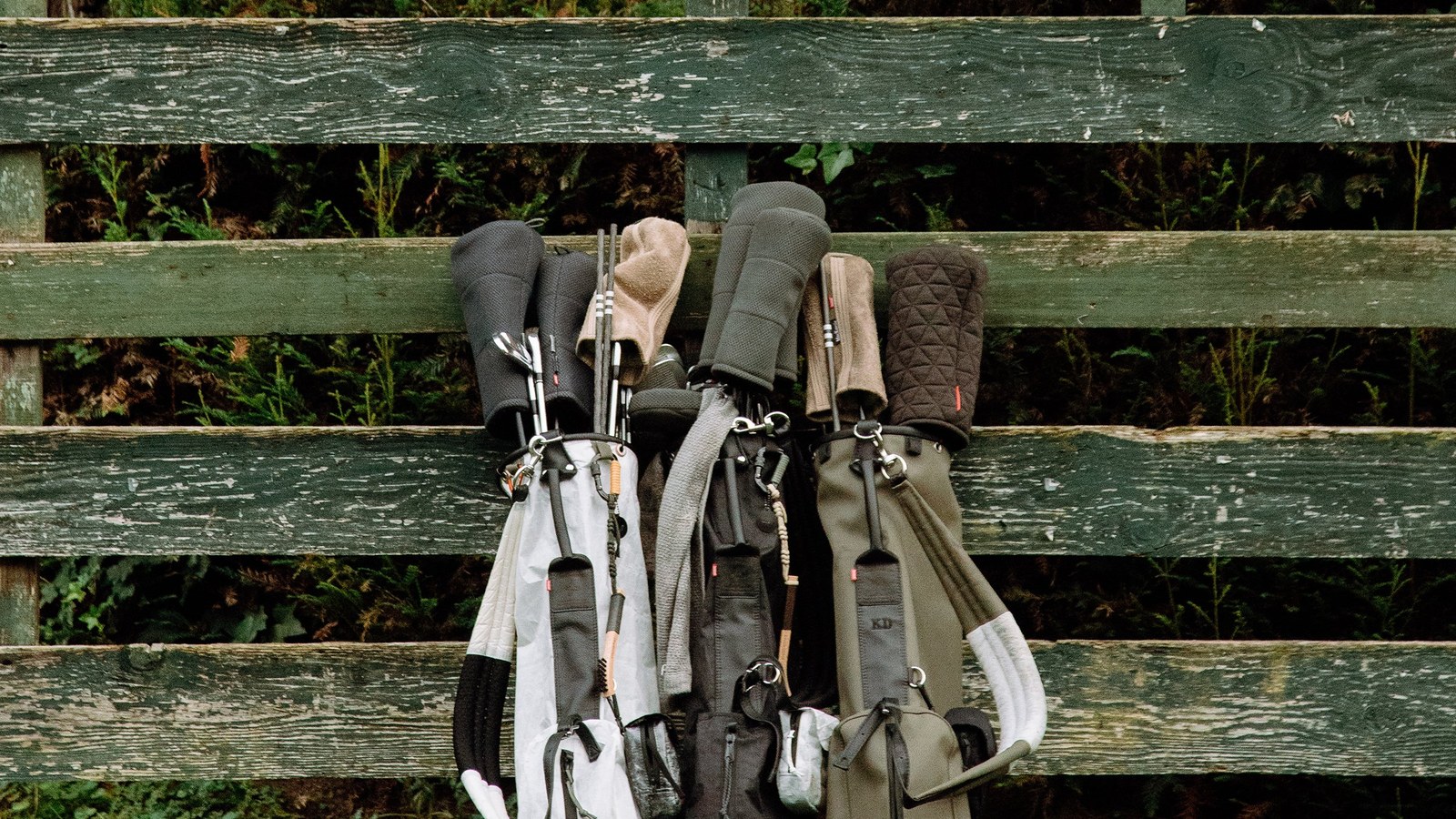
Bags first. Sentinel started by rebuilding somebody else’s masterpiece in materials nobody had brought to golf, and the carry line is still where the brand argues hardest.
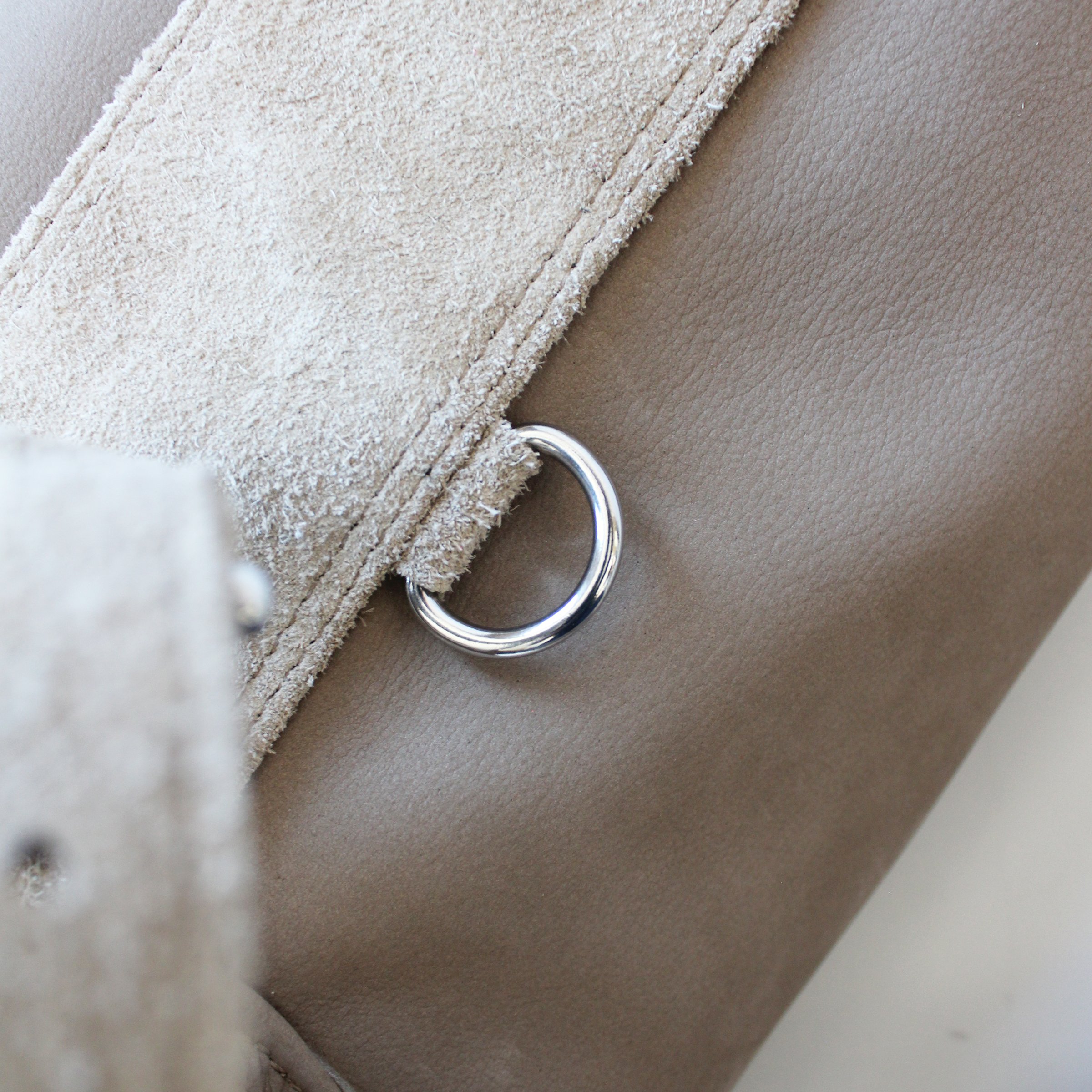
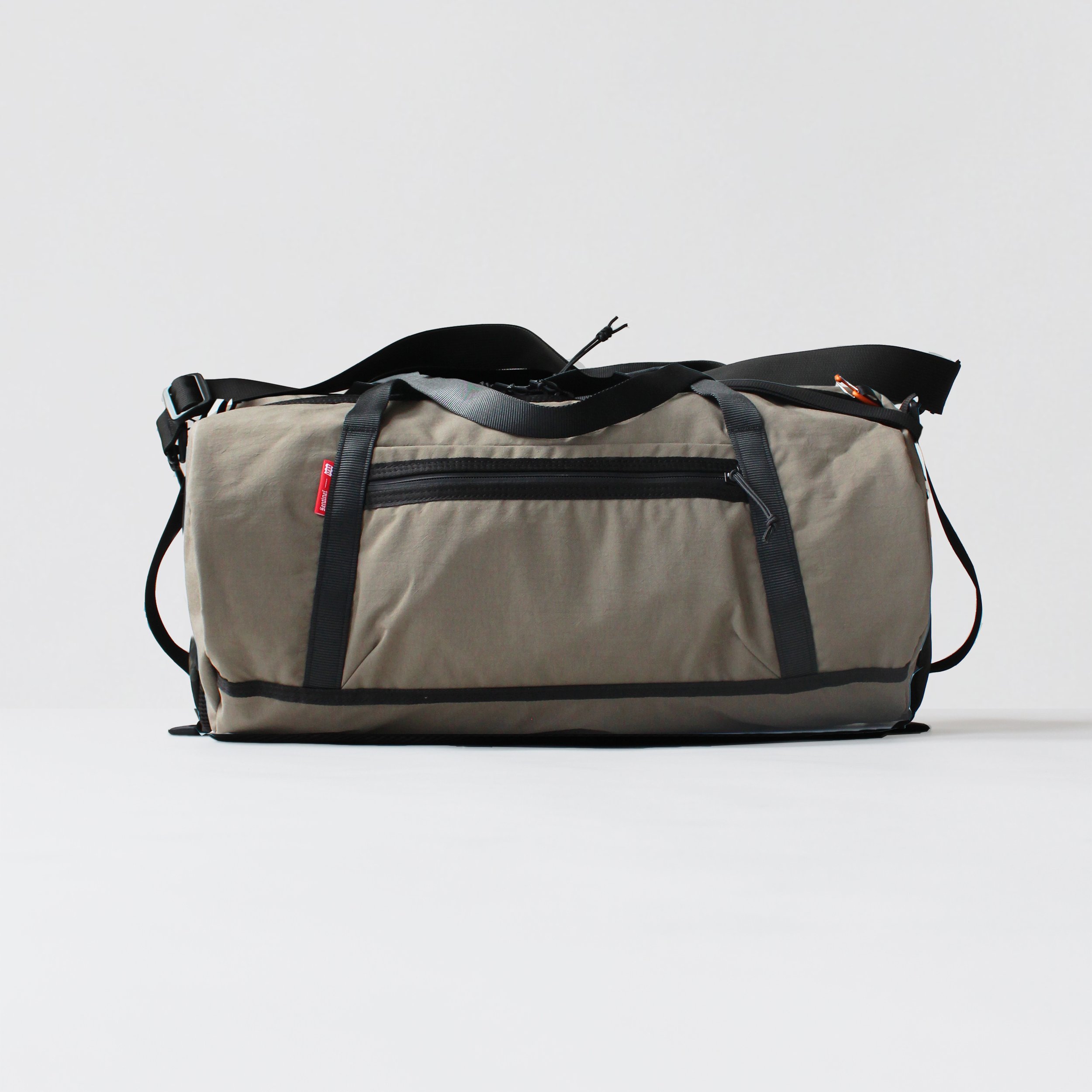
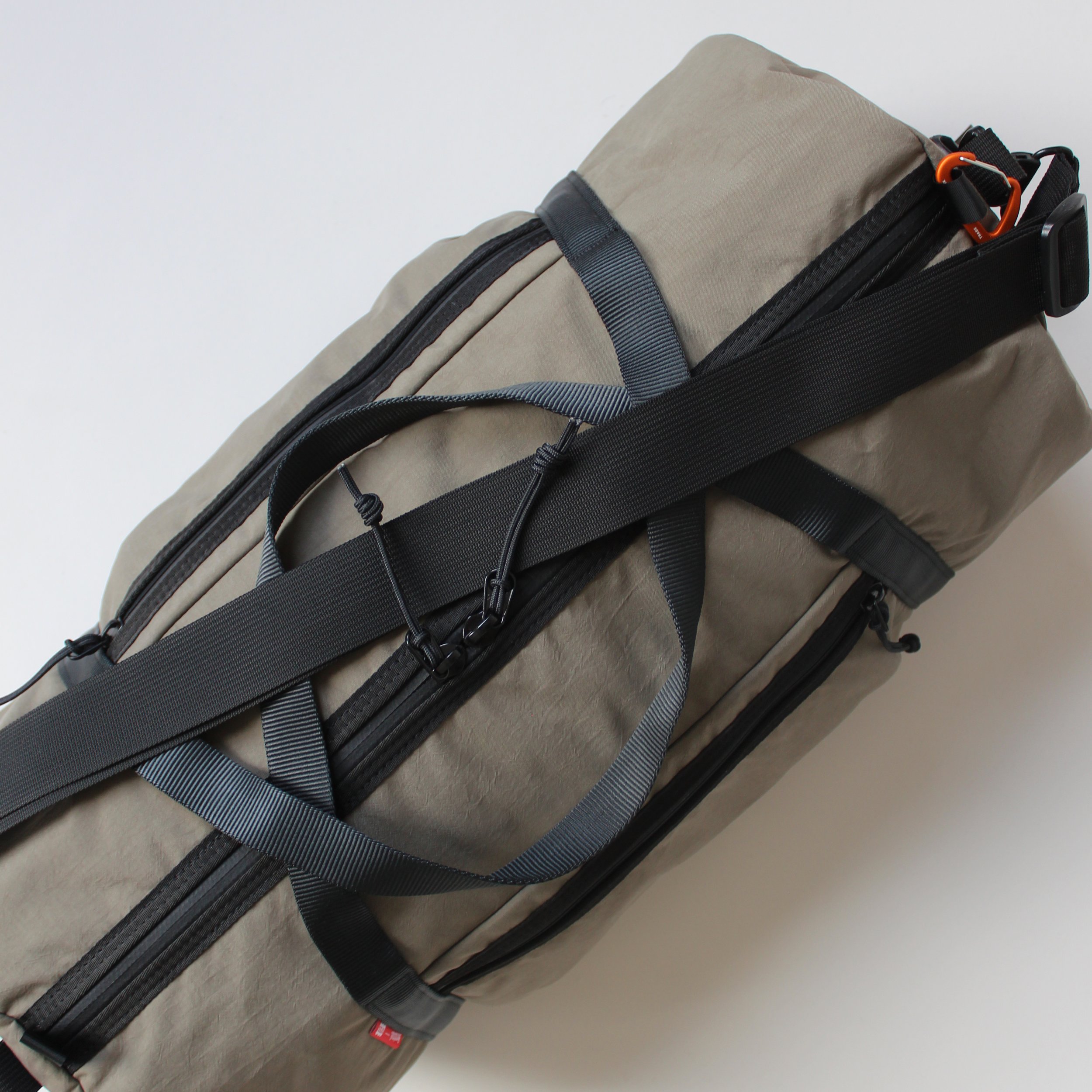
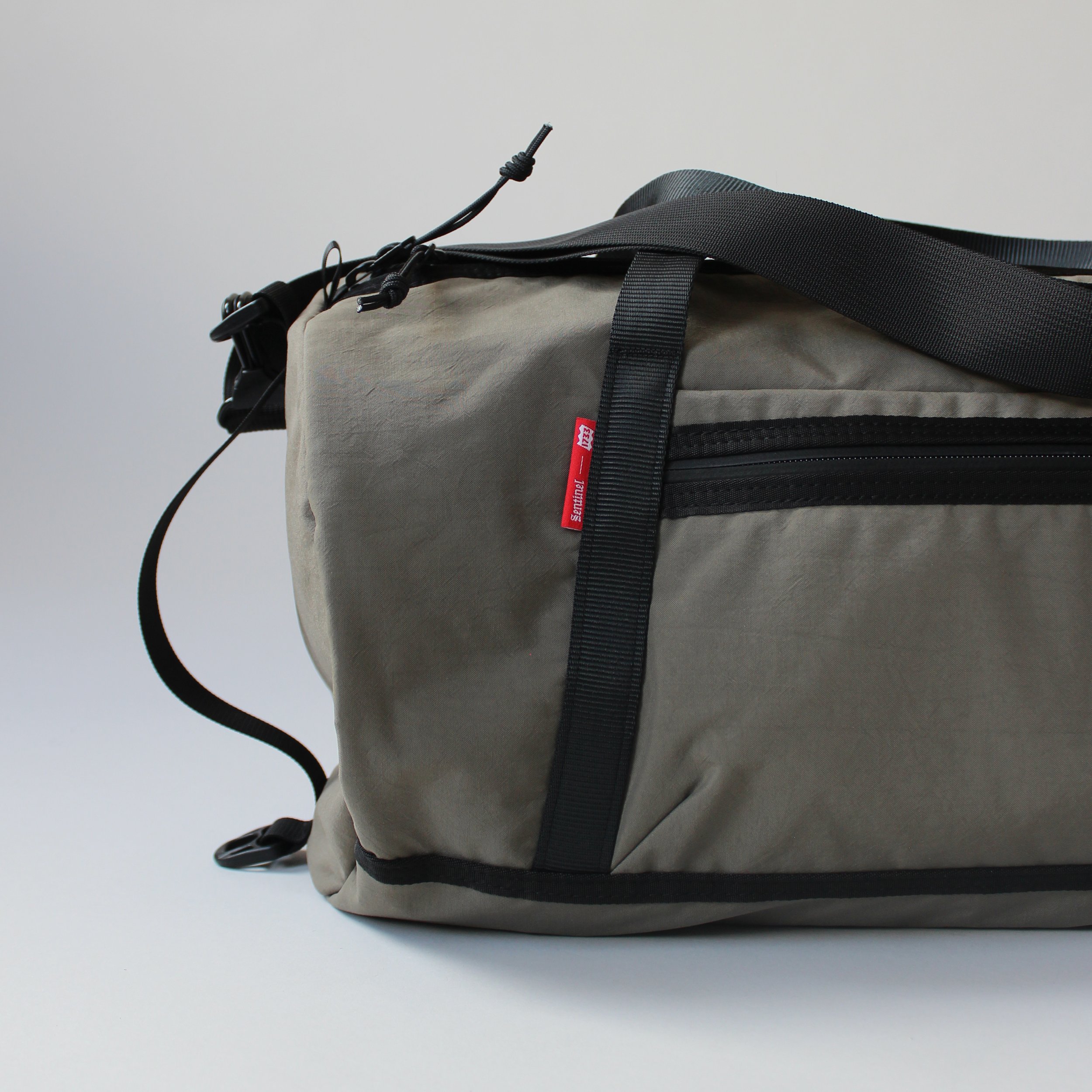
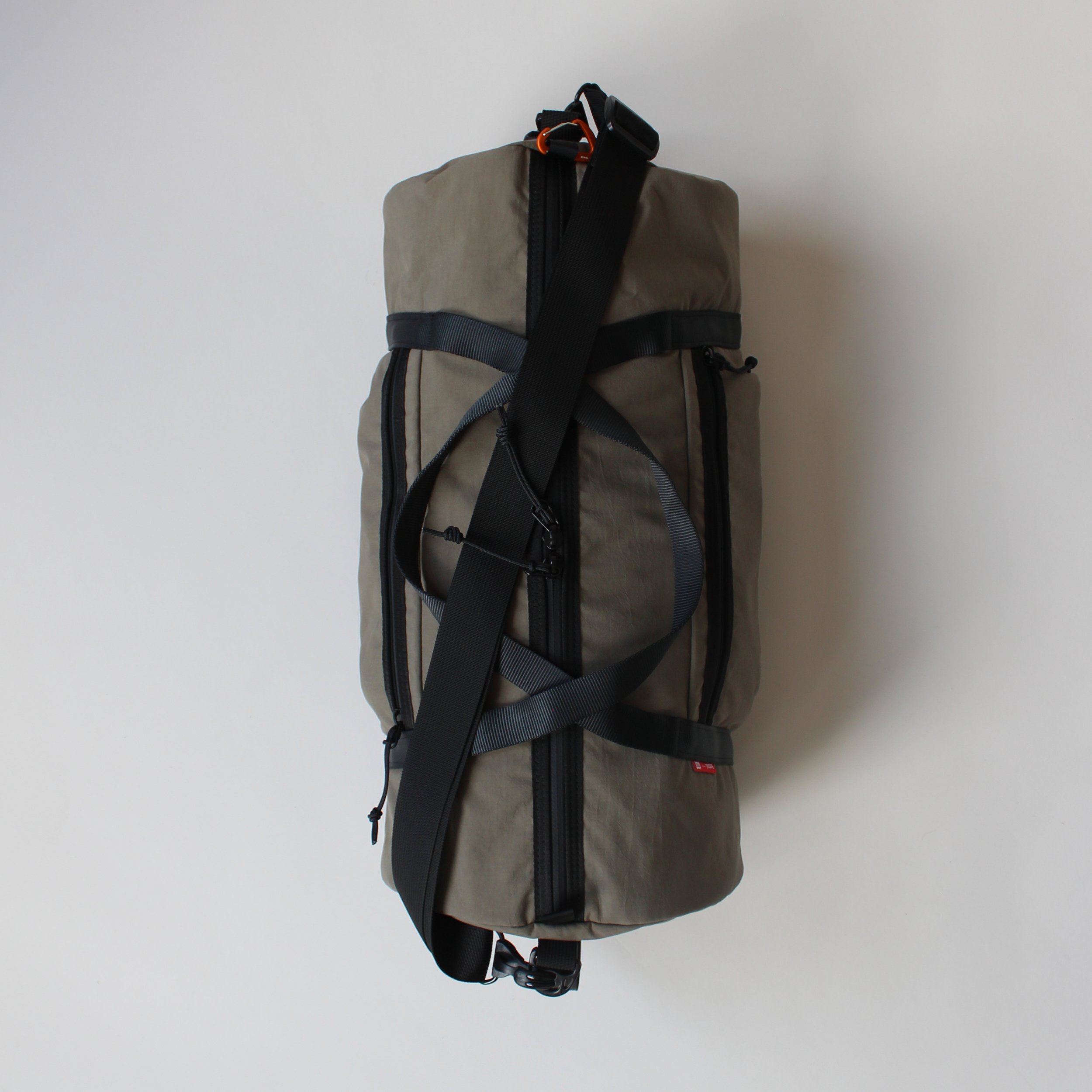
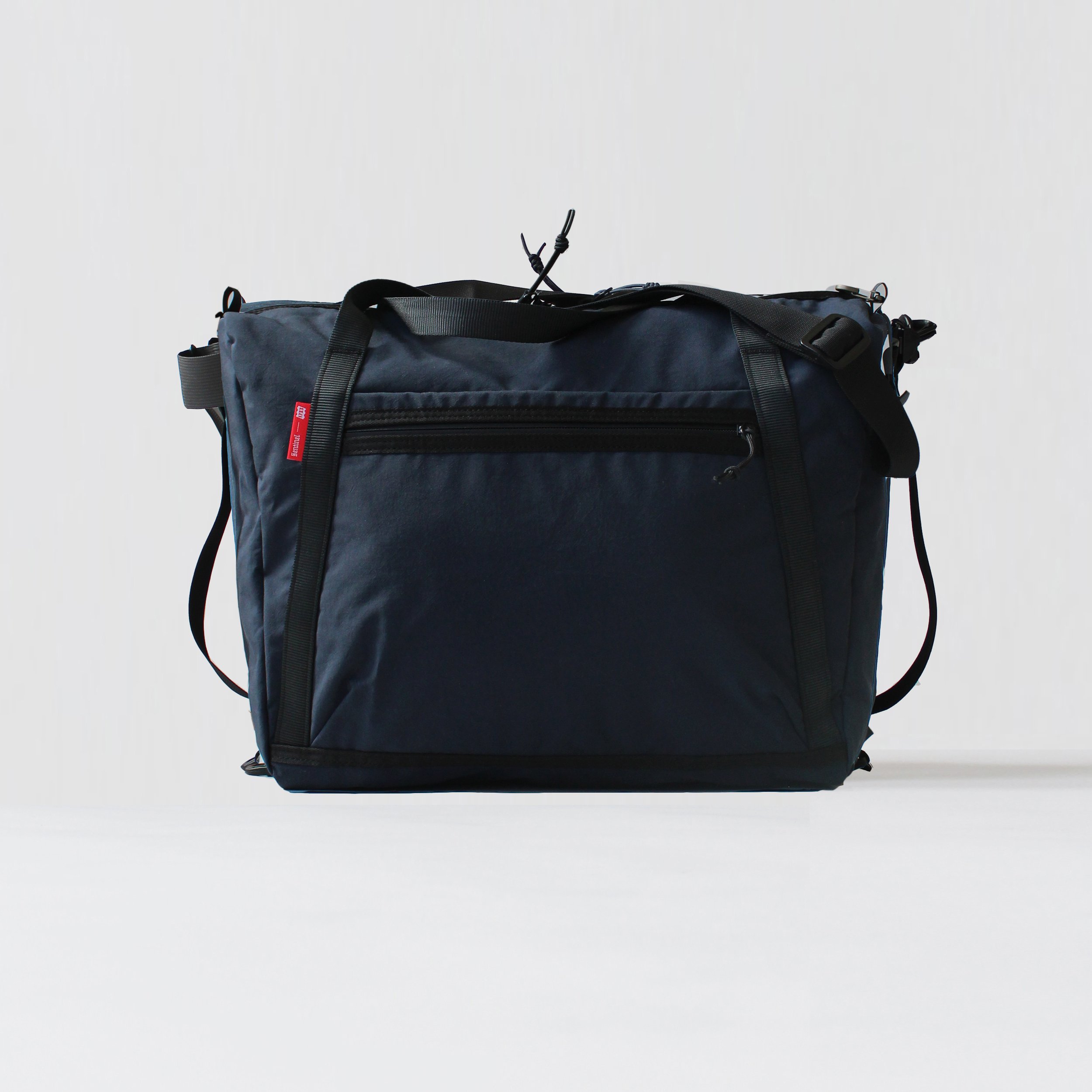
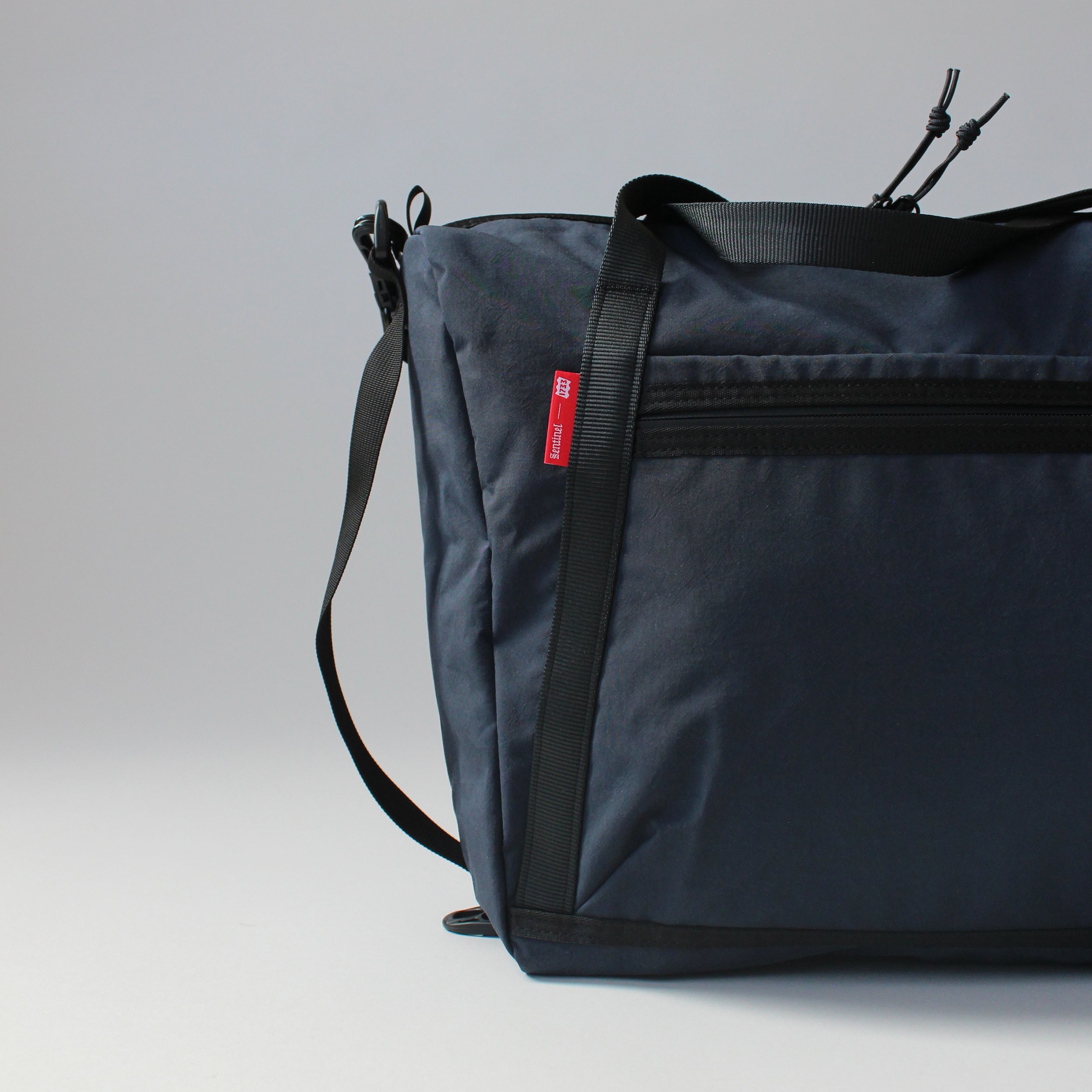
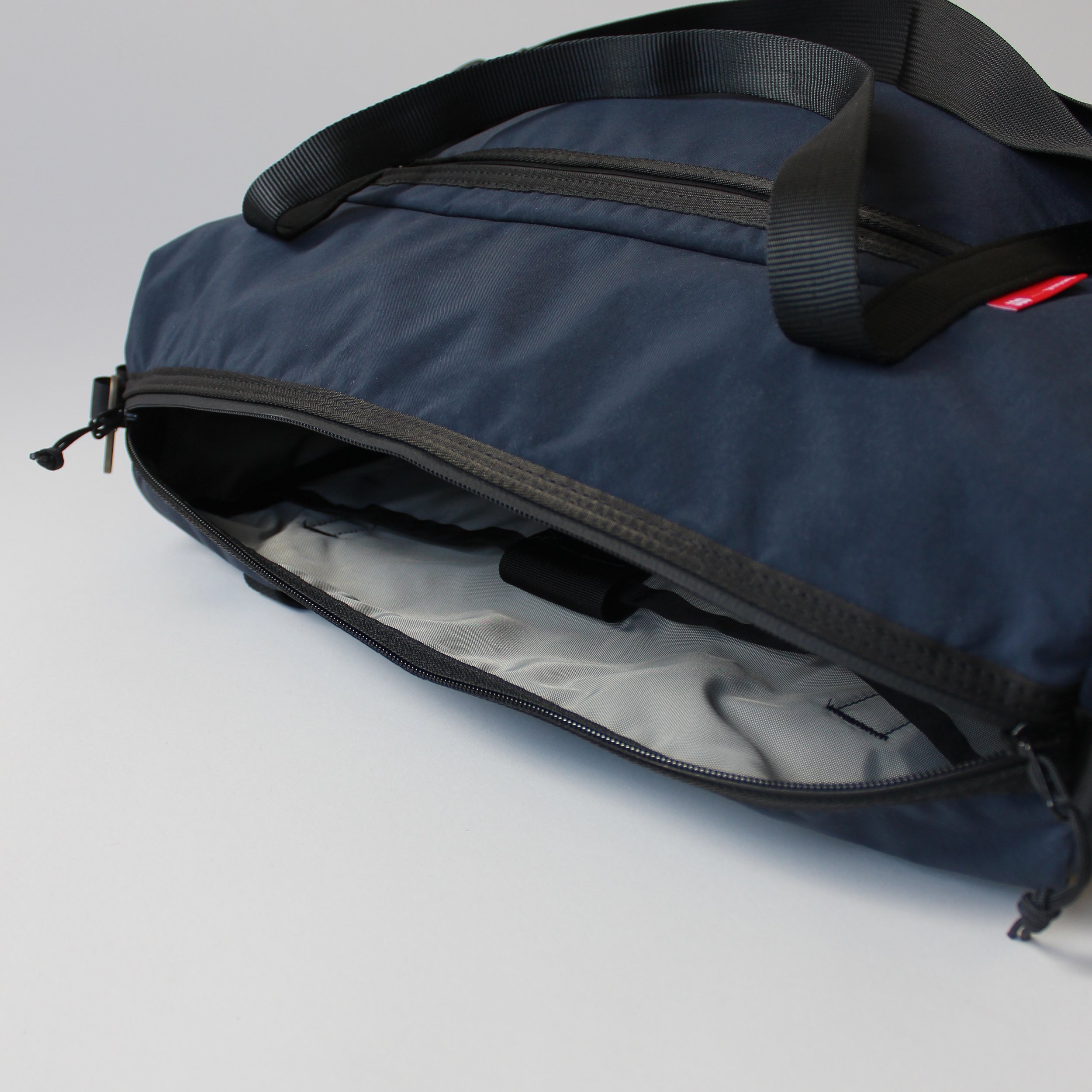
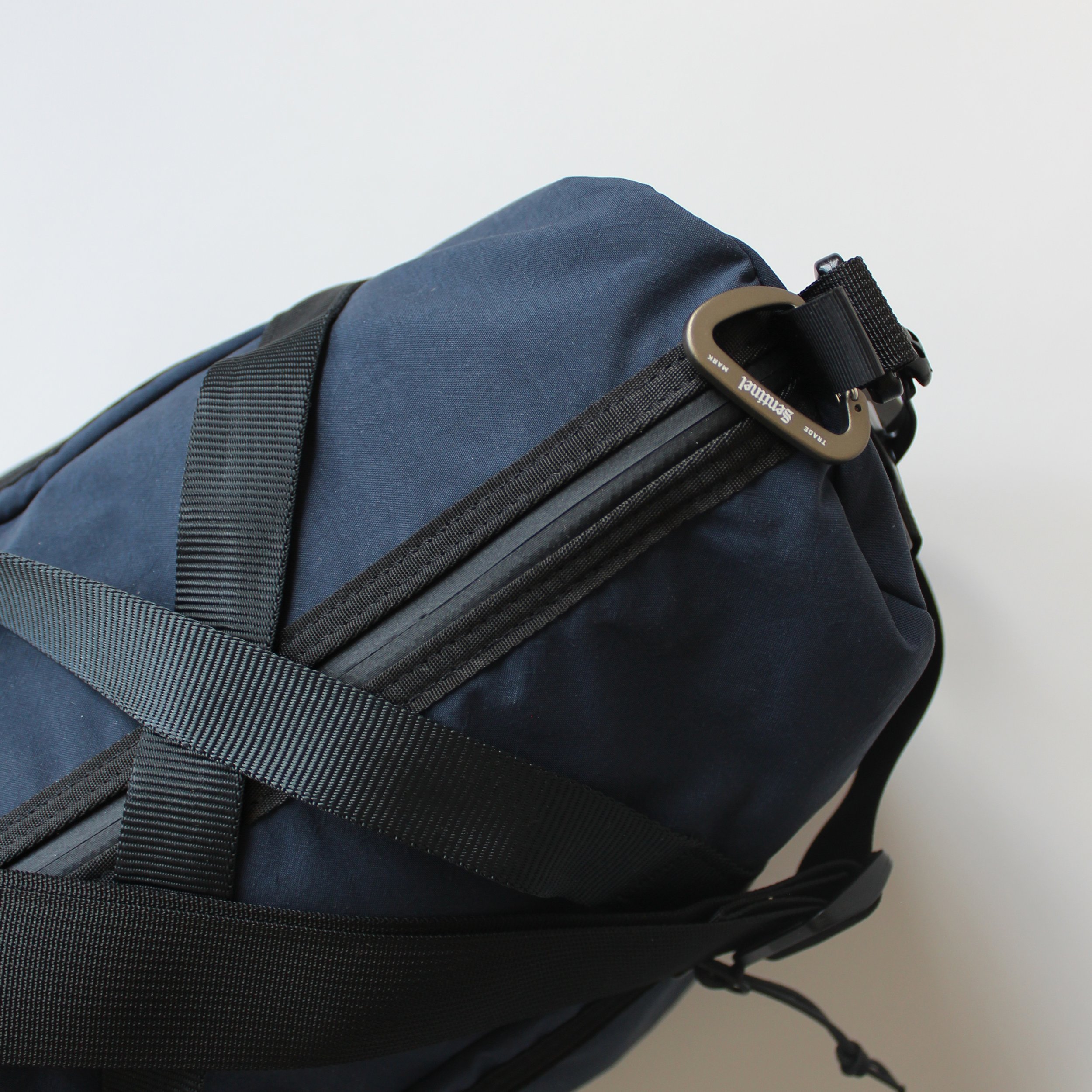
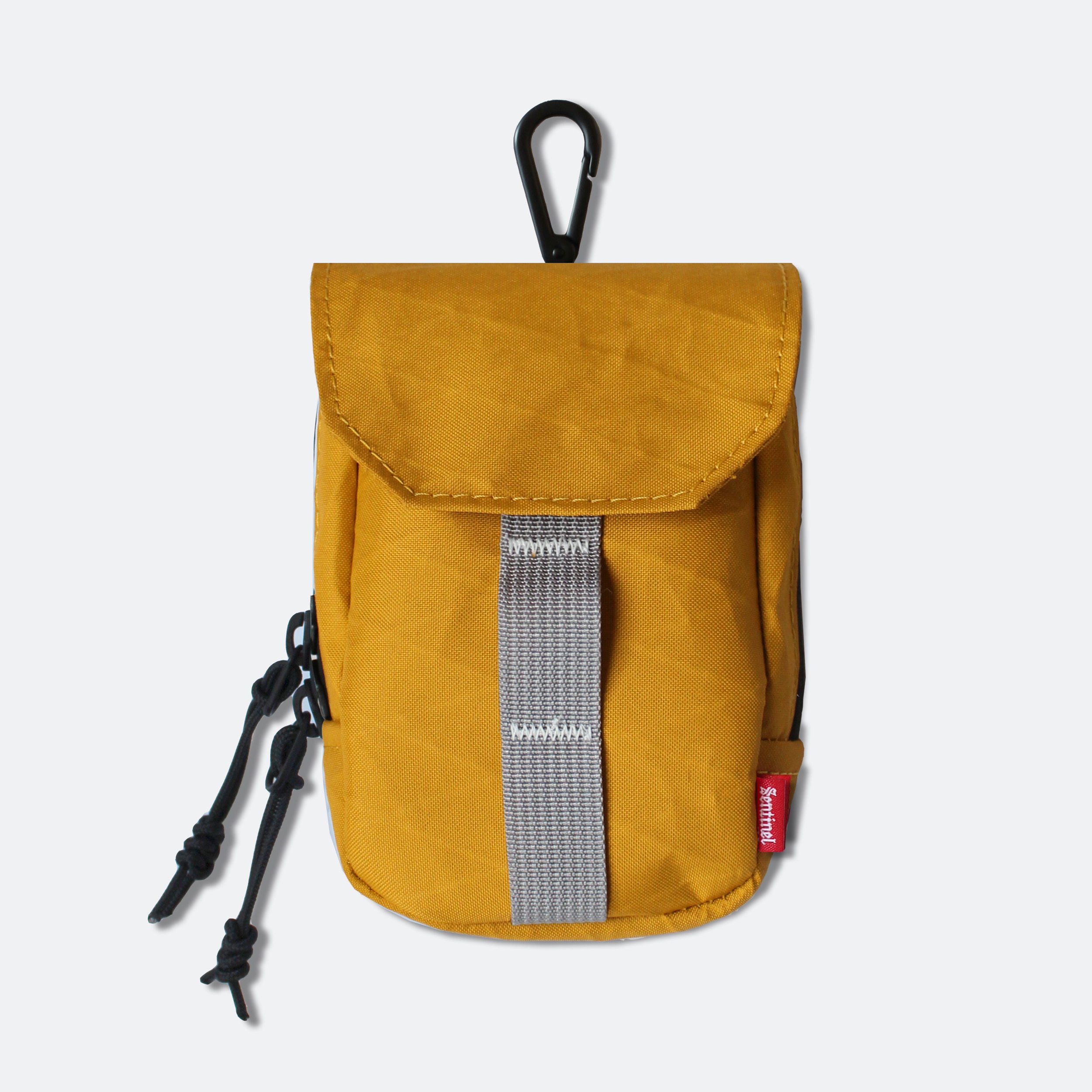
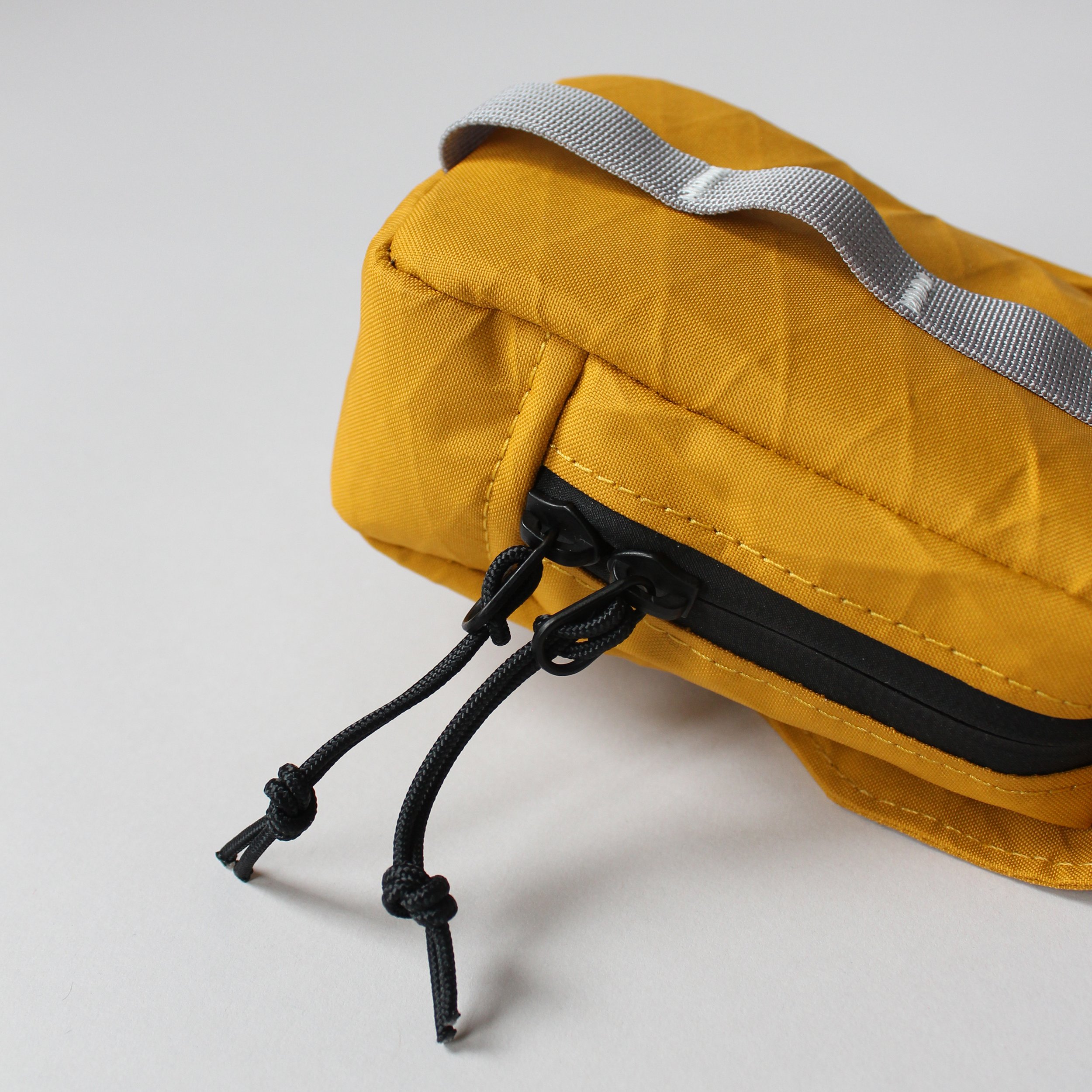
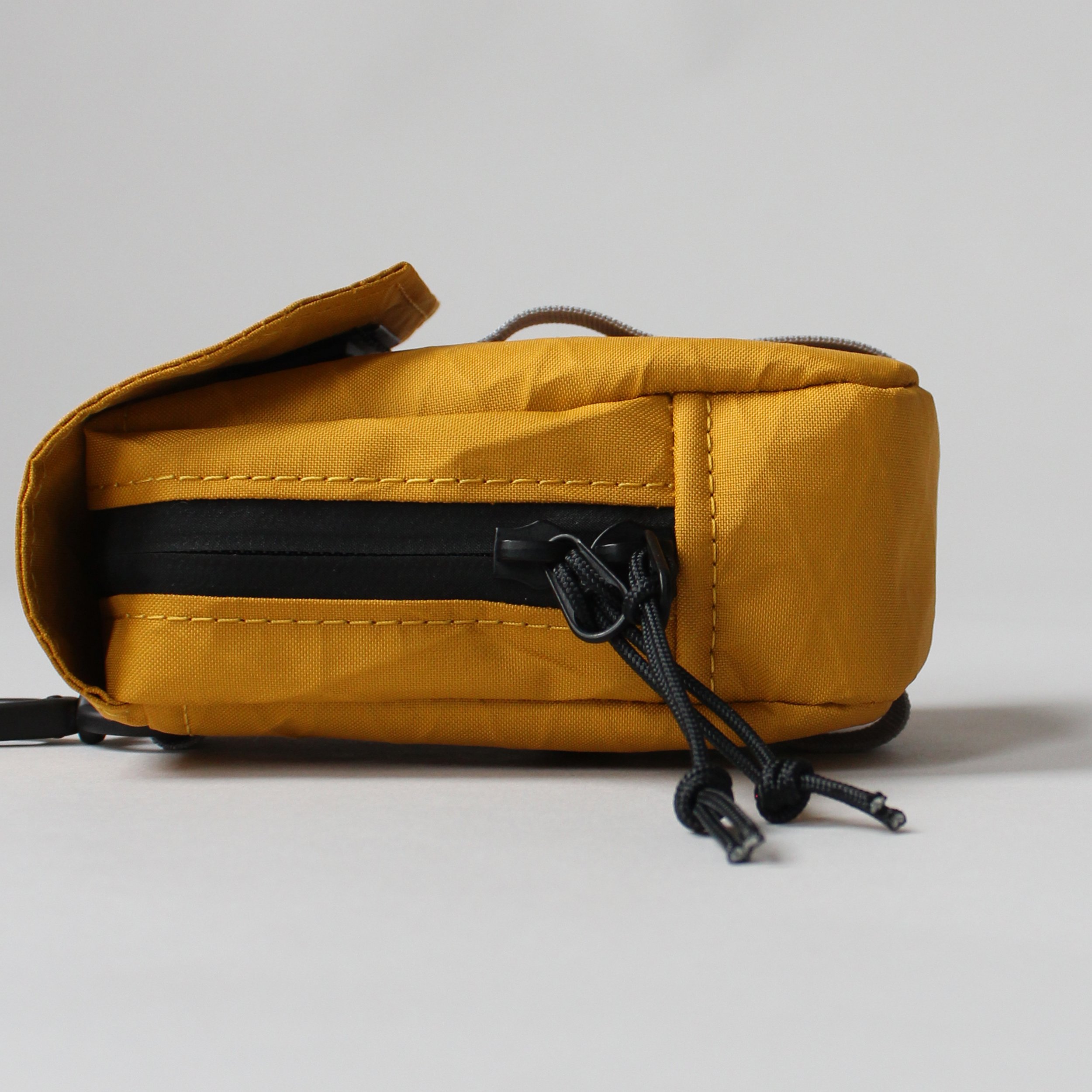
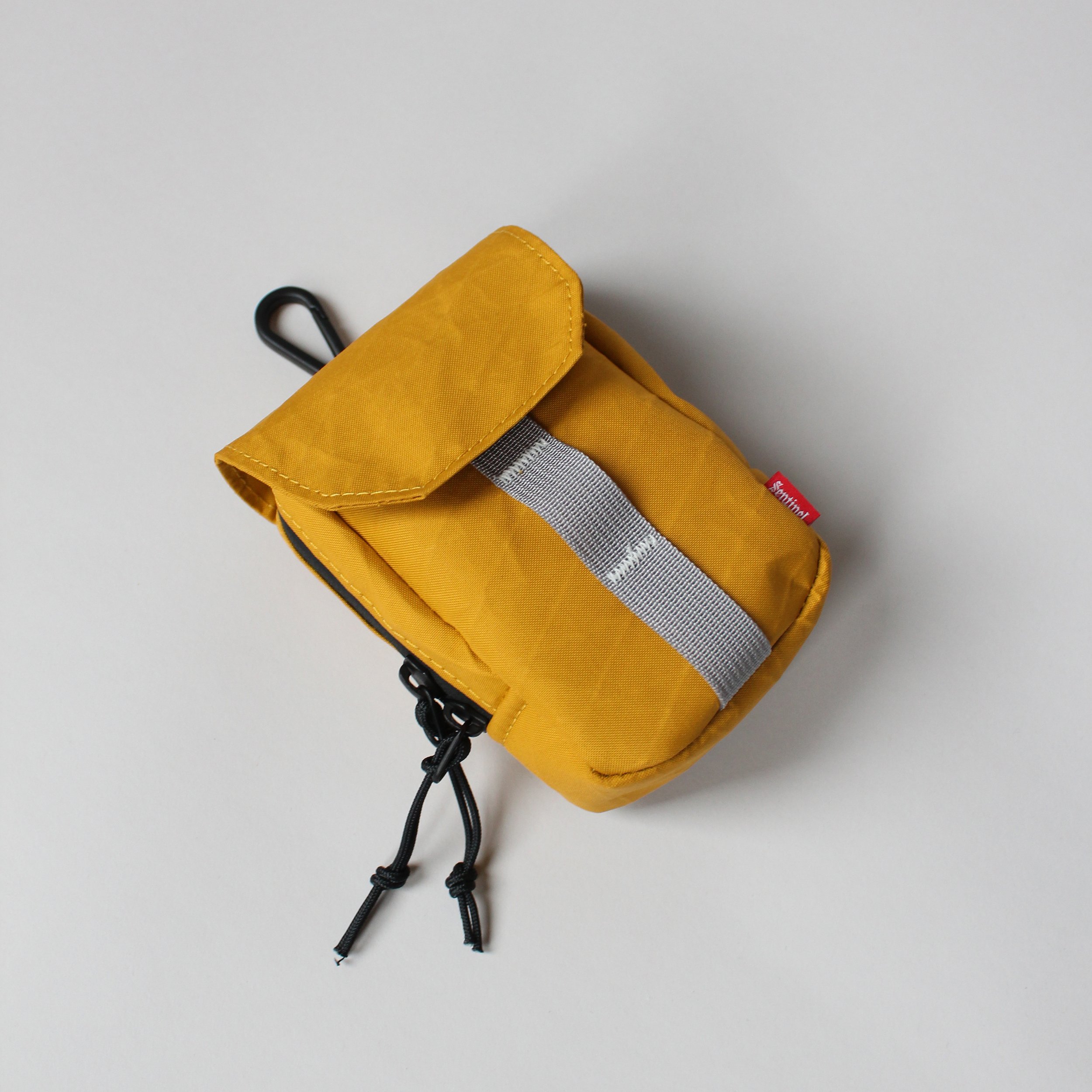
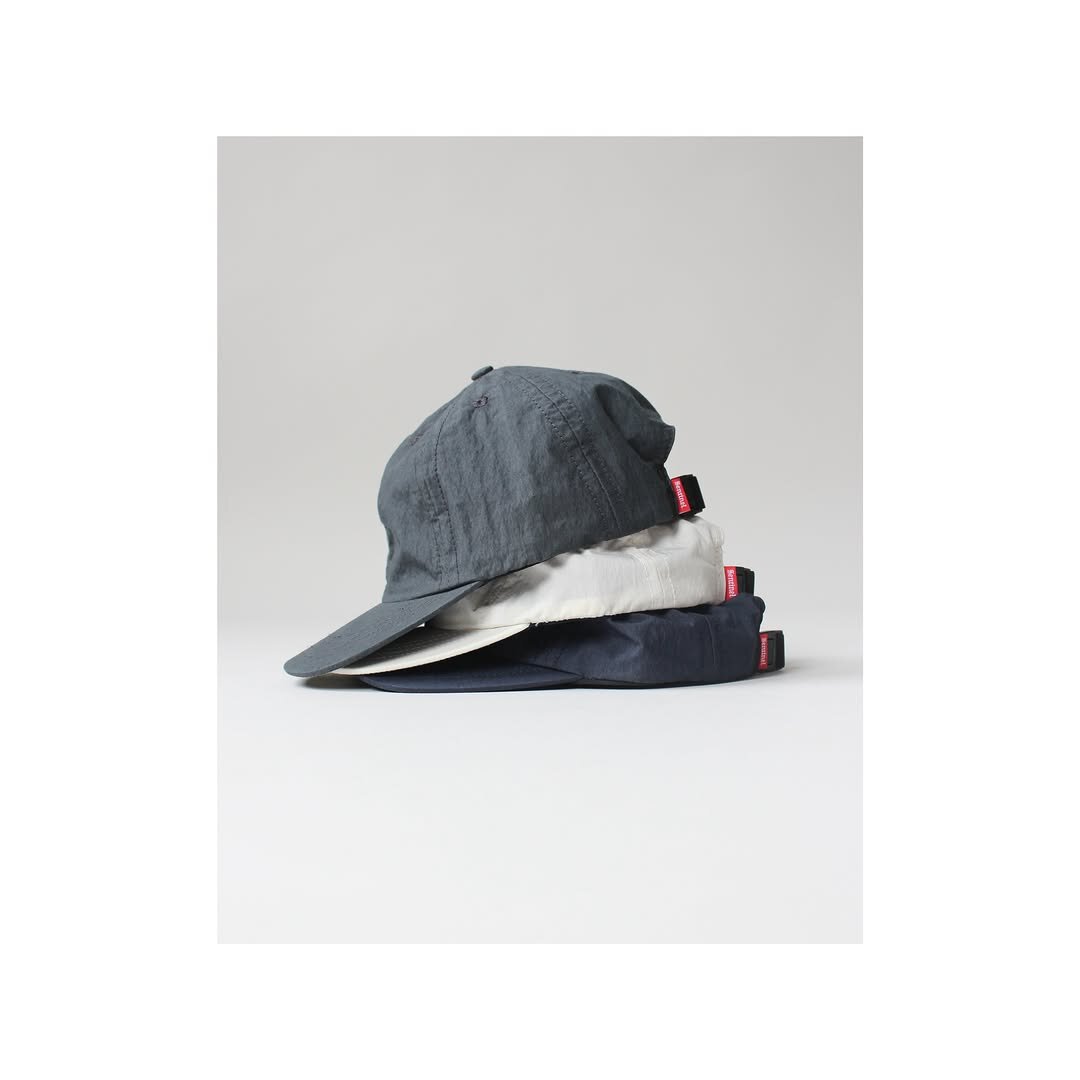
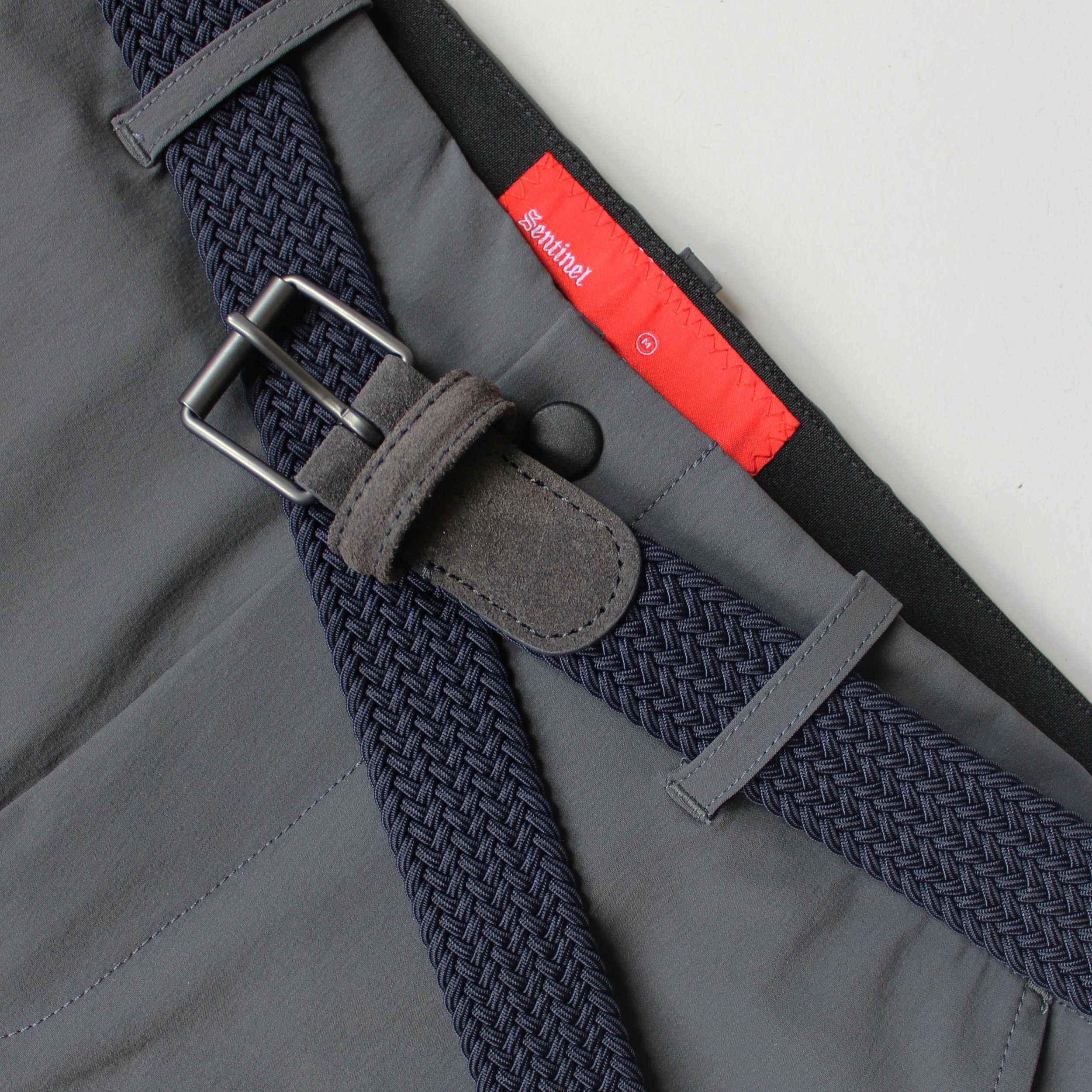
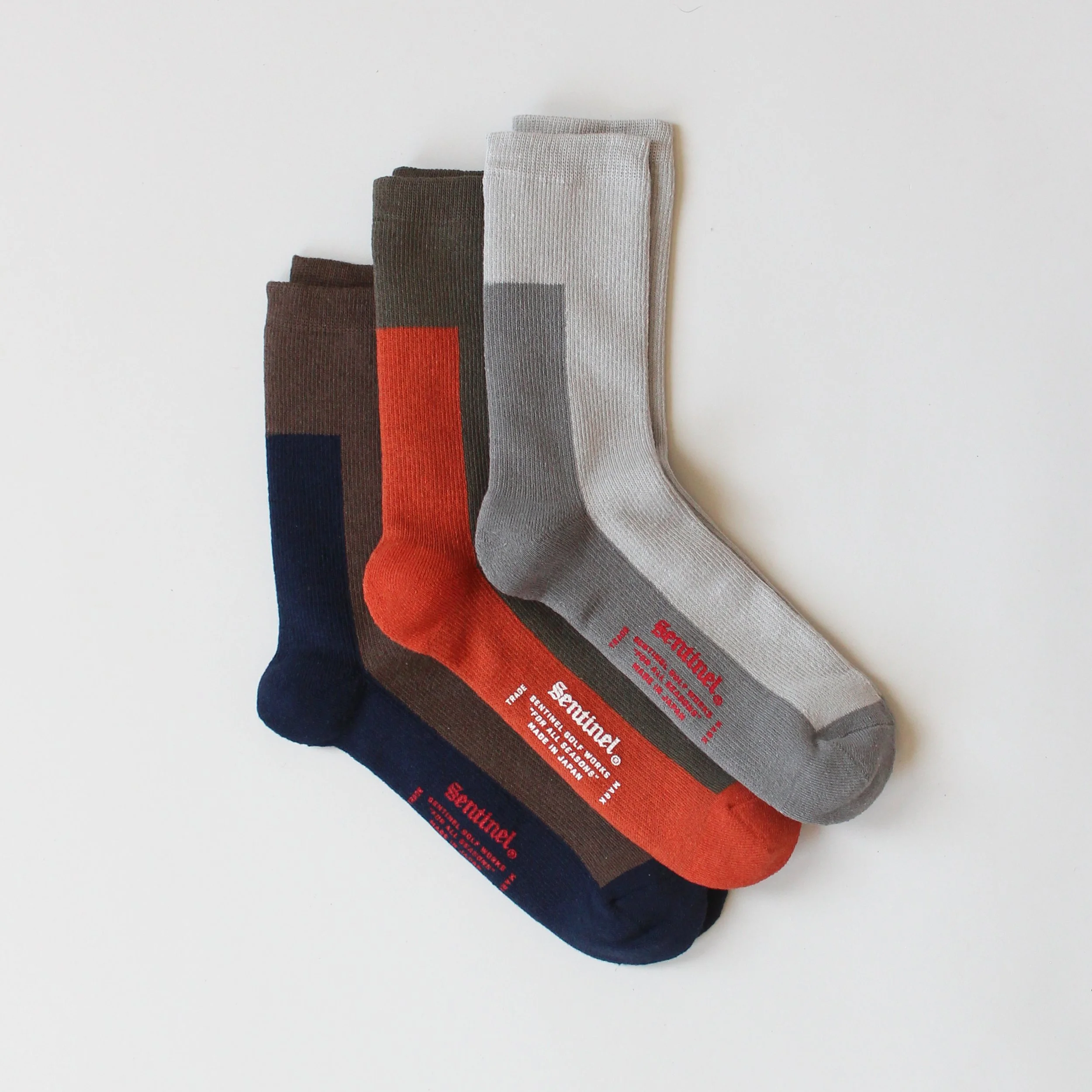
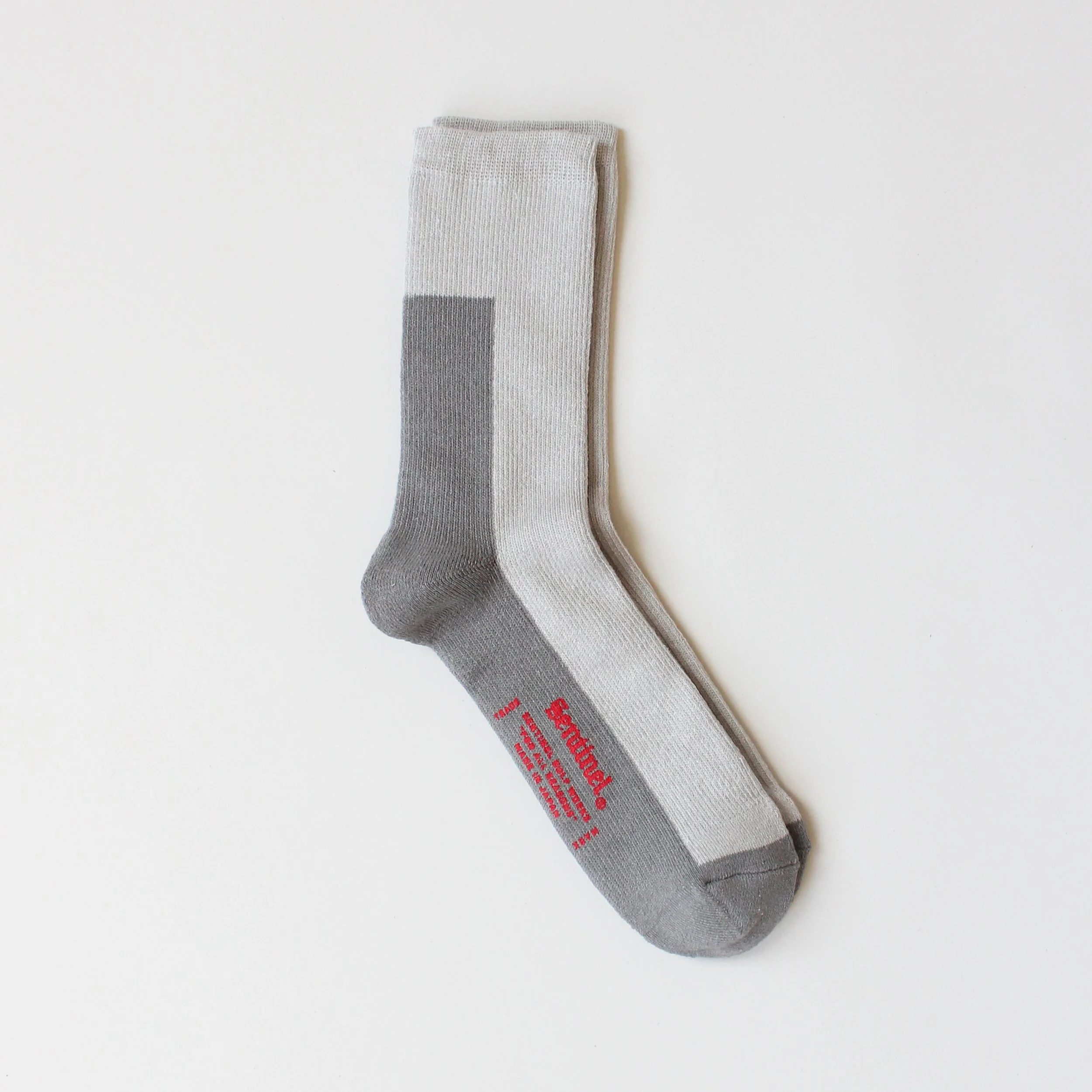
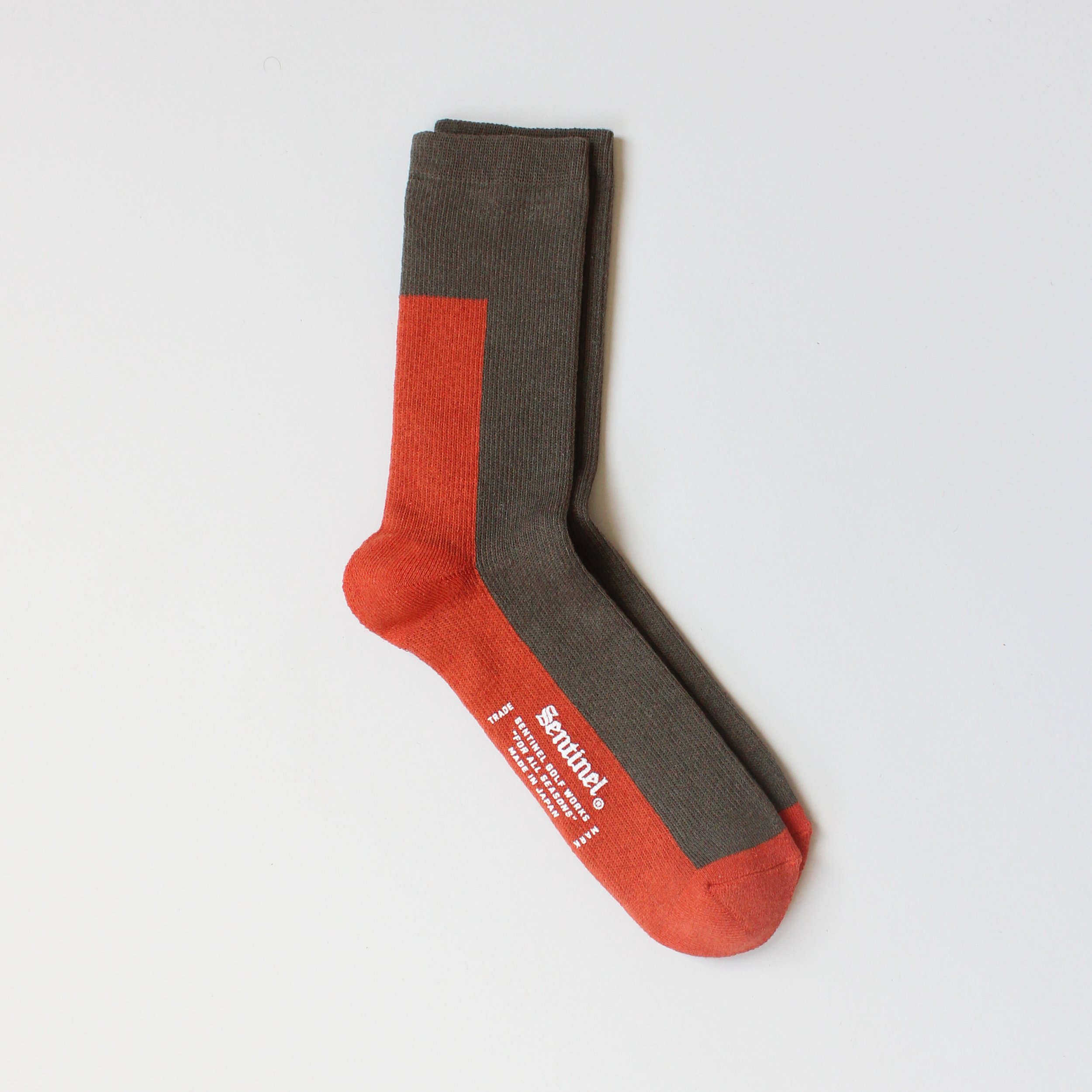
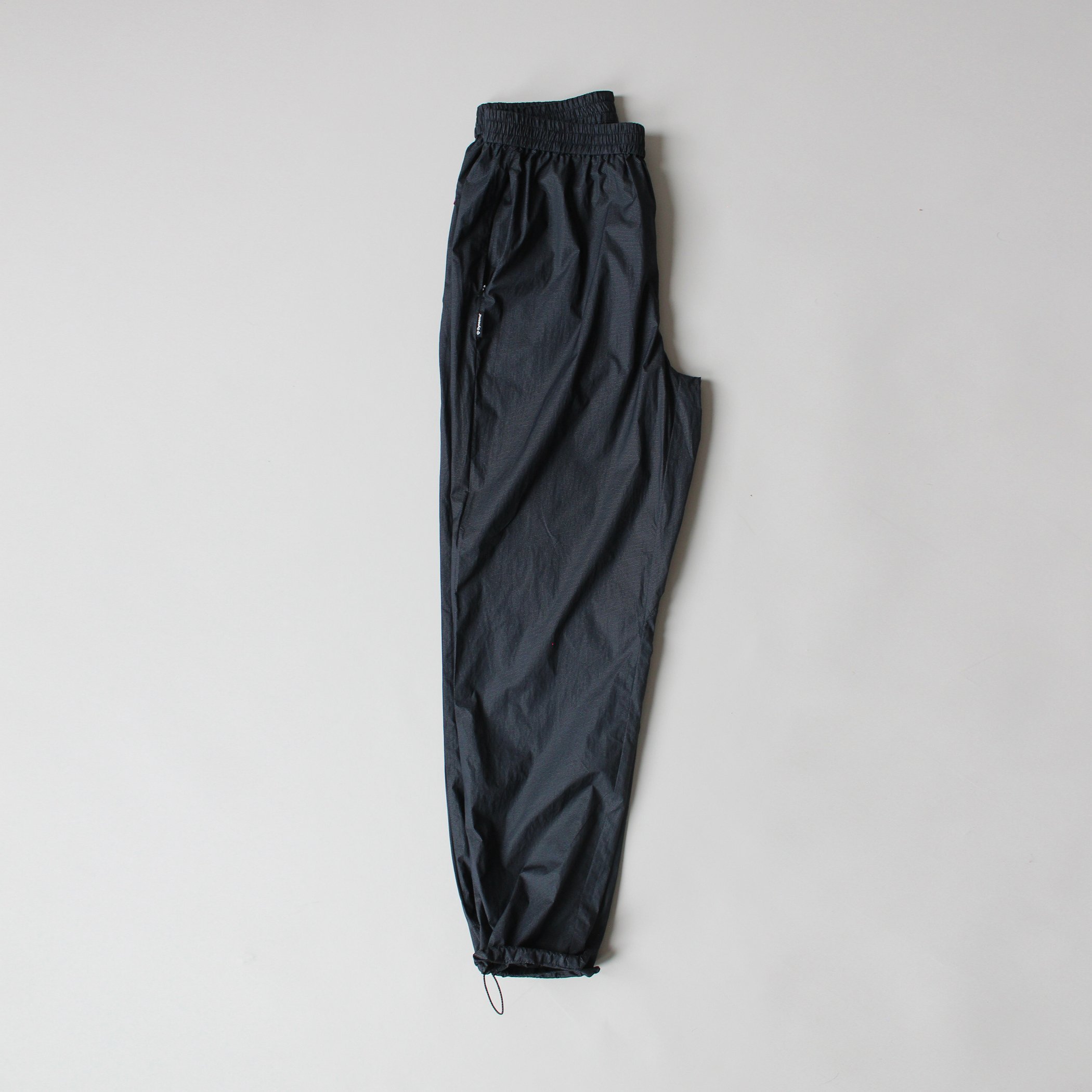
The accessible half. Six pieces run from a $30 sock to a $540 rain suit, and every one names the mill or the machine shop that made it. That sourcing is the whole product, really.
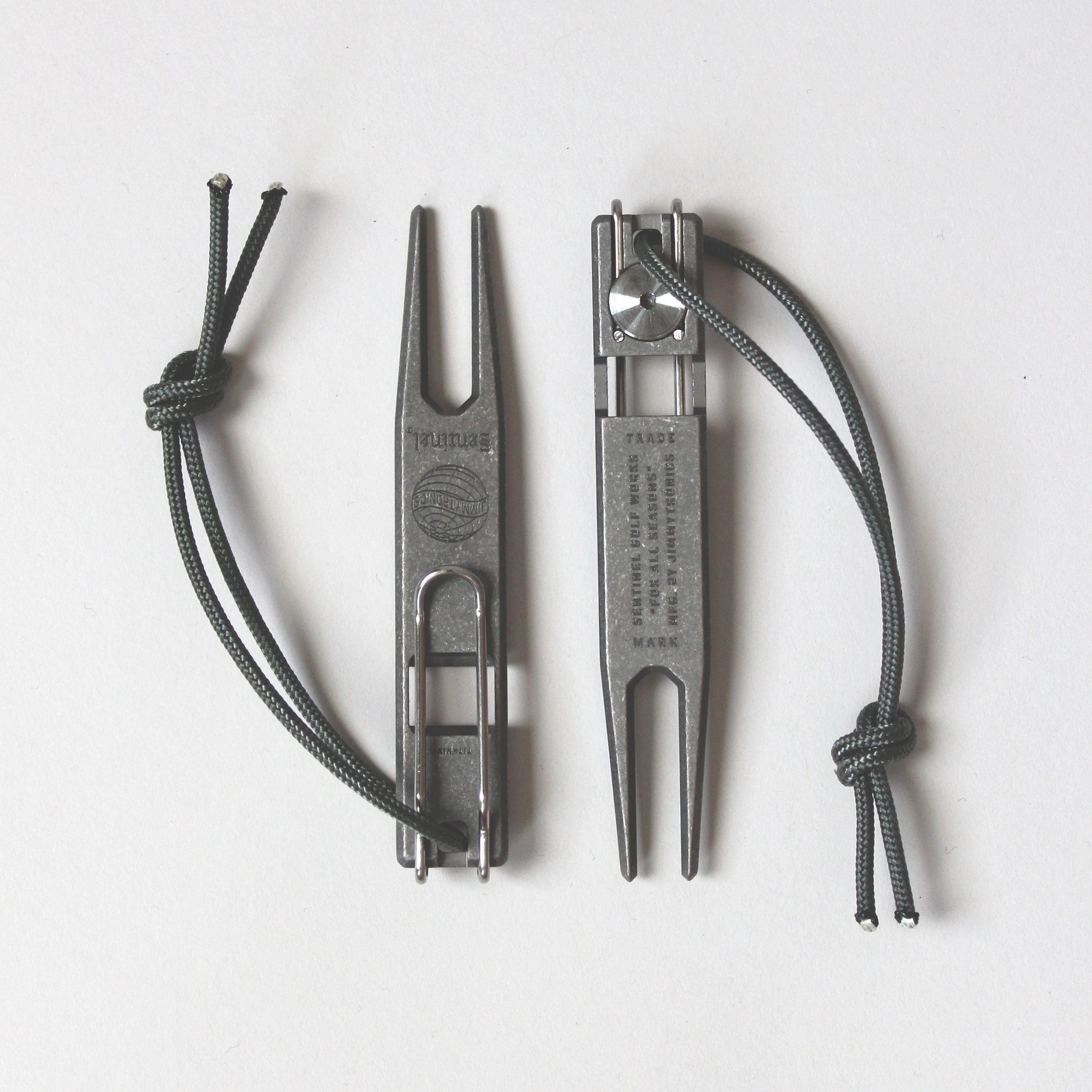
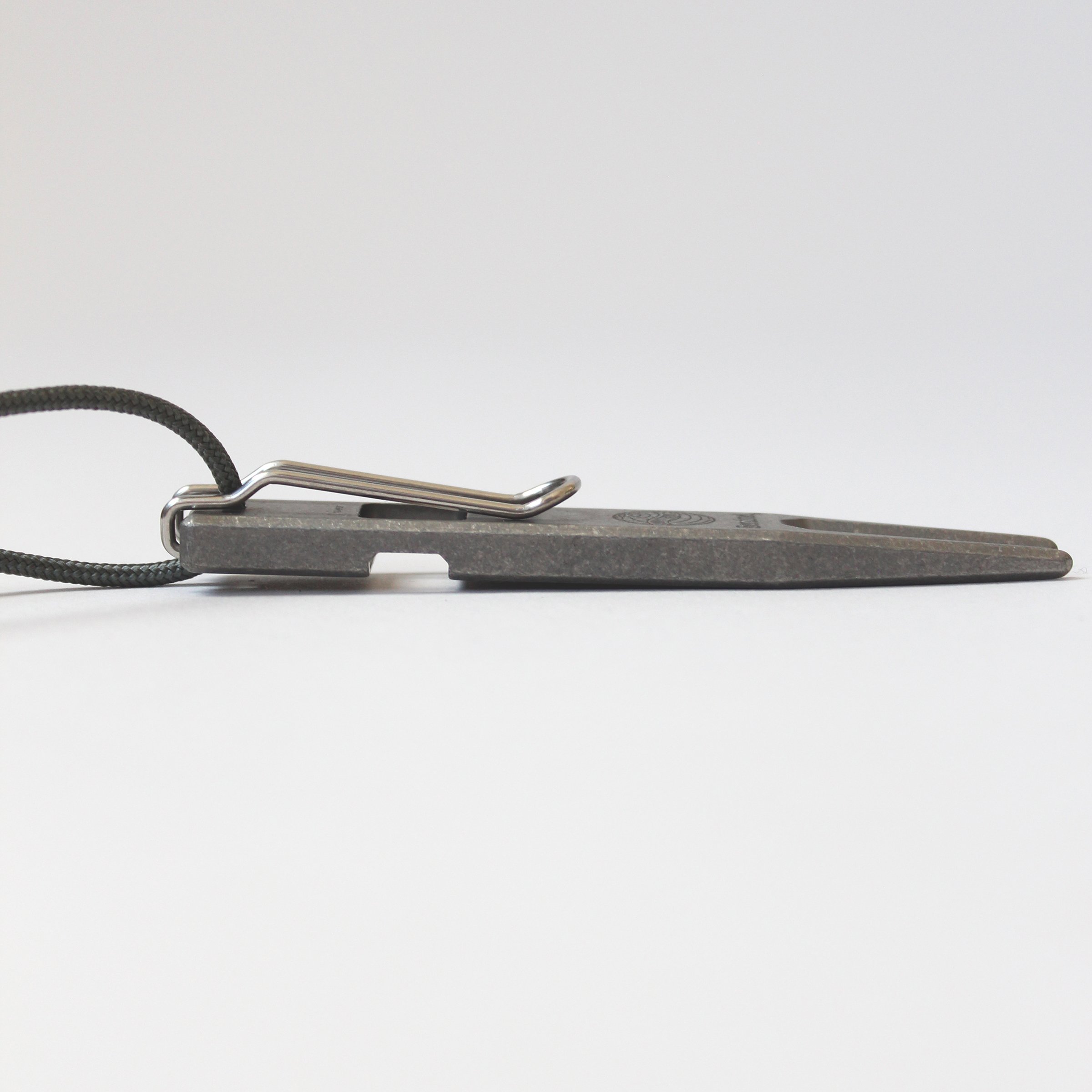
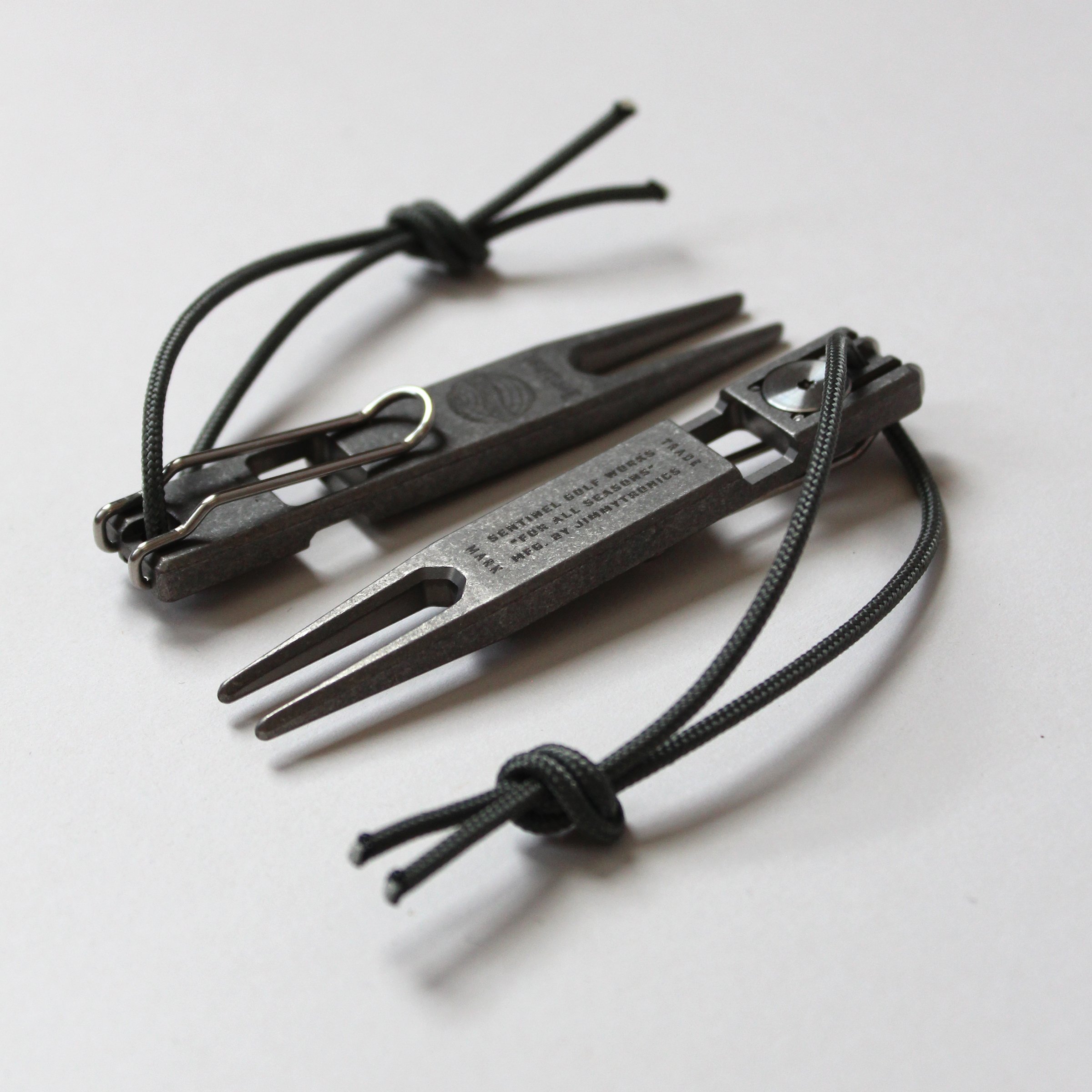
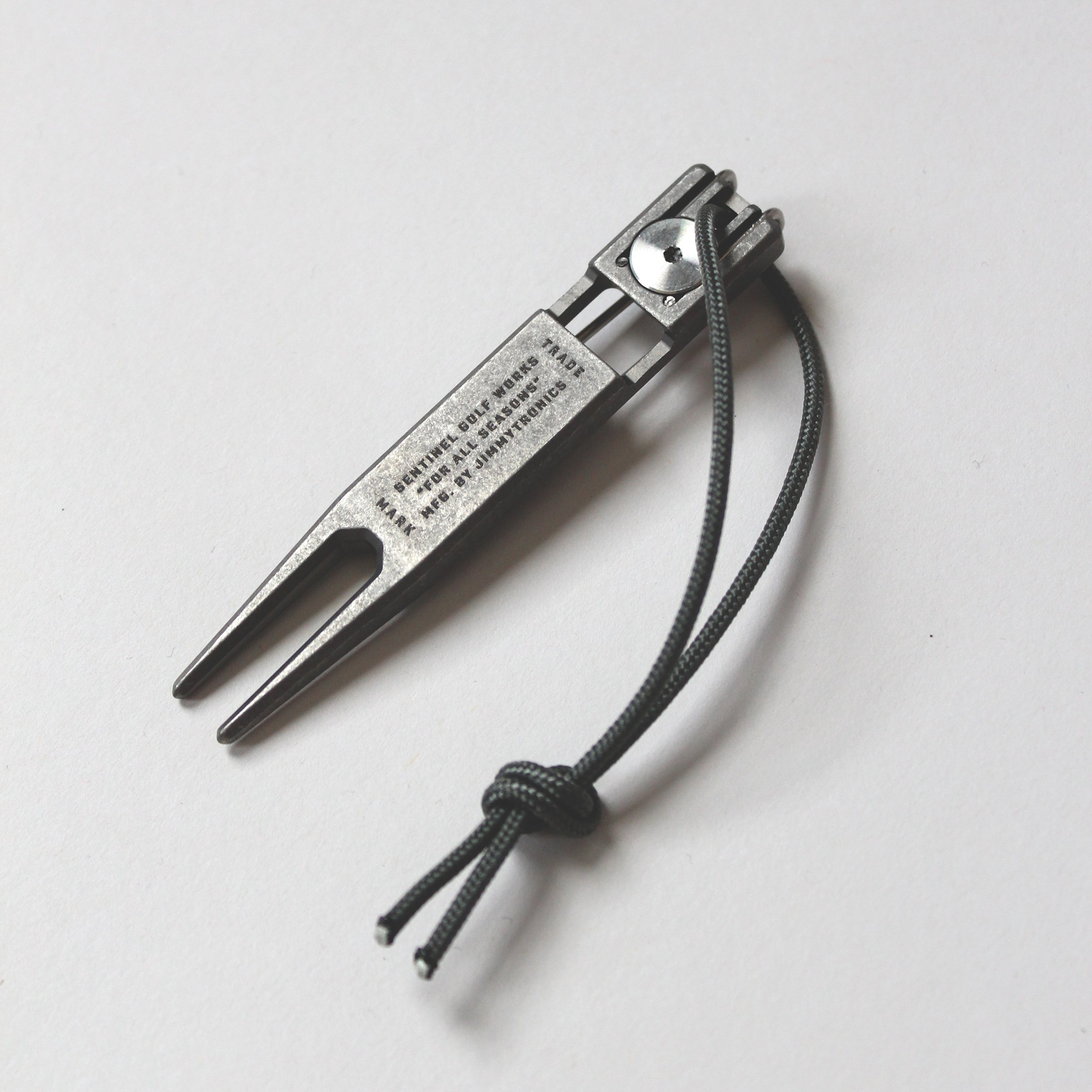
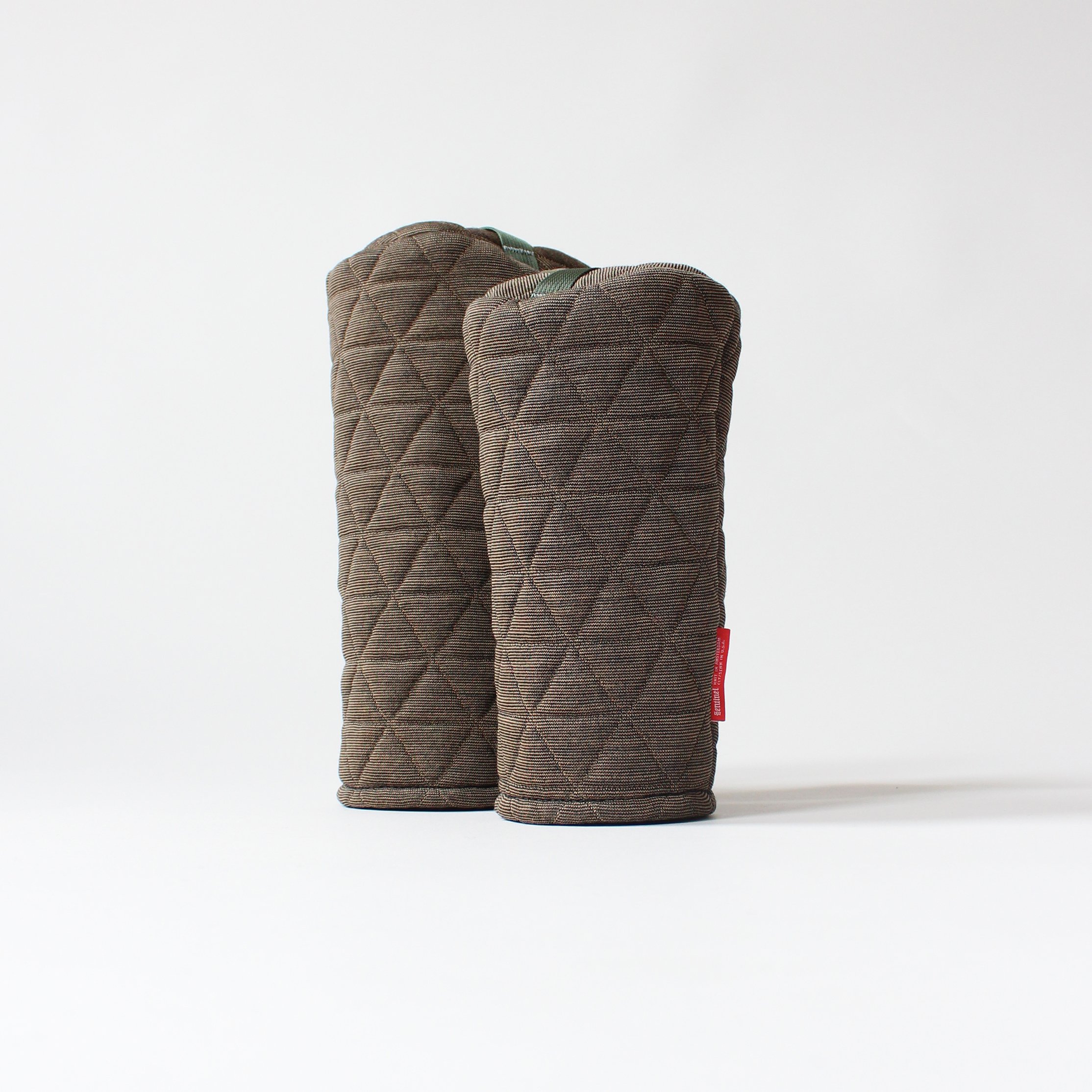
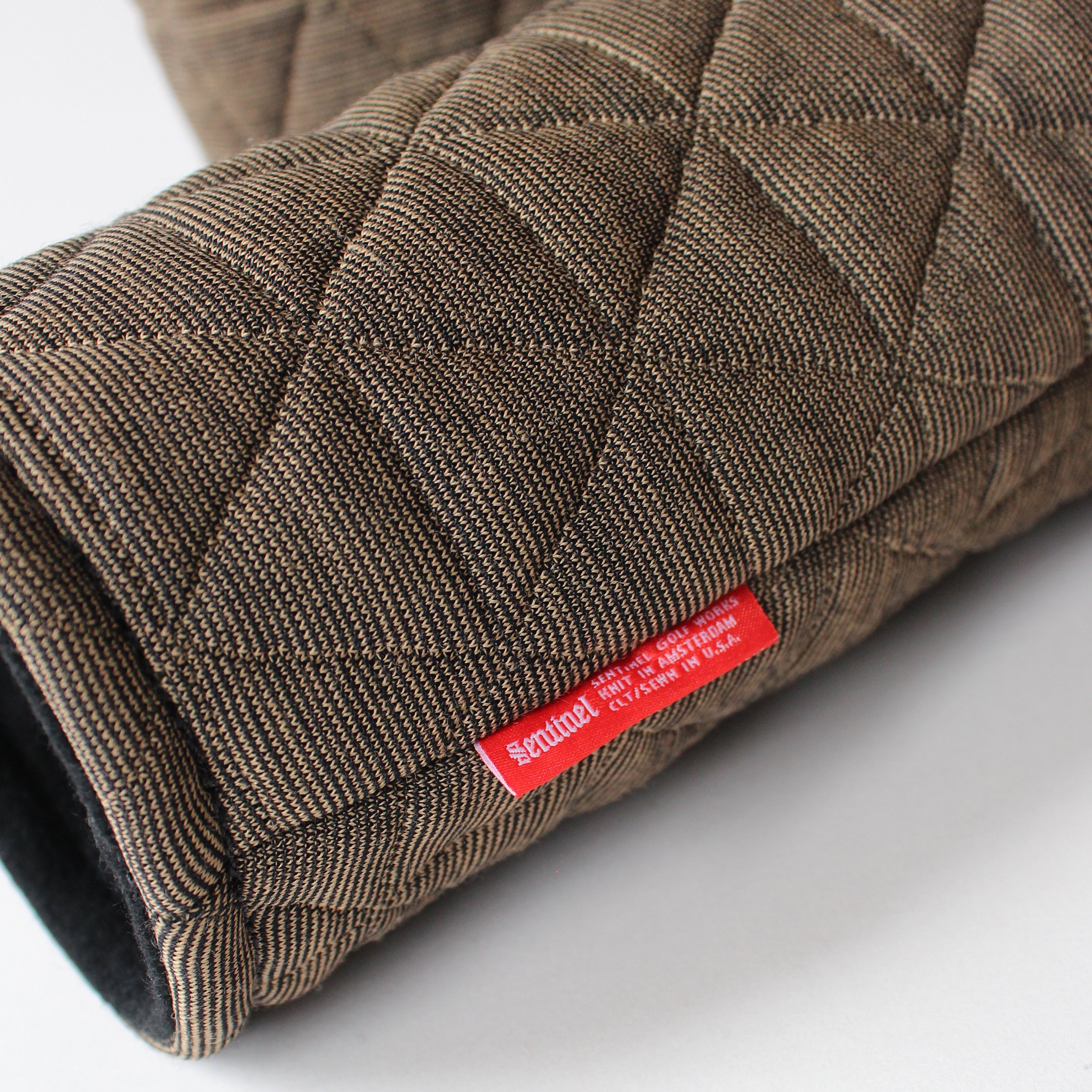
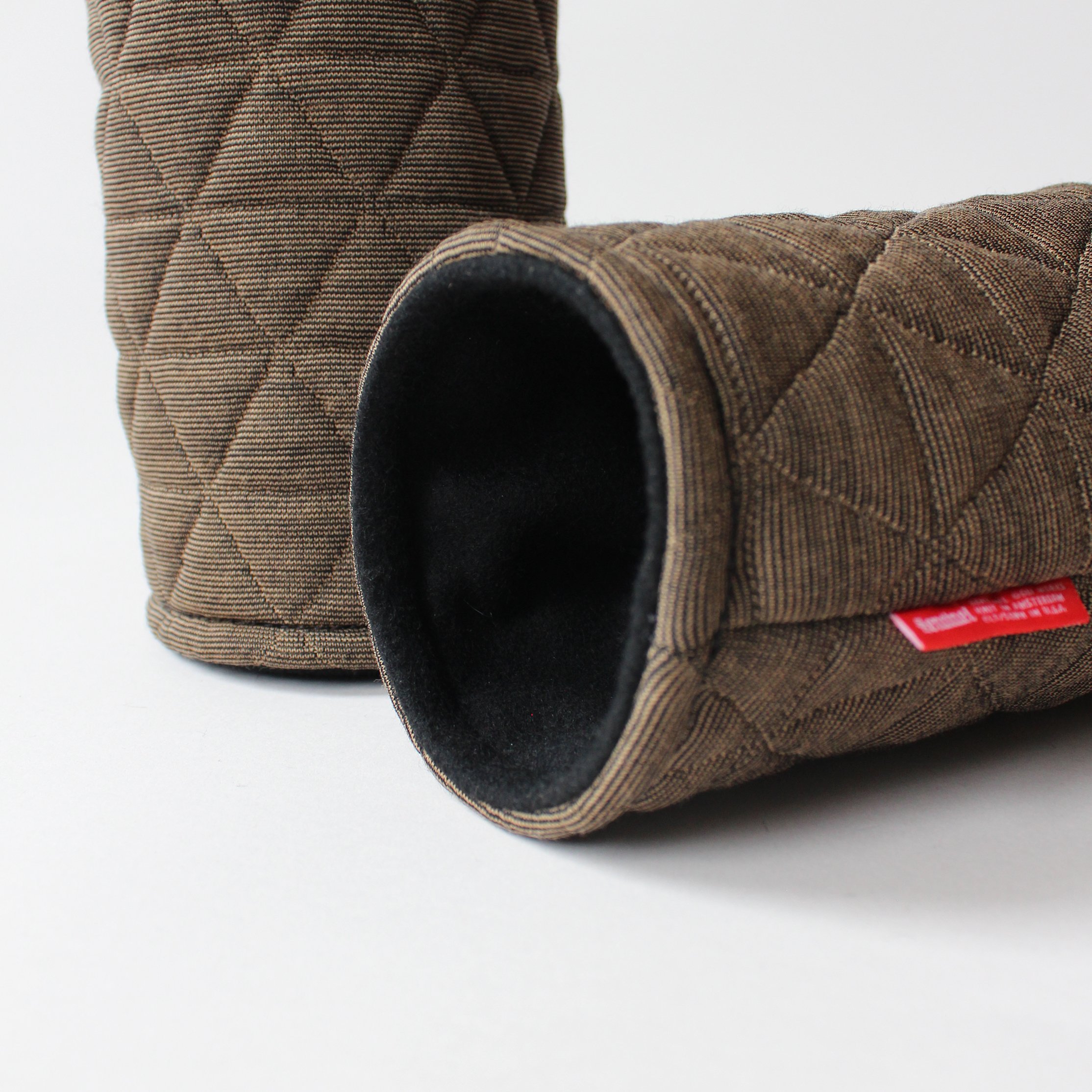
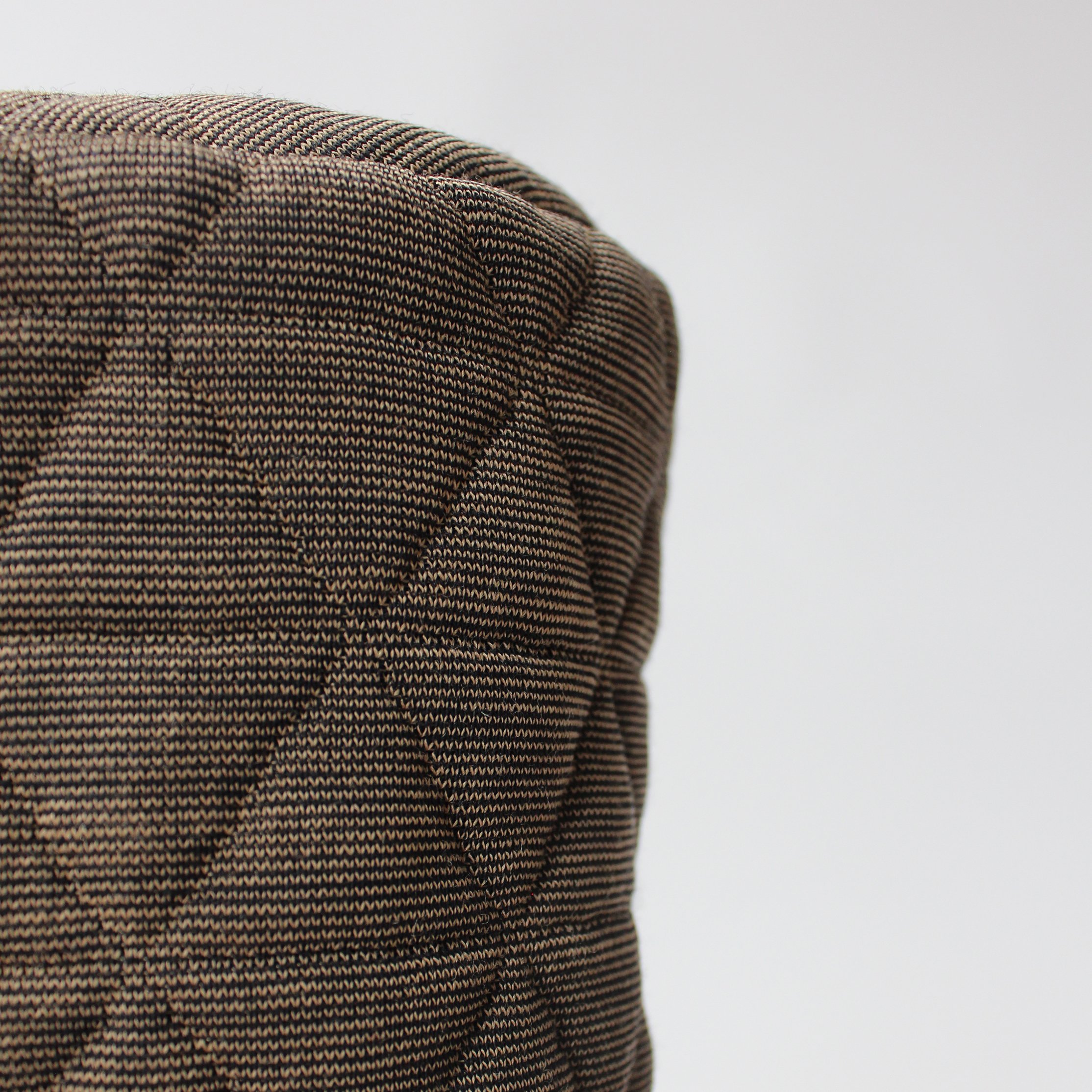
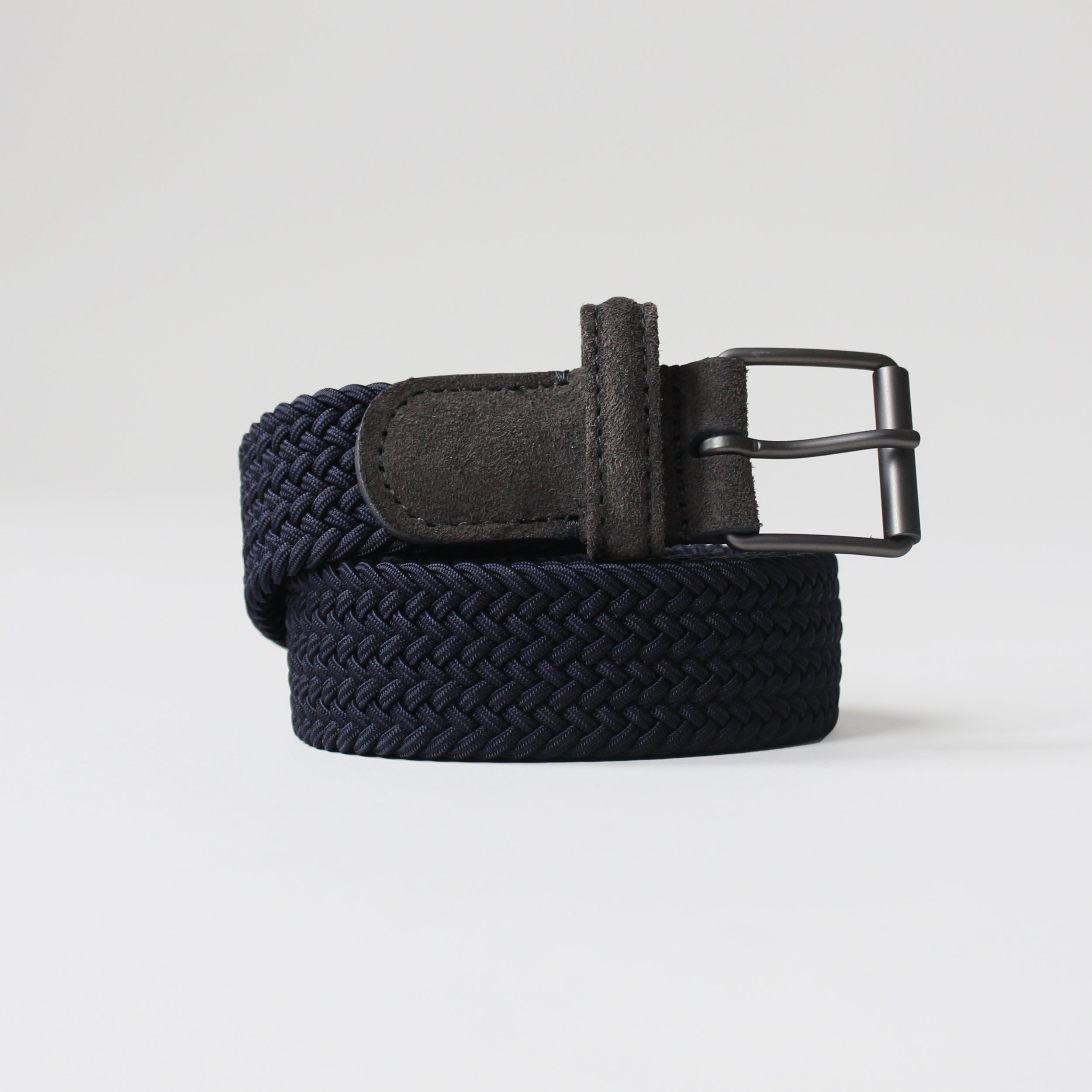
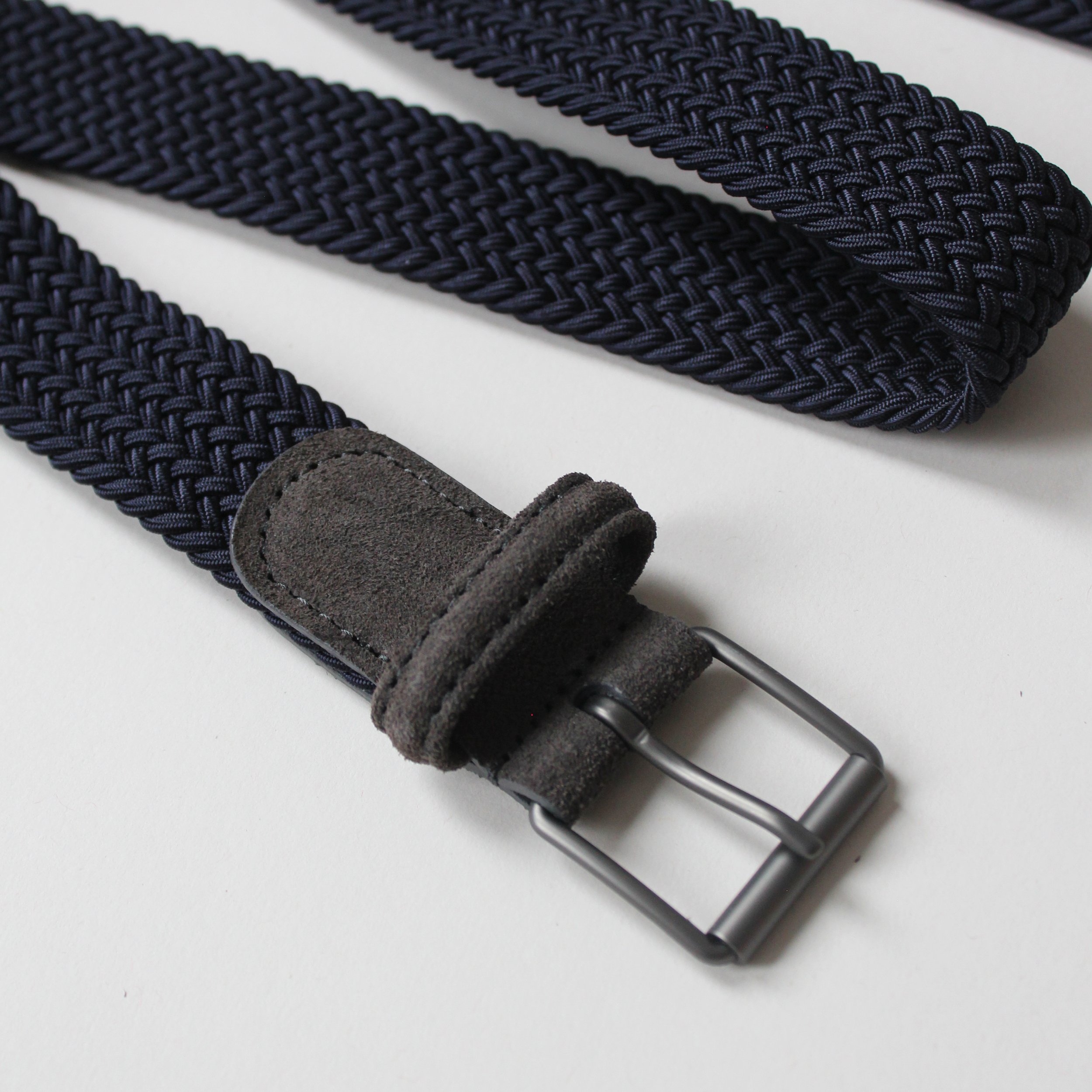
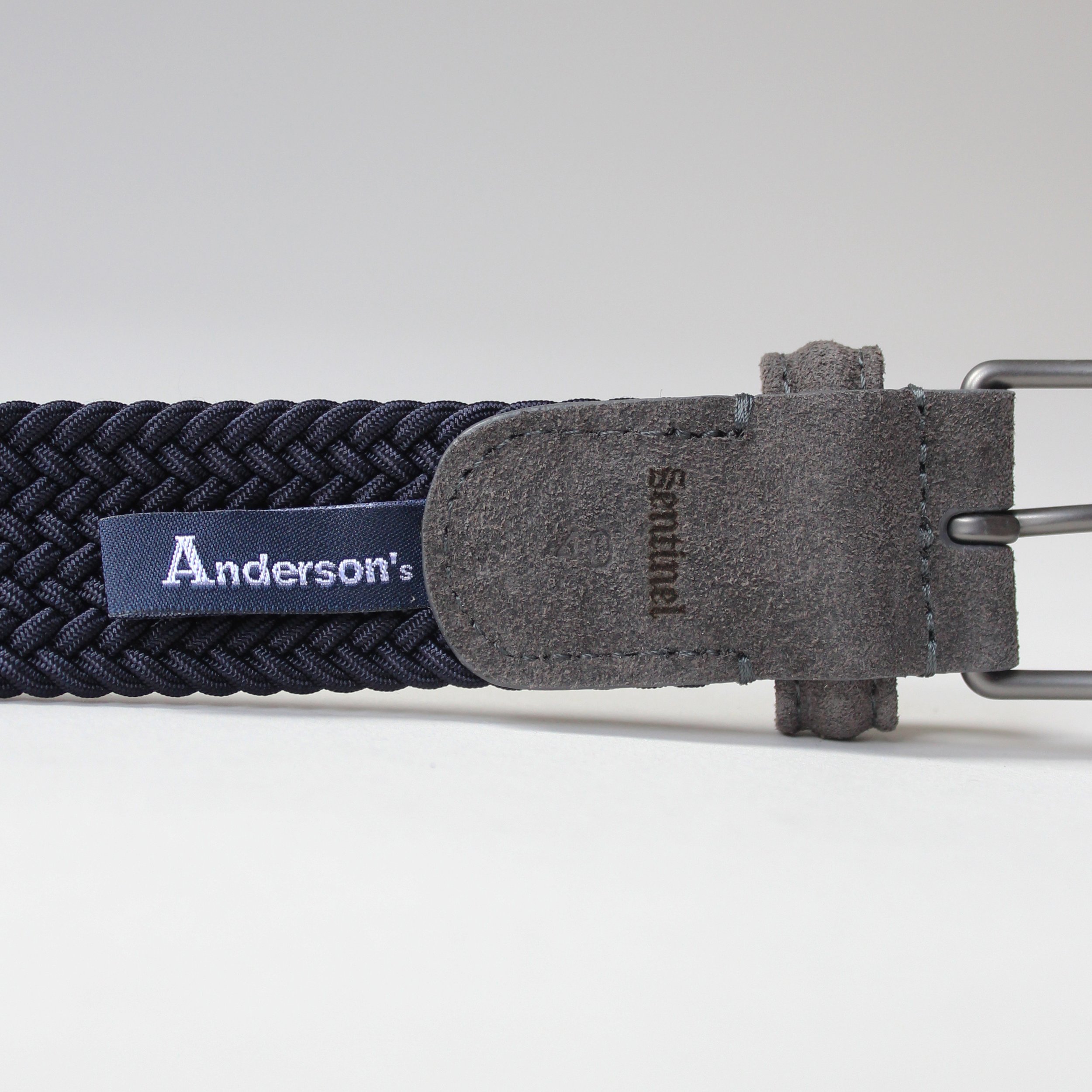
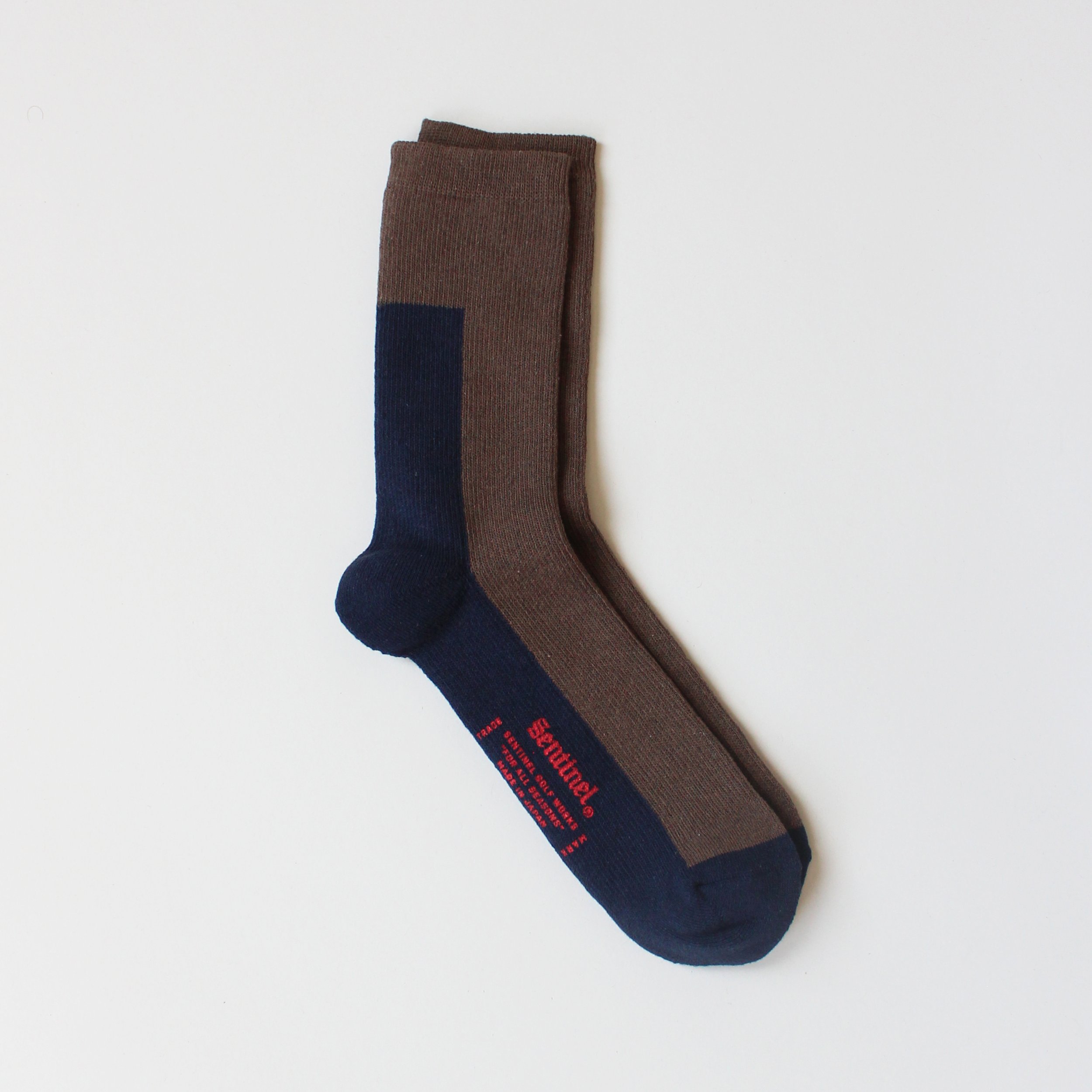
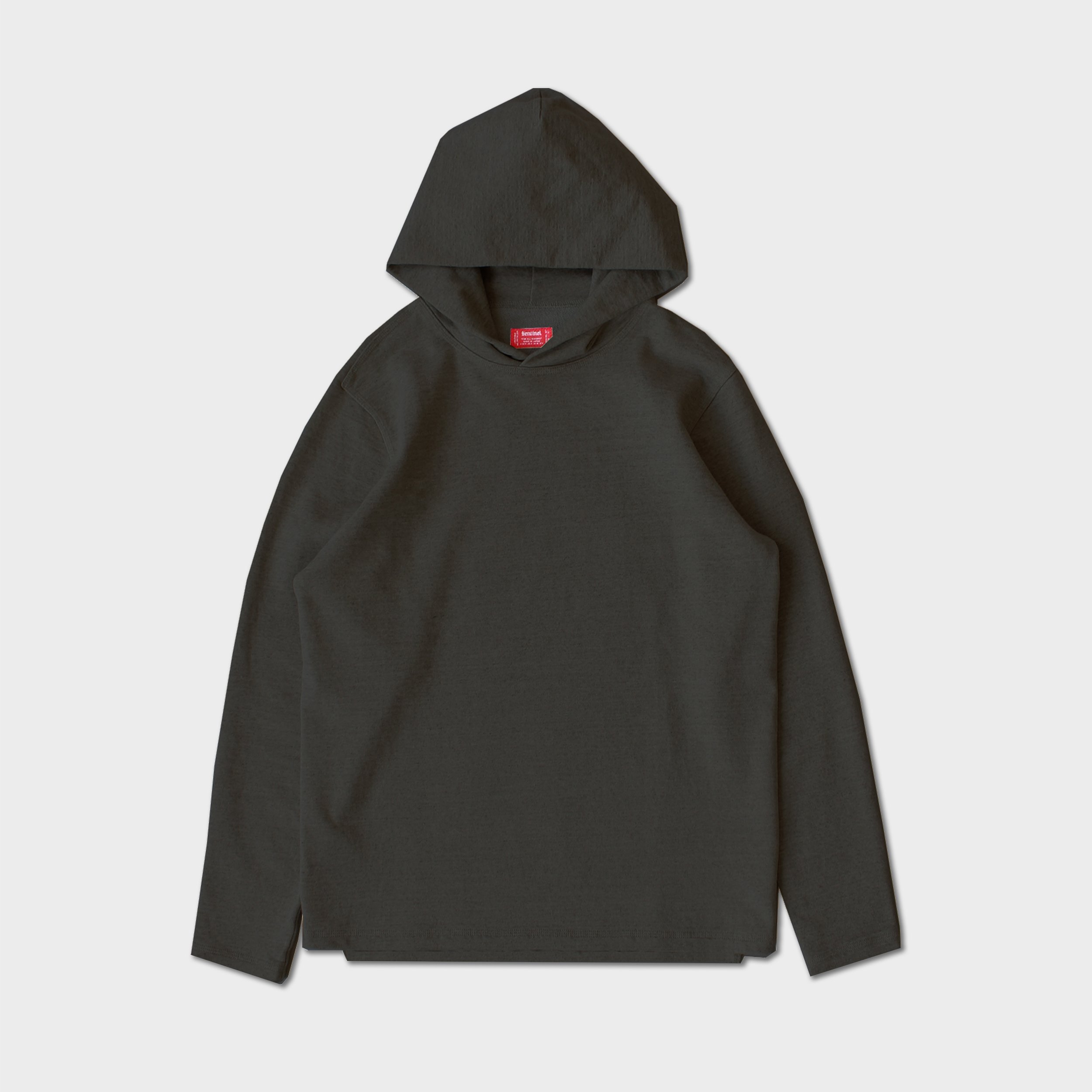
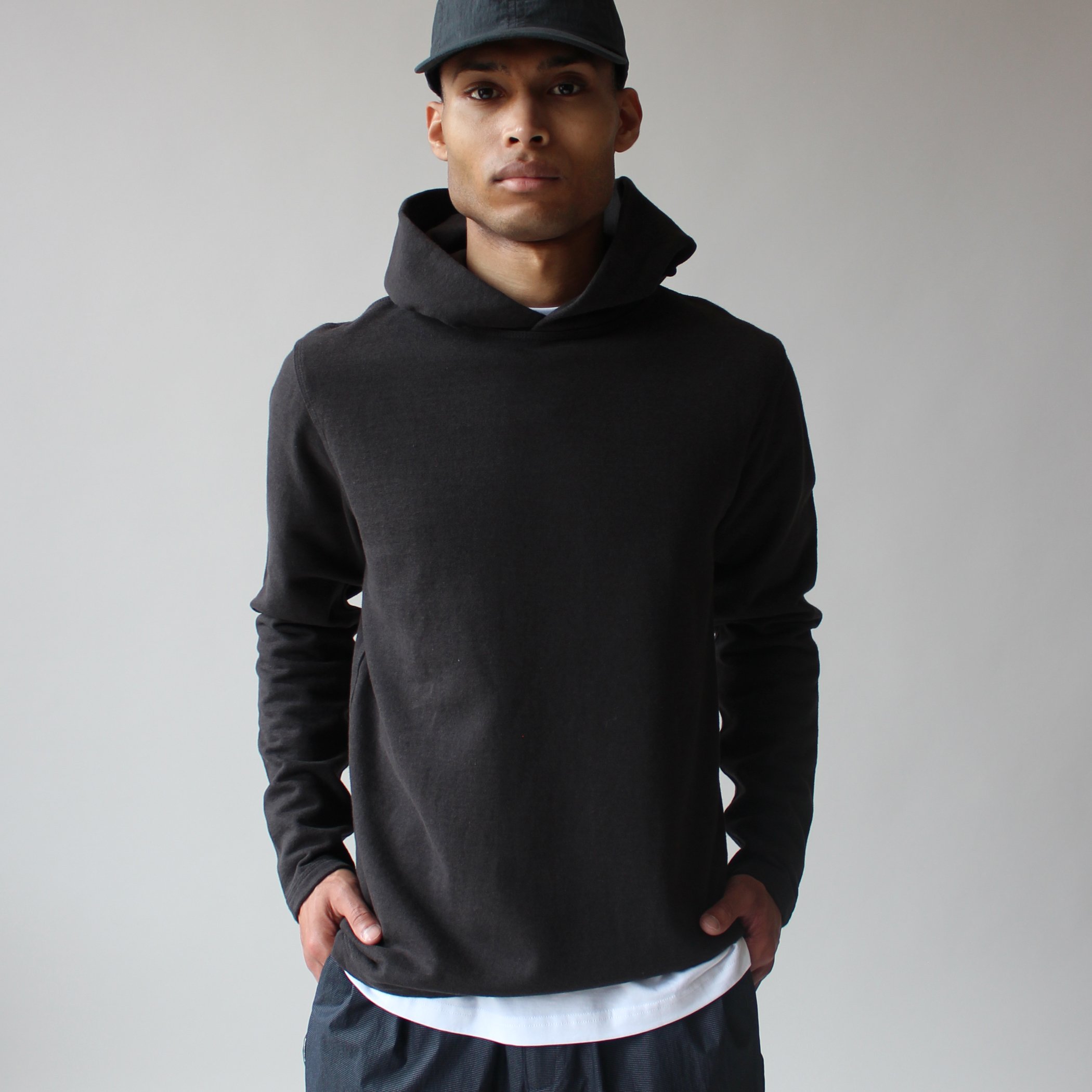
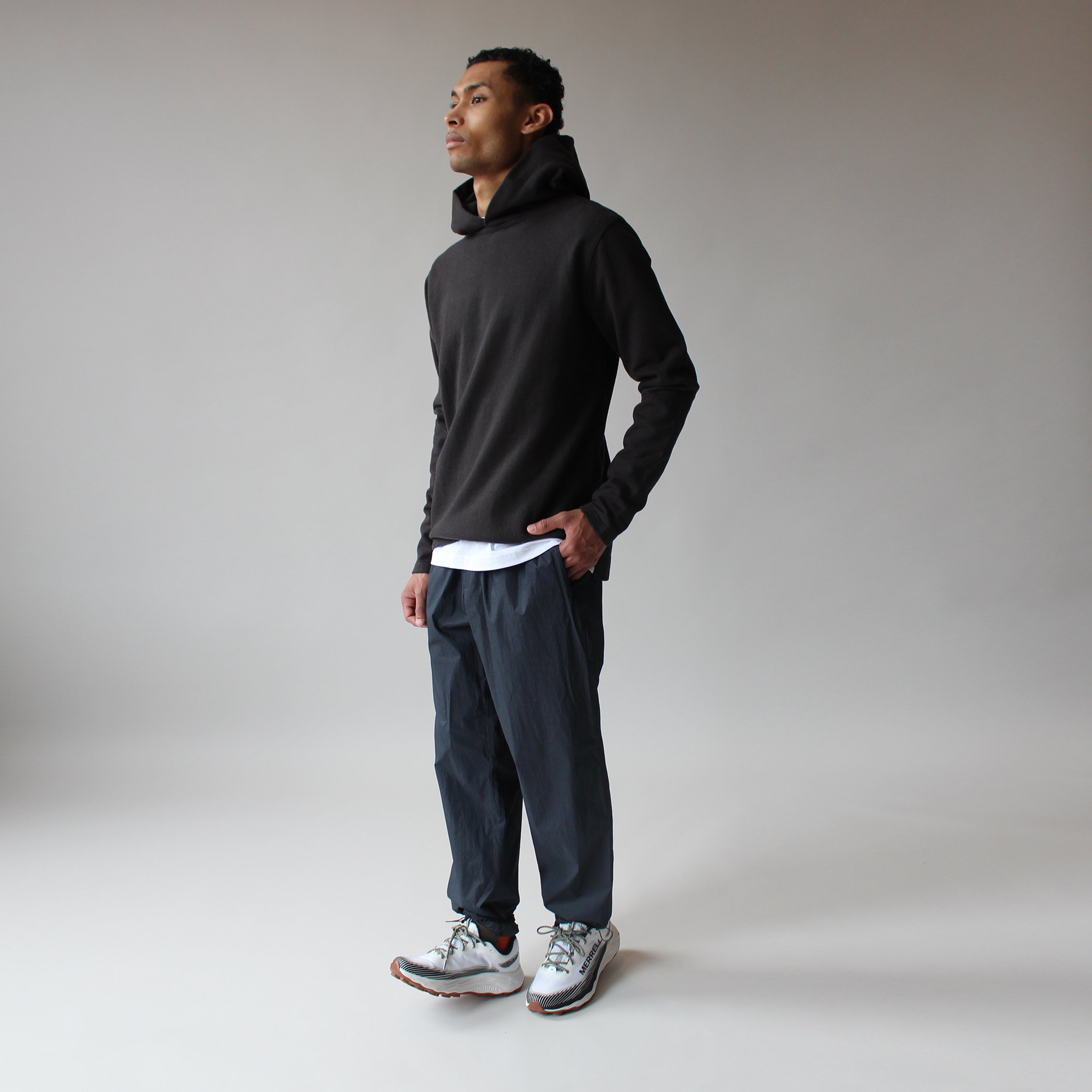
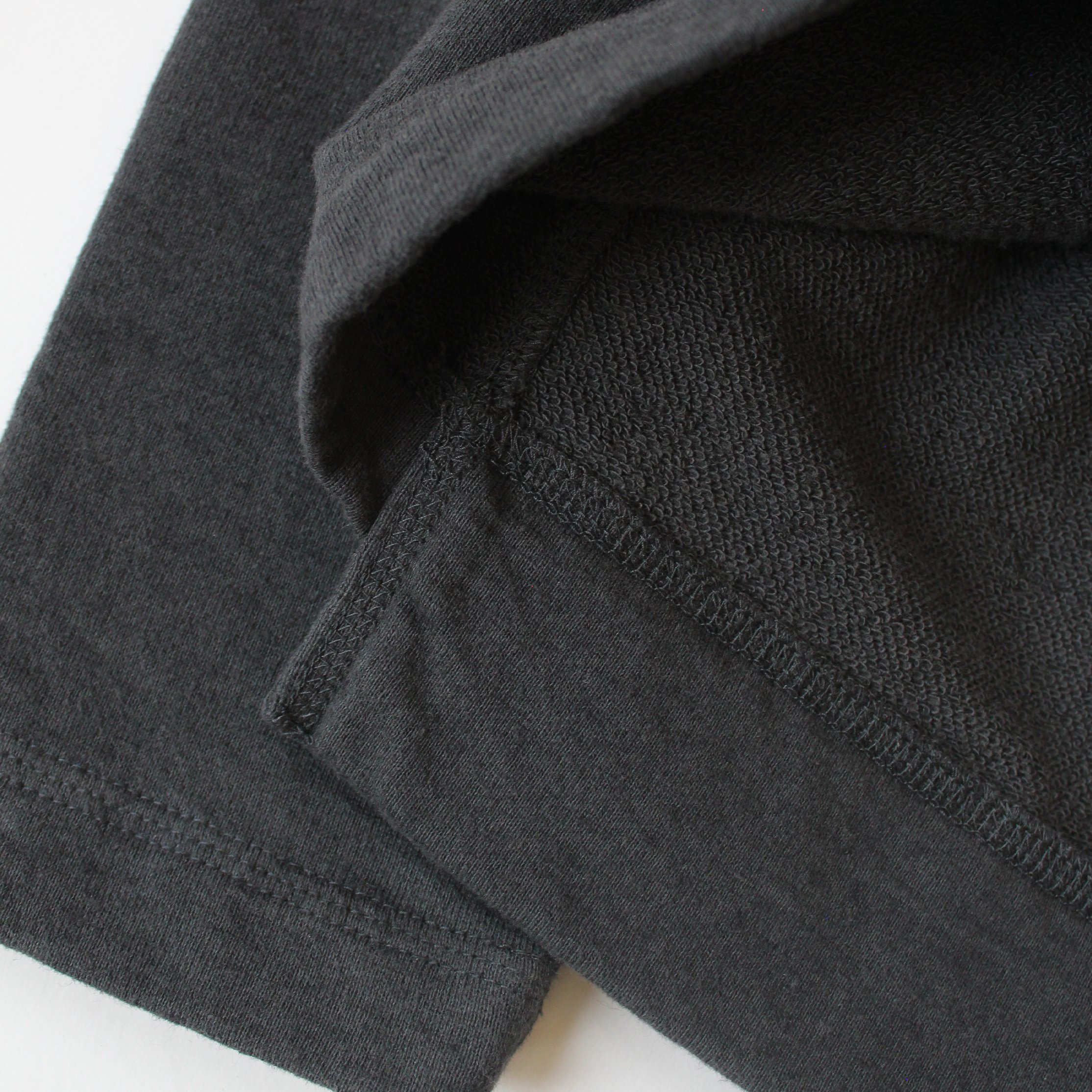
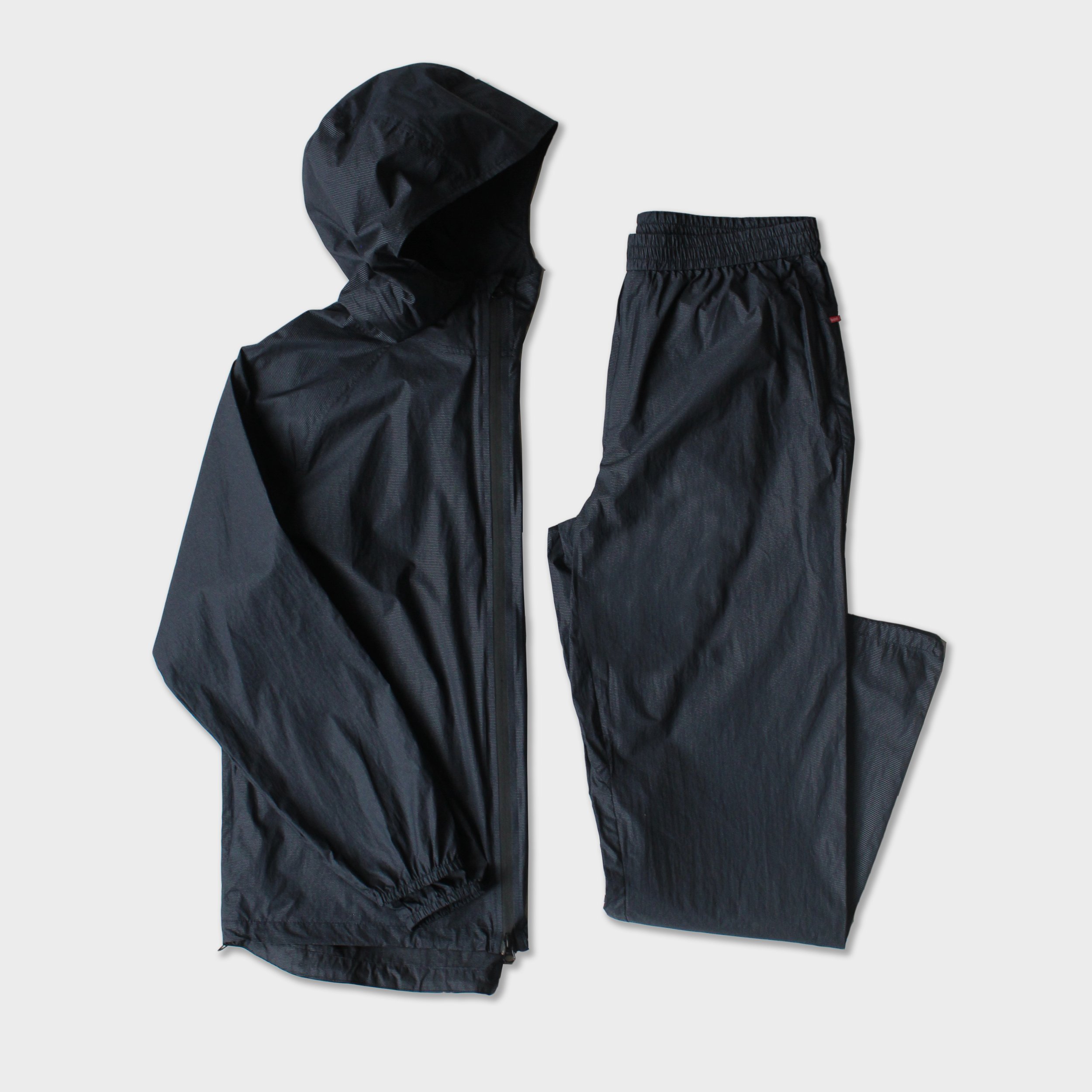
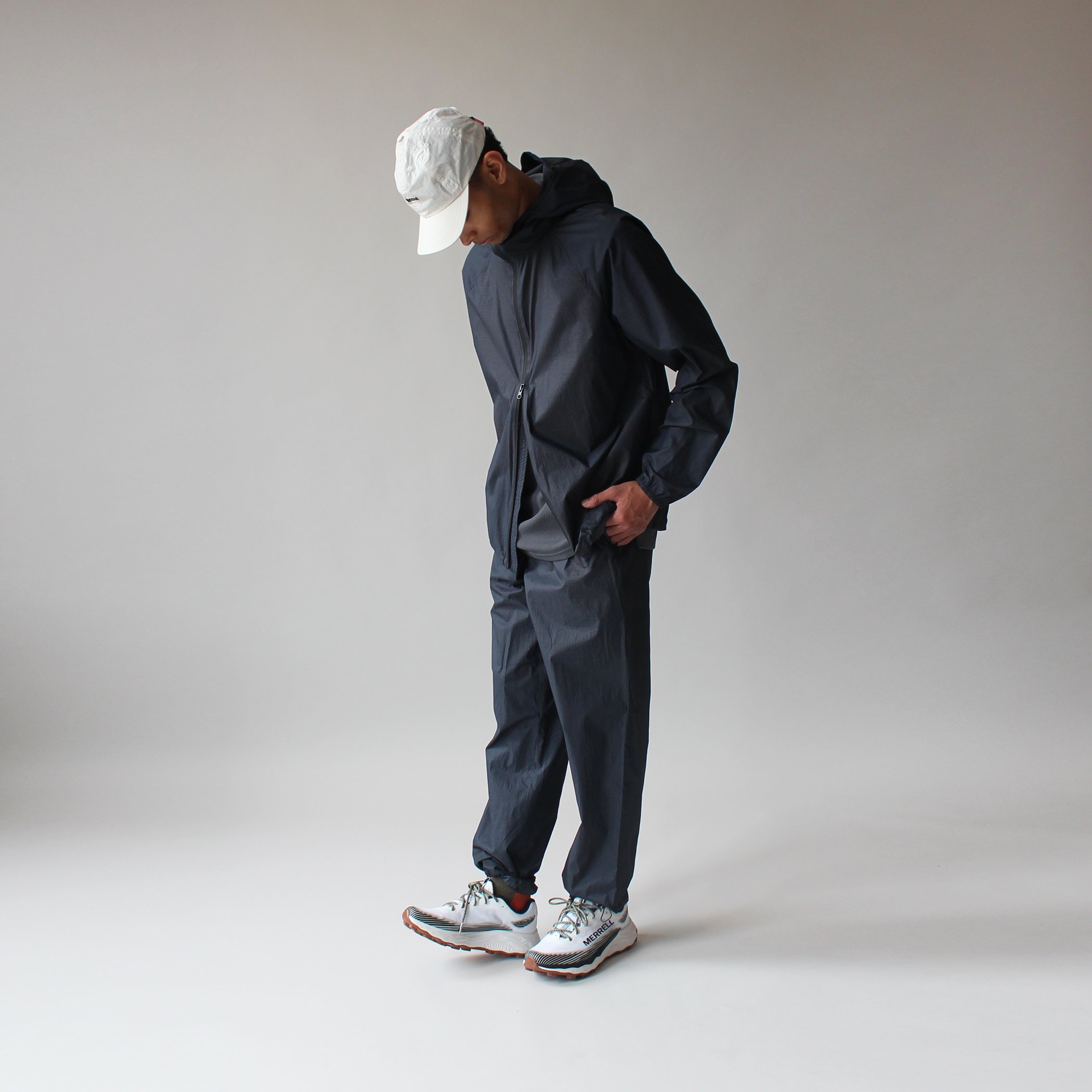
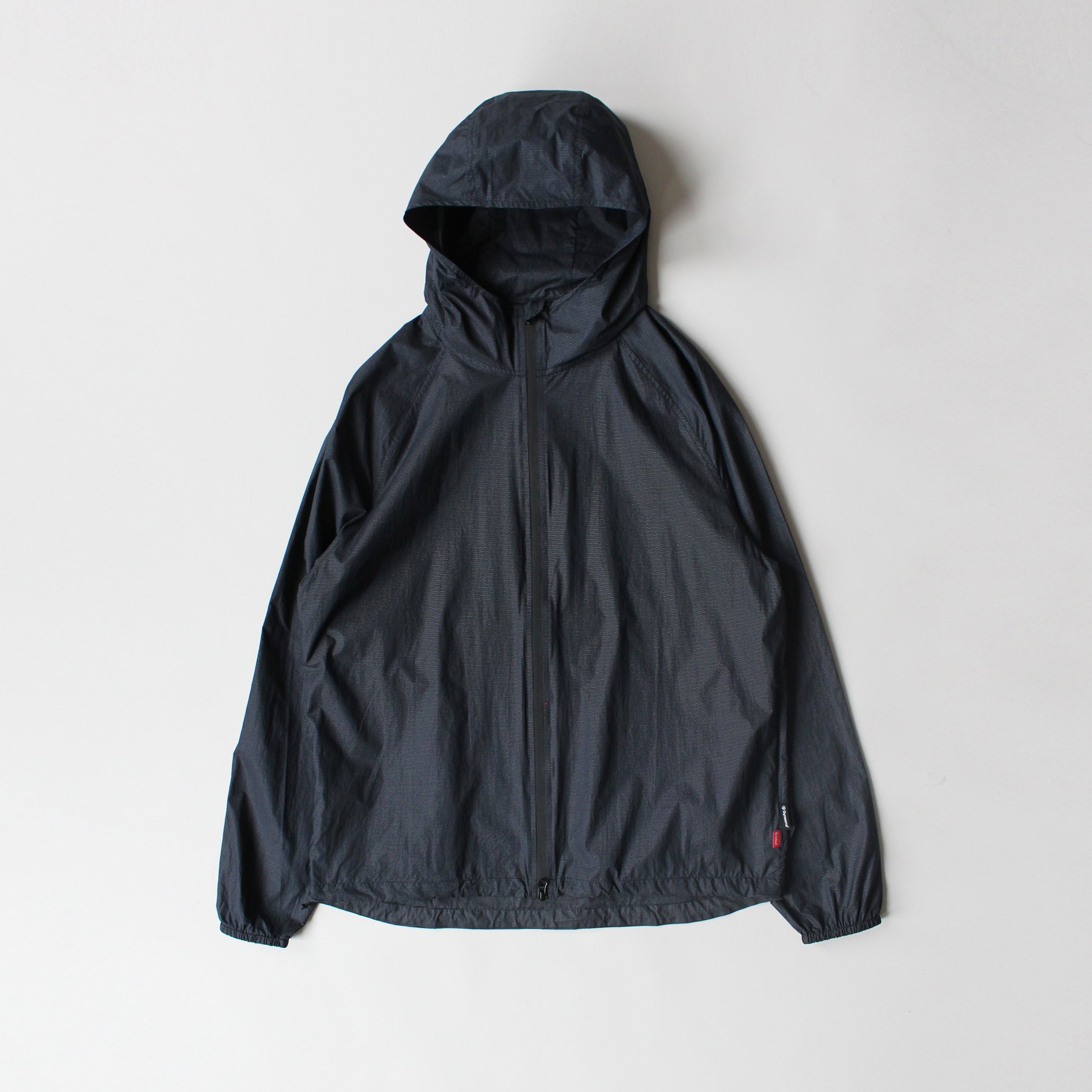
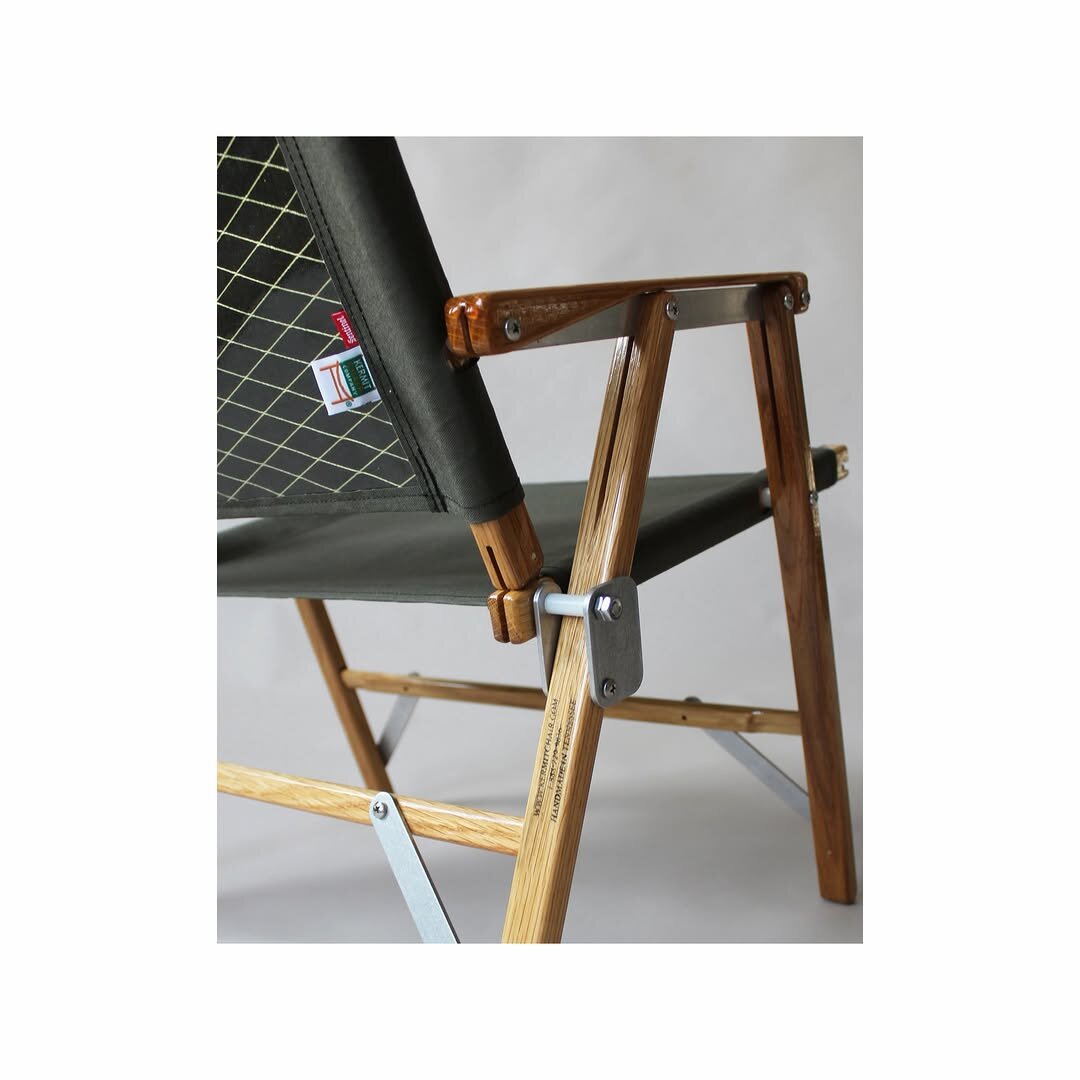
The experiments. A Japanese camp chair, a Chinese expedition dome, and a wool felt putting panel with the hole removed. None of these sell in volume. That is not what they are for.
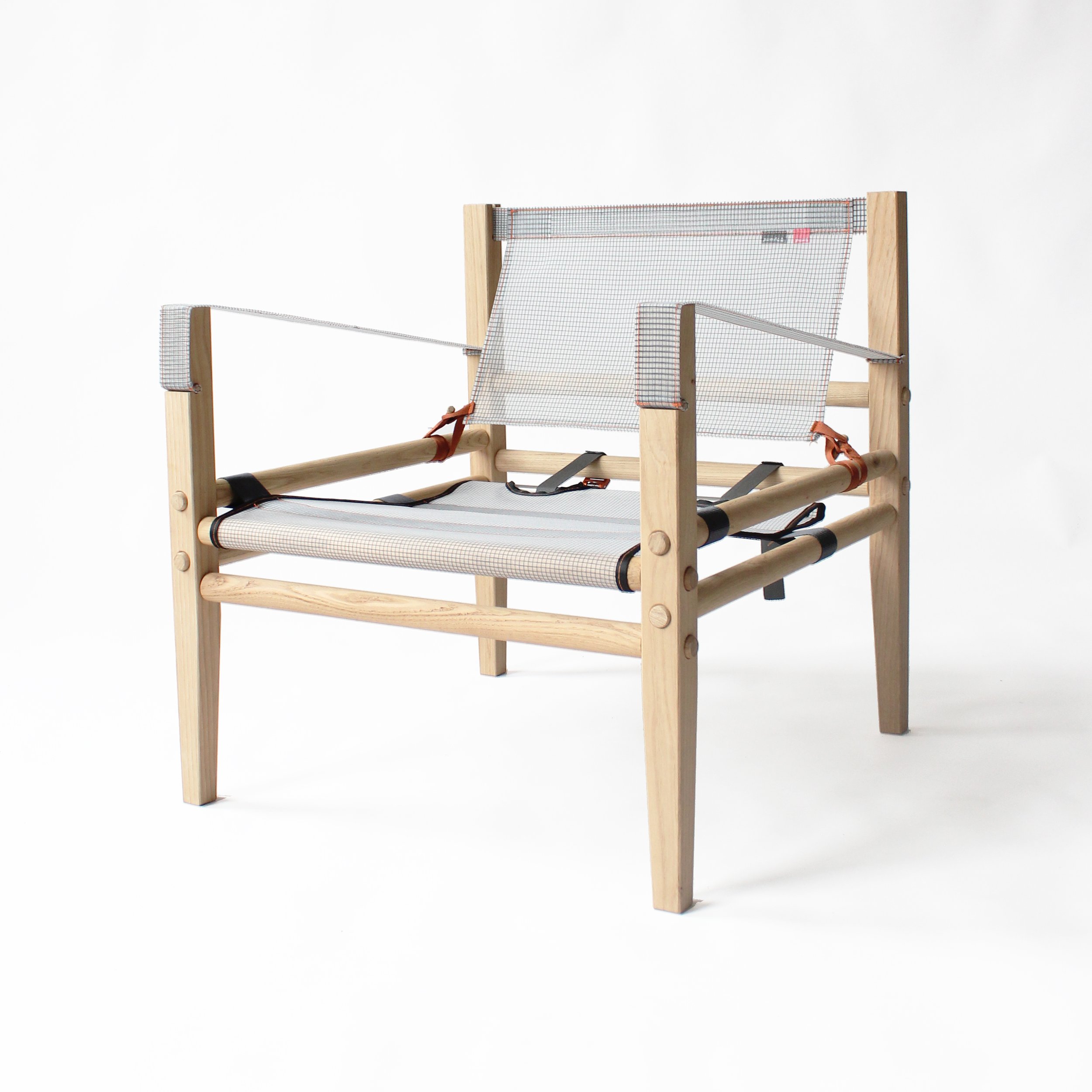
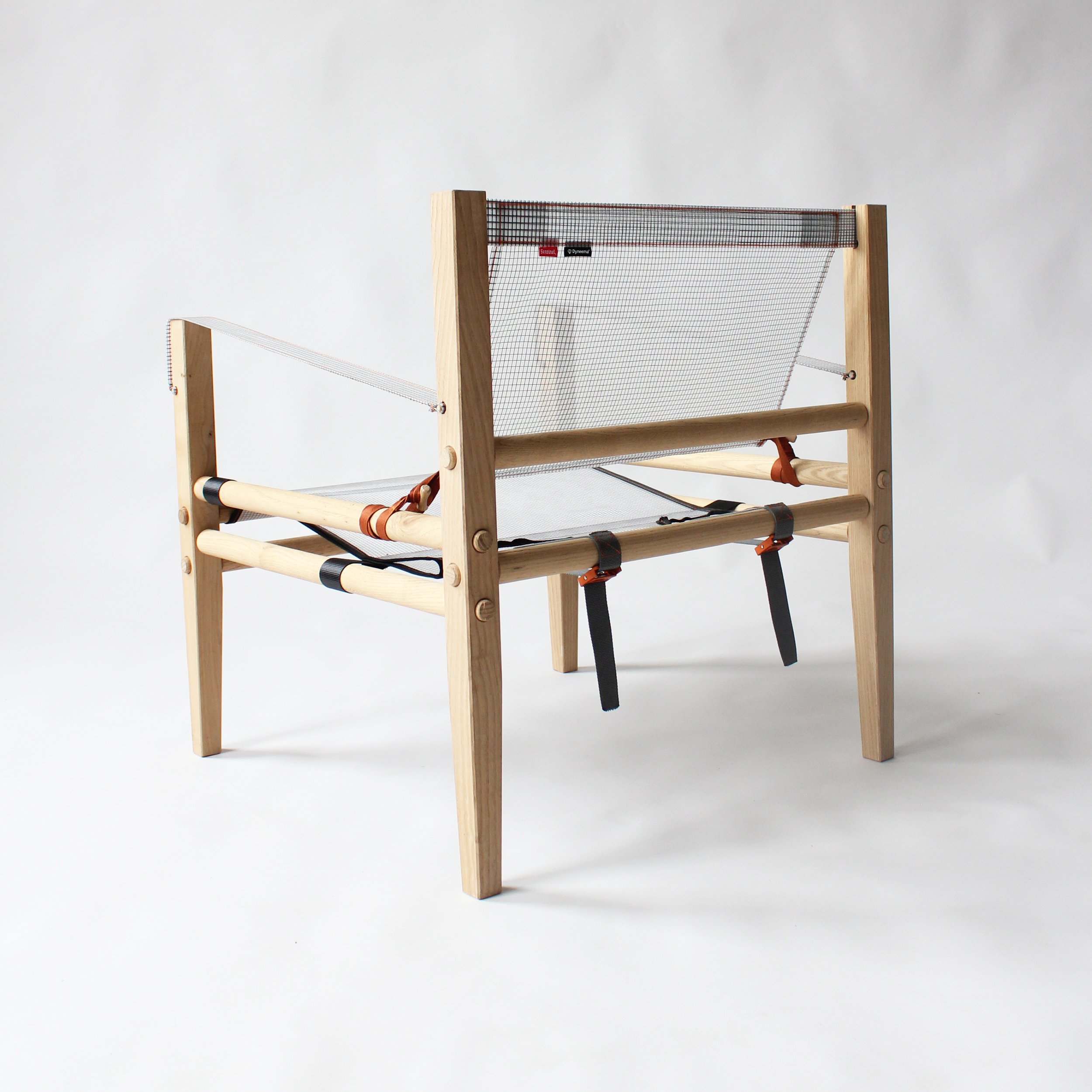
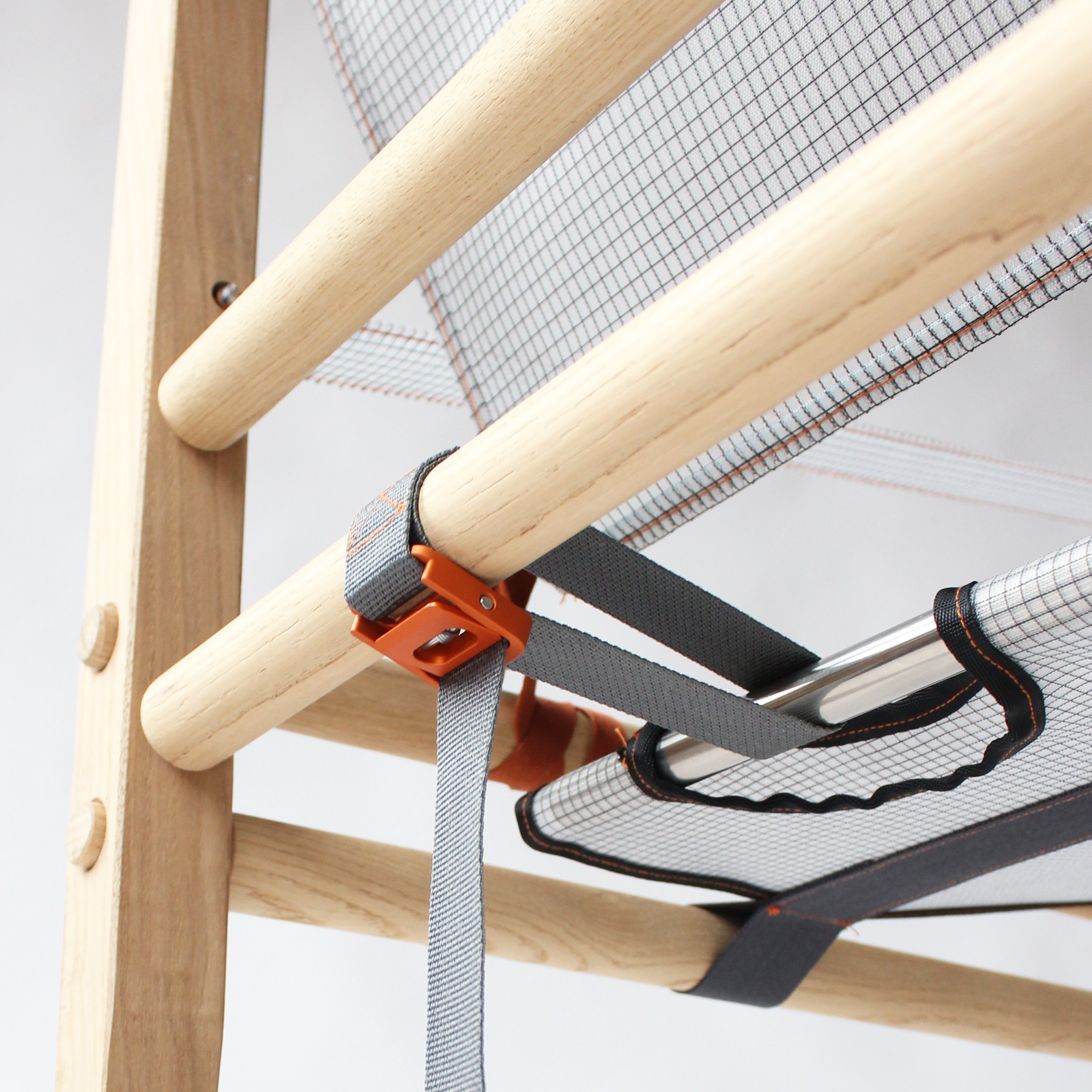
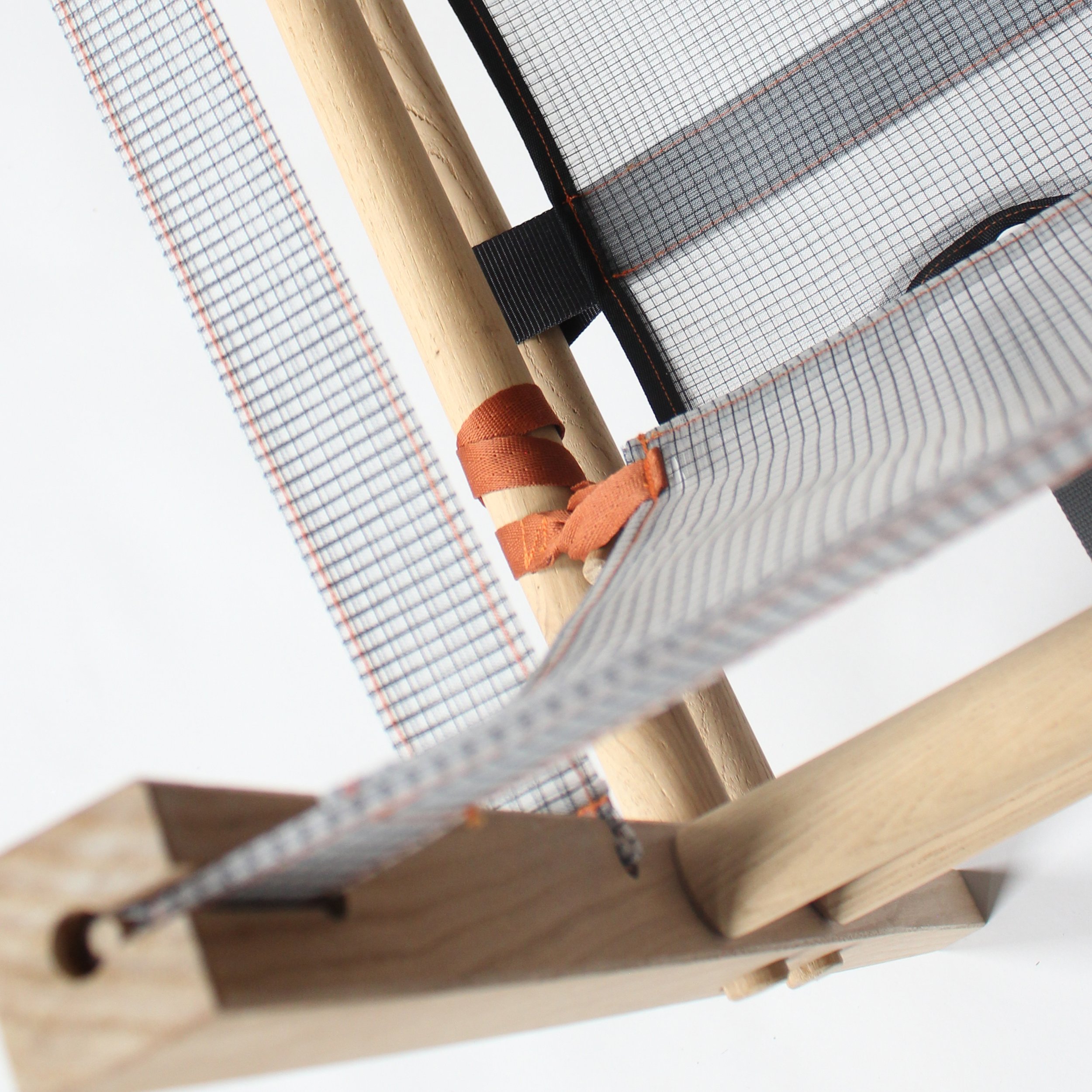
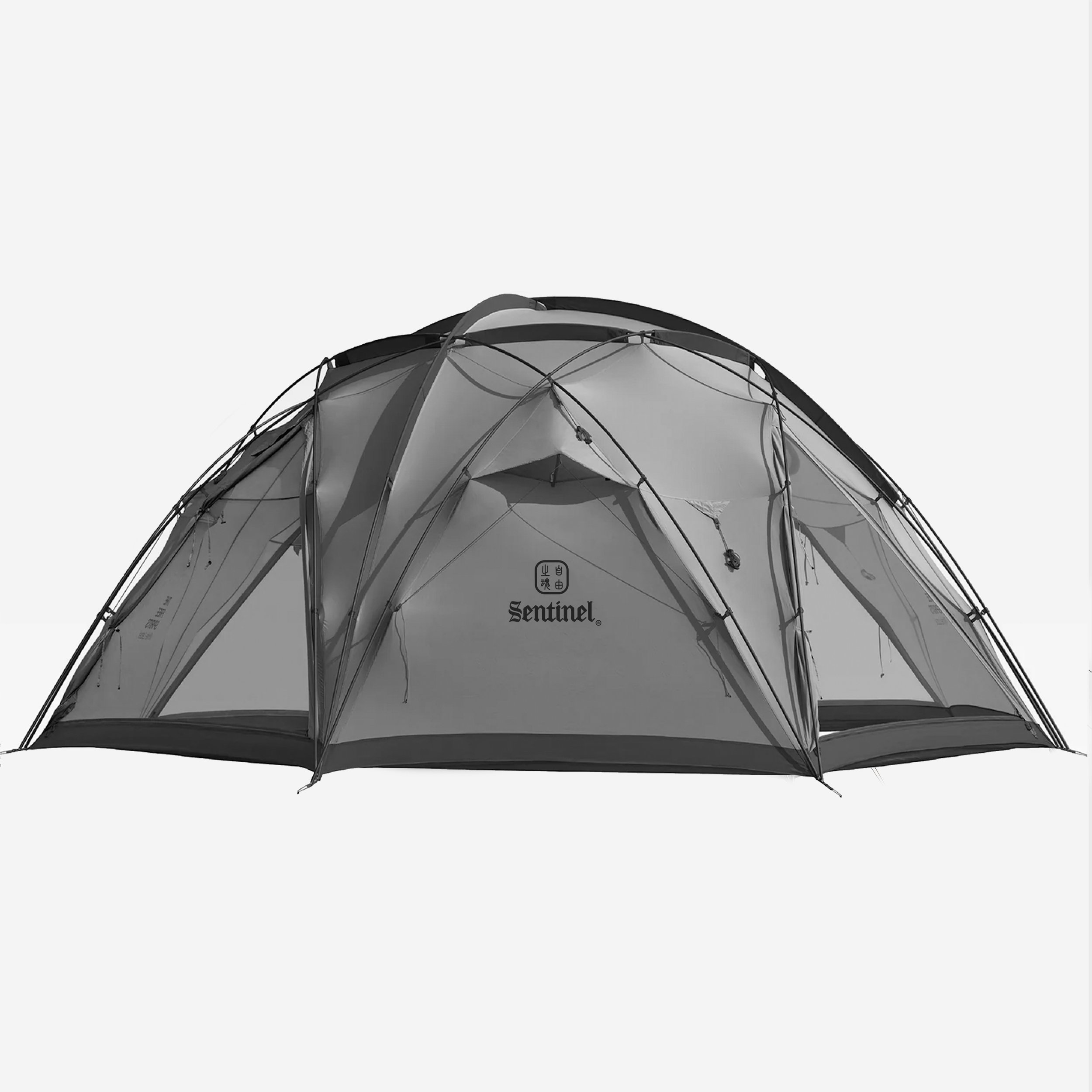
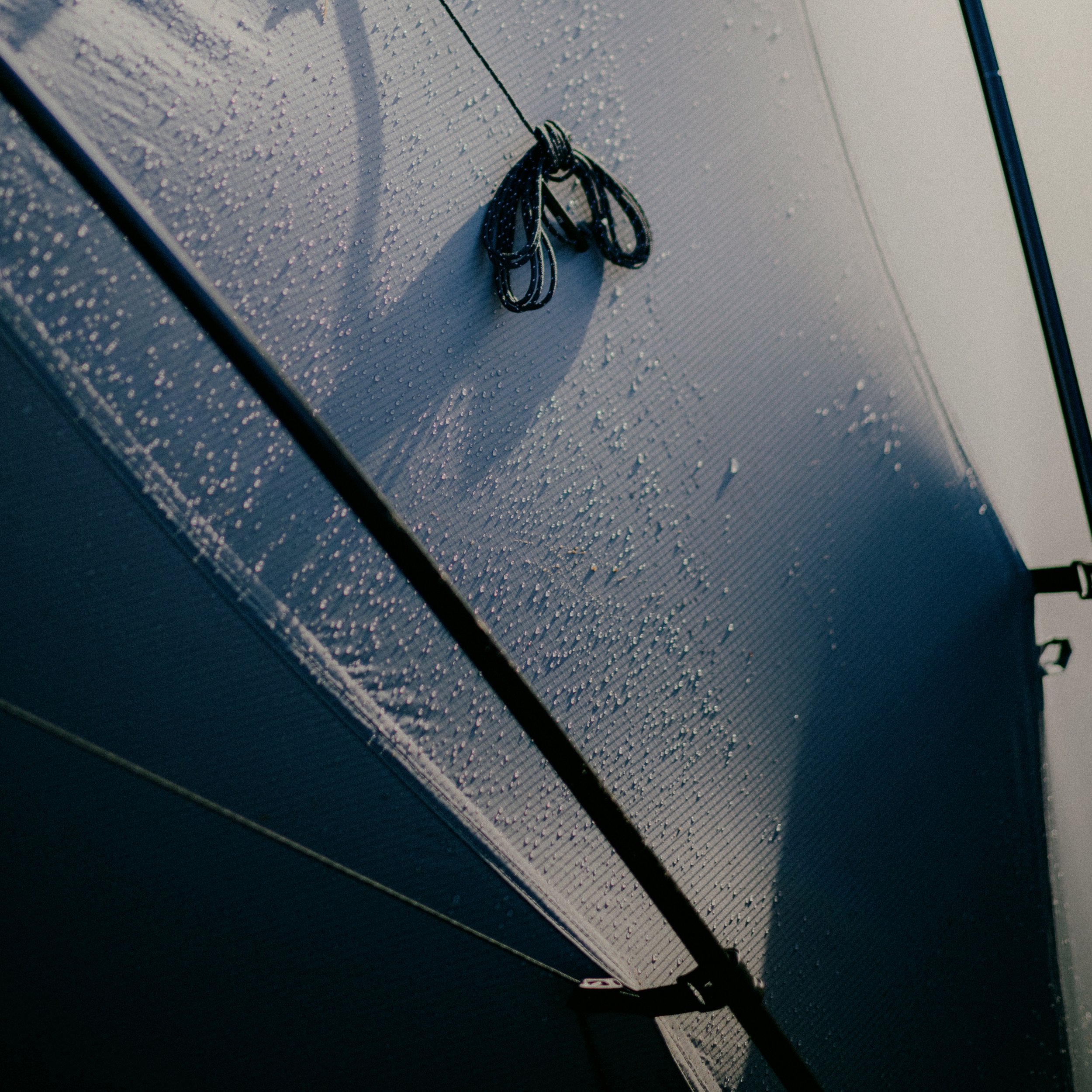
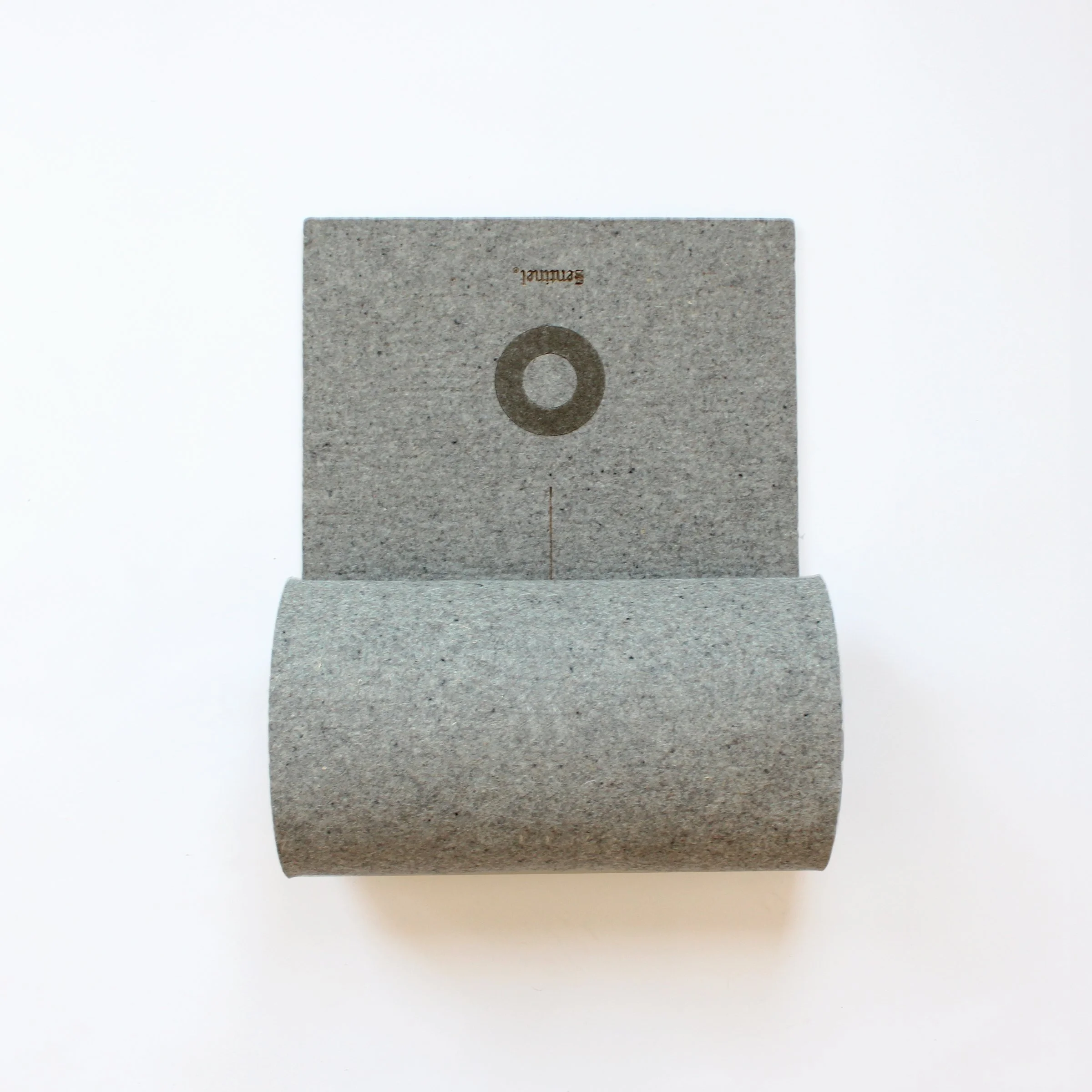
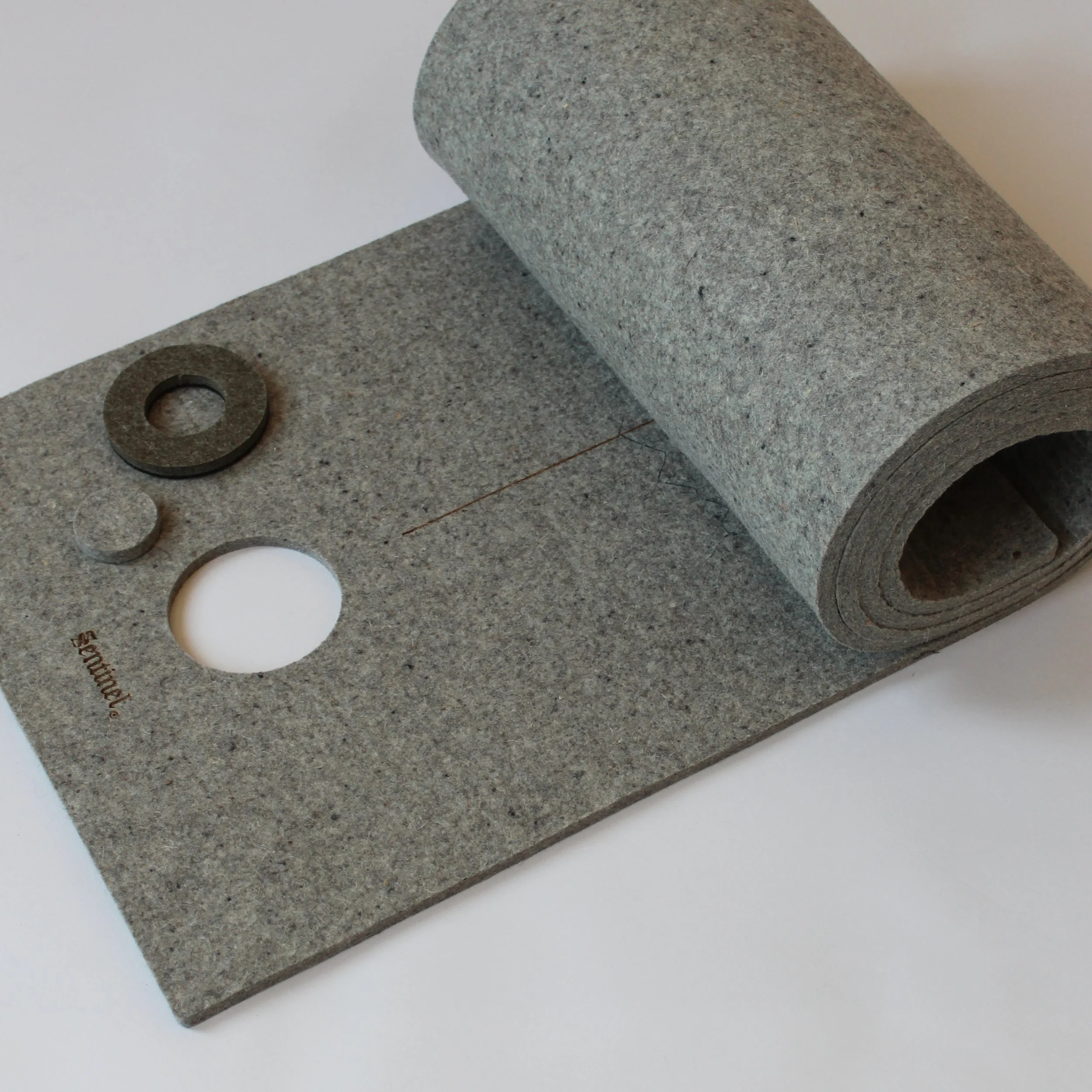
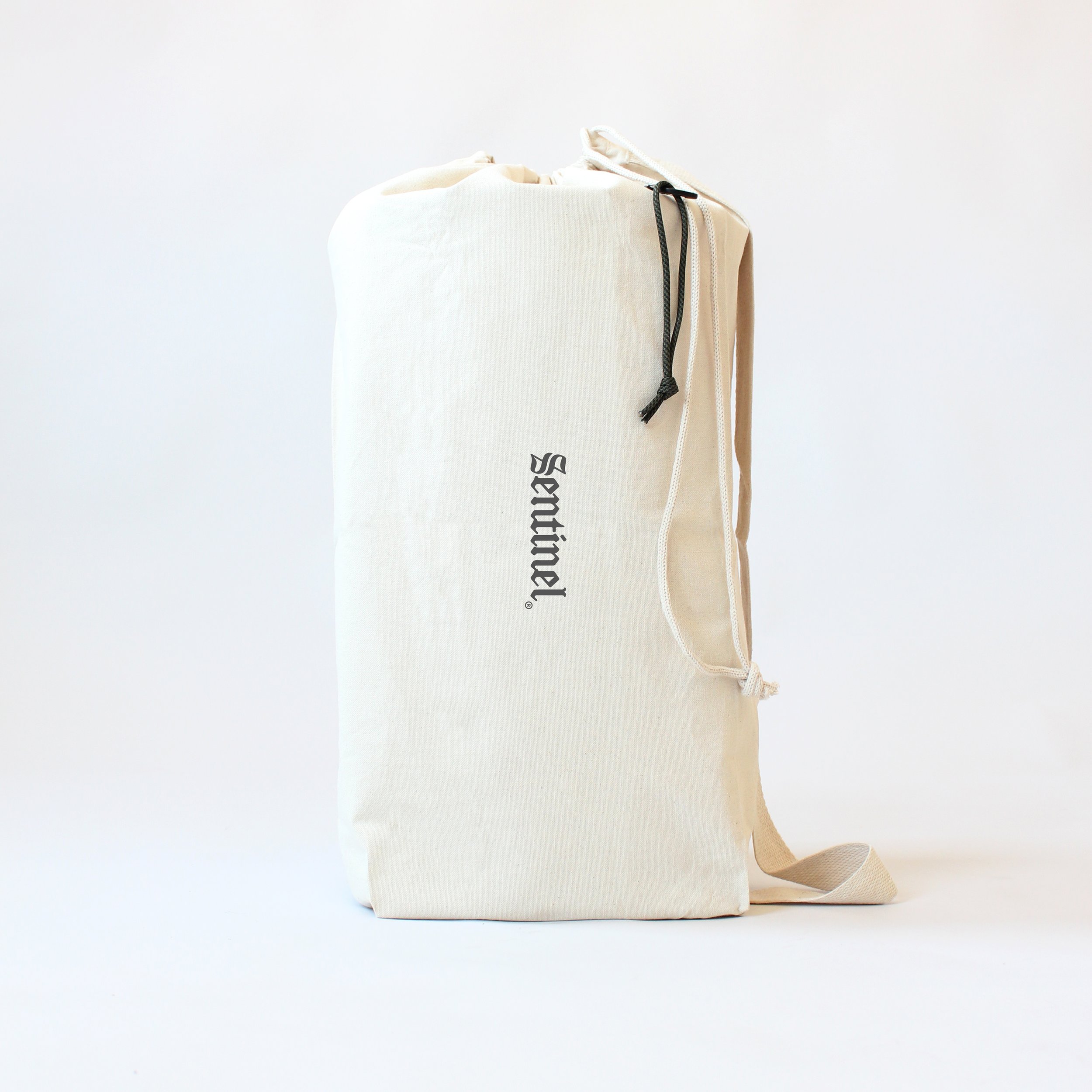
112 of 196 products are sold out. No restocks, no discounts, no back catalog. These eight are the ones people still ask after, and the archive is a fair argument for the brand on its own.
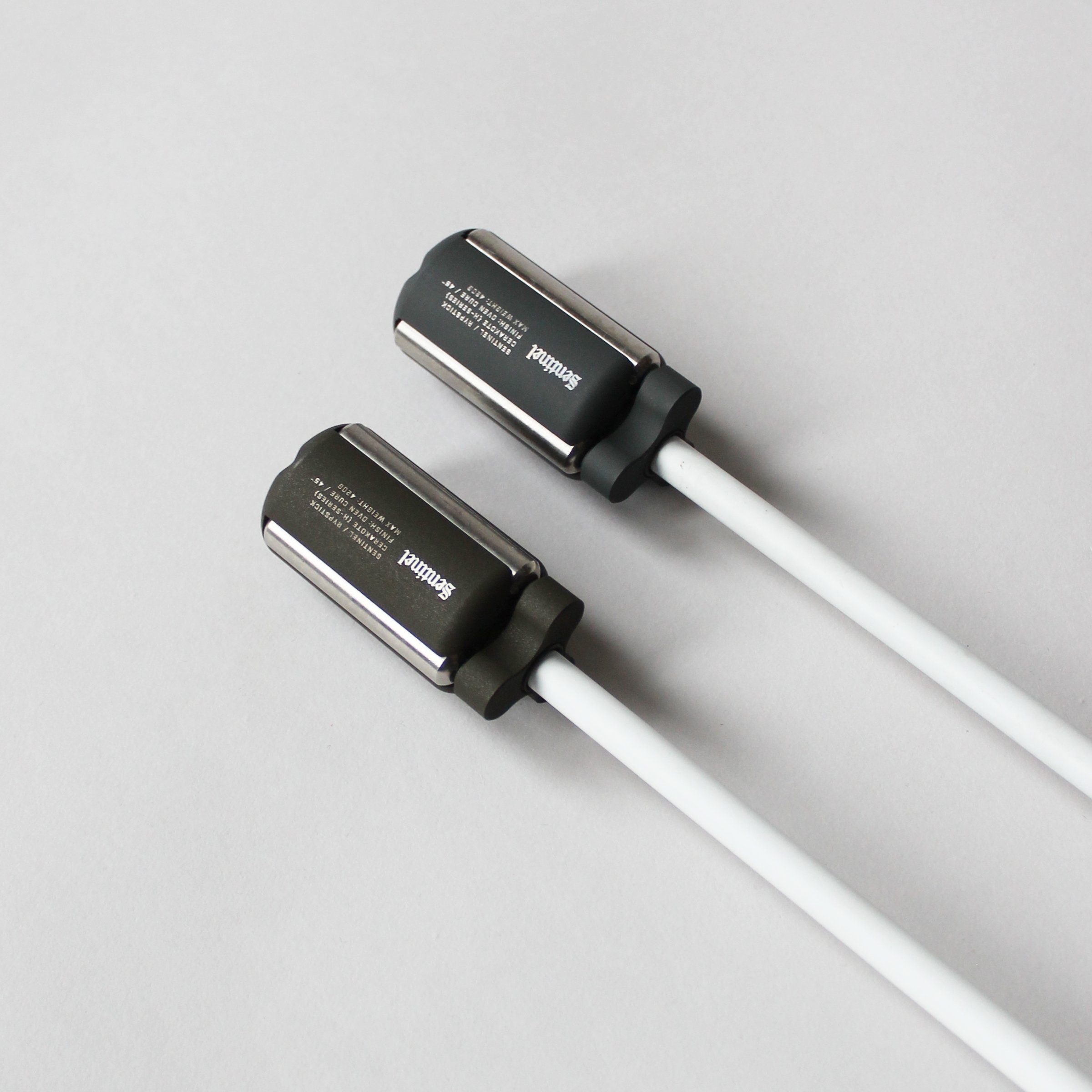
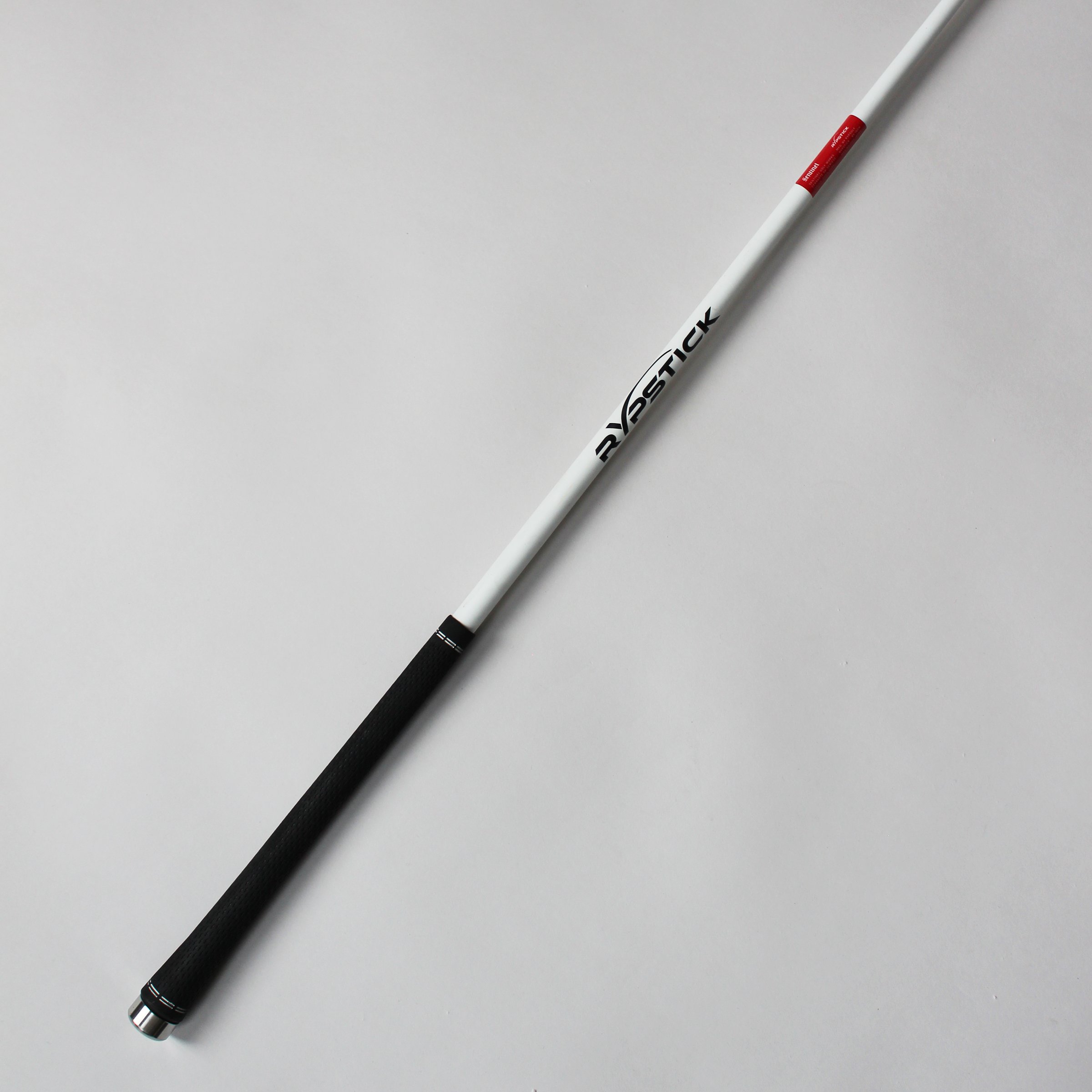
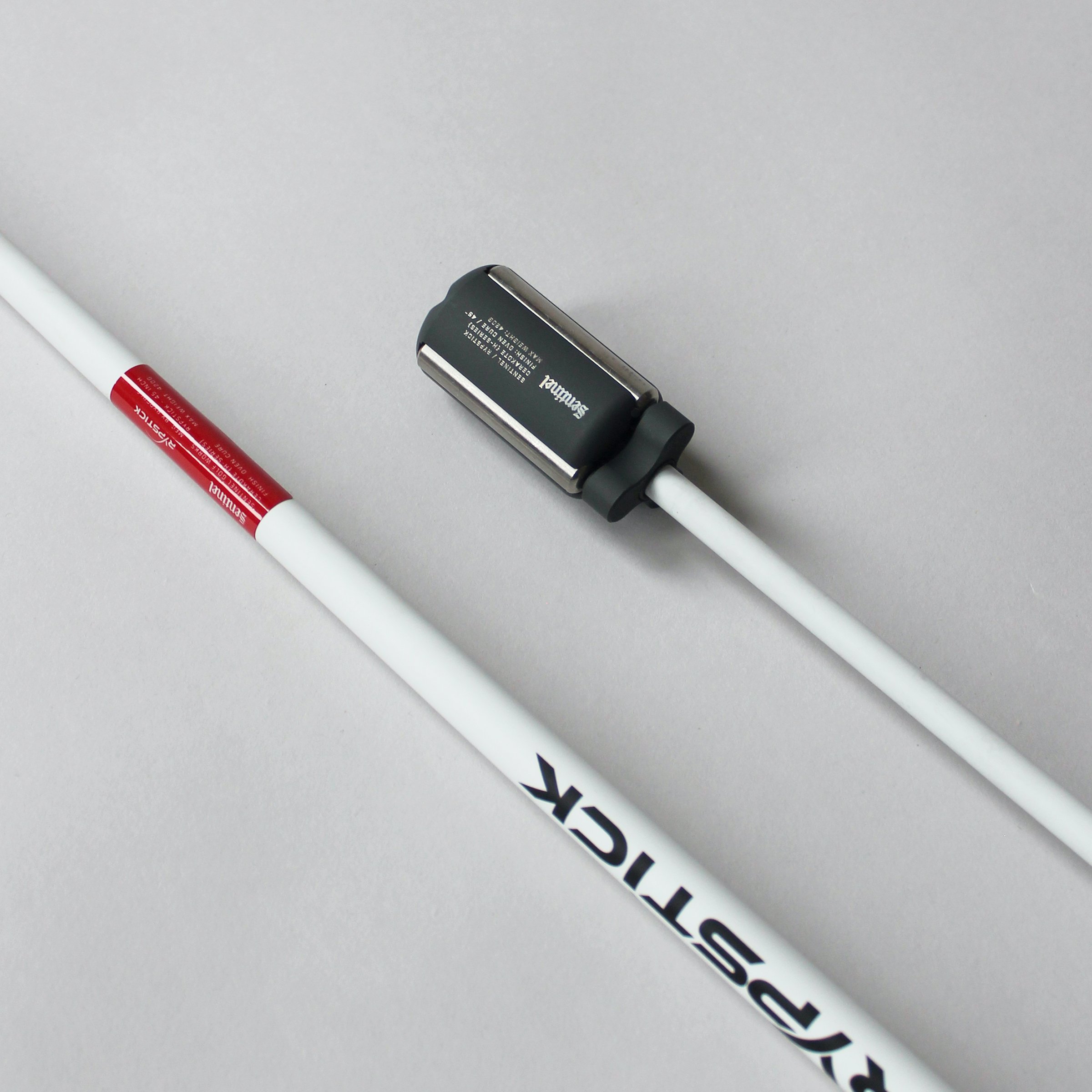
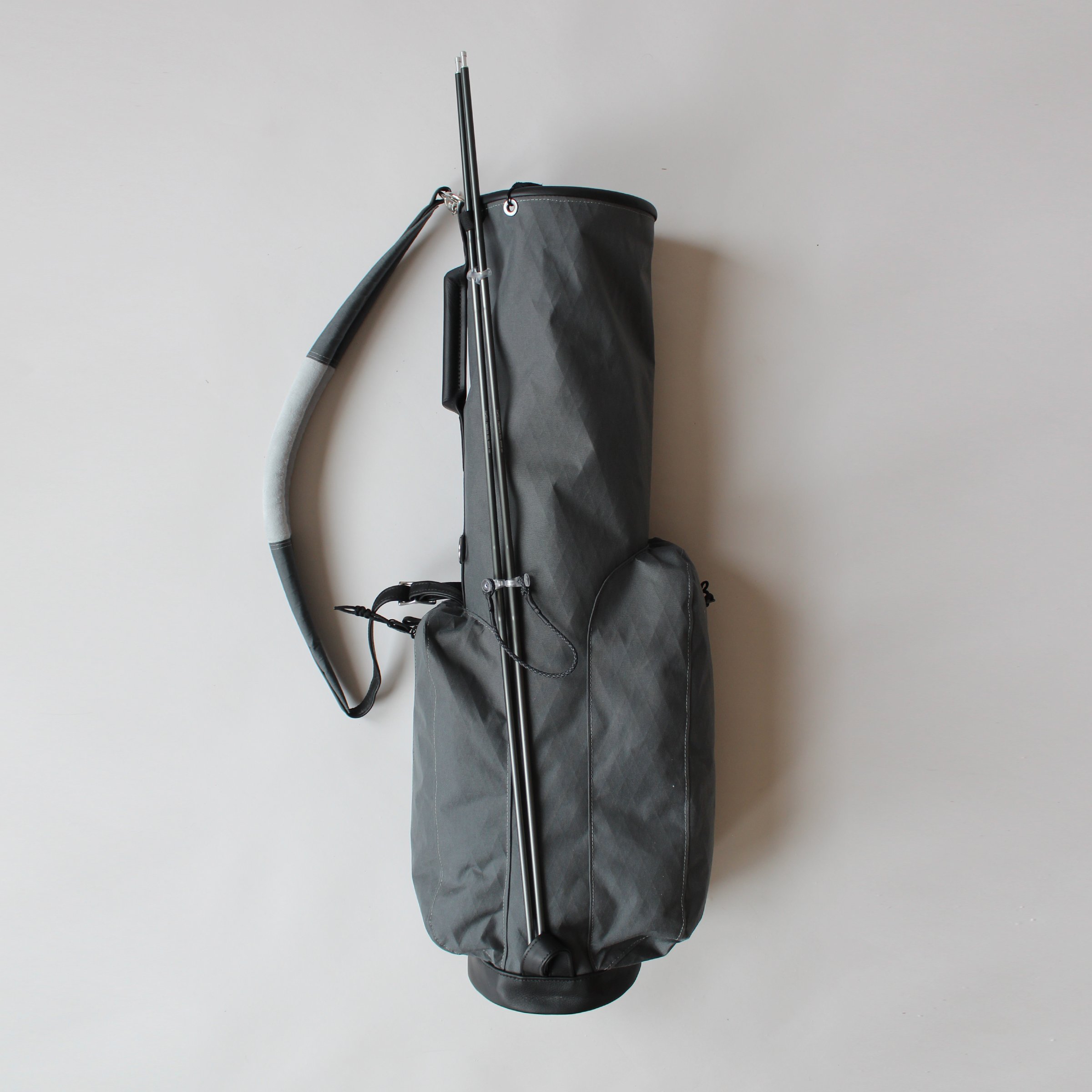
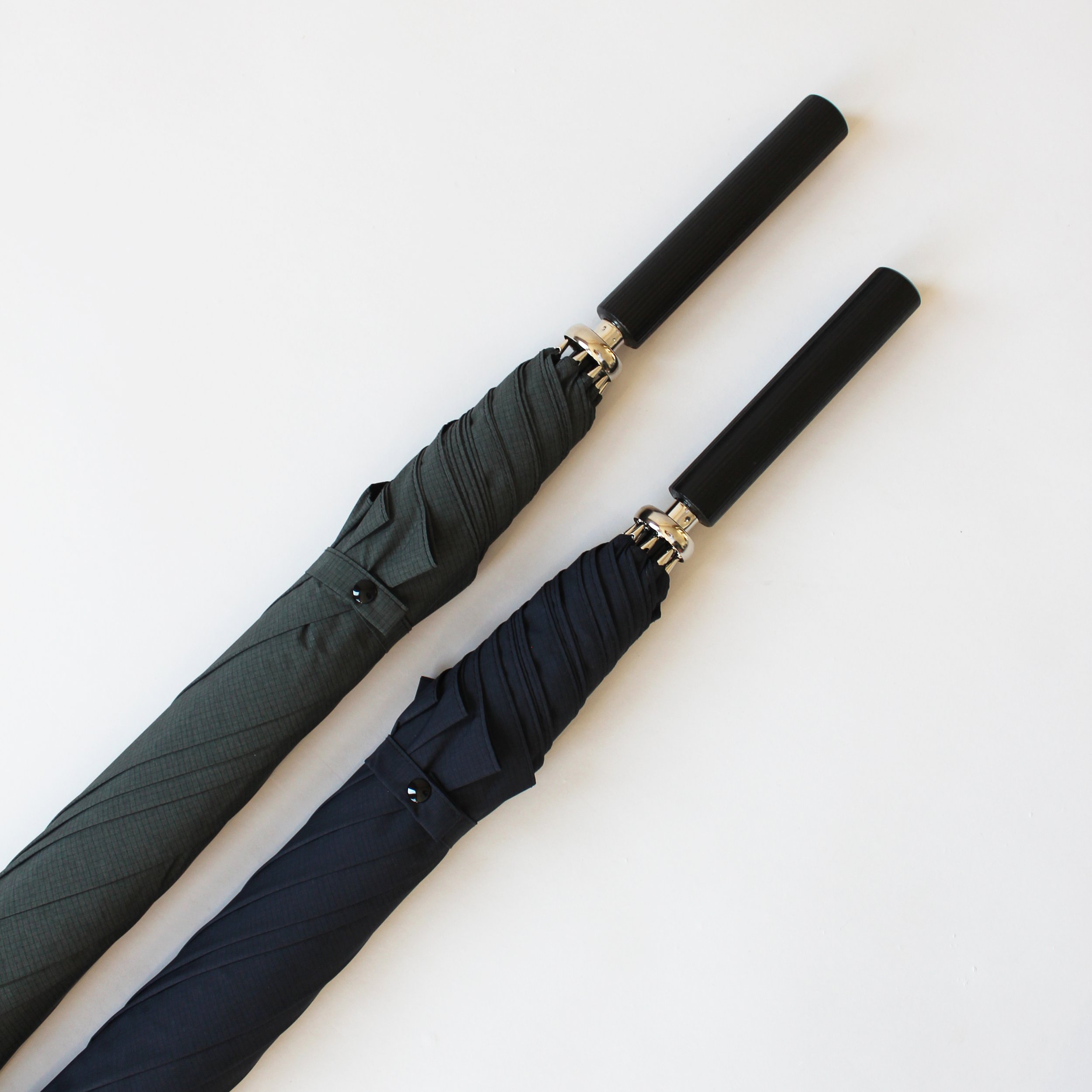
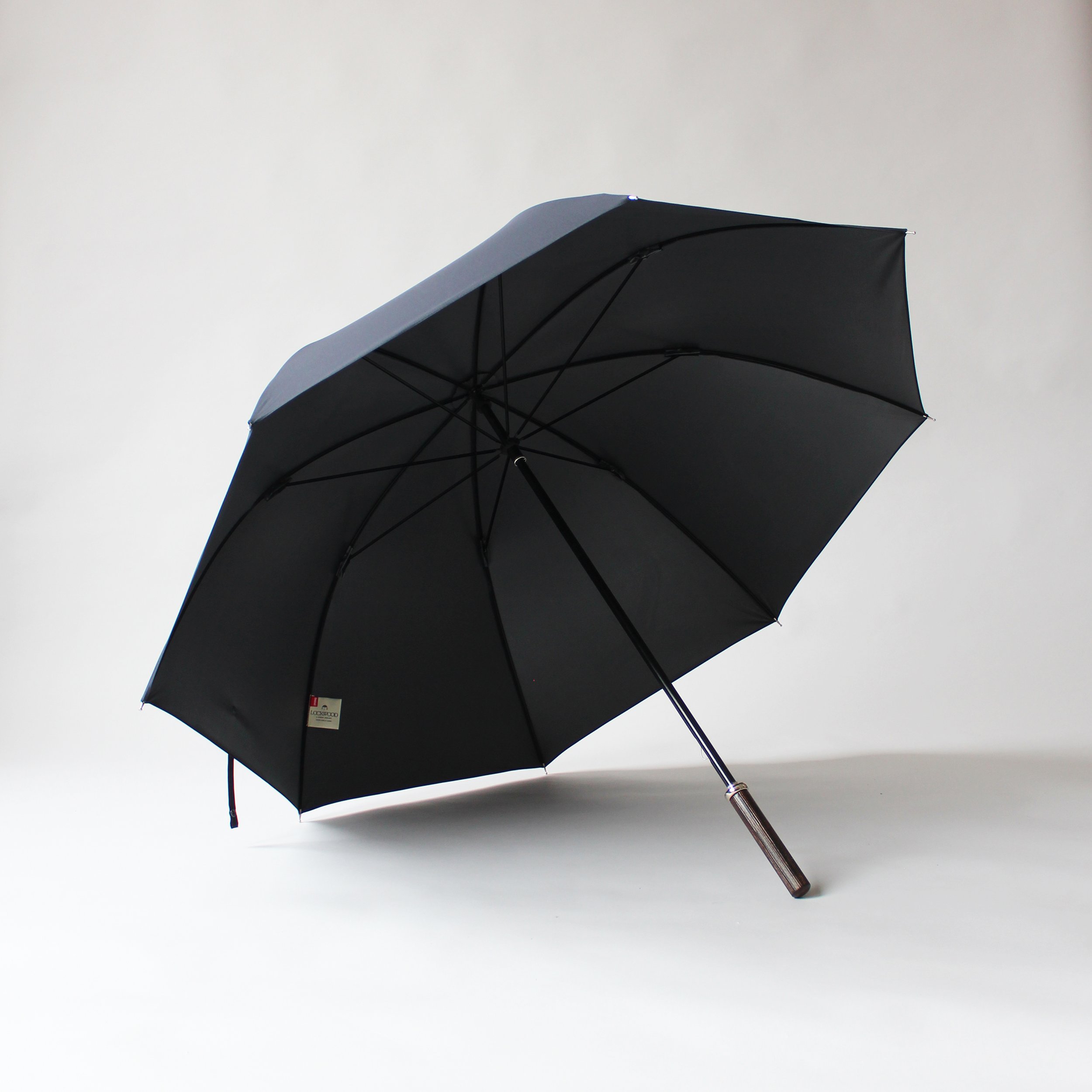
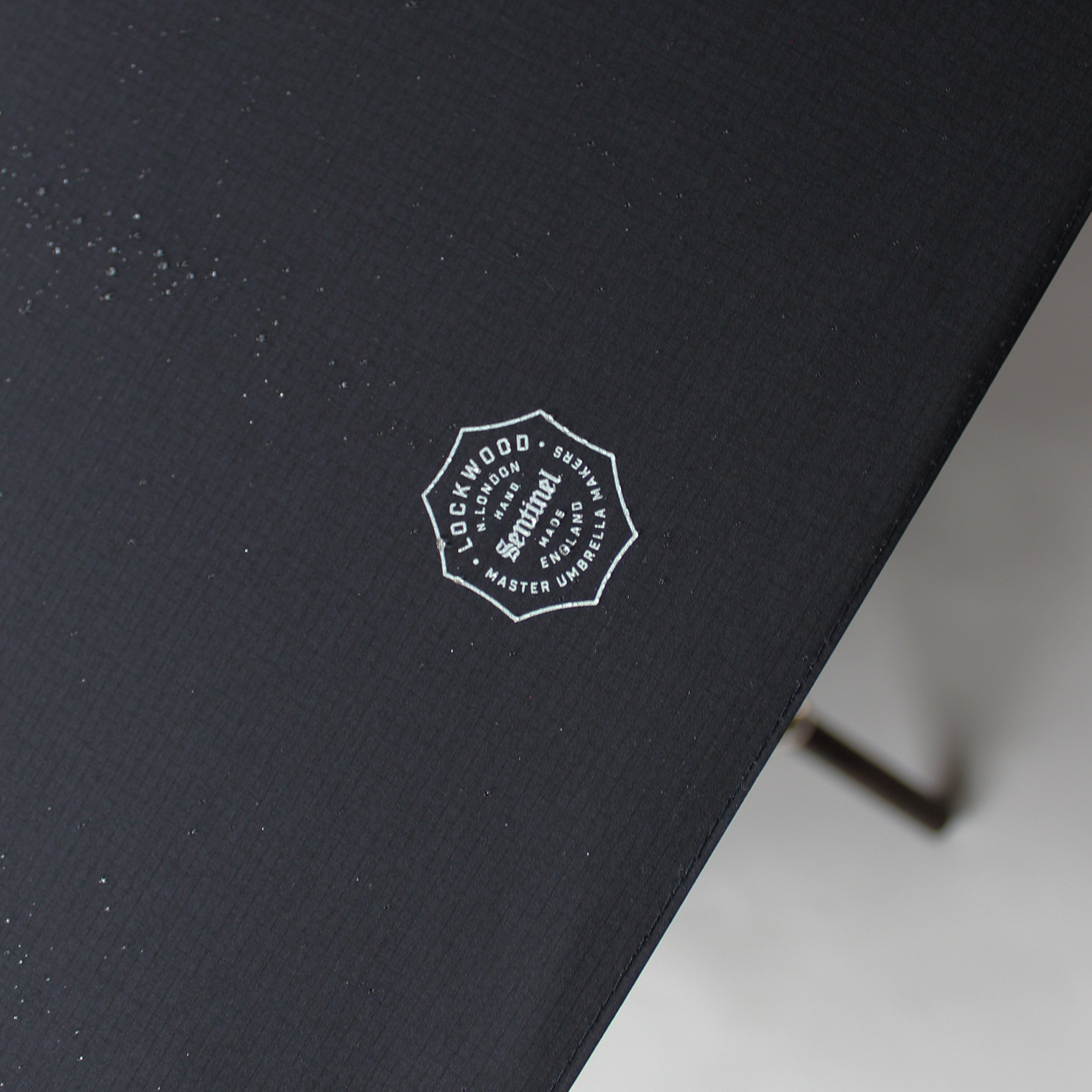
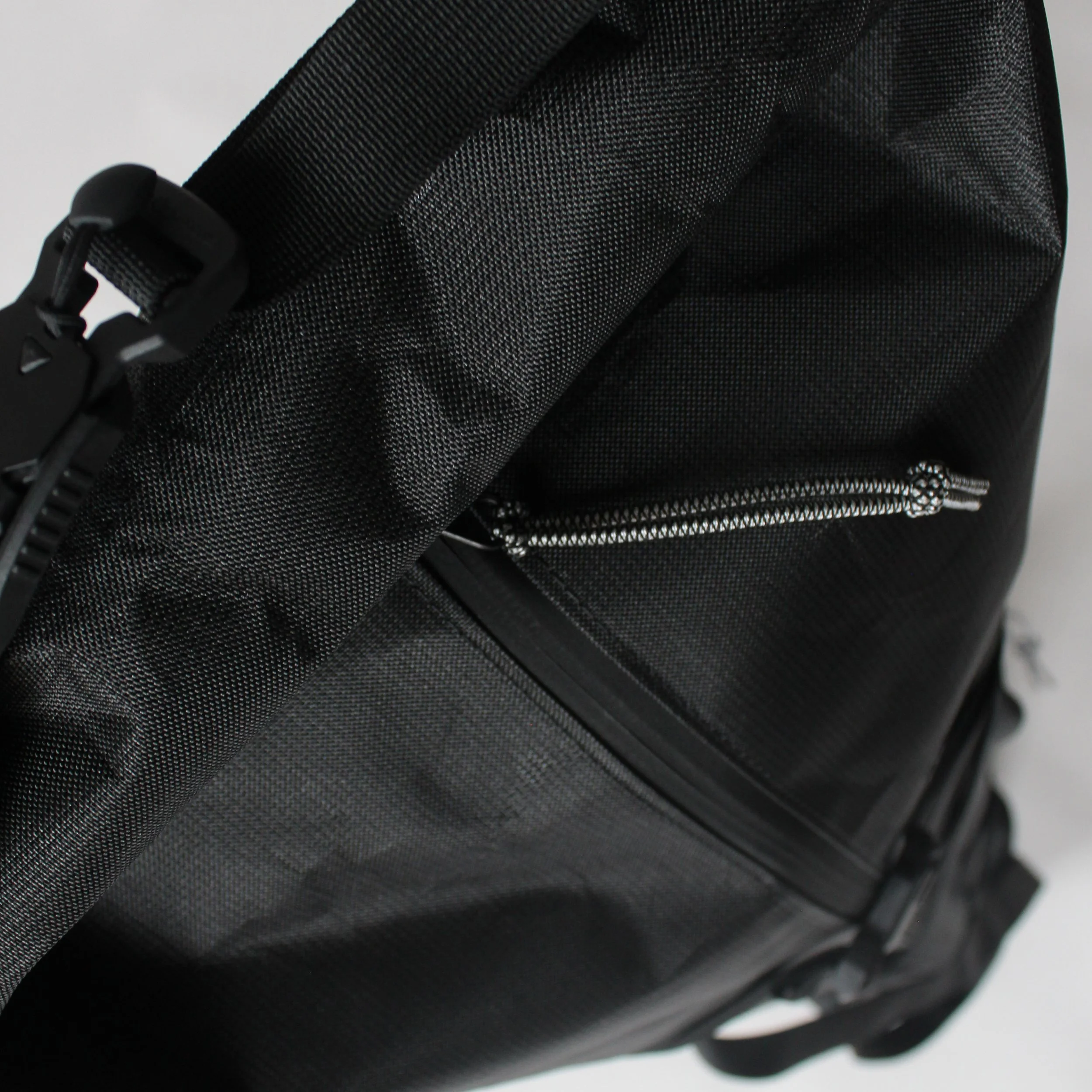
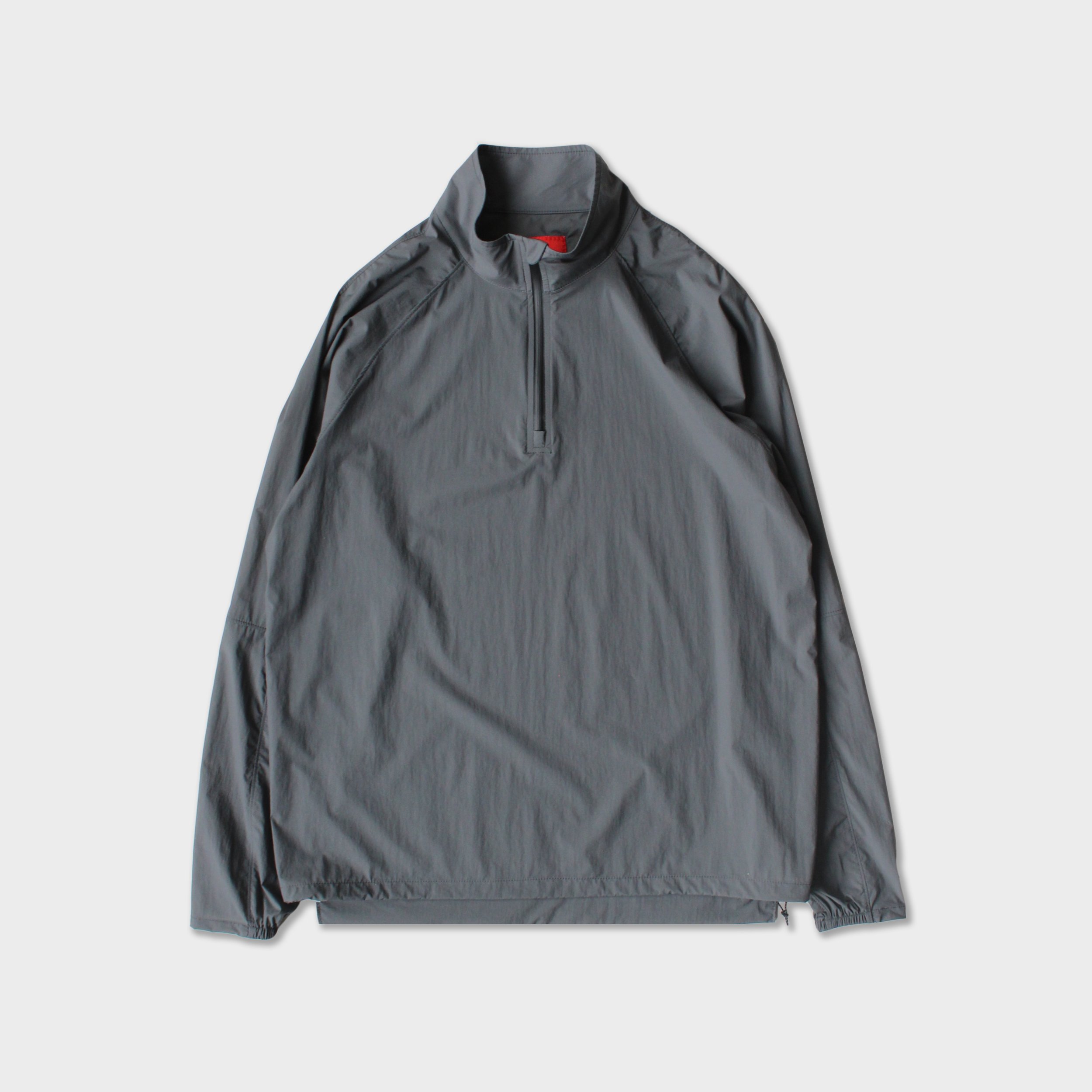
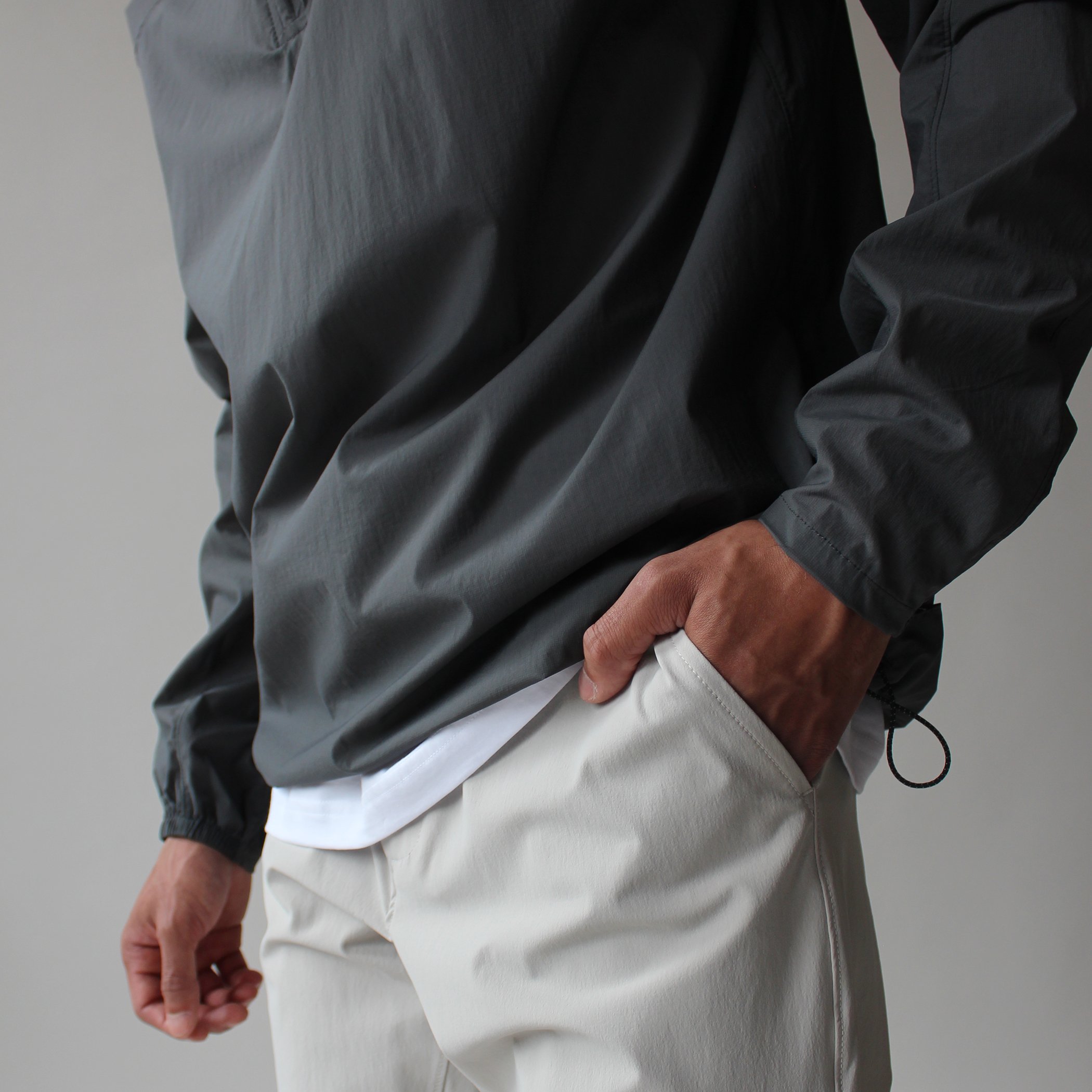
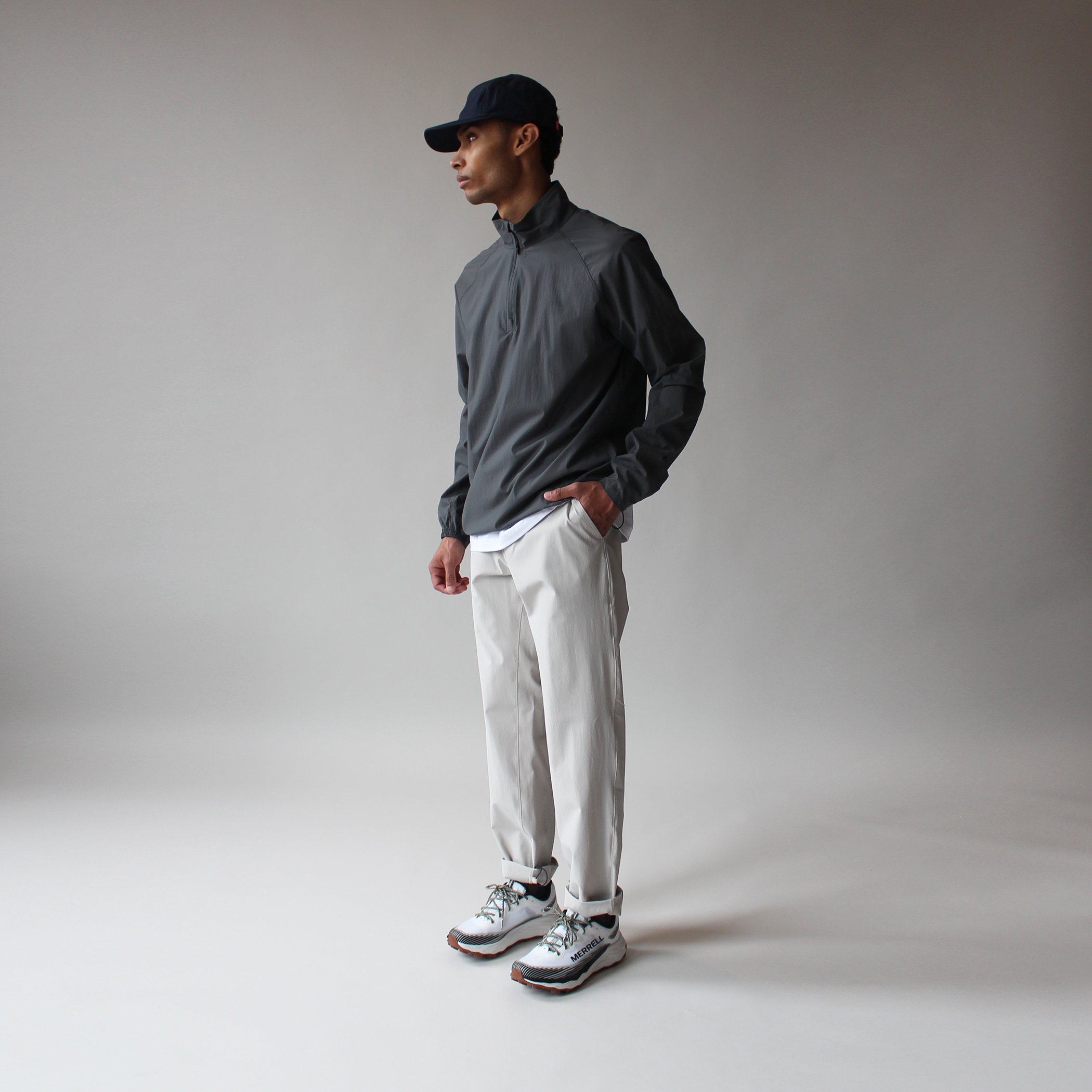
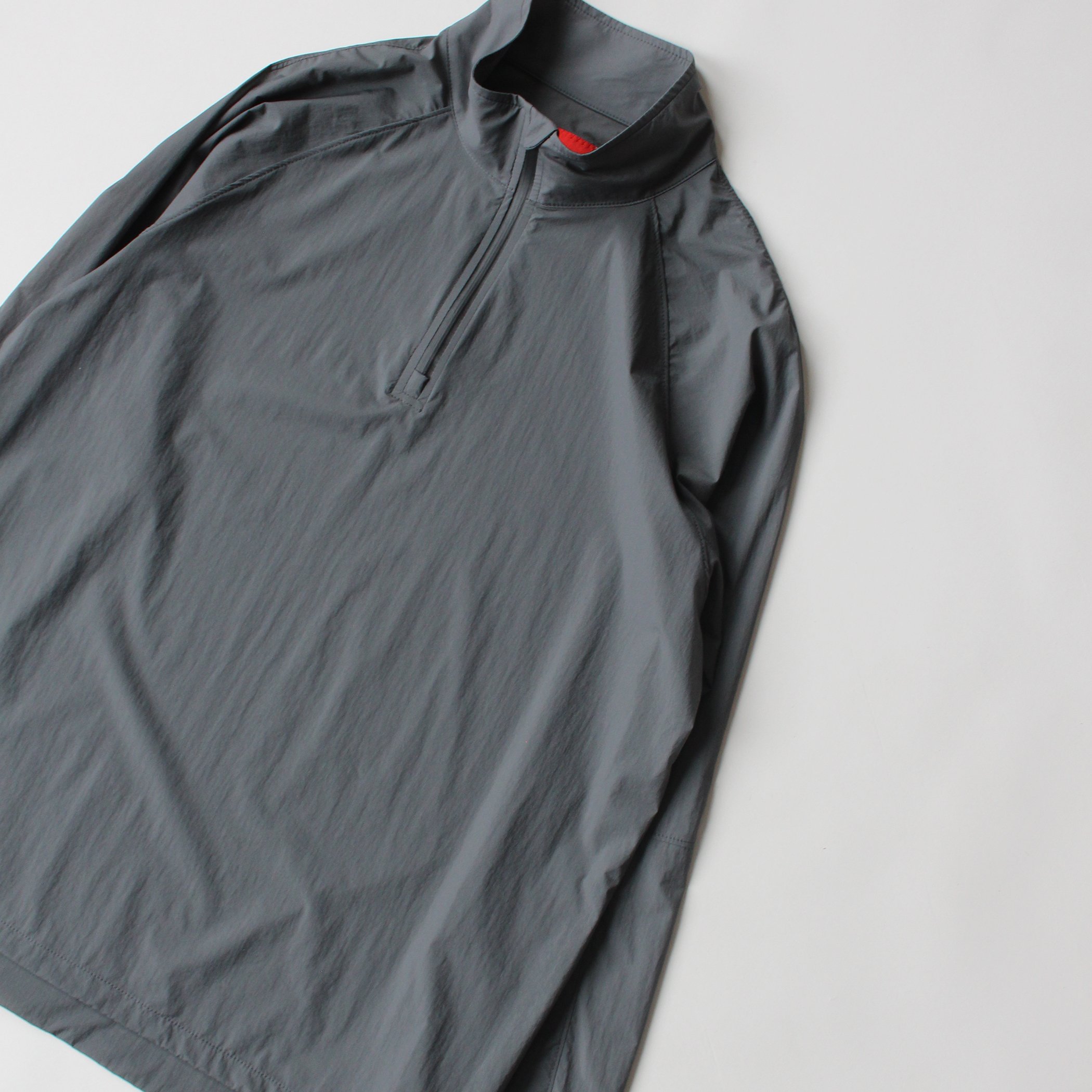
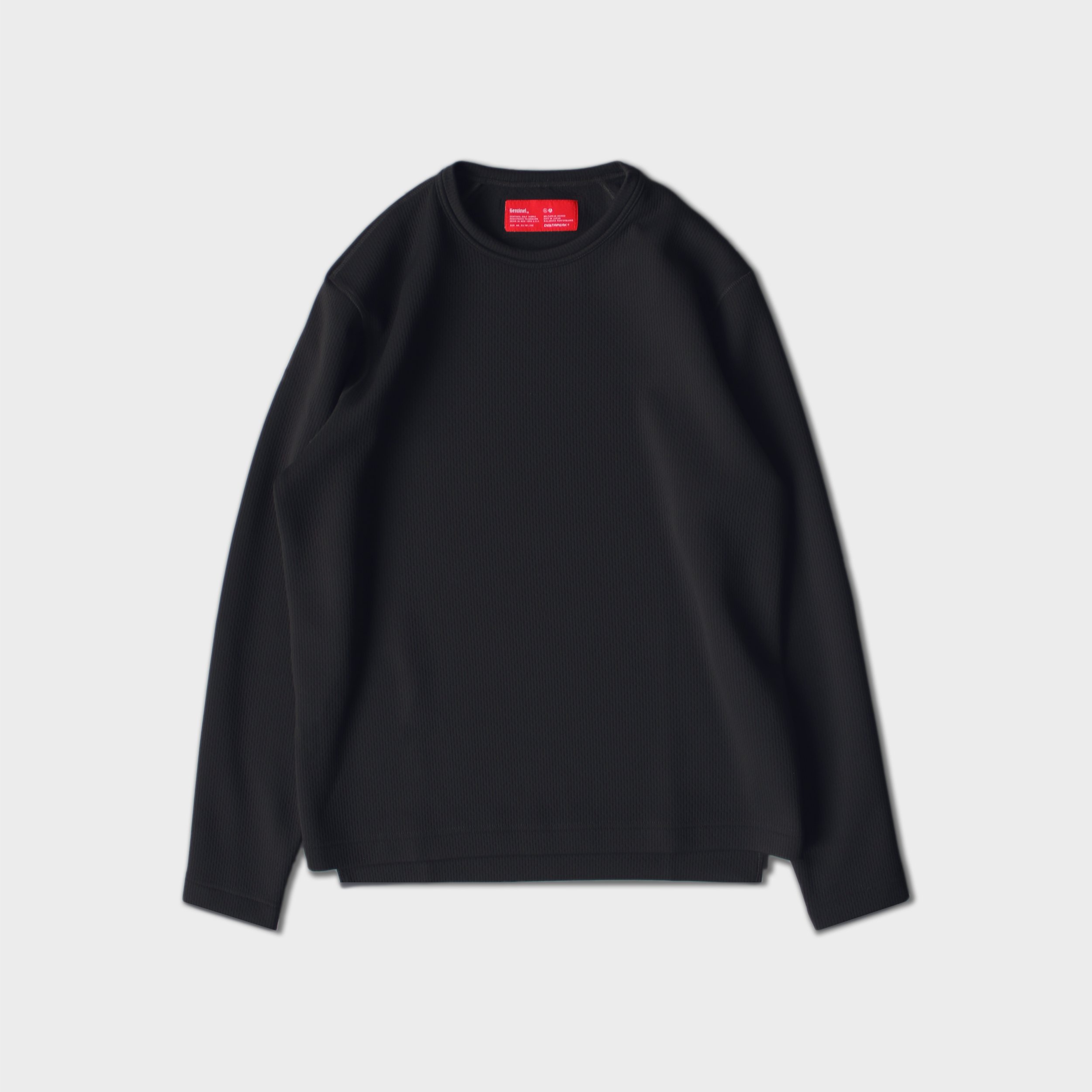
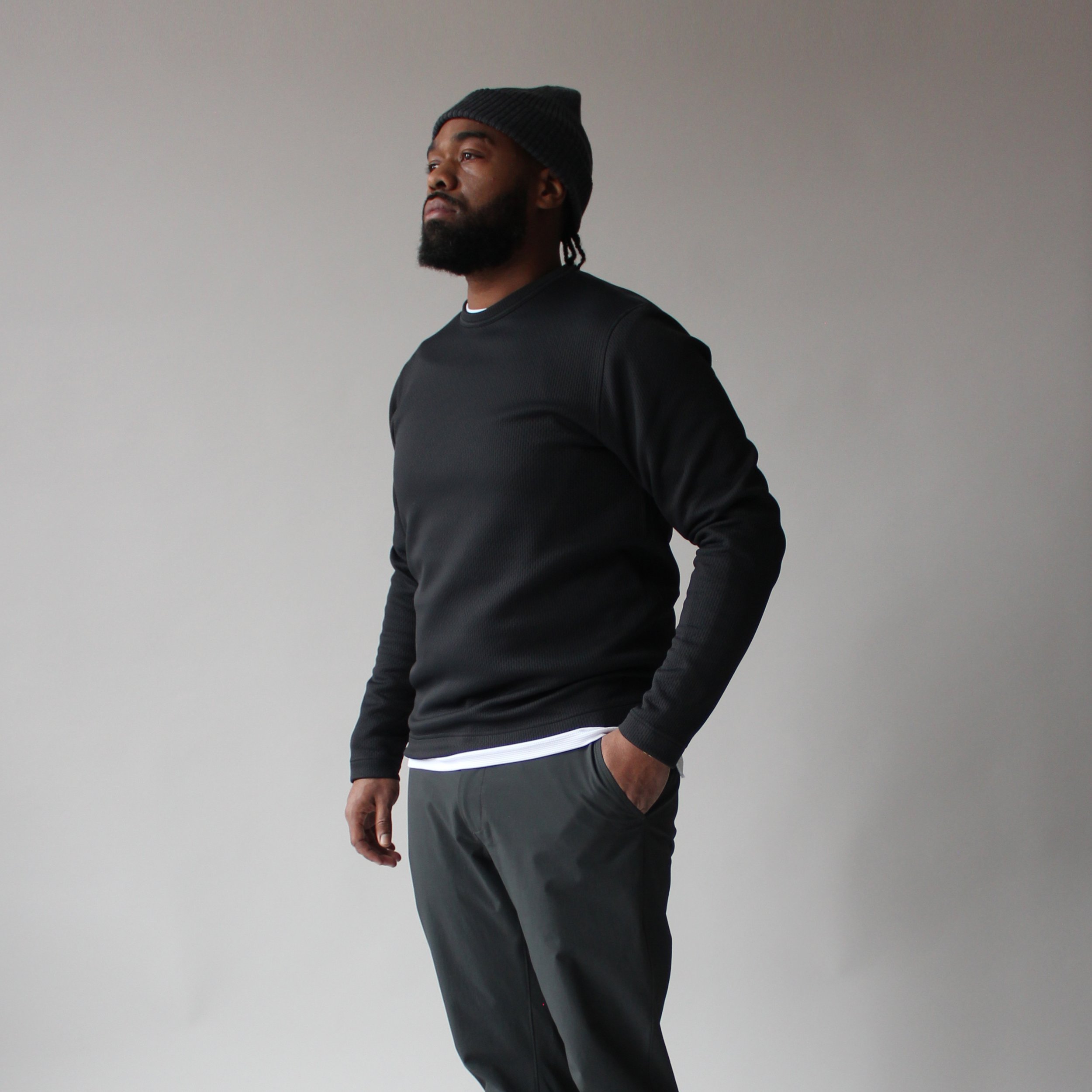
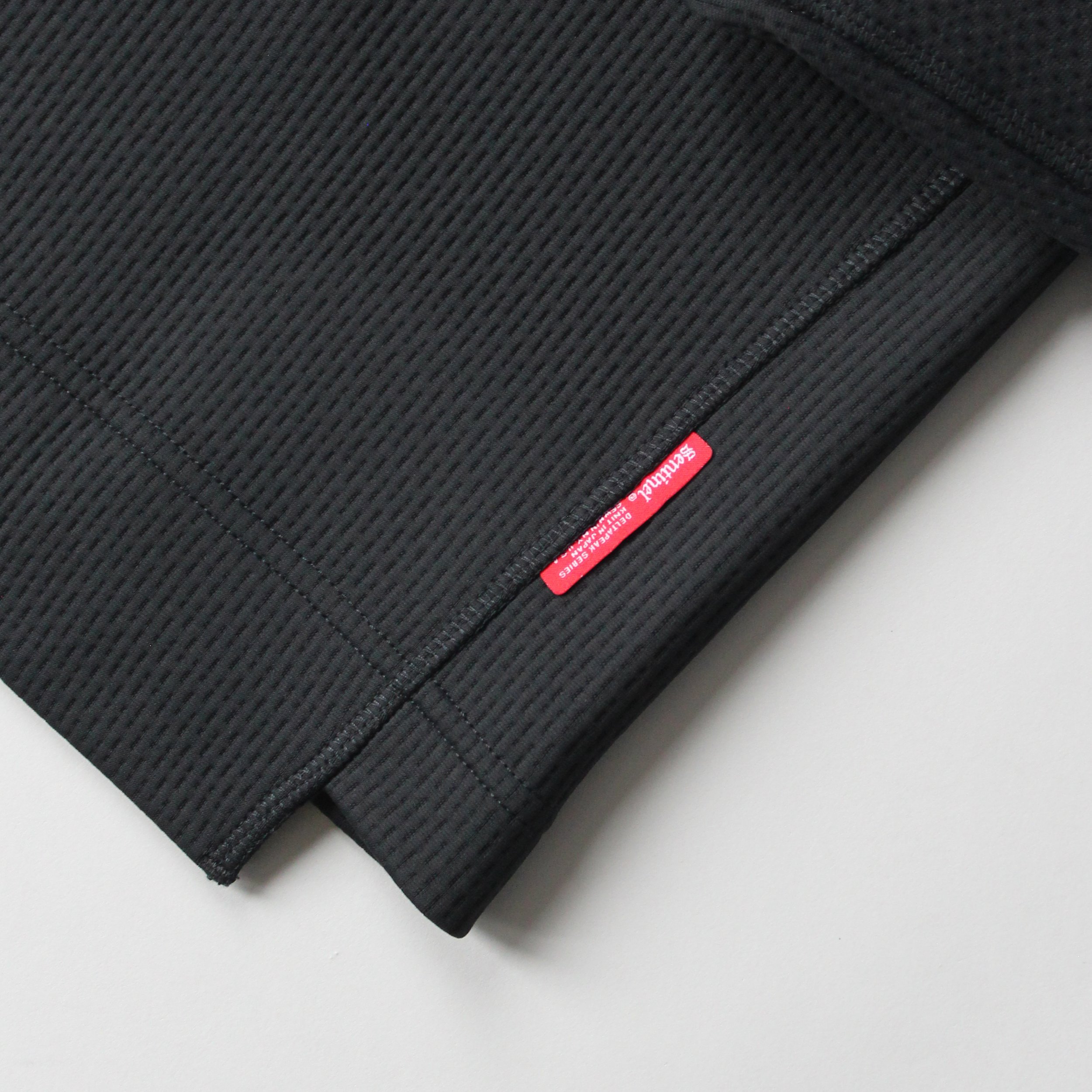
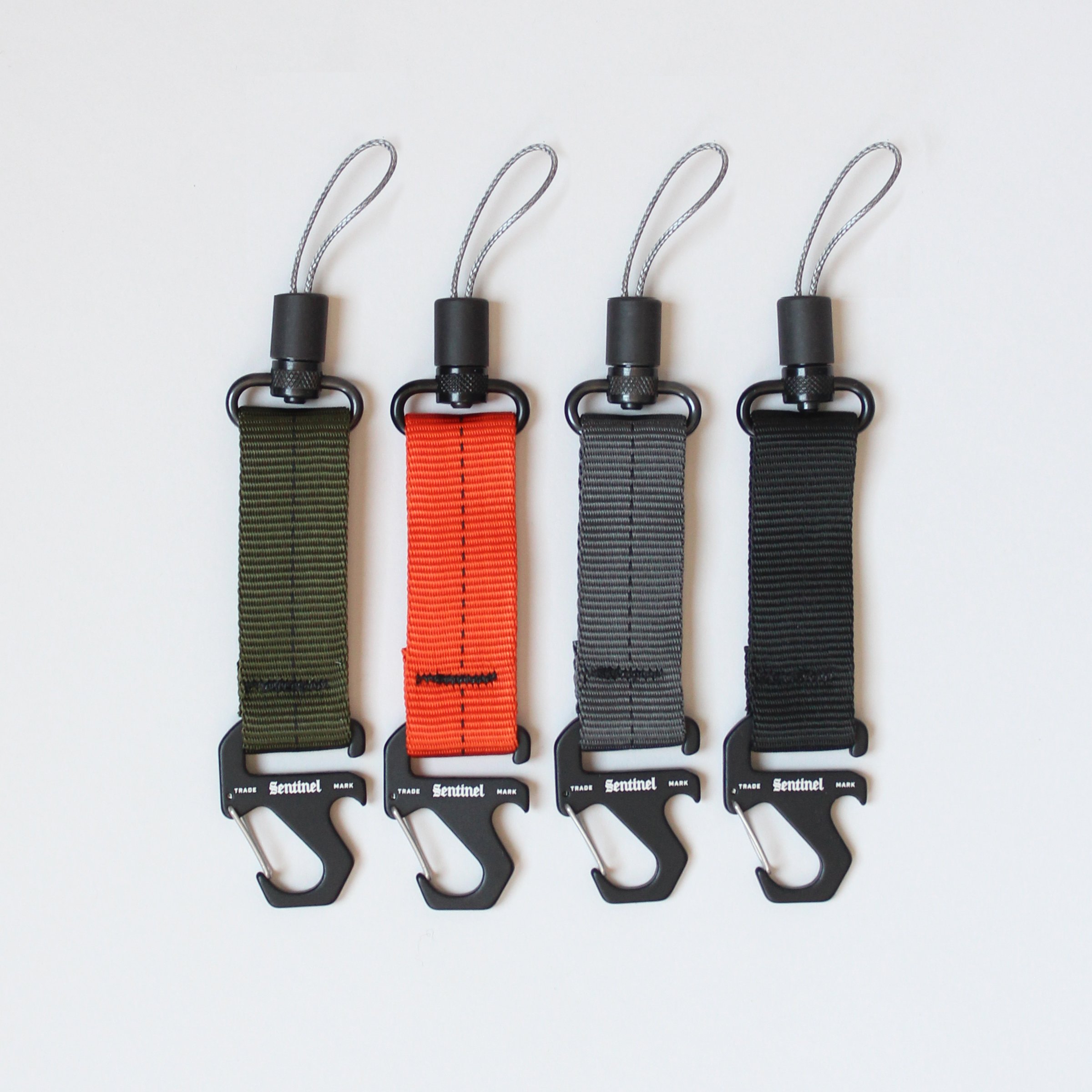
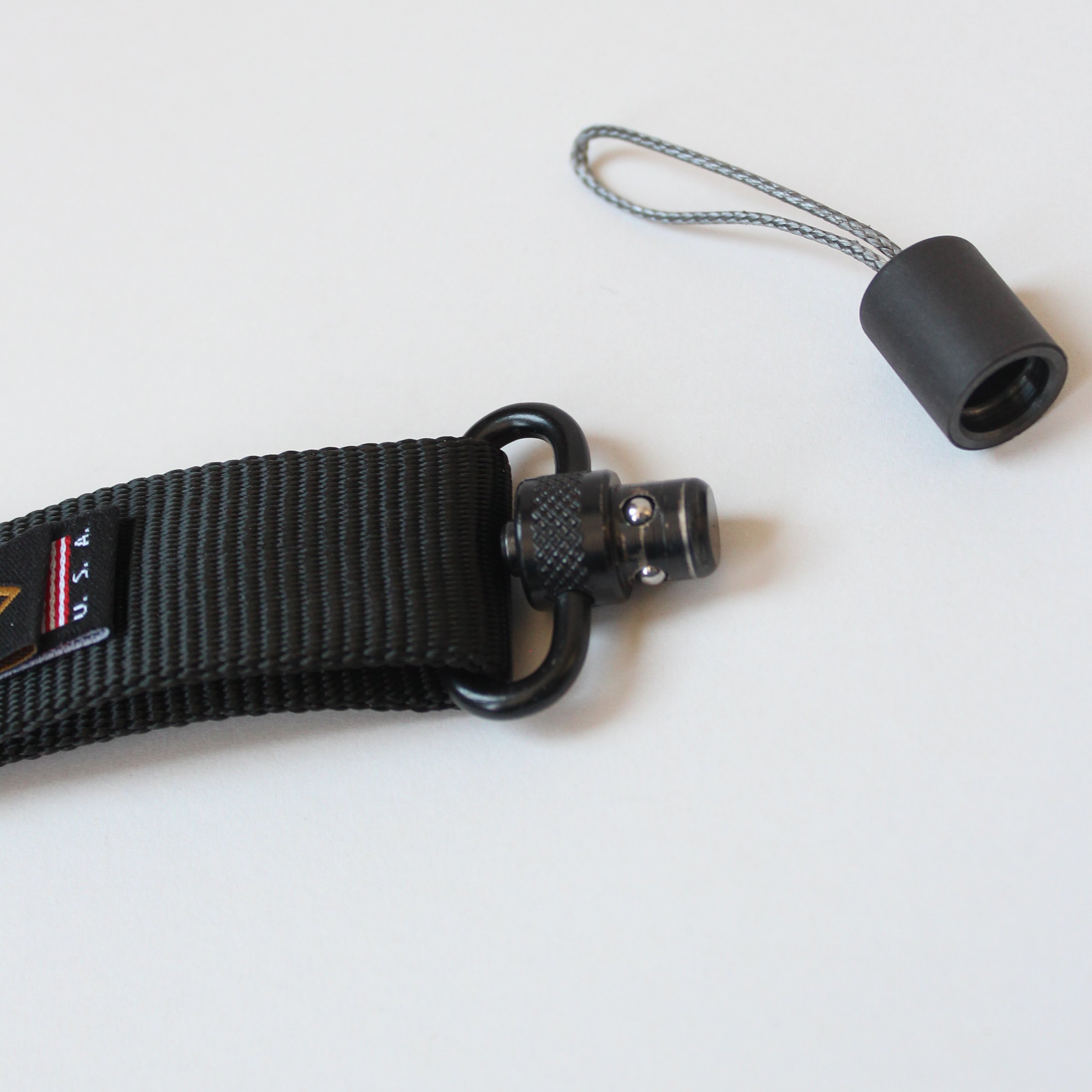
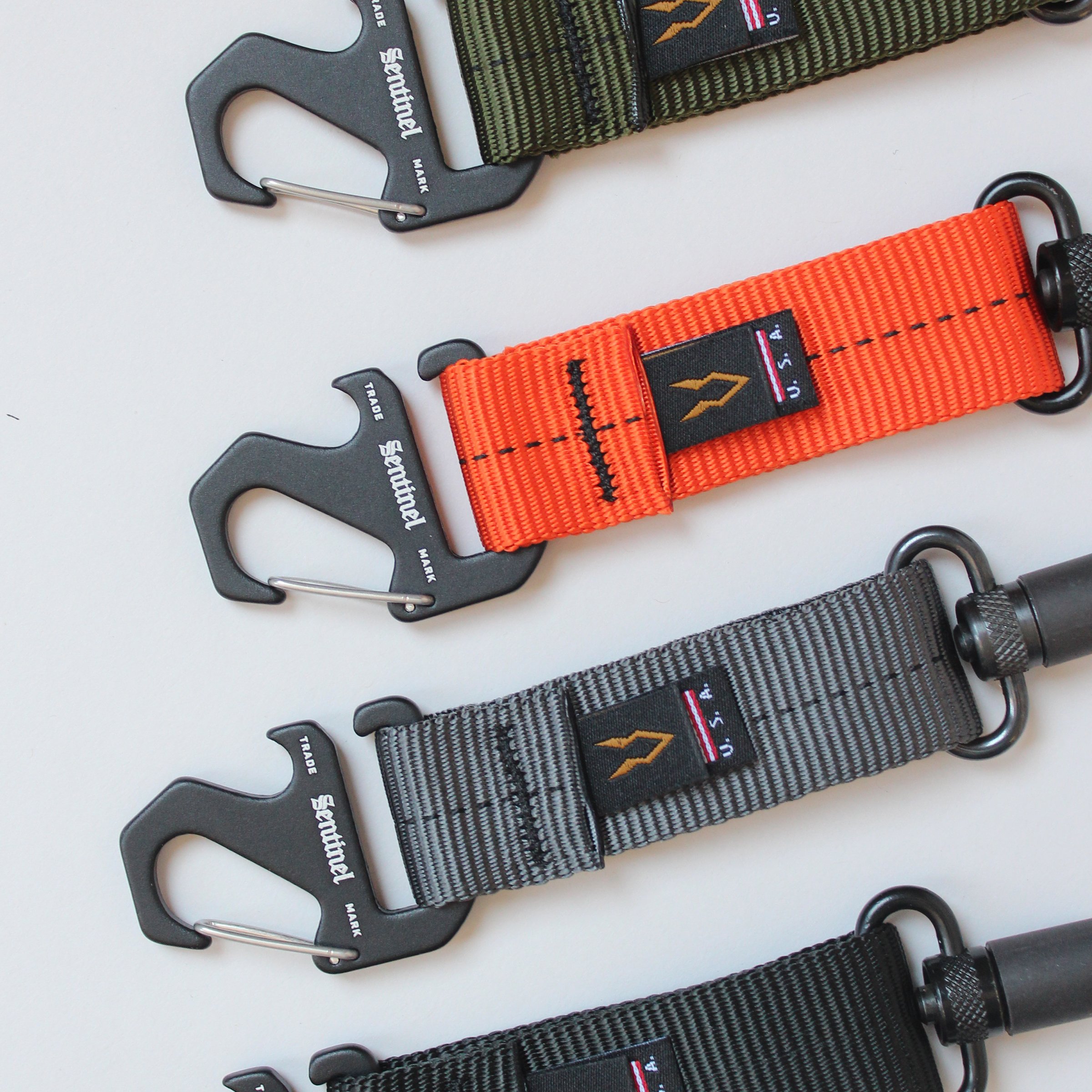
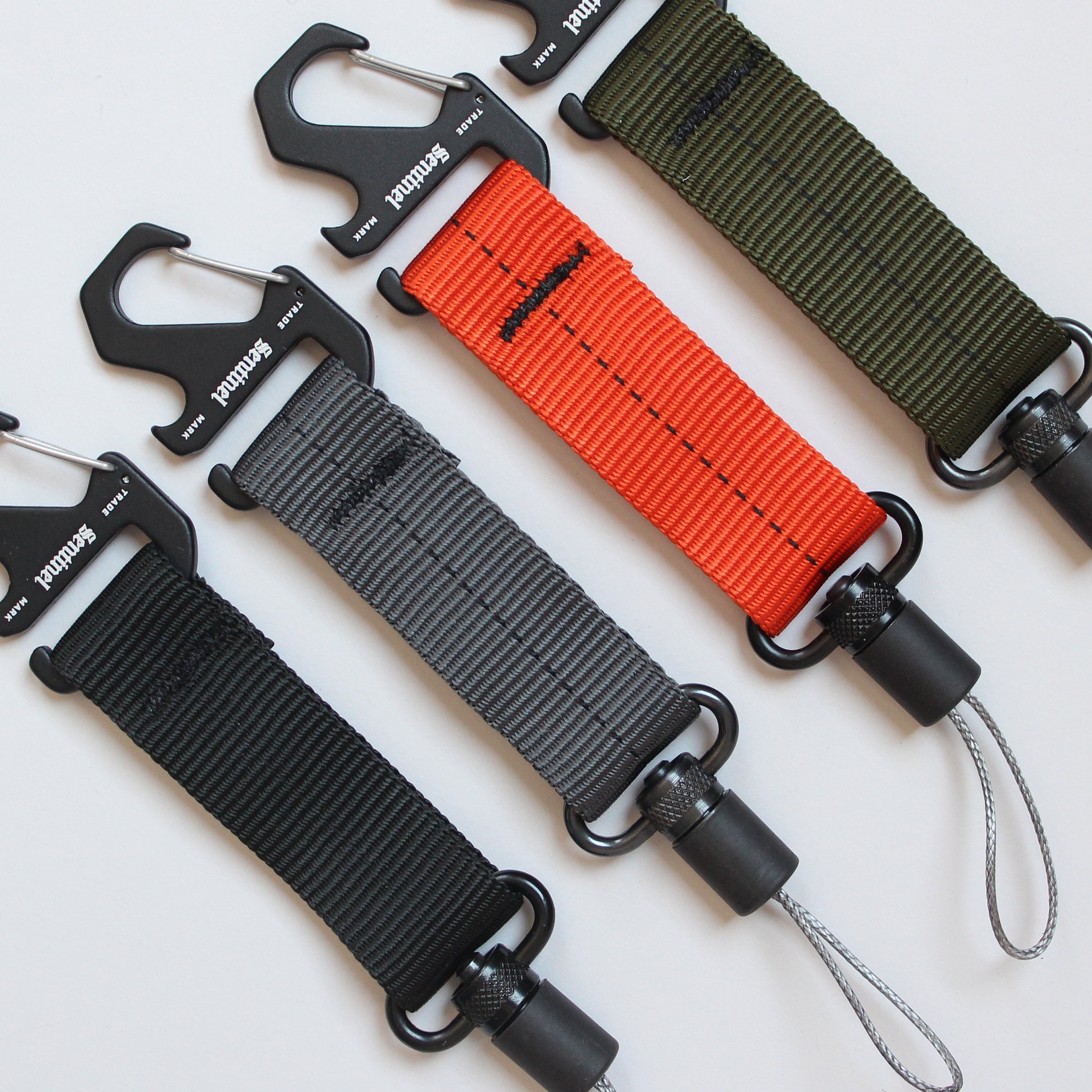
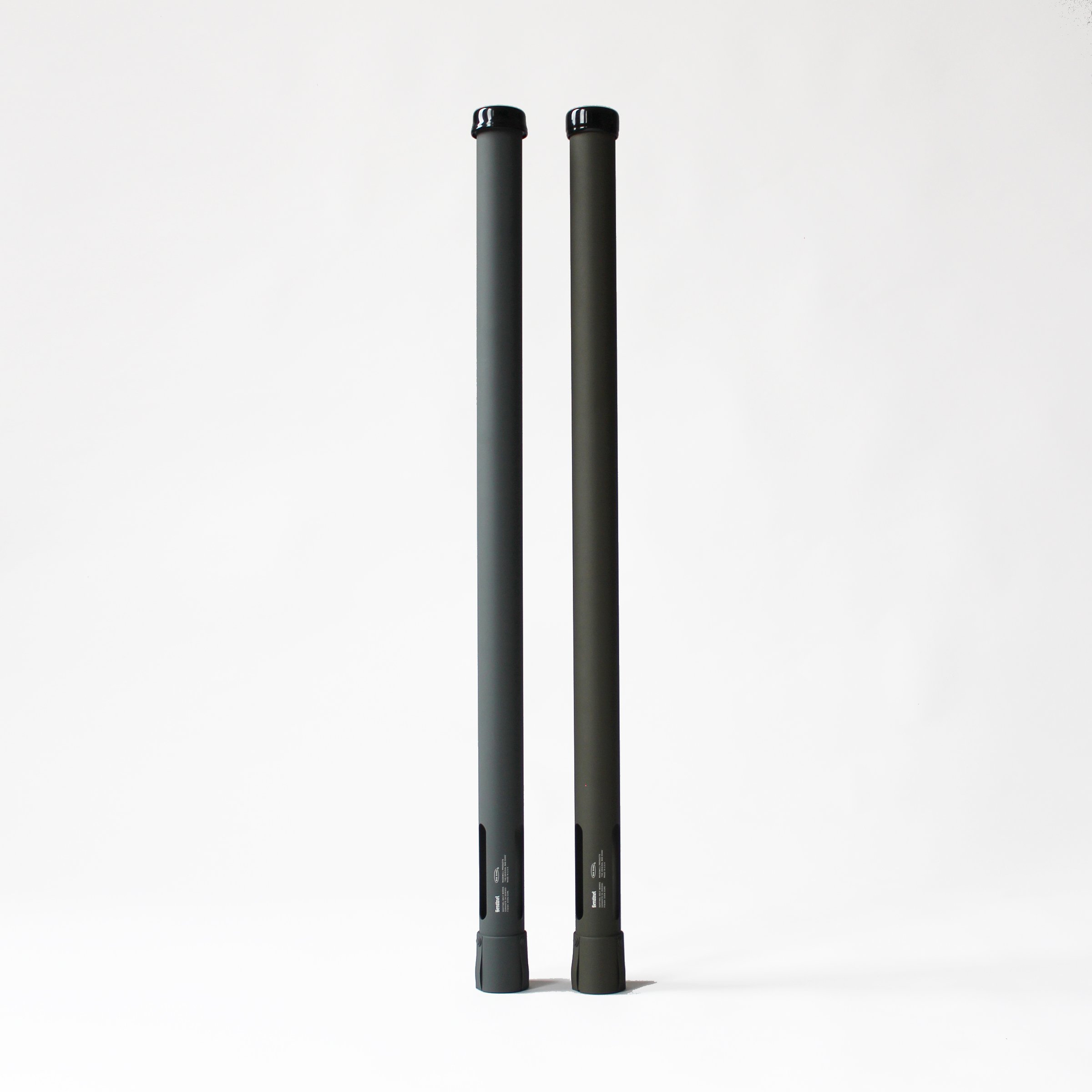
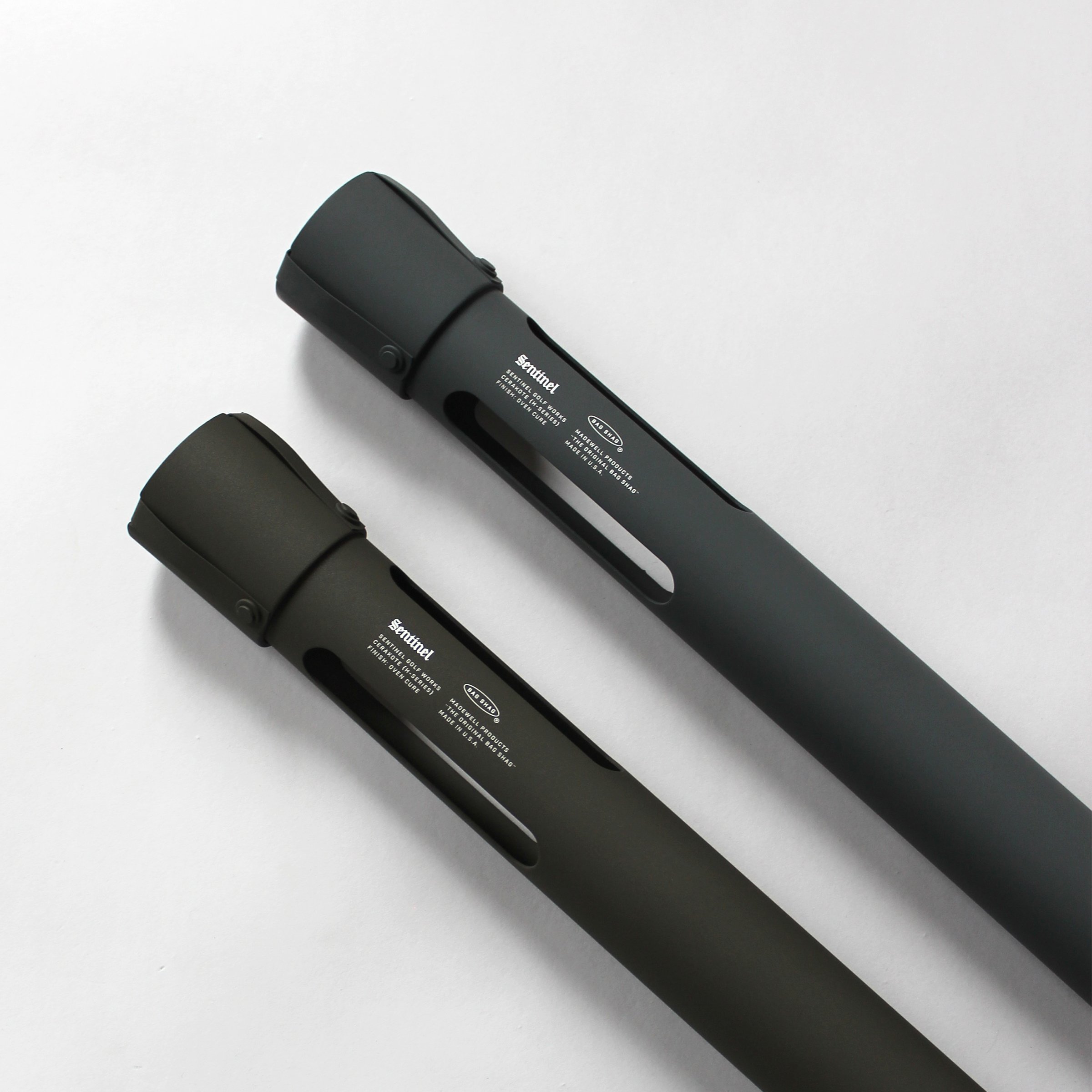
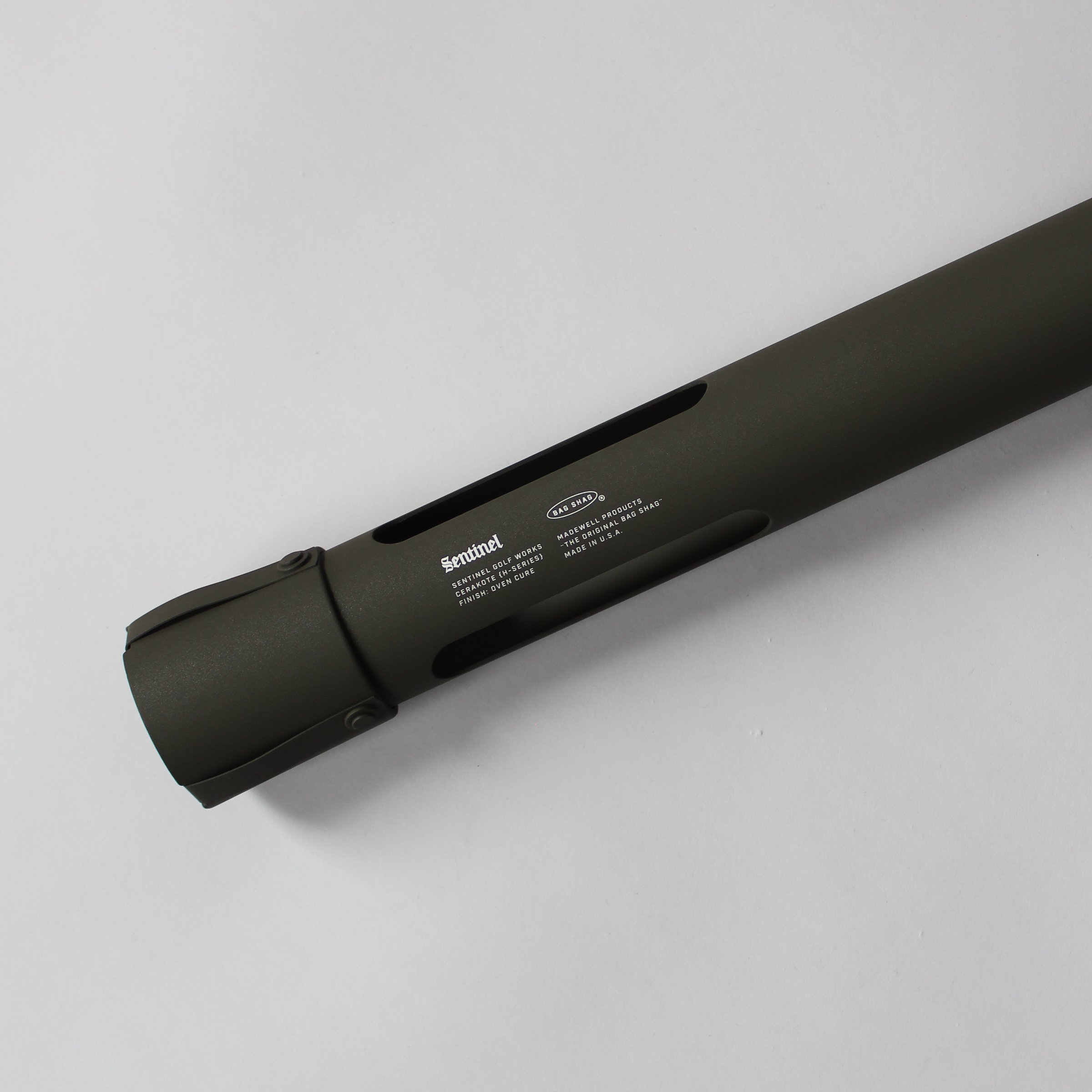
Sentinel Golf is the work of John Mooty, who runs the brand out of Minneapolis. He built it as a product design lab rather than a traditional golf company — a way to experiment, discover, and reimagine, pulling in manufacturers from outside the golf world to make things golf has either never seen or long forgotten.
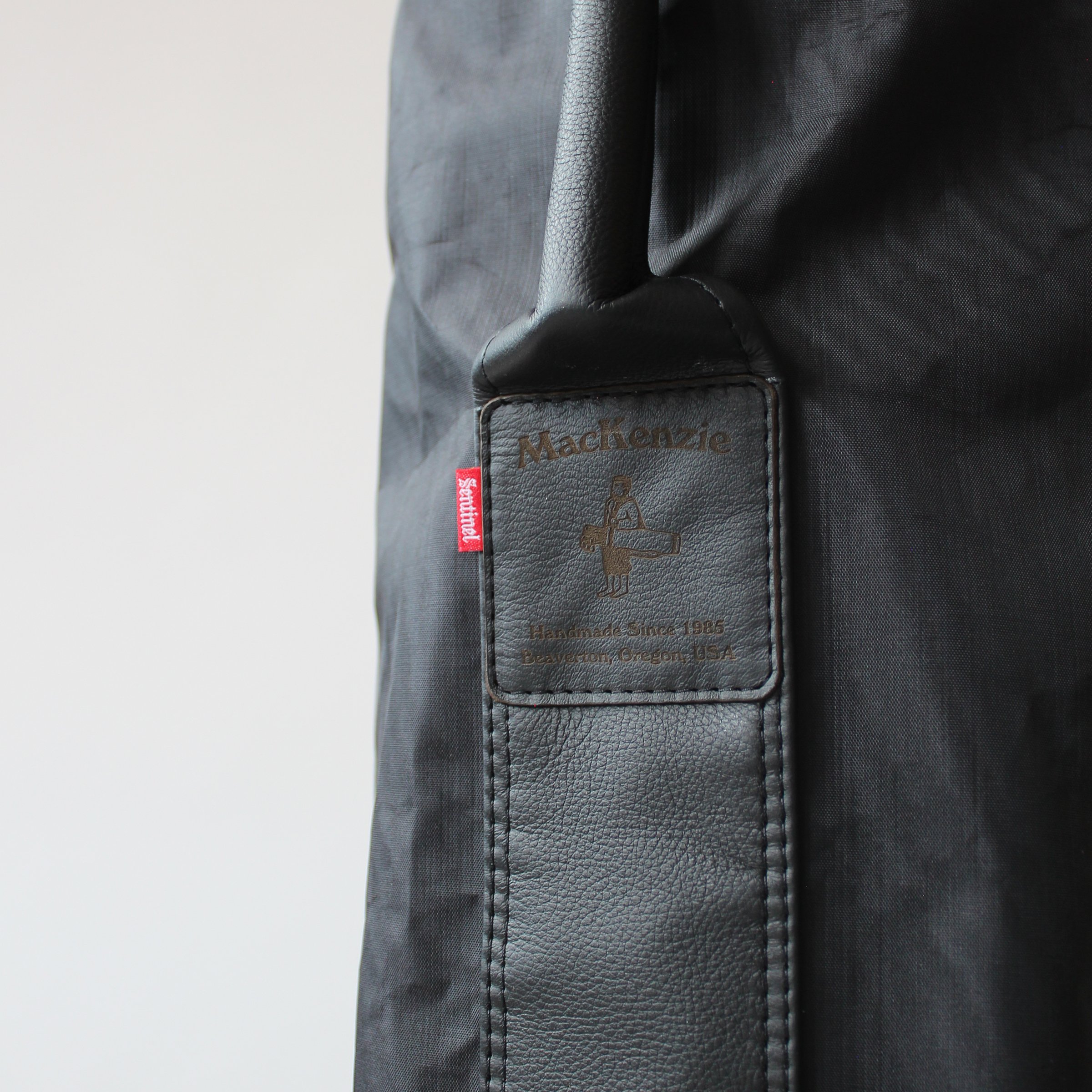
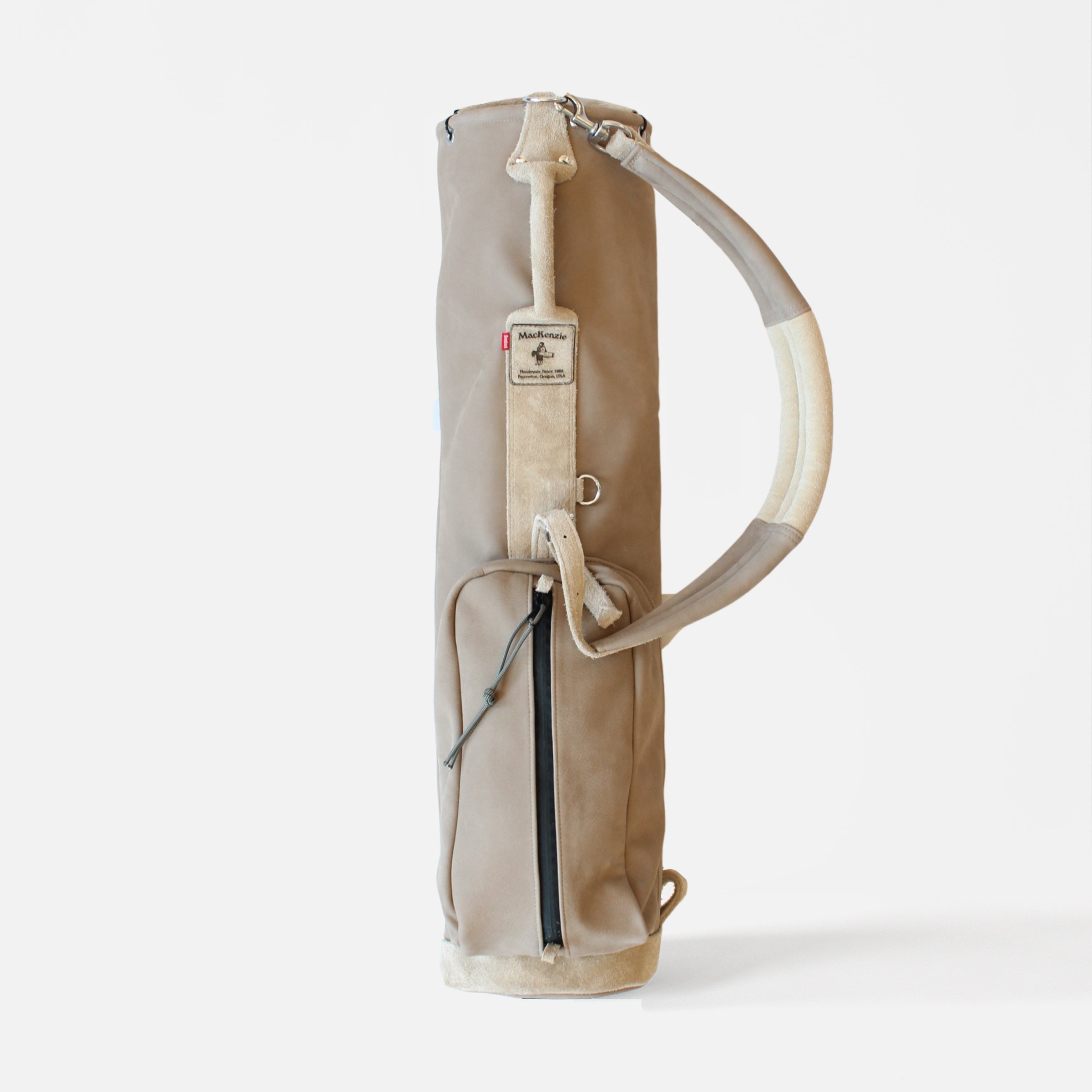
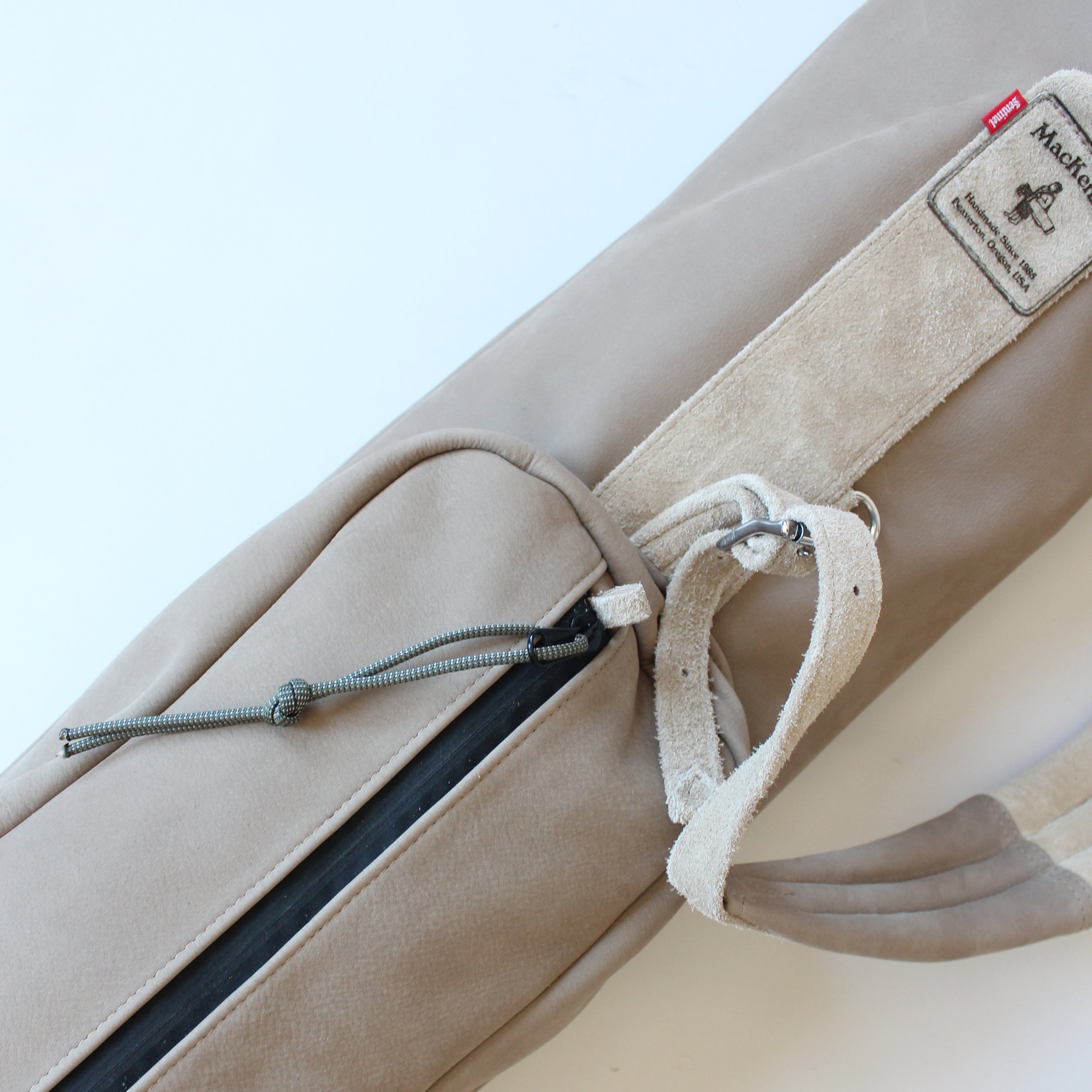
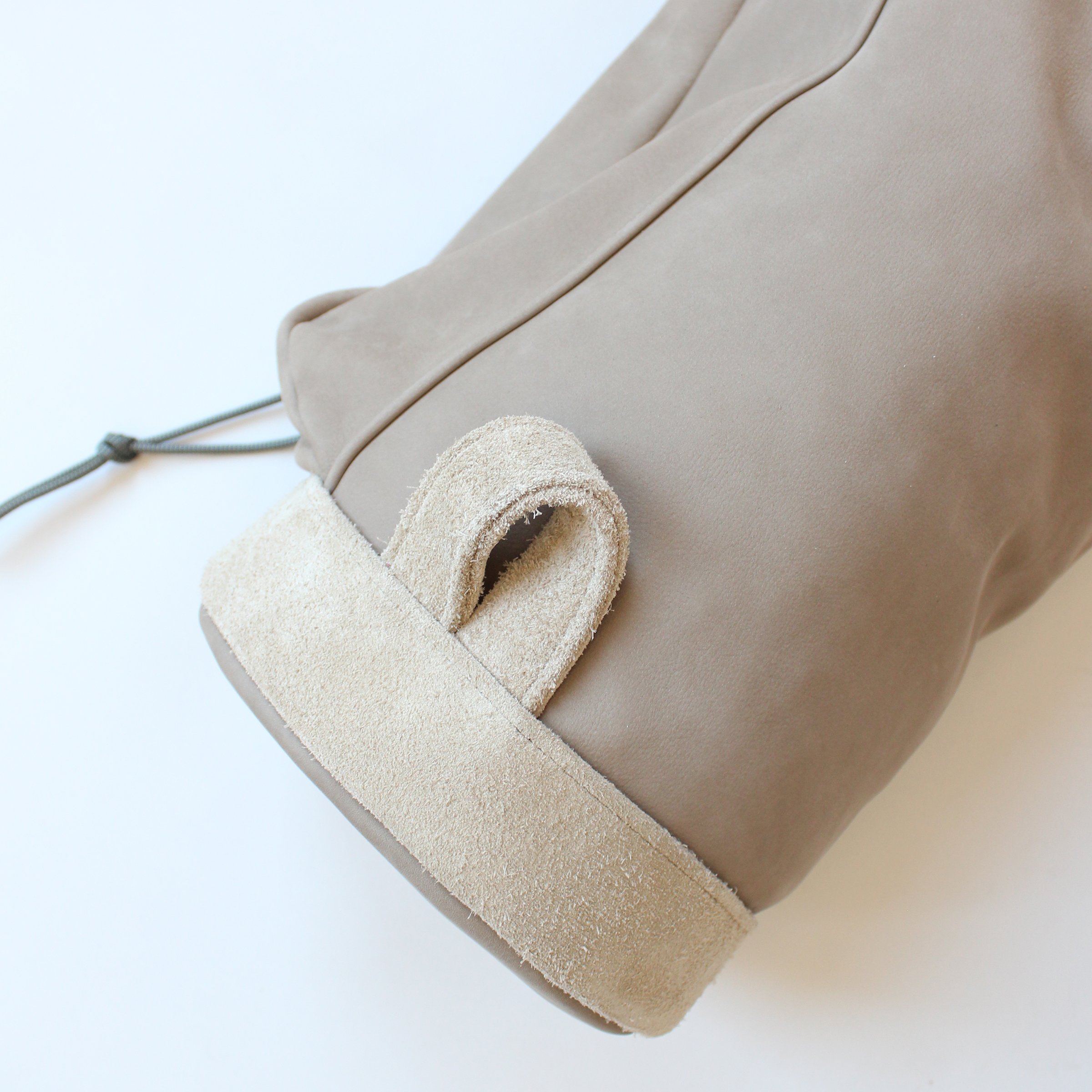
The founding principle is "might as well make it." Sentinel chases ideas rooted in quality and substance, simplicity and utility — objects designed to exist rather than to sell in volume. Its take on the MacKenzie carry bag captures the approach: a design "born fully formed," refined over the years "akin to a sculpture," with every unnecessary element stripped away.
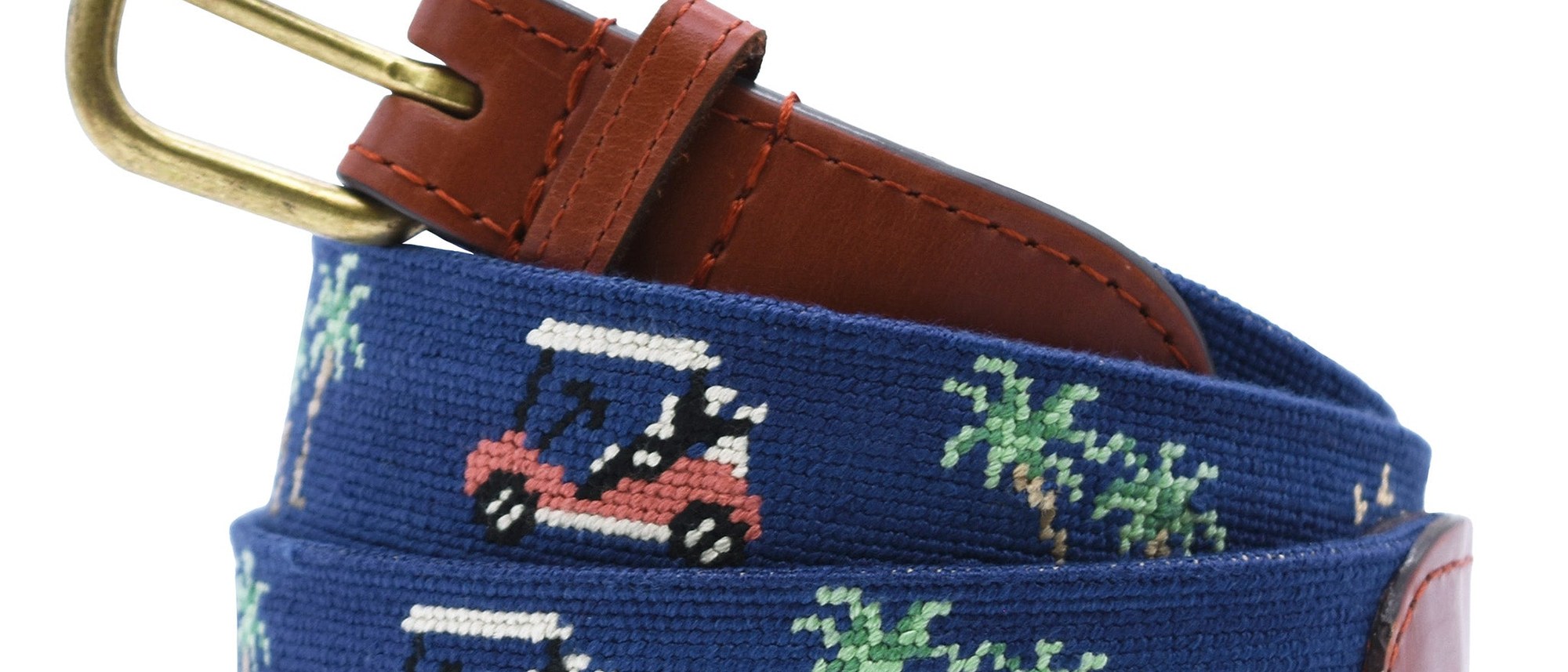
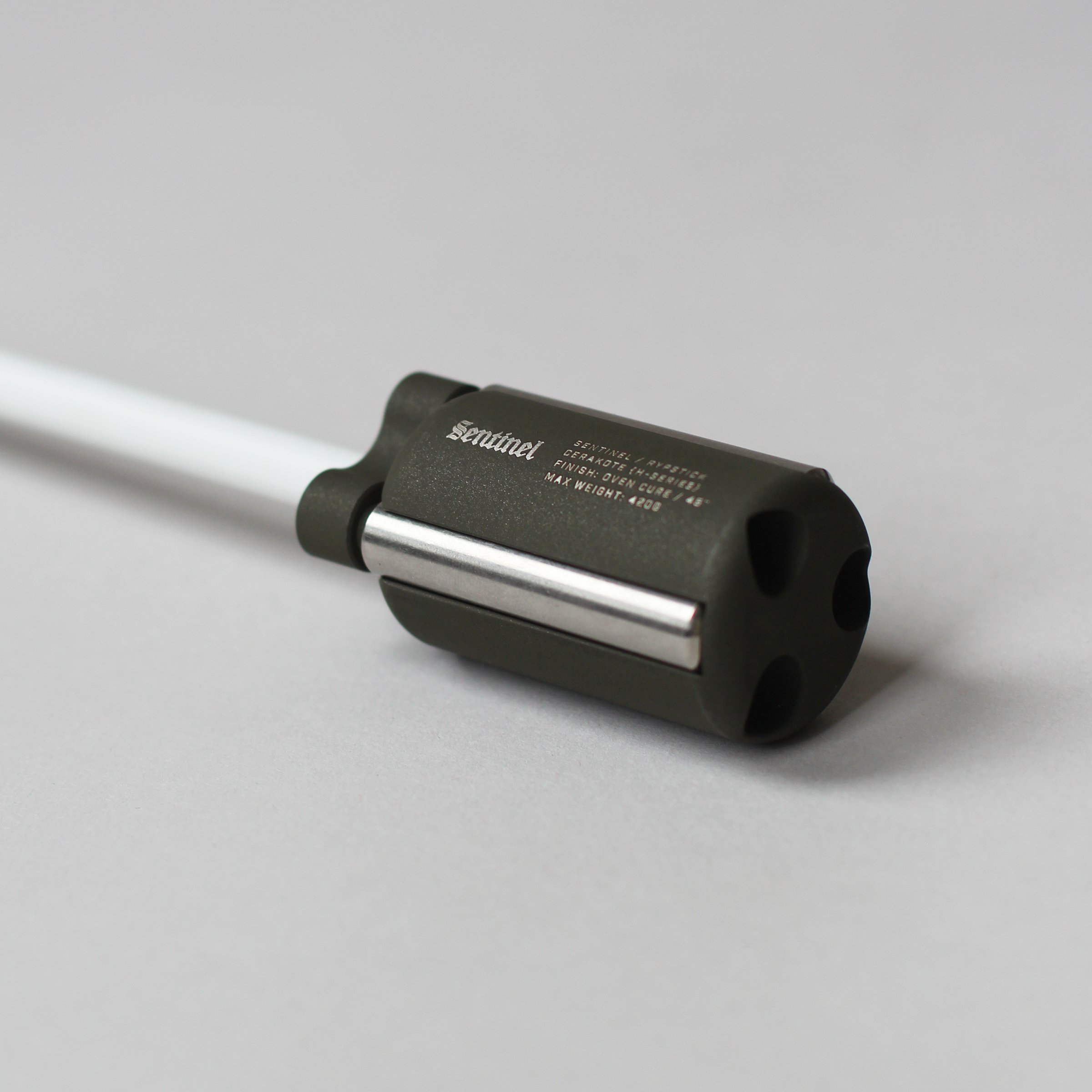
Sentinel's collaborator list reads like a design directory: Sørensen, the Danish eco-conscious leather house, for its hand-stitched Walker bags; FPS, a Tokyo label founded by husband and wife Tomio and Yukiko, for leather blade covers; Kvadrat, the Danish textile maker, for headcovers knit in Denmark and sewn in New York; Anderson's, making woven belts in Parma, Italy for fifty years; the Kermit Chair Company in Nashville; and 1733.
Sentinel produces in pre-order windows to, in its own words, "control costs, lower risk, and limit waste without the need to discount unaccounted-for stock." When a window opens you buy or you miss it — no restocks, no leftover inventory. The sold-out archive becomes the brand's museum.
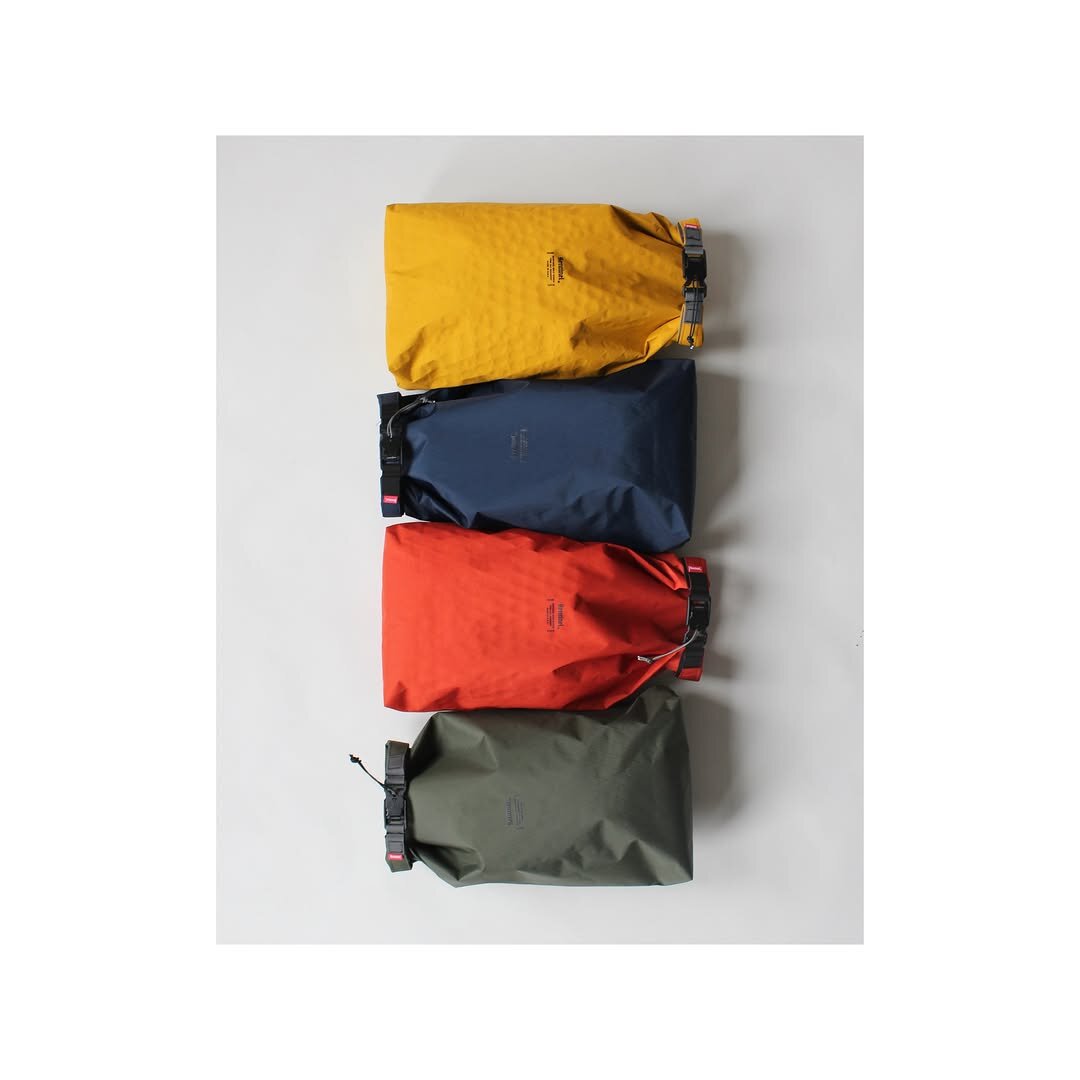
Founder John Mooty's trips to Minnesota's Boundary Waters — over a million acres of protected wilderness where you camp, canoe, and fish with no cell service. He told The Old Ghosts the series tries to capture that feeling in the form of a golf trip. The second Basecamp Expedition capsule, shot at Sand Valley, spans rain gear, lightweight carry bags, tents, and accessories that bridge camping, golf, and fishing — the reason writer Michael Williams calls Sentinel "an American Snow Peak, but for golf."
Much of it is, and domestic manufacturing matters to the brand — but Mooty says it isn't an absolute requirement. What he looks for are the people who care most about what they make and use the best inputs they can find, whether that's in the US, Japan, or Europe. His own inspirations run well outside golf: F/CE, Norda, Saunders Militaria, and Foreign Rider.
Directly at sentinelgolf.us during open pre-order windows. Follow the drops closely — windows close fast, and pieces rarely return.