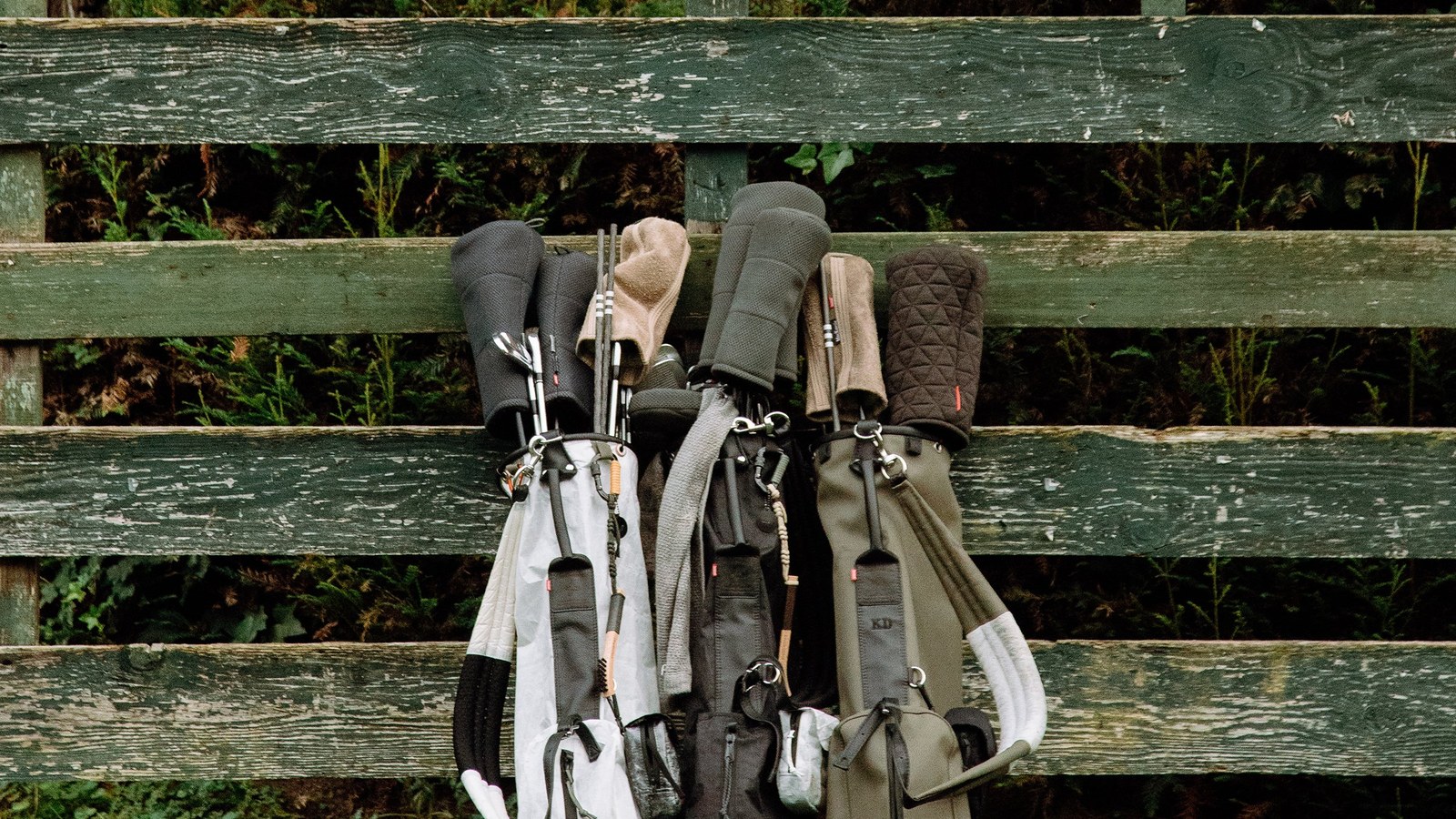
This is twenty-eight pieces made with Dyneema, from a $15 pair of laces to an $890 golf bag: five picks first, then every golf-specific piece that has sold out and is one to watch for, the rest of the one golf shop that has built a whole rack out of the material, eight more from off the course, and three where the fiber is a detail rather than the body. Everything was in stock on September 10, 2026.
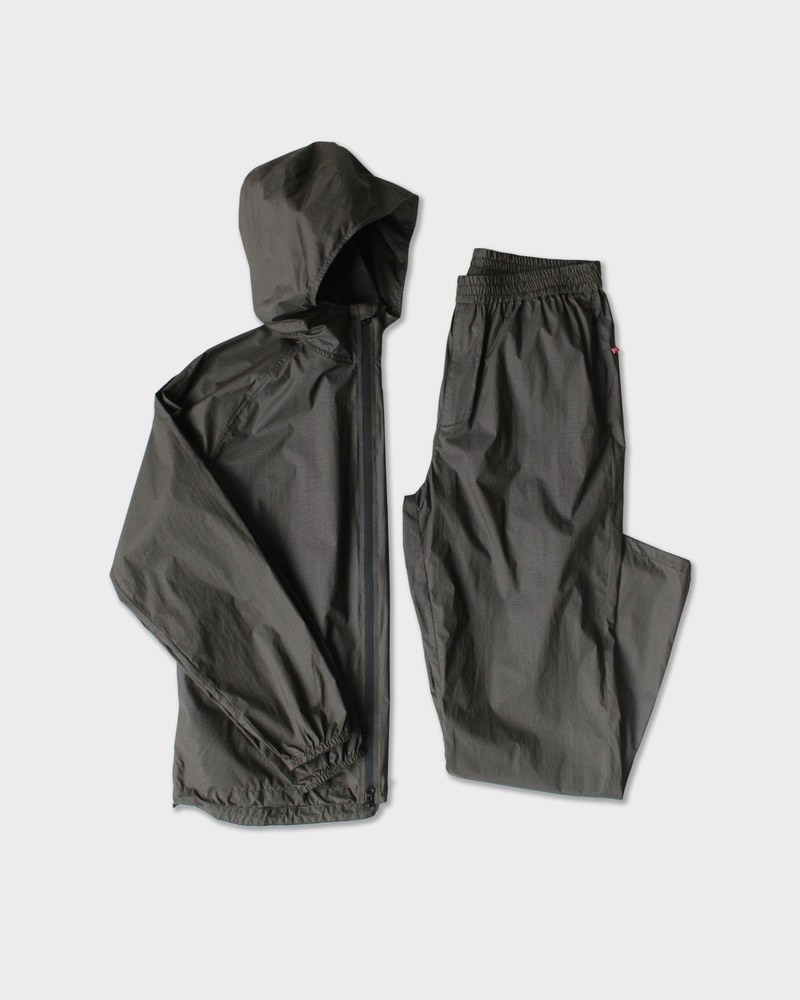
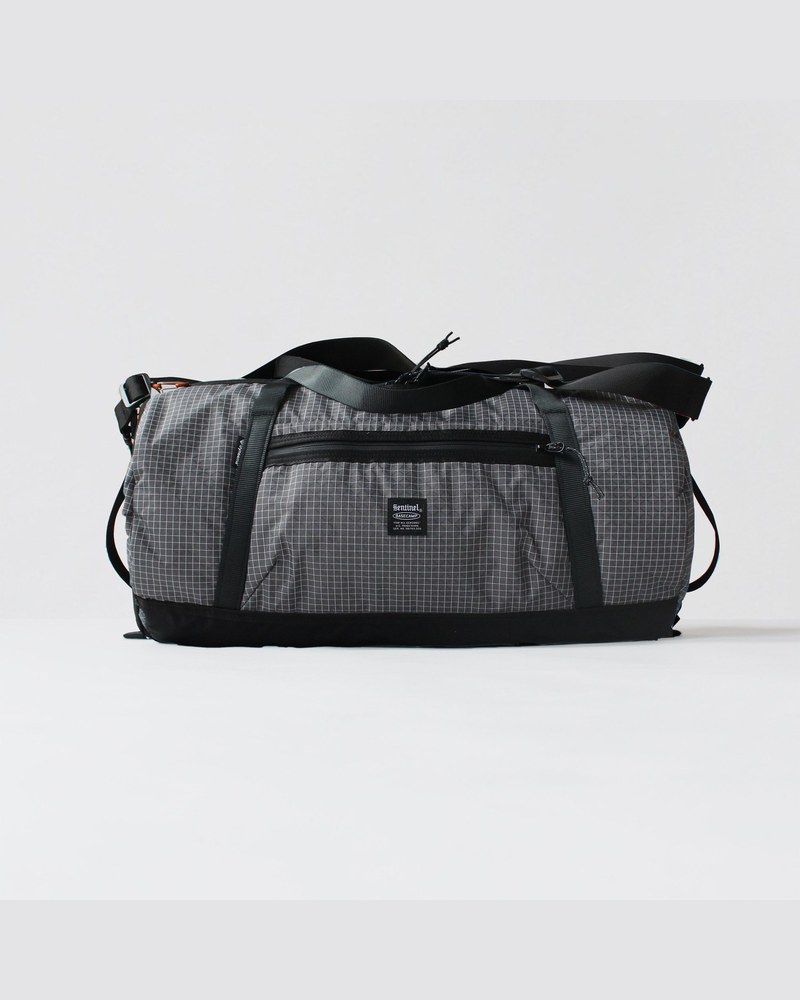
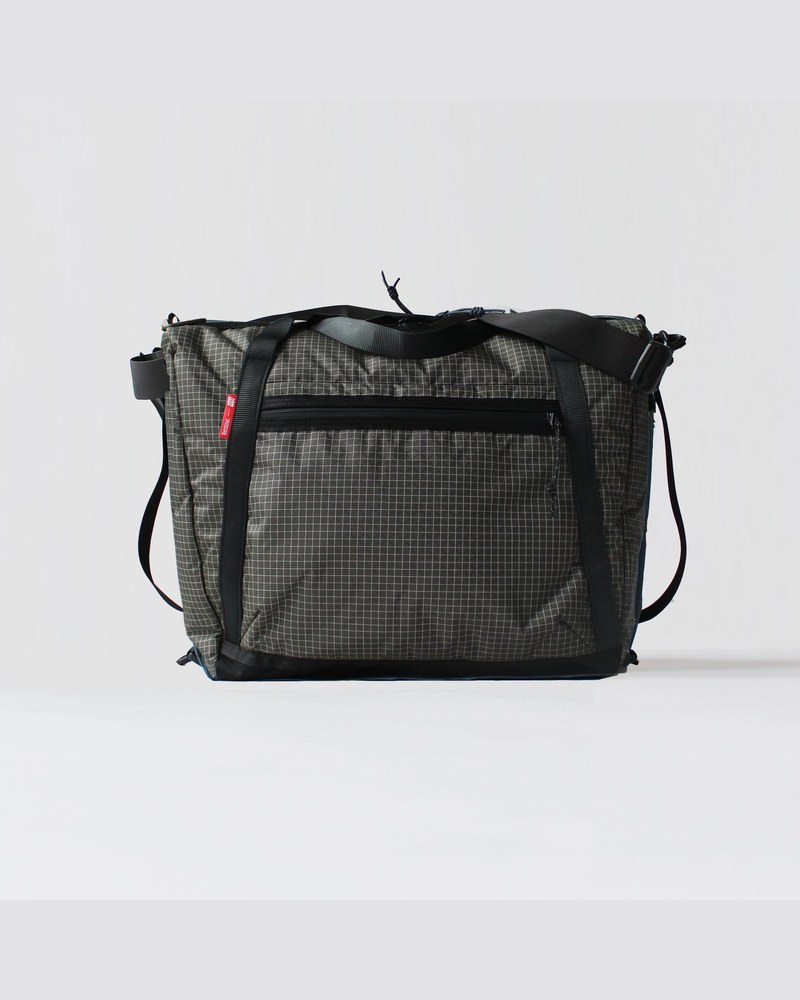
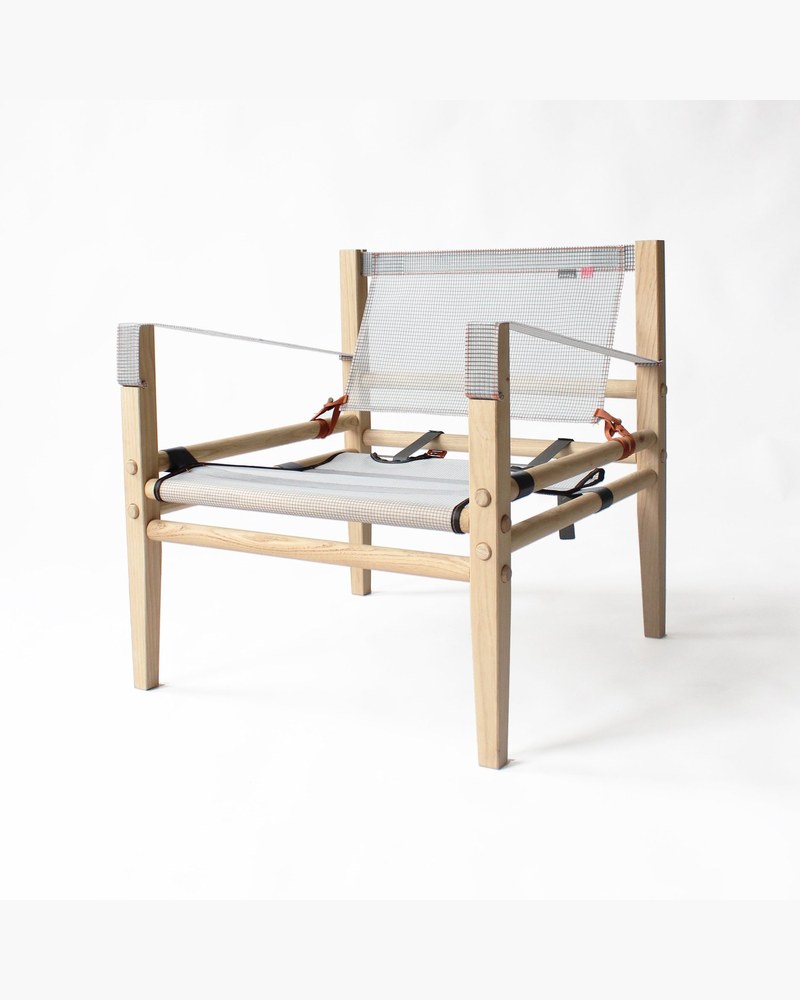
The material is the story. Dyneema is a polyethylene fiber that its maker describes as fifteen times stronger than steel by weight and light enough to float on water, and it spent its first thirty years in mooring lines, body armor and America’s Cup sails. Ultralight hikers found it next, in the crinkly white laminate that used to be called Cuben Fiber. In the last year it has moved again: a new woven composite launched in July 2025, a Dyneema-denim sneaker out of Northampton in March, Avient adding fiber capacity in February. In golf it has so far arrived through Sentinel, which has been building bags, a rain suit and a chair in it since its Basecamp series started.
Who it is for: the walker who counts ounces, anyone whose bag lives in a wet trunk, and the person who wants the thing in their hands to look like nothing else on the first tee.
A Dutch lab accident, a gel-spinning patent, and two very different fabrics that share the name.
The fiber. Dyneema is a brand of ultra-high-molecular-weight polyethylene, or UHMWPE — the same polymer as a milk jug, spun so that the molecular chains line up along the fiber. Its maker’s figure of fifteen times the strength of steel is a strength-to-weight number, not an absolute one, which is why the same fiber floats. It does not absorb water, it shrugs off UV and abrasion, and it is very slippery to stitch, which is part of why finished goods cost what they do.
The history. The discovery is credited to Albert Pennings, a chemist at DSM in the Netherlands, who in the late 1960s noticed strong fibrous crystals forming around a stirrer in a polyethylene solution. DSM patented the gel-spinning process in the seventies, commercialized the fiber in the eighties and has run the plant at Heerlen since 1990. In September 2022 DSM sold the business to Avient of Ohio for an enterprise value of €1.45 billion.
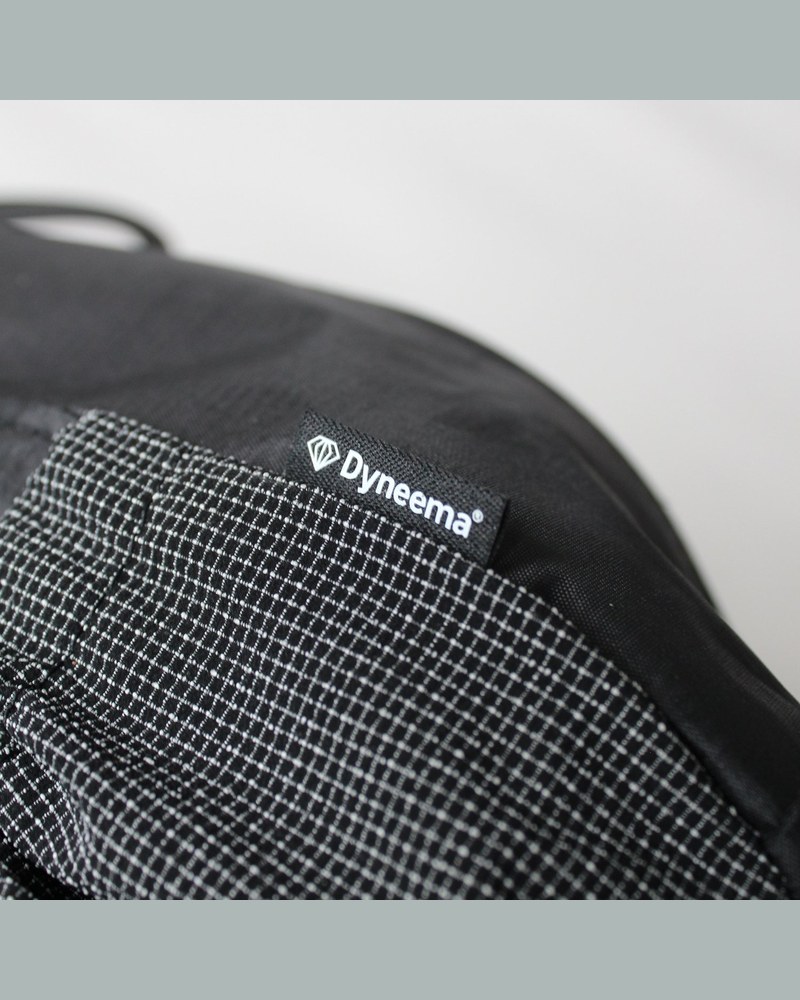
Two fabrics. Most of what golfers will meet is Dyneema Composite Fabric: fibers laid in a grid and laminated between thin polyester films, non-woven, waterproof, and visibly crinkly. That was Cuben Fiber until DSM bought its maker, Cubic Tech of Mesa, Arizona, in May 2015 — a company whose laminates began as 1992 America’s Cup sails. The Hybrid version bonds a woven polyester face onto the laminate for hand and abrasion resistance, which is what Hawbuck uses. Separately there is woven Dyneema, a ripstop cloth with the fiber in the weave, which is what Sentinel’s rain suit is cut from and what the new Woven Composites are built around.
Bio-based. Since 2020 the fiber can be made from renewable ethylene derived from wood-pulp residue, on a mass-balance basis. Sentinel’s bags use the bio-based grade. It is chemically identical to the fossil version, so it does not biodegrade; the gain is in the footprint, which Dyneema puts at ninety percent lower than generic HMPE fiber.
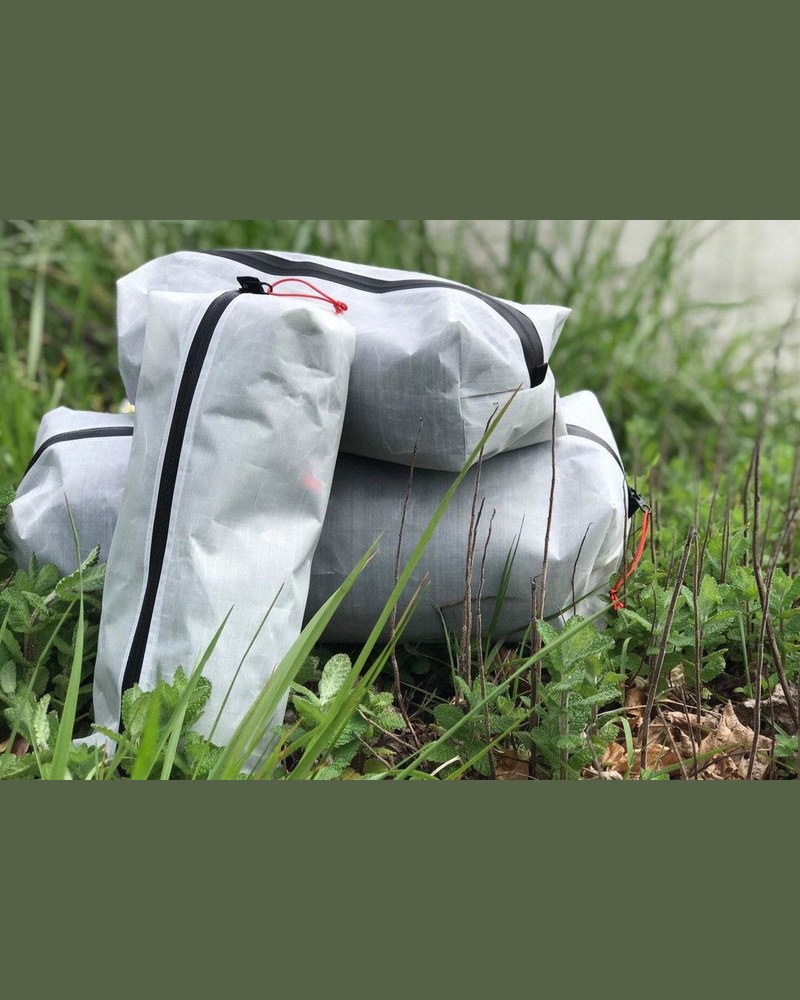
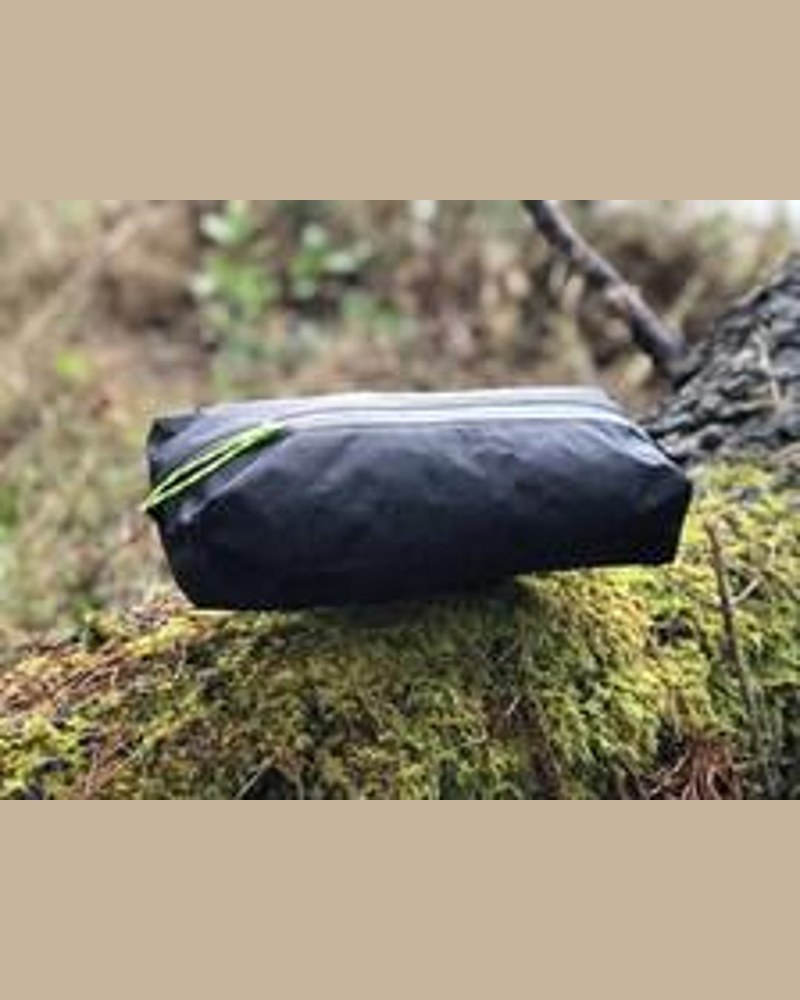
Ultra. The cottage-gear world also uses Ultra, from Challenge Sailcloth — a UHMWPE laminate that is not Dyneema-branded fiber. It is what the Etsy ditty bag below is made of, and the copy says so.
The picks run from an $890 made-to-order golf bag to a $17 ditty bag that weighs less than a ball.
Sentinel’s founder, on why the brand keeps bringing outside materials into golf.
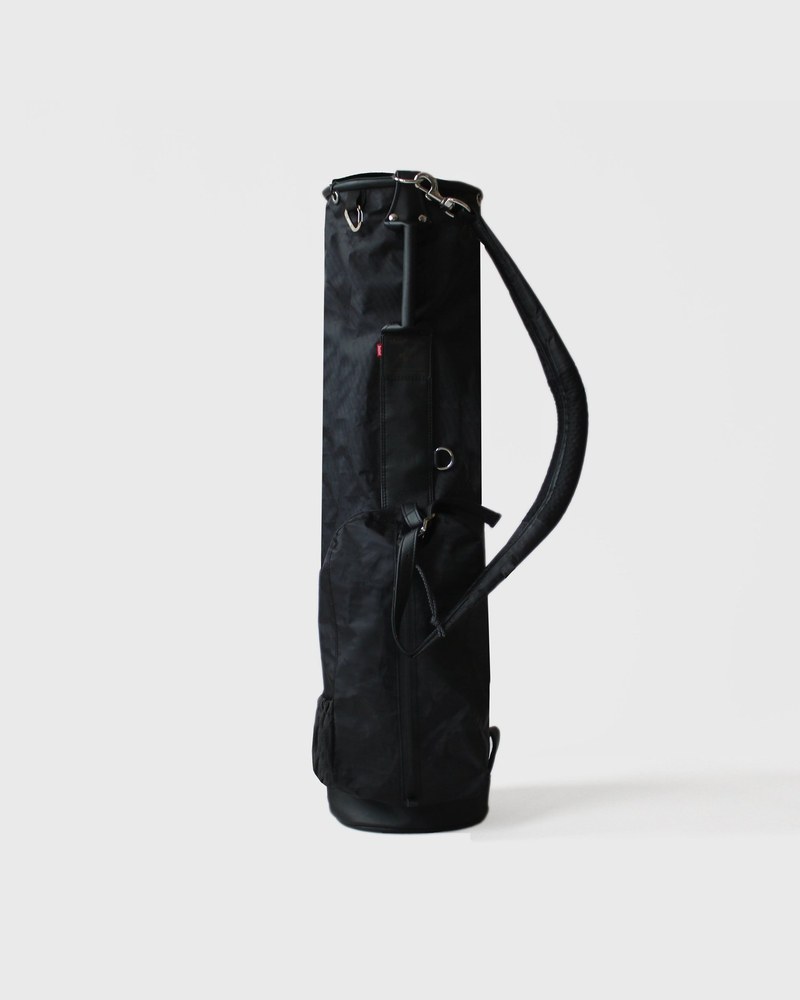
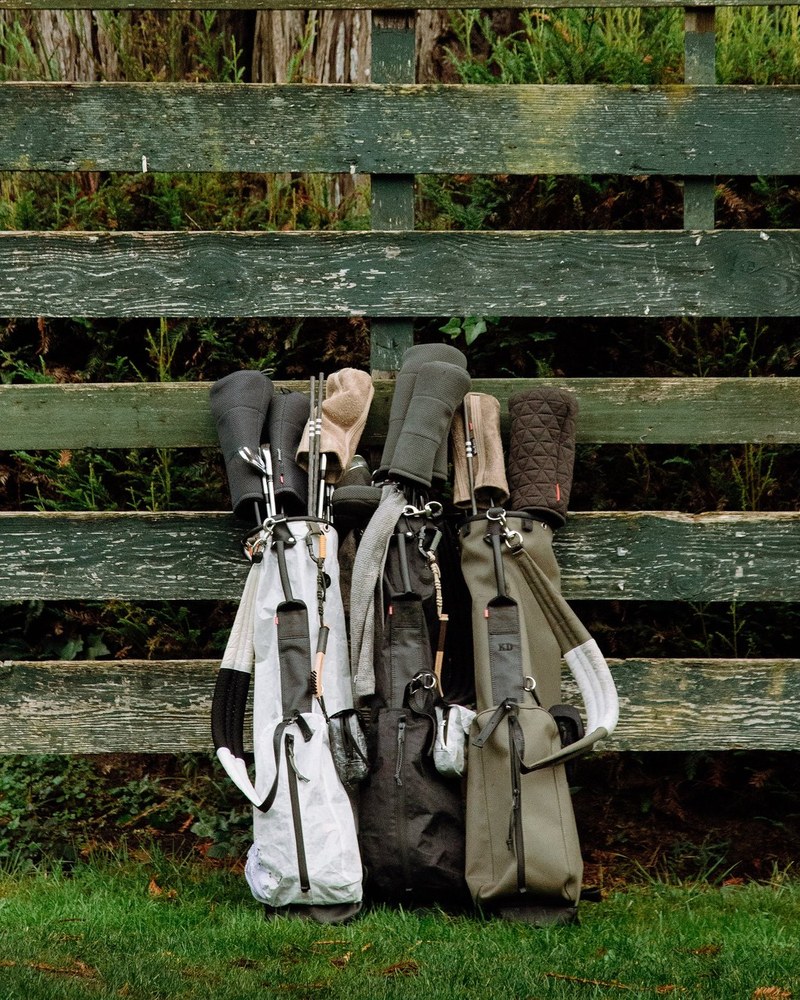
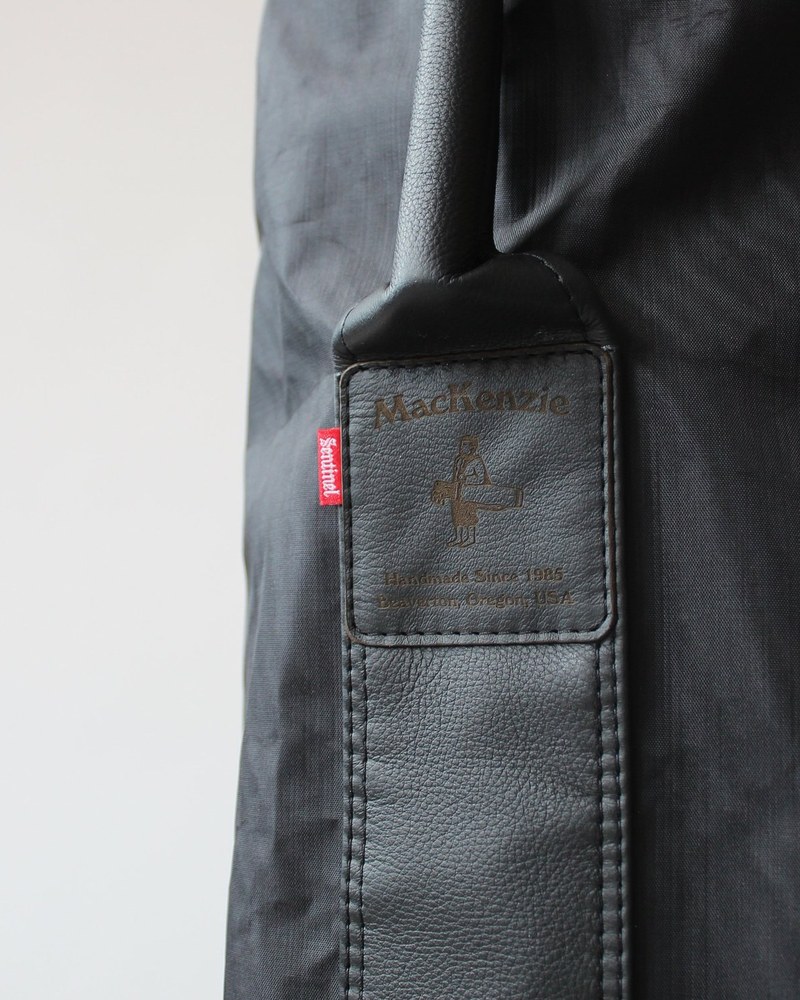
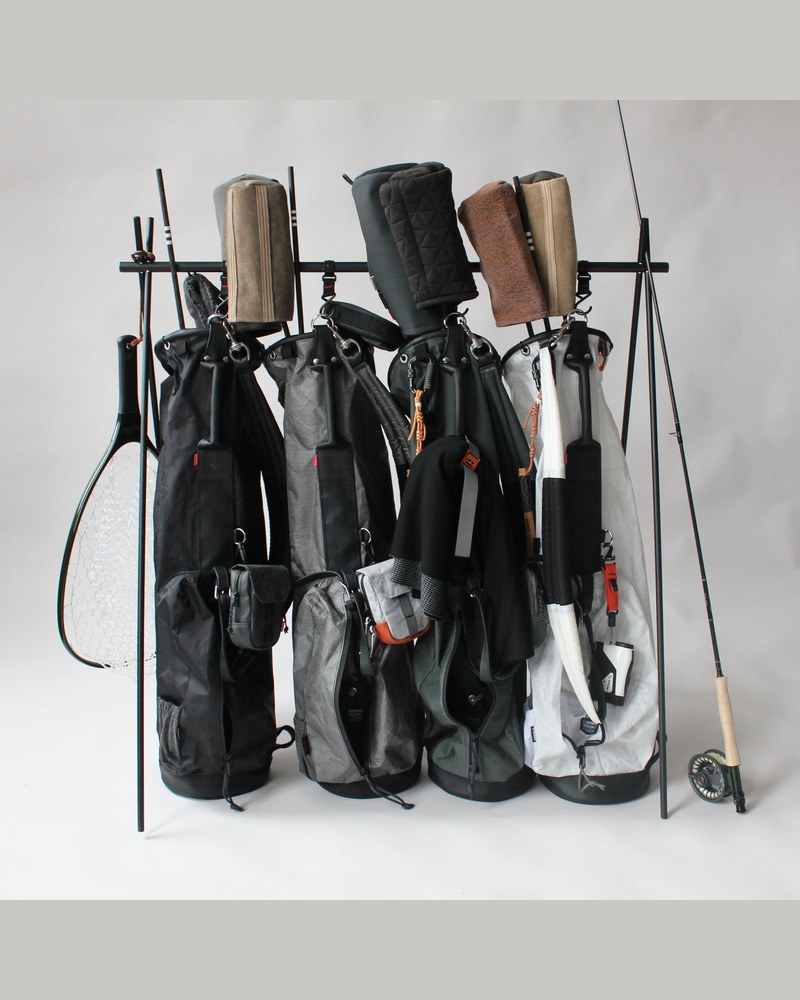
Sentinel’s Basecamp series is where golf’s Dyneema lives: the Walker is manufactured with MacKenzie Golf Bags in Beaverton, the duffles and totes with 1733 in Chicago, the chair with Wildingout in Japan, and the second Basecamp capsule in December 2025 added rain gear, carry bags and tents. Speaking to Michael Williams of The Old Ghosts that month, founder John Mooty put the project this way:
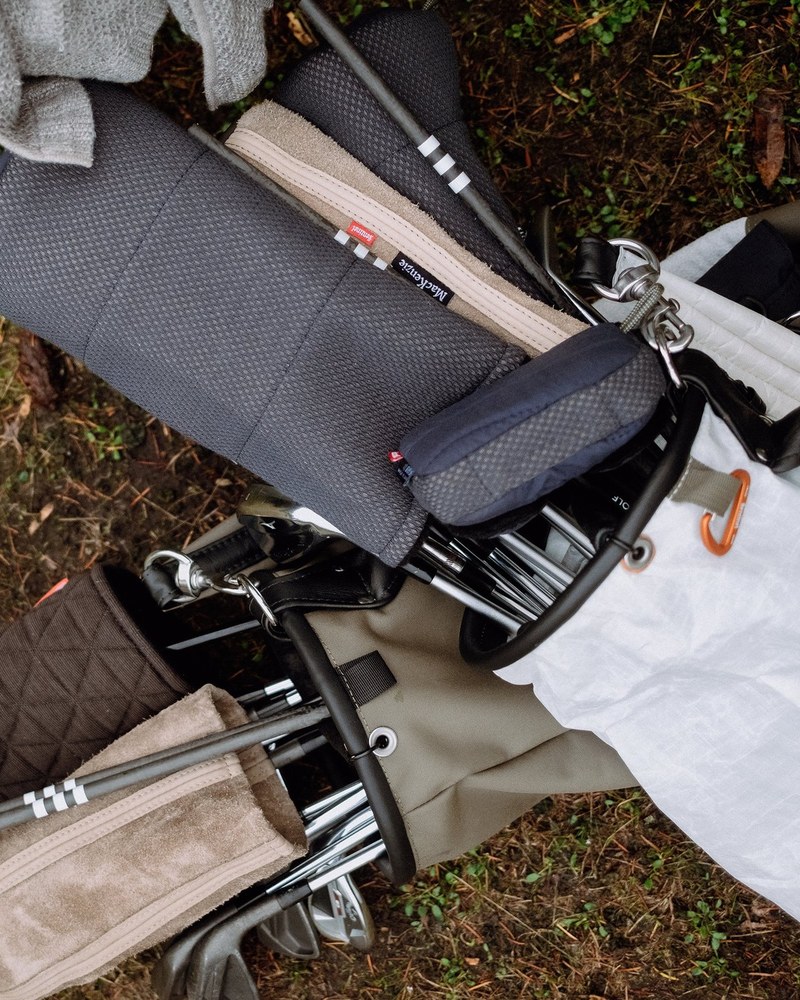
MacKenzie’s own site offers the Walker in leather, waxed canvas, treated canvas and nylon; the Dyneema version exists only through Sentinel. If you have read our Sentinel profile or the MacKenzie collab archive, this is where the two meet.
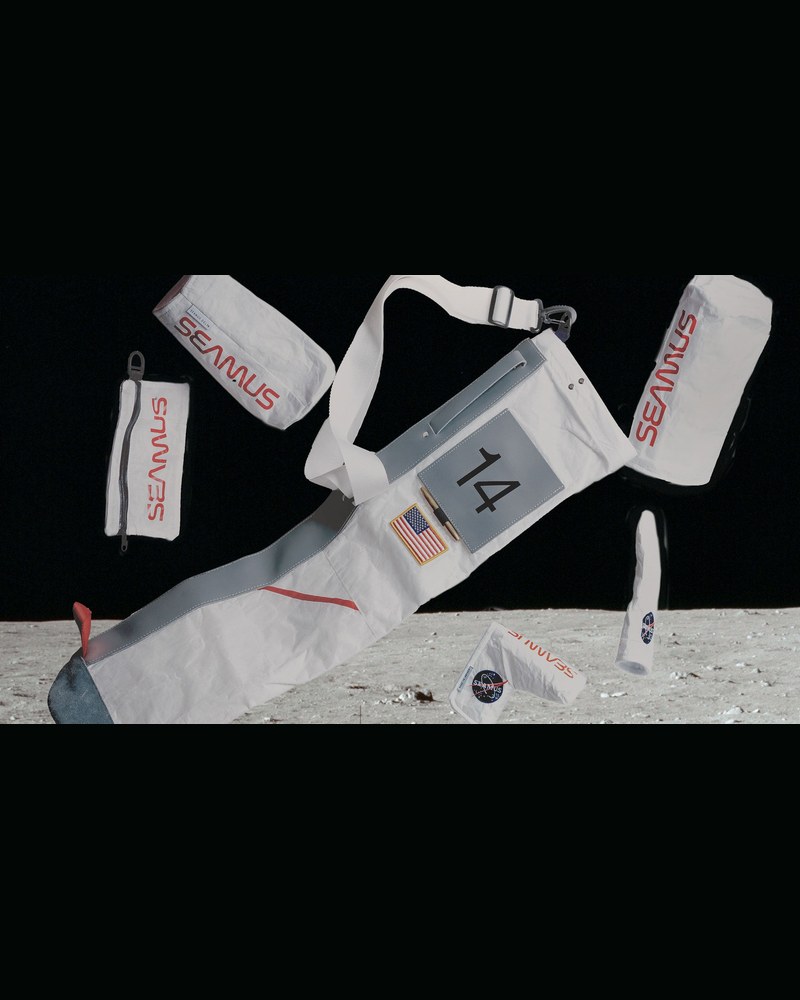
Every golf-specific Dyneema product that has existed and is out today, from Seamus’s 2021 moon bag to Sentinel’s sock. None of these makers publishes a restock date.
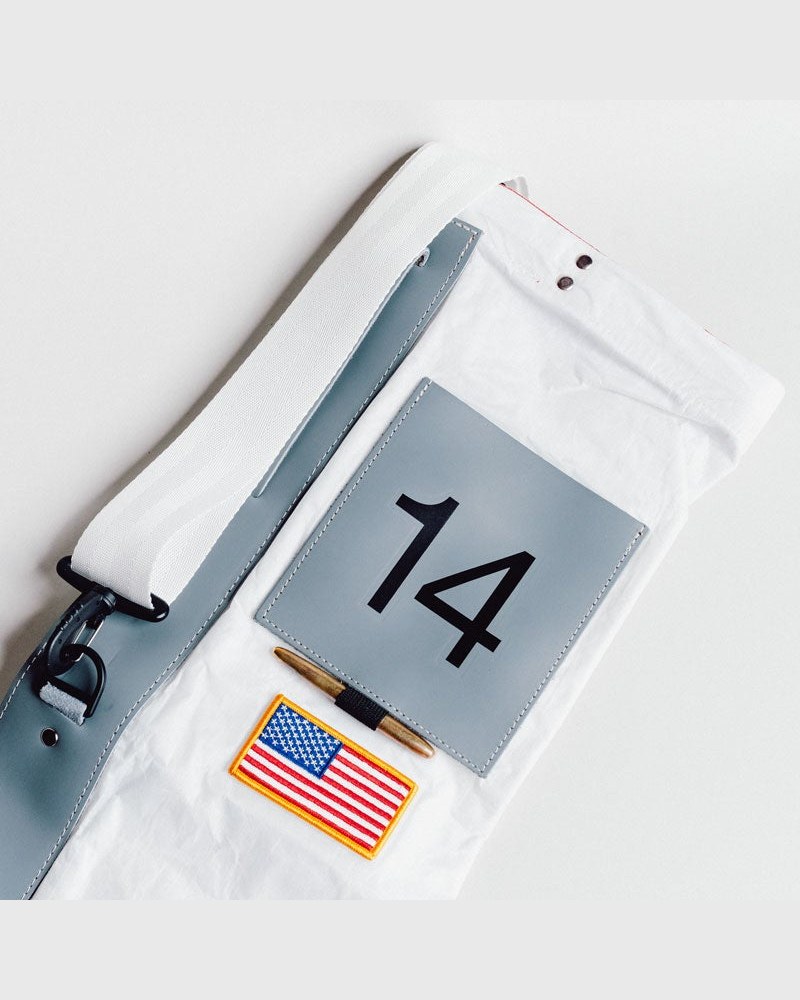
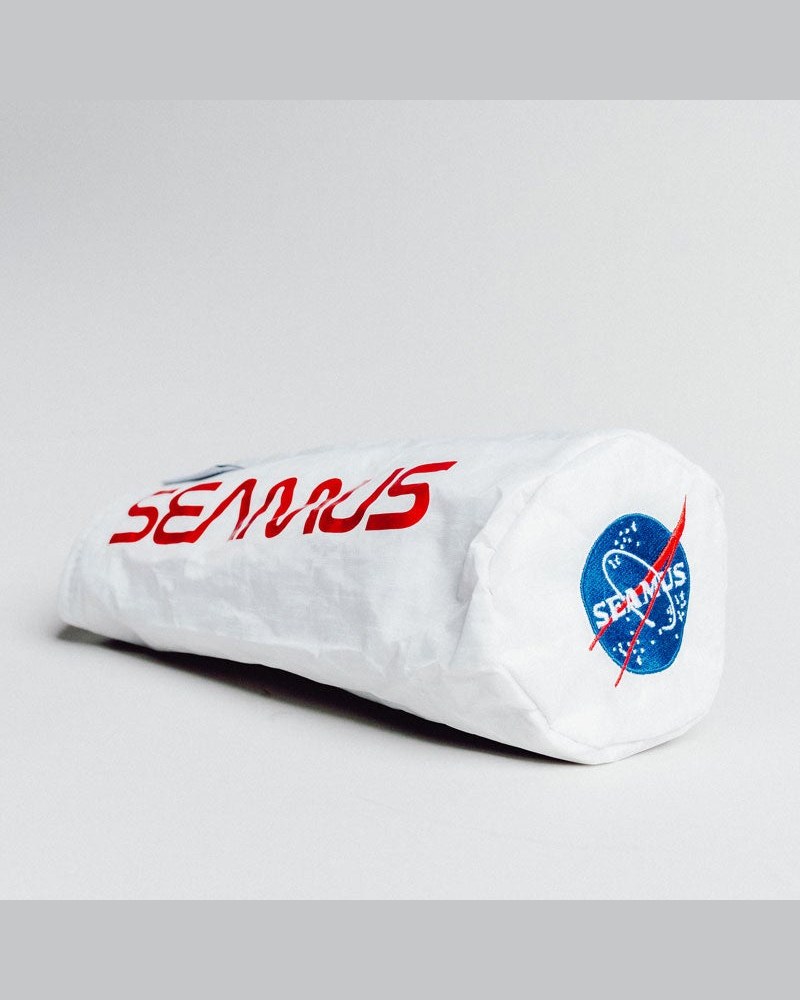
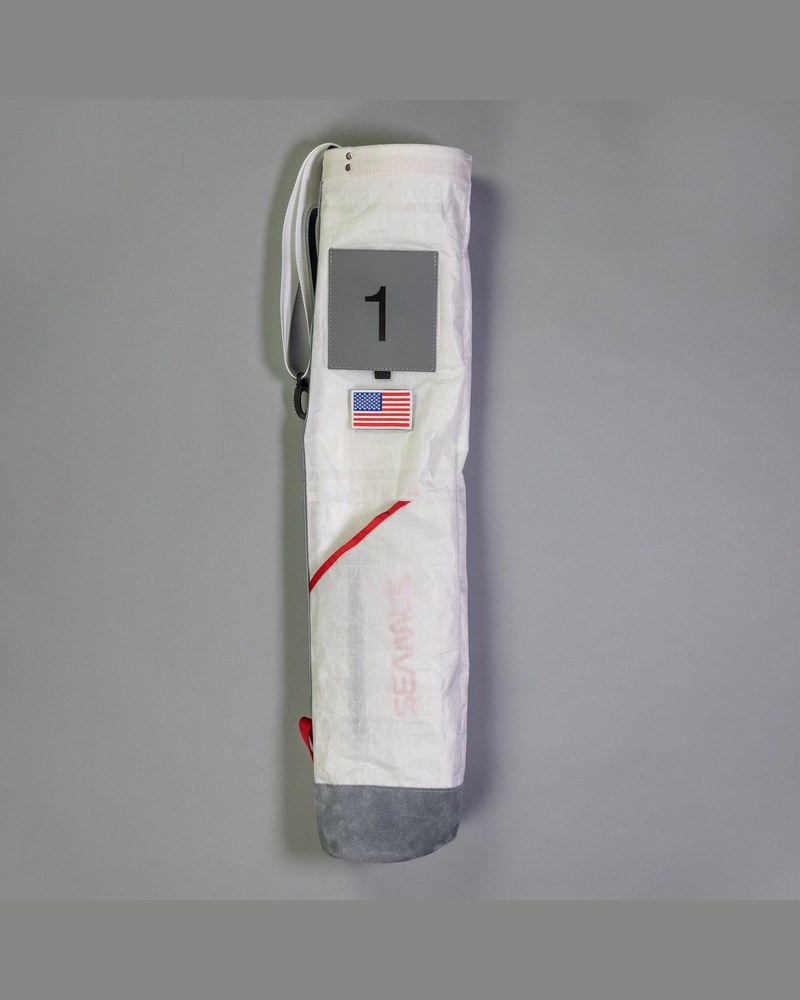
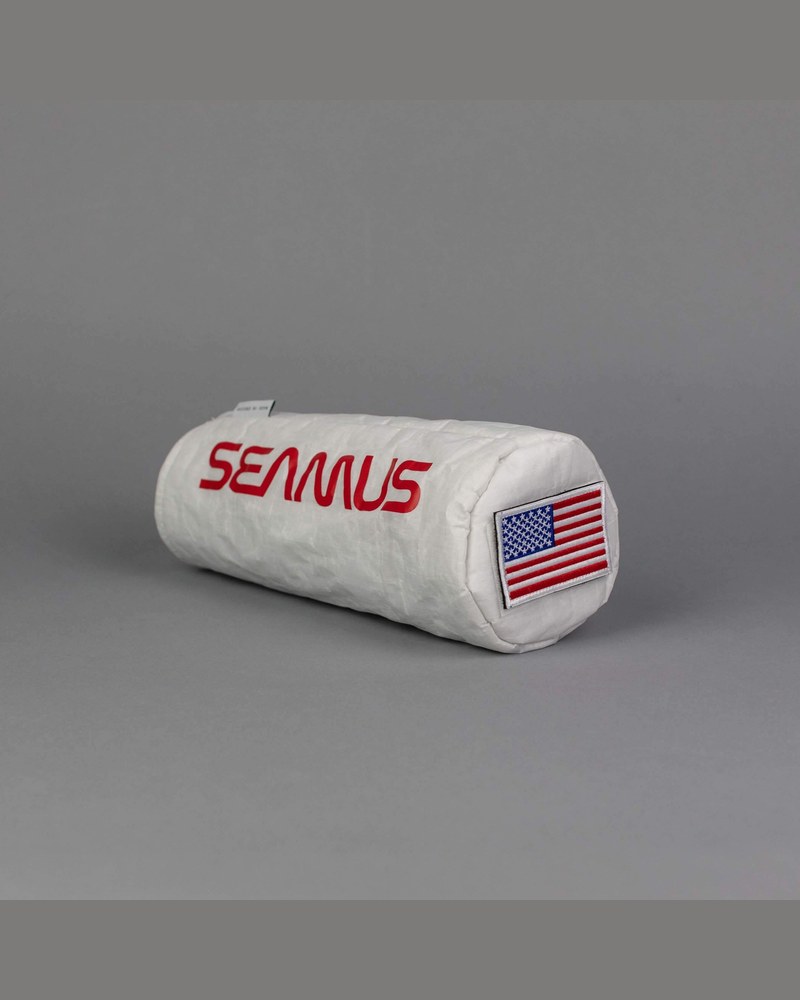
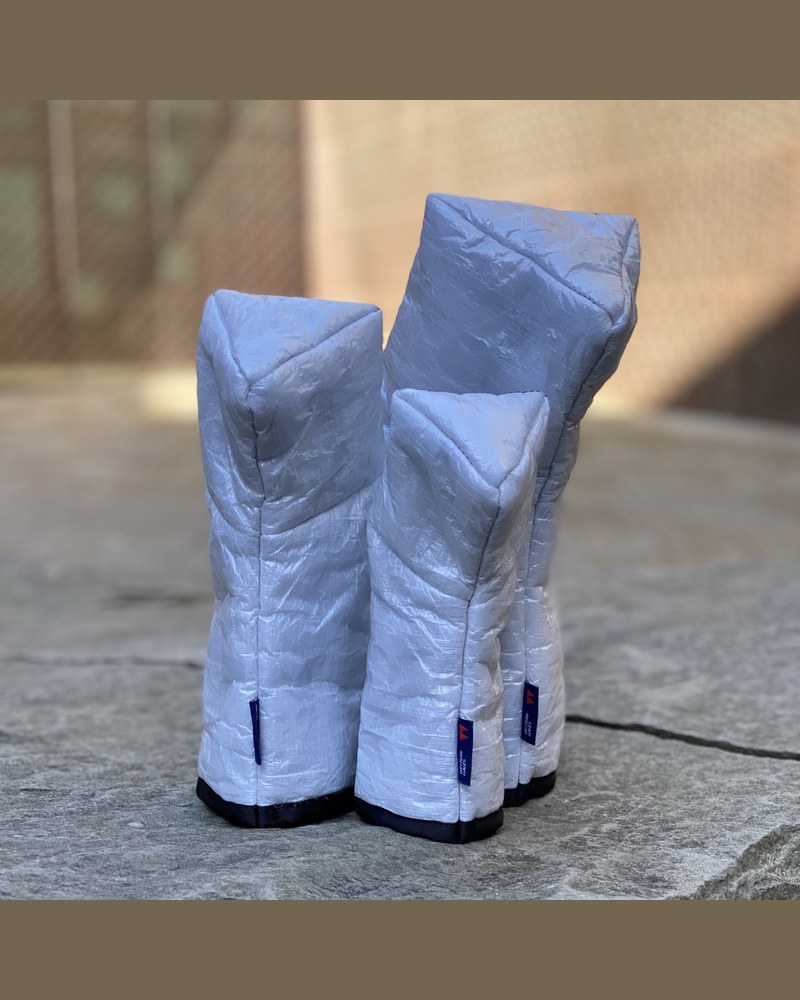
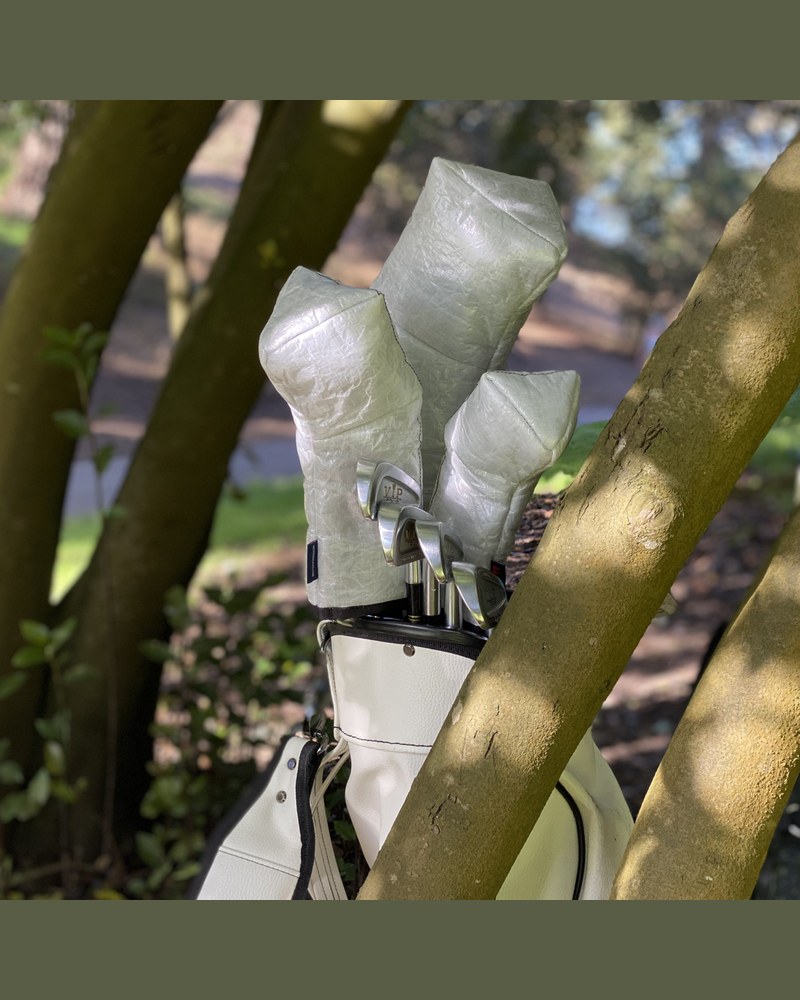
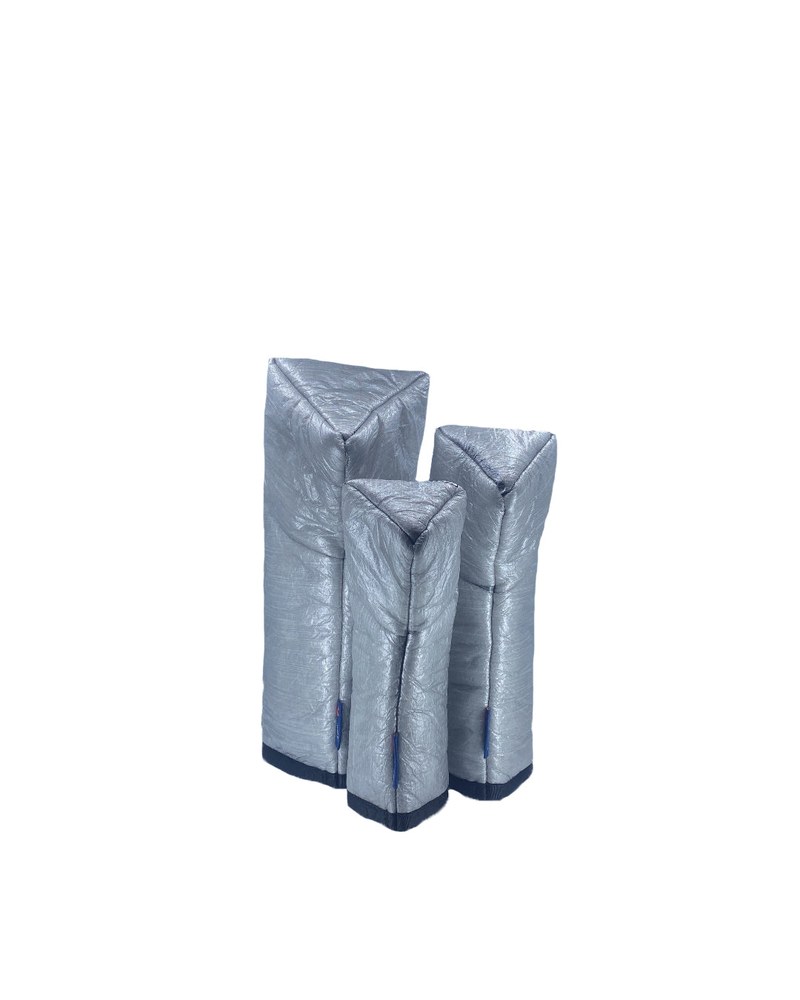
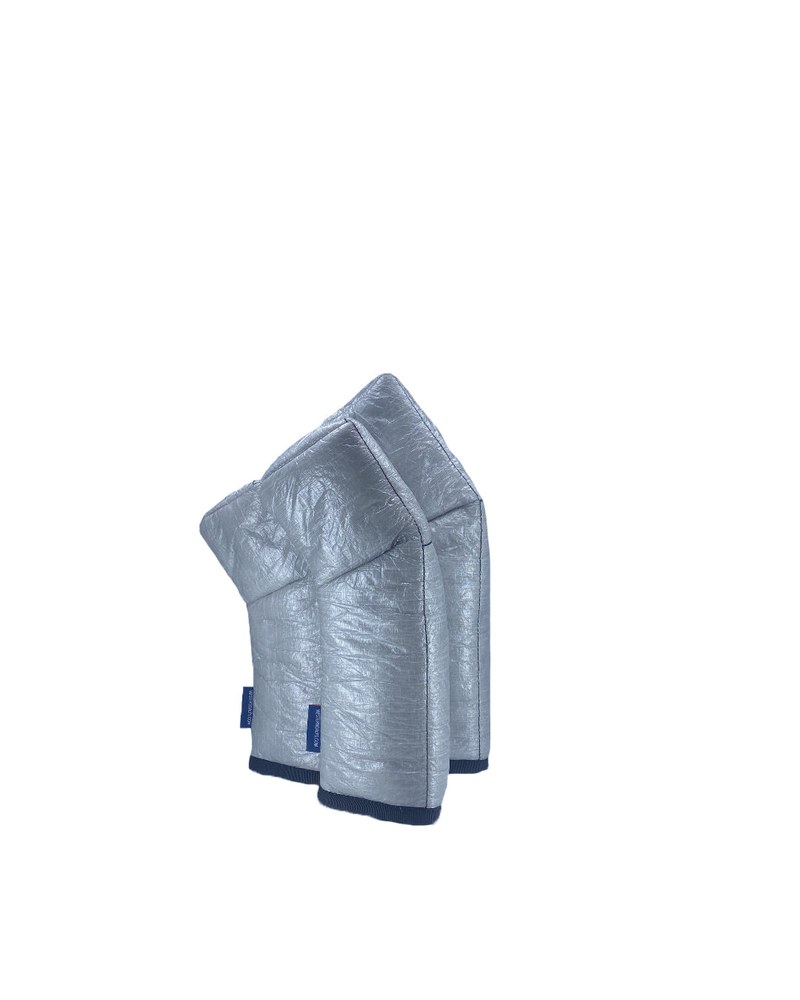
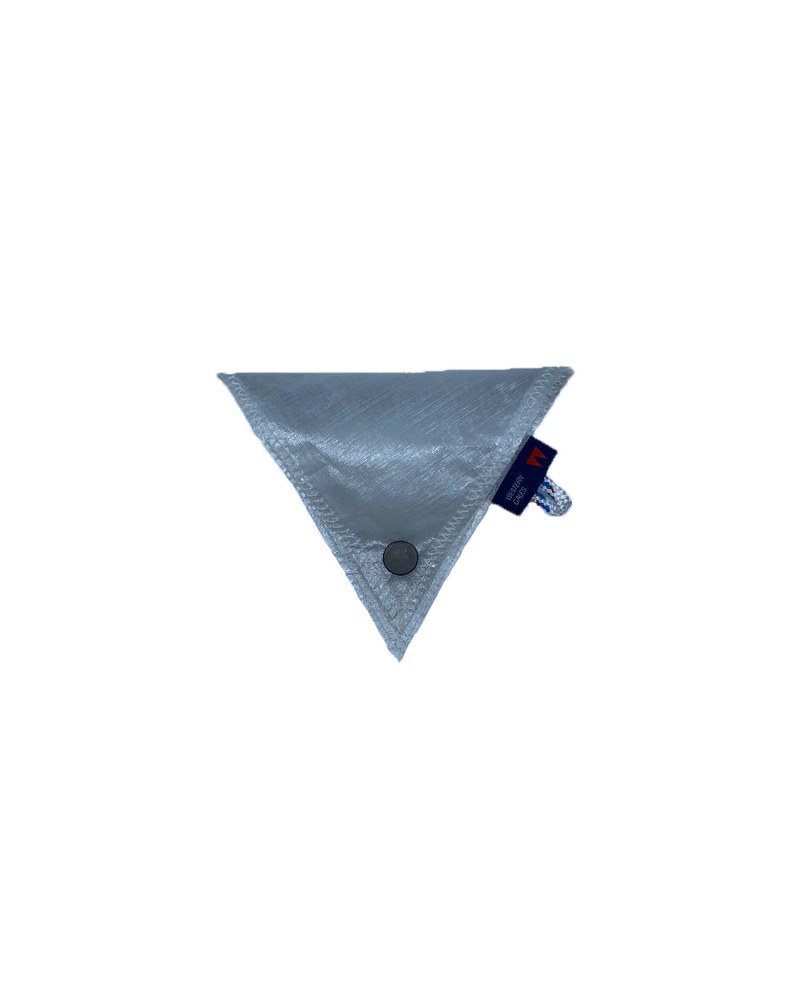
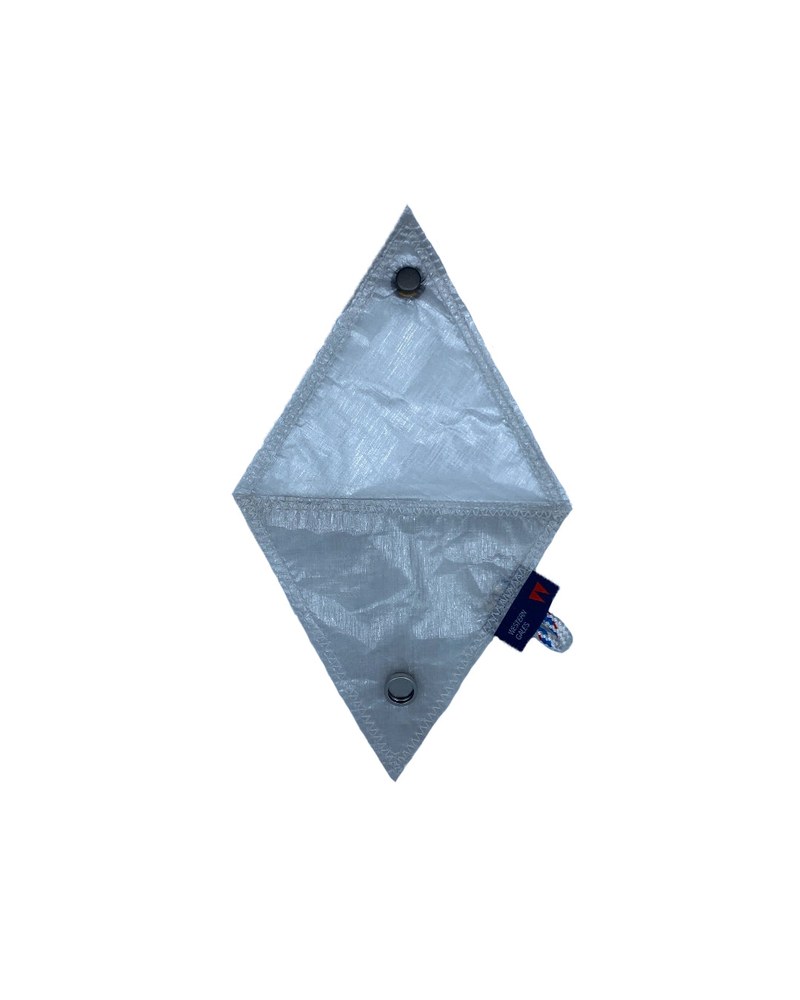
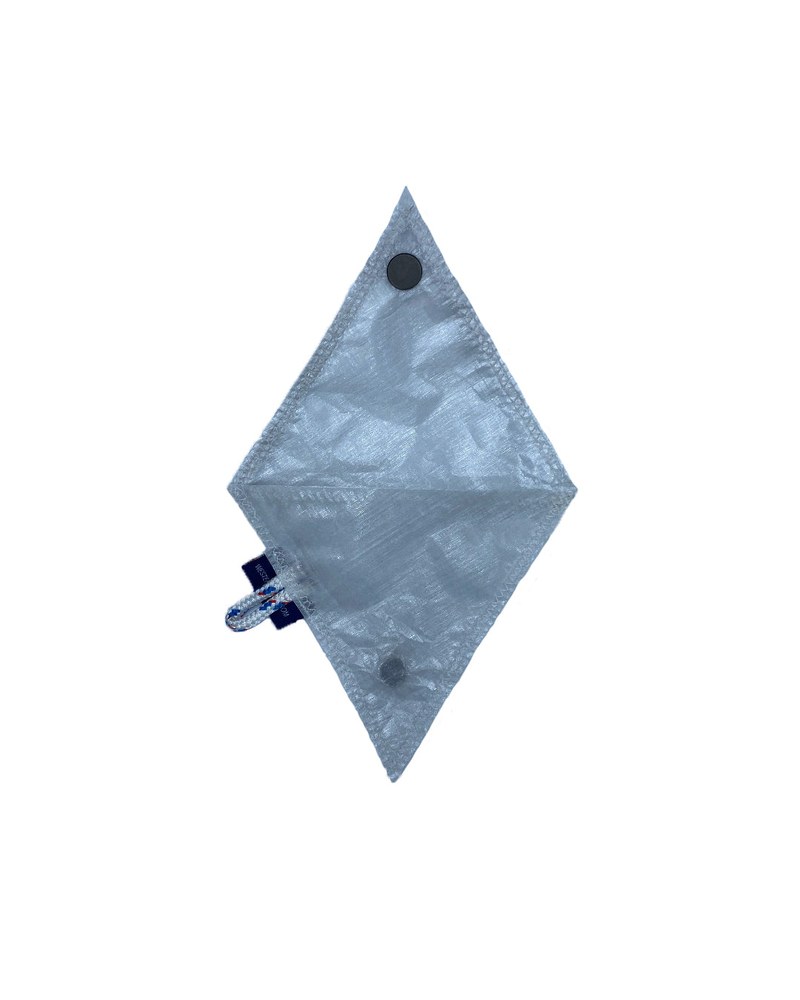
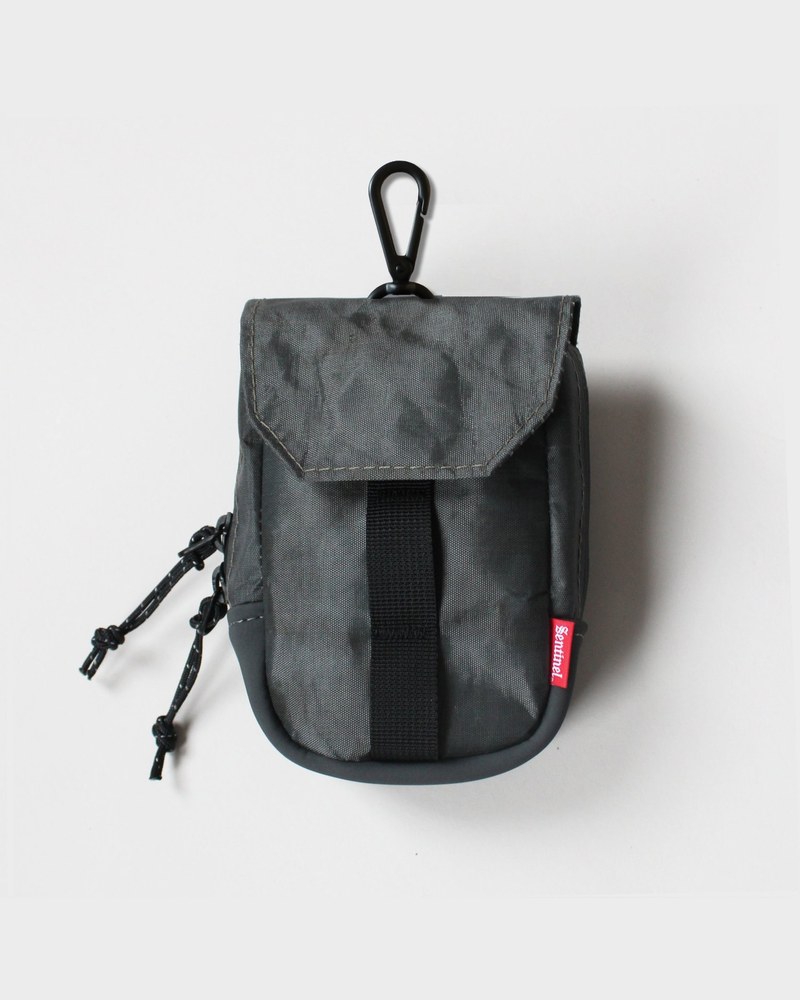
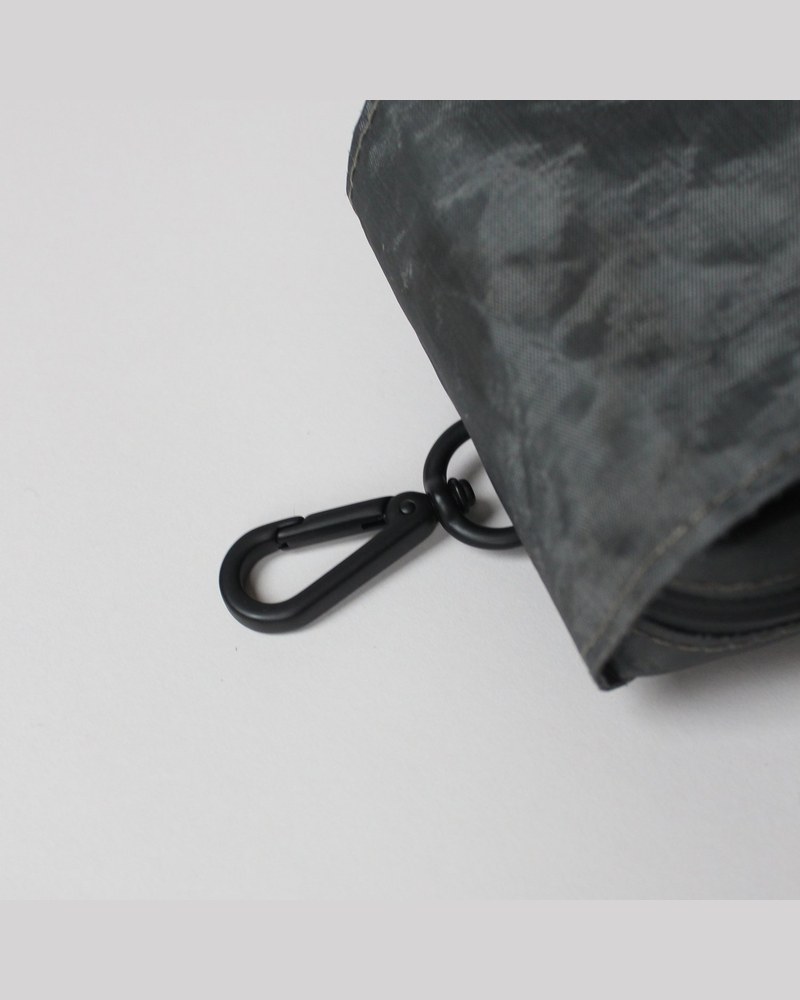
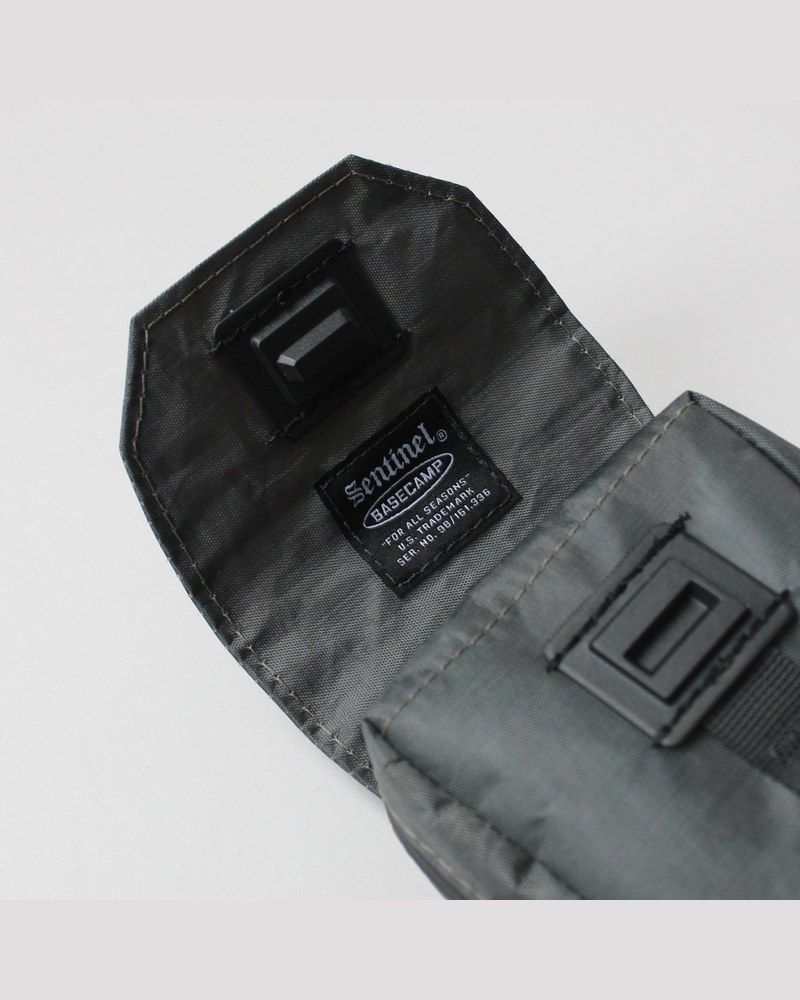
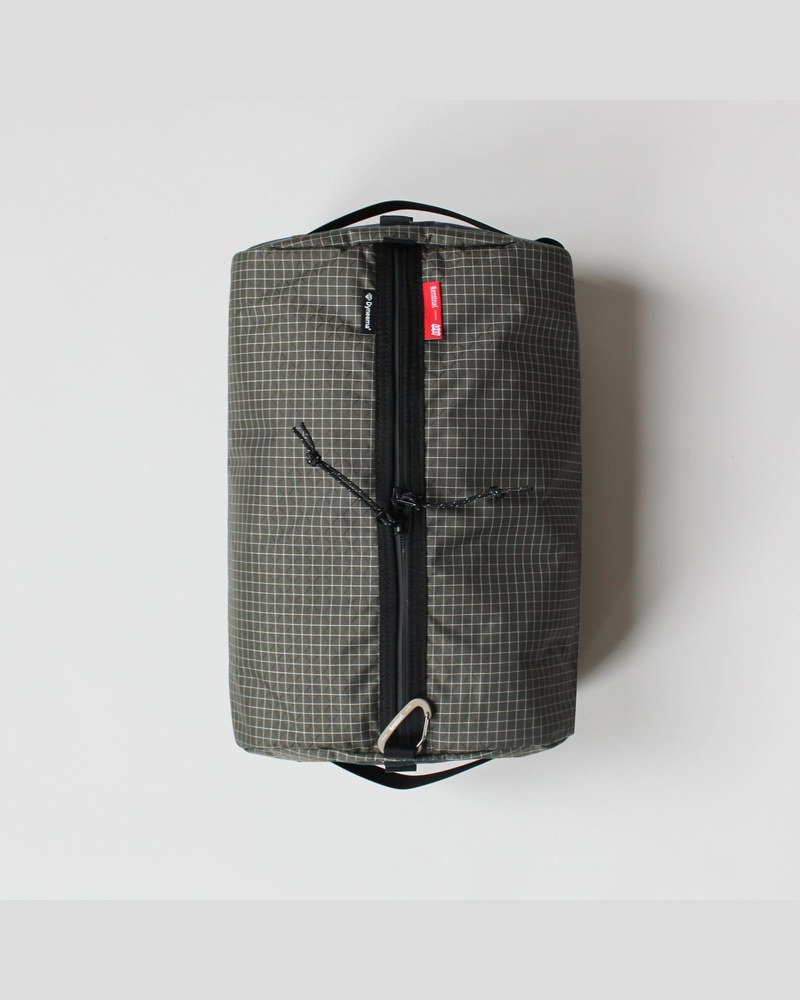
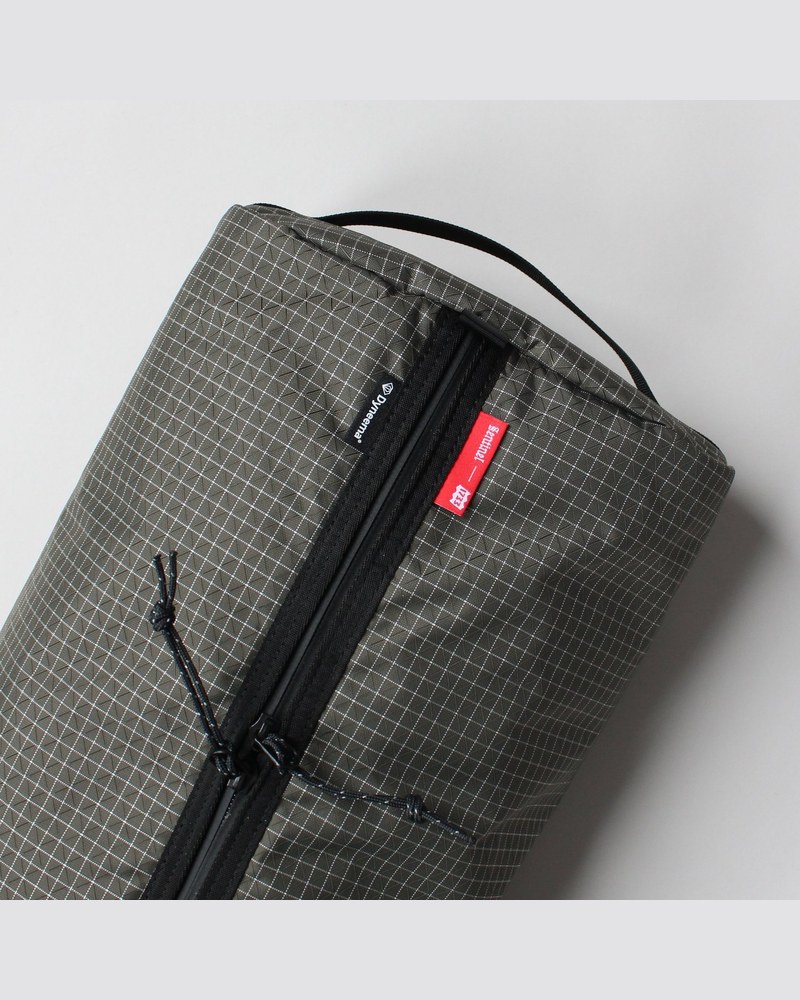
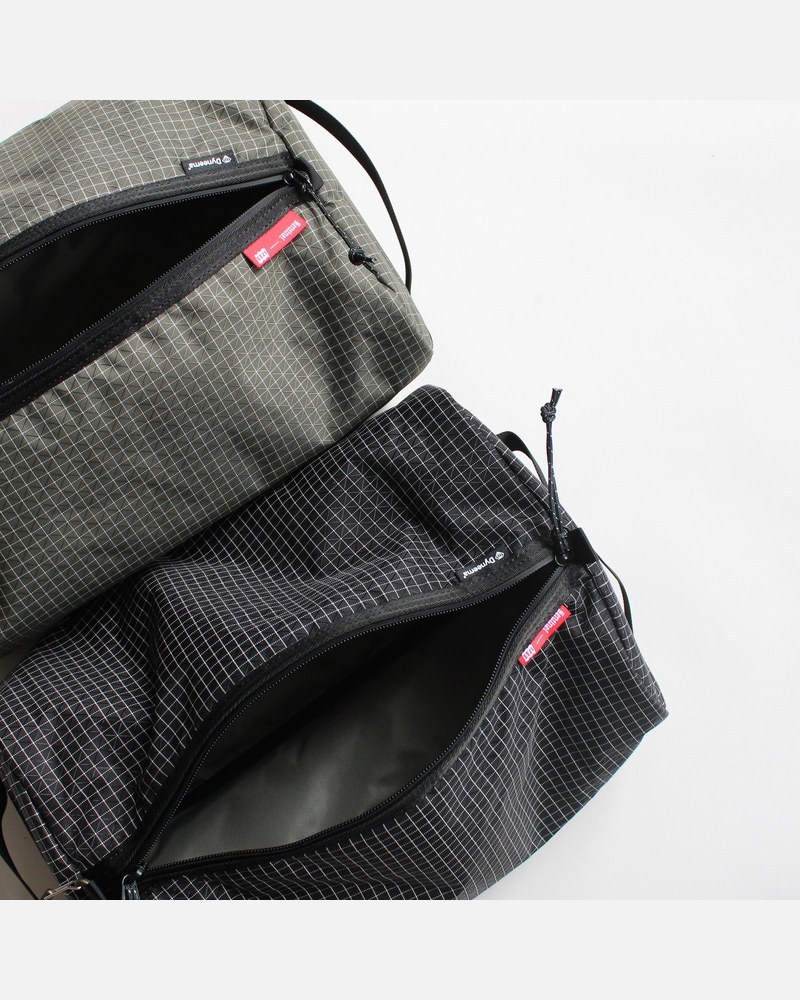
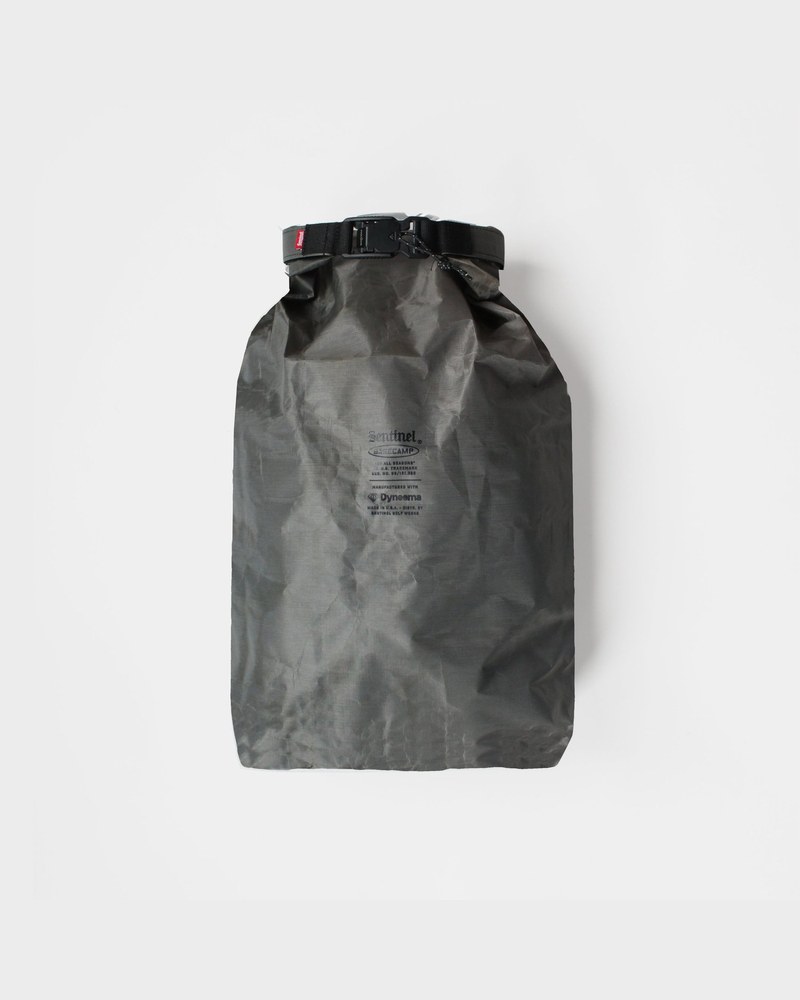
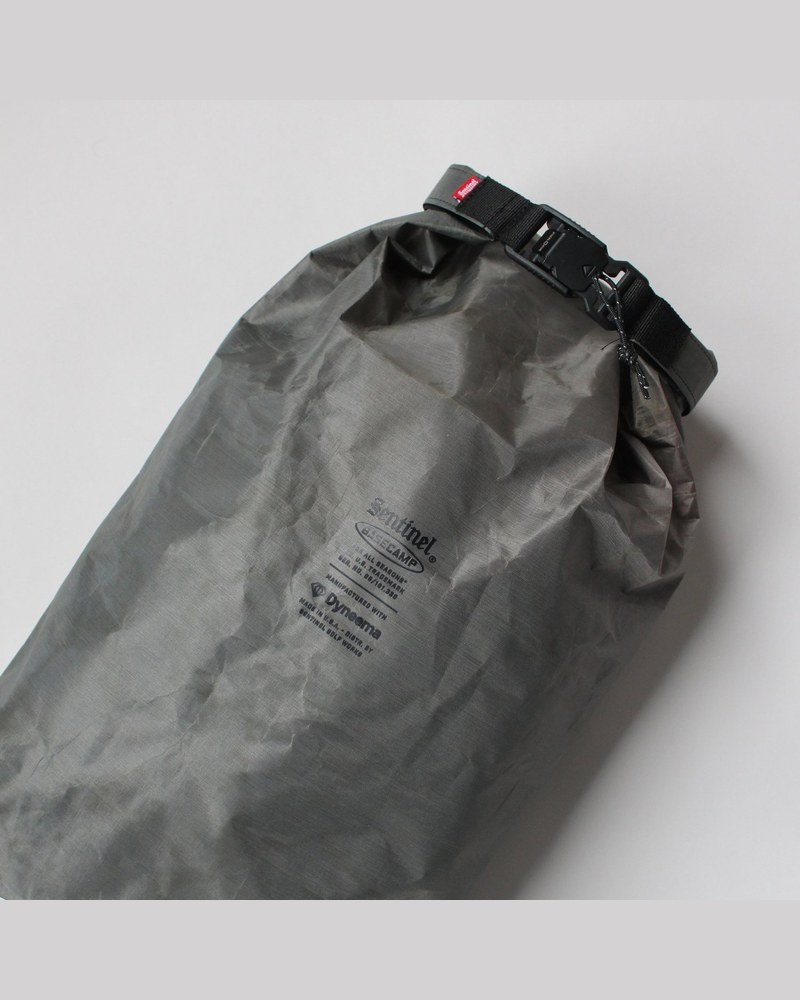

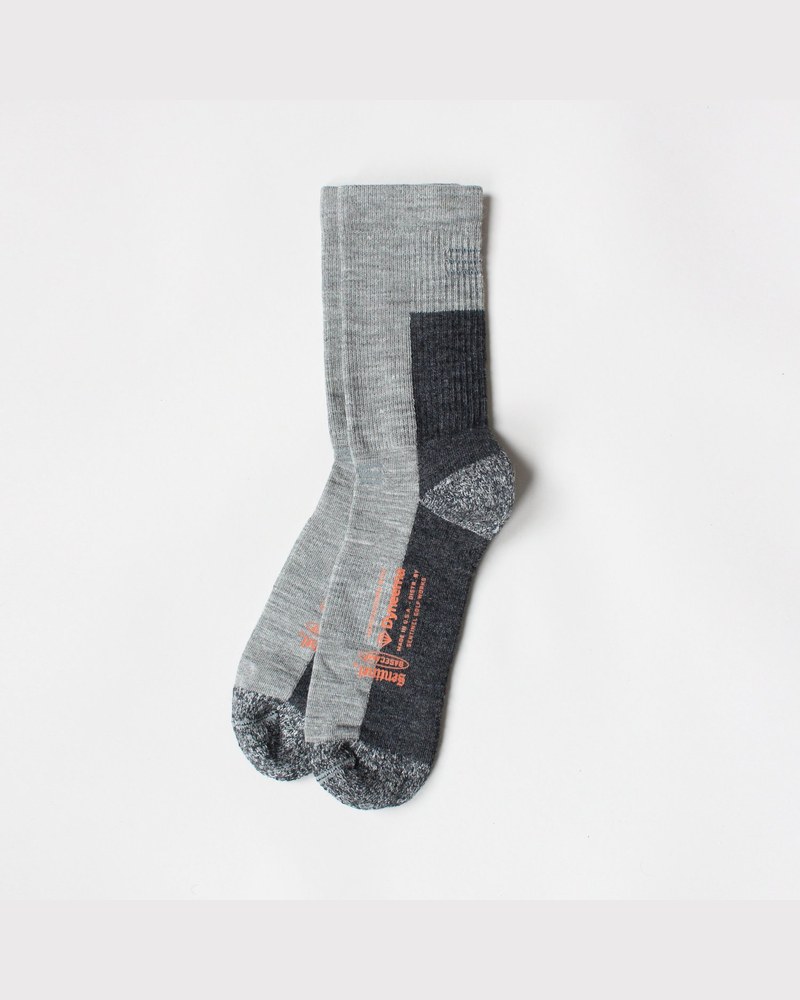
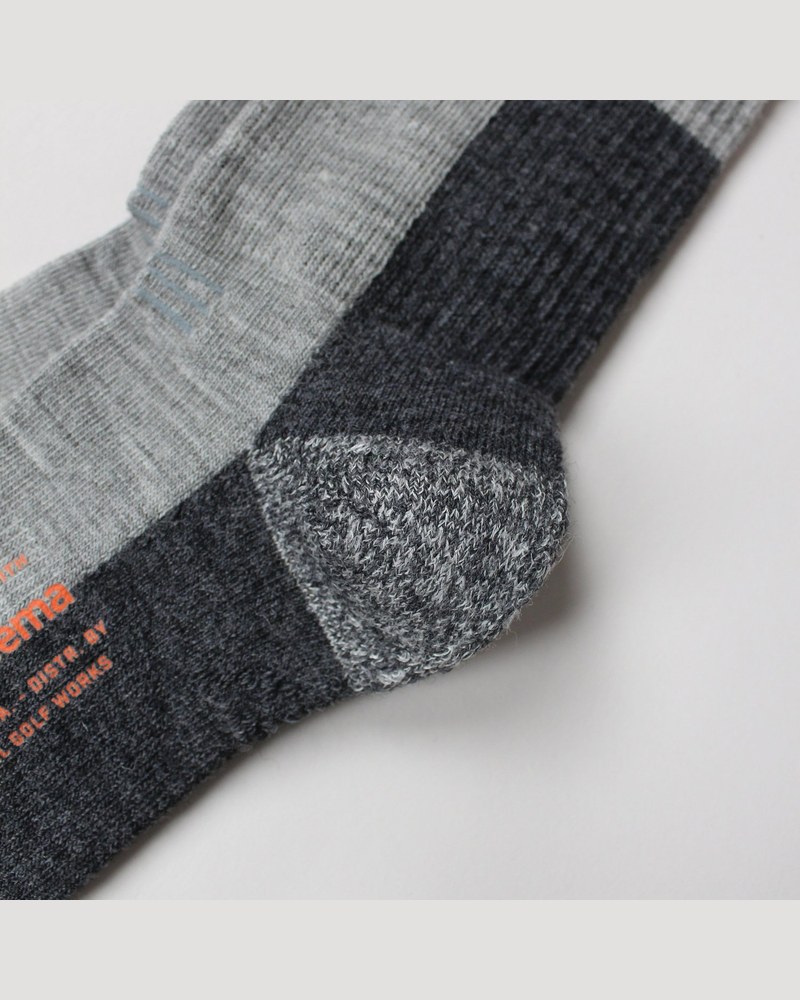
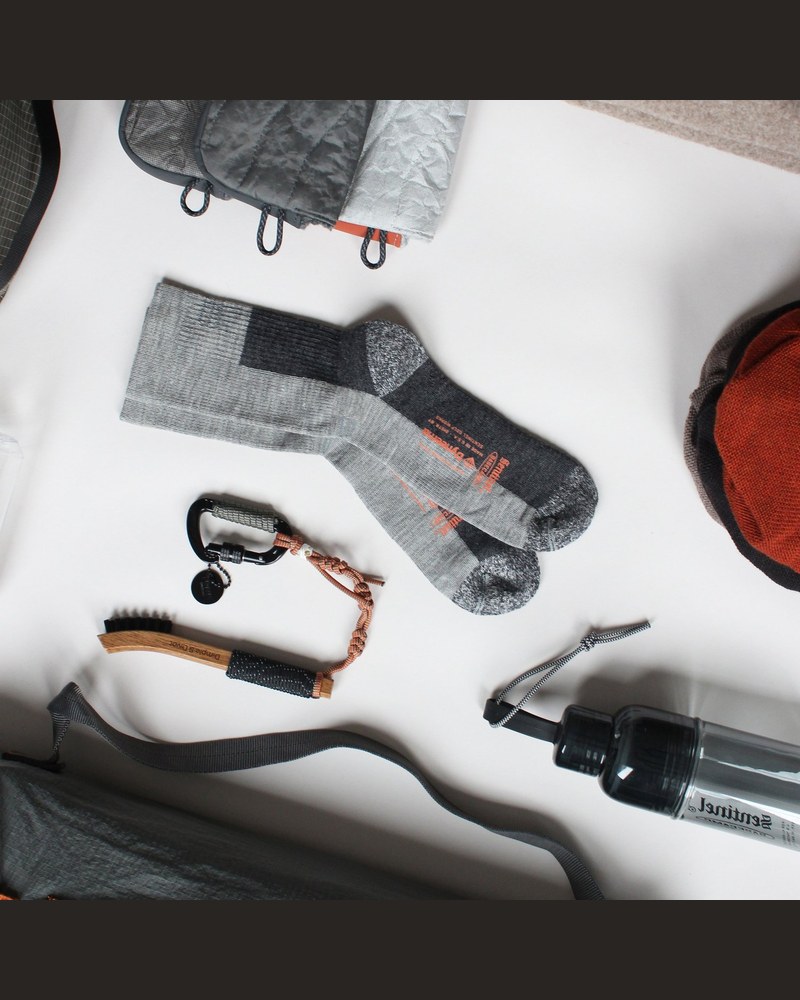
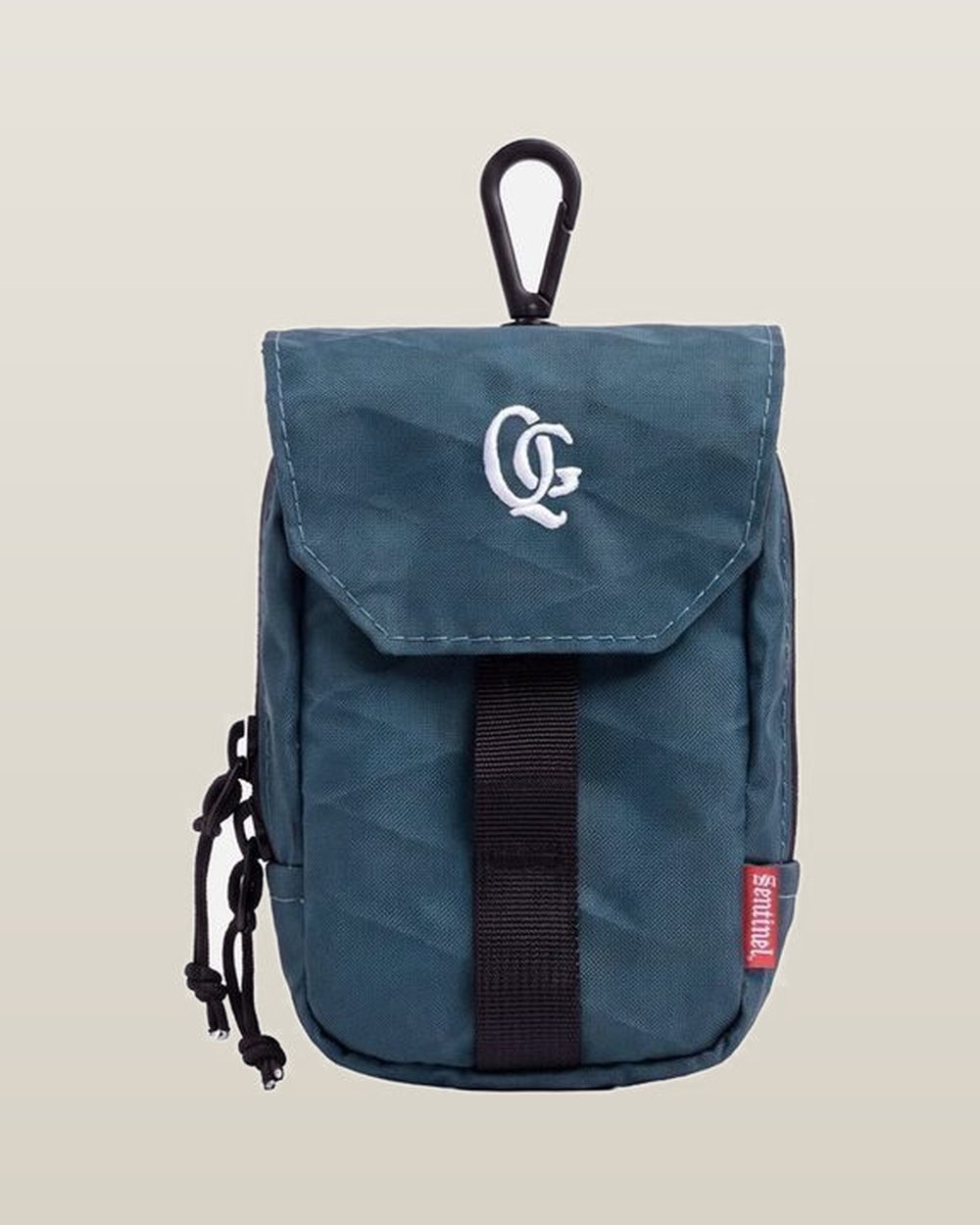
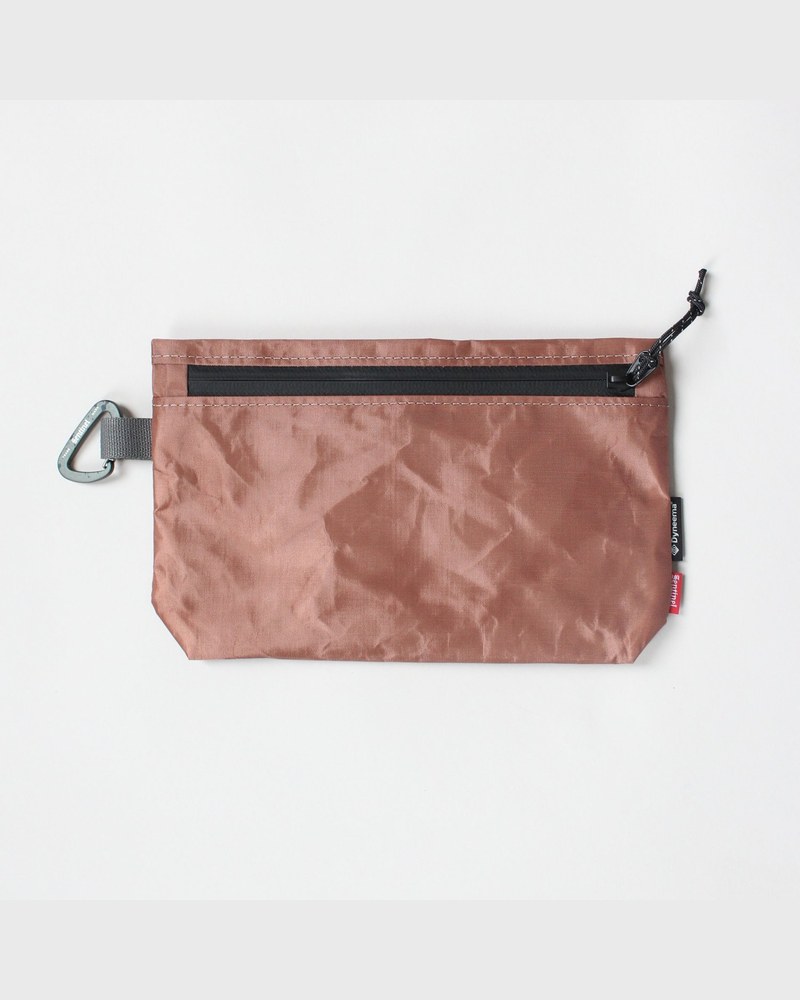
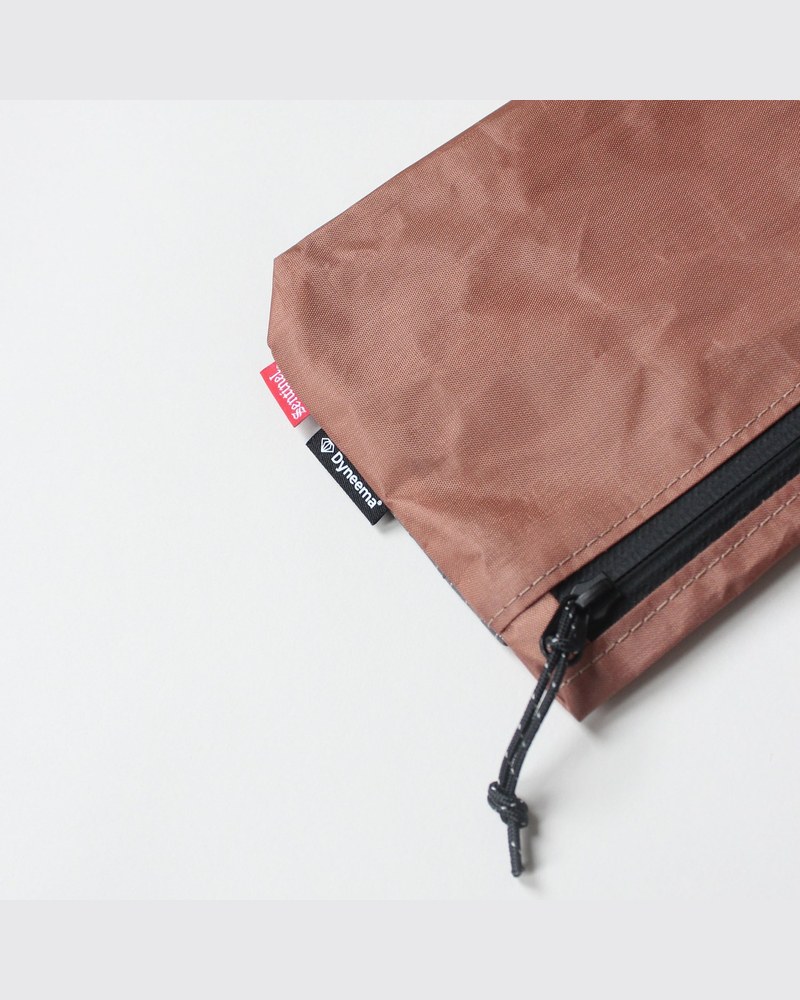
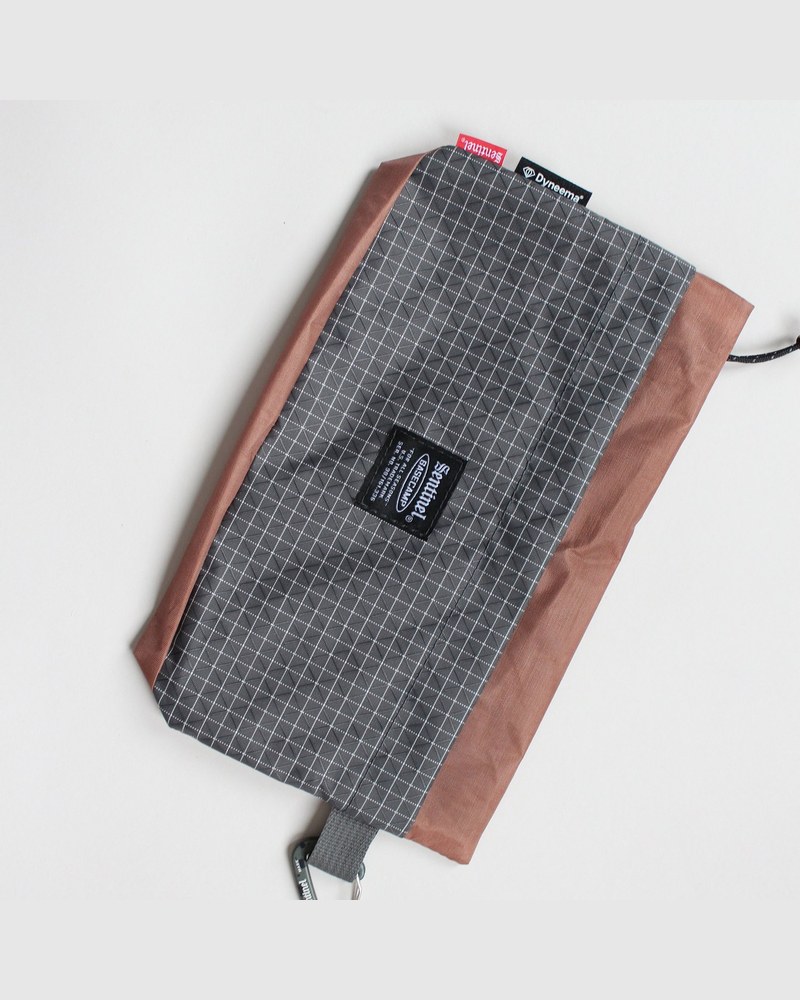
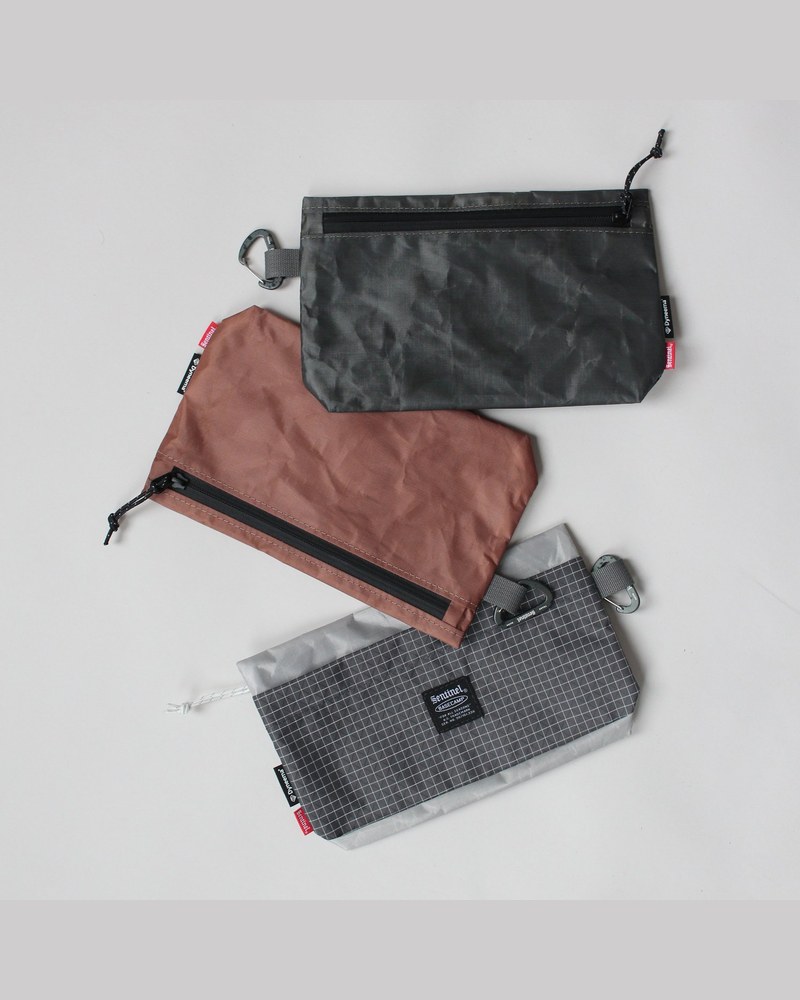
Everything else Sentinel currently sells in the material, in stock on September 10, 2026.
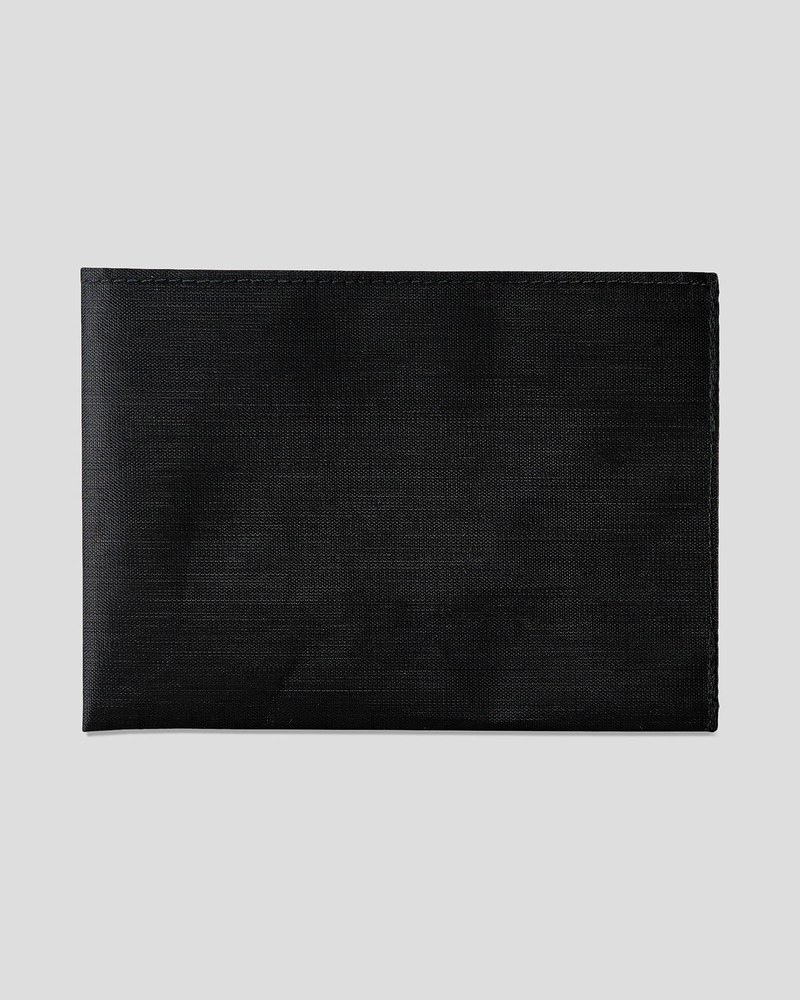
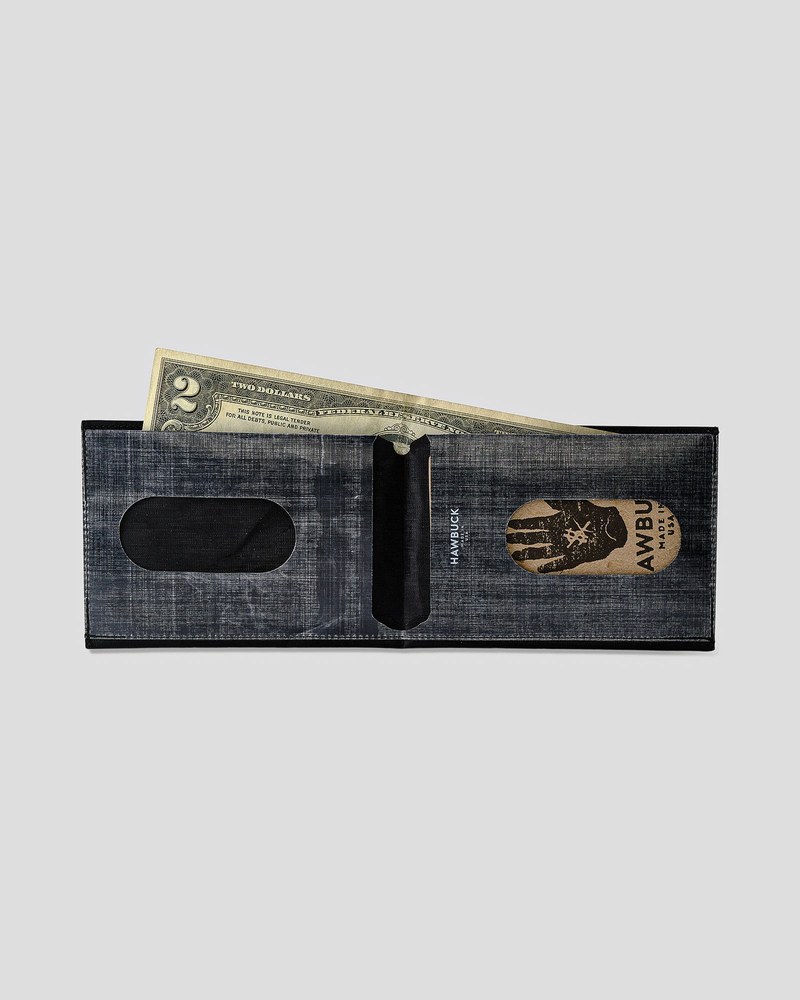
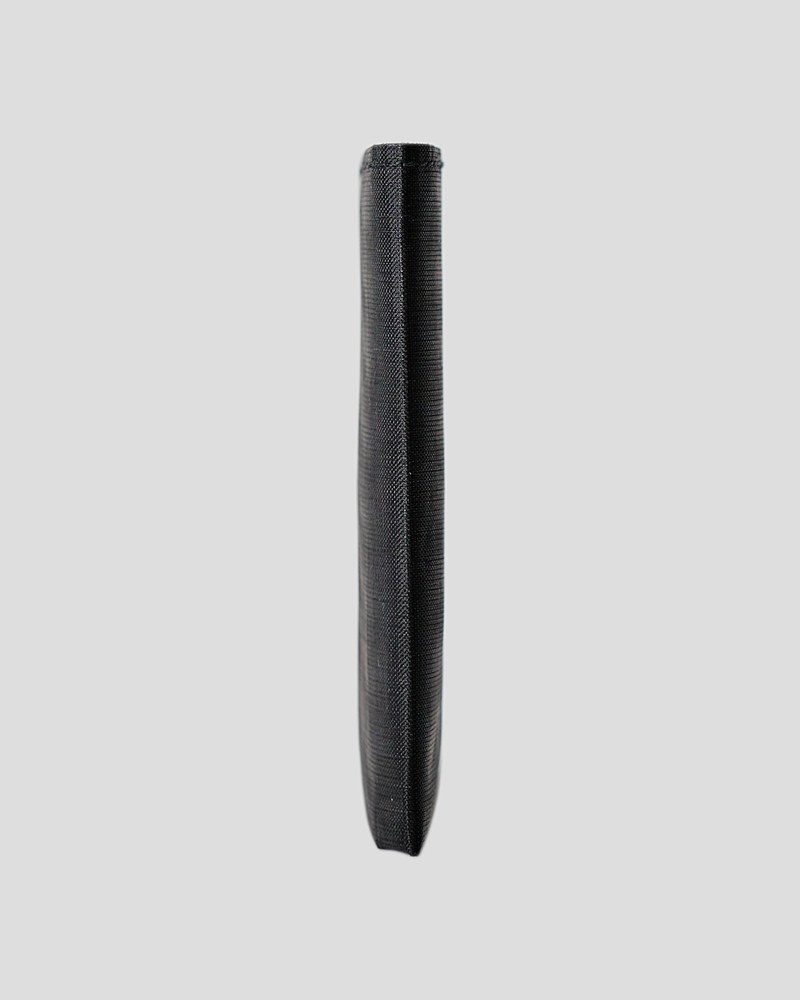
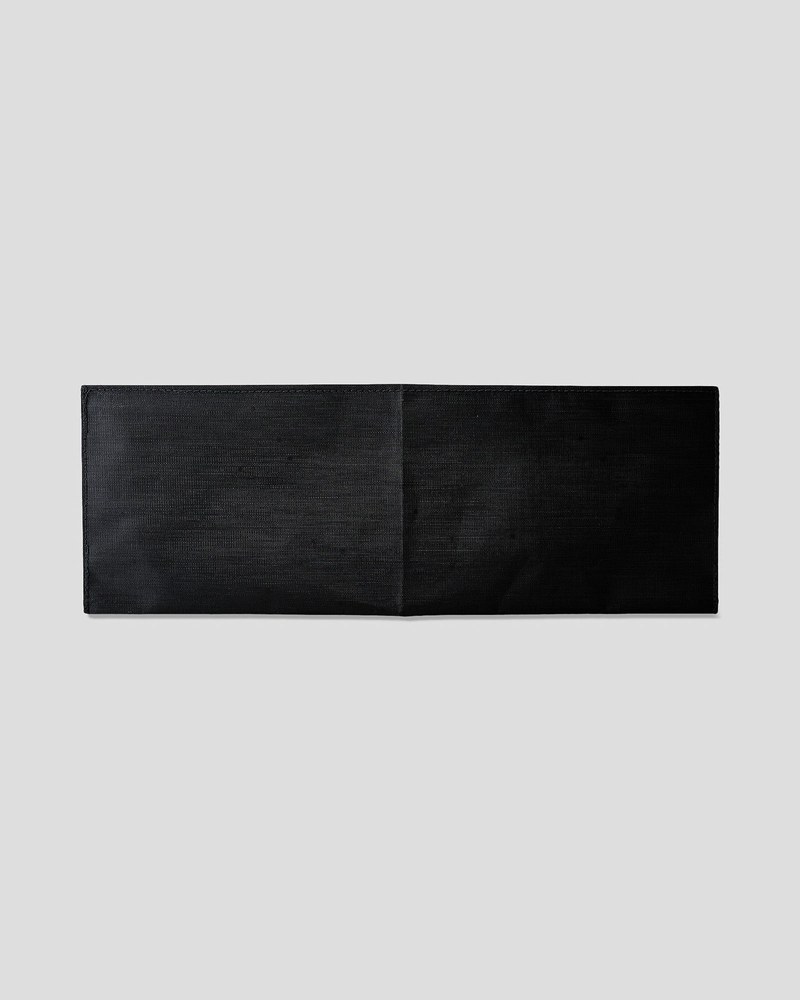
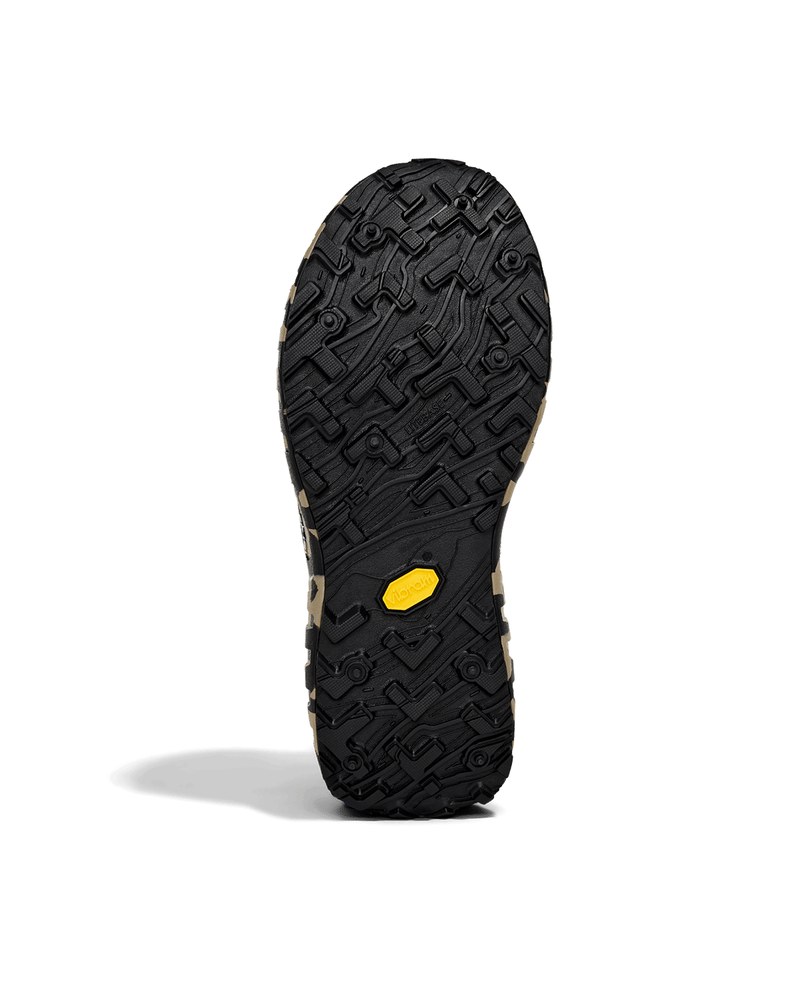
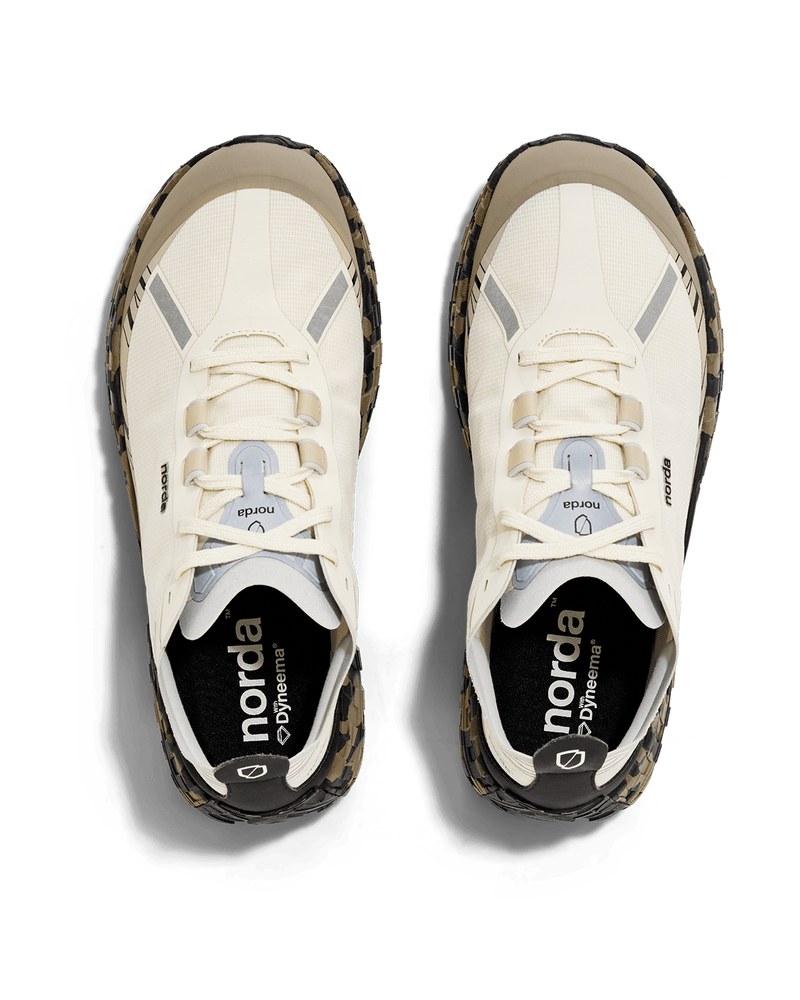
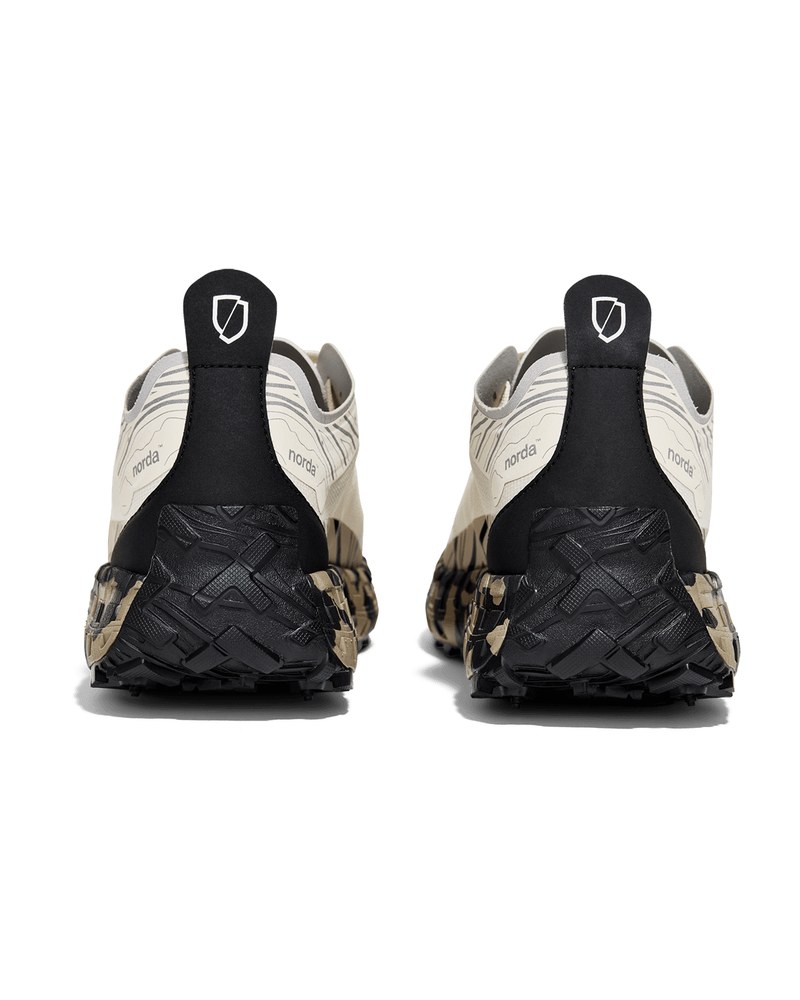
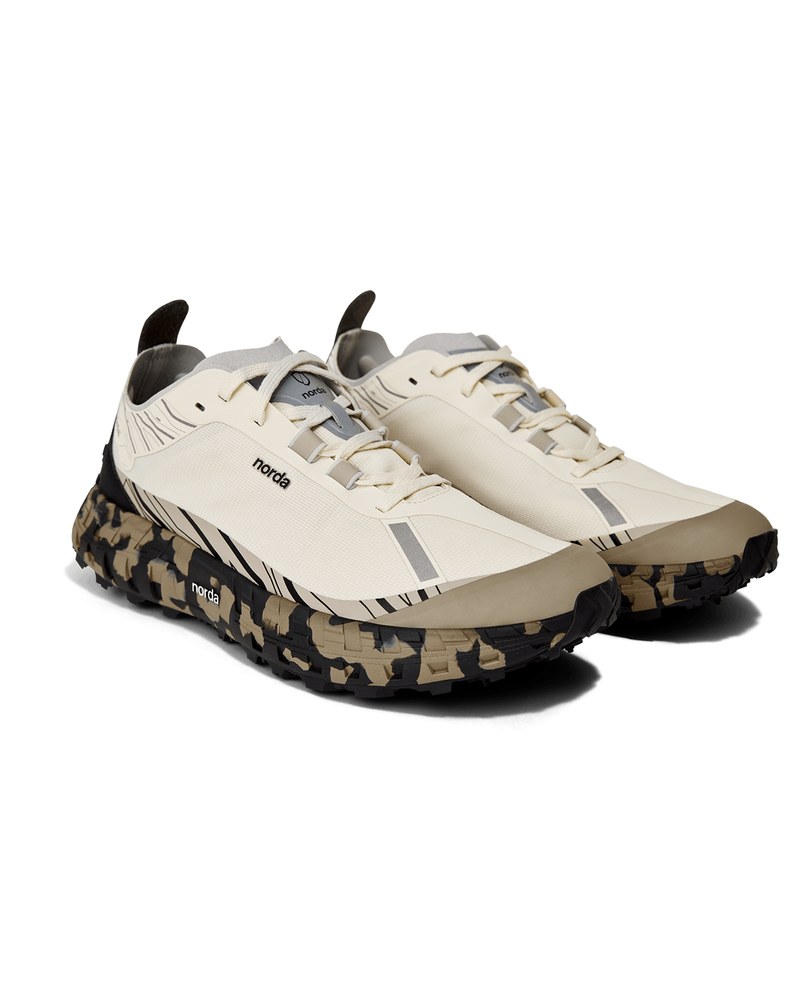
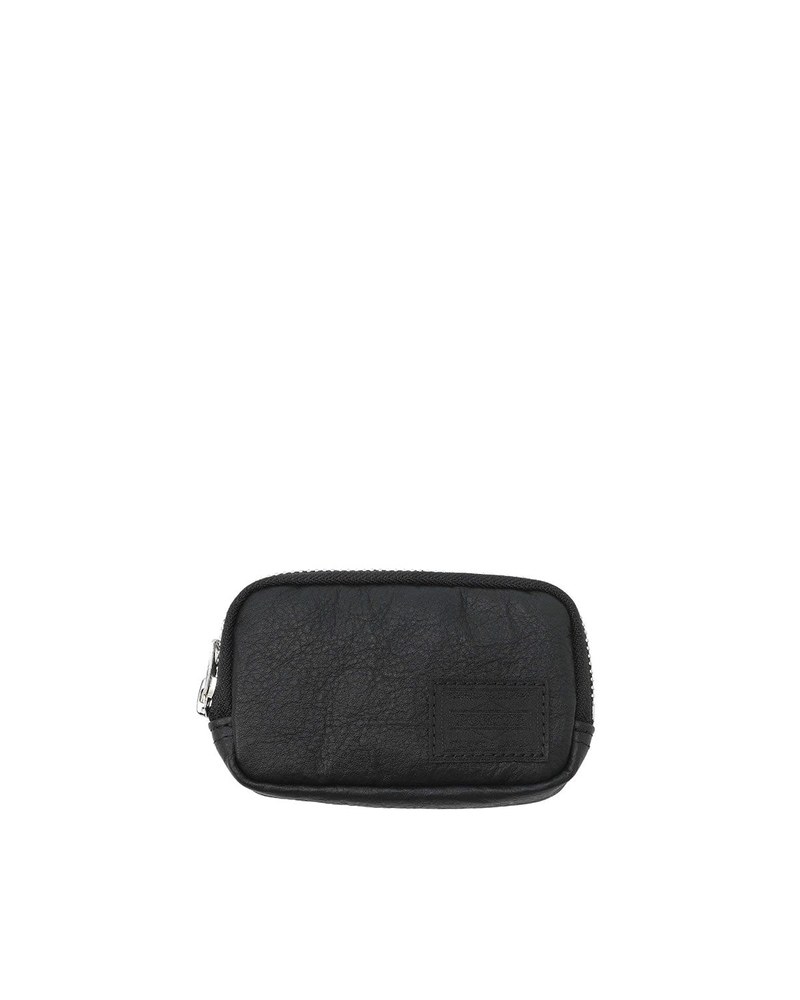
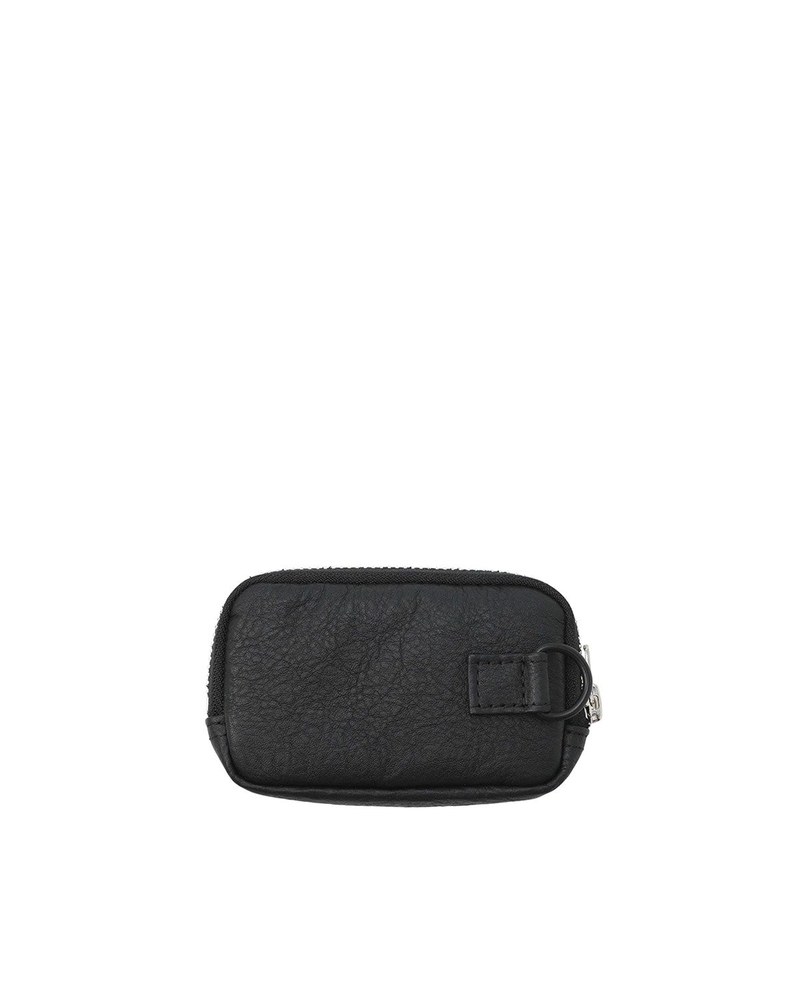
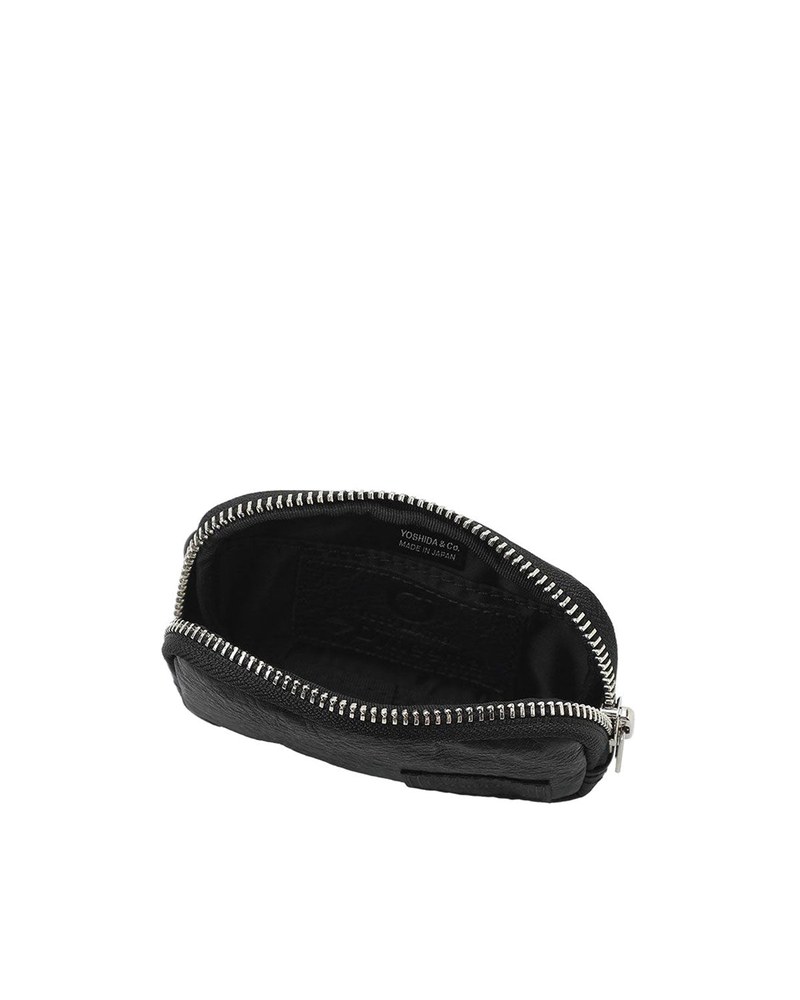
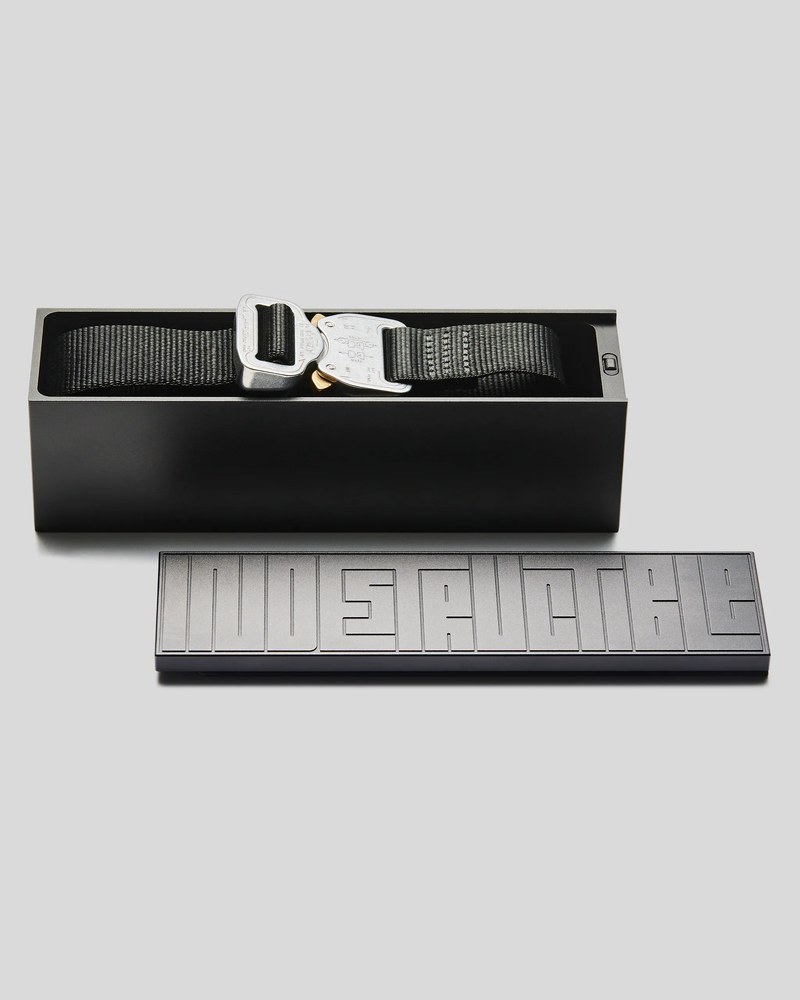
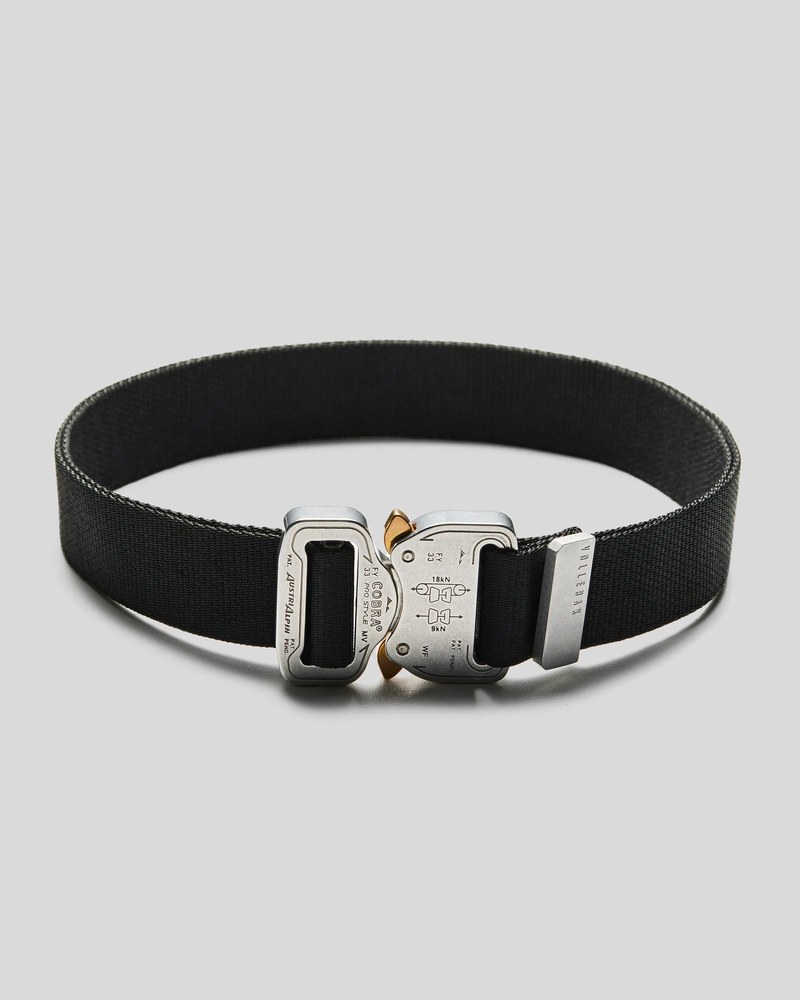
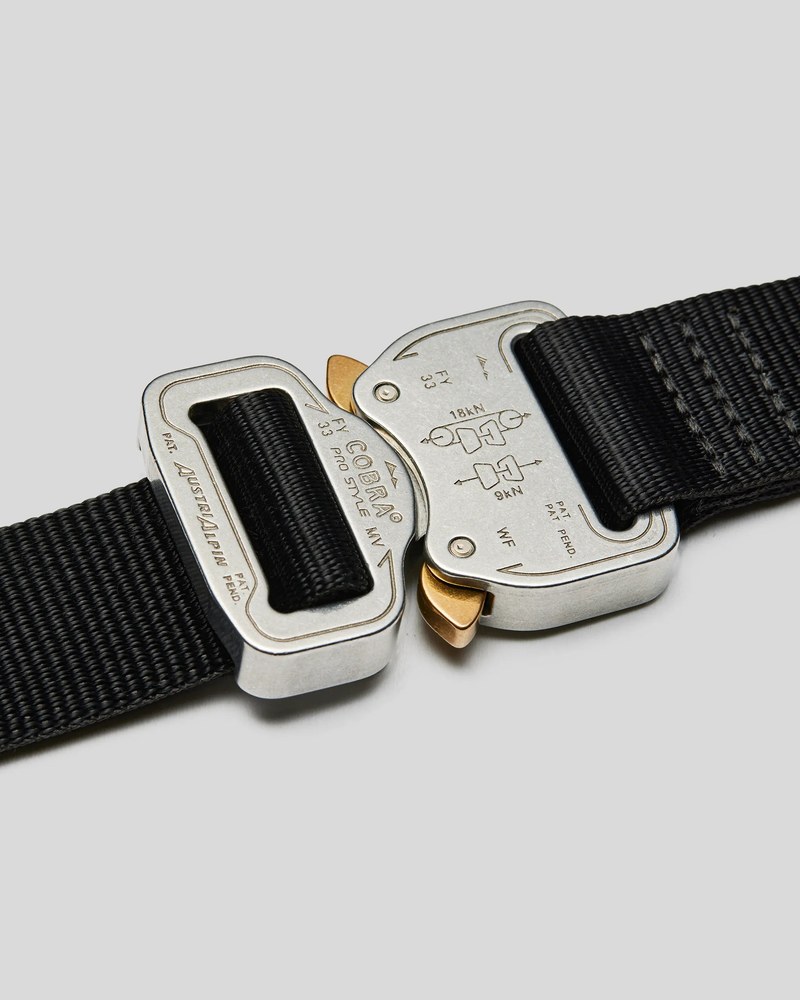
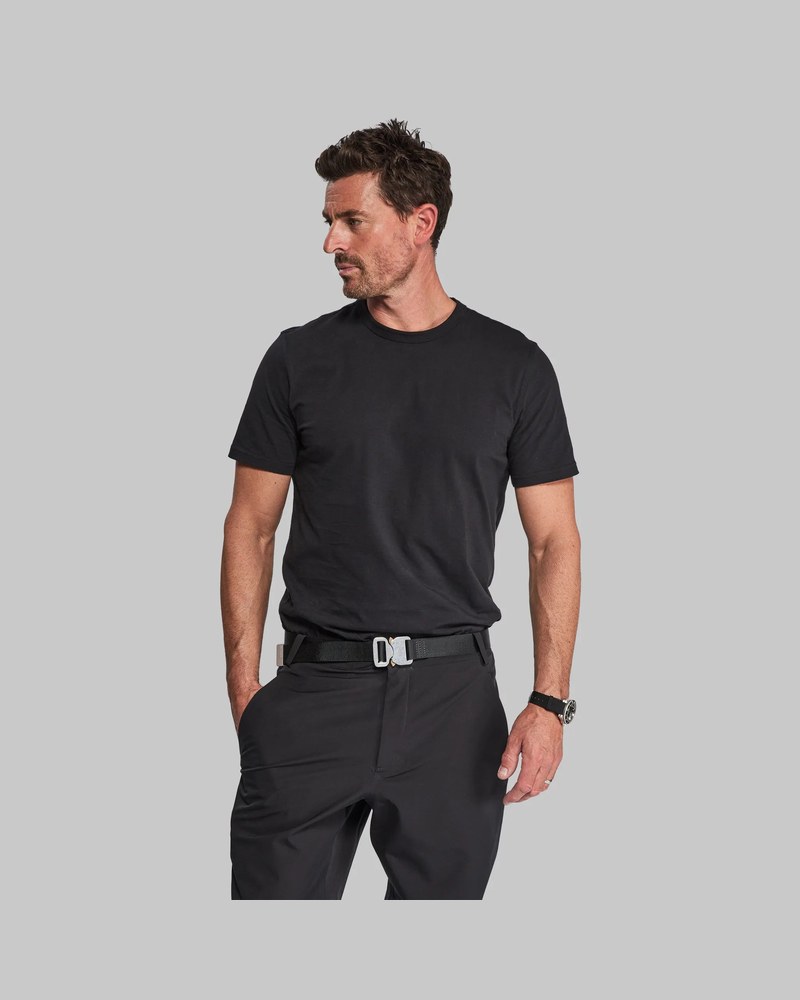
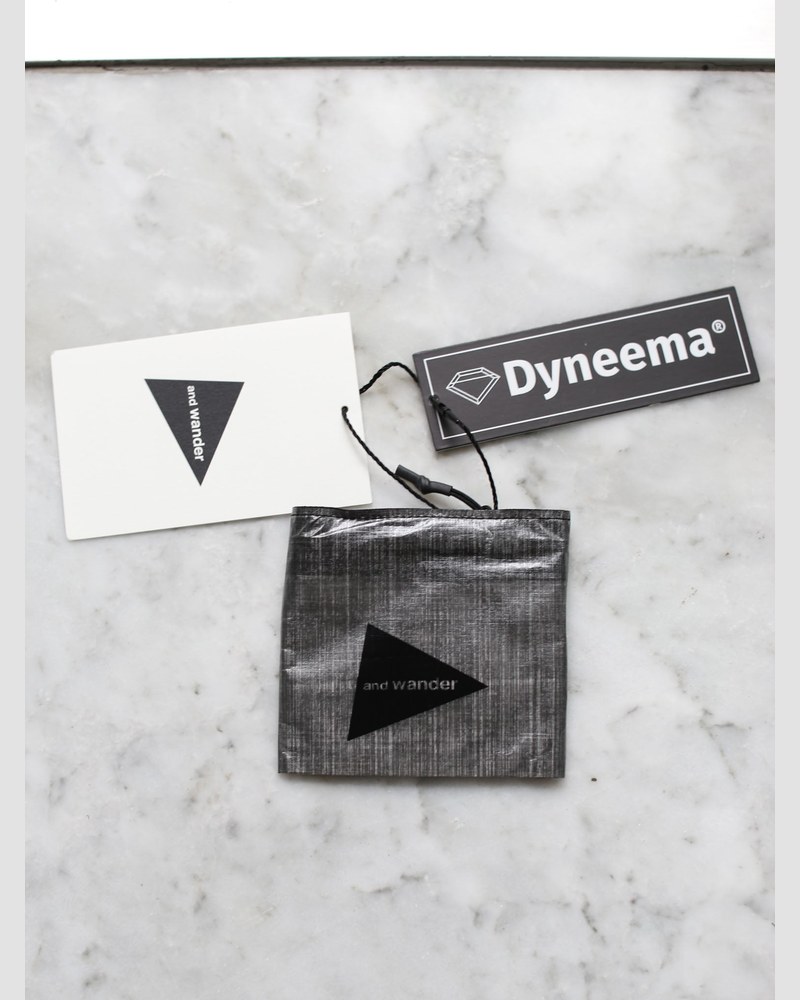
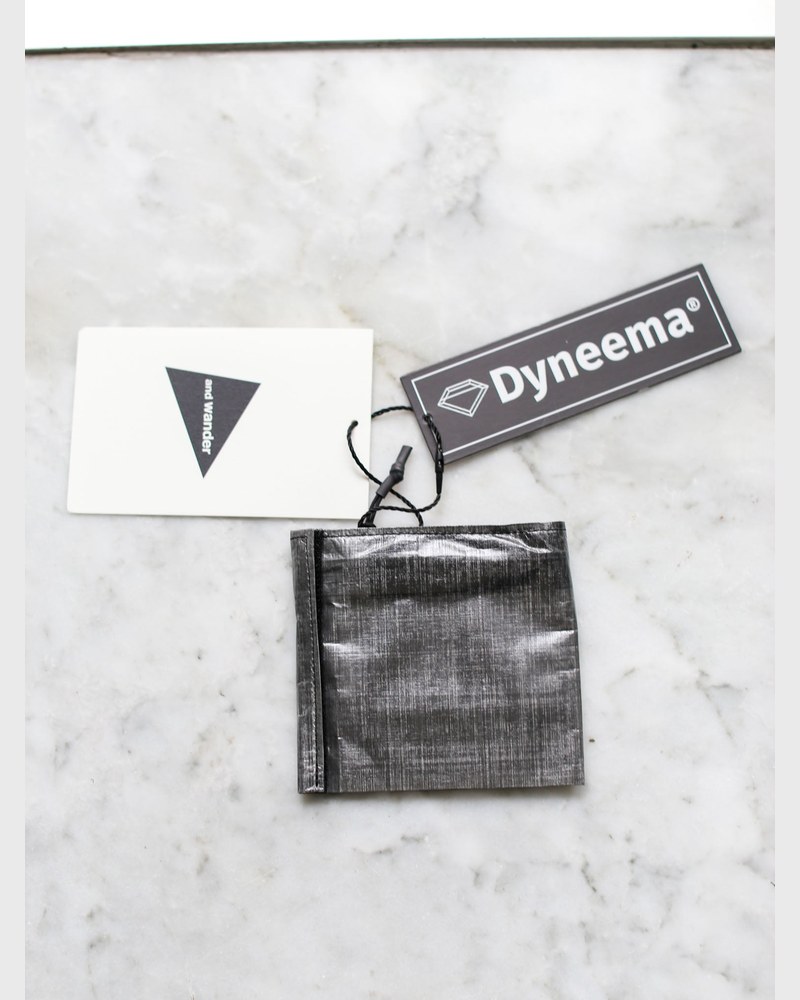
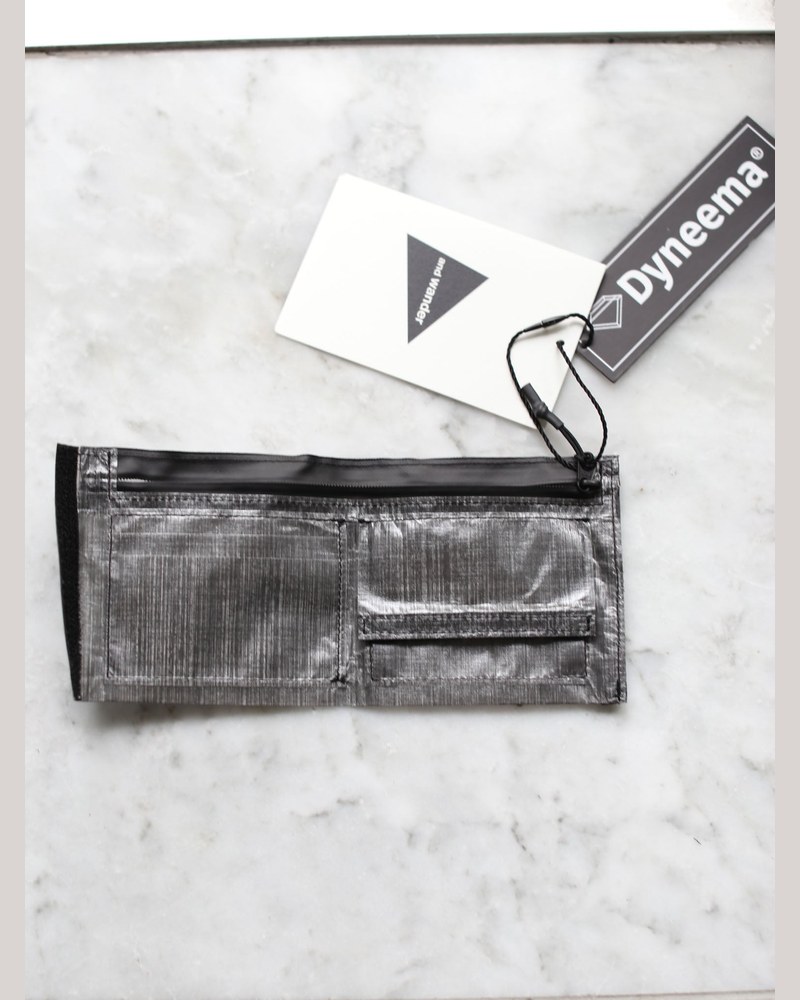
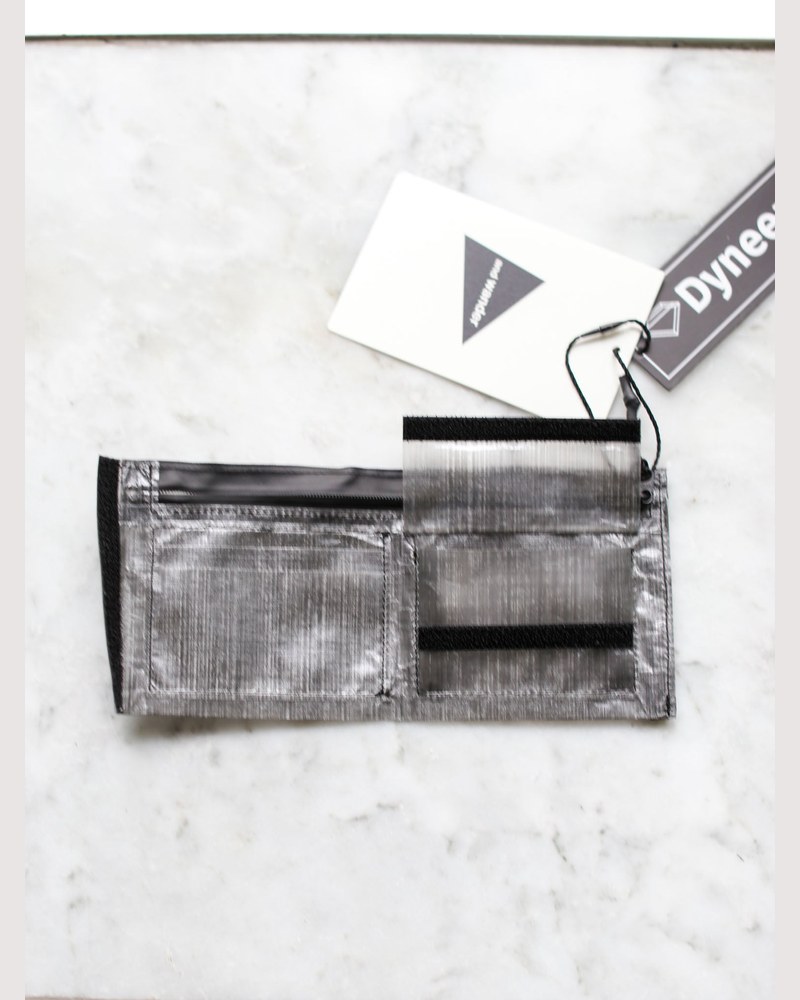
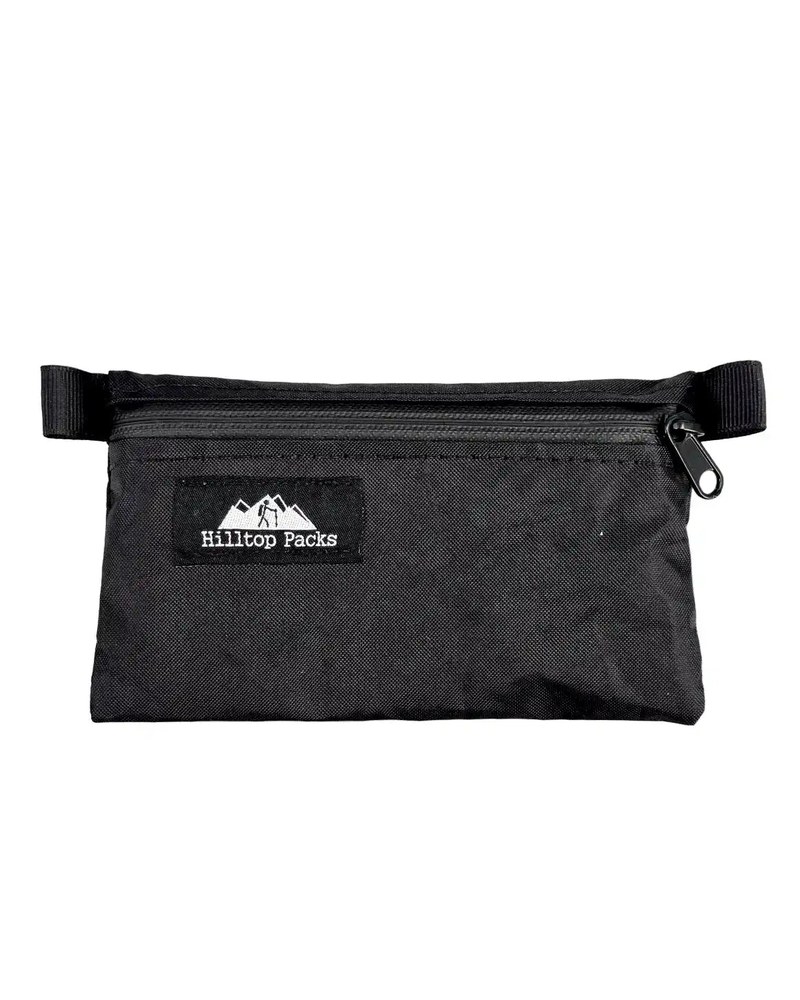
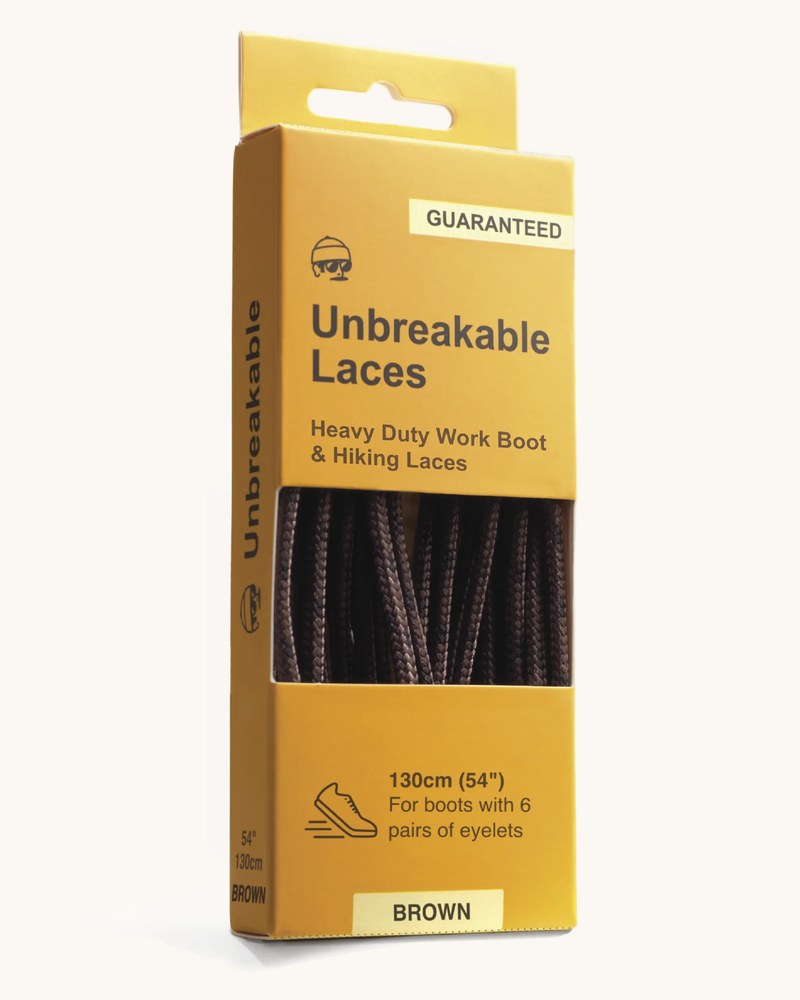
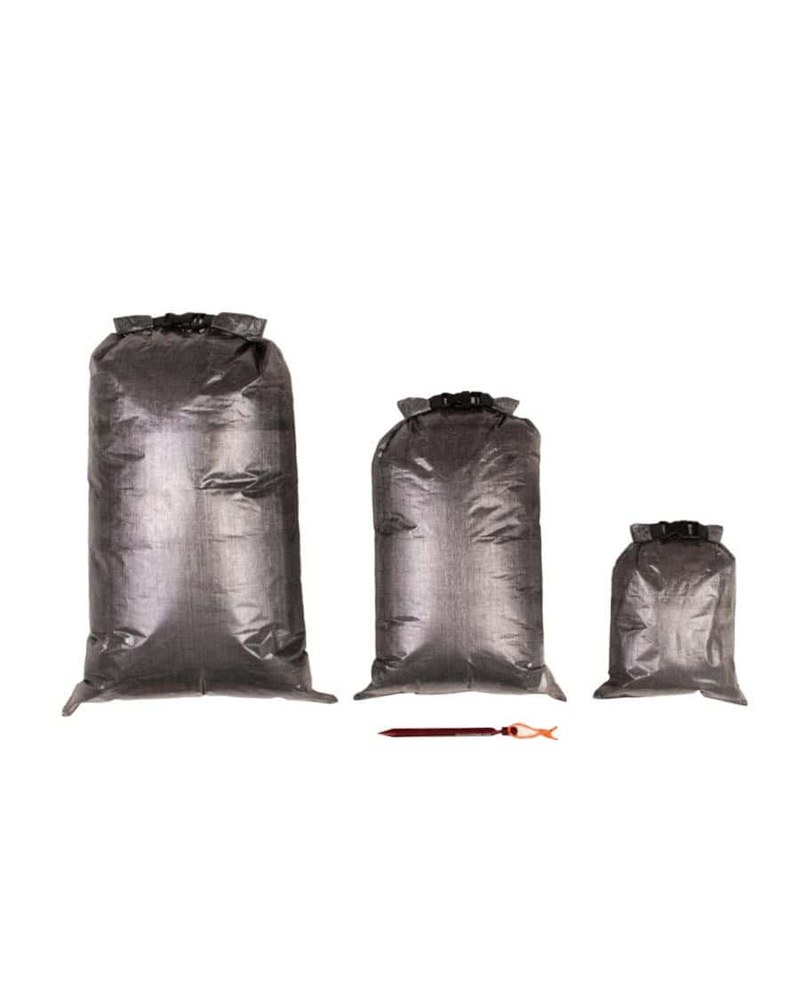
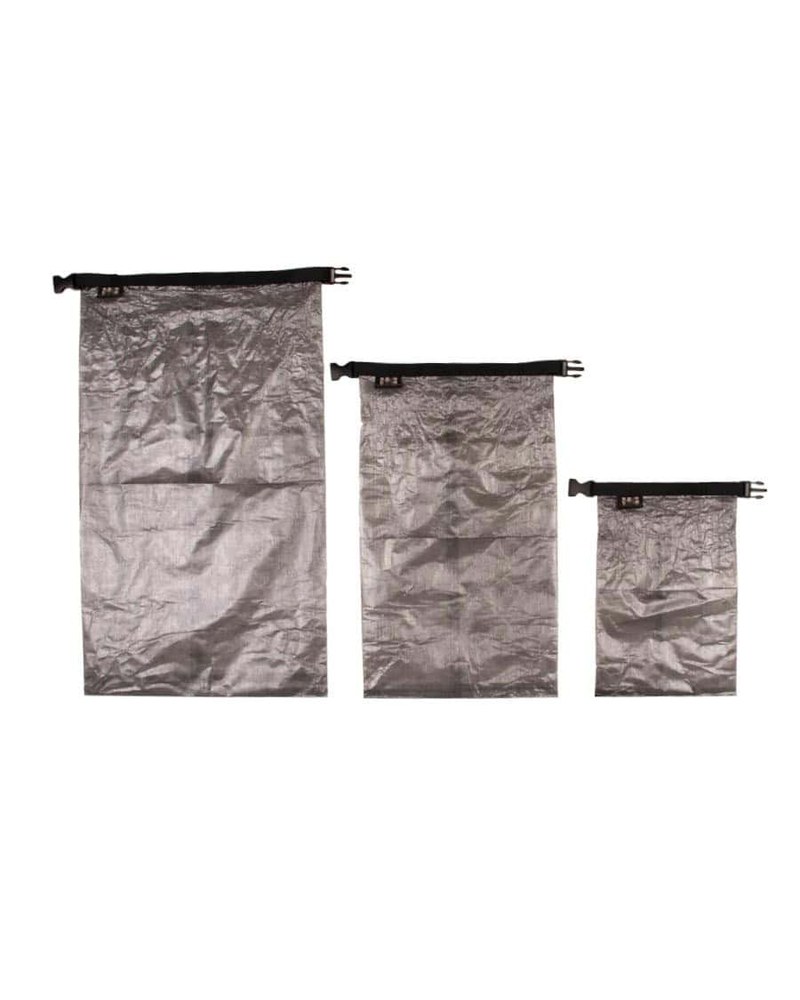
Shoes, wallets, a belt, dry bags and a dog leash, all cut from Dyneema-branded fiber. The makers run from Porter in Tokyo to a one-man shop in Waynesburg, Pennsylvania.
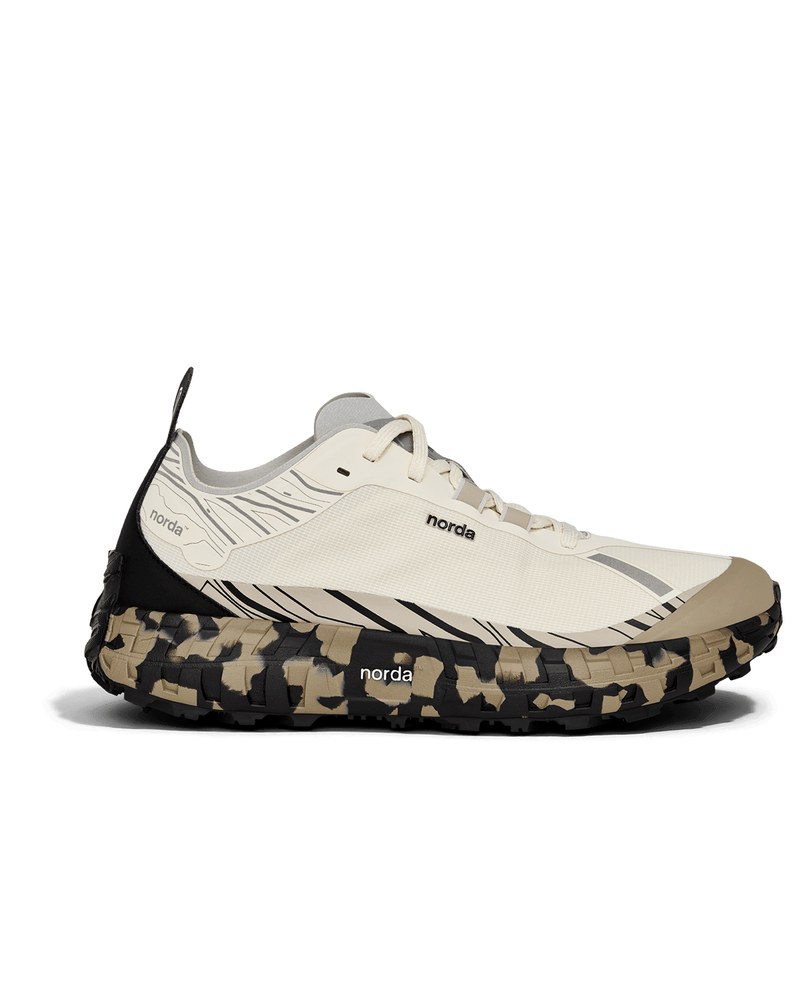
New materials arrive as trim before they arrive as bodies.
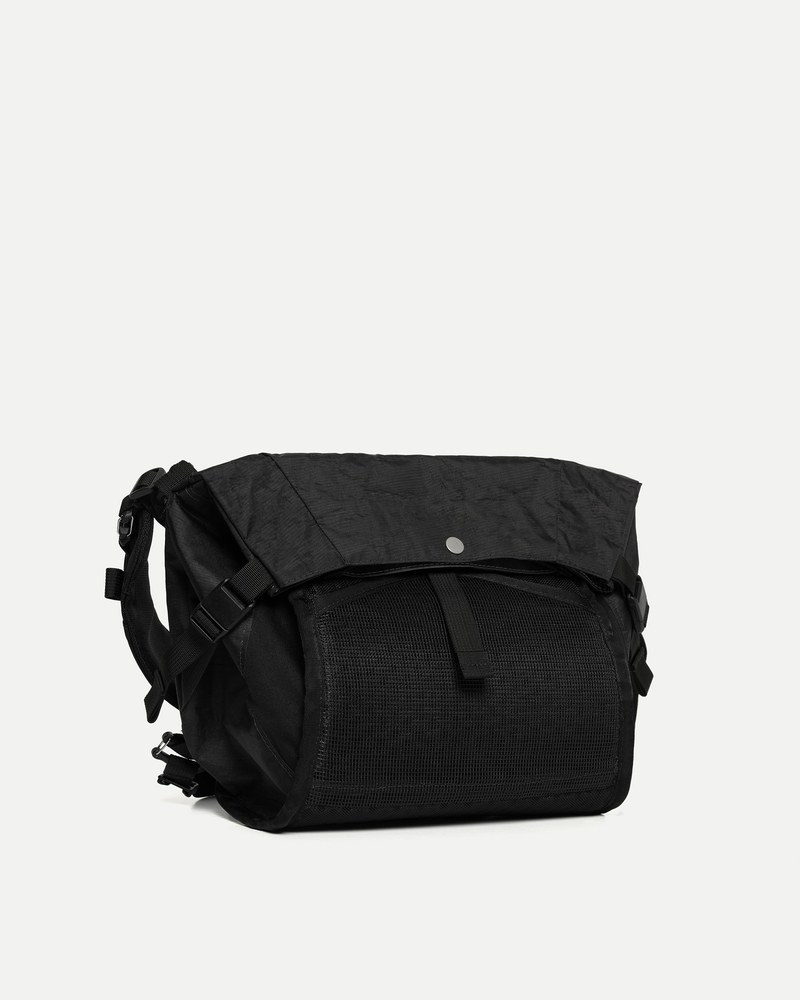
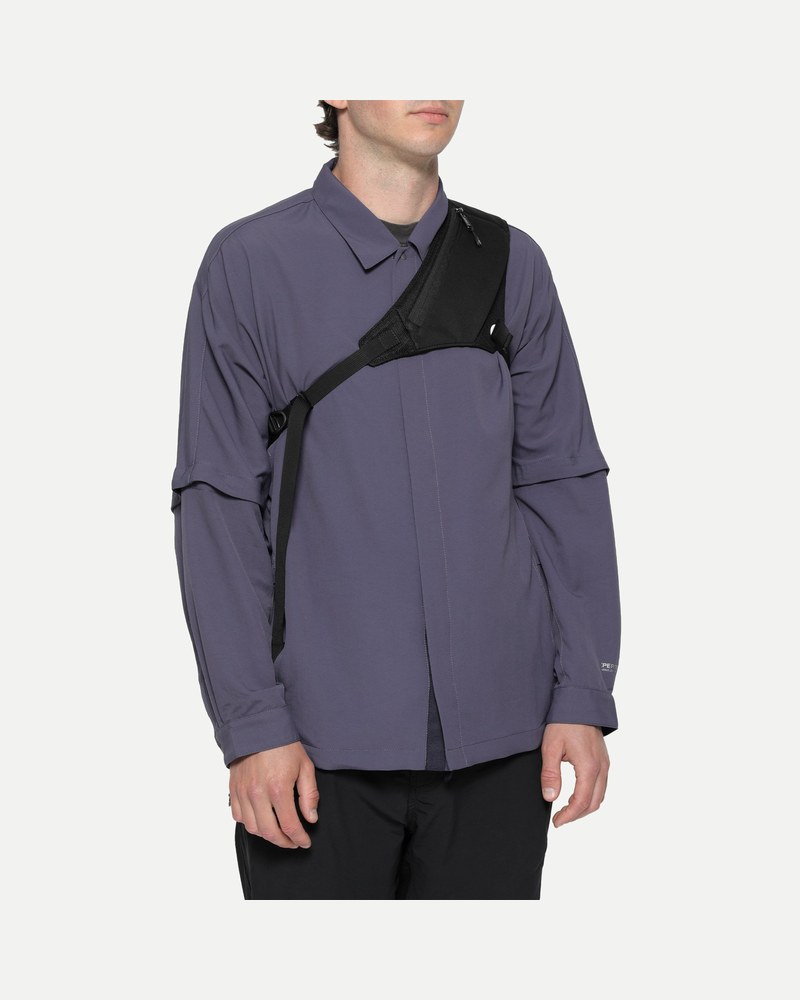
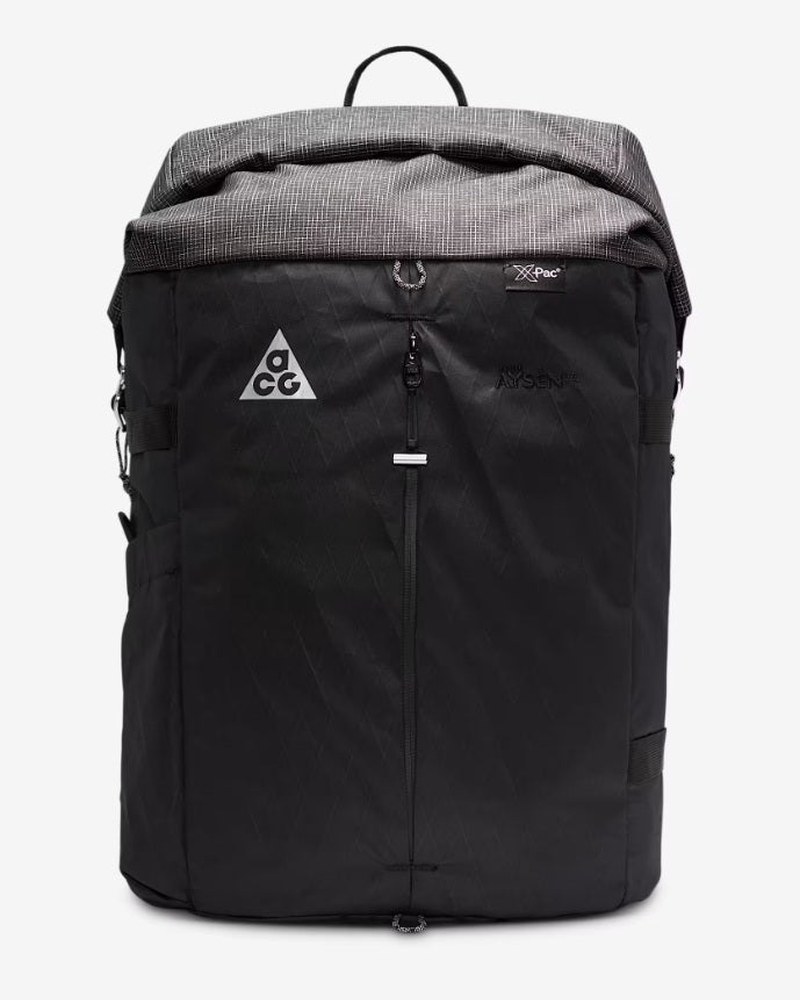
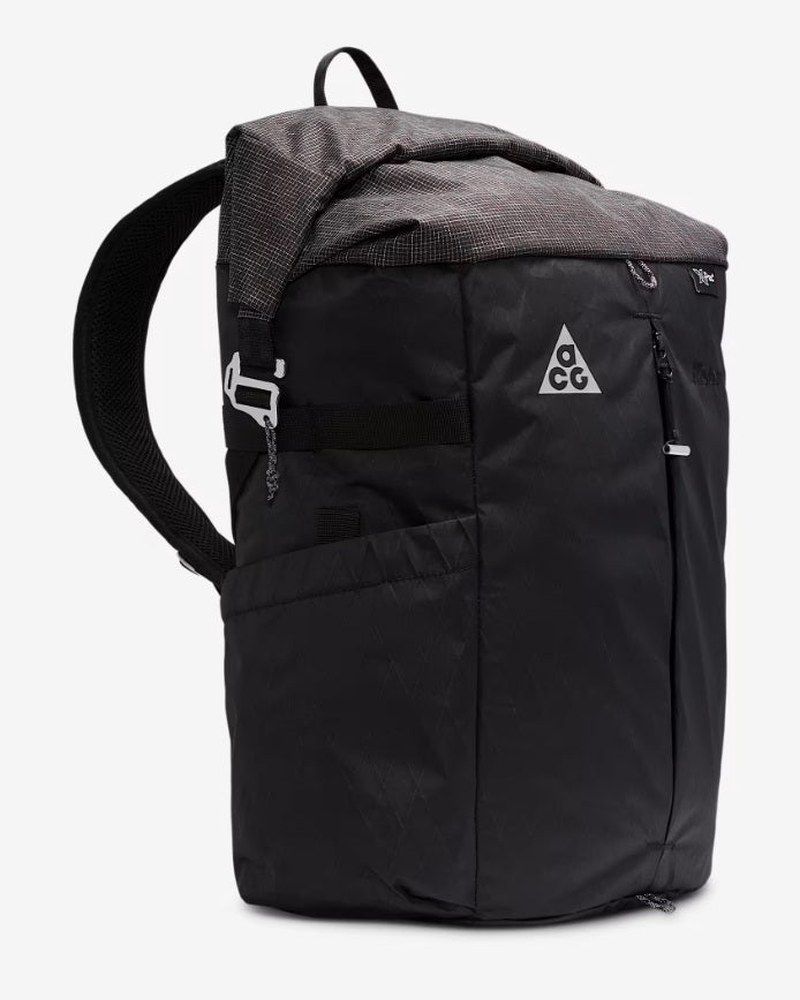
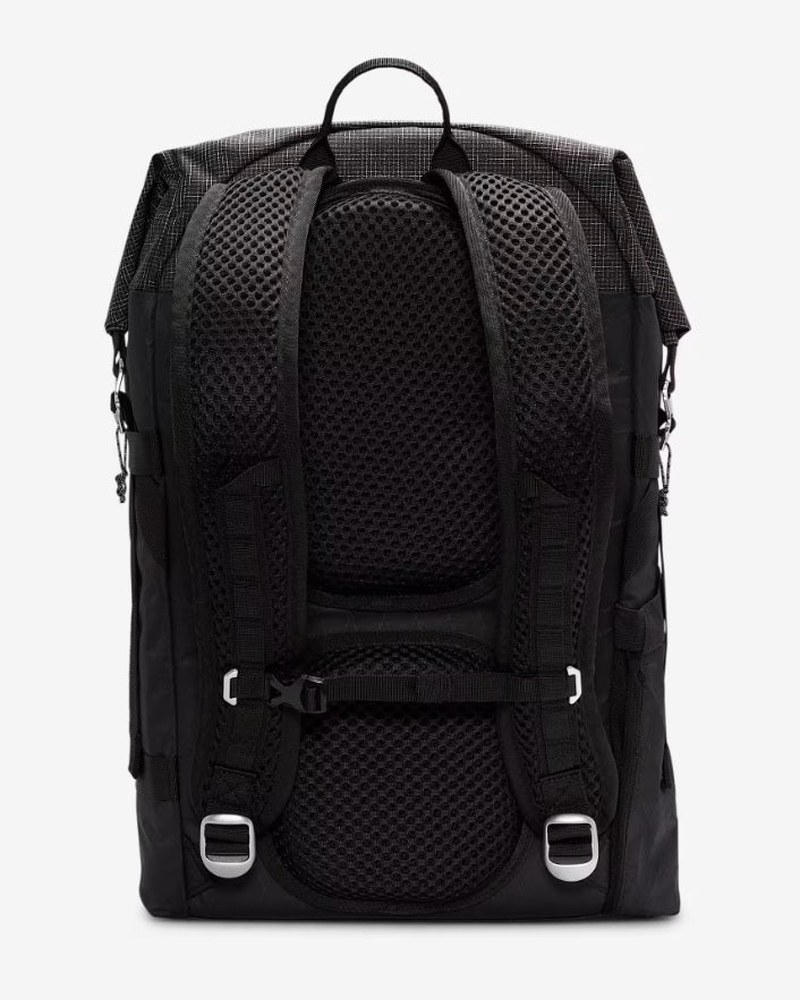
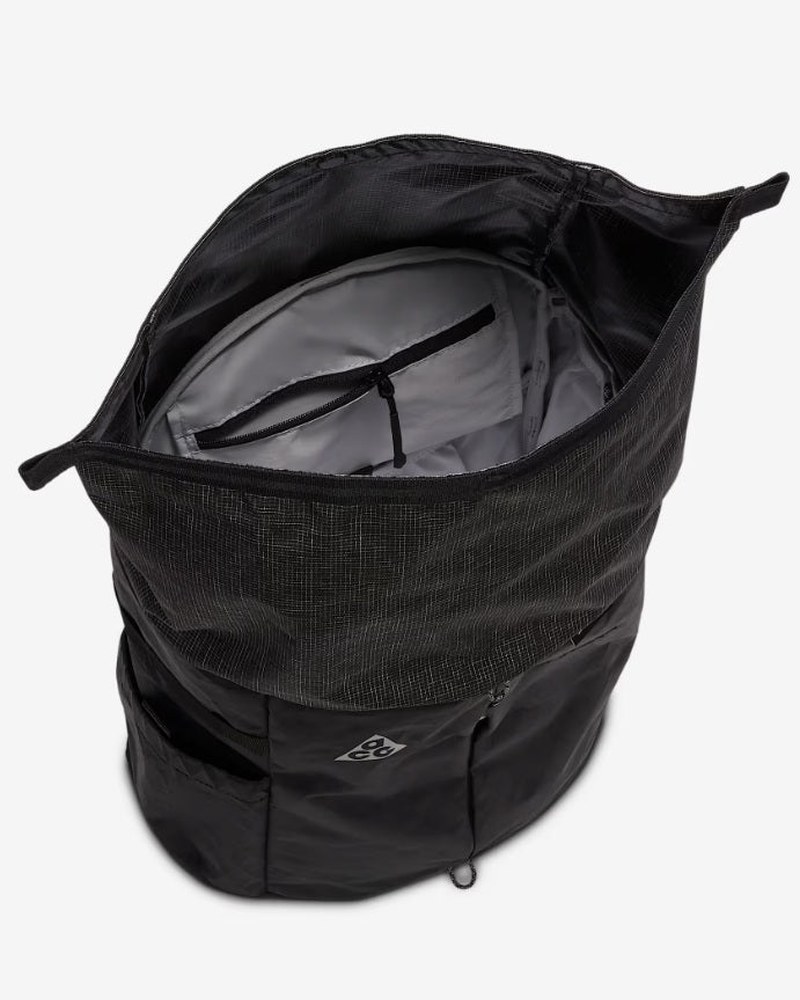
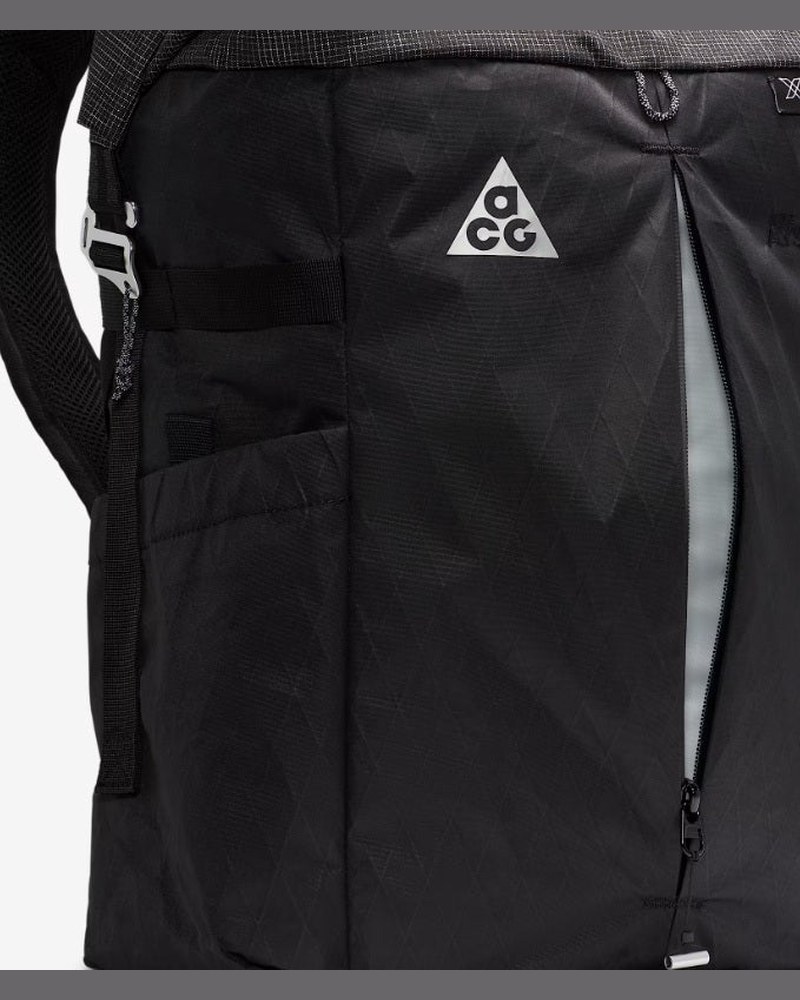
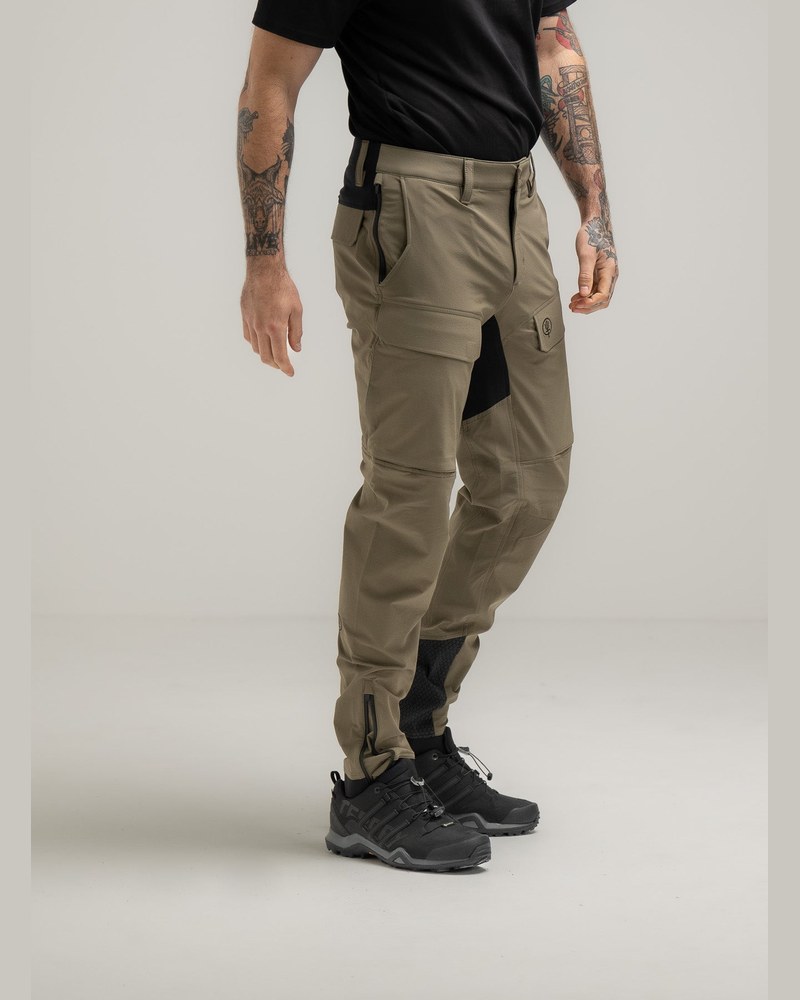
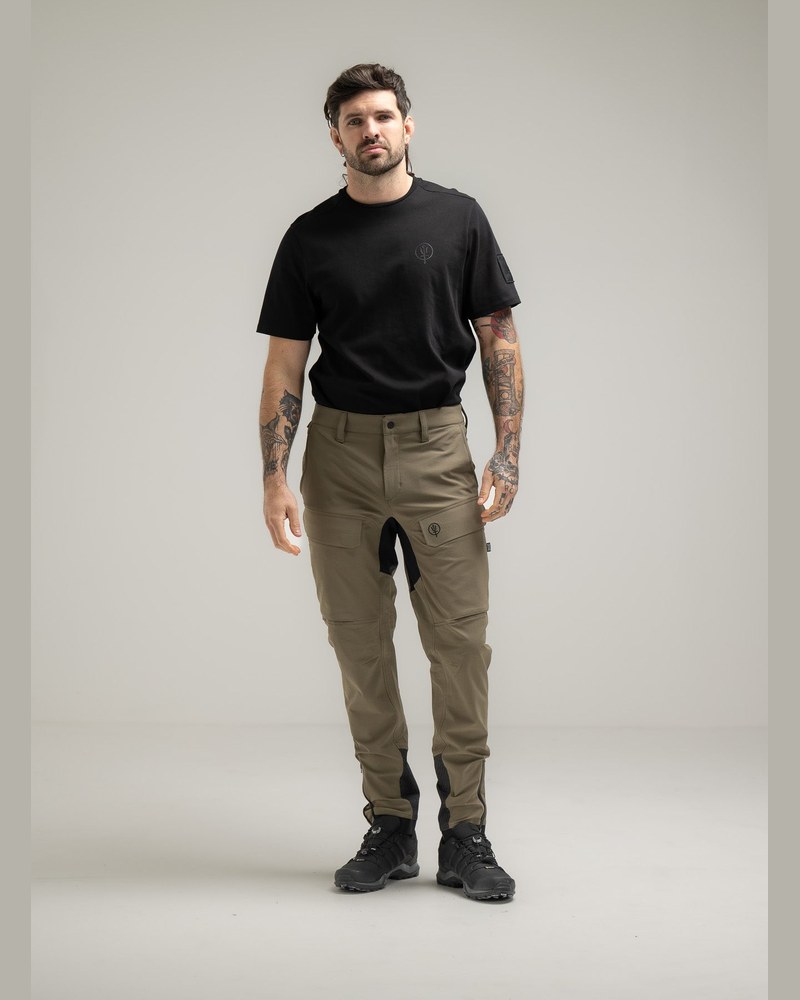
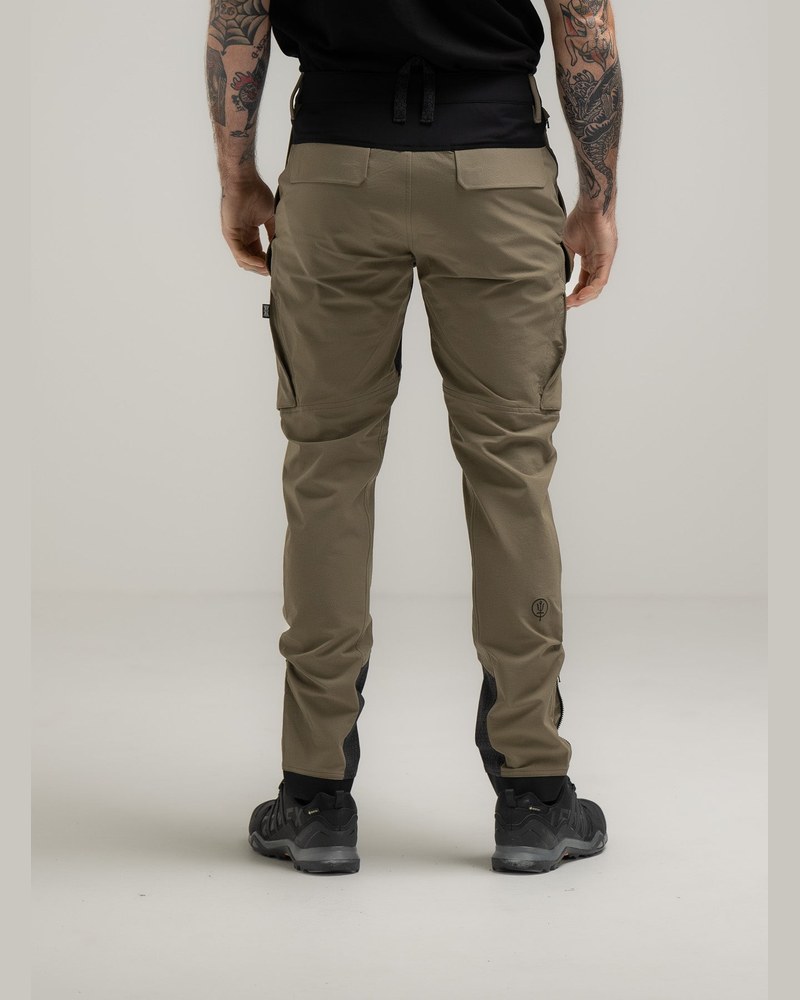
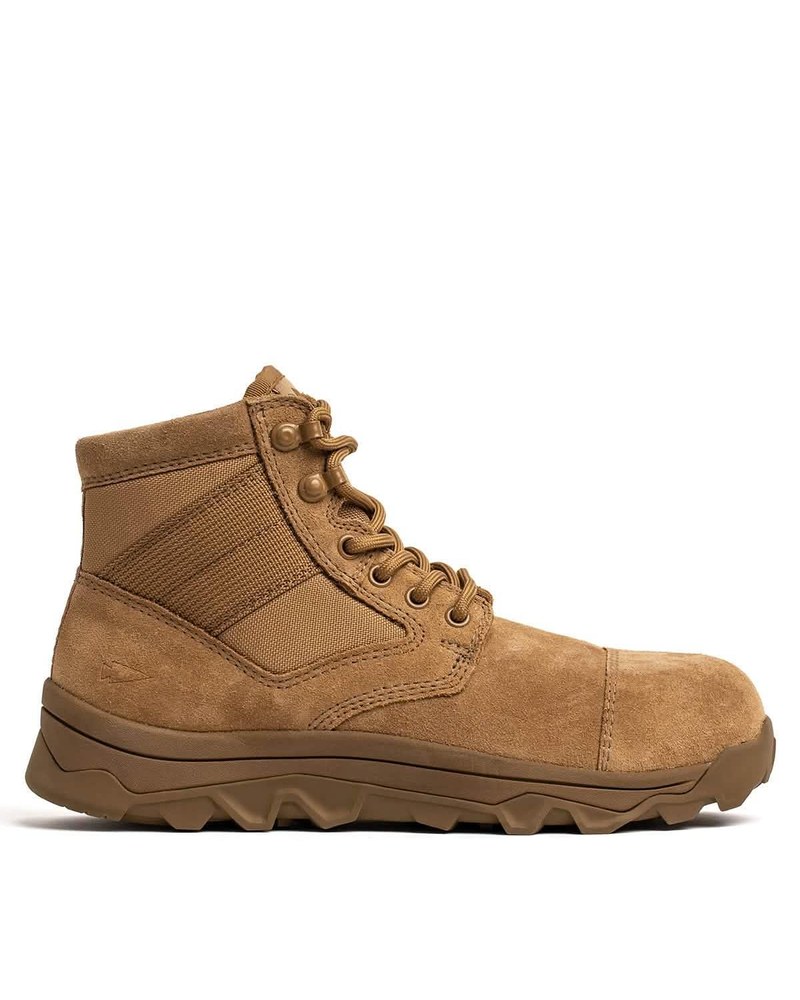
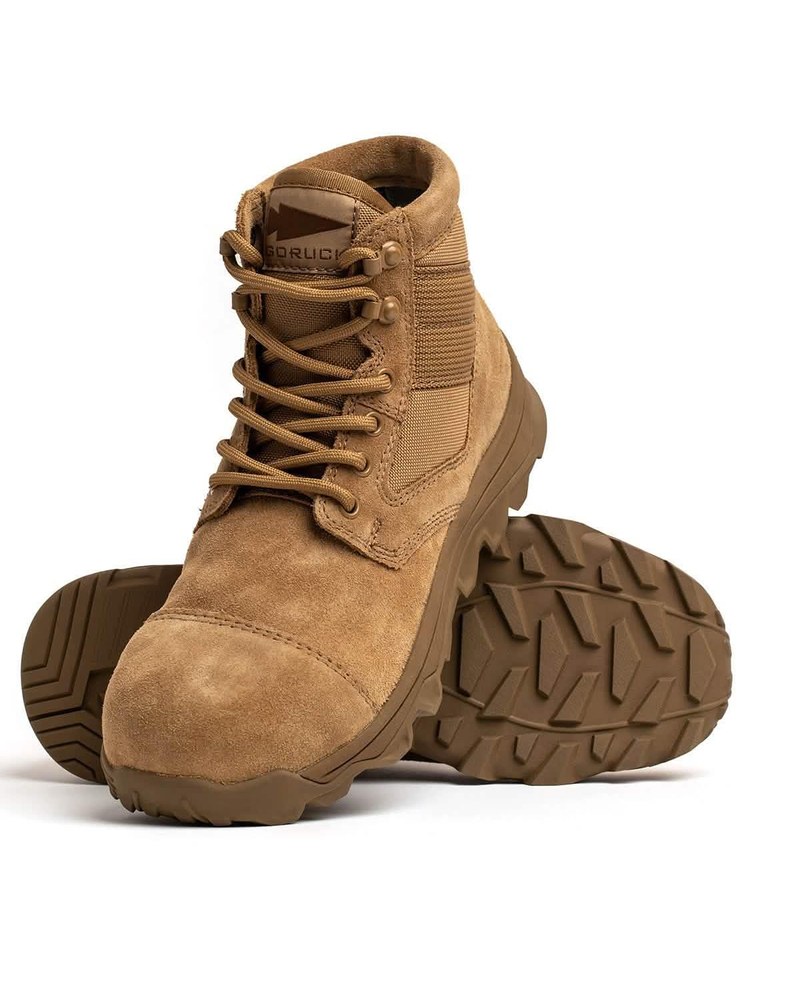
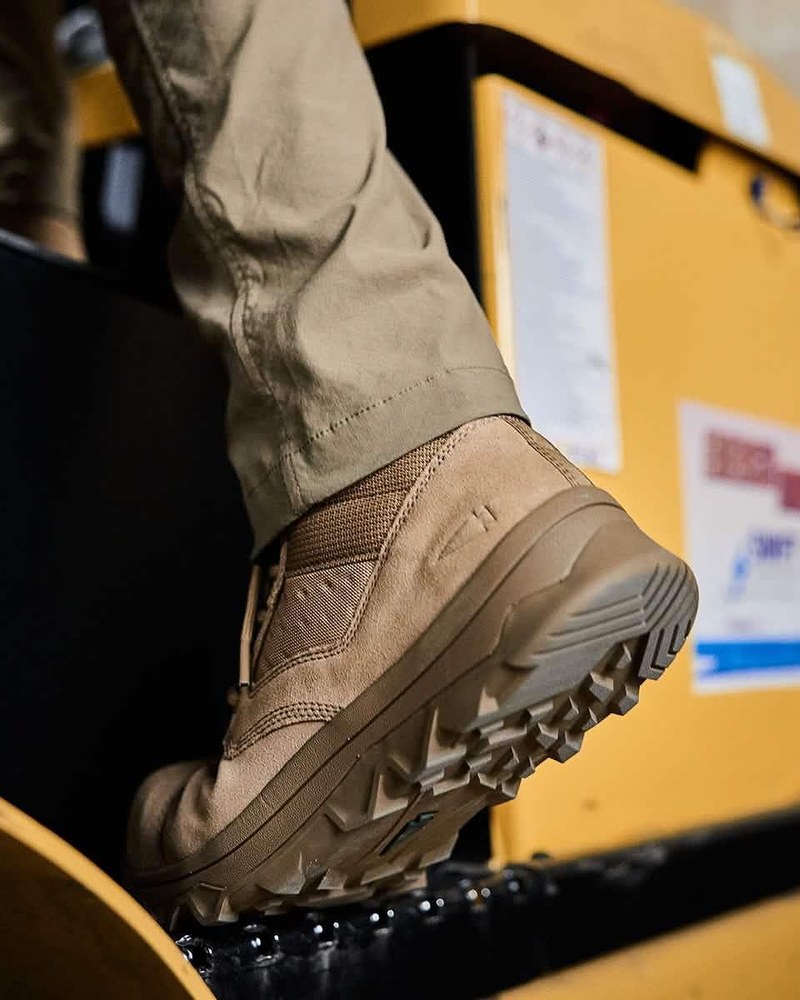
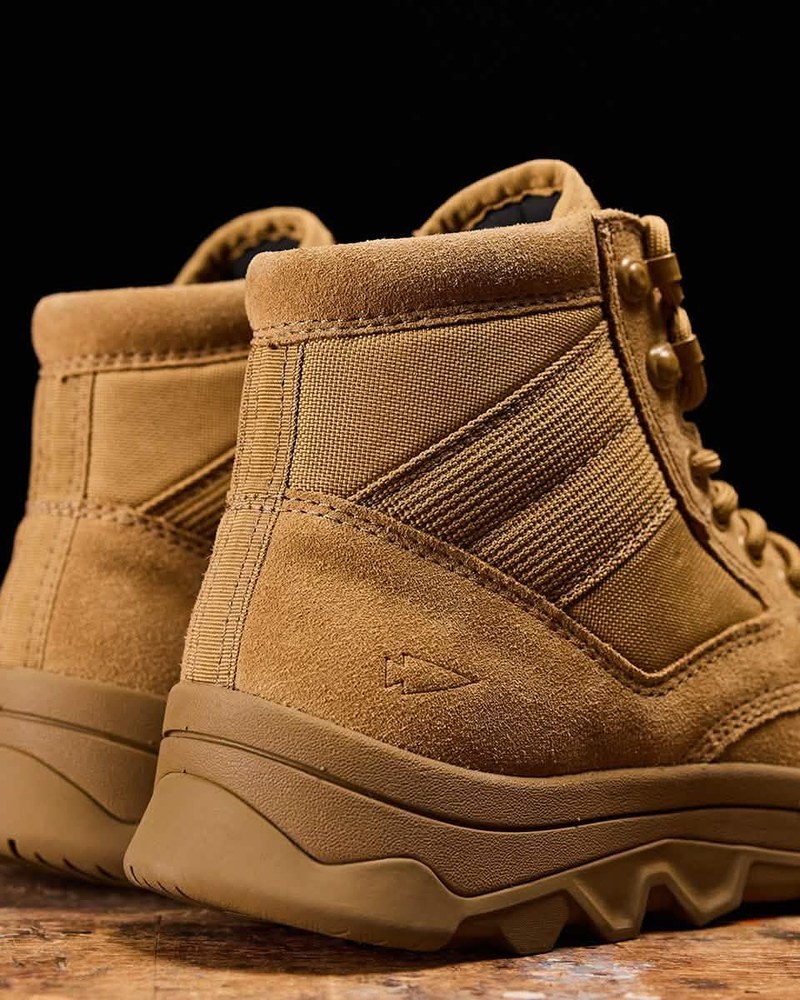
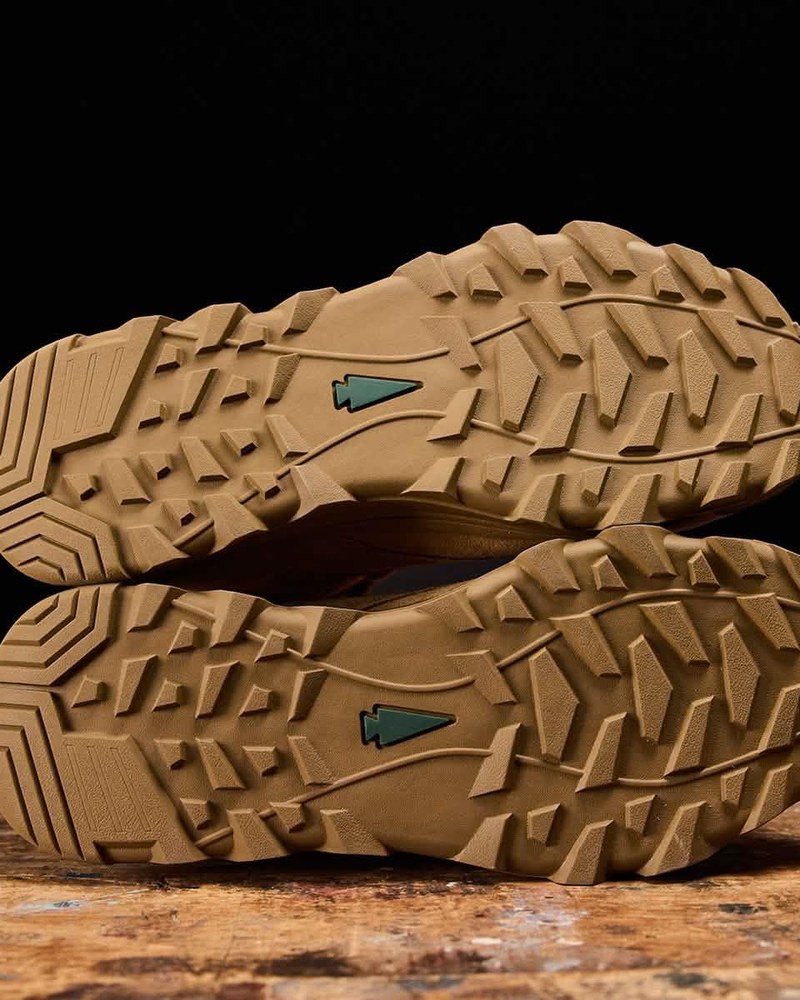
A fiber this expensive and this awkward to sew shows up in most products the way carbon fiber did in the nineties: as one panel, one strap, one plate, with the rest of the piece in something cheaper and easier. That is not a trick, it is how a material gets adopted, and the three pieces below are honest about it — Nike says the fiber “runs through the roll top,” ThruDark puts it on the lower leg, GORUCK in the sole. Expect more of this before you see many whole bags in it.
Three pieces where the fiber reinforces one part — a roll-top, a sole, a lower leg — and the rest is something else. The copy says which part.
A brand of ultra-high-molecular-weight polyethylene fiber, made by gel-spinning so the polymer chains align along the fiber. Its maker, Avient, describes it as fifteen times stronger than steel by weight and light enough to float on water. It does not absorb moisture and resists UV and abrasion.
Dyneema is the fiber. Dyneema Composite Fabric is a non-woven laminate of that fiber laid in a grid between thin polyester films — the crinkly white material formerly sold as Cuben Fiber. Woven Dyneema is a separate cloth with the fiber in the weave; Sentinel’s rain suit uses it.
The composite fabric is waterproof as a material because the films are continuous; whether a finished bag is waterproof depends on seams and zips. Sentinel and DSPTCH use YKK AquaGuard or reverse-coil waterproof zips. The fiber itself does not absorb water at all.
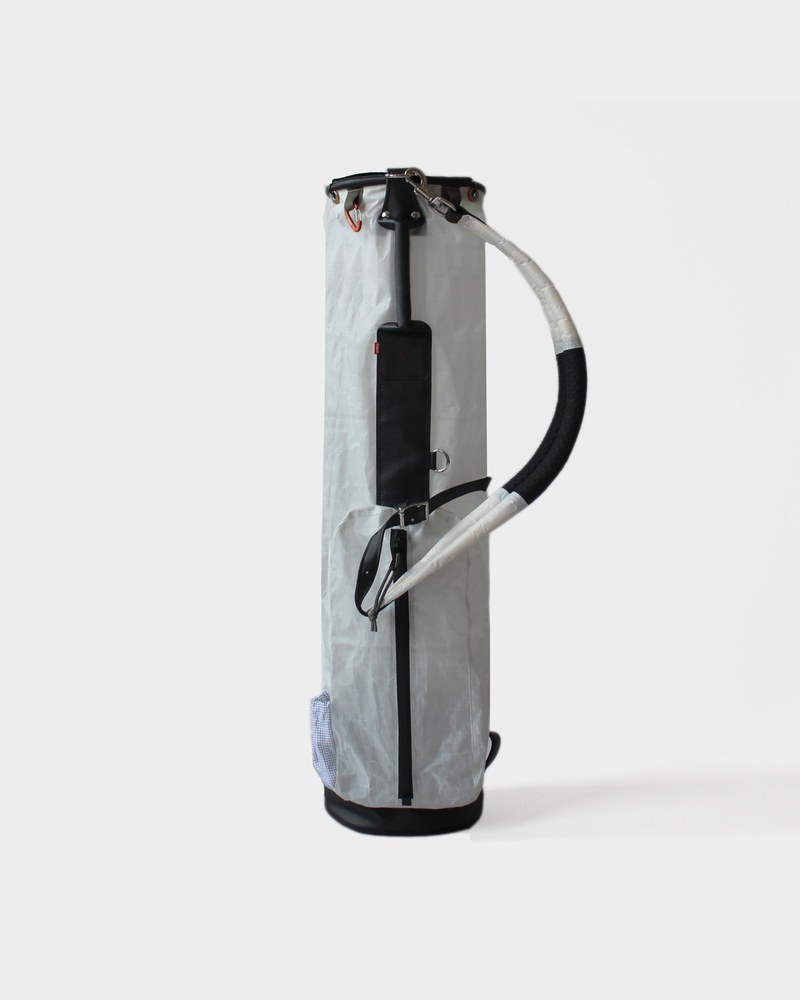
The Basecamp Walker is a made-to-order MacKenzie bag, built in Beaverton, Oregon, with full-grain leather trim and stainless hardware; MacKenzie’s standard Walkers sit in the same range. The composite is expensive per yard and slow to sew. Sentinel lists it at $890 in black or white with a six-to-eight-week lead time.
Sentinel’s product page says the fabric is not stain-proof, and the white composite shows marks. The laminate creases visibly with use, which owners of ultralight packs either love or don’t. Abrasion resistance is high; the Hybrid version used by Hawbuck adds a woven face for more of it.
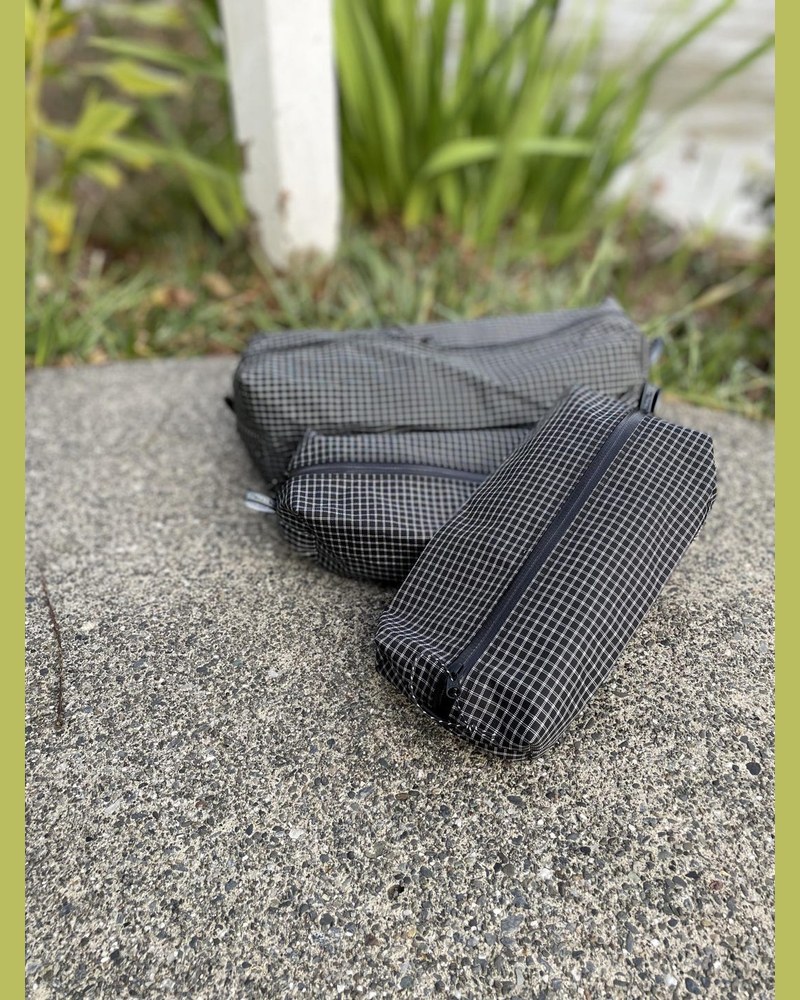
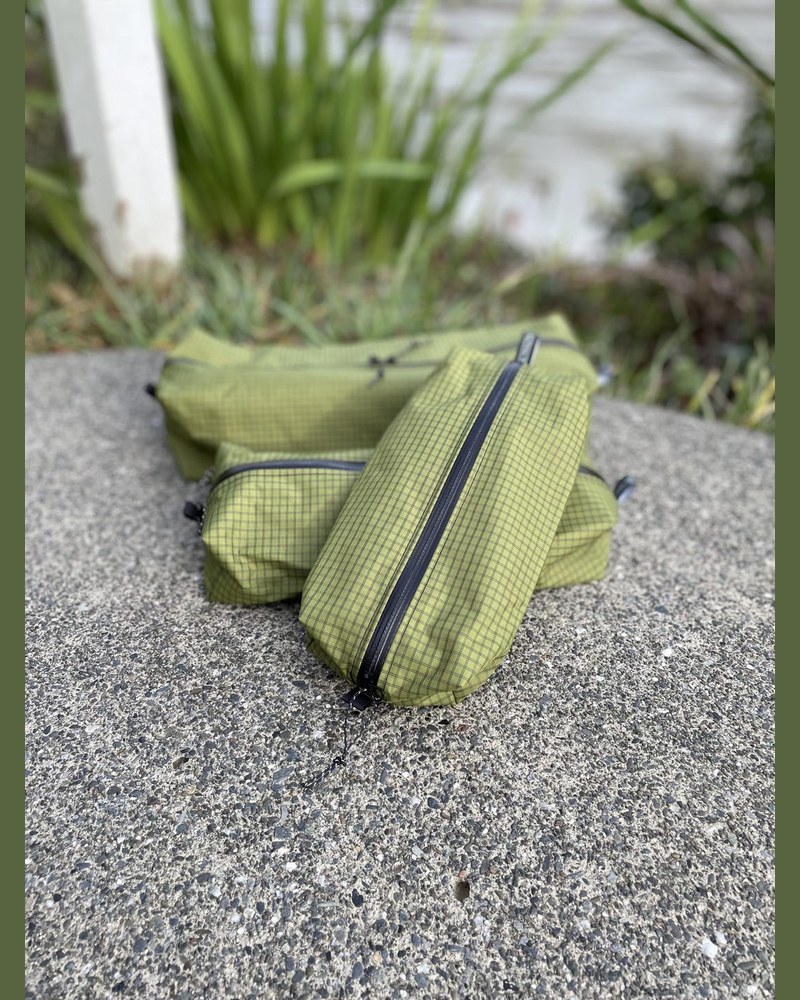
Not by brand. Ultralitesacks lists it as Dyneema/Ultra, but the fabrics offered are Ultra200X and UltraTX, Challenge Sailcloth’s UHMWPE laminates, plus UltraGrid, a recycled nylon. Same fiber family, different mill. At $17 to $28 and under 35 grams it does the job of organizing a golf bag either way.