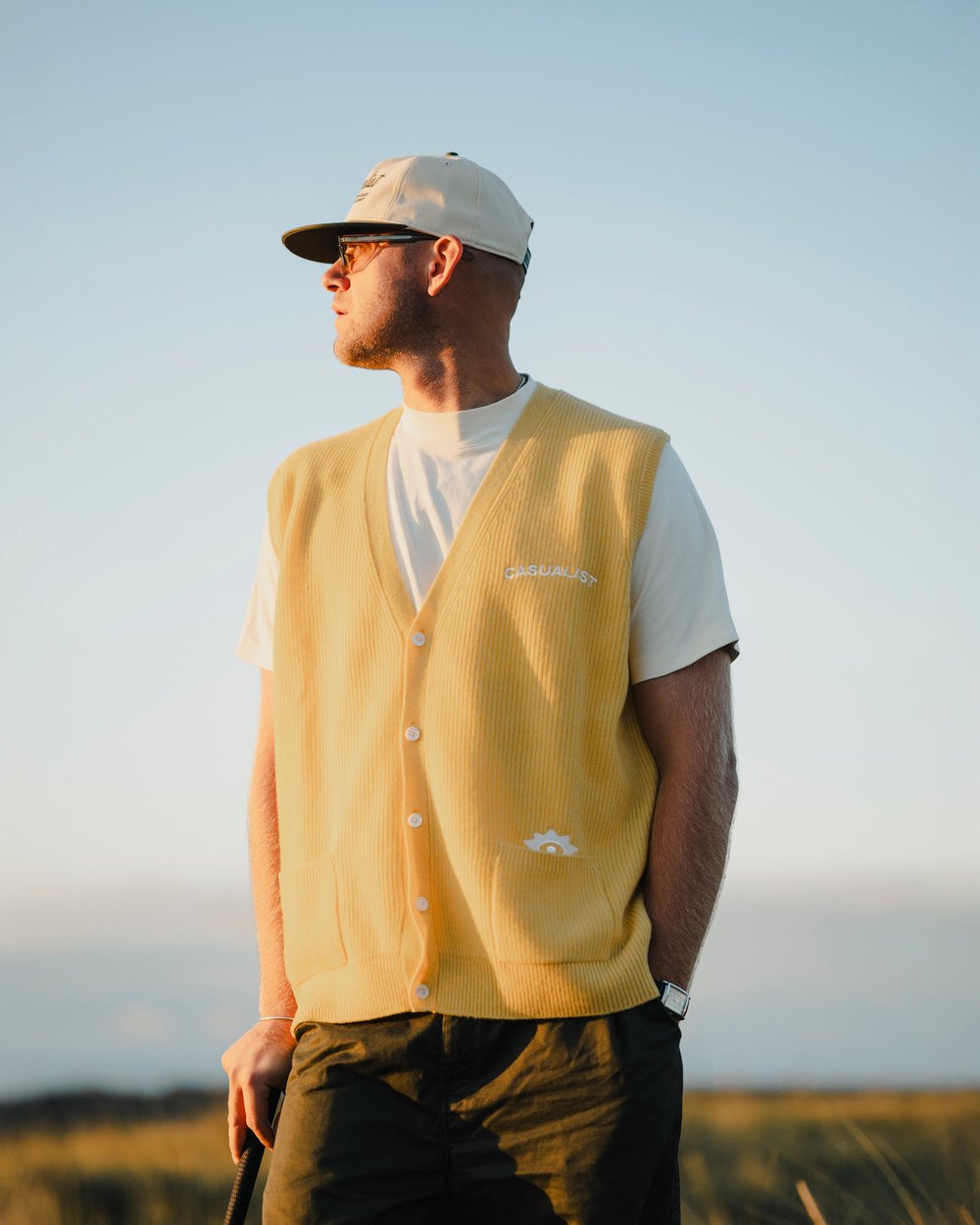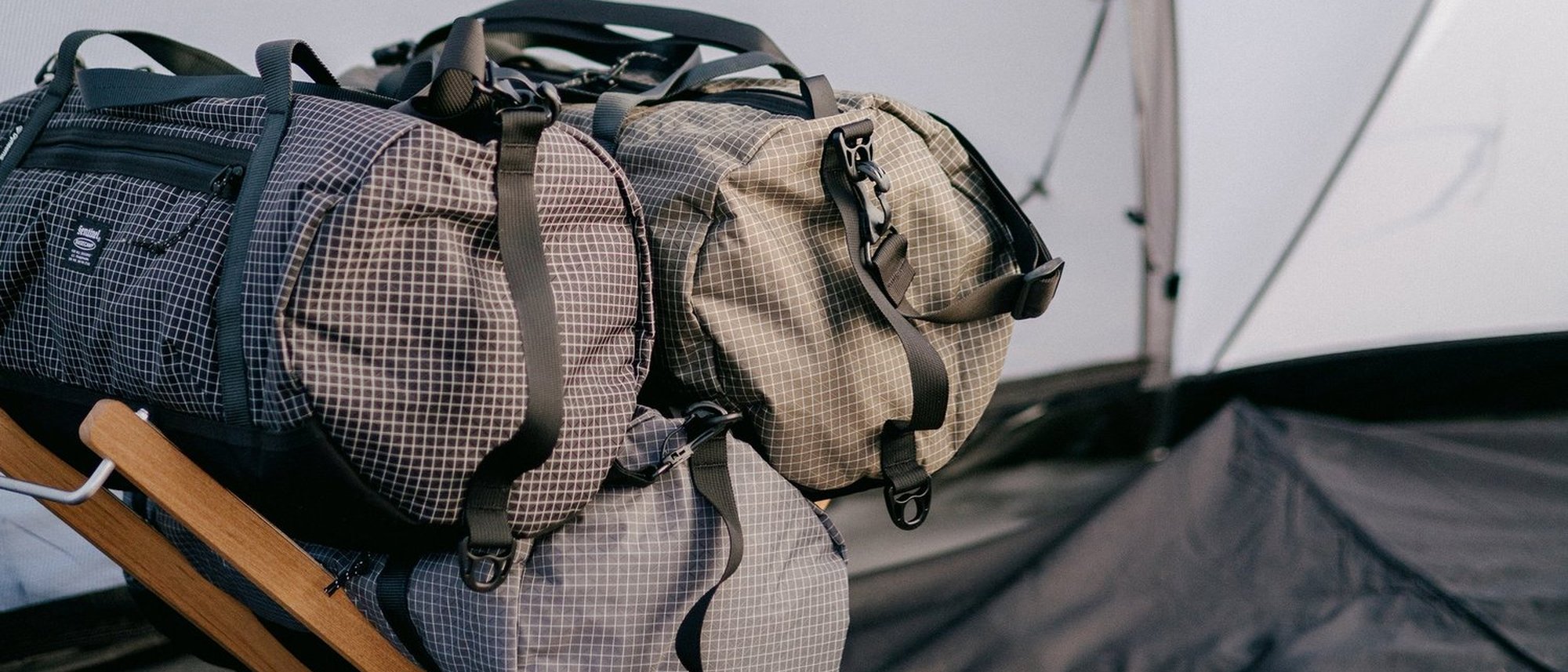
We read a lot of product pages. After a year of it, the same few fabric names kept coming back, on bags, headcovers, polos and pants from the brands we like most. This is our list of favorites, and we’re going deep: what each fabric actually is at the fiber level, what the numbers on the tag mean, and where the marketing ends and the chemistry starts. Brand claims are labeled as brand claims.
| Fabric | What it is | The number to read | Watch out for |
|---|---|---|---|
| Cordura | A brand of high-tenacity nylon 6,6 | Denier (D): 210D light, 1000D heavy | Weight at high denier |
| Dyneema | Ultra-high-molecular-weight polyethylene | Ounces per square yard on composites | Heat: melts at 144–152°C |
| Organic cotton | Cotton grown without synthetic pesticides, fertilizers or GMO seed | gsm, and the certification (GOTS / OCS) | Slow to dry |
| Ventile | Long-staple cotton woven so tight it swells shut when wet | The name itself; it’s a licensed brand | Price |
It started as a tire cord. DuPont registered the Cordura name in 1929 for a high-tenacity rayon used in WWII military tires, and moved it to nylon 6,6 in 1967. Koch Industries’ INVISTA has owned it since 2004.
Cordura doesn’t weave the fabric. It makes the fiber and licenses the name to mills, and says there are “more than 850 certified” Cordura fabrics. So the name on a tag tells you less than you’d think. The classic version is “high-tenacity, air-jet textured nylon 6,6 filament yarns in weights ranging from 330D to 1,000D,” and that D is the number that matters.
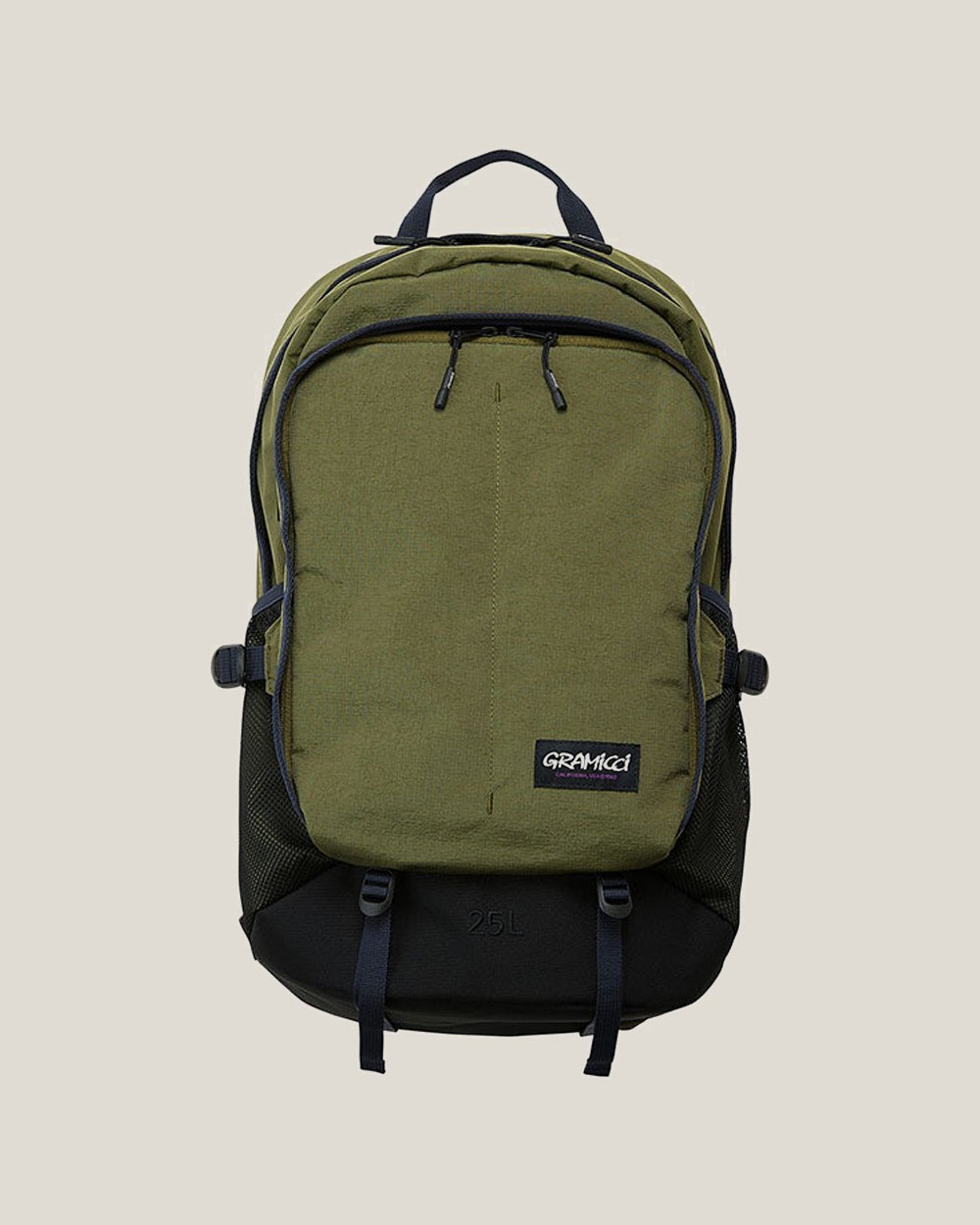
Denier is weight per length: grams per 9,000 meters of yarn. Higher means thicker and tougher. Here, Gramicci’s wallet and pack are 210D, the Students headcovers and tote are 500D, and Dimple Divot’s pouch is 1000D.
A 210D Cordura wallet and a 1000D Cordura pouch have almost nothing in common but the label.
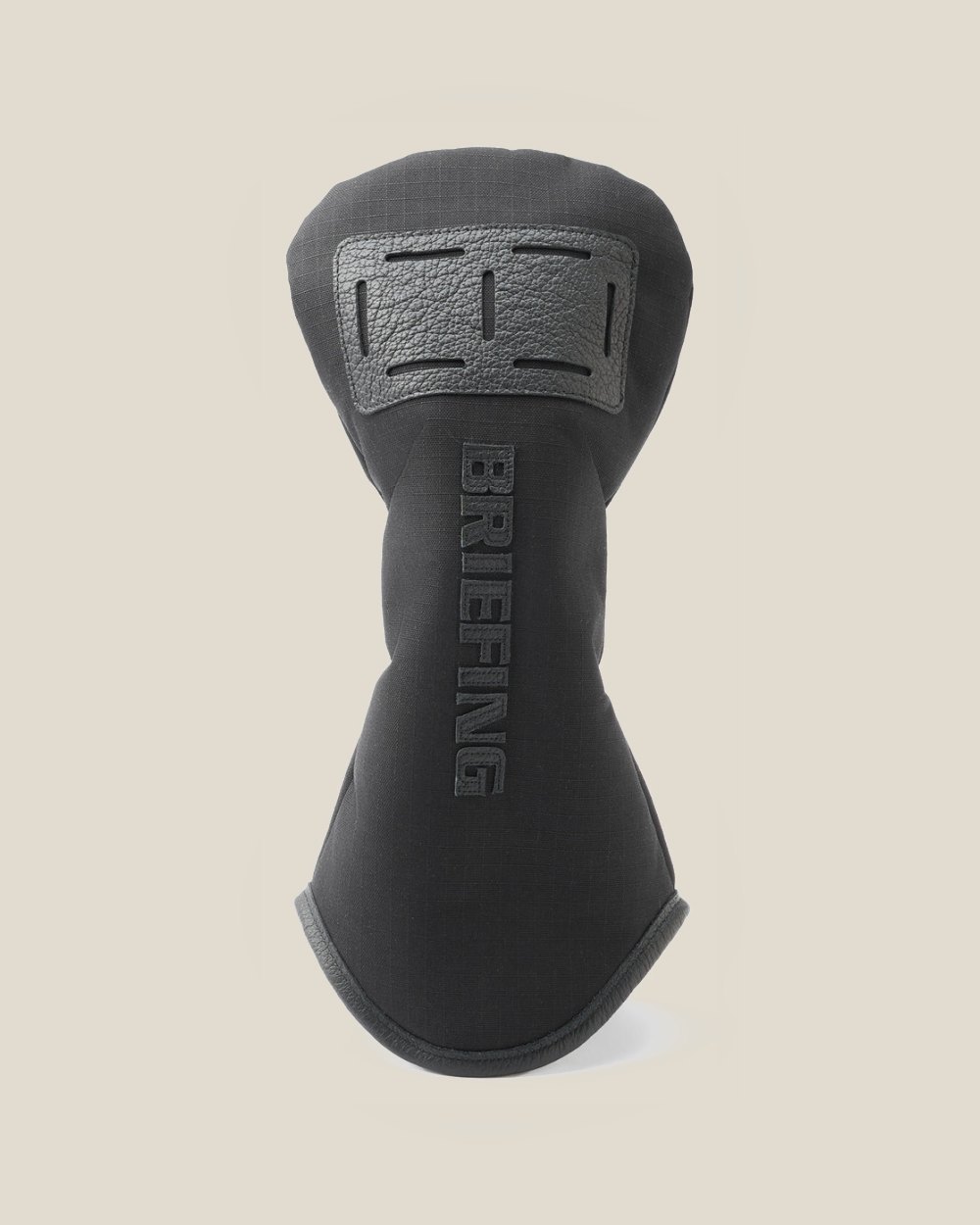
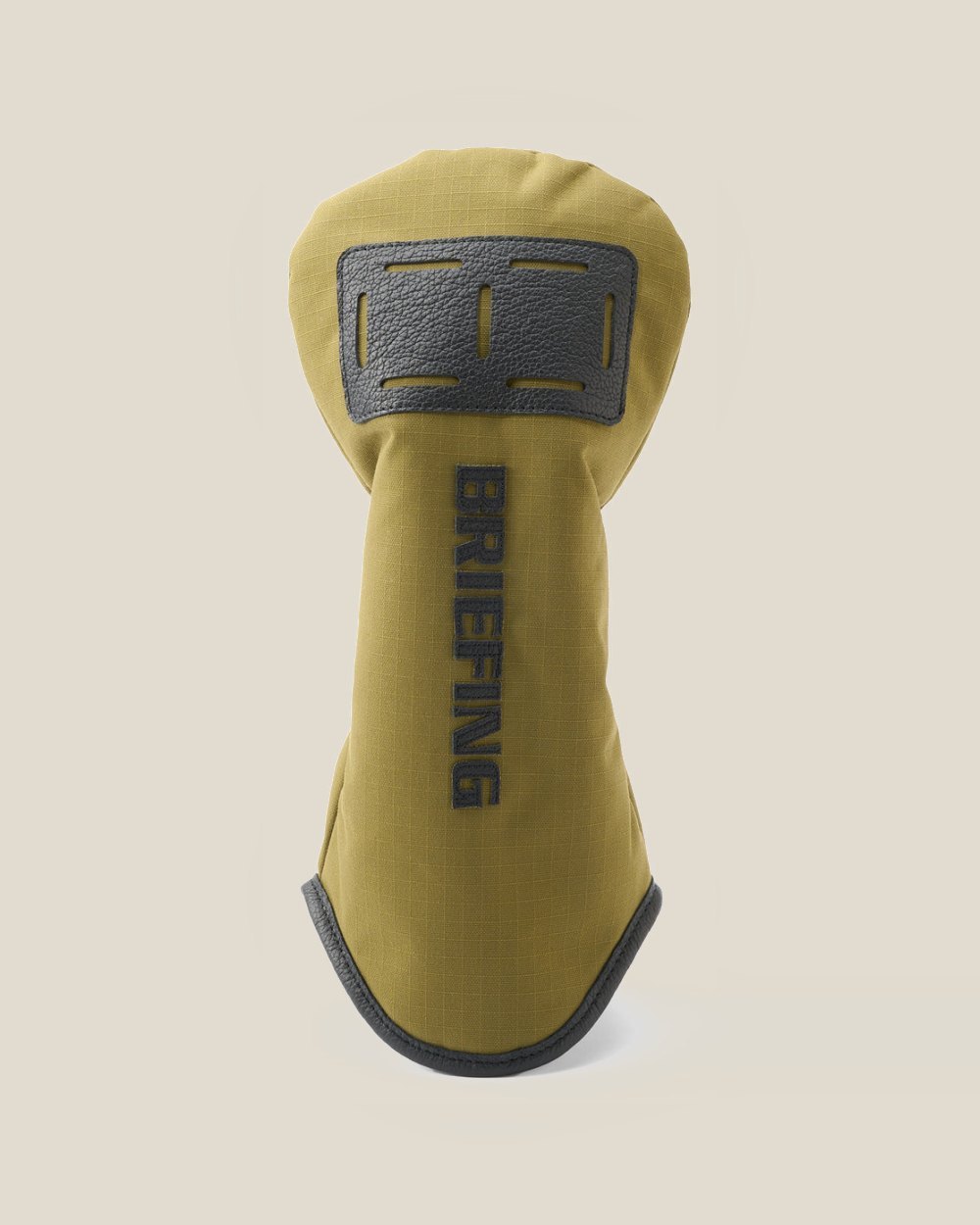
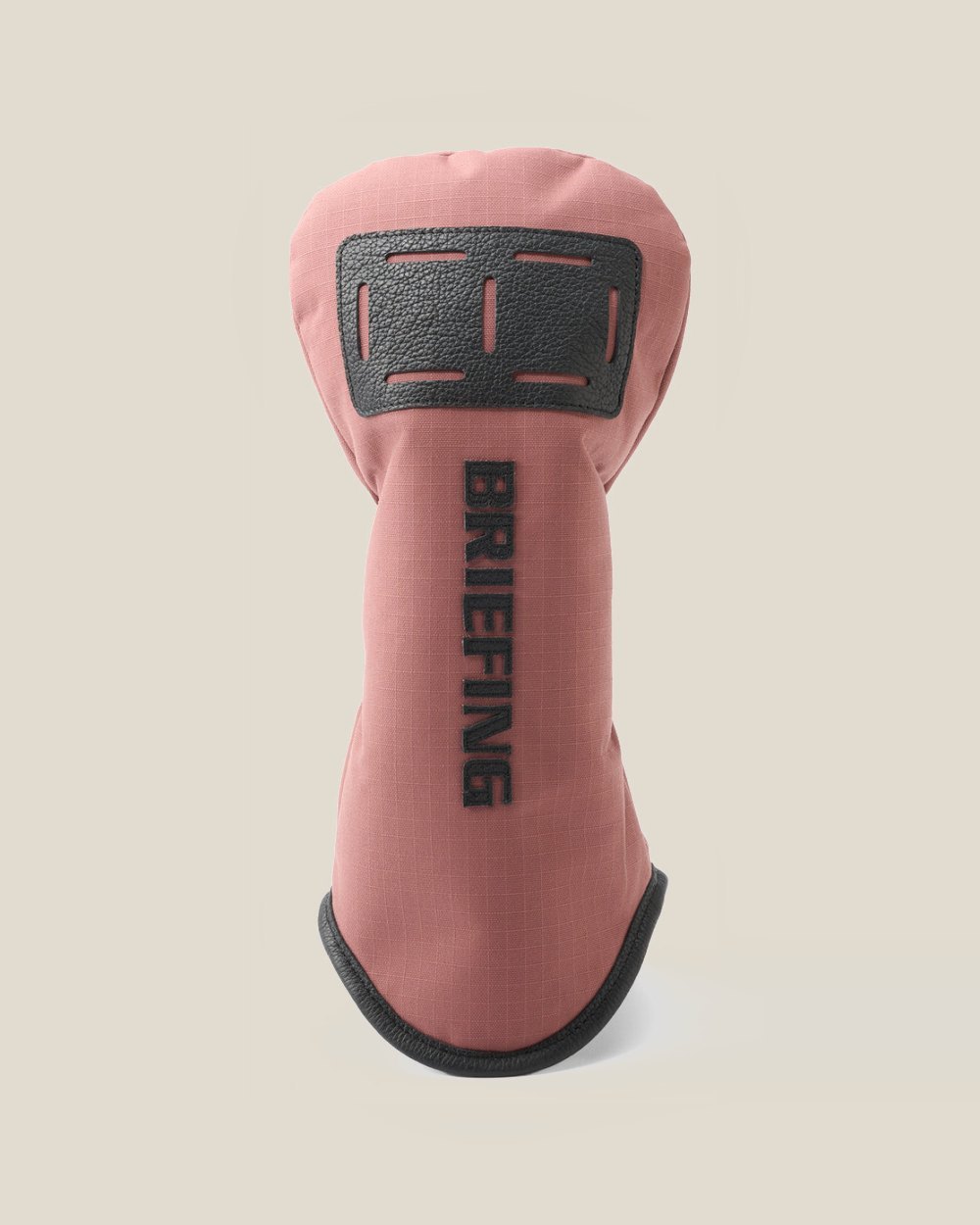
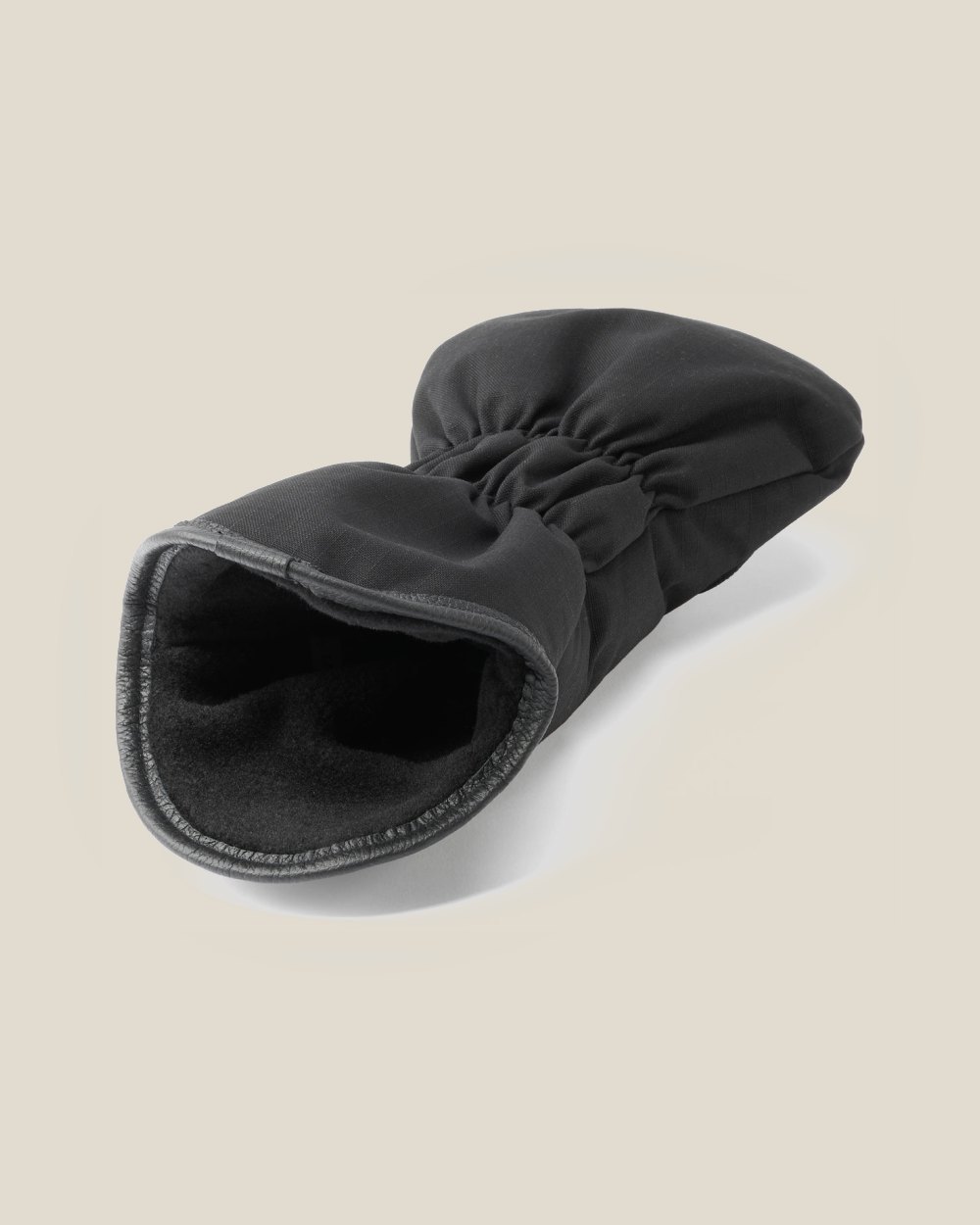
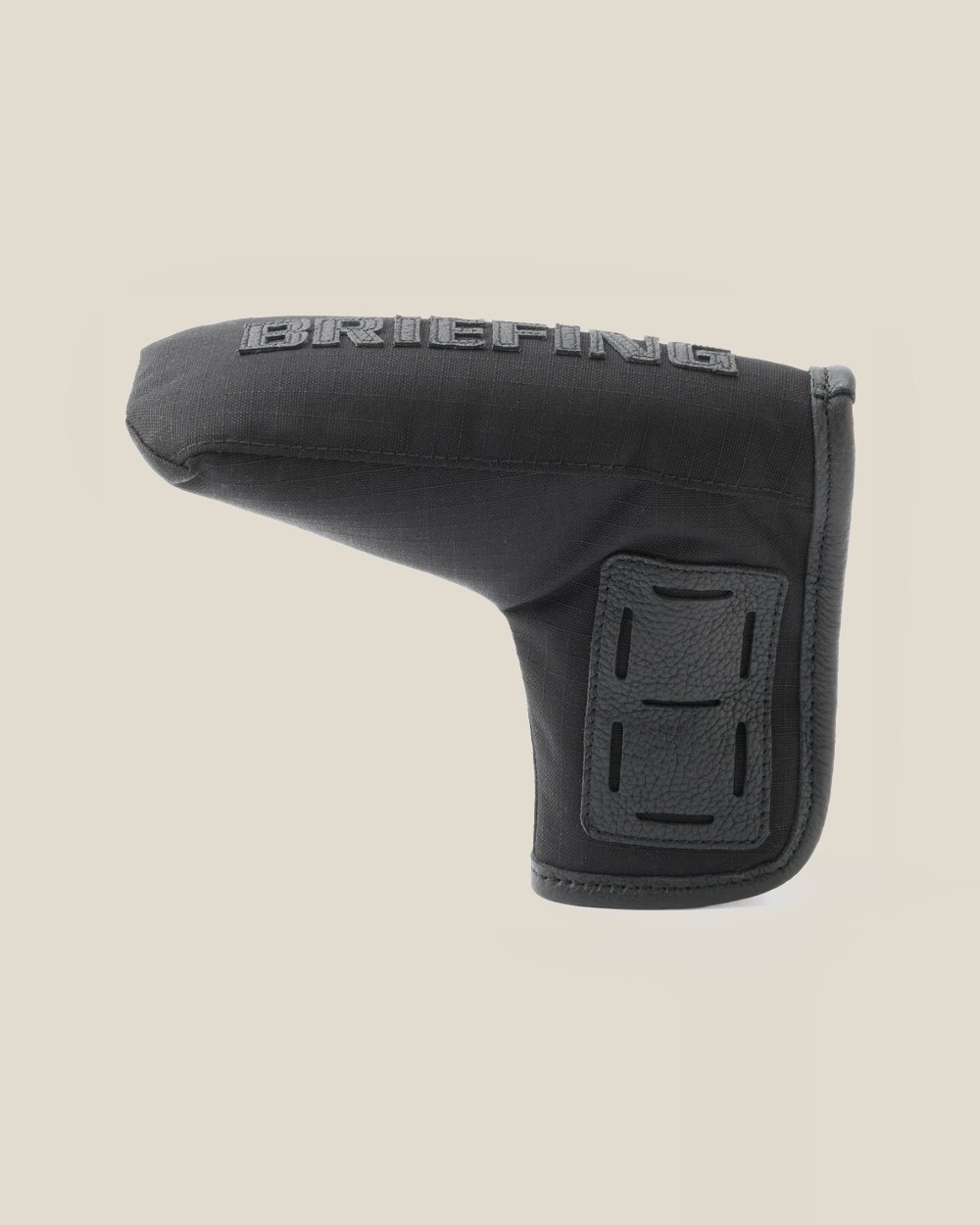
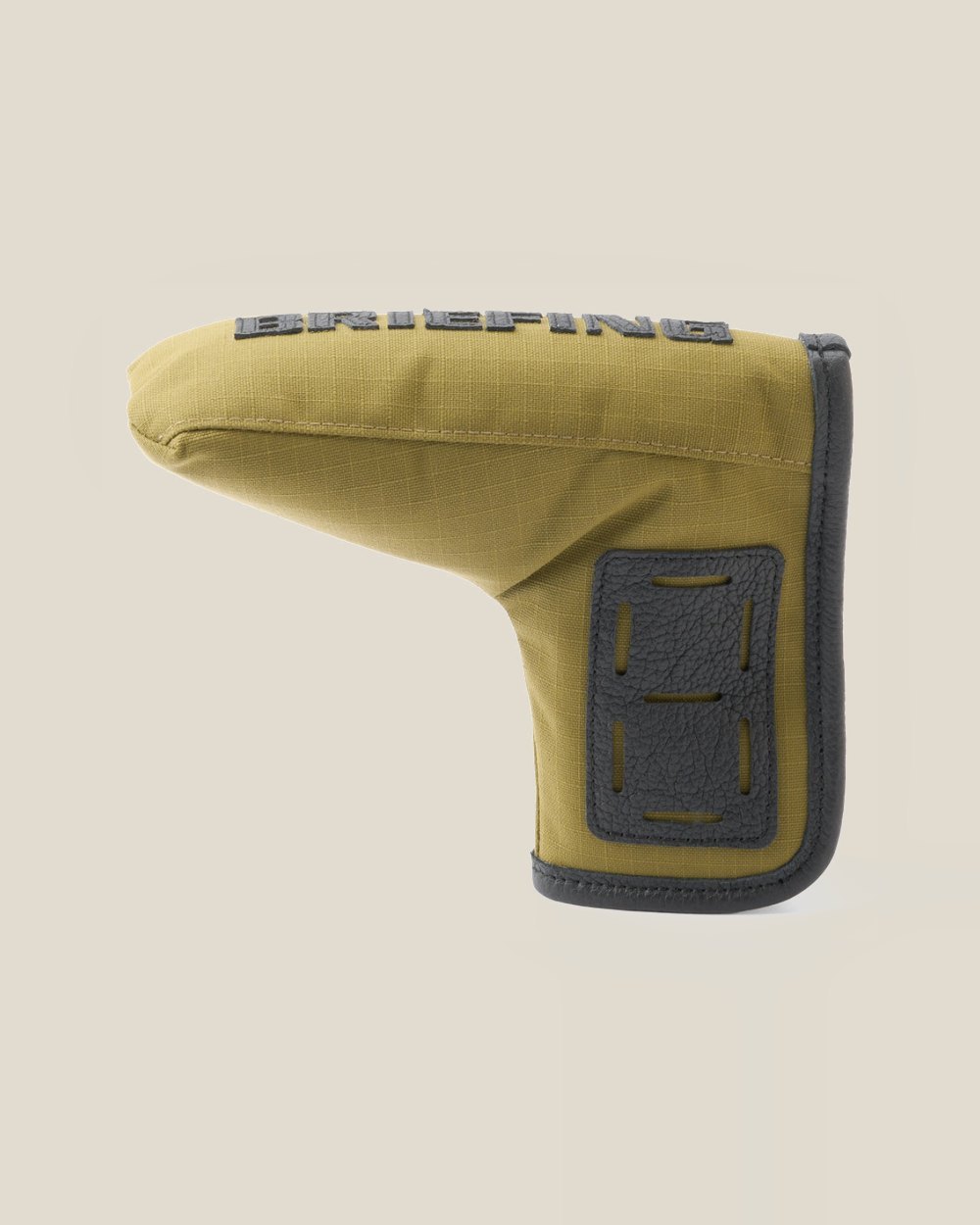
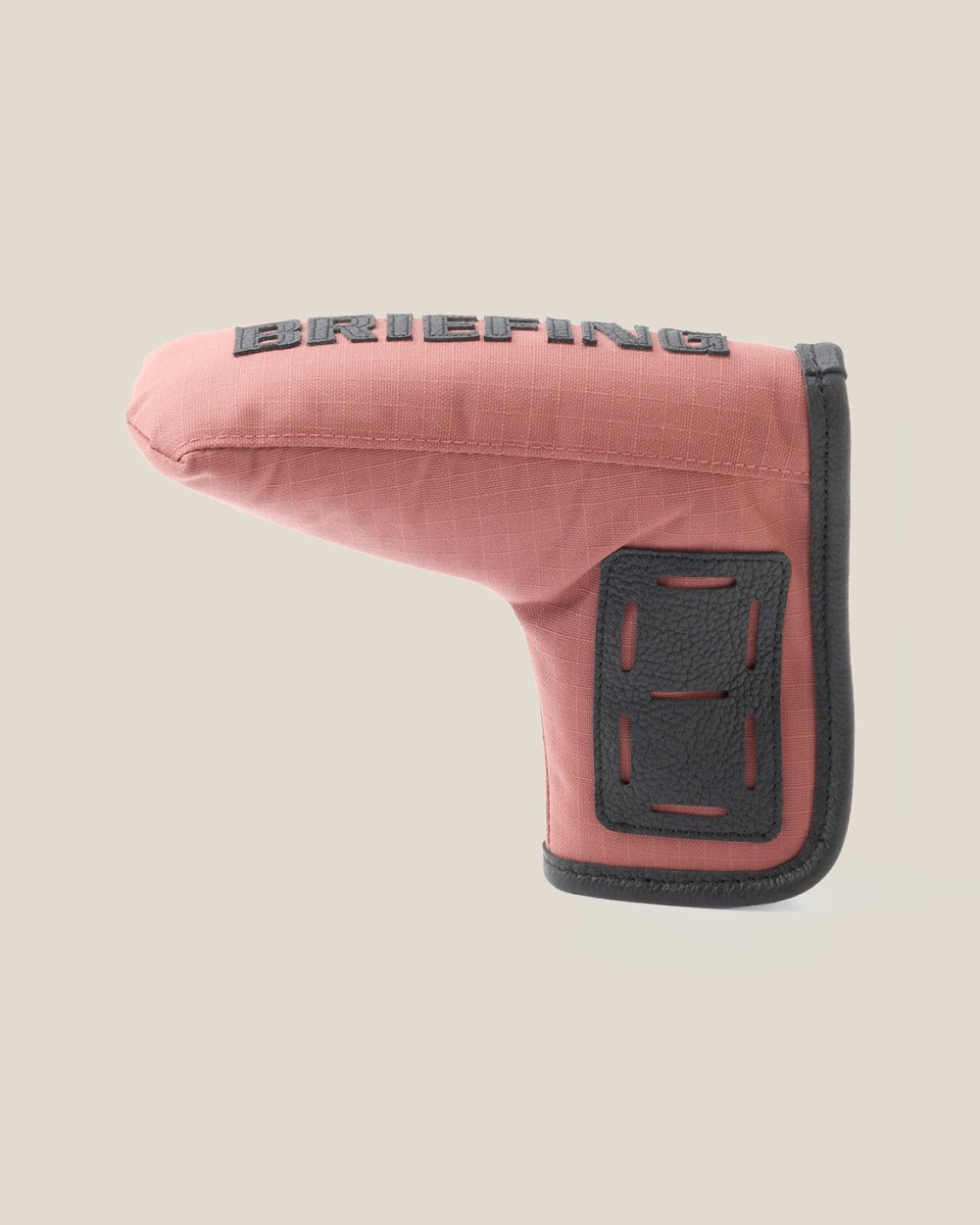
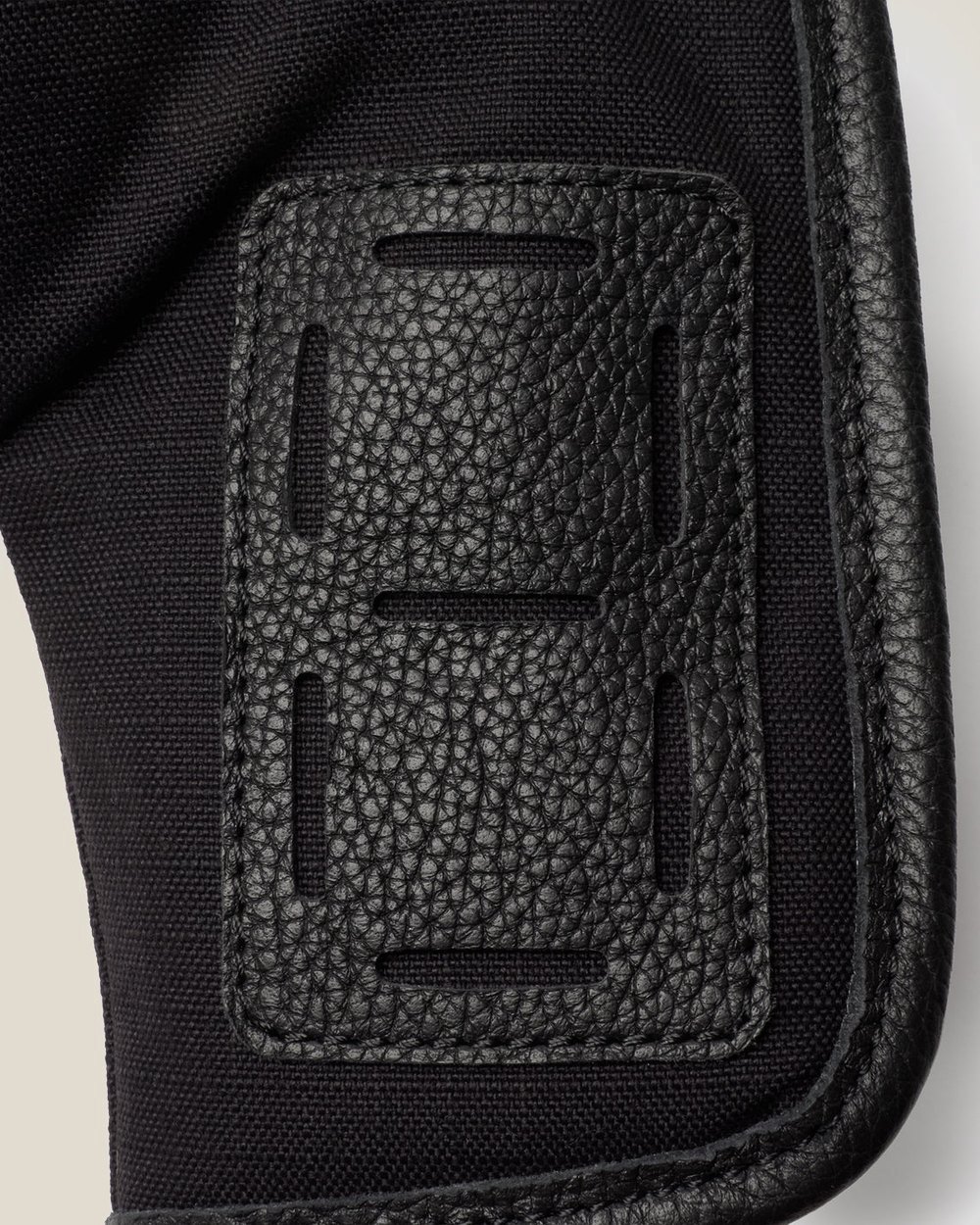
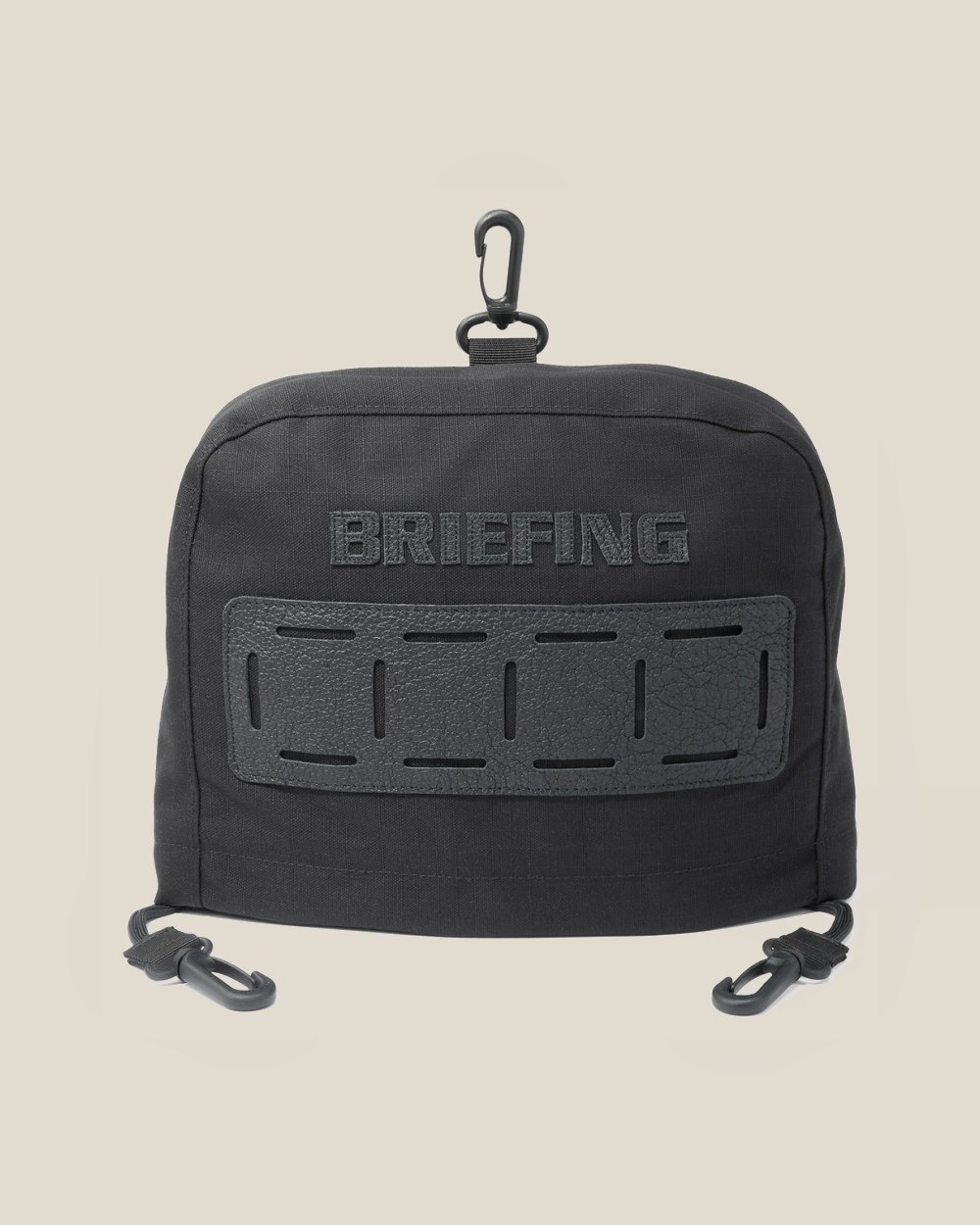
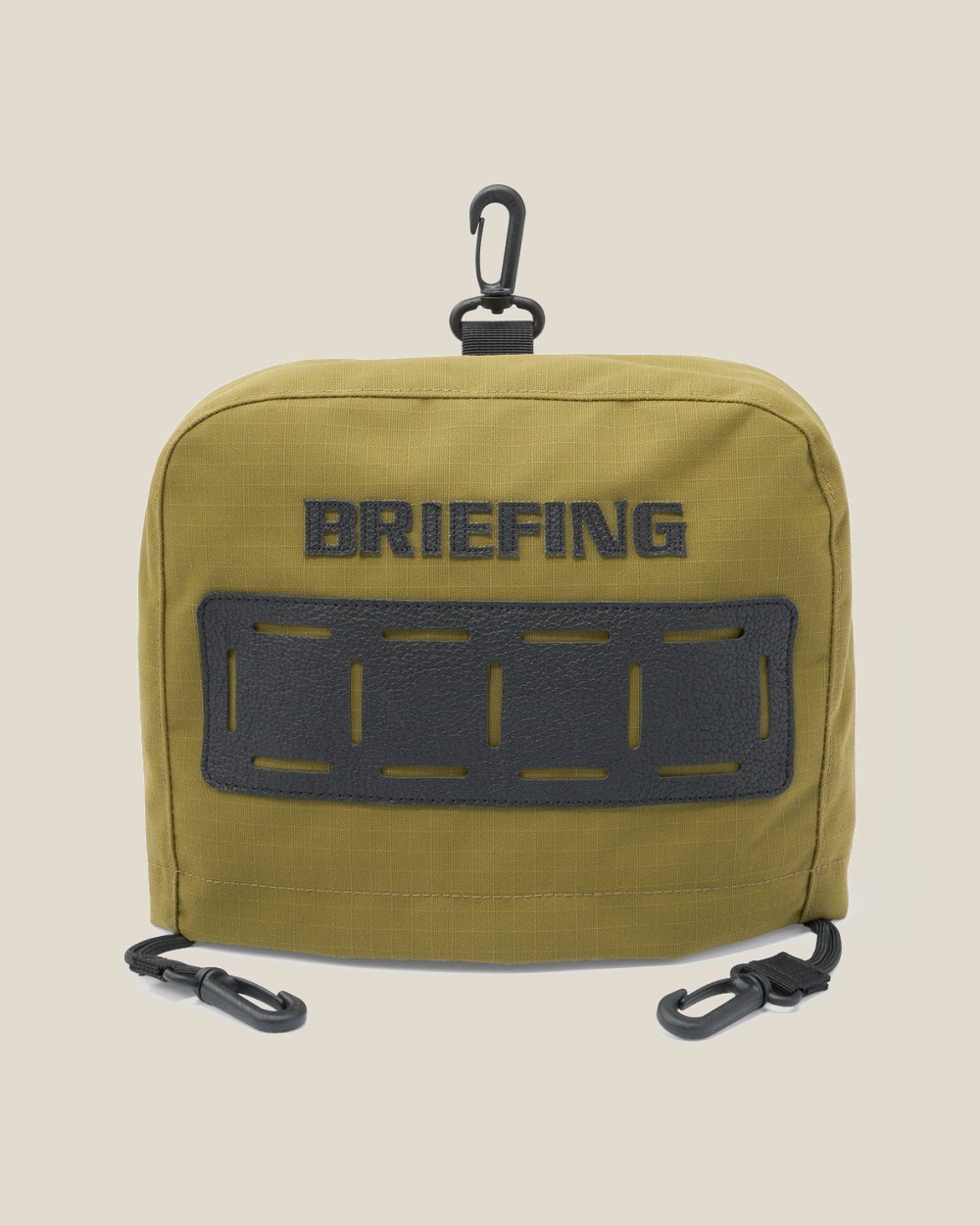
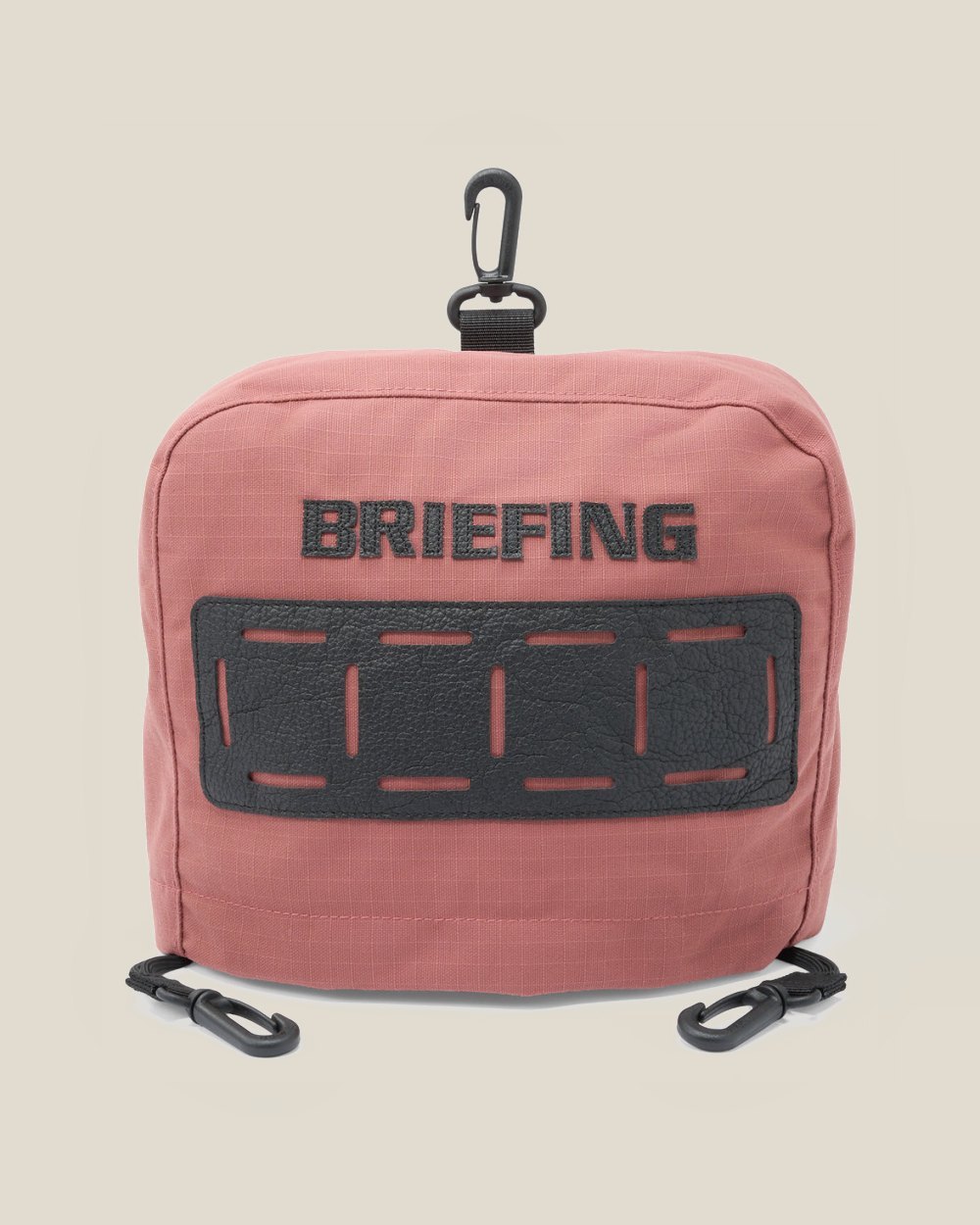
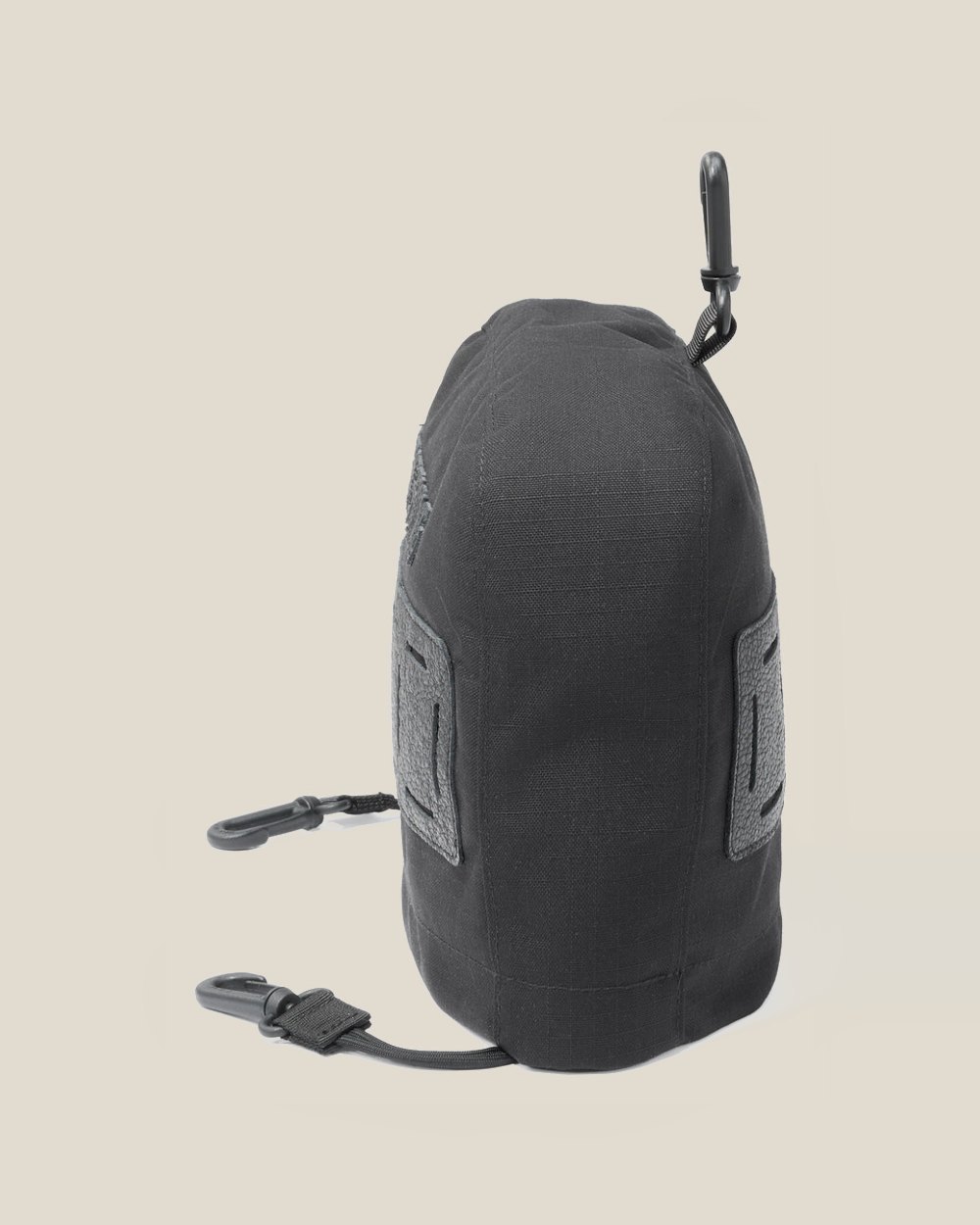
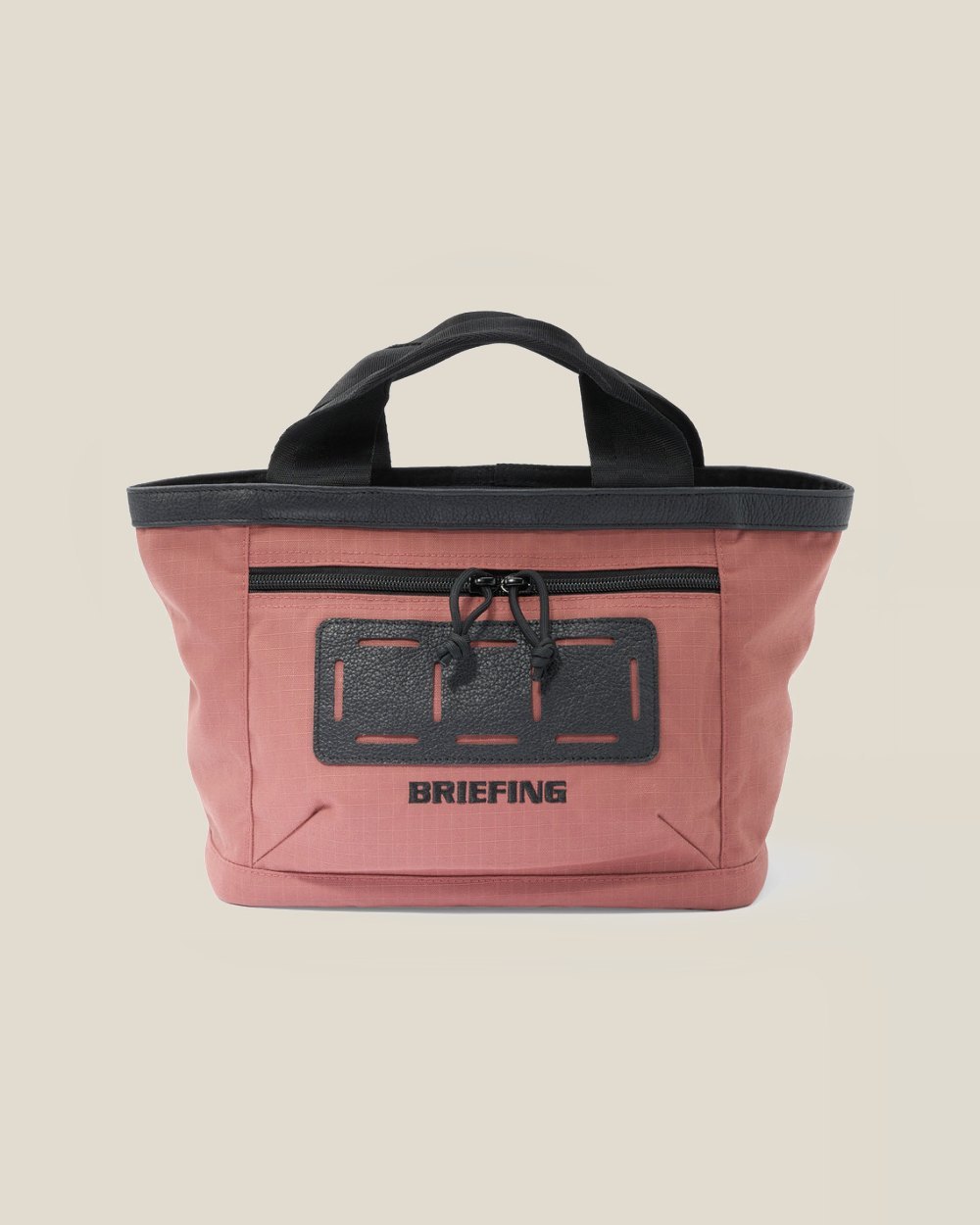
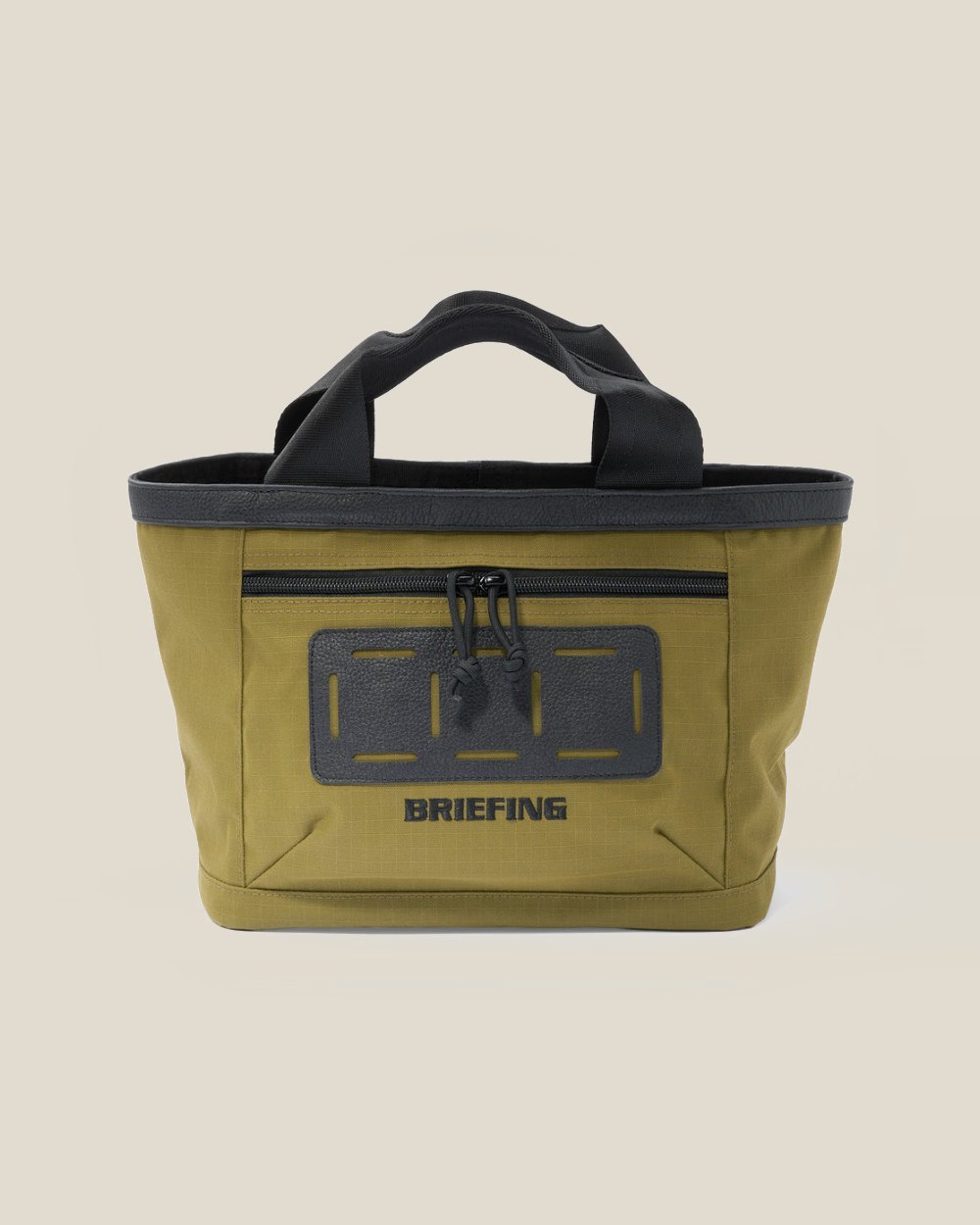
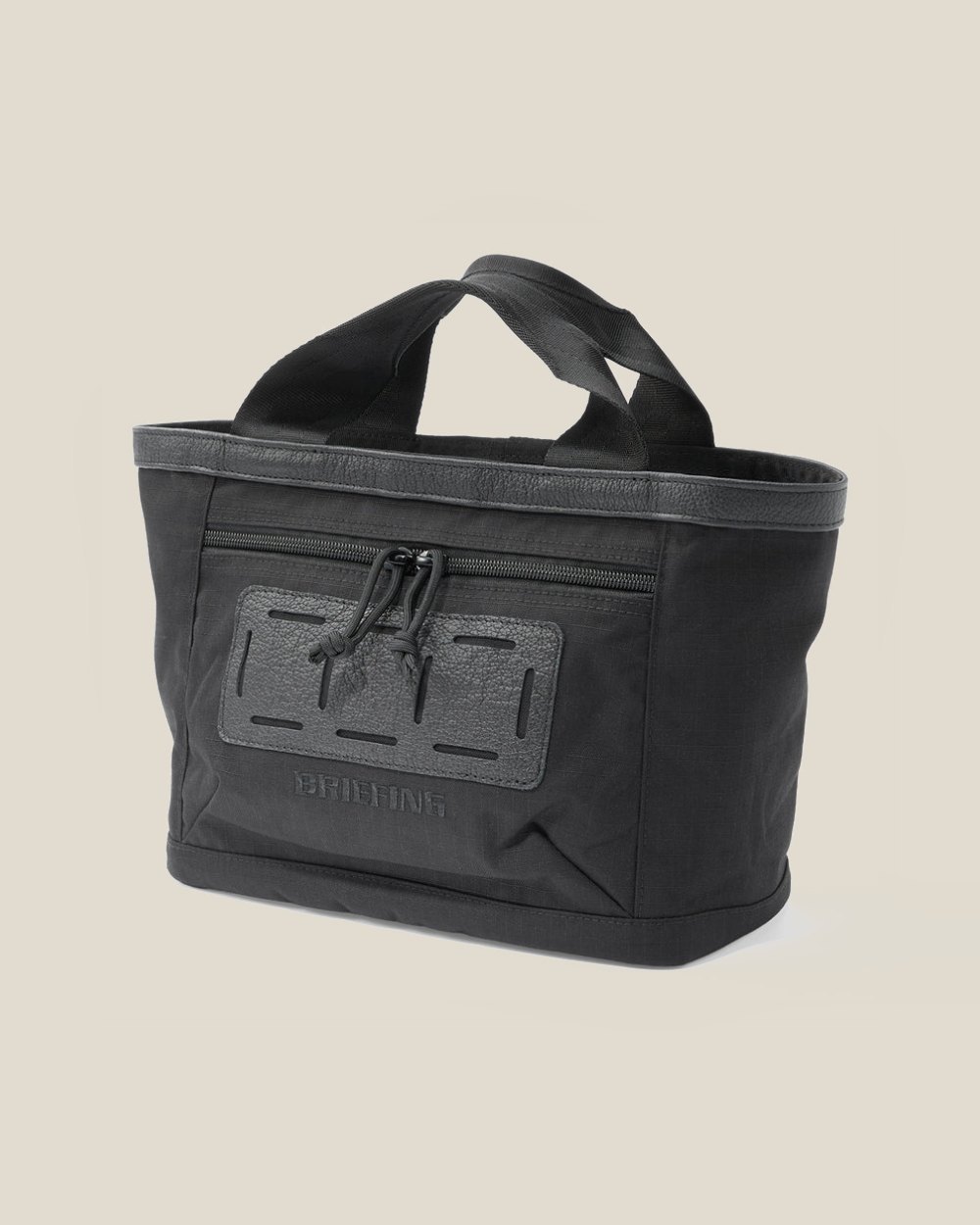
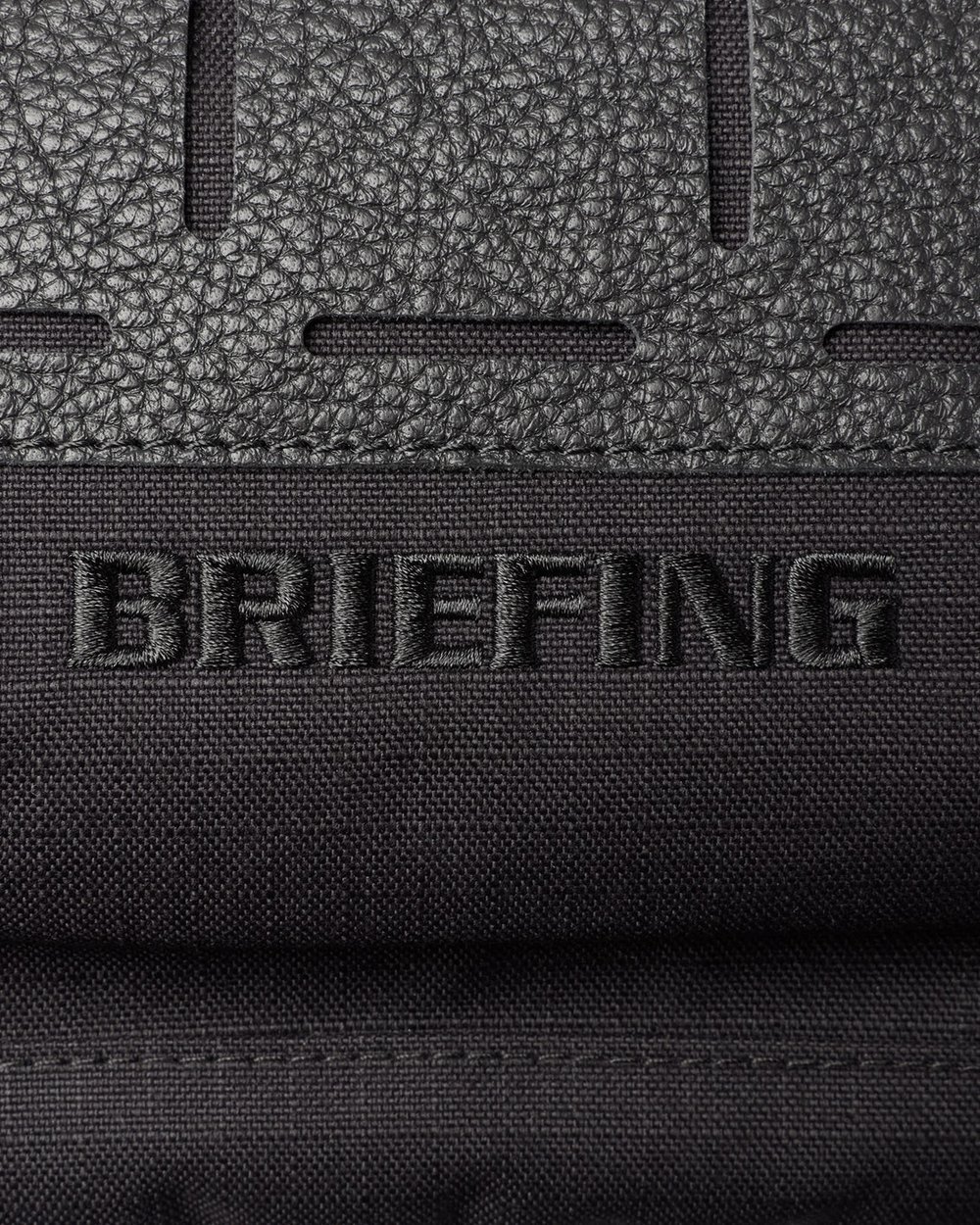
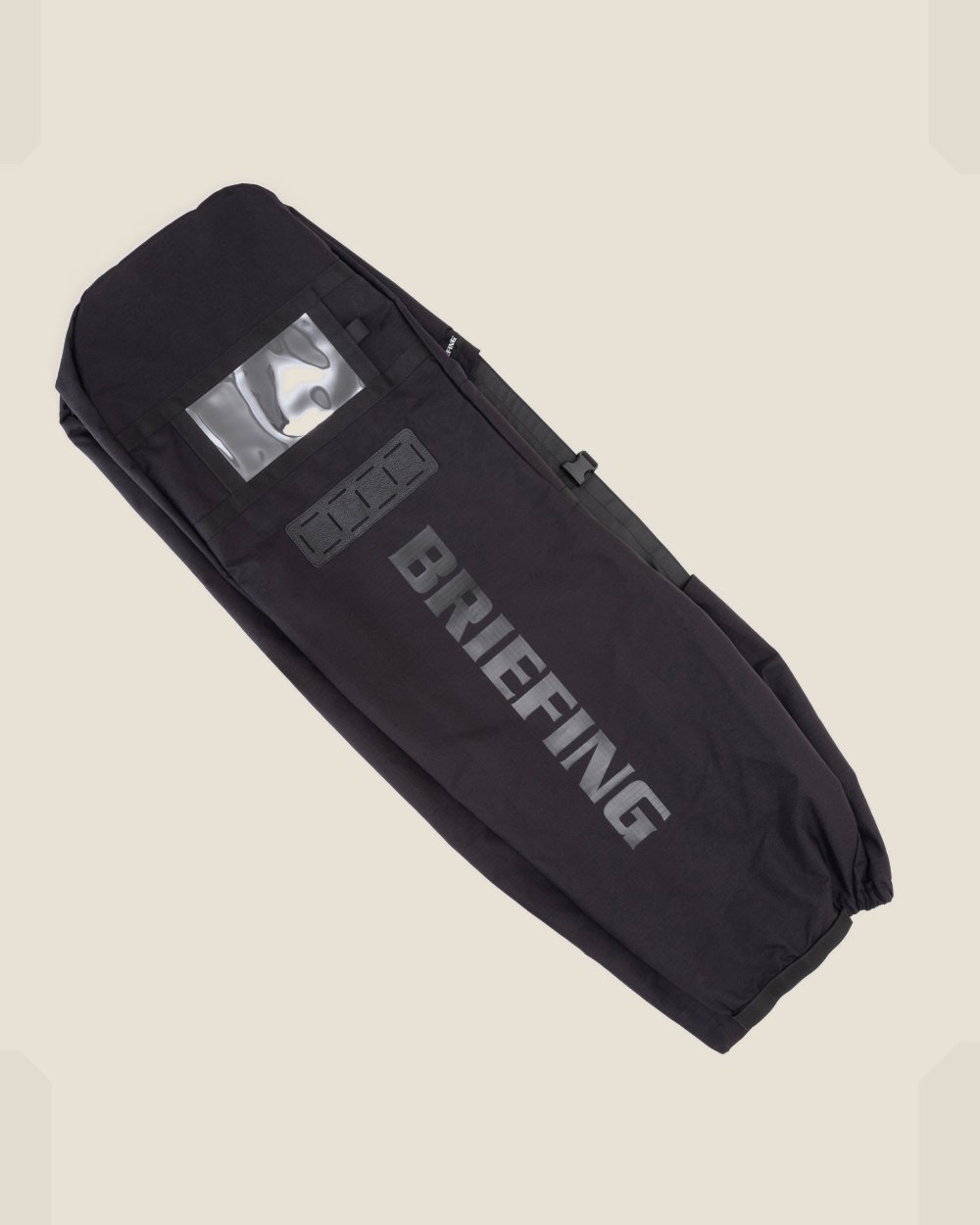
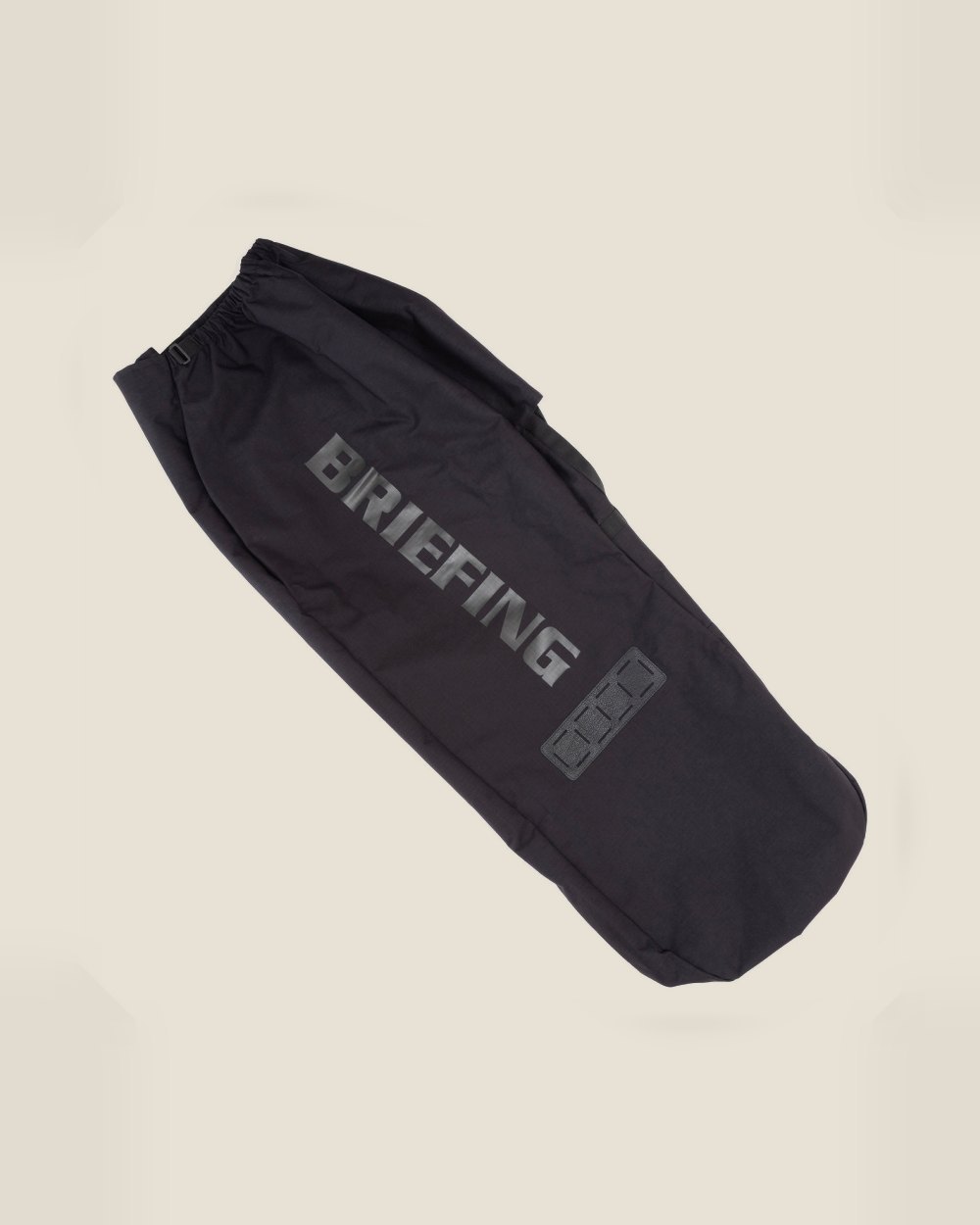
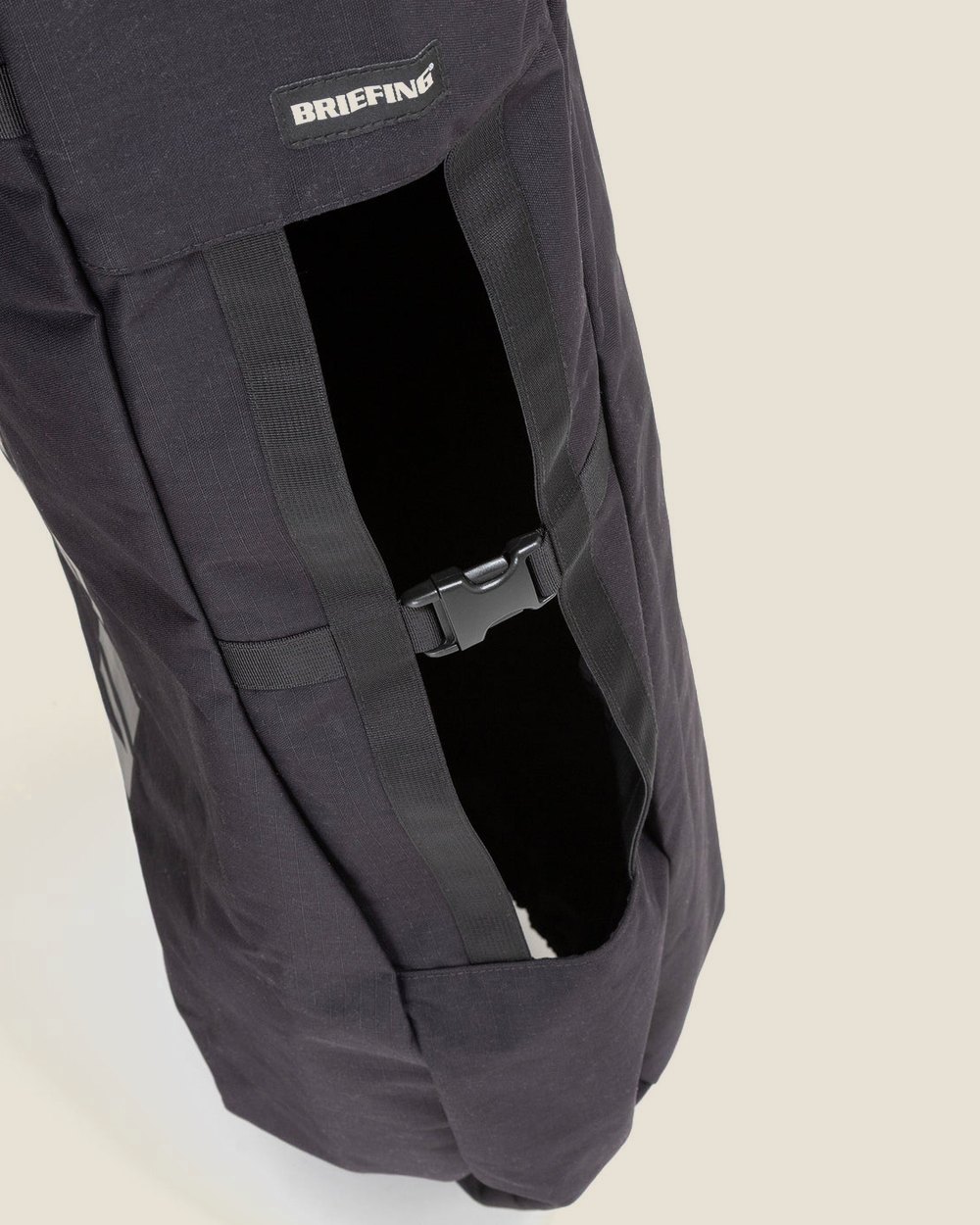
Ripstop is a weave, not a fiber. Thicker yarns run through the cloth in a grid, usually 5 to 8 millimeters apart, so a tear stops at the next line. Sun Mountain’s Eclipse and Briefing’s DL covers use Cordura ripstop. Ballistic nylon is different again: a heavy basketweave DuPont made for WWII flak jackets.
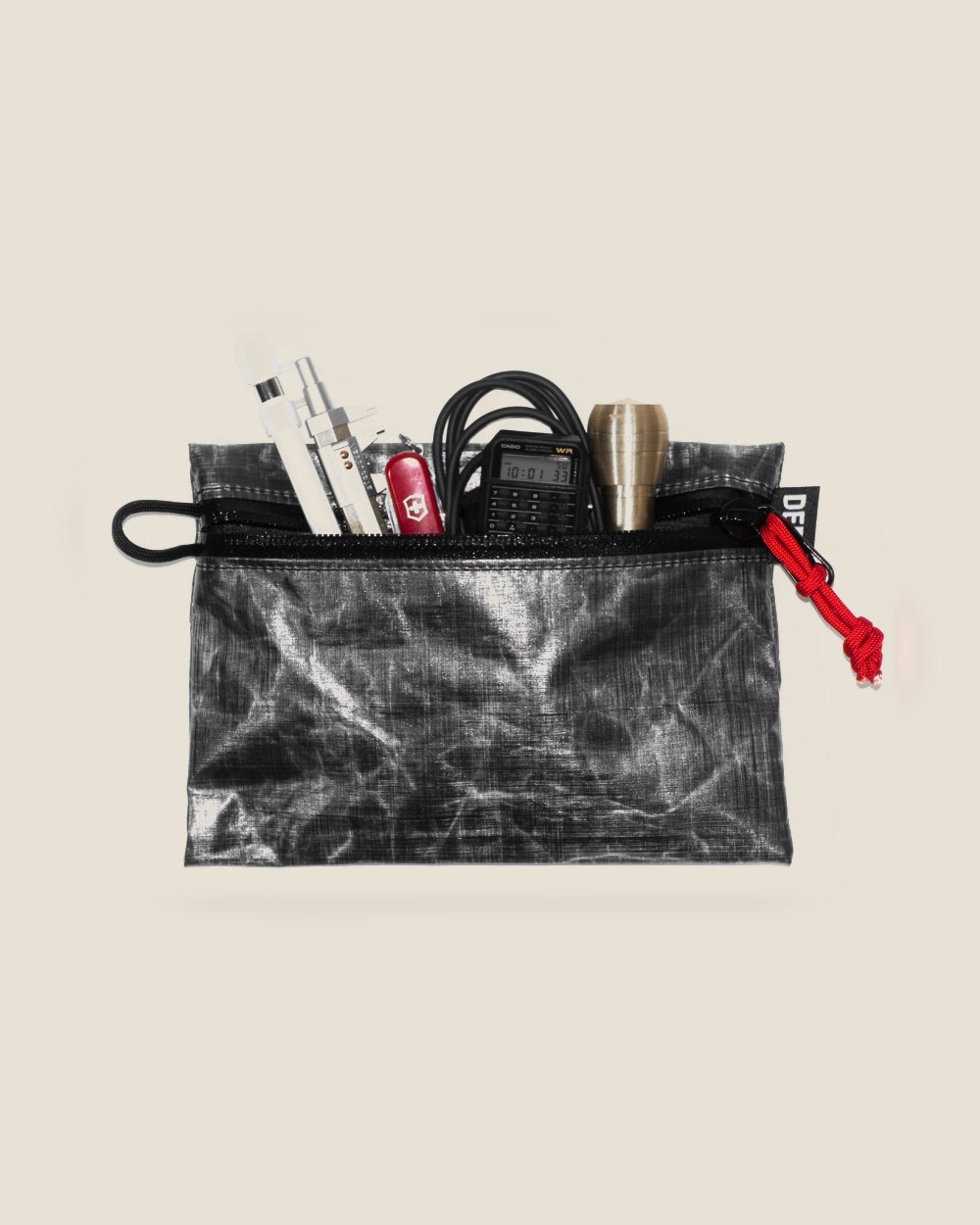
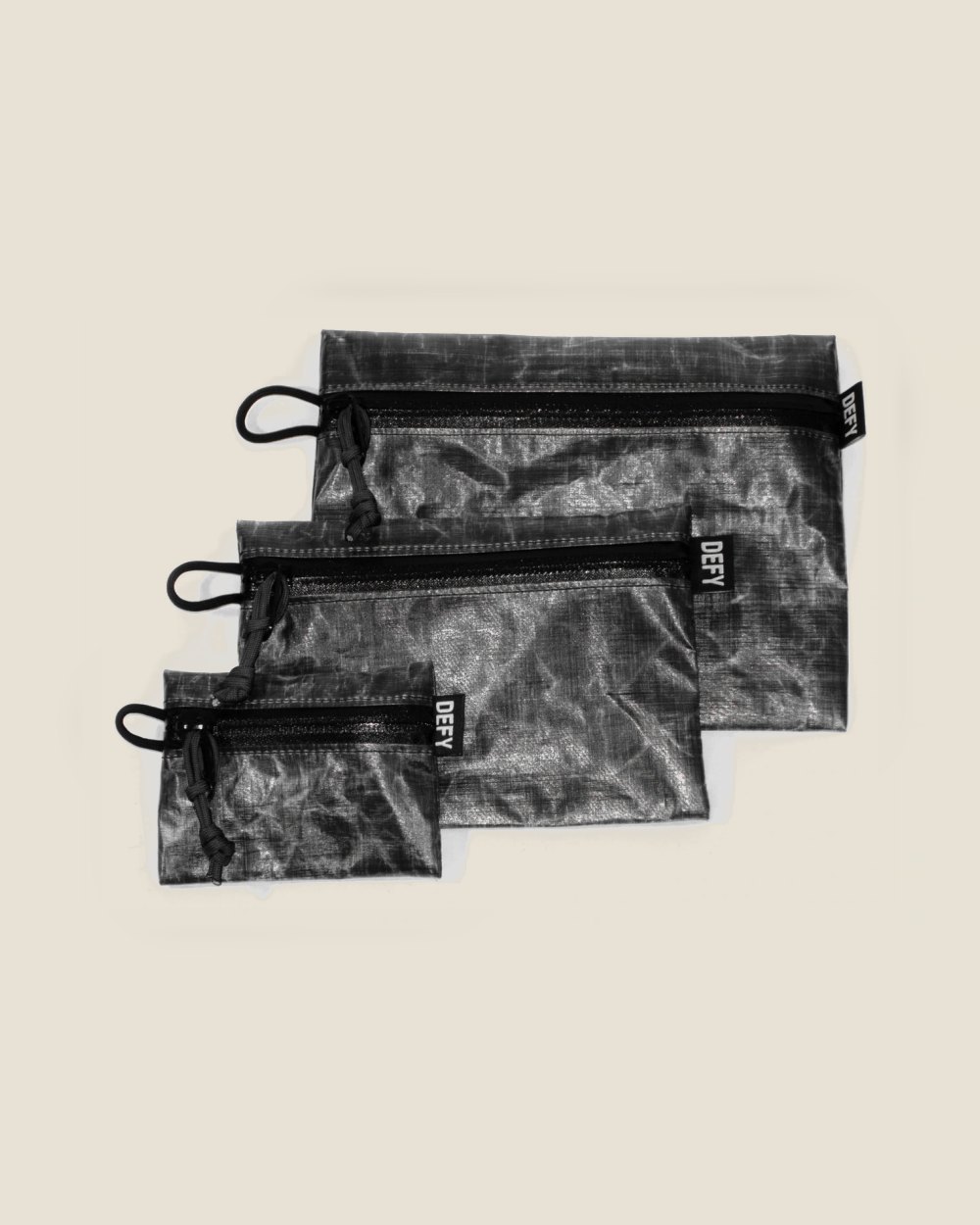
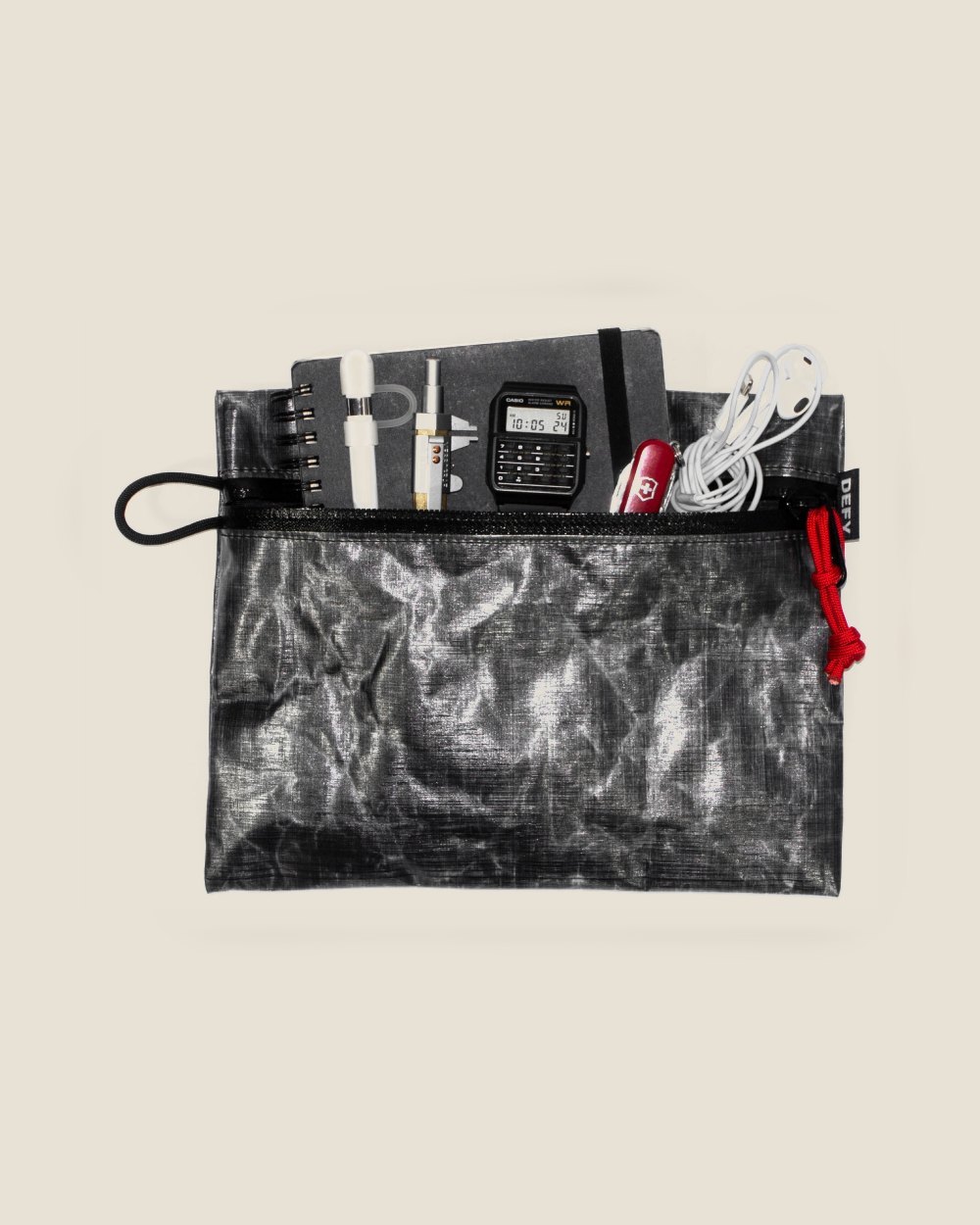
It’s grocery-bag plastic, organized. Dyneema is ultra-high-molecular-weight polyethylene; the company says a typical chain holds about 100,000 carbon atoms, against about 10,000 in a plastic bag. Gel spinning dissolves the polymer and heats it in an extruder to untangle the chains, then draws the fiber so they line up. Albert Pennings found the strength in 1968, DSM’s Smith and Lemstra patented the process in 1979, and commercial fiber came around 1990.
It floats, and it hates heat. Density is 0.97 g/cm³, just under water. Dyneema’s own line is “15 times stronger than steel, yet light enough to float on water,” a company claim, not an independent test. It melts at 144–152°C and is rated for use up to 70°C, so keep it out of the dryer.
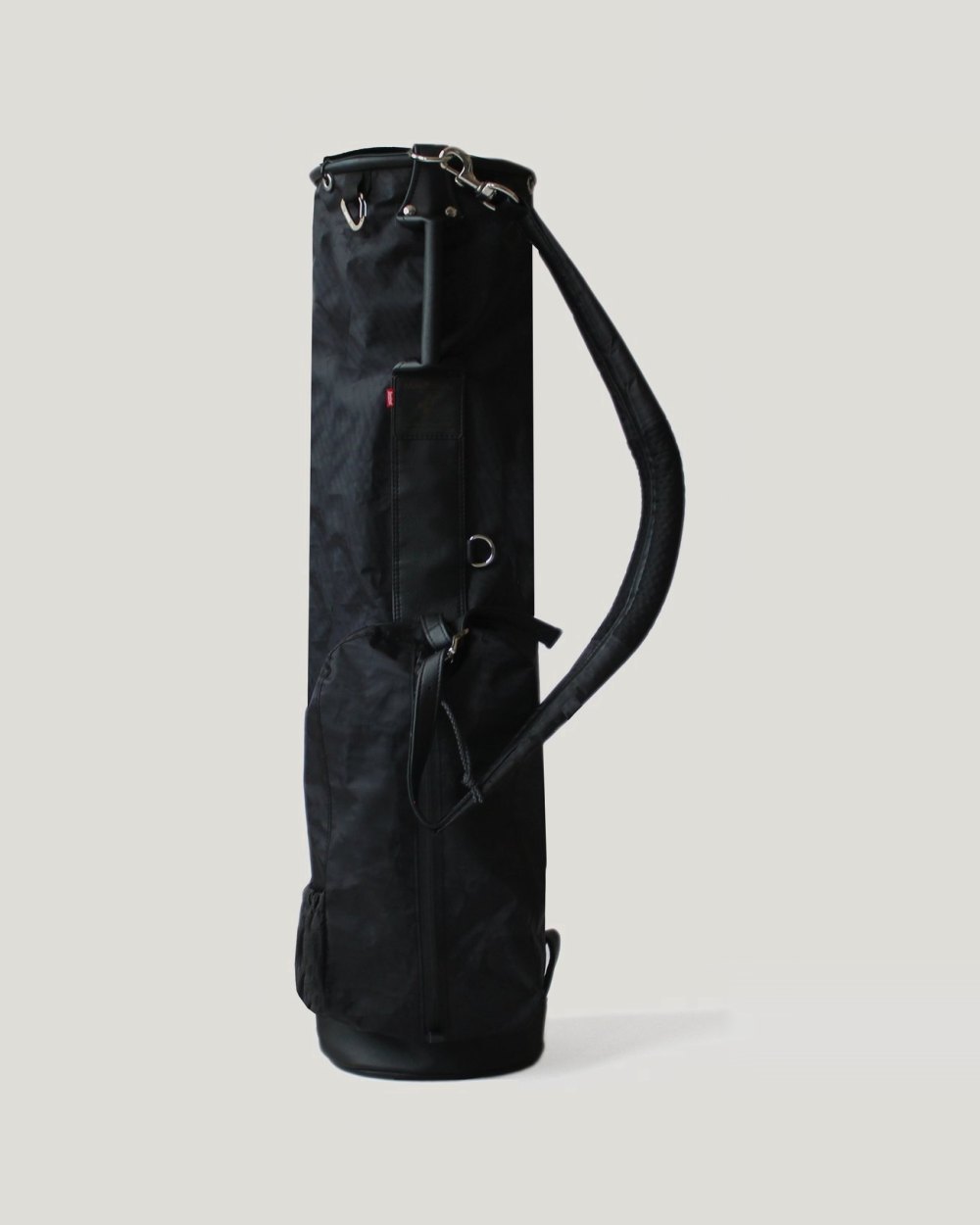
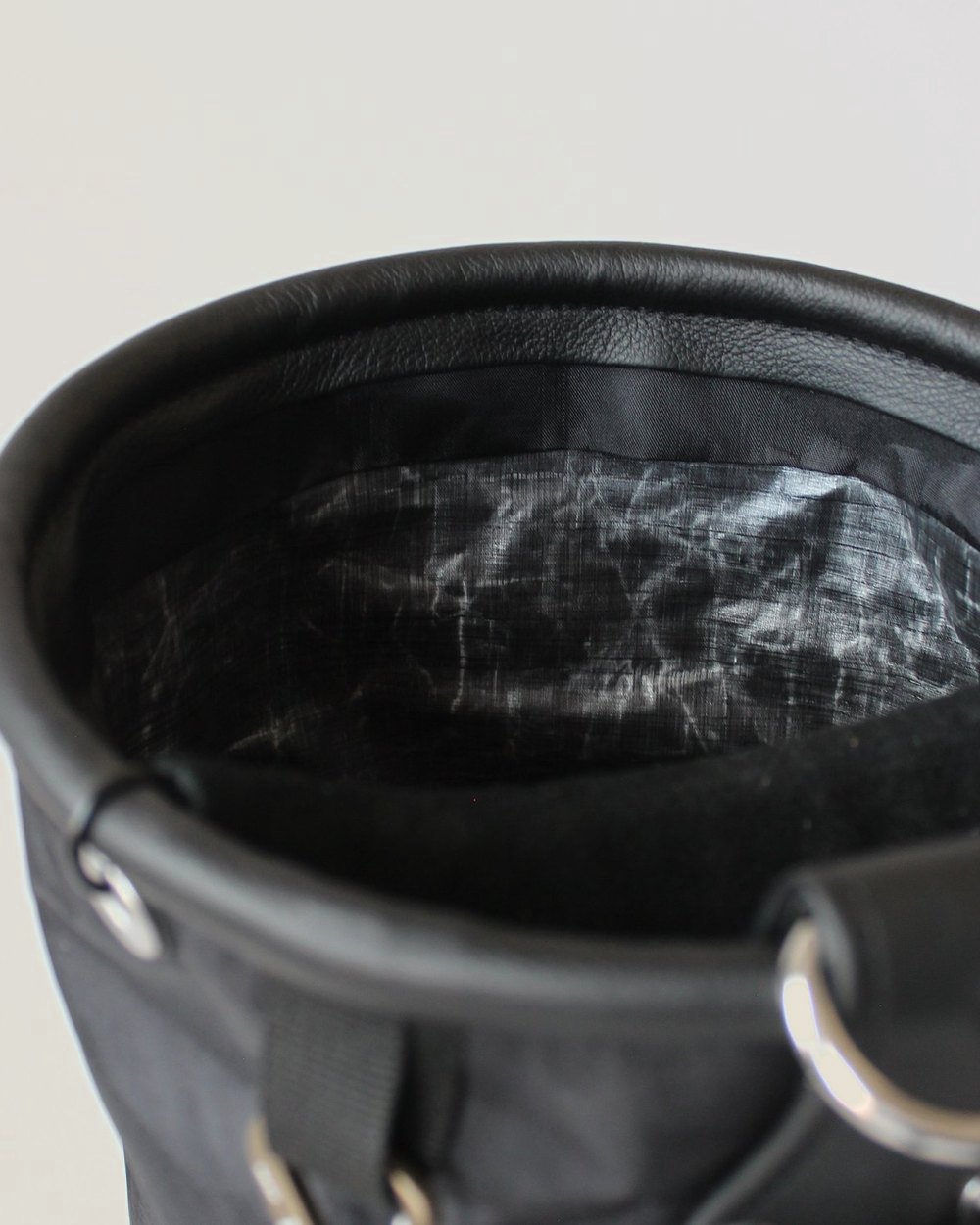
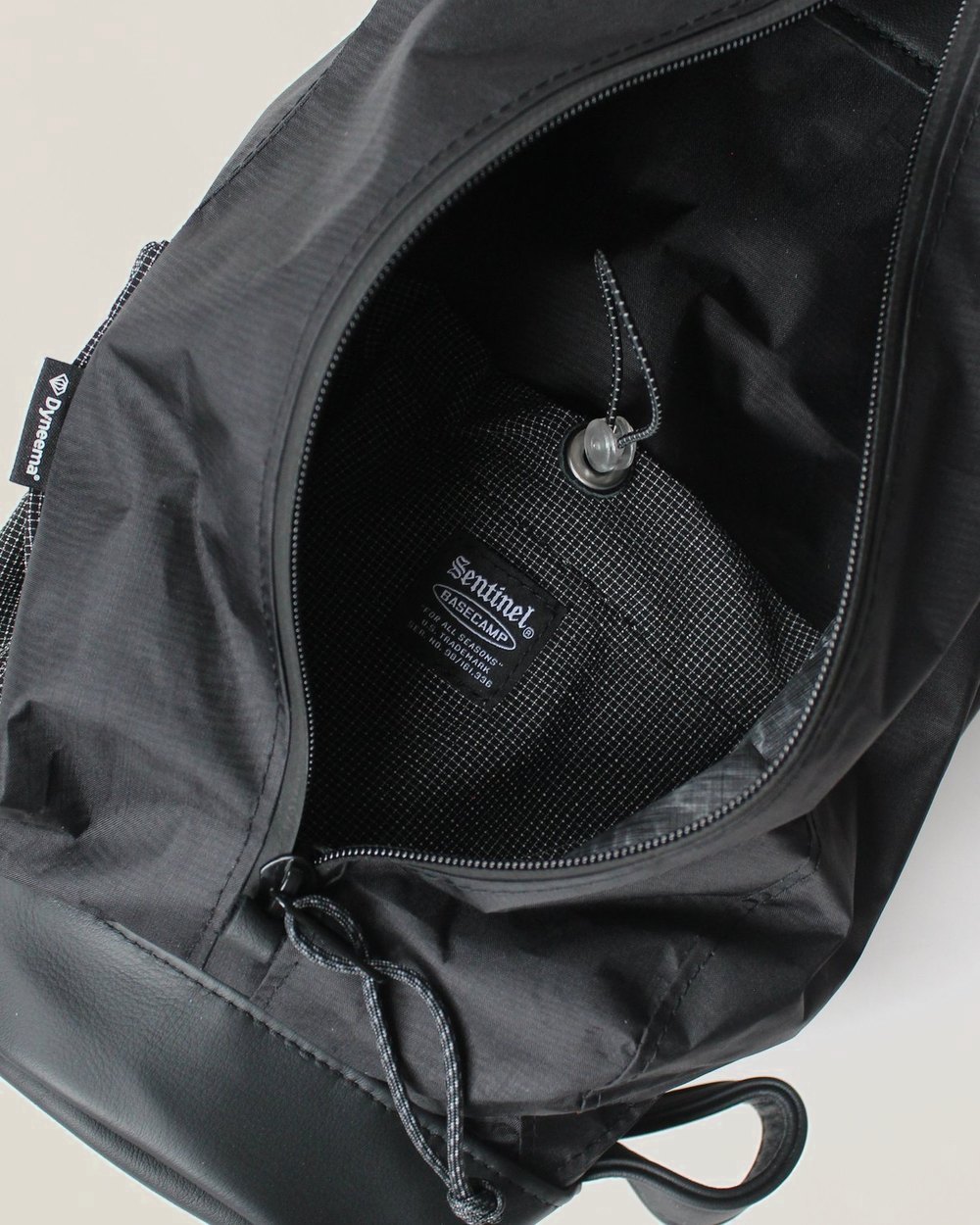
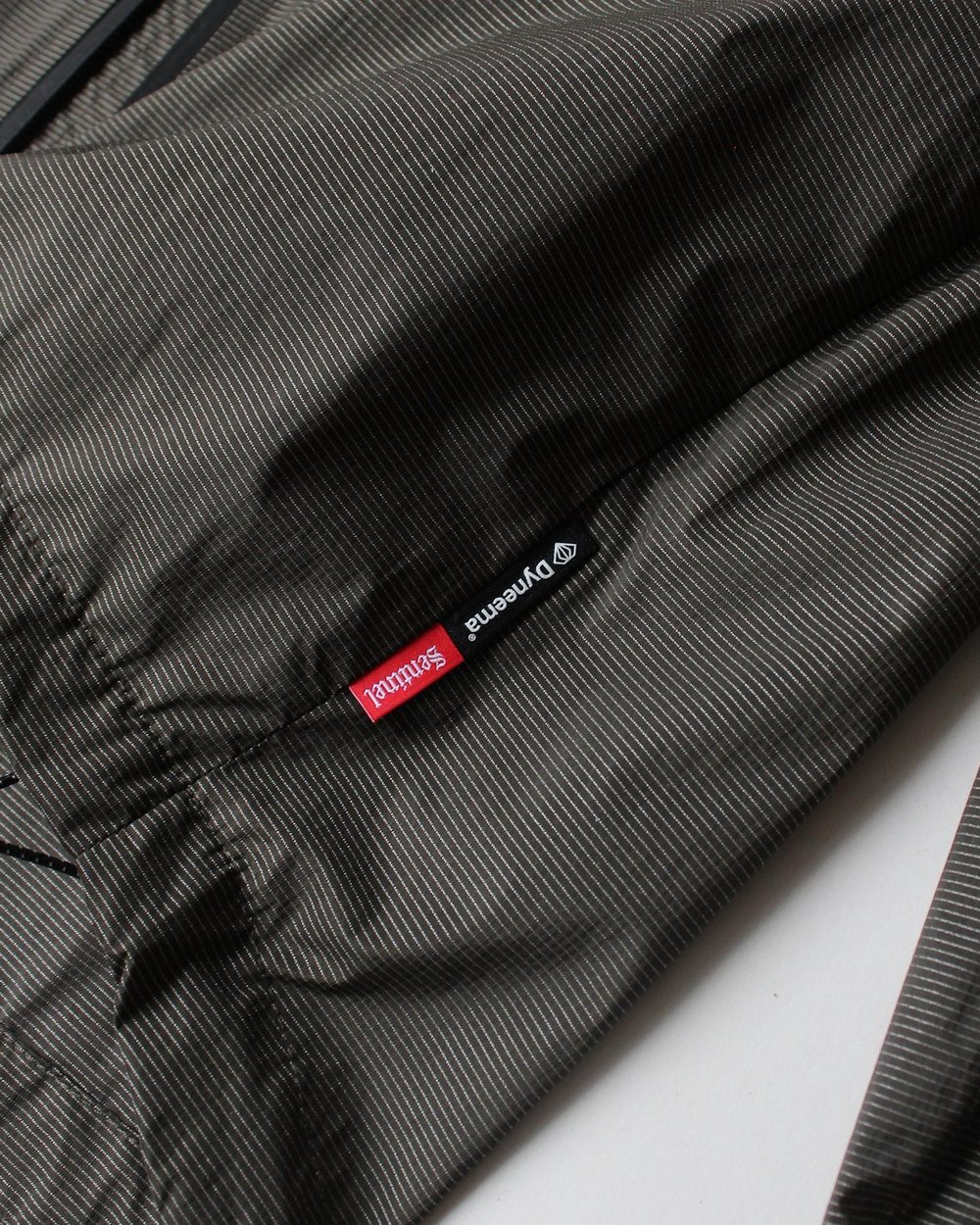
It shows up two ways. Woven, as in Sentinel’s stretch Dyneema suit, or laminated into a composite once called Cuben Fiber, which sailed on America³, the 1992 America’s Cup winner. Briefing’s DL series layers it with ECCO leather, an idea ECCO Leather first showed in 2017 as Dyneema Bonded Leather: 0.5 mm split leather bonded to Dyneema, developed with designer Sruli Recht.
“If you threw it in the air it floated down, unlike leather which just thuds to the floor.”Sruli Recht, on Dyneema Bonded Leather, Stylezeitgeist, 2017
Avient bought the business from DSM in September 2022 for about $1.4 billion.
“Organic” is about the farm, not the fiber. It’s the same cotton plant, grown with no synthetic persistent pesticides or fertilizers and no genetically engineered seed. An organic tee won’t necessarily feel different from a regular one; the case for it is how it’s farmed and the paper trail that proves it. It’s about 2.9% of the world’s cotton (2023/24), and China grows roughly 46% of it. GOTS certifies the processing through the finished garment; OCS tracks the fiber.
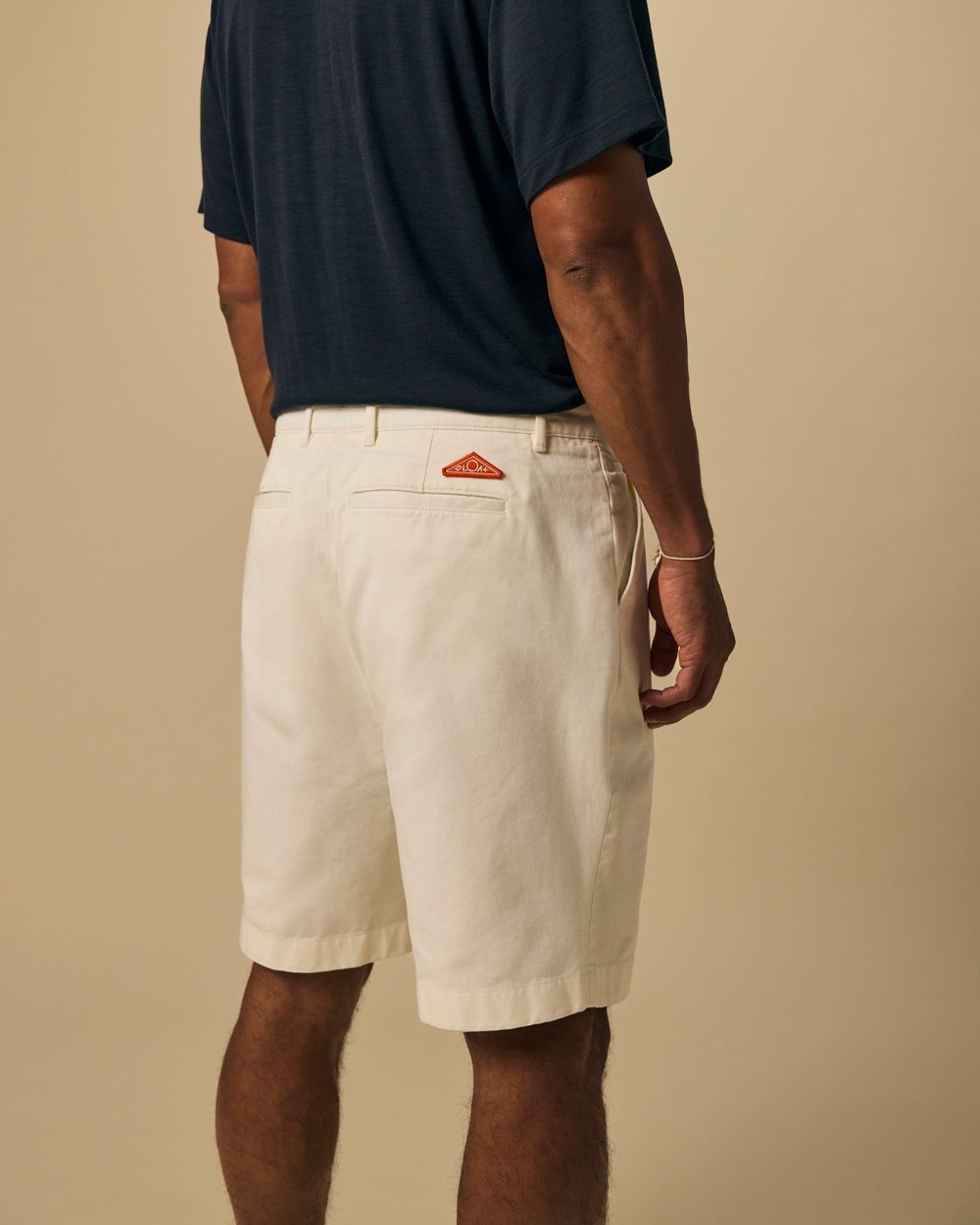
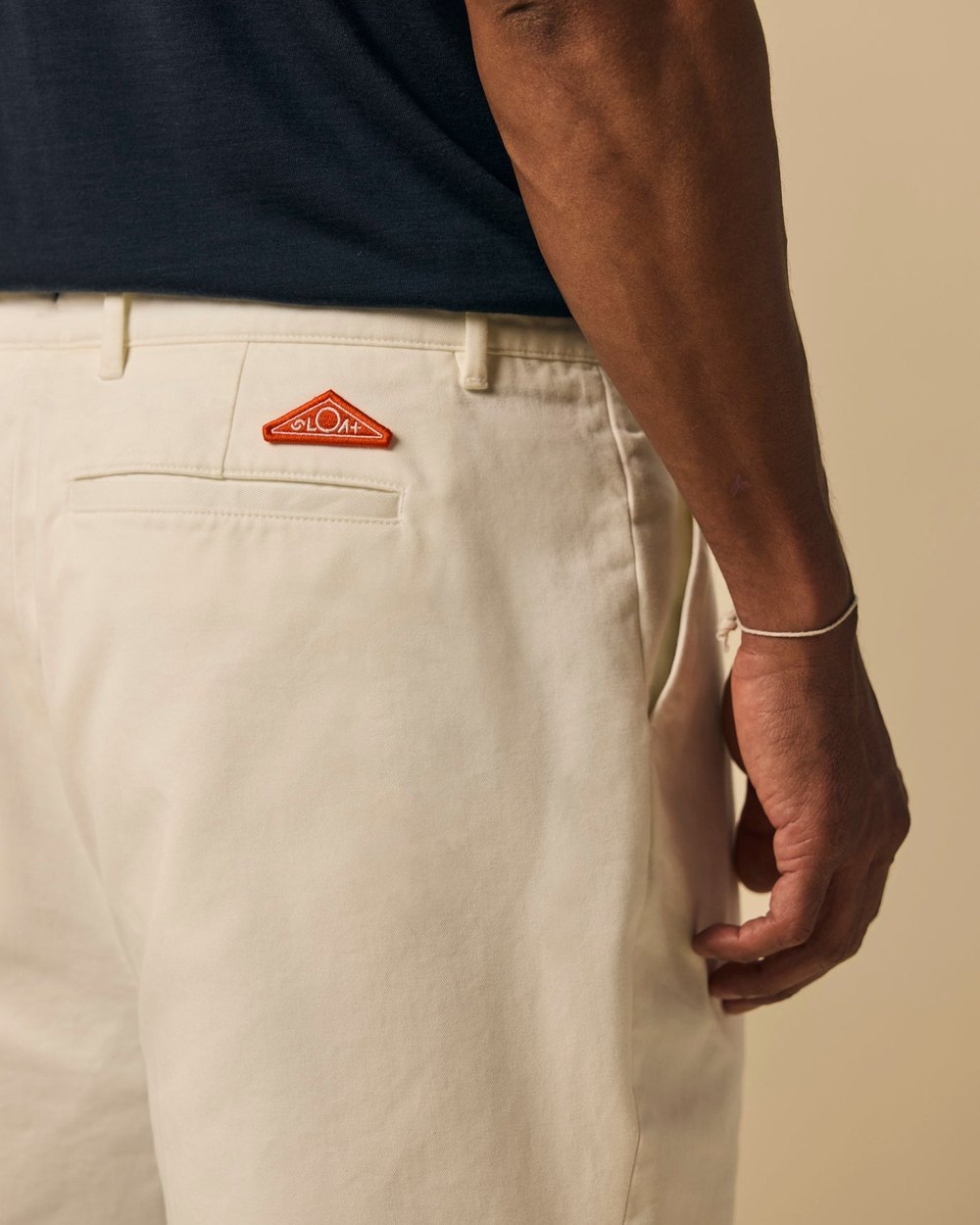
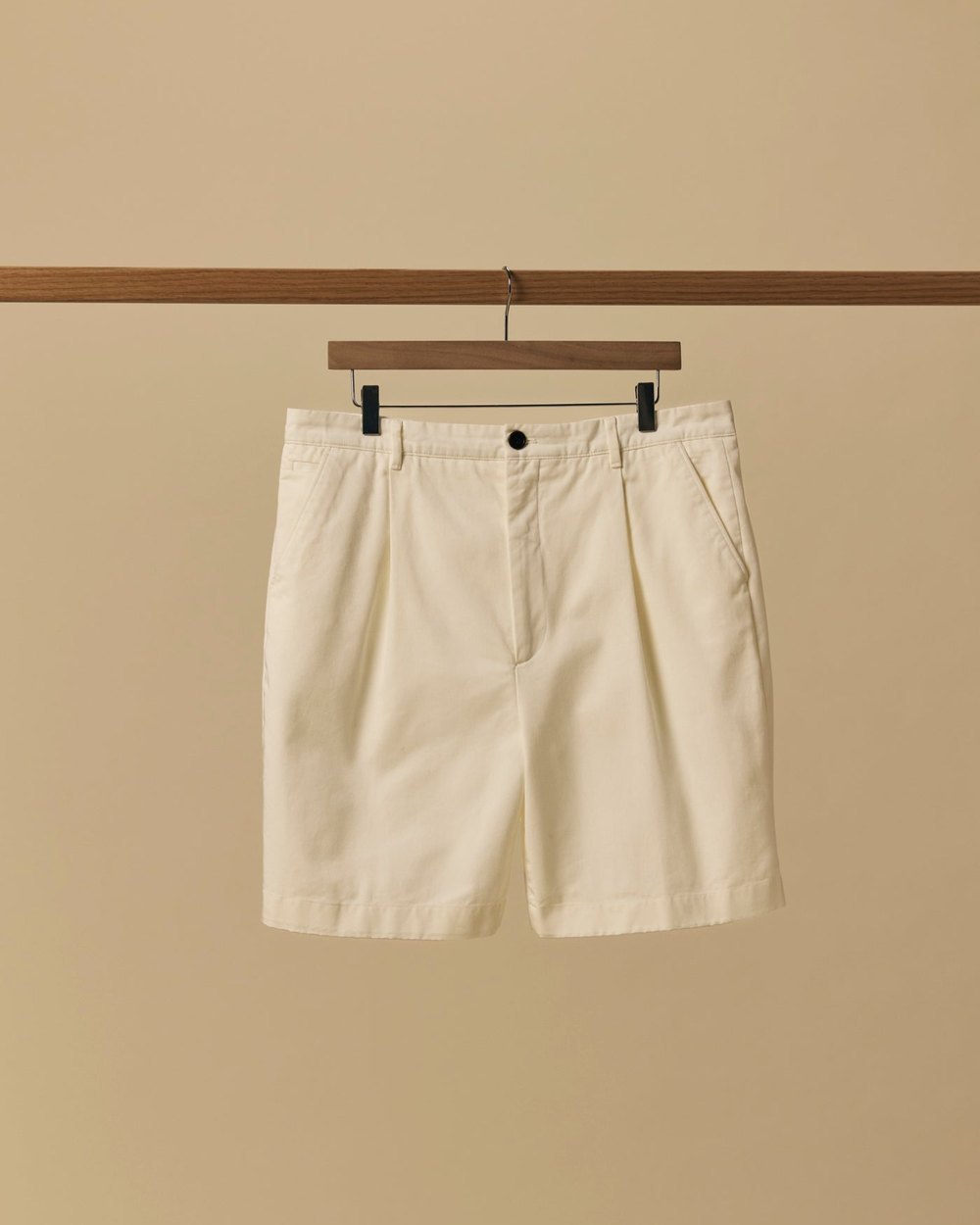
Two numbers tell you the most. Staple length is how long each fiber is: upland cotton runs about 1 to 1-1/4 inches, extra-long-staple like Pima starts at 1-3/8, and longer fibers spin smoother, stronger yarn. And gsm, grams per square meter, tells you how heavy a piece will feel: a 170 gsm polo, a 305 gsm short and a 480 gsm fleece are three different garments.
Ventile is what long staple can do. Developed in 1943 for the Royal Air Force at the Shirley Institute in Manchester, it’s extra-long-staple cotton “woven to exceptionally high densities.” Dry, it breathes; wet, the fibers swell and close the gaps, with no membrane or coating. Zurich’s Stotz & Co. has owned it since 2017, and most of it is now organic.
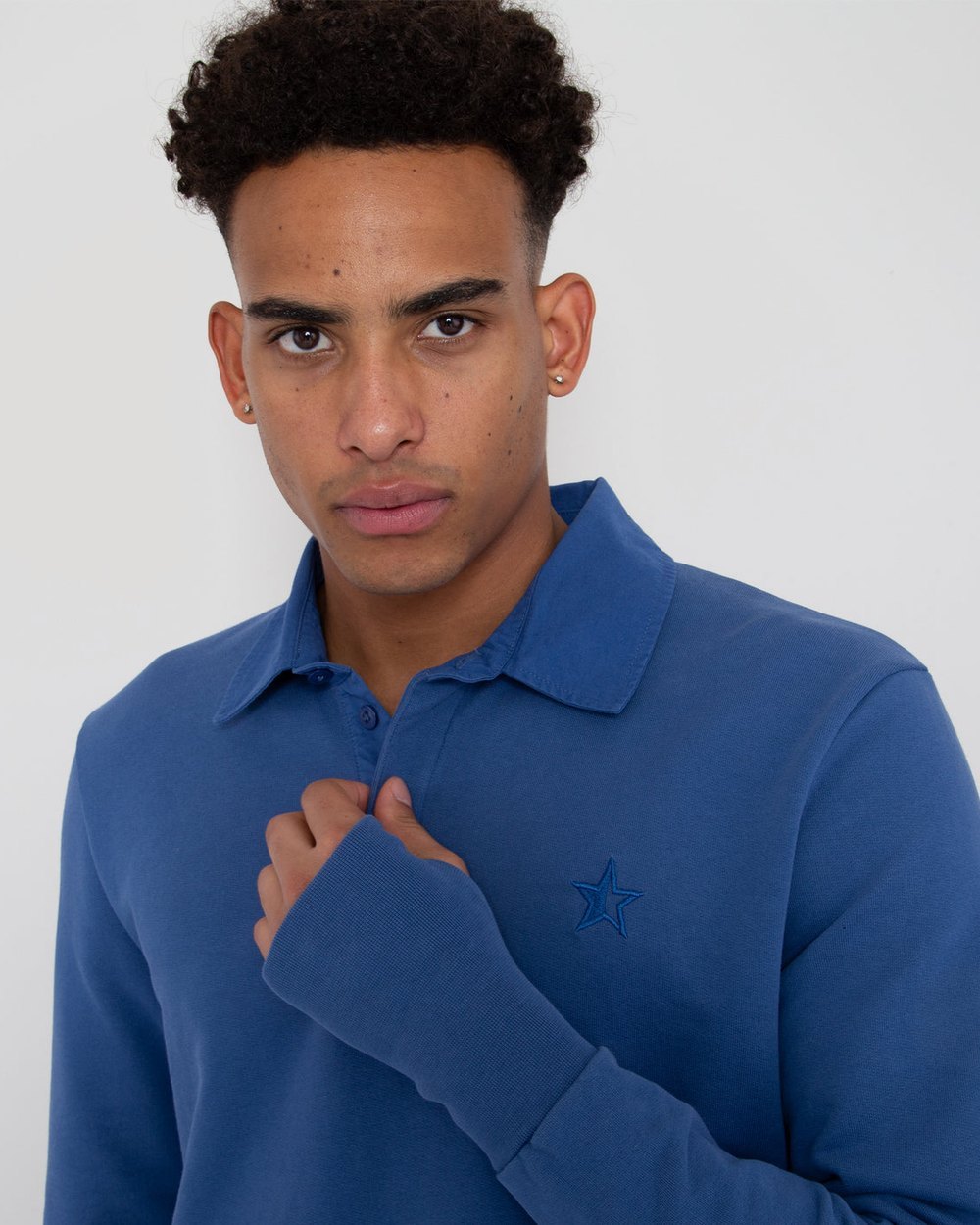
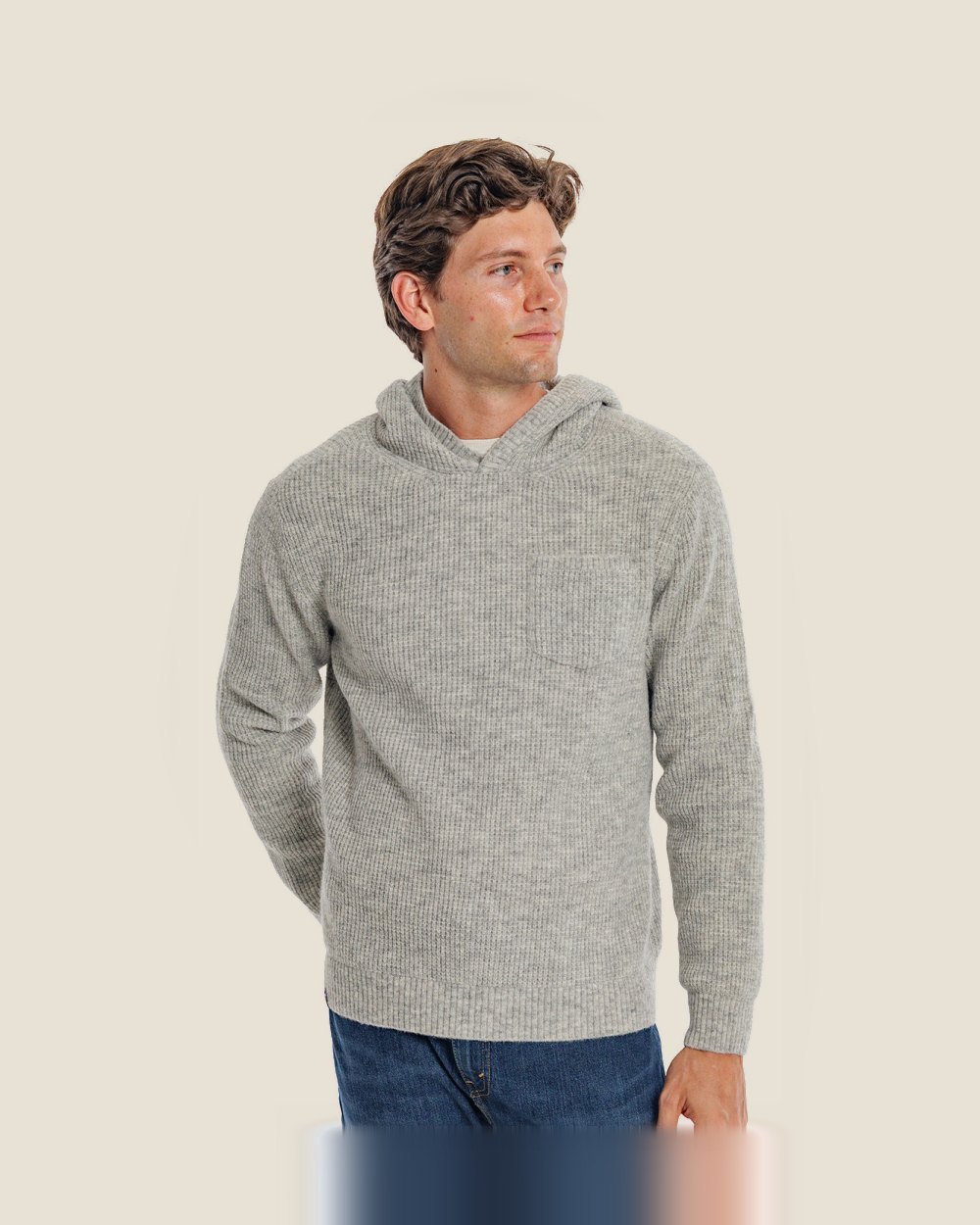
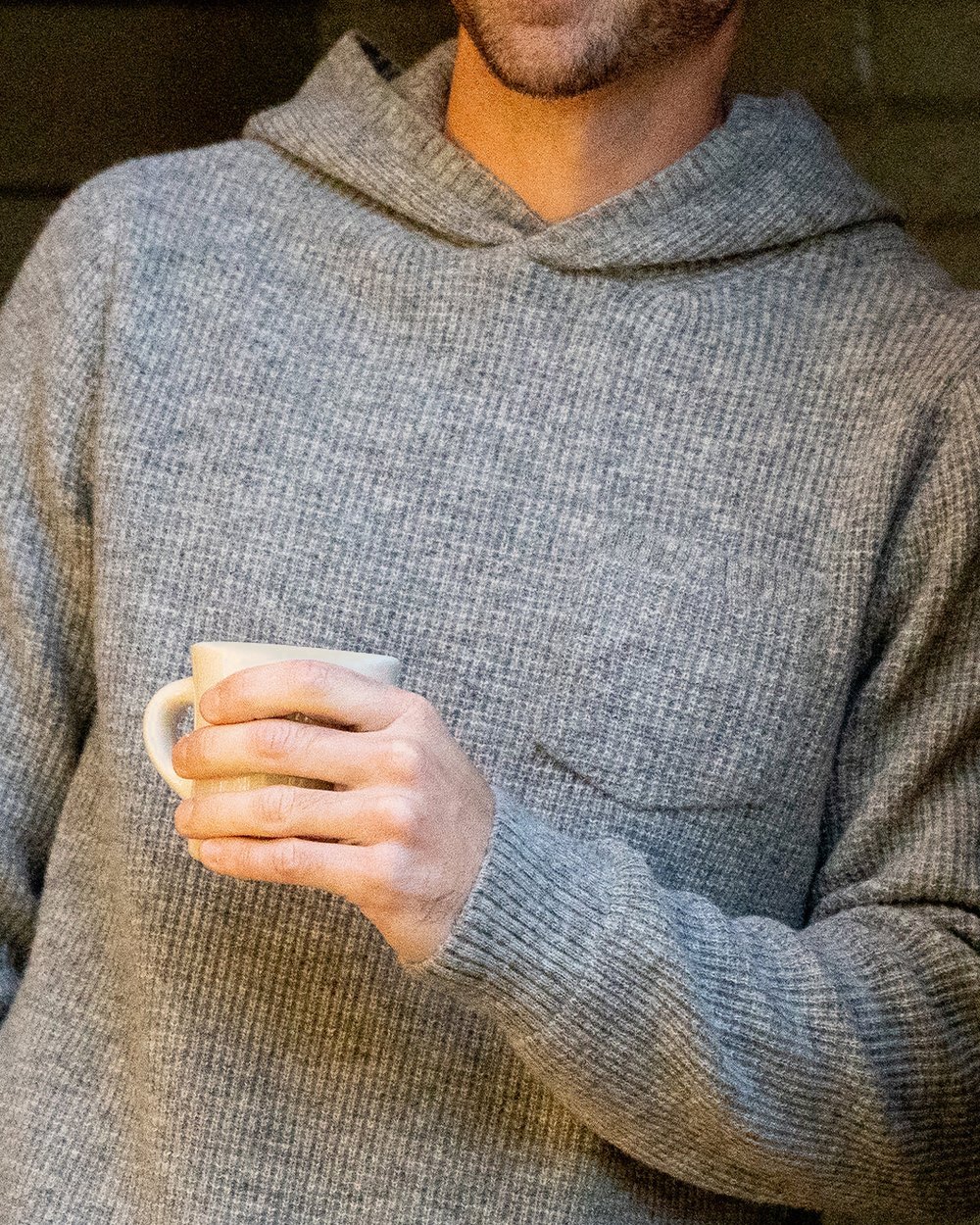
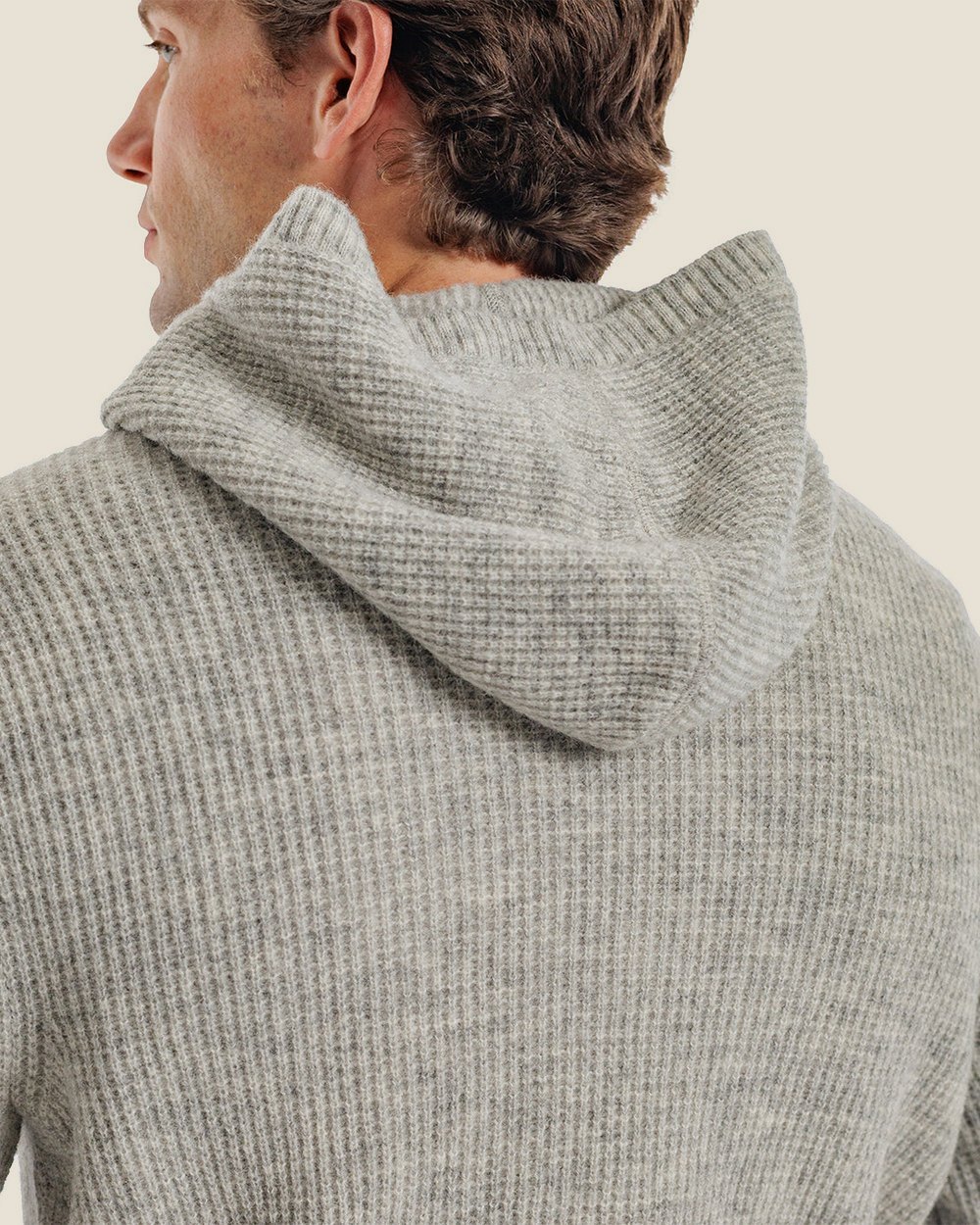
“A texture-forward golf sweater that adds warmth without plastic.”Morning People Clothiers, on its organic cotton knit
The rest grow too. Linen (flax), hemp and ramie are bast fibers from plant stems. Cashmere legally averages 19 microns or finer, superfine merino is 18.5 or finer, and alpaca carries almost no lanolin.
Sources: cordura.com; srulirecht.com (Stylezeitgeist interview, 2017); dyneema.com and the Dyneema SK75 technical sheet; Avient’s 2022 10-K; Textile Exchange Materials Market Report 2025 via the Organic Trade Association; 16 CFR 300.19; Woolmark; Britannica; ventile.co.uk; textile-network.com. Products and prices read on each brand’s own store, November 25, 2026; non-US prices show an approximate dollar figure.
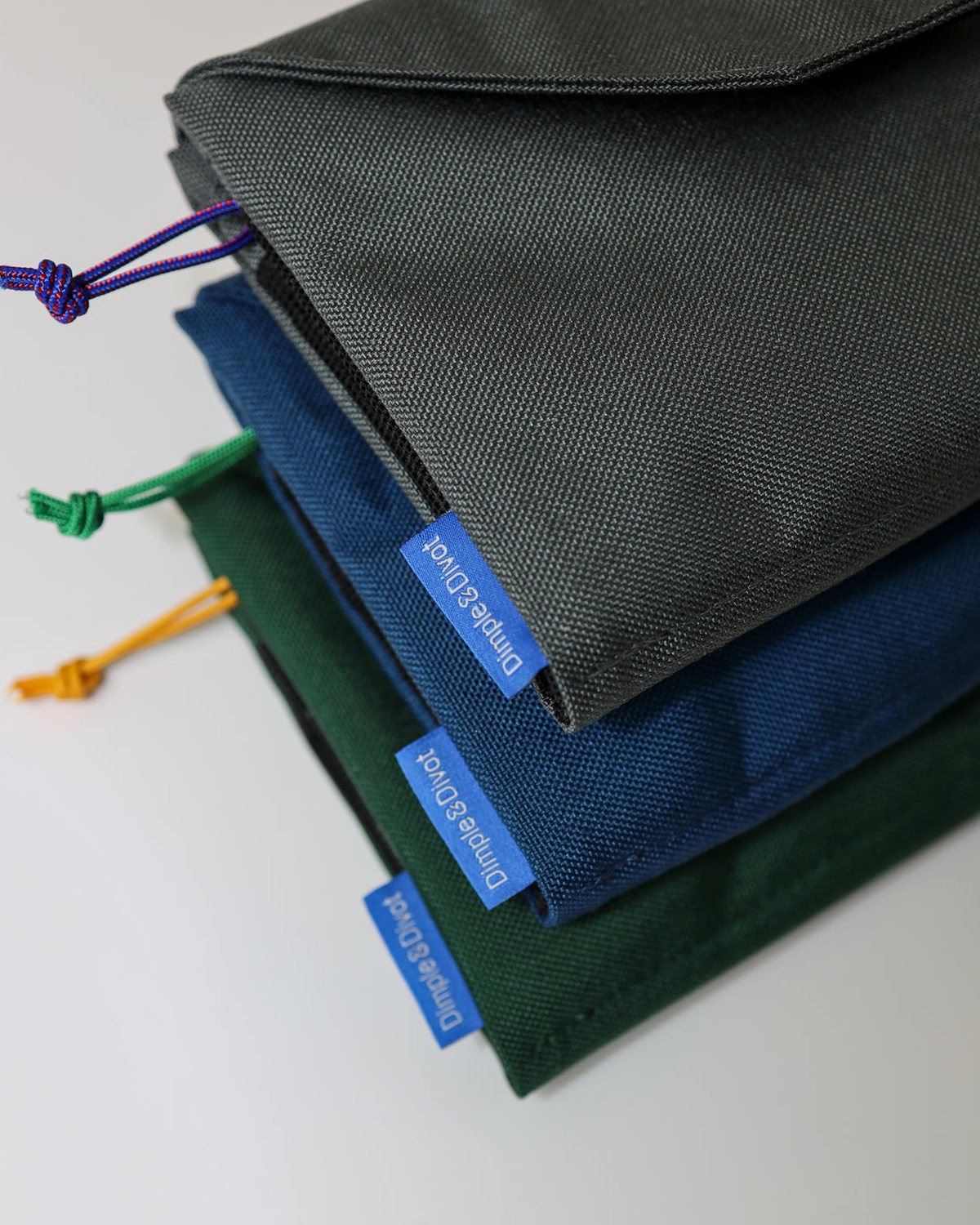
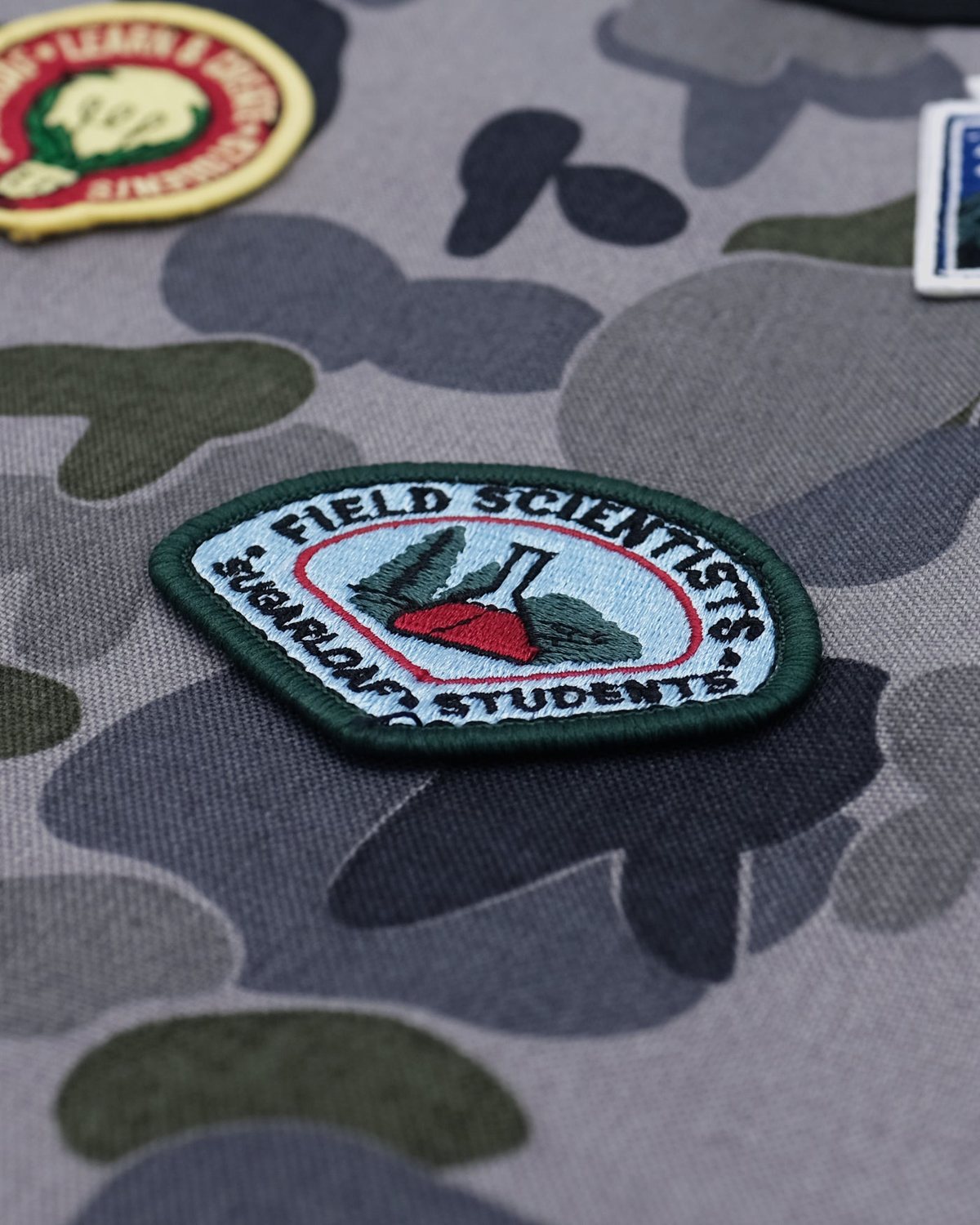
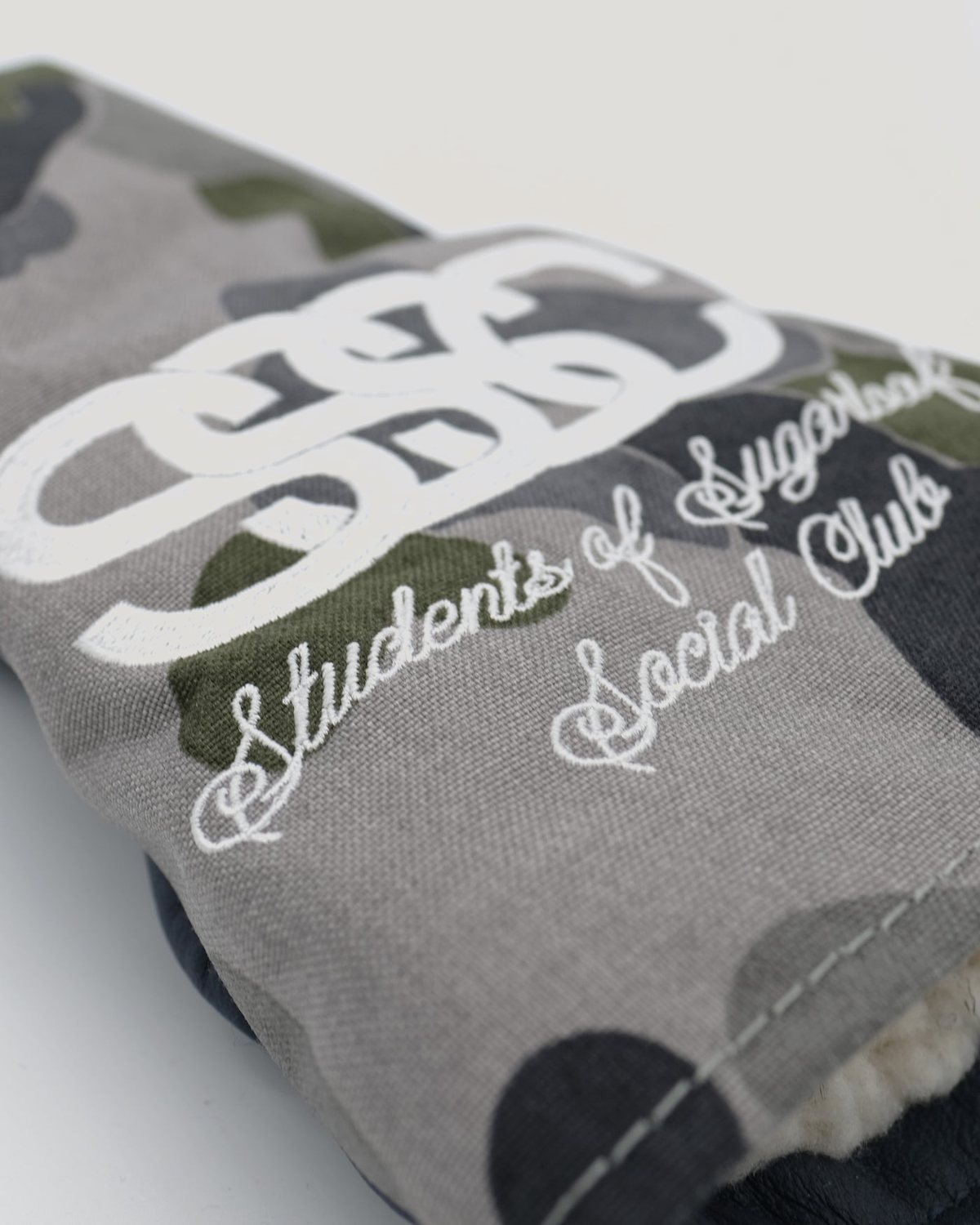
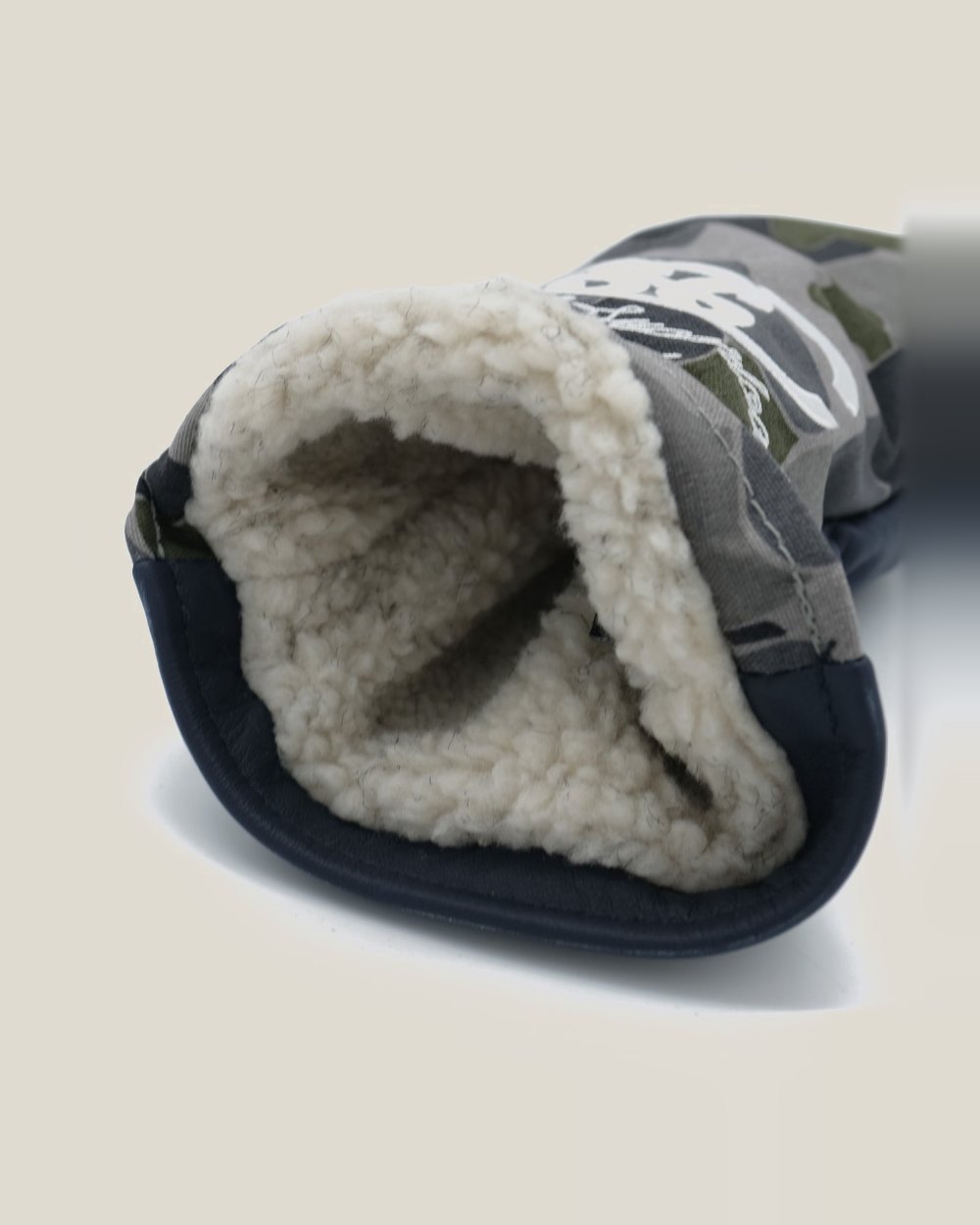
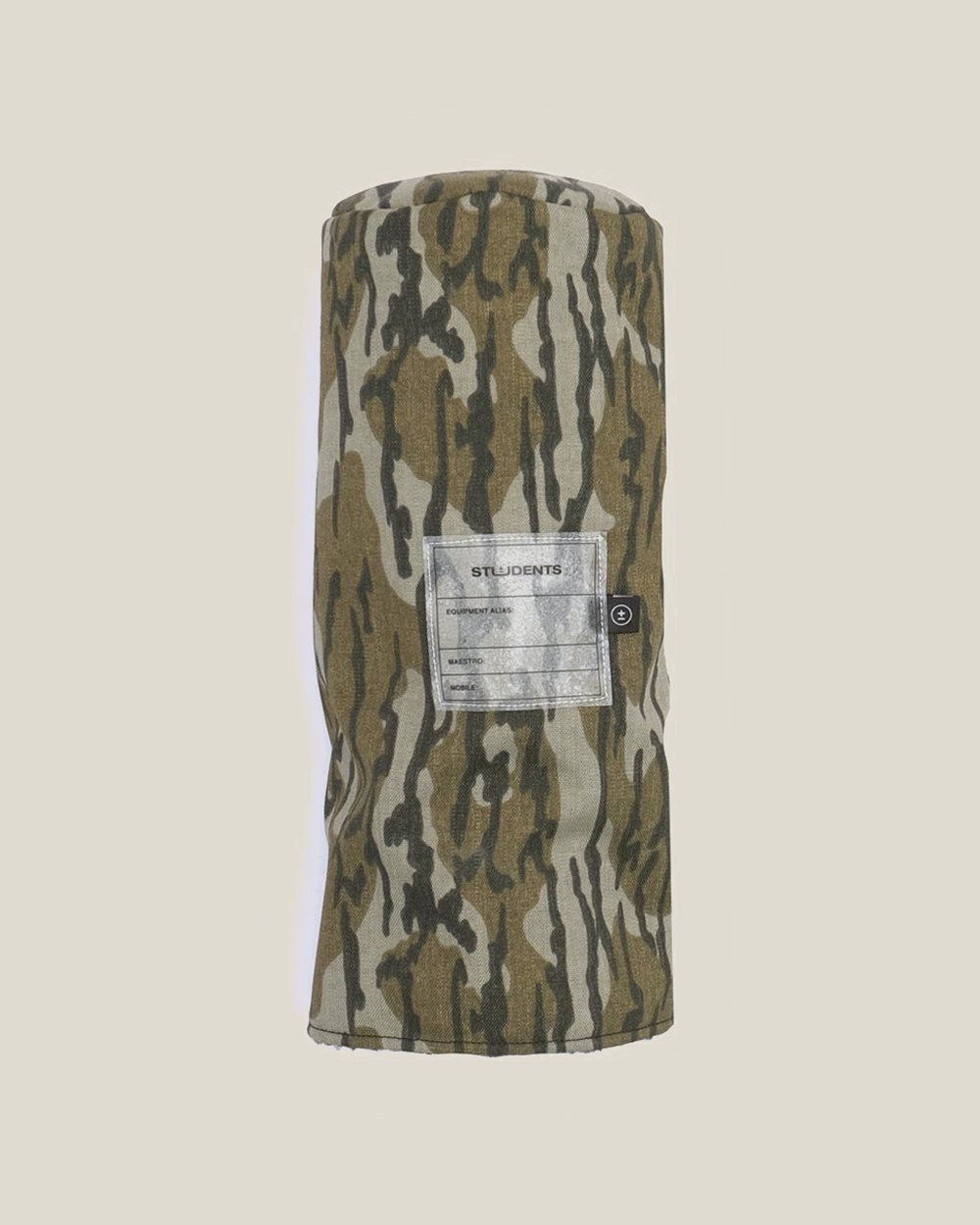
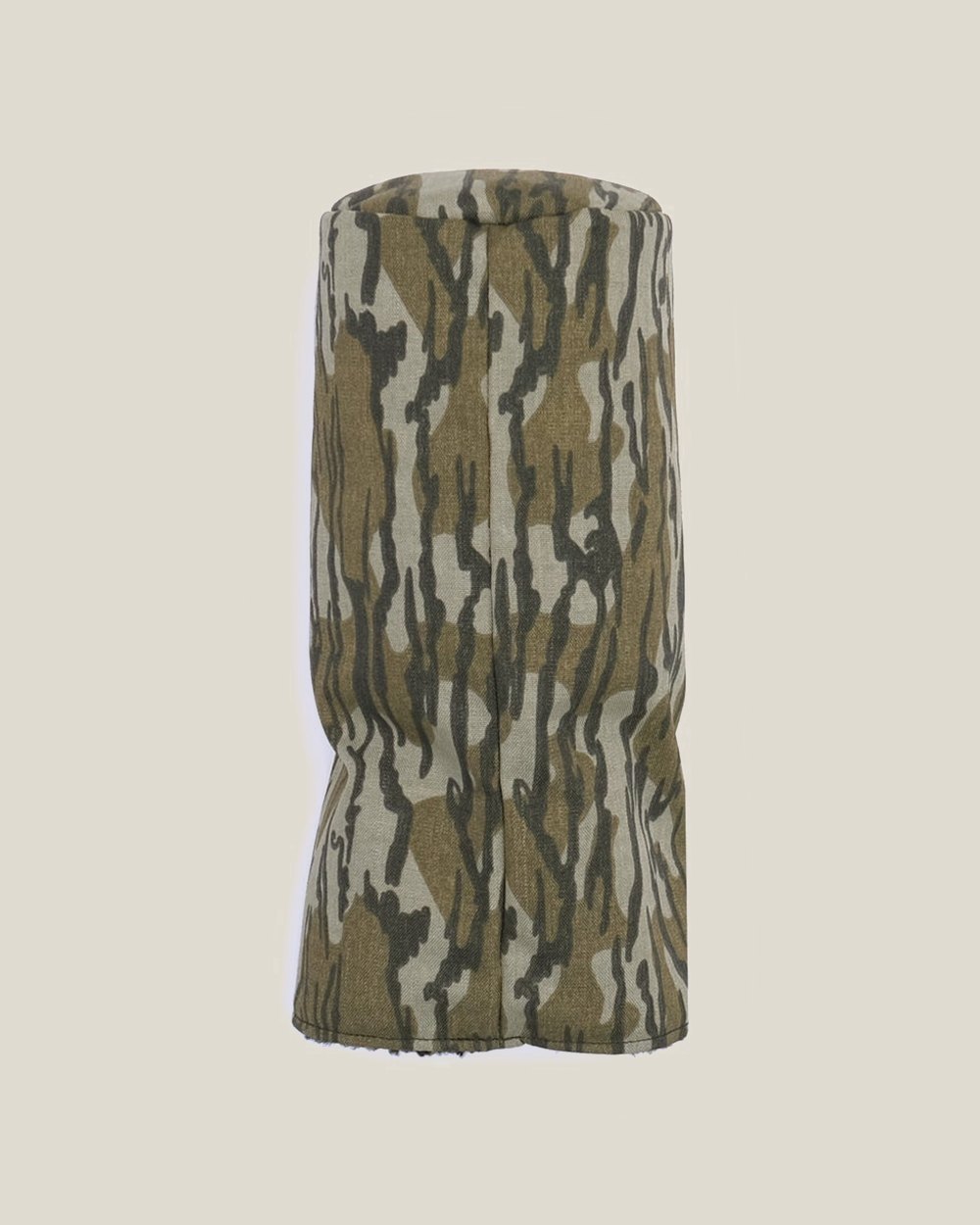
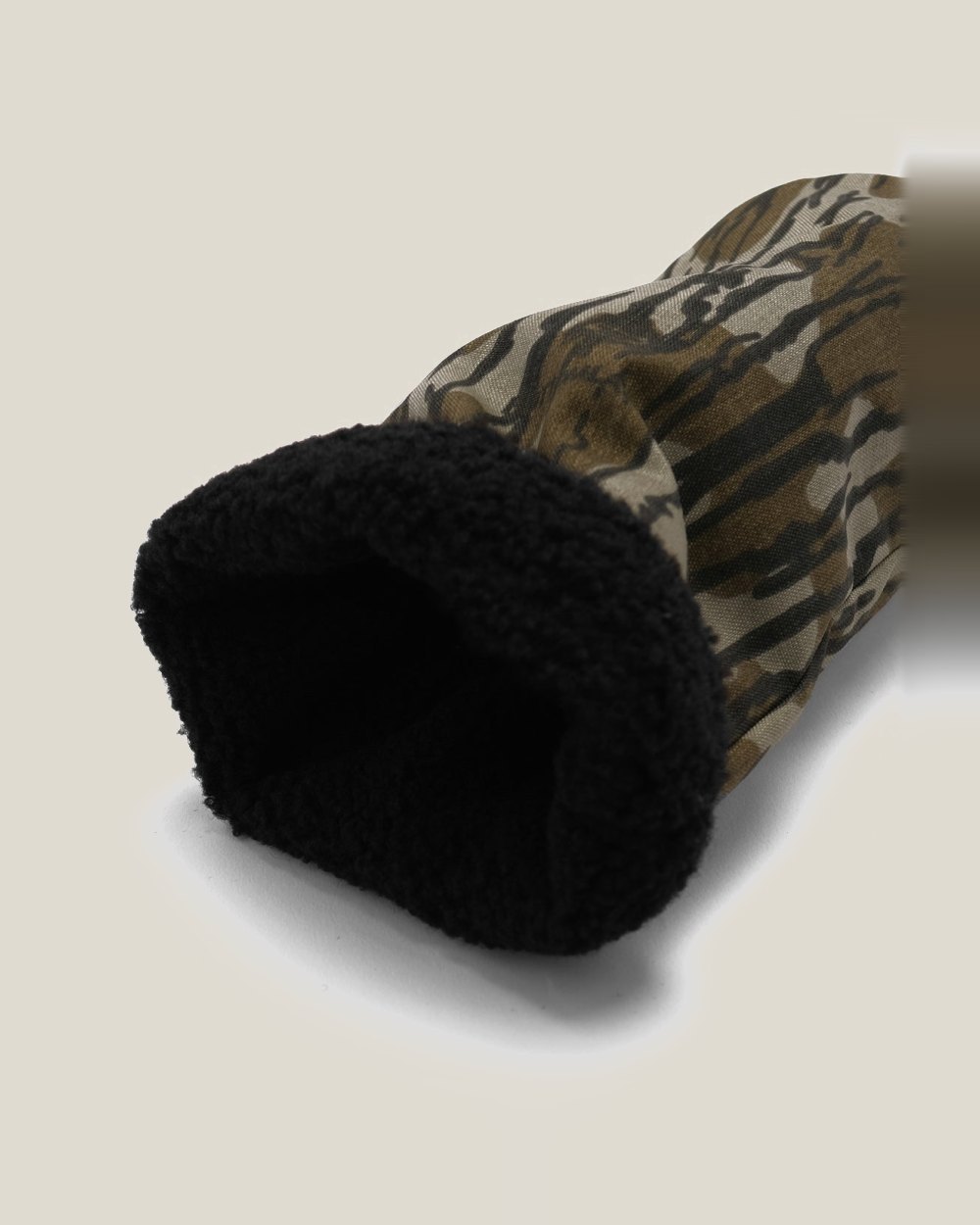
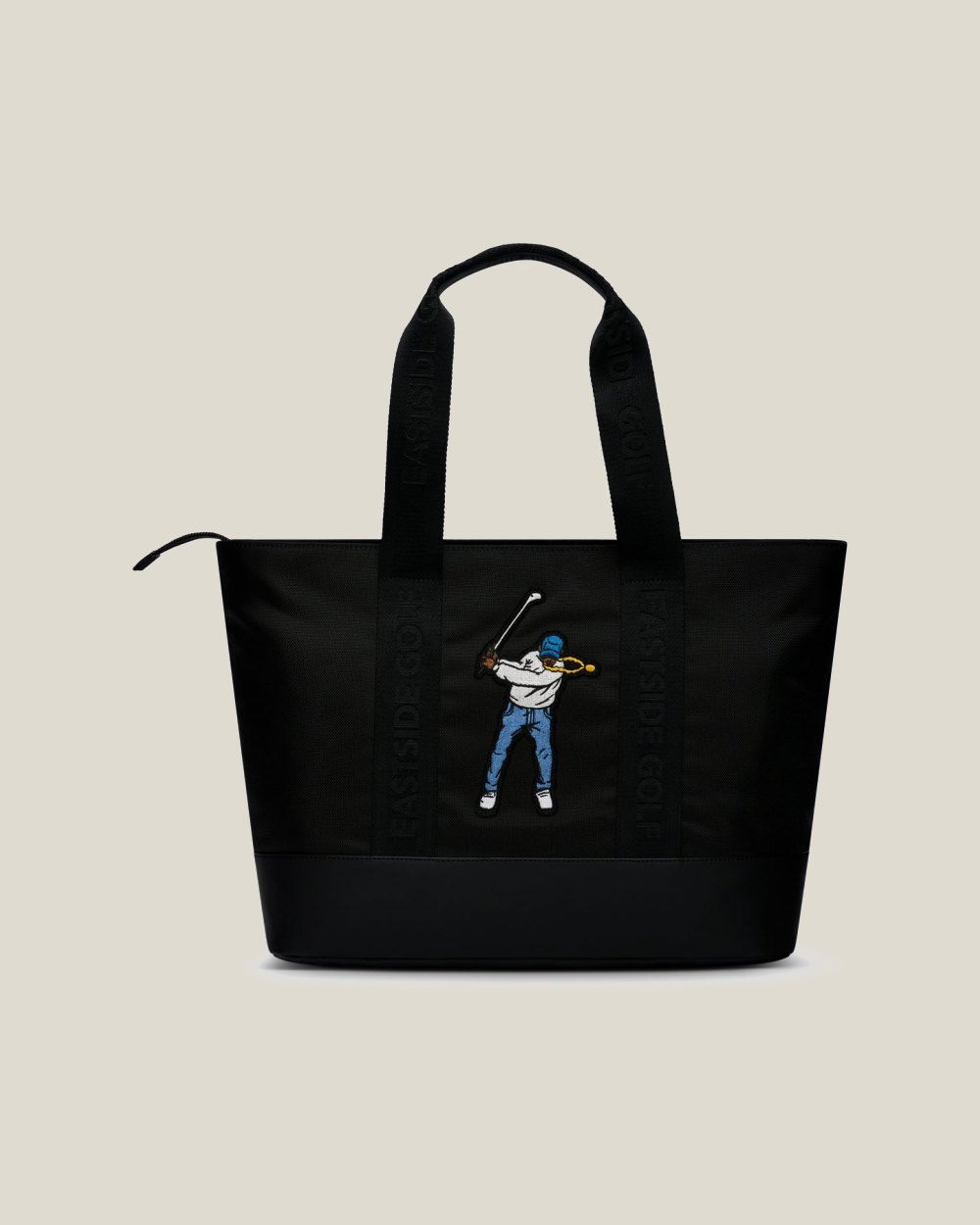
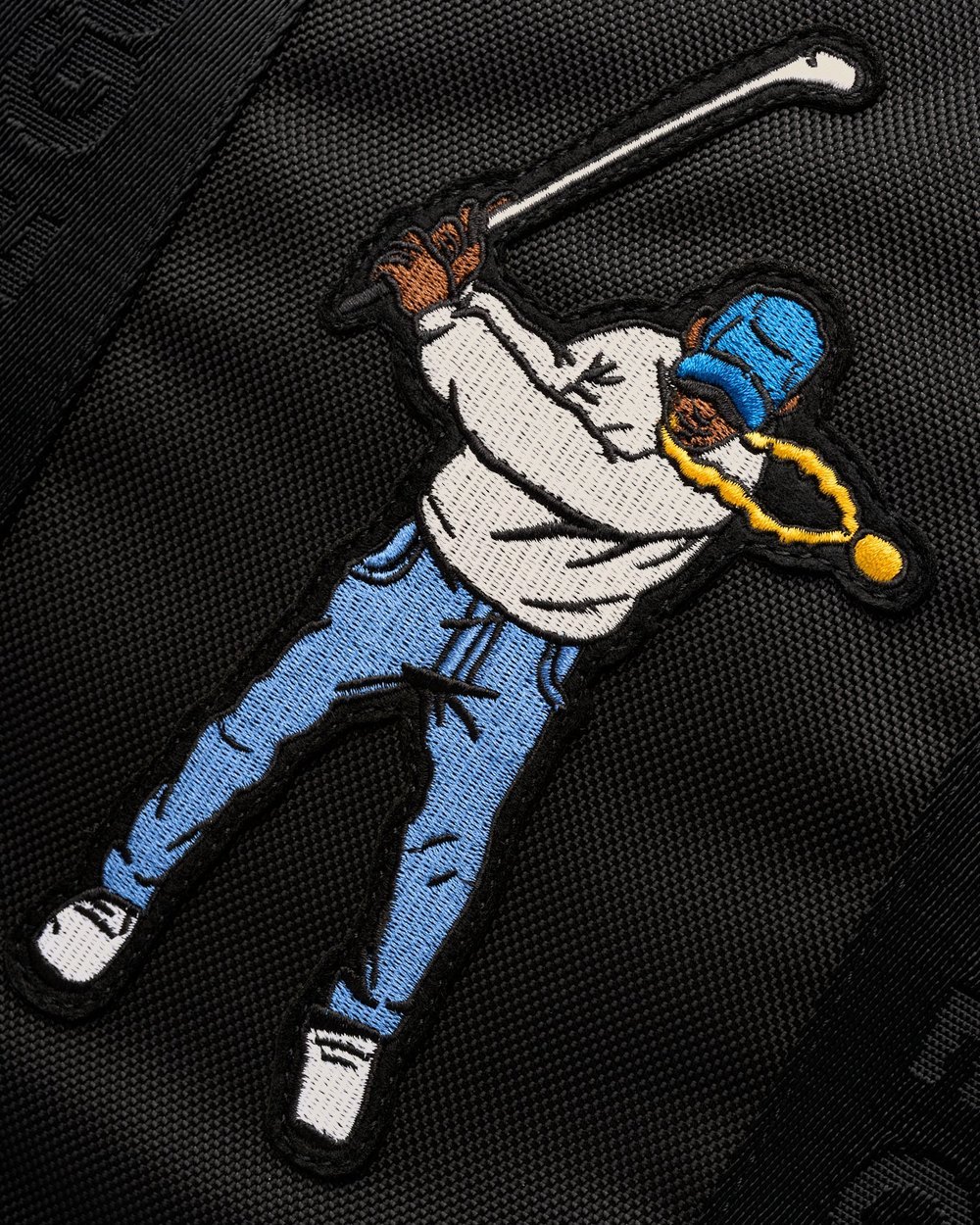
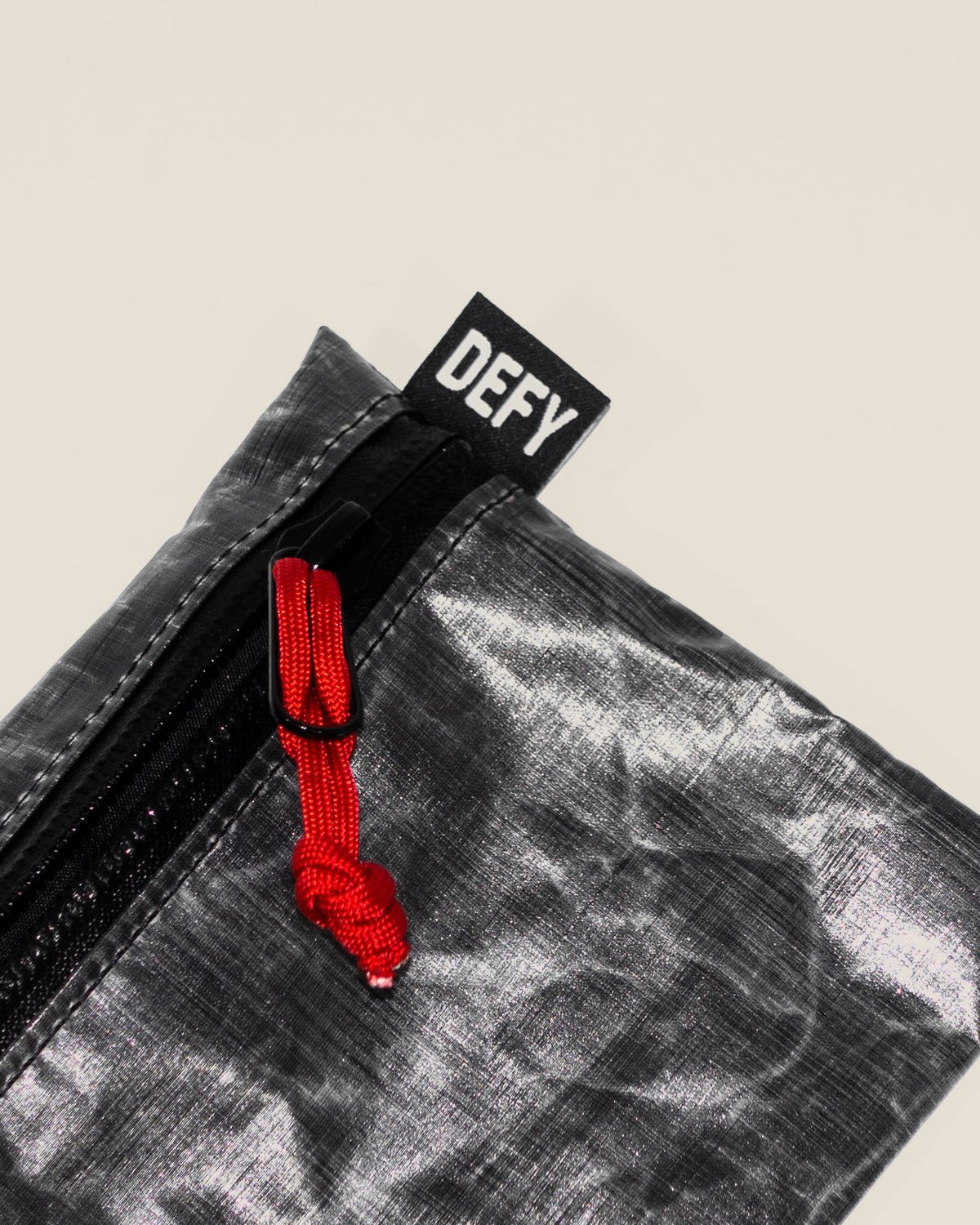
CorduraPouches, totes, headcovers, two carry bags and a track jacket. Check the denier on each one: 210D, 500D and 1000D are very different fabrics.
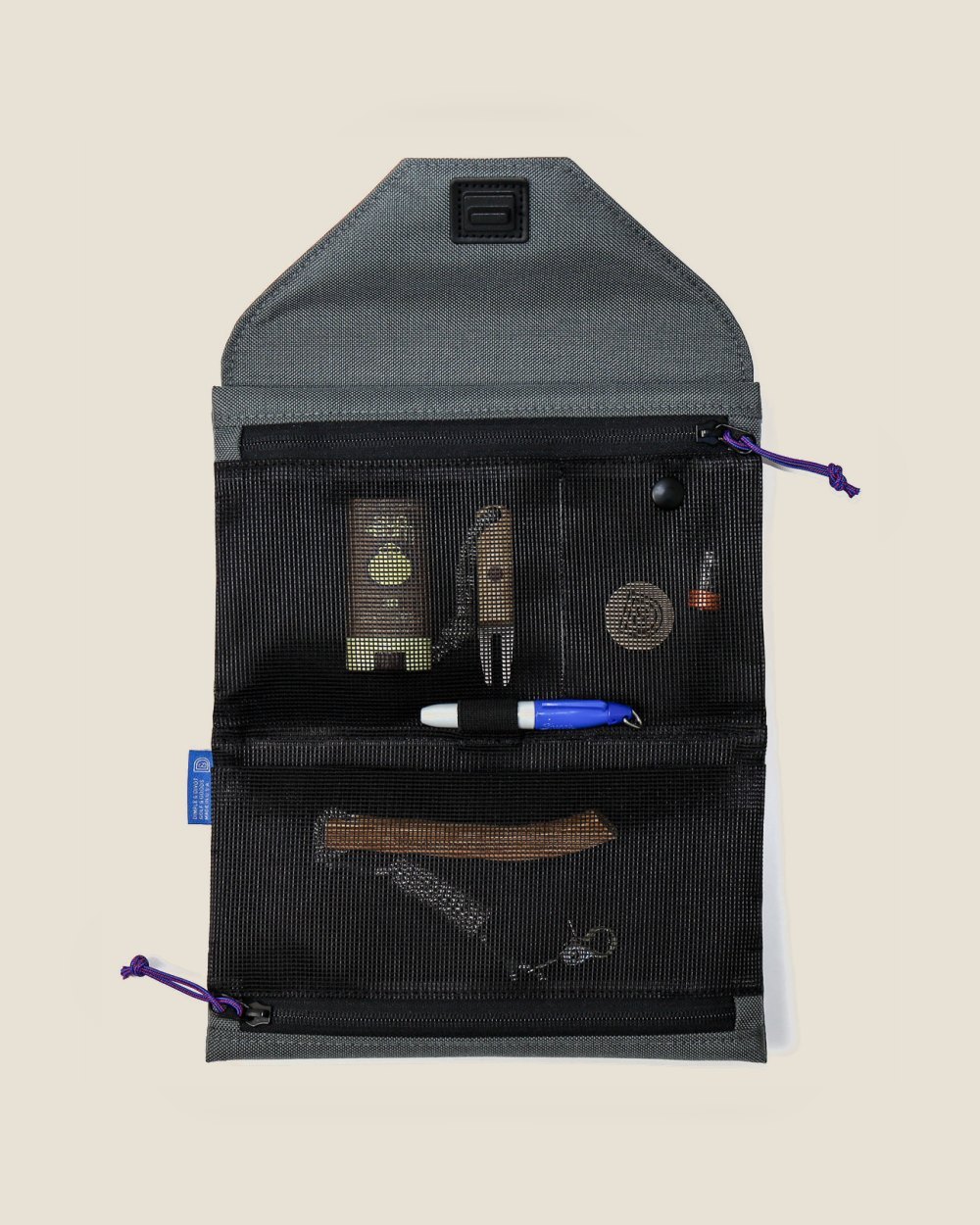
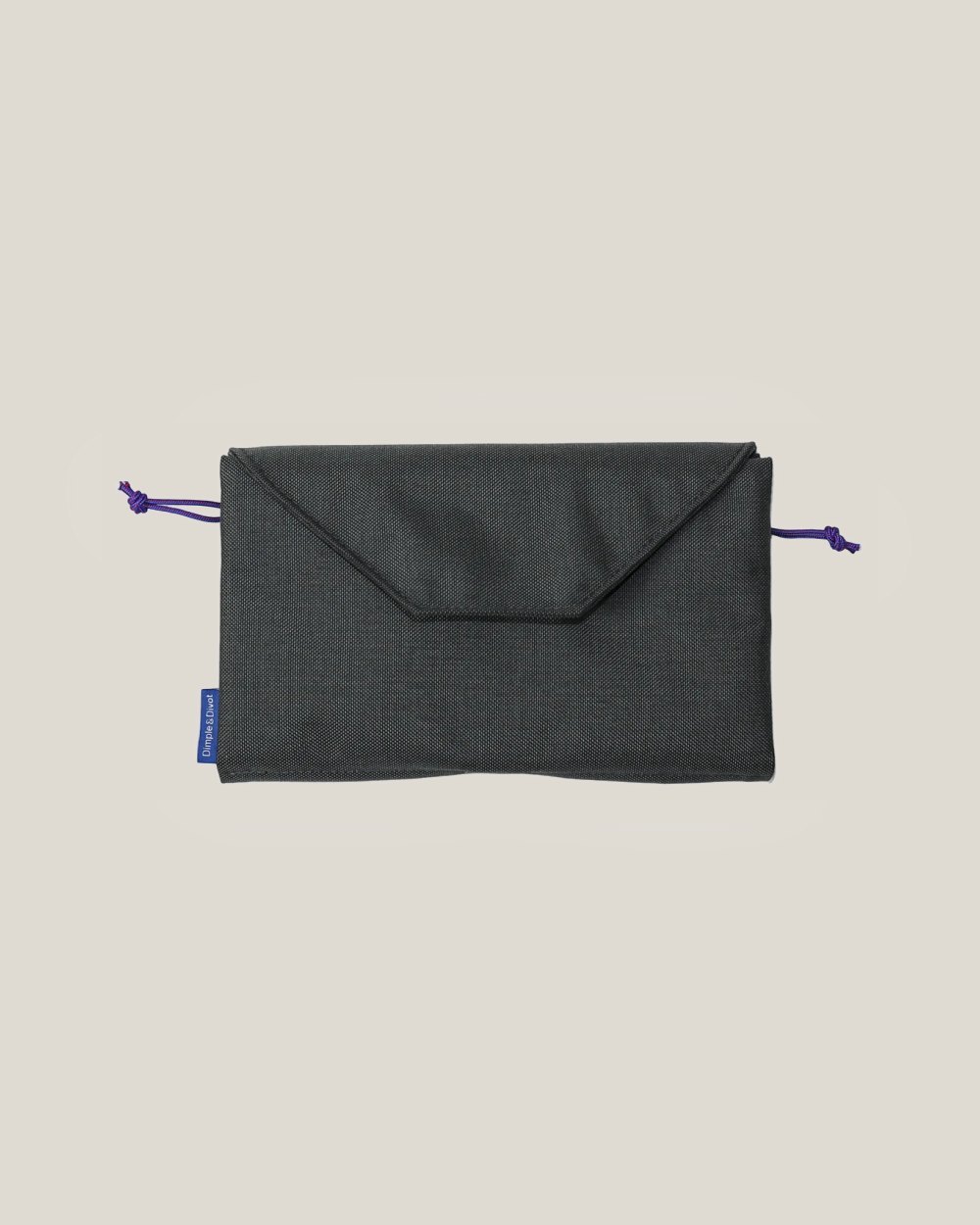
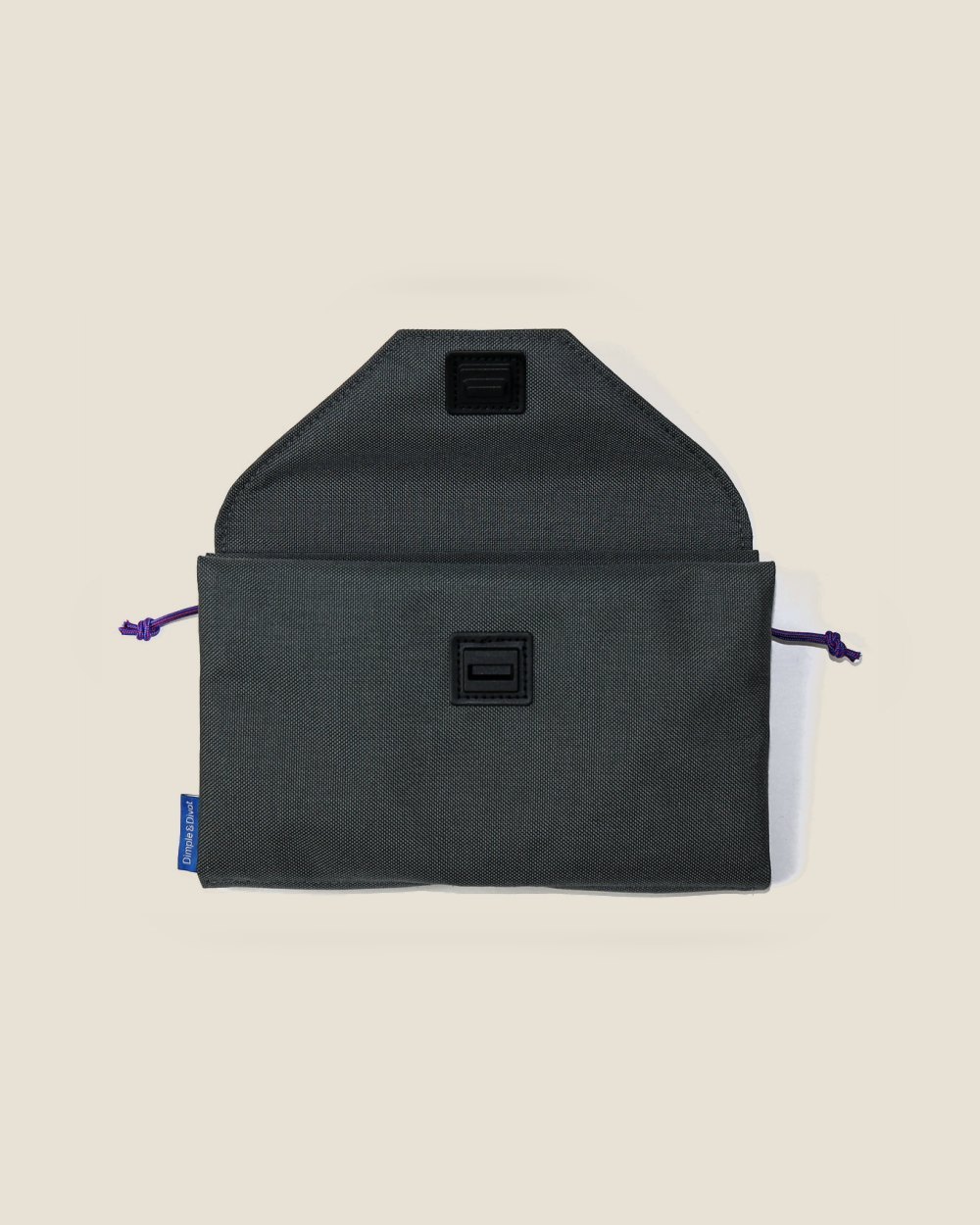
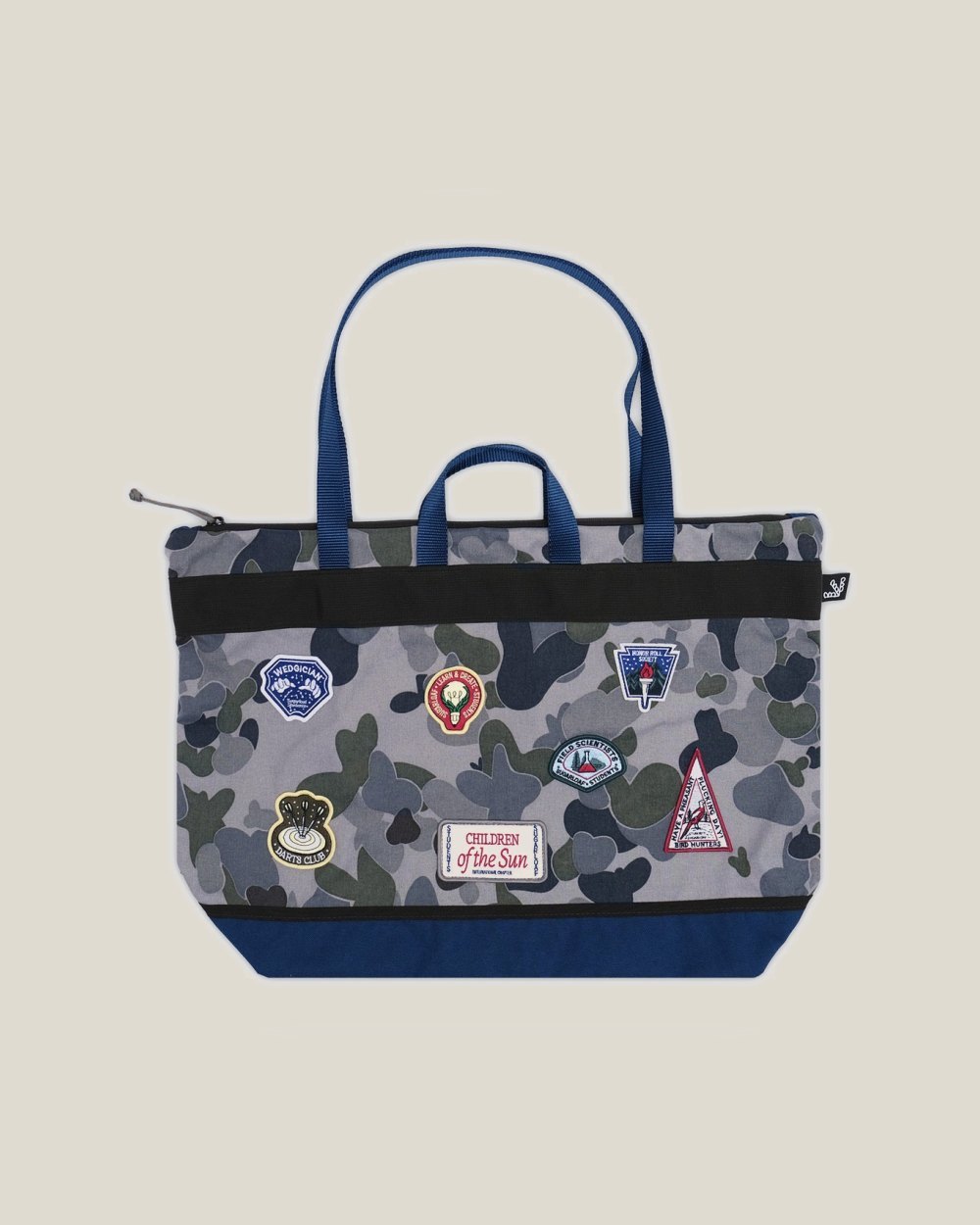
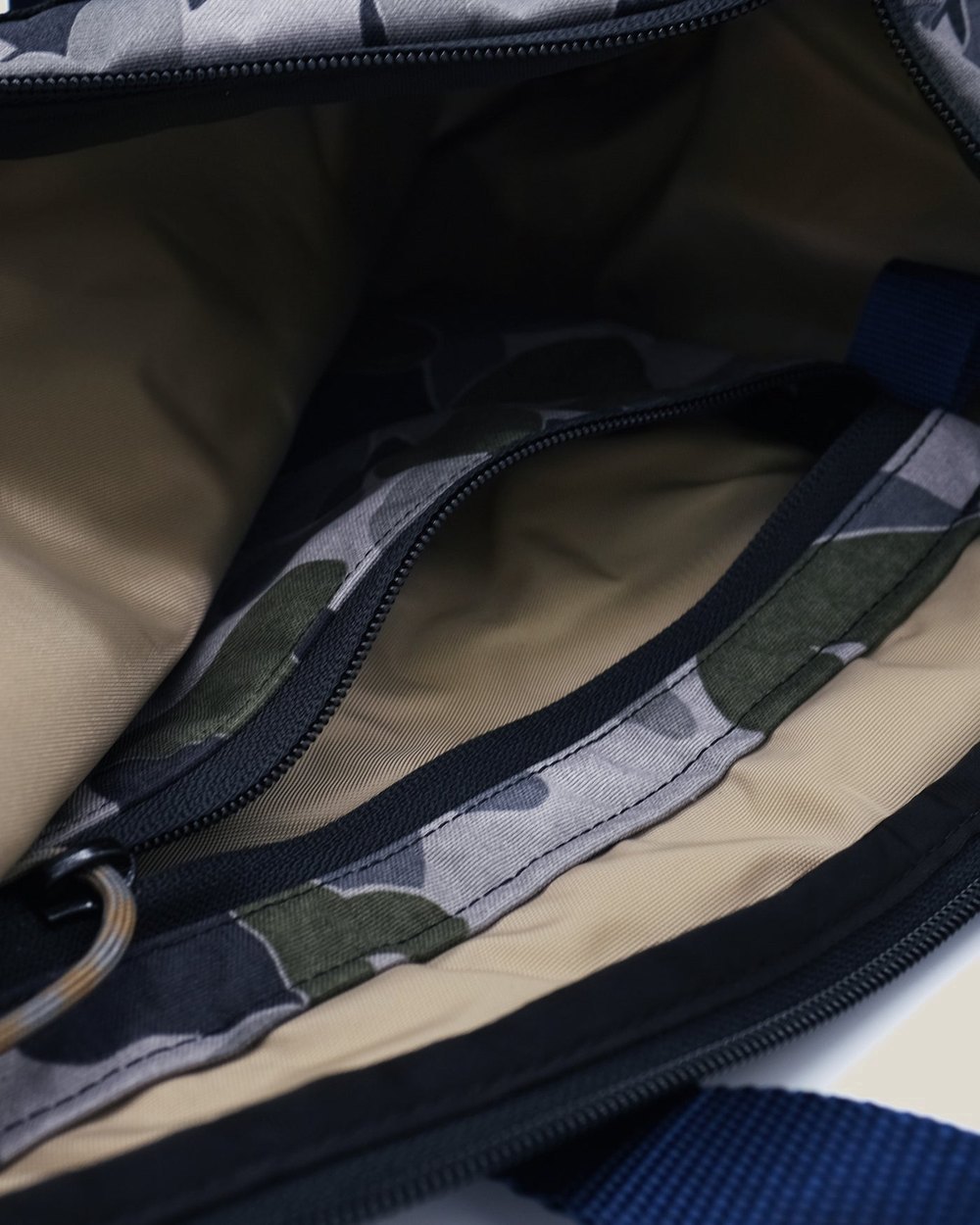
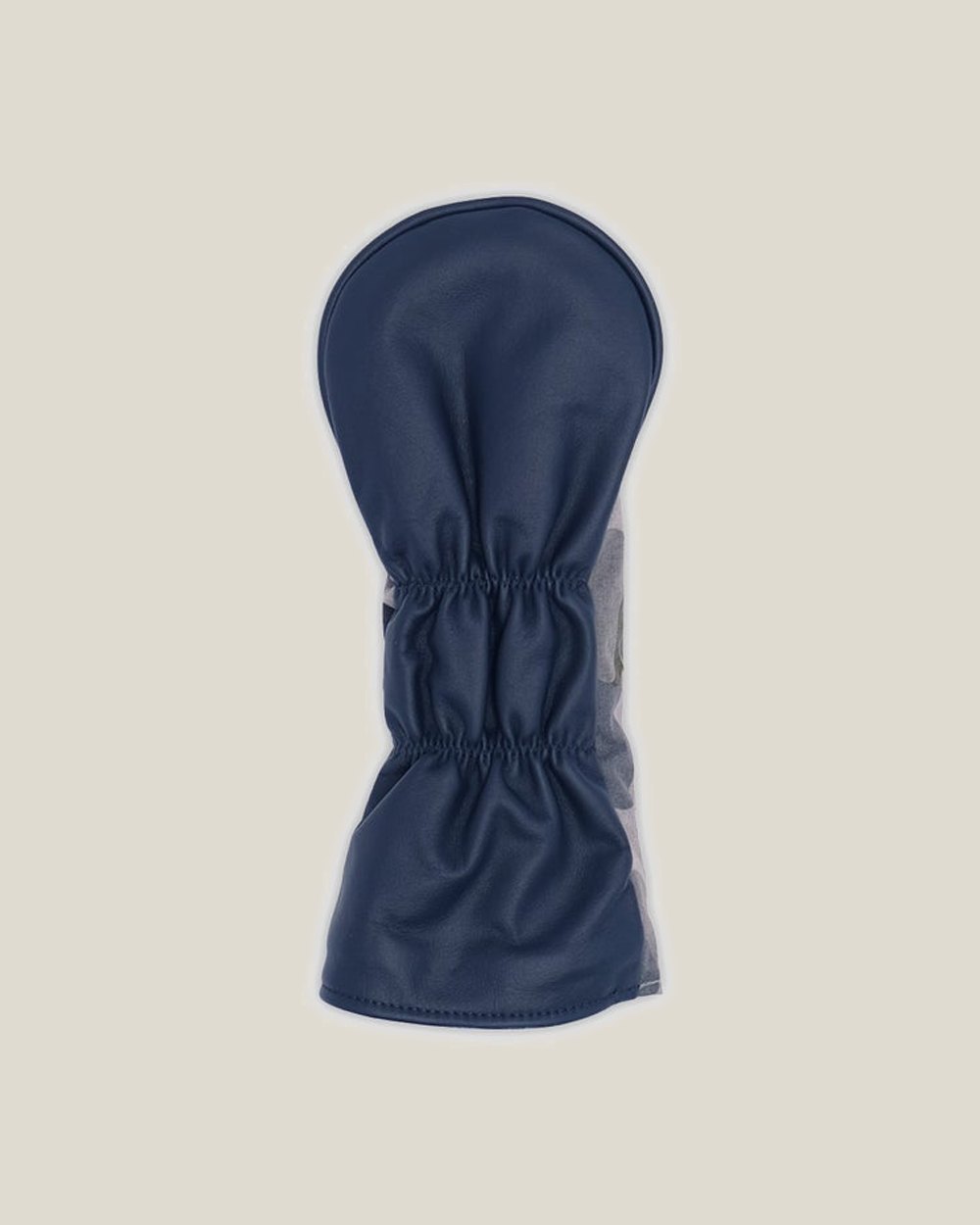
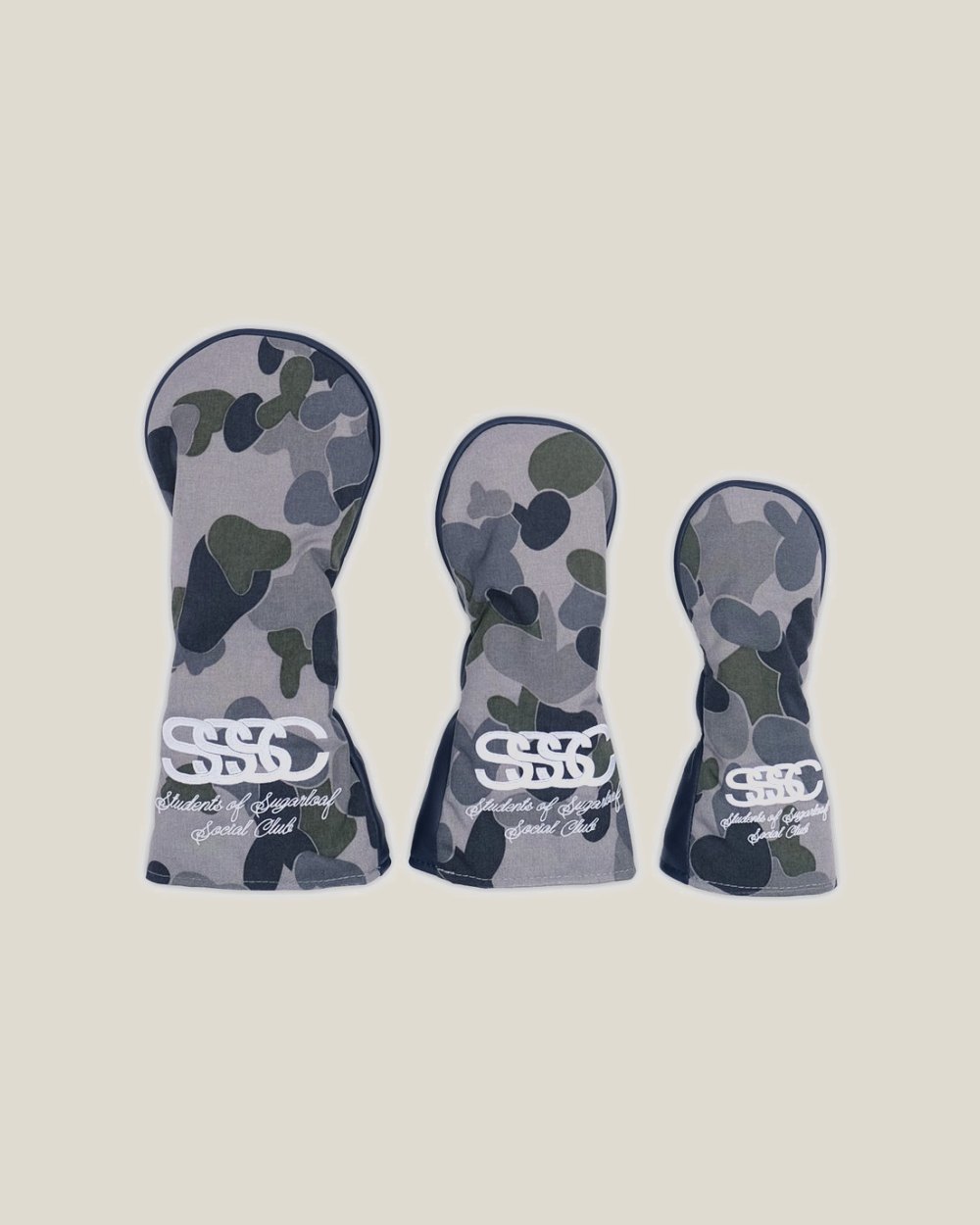
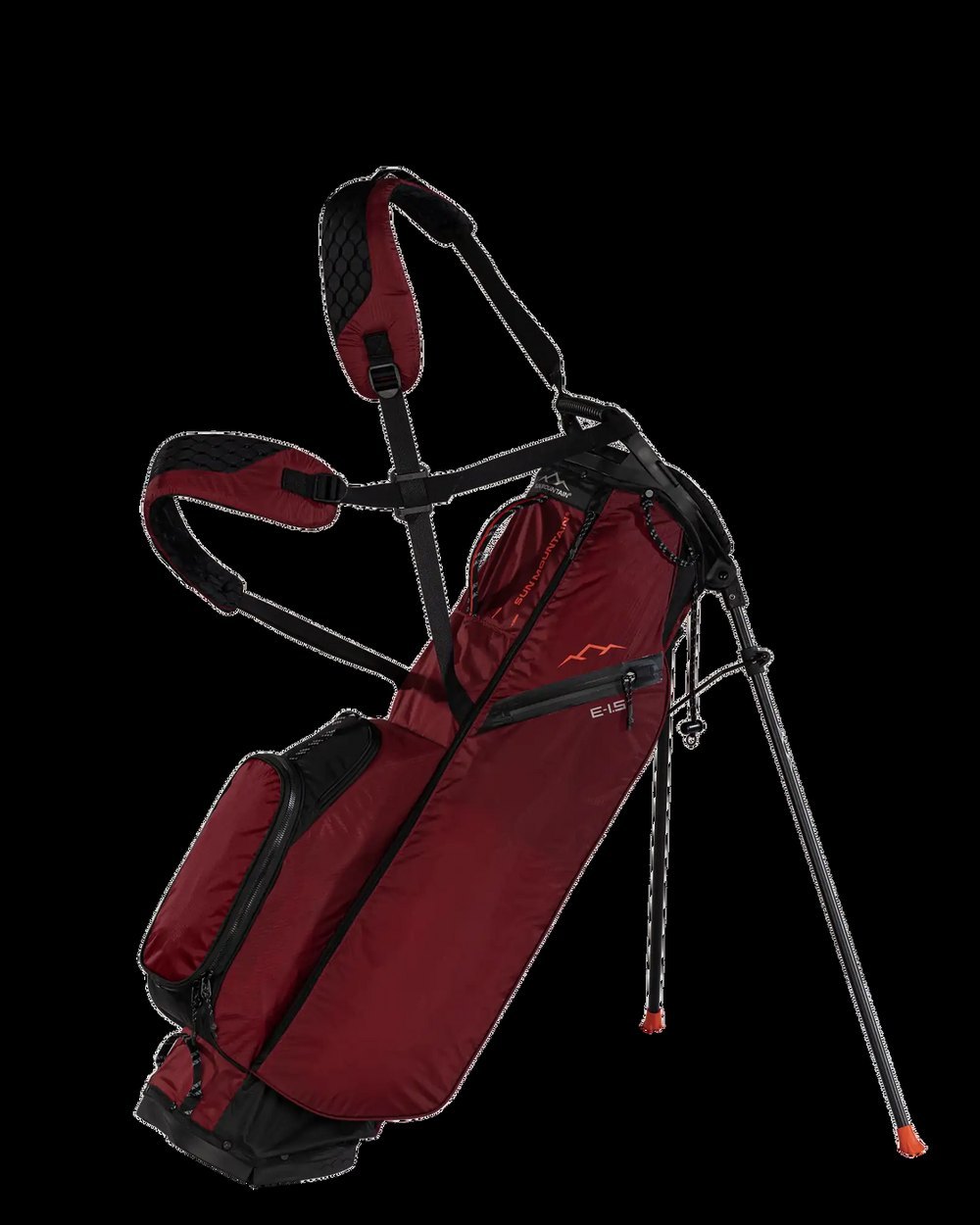
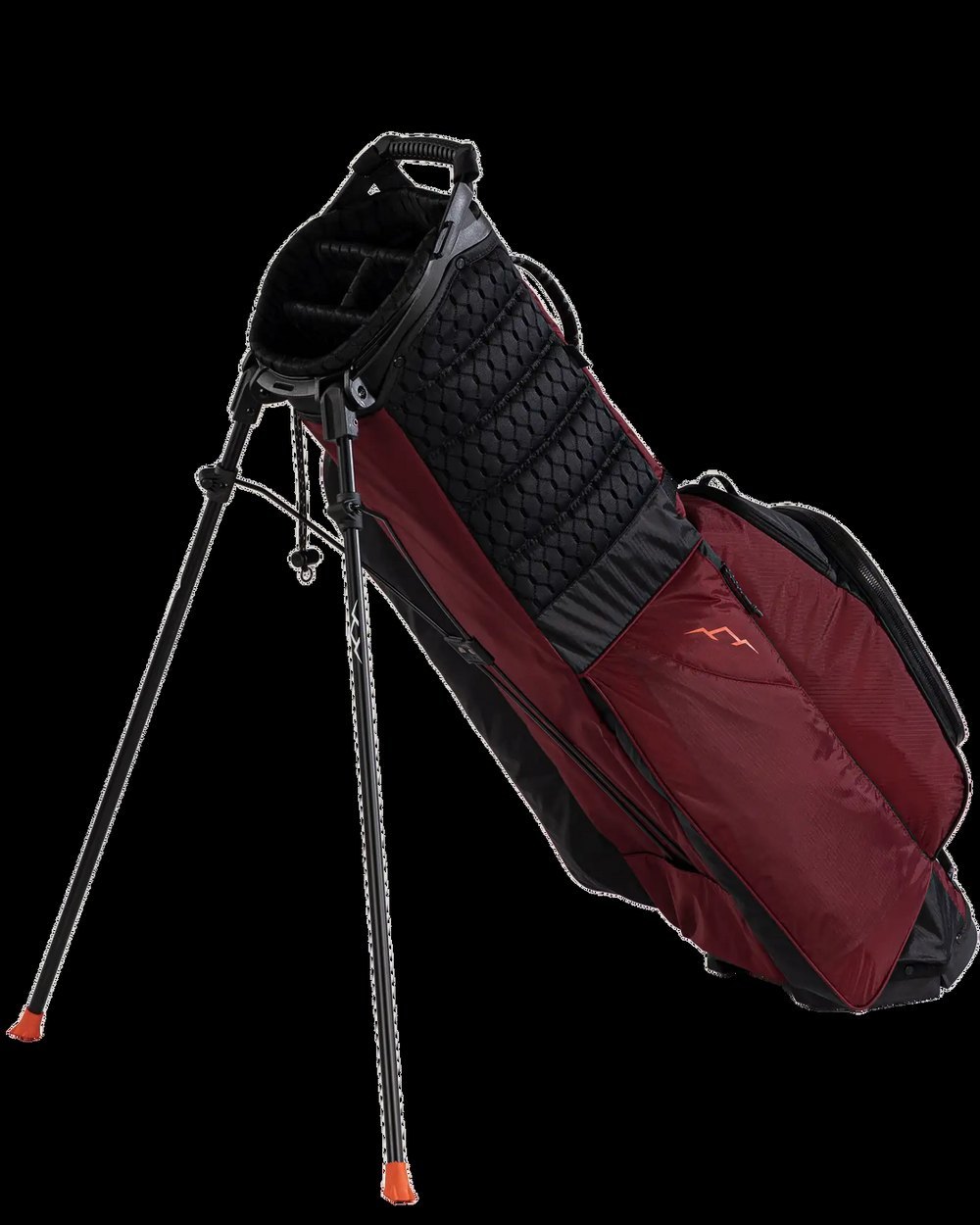
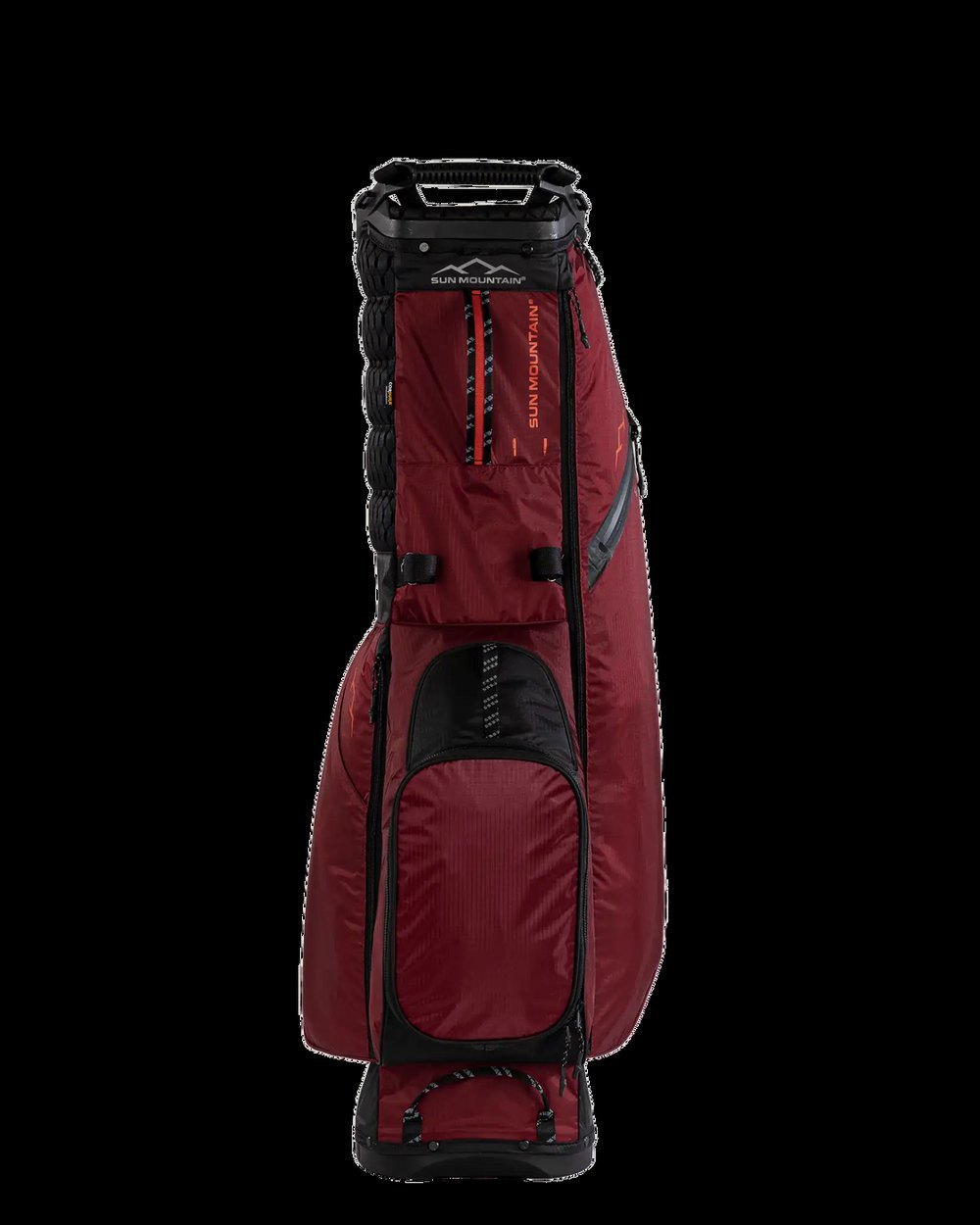
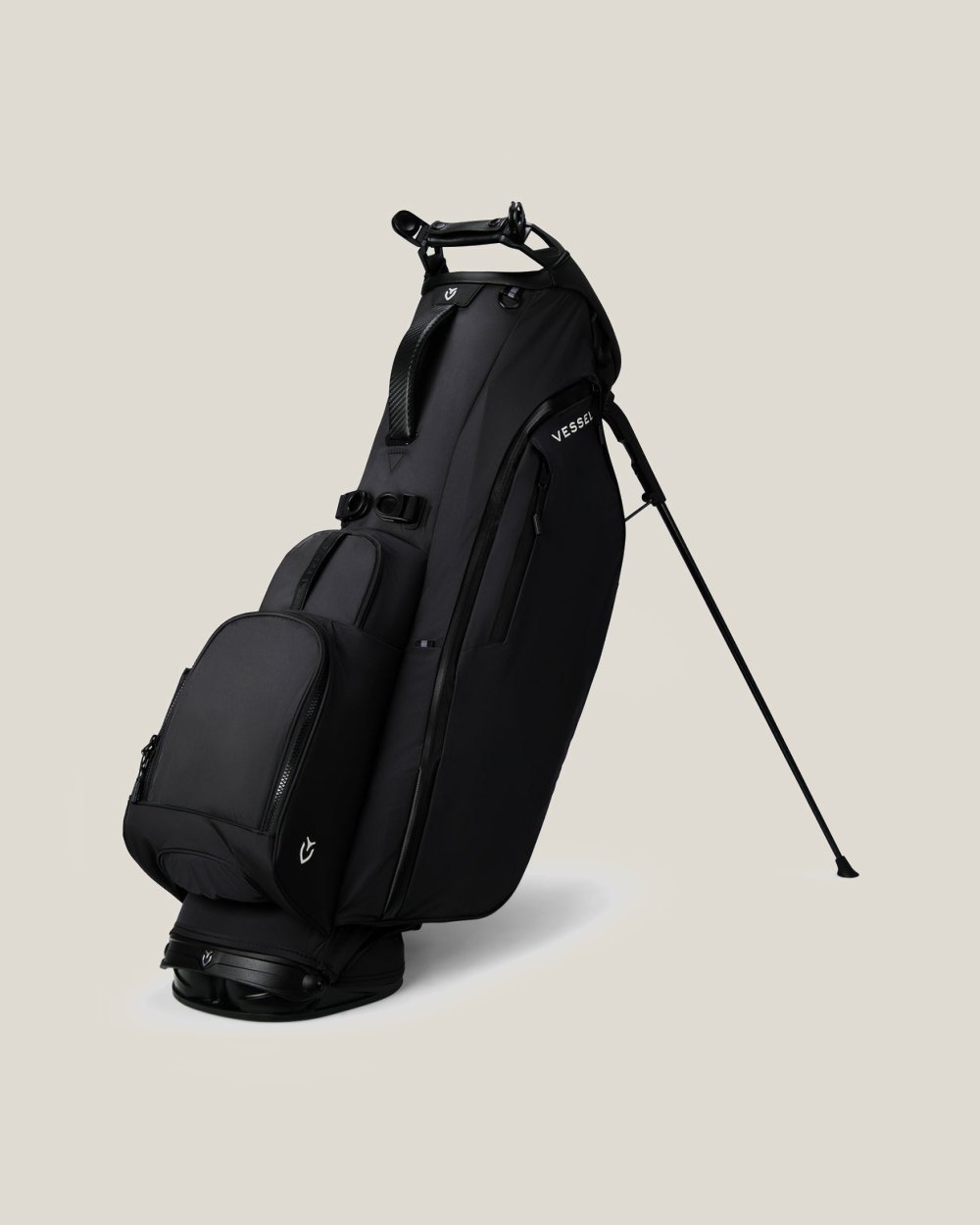
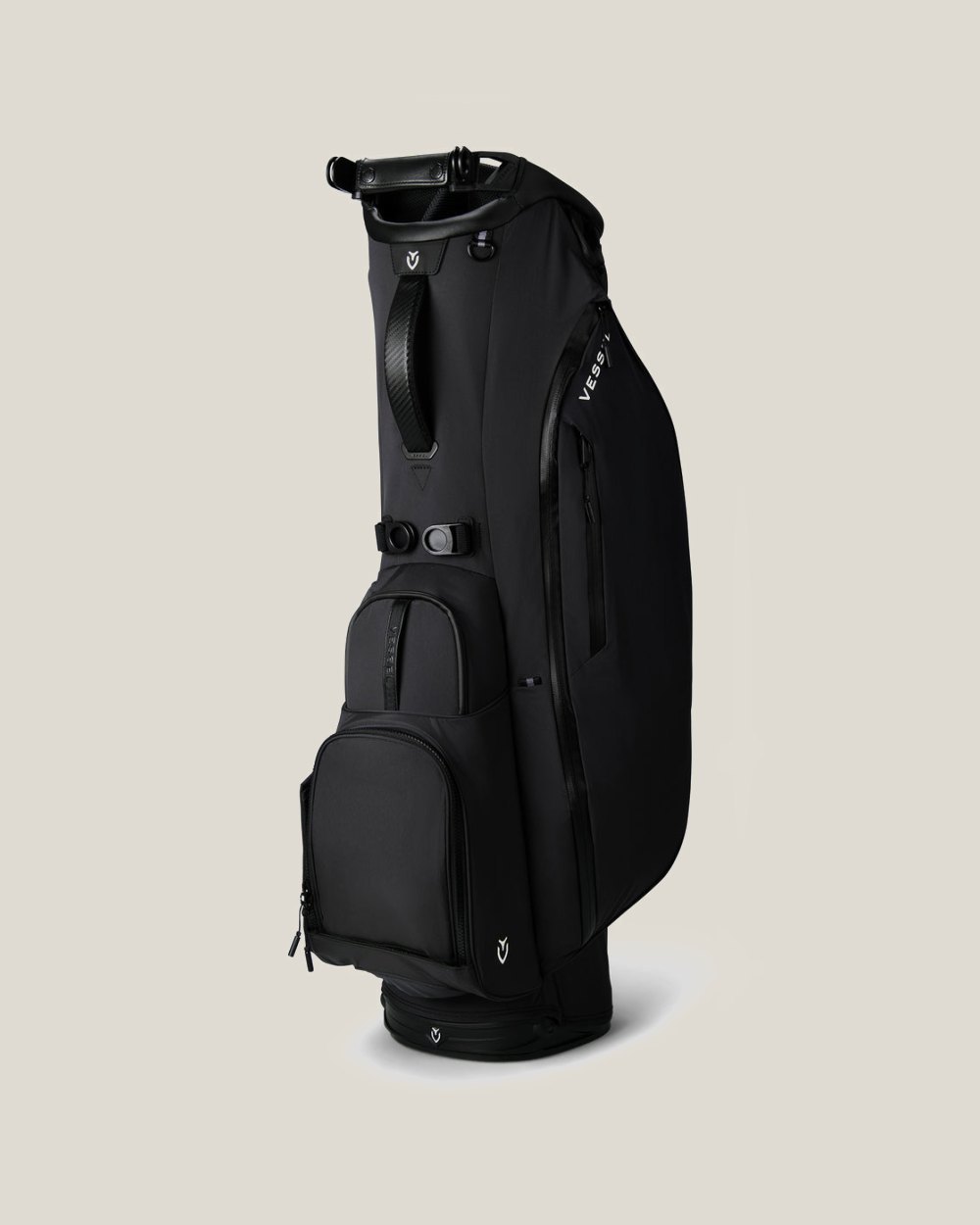
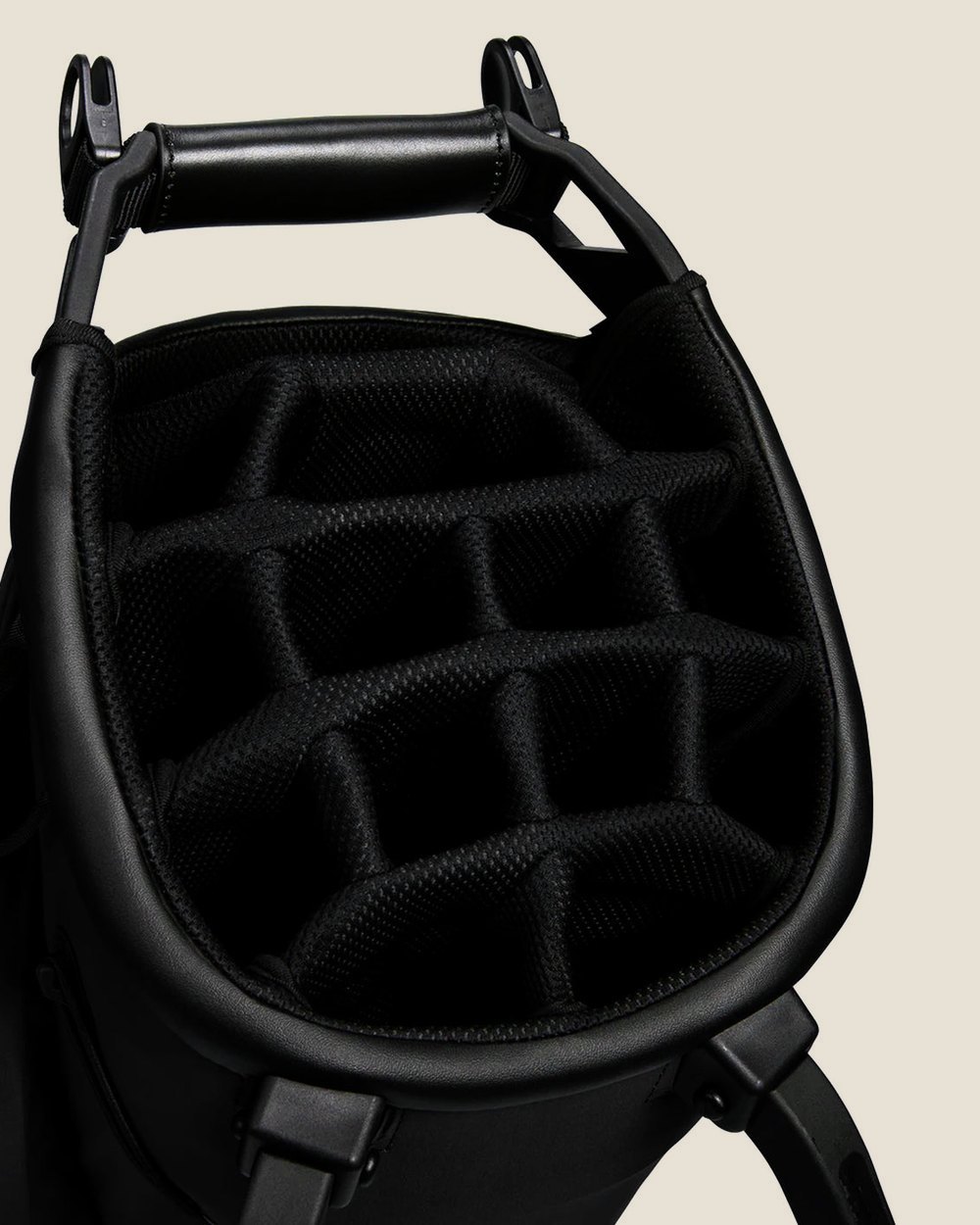
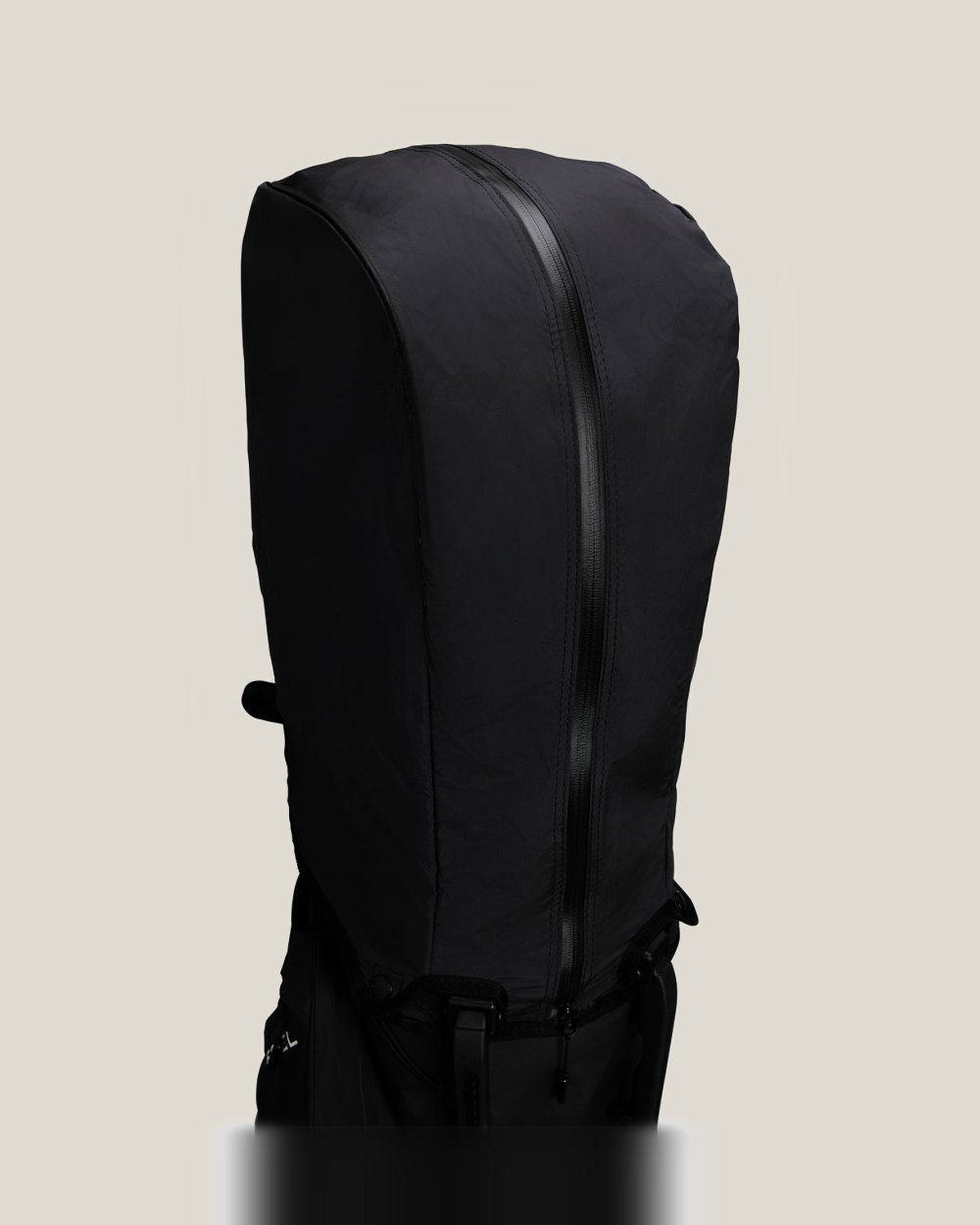
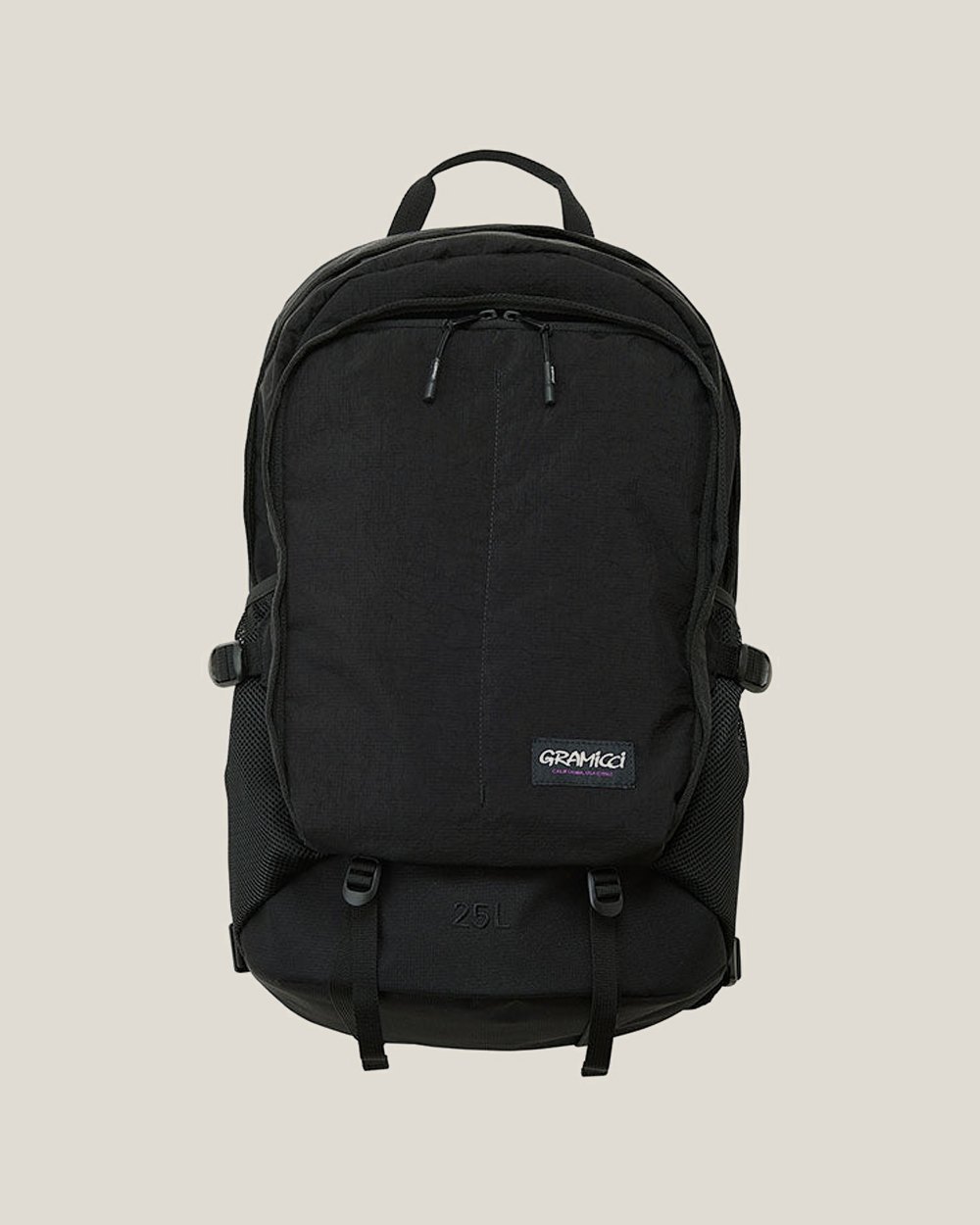
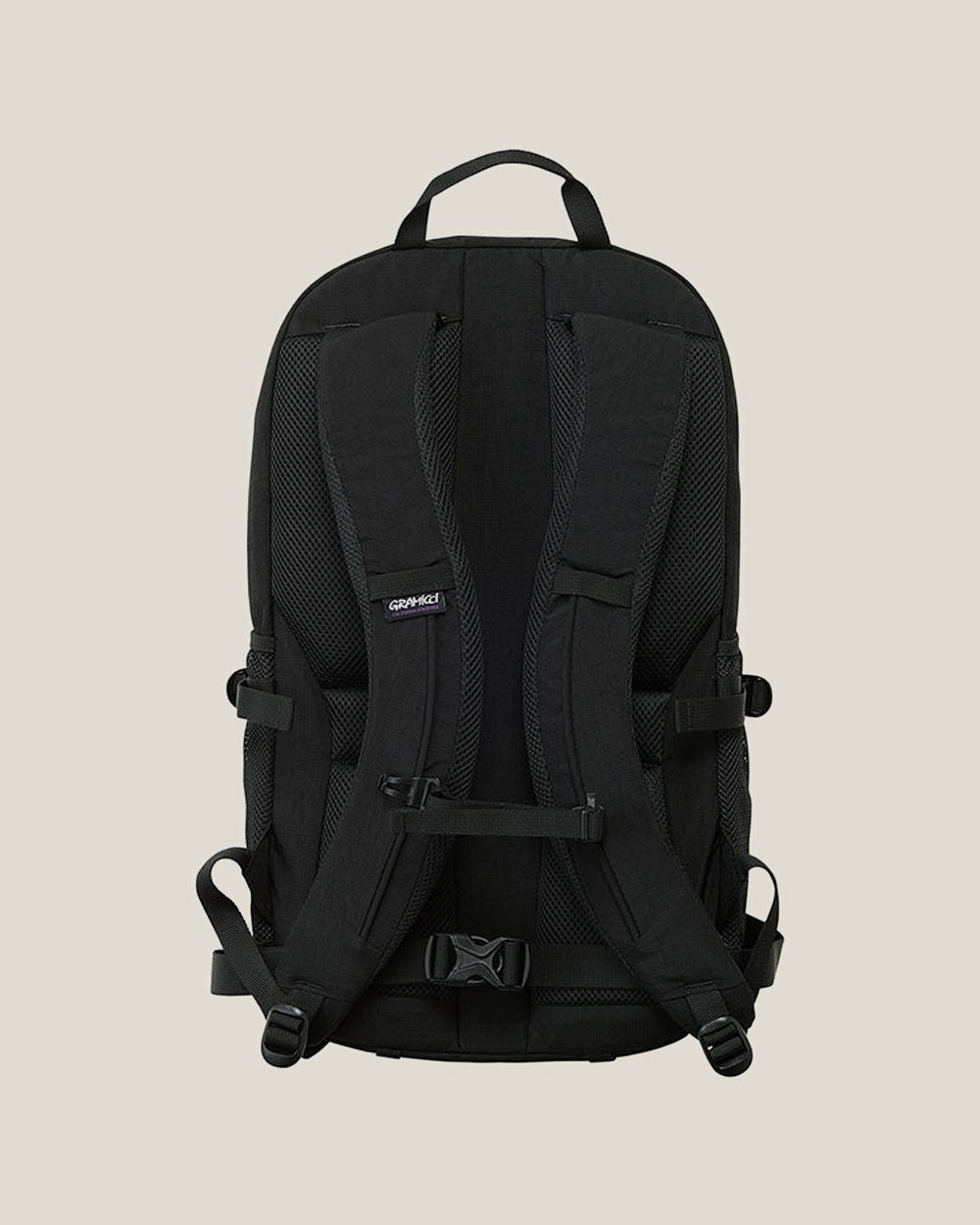
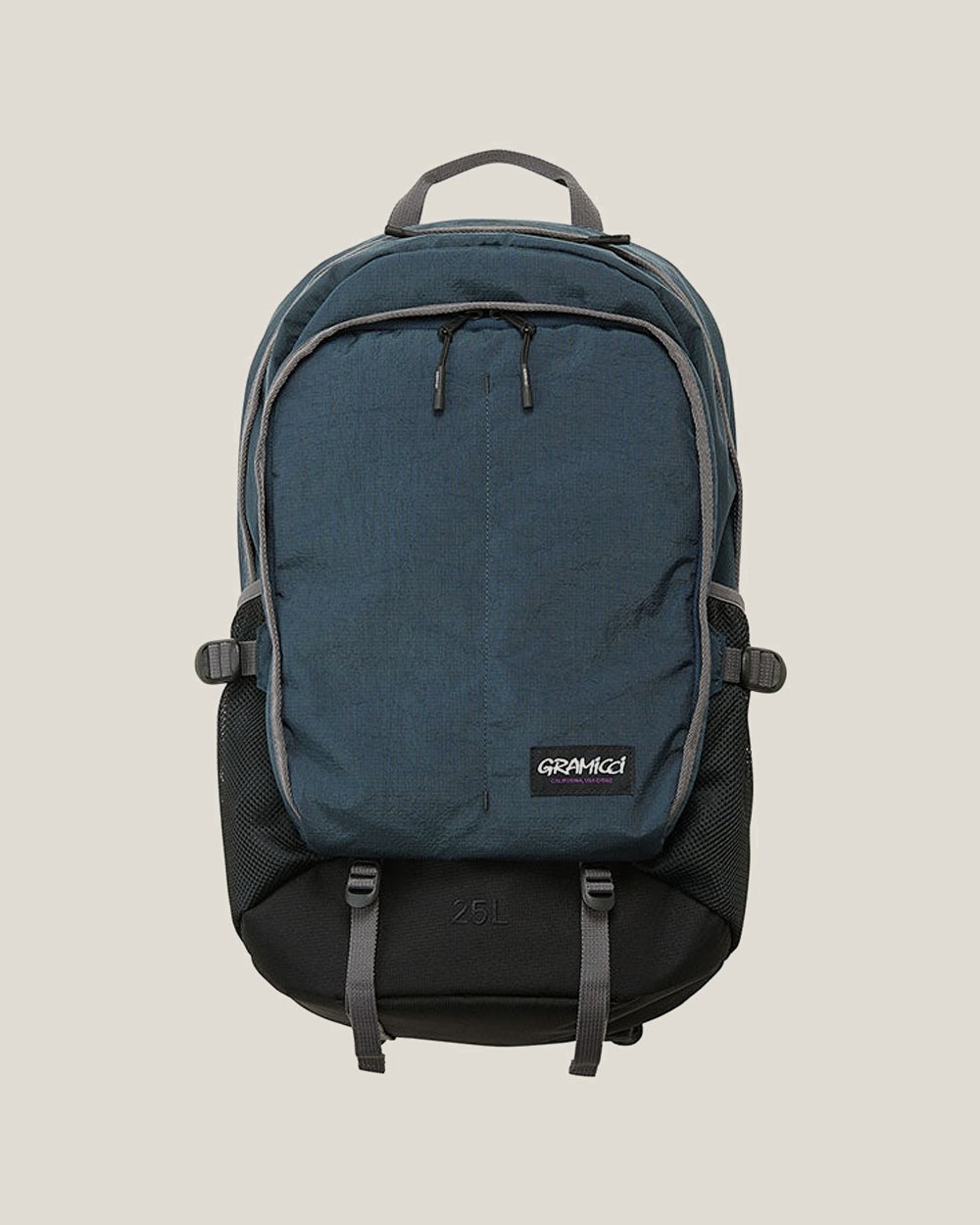
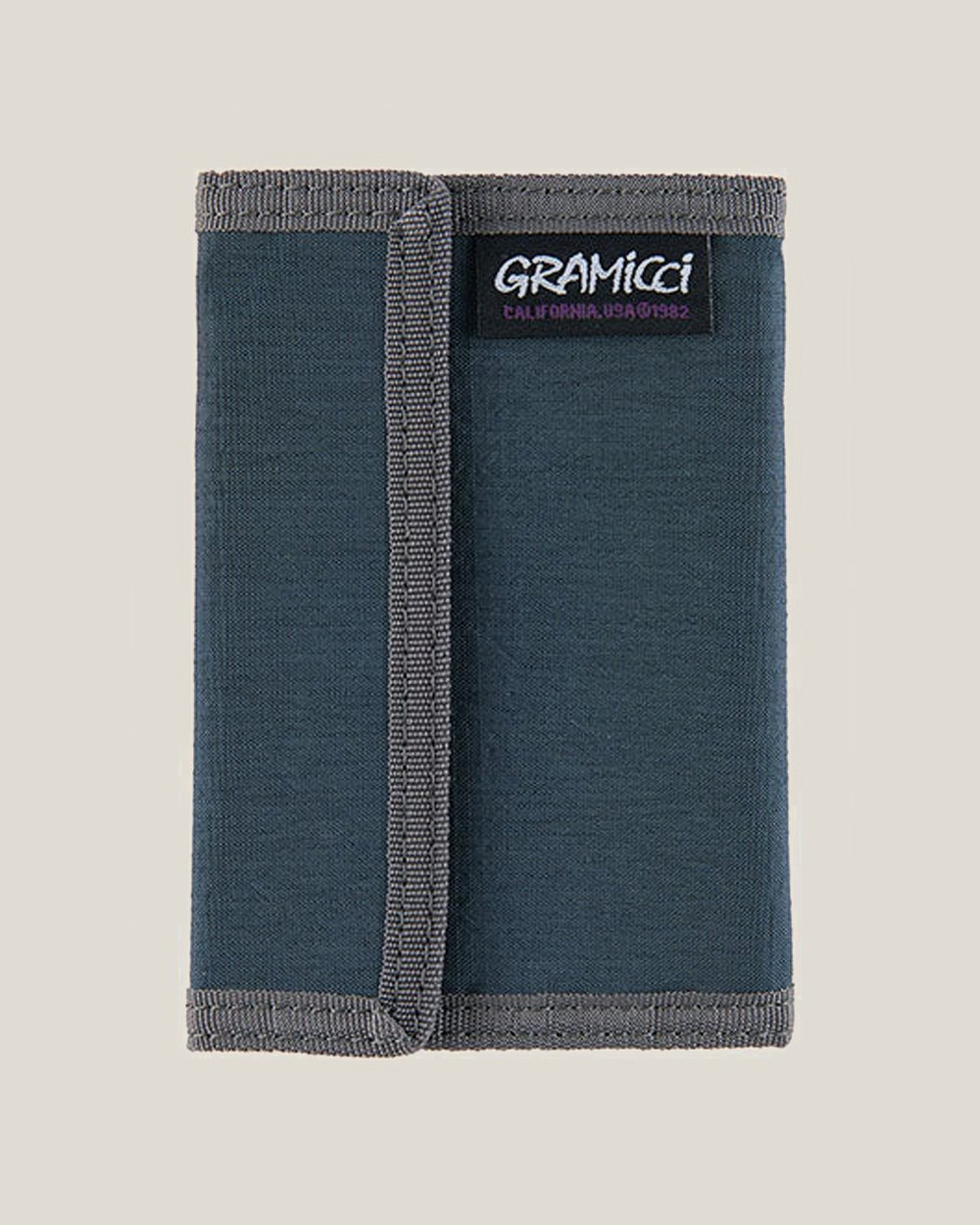
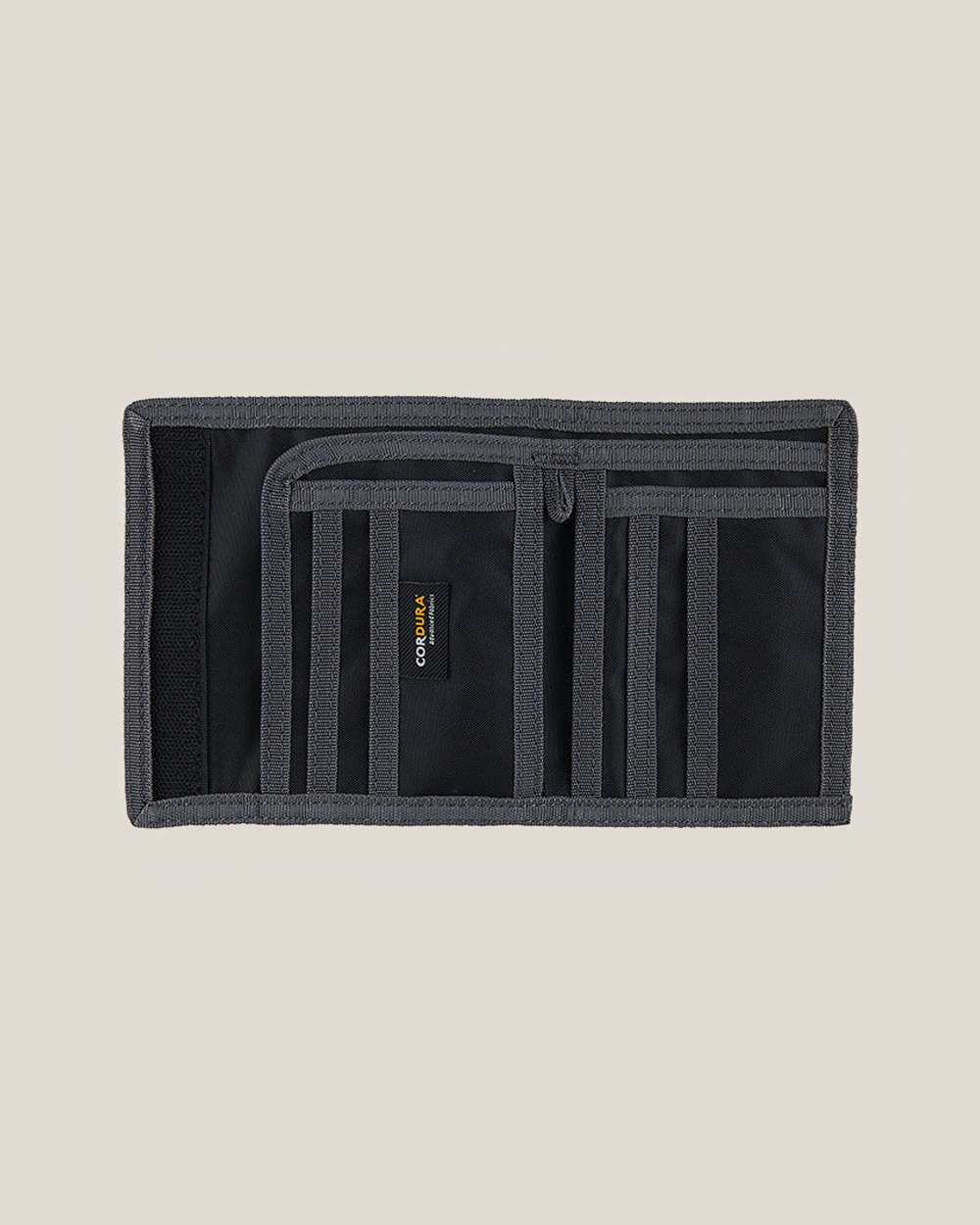
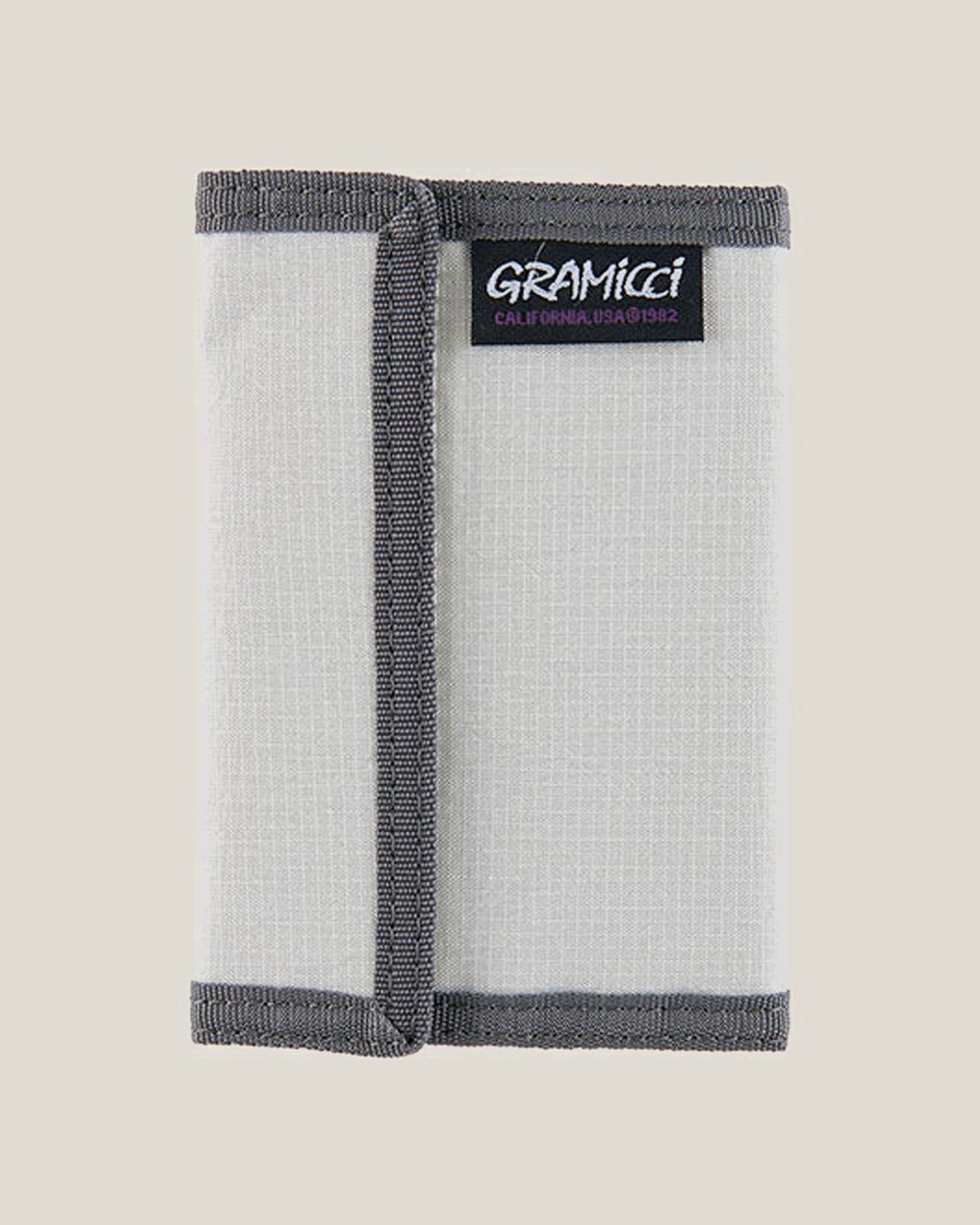
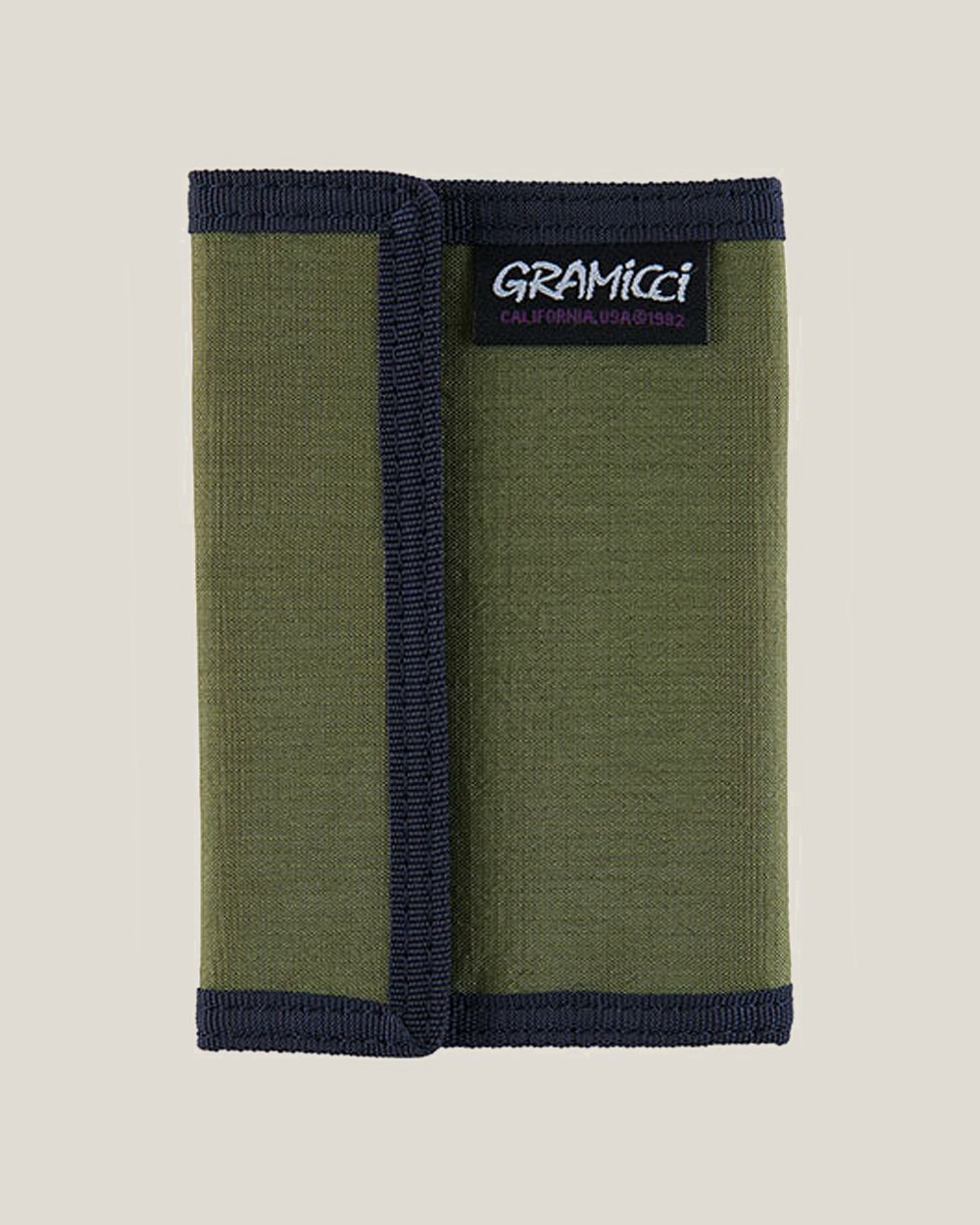
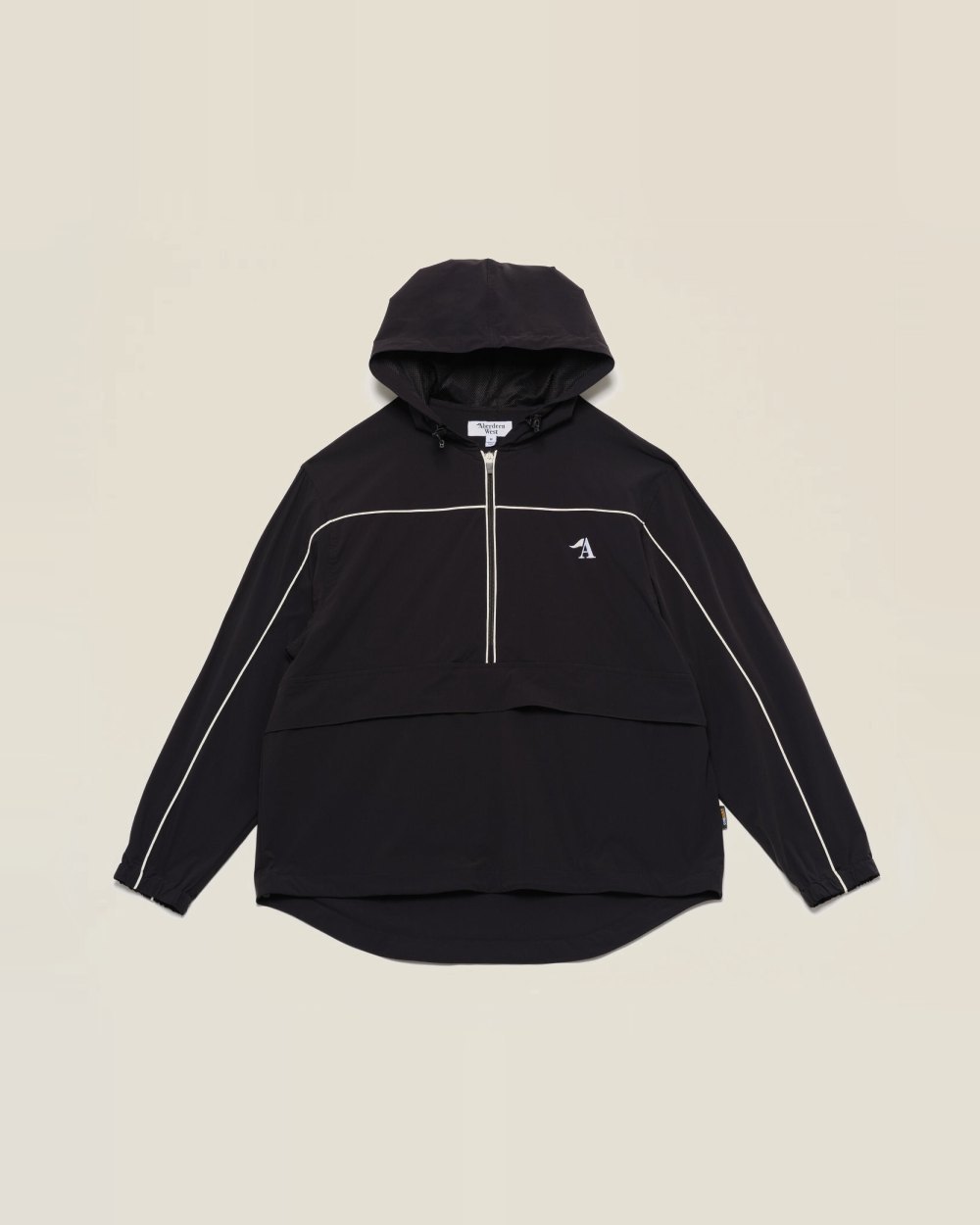
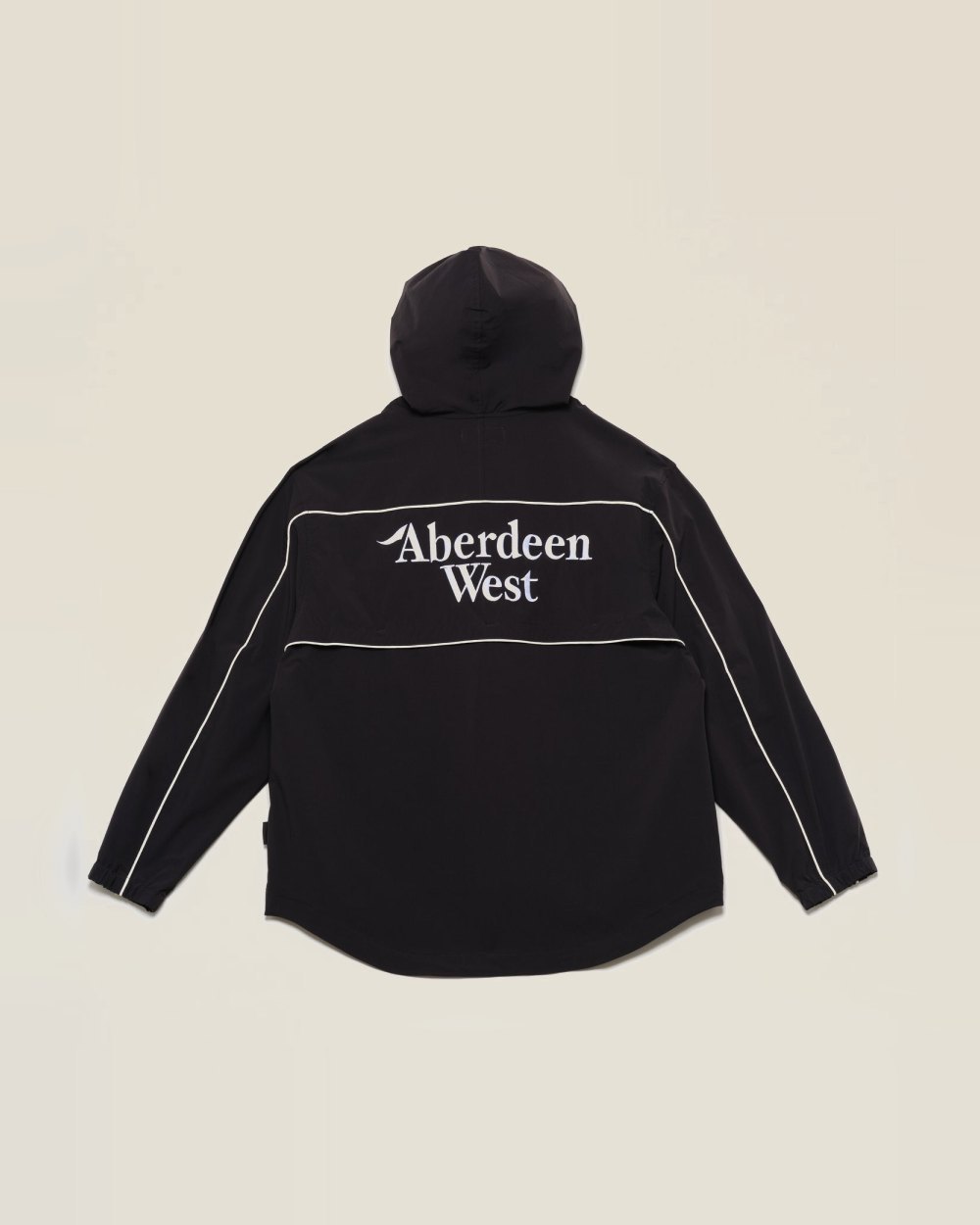
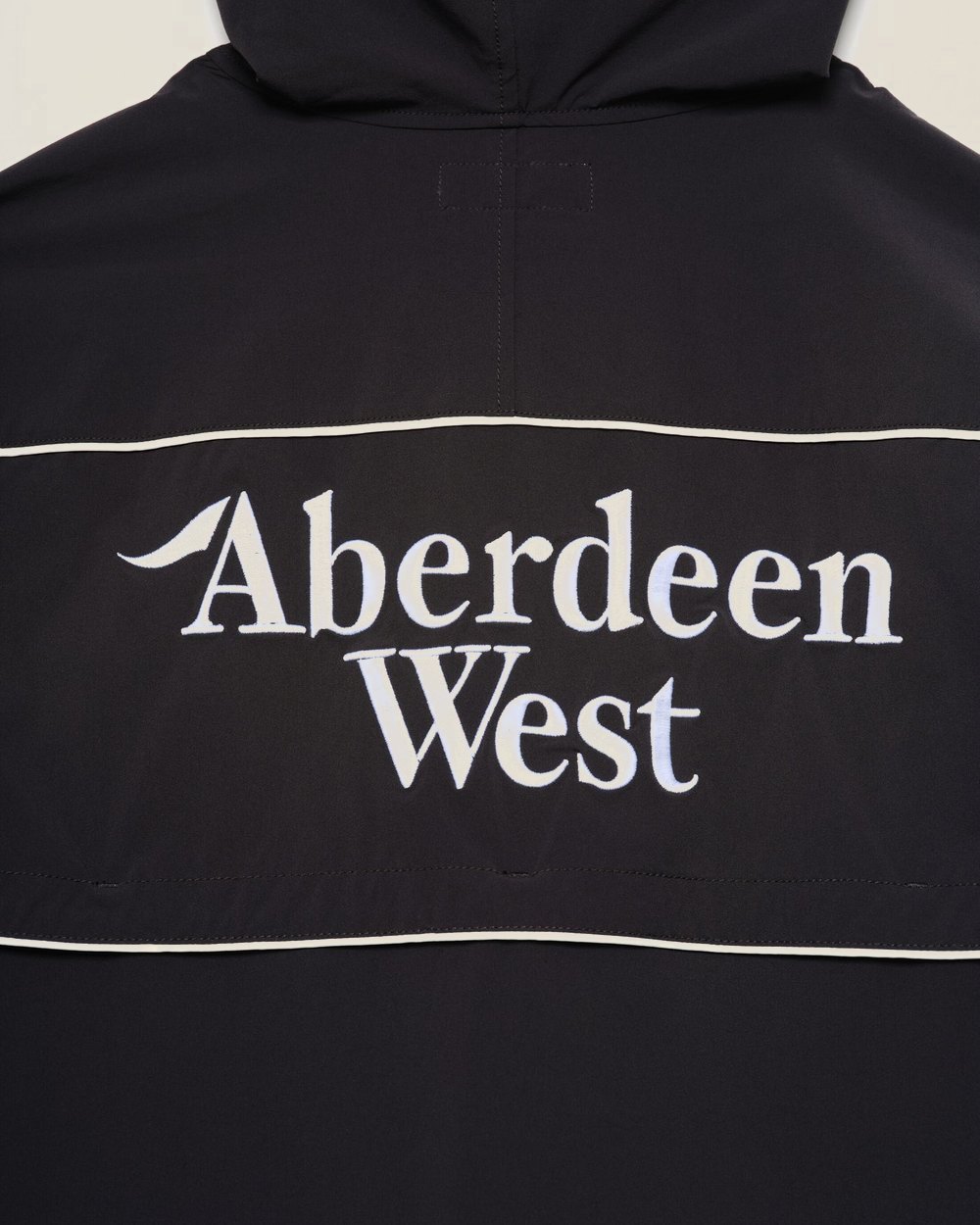
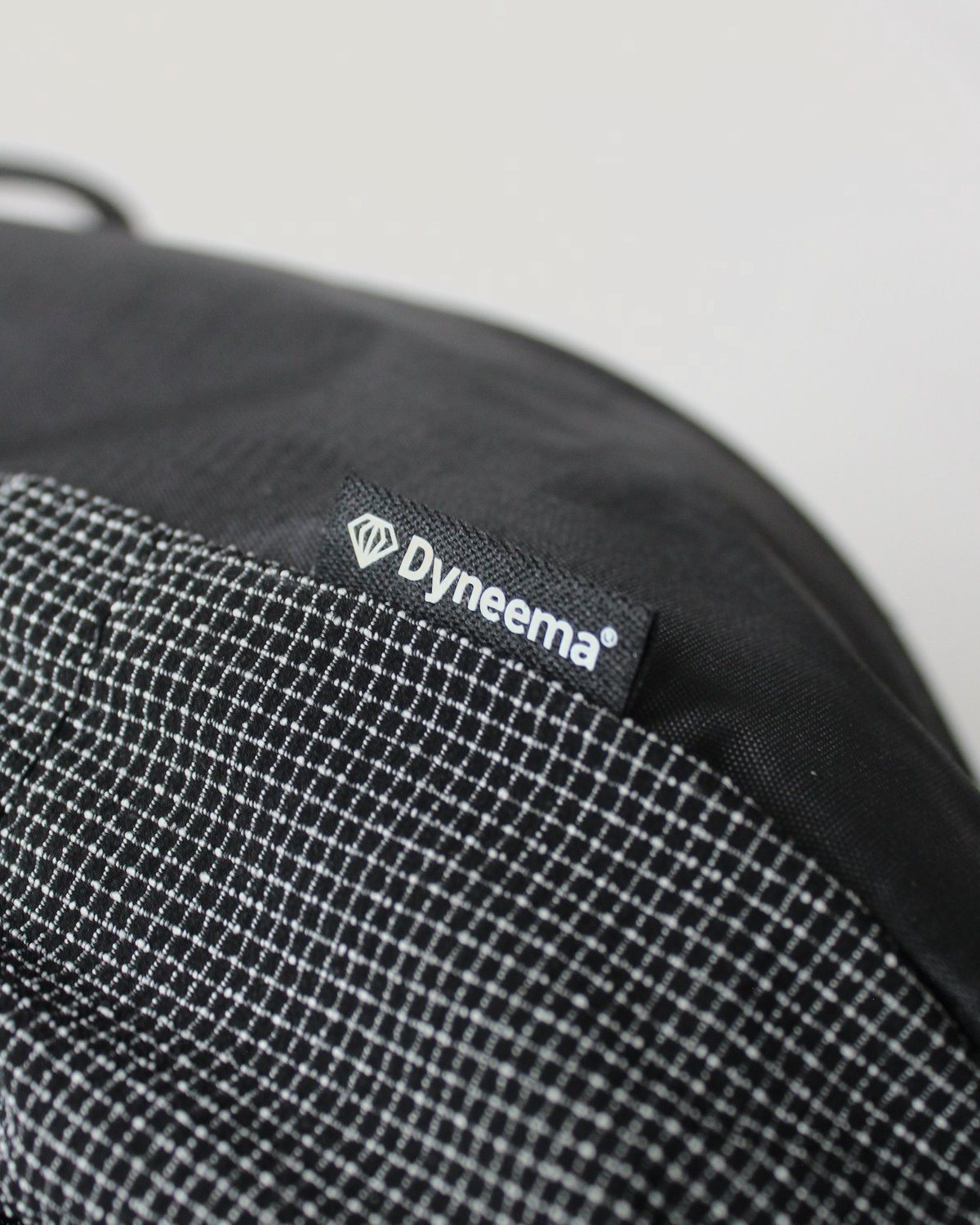
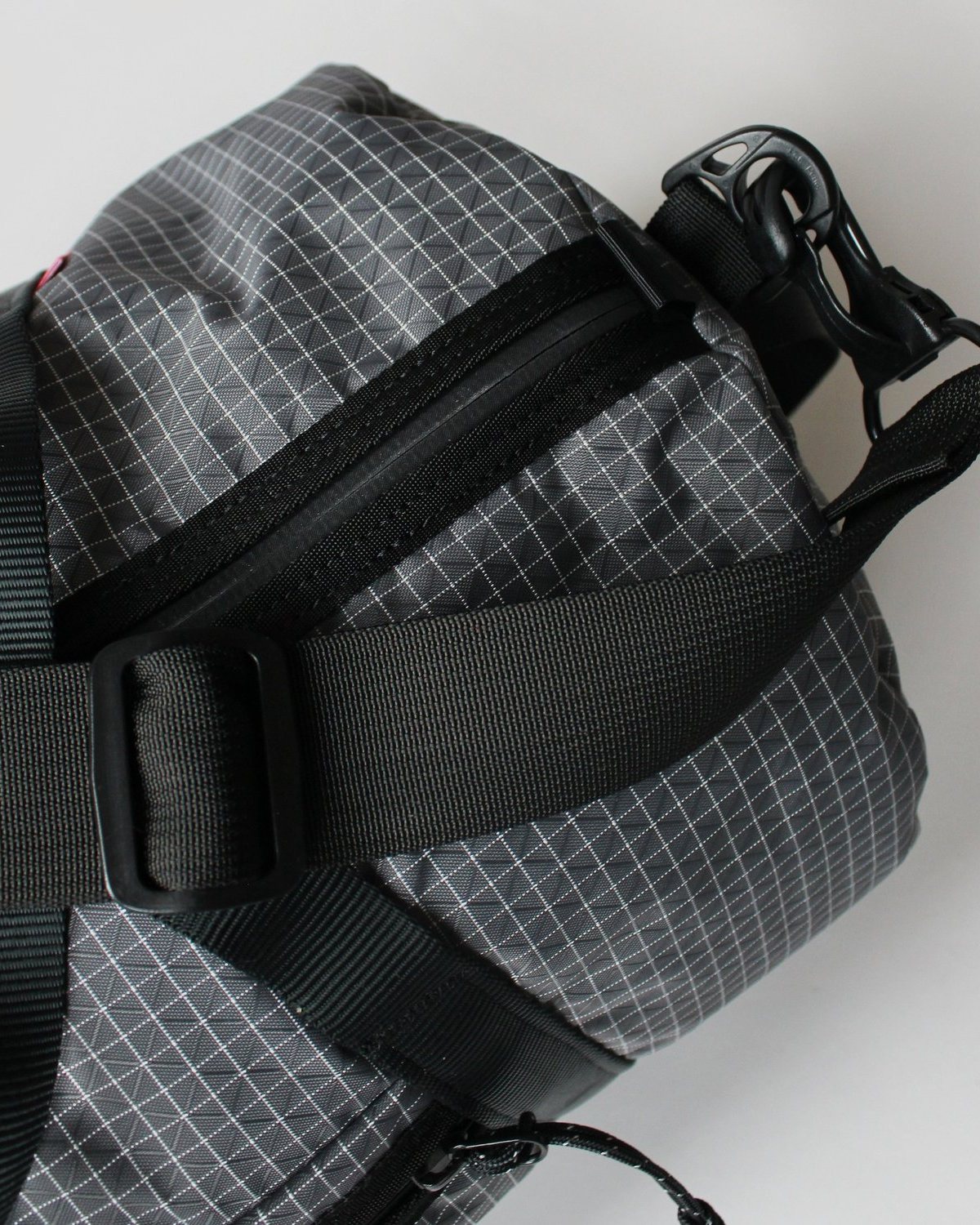
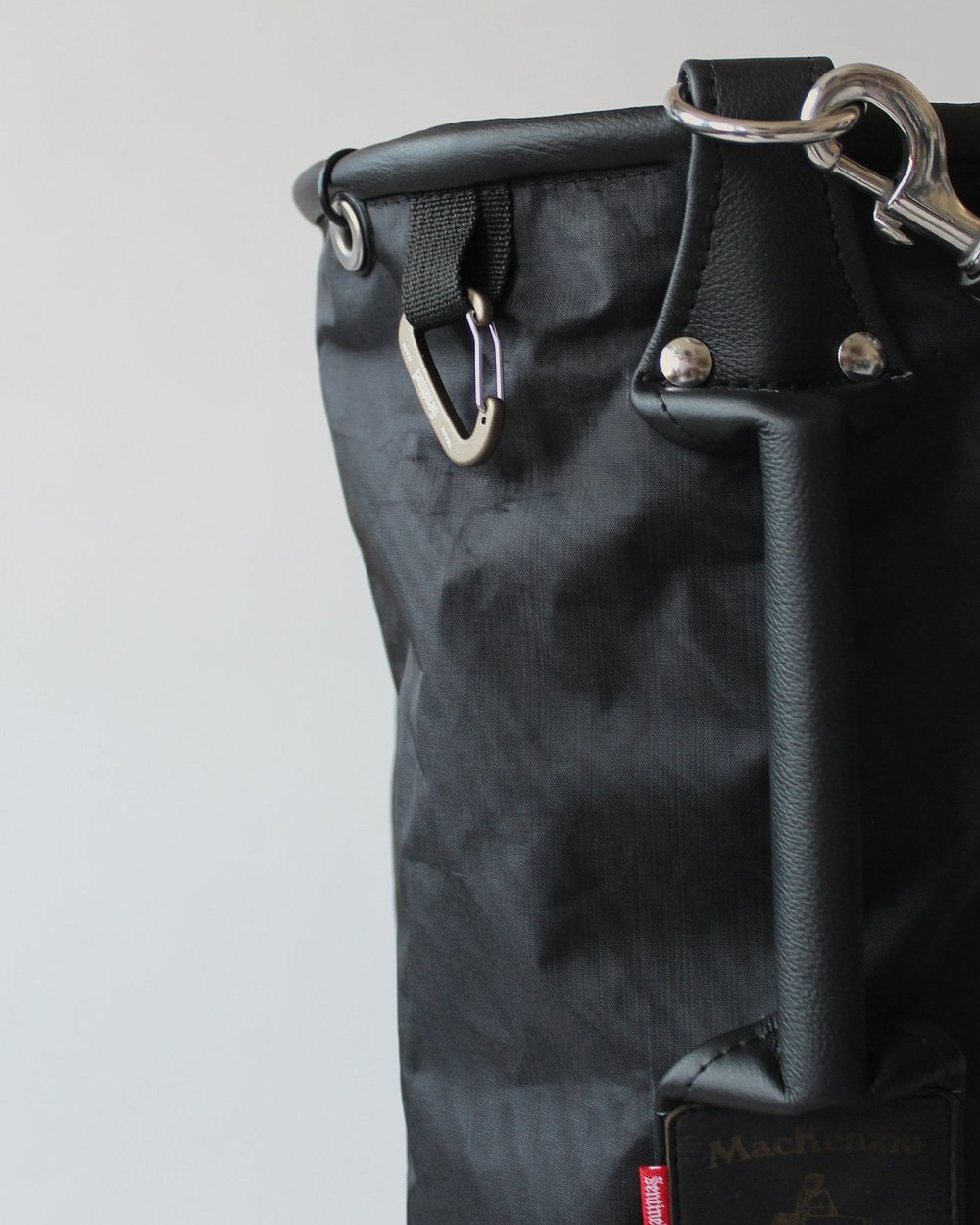
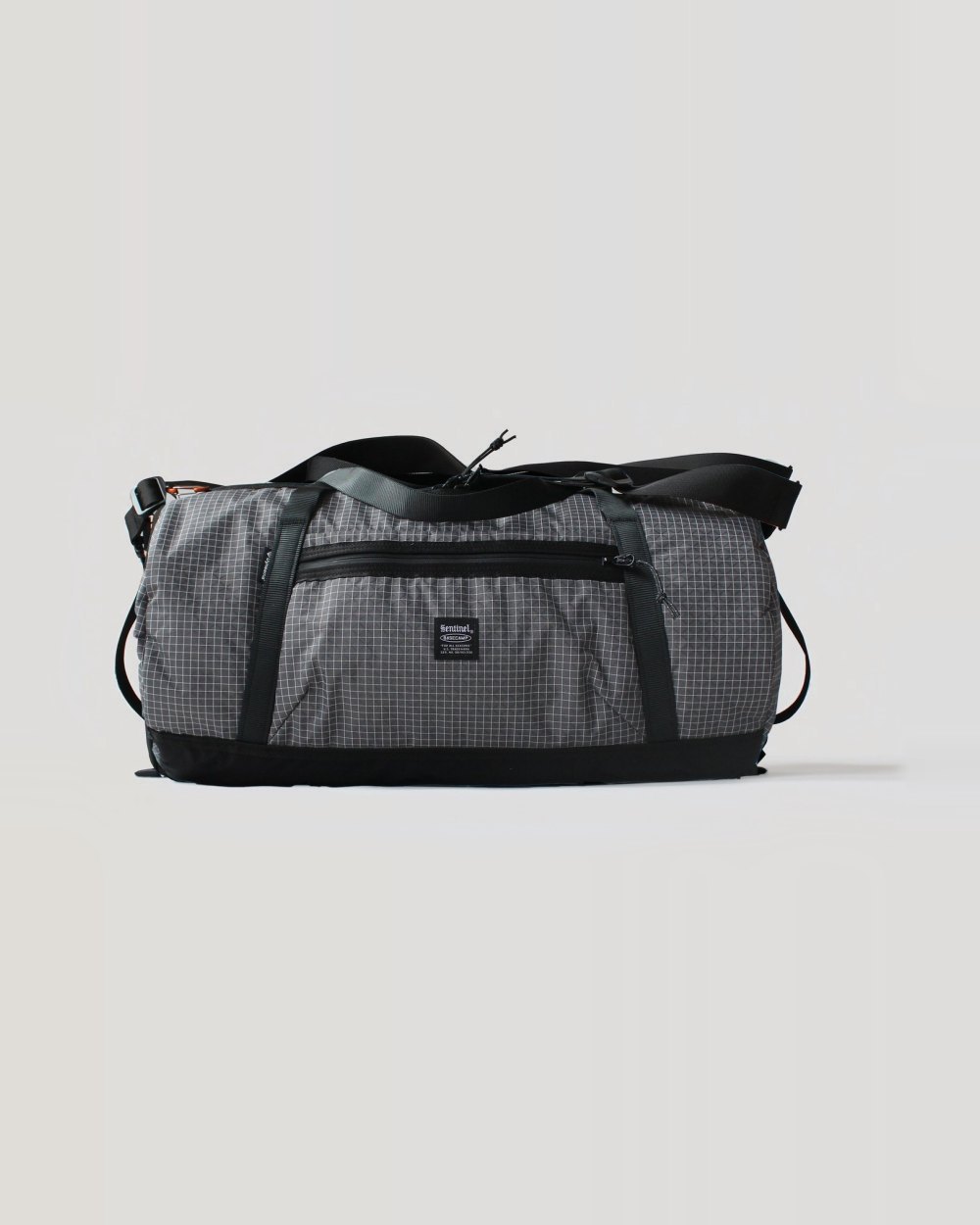
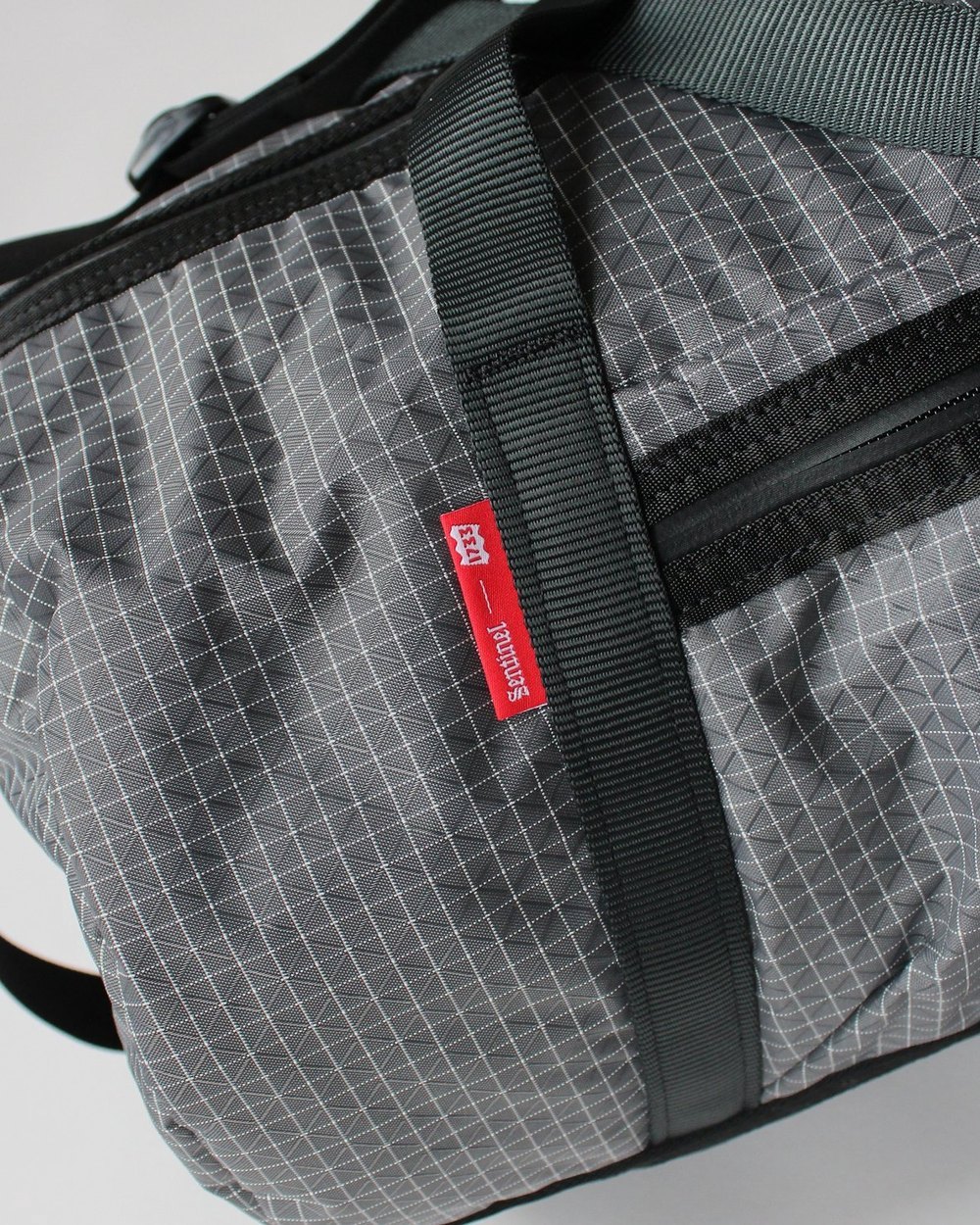
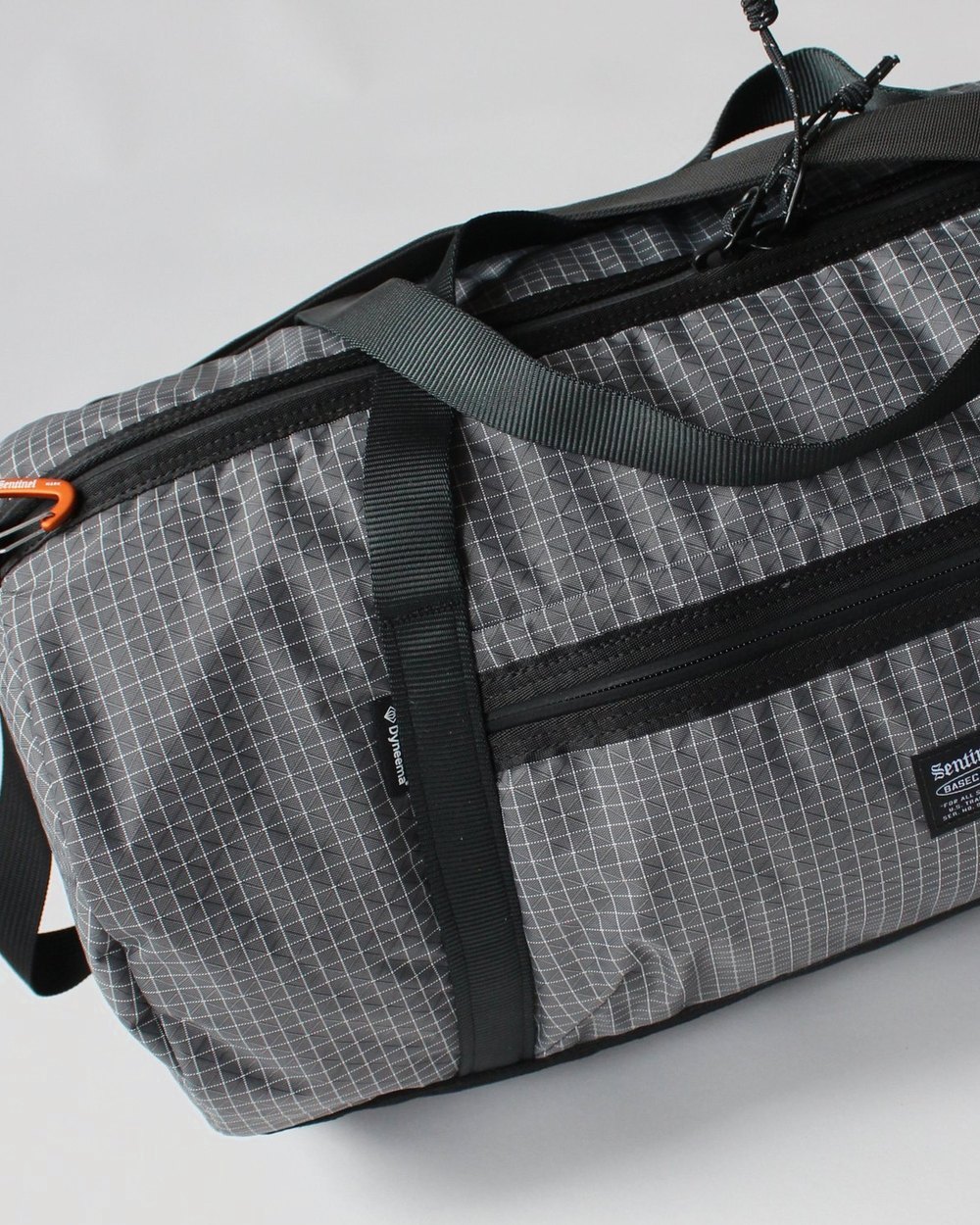
DyneemaSentinel’s MacKenzie Walker leads, followed by Briefing’s new DL series, which puts Dyneema and Cordura in the same piece.
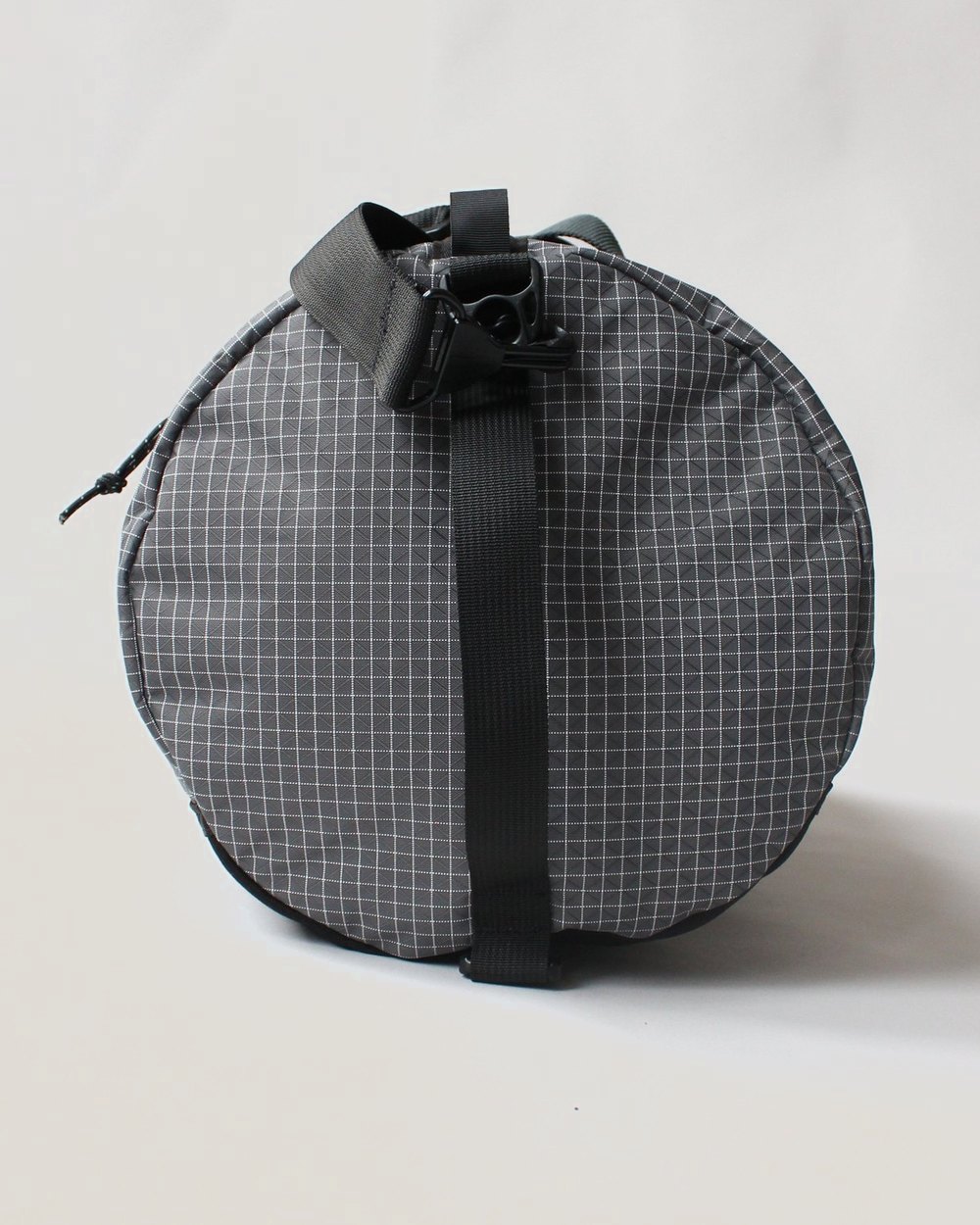
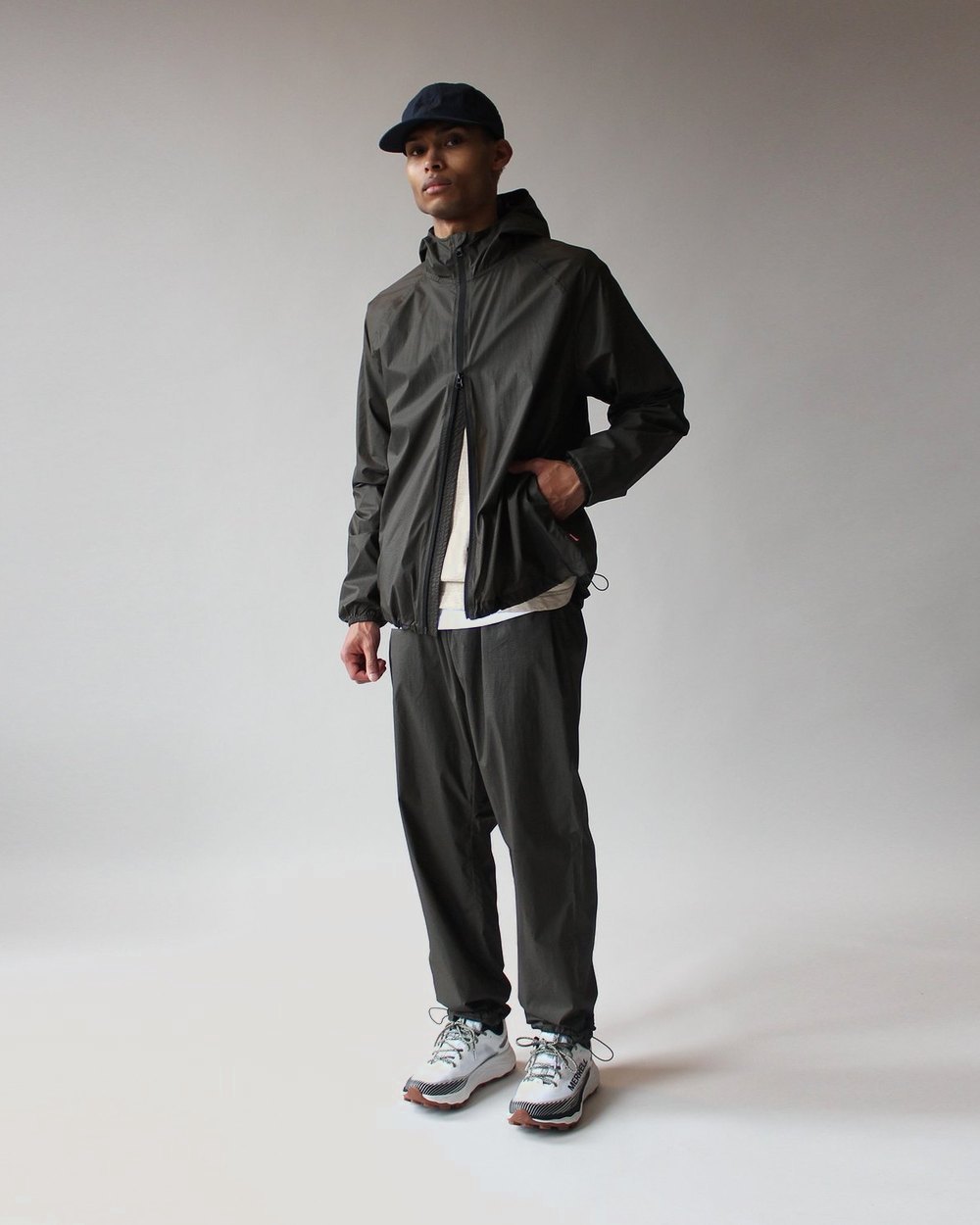
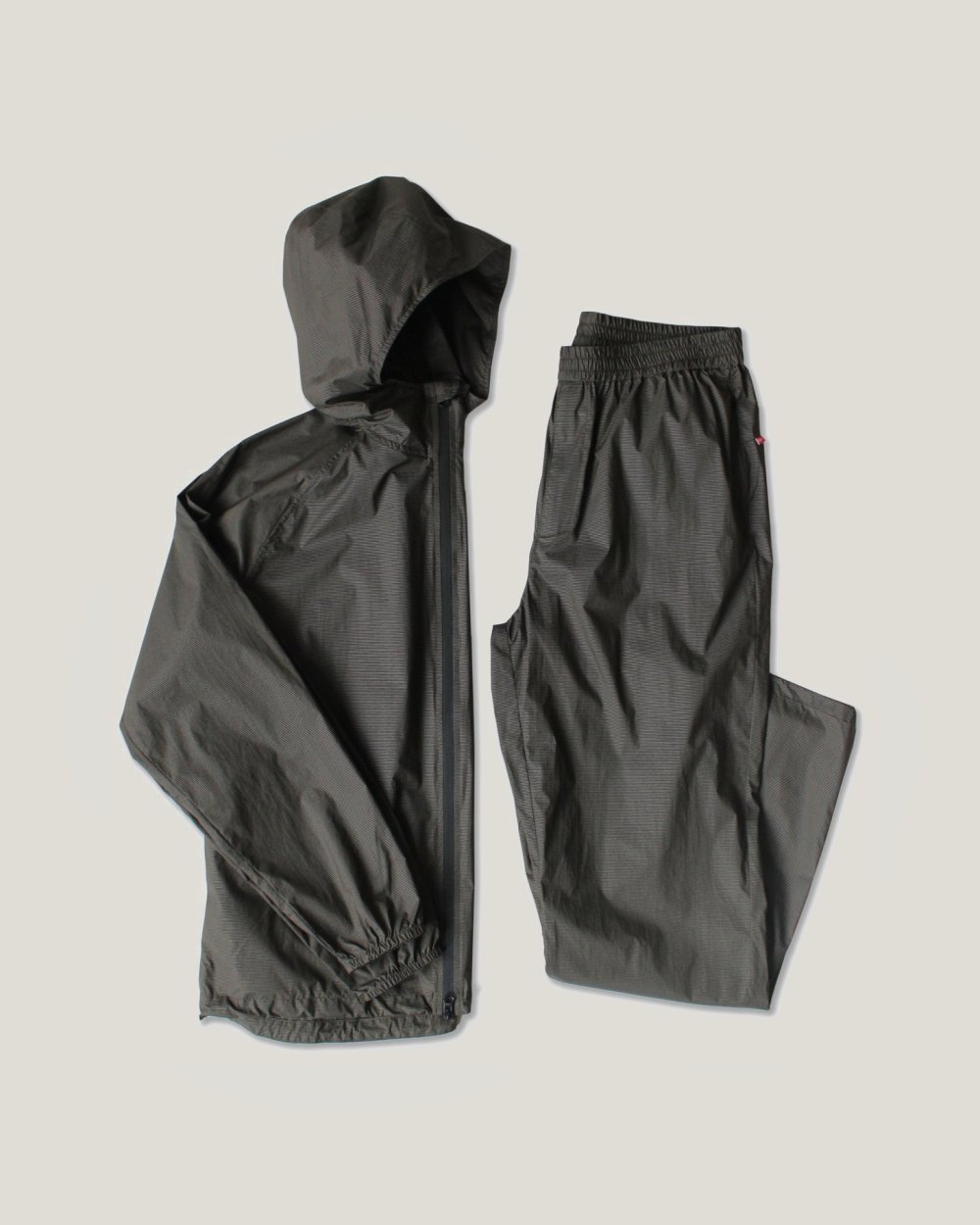
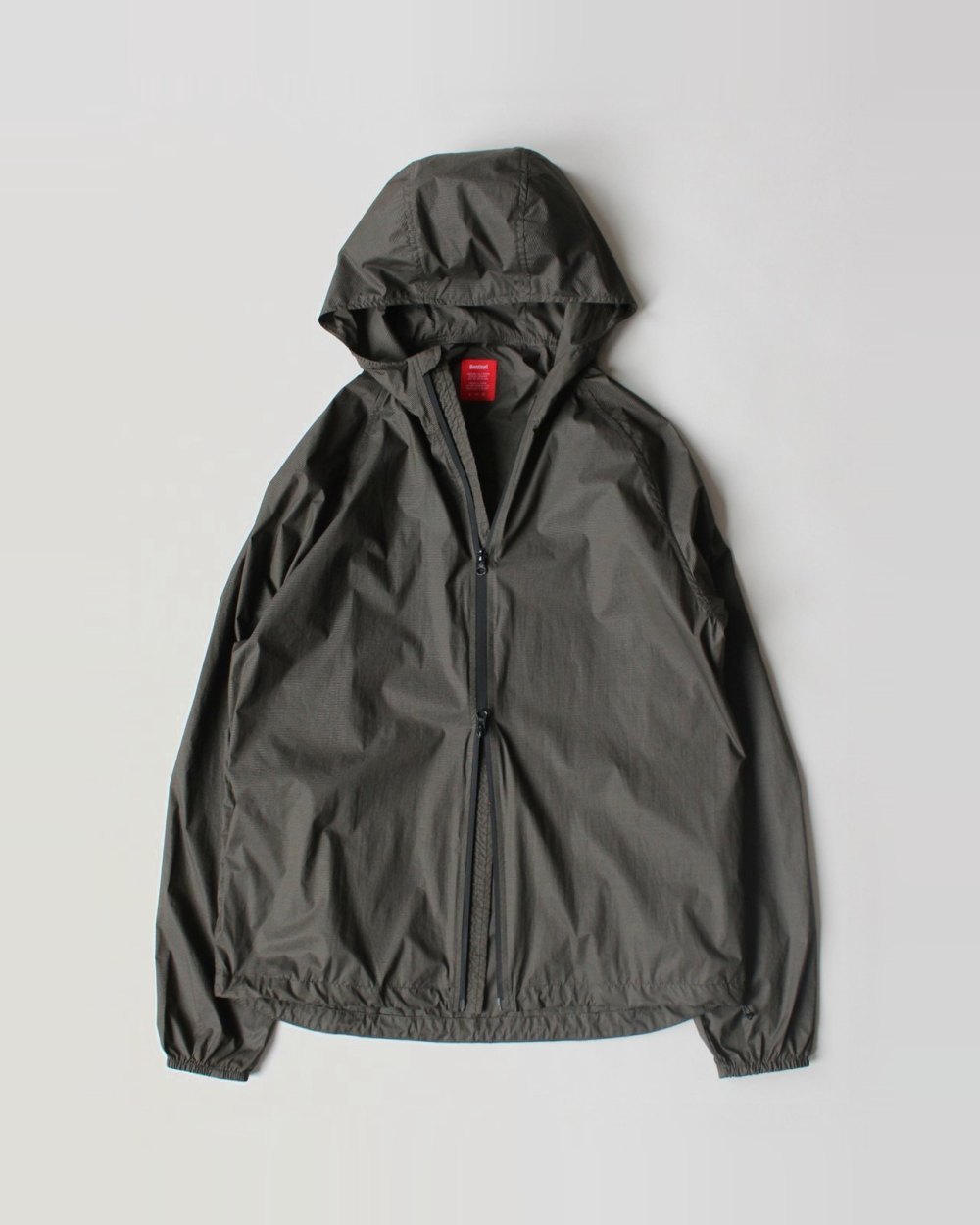
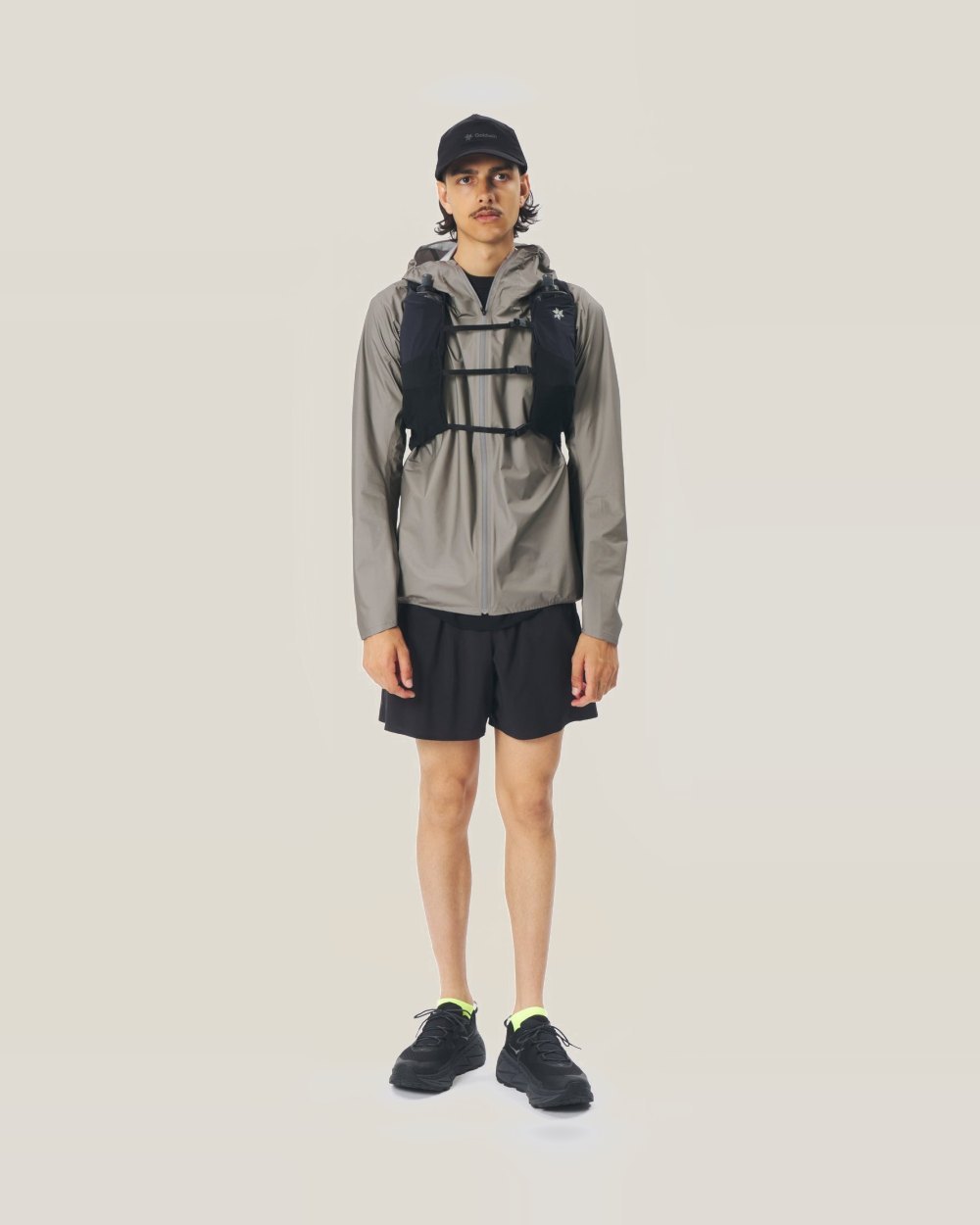
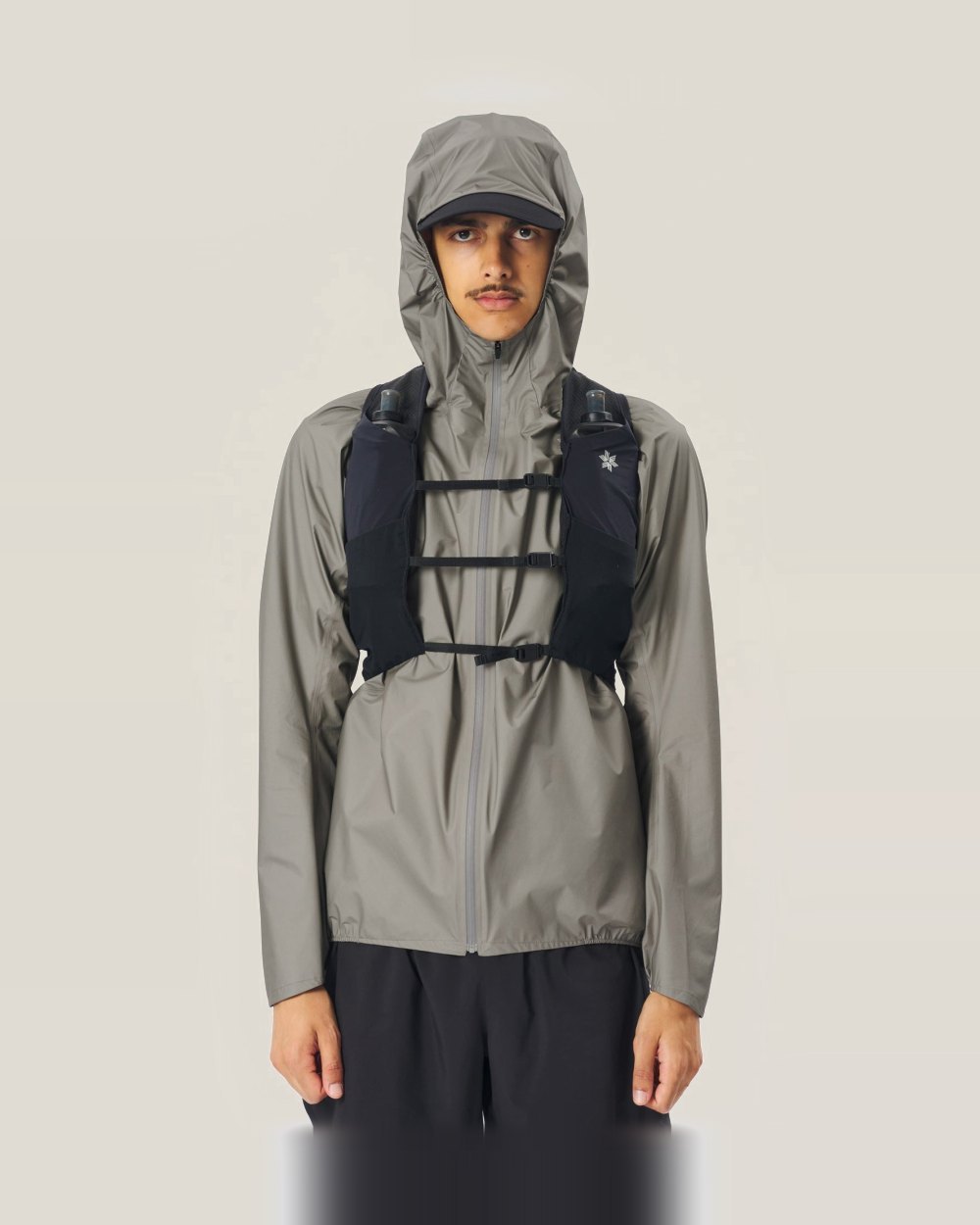
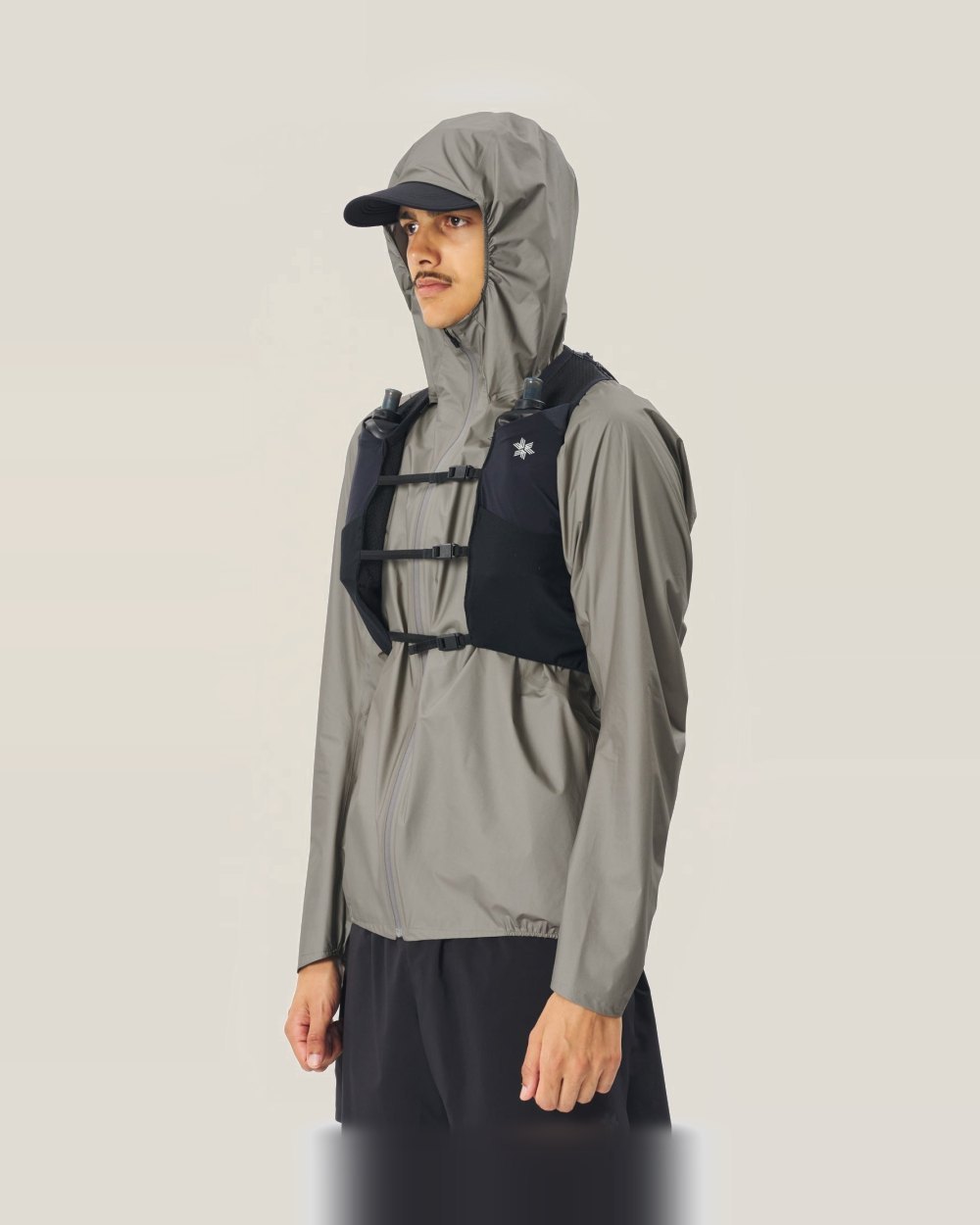
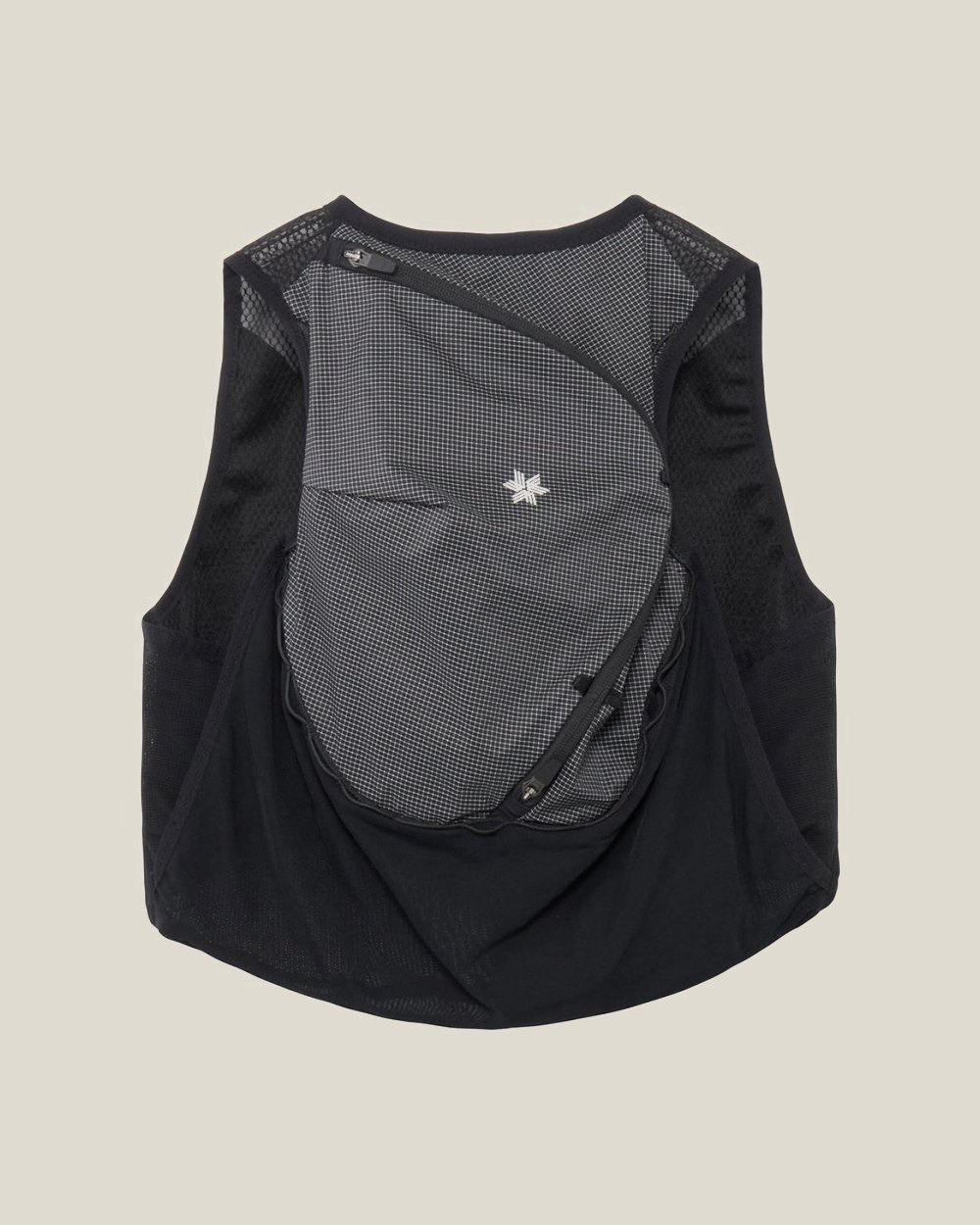
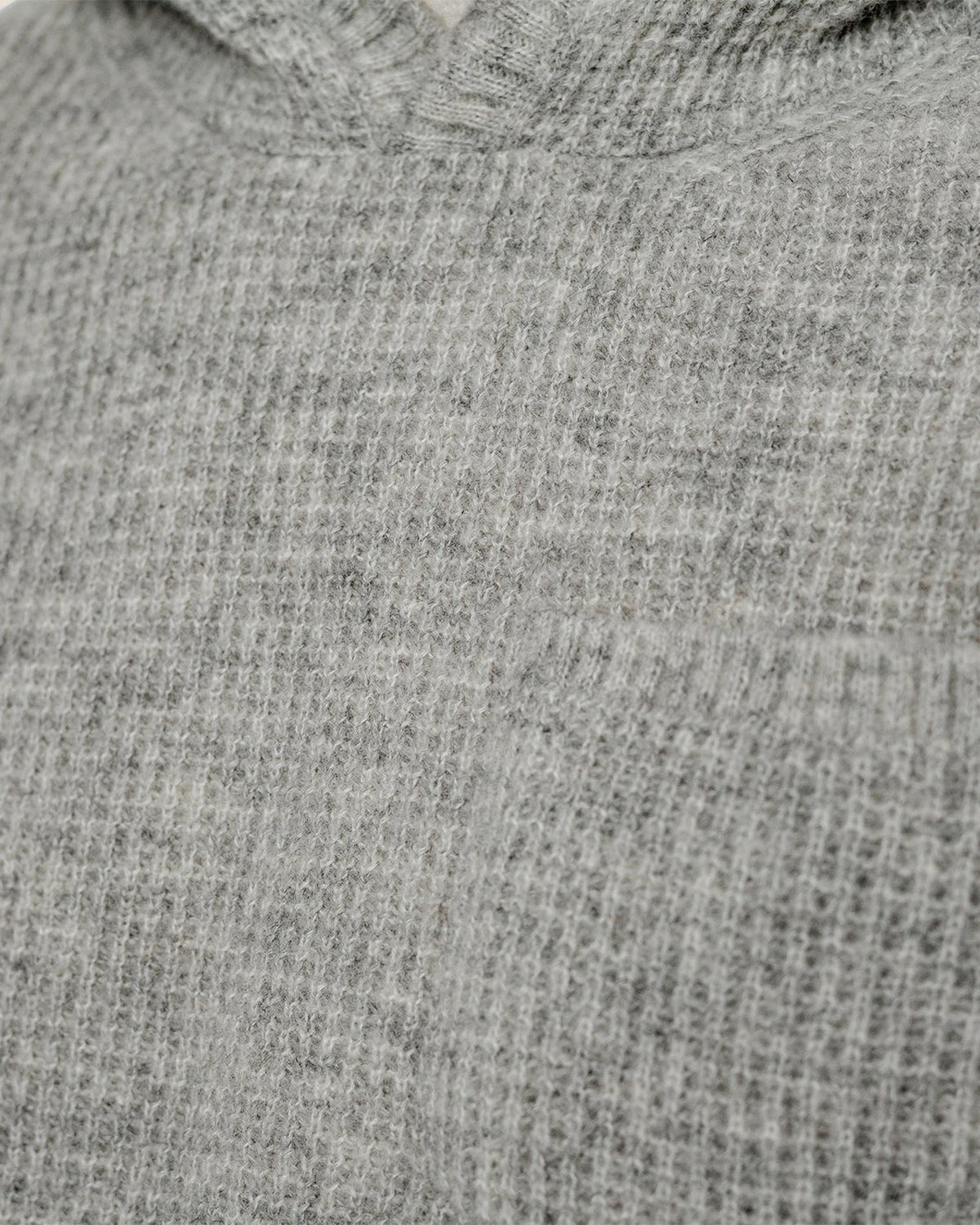
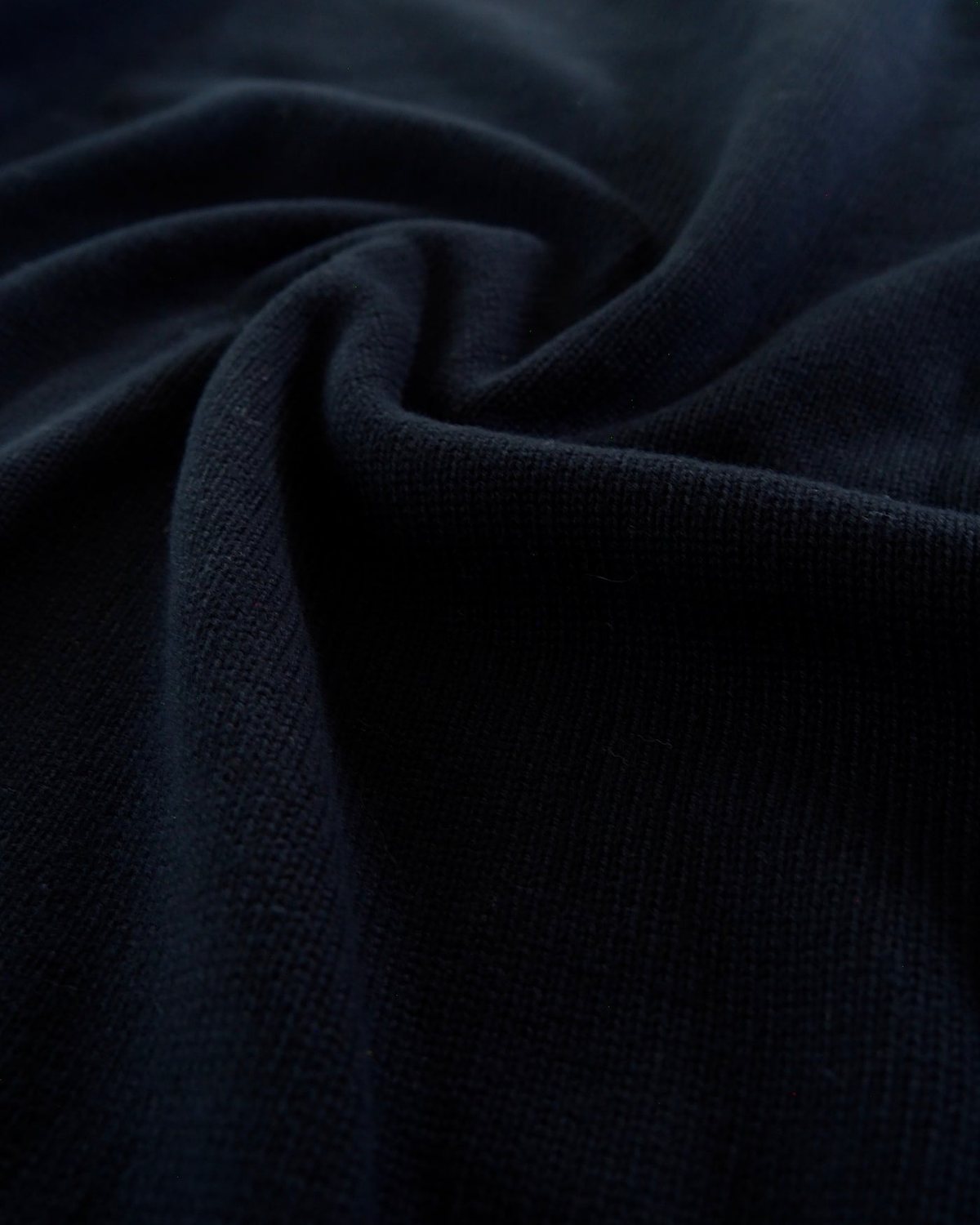
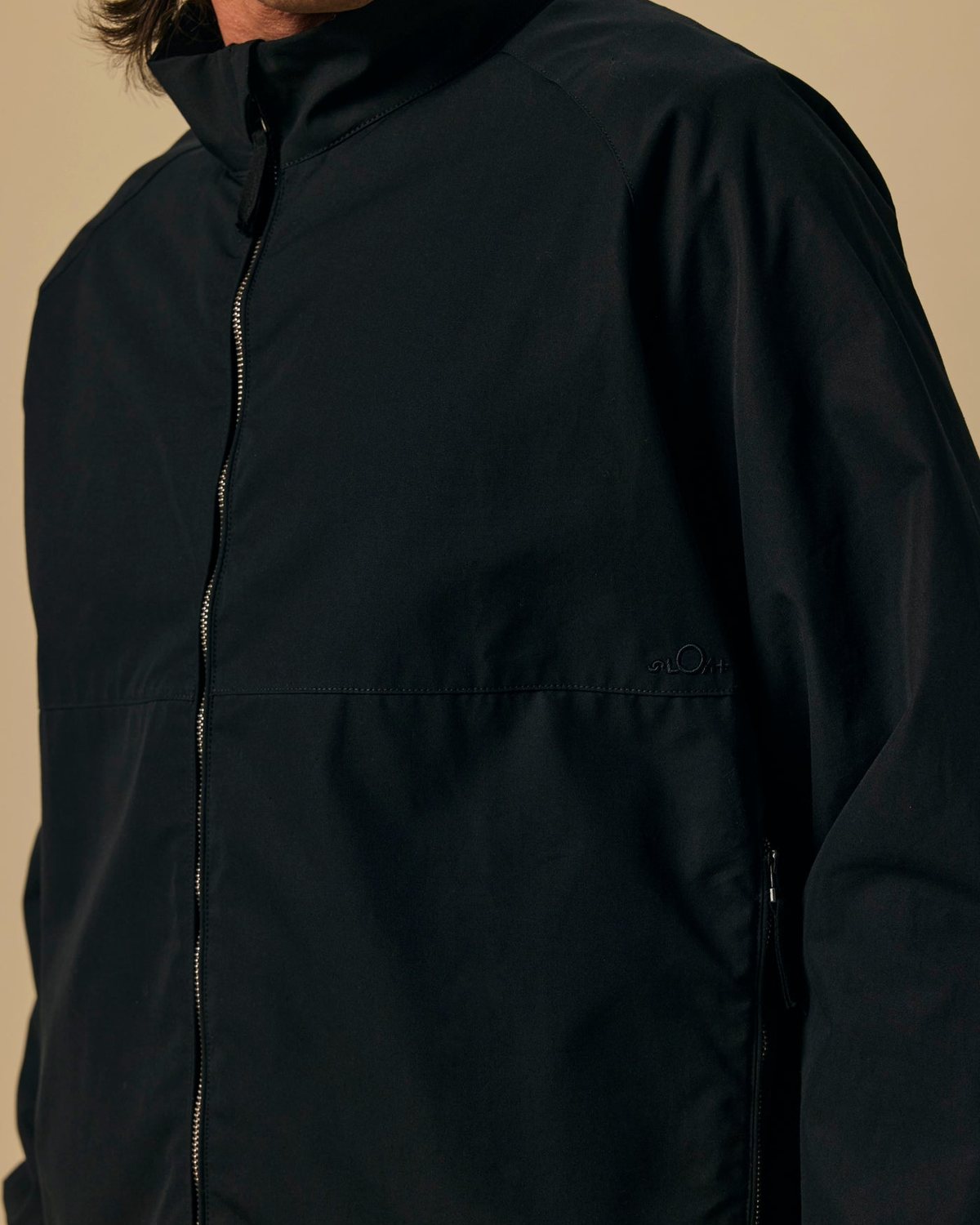
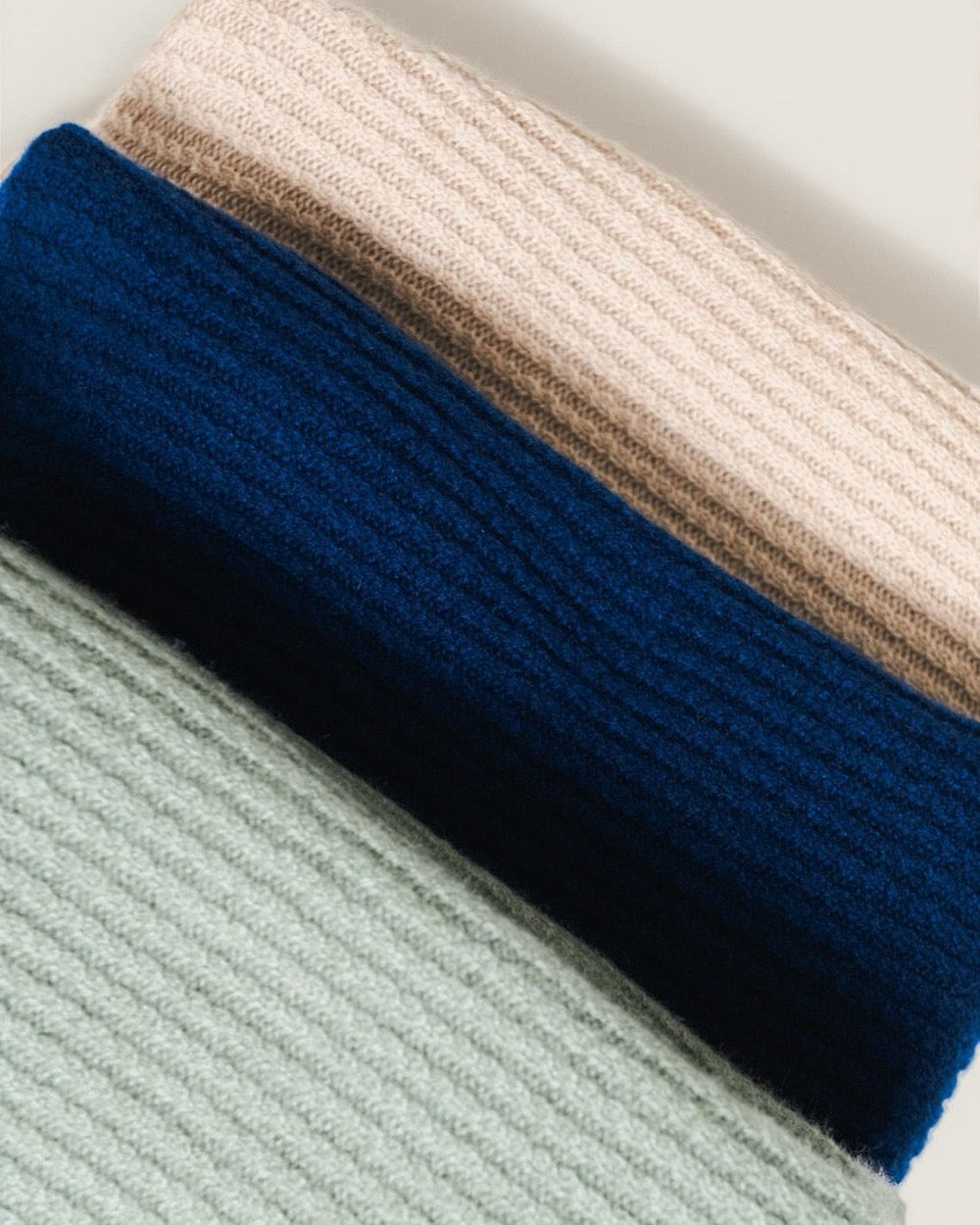
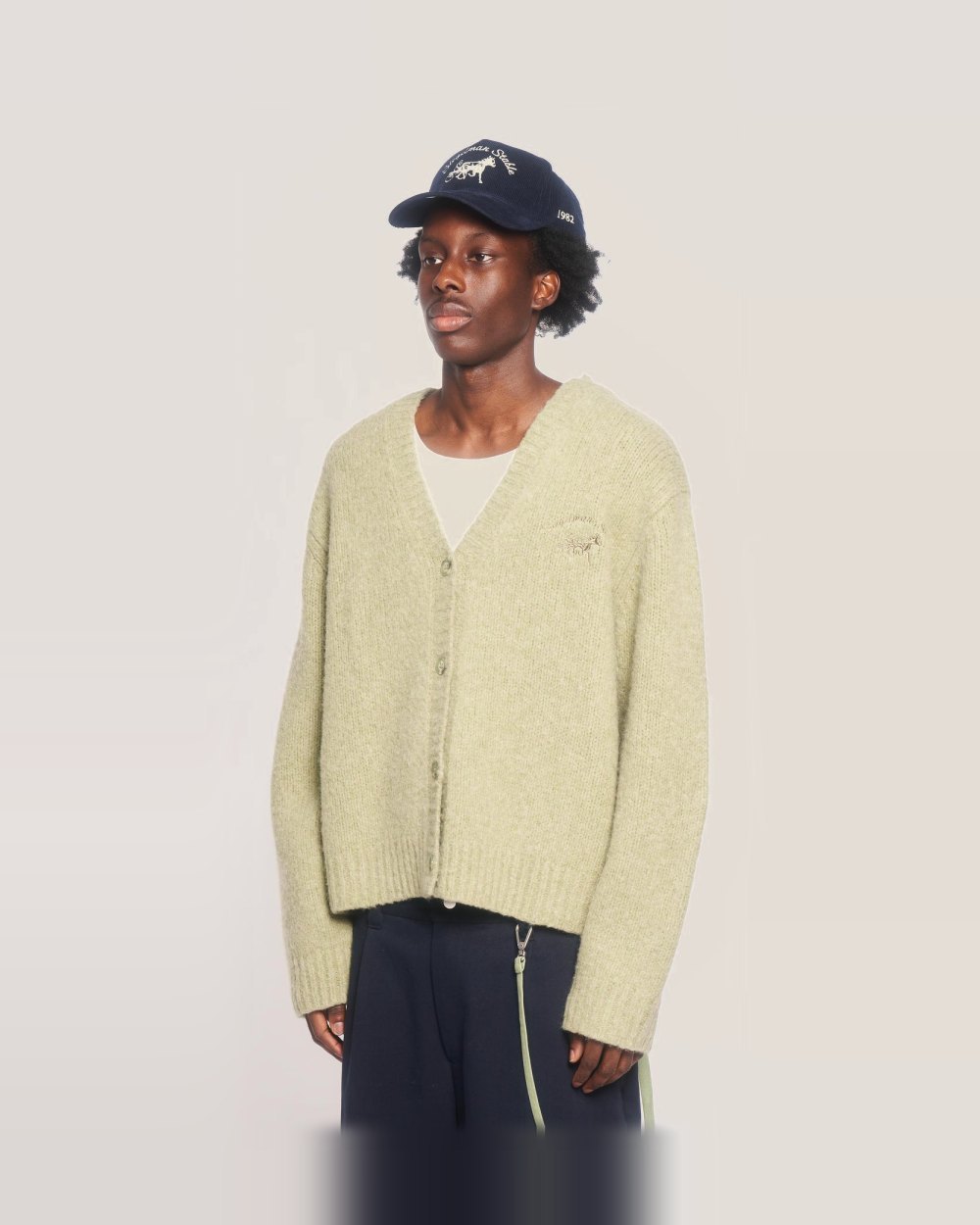
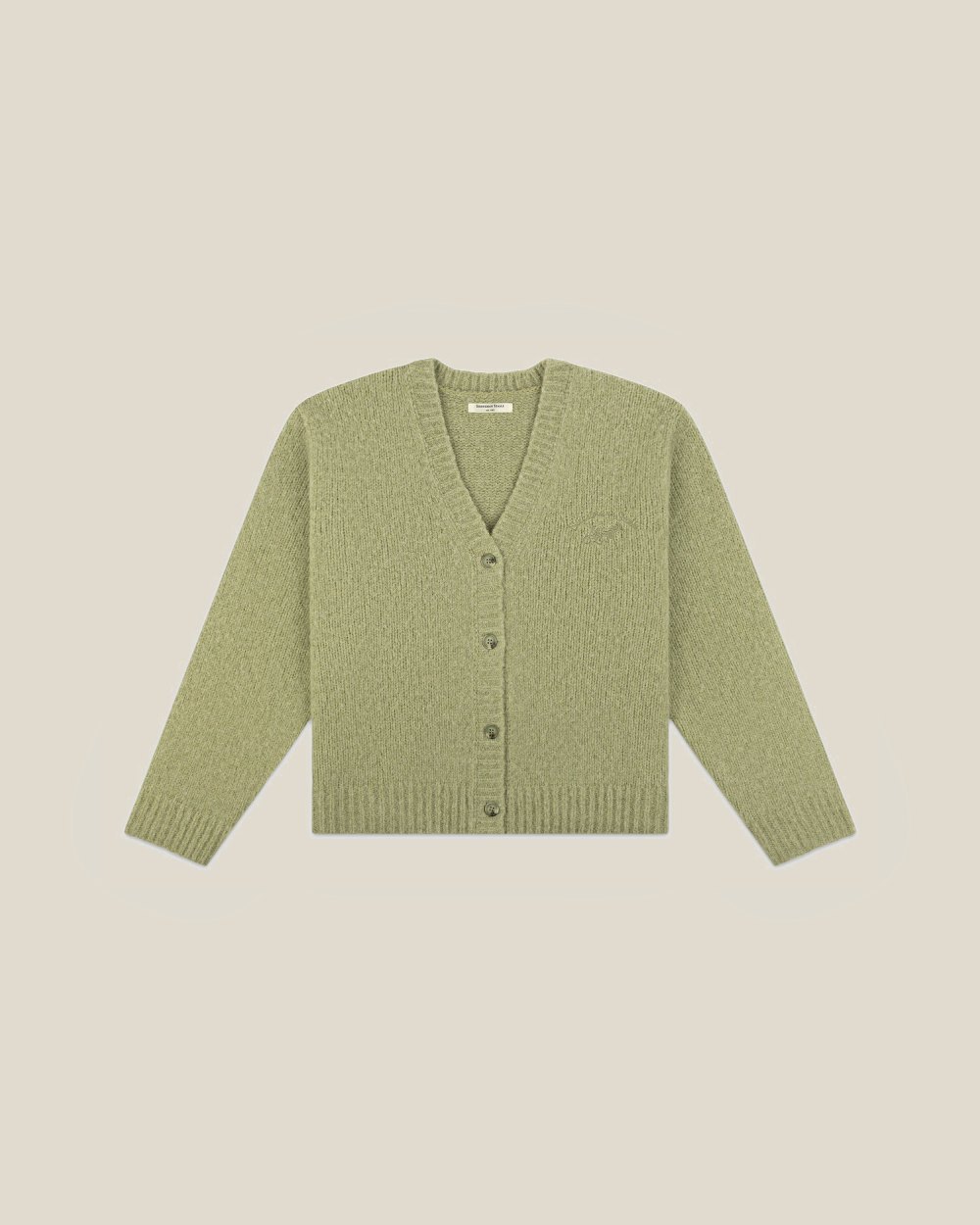
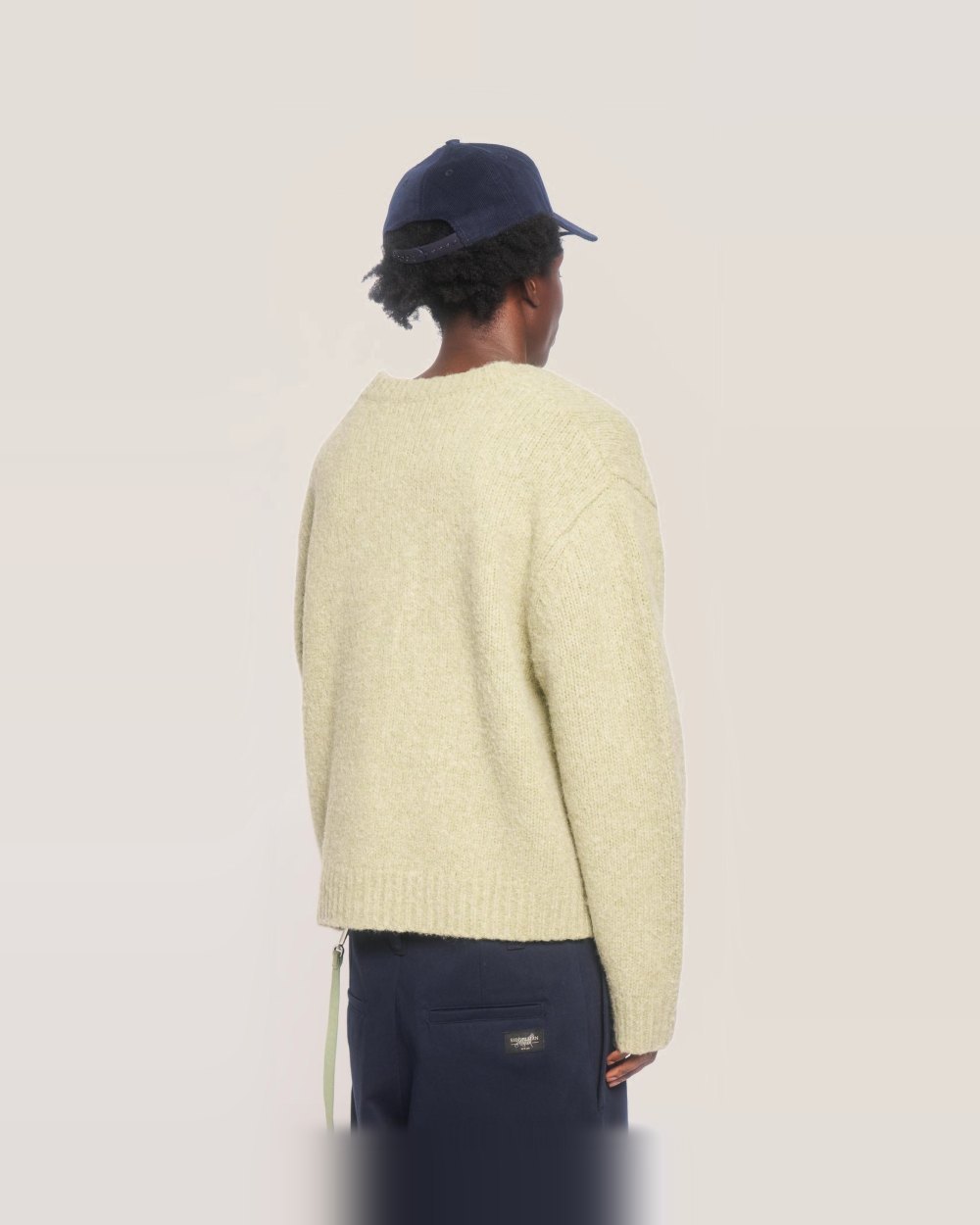
Organic Cotton, Ventile & Natural FibersOrganic cotton is the same plant as regular cotton. The difference is how it’s grown, without synthetic persistent pesticides, fertilizers or GMO seed, and certified from field to garment, not how it feels. For feel, look at staple length and weave: Ventile is regular-looking cotton made from extra-long fibers and woven tight enough to shed rain. Then merino, linen, cashmere, alpaca and ramie, which aren’t cotton at all.
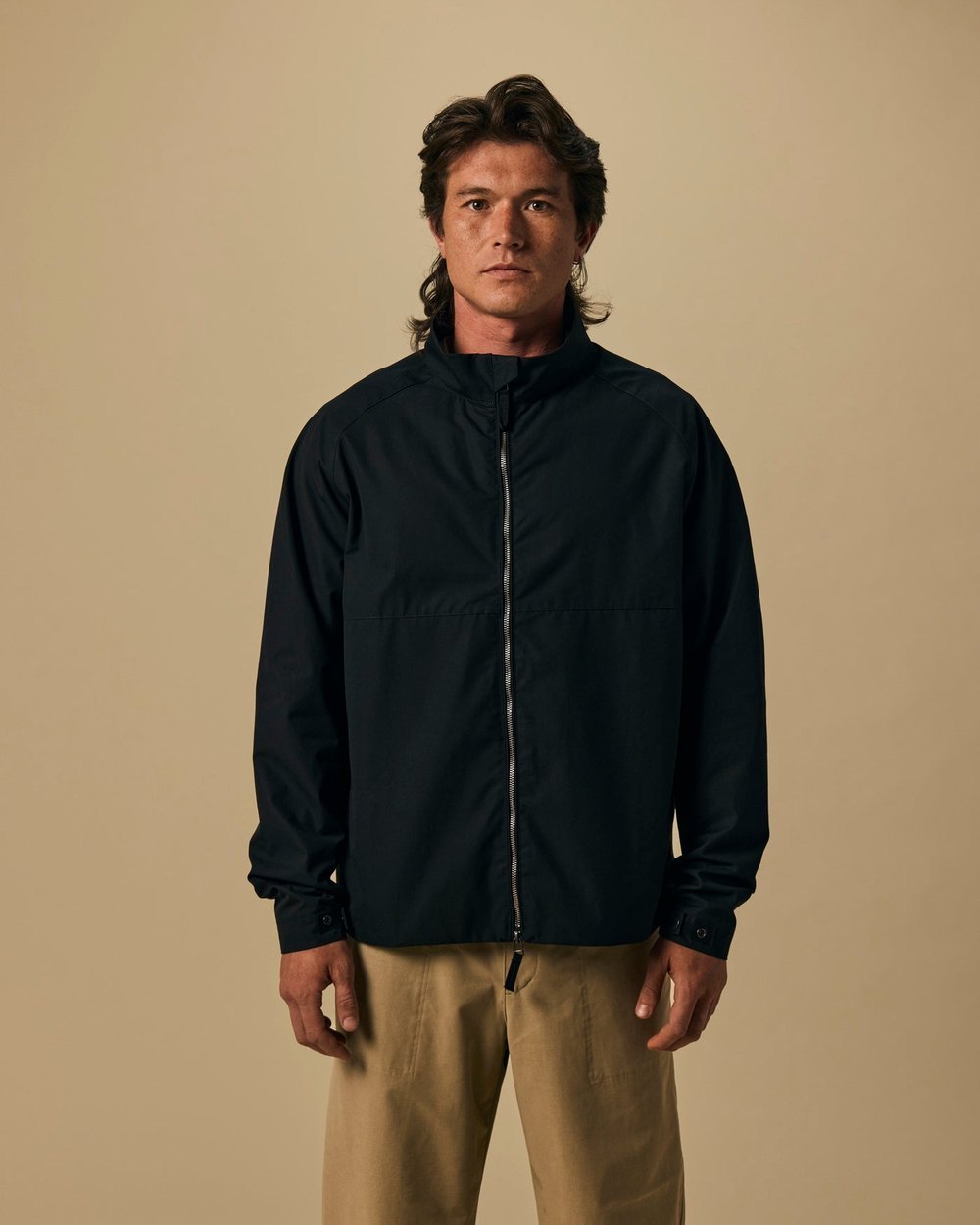
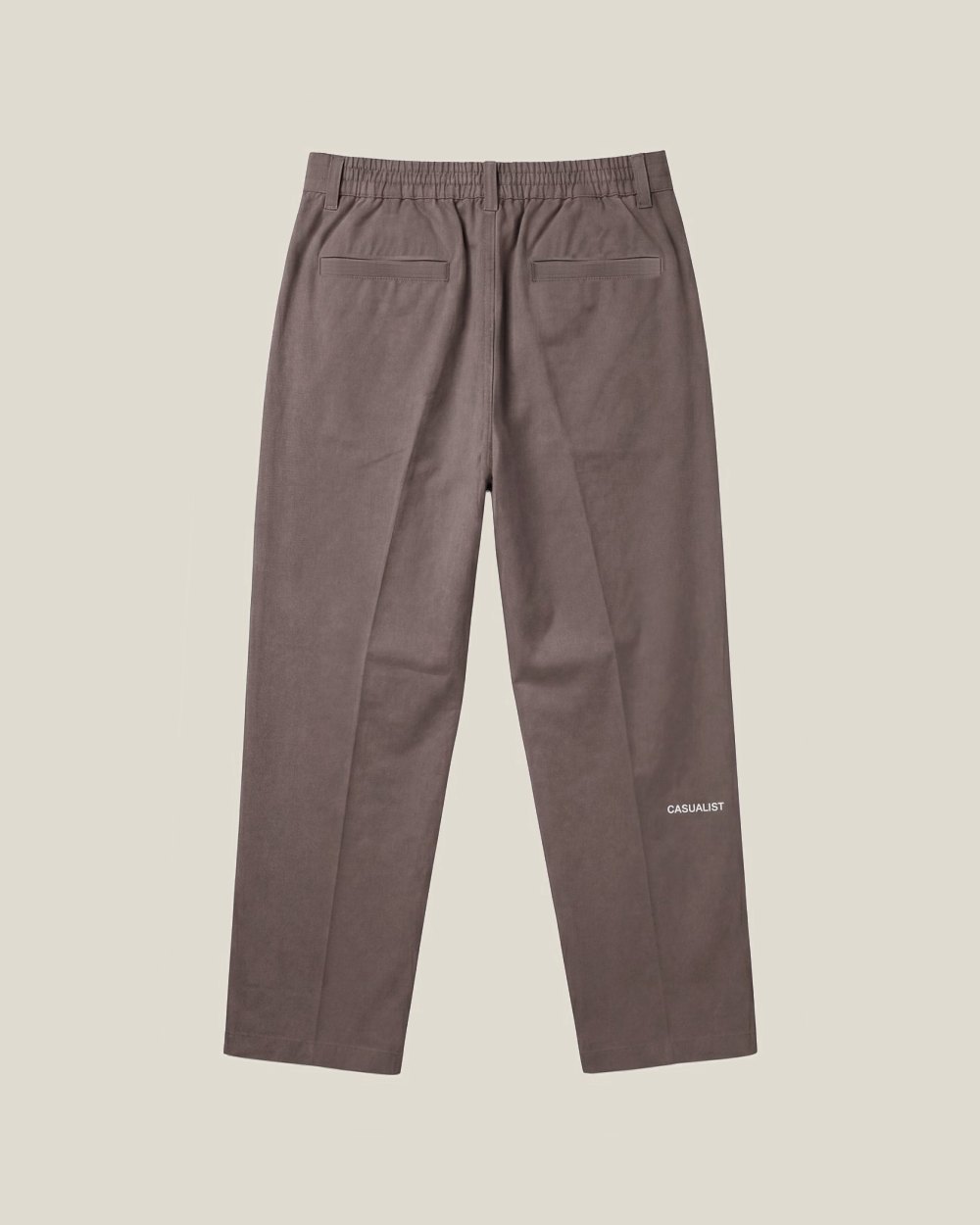
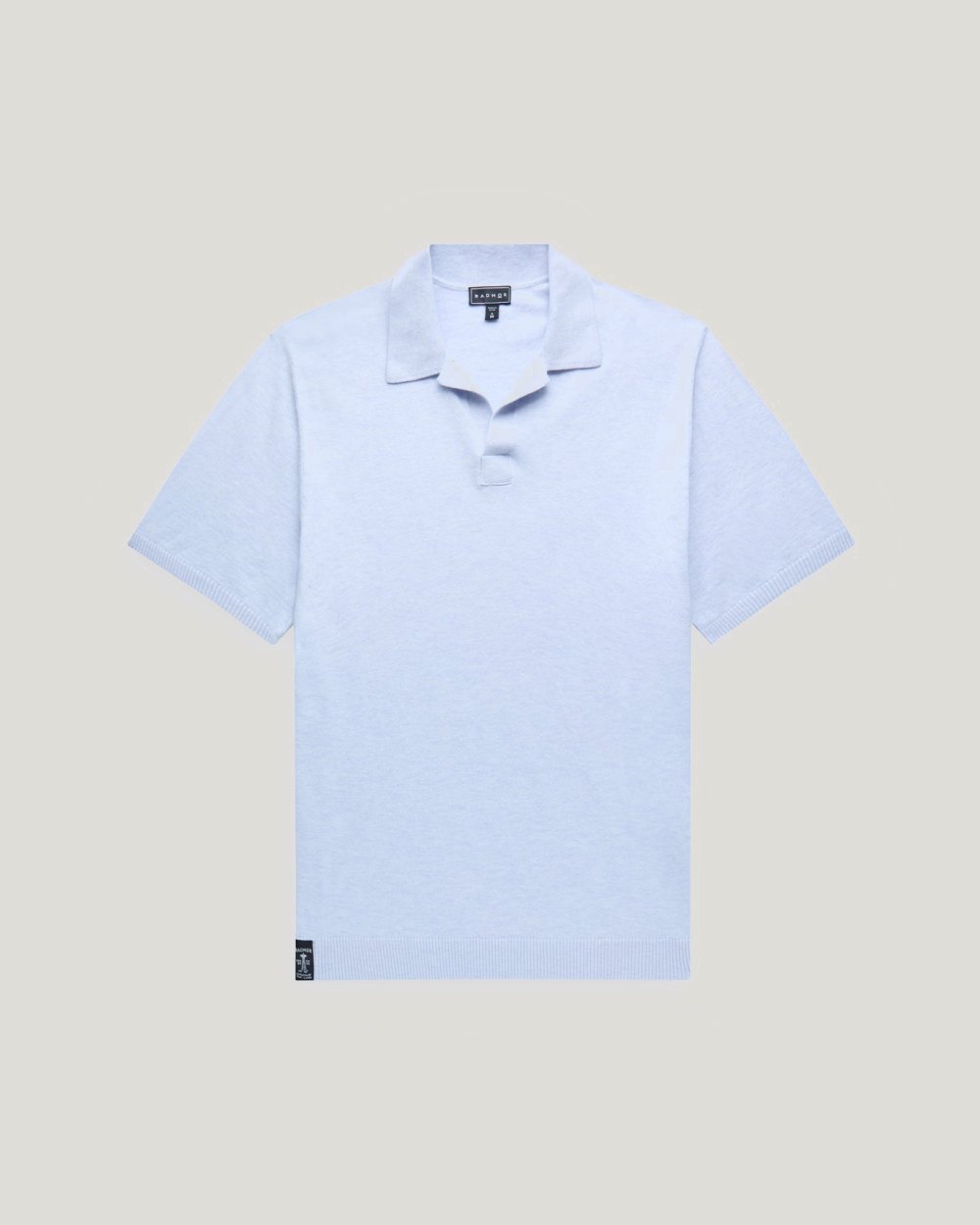

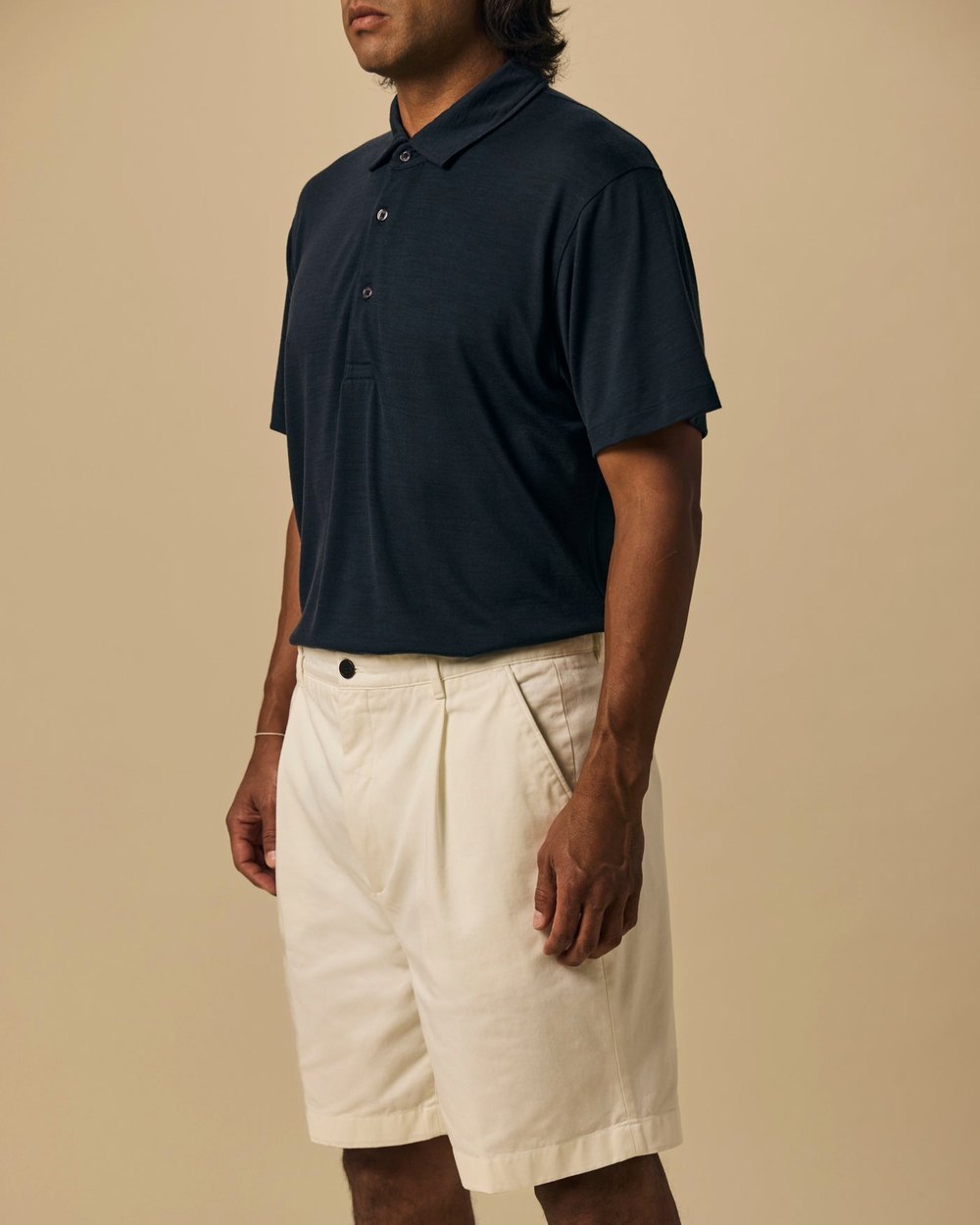
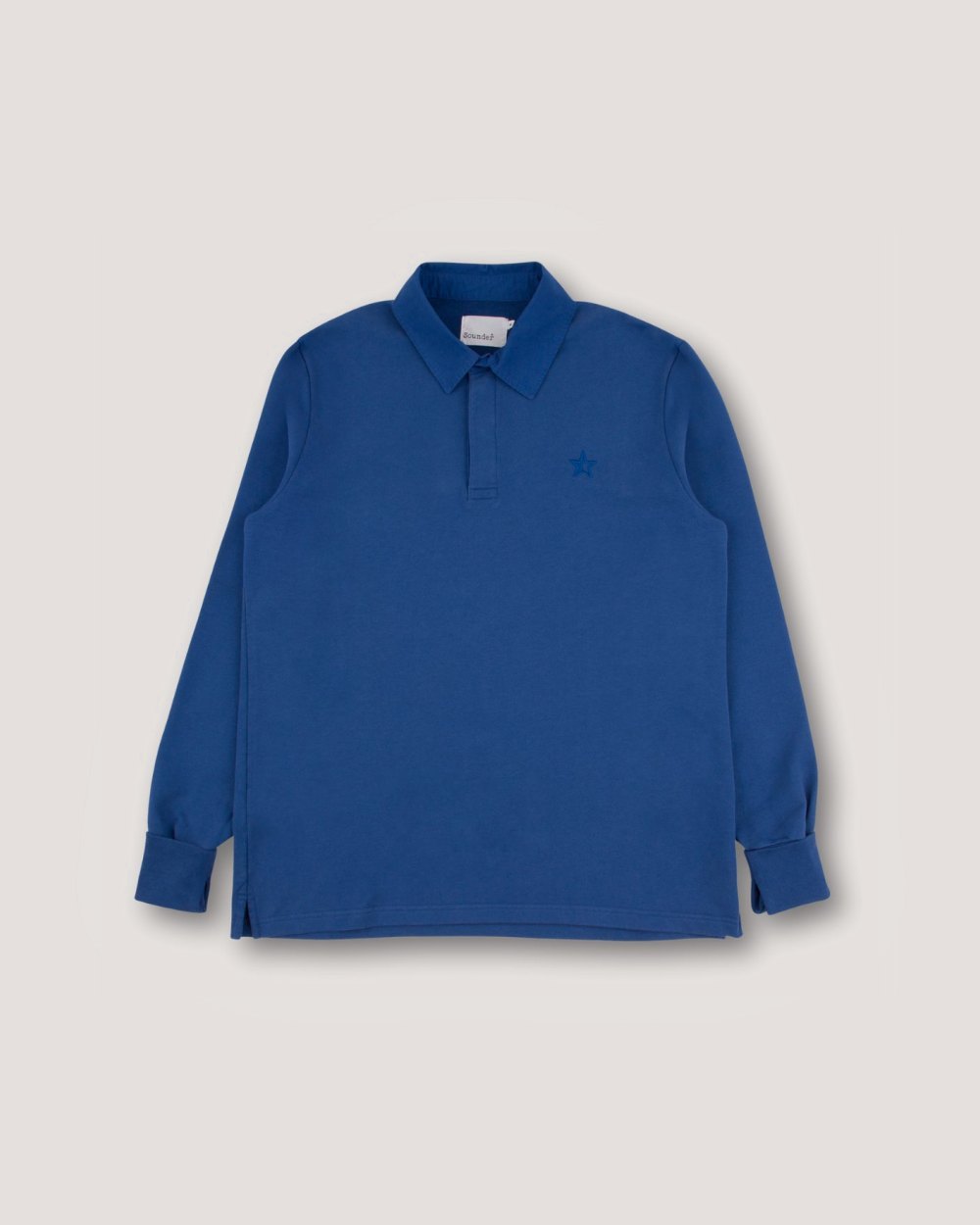
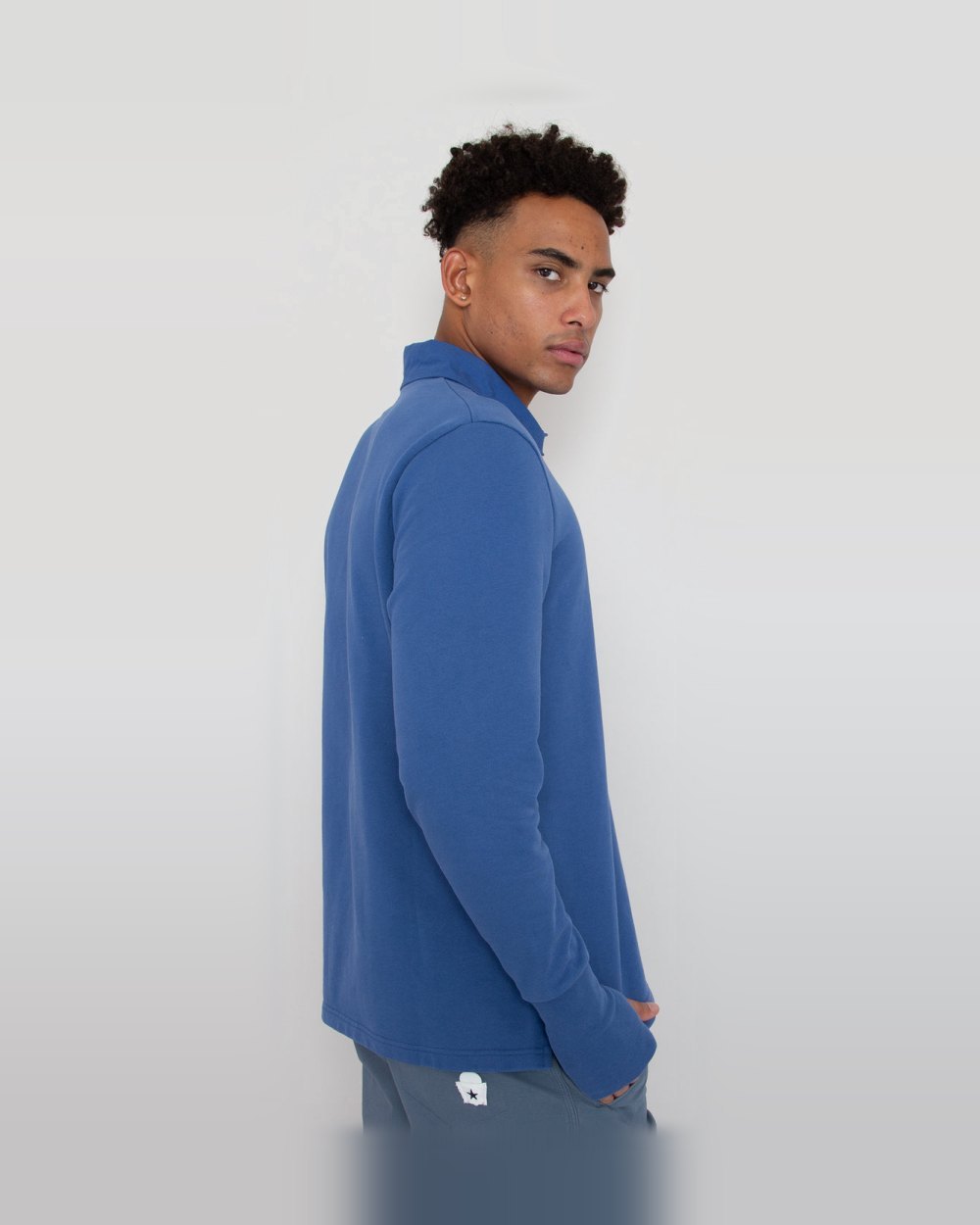
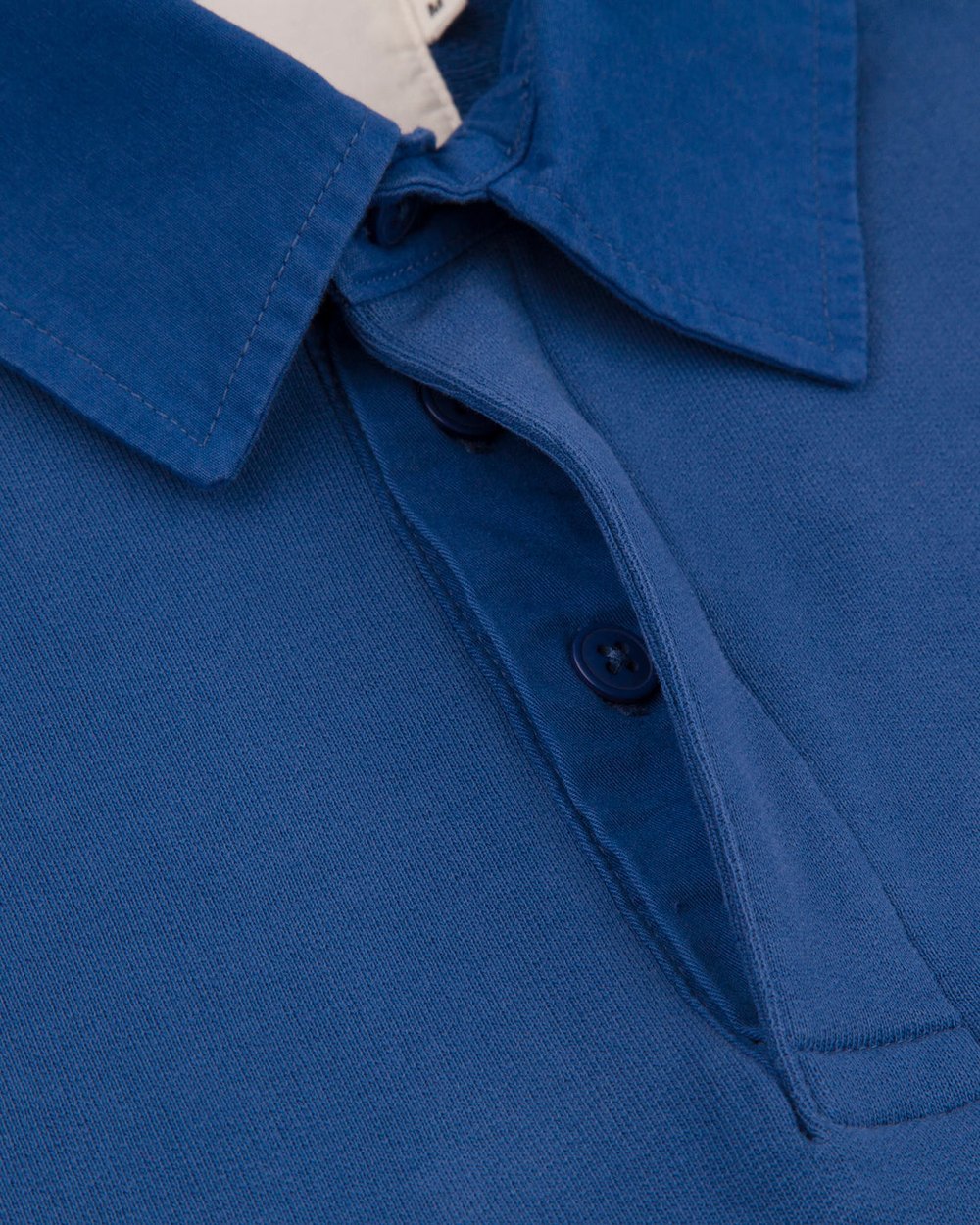
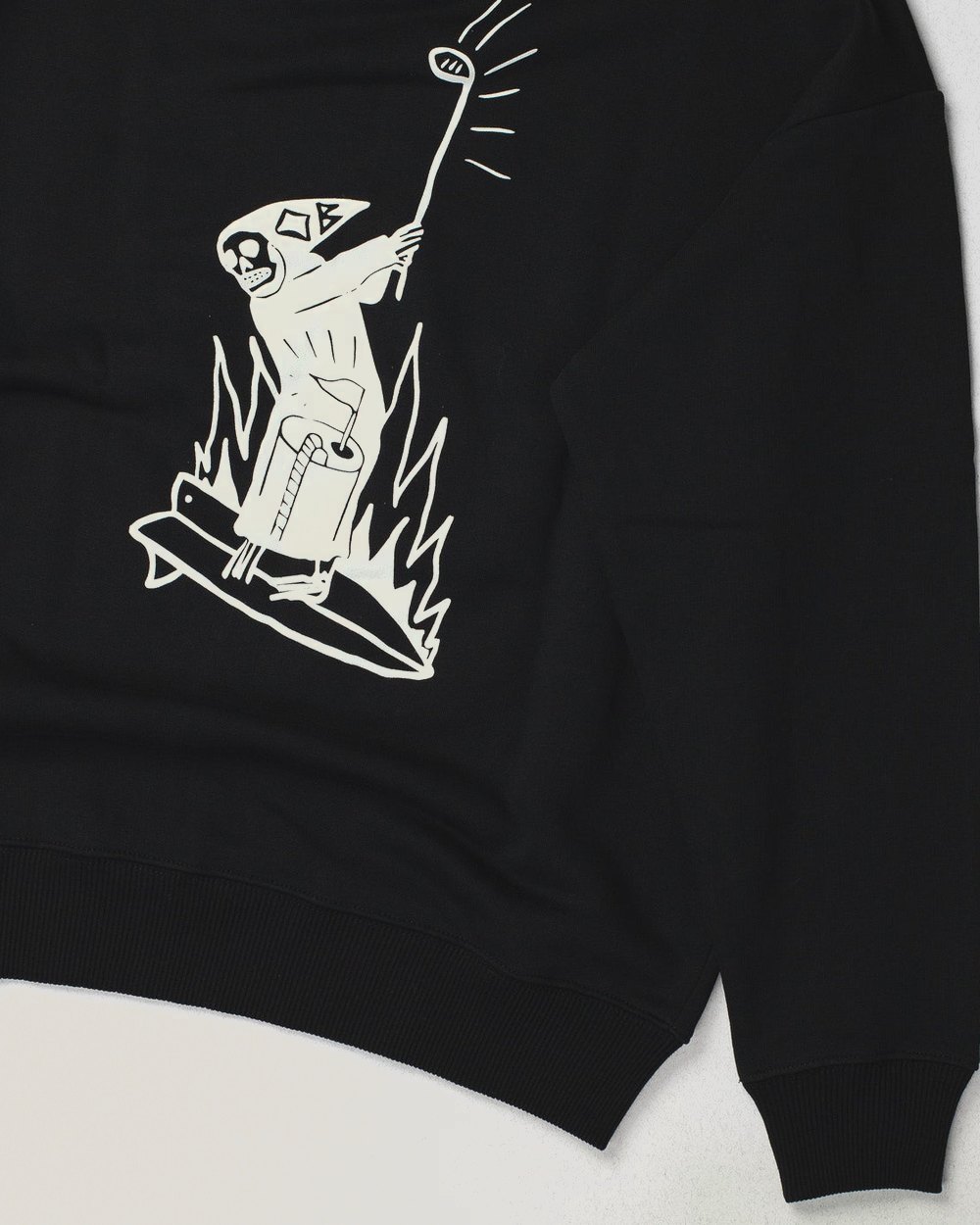
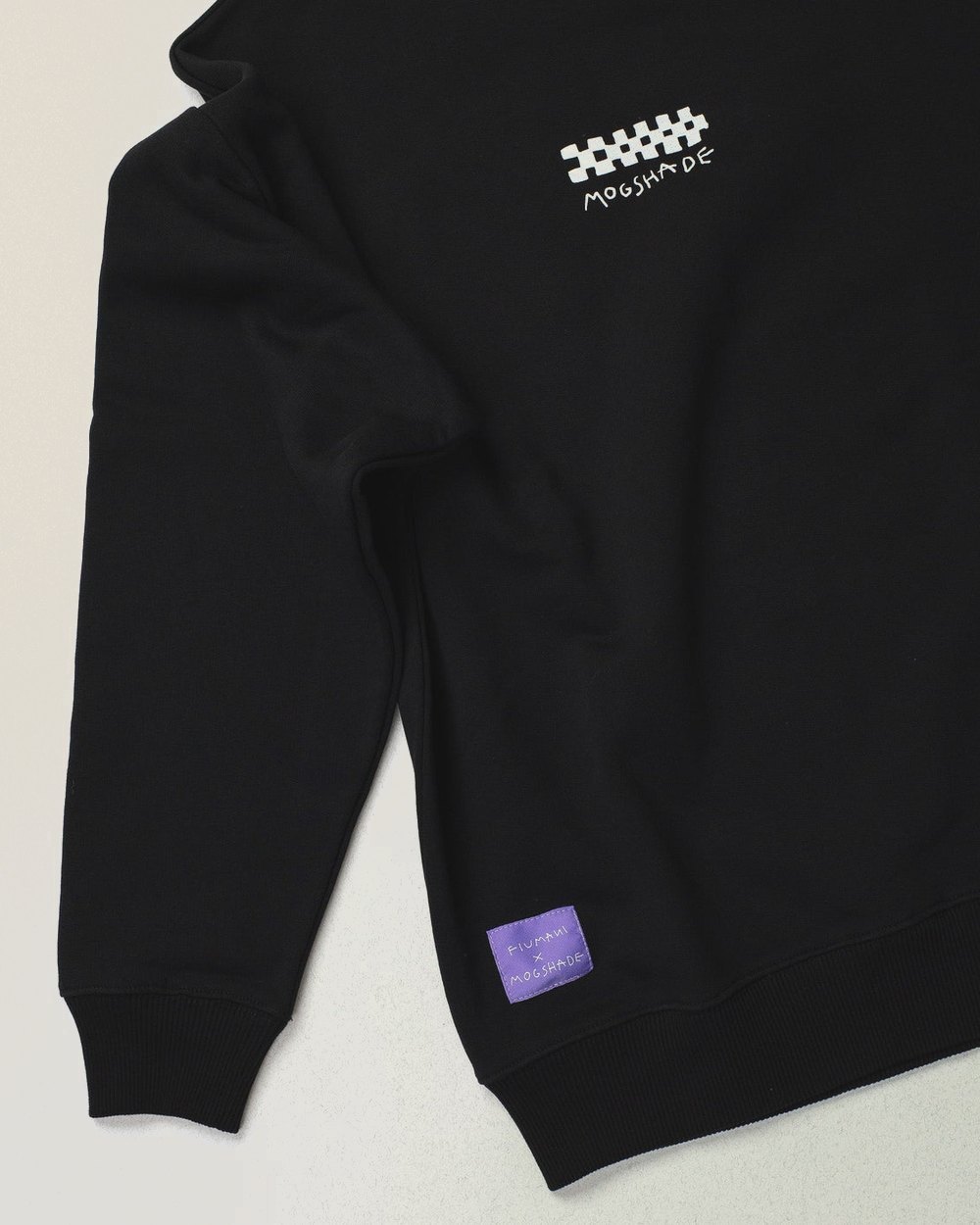
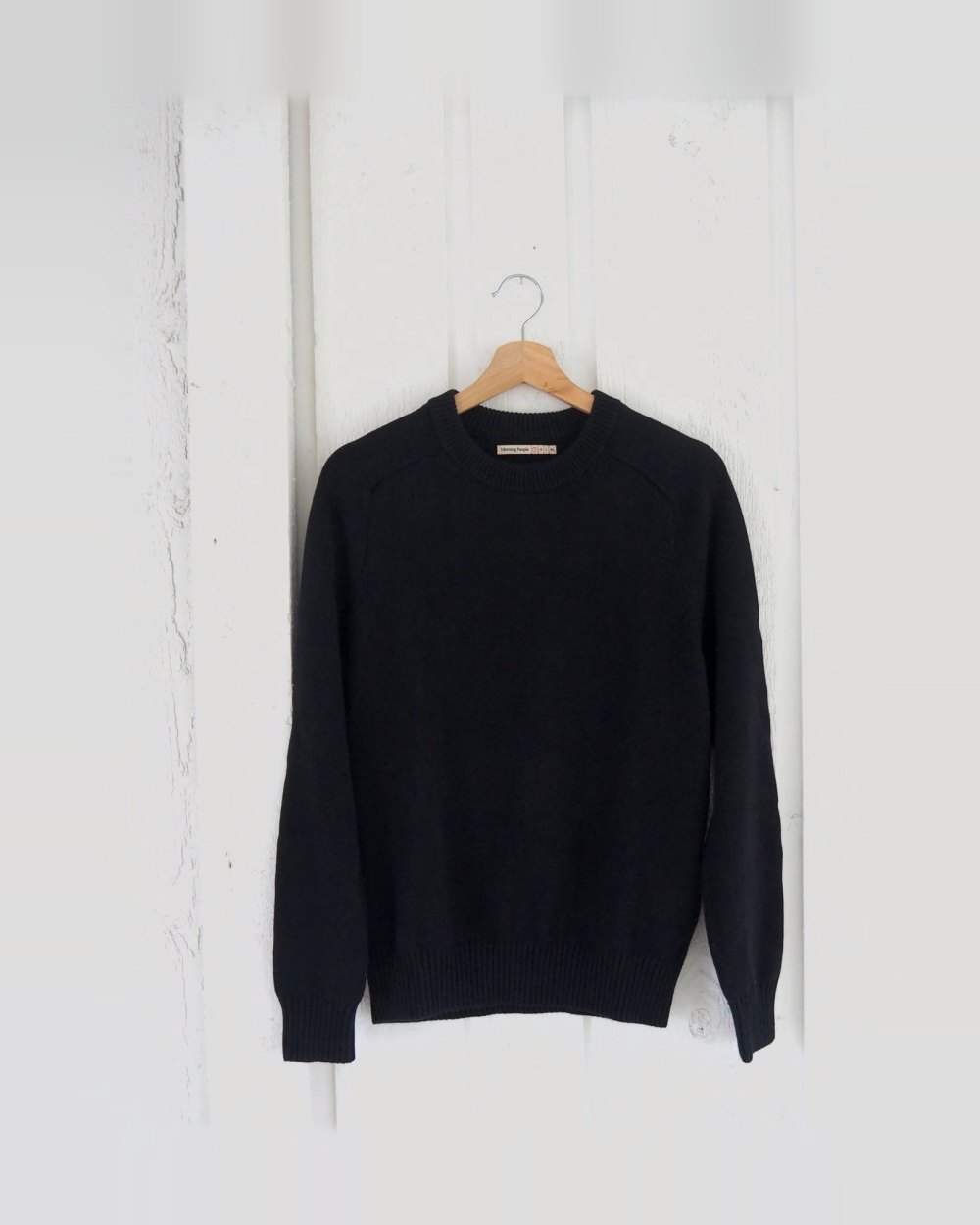
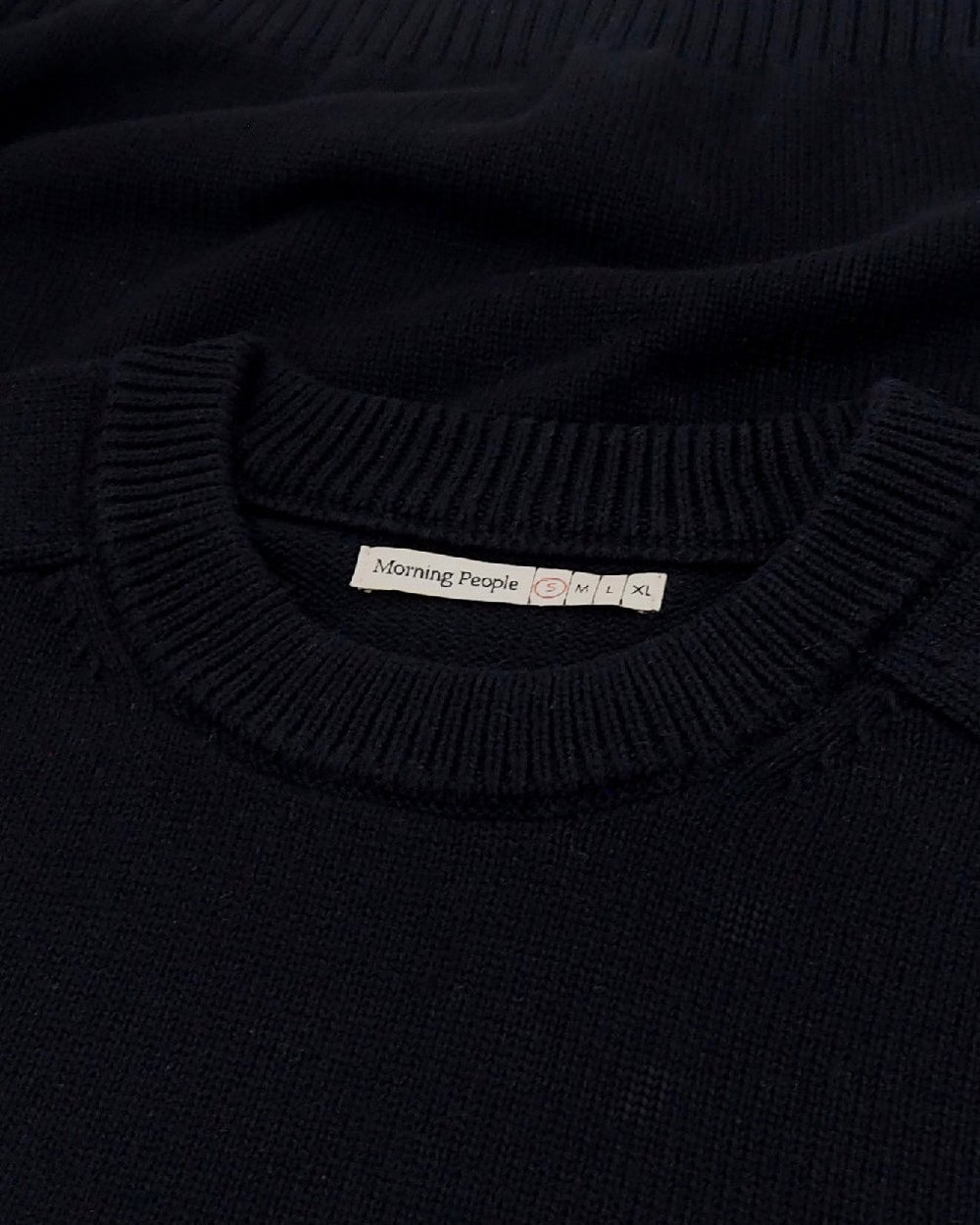
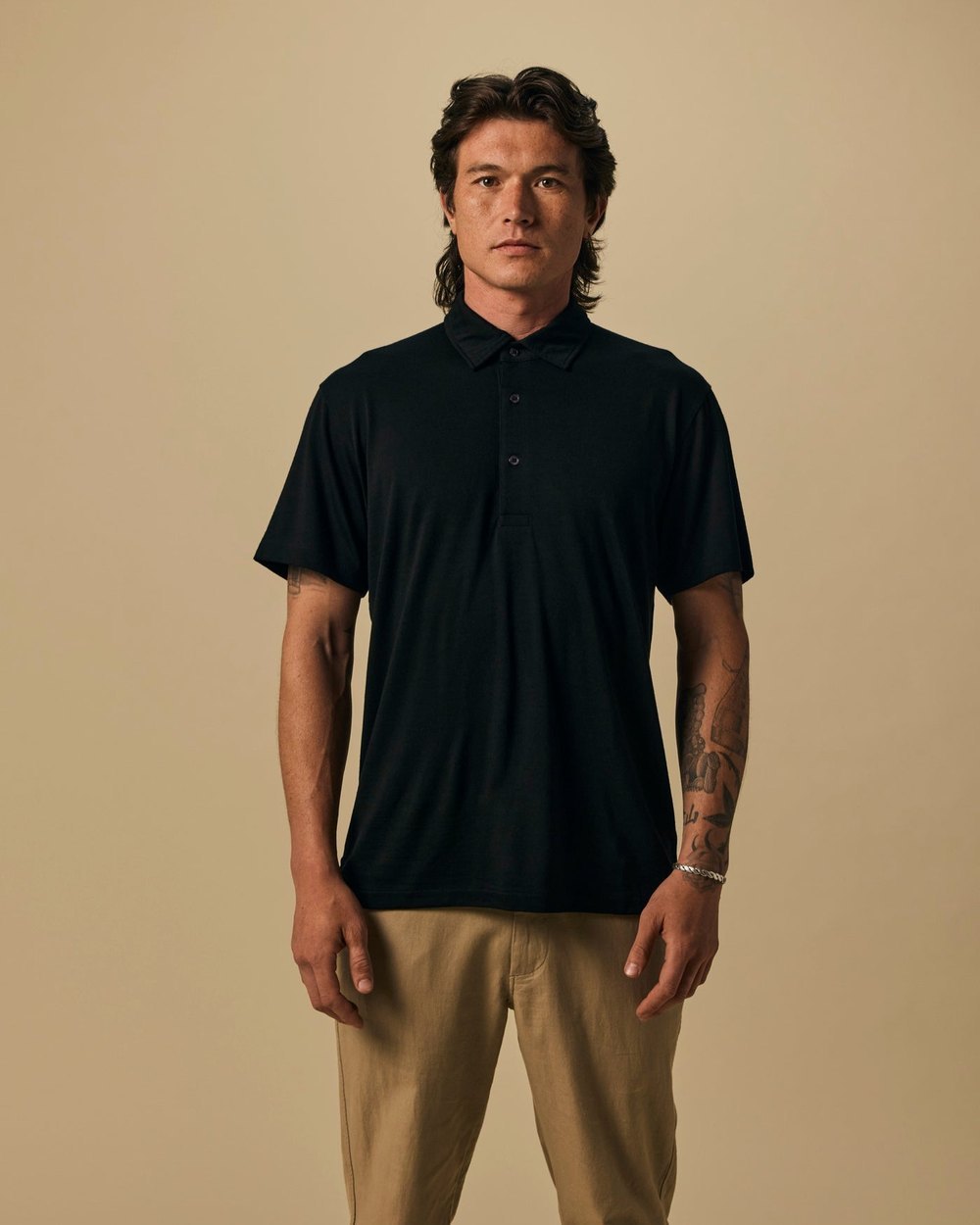
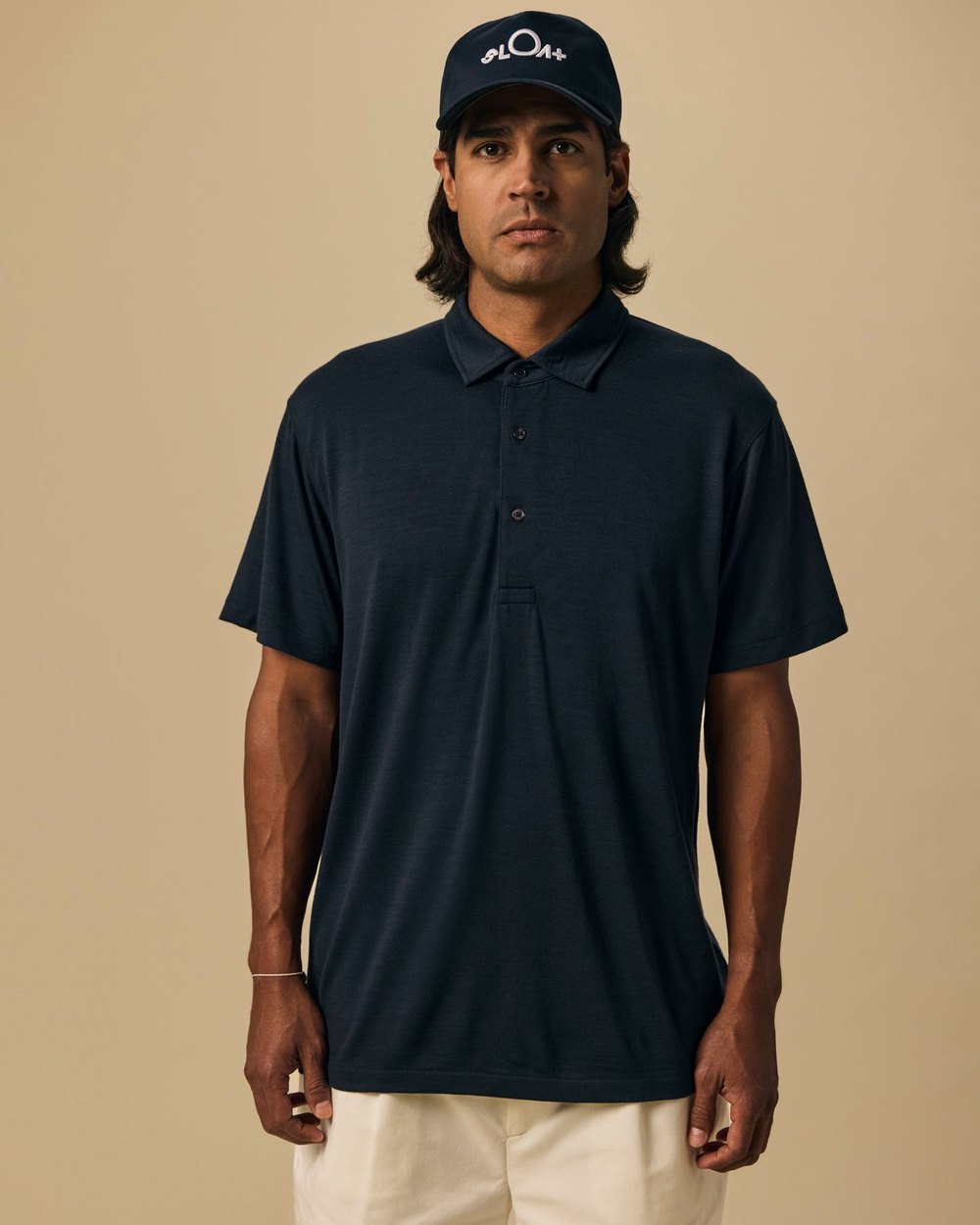
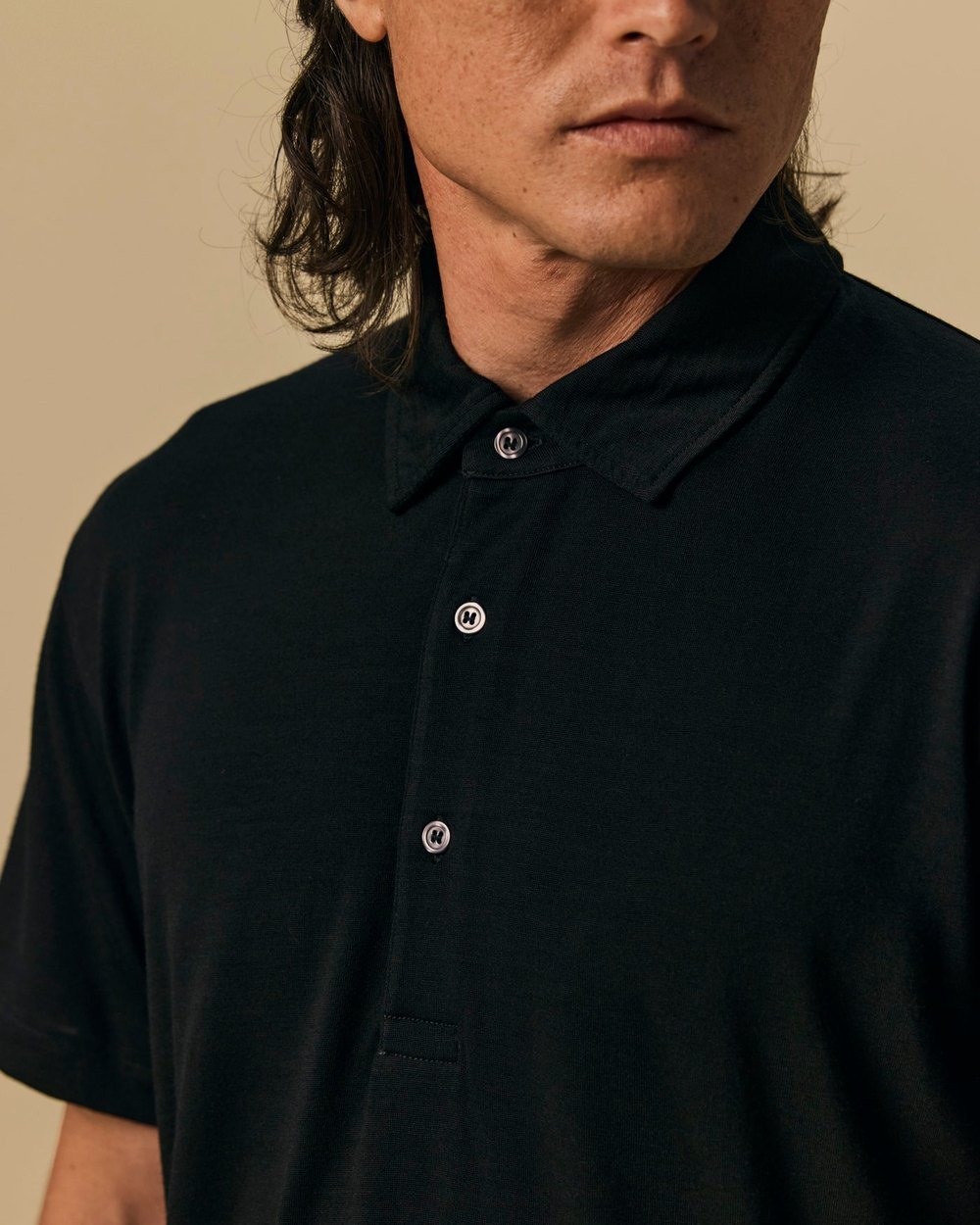
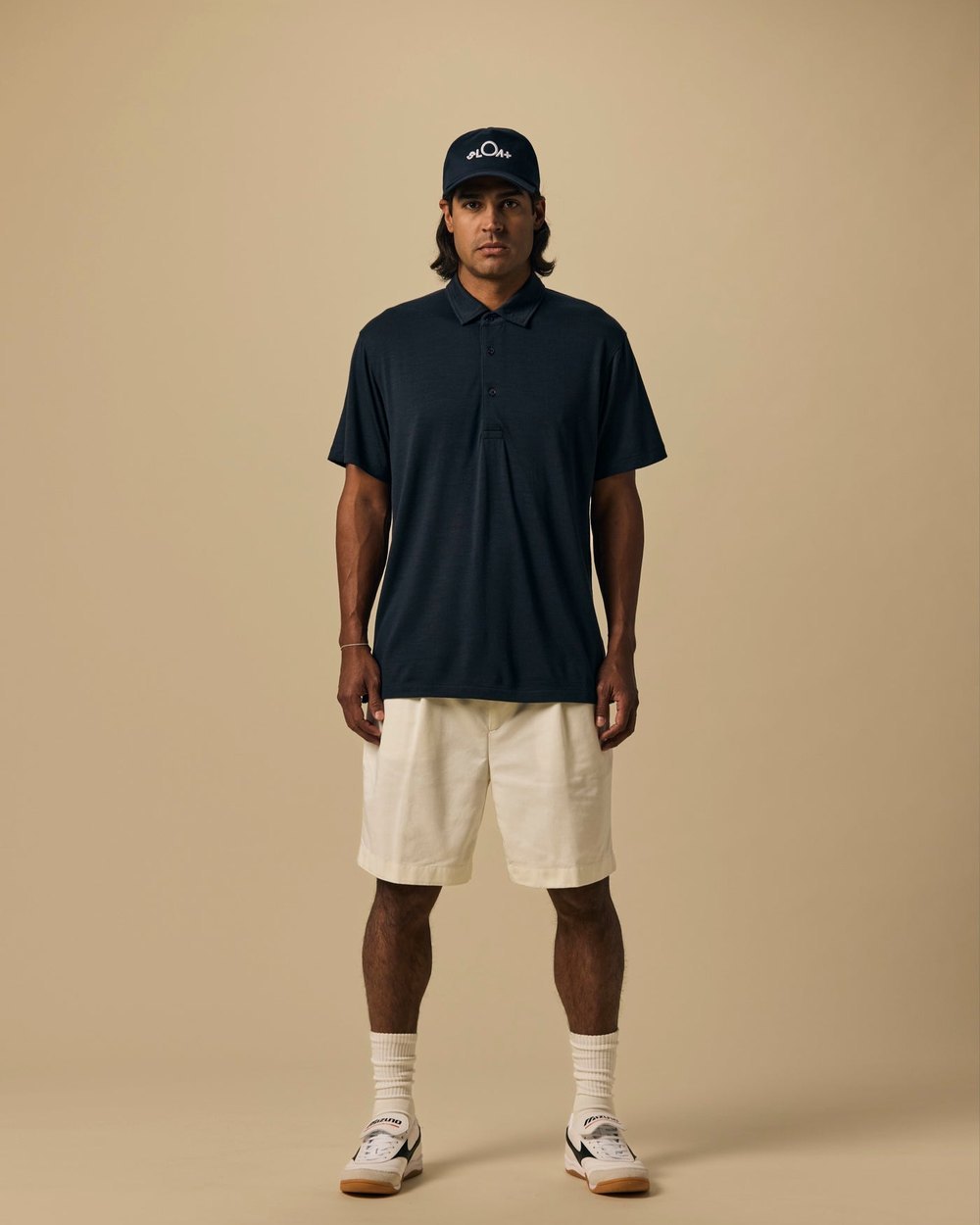

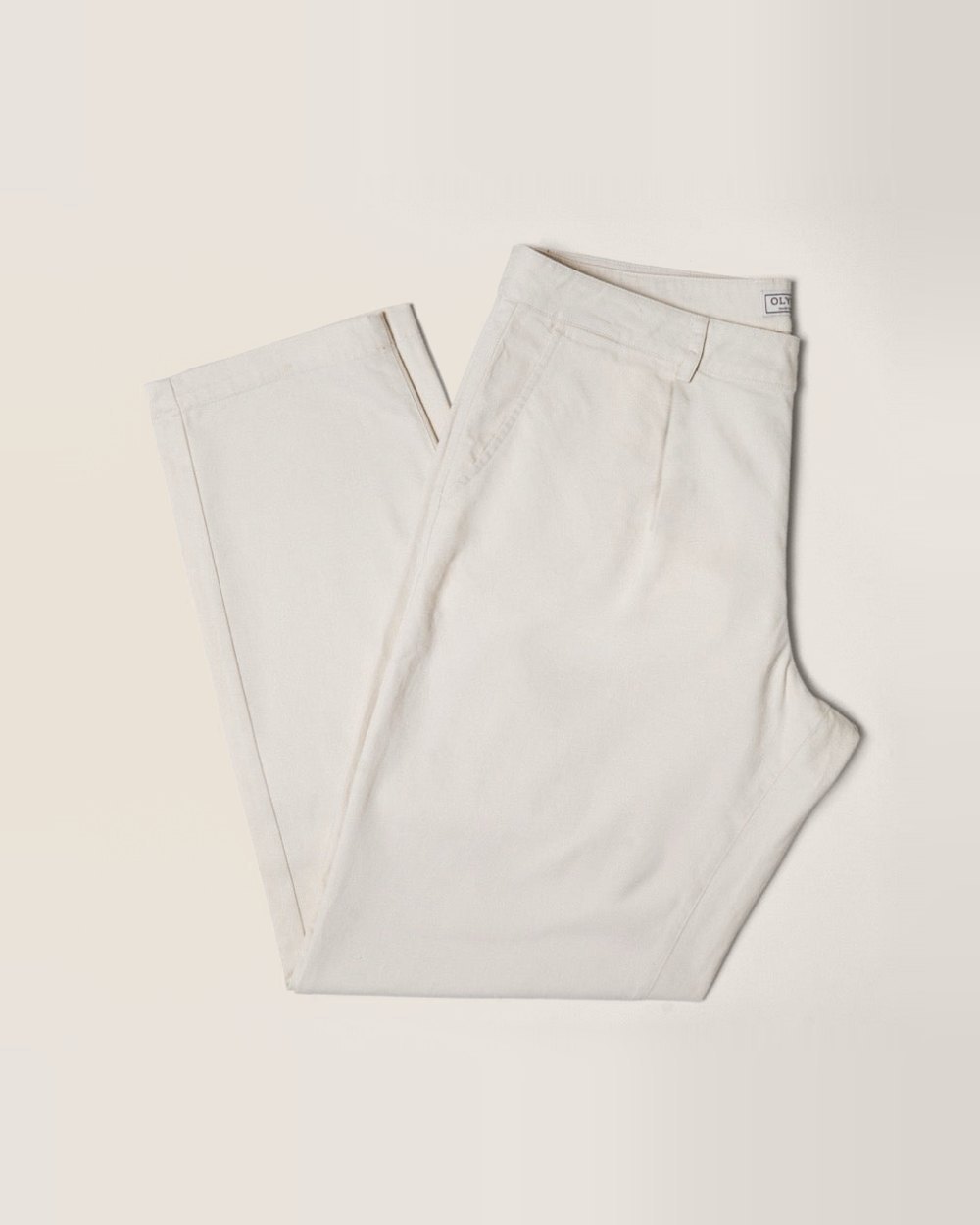
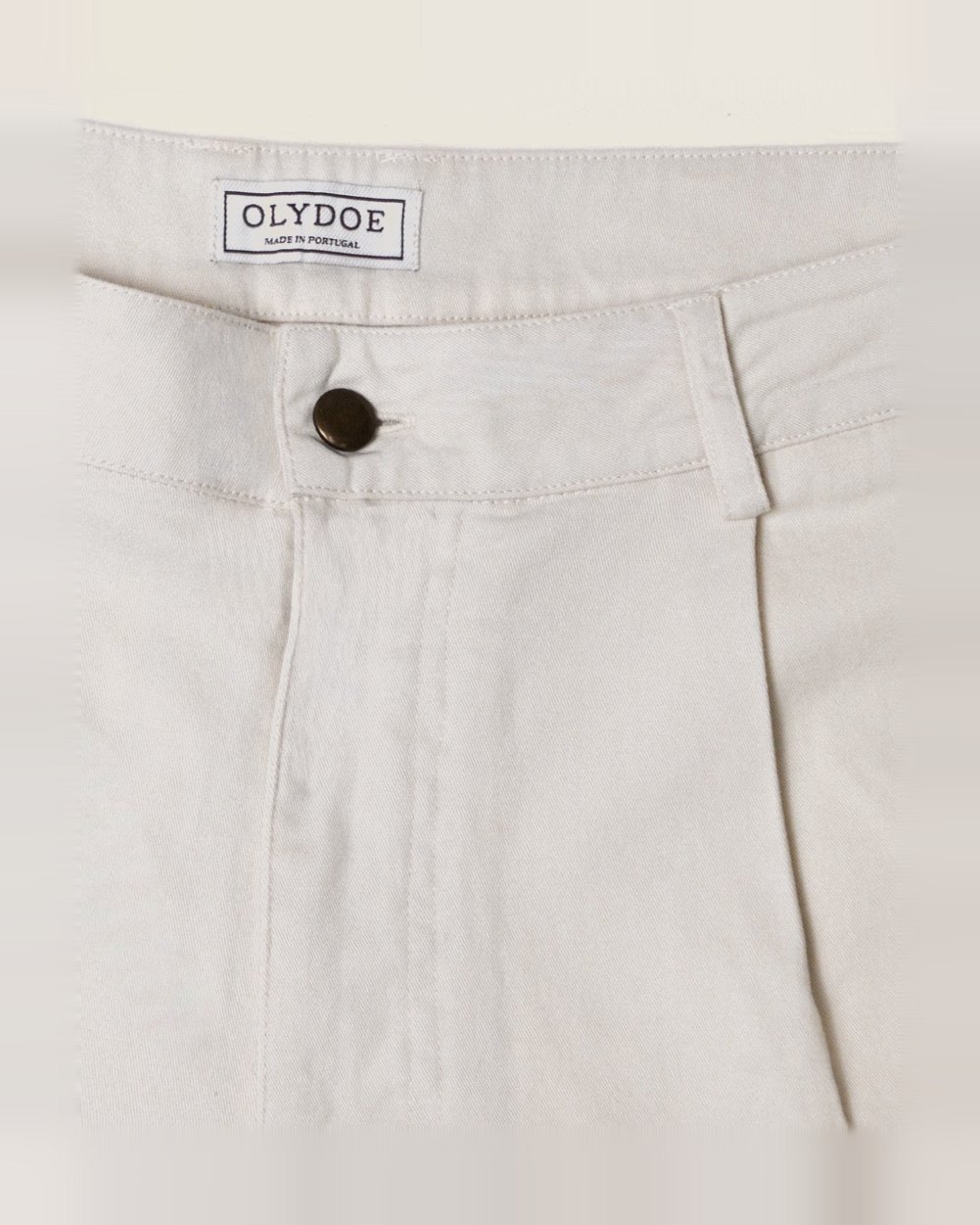

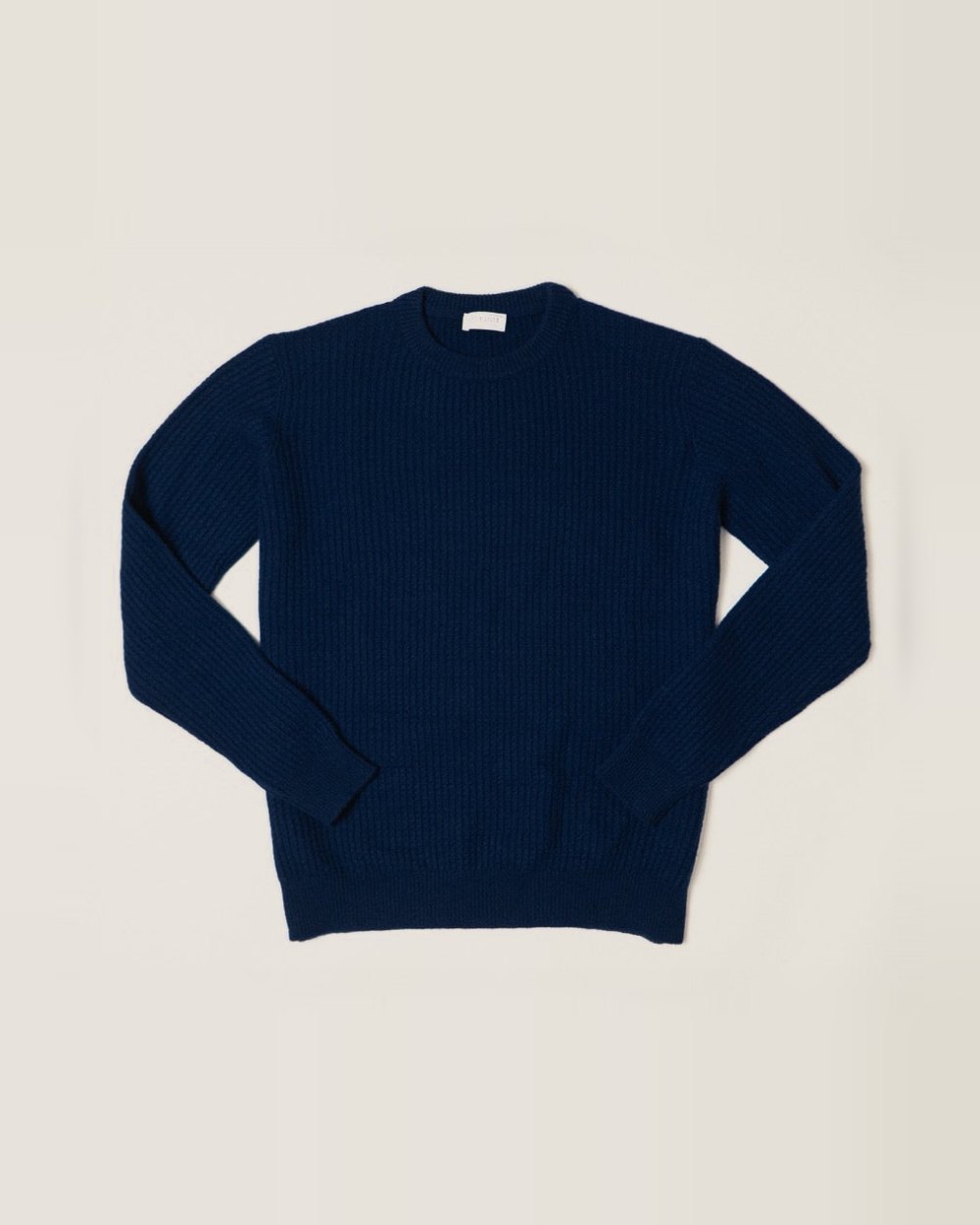
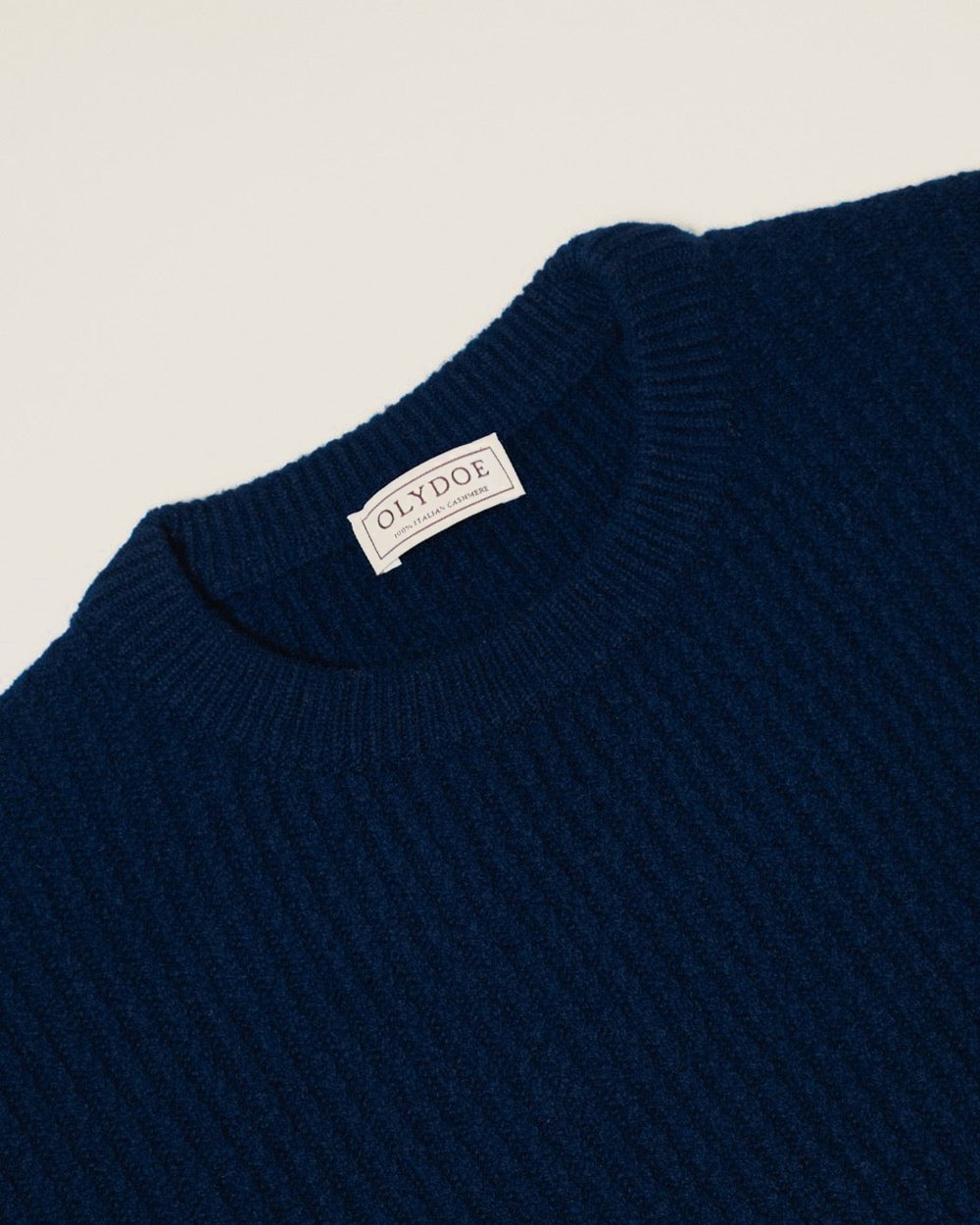

The best thing a fabric name can do is tell you what you’re buying, and these four mostly do. Look for the denier on Cordura, the gsm on cotton and the word “composite” on Dyneema, and you’ll know more than most of the copy on the product page. If we got a number wrong, tell us.