Three fabrics keep showing up across the independent golf brands we cover. Ripstop, the grid-woven fabric from military gear, is in every cargo short and packable shell. Merino wool has gone from ski base layers to golf polos. And corduroy, which we expected to be a niche fall thing, turned up at 19 of the roughly 60 apparel brands in our index that sell clothing, more than any other fabric on the rise.
They do very different jobs, so here is what each one actually is, what it is good at on a golf course, and eight picks for each from brands in our Brand Index. Prices were checked on each brand’s own store on October 24, 2026.
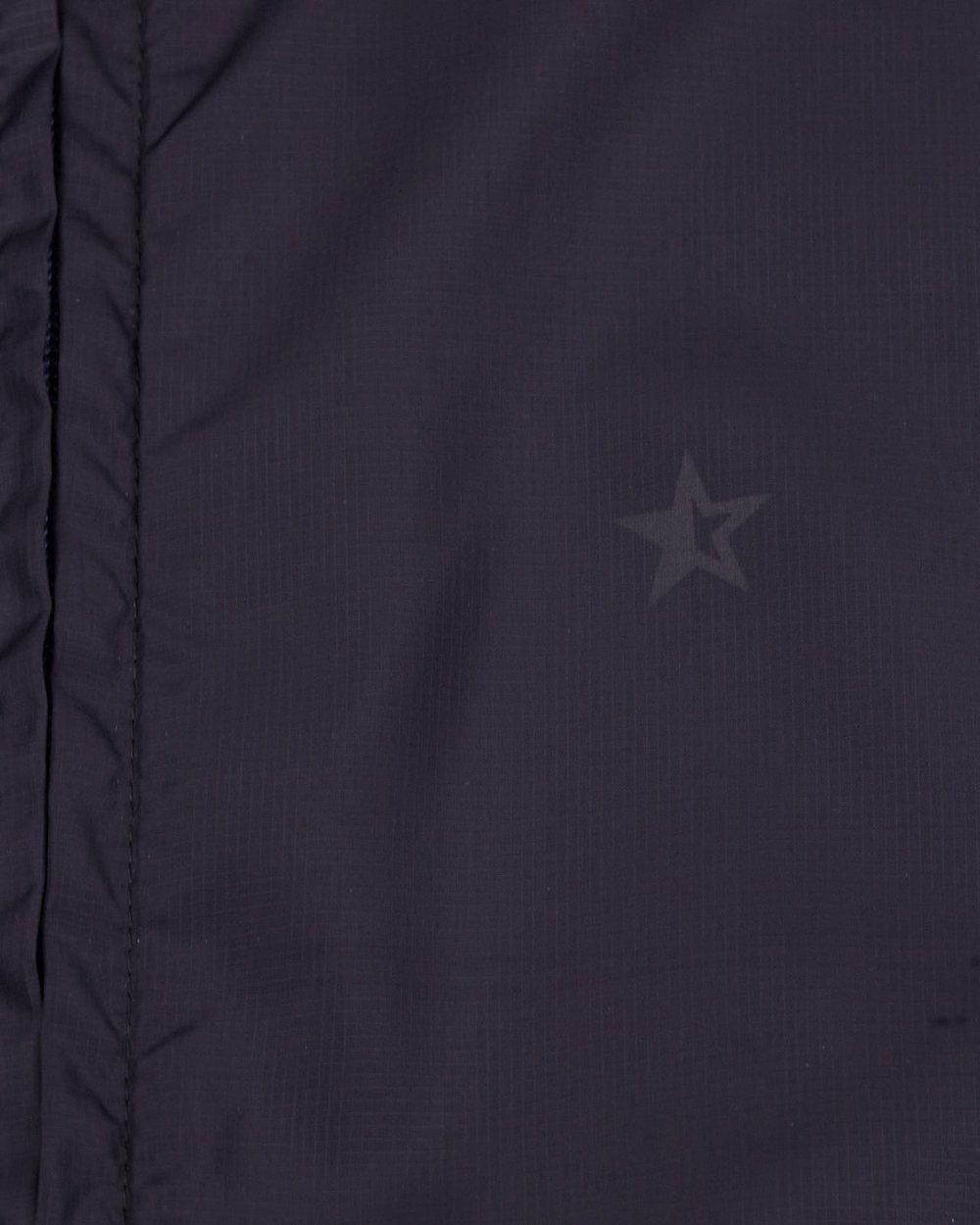
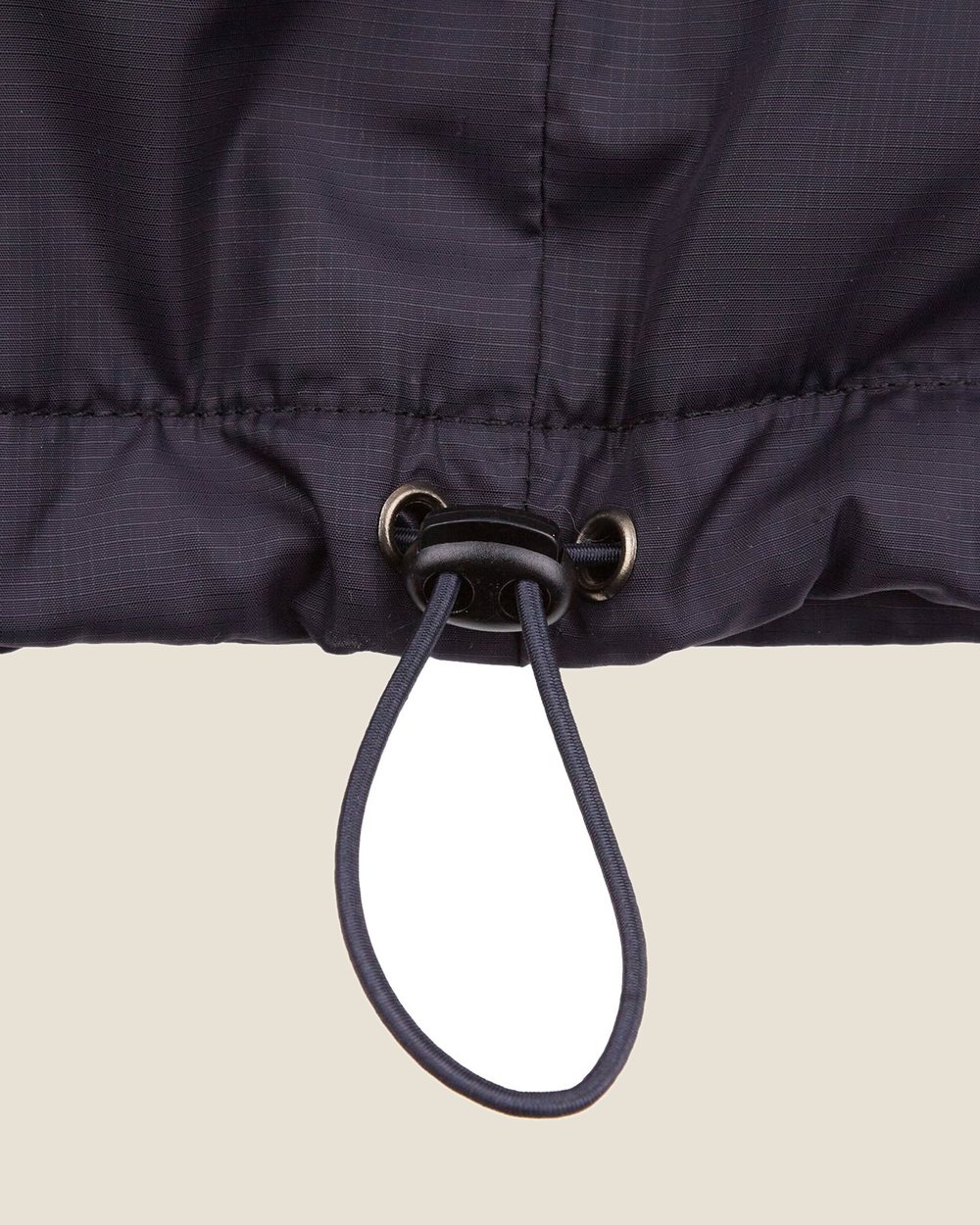
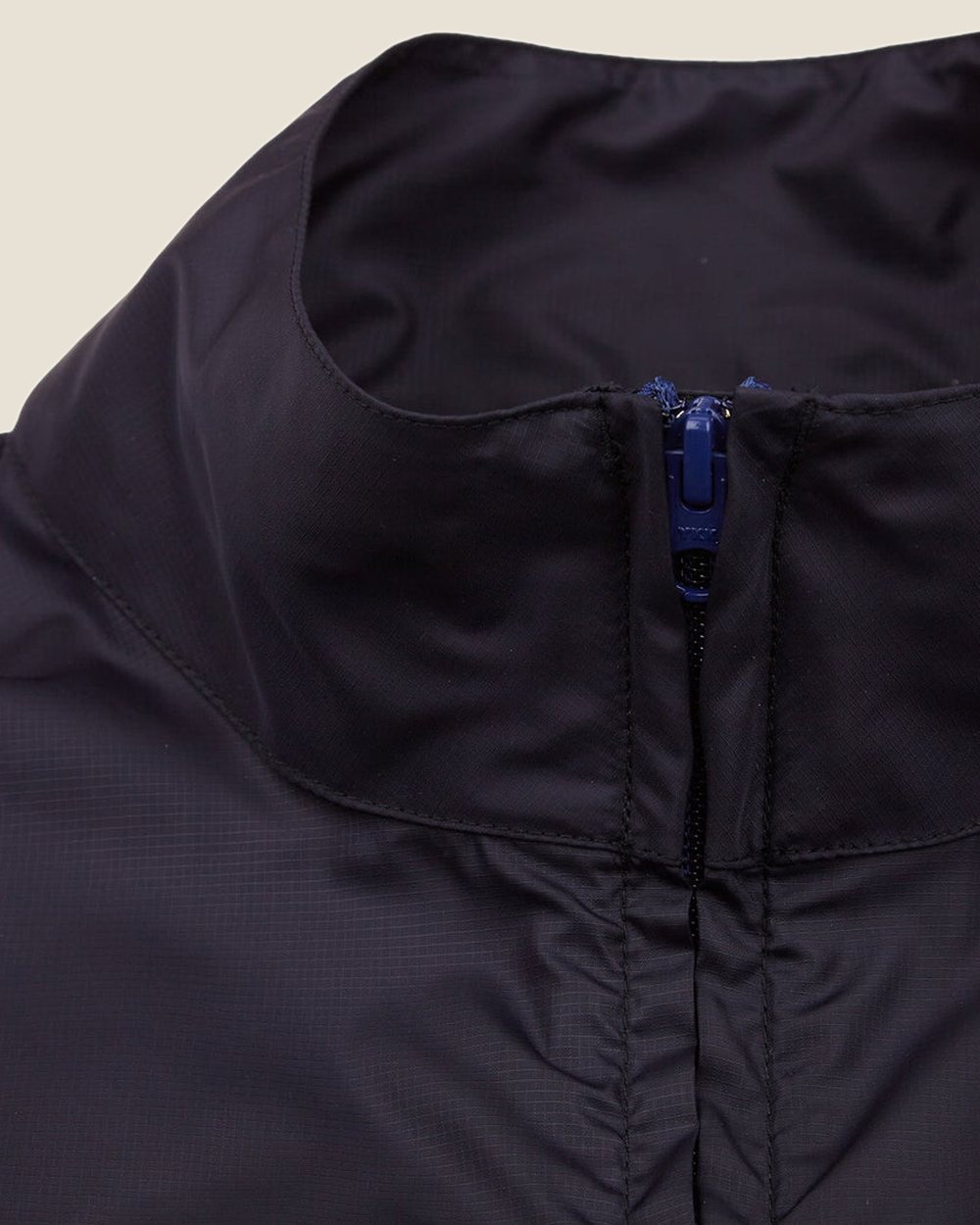
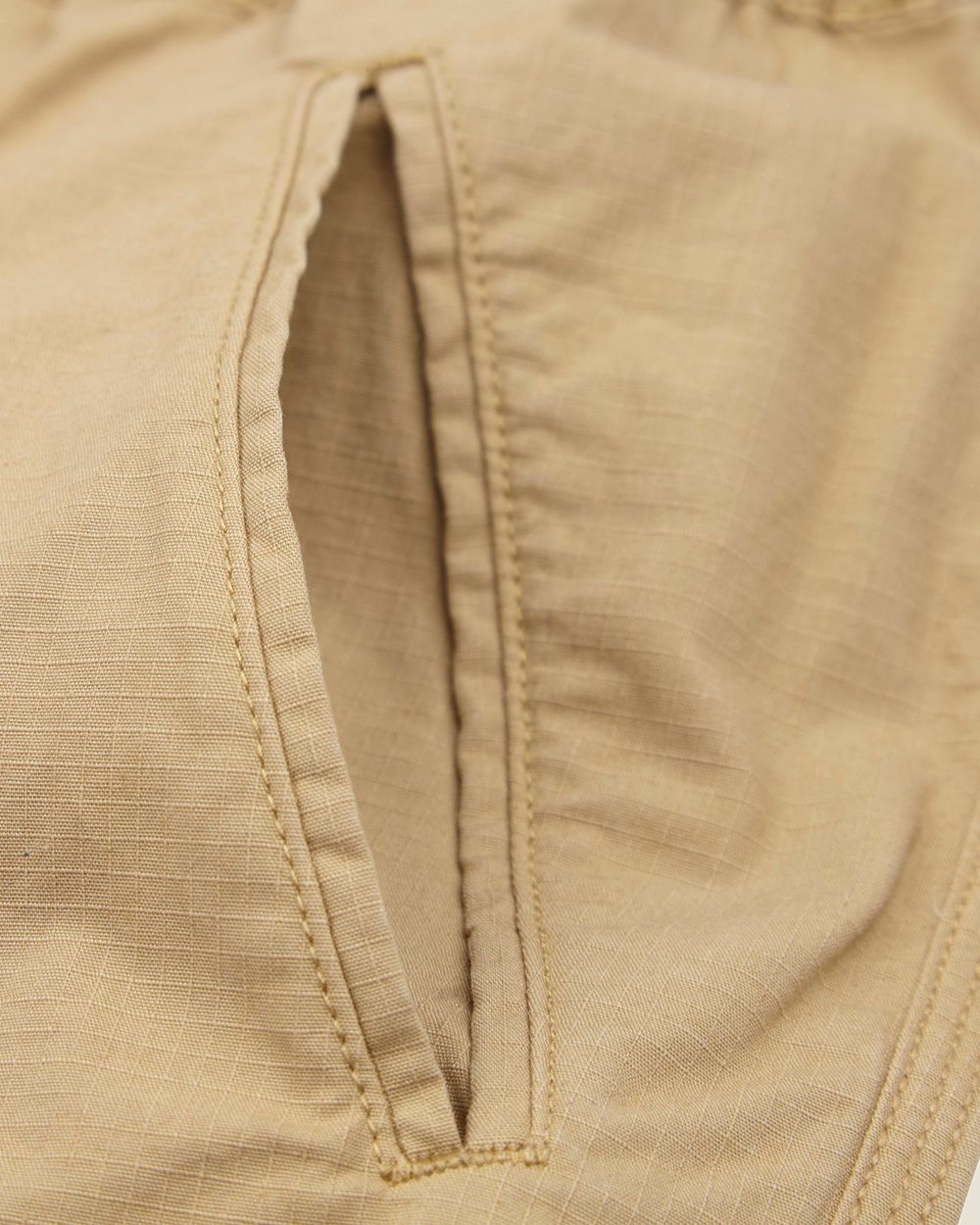
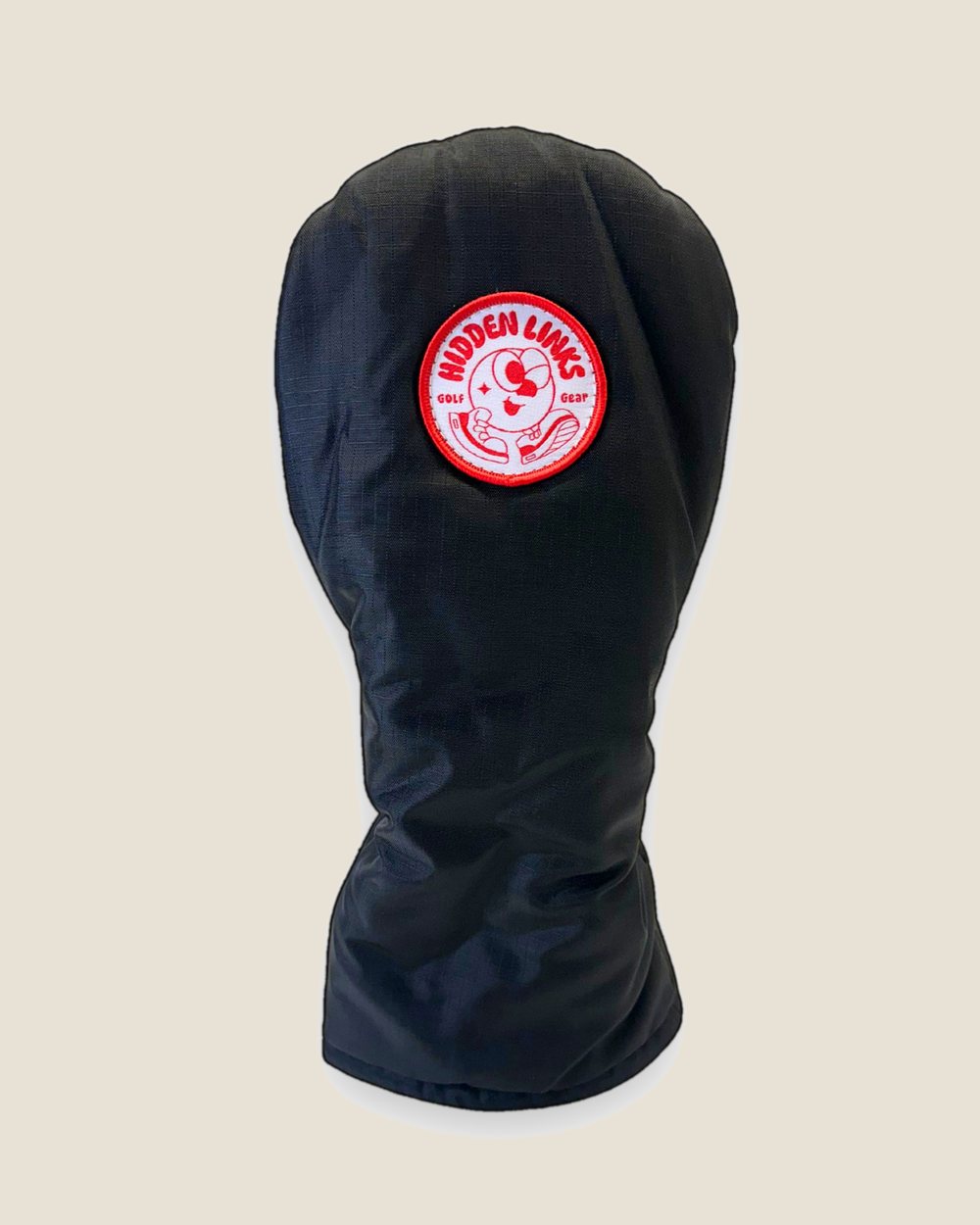
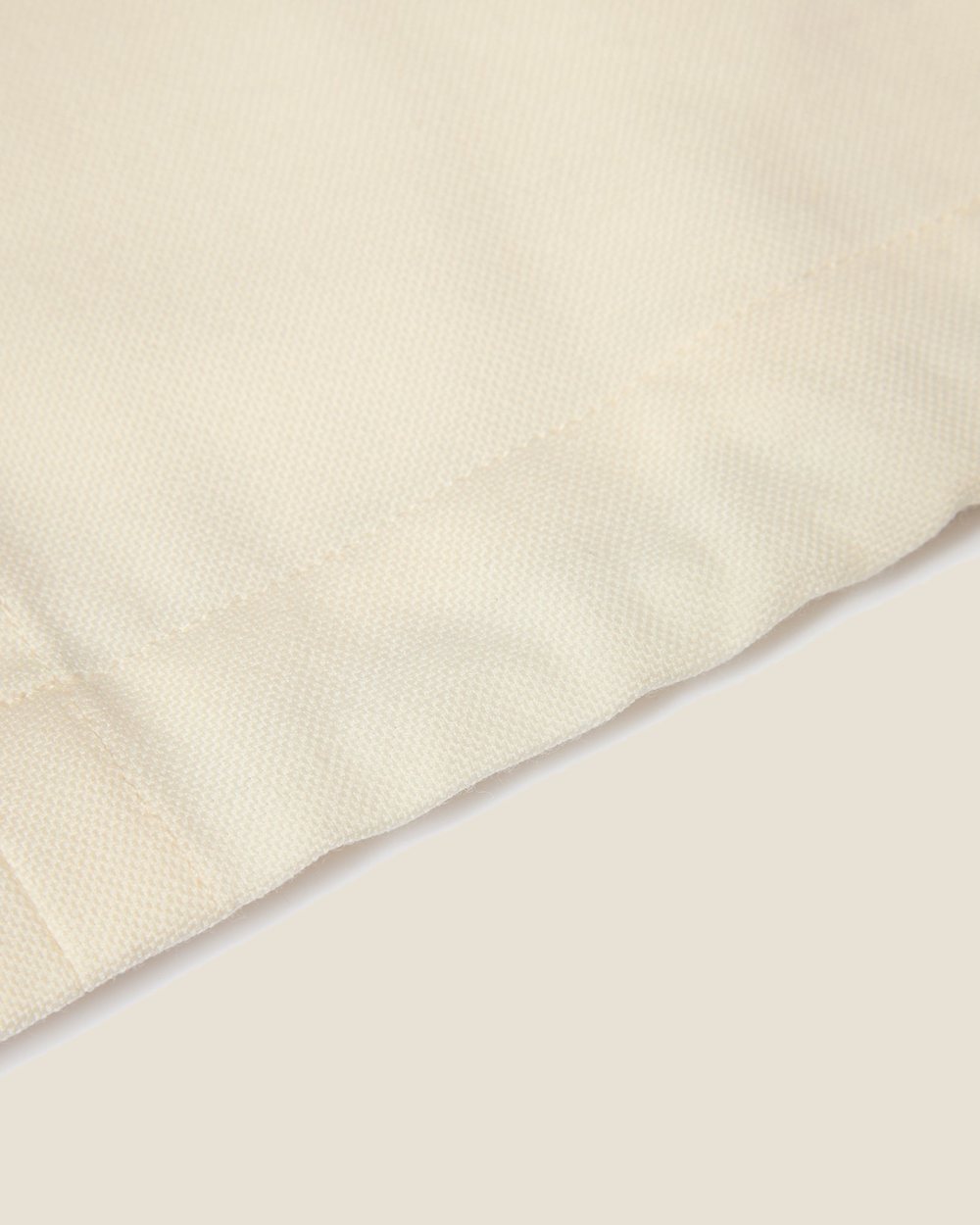
Ripstop isn’t a fiber at all; it is a way of weaving. Every so often a thicker reinforcing thread is woven in, in both directions, making a little grid you can see on the fabric. If something snags, the tear runs to the next line of the grid and stops. It took off during World War II, when nylon replaced silk for parachutes, and it is now made in nylon, polyester and cotton. On the course that means light pants and shorts that survive fence lines and bag straps, and shells that block wind and shrug off a shower.
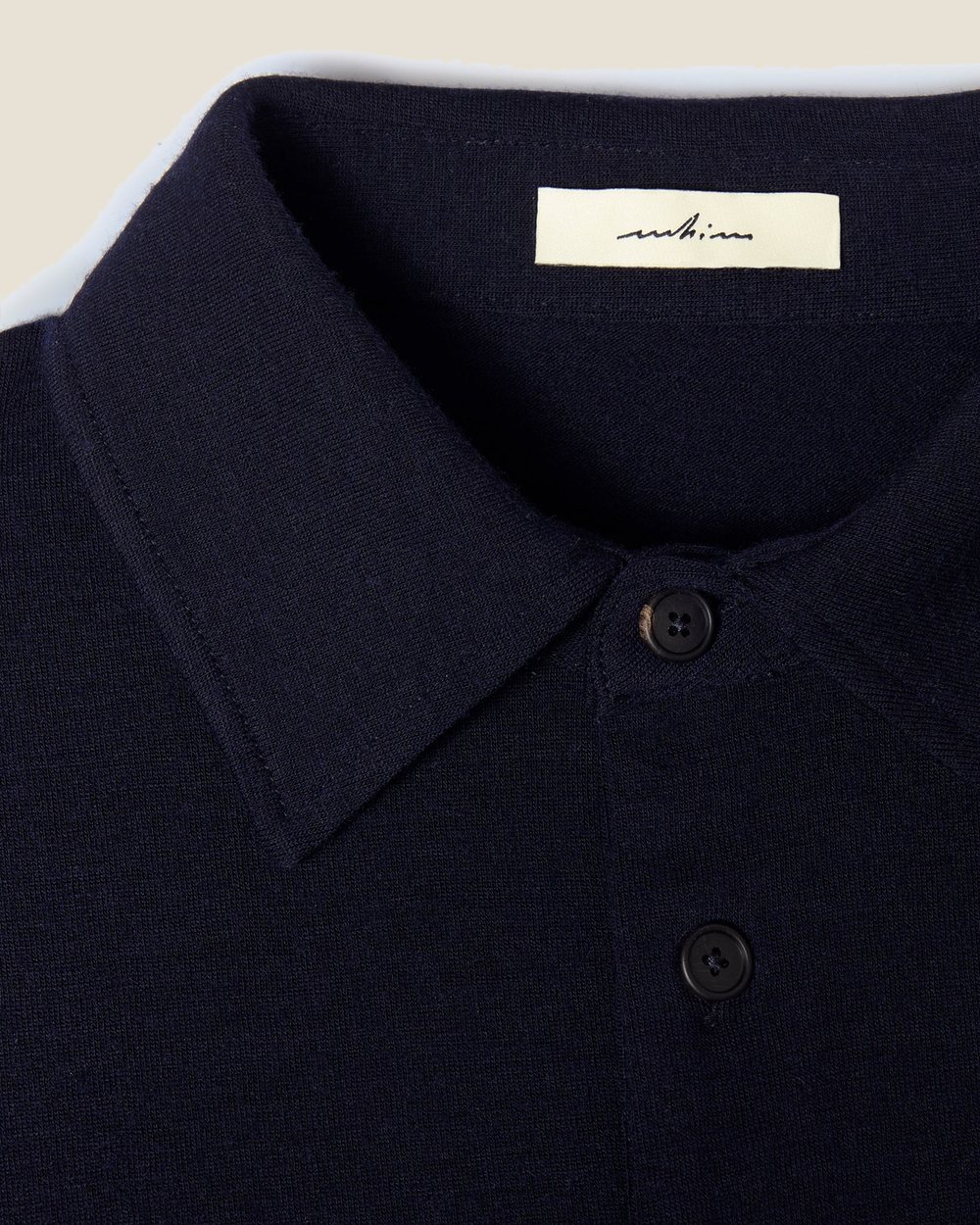
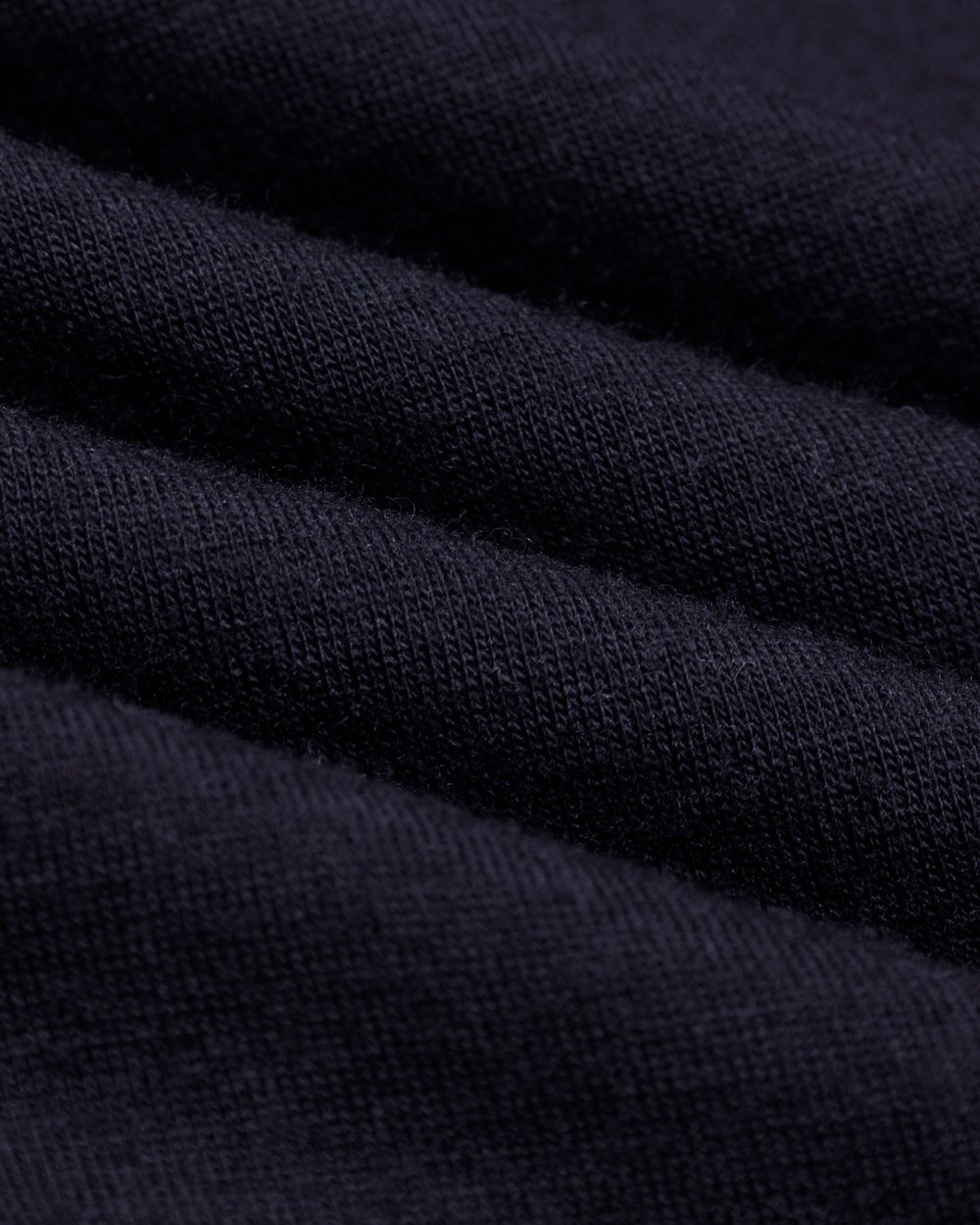
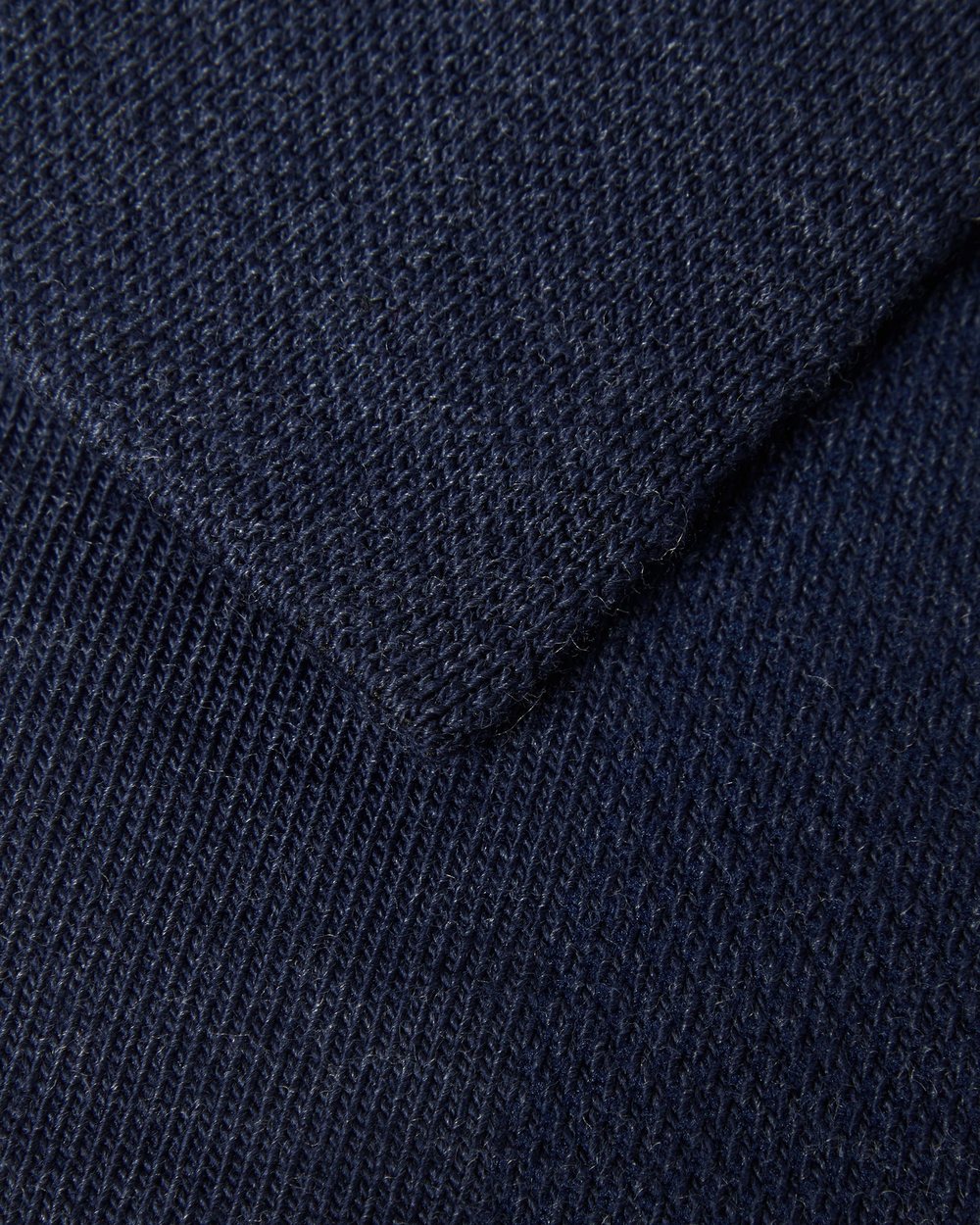
Merino wool is fine wool from merino sheep. The fibers are much thinner than regular wool (typically under about 22 microns, versus 30-plus for standard wool), which is why it feels soft instead of scratchy. It is warm for its weight, breathes, and handles sweat well, and it resists odor: wool holds odor molecules until it is washed, so a merino polo can usually go another round before it hits the laundry. It reduces smell; it does not make it disappear. Many golf merino pieces are blends with Tencel or nylon for a smoother feel and more durability.
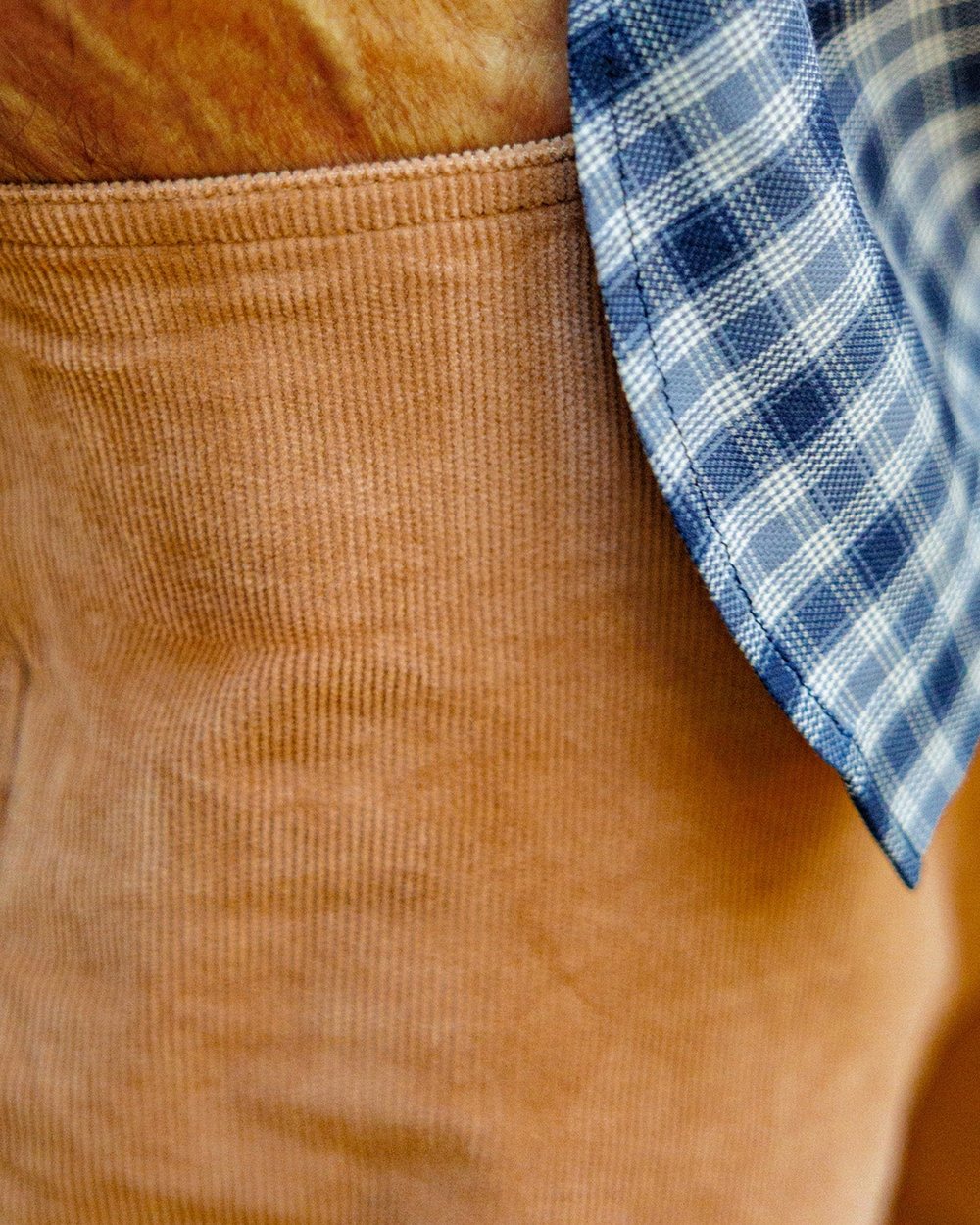
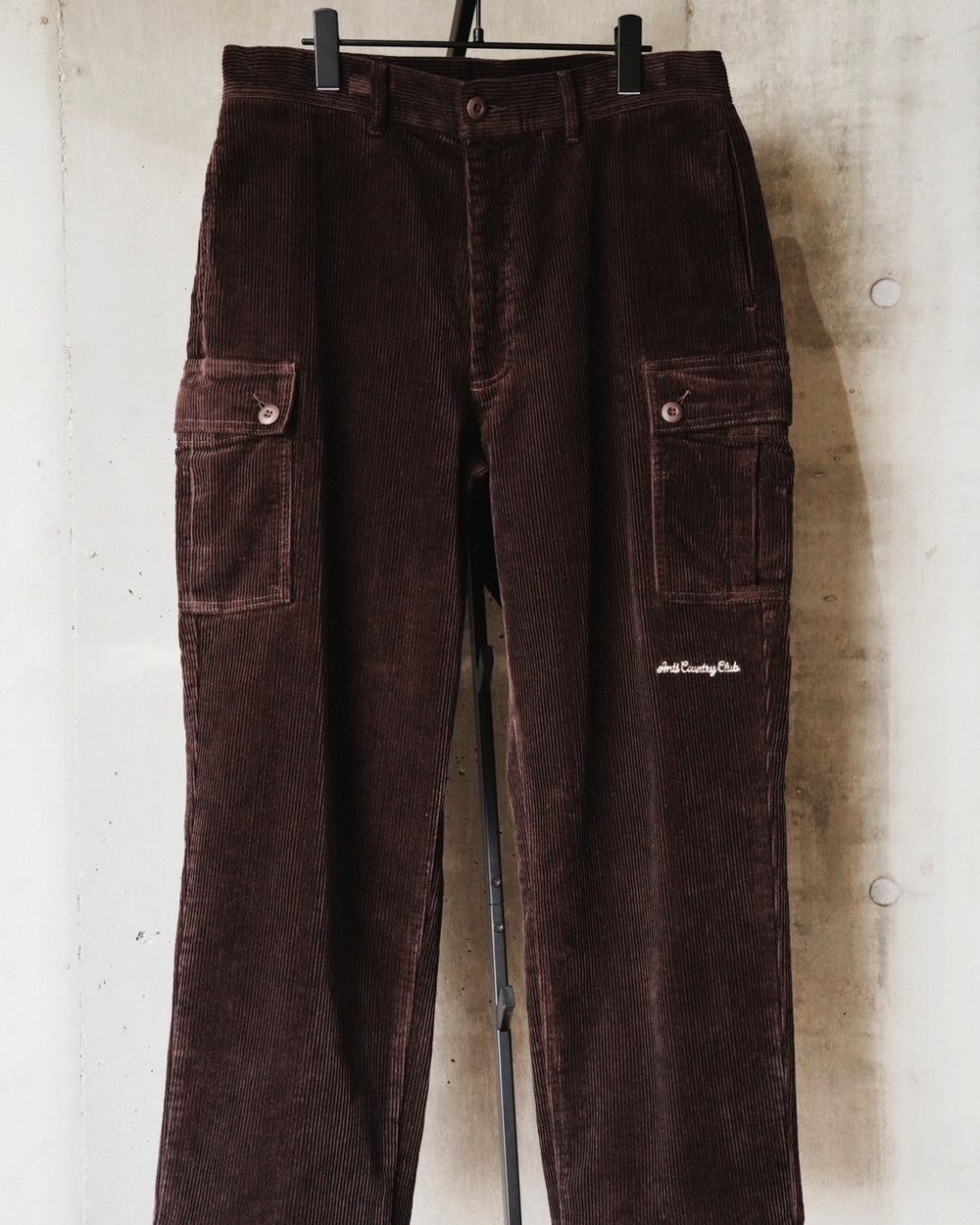
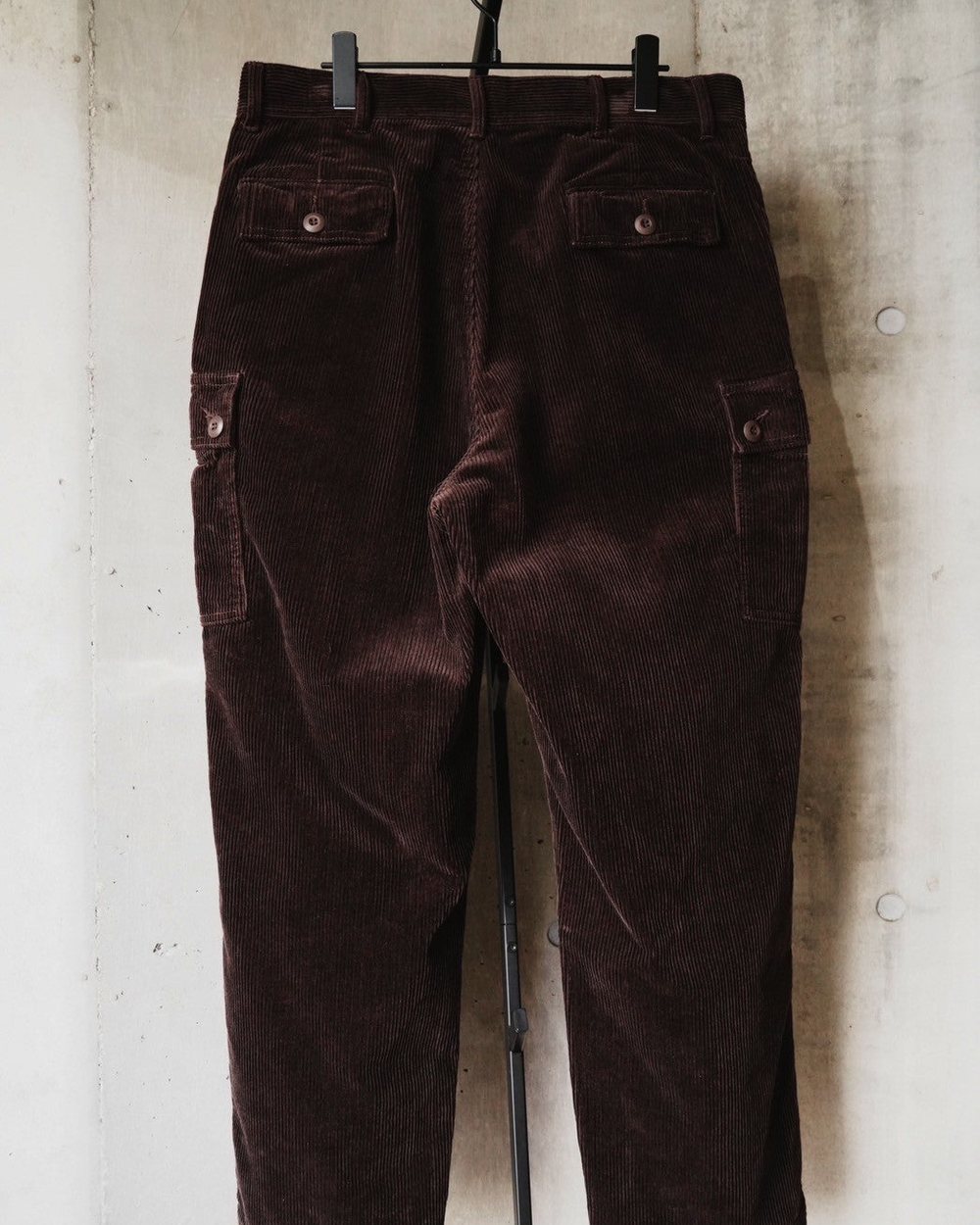
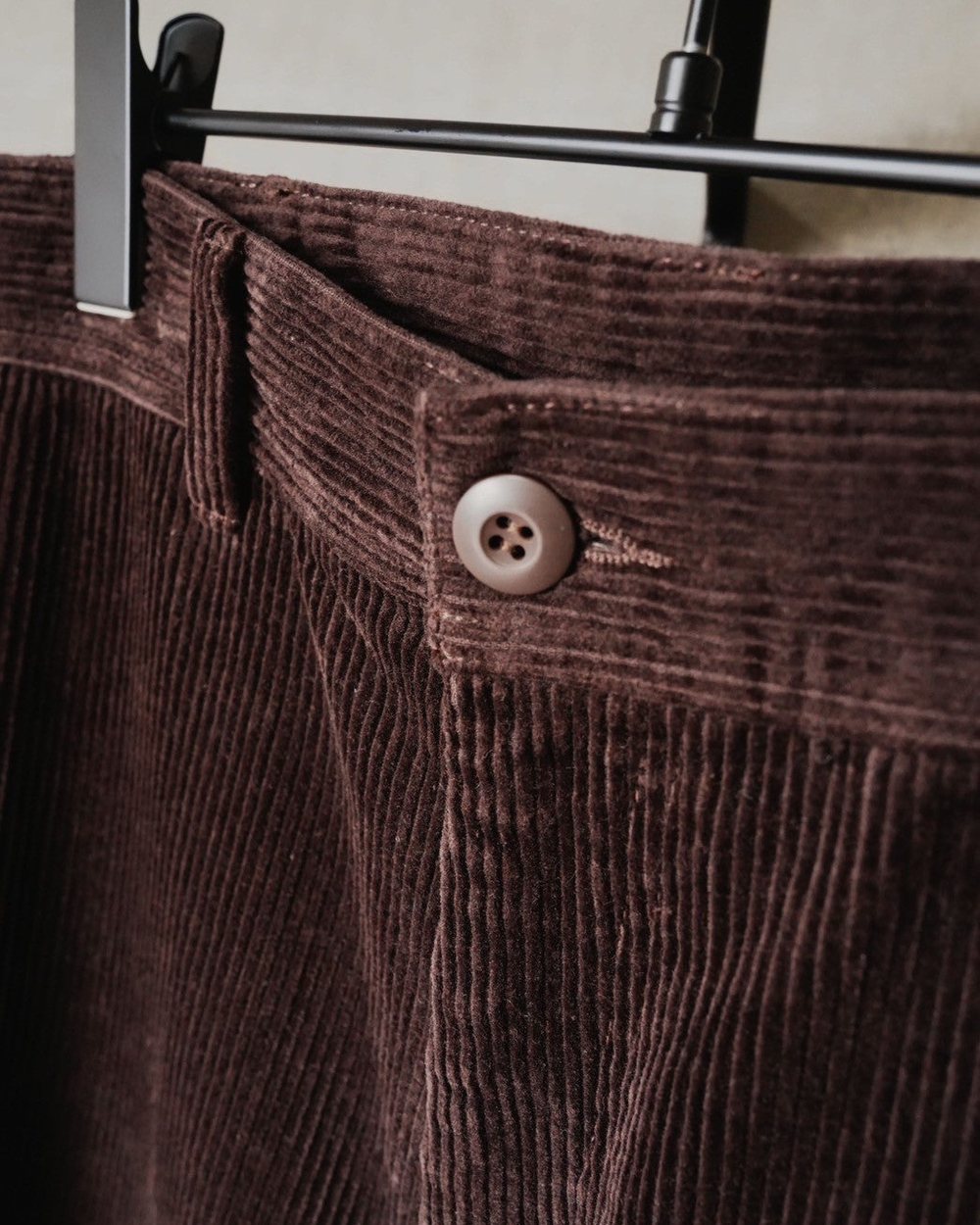
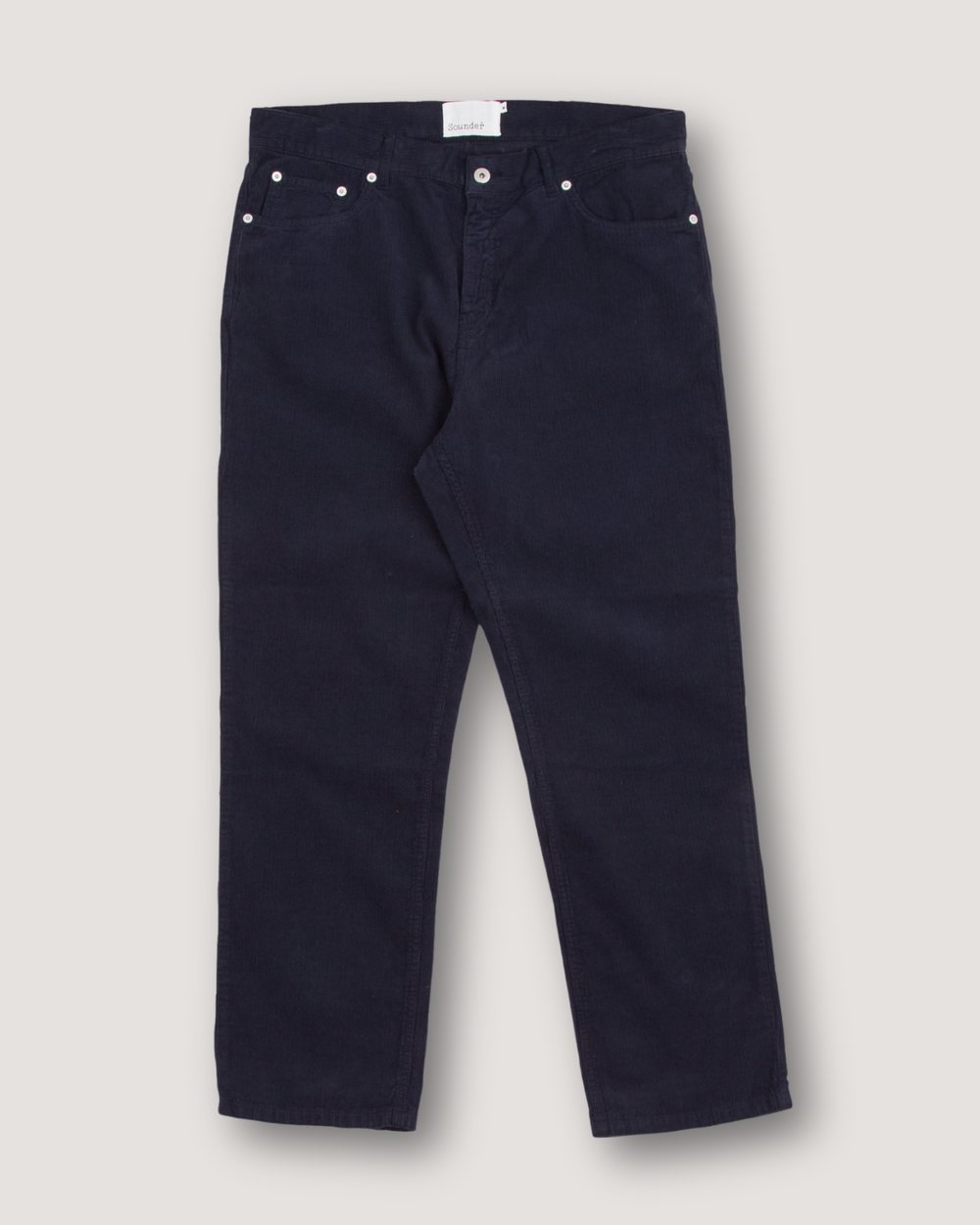
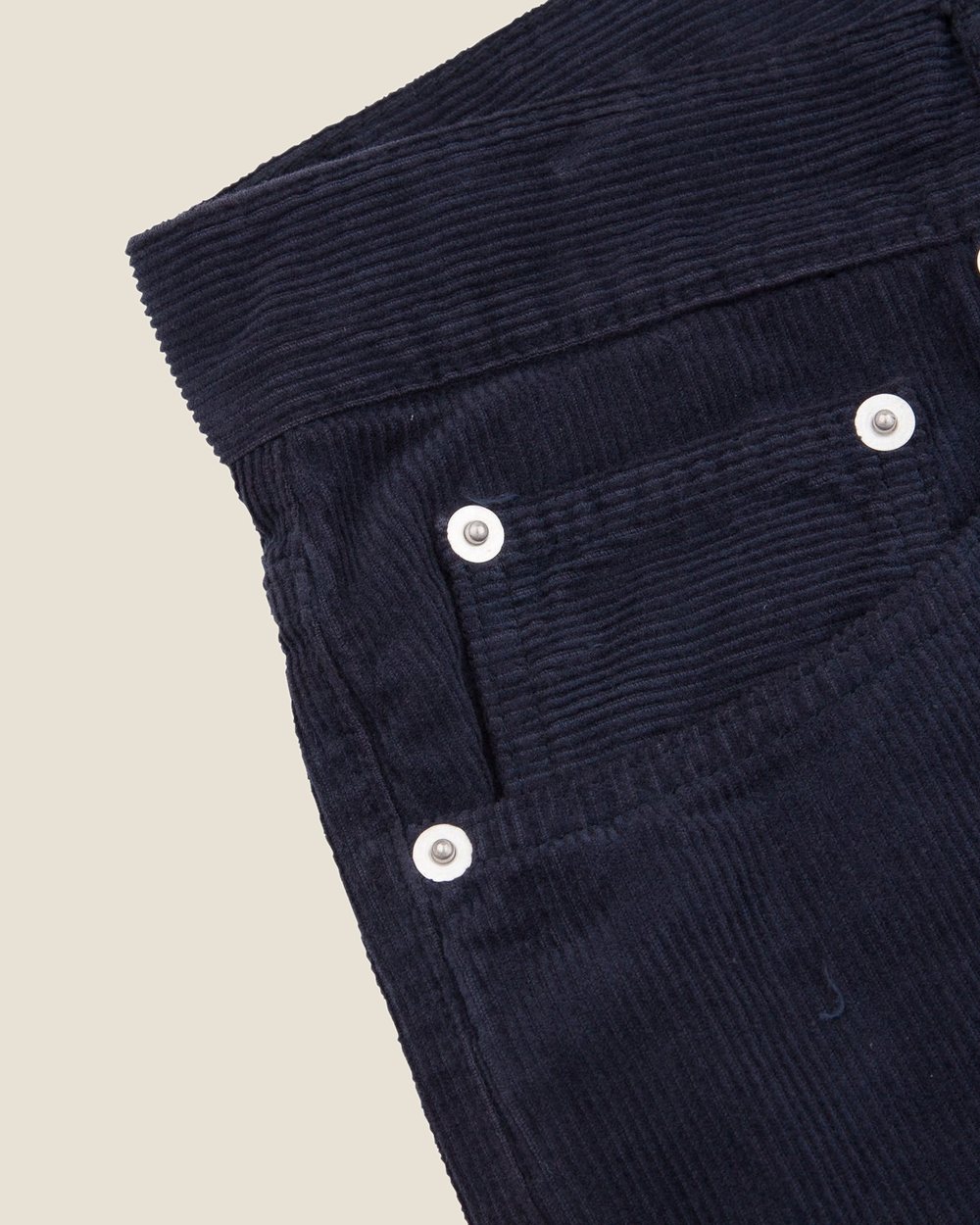
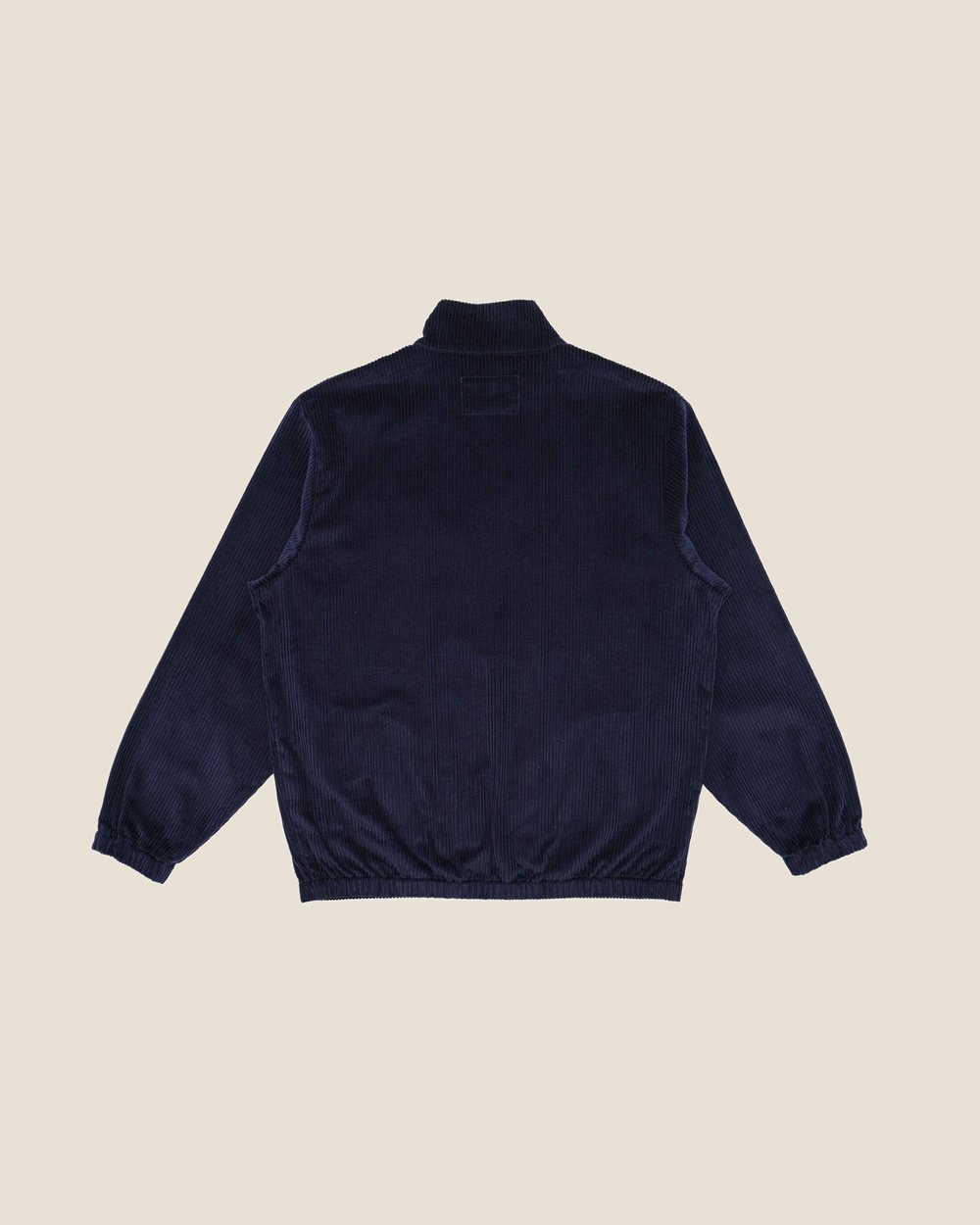
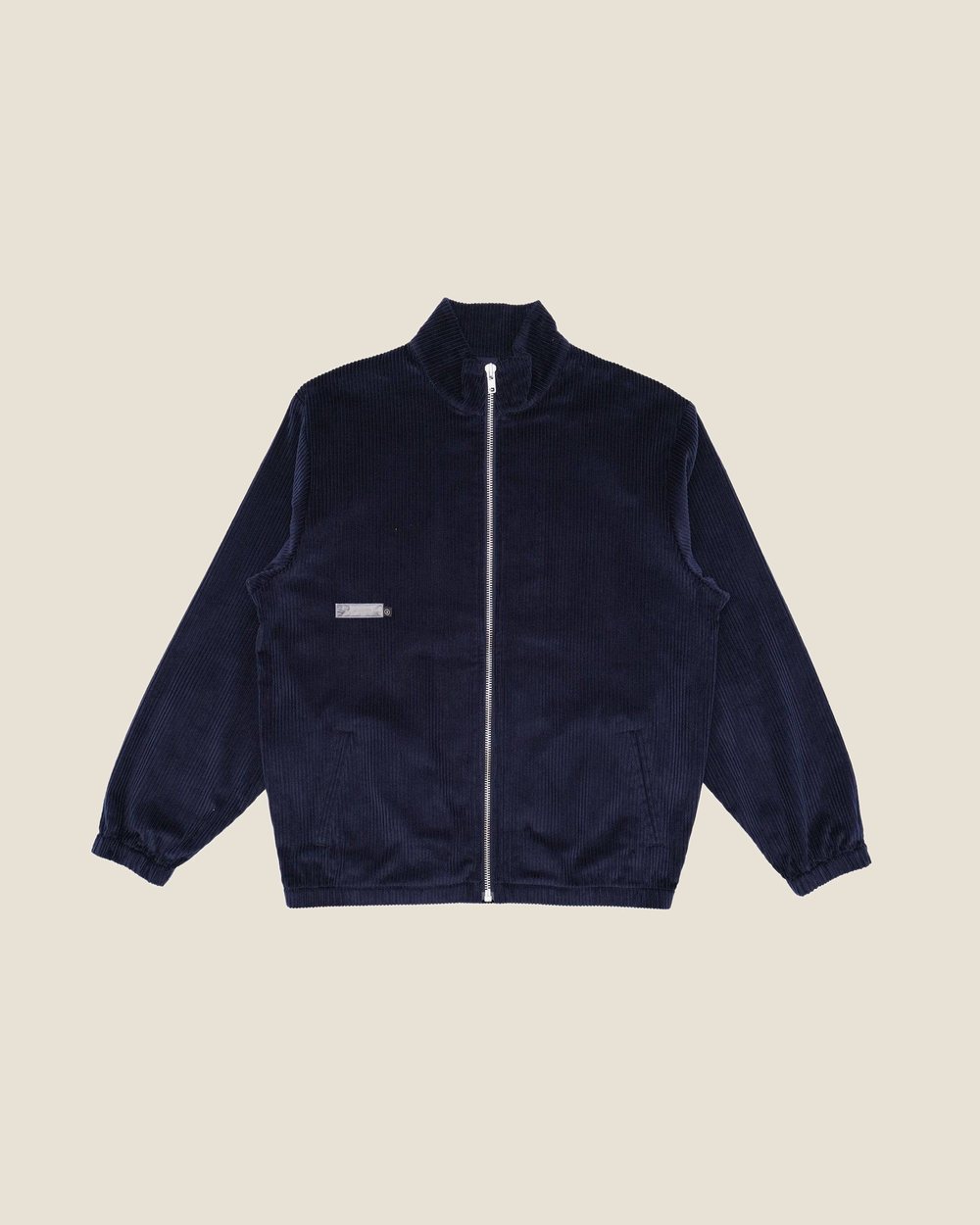
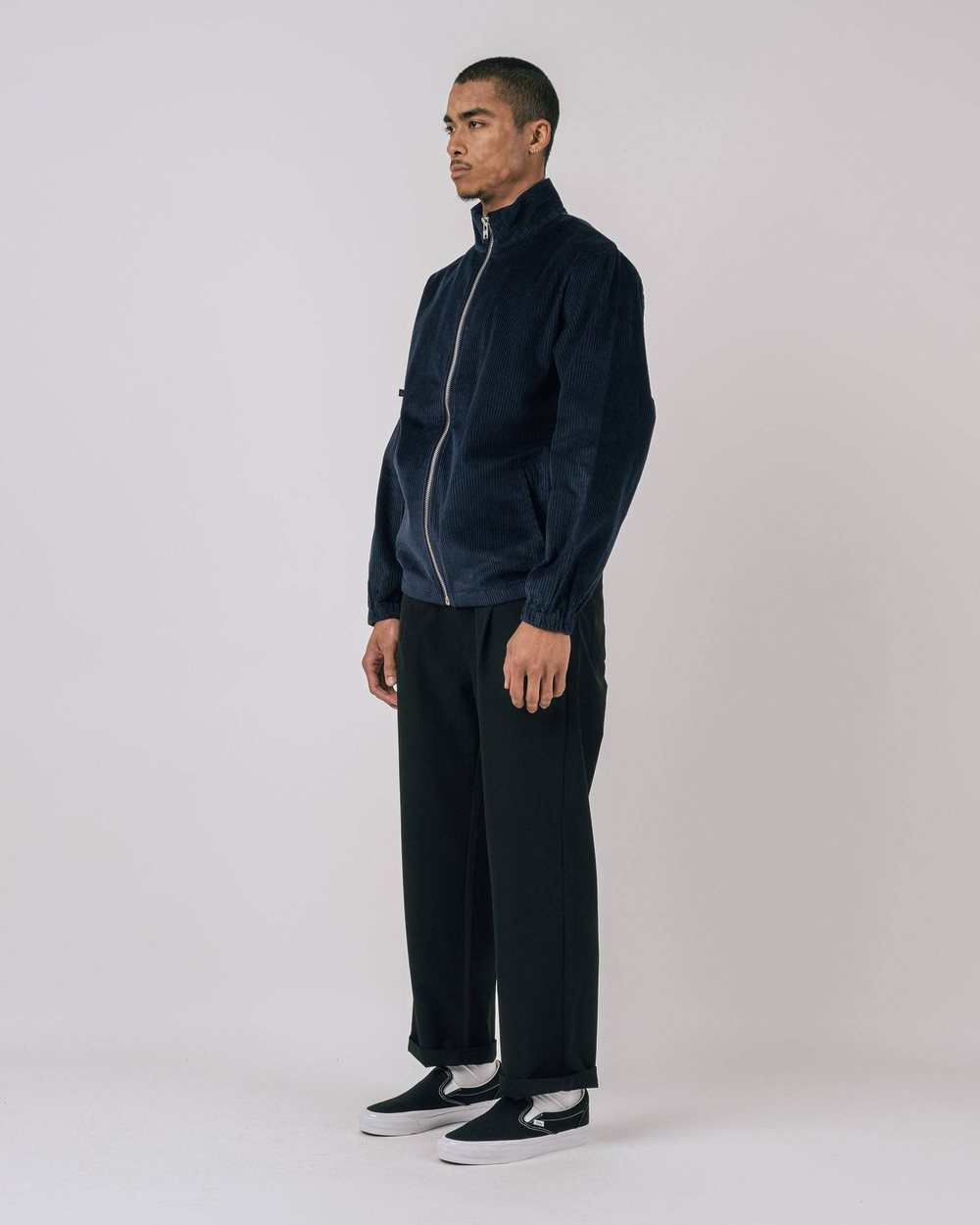
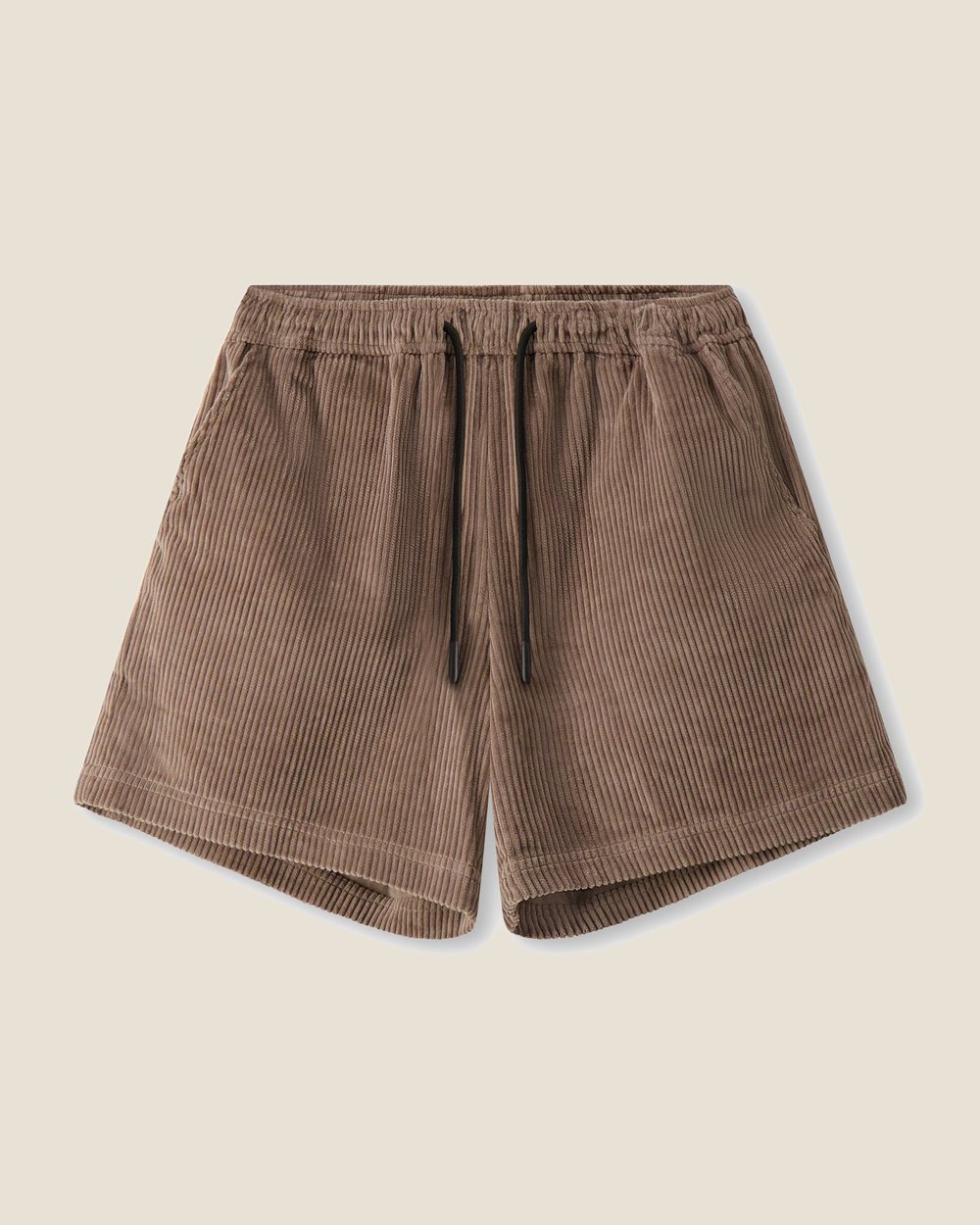
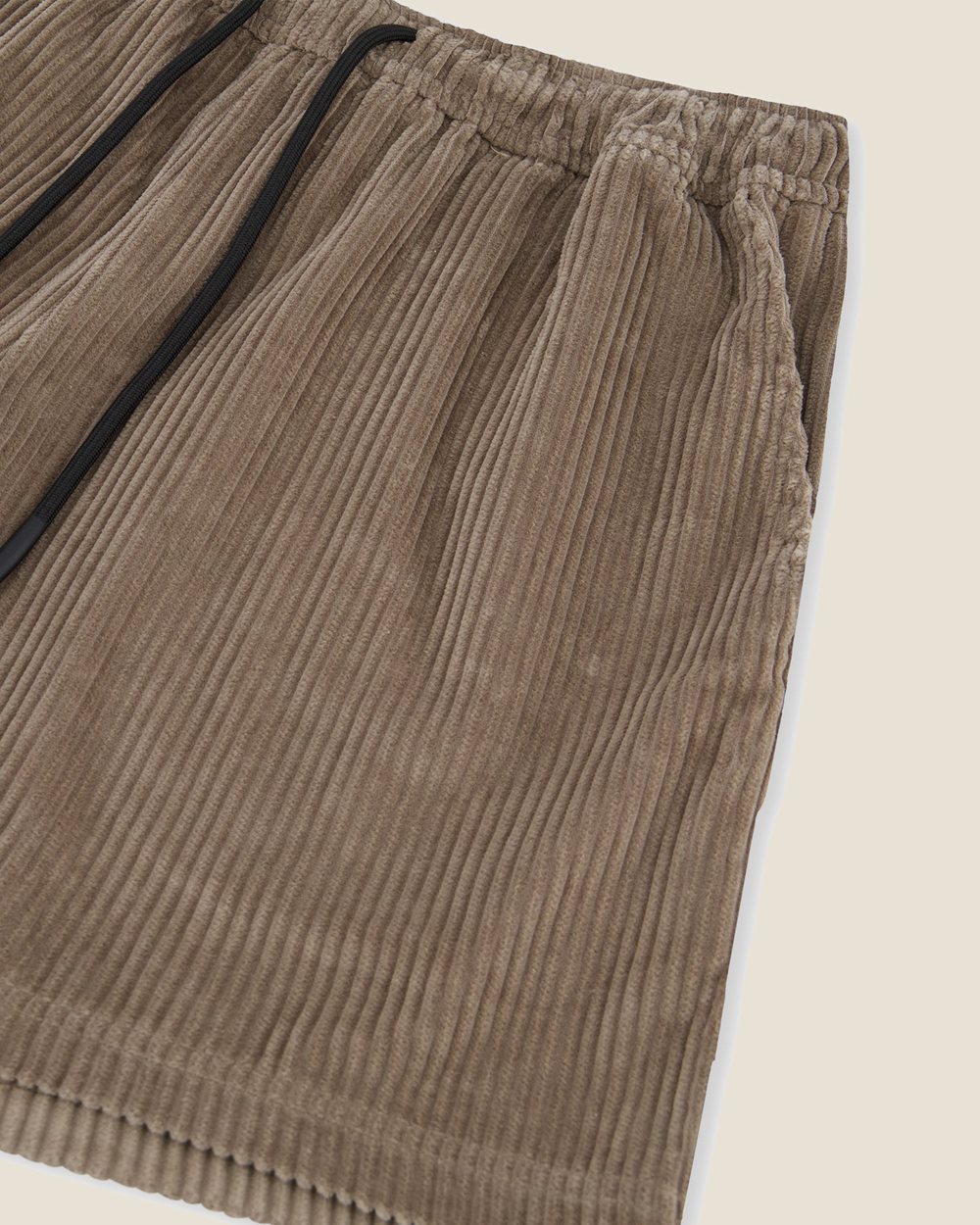
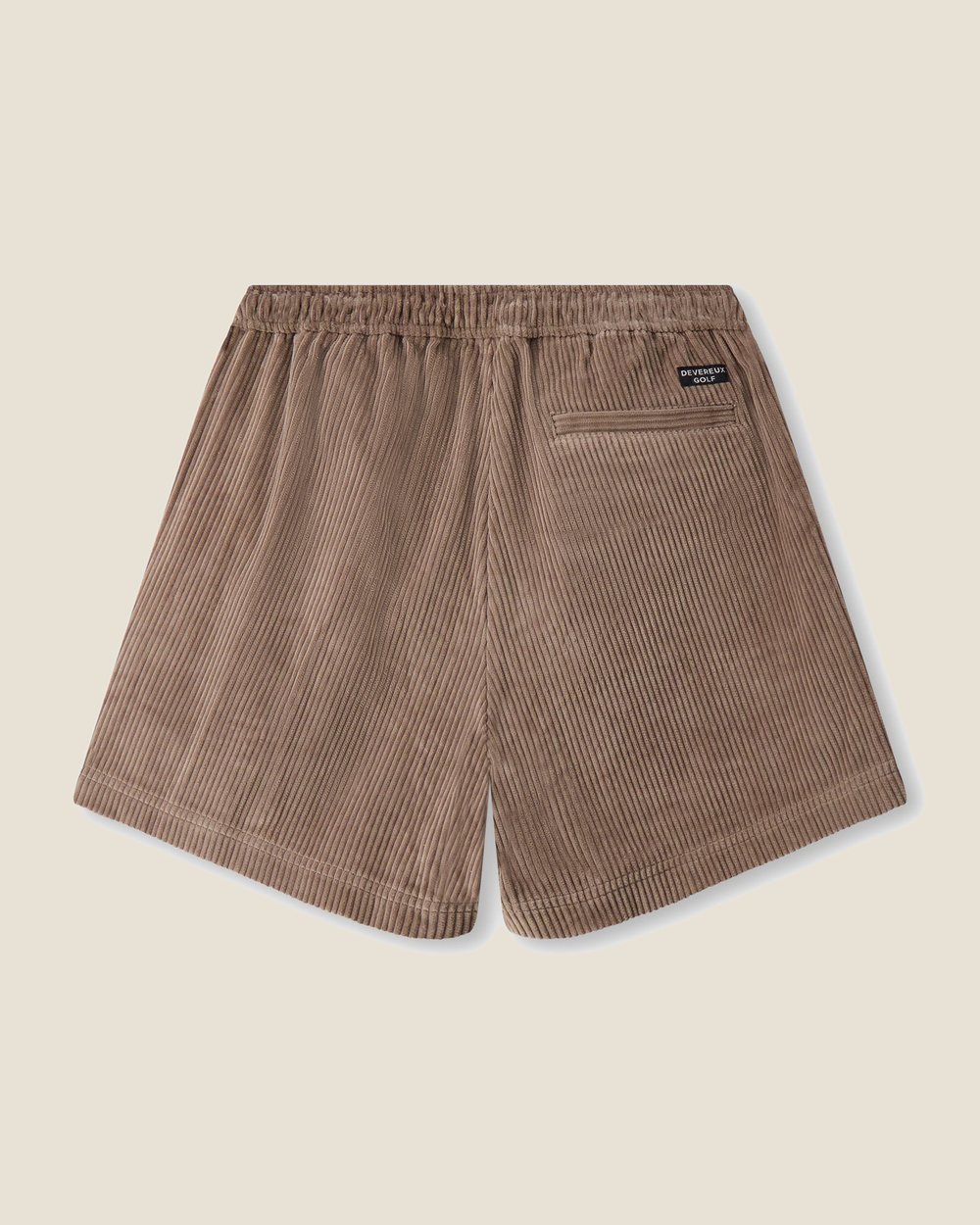
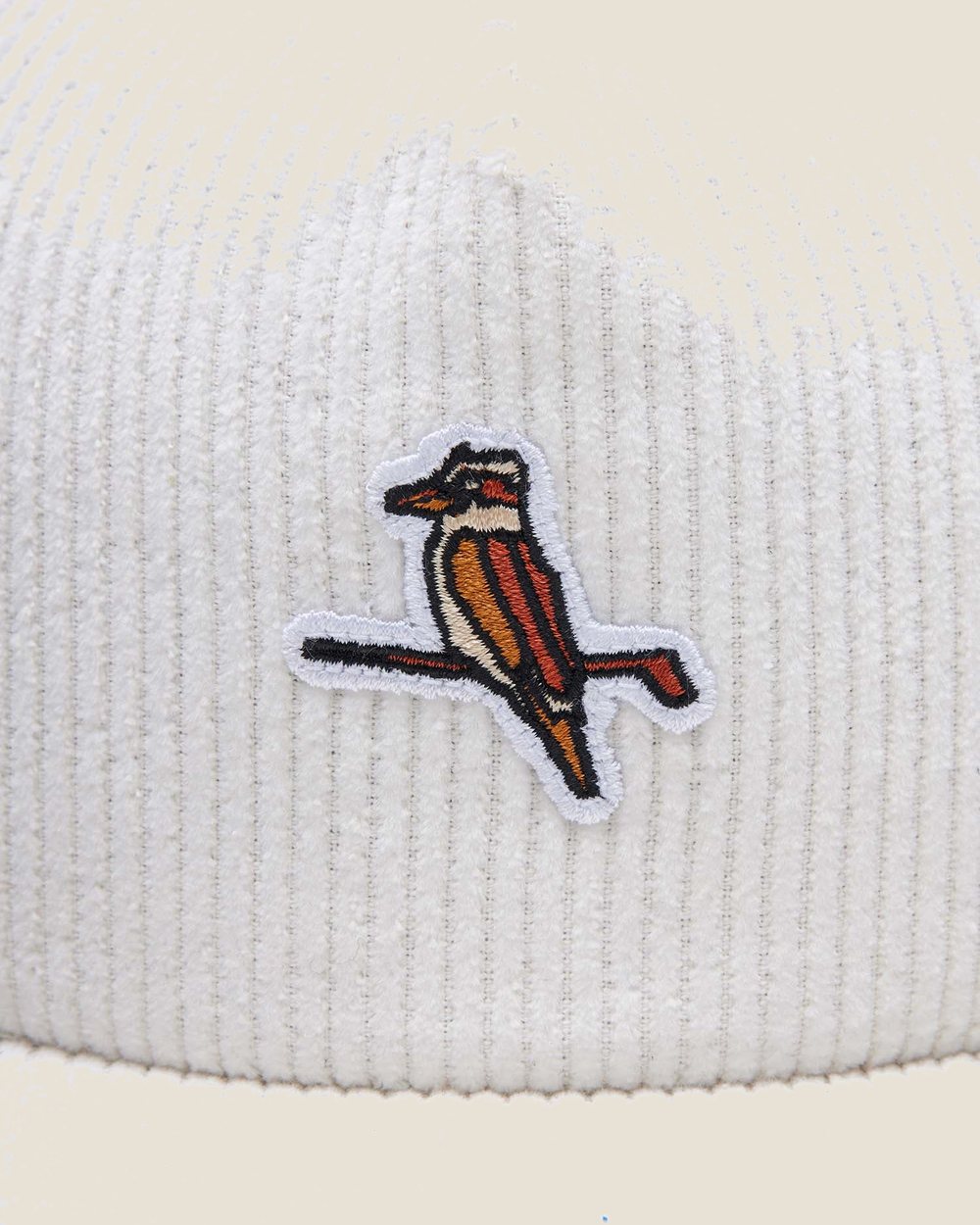
Corduroy is a texture: extra threads woven over a base fabric, then cut and brushed up into raised ridges called wales. The fewer wales per inch, the fatter the ridges. Standard corduroy is about 10 to 12 wales per inch, wide or “big” wale is 8 or fewer, and pinwale is finer, at 16 or more. It is warm, soft, and very 70s, which is a big part of why golf brands love it right now. The catch: it is a dry-day fabric, because cotton cord soaks up rain.
| Ripstop | Merino wool | Corduroy | |
|---|---|---|---|
| What it is | A weave, with a thicker reinforcing thread in a grid | A natural fiber: fine wool from merino sheep | A texture: cut-pile ridges, usually cotton |
| Best for | Shells, pants, shorts, caps | Polos, base layers, knits, socks | Pants, jackets, caps, headcovers |
| Warmth | Low on its own; blocks wind | Warm for its weight; regulates in heat too | Warm, especially wide wale |
| Weather | Often wind- and shower-resistant | Handles sweat well; not waterproof | Dry days only; soaks up rain |
| Durability | The toughest: tears stop at the grid | Good in blends; pure merino needs care | Sturdy; ridges wear smooth over years |
| Odor | Depends on the fiber; synthetics hold odor | Resists it; can go a few rounds between washes | Like any cotton: wash after a sweaty round |
| Care | Machine wash, low or no heat | Cool wash, lay flat to dry | Wash inside out, cool |
Care is general guidance; always follow the label on the piece.
How to wear them together. They layer well: a merino polo underneath, corduroy pants or a cord cap for warmth and character on a cold, dry morning, and a packable ripstop shell in the bag in case the weather turns. If you only buy one piece, start with merino: it is the fabric you will feel the difference in on the very first round.
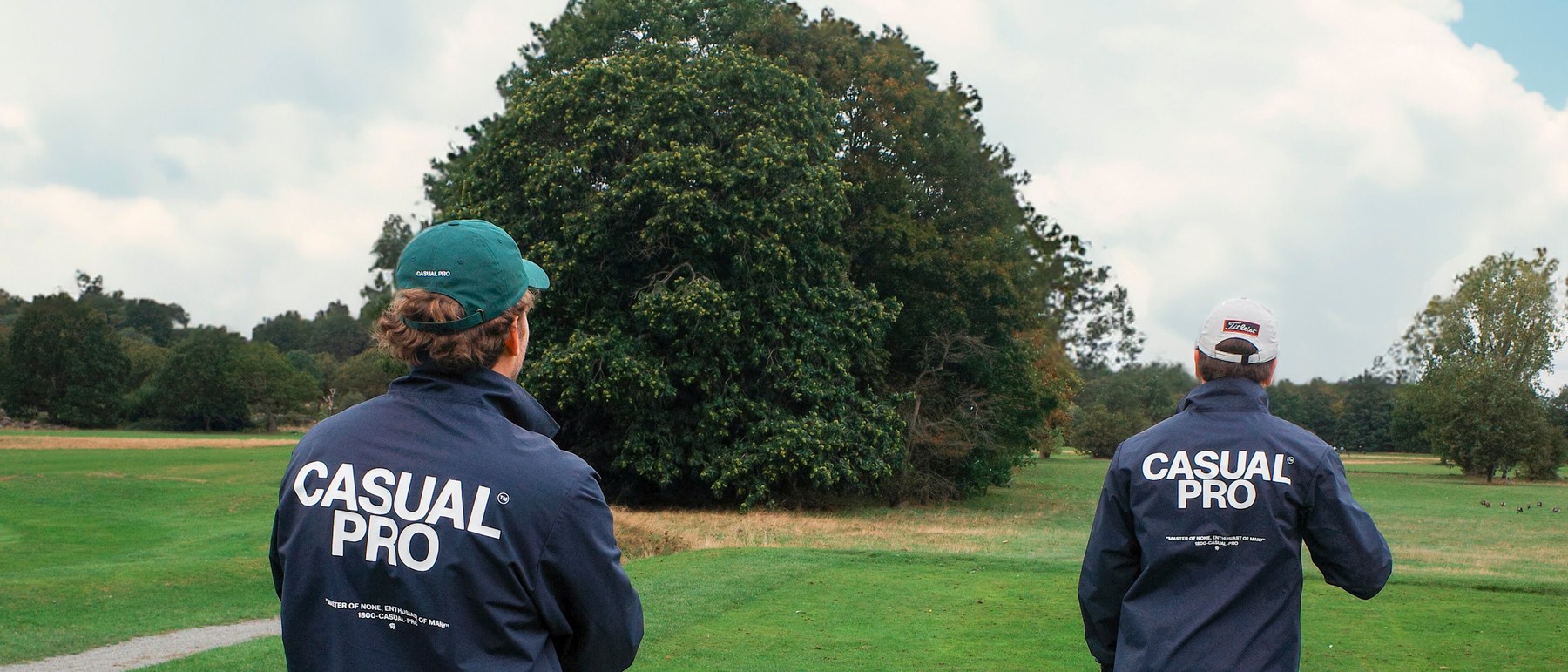
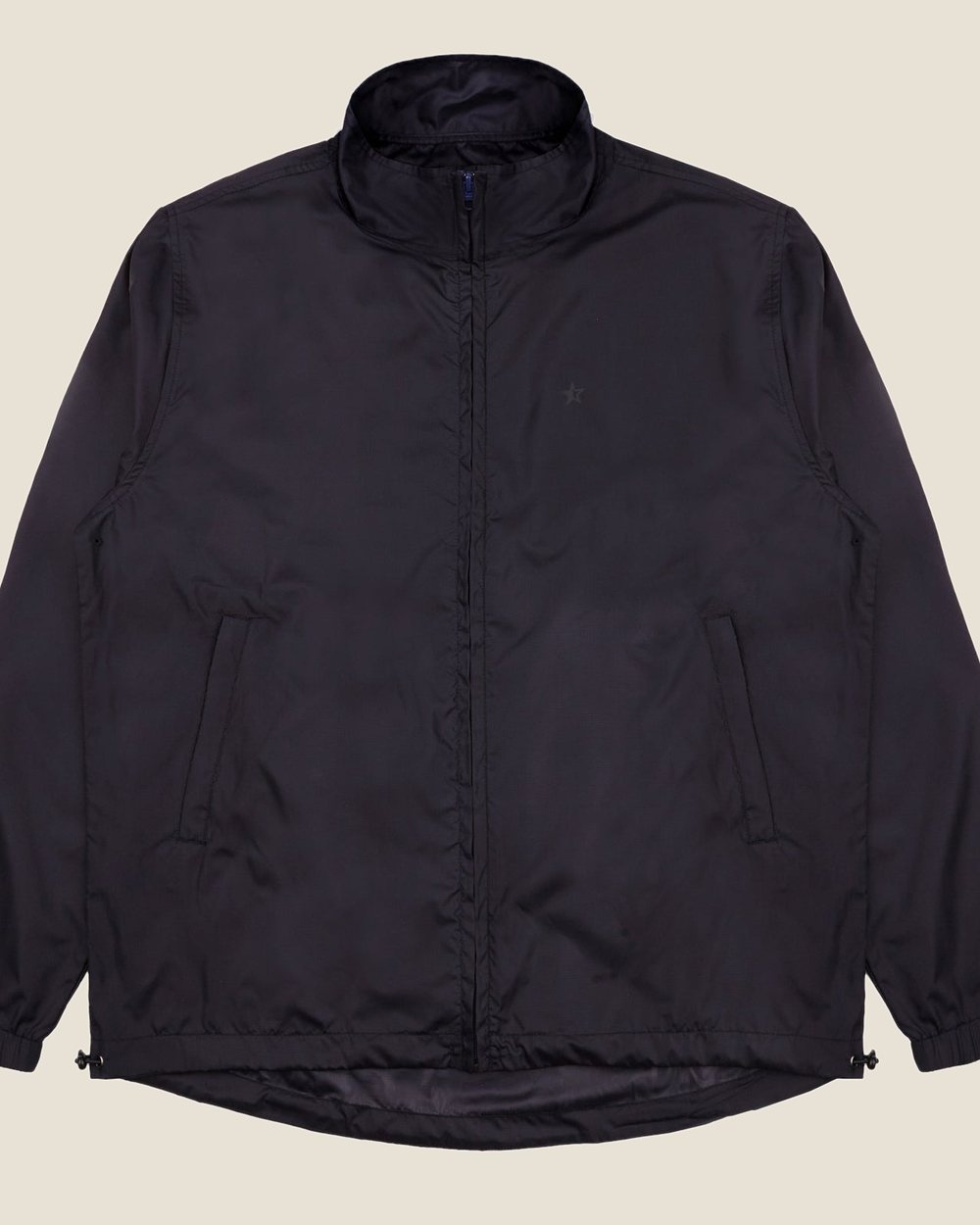
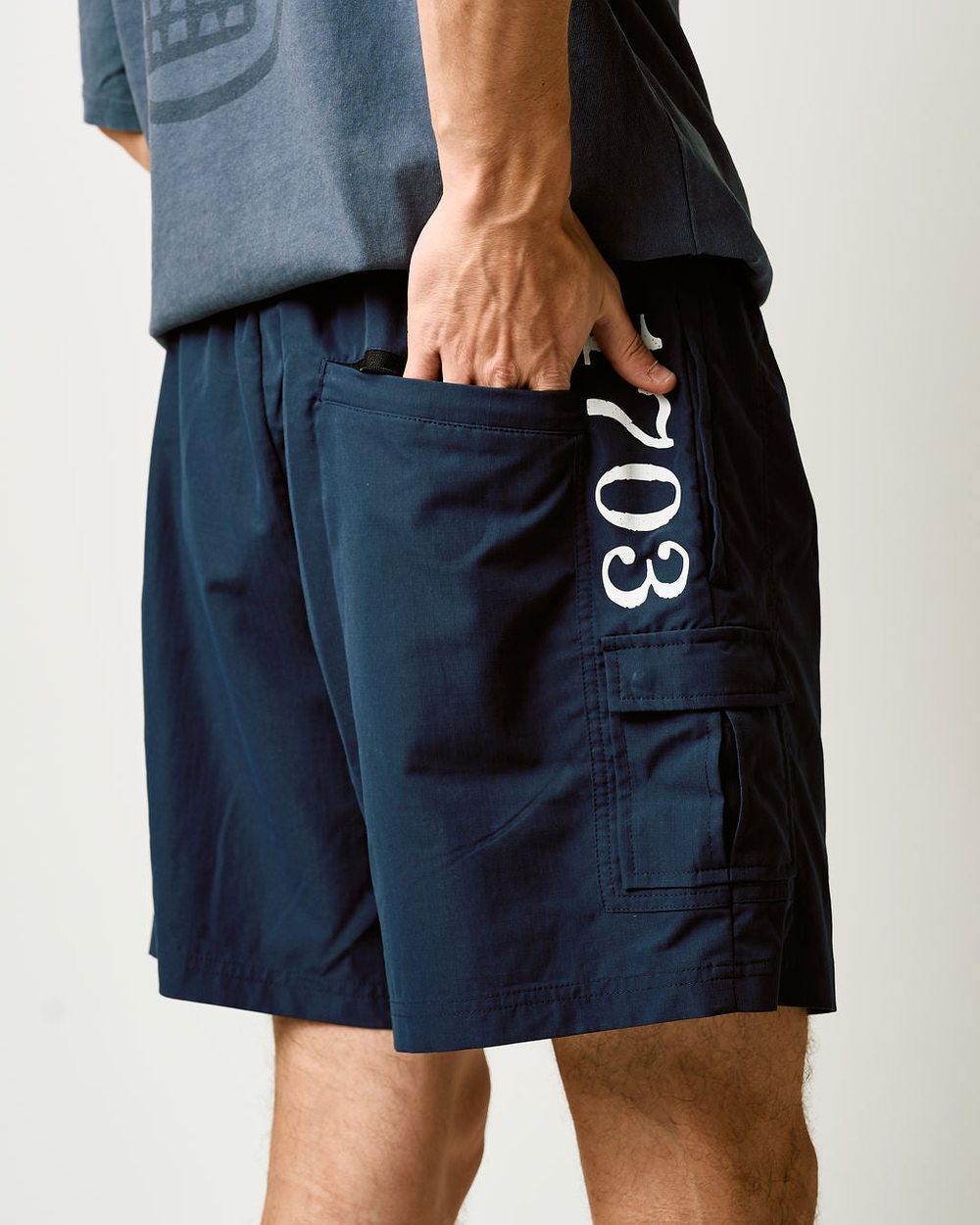
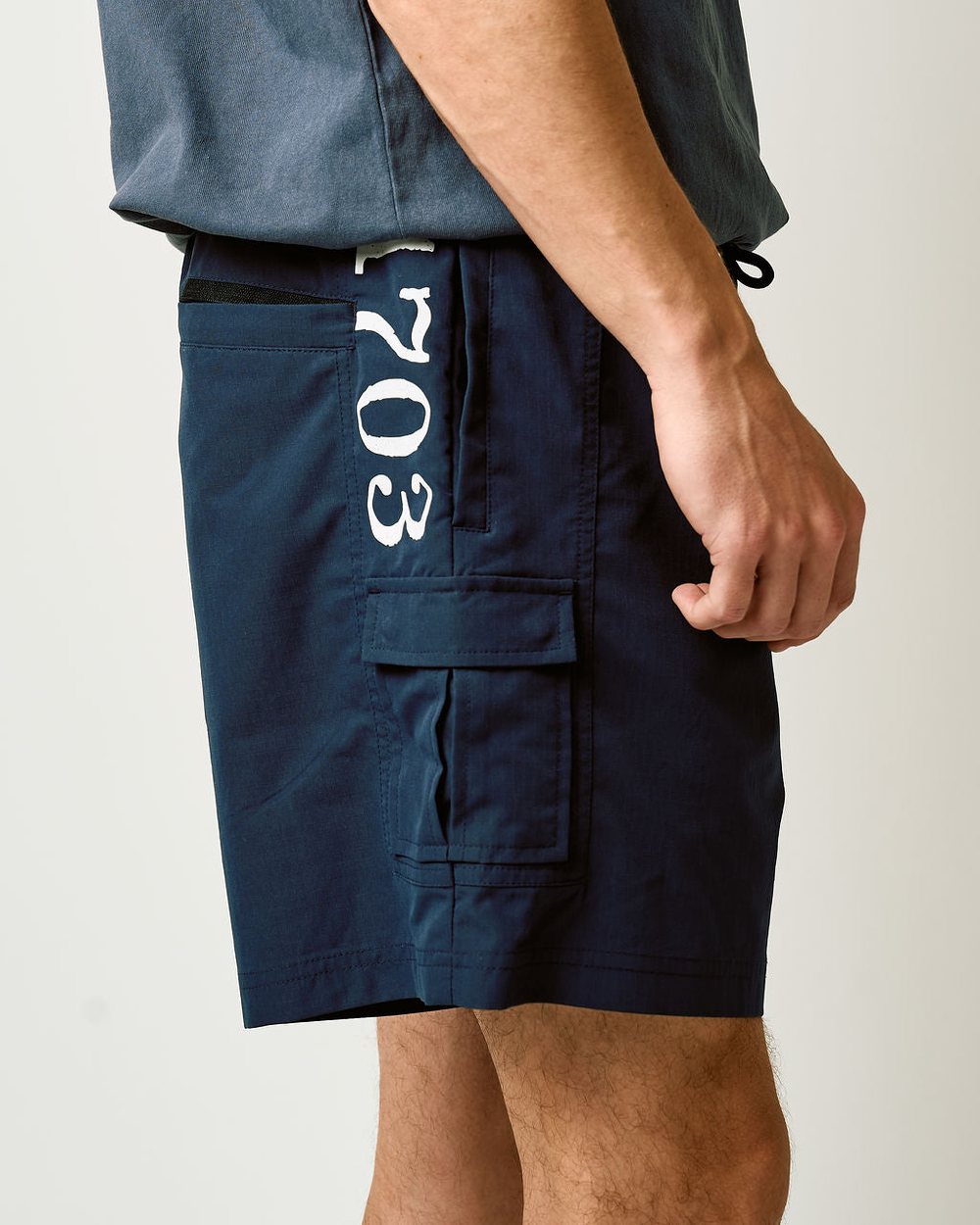
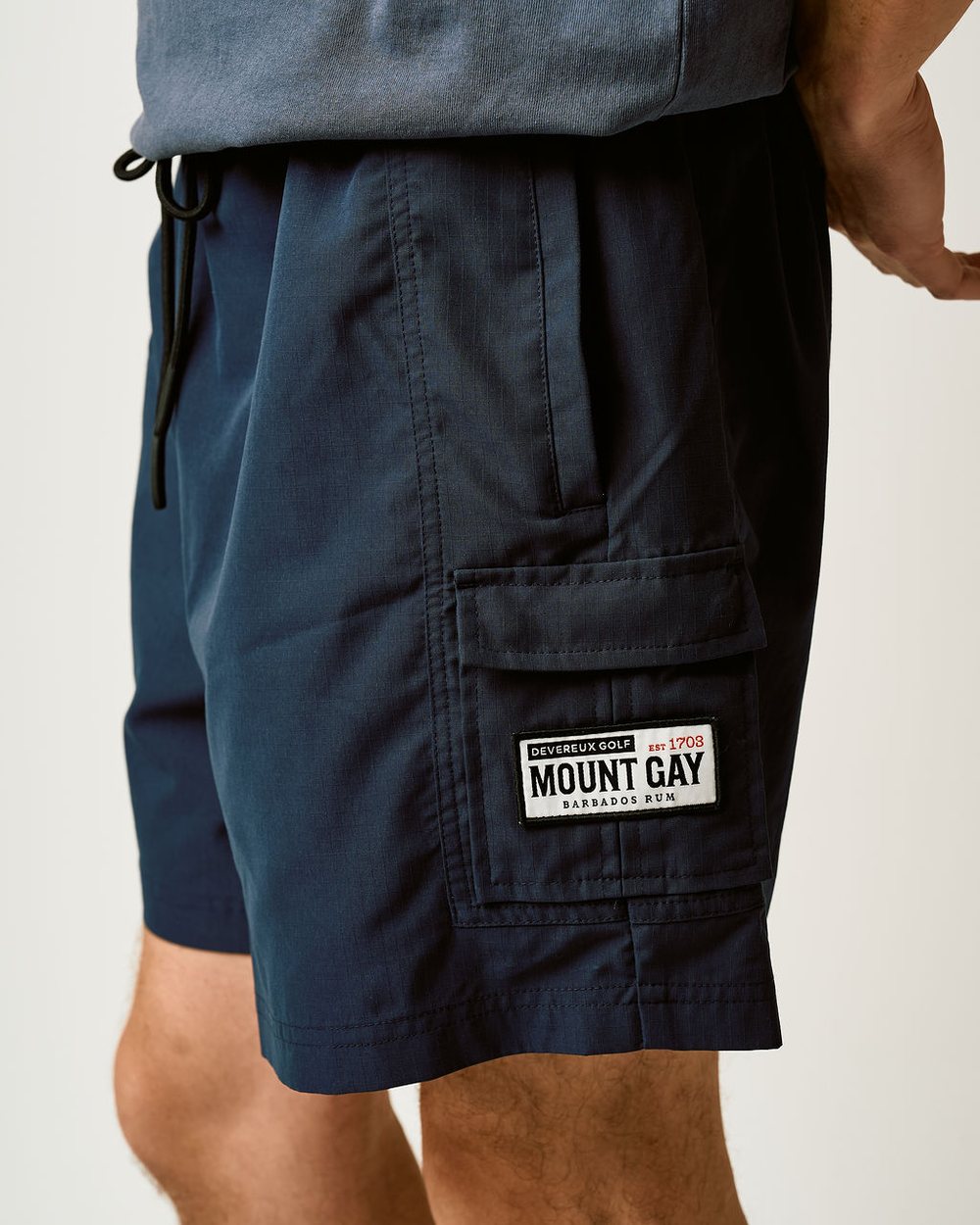
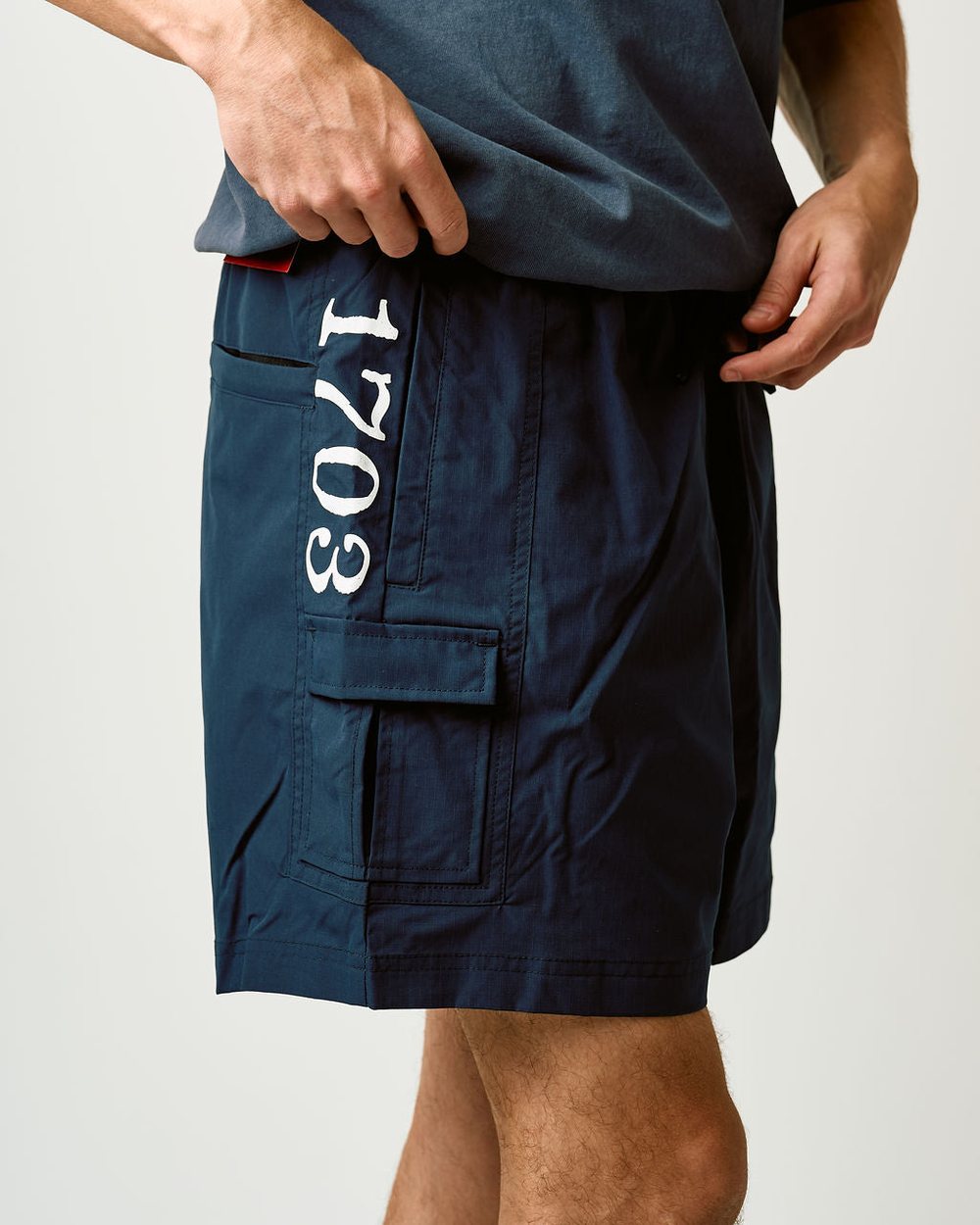
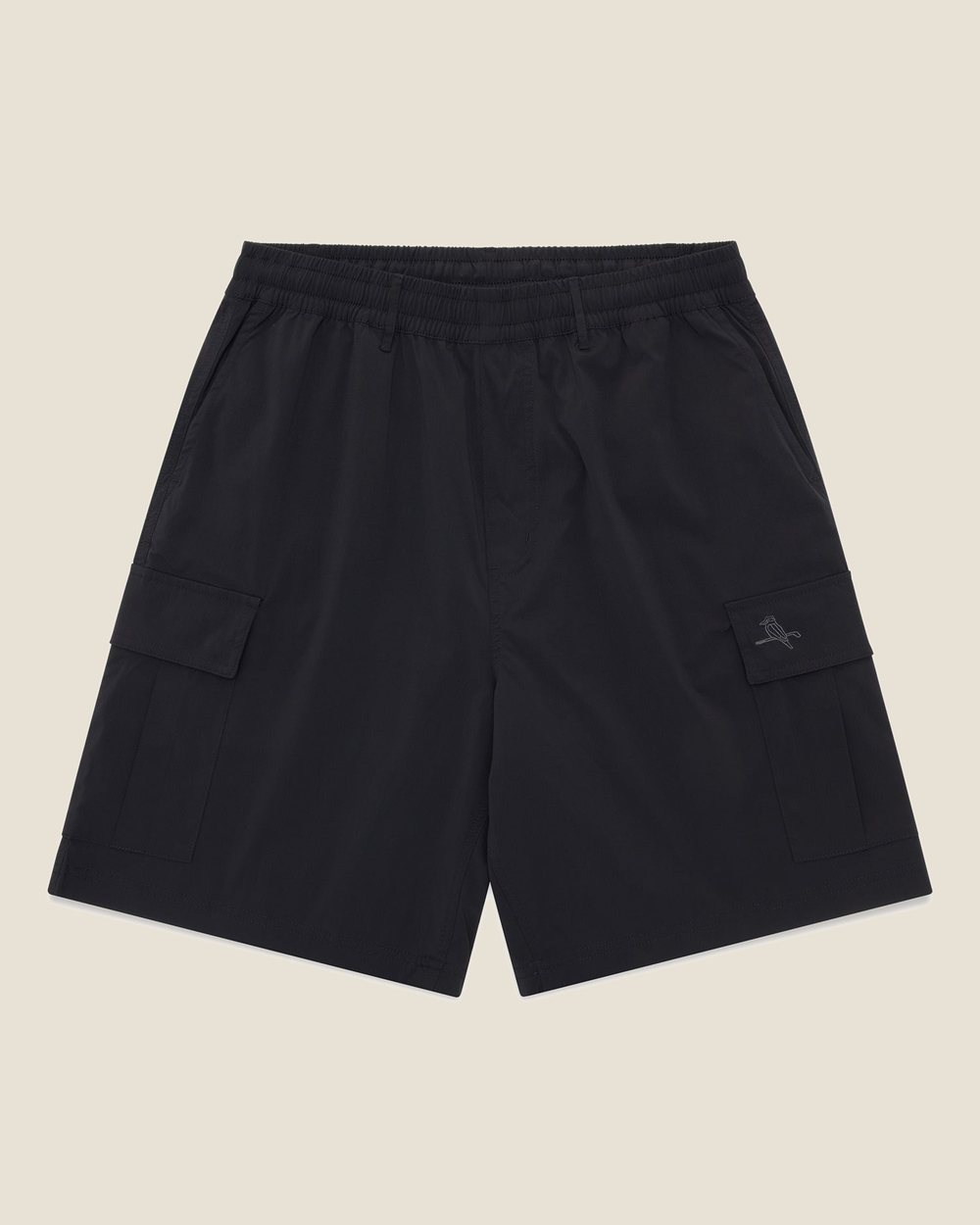
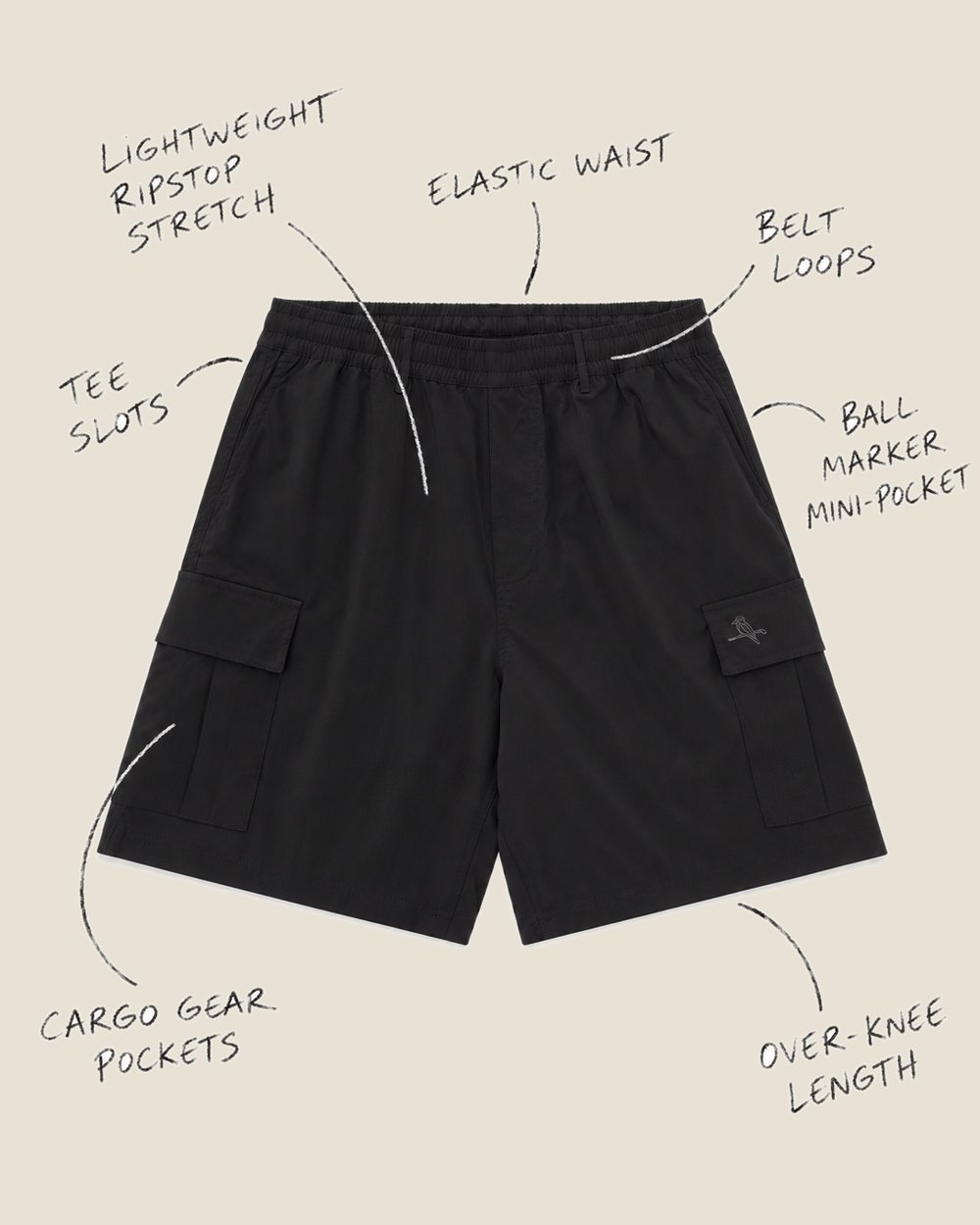
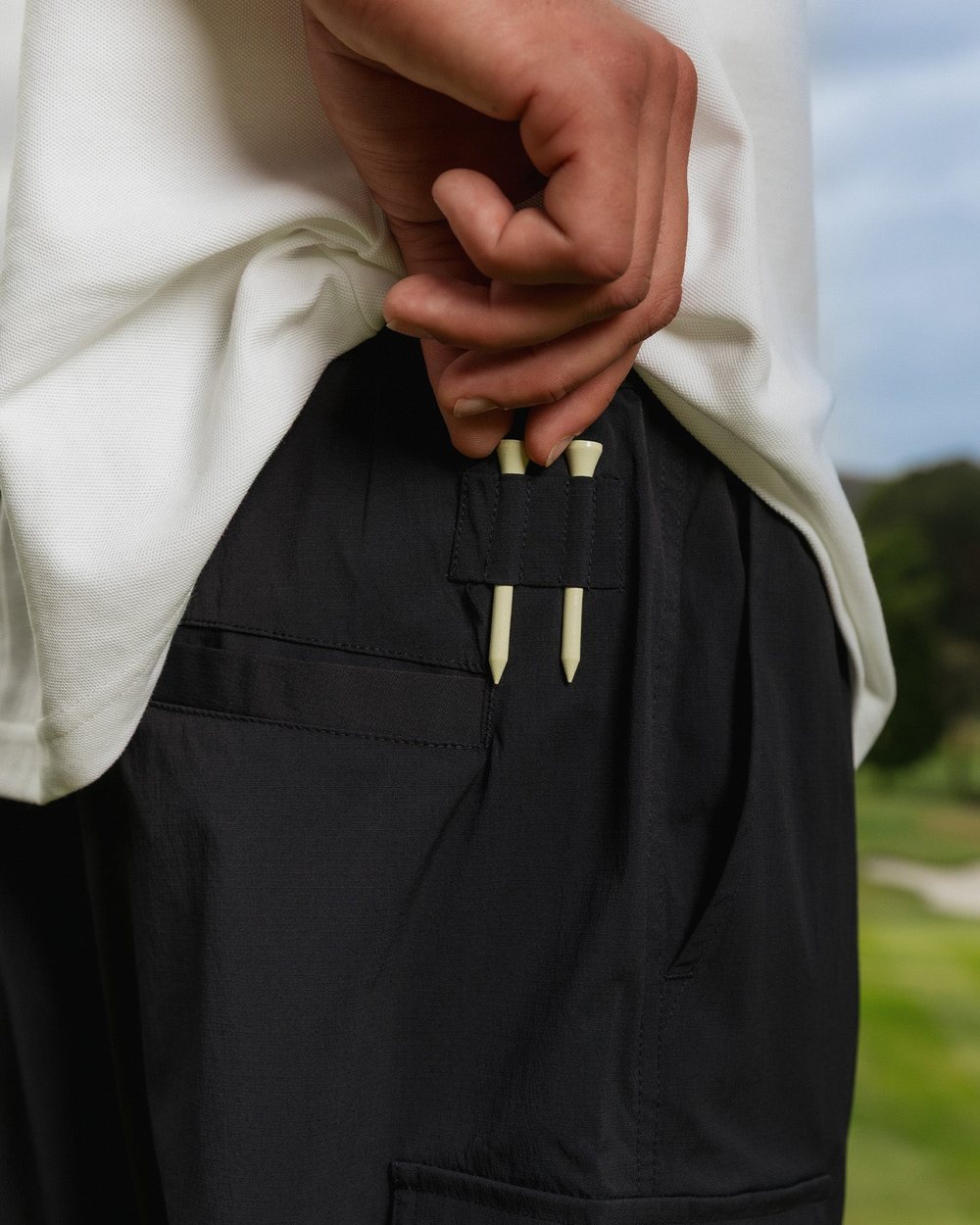
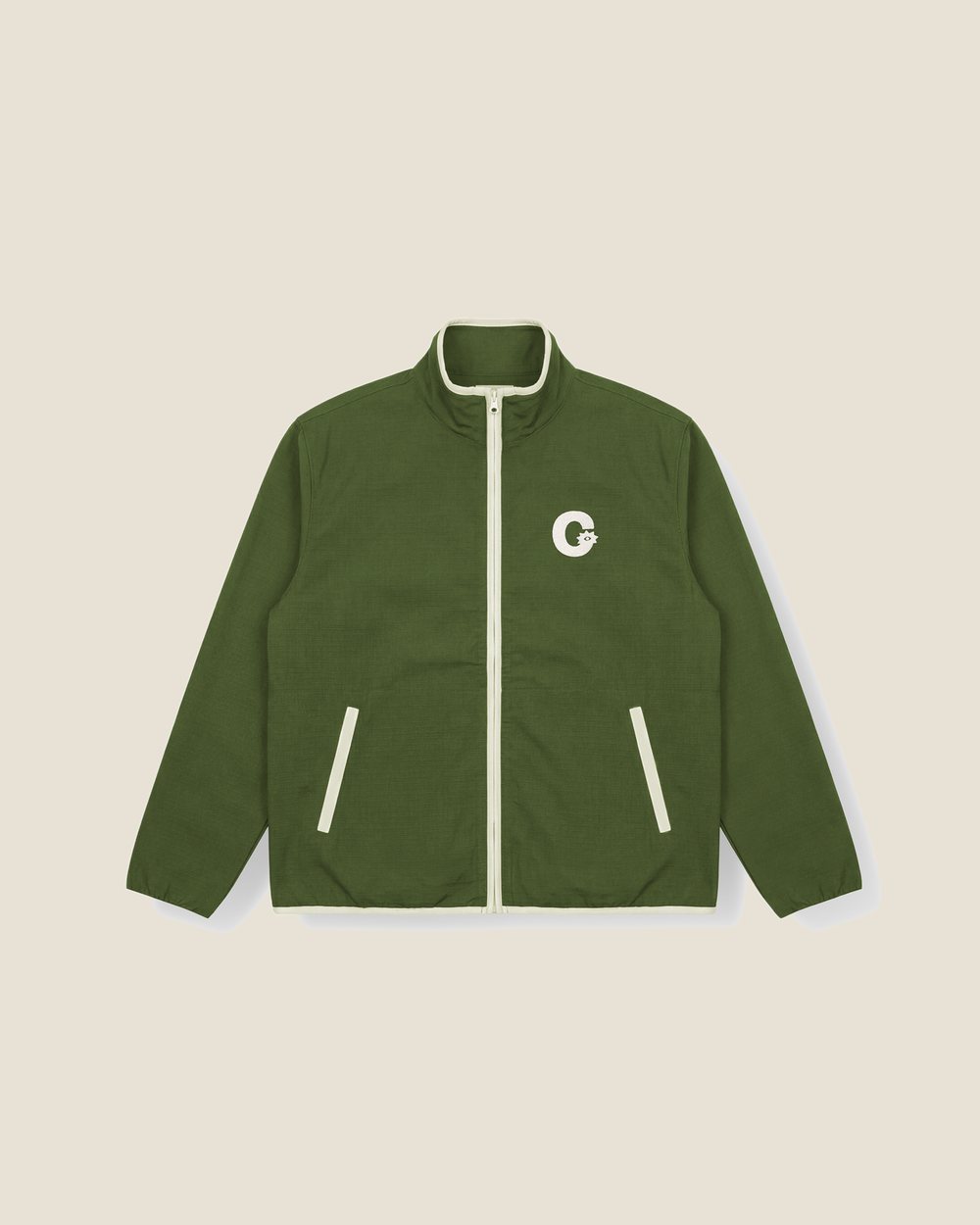
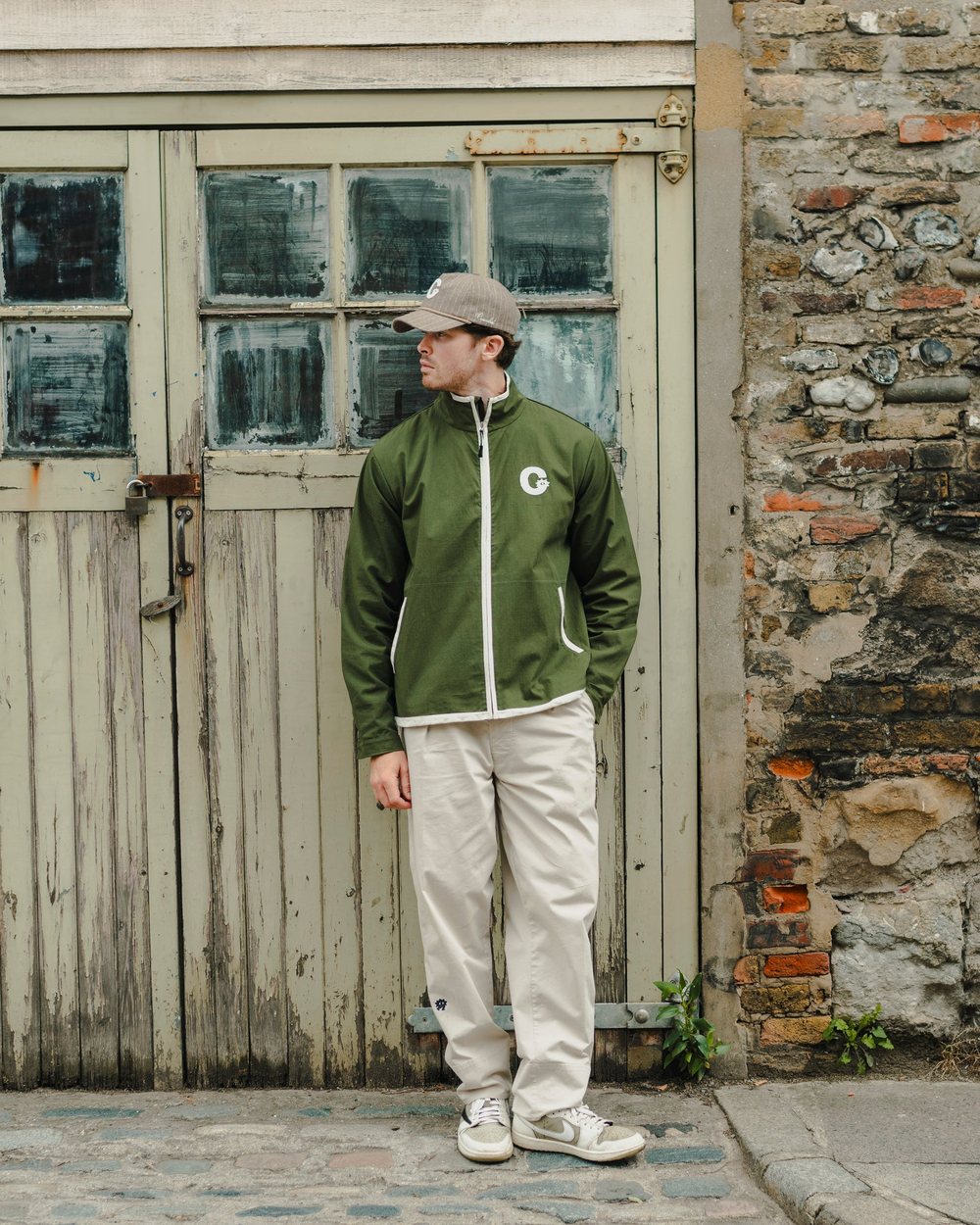
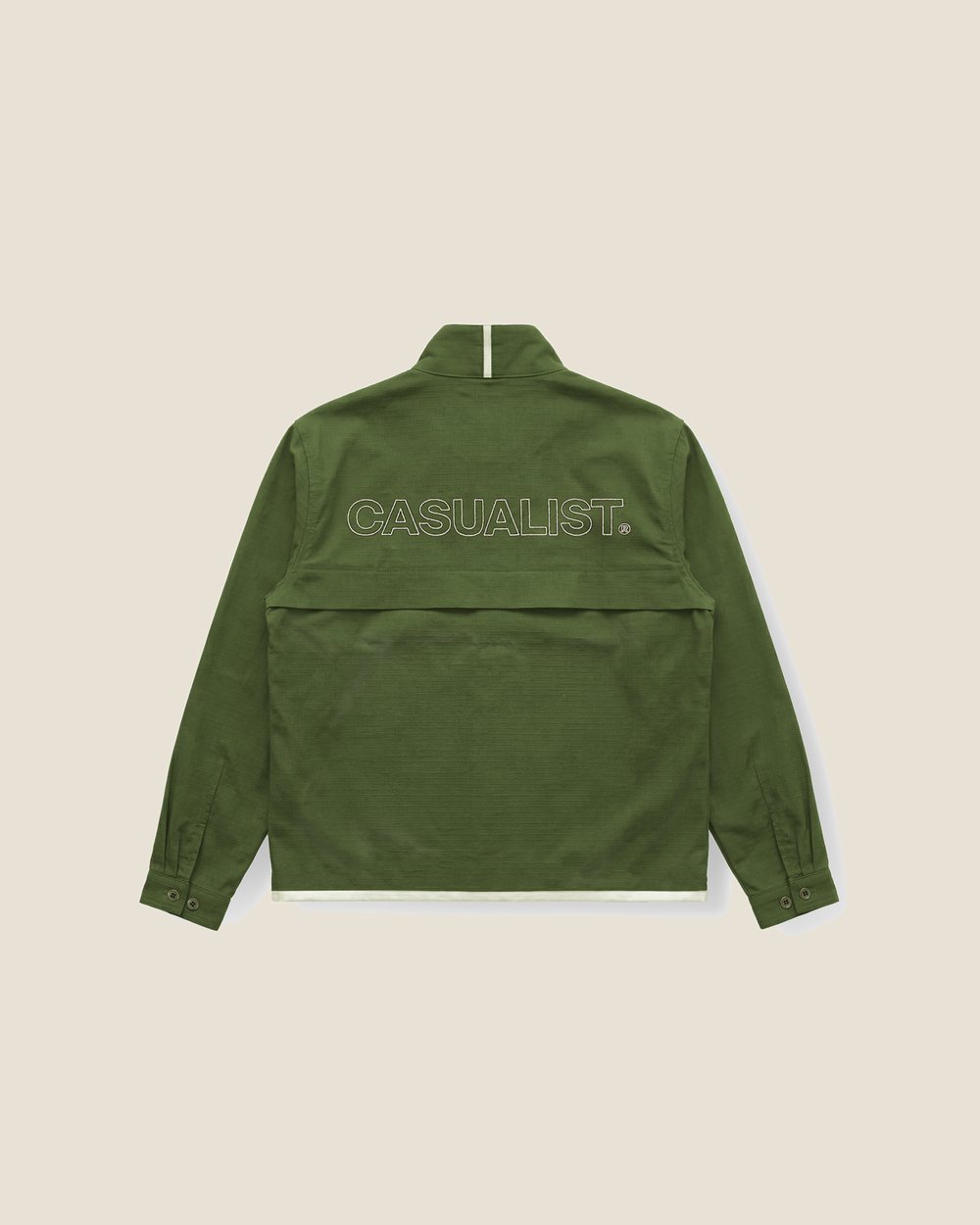
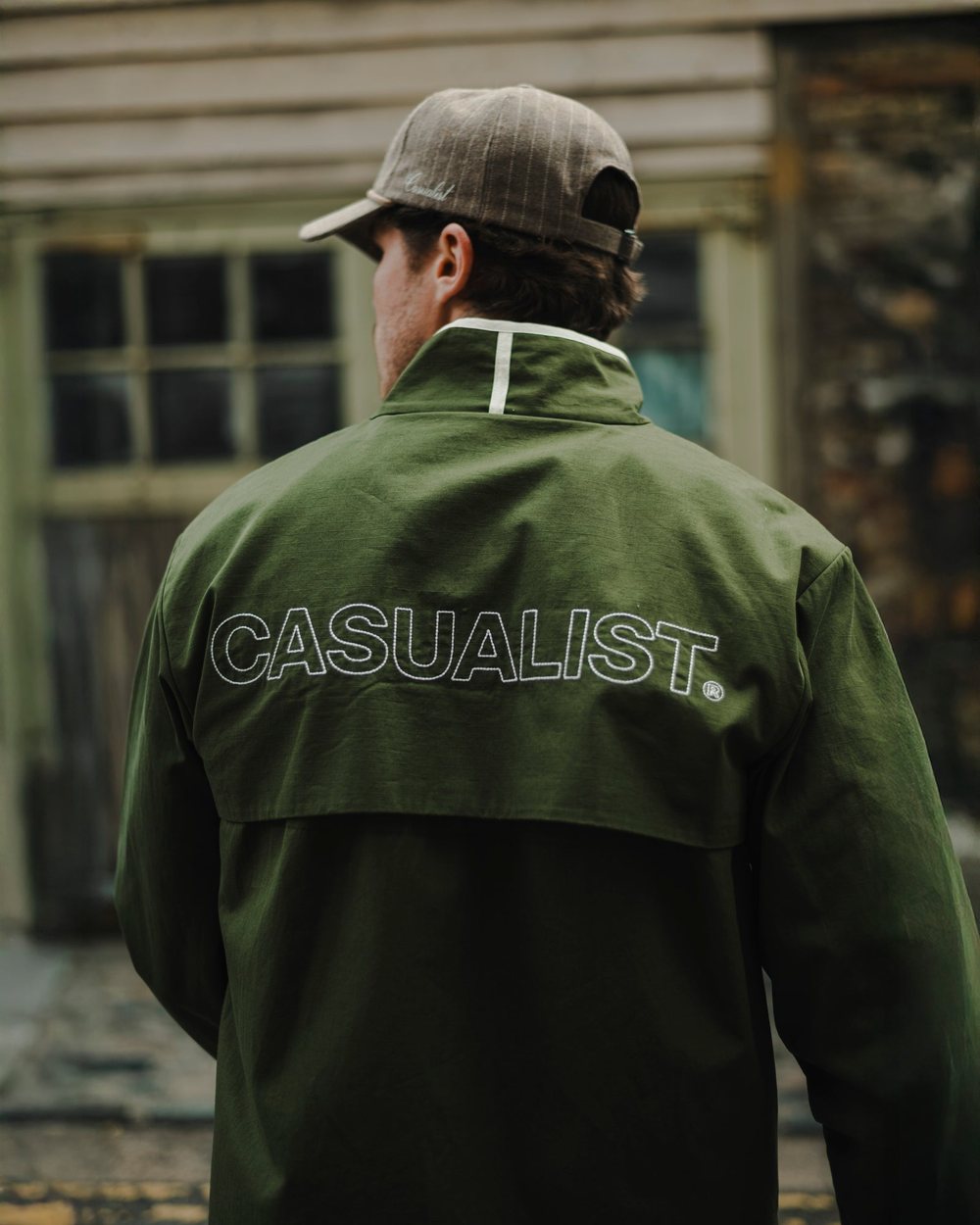
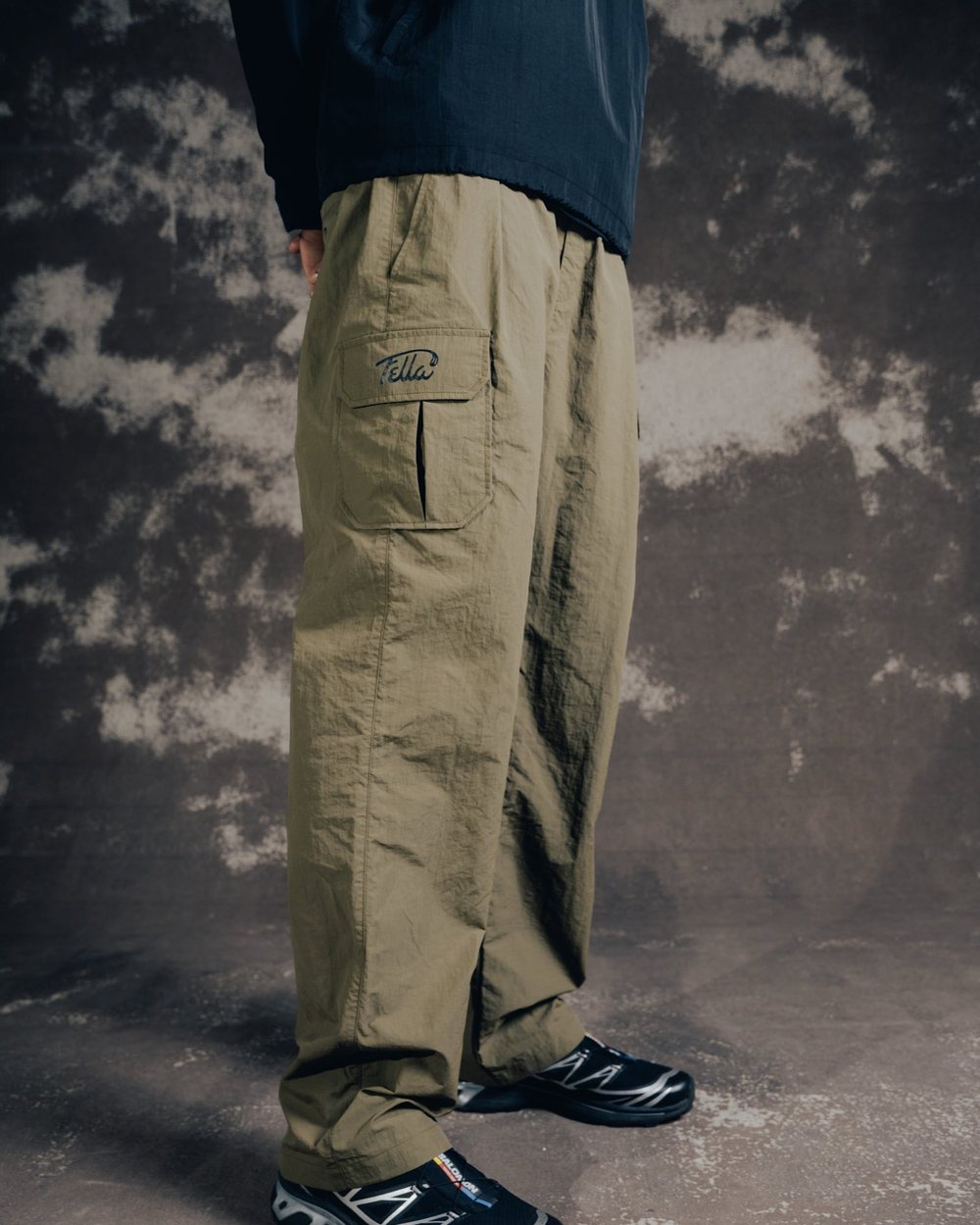
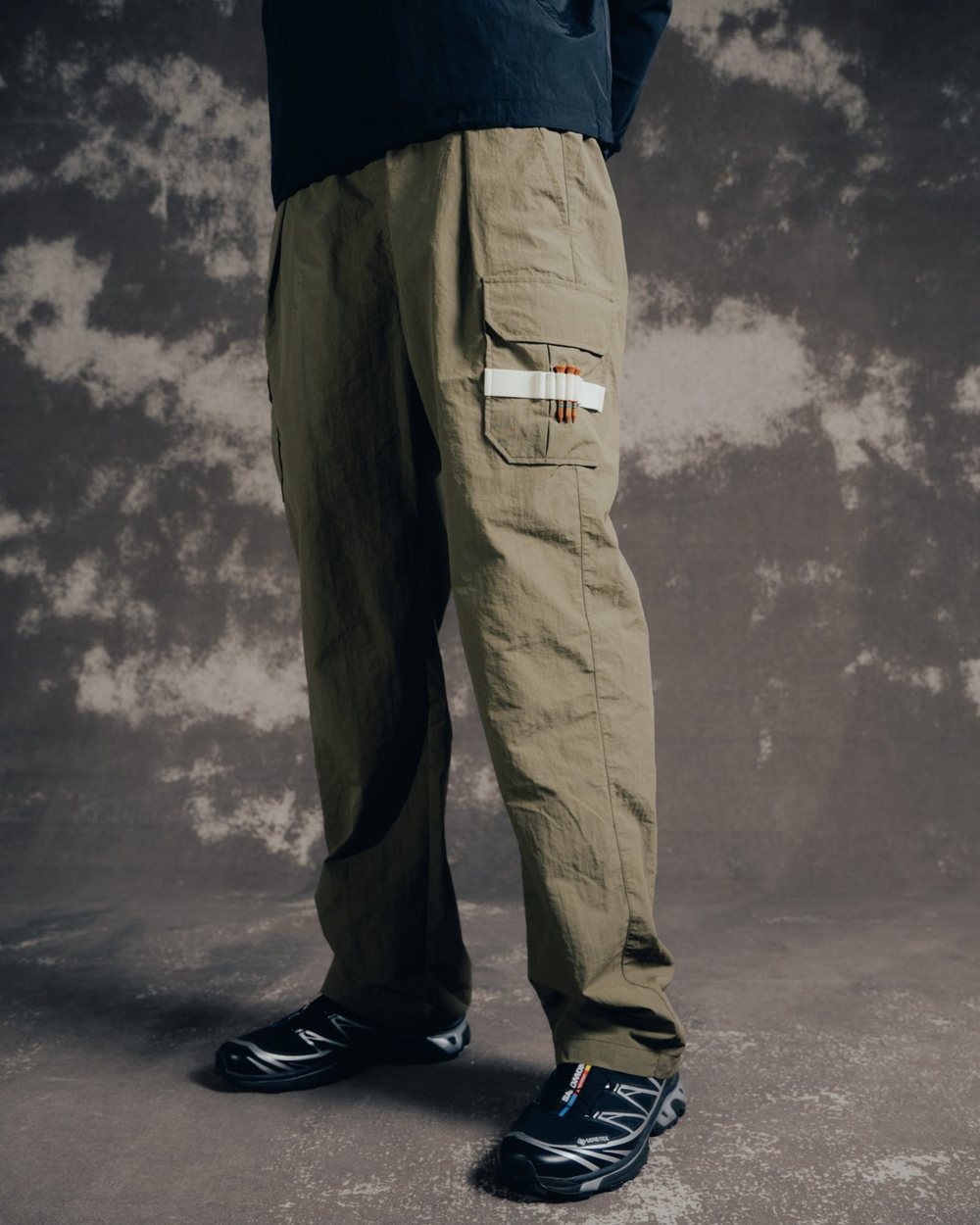
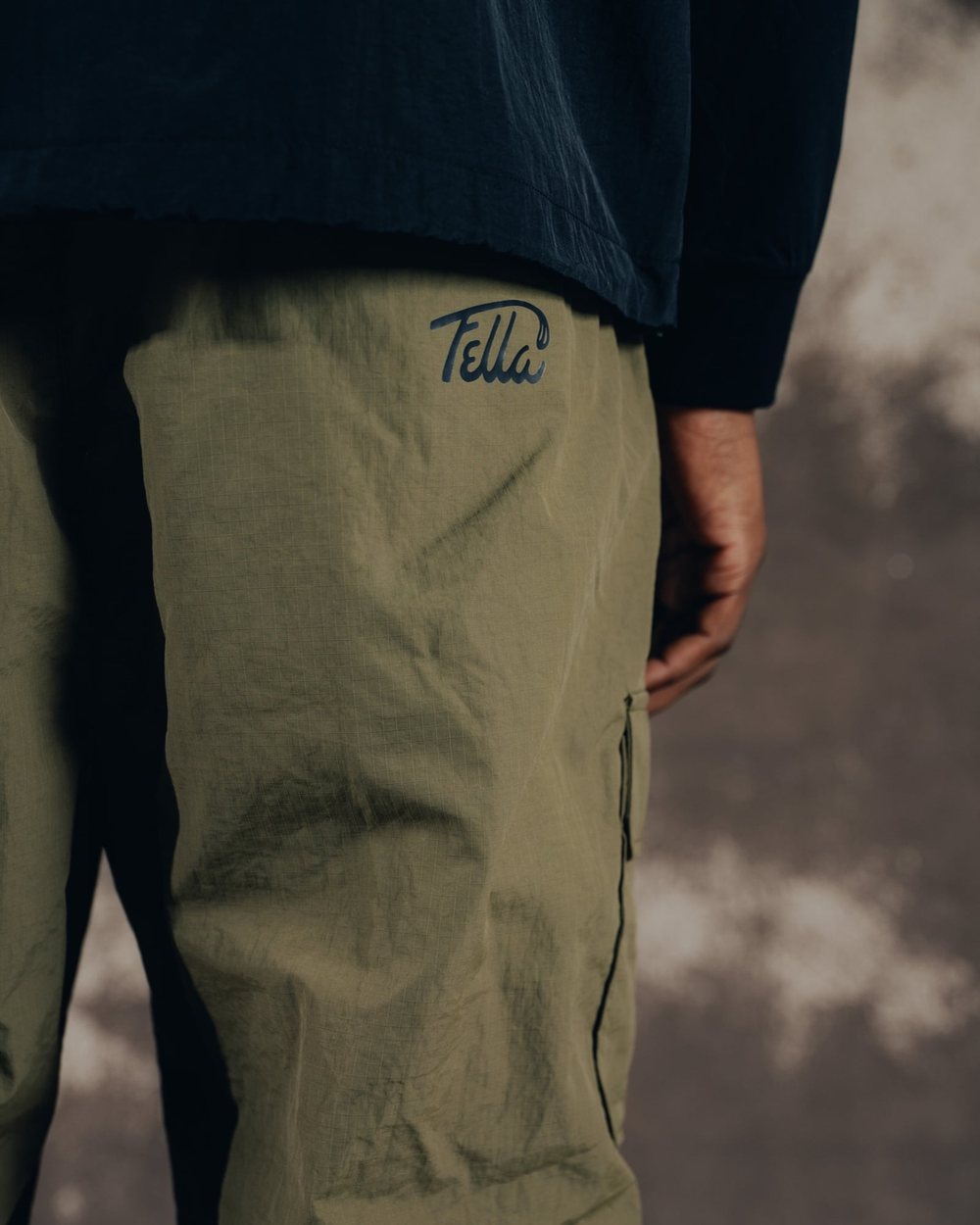
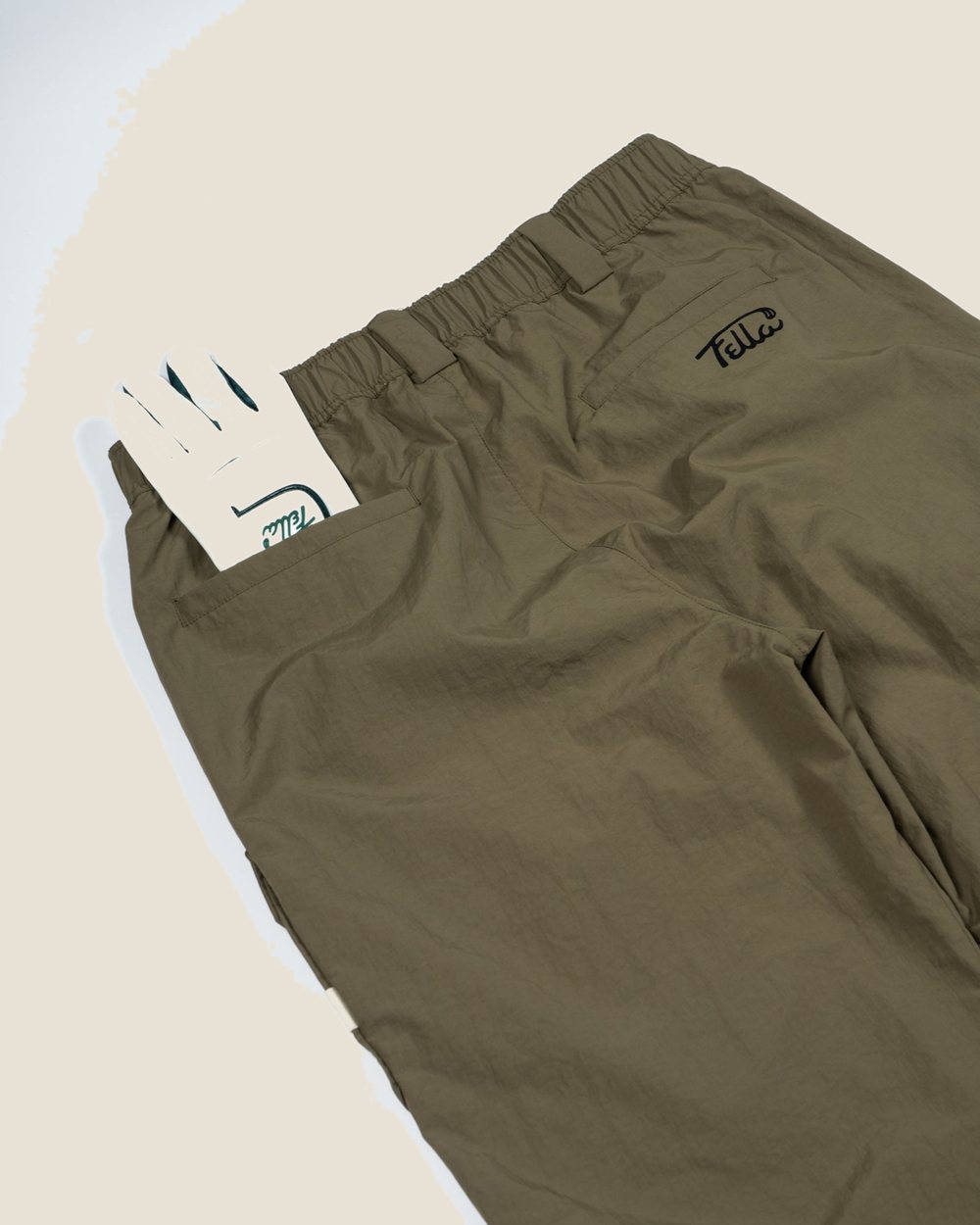
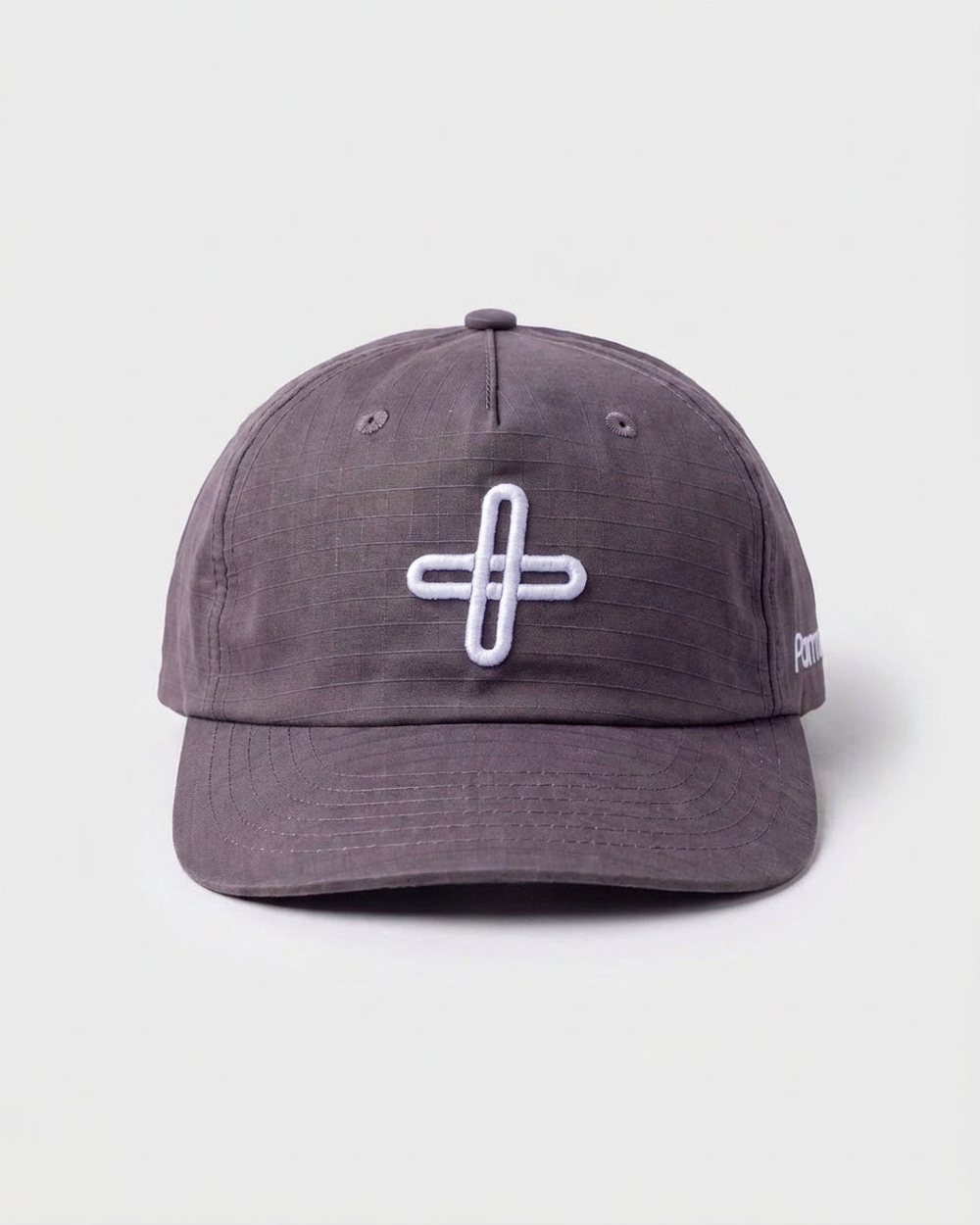
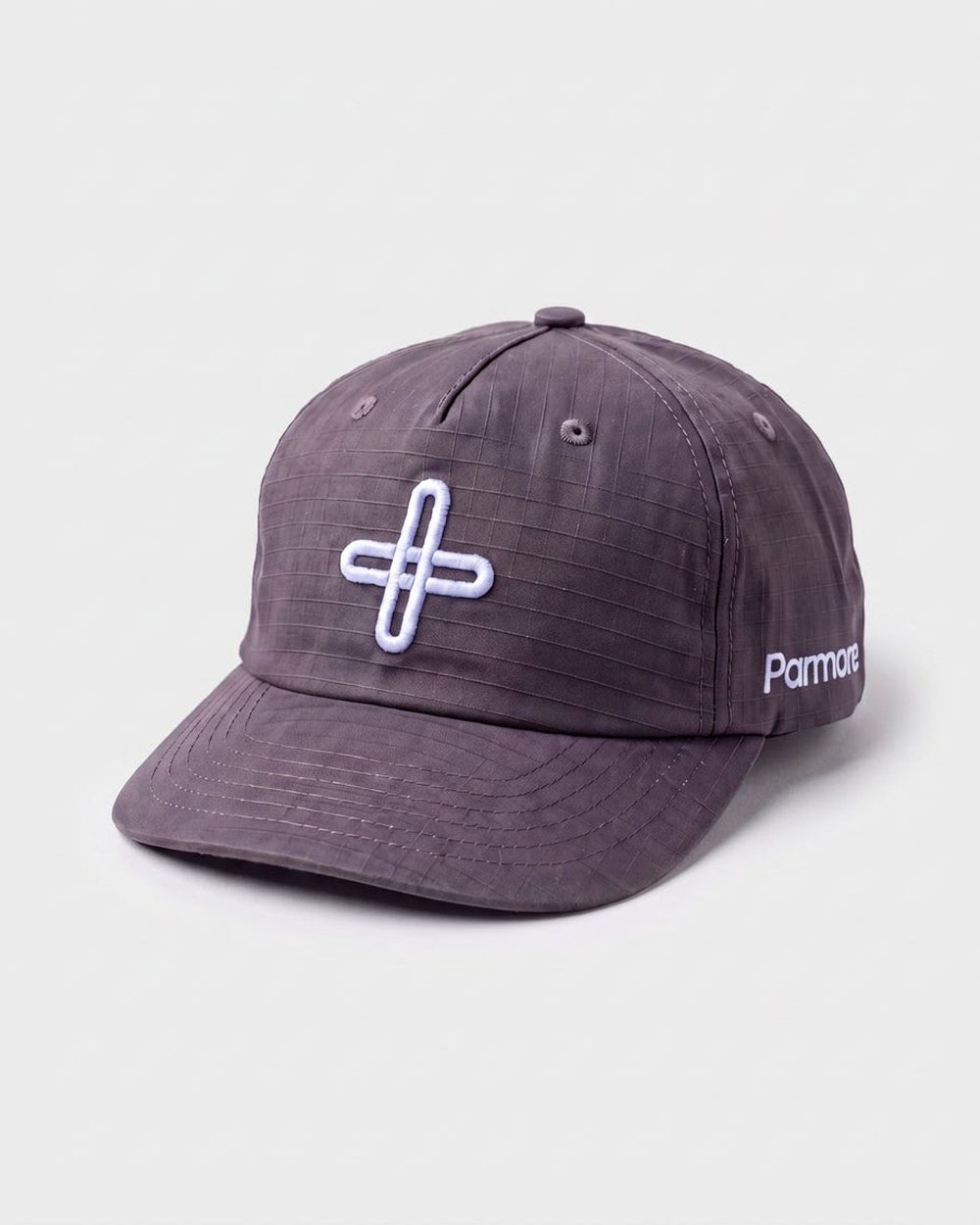
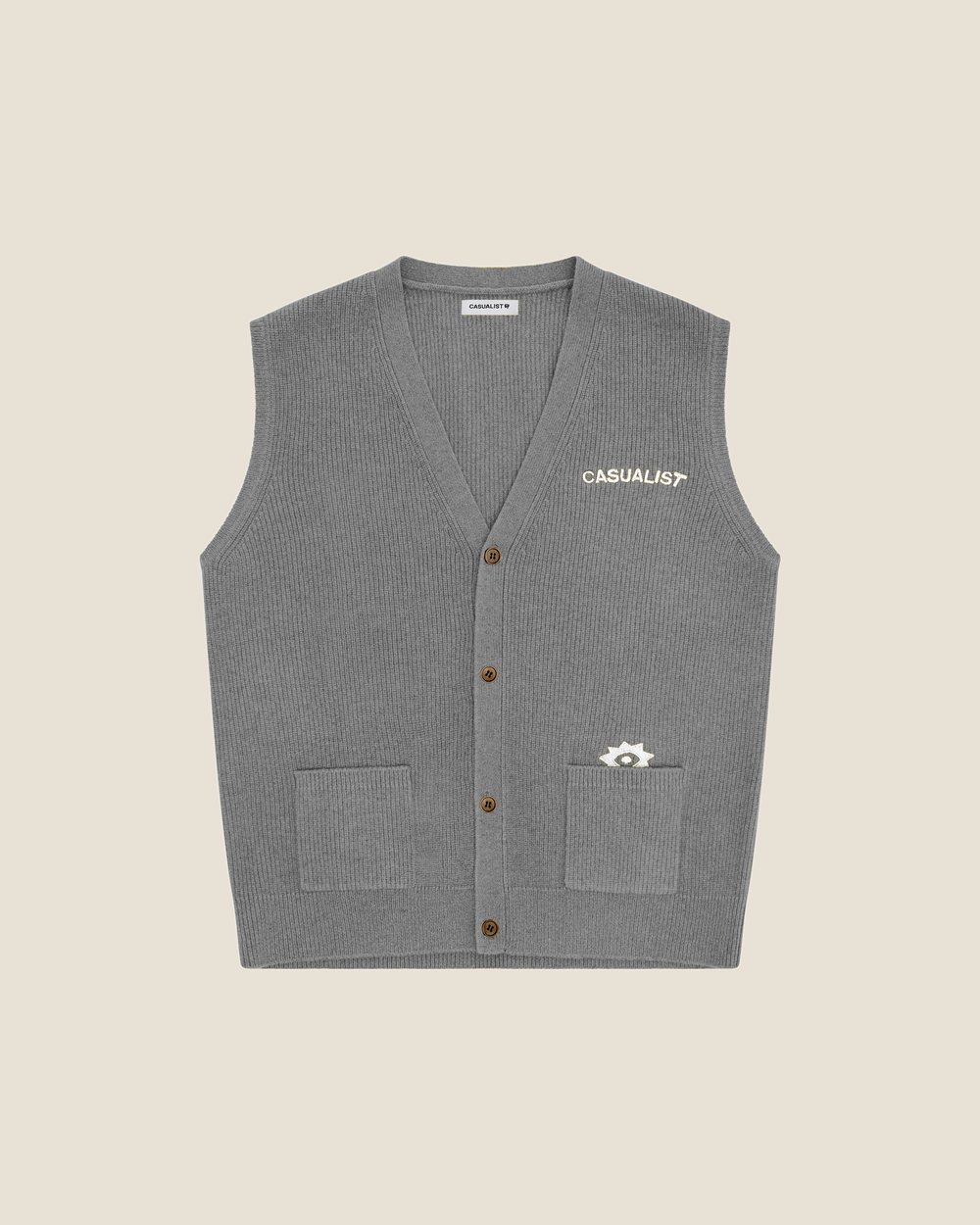
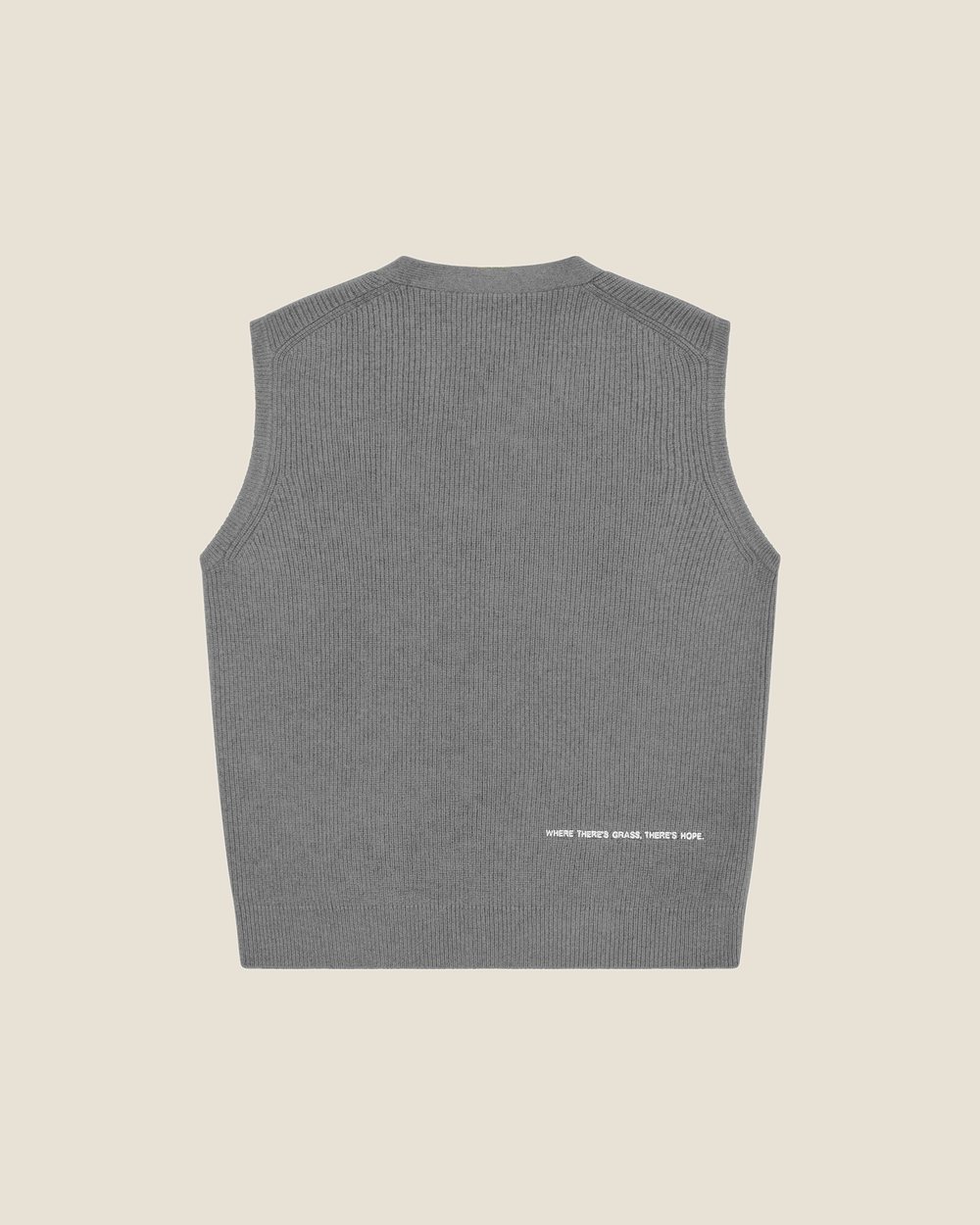
Ripstop in motion. Shorts and shells built to take a beating, from Devereux, Walker and Casualist.
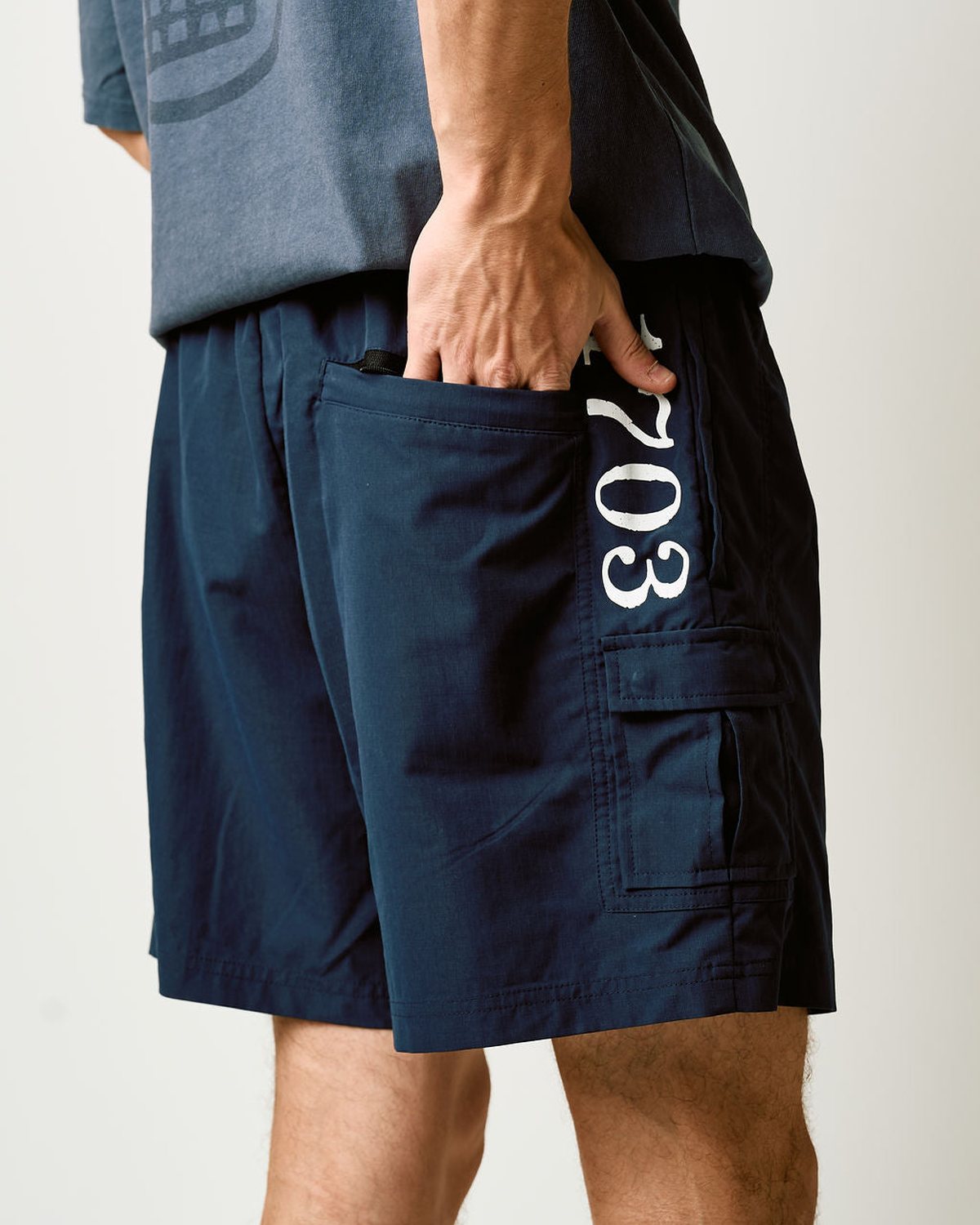

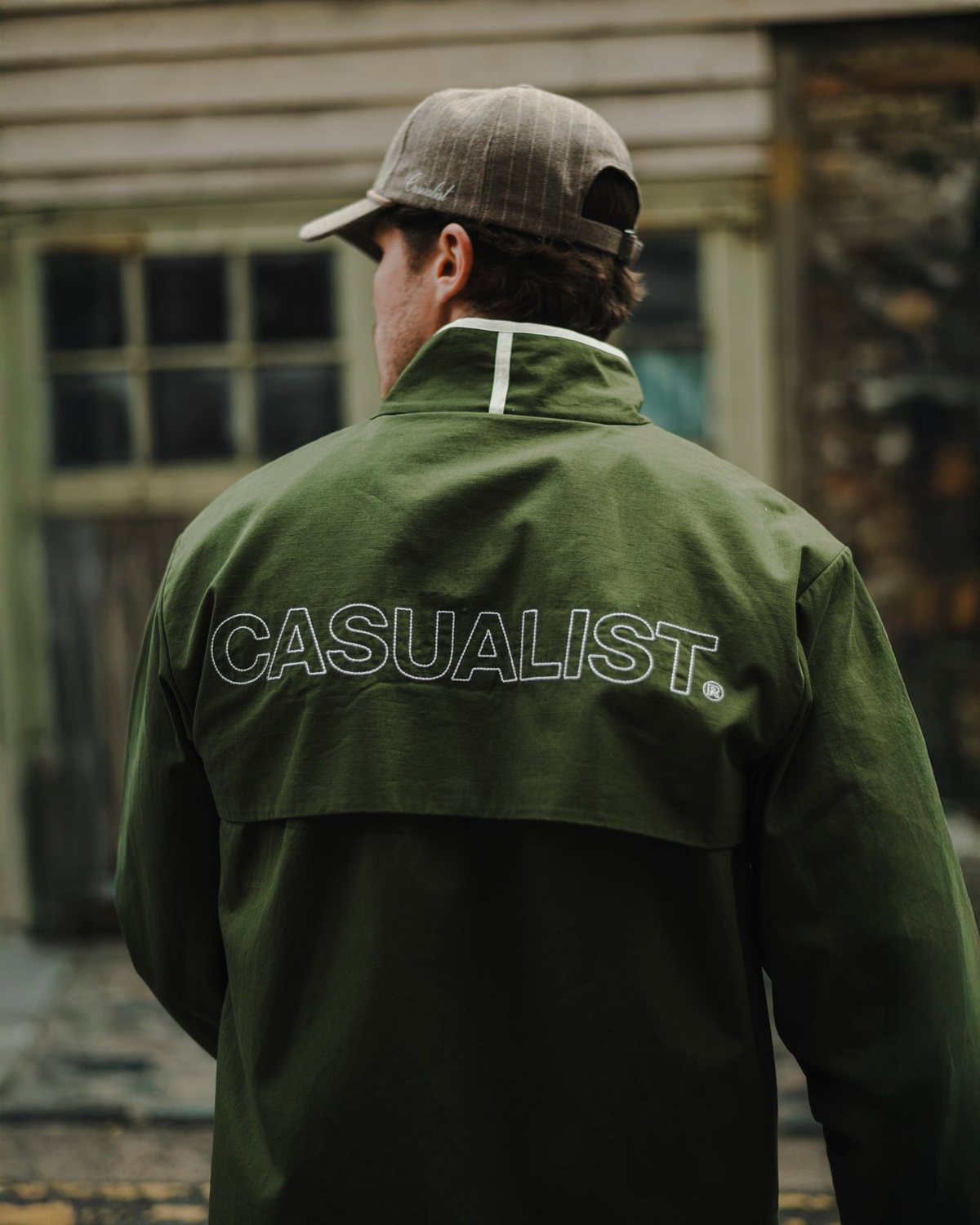
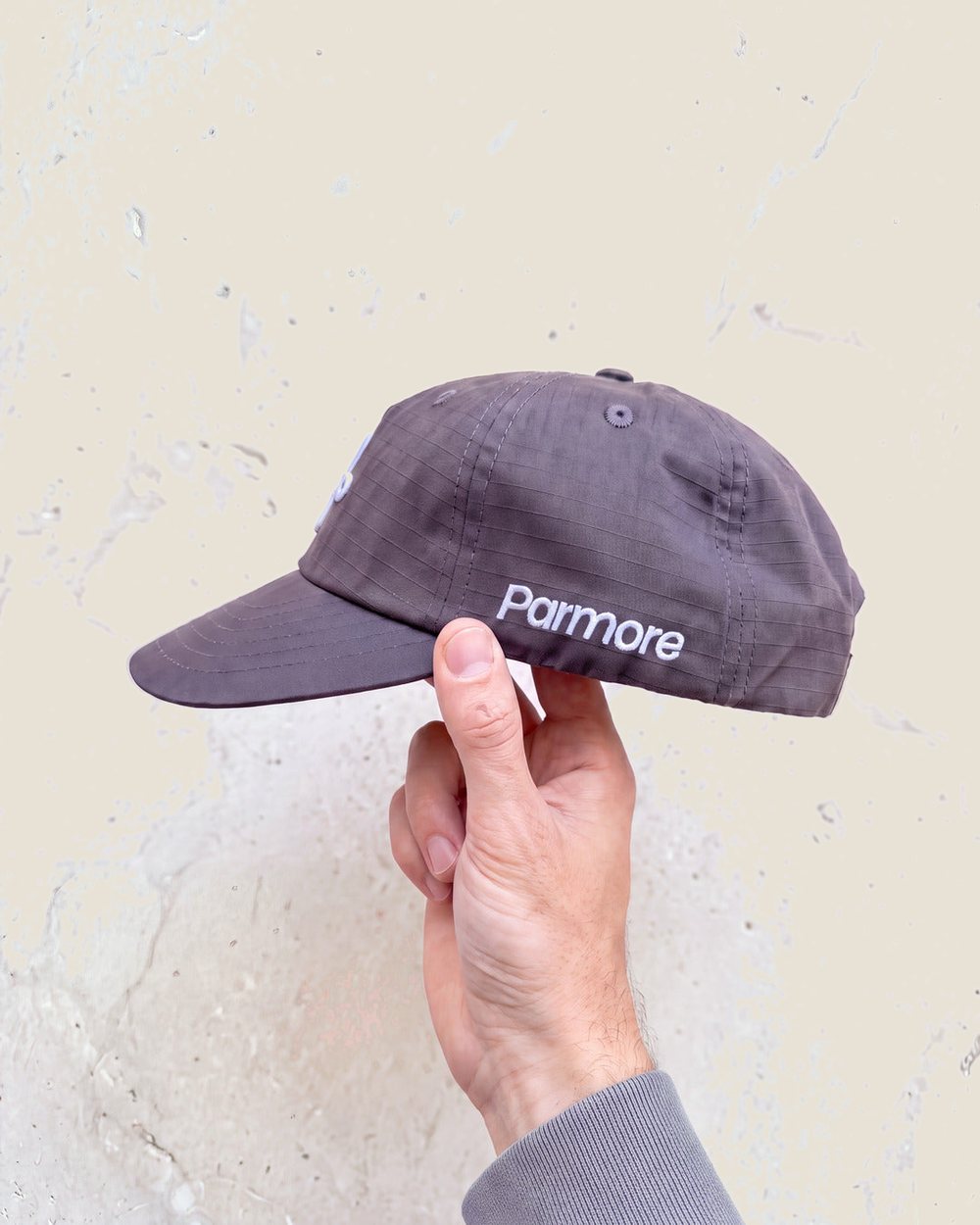
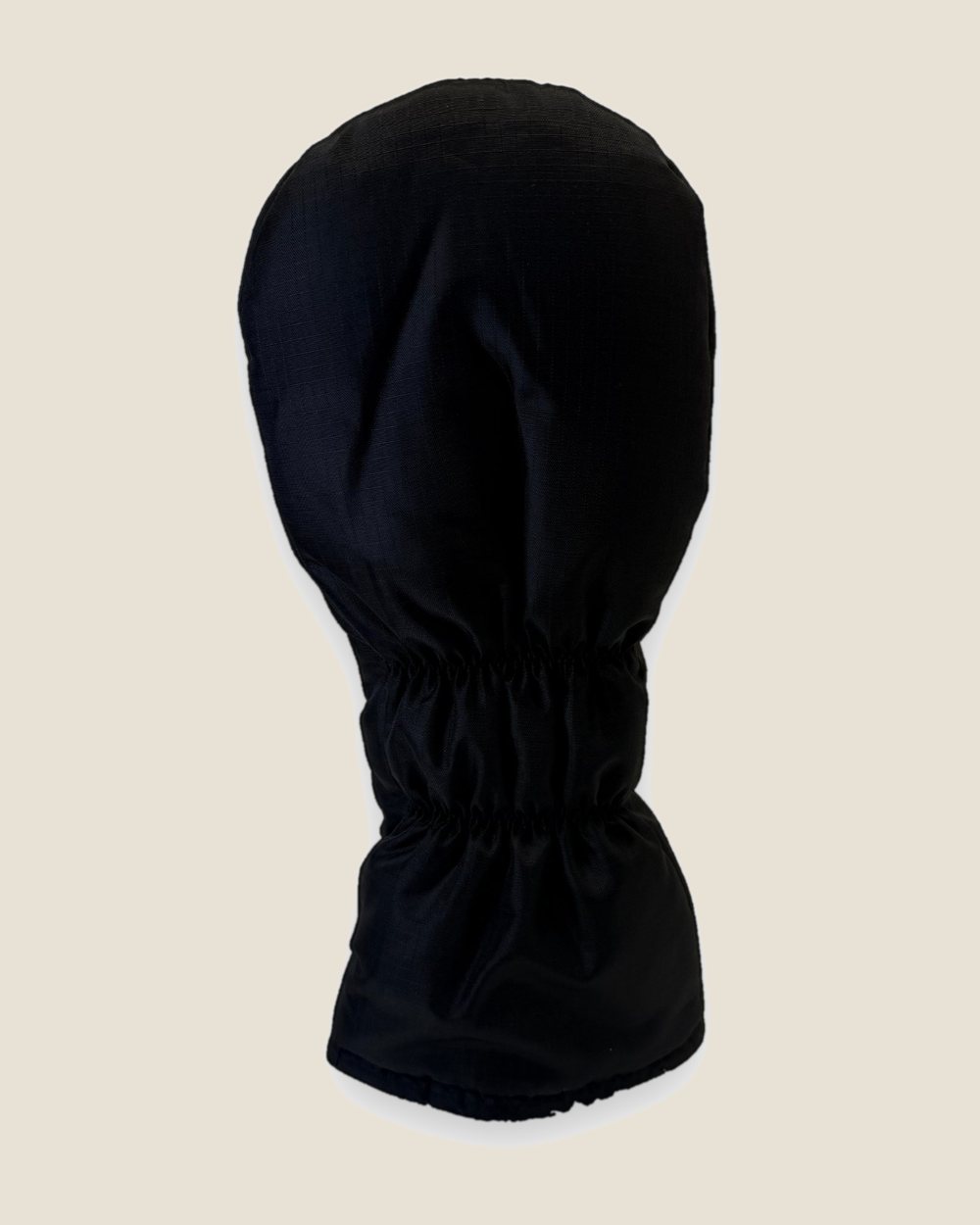
8 pieces · $40–$321A grid-reinforced weave, in nylon, polyester or cotton. Shells, pants, shorts, a cap and a driver cover.

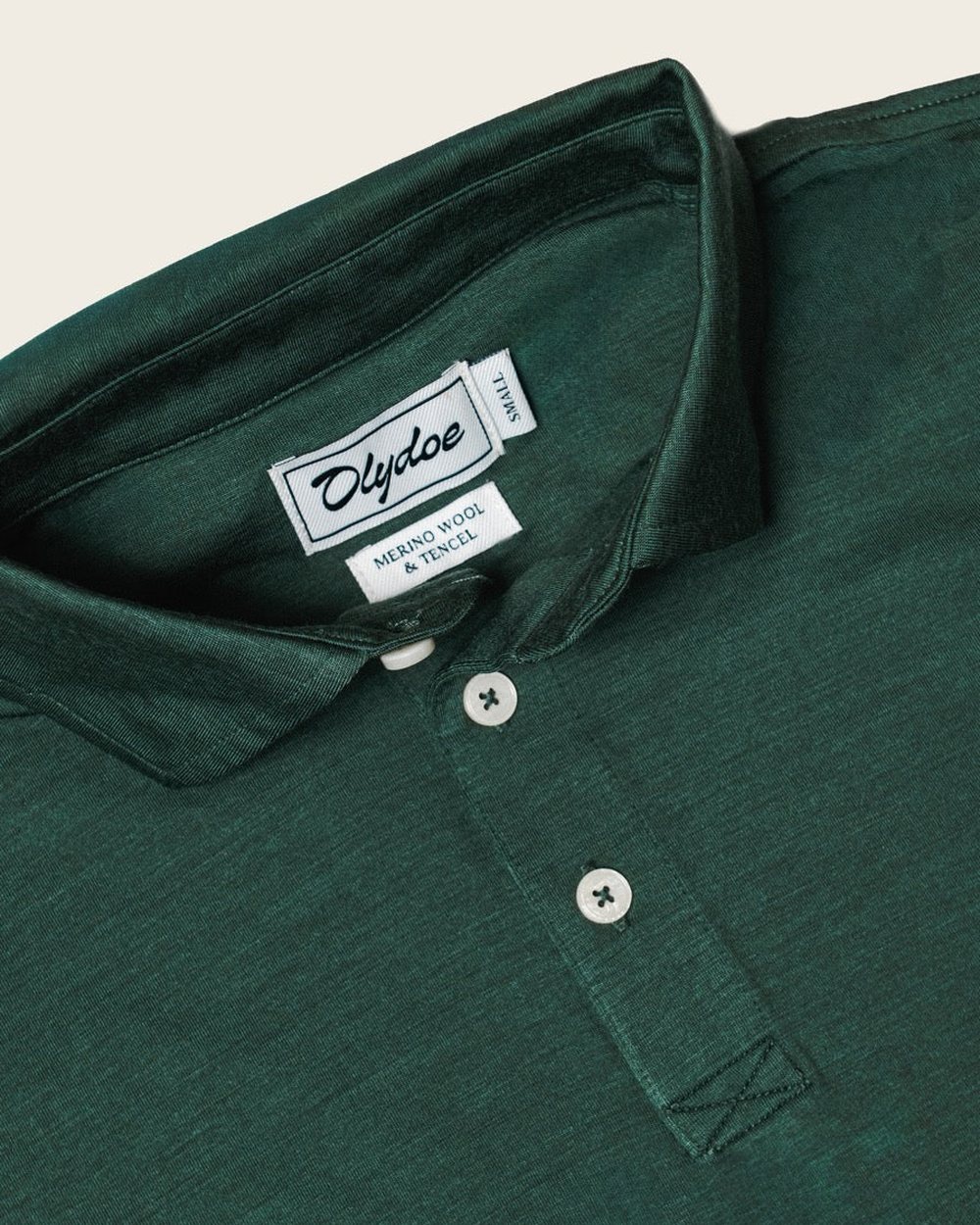
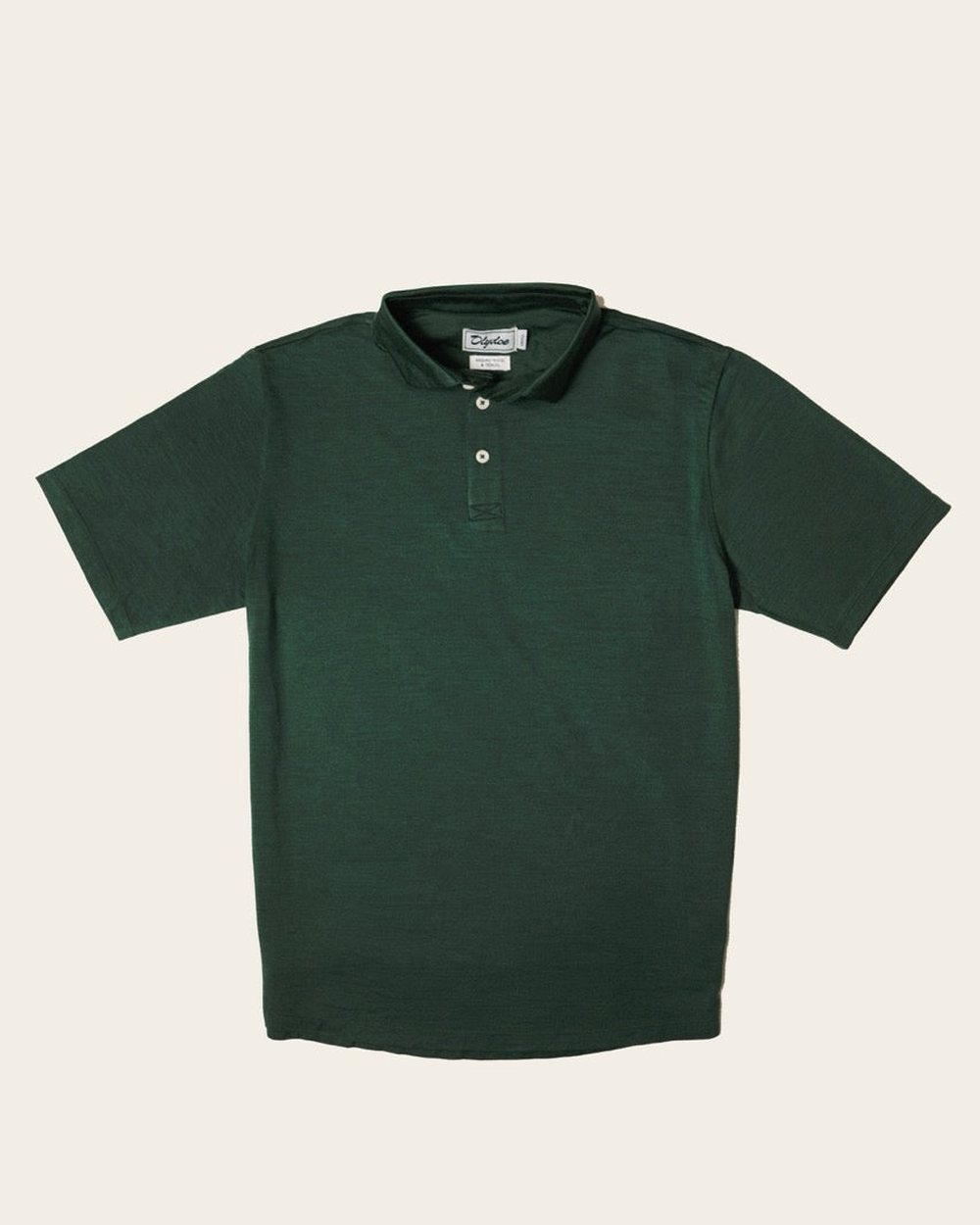
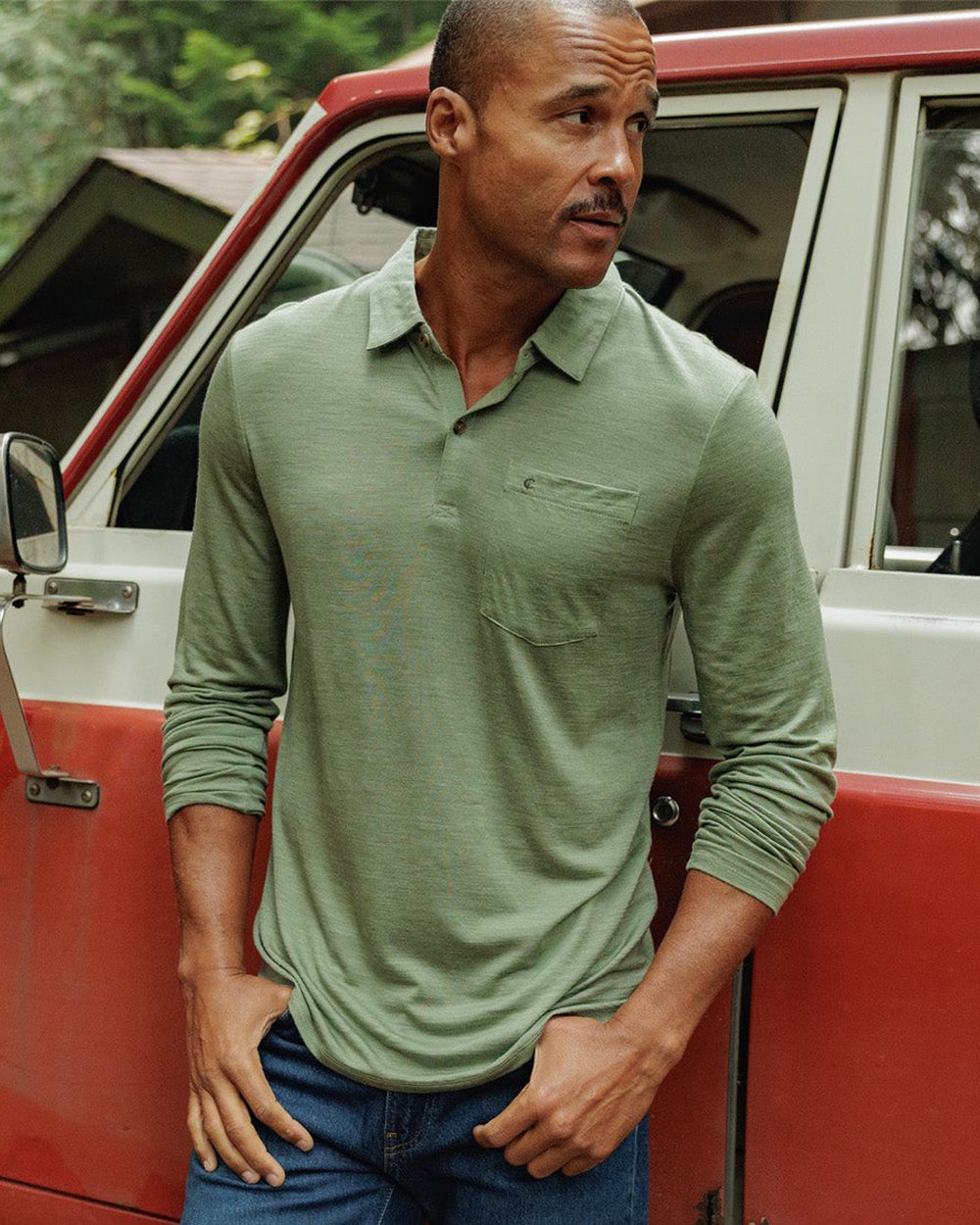
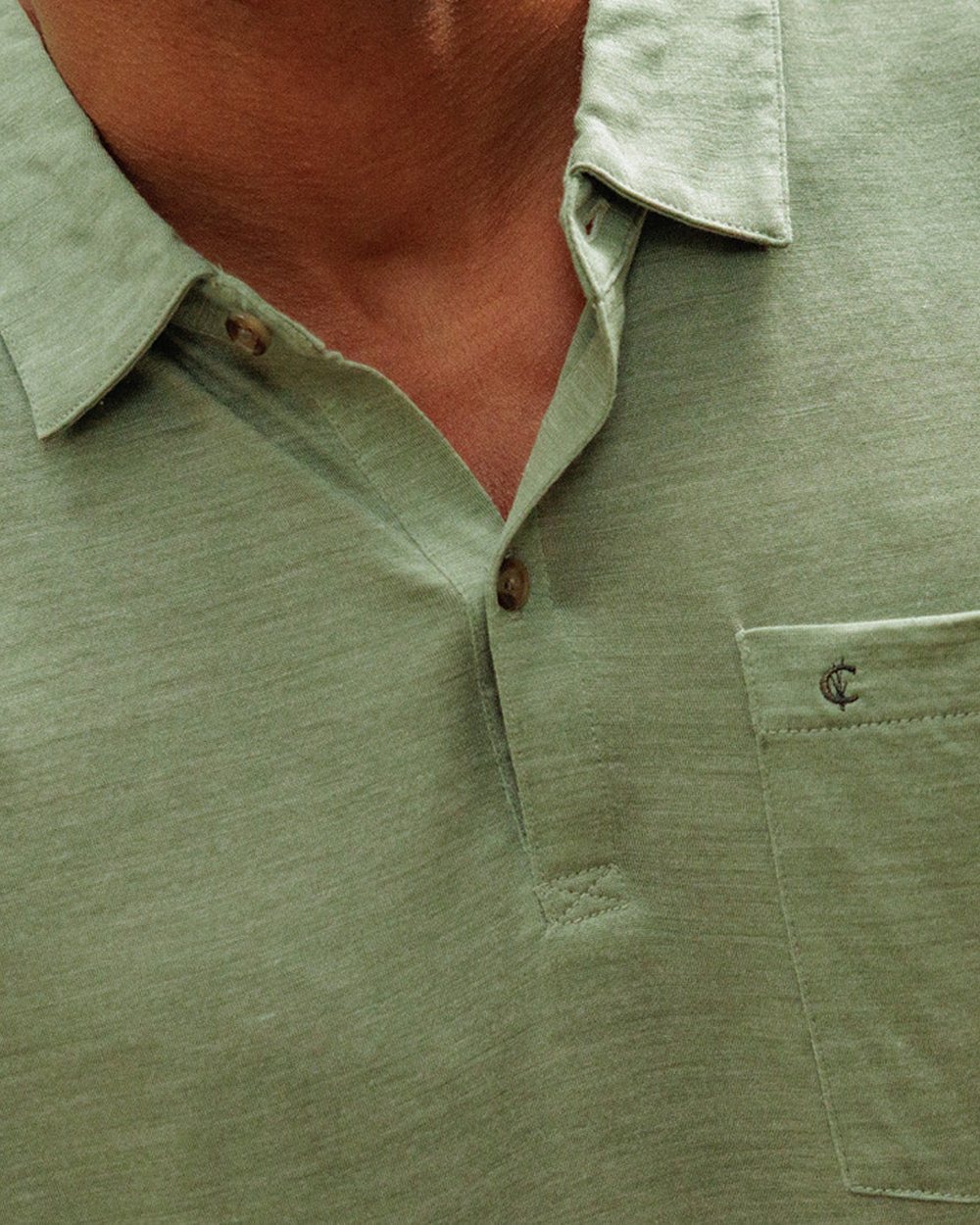
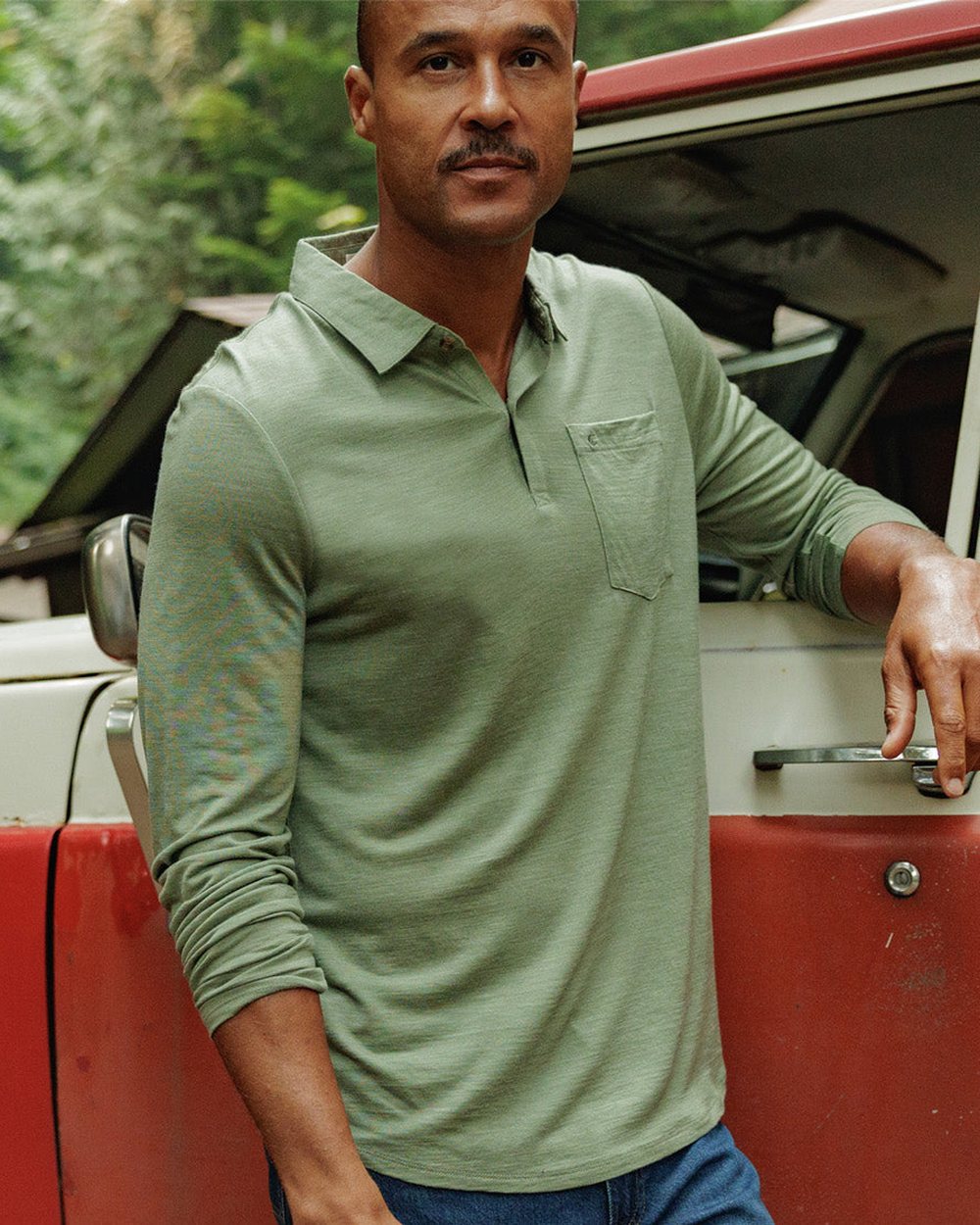
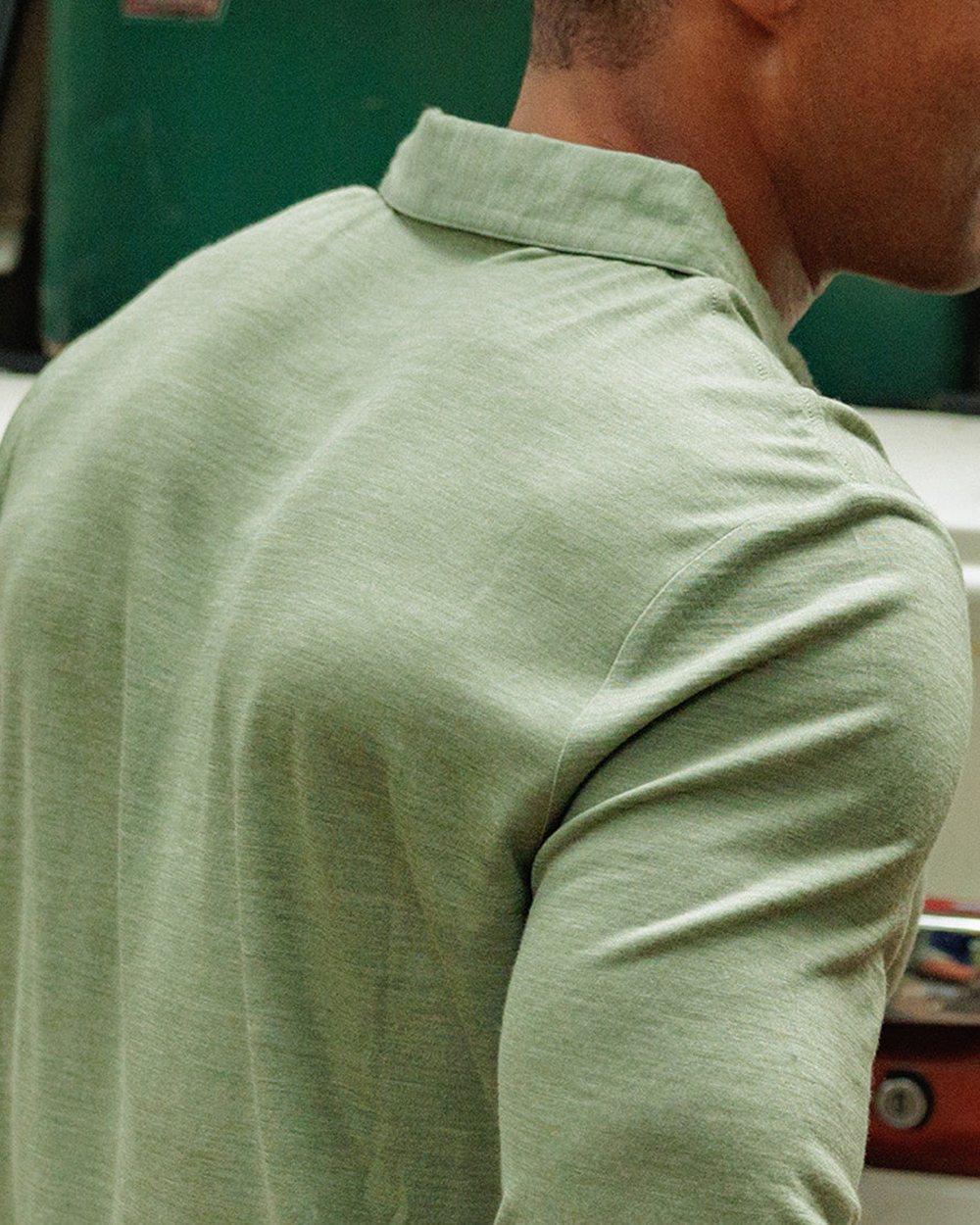
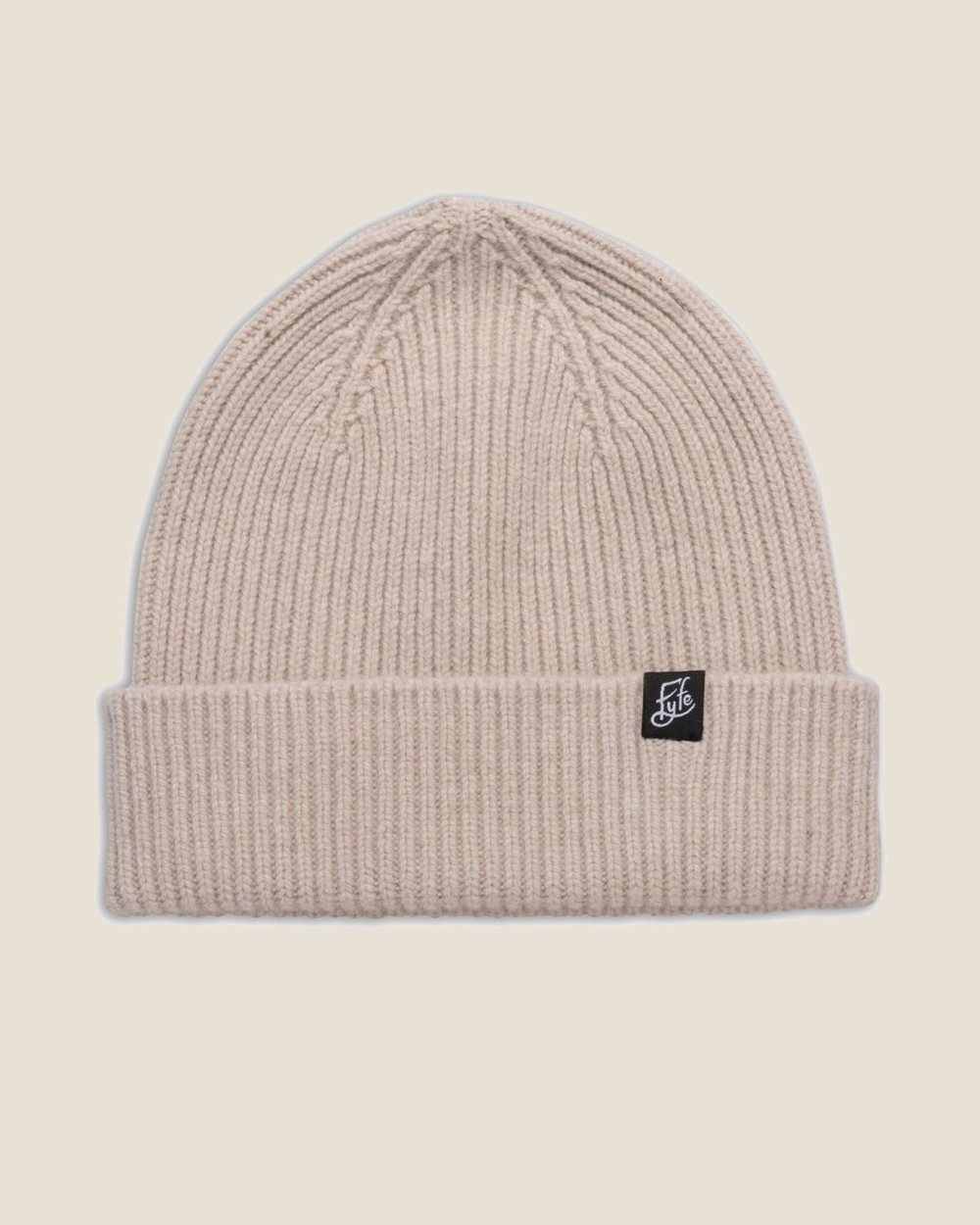
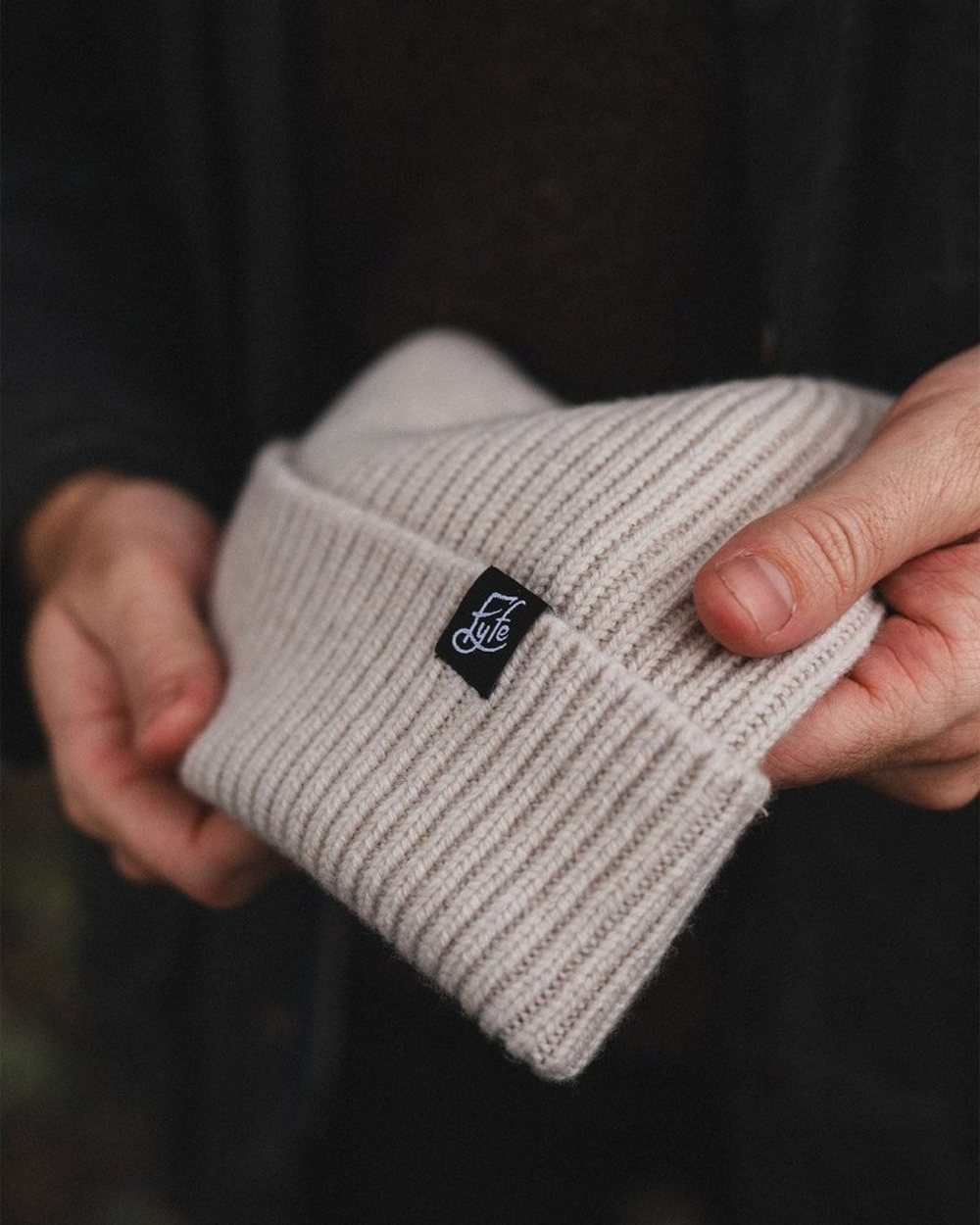
Merino on the course. Merino polos and knits from Olydoe, Criquet and Fyfe.

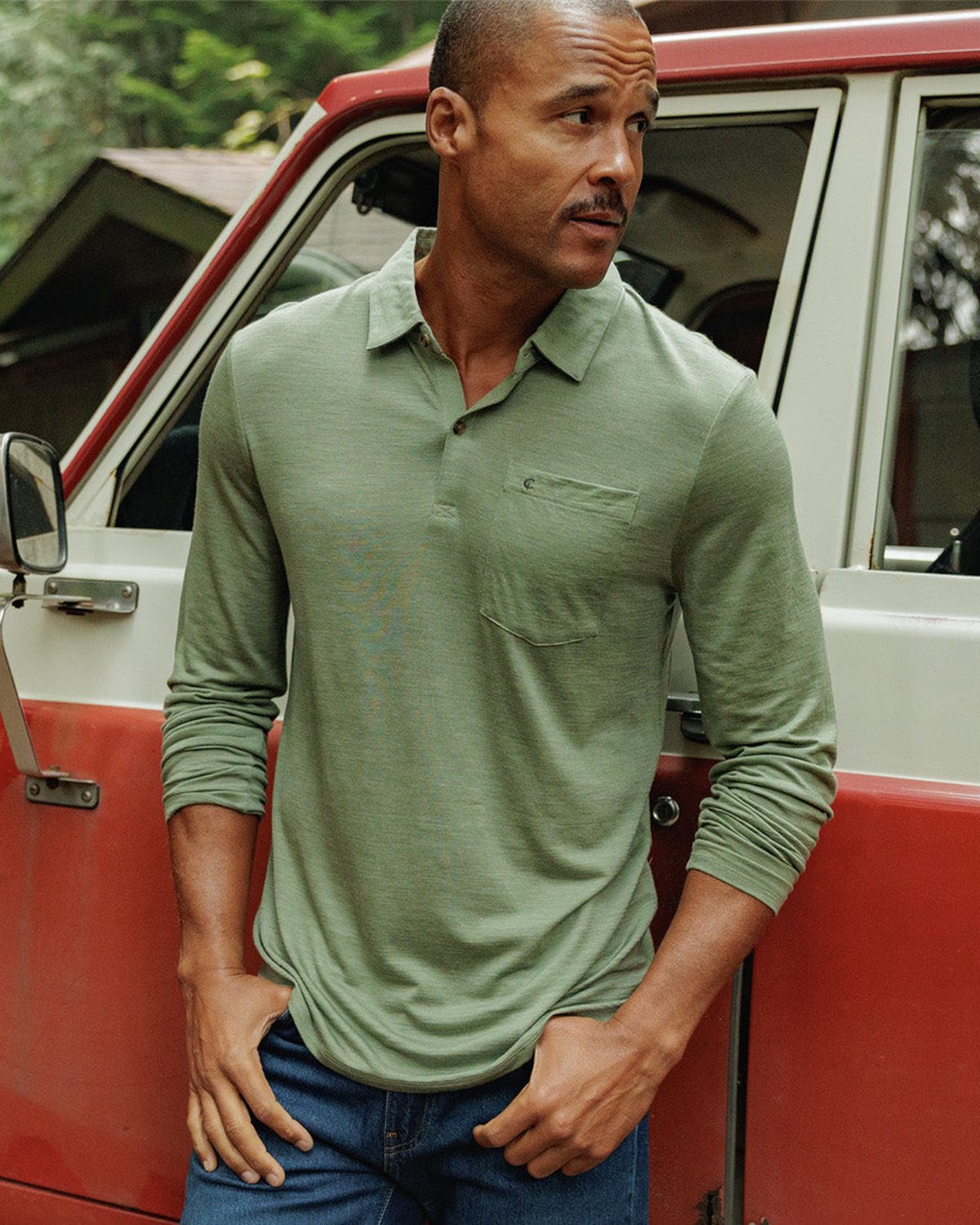
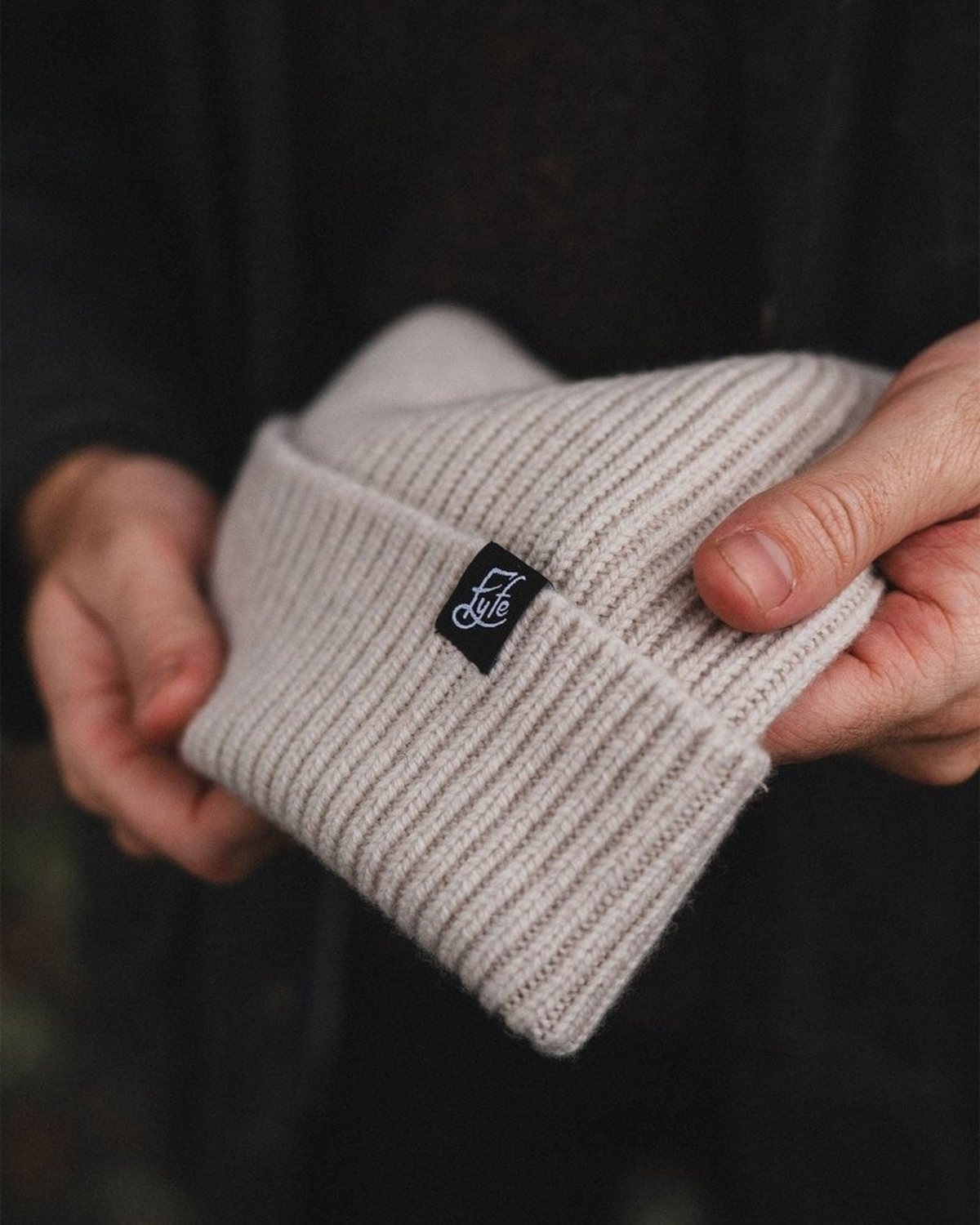
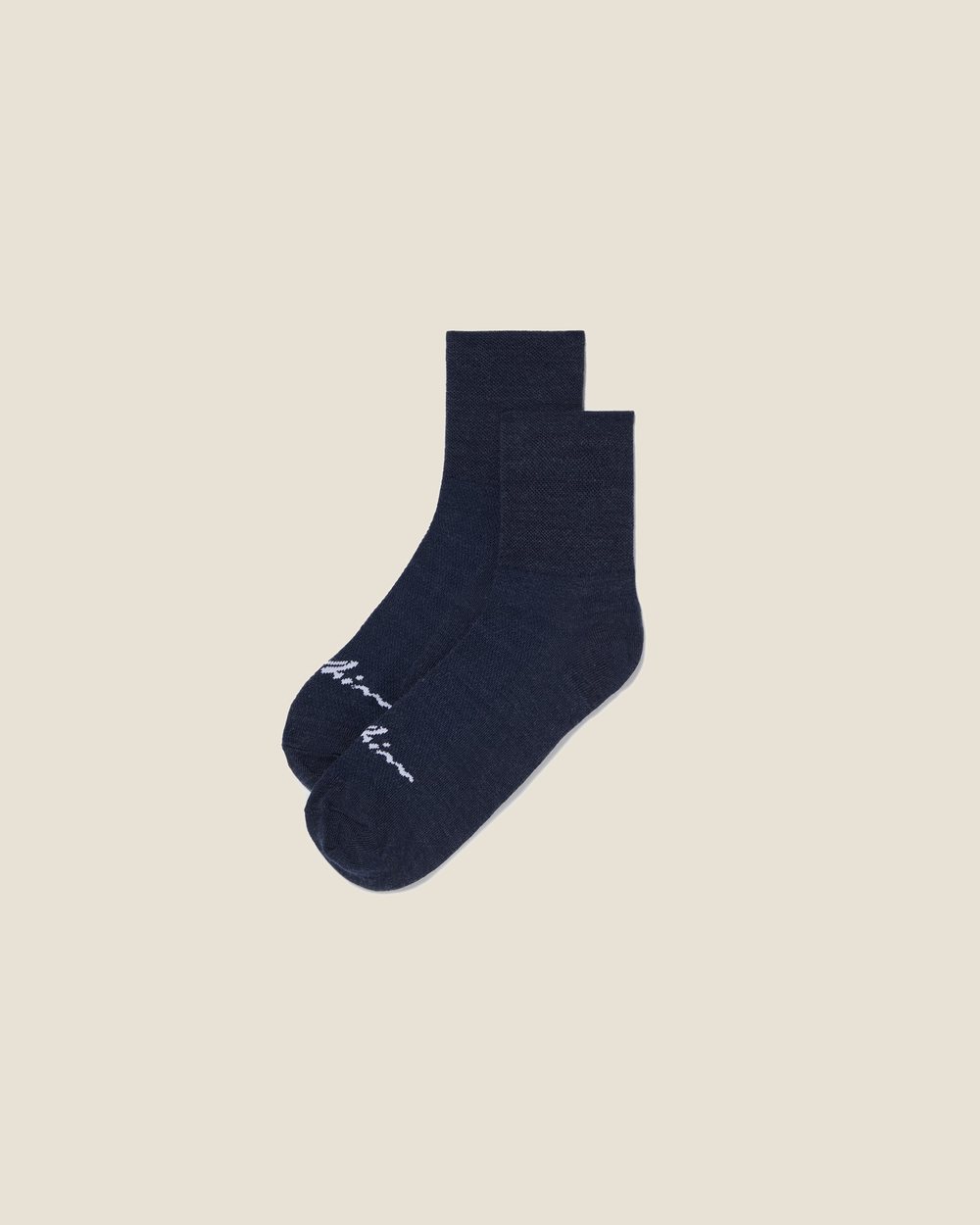
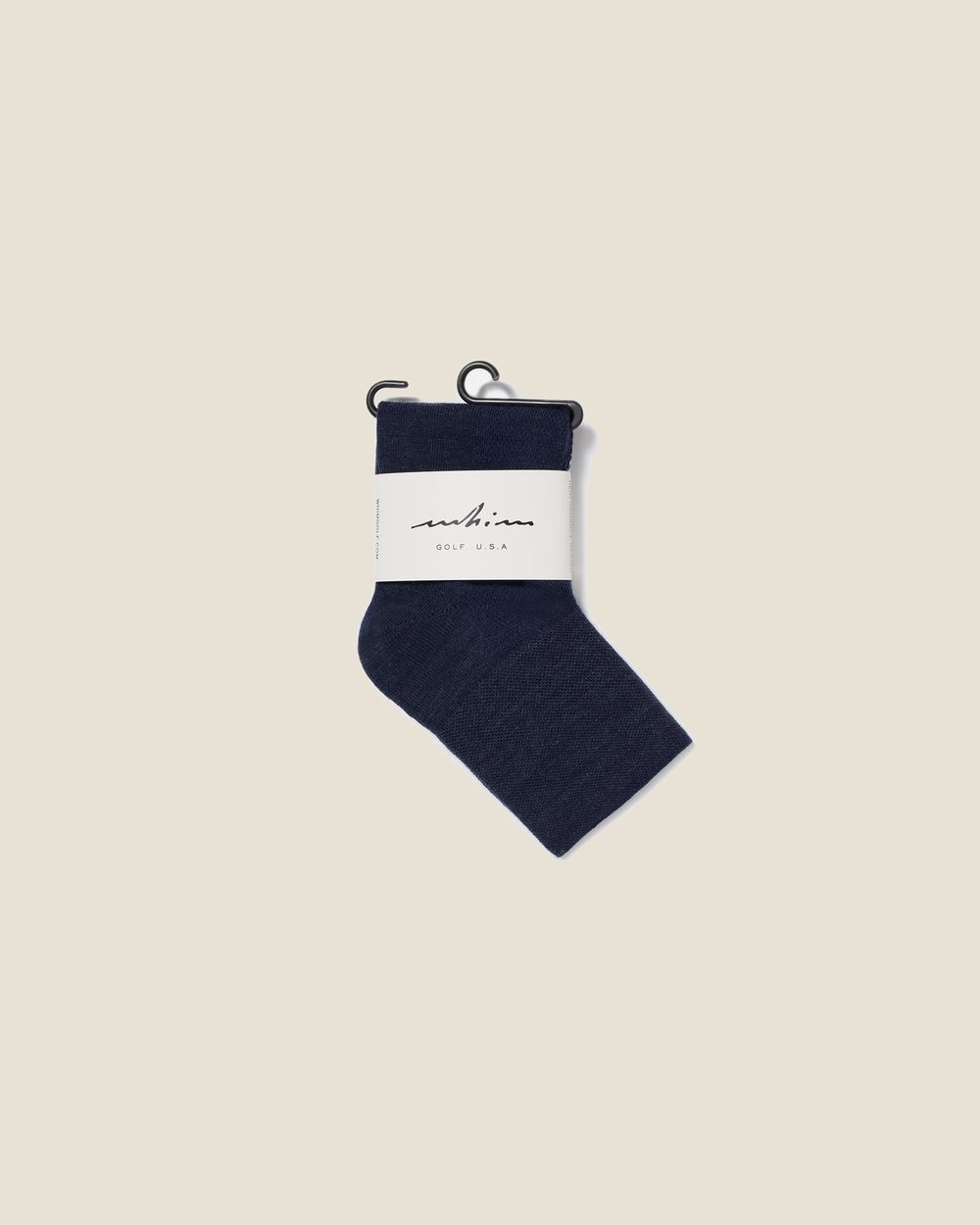
8 pieces · $39–$499Fine wool from merino sheep. Polos, knits, a jacket, a beanie and socks; several are merino blends with Tencel or nylon.

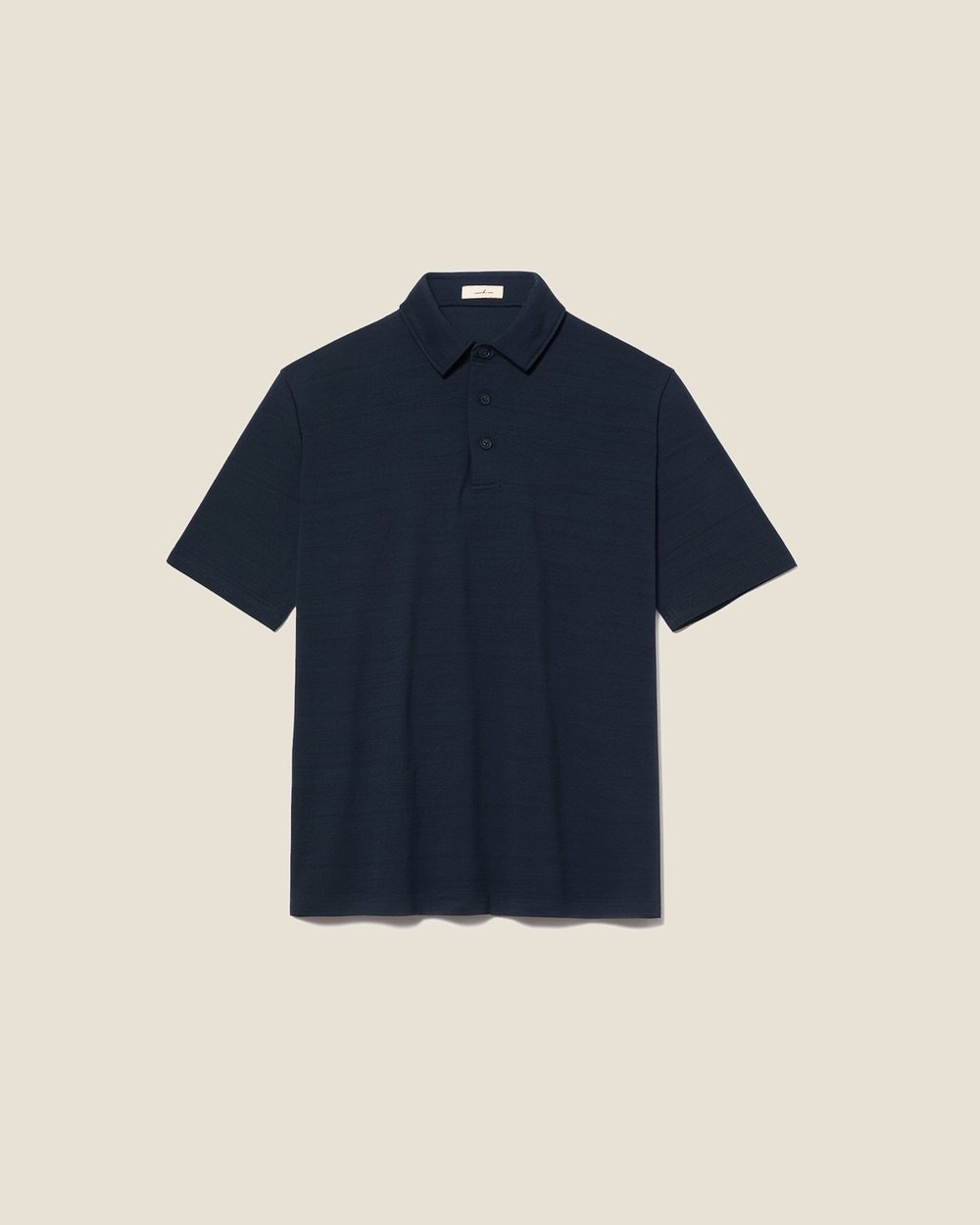
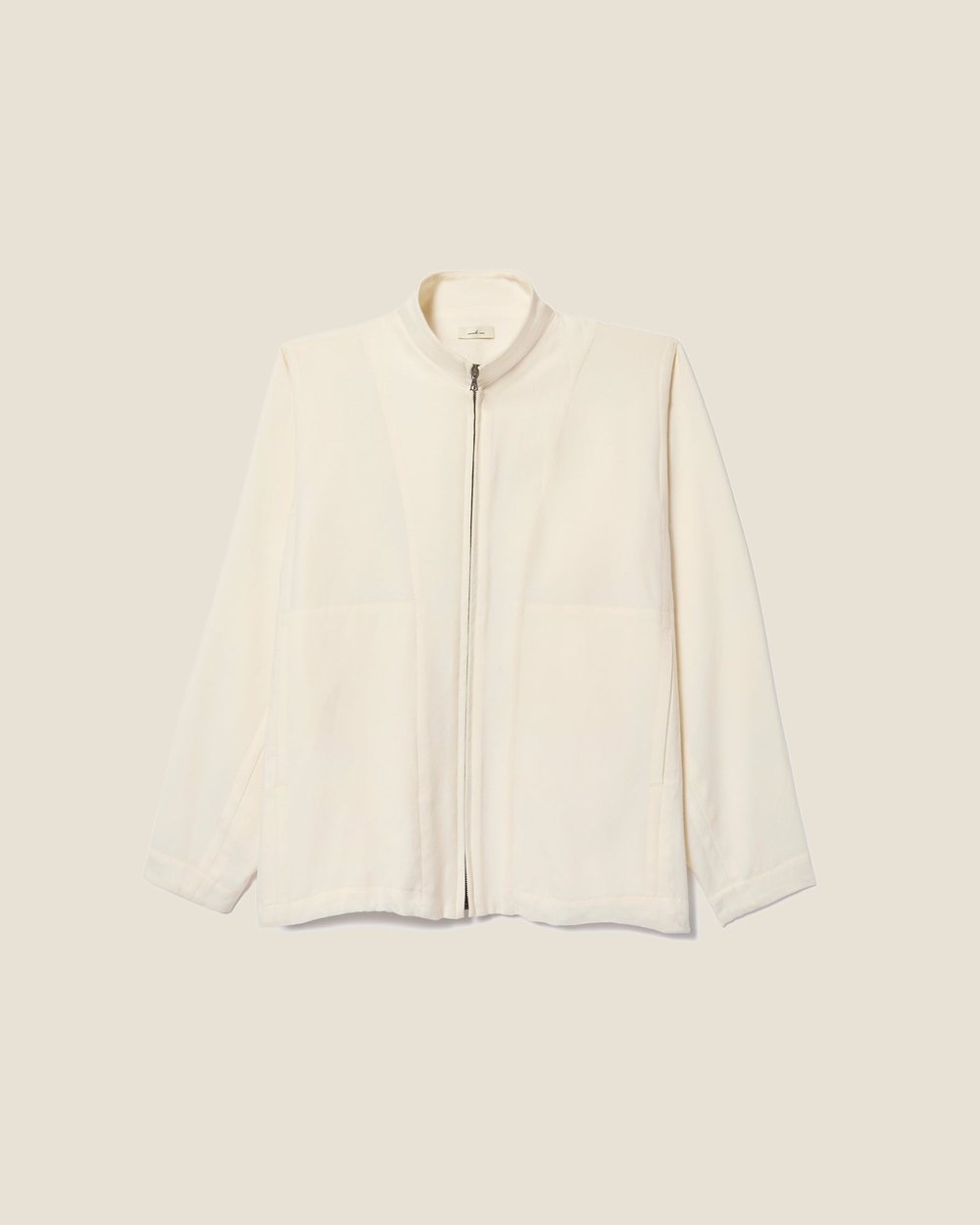
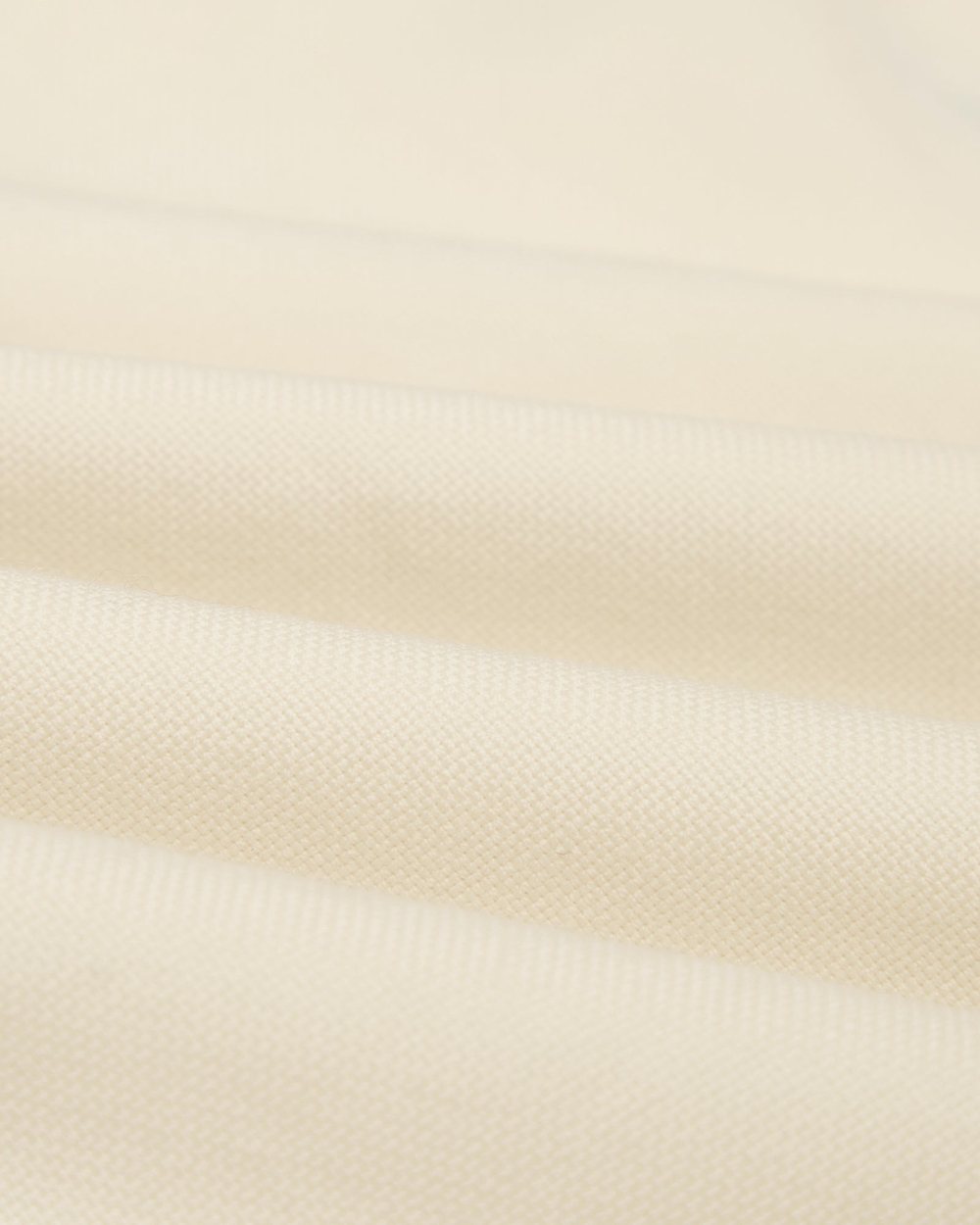
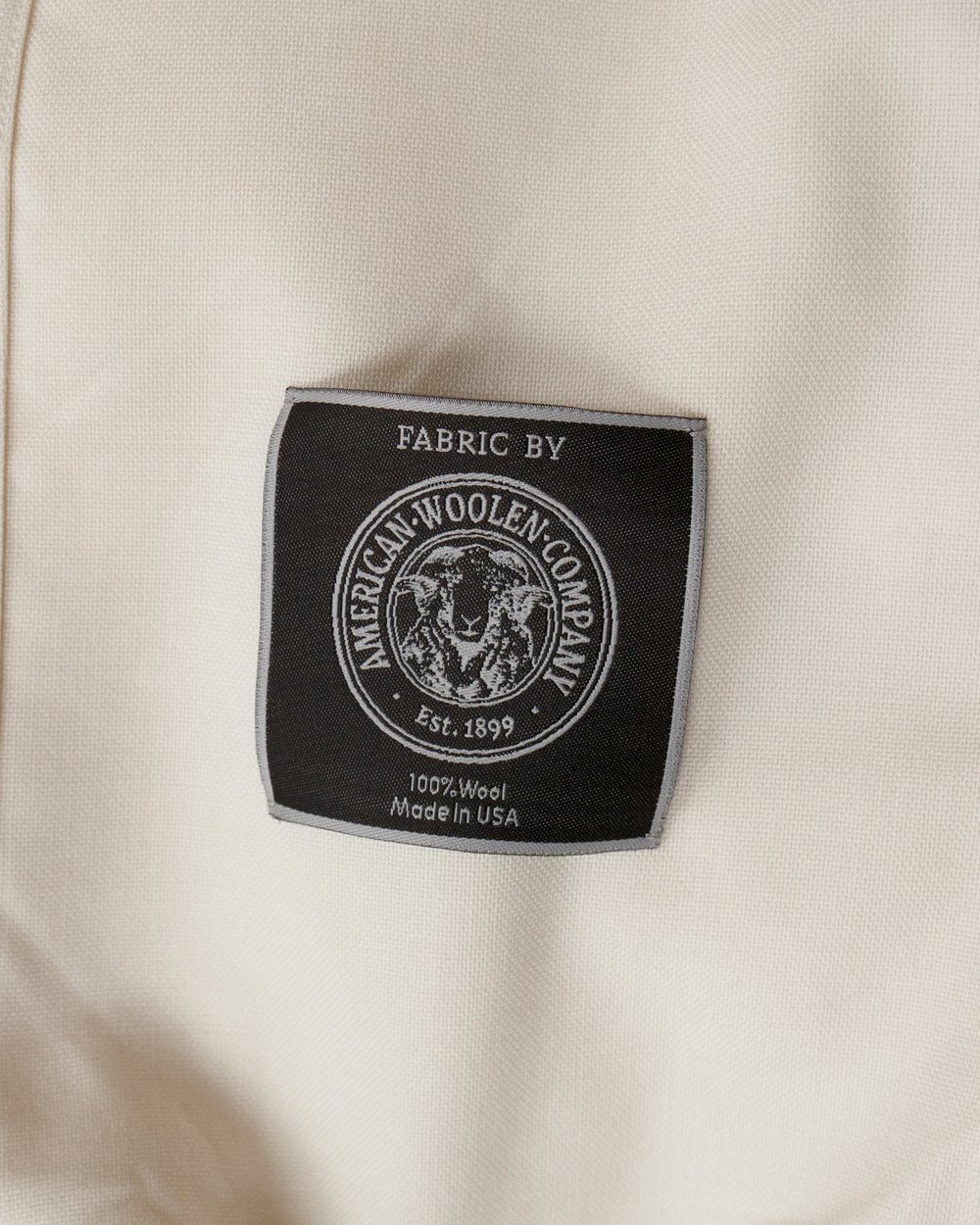

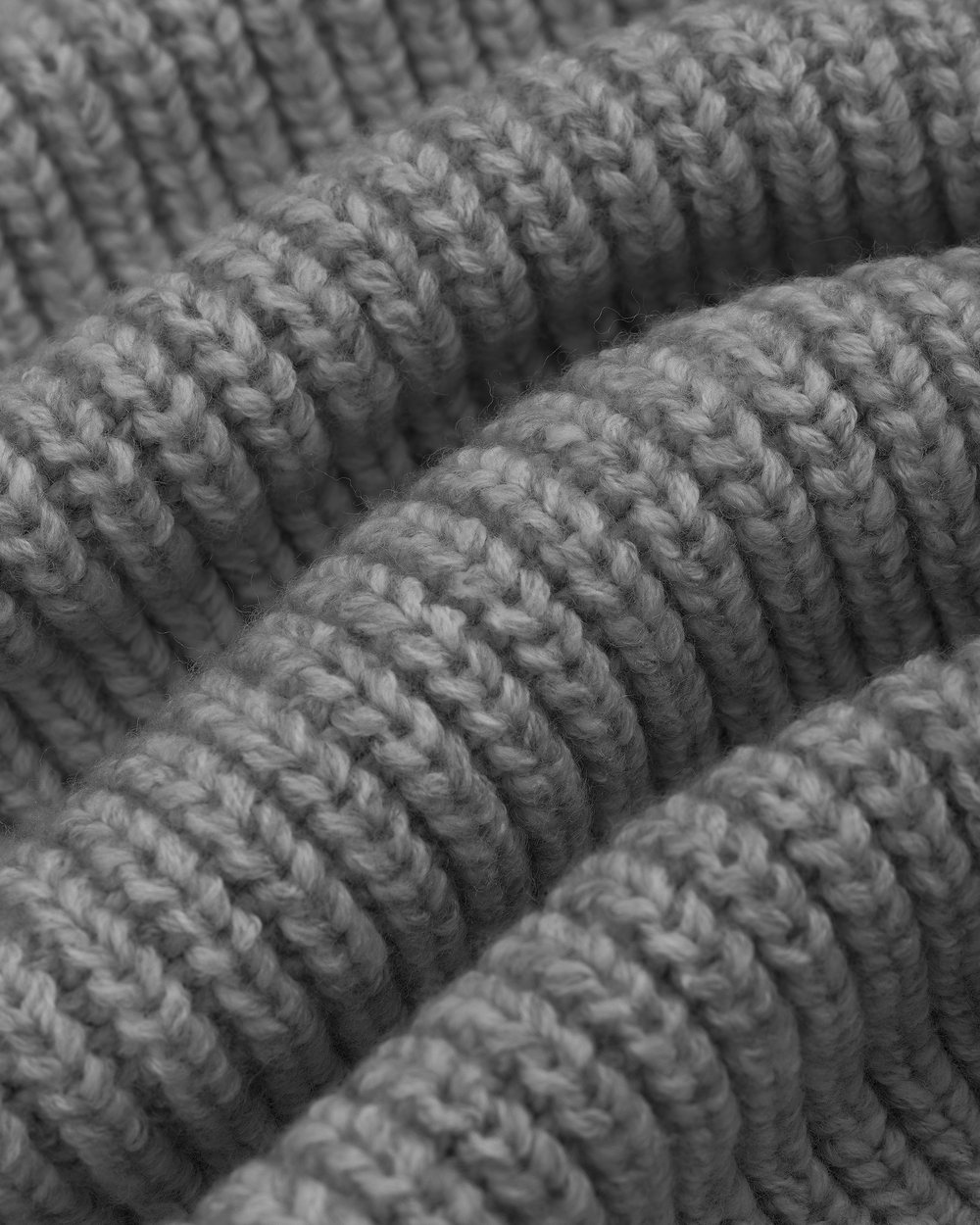
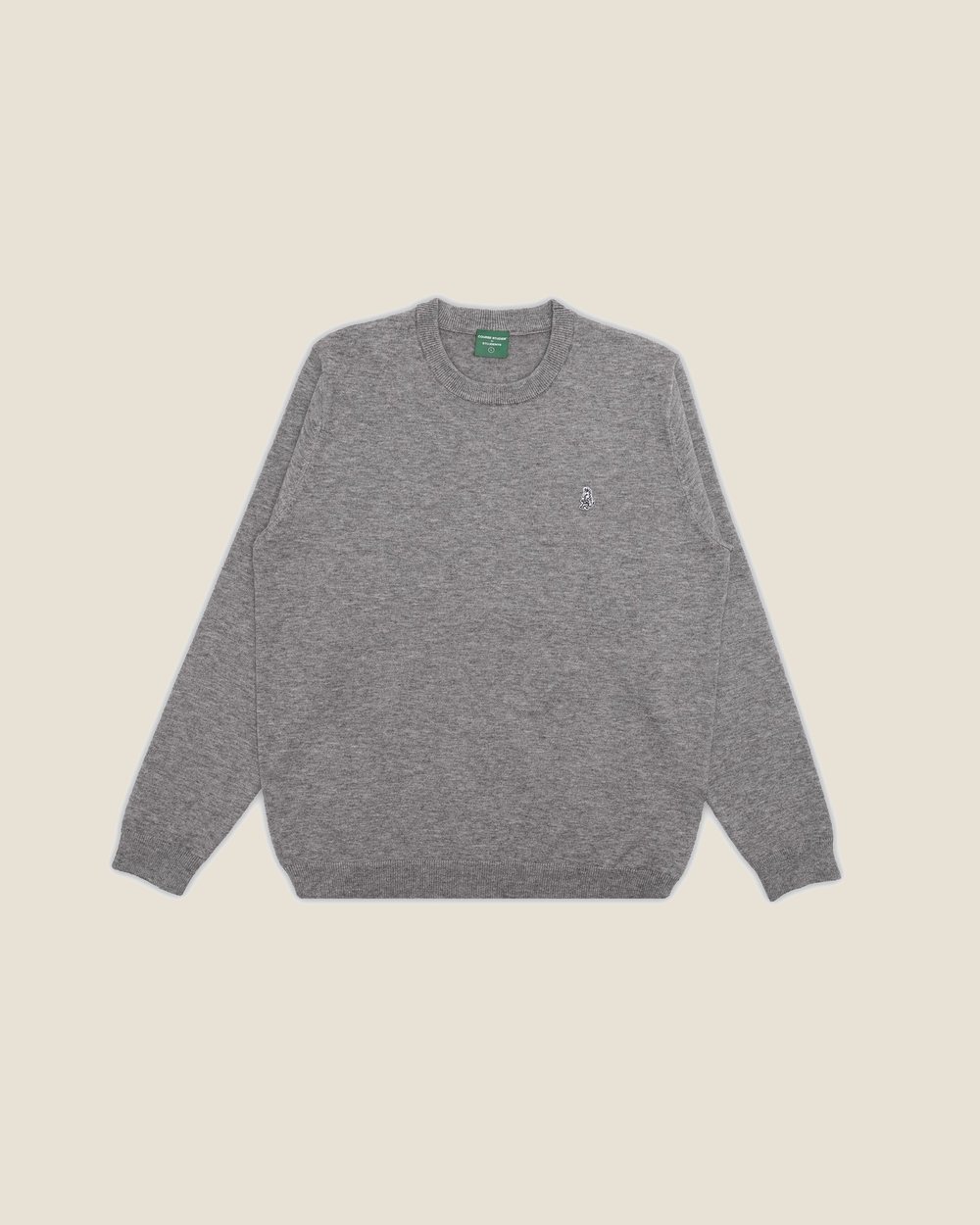
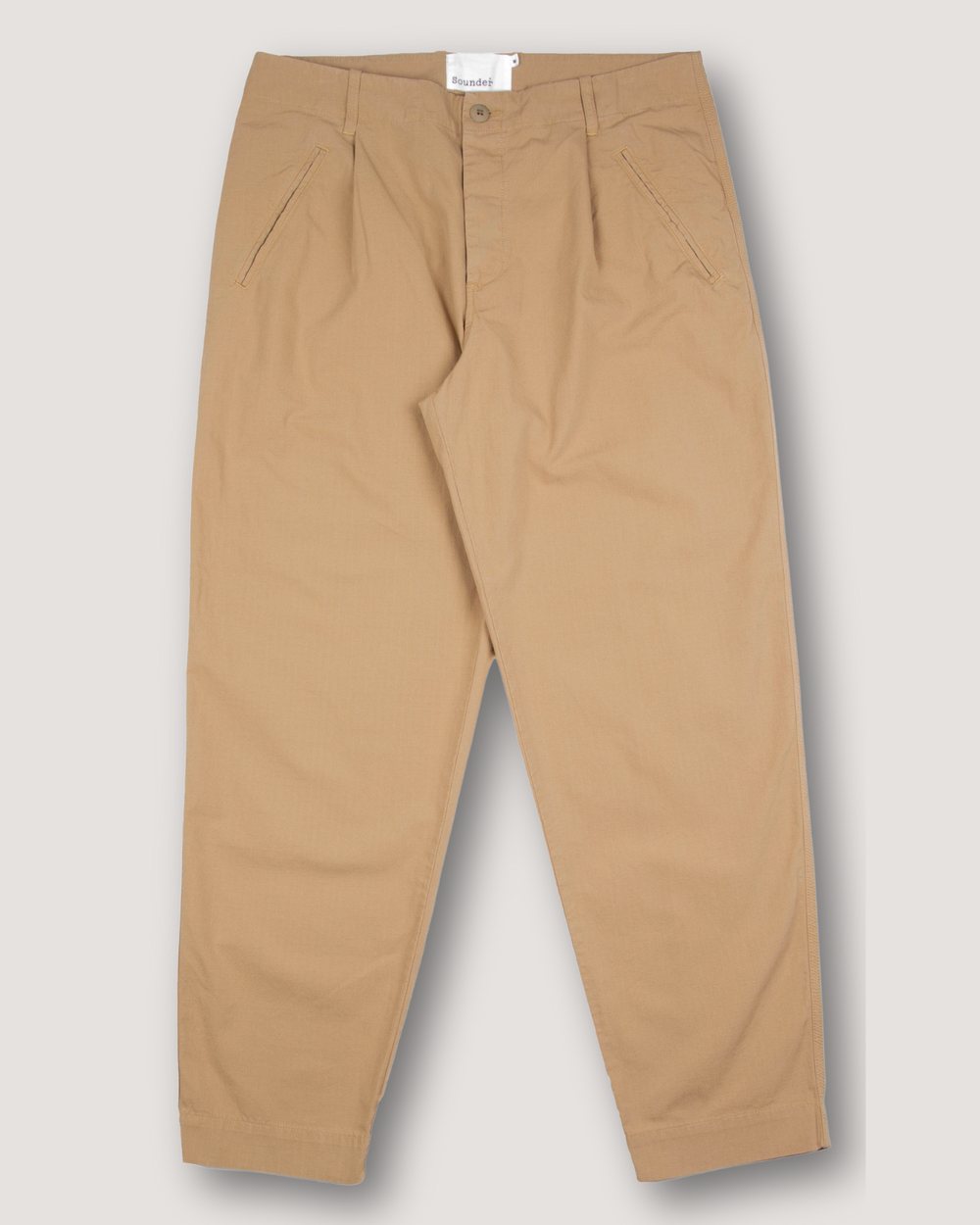
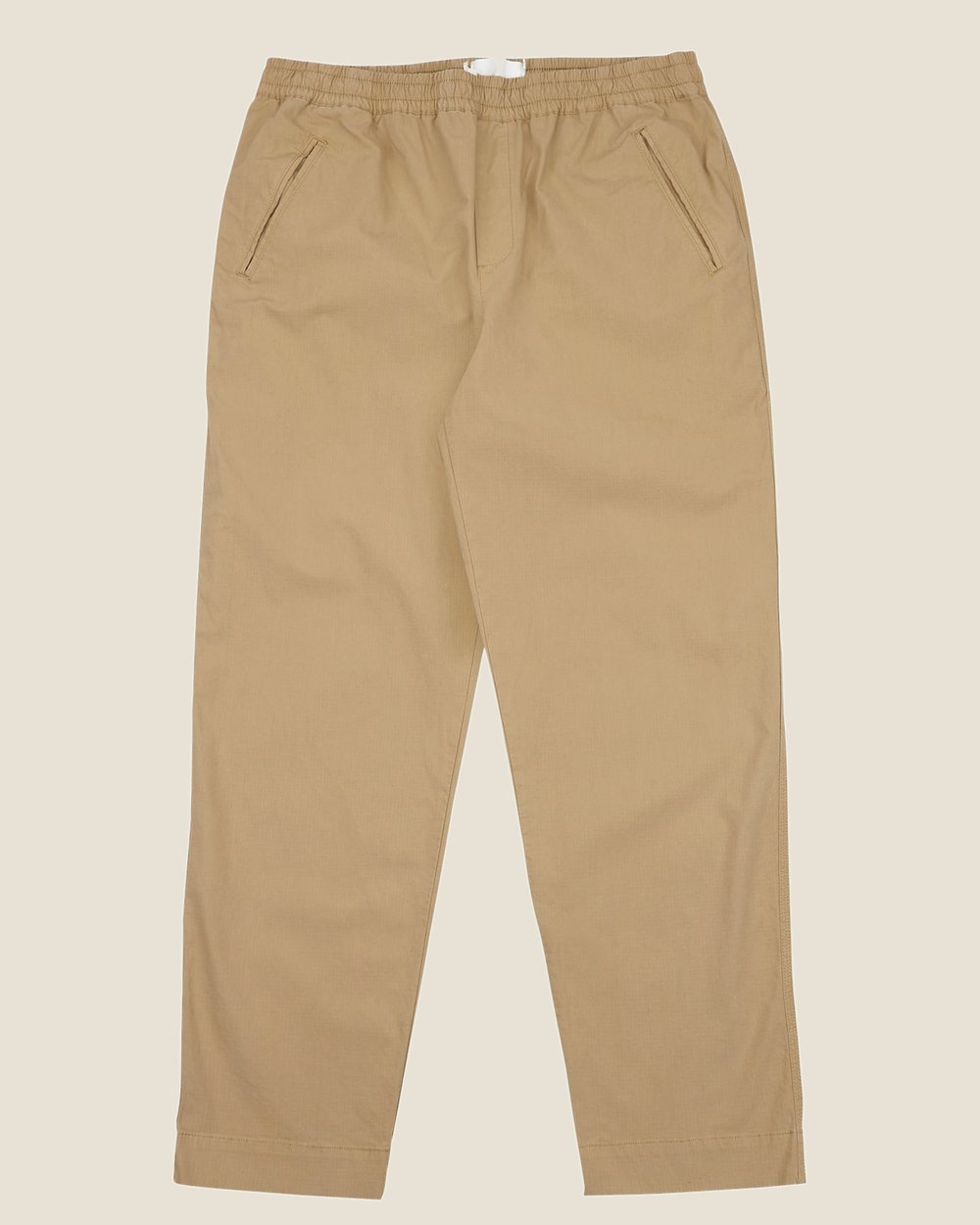
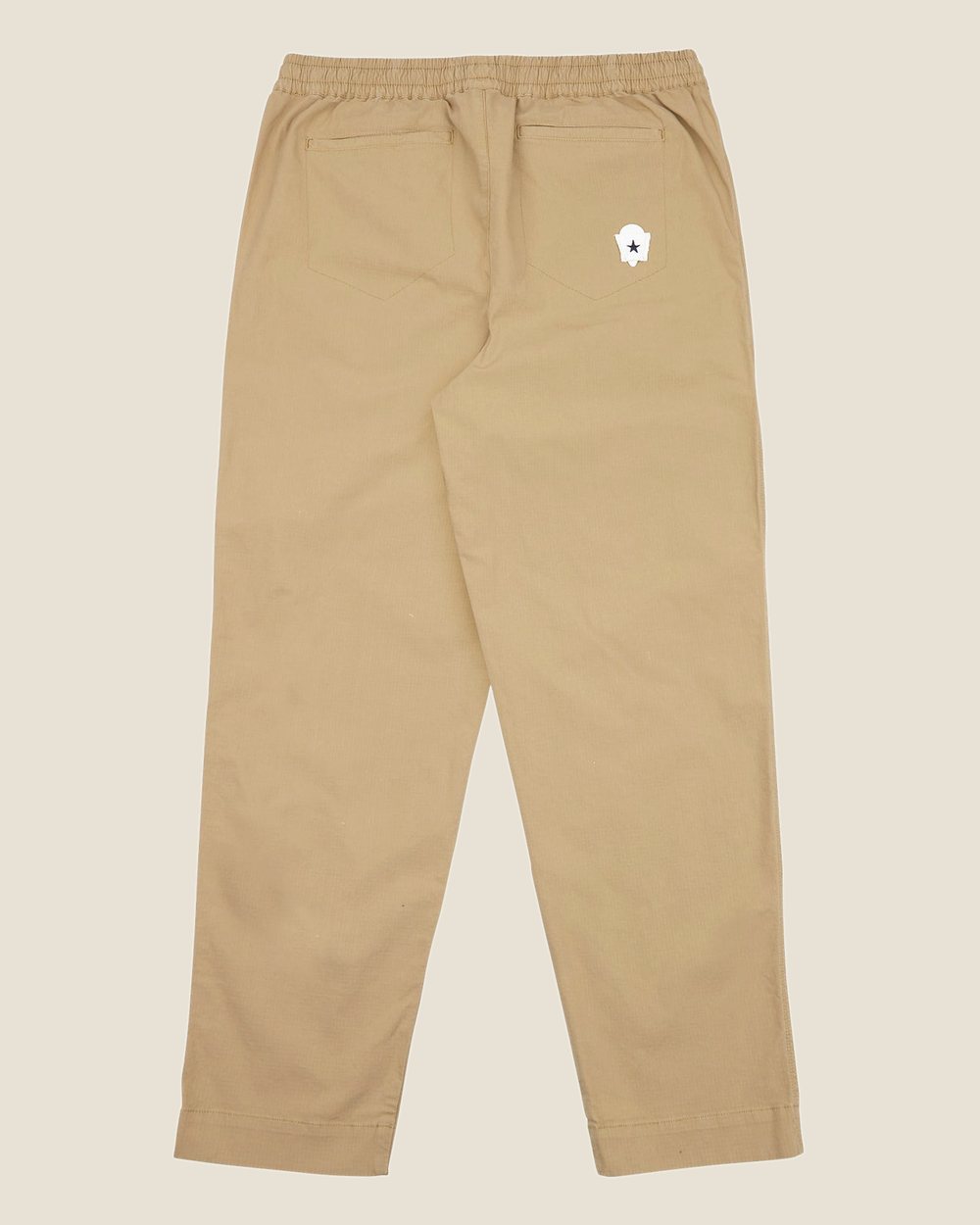
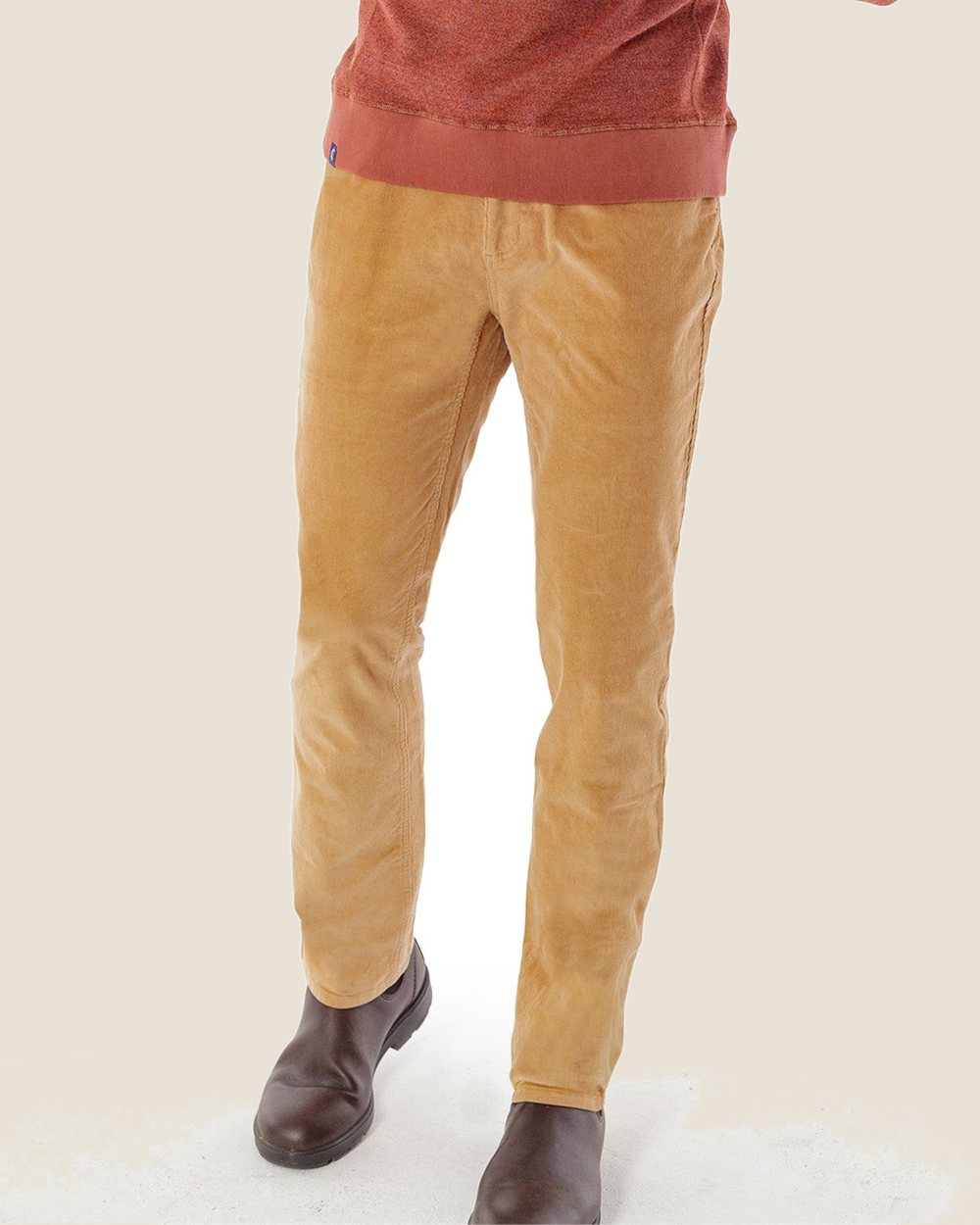
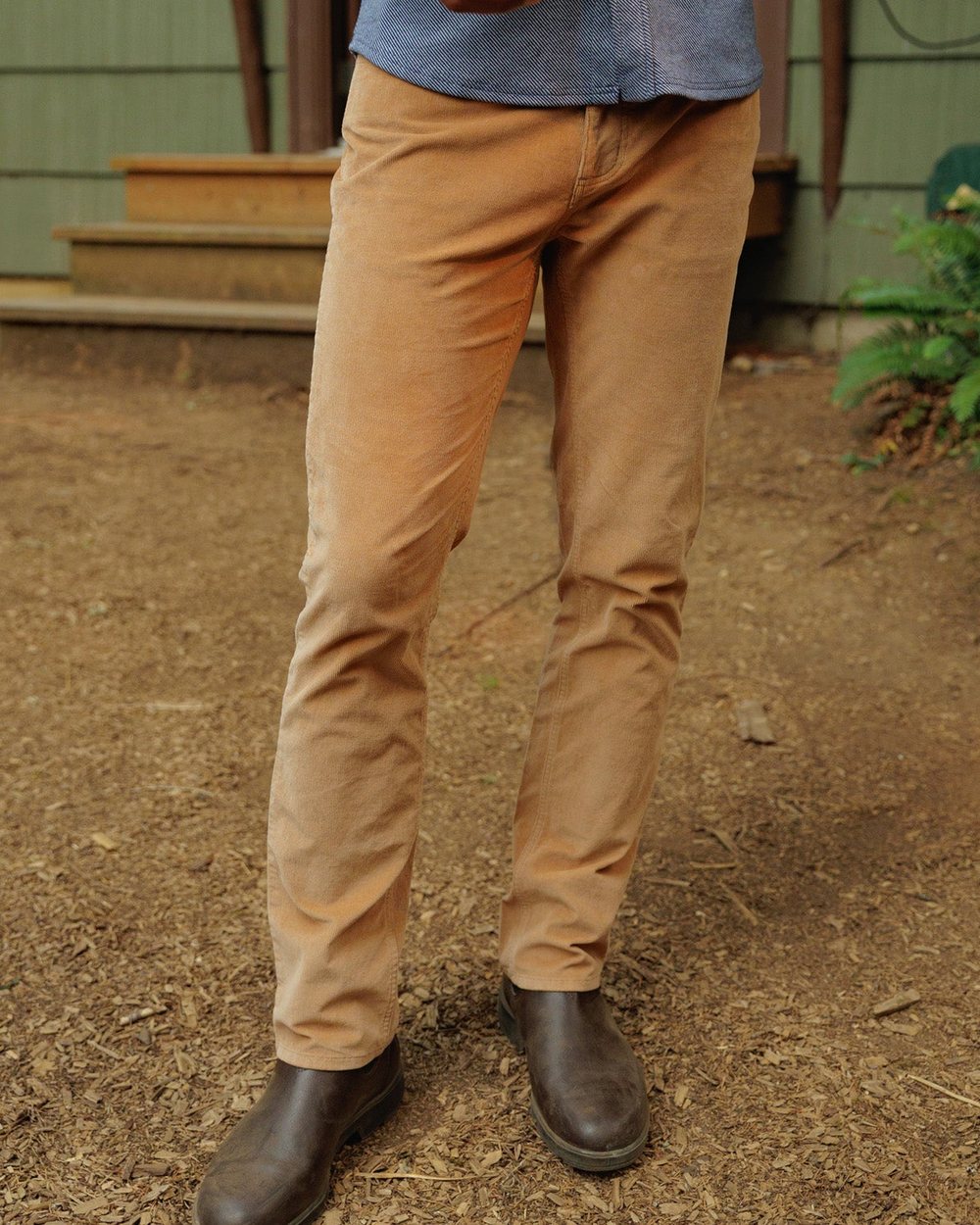
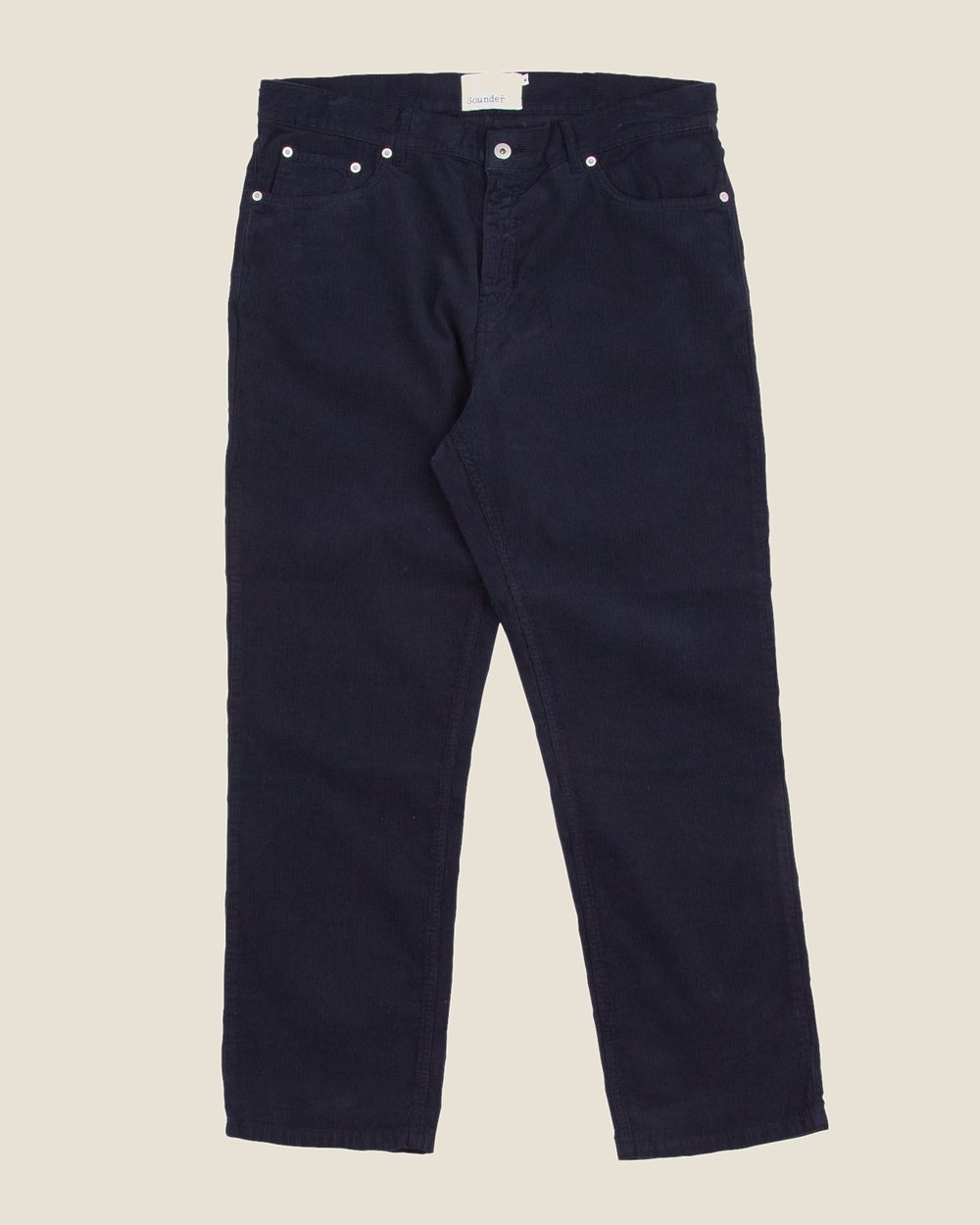
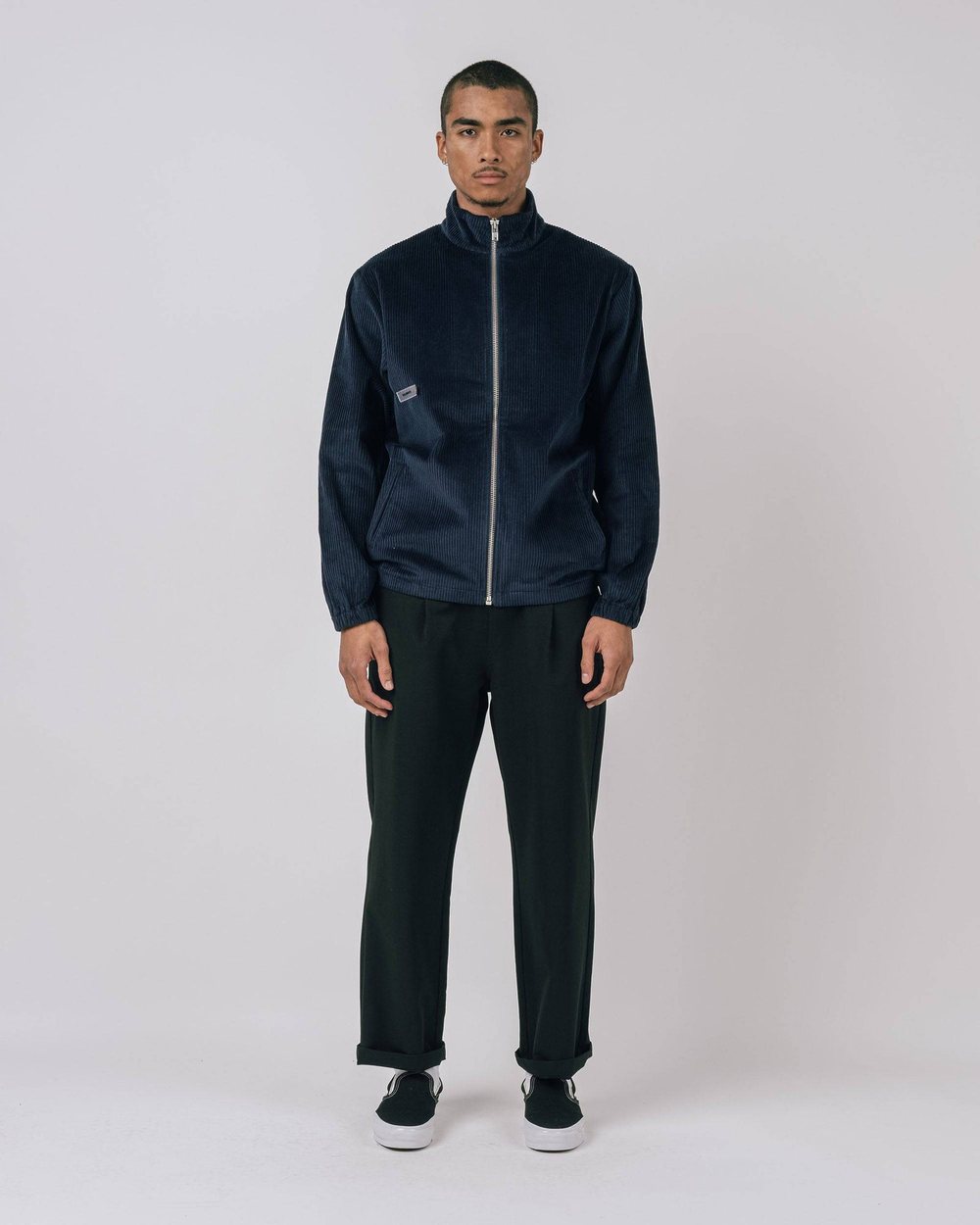
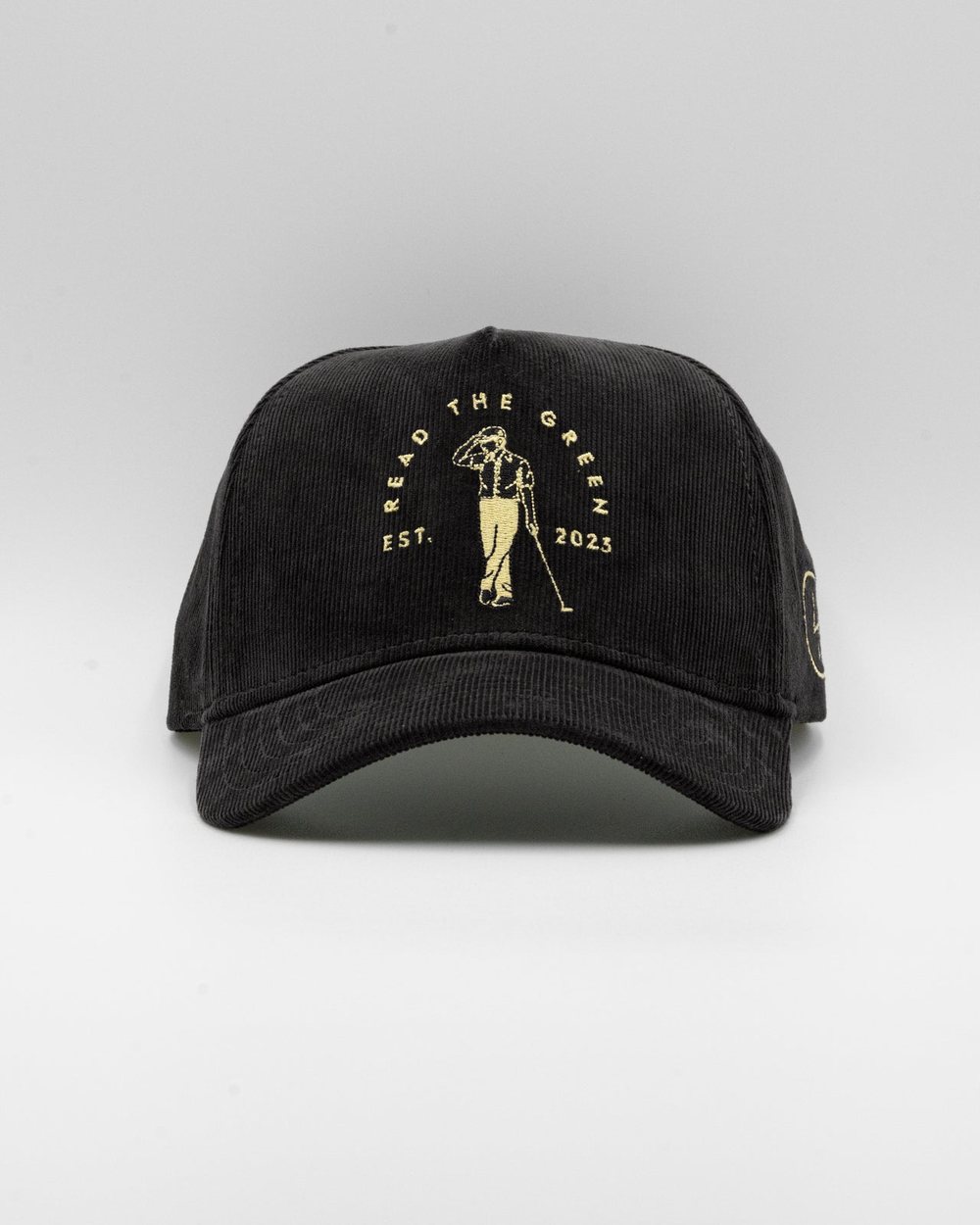
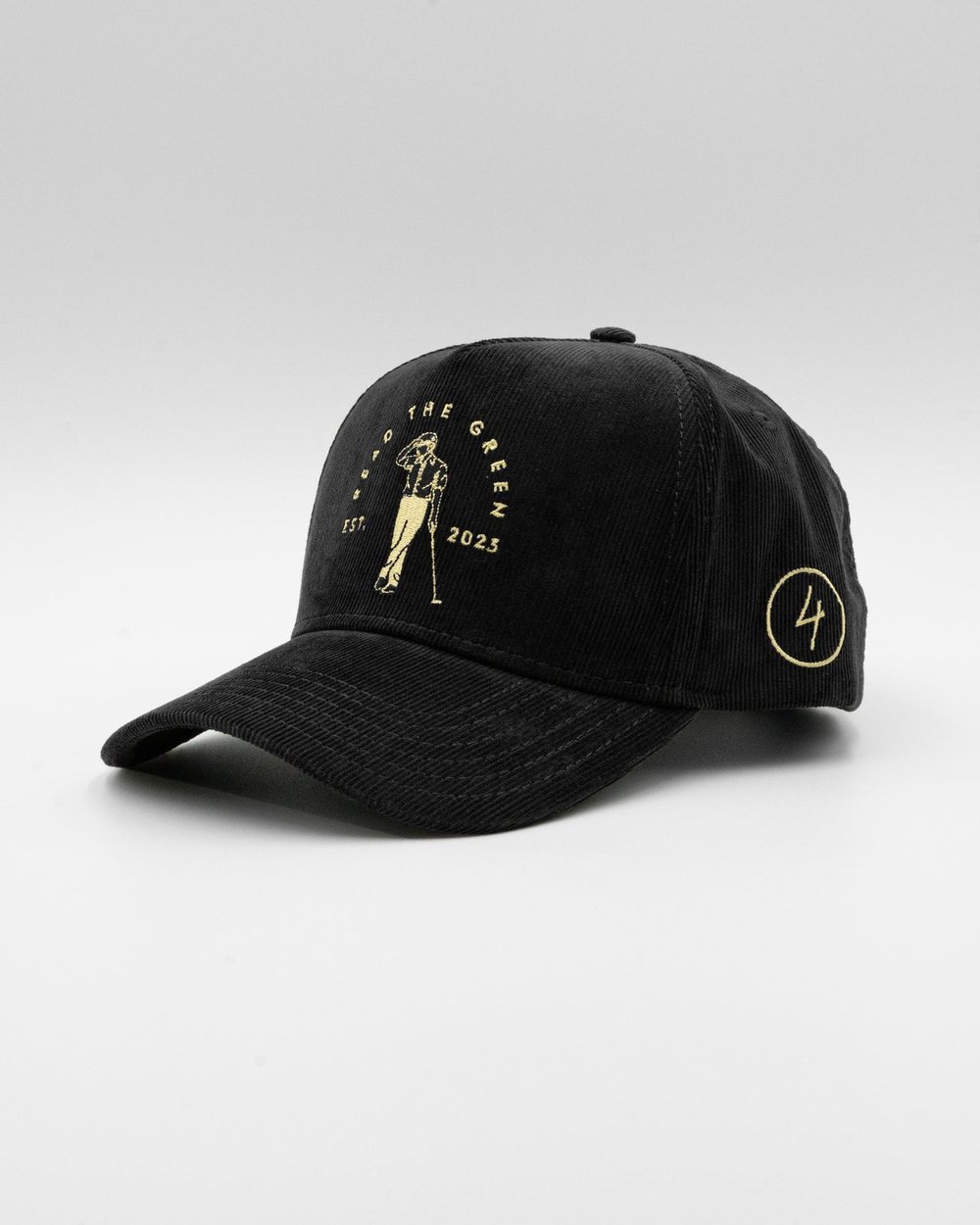
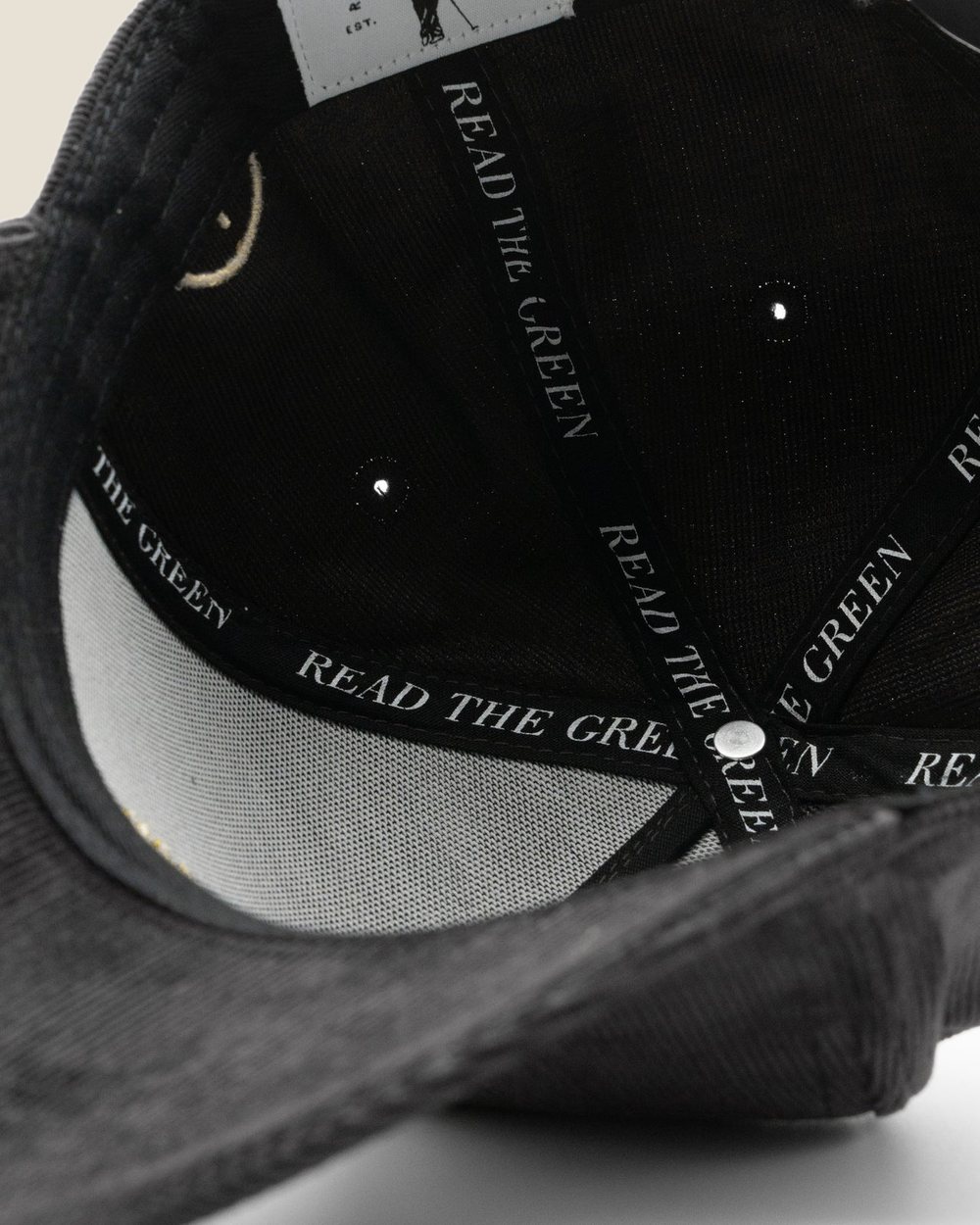
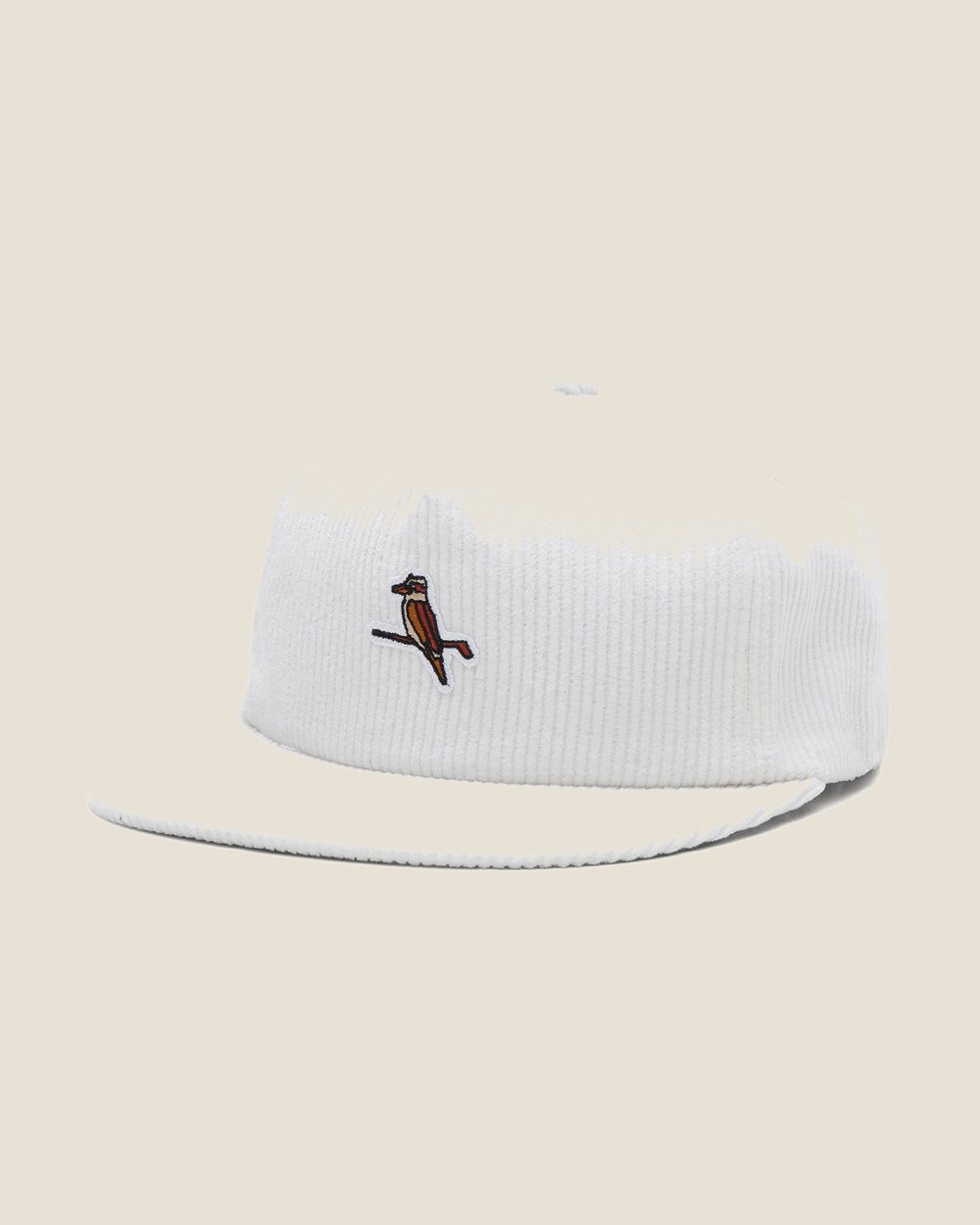
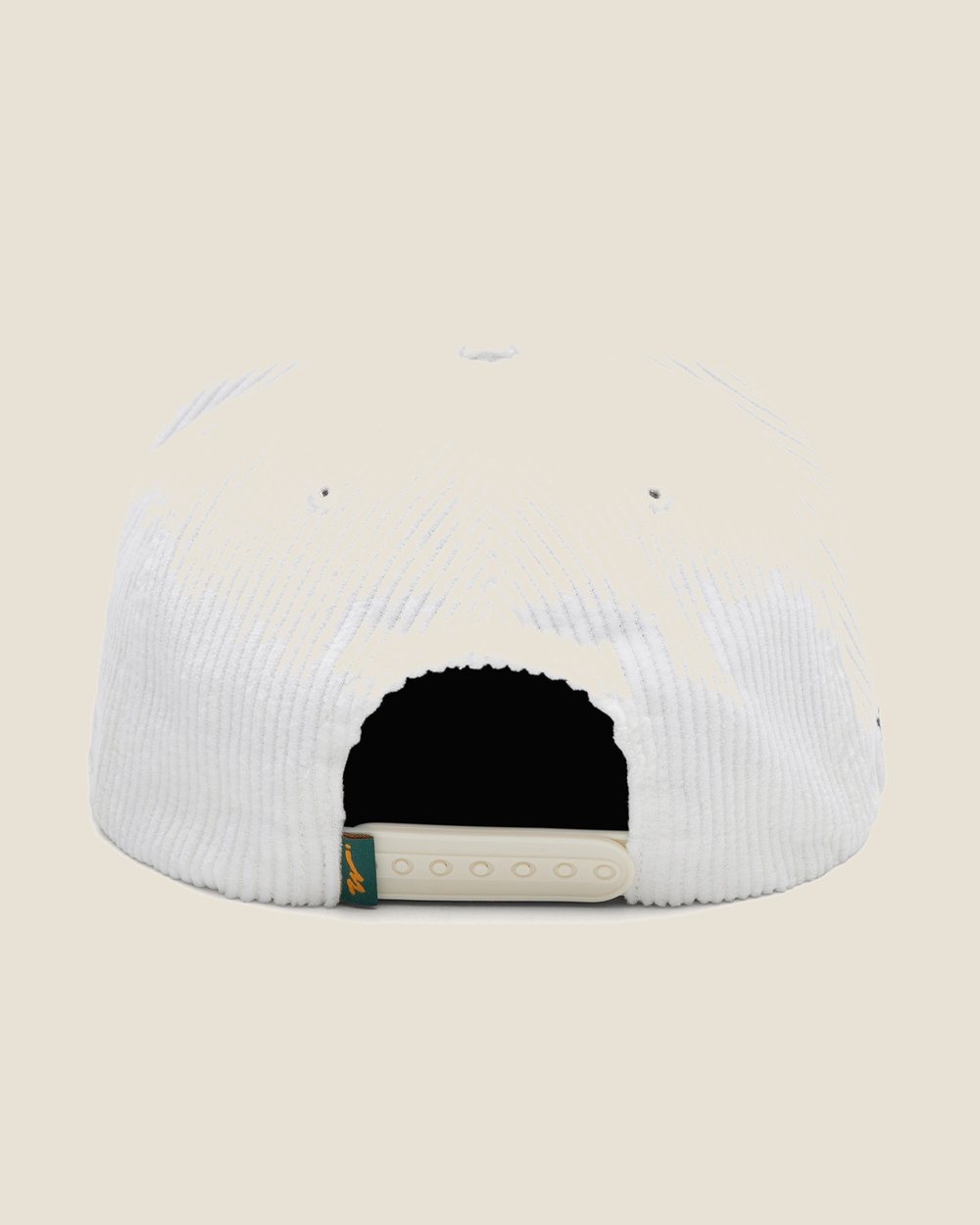
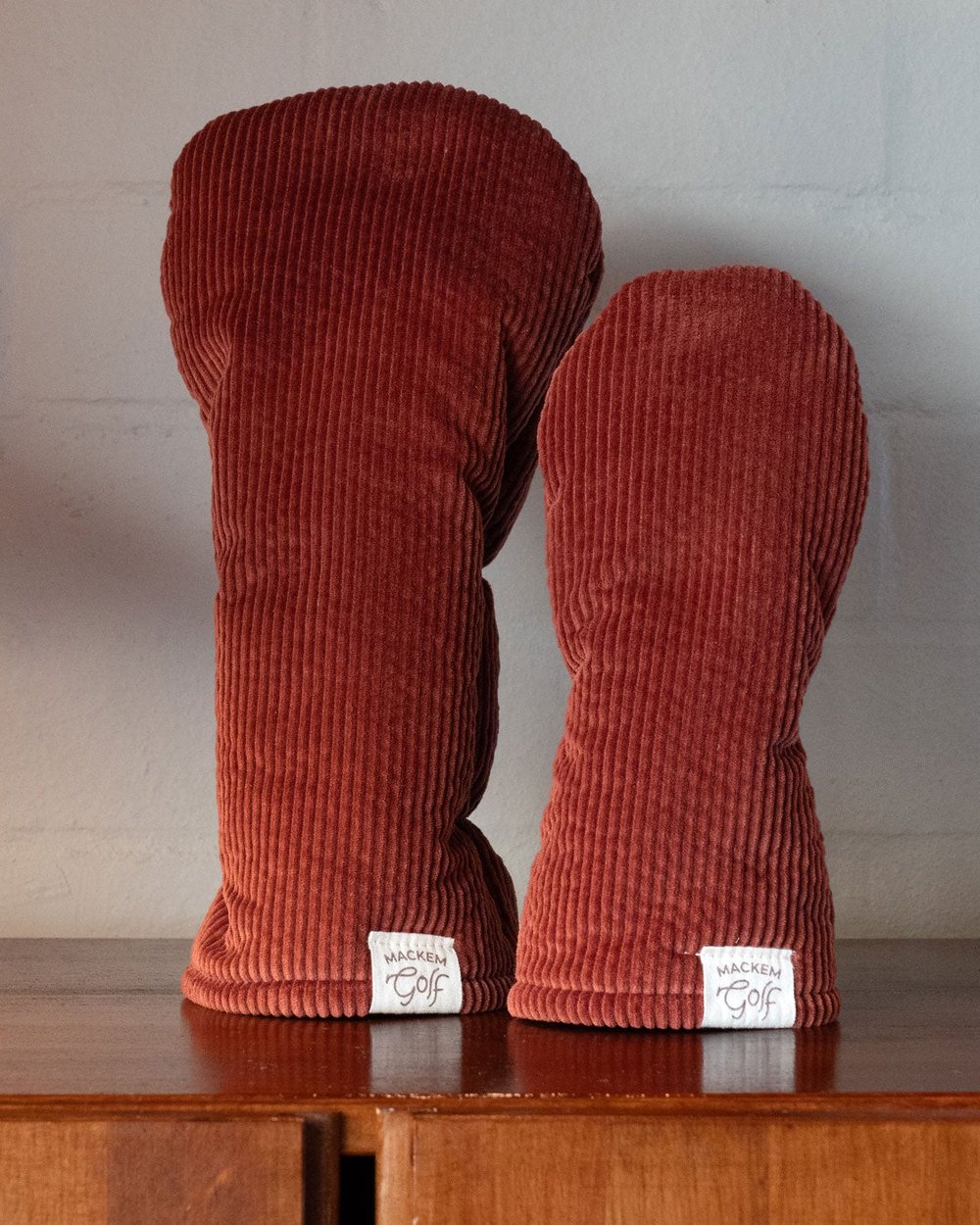
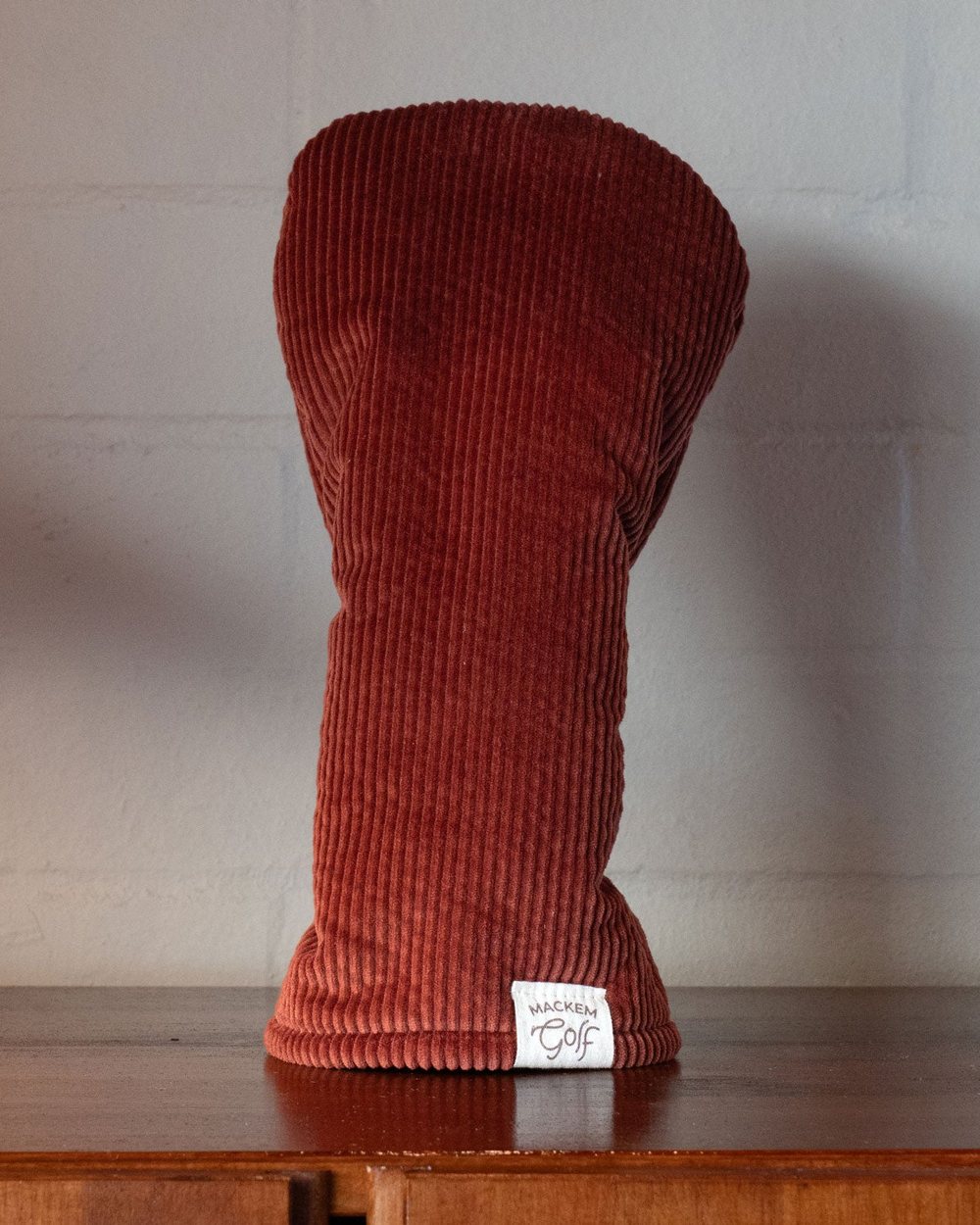
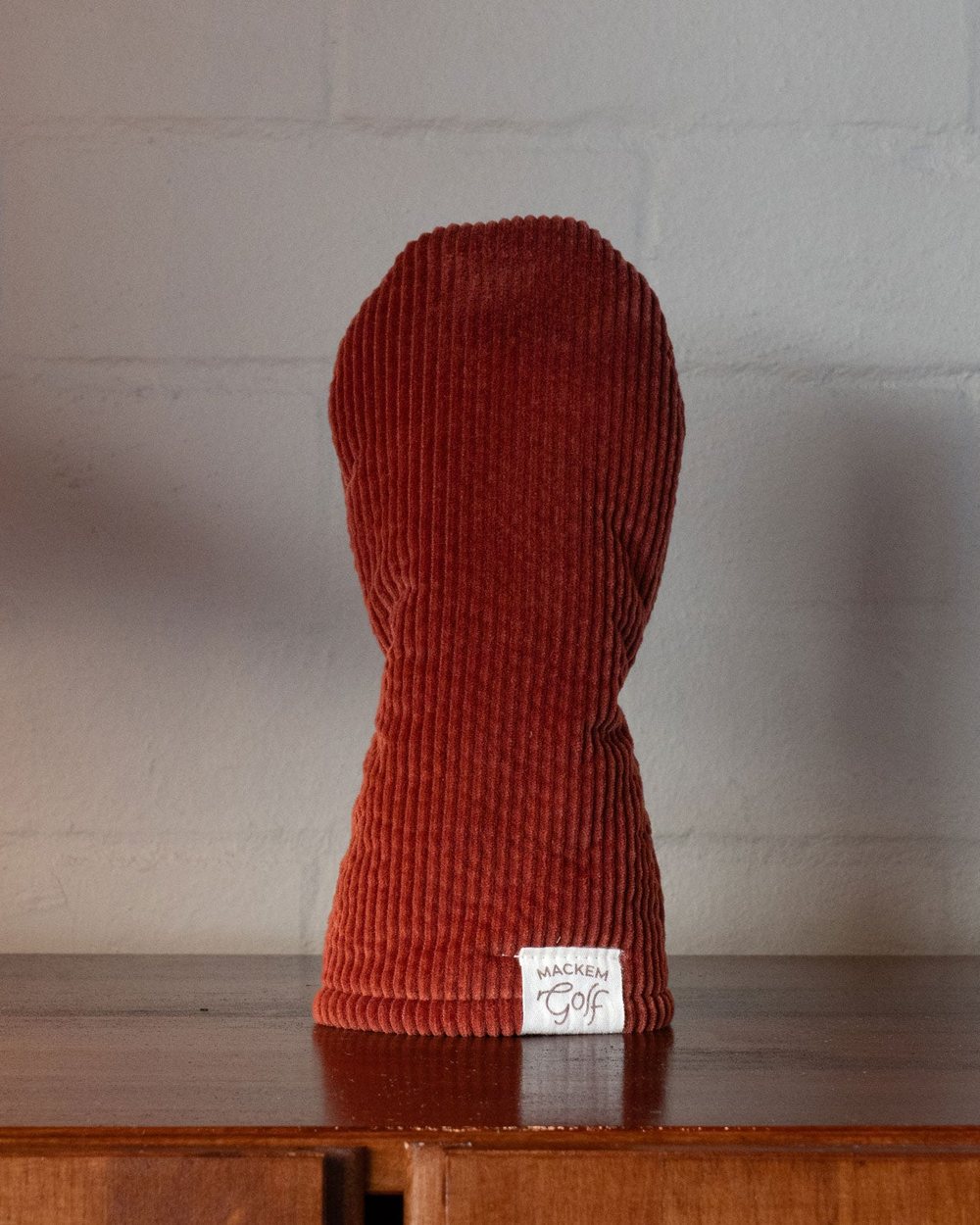
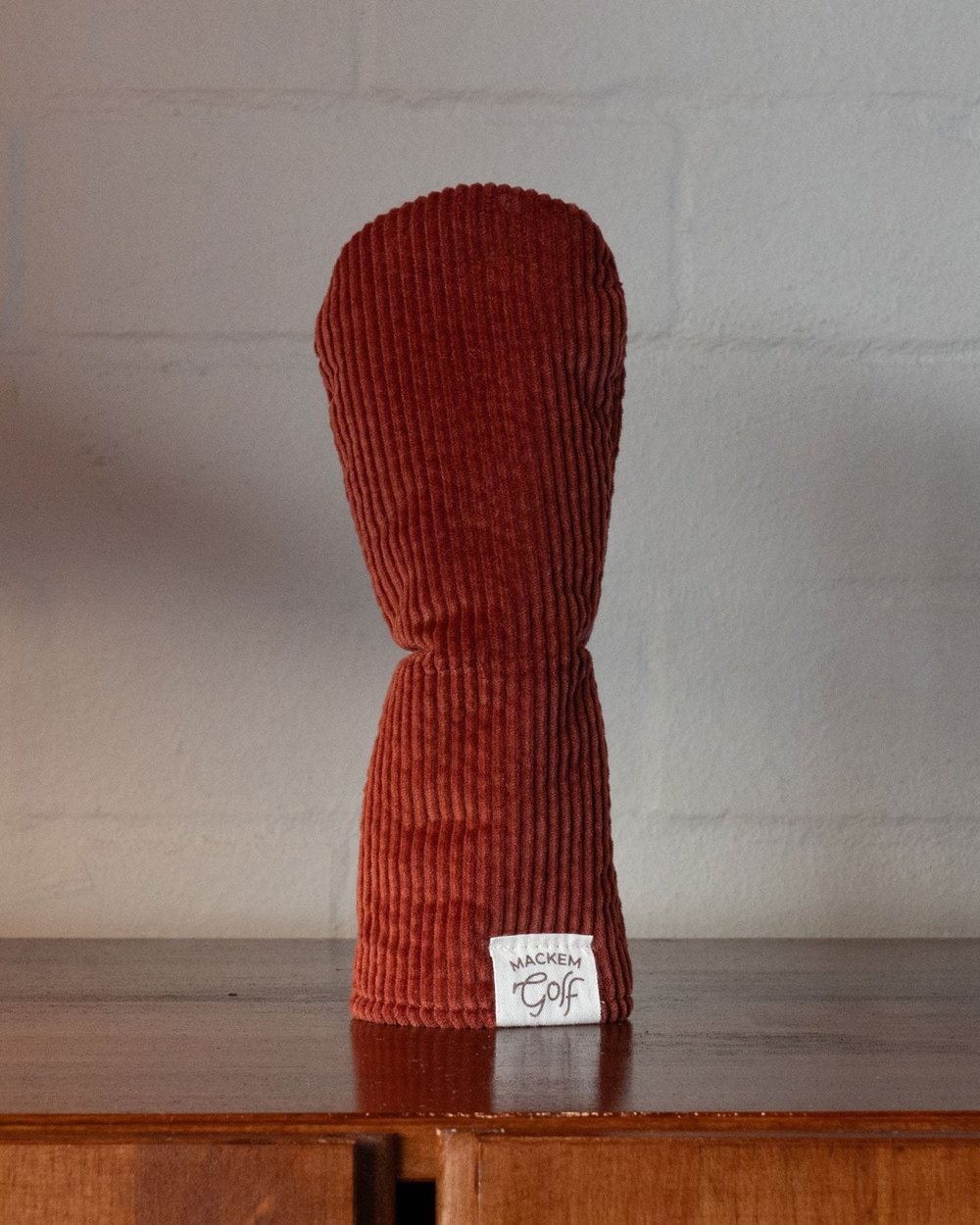
Corduroy, back for good. Cords from Sounder, Students and Mackem.

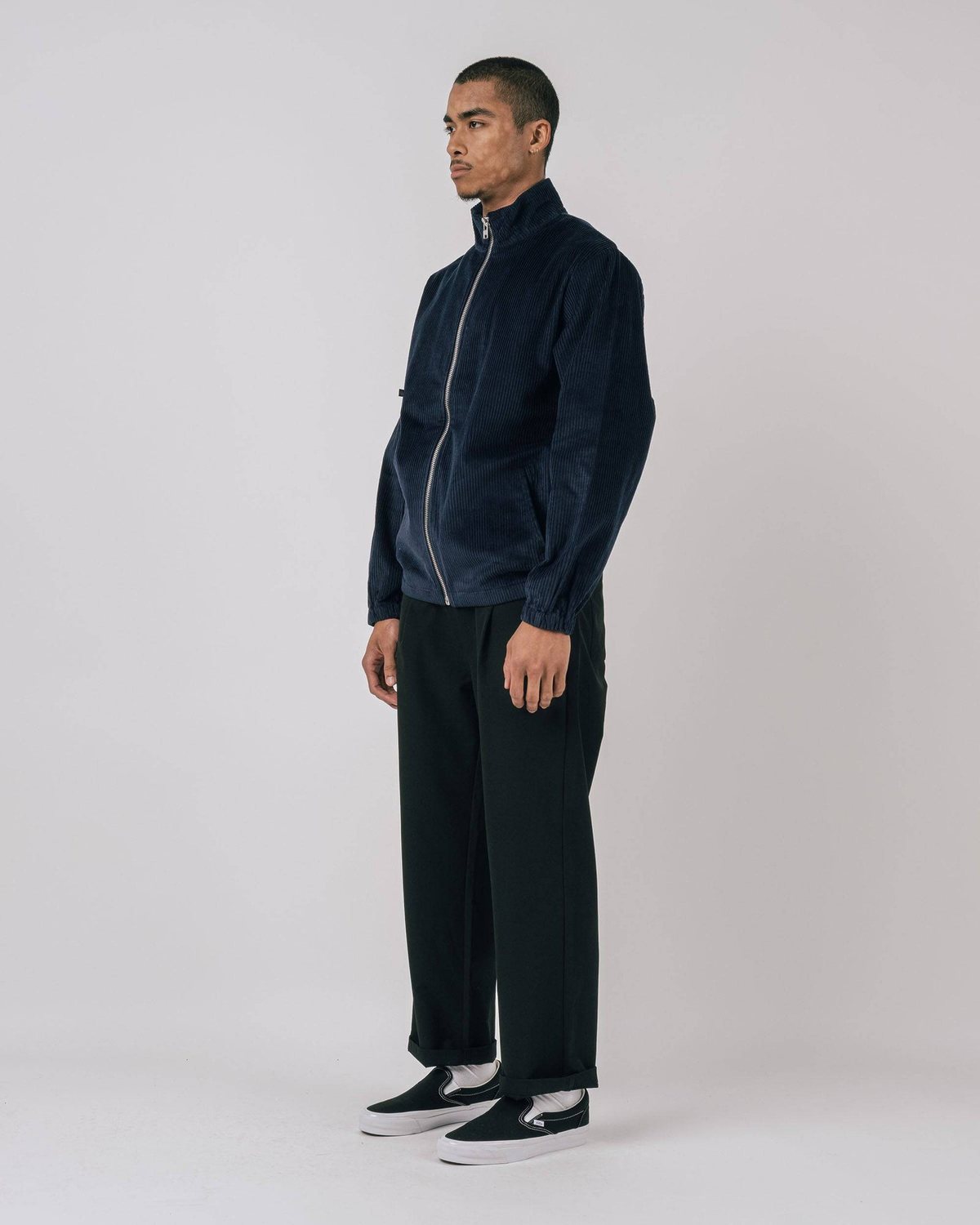
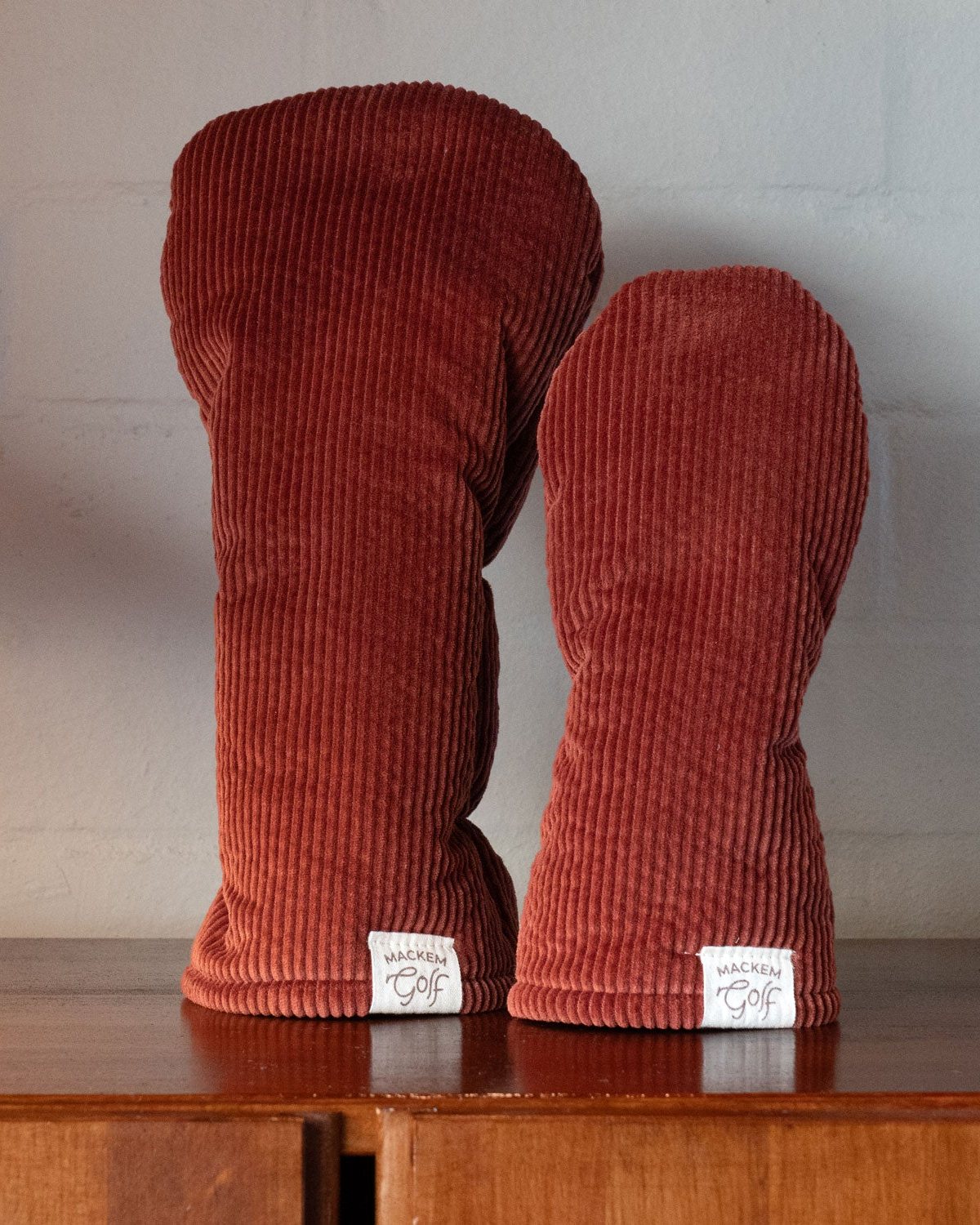
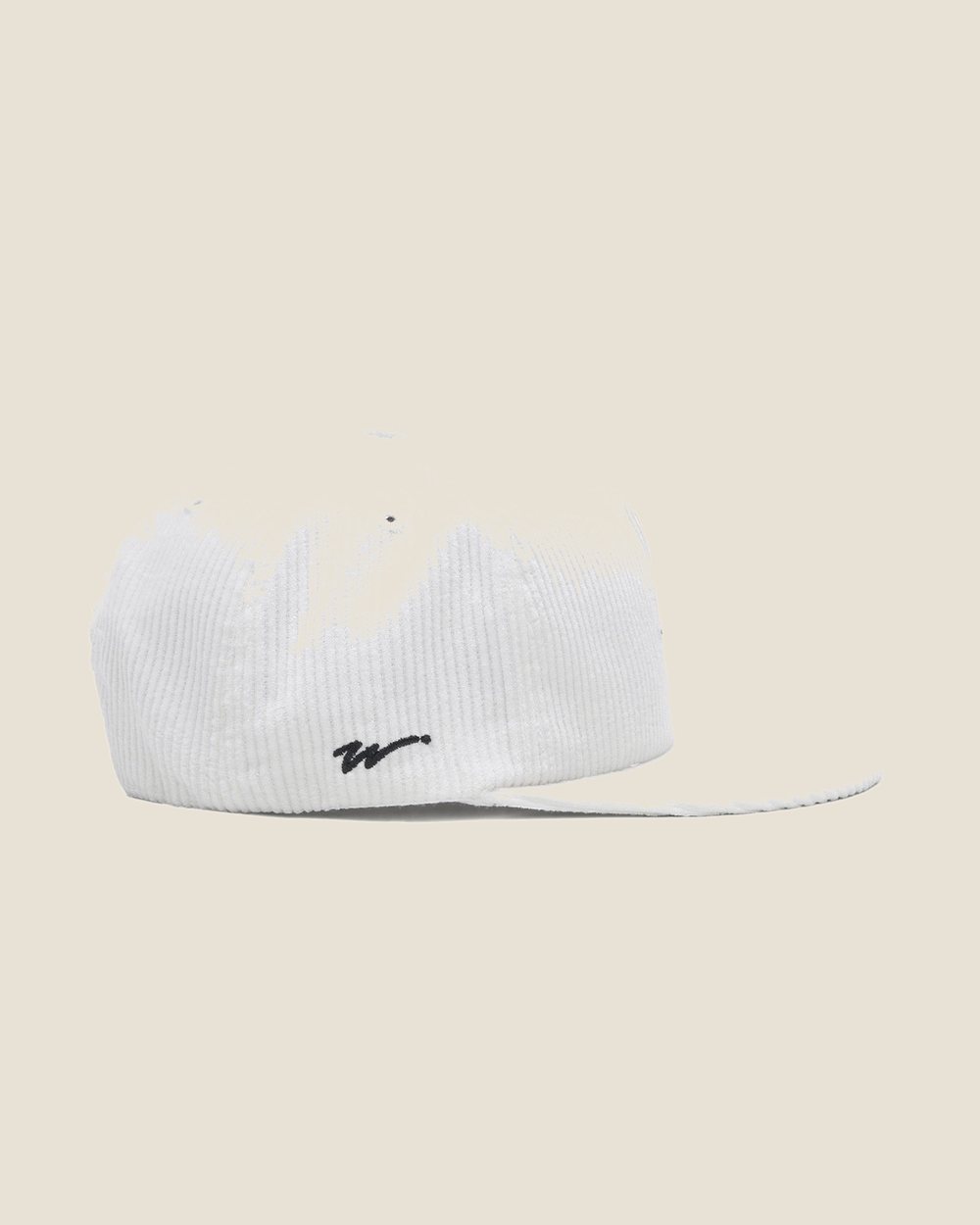
8 pieces · $42–$154The trend fabric: cut-pile cotton cords. Pants, a jacket, shorts, two caps and a headcover.



Merino is a natural fiber (fine wool from merino sheep), ripstop is a weave with a reinforcing grid that stops tears, and corduroy is a texture of cut-pile ridges, usually in cotton. Merino is best for polos and knits, ripstop for shells, pants and shorts, and corduroy for pants, jackets and caps.
Yes, for most golfers: it is soft, warm for its weight, breathable, handles sweat well and resists odor, so a merino polo can usually go more than one round between washes. Many golf pieces blend merino with Tencel or nylon for durability.
A fabric woven with thicker reinforcing threads at regular intervals in both directions, forming a grid. A tear stops when it reaches the next reinforcing thread. It is made in nylon, polyester and cotton and is common in golf shells, cargo shorts and pants.
Wale is the number of ridges per inch. Standard corduroy is about 10 to 12 wales per inch, wide or big wale is 8 or fewer, and pinwale is 16 or more. Fewer wales means wider, warmer ridges.
Yes, on dry days. Cotton corduroy is warm and comfortable, and stretch versions move well in a swing, but it absorbs water, so pack a ripstop shell if rain is possible.