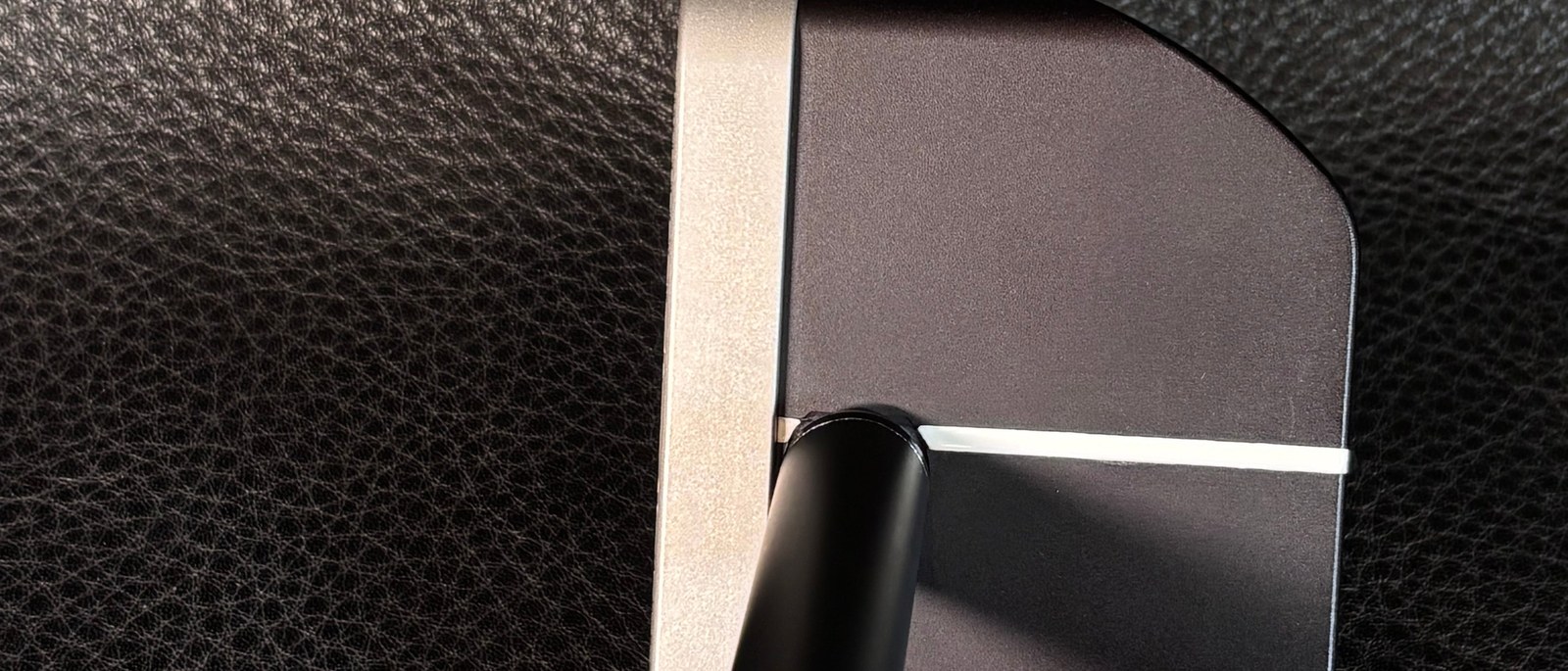
Edel sells a method, and the putter is what the method produces. A fitter clips a mirror to the face, sets a laser six feet away and asks you to aim — then takes the ball away and fires it, and shows you that where you were pointed is nowhere near where you believed. Head shape, hosel and top lines get swapped until the eye and the face agree. Feel is discussed last, which is the opposite of how putters are usually sold.
The Array putters at $699 are that process made physical, and the $400 “Brick” is the same thinking at a lower number.
This is for the player who misses on the same side every week and has never been told why. Wedges start at $140 if you want to meet the shop before committing to the putter.
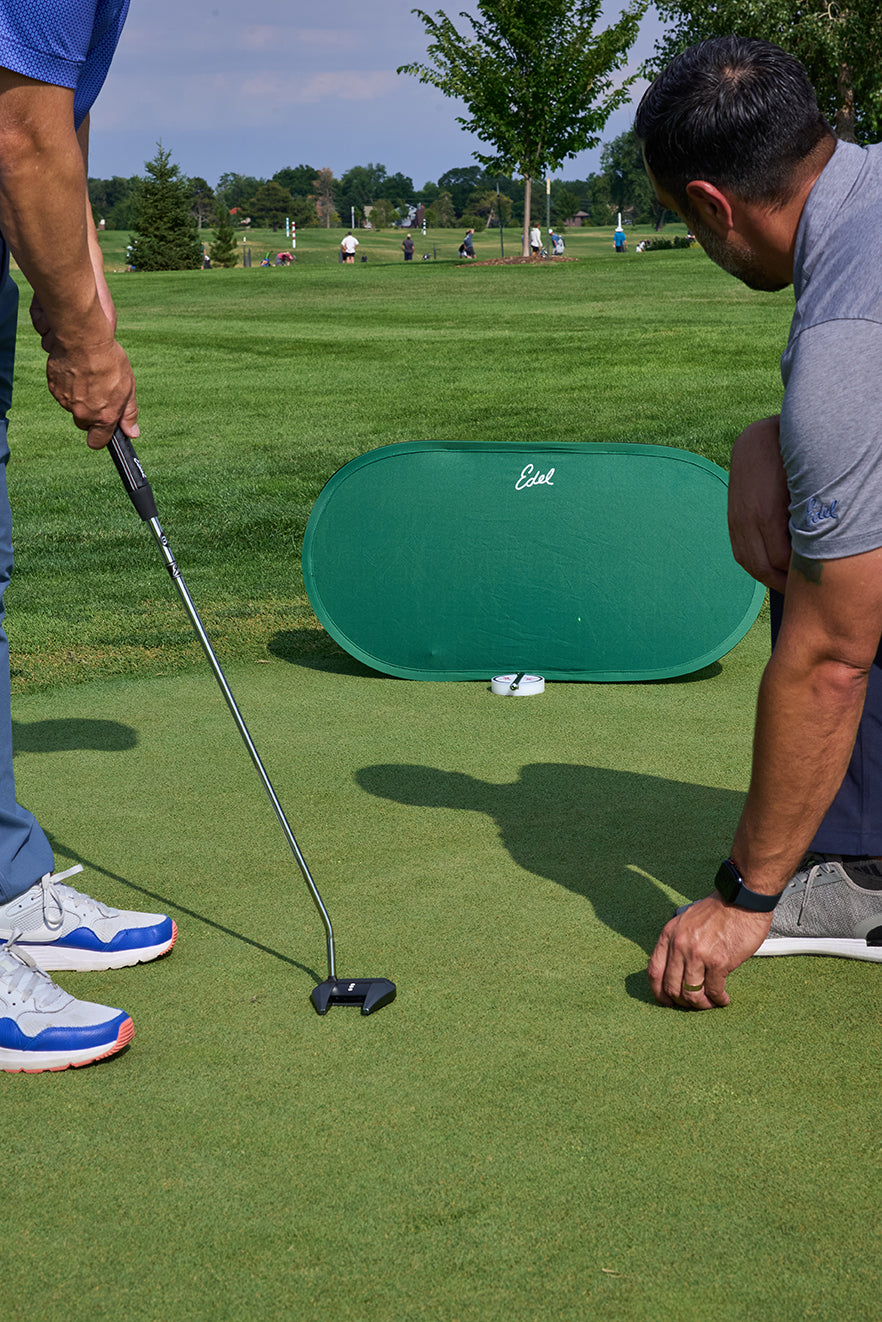
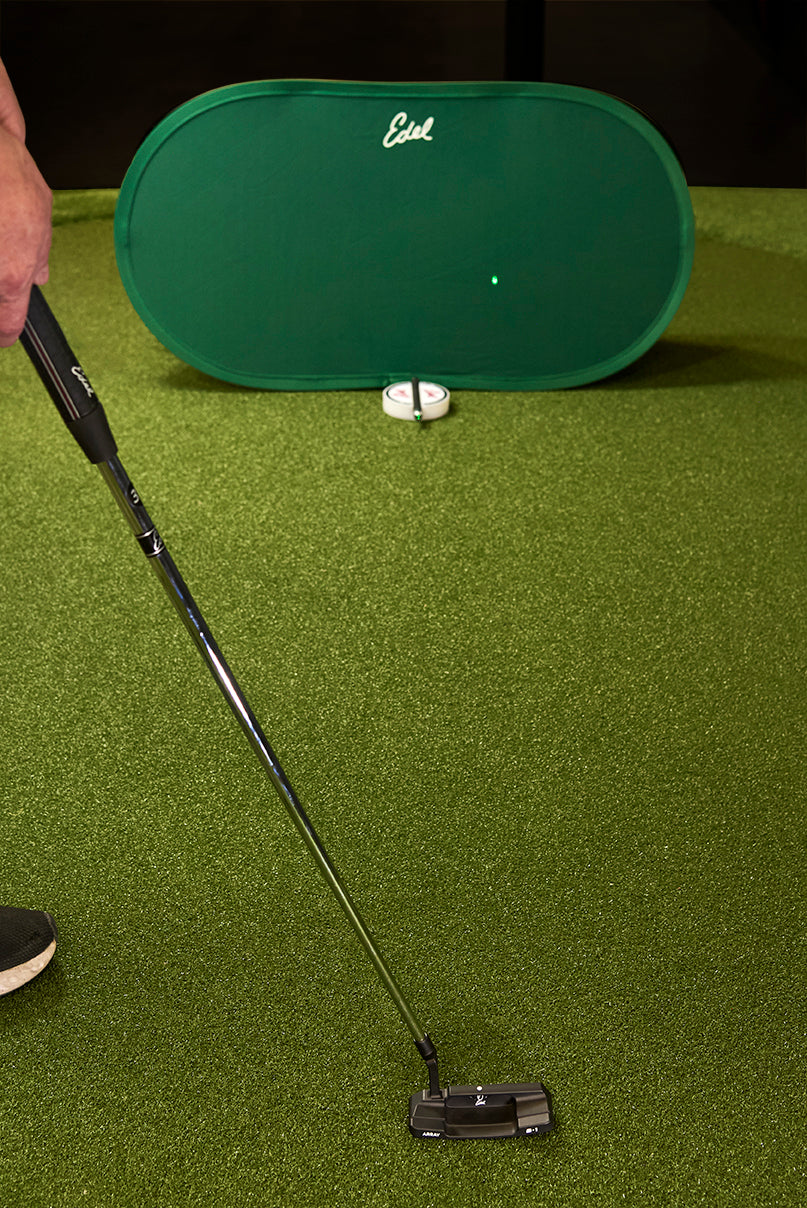
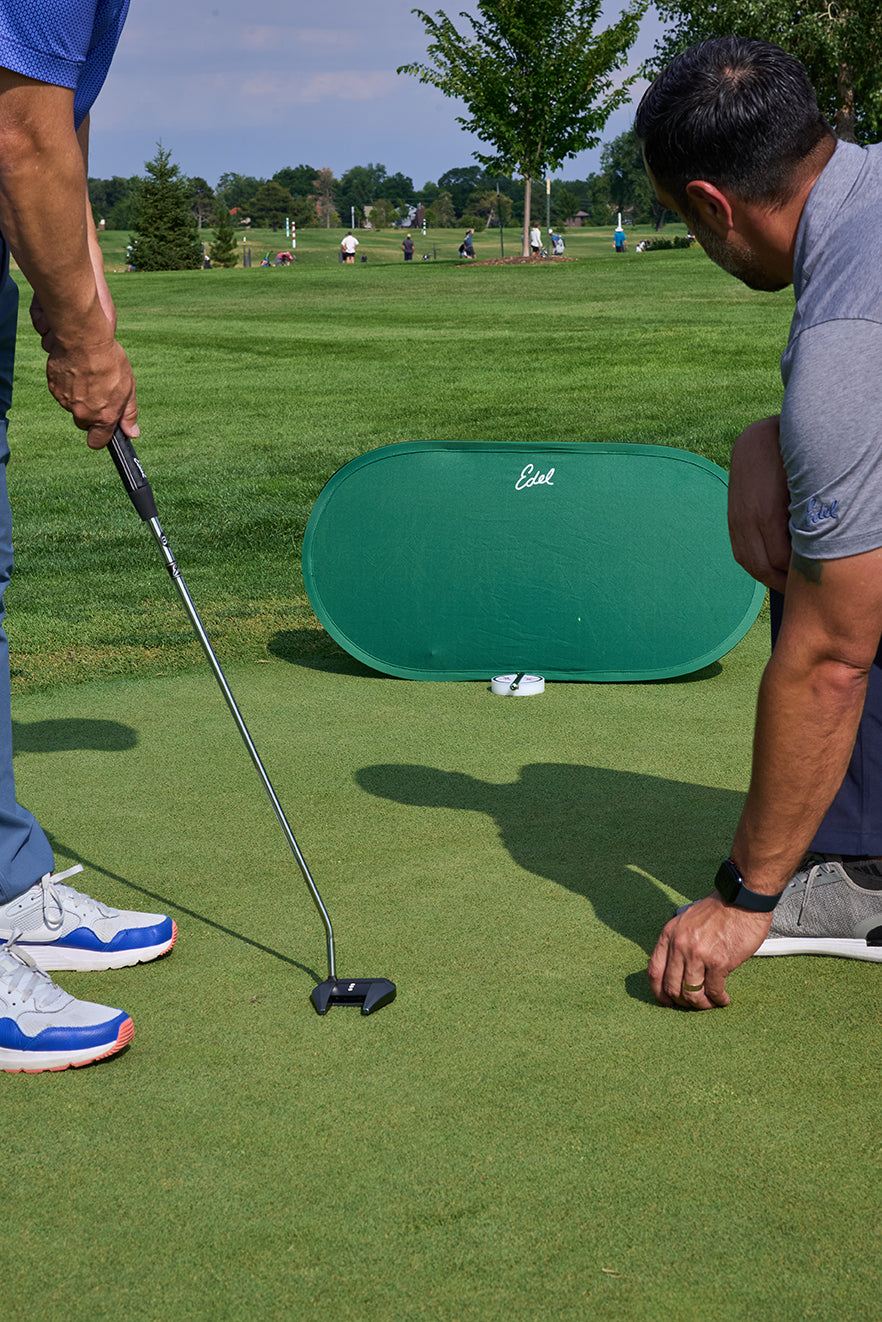
Edel Golf fits putters the way a good shop fits irons — by measurement, not by feel. A fitter clips a mirror to the face of the putter, sets a laser and a target about six feet away, and asks you to address a ball and aim at it. Then they take the ball away and fire the laser. Where the beam lands is where you were actually pointed, which for most people is nowhere near where they believed. Head shape, hosel and the lines painted on the top get swapped until the two agree. Only then does anyone talk about weight or feel.
The idea came from teaching. David Edel caddied, turned professional and spent years giving lessons before he built anything, and he has said the club-design world had very few teachers in it. He started making putters in 1996 on the Oregon coast, moved the company to the Texas Hill Country outside Austin in the 2010s, and built a fitting system his own materials once put at more than twenty million combinations. The premise underneath all of it is that a golfer who cannot aim will spend a lifetime inventing compensations for a fault that was set before the stroke began.
So this is a brand for the player who suspects the problem is not their stroke. It rewards anyone willing to sit through an hour of measurement instead of rolling six putters on a shop carpet, and anyone who would rather own one club that fits than replace one every spring. Array putters run $350, the wedges $140 to $180, and the Workbench limited editions $699. One caveat, stated plainly: David Edel sold the company and left in 2023, and Edel Golf now operates out of Colorado. The method outlived him. The rest of this page is about both halves of that.
Founder’s voice, past tense. Quotes below are verbatim from Tony Dean’s profile for OTL Magazine and from a 2018 Q&A with Paul Cervantes, both given while Edel still owned the company.
Edel grew up in Reedsport on the Oregon coast, where his family ran a salmon fishing resort, a general store and a campground. He came to golf at fifteen. He caddied, taught, worked three jobs in golf shops to stay near the game, and spent time in South America under the wing of Roberto DeVicenzo — whose trophies, including a Claret Jug, he later bought.
Teaching came first and the clubs came out of it. “If you do what you love, you never work a day in your life… What I really enjoyed most was teaching,” he told his own company’s journal, which also records his observation that “not many club designers were teachers.” He began building putters in 1996. “I started building putters in 1996,” he told OTL Magazine, sitting at a cluttered desk in Liberty Hill, Texas.
The ambition was never a prettier club. “I want to change the game of golf. I want to give players the ability to reduce golf to an internal challenge where they are limited by their skills and not by their equipment,” he told OTL. And on why the short end of the bag: “Everyone wants to be able to hit a tee shot 300 yards, perfectly straight, and that’s fine. The short game, however, with putters and wedges, accounts for more strokes and if they don’t work right, it shows.”
Asked in 2018 how the shop treated a club professional versus a weekend player, Edel told Paul Cervantes: “Our philosophy is we treat everyone as if they were a tour player. We don’t make a club different for a tour player than we do for an average player trying to get better.” He sold the company five years later.
What happens to a company built on one man’s eye when he walks away.
In April 2023 it was reported that David Edel had moved on to pursue other interests, and that he had no affiliation or role with the company going forward. Doug Coors — of the brewing family, previously of the technical ceramics firm CoorsTek — had taken ownership. Assembly and headquarters moved to Colorado at the end of 2022; the company now lists an address in Arvada, and the Liberty Hill fitting page is gone.
Texas has not vanished from the site. Several product pages still say hand-finished in Austin, and there is a Texas ball marker in the accessories. But there is no Edel-owned fitting bay in the state any more. An Austin golfer who wants the aim test now books it through the certified fitter network, which locally means GOLFTEC — three of them inside the city.
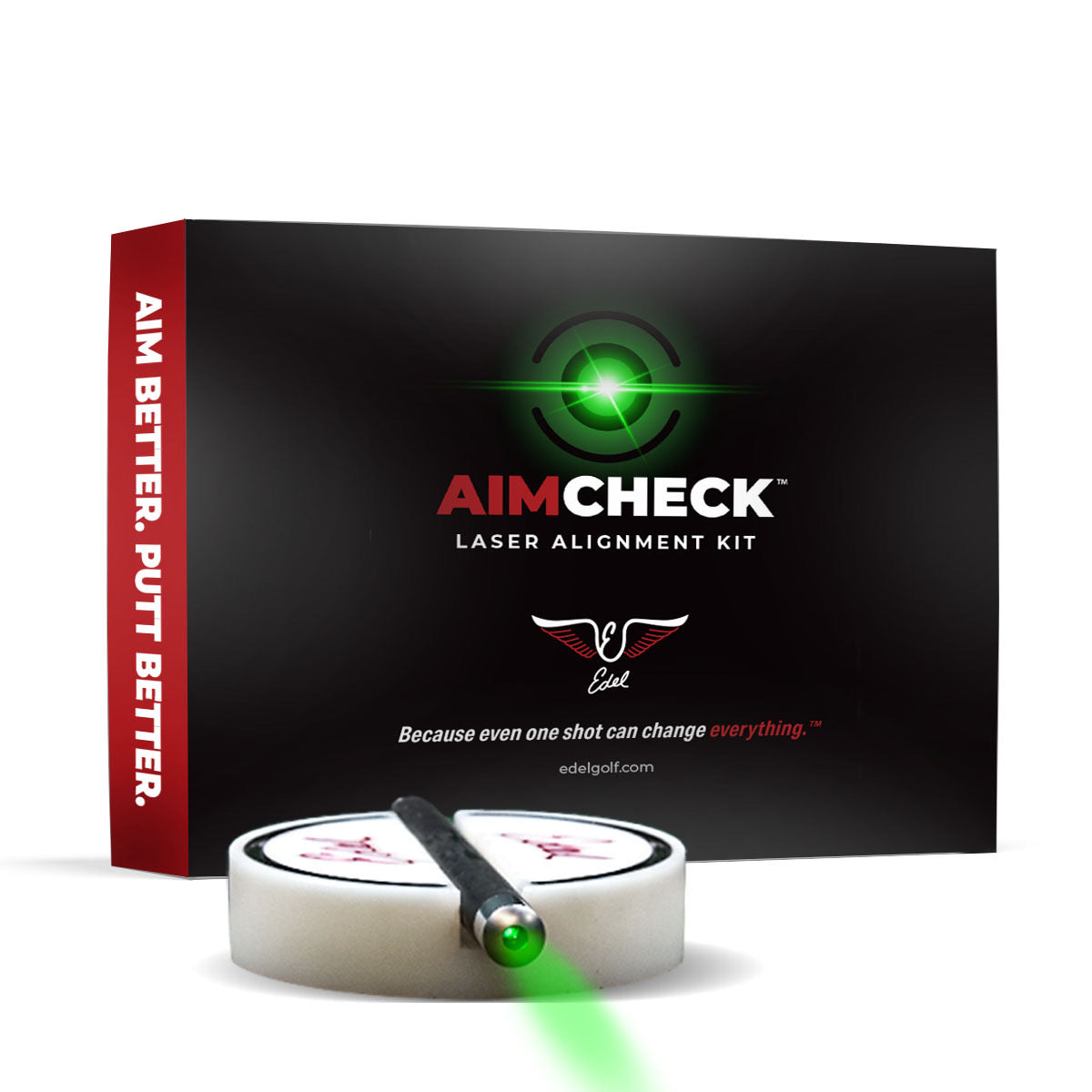
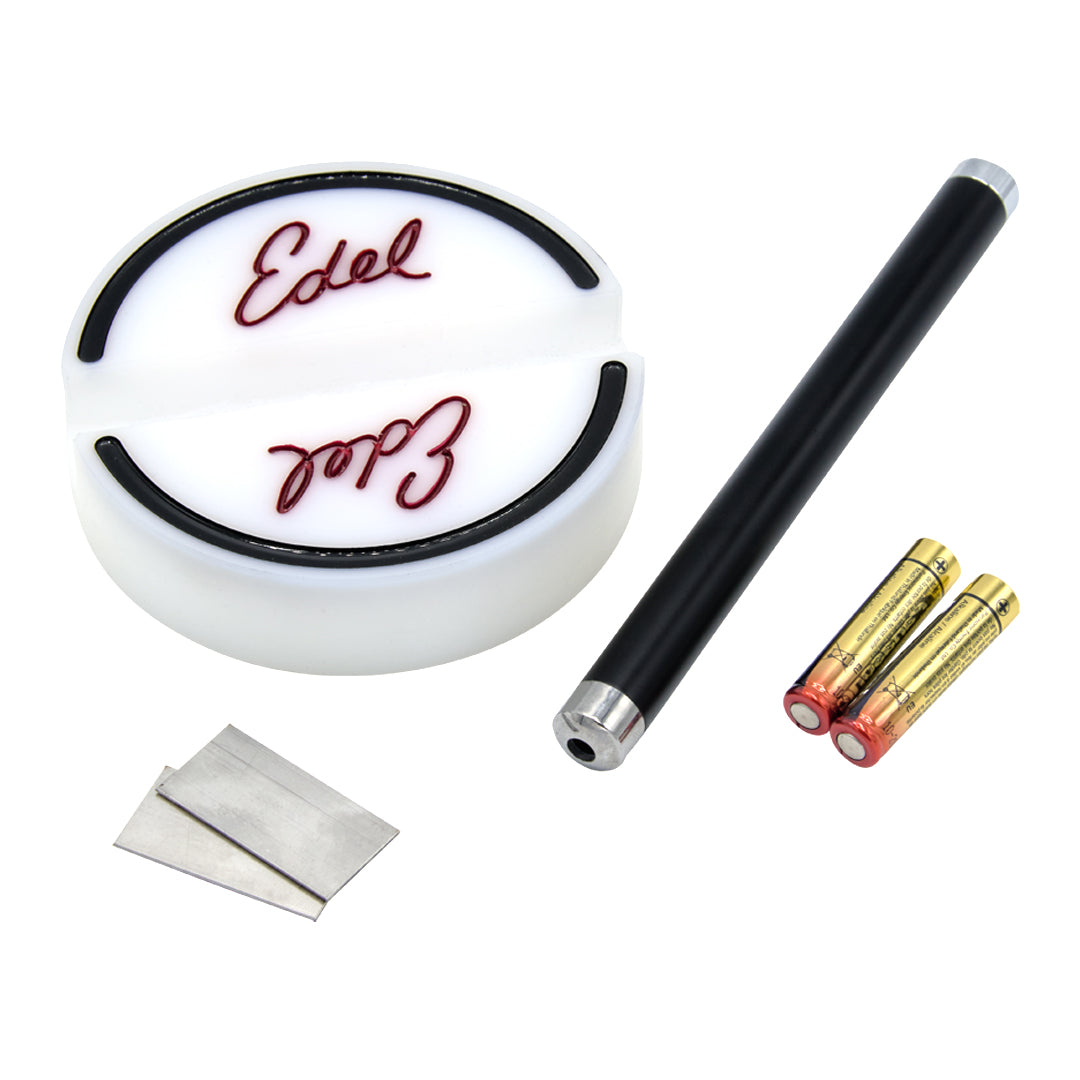
What survived the handover is the method, which was always the actual asset. The Array system still sells on interchangeable hosels and alignment plates. The Aim Check kit, released under the new ownership, takes the mirror-and-laser test that used to require a certified fitting and puts it in a box for $70 — arguably the most confident thing the company has done since the sale, because it gives away the trick that used to bring people through the door. On the Champions Tour, Tim Petrovic signed in June 2024 and plays the irons, an SMS wedge and an EAS putter. Doug Coors called him “the perfect addition to Team Edel.”
One of the fitters put the goal better than any of the marketing does. Walking a writer through a fitting session, Edel master fitter Matt Jones kept returning to the same phrase for what the whole exercise is chasing: matching feel to real.
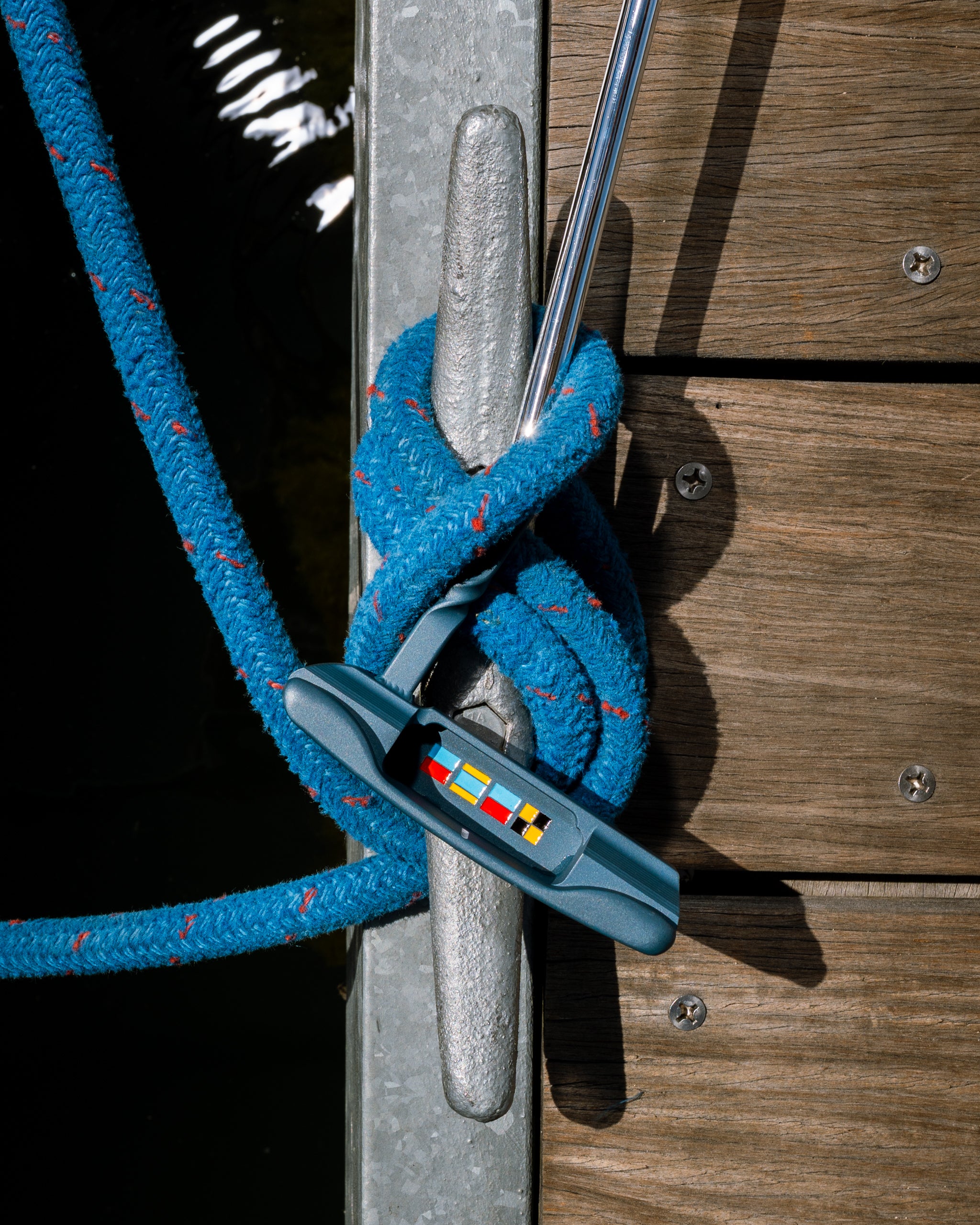
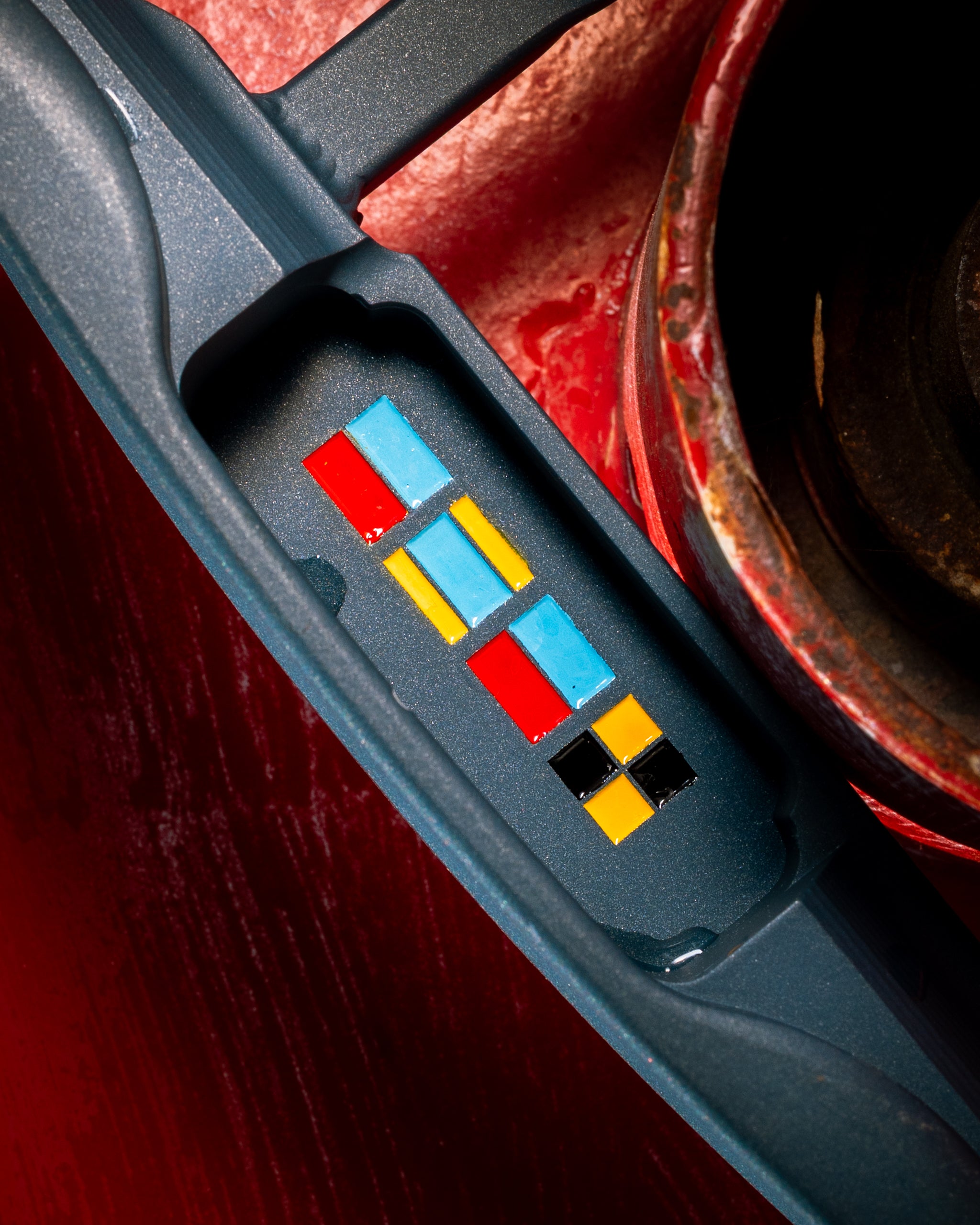
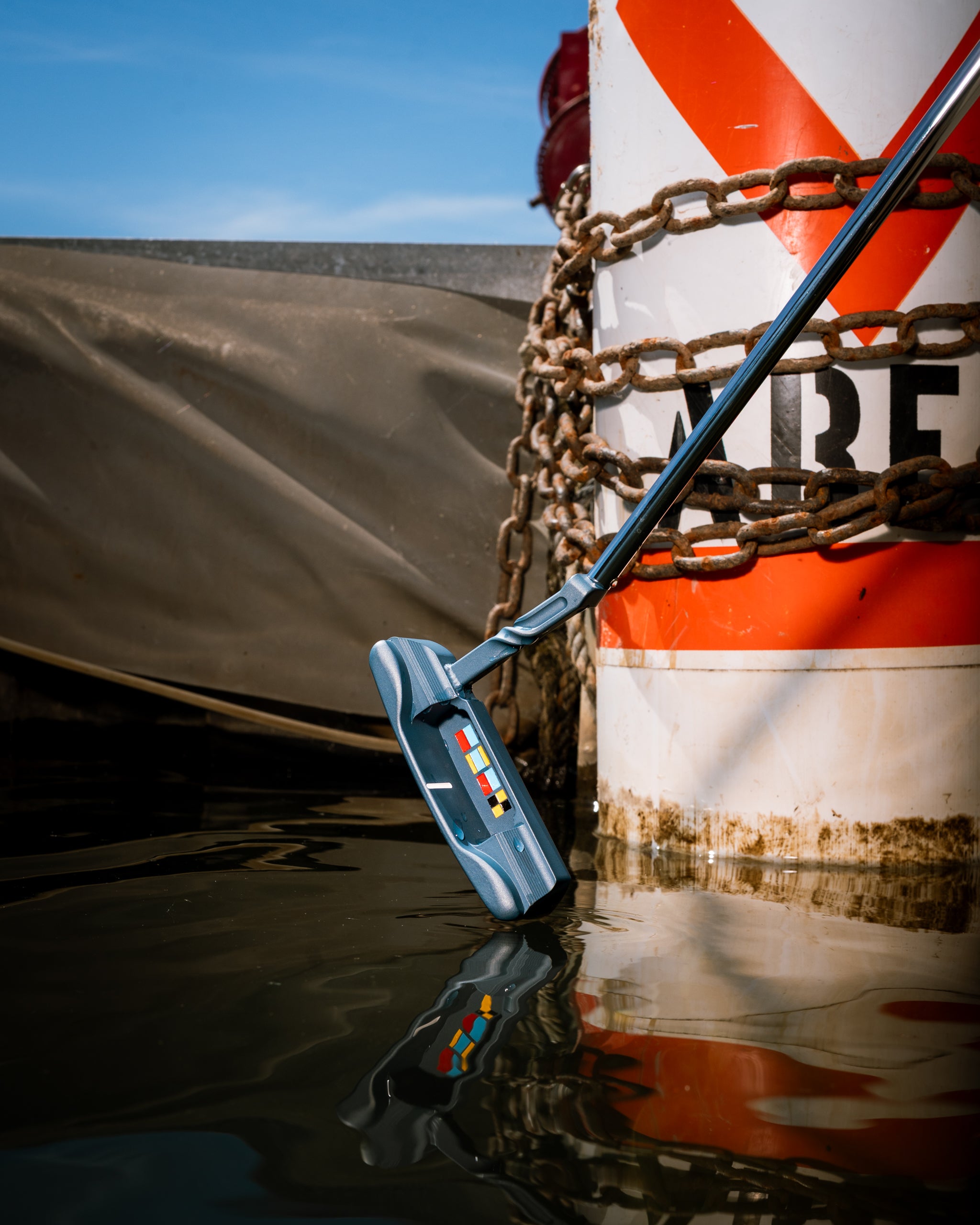
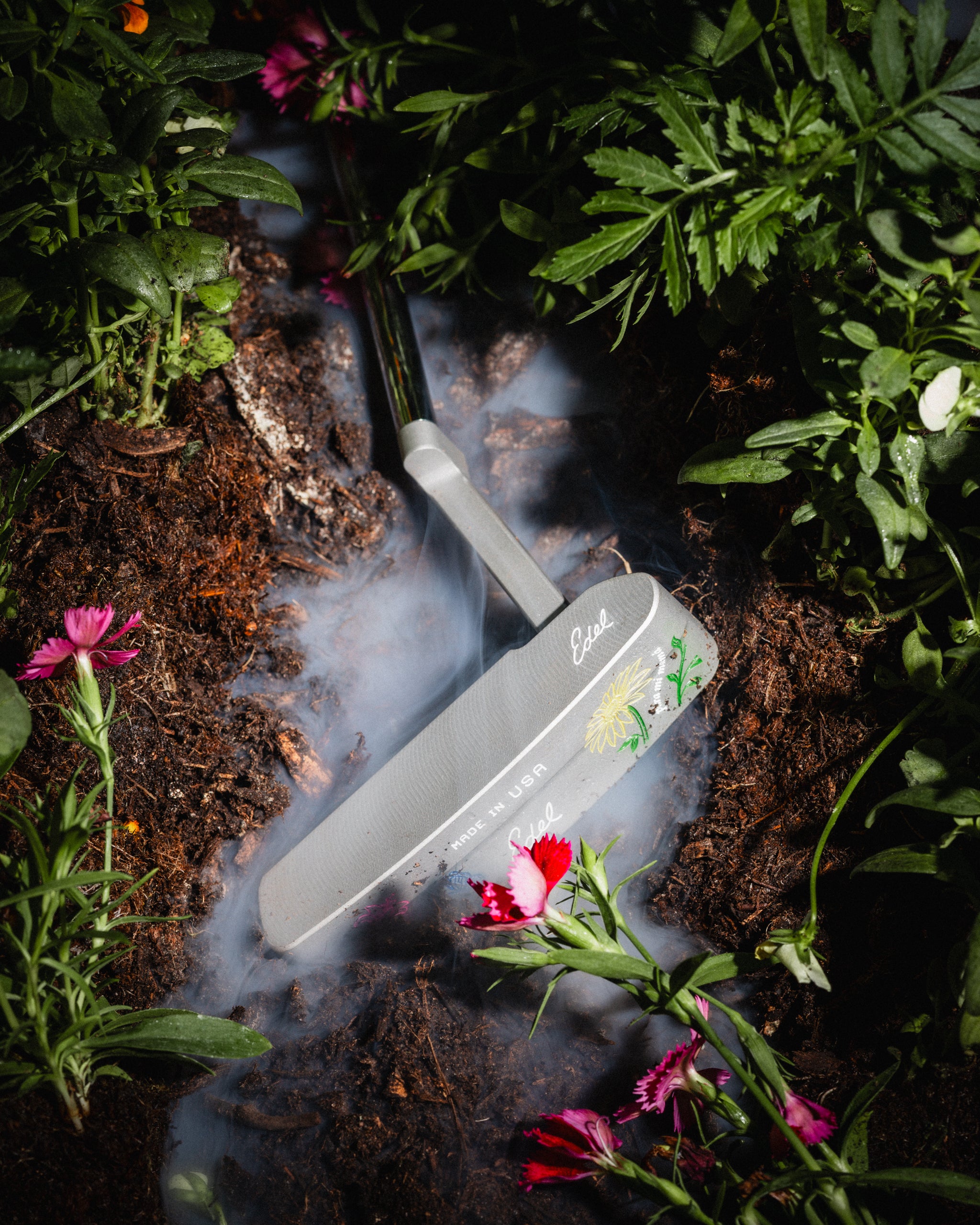
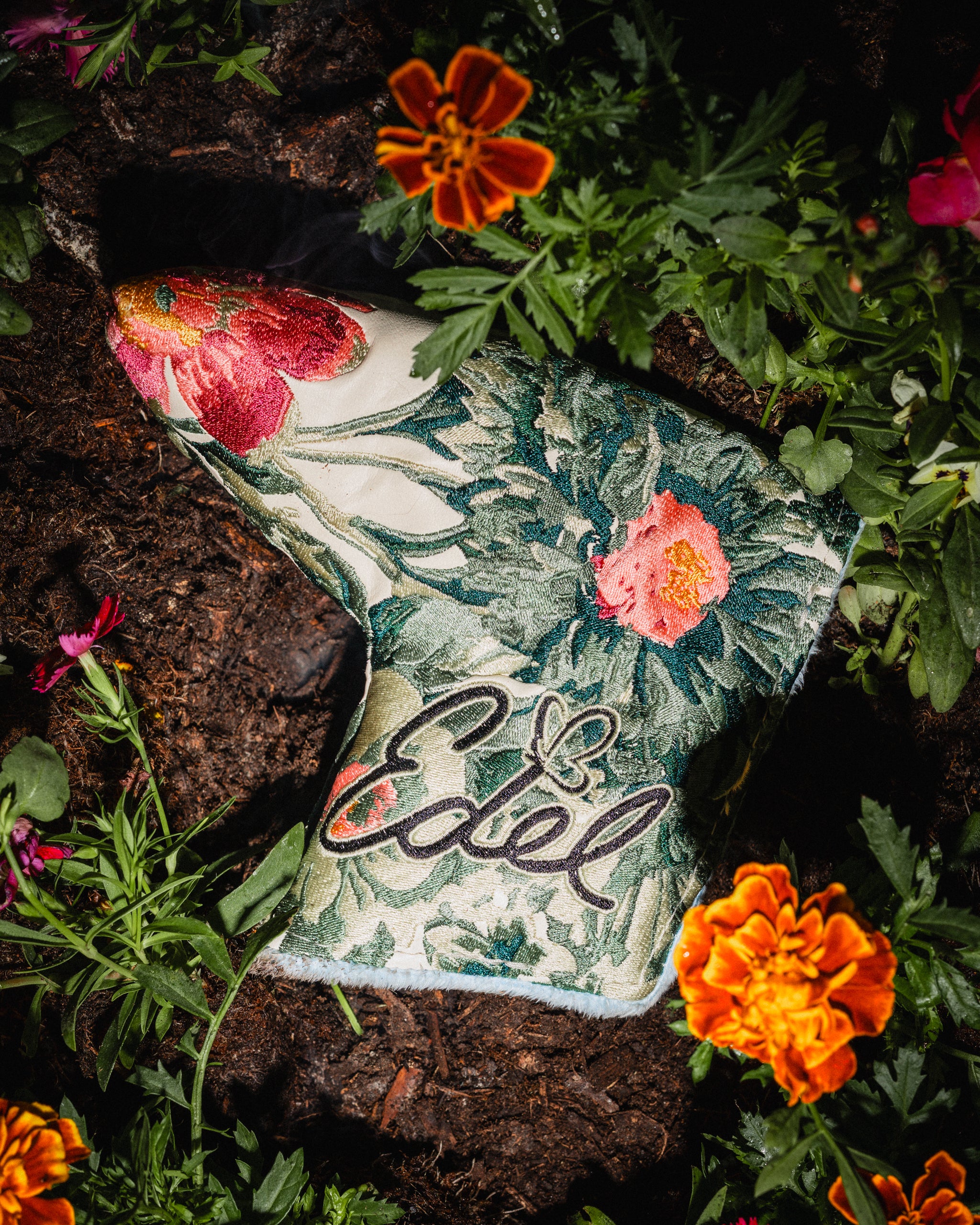
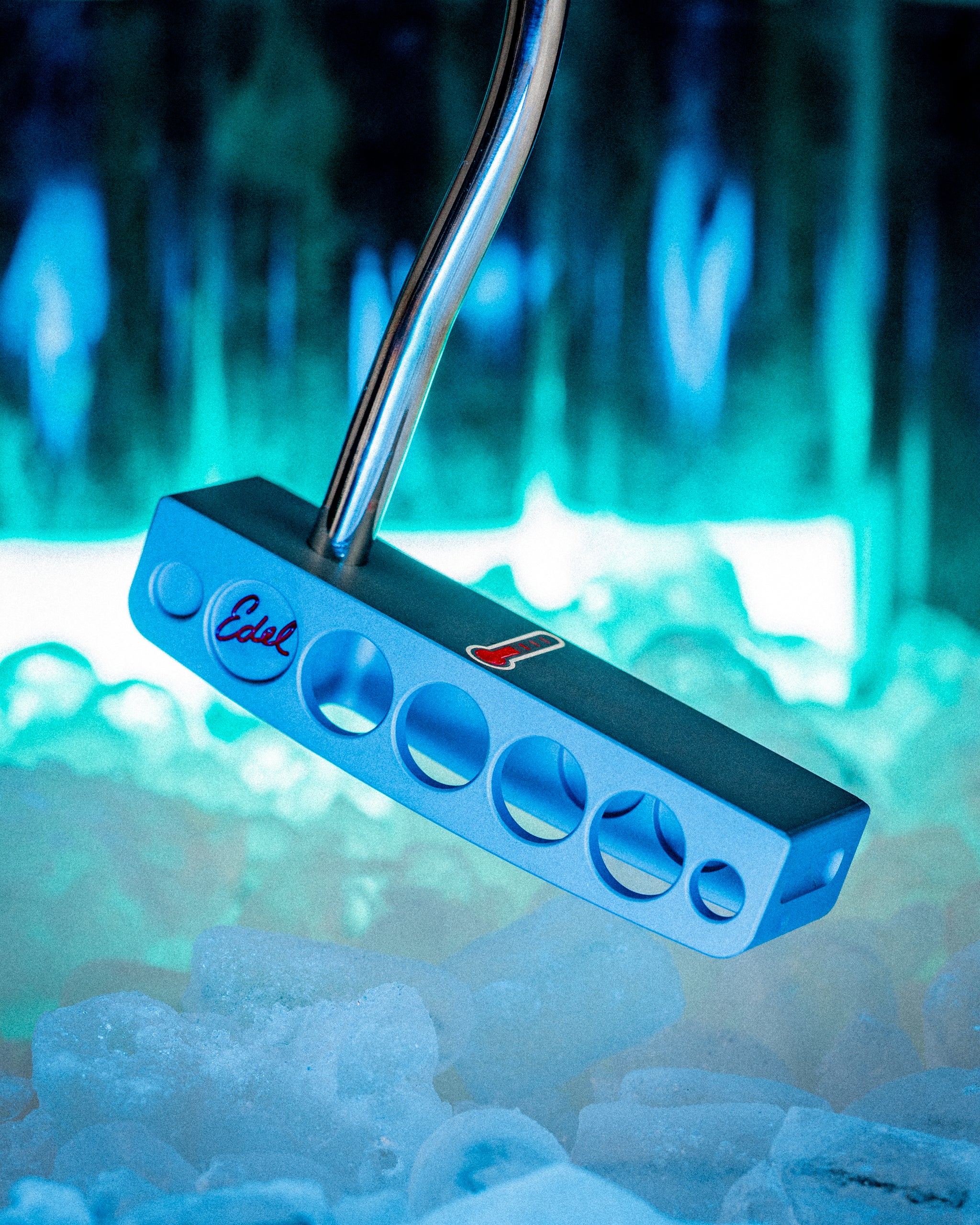
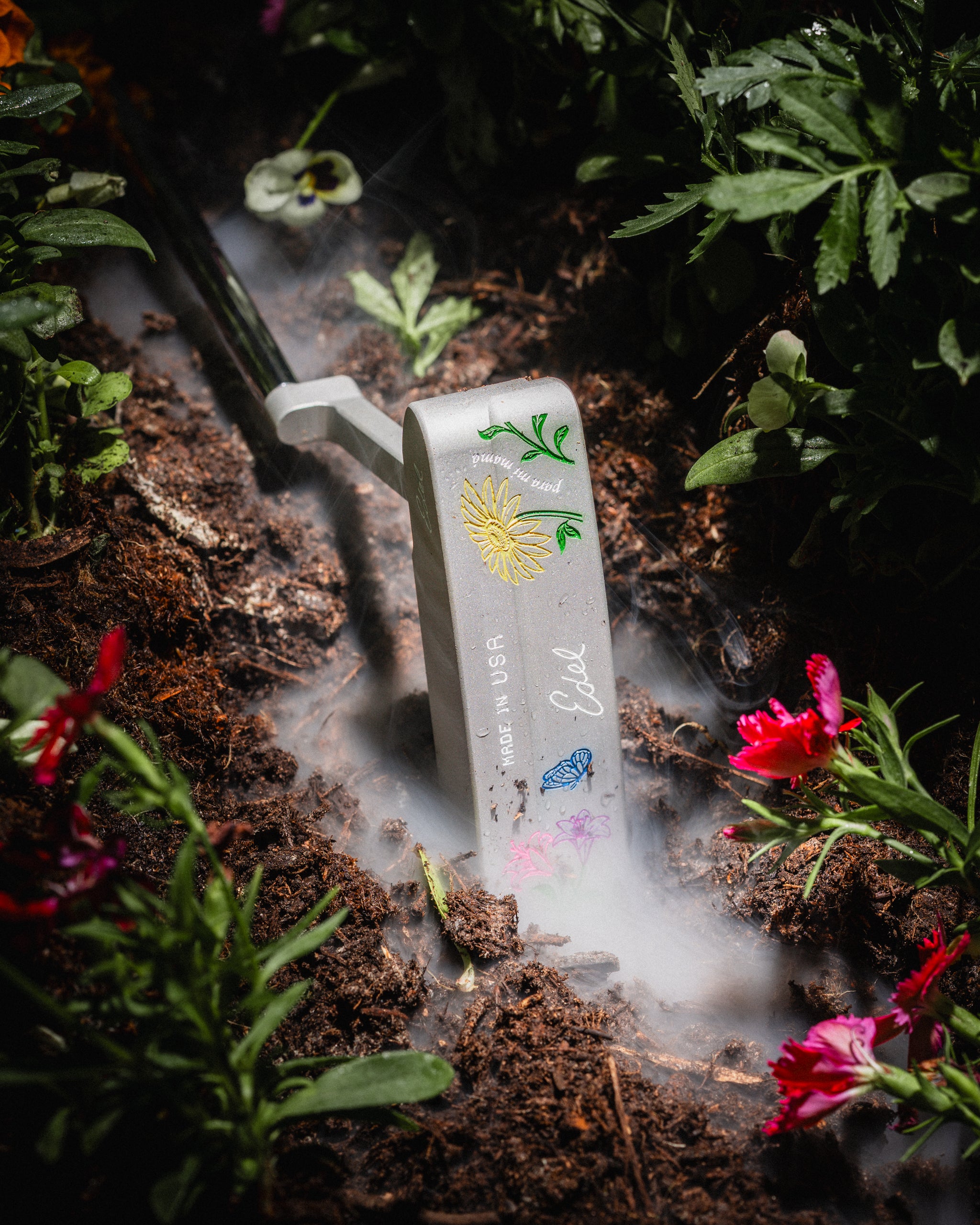
The Workbench campaigns. Bowline shot at a marina, Bloom in a flowerbed, Ice Brick on ice — the first Edel photography in years that treats a putter as an object rather than a spec sheet.
Four limited editions and two reissues. The Workbench series is Edel building objects rather than inventory — and it is where the current company finally photographs its clubs like they matter.
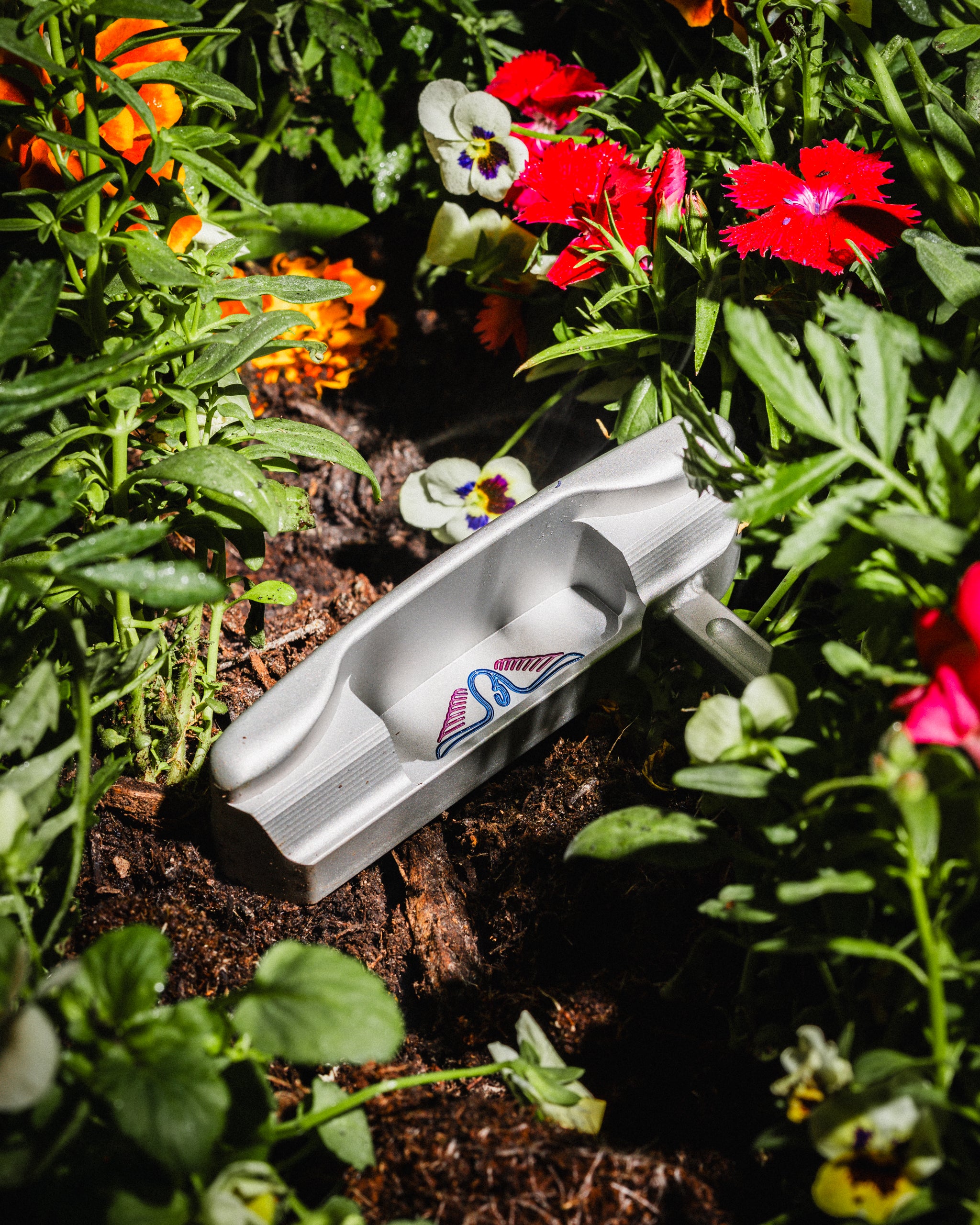
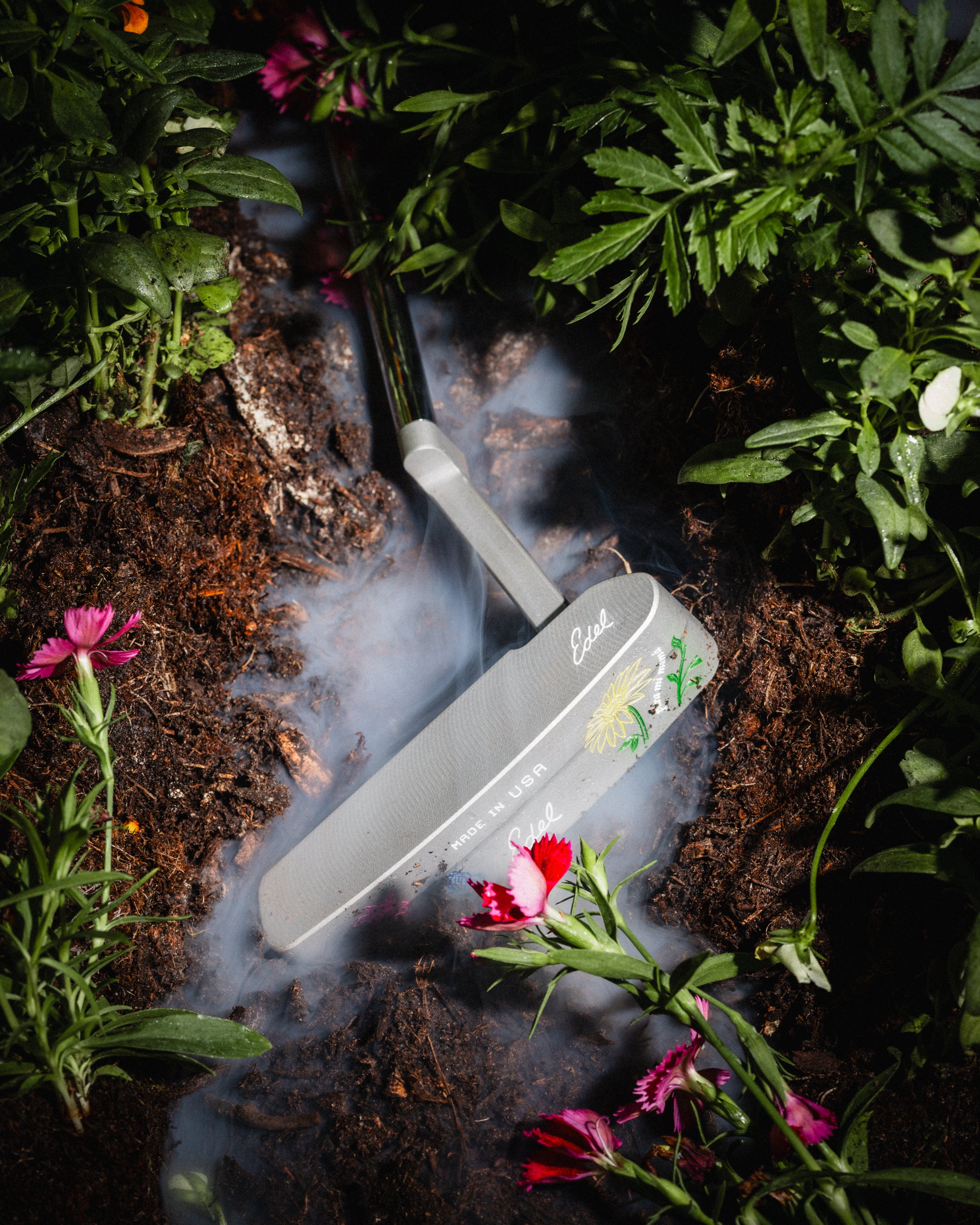
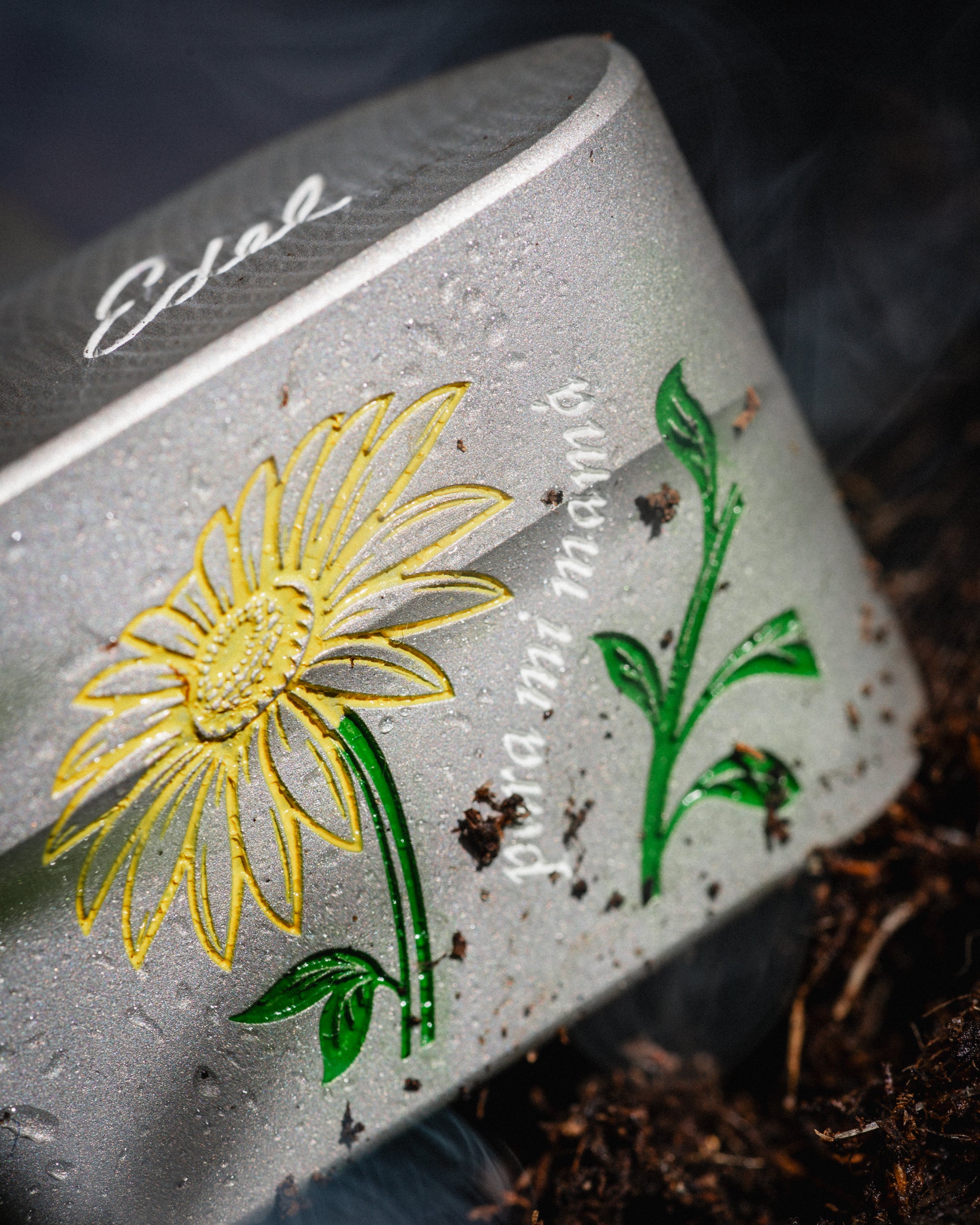
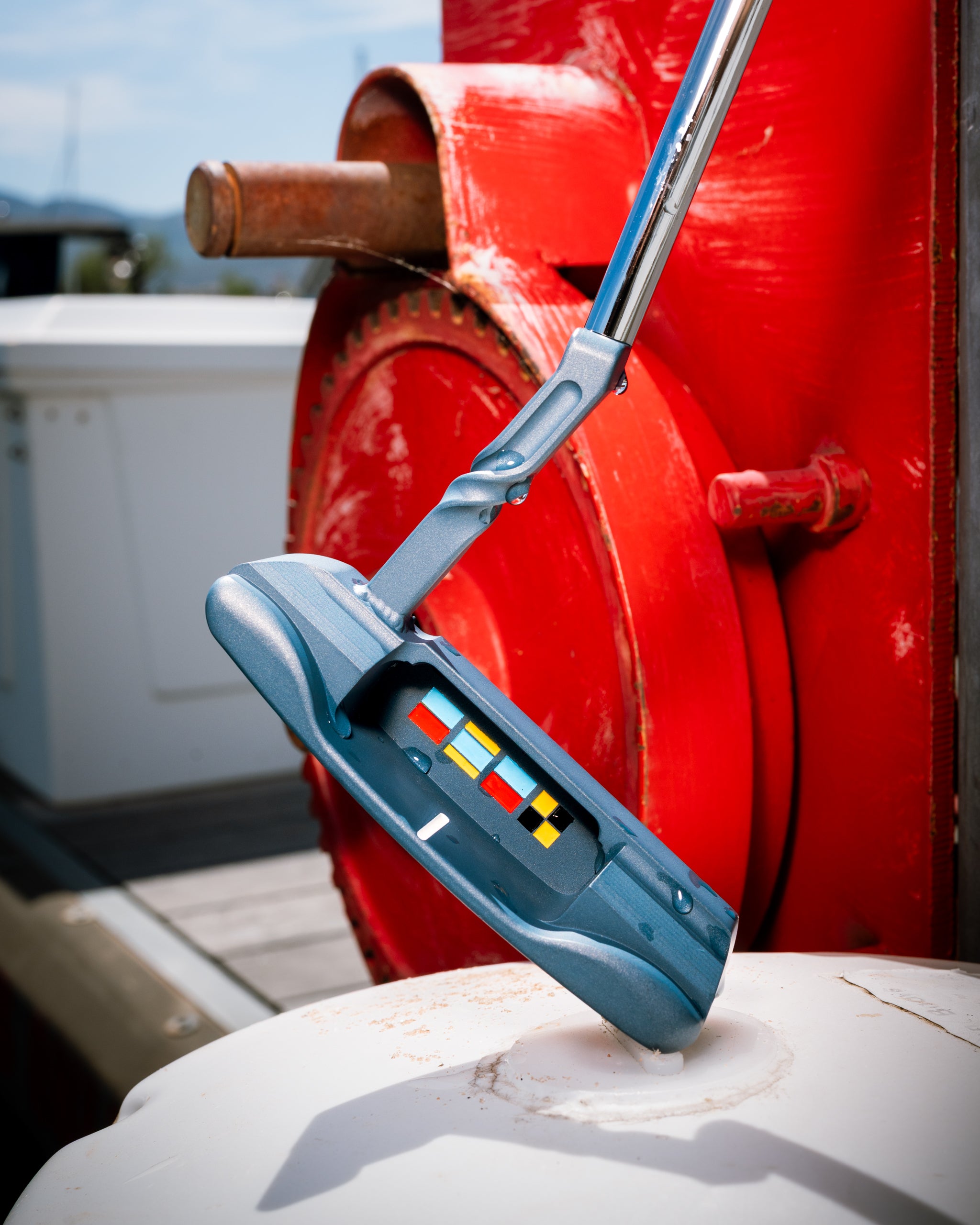
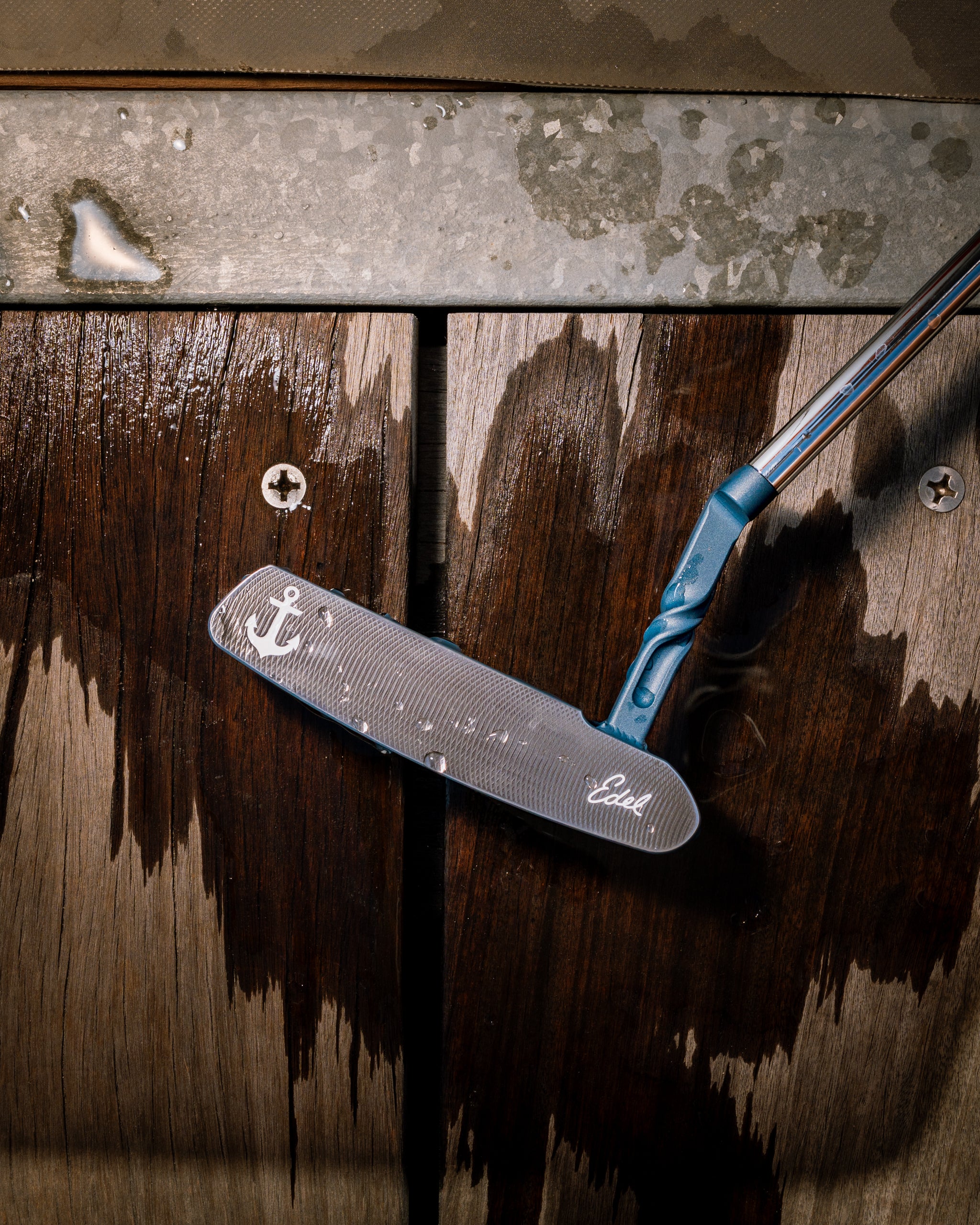
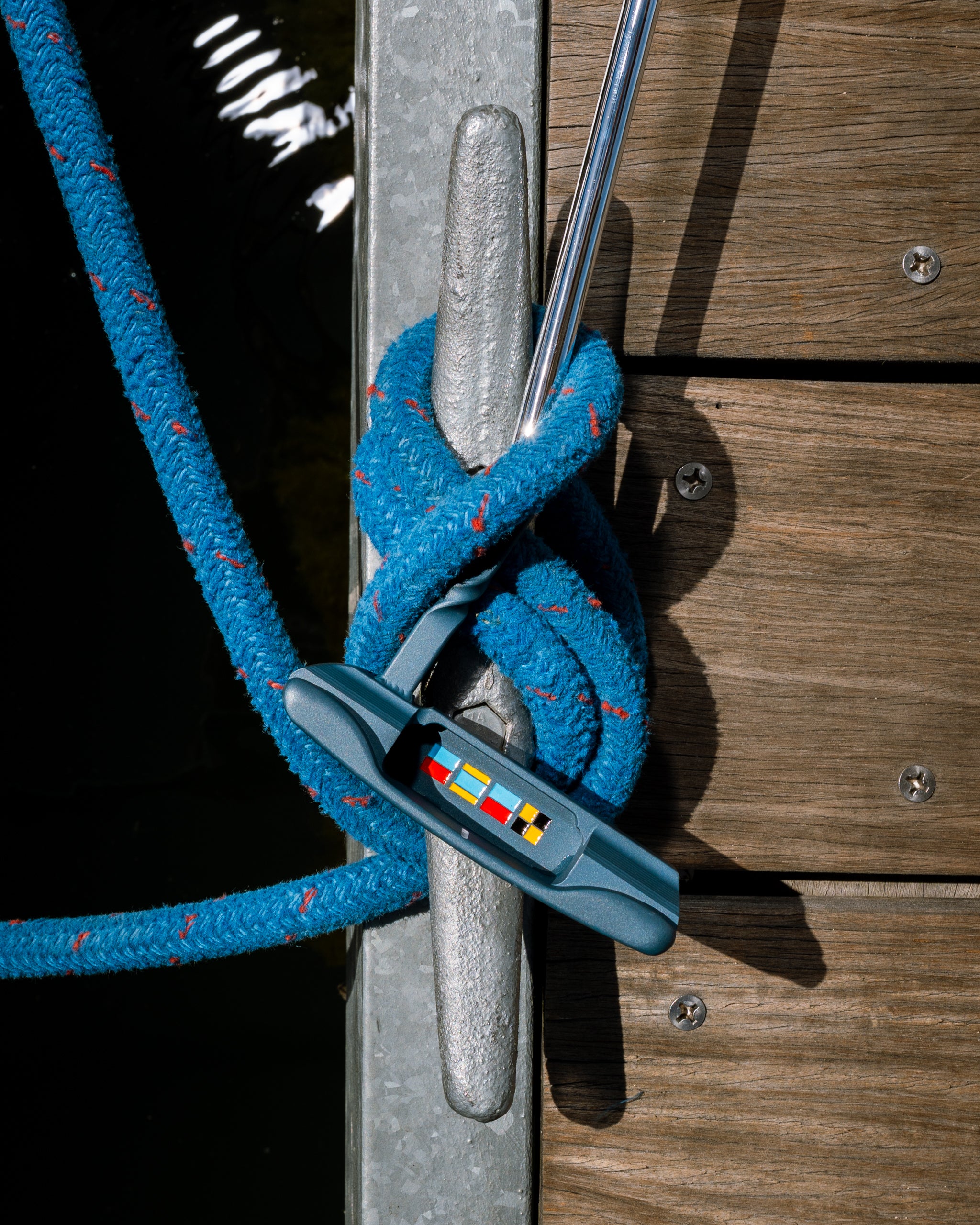
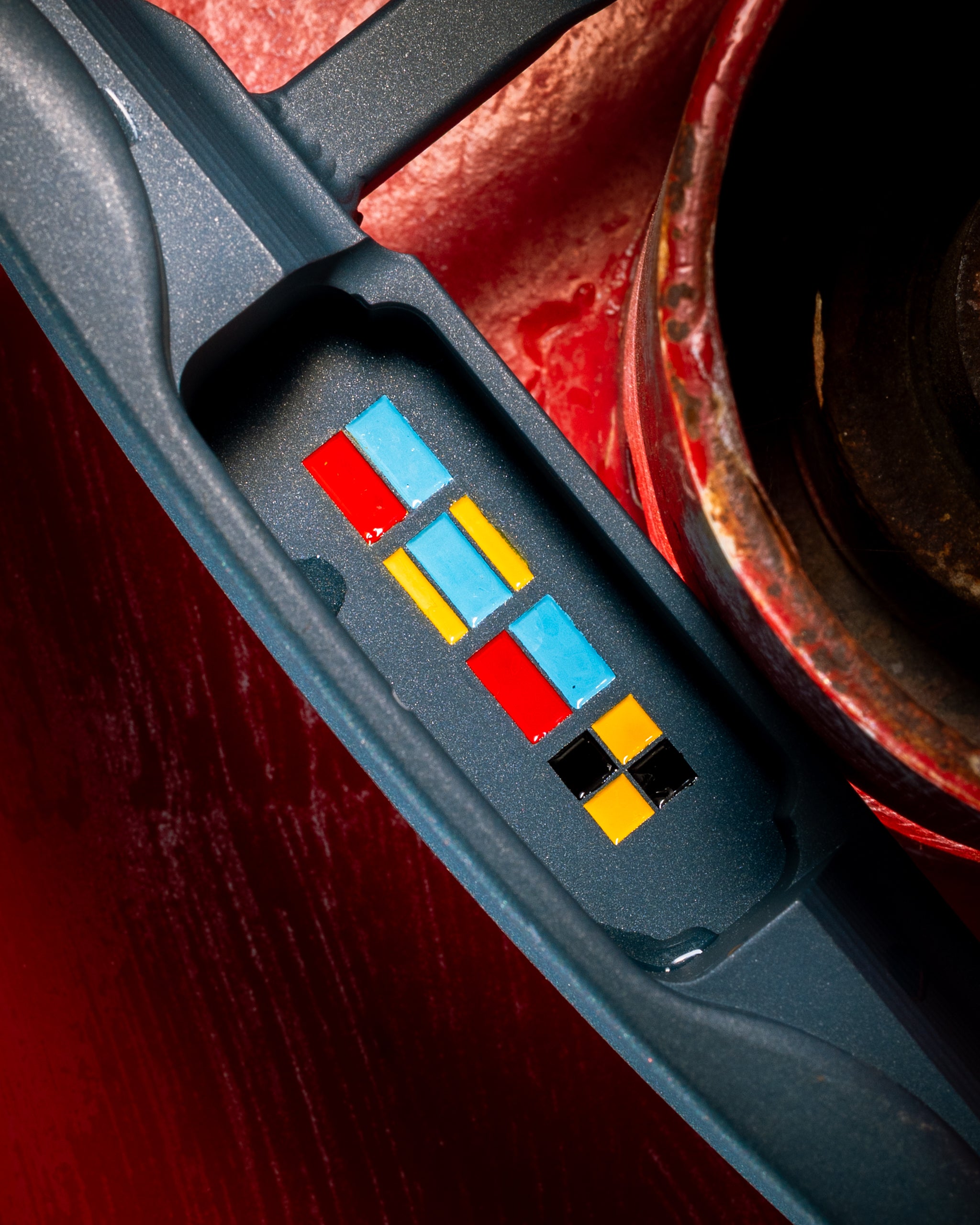
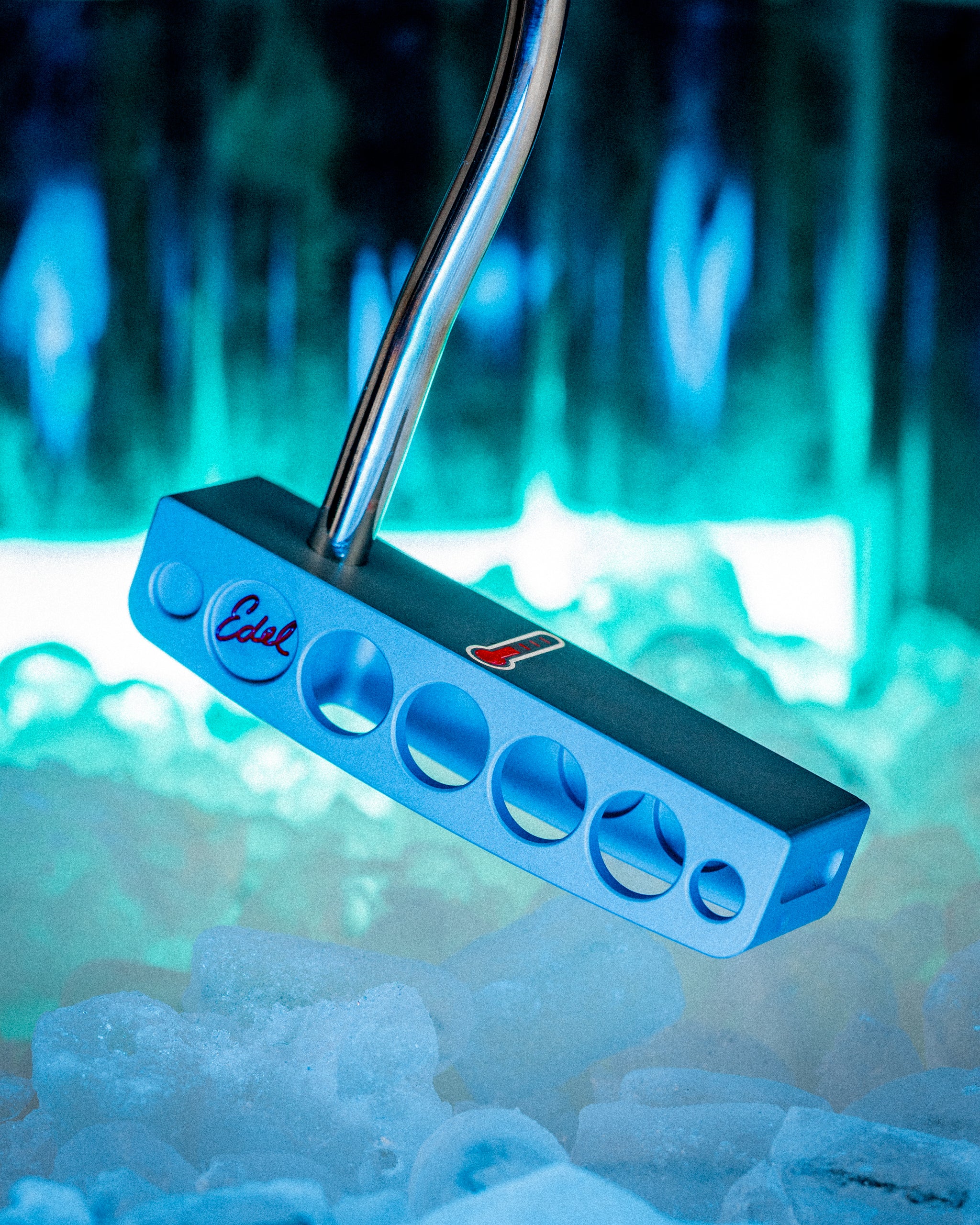
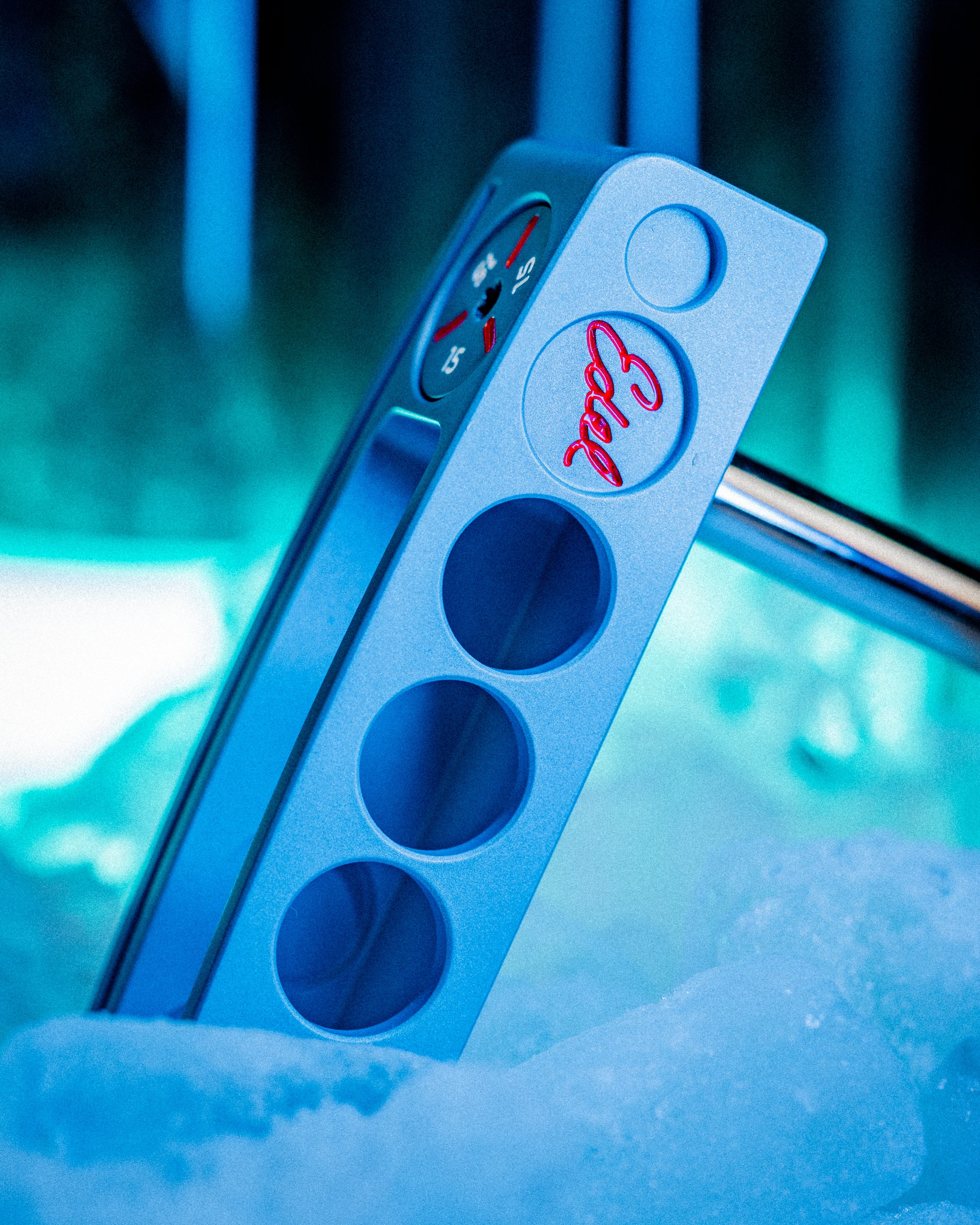
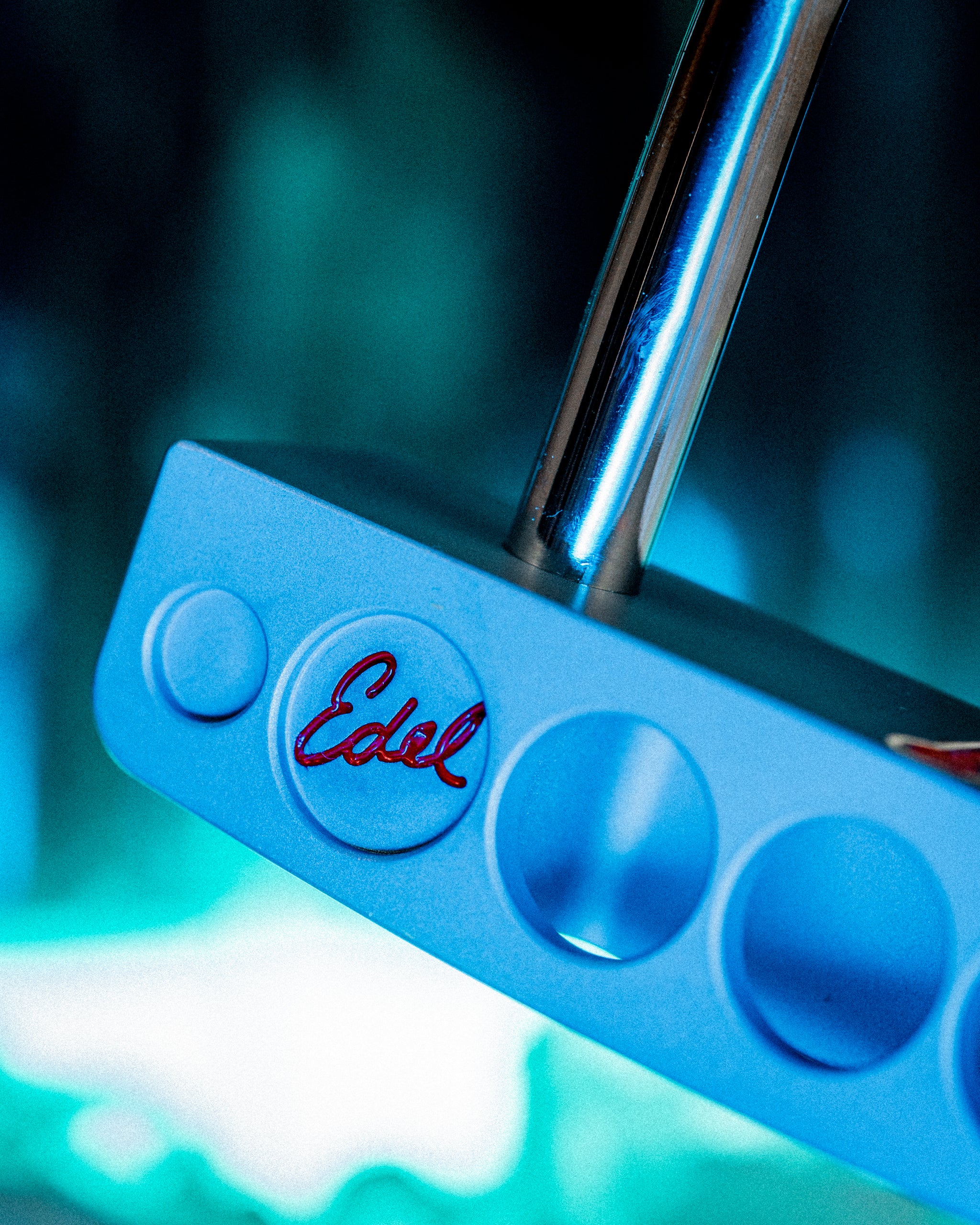
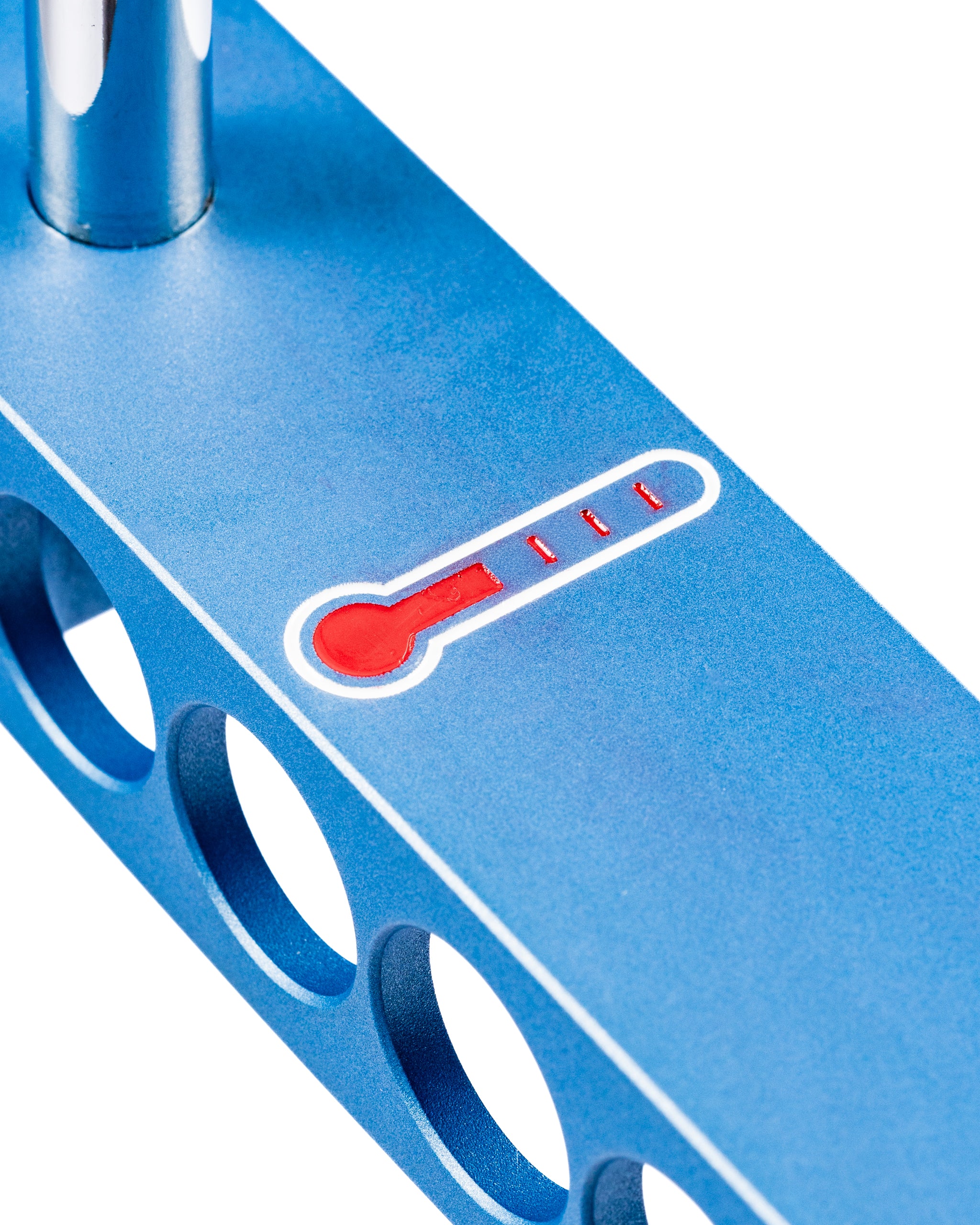
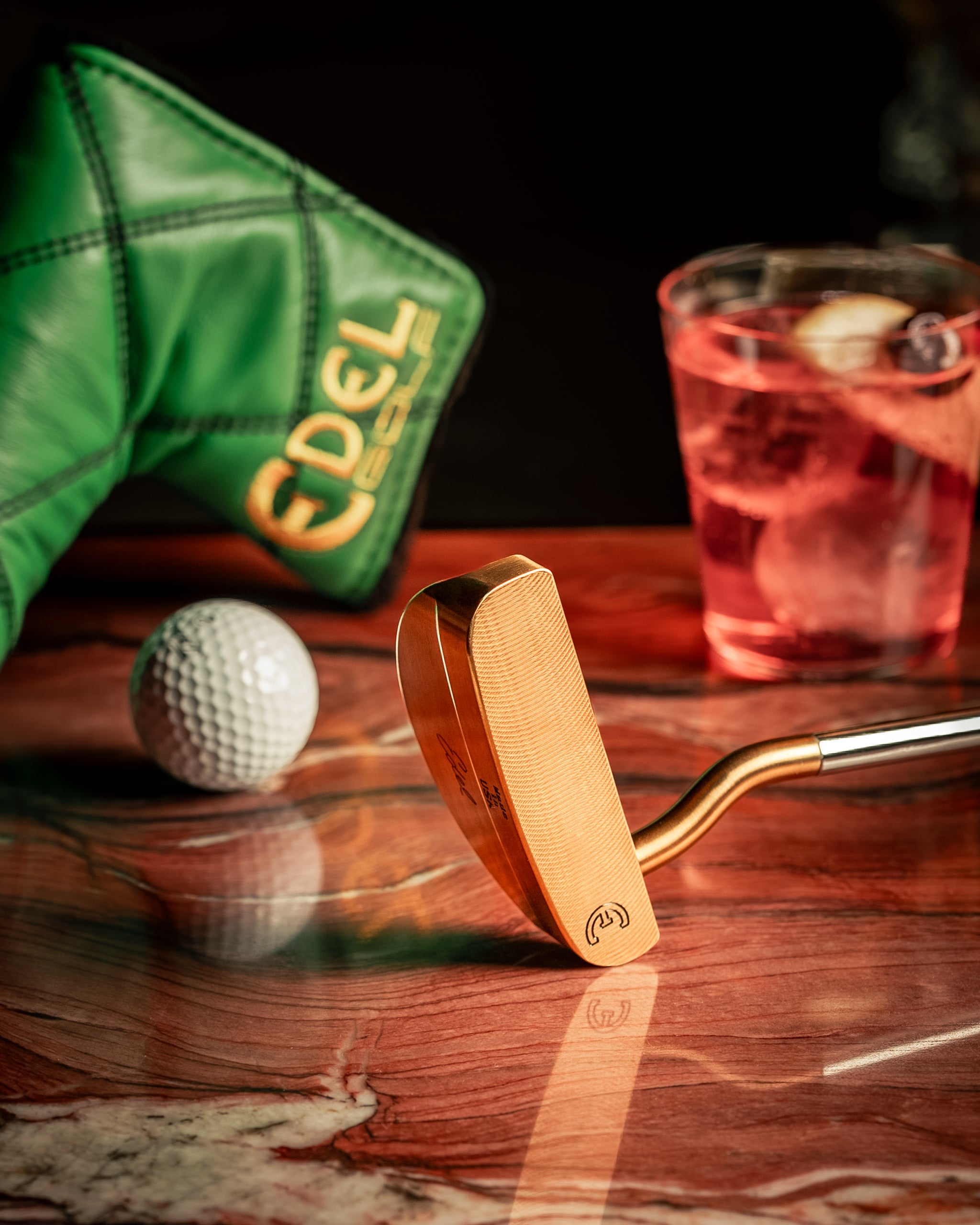
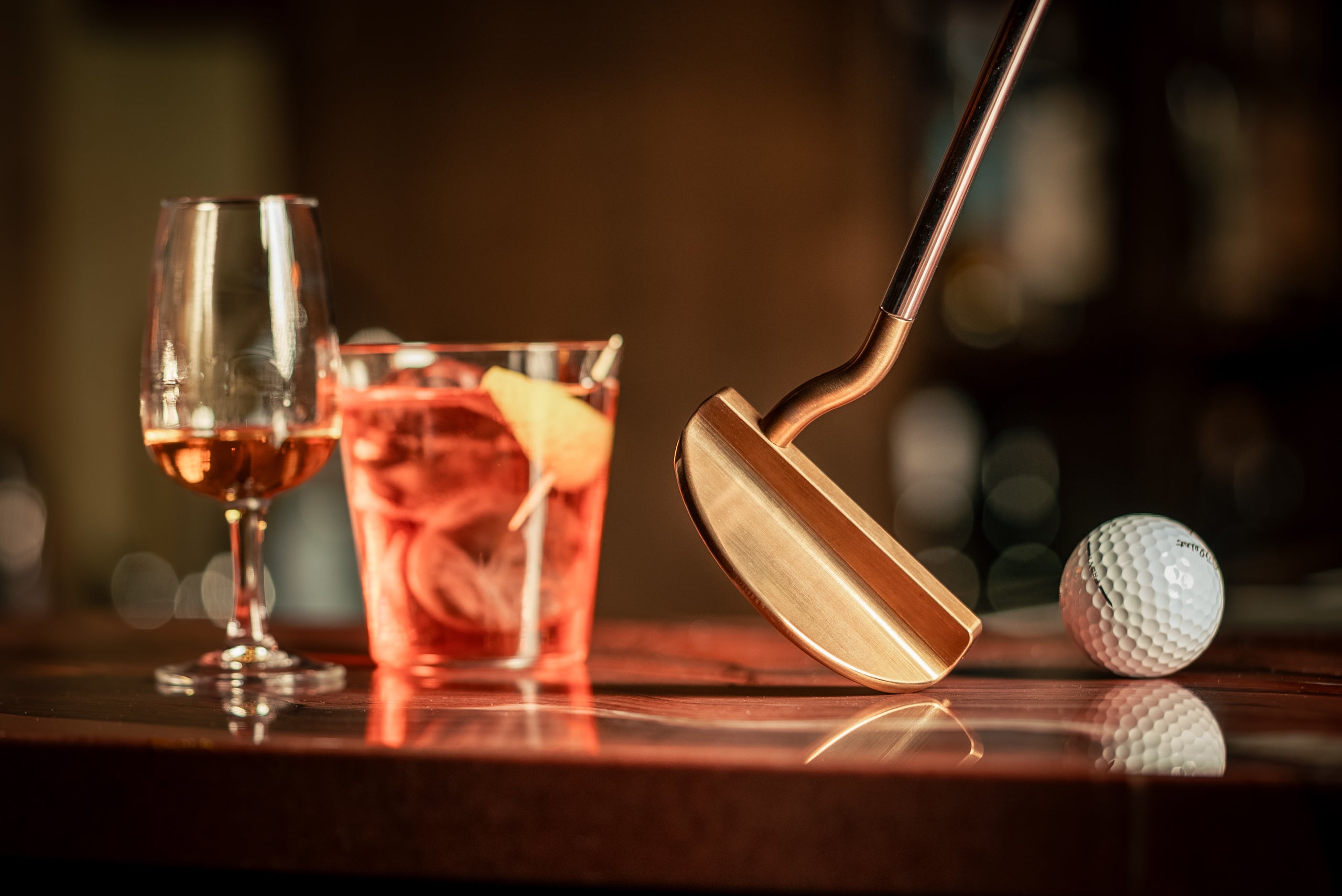
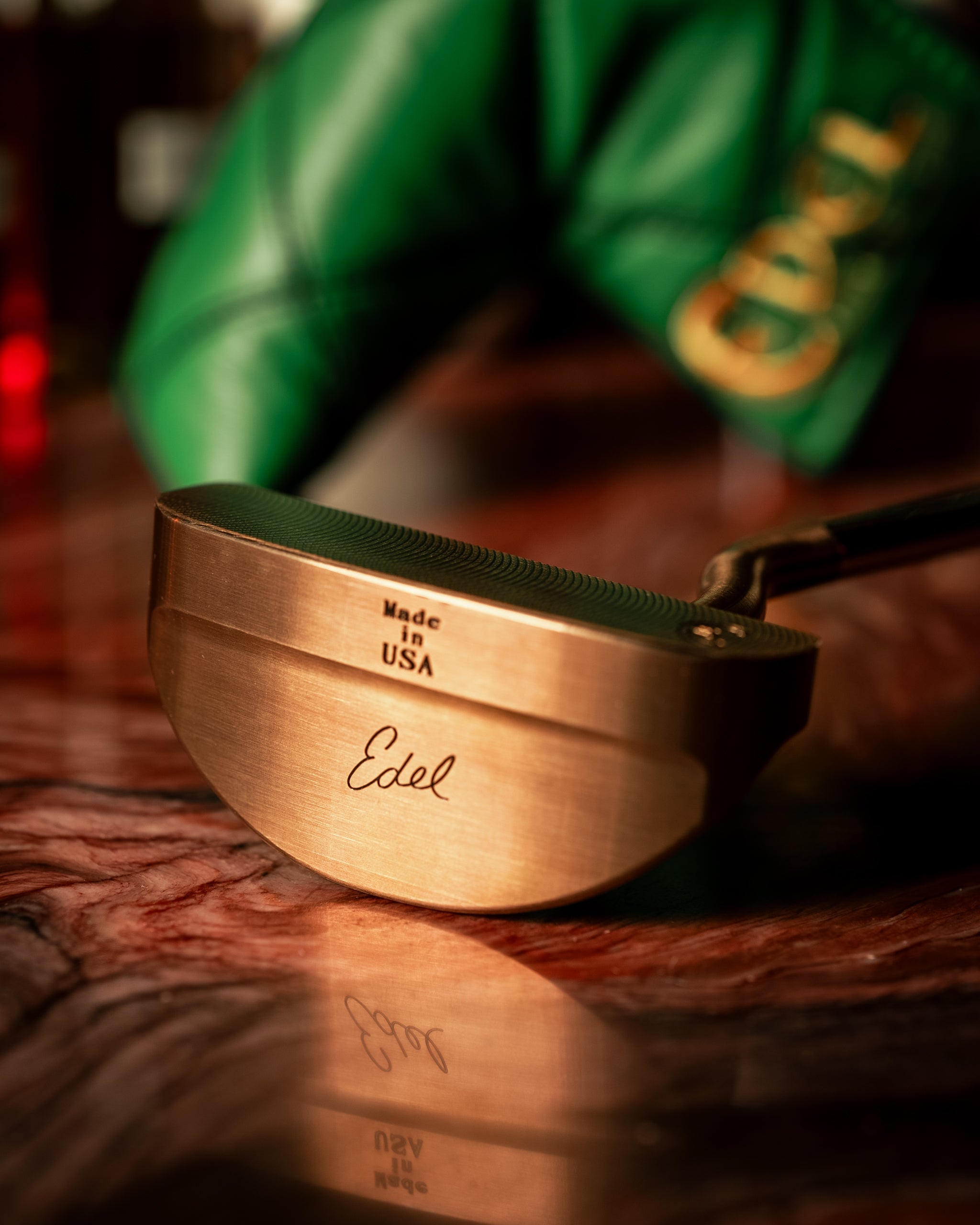
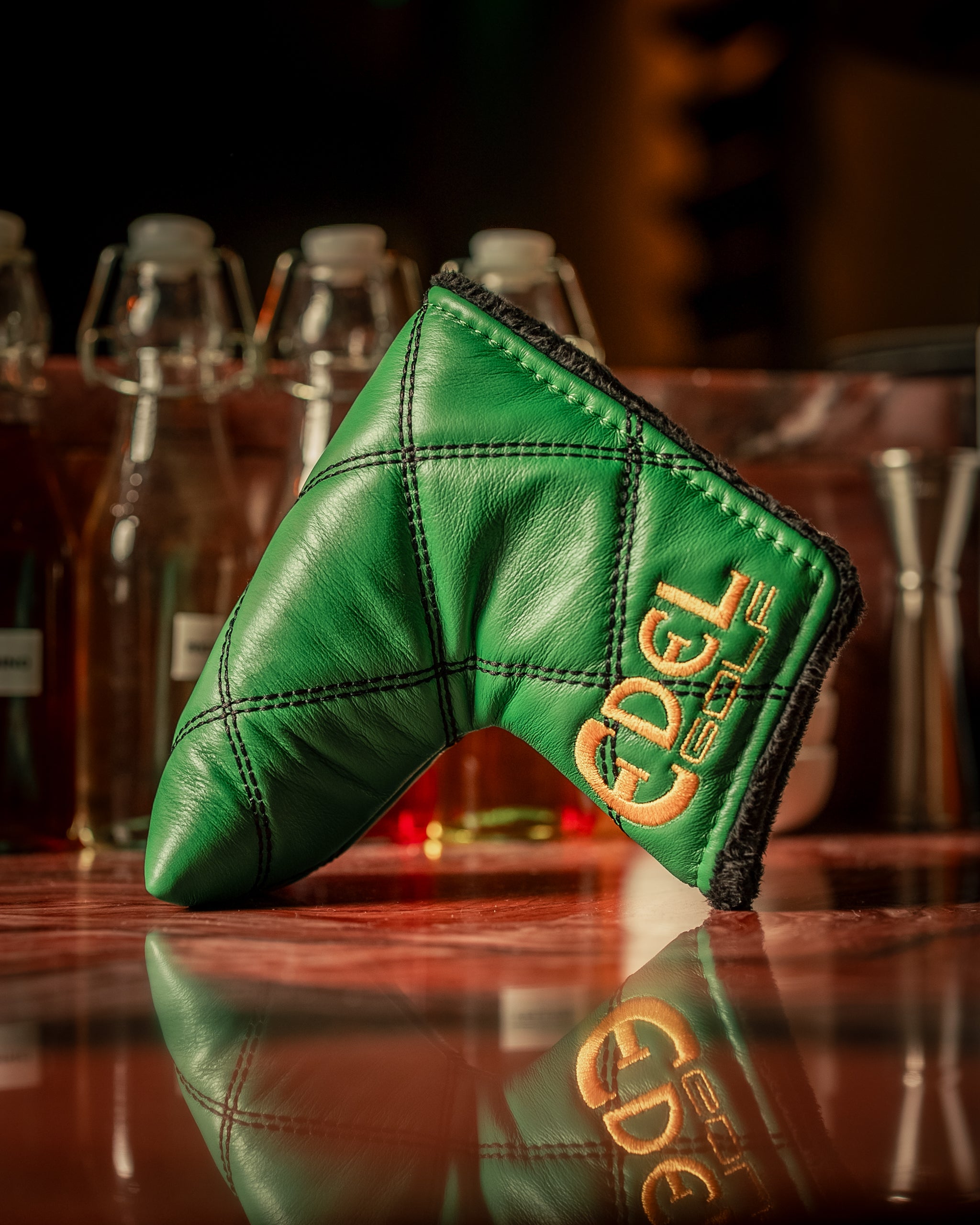
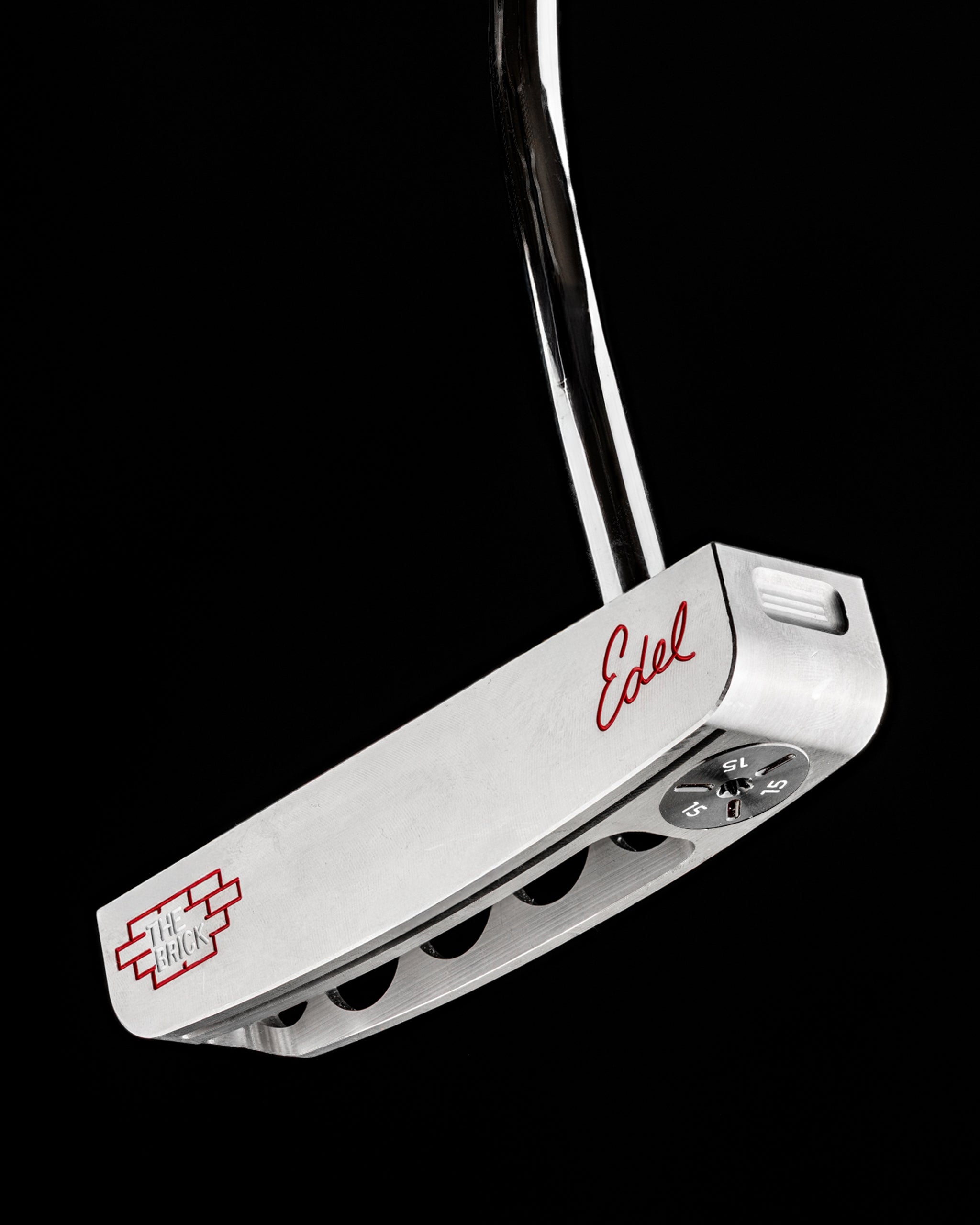
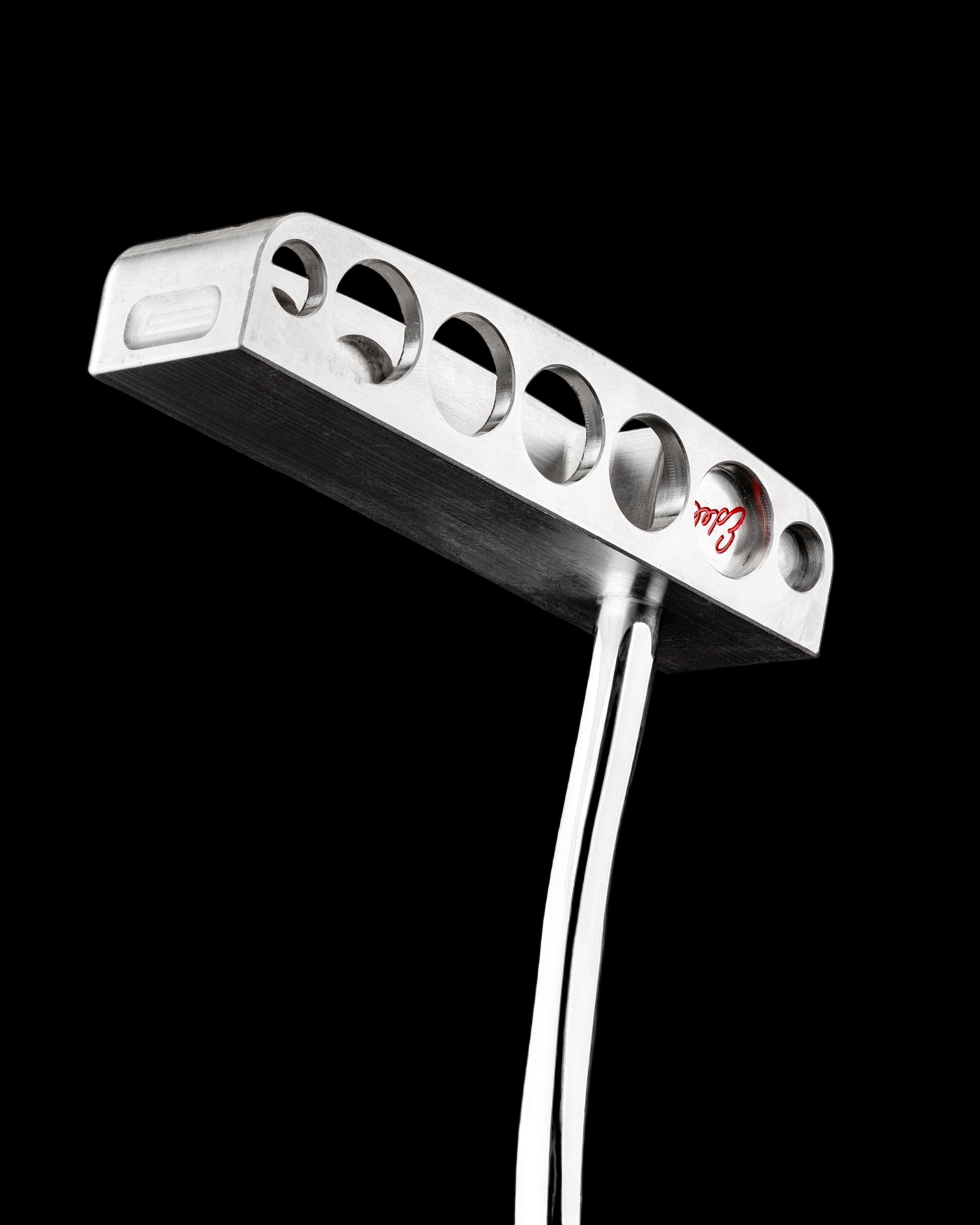
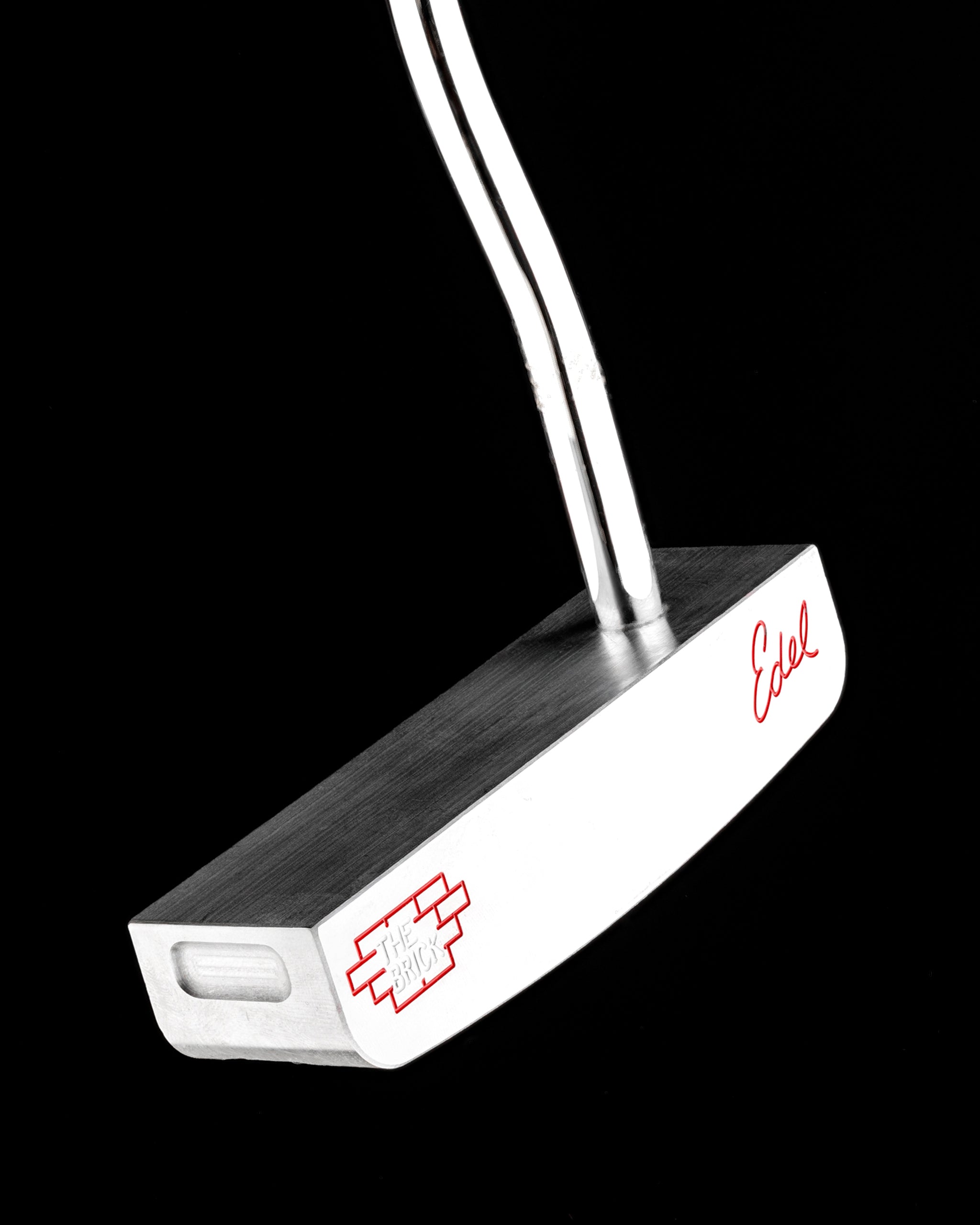
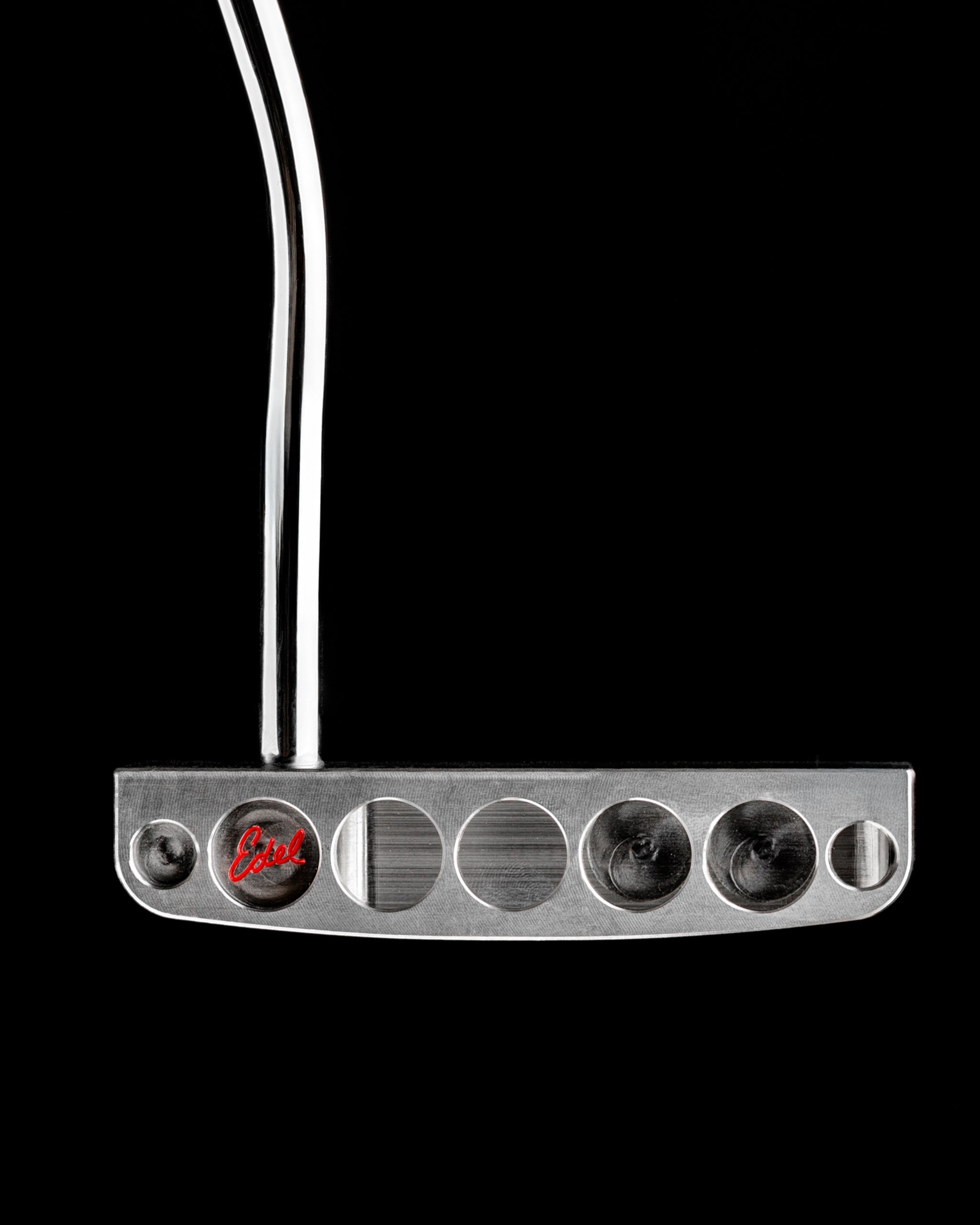
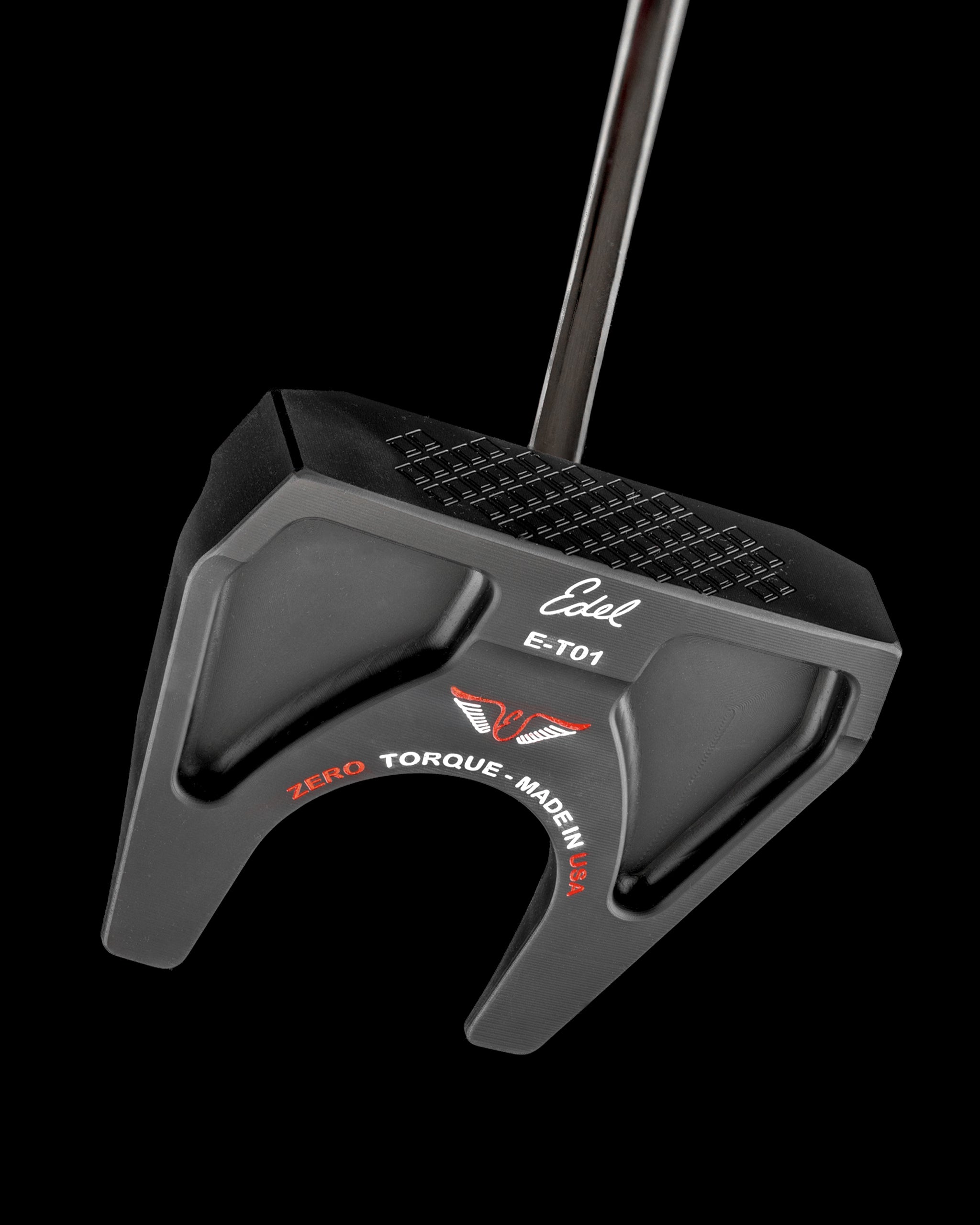
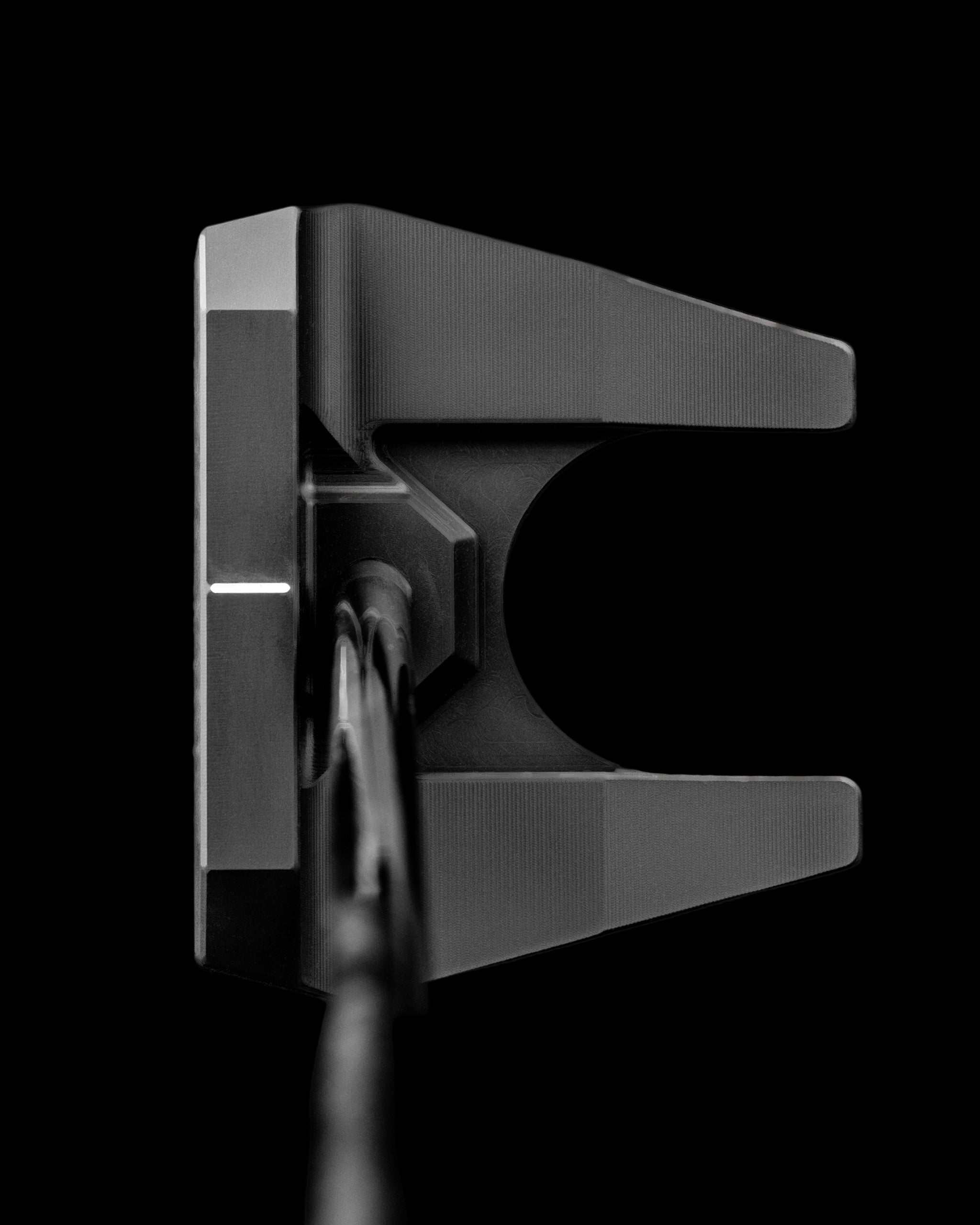
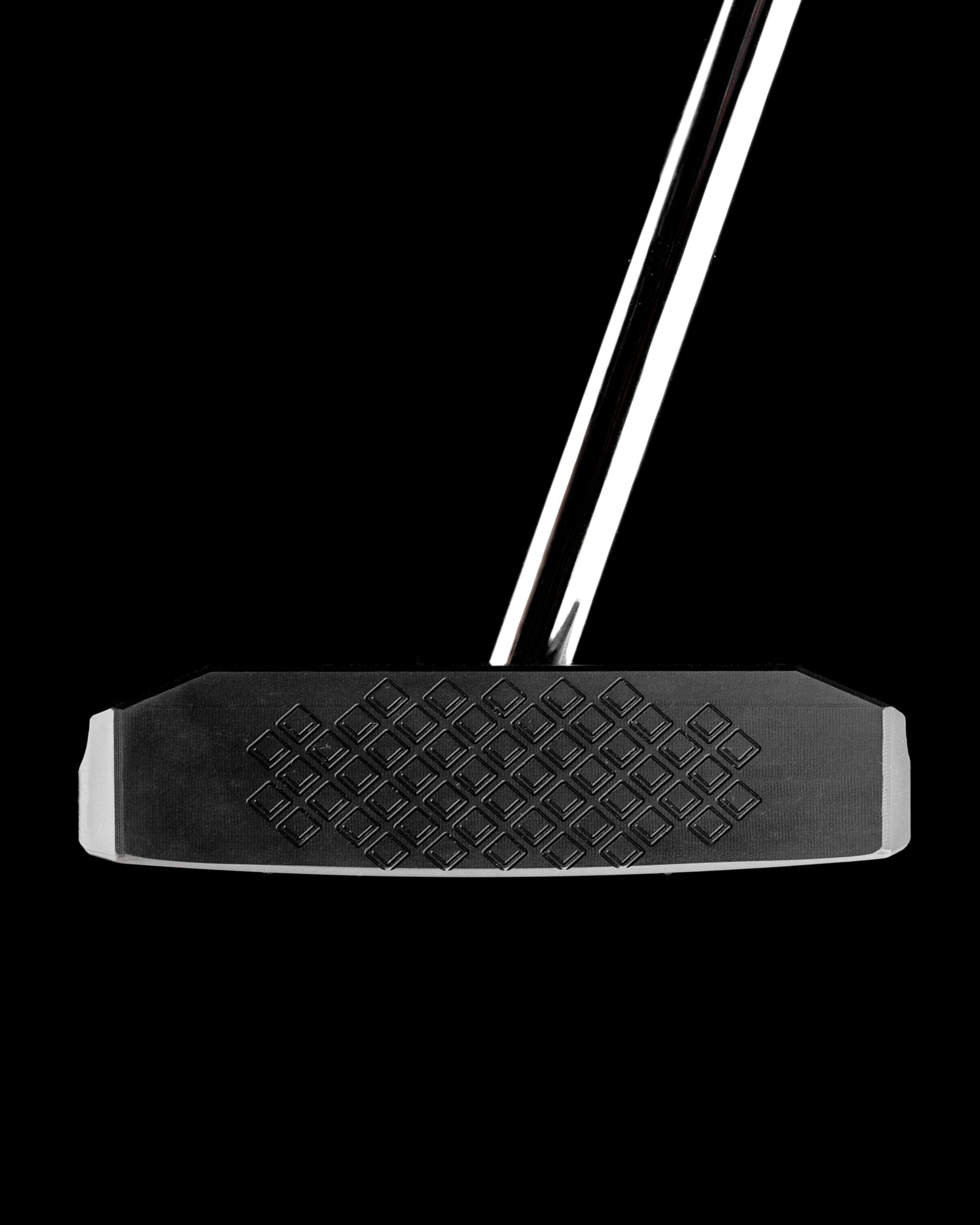
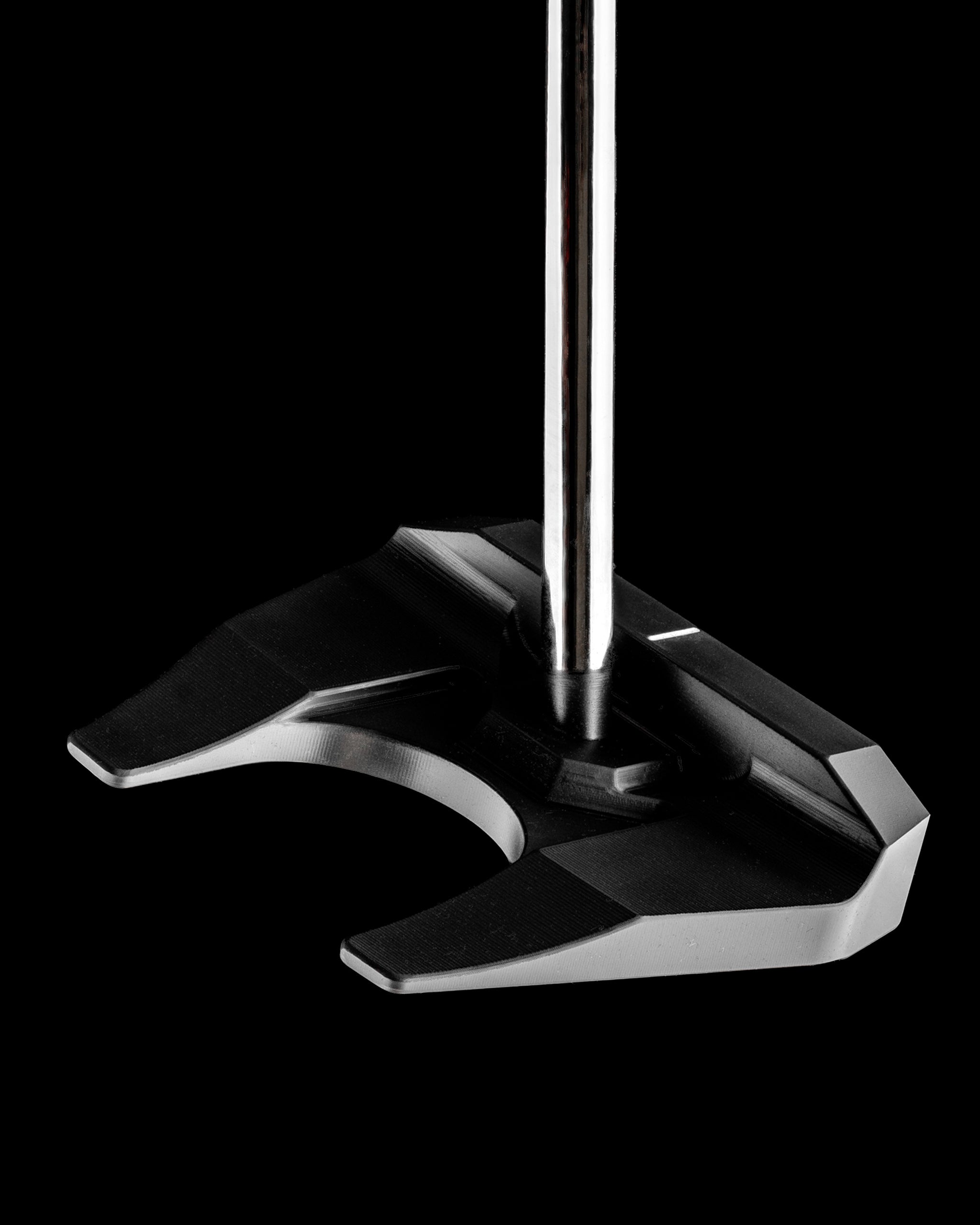
Five hosels, six alignment plates, adjustable weights. This is the fitting philosophy turned into a product you can buy: change the shape until the laser says you are pointed where you think you are.
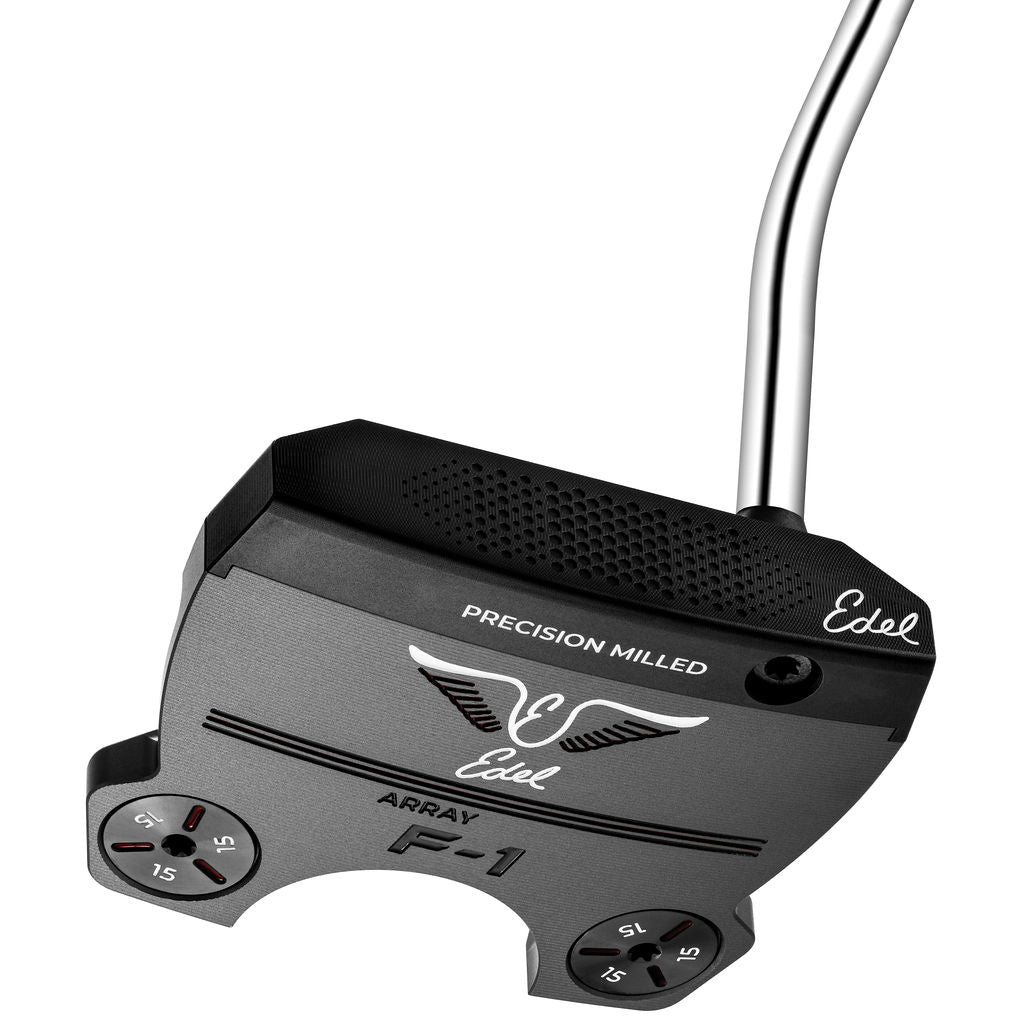
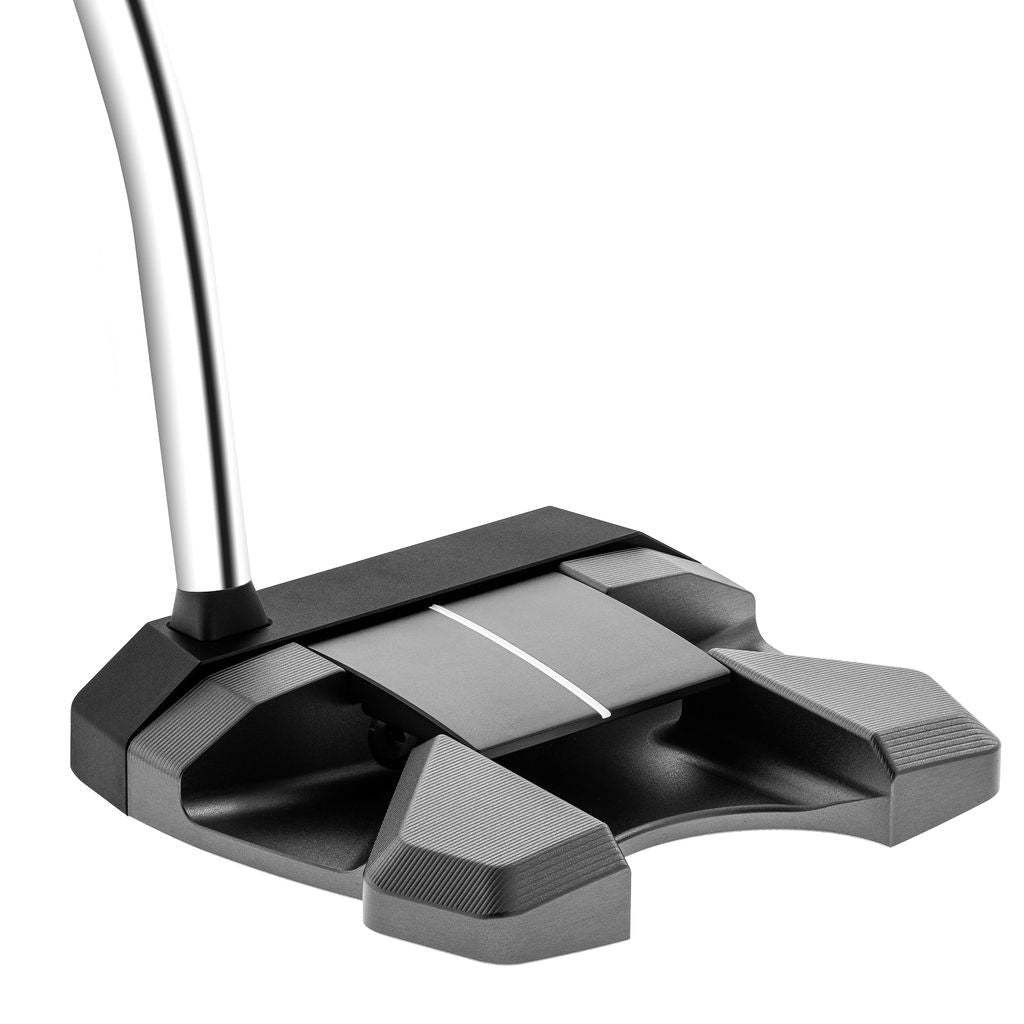
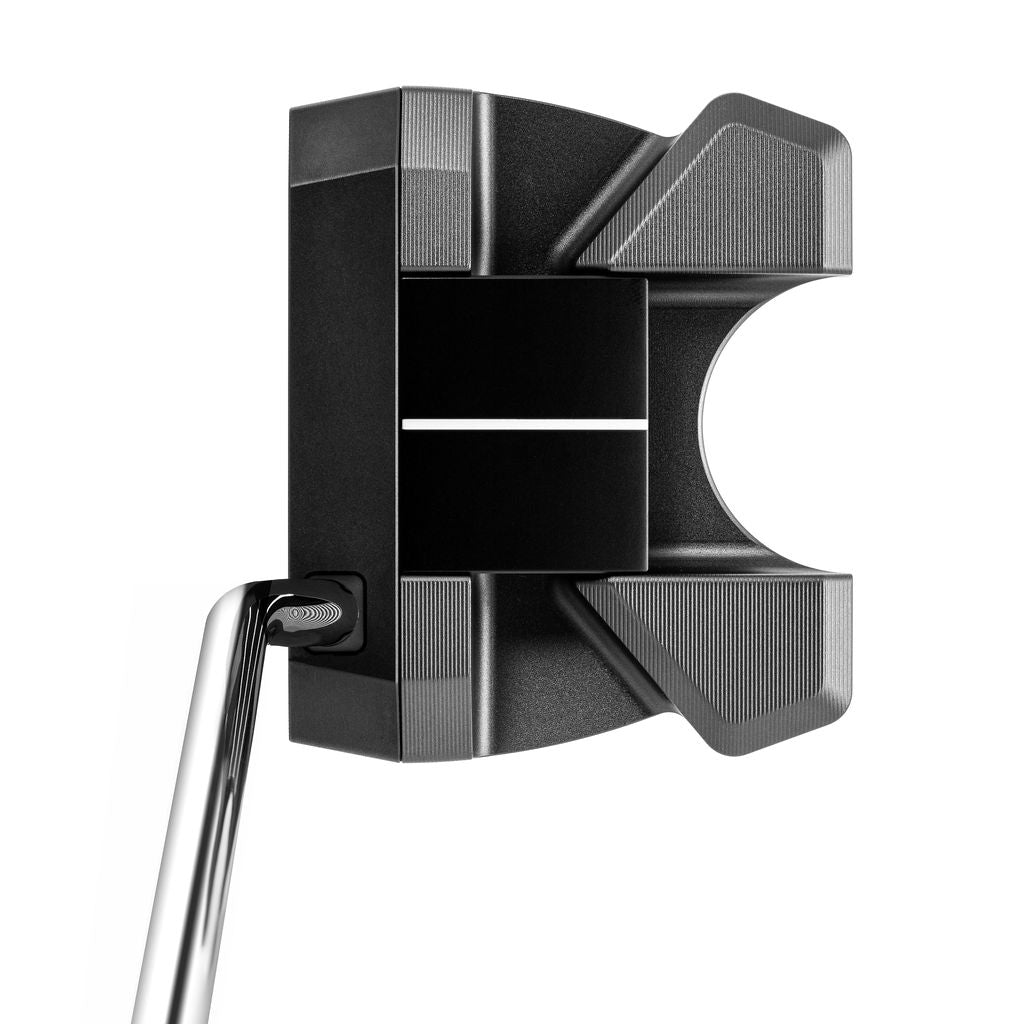
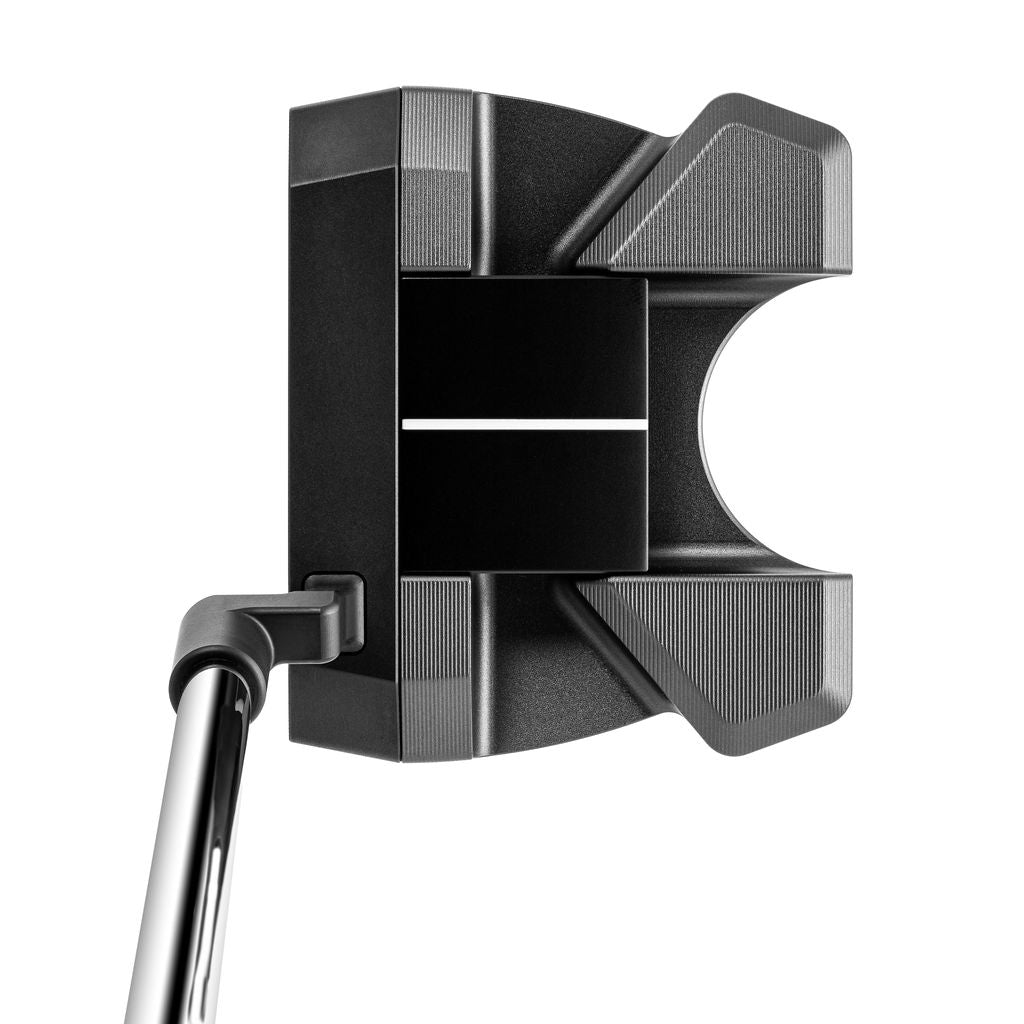
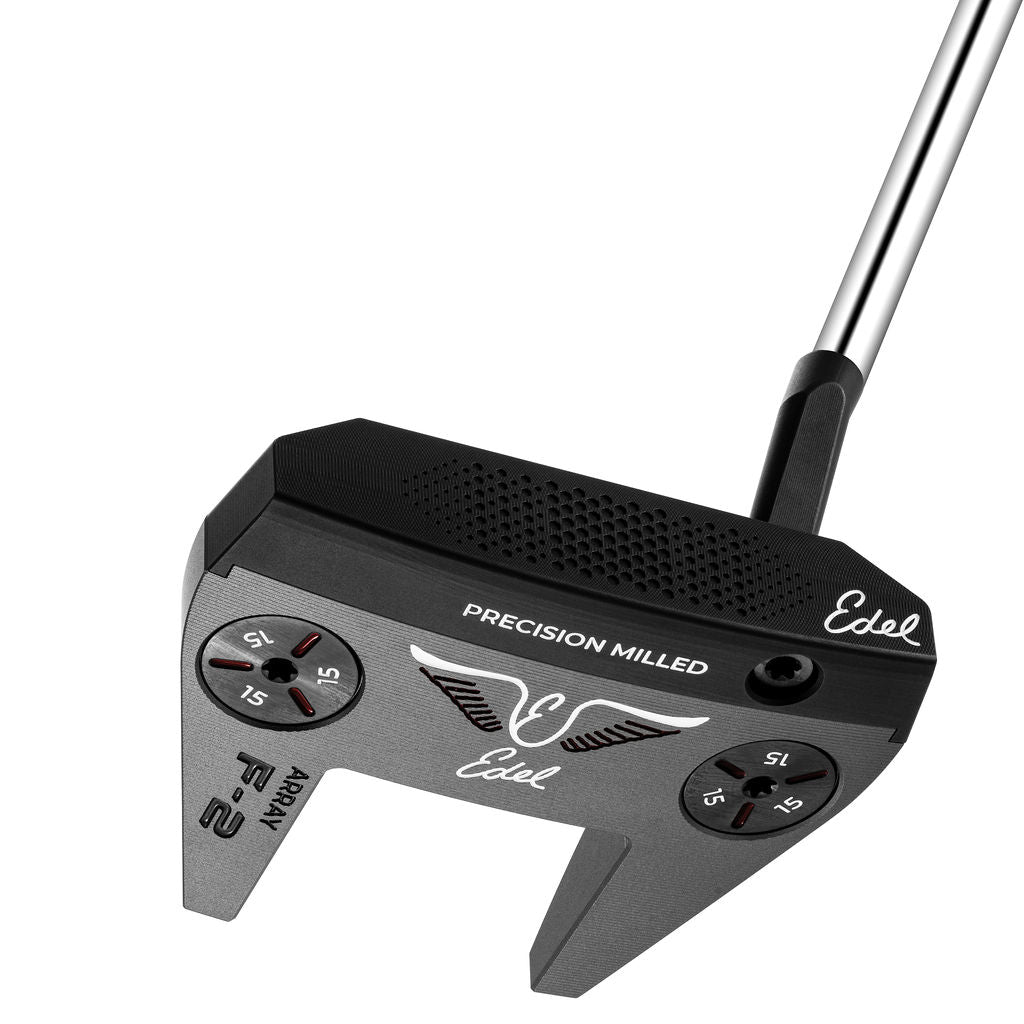
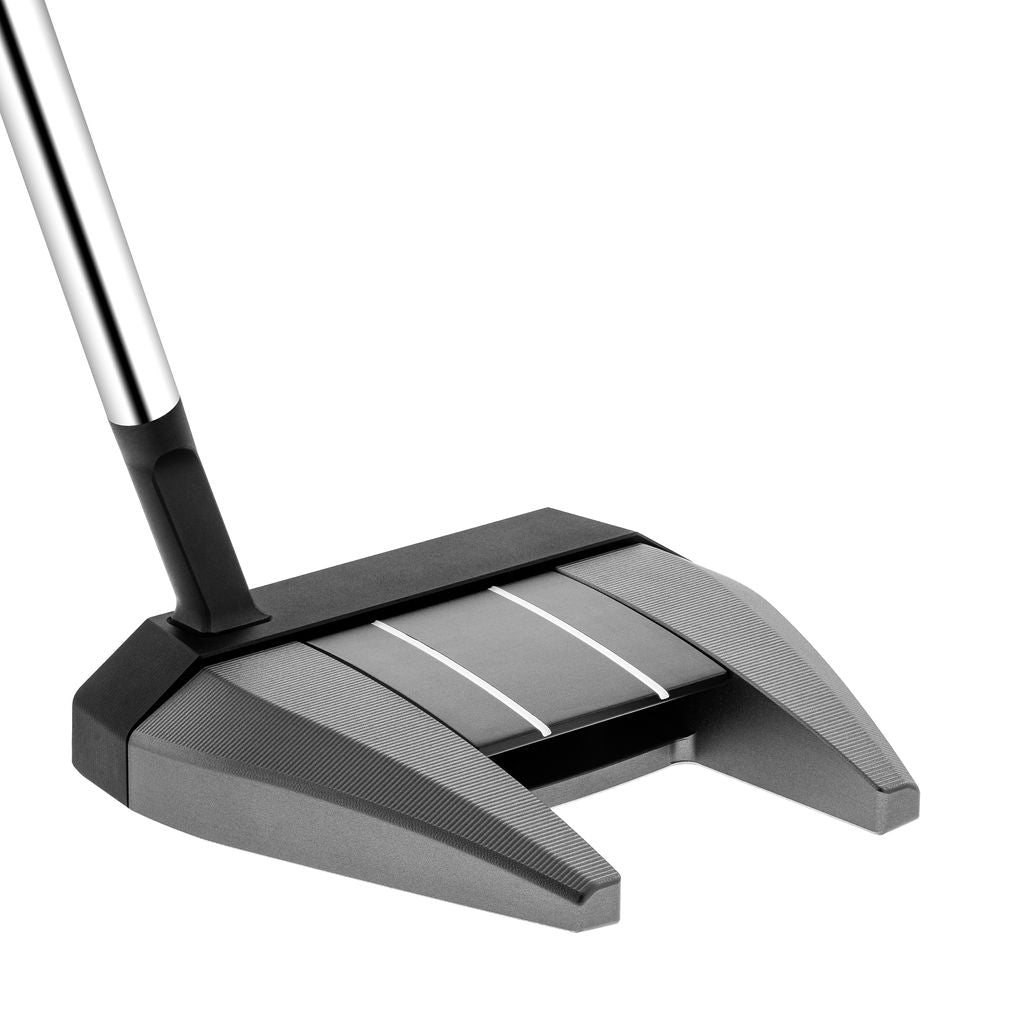
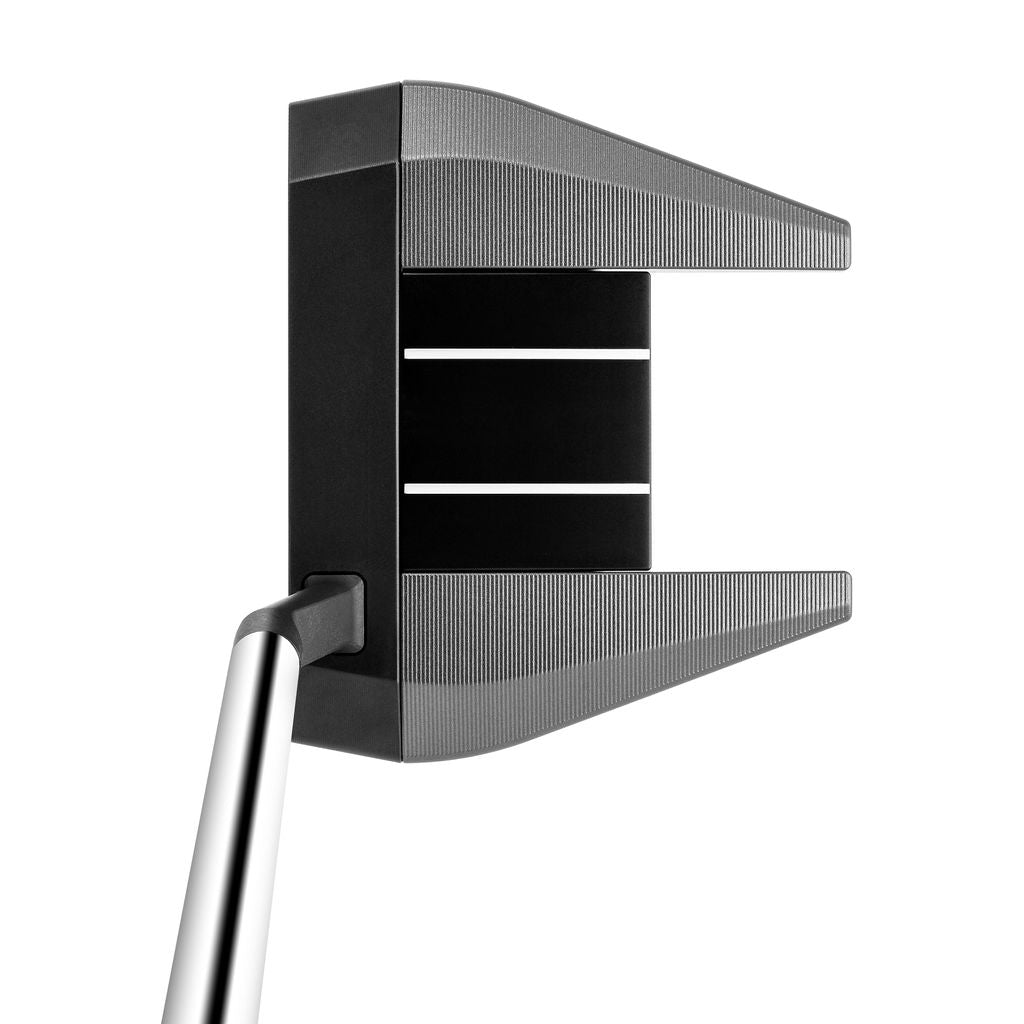
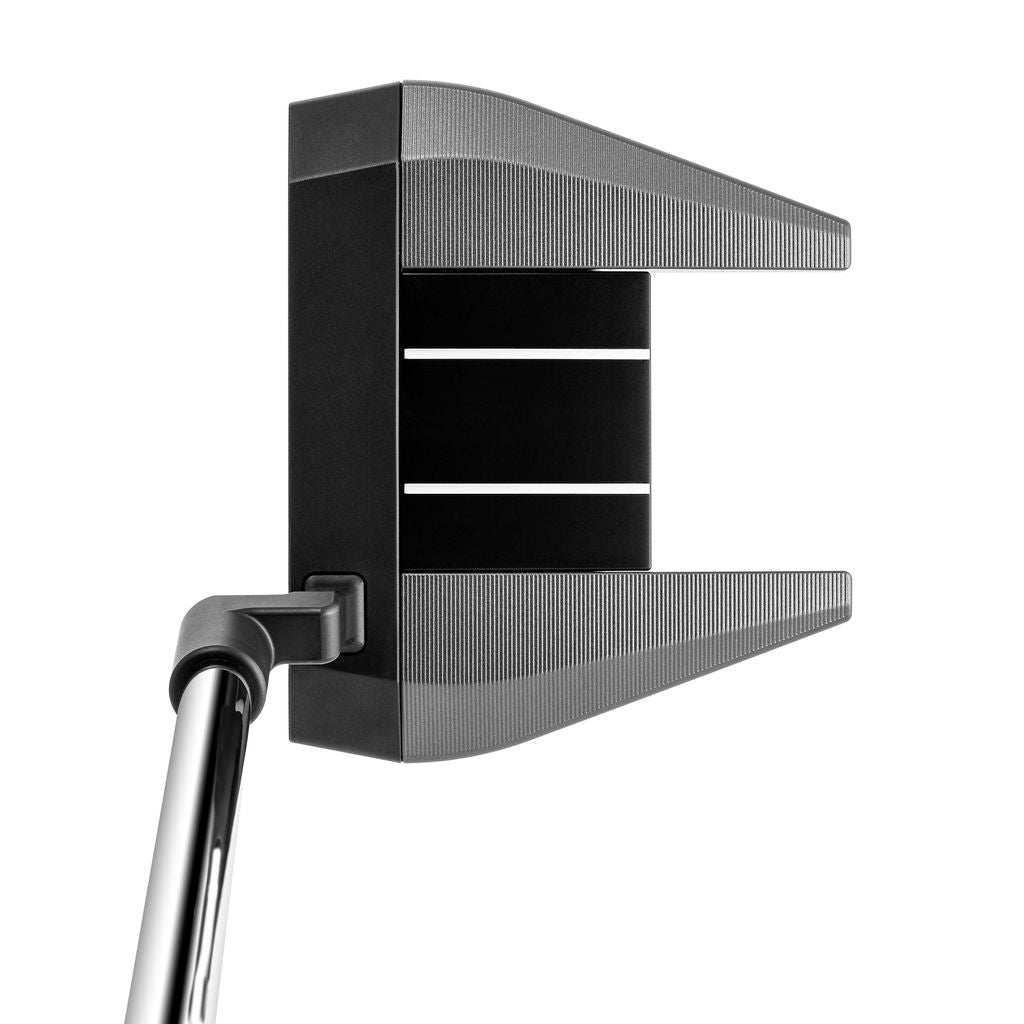
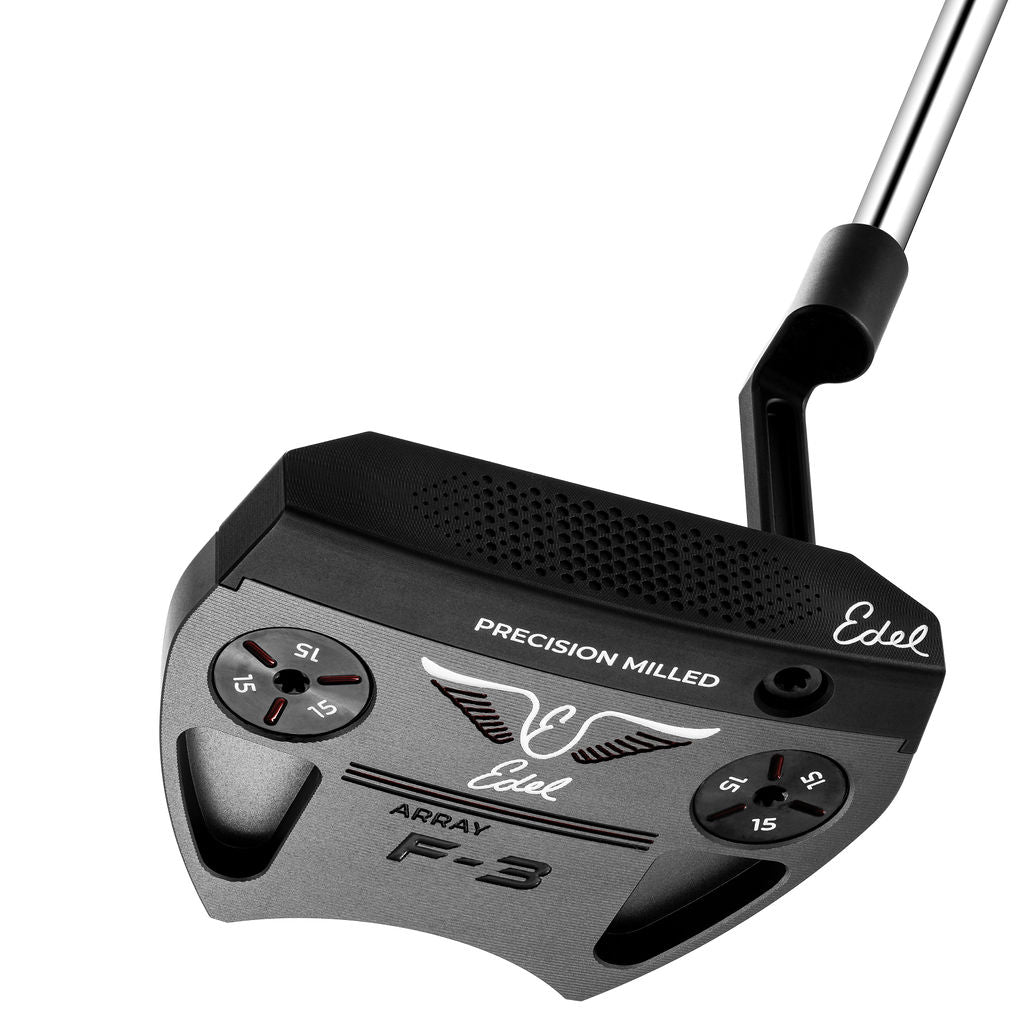
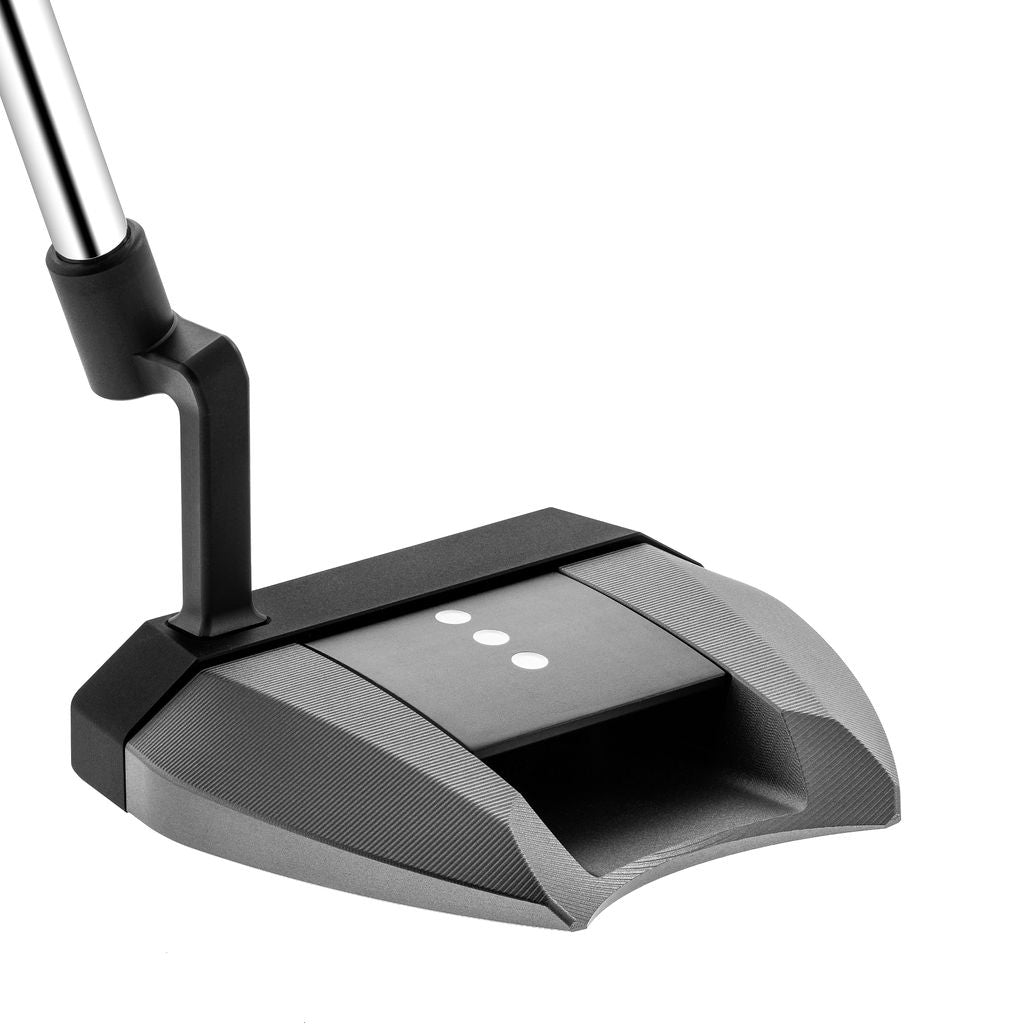
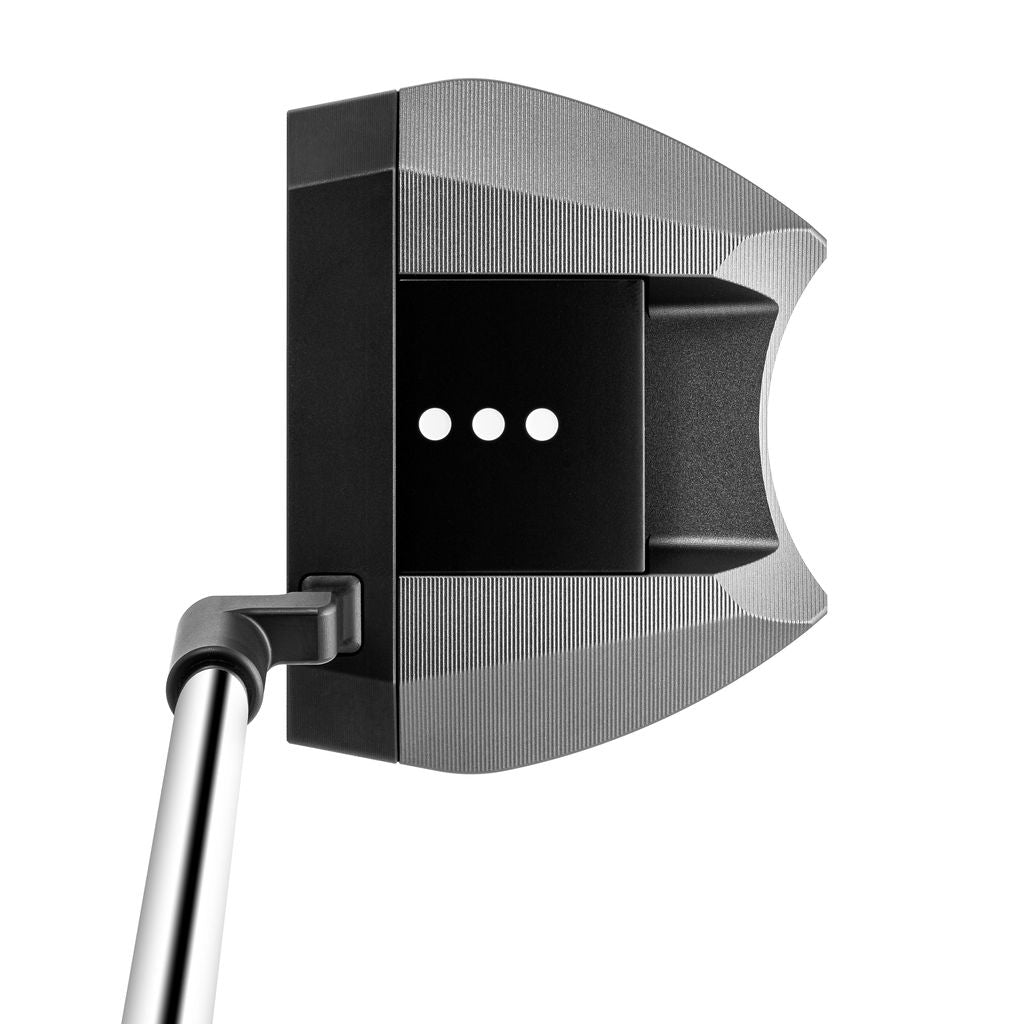
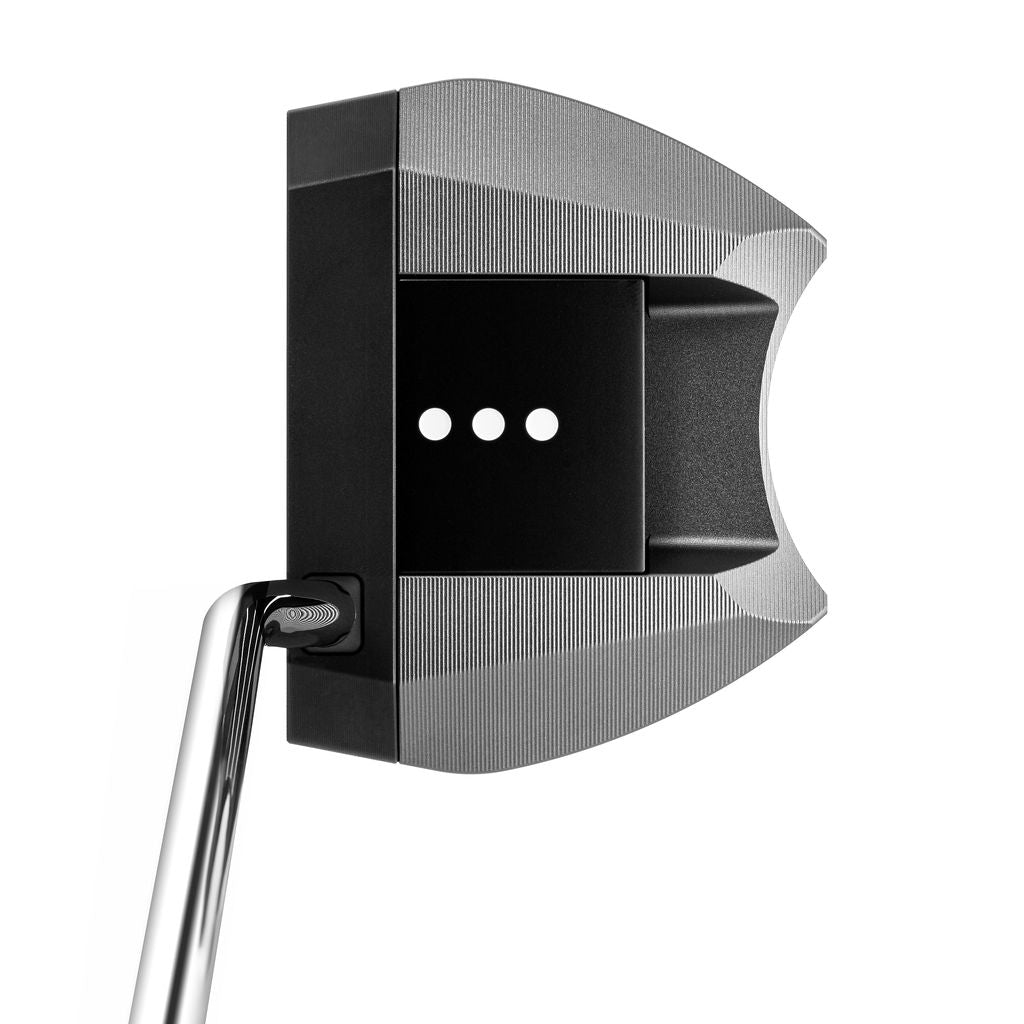
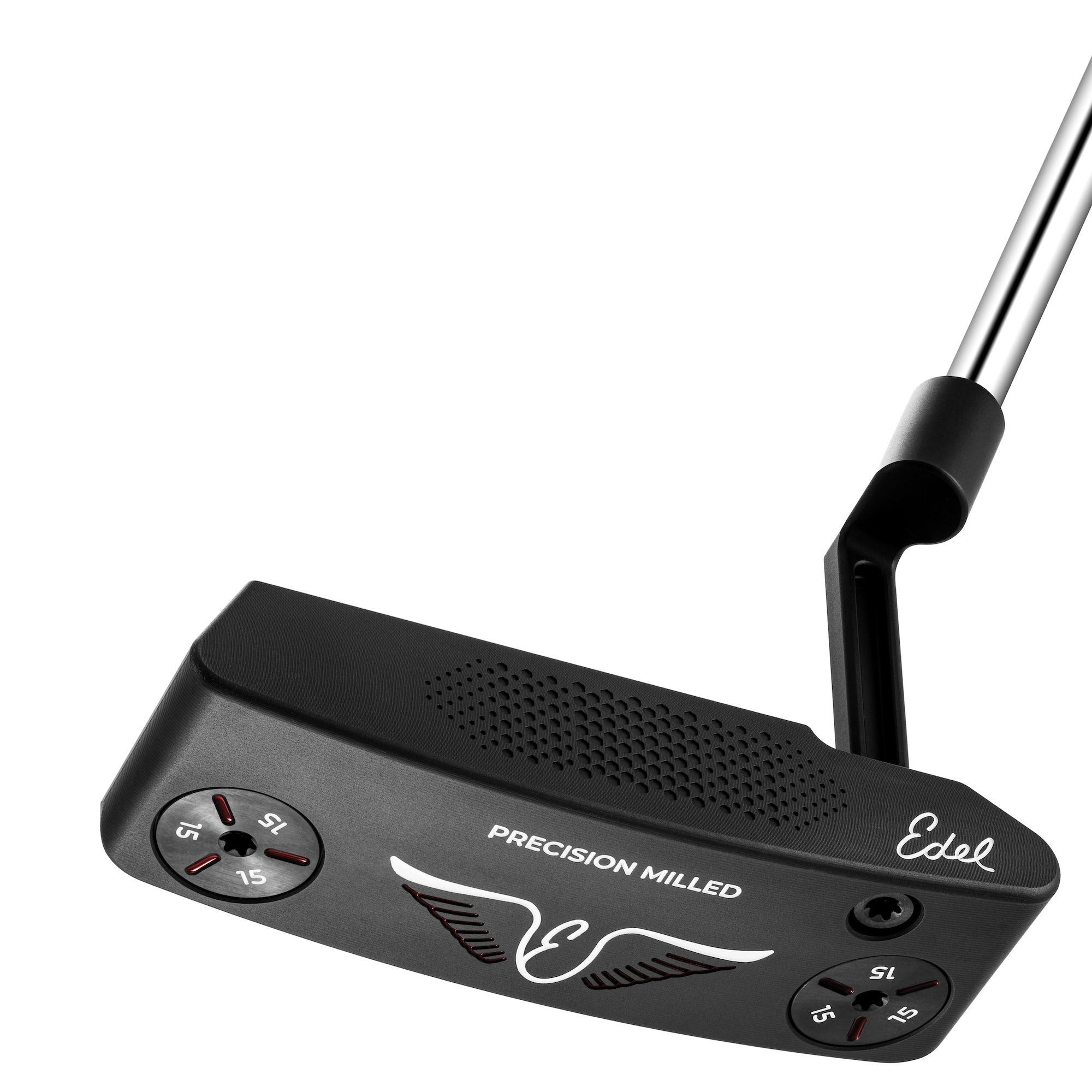
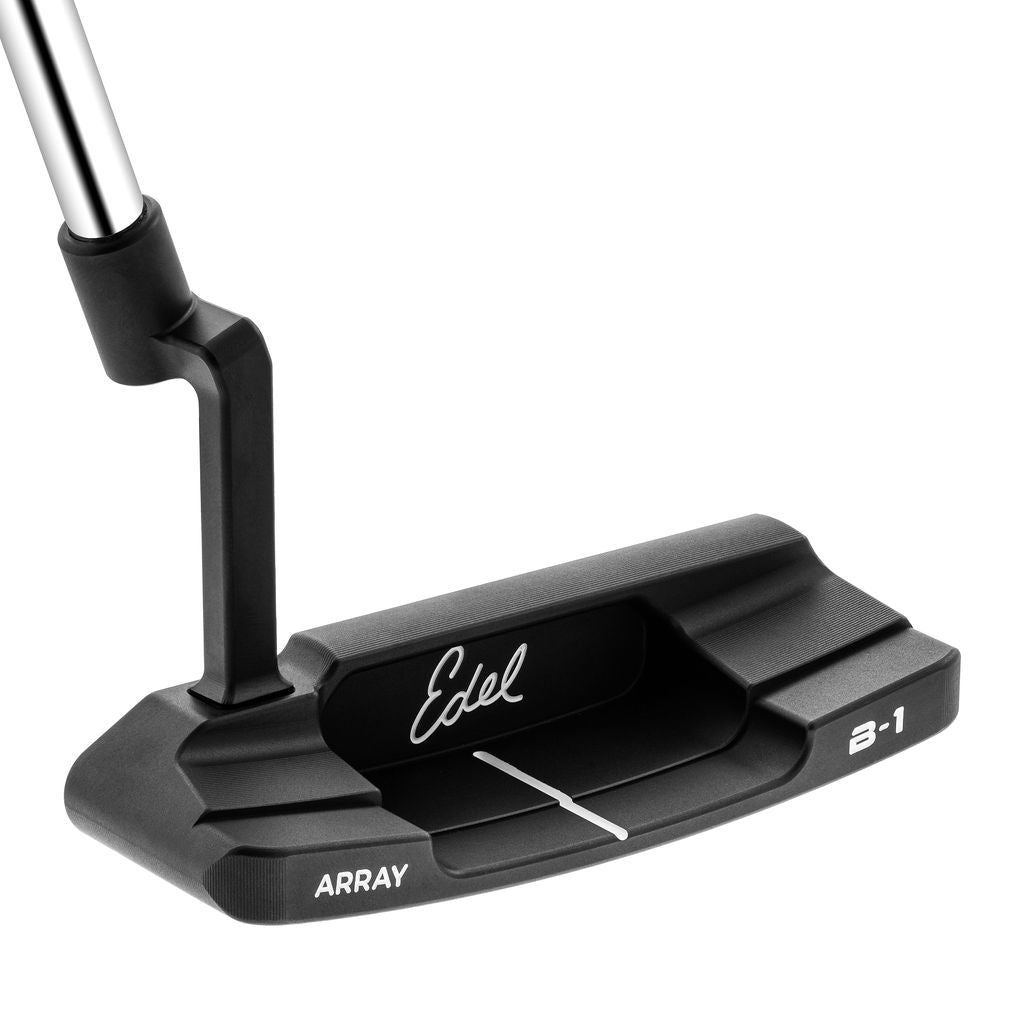
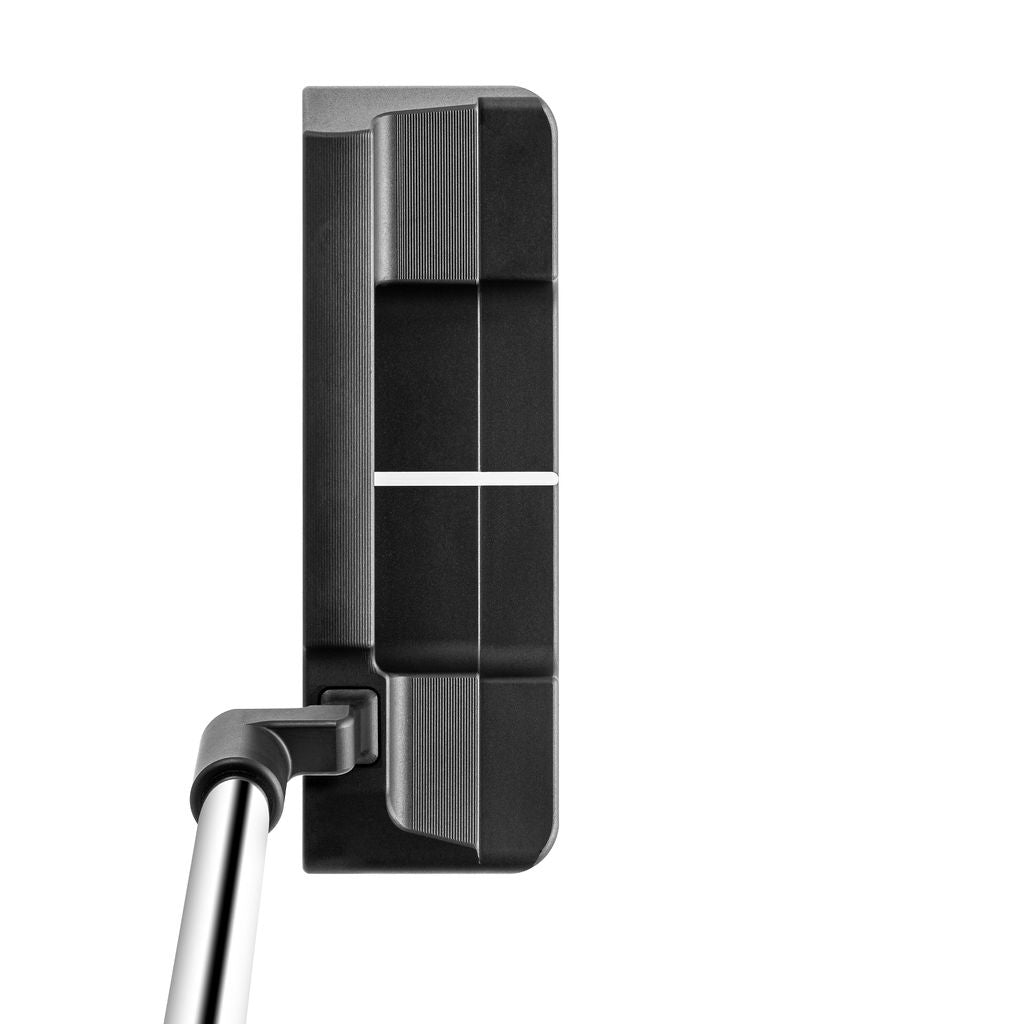
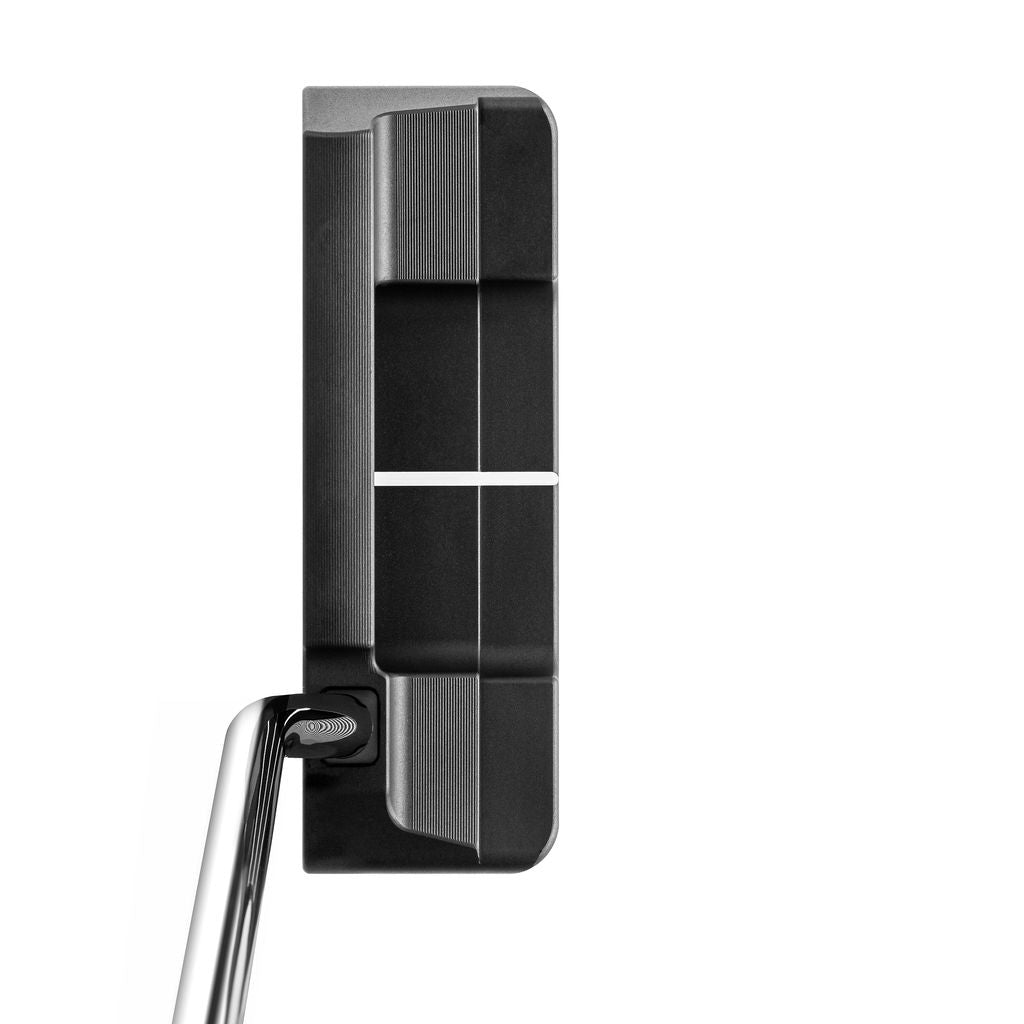
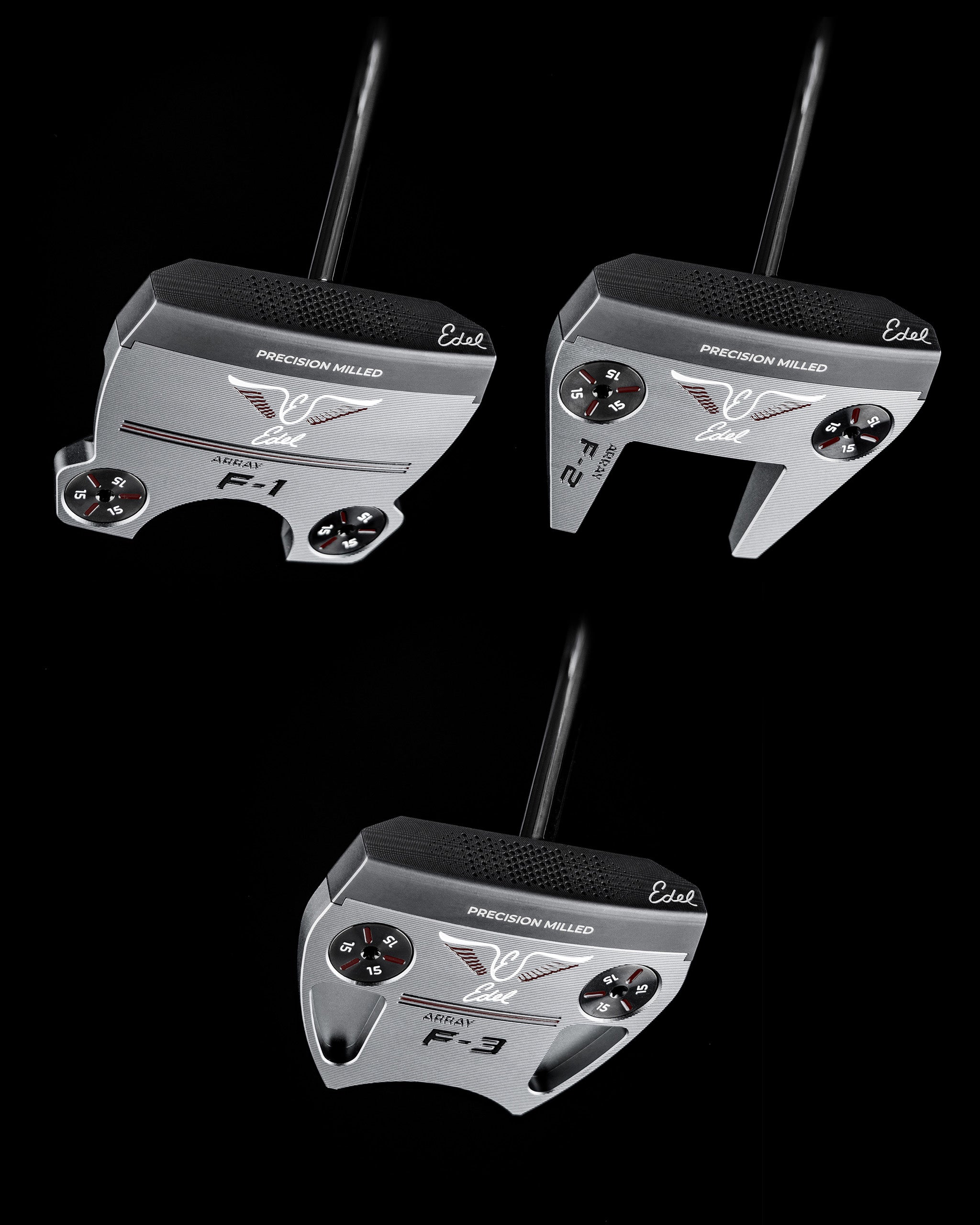
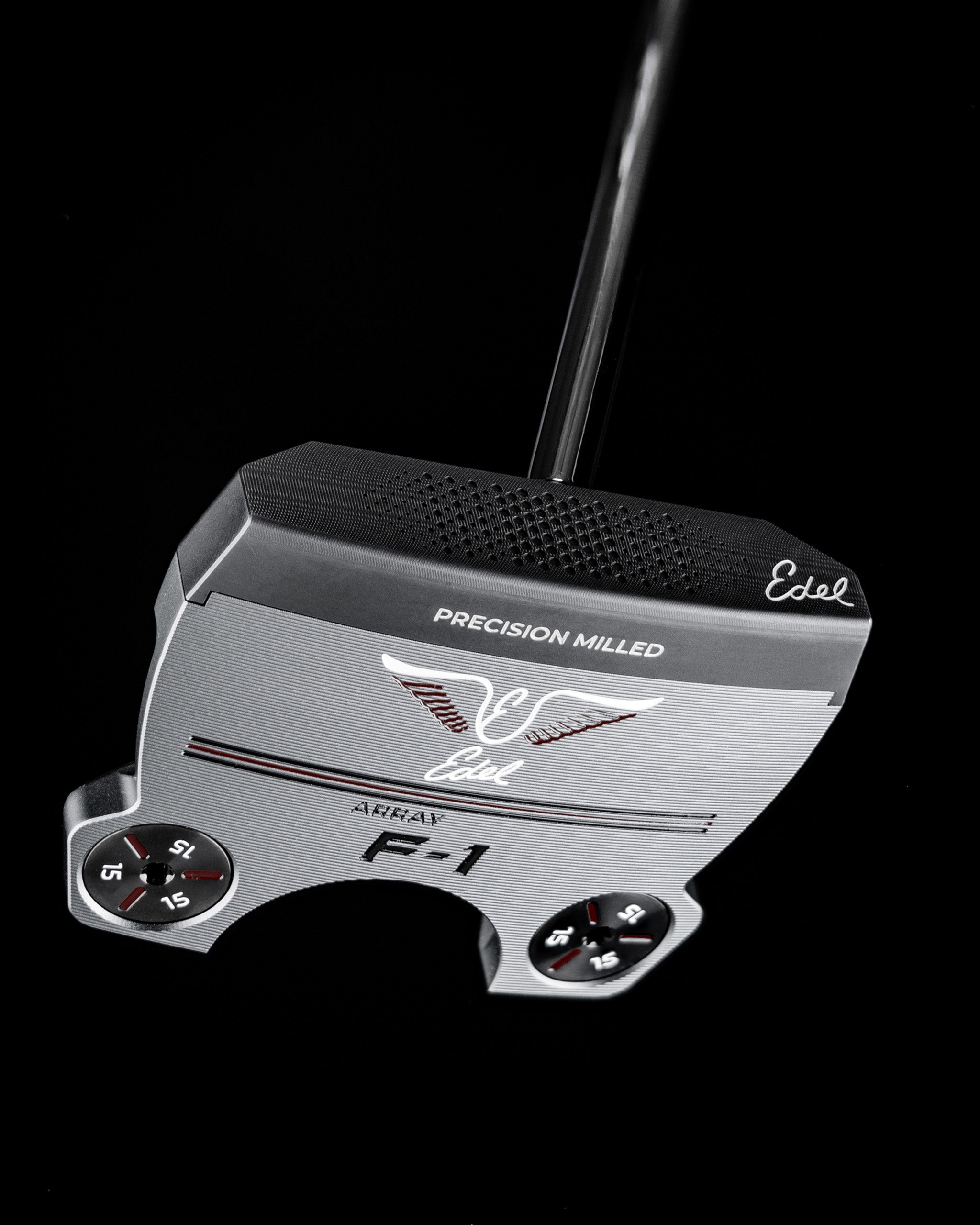
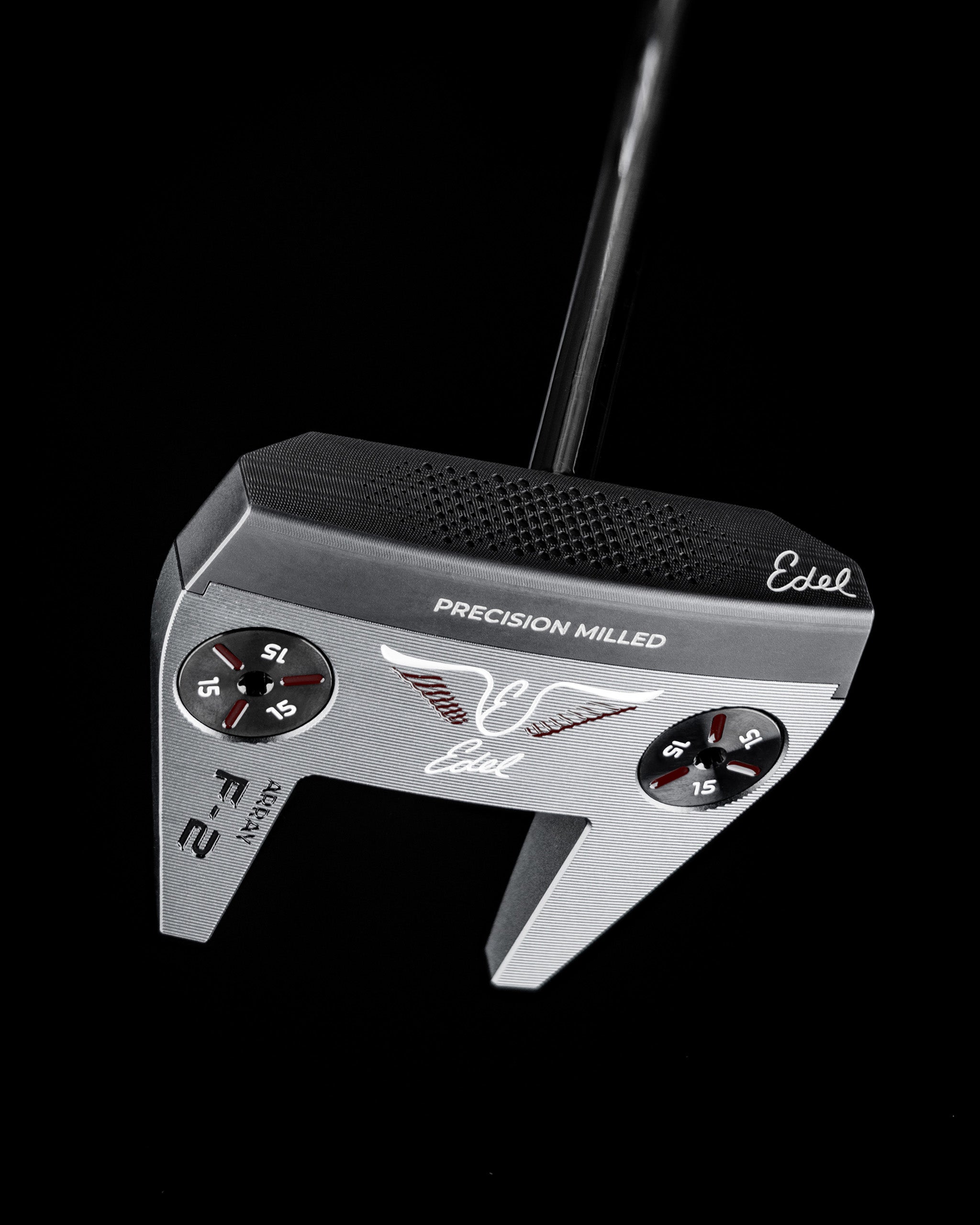
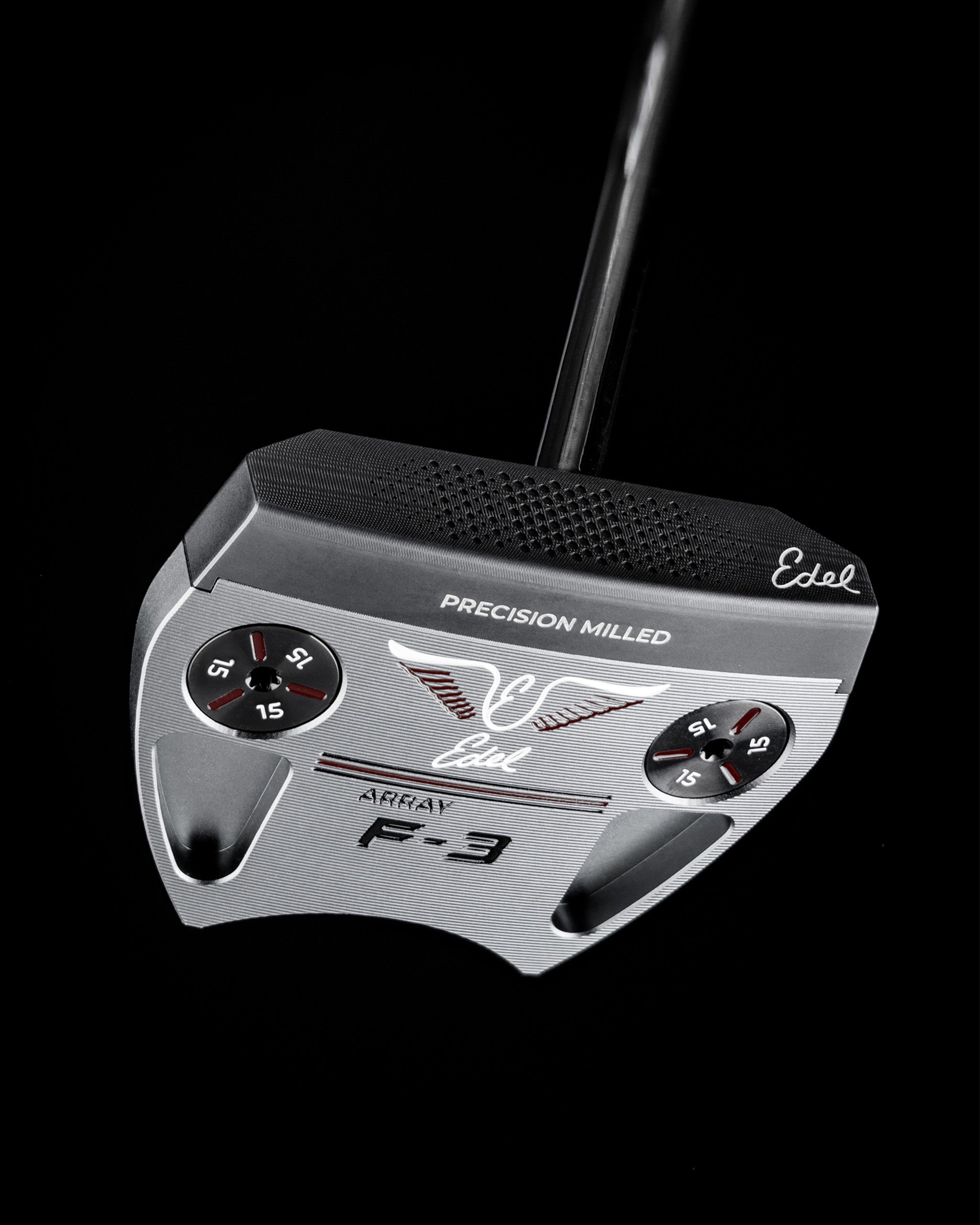
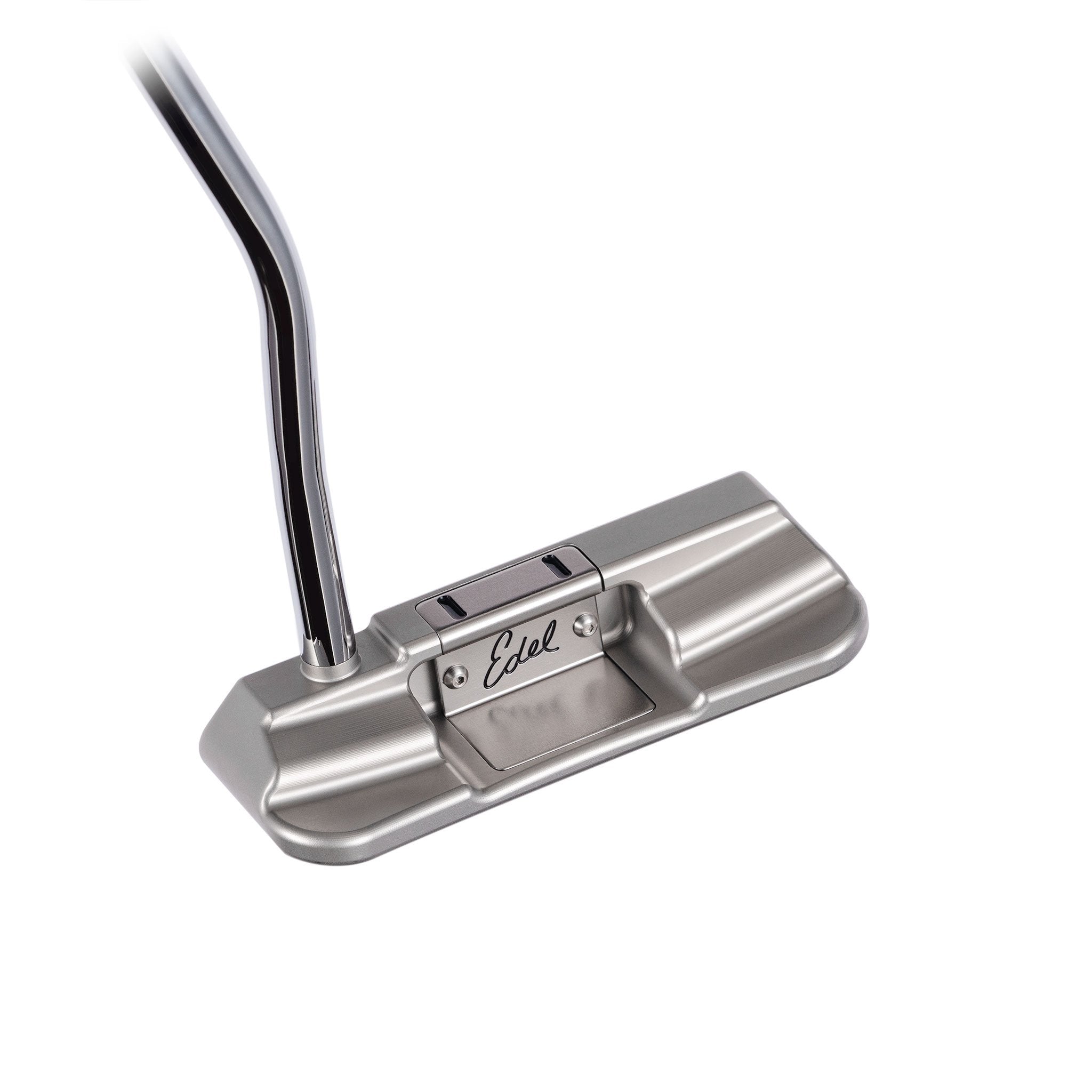
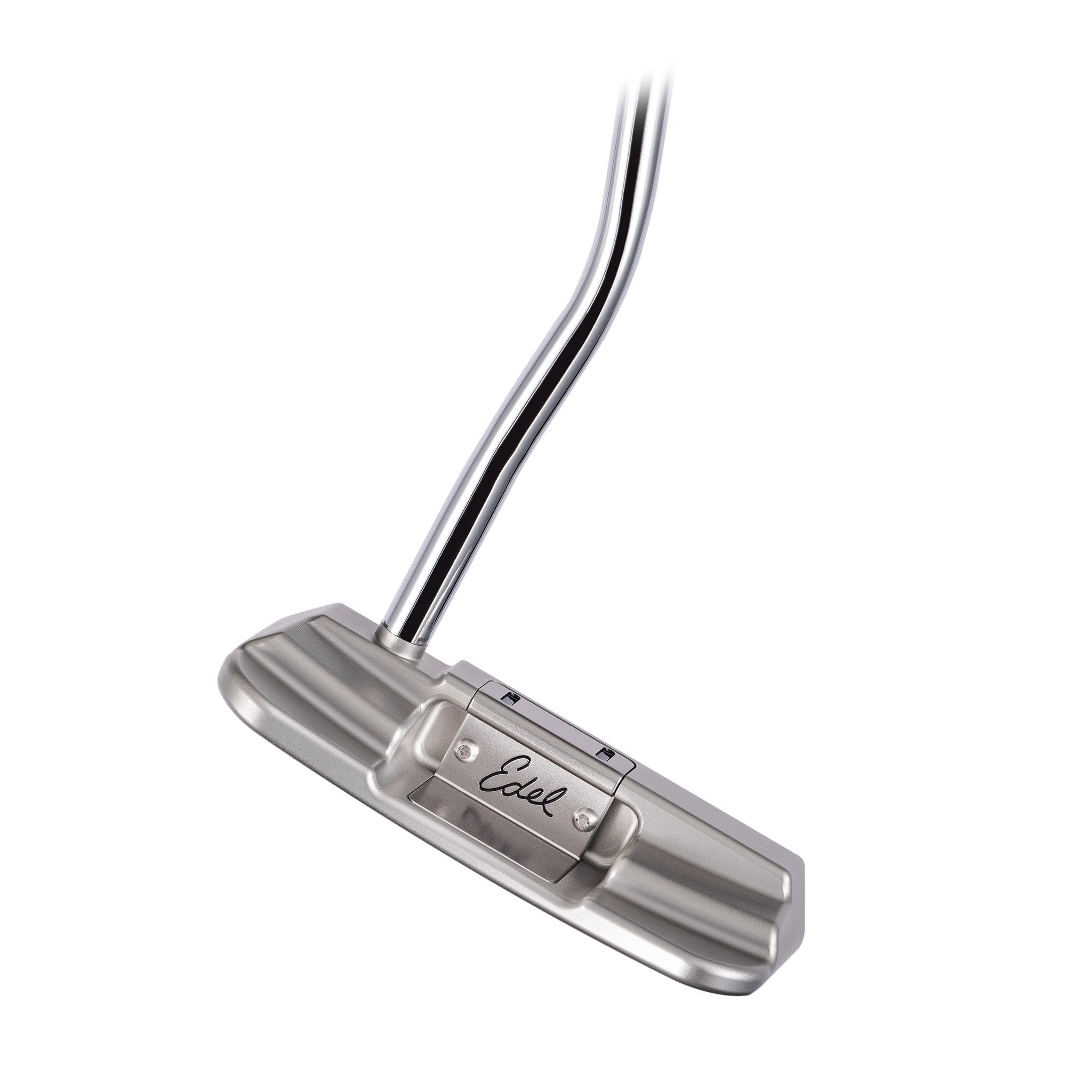
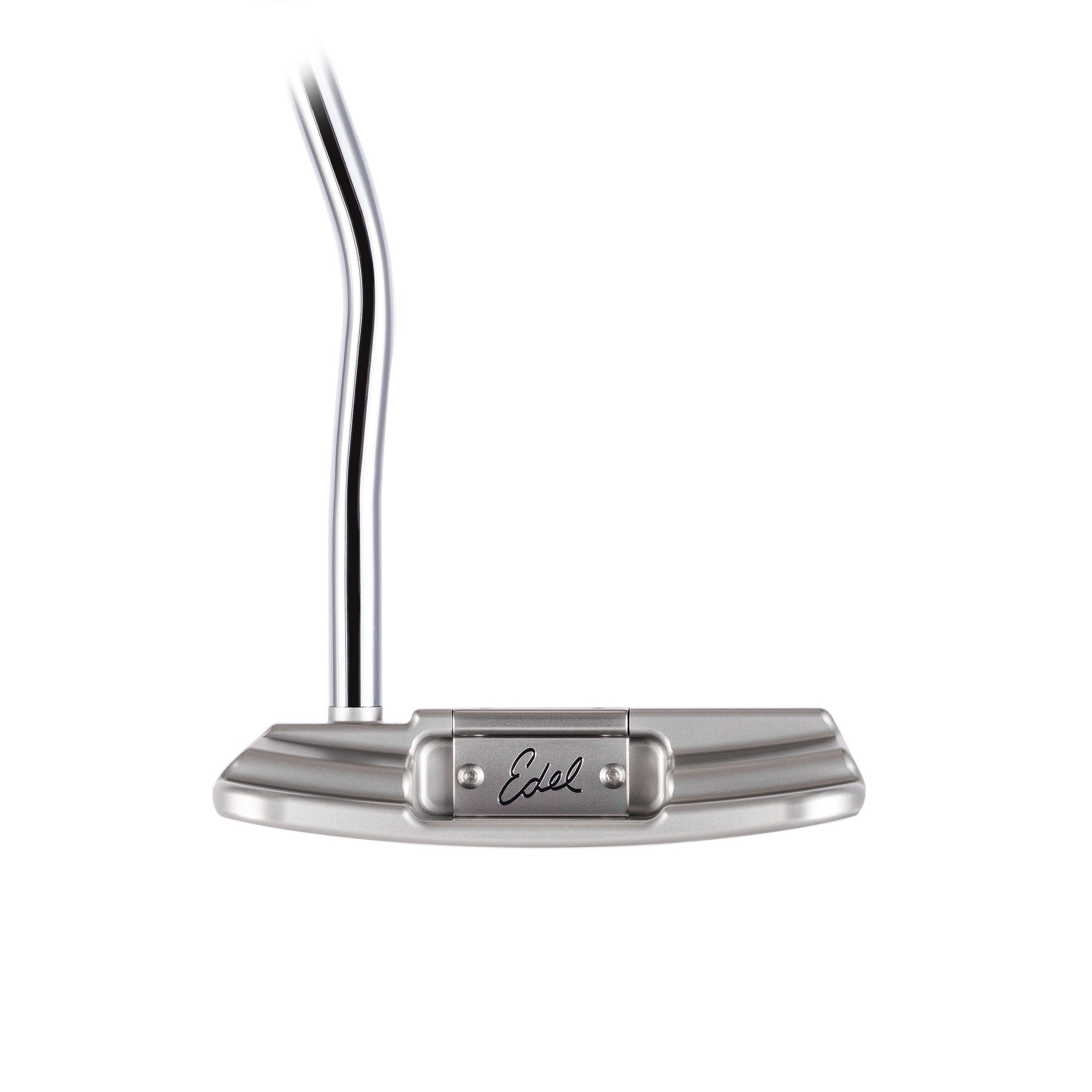
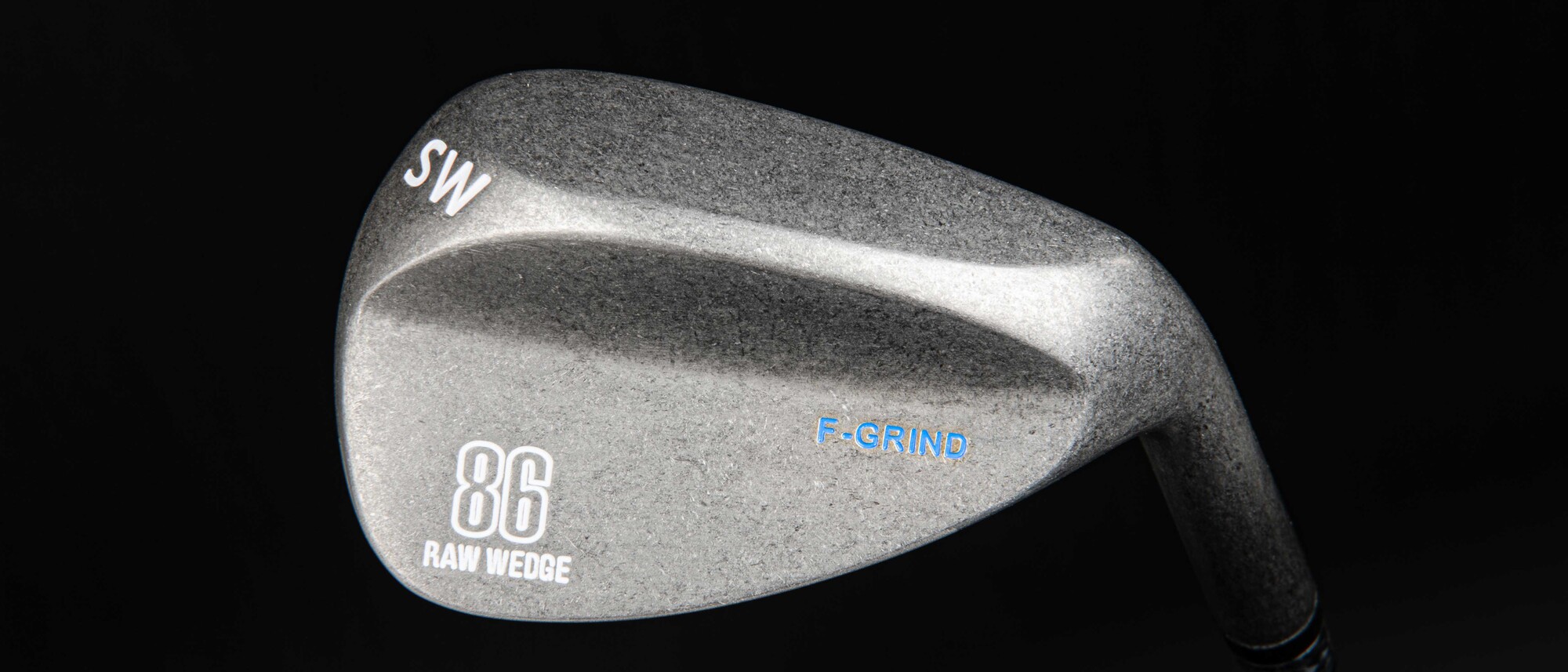
The rest of the scoring end. Edel argues the strokes are down here, not off the tee — and sells you the aim test separately in case you would rather run it on a practice green than in a fitting bay.
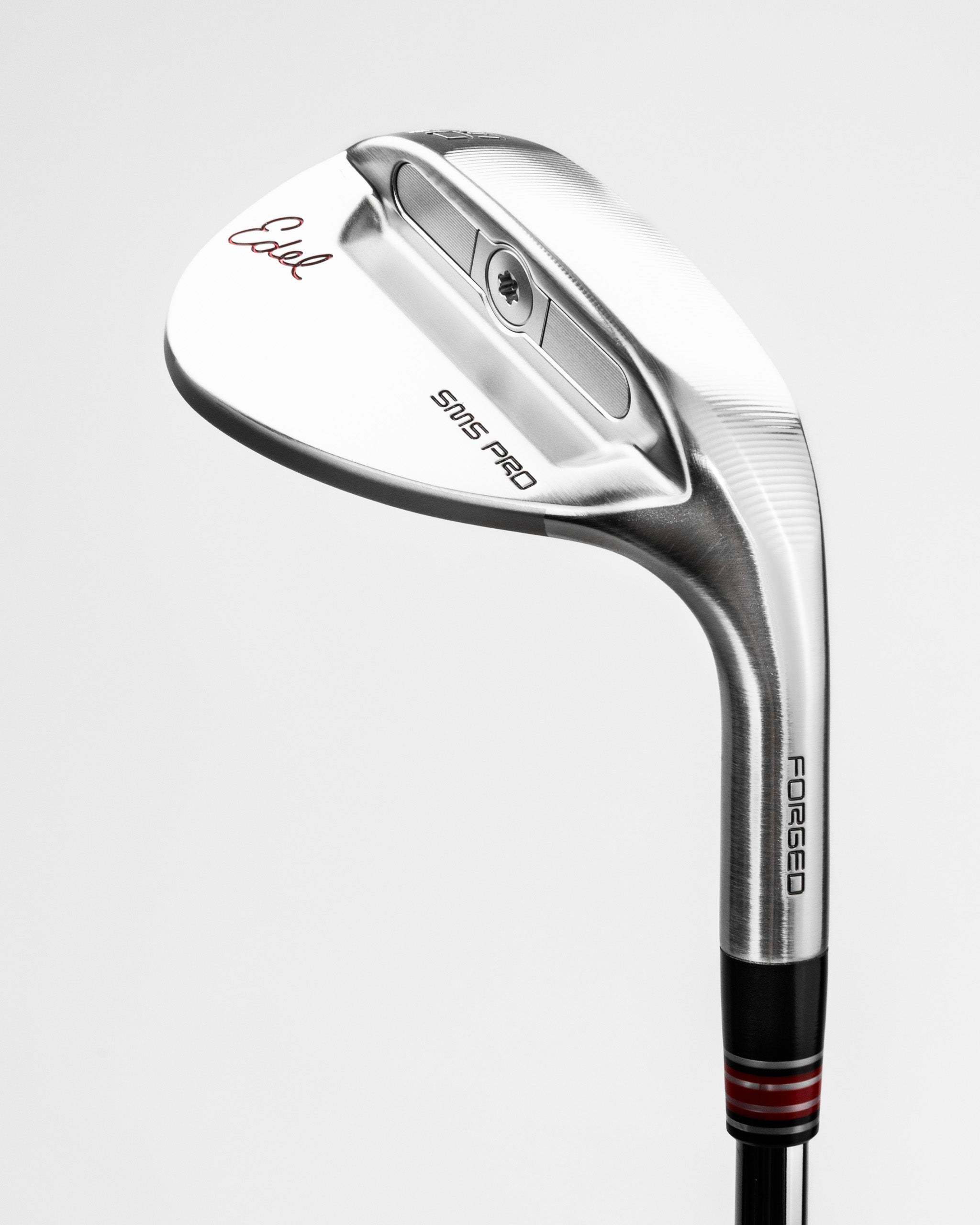
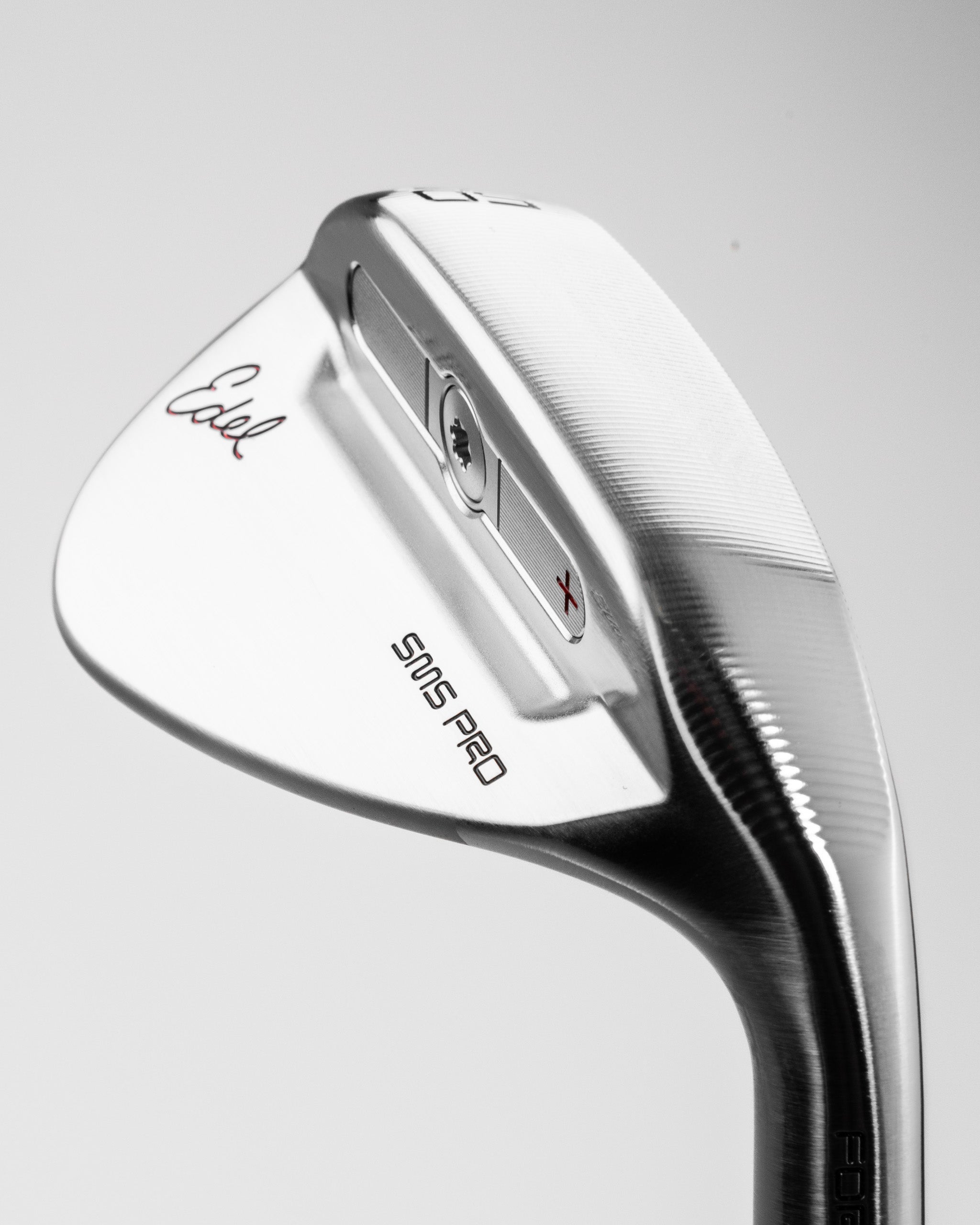
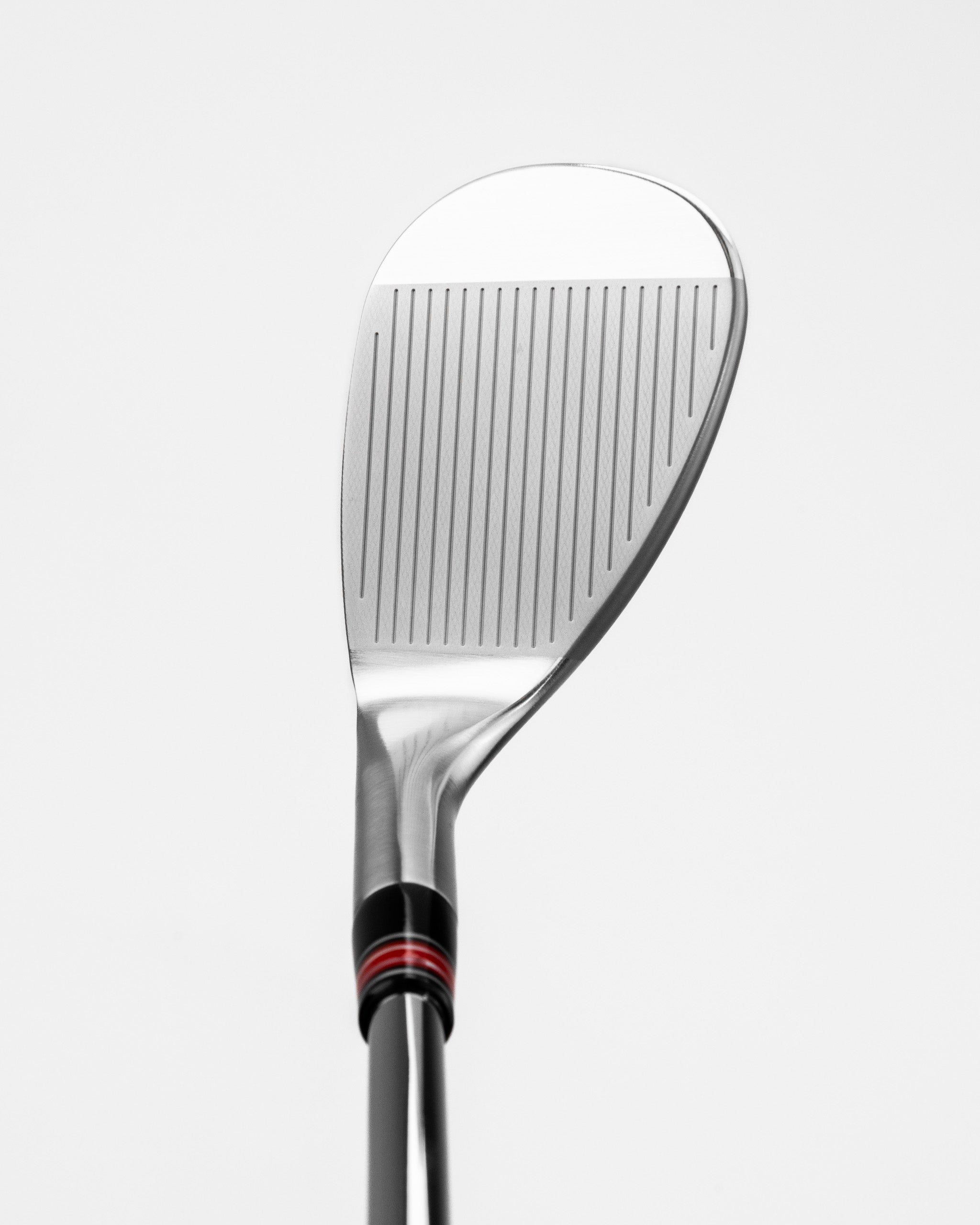
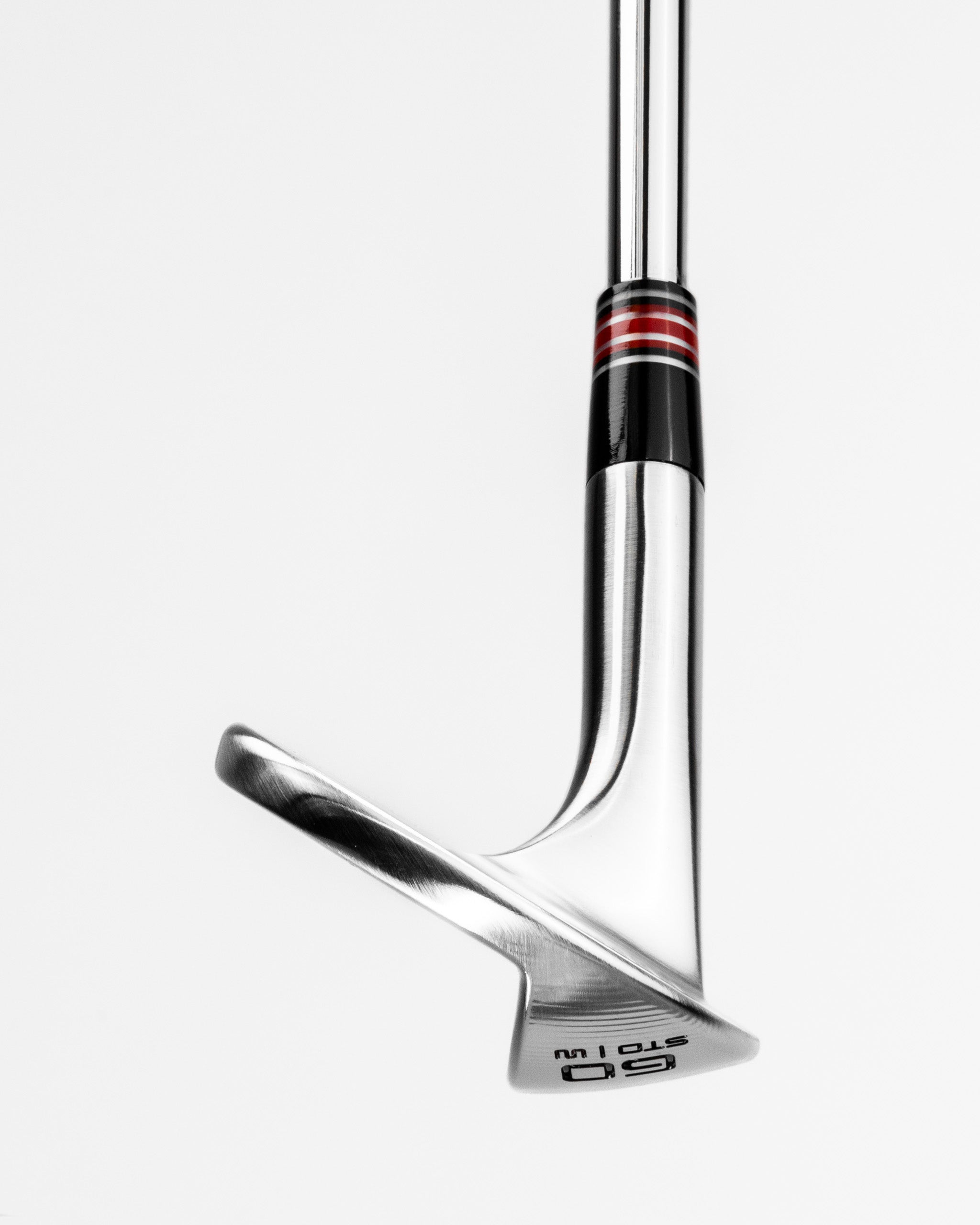
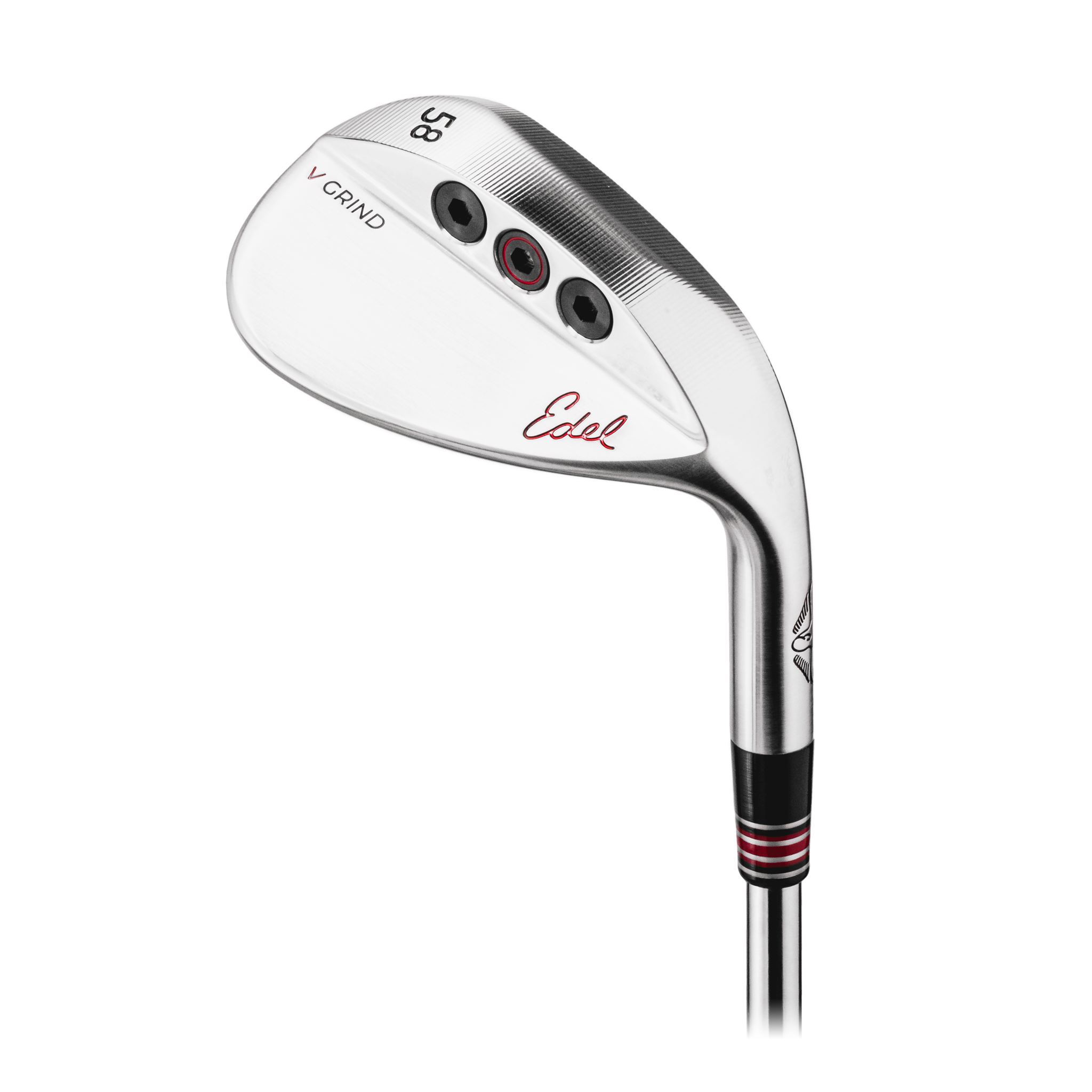
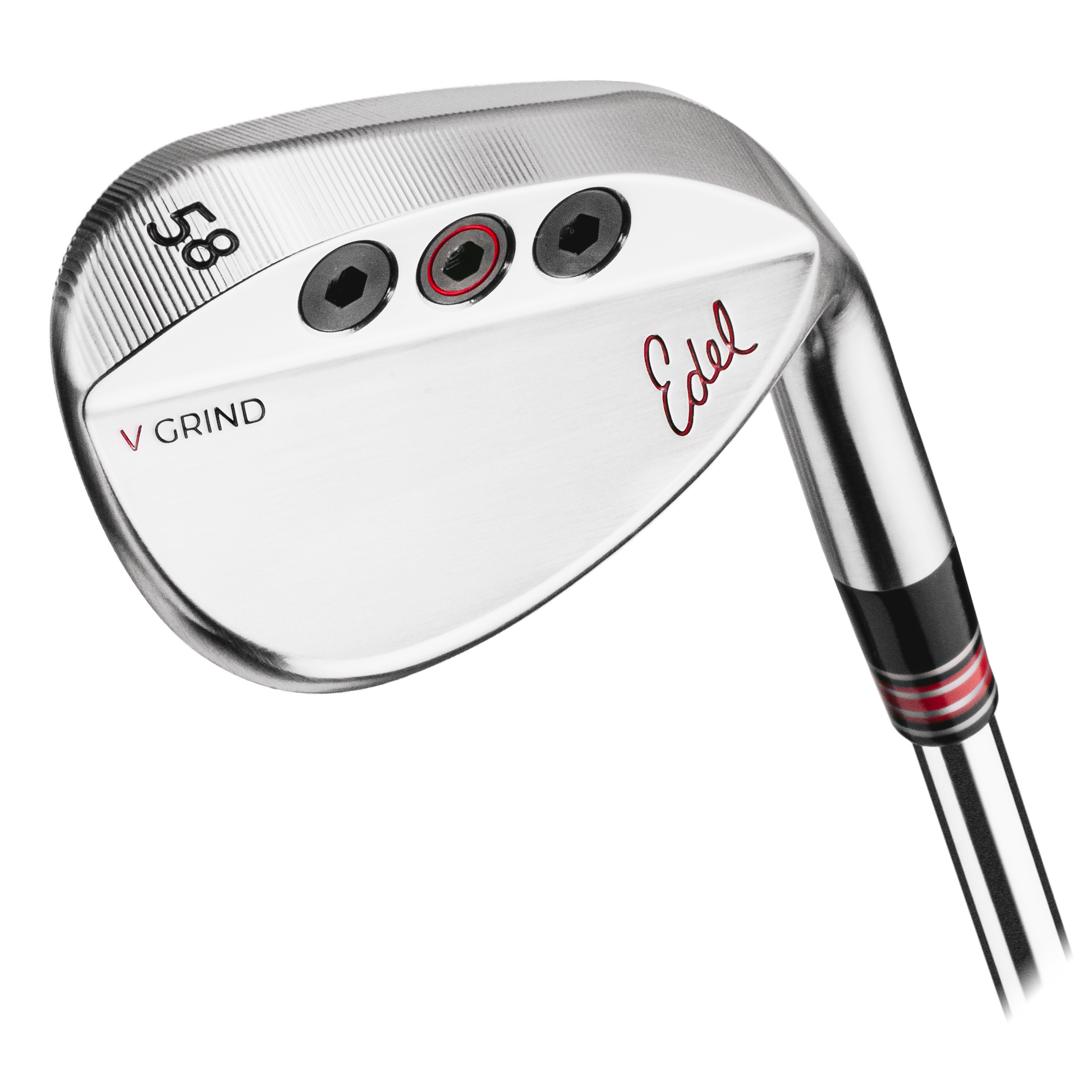
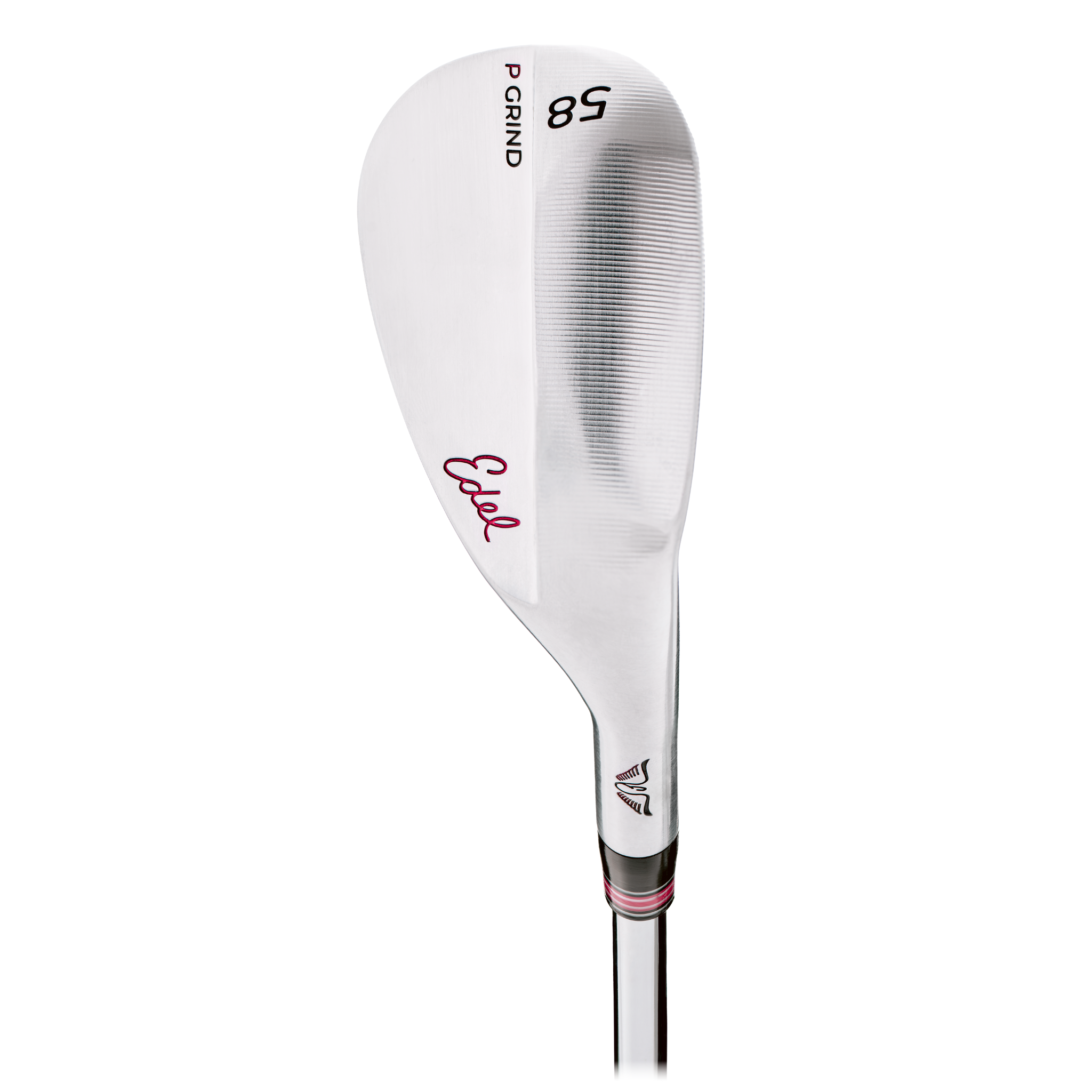
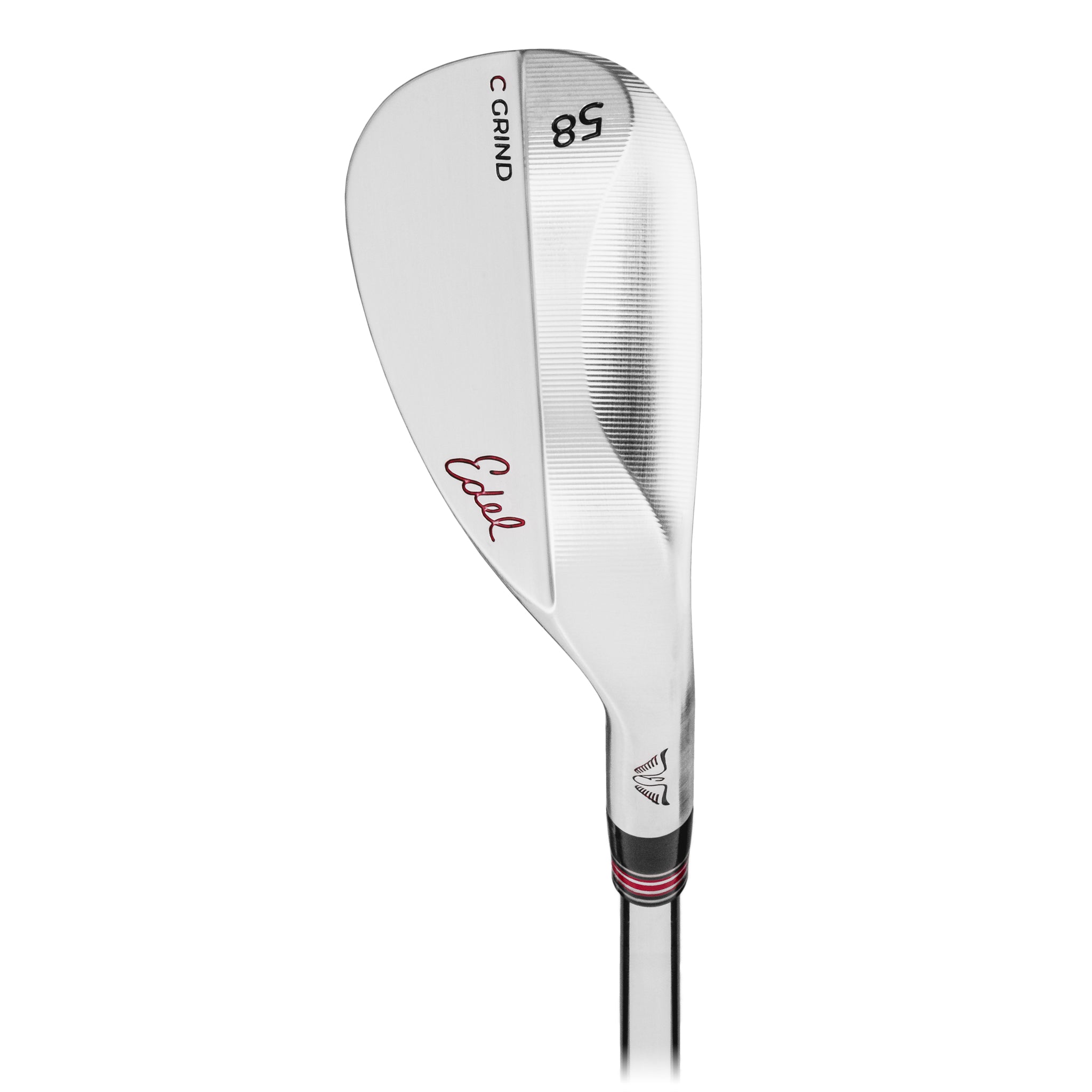
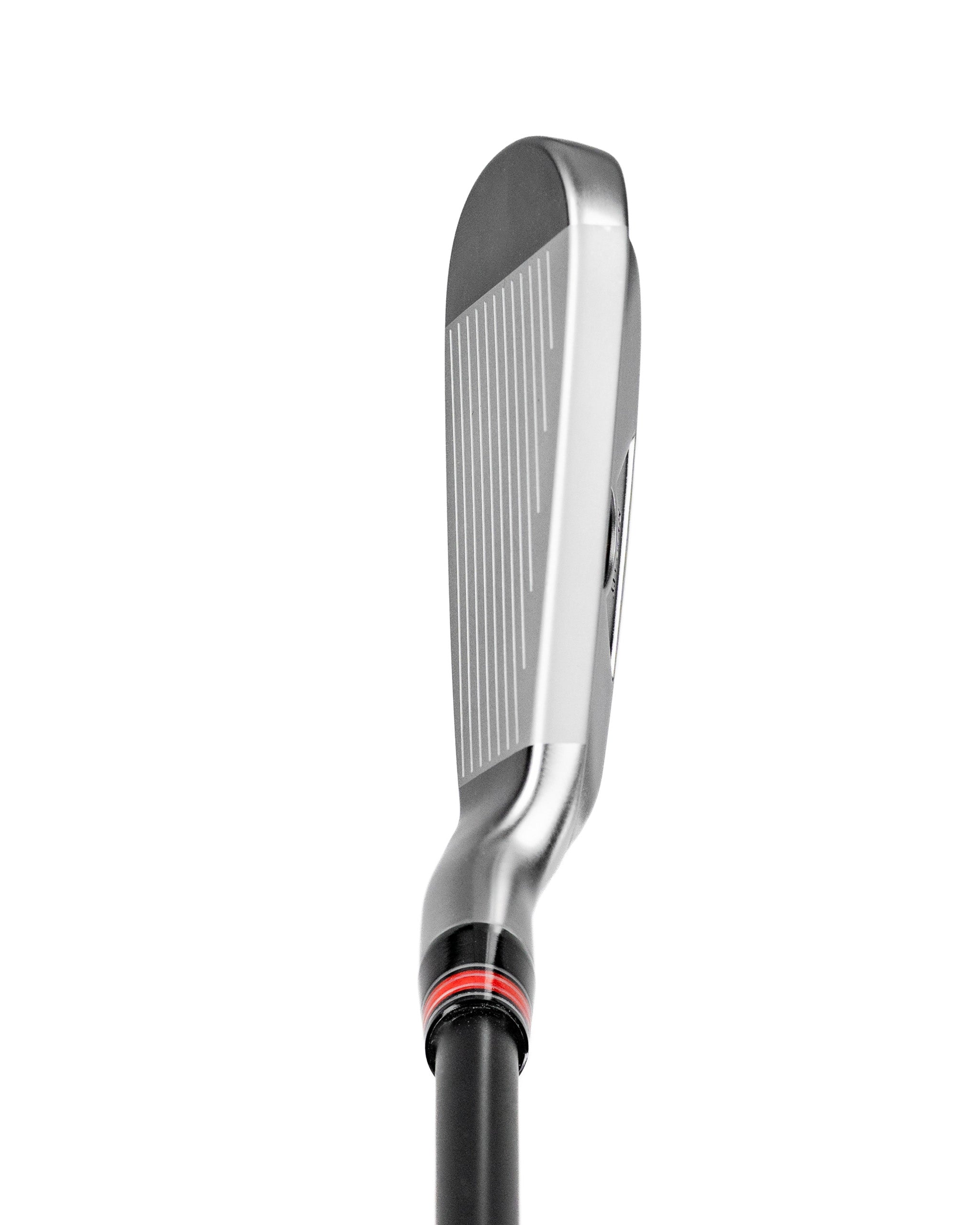
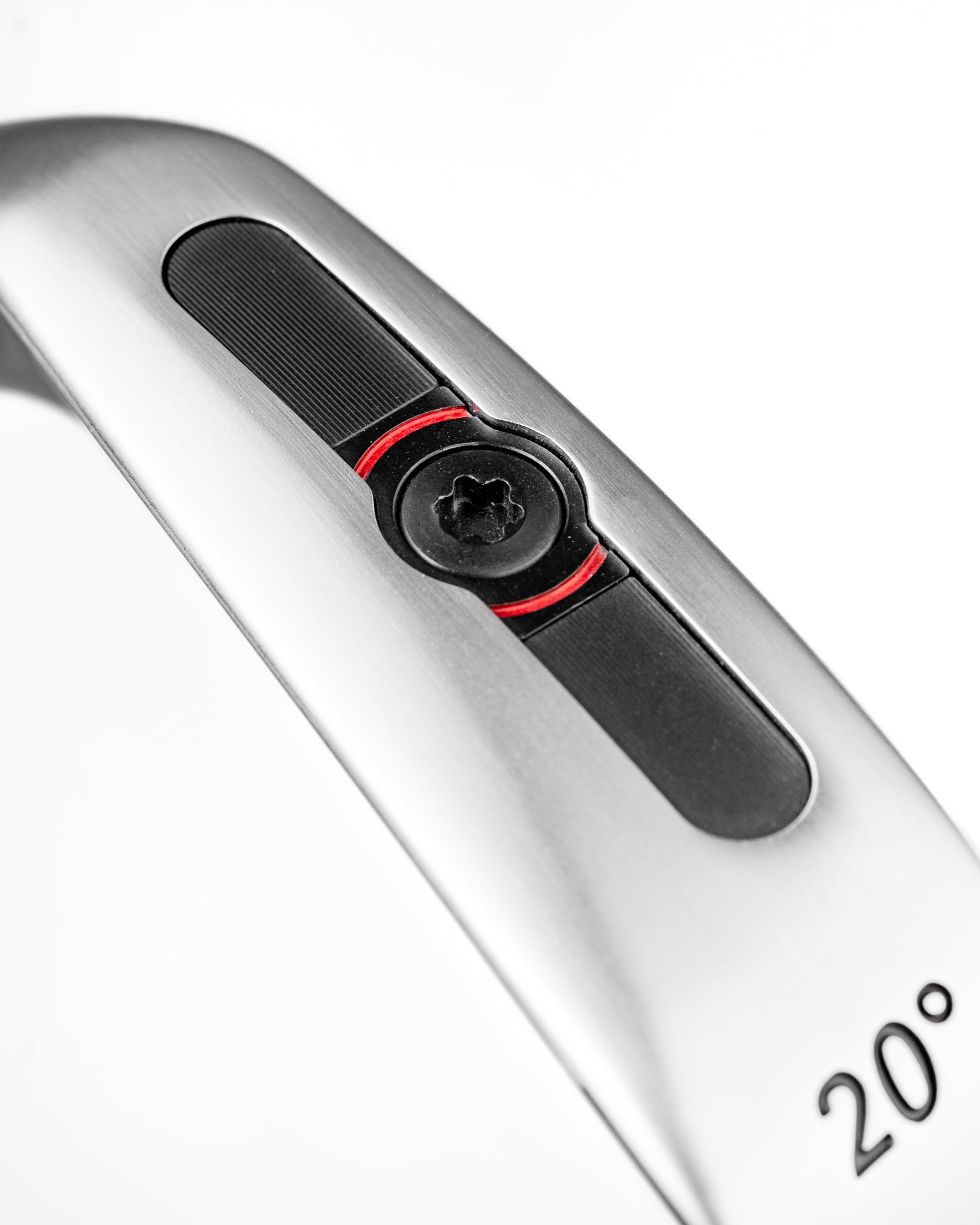
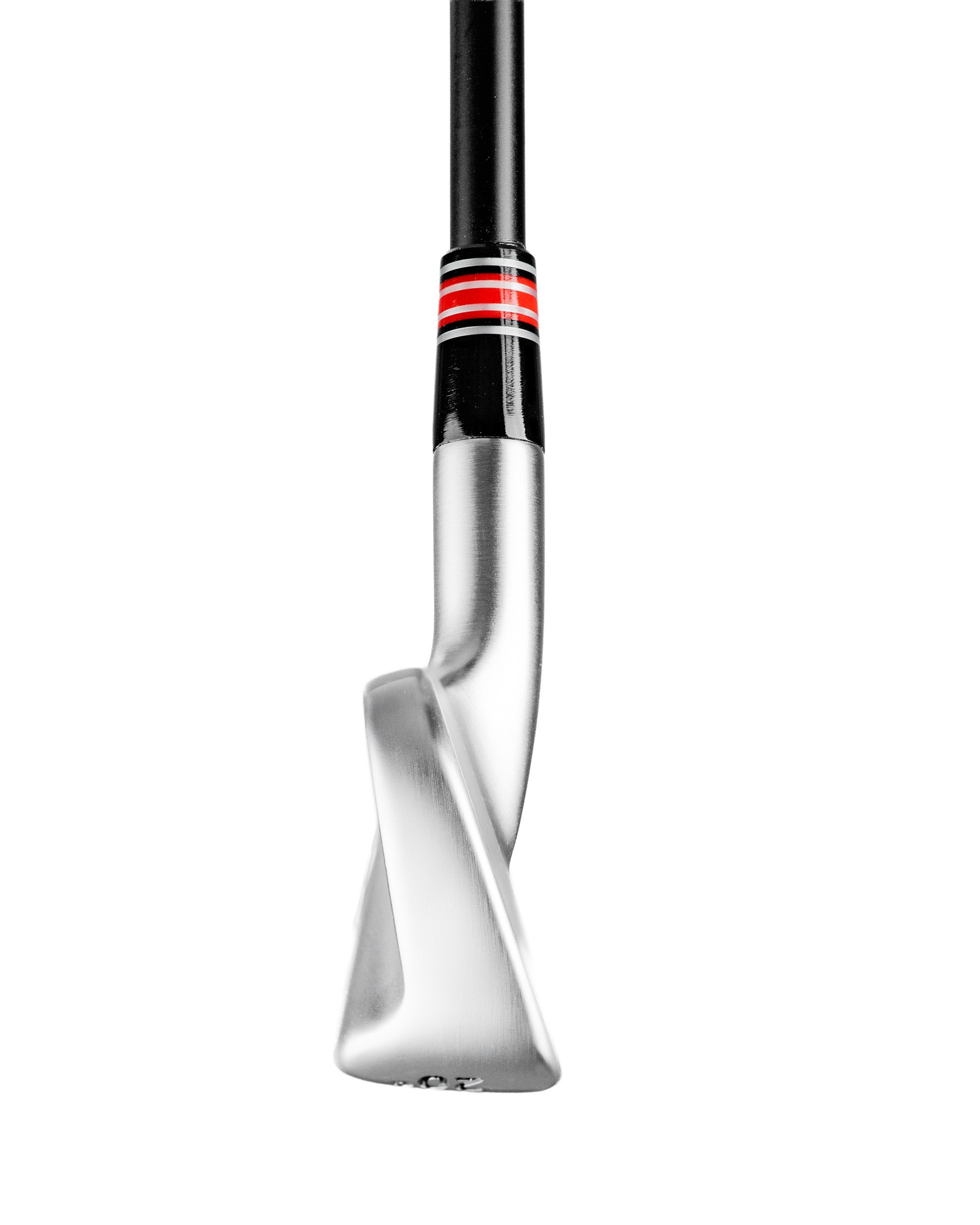
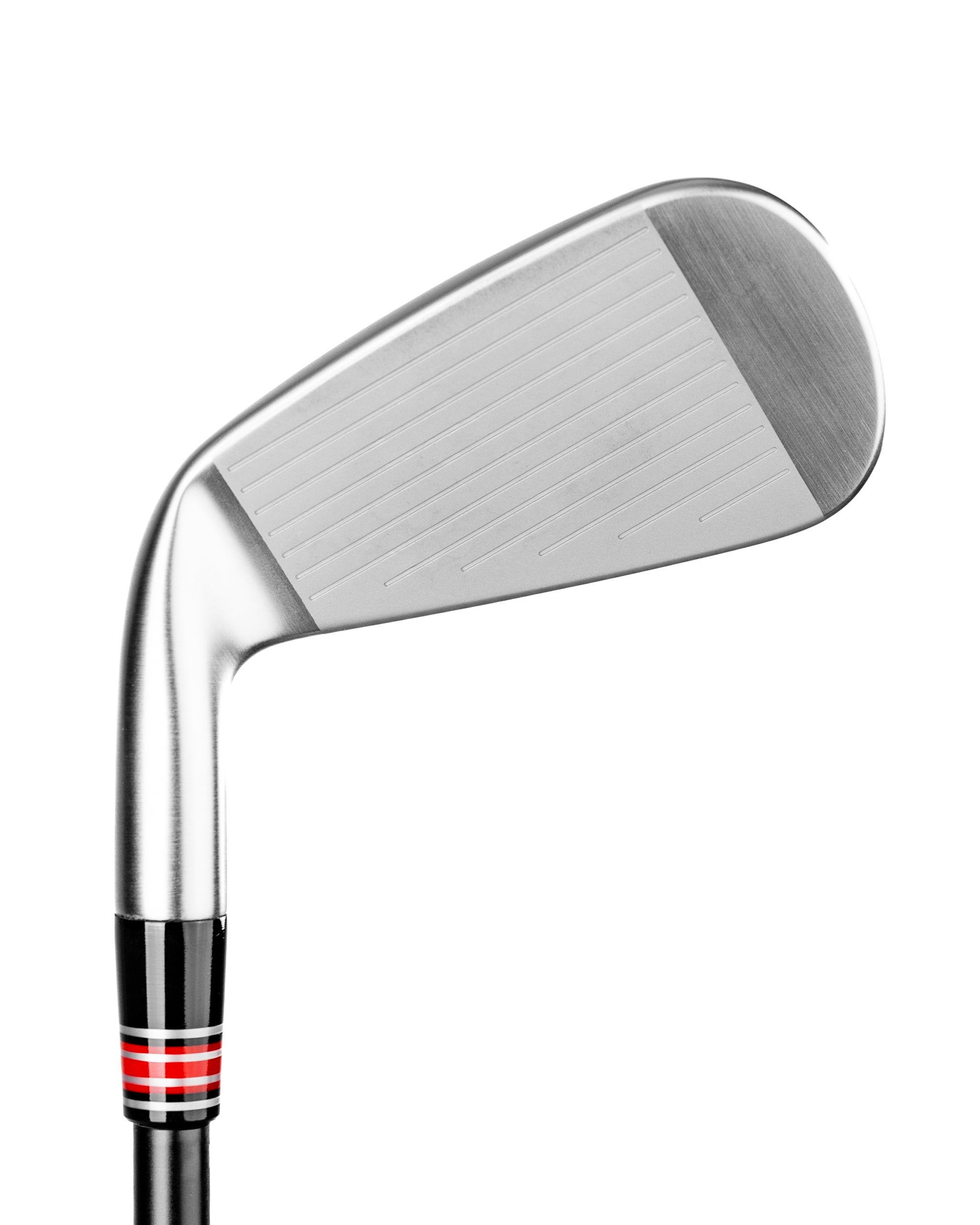
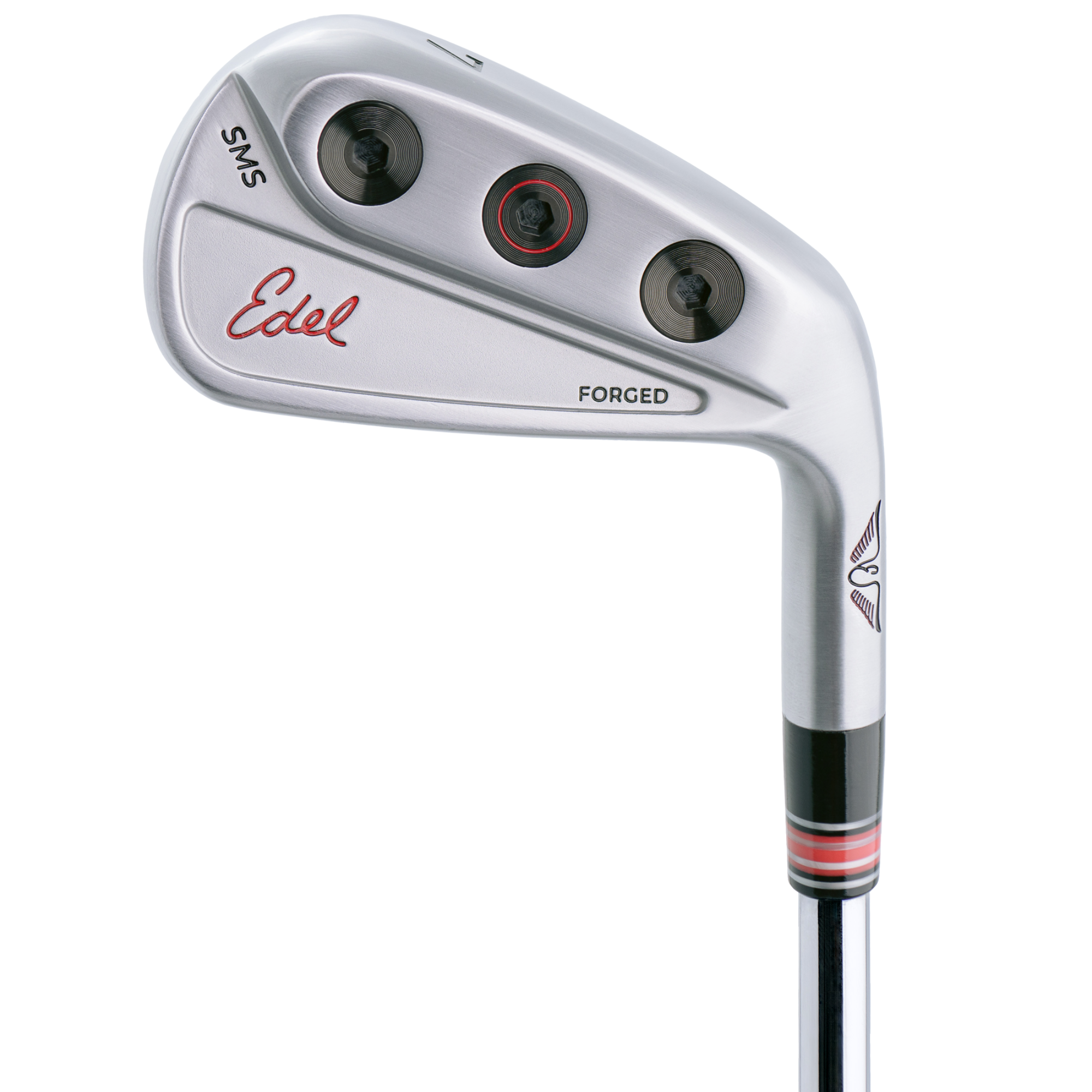
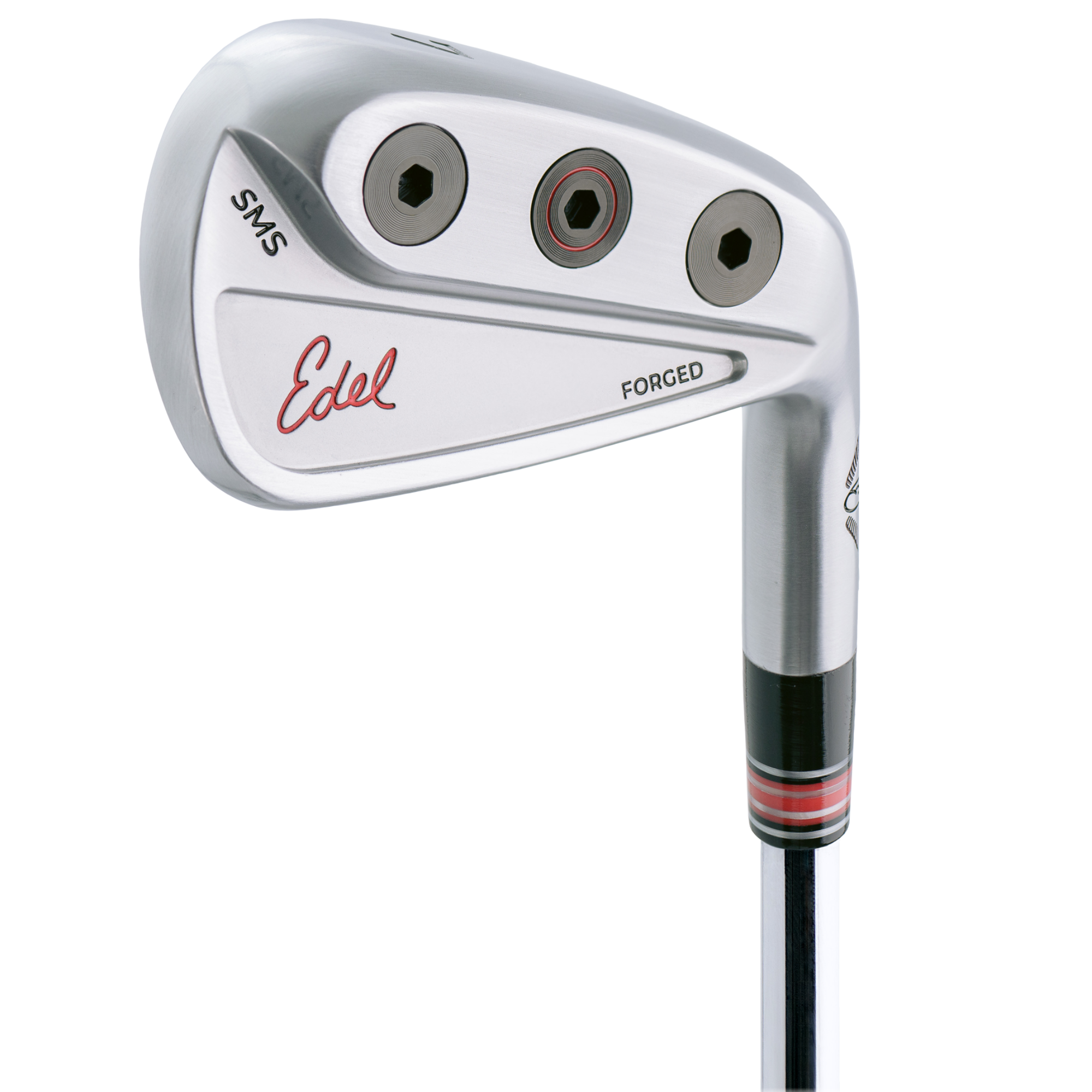
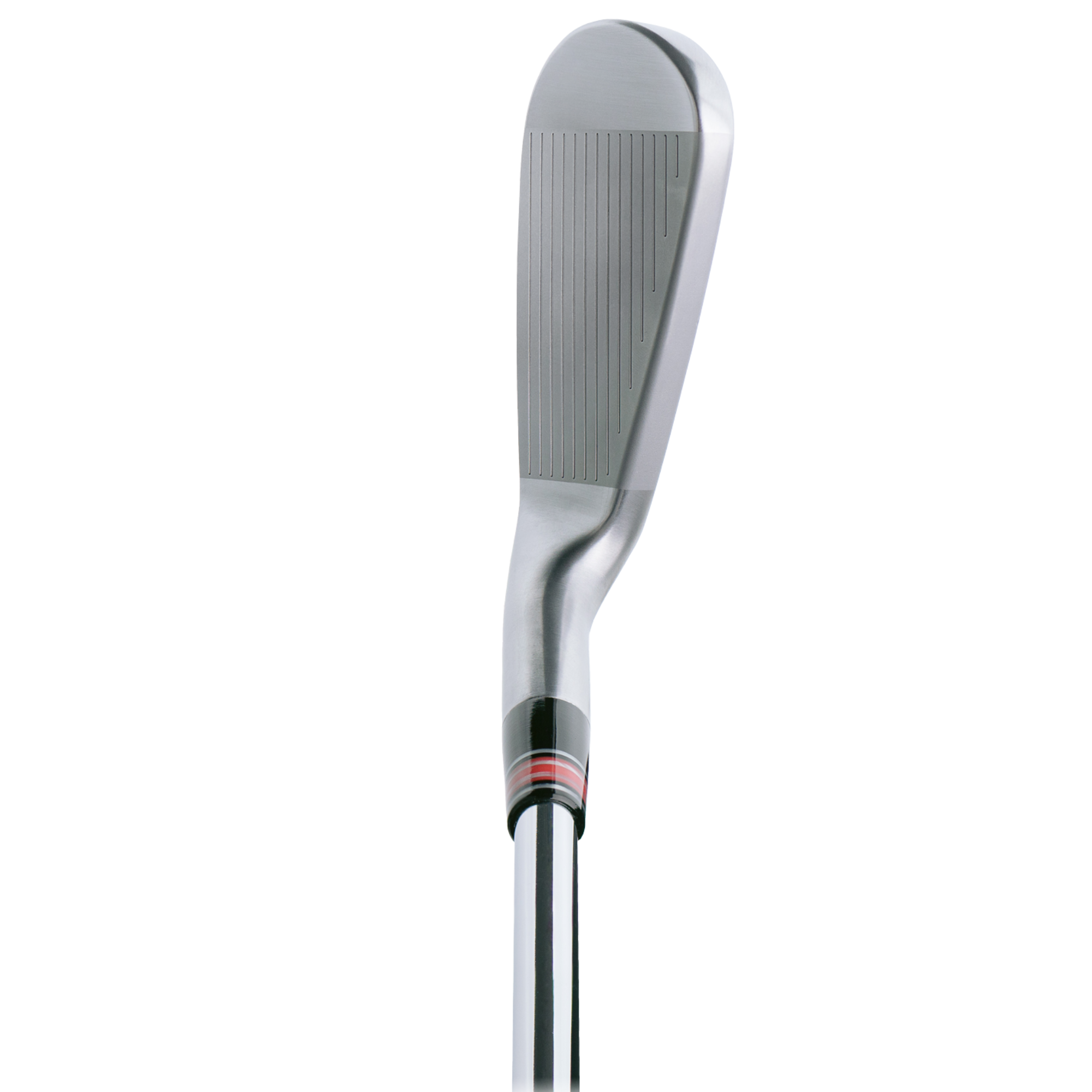
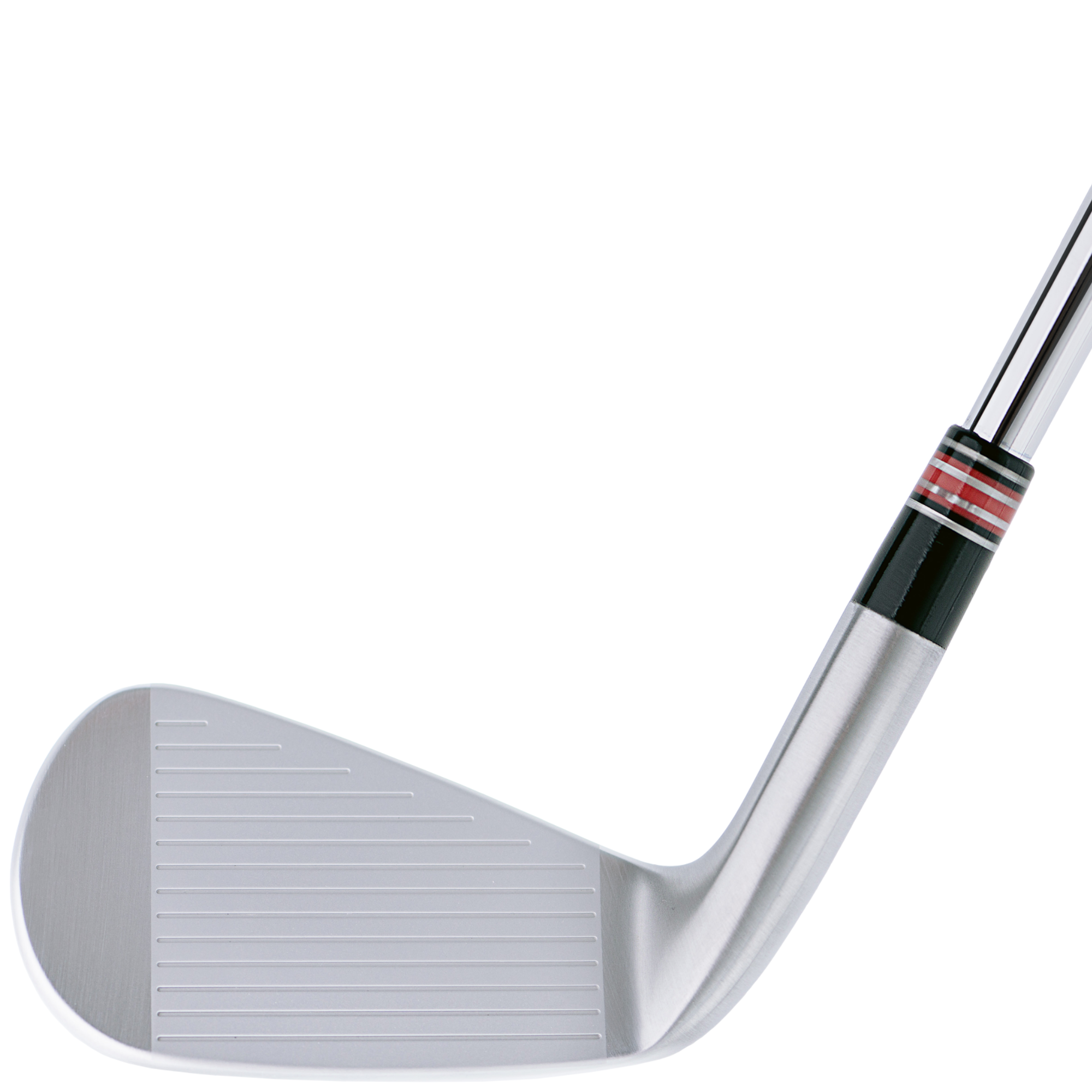
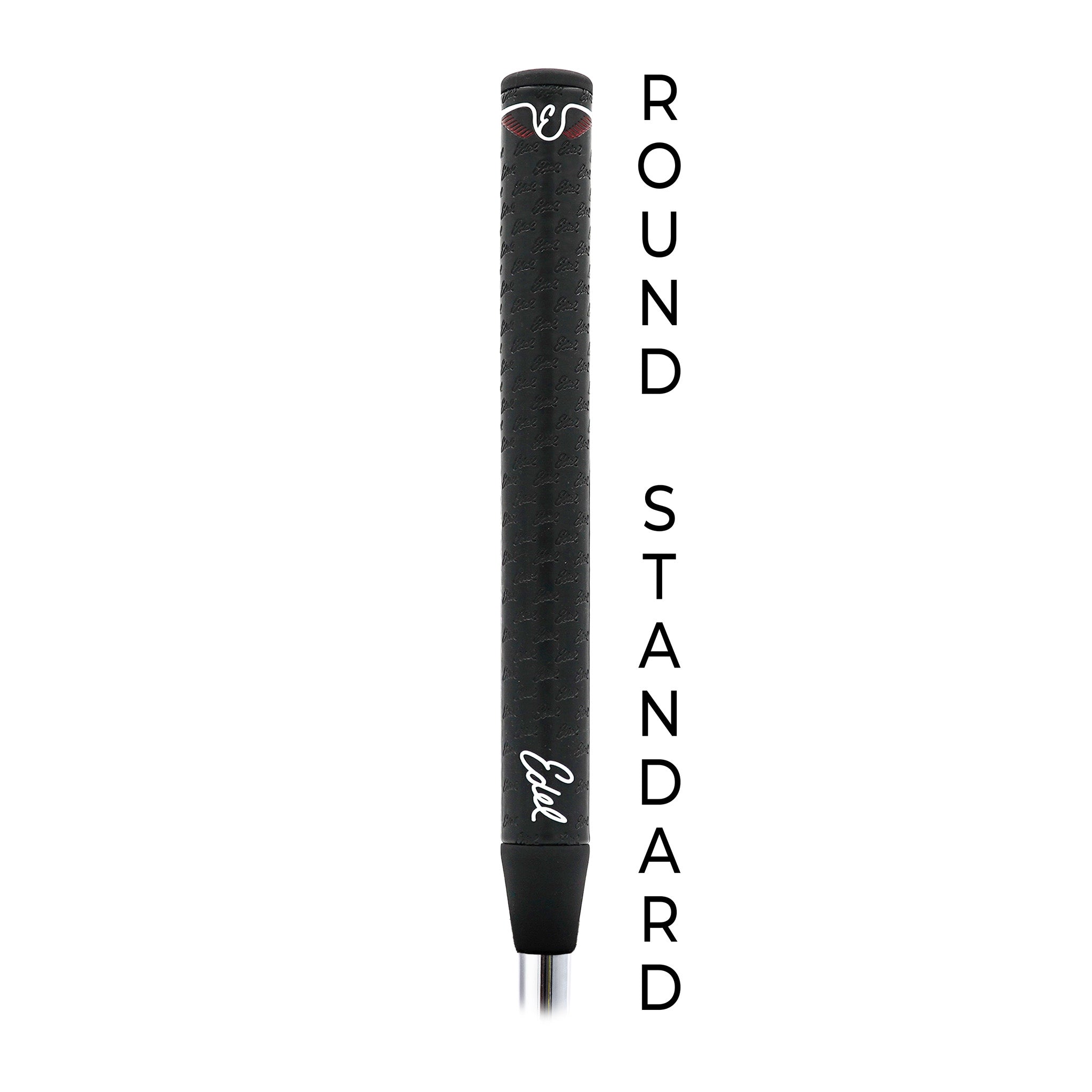
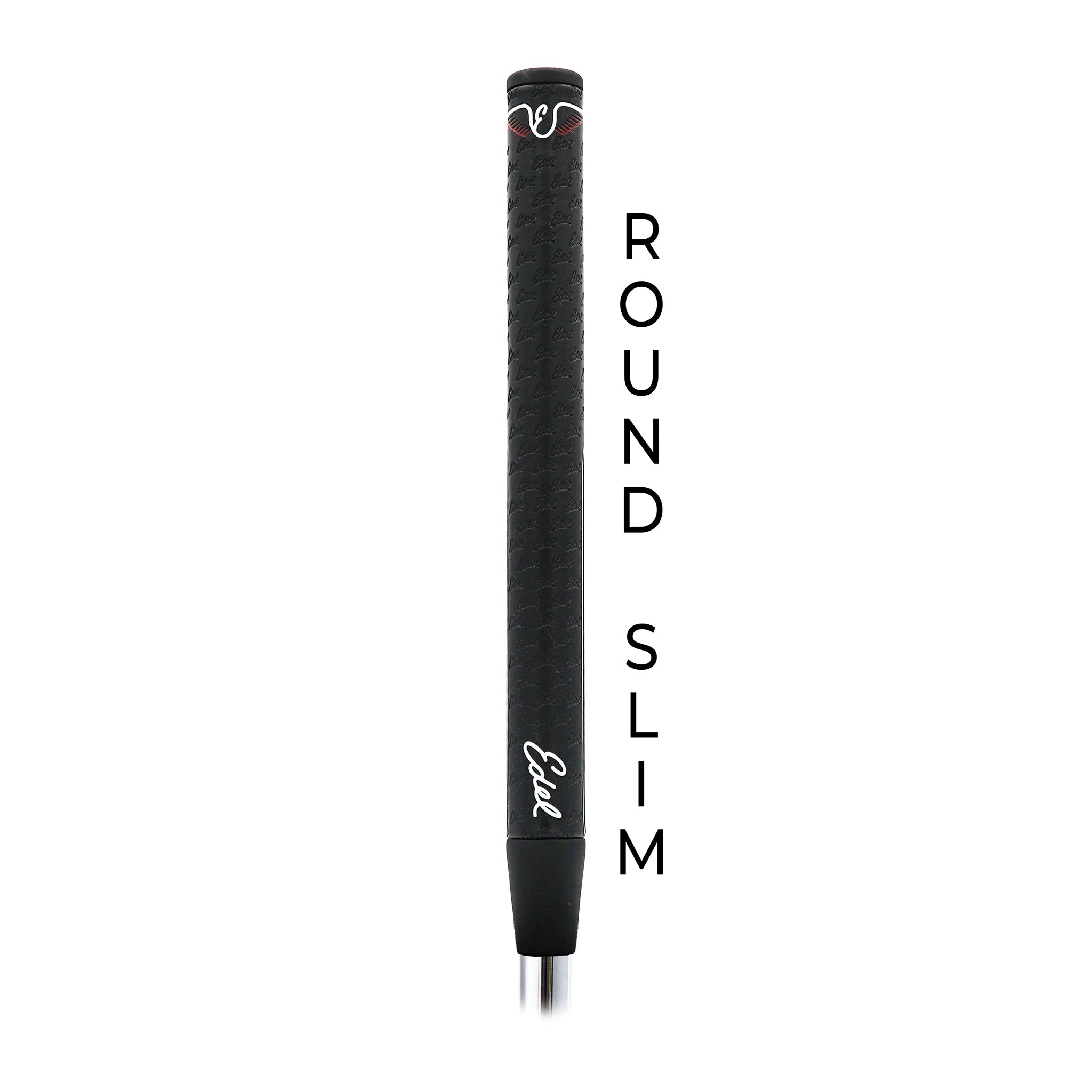
Edel Golf was founded in 1996 by David Edel, a former caddie, club professional and teacher who started by building putters. He sold the company and departed in 2023; It was reported at the time that he has no affiliation or role with the business going forward. Edel Golf is now owned and run by Doug Coors, formerly of CoorsTek, and is headquartered in Arvada, Colorado.
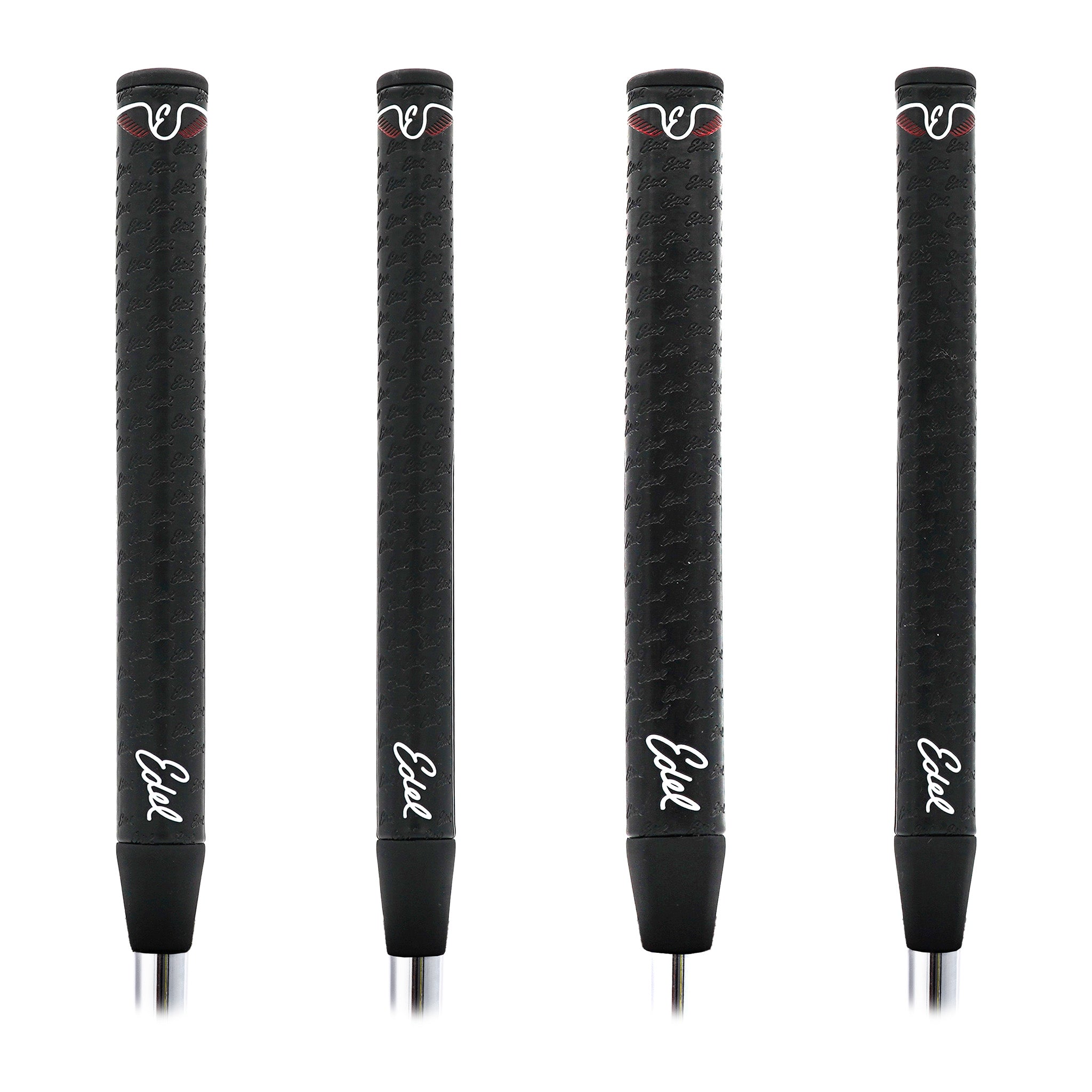
Most putter fittings start with feel. Edel starts with aim. The fitter clips a mirror to the putter face, sets a laser and a target roughly six feet away, and has the player address a ball and aim at it. Pull the ball away, fire the laser, and you see where the face was actually pointed. Head shape, hosel and alignment markings are then swapped until the player aims where they think they are aiming. Only after aim is locked do they fit head weight, grip counterweight and shaft inserts.
Their argument is that aim is stable. If you can aim a putter, you can aim it for life; if you cannot, you will keep making compensations in path and speed to rescue a stroke that started pointed the wrong way. Edel's own product copy claims 97 per cent of golfers cannot aim at their intended target, and their published rules of thumb are specific: lines tend to aim golfers left, lines set further back aim them further left, and no lines at all tends to create a right bias.
Edel found that putters described as face balanced still want to fall open, because toe hang is measured with the shaft parallel to the ground while the stroke happens on an inclined plane. A torque balanced head puts the axis of rotation through the center with mass distributed evenly around it, so the face sits toe-up both on the bench and in playing position. In practice it takes toe hang out of the fitting conversation.
No. Edel ran out of Liberty Hill in the Austin metro through the 2010s, and several product pages still carry Austin references, but the company moved assembly and headquarters to Colorado at the end of 2022 and now lists Arvada as its address. There is no Edel-owned fitting facility in Texas — an Austin golfer books through the certified fitter network, which locally means GOLFTEC.
Array putters run $350 and the EAS 2.0 is $250, which historically put a fully custom-fit Edel at about the price of an off-the-rack premium putter. The Workbench limited editions are $699. Wedges are $140 to $180 a club, iron sets $830 and up, and the Aim Check training kit is $70.
Yes, in the founder era. Edel built DeChambeau's putters from the age of eleven and made the single-length irons he won the 2015 NCAA Championship and US Amateur with. Both David Edel and the company have told that story publicly. Note that single-length irons are no longer in the Edel catalog.