Twenty Putters for the Late-Season Switch, From $170 to $799
9/17/26Drops & Brands18 In Stock · 2 On Presale
September is the sensible month to change putters, and almost nobody does it. The
logic runs backwards in most bags: a golfer three-putts through a summer, resolves to
do something about it, and then buys a putter in March — at full price, in the
week before the first round of the year, with no time to learn it.
Do it now and you get the two things that matter. You get rounds left to test it in
conditions you already understand, and an off-season to groove whatever it changes about
your stroke. You also get the prices, which are not a coincidence.
Four of the eighteen putters below are marked down today — MacGregor
by $30, Cobra by $50.99, the Odyssey Ai-ONE by $50 and the Ai-DUAL Broomstick by $100 —
and the reason is sitting at the bottom of this page. Mizuno’s new zero-torque necks
reach shops on 10/30 and Scotty’s Phantom 9.5R on 9/30. The model year turns over in
the next six weeks, and the shelf clears first.
Every price here was read off the brand’s own live product page on 9/16/26, not a
retailer listing. Where a brand publishes no price at all — Ping does not — the
card says so and tells you where the figure came from. The sections are organised by
what each putter is trying to fix rather than by price or by brand, on the assumption
that if you are reading a putter roundup in September you already know what is going
wrong out there.
When the face will not stay square
Four putters take four routes to the same idea — zero torque, toe-up,
lie-angle balanced. The shaft axis is moved far enough from the head’s centre of mass that the putter
stops wanting to rotate open and shut, so holding it square becomes the default rather than a
thing you do. It is the fastest-moving category in putters and, as of this year, the widest in
price: $199 to $799.
1 / 4
Sub 70
Sycamore 001Z · $199
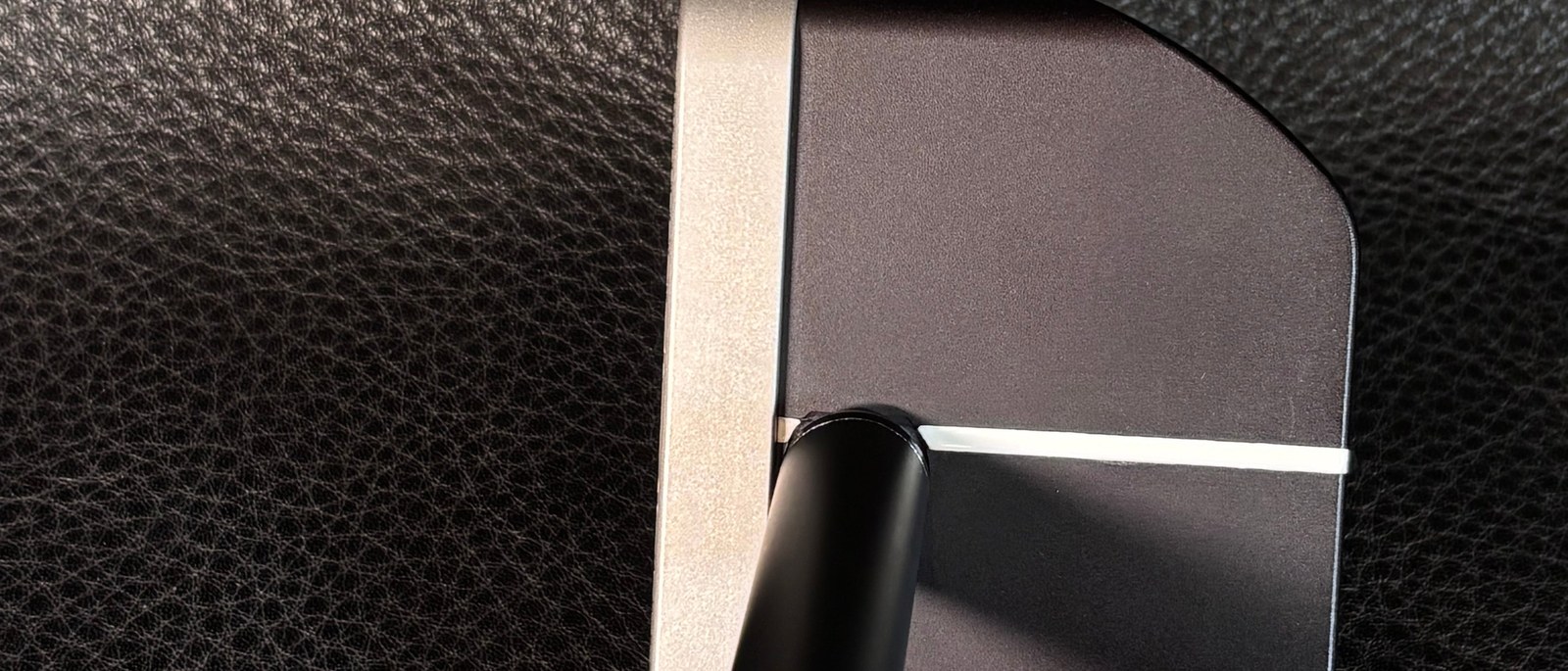
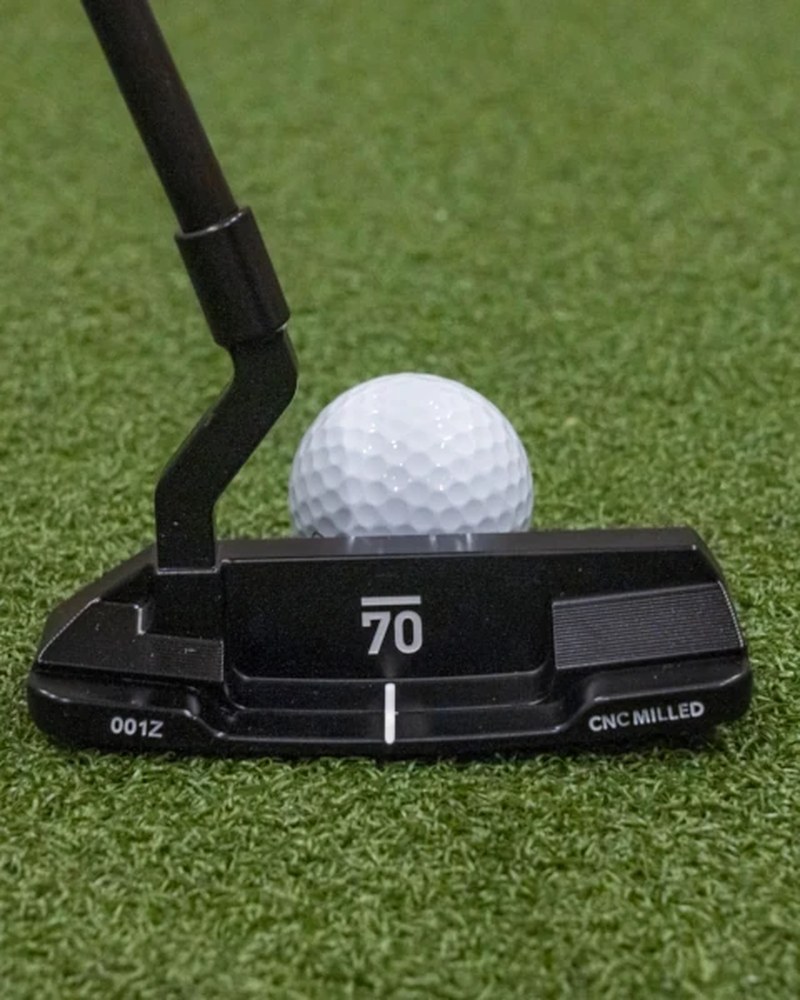
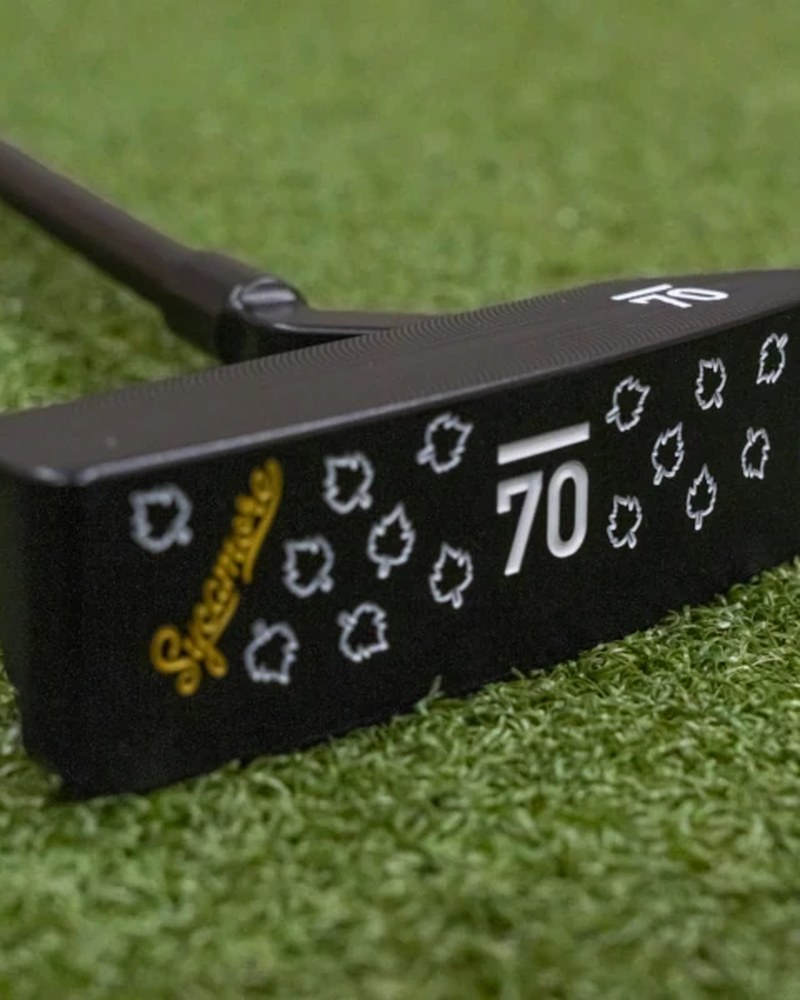
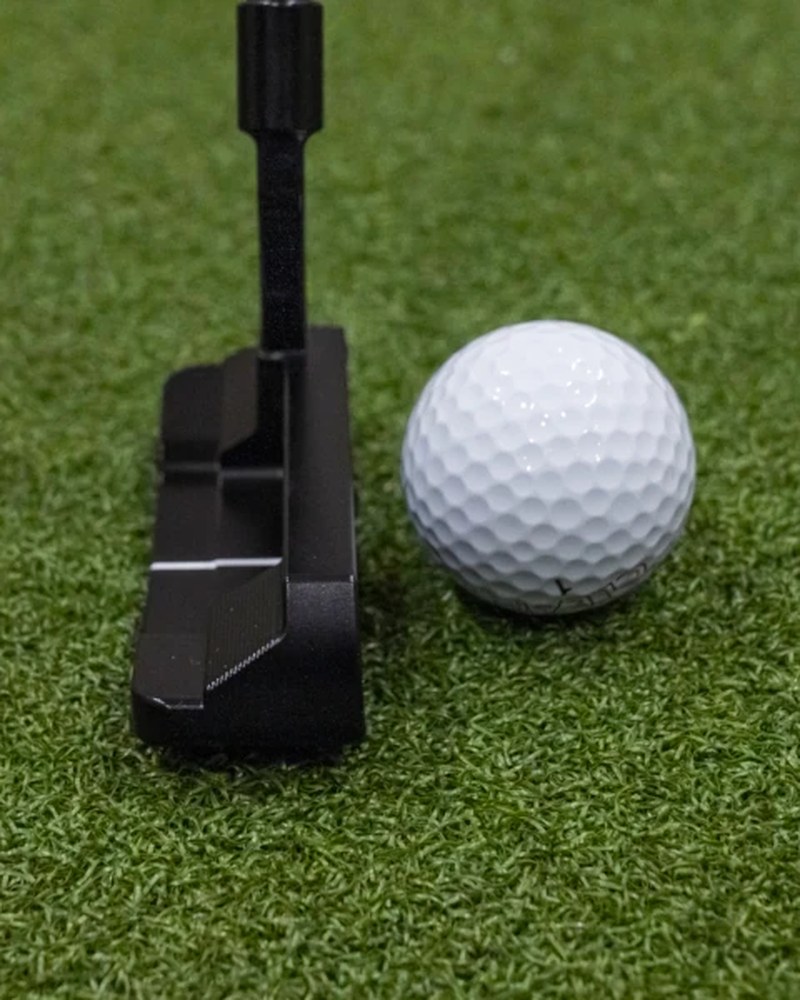
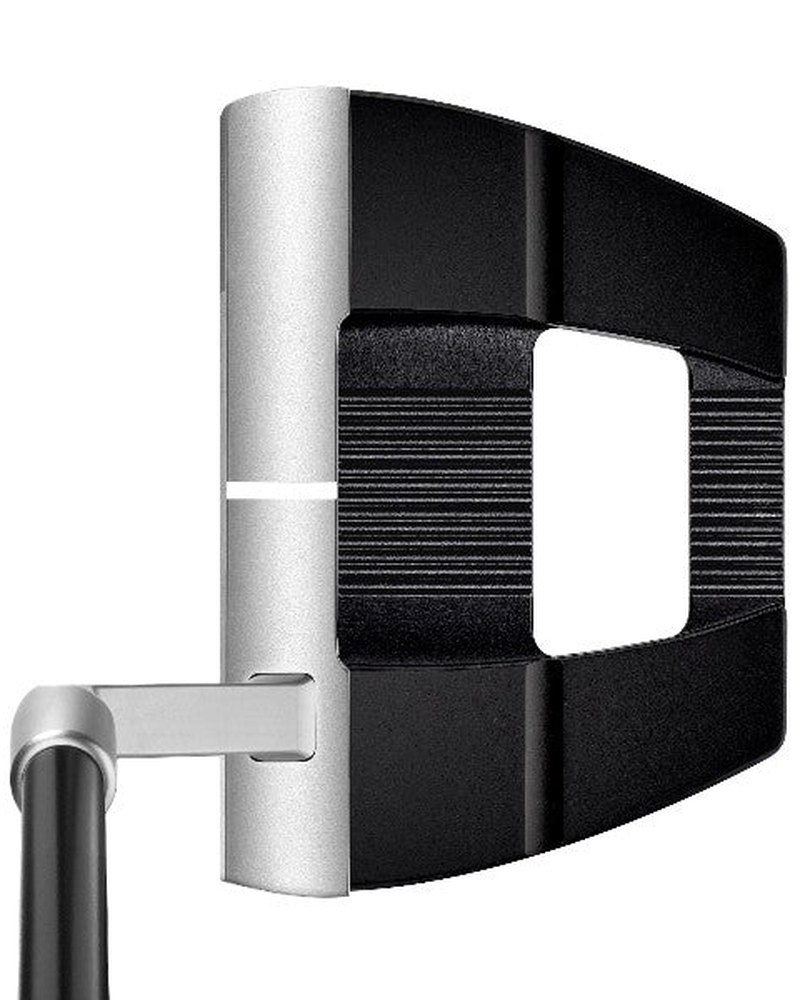
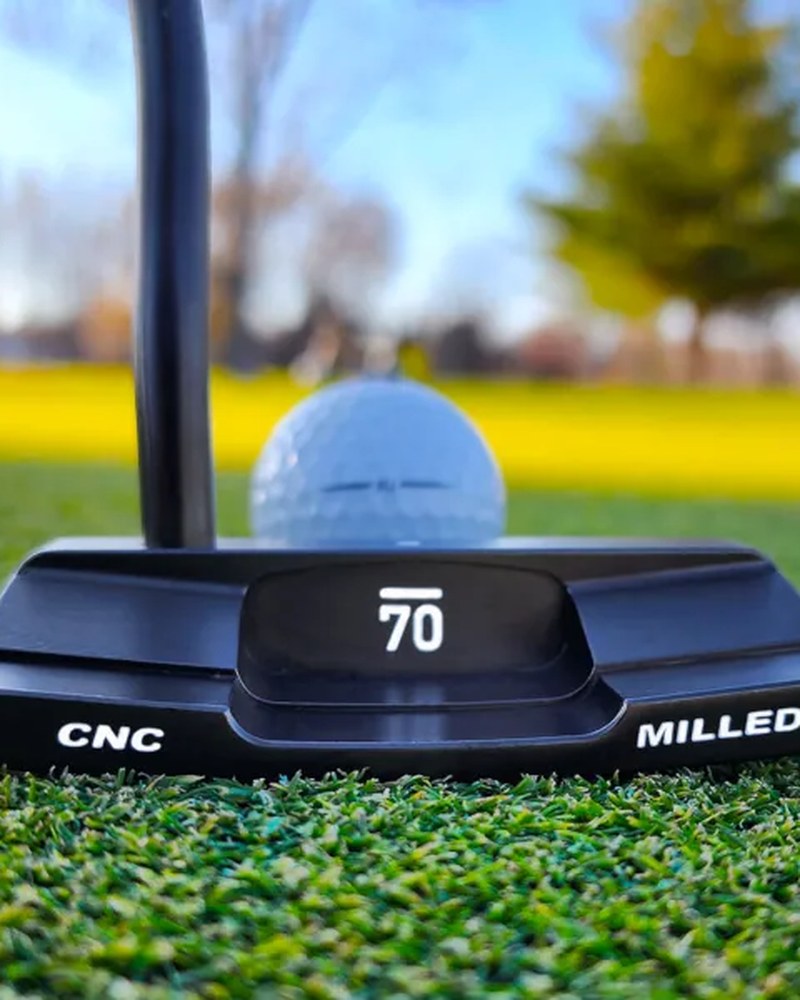
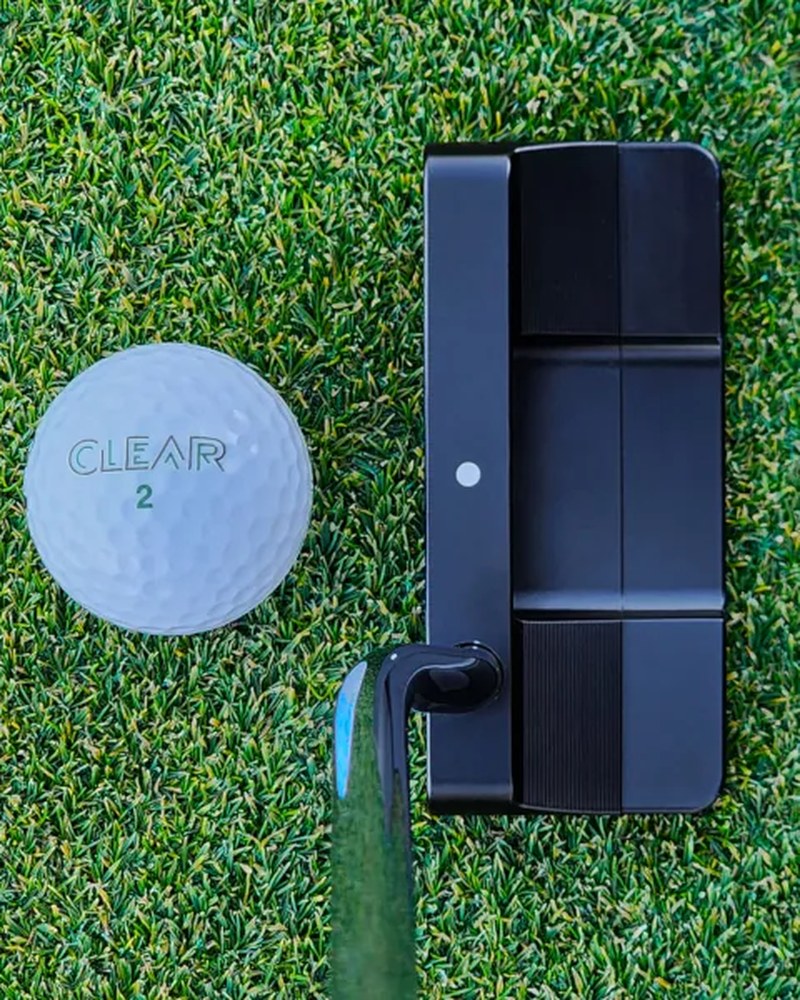
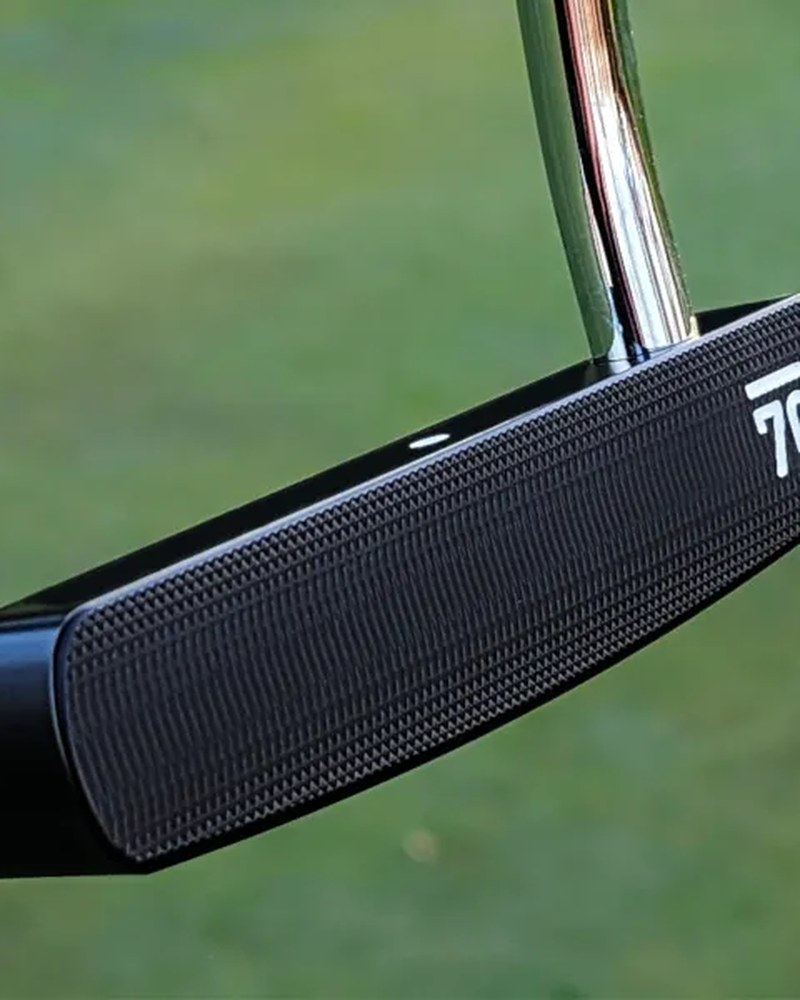
Sub 70 took its classic 001 blade and rebuilt it as a true zero-torque putter, which is rarer than the category makes it sound — almost every zero-torque design arrives as a mallet because the geometry is easier there. Milled from soft 1045 carbon steel and co-designed with Joel Pera of Just a Potamus Golf, the same partnership behind Sub 70’s QPQ black iron finish. It keeps the compact profile better players ask for while removing the open-and-shut face rotation a normal blade allows. $199, in stock.
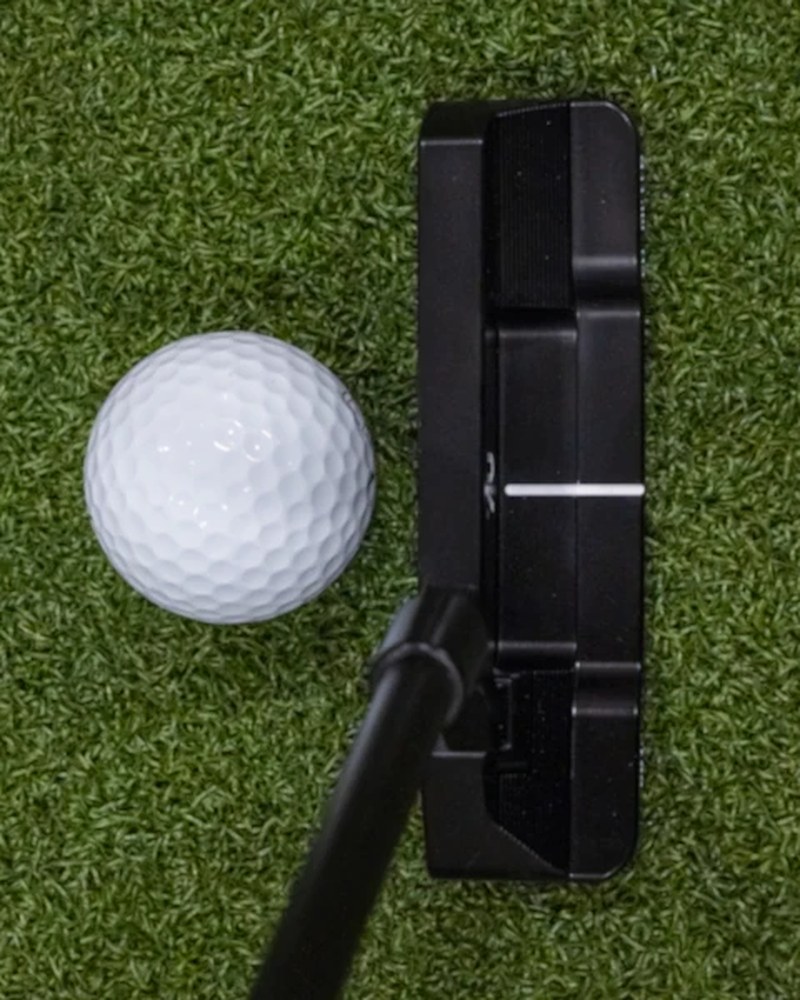
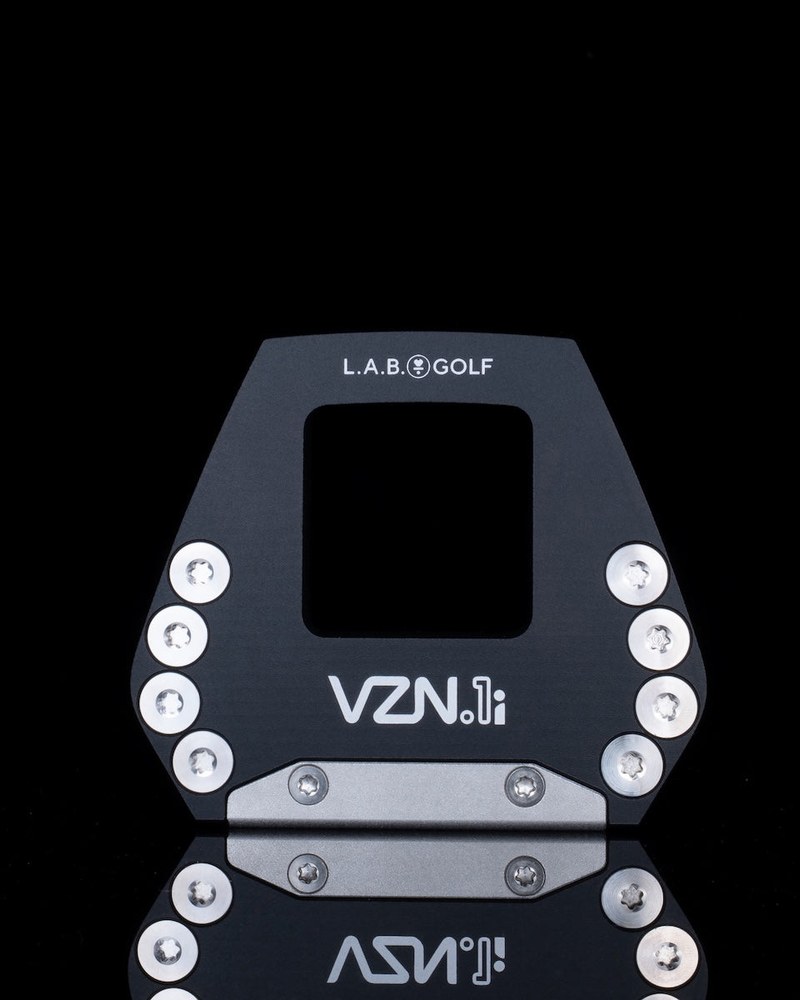
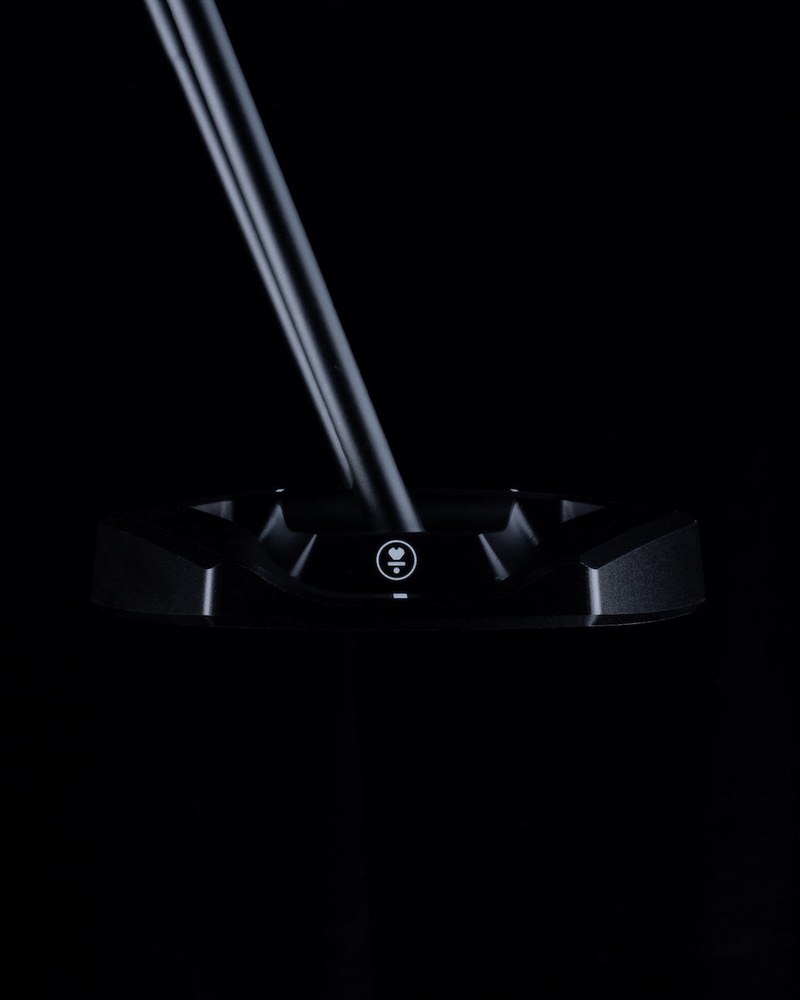
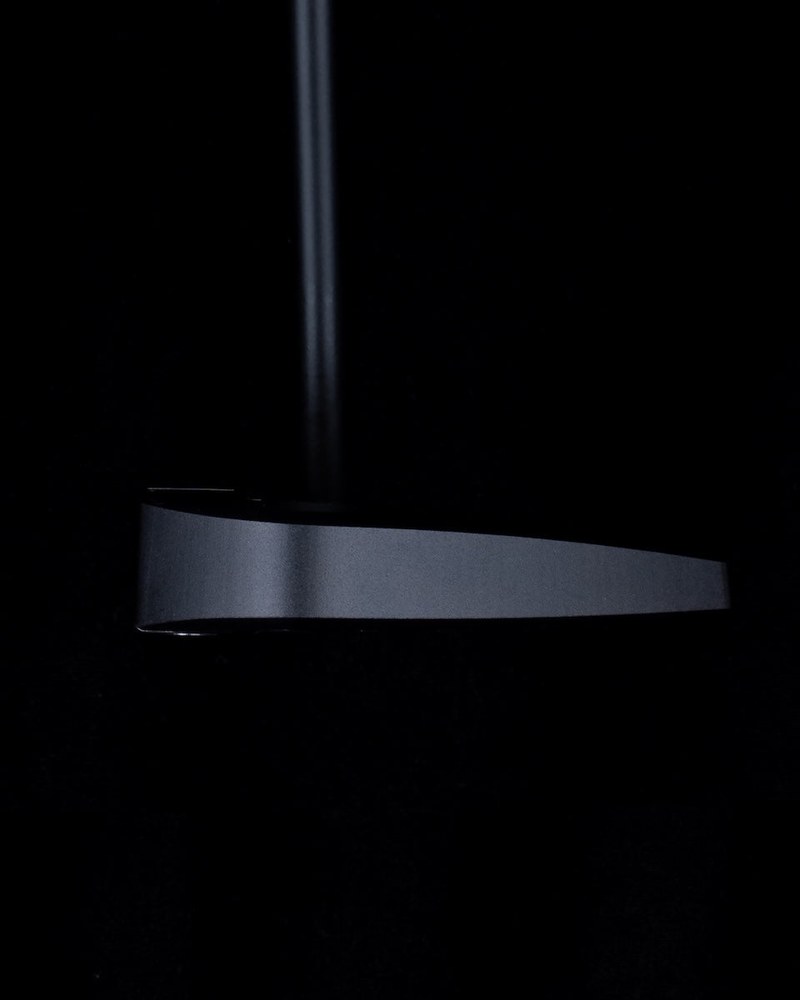
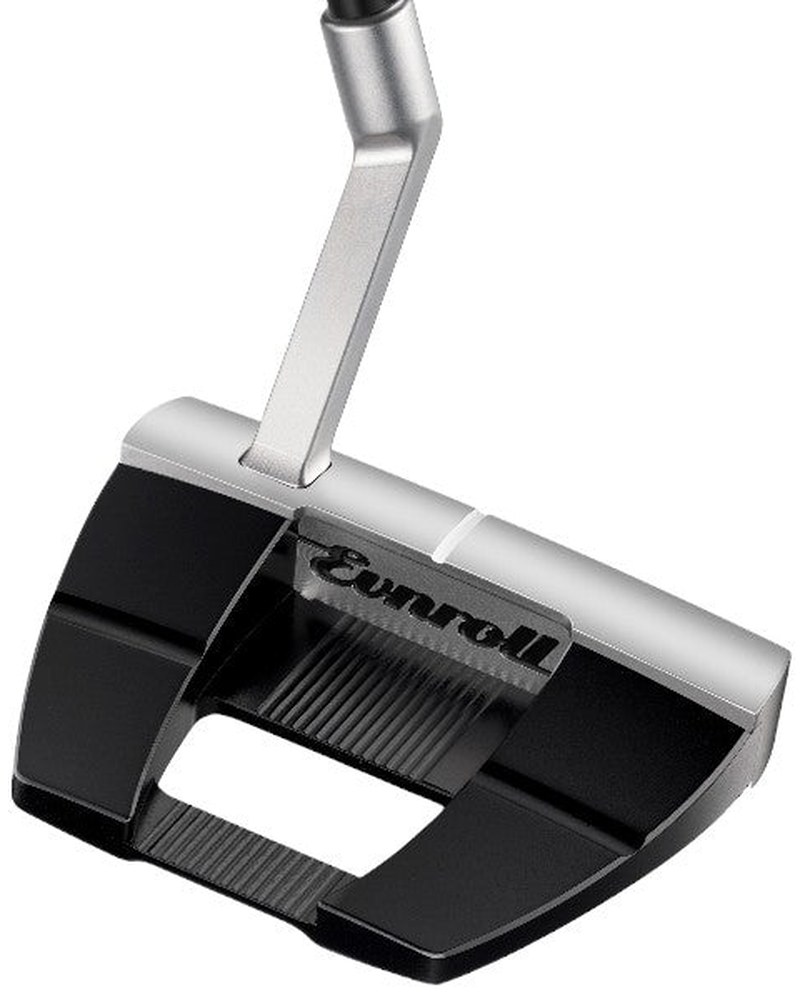
L.A.B. built the VZN.1i around a single claim, and it is a claim about you rather than about the putter: most players aim poorly and have no idea they are doing it. The head is optically shaped to show precisely where the face is pointing, with a system of crown lines running both parallel and perpendicular to the target line. Behind the aiming sit the usual L.A.B. mechanics — zero torque and lie angle balance — keeping the head on path once you have pointed it. $499 for the stock build; L.A.B. quote one to two weeks.
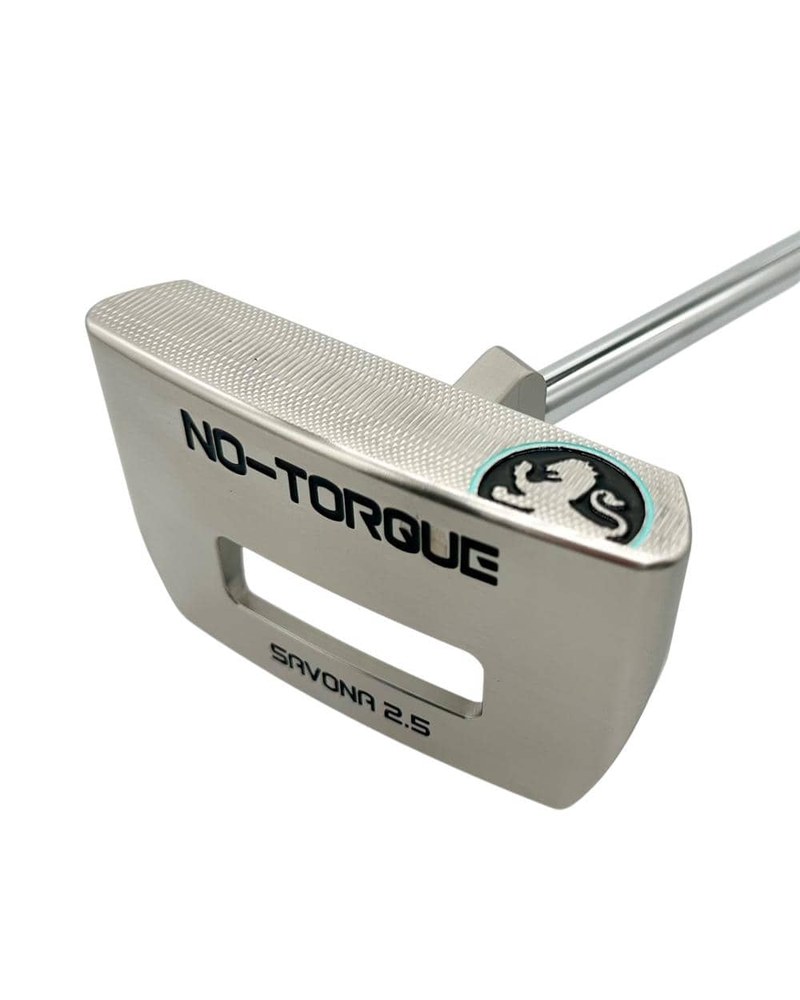
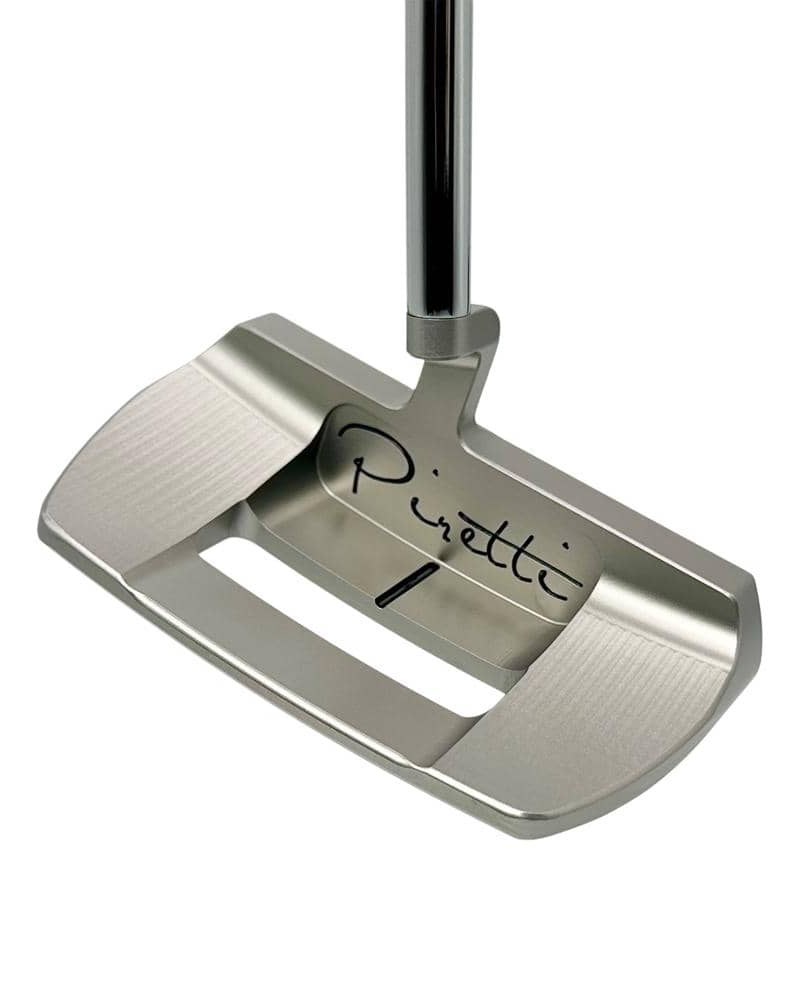
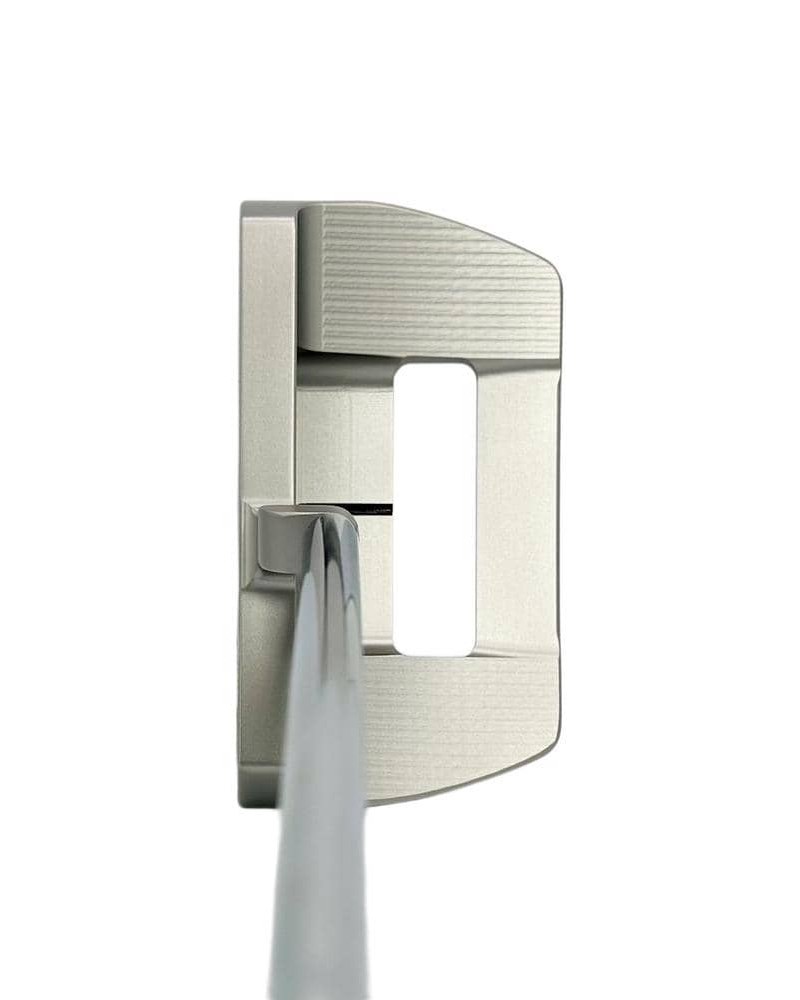
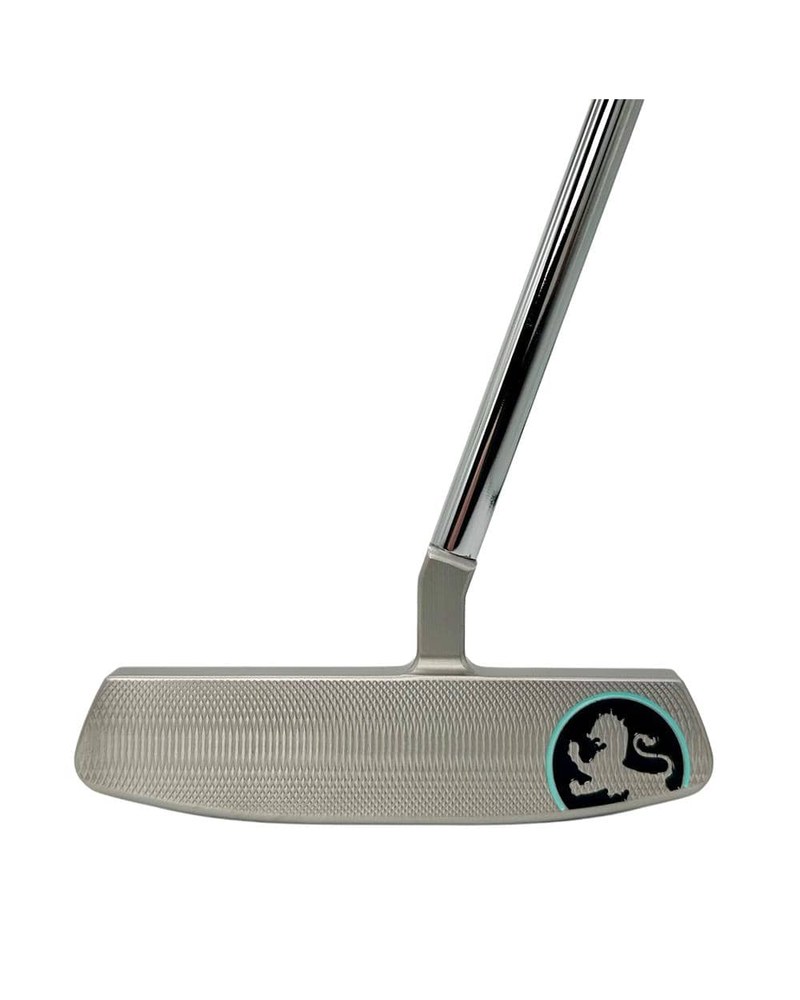
A toe-up design that limits rotation and keeps the face square through the stroke, milled entirely from 303 stainless with a mid-milled face for a quieter sound and a softer strike. The Savona 2.5 is the high-MOI mallet of the no-torque line in a centre-shaft setup, milled to 365 grams. Piretti credit Mike Johnson’s push for a genuinely no-torque stroke that still looked and felt like a classic putter, which is the tension the whole category is trying to resolve. Satin finish, KBS steel shaft, Piretti Touring Pro Black grip.
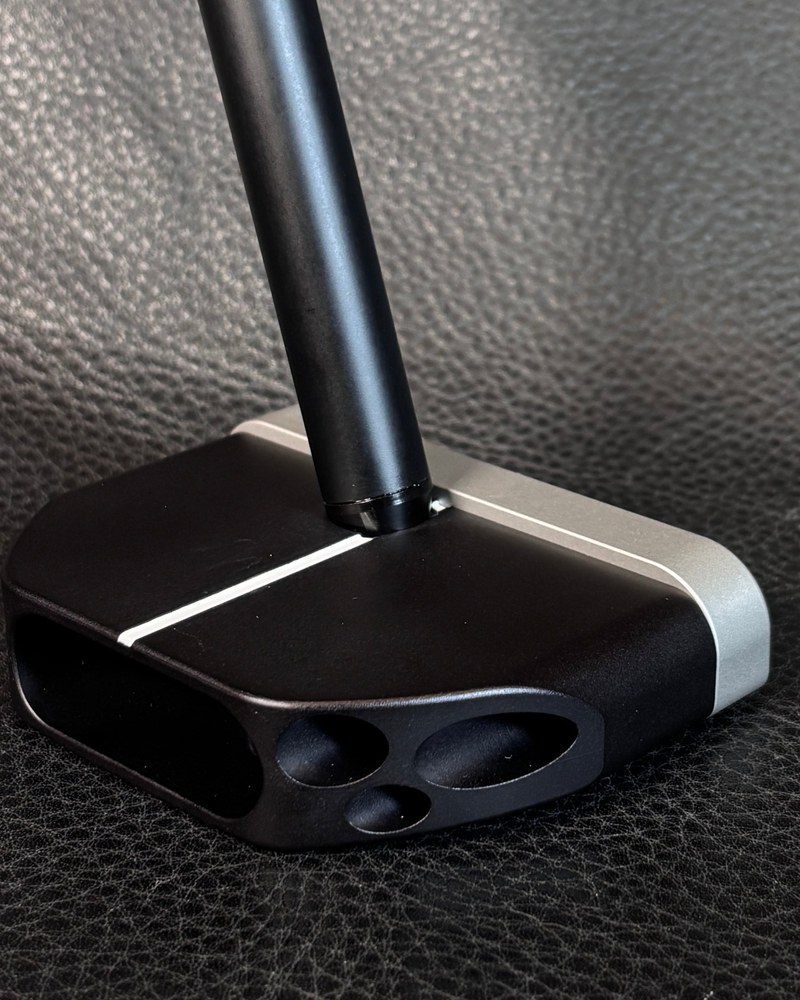
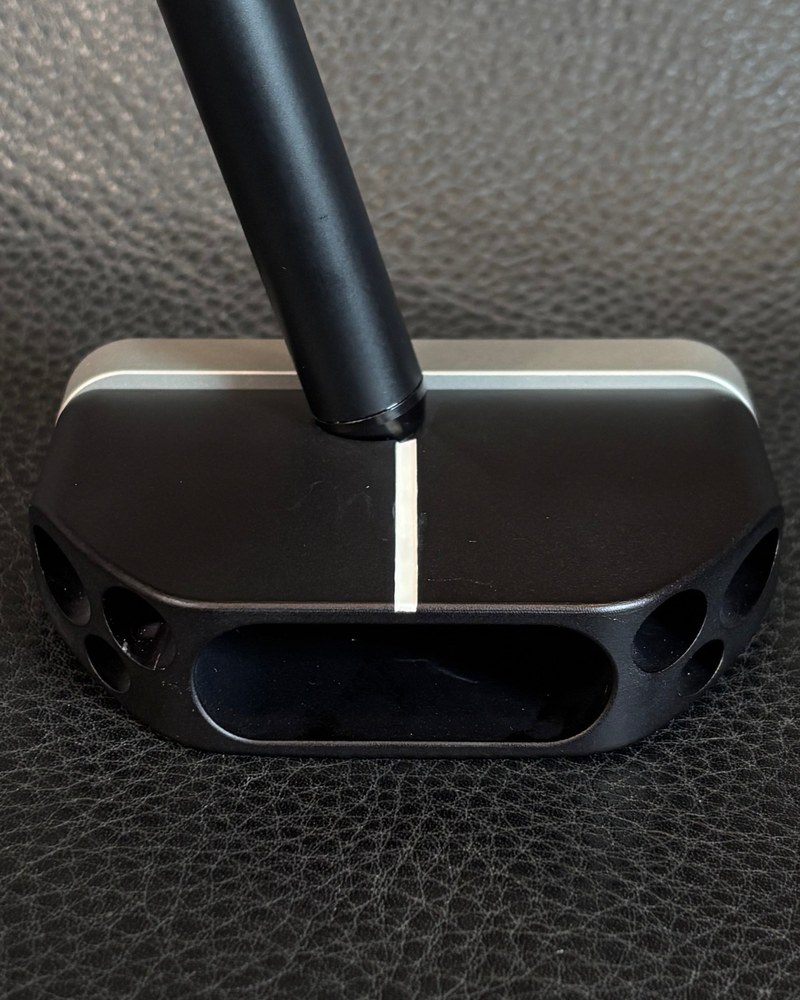
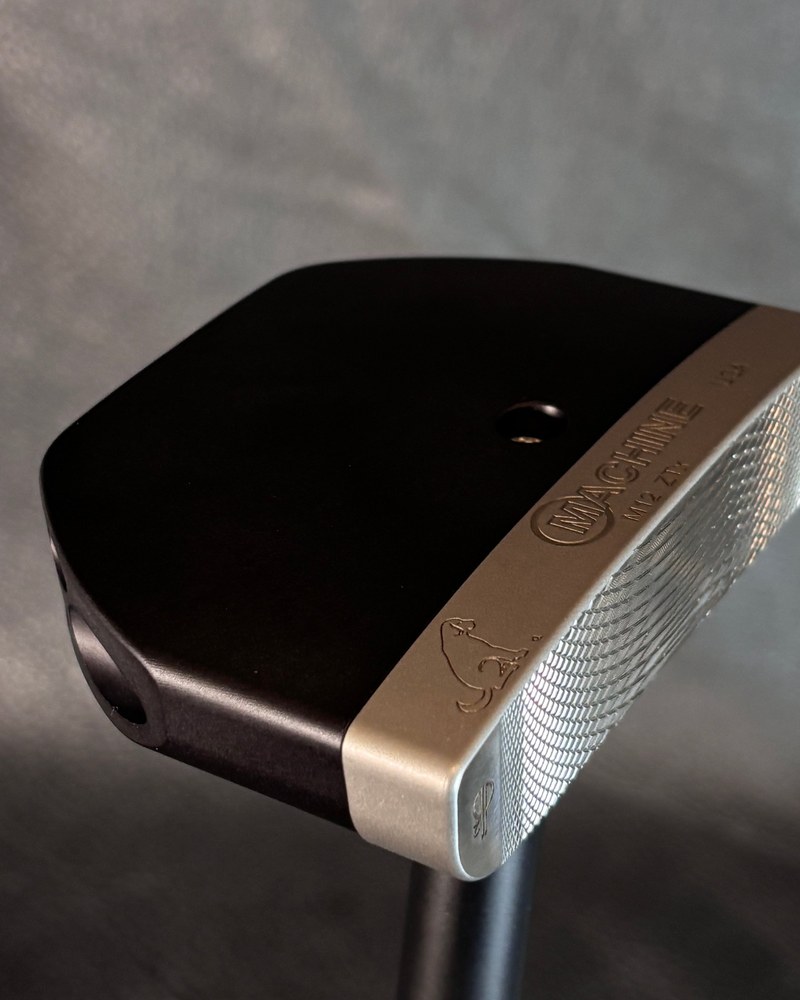
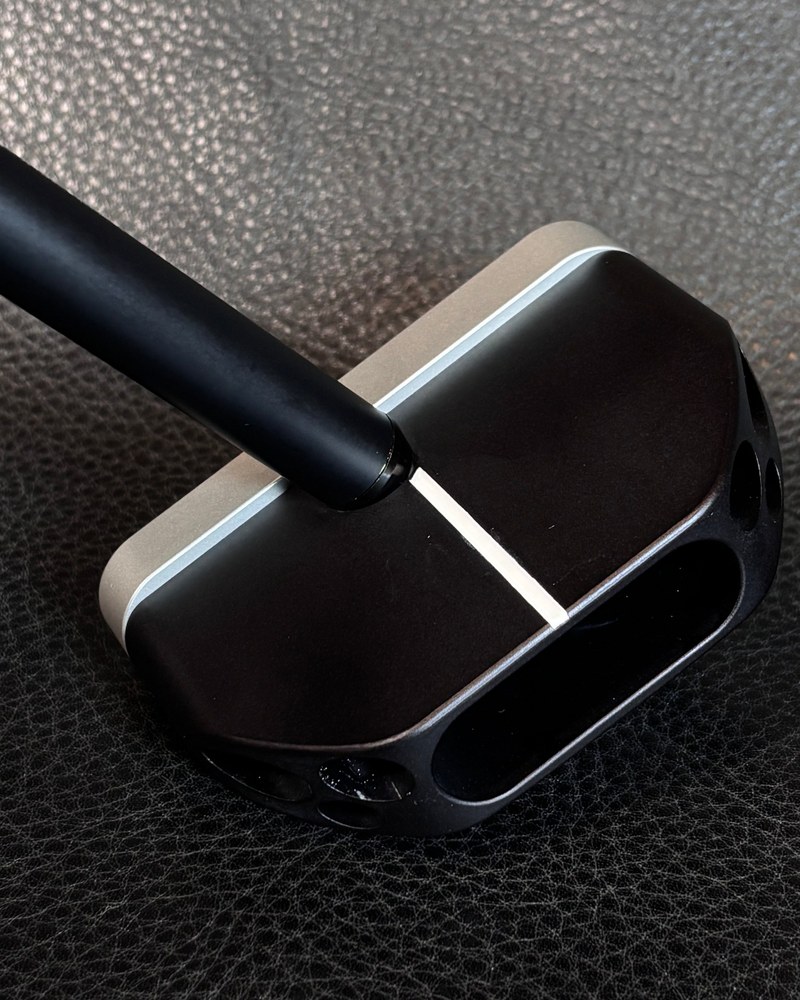
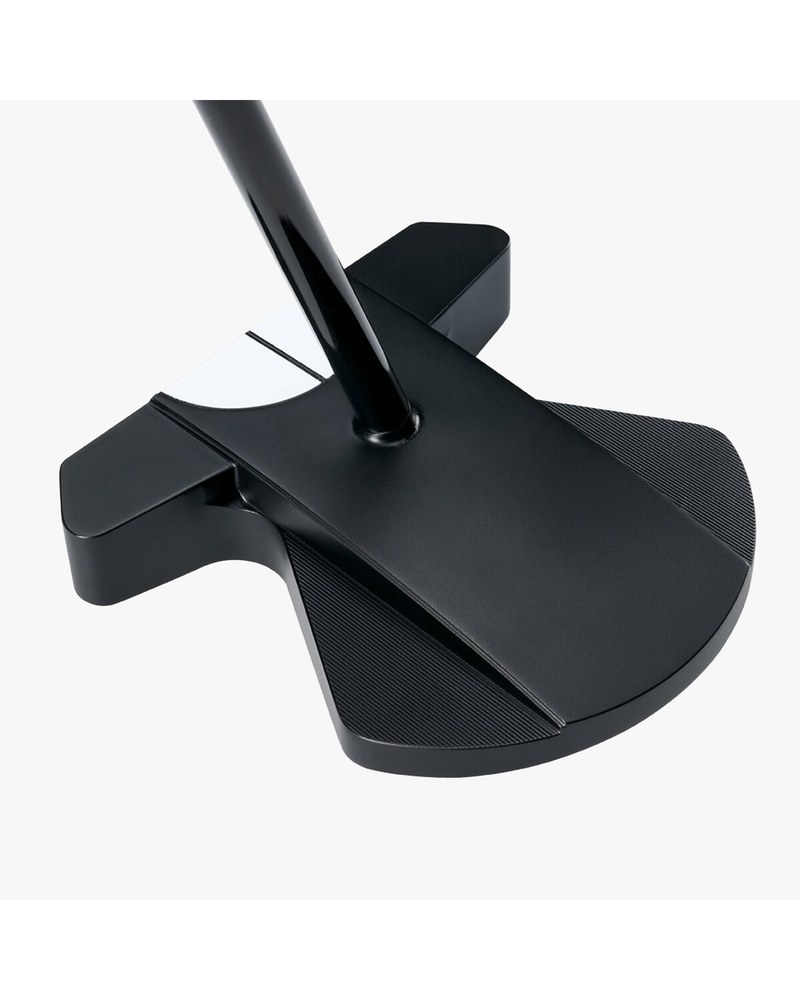
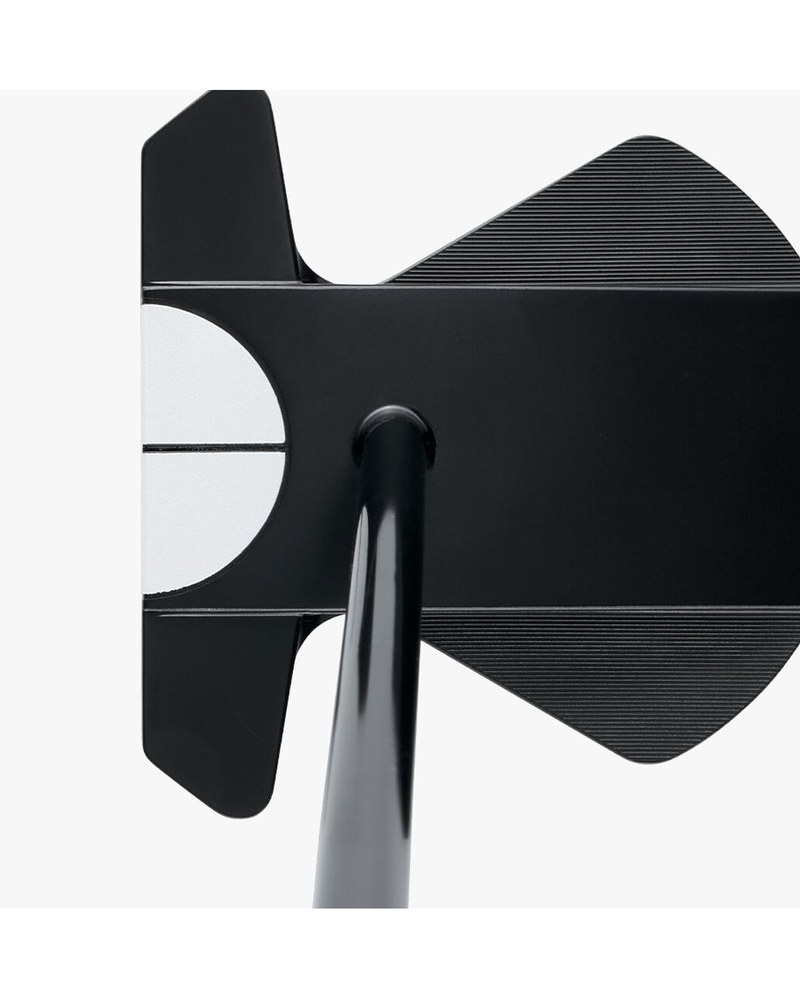
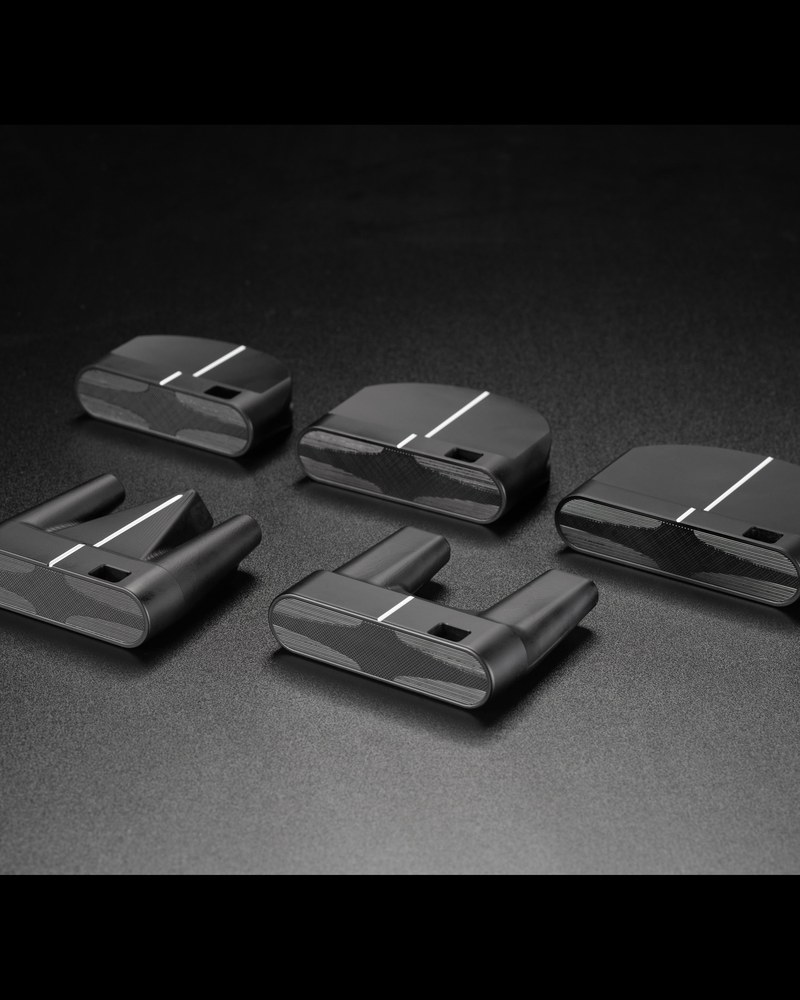
The dearest putter here and, by a distance, the most adjustable object in golf. The M12 ZTX is a patented modular build, 100% CNC milled from aerospace materials, with tungsten adjustable weighting driving the MOI. Hosel port angles into the ZTX flanges are 70° as standard and move up or down three degrees in half, one or two-degree increments through Machine’s Upper Delta Mods; the long-putter ports start at 77°. New loft spacers sit between head and flange to change loft by one or two degrees, and double as a second sighting optic square to the face.
Armlock, mid-lock and broomstick, in ascending order of how much of your
stroke you are prepared to hand over. All three work the same way underneath — brace the
club against something that is not a wrist, and let the shoulders run the motion. Anchoring the
club to the body has been against the Rules since 2016; bracing a longer grip against the lead
forearm is not anchoring, which is why the armlock category exists at all.
1 / 2
Odyssey
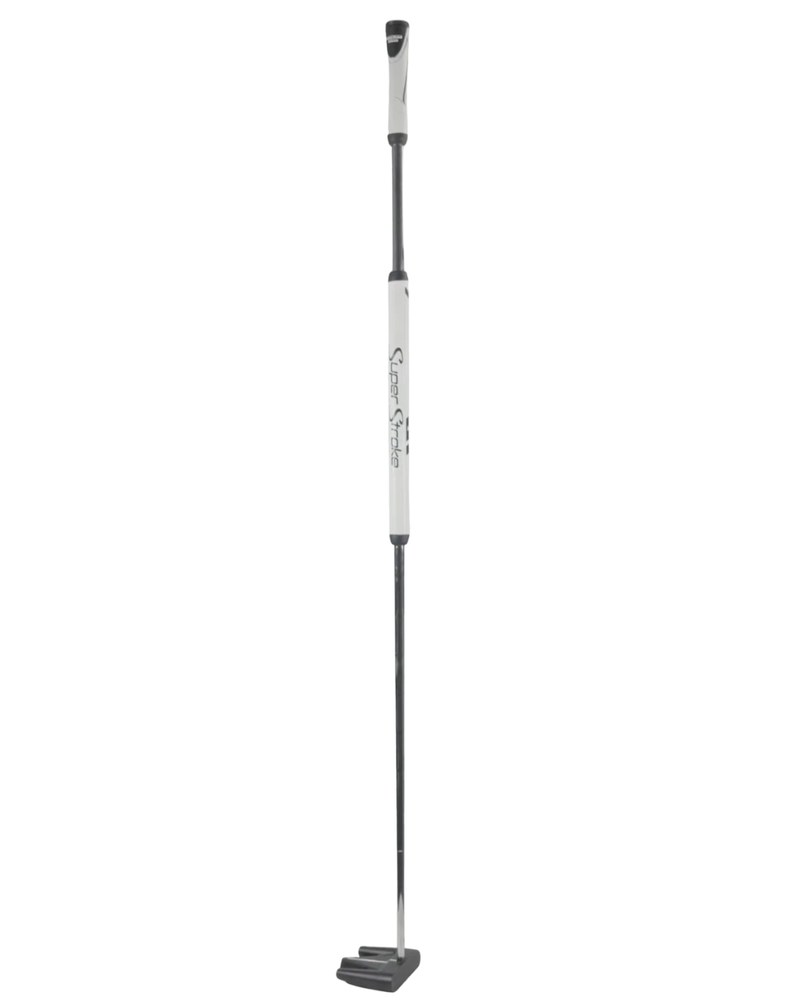
Ai-DUAL Broomstick · $349.99
Down from $449.99, the largest single markdown in this roundup. A 48-inch broomstick on a modern centre-shafted design: the shaft sits just above the head’s centre of gravity, so the putter rests toe-up rather than with toe hang and wants to stay square through the stroke. The ½ Ball alignment frames the ball rather than pointing at it. Dual-layer insert — soft urethane over a firm inner layer — with a deeper, more aggressive 19° Forward Roll Design groove to get the ball rolling sooner.
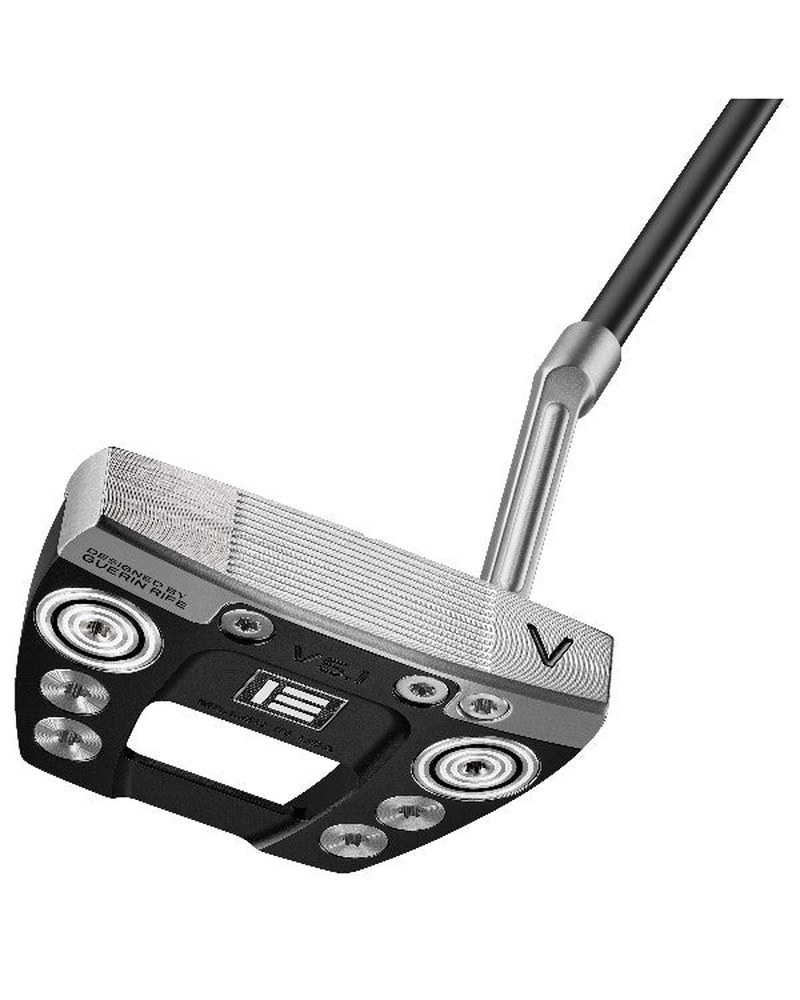
MidLock sits between a conventional putter and a full armlock — a longer grip braced against the lead forearm without committing to 42 inches. The V5.1 head is the players’ mallet of the V Series: curved rear wings, a connected back alignment bar, a single top sightline, and a 100% milled 303 stainless face set in a milled 6061 aluminium body with tungsten and steel weights for MOI. One thing to know before you order: the Long Slant hosel comes with two shafts of offset.
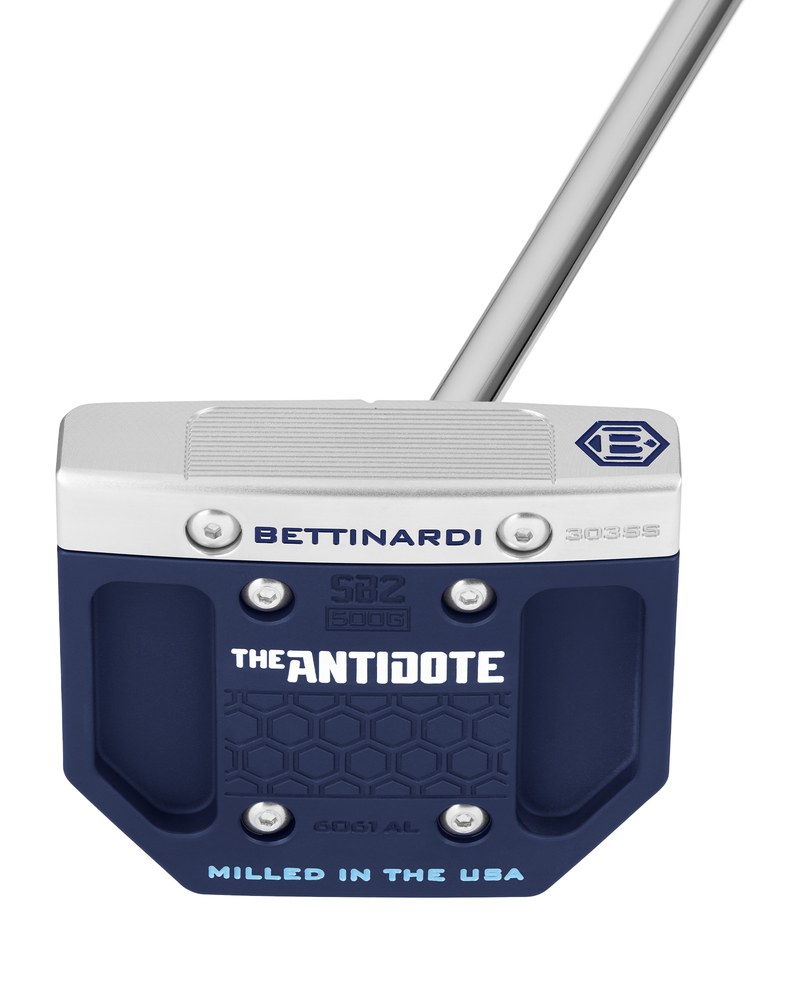
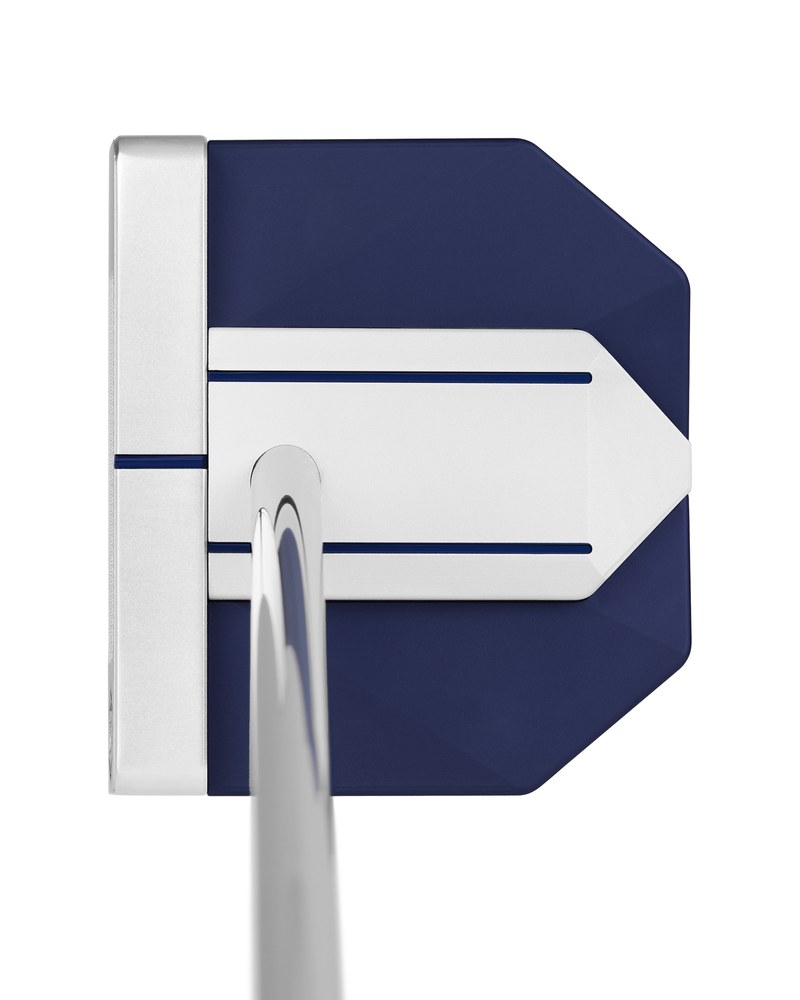
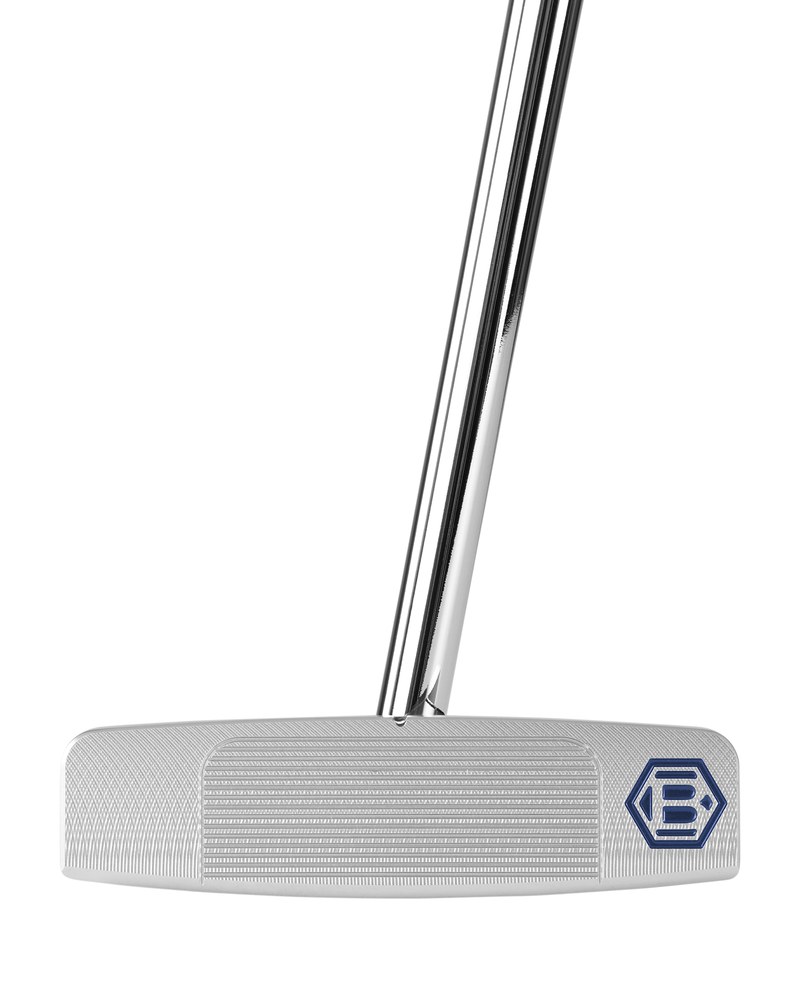
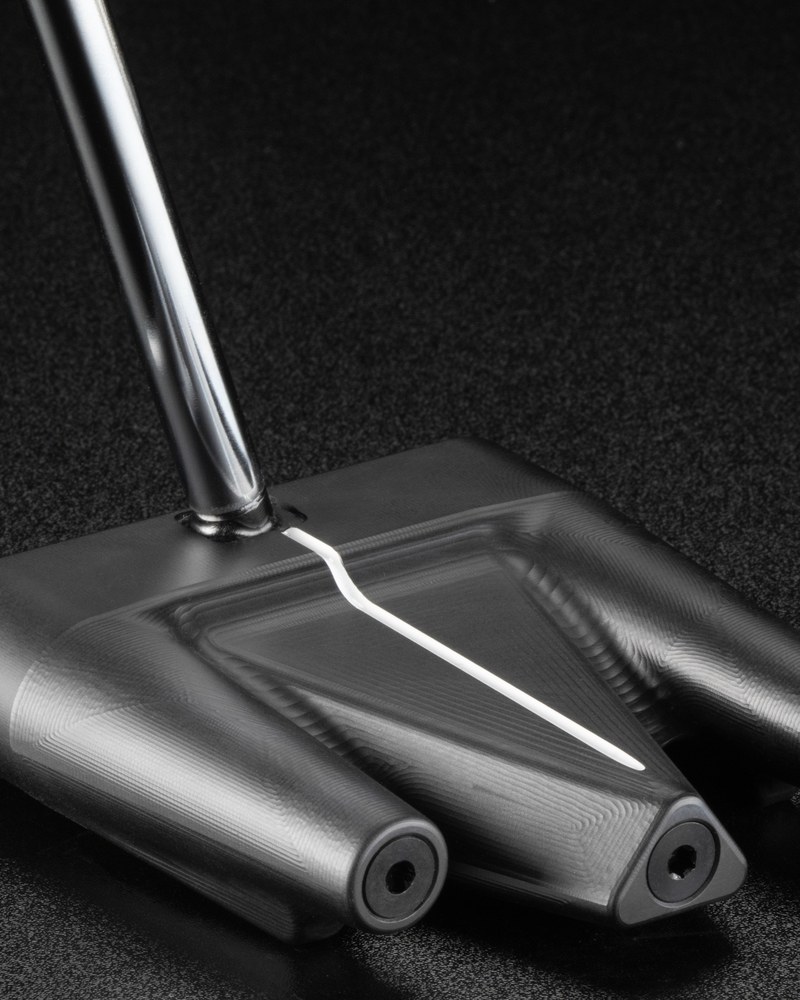
A 500-gram zero-torque mallet built from the ground up as a long putter, which matters more than it sounds: most long putters are short-putter heads on a longer stick. Bettinardi’s Simply Balanced geometry aligns the shaft with the head so the face stays square rather than rotating. The lie is fixed at 79° and the loft at 3°, both set for a split-grip long stroke rather than inherited from elsewhere; toe hang reads −90°. 303 stainless face and engine, 6061 aluminium body, sapphire blue anodised.
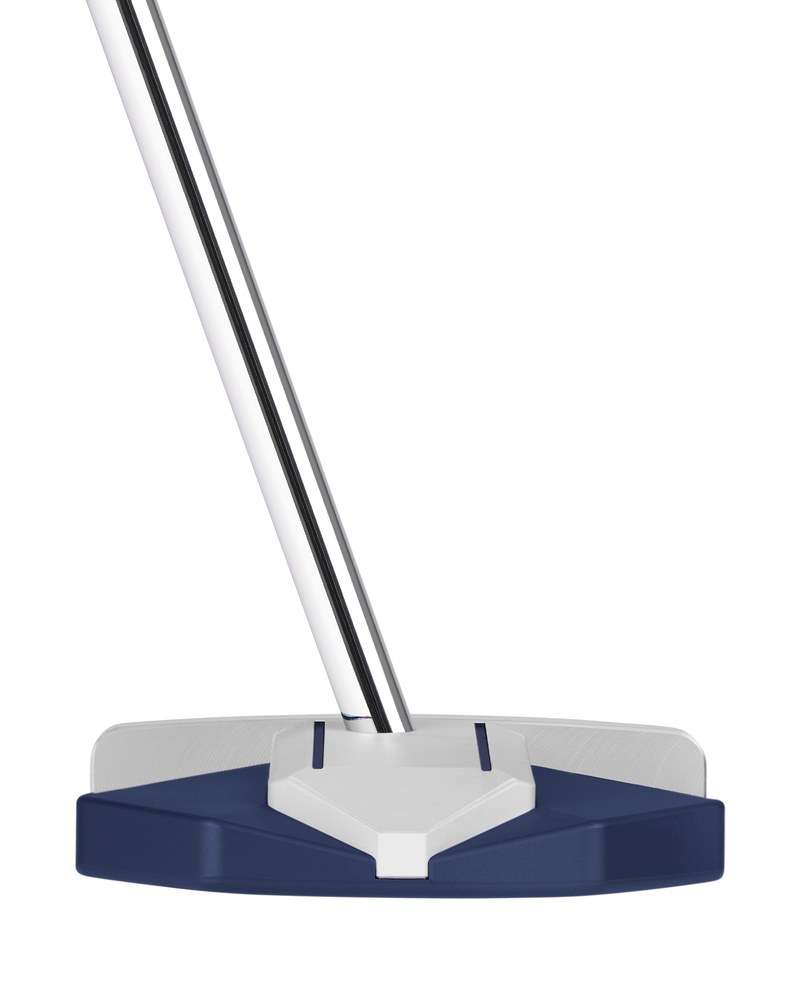
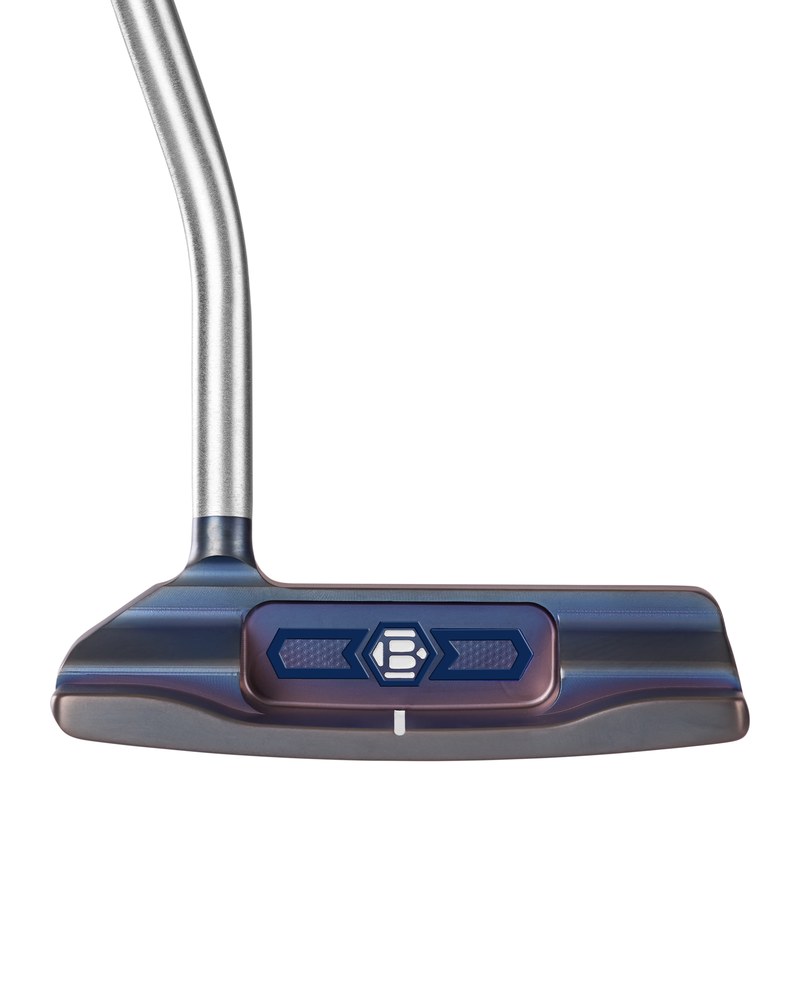
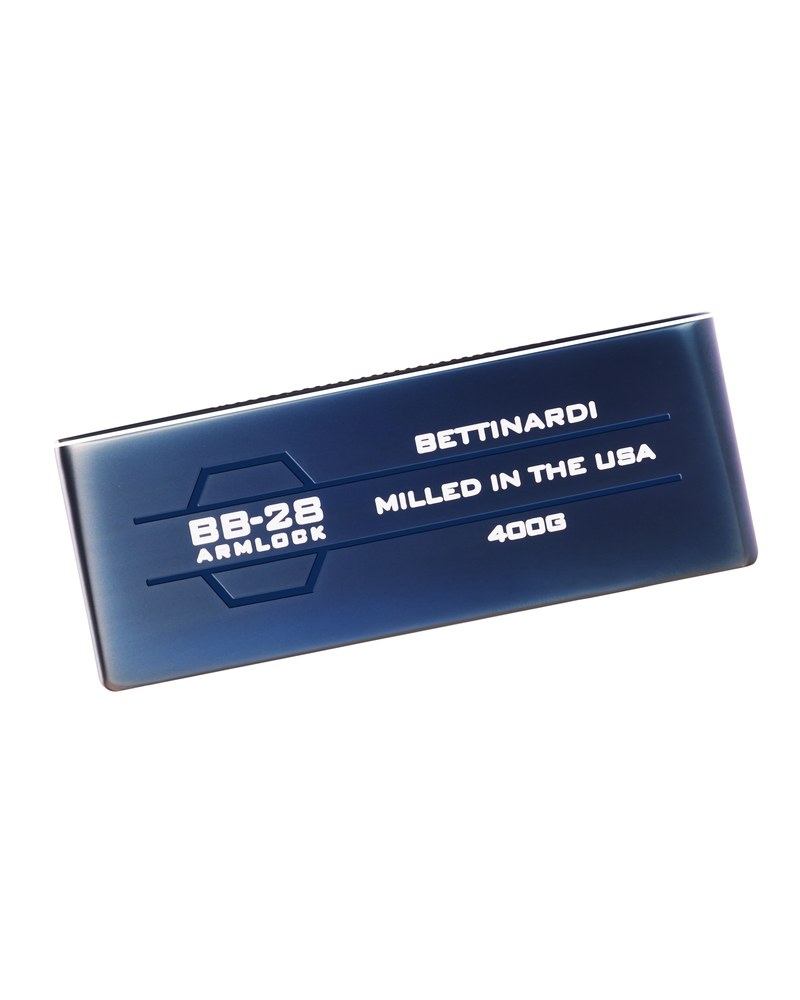
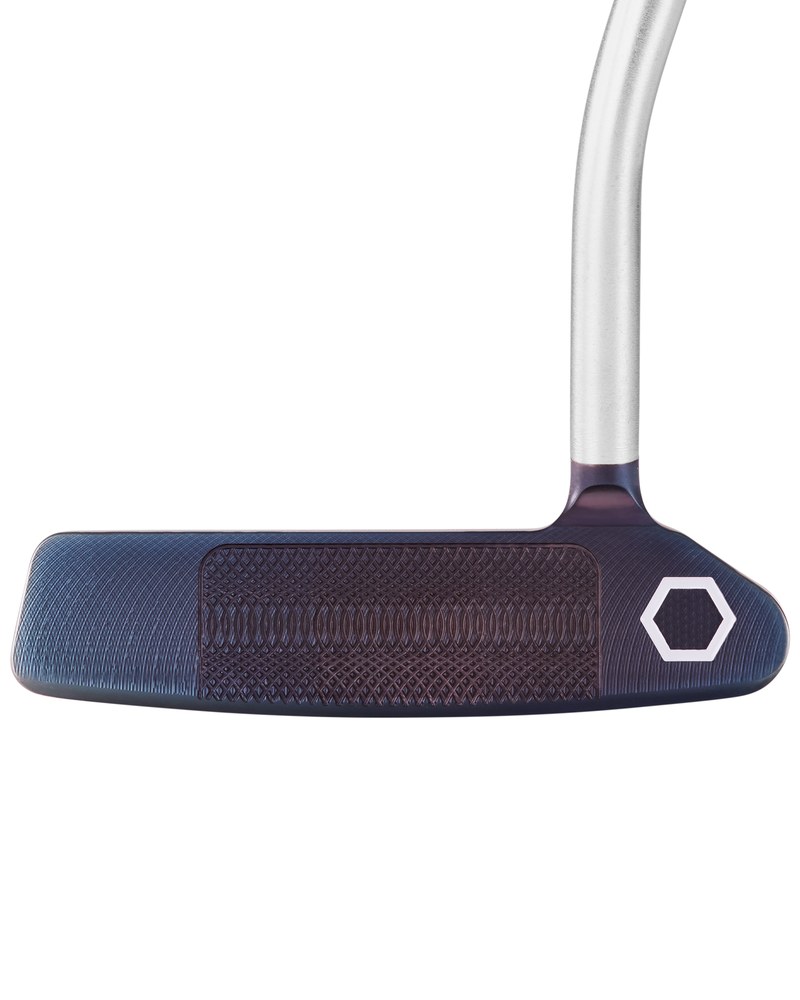
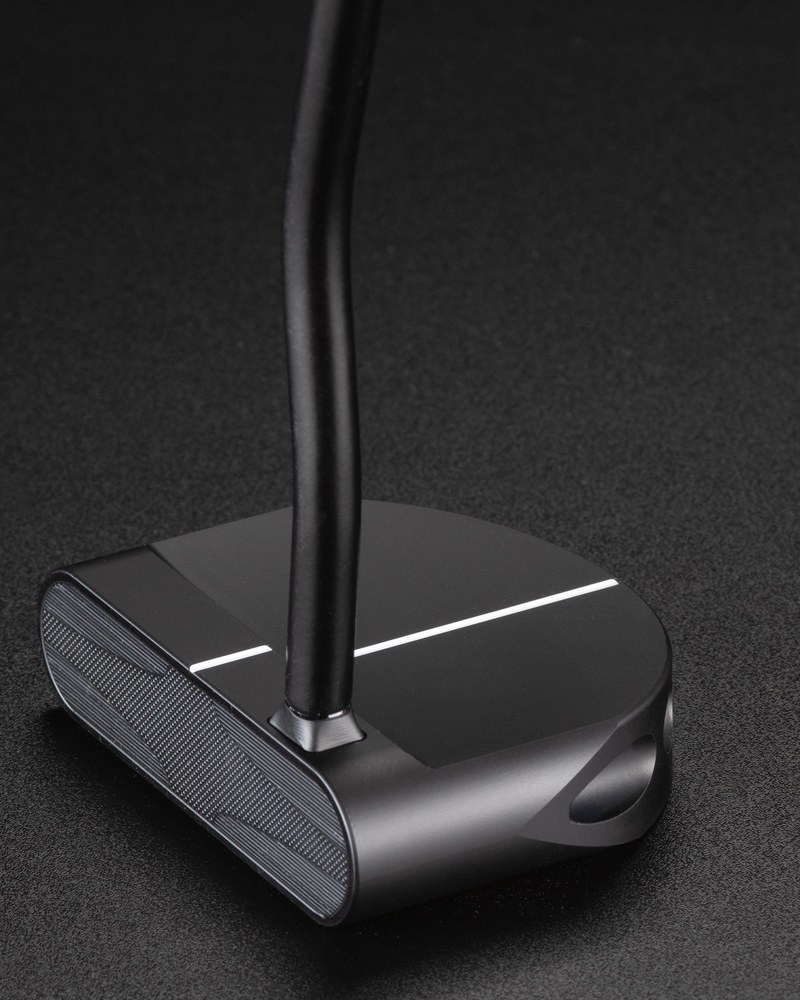
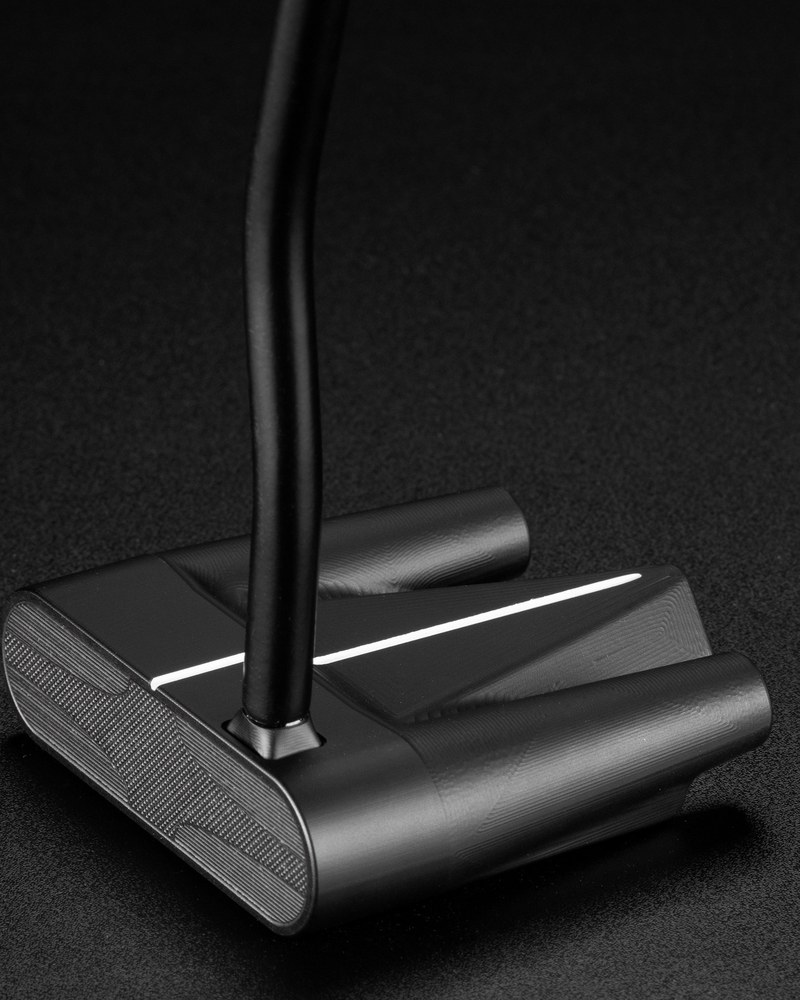
400 grams of 303 stainless in Savannah Blue, built for a grip that rests against the lead forearm so the shoulders drive the stroke and the wrists stay out of it entirely. Shaped on direct Tour feedback, it abandons the slot-back of the previous BB28 for a lower profile and a squarer, more compact look at address. The 5° of standard loft exists to cancel out the forward press an armlock setup demands — a spec that looks wrong on paper and is exactly right in the hand. New Variable Depth Flymill face, 70° lie, 1½ offset.
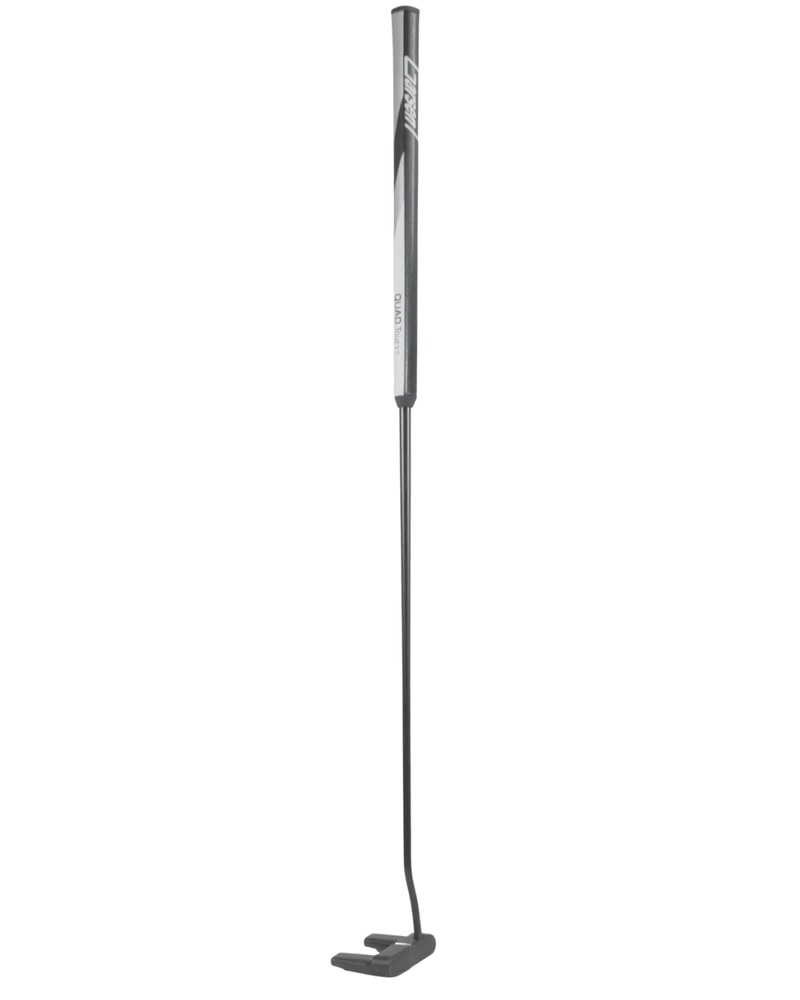
CNC milled and assembled in the USA, and built to order to a degree almost nobody else offers on an armlock. 36 to 42 inches in half-inch steps, lie angles from 66 to 74 plus 79, and four hosels — heel double bend, slant neck, plumbers neck and centre shaft — all in right or left hand. Standard loft is Makefield’s own 1.8°, with 3° and 5° heads available for players who need more forward press cancelled out. Head shapes are the Defiant and the VS series.
The broom. Anchored against the chest or under the chin, it is the bluntest instrument available for a stroke that has stopped behaving — and Makefield’s own copy names the yips directly rather than dancing around them. Centre shaft only, 42 to 52 inches in half-inch steps at a 79° lie, right and left hand, with the VS, TF and the new TITAN heads and head weights that vary by shape. CNC milled and assembled in the USA; two-piece SuperStroke or Winn grip.
This is the least glamorous failure and the most common one. Three putters built
around the premise that the face is not pointing where you think it is — Ping with a dot and
a long line, Edel with interchangeable alignment options chosen to cancel a measured aim bias,
Odyssey with an insert that assumes you will miss the middle and tries to make it cost less.
1 / 4
Odyssey
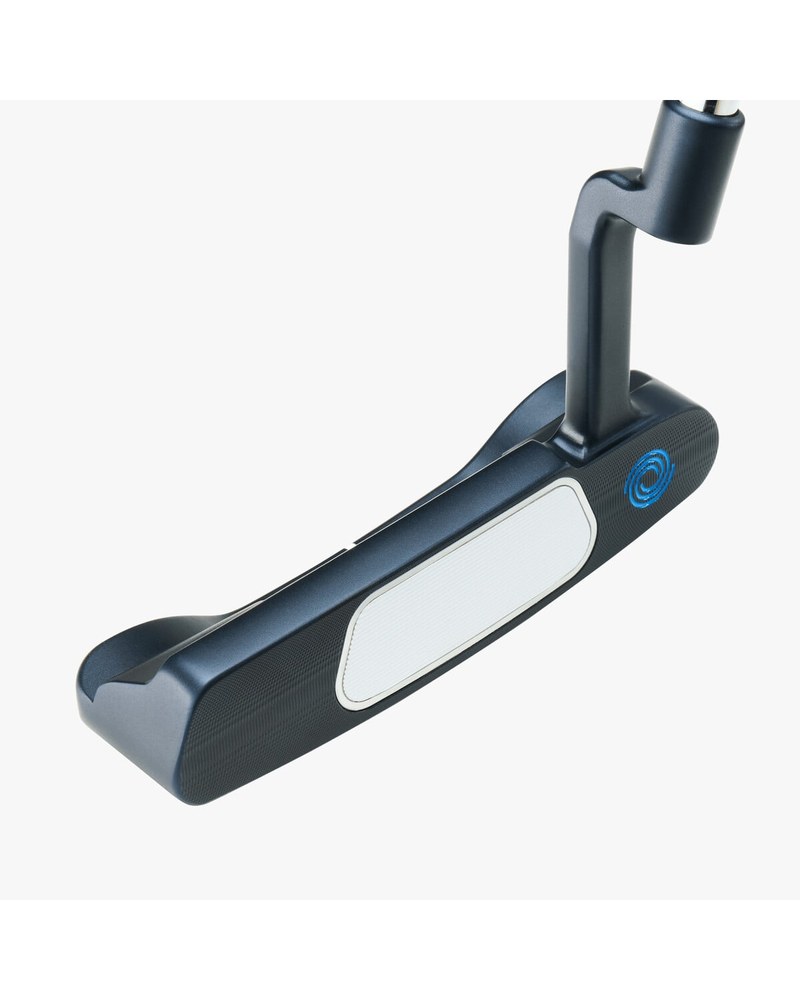
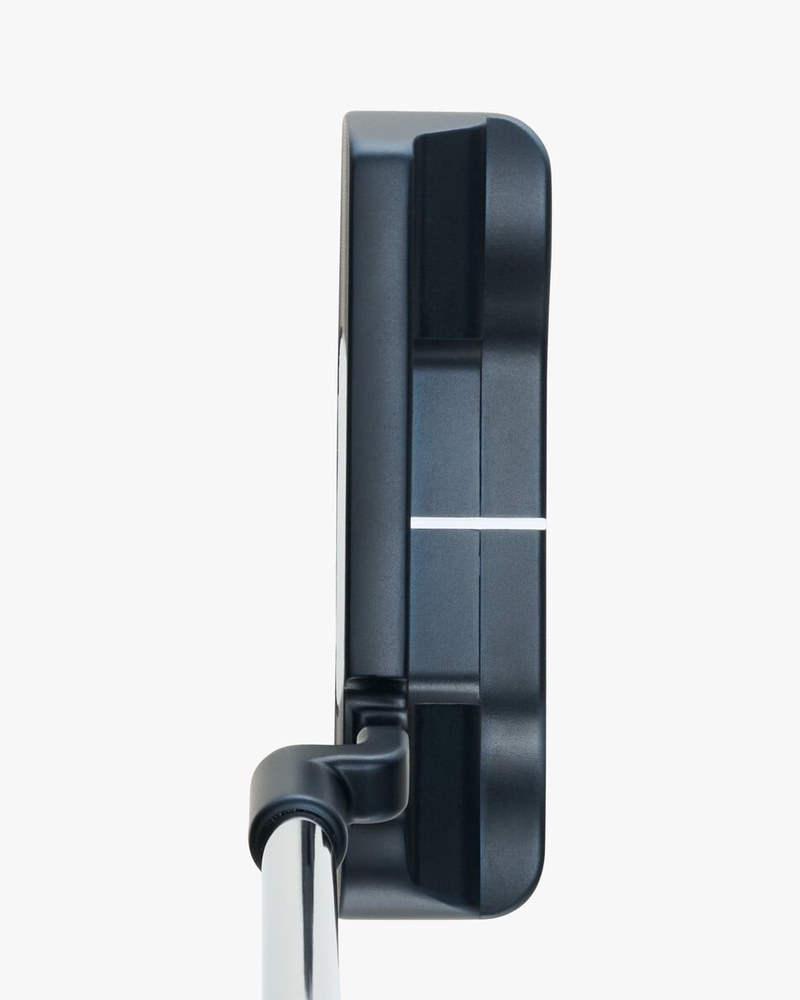
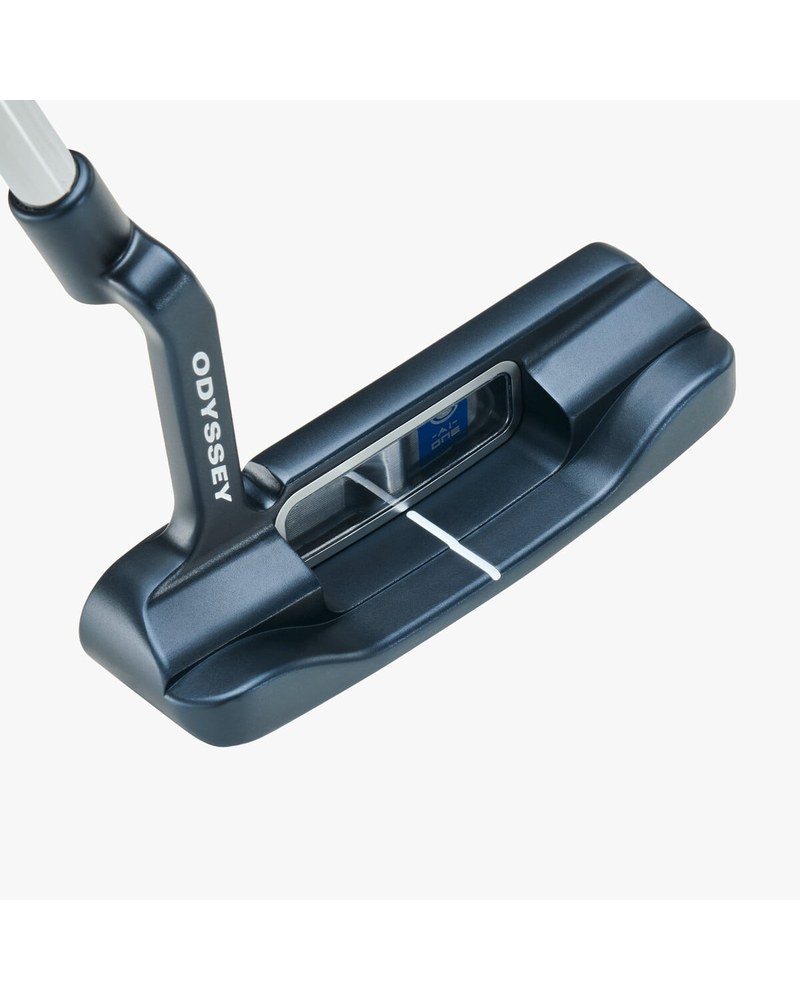
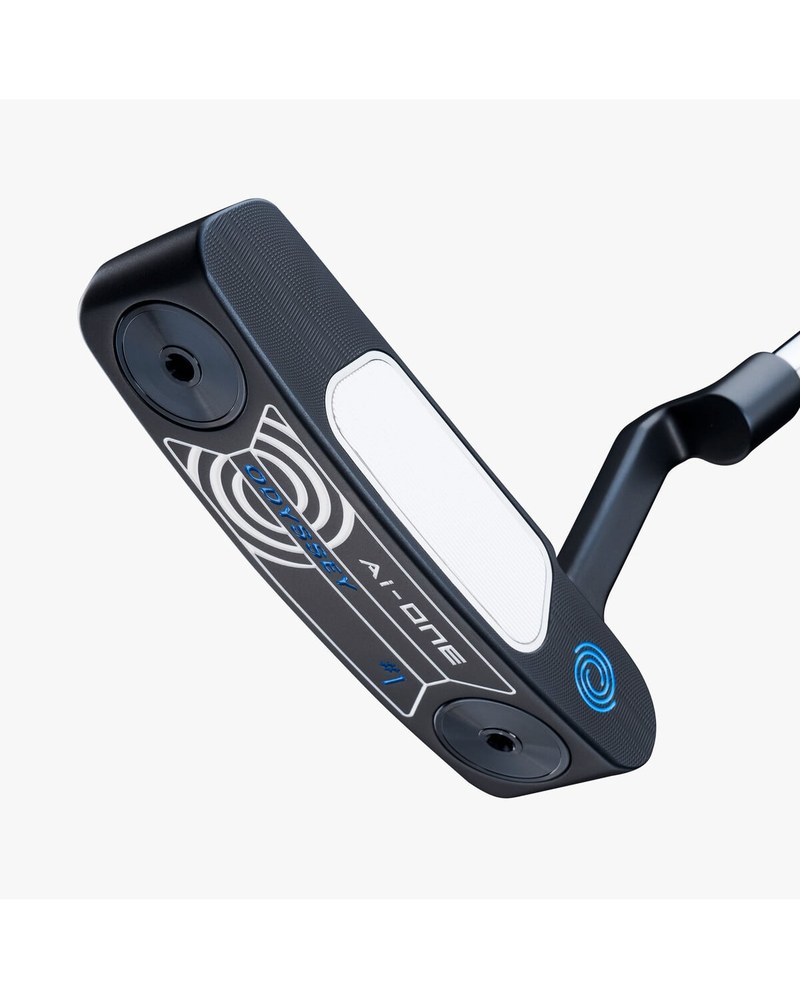
Ai-ONE #1 CH · $249.99
Down from $299.99. The #1 is Odyssey’s plumber-neck blade and CH is the centre-shafted version, so it sits face balanced. The insert is the whole argument: an aluminium backer under a White Hot urethane striking surface, contoured on the back of the face by Callaway’s AI to hold ball speed on strikes away from the middle. That is a more honest promise than most putter marketing makes, because the premise is that you will miss the centre, not that this will stop you. SL 90 Stroke Lab steel shaft.
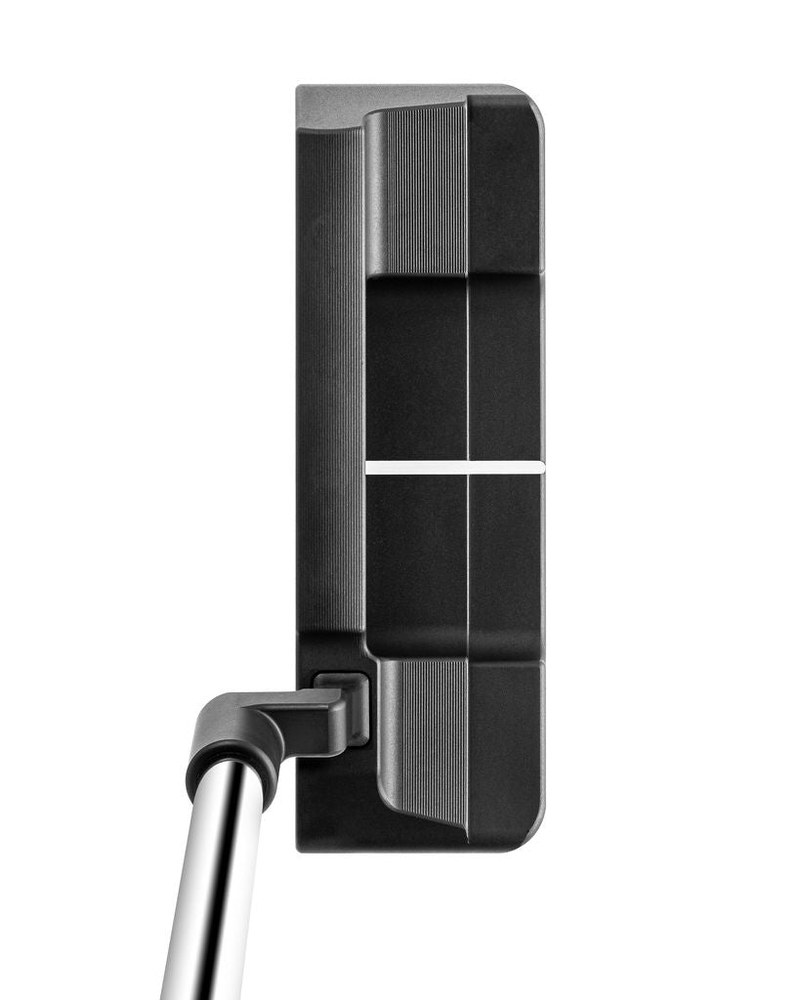
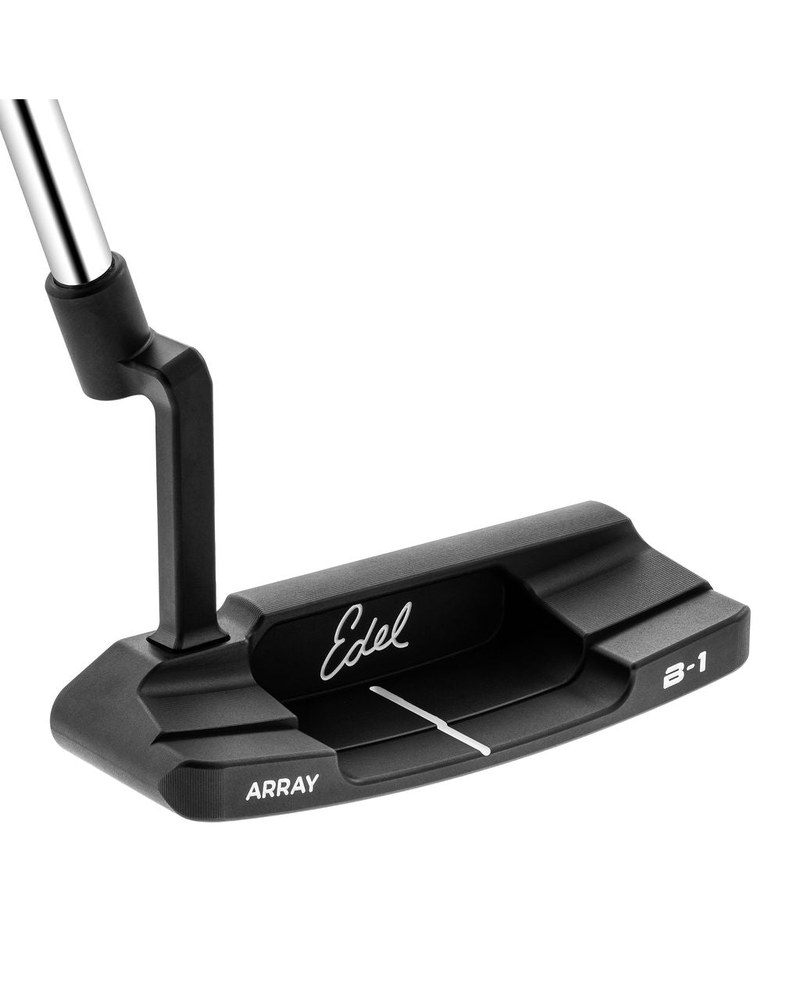
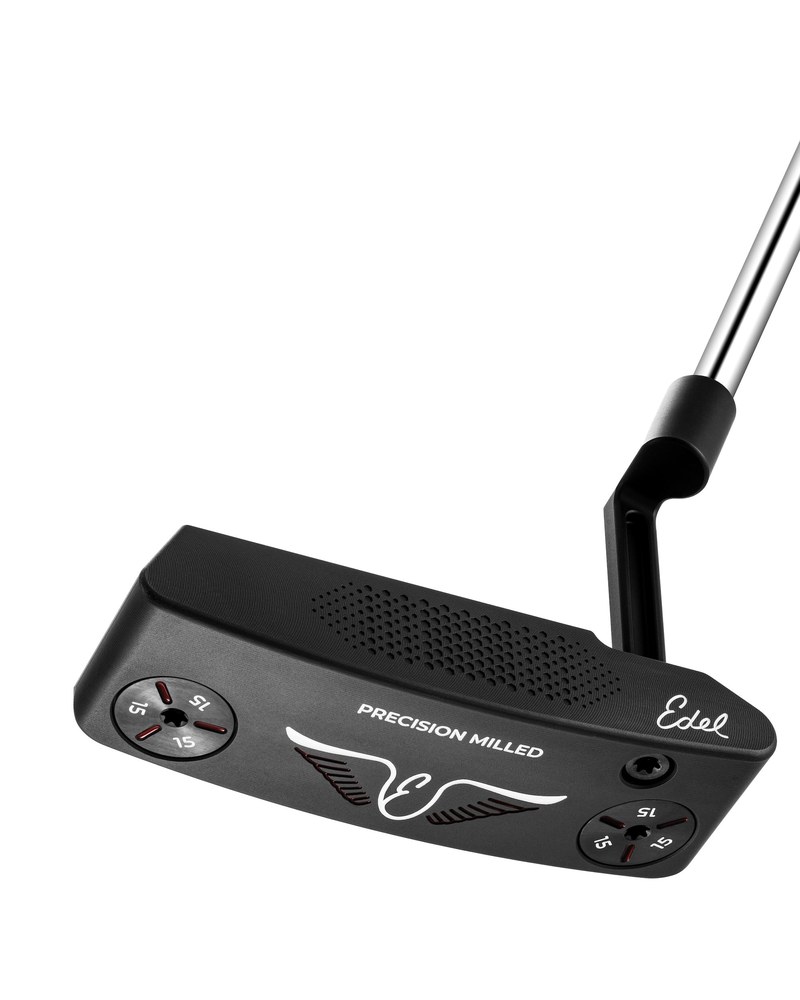
A wide blade forged and machine milled from 1025 carbon steel — the softer end of the material scale, and the reason Edel putters sound the way they do. What you are actually buying is the adjustability: five interchangeable hosels in single bend, slant, short plumber, long plumber and torque balanced, multiple alignment options, and adjustable weighting. Edel’s argument, made for years now, is that every golfer has an aim bias and the right alignment aid is the thing that cancels it.
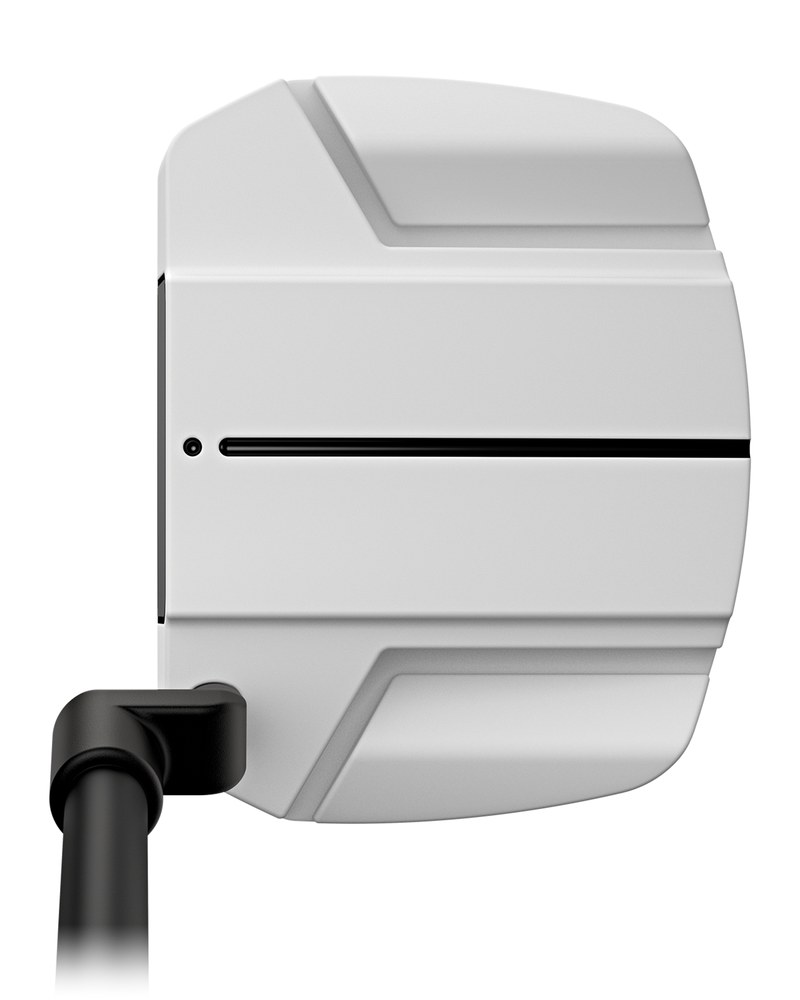
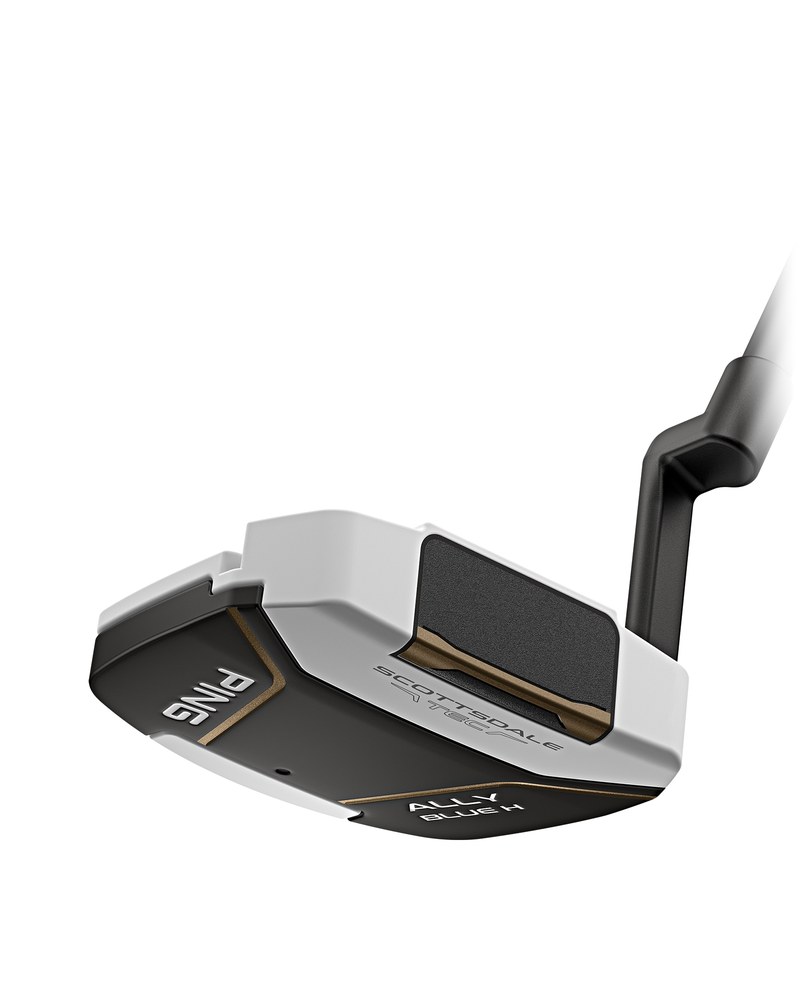
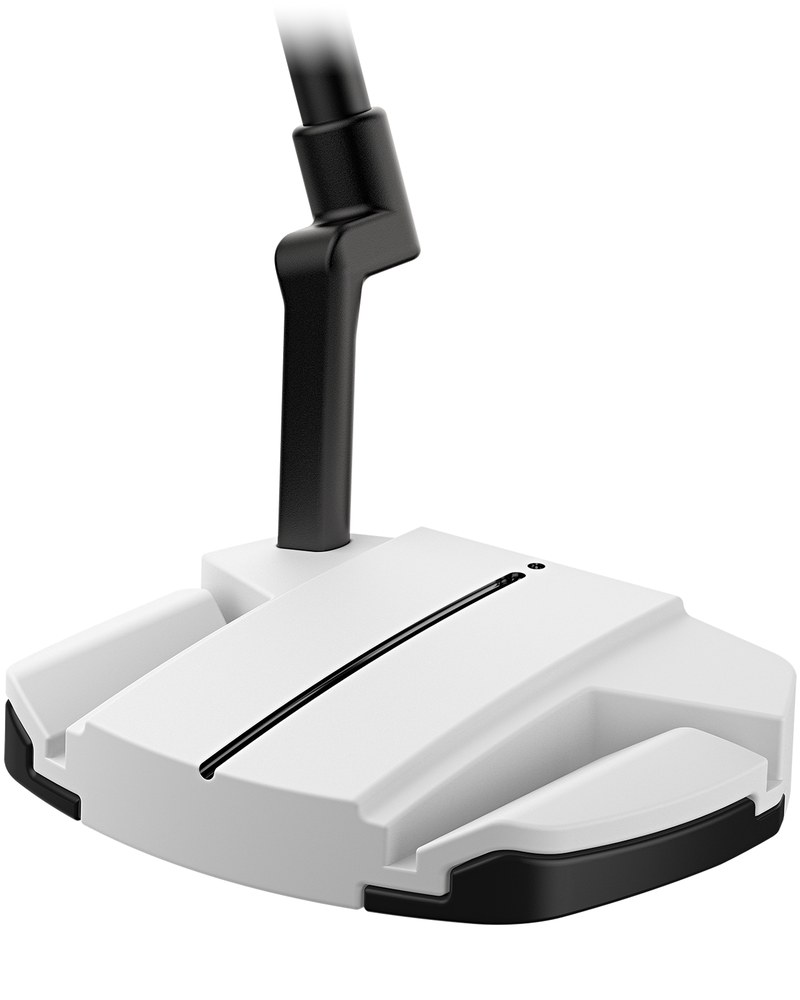
Ping added the Ally Blue H as one of two new hosel configurations for the US market, and the Anser-style hosel is there specifically to sit under the square footprint of the head rather than fight it. Full shaft offset, a 370-gram head on a 37.75-inch mid-length shaft with a 17-inch SuperStroke grip, built for a slight arc. The alignment system is called Eye Q — a dot plus a long line, the dot working as an anchor point for the eyes. Kristoffer Reitan won the Truist Championship with an Ally Blue H that Ping designated a PLD, though it carried the same white finish, steel sole plate and PEBAX insert as this line. Ping publishes no price on ping.com; $399.99 is the launch figure GOLF.com reported for every Scottsdale TEC model.
When nothing is wrong and you just want a better object
Milled, specced, finished. Two of these are the cheapest putters in the
guide and two are configurators that start where the shelf ends. None of them are trying to fix
your stroke, which is its own kind of honesty.
1 / 4
MacGregor
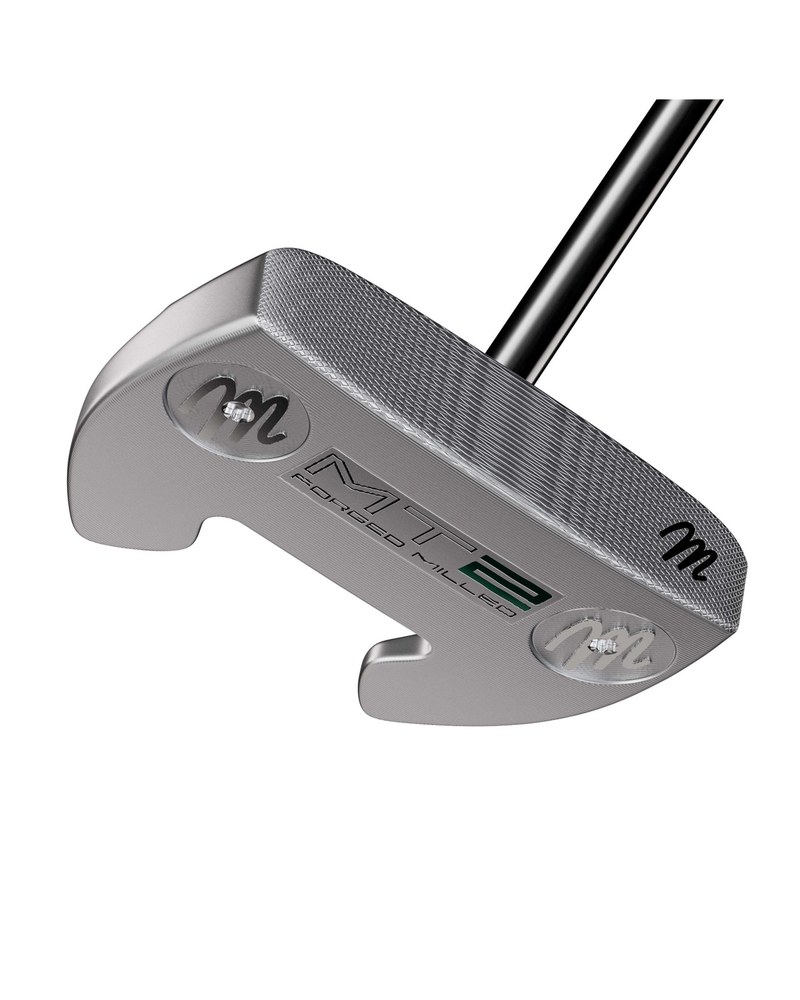
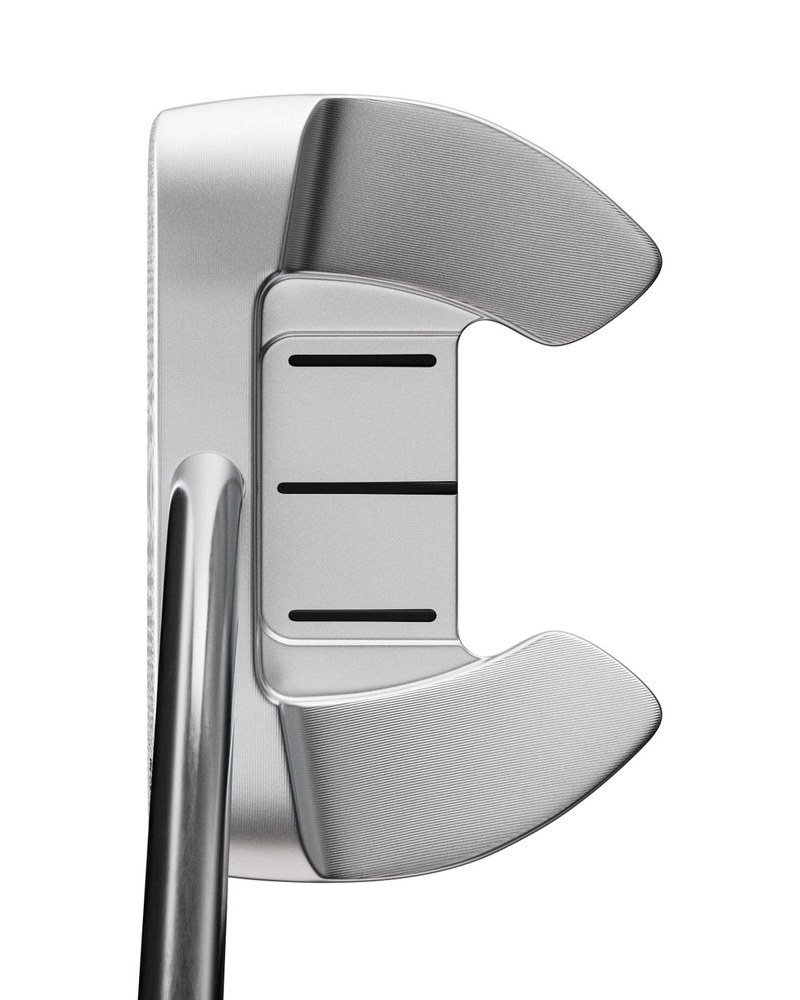
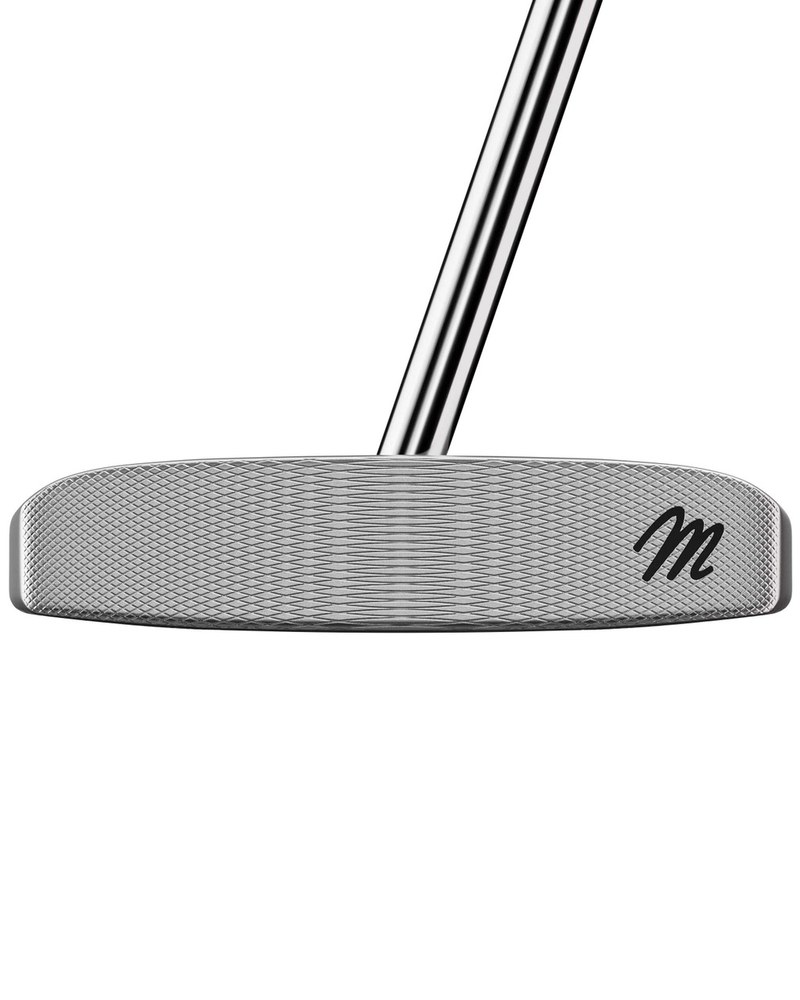
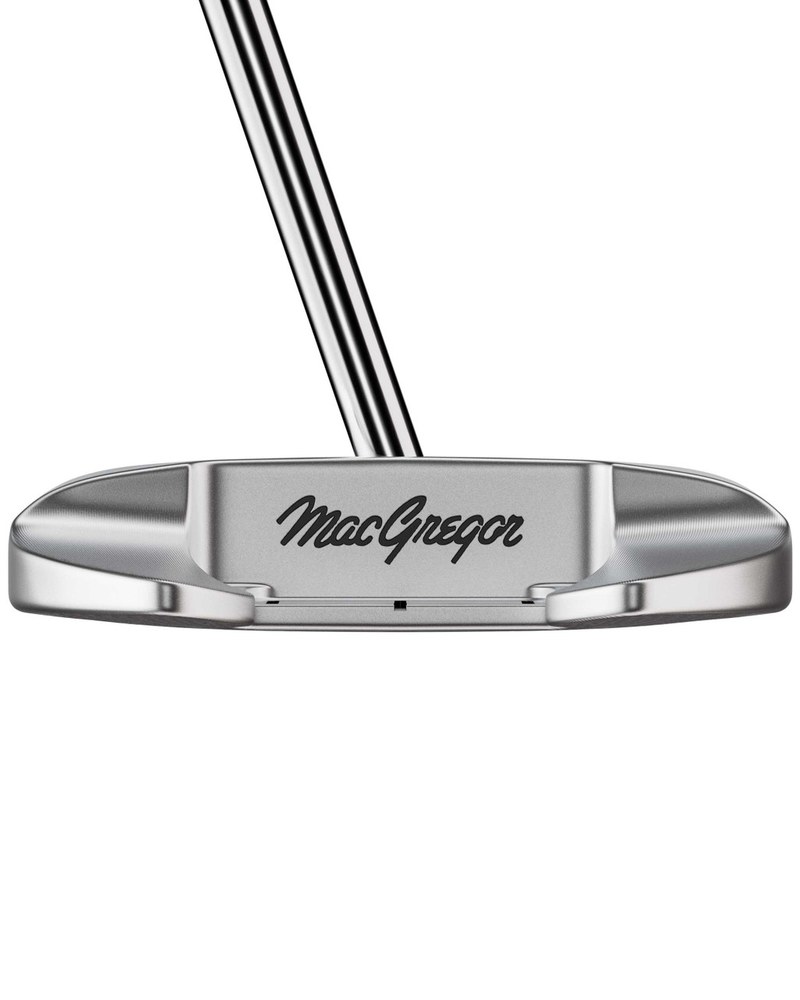
MT Milled 002 Wing Back · $169.99
Was $199.99, now $169.99 — the cheapest milled putter here by a wide margin. The MT Milled range starts life as a single billet of carbon steel and is CNC milled to shape, and the 002 is the wing-back mallet, weight pushed out into the wings to raise MOI. Centre shaft and face balanced, so it suits a stroke that goes straight back and straight through. 360g head including screws, 70° lie, 3° loft, 10-gram weights pre-installed in heel and toe with 5g and 20g kits at $20. Plush magnetic headcover included.
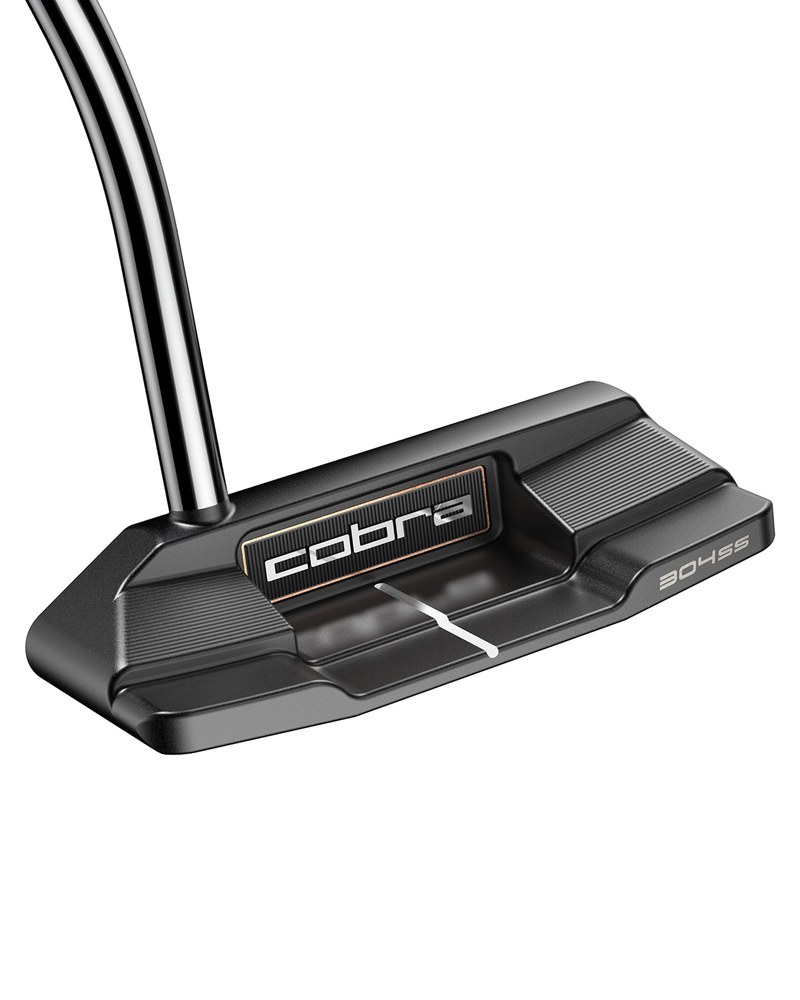
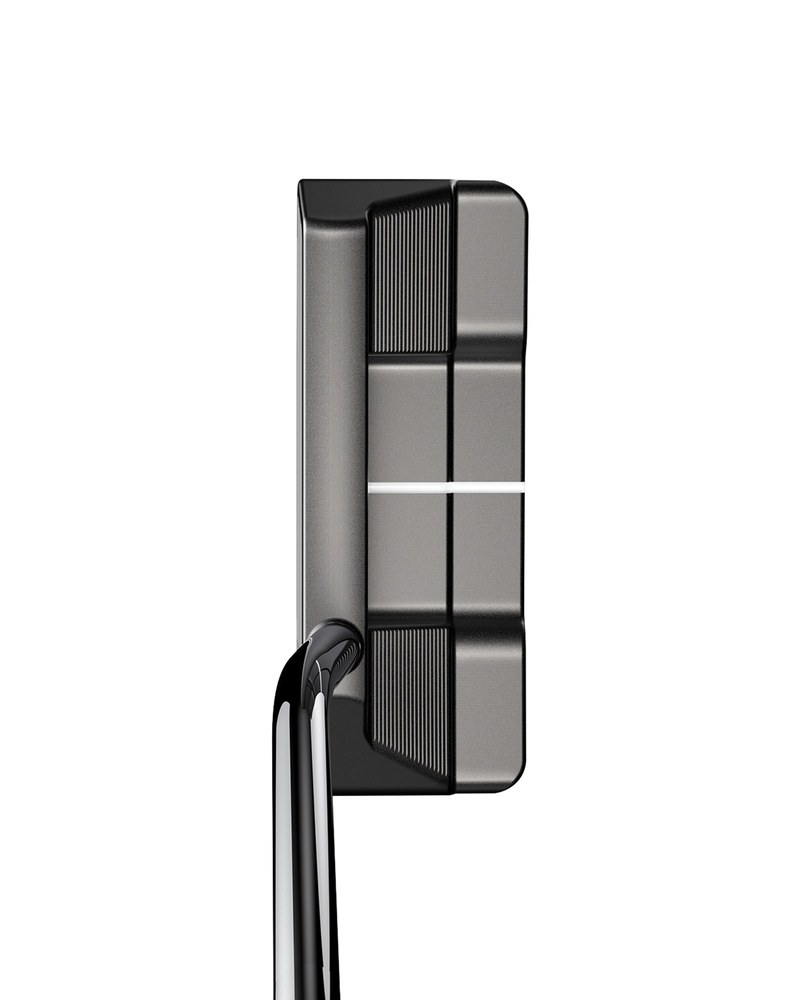
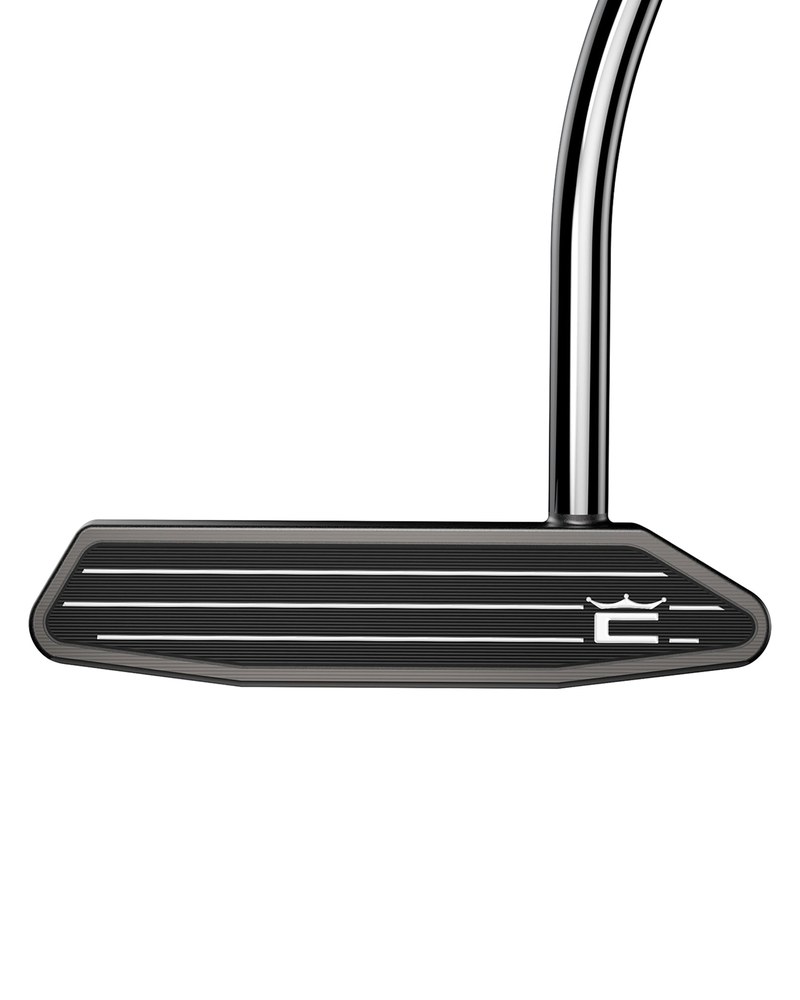
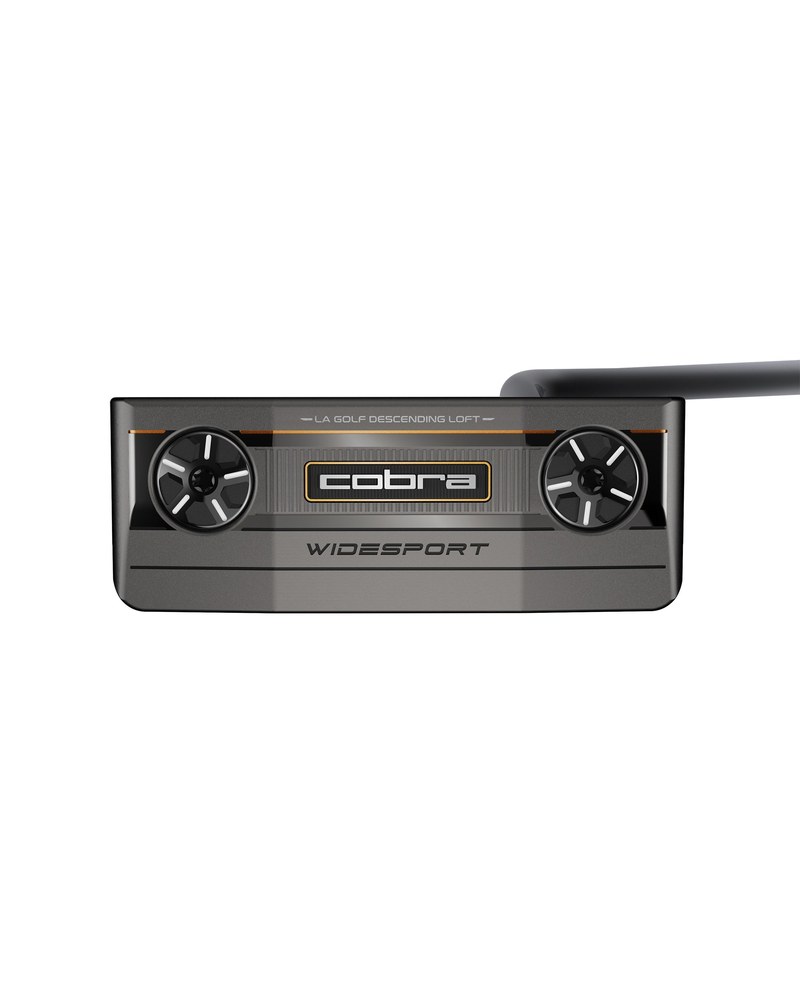
Down from $249.99. A chunkier blade profile on a single-bend shaft, which puts it squarely in straight-back-straight-through territory — toe hang is 0°. The face is the interesting part: LA GOLF’s Descending Loft Face Technology, which steps the loft down through 4°, 3°, 2° and 1° rather than holding one figure across the face, evening out launch and getting the ball rolling end over end sooner. 70° lie throughout; the 34-inch head is 370g and the 35-inch is 360g. KBS CT Tour shaft, SuperStroke Zenergy Pistol 1.0.
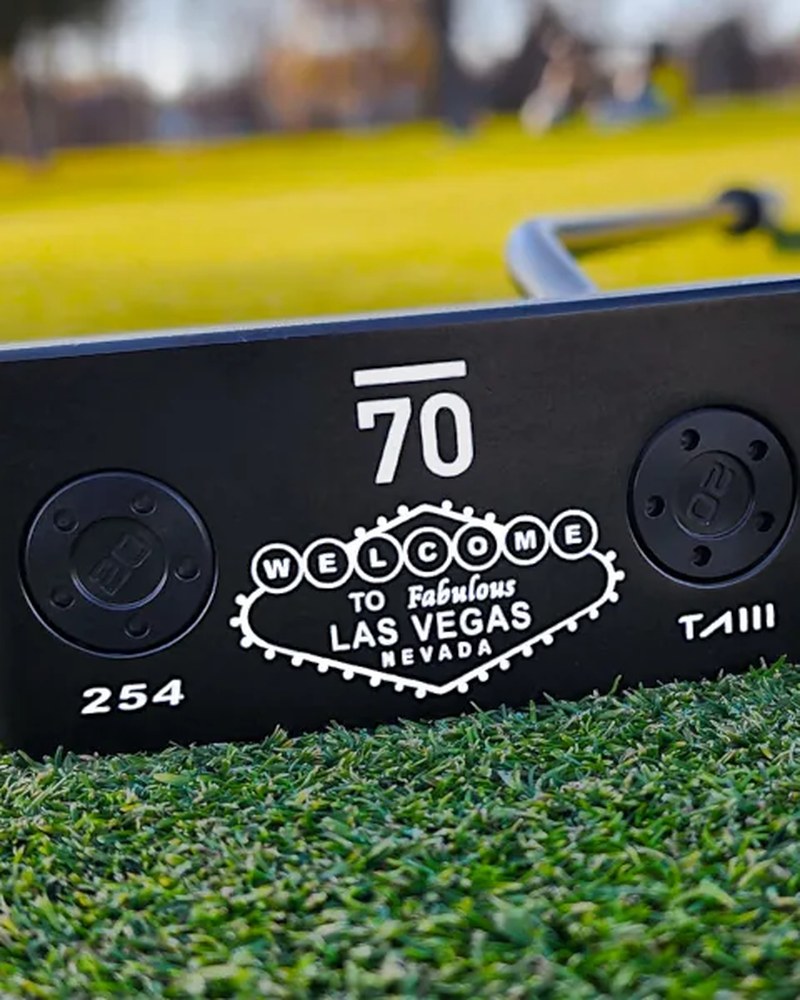
A limited edition built with Tommy Armour III, and the detailing is the reason to look twice. The alignment lines are replaced by a single sight dot on the top line, and the Las Vegas sign is laser-etched into the sole in reference to his 254 — a scoring record that has stood on the PGA Tour since 2003. Milled from one billet of 1045 steel with a double-milled tour face. It ships with 15-gram weights installed and two each of 5g, 10g and 20g in the box, so the swing weight and the arc are yours to set.
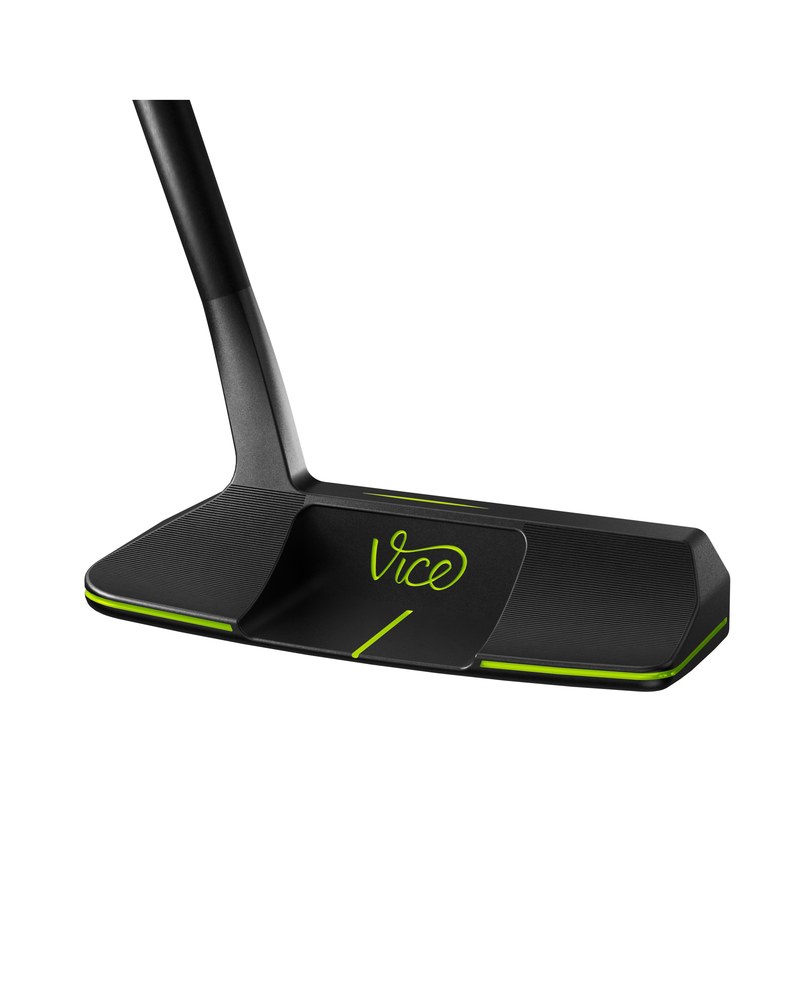
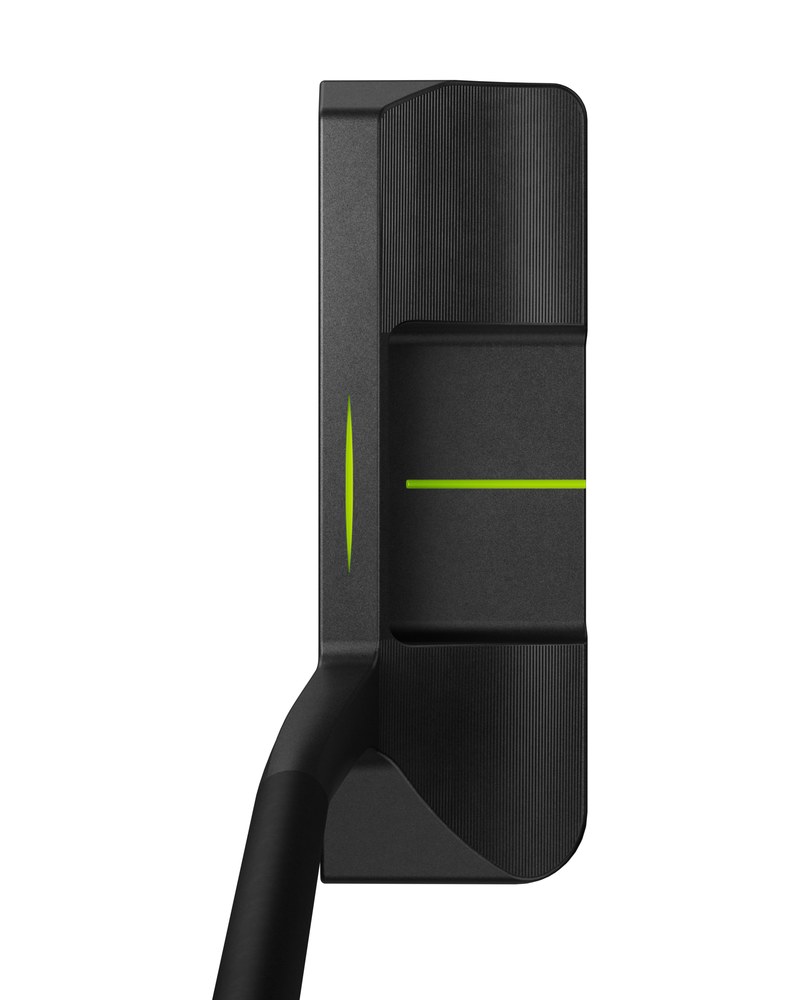
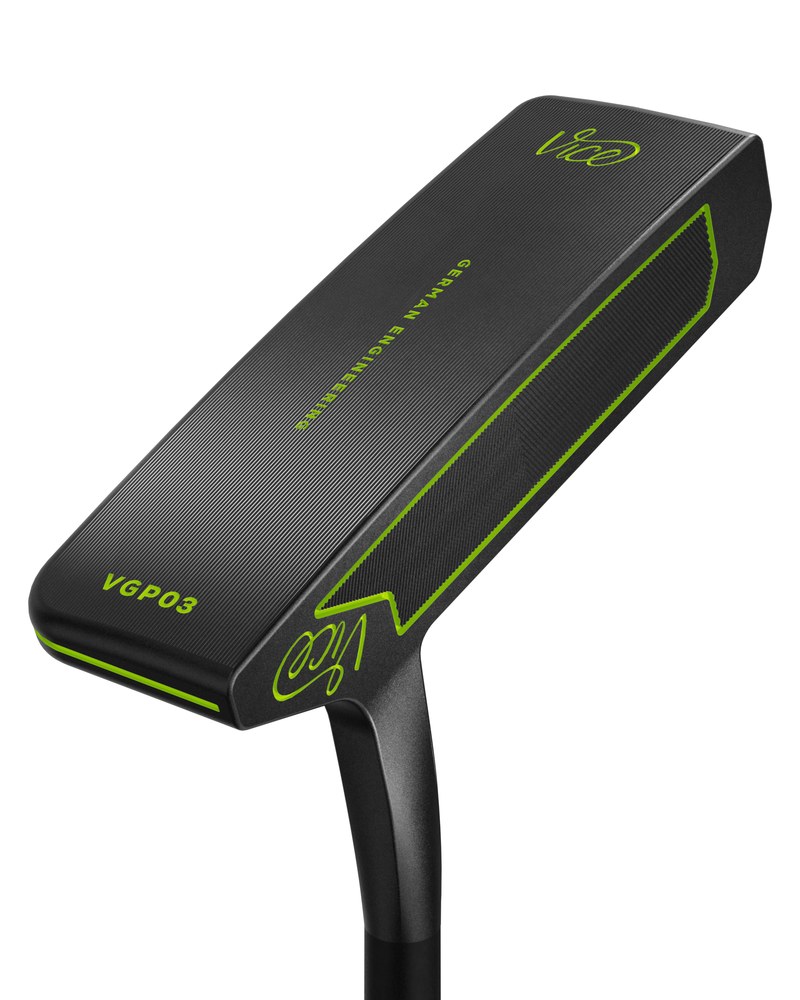
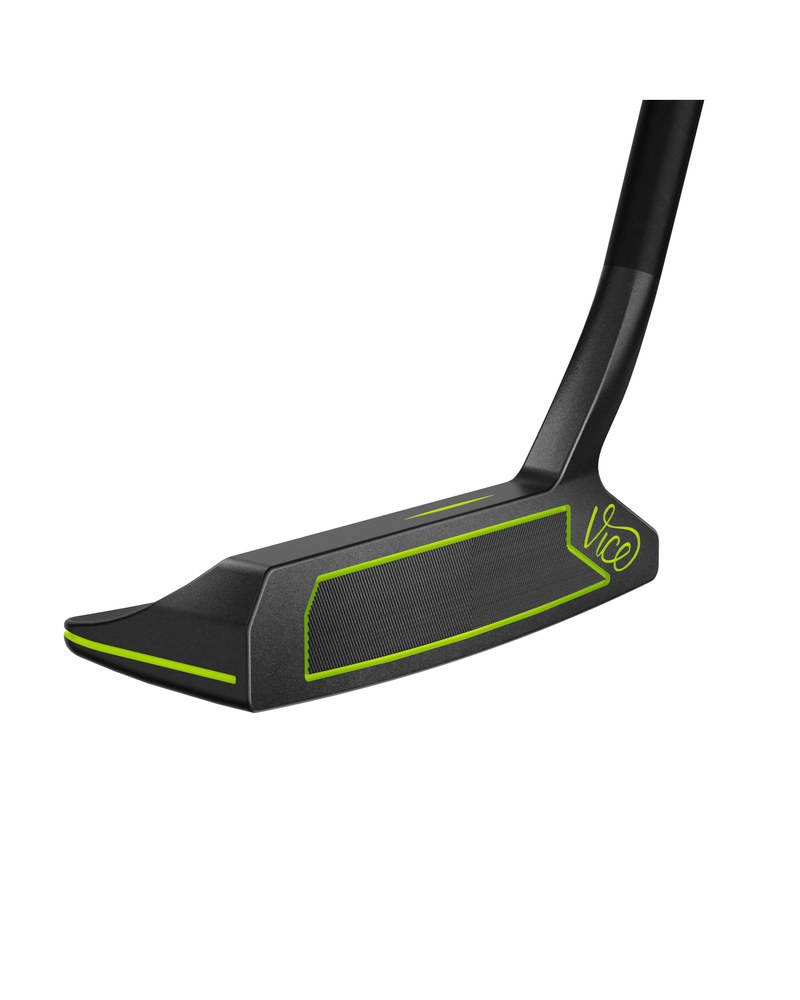
Vice does not really sell you a putter, it sells you a configurator, and the VGP03 is the one to configure. Every choice after the $224 floor is yours: single or dual body colour, painted alignment, line, logo, sole details and face details, shaft model, length from 31 to 36 inches in half-inch steps, and a grip list that runs from their own pistol in six colours up to a Vice x P2 React. Build-to-order, which is why $224 is a starting position rather than a sticker.
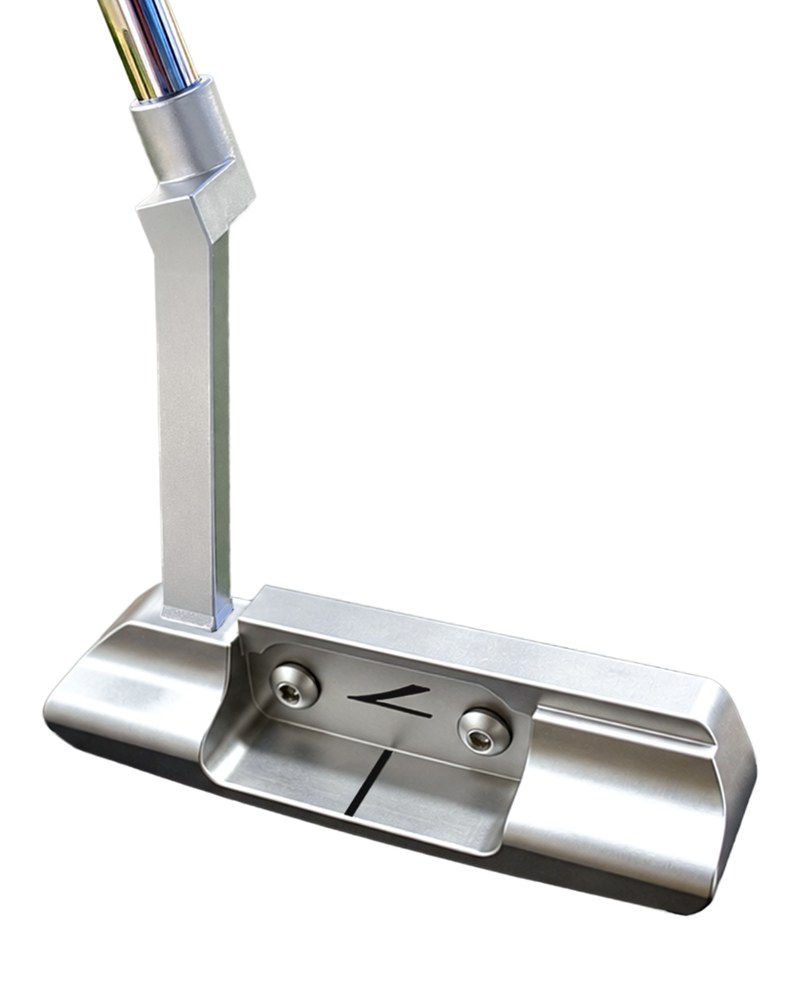
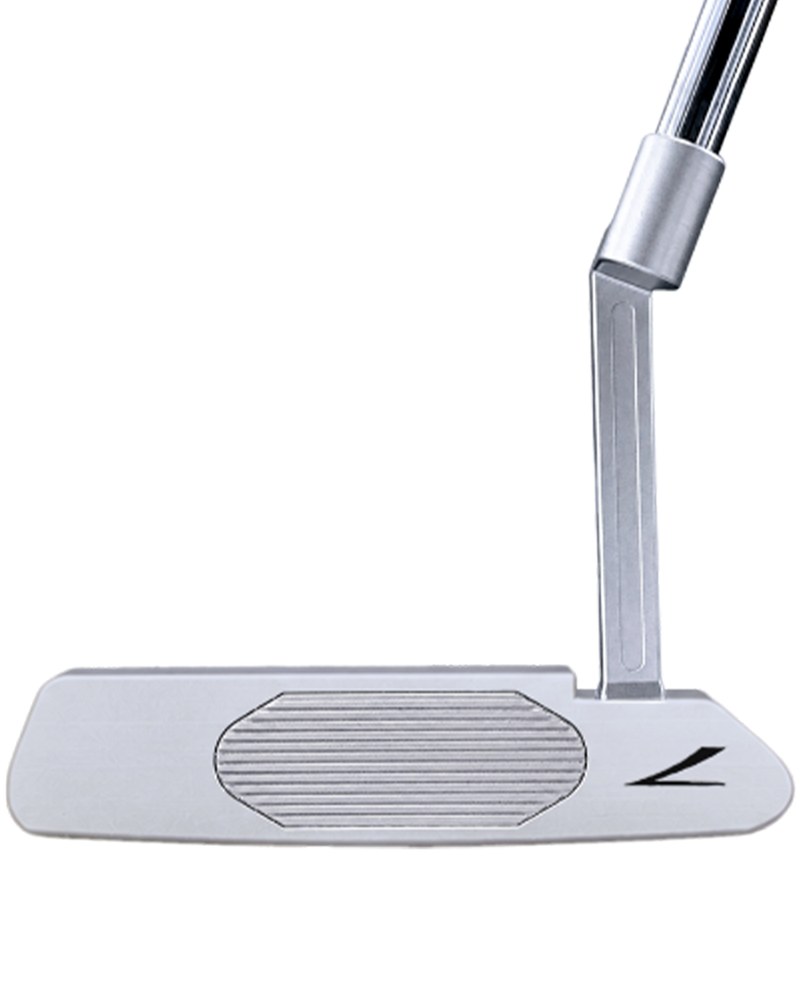
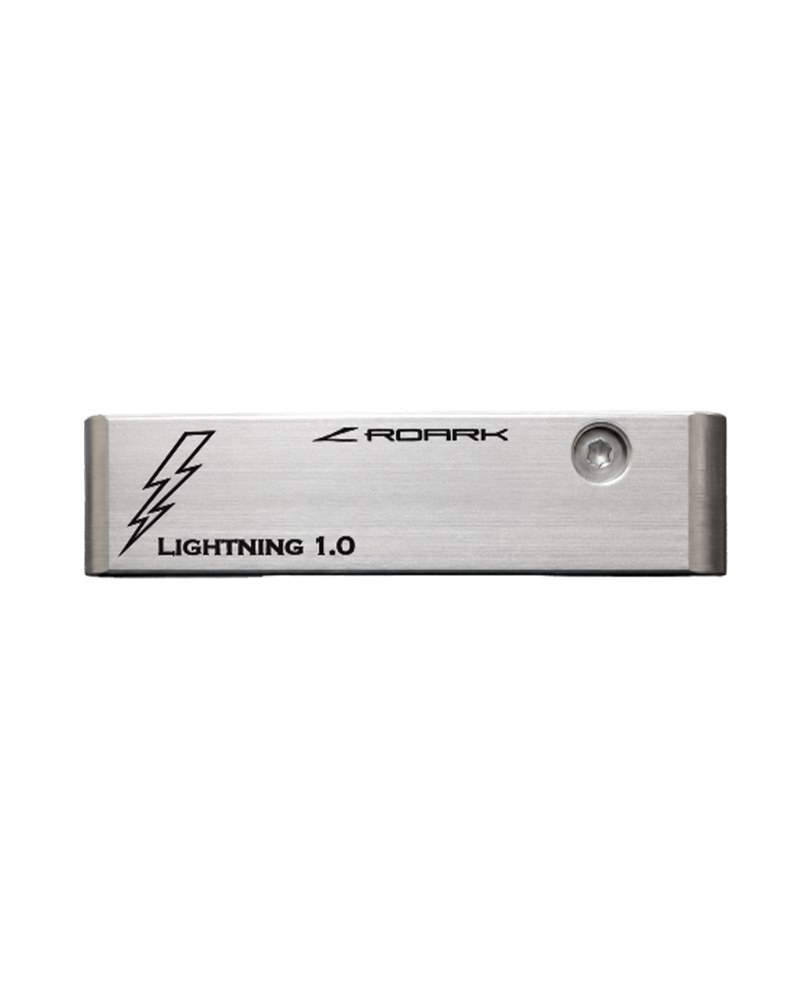
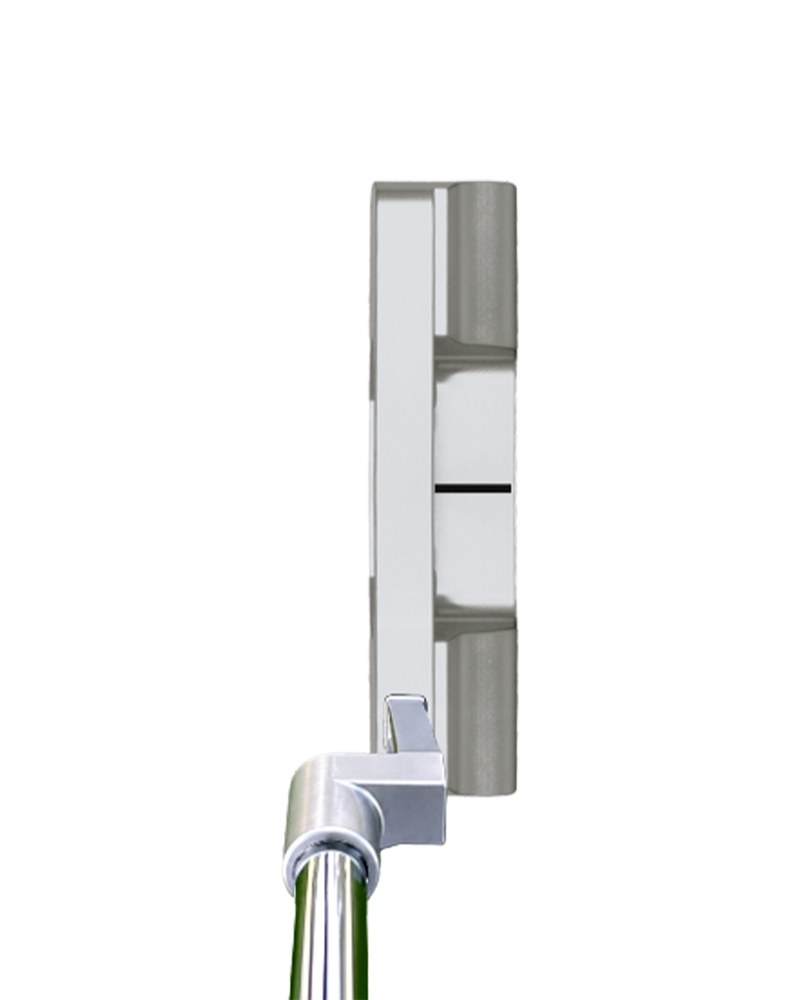
Roark came out of decades of aerospace manufacturing, and the Lightning is its traditional blade — deliberately familiar in shape, then opened right up underneath. Hosel and face insert options, finish, and other personalised details, with different component combinations changing the balance, feel and response of the finished putter rather than only its looks. Stock configurations exist and are the cheapest way in; the point of the platform is that they are a starting position, not the end of it.
Know your arc before you shop, not after. A face-balanced or zero-torque putter
fights a strong natural arc, and a heavy toe-hang blade fights a stroke that goes straight back
and straight through. Nothing on this page fixes a mismatch between the two. Twenty minutes on a
putting green with the putter you already own, watching whether the face opens on the backstroke,
is free and will rule out half this list.
Length is a spec, not a size. Five of these — both Makefields, both
Bettinardis and the Odyssey broomstick — only make sense at lengths a shop will not have on
the rack. Makefield builds from 36 to 52 inches in half-inch steps; the Odyssey broomstick is
fixed at 48. Ordering the wrong one is the most expensive mistake available here.
Adjustability is a real feature and it is not free. Machine, Edel, Roark,
Makefield and Vice all sell a platform rather than a putter, and the cheapest configuration is
rarely the one you will end up with. Read the options list before you read the price.
Four of these are discounted because something newer is coming. That is a
reason to buy, not a reason to hesitate — a putter does not get slower. But if you want the
thing the discount is clearing space for, it is in the next section and you can pre-order it
today.
Neither of these is in a shop yet. Both are the reason four putters above
are cheap this month. Scotty’s Phantom 9.5R reaches US golf shops on 9/30 and
Mizuno’s M.Craft X Z necks on 10/30; both take pre-orders now.
1 / 4
Mizuno
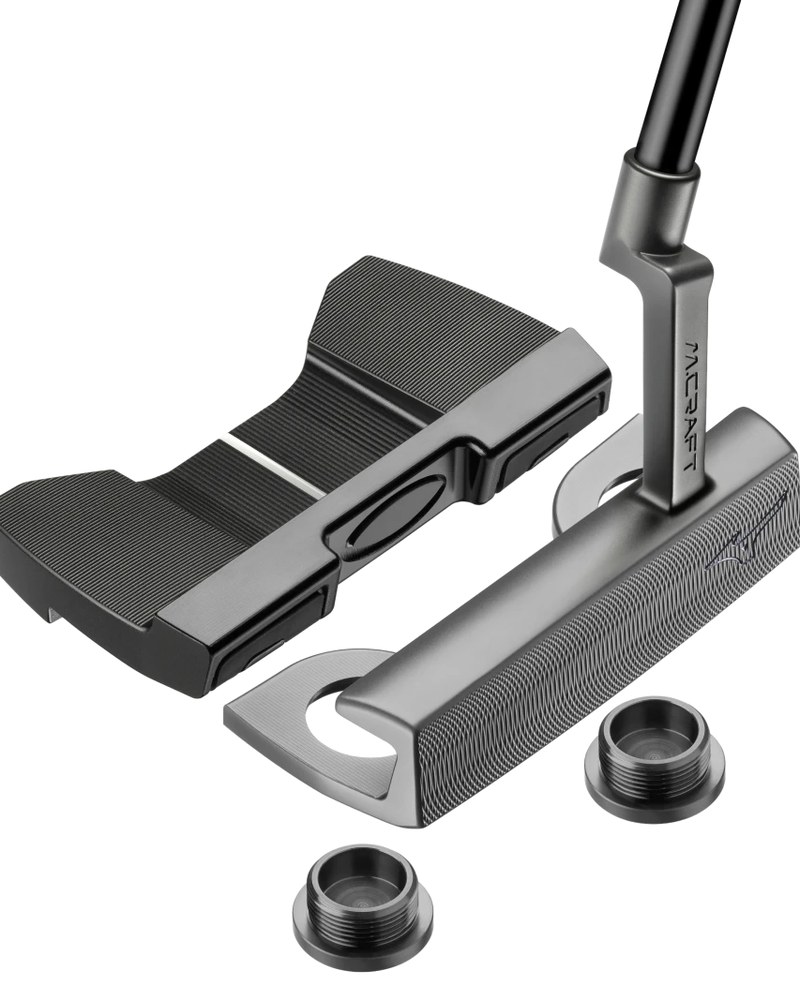
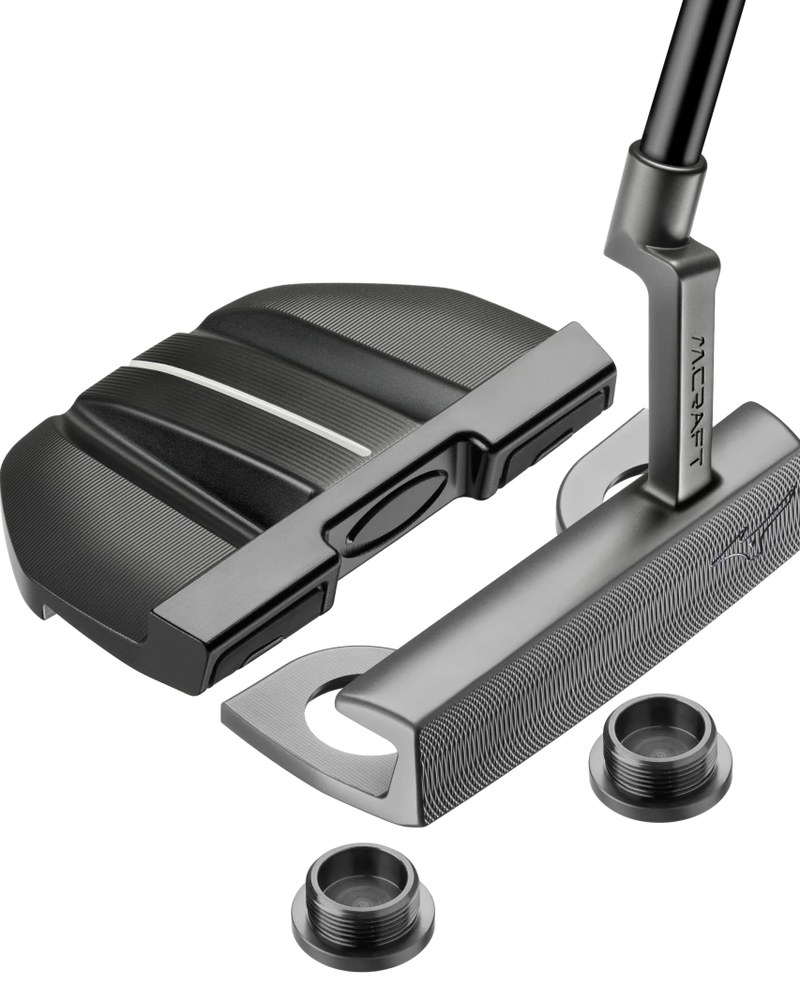
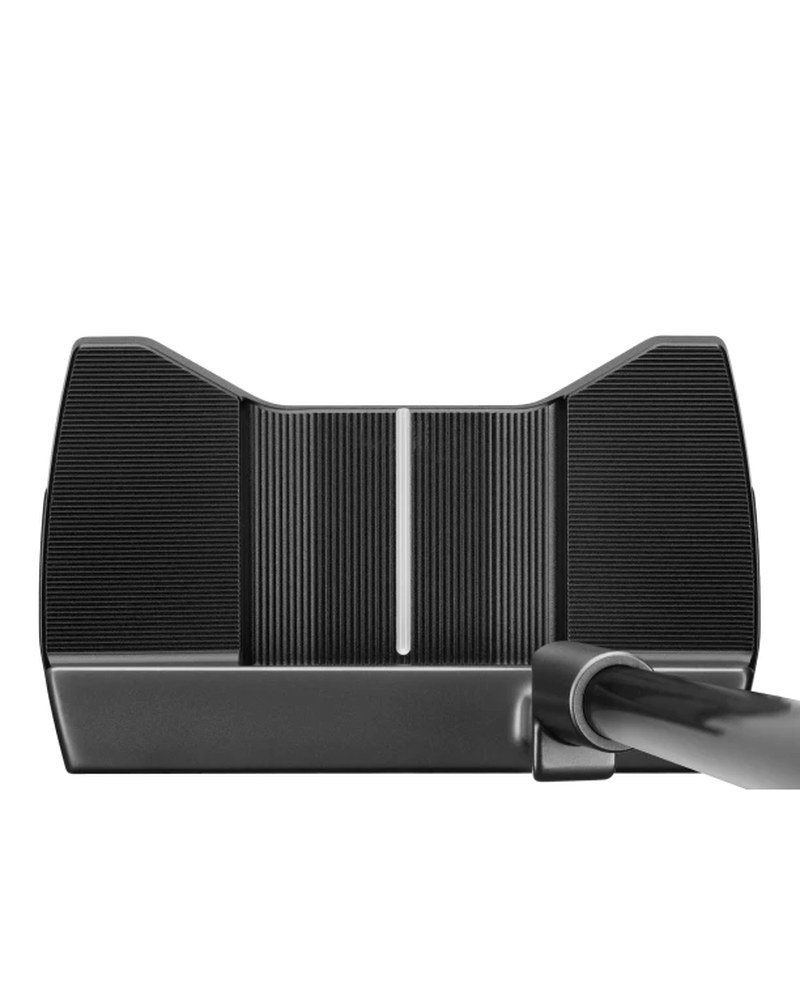
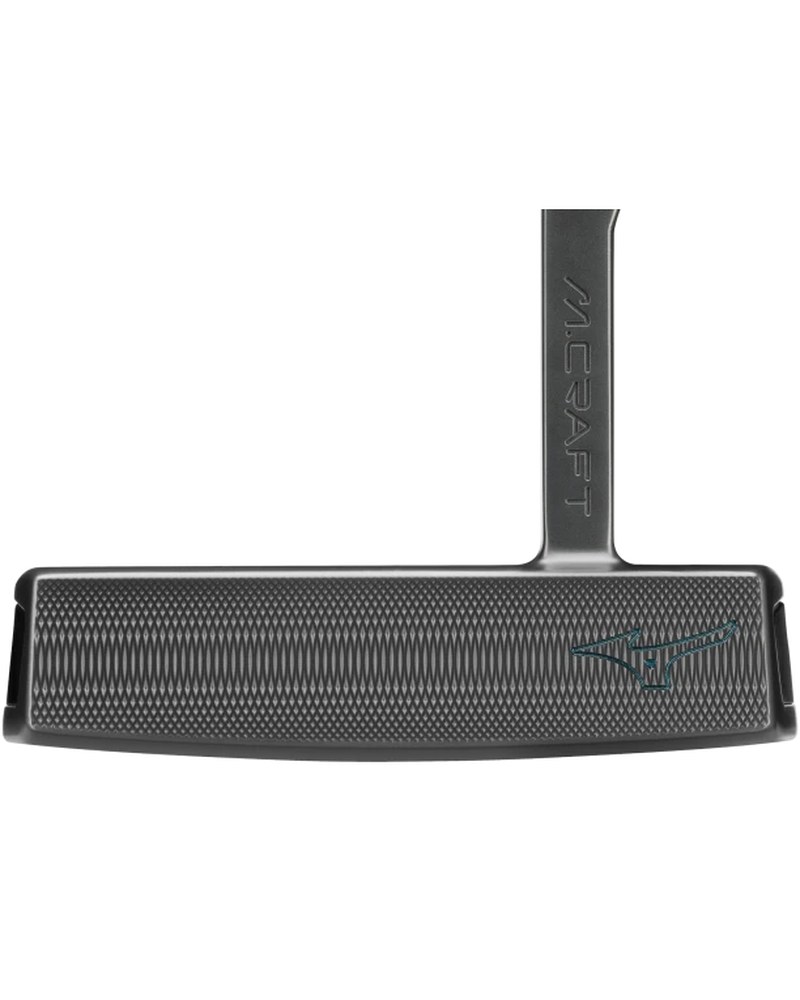
M.Craft X Z2 & Z3 · $399.99
Pre-order opened 9 September; these land in shops on 30 October. Two new zero-torque necks for the M.Craft X platform — the Z2 in a new Triple Wide profile that keeps a blade-ish look at address, the Z3 a Dome Mallet with more alignment and more forgiveness. Both carry one degree of integrated shaft lean and ship with a matching SuperStroke TLT Pistol 1.0. Because M.Craft X is modular, the Z2 and Z3 back pieces are also sold on their own at $149.99 if the platform is already in your bag.
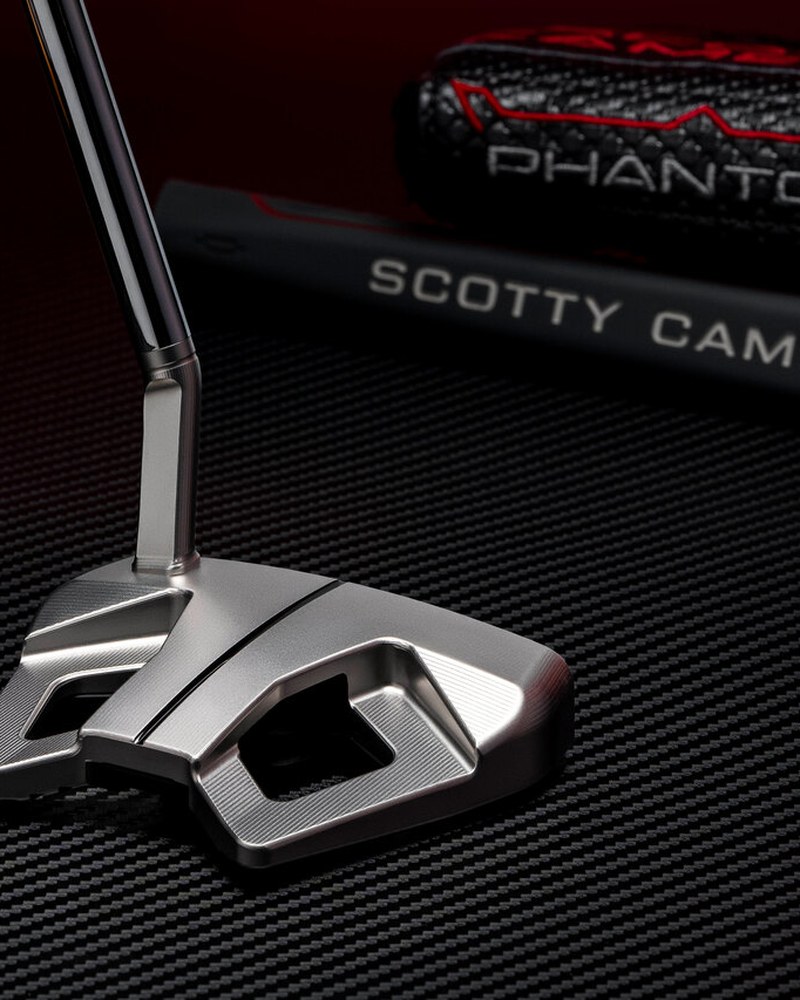
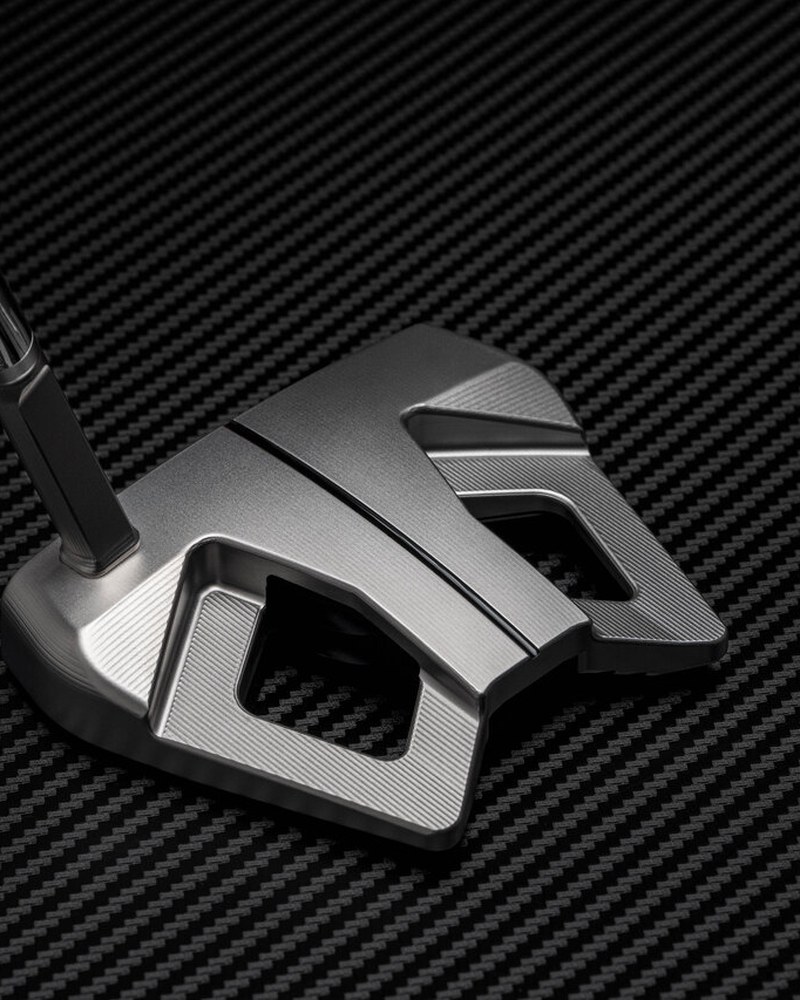
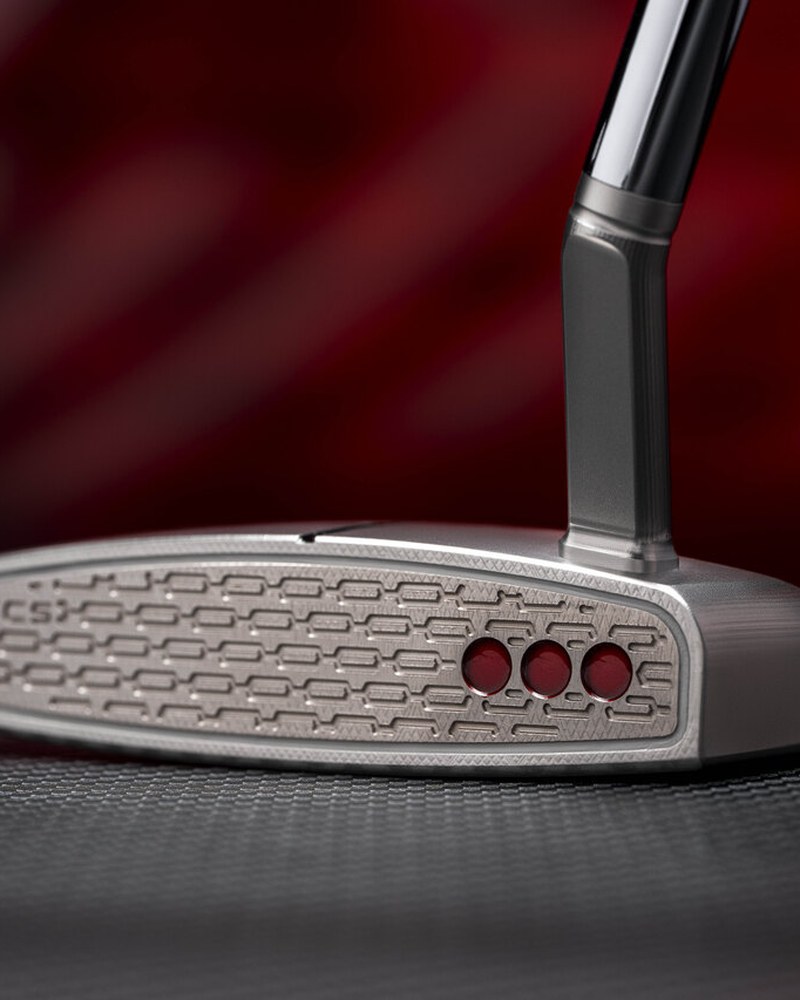
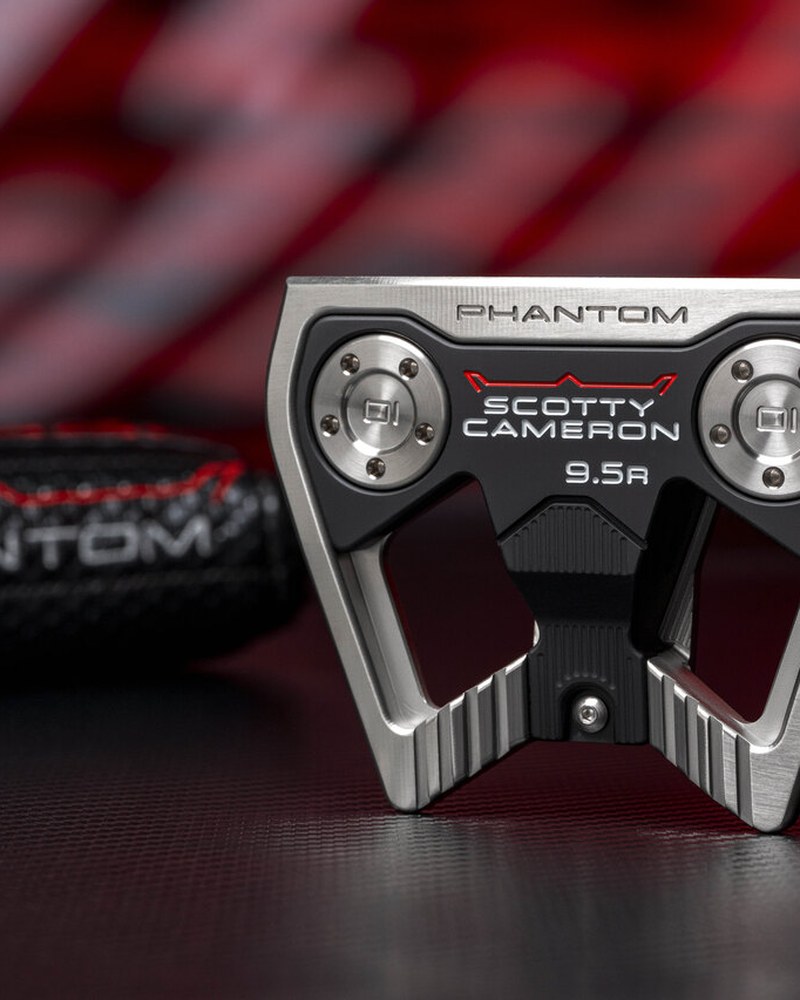
Pre-sale is open now and it reaches golf shops on 30 September, US only. The 9.5R shares the 9R head shape but runs an elongated jet neck, which is what gives it more toe flow than either the 9R or the 9.2R, and a single long sightline stretching the length of the head. Full-face Studio Carbon Steel insert with chain-link milling. Cameron Young has won all three of his PGA Tour titles with a 9.5R, including the 2026 PLAYERS; Jackson Koivun put one in play the week before winning the 3M Open. 3.5° loft, 70° lie, 33, 34 and 35 inches, right hand only.
Is it a bad idea to change putters in the middle of a season?
It is a better idea than changing in March. Switching in September leaves rounds to test the putter in conditions you already know and a winter to groove whatever it changes about your stroke, and it catches the four to six weeks when the outgoing model year is discounted. The case against — that a new putter costs you strokes while you learn it — is real, and it is exactly why doing it before the off-season beats doing it before the first round.
What does zero torque actually mean on a putter?
The shaft axis is positioned far enough from the head's centre of mass that gravity stops twisting the face open and shut through the stroke. Brands reach it differently — Piretti and Odyssey use a toe-up centre-shafted design, L.A.B. uses lie angle balance, Bettinardi calls its version Simply Balanced — but the effect is the same: the putter rests with the toe up rather than hanging, and holding the face square becomes the default. It suits a stroke that goes straight back and straight through far better than a strongly arcing one.
Is an armlock putter legal?
Yes. Anchoring the club or a gripping hand against the body has been against the Rules of Golf since 2016, but resting a longer grip along the lead forearm is not anchoring, and armlock putters are played on tour. A true broomstick is also legal provided you do not anchor the top of the grip against your chest or chin — which is the part that changed in 2016 and the part to understand before you buy one.
Which putters on this list are discounted right now?
Four, as of 9/16/26, the day the prices were read: the MacGregor MT Milled 002 at $169.99 from $199.99, the Cobra Widesport Vintage at $199 from $249.99, the Odyssey Ai-ONE #1 CH at $249.99 from $299.99, and the Odyssey Ai-DUAL Broomstick at $349.99 from $449.99. That last one is a $100 reduction and the largest on the page.
Why does Ping not list a price for the Scottsdale TEC?
Ping publishes specifications but not prices on ping.com, for any club. The $399.99 figure on the Scottsdale TEC Ally Blue H card is the launch price GOLF.com reported for every model in the line, and the card says so rather than presenting it as a figure we read off Ping.
What is the difference between the Scotty Phantom 9.5R and the 9R?
The same head shape with a different neck. The 9.5R runs an elongated jet neck where the 9R uses a shorter configuration, and that extra offset from the shaft axis gives the 9.5R noticeably more toe flow — so it suits an arcing stroke where the 9R sits closer to face balanced. The 9.5R also carries a single long sightline down the length of the head.