The TGI Take
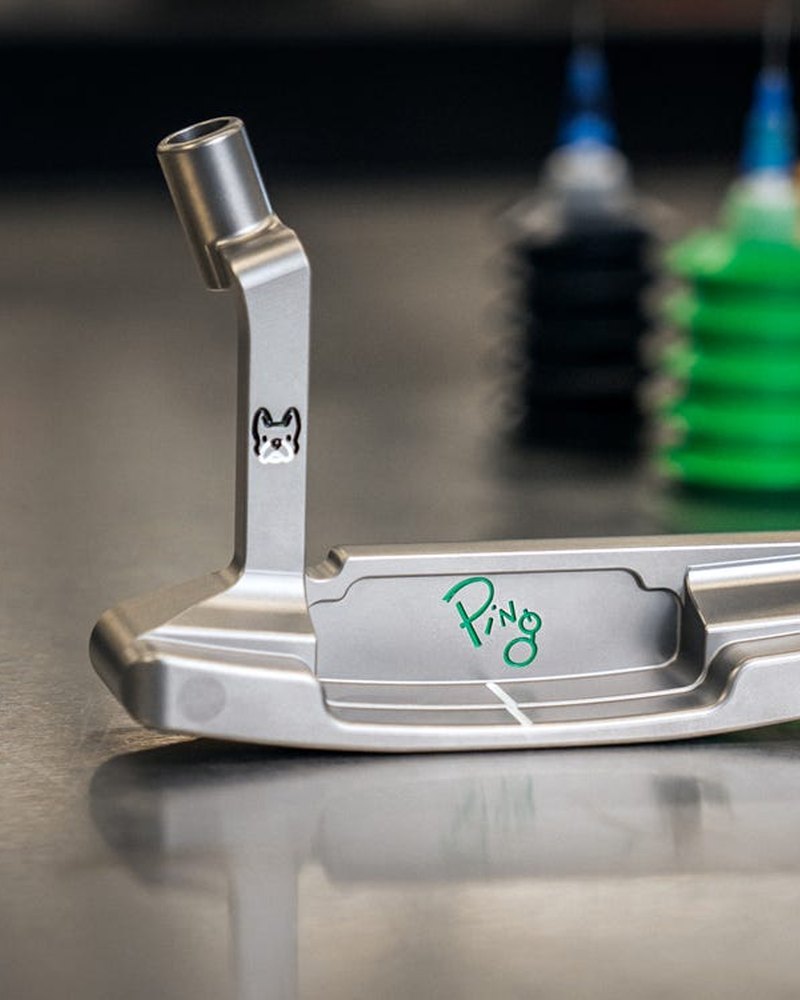
The ends of this list are easy. Ping is a family company the size of a major, and nobody would call it indie. Malbon still feels like two founders with a point of view, even with investors on board. The interesting part is the middle, where the usual tests stop agreeing with each other.
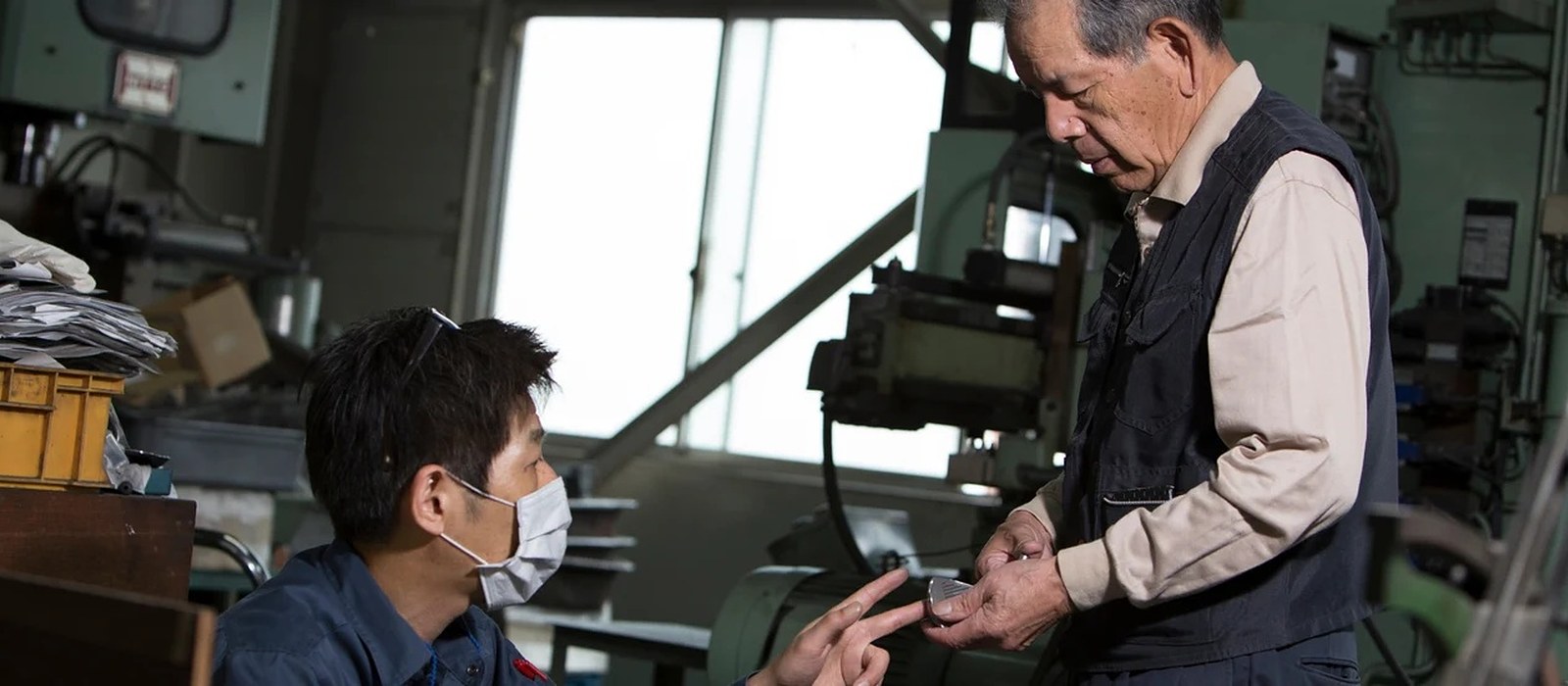
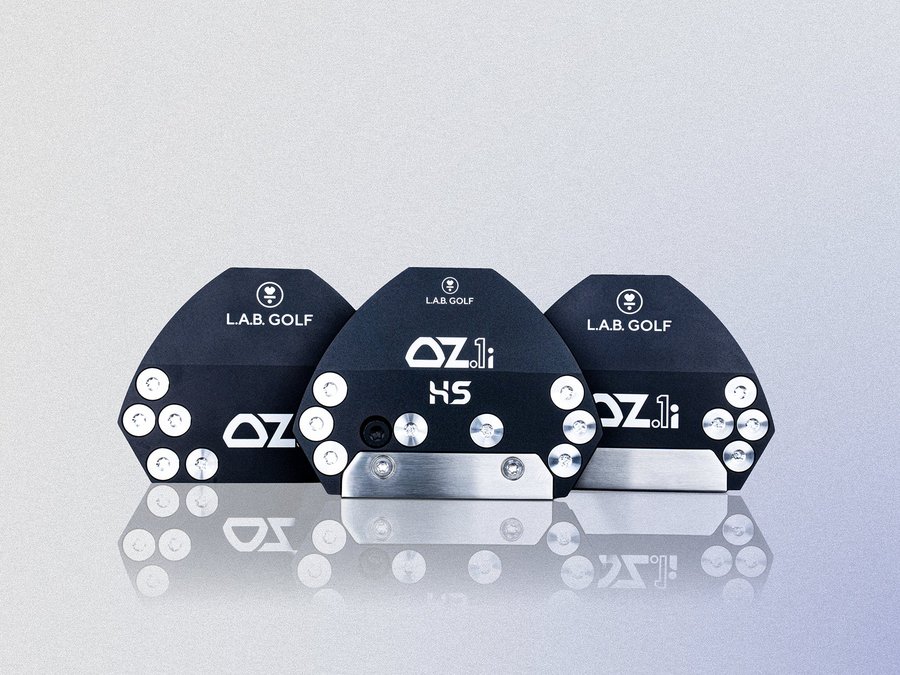
Look at Miura and L.A.B. side by side. Miura has outside money and an outside company selling its clubs, but the family still decides how every iron is made. L.A.B. is owned by a private equity fund, but the same CEO runs it and, from the outside, the putters look the same. By ownership, L.A.B. is the less independent of the two. By how the product gets made, it is hard to tell them apart. And Bettinardi, with no outside owners at all, runs more like a big company than either.
That is the hazy line. Independence isn’t one thing. It is at least four questions: who owns the company, who makes the decisions, who makes the product and who takes the money when it sells. Most brands answer them differently, and the answers change as a brand grows. The putter maker you loved for its backstory can be owned by a fund next year and still make the same putter.
So we don’t think the useful question is “is this independent?” It is “who decides?” If the people who started it still decide what gets made, that counts for a lot, whatever the cap table says. If they don’t, take a closer look before you buy.
Where we stand. We try to avoid private equity. Not because a fund ruins a product overnight. Most don’t, and none of the brands here has shown us that it has. The concern is what the job becomes. A private equity firm buys a company in order to sell it again for more, usually within a few years. Centroid bought TaylorMade in 2021 and had it back on the market by 2026. When the next sale becomes the measure of success, every decision gets weighed against it: a cheaper material if the margin needs to grow, a faster release calendar if the numbers need to climb, wider distribution if the next buyer wants scale.
Sometimes a brand comes through that with everything that made it good intact. Sometimes the thing you loved about it is the first cost to go. Bringing in investor money isn’t the dealbreaker for us. Plenty of great brands need it to grow. Handing the reins to an investor is.
Keeping the reins has a cost, and it is fair to say so. A company that stays independent may have to grow more slowly, turn down the deal that would have put it in every pro shop, or accept that its audience will stay smaller than it could be. Miura’s U.S. president once told LINKS the brand couldn’t become “some $100 million business” because every club is made by hand. That isn’t a weakness in the plan. Sometimes those limits are exactly what keep a brand’s character intact.
So the question isn’t only how big a golf brand can get and still be independent. It’s how much growth a brand is willing to give up to remain itself.