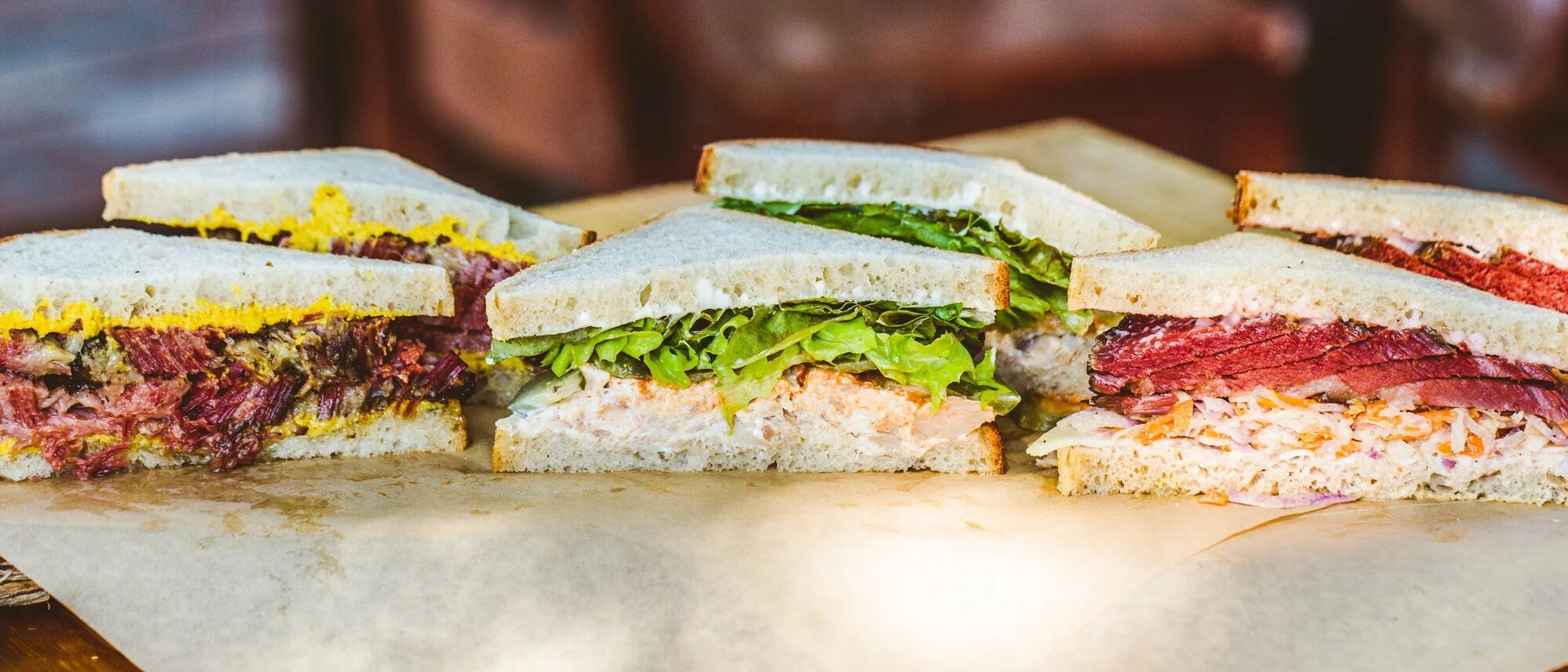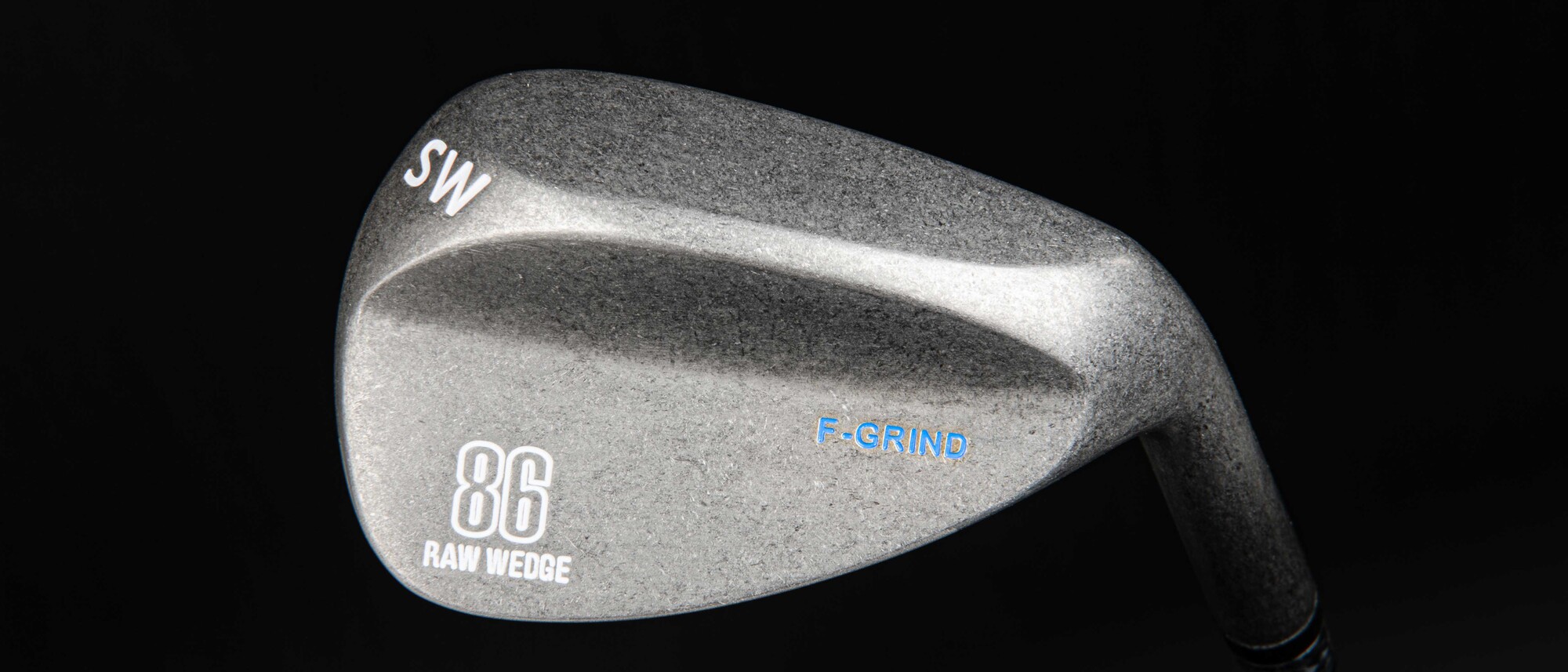
The wedge is the only club most golfers will ever have marked with their own name, and a small industry has grown up around that. It runs from a man in Gilbert, Arizona who takes the head off your Vokey so the shaft never sees heat, through Japanese forging houses that will hand-grind a sole to your attack angle, up to a Callaway employee in Carlsbad whose work sits in the bags of two former presidents and cannot be bought at any price.
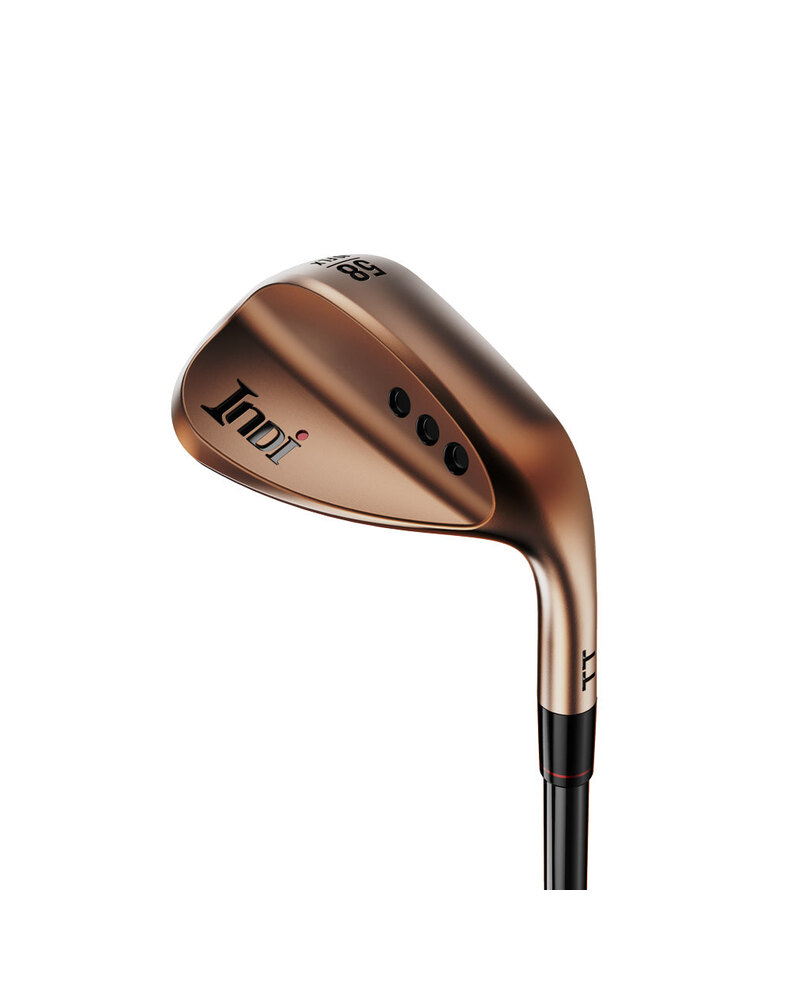
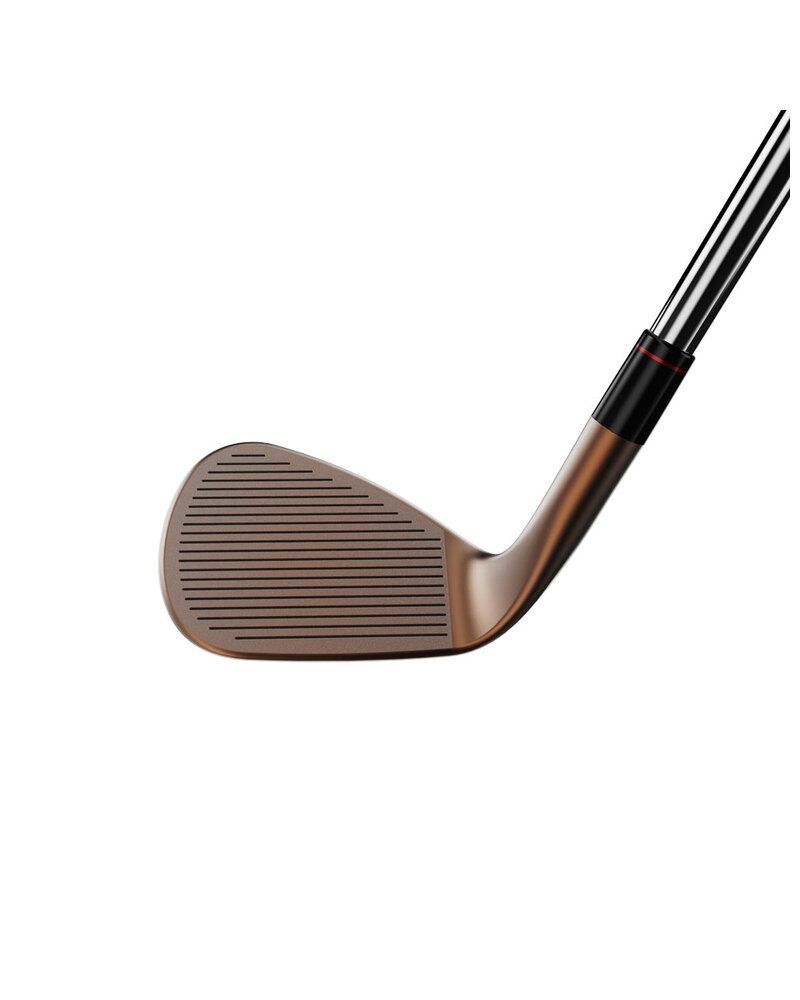
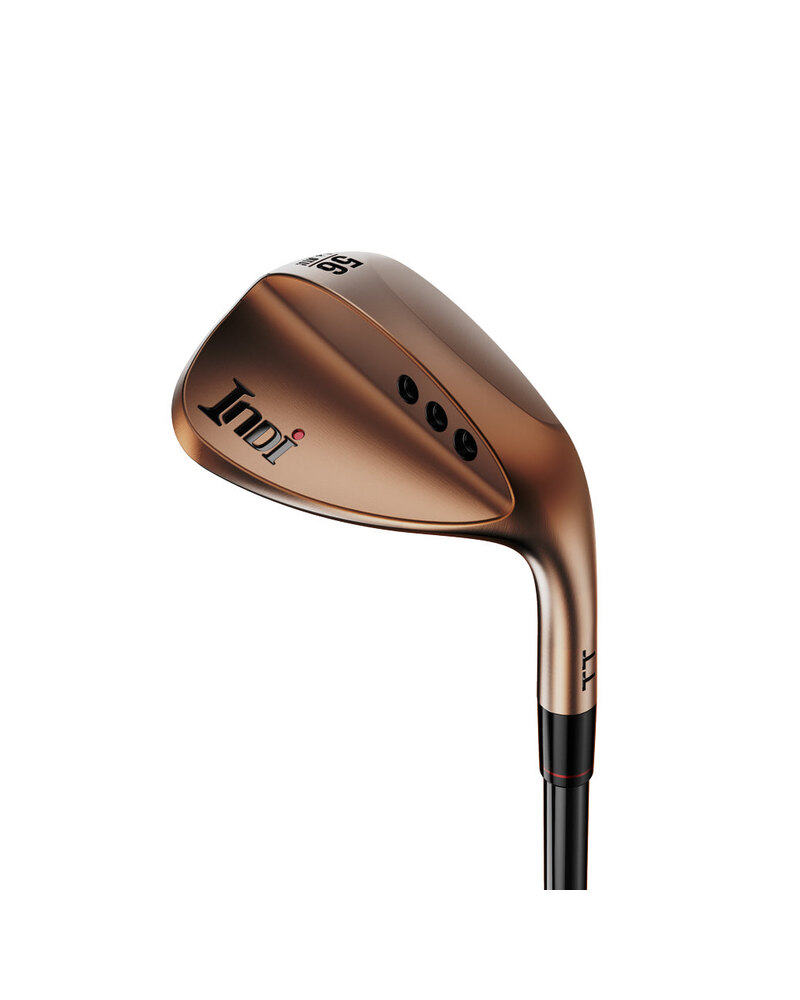
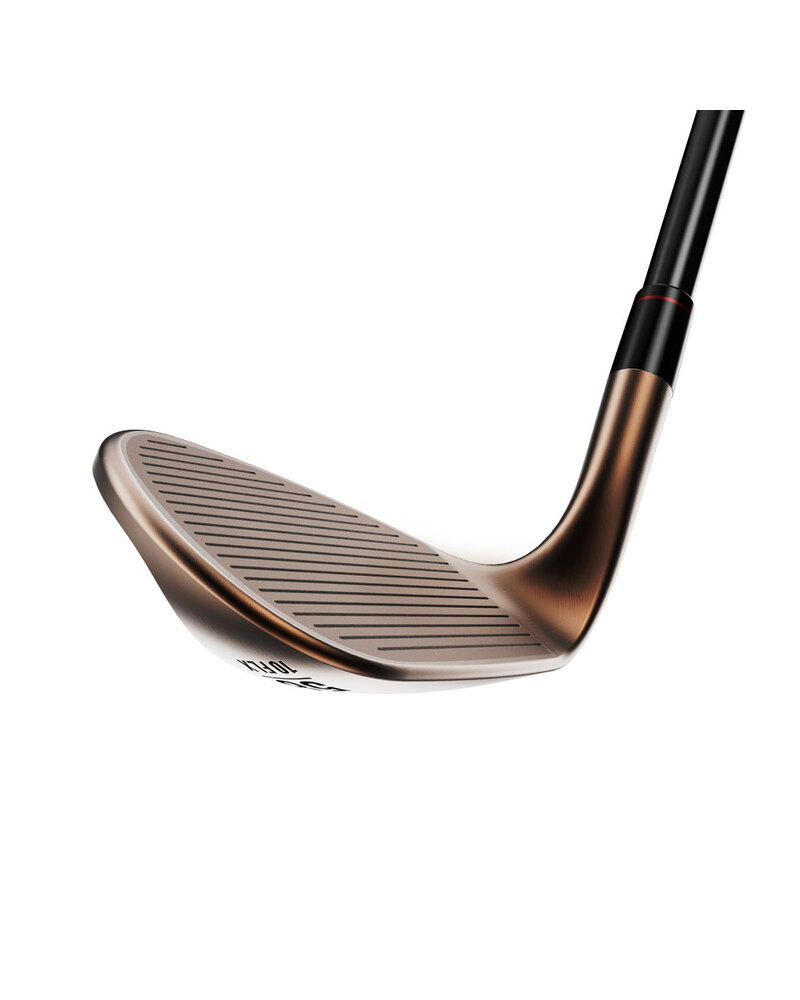
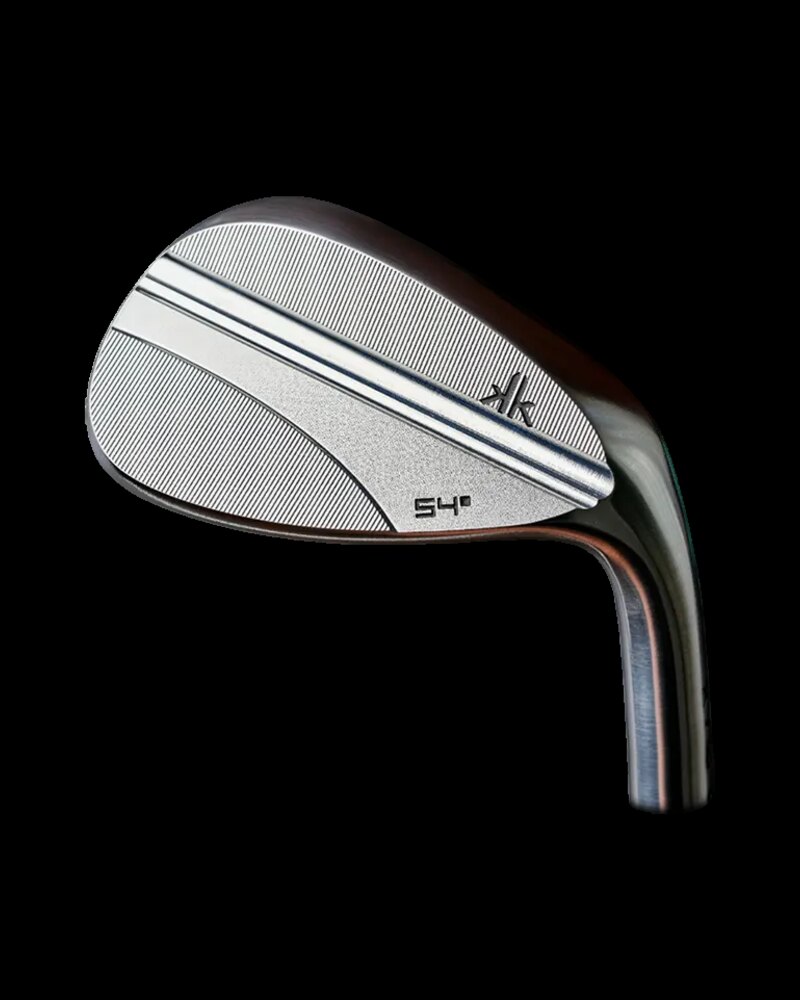
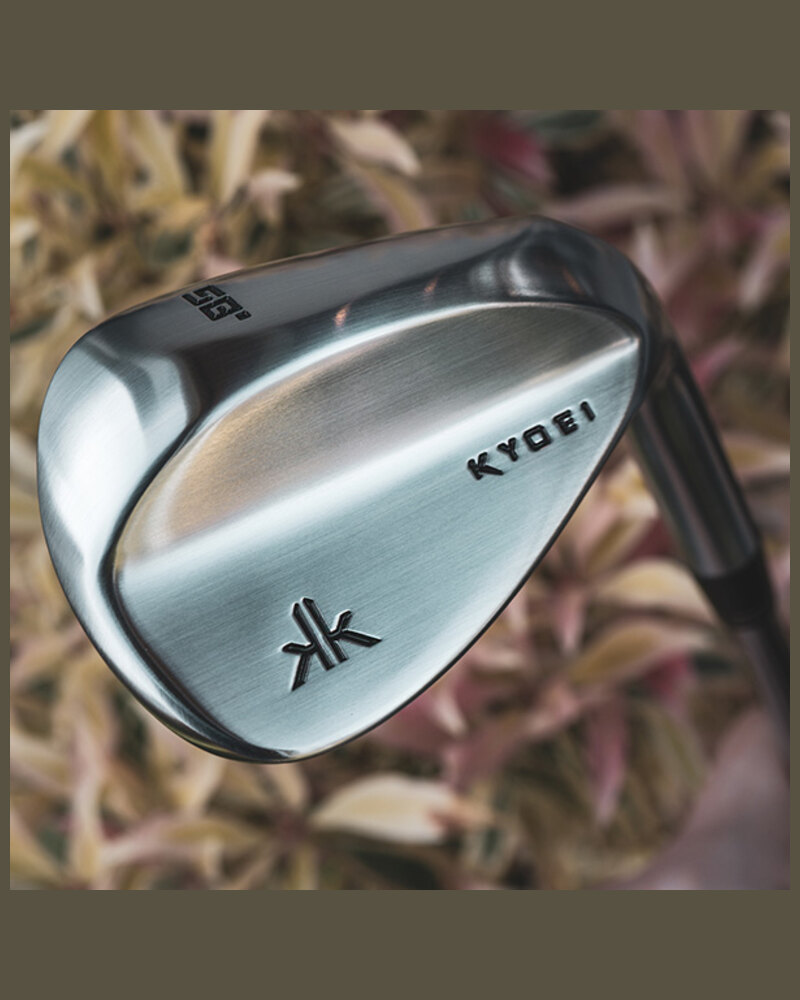
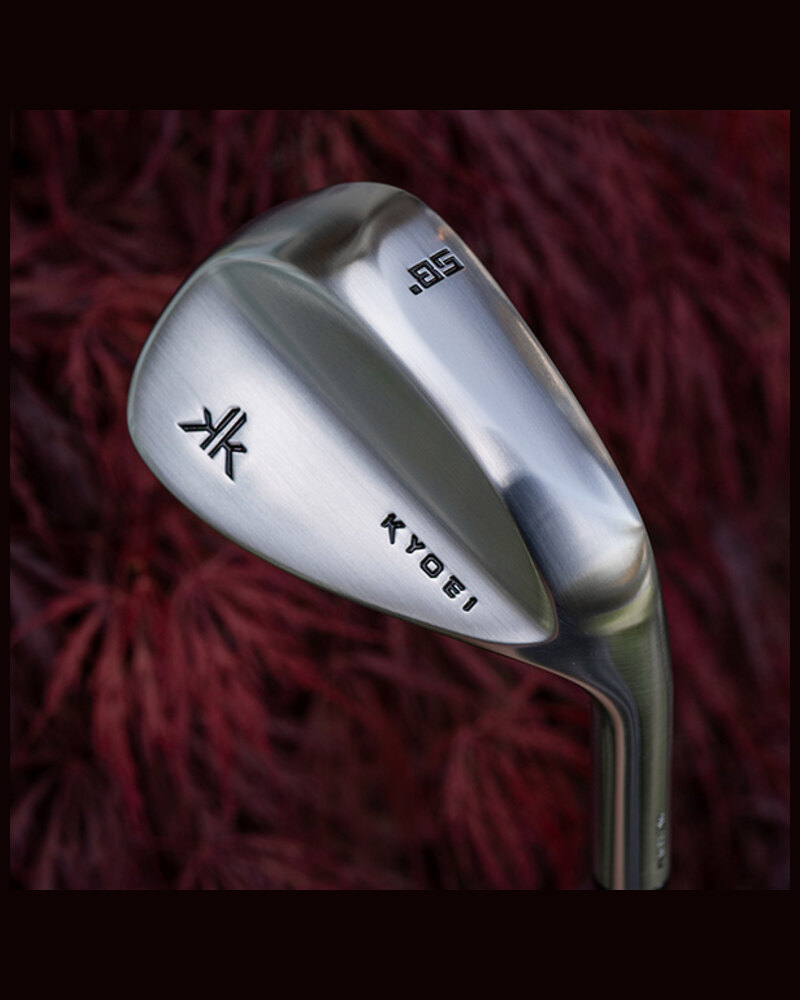
It also runs through a lot of drop-down menus. Only a handful of these makers do one-off work: Show Out and the other independent engravers, Artisan in Fort Worth, KYOEI’s custom program, and Anthony Taranto, whose wedges are not for sale. Grindworks, Fourteen, Bettinardi, Edel, New Level, Indi and Miura all label their wedges custom, and all of them mean built-to-order from a fixed set of options. Built-to-order is a good way to buy a wedge, but it is not bespoke, and the word custom covers both without telling you which one you are getting.
Thirty-two wedges from eleven makers come first, then every manufacturer program set against what it publishes about its own limits. Prices sit in the currency the seller prints, and where a seller prints no currency at all — KYOEI does not, anywhere on its site — the number appears exactly as they show it.
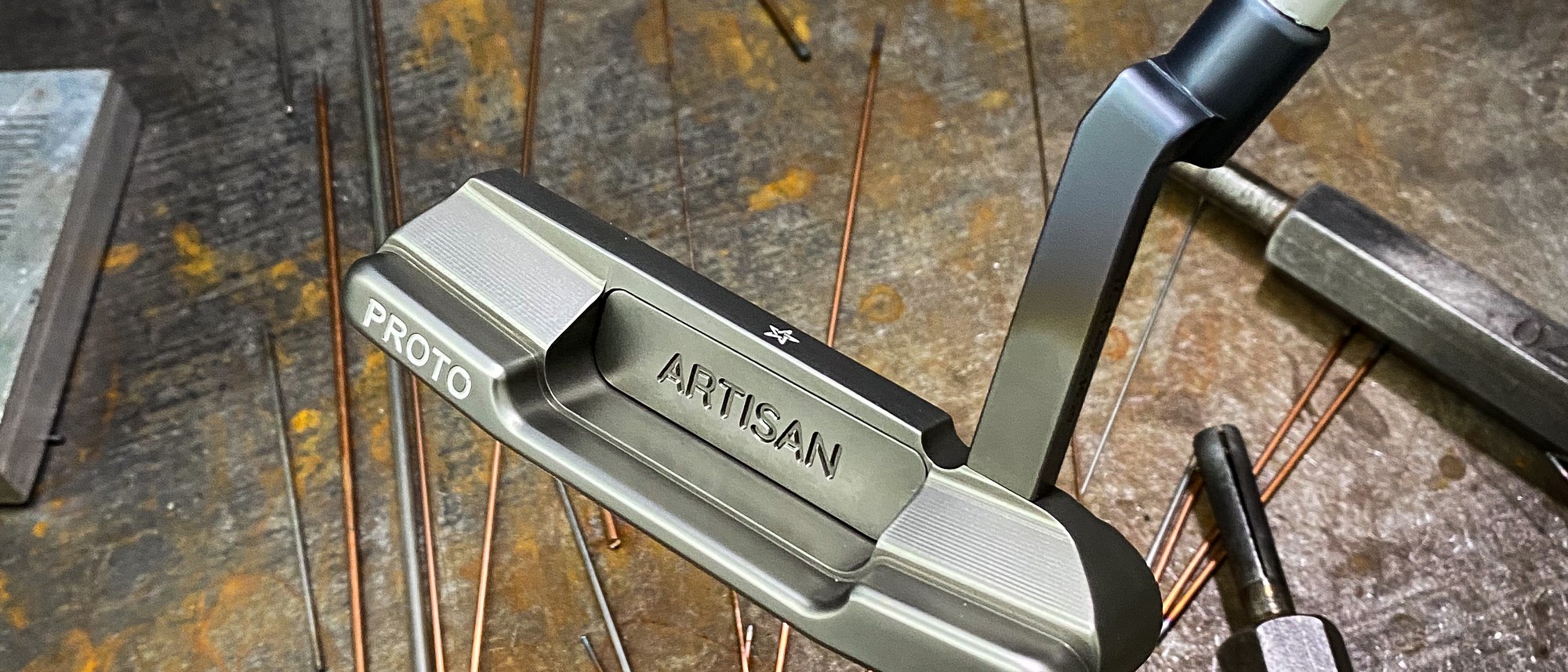
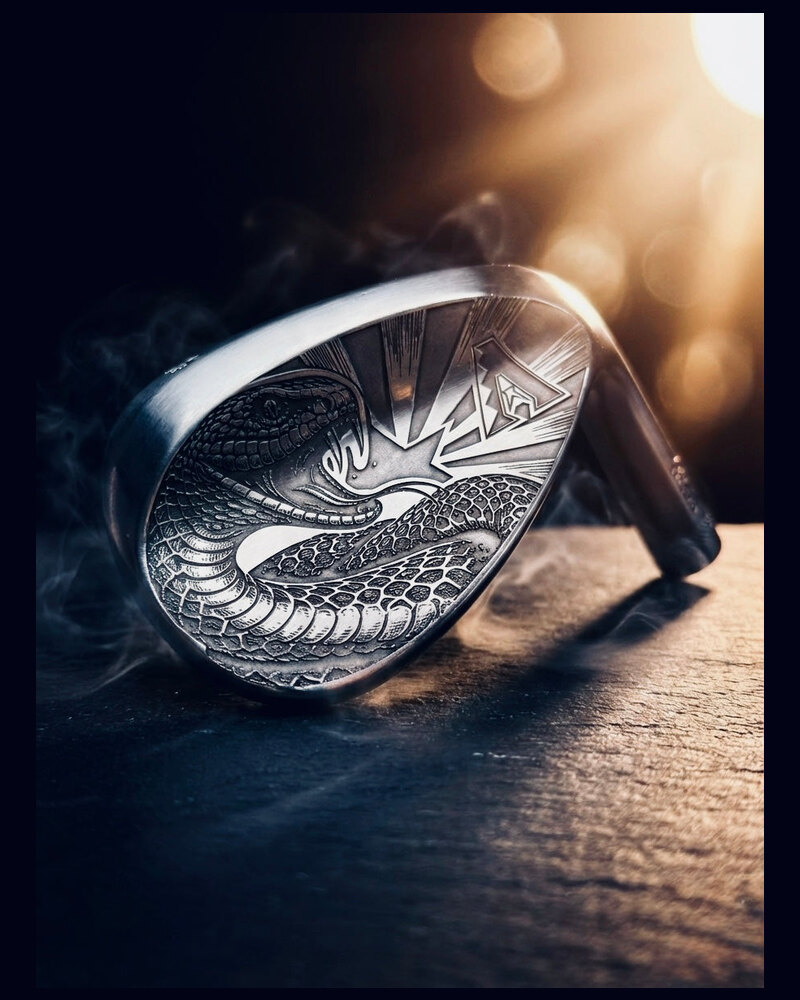
One Person, One Club at a Time.Show Out works one club at a time, on a wedge you already own. You ship it, the head comes off the shaft, the design goes on, and it comes back numbered 1/1 because there is exactly one of each.
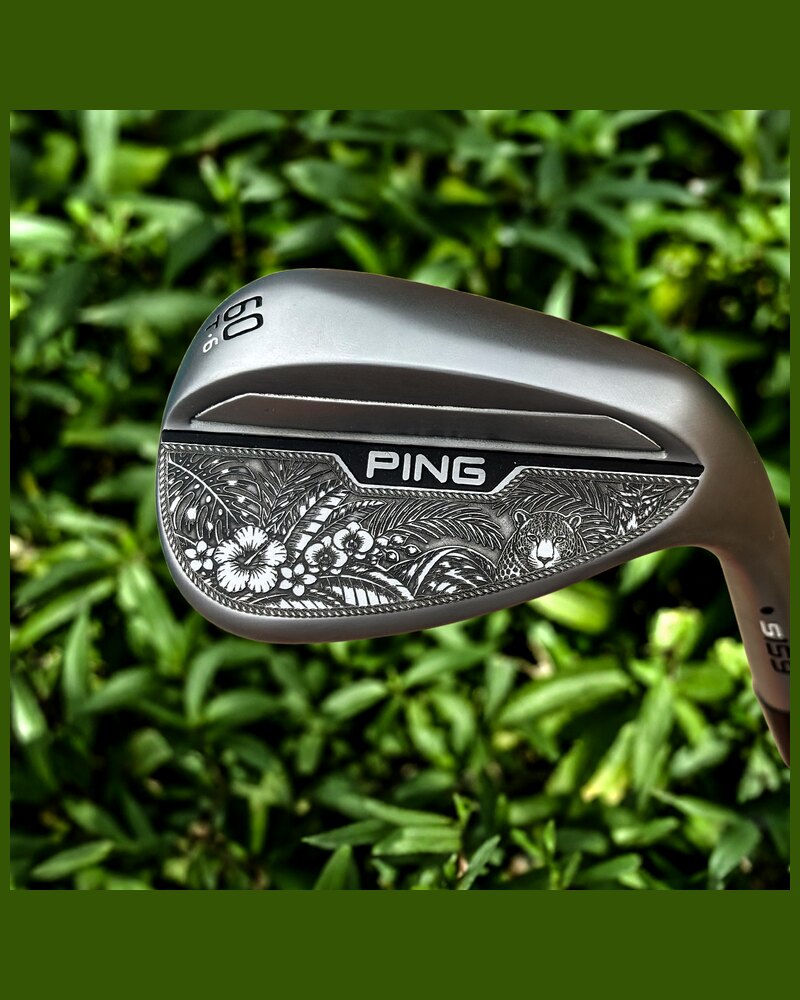
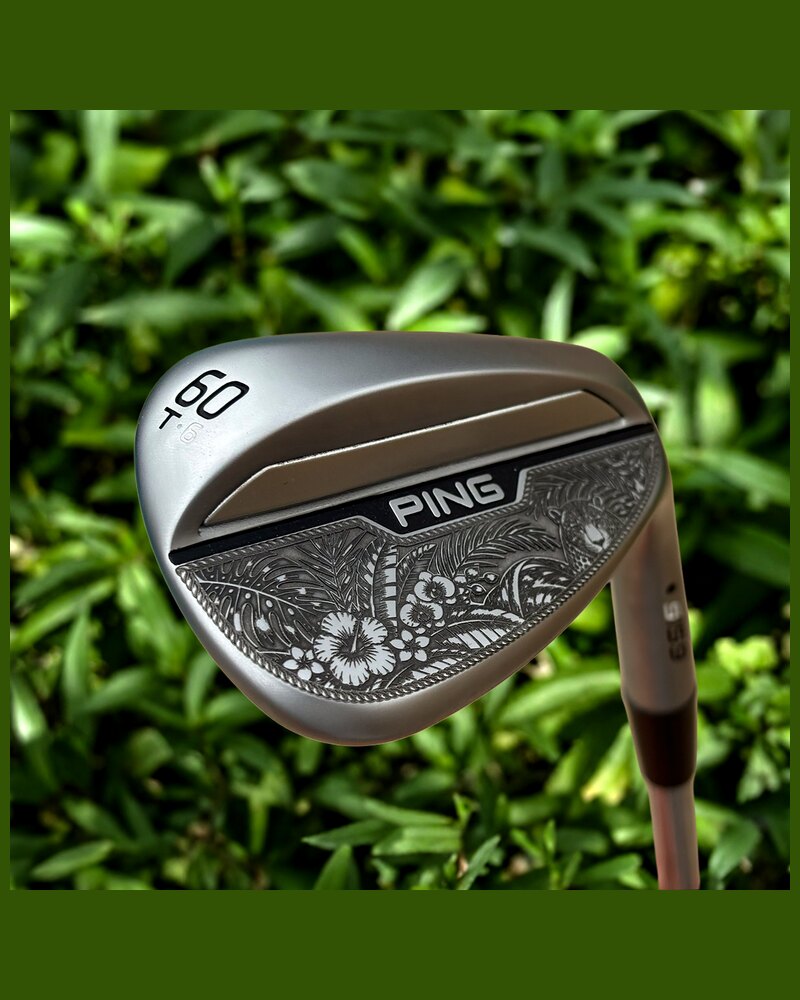
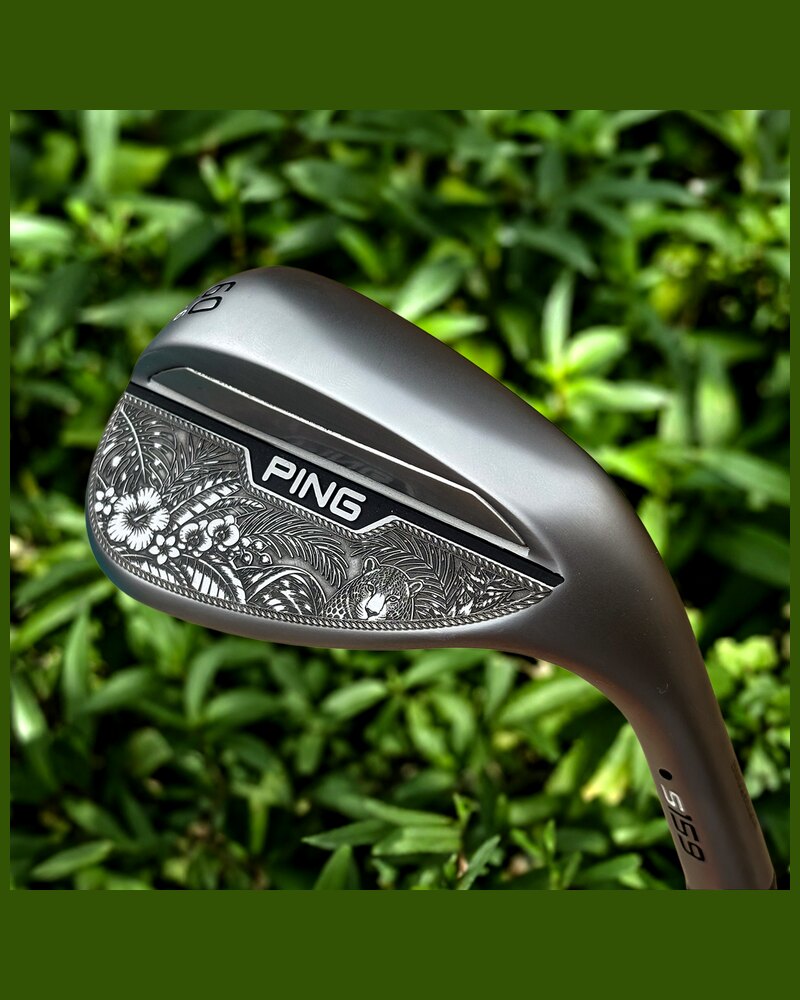
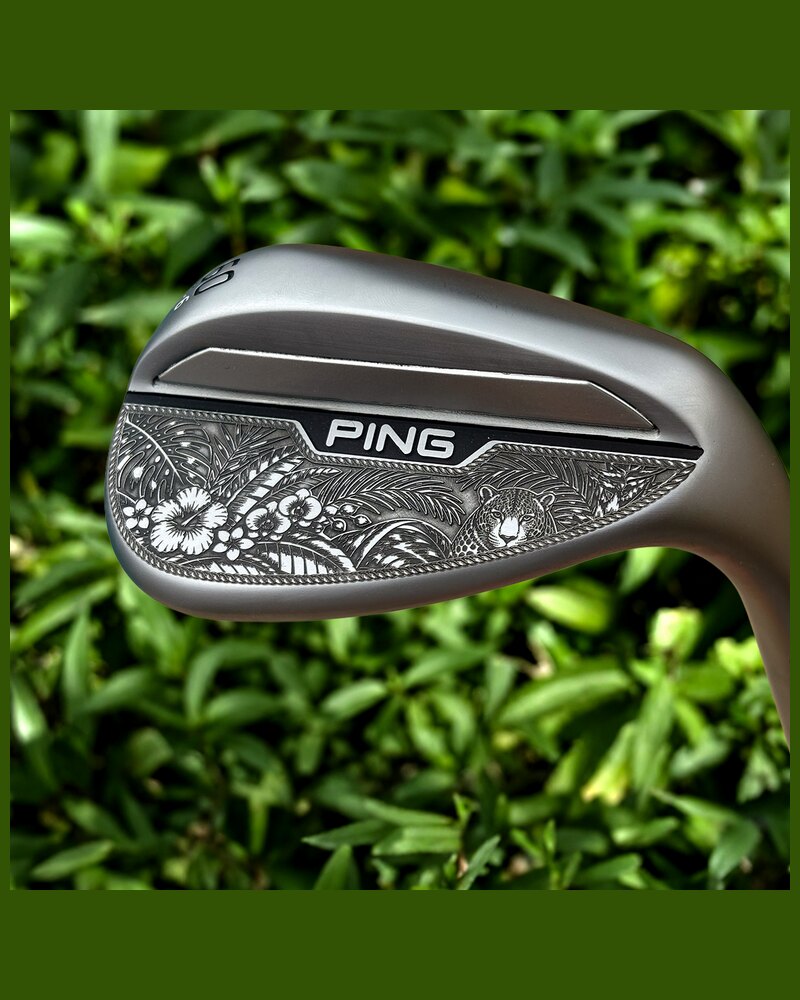
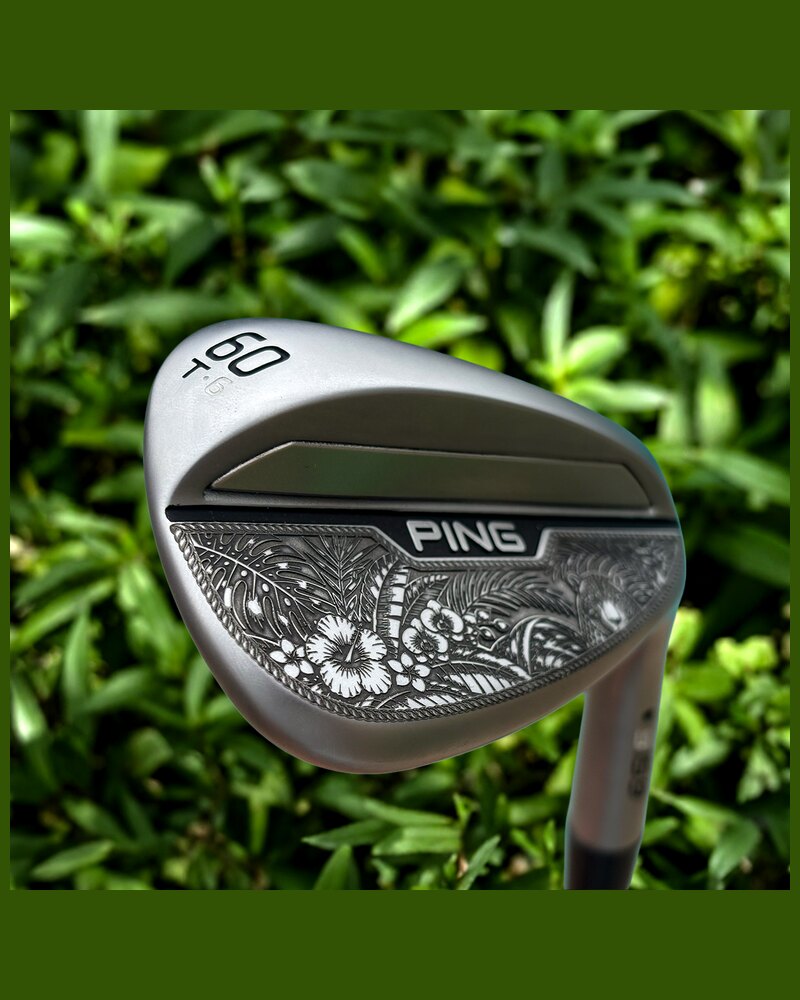
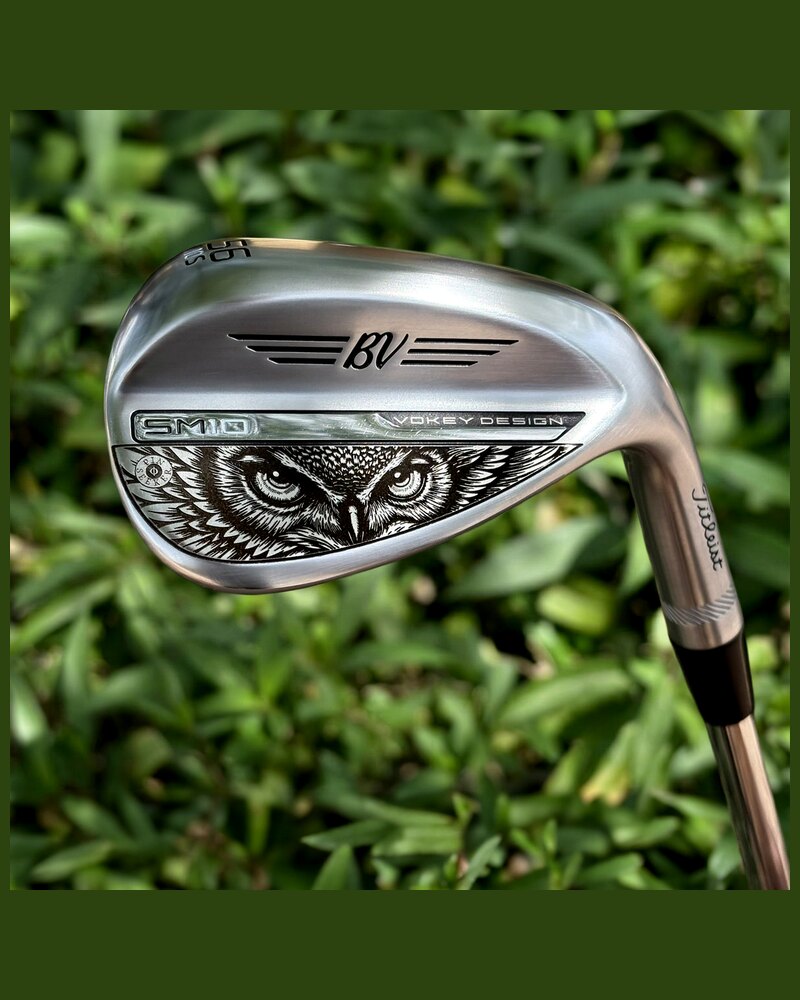
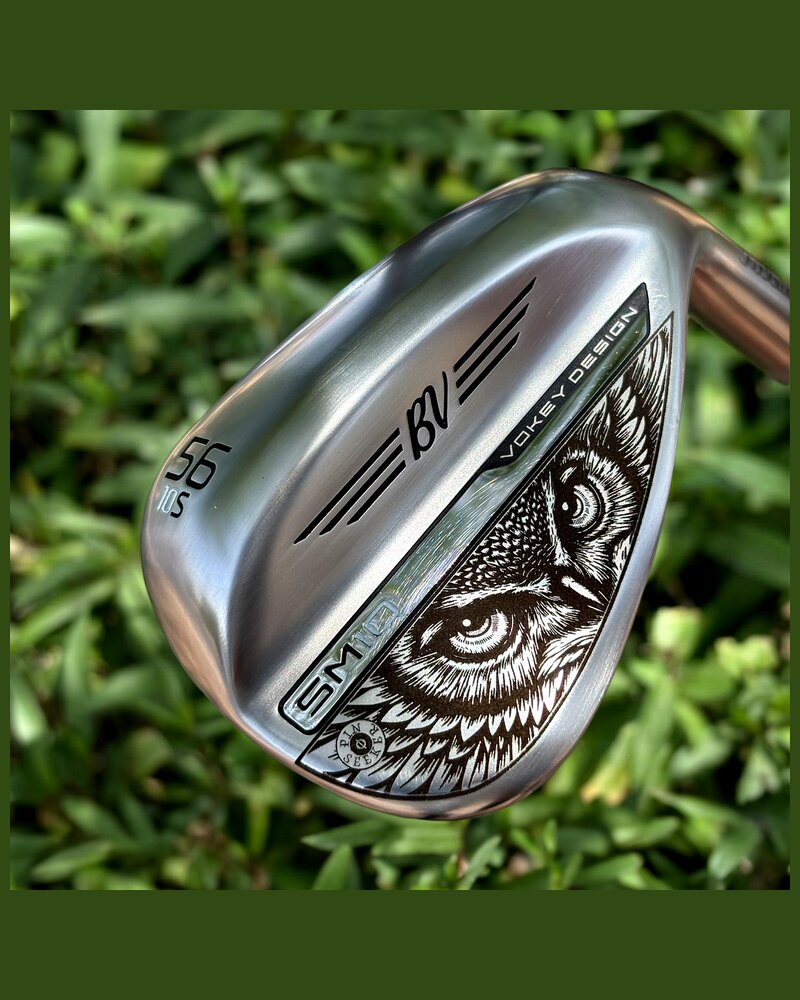
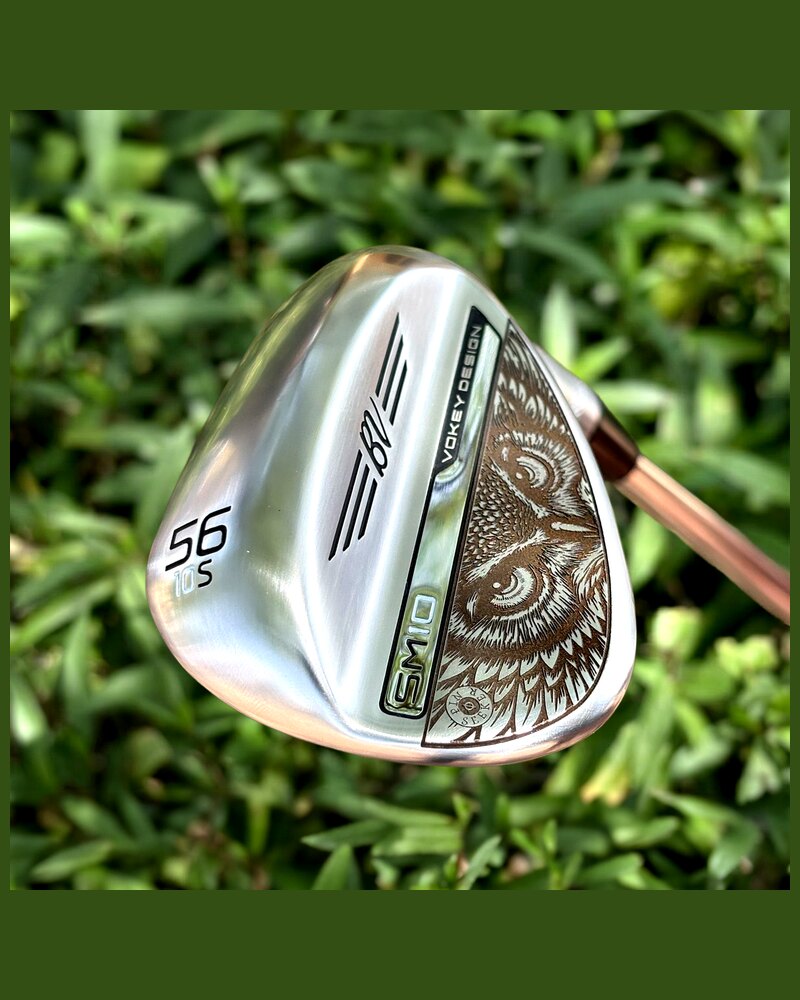
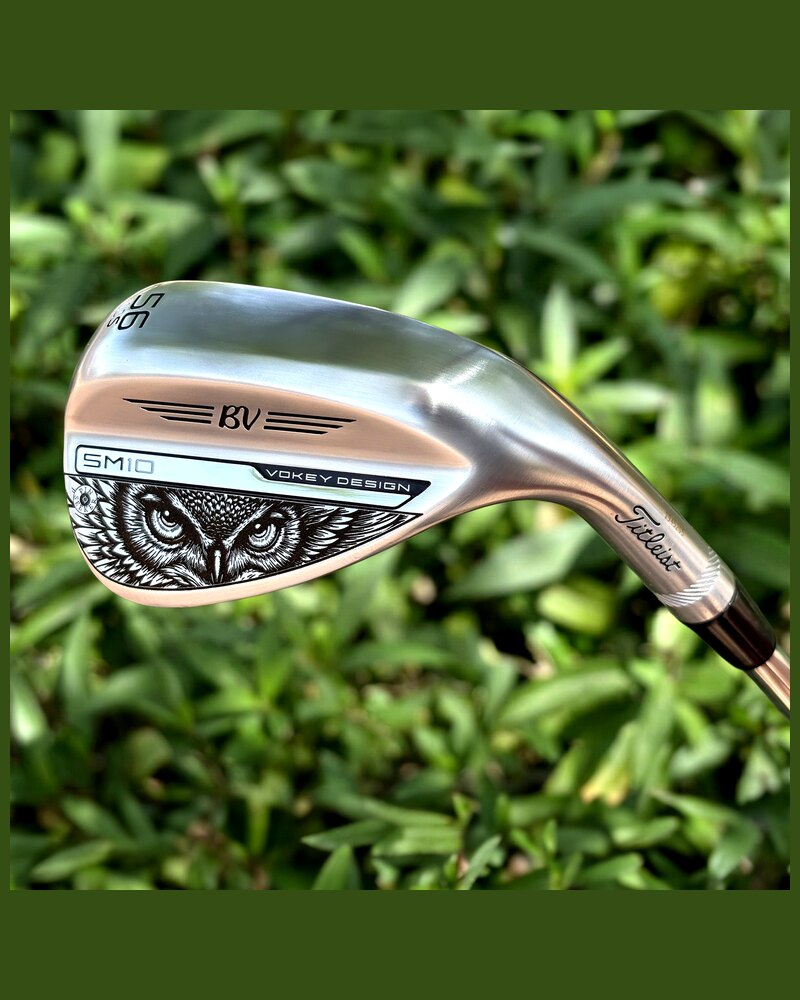
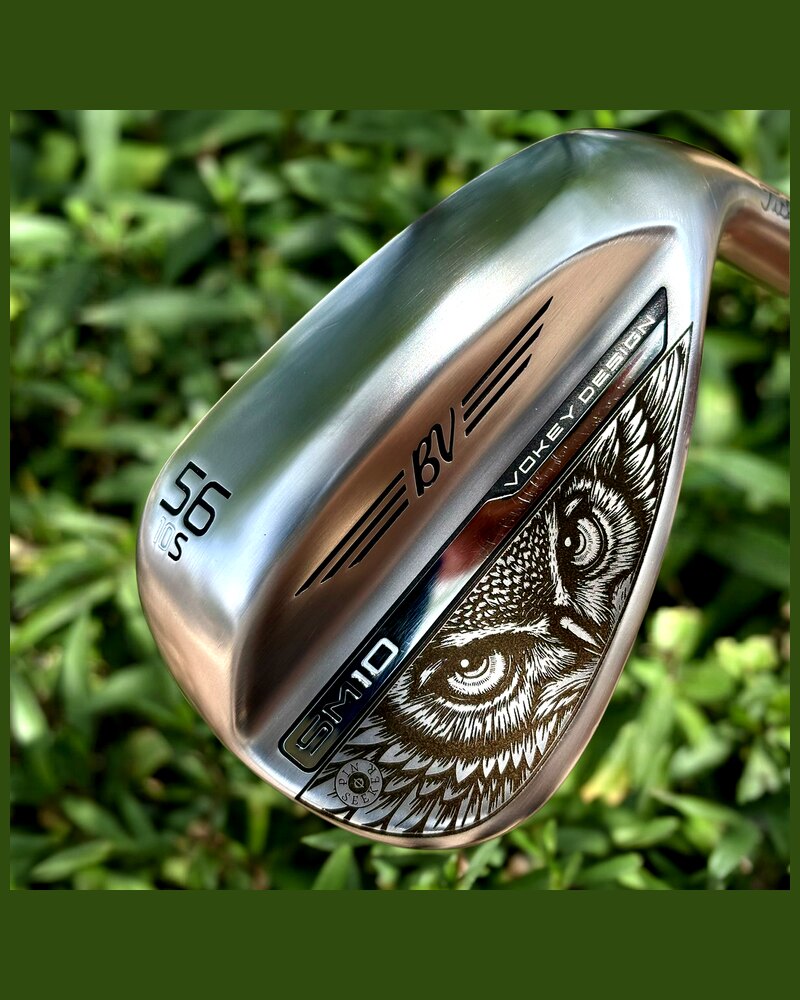
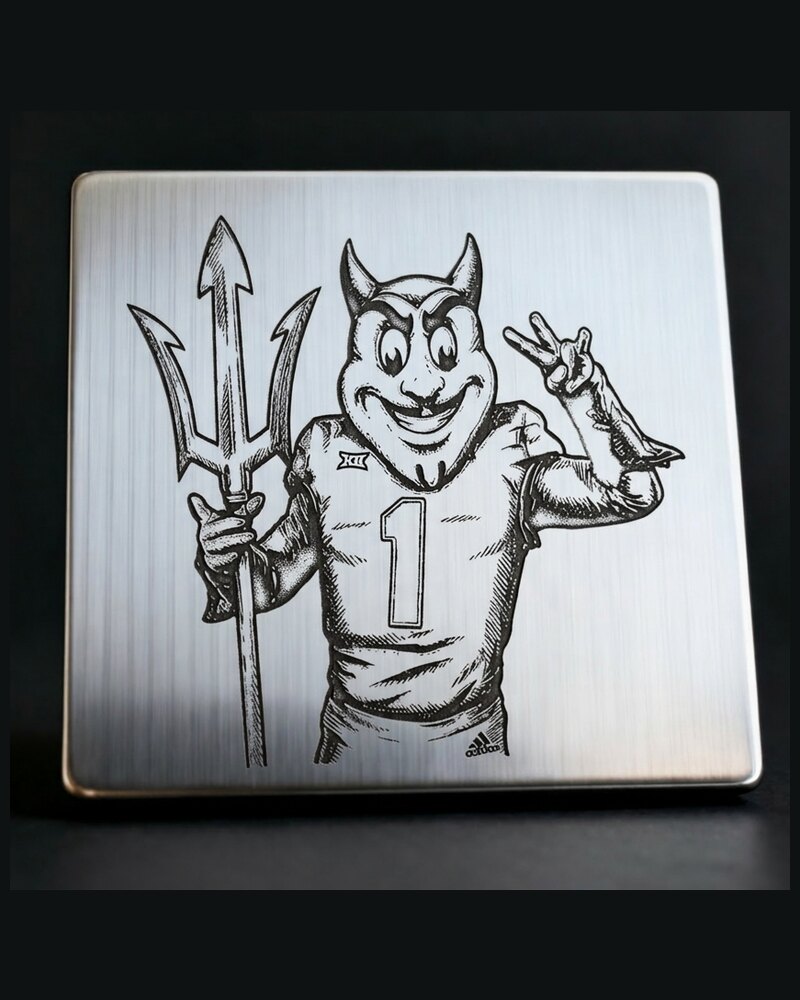
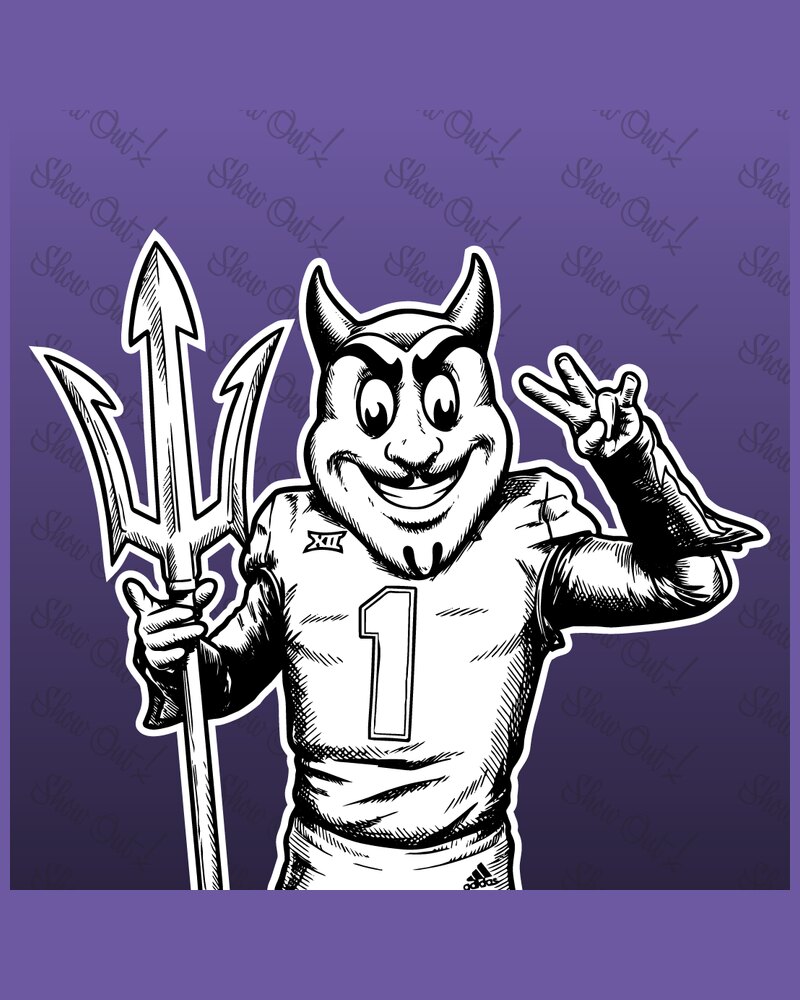
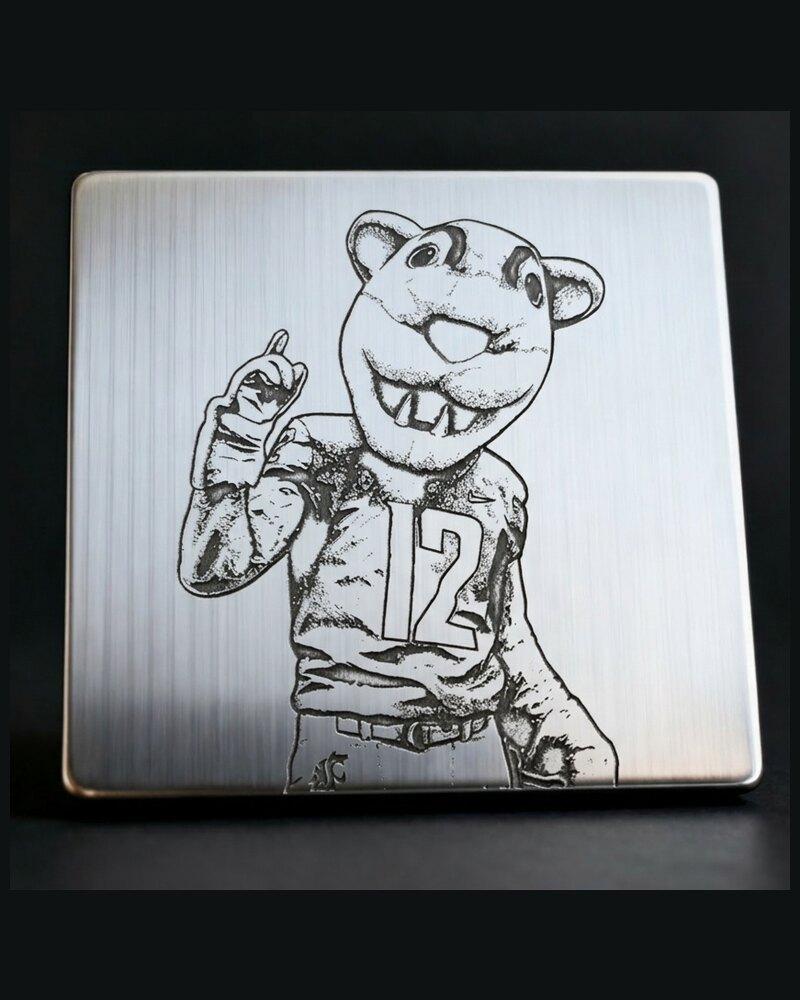

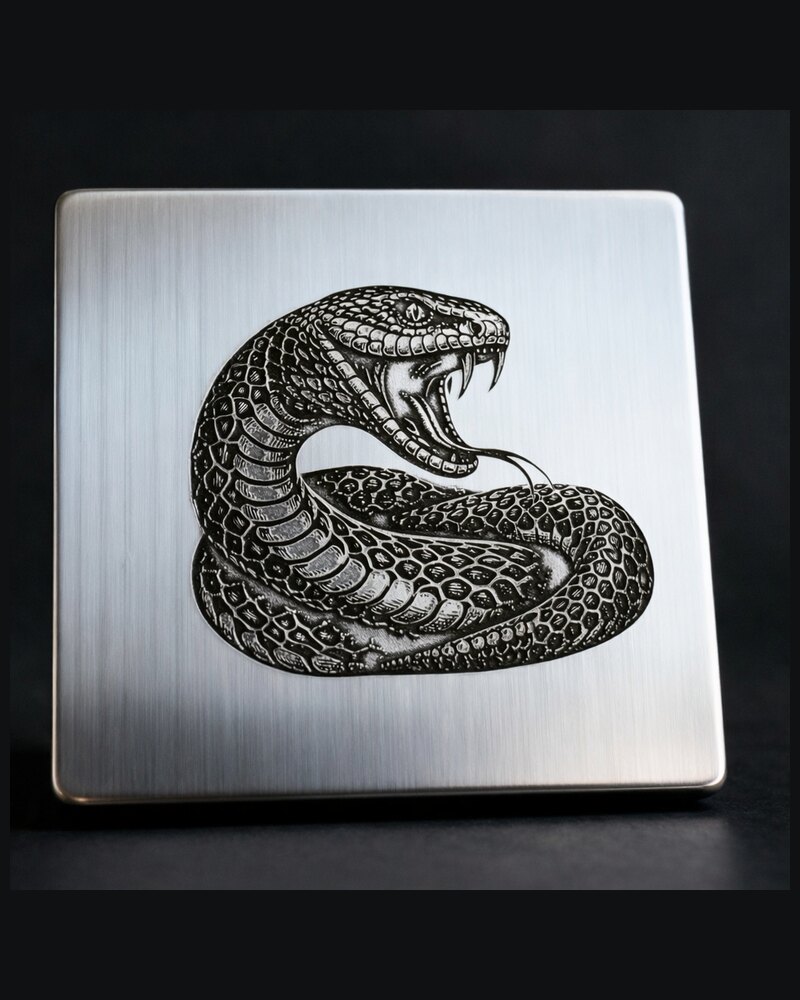
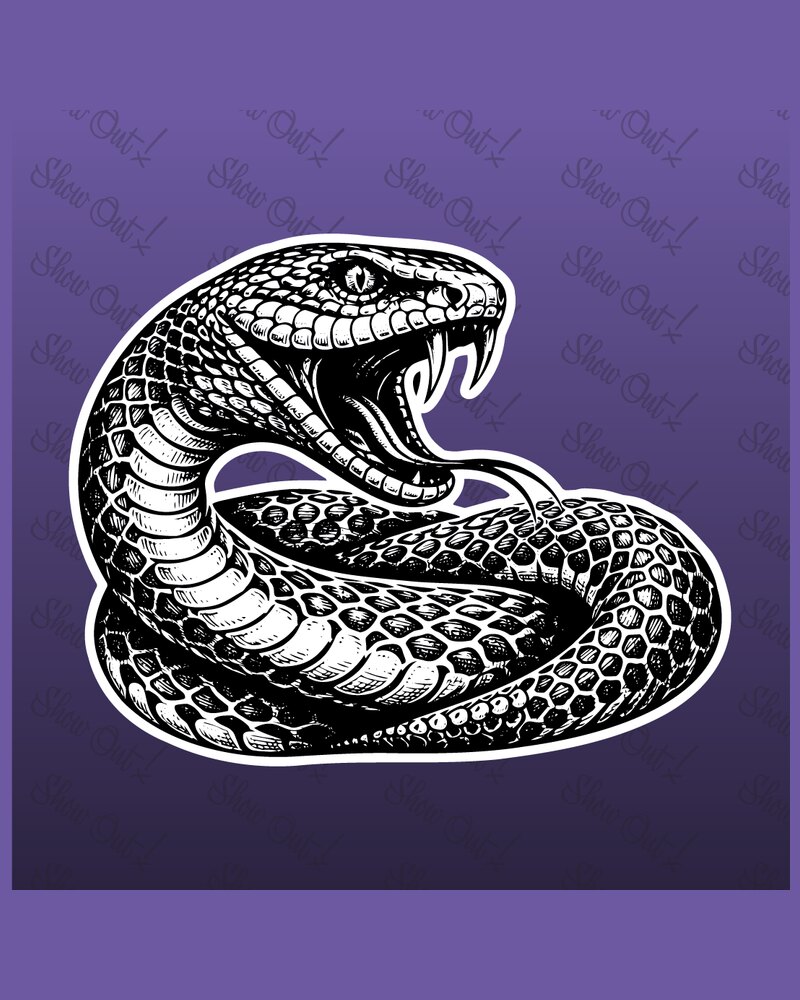
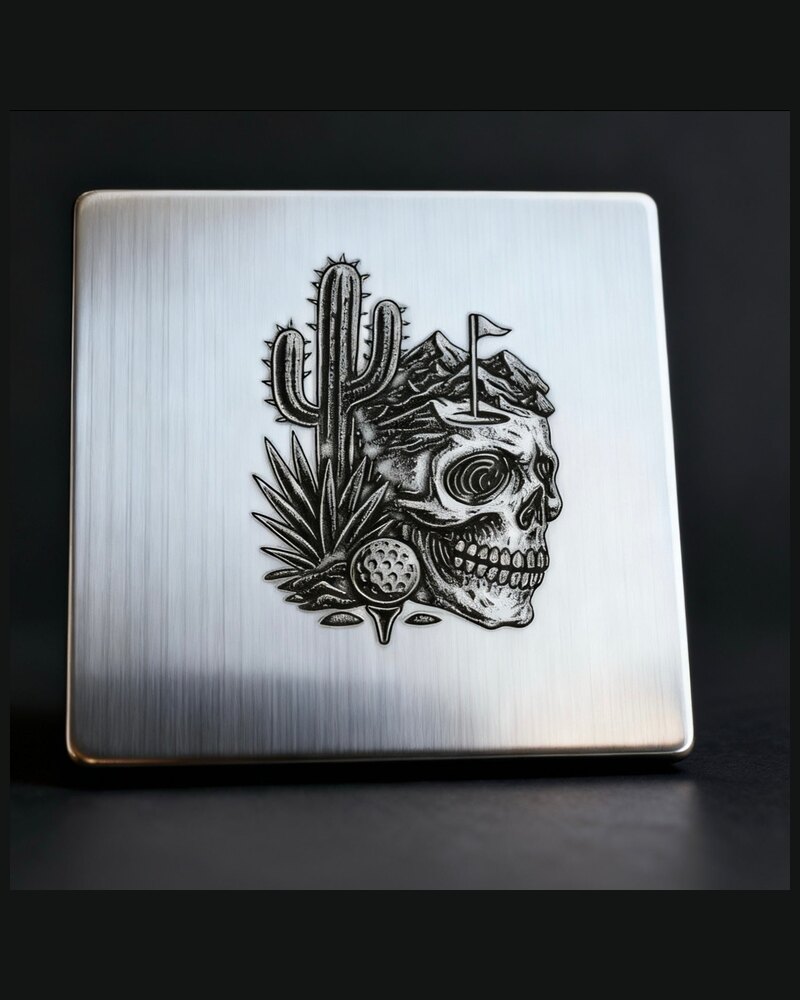
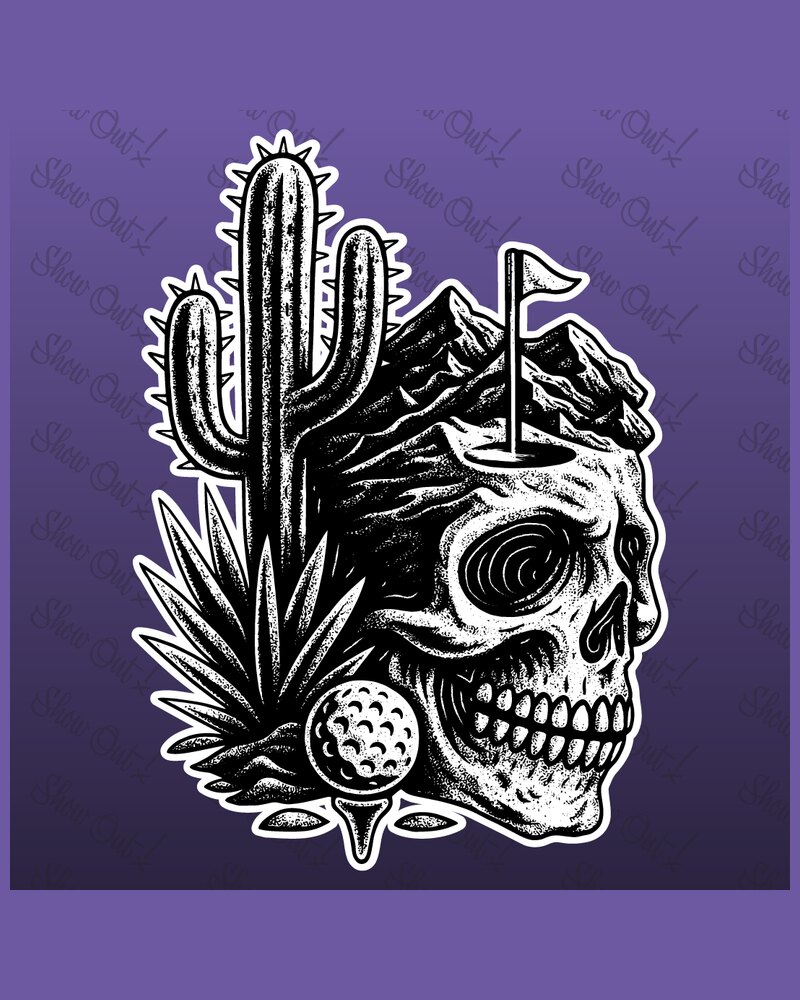
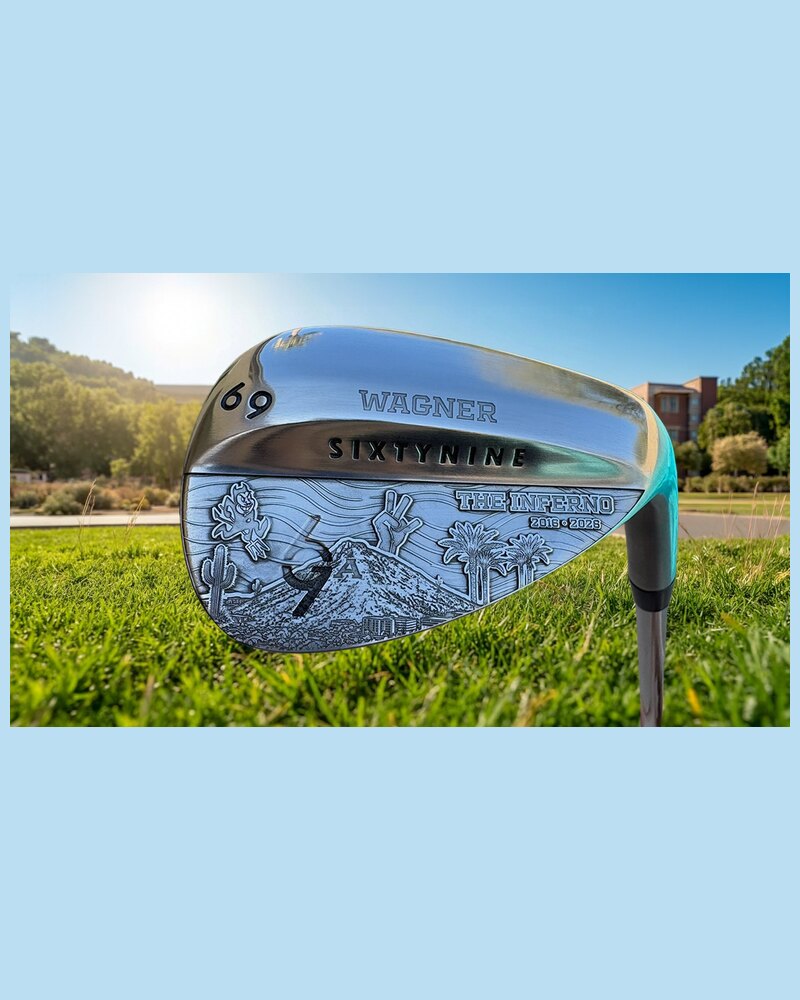
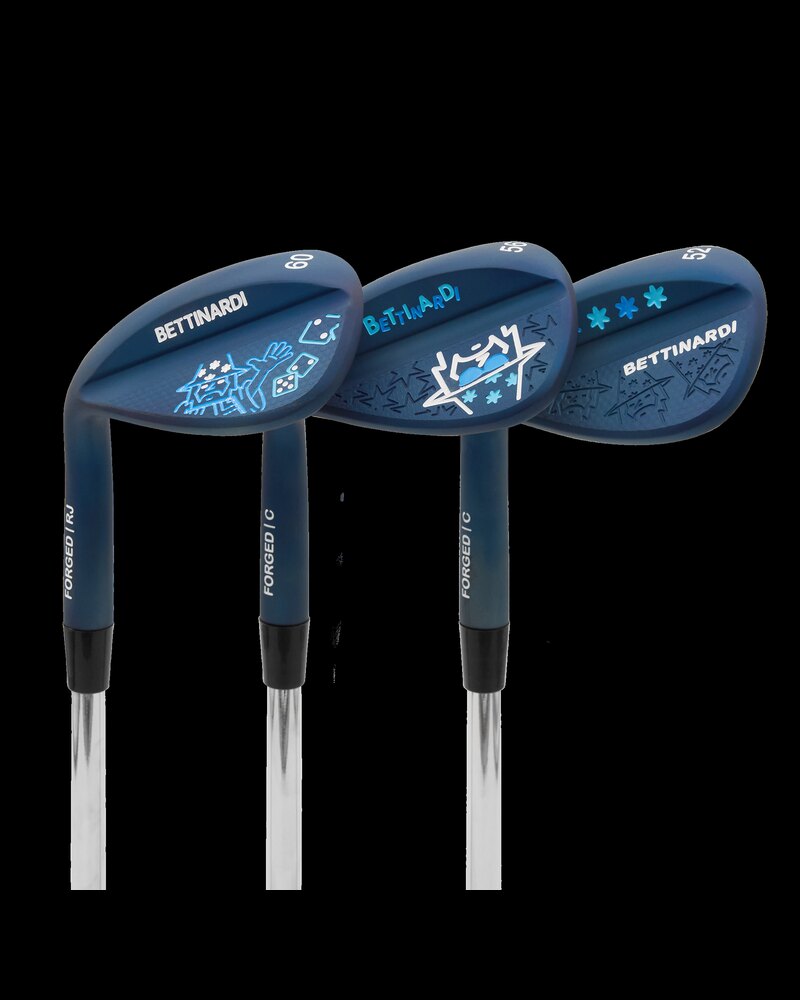
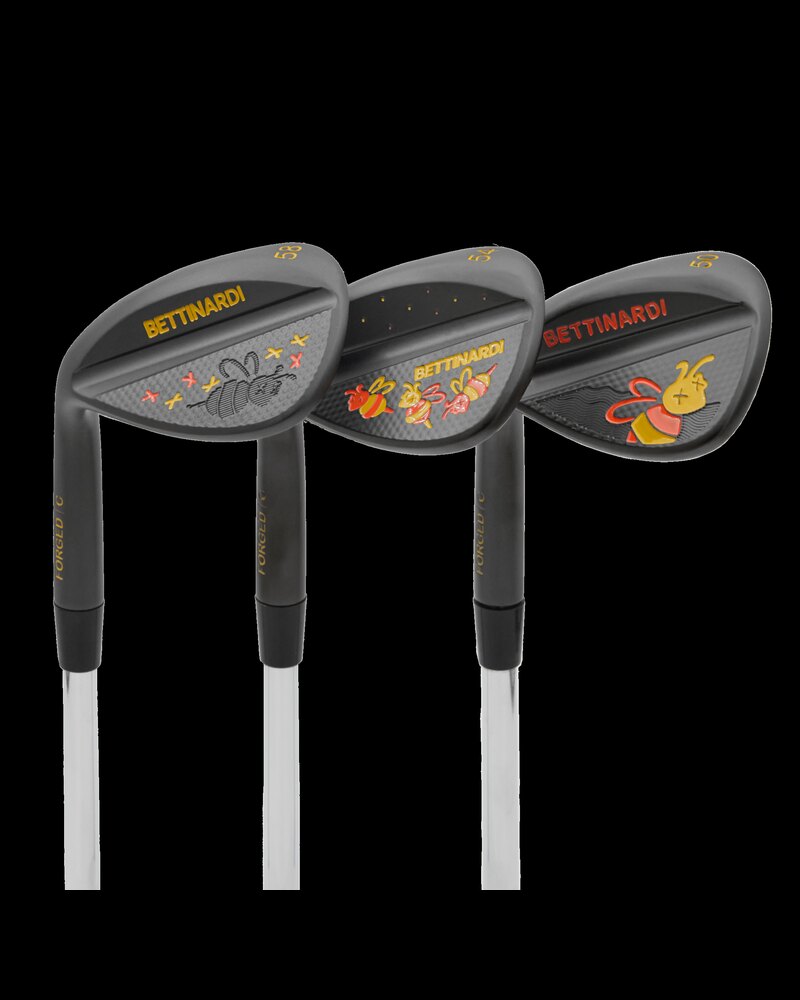
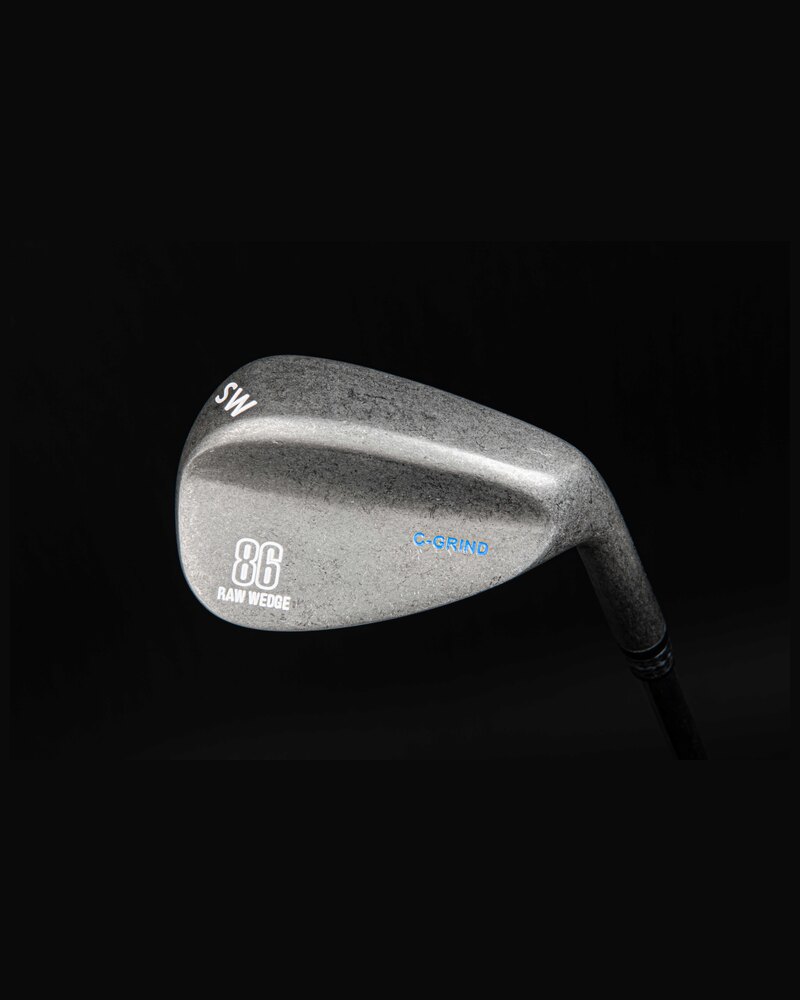
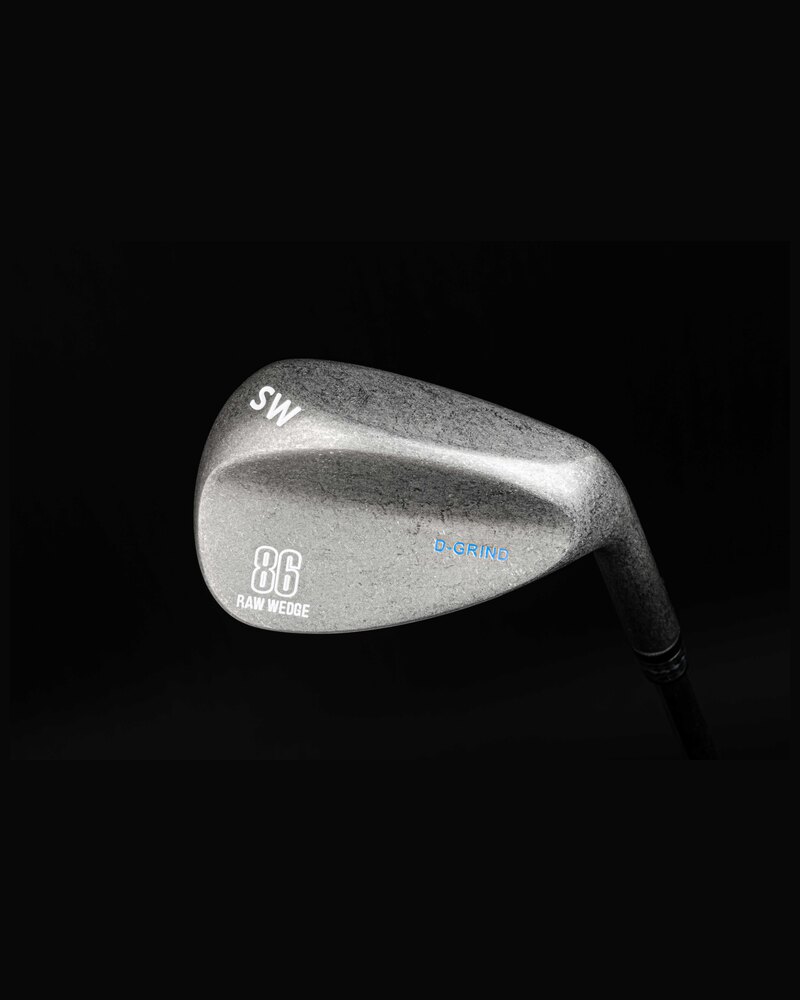
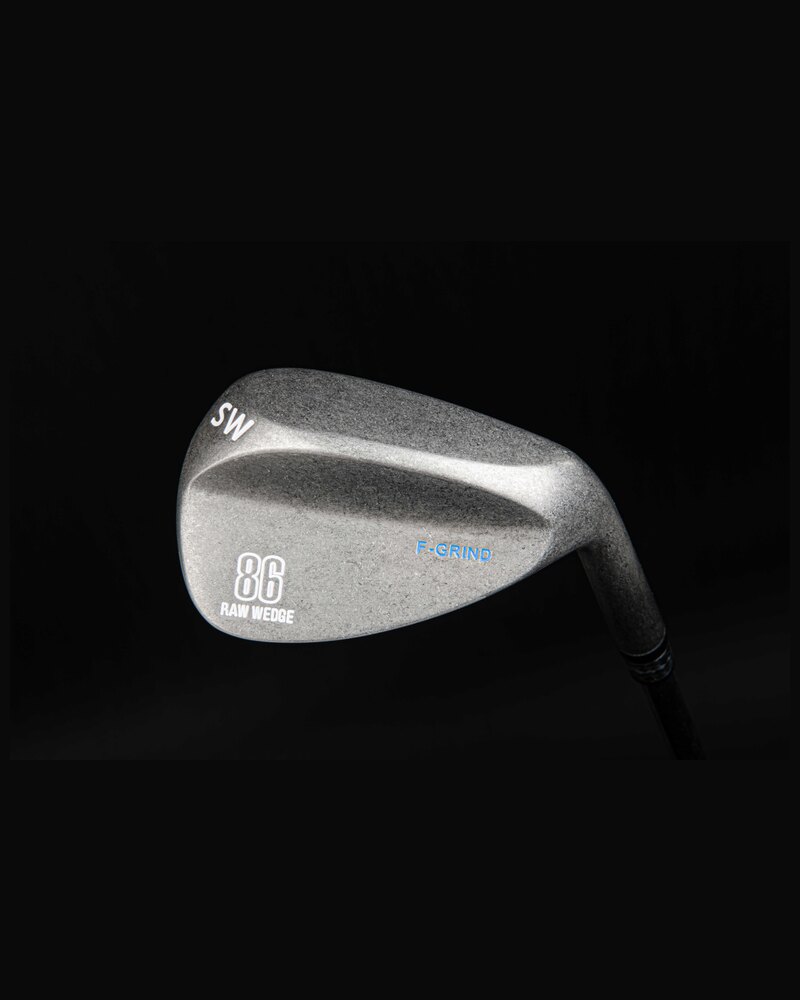
The Configurator Tier.Everything here is made after you order it, which is not the same thing as bespoke. You choose from a menu — grind, finish, loft, lie, length, shaft, ferrule — and you cannot ask for what is not on it.
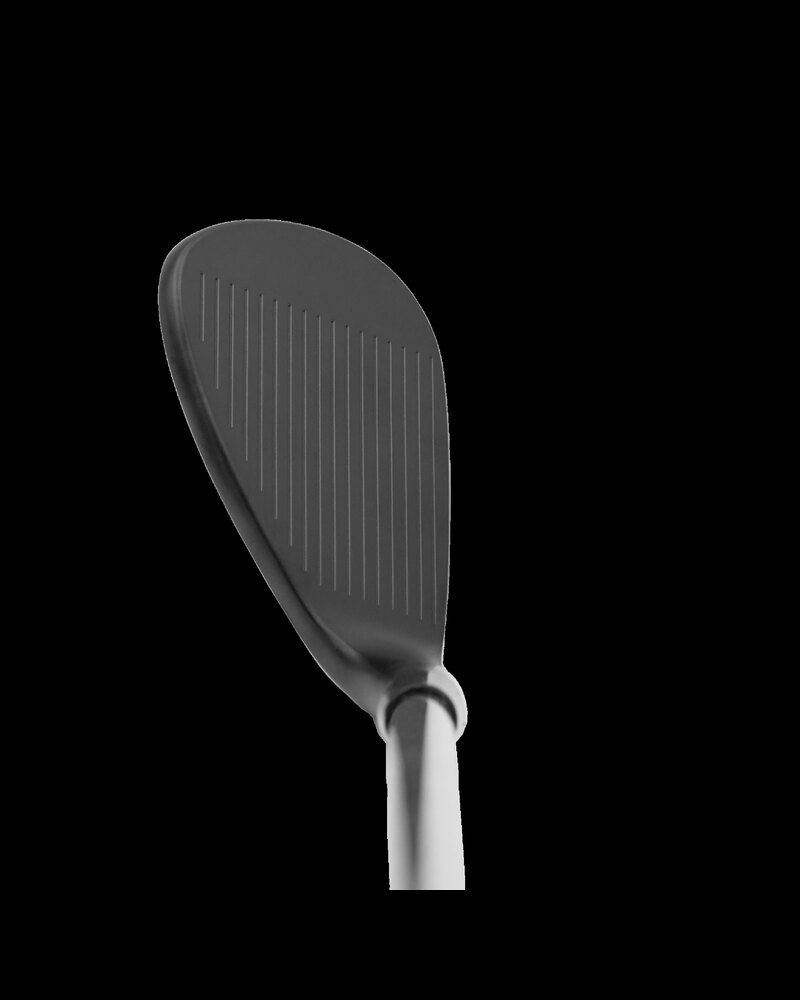
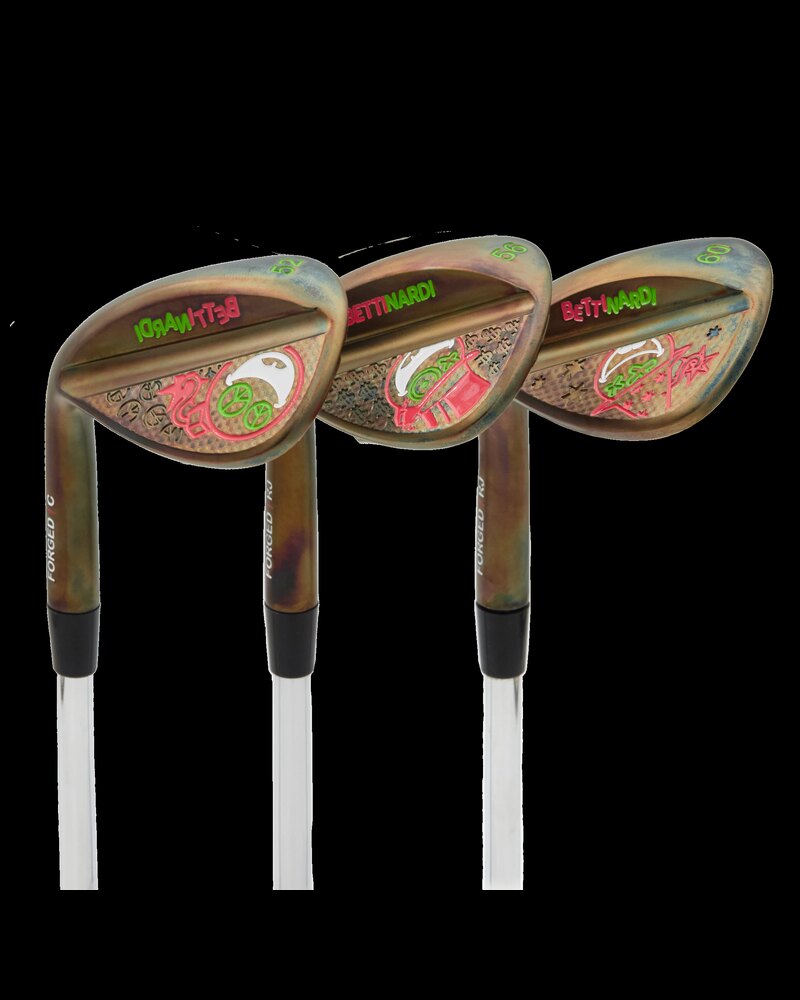
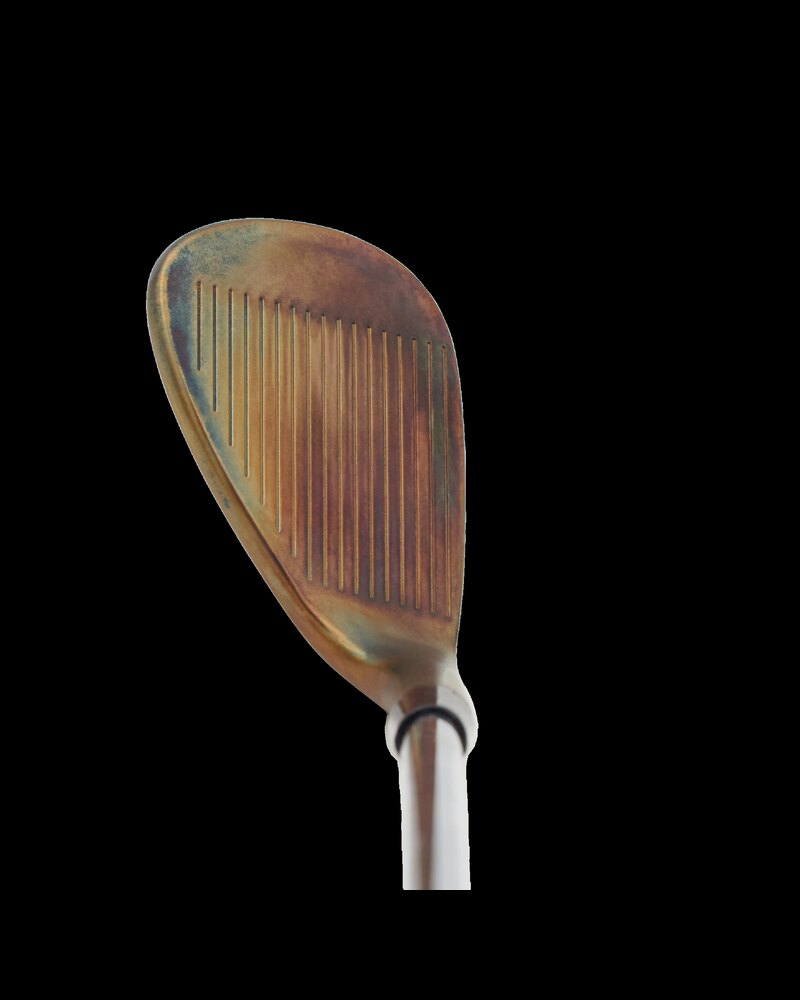
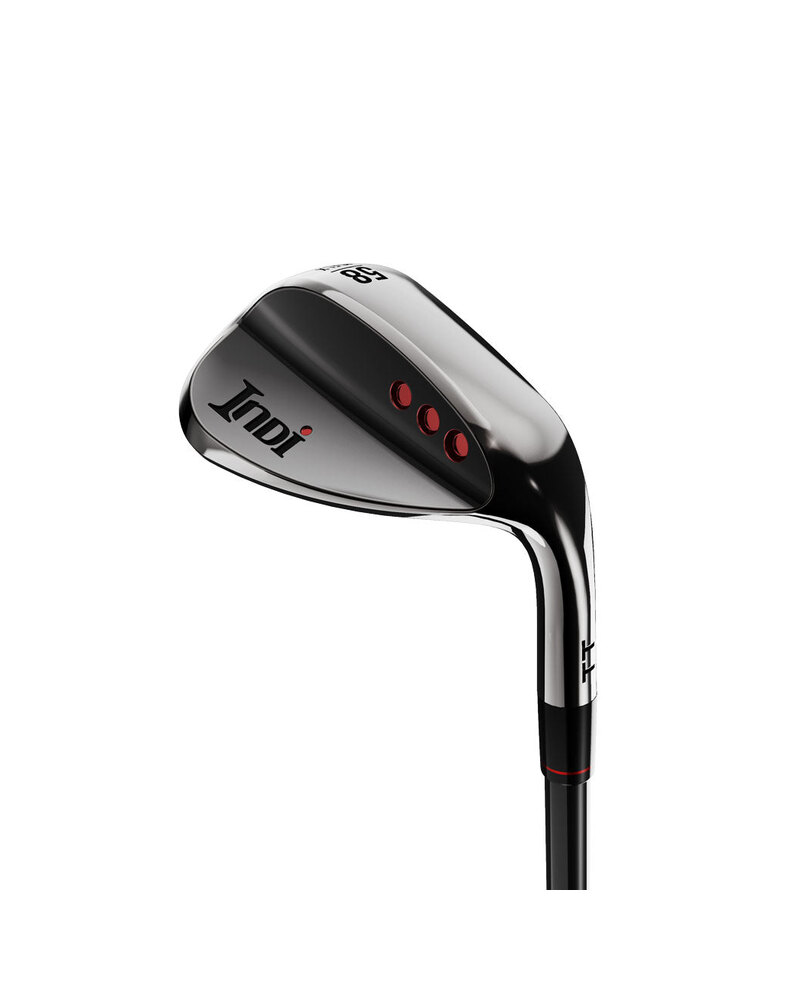
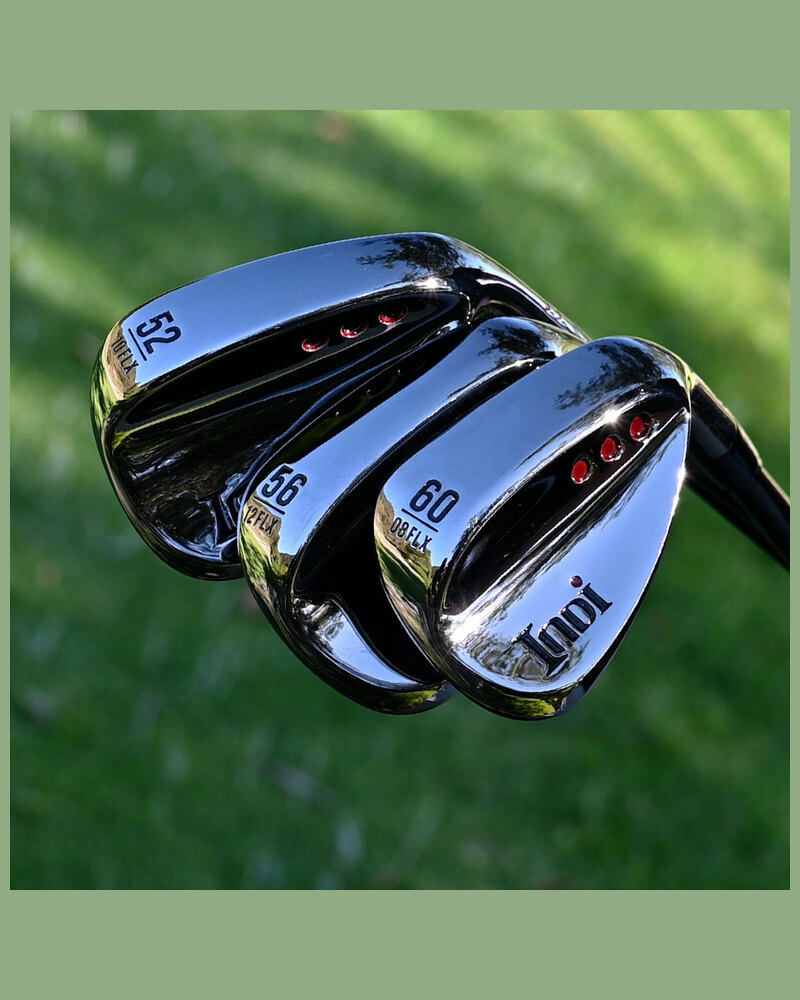
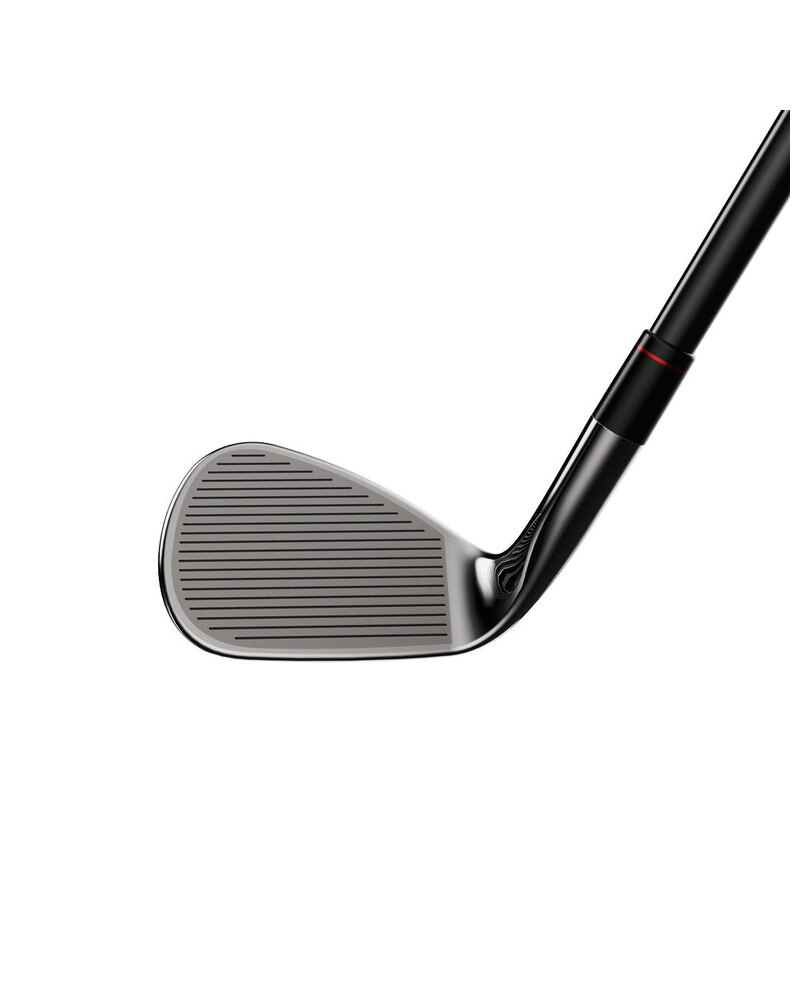
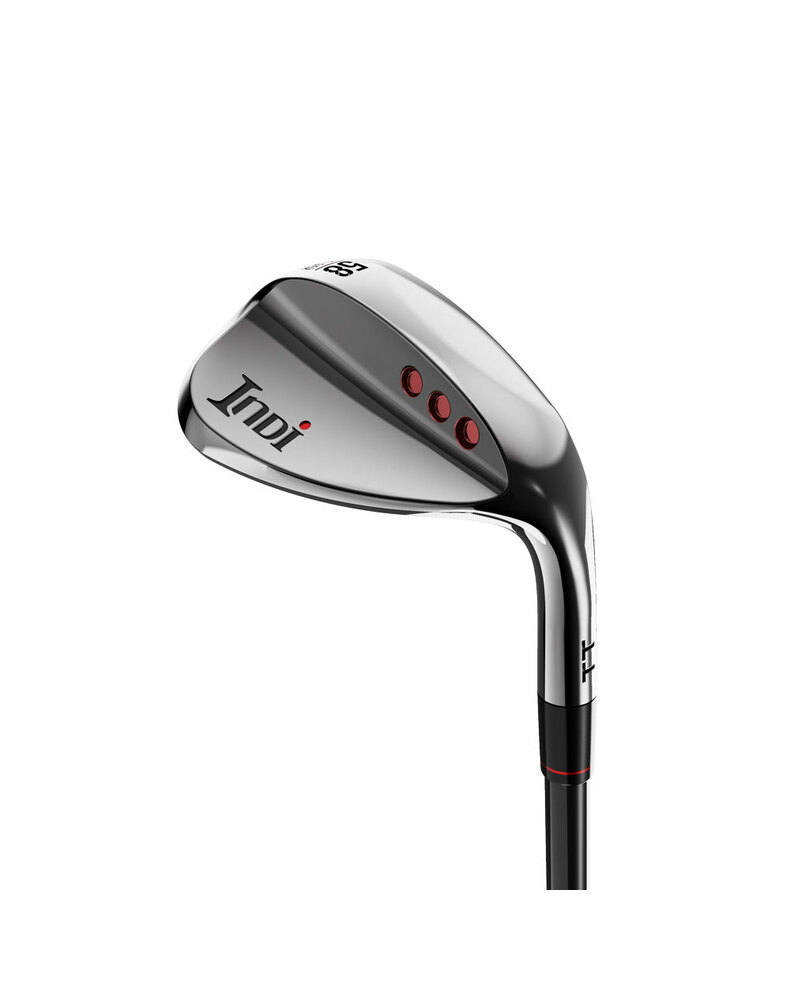
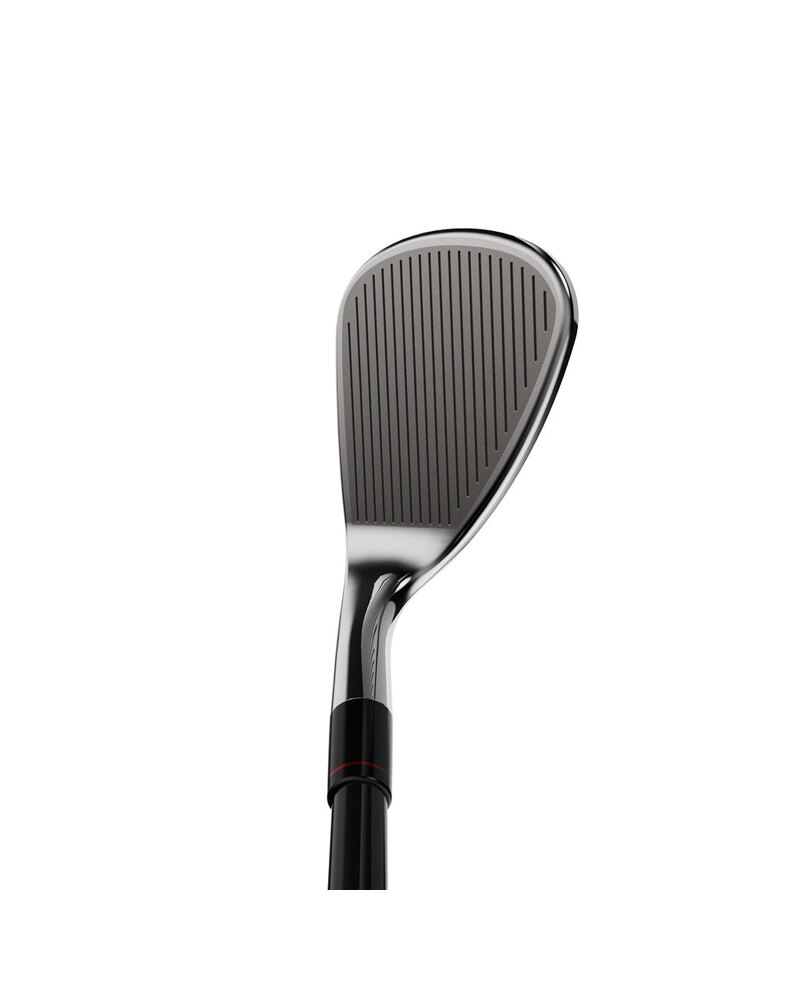
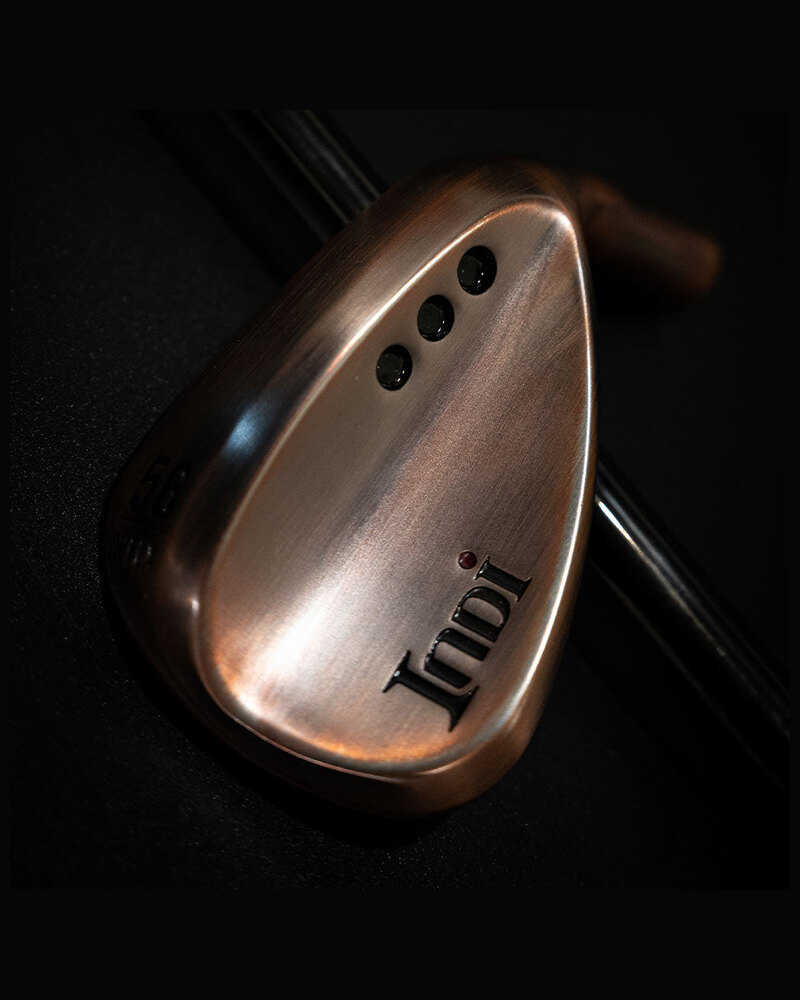
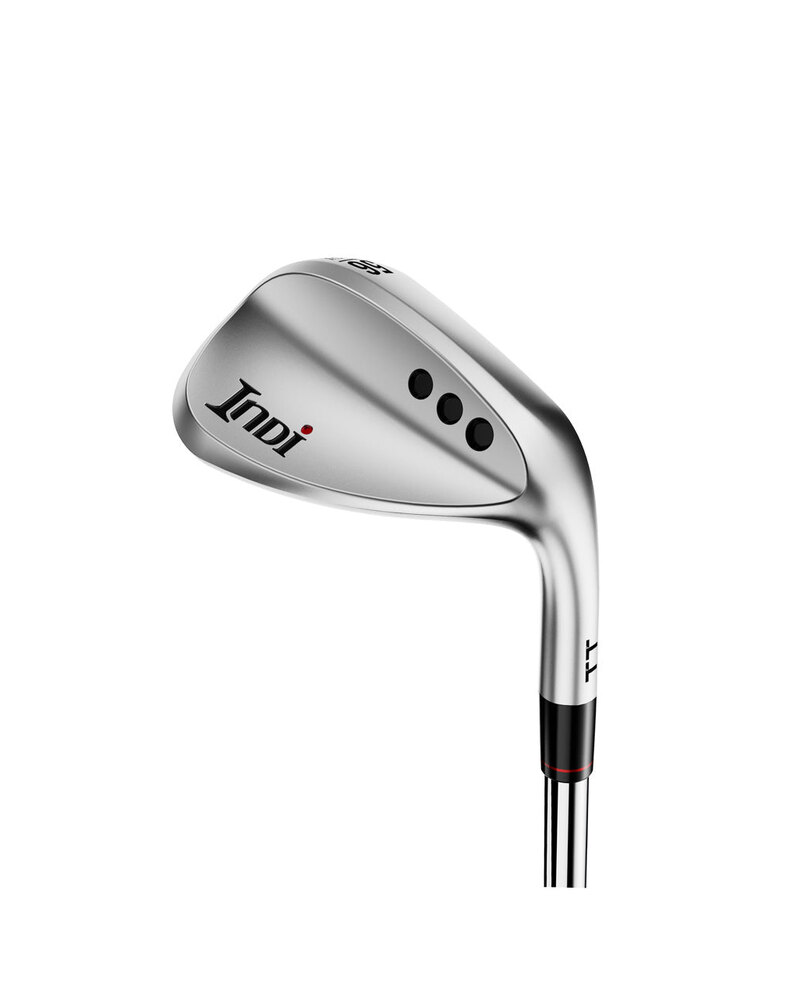
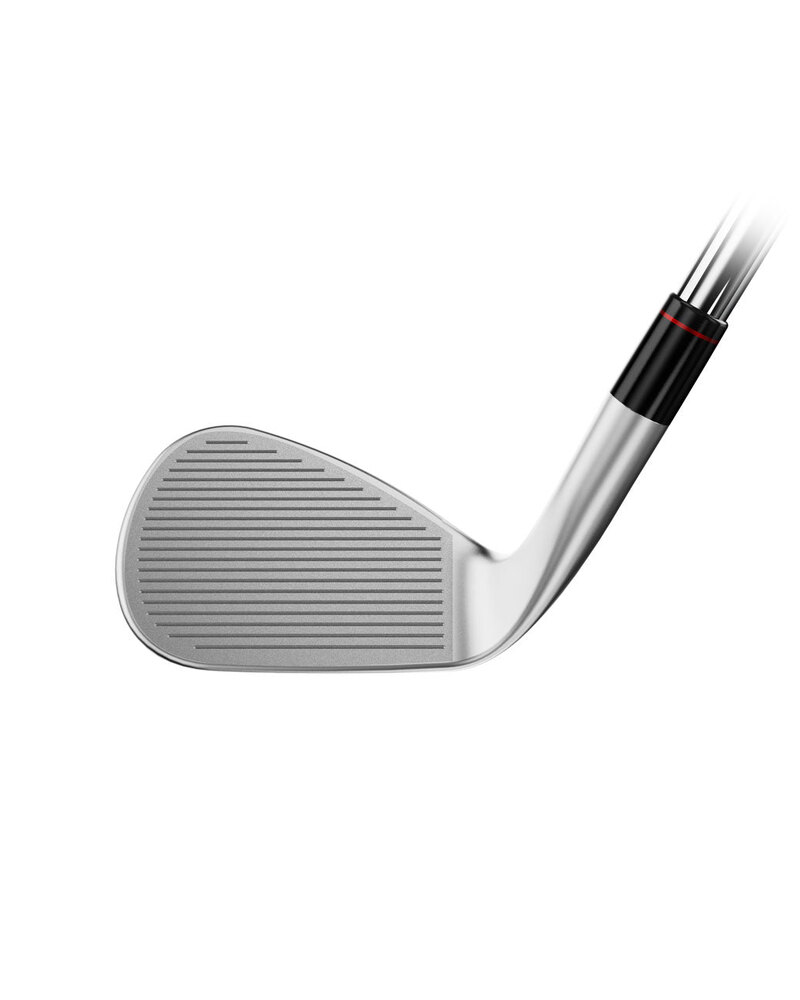
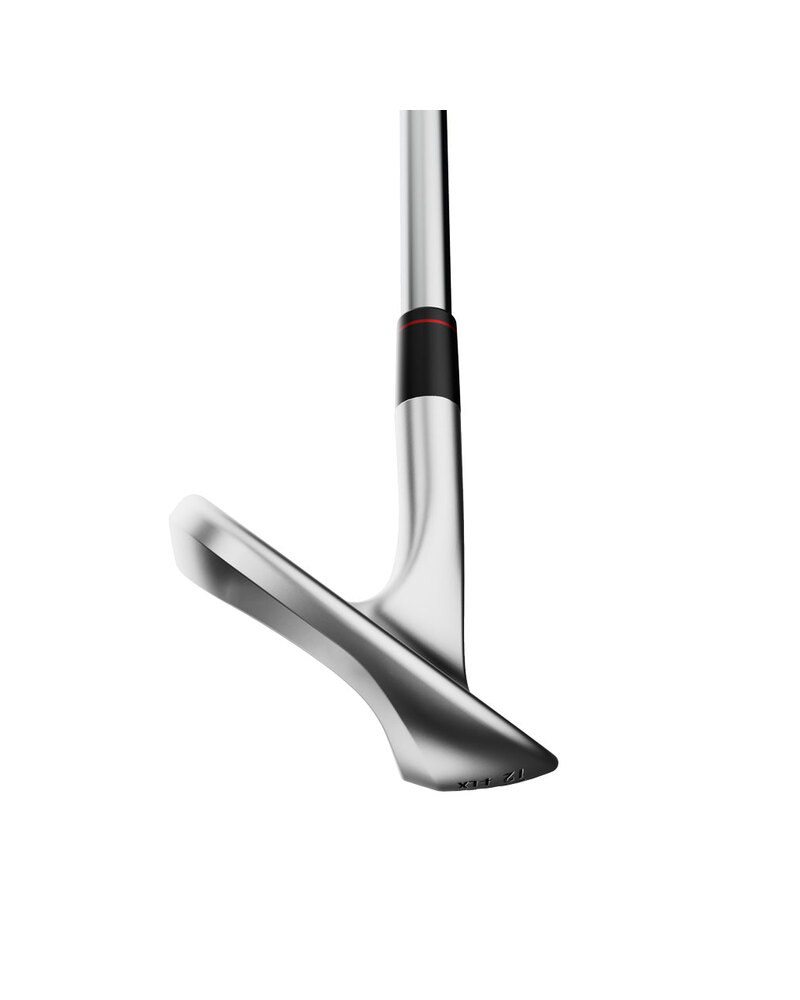
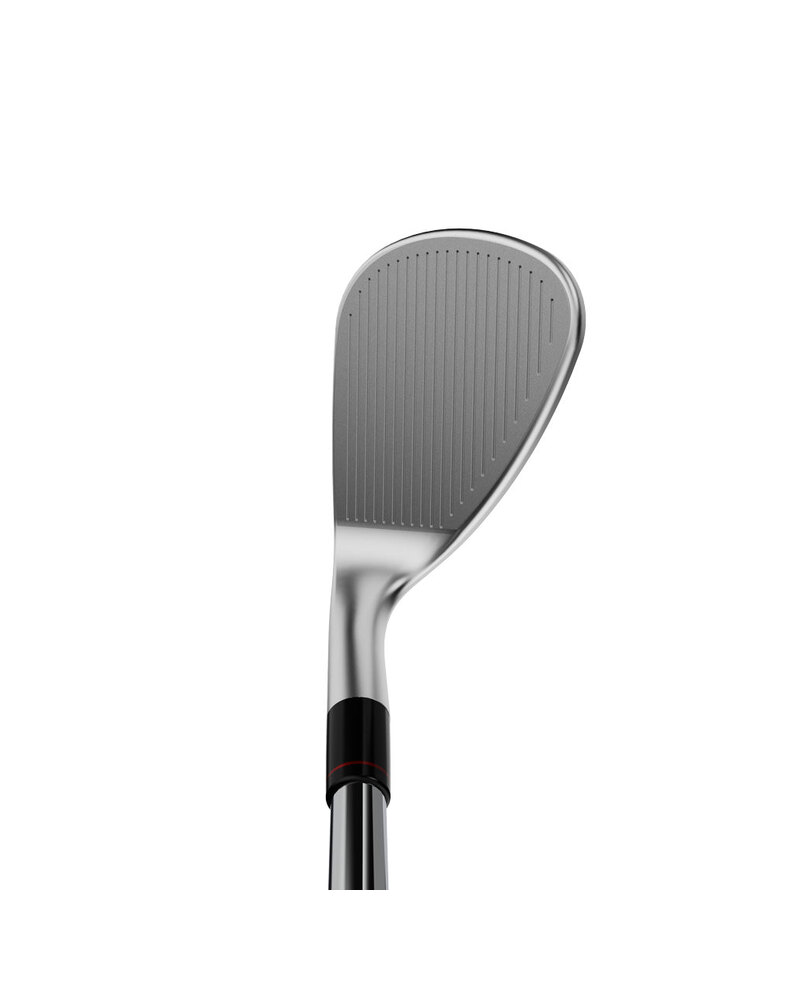
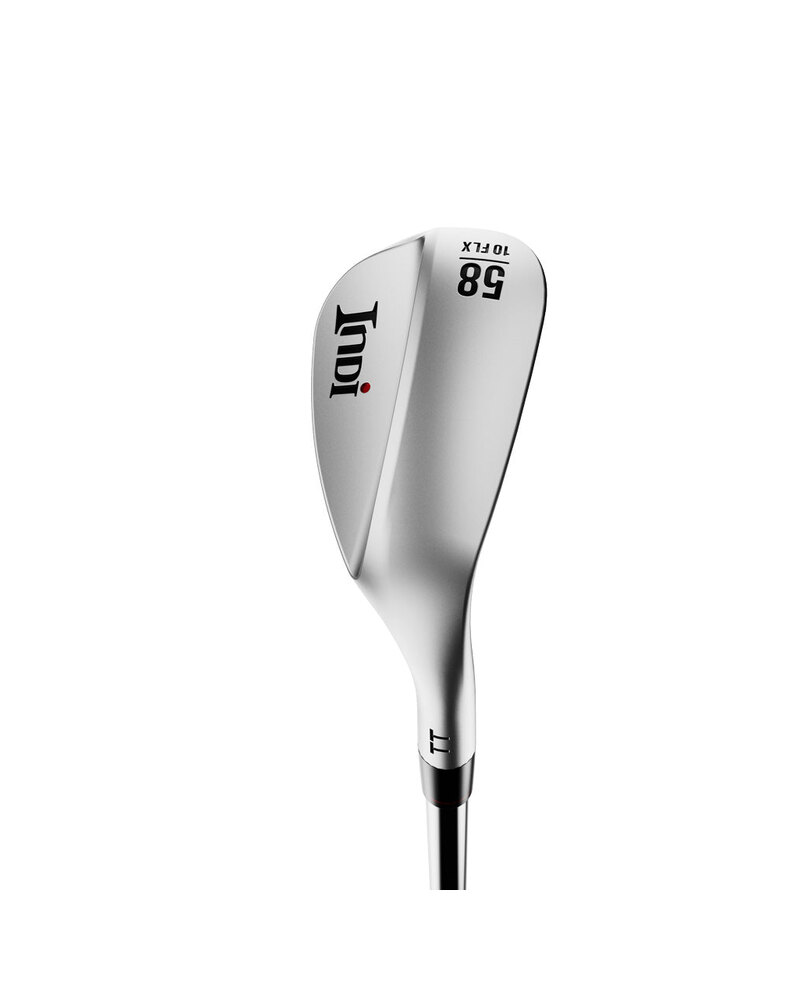
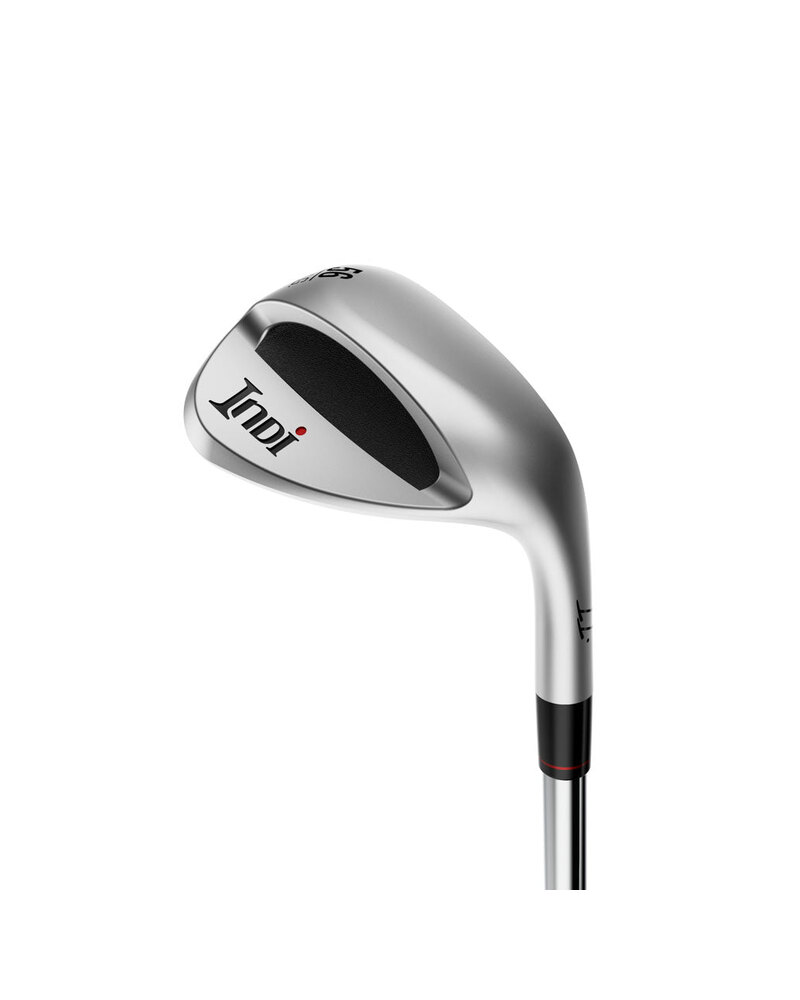
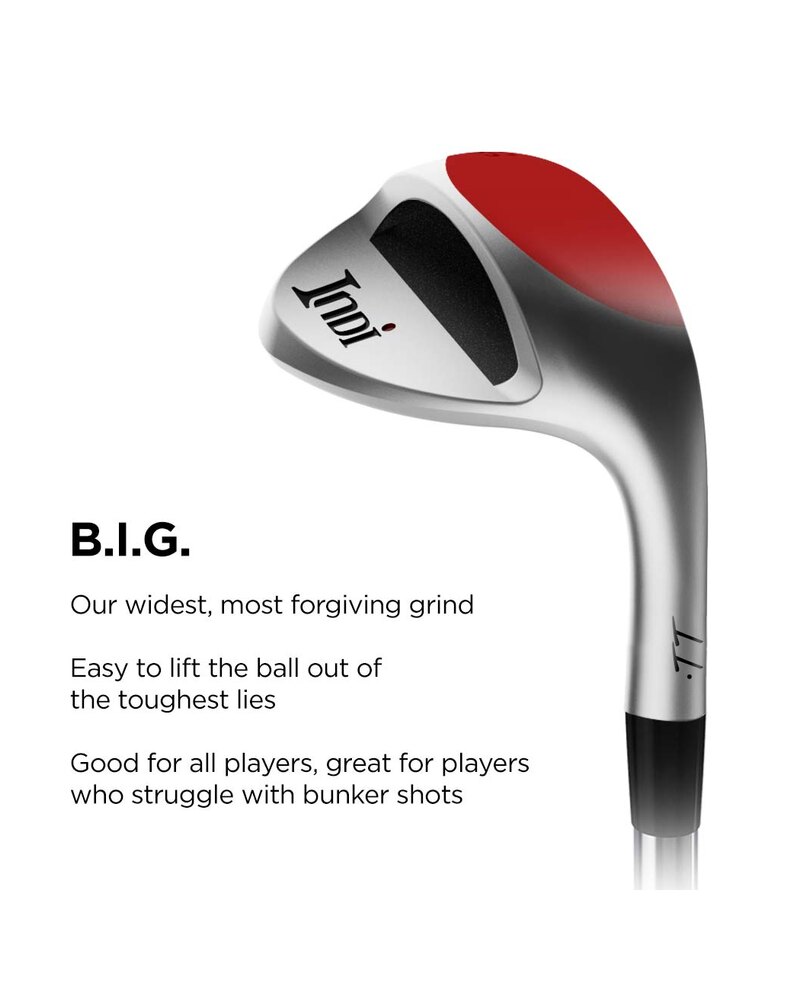
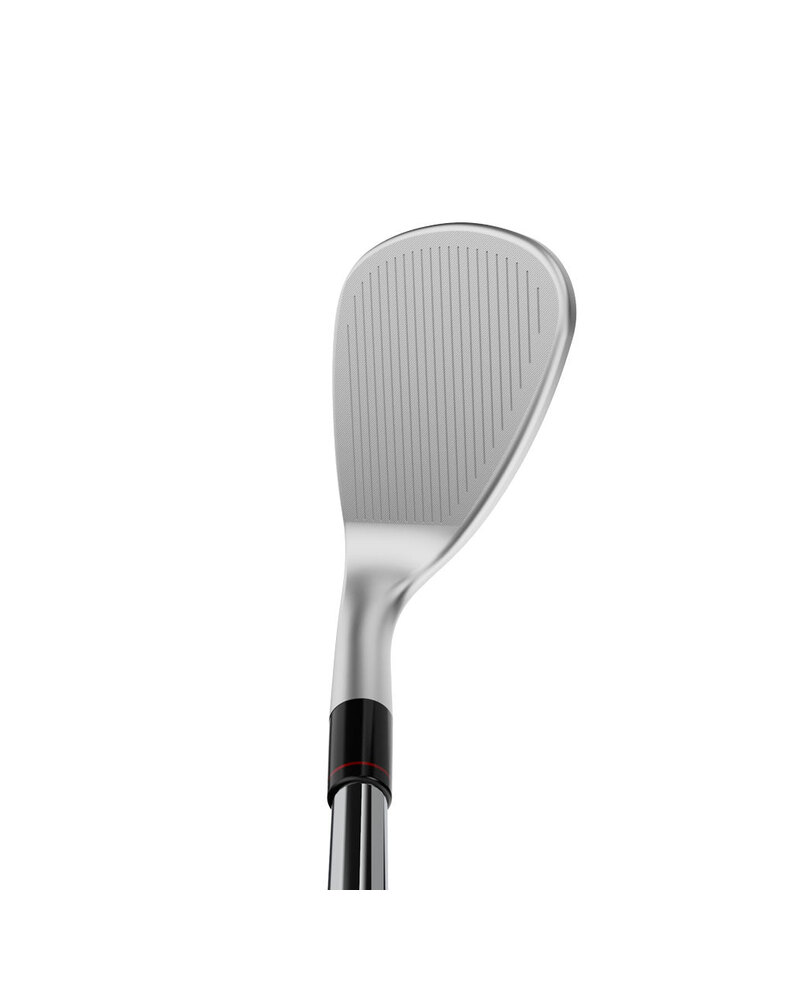
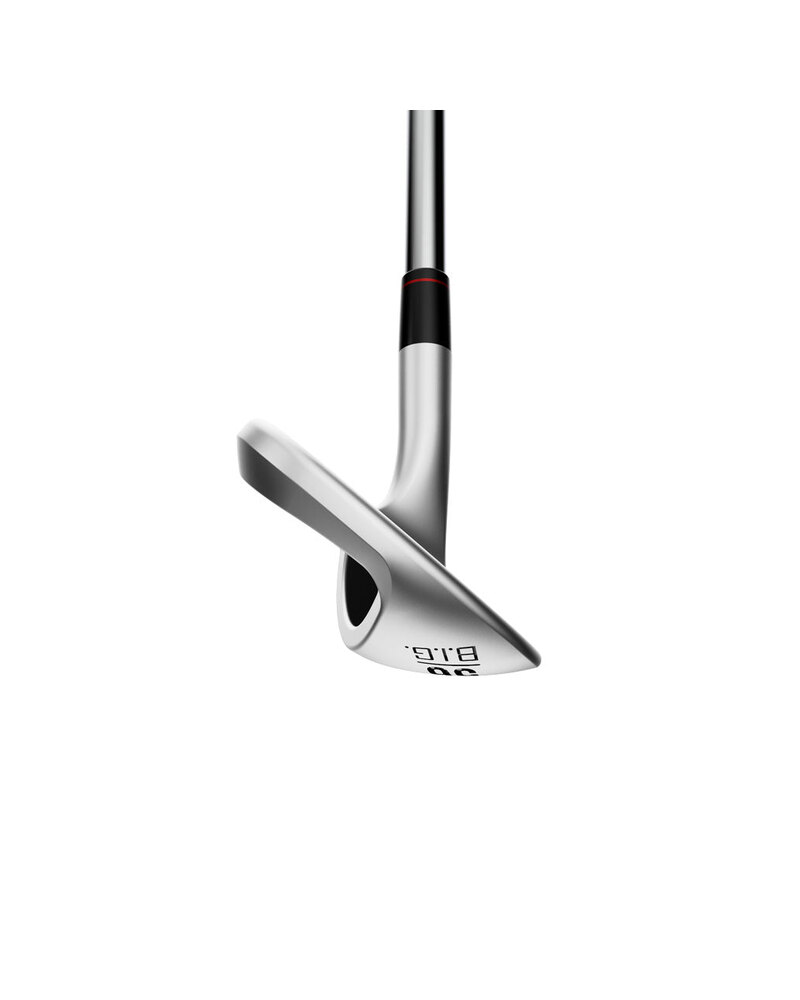
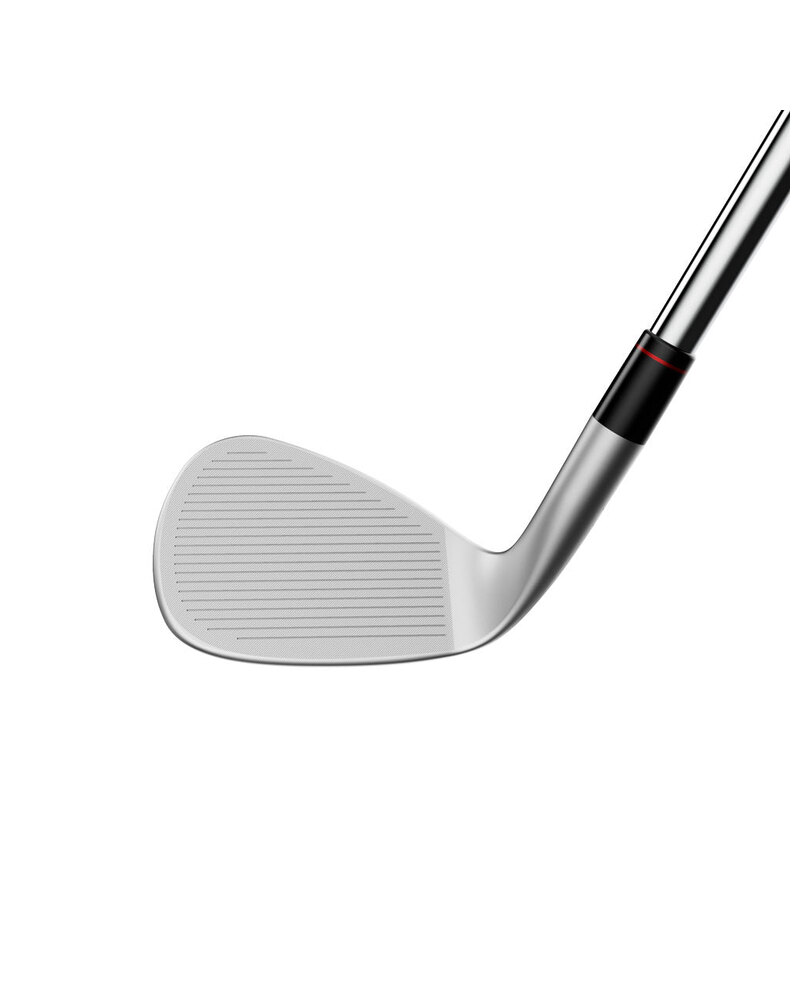
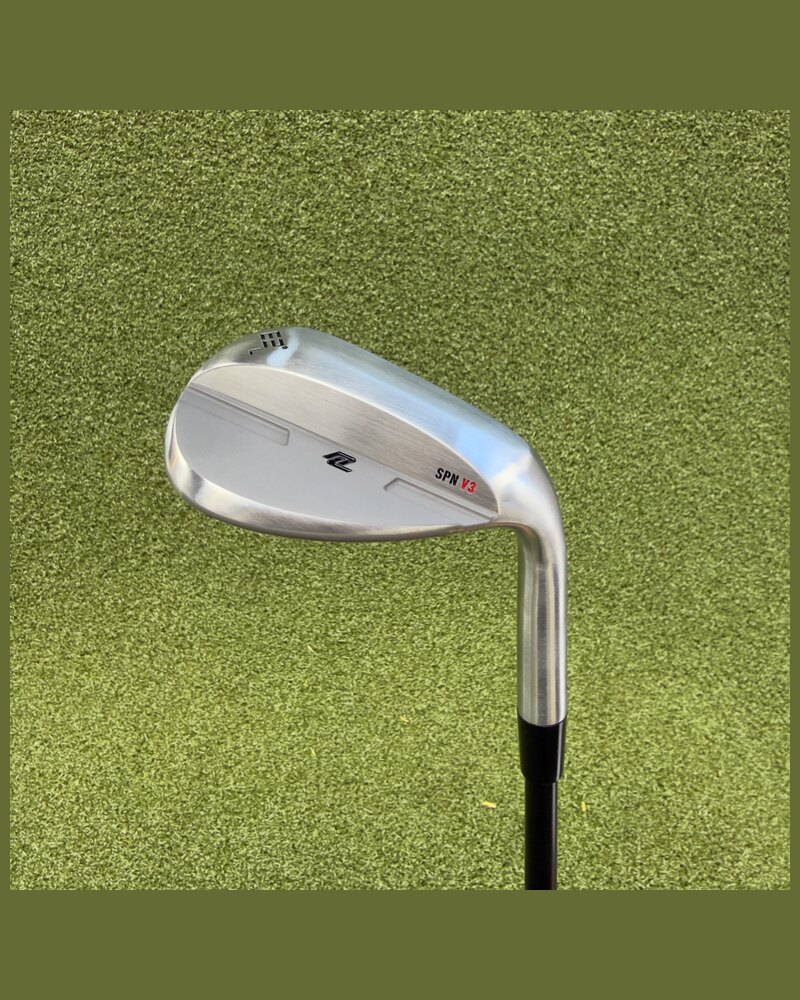
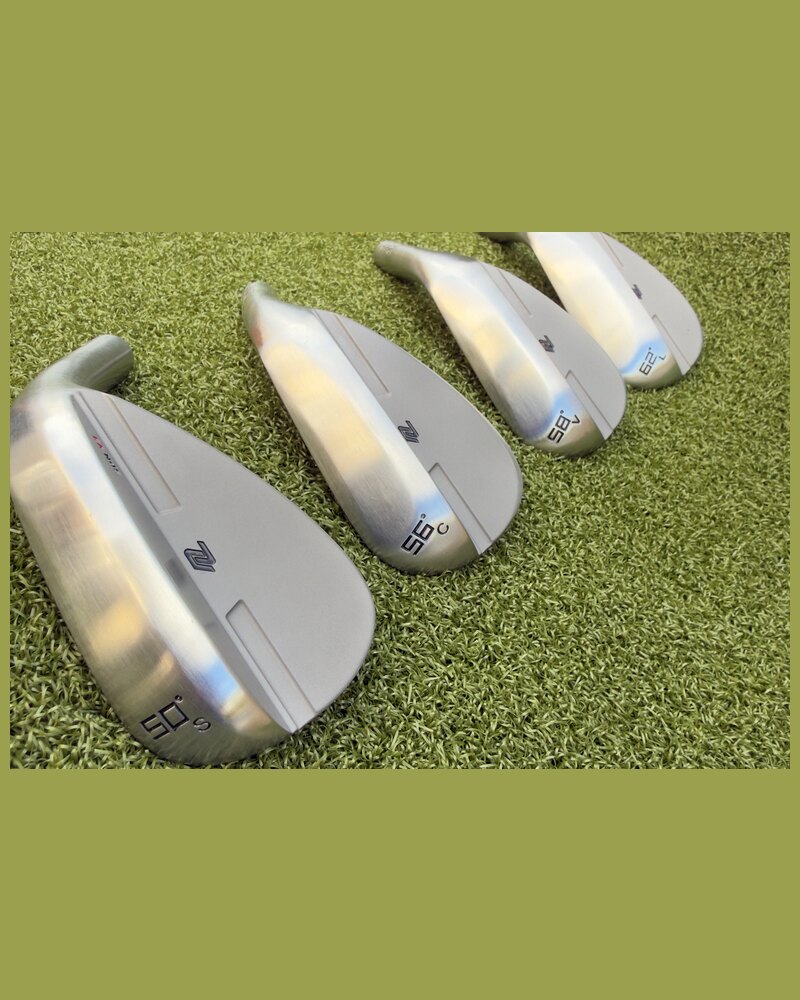
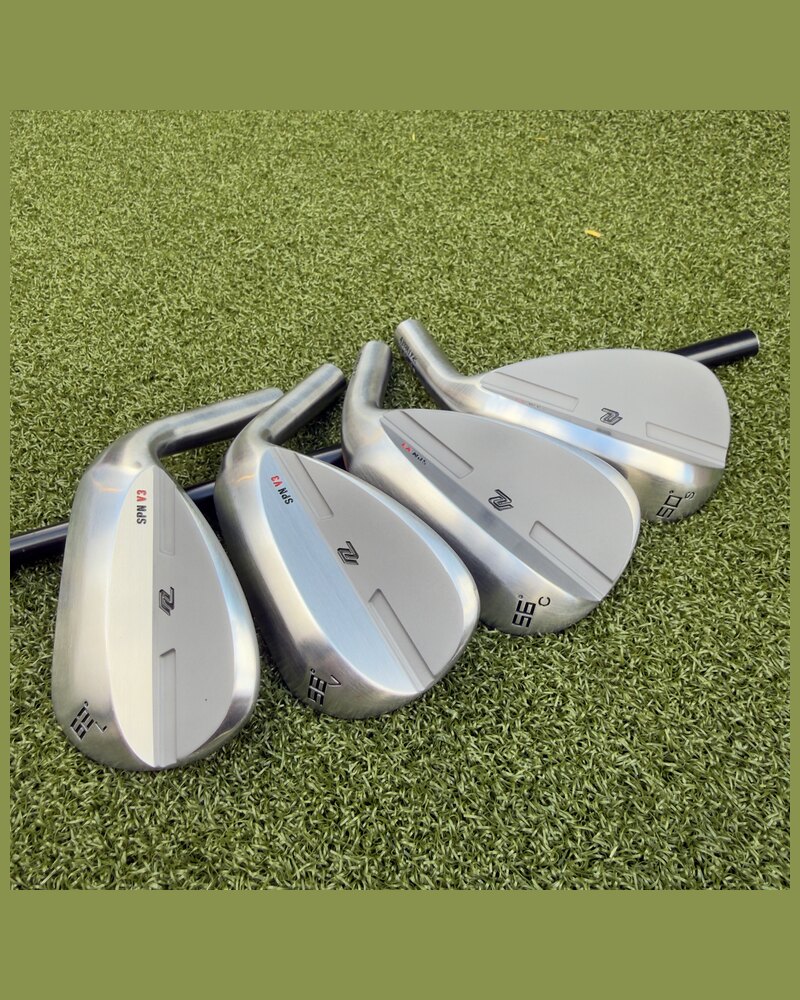


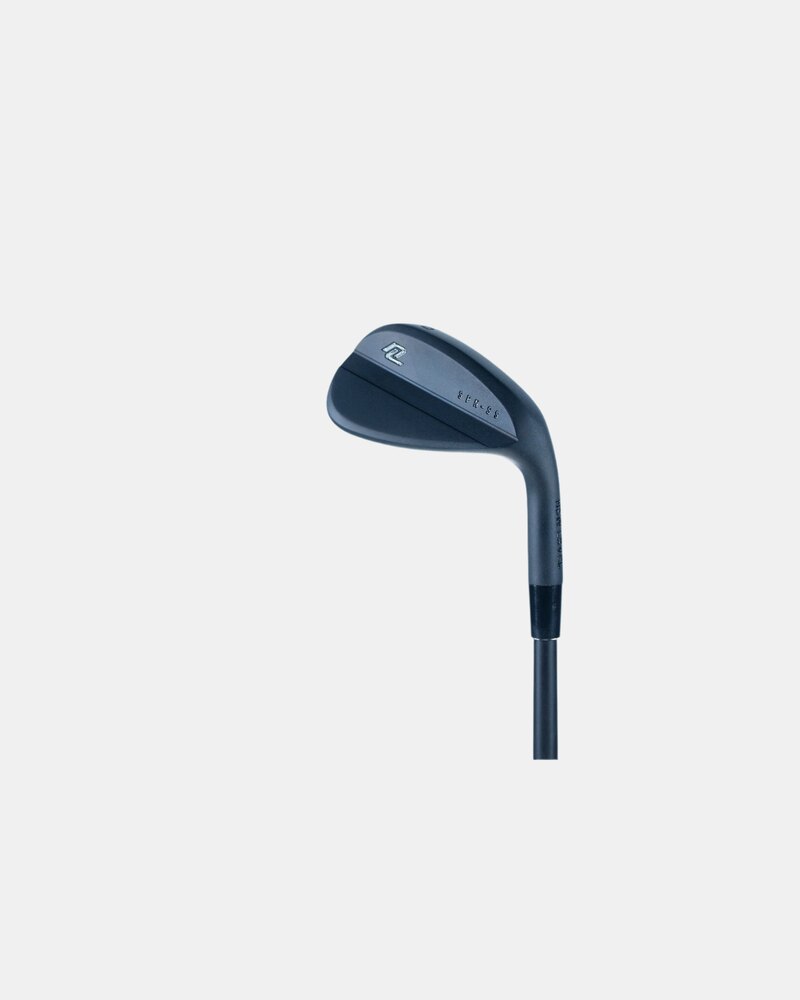
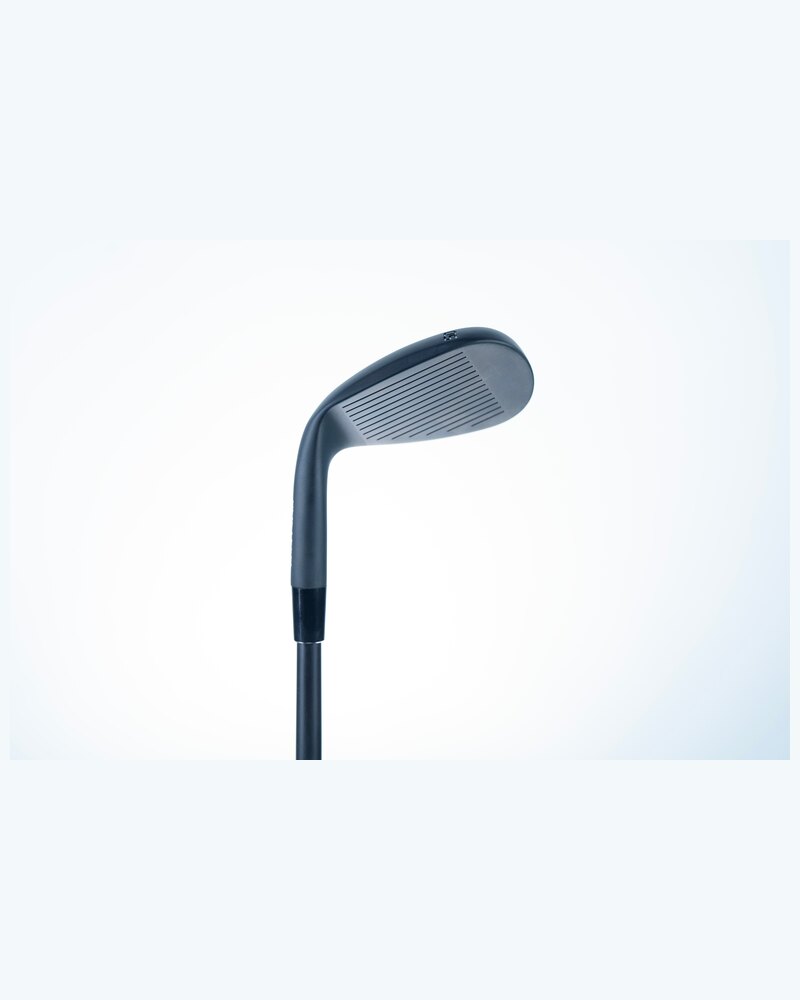
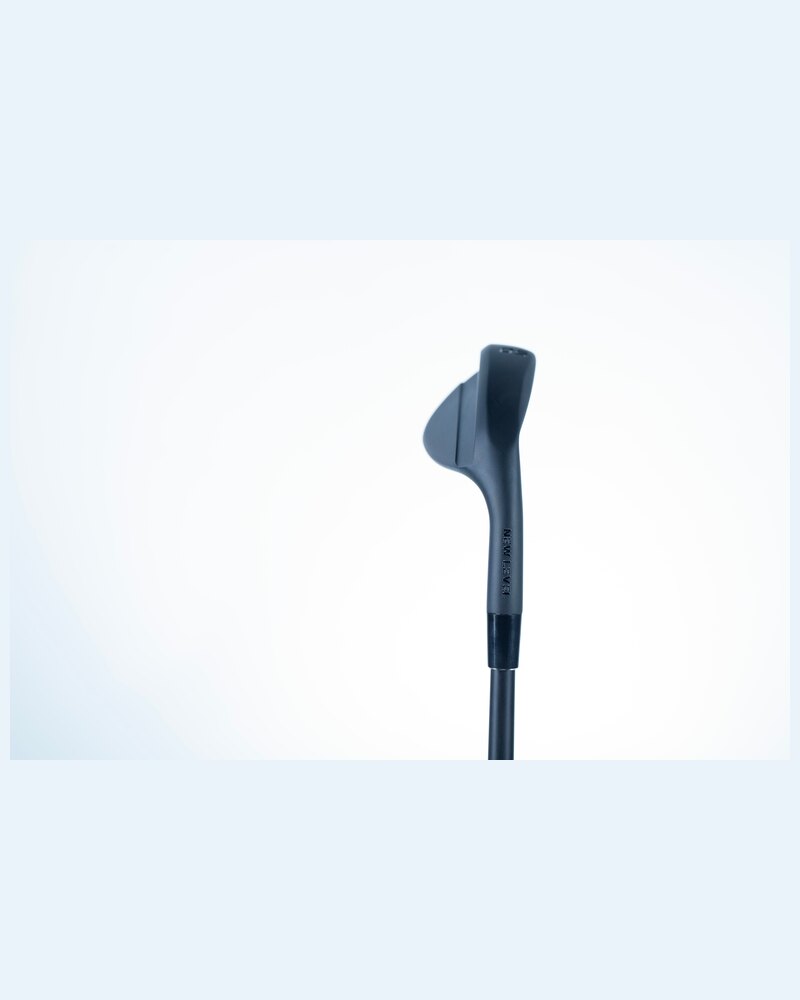
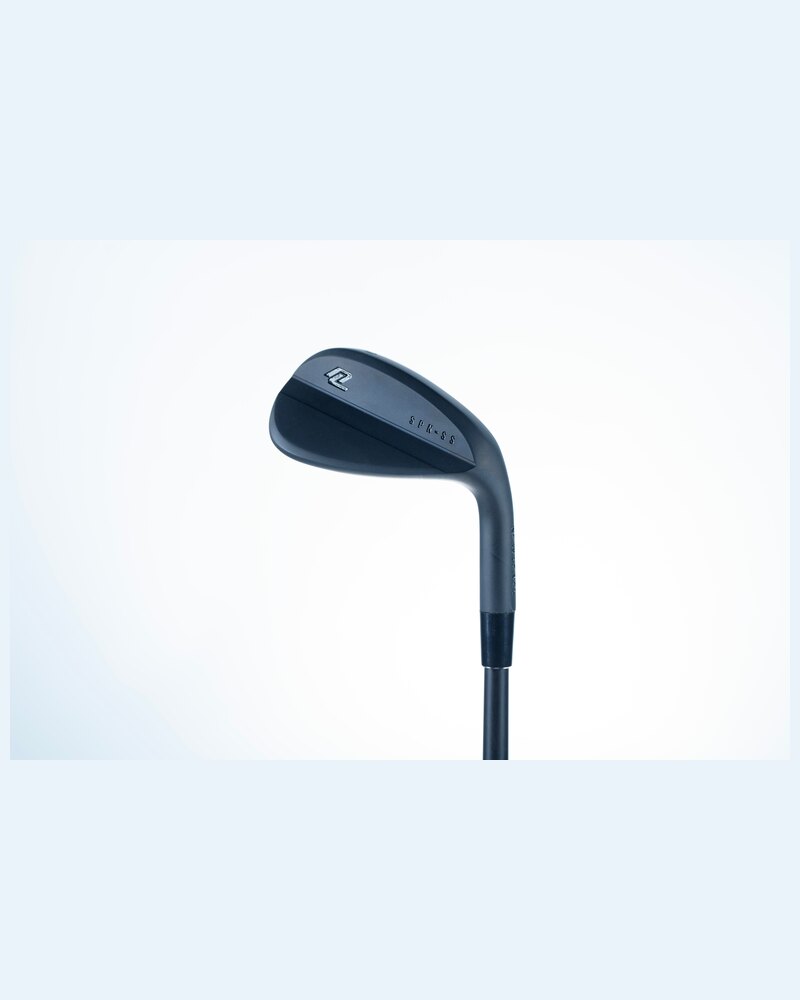
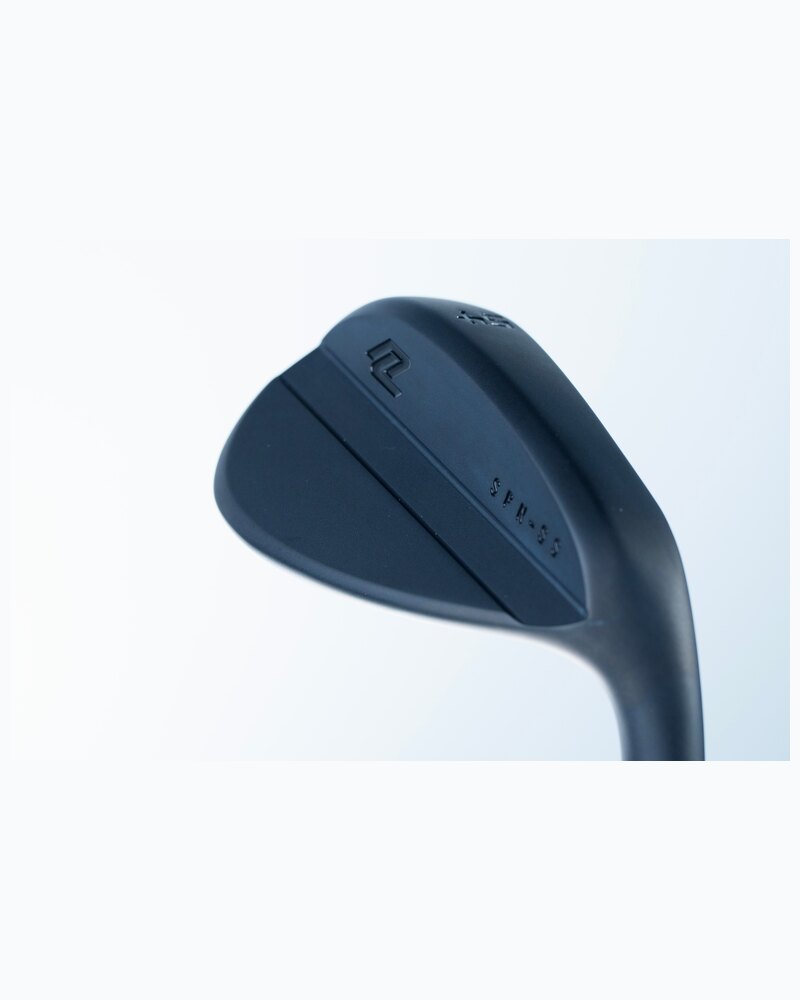
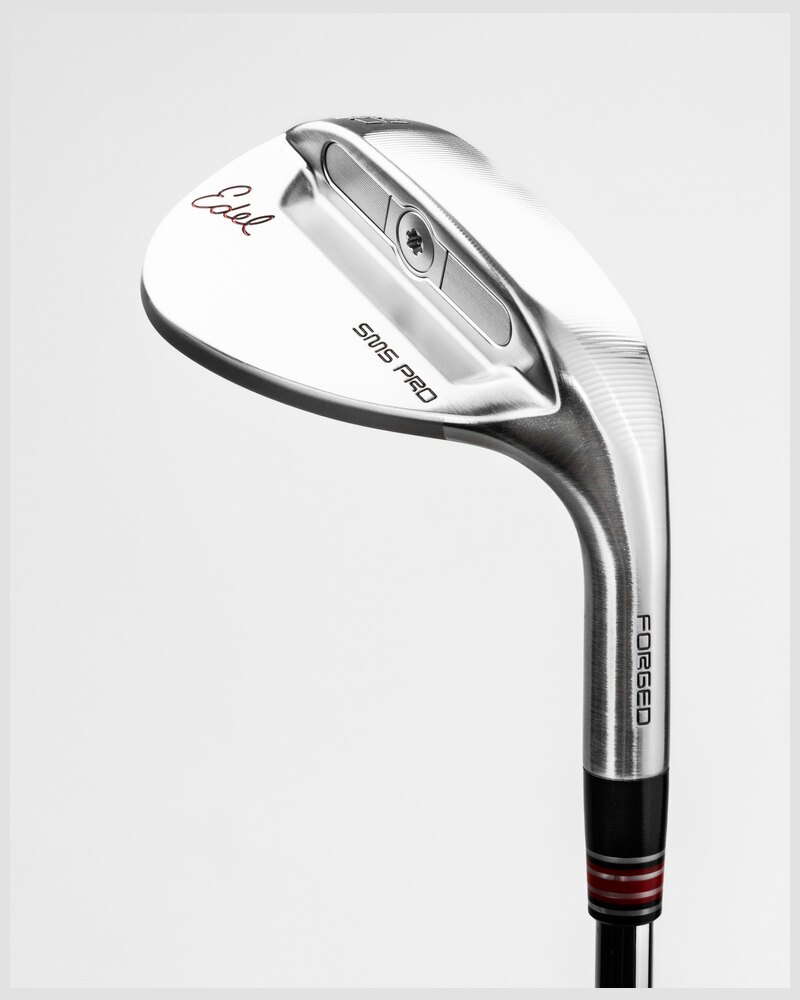
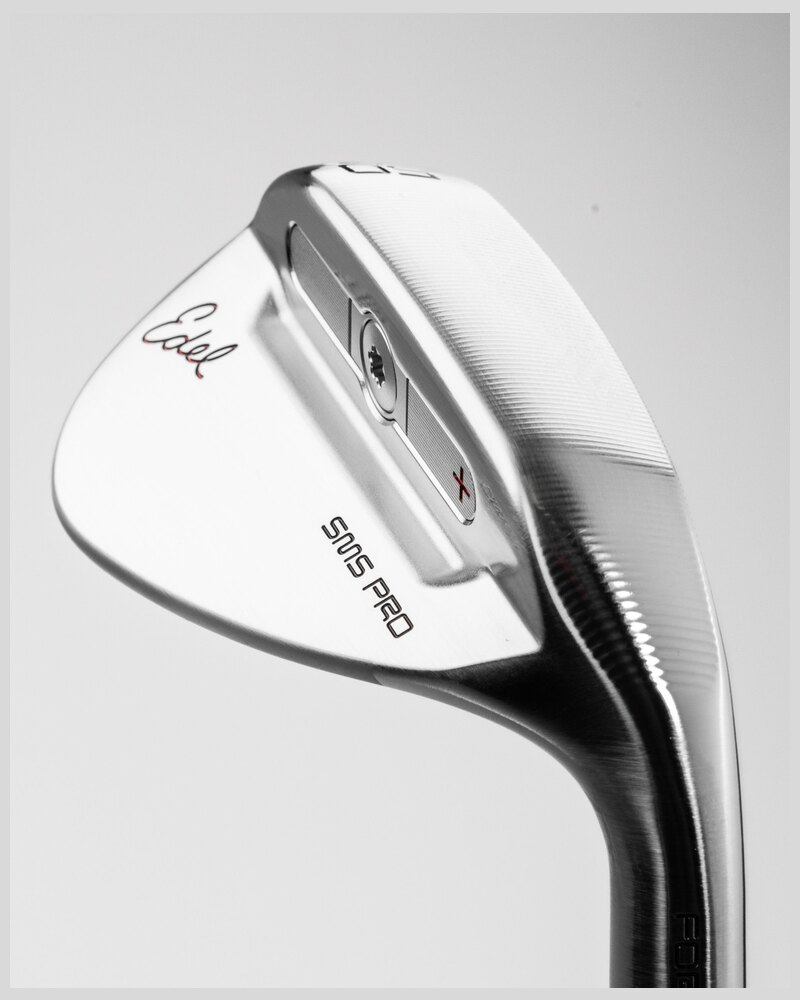
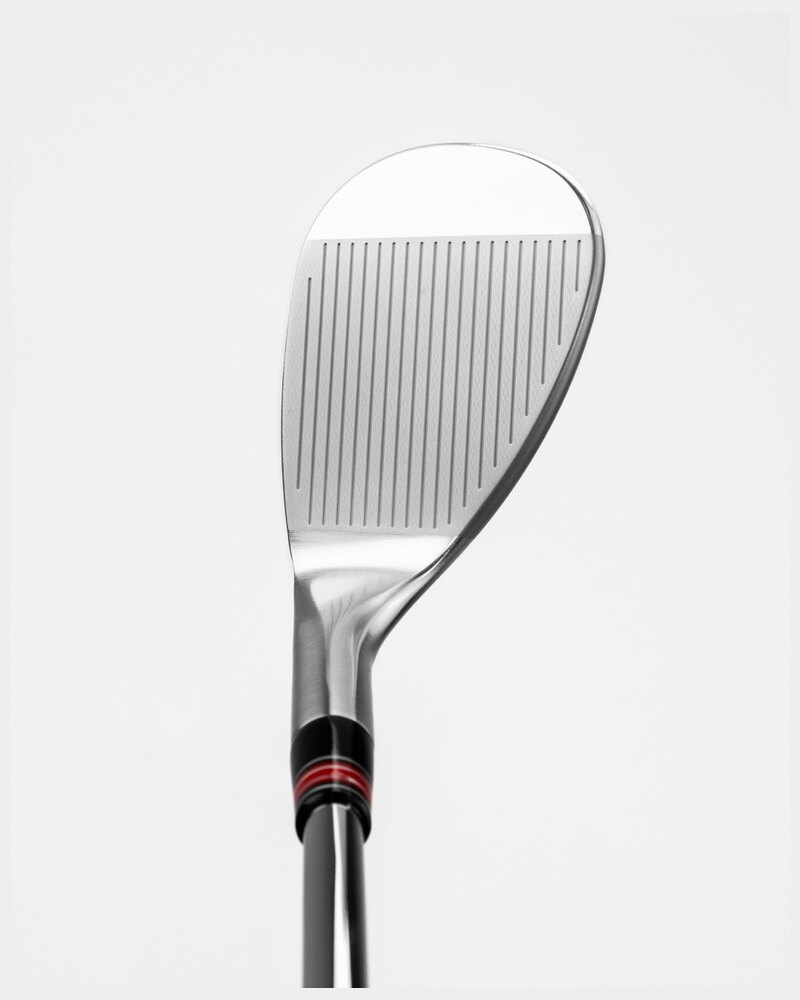
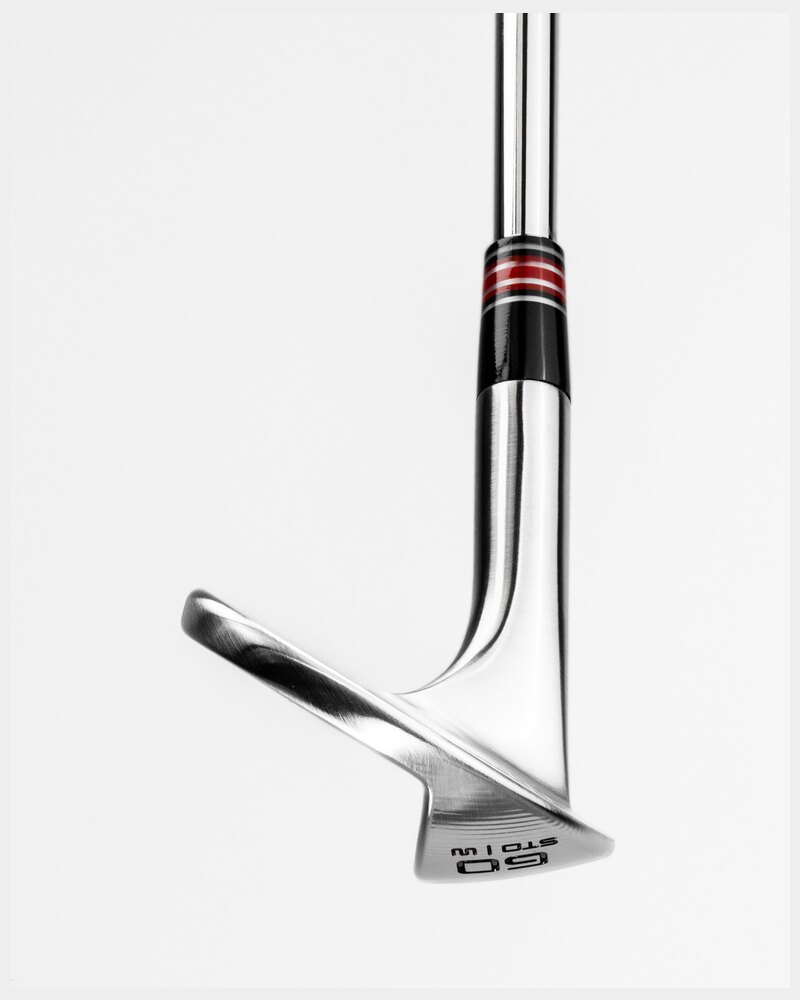
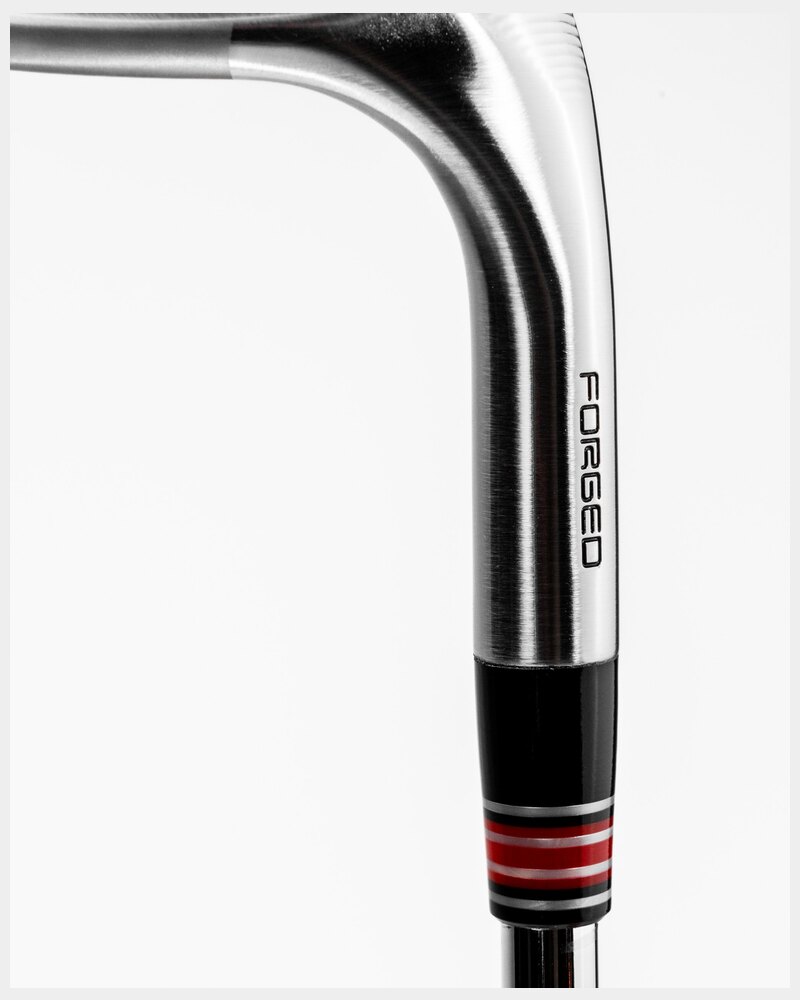
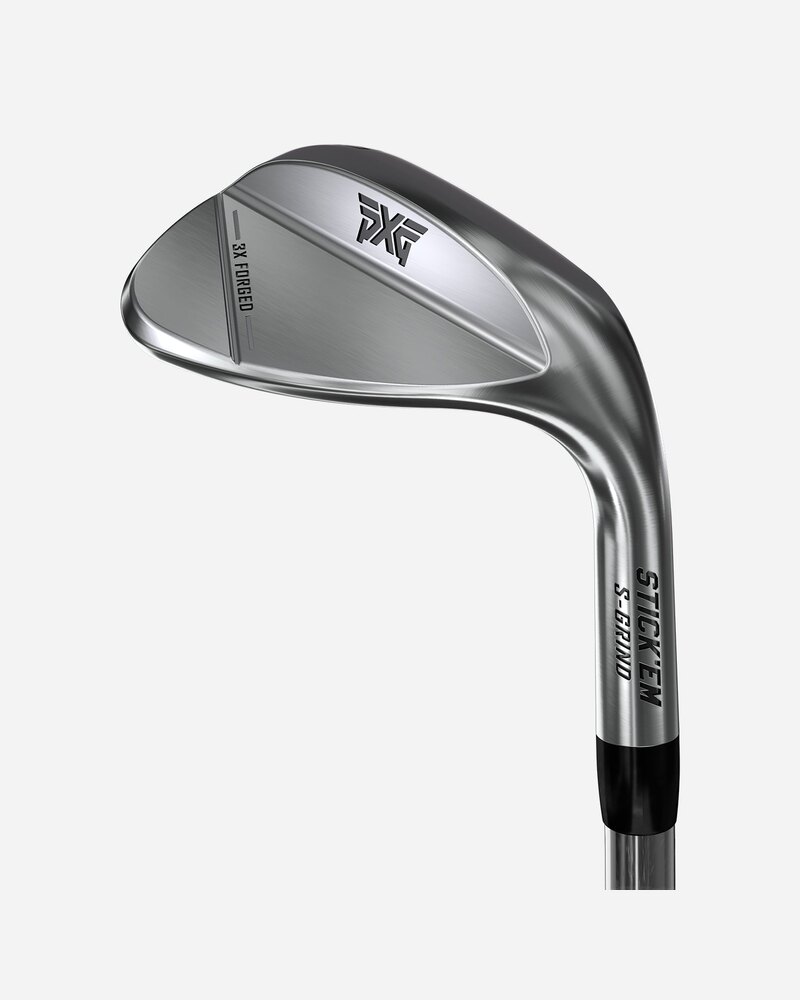
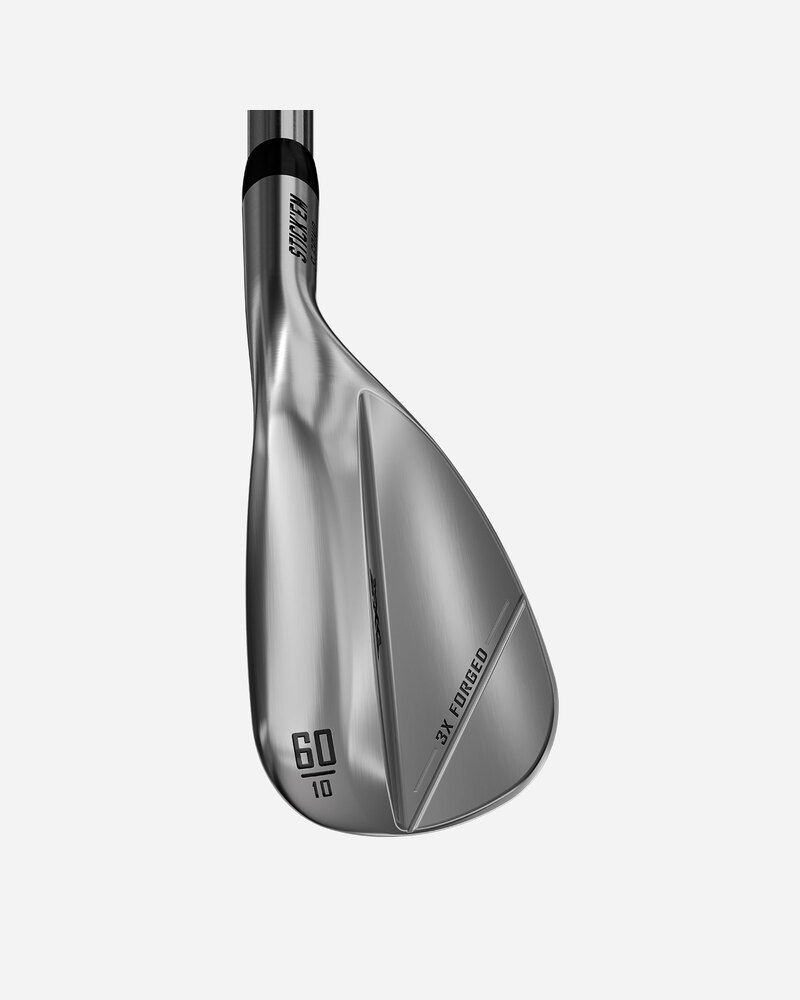
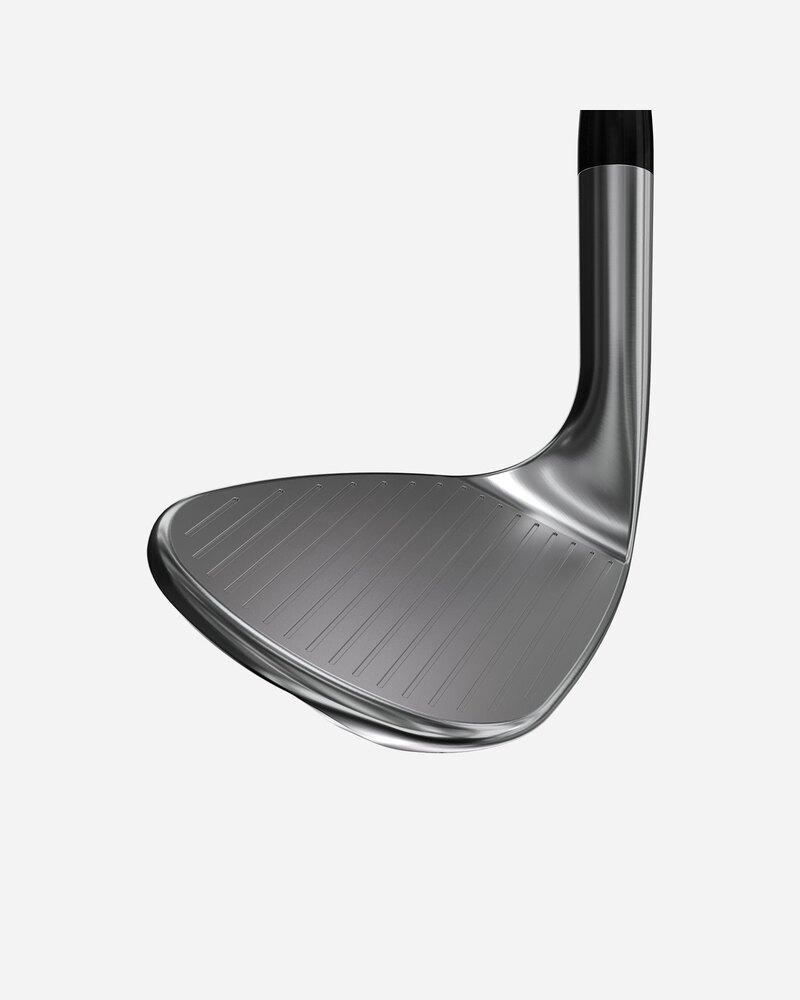
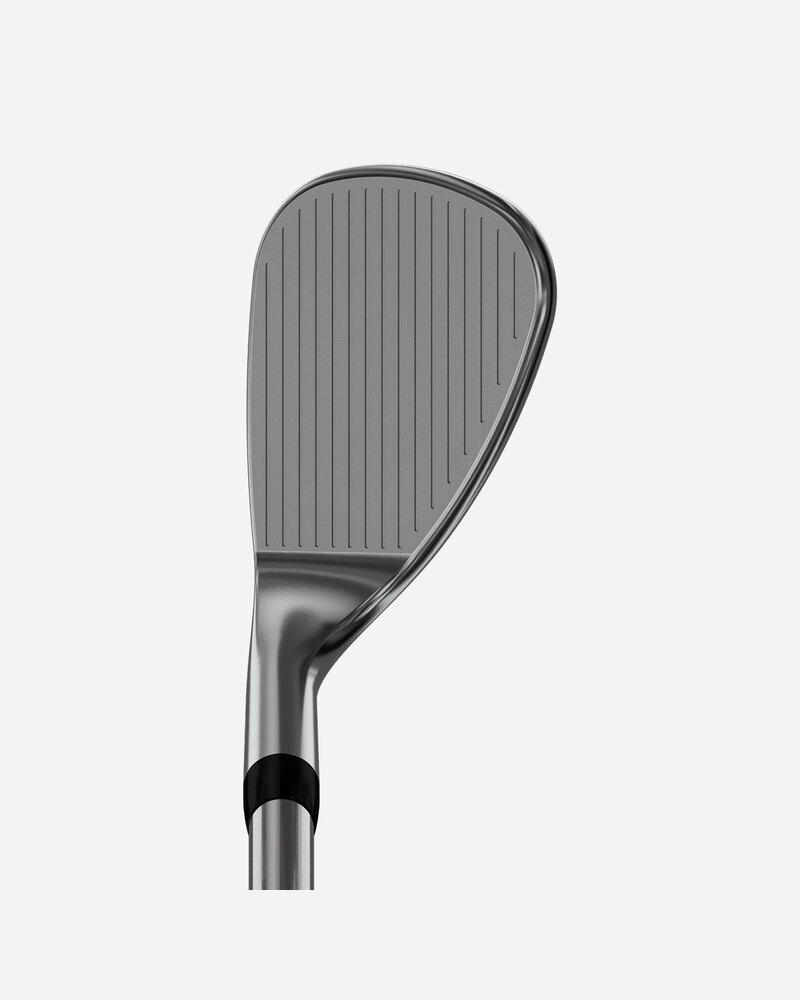
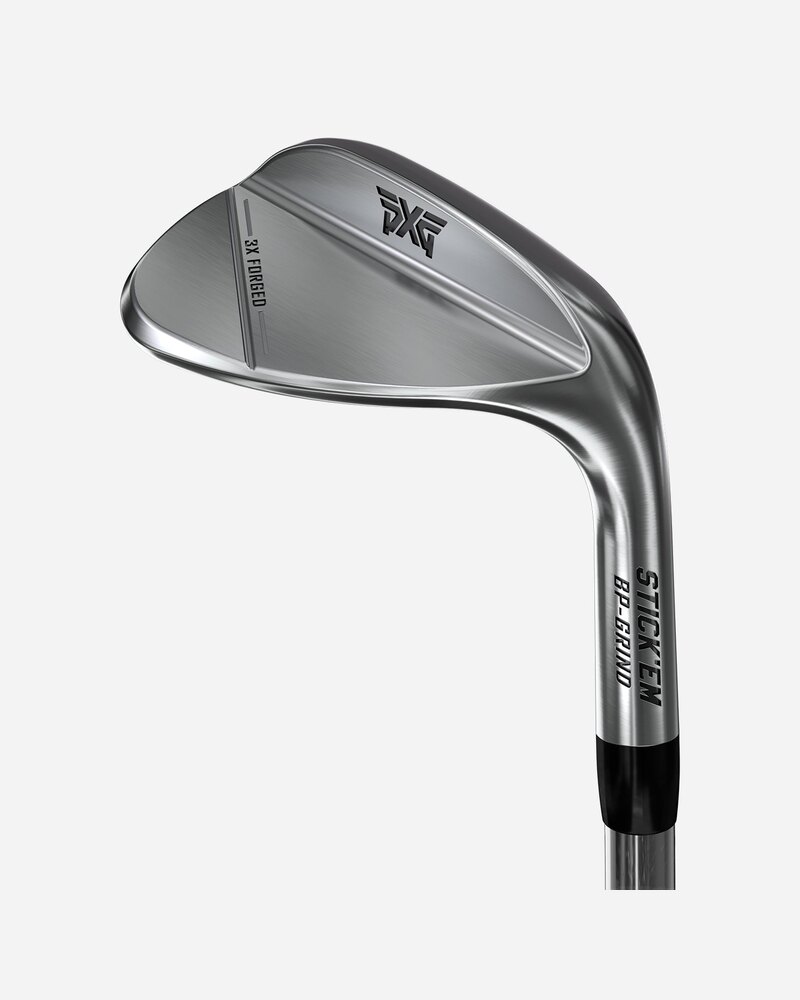
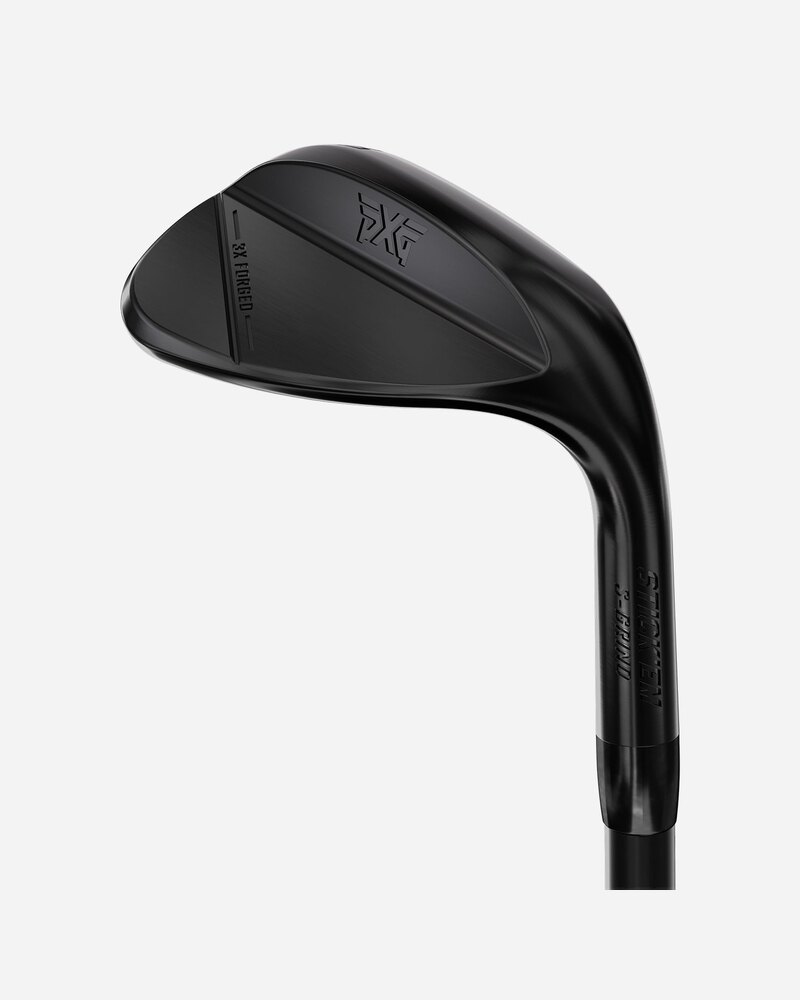
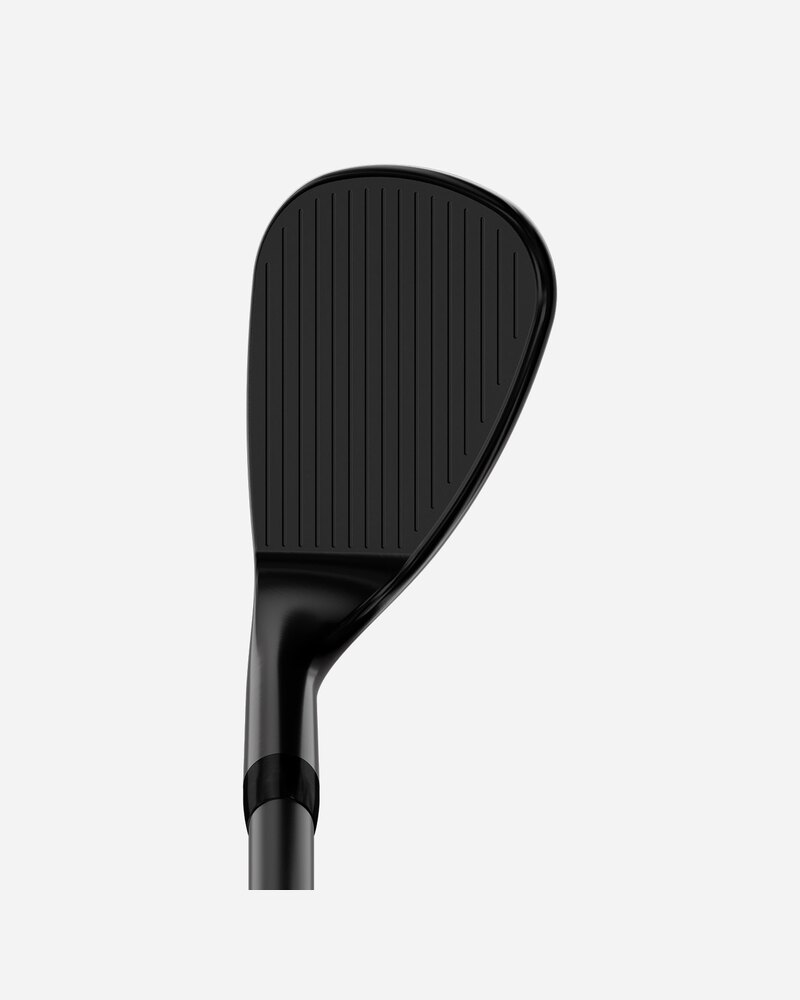
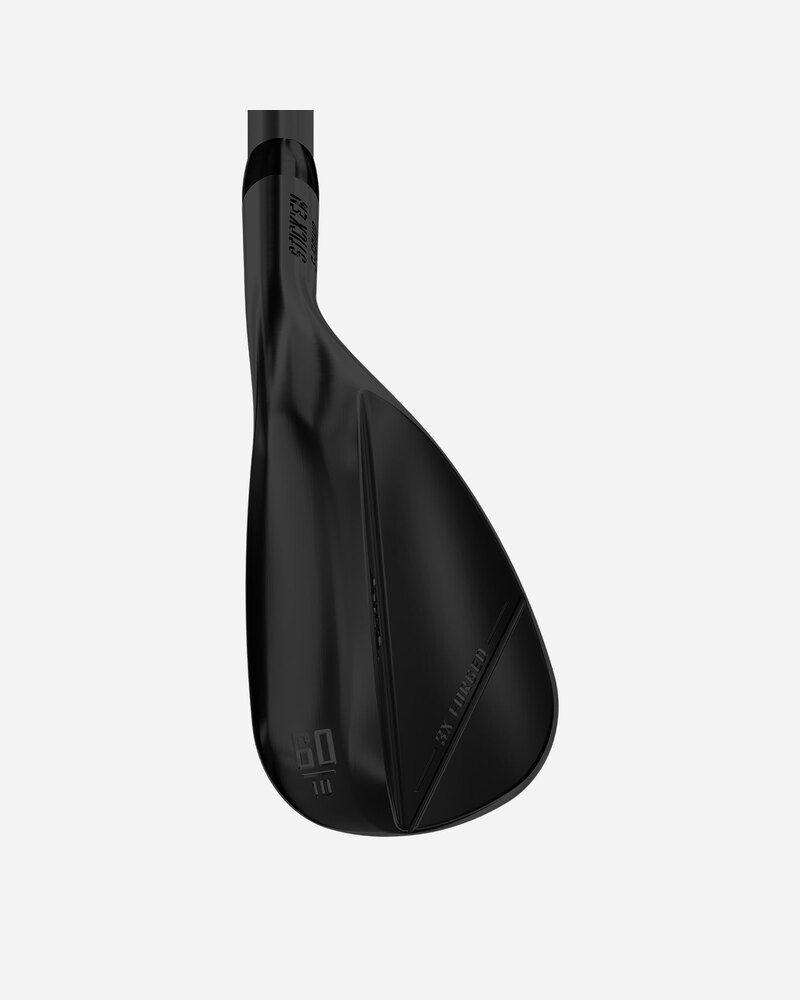
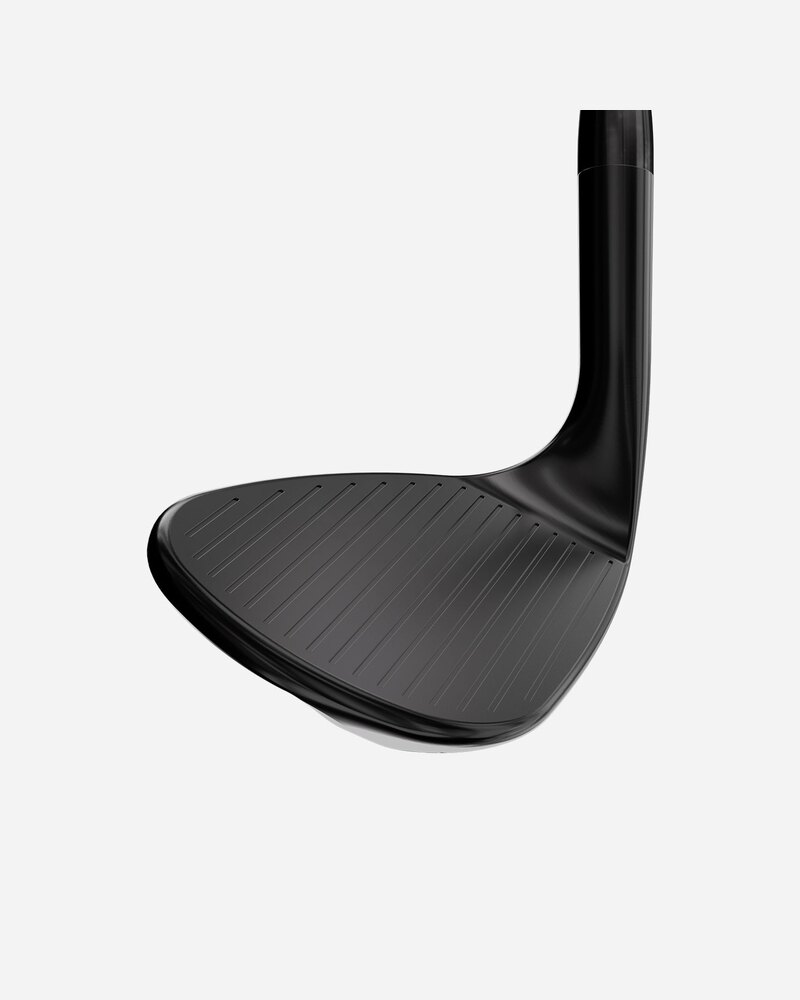
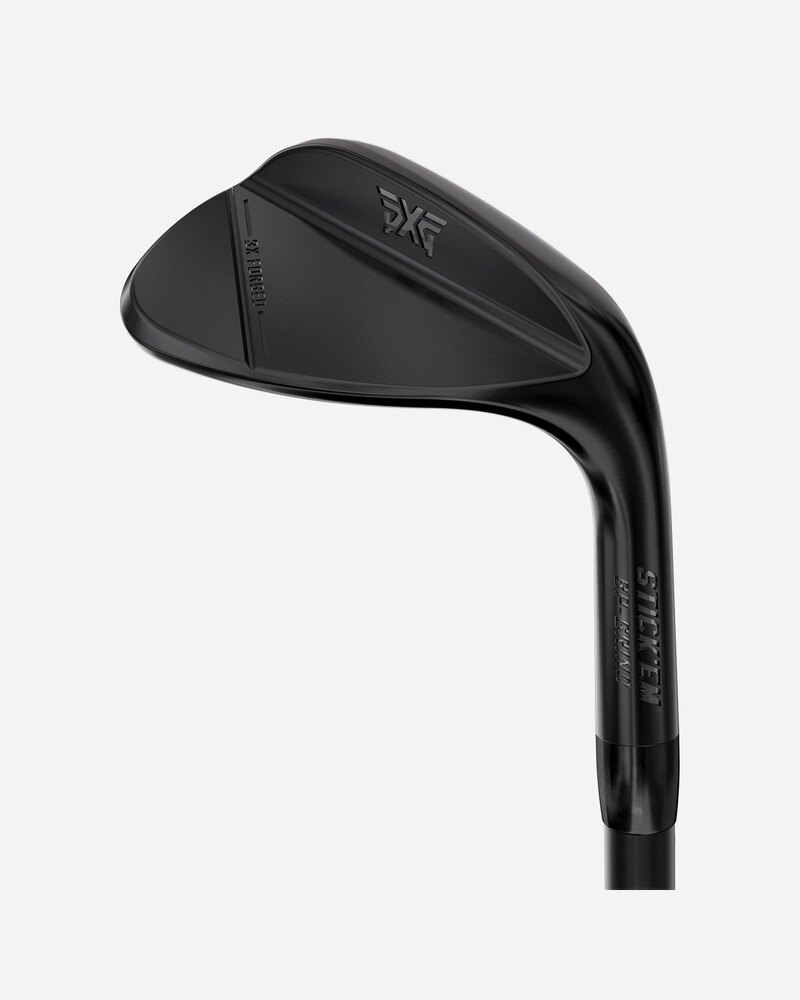
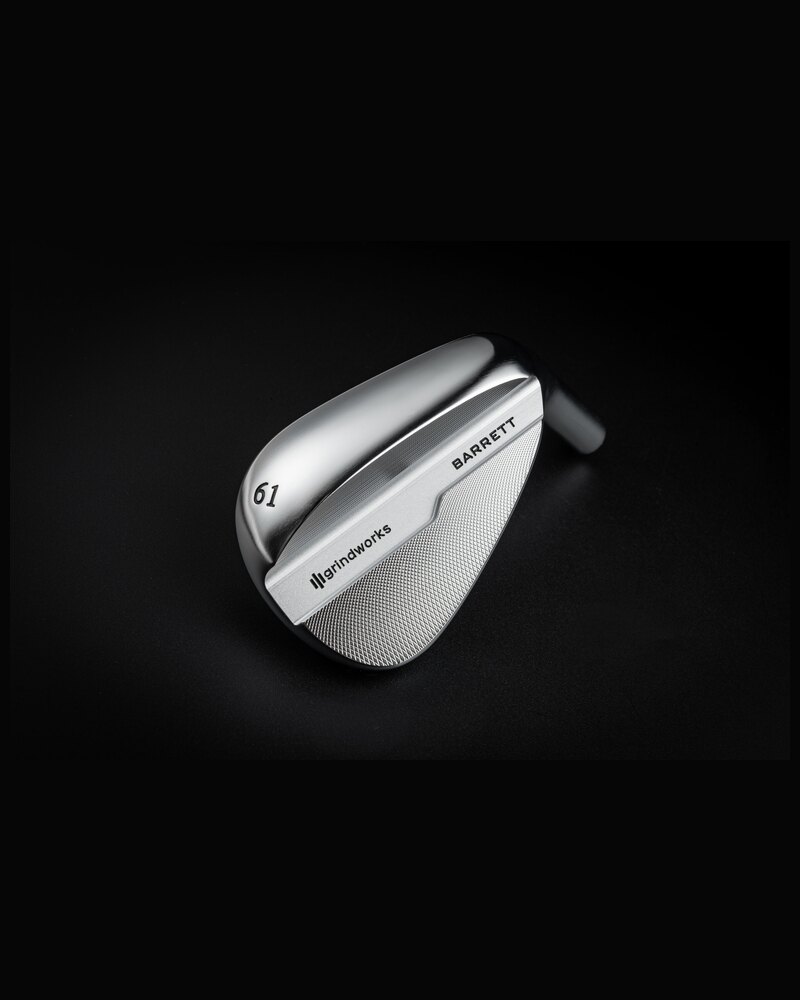
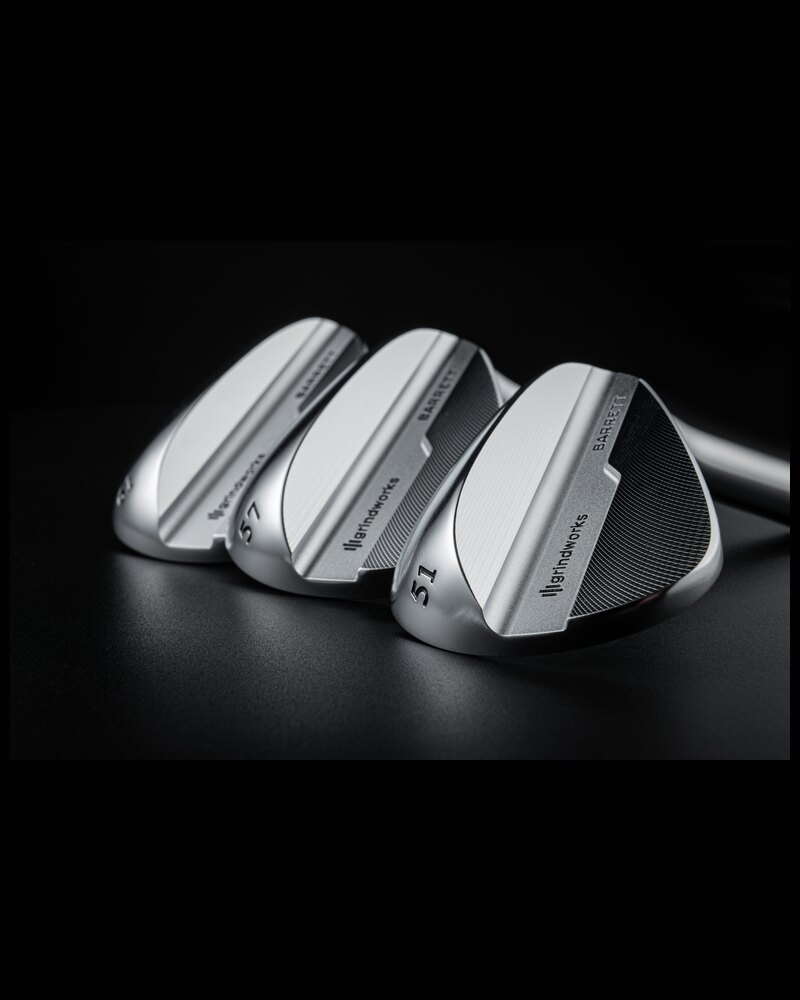
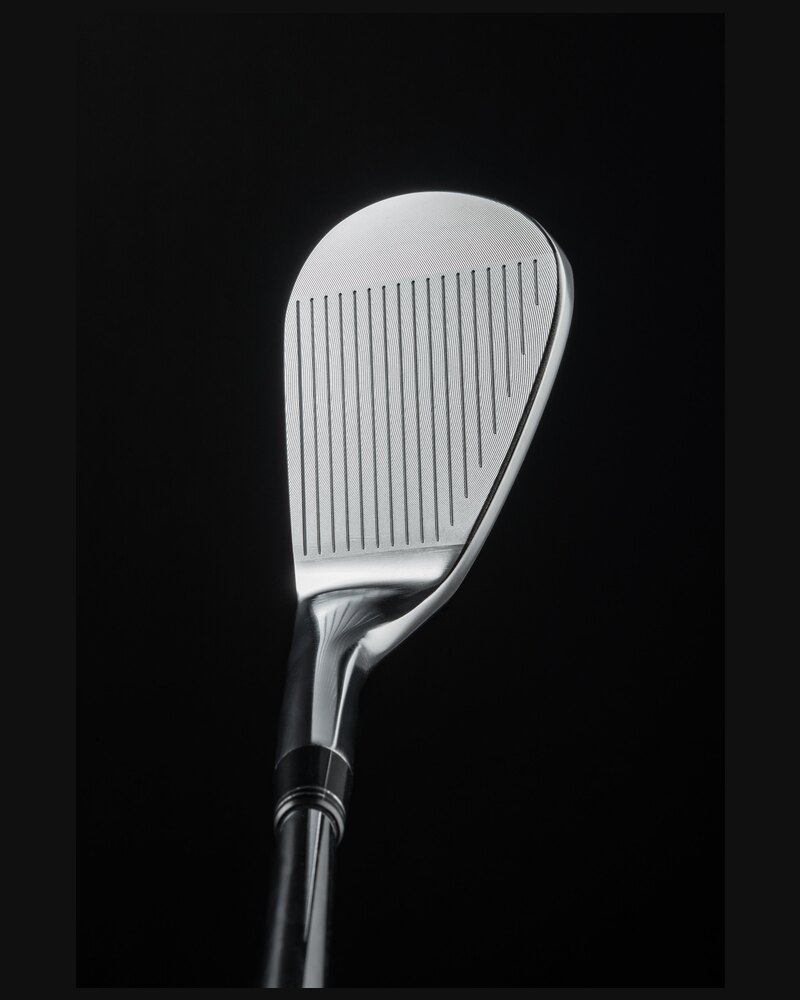
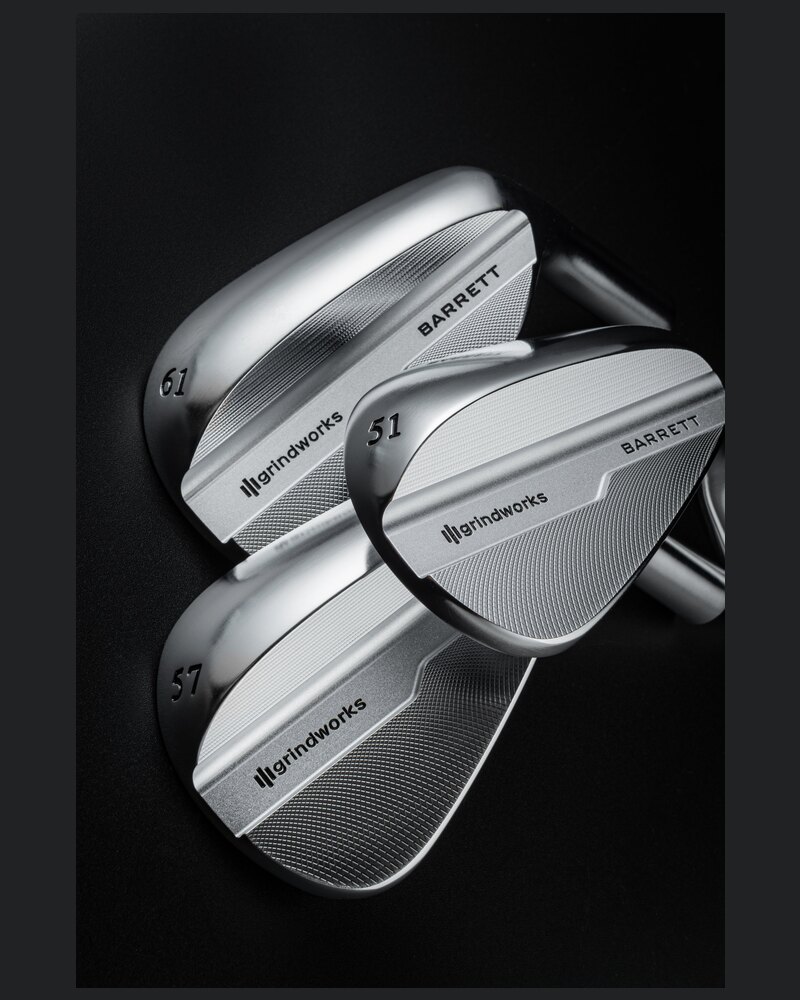
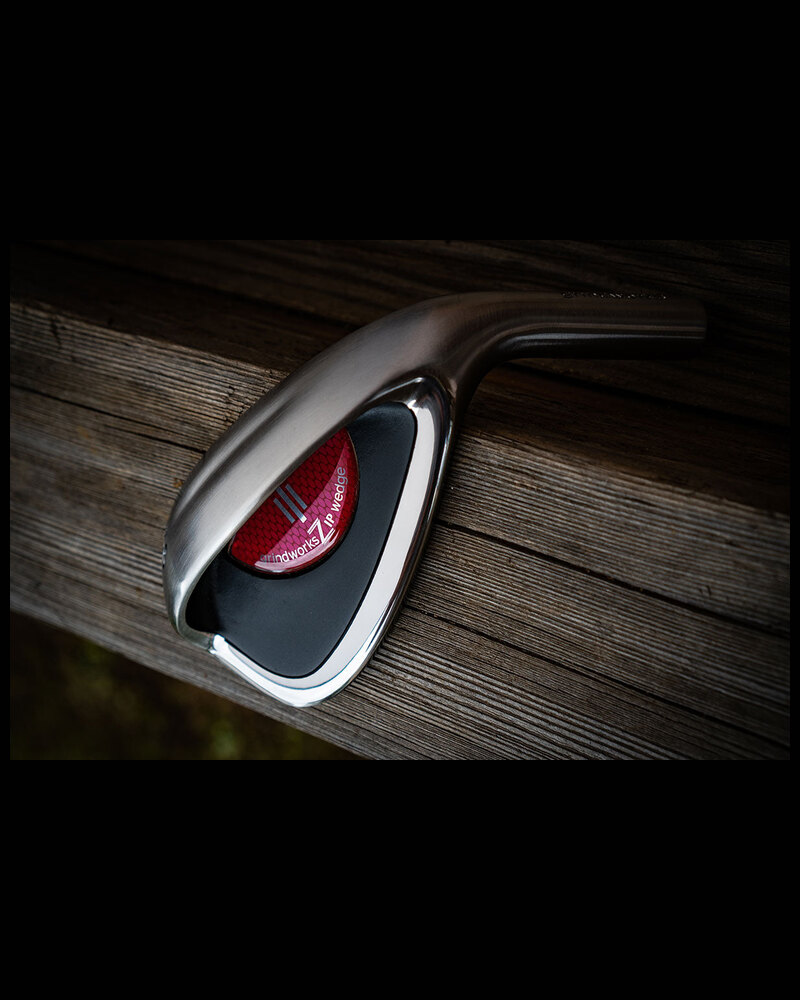
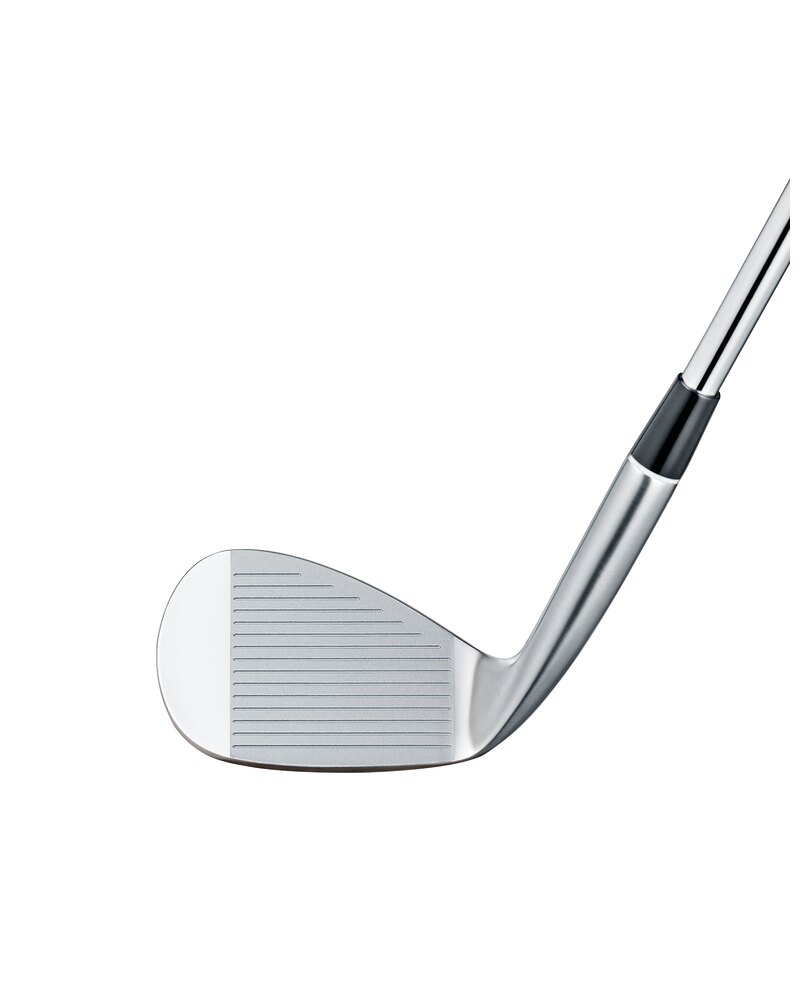
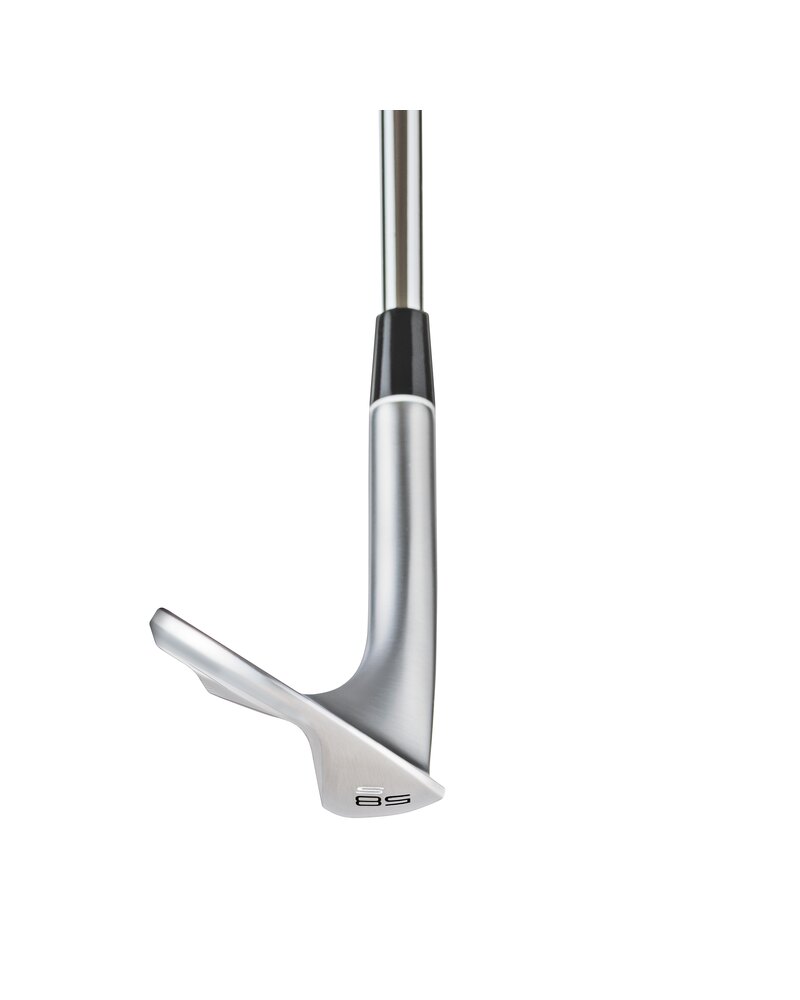
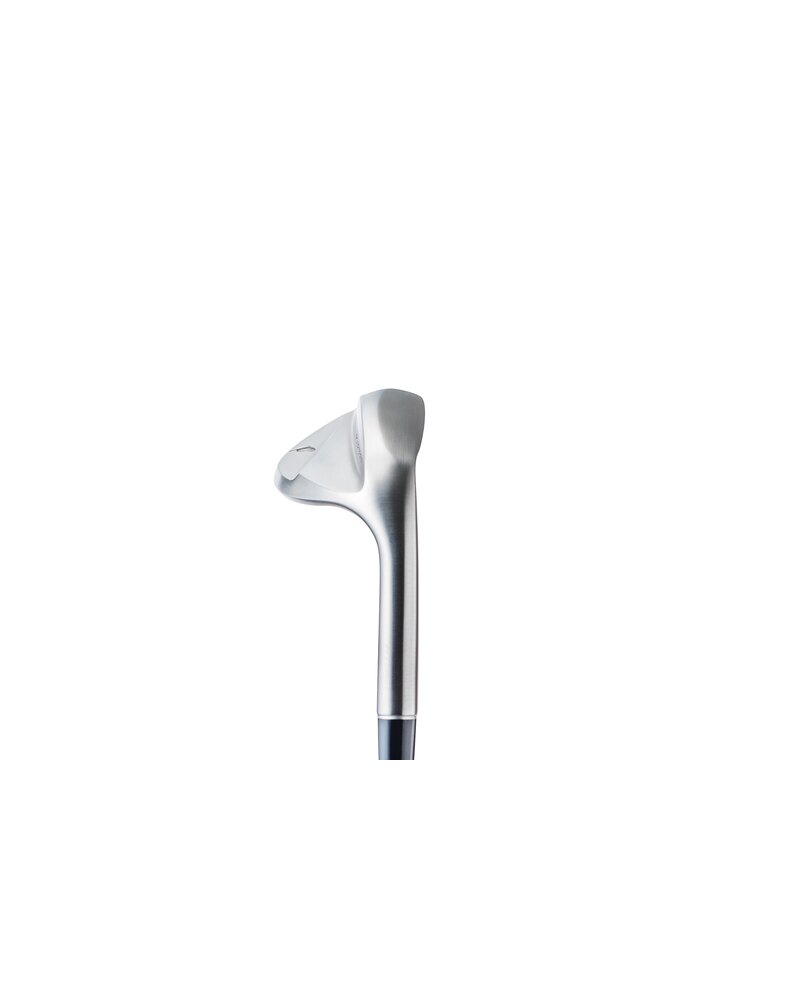
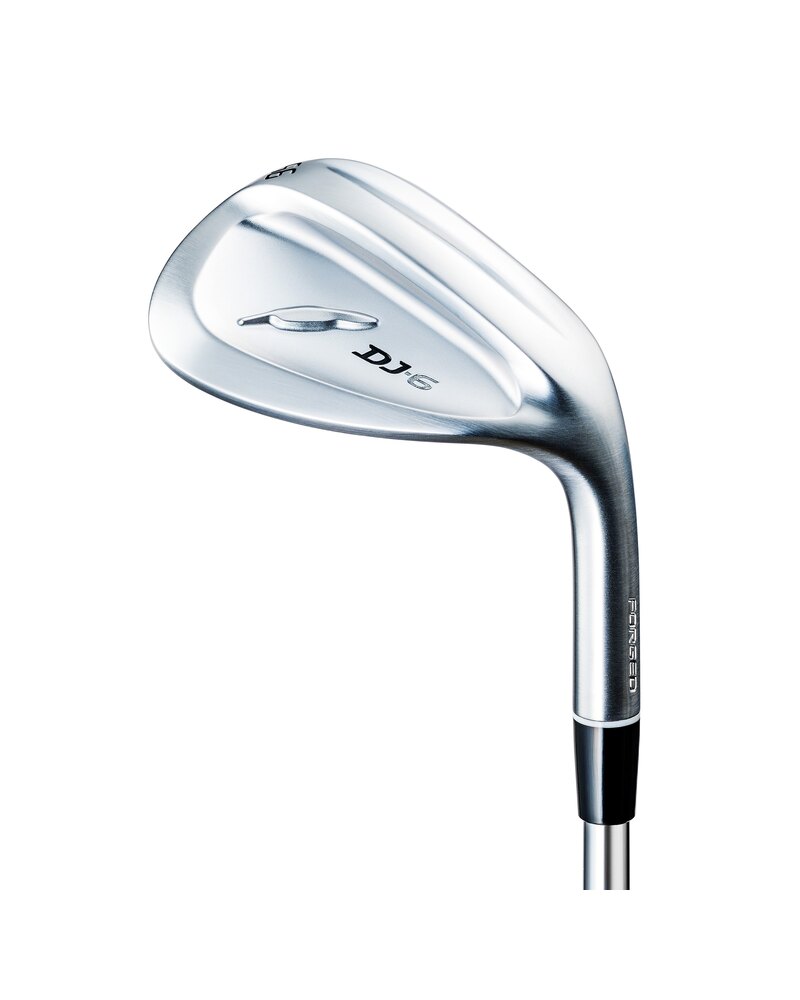
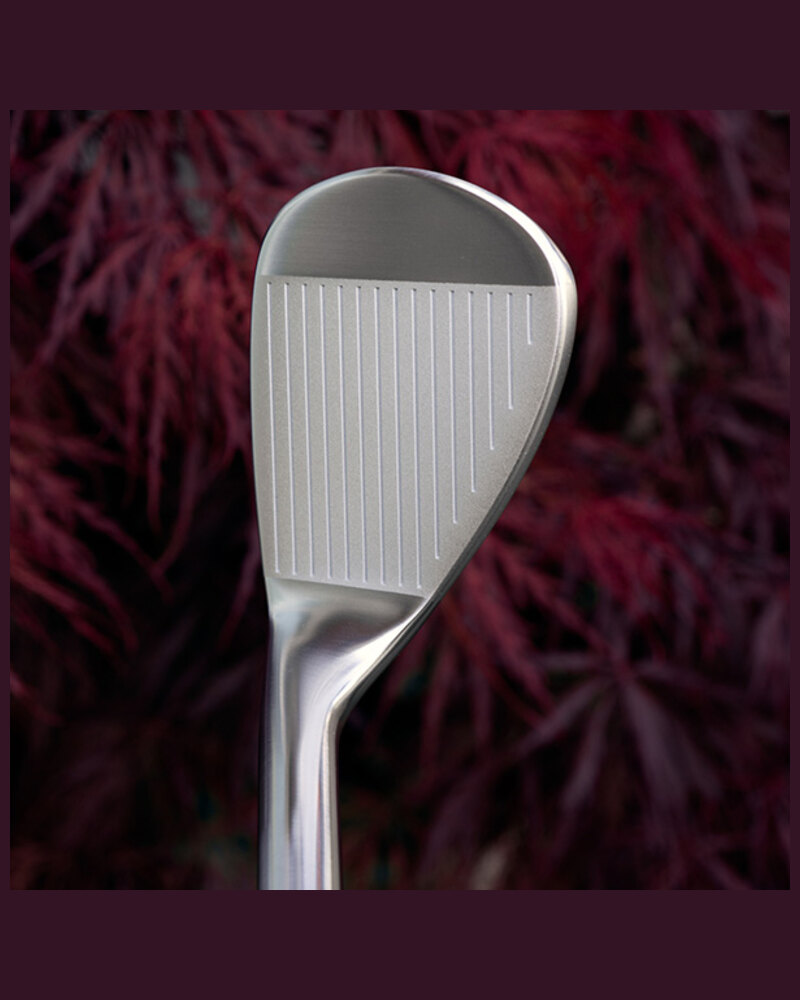
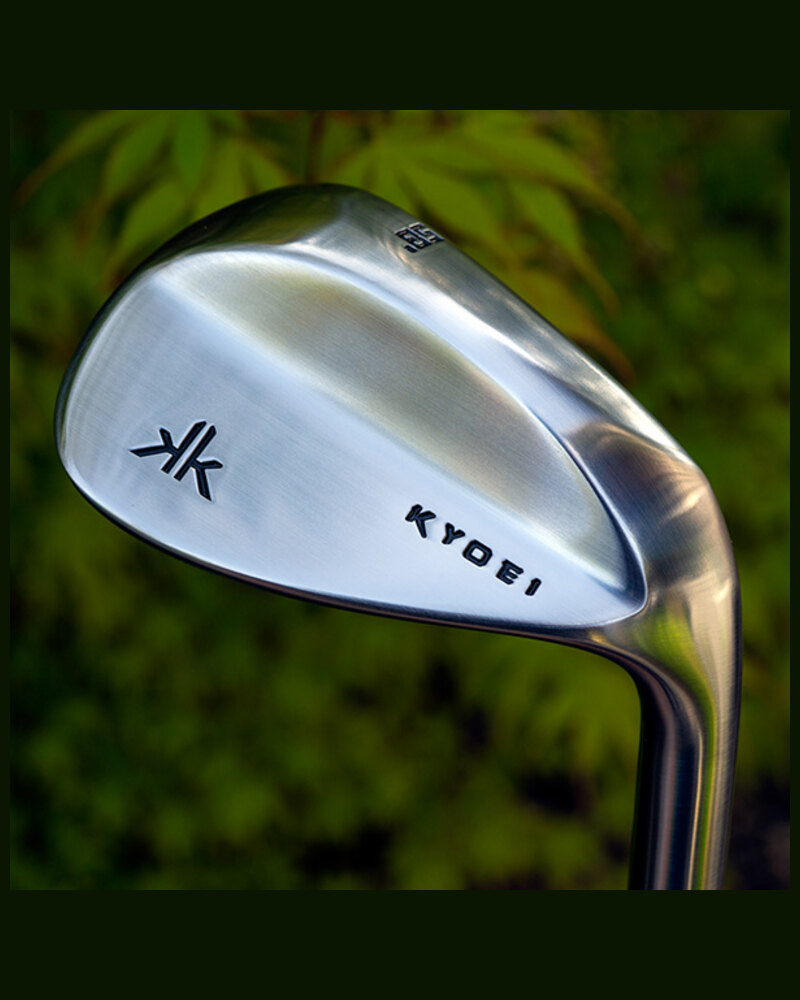
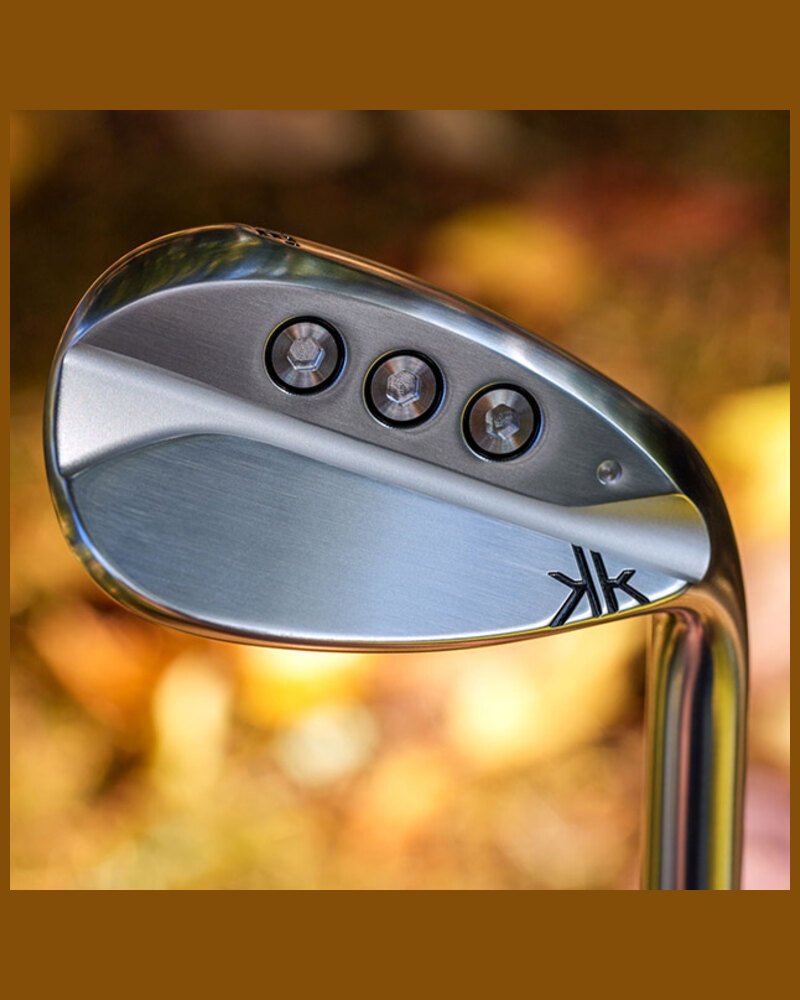
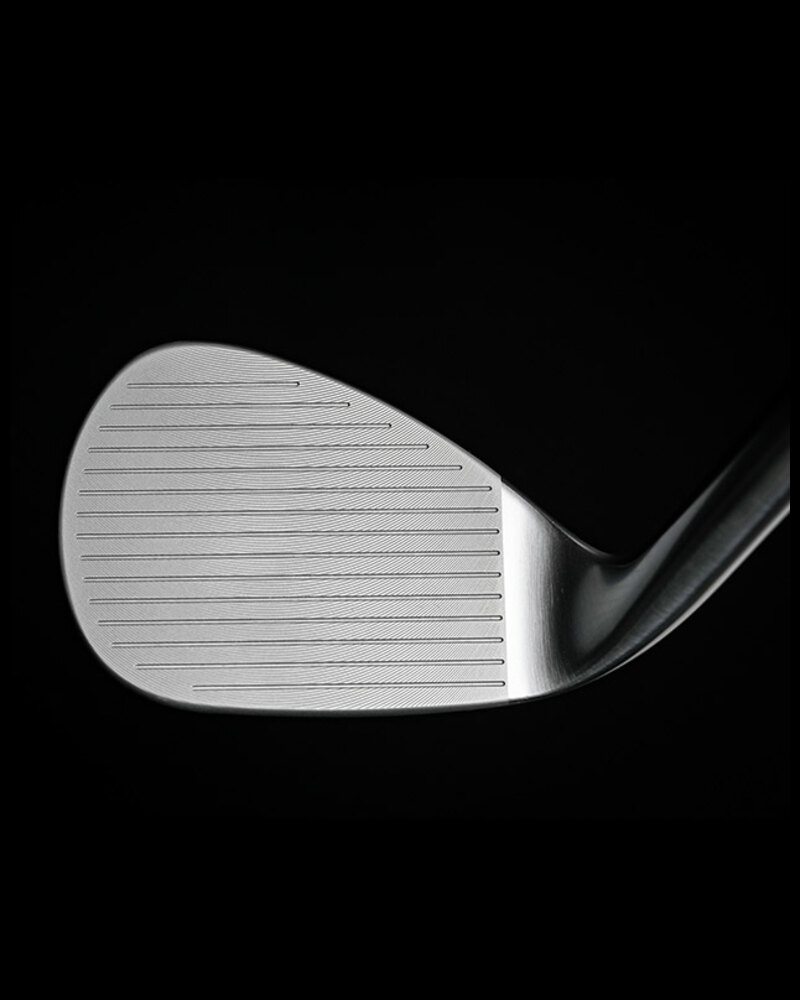
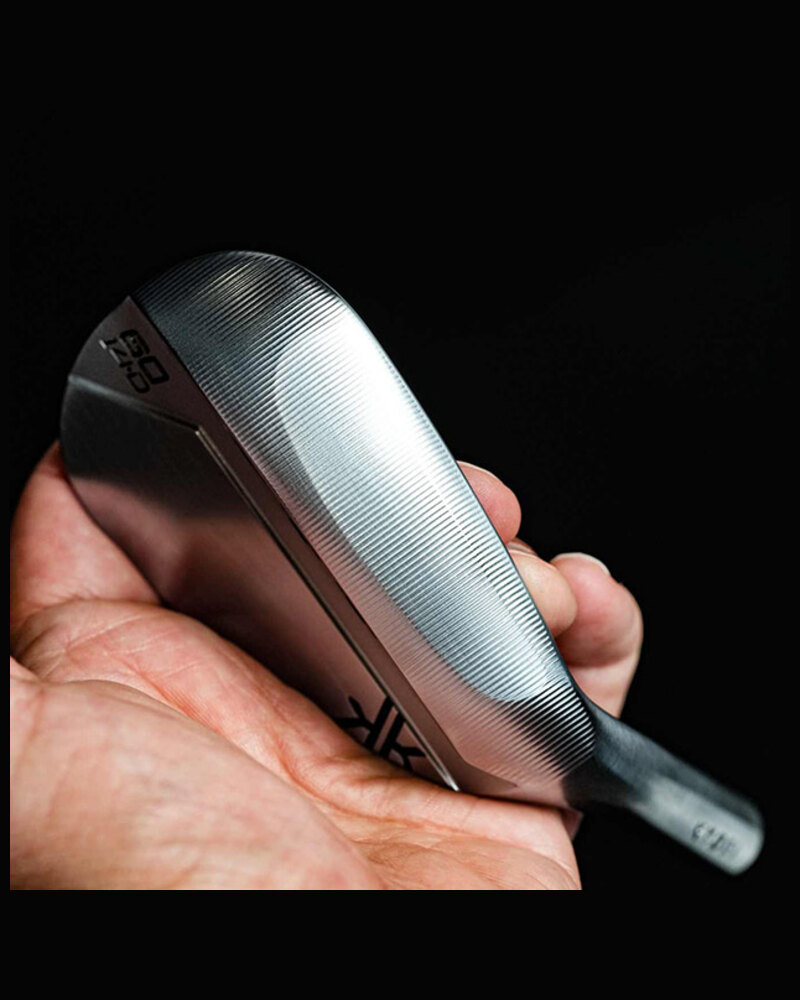
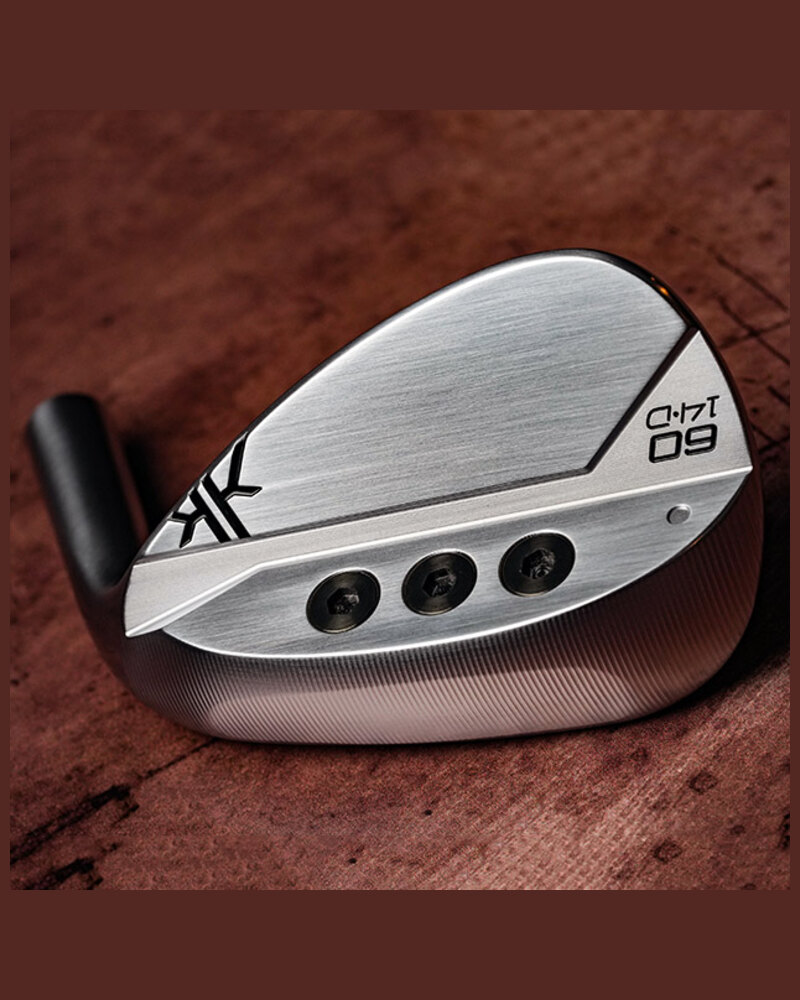
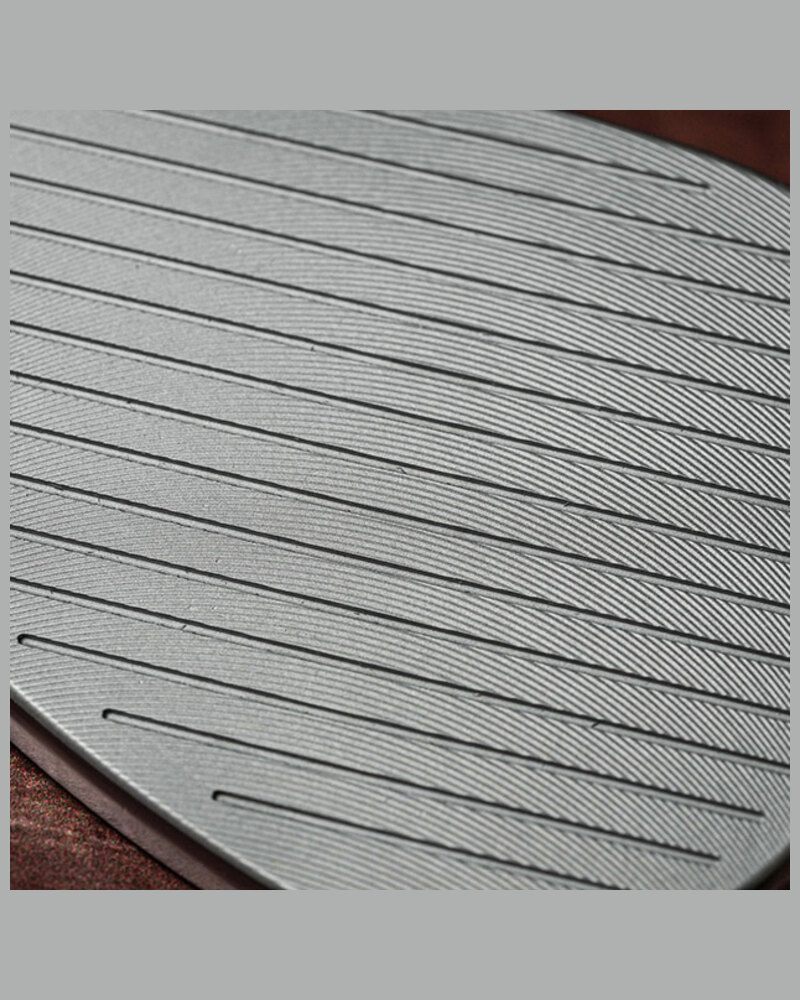
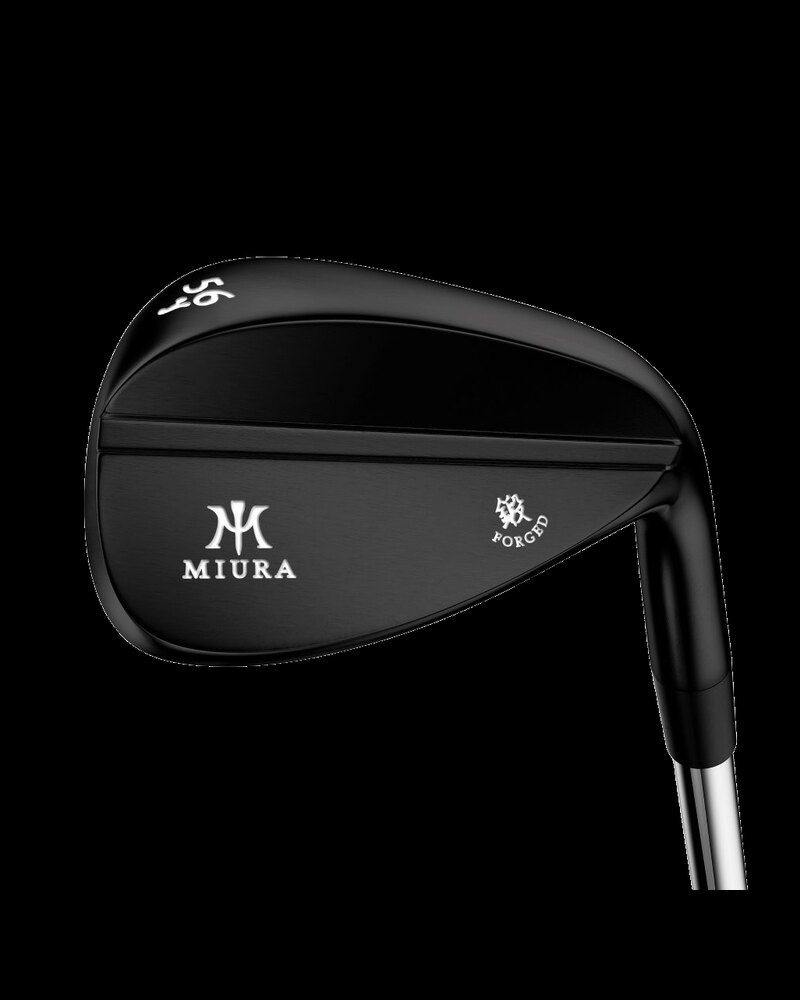
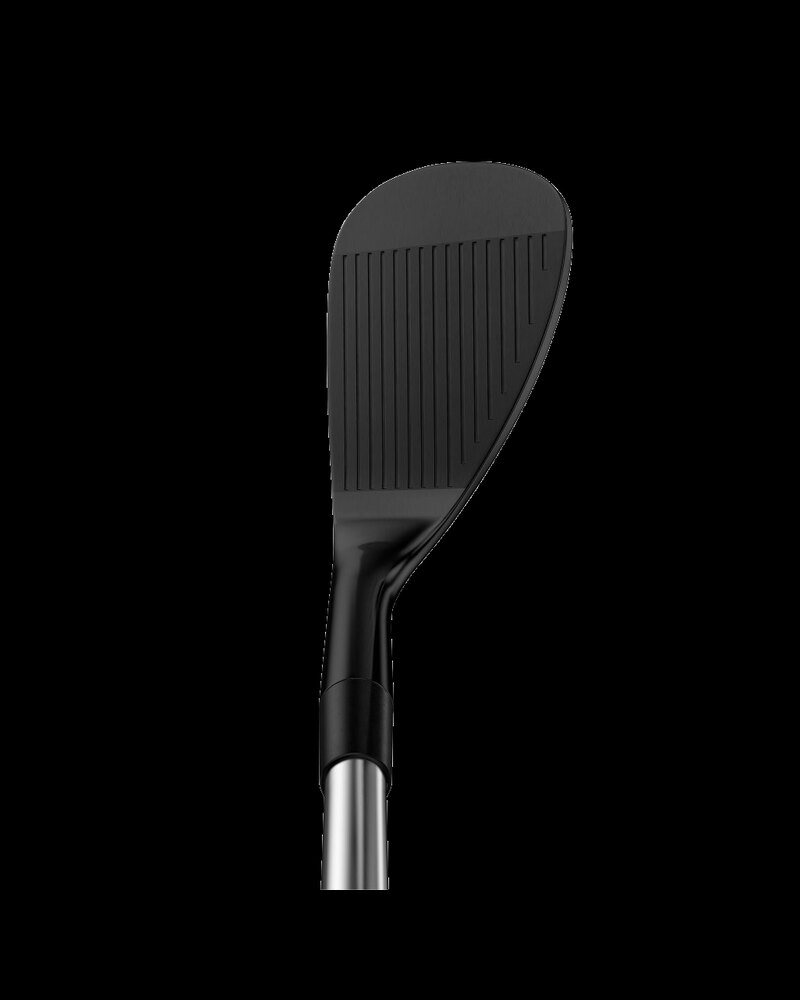
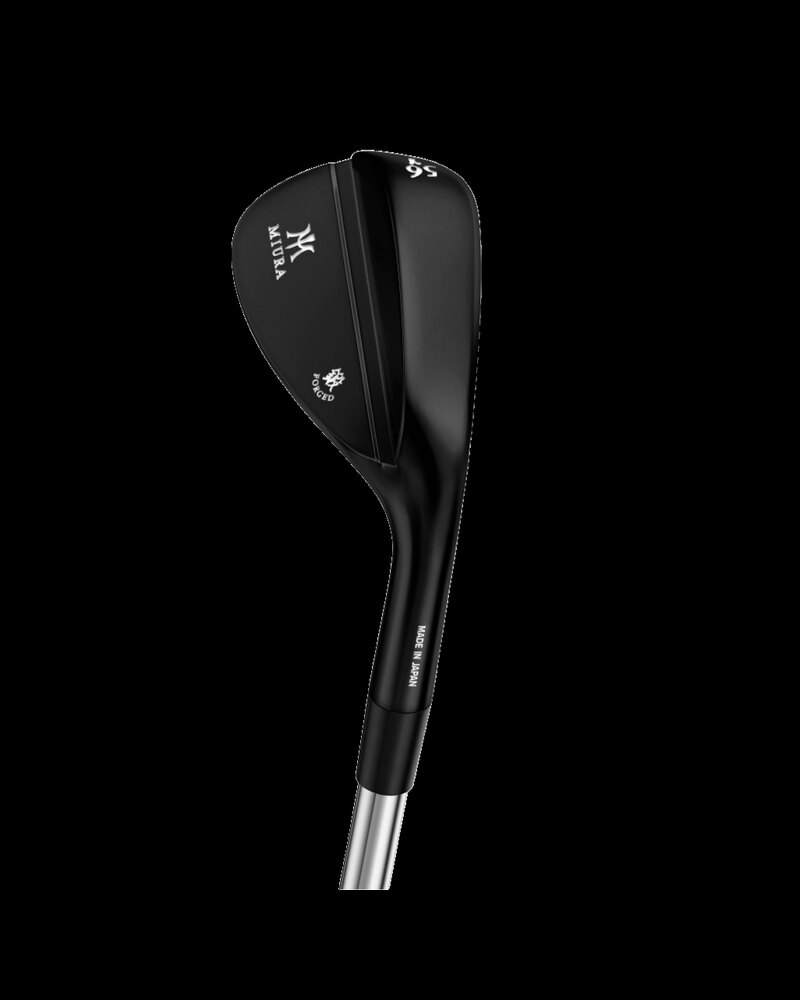
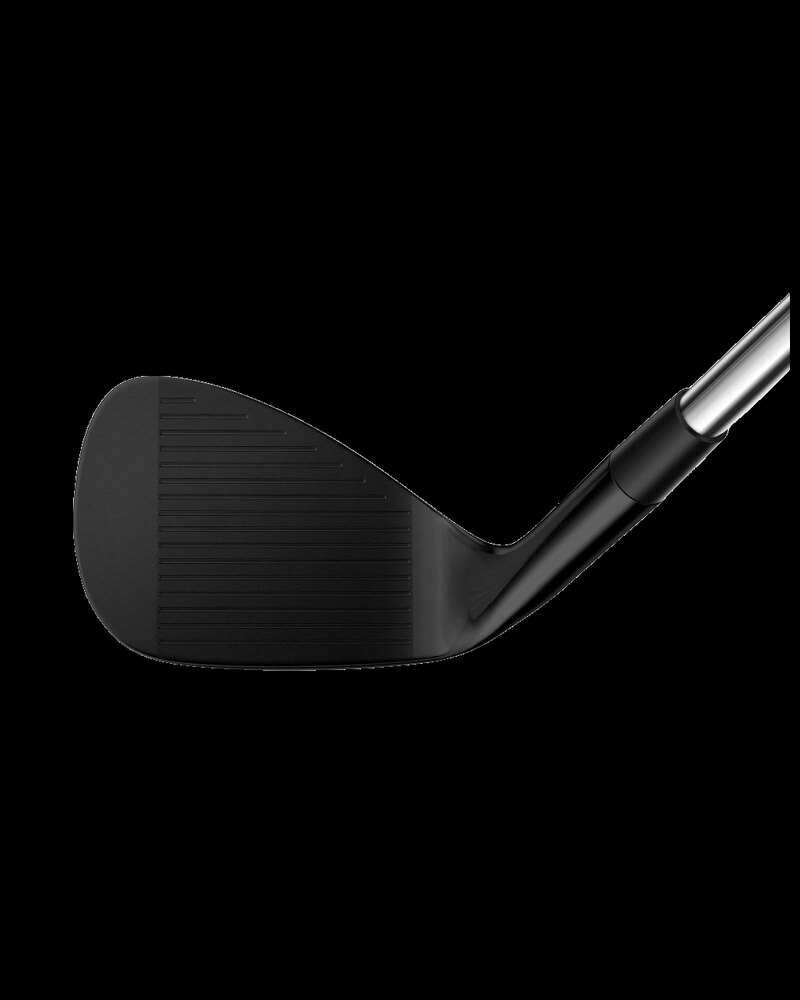
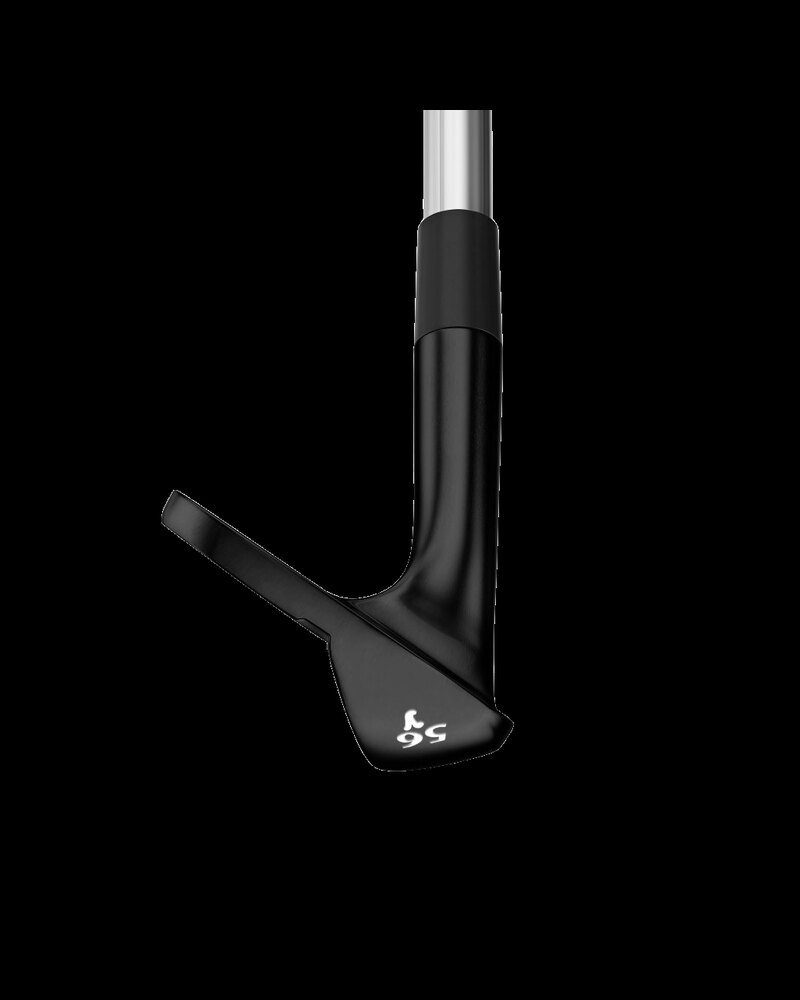
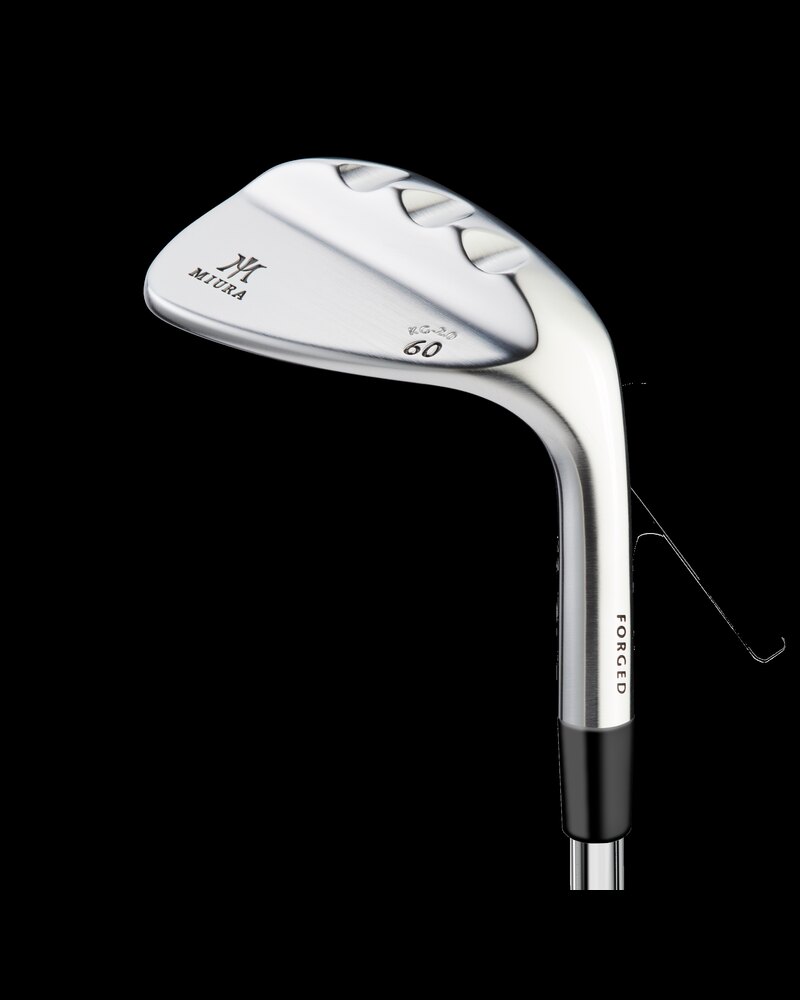
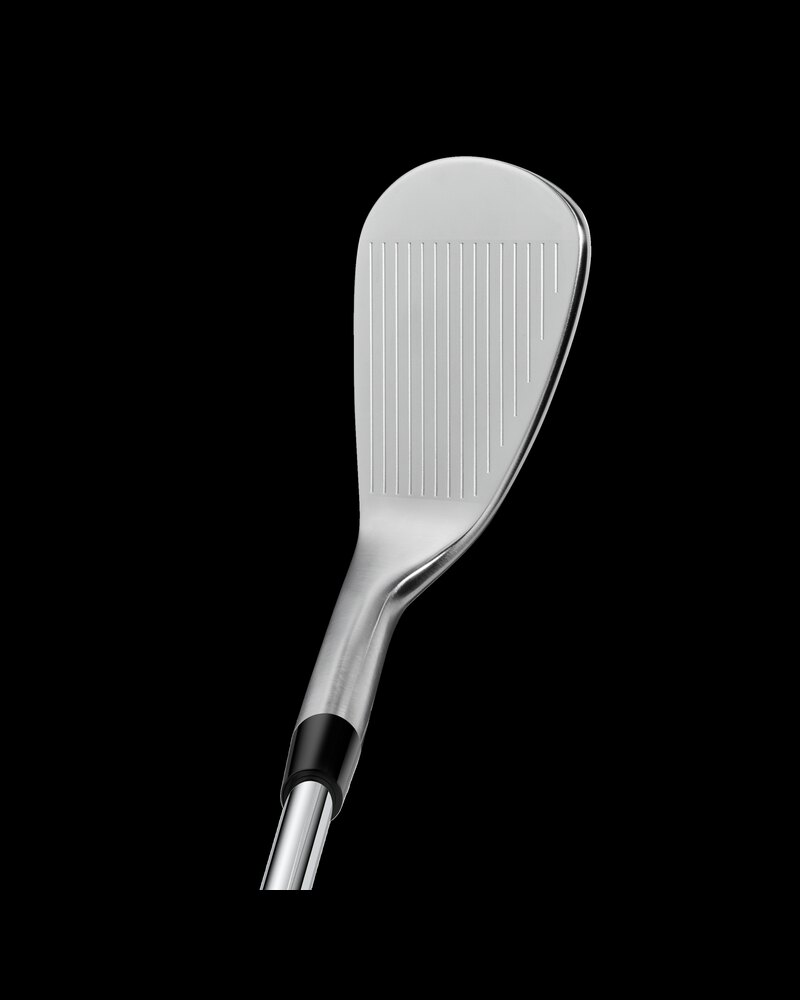
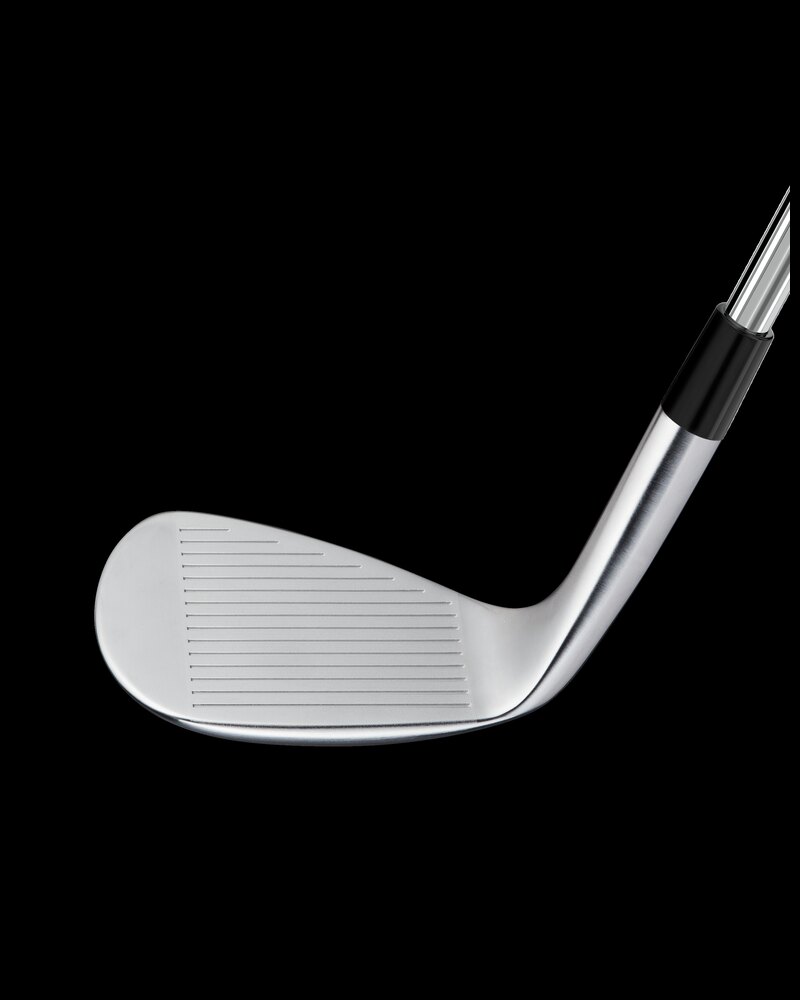
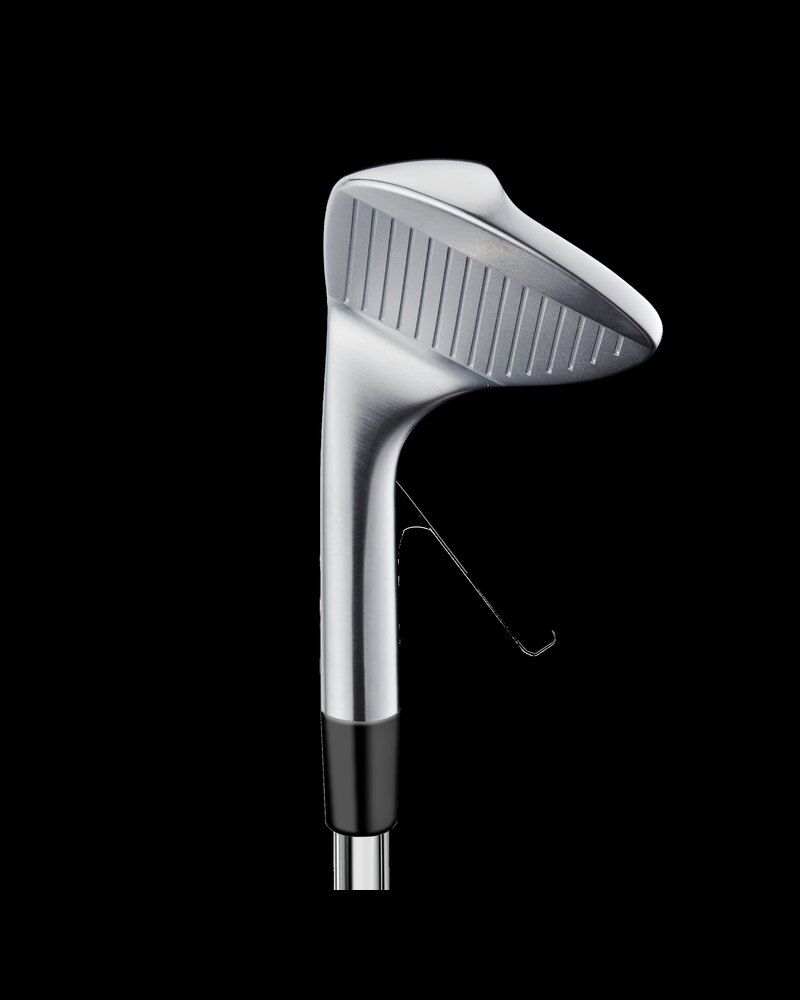
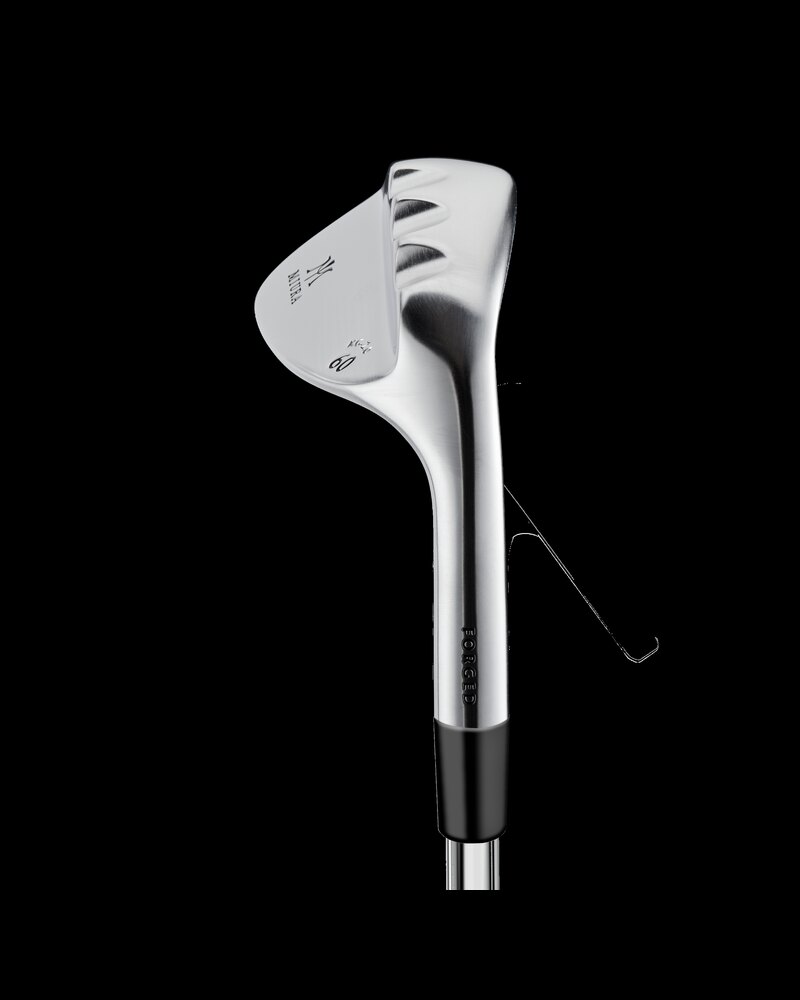
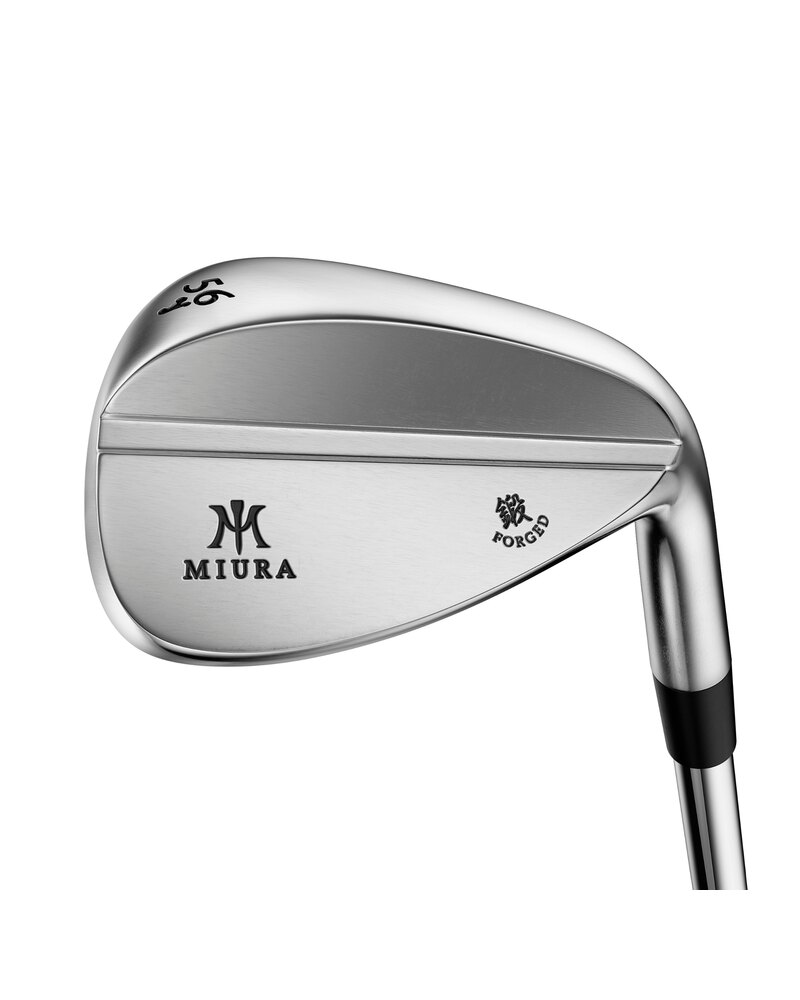
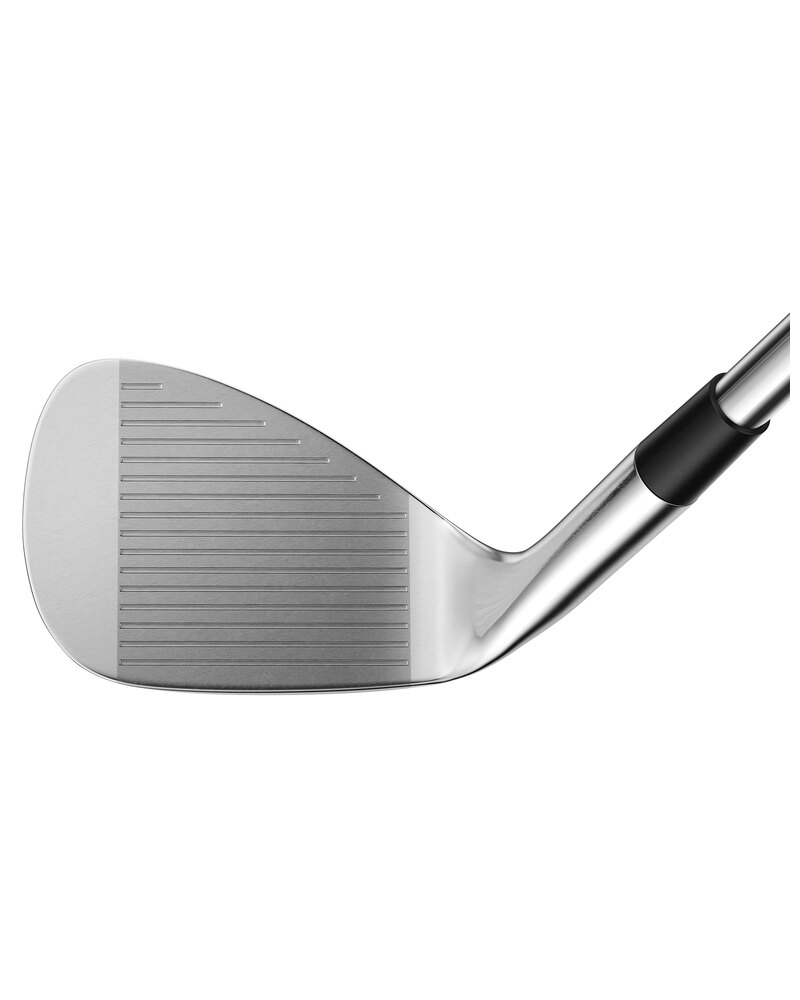
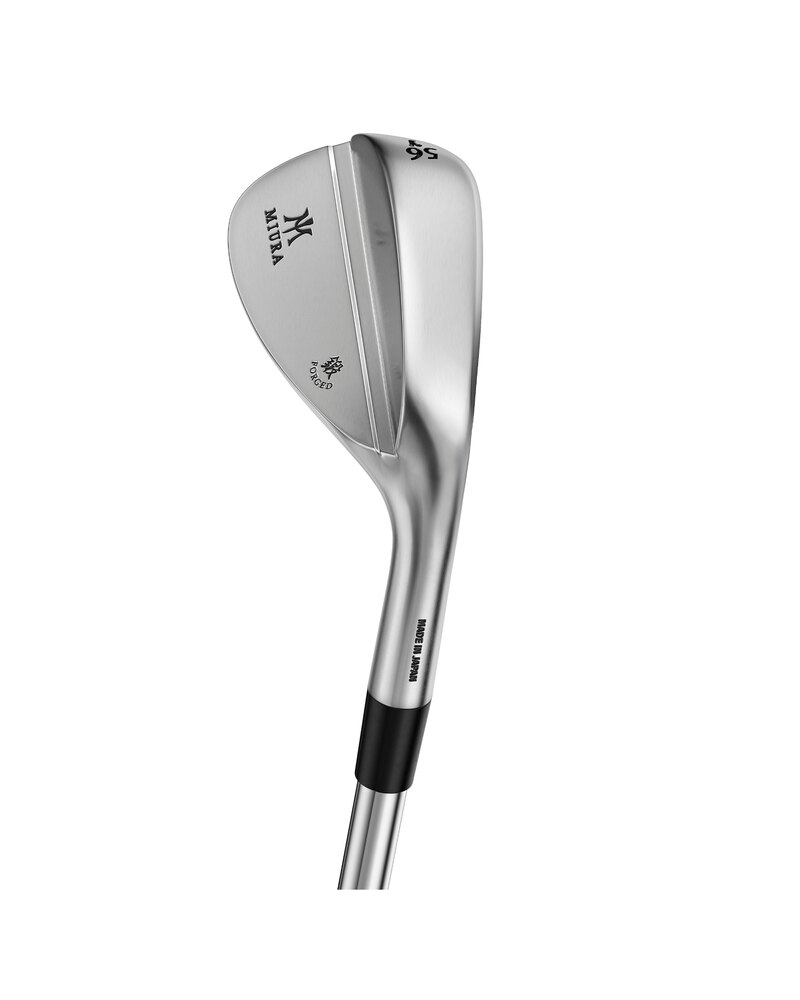
Forging Houses and One-Cut Grinds.Four Japanese makers have four different answers to whether you can actually buy one. Grindworks sells at home in yen and sends everyone else to a distributor. Miura is forged in Himeji, though the storefront you buy from is a US company in Scottsdale.
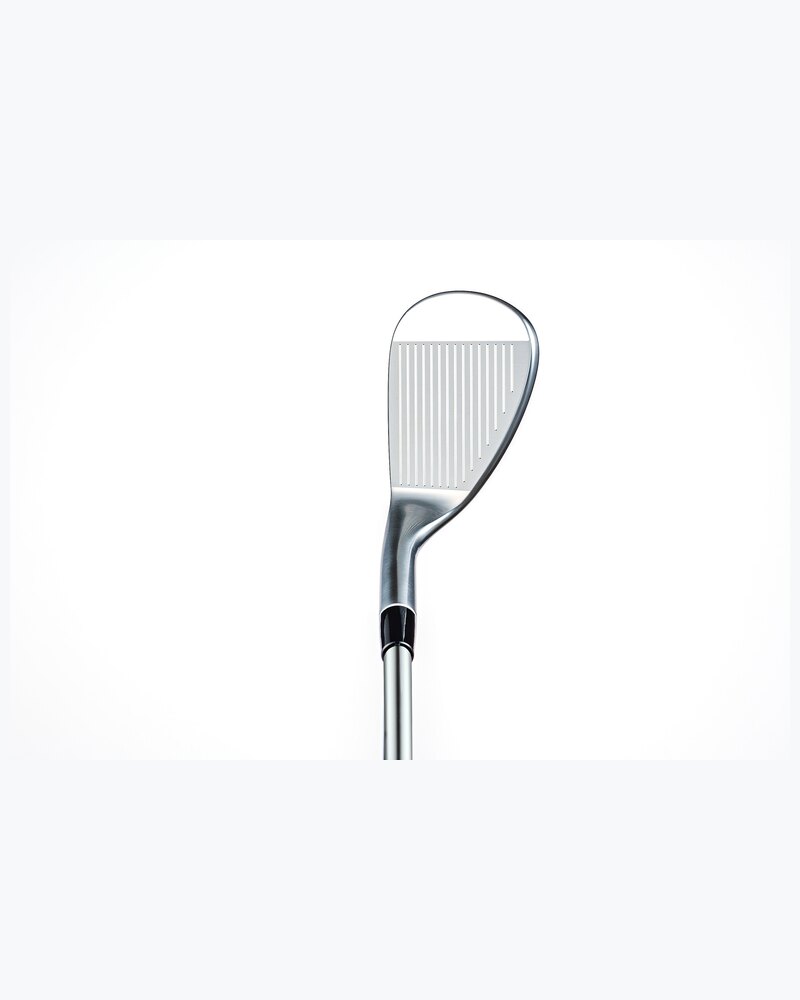
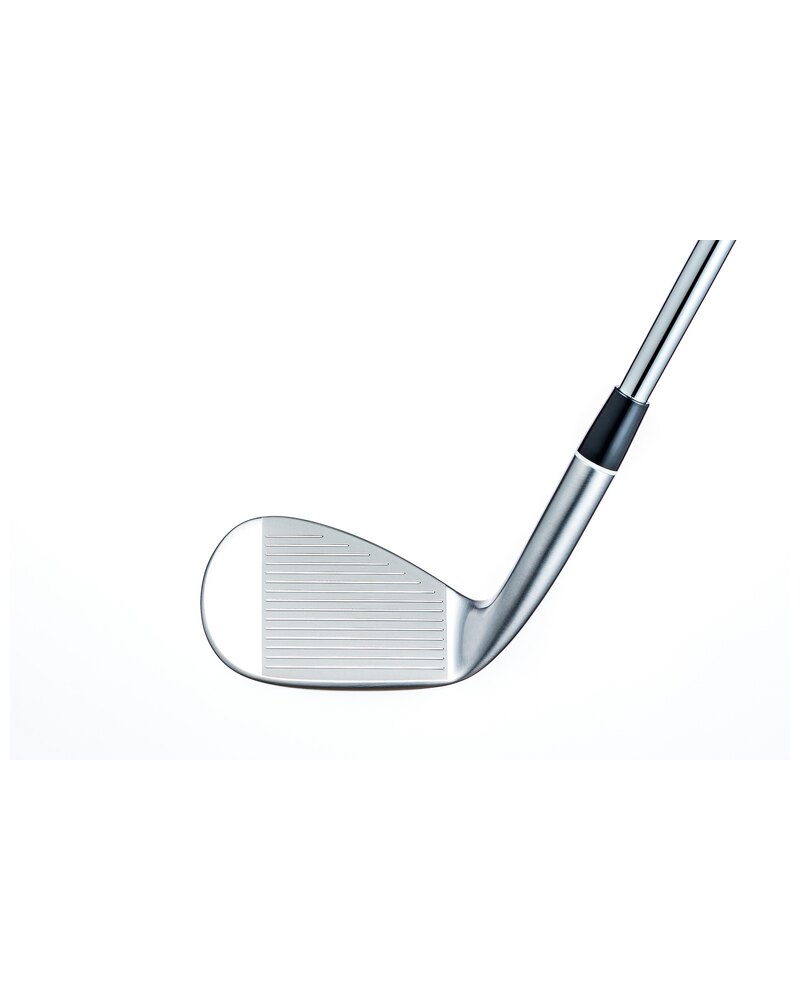
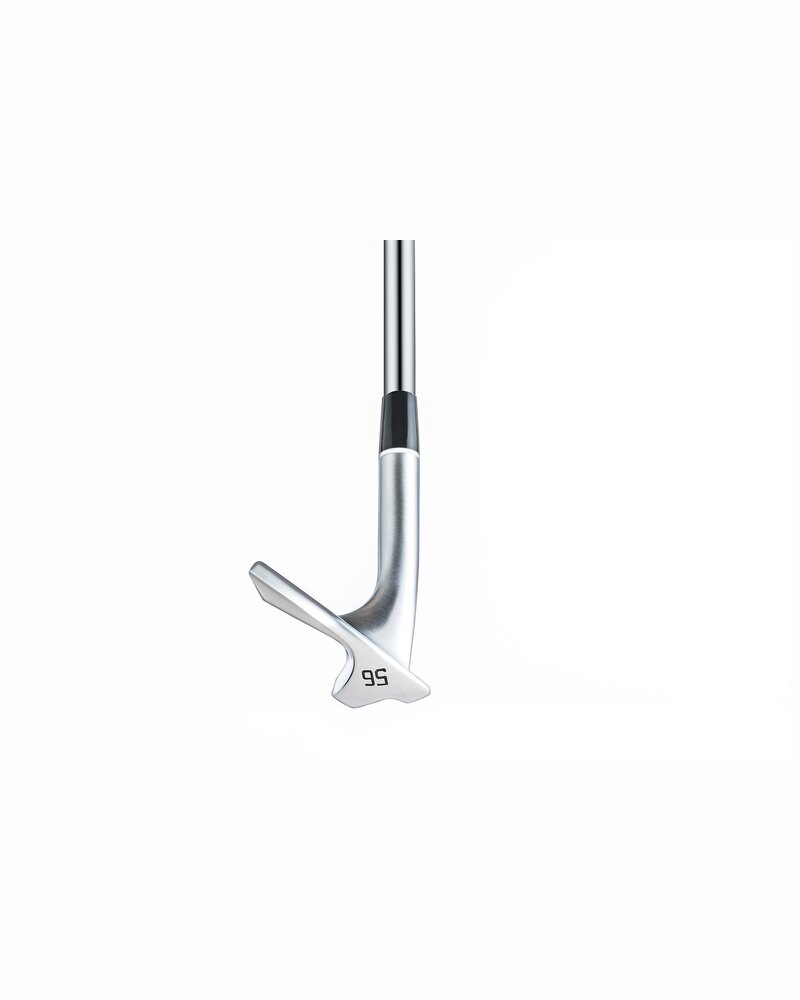
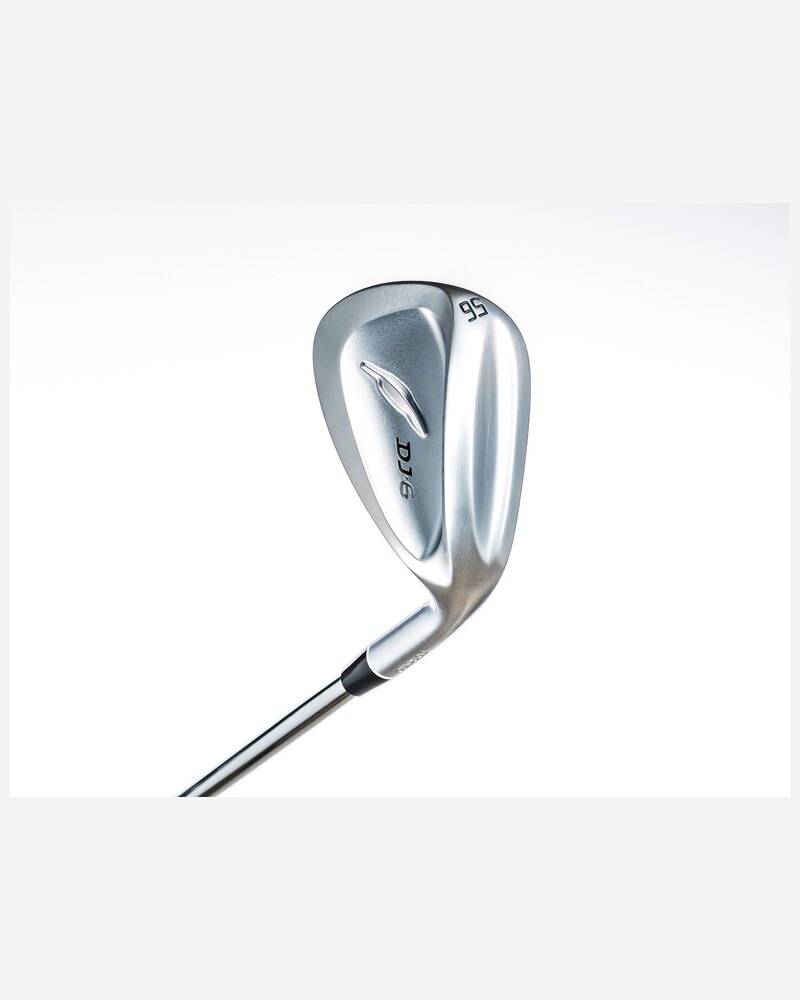
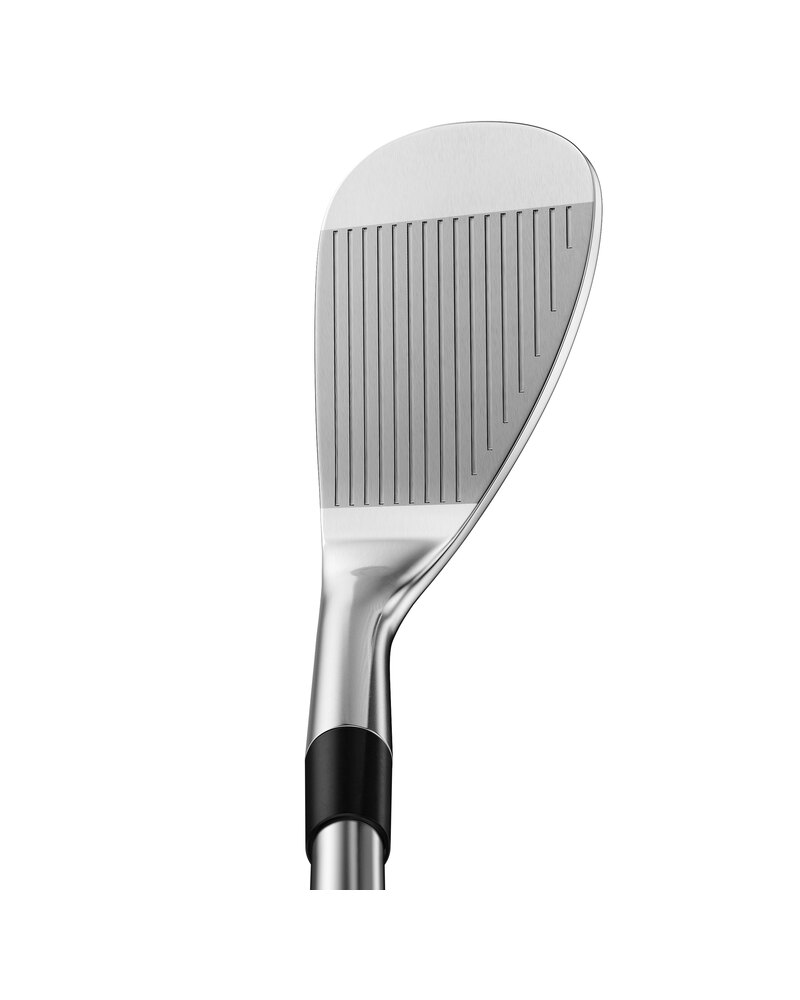
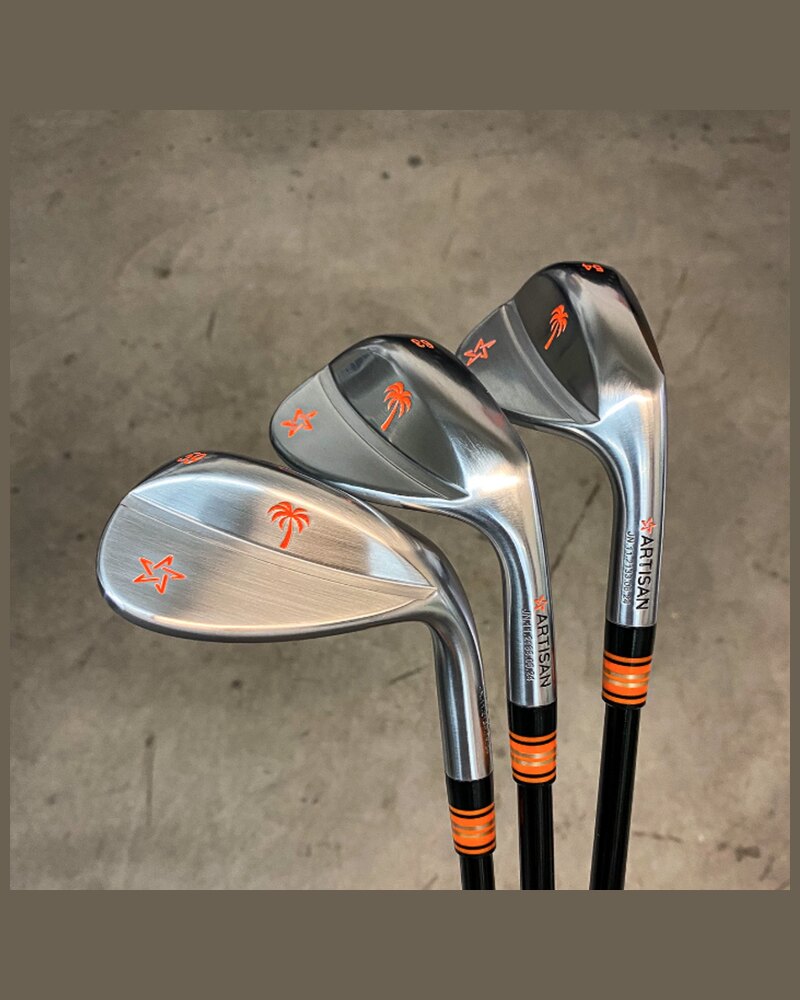
Fittings, Flights and Bank Transfers.Artisan will hand-grind a wedge and stamp it however you like, but only after you fly to Texas and sit a half-day fitting. That is not a marketing posture; it is written plainly on their own site.
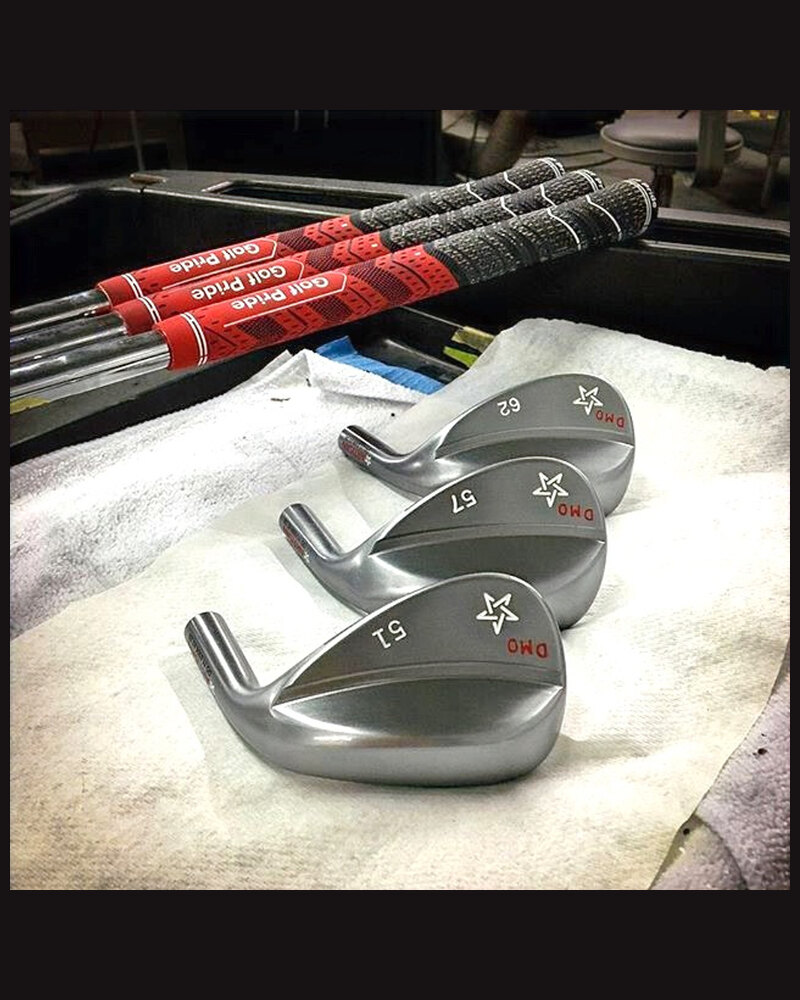


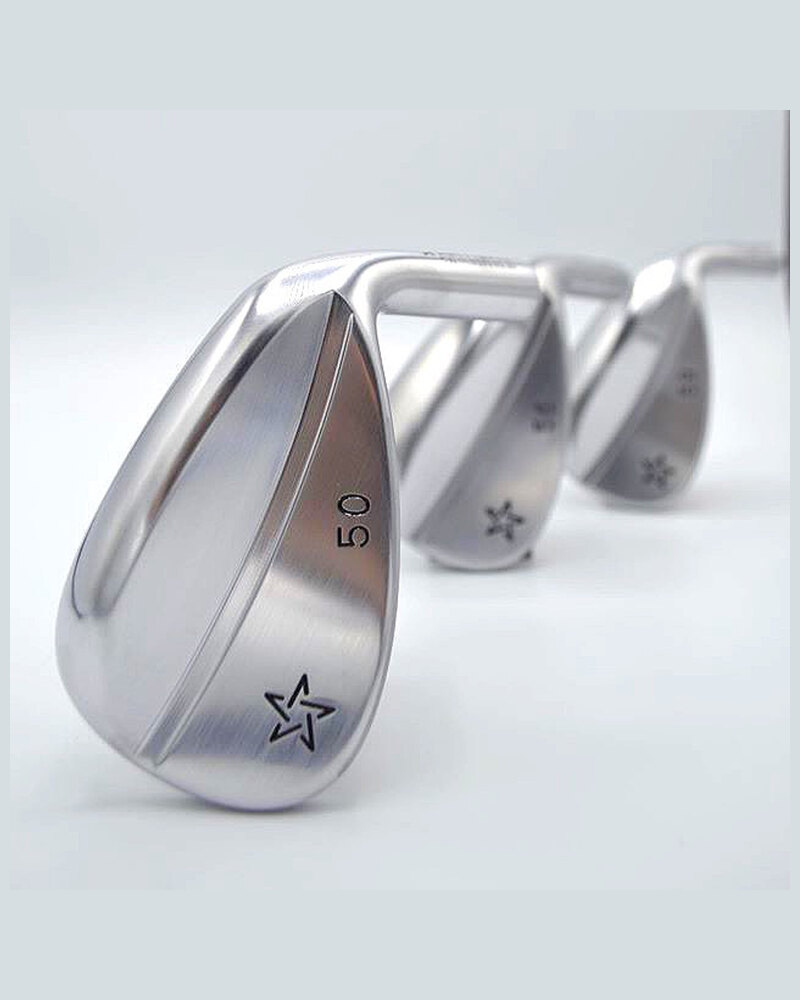
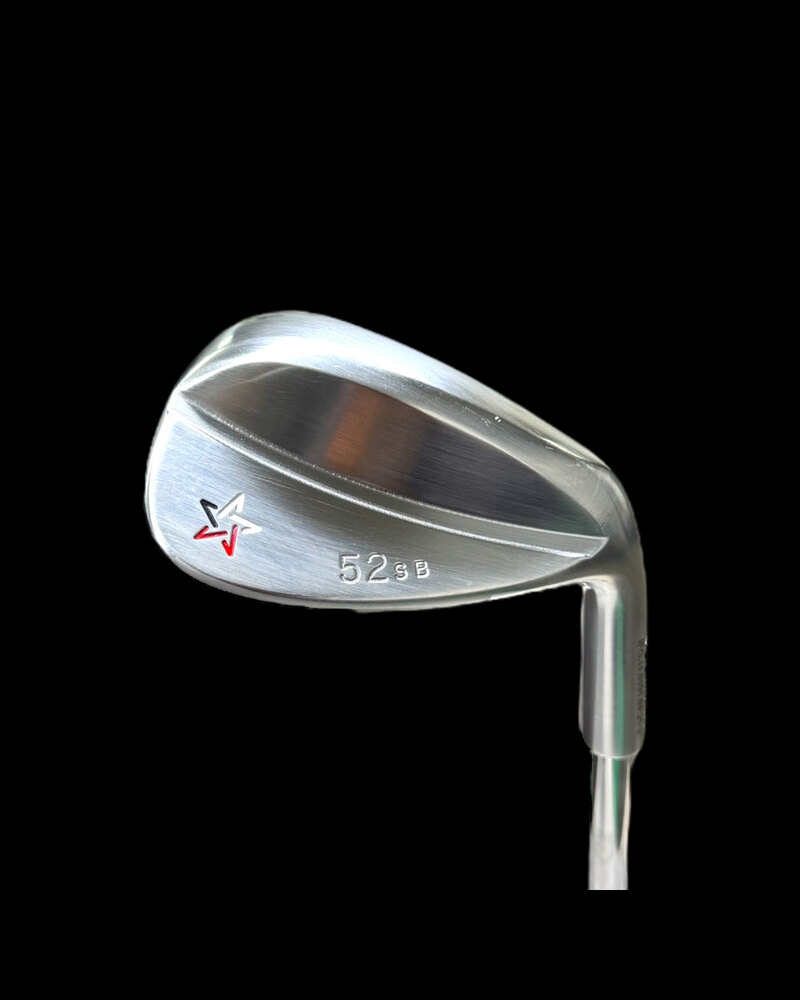
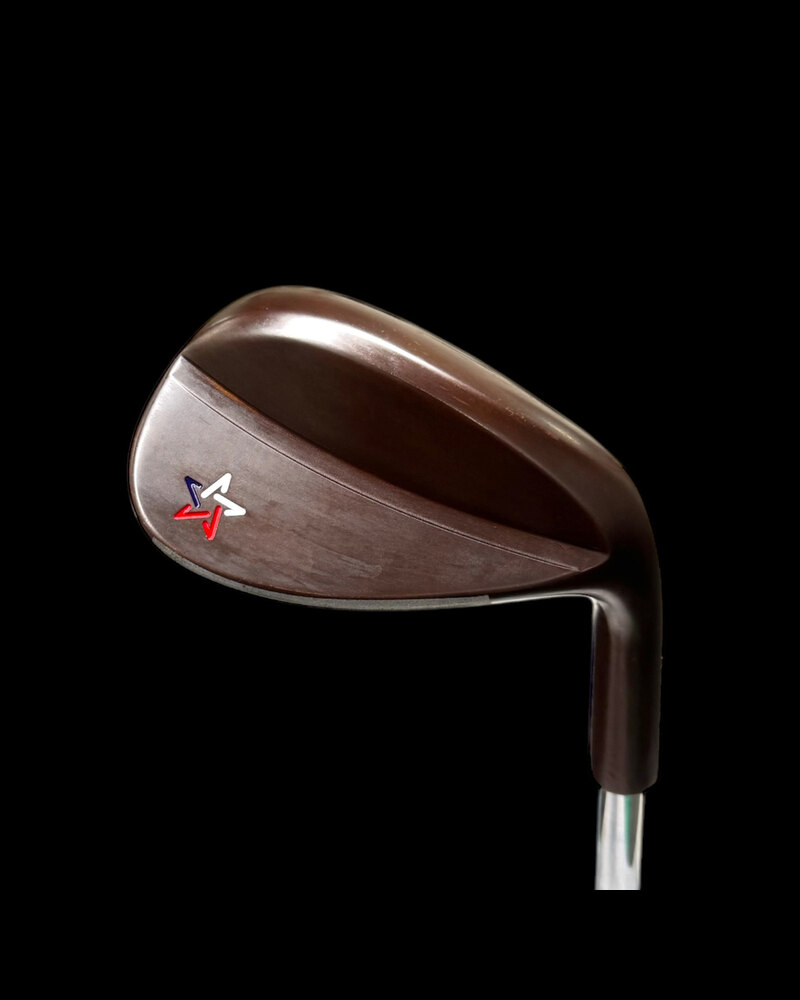
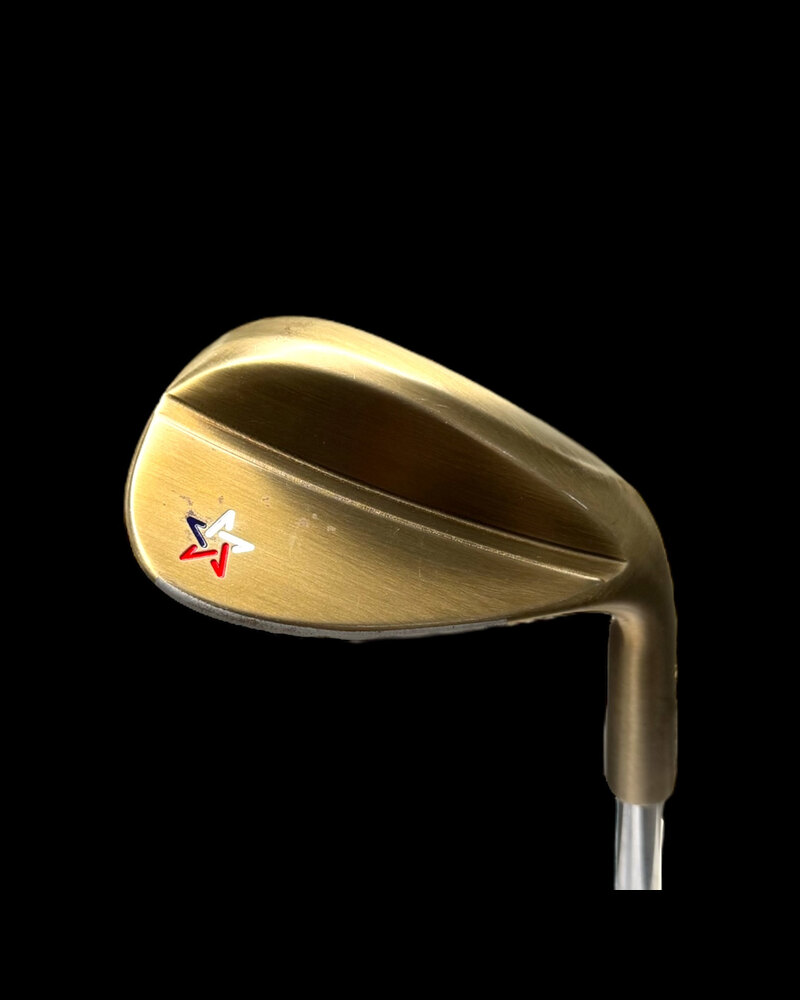
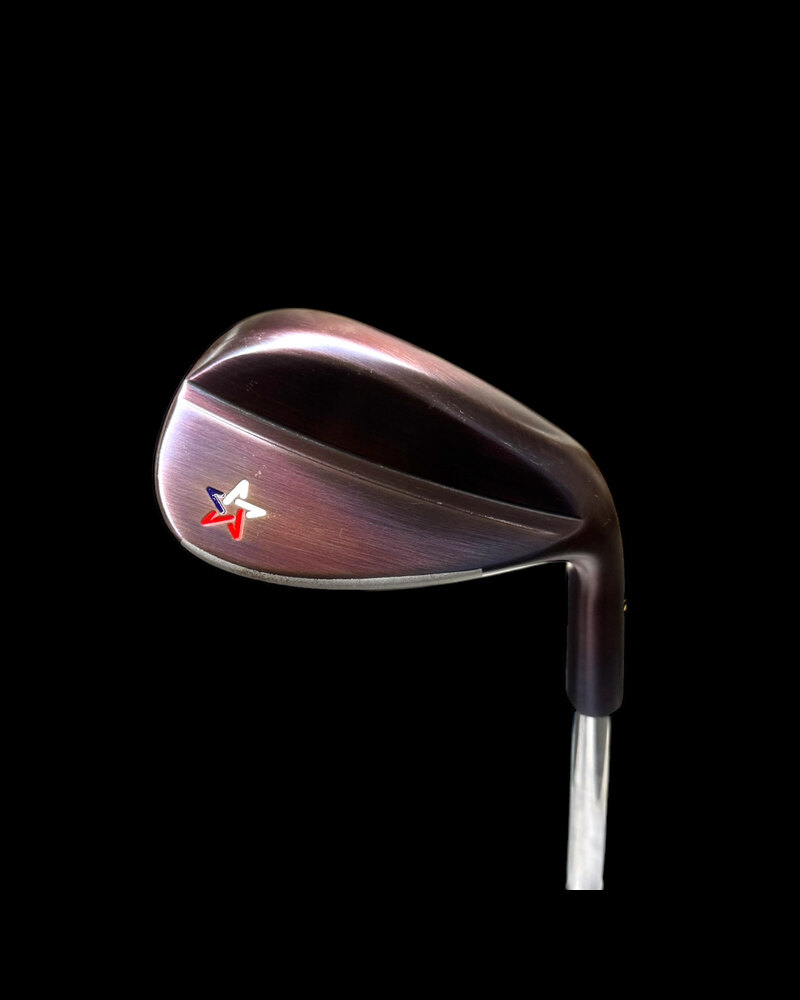
What They Will And Won’t Tell YouEvery major maker runs a wedge personalization program. Two of them publish what the limits actually are, and the rest hide the options behind a configurator that renders nothing until you are already inside it.
The pattern is the interesting part. The two brands that publish hard numbers are the two with the tightest limits. Mizuno will give you six characters and tells you so. Titleist will give you considerably more and tells you nothing until you are three clicks into a builder. PING publishes no price, no limits and no lead time, and will not sell to you directly at all.
Three different things, and the word covers all of them. A stamping shop marks a club you already own and no two come out the same. A made-to-order maker builds from a menu of grinds, finishes and specs after you pay. A manufacturer program adds text and paint fill to a stock head. Only the first is genuinely one-off.
Only two. TaylorMade’s MyMG5 states twelve characters across five layouts with more than fifty logos. Mizuno states six characters per wedge in twelve colors, with spaces counting as characters and no symbols beyond a hash mark. Titleist, Callaway, Cleveland and PING all keep their limits behind configurators that publish nothing.
TaylorMade charges a flat fifty dollars over the stock MG5, taking MyMG5 to $249.99. Callaway Customs on the Opus SP is $199.99 — the same as the stock chrome wedge, so entering the program costs nothing. Vokey WedgeWorks runs $199 to $229 depending on finish. PING publishes no price at all and does not sell direct.
Manufacturer programs are the fastest: TaylorMade quotes four weeks, and Vokey is currently quoting five to six because of a self-declared systems delay. Independent shops vary wildly — Show Out quotes three to fifteen business days by tier, while Weller Design Lab was booked into October as of the end of July. Artisan is about nine weeks, after your fitting.
Yes, at every independent shop here. Show Out, Weller and Swing Right all work on your club, and Show Out removes the head from the shaft first so the shaft never sees heat. Manufacturer programs do not work this way — you are ordering a new head.
It depends entirely on the maker and it is the single most confusing part of this category. KYOEI puts “we ship worldwide” on every page. Fourteen ships to North America and Europe only. Grindworks sells domestically in yen and routes everyone else to a distributor. Ryoma states delivery within Japan only, and Yururi wants a Japanese bank transfer.
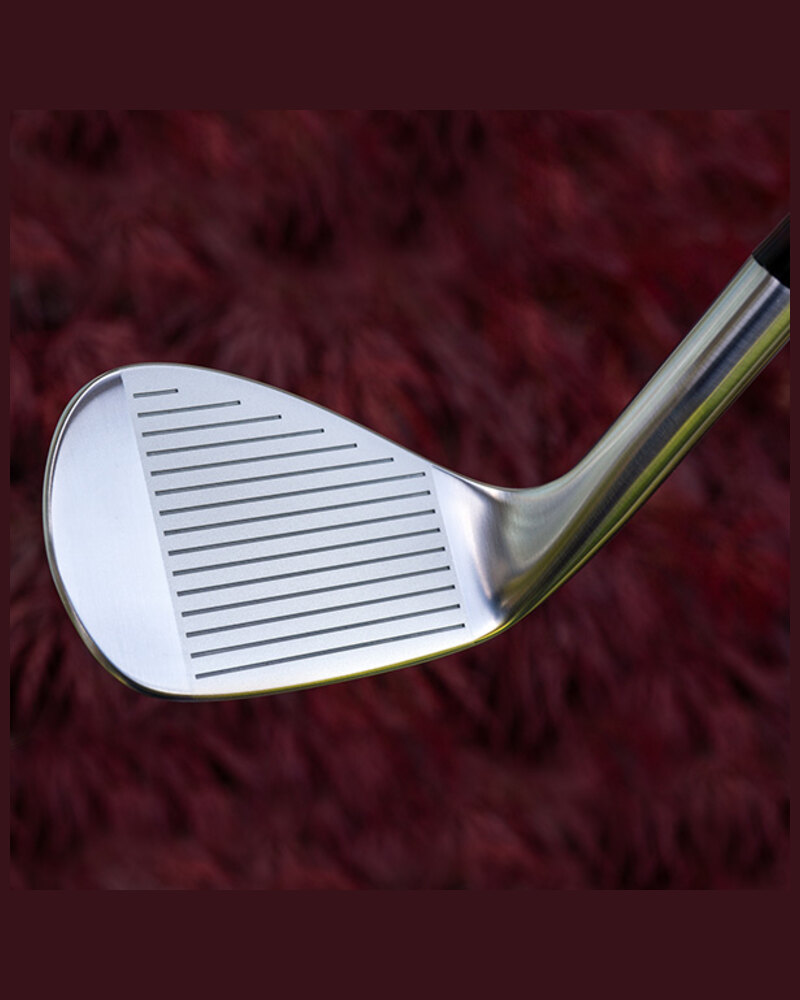
Stamping and paint fill do not. Grooves do, and several makers here sell both versions openly — Indi Golf labels its non-conforming set Big Box Grooves and marks it Not Tournament Approved, and KYOEI and Yururi both list non-conforming heads alongside conforming ones.
Callaway’s Pro Tour Club Artist, based in Carlsbad, who hand stamps, paints and sandblasts tour wedges. He took the job after a Callaway newspaper ad in 1999, having survived his boat sinking off Panama as a deckhand. His clubs have gone to Obama, Steph Curry and Jimmy Buffett. You essentially cannot buy one.