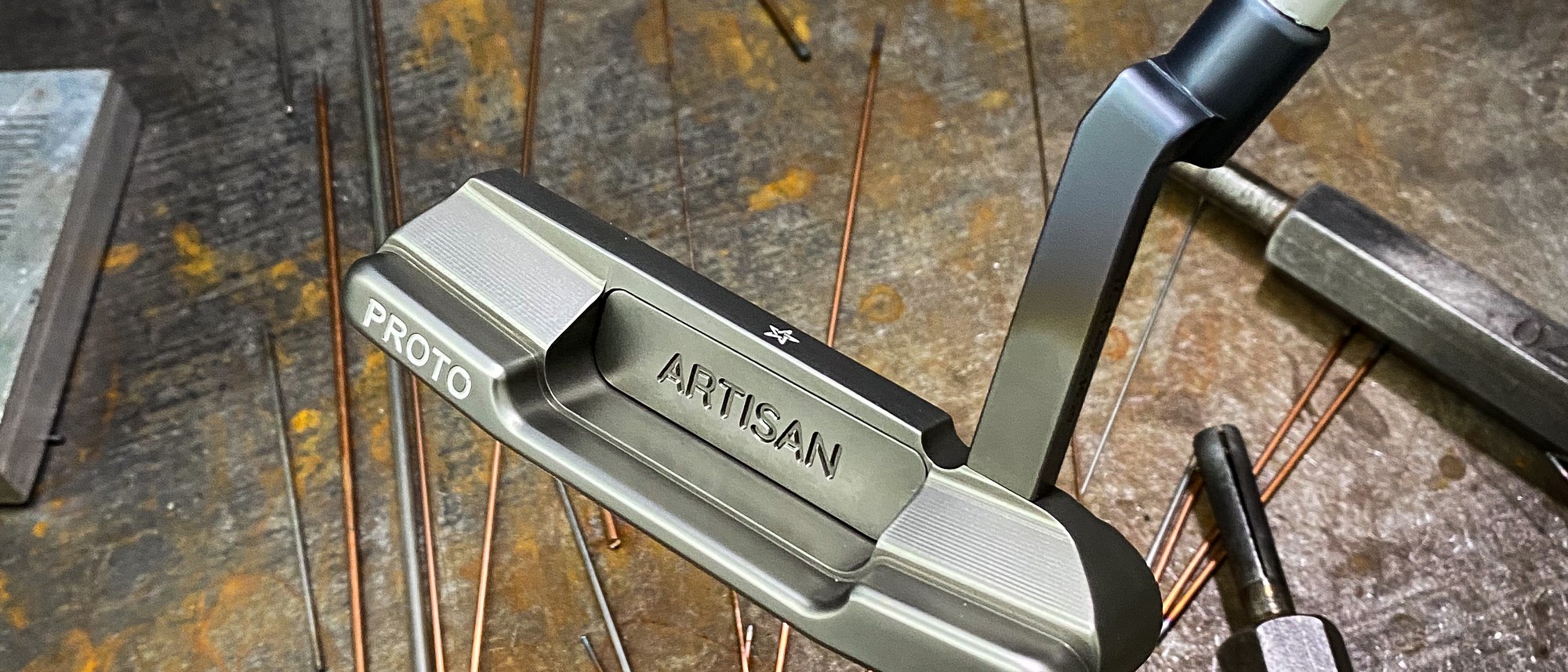
We cover a lot of small brands making clothes and headcovers. This one is about the clubs: seventeen small, independent makers of putters, irons and drivers, from a toolmaker in Melbourne to a basement mill in Ohio to two shops in Fort Worth working out of the building where Nike used to make tour clubs.
Our take: start with the putter. It is the one club where a small maker can match anyone, because a putter is one piece of steel and one person with a mill can make a great one. A milled putter from Hanna, Gambit or Carbon costs $295 to $350, about what a cast putter from a big brand costs off the rack, and it comes with someone’s name on the back who answers your email. That is why eight of our 17 make putters.
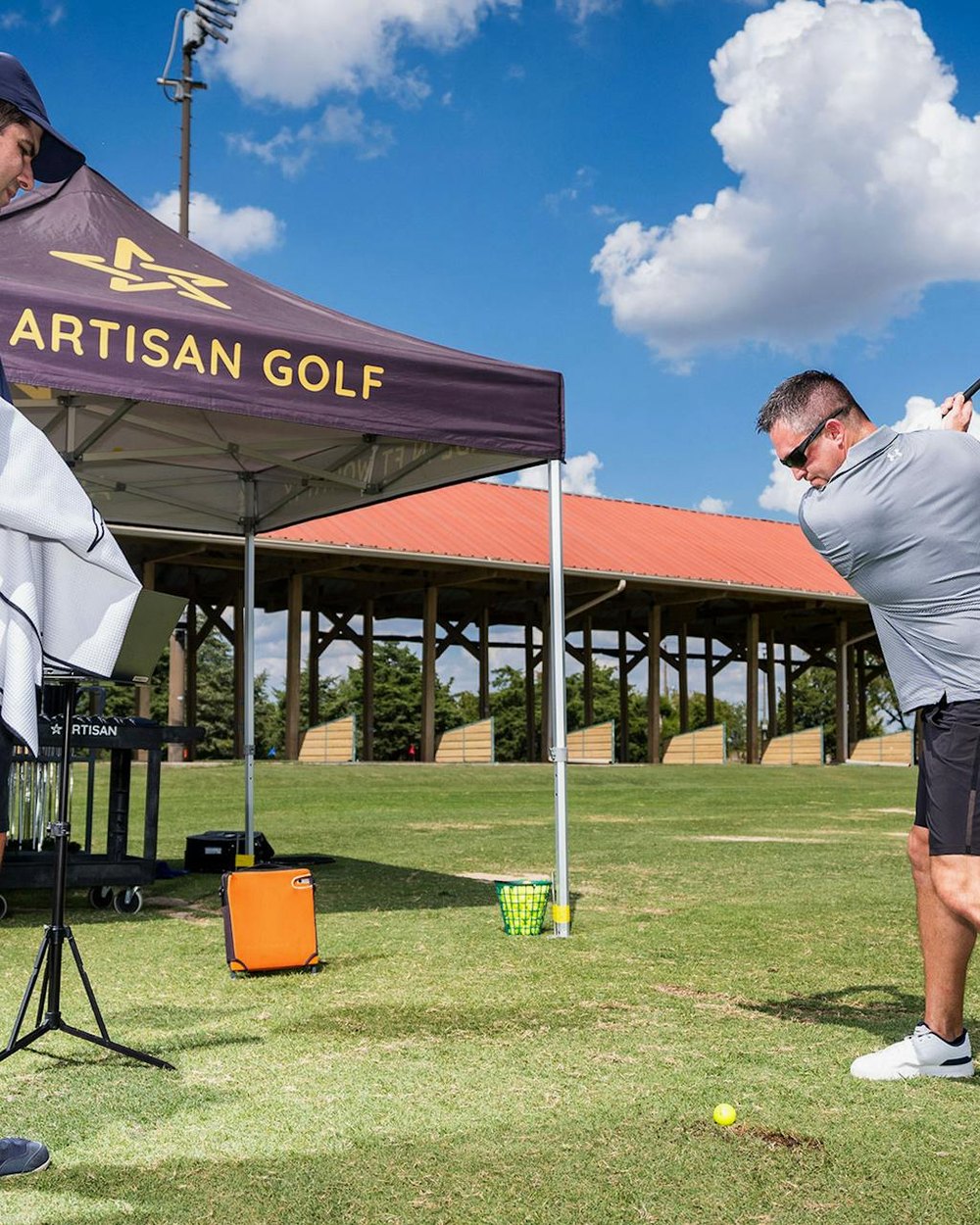
Irons are a fitting, not a purchase. Hardly any small maker owns a forge, so the independents either finish forged heads by hand and fit you for them, or they are small Japanese workshops. If you live in Texas, the best version of this is a three-hour drive away: Artisan fits you outdoors on real turf in Fort Worth, and P53 forges in the US from US steel and caps its whole program at 953 clients.
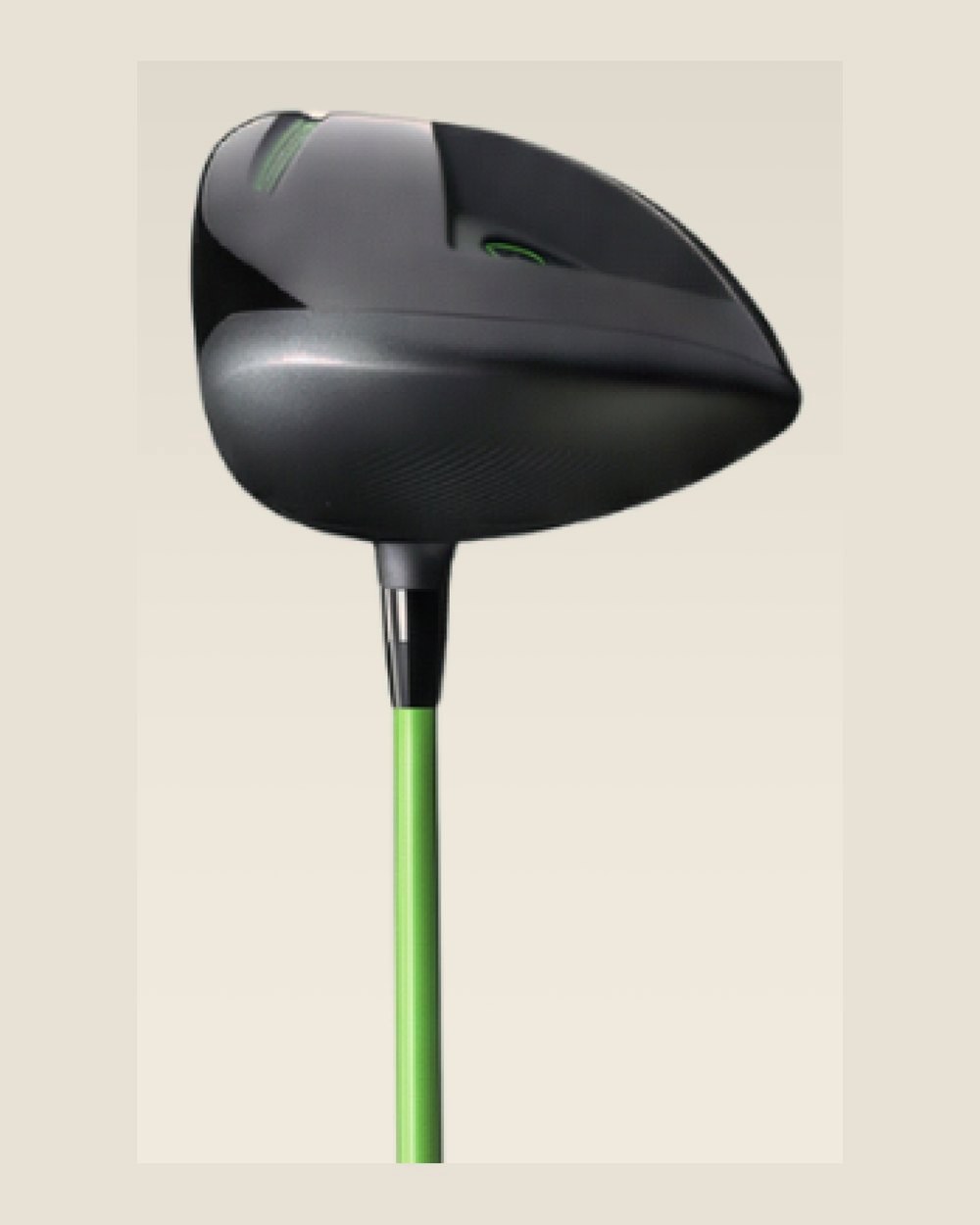
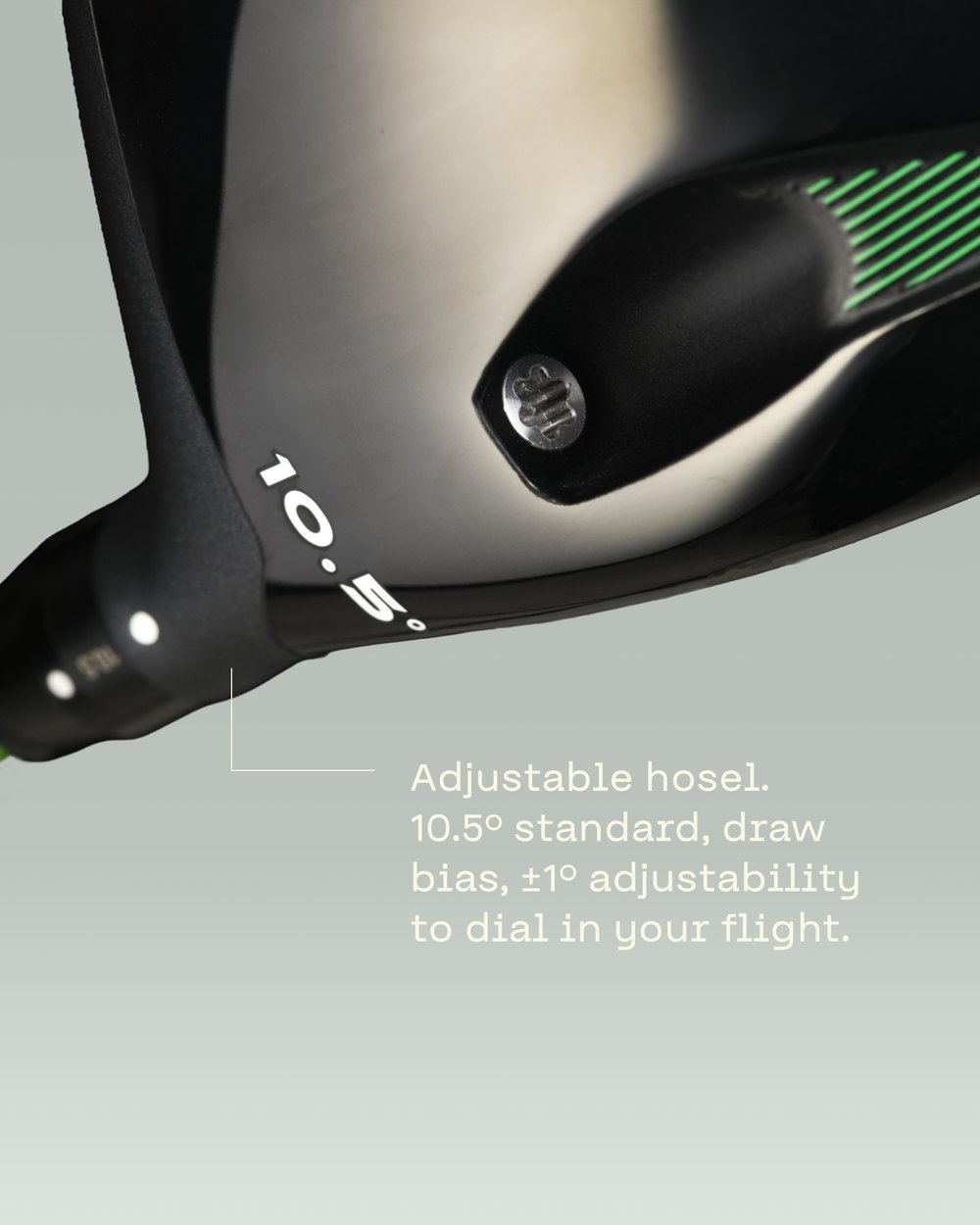
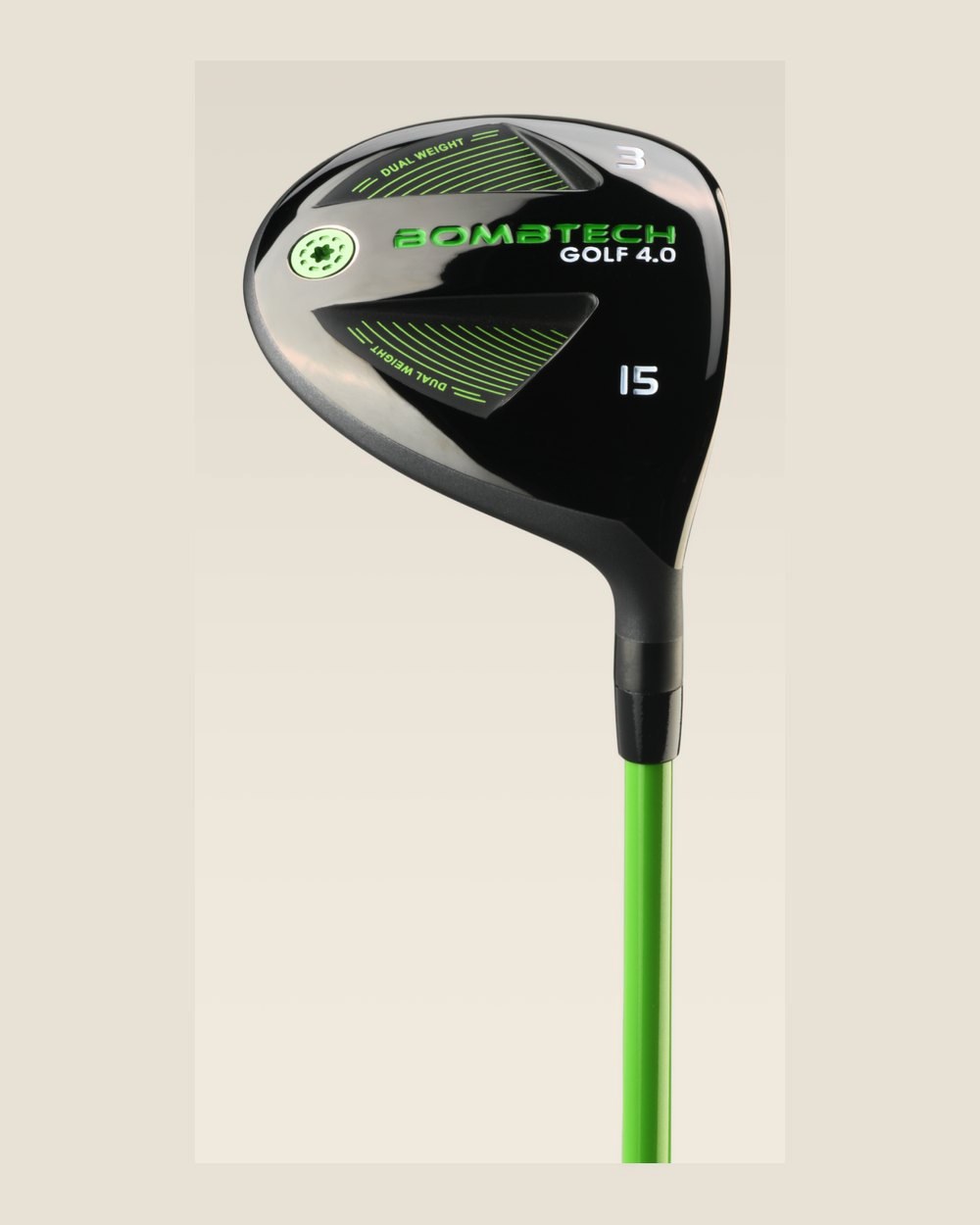
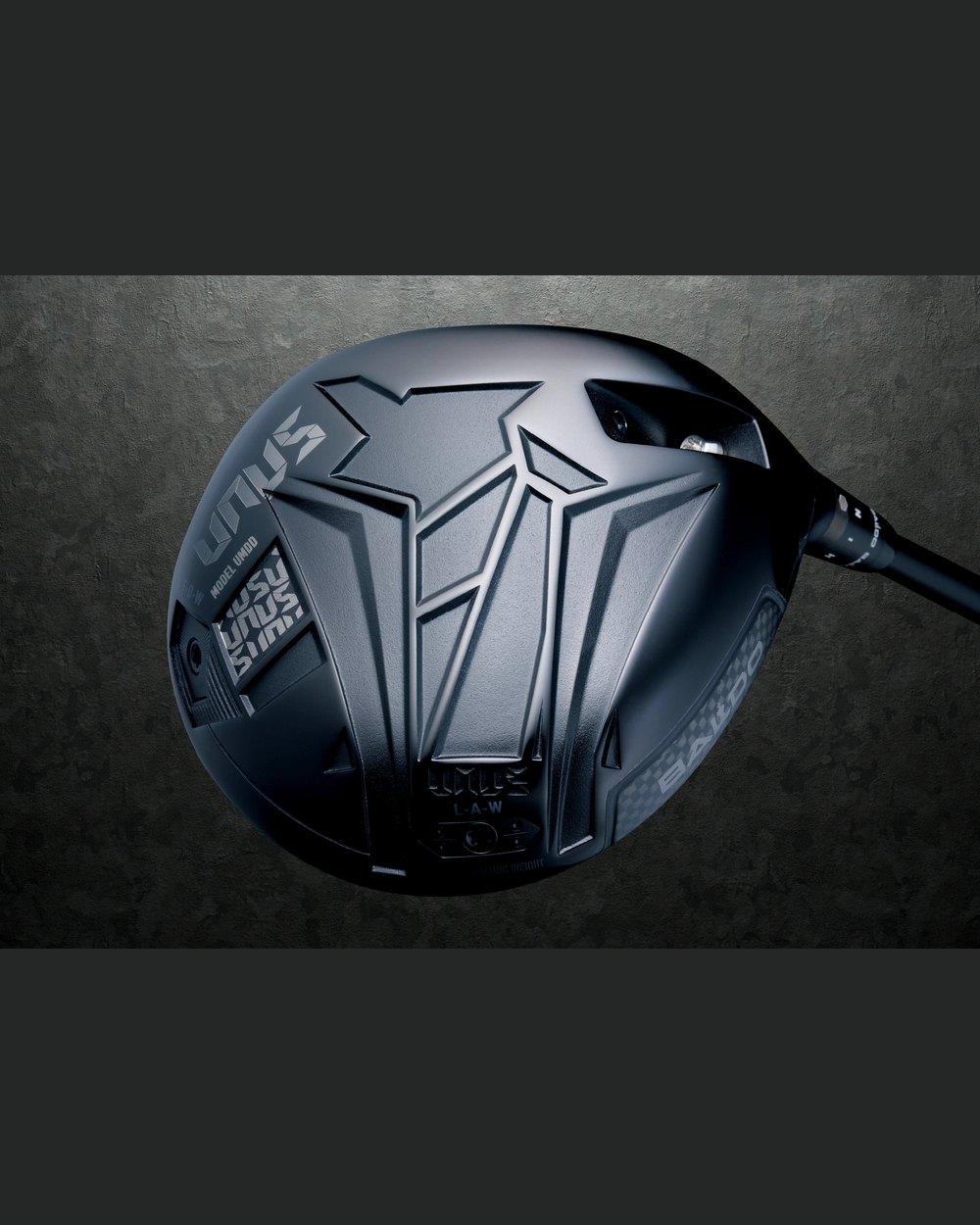
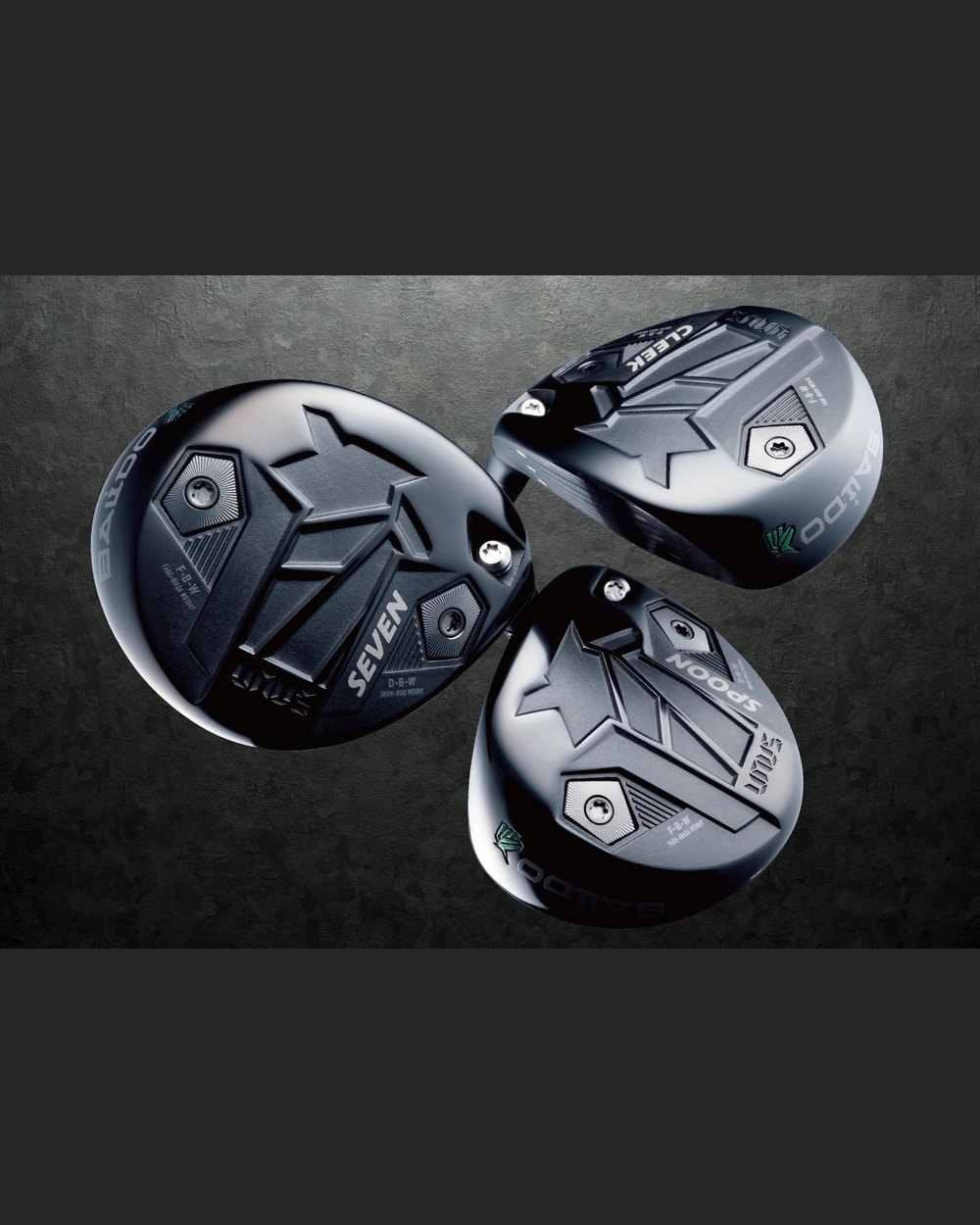
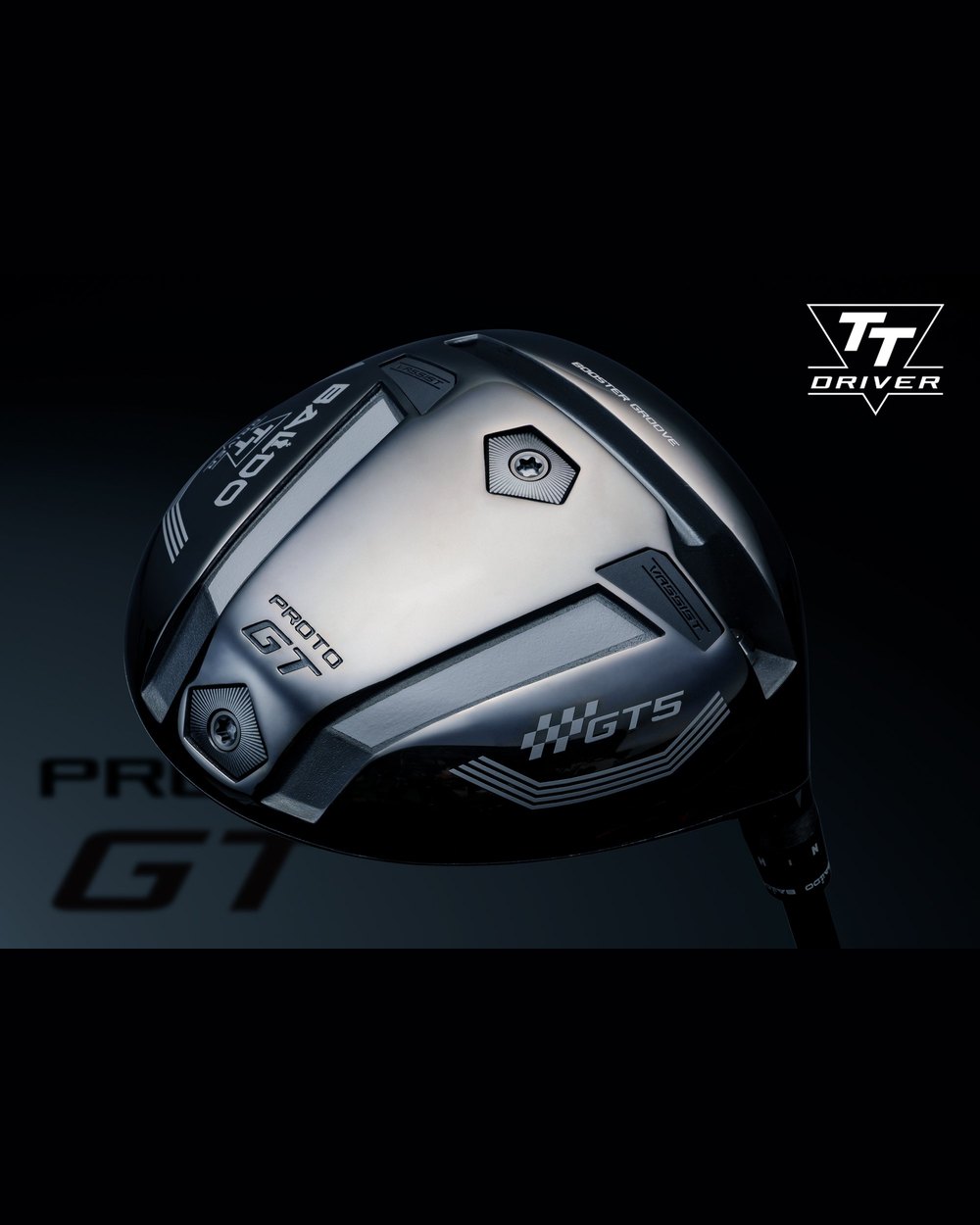
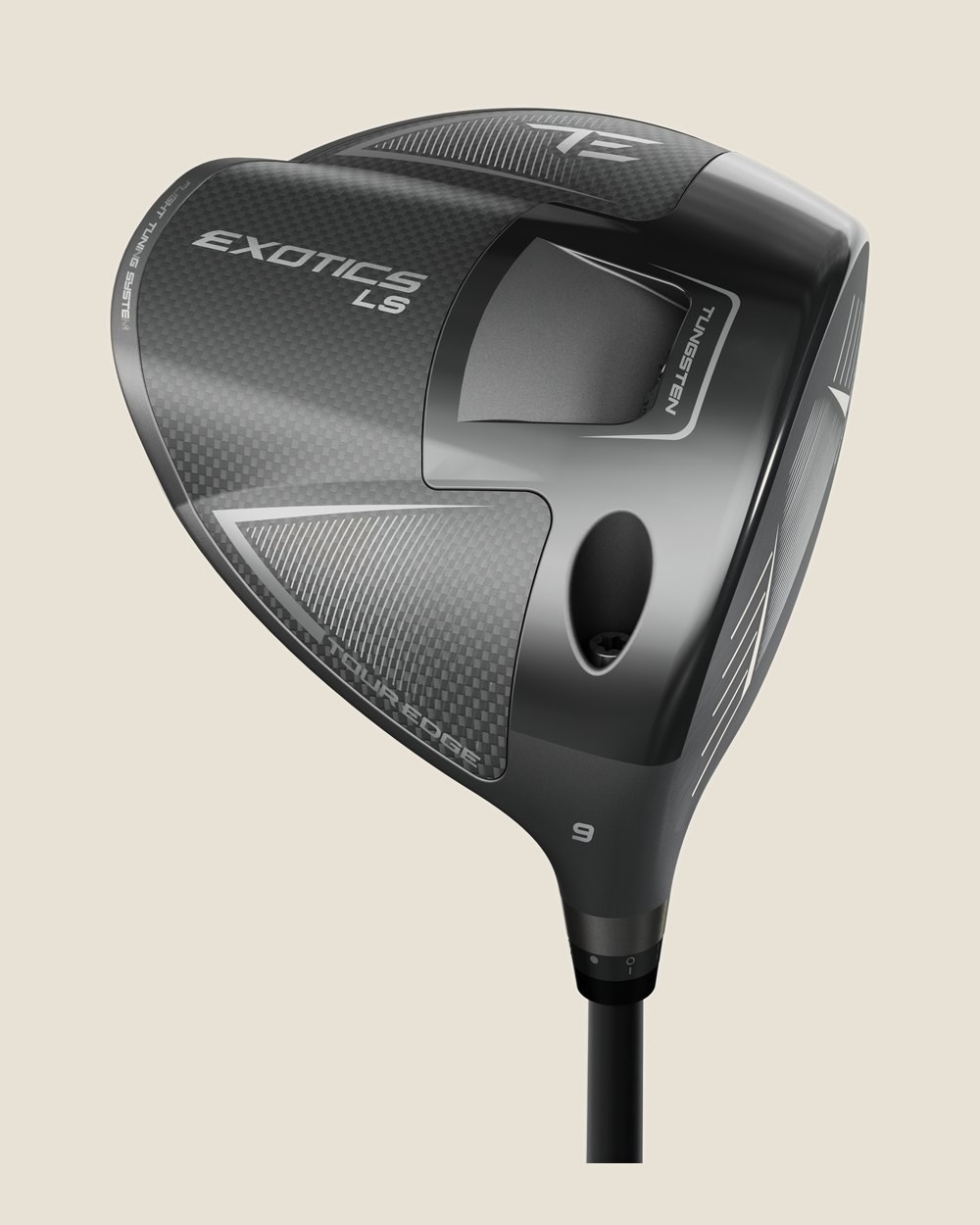
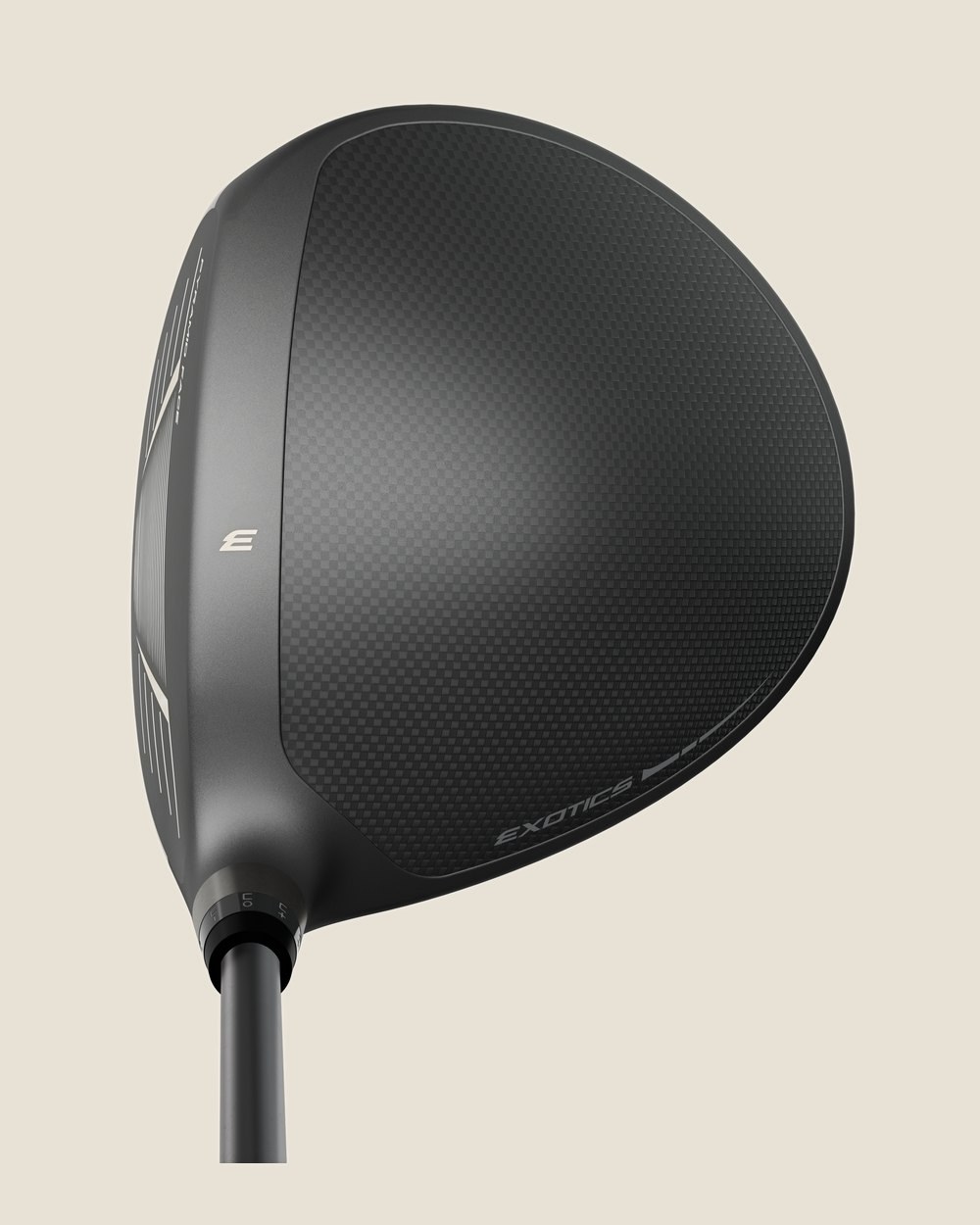
The driver is a values call. A driver takes titanium, testing and a lot of money, and the big companies release a new one every year. Only a few small brands stay in that fight, which is why we have three. Buy BombTech, BALDO or Tour Edge because you like who makes it, not because you expect it to out-tech a tour bag.
Every price here comes from the maker’s own site, checked October 15, 2026, in the store’s currency with US dollars in brackets. Two of them don’t publish prices at all, and most putters are made to order, so expect to wait two to six weeks.
For bigger direct-to-consumer club brands, read our guide to DTC golf club brands. For wedges, see The Custom Wedge Report.
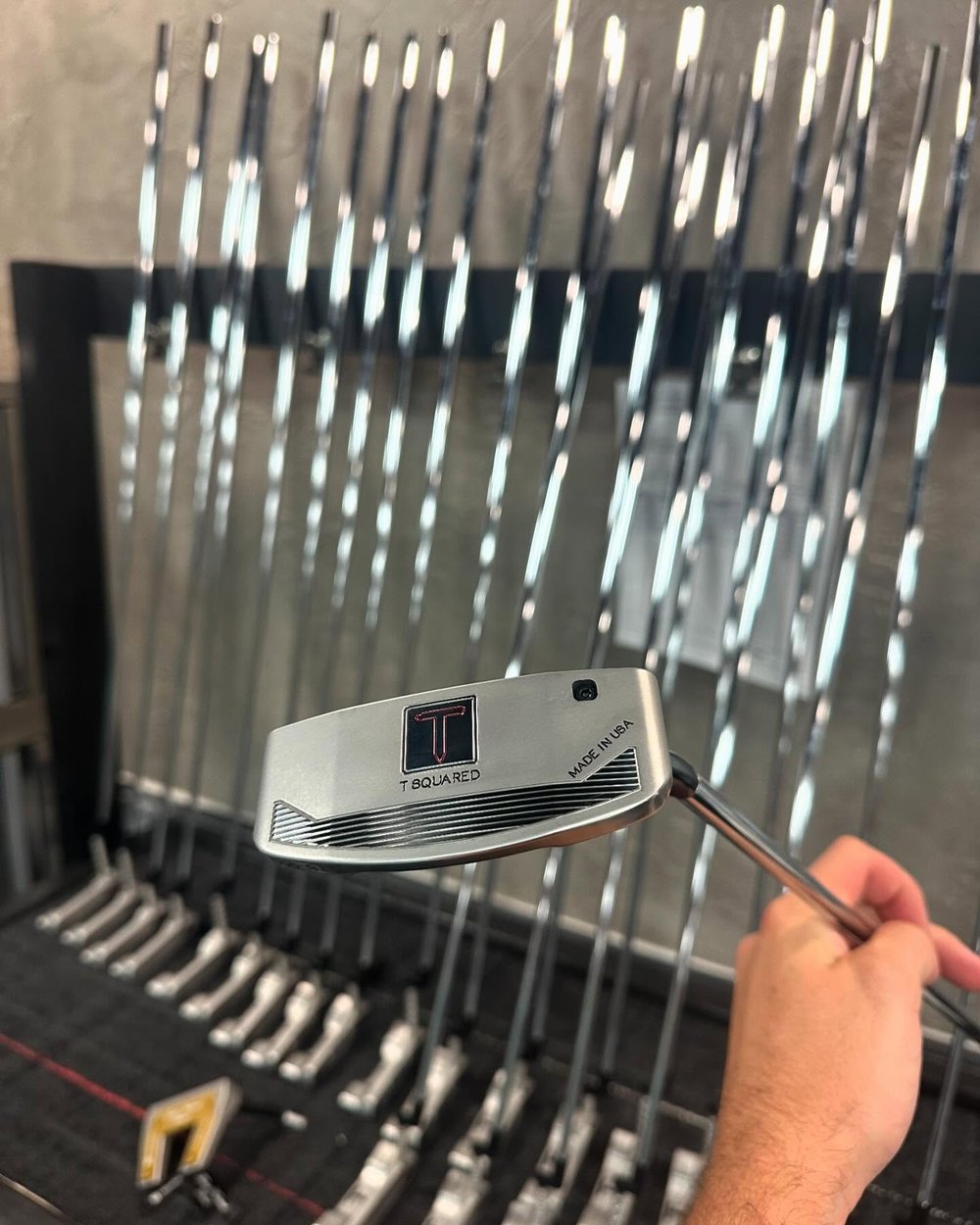
Putters: milled, not cast. Most big-brand putters are cast: molten steel is poured into a mold, then ground and finished. Almost every small maker here mills instead. A CNC machine carves the head out of a solid block of steel, usually stainless or soft carbon steel, which takes hours per head but holds tight tolerances and gives the face its feel. Carbon Putters mills each head from a single piece of carbon steel. Hanna designs, mills and assembles in Iowa. T Squared mills your loft and lie straight into the head, instead of bending a stock head to fit you afterward. Then comes the handwork that makes each one different: Kronos hand-polishes and hand-paints, Gambit paints custom art, and Lajosi’s oil-can, torched and rainbow finishes are applied by hand, one putter at a time.
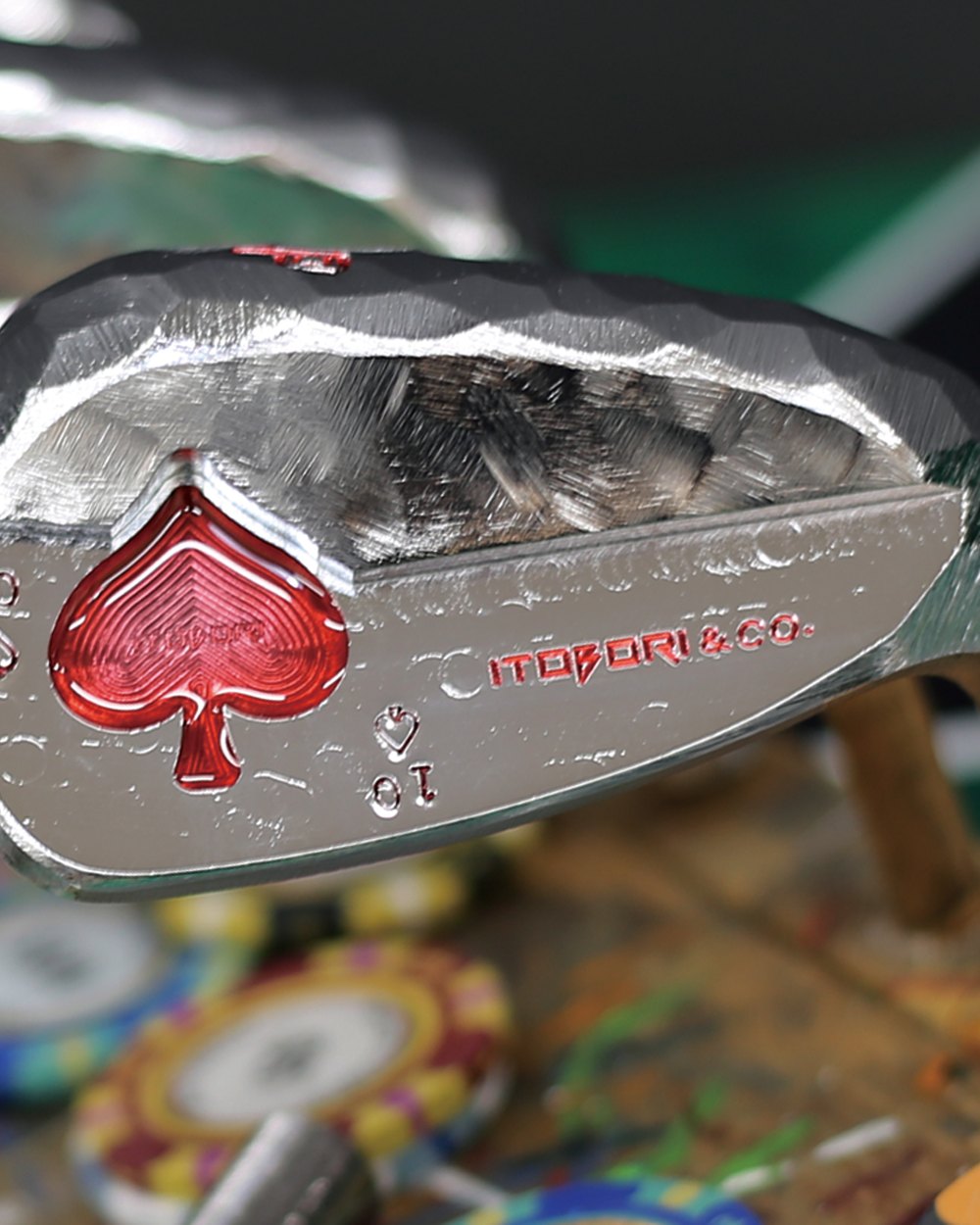
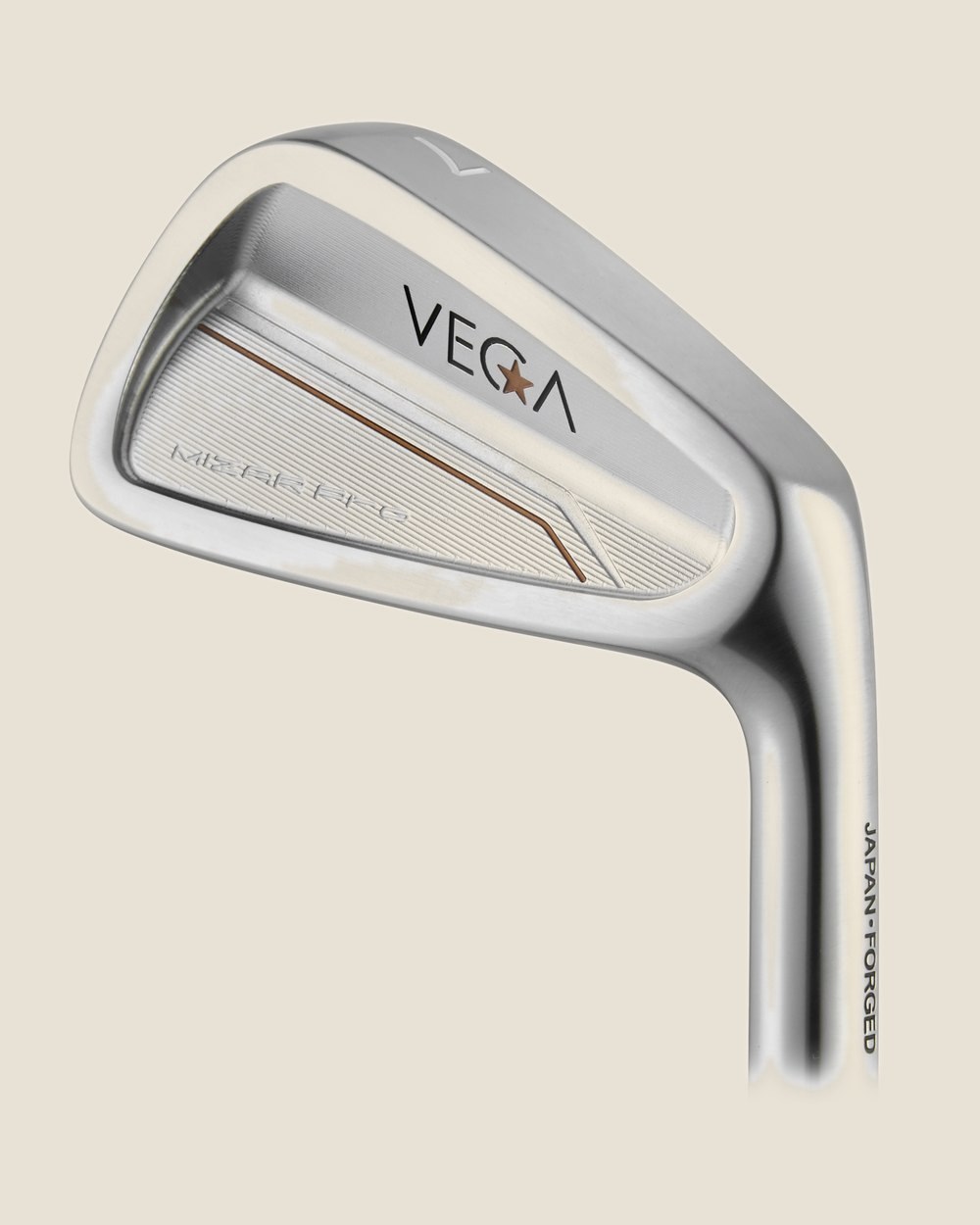
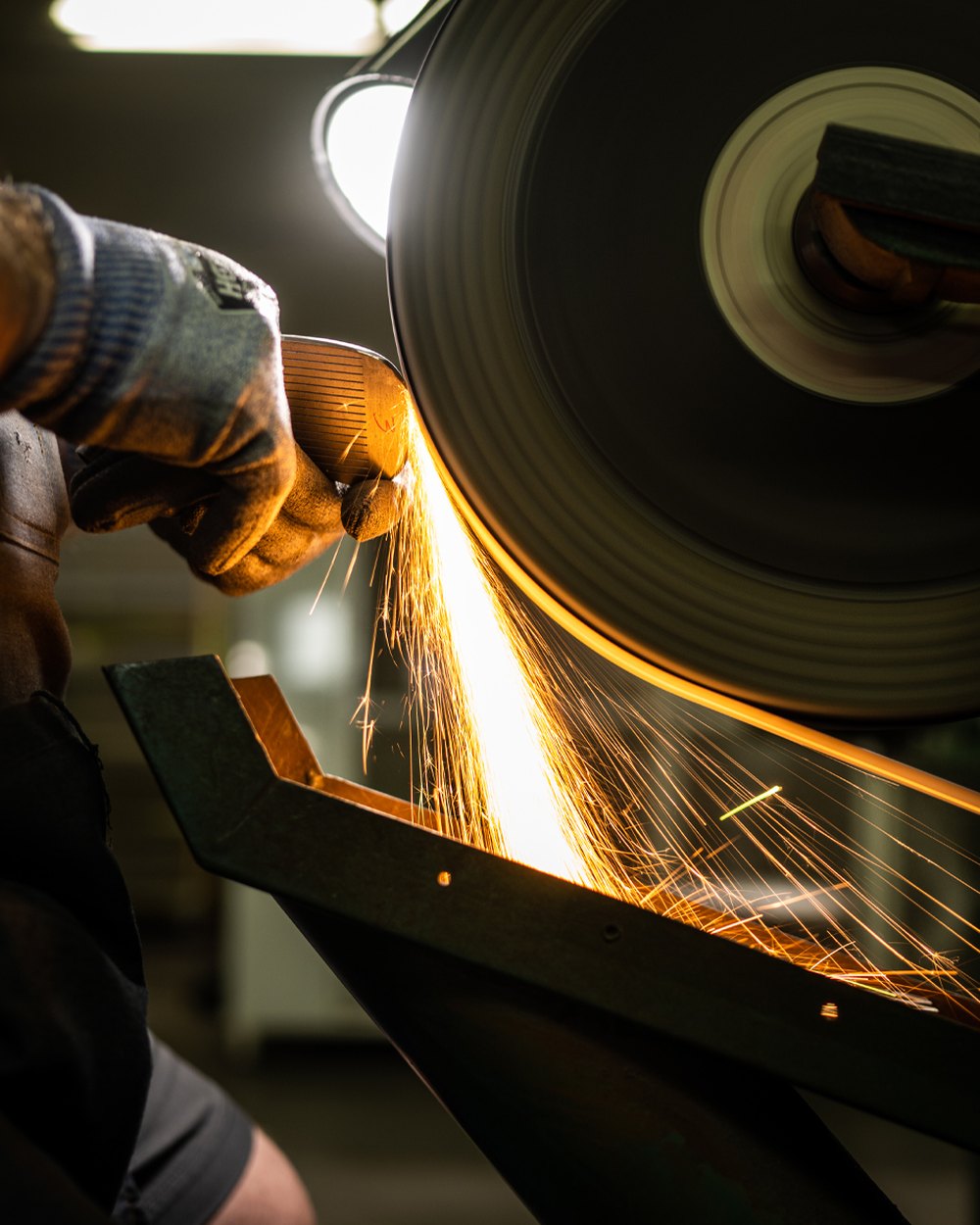
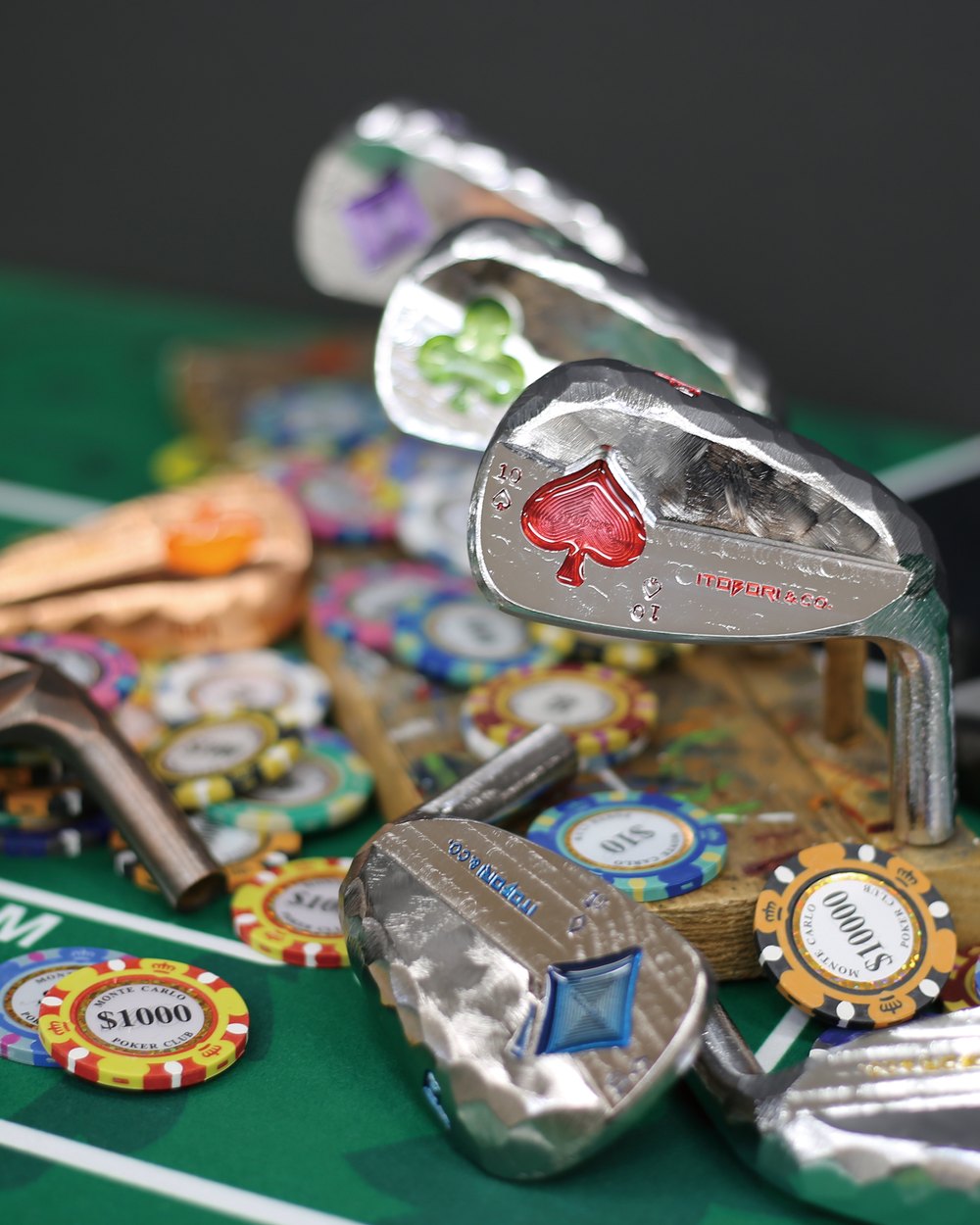
Irons: forged, then finished by hand. A forged iron starts as a bar of soft carbon steel, heated and pressed into shape under enormous force, then milled, ground, polished and usually chrome plated. Cast irons are poured like most putters. The forging grades show up in the specs here: S20C at Artisan, S25C at Itobori, 1020 at New Level. P53 forges every iron in the US from a single billet of US steel. Artisan’s heads are forged in Japan, then assembled, stamped and paint-filled by hand in Fort Worth. Itobori shaves each head by hand. New Level skips the plating altogether on its Raw irons, so they rust as you play.
Drivers: titanium and testing. A modern driver is a hollow titanium head, often with a separately forged face welded on and a carbon crown to save weight, built to the rules’ limits on size and how much the face can spring. BALDO’s UNUS DD pairs a forged titanium semi-cup face with a carbon crown. Tour Edge hand-assembles its clubs in Illinois, and BombTech’s first driver was engineered with University of Vermont engineering students. The tooling and testing are why so few small makers try.
The big brands sell technology and a new model every year. The small makers are selling something else: scarcity, a person behind every club, and a fit built into the steel. Here is how that shows up.
Fit built in, not bent in. T Squared mills your loft and lie straight into the head instead of bending a stock head after the fact. Artisan won’t cut steel for a putter until it has talked to you on the phone or fitted you in Fort Worth.
Raw on purpose. New Level sells irons with no plating at all, so they rust as you play, and Kronos offers its Release Si in raw stainless. The bet is that golfers want a club that ages like a good pair of boots.
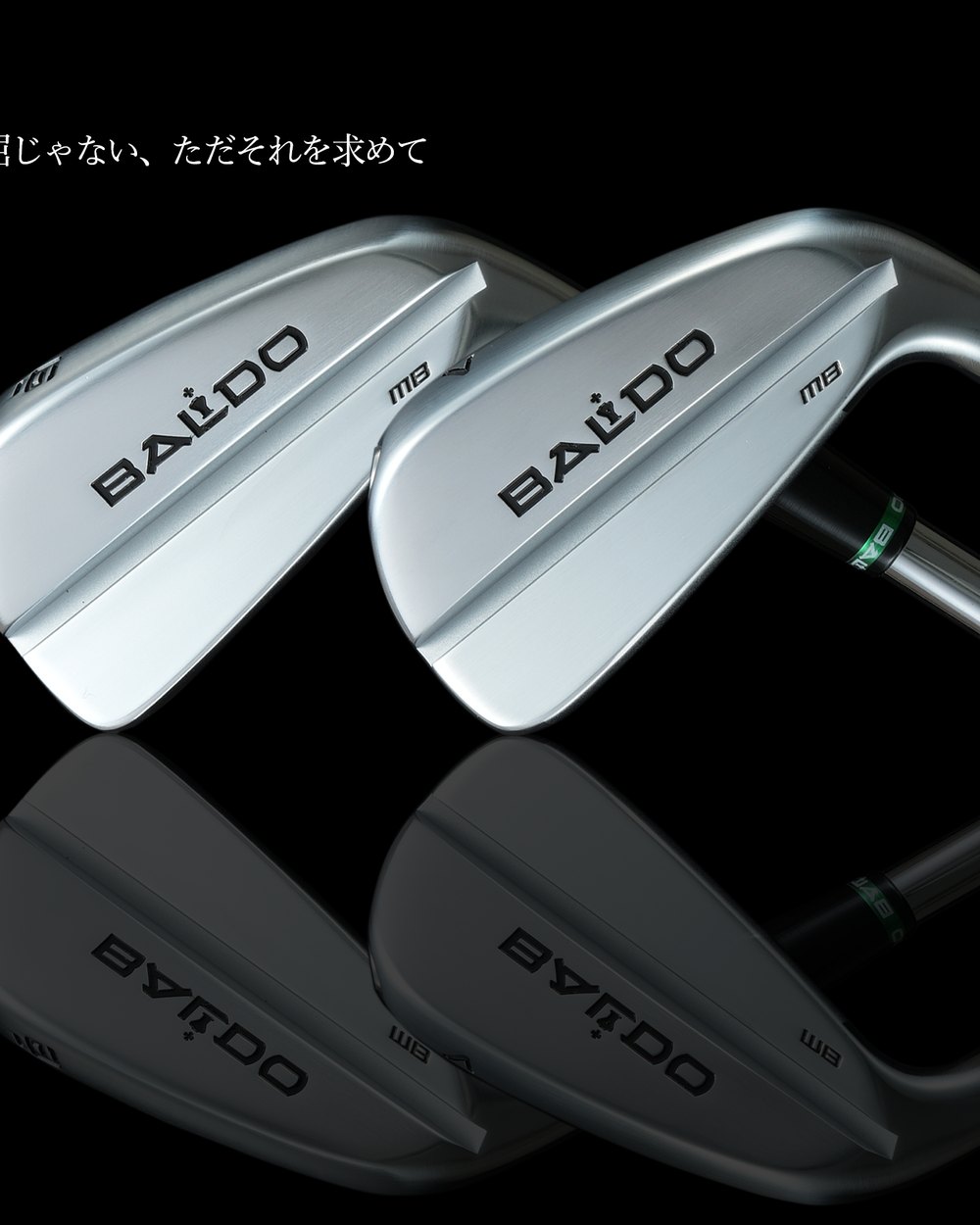
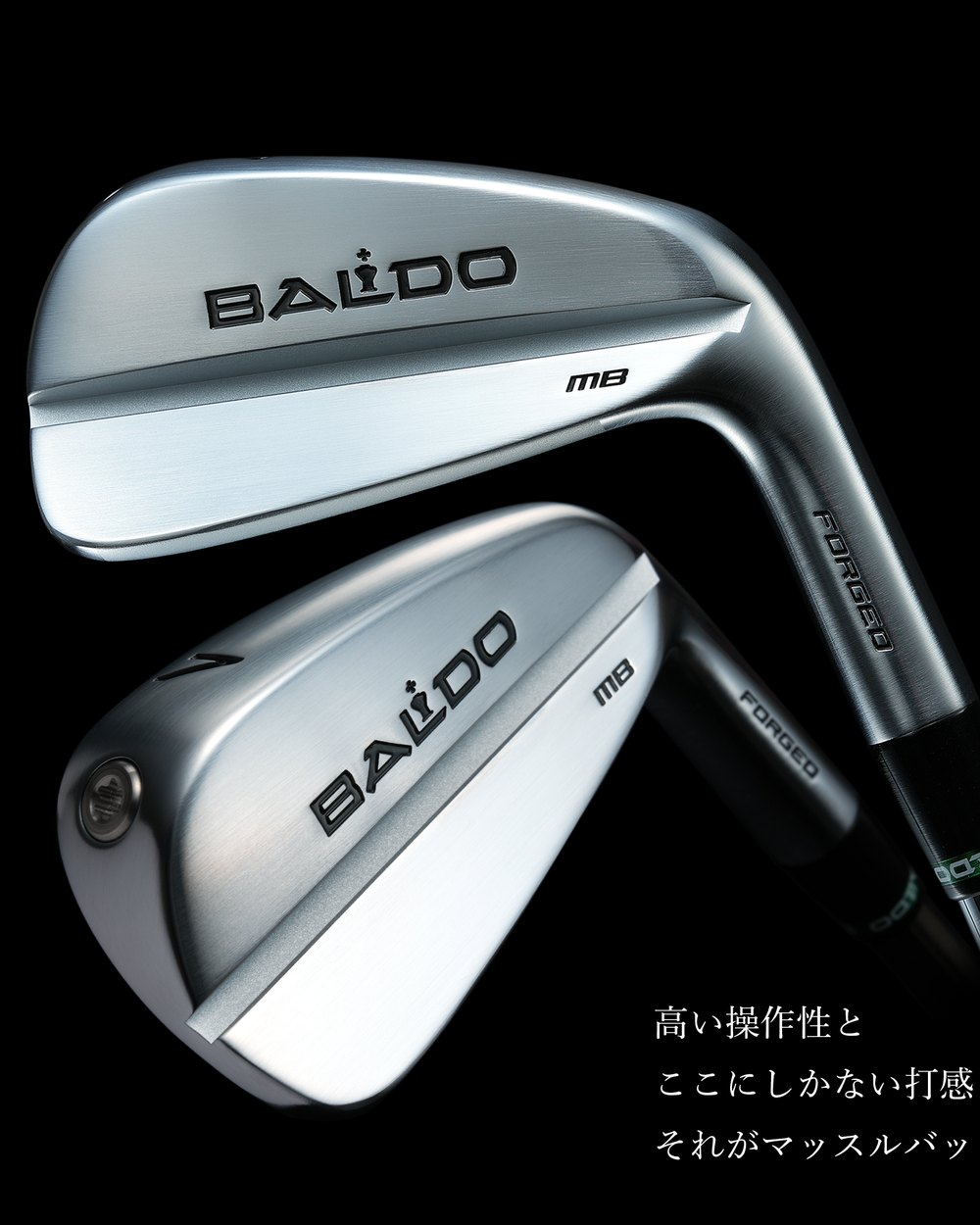
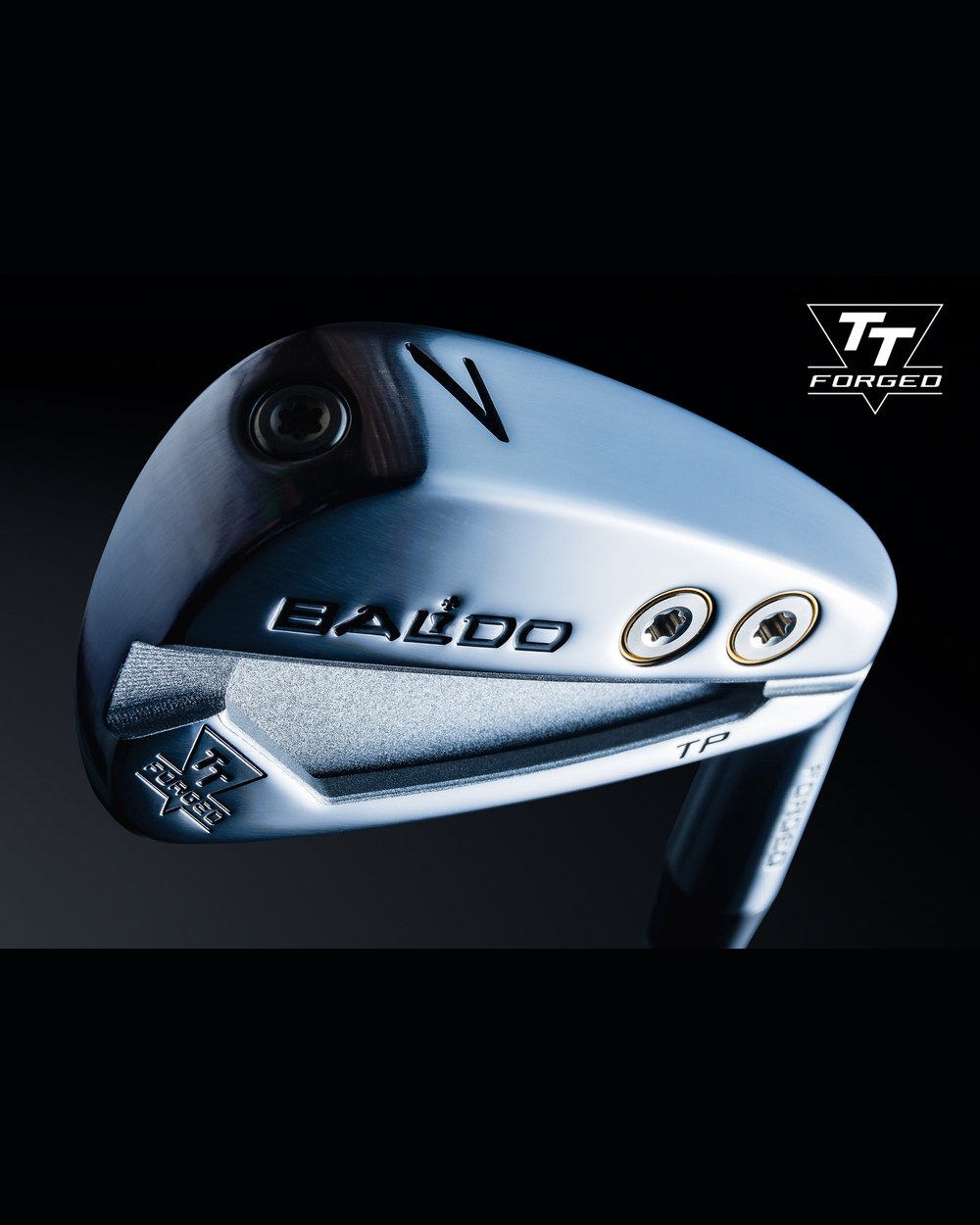
The finish is the art. Every Lajosi Workbench putter is a one-off in oil-can, torched or rainbow finishes, and Gambit paints custom art into its heads. BALDO and Itobori do the same on irons, with geometric and engraved backs that treat the back of the club as the place for design.
Names with a personality. Kronos names putters after instruments, Carbon after Old West gunslingers, Hanna after towns. The big brands use model numbers.
Scarcity by design. P53 caps its whole program at 953 clients, BALDO’s MB runs to 100 sets, Vega makes its SS Black DLC five sets at a time, and Gambit serializes batches of 50 or fewer. Most of Lajosi’s one-offs from past drops already show sold.
Made to order, so no warehouse. Hanna, Gambit, Carbon and Artisan build after you buy, which is why you wait two to six weeks and why their prices stay where they are.
The maker is the brand. T Squared says nothing ships until it passes “a hands on inspection by someone whose last name is on the back of the head.” Hanna calls itself an underdog. Tad Moore’s name has been on clubs since 1963.
No tour money. BombTech says it plainly: “we don’t pay pros to play our clubs.” The money goes into the price instead.
One thing, done well. Most of these makers do putters only or irons only. Of our 17, only BALDO shows up in two sections, irons and woods, and Artisan is the rare small shop making both putters and irons.
Eight makersWhere the small makers are: one person with a mill can make a great putter. Handmade one-offs, family machine shops and a basement in Ohio.
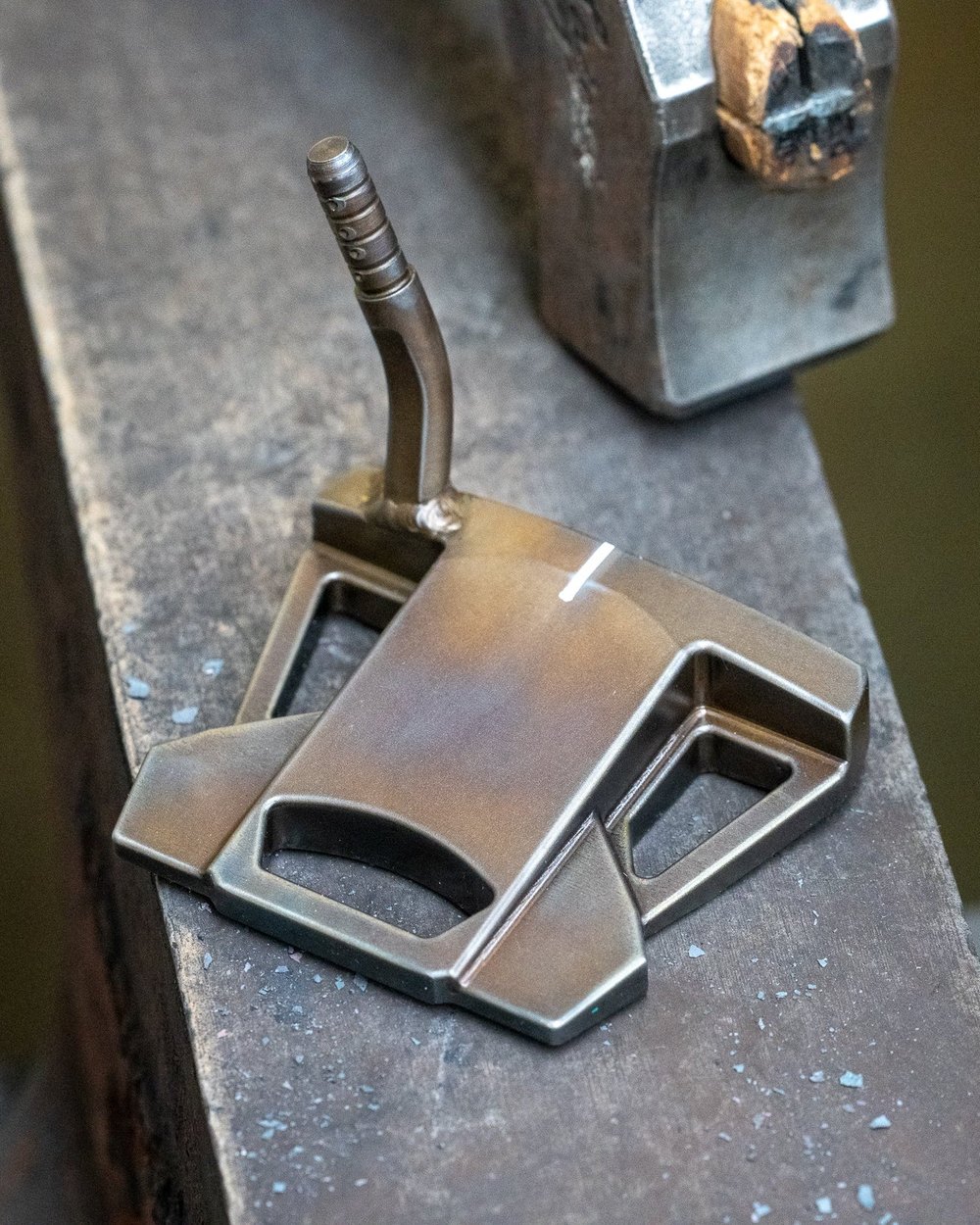
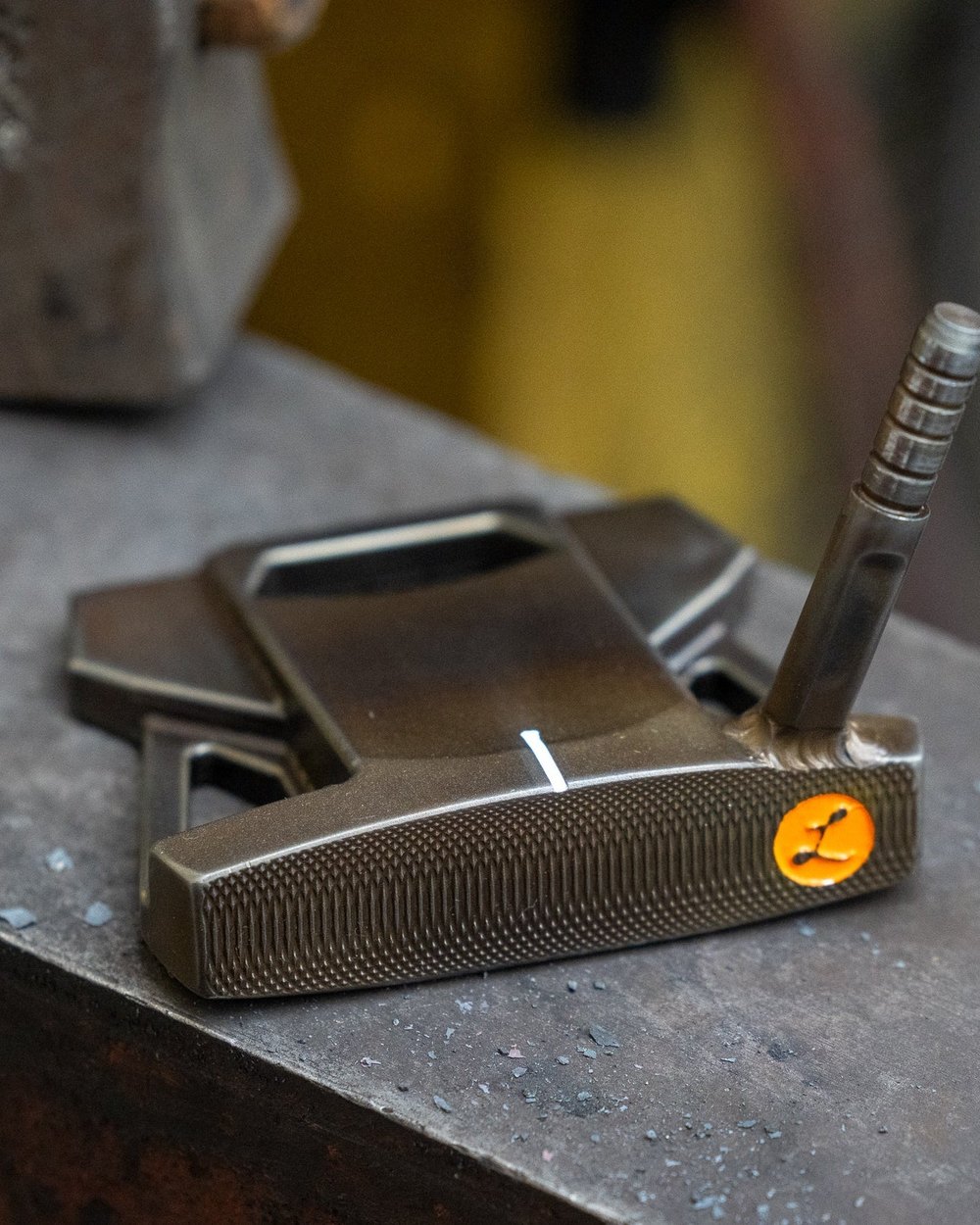
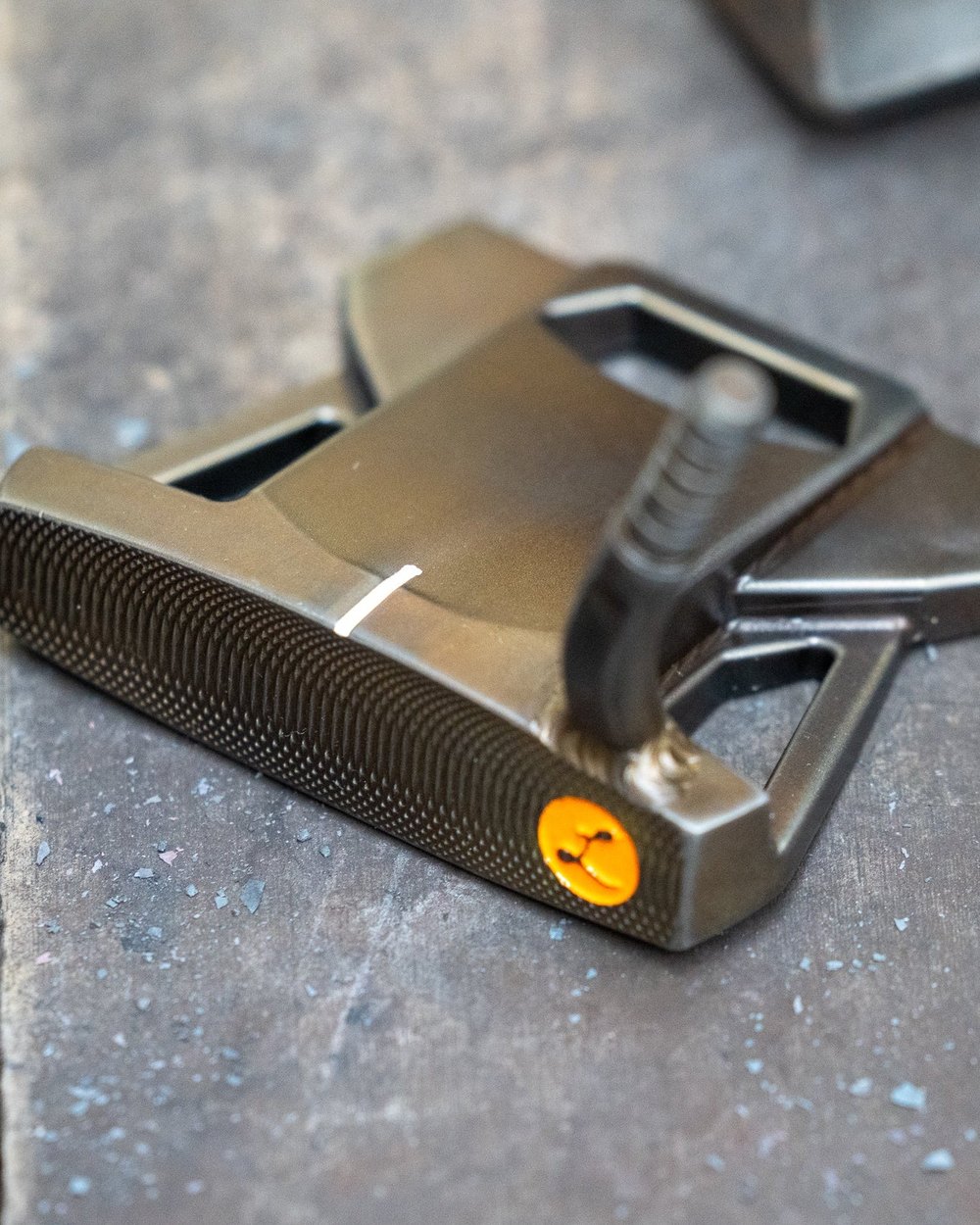
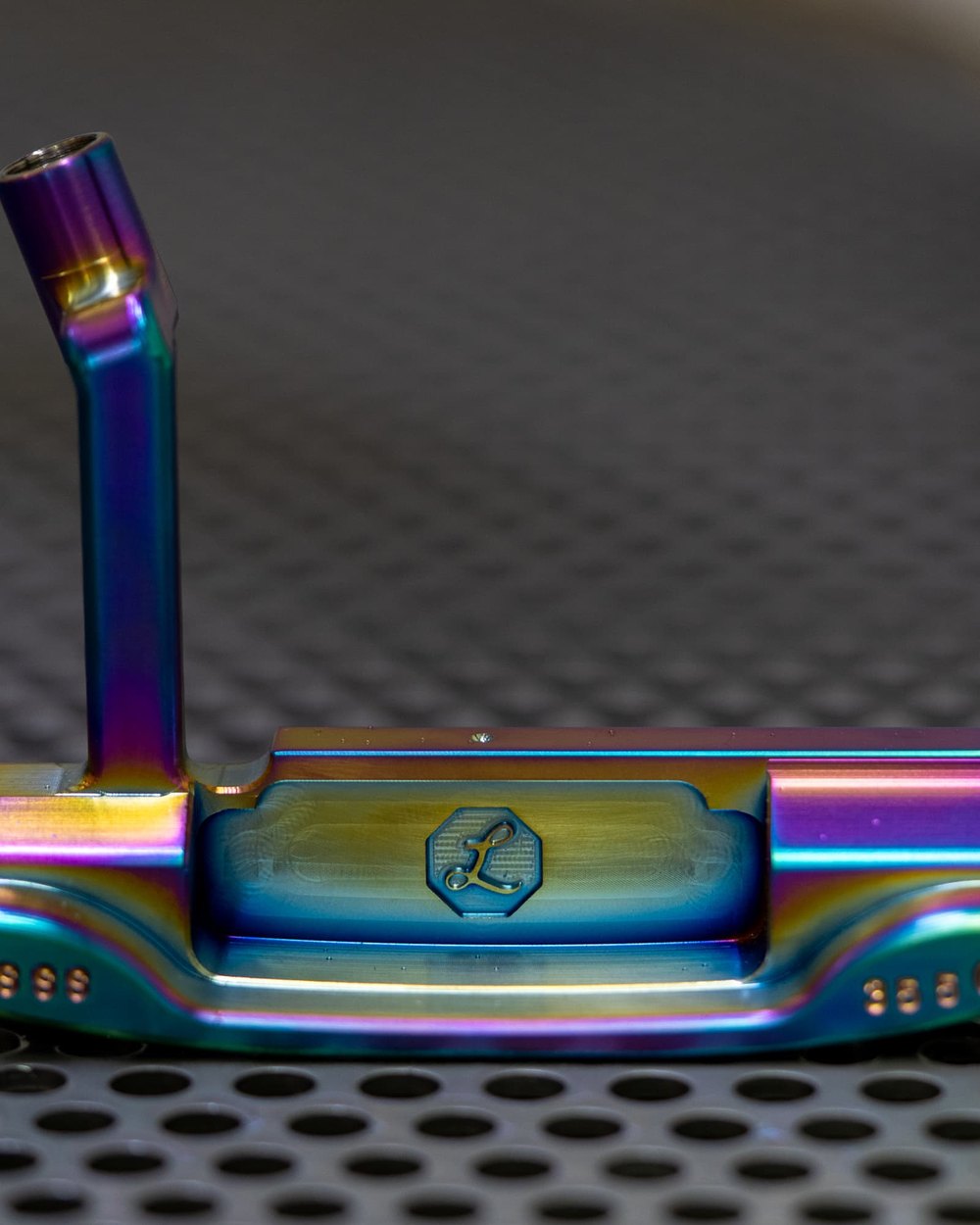
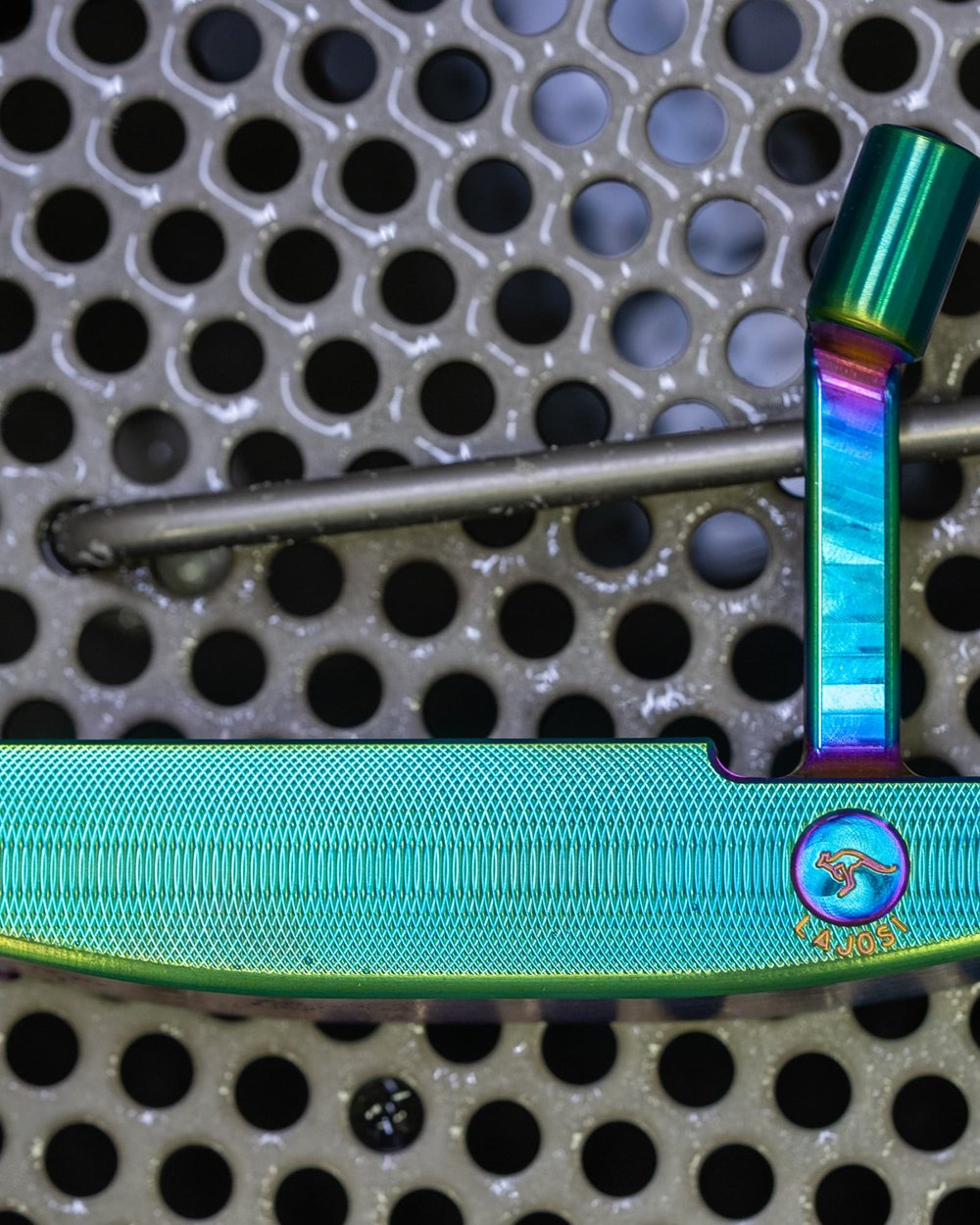
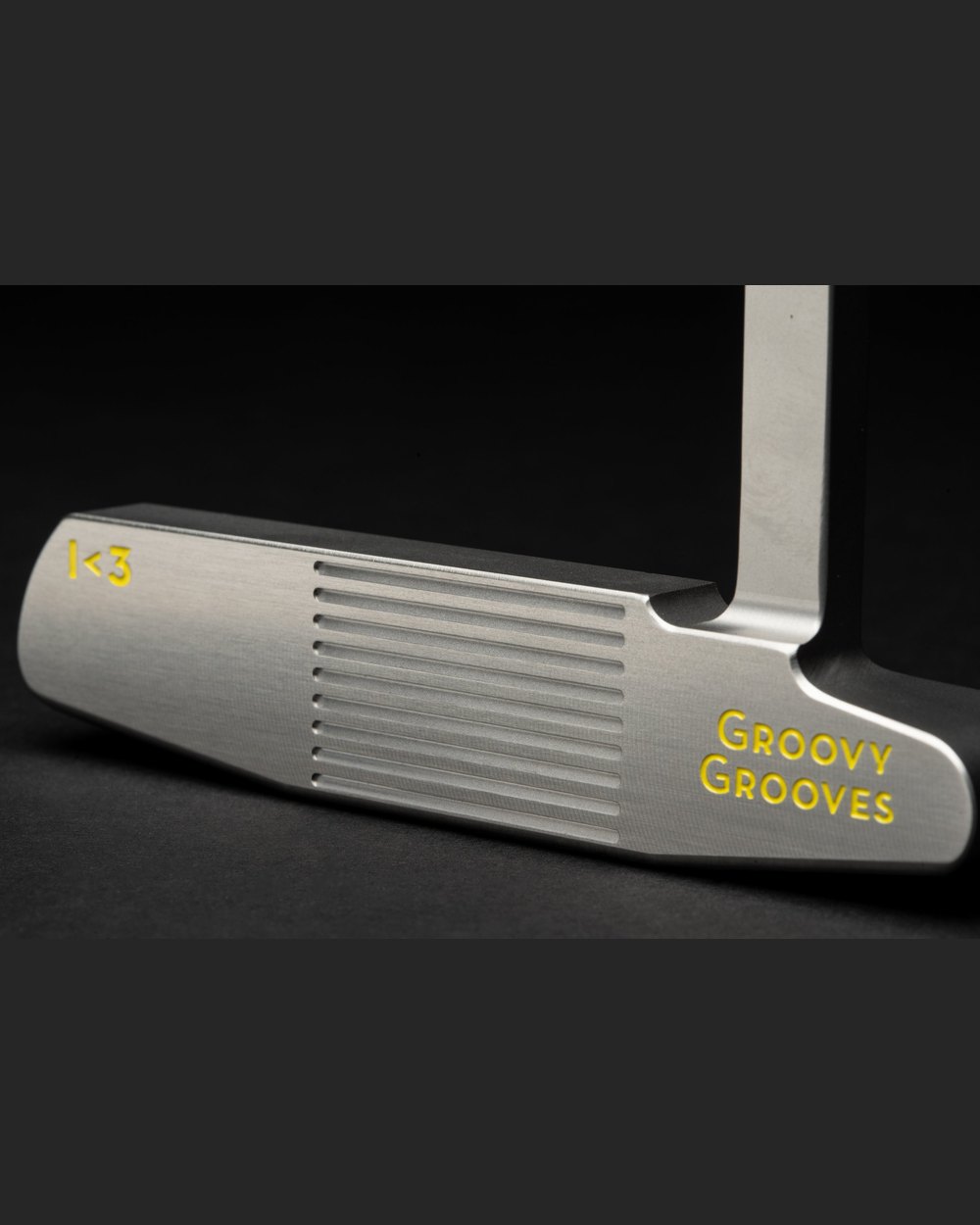
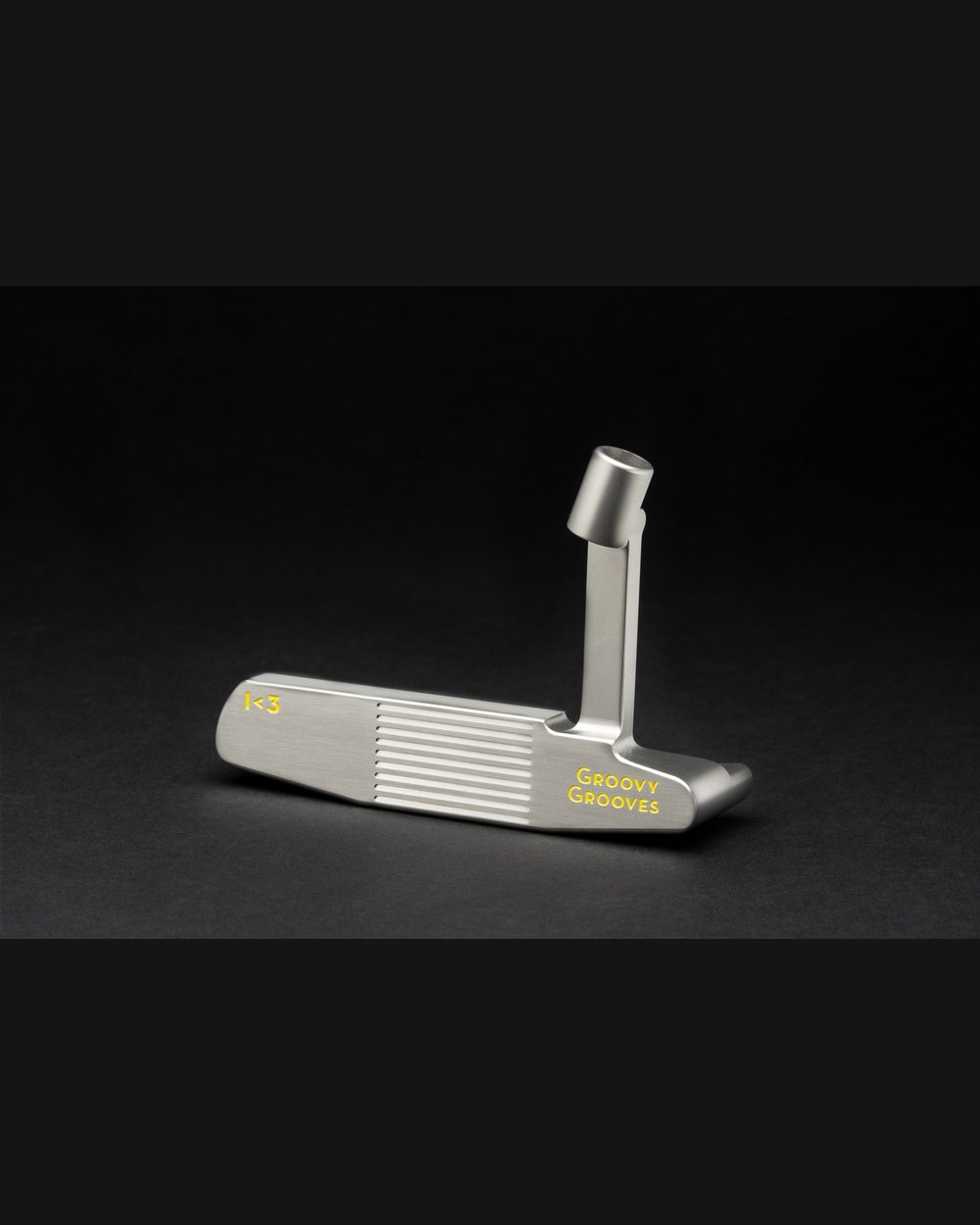
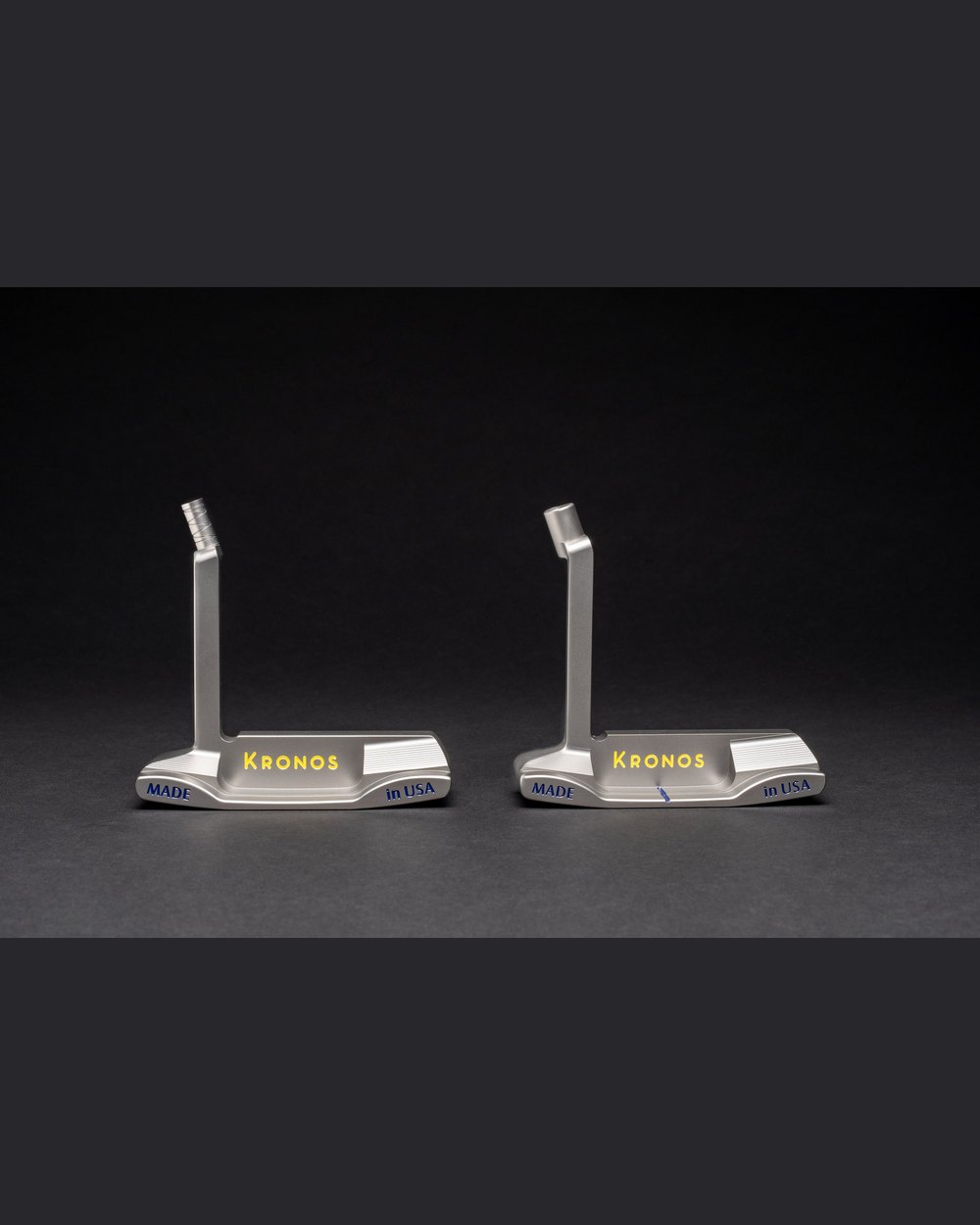
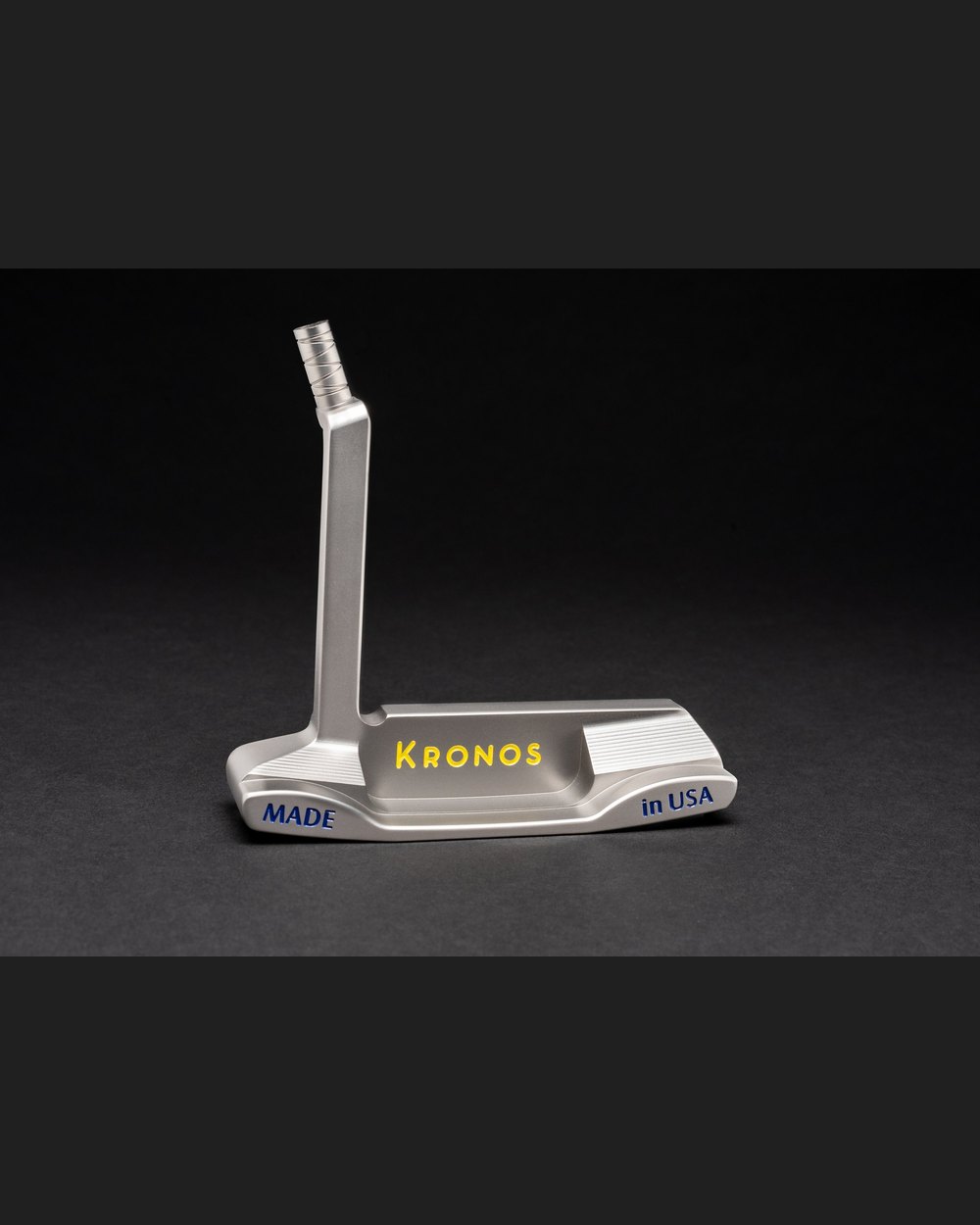
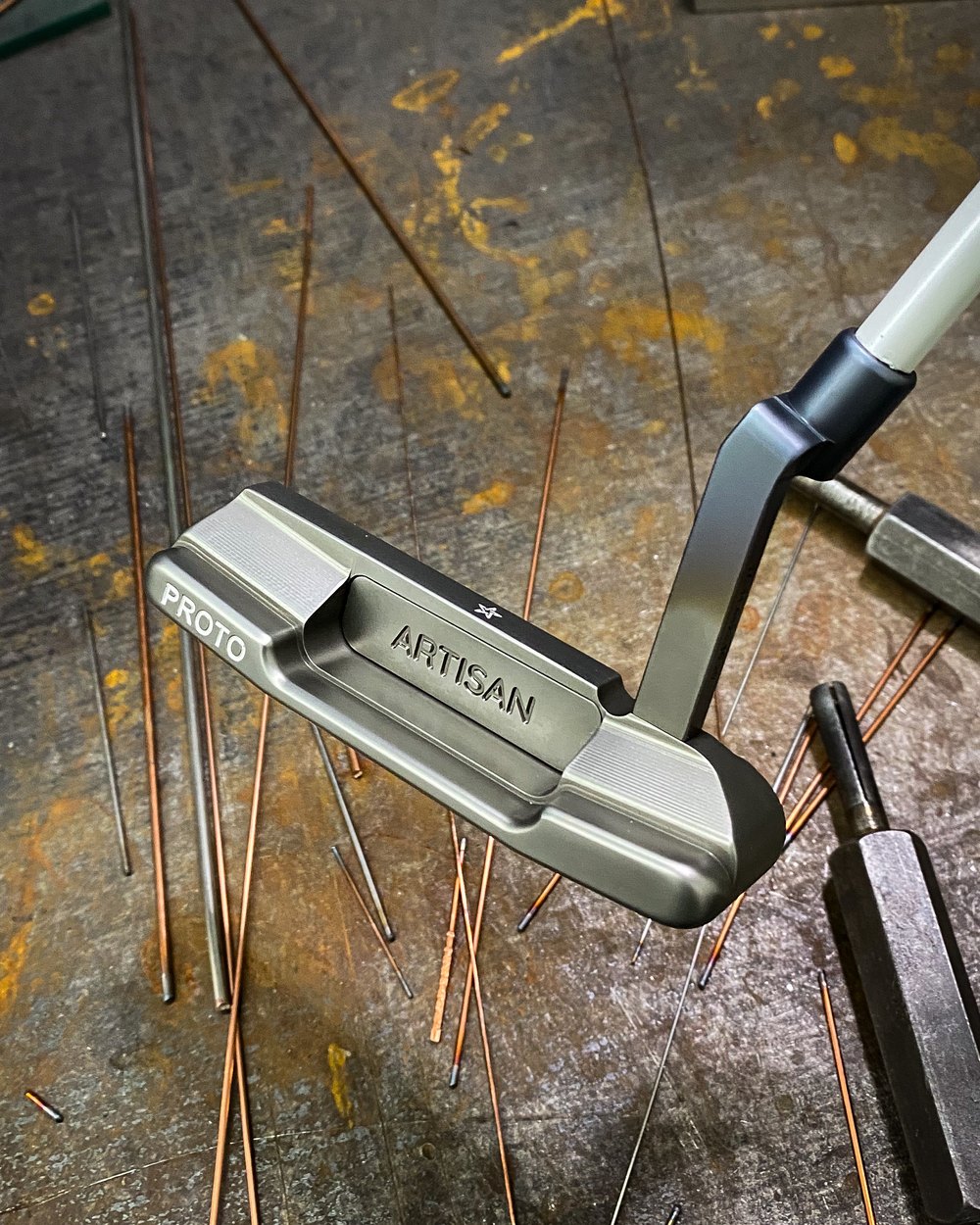
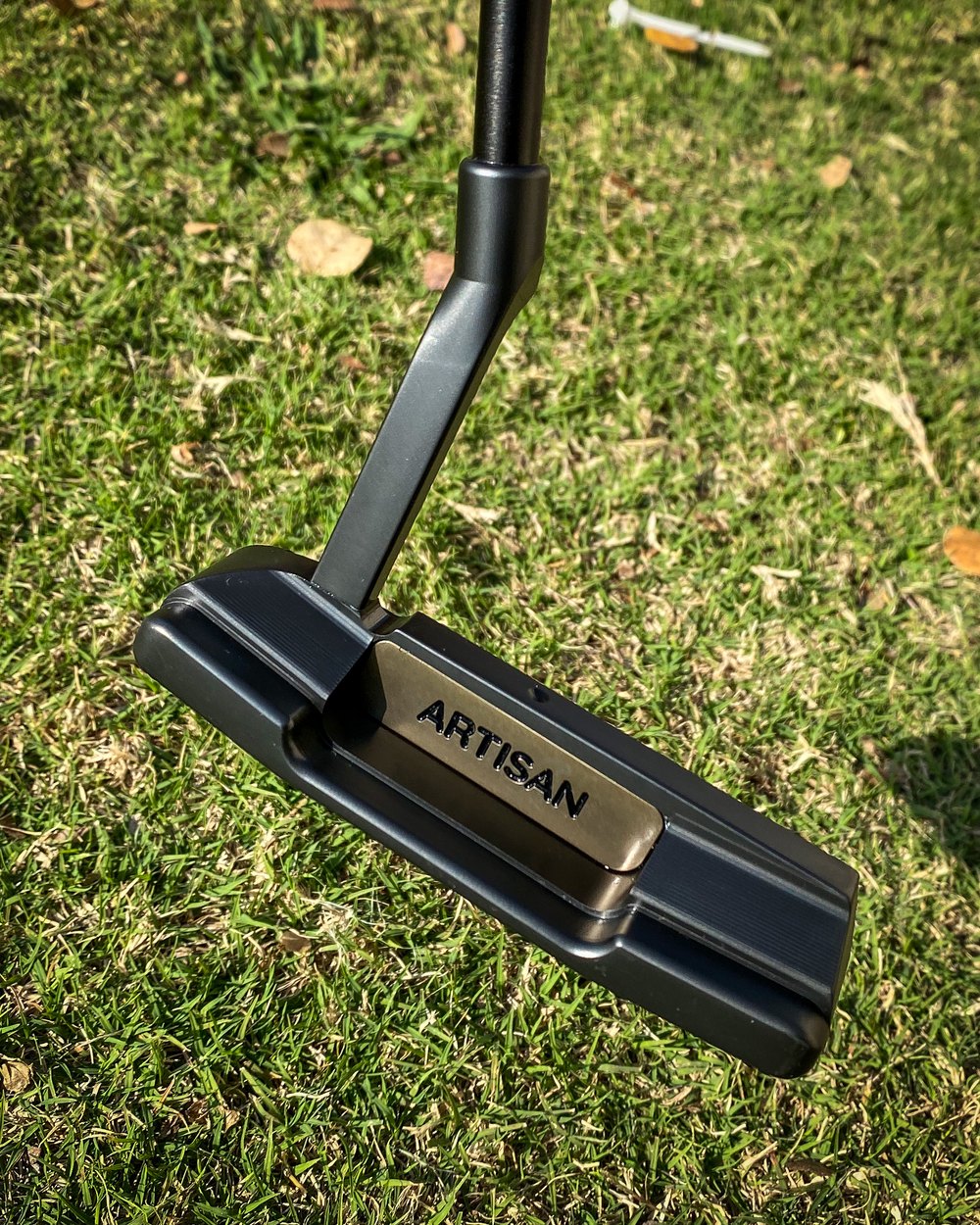
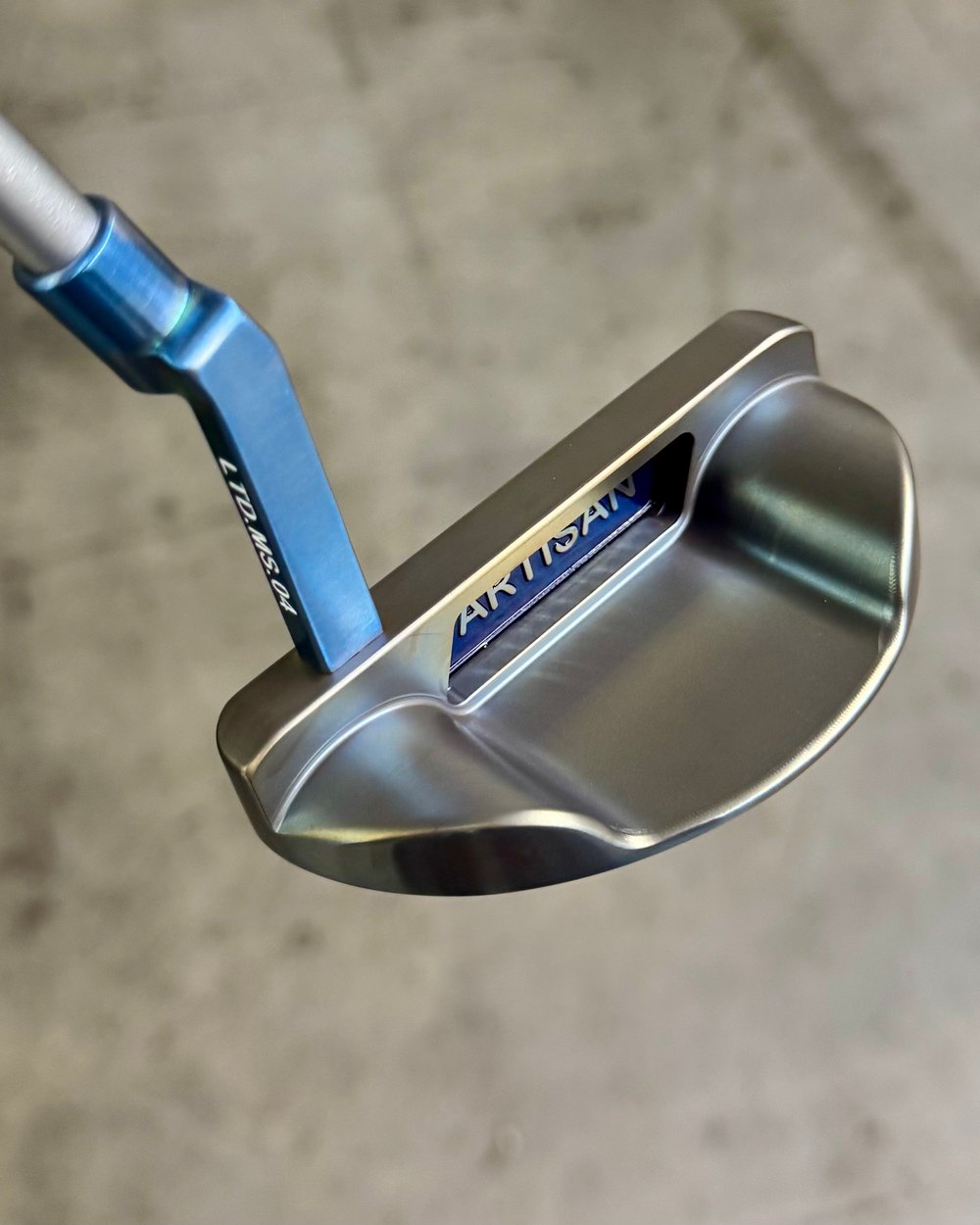
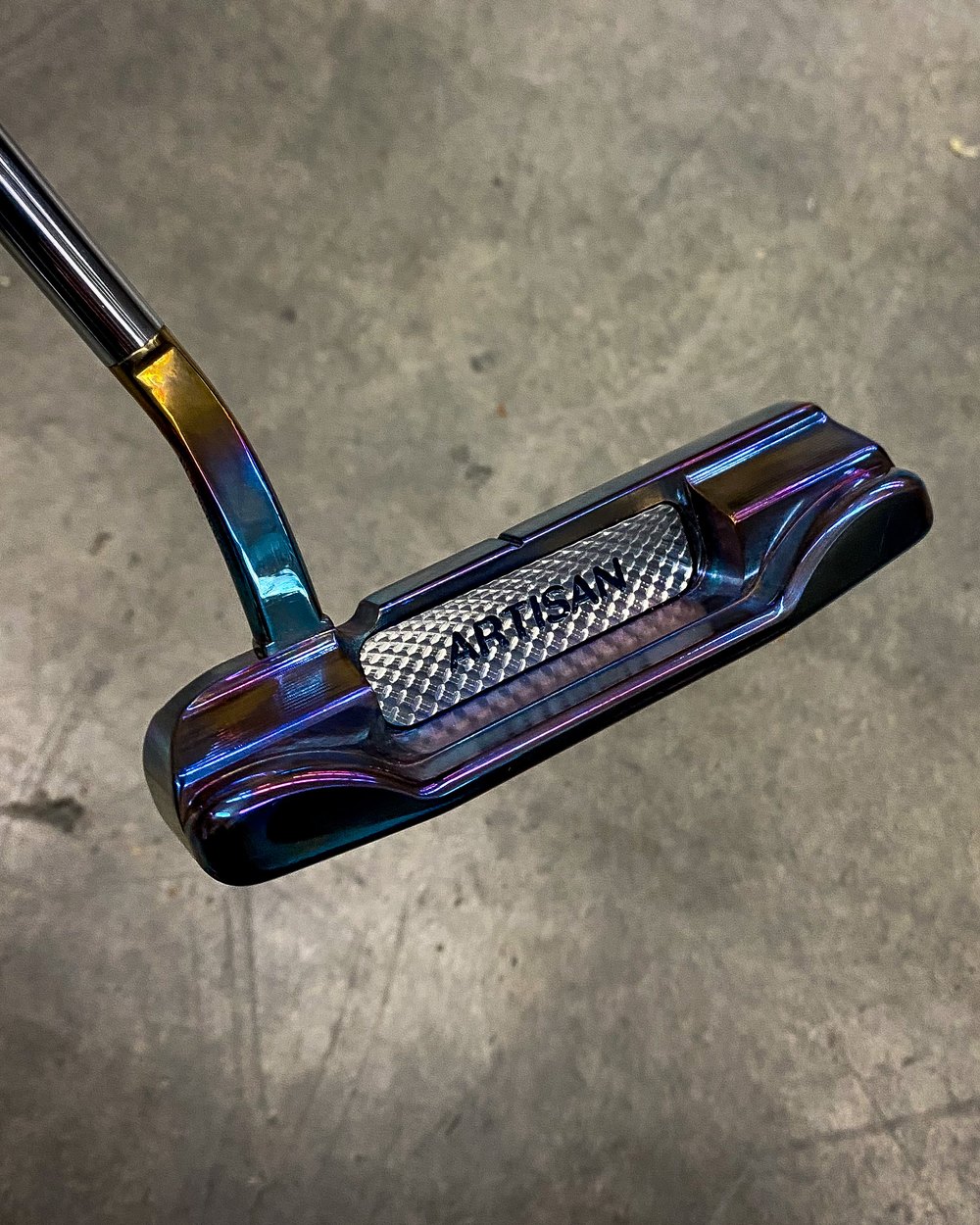
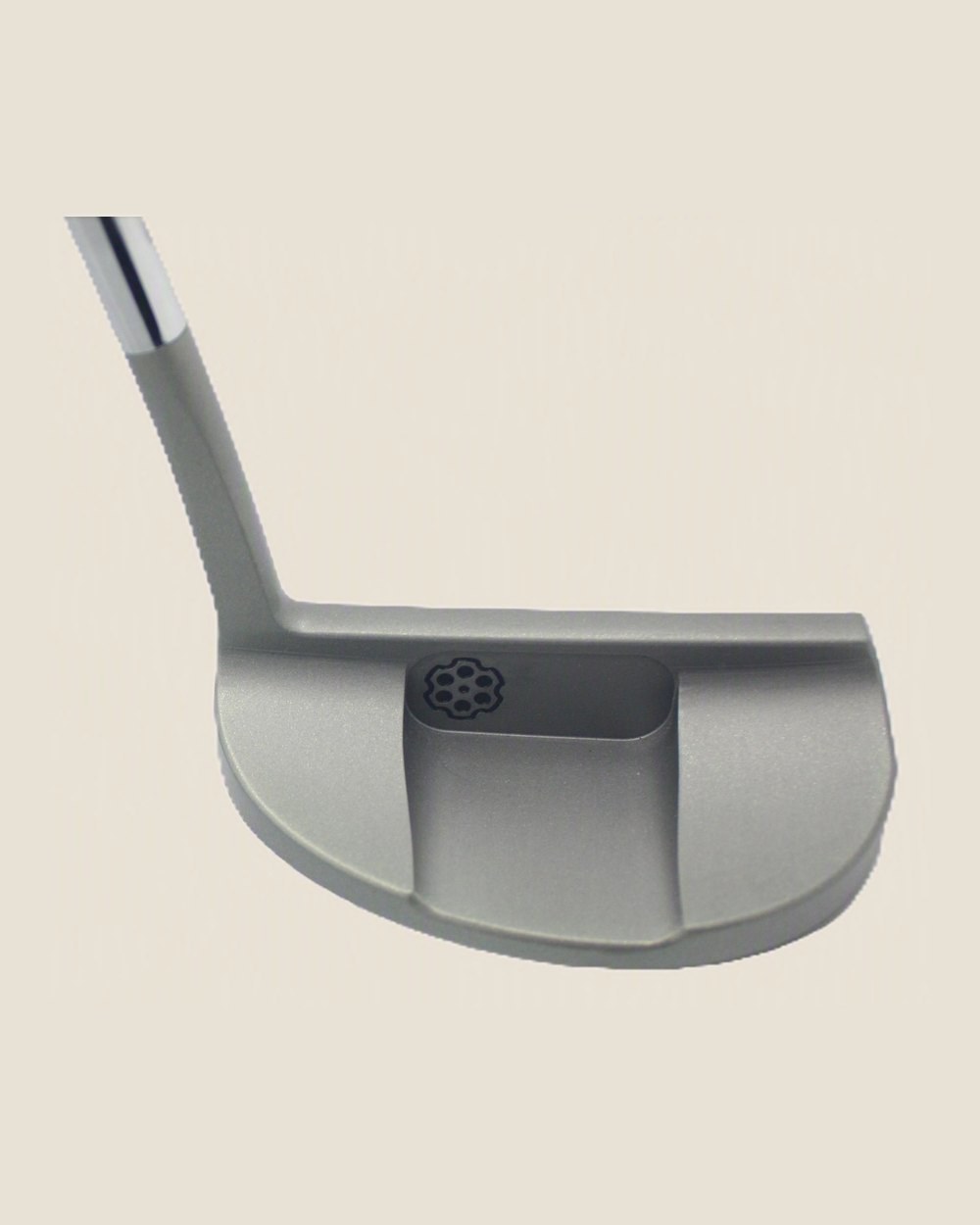
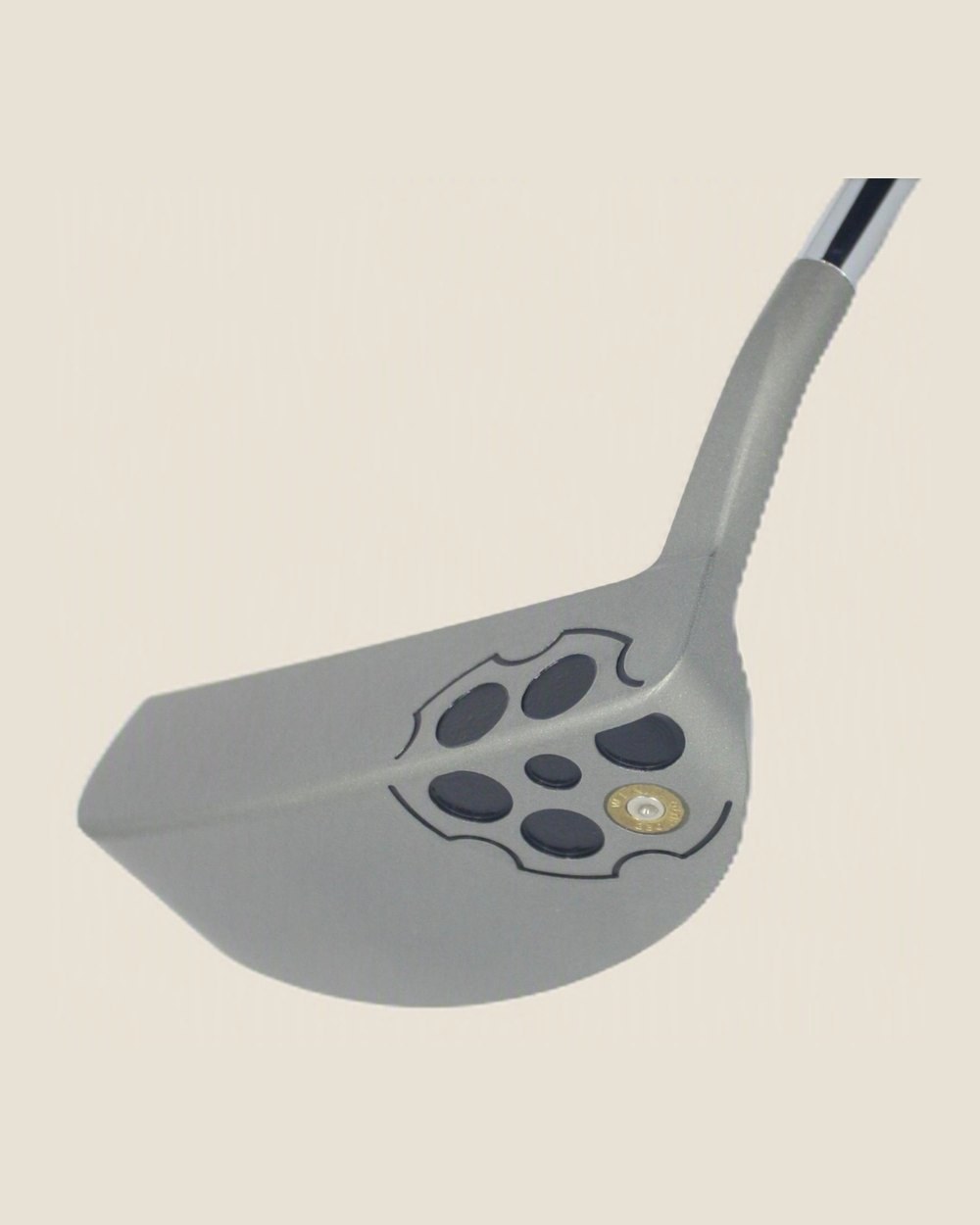
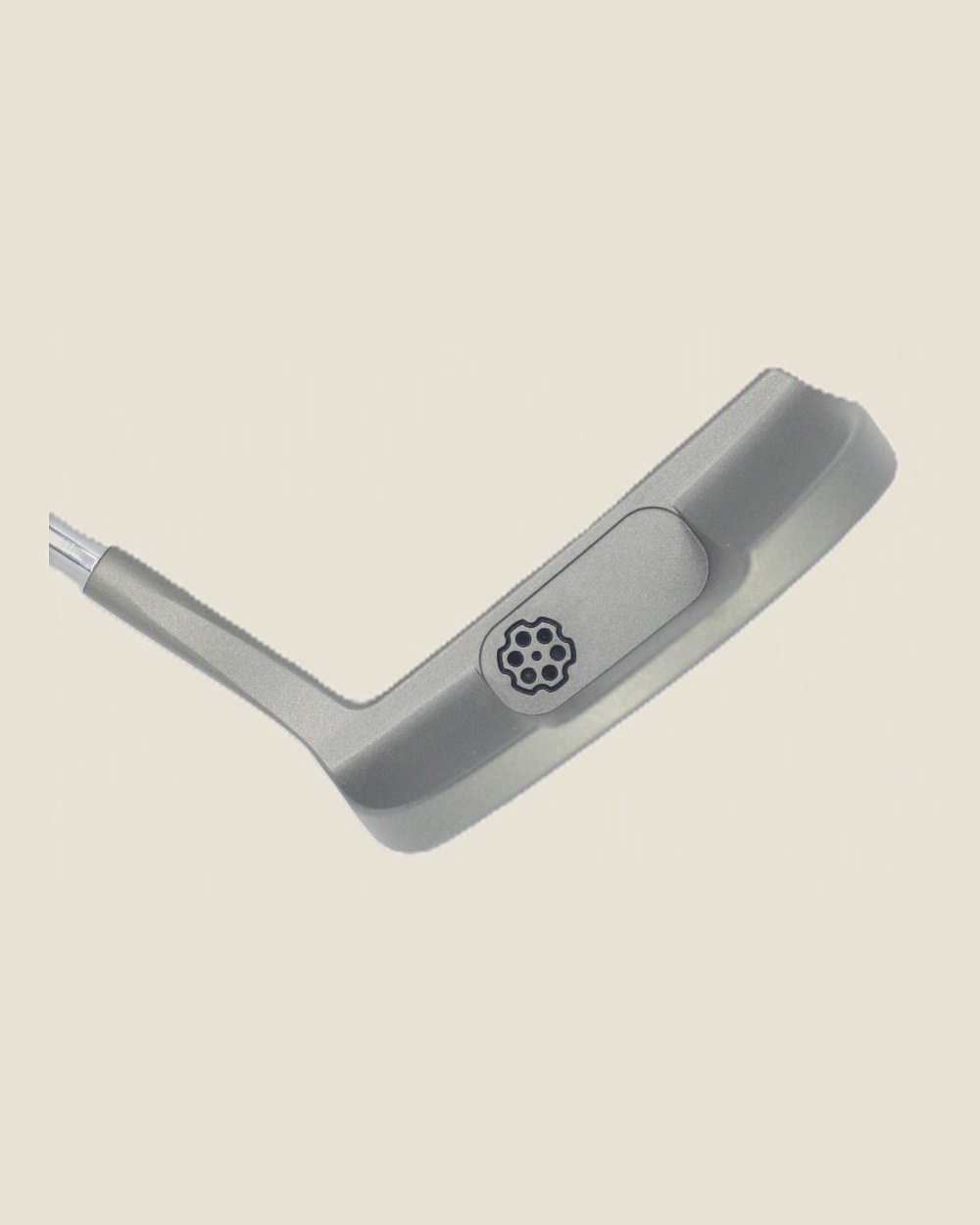
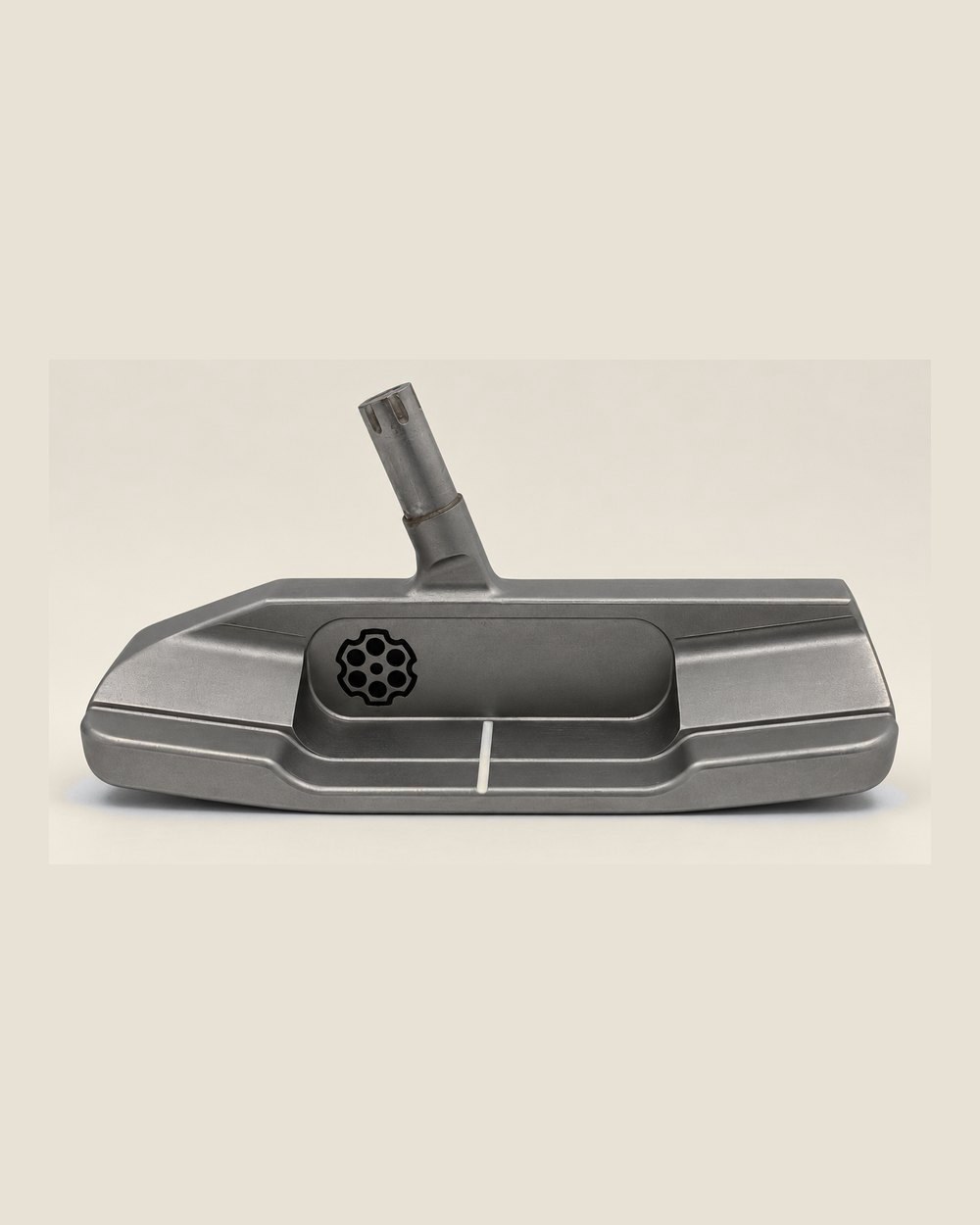
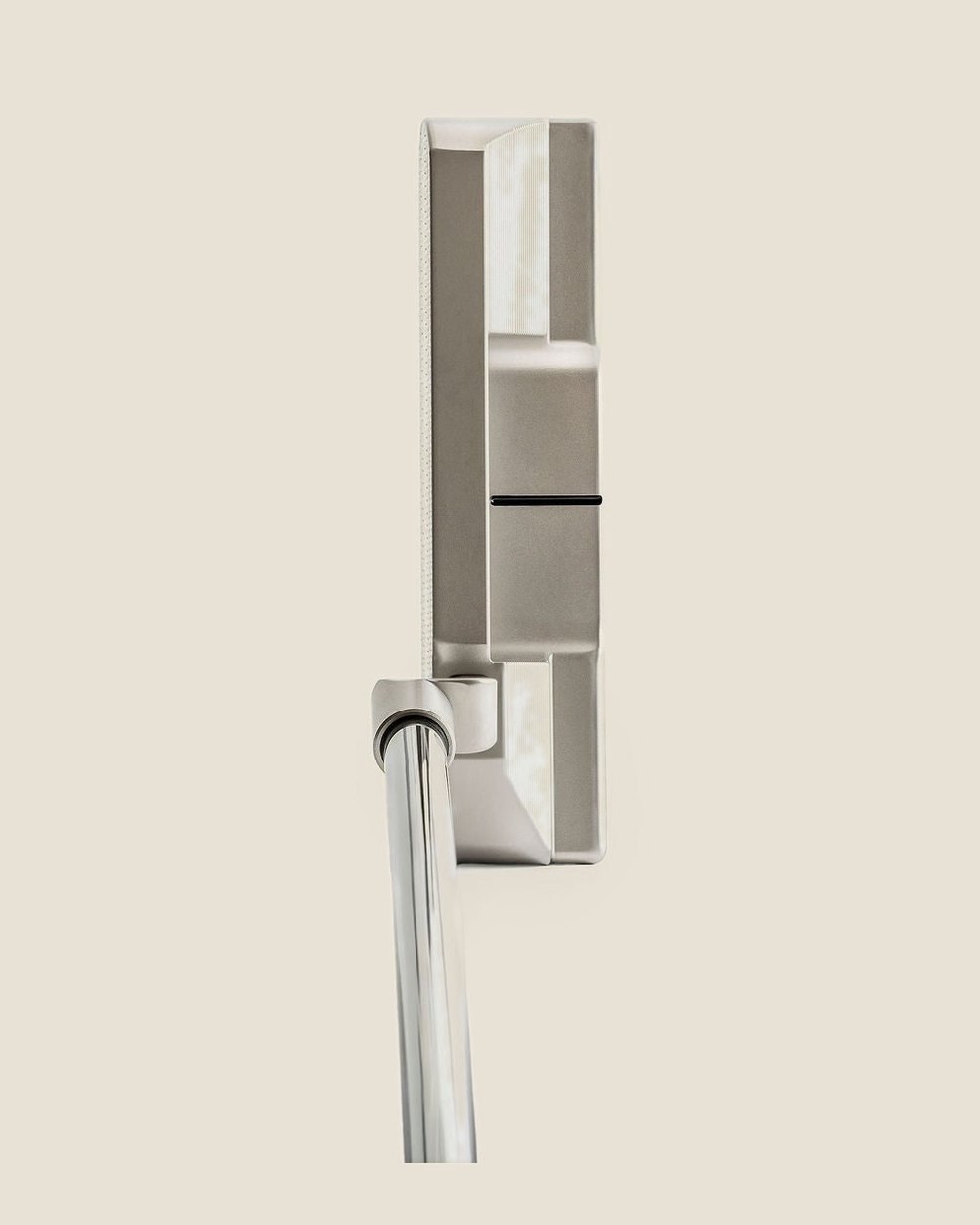
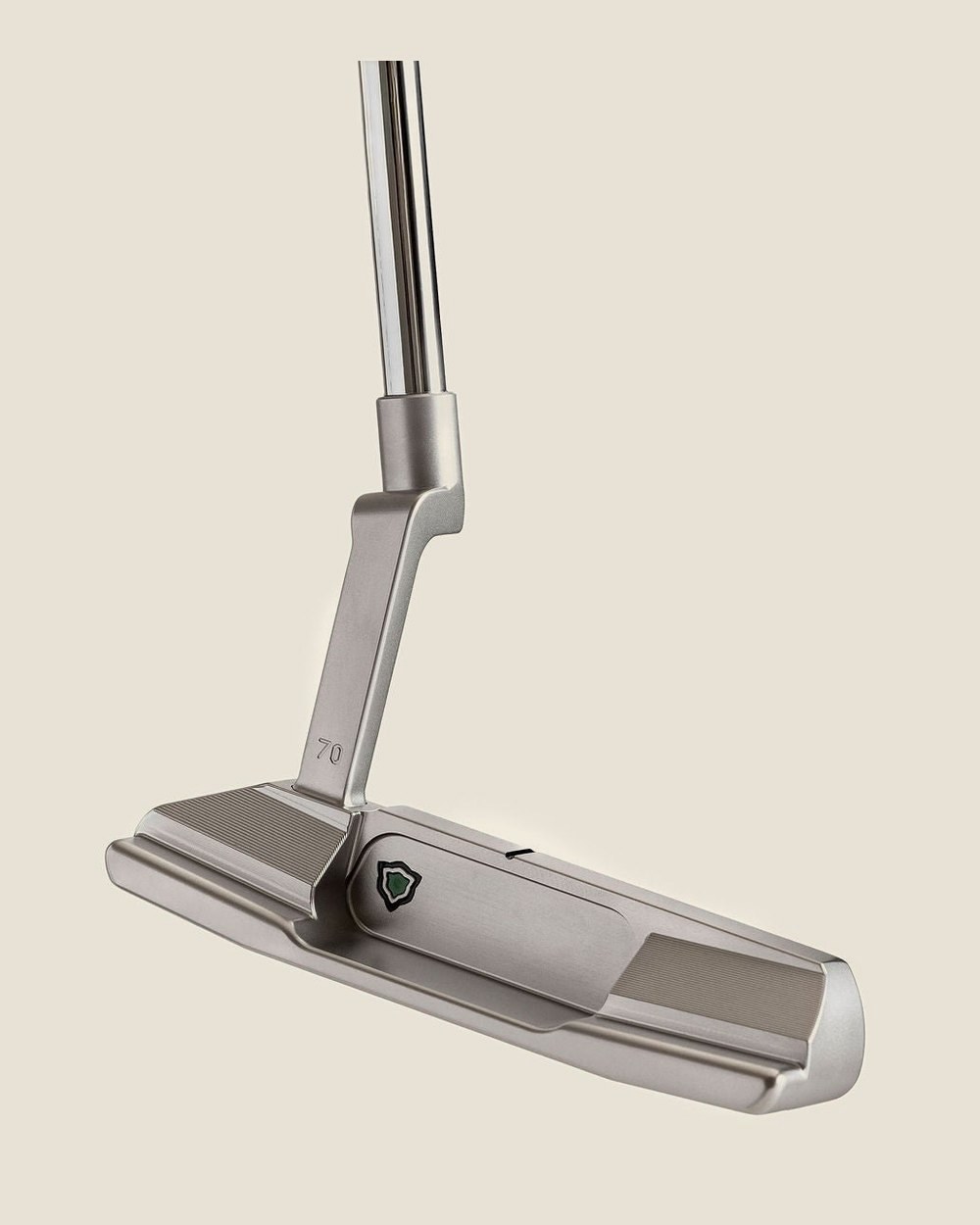
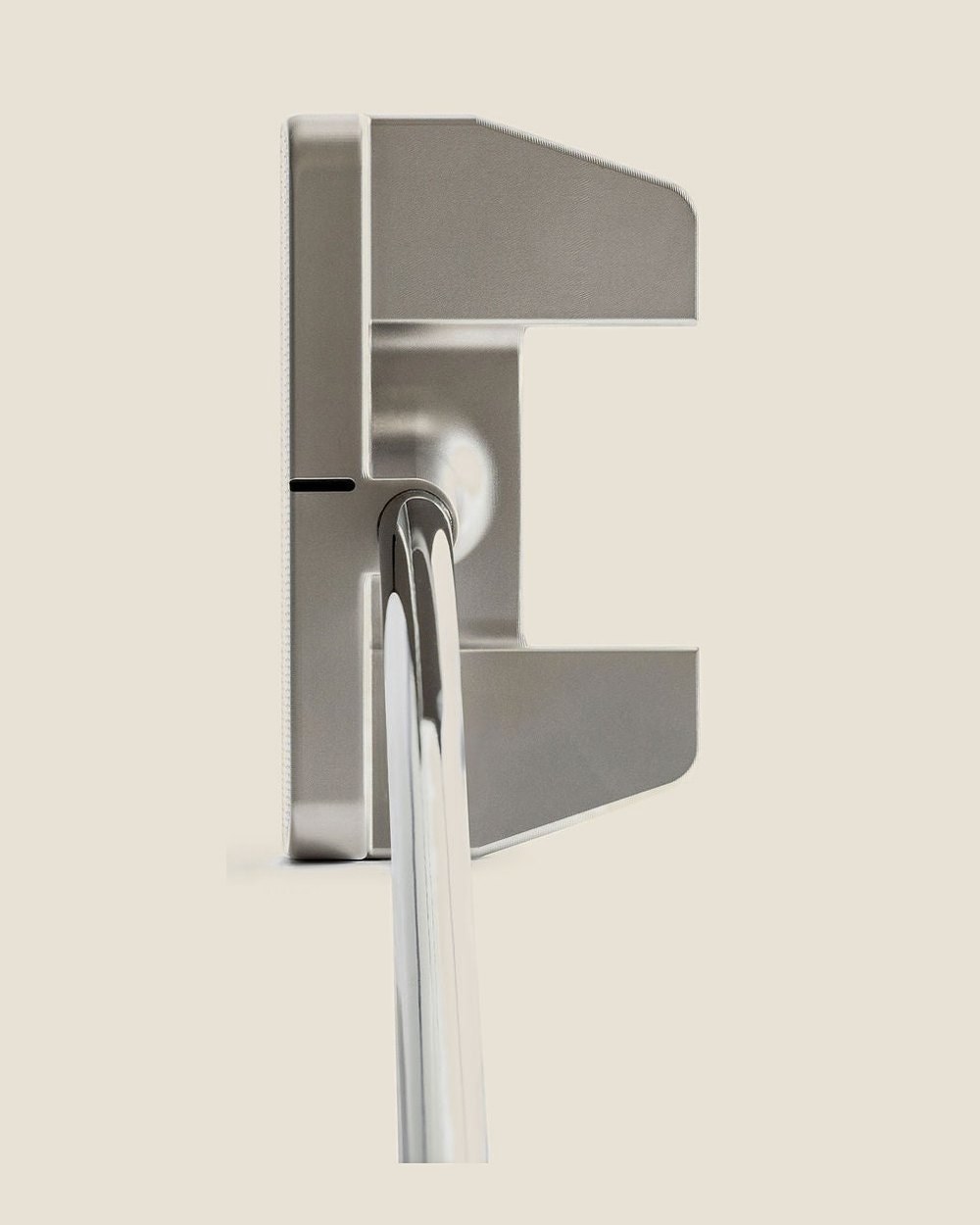
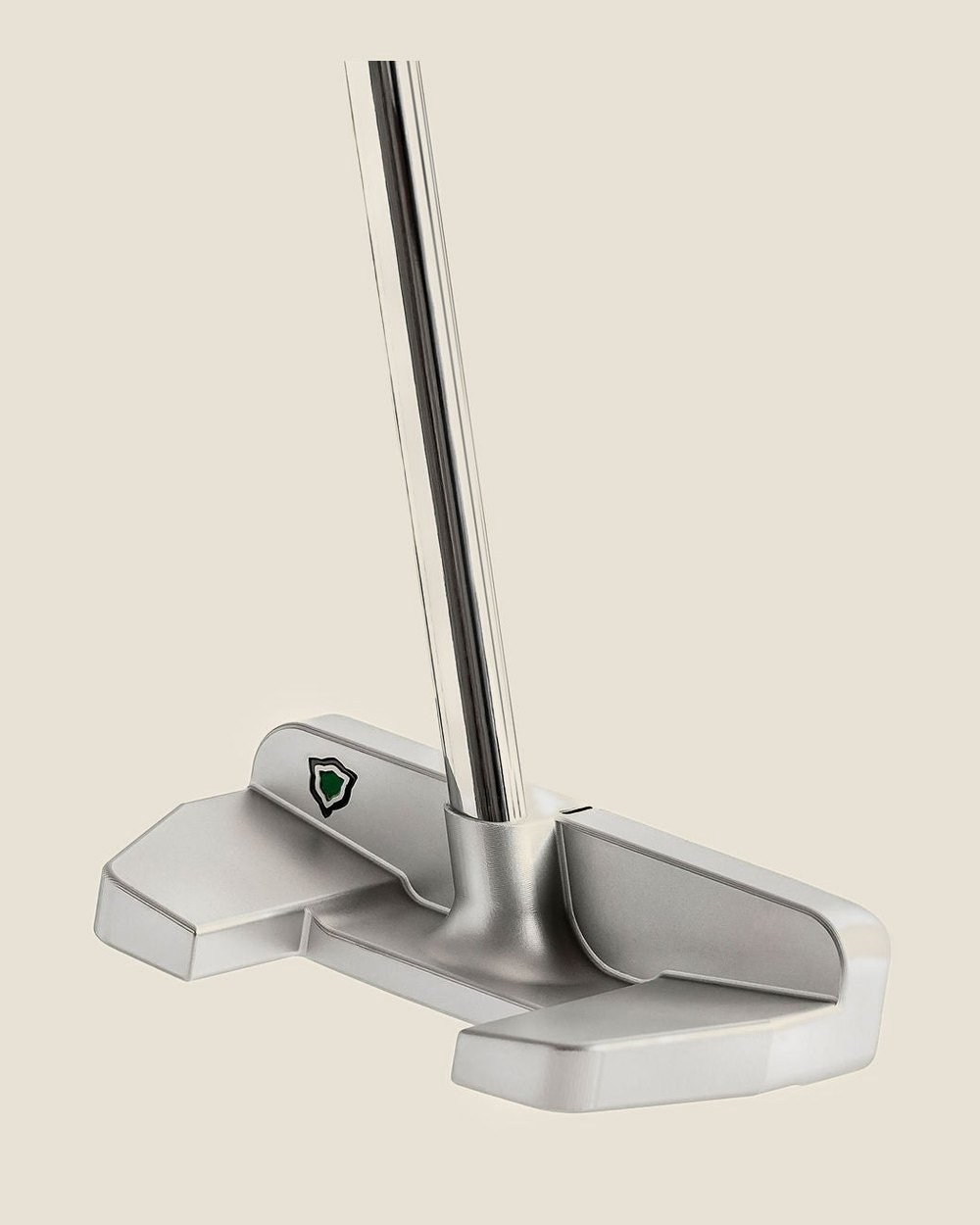
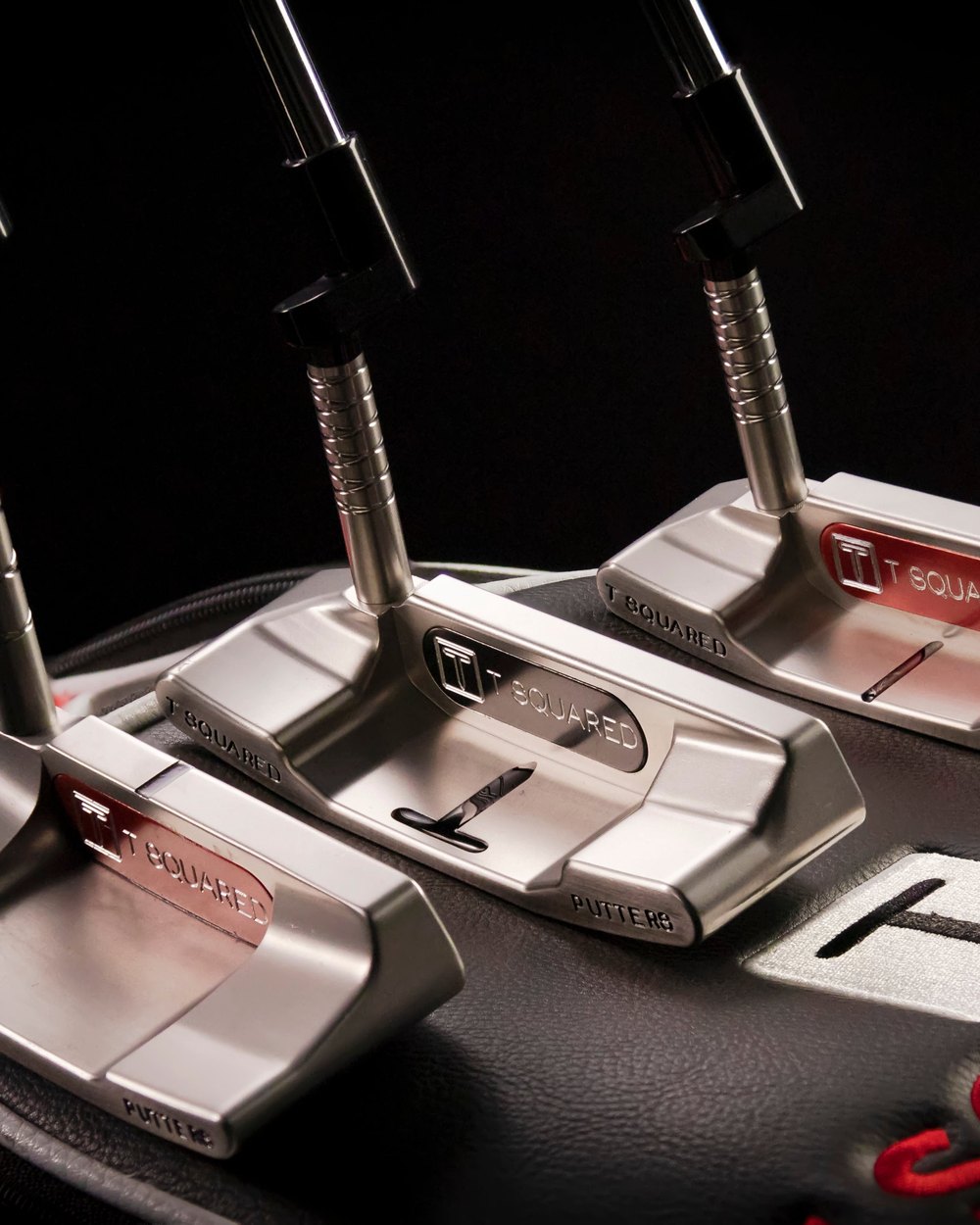
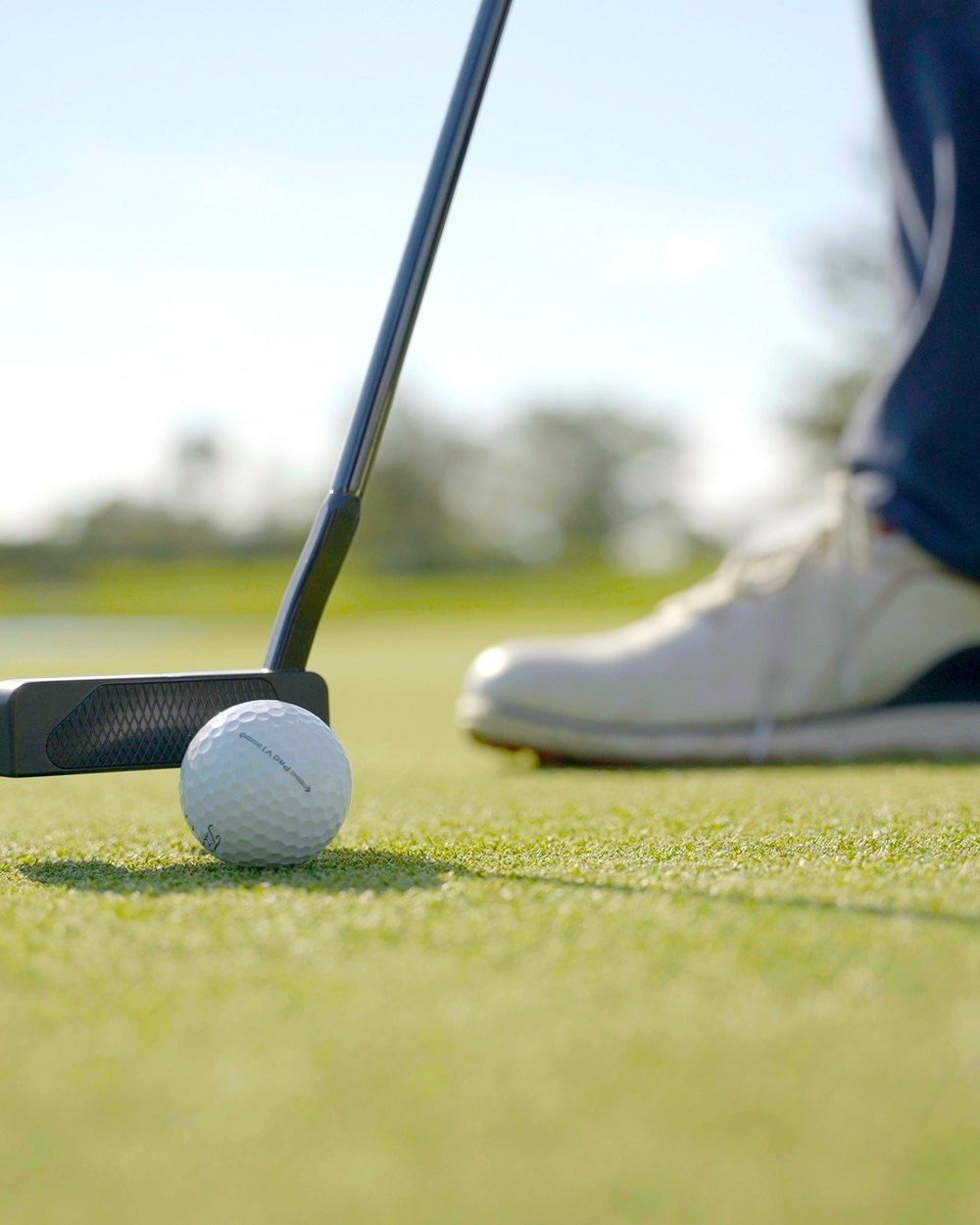
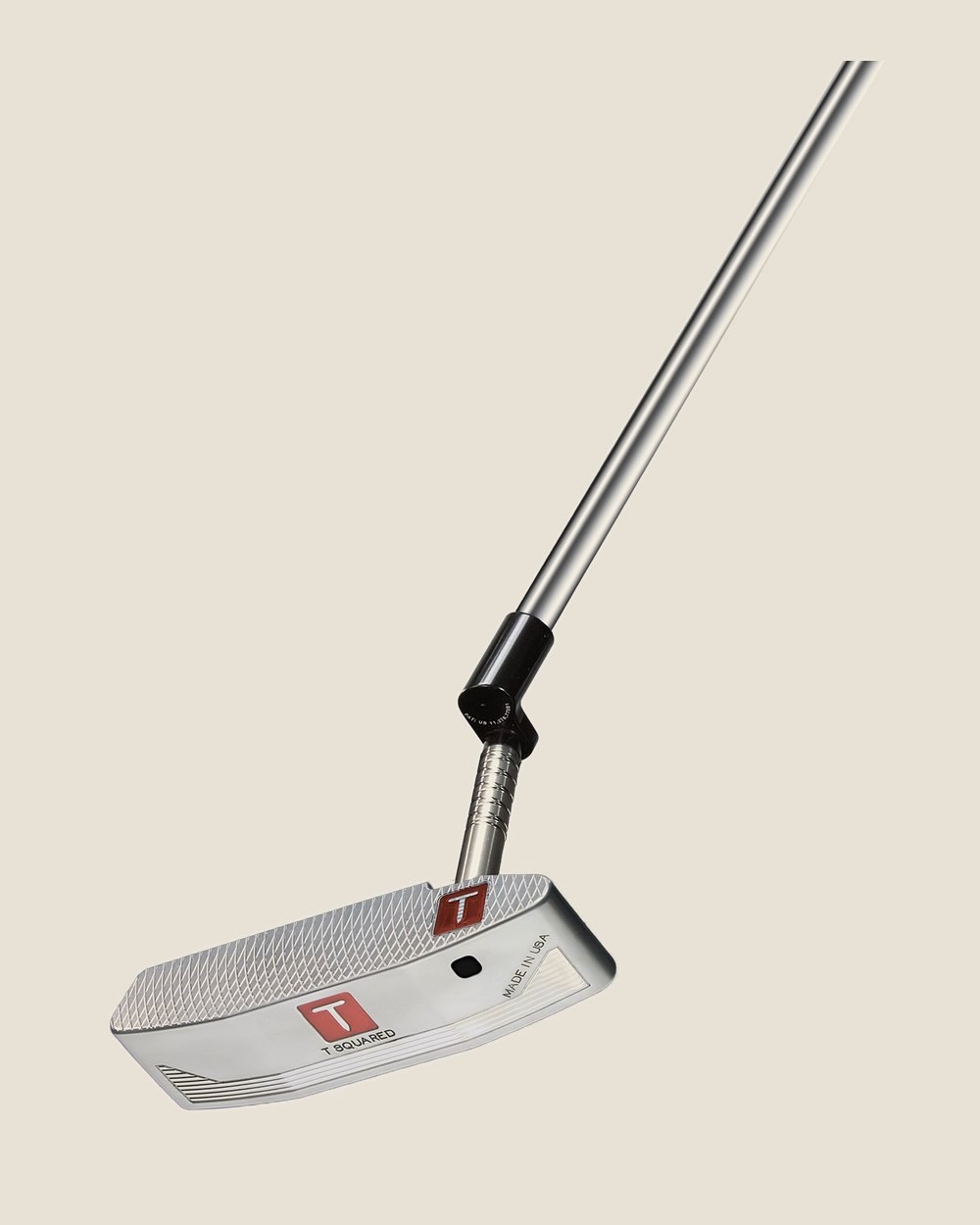
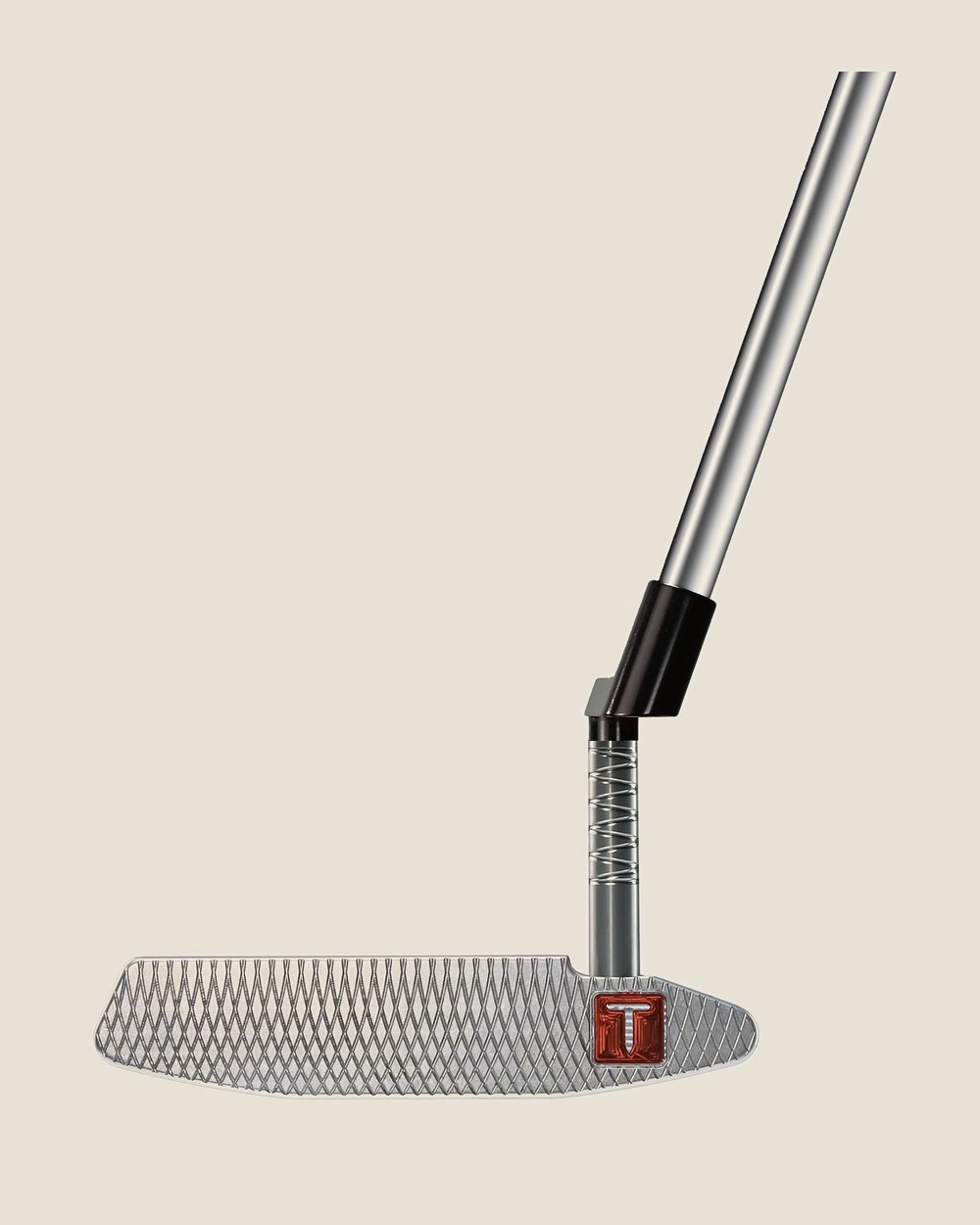
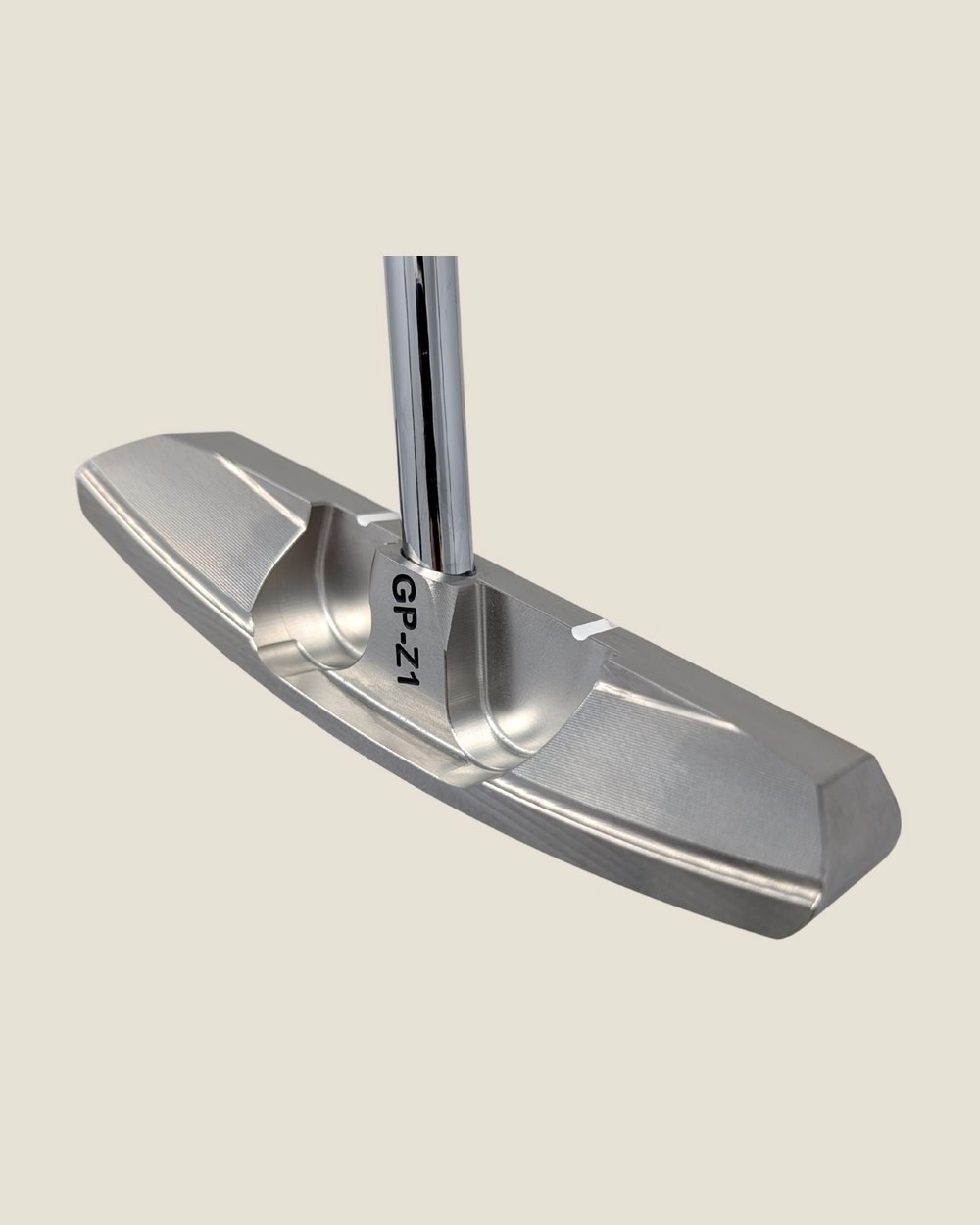
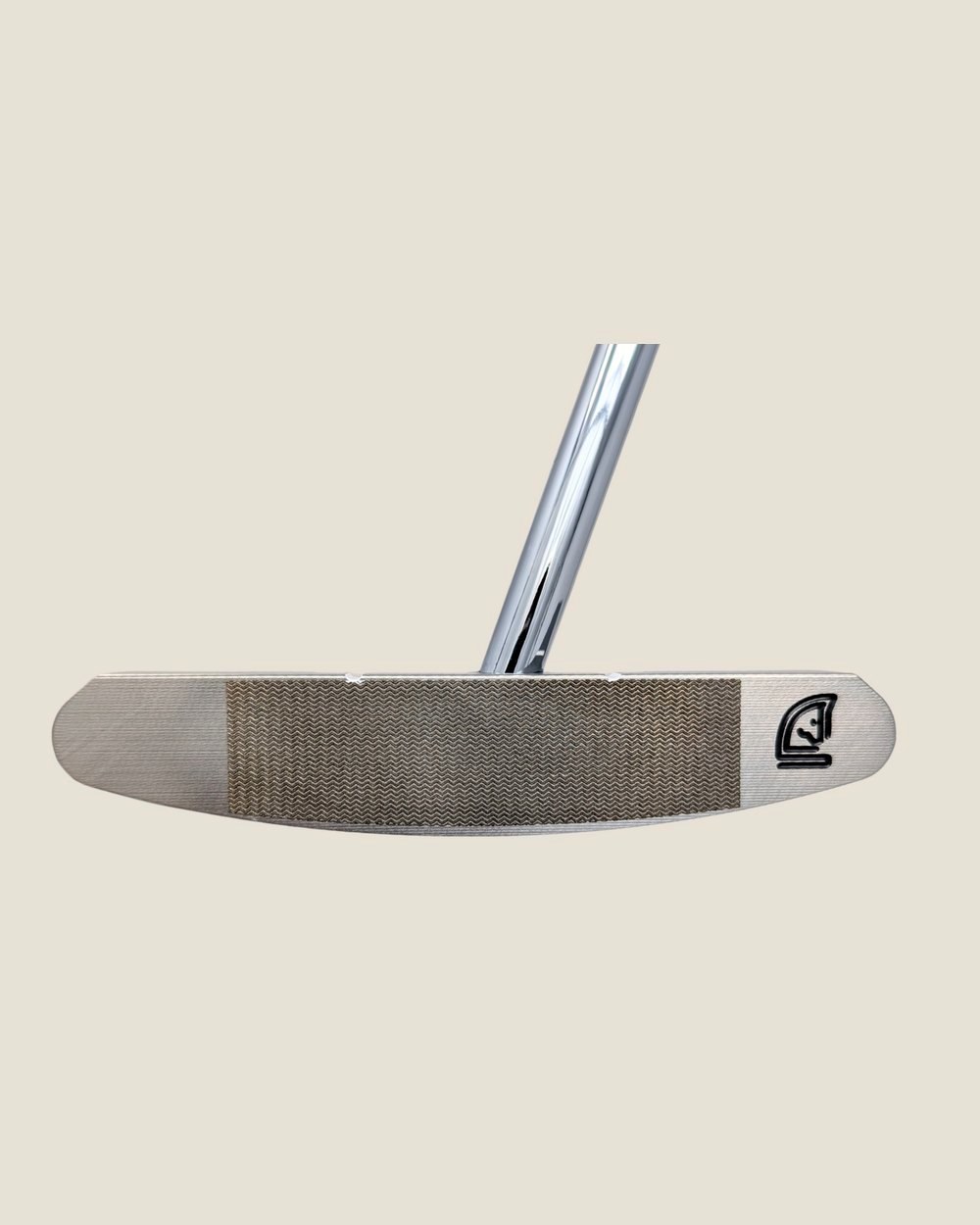
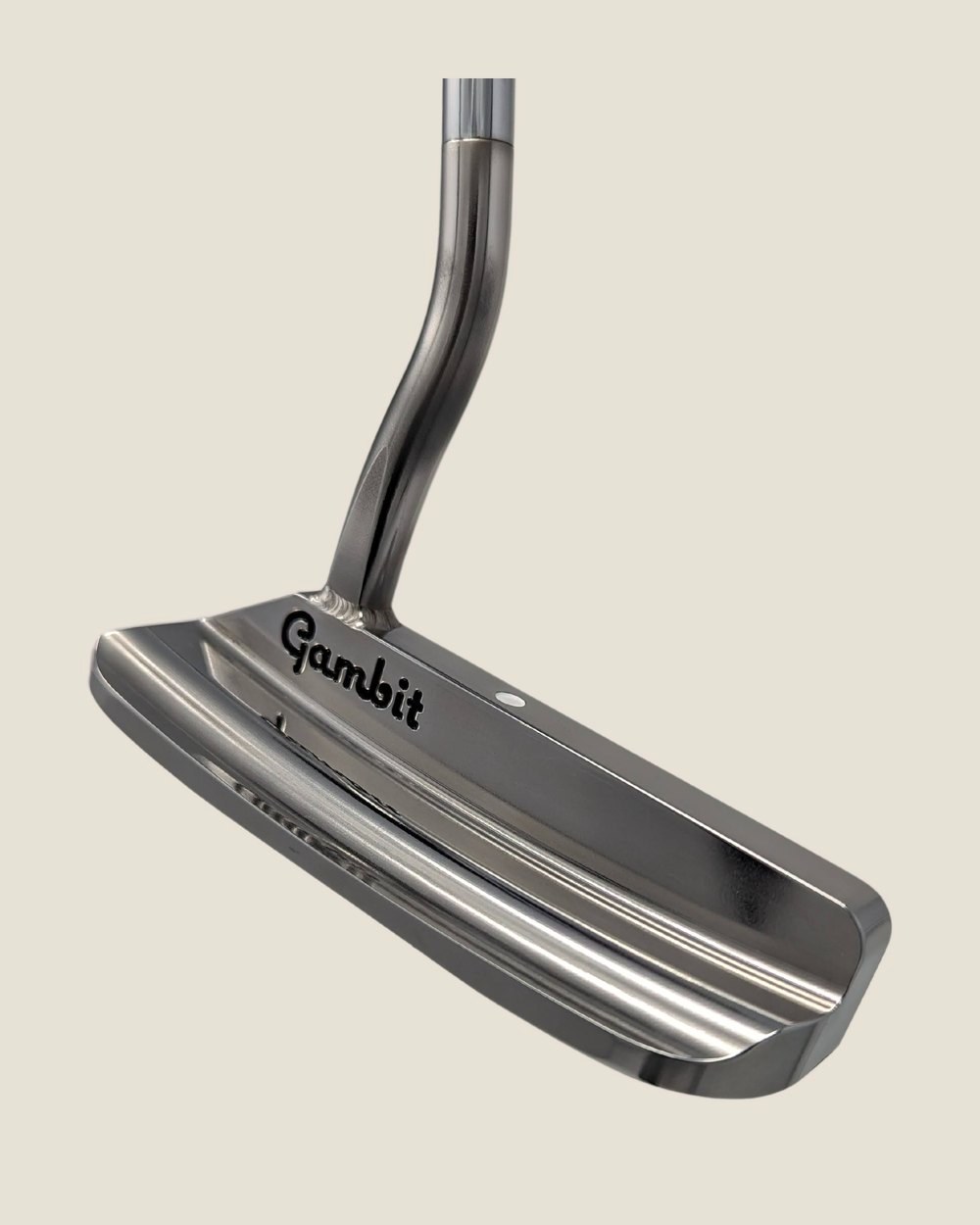
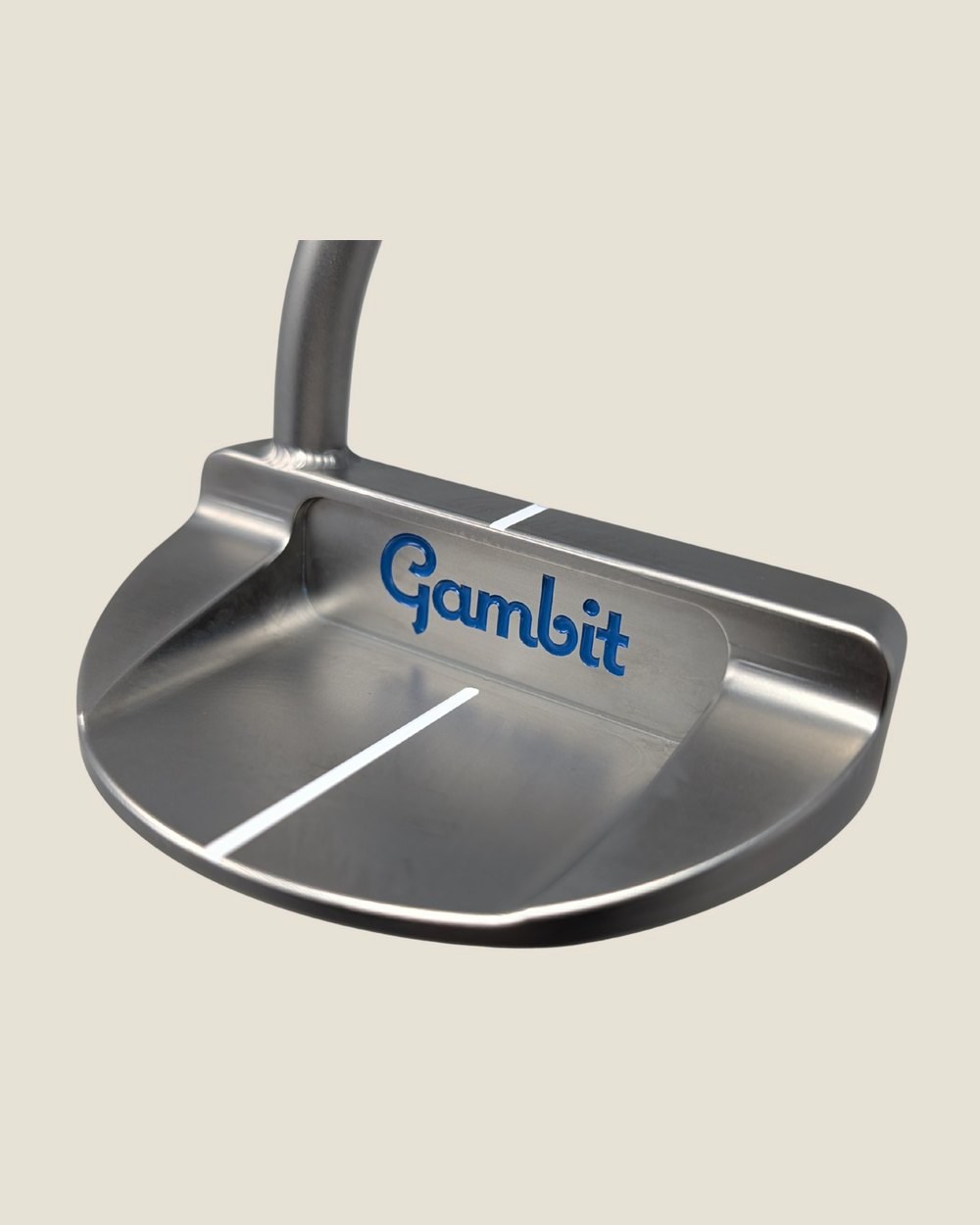
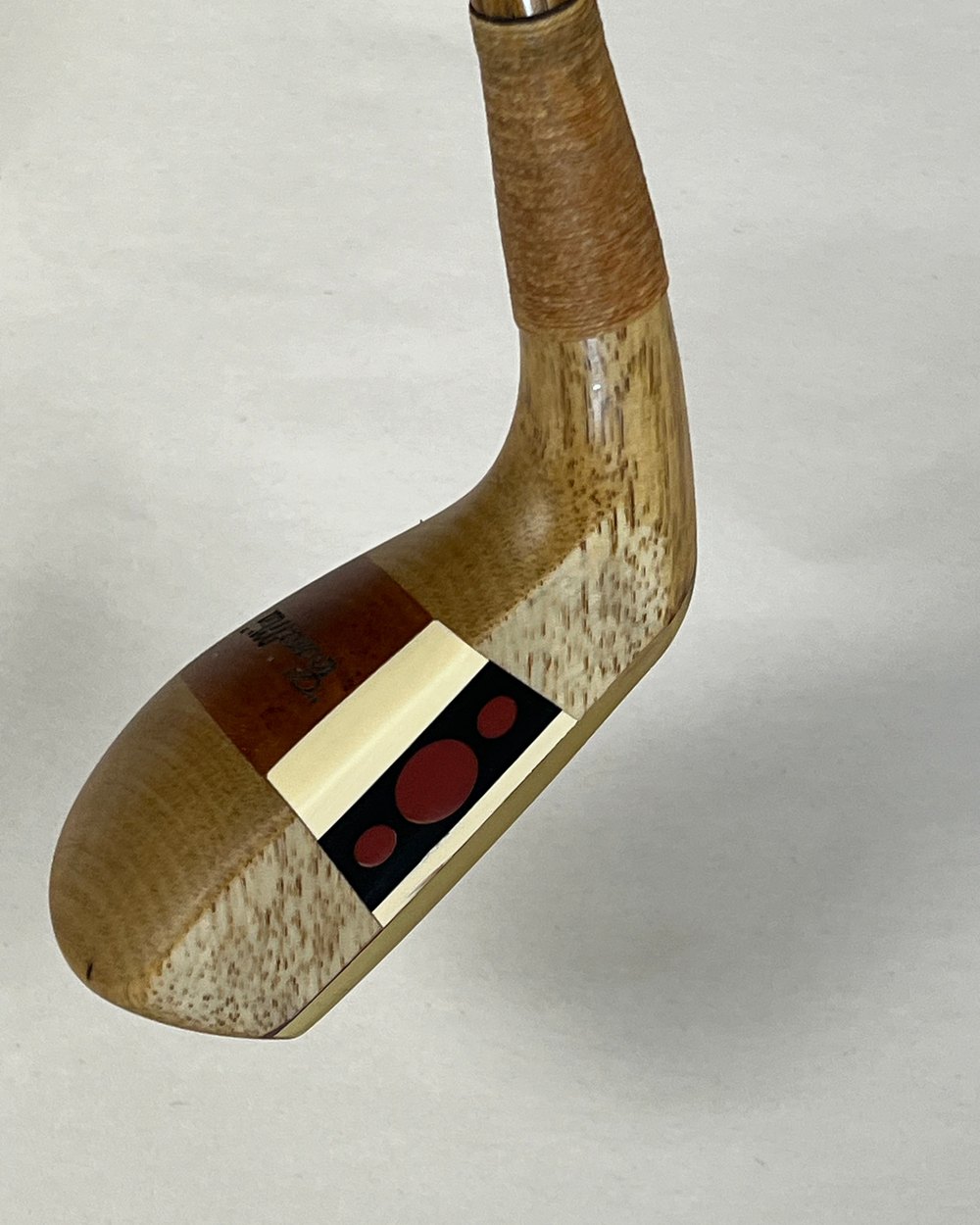
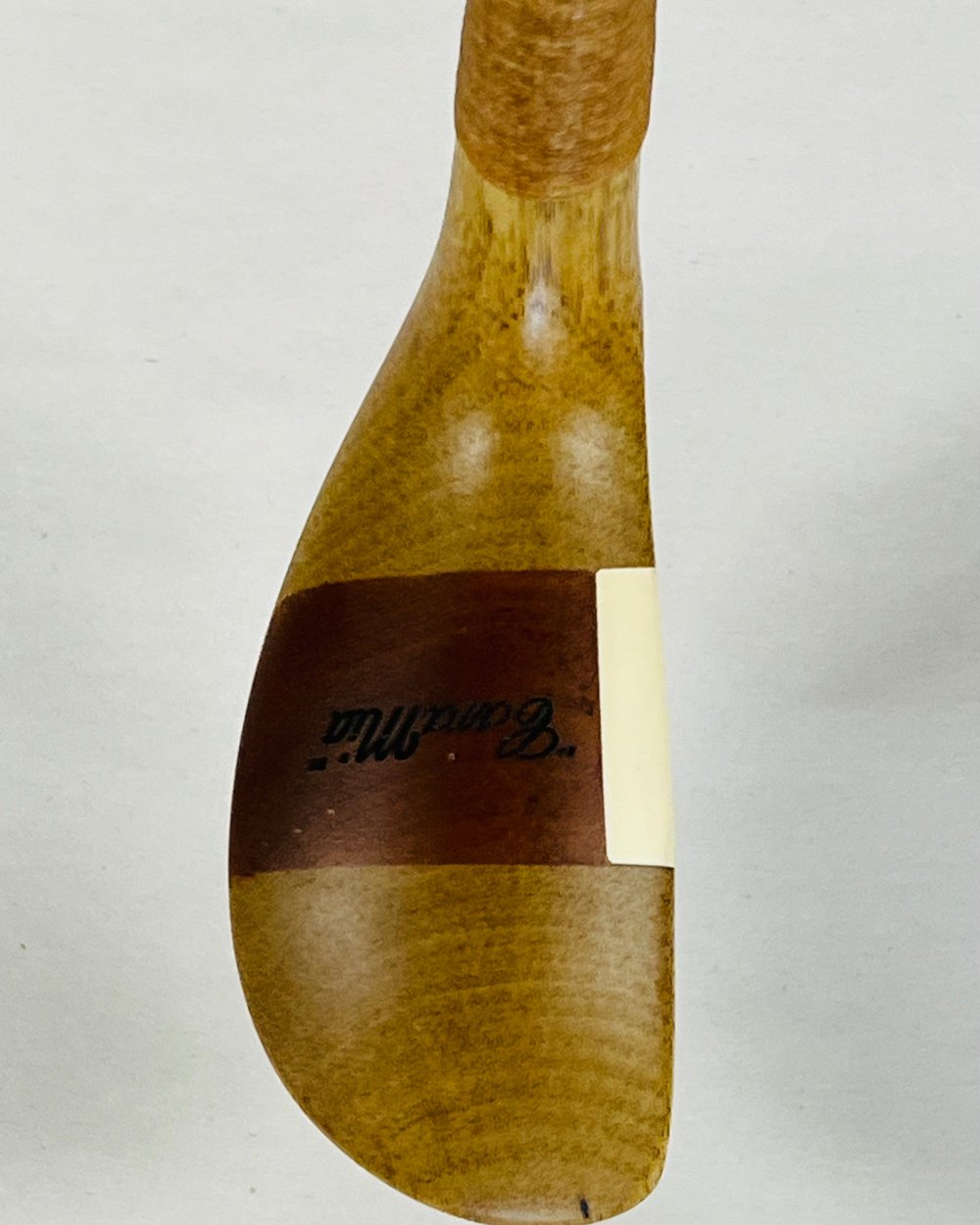
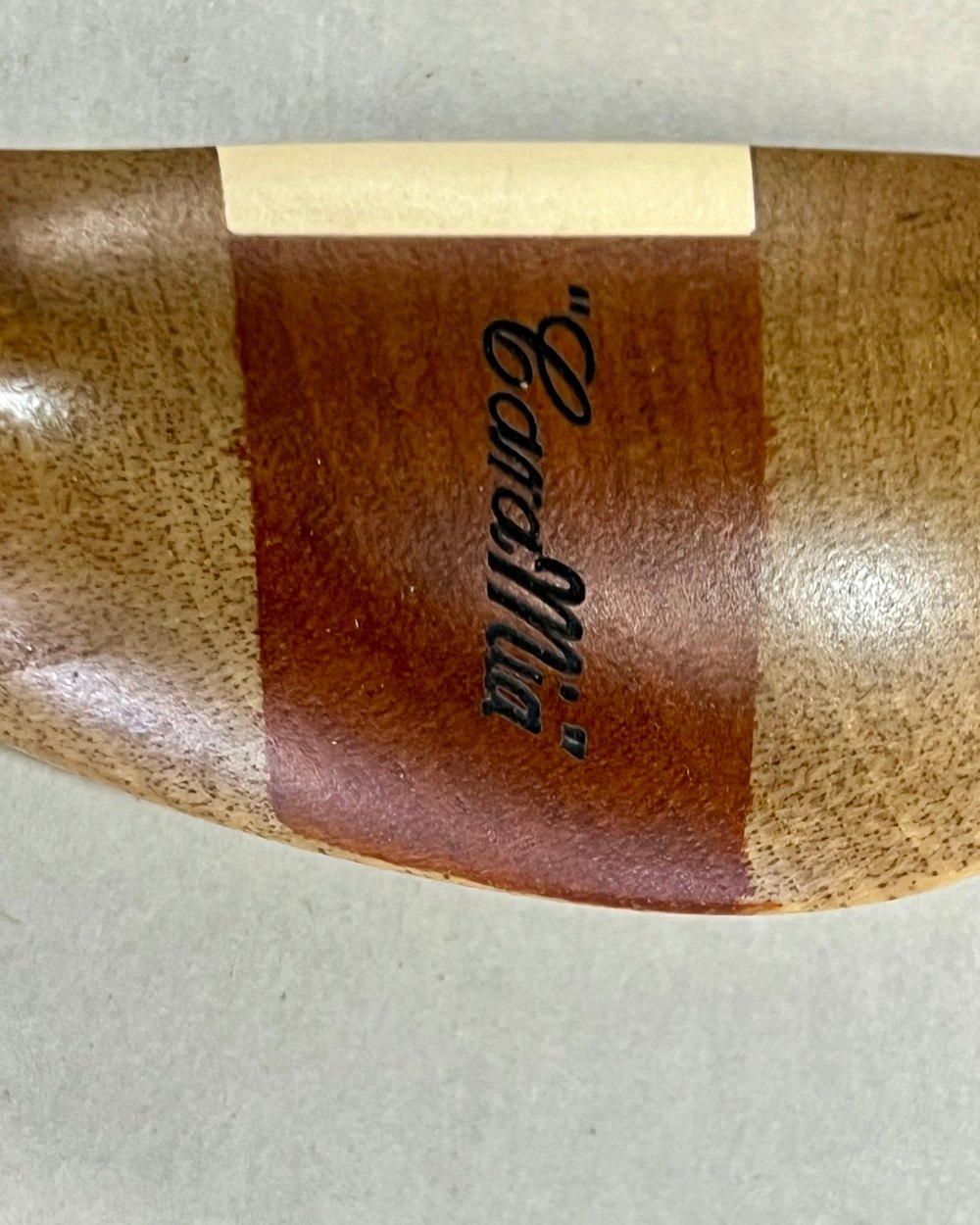
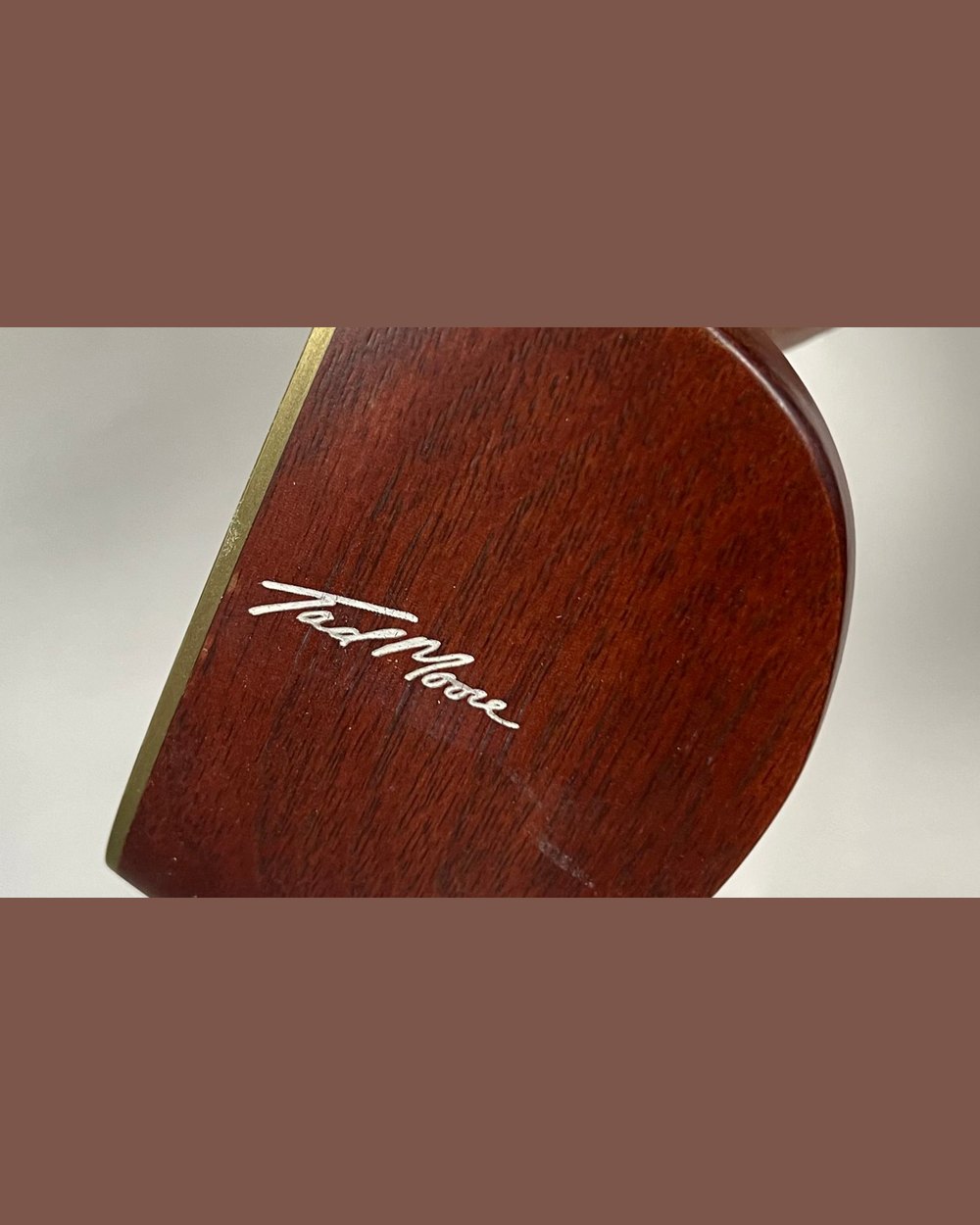
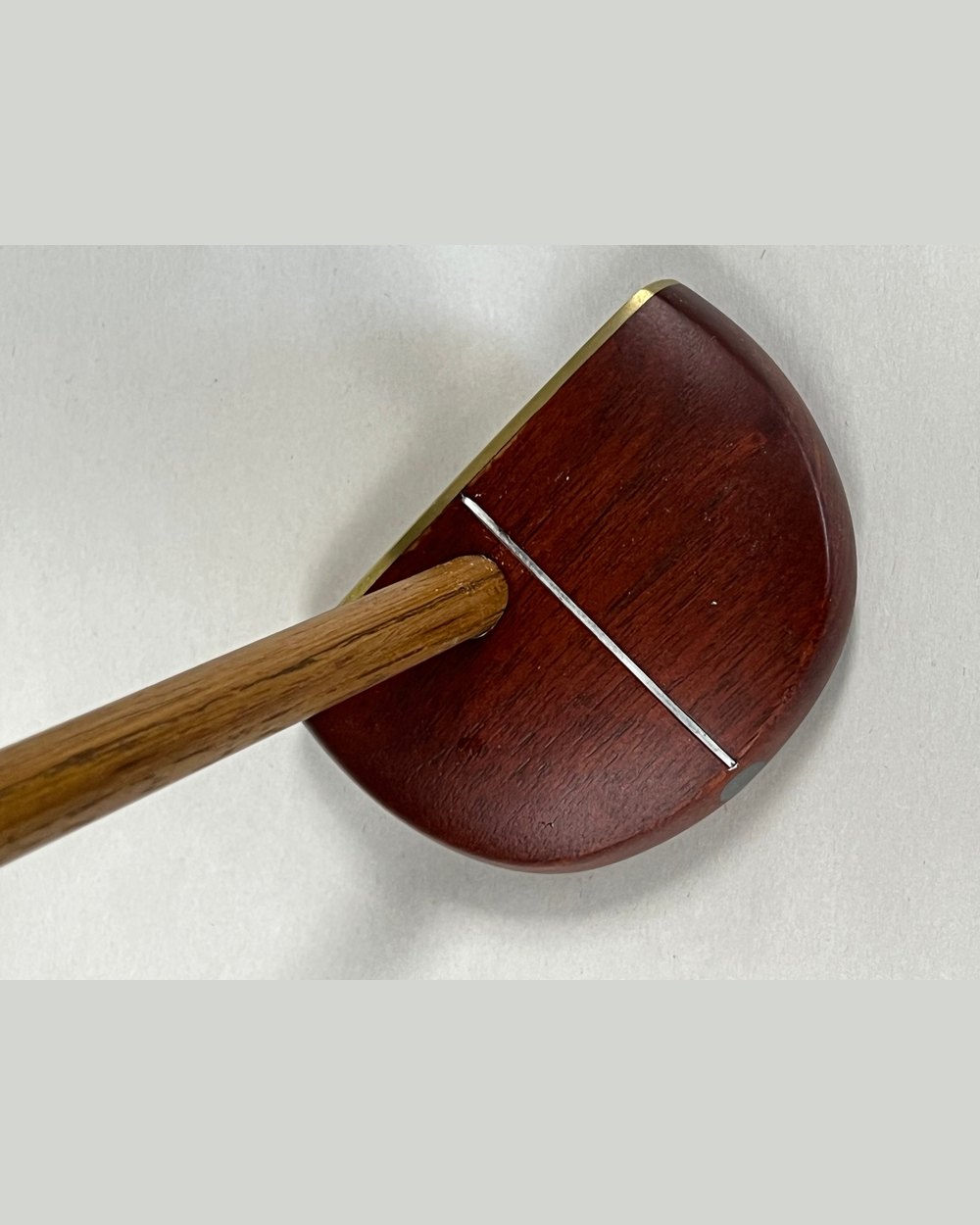
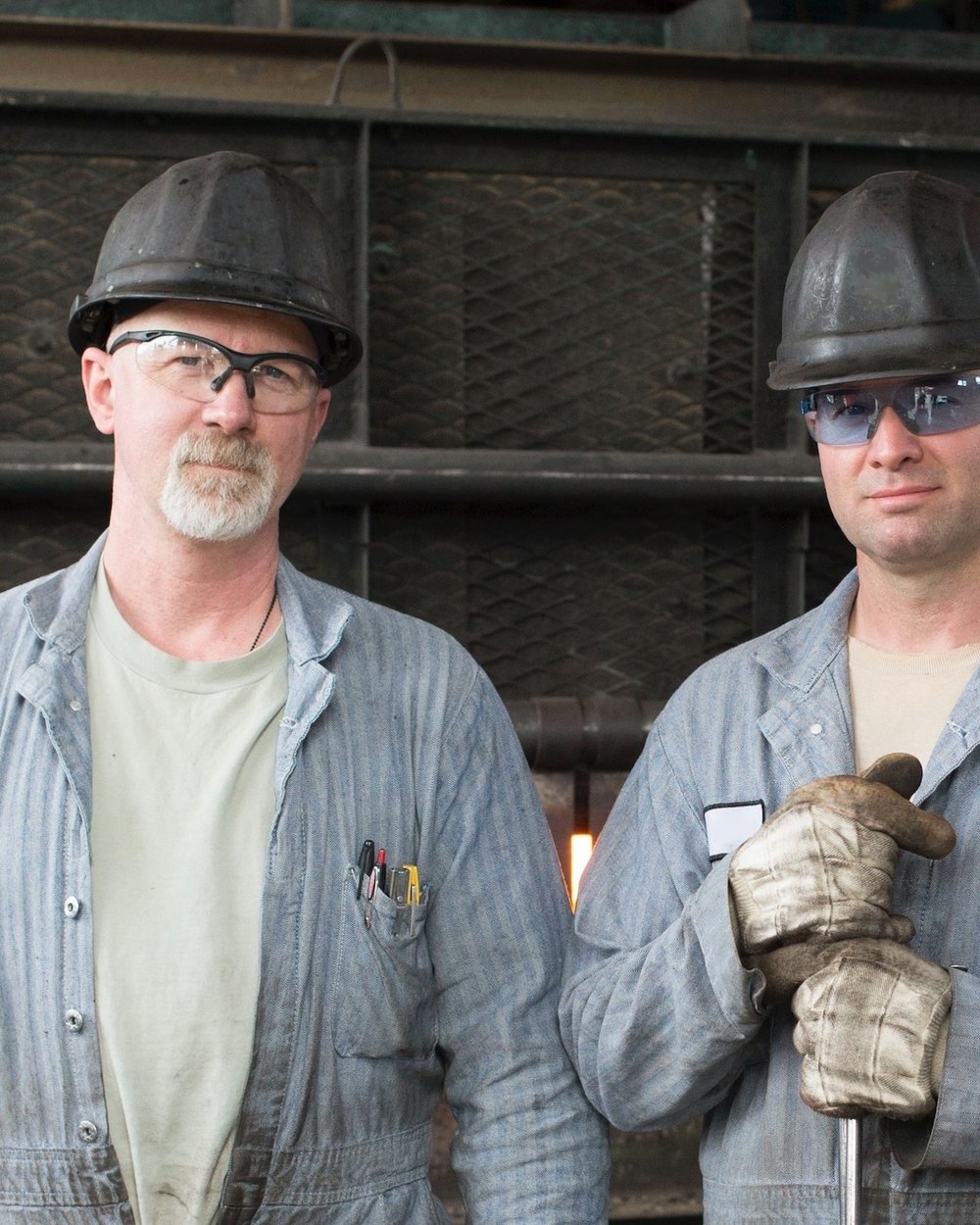
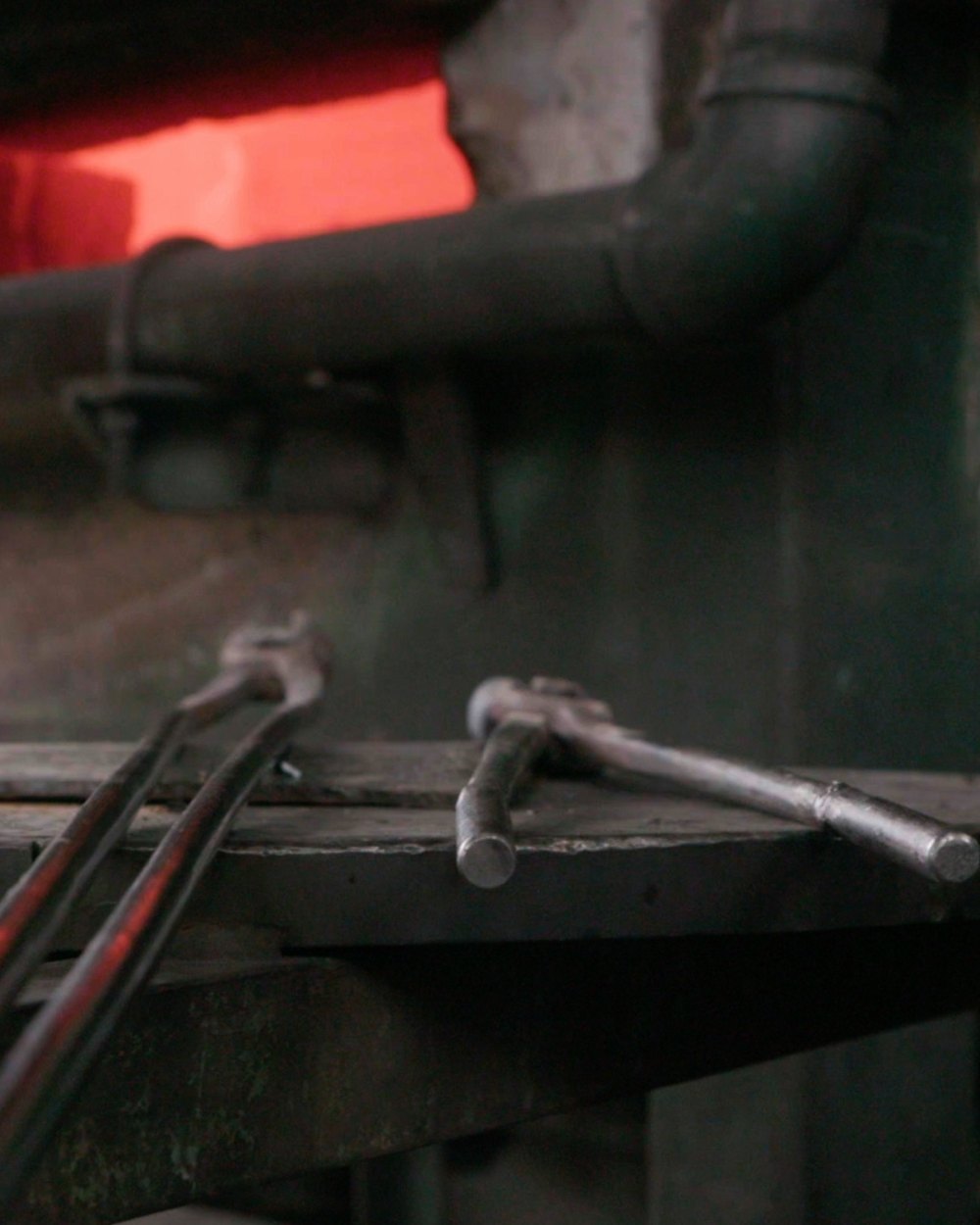
In the WorkshopWhere the putters get made: a toolmaker’s bench in Melbourne, a machine shop in Iowa, a family machine shop near Buffalo. All photos are the makers’ own.
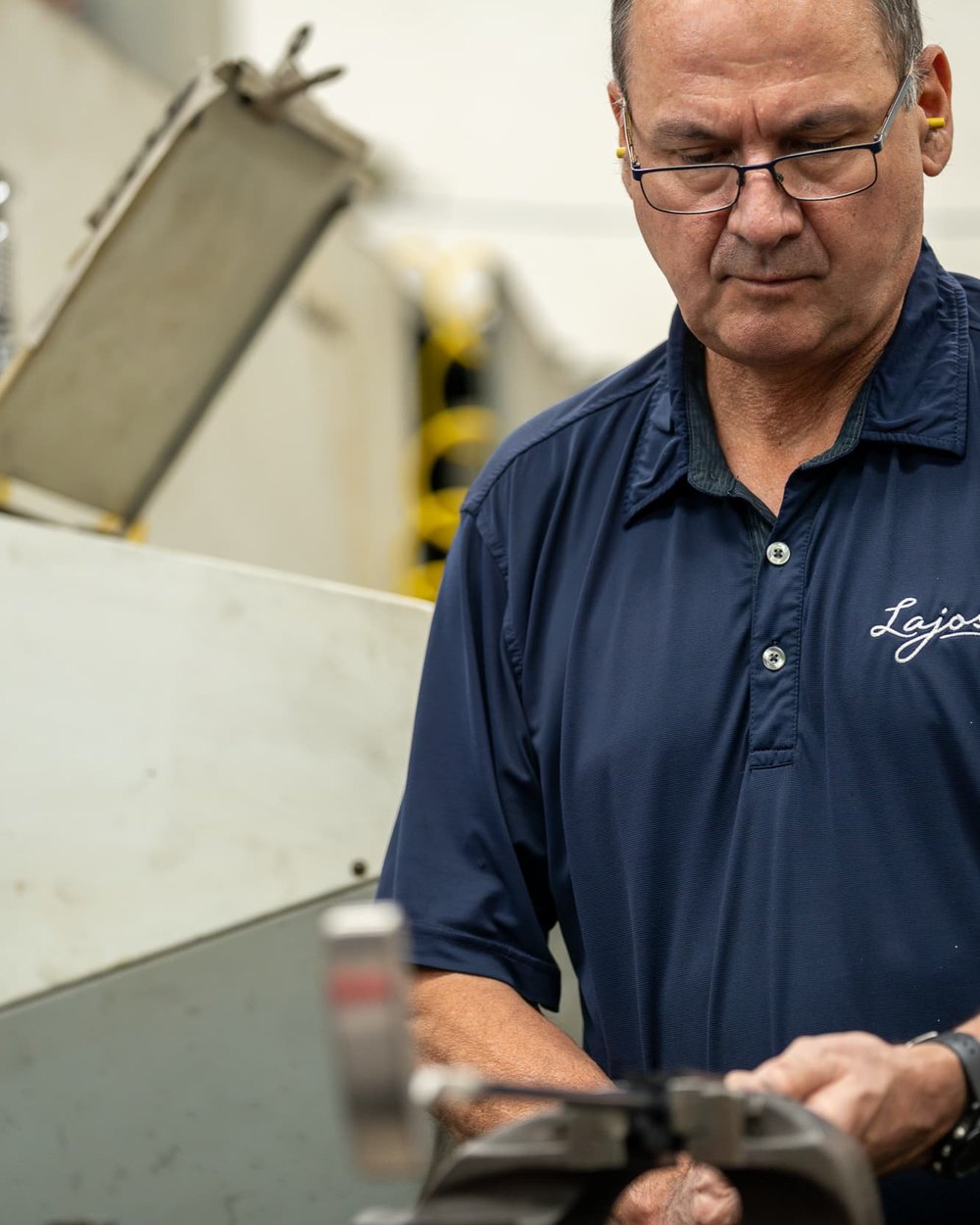
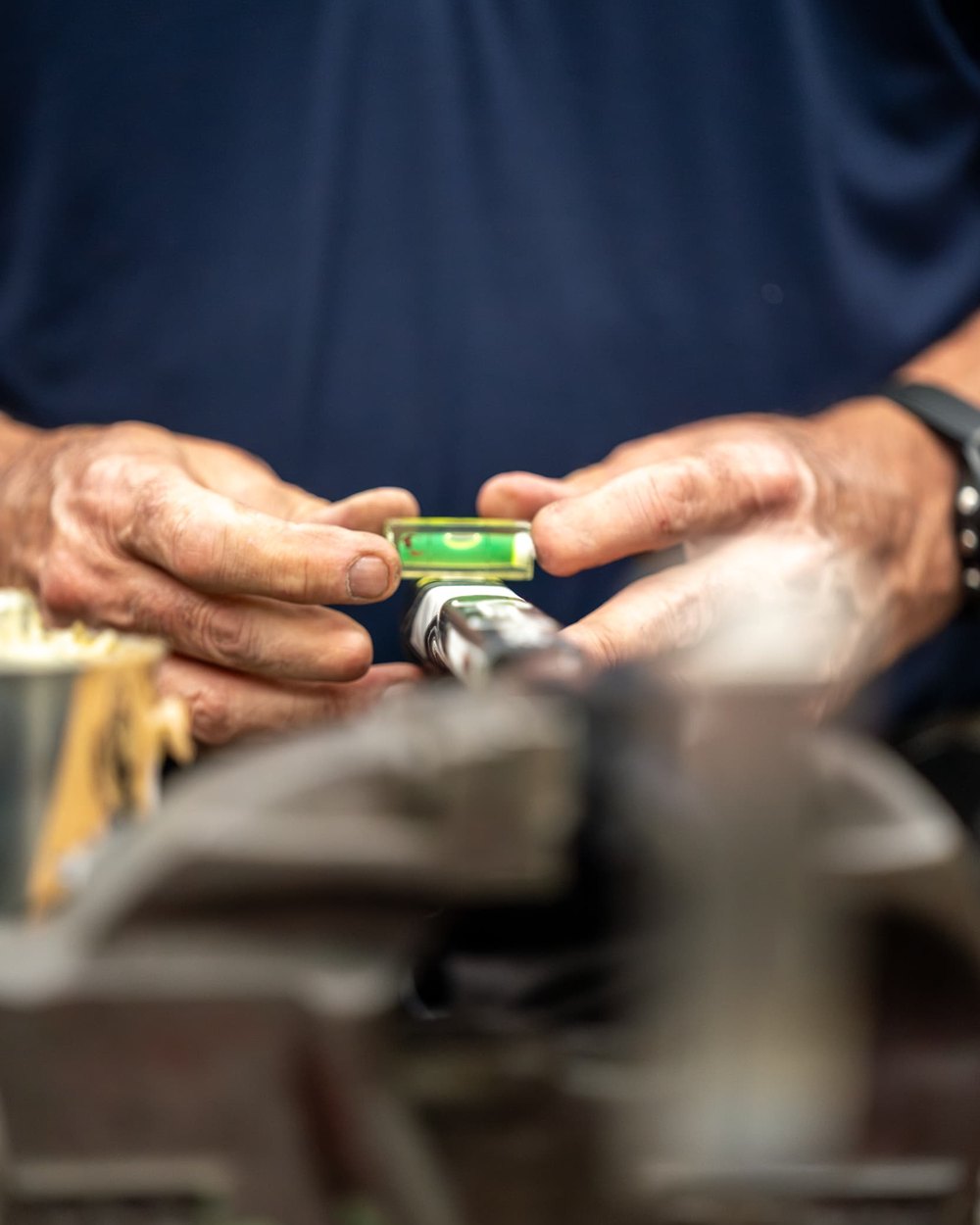
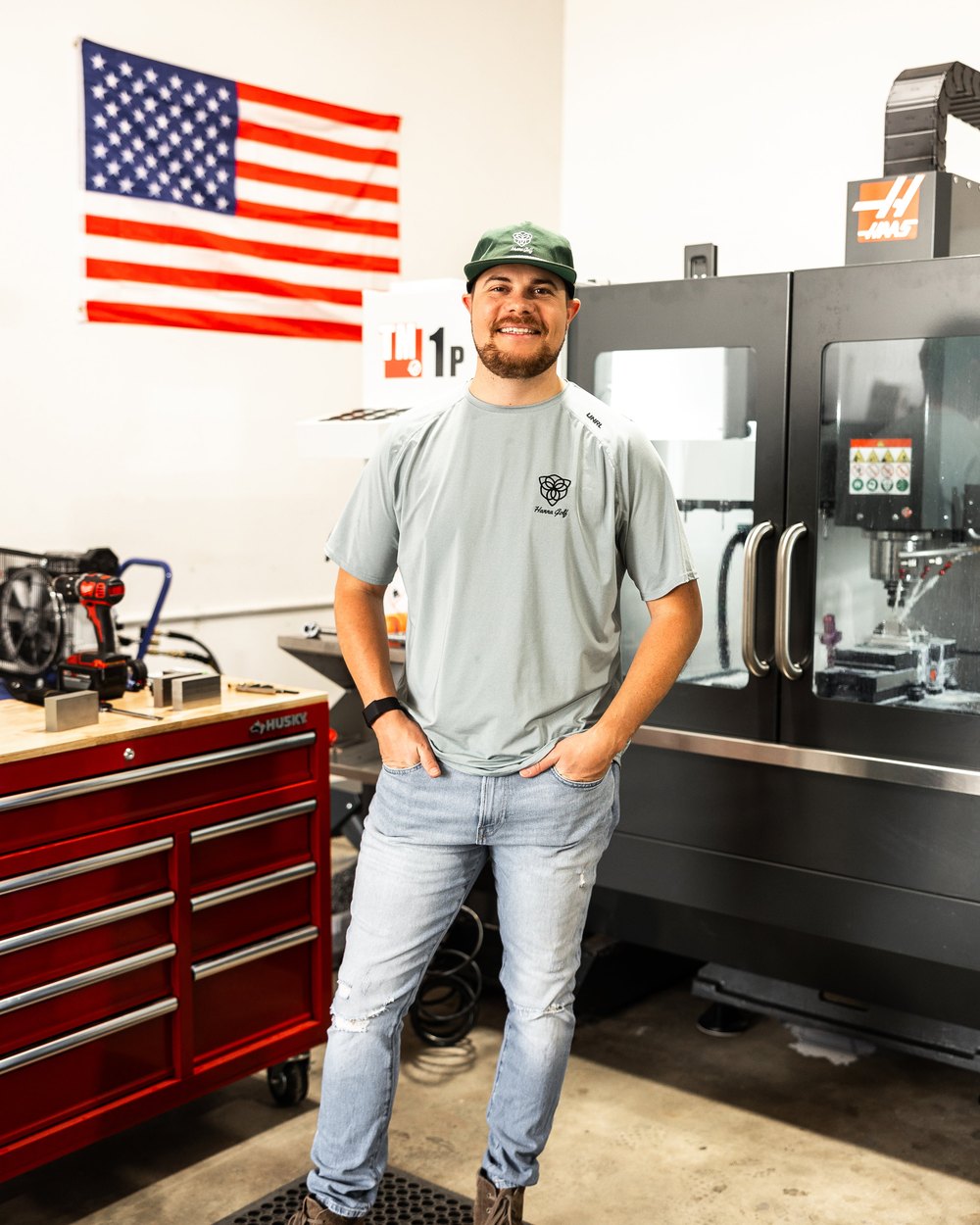
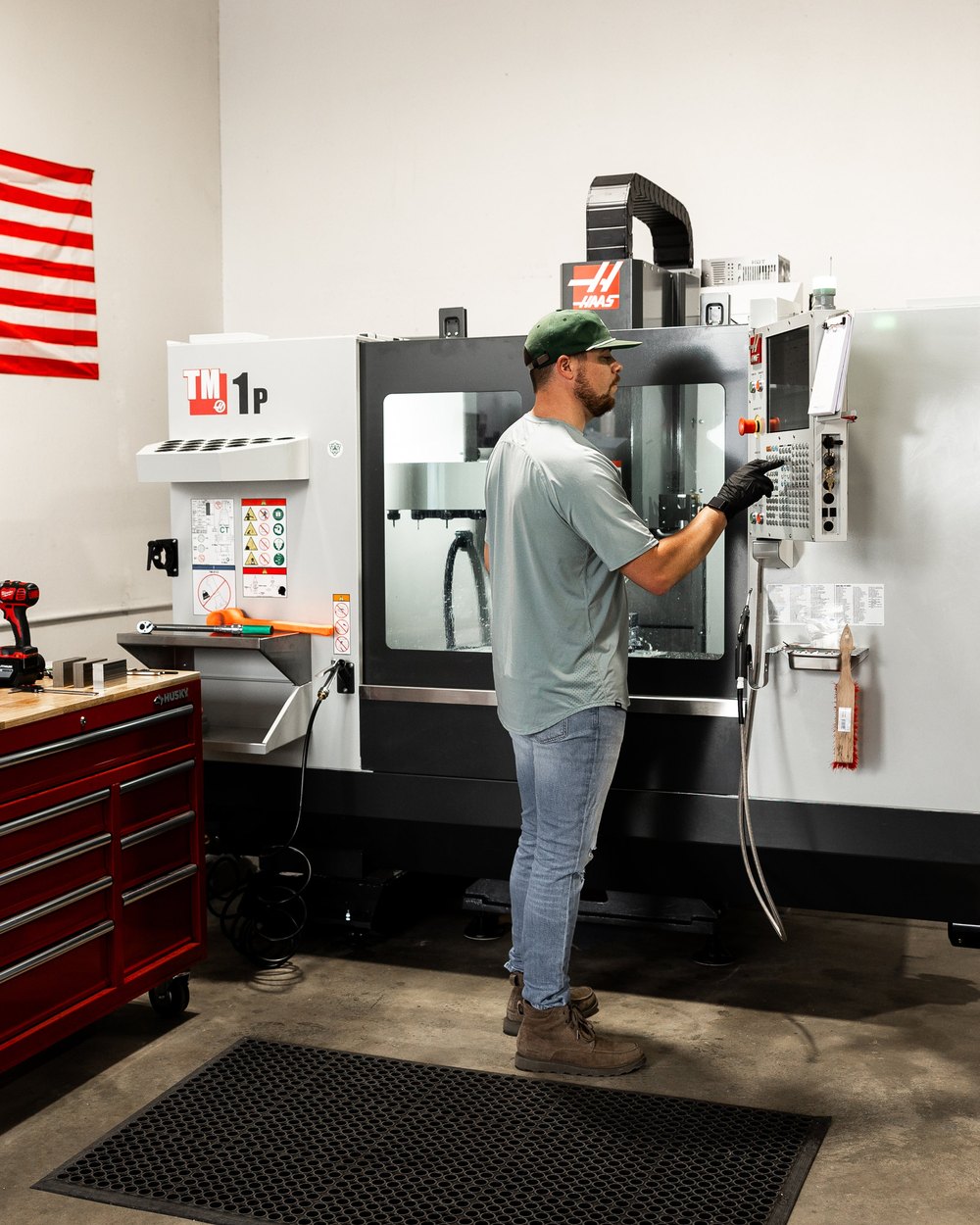
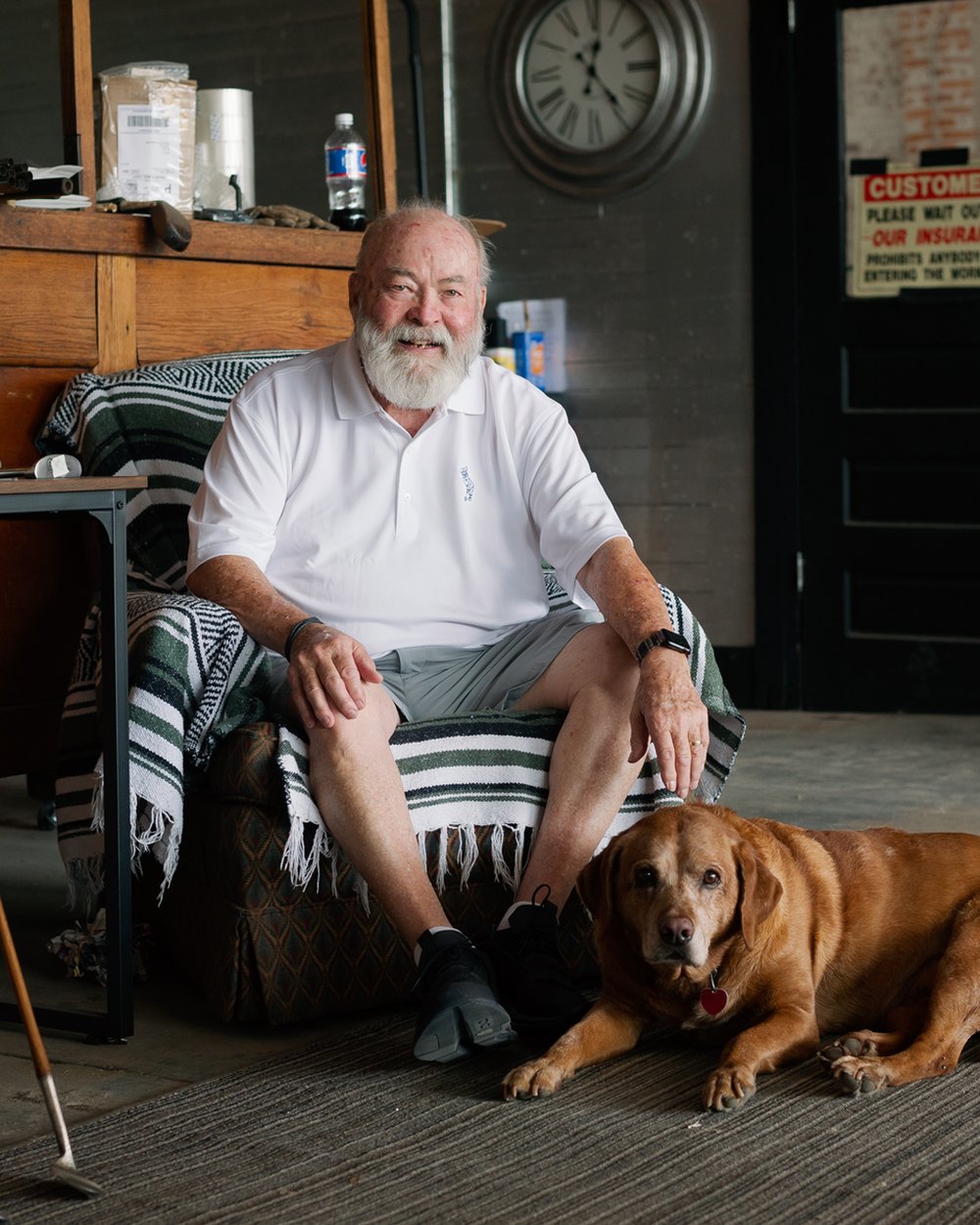
Six makersIrons need a forge, so the small makers are fitters who finish heads by hand, and Japanese workshops. Two of them are in Fort Worth.
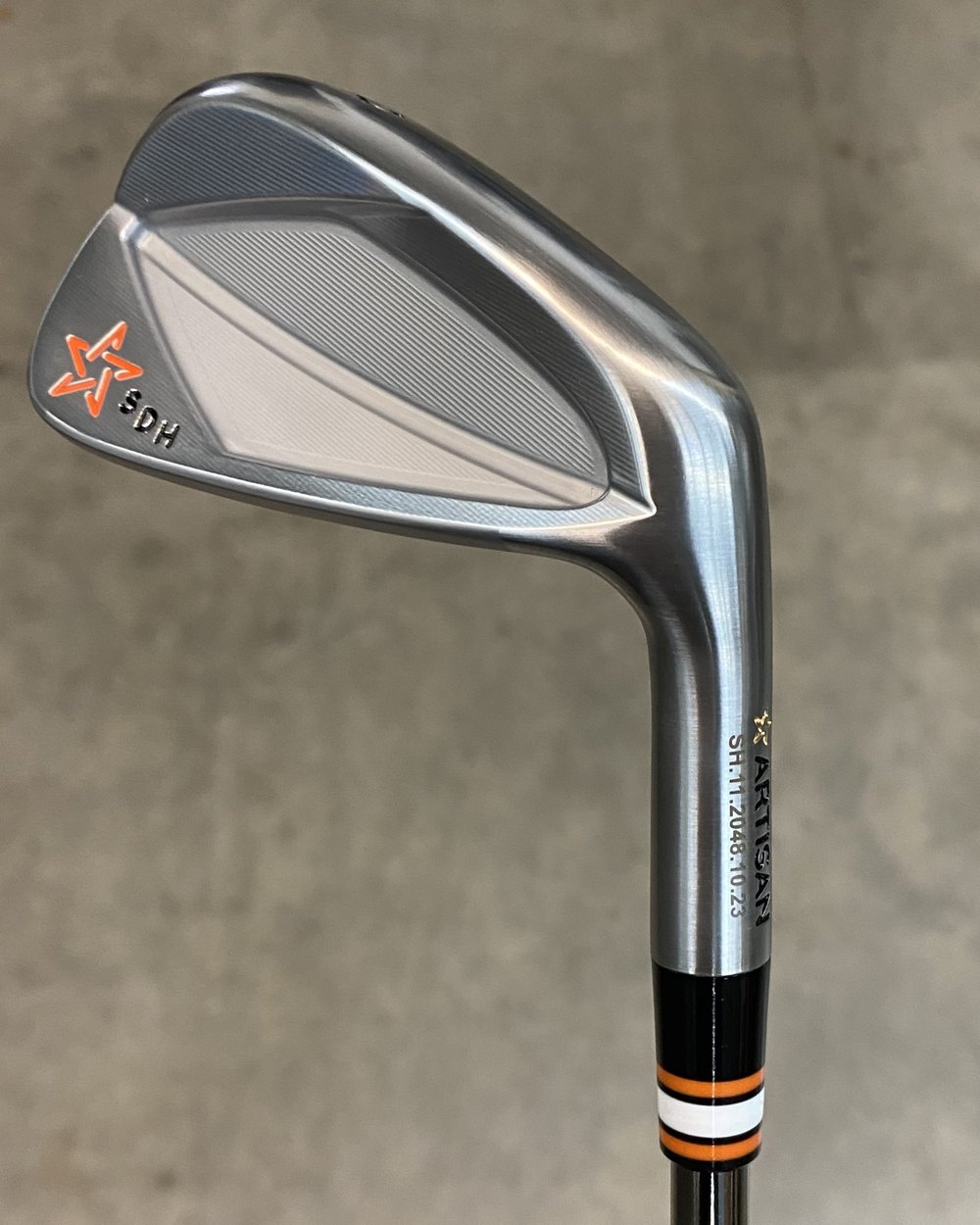
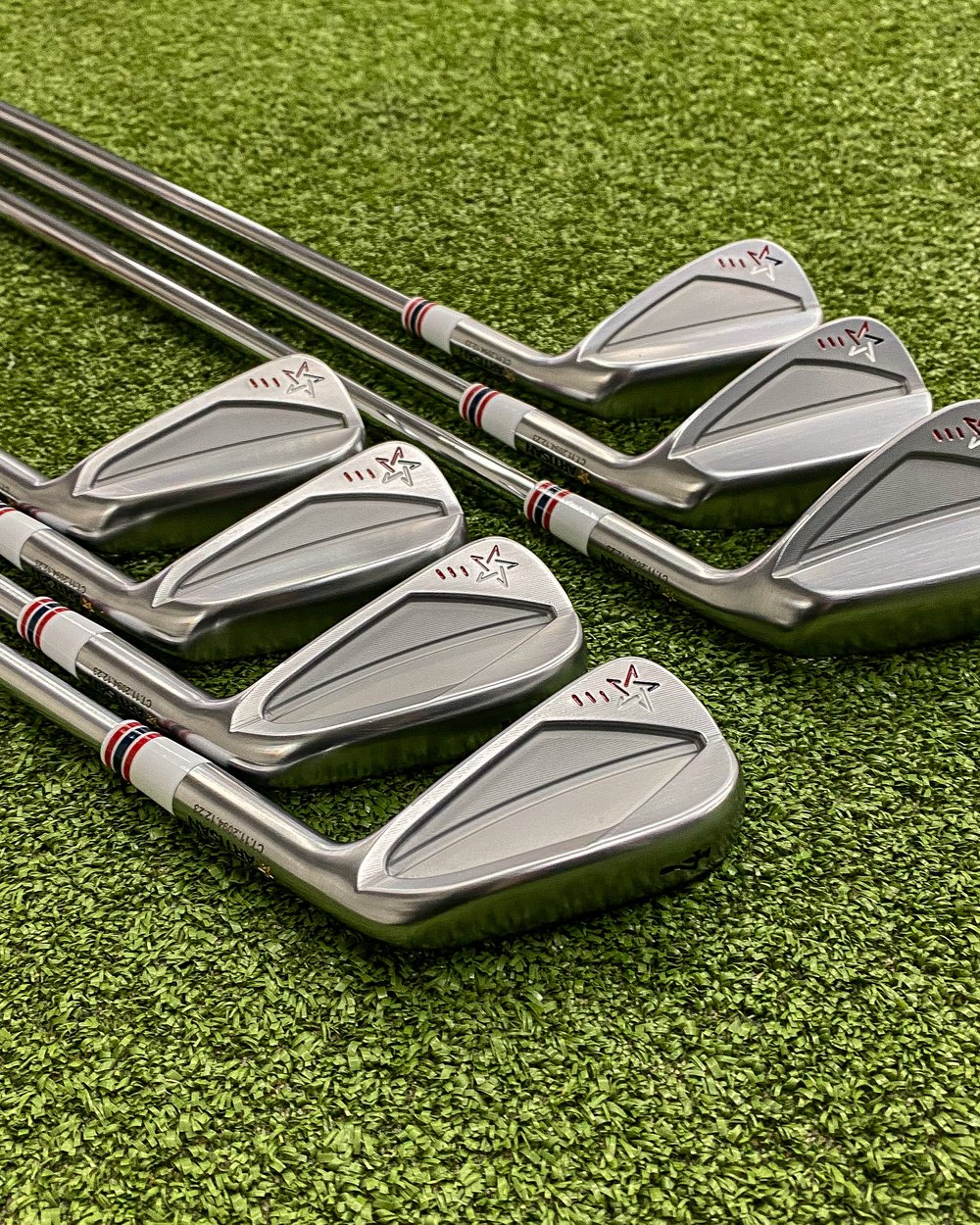
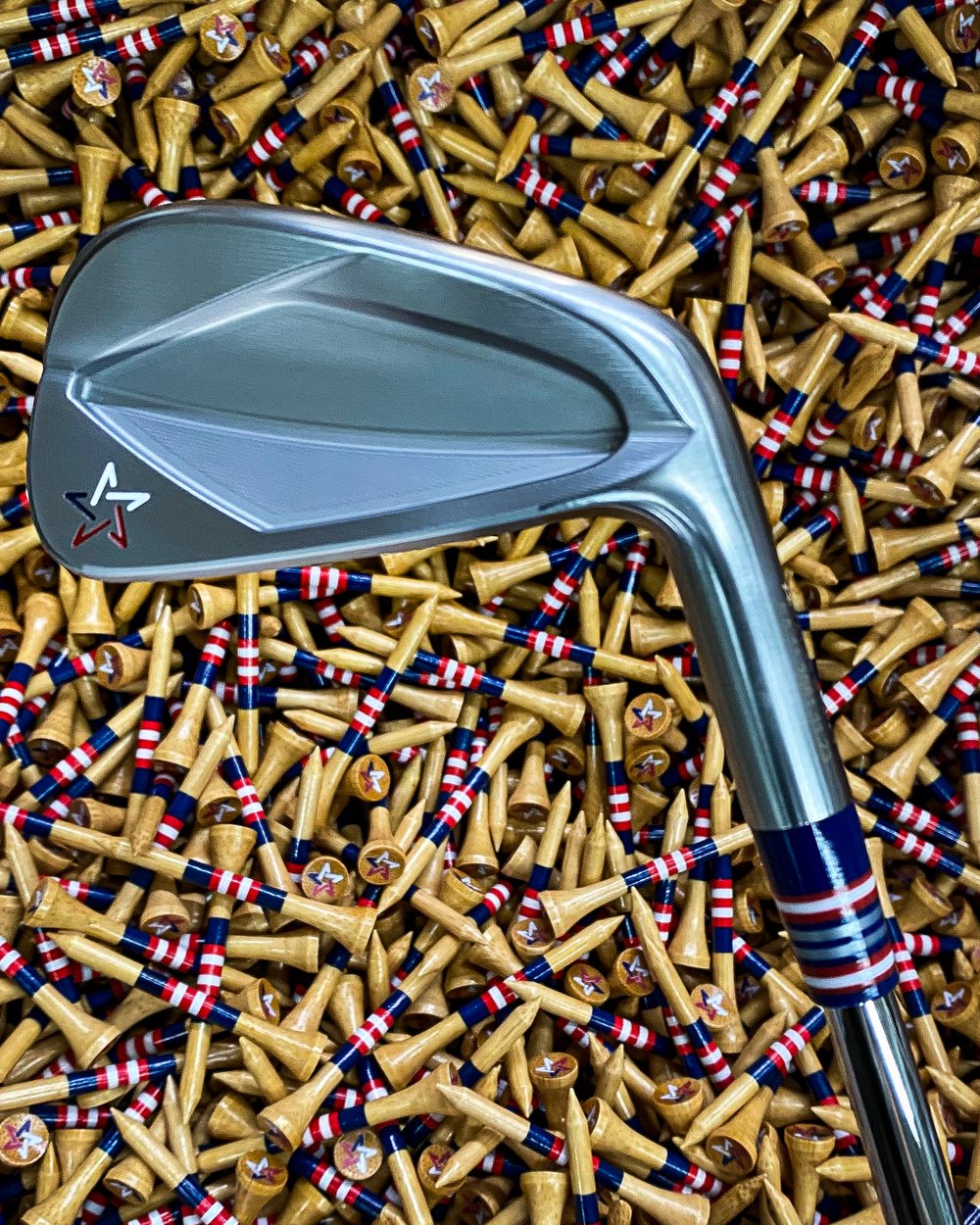
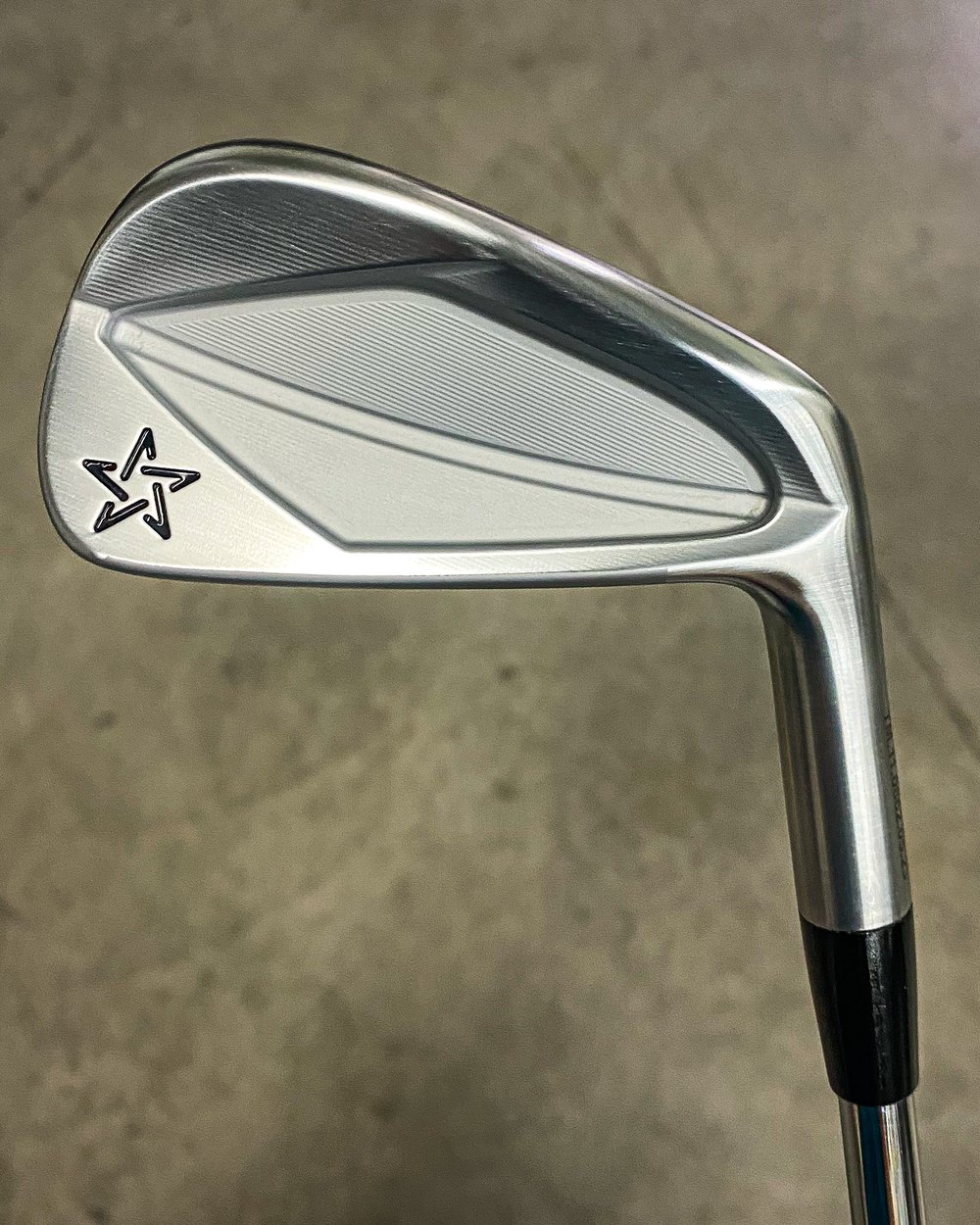
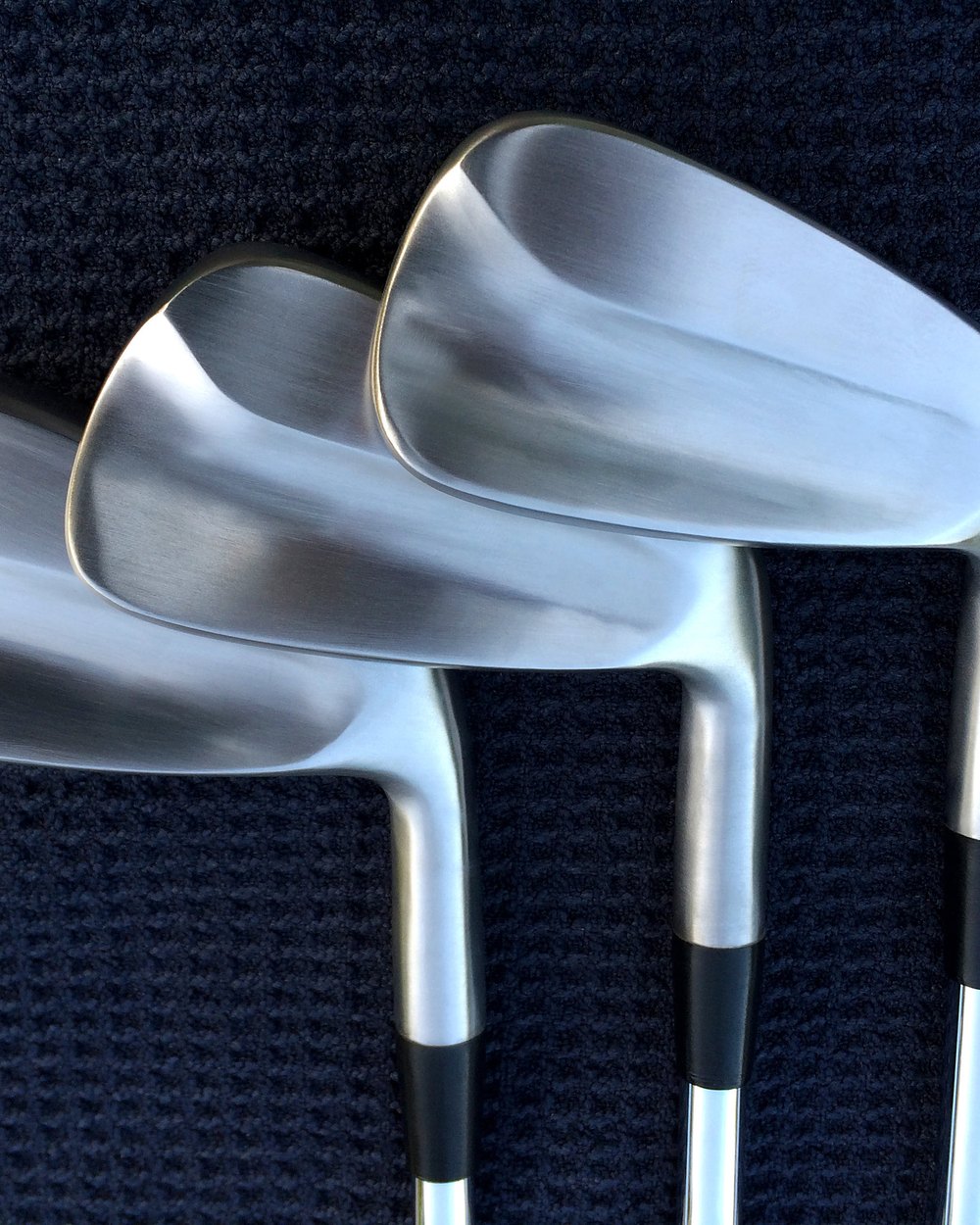
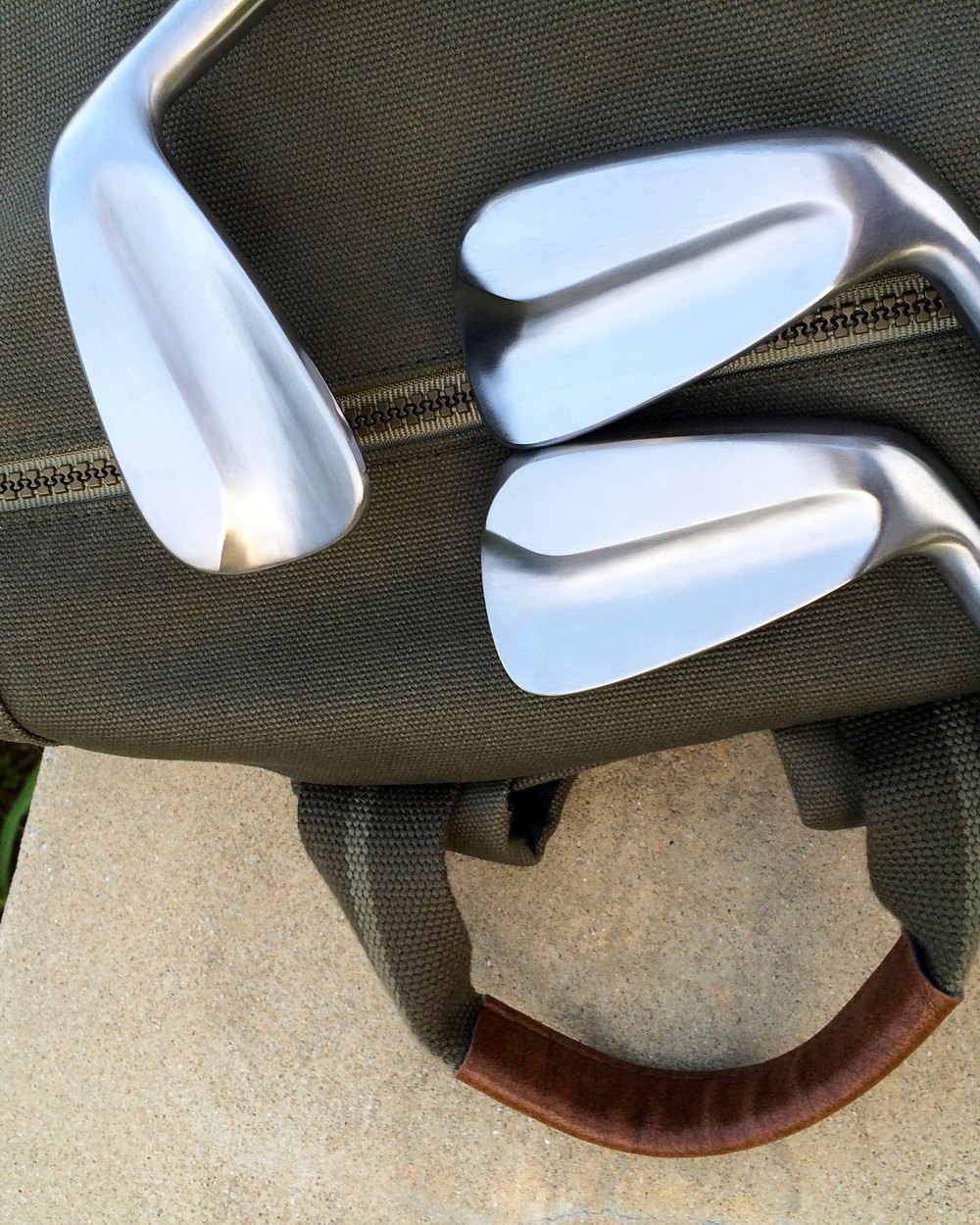
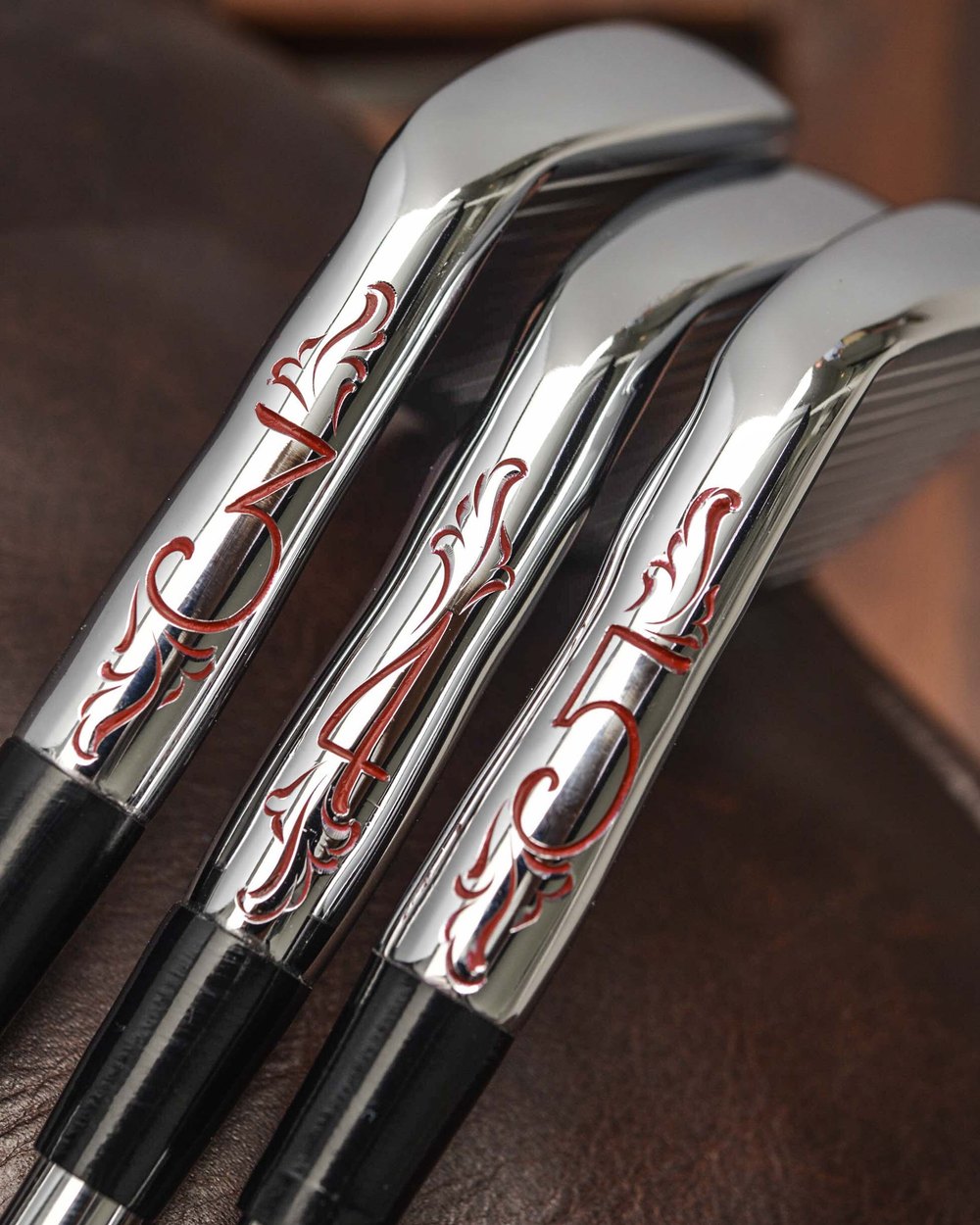
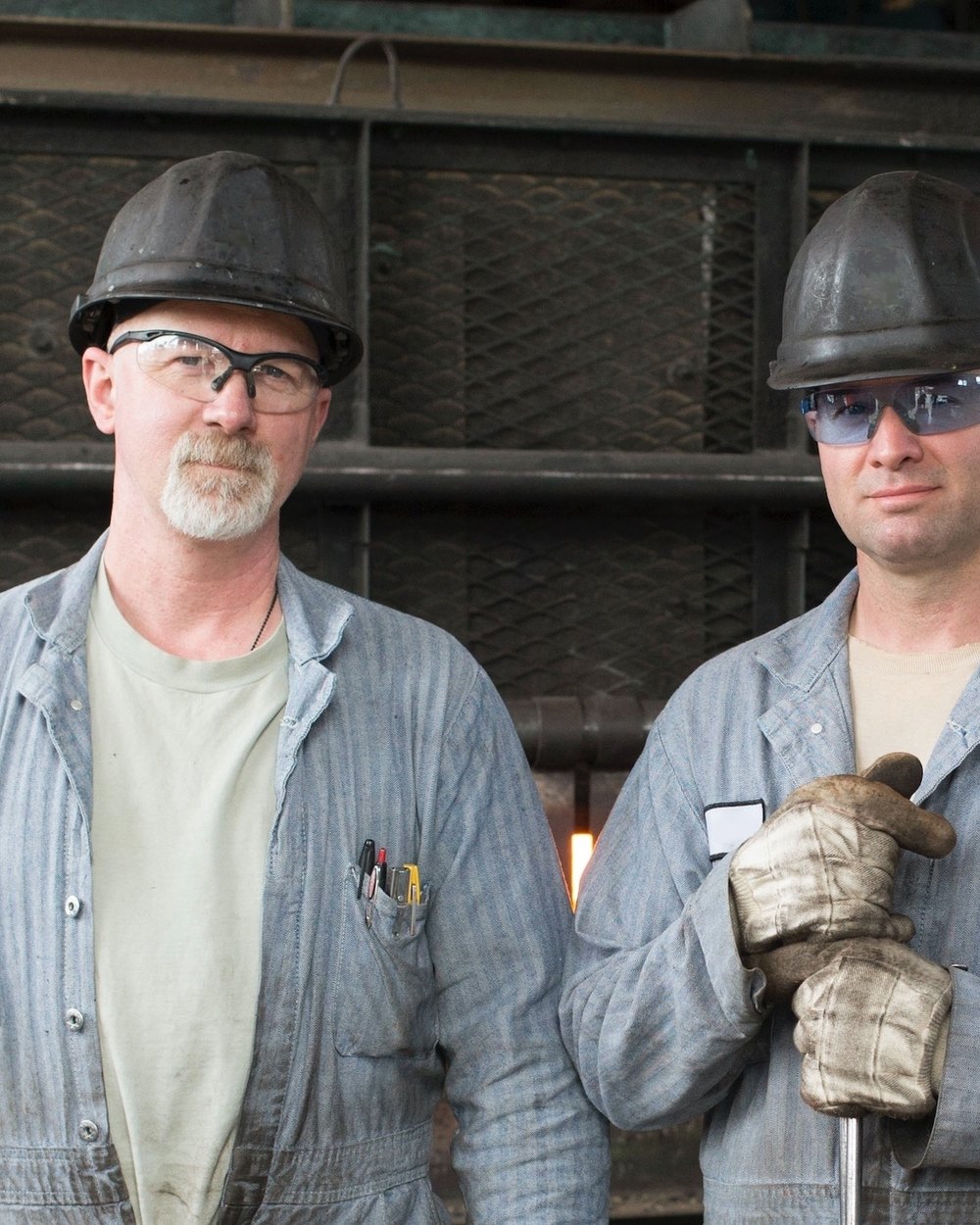
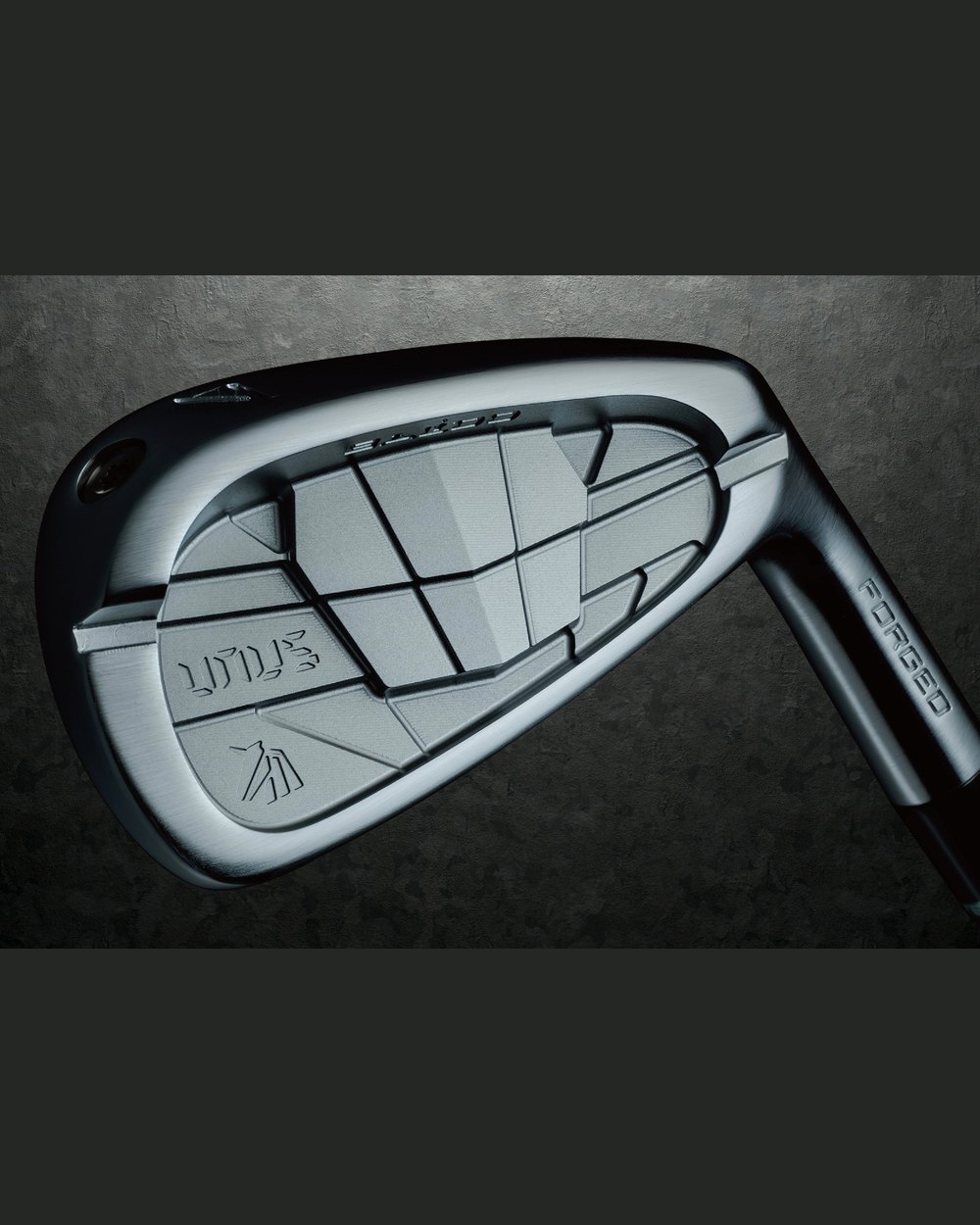
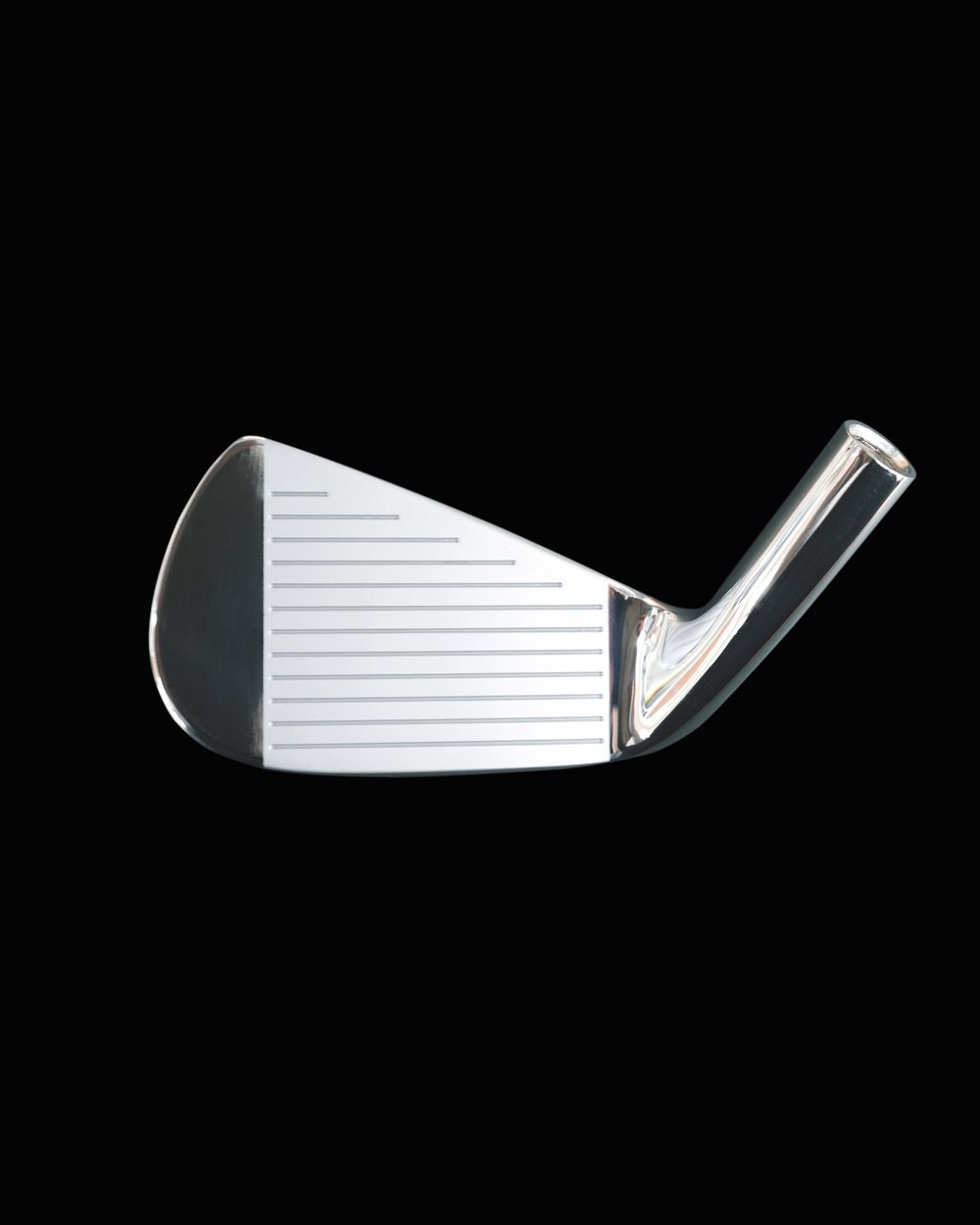
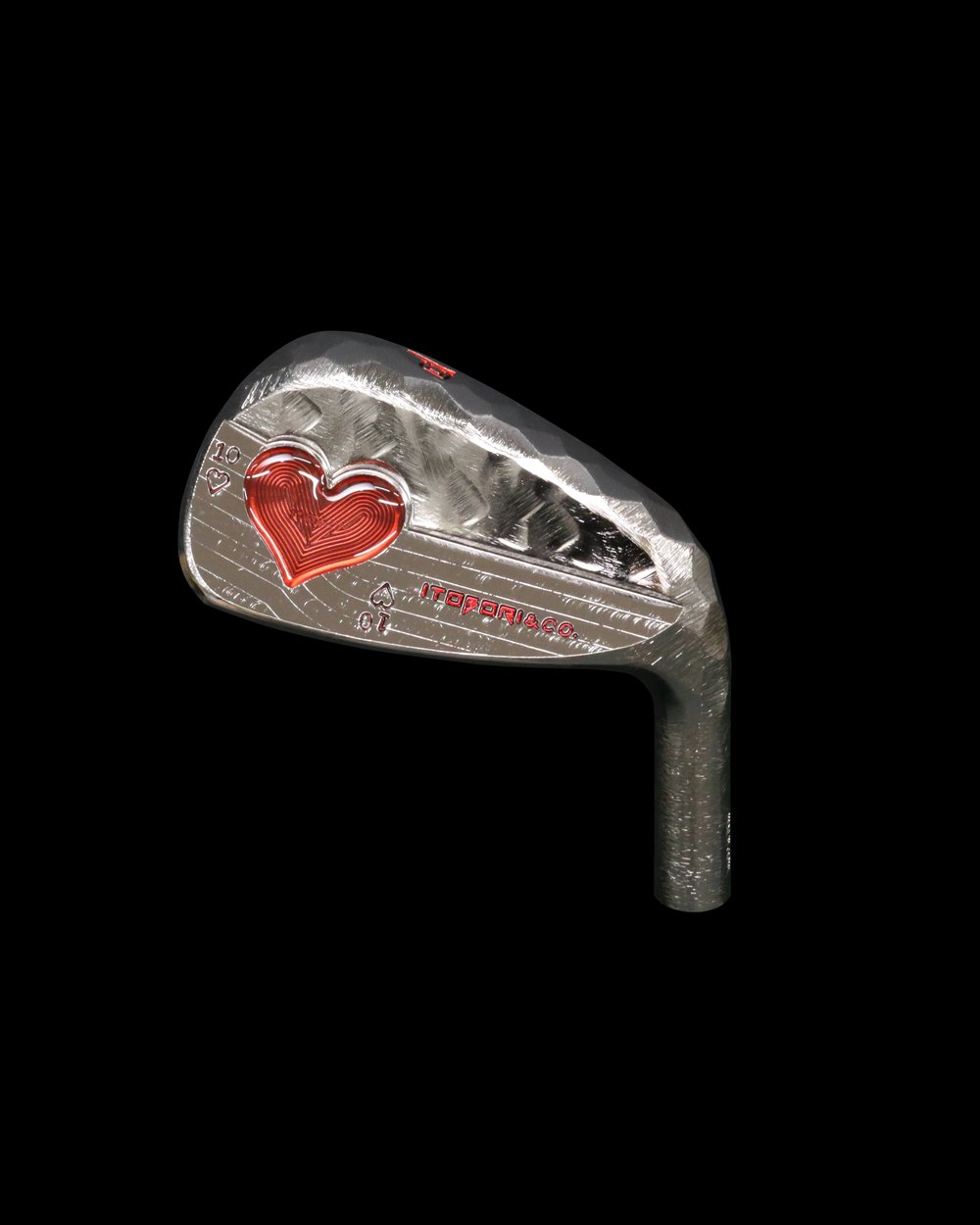
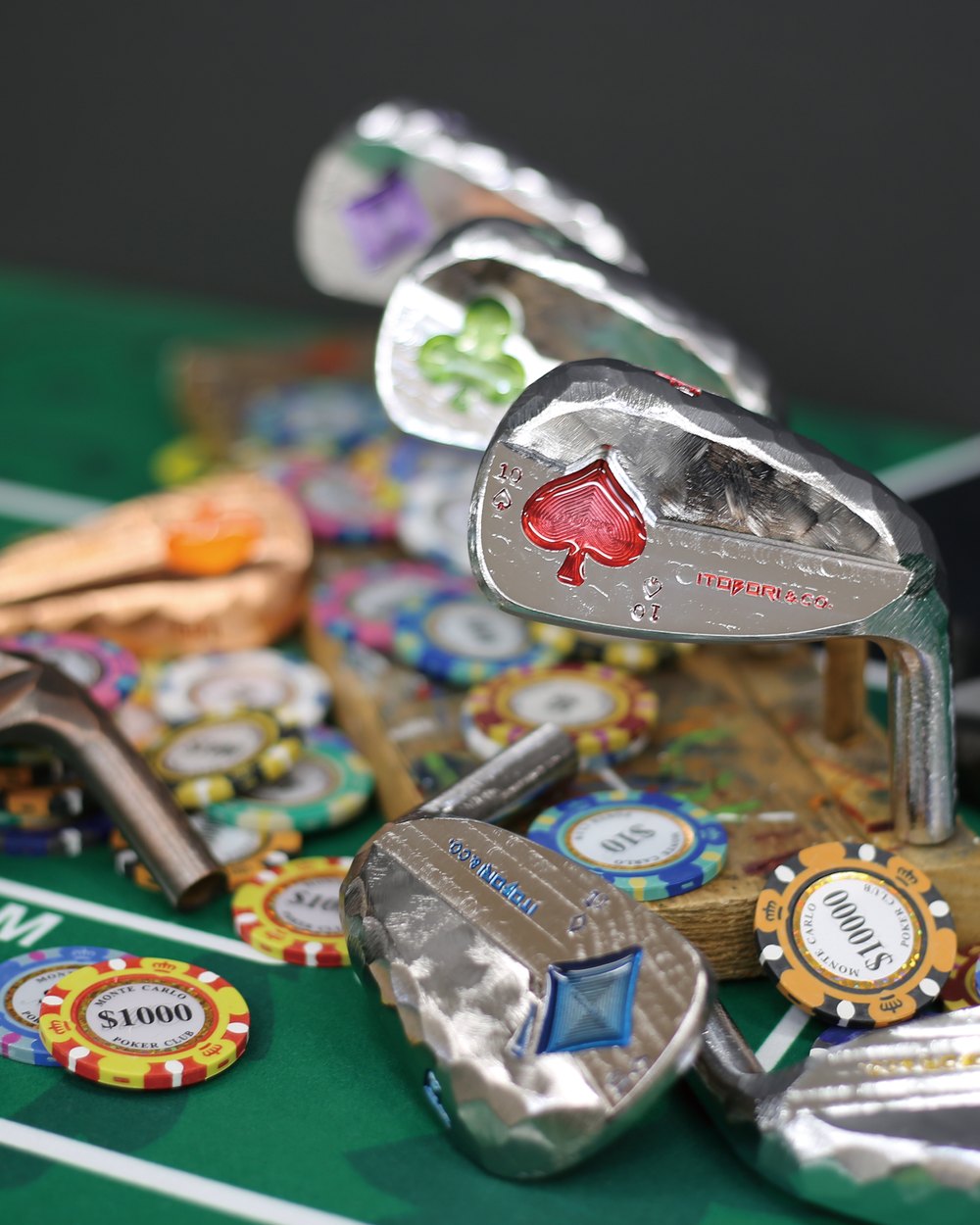
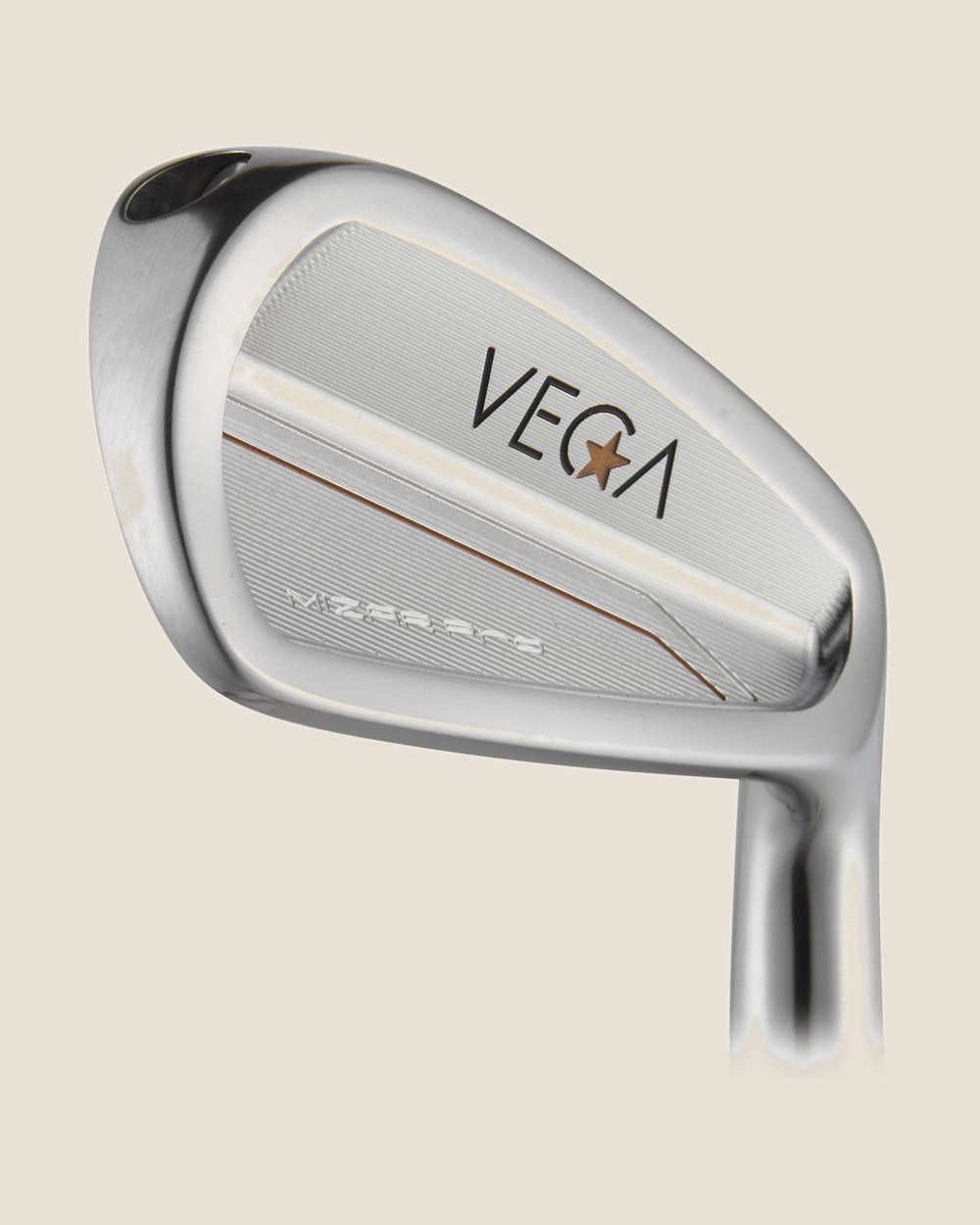
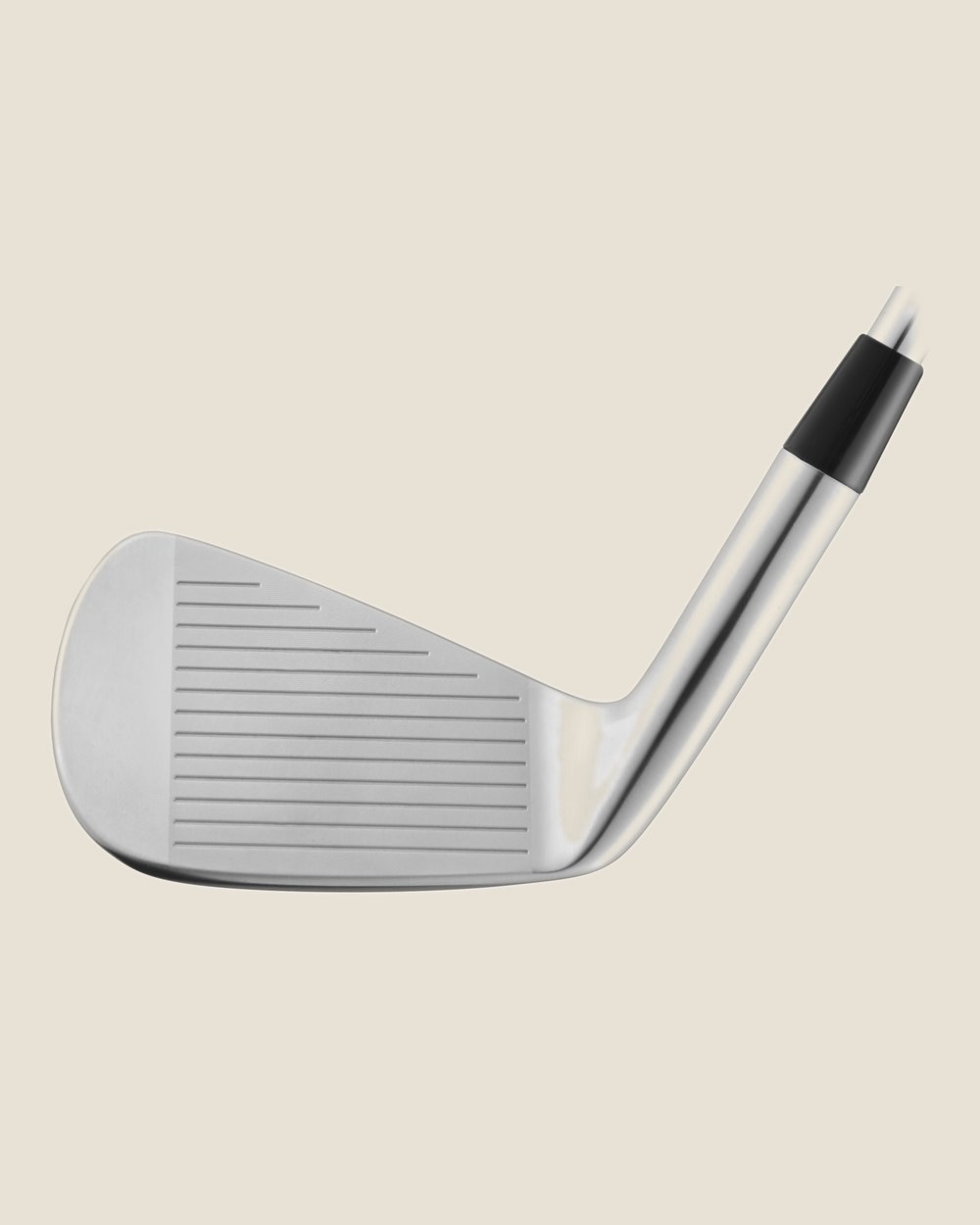
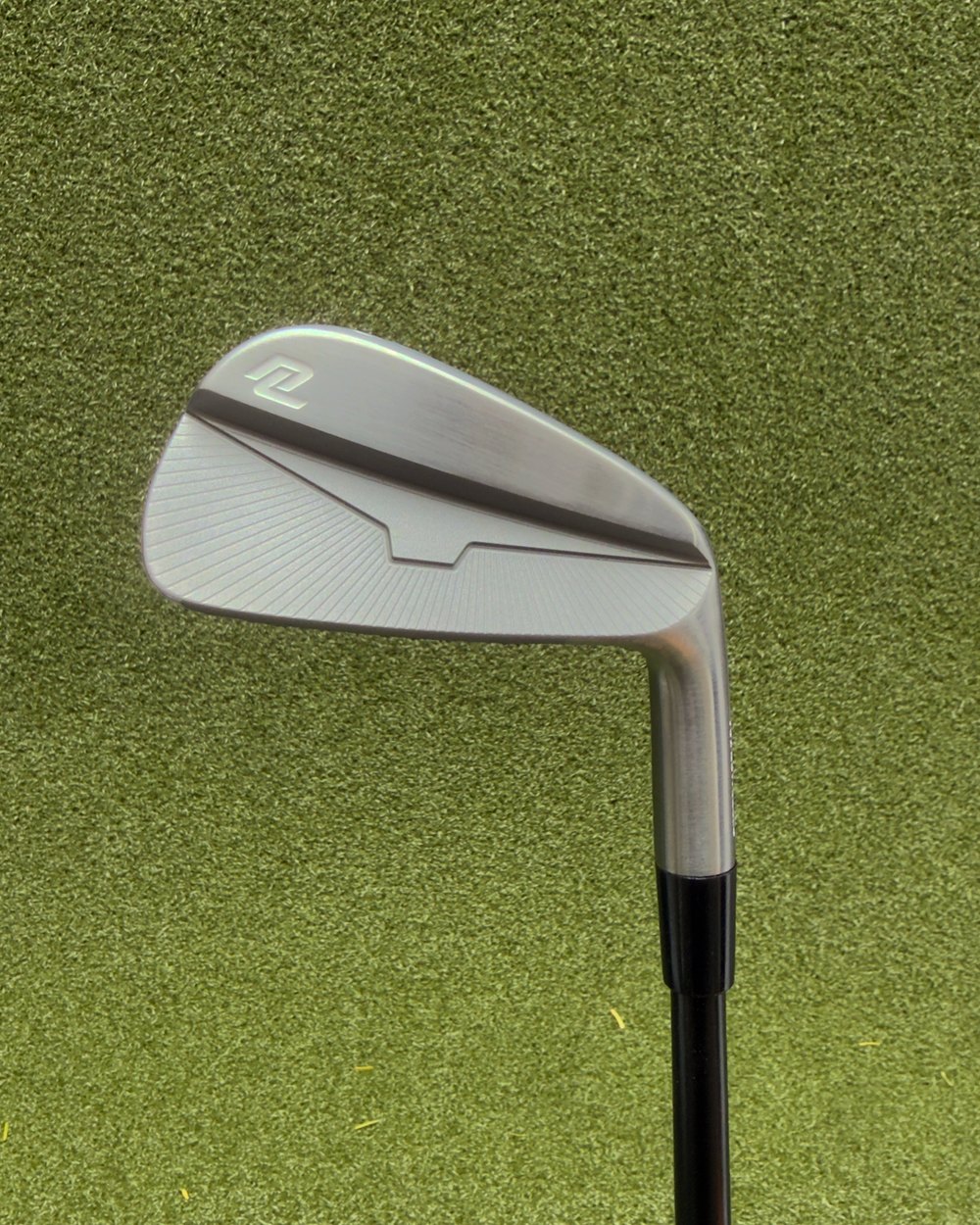
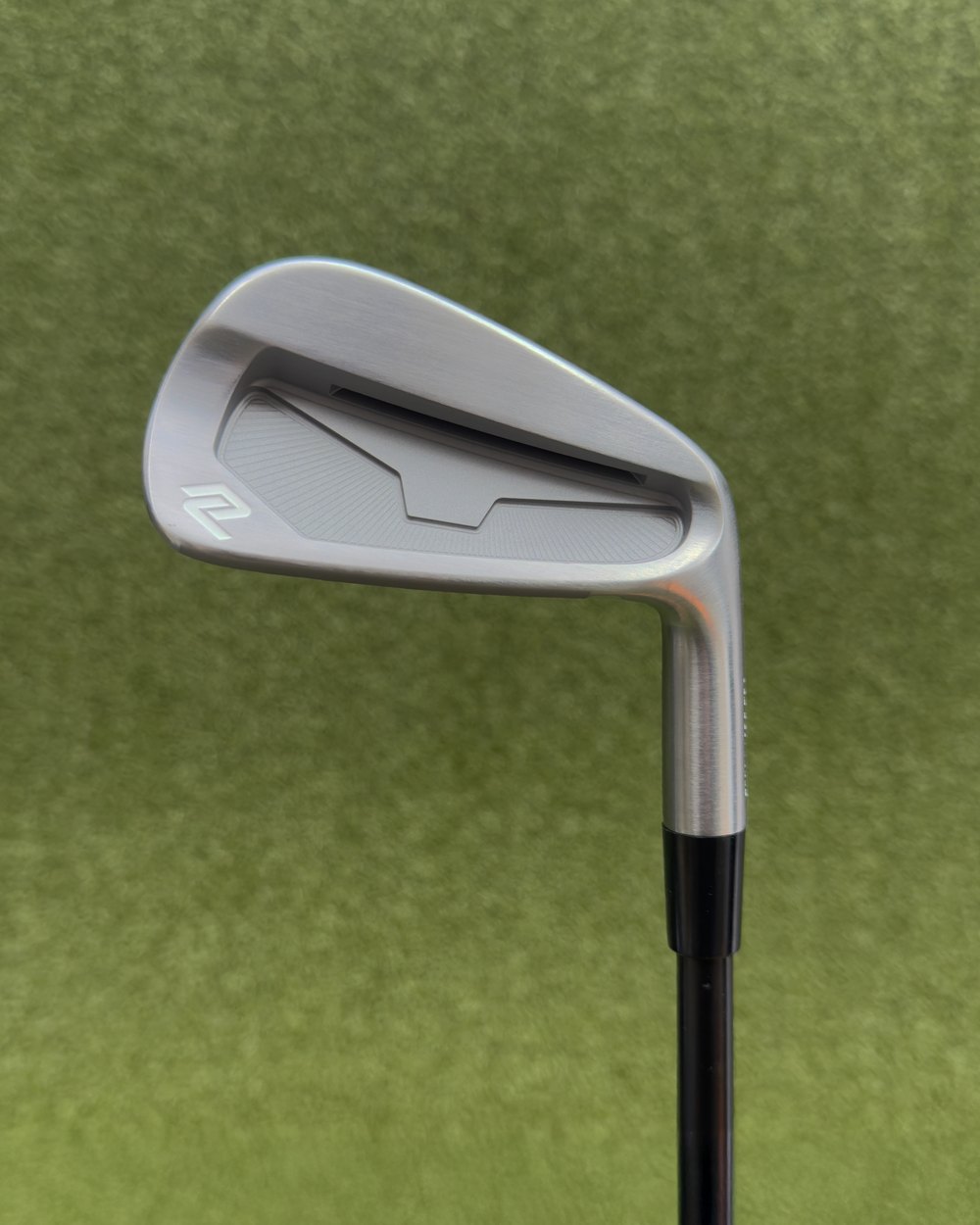
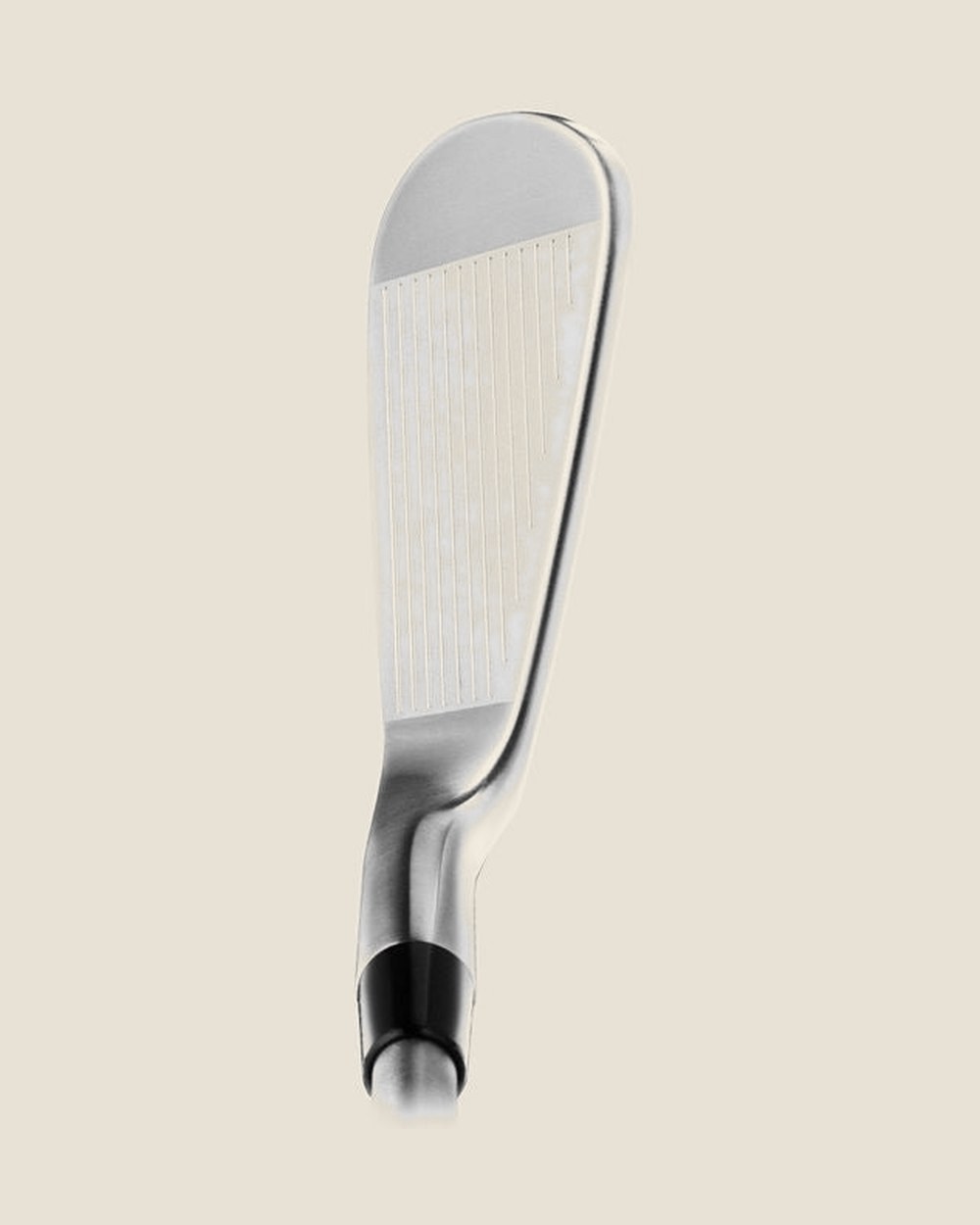
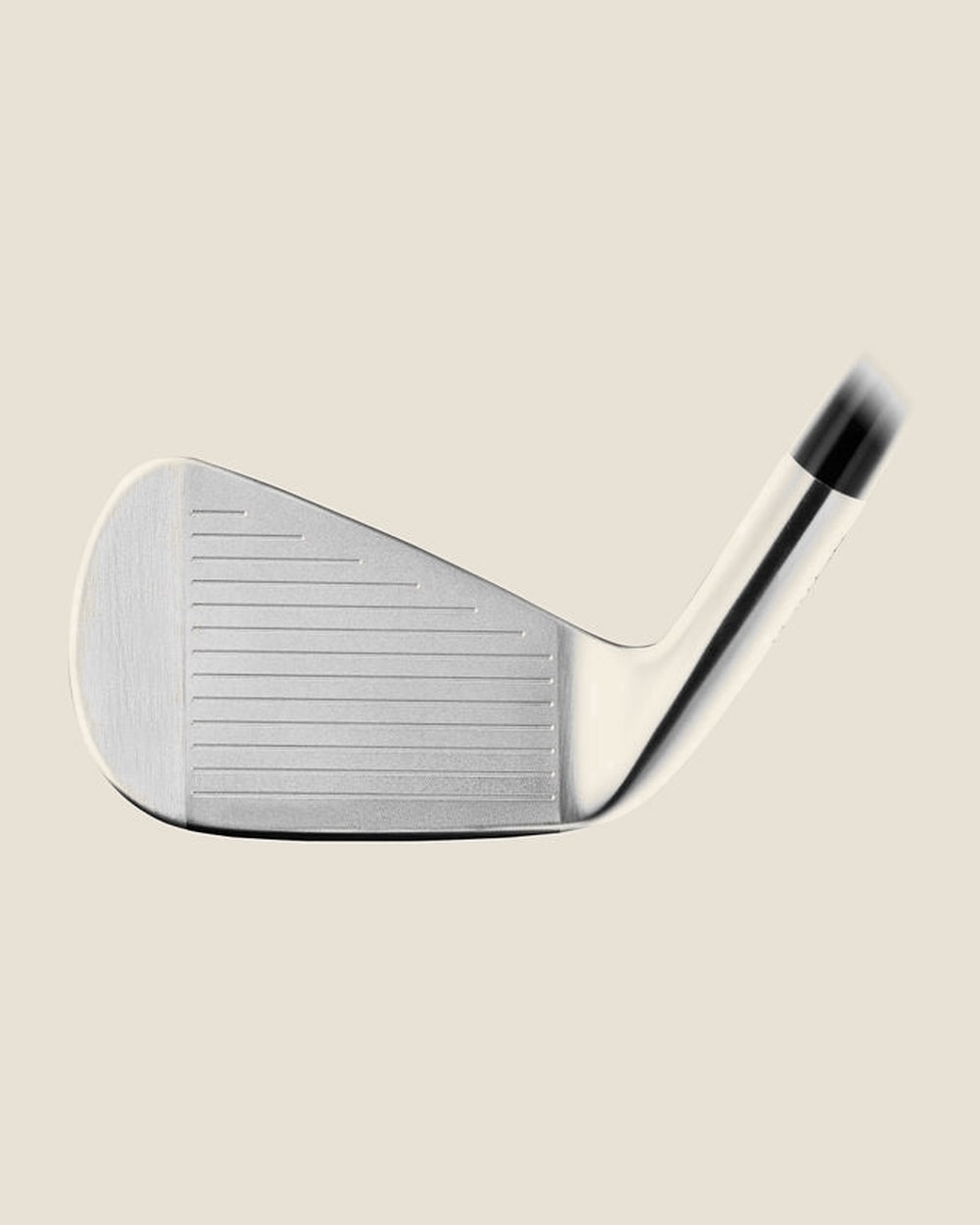
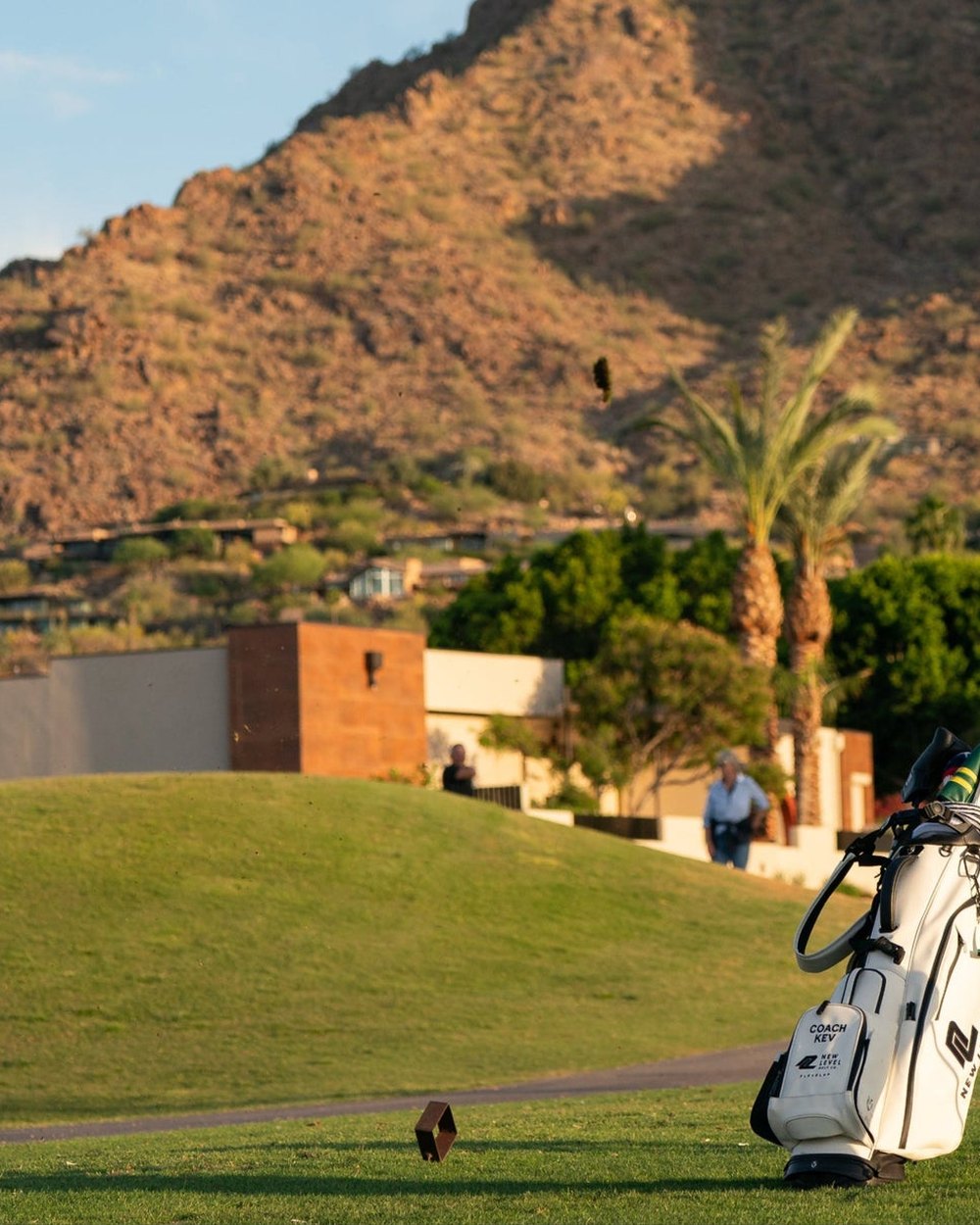
Forged, Ground and FittedSparks in Fort Worth, fittings on real turf, and the people who forge P53’s irons. All photos are the makers’ own.
Three makersDrivers are the hardest thing for a small brand to make and sell. These three are still doing it.
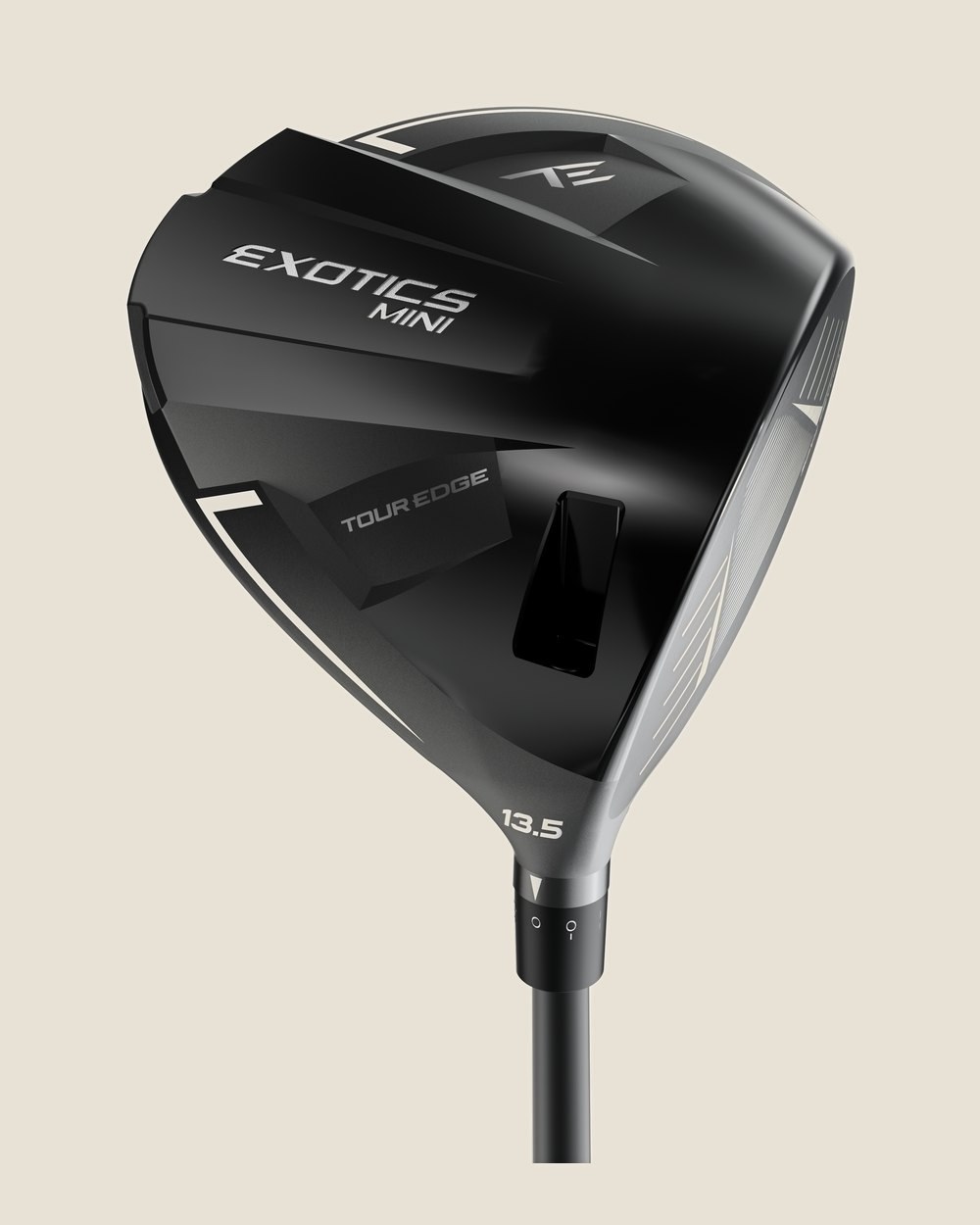
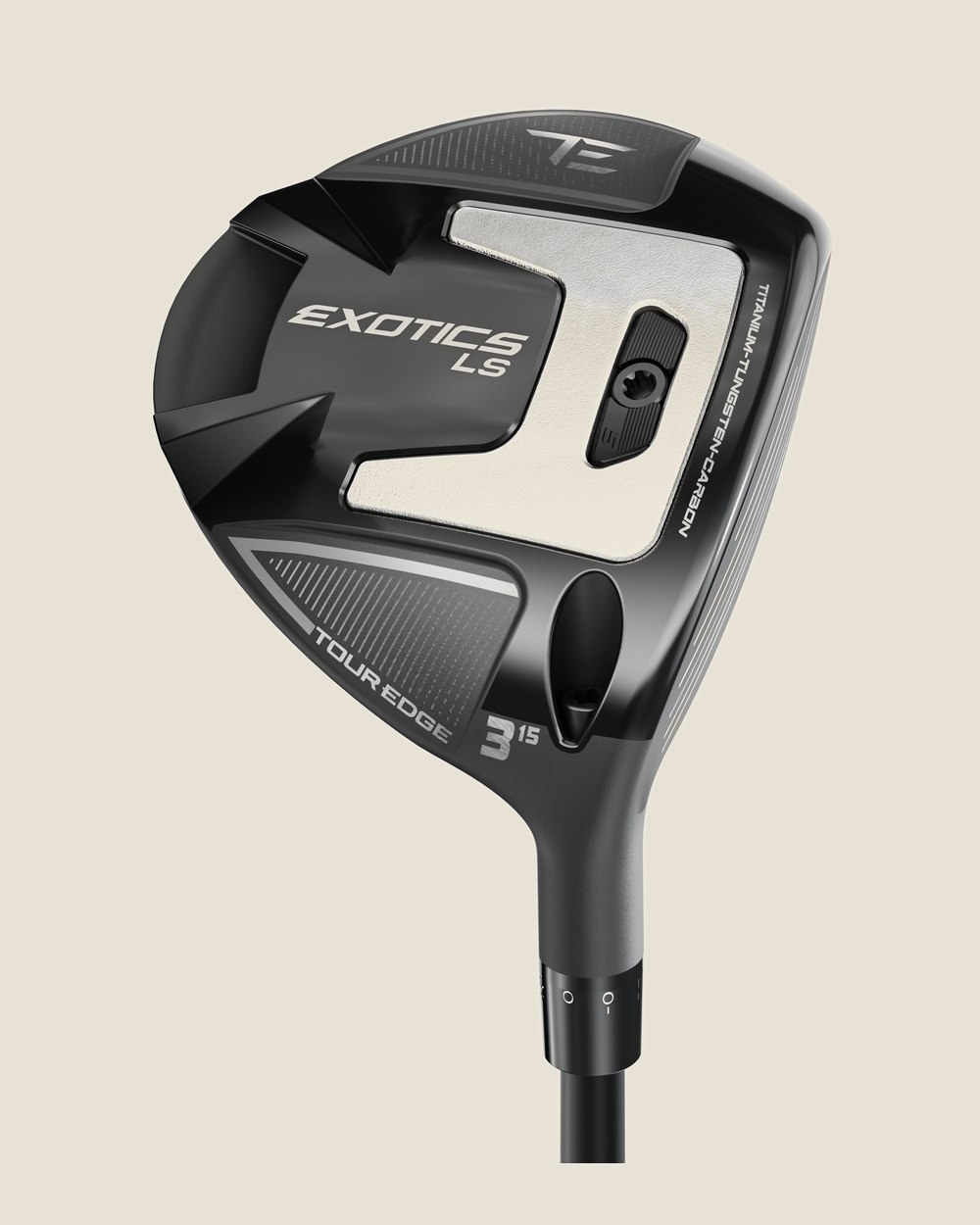
For putters: Lajosi, Kronos, Artisan Golf, Carbon Putters, Hanna Golf, T Squared, Gambit Golf and Tad Moore. For irons: Artisan Golf and P53 in Fort Worth, BALDO and Itobori from Japan, Vega and New Level. For drivers: BombTech, BALDO and Tour Edge.
Yes. Artisan Golf in Fort Worth makes fully custom putters and forged irons and fits you on real turf, and P53, also in Fort Worth, makes US-forged irons by application.
From small makers here: about $250 to $350 for Hanna, Gambit, Carbon and T Squared, $540 to $640 for Kronos, around $1,040 to $1,100 to start for an Artisan custom build, and A$950 to A$1,200 (about $657 to $829) for a Lajosi one-off.
Drivers need titanium heads, testing and conformance to the rules, which costs far more than milling a putter, and the big brands release new drivers every year. BombTech, BALDO and Tour Edge are among the few independents still making them.
A cast putter is made by pouring molten steel into a mold and finishing it. A milled putter is carved by a CNC machine from a solid block of steel, which takes longer and holds tighter tolerances. Most small putter makers, including Carbon, Hanna, T Squared and Gambit, mill their heads.
A forged iron is pressed into shape from a heated bar of soft carbon steel, such as S20C or 1020, then milled, ground and polished. Cast irons are poured into molds. Artisan, P53, BALDO, Itobori, Vega and New Level all make forged irons.
Most small makers mill to order: Hanna ships in two to five weeks, Gambit in two to four, and Artisan takes about four to six weeks after your phone consult.