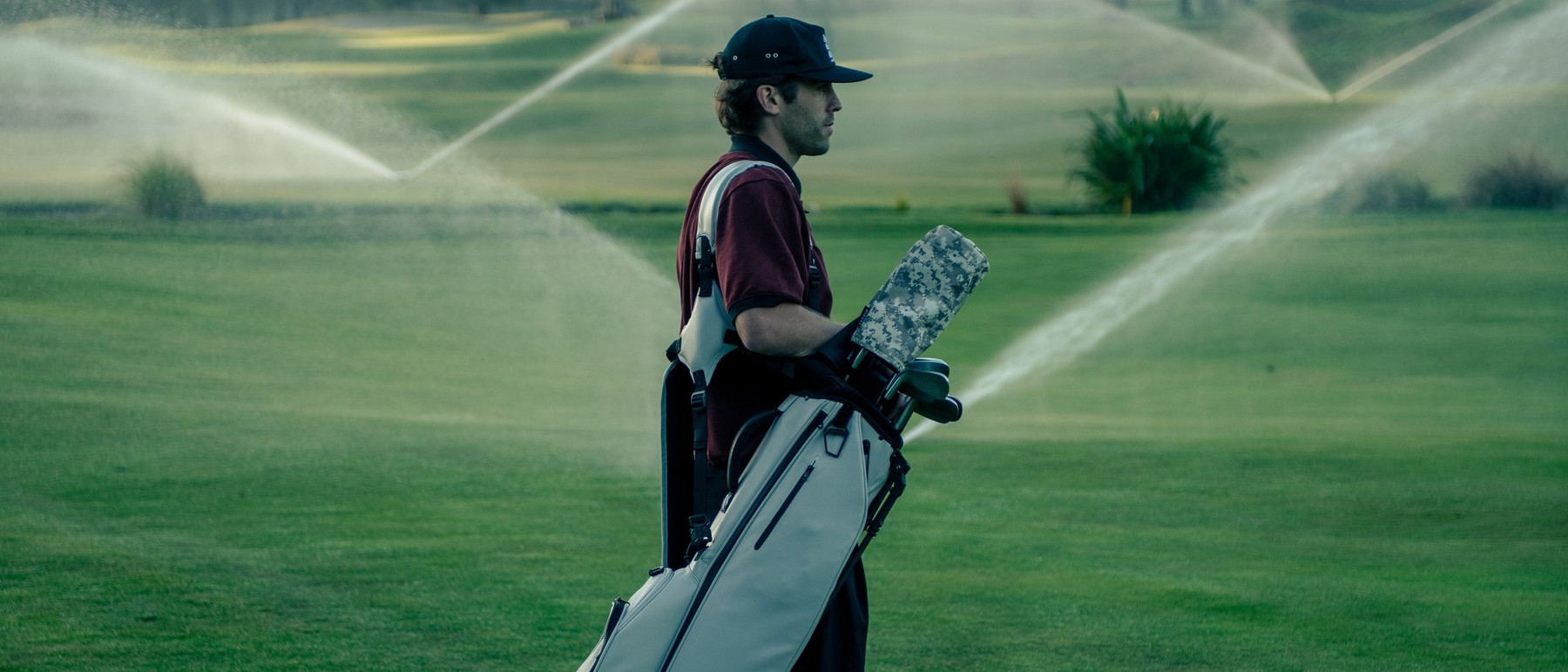
A New Zealand label with a Japanese name usually means a marketing department got there first. Hiroki is the other case — the name is deliberate, and what sits under it is plain, quiet and built to be carried rather than wheeled.
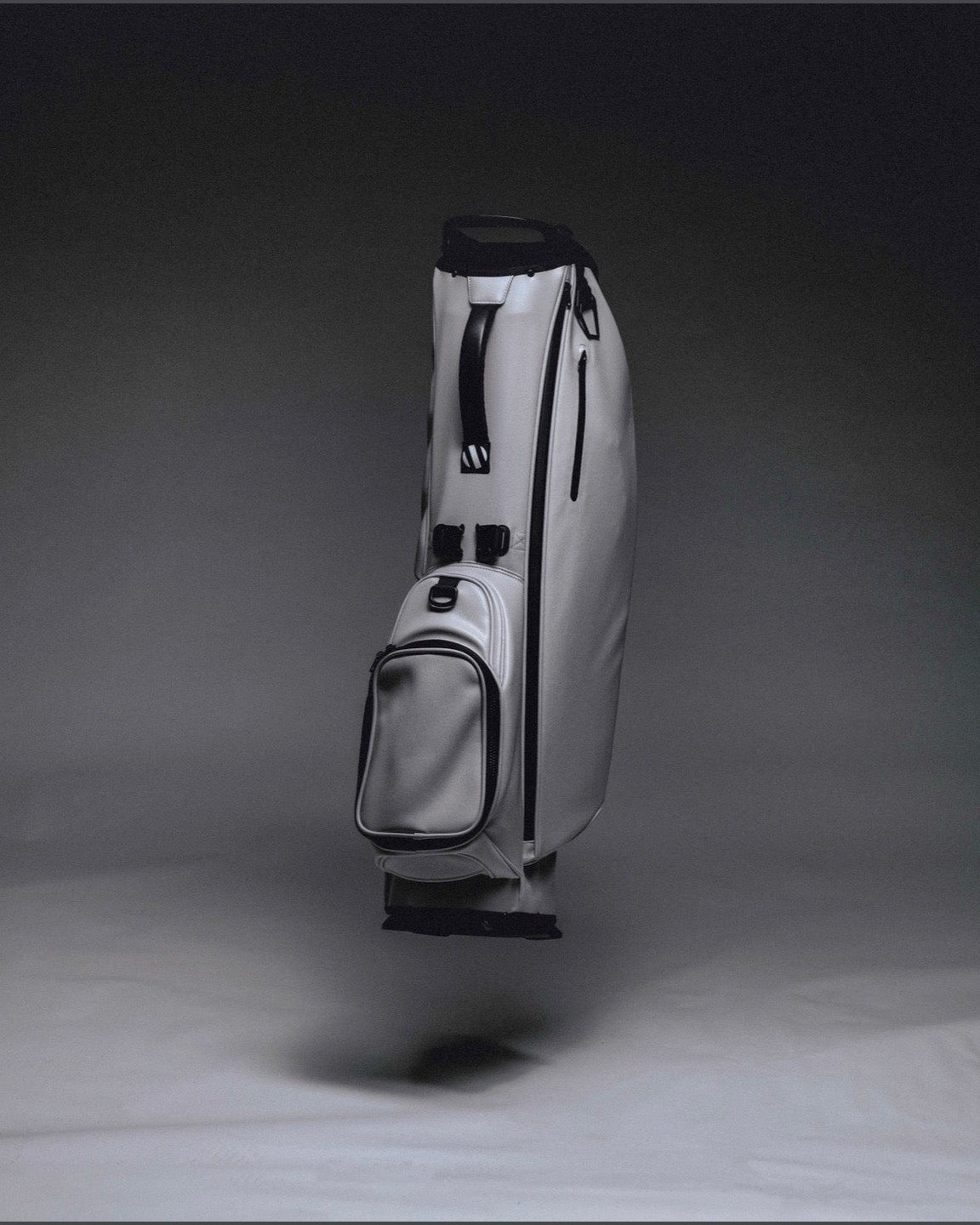
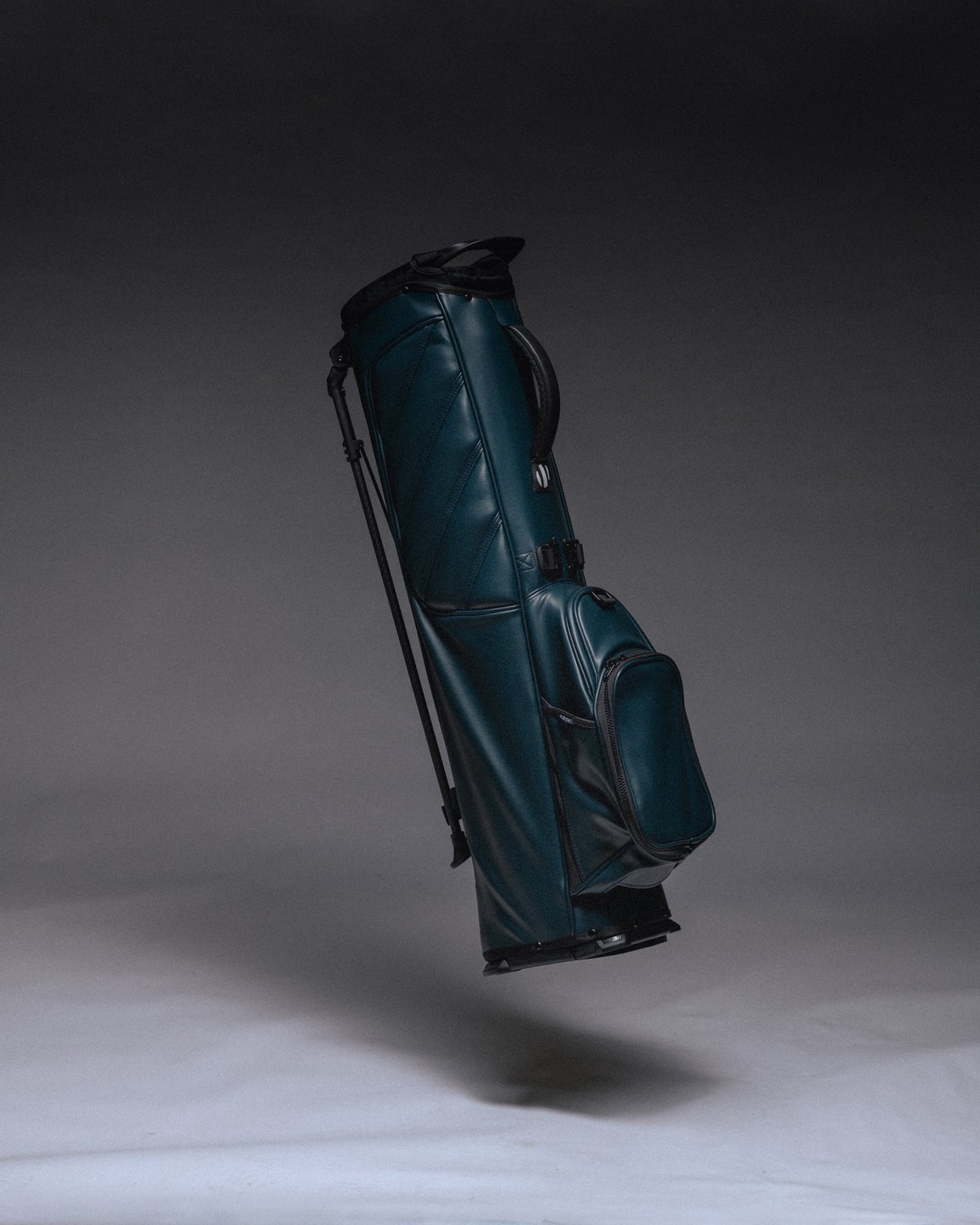
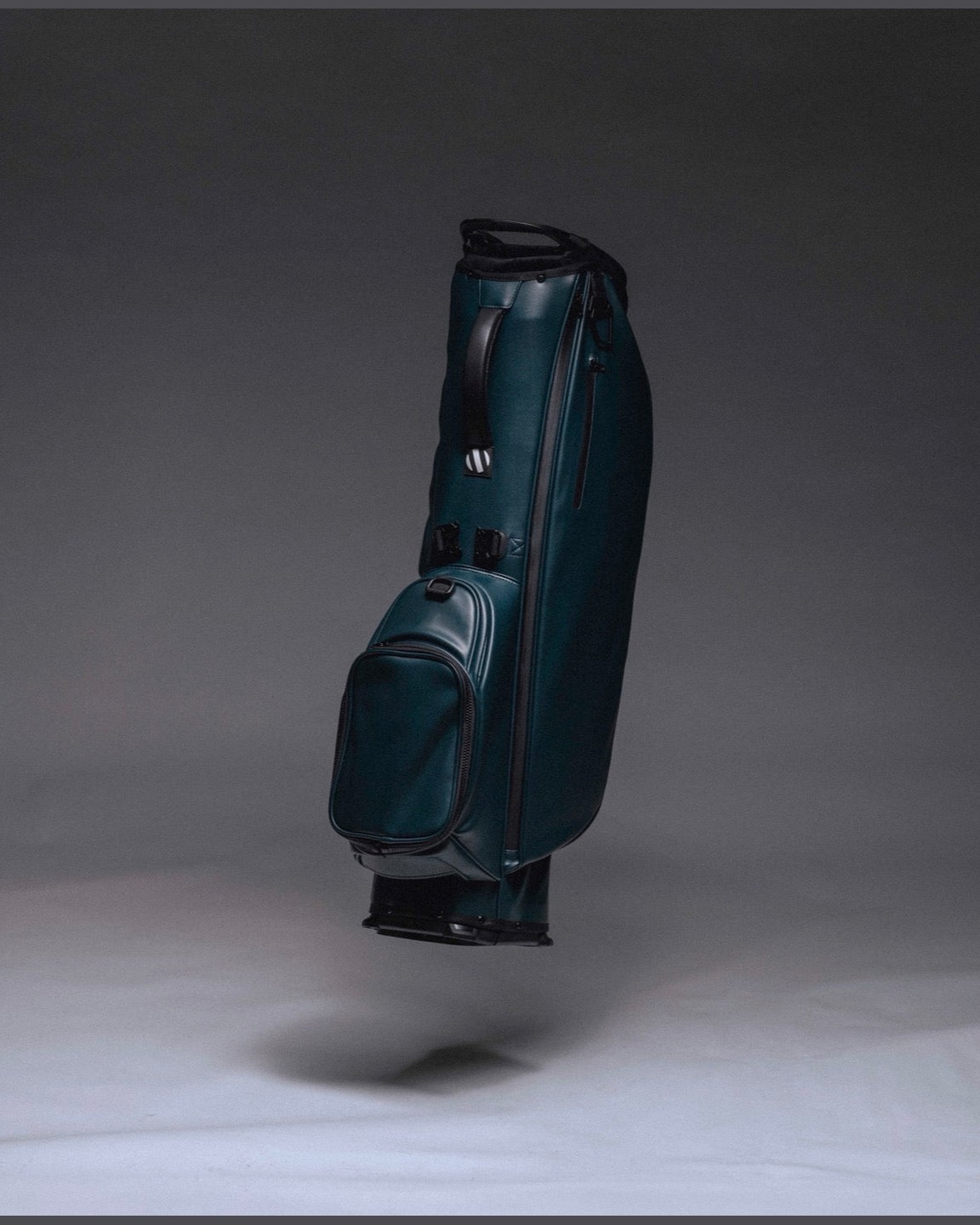
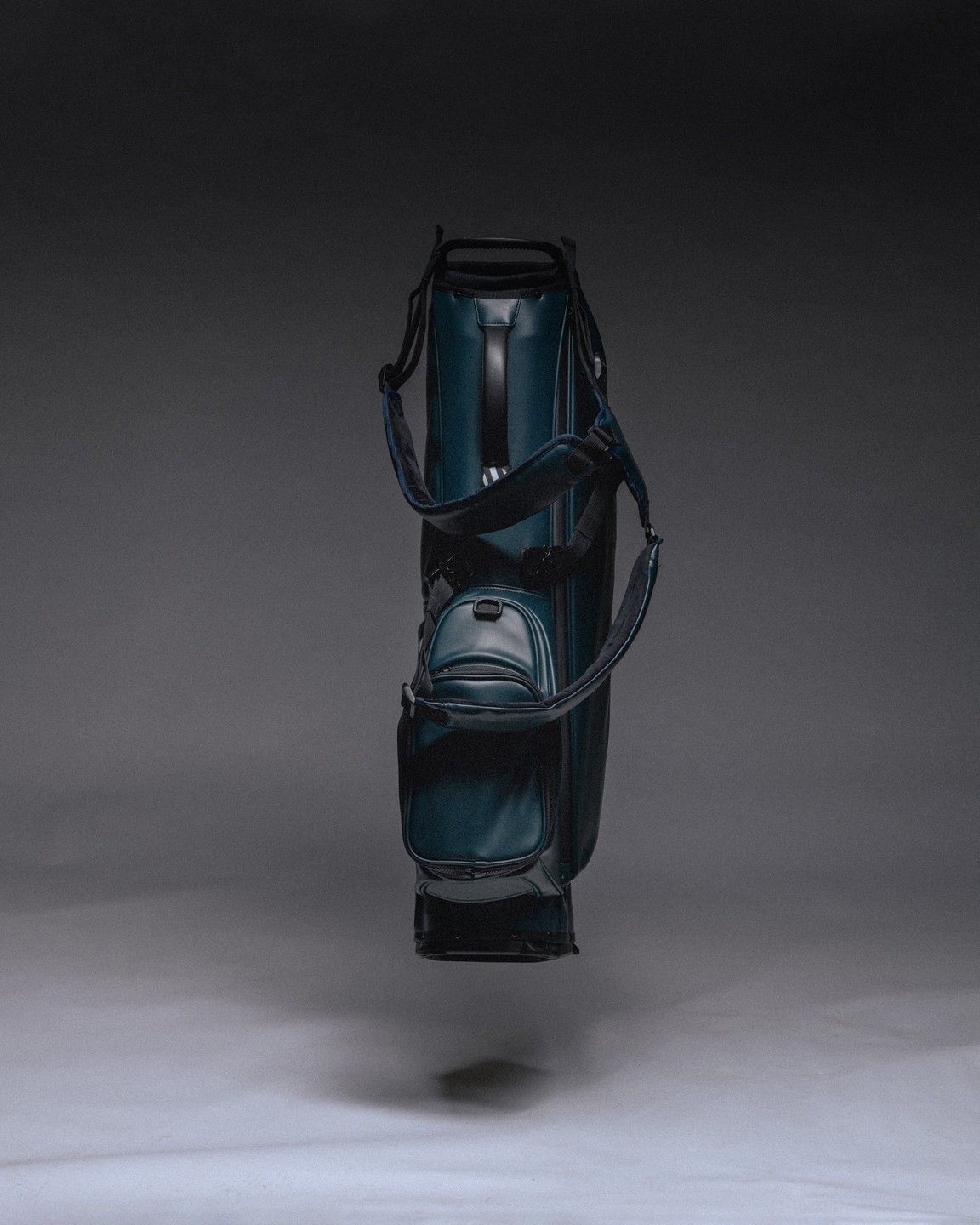
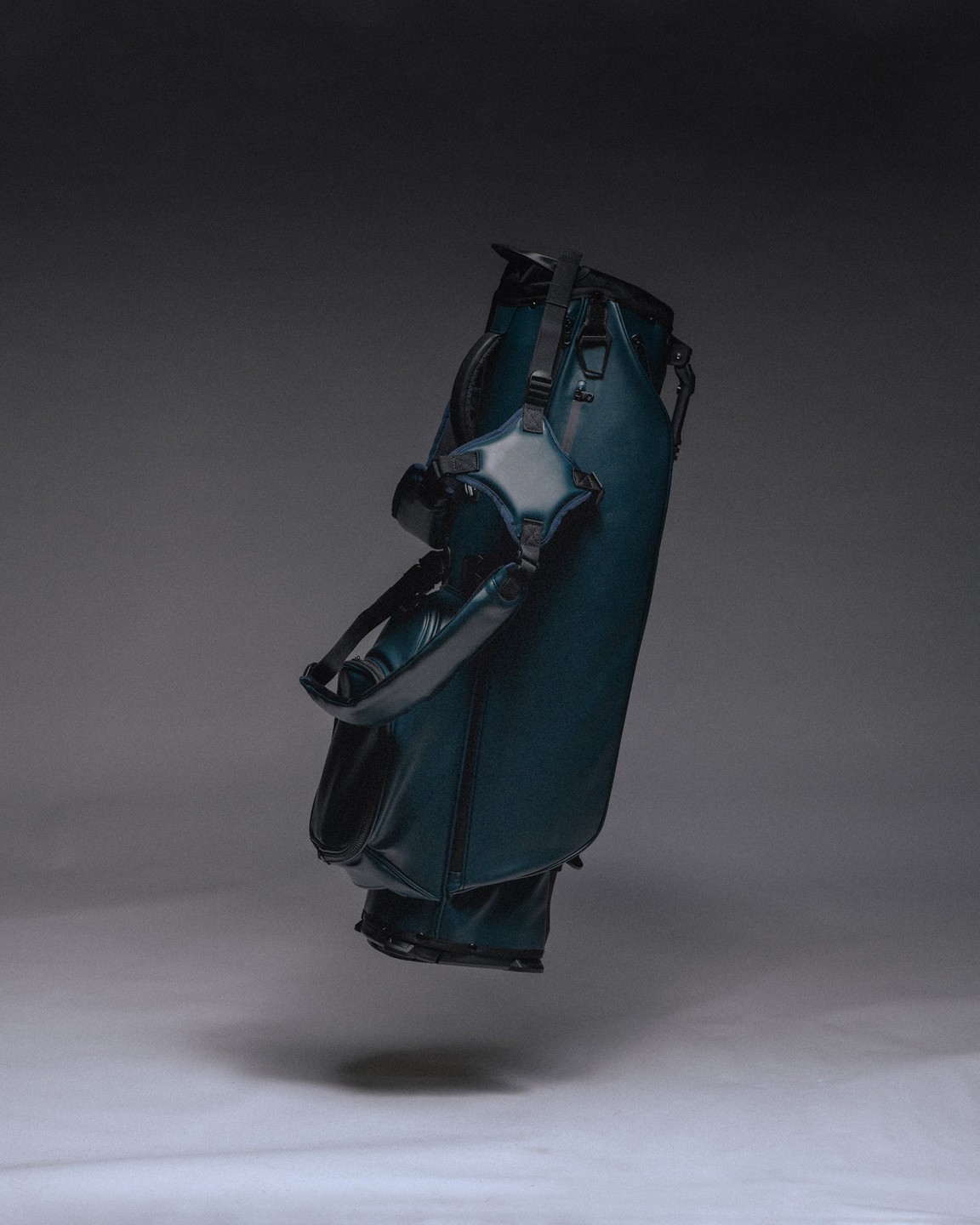
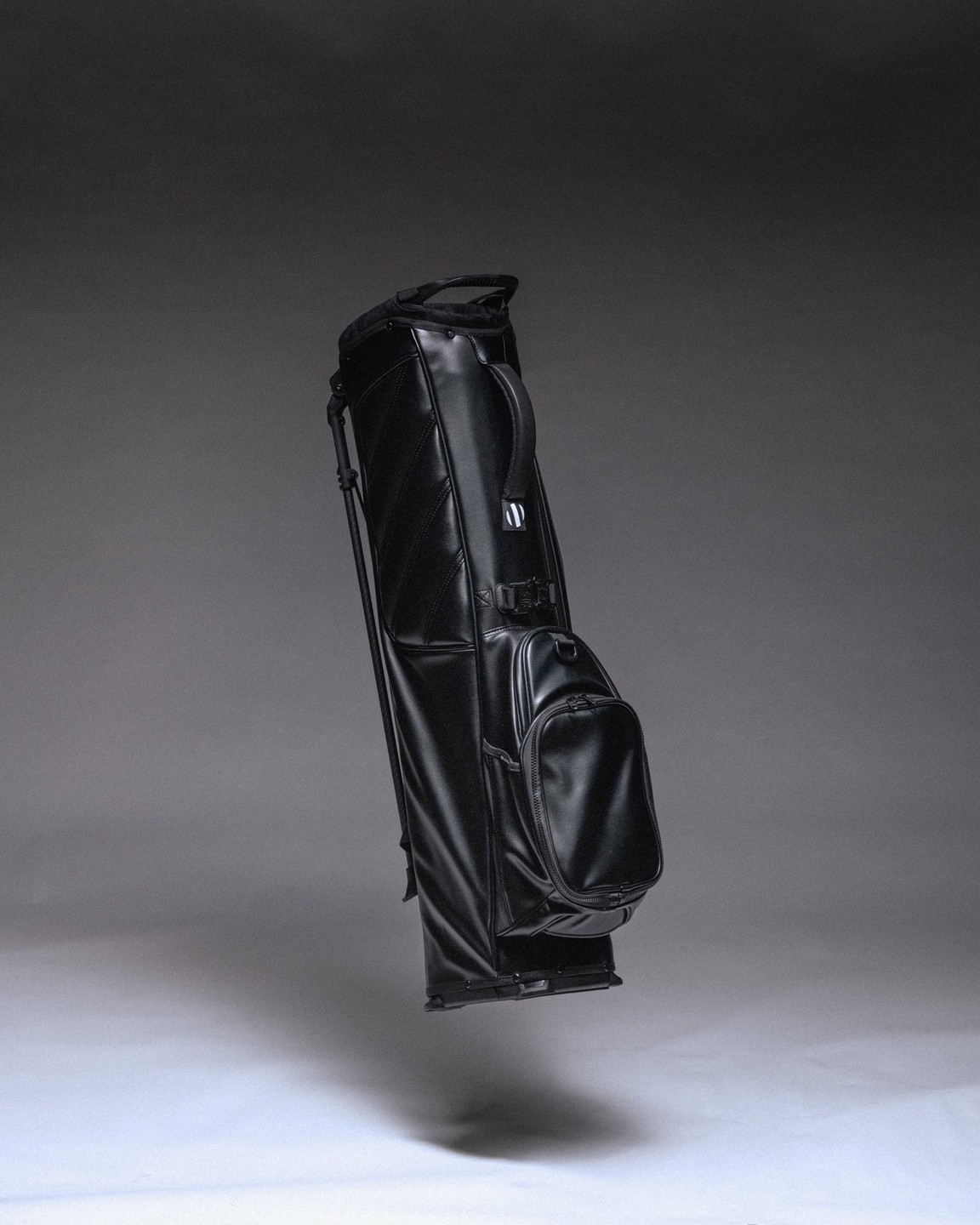
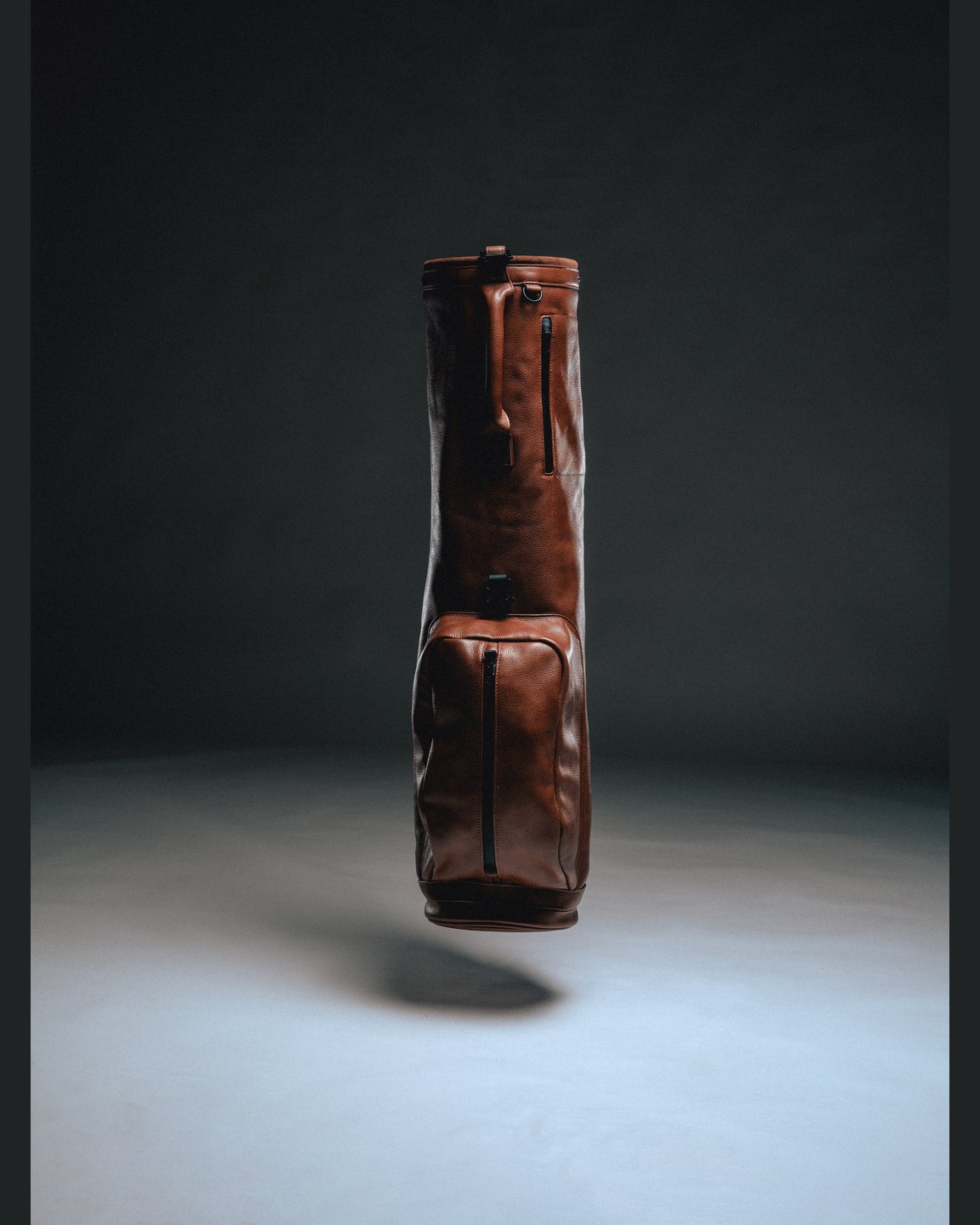
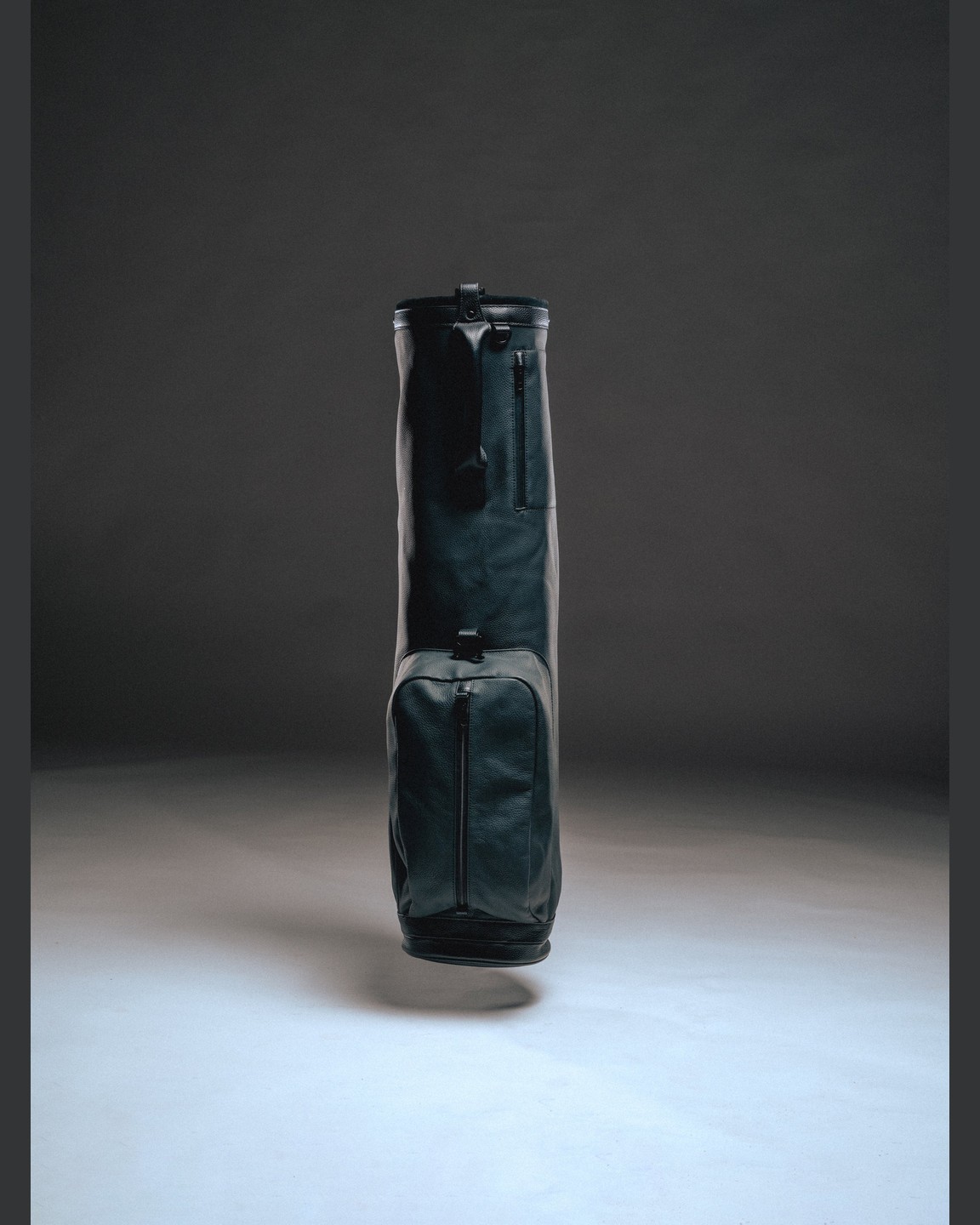
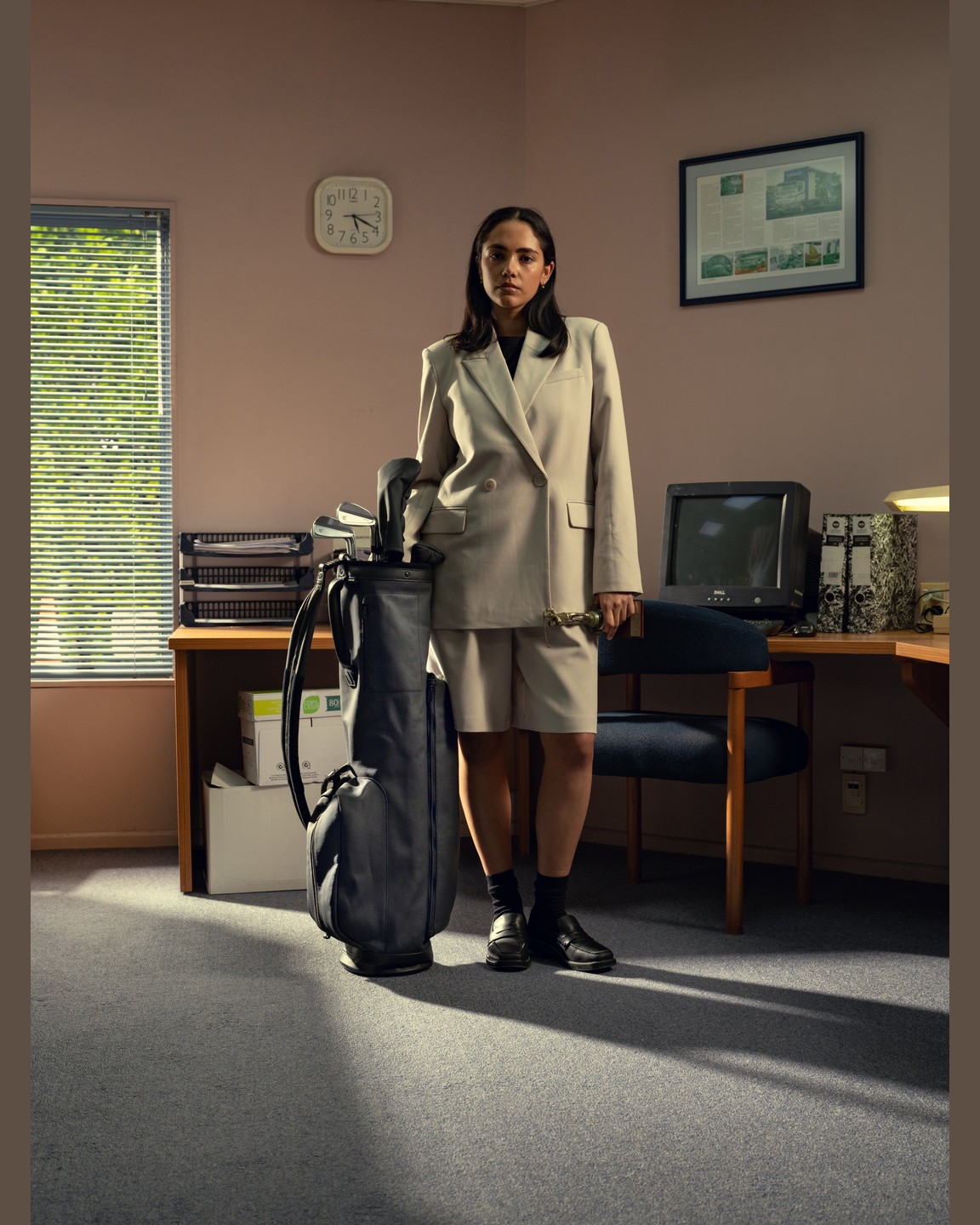
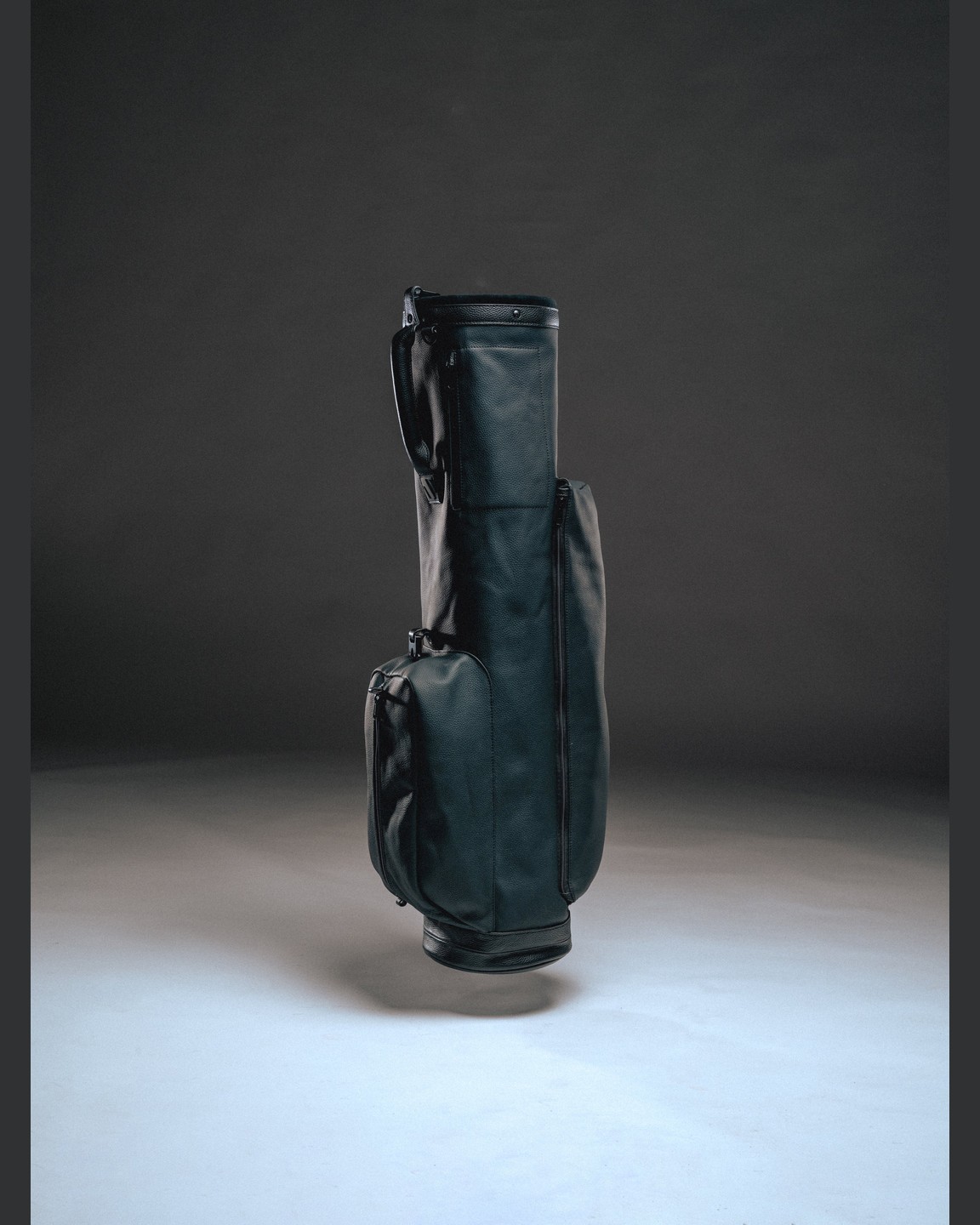
The leather Sunday bag is the piece that tells you what the brand thinks it is: full-grain, no loud branding, the sort of thing meant to age rather than date. If you carry your own bag and would rather it read as considered than as technical, this is a short range aimed squarely at you — and the $279 FTE is the cheapest way to find out whether you agree.
Hiroki is an Auckland brand with a Japanese-sounding name, and the name is the first thing to clear up. It was chosen, according to a profile the brand publishes on its own journal, to evoke the precision associated with Japanese craftsmanship and to work as a filter: if a design feels forced, it does not belong. The company behind it is registered in New Zealand as Hiroki Limited, in the Auckland suburb of Morningside.
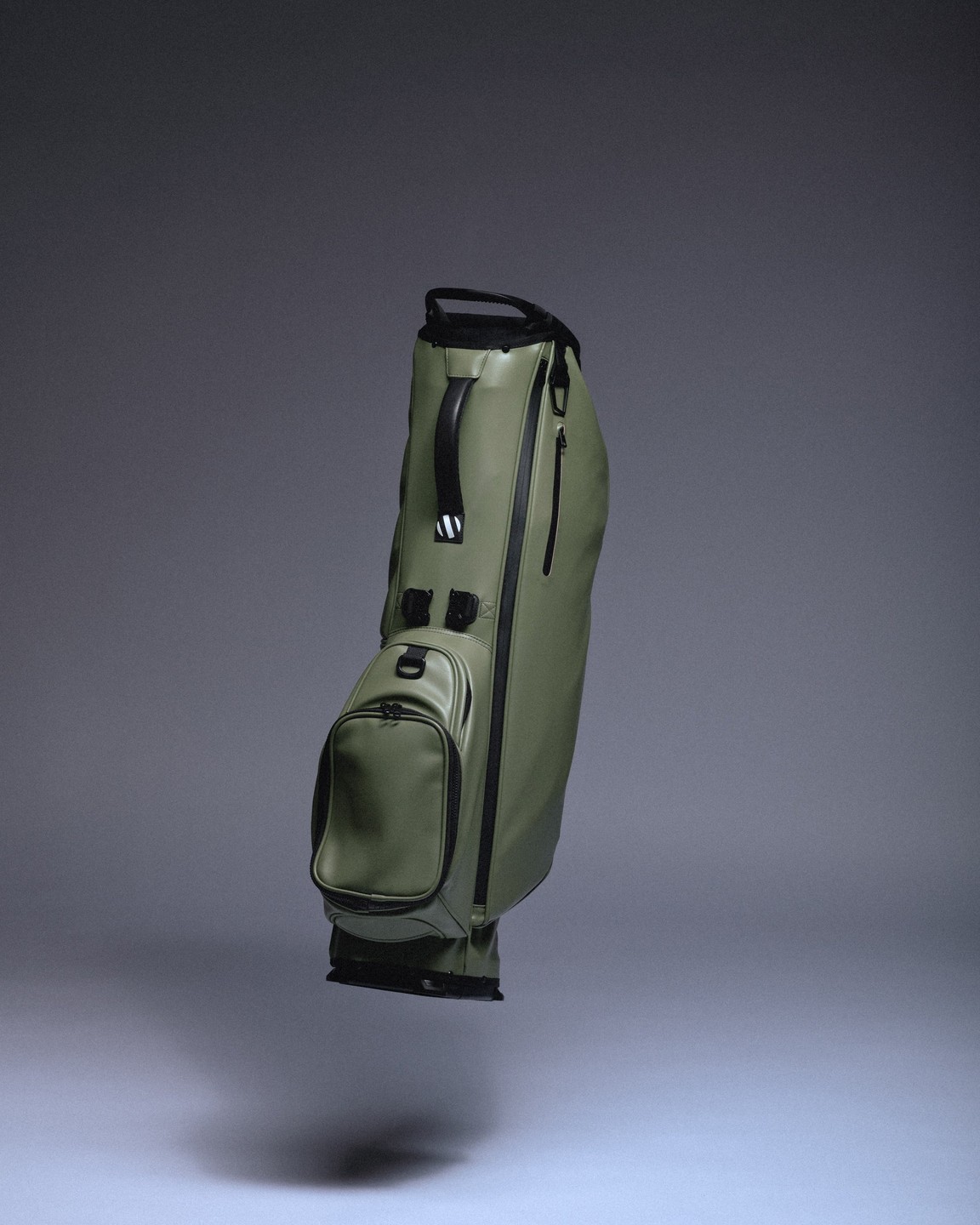
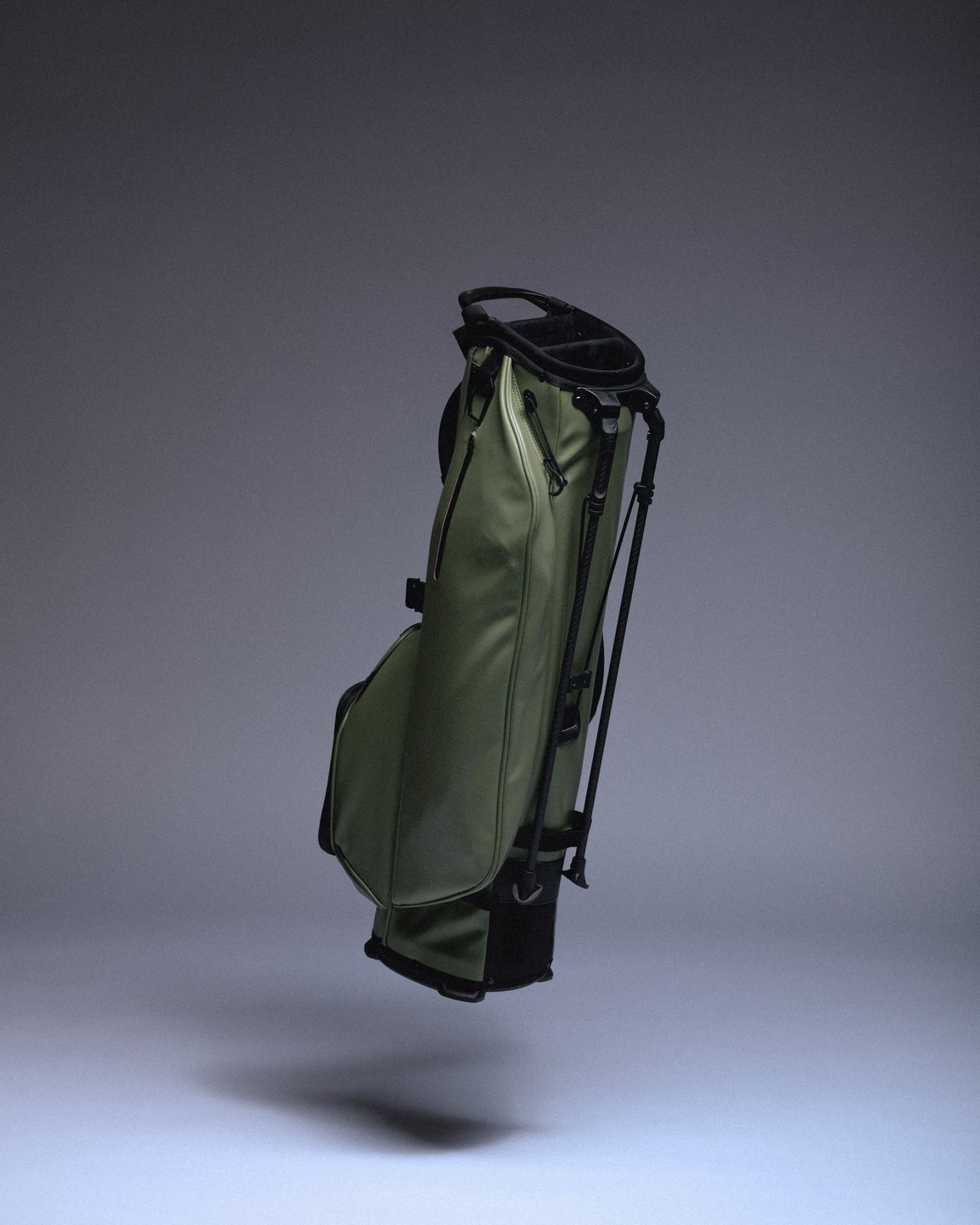
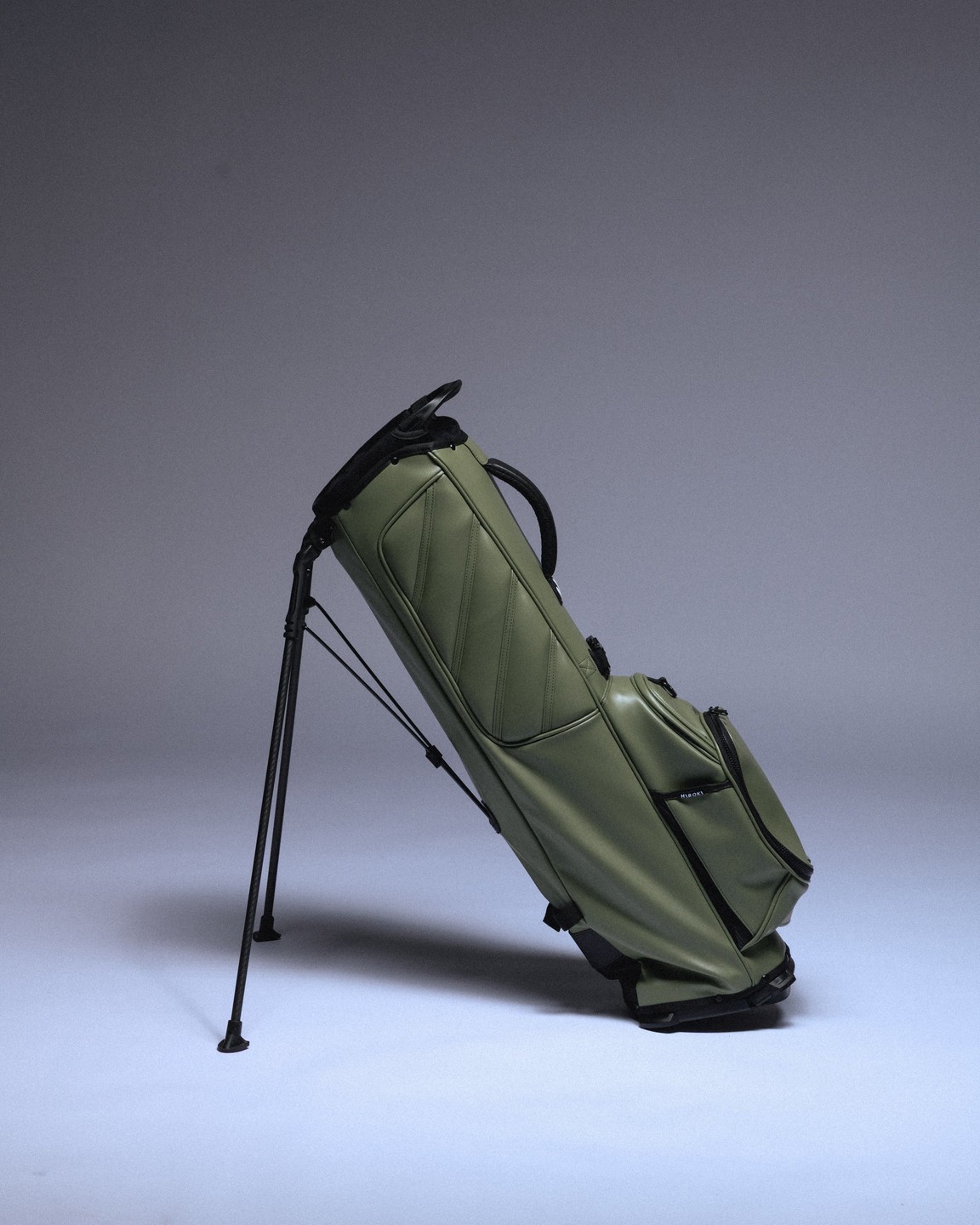
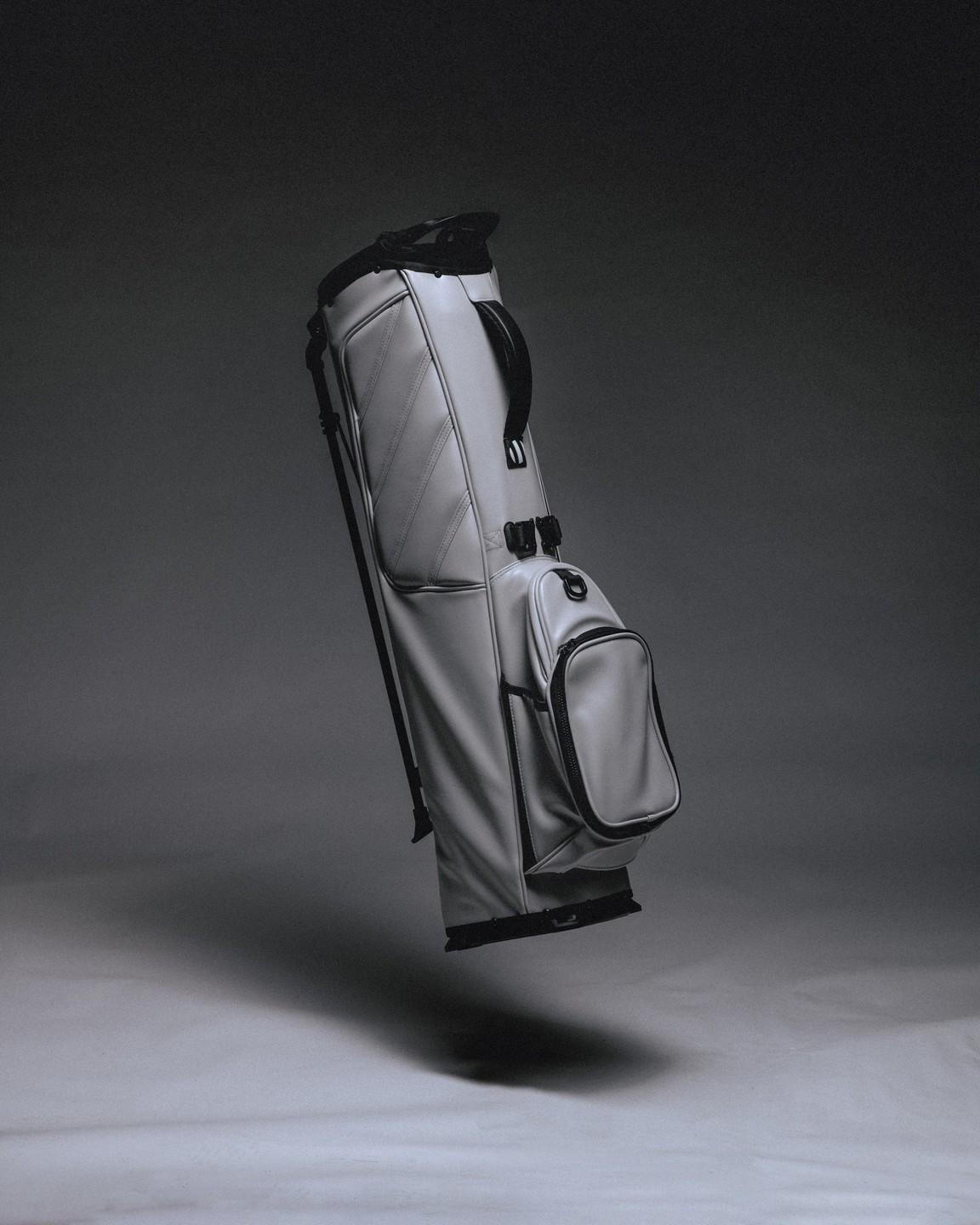
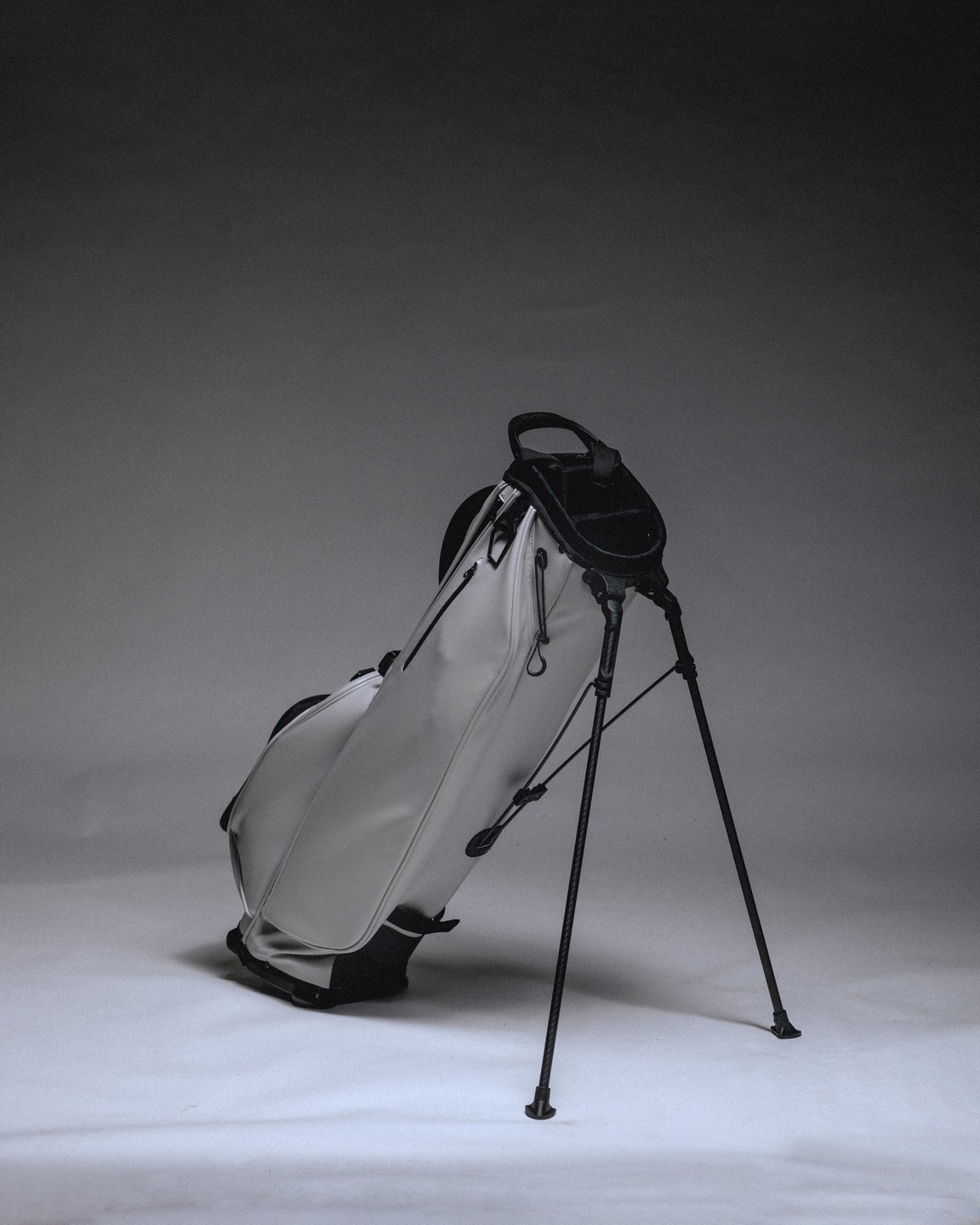
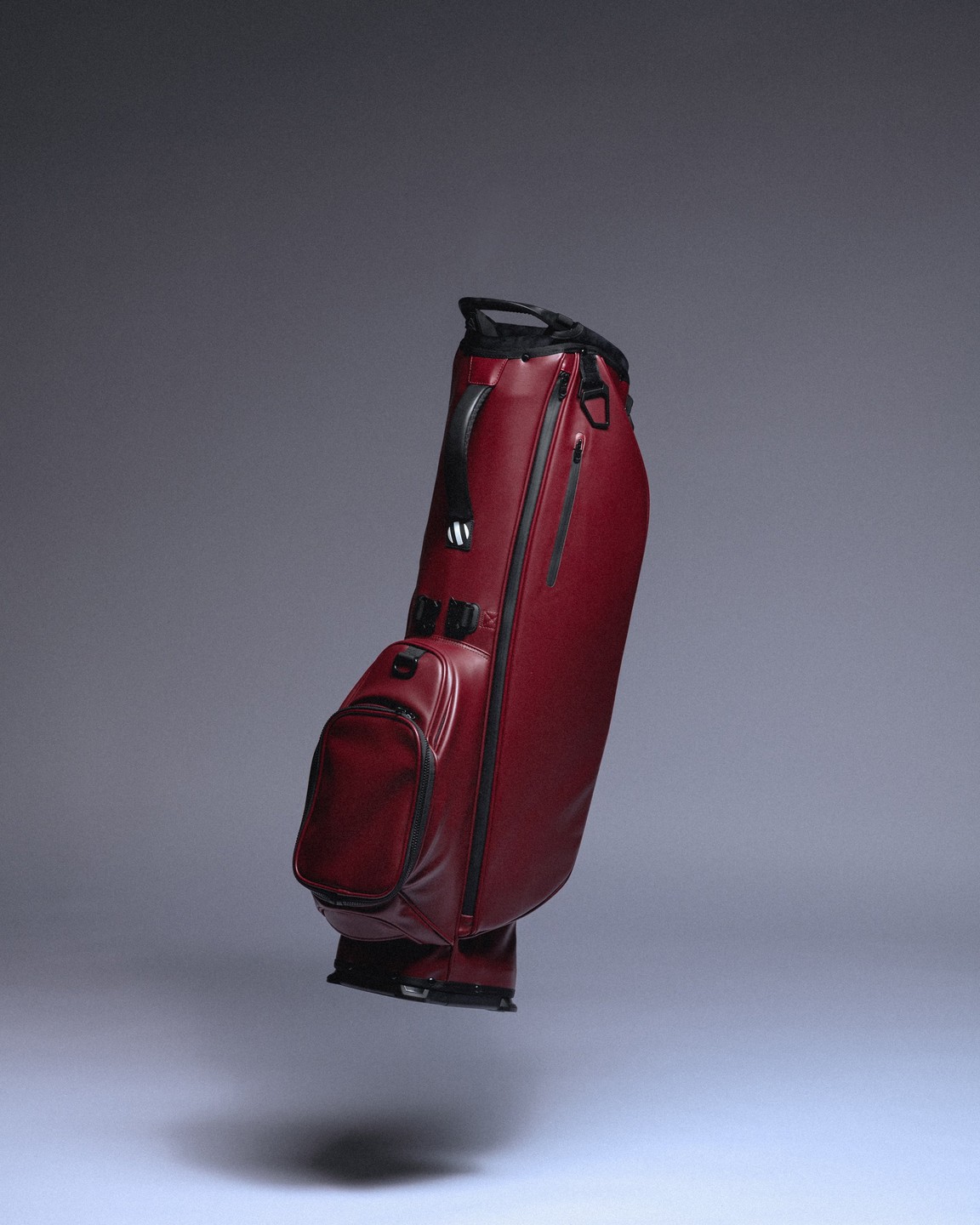
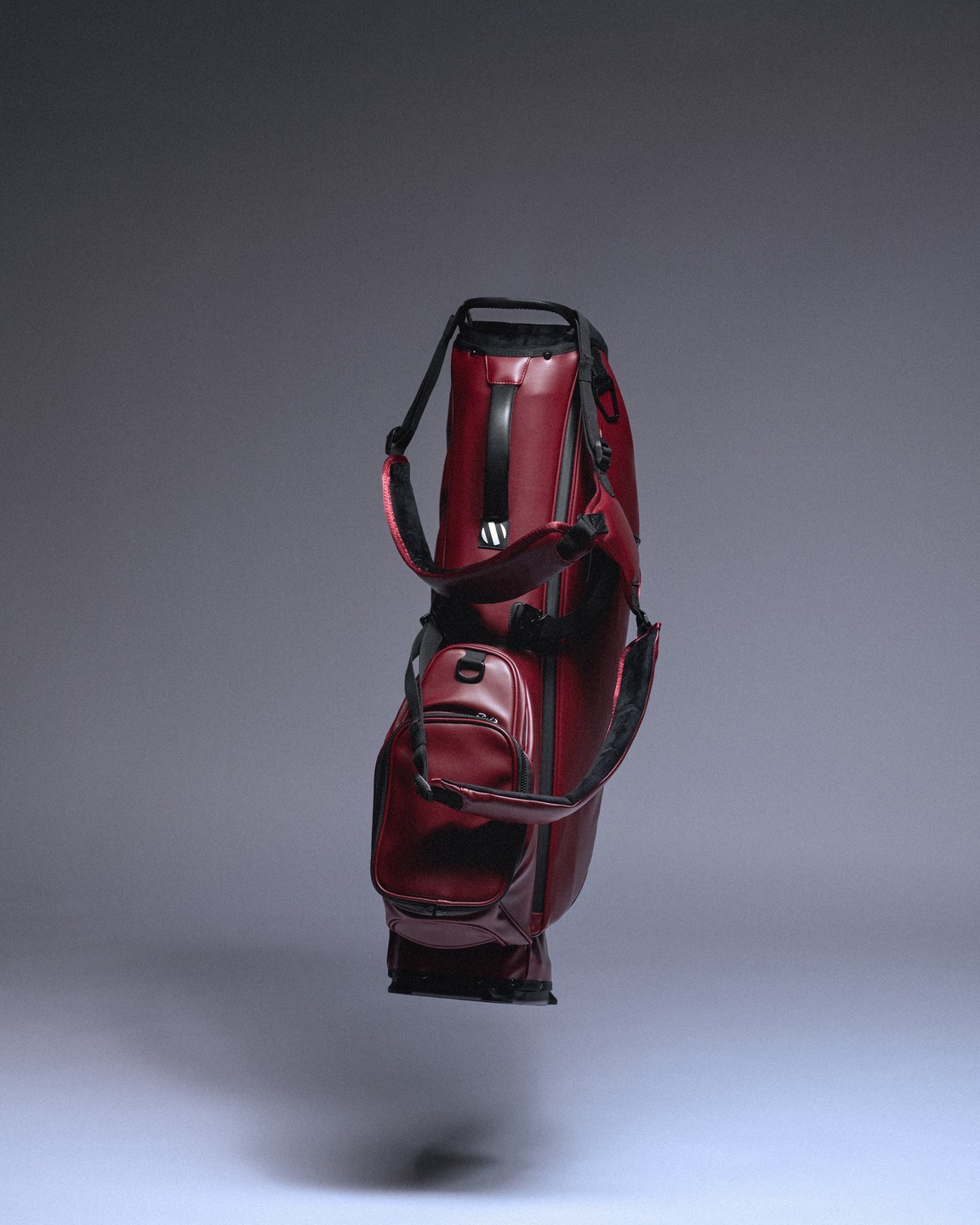
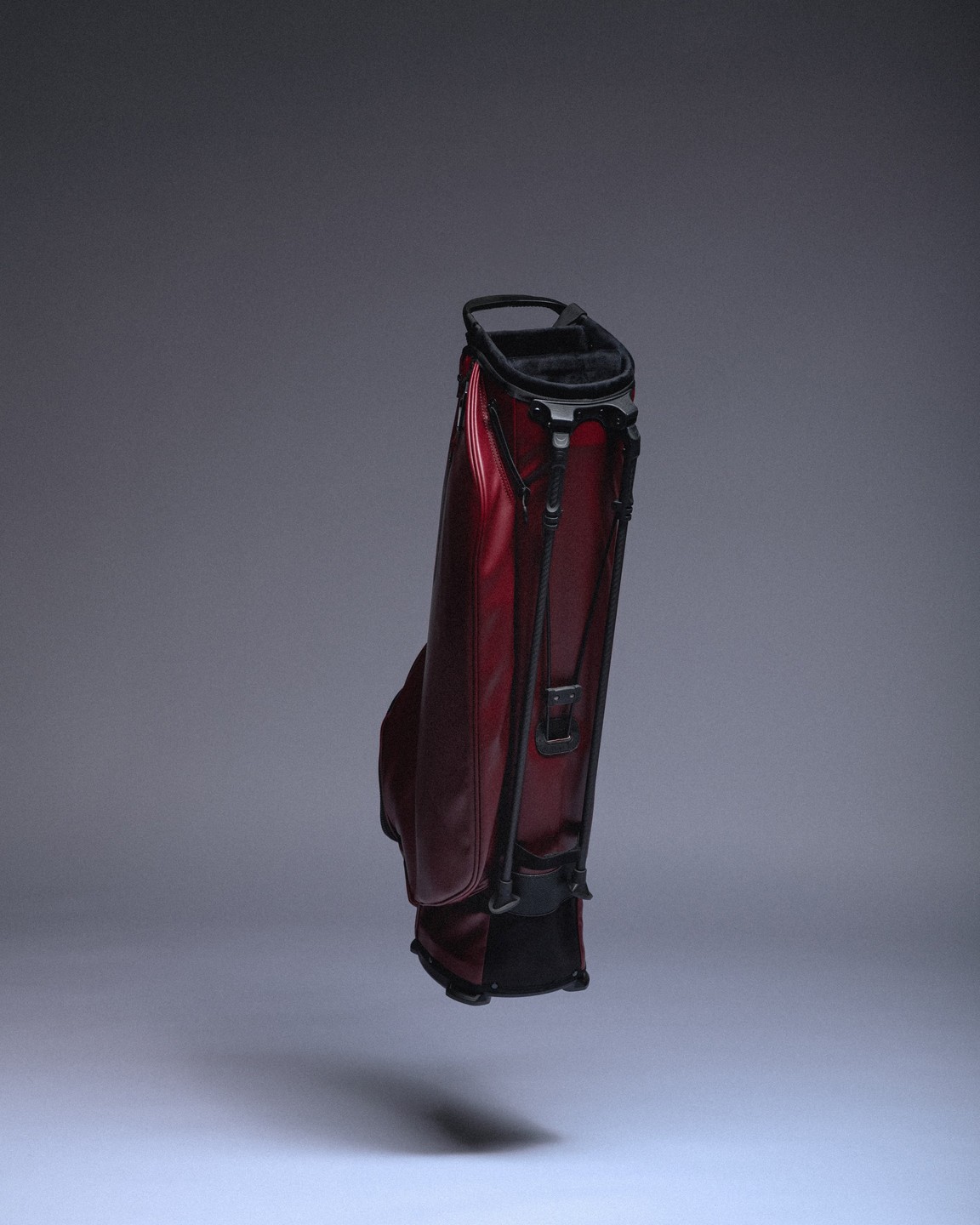
The range is narrow on purpose. Five stand bags at $350, three leather Sunday bags at $425, three weatherproof FTE bags at $279, a handful of covers between $69 and $95, and some hats. There is no apparel, no shoes, no attempt to be a full wardrobe. The bags are named for places — Shibuya, Newtown, Anvers, Kinloch, Oriental — which spreads from Tokyo to Wellington to Antwerp without explanation.
What the brand does publish is the event side. The journal carries a write-up of a Summer Shootout at Jack’s Point — 25 teams, 18 holes — and the line Hiroki chose to end it on says more about the brand than the product pages do. “It wasn’t about who played the best, it was about connecting and sharing an experience you don’t get often,” the brand wrote on 21 March 2026. It signs off promising to go “bigger and better” in February 2027.
That sits at an angle to the two lines on the storefront, which are “Serious Golfers Only” and “Born to Golf, Forced to Work.” The gear is pitched at people who take it seriously; the writing keeps pointing at the day out. The two hats, made with the artist Edds, are named for Hutt Park and Apiti — small New Zealand clubs rather than famous ones. For a brand whose name points at Kyoto, the gear points home.
Hiroki describes its own method as crafting “gear & wear for the modern golfer” through design simplicity, “found where heritage meets innovation.” Stripped of the phrasing, that resolves into three materials and a short spec list.
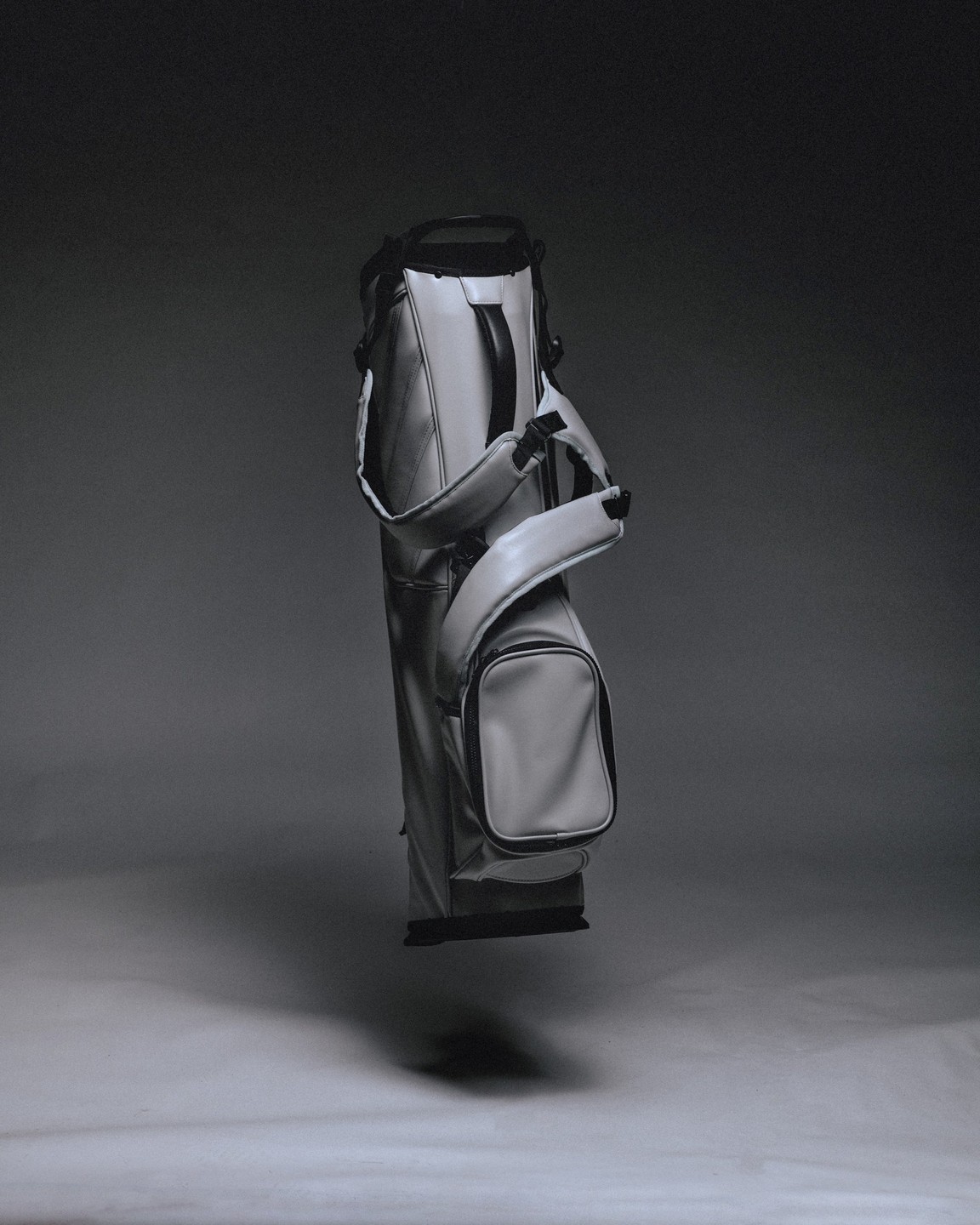
The leather Sunday bags are the most specified thing Hiroki sells: a genuine leather body over a waterproof lining, two large leather pockets, a separate waterproof valuables pocket, a firm leather base, a thick padded strap, and an 8-inch opening with a single suede divider. They collapse for storage. The brand calls the hardware Cobra clips.
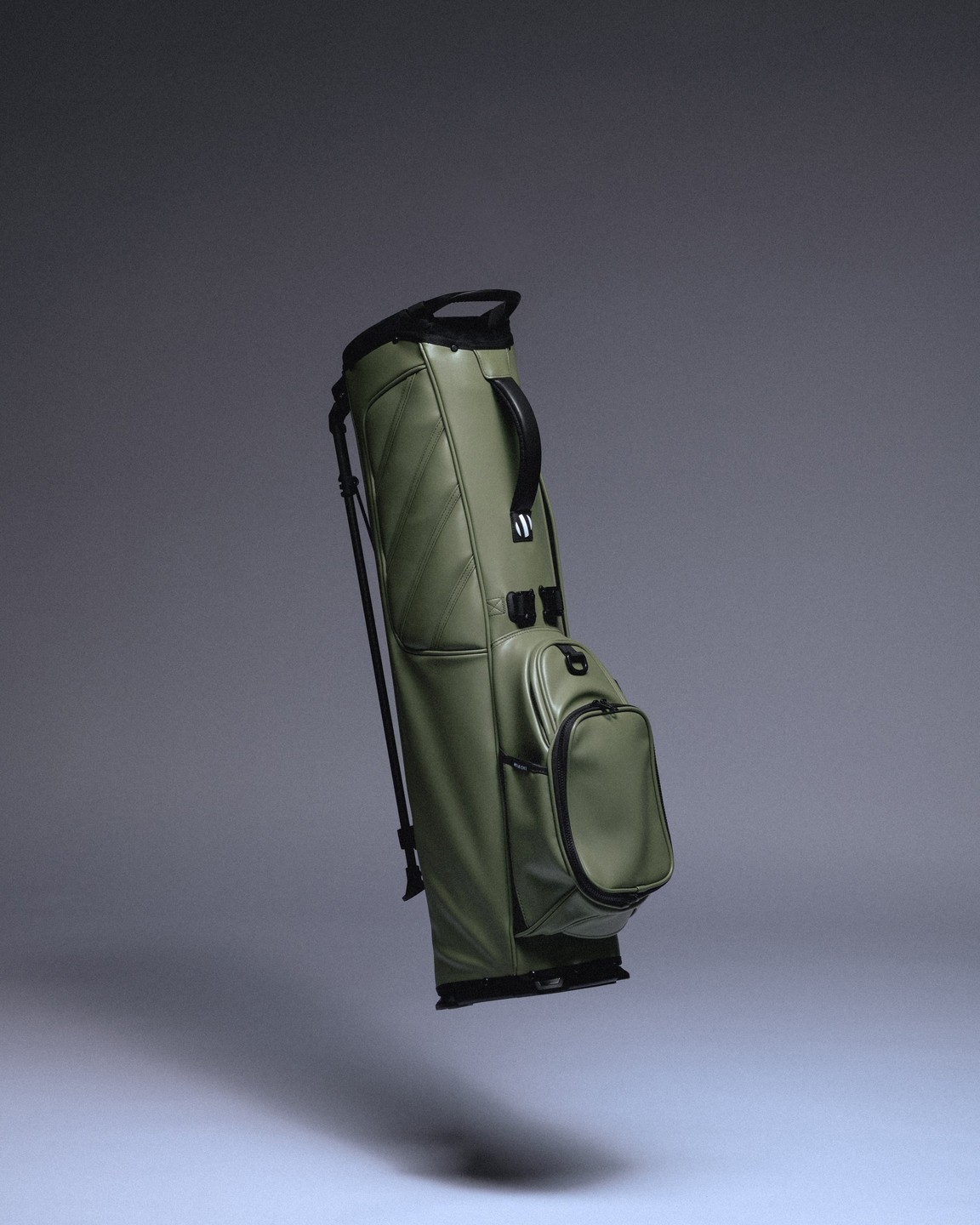
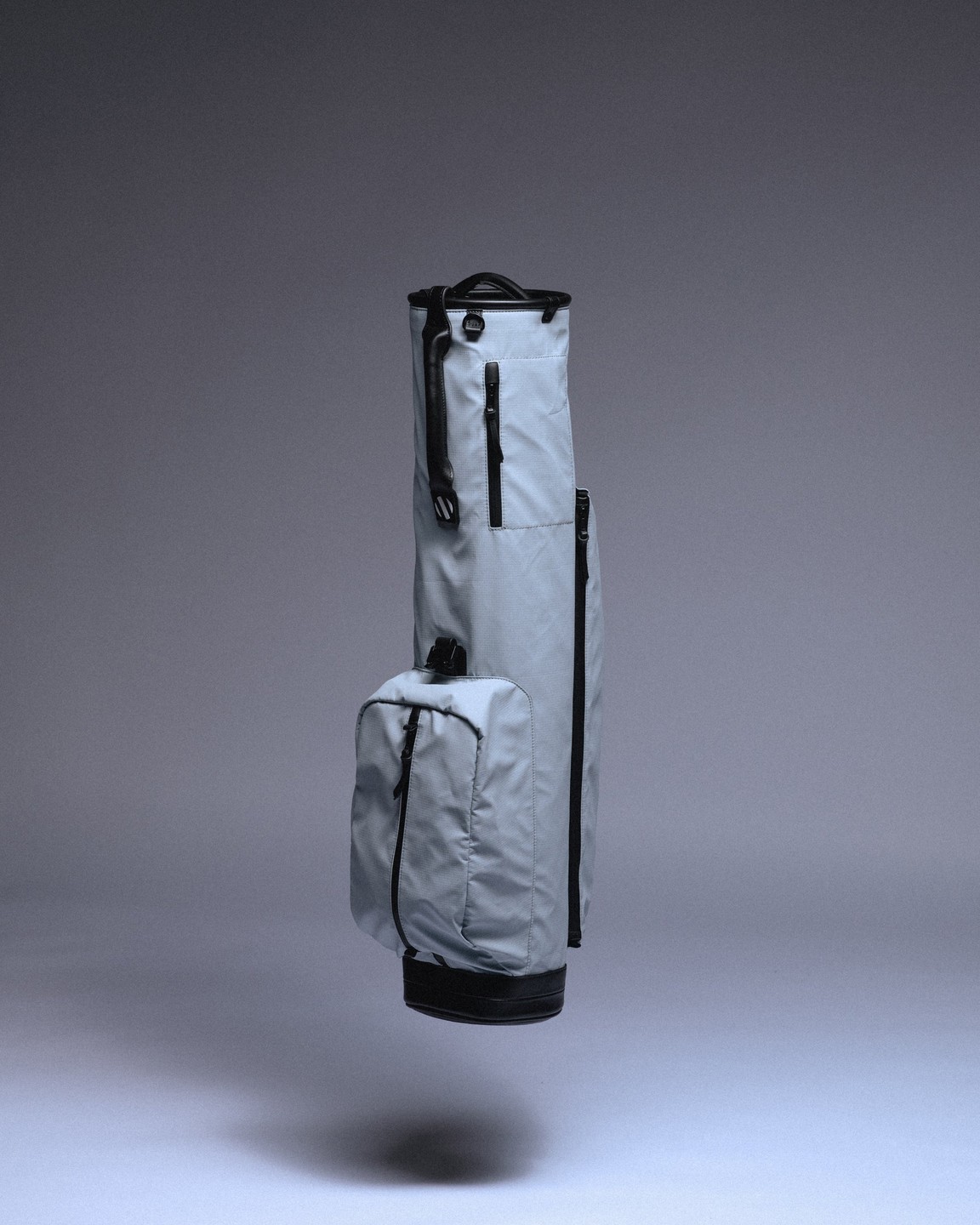
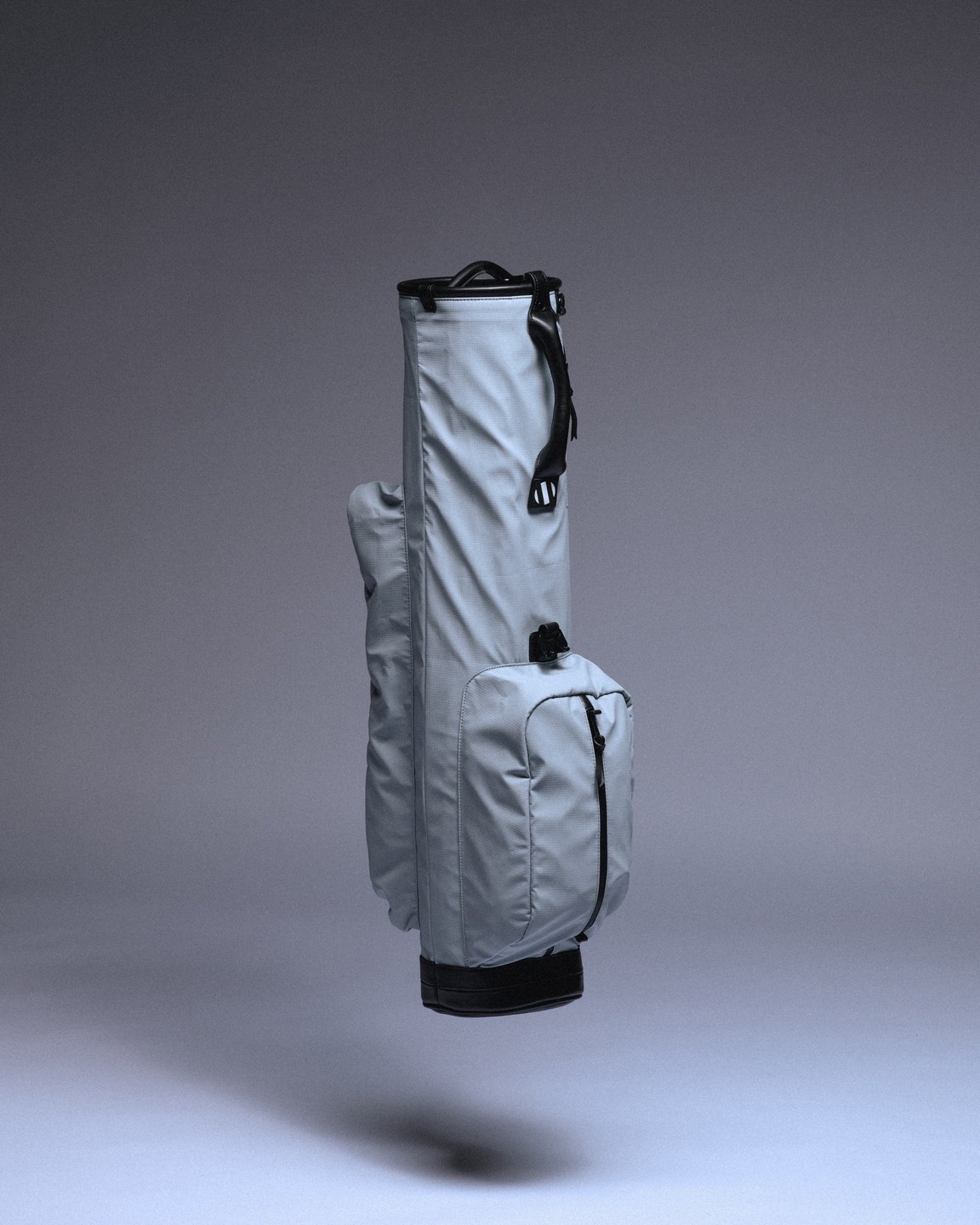
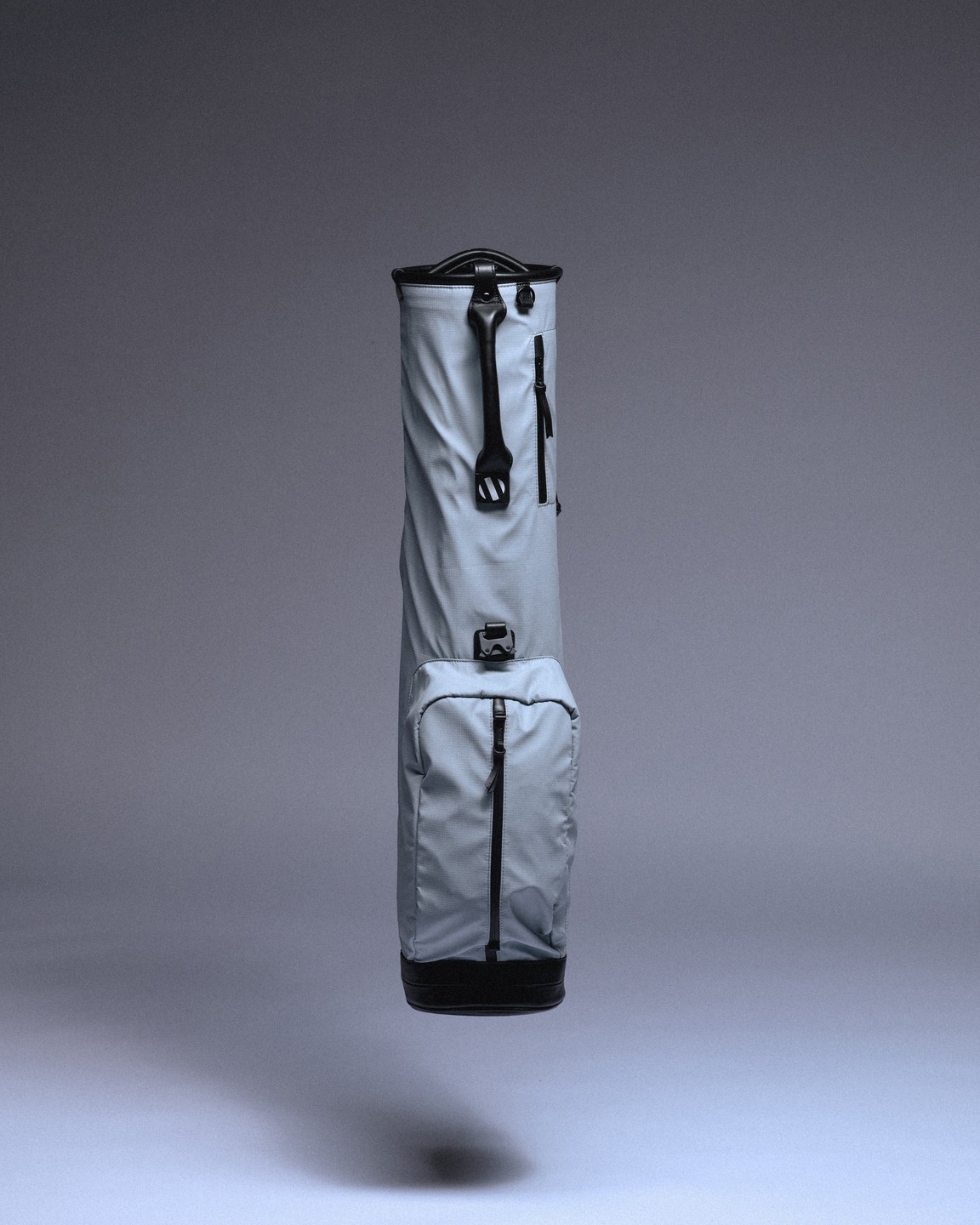
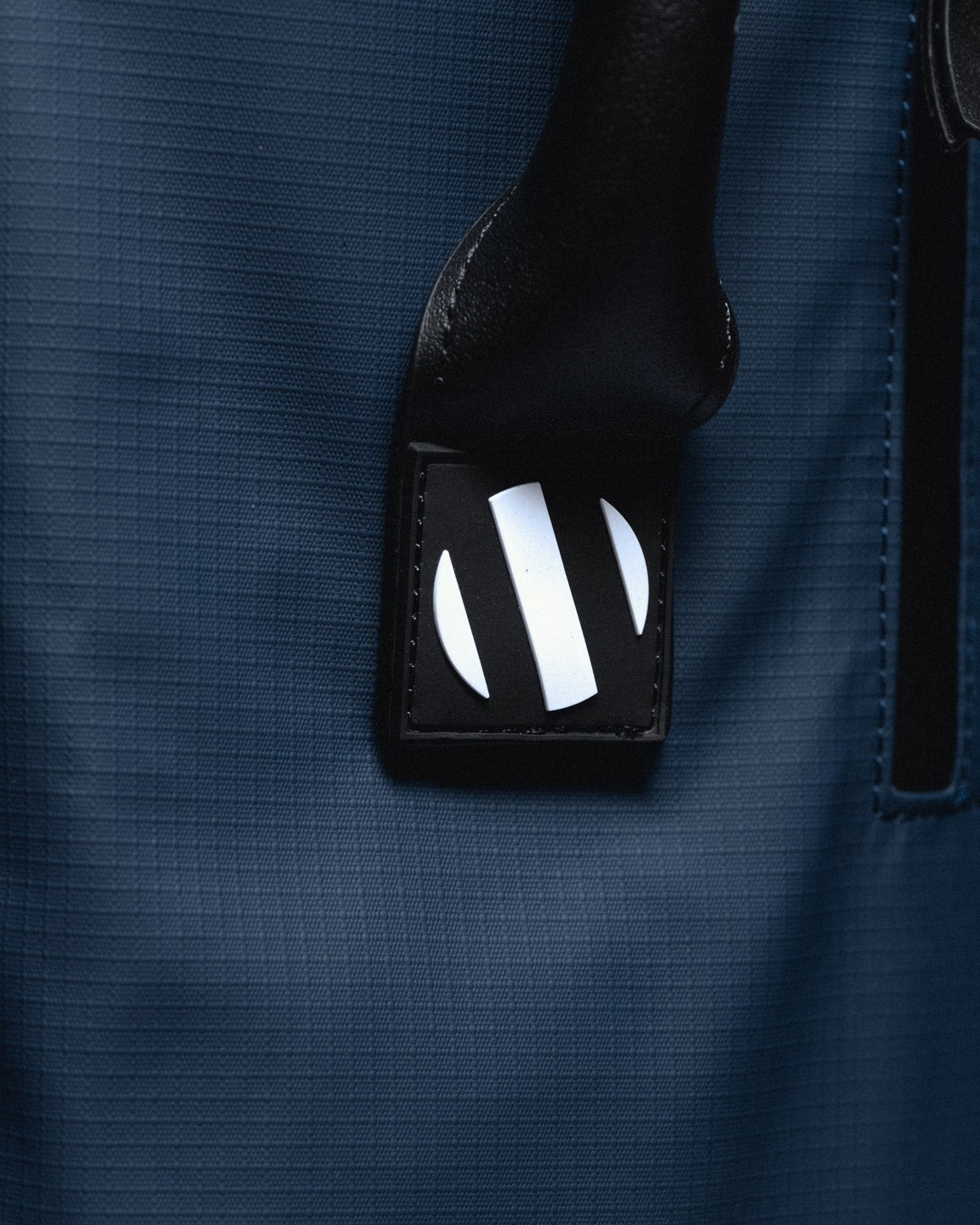
The FTE bags take a different route. The product page opens with “For the Elements. For the Game.” and the initials stand for the first half of that. The shell is an expanded PTFE fabric — the same family of material used in waterproof membranes — over a waterproof lining, with YKK zips and a reinforced leather base. They are the cheapest bags in the range at $279 and the ones specified for rain.
The covers split three ways by material. Leather at $95, fleece-lined, with a magnetic closure on the putter cover and a brief wide enough to cover a blade or a mid-mallet. A premium wool blend in tartan at $79, barrel shaped. And ballistic nylon at $69, barrel shaped, in five colours. Every cover is fleece lined.
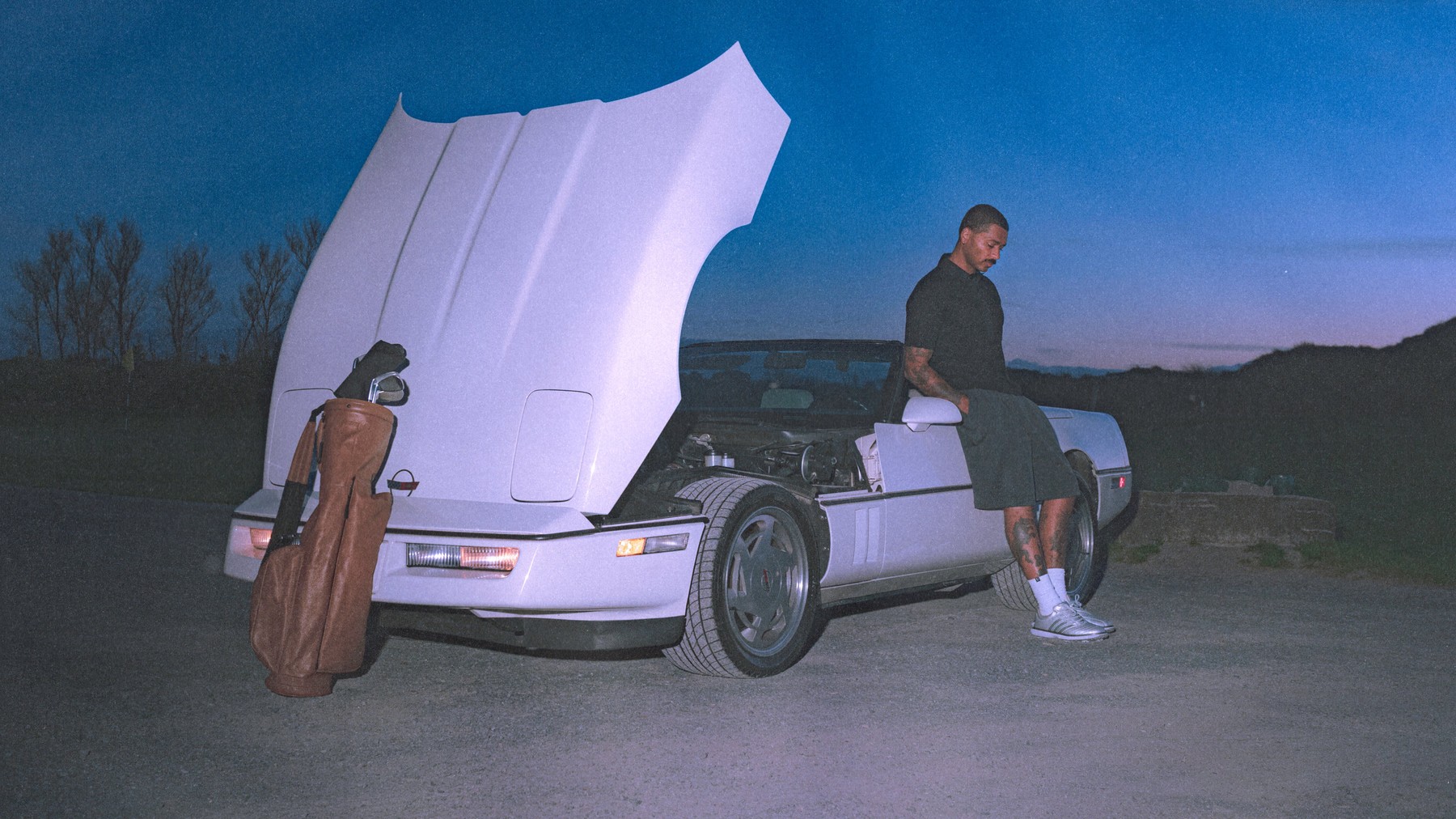
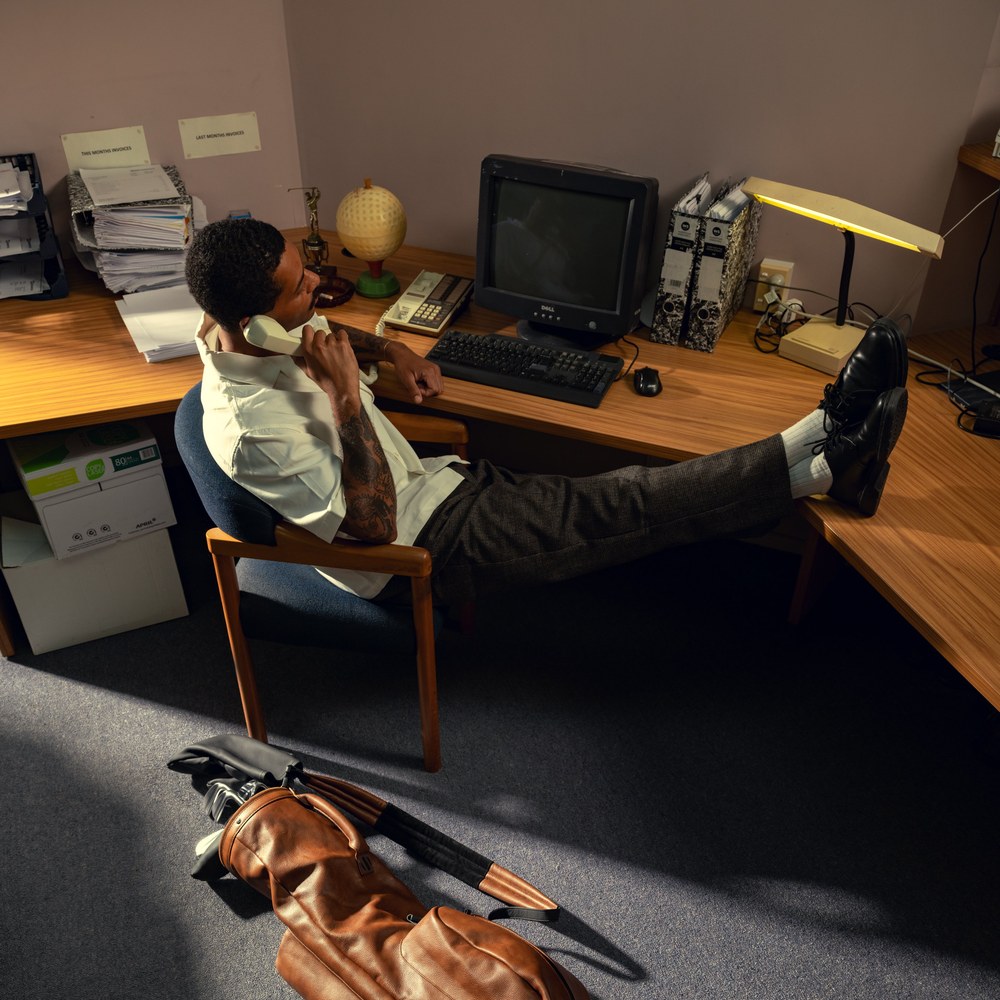
Photography courtesy of Hiroki Golf
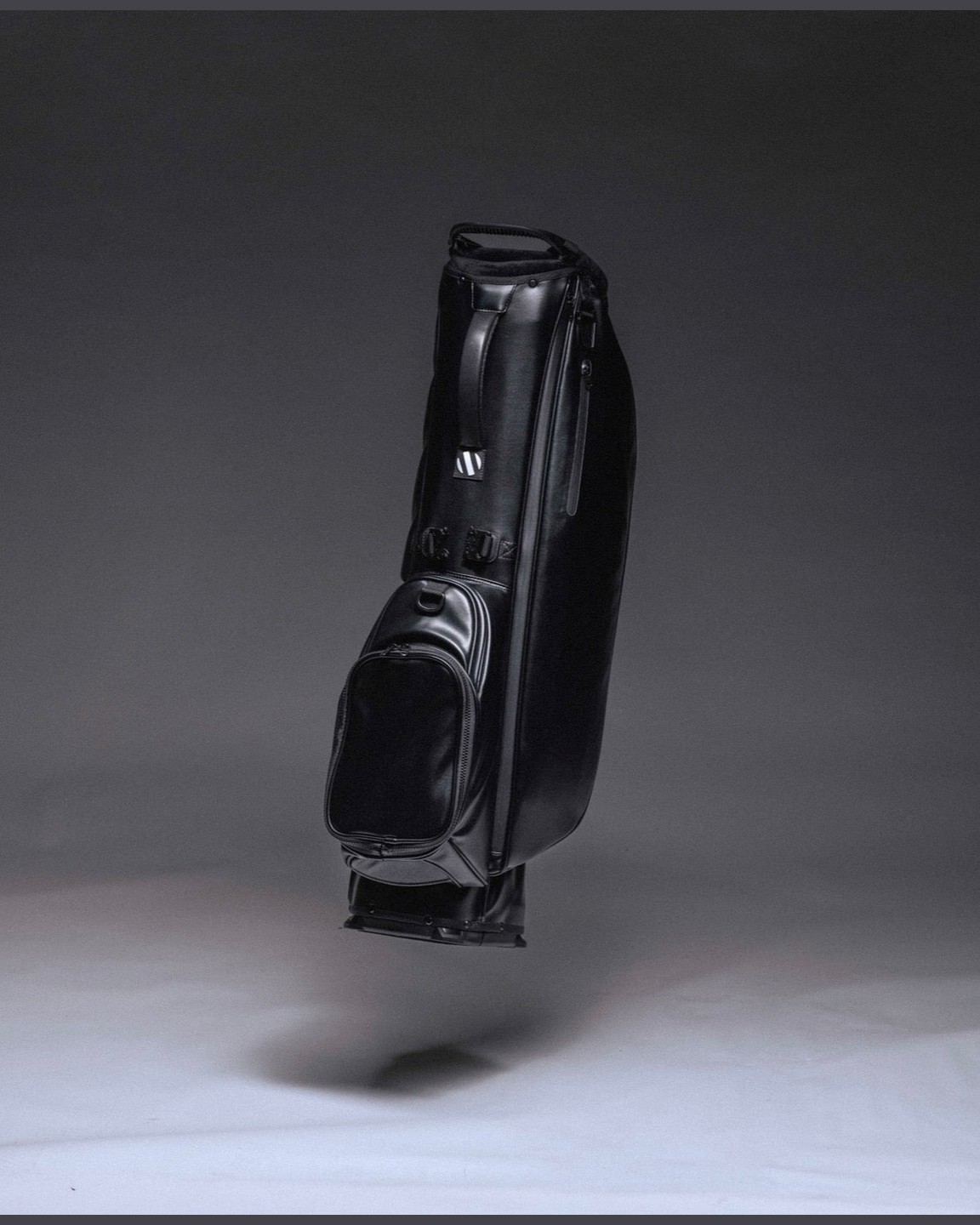
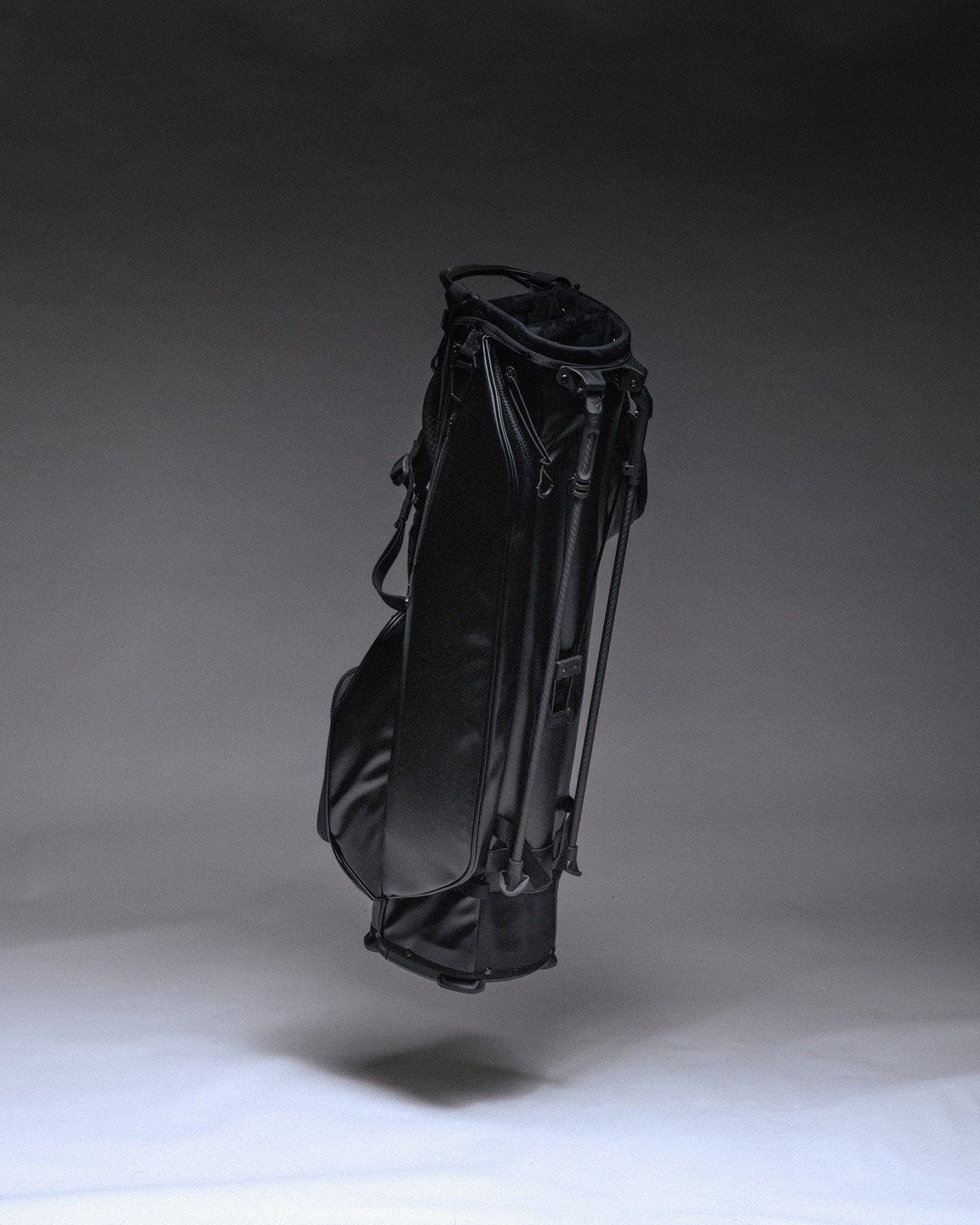
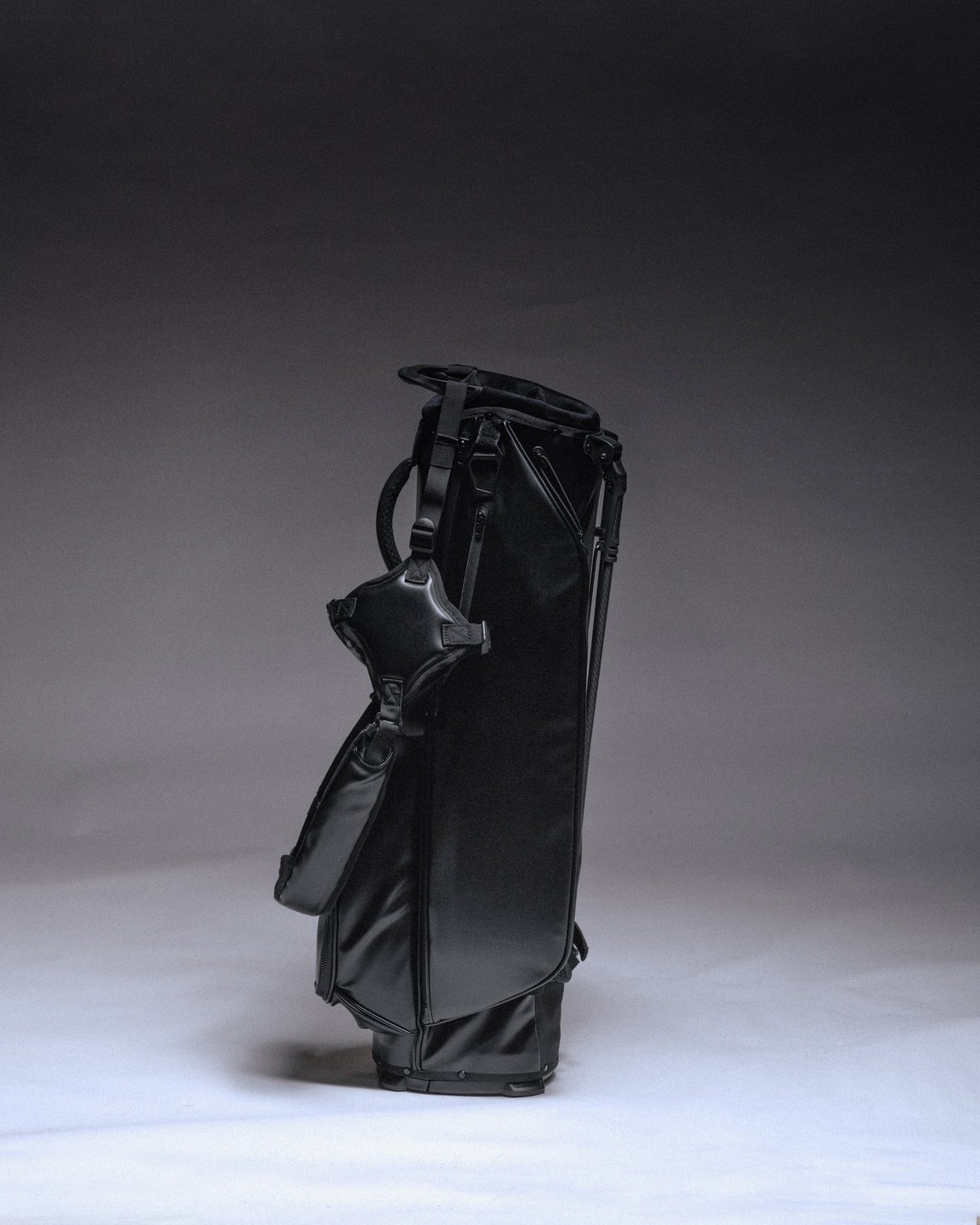
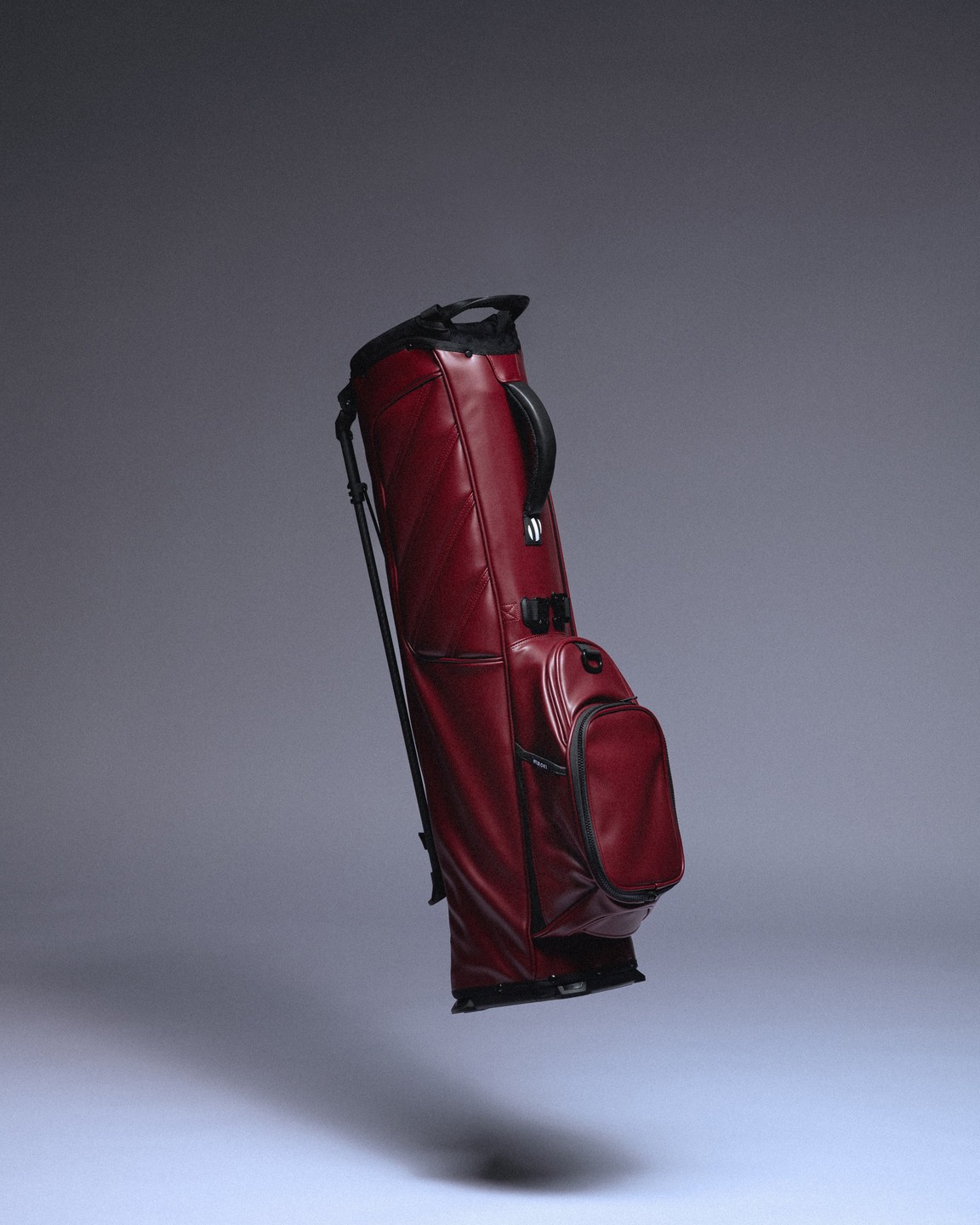
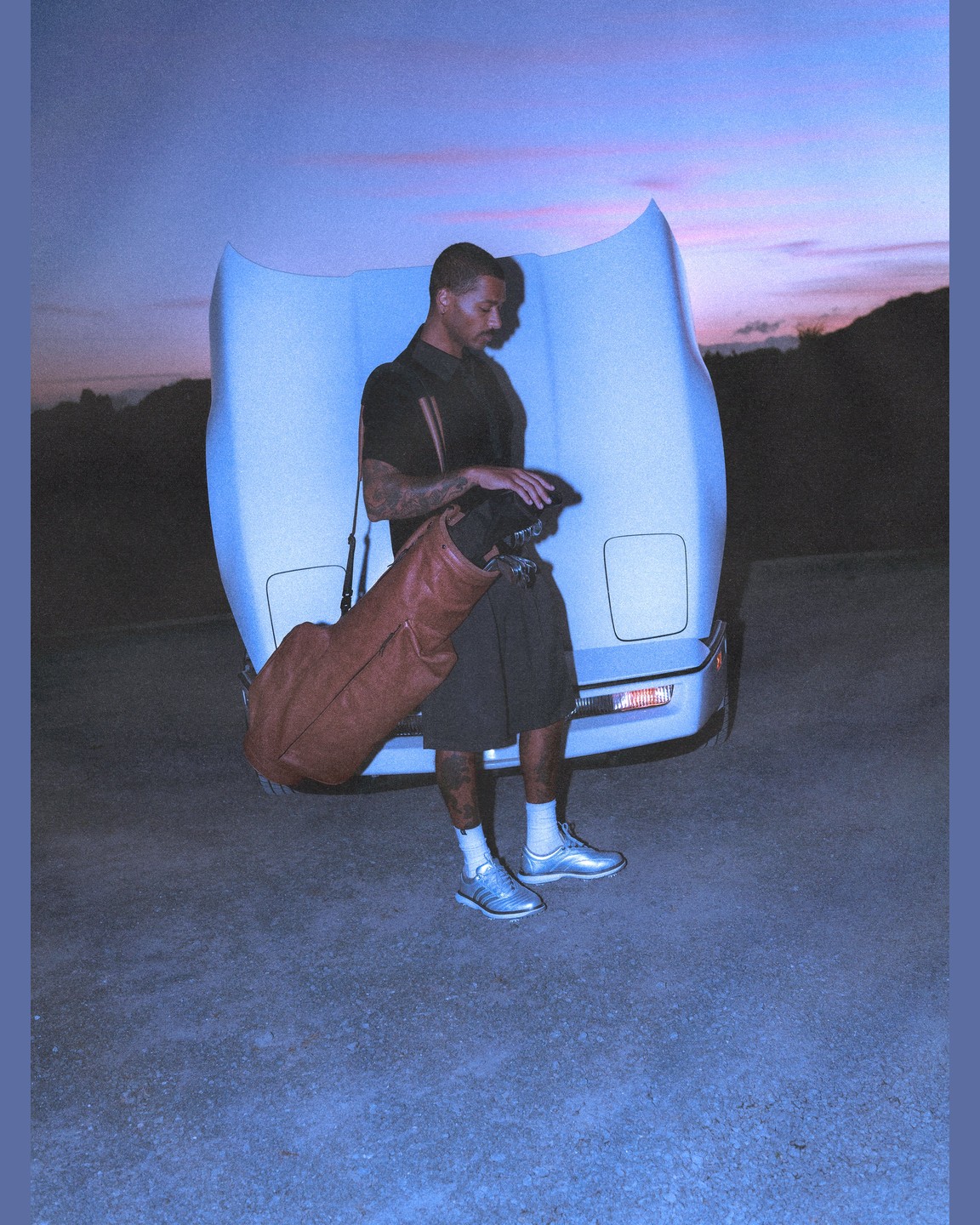
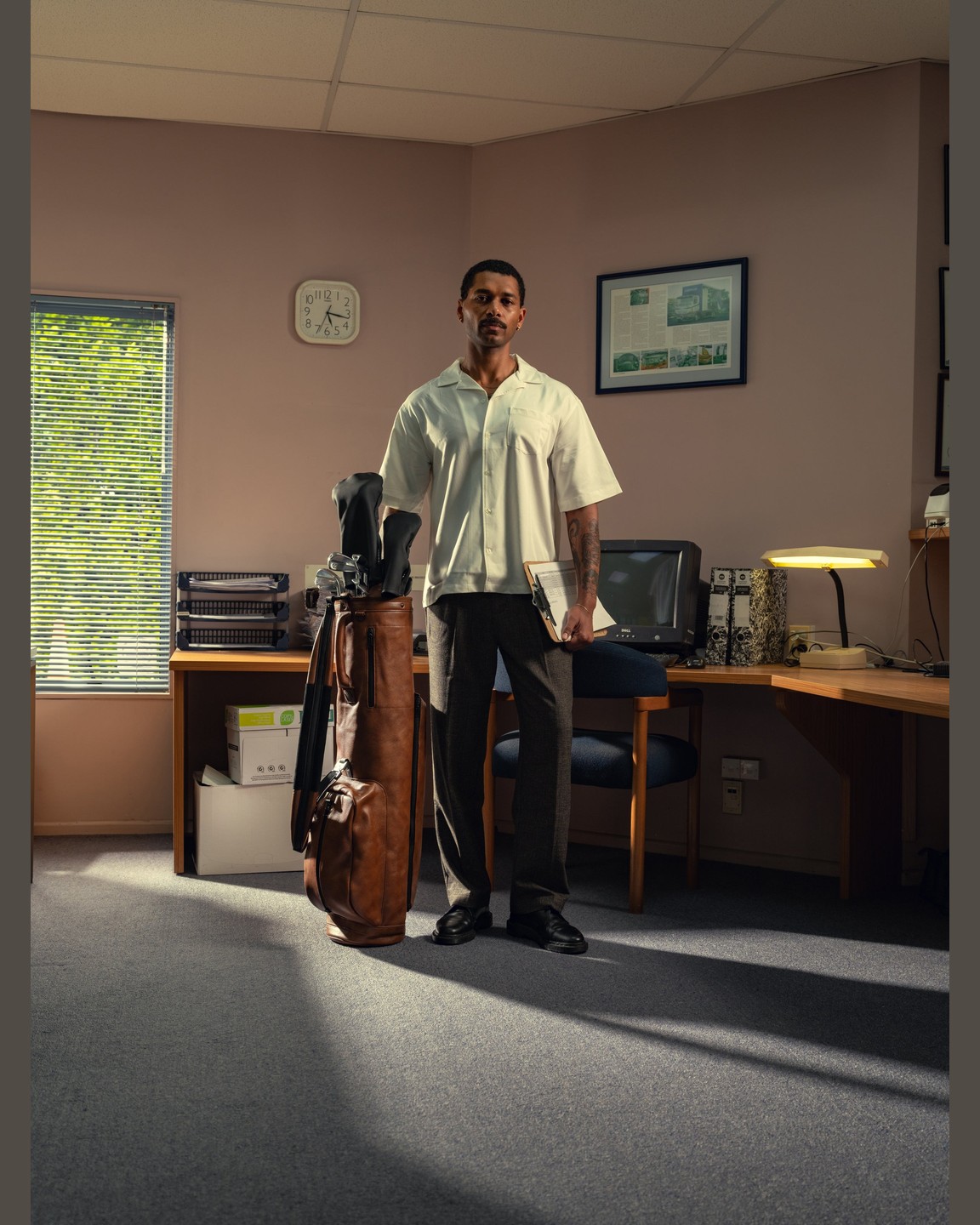
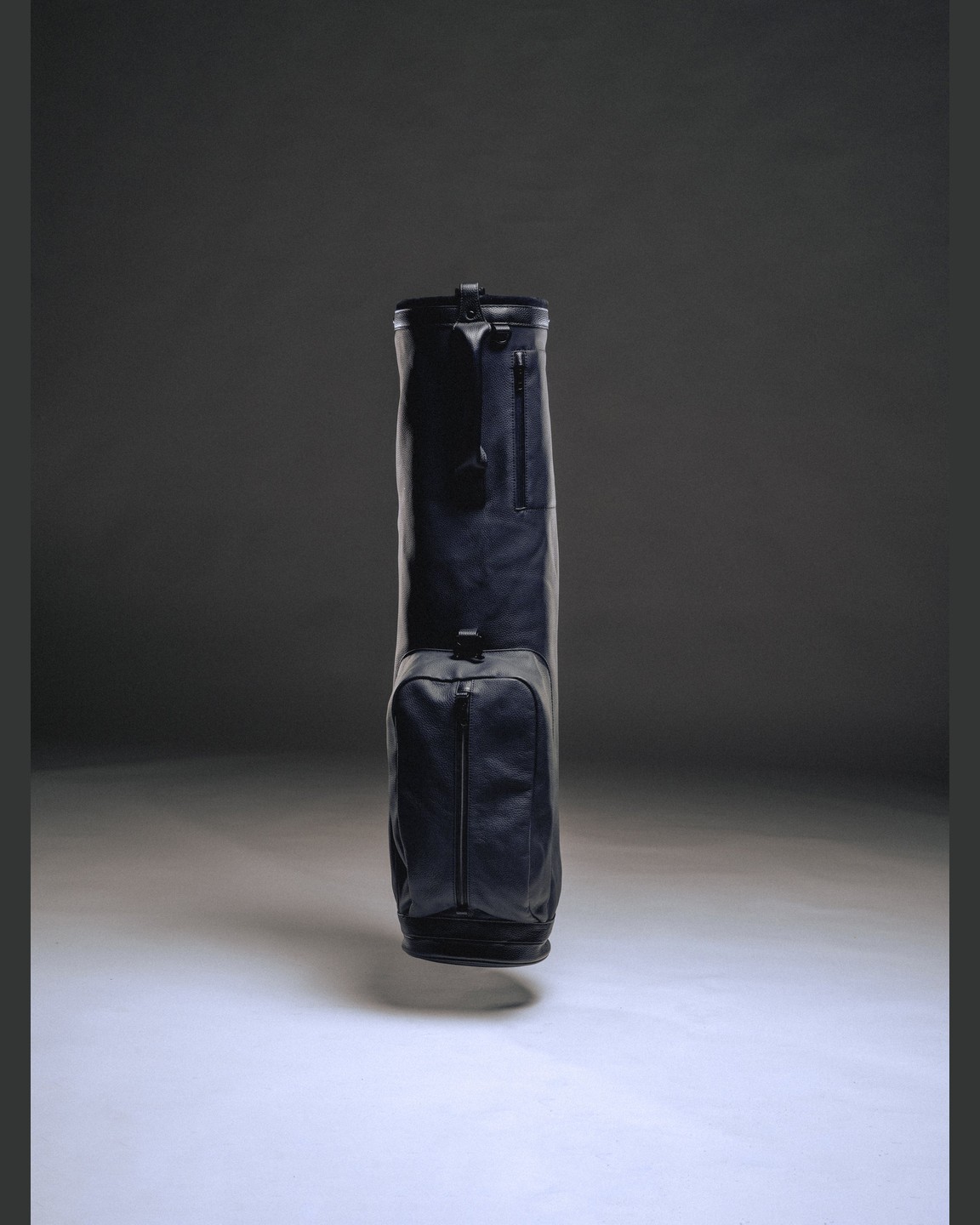
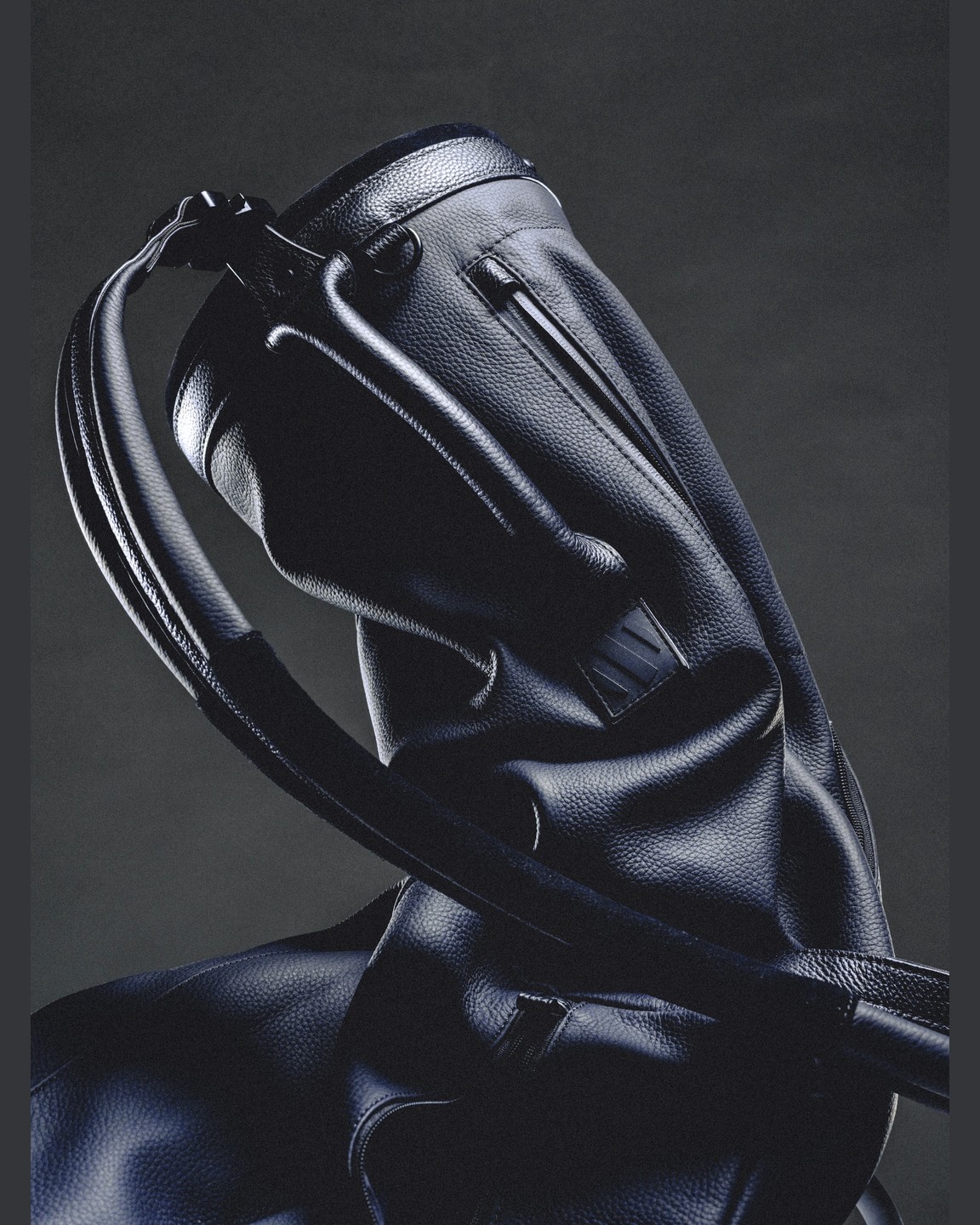
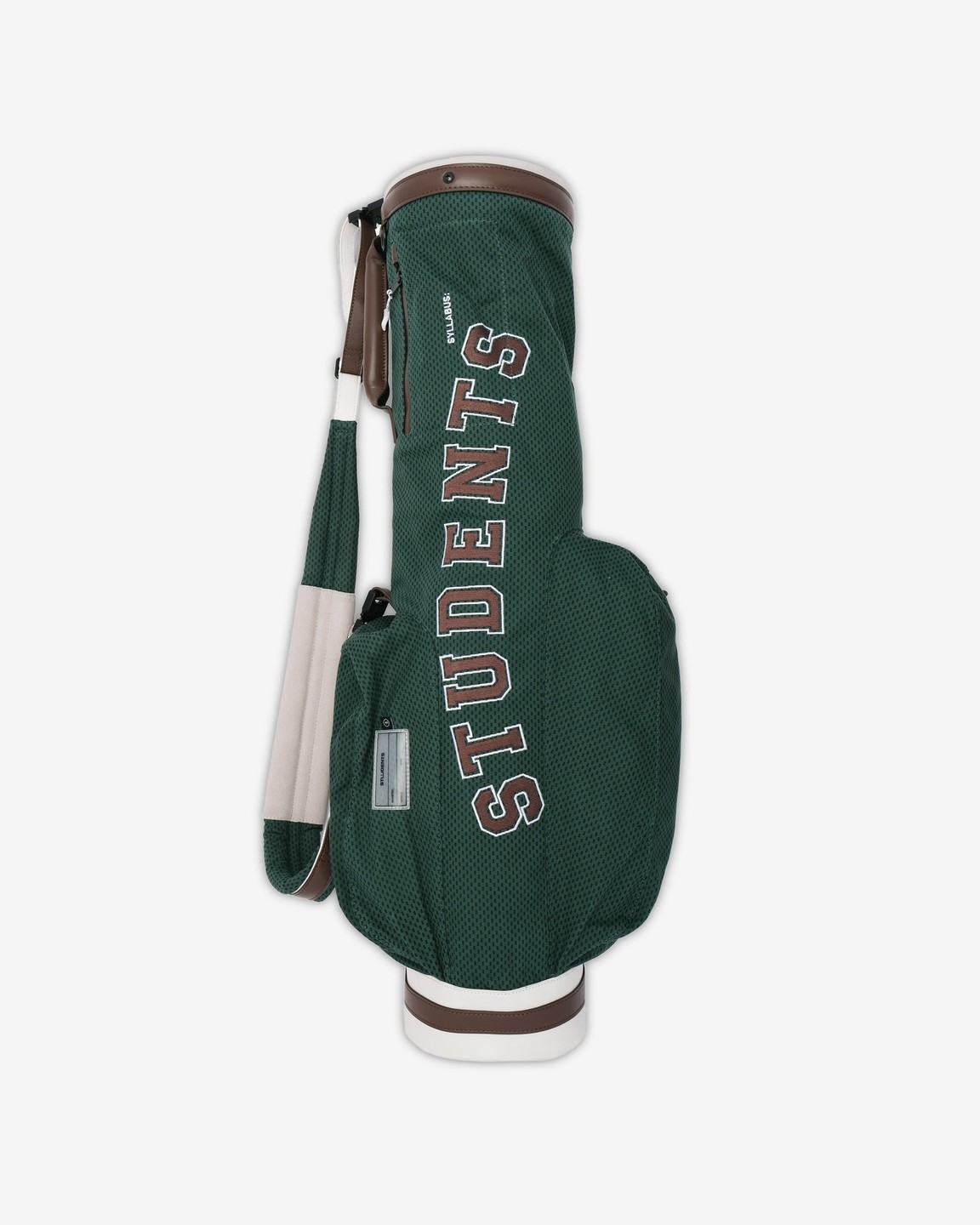
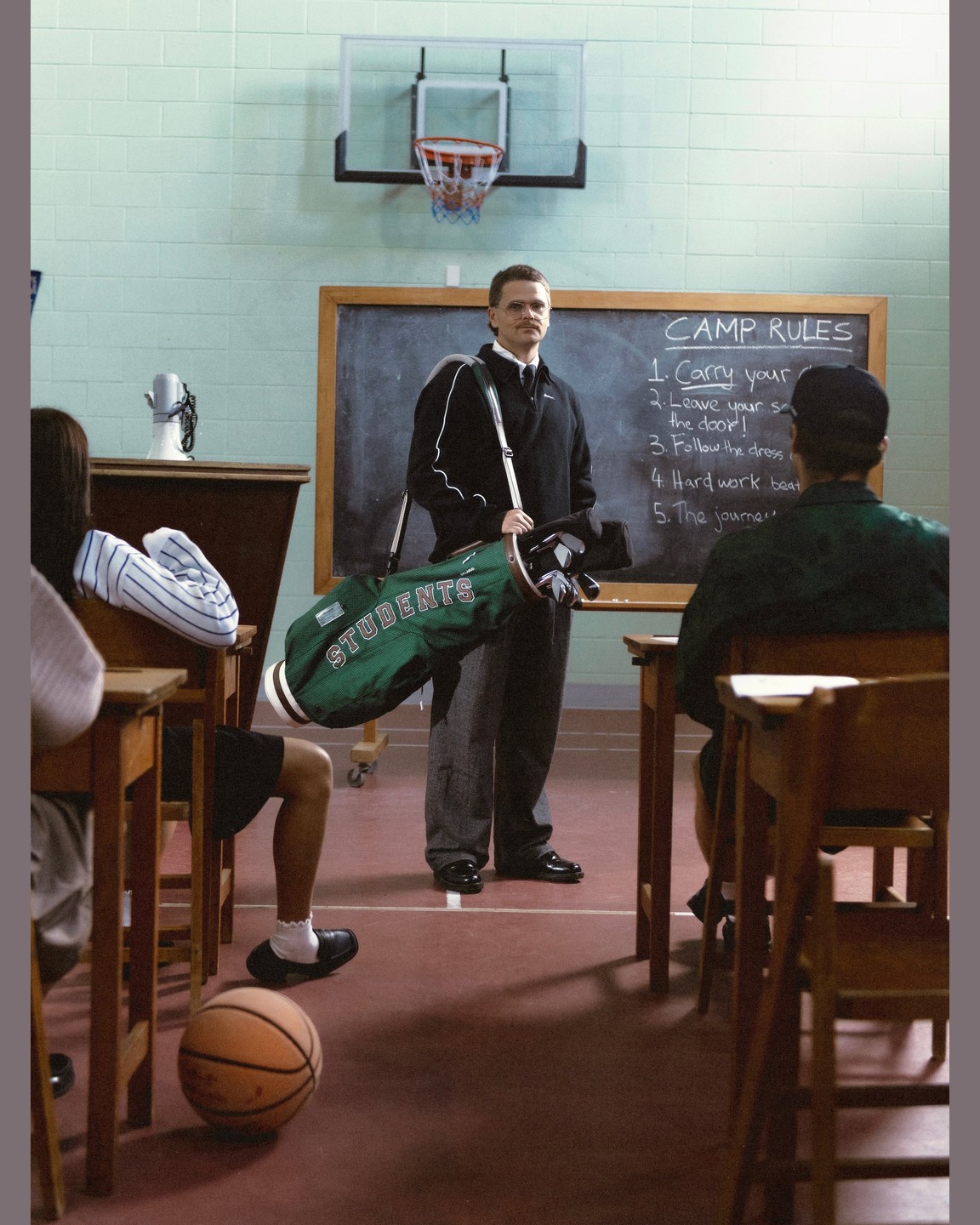
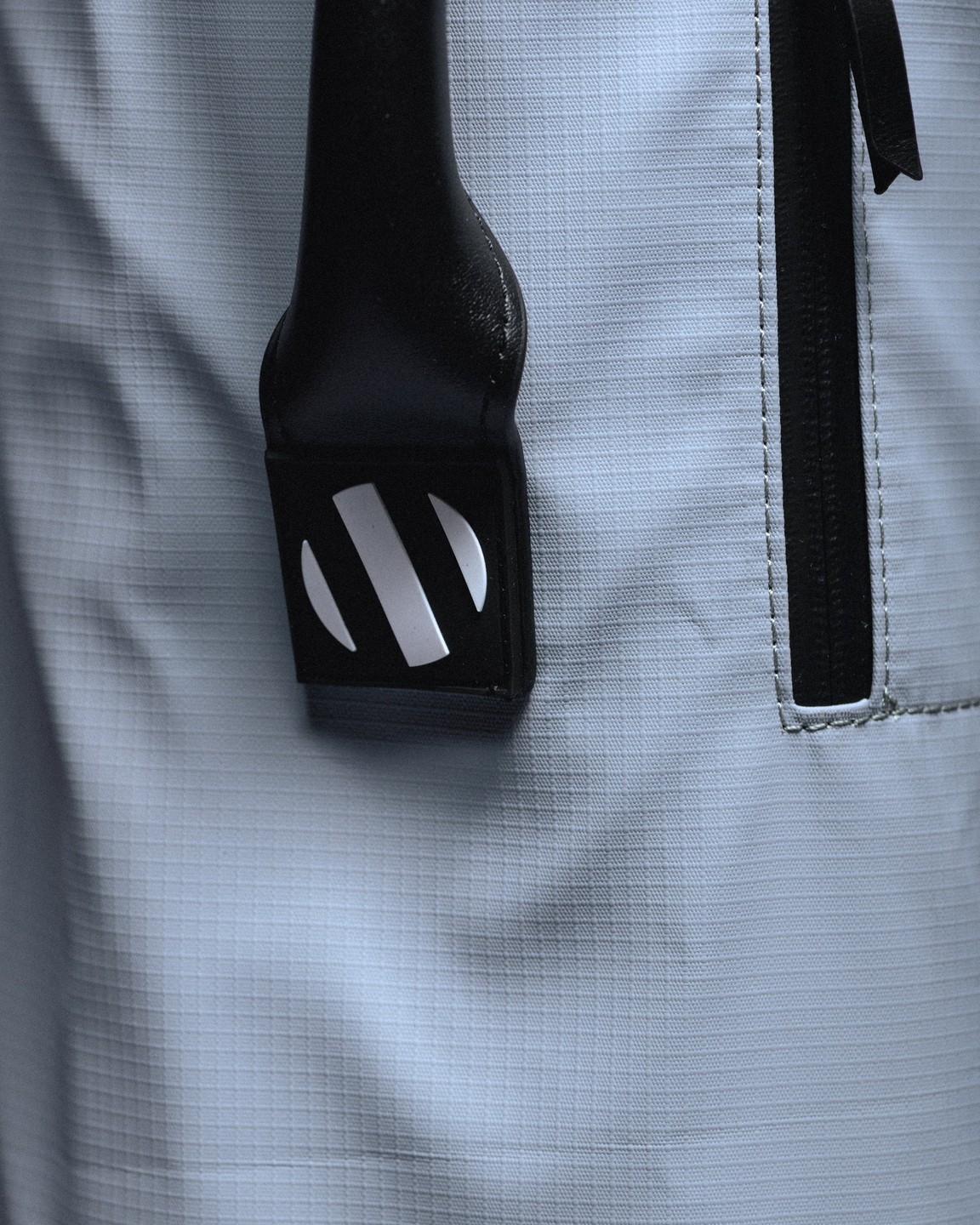
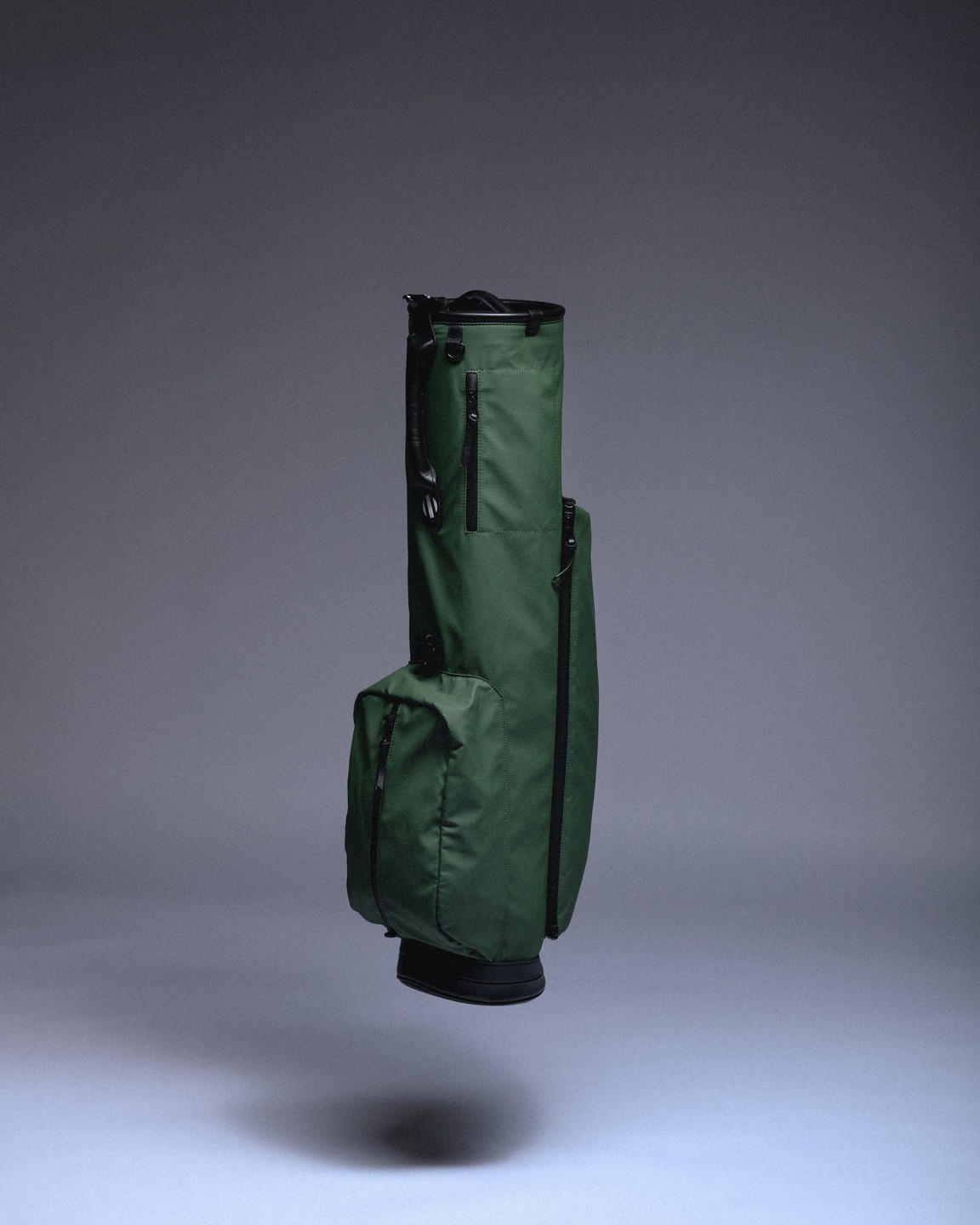
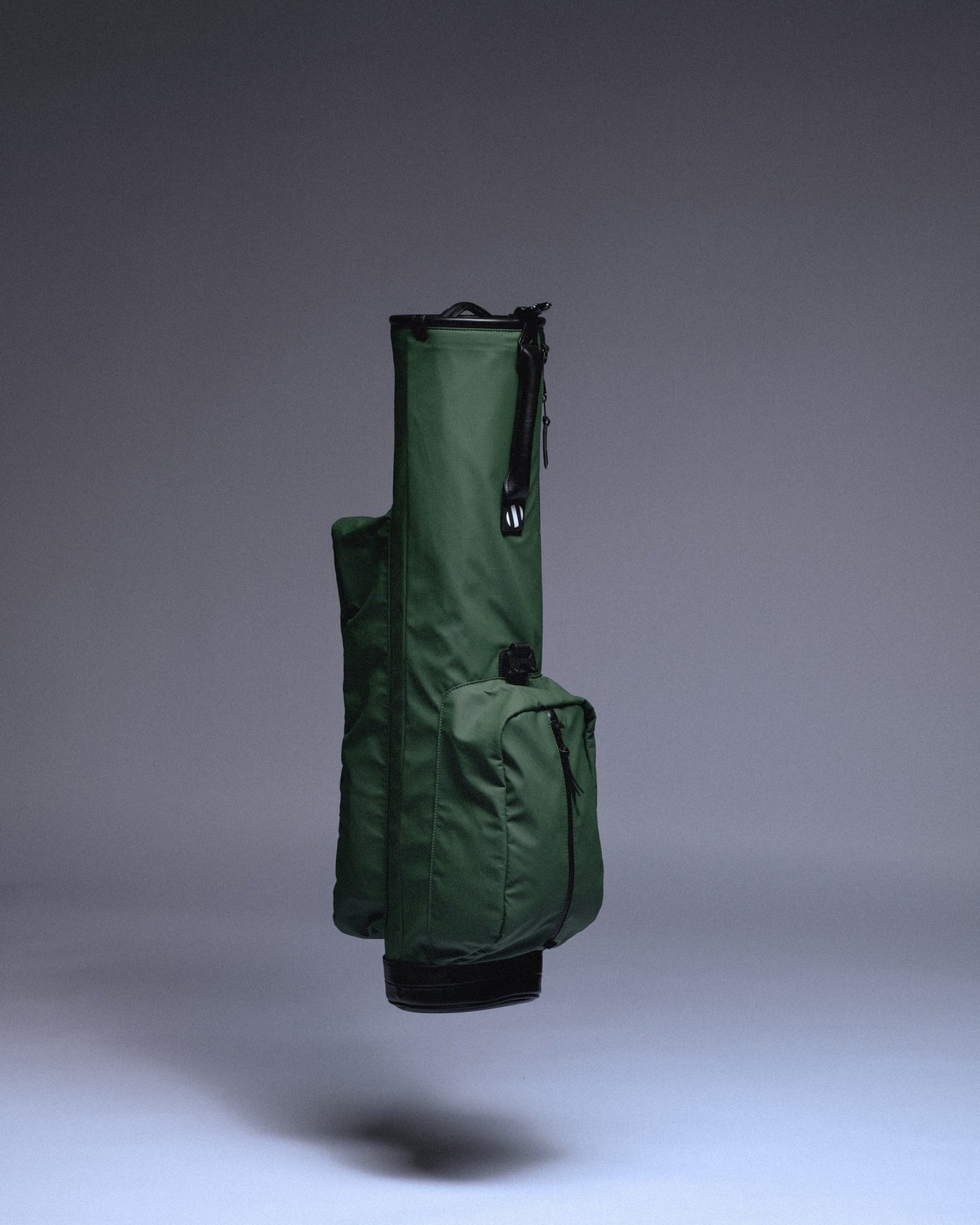
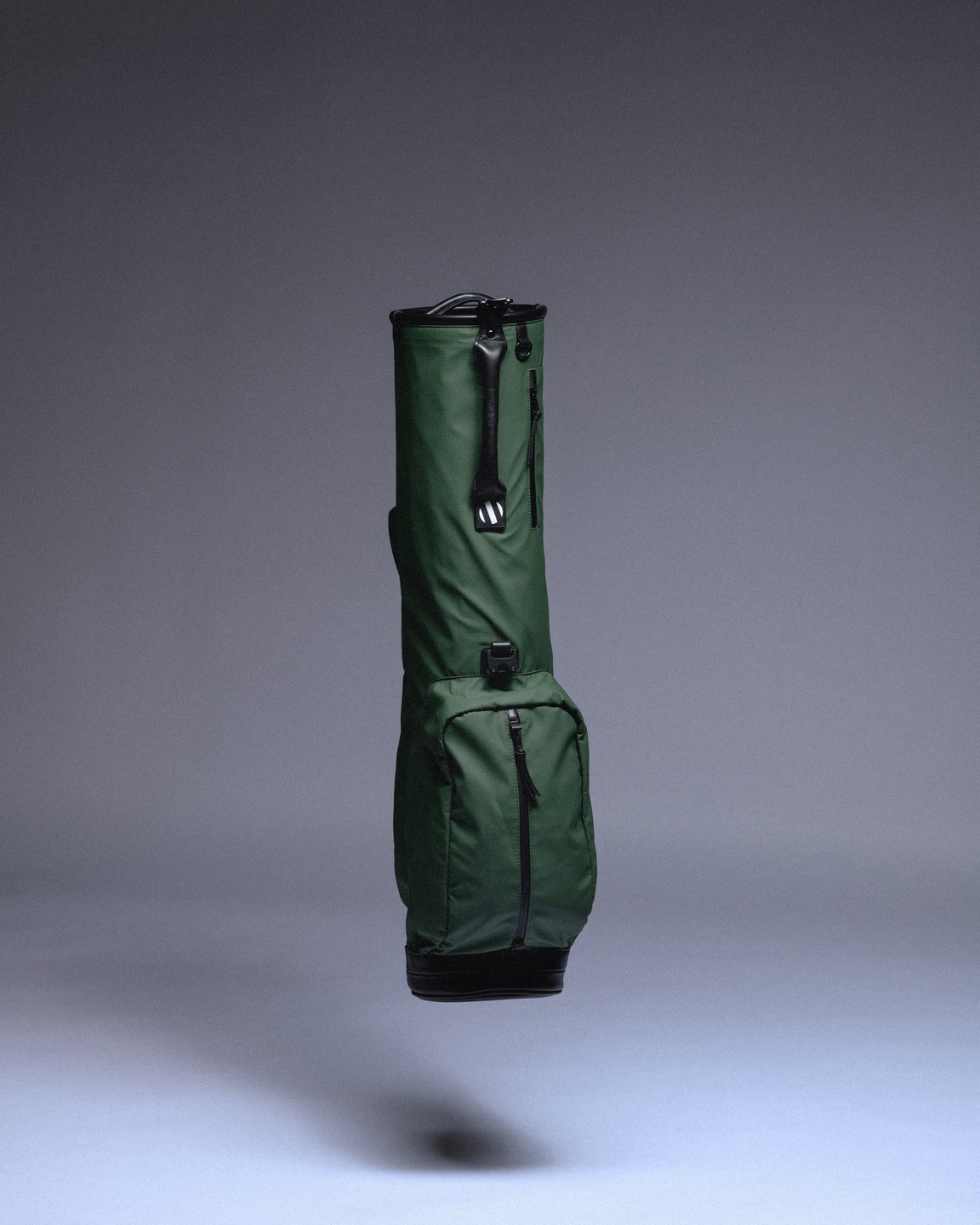
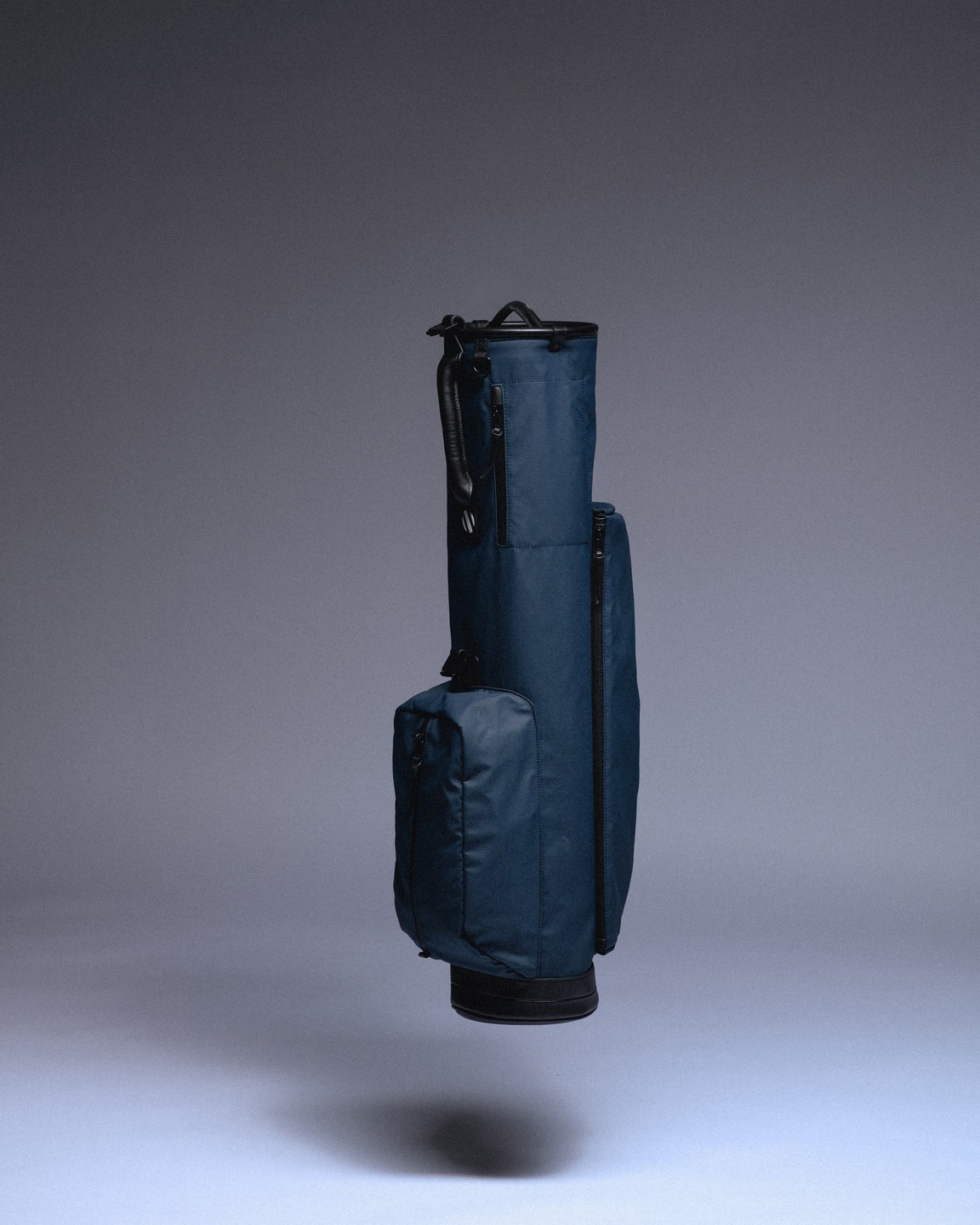
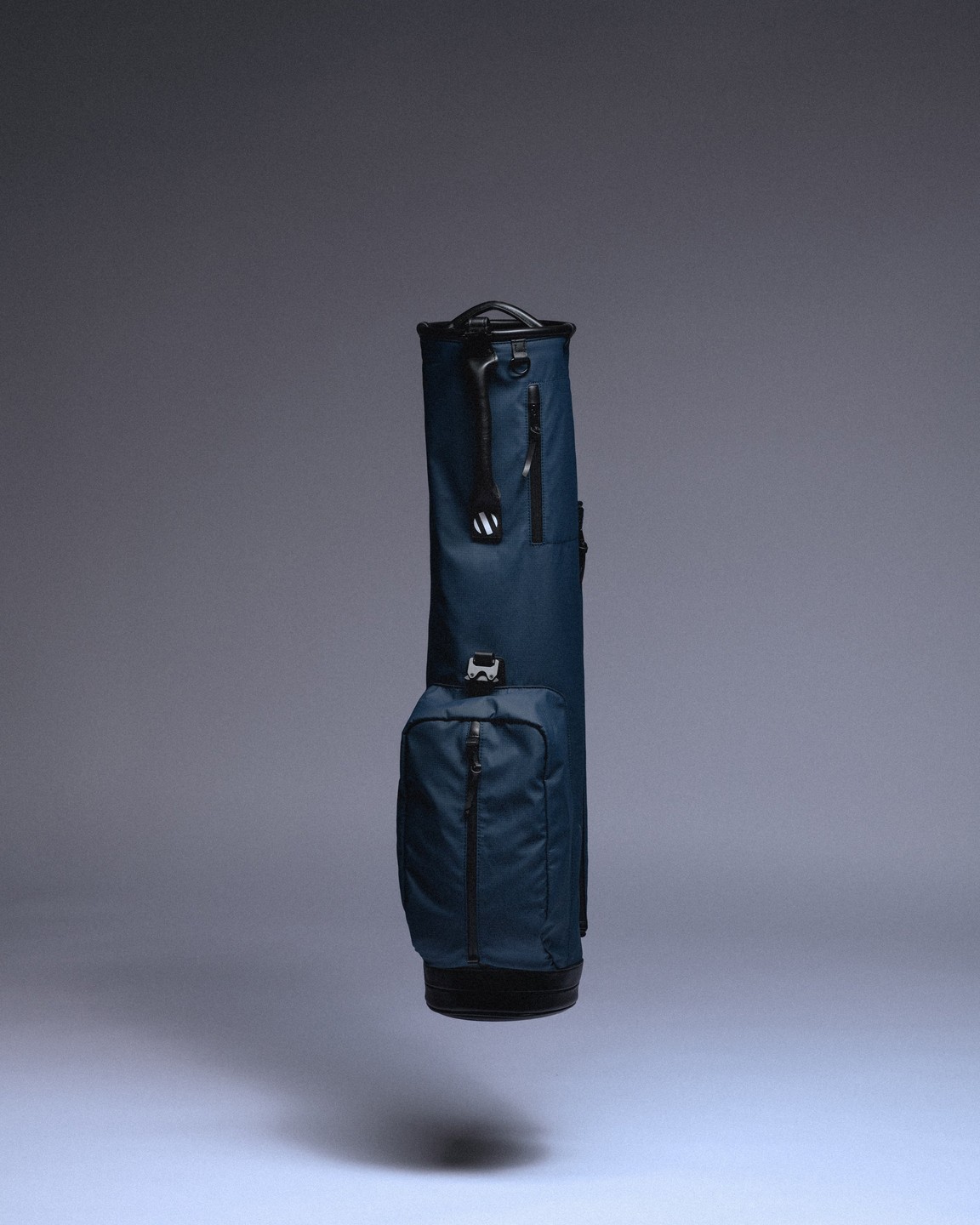
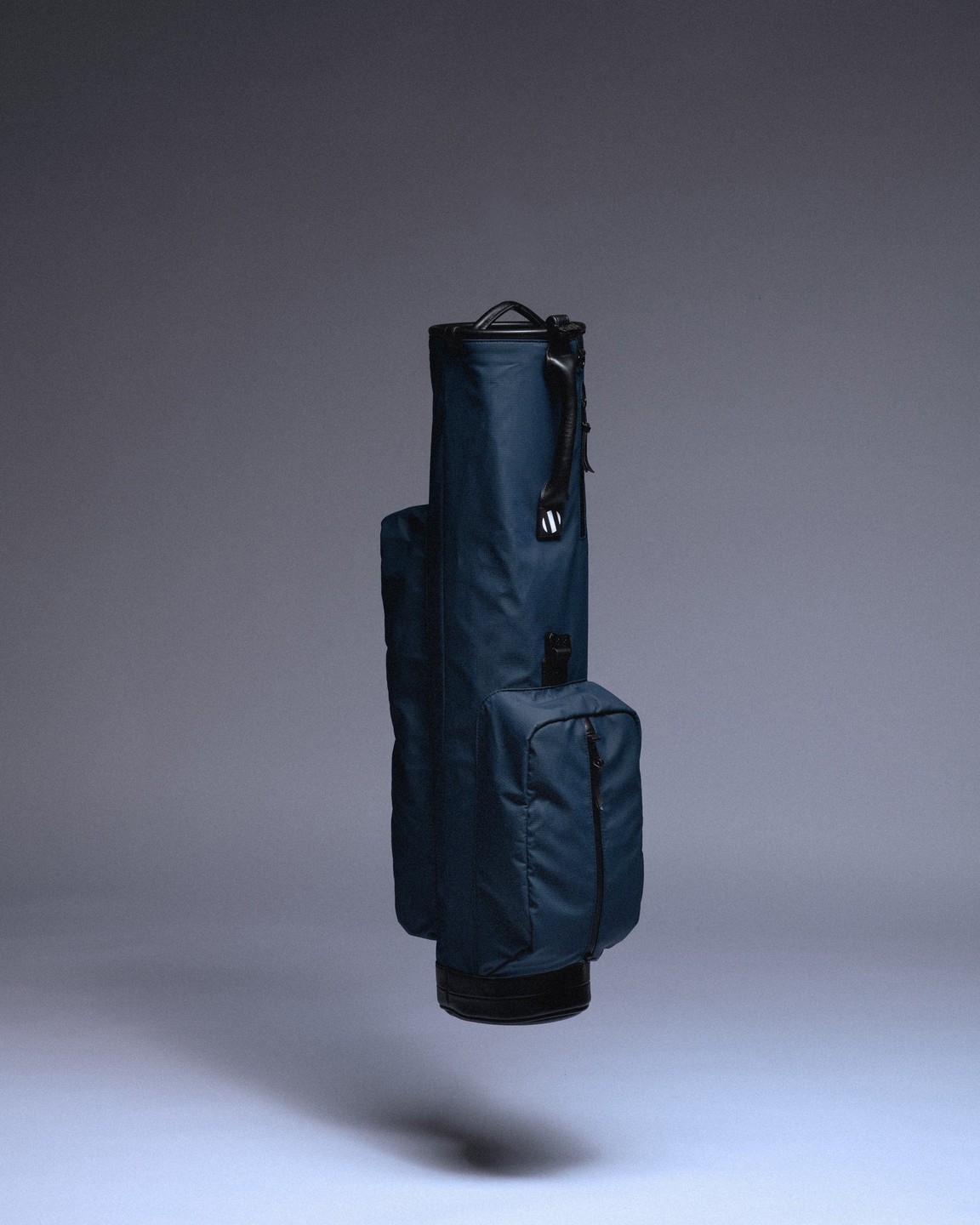
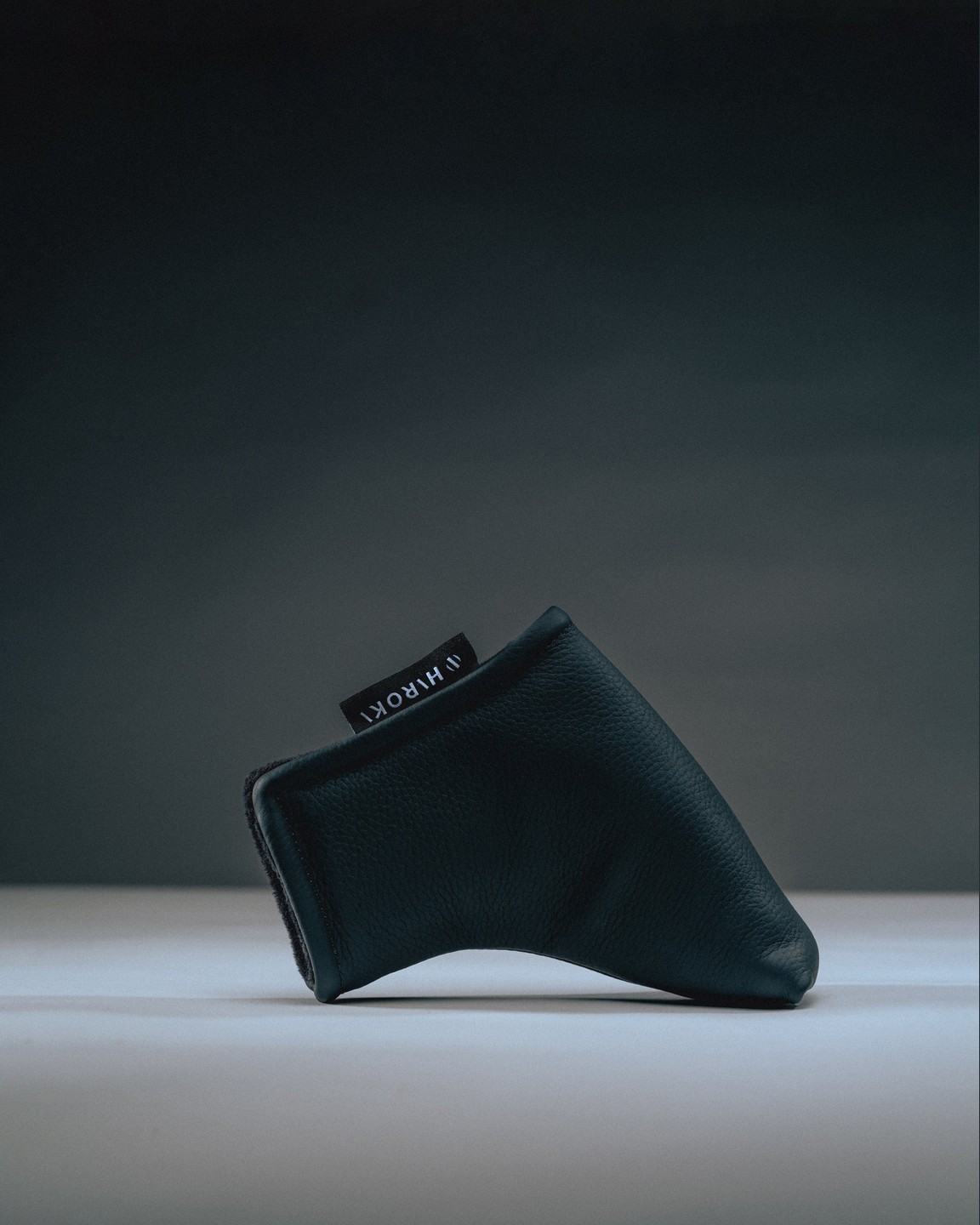
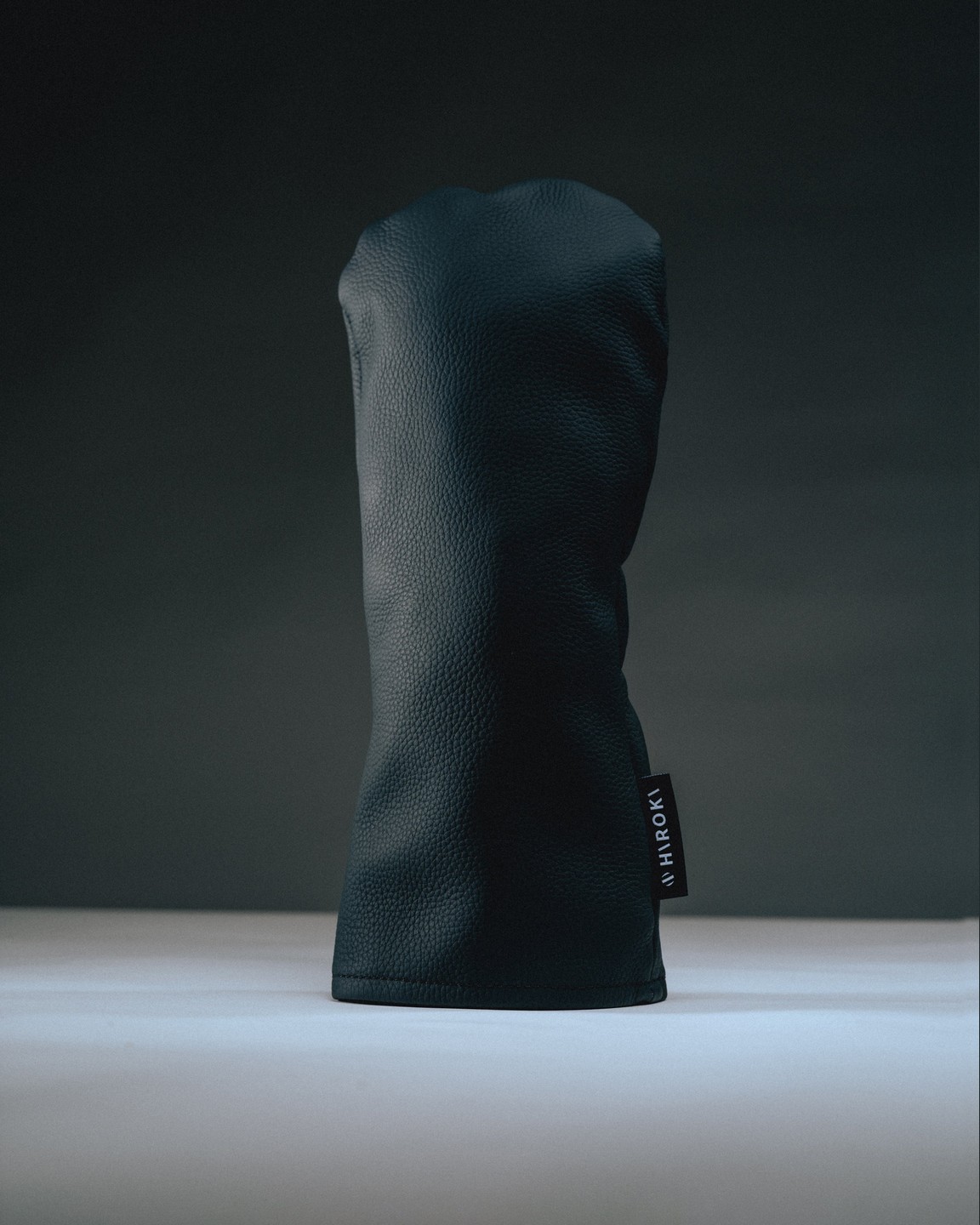
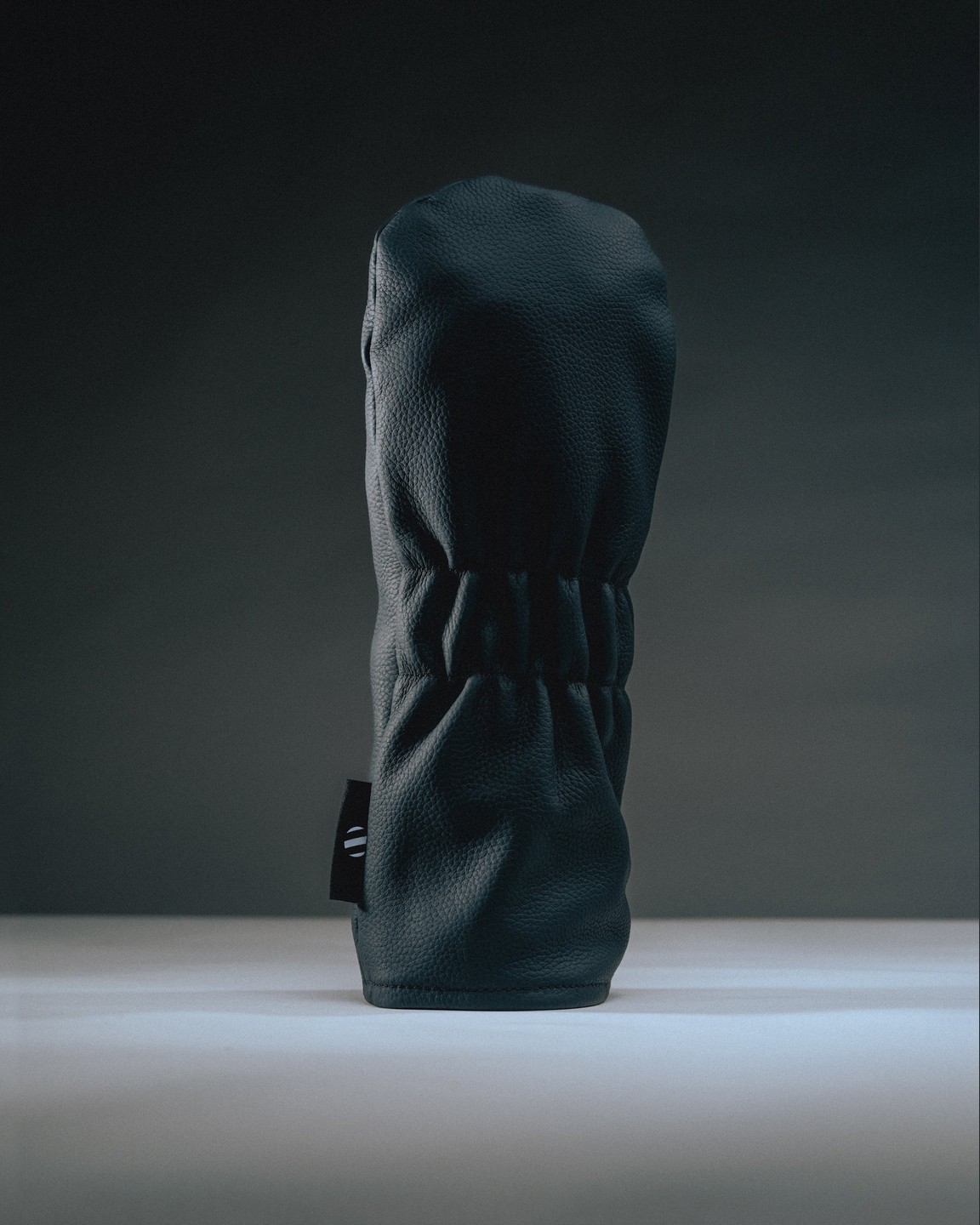
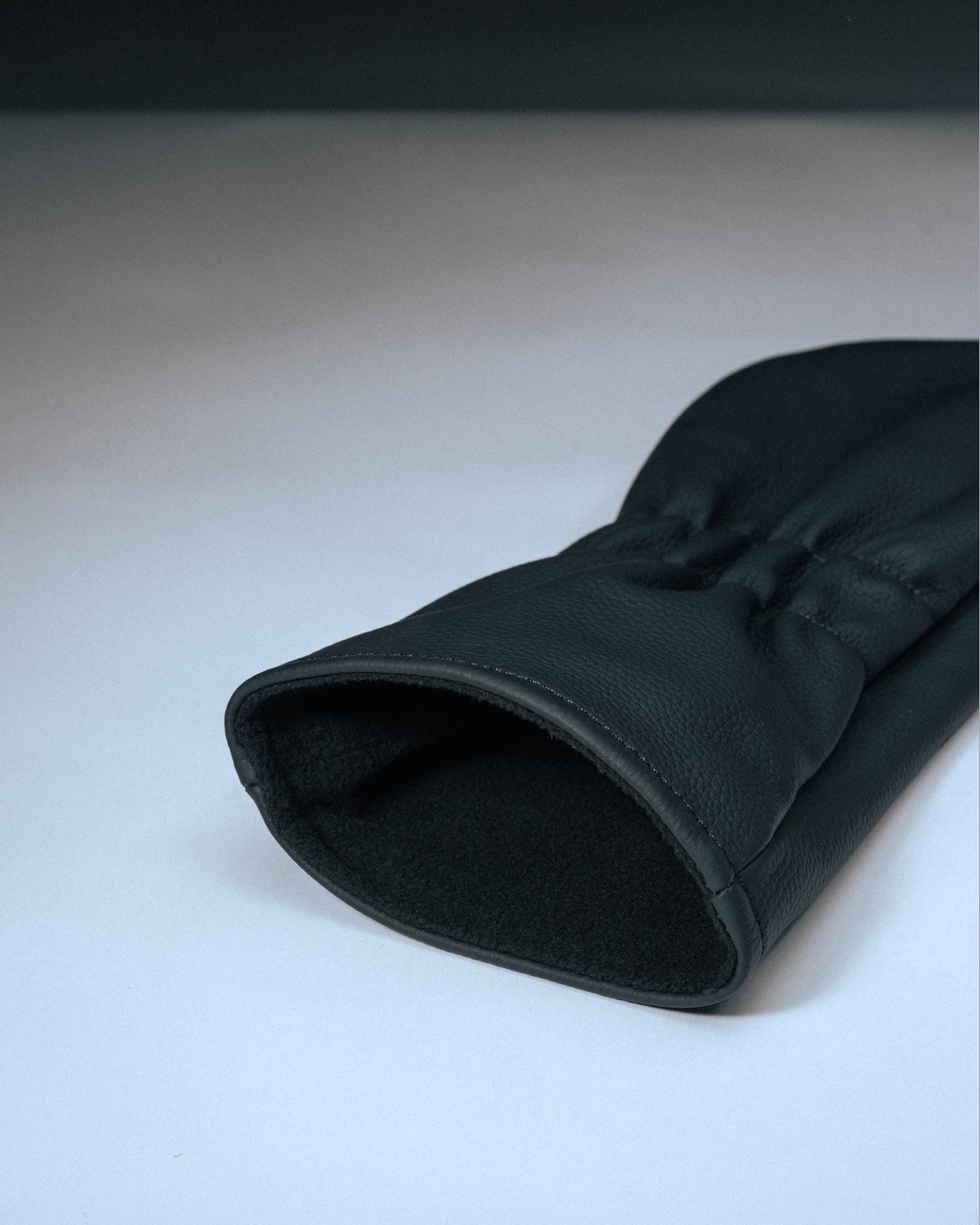
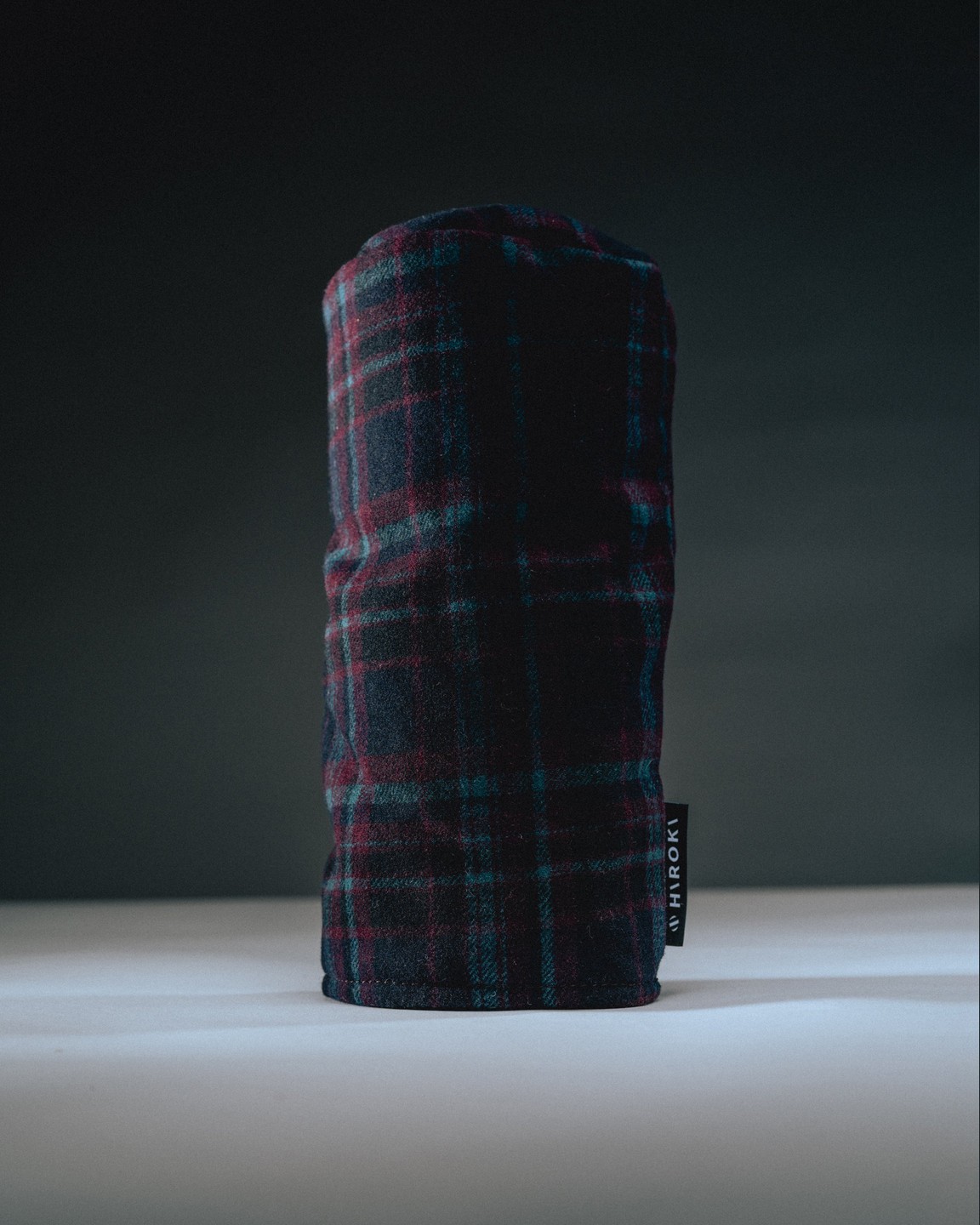
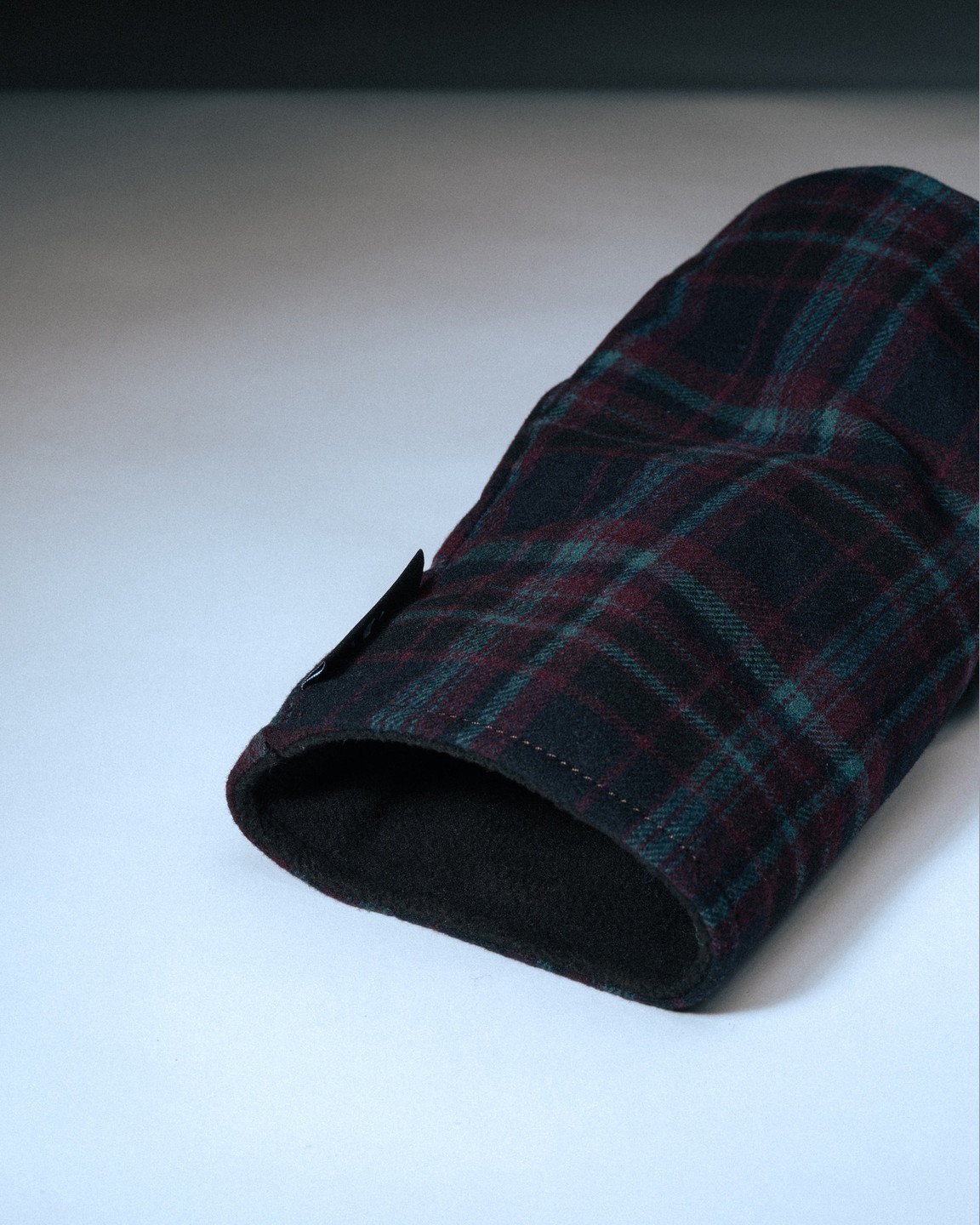
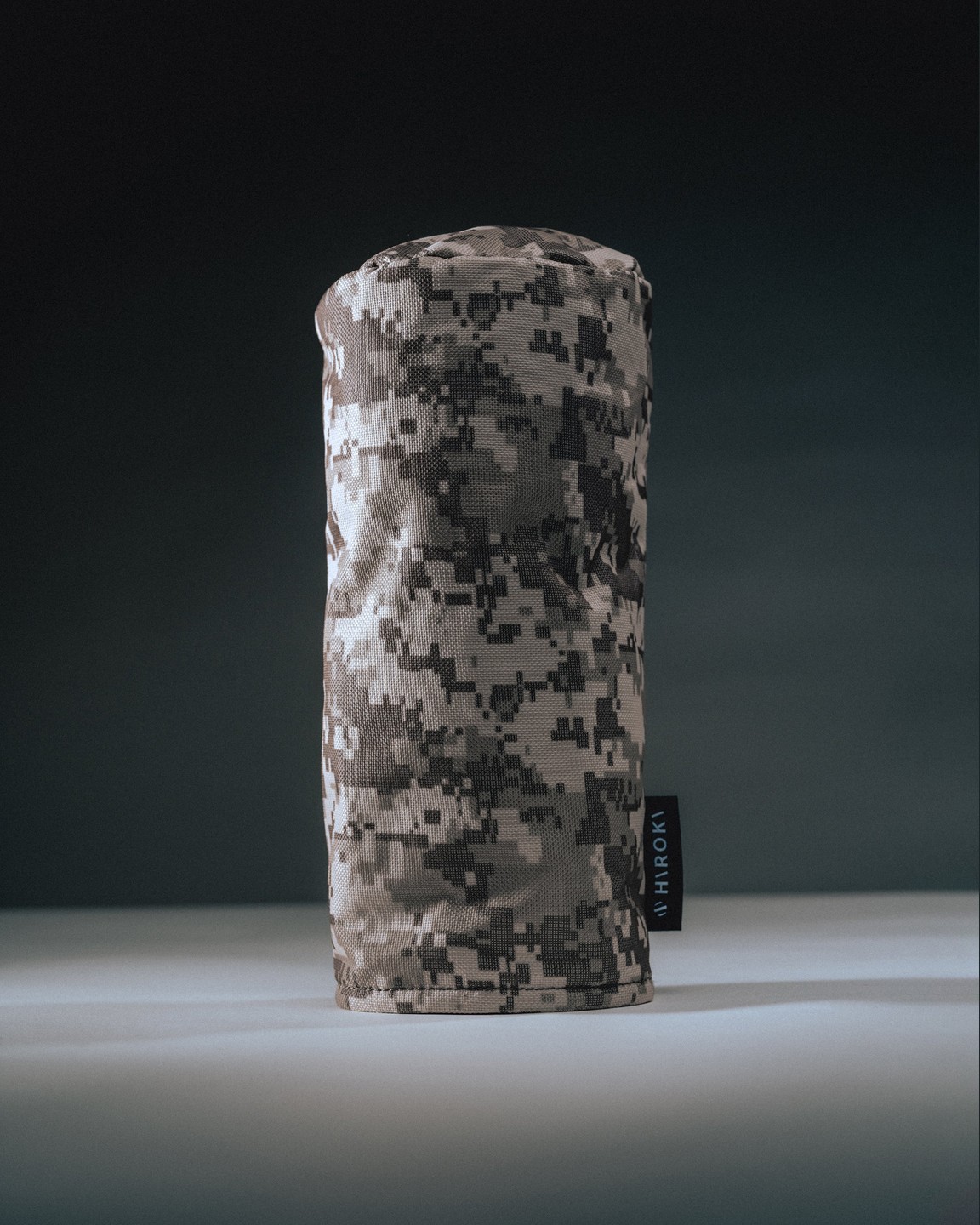
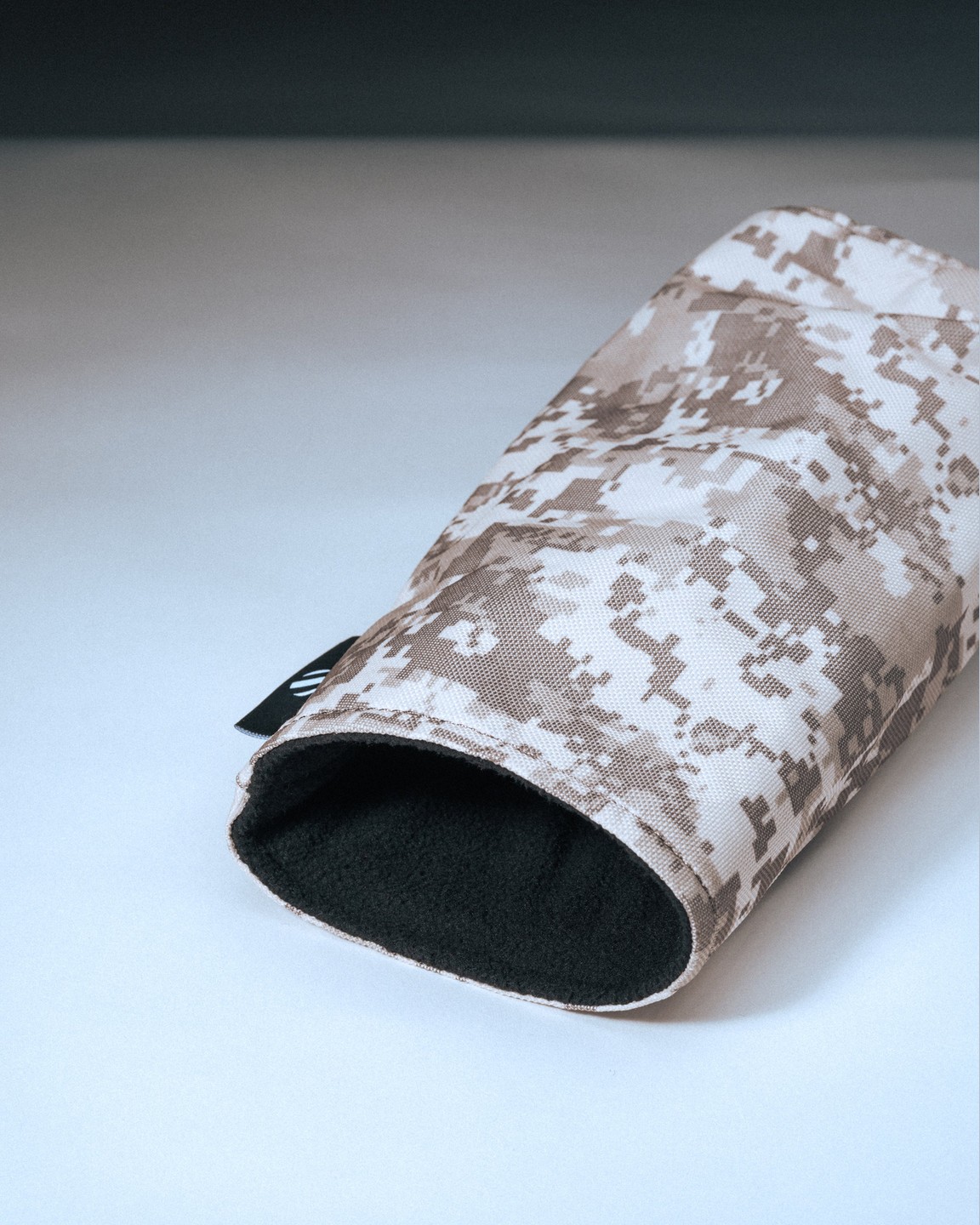
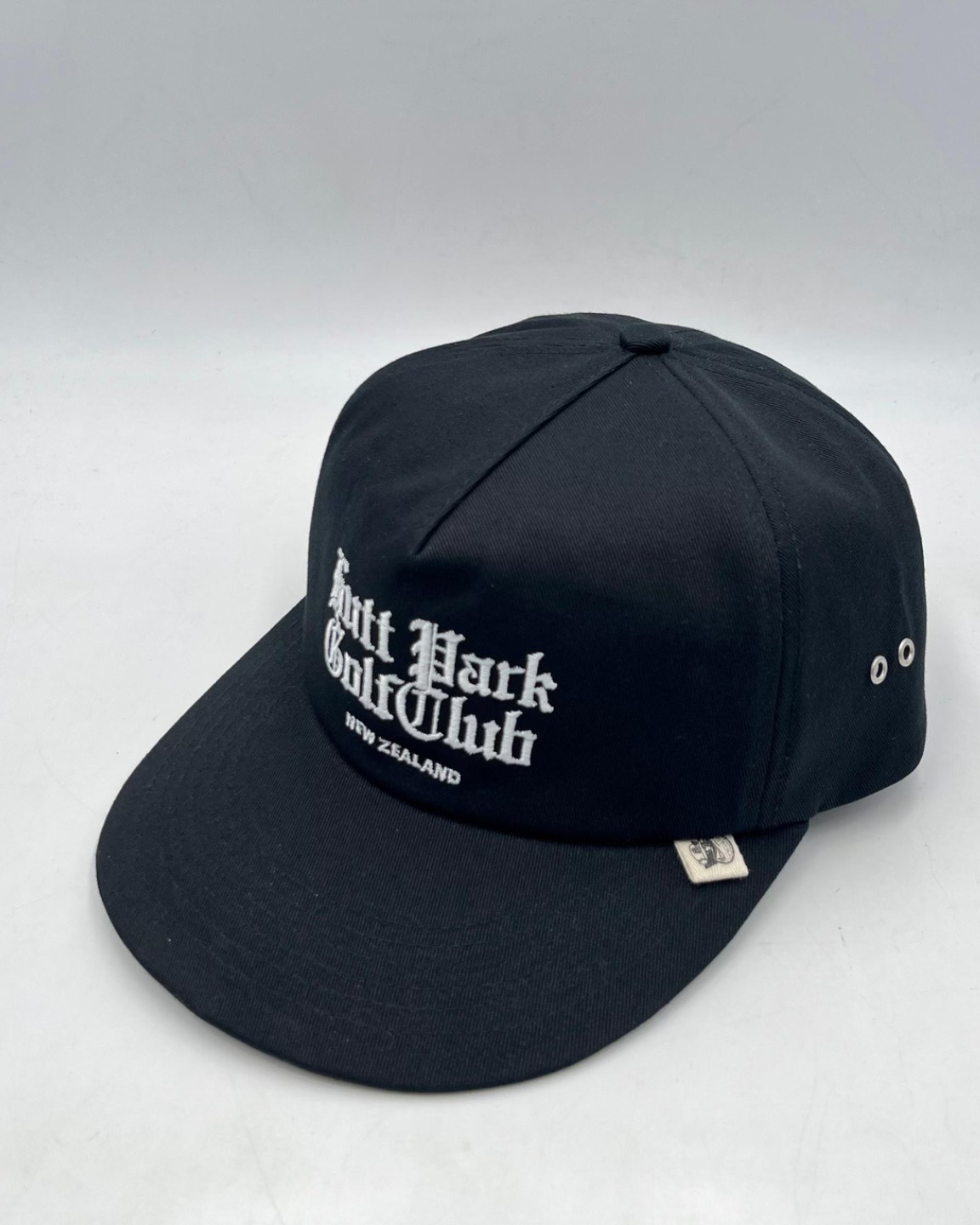
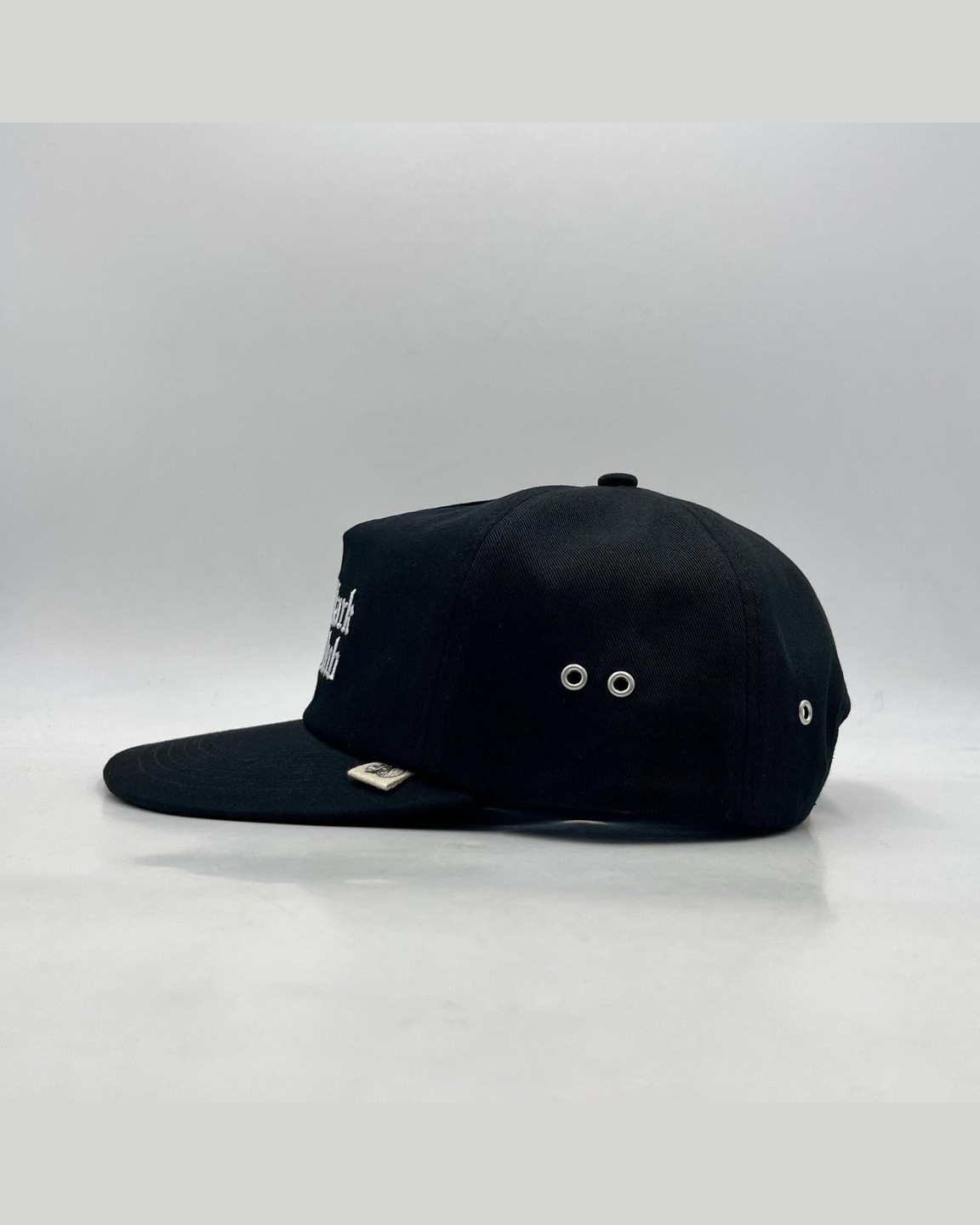
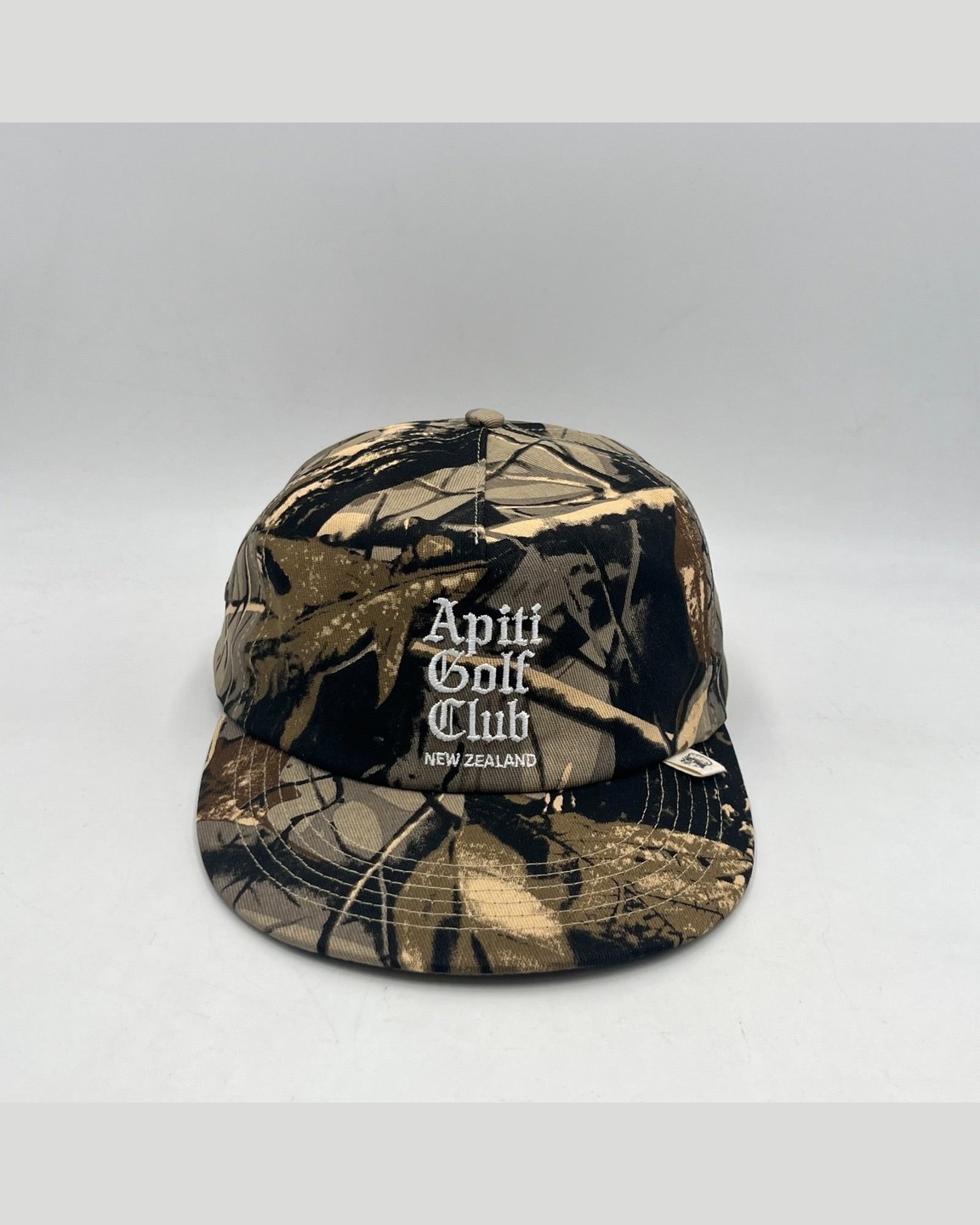
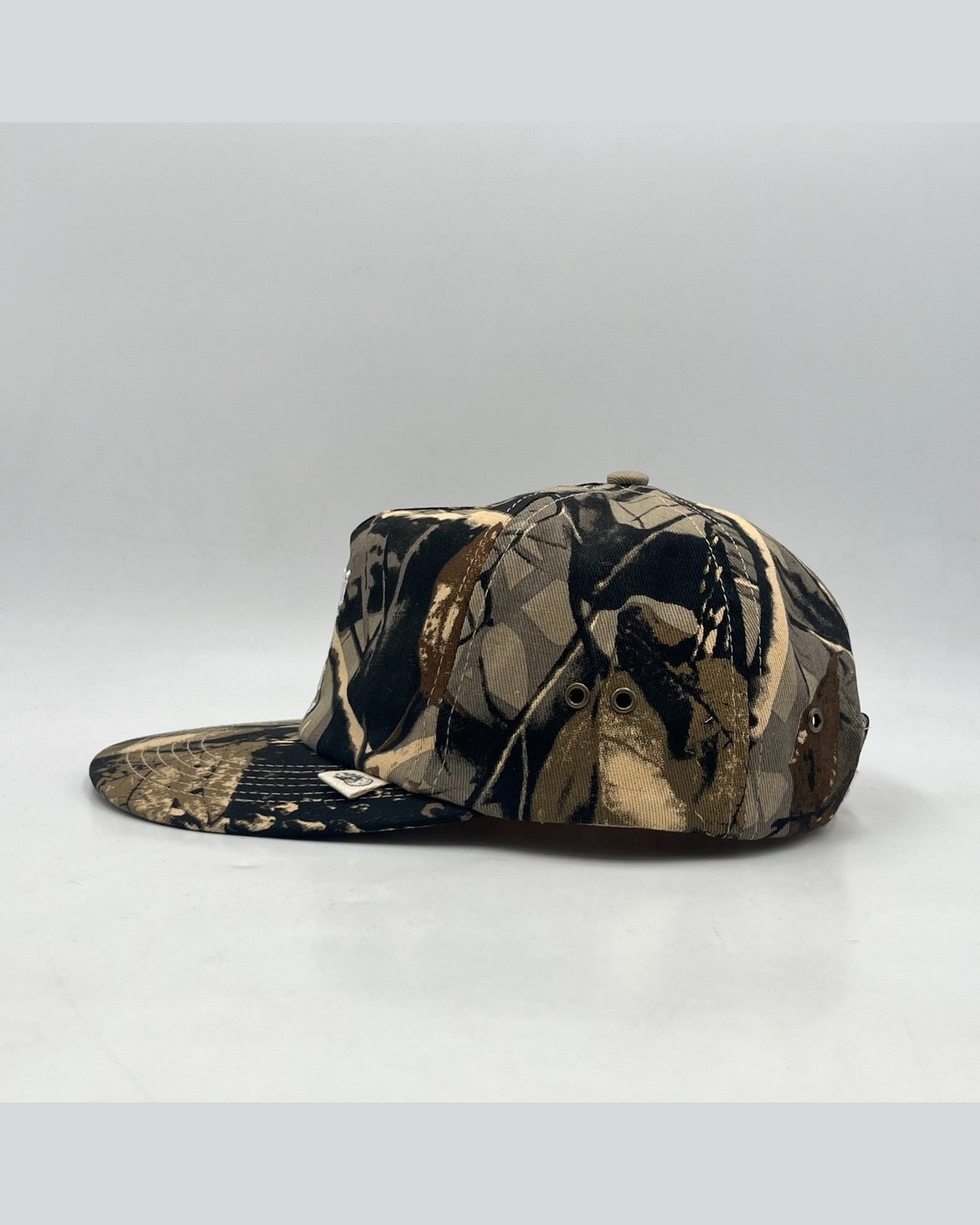
Six collaborations are listed in Hiroki’s own archive, which is a lot for a brand this size and tells you where its attention goes.
All six are archived rather than current, so the pieces show as sold out. They are listed here because the archive is the clearest record of who the brand keeps company with.
Hiroki is based in Auckland, New Zealand, and registered there as Hiroki Limited. The brand does not publish where the bags themselves are manufactured, and we are noting that rather than filling the gap.
By choice. A profile the brand publishes on its own journal says the name was picked to evoke the precision associated with Japanese craftsmanship and to act as a filter on design — if an idea feels forced, it does not go in.
On the US store, read 18 September 2026: Sunday and stand bags run $279 to $425, headcovers $69 to $95, hats $45 to $55 and towels $35.
Yes, and not by conversion. Hiroki runs separate price lists per market. The Kinloch Stand Bag is $350 on the US store and NZ$550 on the New Zealand one. The site shows a bare dollar sign in both, so check which market you are in before comparing.
For the Elements. It uses an expanded PTFE fabric with a waterproof lining, YKK zips and a reinforced leather base, and at $279 it is the cheapest bag Hiroki makes.
The New Zealand companies register lists Hiroki Limited’s directors as Stephen Jenness and Jacob Smith. A profile on the brand’s own journal describes its founders, Steve and Jacob, as Olympians. We have not been able to confirm that independently and have asked the brand. Neither founder has given a published interview we can find, so every quote on this page is Hiroki writing as Hiroki.