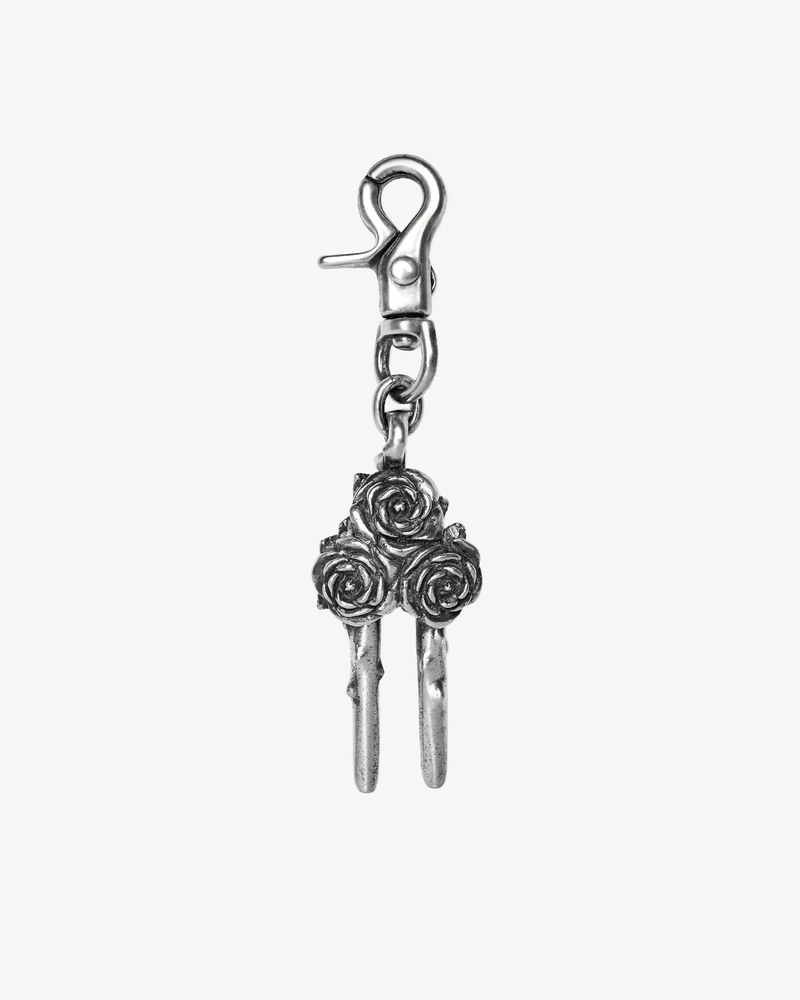
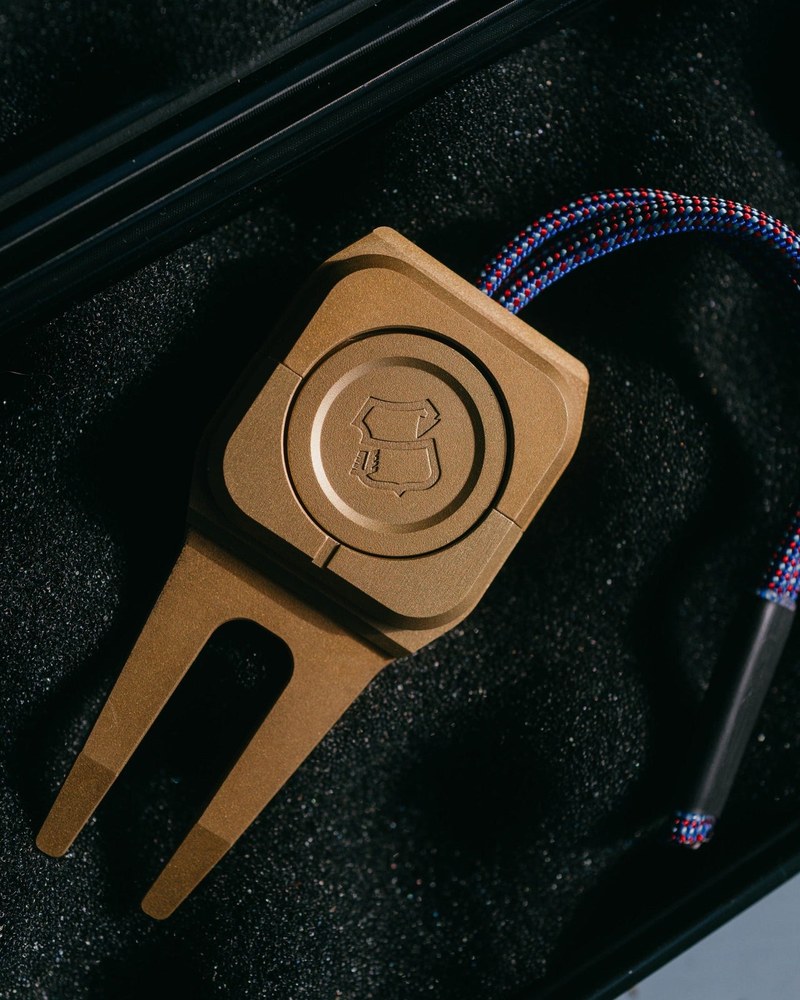
This is twenty-five green repair tools from sixteen makers, running from a $19.99 Frogger to a $130 Sugarloaf collaboration. Everything here was checked for stock on 9 September 2026, and where a piece is out, it says so on the card.
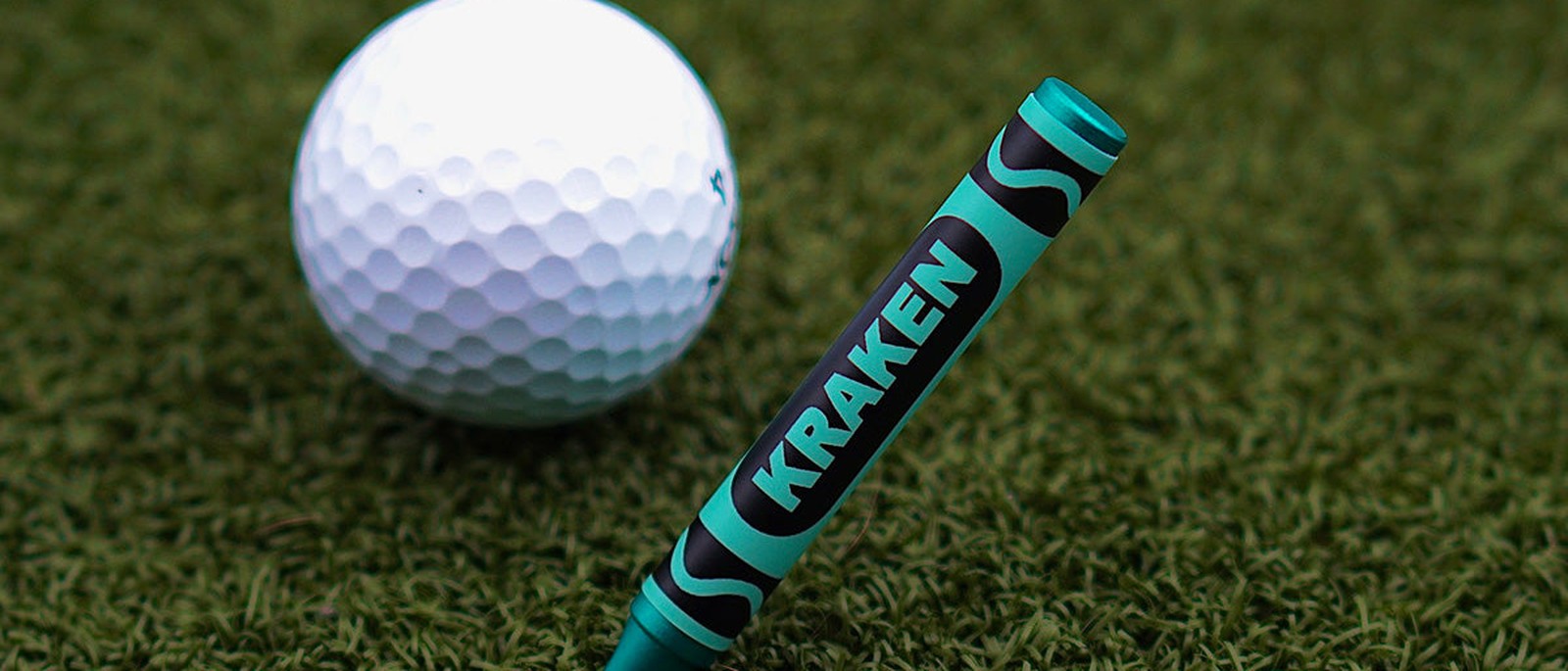
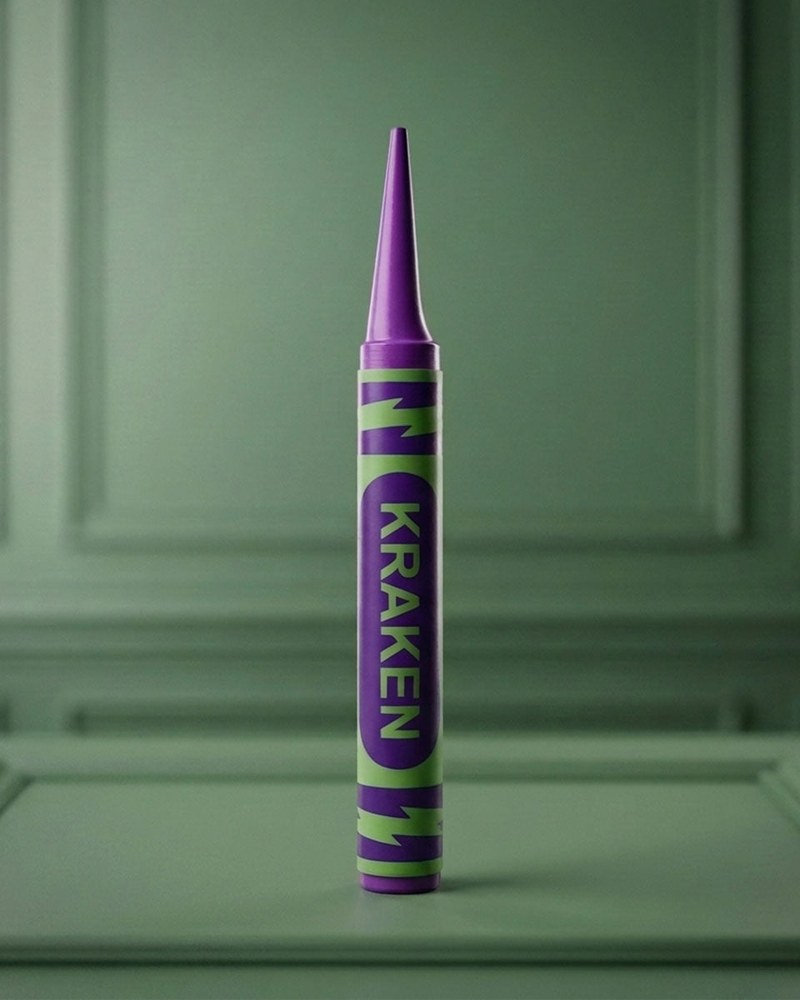
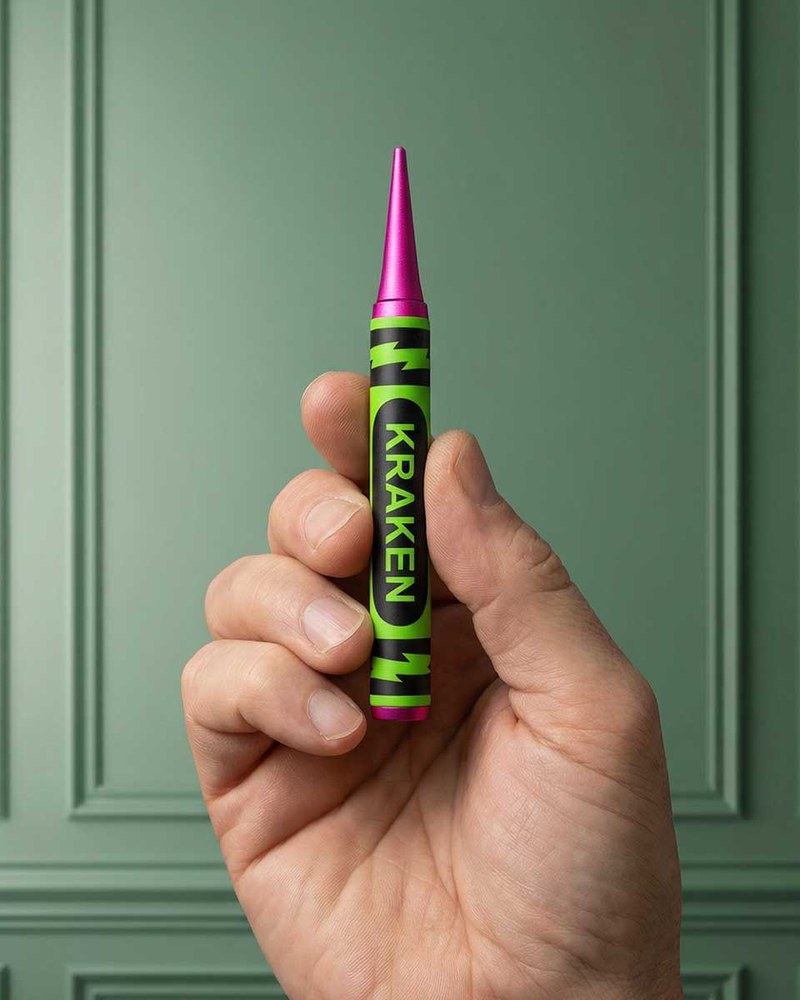
The reason to care about a divot tool is that it is the one piece of equipment you use on somebody else’s behalf. A repaired pitch mark heals in about a day; an unrepaired one takes three weeks and leaves a scar the size of a coin on a surface the greenkeeper rolls every morning. The tool is a two-dollar problem that the industry has answered with milled titanium and hand-forged copper. One maker answers it with a machined crayon.
If you want the short version: buy a single-prong tool, push from the edge of the mark inward, and do not lever the middle up like a cork. Everything below is the long version.
The shape of the head decides the repair, and the two-prong fork encourages the wrong one.
The technique. A pitch mark is turf pushed sideways and down, leaving the centre thin. The repair is to work the edges back toward the middle so the surface closes, then tap it flat. Levering the centre upward — the instinctive move with a two-prong fork — tears the roots that are still attached and turns a one-day recovery into a dead patch.
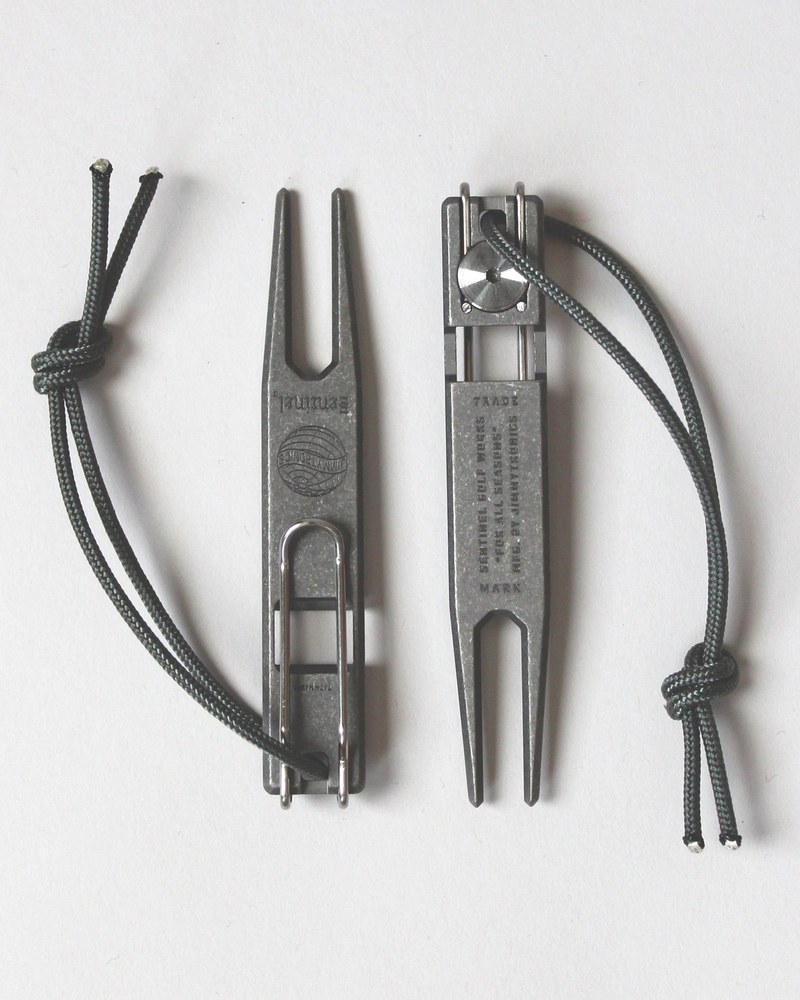
Why single prong. A single prong is hard to misuse. There is only one point of contact, so pushing inward from the edge is the natural motion. Seamus forges its Greenskeeper and Goat tools this way, Kraken tapers every Crayon to one tip, and Sentinel’s Jimmy Bar goes further by dropping the prong entirely for a bar you insert at an angle and rock.
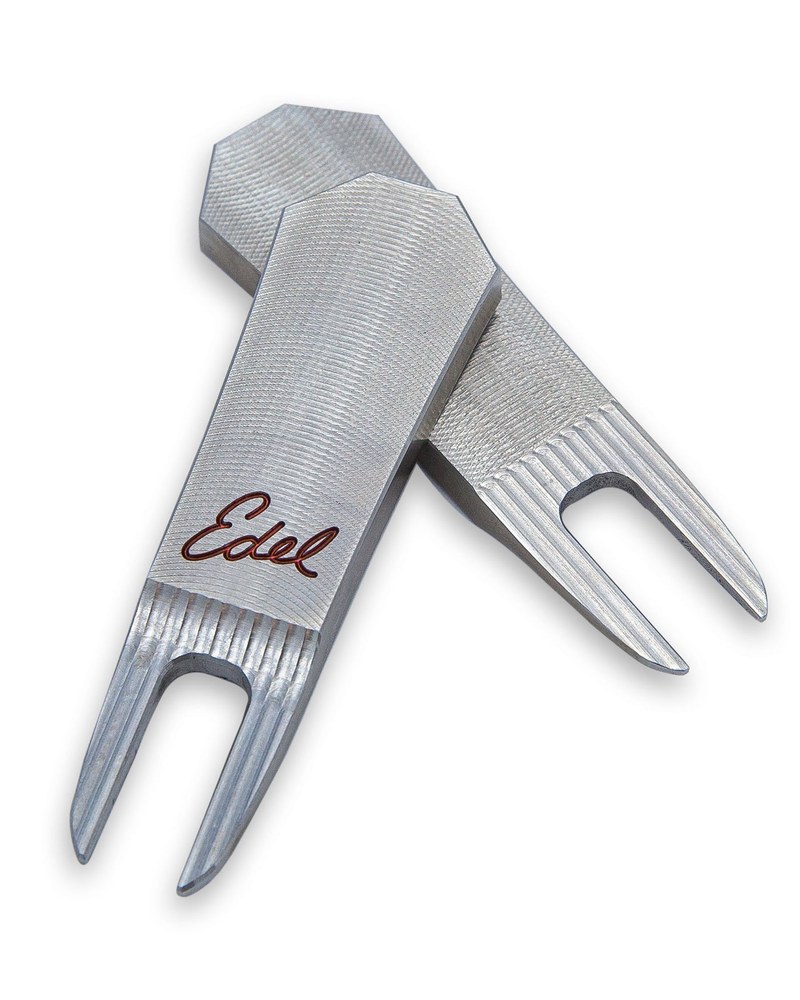
Milled versus stamped. A stamped tool is cut and pressed from sheet; a milled one is machined from solid billet. Milled prongs hold their geometry and resist rolling over at the tip, which is what turns a cheap tool into a bent one. Edel mills, Kraken mills, Gamut casts in brass. The $20 pieces are stamped, and at that price that is a fair exchange.
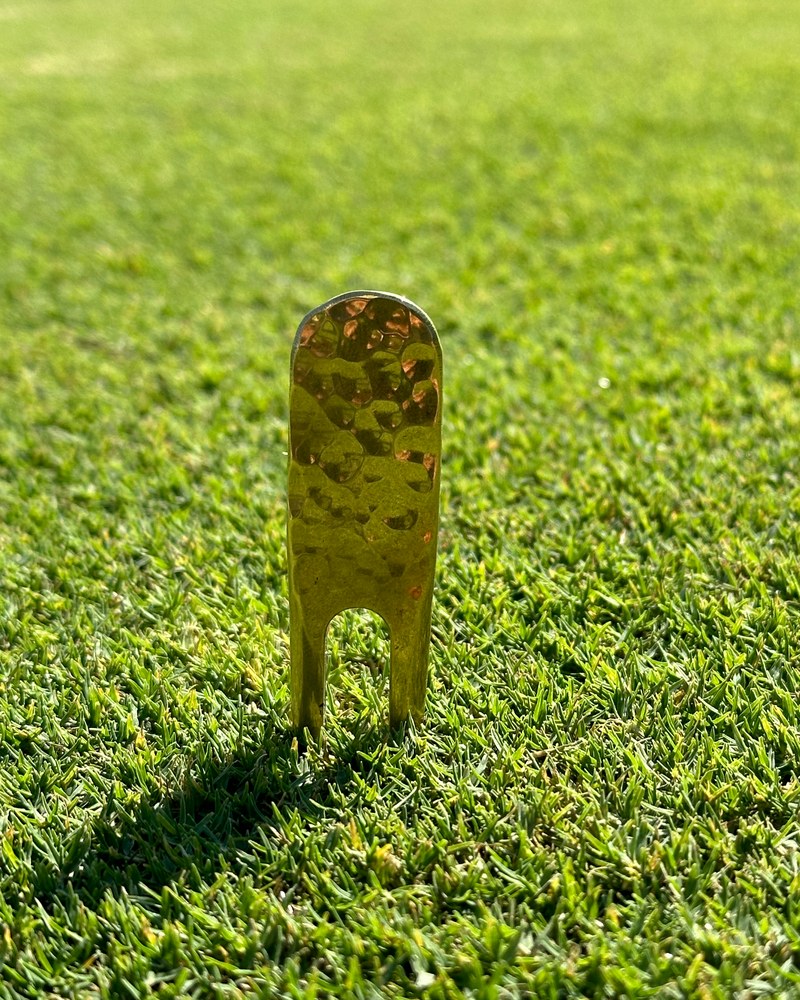
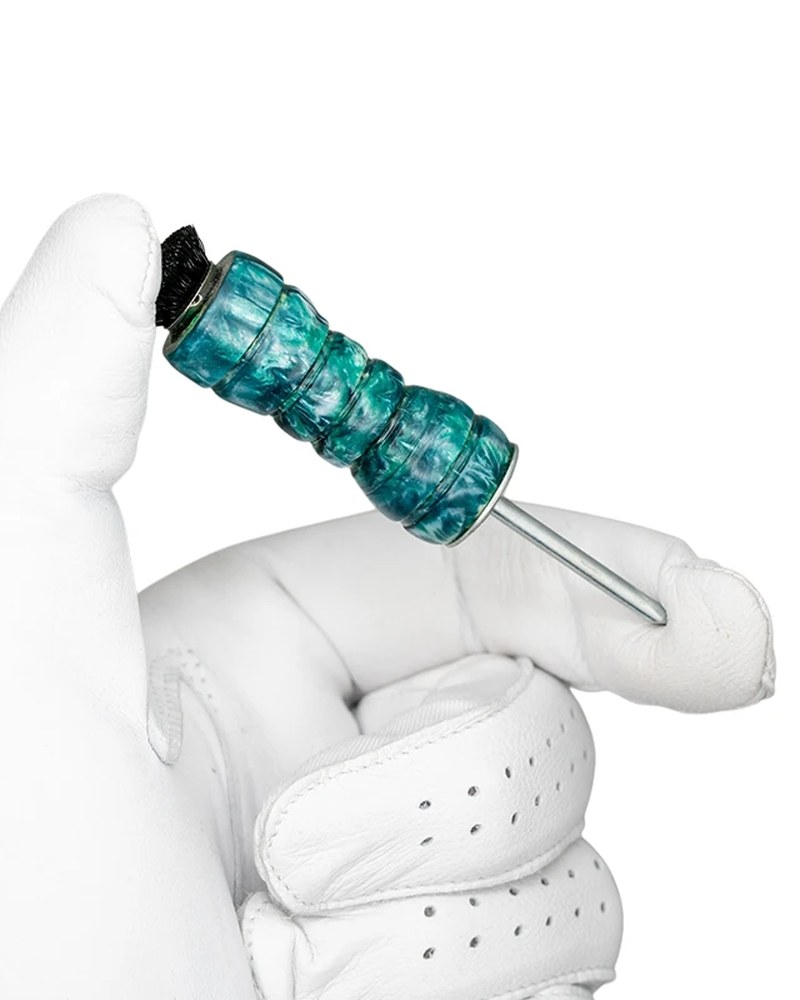
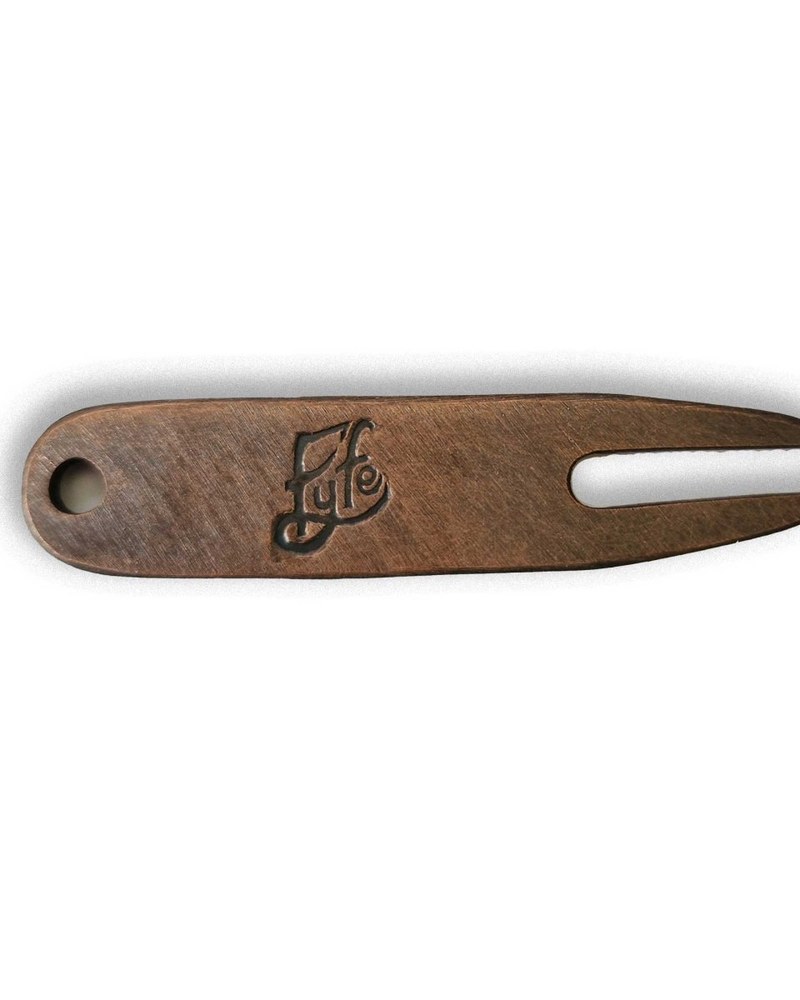
Materials. Titanium and stainless stay as they are. Copper and brass patina — Fyfe, Gamut and Kraken’s Tentacle will all darken with pocket time, which some buyers want and some do not. Resin, like Matchstick’s Alumilite handles, is the only material here that is decorative first.
Everything in this group was buyable on 9 September 2026, listed cheapest first.
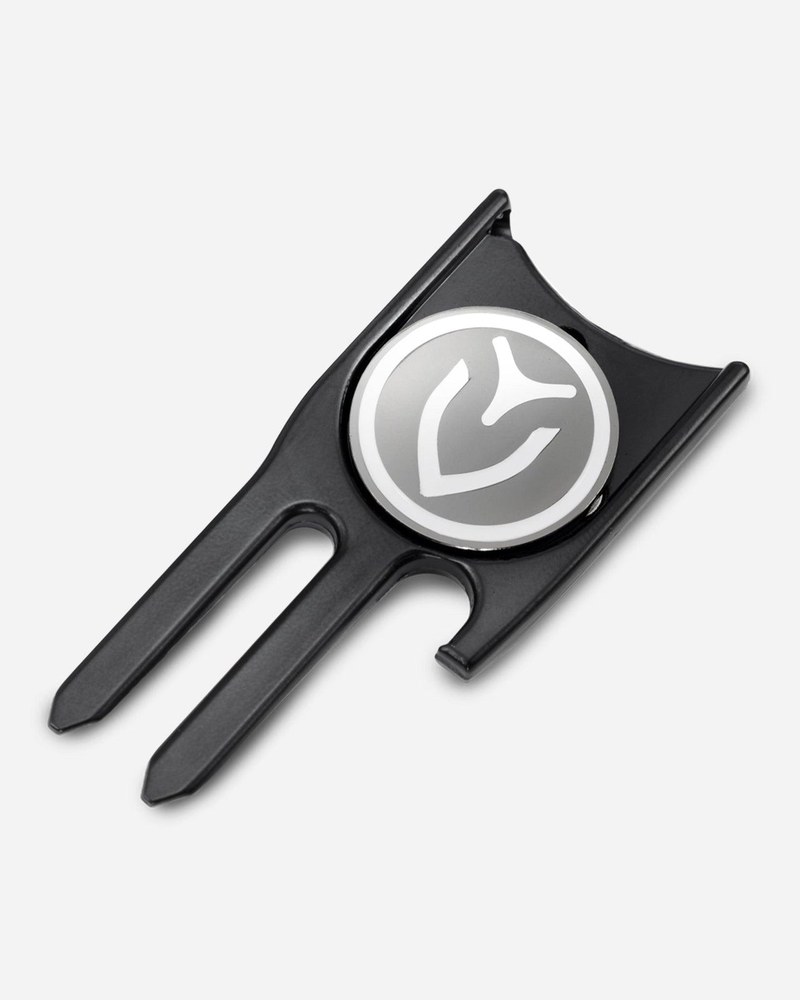
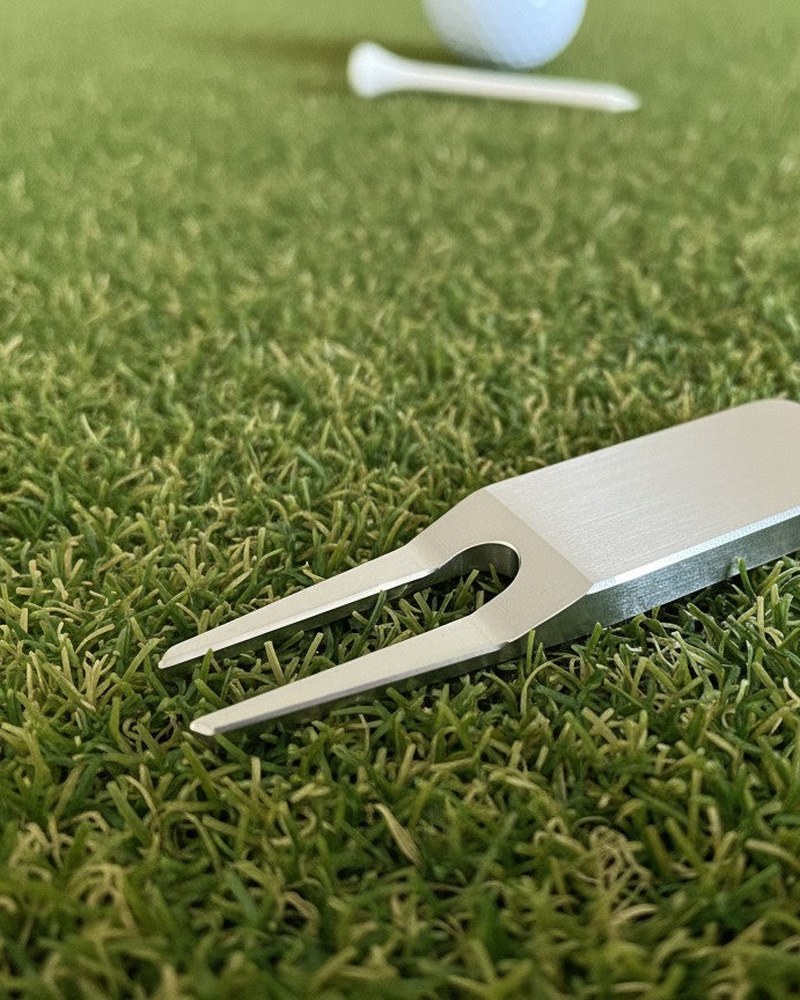
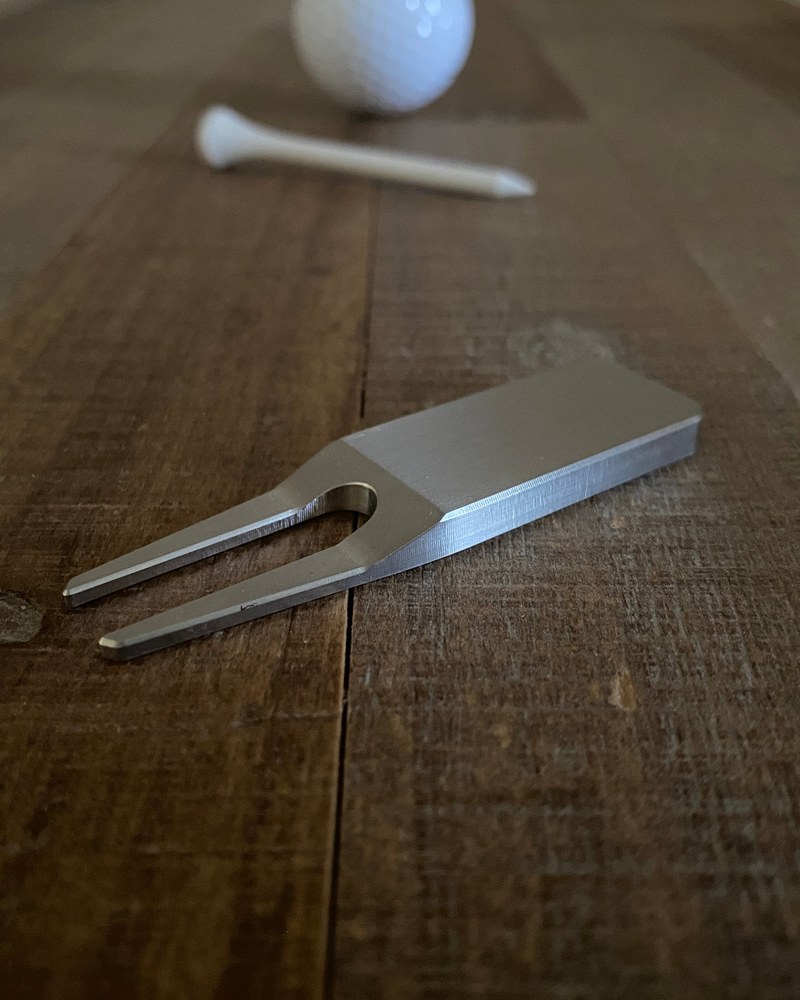
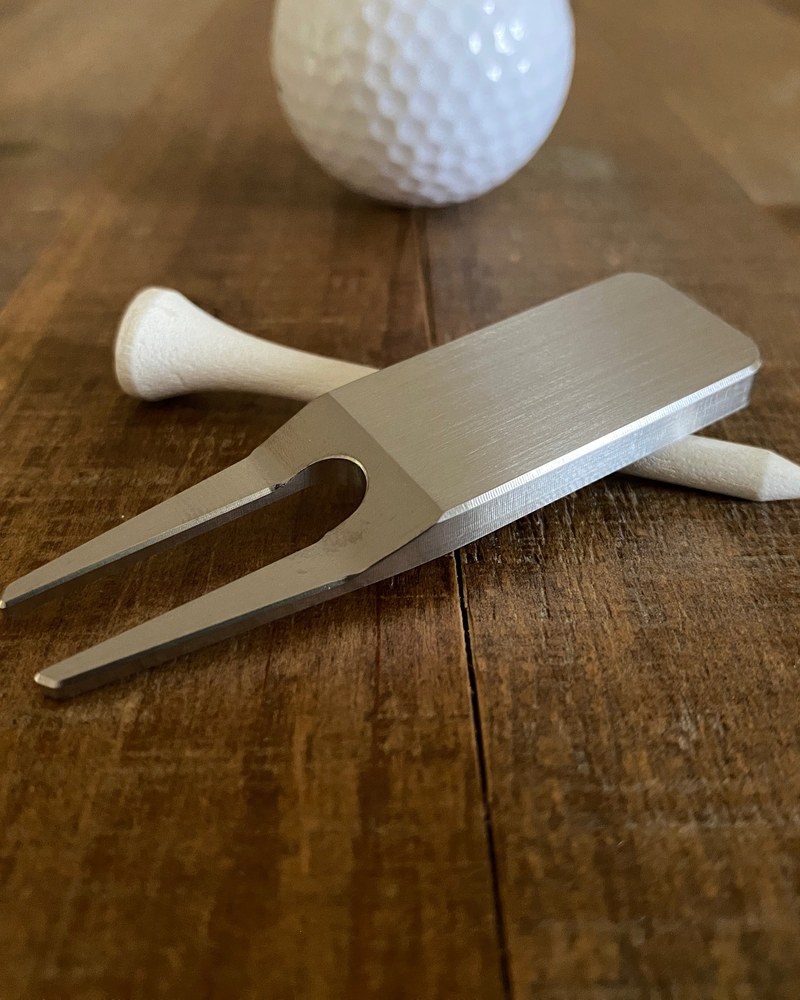
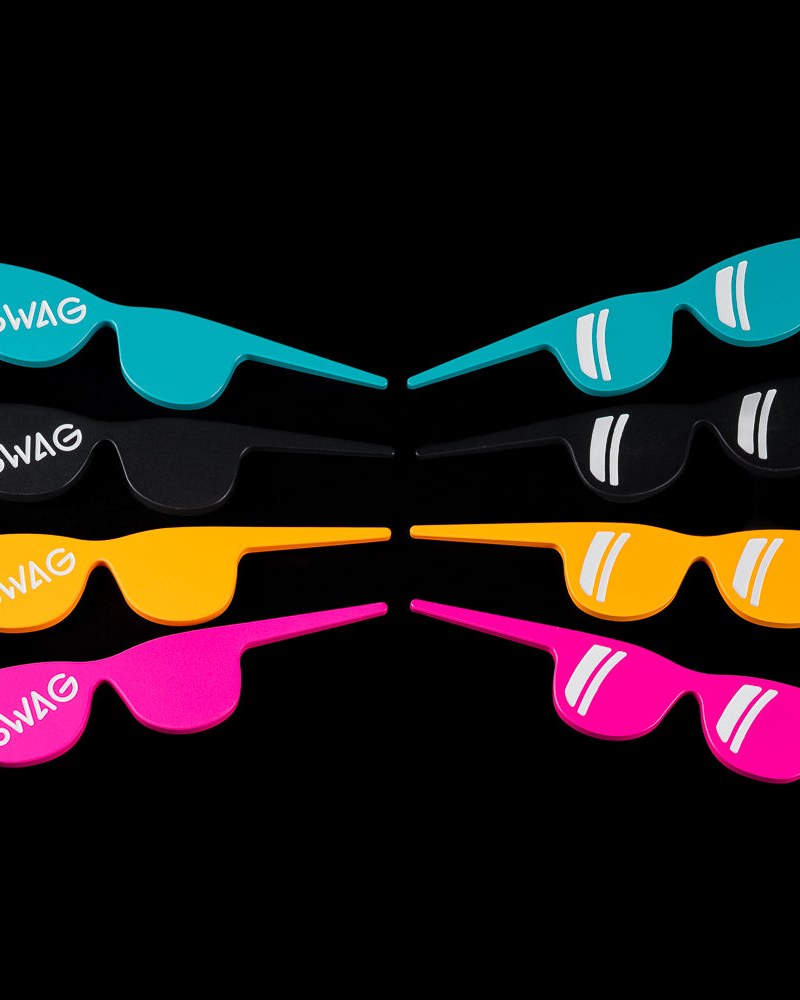
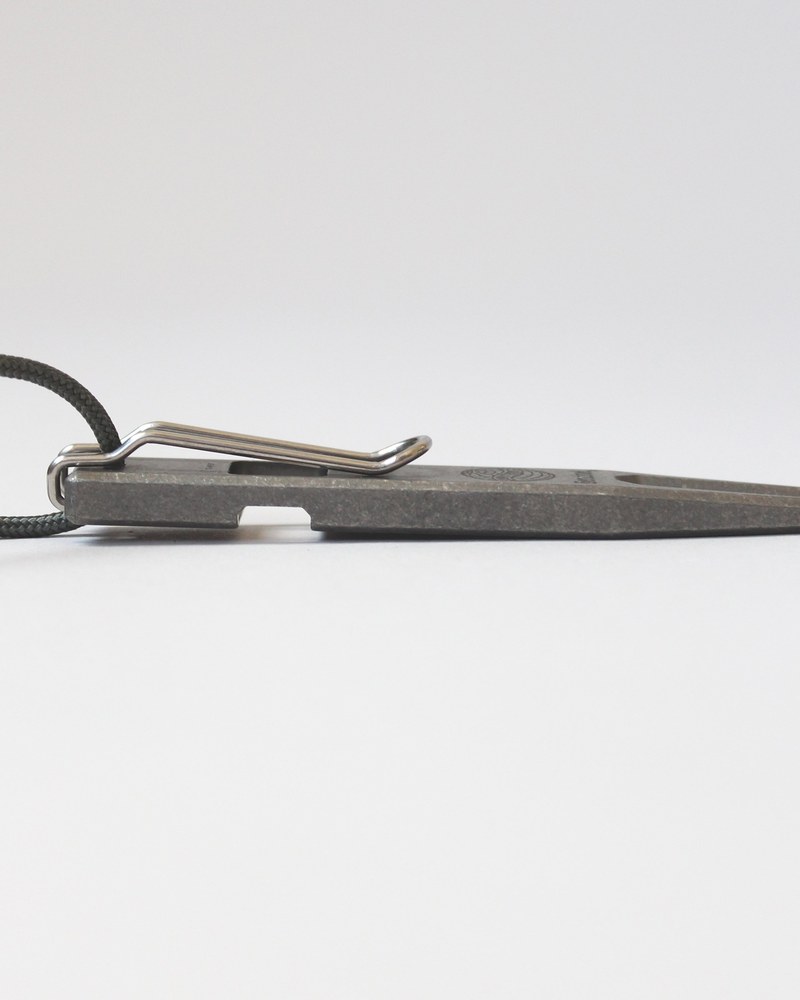
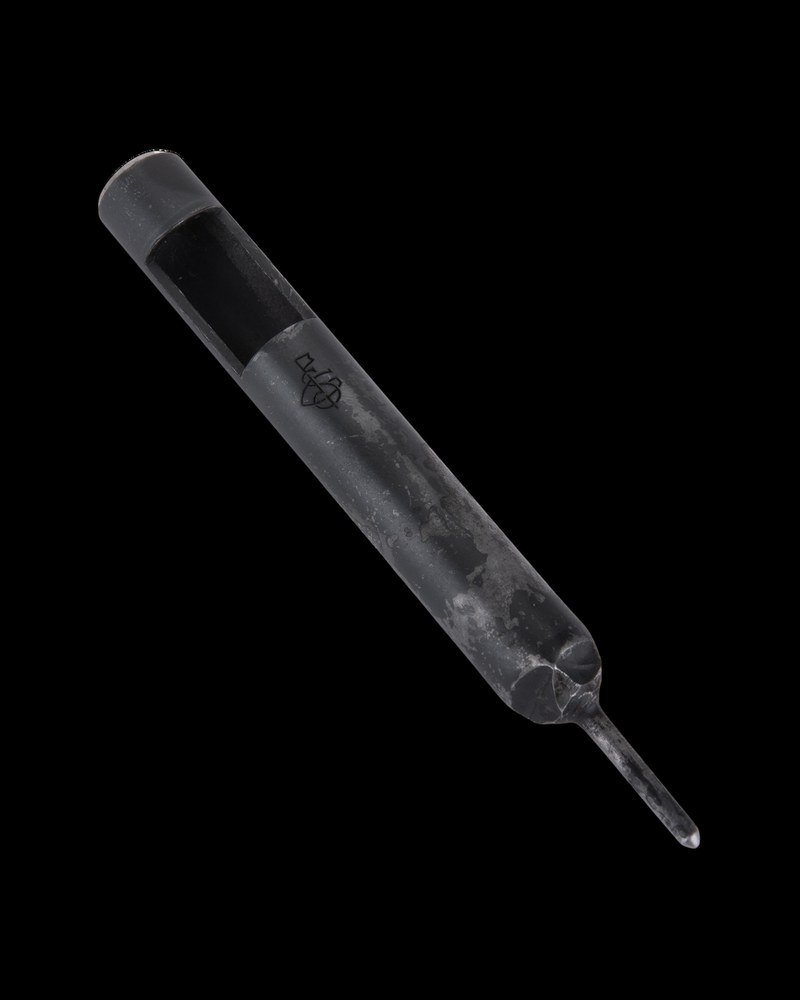
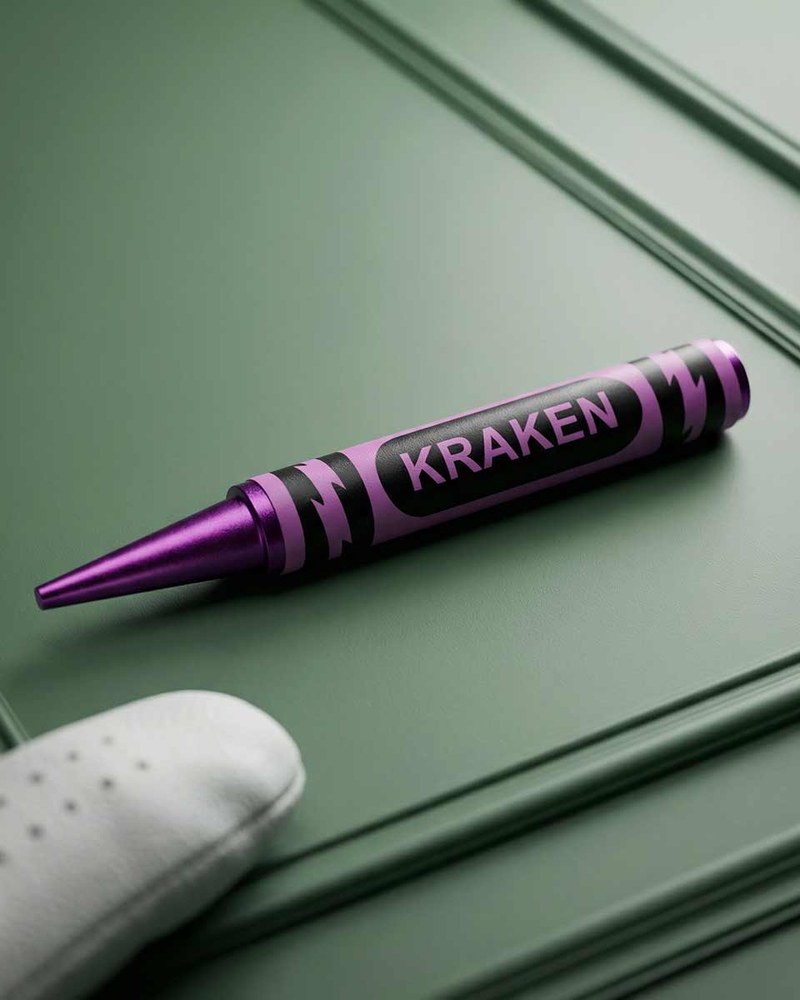
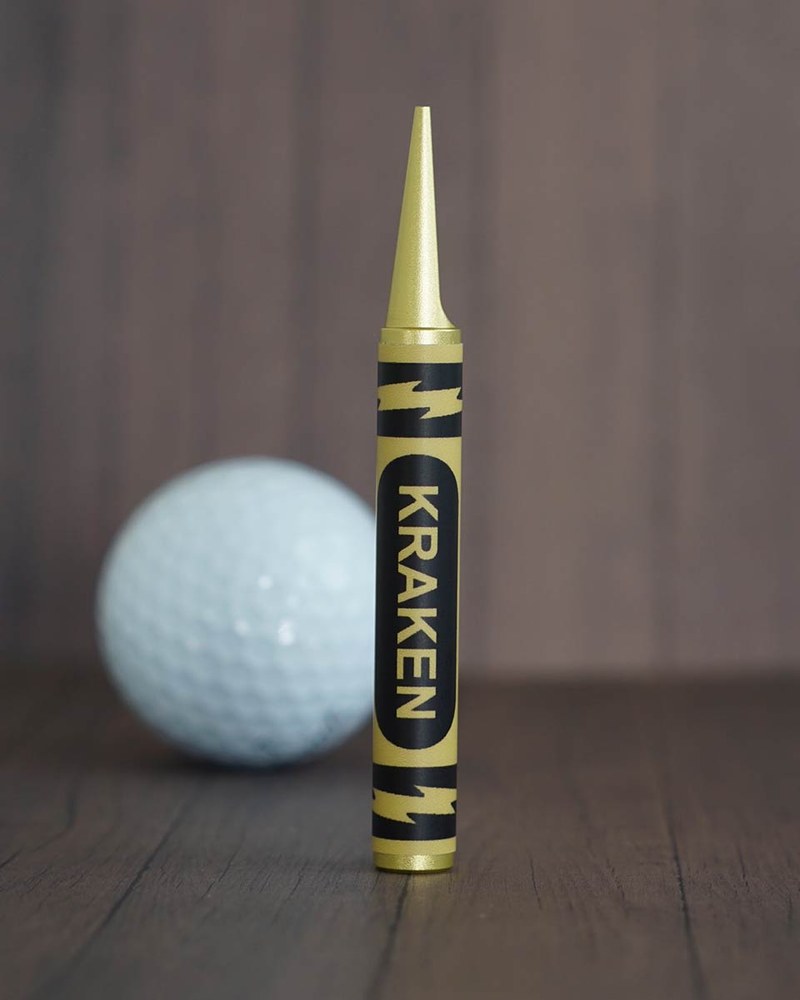
Kraken lists more divot tools than any other maker in golf, and mills most of them into the shape of a crayon.
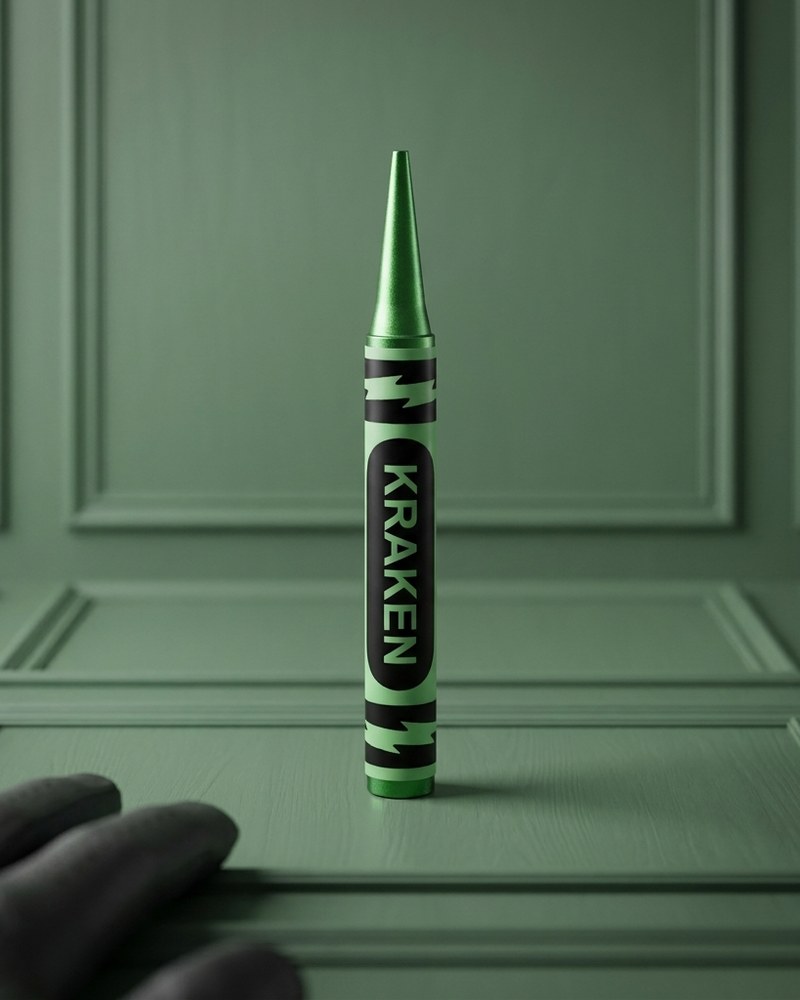
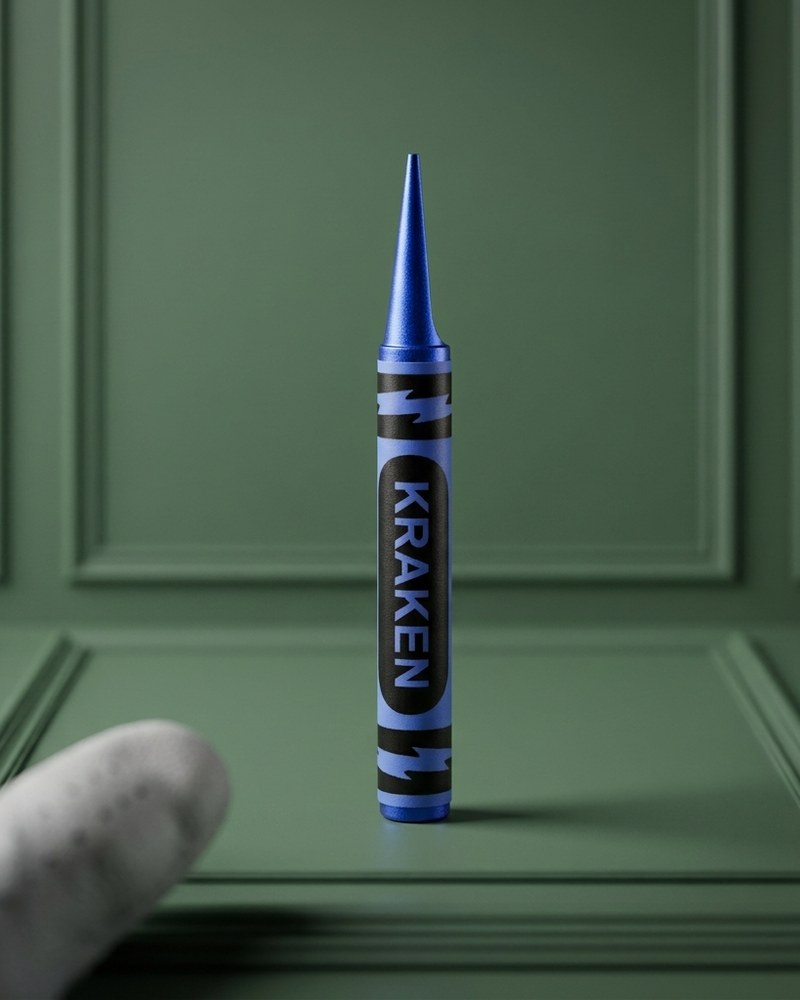
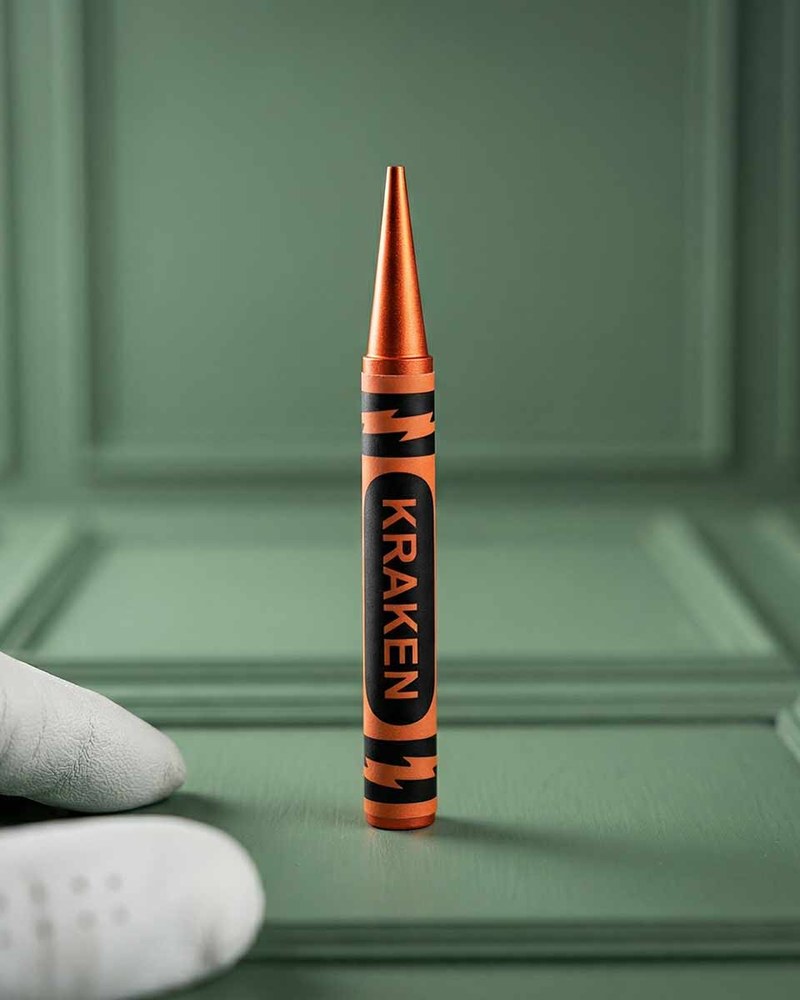
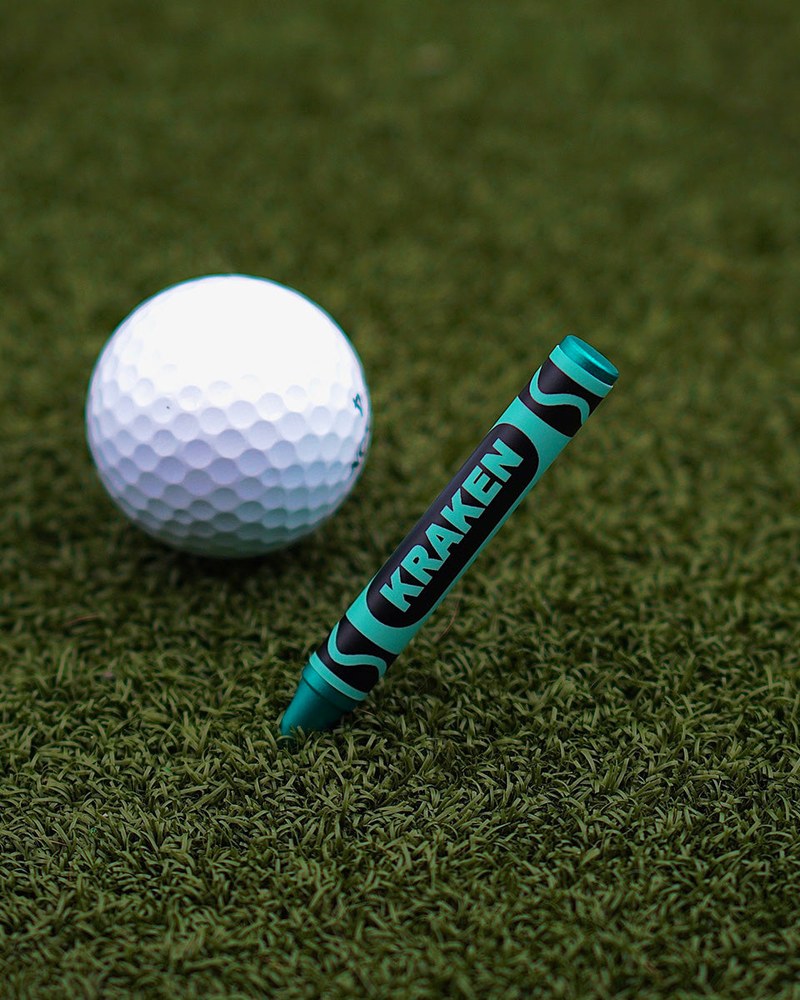
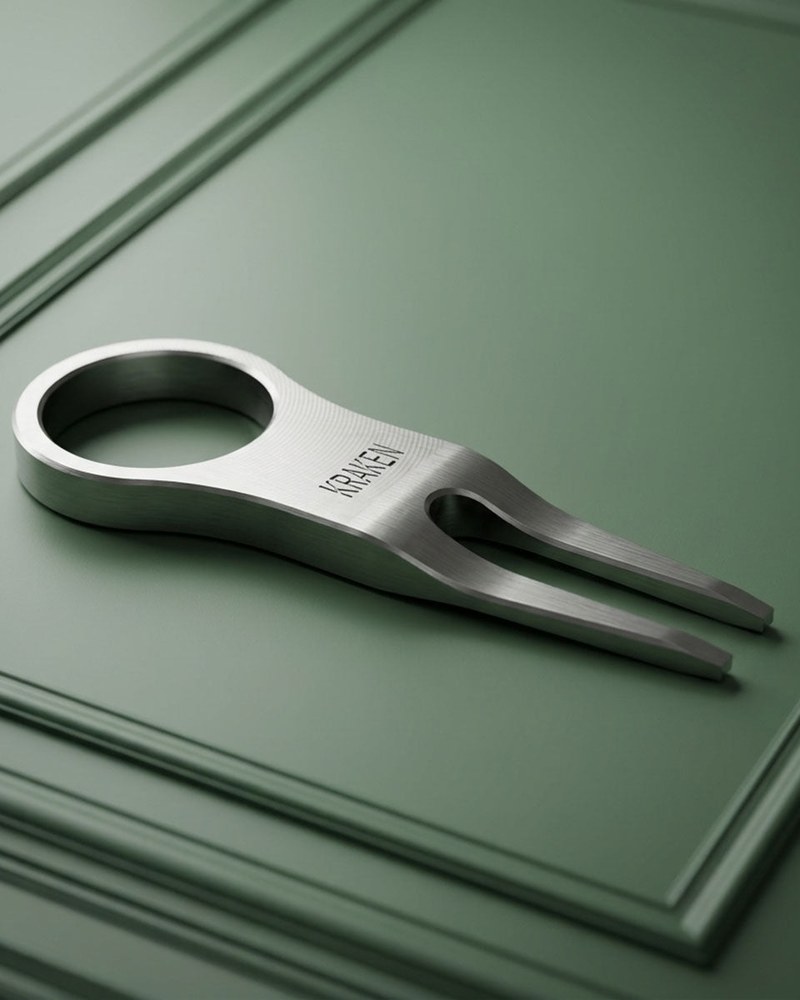
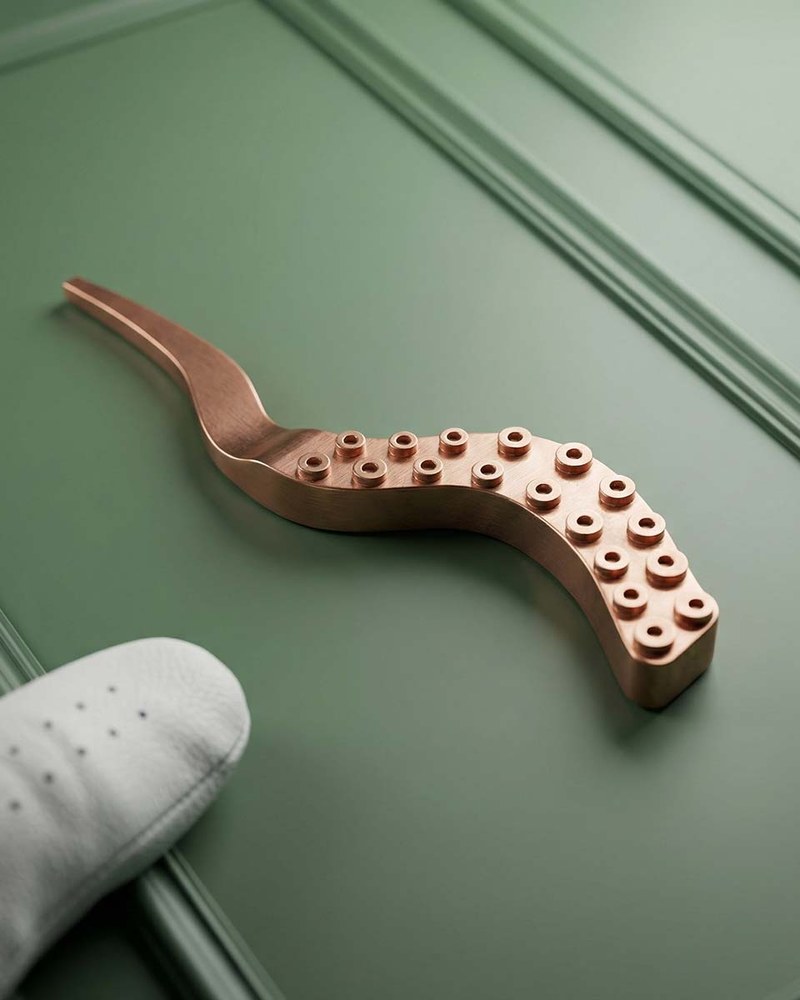
Small makers run small batches, and the good pieces spend more time out than in.
Seven of the sixteen makers here have no divot tool in stock today. That is not an editing failure, it is the category. These are single-operator workshops and side products from apparel brands, made in runs of dozens rather than thousands, and the ones with the best photography sell out first.
Kraken is the clearest illustration. It lists eighty-three divot and pitch tools, which is more than any other maker in golf, and roughly seventy of them are sold out at any moment. The catalogue functions as an archive rather than a shop.
The useful distinction is between pieces that return and pieces that do not. Kraken runs numbered Blacklist drops with a hard cap stated in the product copy — Blacklist 024 says “Limited to 30” on the page — and those never come back. The standard colourways carry no such language, rotate through stock, and reappear. Everything in the watchlist section below is from the second group. Nothing in it is a numbered edition, and none of these makers publishes a restock date, so treat it as a list to check rather than a promise.
Standard pieces that are out today and carry no stated production cap, so they rotate back.
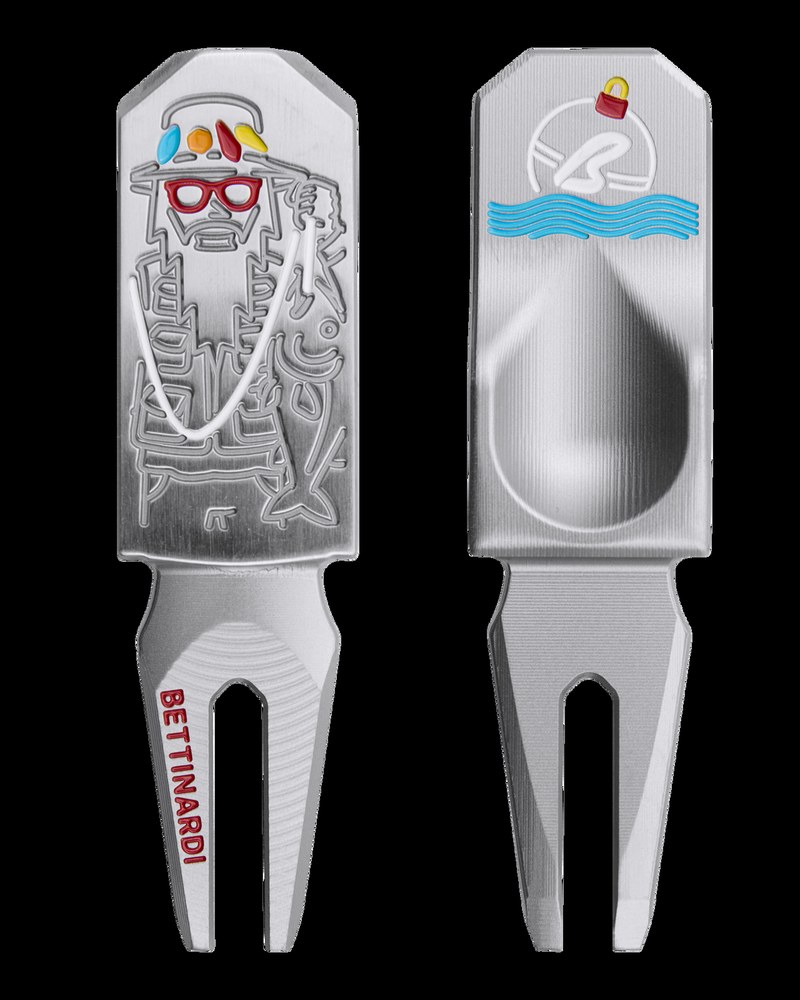

Work the edges of the mark inward toward the centre, then tap the surface flat with the putter sole. Do not lever the centre upward — that tears the roots still holding the turf together and turns a one-day recovery into a three-week scar.
A single prong is harder to use incorrectly. With one point of contact the natural motion is pushing inward from the edge, which is the correct repair. A two-prong fork invites you to straddle the mark and lever the middle up, which is the damaging one. Seamus, Kraken and Sentinel all build single-prong or bar-style tools for this reason.
A milled tool is machined from a solid billet of metal; a stamped one is pressed from sheet. Milled prongs hold their shape and resist rolling over at the tip under load. It is the main thing separating the $45-and-up tools from the $20 ones, and at $20 a stamped tool is still a fair exchange.
For $19.99 the Frogger HOP! opens one-handed and lives on a bag clip. For a tool you will keep, the Edel Fine Milled at $45 is milled rather than stamped. If you want something hand-made, Seamus forges its single-prong Greenskeeper in Portland at $76.
They are made in small batches by single-operator workshops or as side products by apparel brands. Kraken alone lists eighty-three divot and pitch tools and has around seventy sold out at any given time. The catalogue is closer to an archive than a shop.
It depends on the piece. Makers rerun standard colourways without announcing dates. Numbered limited drops do not return — Kraken states the cap in the product copy, such as “Limited to 30” on Blacklist 024. The watchlist in this edit only includes pieces with no stated cap.