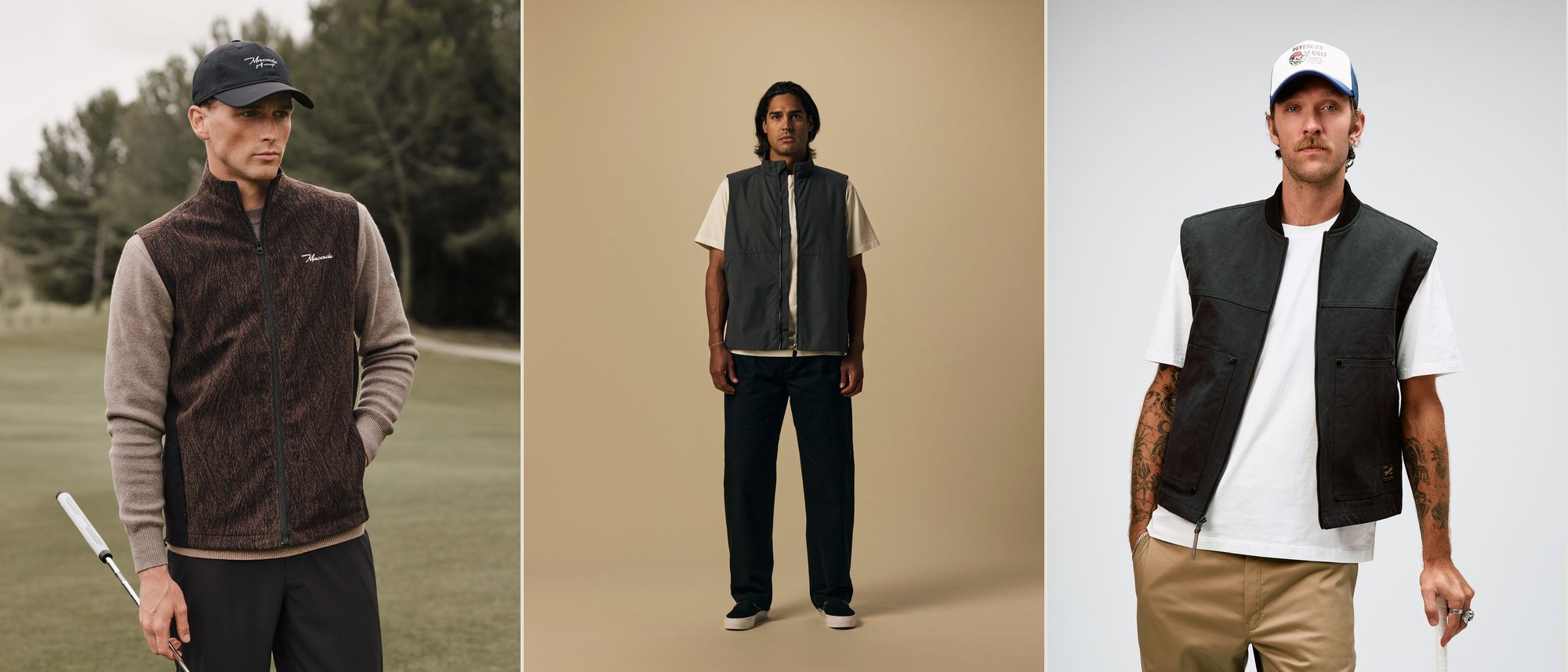
The vest is the most useful layer in golf. It keeps your chest warm and leaves your arms alone, so nothing pulls across your shoulders on the backswing. In Austin it covers most of November through February on its own. Everywhere else, it goes over a quarter-zip or a hoodie for the first nine and stays on.
Why these brands. We went through the online stores of nearly every brand in our index, around 170 of them, and found well over two hundred vests in stock. We kept the 36 we liked best, with no more than two from any one brand. That means names you know from our Brand to Know pages, like Jones Sports Co, Sounder, SLOAT, Sentinel and Late Nine, alongside brands we have only mentioned in passing, like Fella, Pluto and ANTi Country Club Tokyo.
Four kinds of vest. Fleece and sherpa are the warmest and the most casual. Padded and quilted vests give you core warmth with almost no bulk. Tech and wind vests are thin shells for breezy days that fold into a bag pocket. Sweater vests are the clubhouse option, and they are having a moment again.
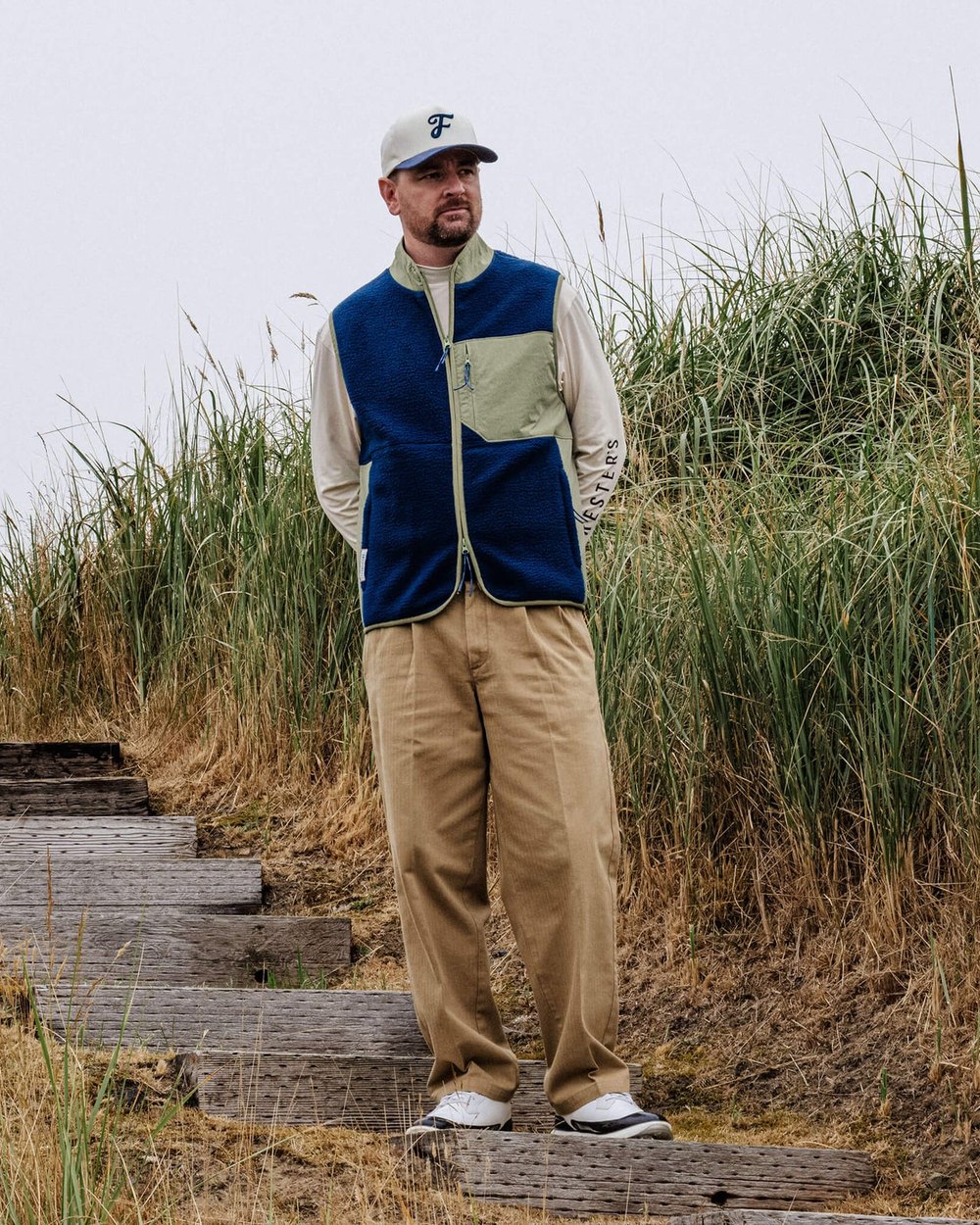
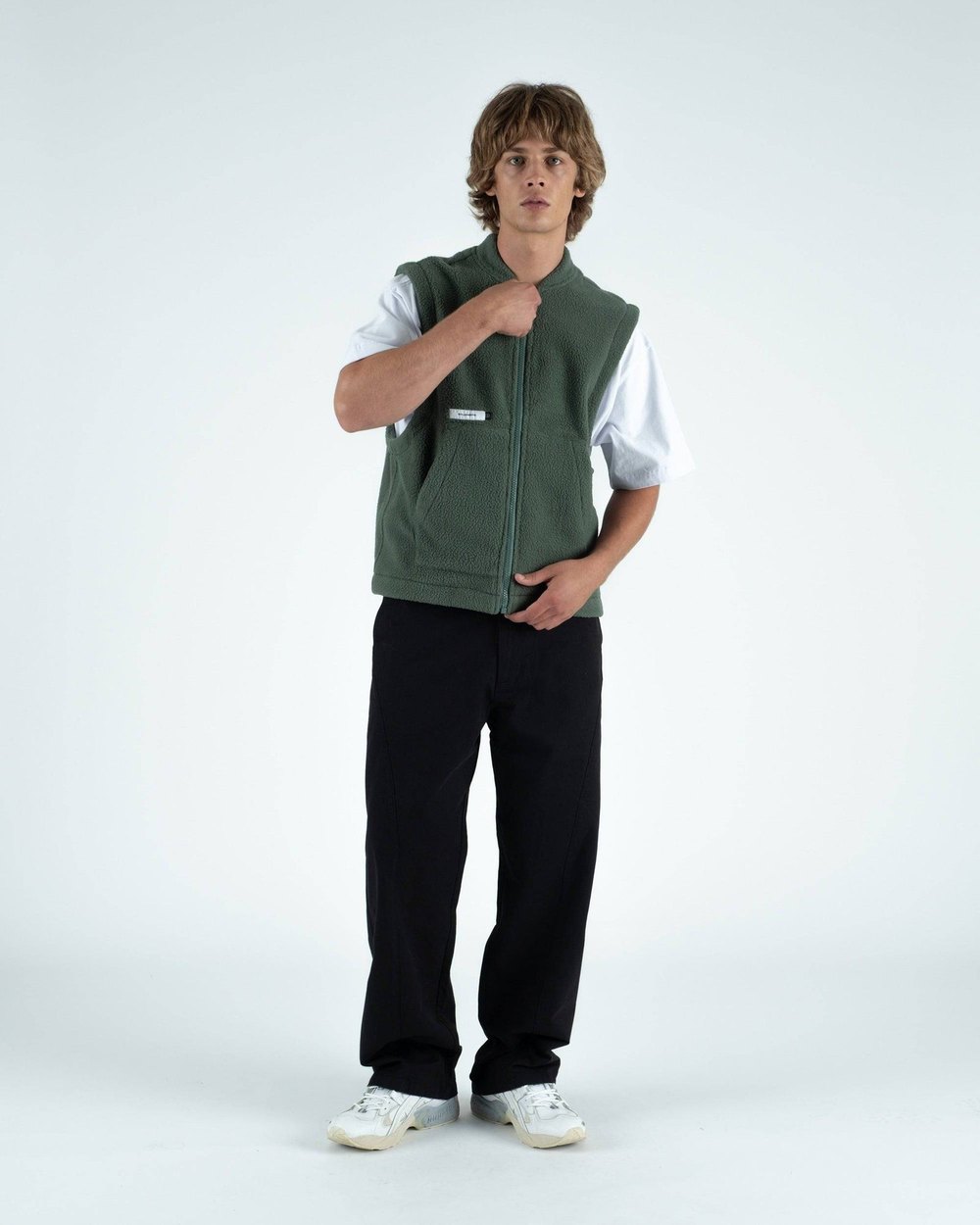
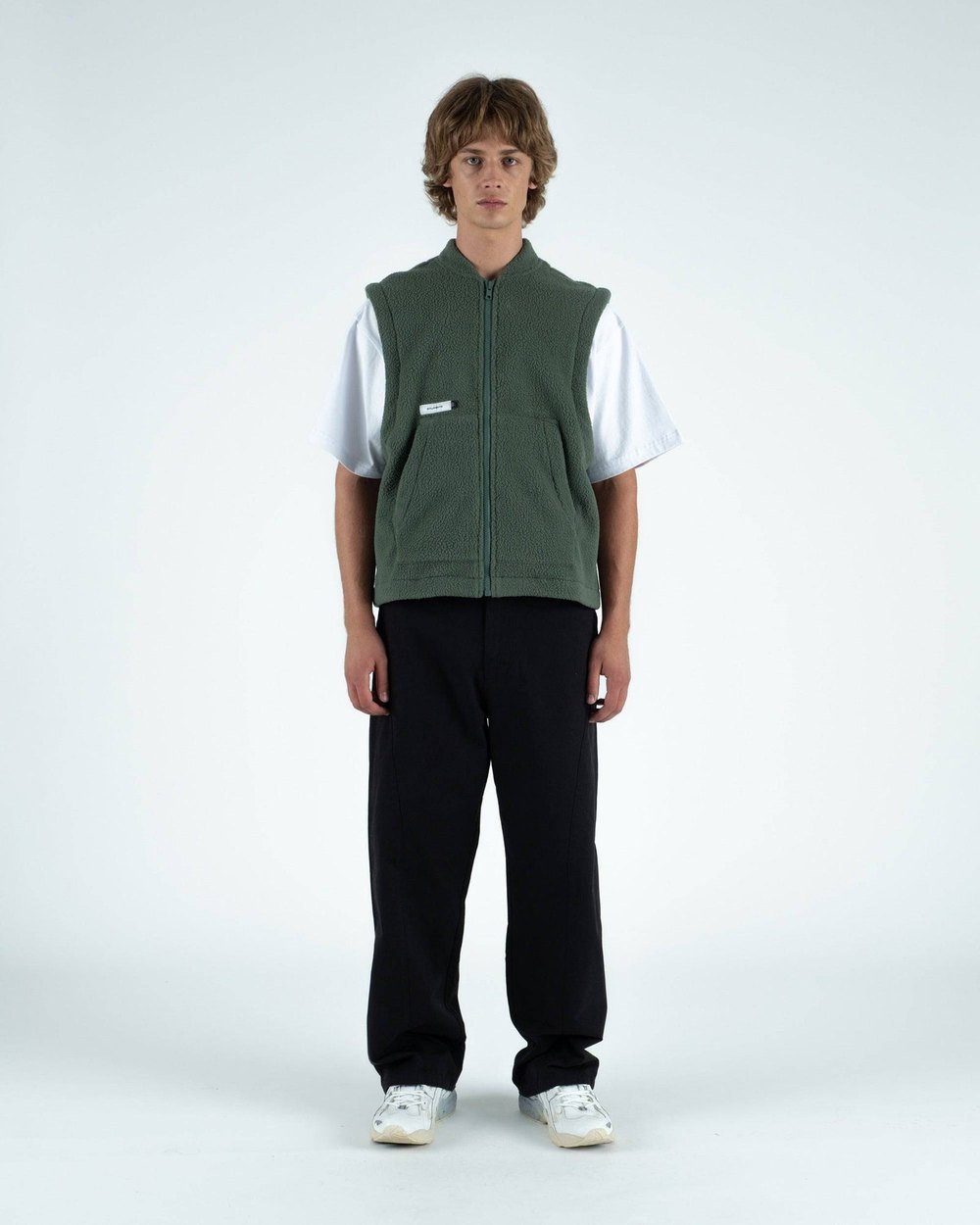
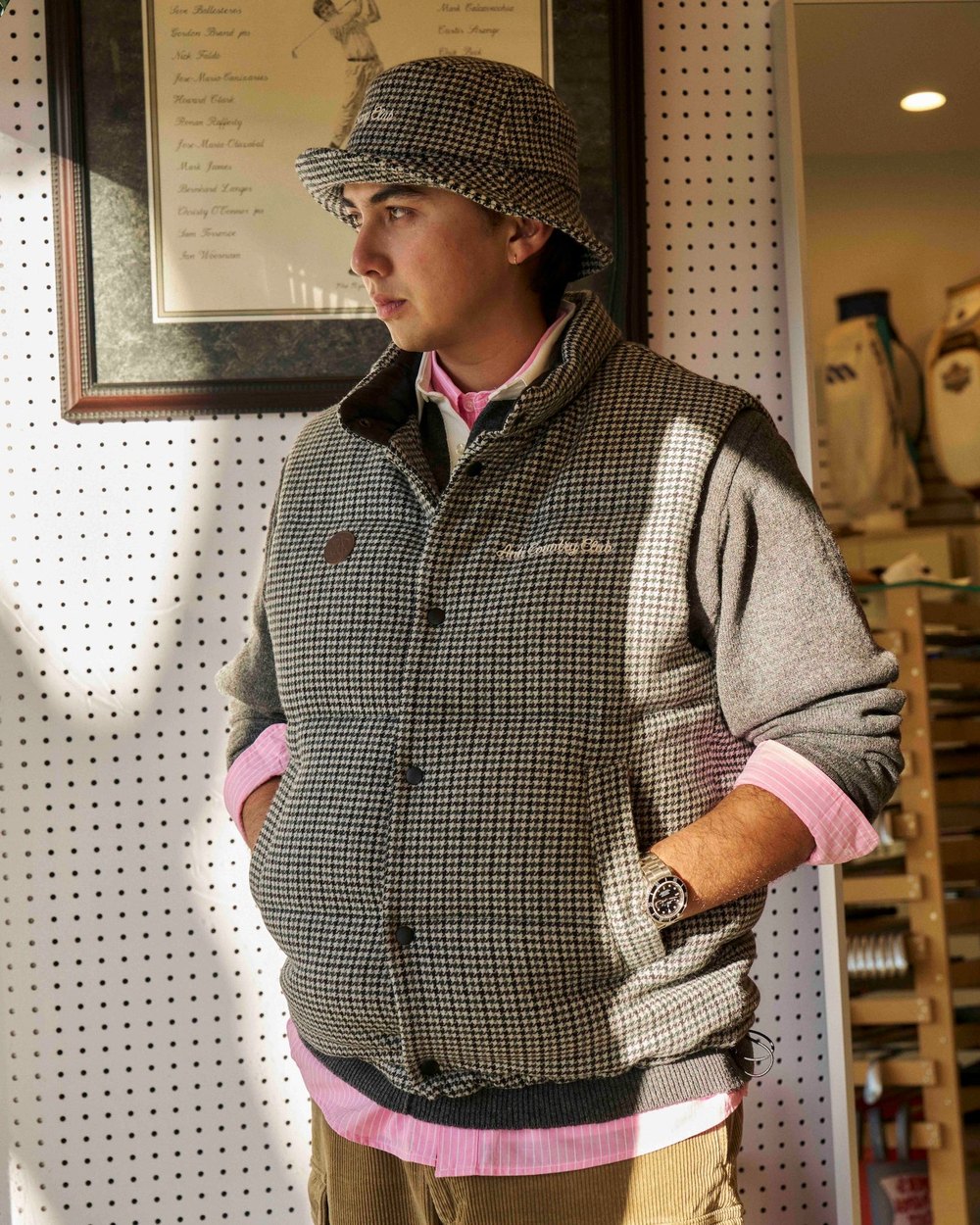
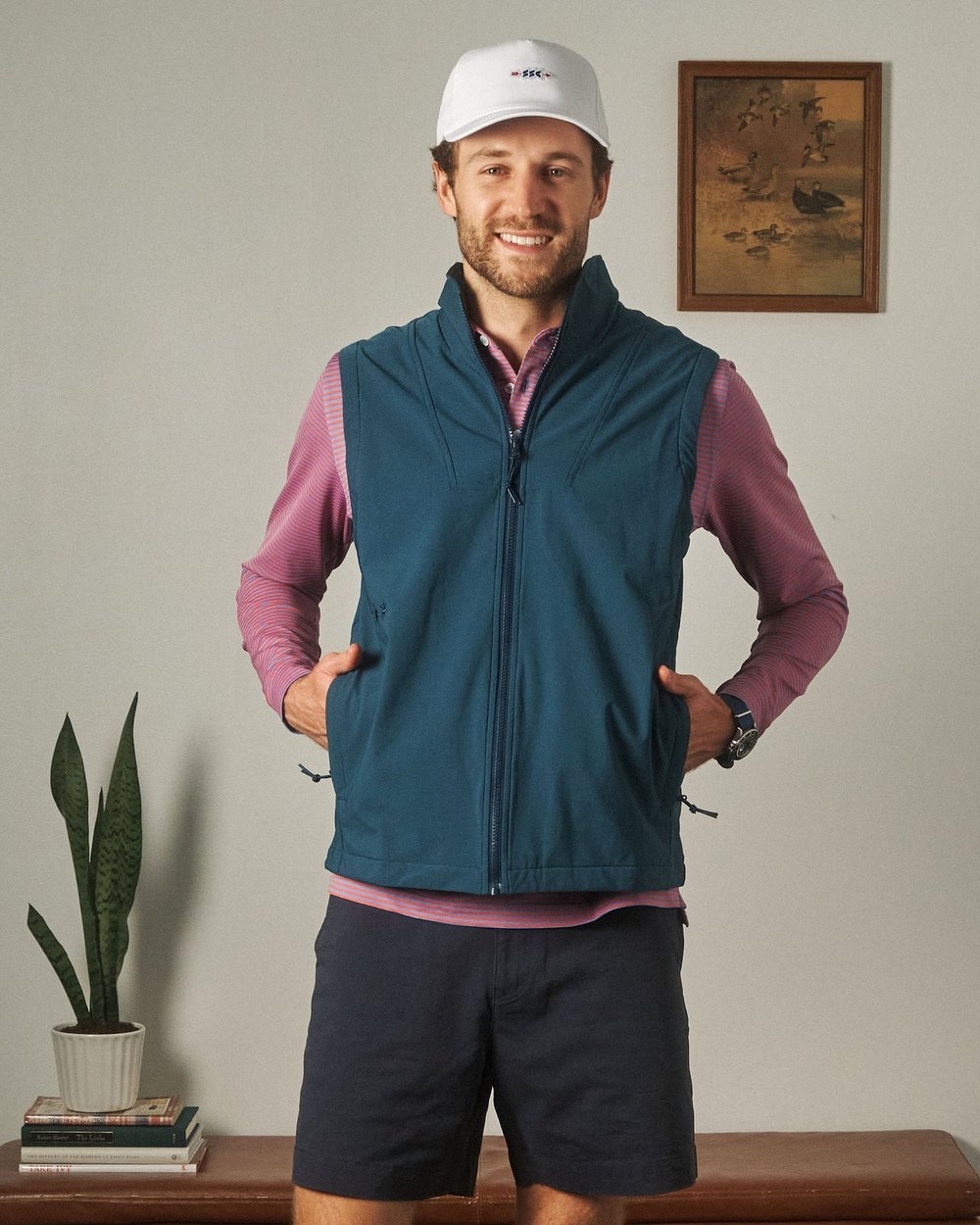
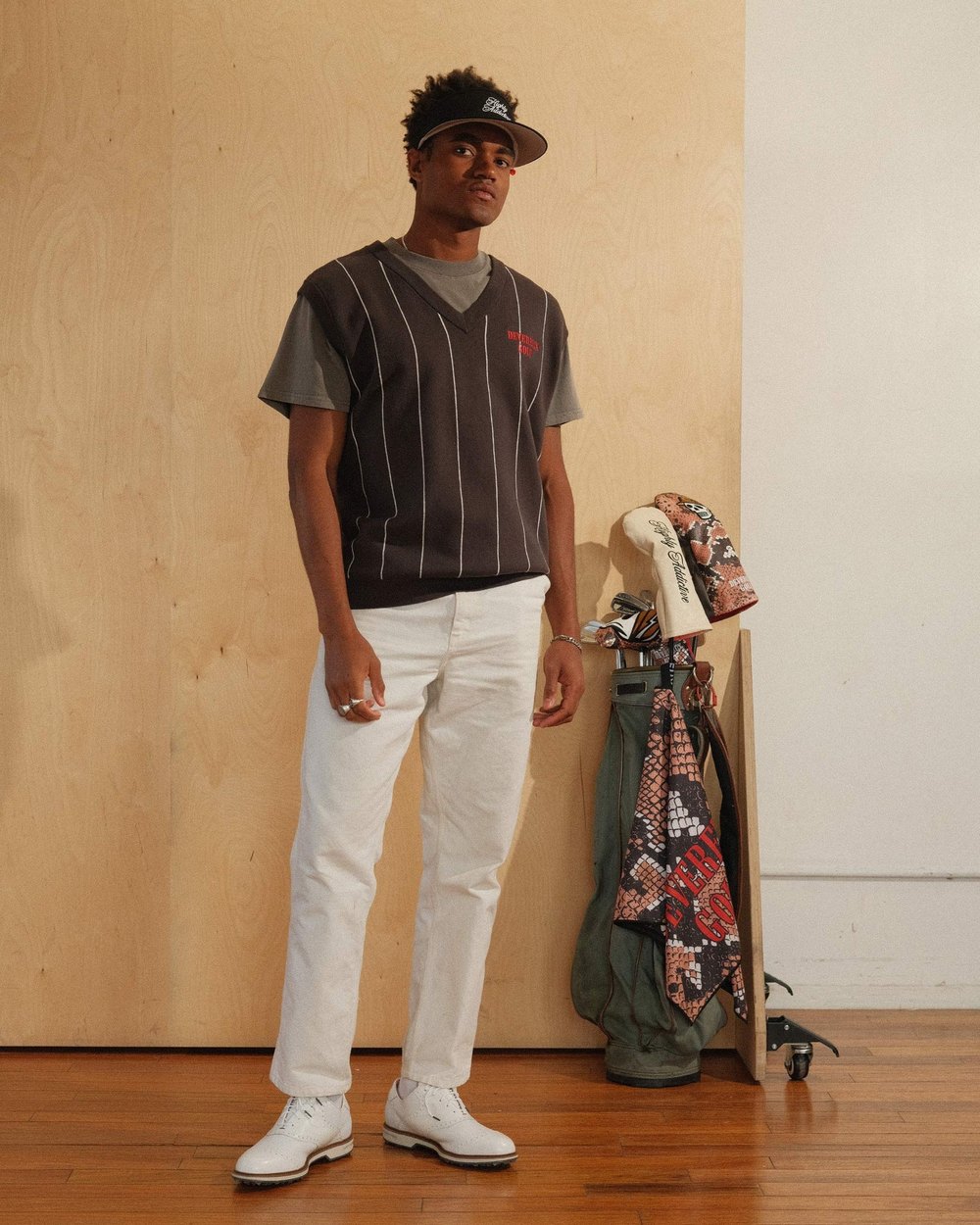
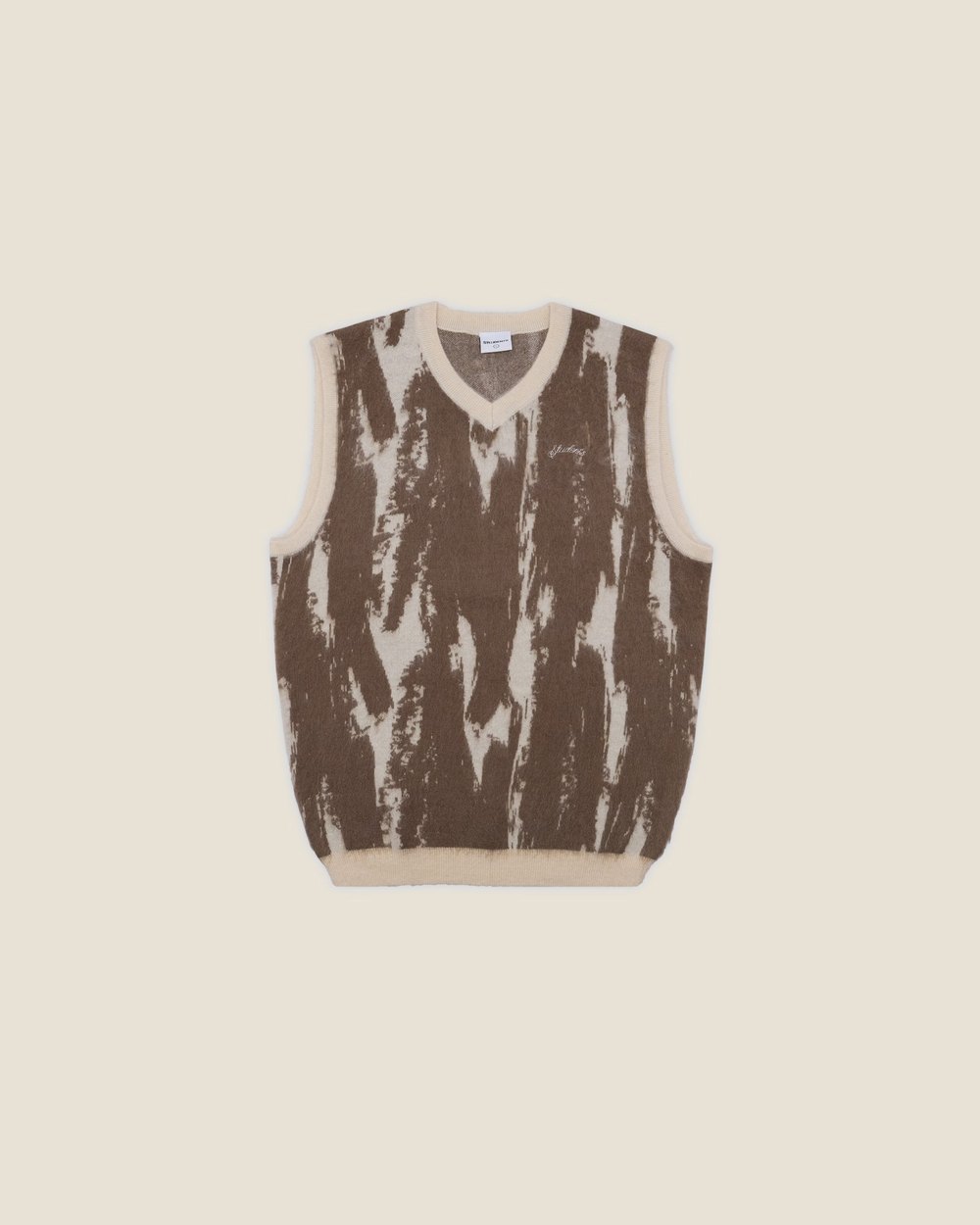
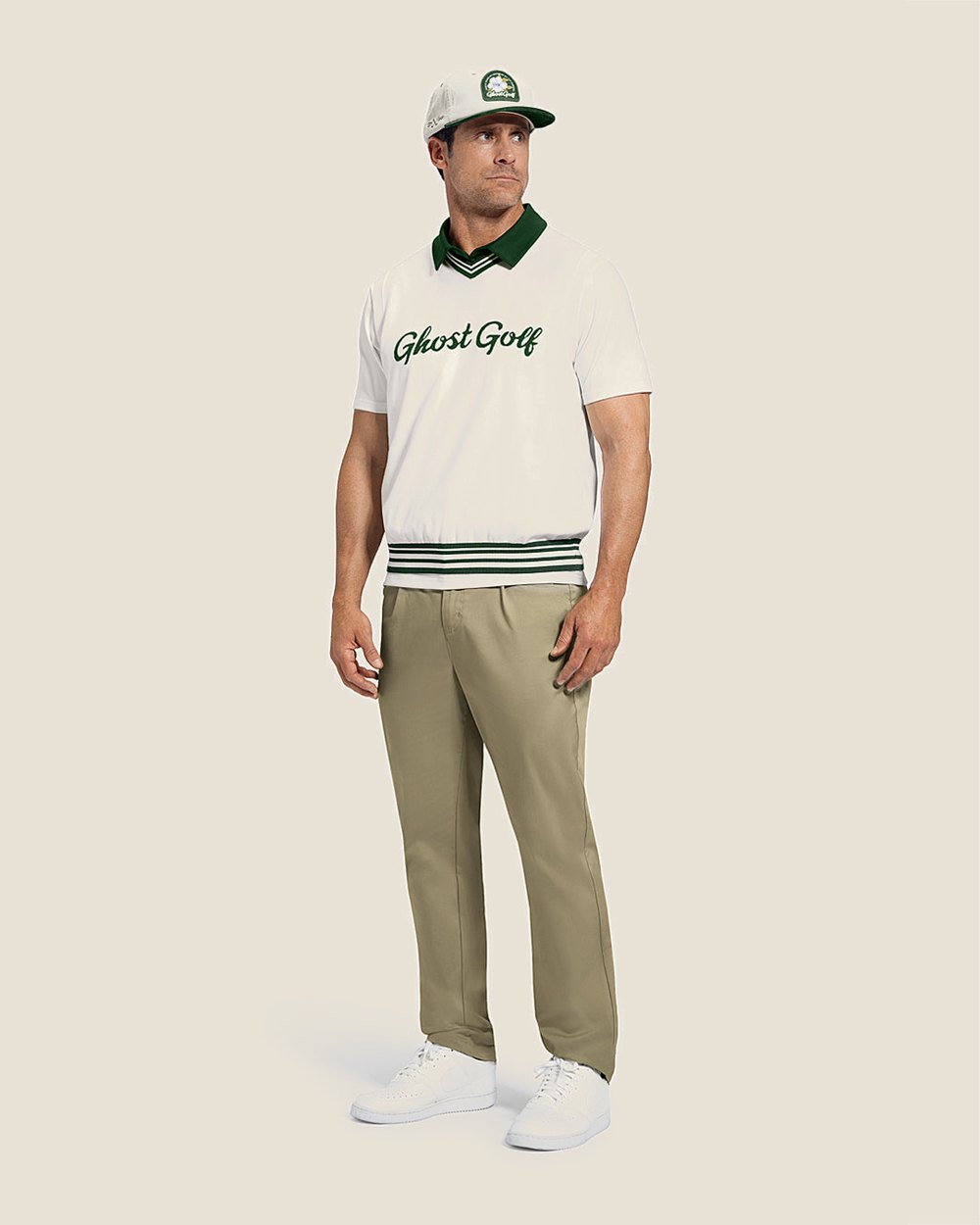
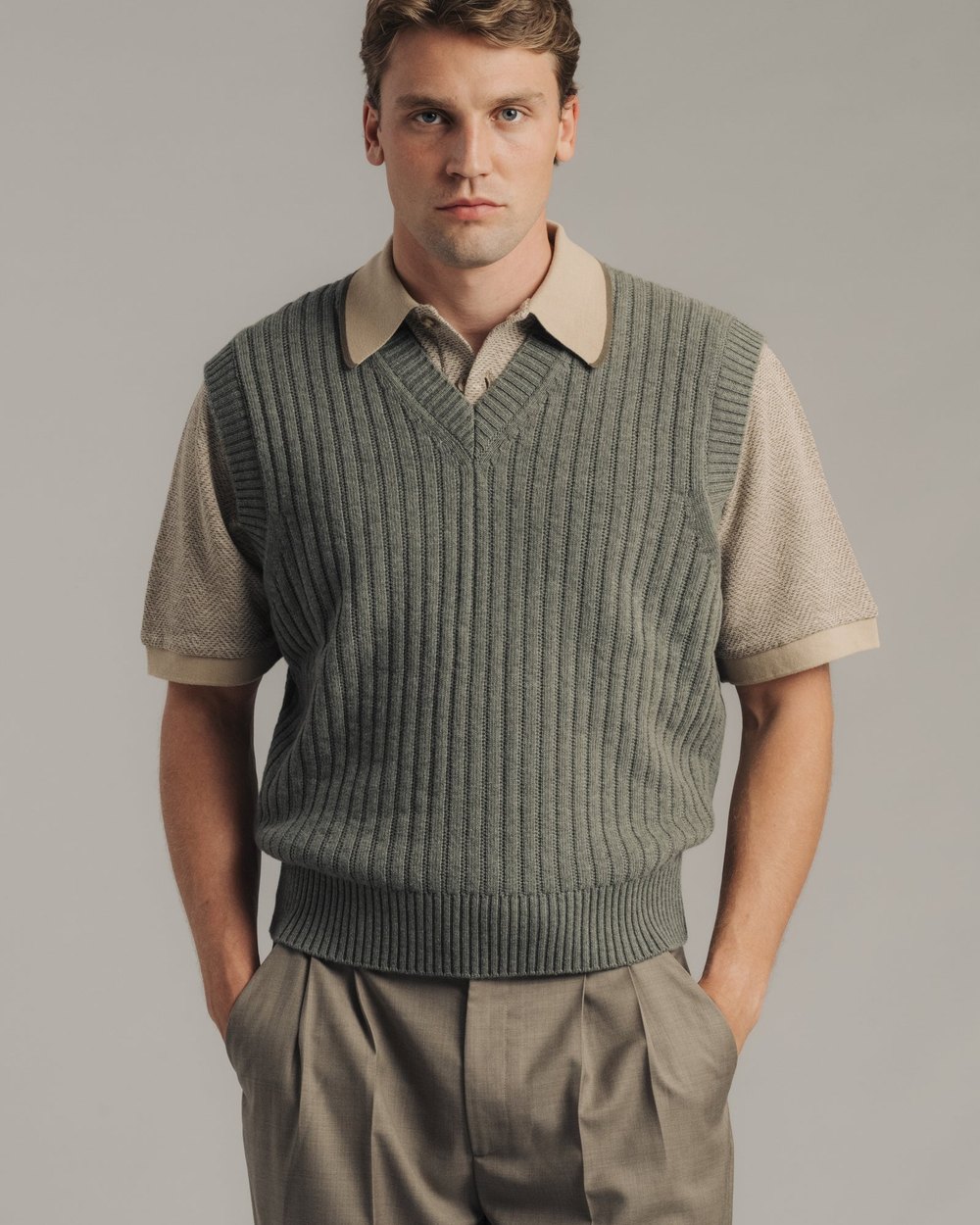
How to wear one. A vest should be a little shorter than whatever is under it, so a polo or a quarter-zip hem shows below. Go darker on the vest than the layer underneath, and match the vest to your trousers or your hat, not both. A brown fleece over a cream polo with khakis is the simplest outfit in this post.
What to spend. The range runs from $80 to $446. Under $130 gets you a great sweater vest, a quilted vest or a sale Sounder gilet. The money goes up for fabric: Ventile cotton, first-shearing merino, technical padding. If you only buy one, buy the fleece or the padded vest; they get the most rounds.
What is in here. 36 vests from 30 independent brands, all in stock when we checked on November 2, 2026. Prices are what each store shows a US visitor; Angus & Grace and Left of Field are listed in Australian dollars and Late Nine in Swedish kronor, with rough dollar figures beside them.
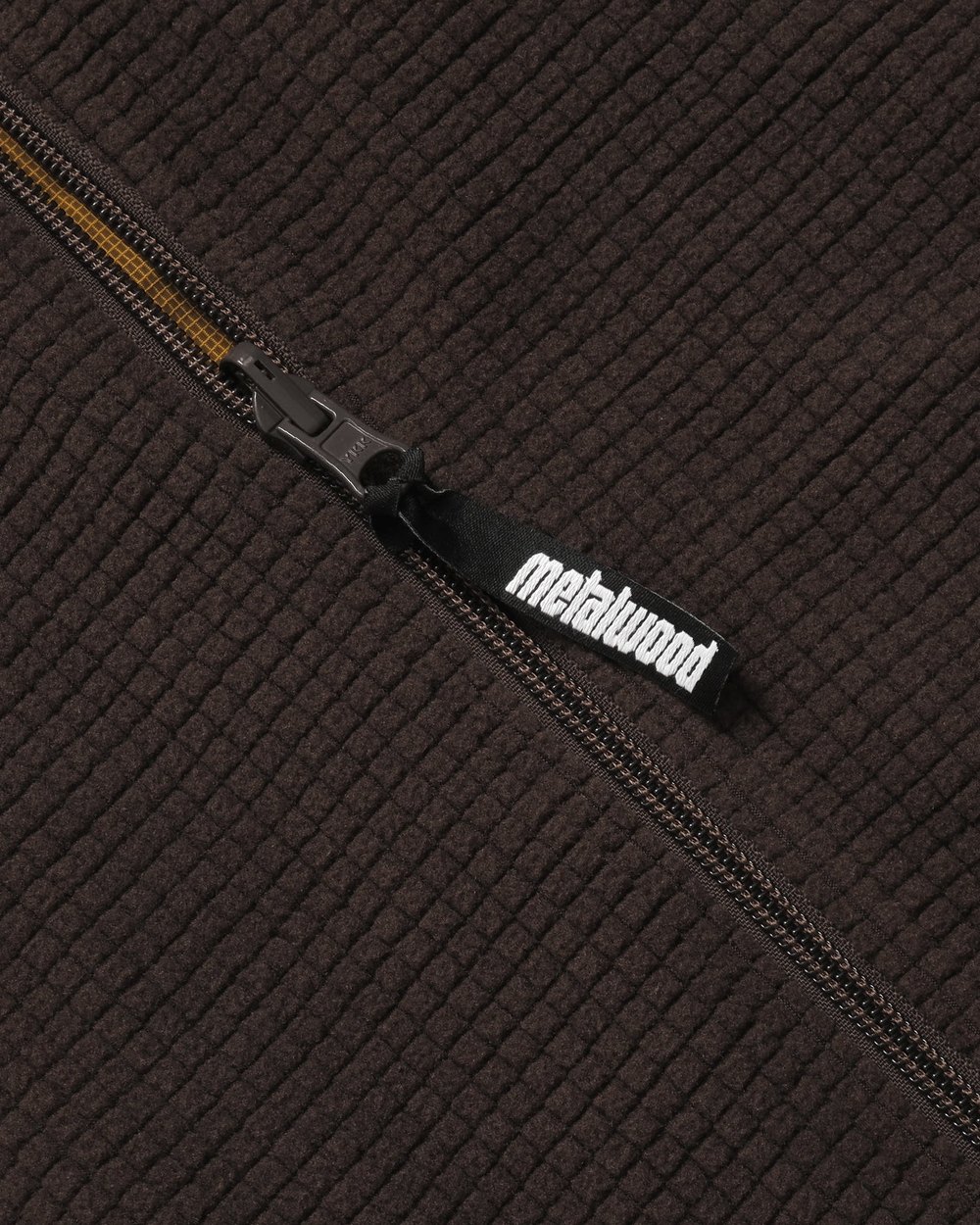
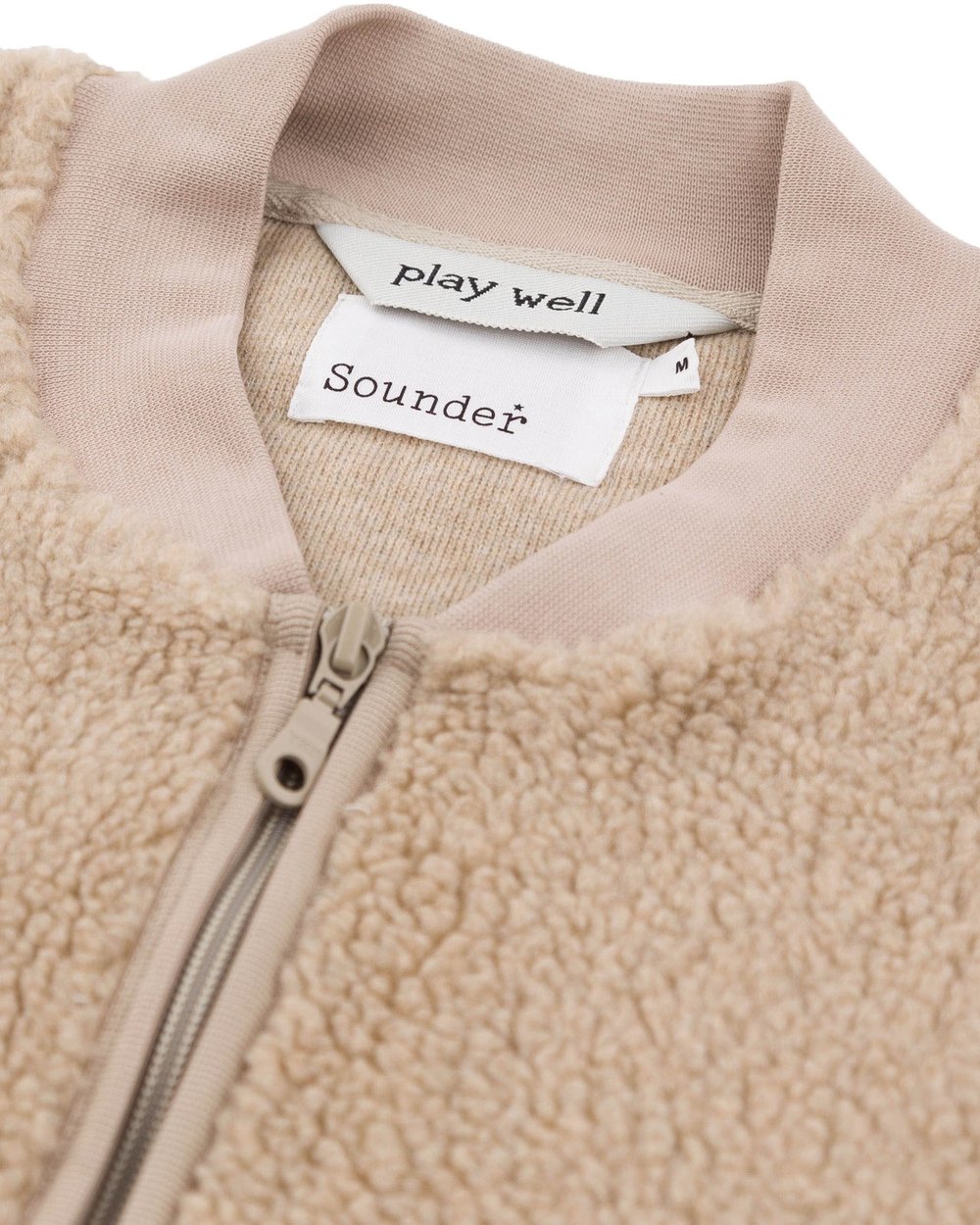
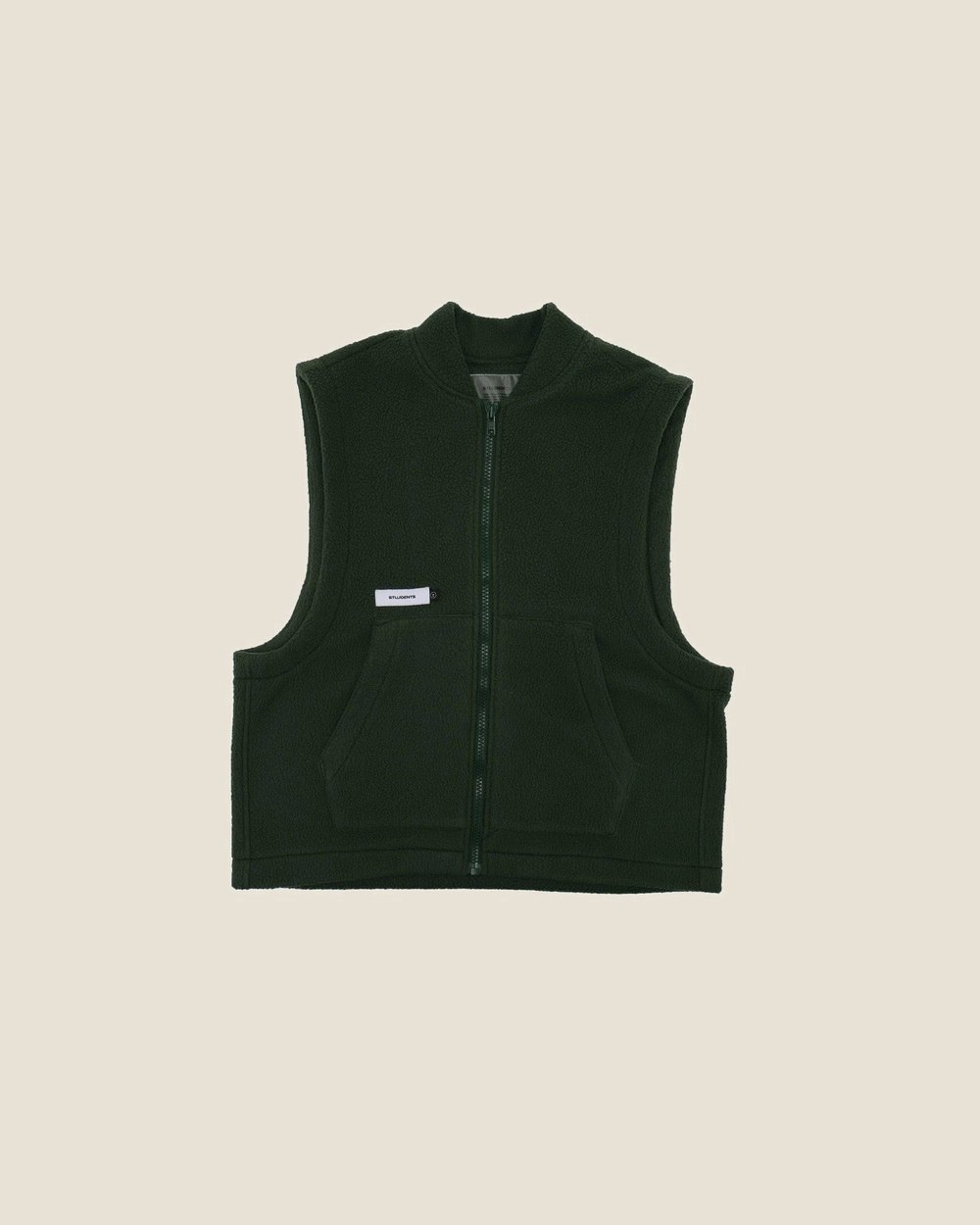
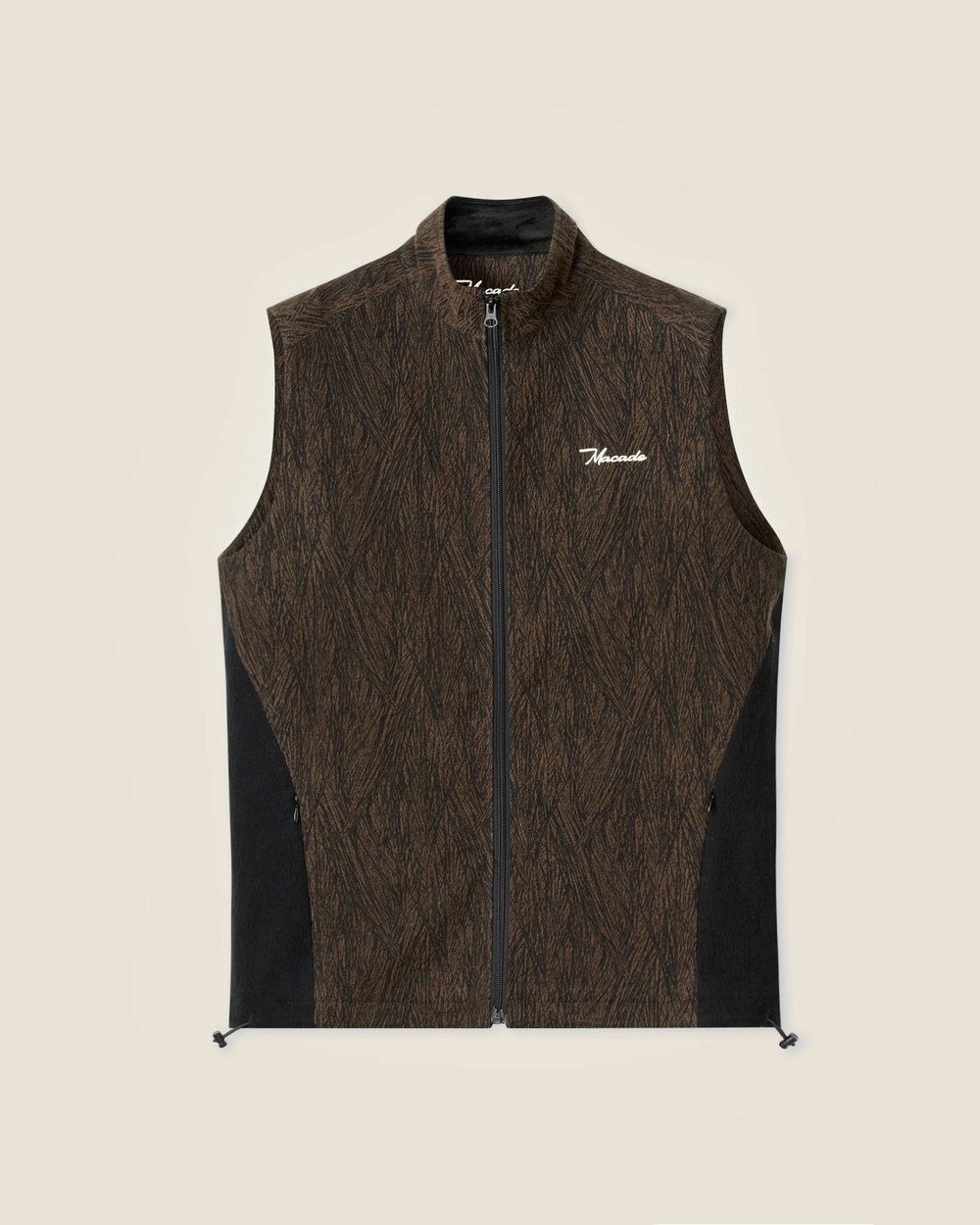
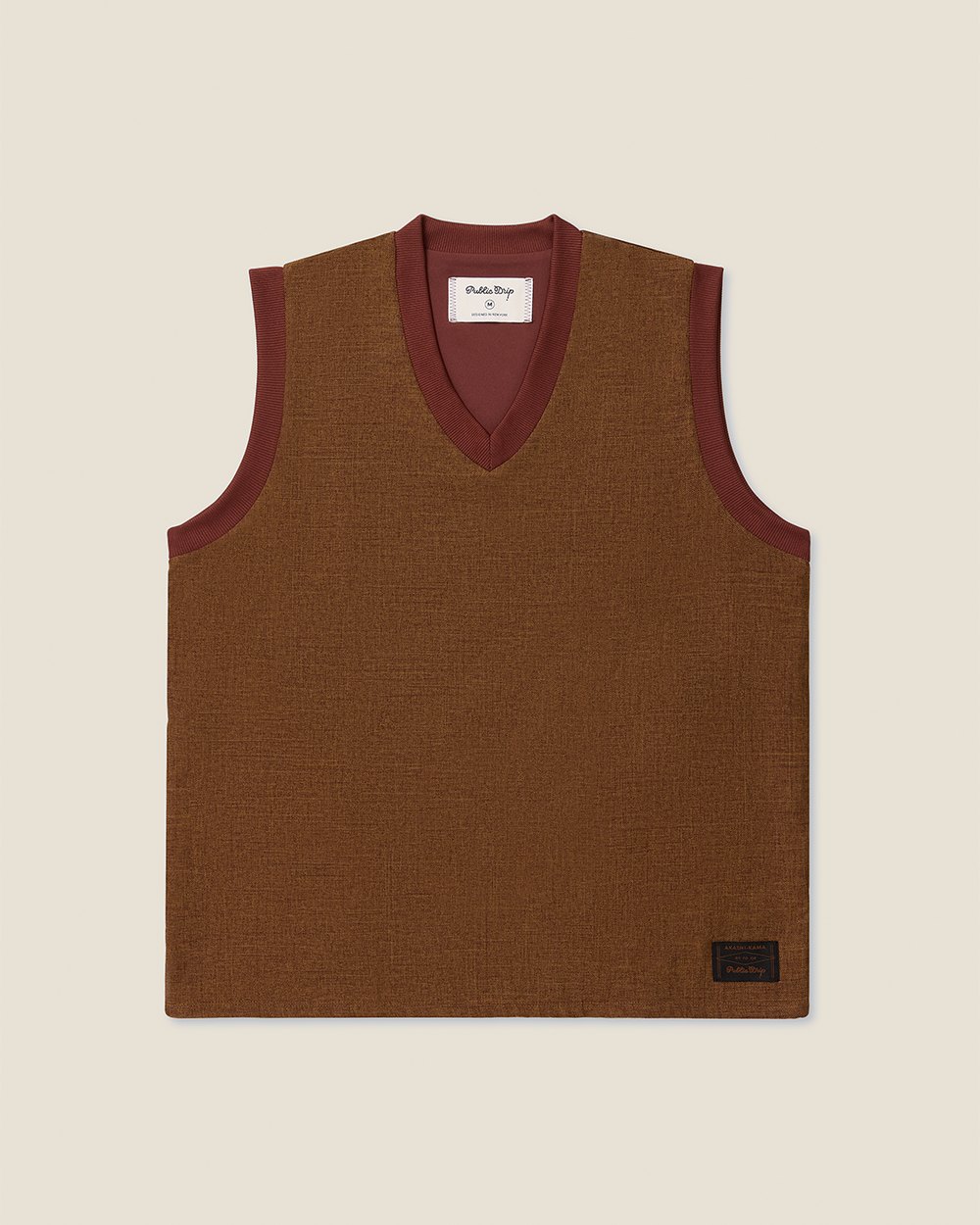
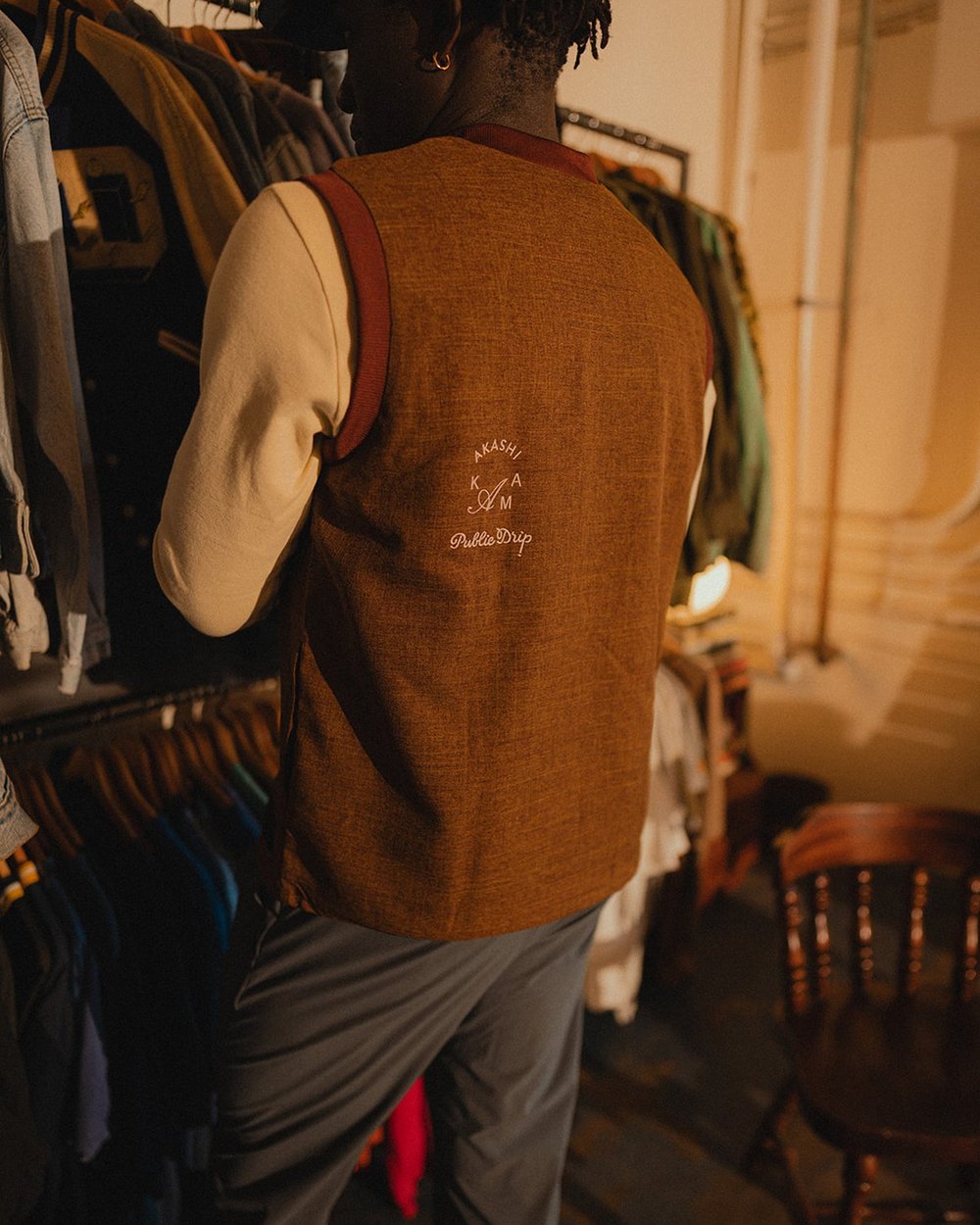
The warm onesFleece, sherpa and a brushed cotton-wool. These are the vests for a 45-degree first tee, worn over a quarter-zip or a hoodie. Earth tones across the board: brown, dijon, oat, hunter, olive.
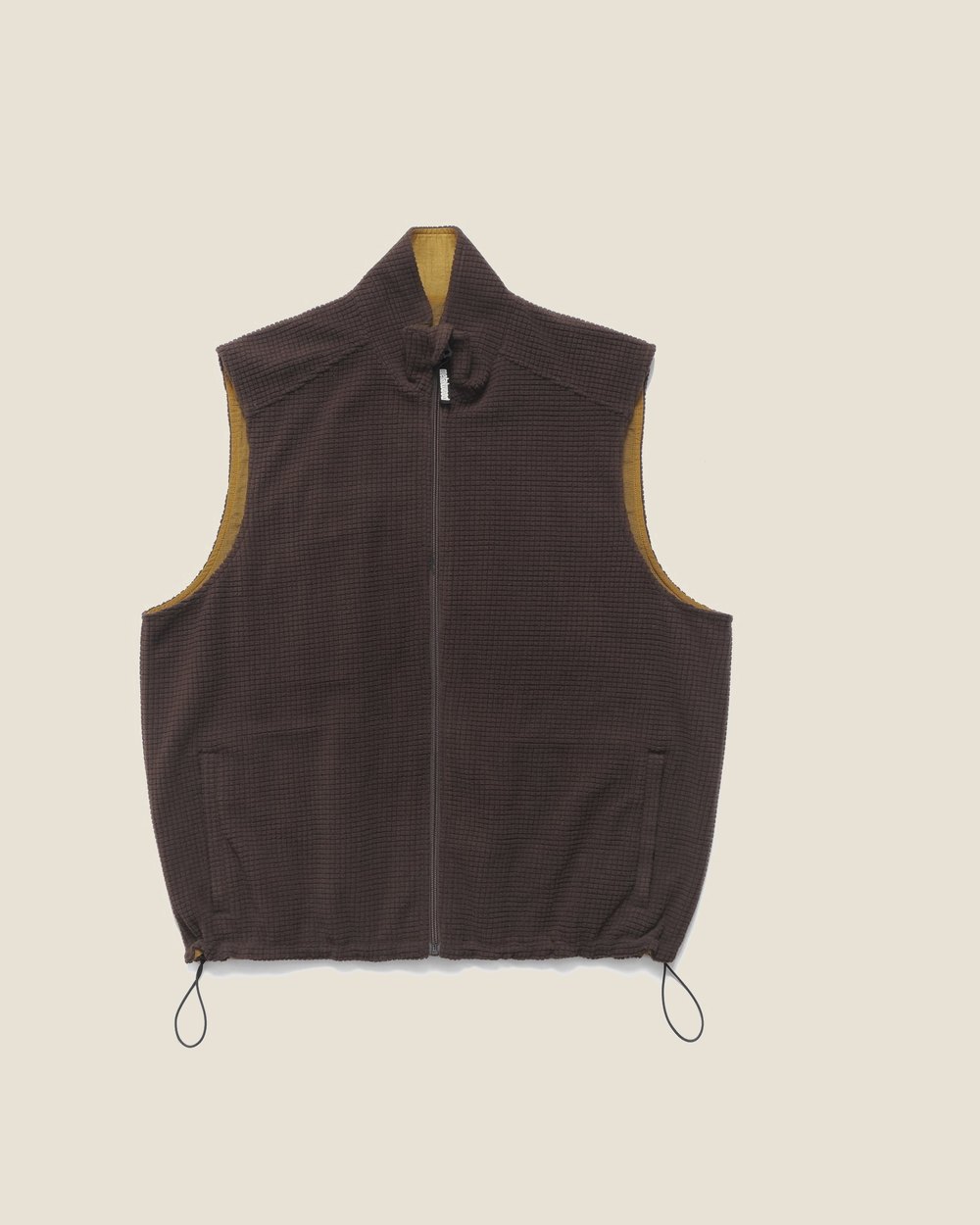
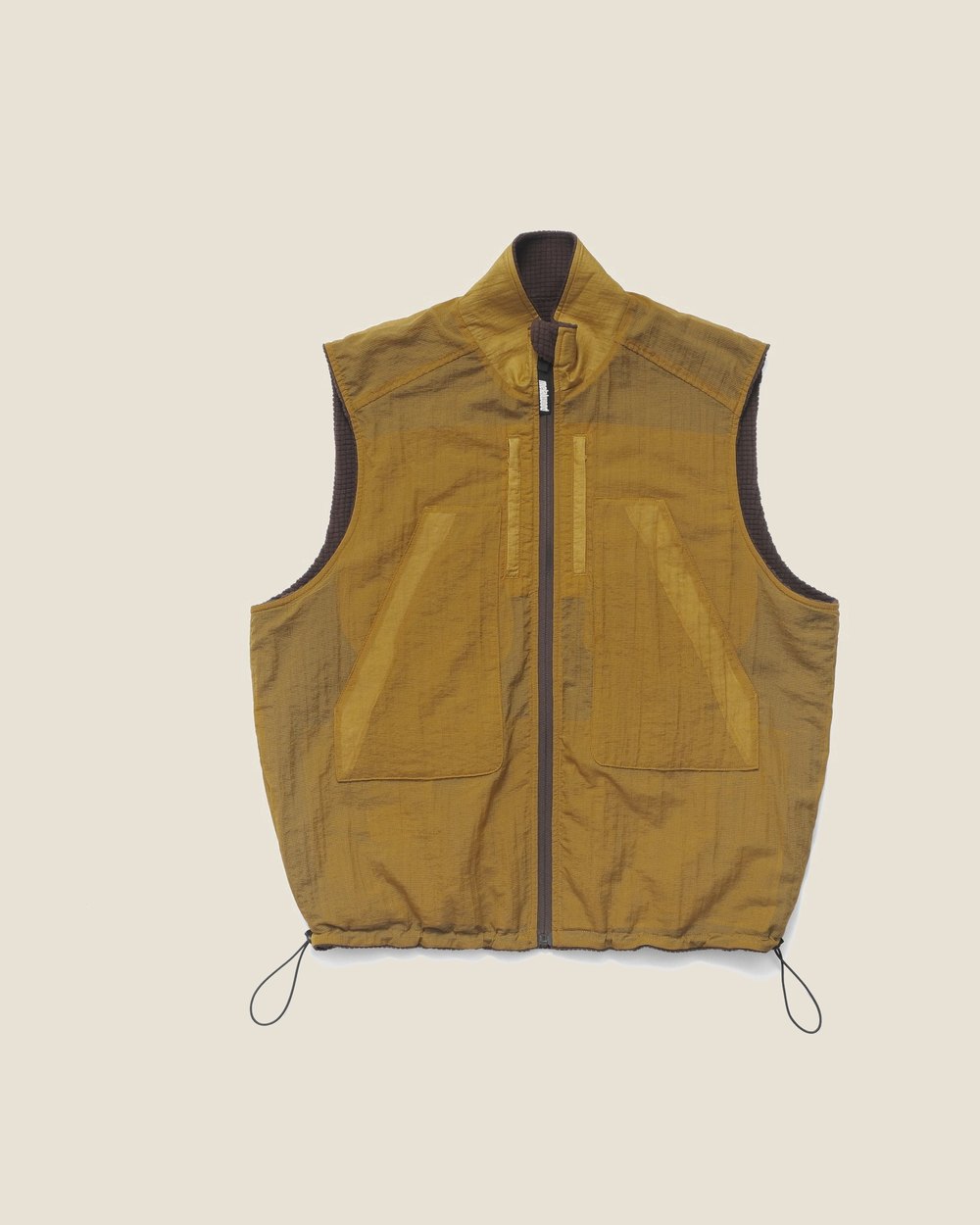
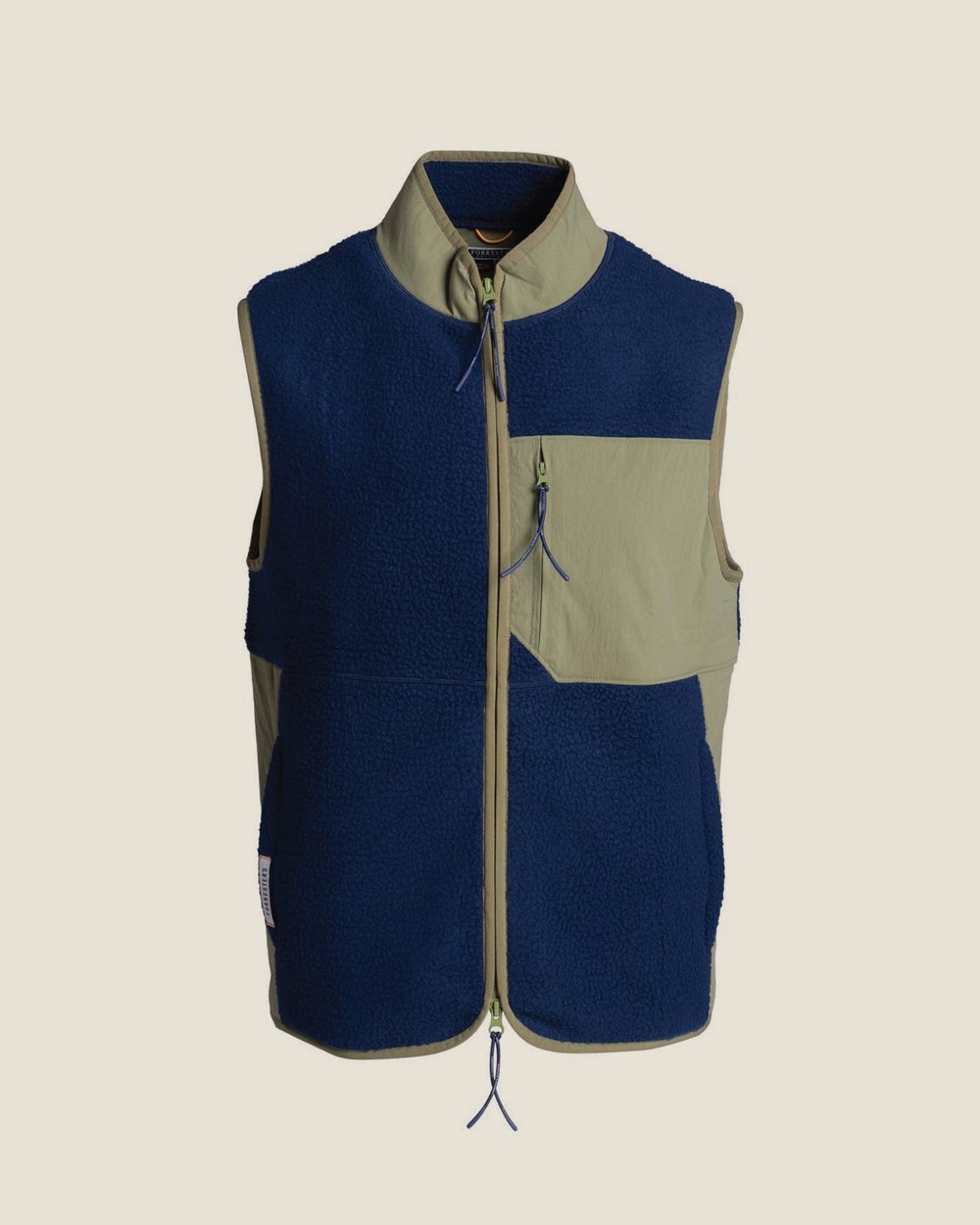
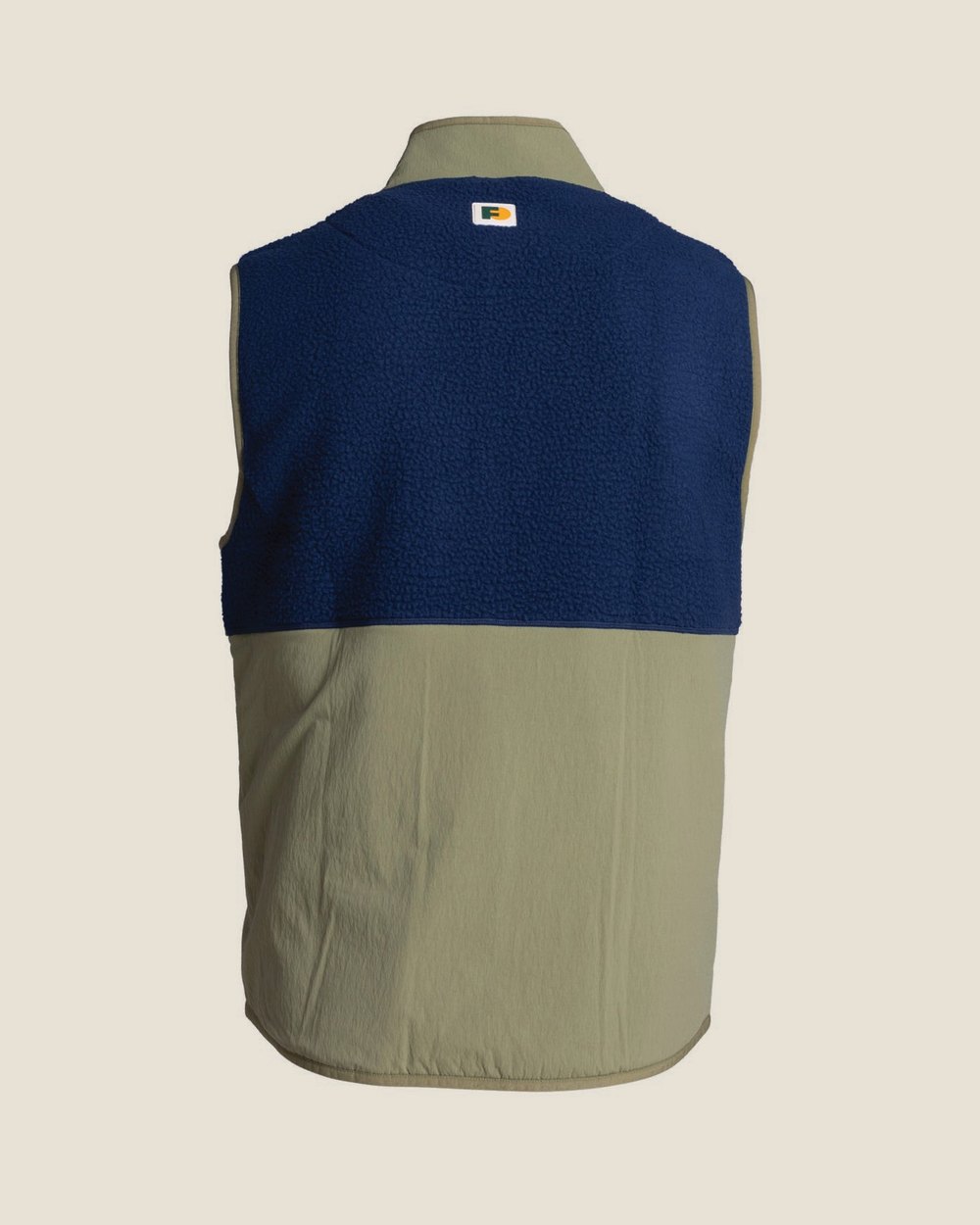
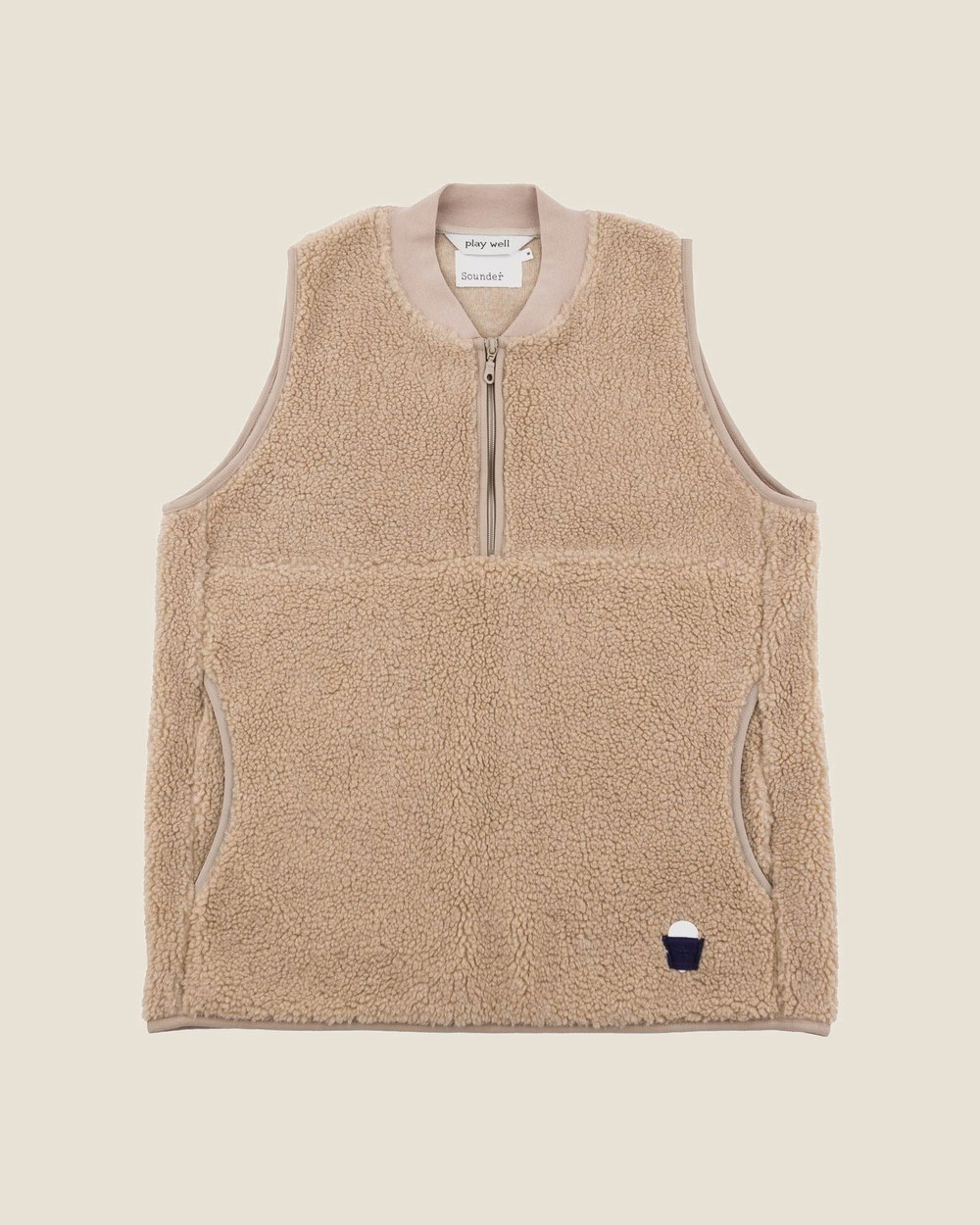
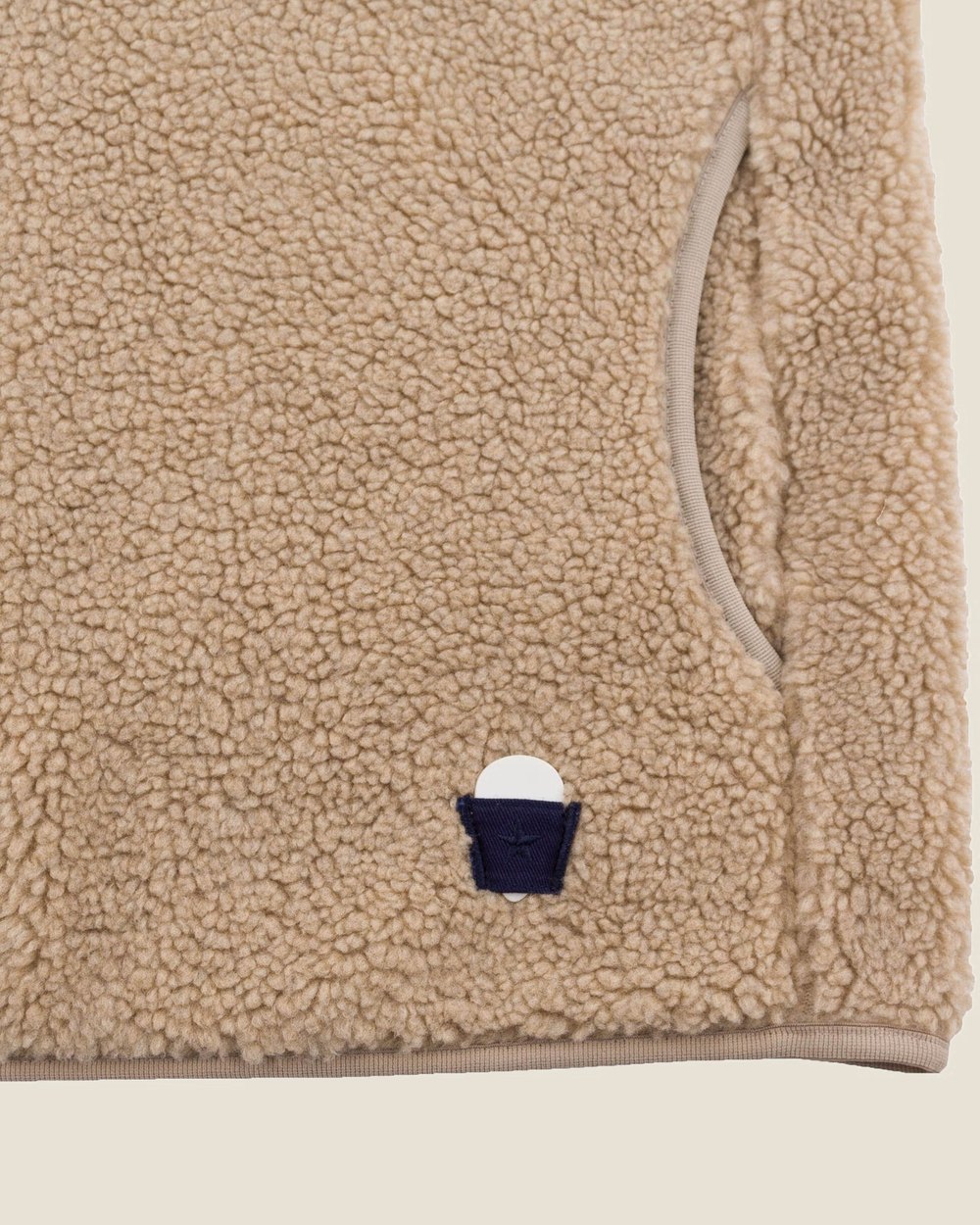
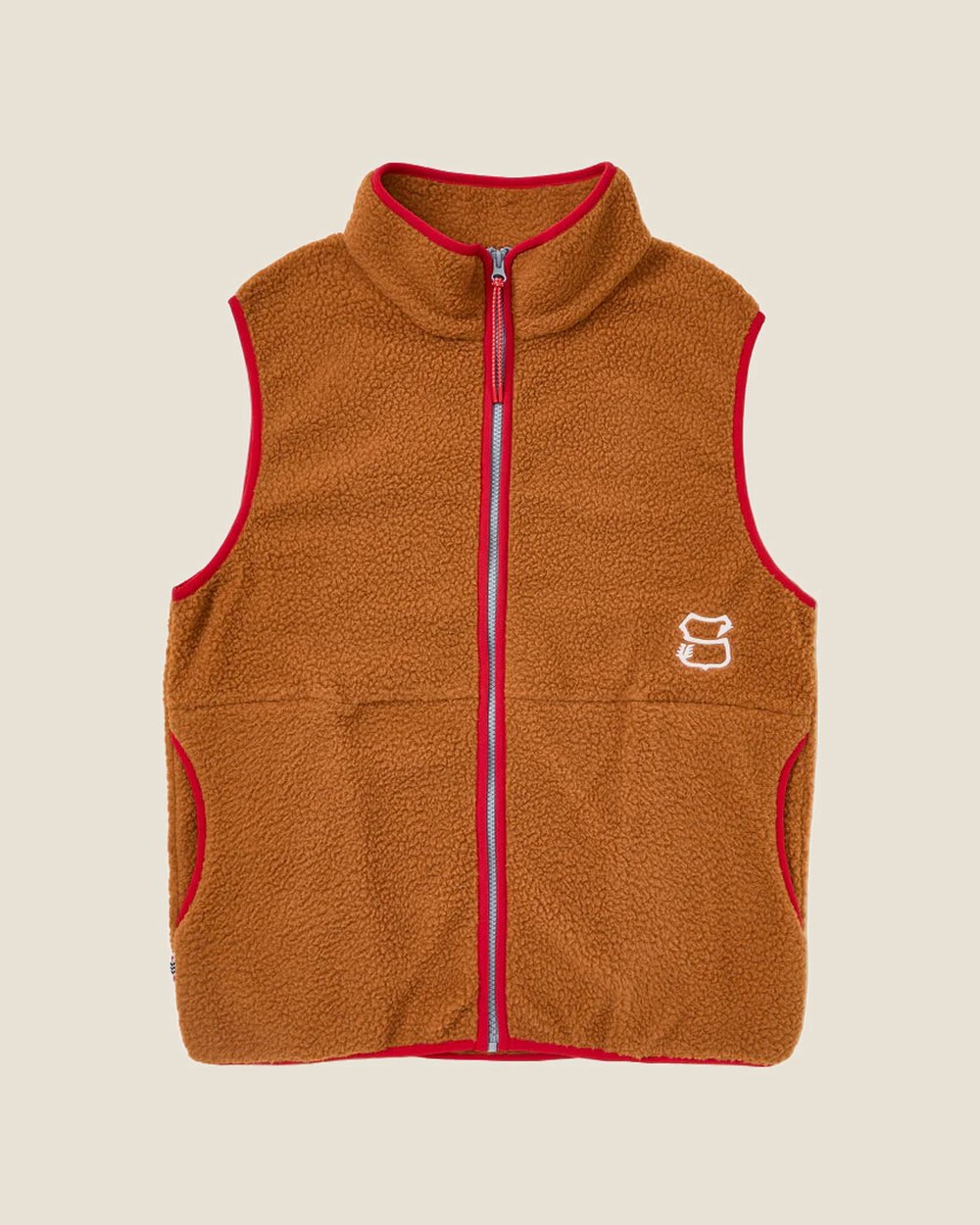
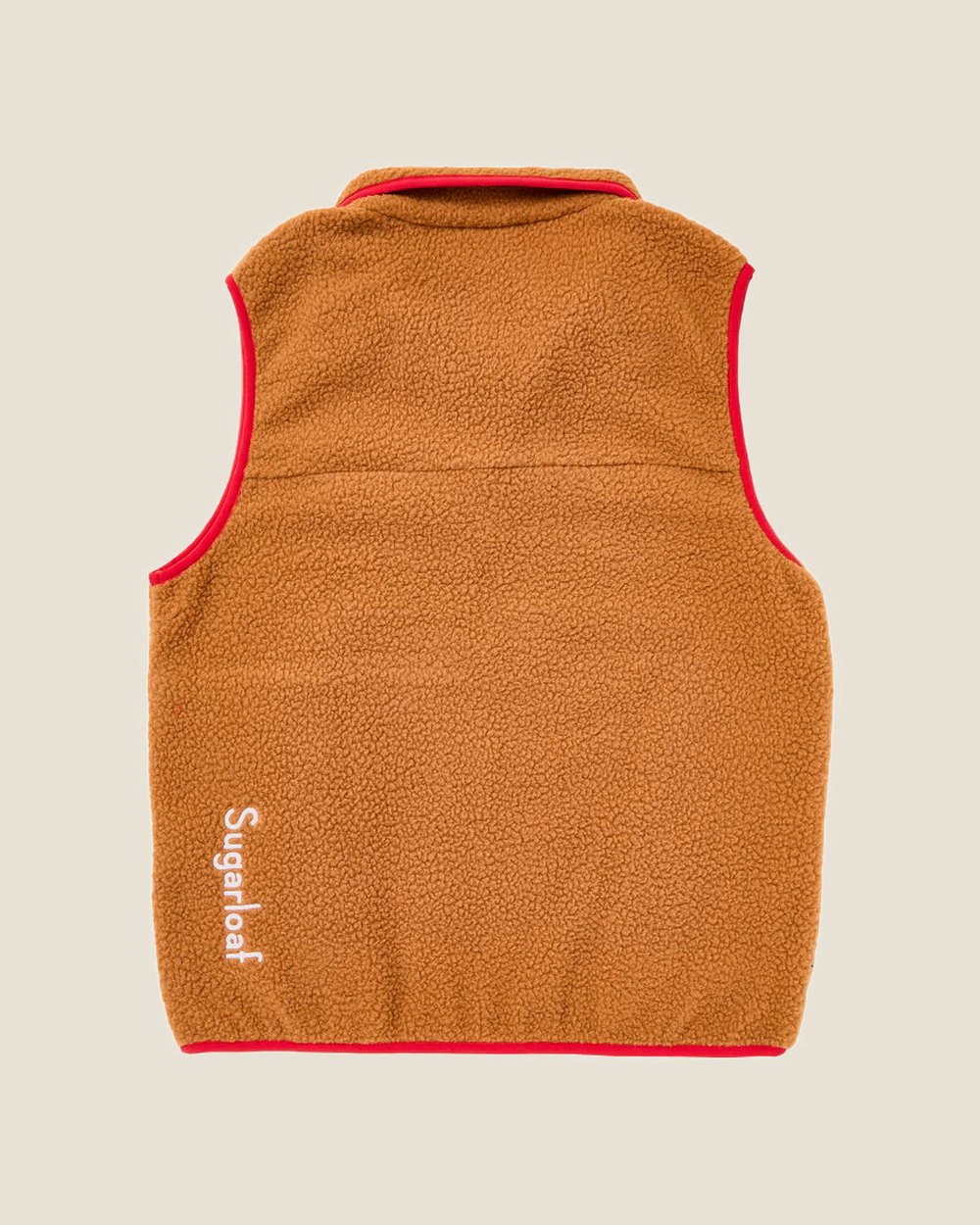
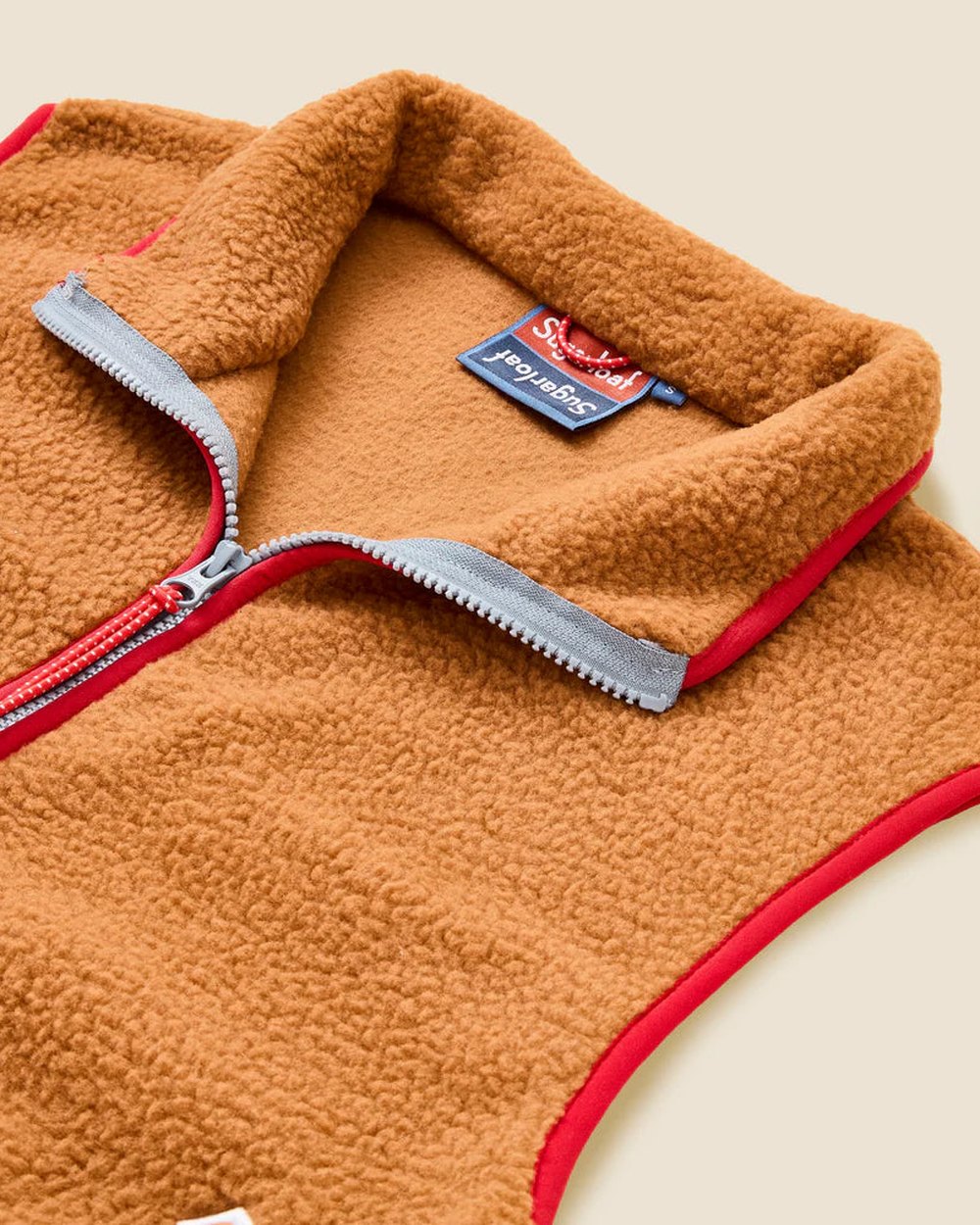
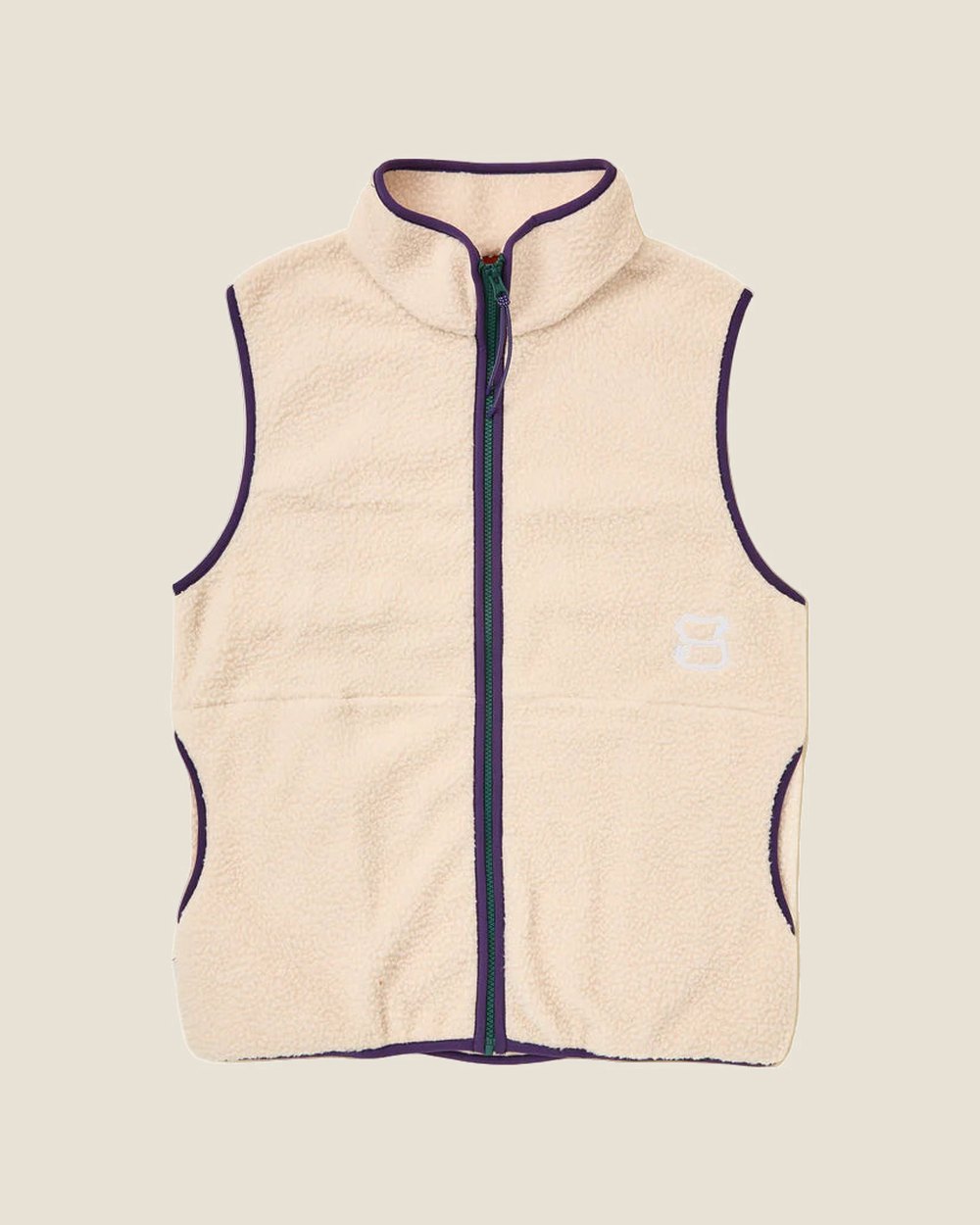
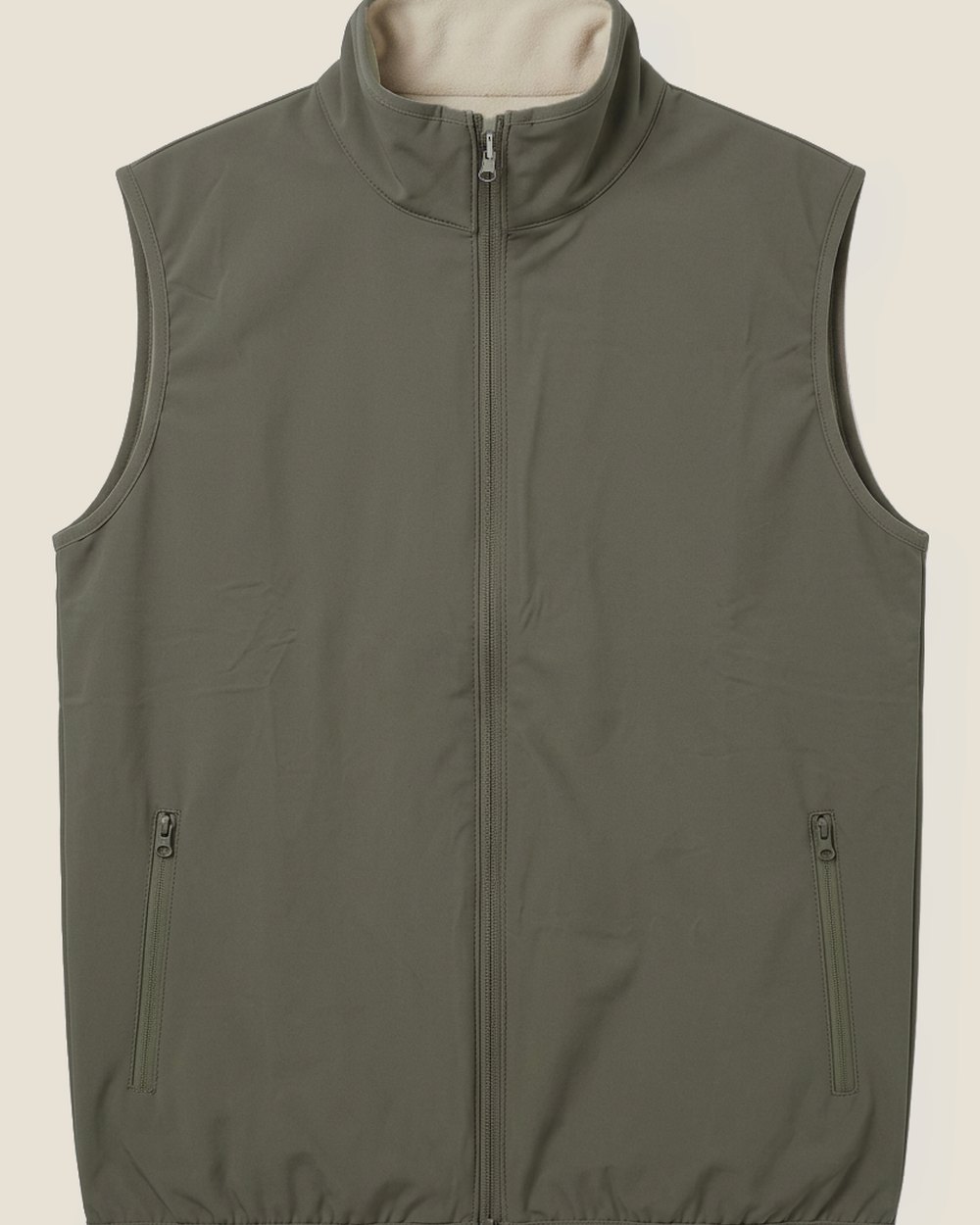
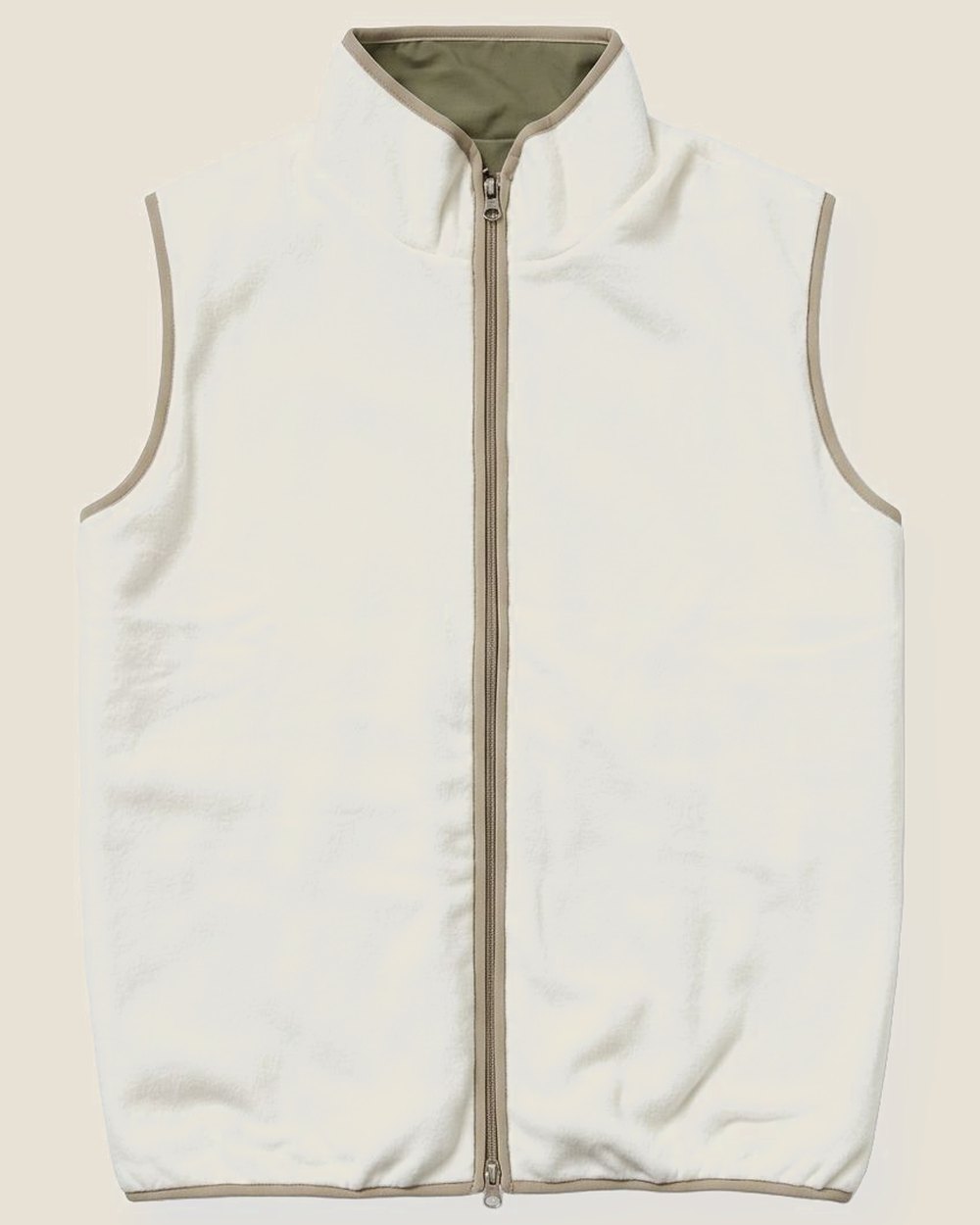
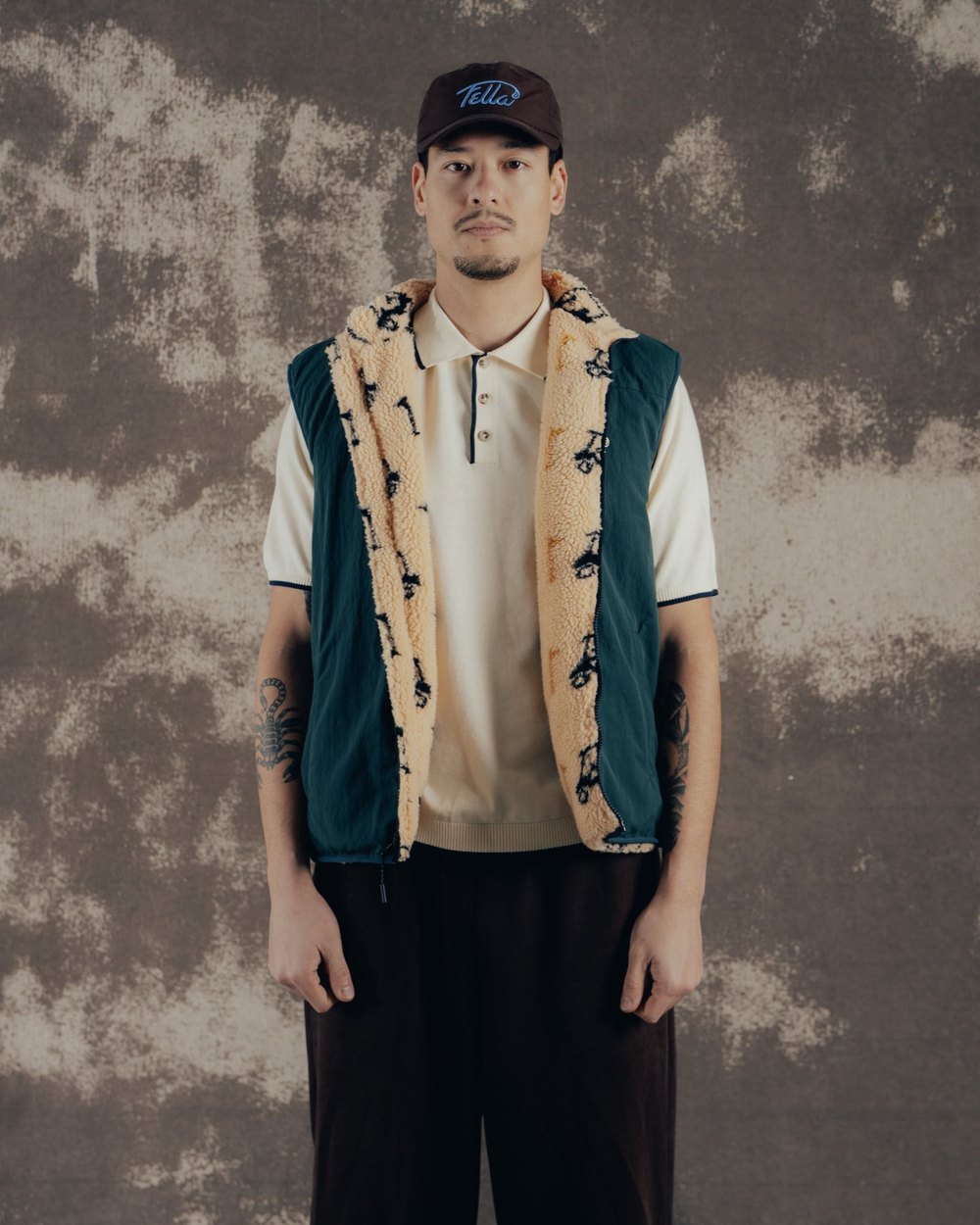
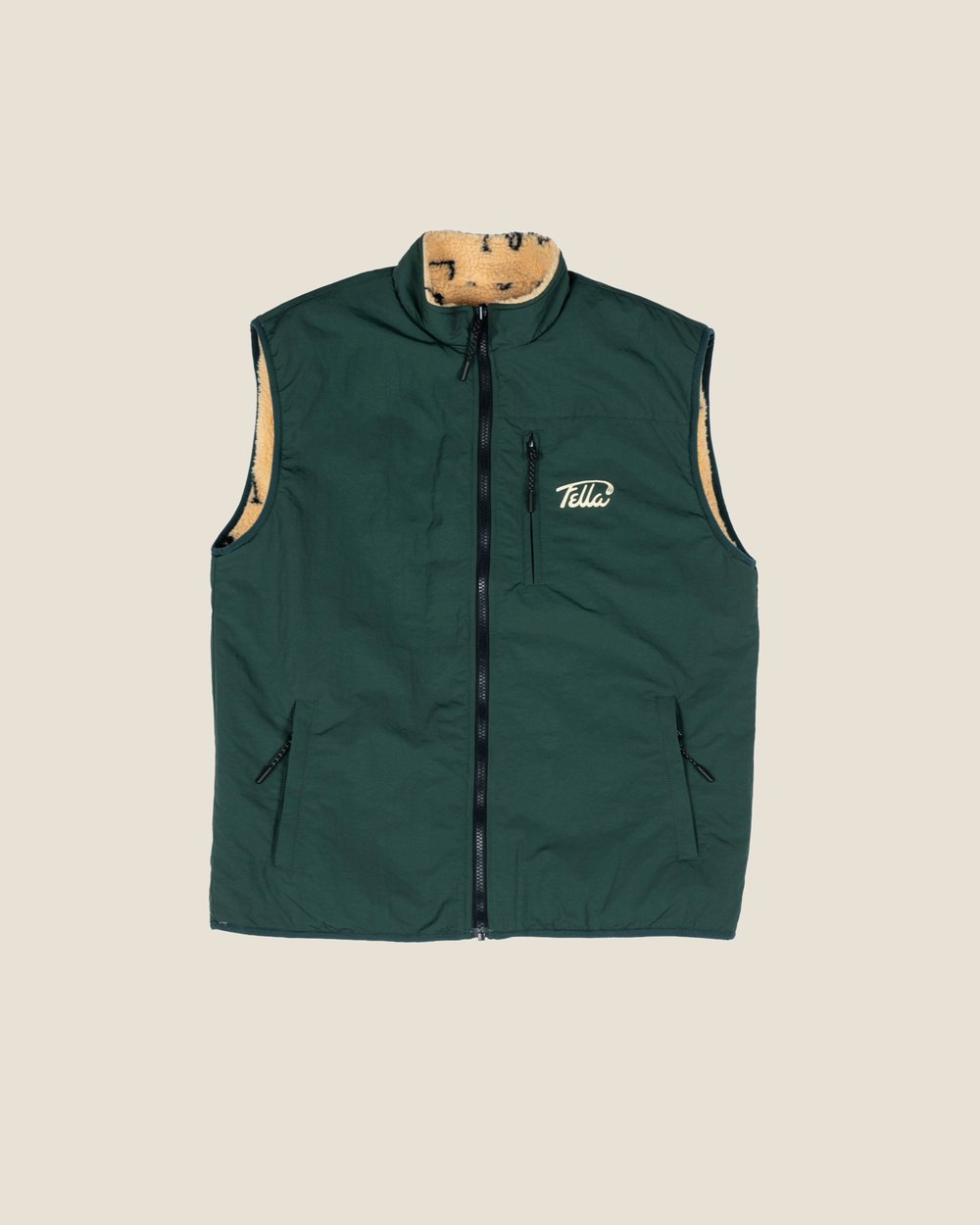
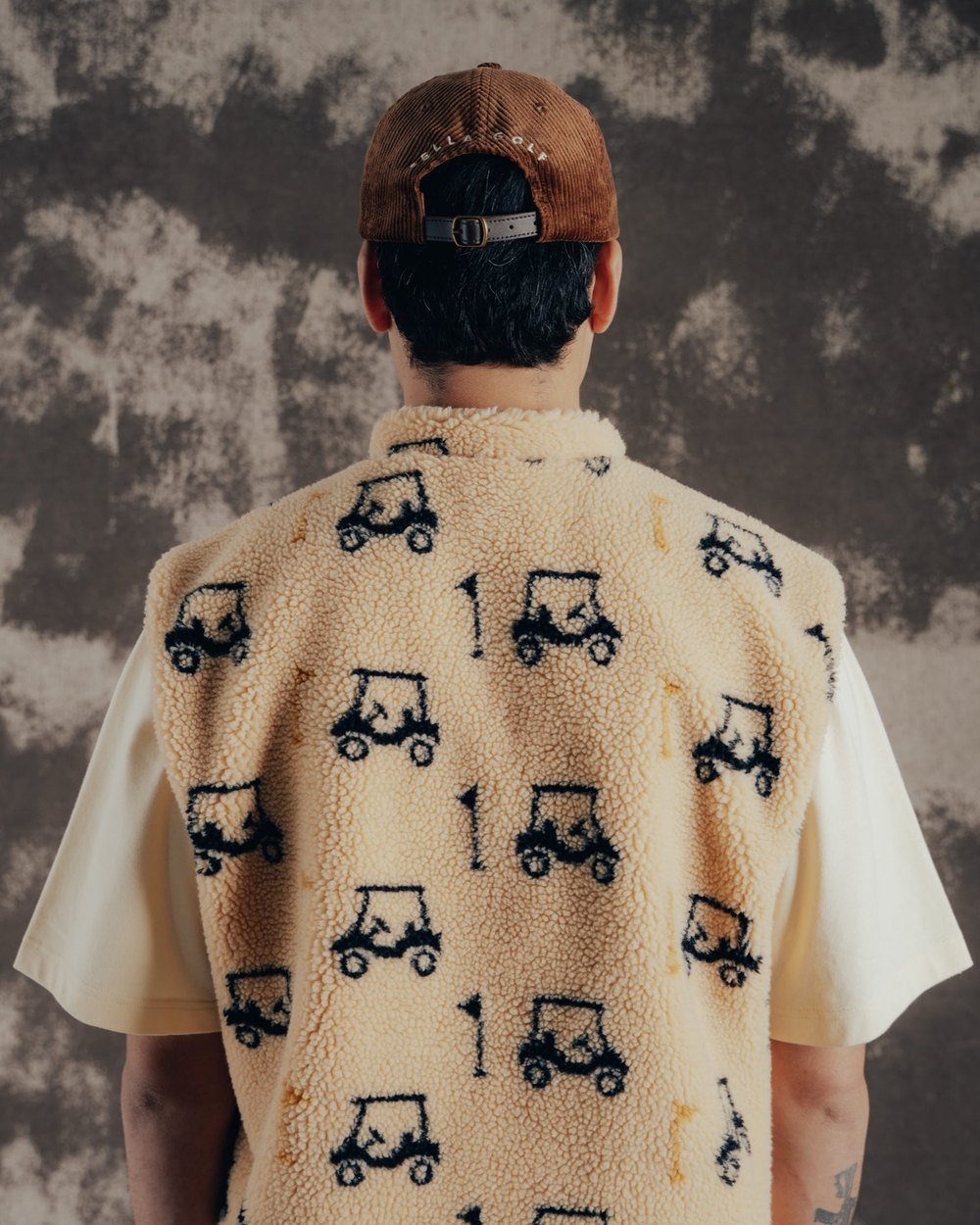
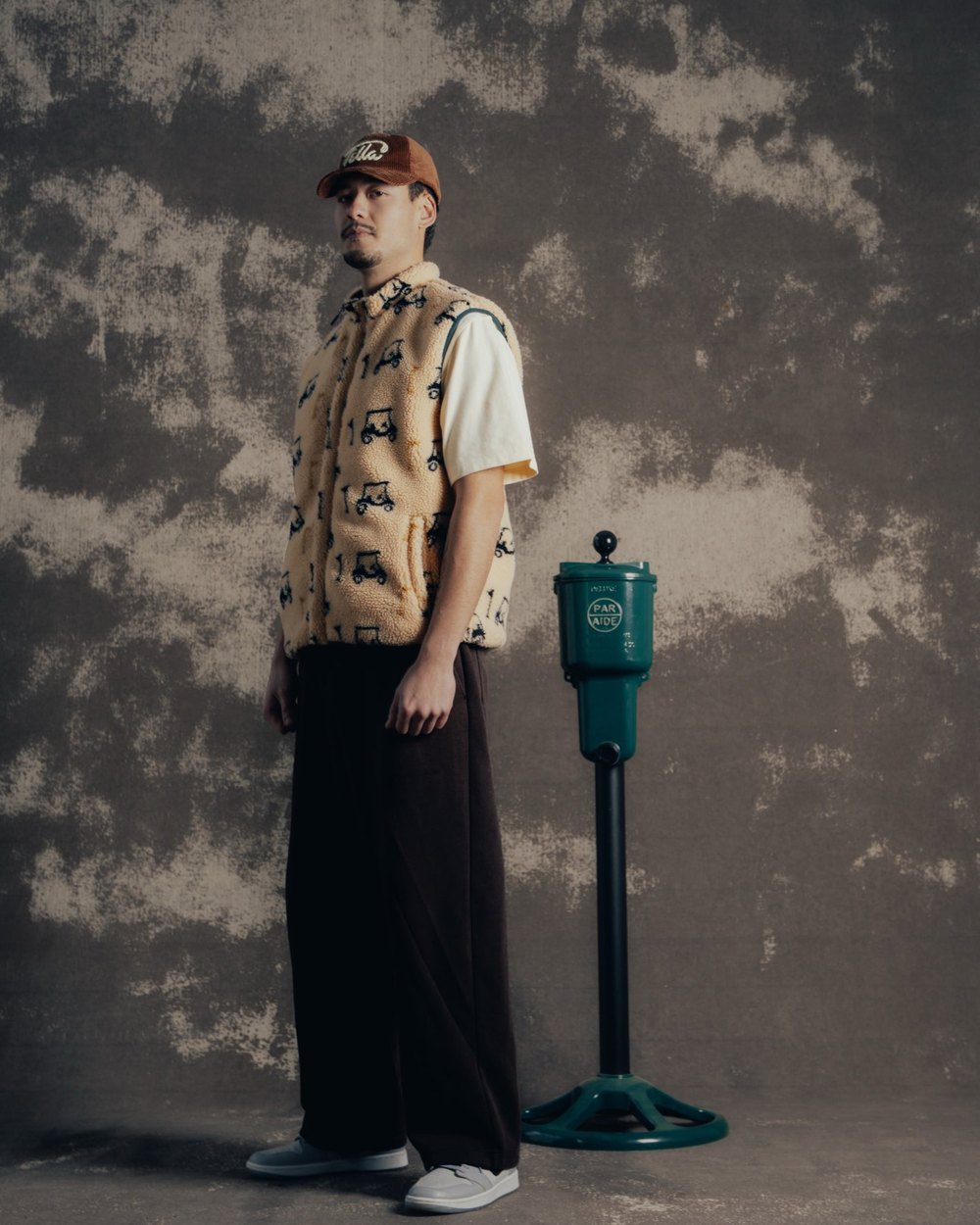
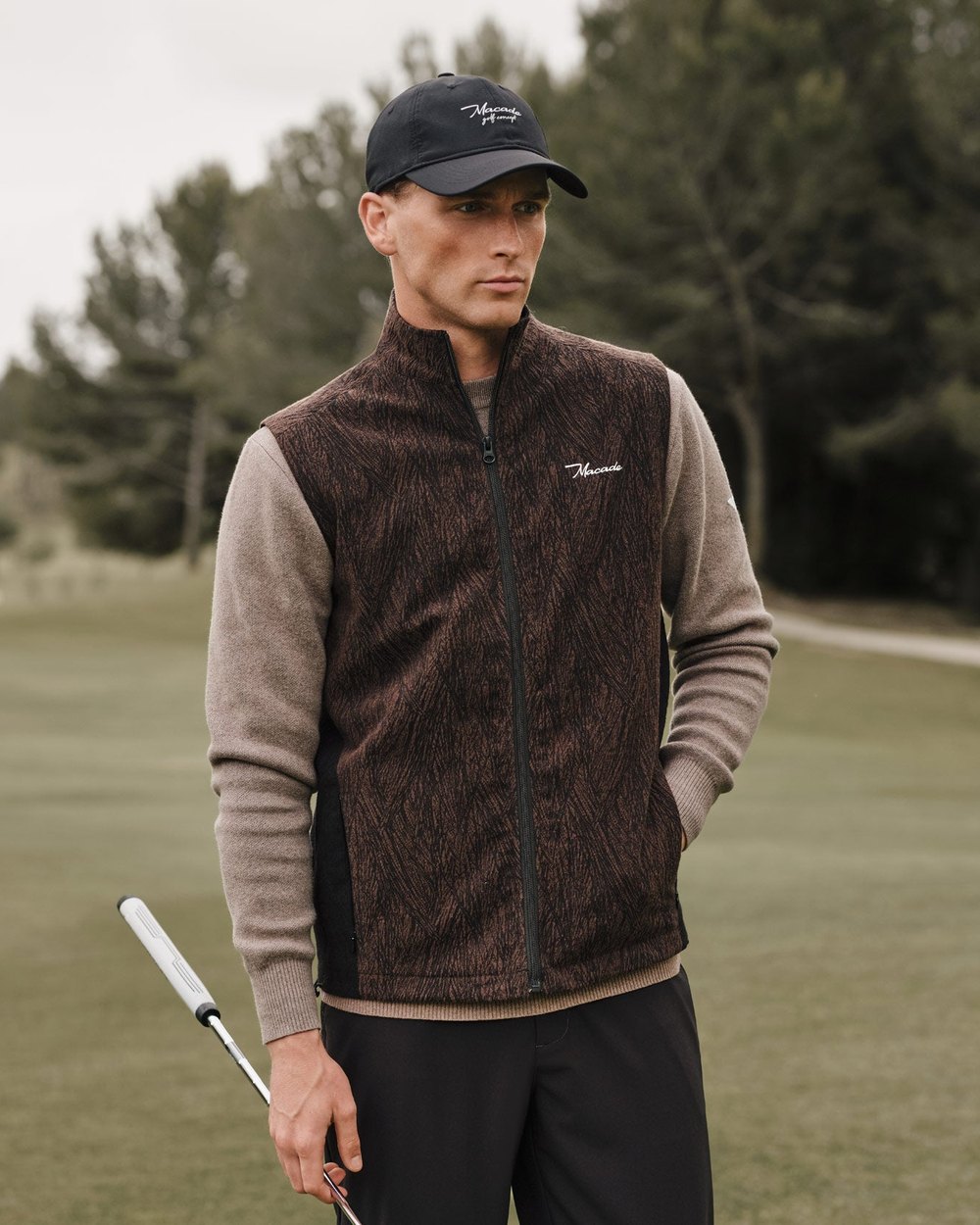
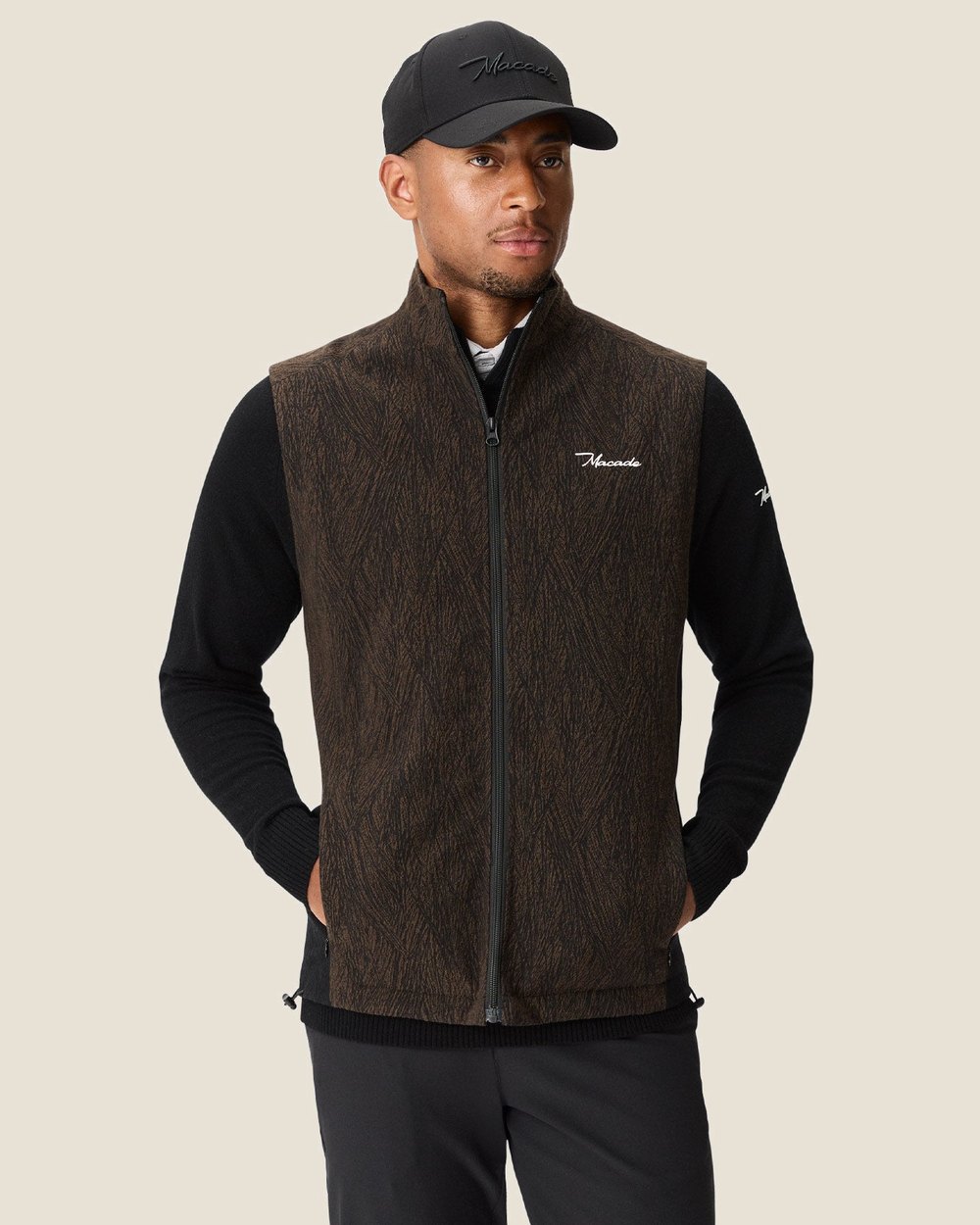
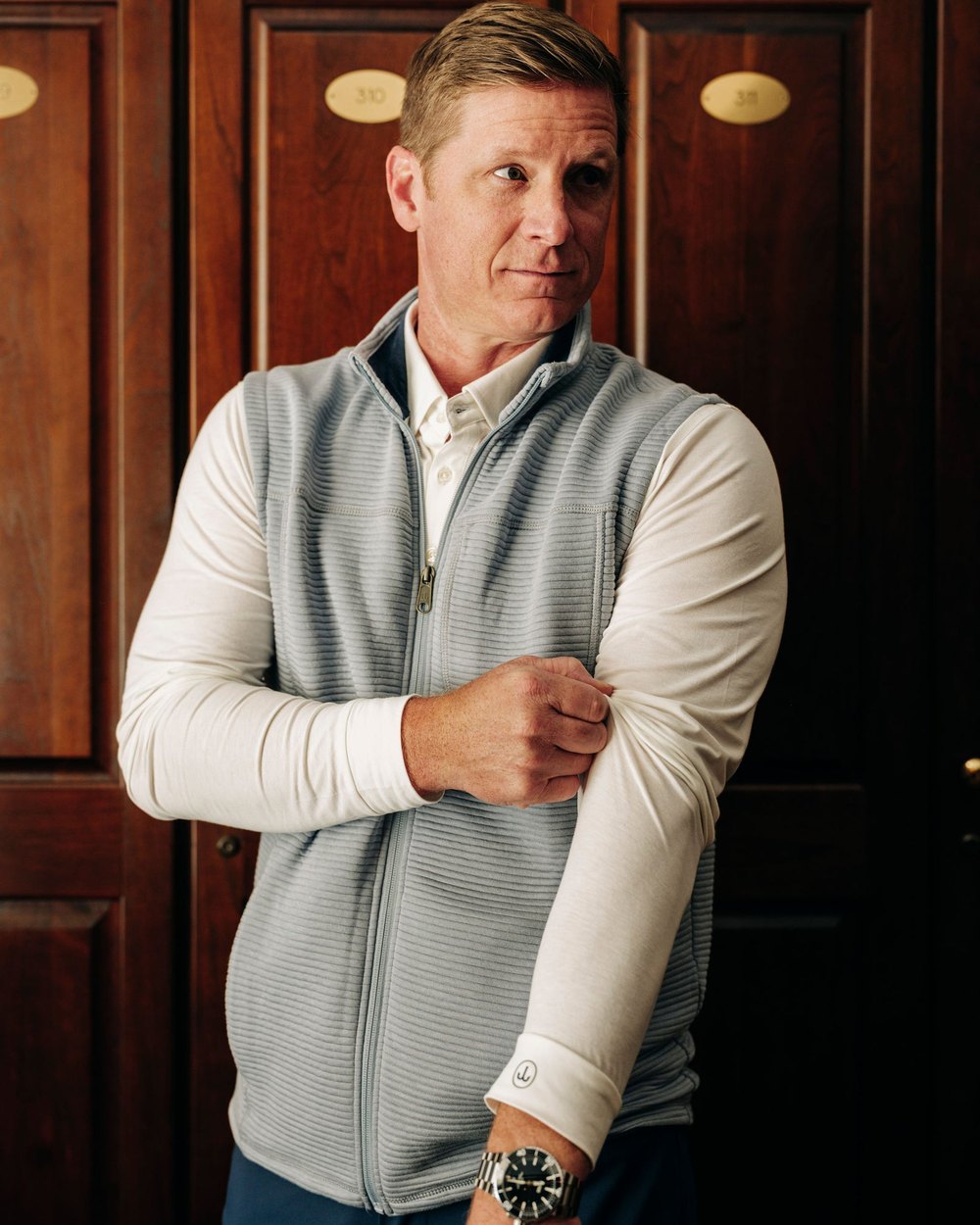
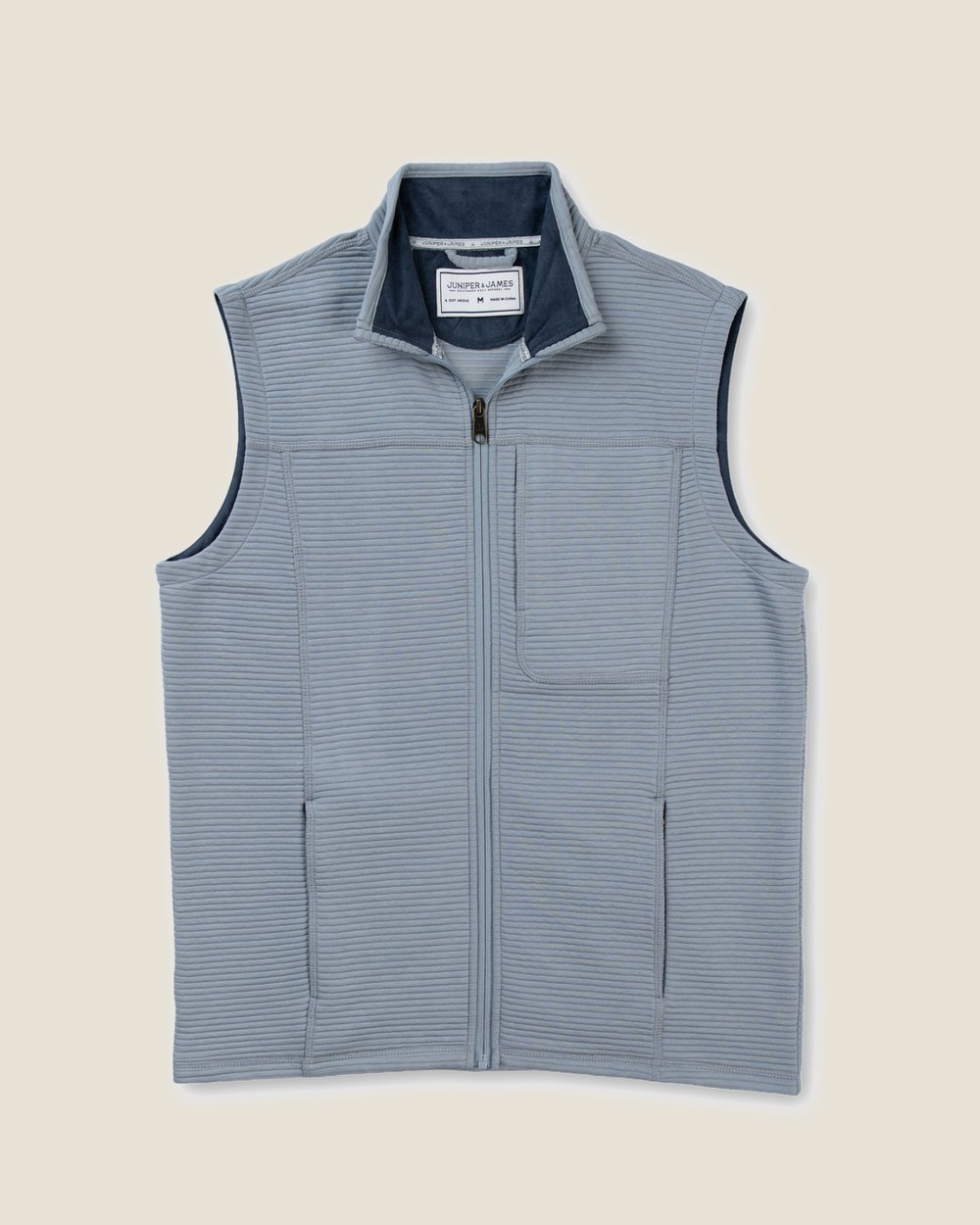

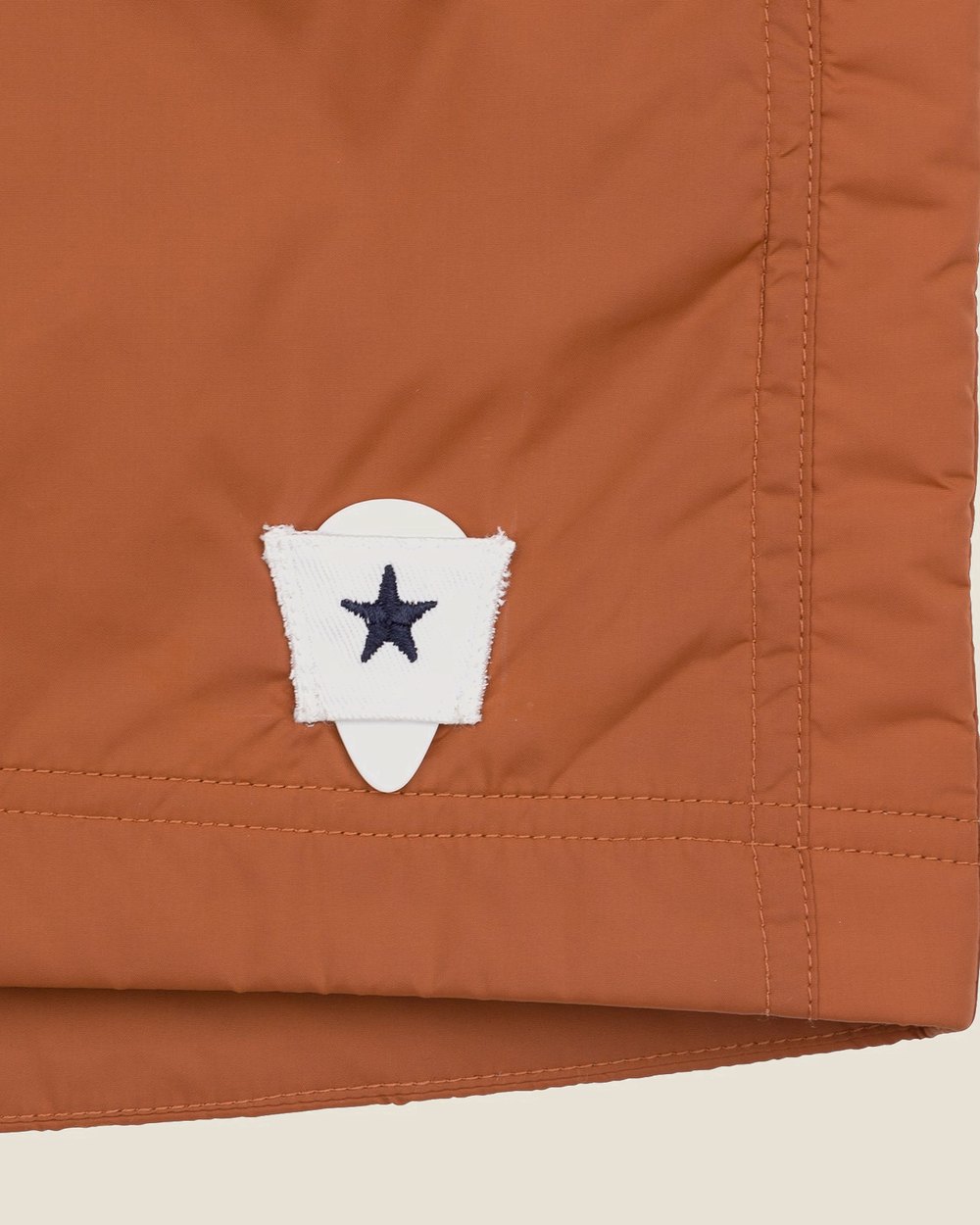
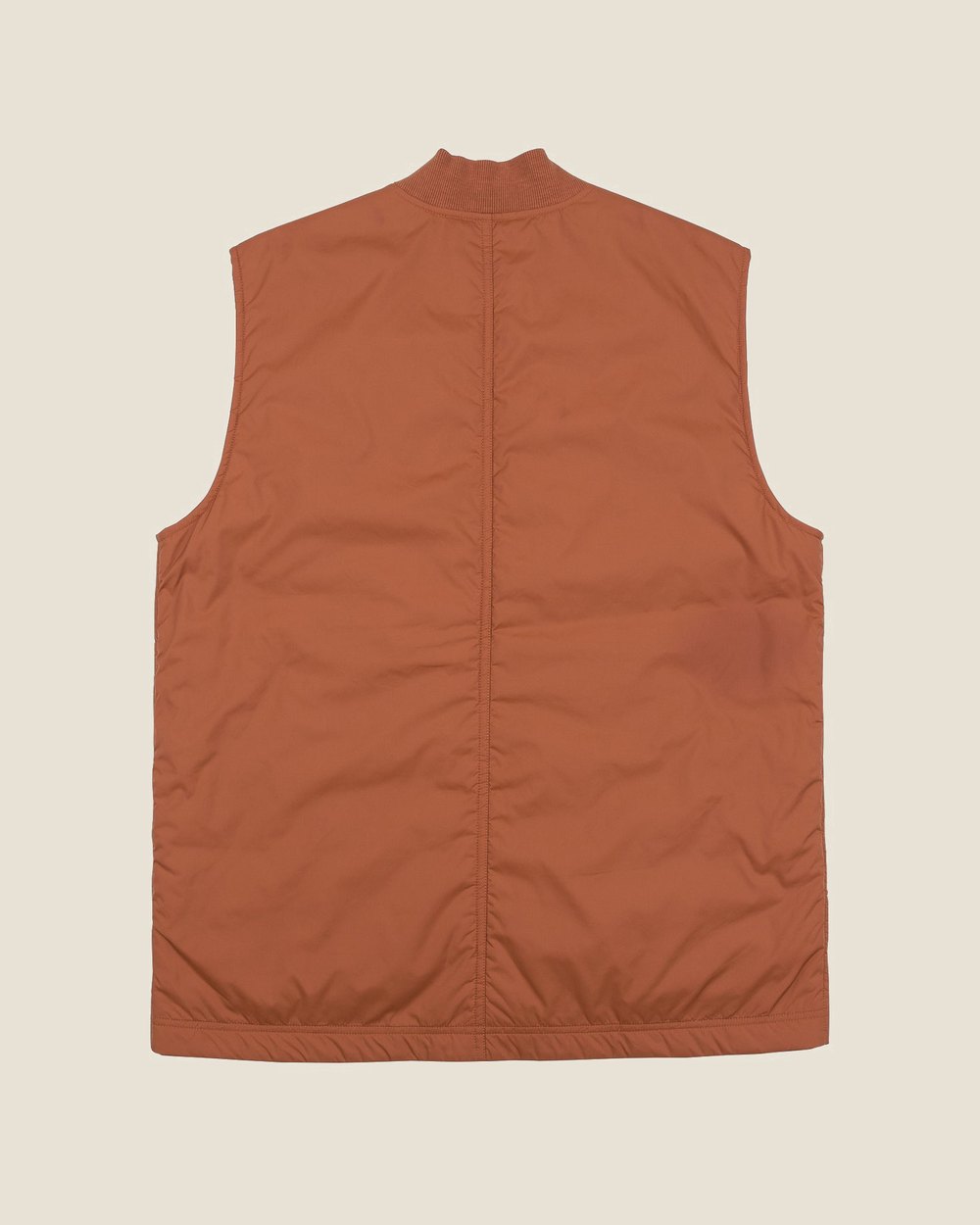
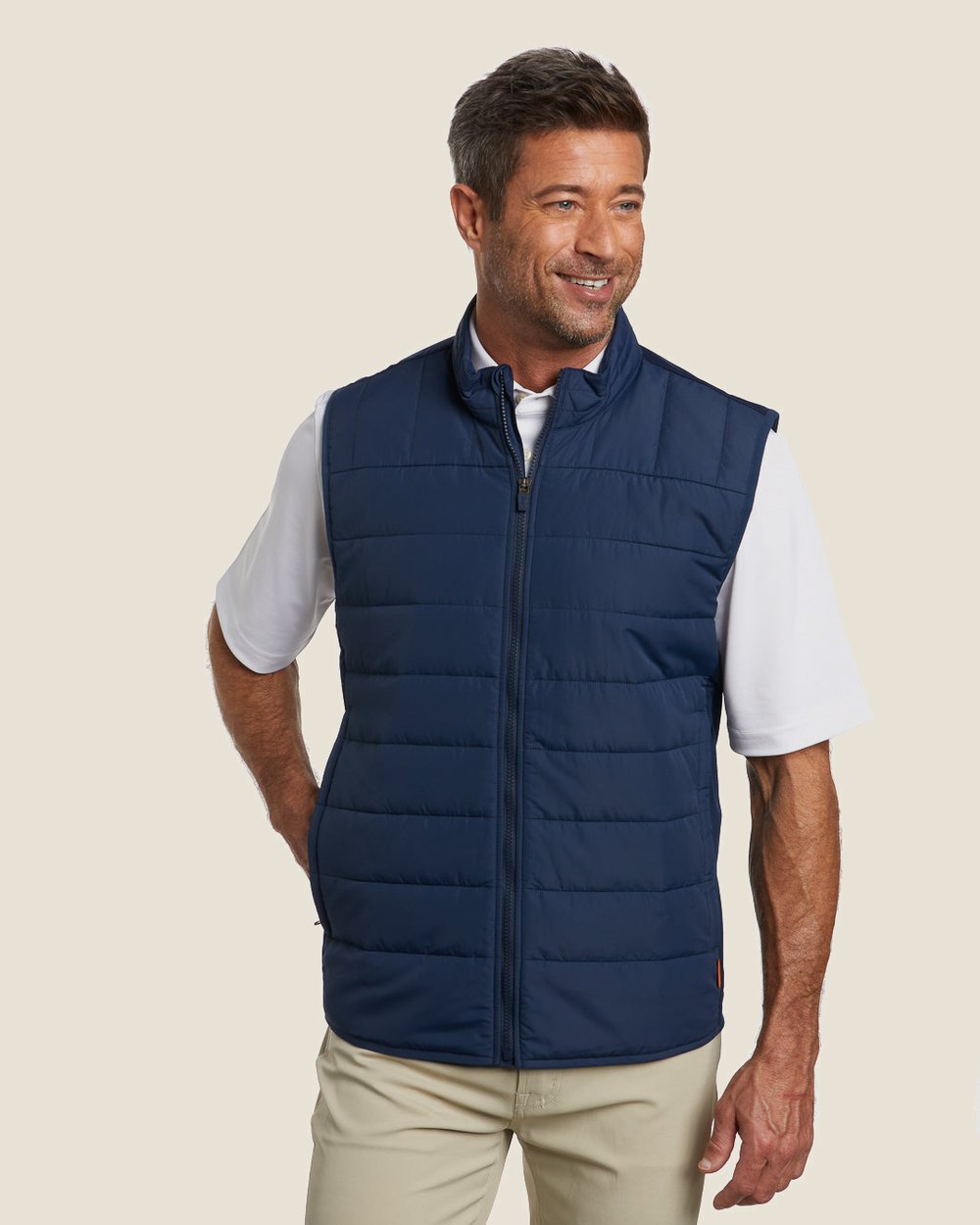
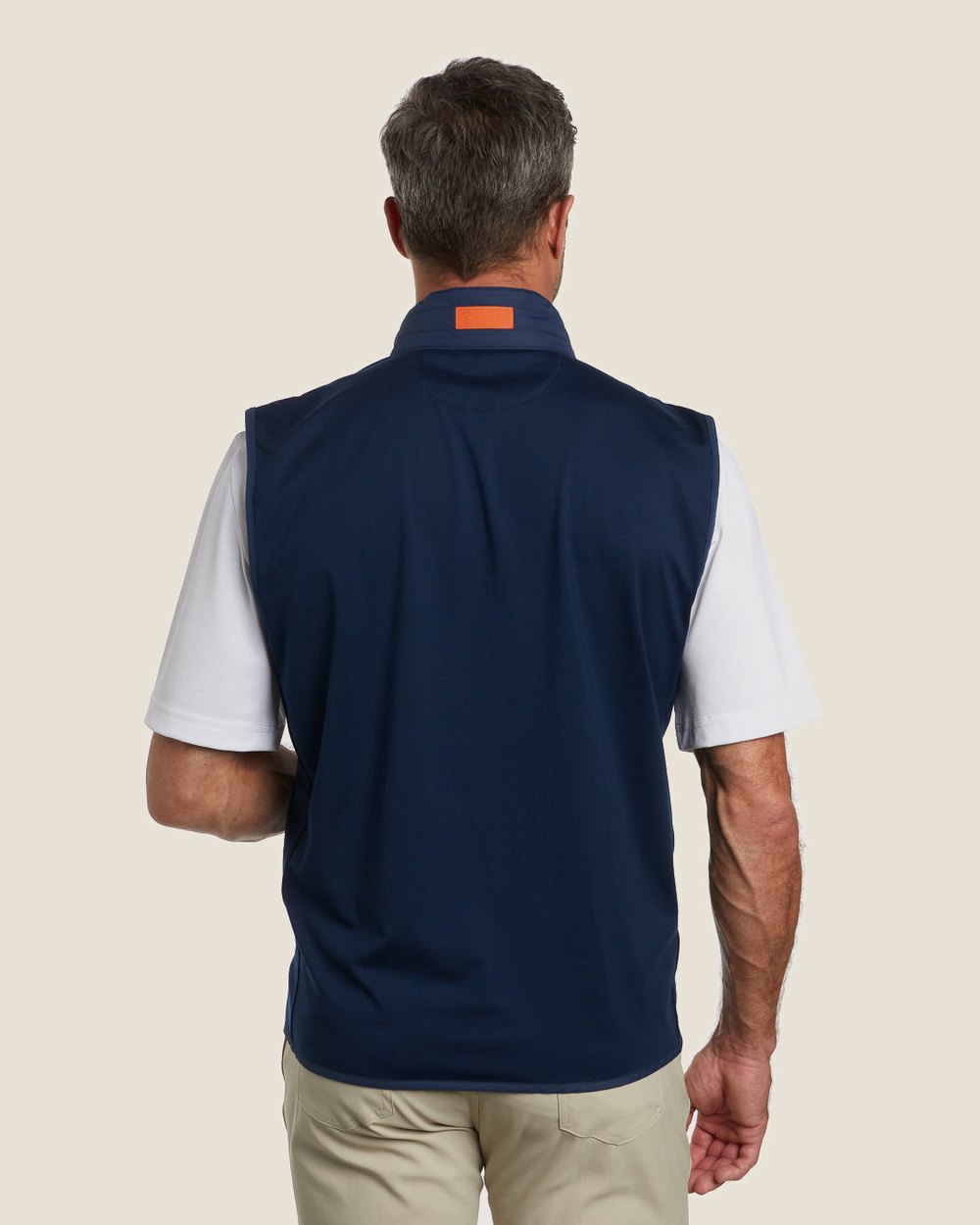
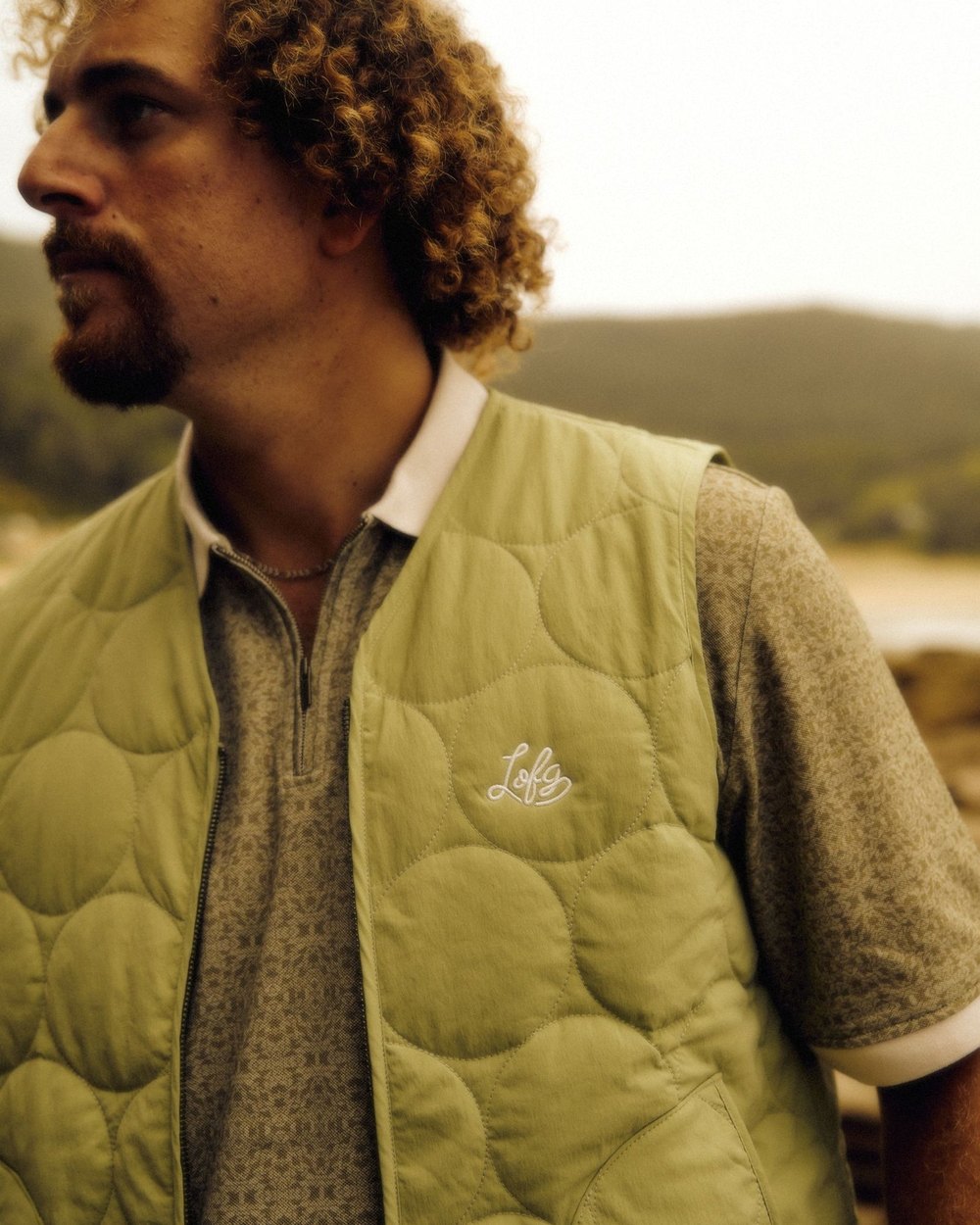
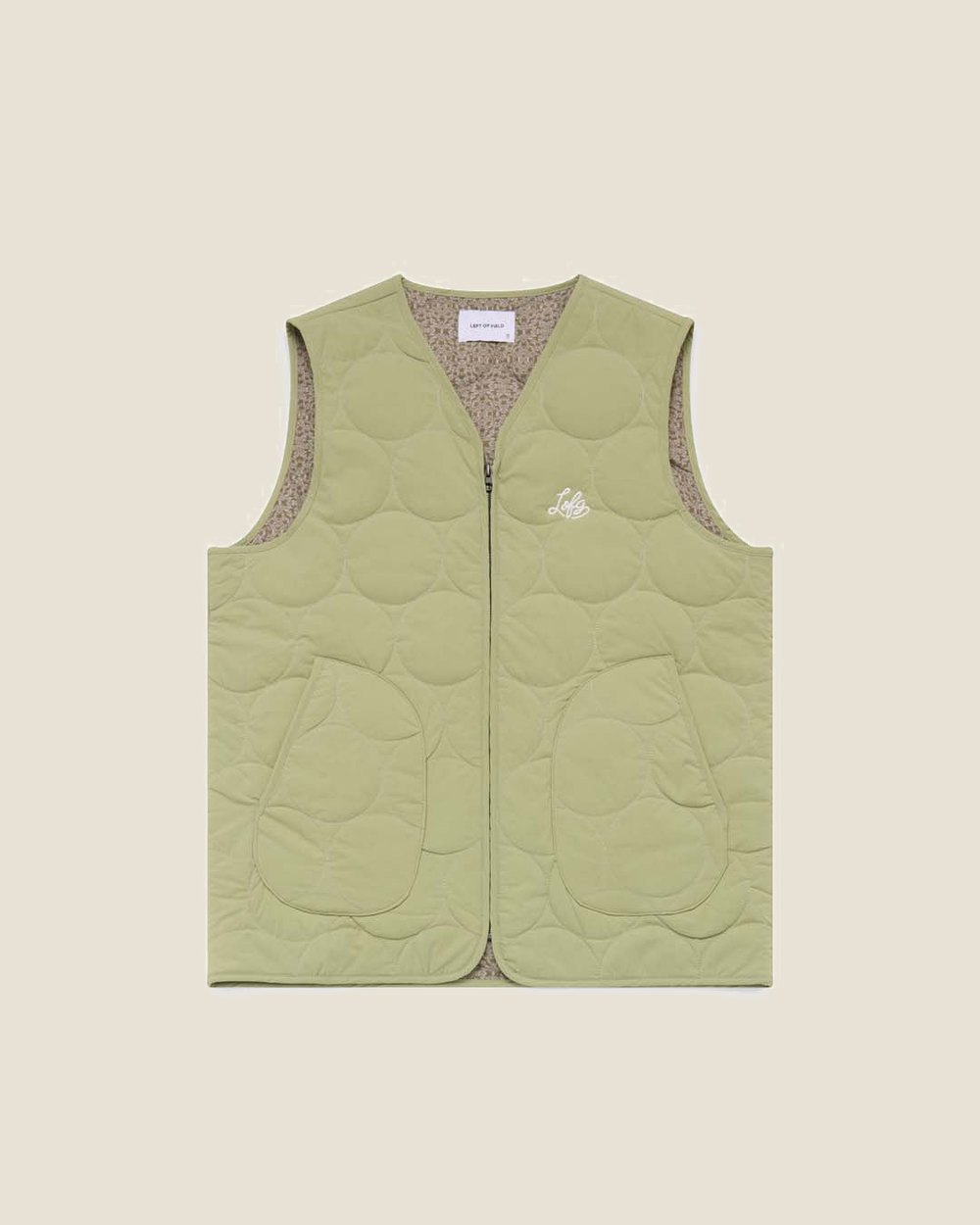
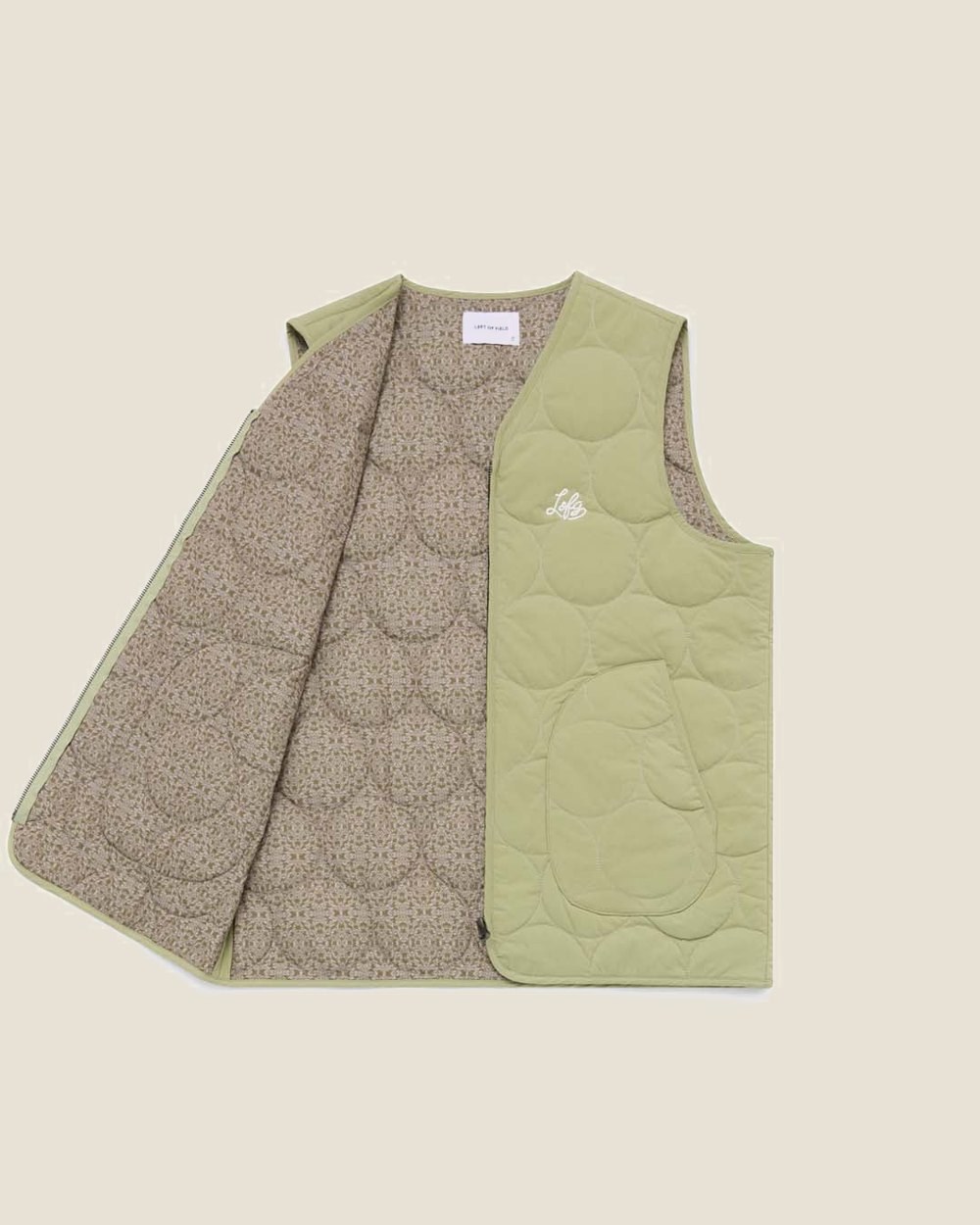
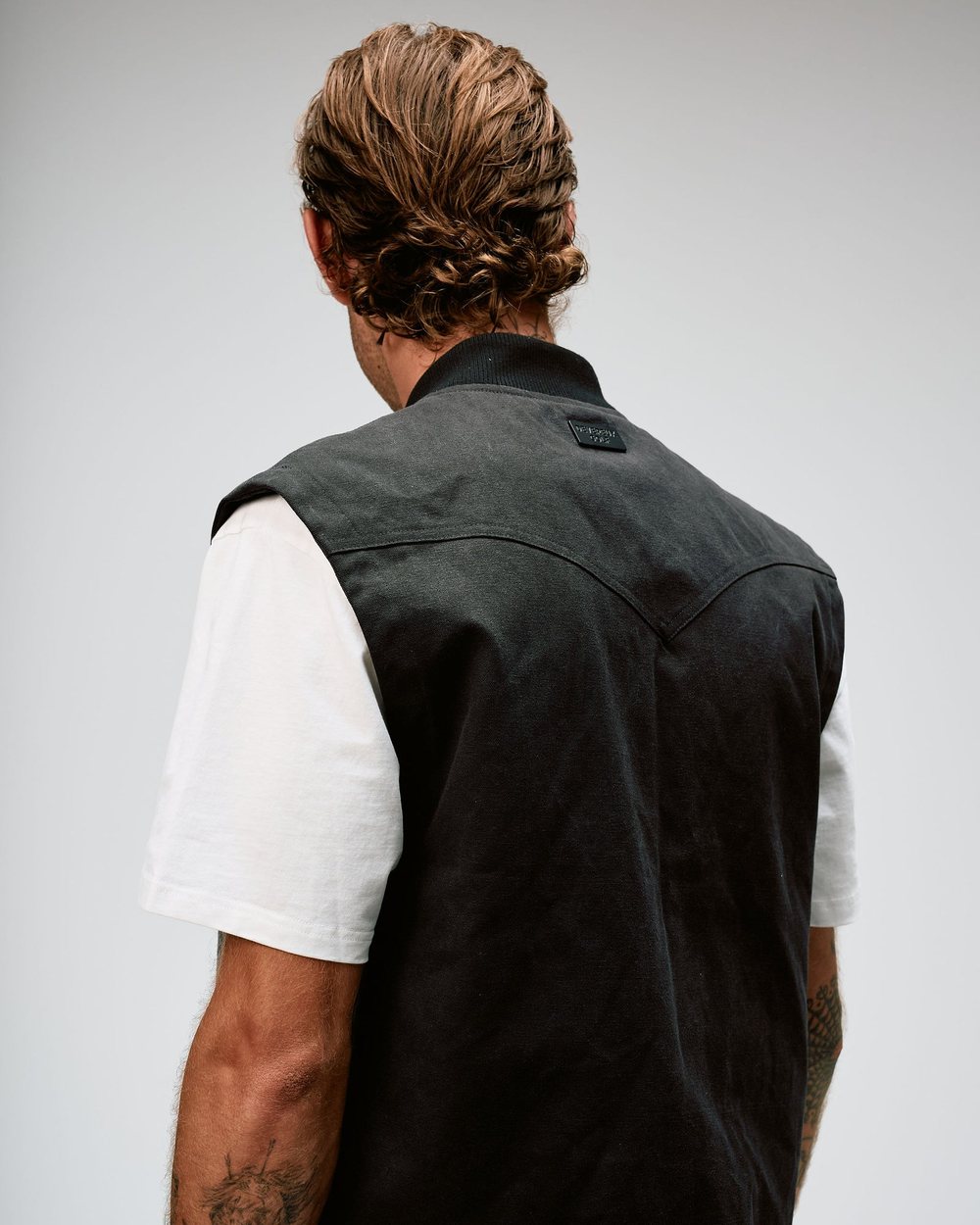
Core warmth, free armsLight padding or a heavy canvas that keeps your chest warm and leaves your shoulders alone. Wear one over a polo in the morning and you will not need to take it off at the turn.
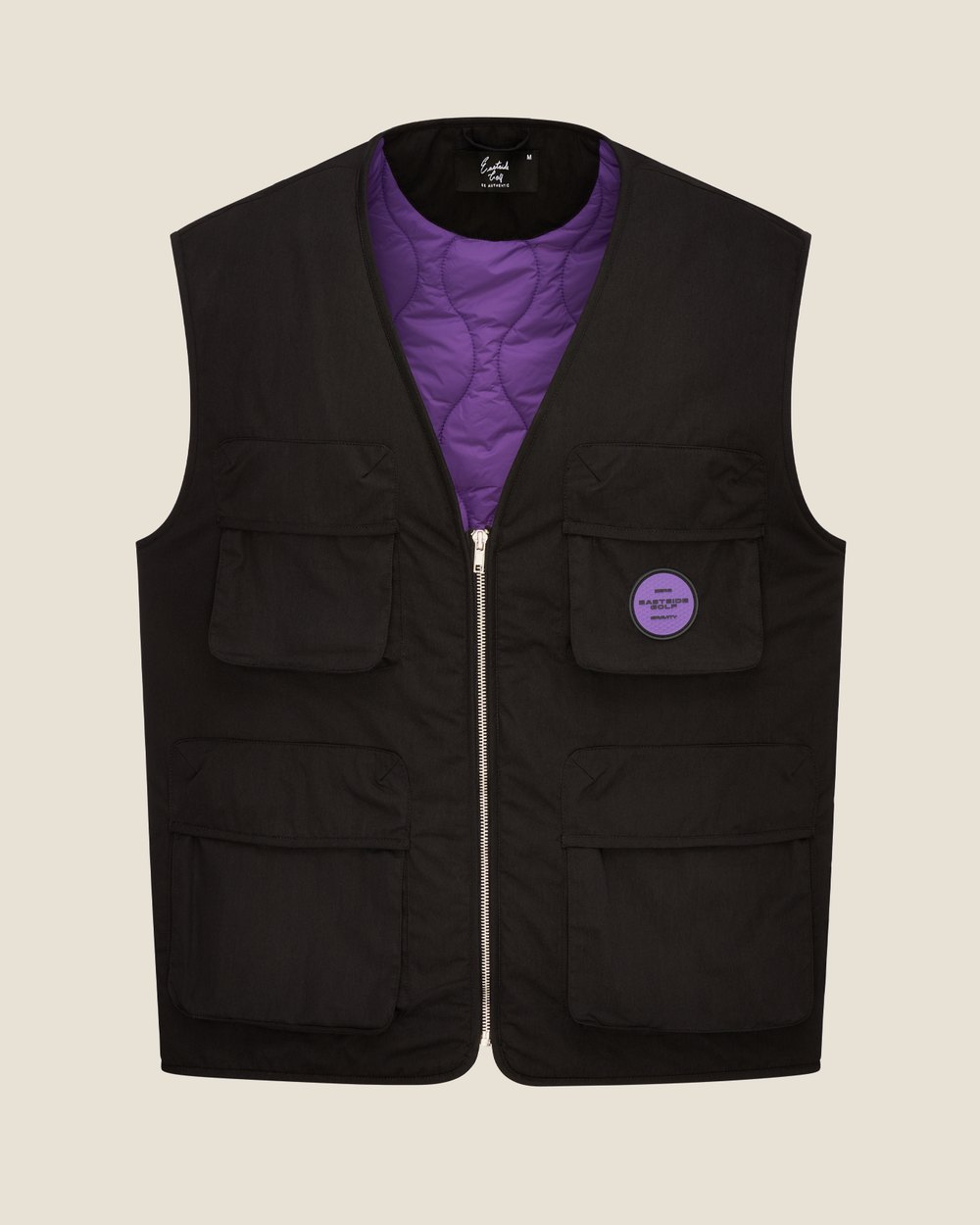
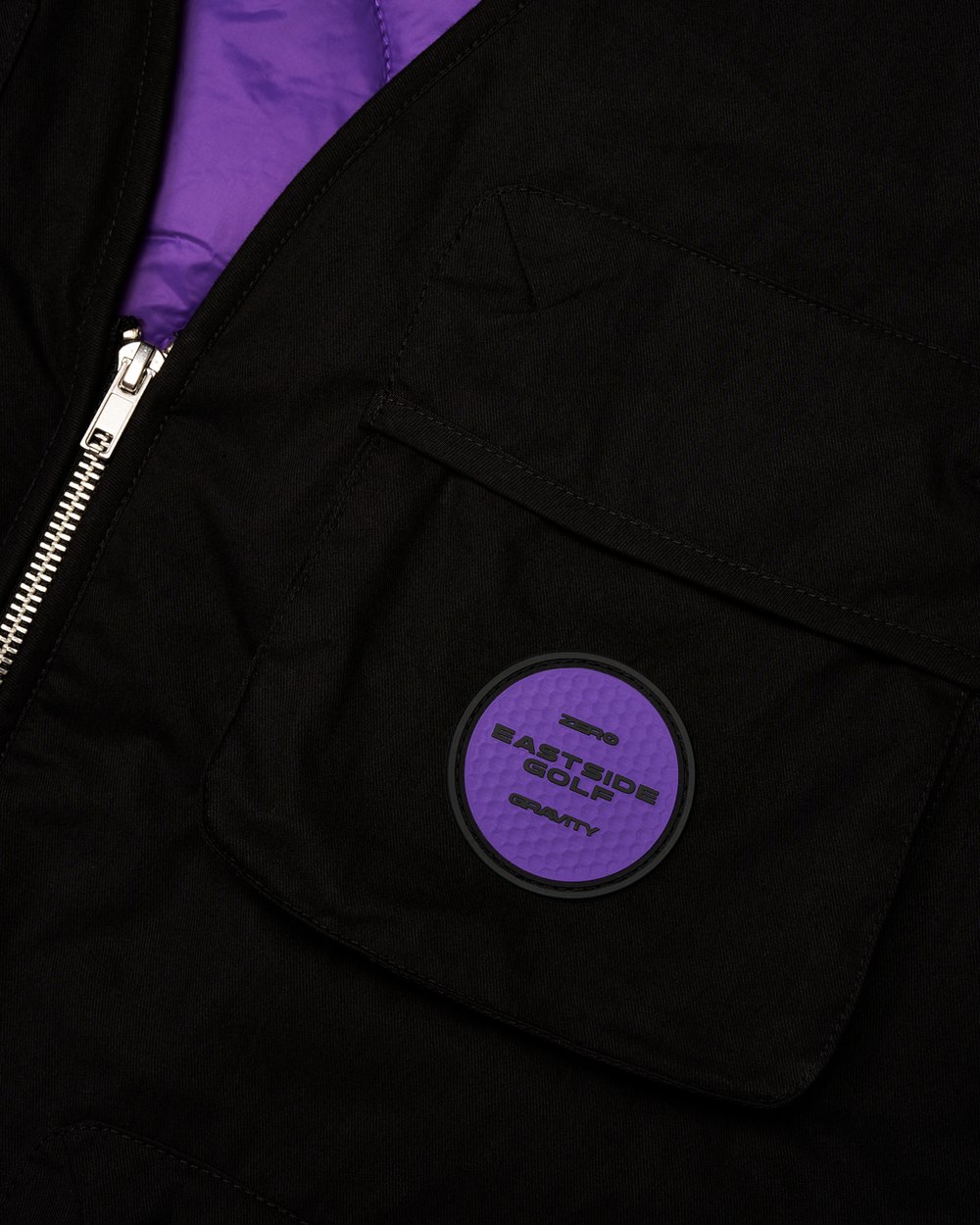
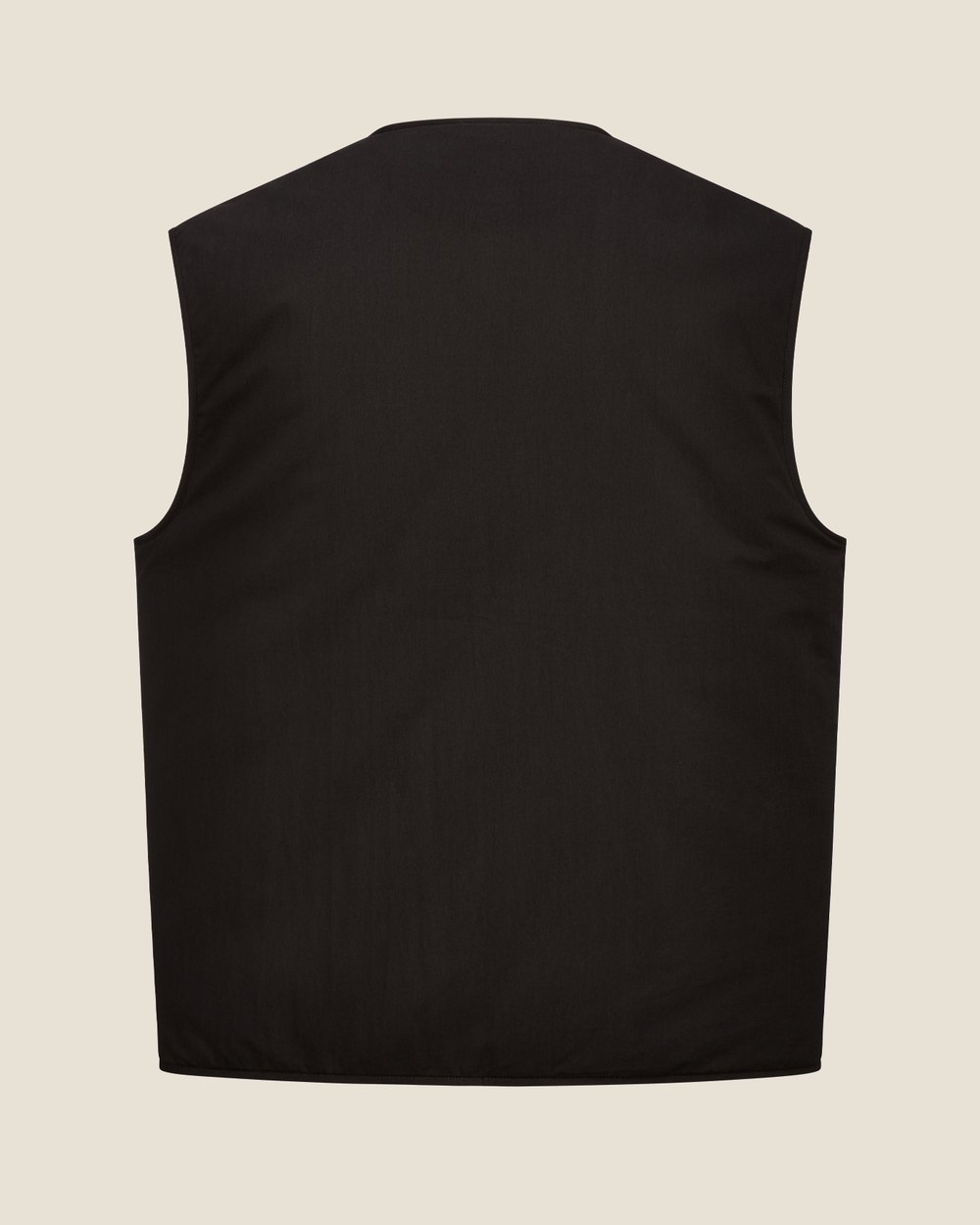
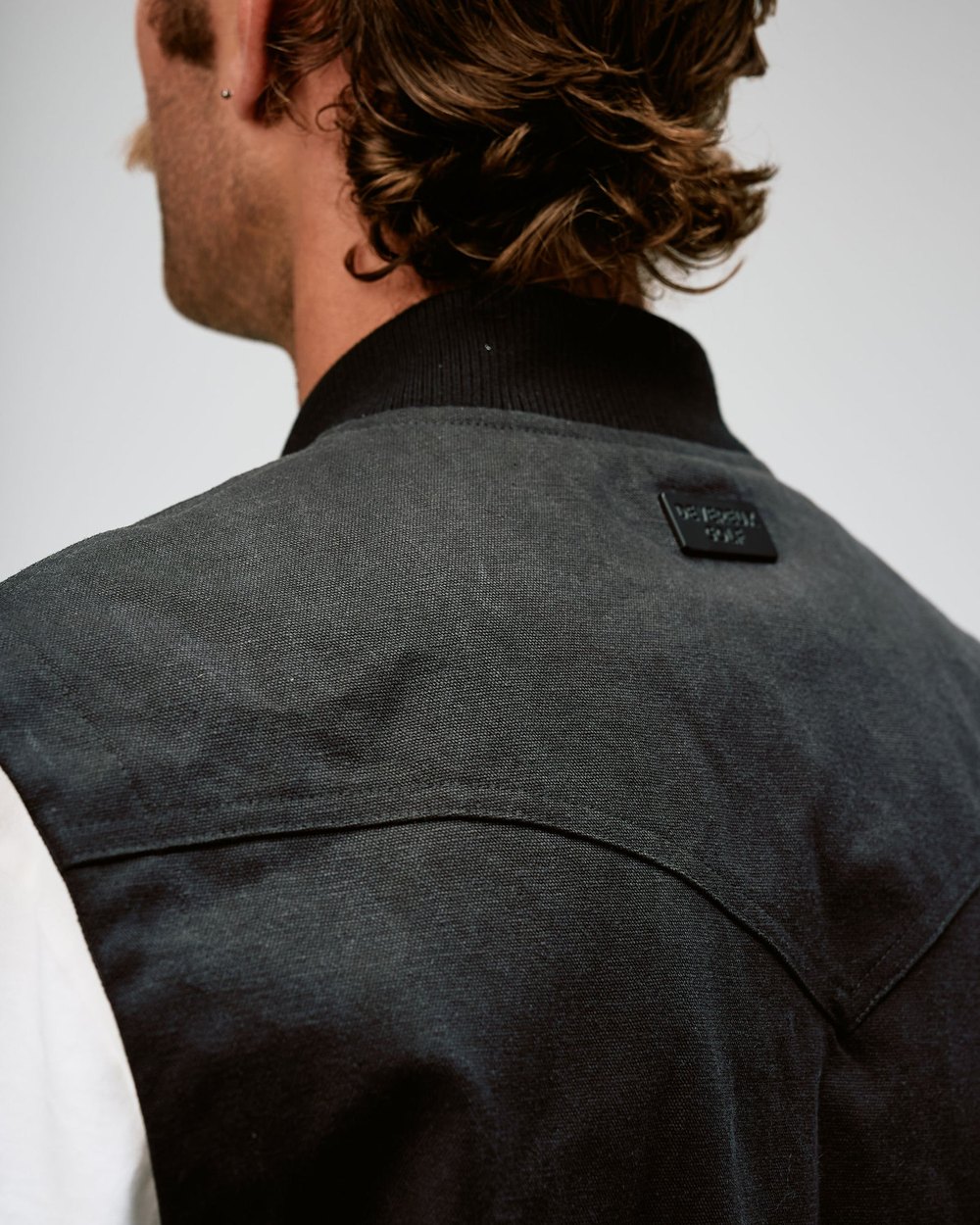

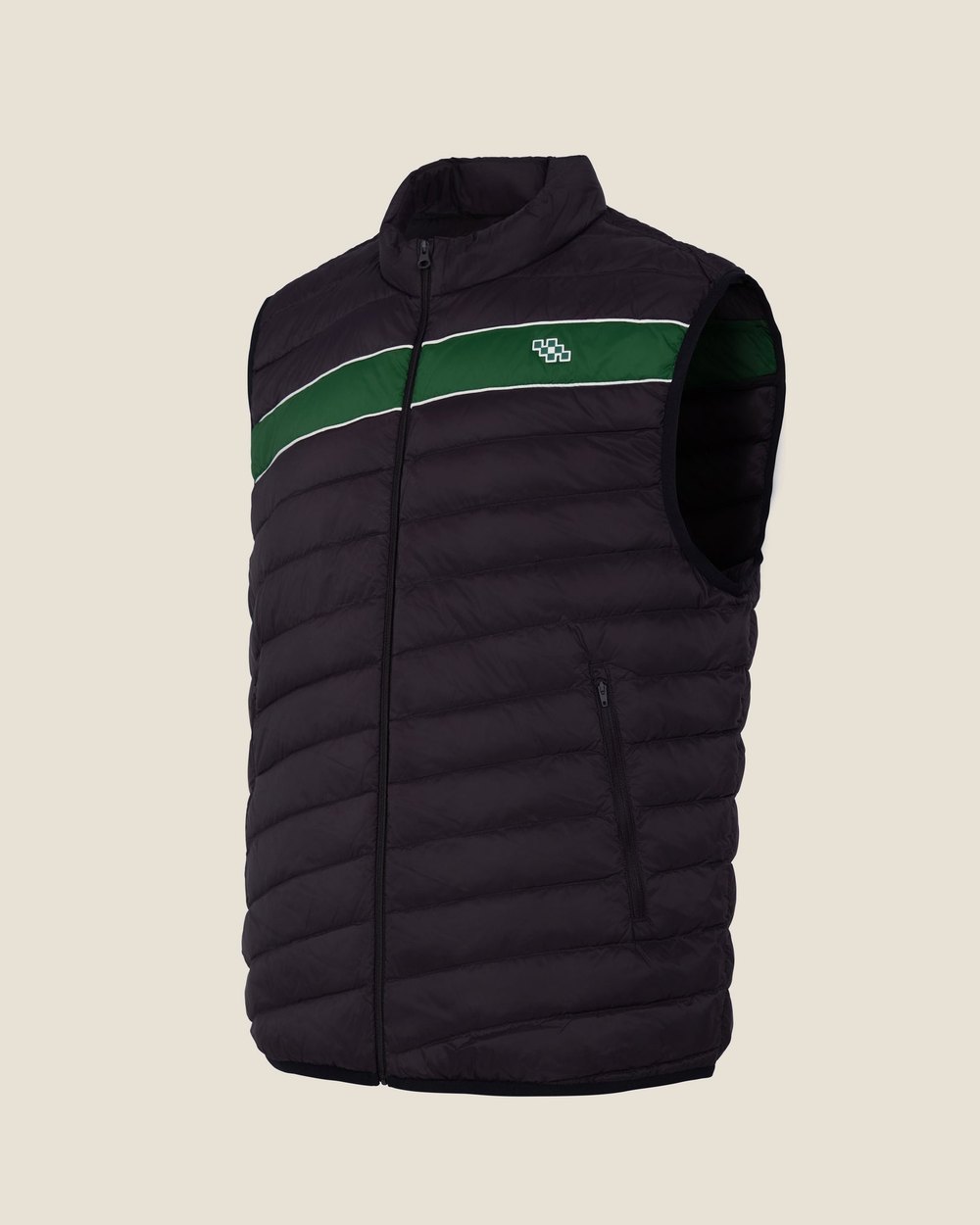
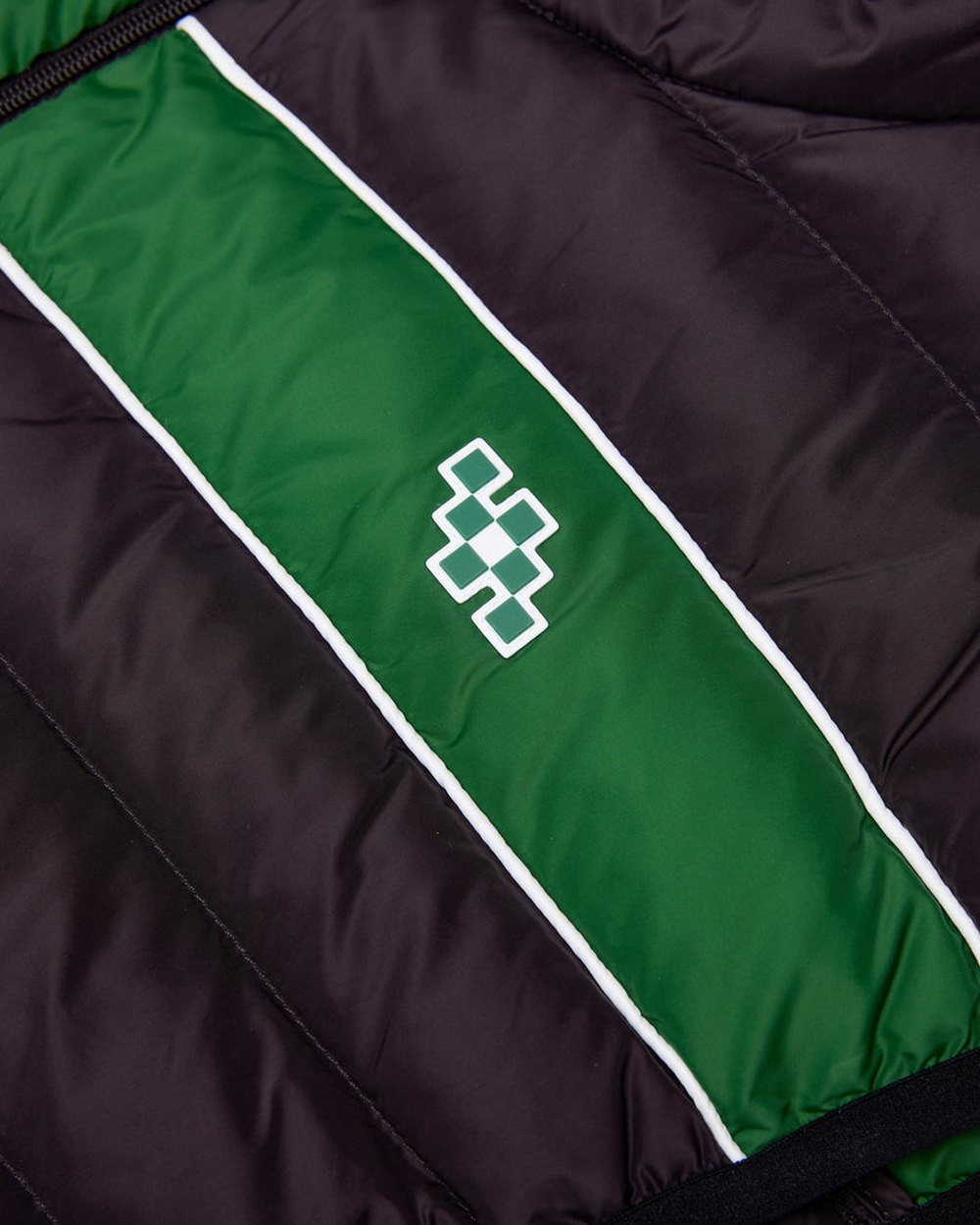
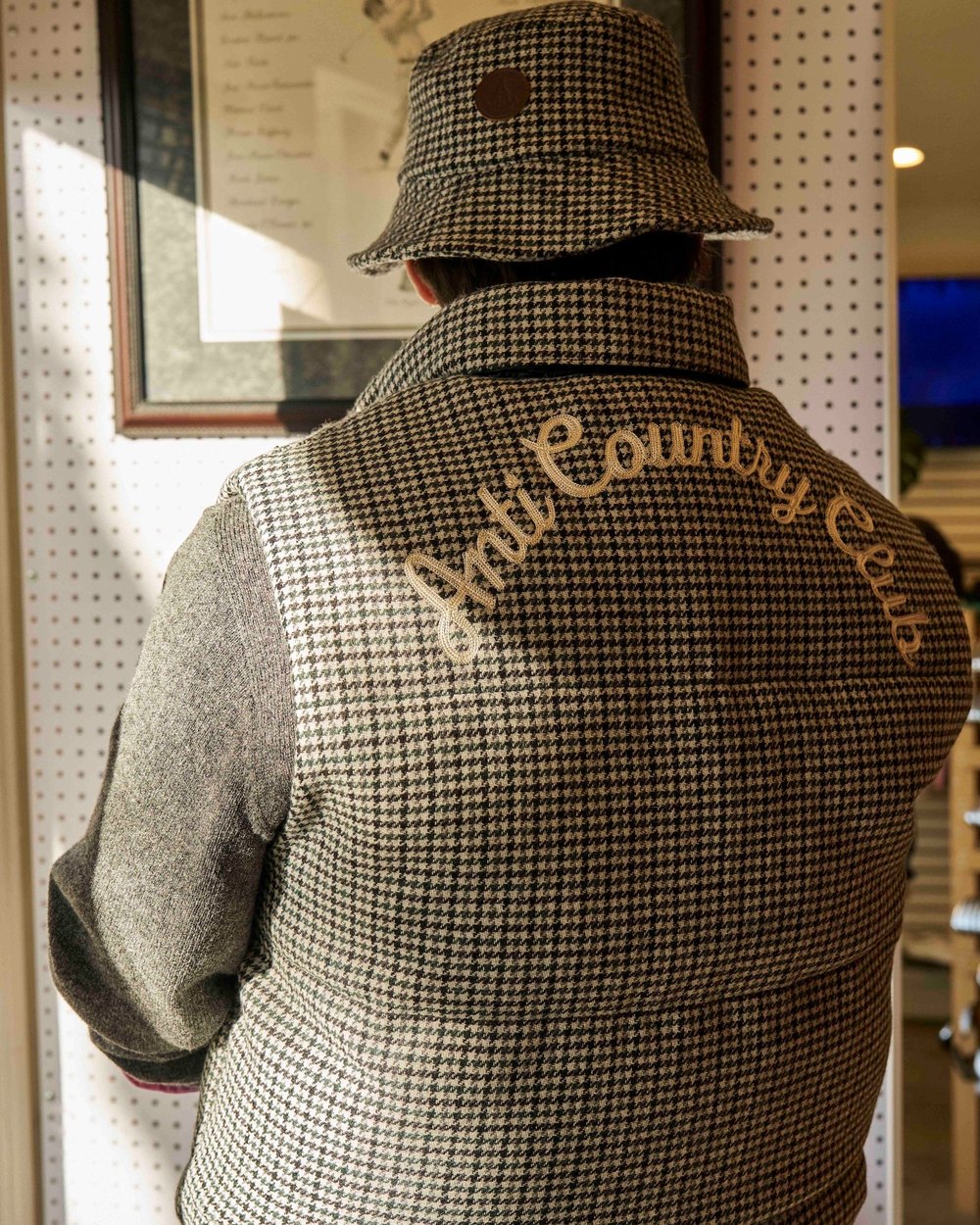
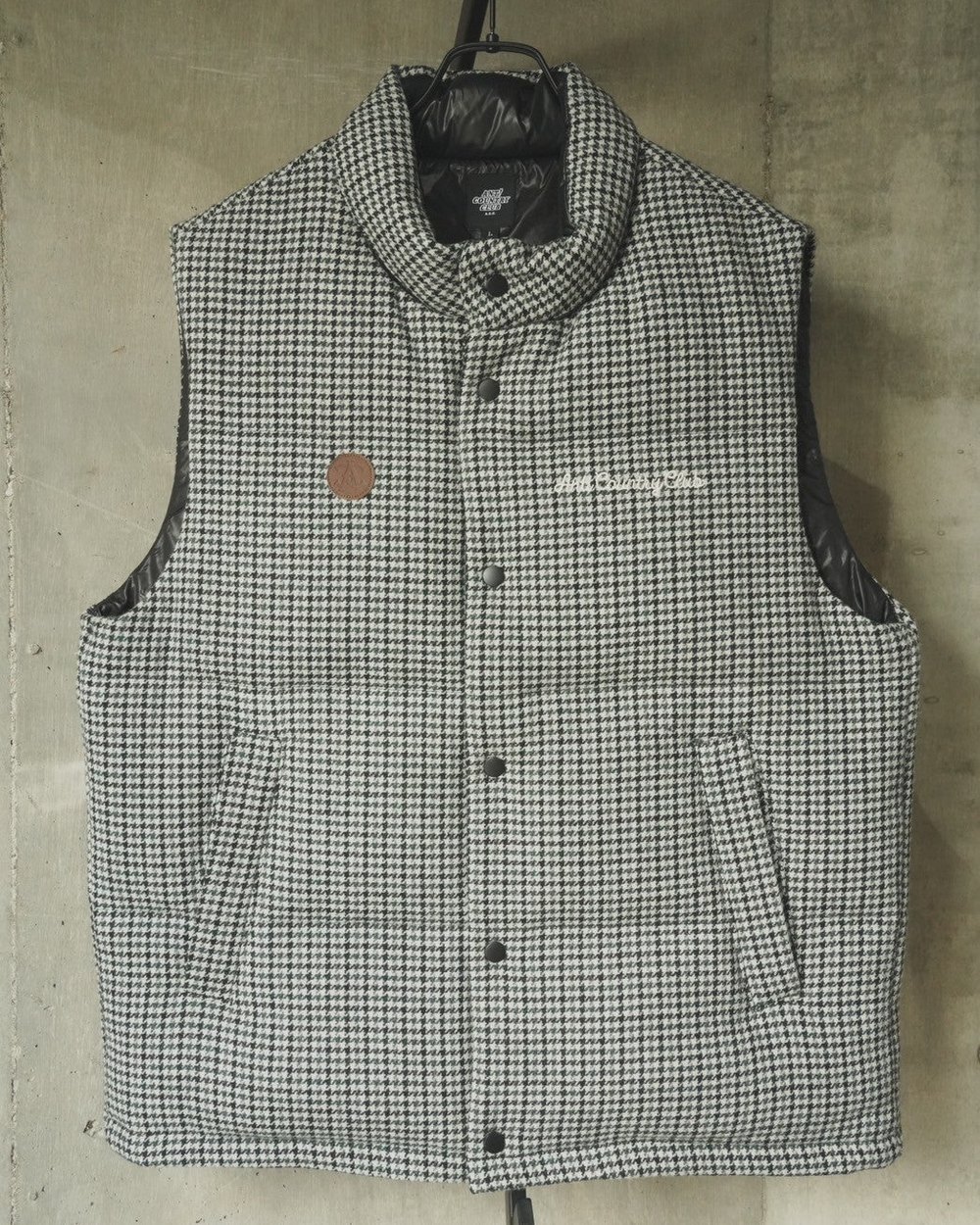
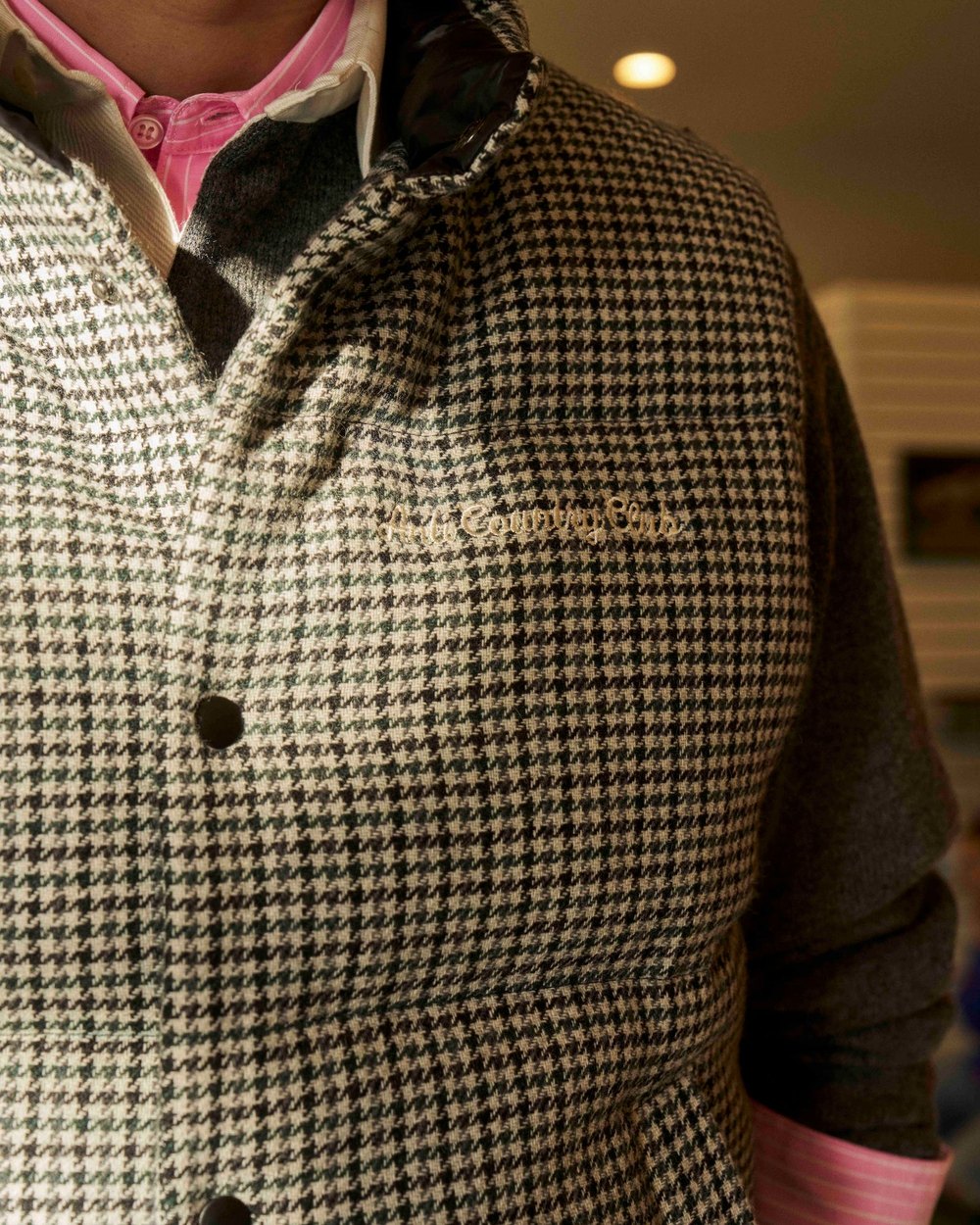
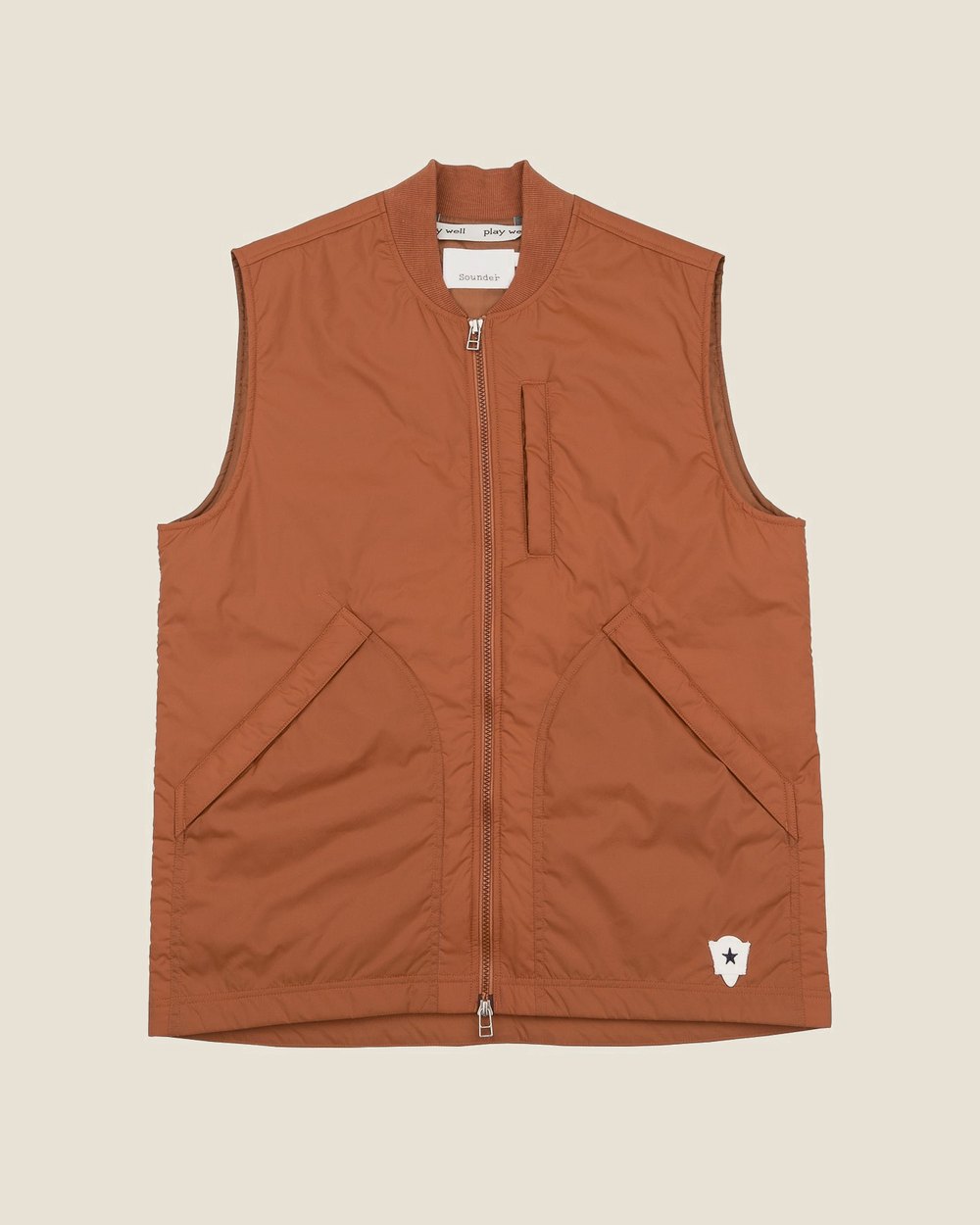
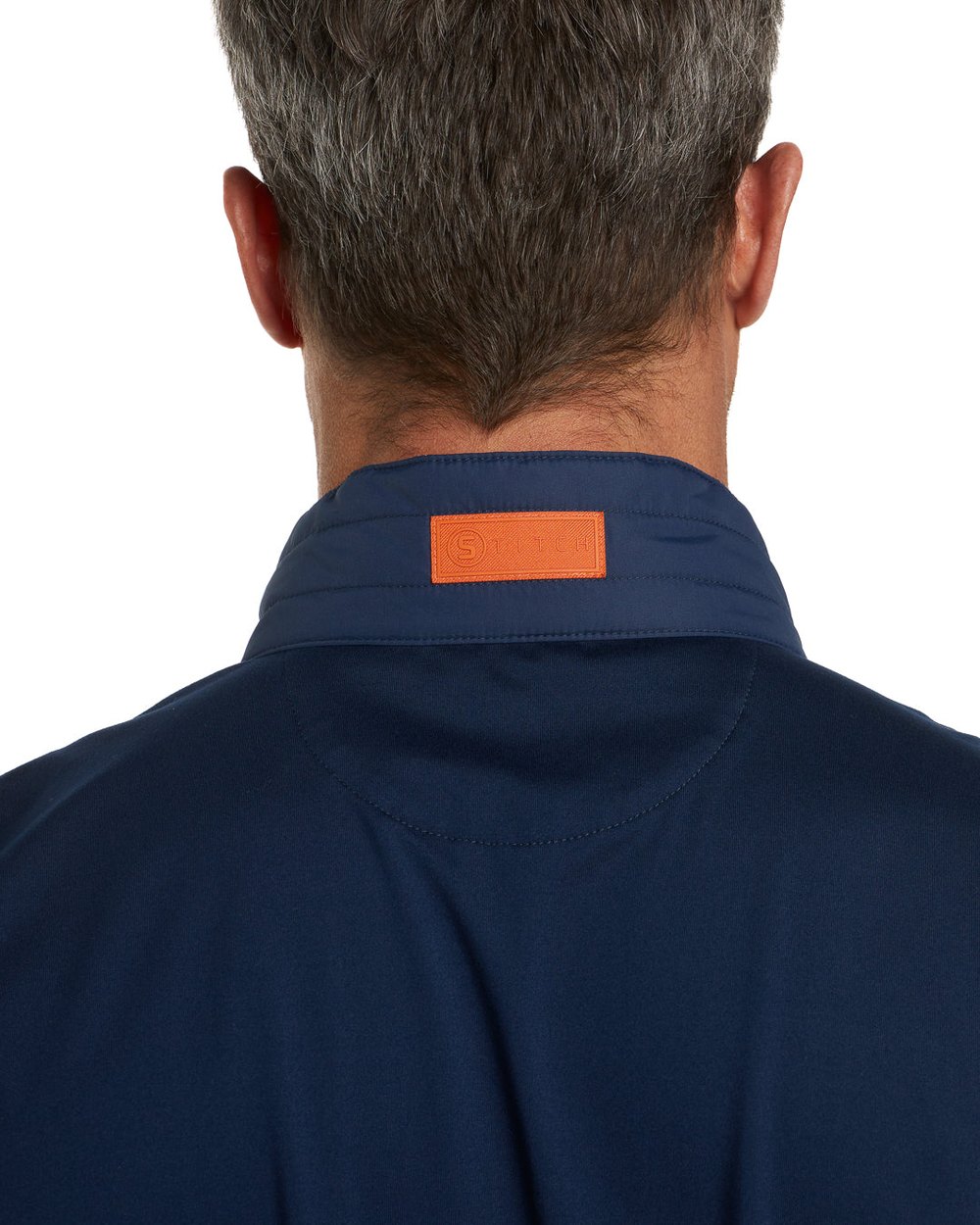
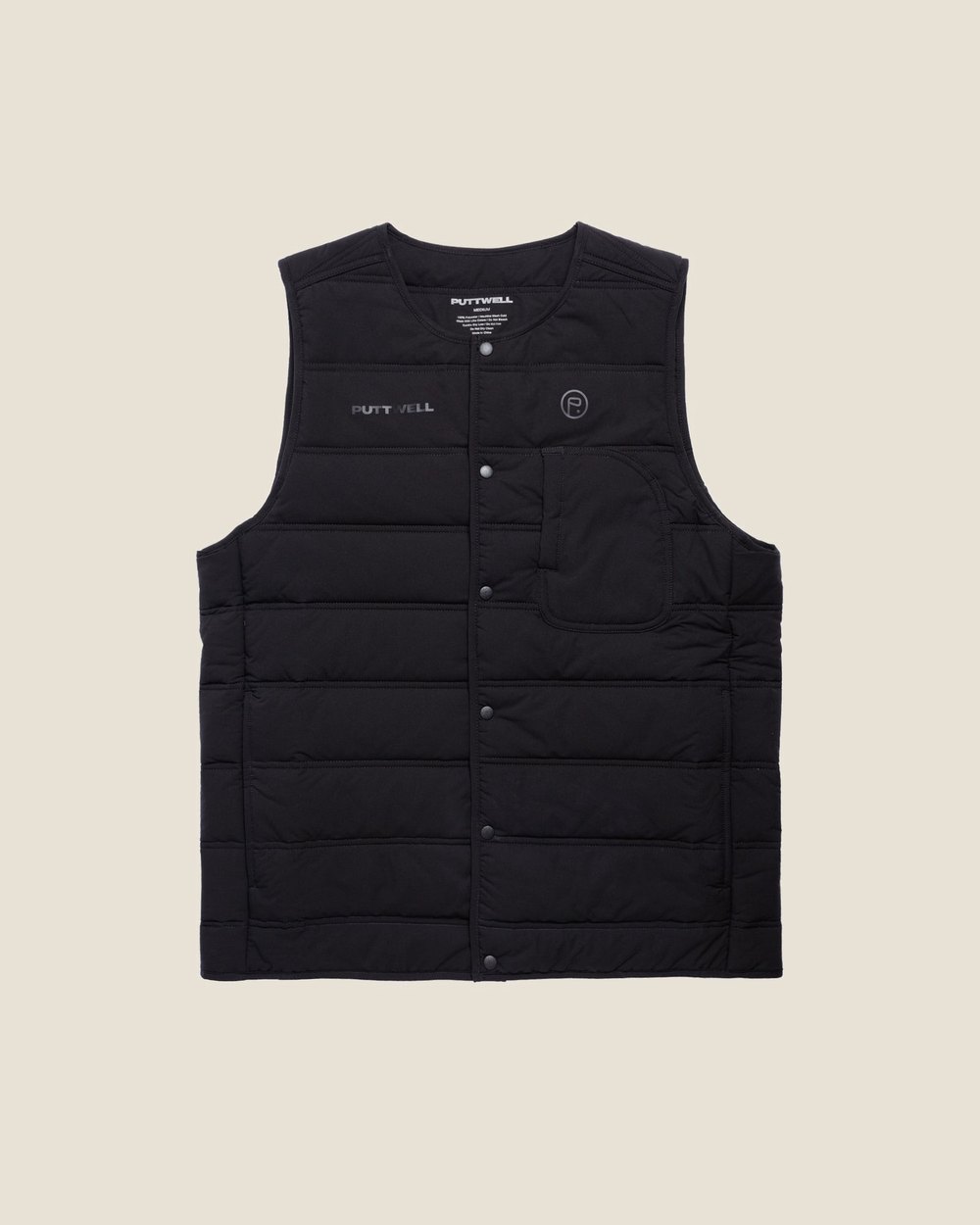
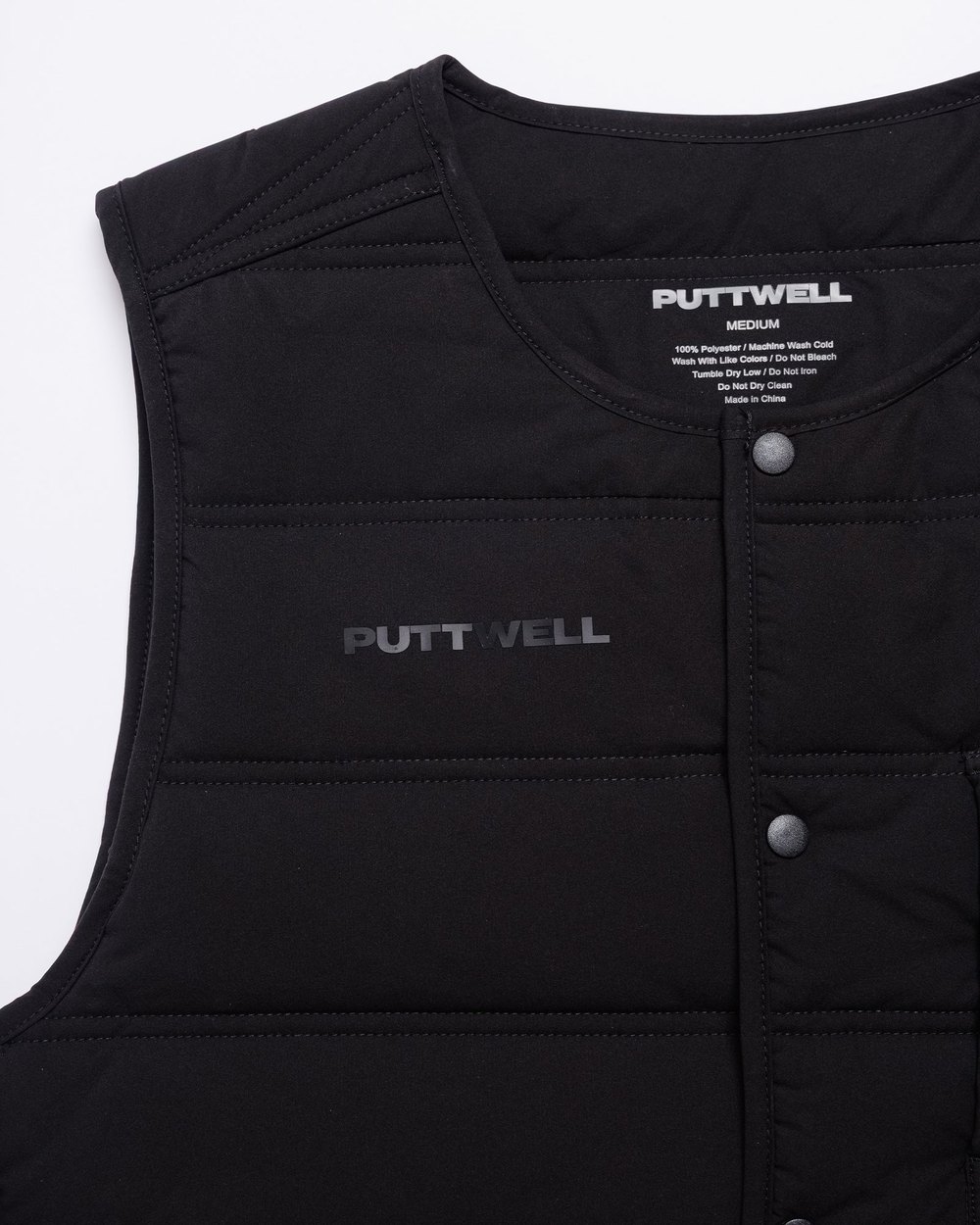
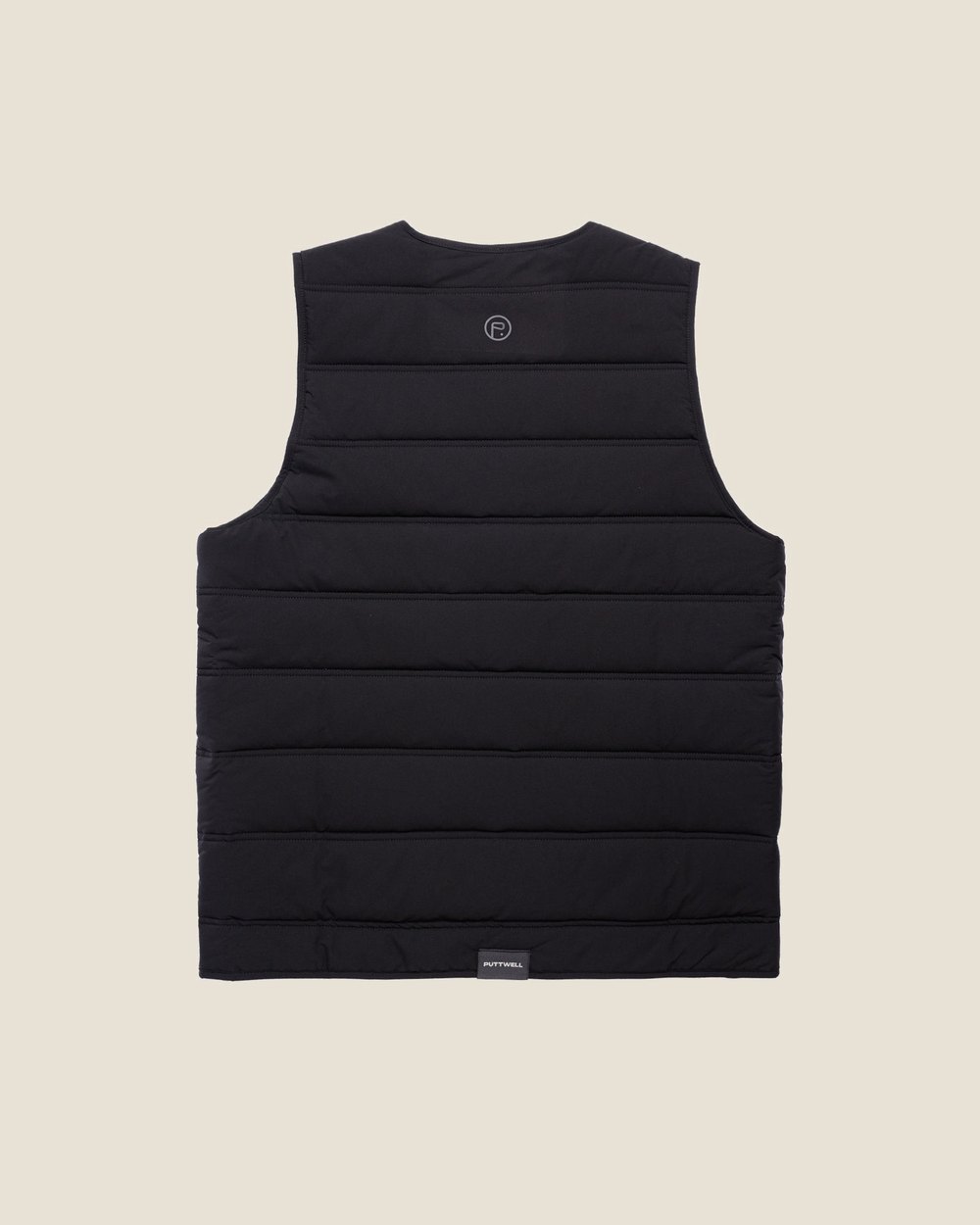

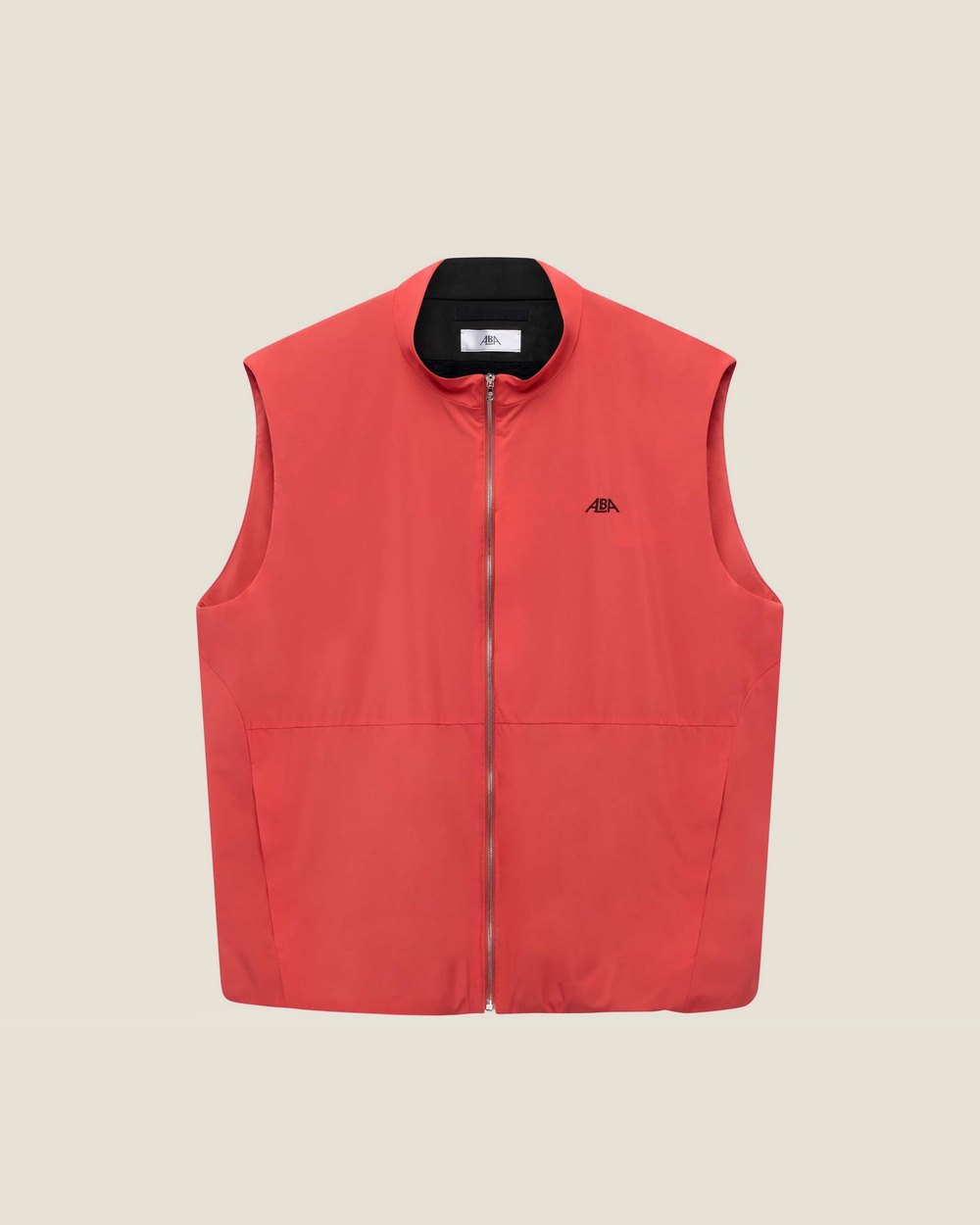
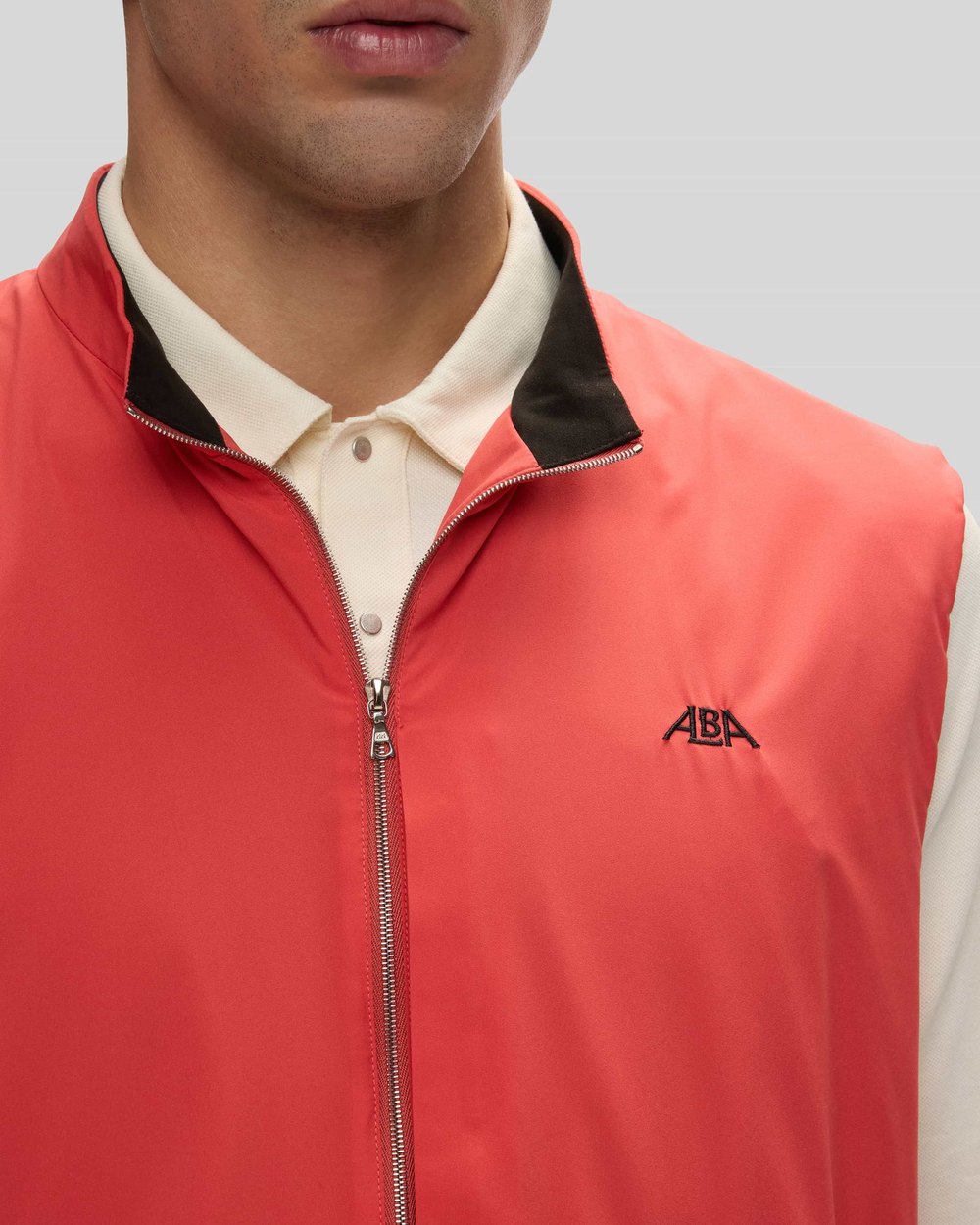
Into the windTeal, navy and charcoal shells, from Sugarloaf Social Club, Galvin Green and SLOAT.
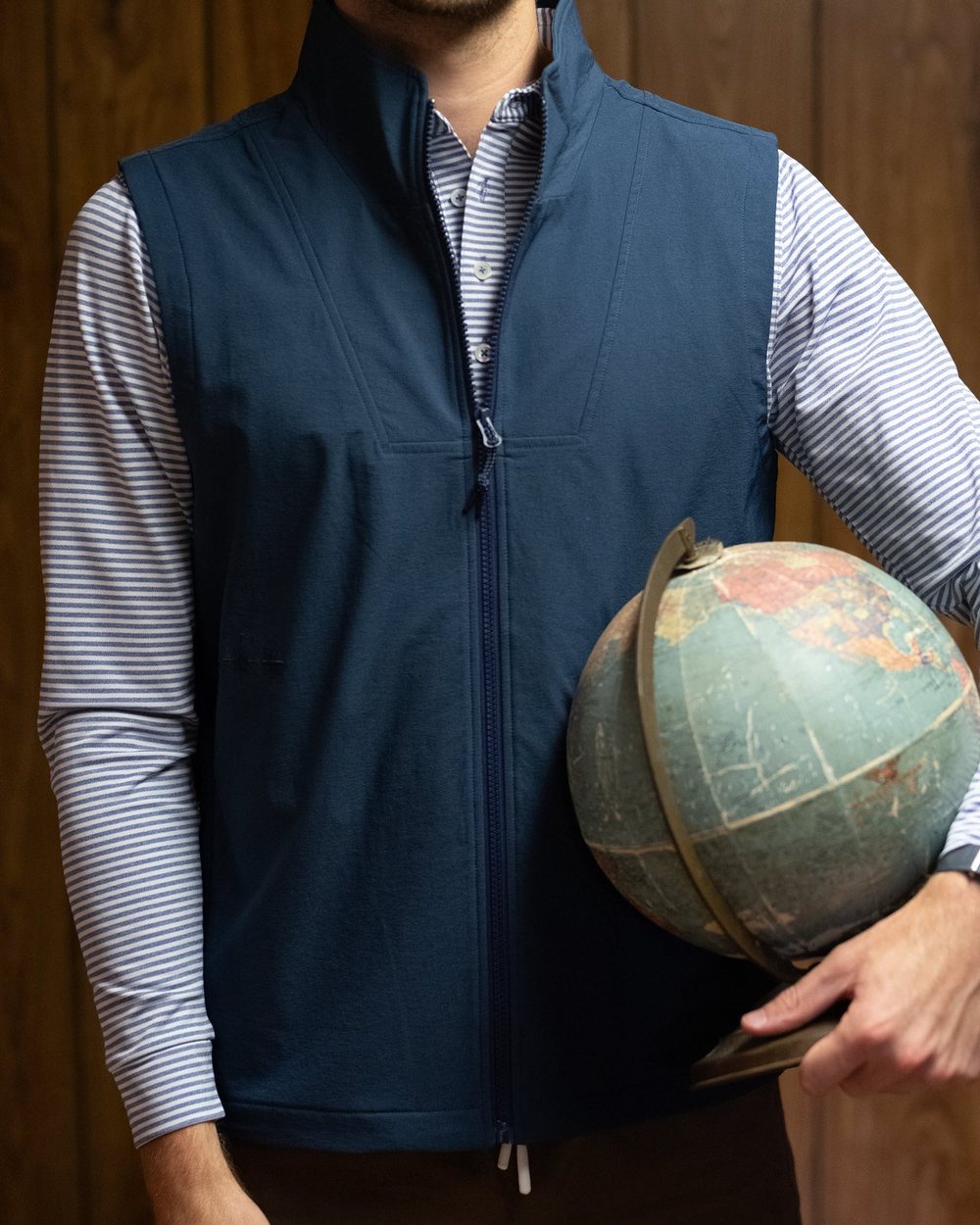
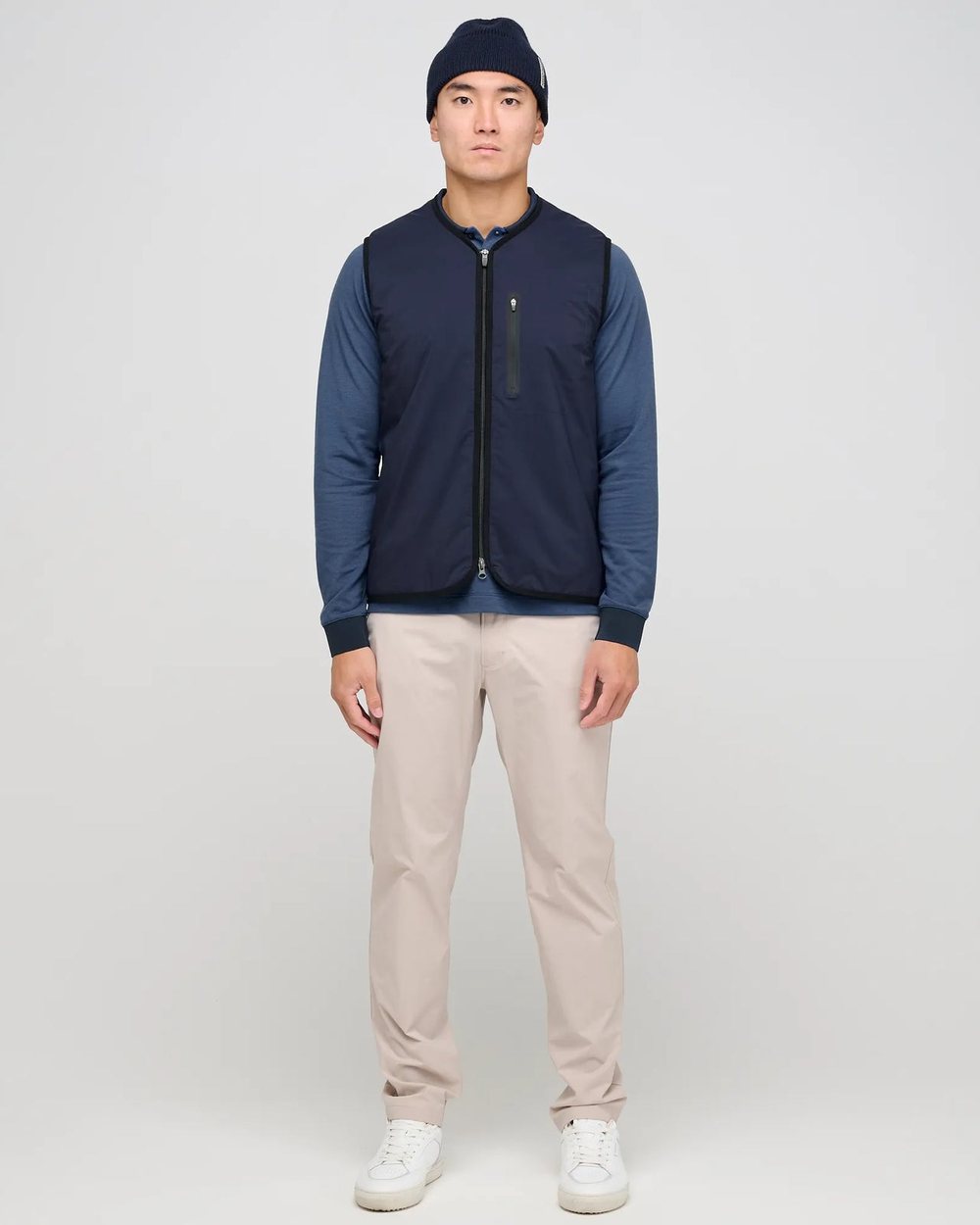
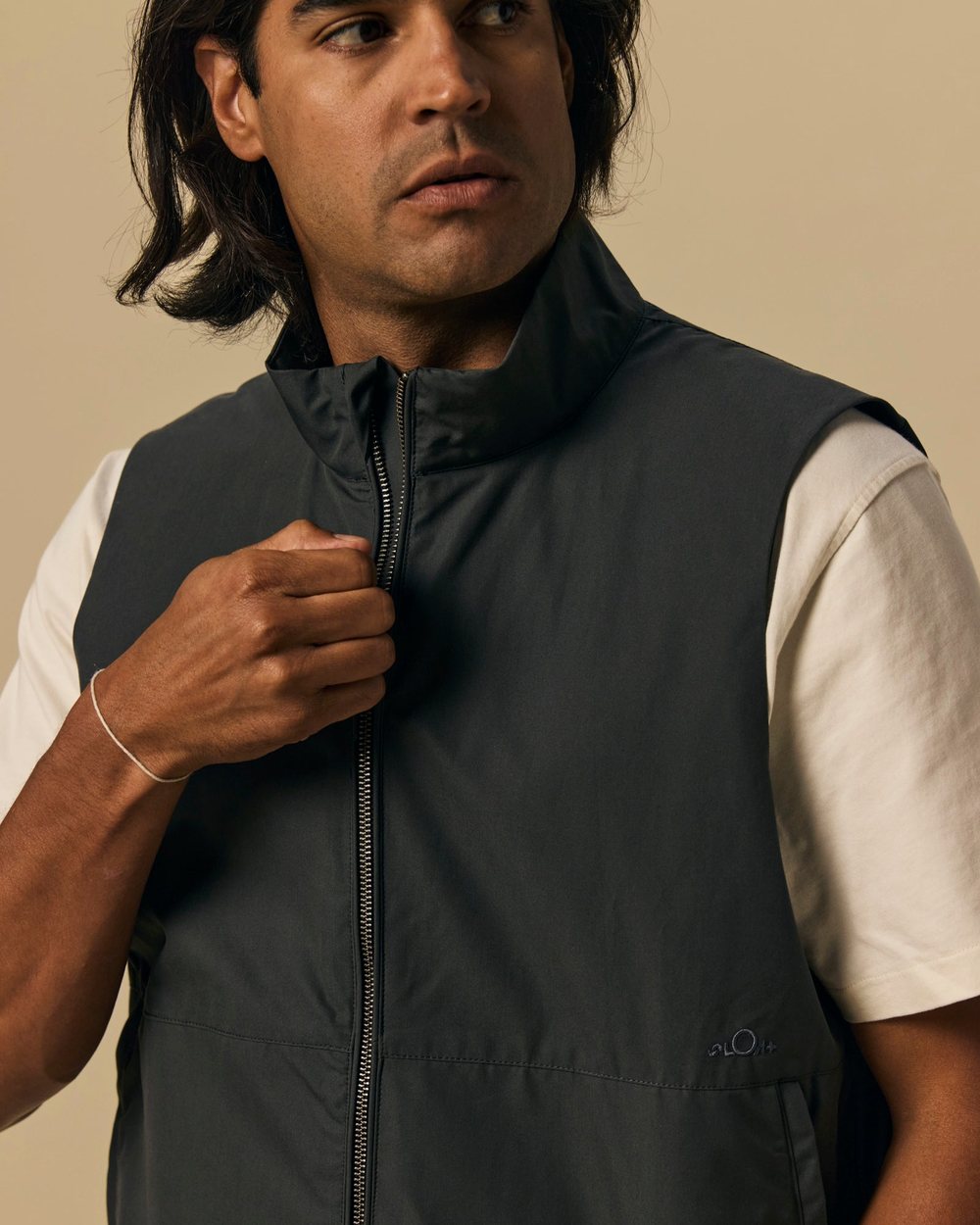
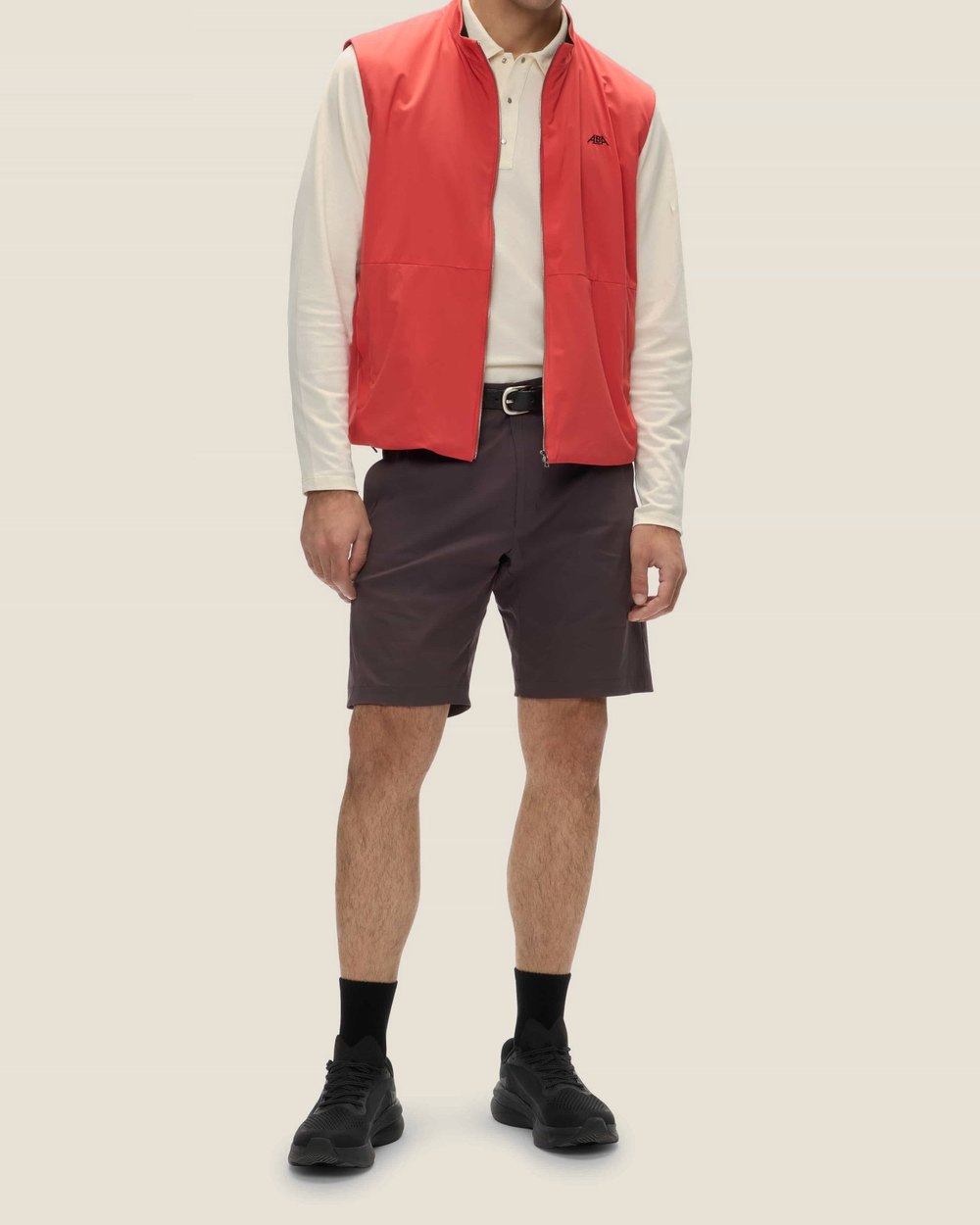
For the breezy daysThin shells built to stop wind and shrug off a light drizzle. They pack small, so one can live in the bag from October to March.
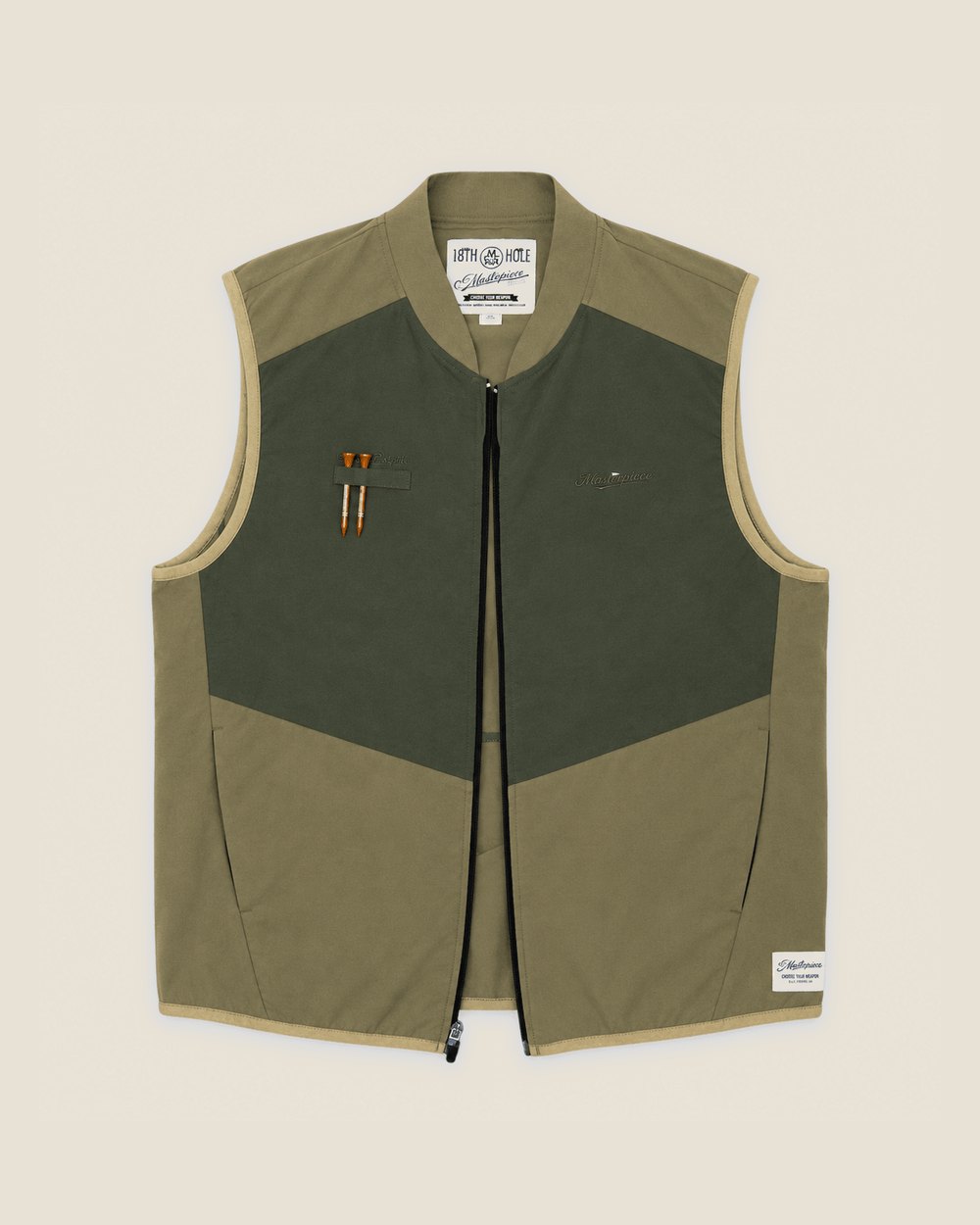
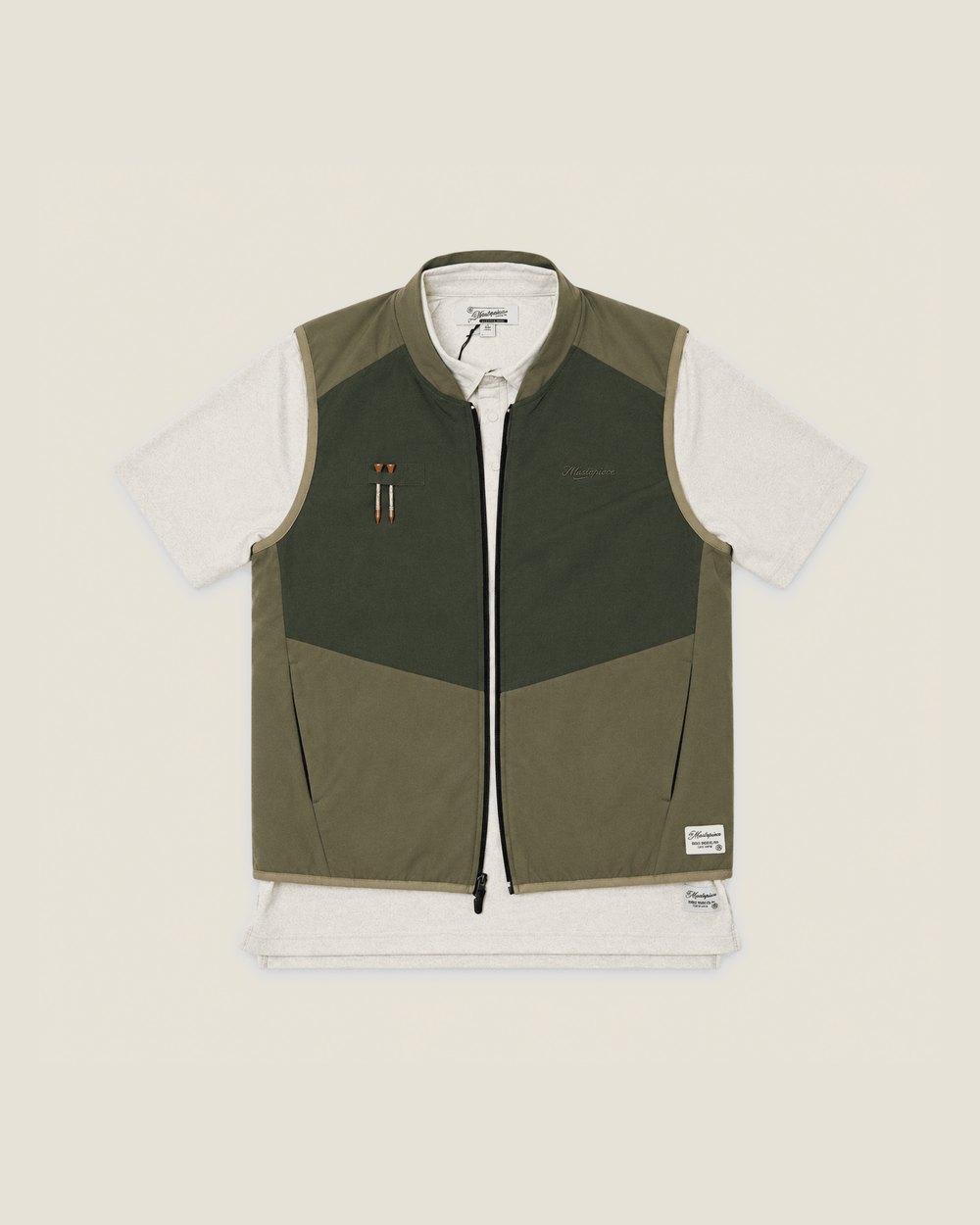
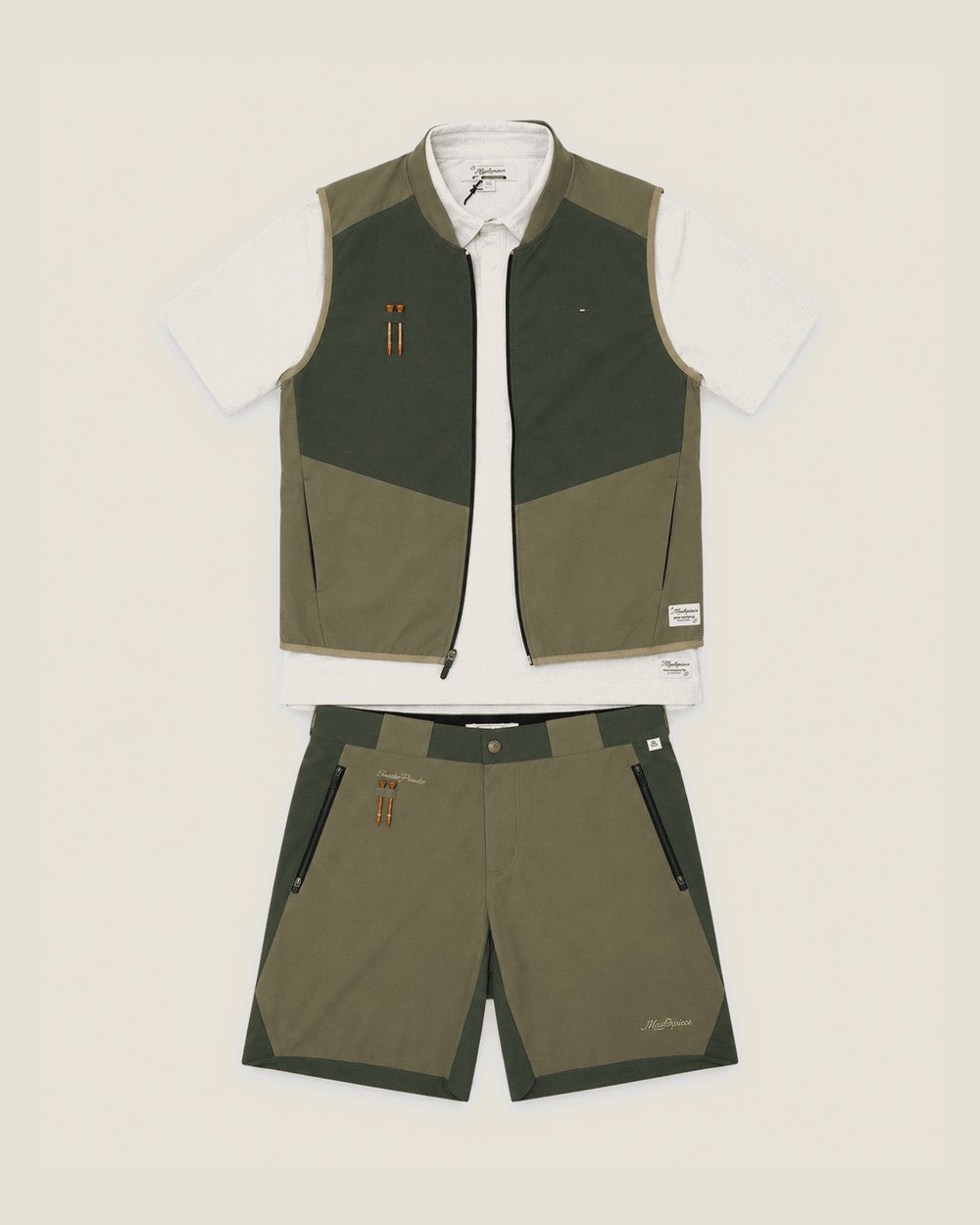
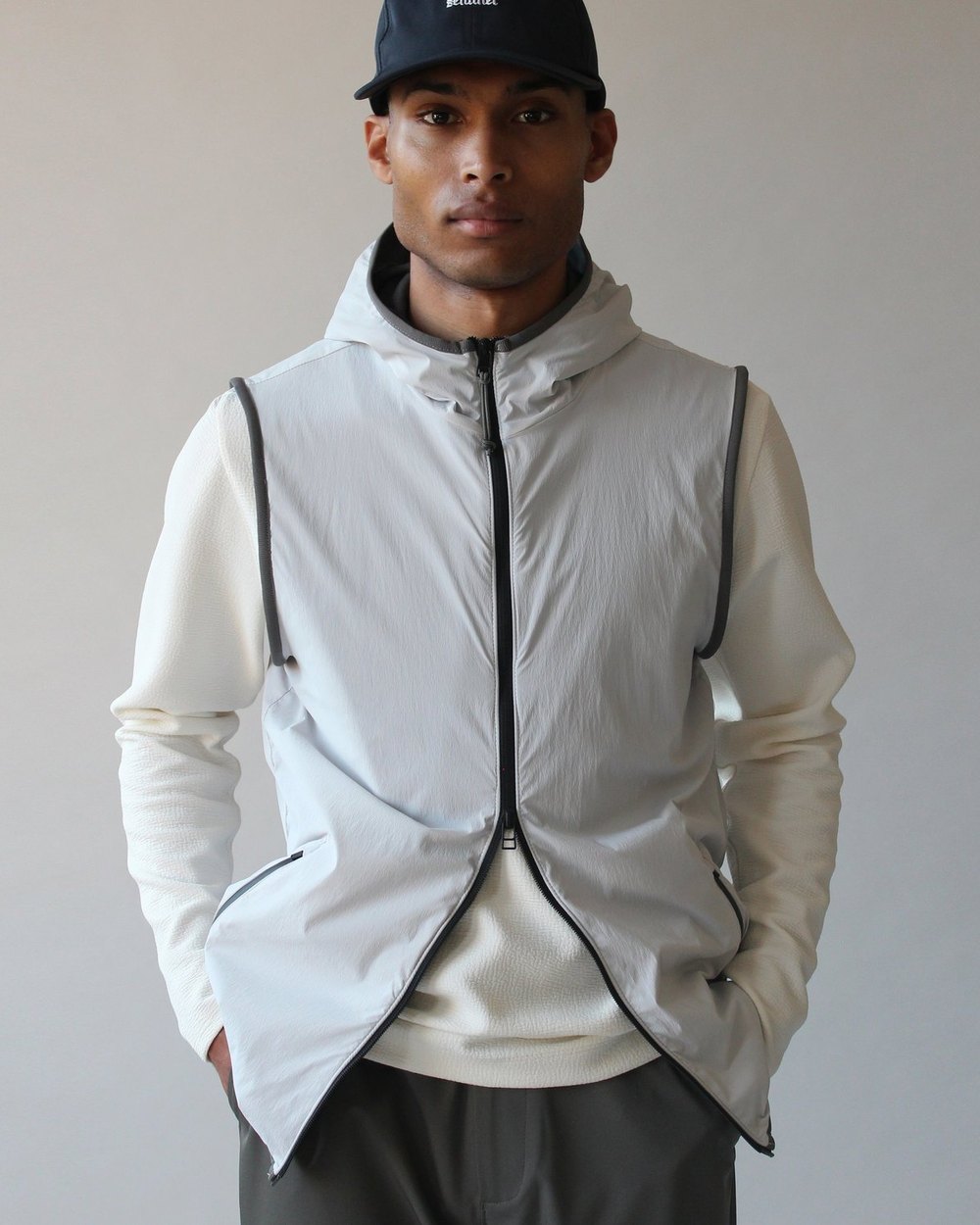
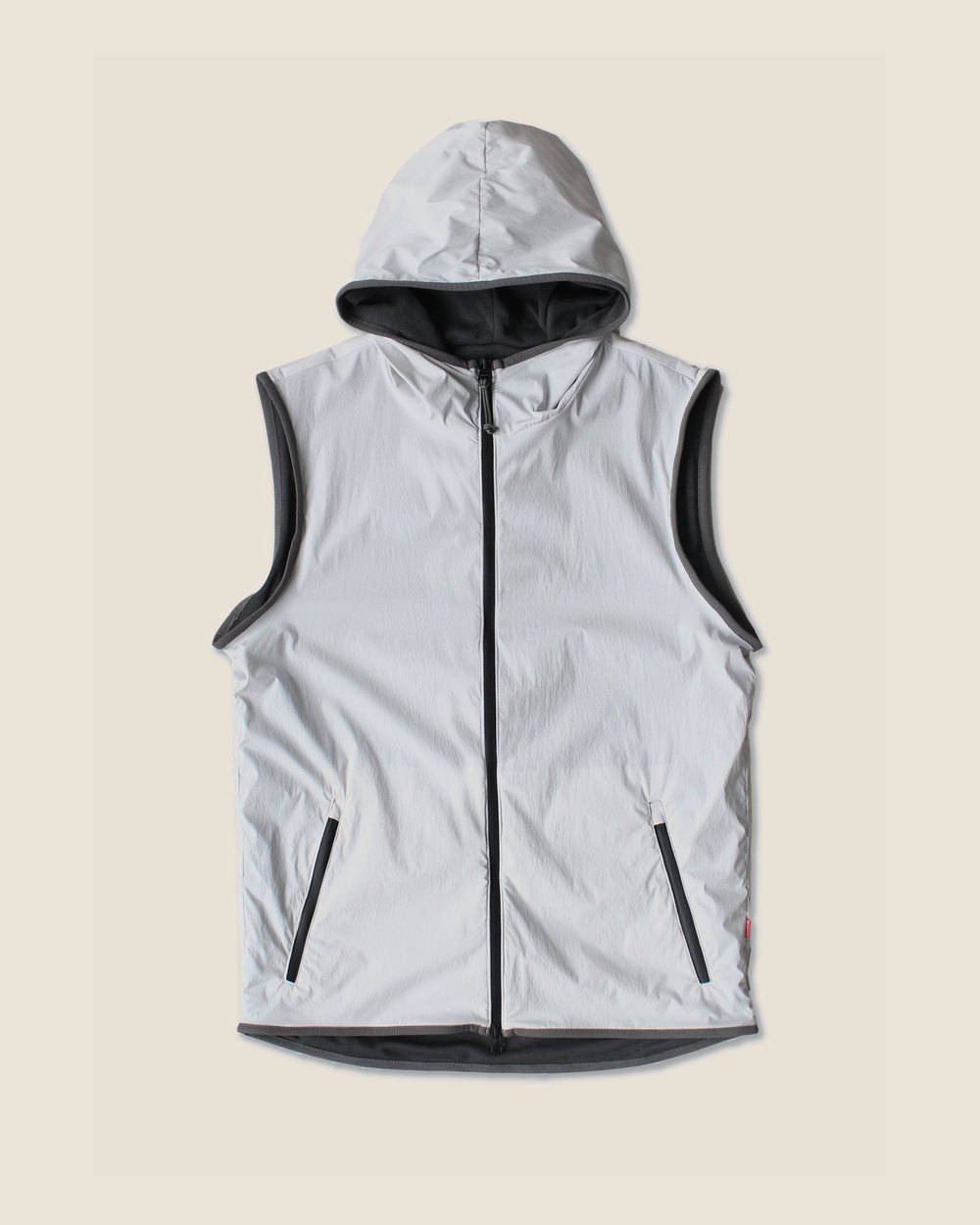
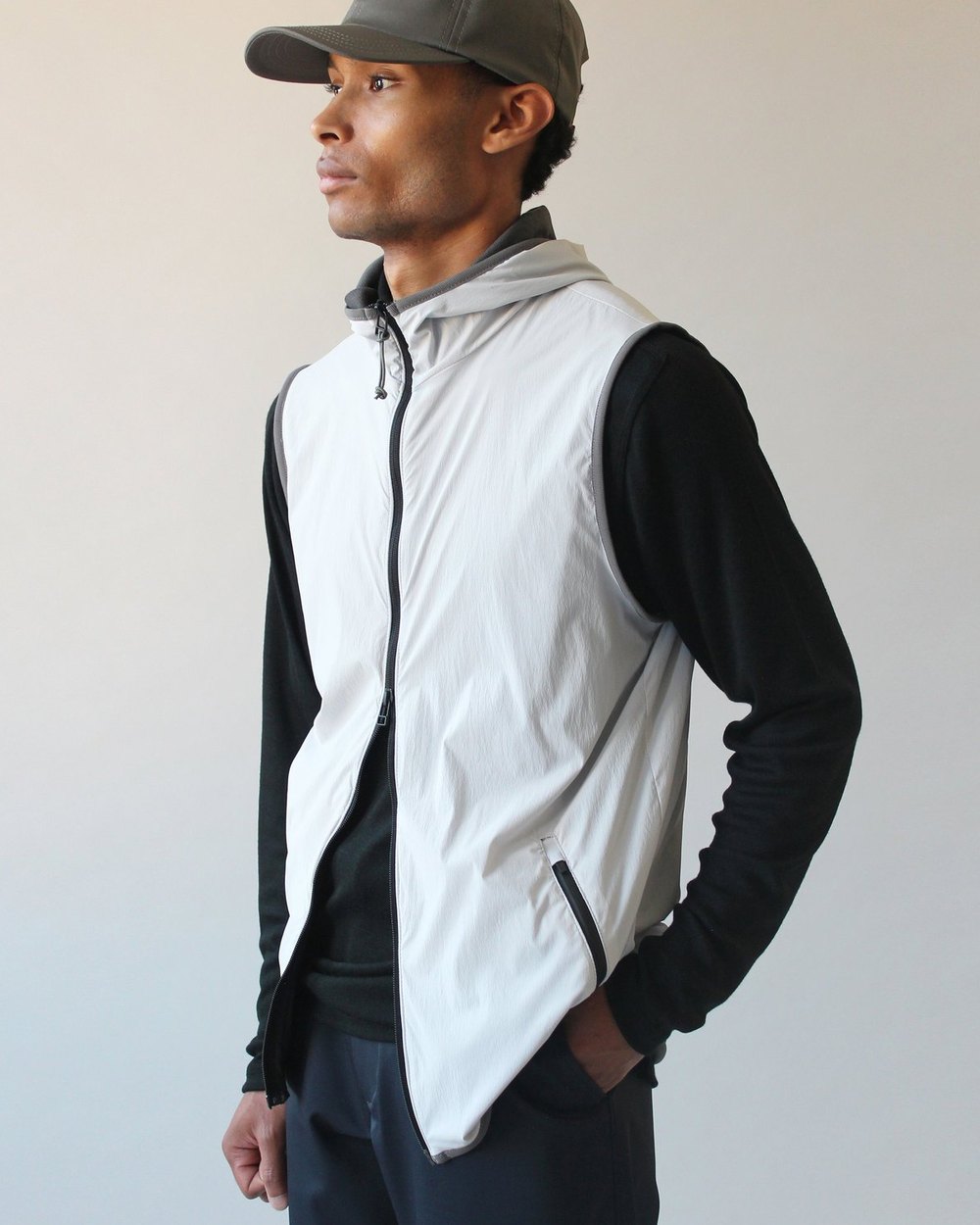
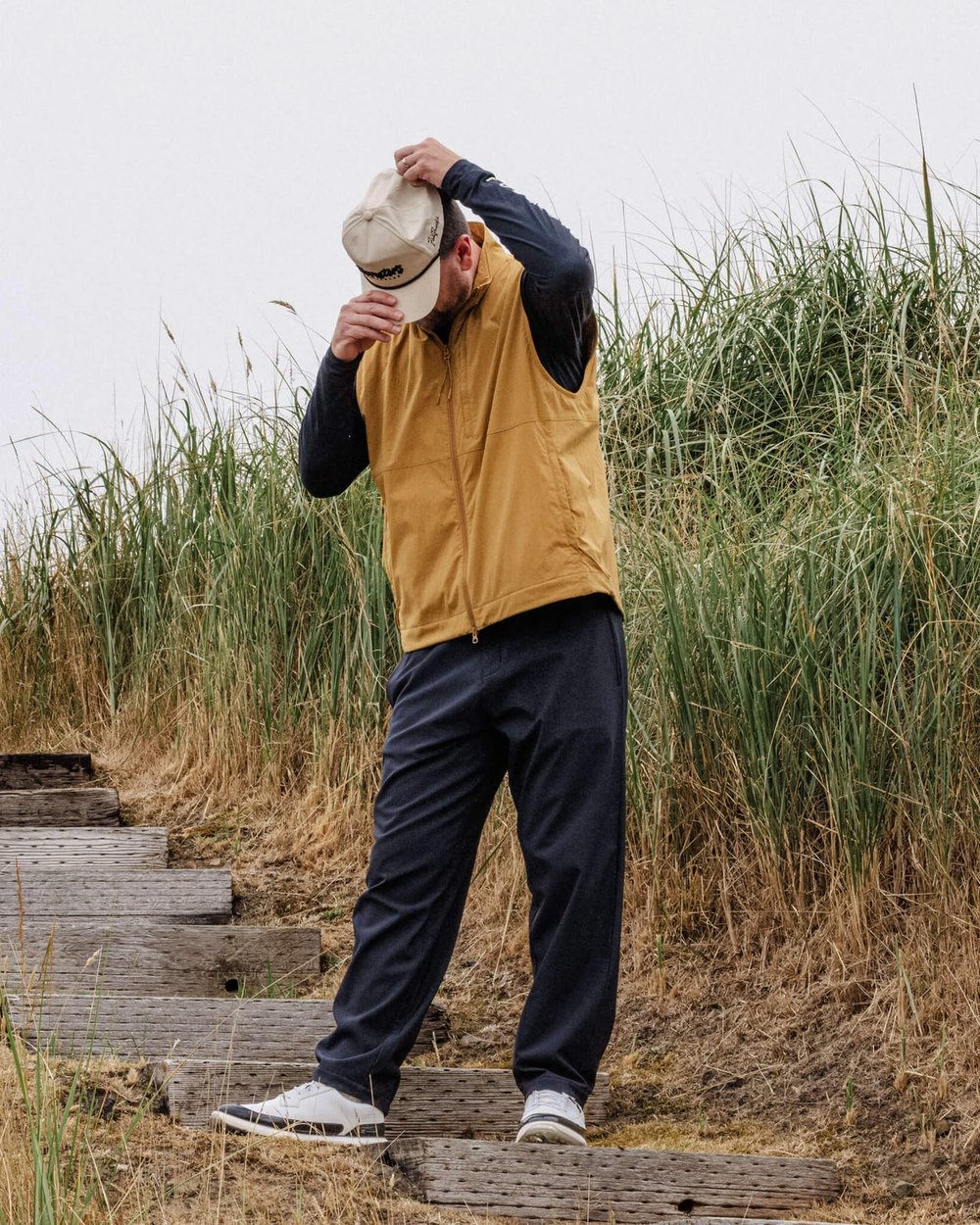
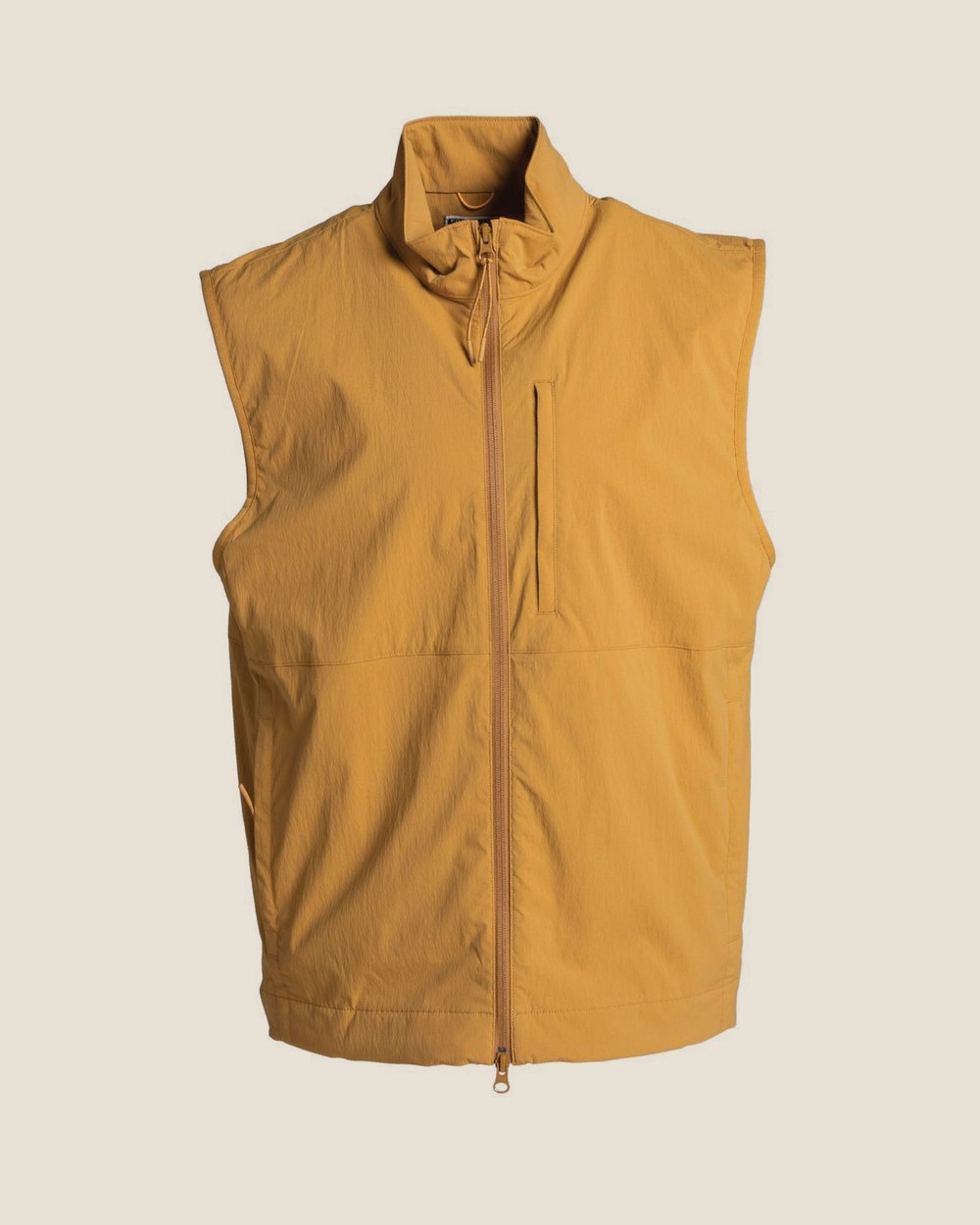
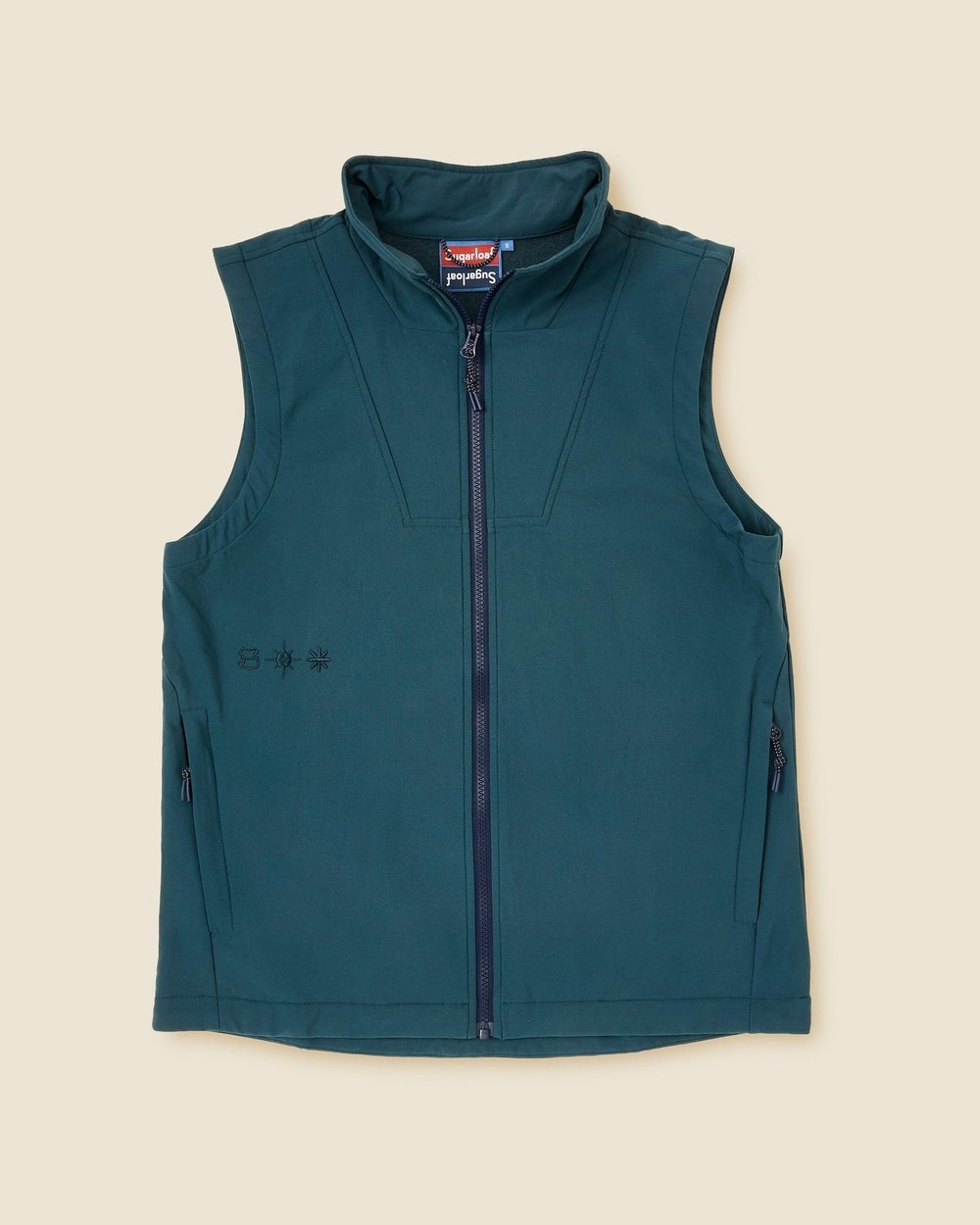
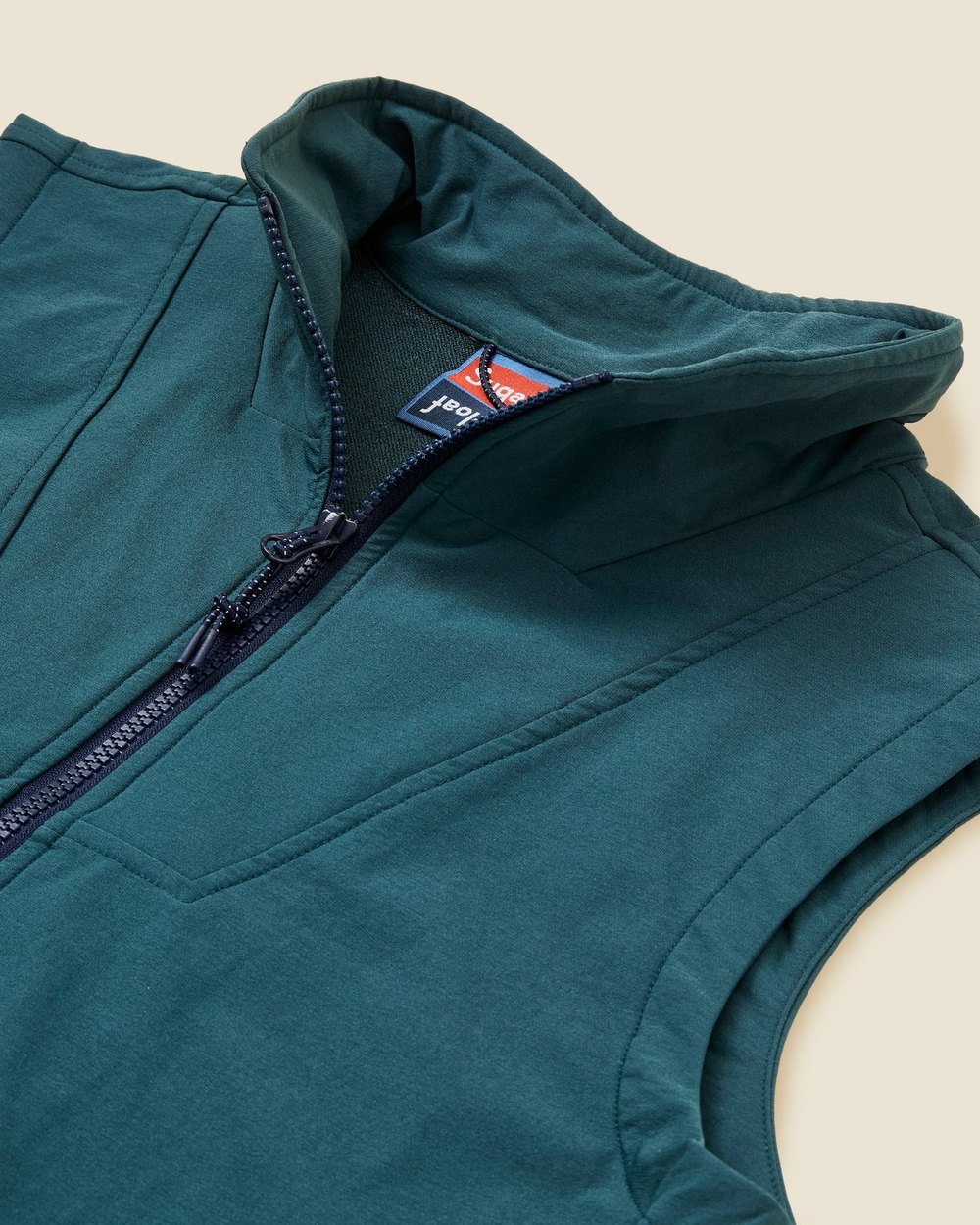
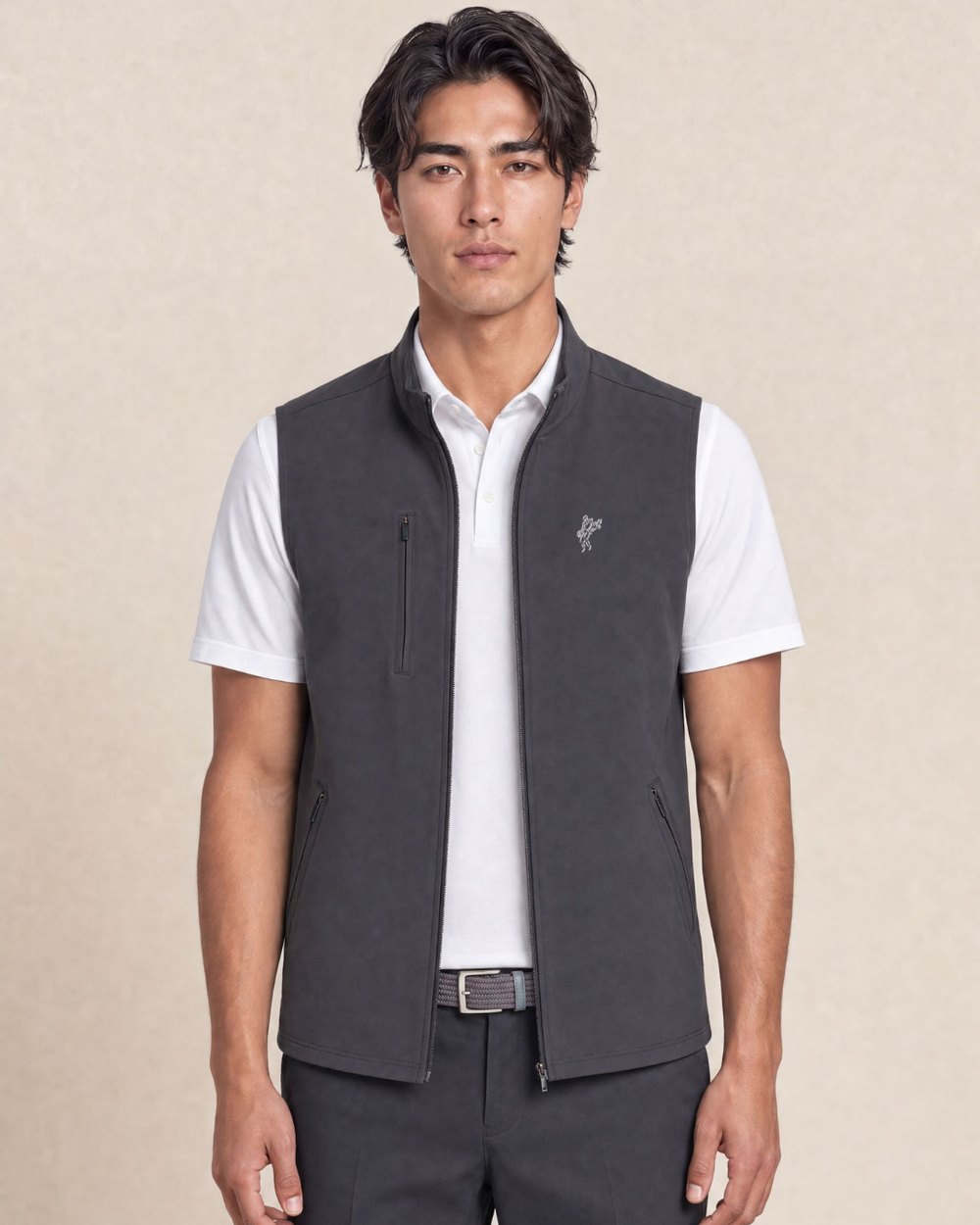
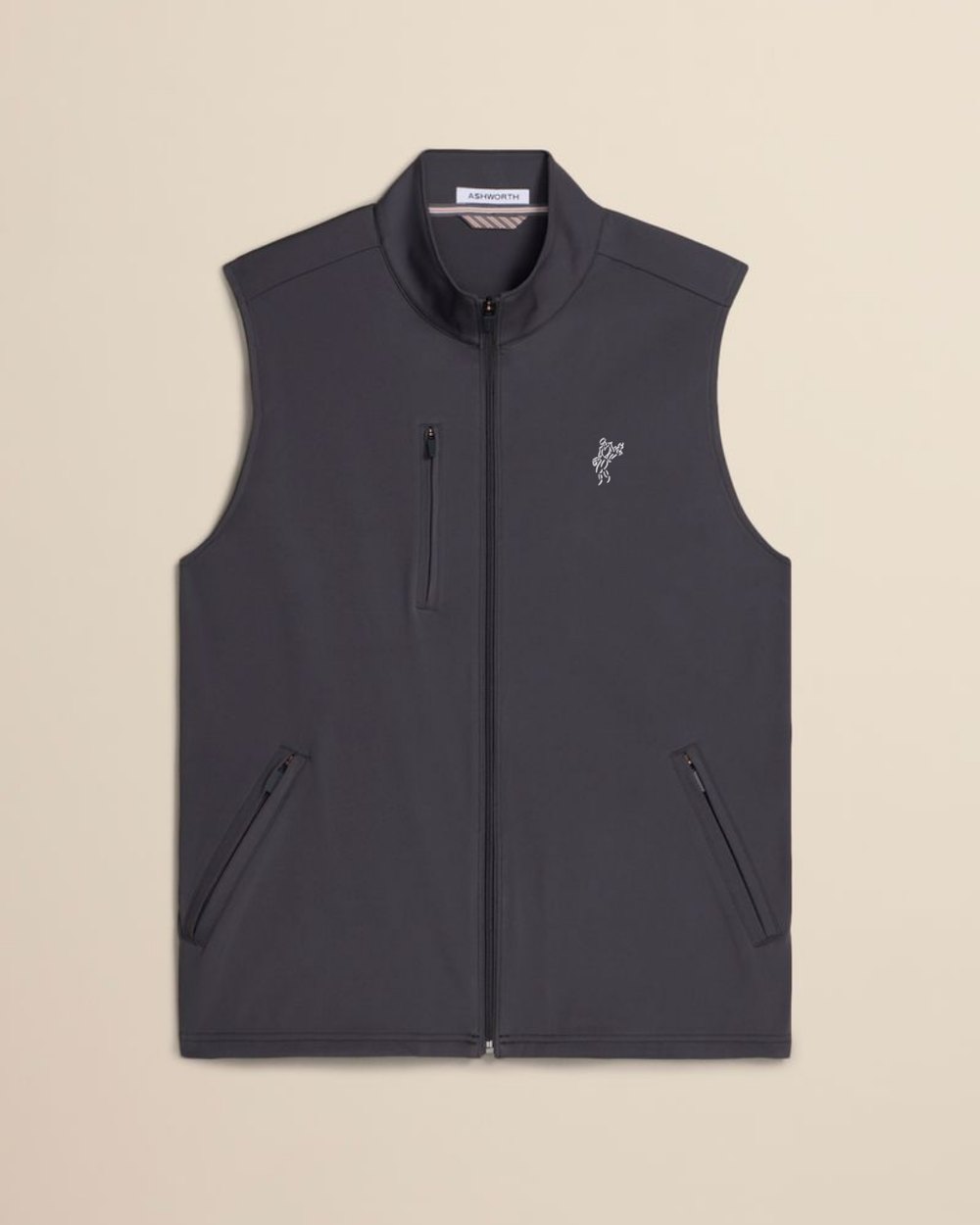
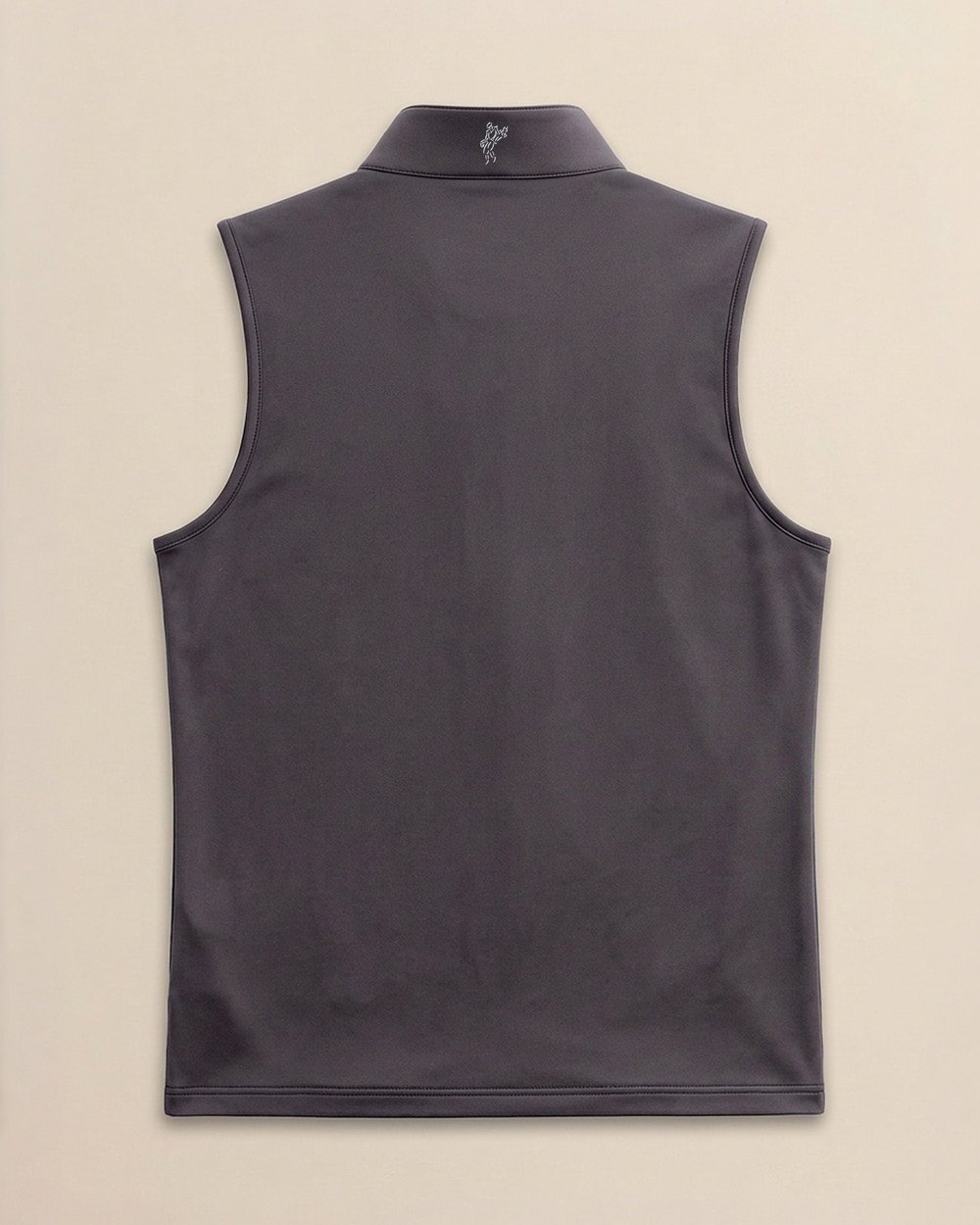
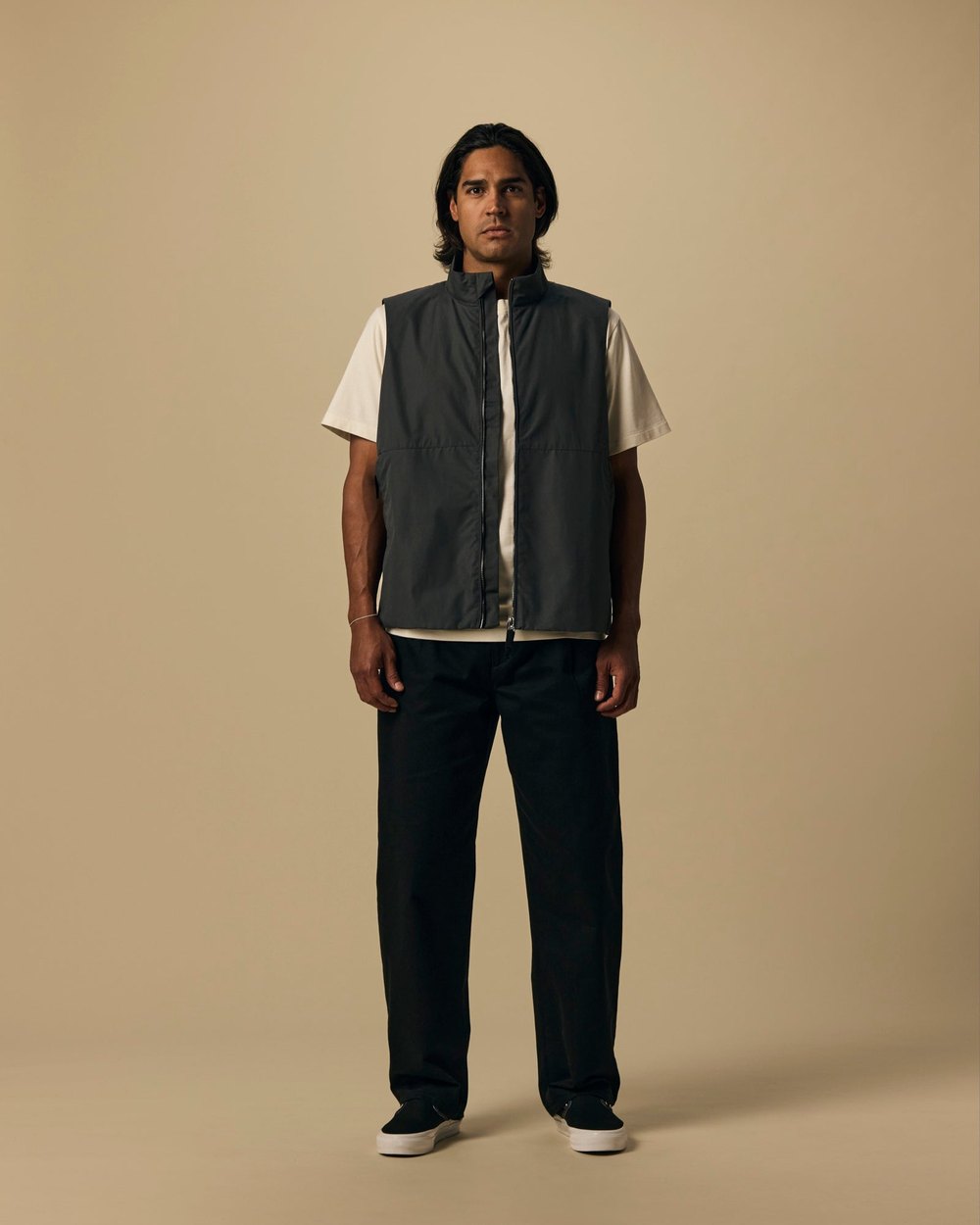
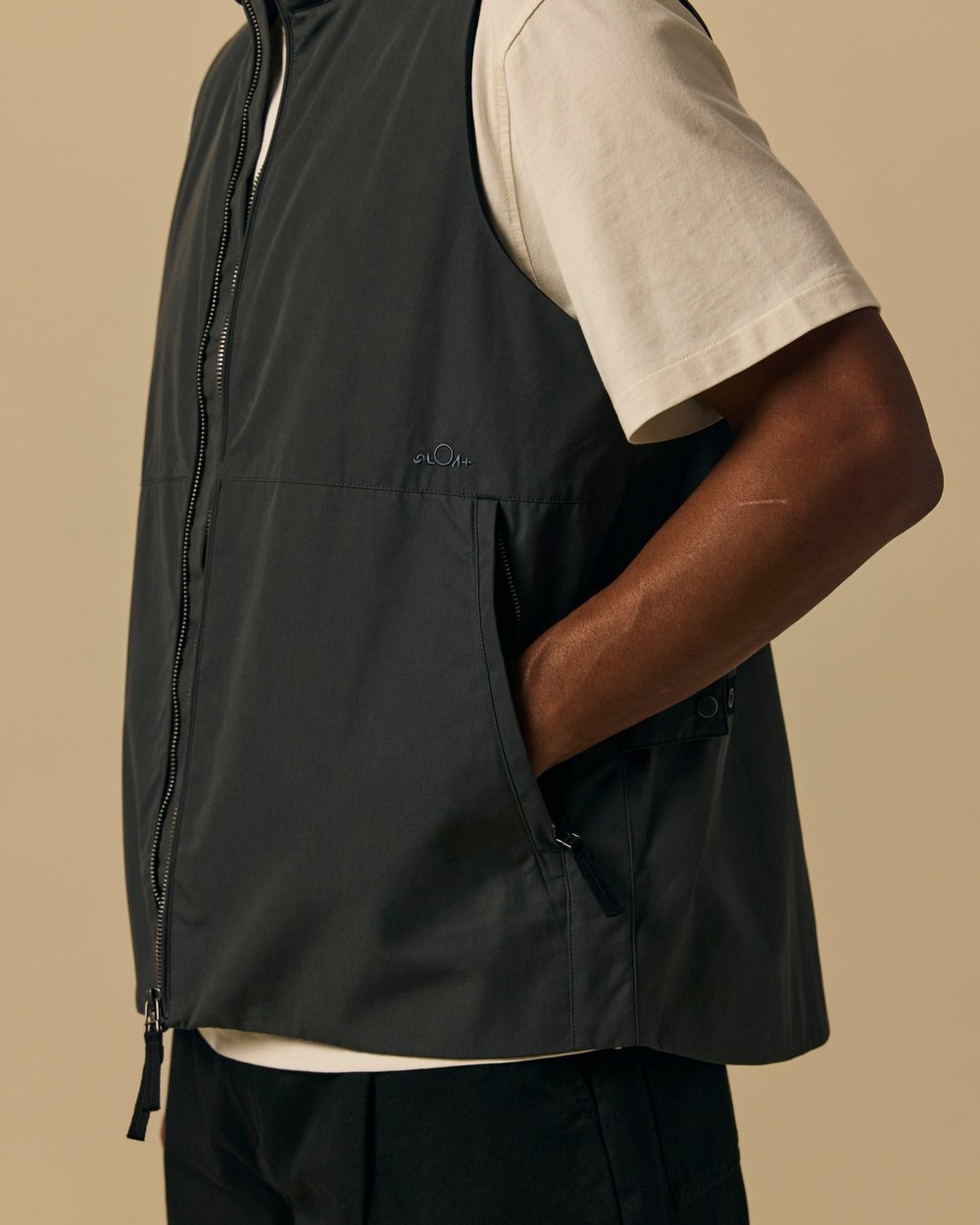
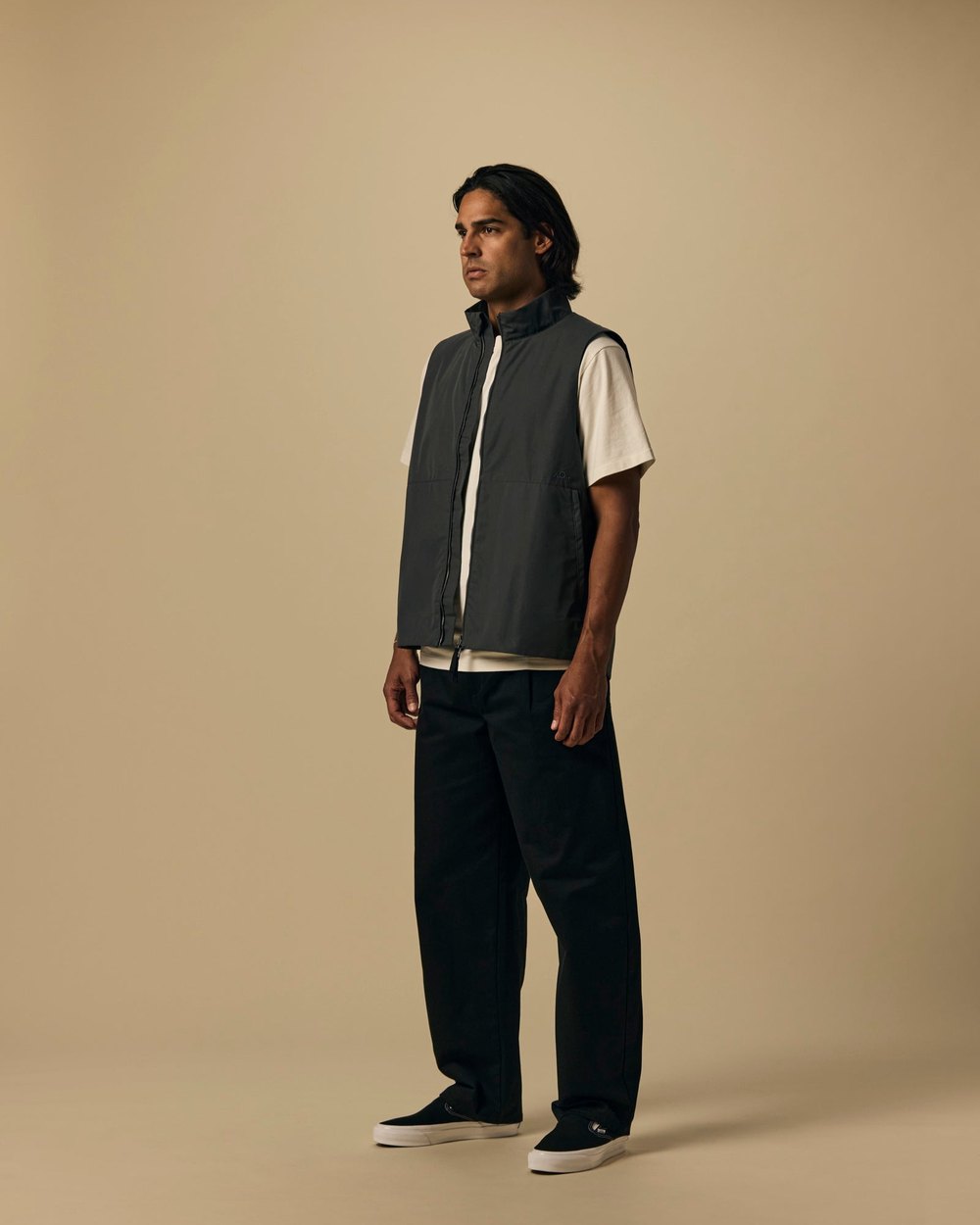

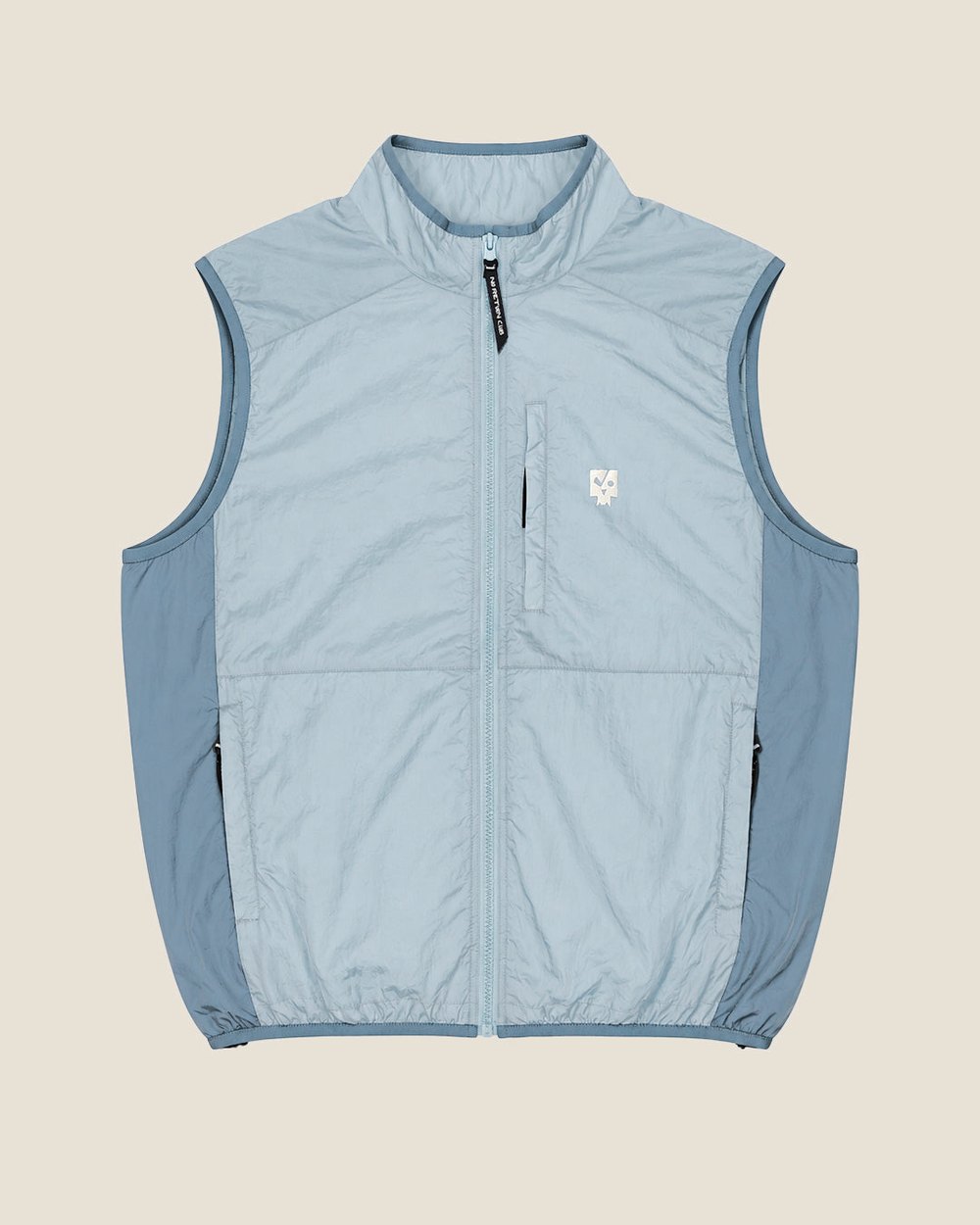
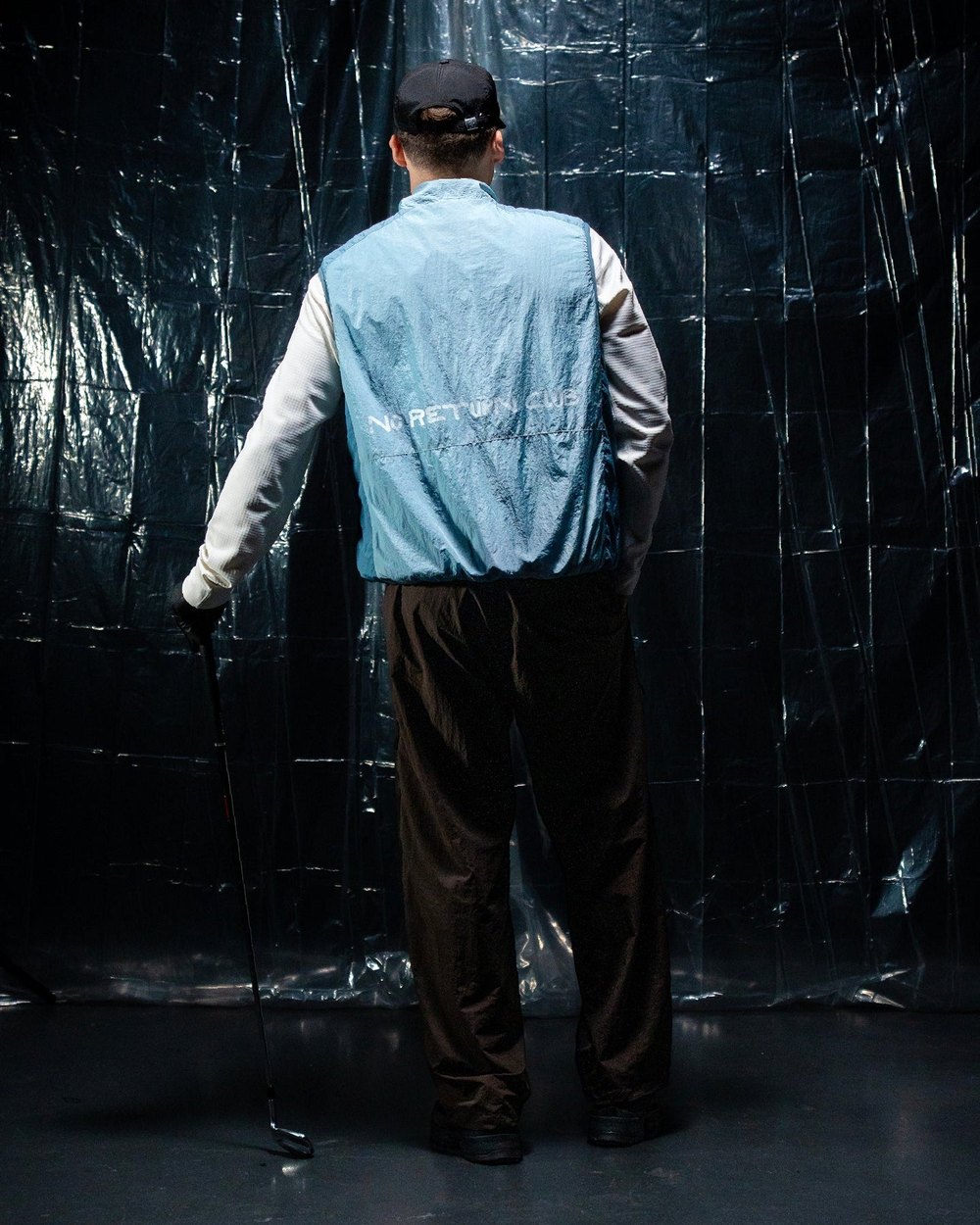
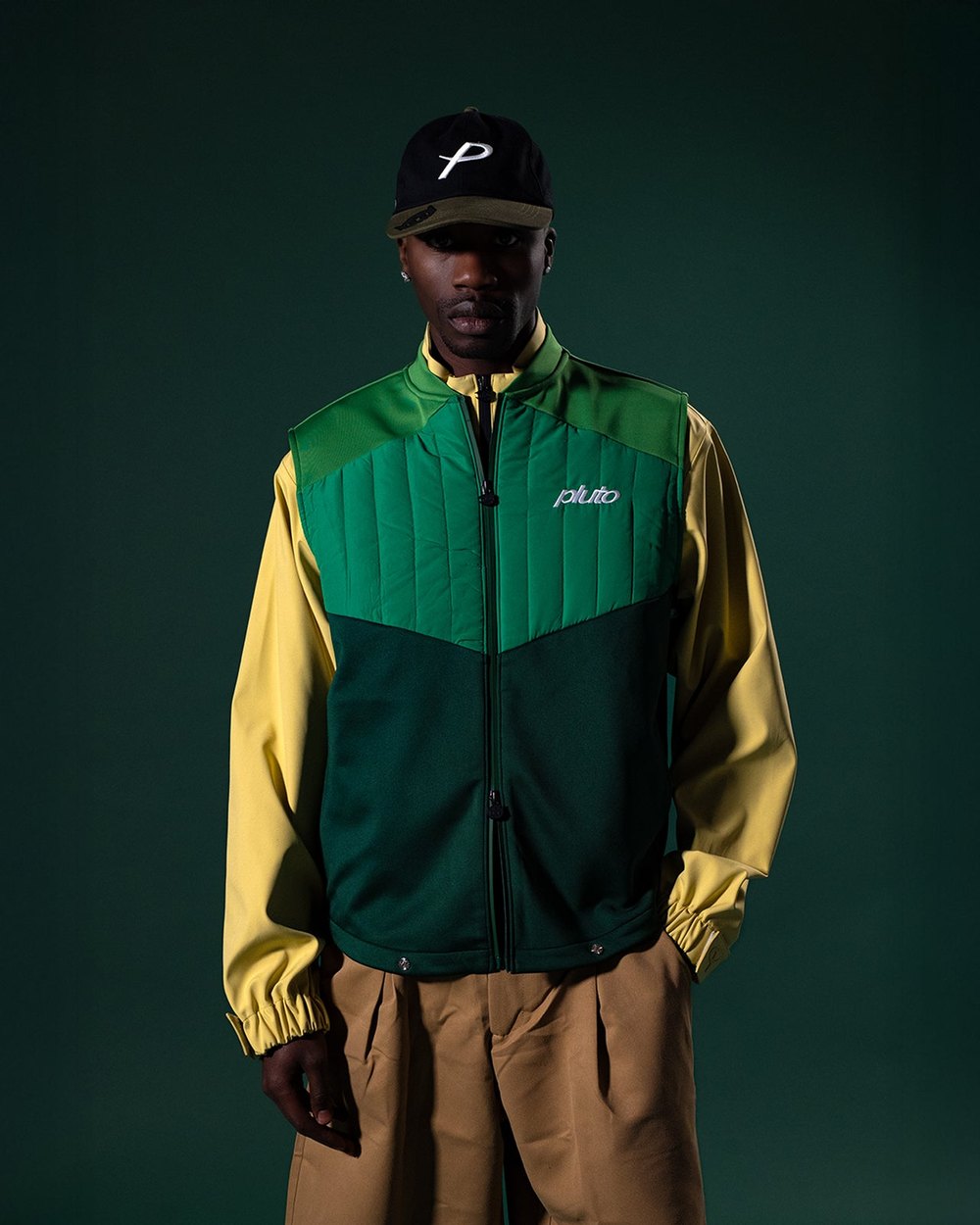
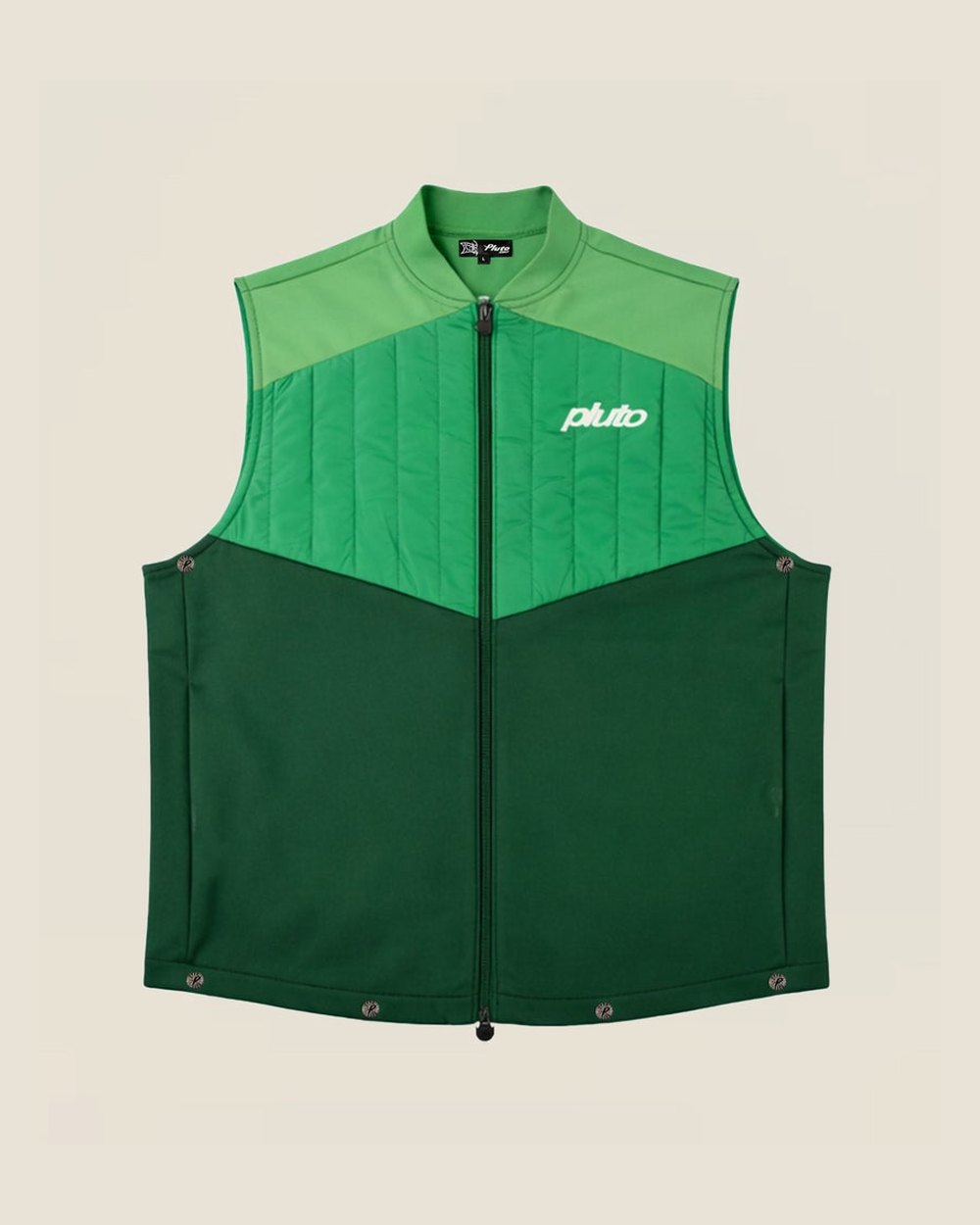
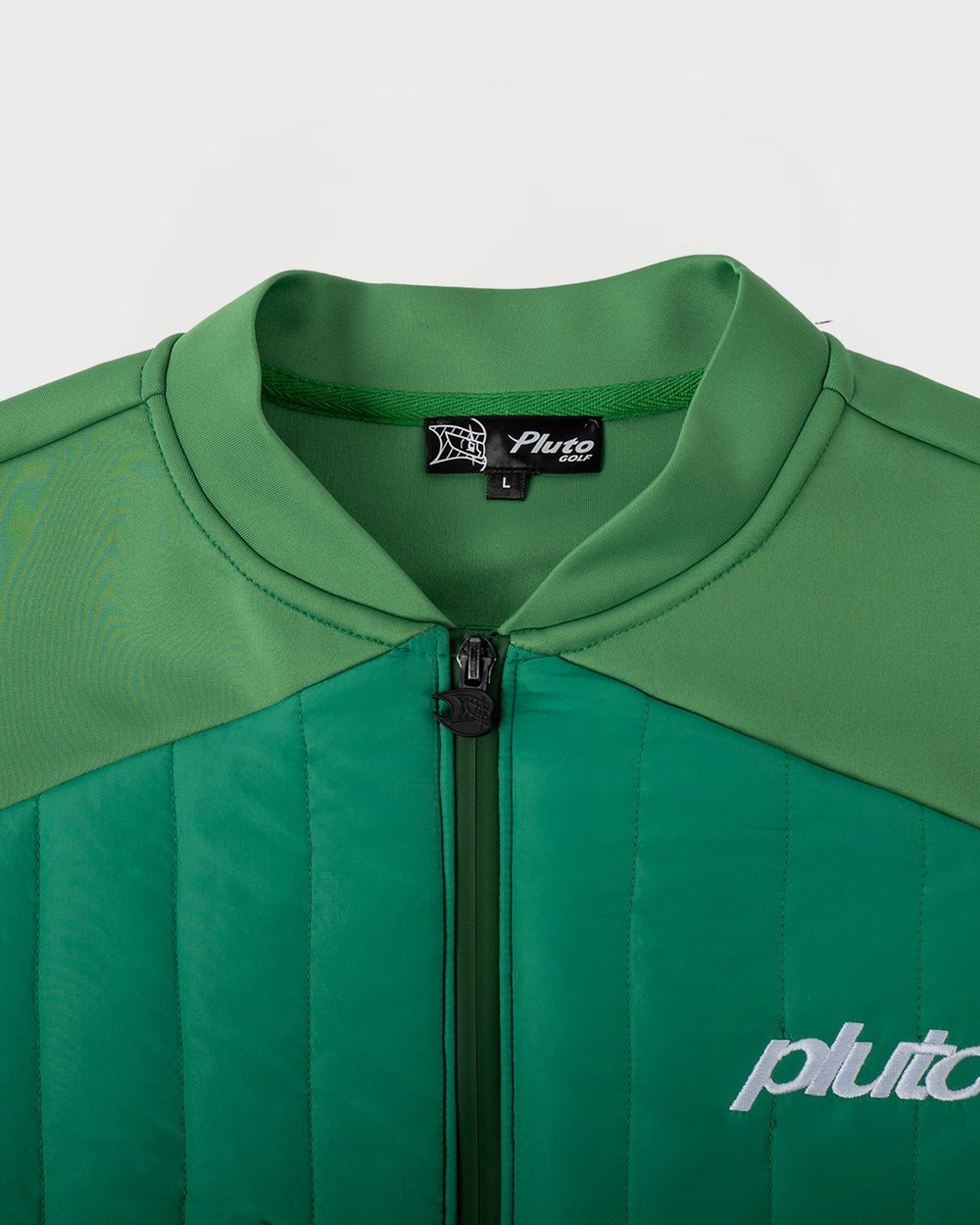
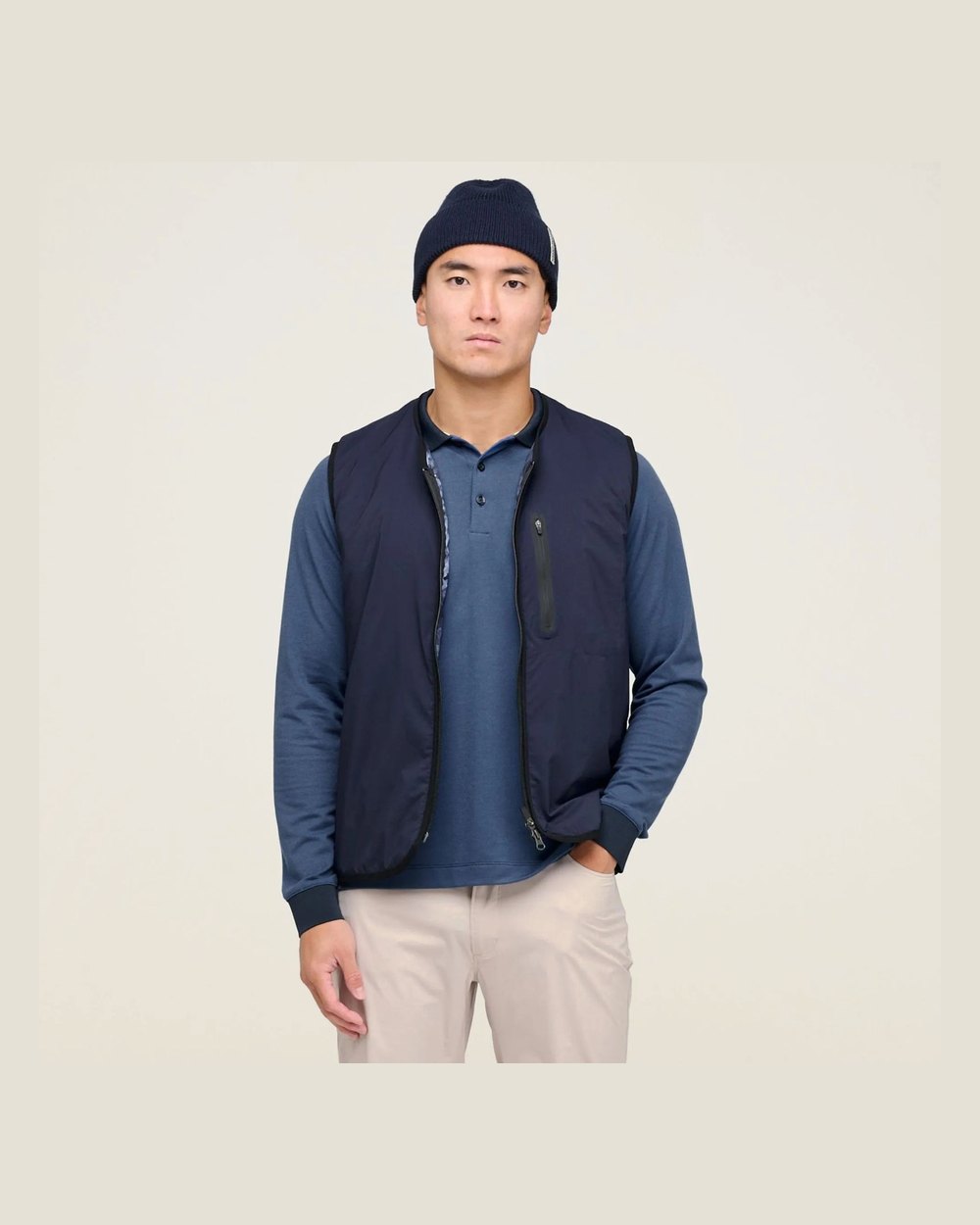
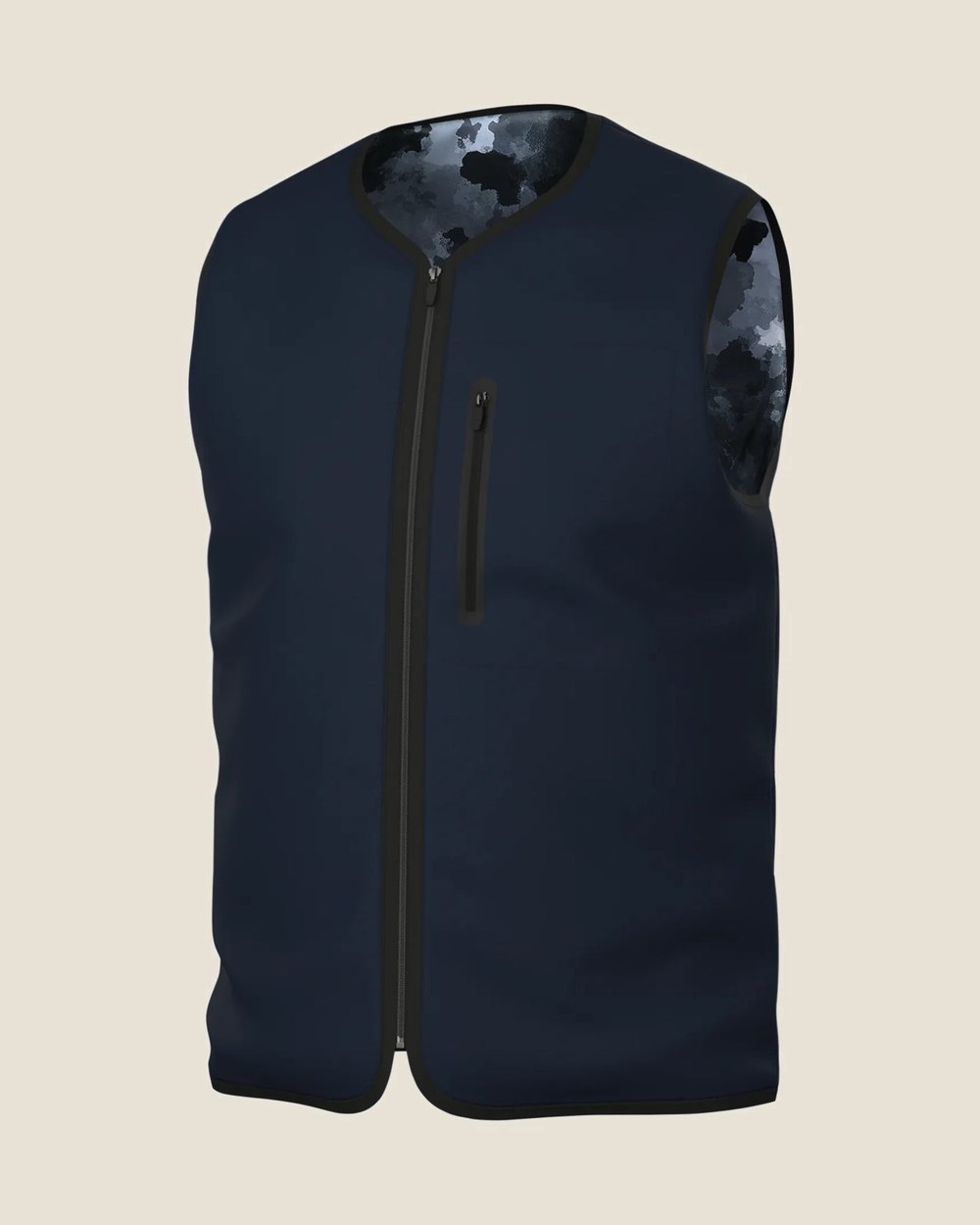
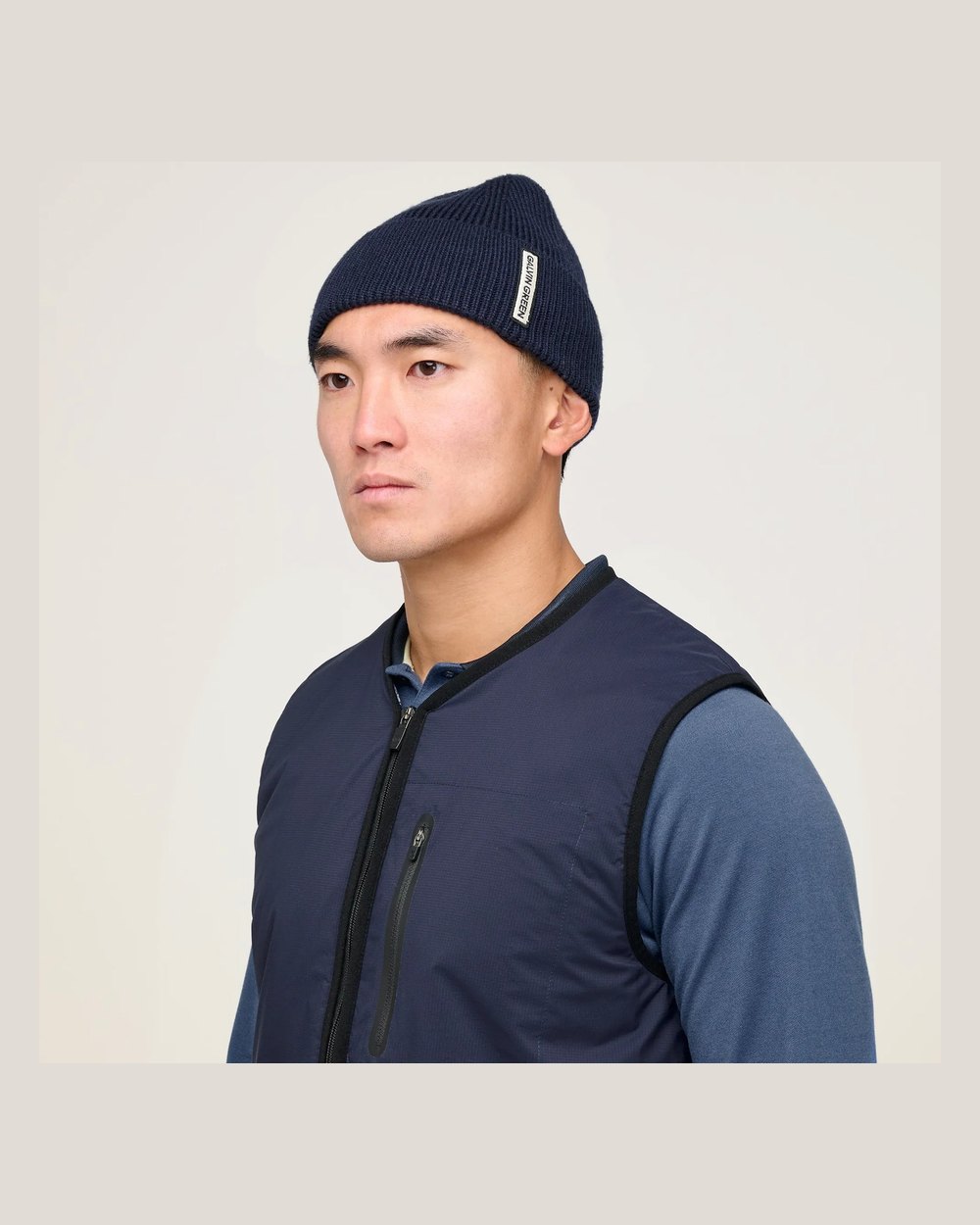
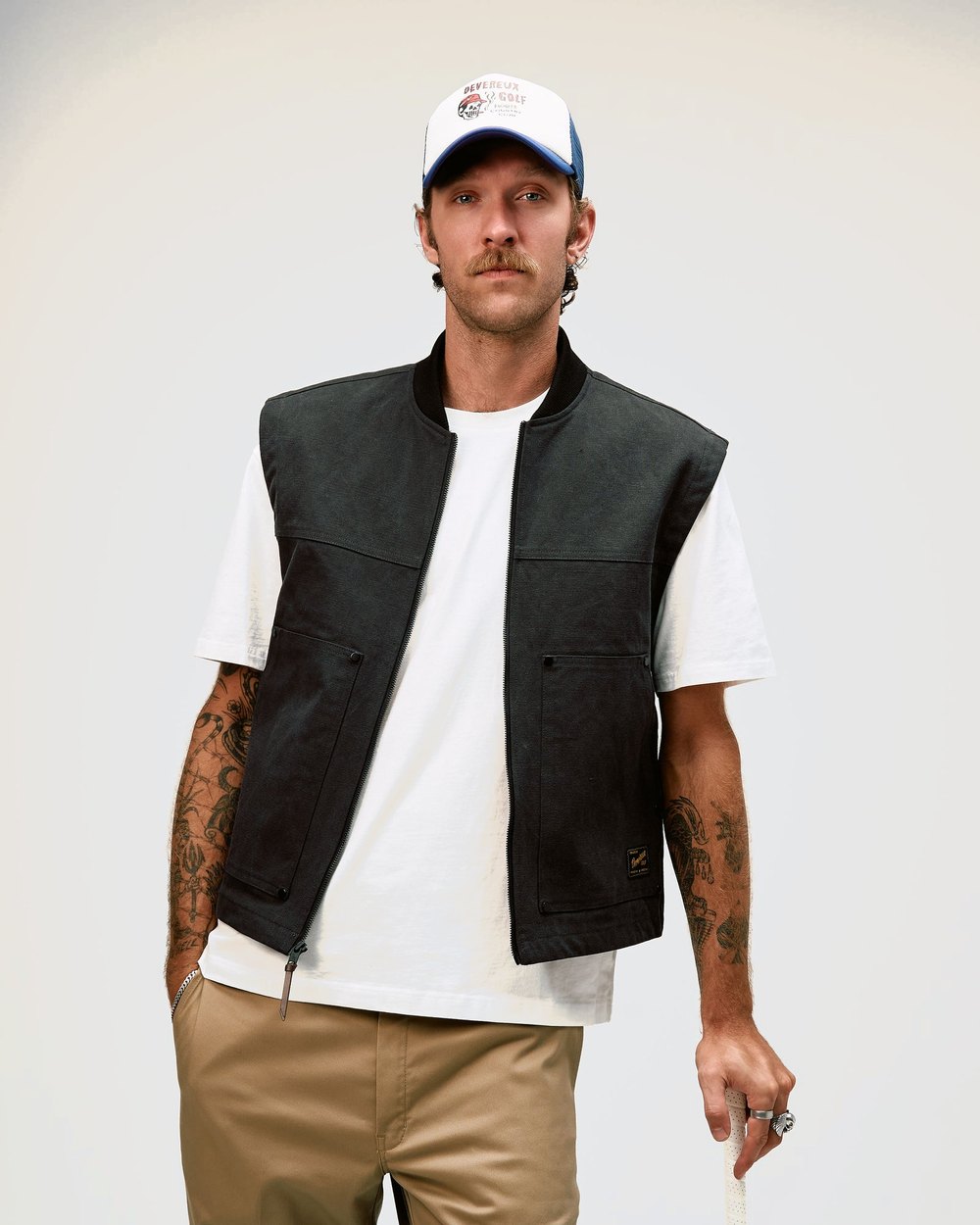
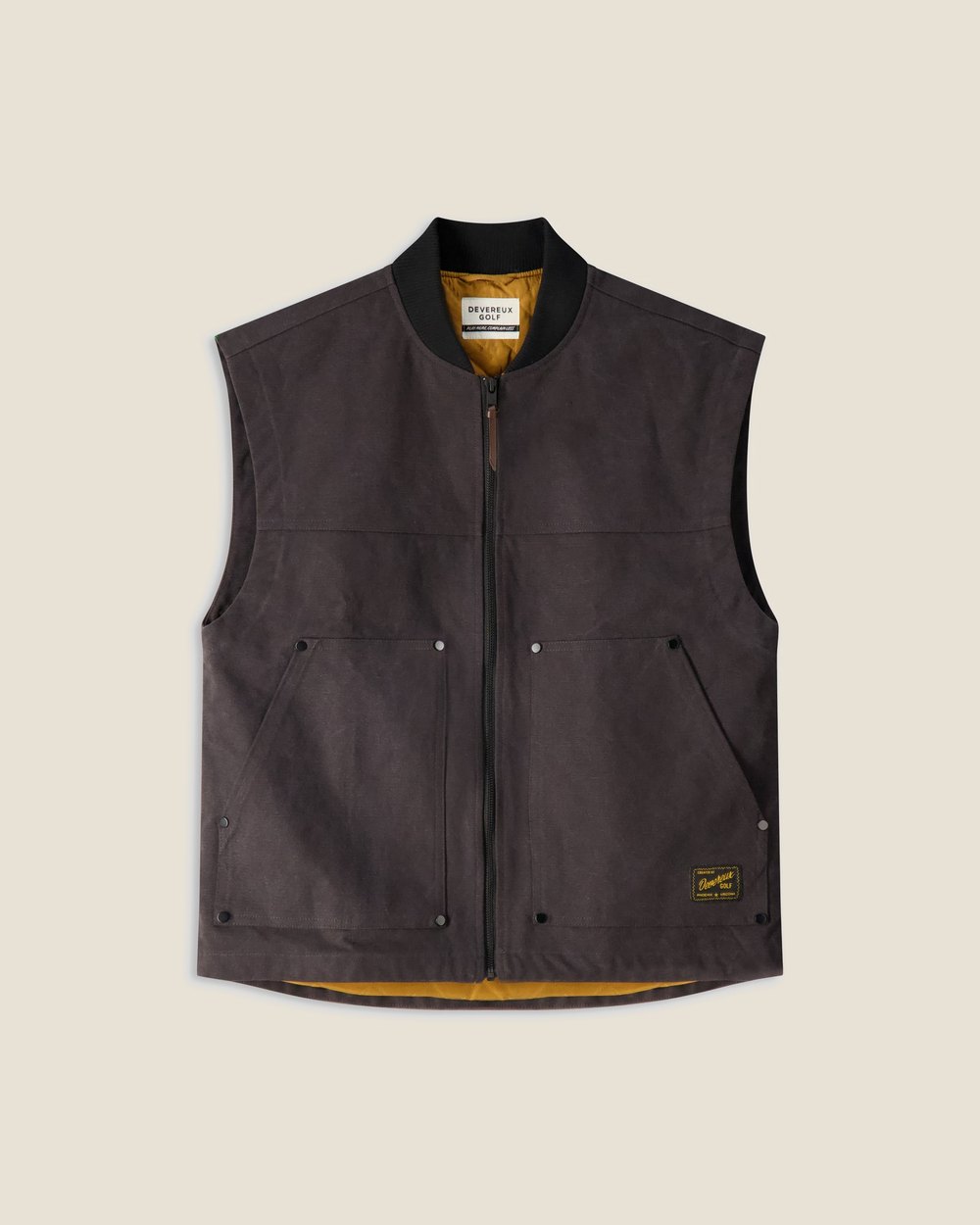
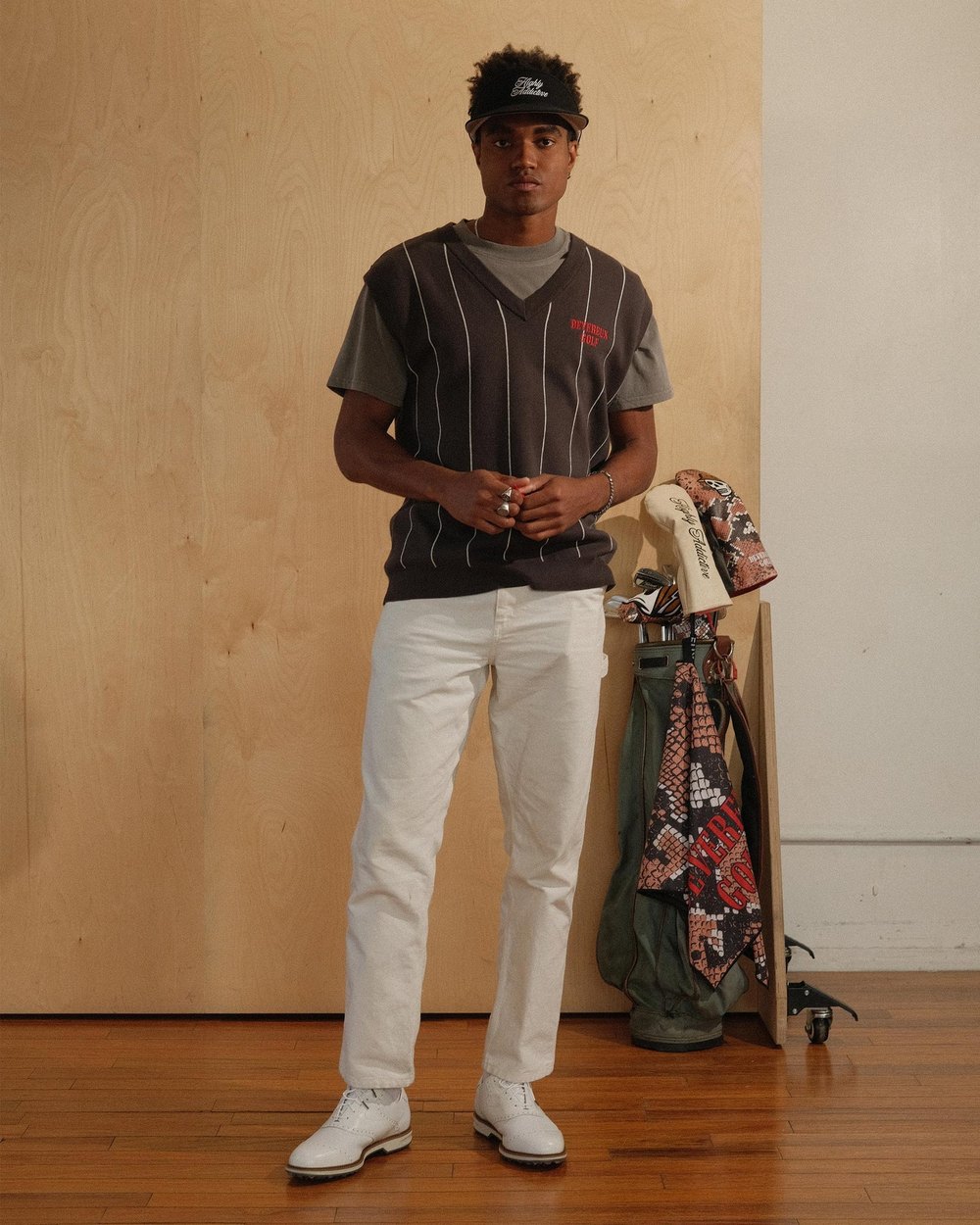
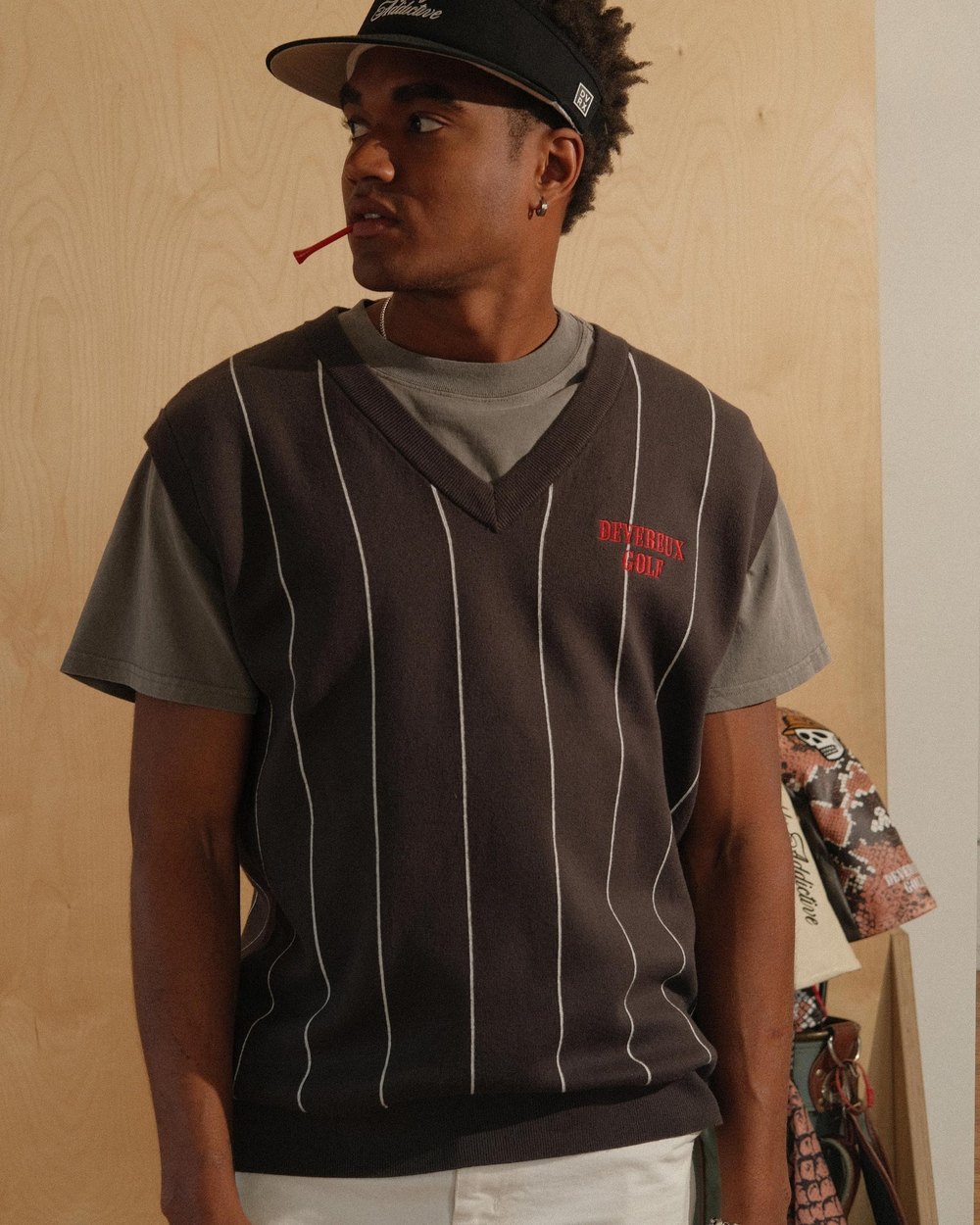
Layered upPinstripes, canvas and merino, from Devereux and Late Nine.
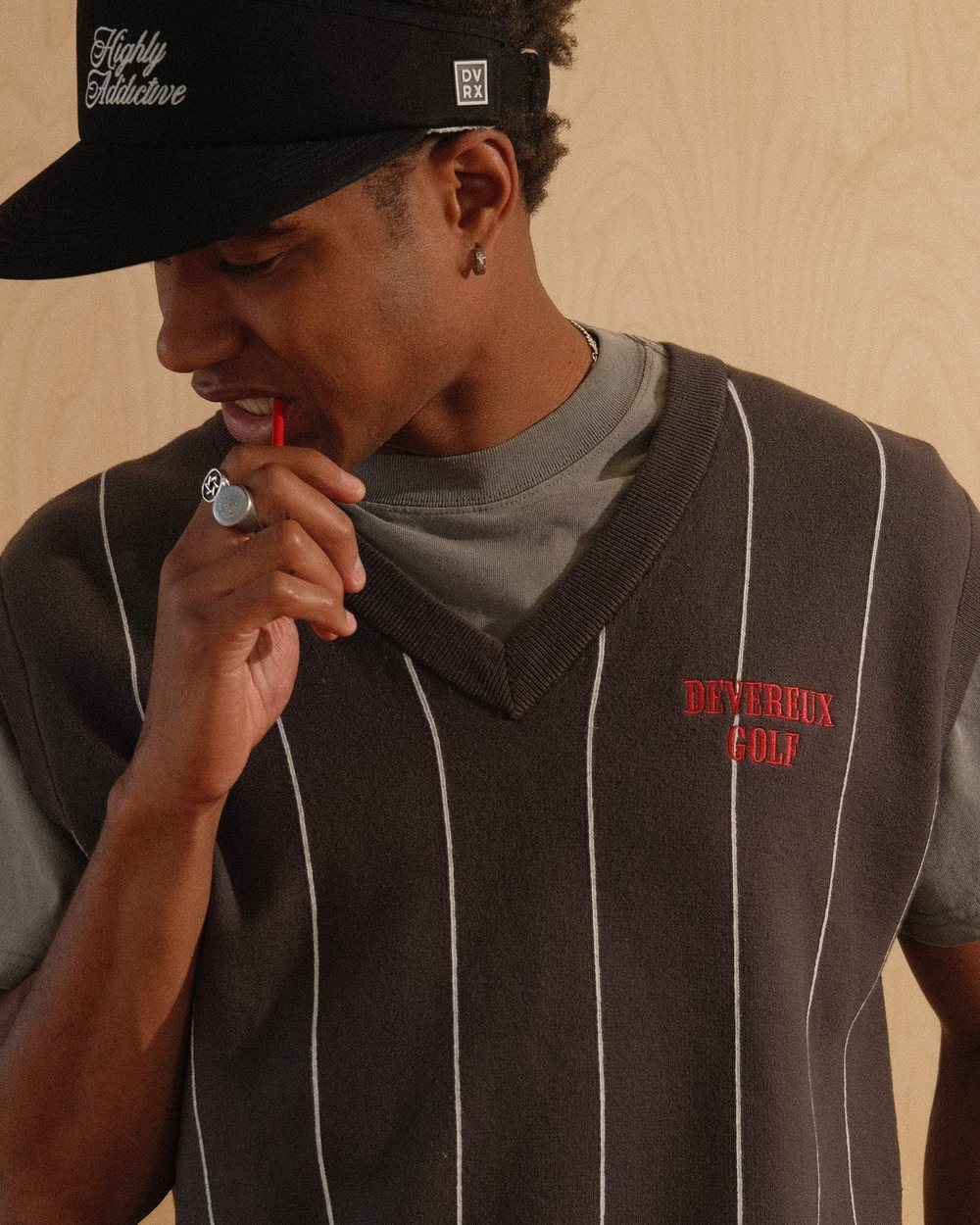
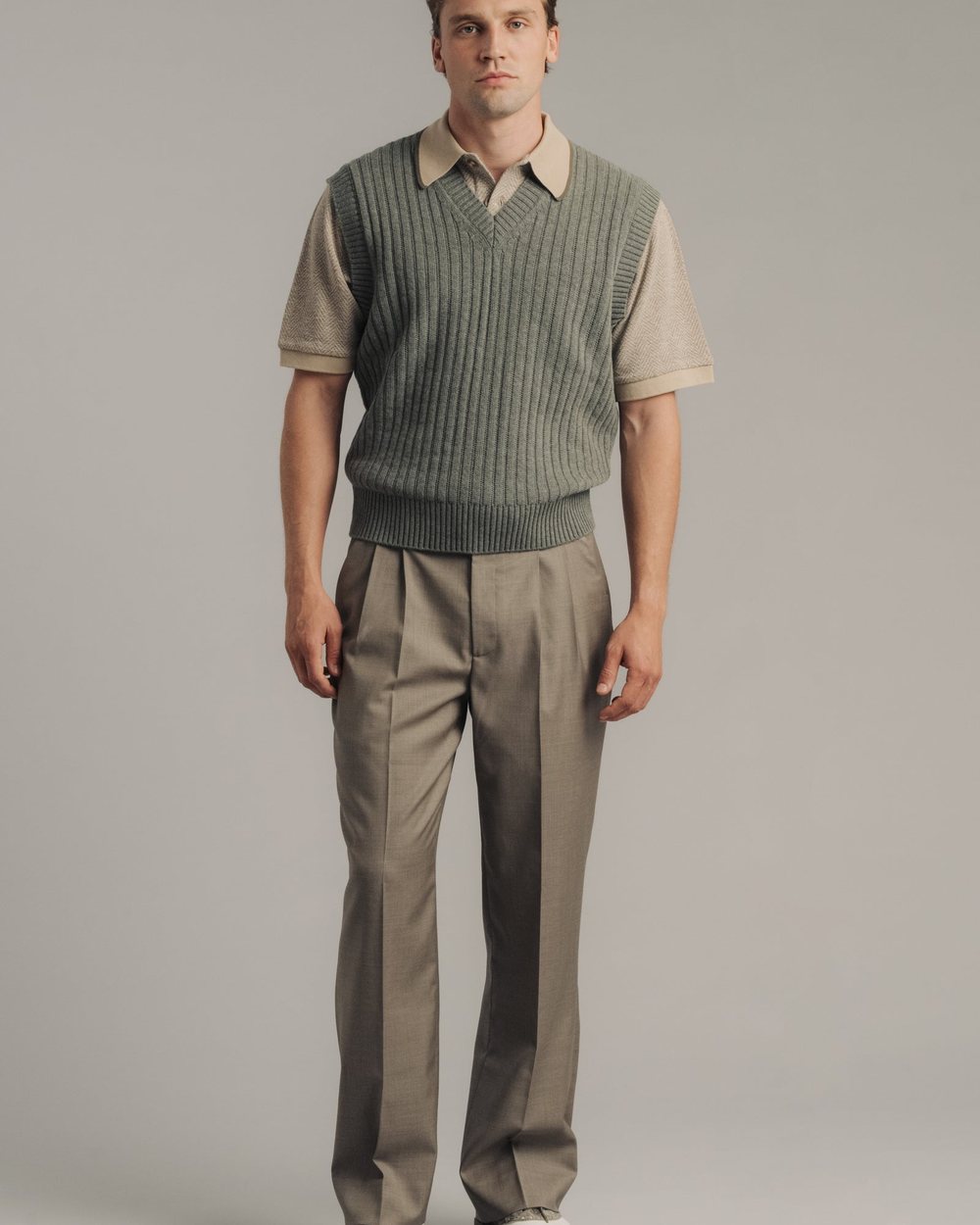
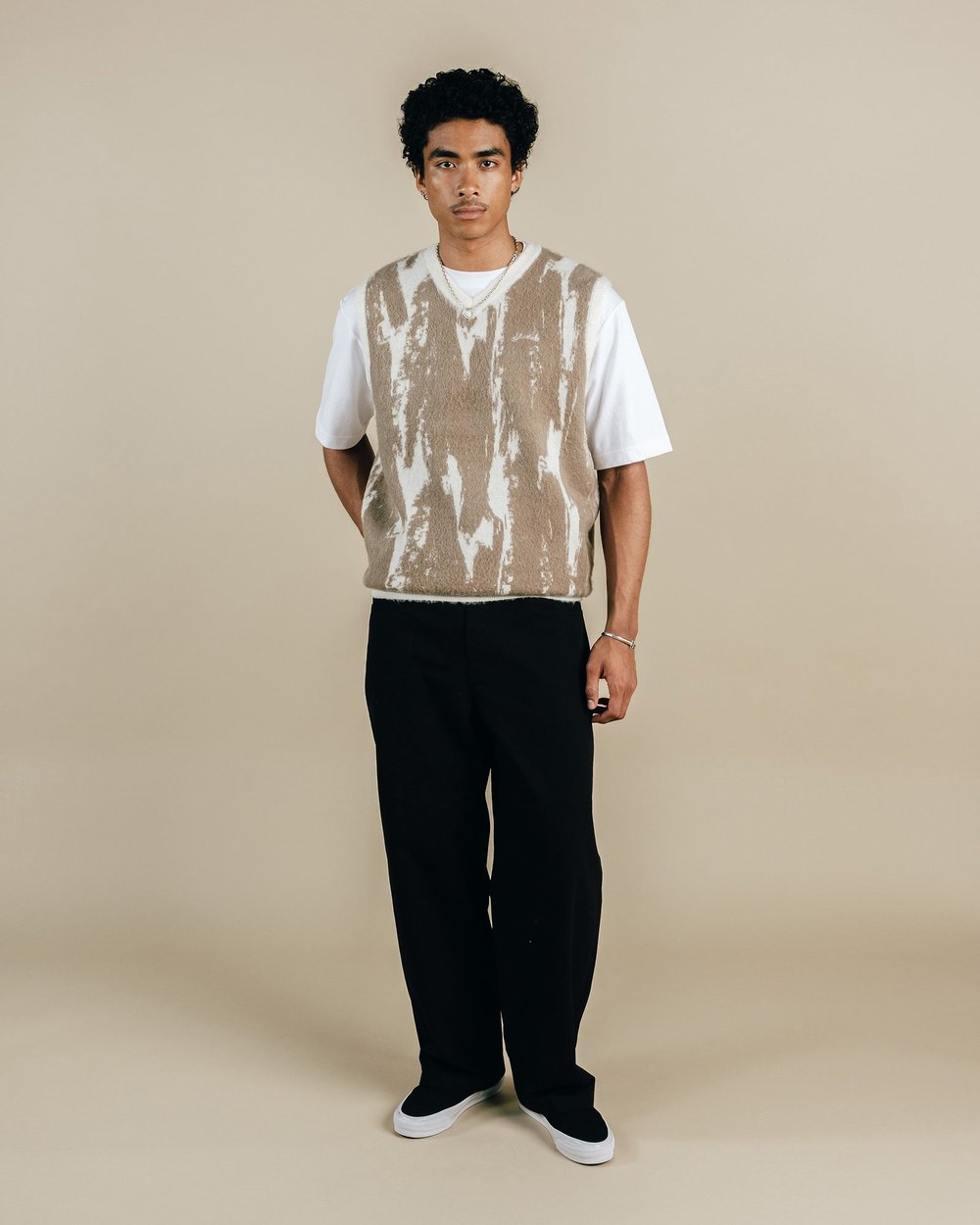
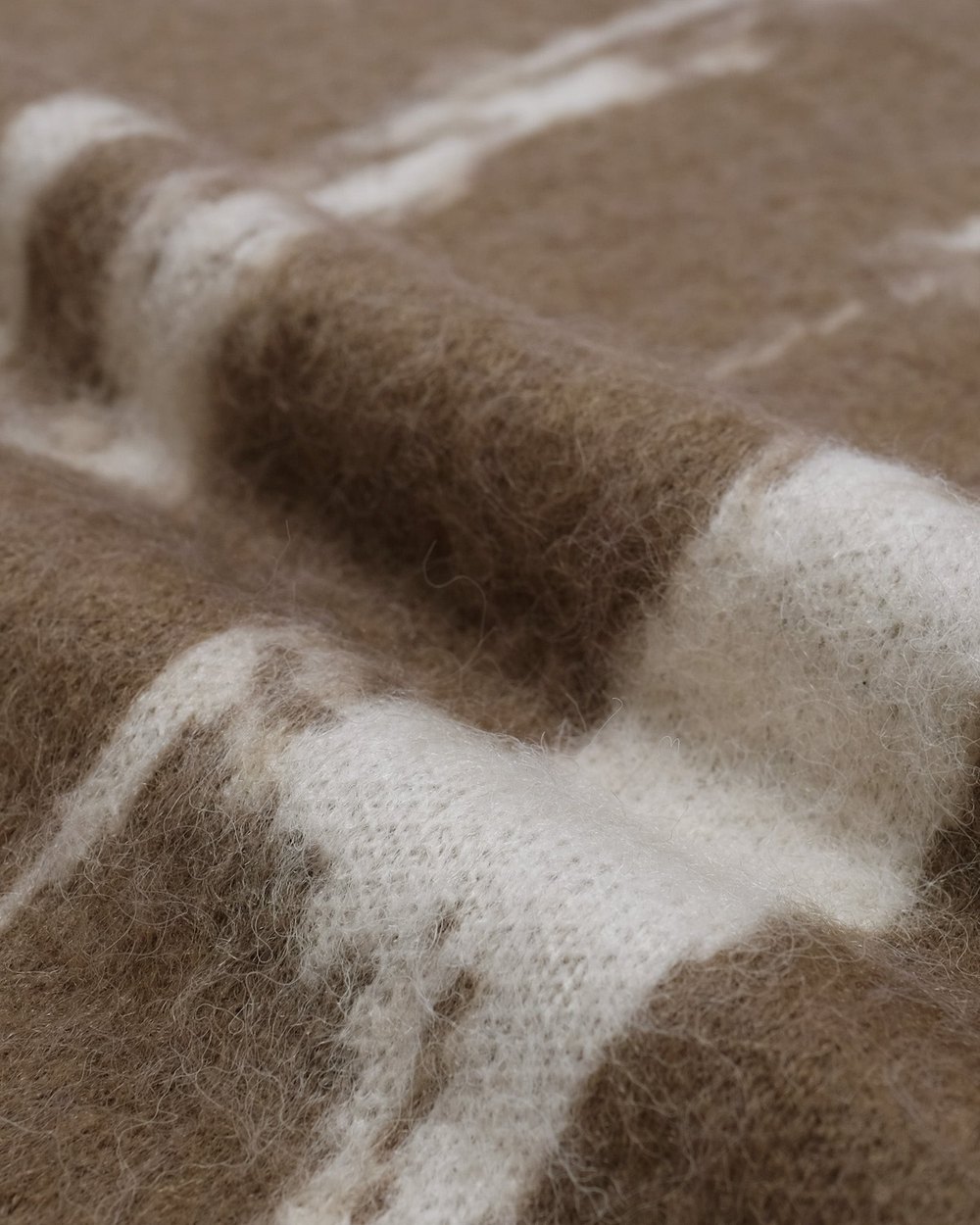
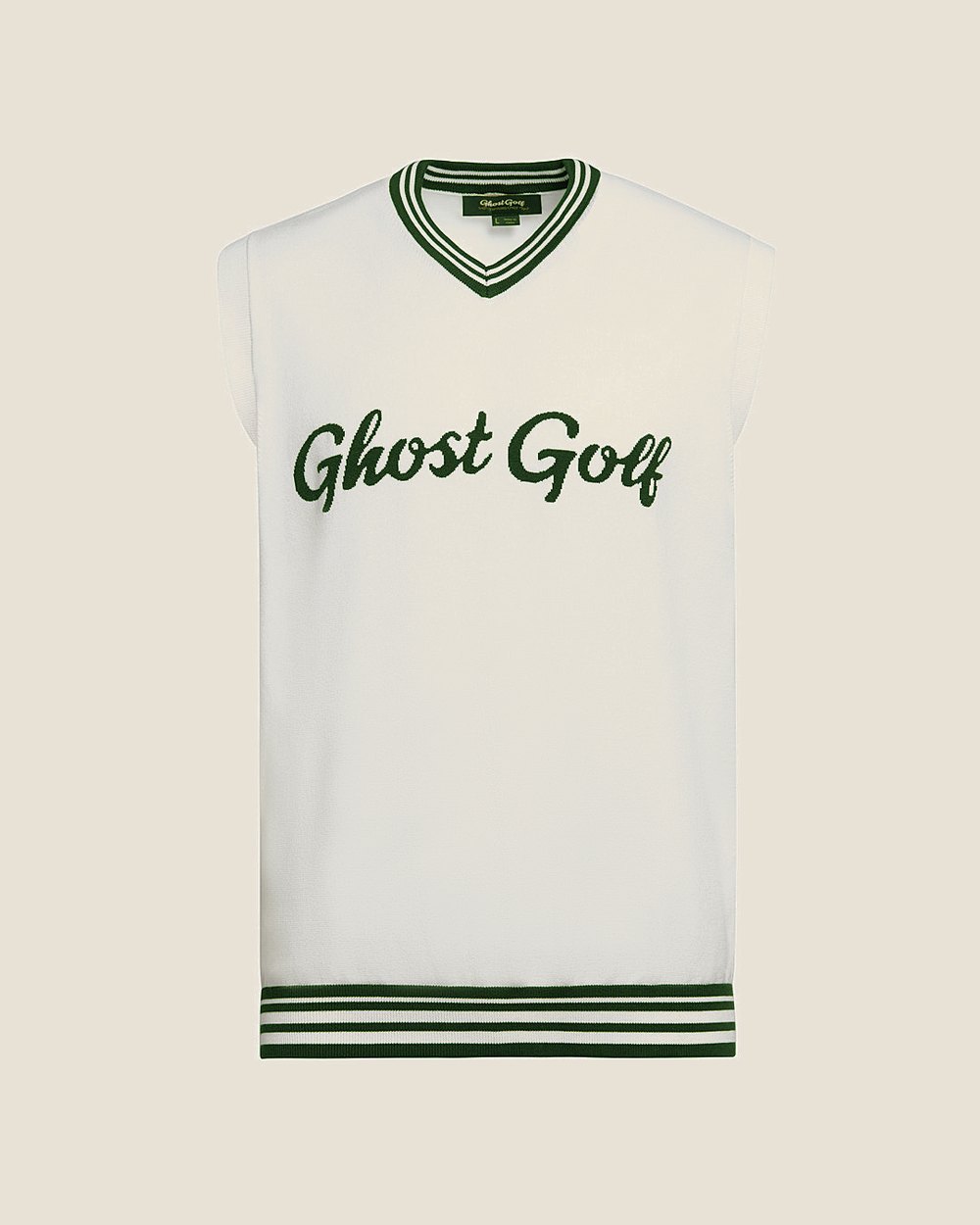
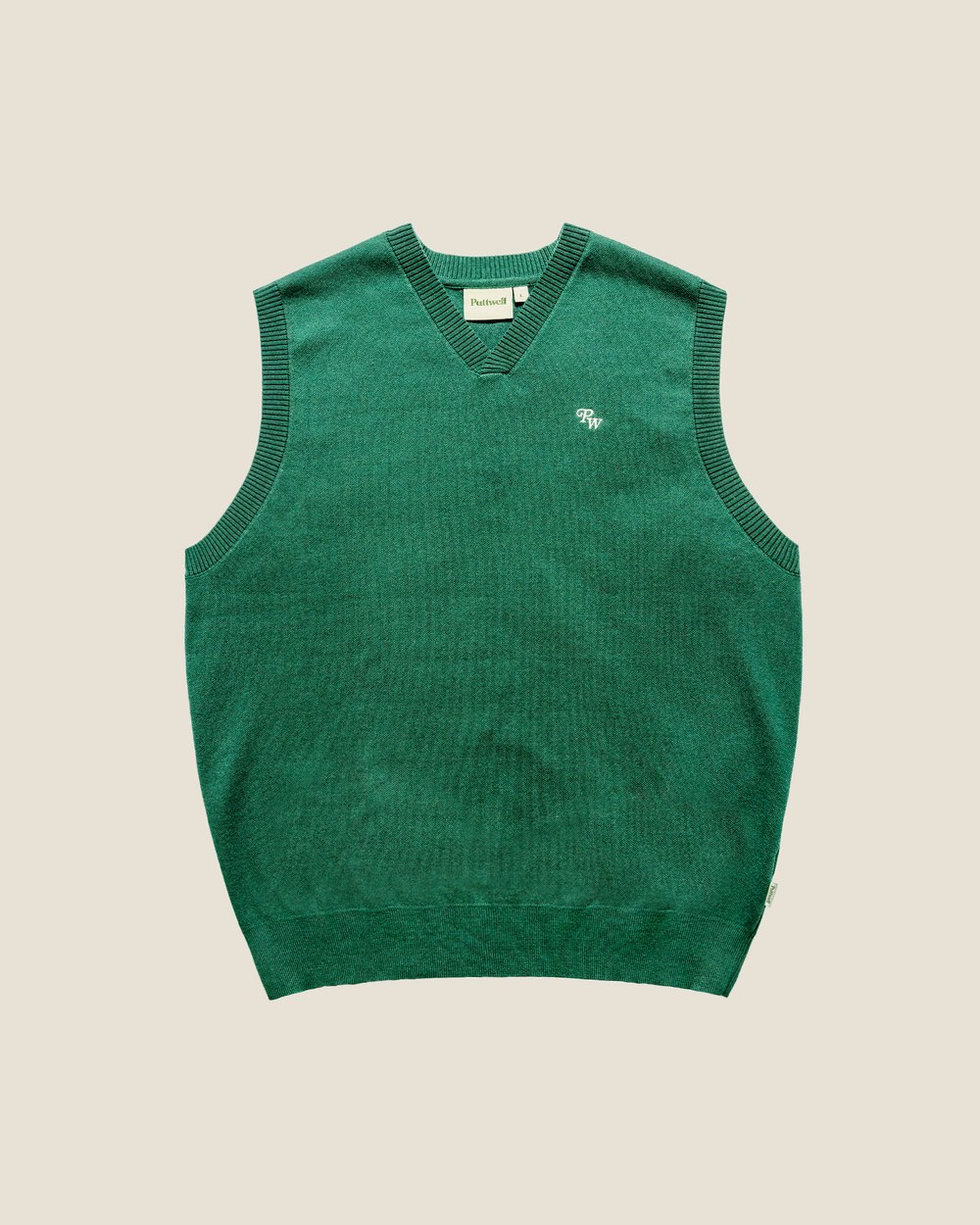
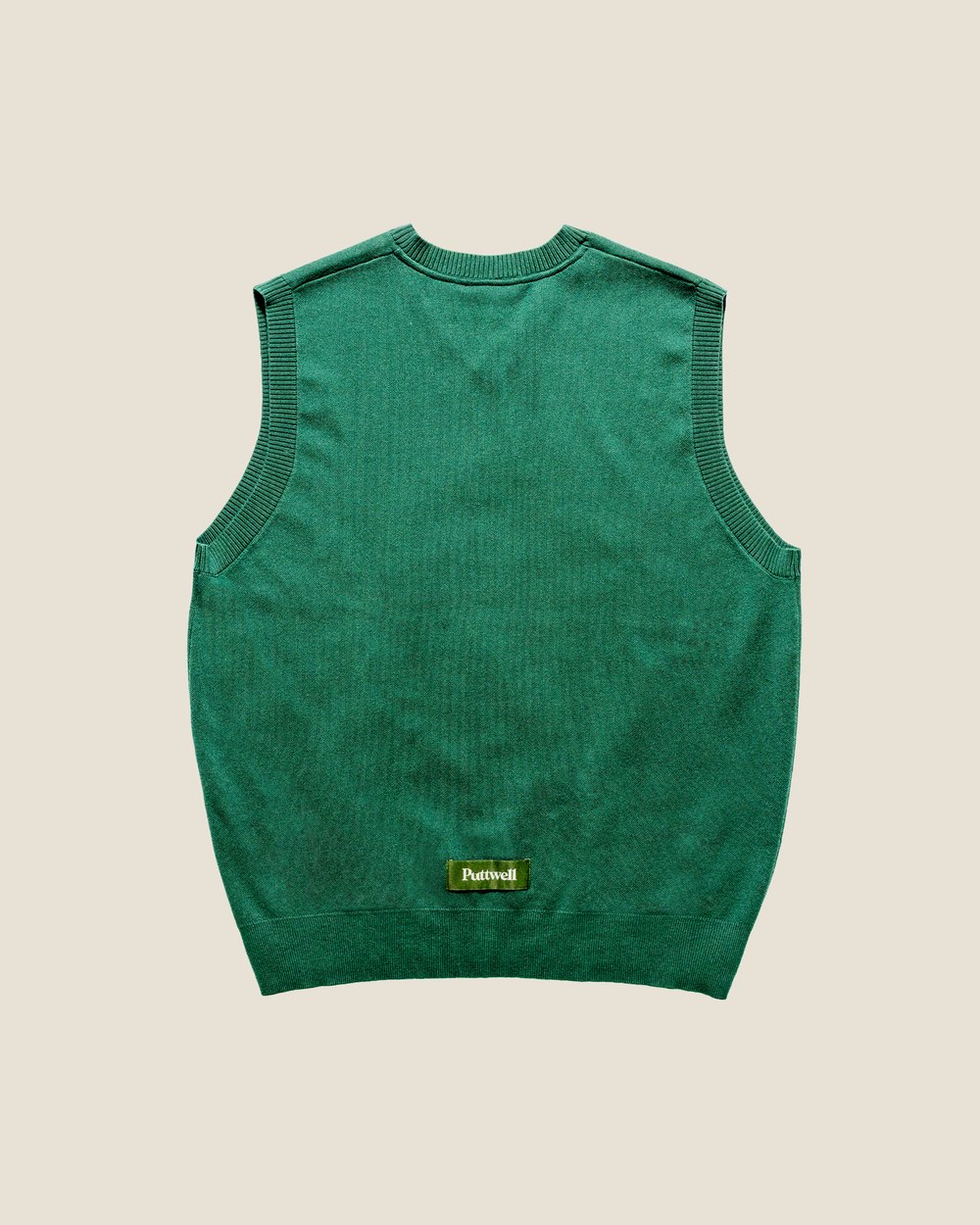
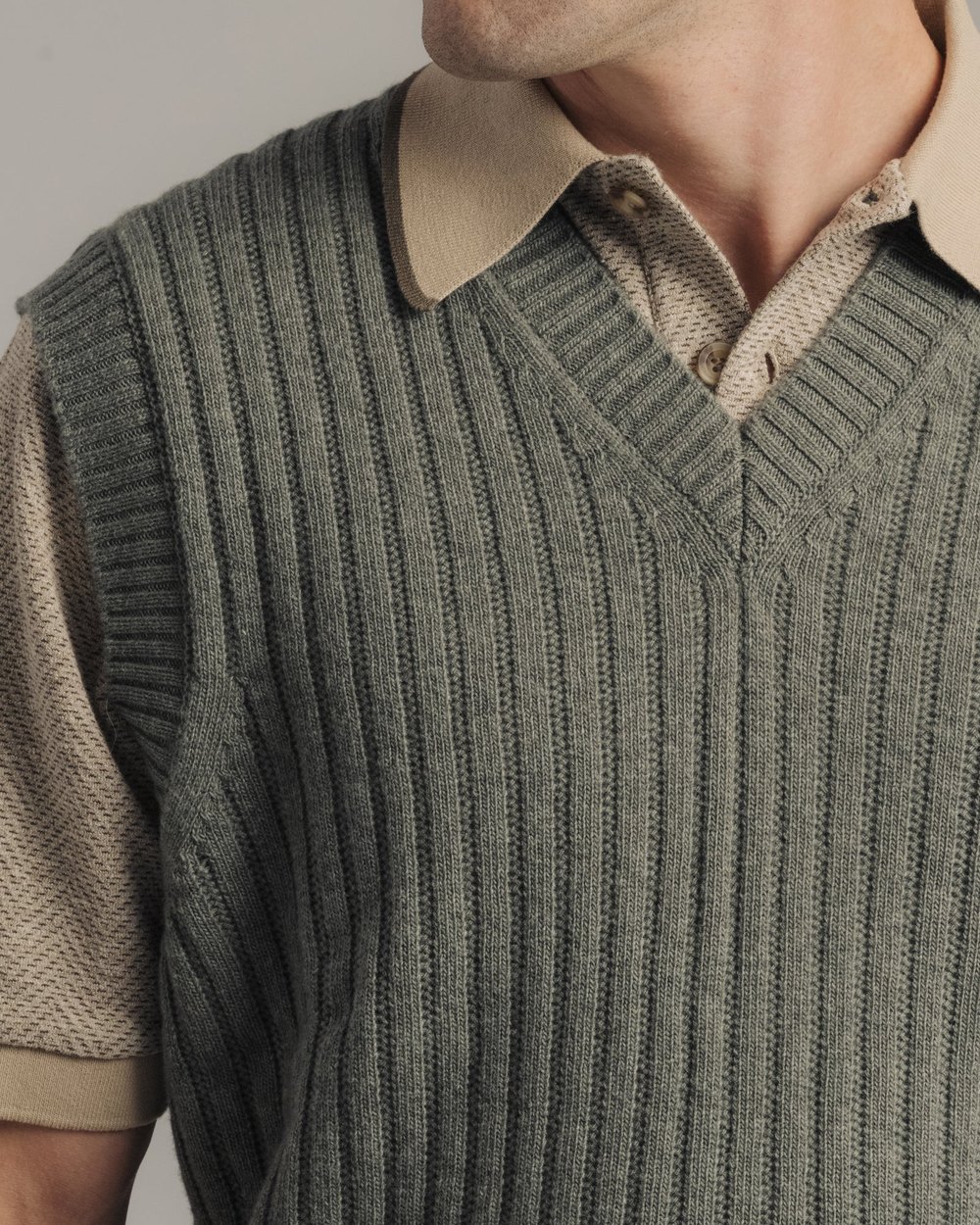
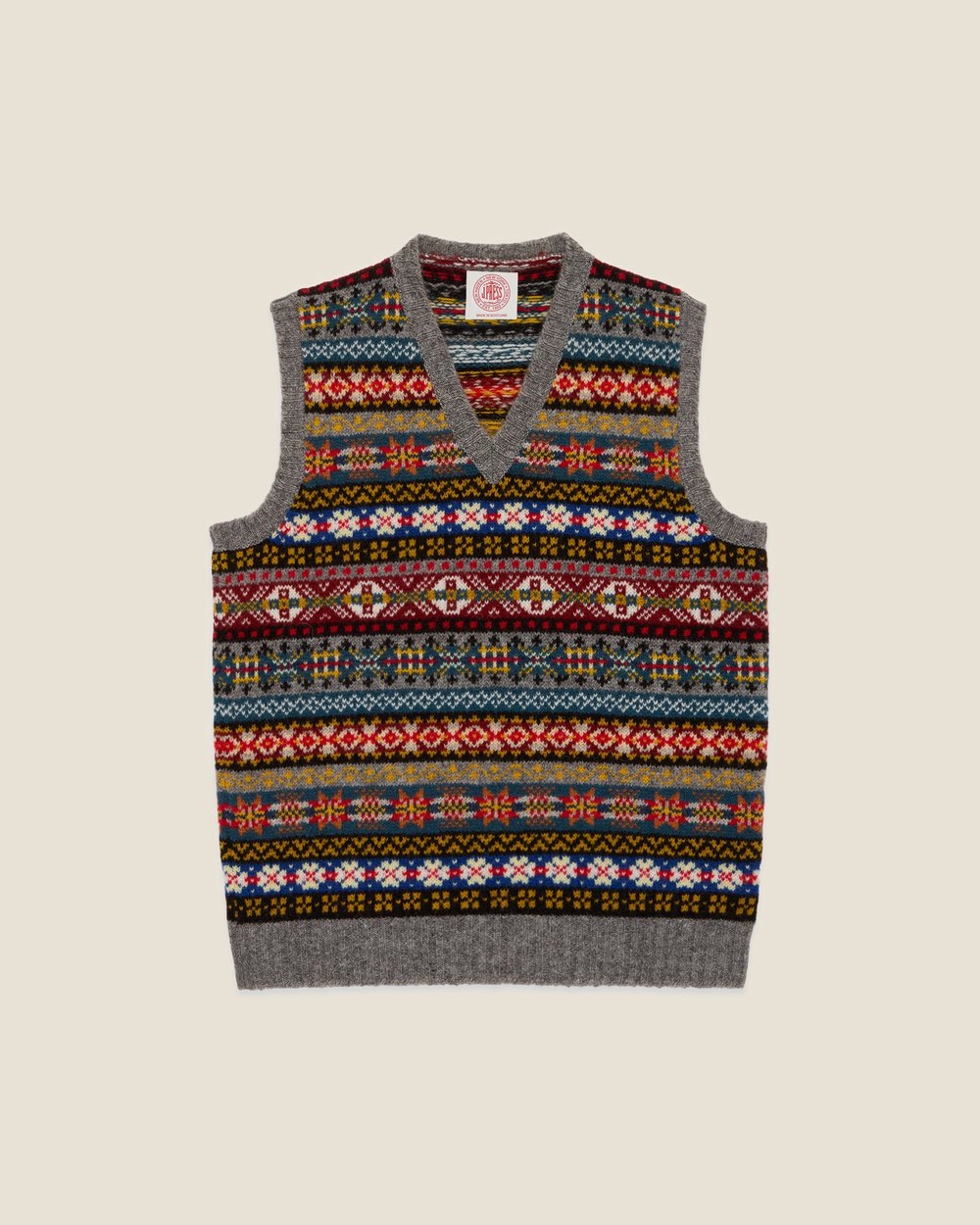
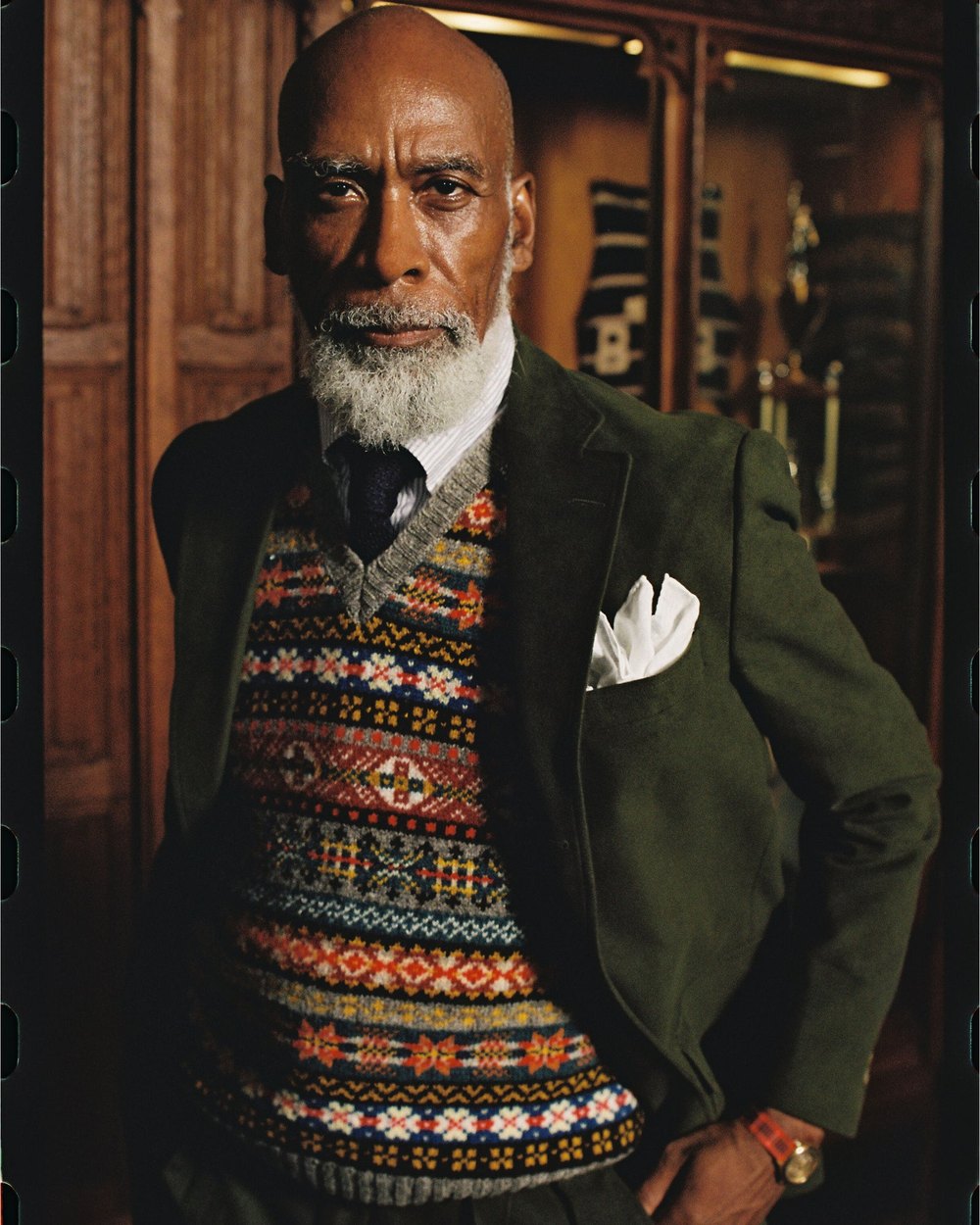
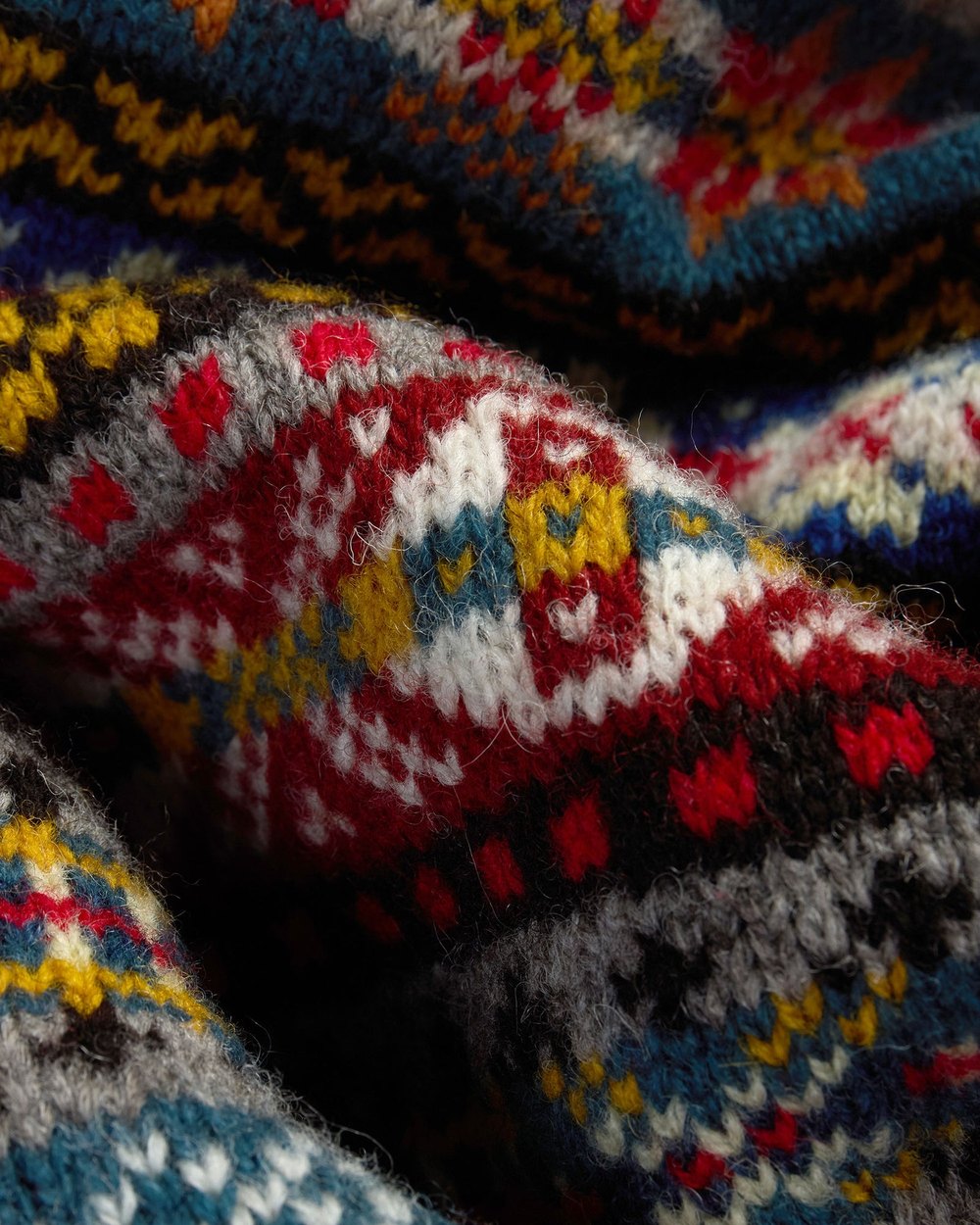
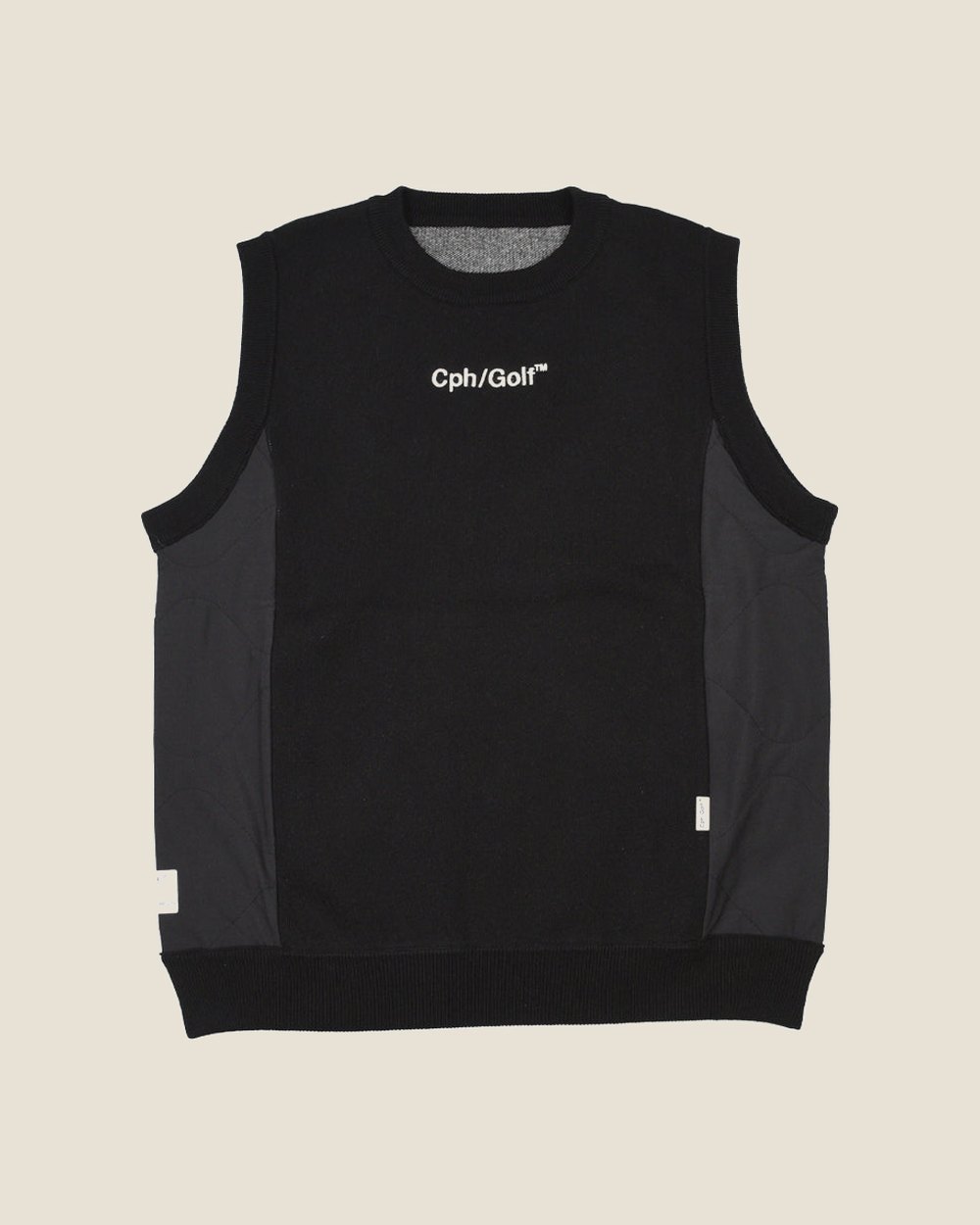
The clubhouse onesThe sweater vest is back, and it is the most golf thing you can wear. Pinstripes, mohair, tennis tipping and fine merino. Put it over a collared polo and keep the trousers simple.

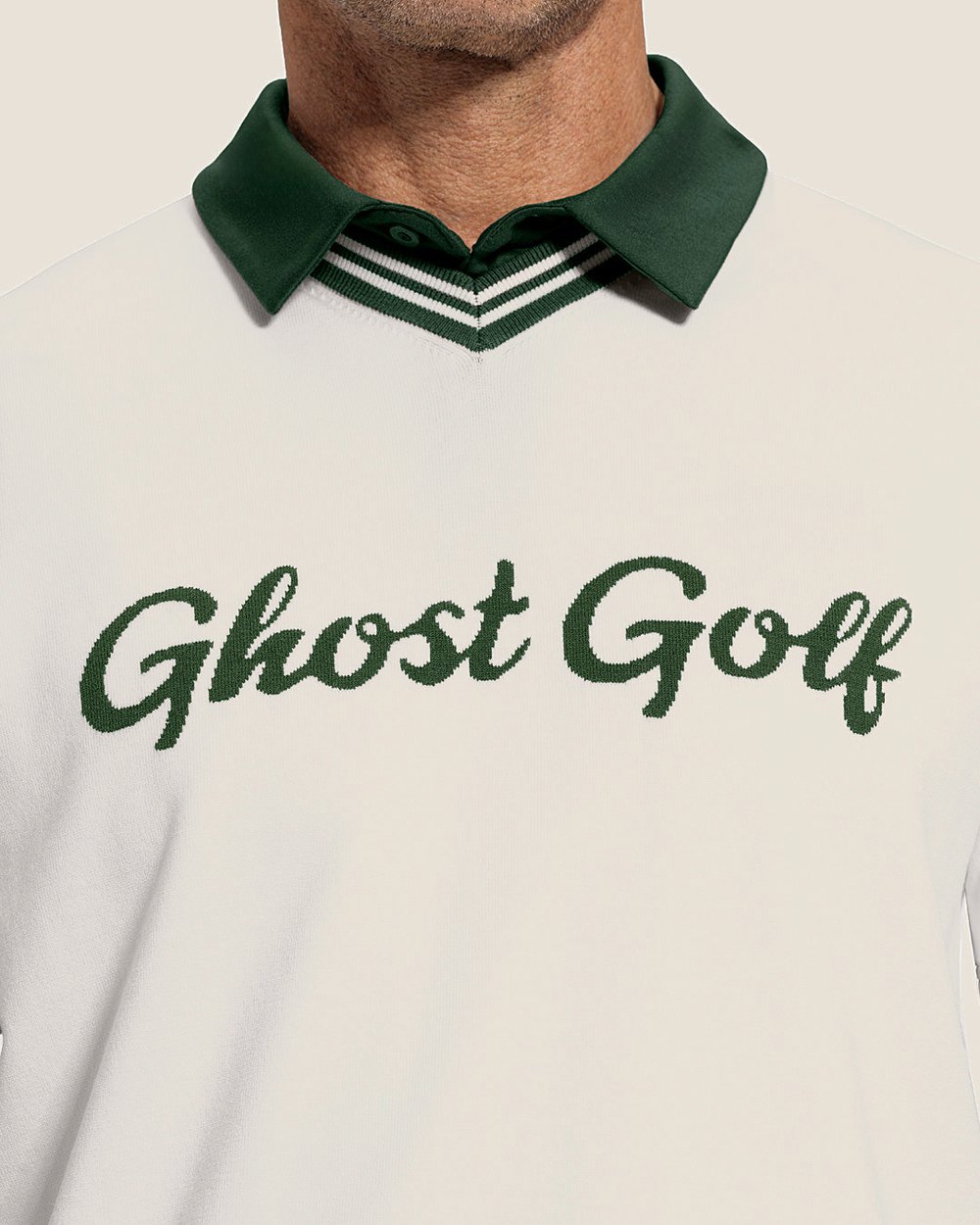
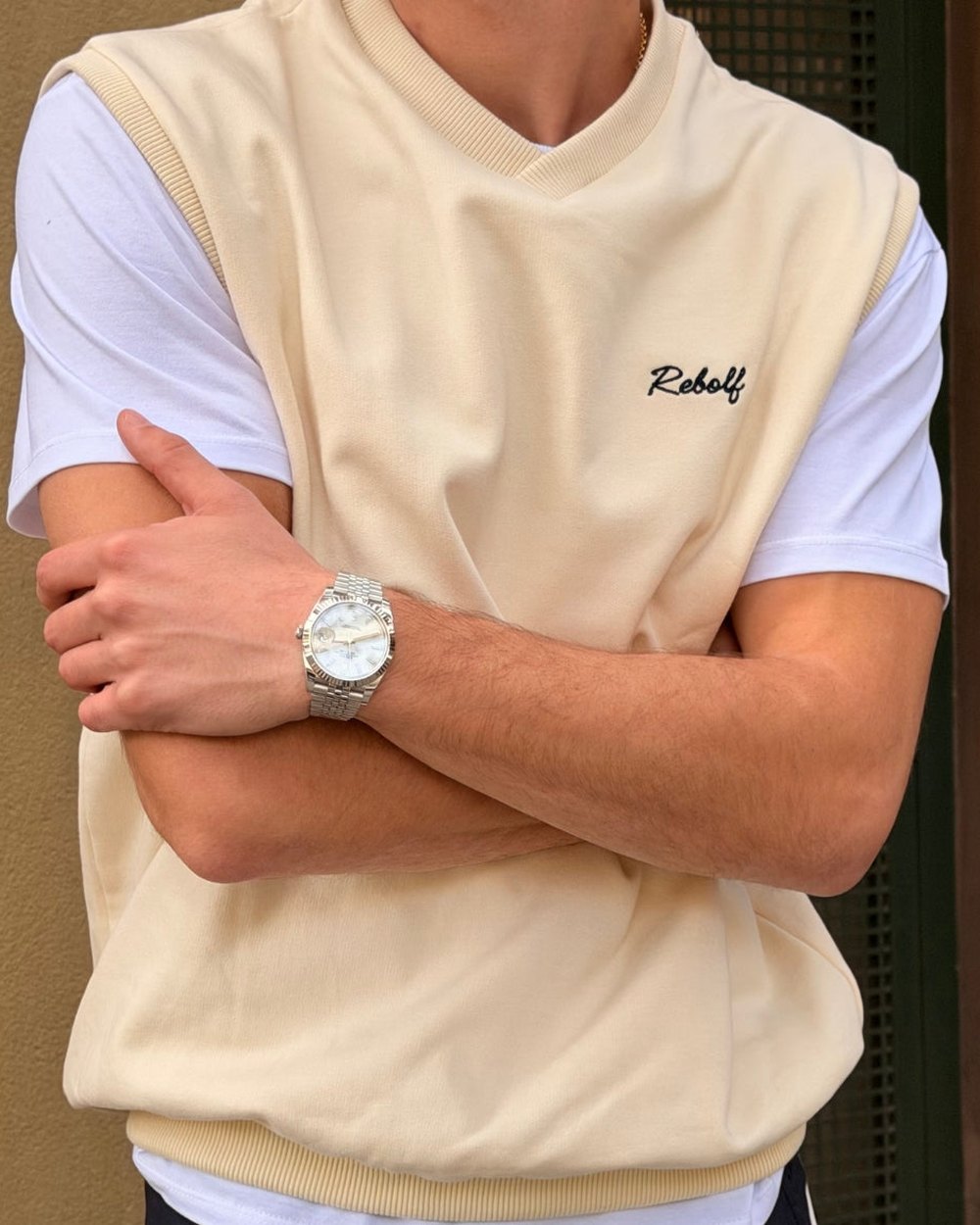
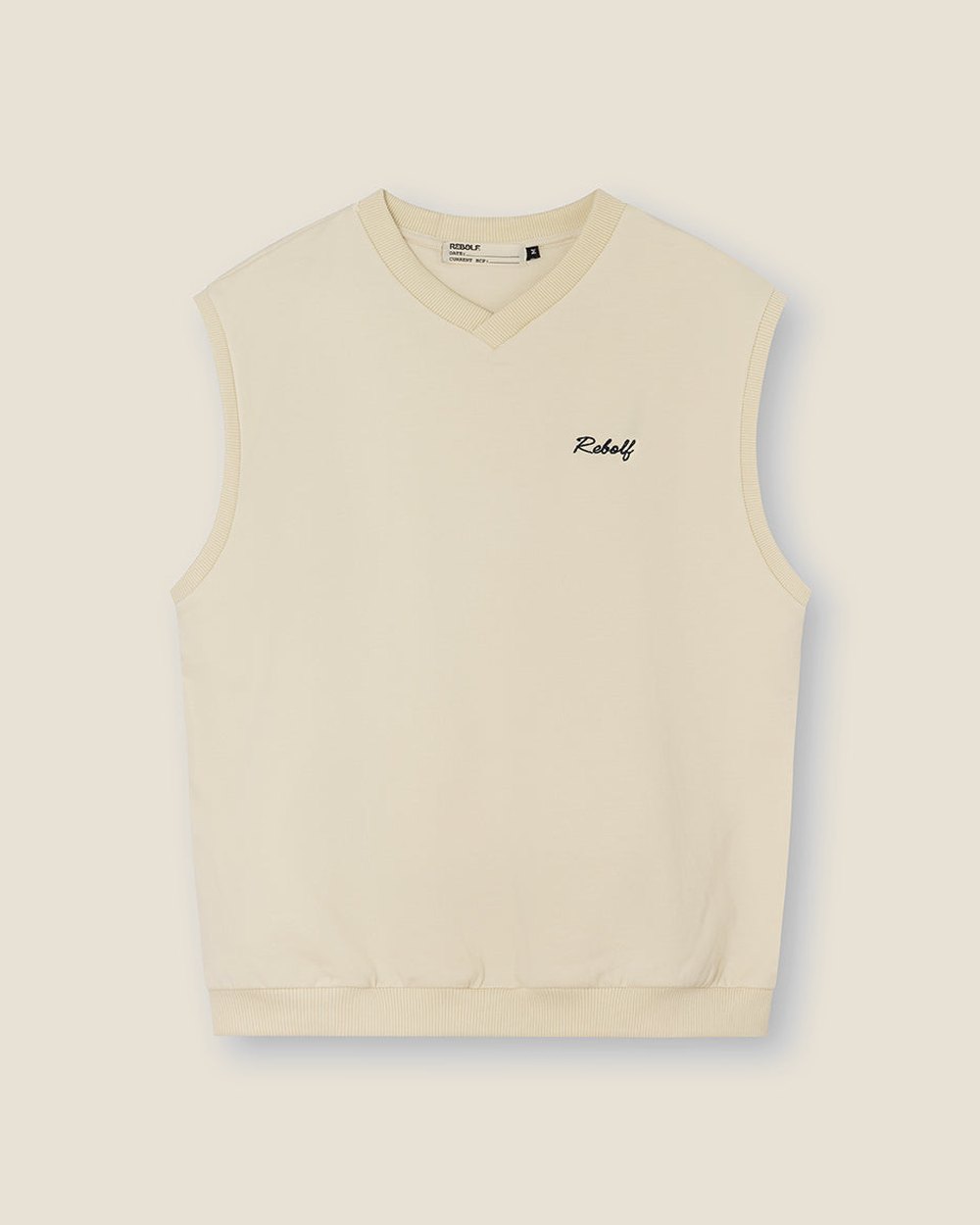
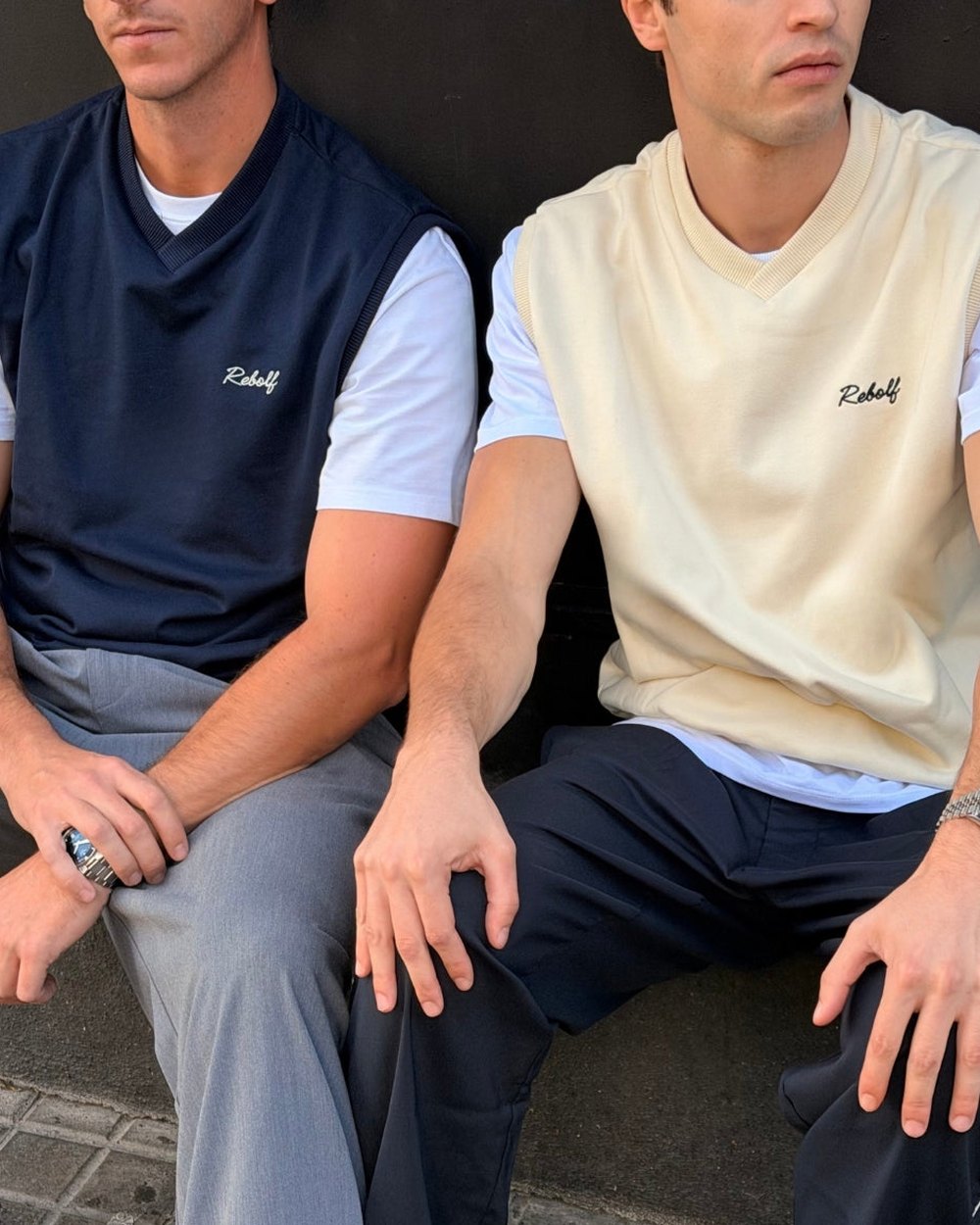
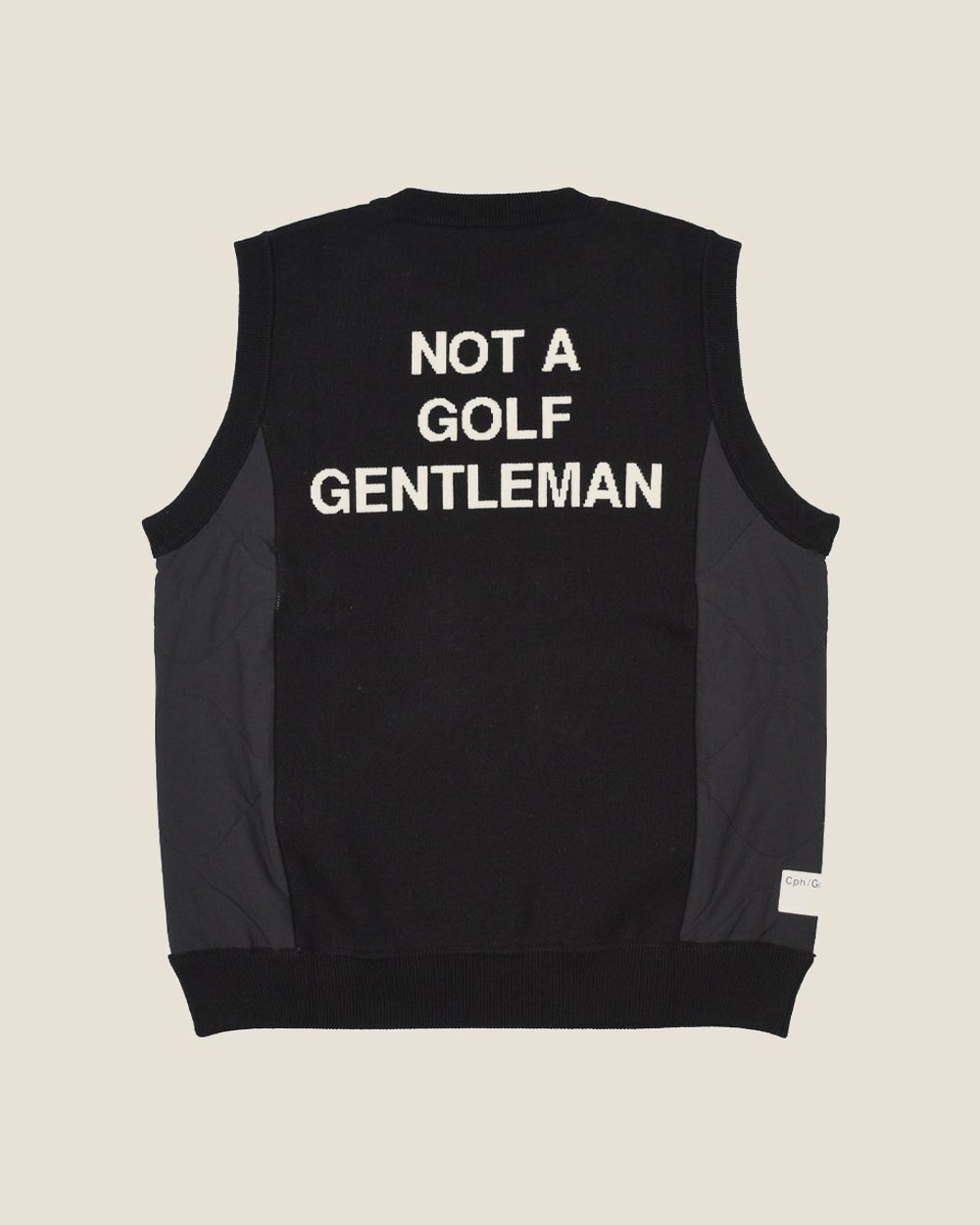
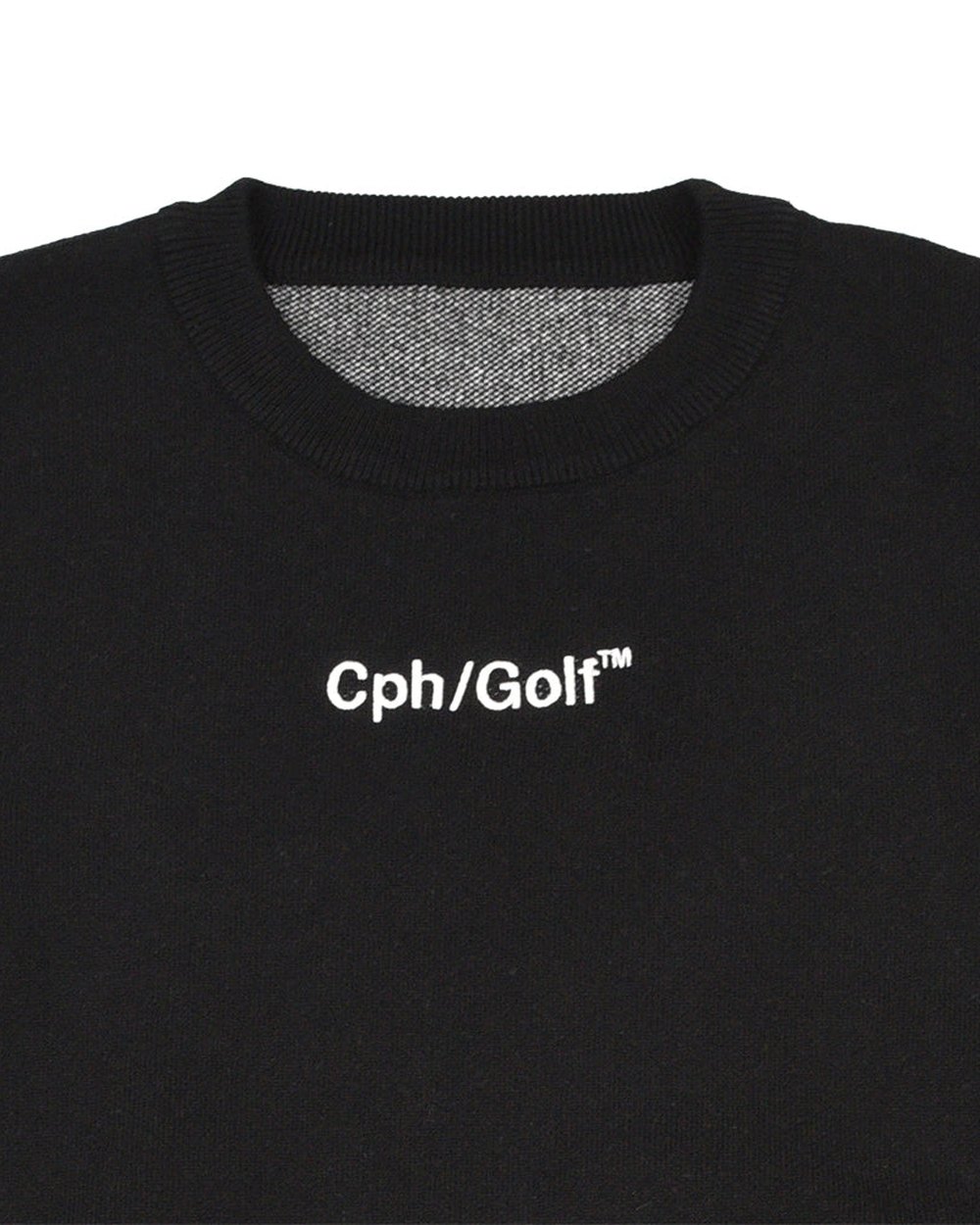
Most golfers only need one vest. The trick is buying the right one for the rounds you actually play, then wearing it every week until March. Here is how we would choose.
Start with your coldest regular tee time. If you play early and your hands are numb on the first tee, buy fleece or sherpa; it is the warmest thing in this post. If you walk and carry, a padded or quilted vest keeps your core warm without making you sweat by the fourth hole. If cold is not the problem and wind is, a thin shell does more than any amount of padding. And if you mostly care how it looks at lunch afterward, get the sweater vest.
Dress by the thermometer. These are the combinations we would wear, from mild to miserable:
55° and up: a knit or a wind vest over a polo. Nothing else.
45° to 55°: a padded vest over a long-sleeve polo or a light quarter-zip.
35° to 45°: fleece or sherpa over a quarter-zip, a beanie in the bag.
Below 35°: a thin base layer, a hoodie, then a wind vest on top to keep the warmth in. Or stay home and watch the replay.
Get the fit right. A vest should close over whatever you plan to wear under it without pulling across the chest, and the armholes should be roomy enough that your shoulders turn freely. Try it on over your thickest quarter-zip and make a few practice swings in the mirror. If it rides up at the back at the top of your backswing, size up; Sentinel gives the same advice for its Cordura vest.
If you buy two. Pair one warm vest with one thin one: a fleece and a wind shell, or a padded vest and a sweater vest. Between them you are covered from the first cold snap in November to the windy spring rounds in March, and the thin one packs into the bag for the days the forecast is wrong.
Take care of it. Wash fleece and sherpa inside out on cold and let them air dry, or the pile mats. Down and padded vests go in on a gentle cycle and come out of the dryer on low with a couple of tennis balls to keep the fill from clumping. Hand-wash or dry-clean wool and mohair knits, and always check the care label first; a good vest should last you a lot of winters.
For what to wear underneath, see our fall golf colorways and the fall hoodie edit.