Two things you touch every round and mostly buy badly: the hat that sits on your head for four hours and the towel that does the actual work. Here are thirty of them — eighteen caps, twelve towels, one piece per brand, and no brand repeated between the two halves.
Beanies and visors are both out. What is here starts at a thirteen-dollar microfibre towel and tops out at fifty, and every price was read from the brand’s own store on 21 September 2026 rather than copied from a press release.
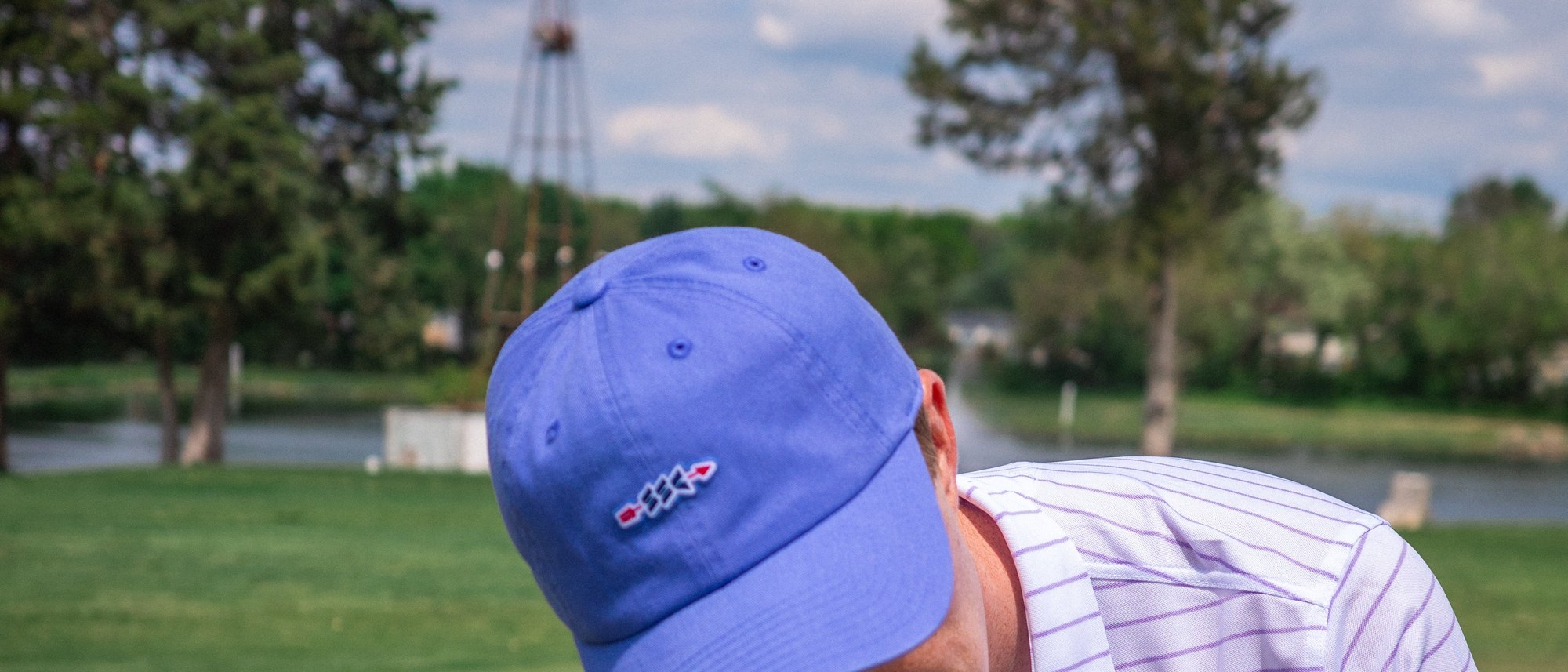
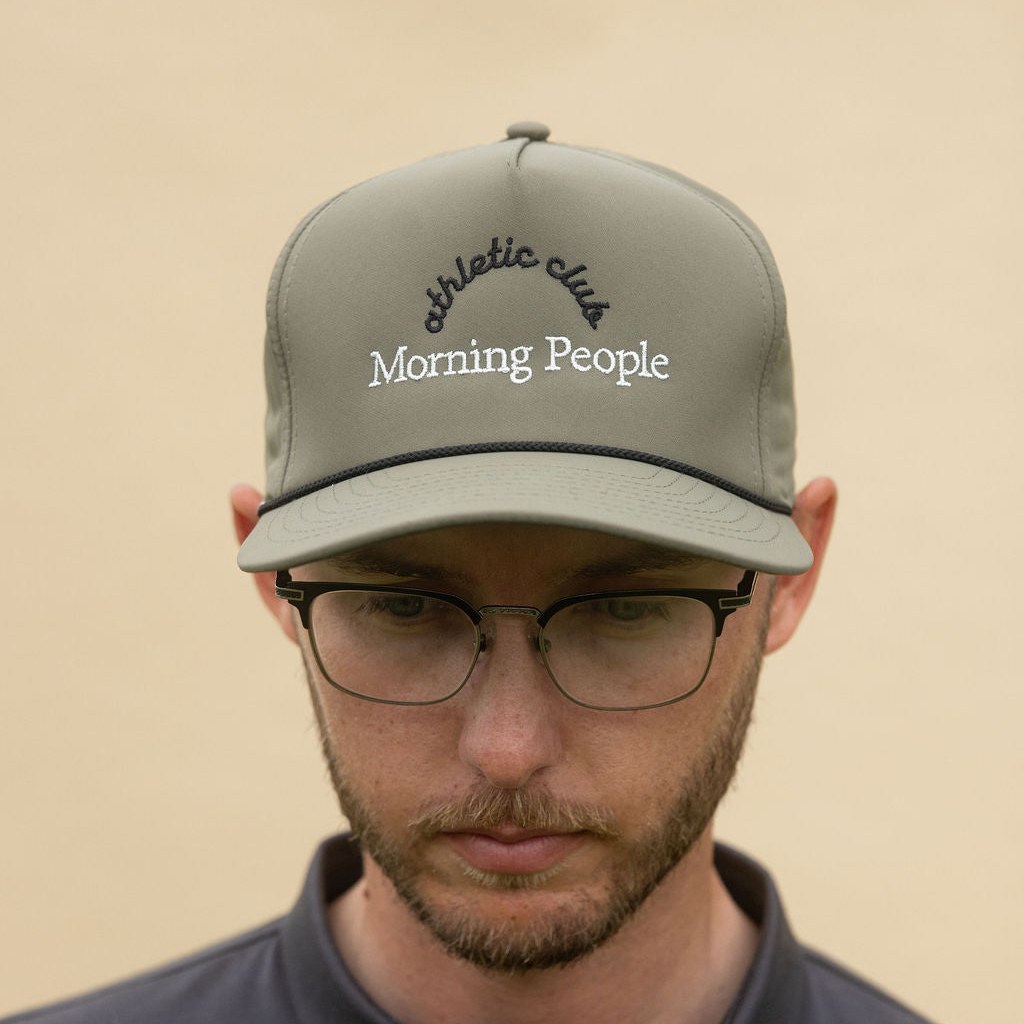
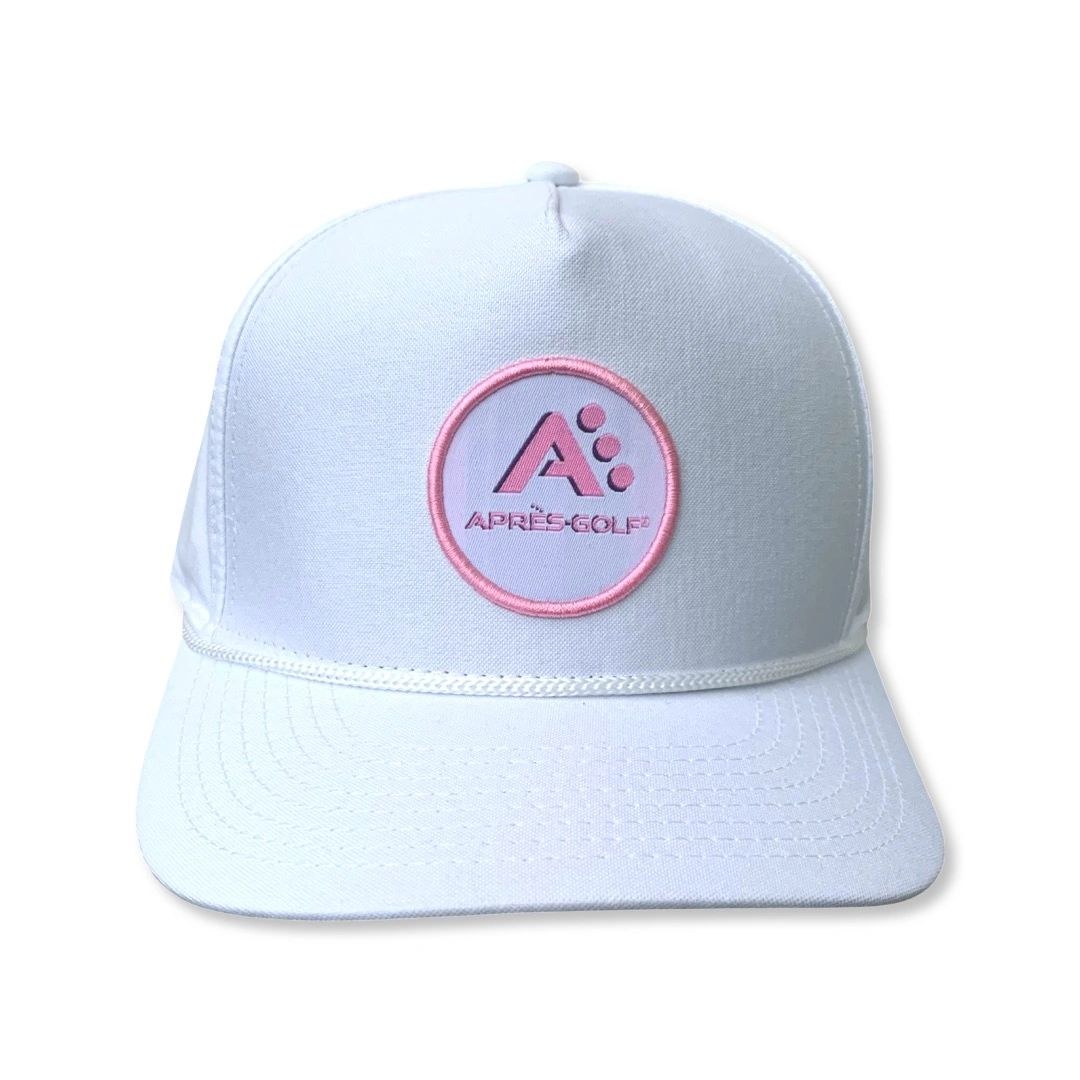
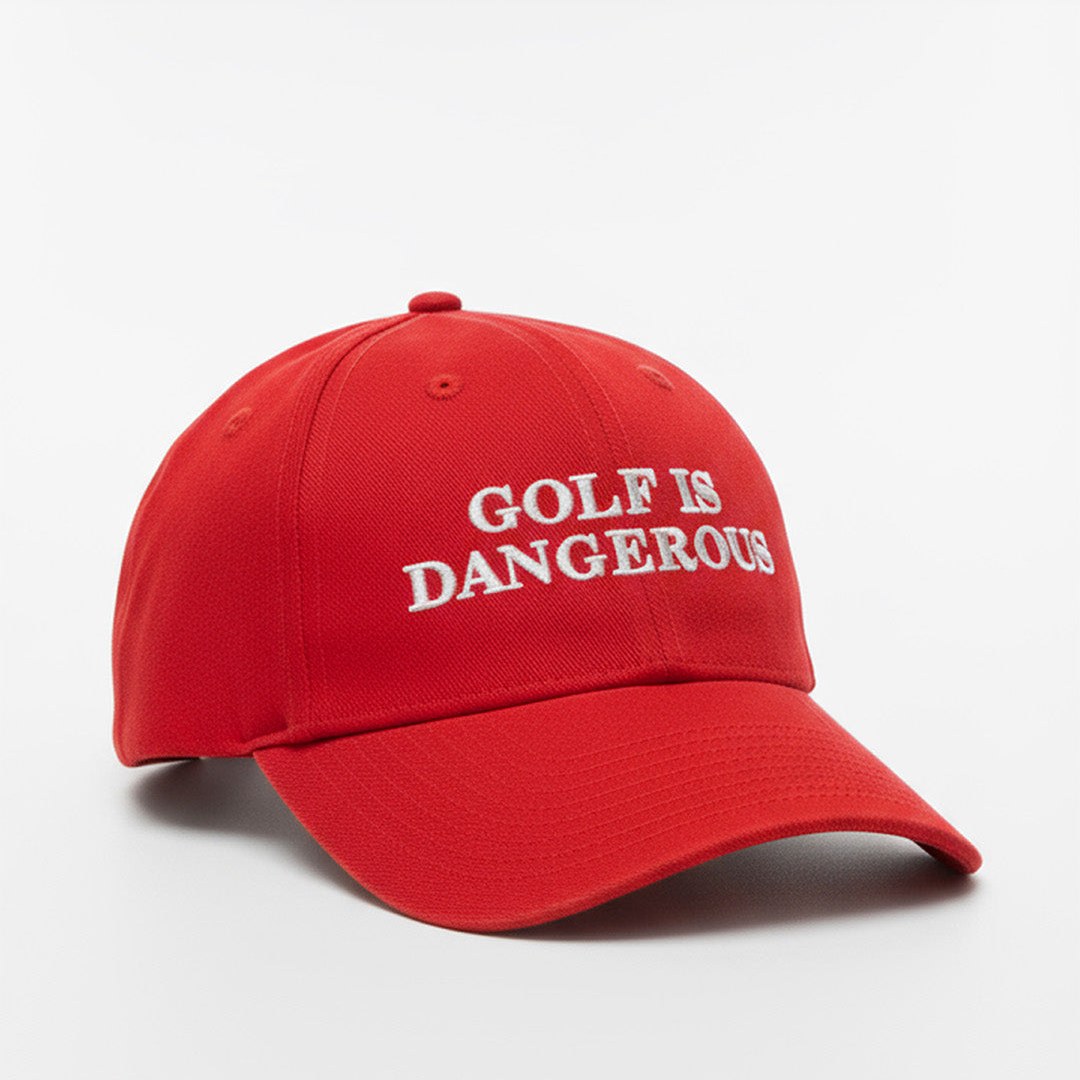
The caps fall into two camps that are easy to see once you know to look. One puts technical fabric into shapes that predate it: Sinking Birdies run a water-resistant tech fabric on a rope crown, Devereux laser-perforate a performance panel and then trim it with classic rope, Eastside build on performance fabric with a perforated back and a gel badge. The other camp states cotton and stops there — Hidden Links Society list six panels, a flat peak and a metal clasp with no performance claim anywhere on the product page.
The towels are where the construction talk actually lives. Waffle weave, woven jacquard, terry blends and Japanese gauze are four different answers to one problem, at prices that now overlap the hats entirely.
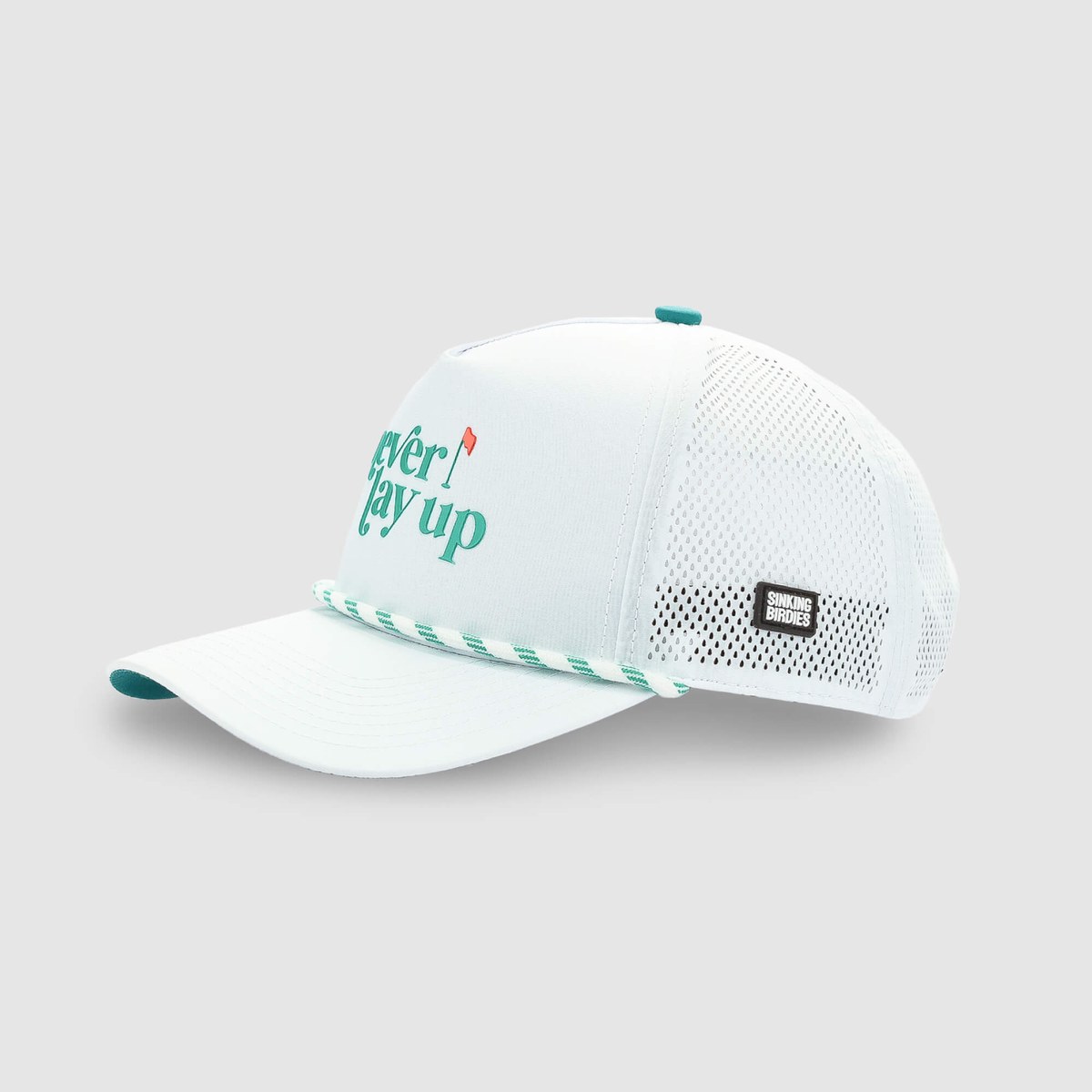
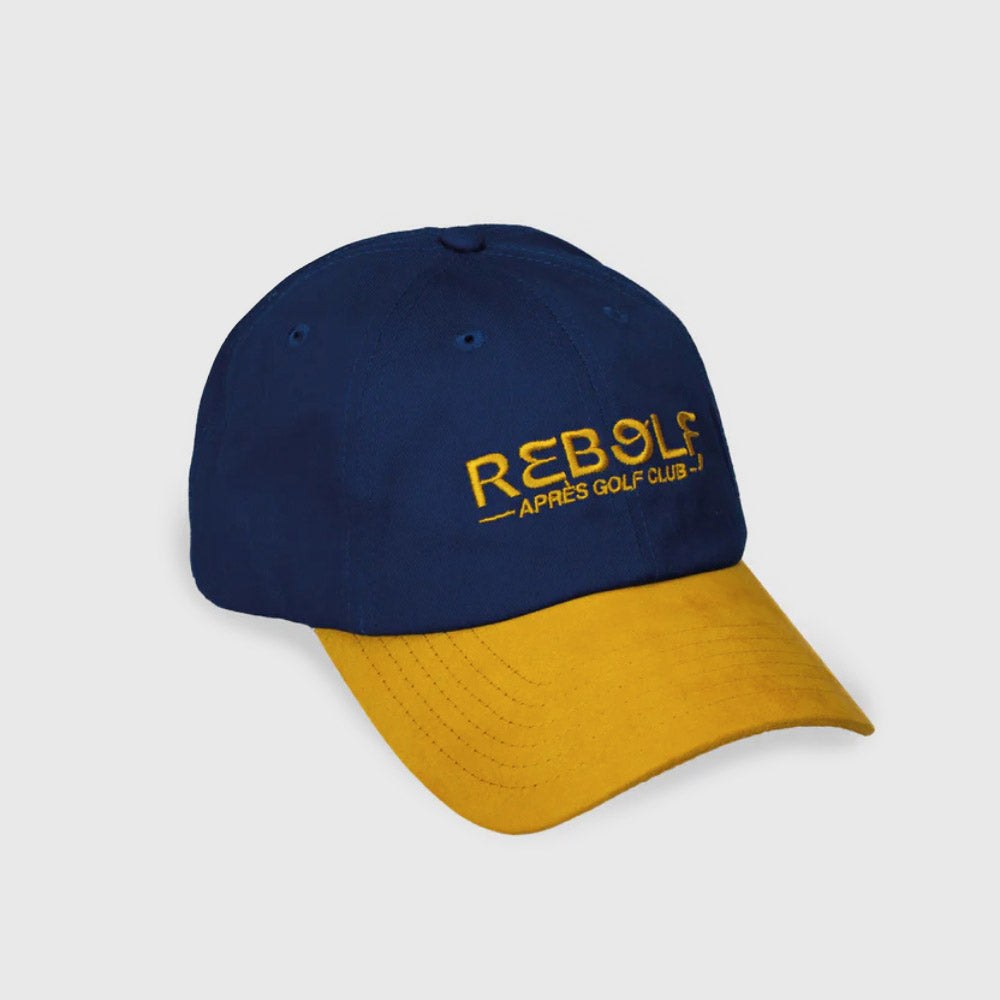
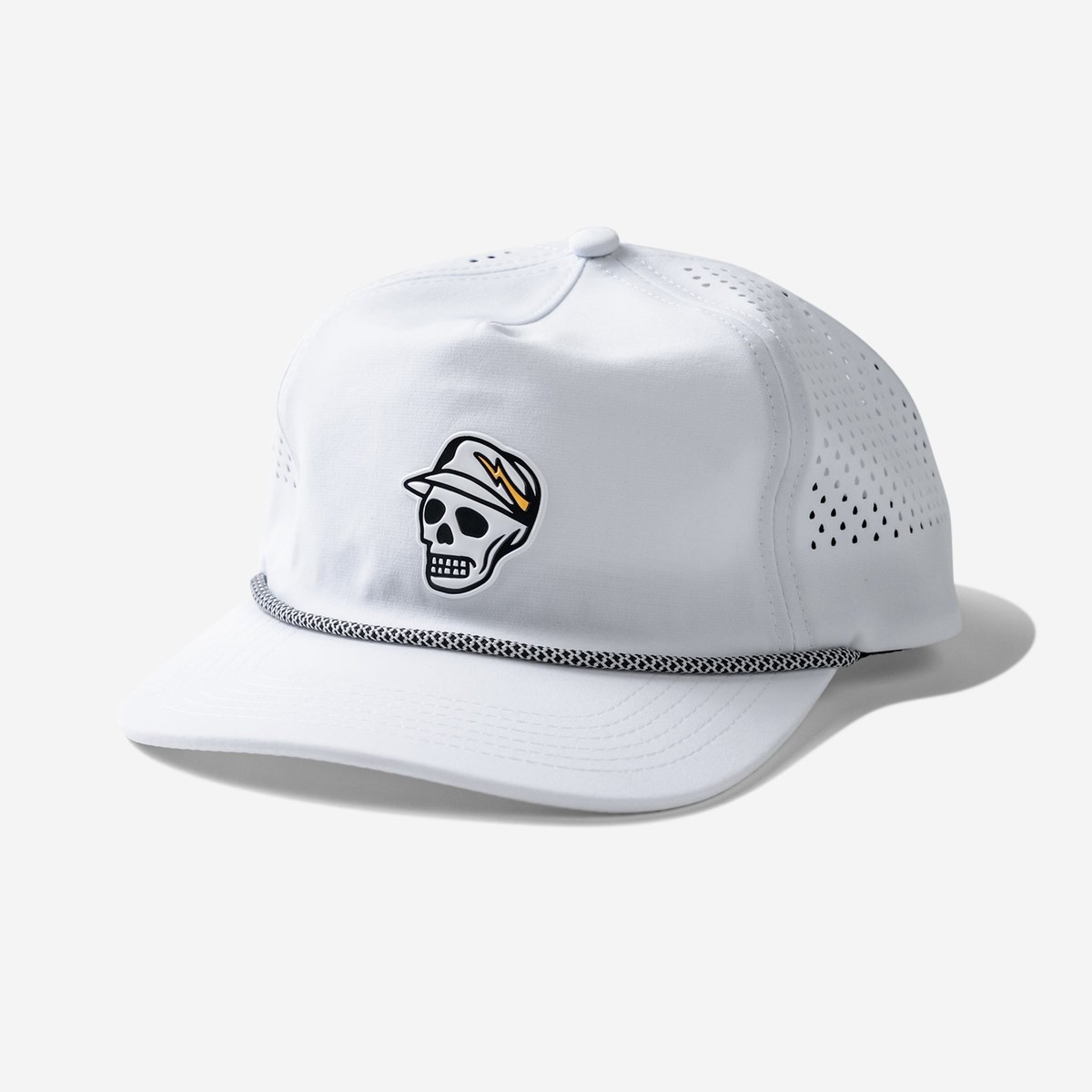
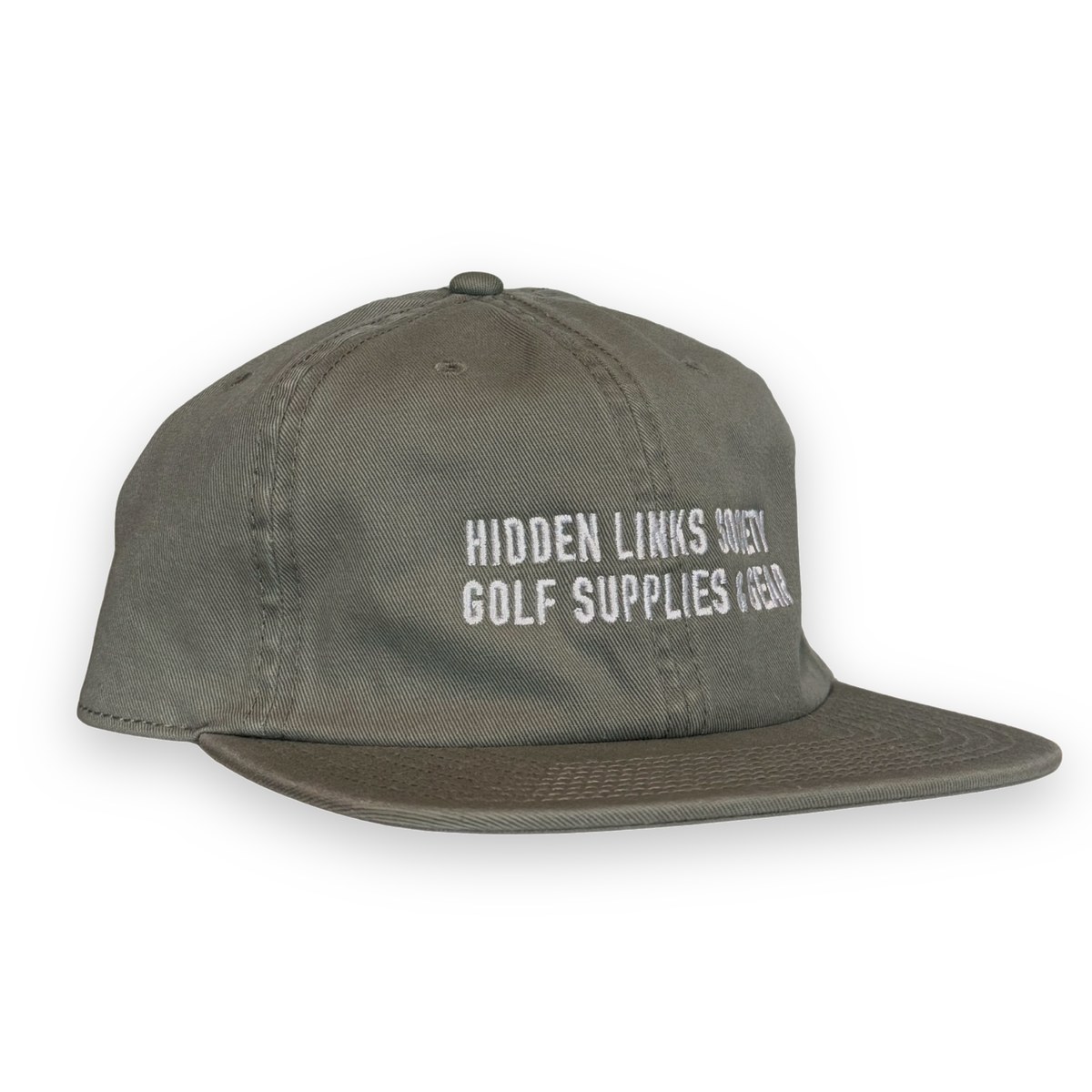
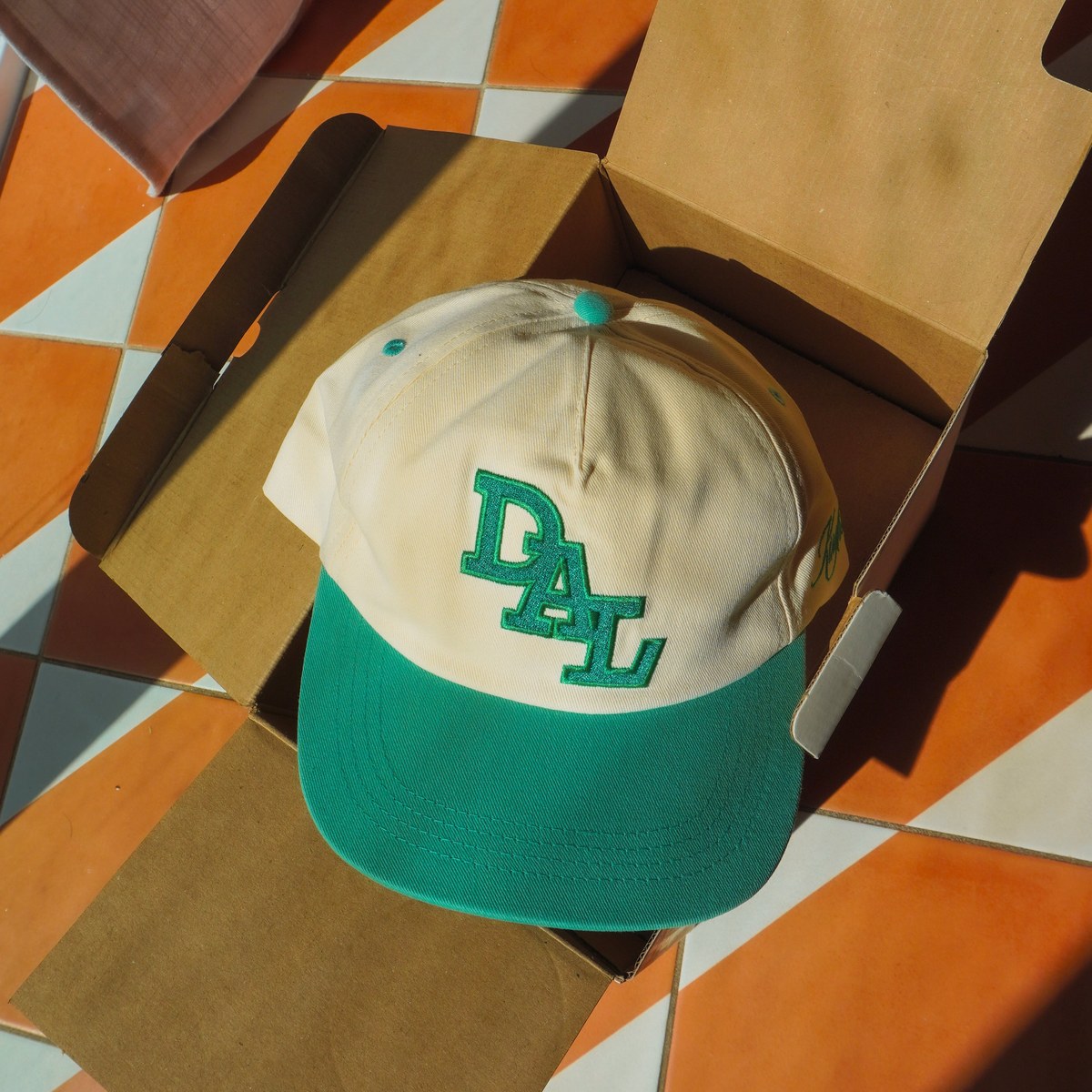
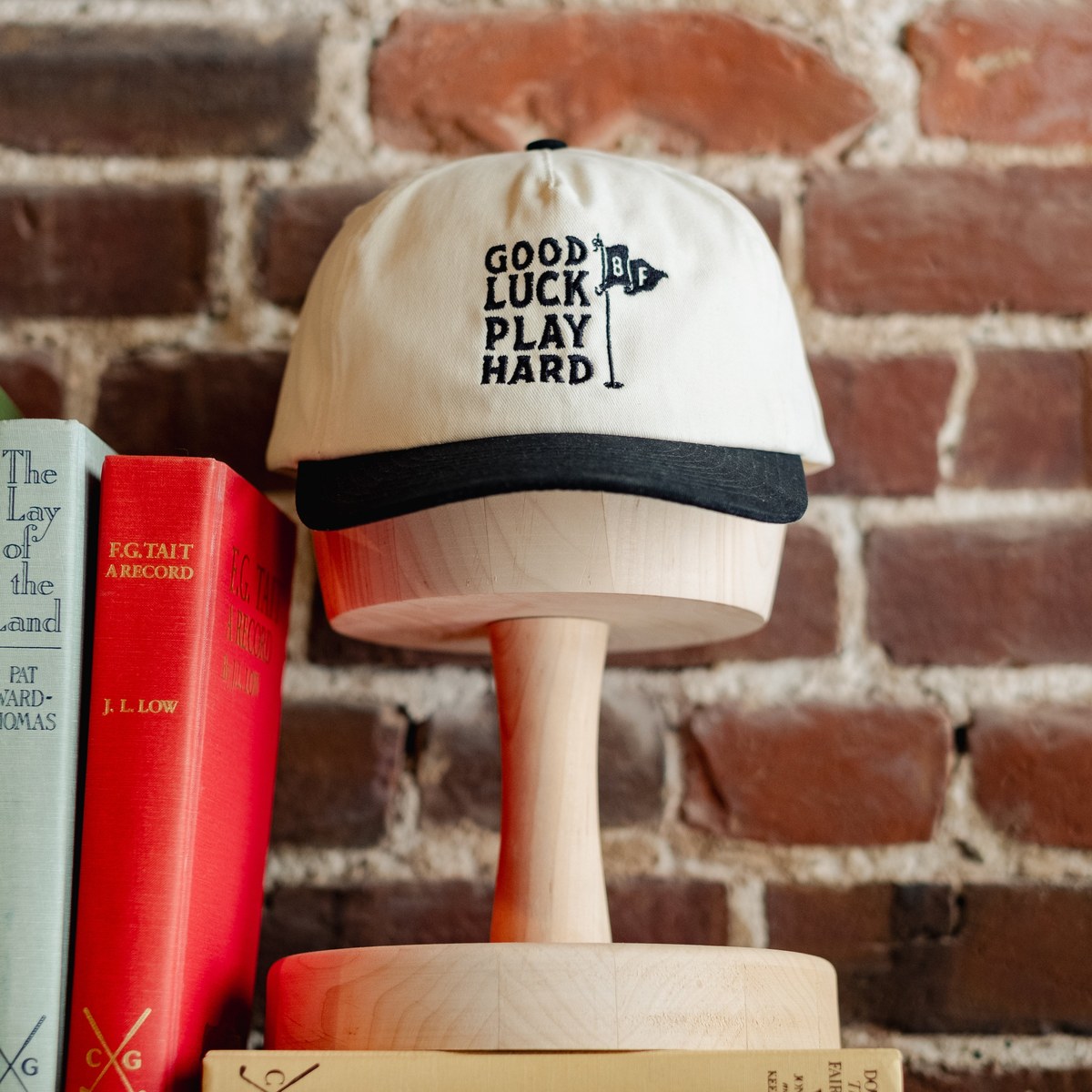
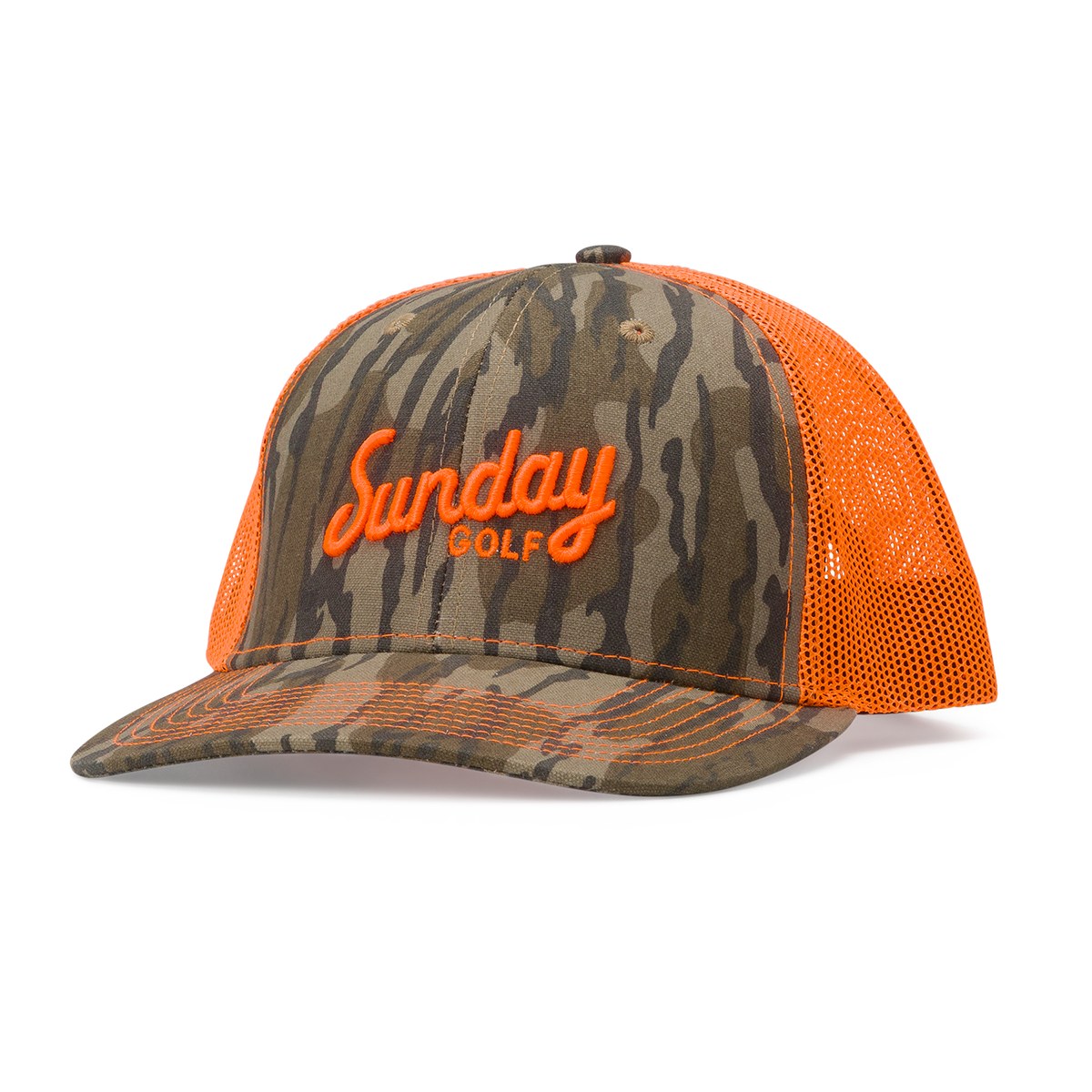
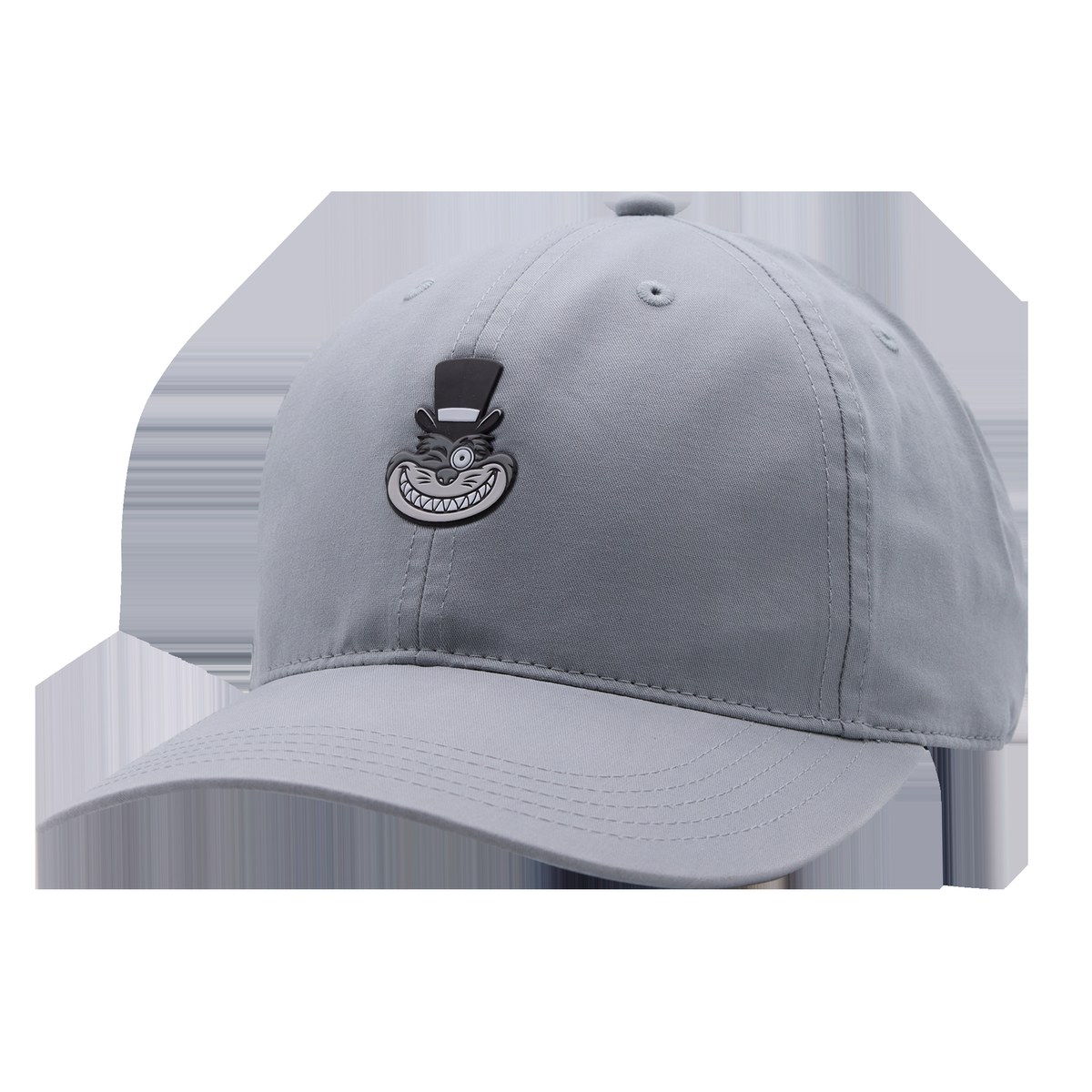
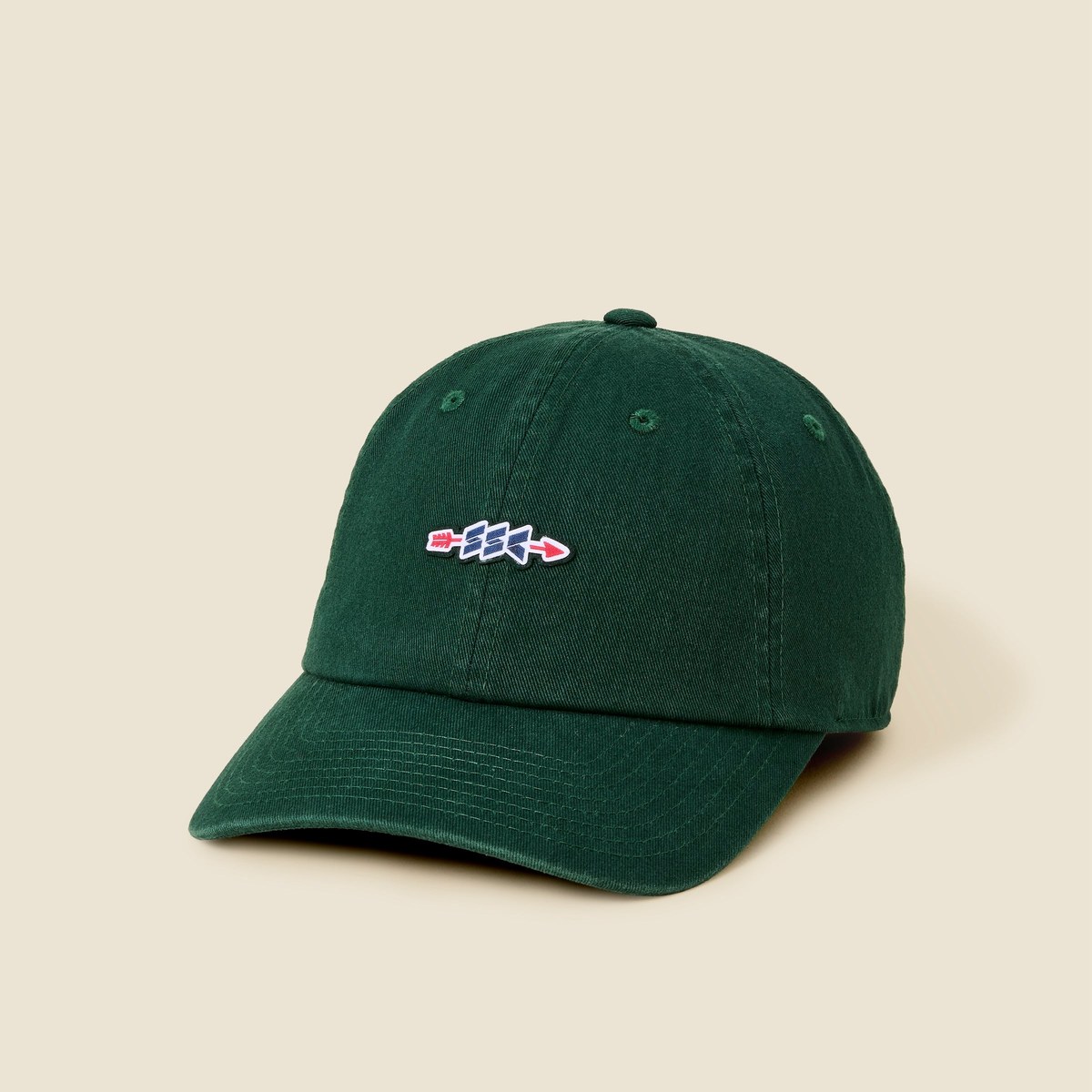
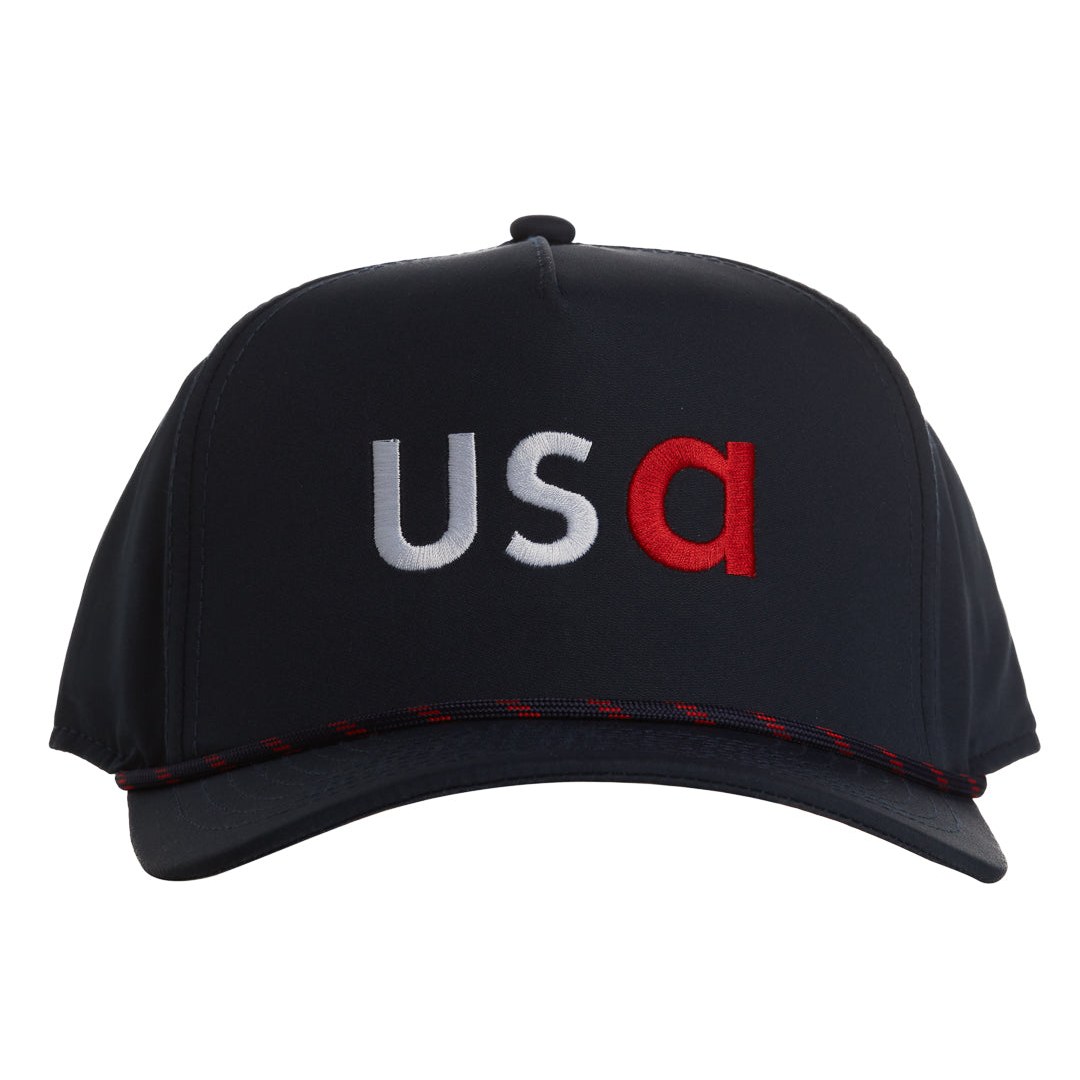
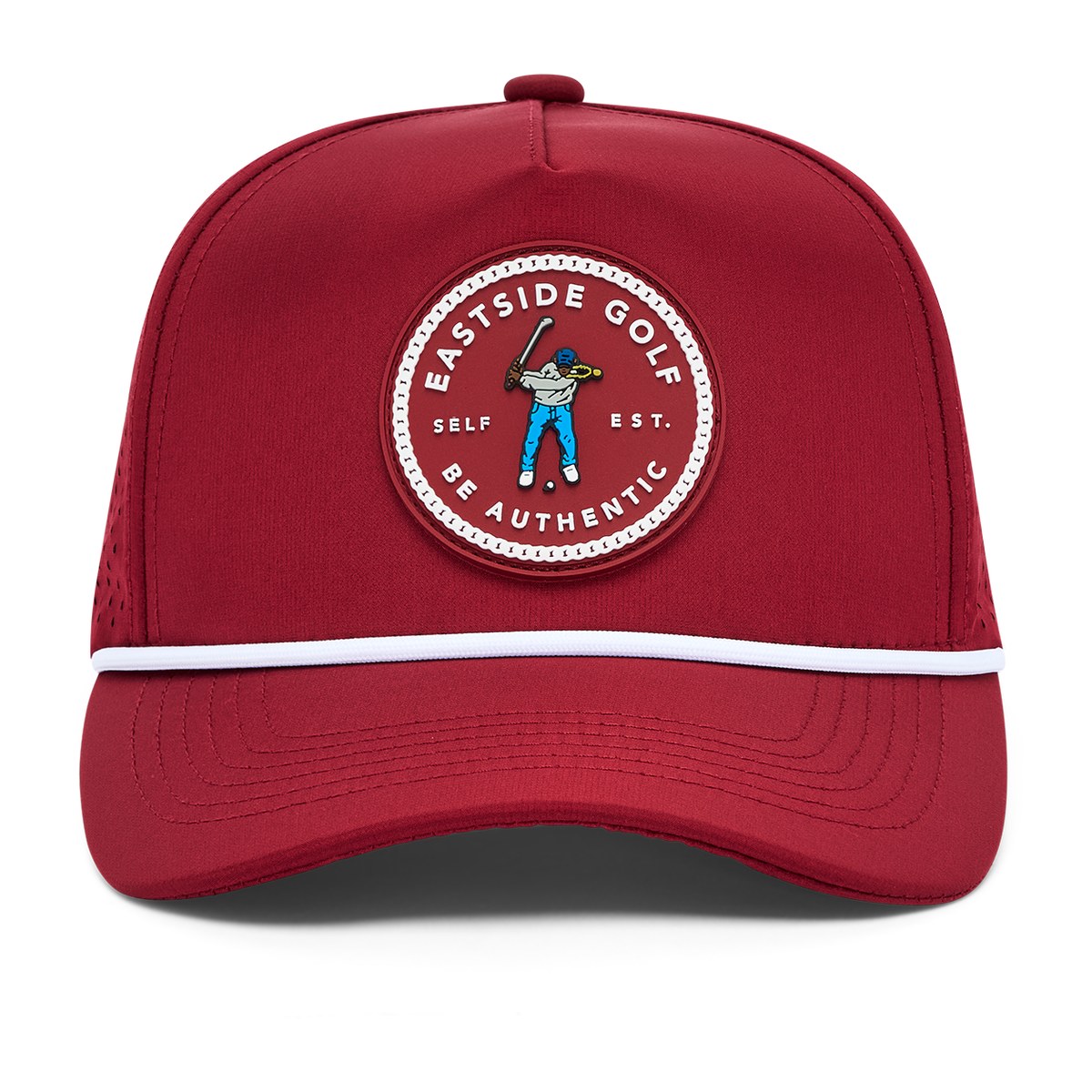
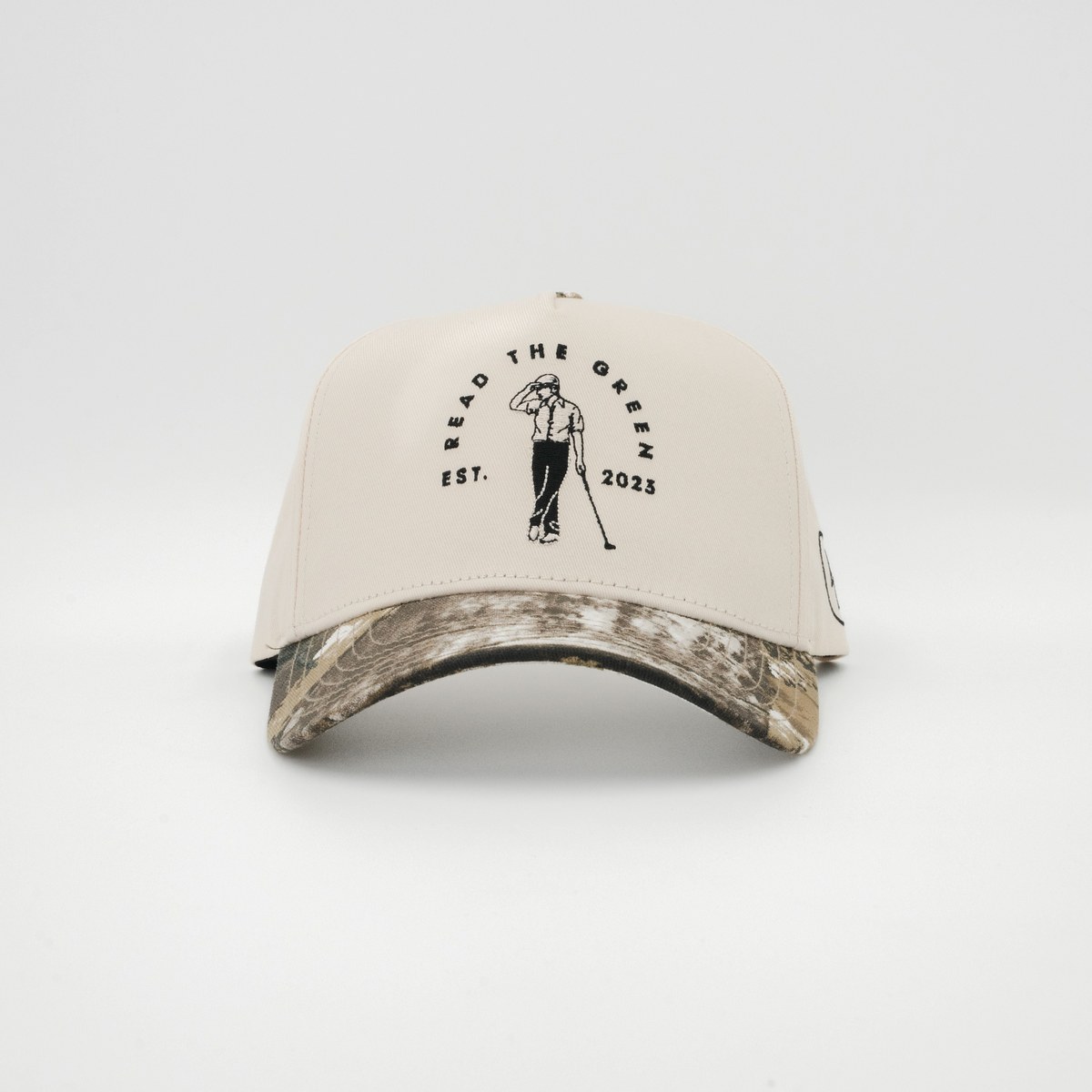
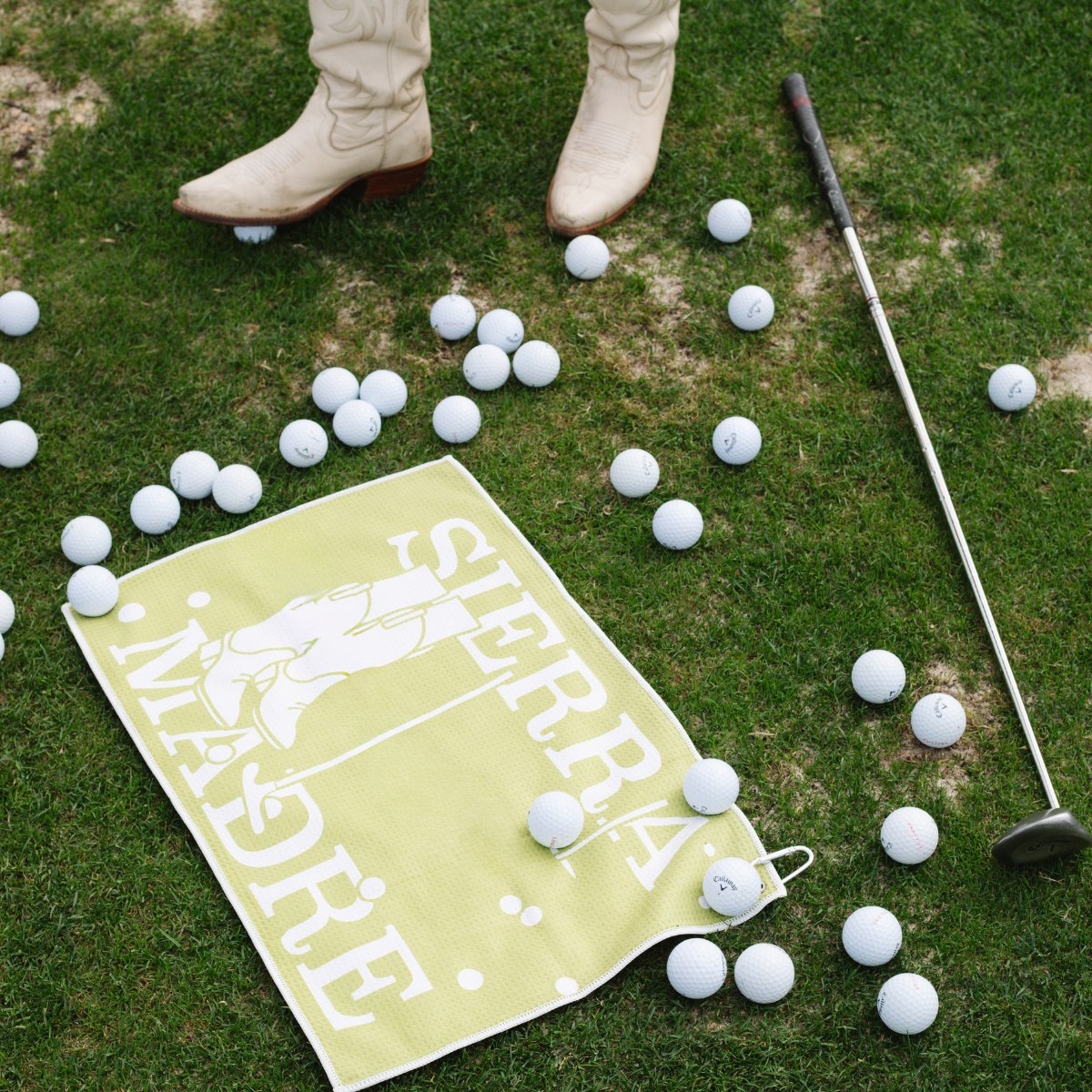
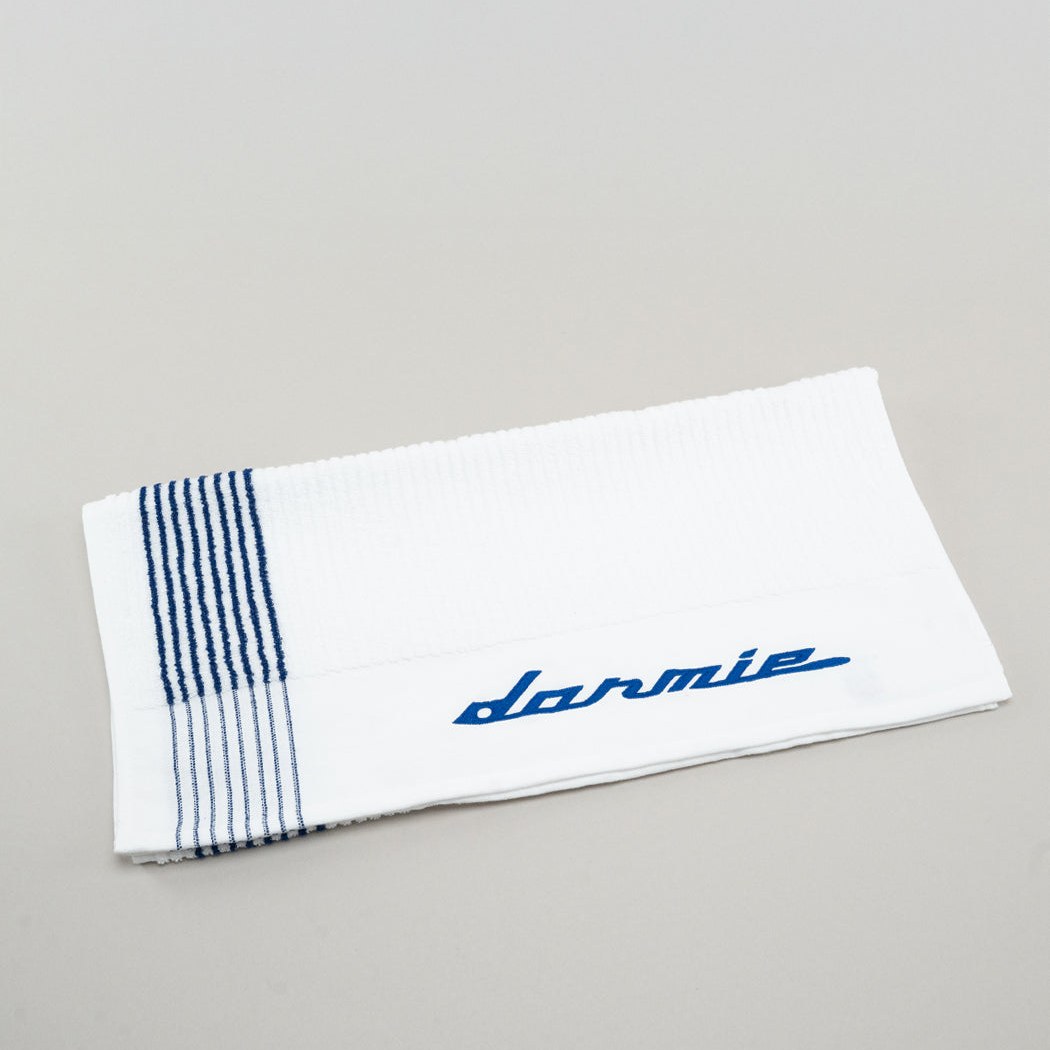
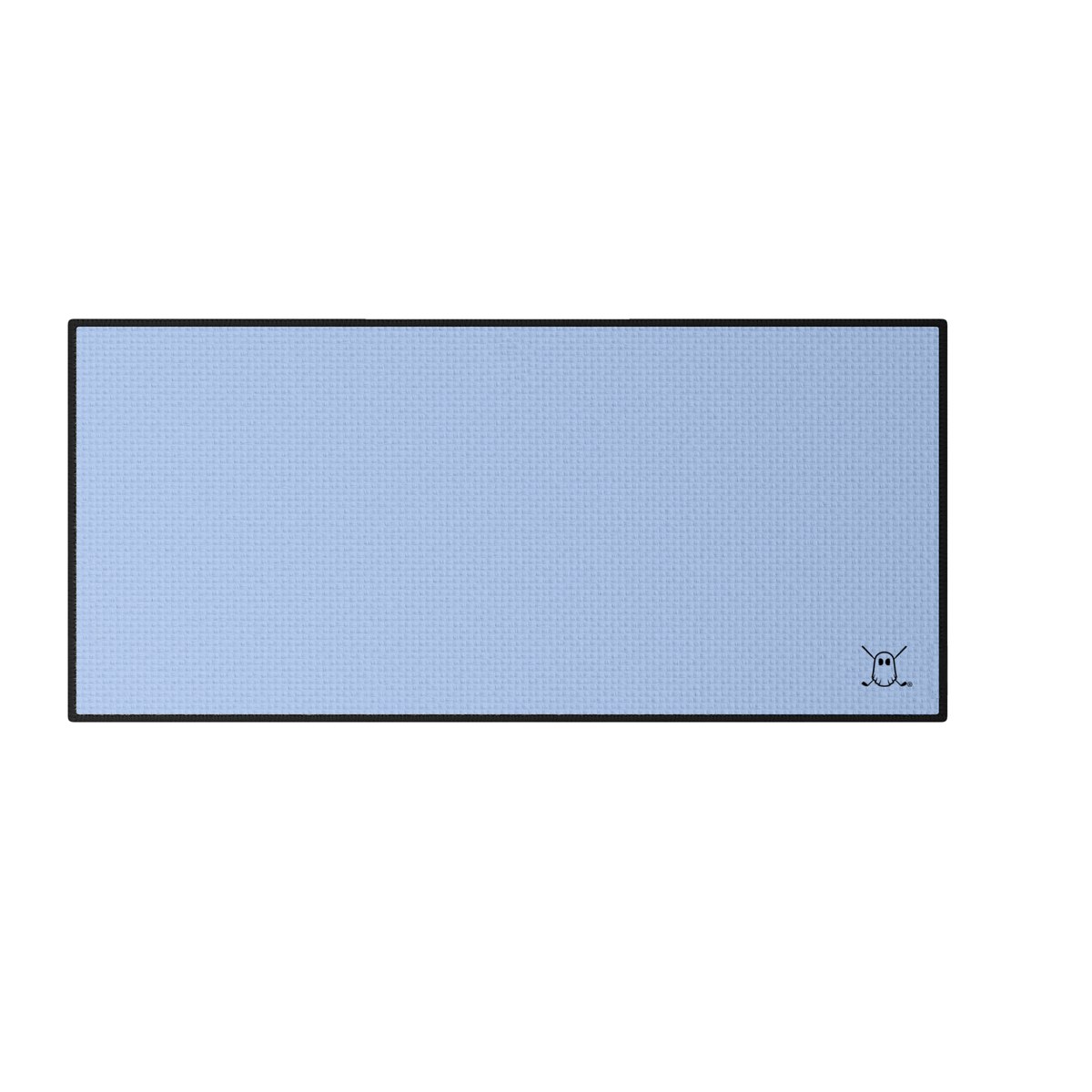
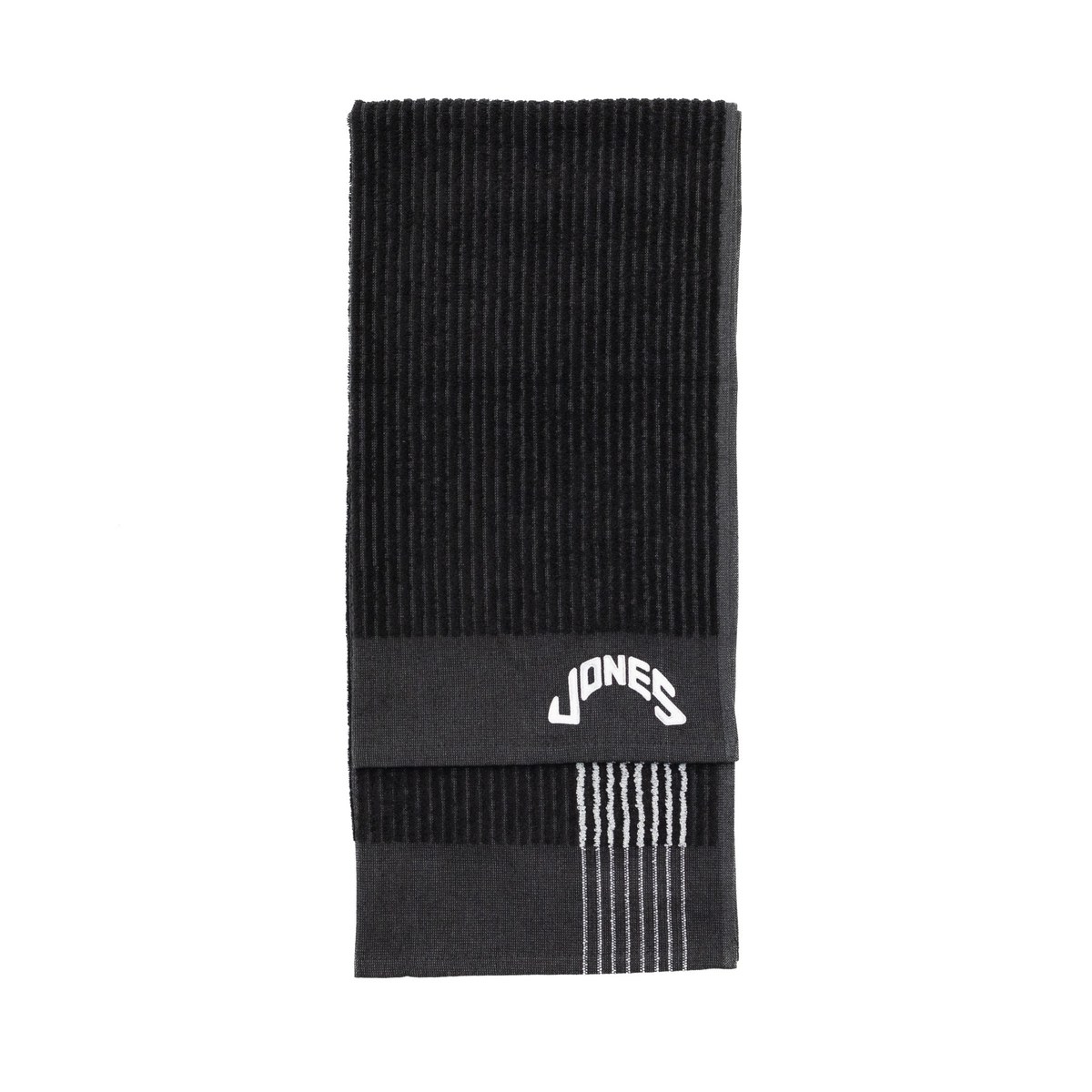
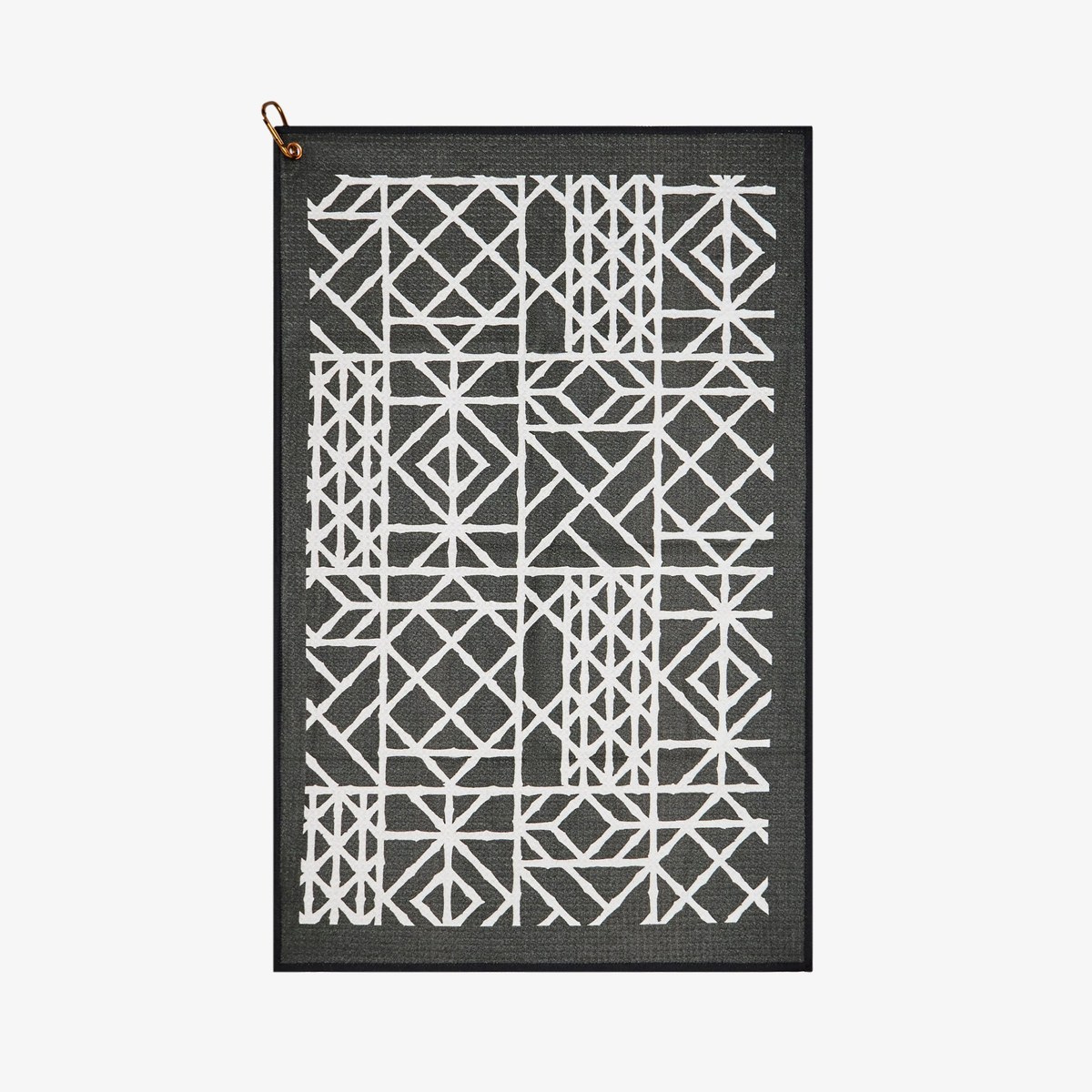
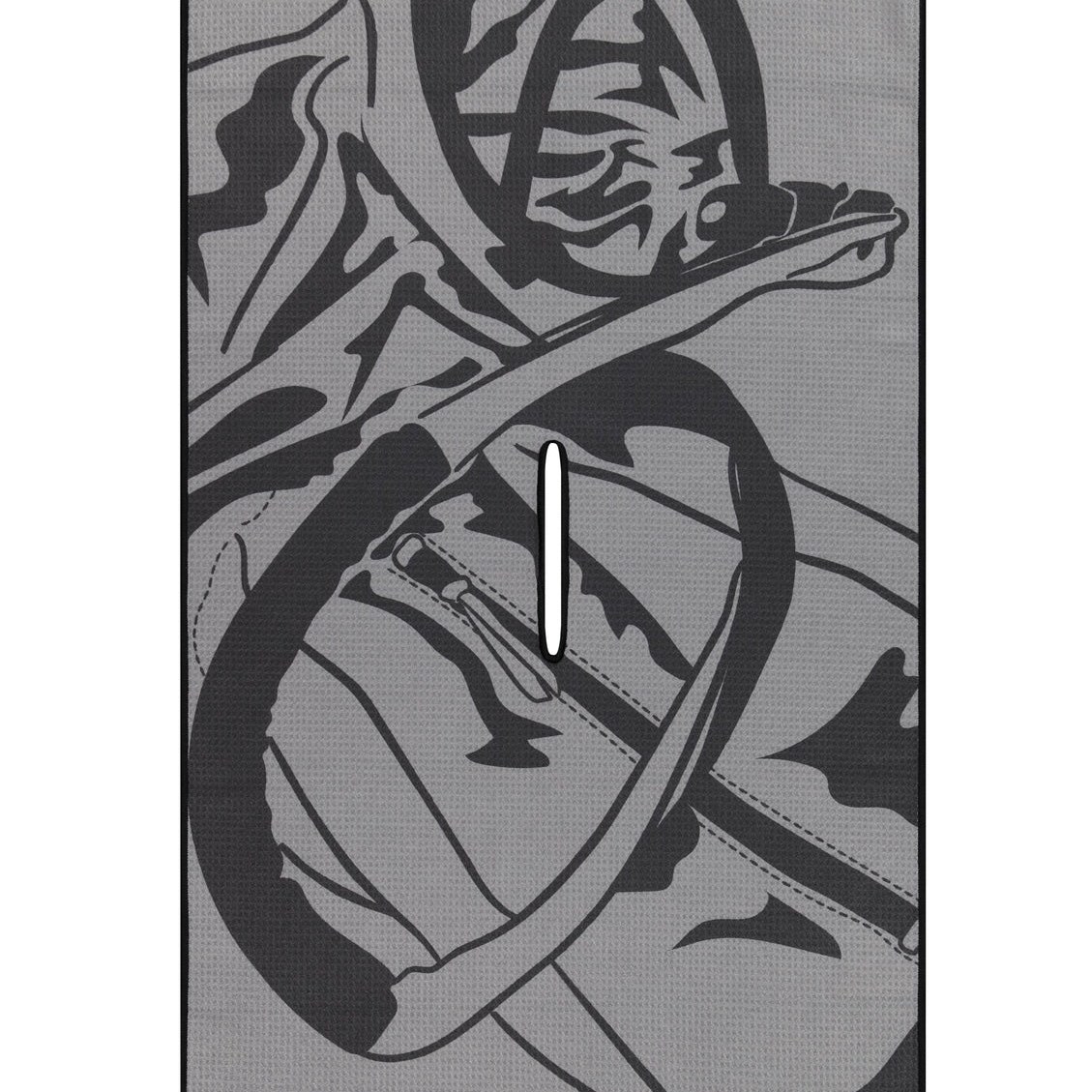
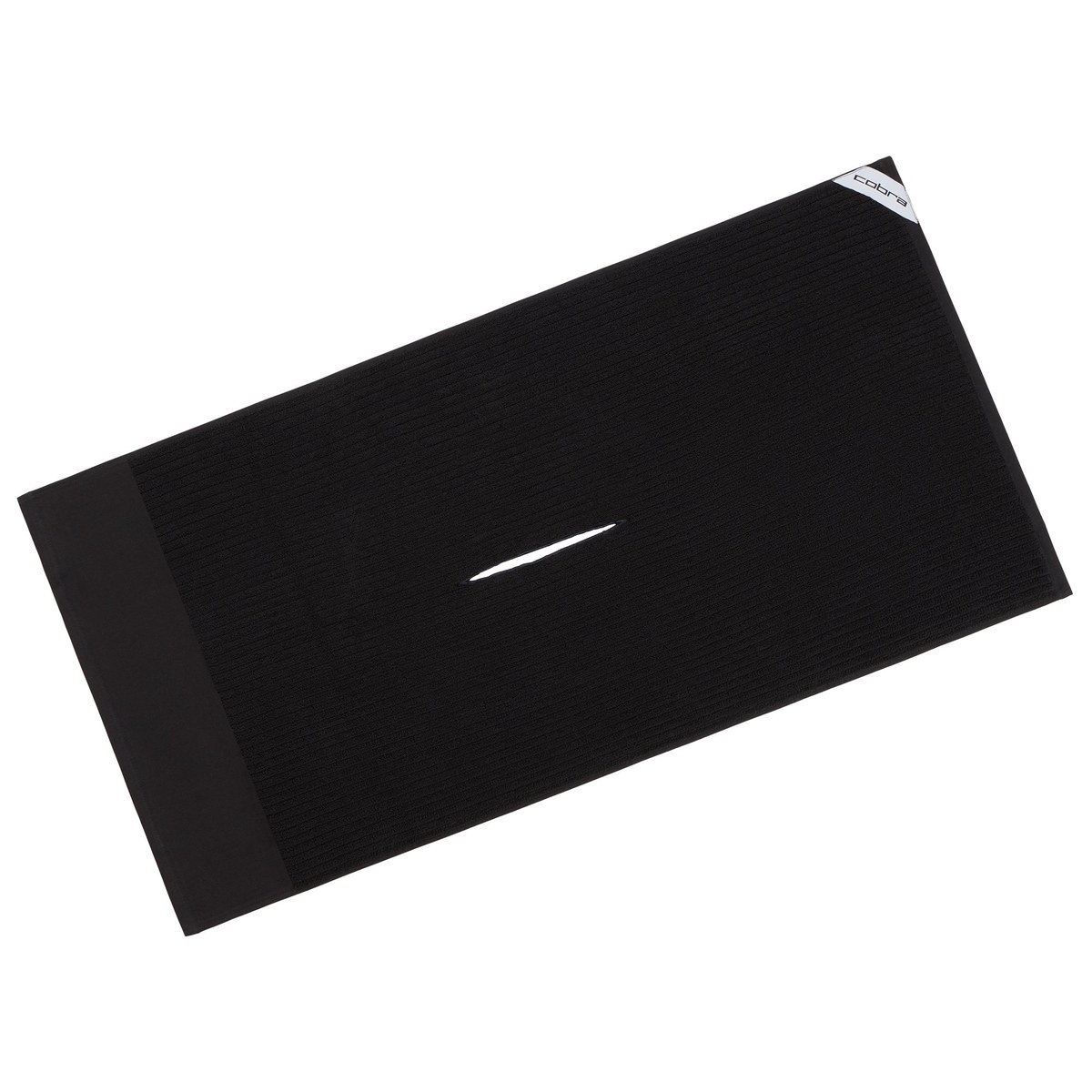
Late season rearranges which of these two halves matters. Through an Austin summer the hat does the work — mesh backs, laser perforation, a rope crown that lets heat out — and the towel is mostly there to wipe a grip between shots. From October the order flips. Tee times move to the front of the morning, the grass holds dew until ten, and the towel becomes the thing that decides whether your grips are dry on the seventh hole.
That shows up in how these towels are sized. Ghost cut theirs to eighteen by forty inches, caddie length. Jones size theirs oversized on purpose, so one half can be wet and the other dry — which is how caddies have always used a towel and how almost no retail towel is cut. Hiroki go to fifty-six by a hundred centimetres. Dimension is the specification that separates a dew-season towel from a summer one, and it is the first thing three of the twelve tell you.
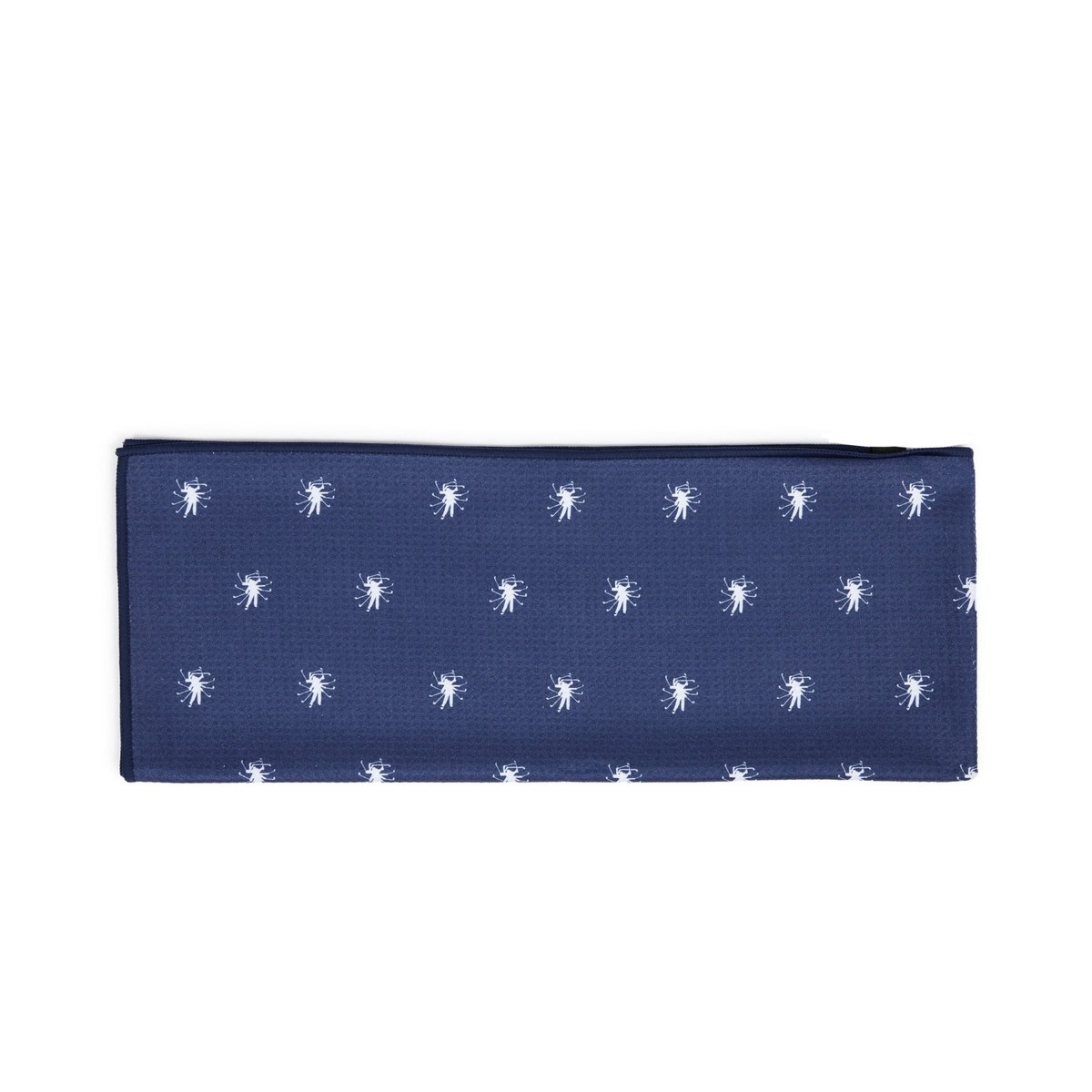
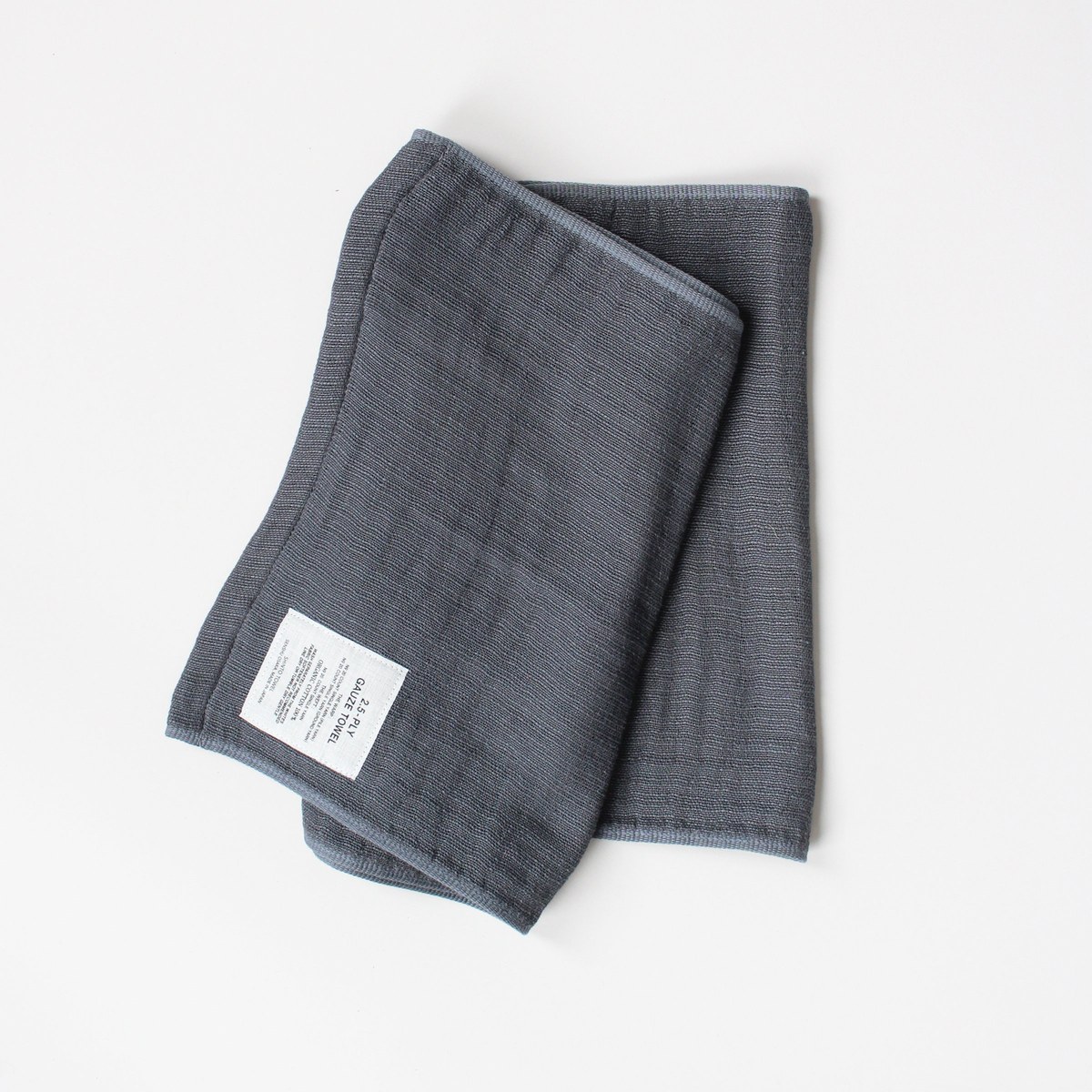
Texture is the second answer. Sierra Madre and Hiroki both use a waffle weave, which lifts dirt off a face rather than moving it around. Dormie blend 86% terry cotton with 14% polyester so the cloth has weight to it. Sentinel import a Shinto gauze that replaces the middle layer of a traditional 20-count three-ply with a half-weight weave, making a 2.5-ply cloth that is light without being thin. Four brands, four readings of absorbency, none of them reaching for microfibre by default.
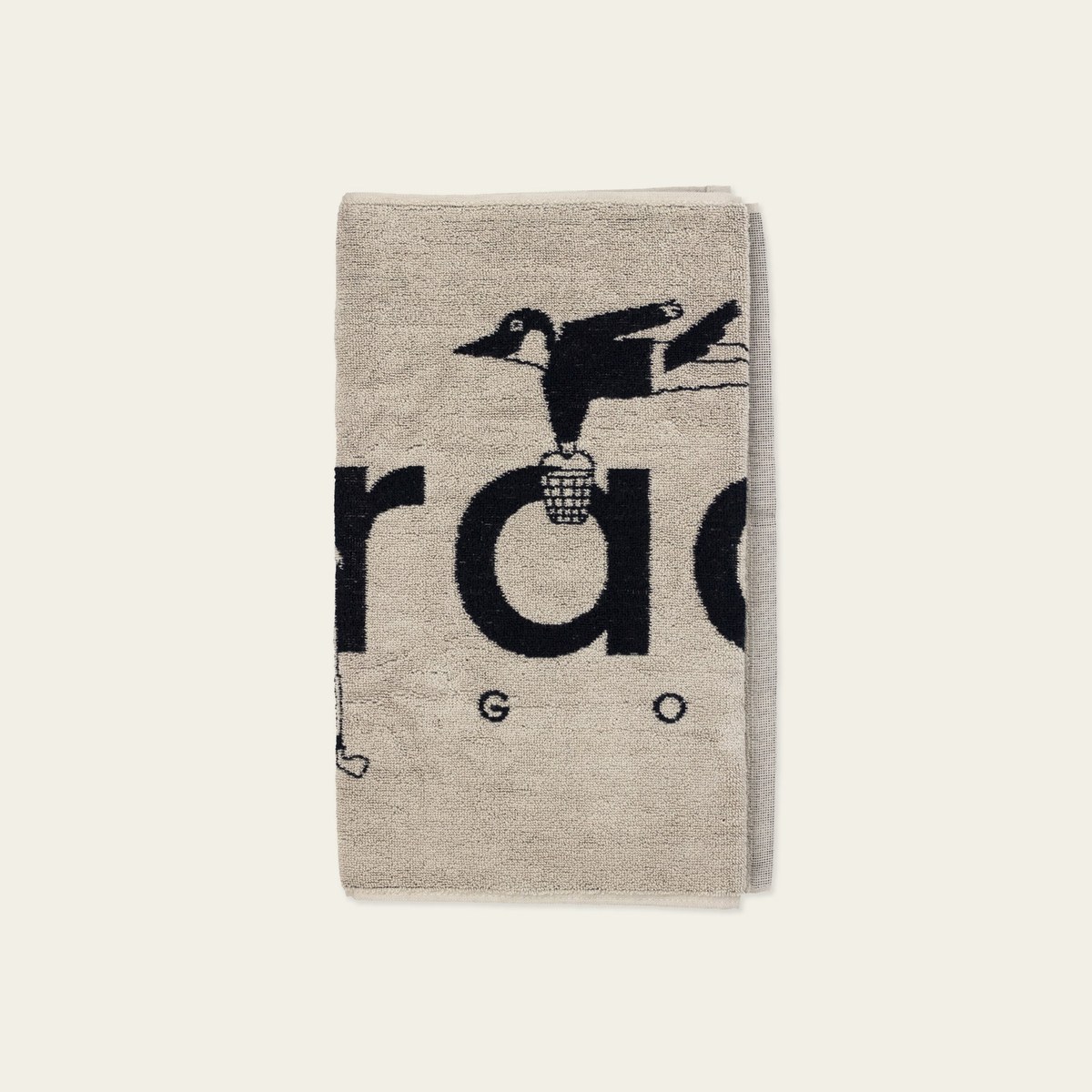
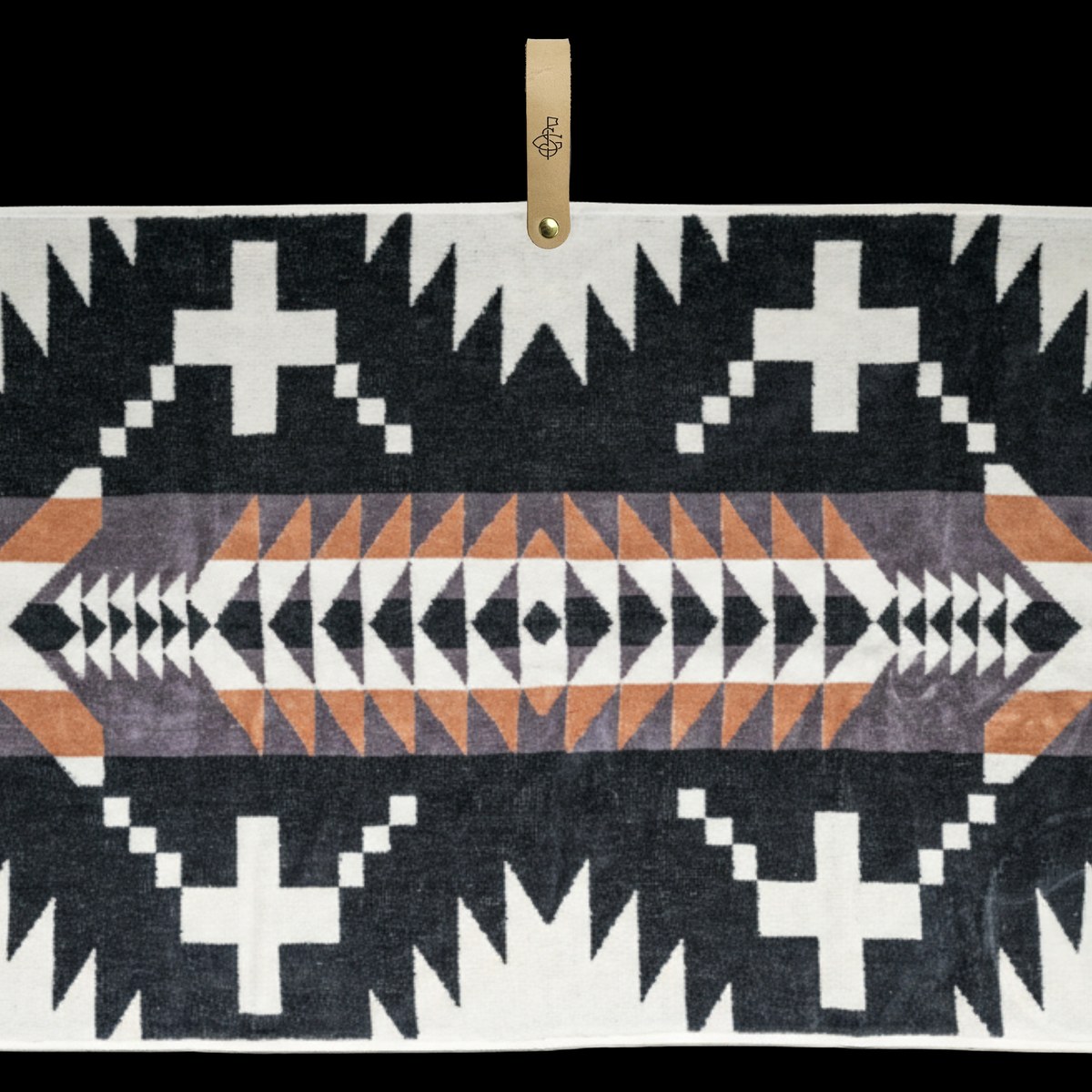
The hardware is quietly moving off the carabiner. Seamus finish with a riveted leather loop. Radry built theirs with no hole and no clip at all, the towel draping over the irons instead. Those are design decisions rather than omissions, and two of them in a group this size is a pattern rather than a coincidence.
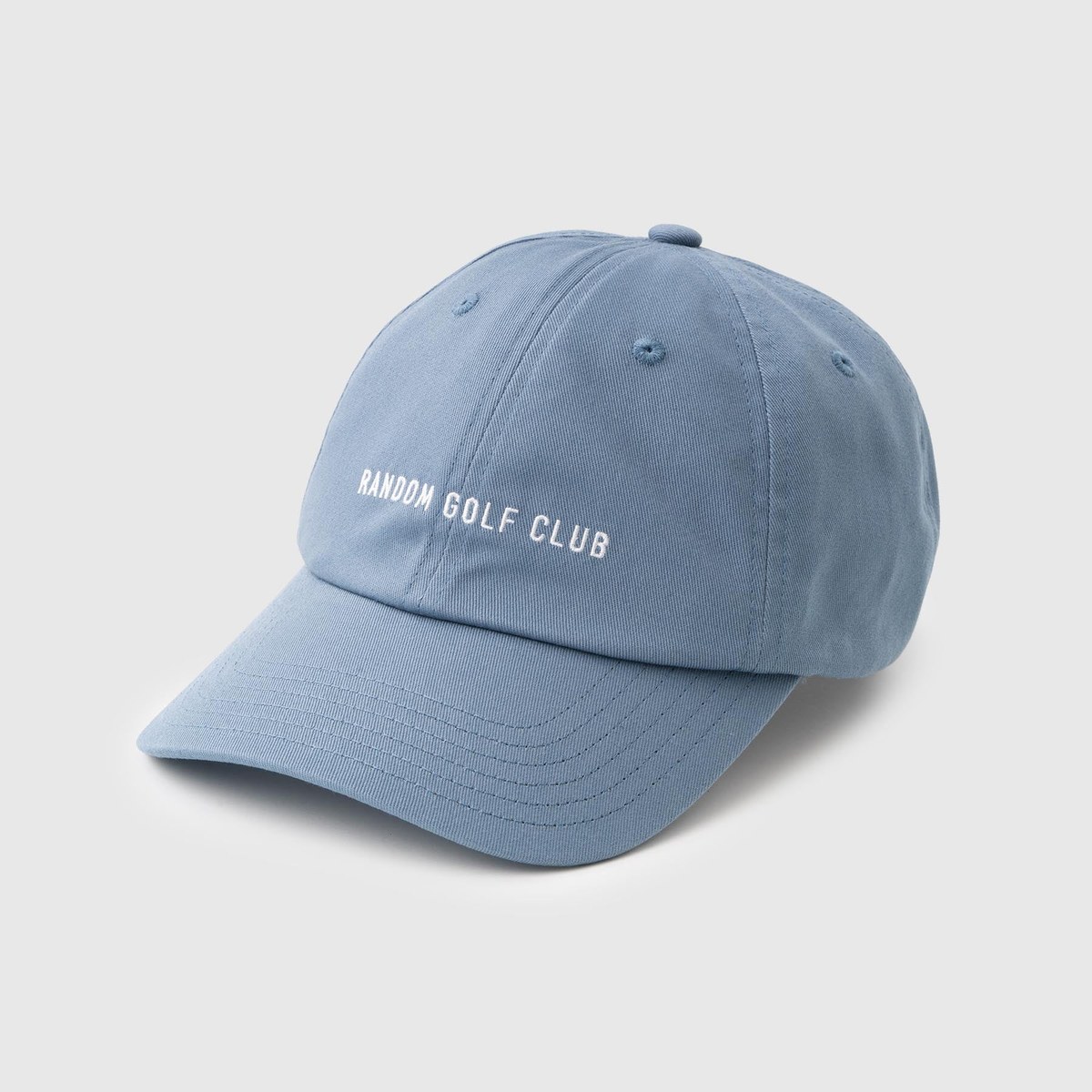
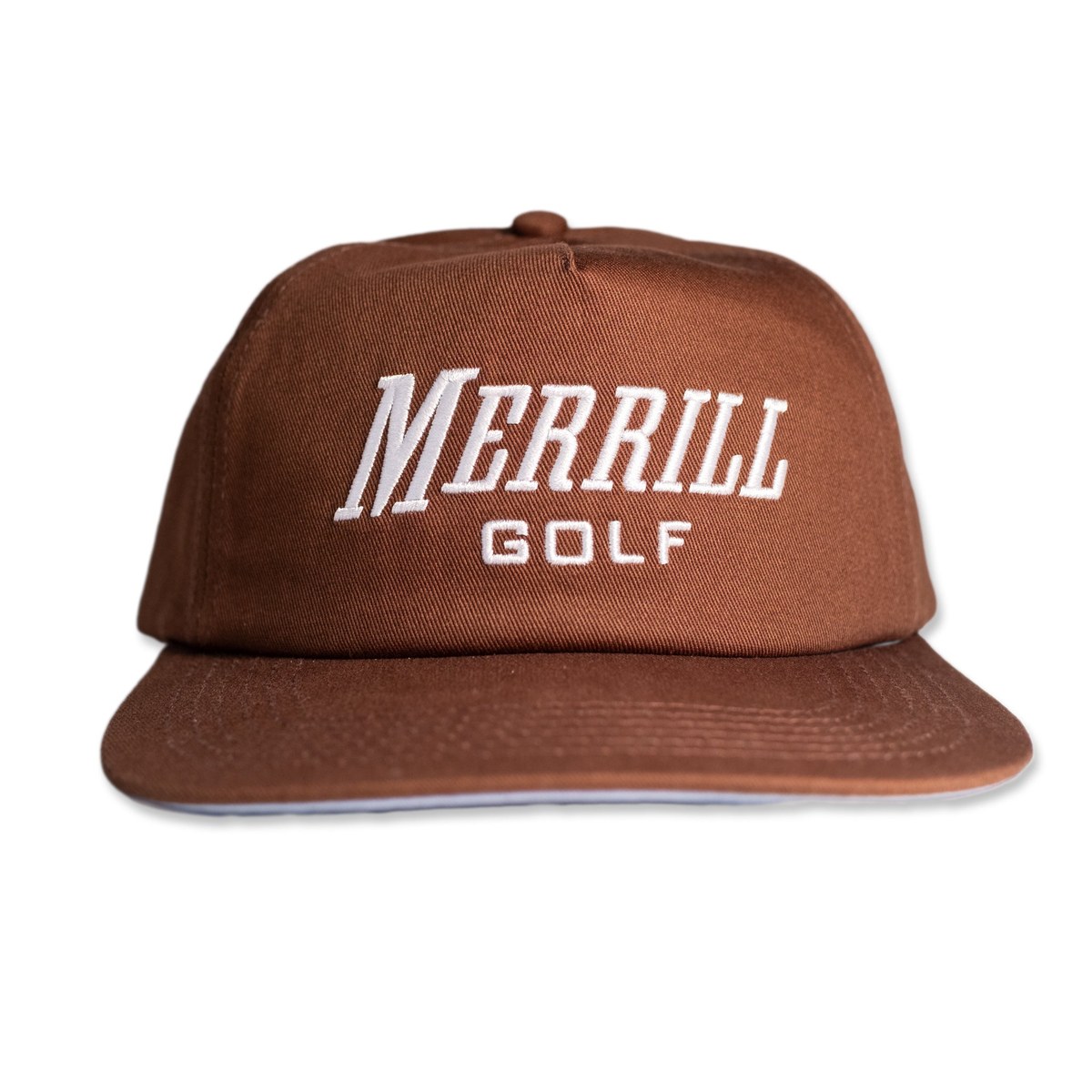
On the hat side the turn favours the cotton camp. A rope crown and a mesh back are summer answers. The brands that stated cotton and structure — Read The Green with full buckram behind a seamless front panel, Random Golf Club, Merrill — make caps that keep their shape in wind and take a soaking without folding. The tech-fabric rope hats do not stop working in October. They simply stop being the reason you pick that hat over another one.
Then there is price, which has quietly converged. A Seamus towel and a Read The Green cap both cost forty-five dollars. Sentinel’s gauze towel at forty-six costs more than sixteen of the eighteen caps here. Towels used to be the thing thrown in at the till. On this evidence they are now a category these brands build properly and charge properly for.
Every price on this page was read from the brand’s own store on 21 September 2026, in US dollars, and each item was confirmed in stock at that moment. Prices and stock move; the shop link is the authority.
Editorial call. Both are real categories and neither fits a list about the cap you wear for eighteen holes in ordinary weather. Removing them cost us a few brands whose only headwear is knitted.
House rule. A roundup where one brand takes four slots is a catalogue, not an edit. One hat or one towel per brand, and no brand appears in both halves.
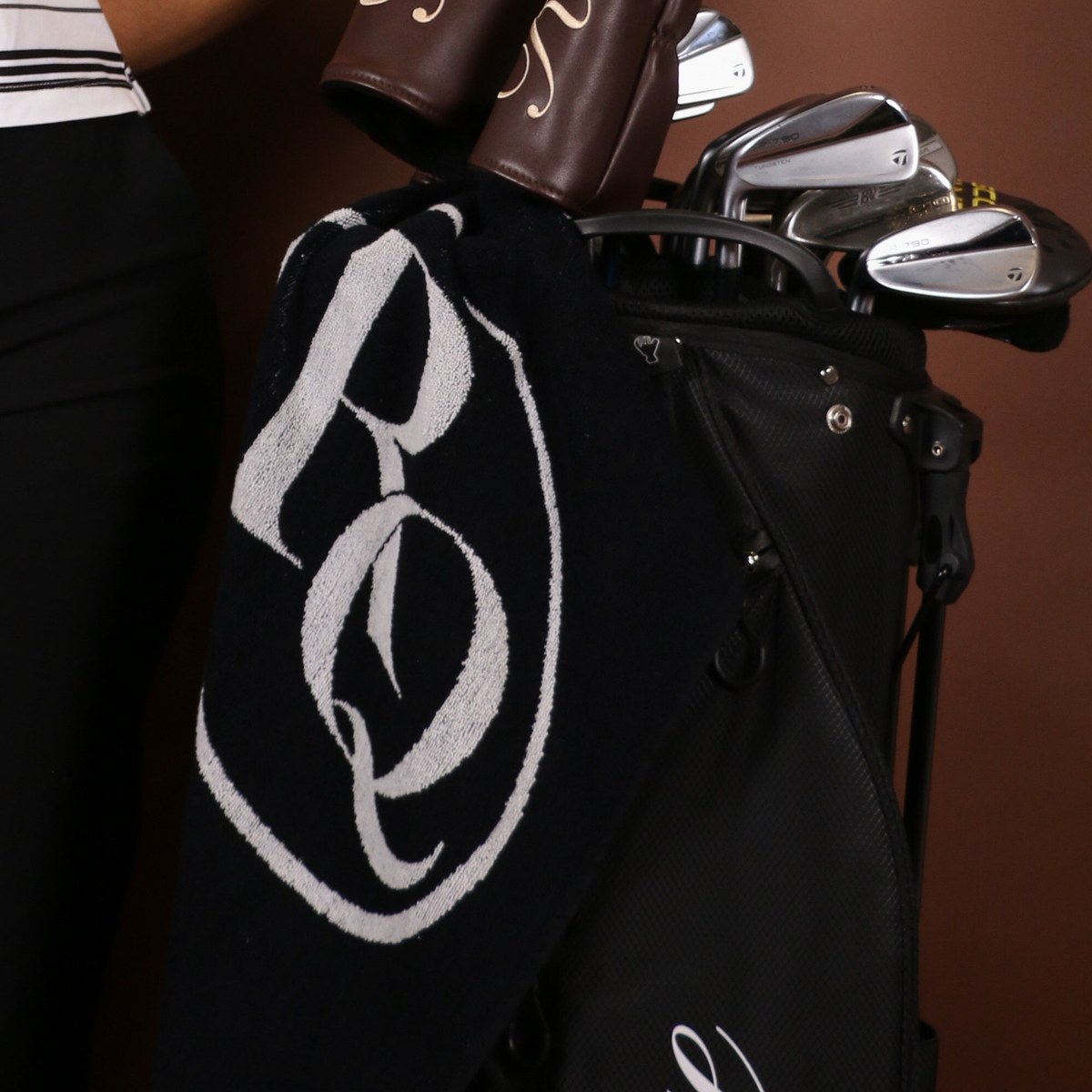
The pattern is woven into the cloth rather than printed onto it, so it cannot crack or wash away. Rouqe, Seamus and Radry all use it here, which is most of why those towels sit at the top of the range.
The ones here run from 15 x 23in up to 56 x 100cm. Caddie-length towels around 16 x 40in let you keep one half wet and one half dry, which is the practical argument for the bigger sizes.
Here. That URL, along with /drops/the-hats-and-towels-edit and /drops/14-hats-from-funky-brands, now redirects to this page.