A kookaburra, a cow caddie, a goat and a face that keeps score. The characters on our favorite golf brands, and where they came from.
The biggest names in golf spend fortunes on logos that say very little: a script, a set of initials, a crest drawn to look like it has been around since 1895. Small brands can’t buy that kind of recognition, so the good ones do something better. They draw a character.
Golf has always had a soft spot for these. Pinehurst has had its Putter Boy since 1912. Lahinch has its goats. PING’s little putting man started in 1967 as a clay figure Karsten Solheim’s son made at home. The brands below are working in that tradition, just with skate decks, group chats and embroidery machines instead of sundials.
A character does work a wordmark can’t. It’s funny, and golf could use more funny. It starts conversations on the first tee. And it gives a brand somewhere to go. A wordmark can change color. A character can dance across a leather headcover, turn up in 8-bit for a Mario Golf joke, get redrawn by a Japanese retailer or a contemporary artist, and still be the same character. Malbon’s Buckets has been every one of those things.
Nobody has ever asked what the initials on a polo stand for. Everyone asks about the cow.
For a small brand the logo is also, very often, the product. Hats, headcovers, ball markers, towels: most of what an independent golf label sells is a place to put the mark. People buy a Radry hat for the face on it. A mark that people want on their head is the whole business plan.
The part we like most is how personal they are. Nearly every one on this list started as somebody’s grandad’s field, a family emblem, a founder’s dog, or a photo of a kid with a golf club, and a surprising number were drawn by the founders or their friends rather than an agency. You can see it in the line work. Hidden Links’ running man is all scratchy, hand-drawn line. Radry’s face was drawn by the artist who runs the brand. Malbon’s Buckets started as Stephen Malbon’s own sketches, years before there was a brand.
A brand that puts a goat or a dinosaur on its chest isn’t pretending to be a hundred years old.
It’s also a tell. Nobody with a cartoon goat on the chest is pretending to be a heritage brand. It’s telling you who made it, and that they take the clothes seriously and the game a little less so. That is most of what we look for in a brand anyway.
These are our fourteen favorites, in no particular order, plus three from golf courses that were doing this long before anyone printed a hat. Every story comes from the brand’s own site or the founder’s own words; where nobody has written it down, we say so rather than guess.
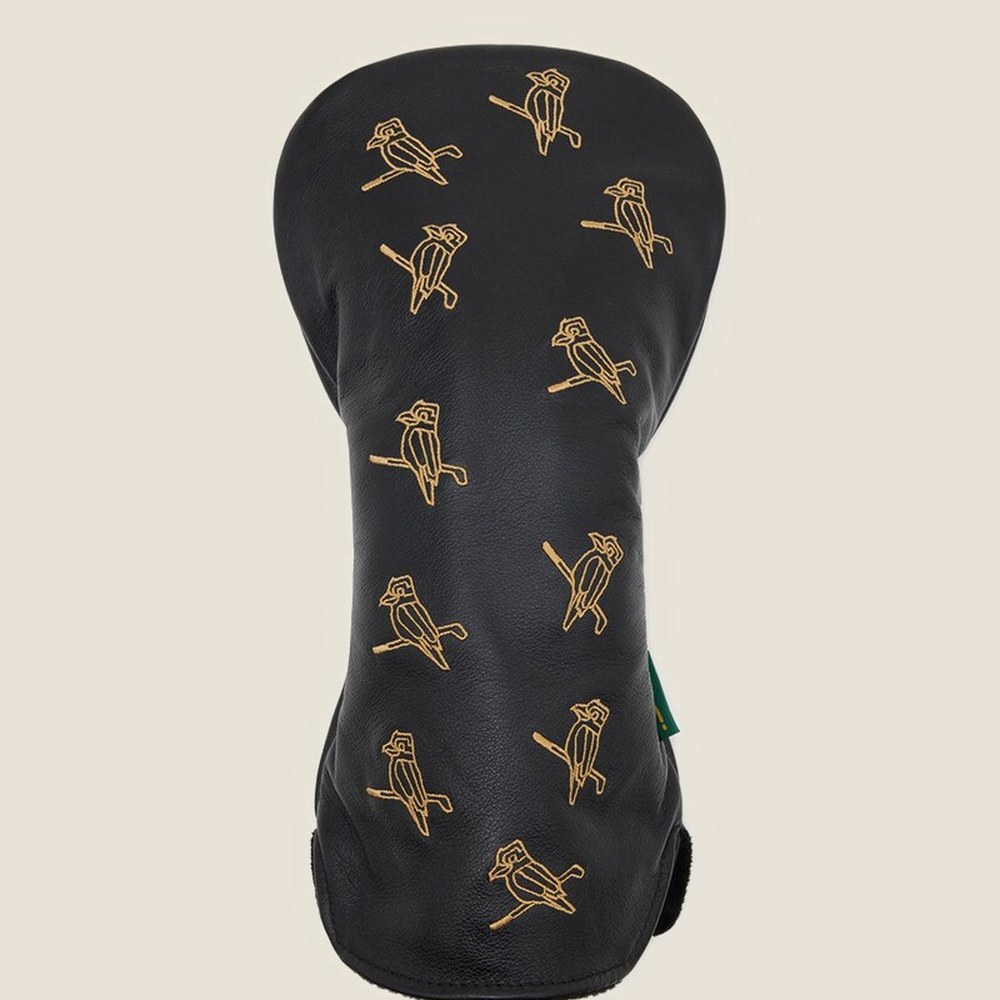
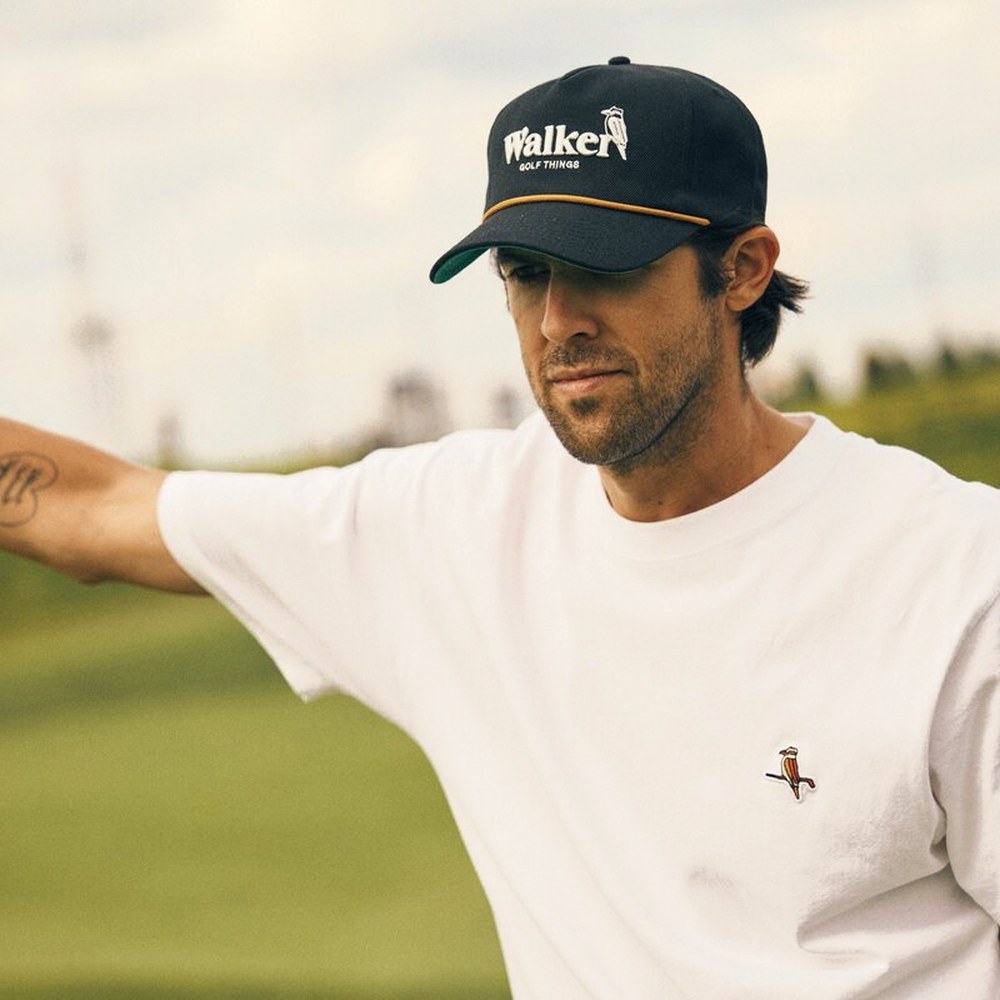
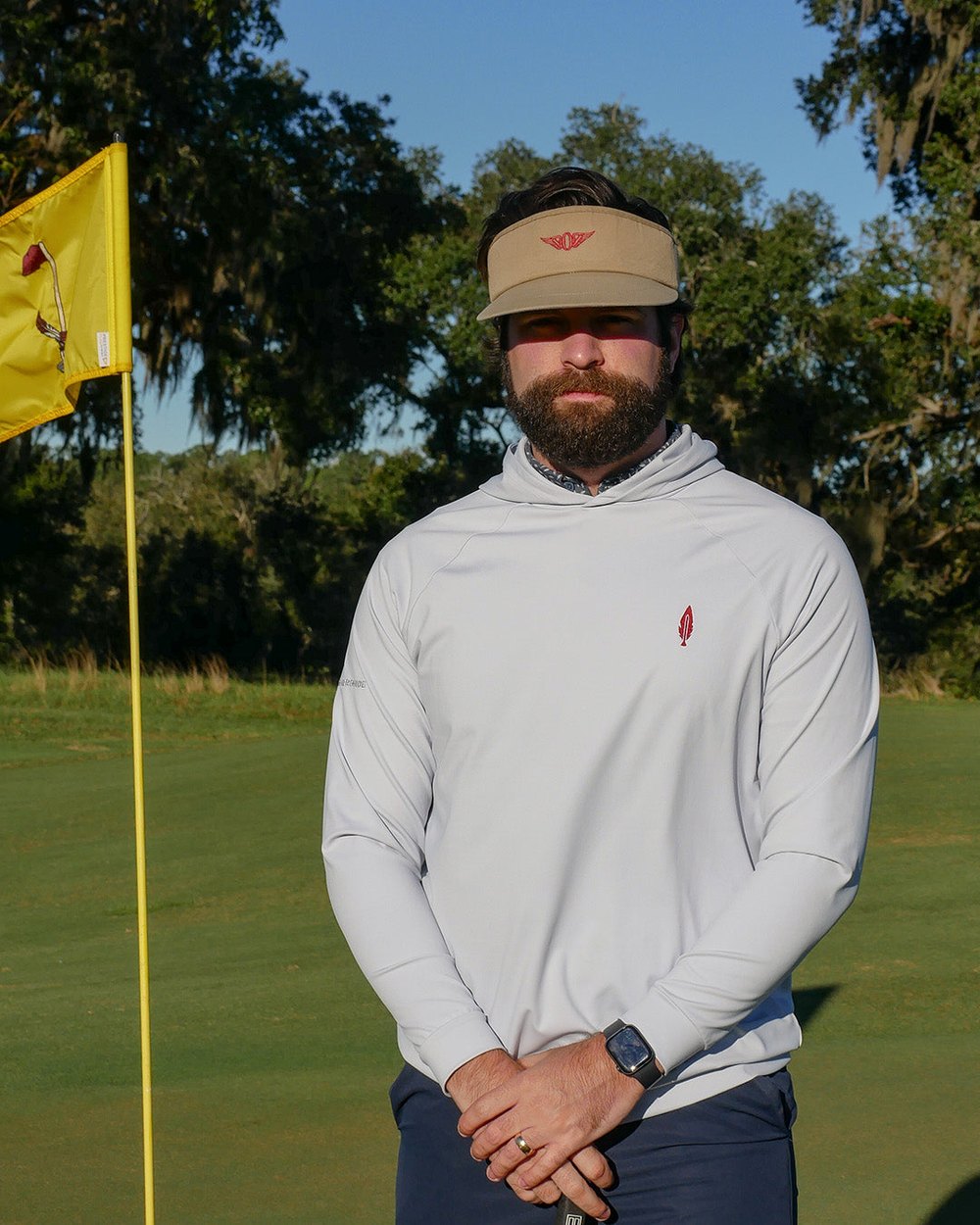
A kookaburra perched on top of a golf club. Walker was started by Jack Fardell, the Australian pro skater, and the bird is two things at once: about as Australian a symbol as there is, and his own family’s emblem.
It has been on every Walker drop since the first. Sometimes it sits small on a sleeve, sometimes it dances across a whole leather headcover, and the core line, Kooka Classics, is named for it.
Story: Walker Golf Things
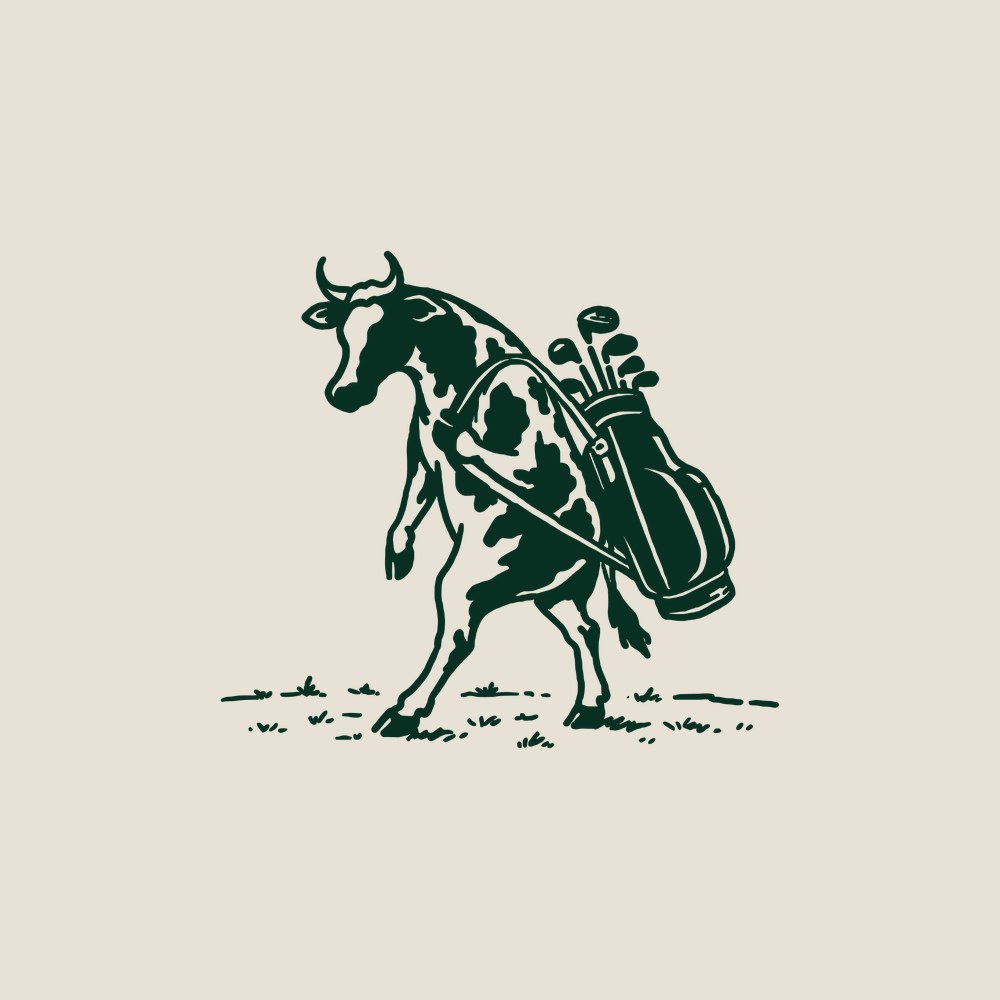
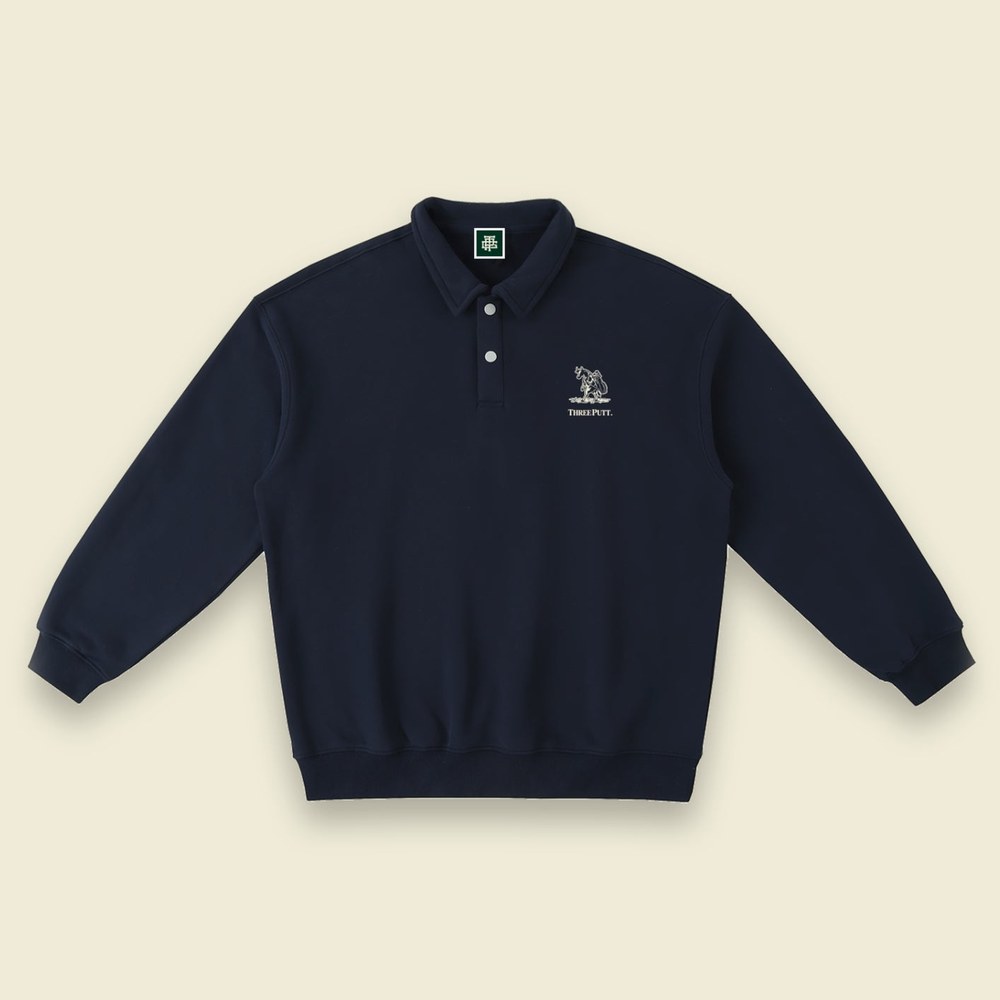
A dairy cow standing on two legs with a golf bag slung over its shoulder. Founder Graeme Whiles first played golf at eight, in one of his grandad’s fields, and the cow is the brand’s way of pointing back to it.
“Three Putt started in a field. … No ego. No pretense. No elitism. Just a farmer and his grandson making memories.”Three Putt’s About page
It is the most honest origin story on this list. No country club, no heritage crest. A field, a farmer and his grandson.
Story: Three Putt’s own About page and product copy
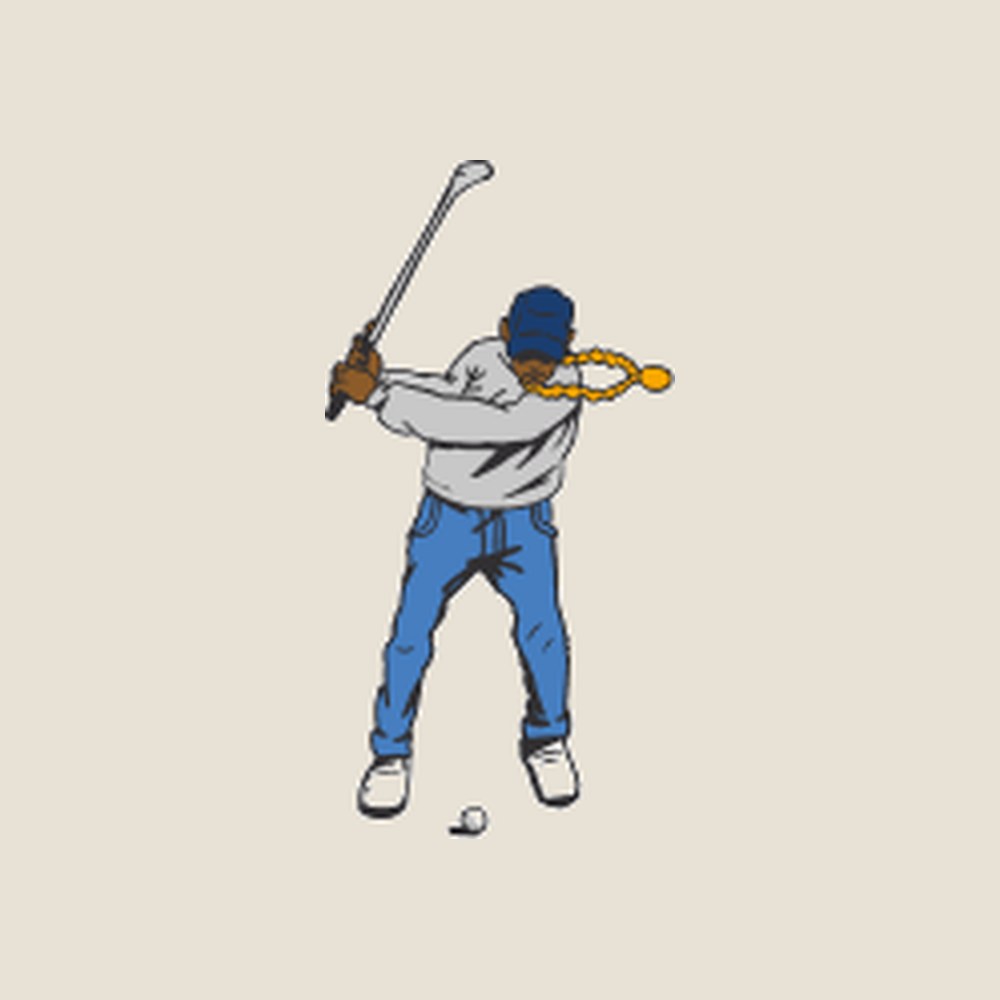
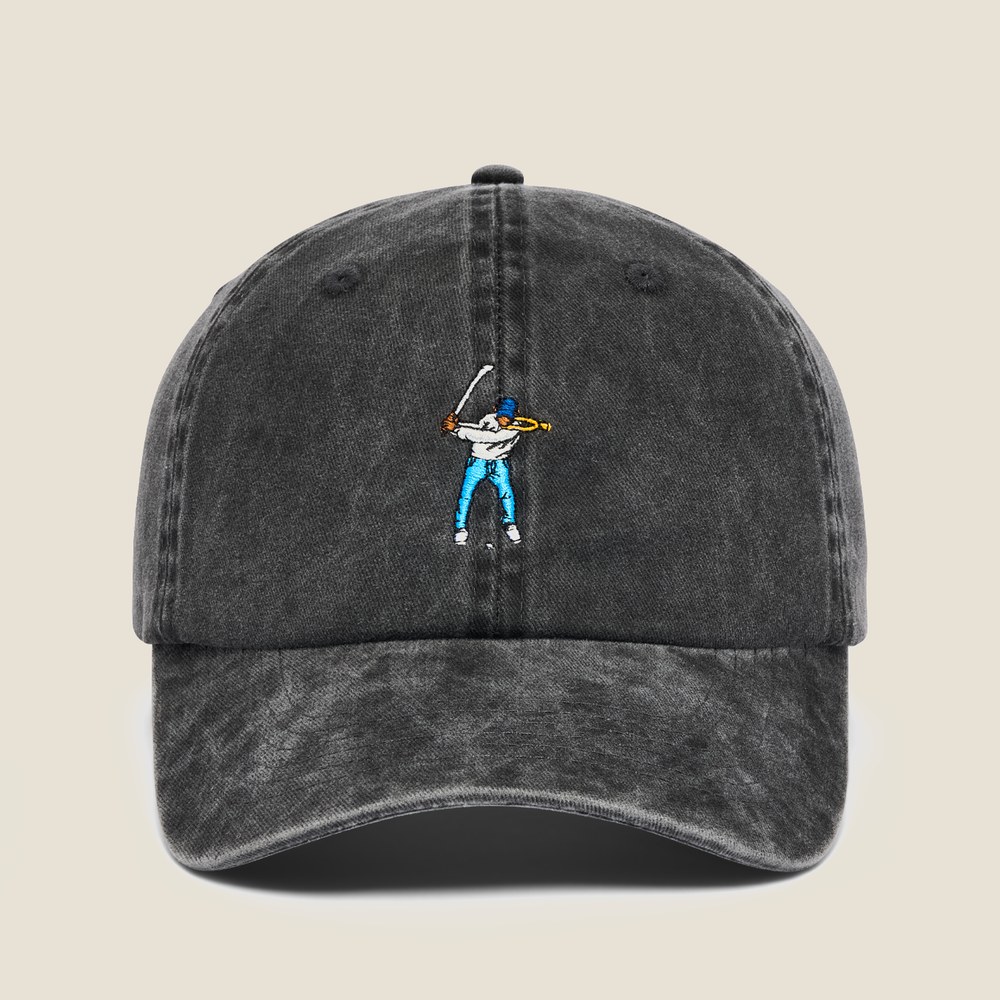
A golfer at the top of his swing in jeans, a sweatshirt and a chain. Eastside’s own blog says it was built from two photos of co-founder Olajuwon Ajanaku: one of him as a kid swinging a club, one of him as an adult in a gold chain.
“If sponsors keep telling me no, I’ll create my own brand and sponsor myself.”Olajuwon Ajanaku, on Eastside’s blog
It started as a drawing for his own golf bag. People kept asking about it, co-founder Earl Cooper pushed him to put it on T-shirts, and he wore them around downtown Detroit before there was a brand at all.
Story: Eastside’s blog post on the Swingman’s origins
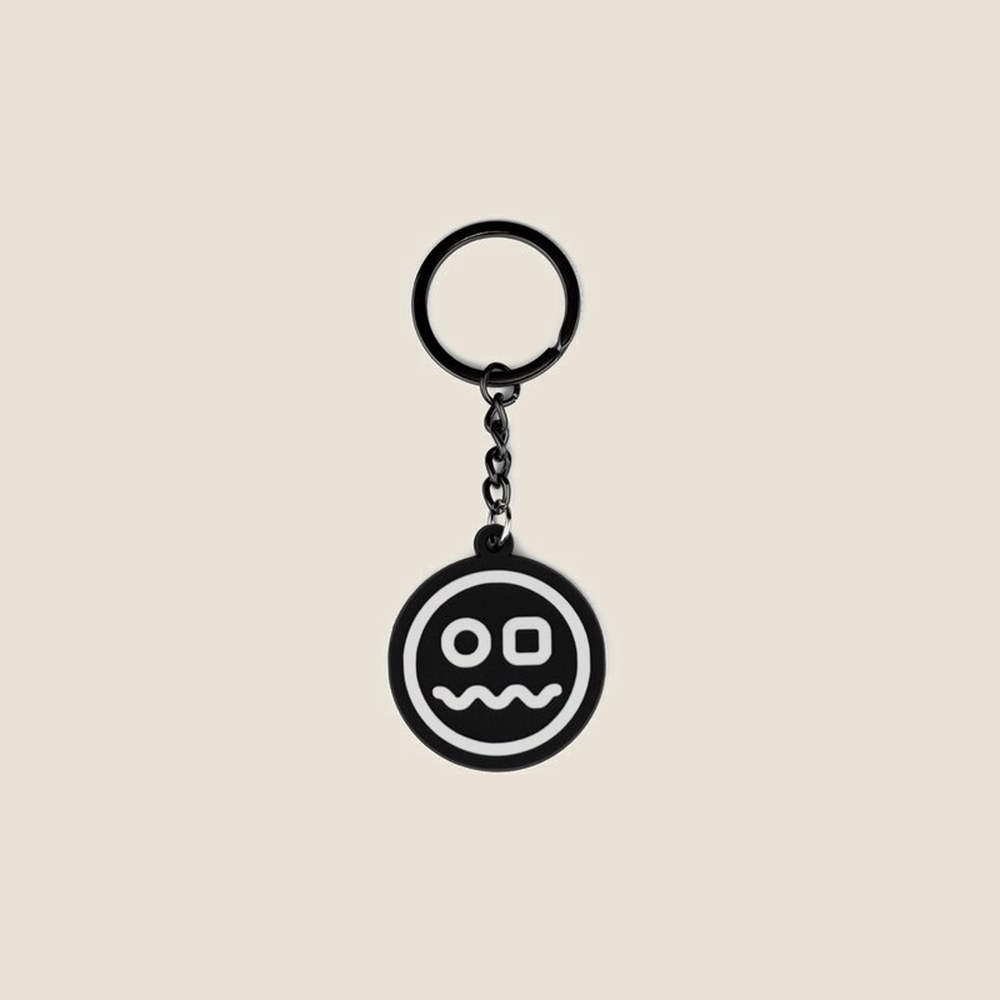
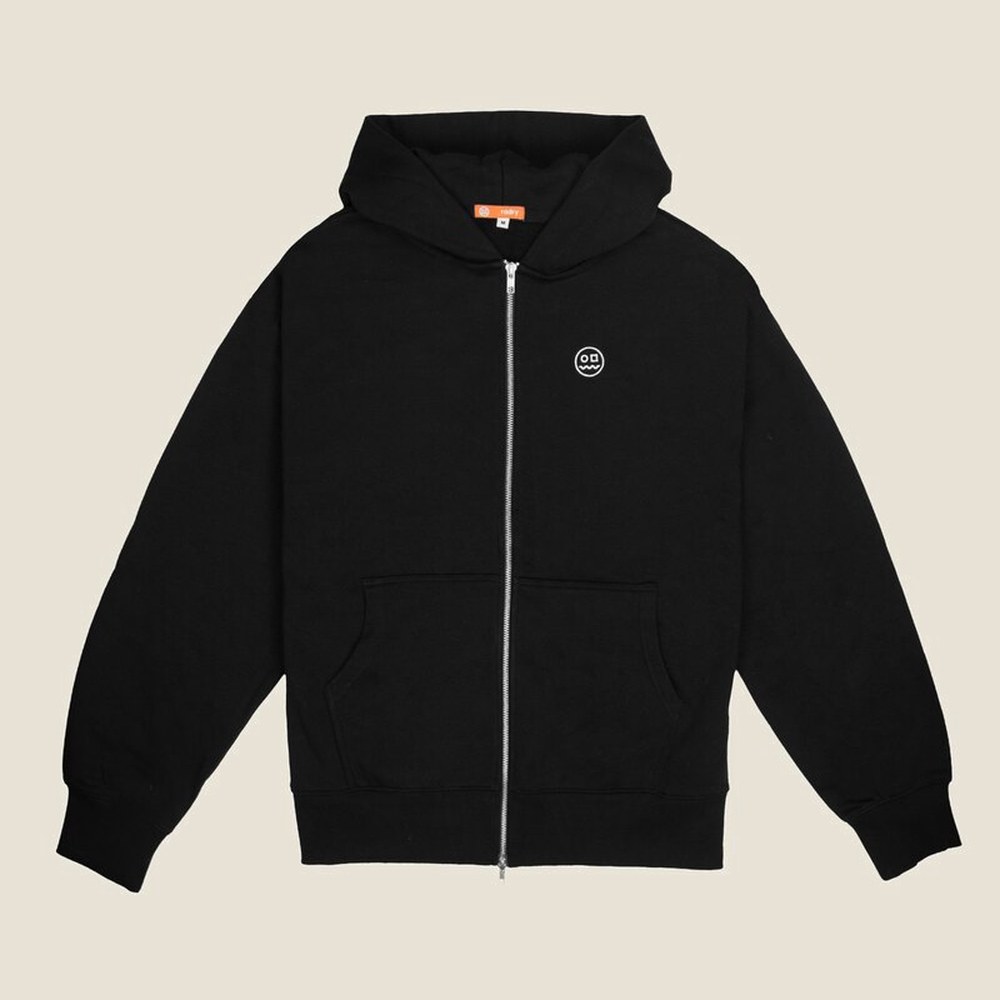
It looks like a smiley face. It is not. Tony Knapton, the Wisconsin artist who runs Radry, drew one eye as a circle for birdies and the other as a square for bogeys, and the wave where the mouth should be is the up and down of a round.
“One eye in the logo is a circle (birdies) and one is a square (bogies) — to represent both sides of par and both sides to golf.”Tony Knapton, Radry founder
That makes it the cleverest mark here: a logo about coming to terms with the game rather than beating it, hiding in plain sight on every hat he makes.
Story: Tony Knapton, in an interview a few months after he started Radry
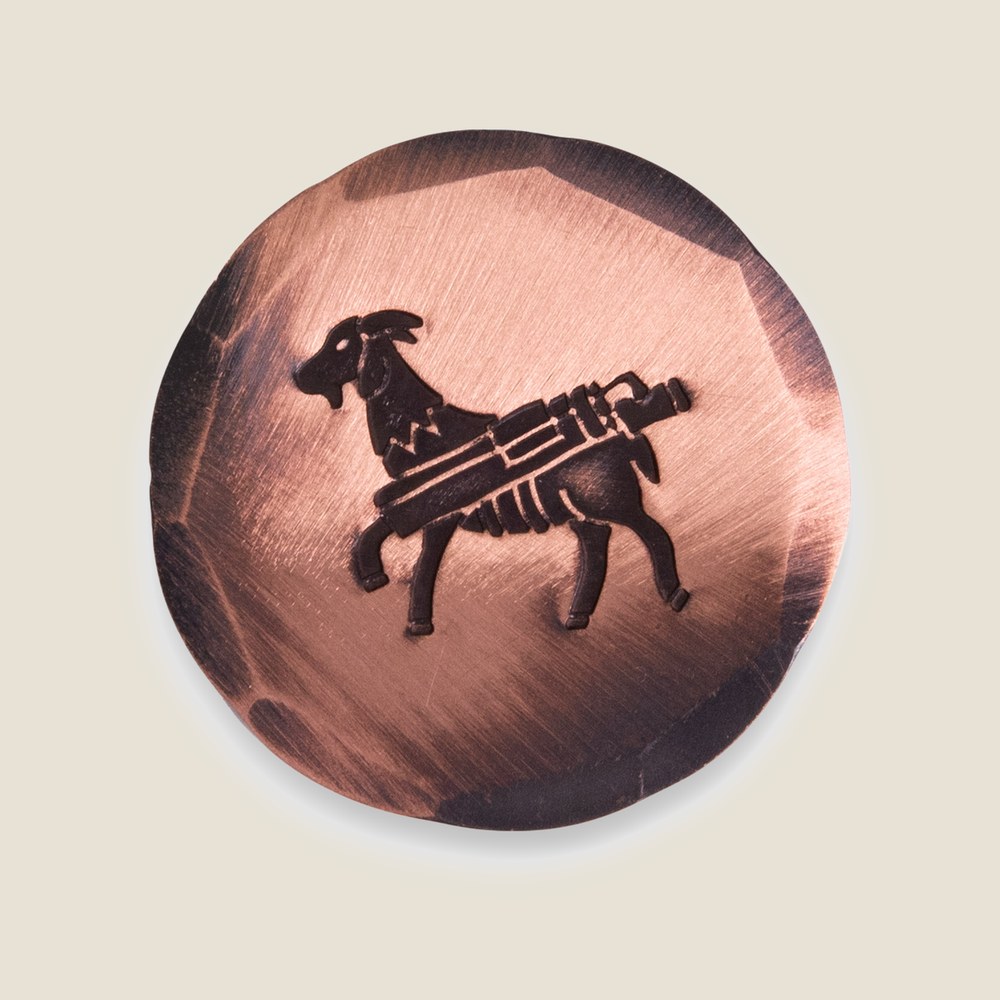
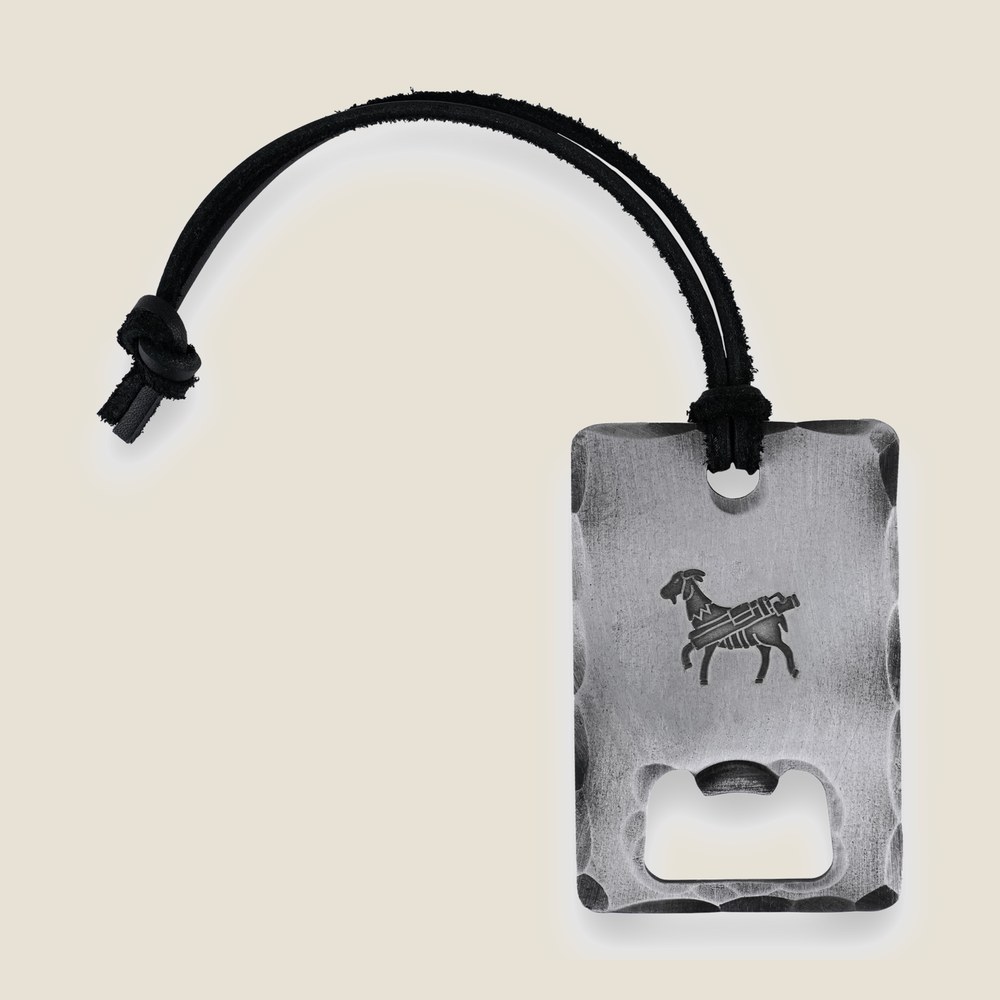
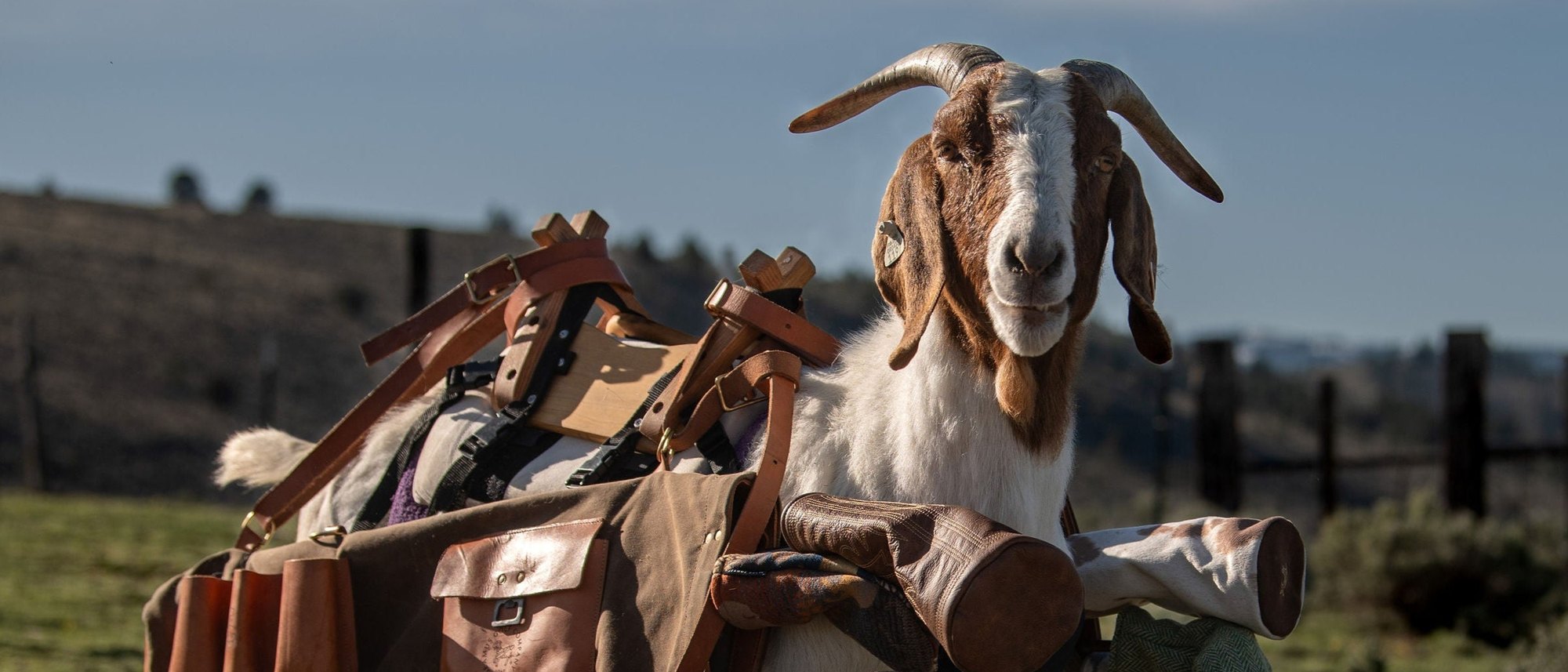
Real goats caddie at Silvies Valley Ranch in eastern Oregon. In 2018 the ranch called Seamus and asked for something nobody had made before: a golf bag for a goat. Seamus built custom saddlebags, the goats went to work, and the goat became the Seamus mascot.
“These charming companions have become icons of the ranch—and the inspiration behind our Seamus Goat logo.”Seamus Golf’s blog
It now turns up on hand-forged copper ball markers, a bottle-opener bag tag and a money clip.
Story: Seamus’s own blog and product pages; Akbar Chisti on the first goat bag, 2018
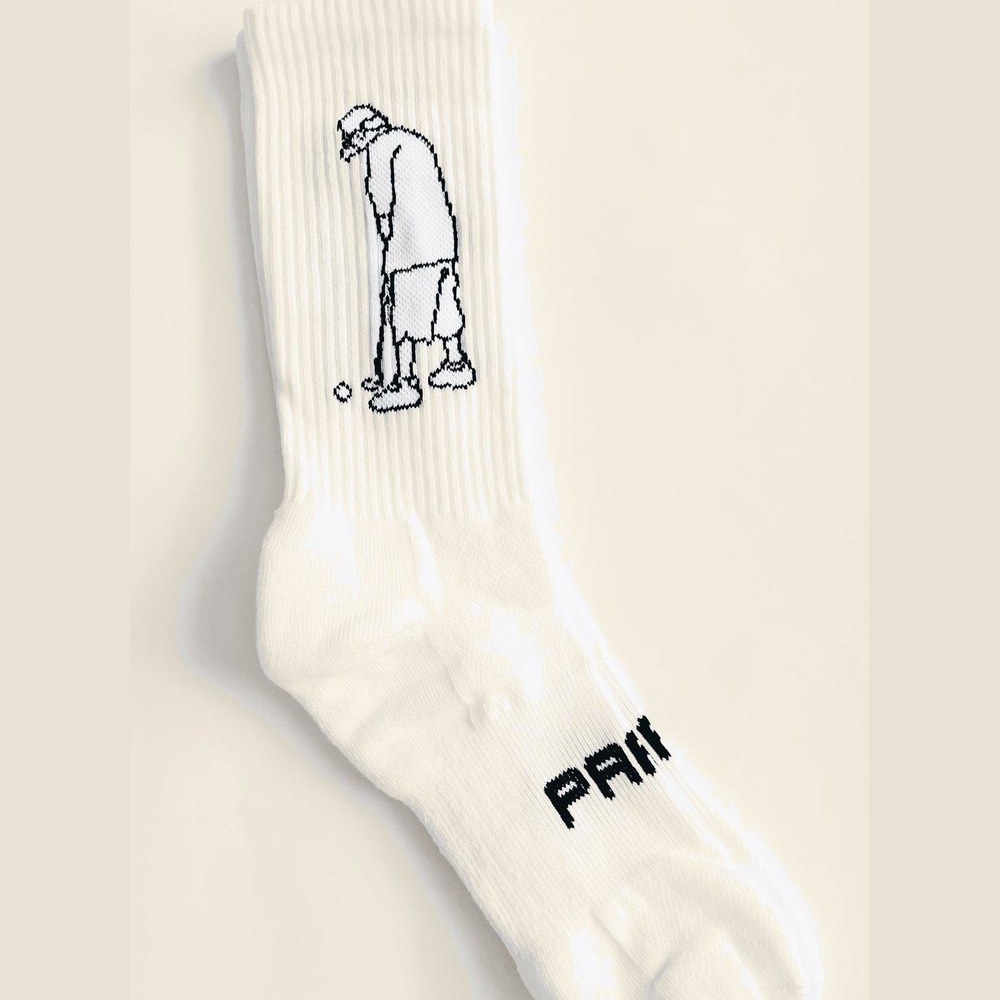
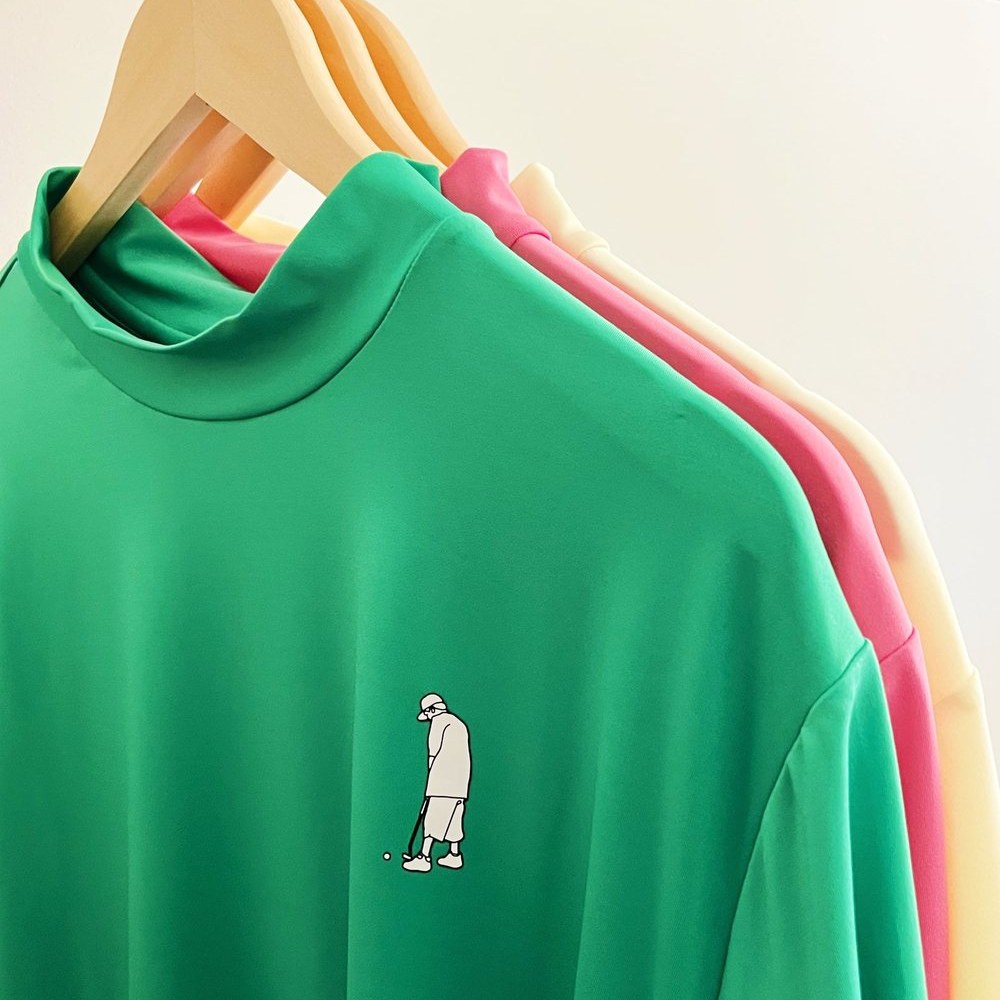
A line drawing of a kid leaning over a putt in jean shorts. The kid is founder Matt Sakdalan, on the green as a boy in his Girbaud jorts.
Paré’s About page says the mark tips its hat to PING and Karsten Solheim, whose own logo is a little man putting. So a brand built on Filipino culture borrowed golf’s most famous putting figure and put its own founder in the picture.
Story: Paré’s own About page and founder Matt Sakdalan’s interviews
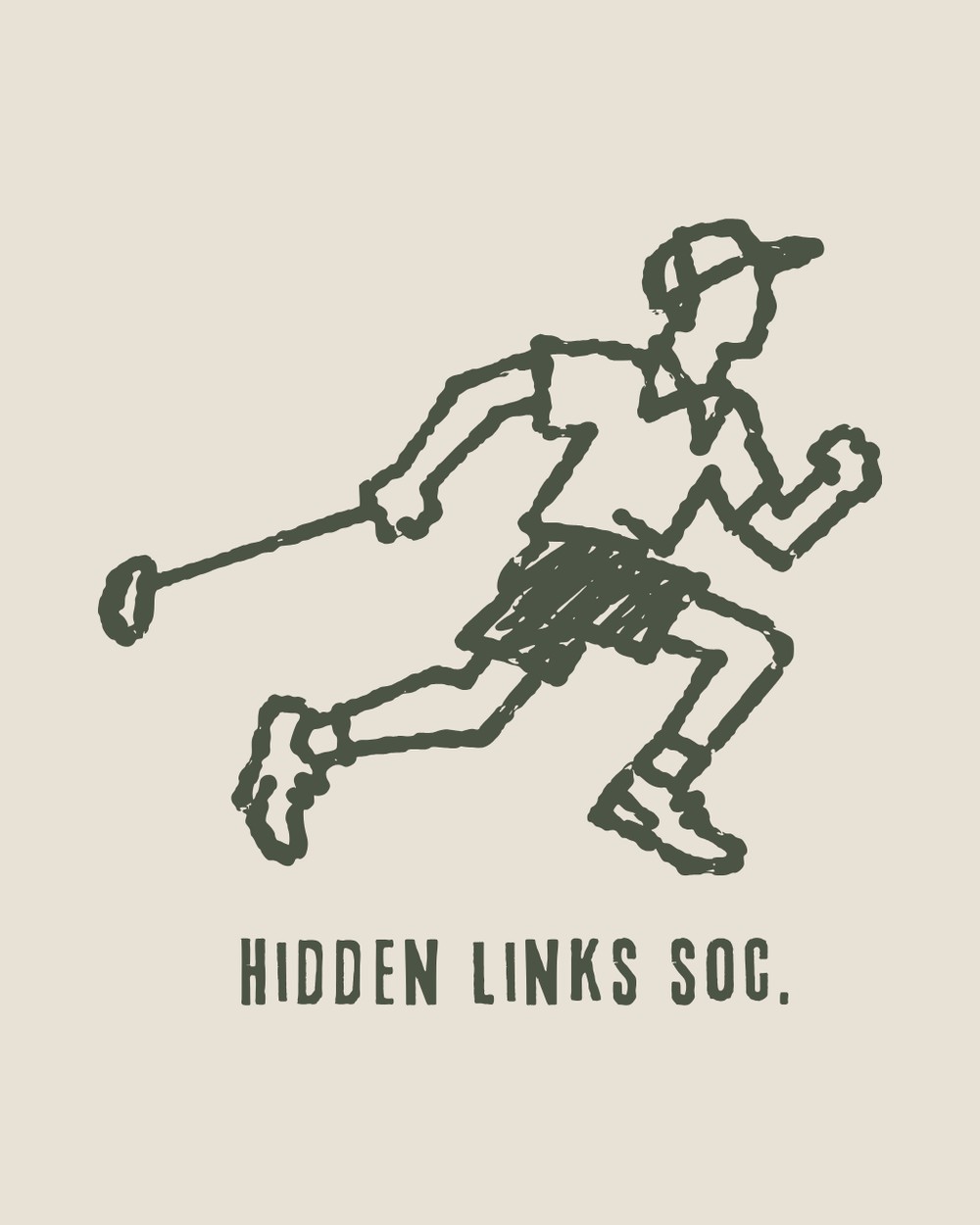
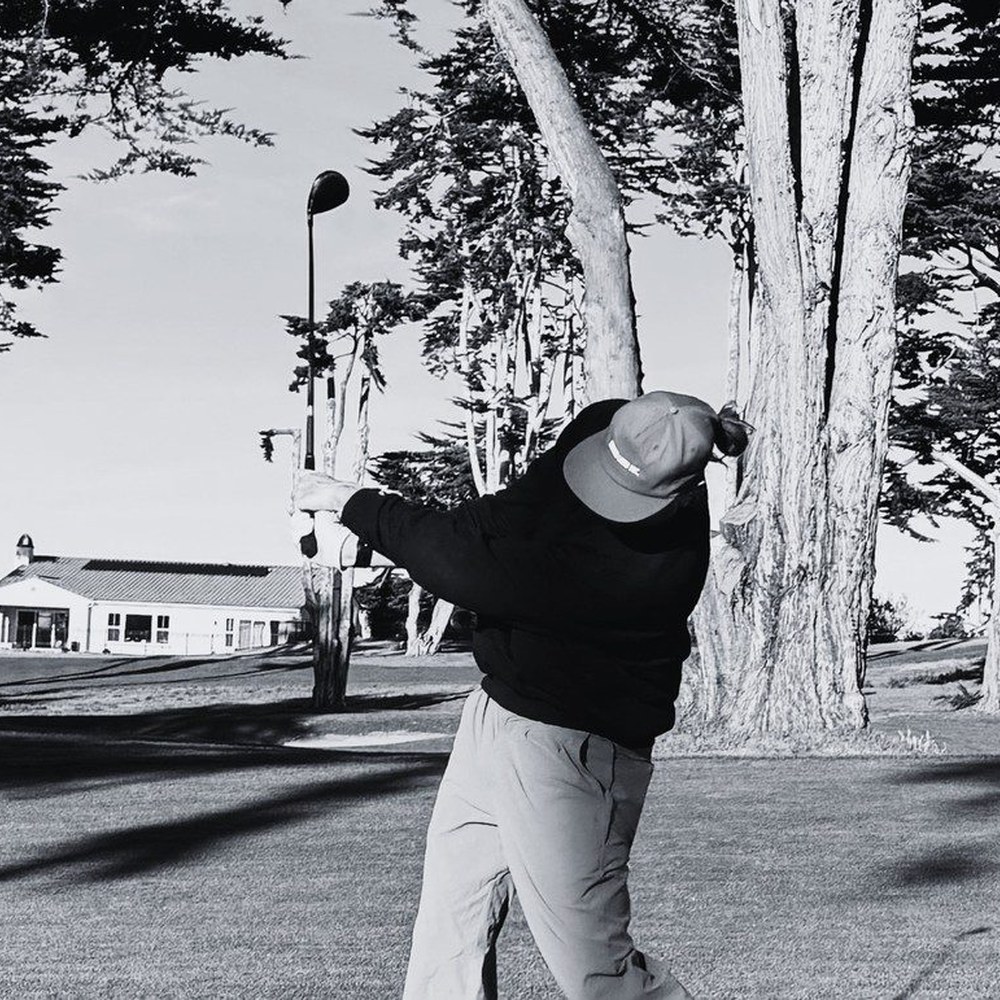
A scratchy, hand-drawn golfer in a cap and shorts, sprinting with a club in his hand. He looks late for his tee time, or like he is playing through.
Hidden Links has never published where he came from, and doesn’t name a founder anywhere. What it does have is a PLAY FASTER hat, and a running man fits that better than any crest could. We would like to know who drew him.
Story: No published origin story; description from the brand’s own artwork
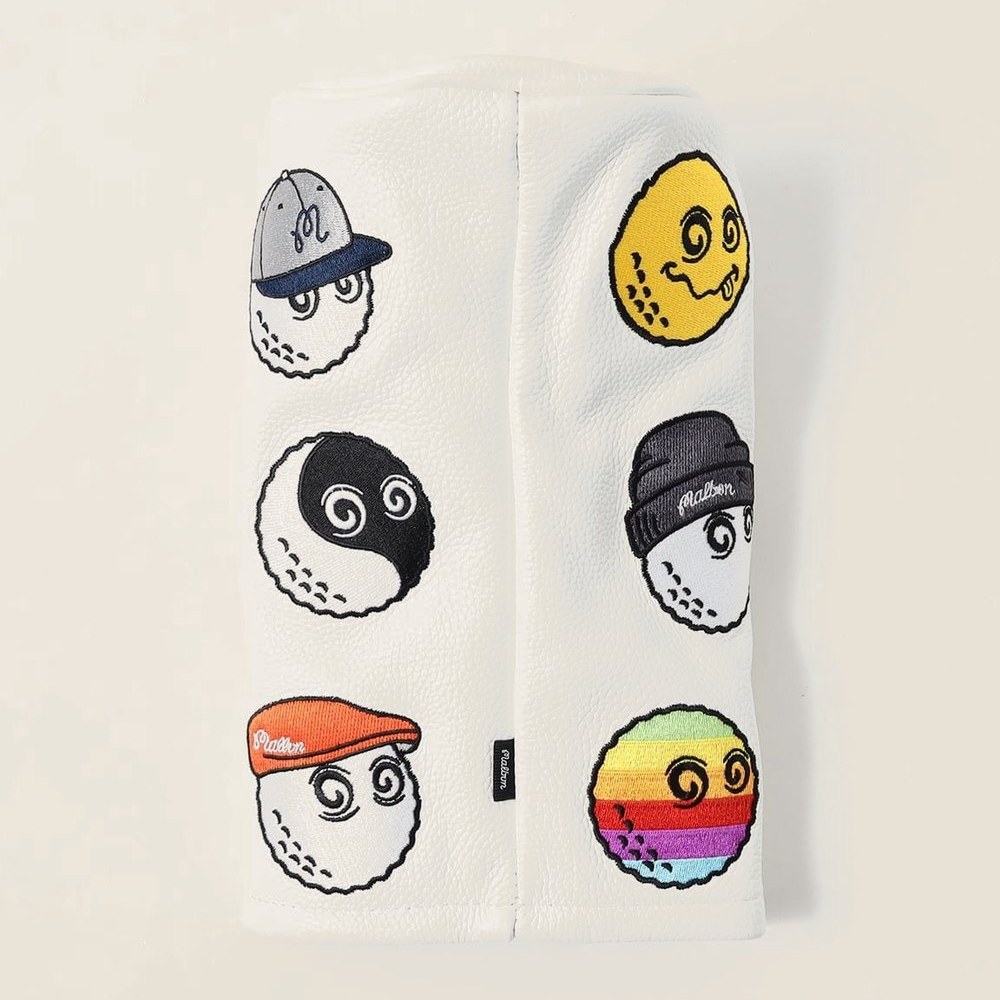
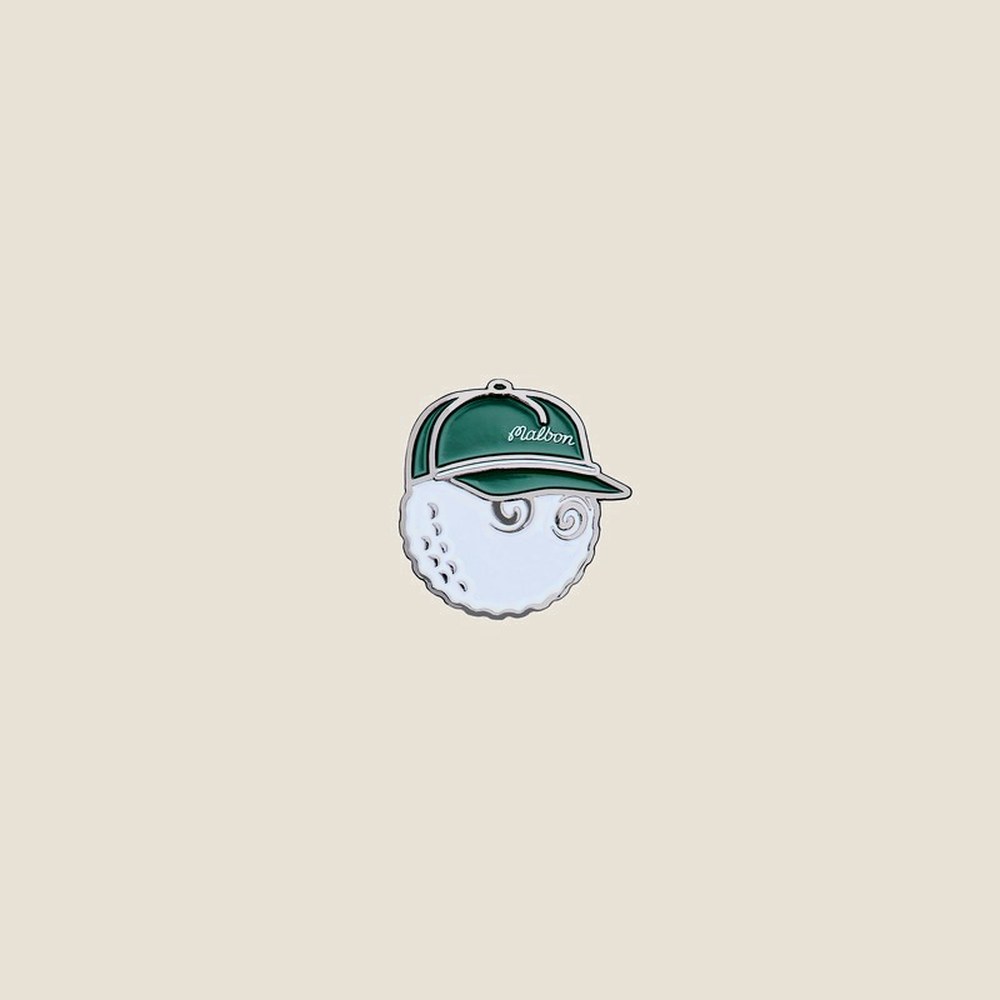
A golf ball with a face. Before there was a brand, Stephen Malbon kept a golf Instagram that worked like a mood board, and from 2012 a cartoon golf-ball character kept turning up in his sketches.
When Stephen and Erica Malbon launched the brand in 2017, that character, Buckets, became the logo. It has since been redrawn by everyone from BEAMS to Daniel Arsham, which is the surest sign a character has outgrown its first job.
Story: CNN’s 2024 reporting on Malbon’s start; Malbon’s own About page
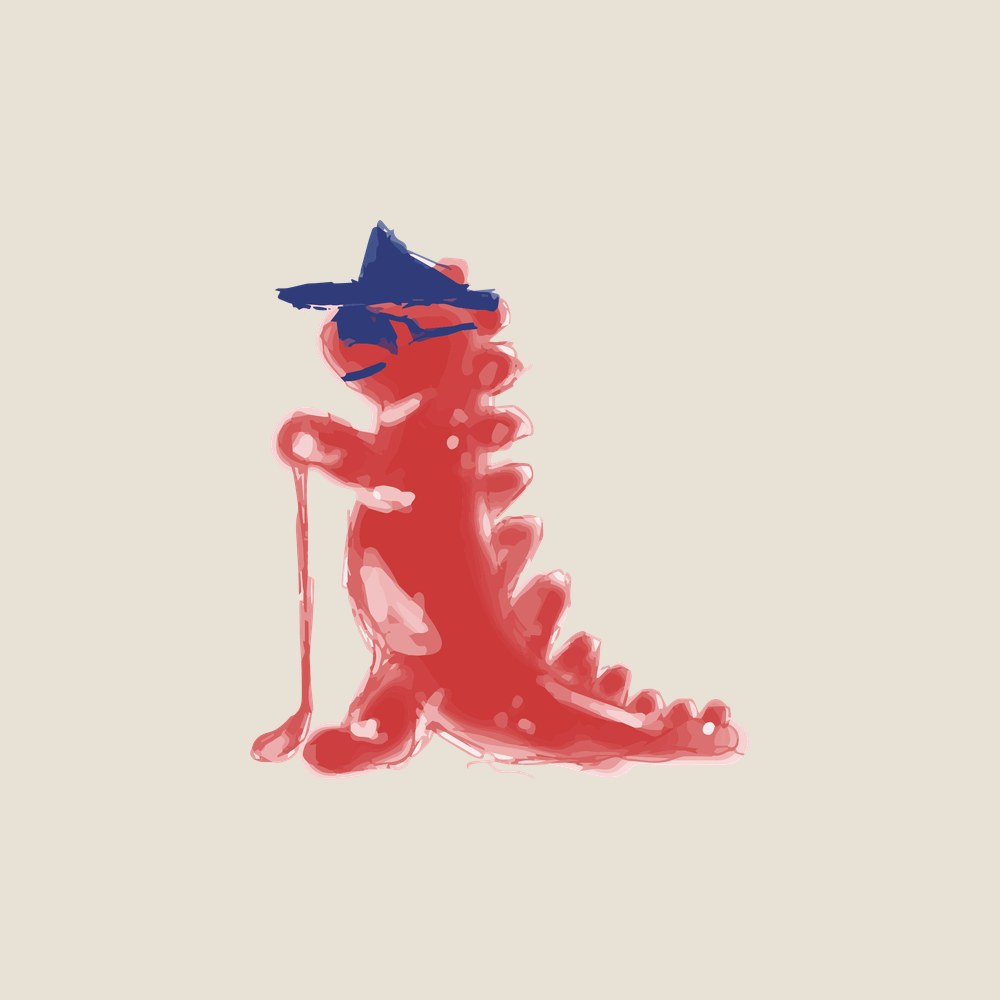
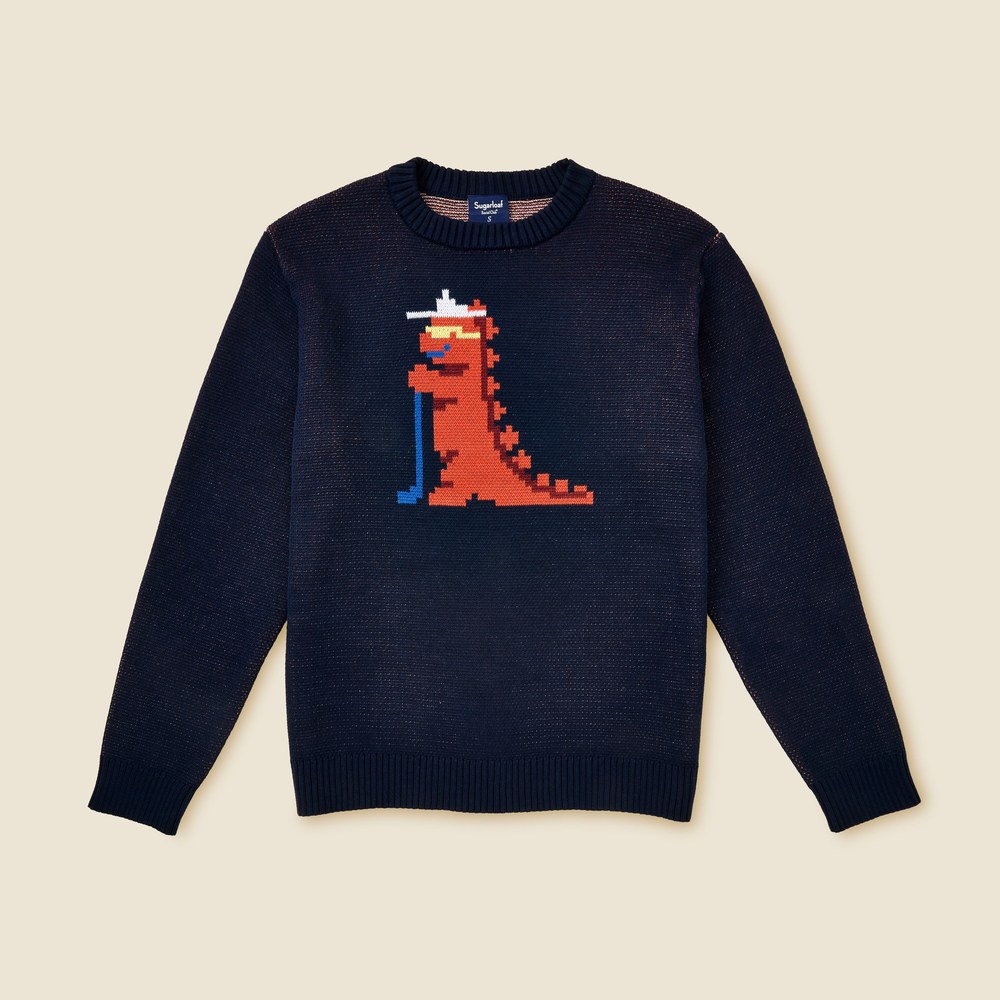
A red dinosaur in a blue bucket hat, leaning on a club like he is waiting on the group ahead. He comes painted and in 8-bit pixels, and the brand says the pixel version is “ready for his Mario Golf tee time.”
“Our club logo also changes frequently, because no grownups are around to tell us we can’t do that.”Ian Gilley, Sugarloaf founder
Founder Ian Gilley gives the best reason anyone has for a mascot at all: nobody told him he couldn’t.
Story: Sugarloaf’s own About page and product copy
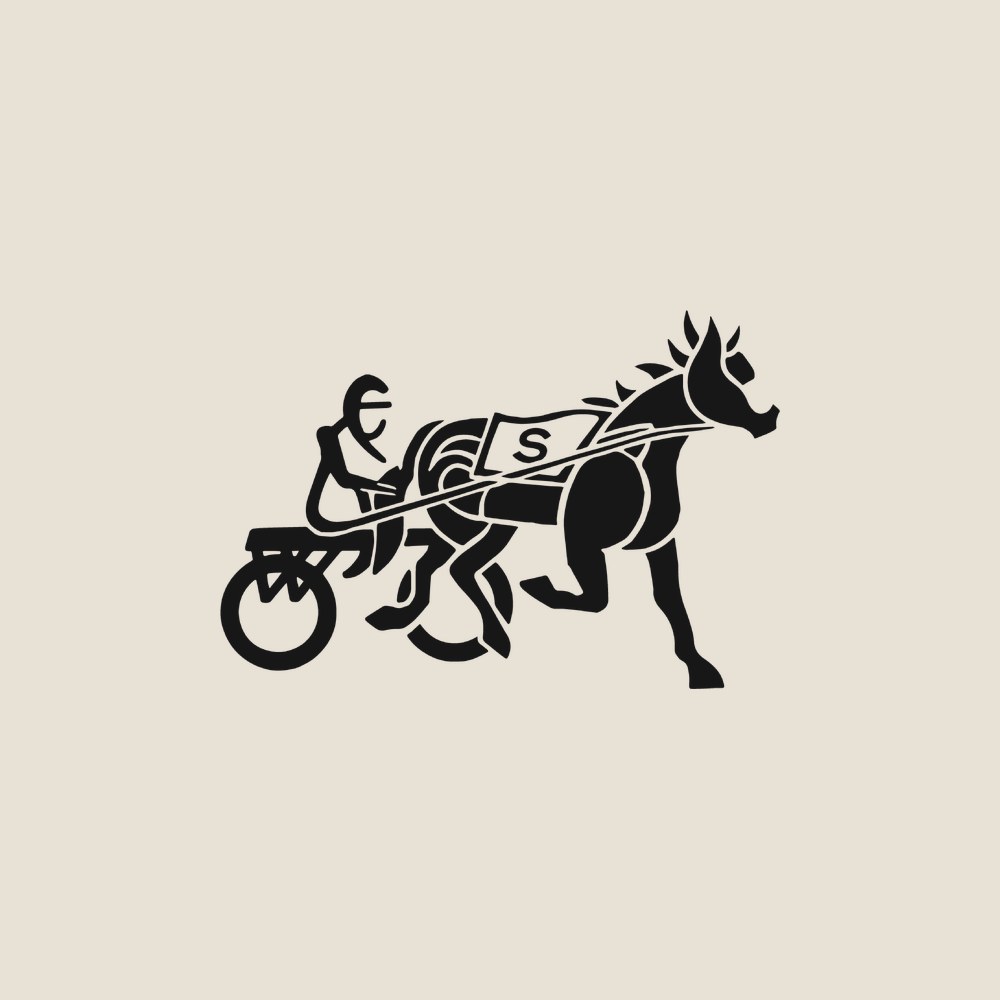
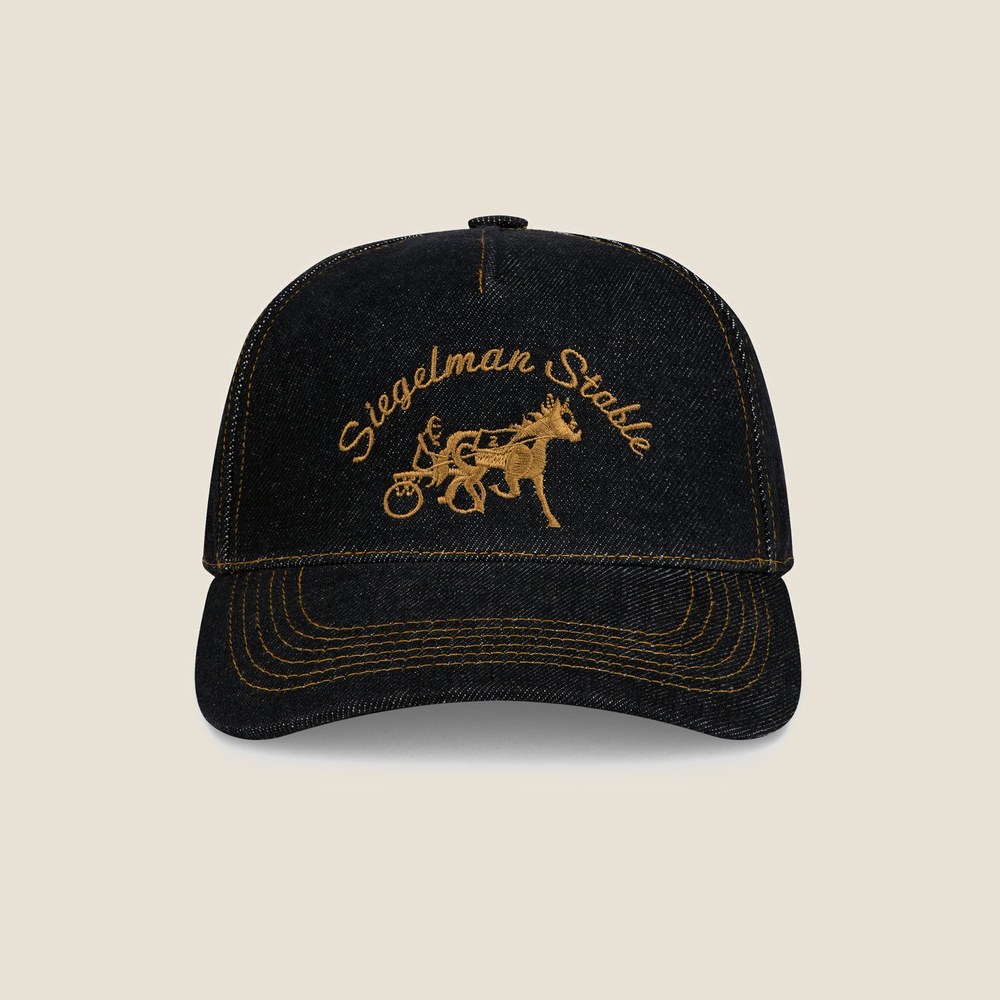
A harness driver crouched behind a trotting horse. It is not a golf image at all, and that is the point: Robbie Siegelman started the Siegelman Racing Stable in 1982, and his son Max launched the clothing in 2020 partly as a tribute to the family’s racing logo.
“The story is already built through horse racing and equine therapy, now being retold through fashion.”Max Siegelman
Of everything here it is the one with the most history behind it before it ever touched a golf course.
Story: Siegelman Stable’s own About page
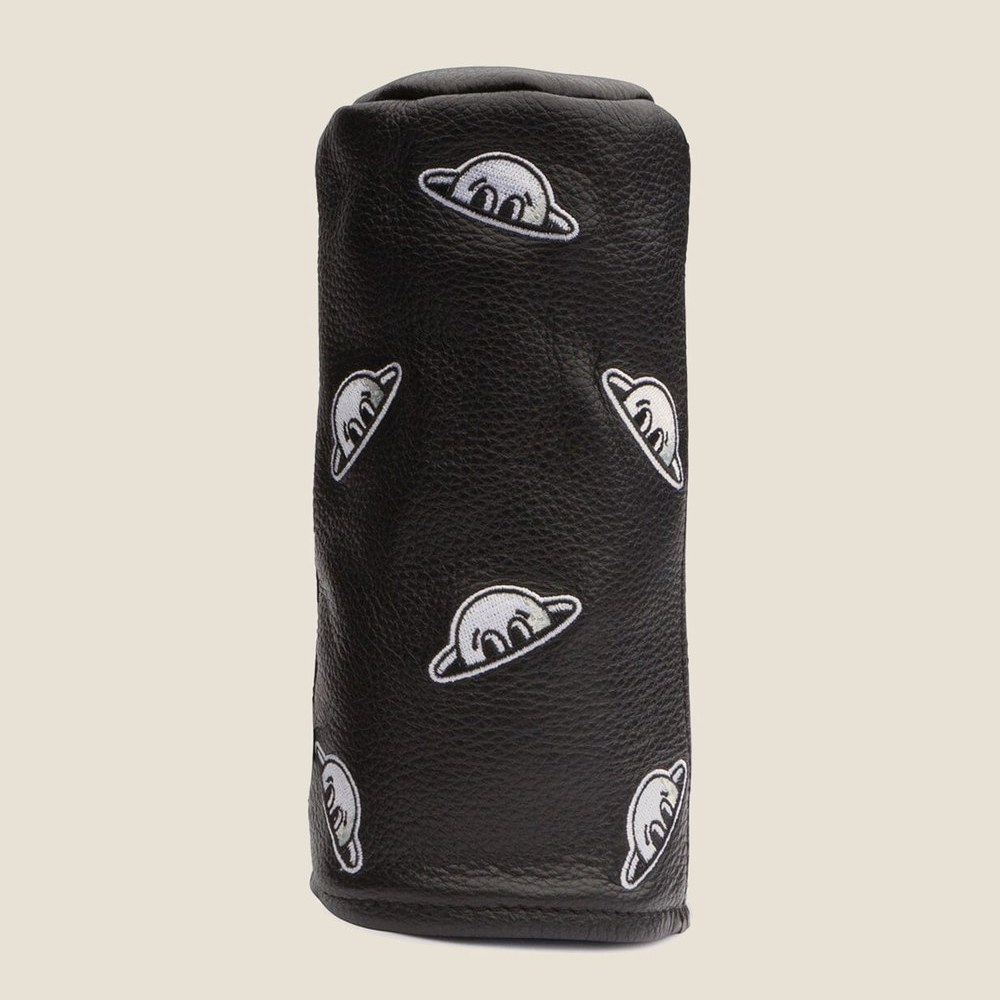
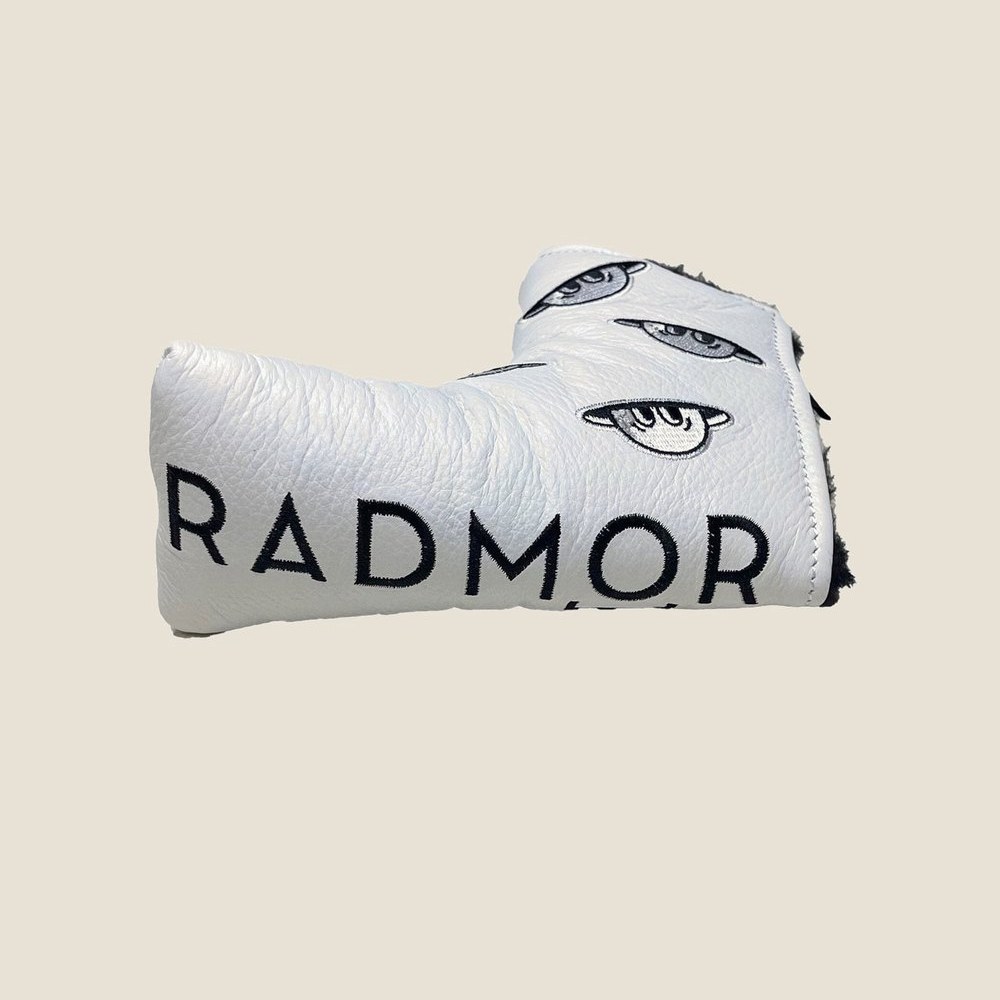
A cartoon golf ball peeking out, which most people read as a little UFO. Radmor runs two logos on purpose: the Dead Center ball-and-cup for the serious, green-grass side, and BobRad for everyone who finds golf a bit stuffy.
The name RADMOR blends its co-founders, Scott Morrison and Bob Conrad, and BobRad is the half of the brand that doesn’t take itself seriously.
Story: Radmor’s own launch announcement
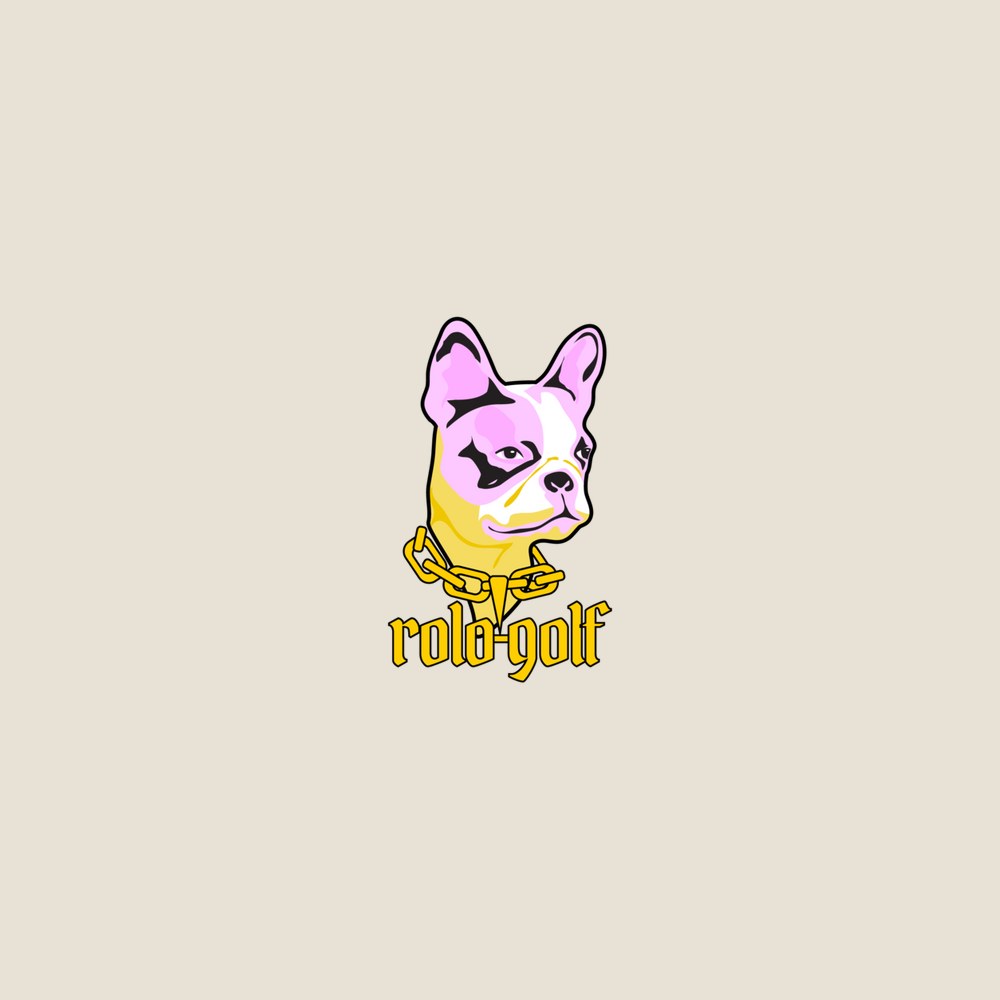
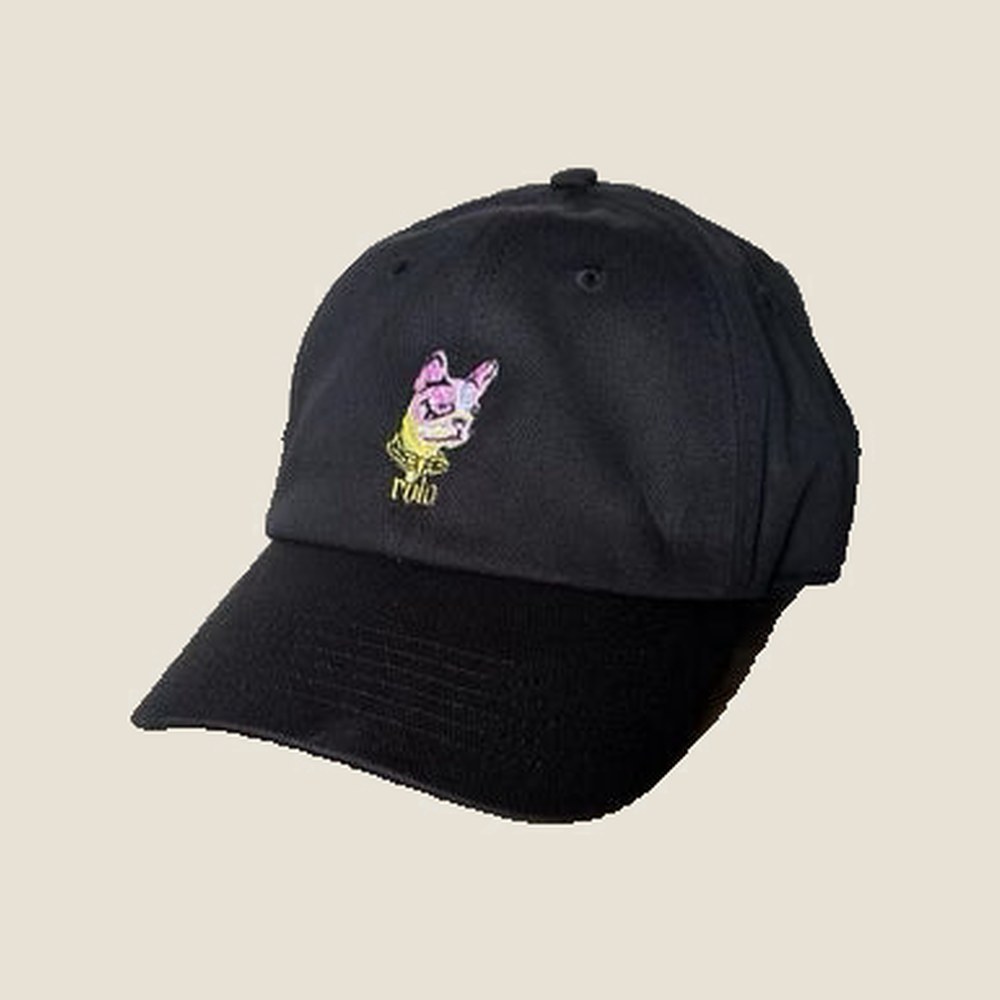
A pink-and-white bulldog in a gold chain. He is Rolo, founder Chase Dobbie’s actual dog, and the brand is named after him.
“We named the company after my dog… He’s the logo, and we made the name in a day.”Chase Dobbie, Rolo Golf founder
The shortest story on the list, and maybe the most relatable: they had a dog, the dog had a face, and that was that.
Story: Chase Dobbie, to Golf Town
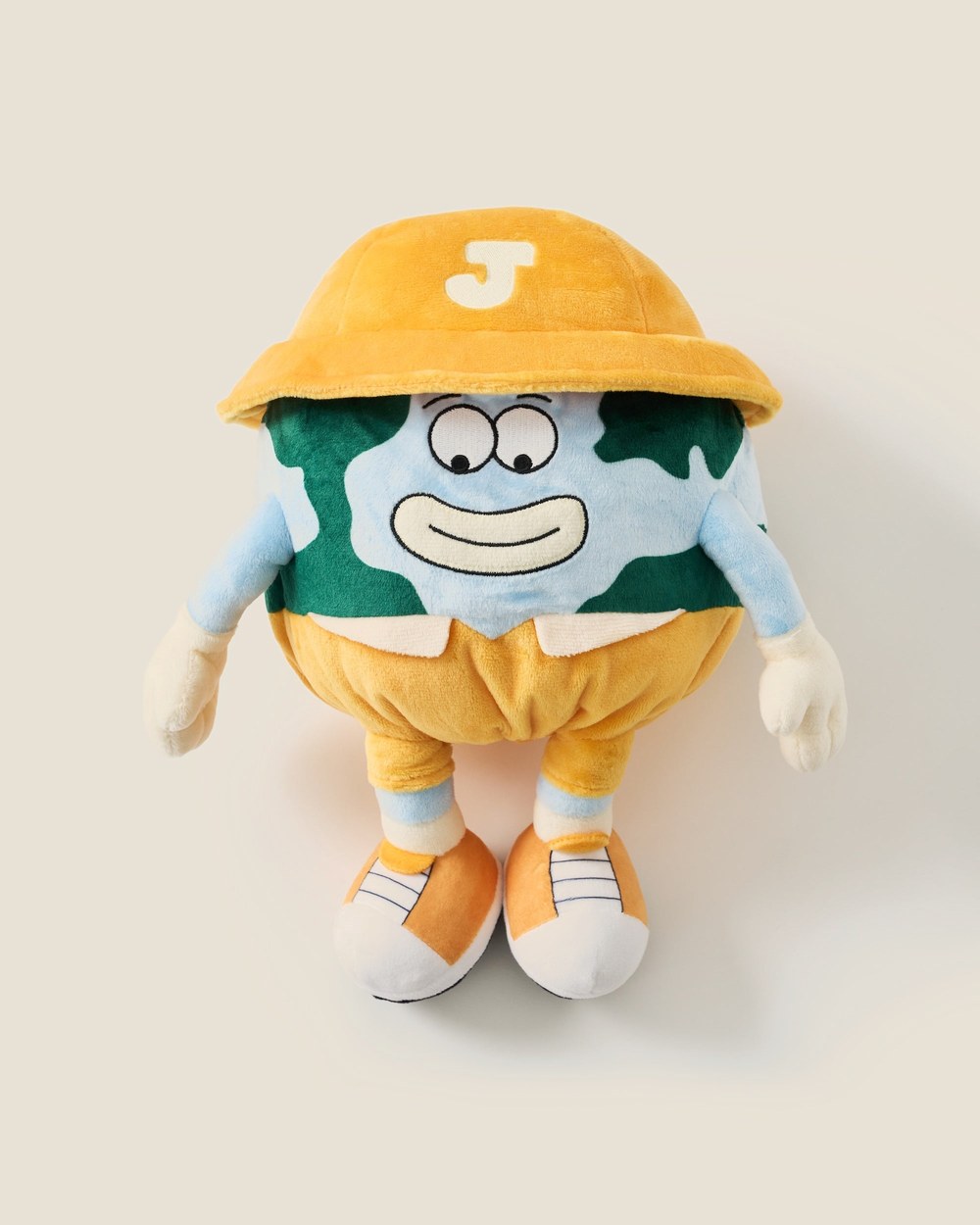
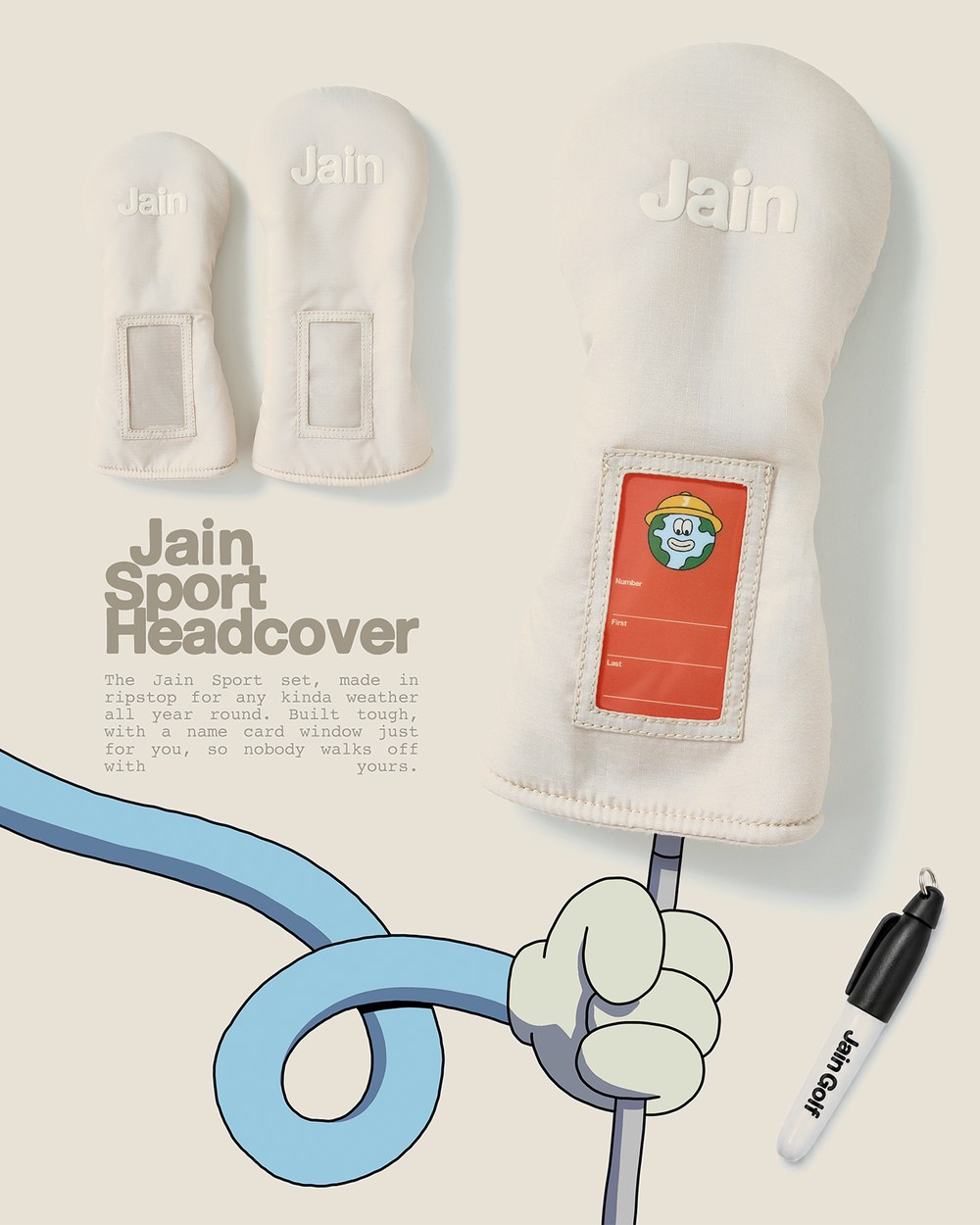
A golf ball printed like a little globe, in a yellow bucket hat with a J on it, white gloves and orange-and-white sneakers. He comes as a drawing, a plush, and a hand that reaches out of a headcover to grip the shaft.
“Jain’s only goal is to make kids fall in love with golf. And I think a character can do that better than a club.”Chris Hovsepian, to The Golfer’s Journal
The brand’s About page is the best on this list. Jain is “a worldly little golf ball who loves golf more than anything,” founder Chris Hovsepian is listed as “Asst. to Jain,” and the CEO is his four-year-old daughter, Ella. It is the one character here built to get kids into the game.
Story: Jain Golf’s own About page; Chris Hovsepian in The Golfer’s Journal No. 34
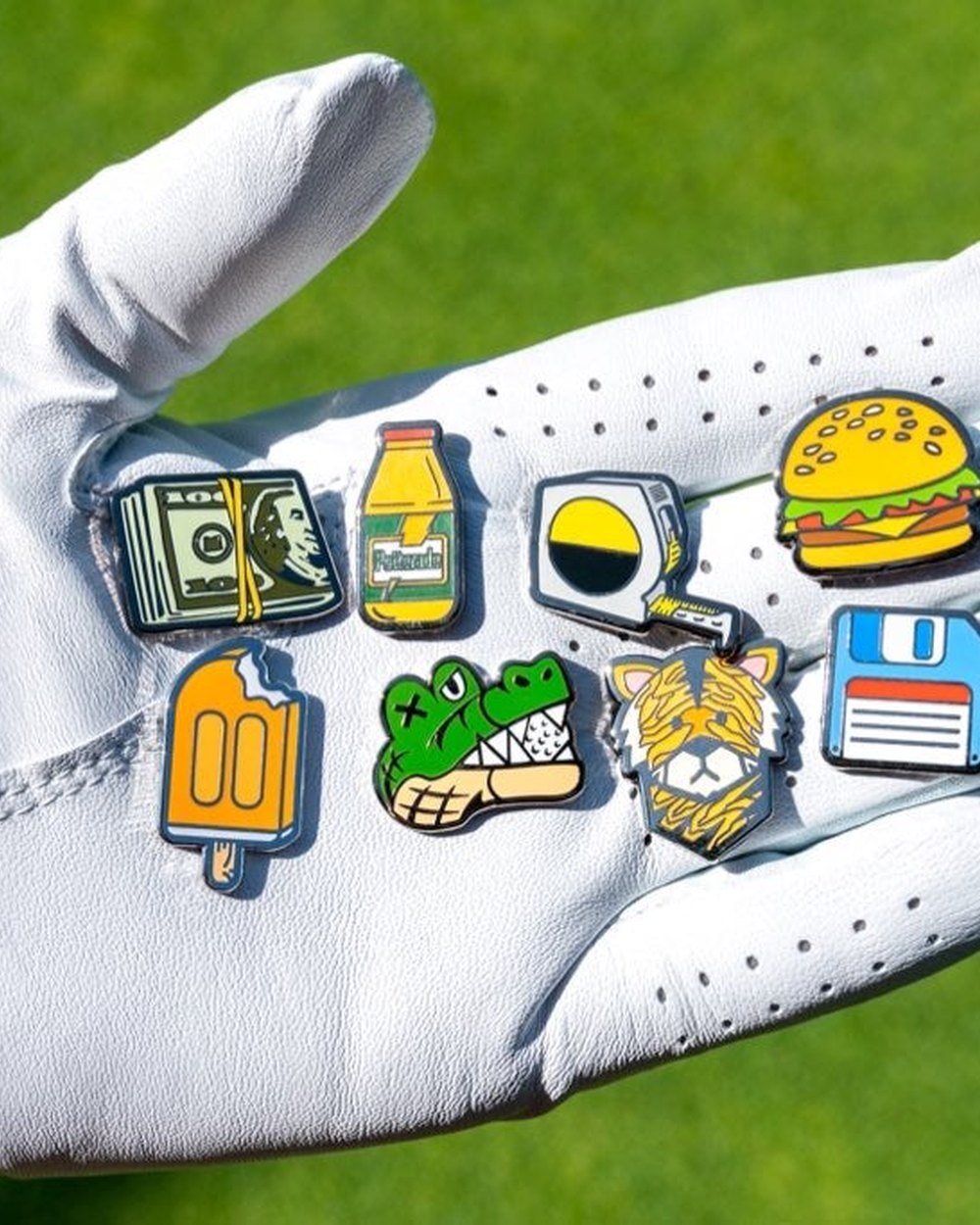
A red M with a single red-tipped match laid across it. It is the plainest mark on this list and still one of the smartest, because the whole brand is built around it: every Matchstick ball marker ships in its own little matchbox.
“A matchbox, I thought, was the perfect packaging for a golf ball marker.”Dane Delgado, Matchstick founder
Founder Dane Delgado got there from the golf course itself. Players smoke cigars on the course, cigars need matches, and a matchbox turned out to be the right size for a ball marker. He has a mascot too, a match called Woody, who rides on the side of the shipping mailers.
Story: Dane Delgado, in an interview with CanvasRebel
Brands didn’t invent this. Some of the best characters in golf have been on pin flags and ball markers for a century.
A rearing goat on the crest. The club’s own history says that when the clubhouse barometer broke, the manager wrote a note on it by hand: “See Goats.”
A boy in knickers putting over a sundial, sculpted in 1912, with Donald Ross said to have shown the sculptor the grip. “He’s the little boy in all of us.”
A knickered Scotsman finishing his swing under an enormous curled moustache, drawn by New Yorker cartoonist Eldon Dedini. Pebble Beach calls the moustache Dalí-esque, and it is.
The best of these weren’t designed by committee. Somebody drew their dog, their grandad’s cow, themselves as a kid. If you are starting a golf brand, that is the lesson: the mark people remember is the one with a story you can tell in a sentence.
If we missed your favorite, or you know who drew the Hidden Links running man, tell us.