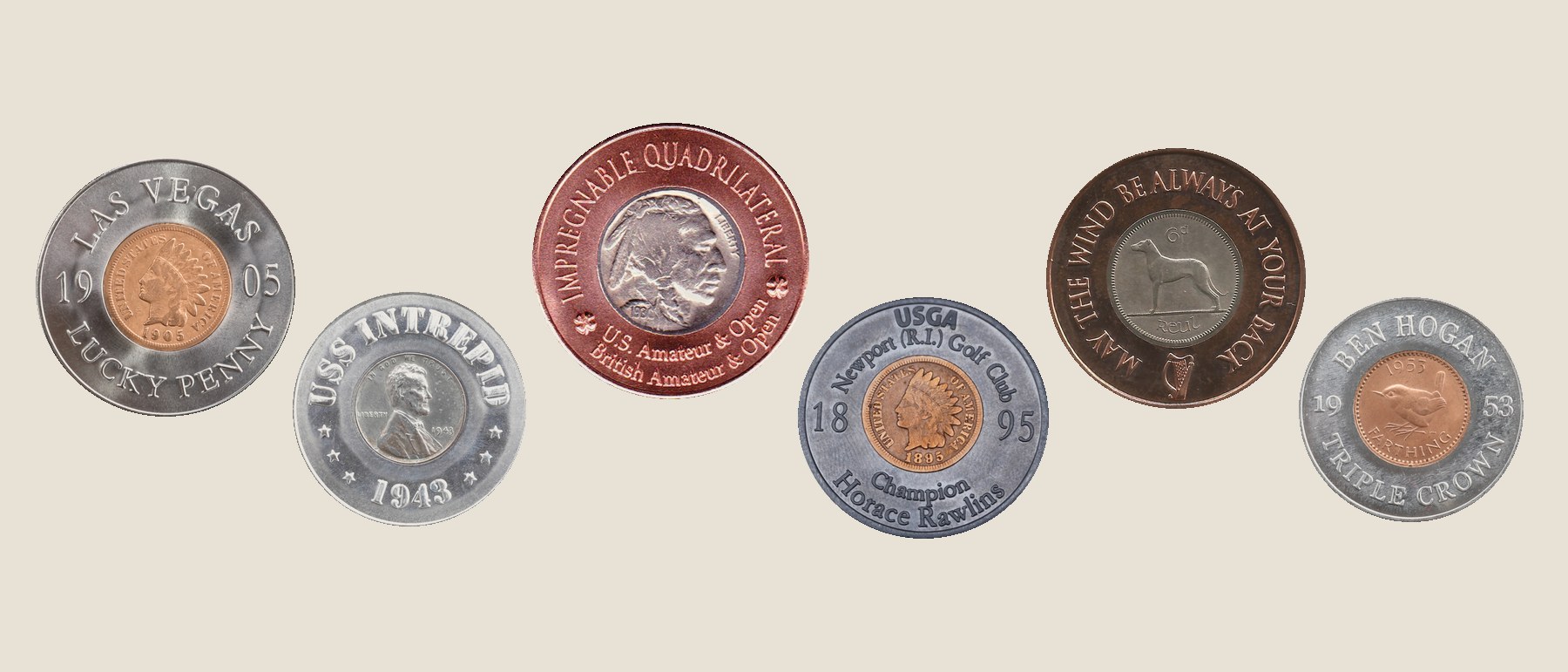
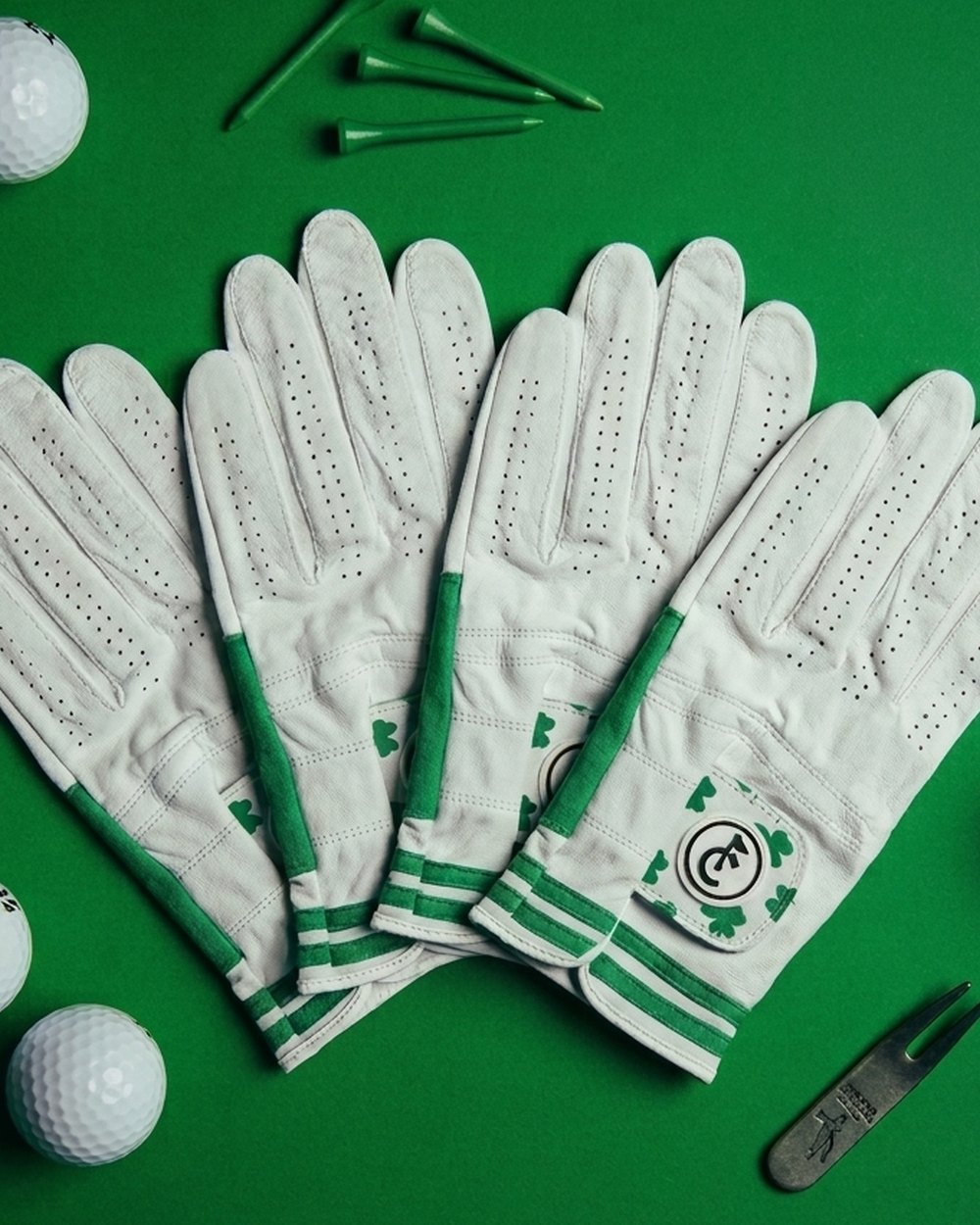
Ask a golfer about their superstitions and most will say they don’t have any. Then watch them on the first tee. The same ball number every round. The same coin, from the same pocket. Exactly five tees, never a red one. A glove that stays in the bag because it has already shot a good score.
The low number. Golf balls are numbered so you can tell yours from your partner’s, and that is all the number means. Plenty of golfers still won’t play anything above a 4, on the theory that a high number on the ball means a high number on the card. Ben Crenshaw is the name most often attached to the habit.
Coins and colors. The best-known golf superstitions are told about the best-known players: Jack Nicklaus and his three coins, Chi Chi Rodriguez with one coin for birdie putts and another for eagles, Tiger Woods in red on Sunday. Most of these come to us secondhand, through golf writers and caddies, and we pass them on the same way. Whether every detail is exact matters less than how many golfers recognize themselves in them.
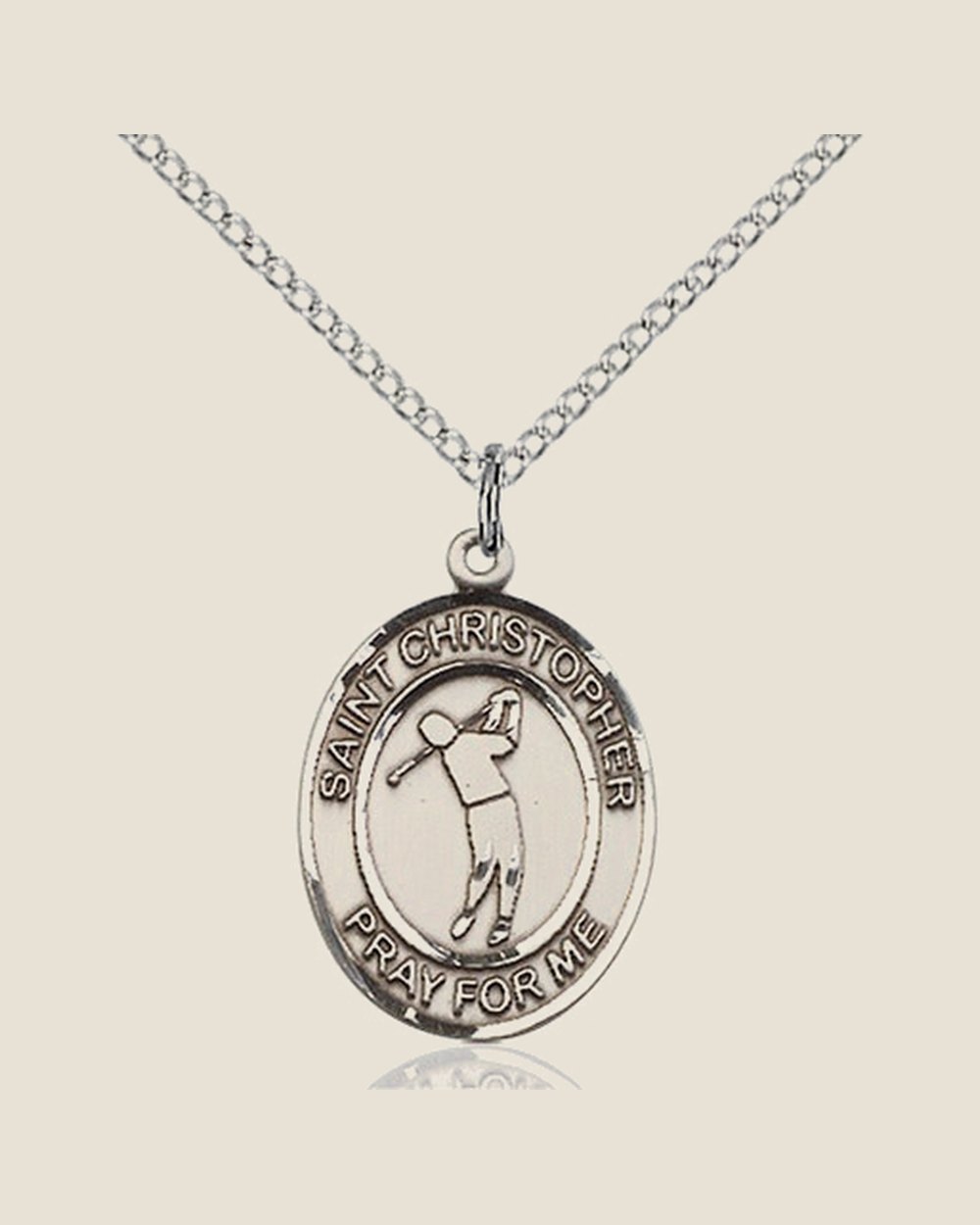
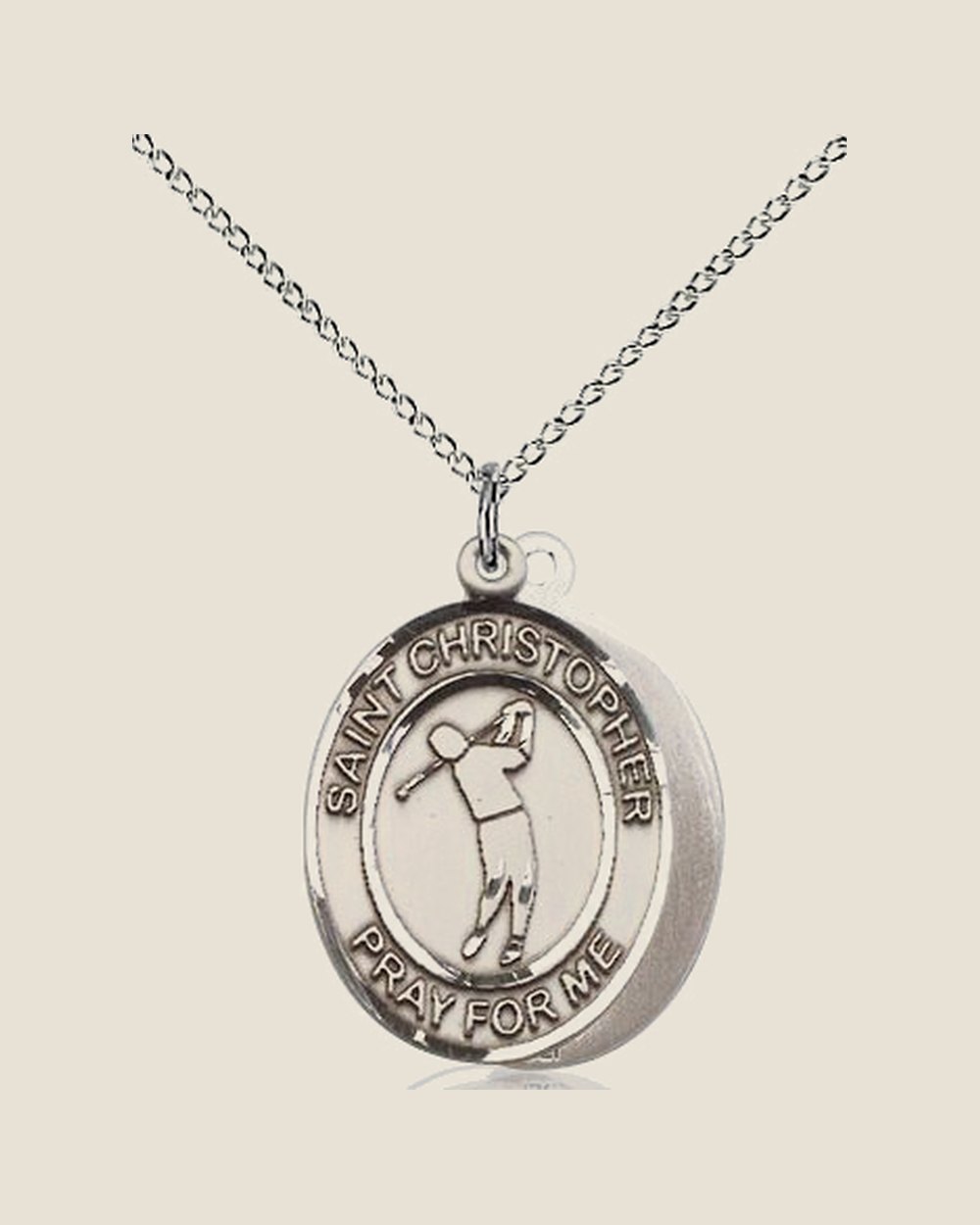
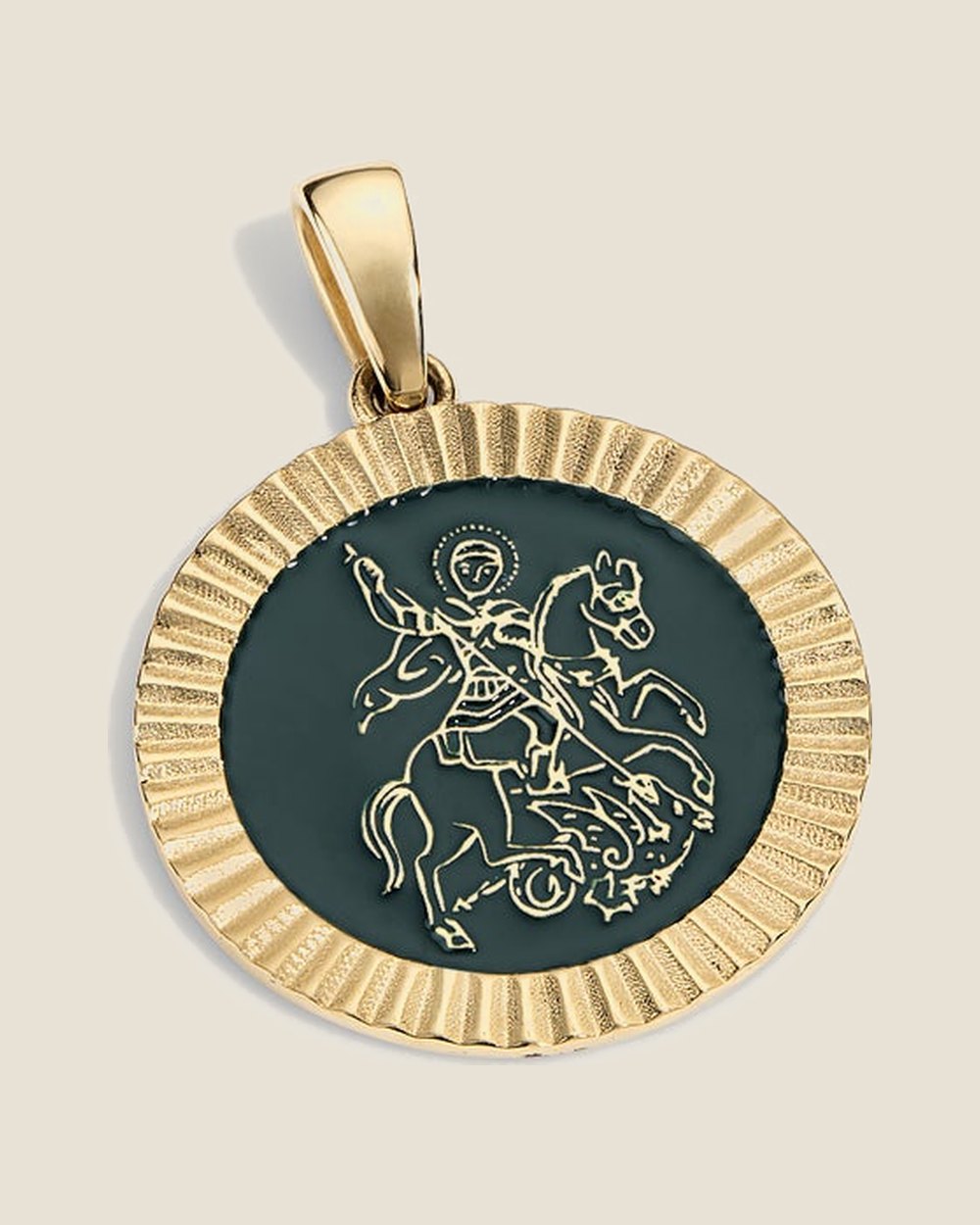
Saints. St. Christopher, patron of travelers, has been put on golf medals for years. St. Anthony is the patron of lost things, which in golf covers most of the bag.
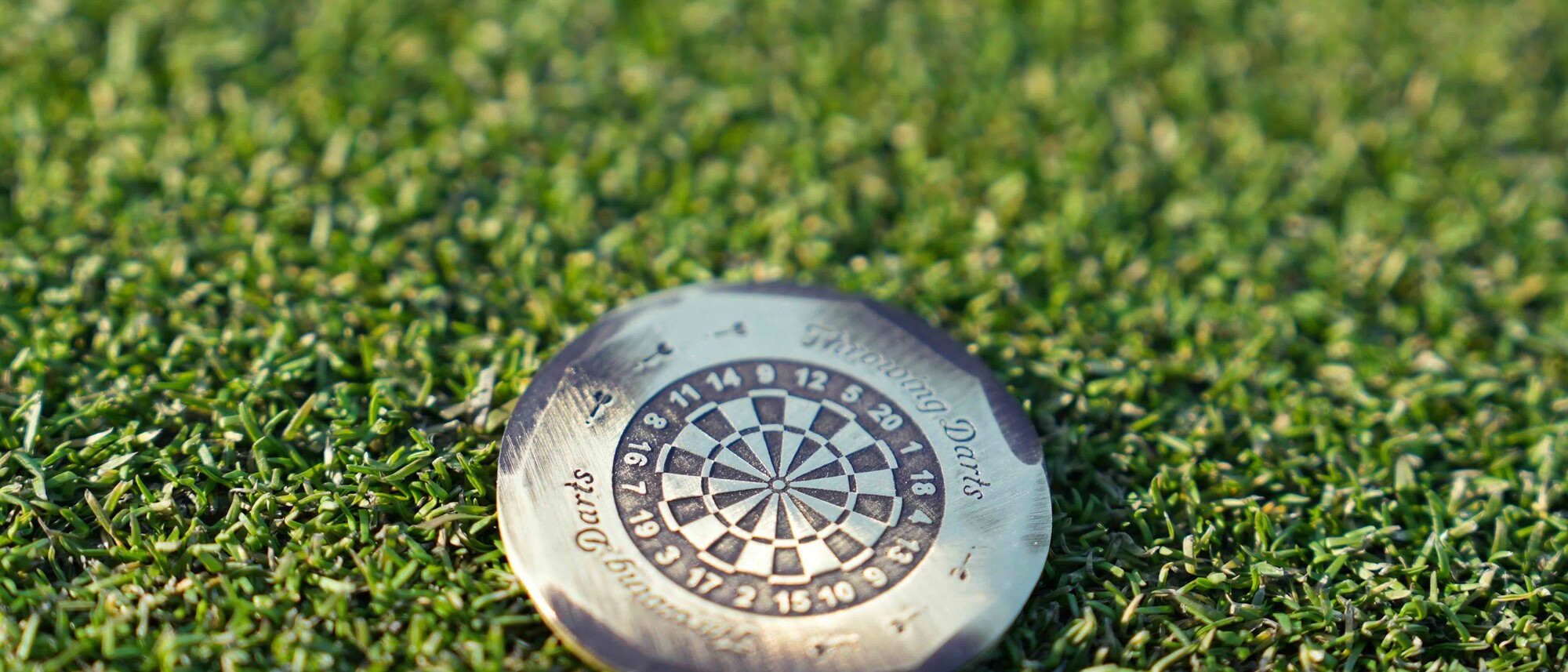
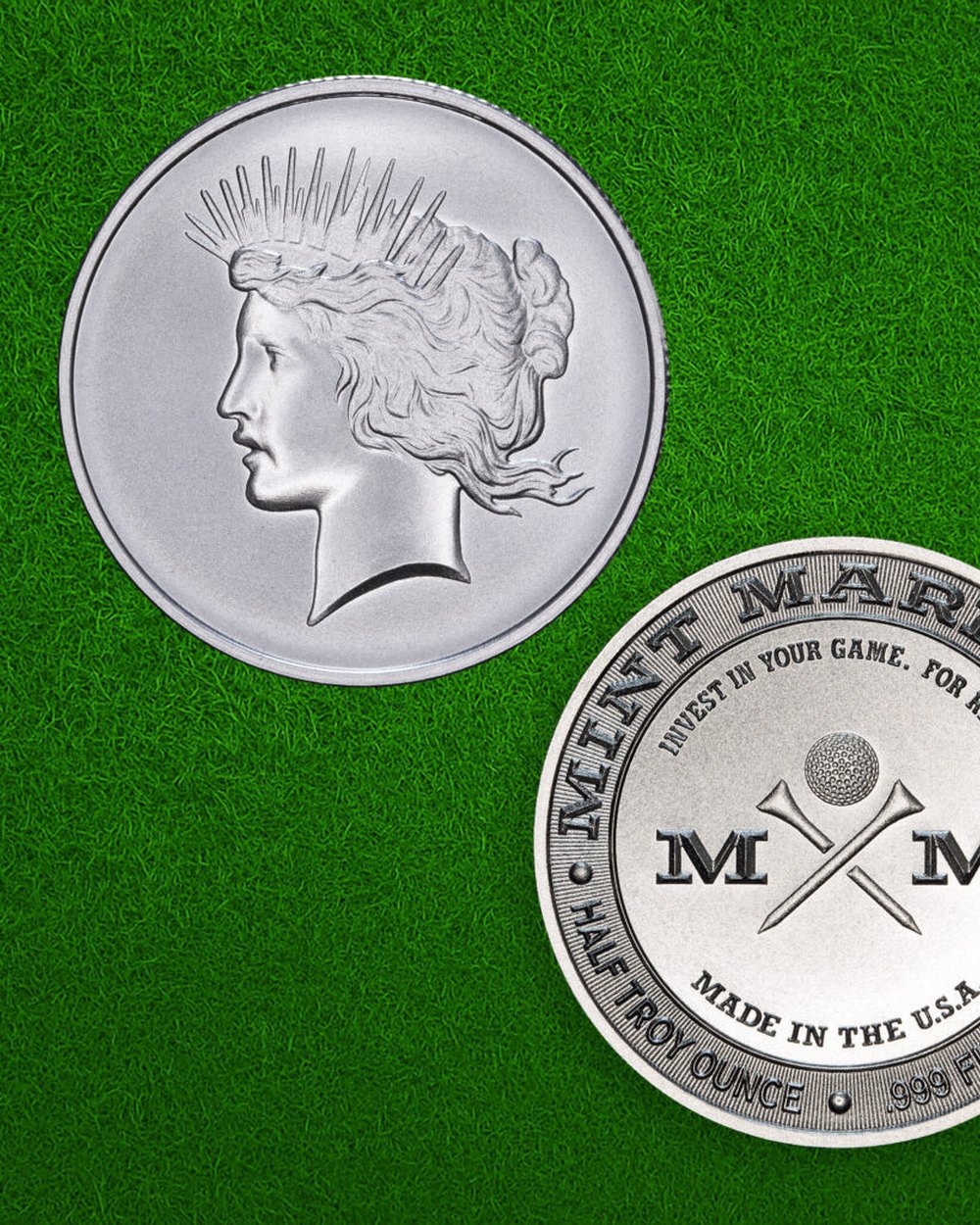
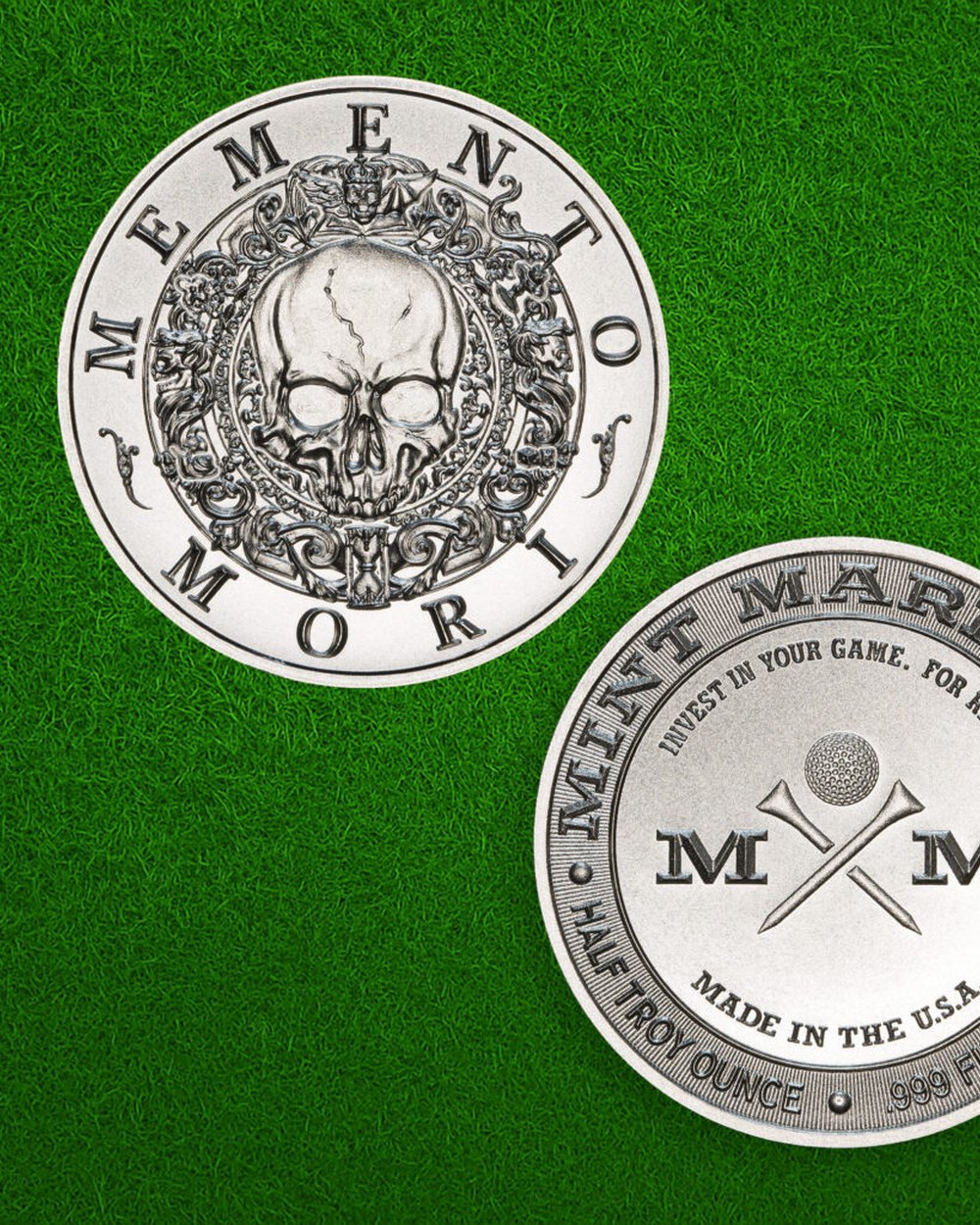
Three pieces · $25–$99The coin is the most common golf charm. The story told about Jack Nicklaus is that he would not tee off without three coins on him.
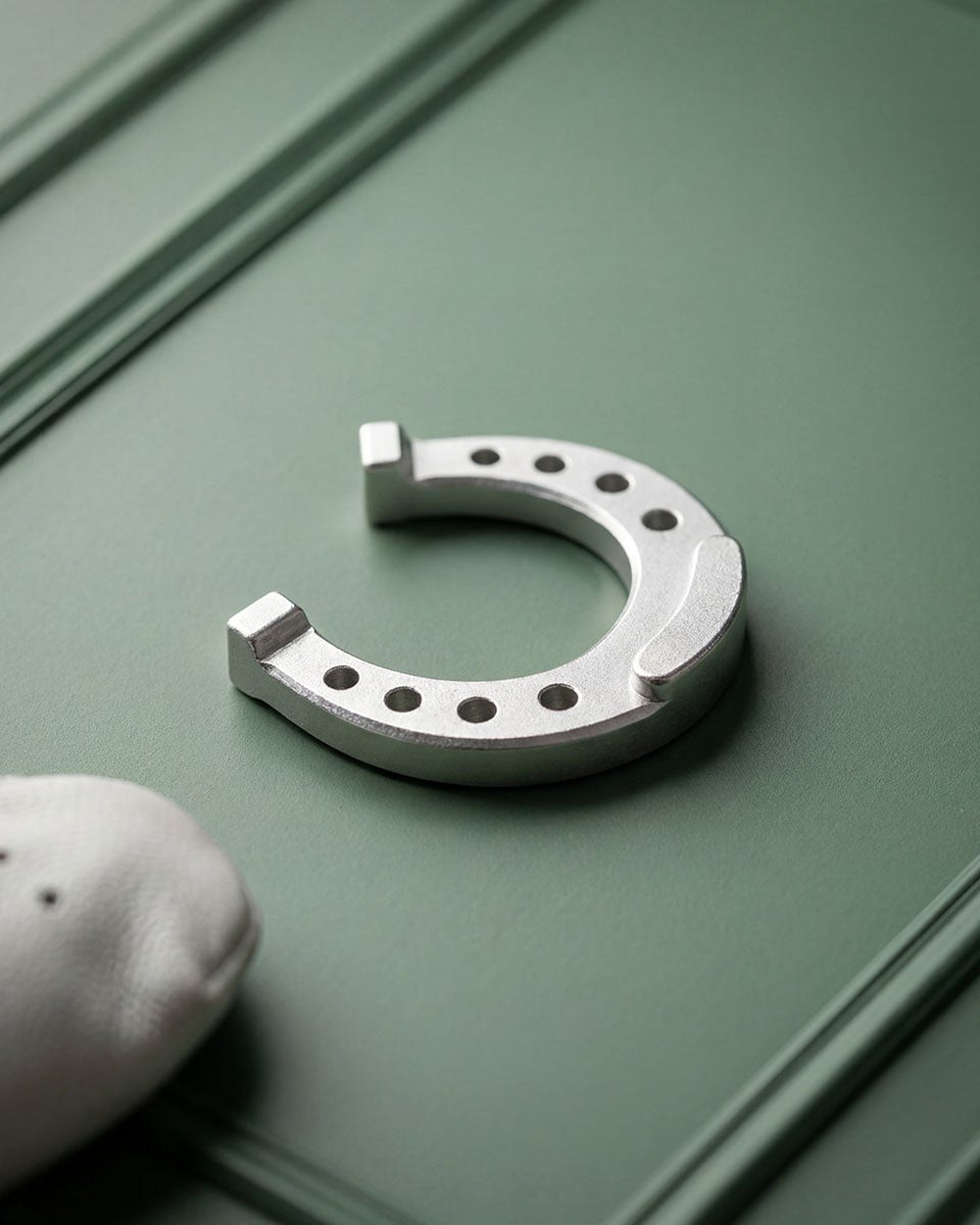
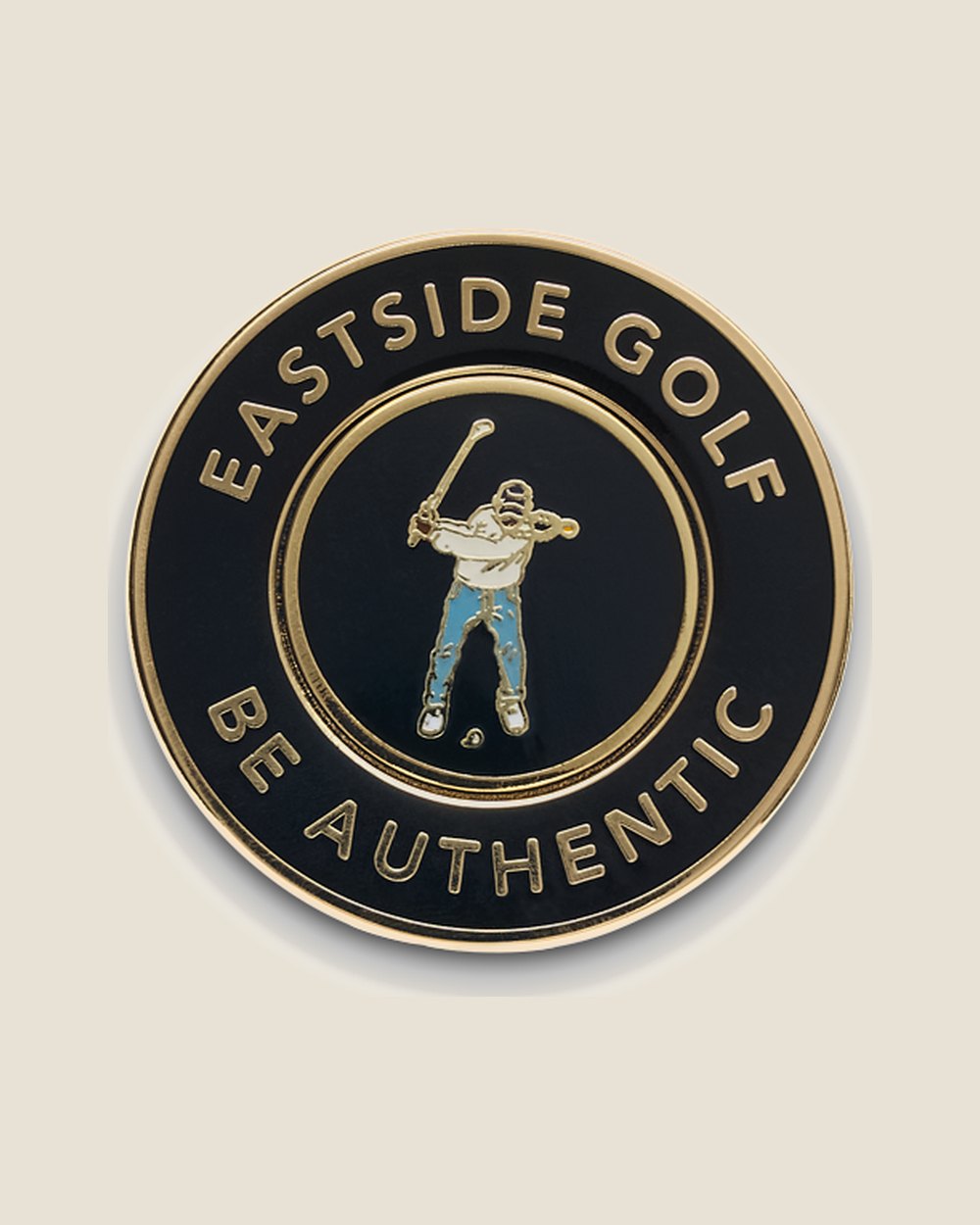
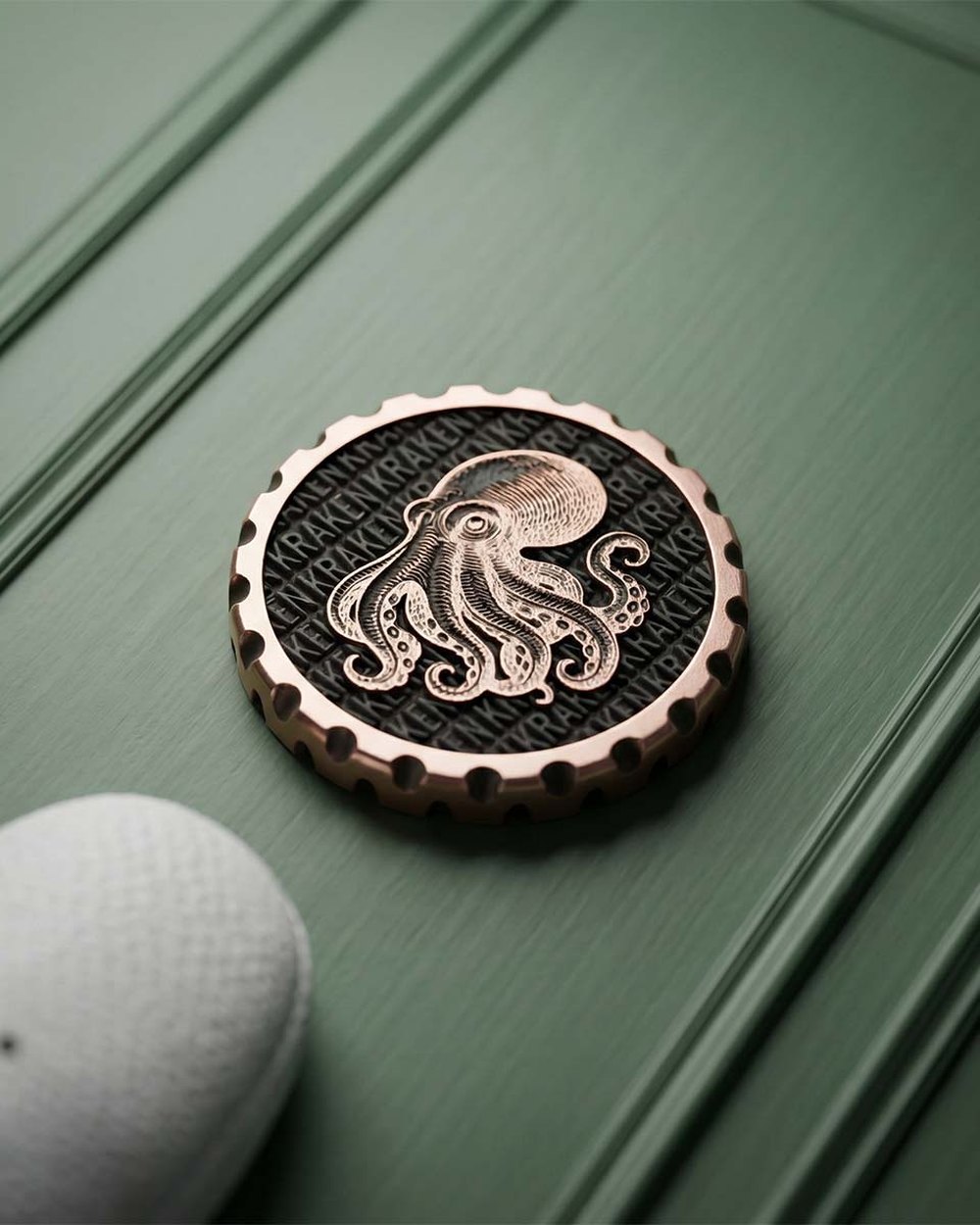
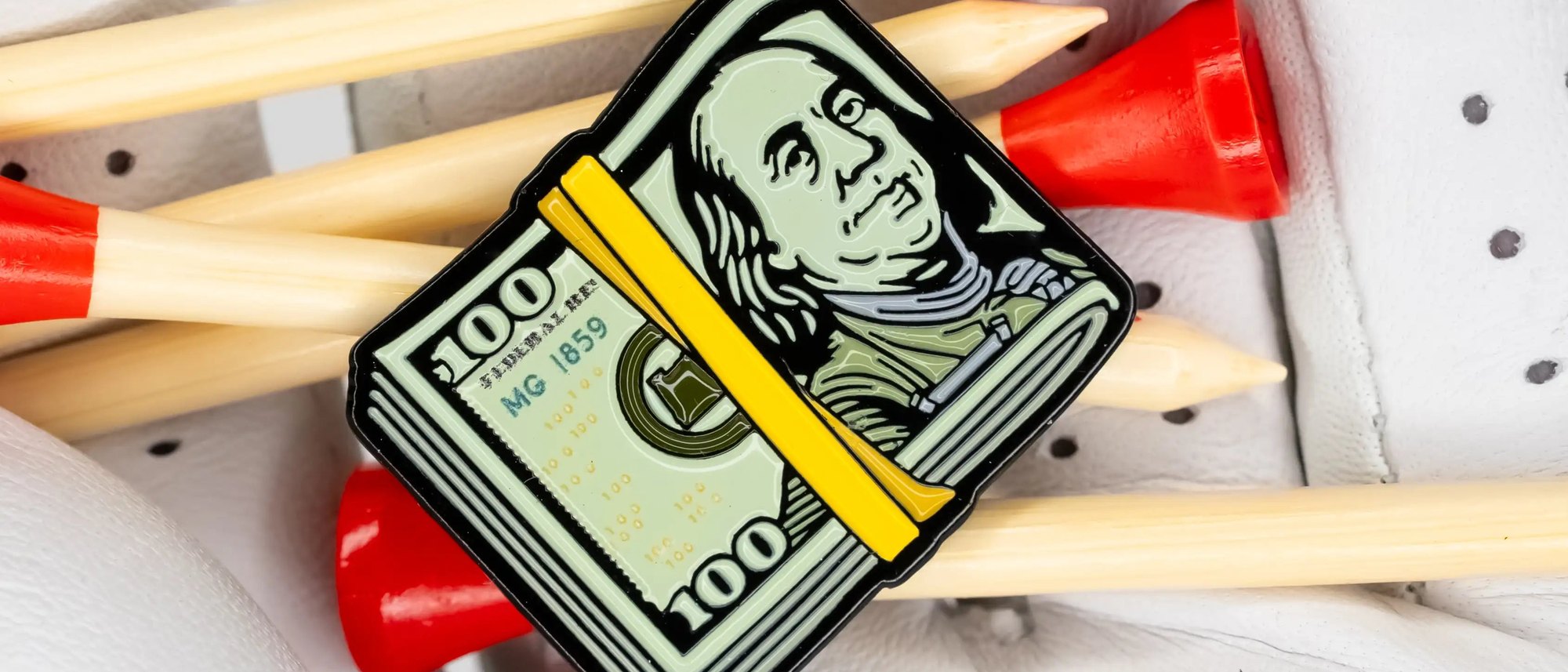
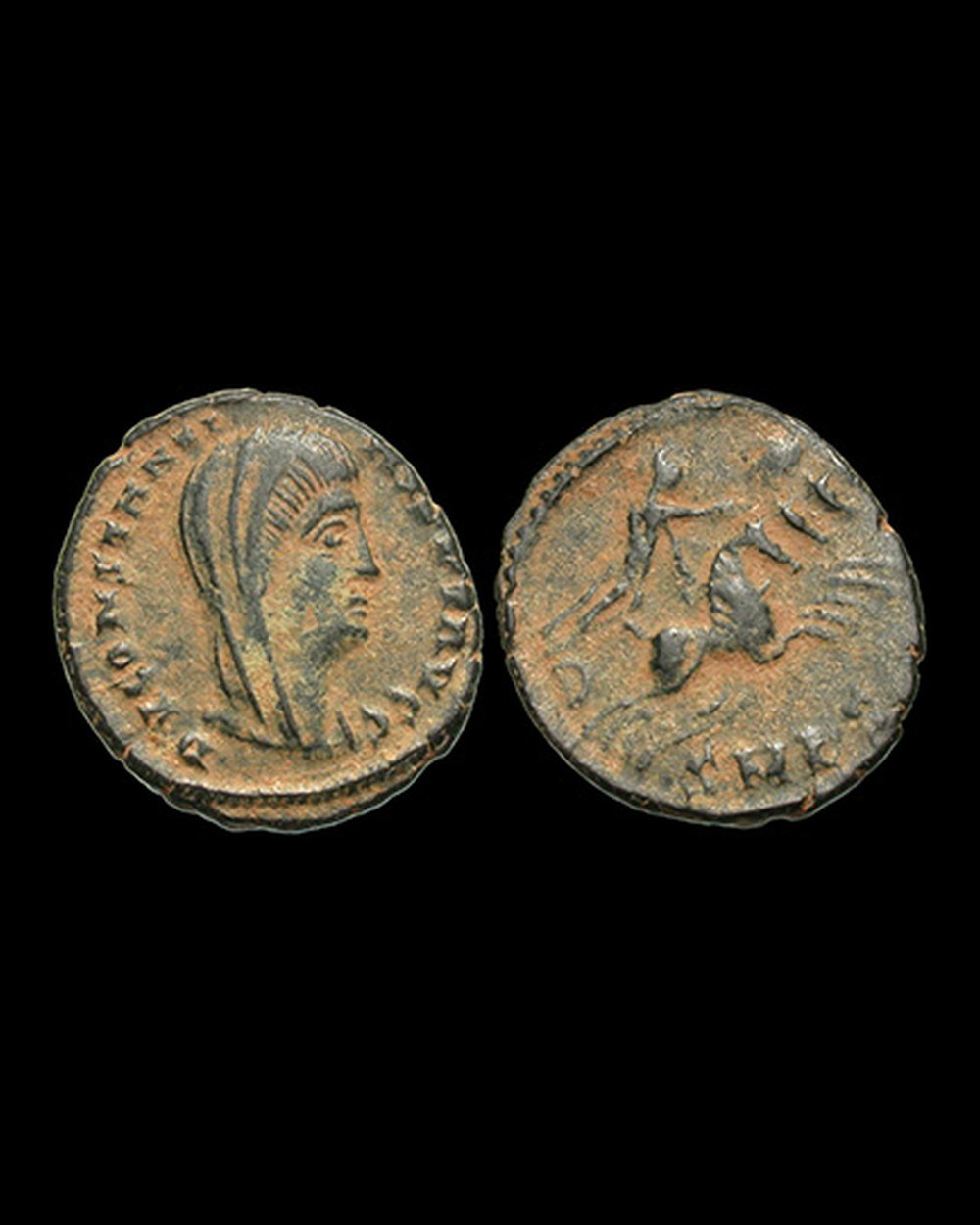
Ten pieces · $15–$125A coin is a legal ball-marker, so it can be a real one. Seven of these are built around actual old coins; one is an actual Roman coin.
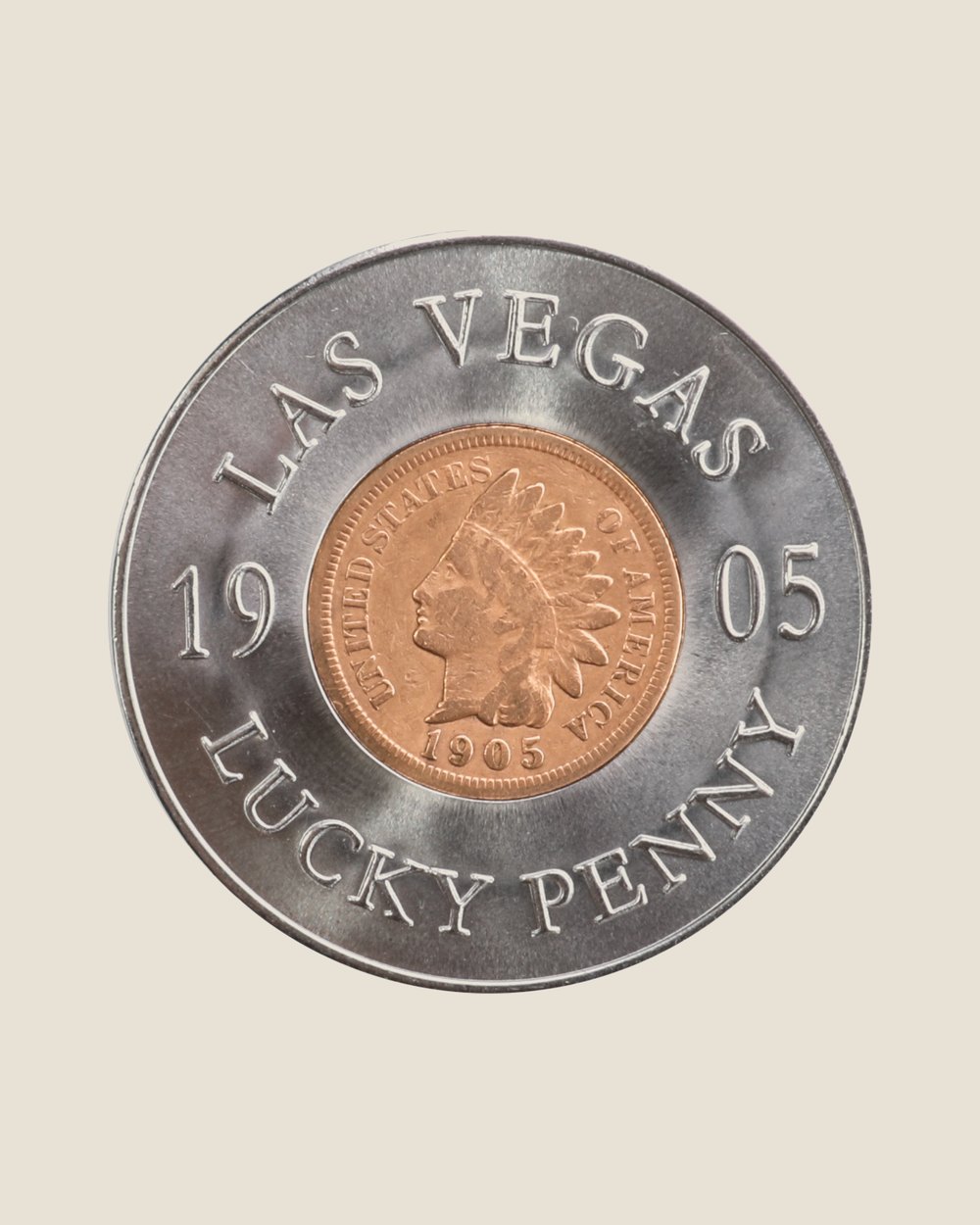
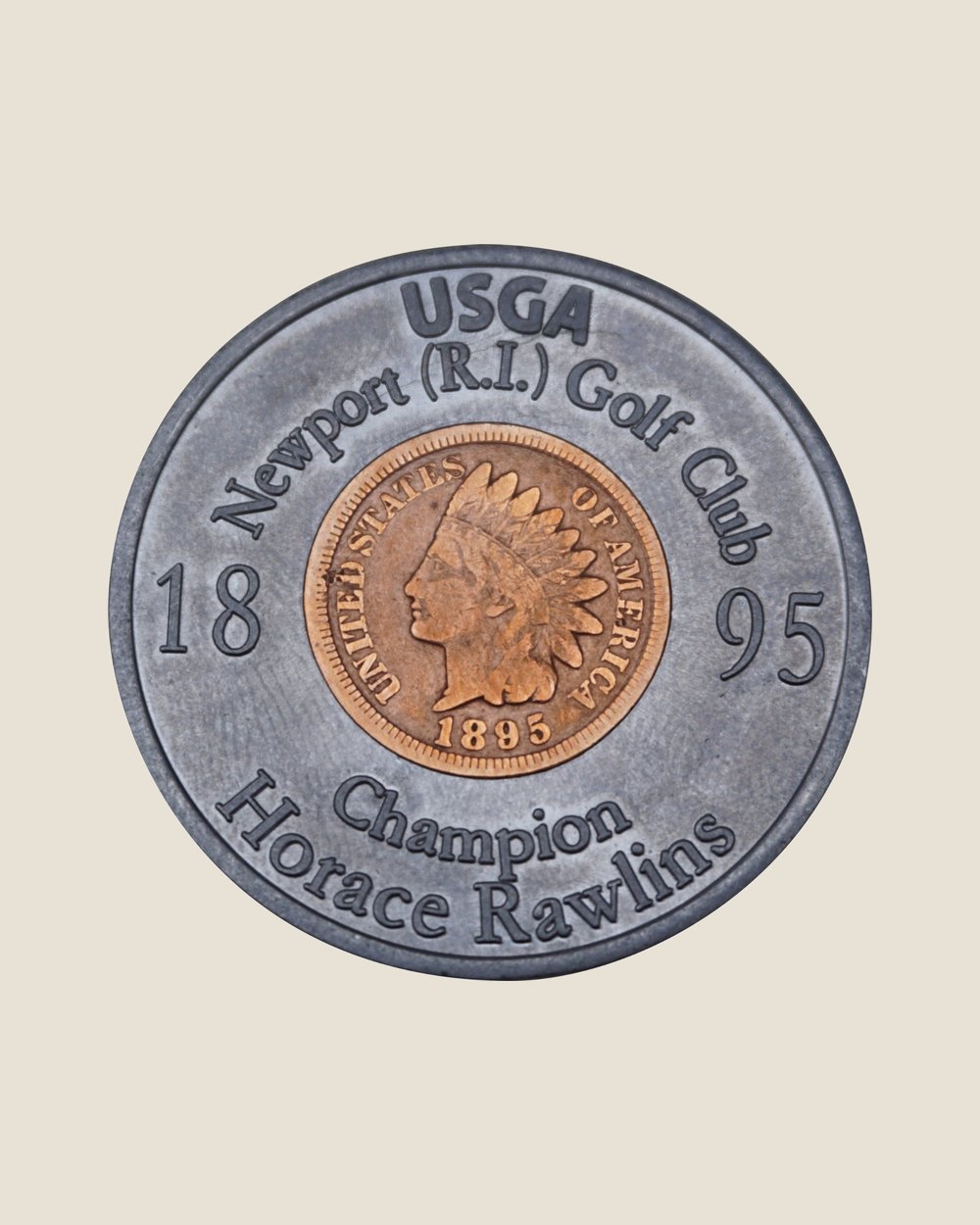
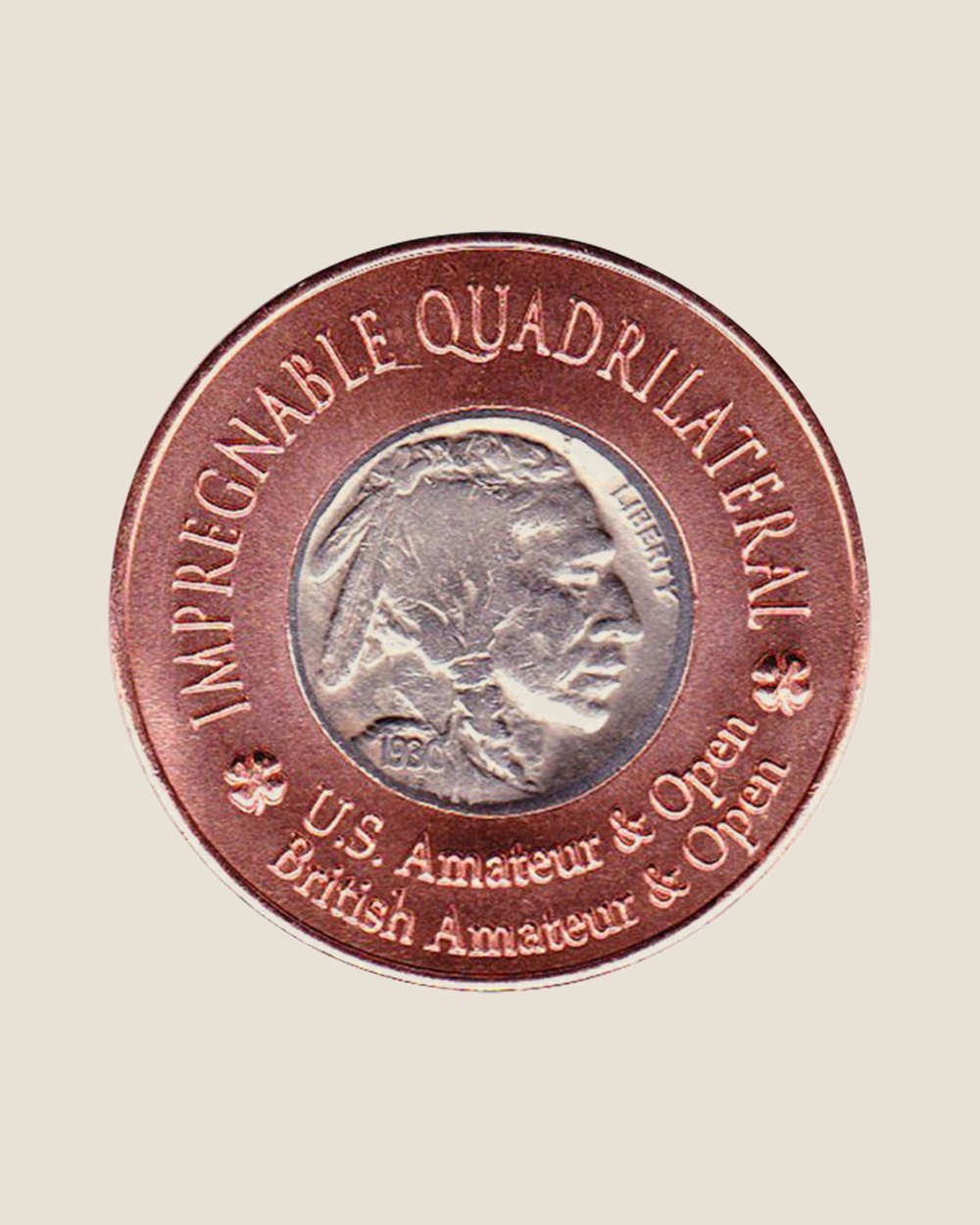
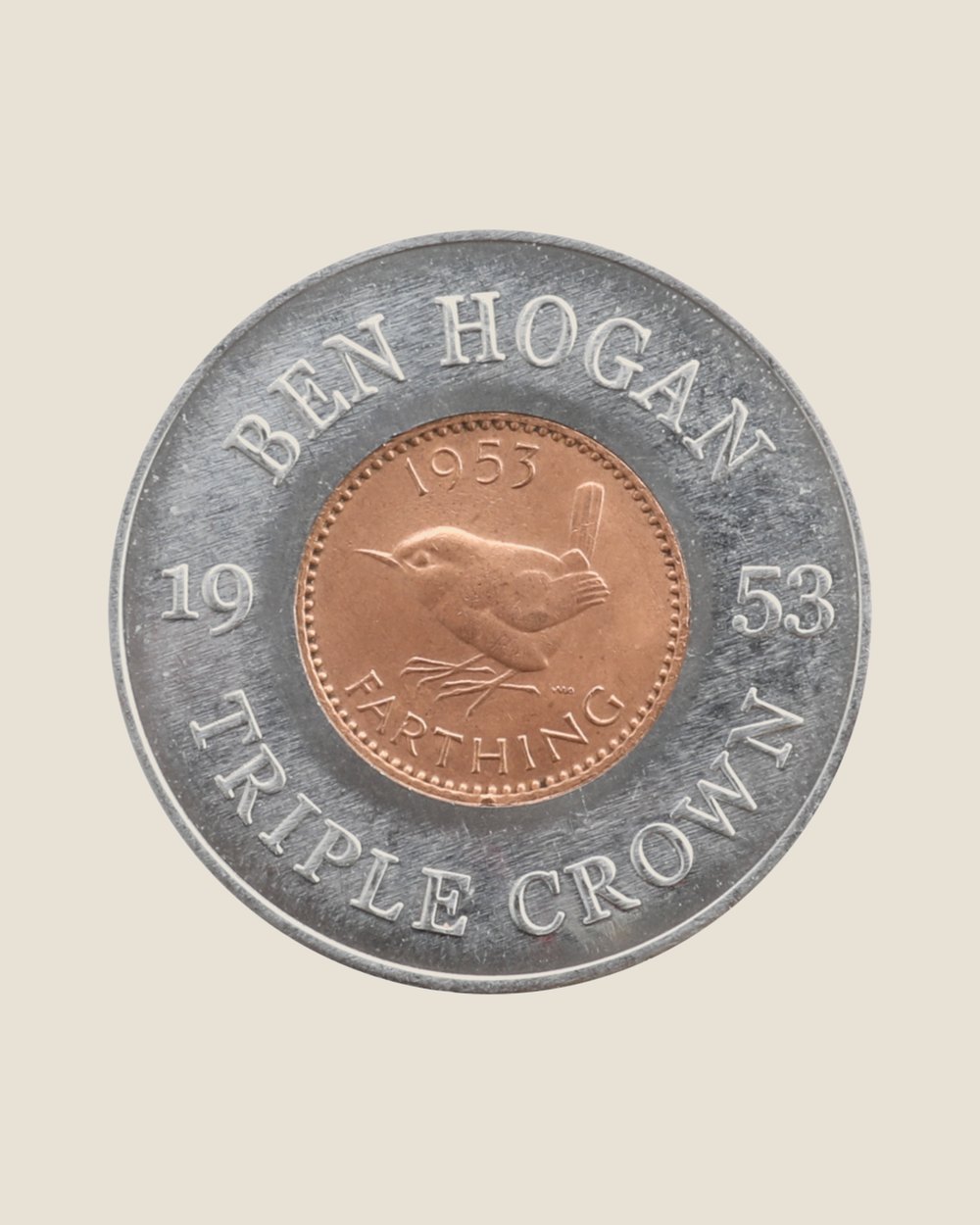
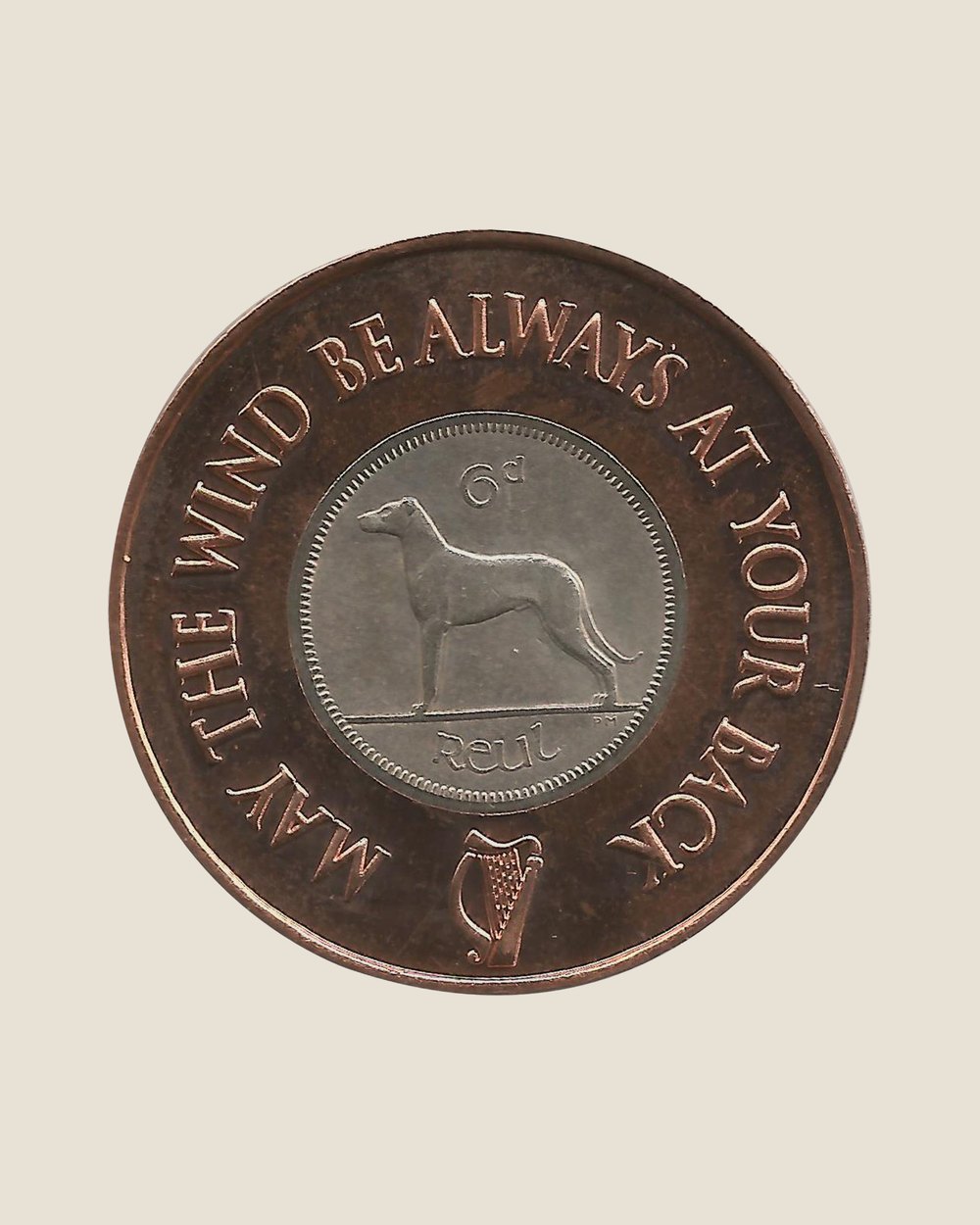
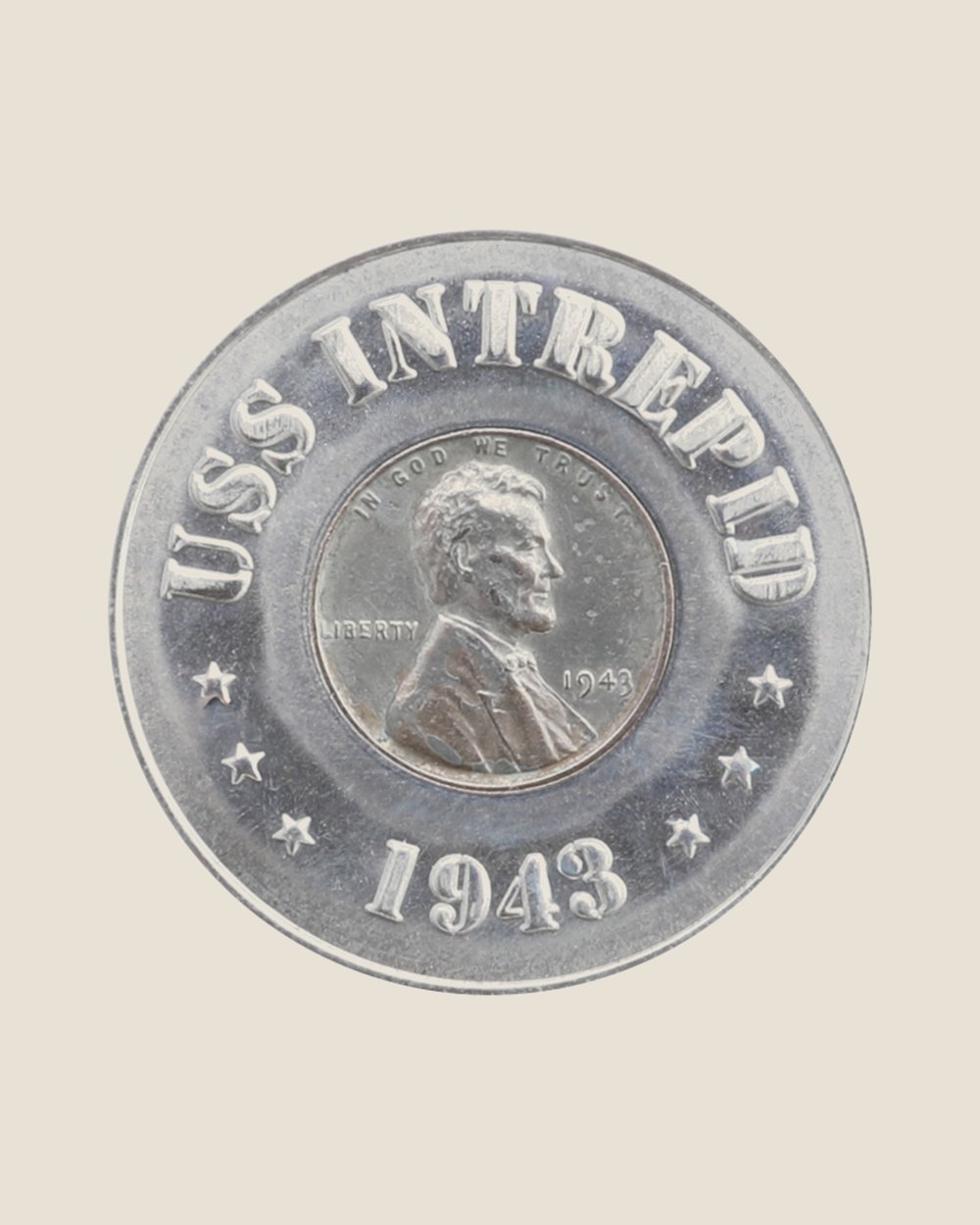
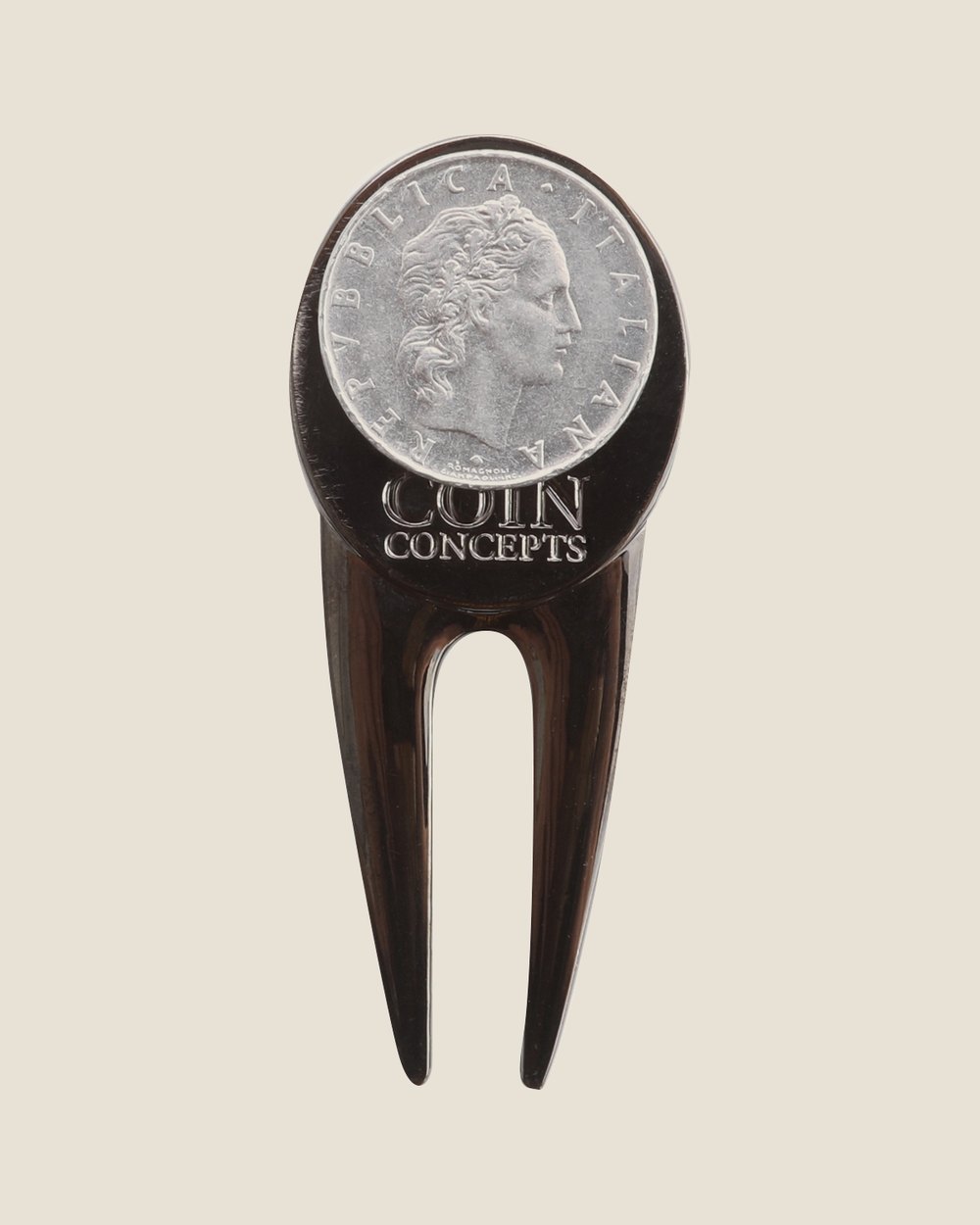
Six pieces · $30–$1,250St. Christopher for the drive there. The patron of lost things, St. Anthony, for everything after the first tee.
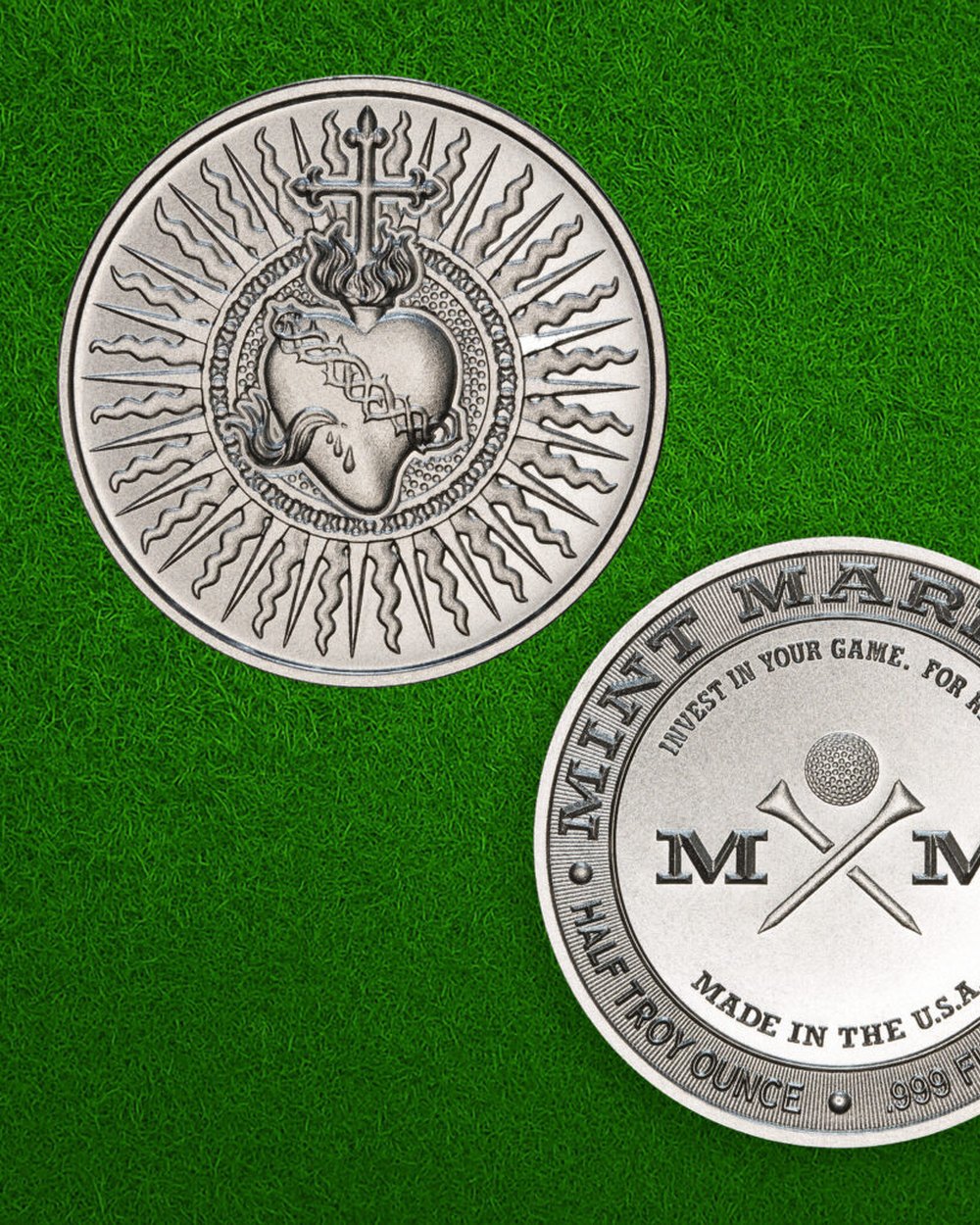
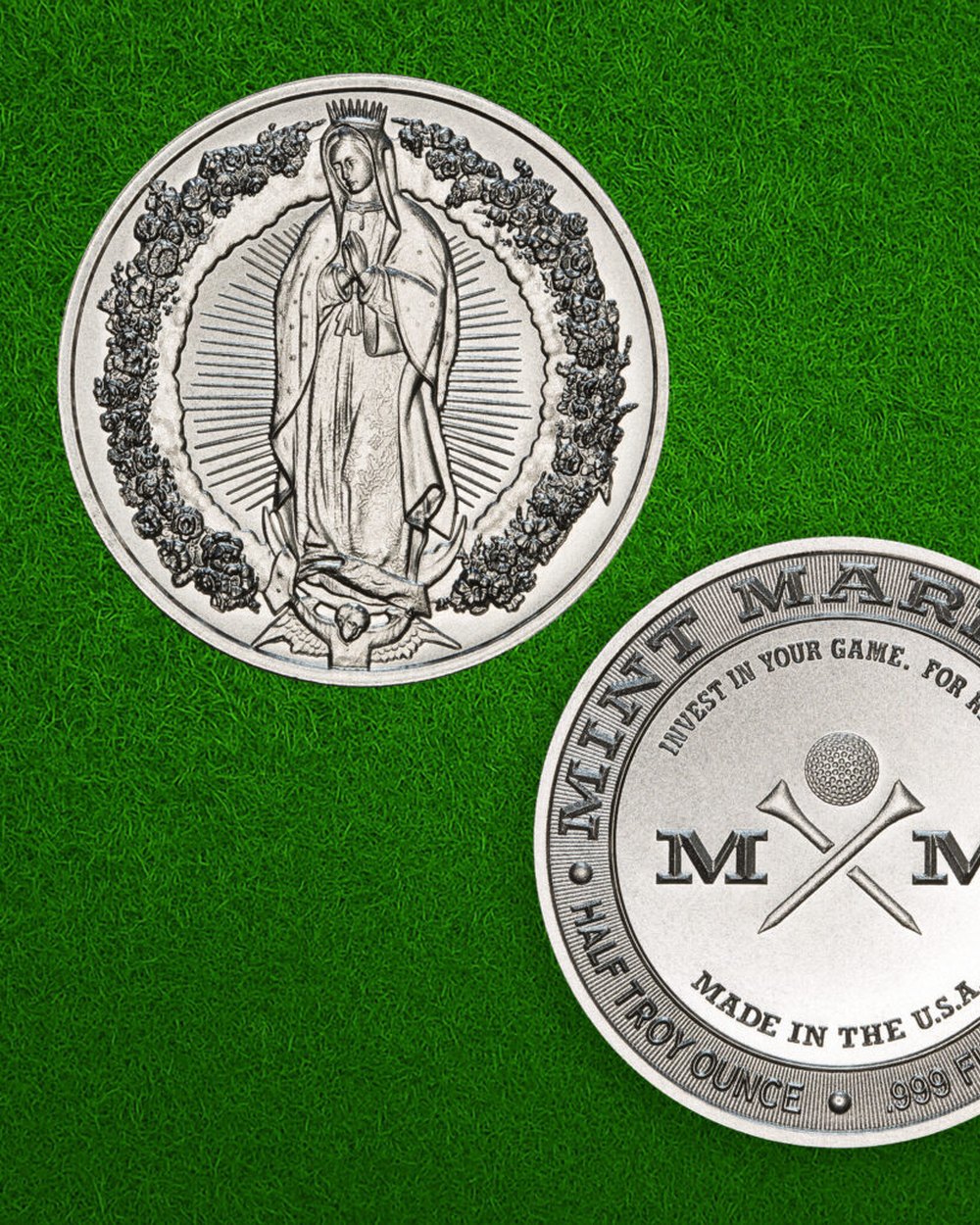
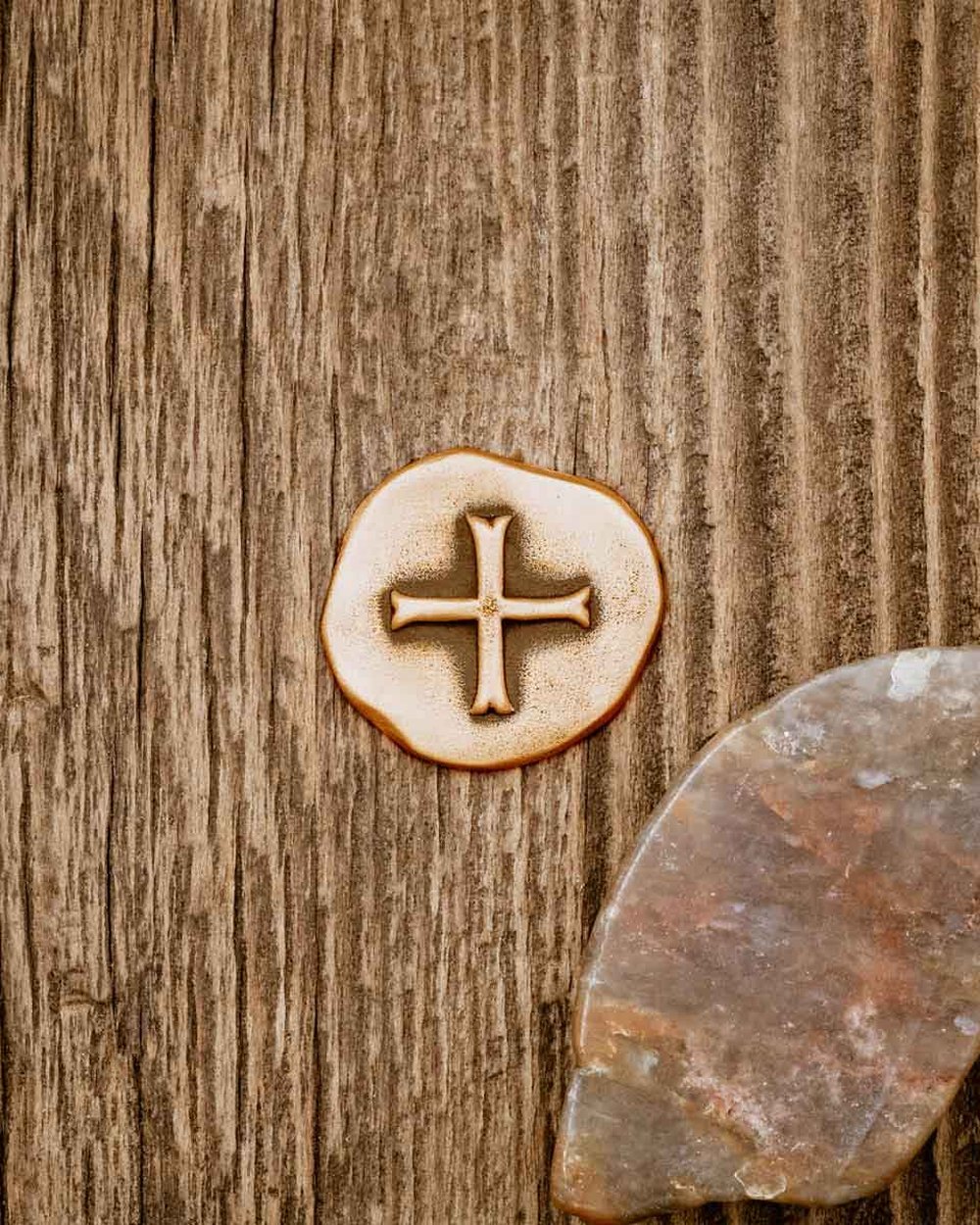
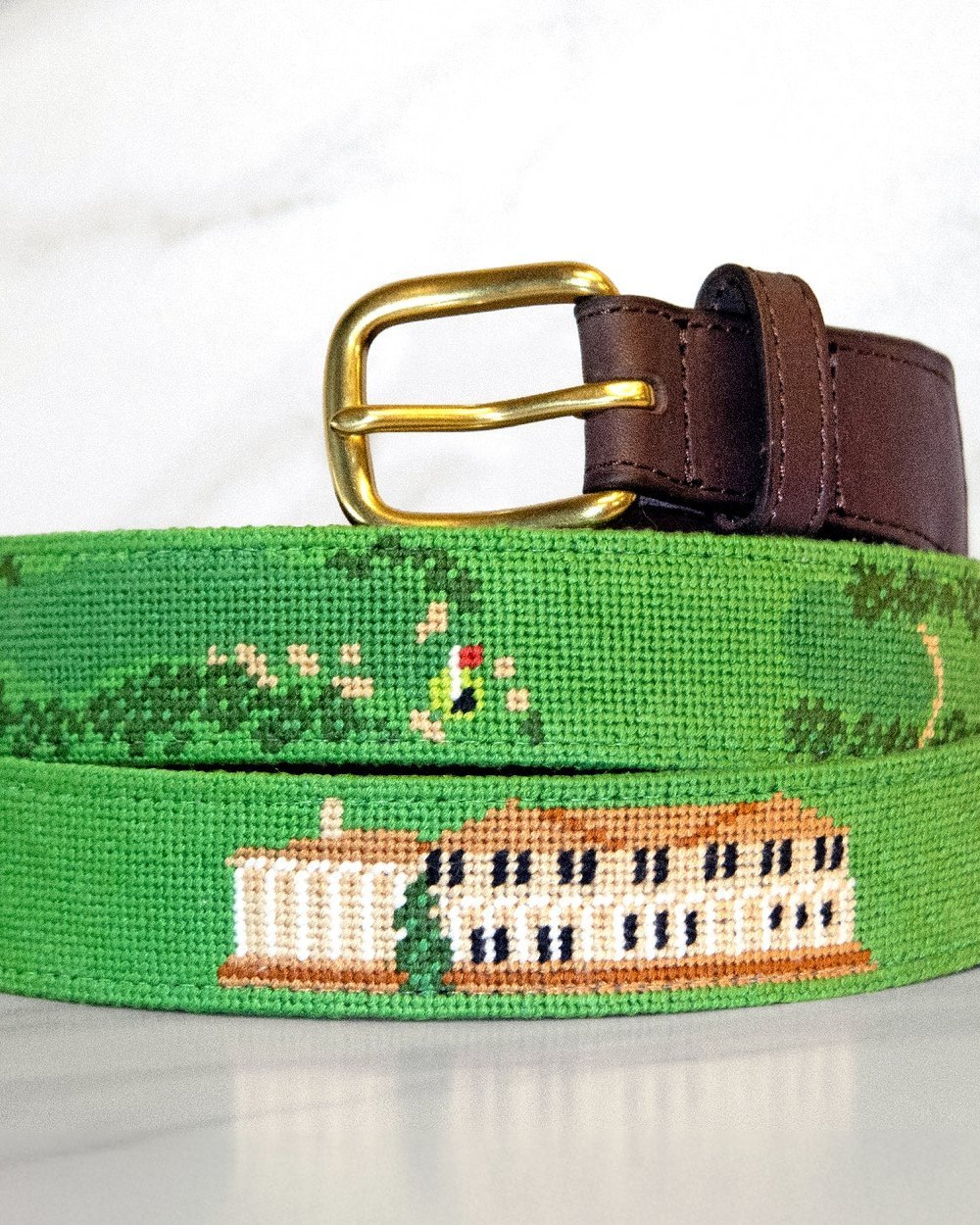
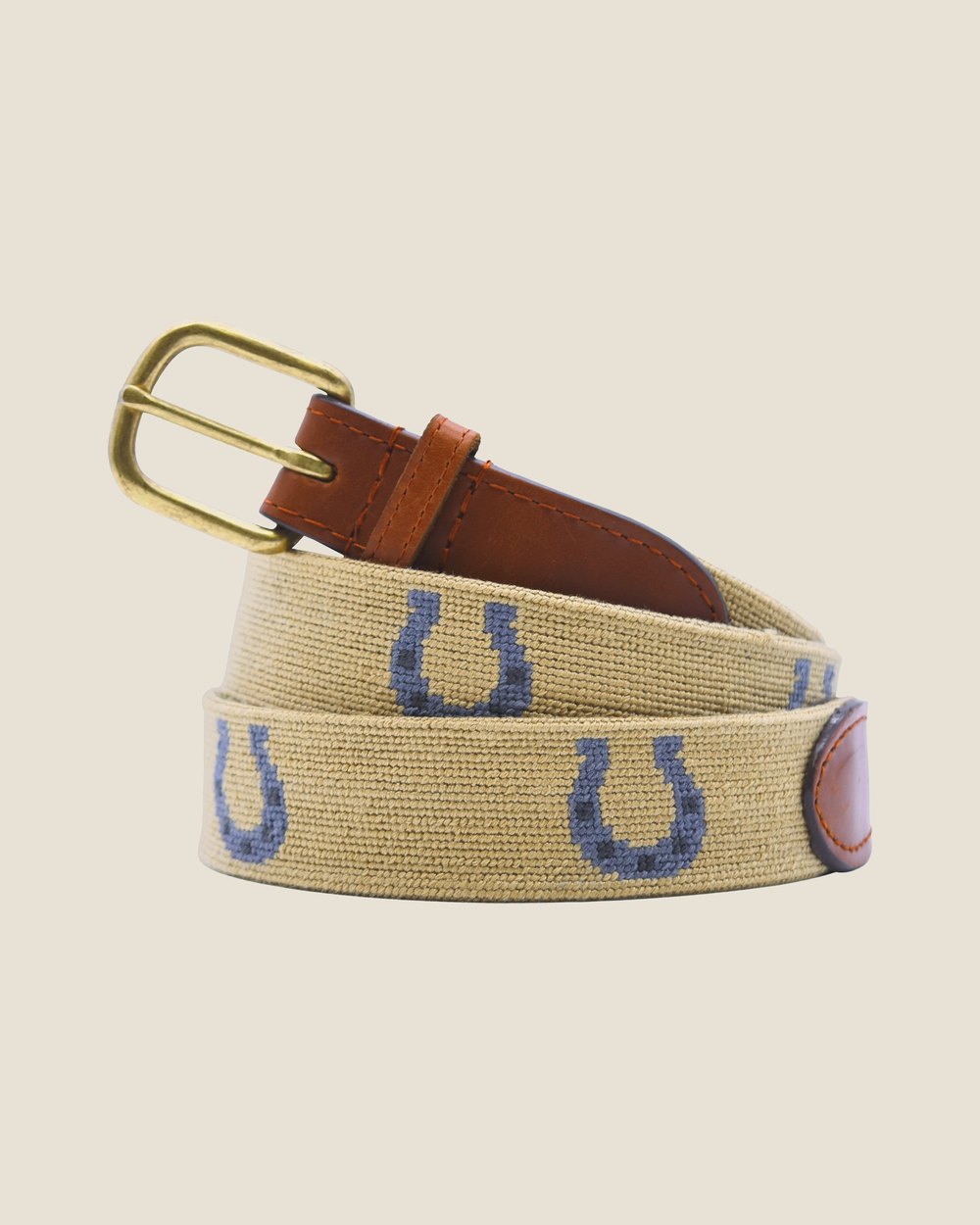
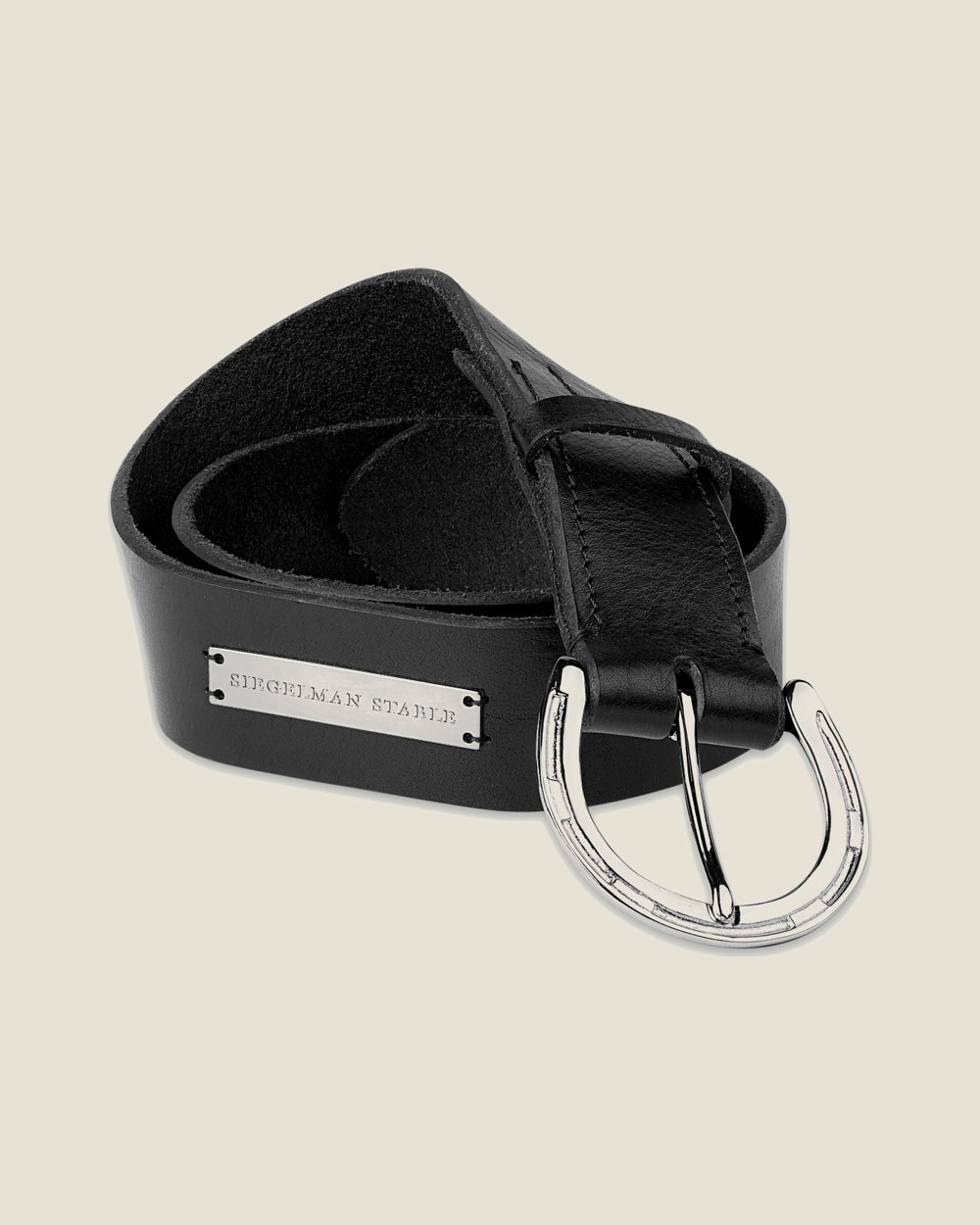
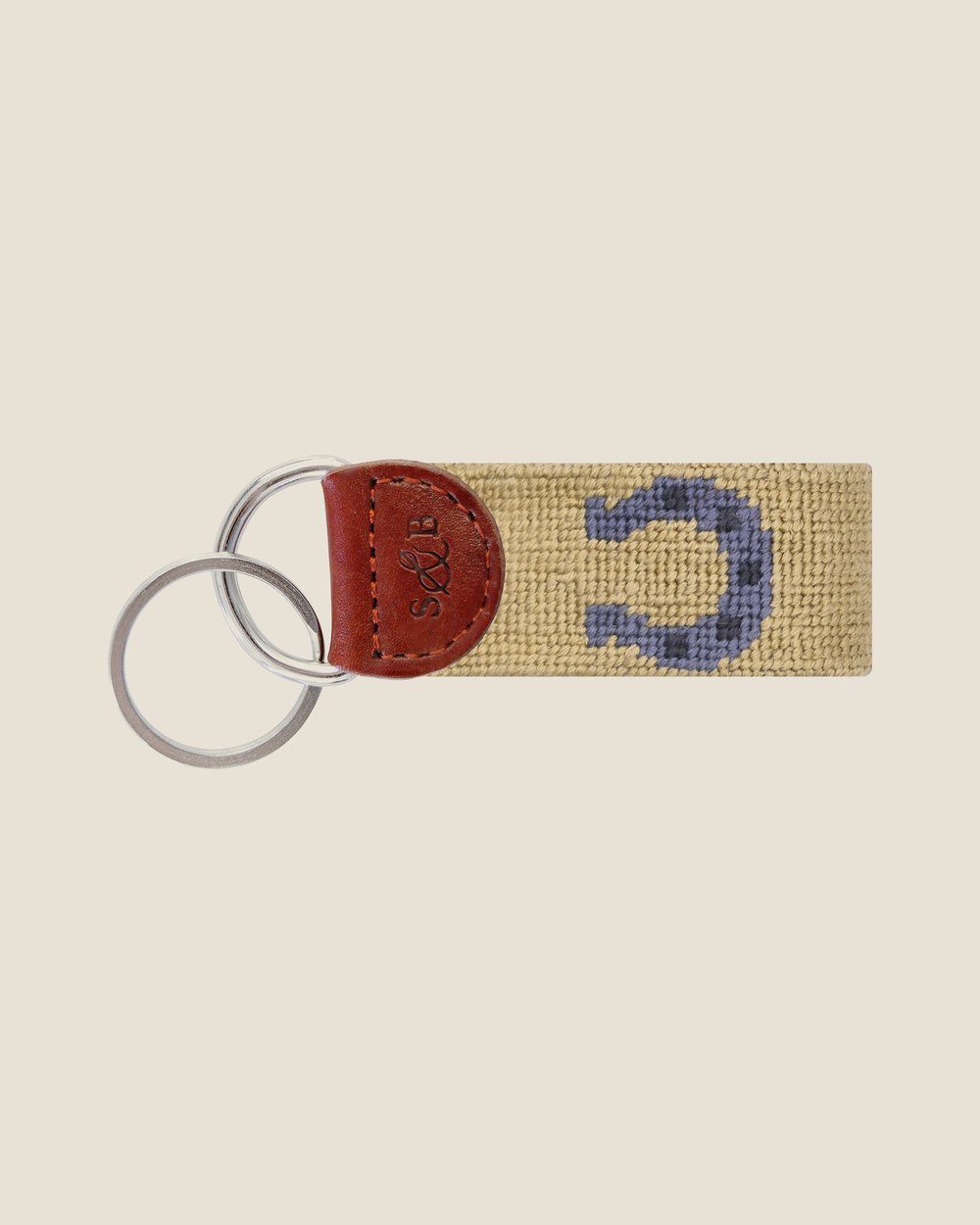
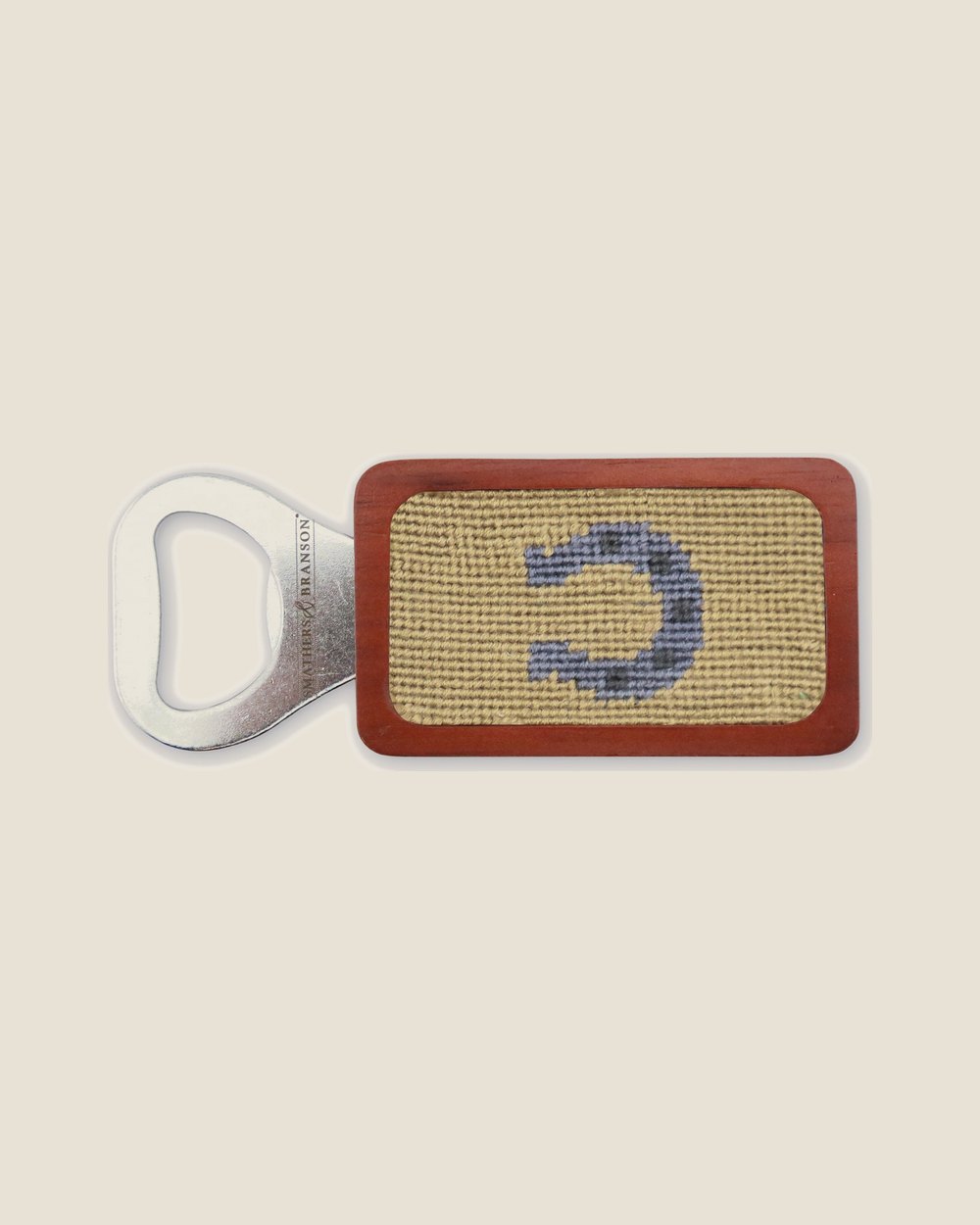
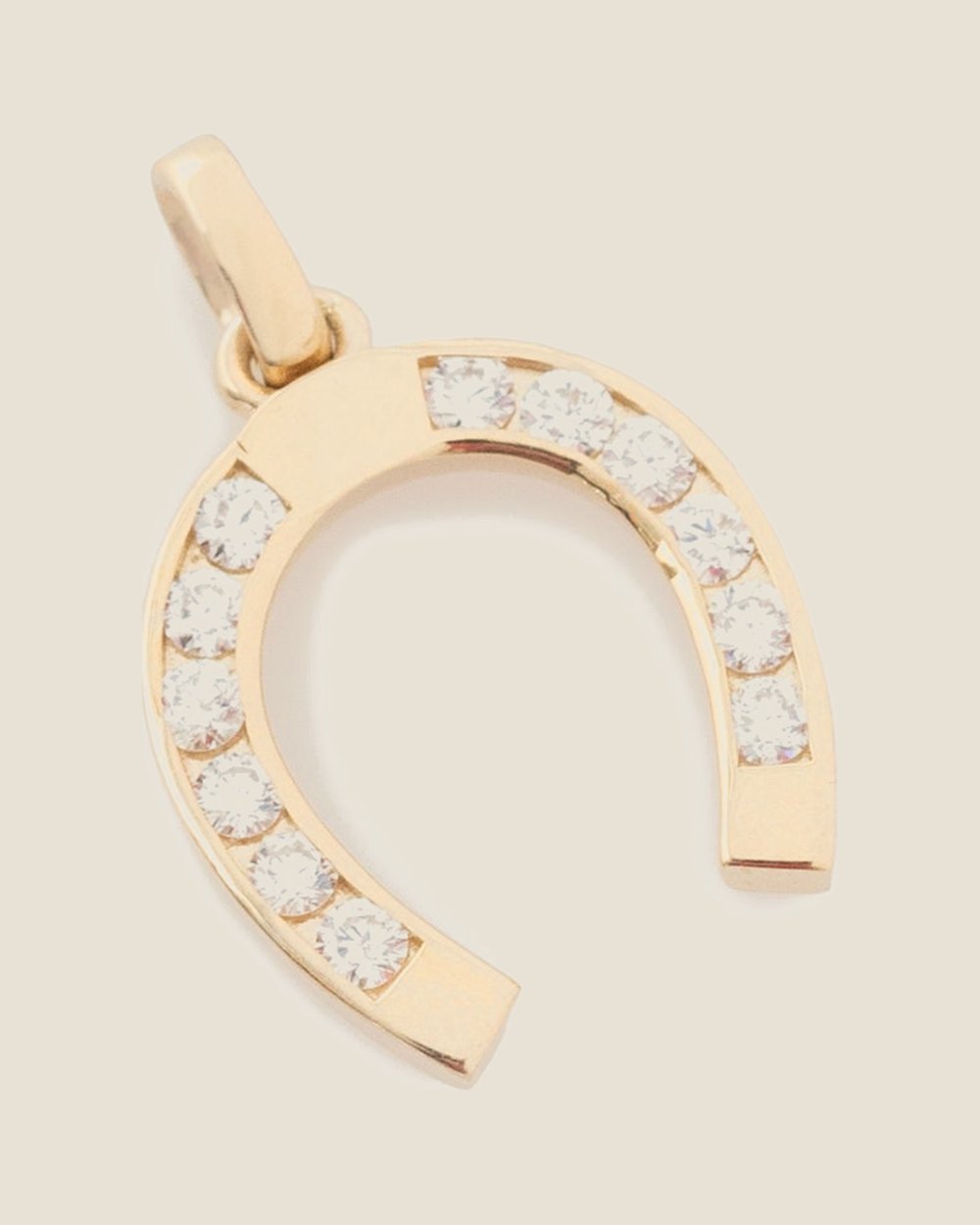
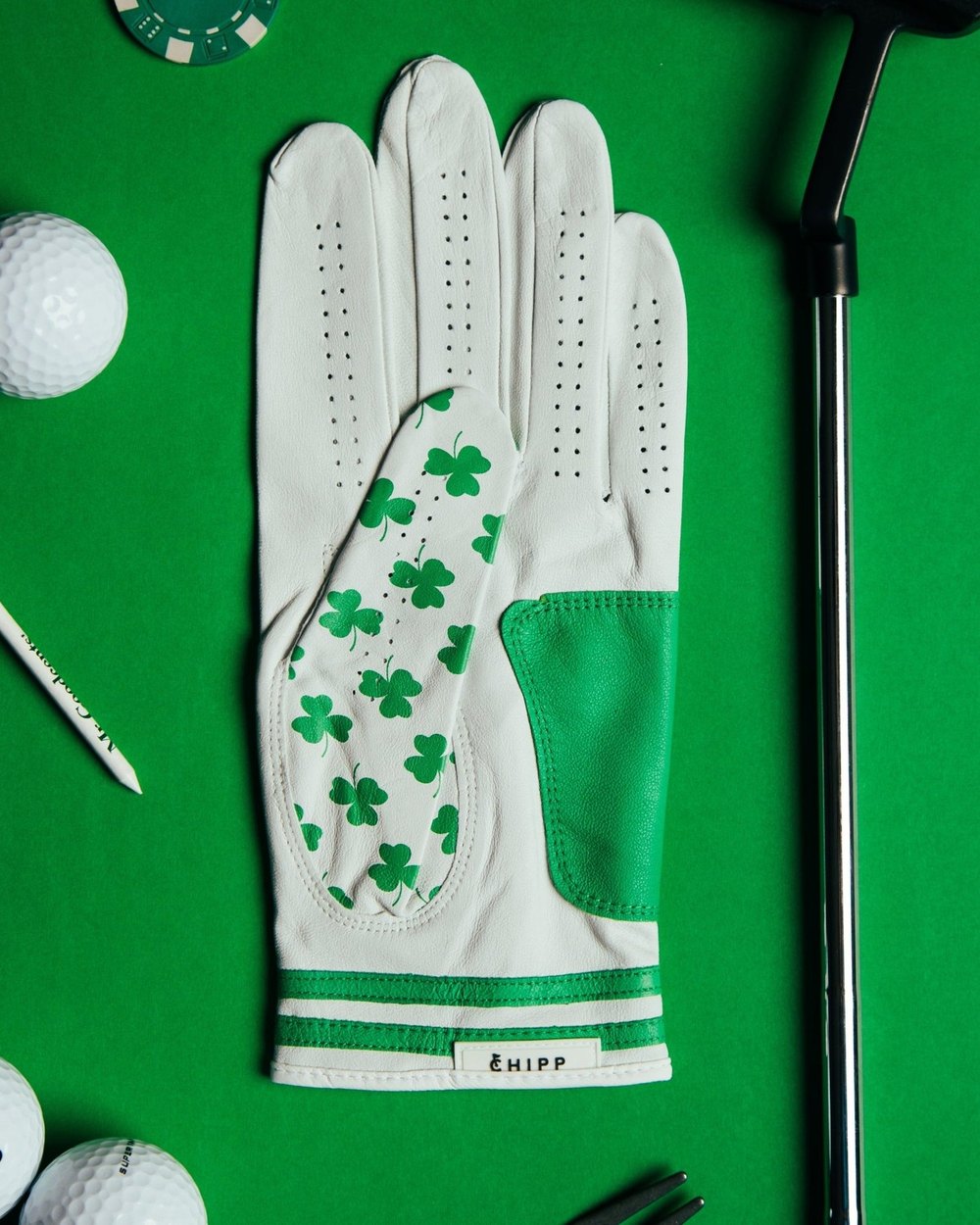
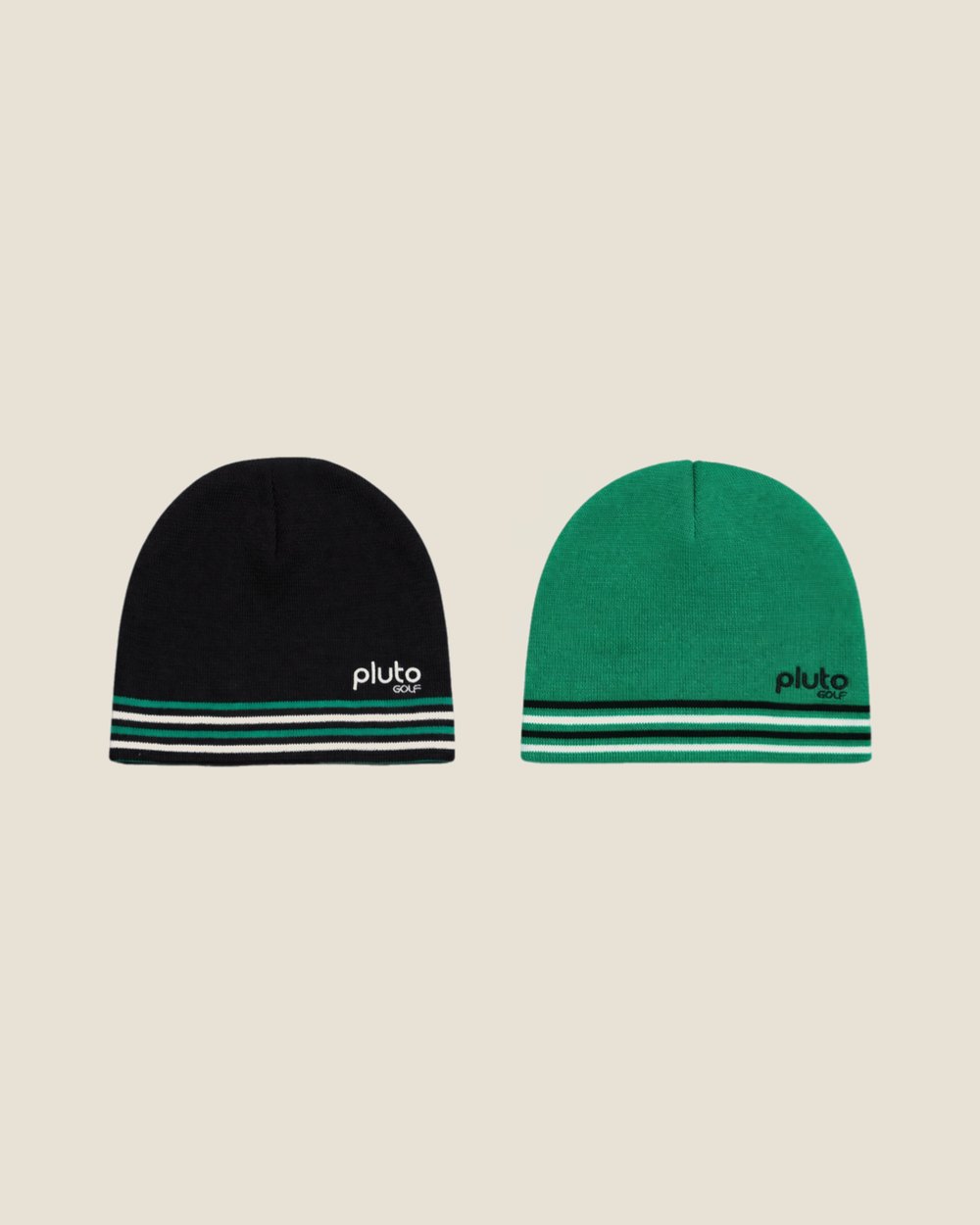
Twelve pieces · $28–$995The oldest lucky symbols, worked into things you wear and carry.
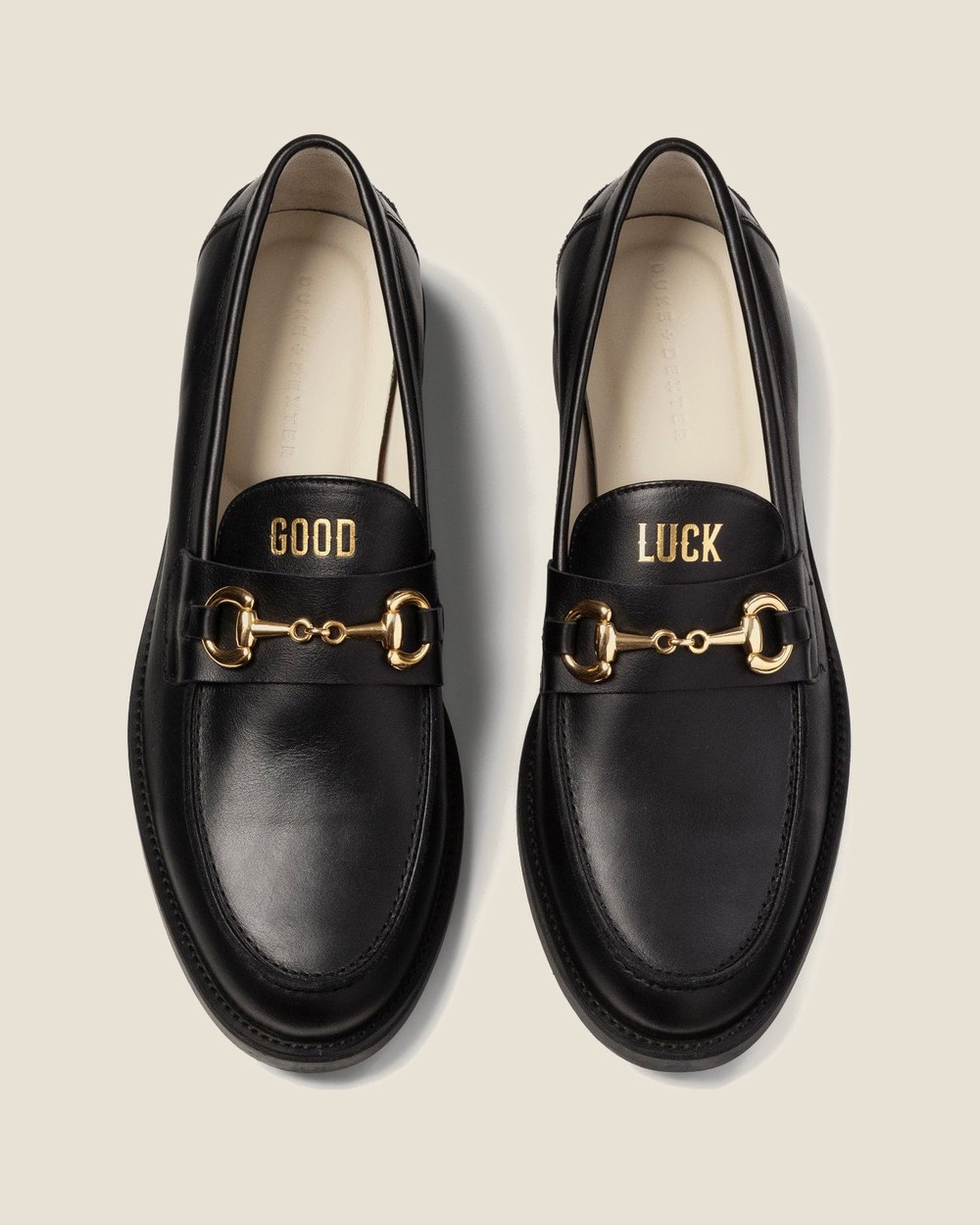
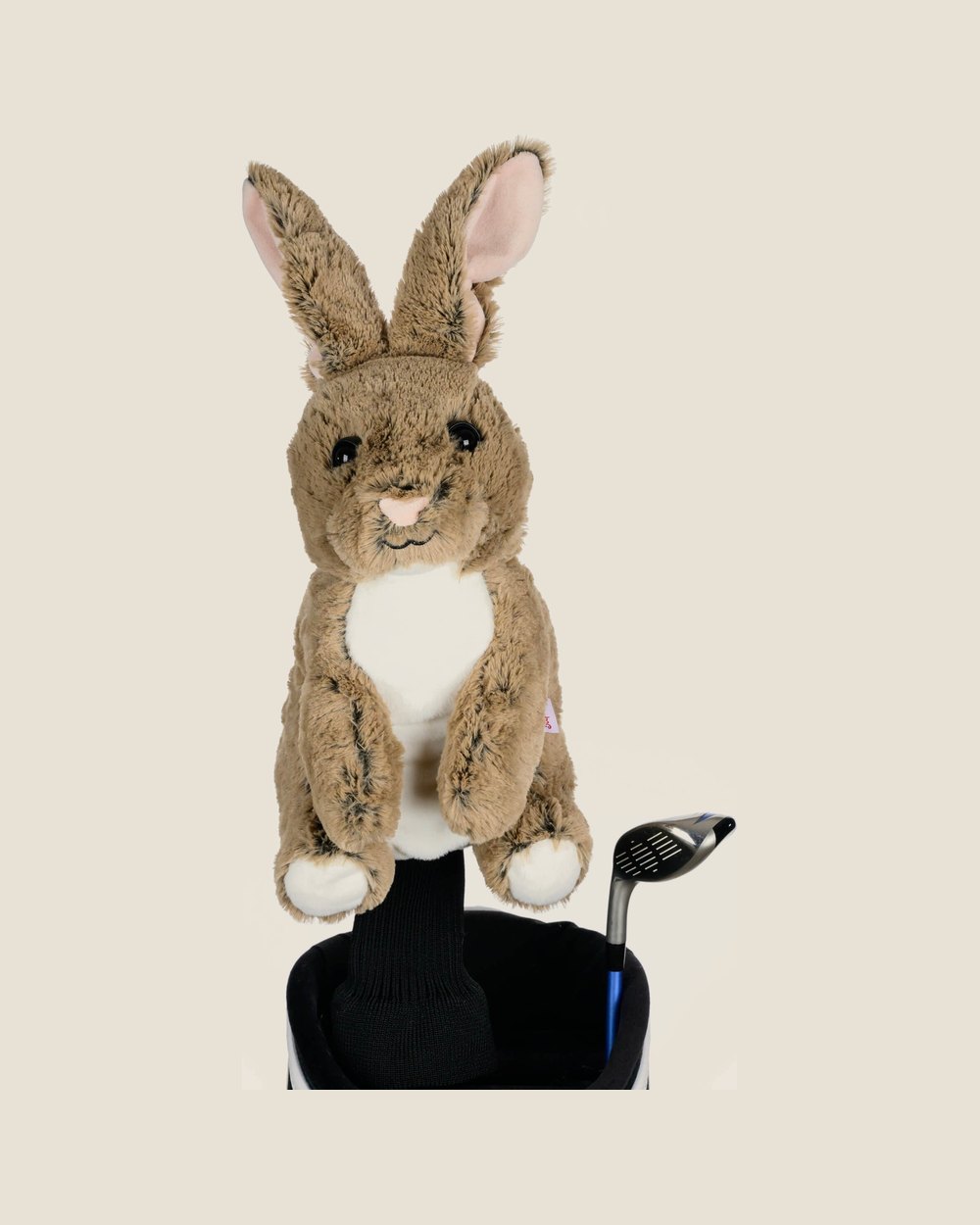
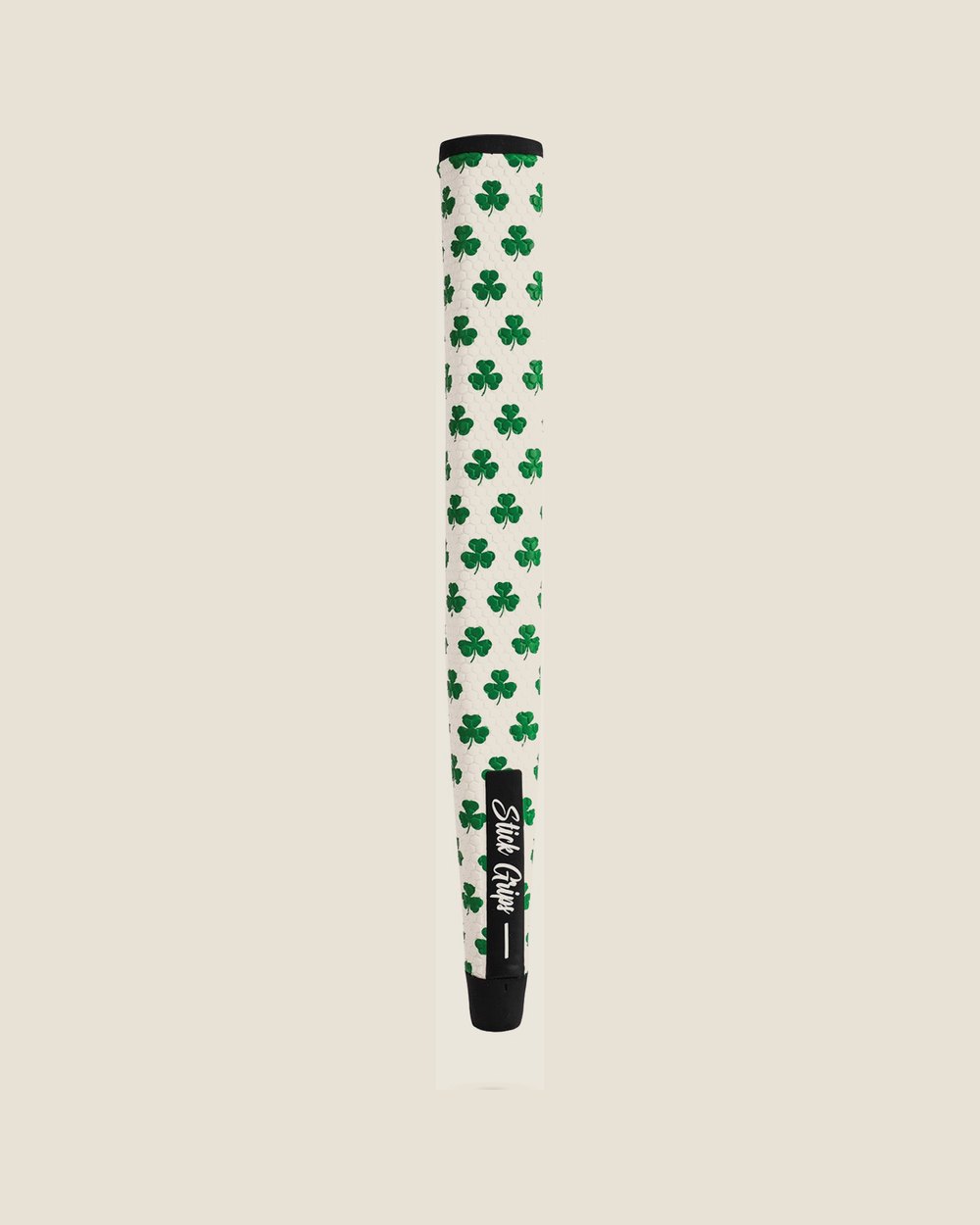
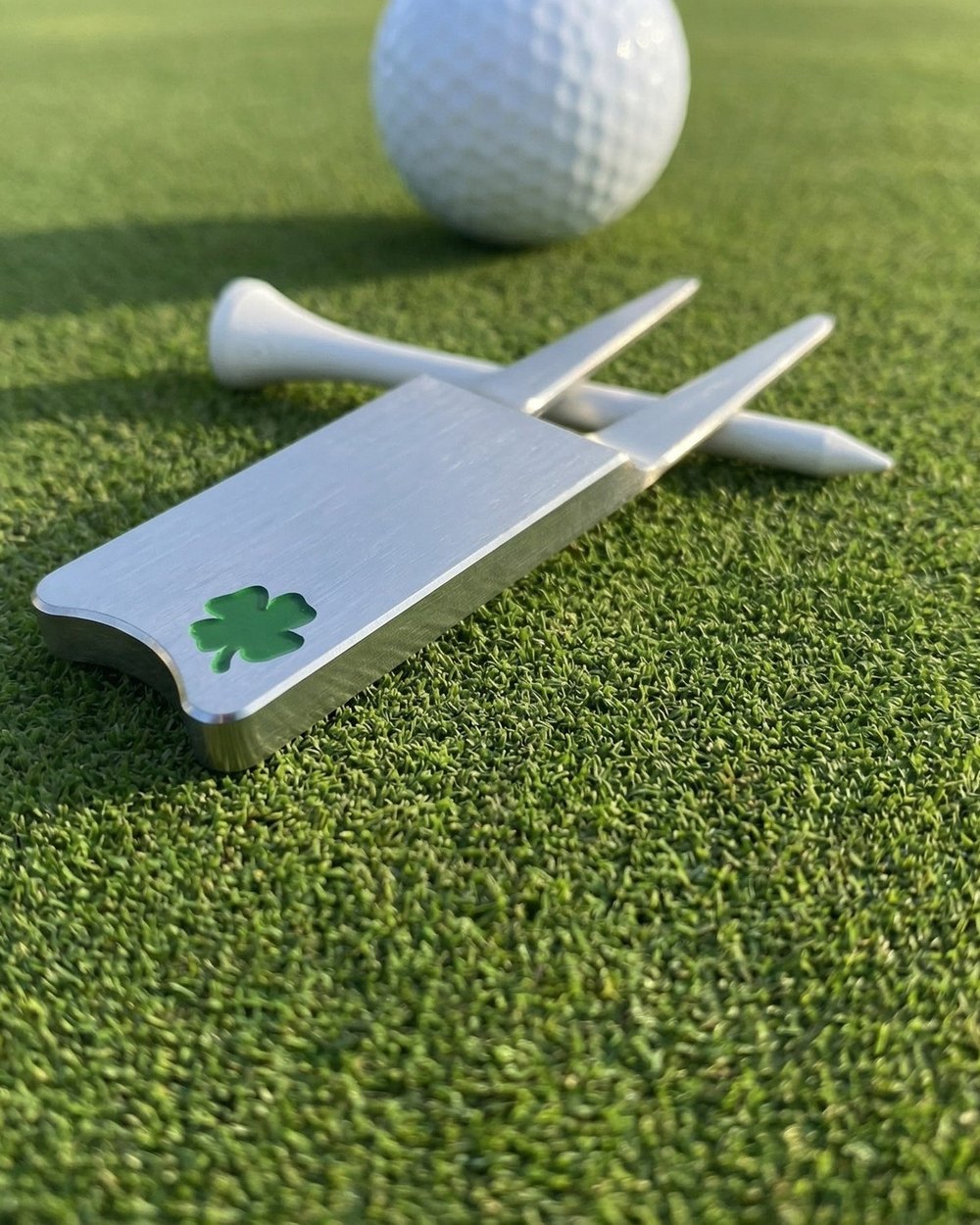
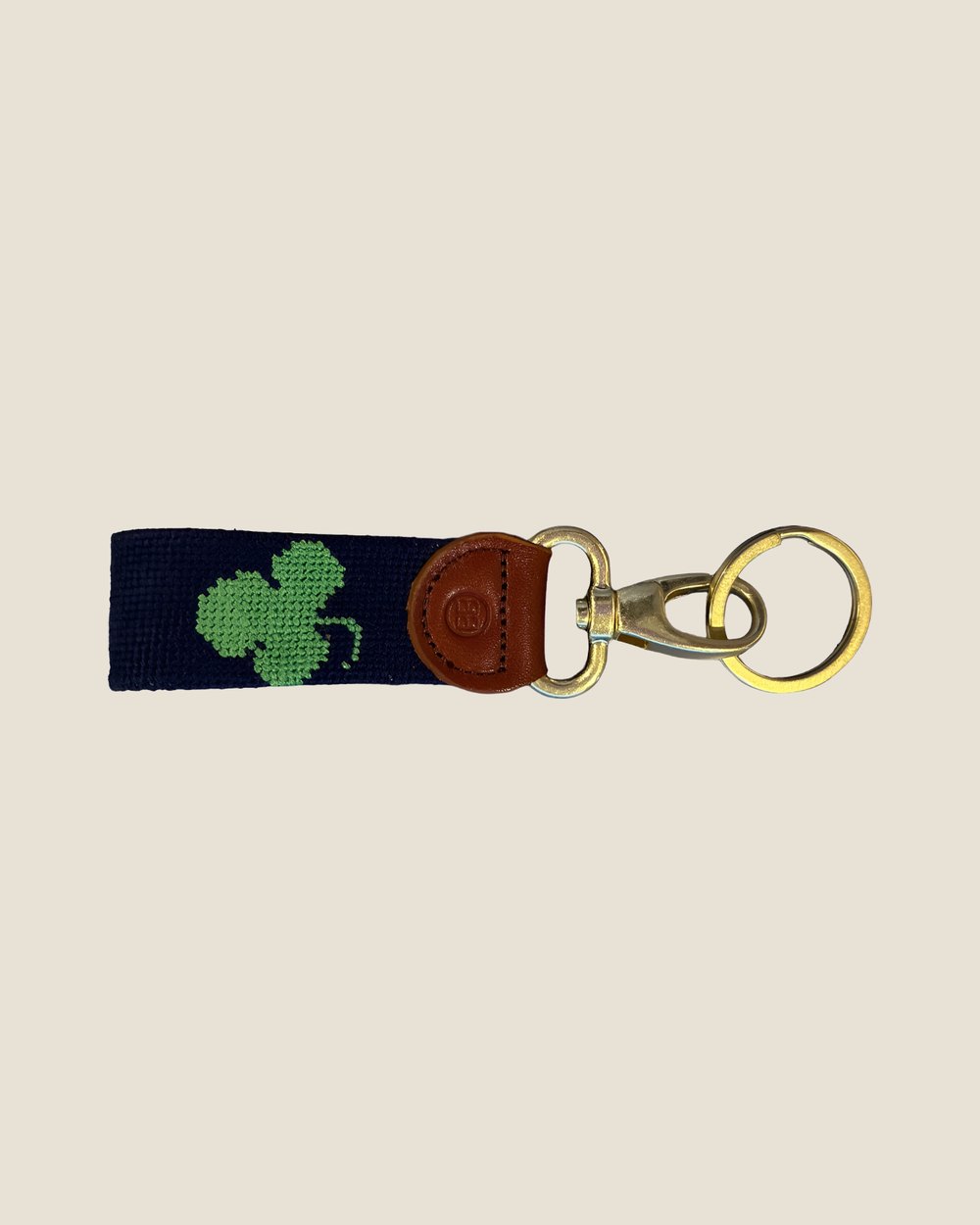
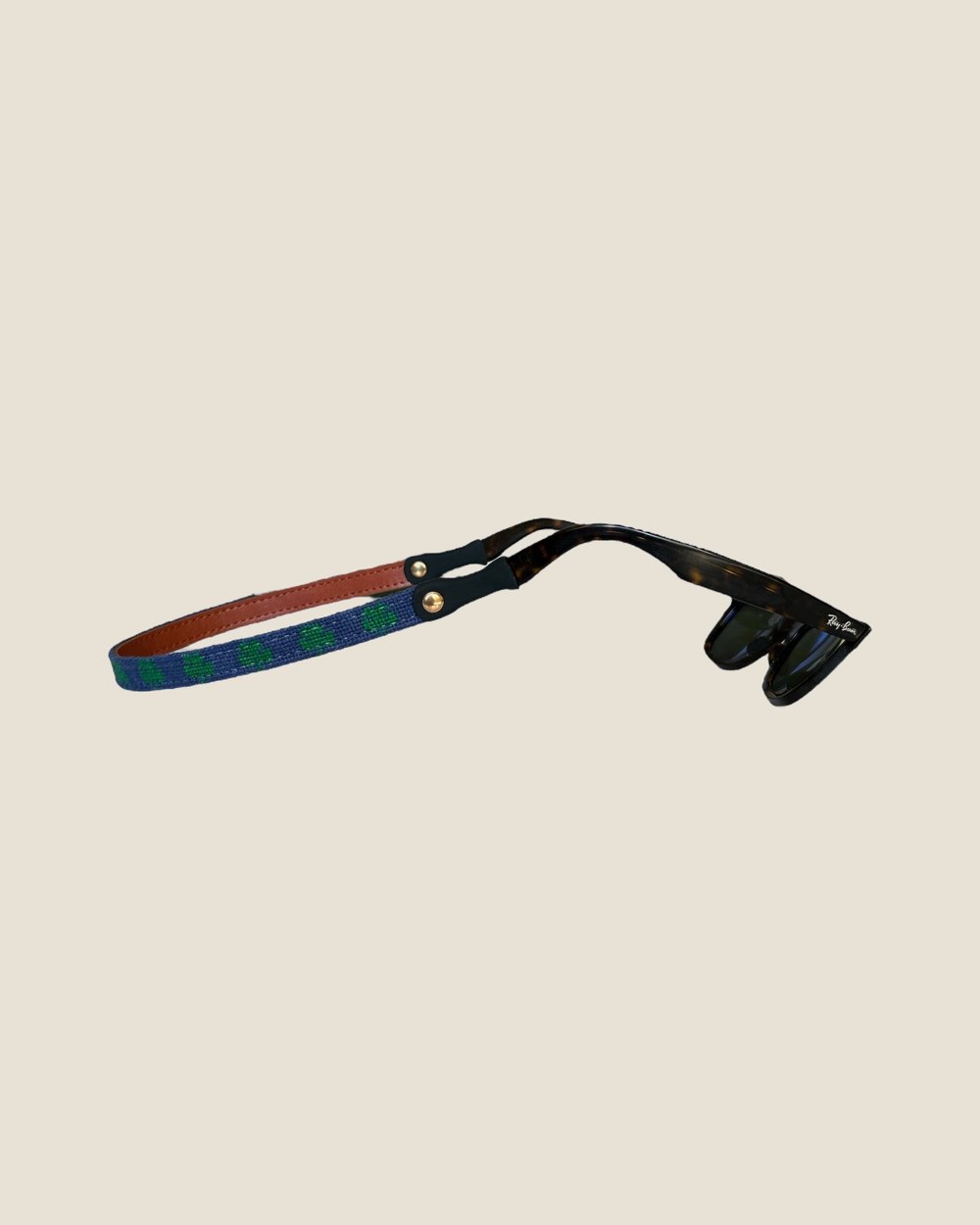
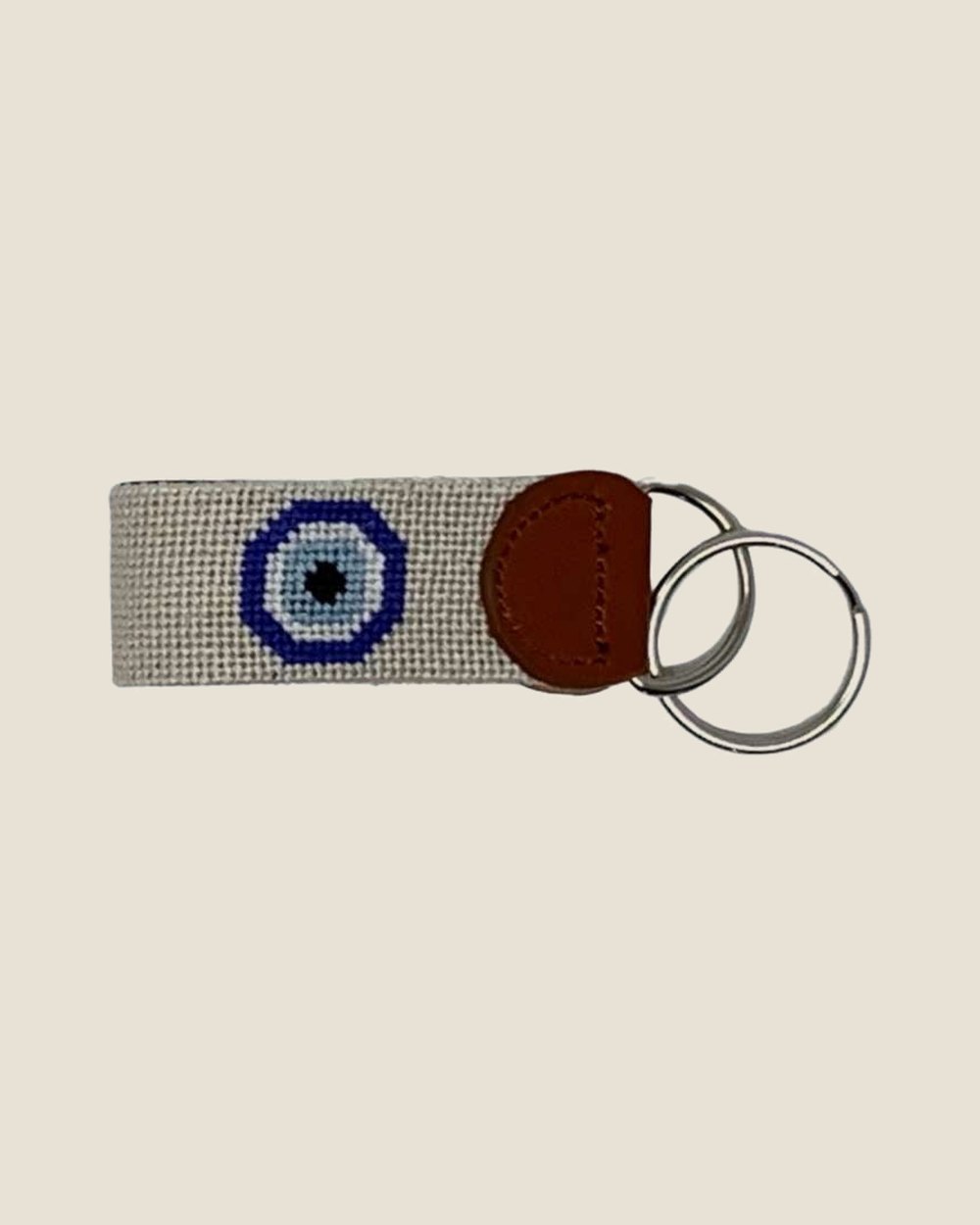
Three pieces · $8–$38Five in the pocket, never a broken one, never the one that just went out of bounds.
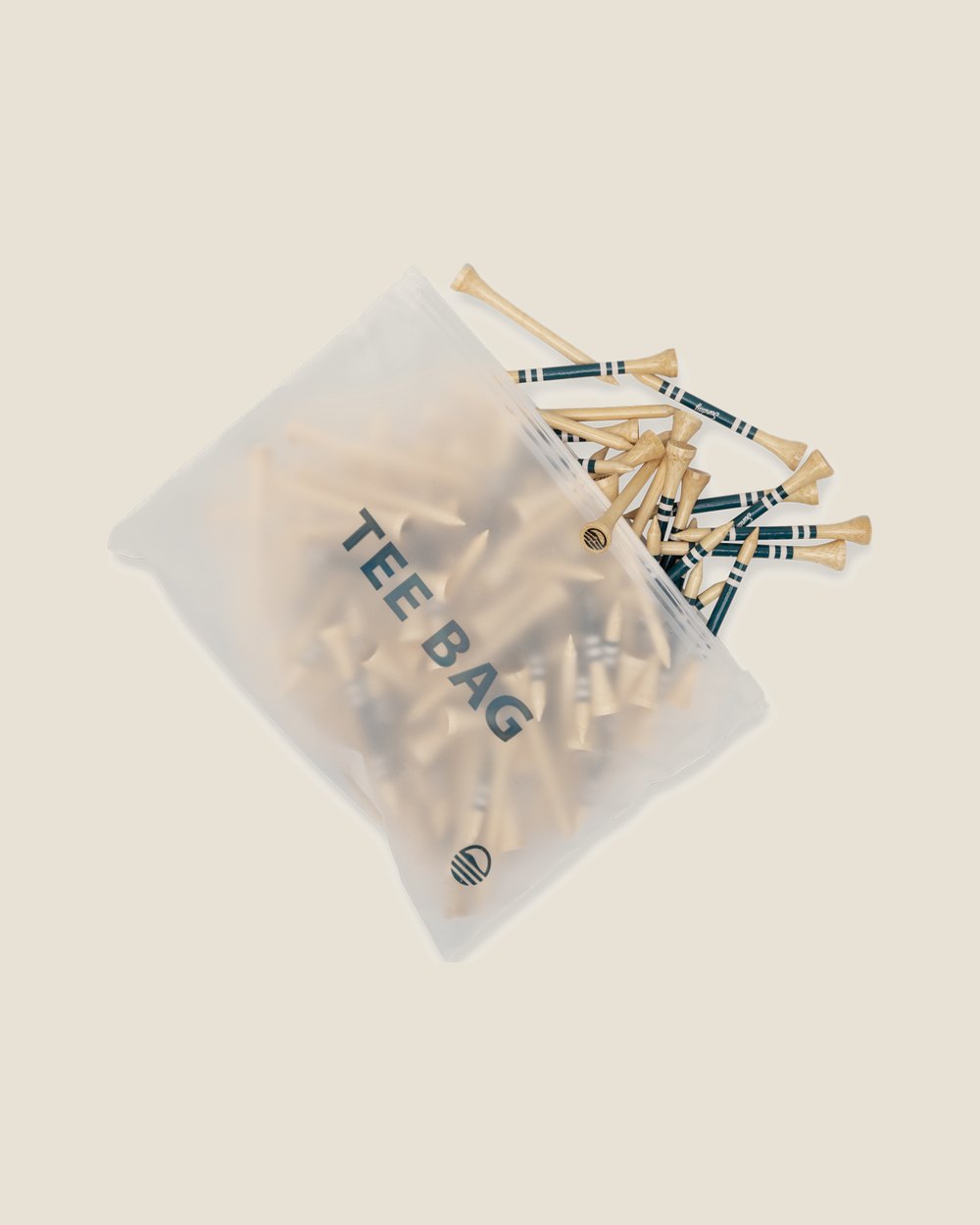
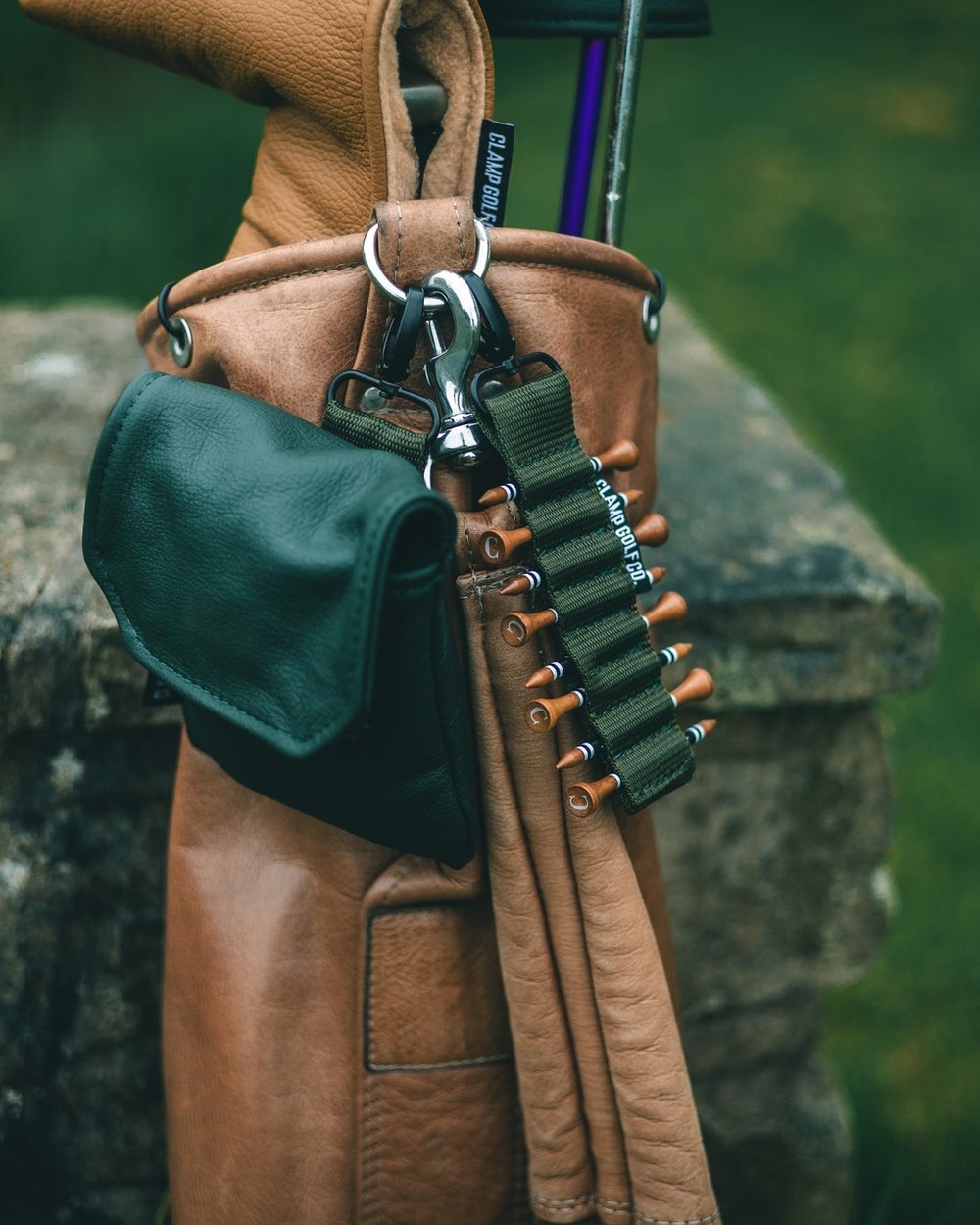
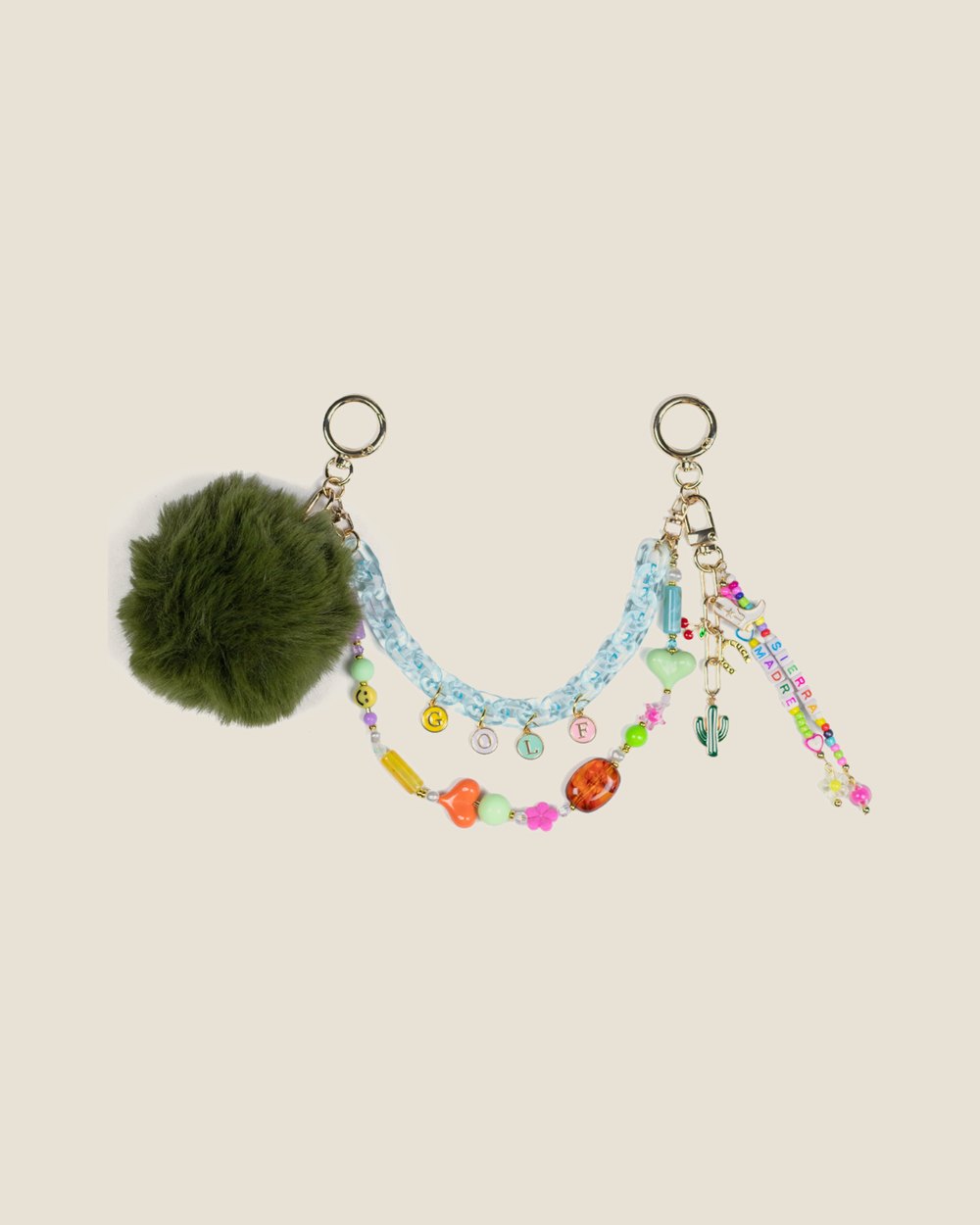
Eight pieces · $12–$60For golfers who would rather play the odds than fight them.
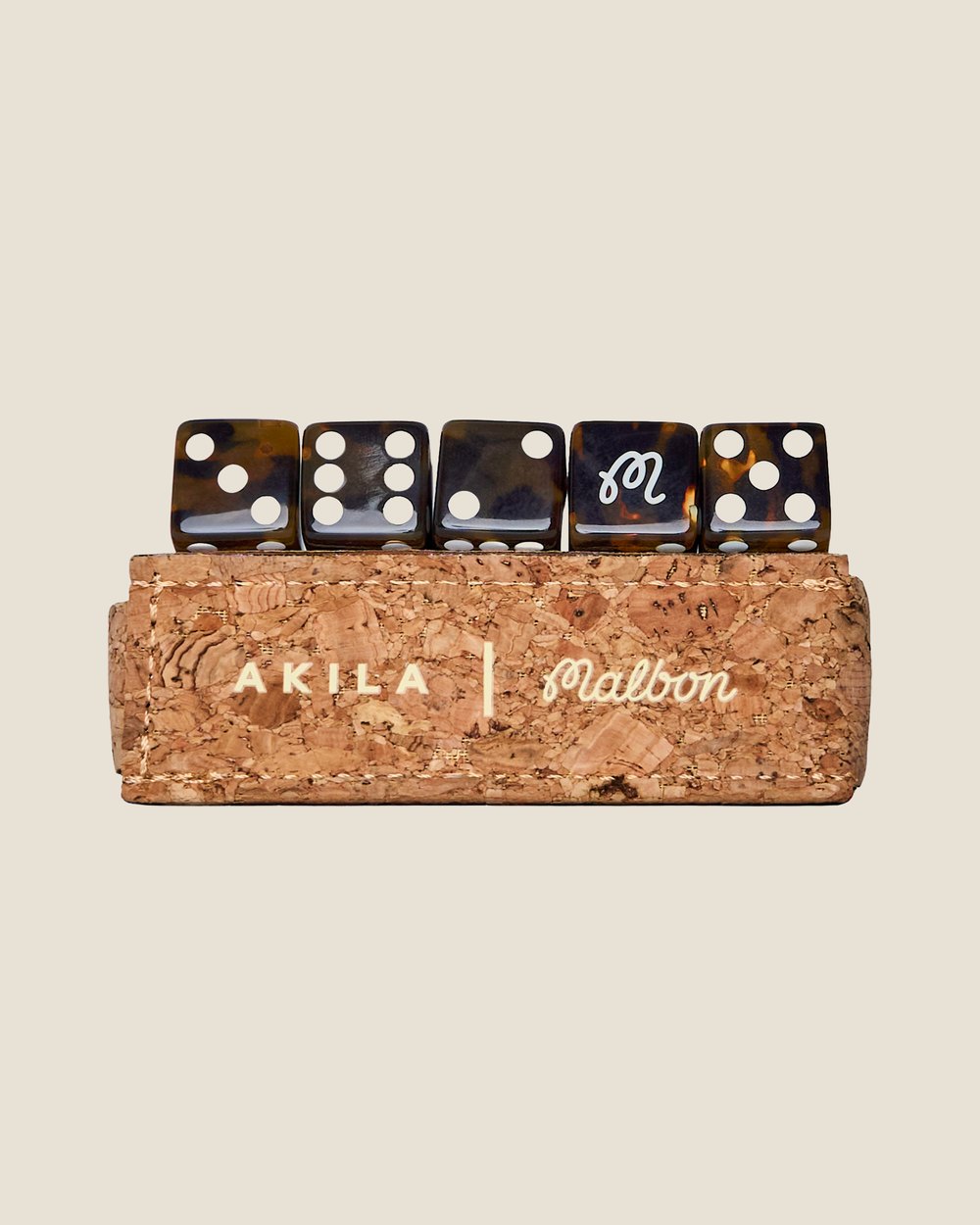
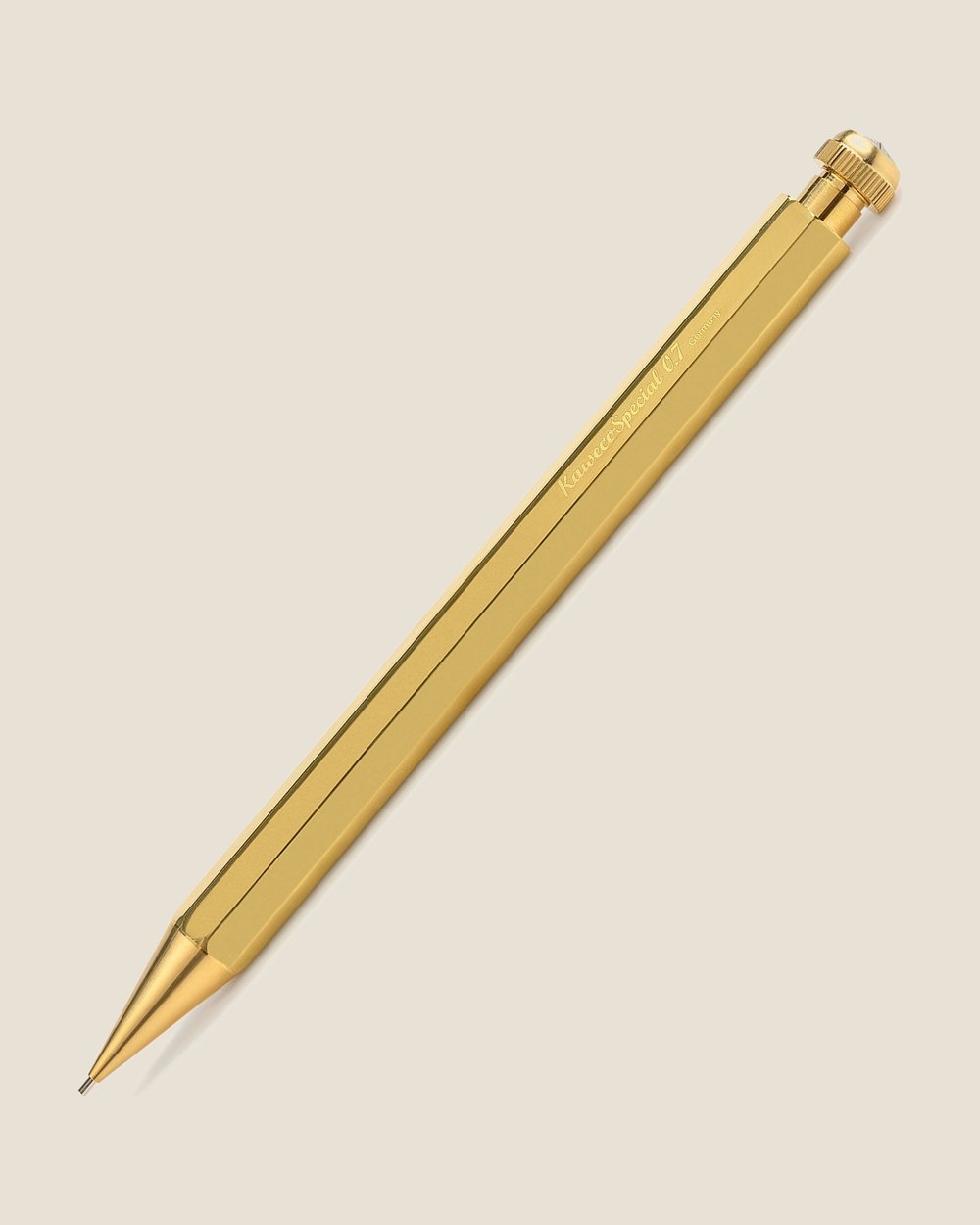
One piece · $120The last ritual of the round.
In 2010, three German psychologists published a study in Psychological Science with a golf result in it: people who were handed a ball and told it had been lucky so far sank more practice putts than people handed the same ball with no comment. The idea was that a charm raises confidence, and confidence helps.
In 2014, two American researchers ran the putting test again with larger groups and published the result in Social Psychology. The lucky ball made no difference. Golfers told their ball was lucky putted almost exactly as well as golfers told nothing.
So the ball is probably not doing much. The ritual might be. A coin you always mark with, from the same pocket, is part of a routine, and a routine is something familiar to do while the nerves settle. If it stops working, you can always blame the coin.
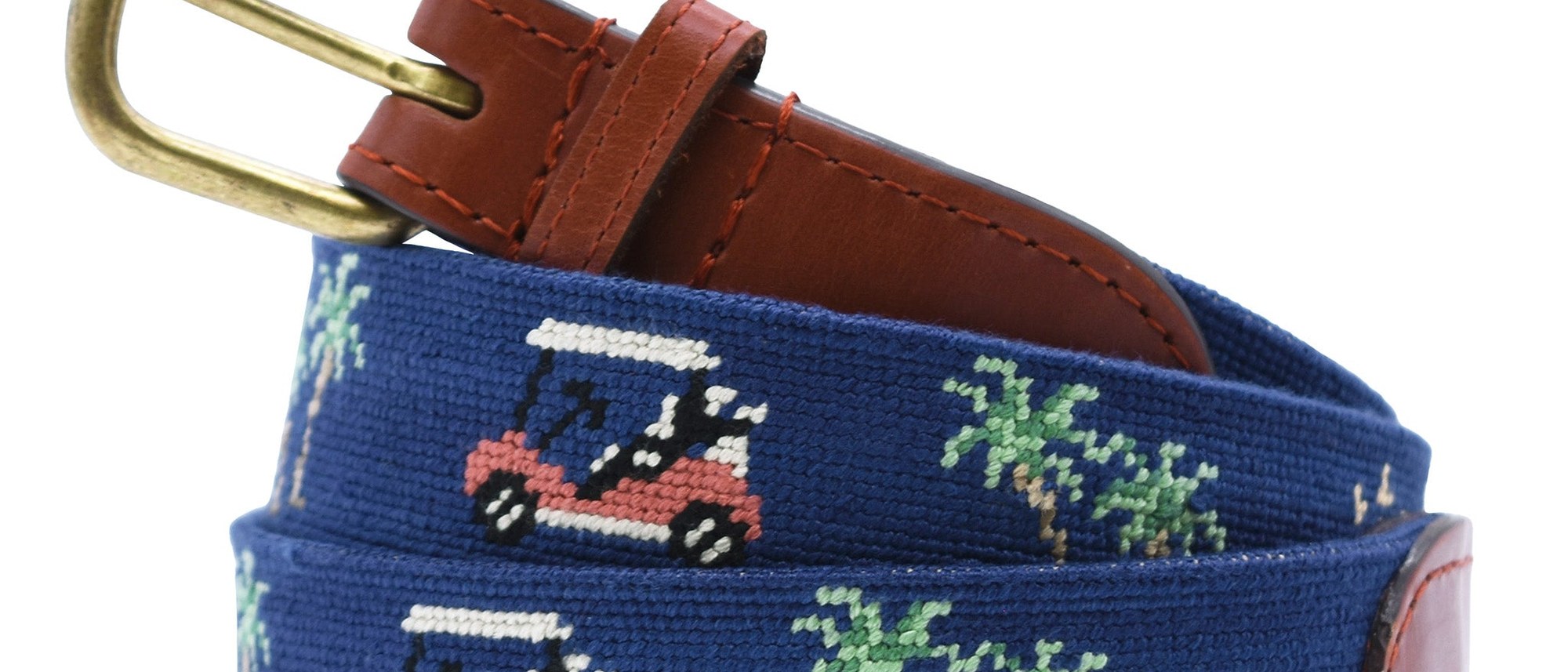
For markers made to be markers, read The Ball Marker Atlas and our Brand to Know on Matchstick Golf. For more hand-stitched horseshoes and clovers, see the needlepoint roundup.
It’s only superstition if it stops working.