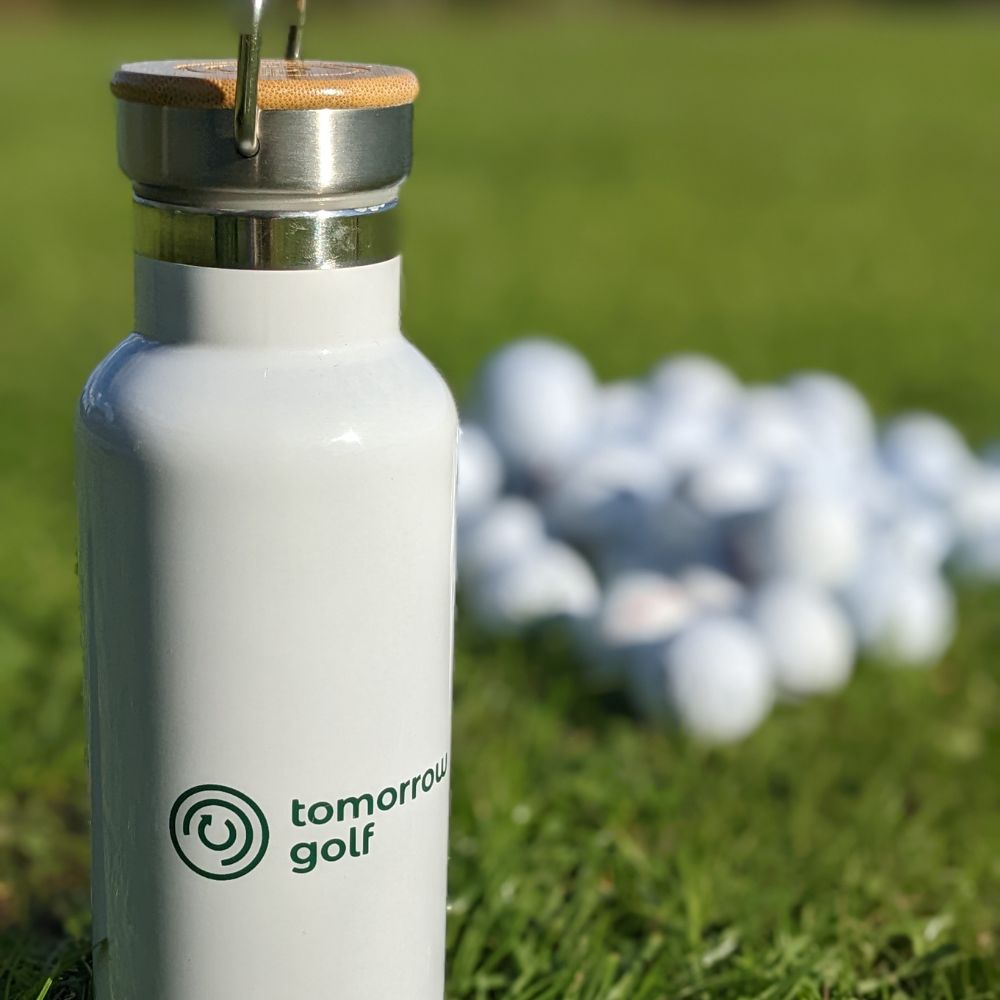
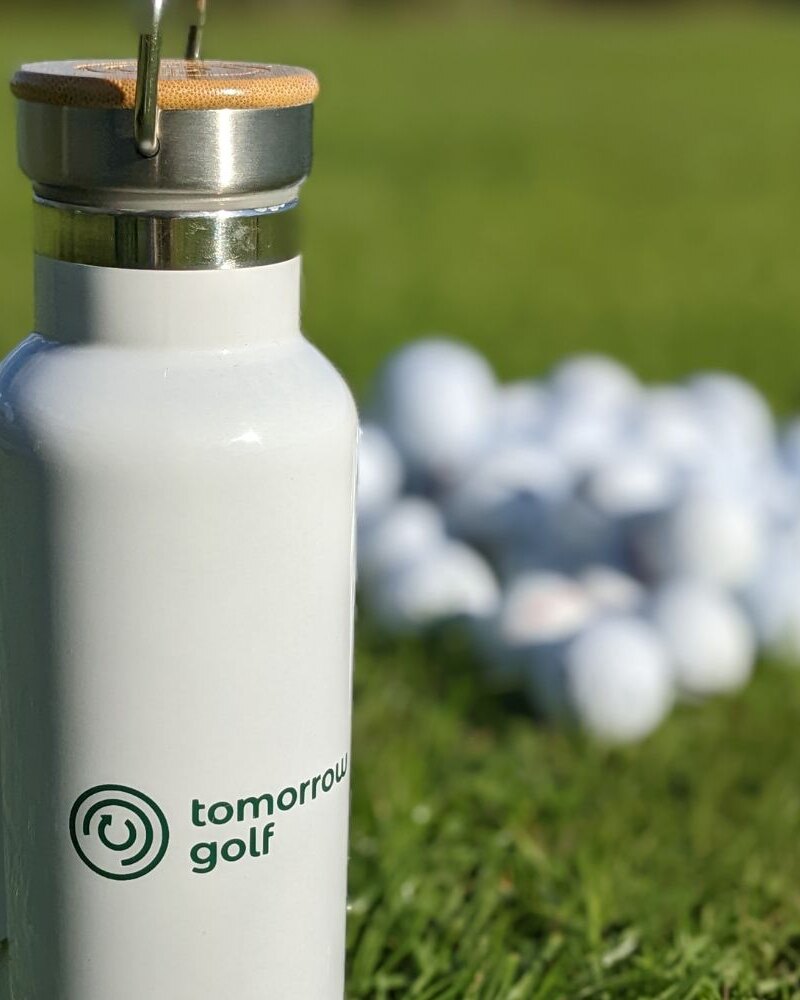
Nobody here is selling you a YETI or a Stanley. These are eleven bottles from eleven independent brands — the makers this site actually follows — and between them they cover MiiR and Ocean Bottle collaborations, a Nalgene in a colourway, a bike bottle borrowed wholesale from cycling, and one squeeze bottle that costs fifteen dollars and makes no apology for it.
The spread runs $14 to $59. That is a four-fold gap for objects that all do the same job, which is why the section below the grid exists: the money in a water bottle goes almost entirely into things you cannot see in a product photograph.
Every price here was read off the seller’s own page on 17 September 2026, and anything not buyable that day says so on its card. Small brands run small batches and bottles are a category where collaborations sell out and do not come back, so read a sold-out tag as information rather than a disappointment.
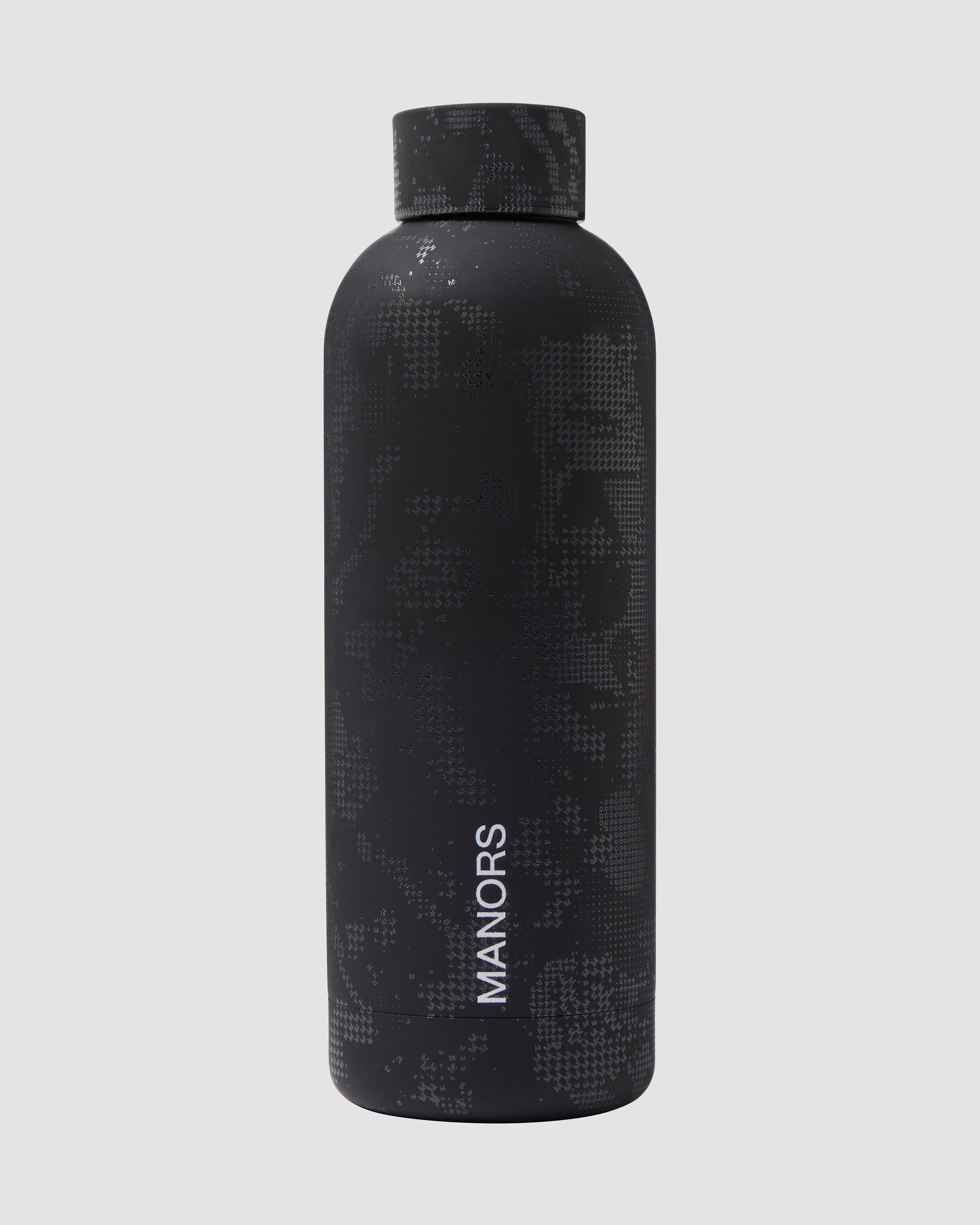
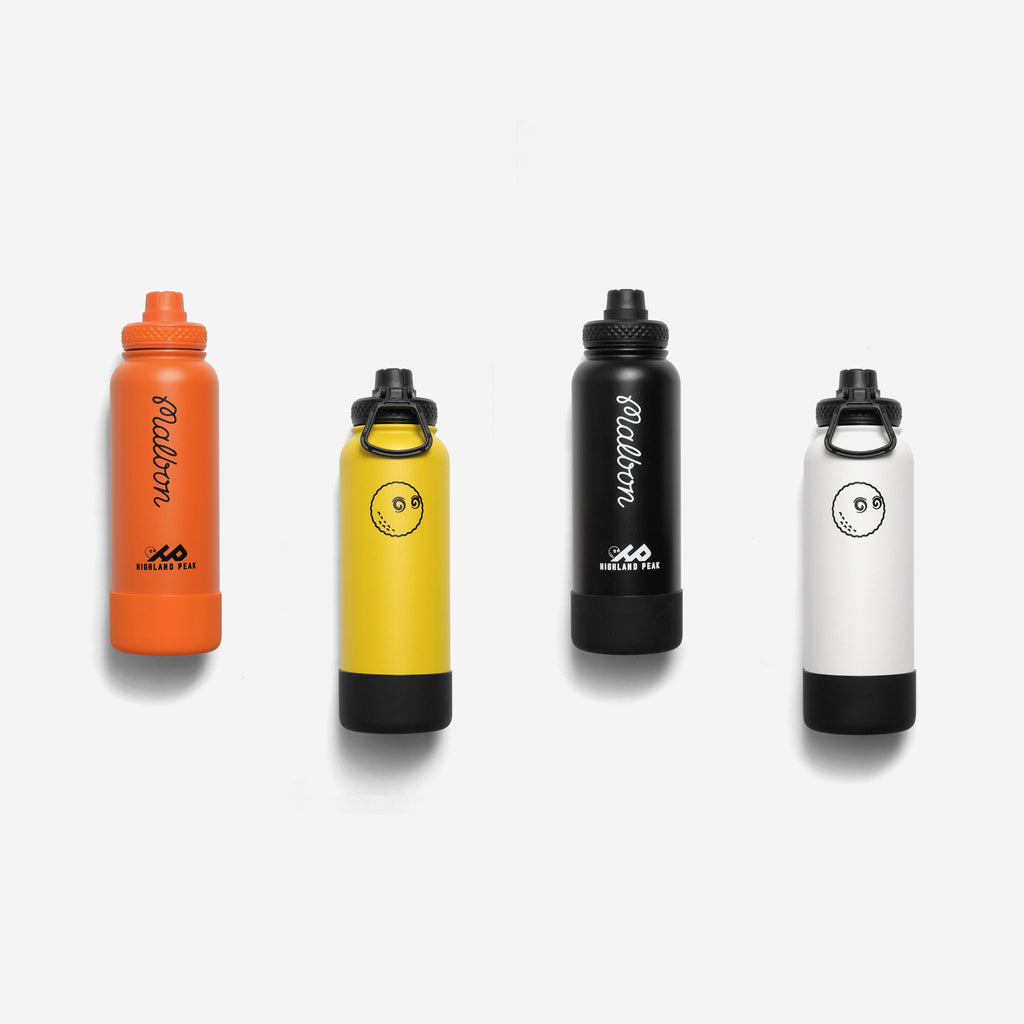
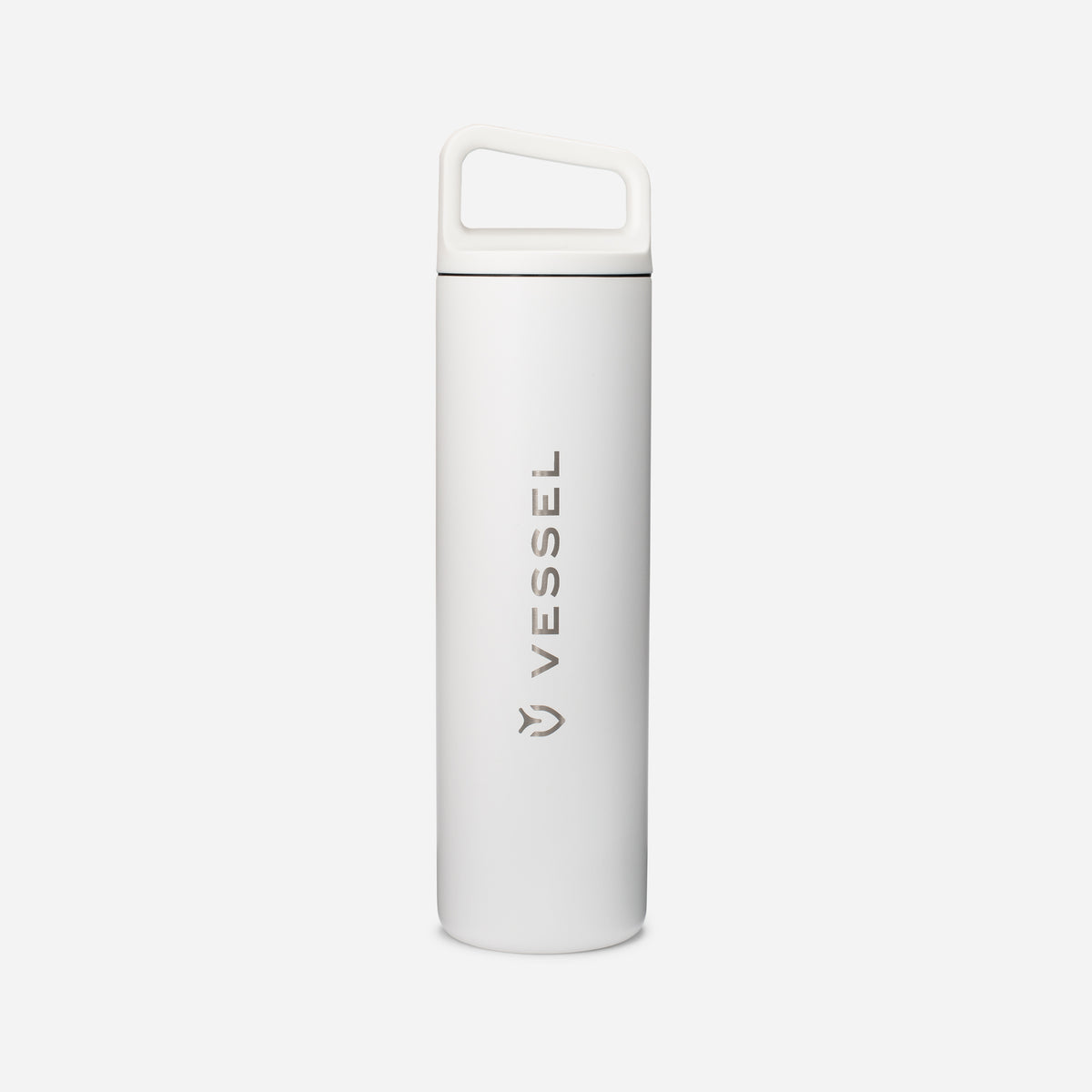
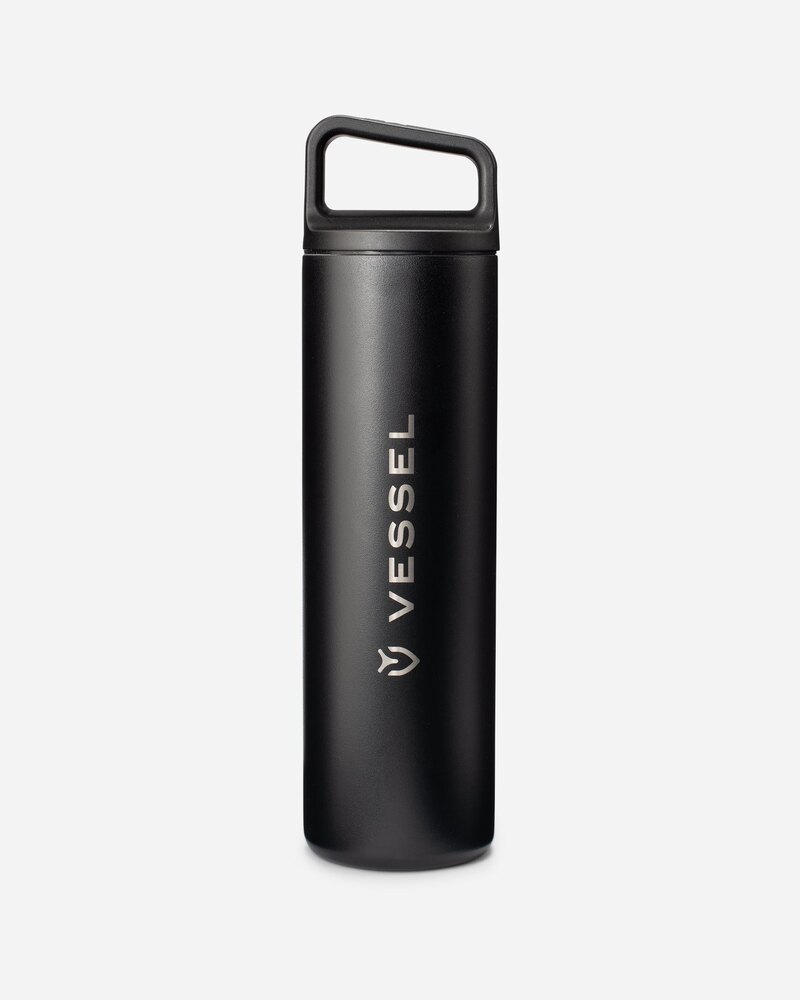
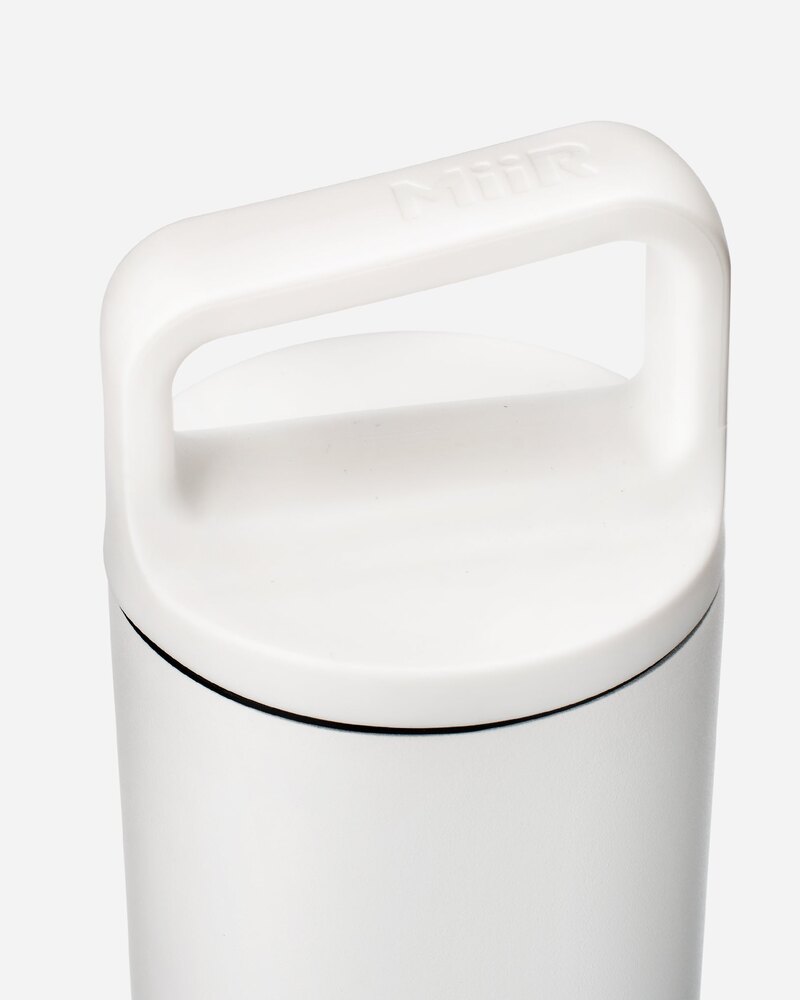
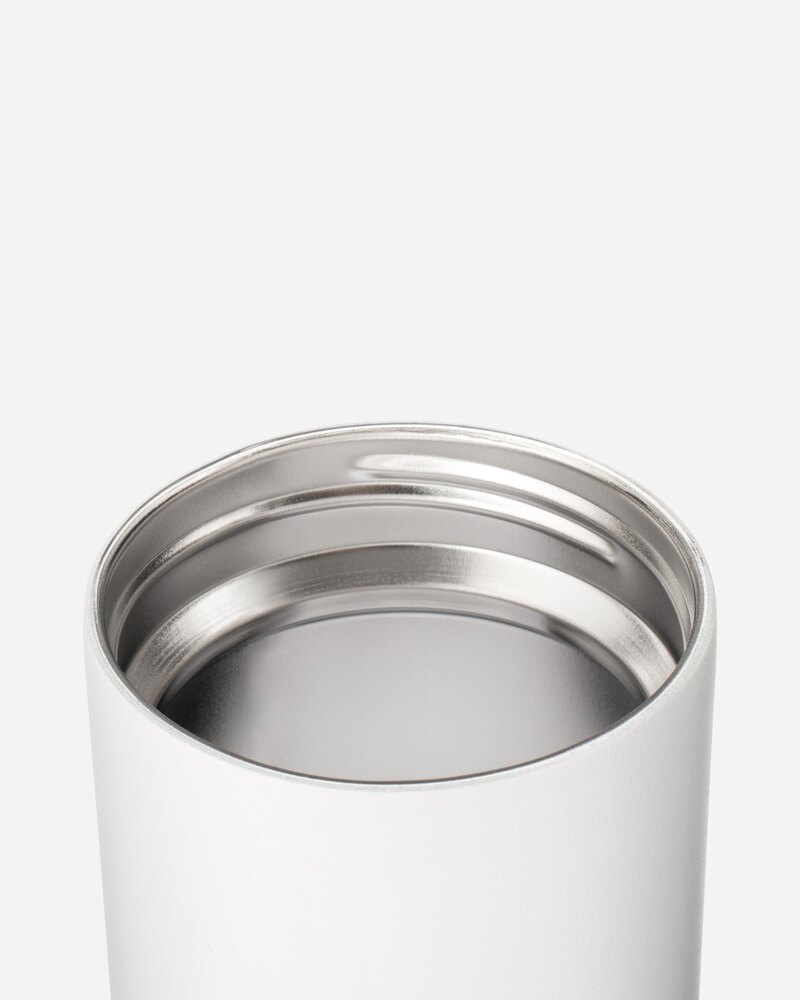
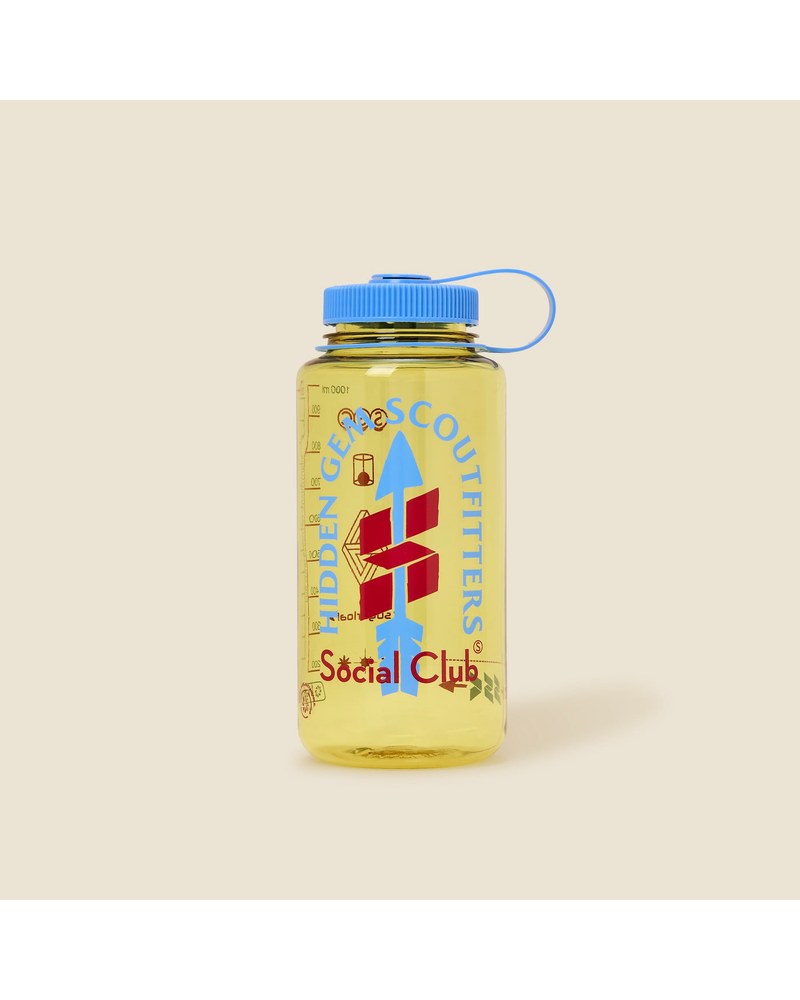
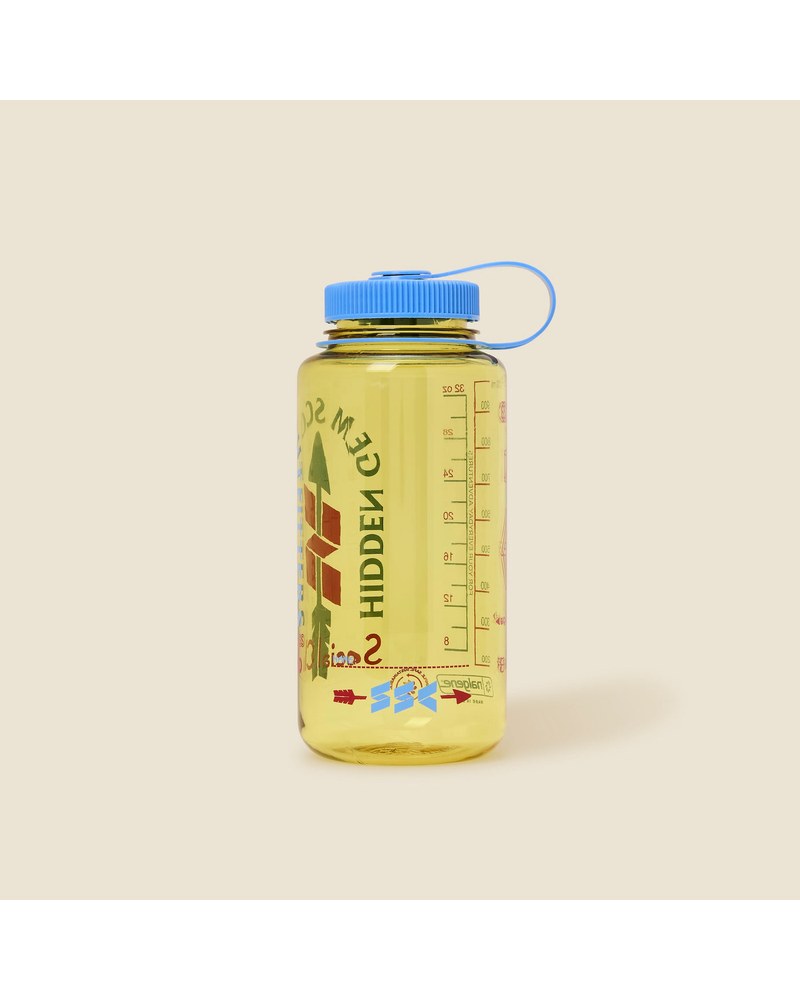
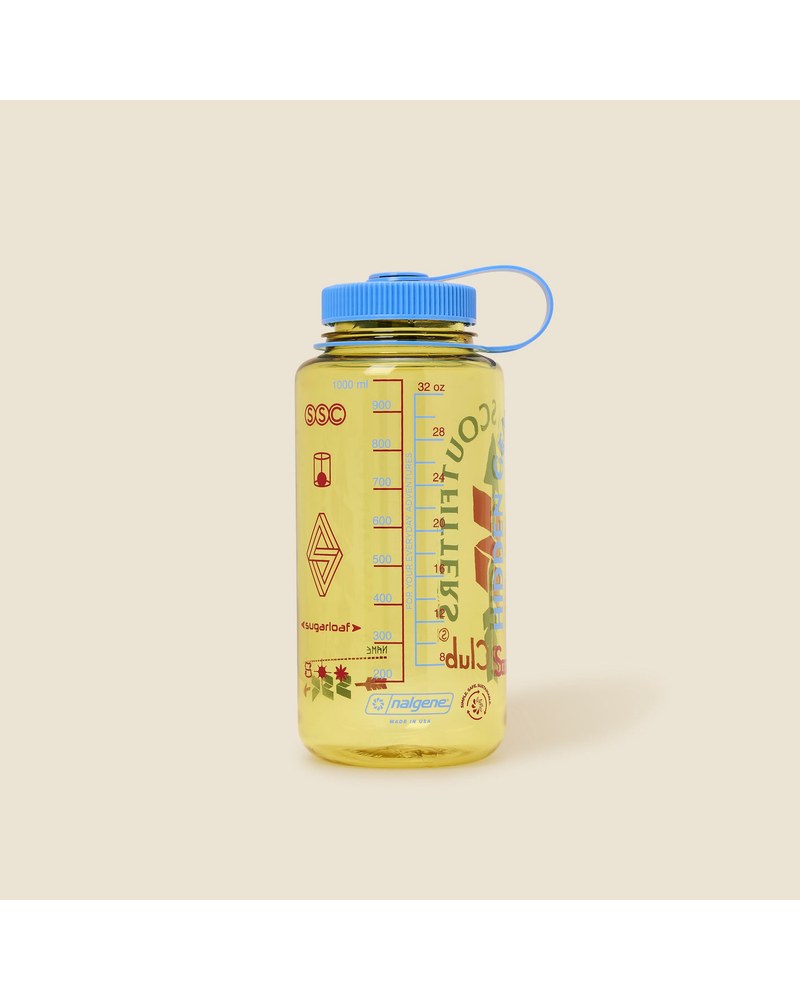

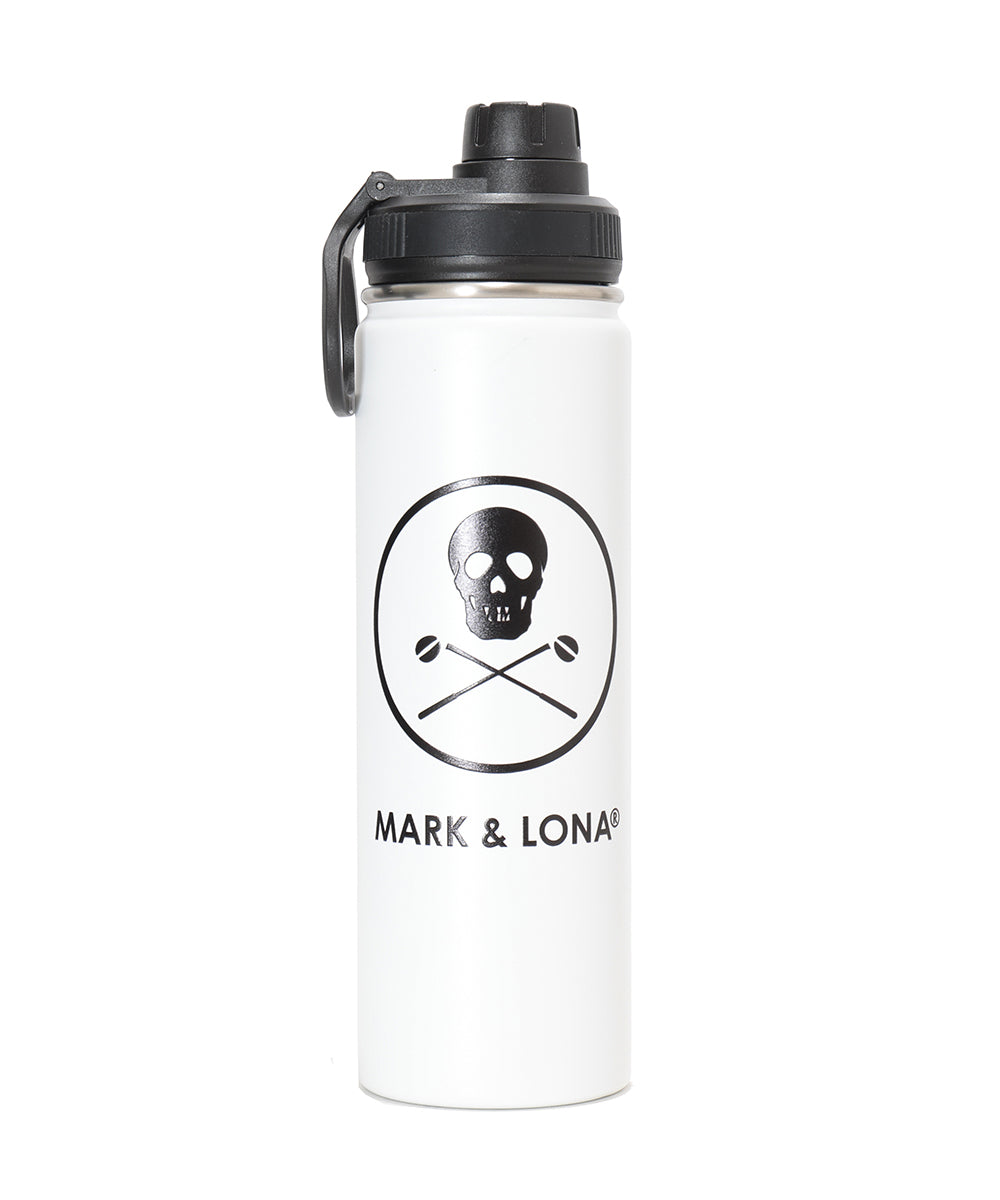
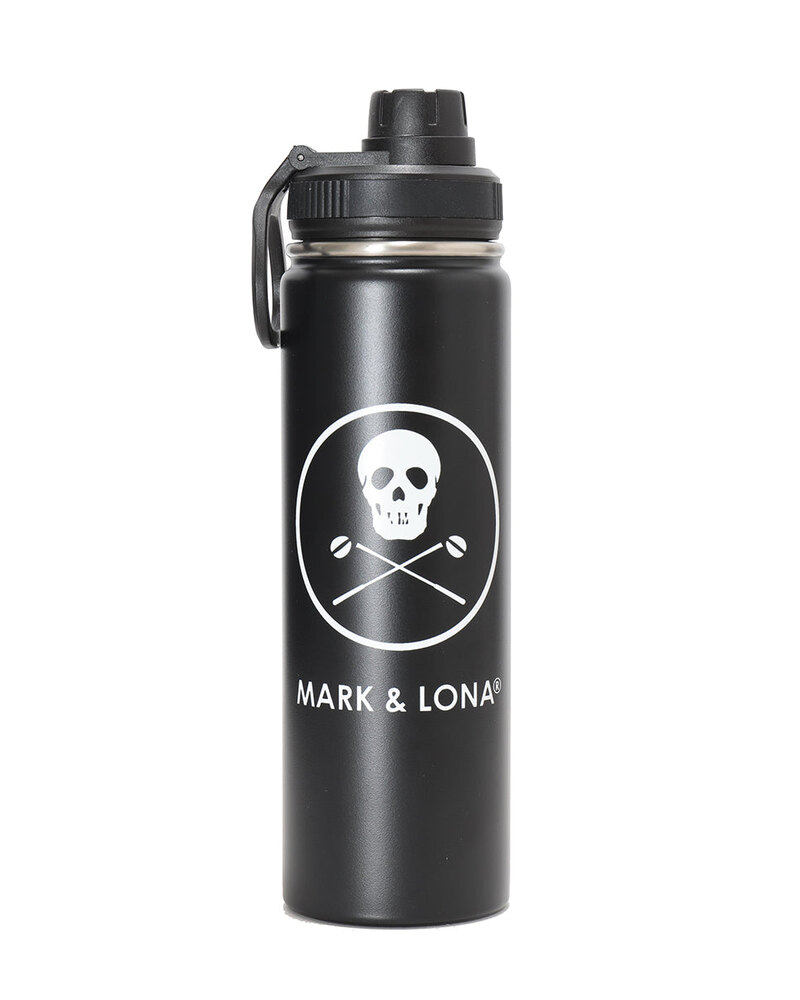
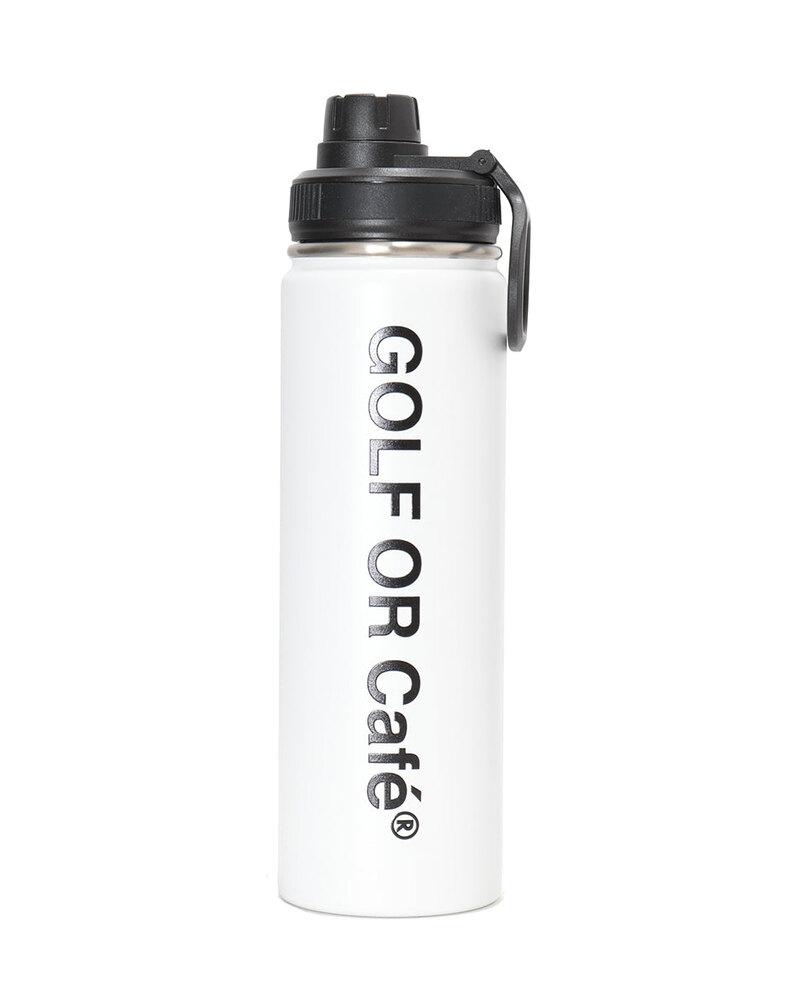
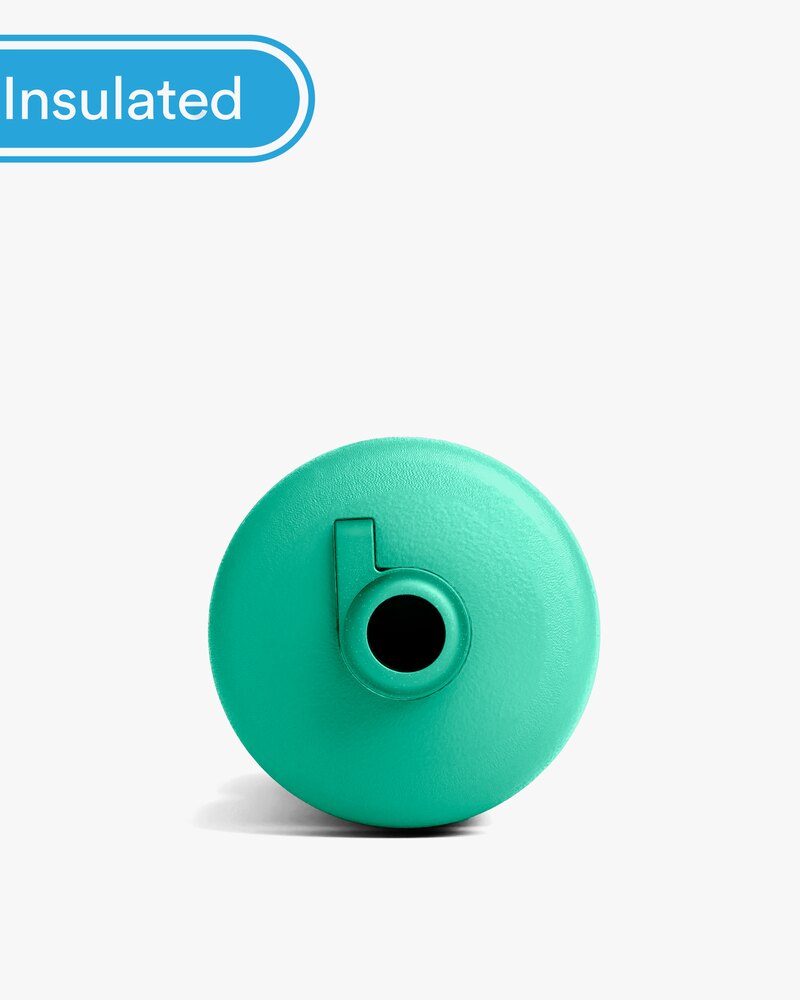
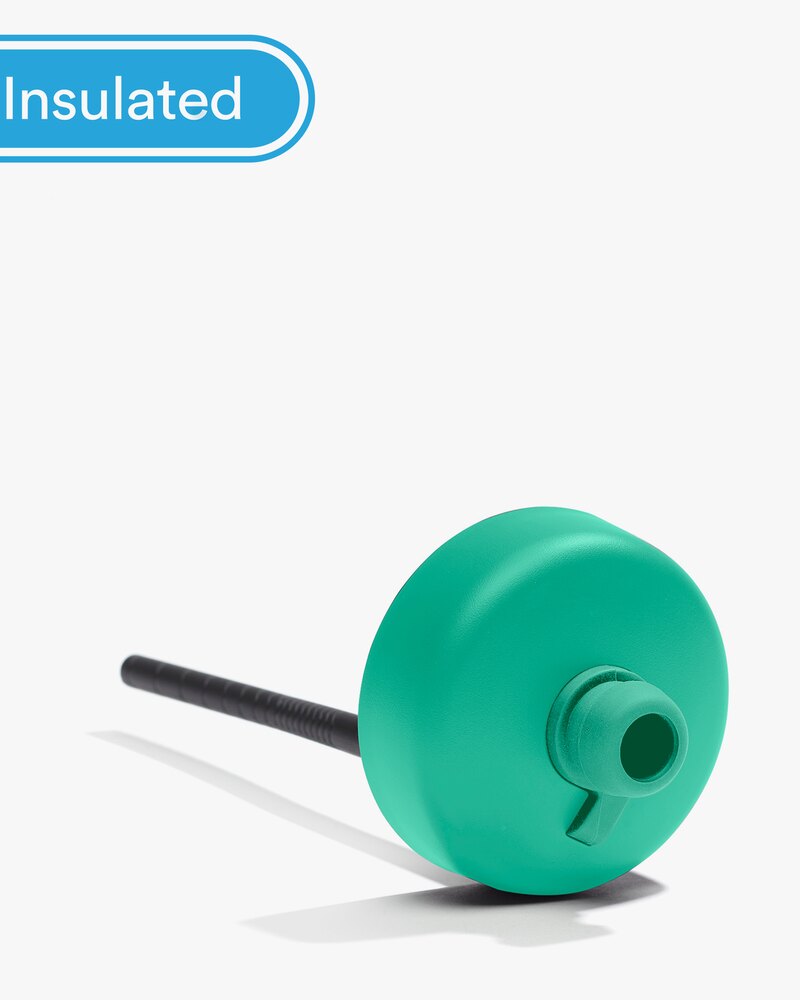
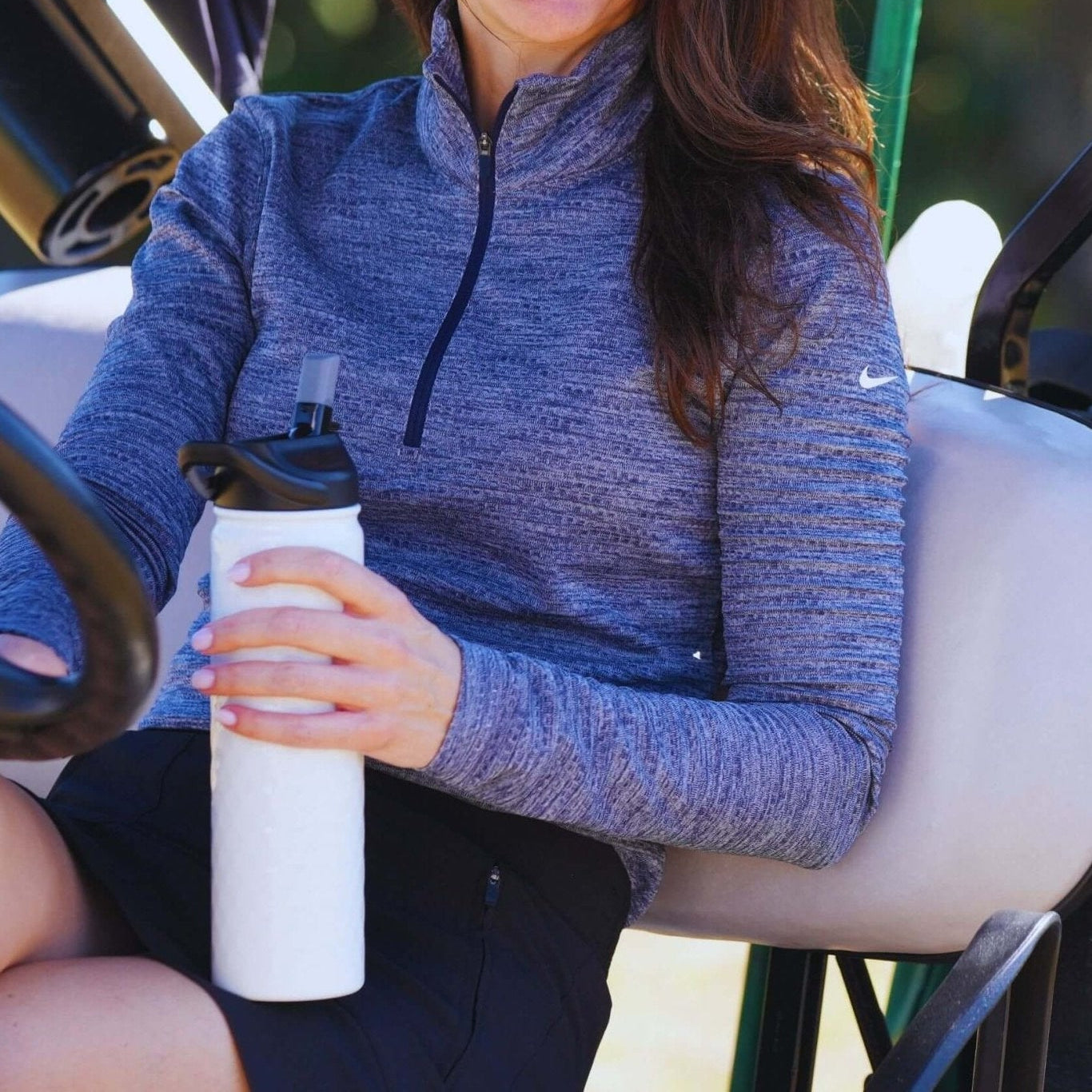
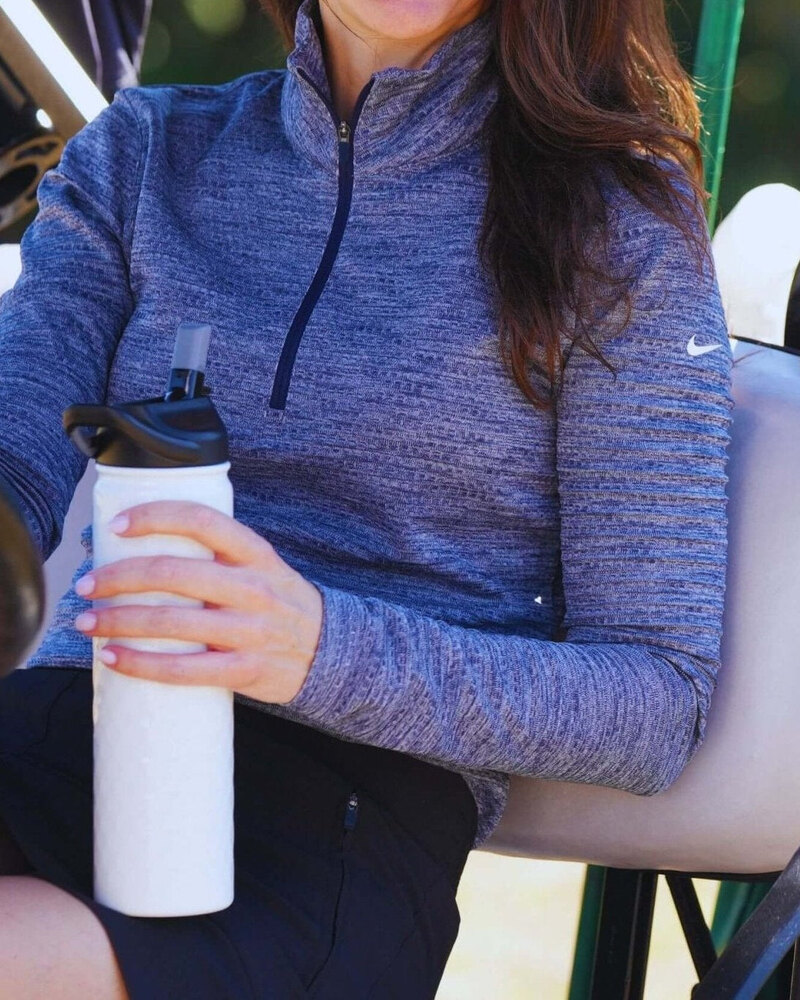
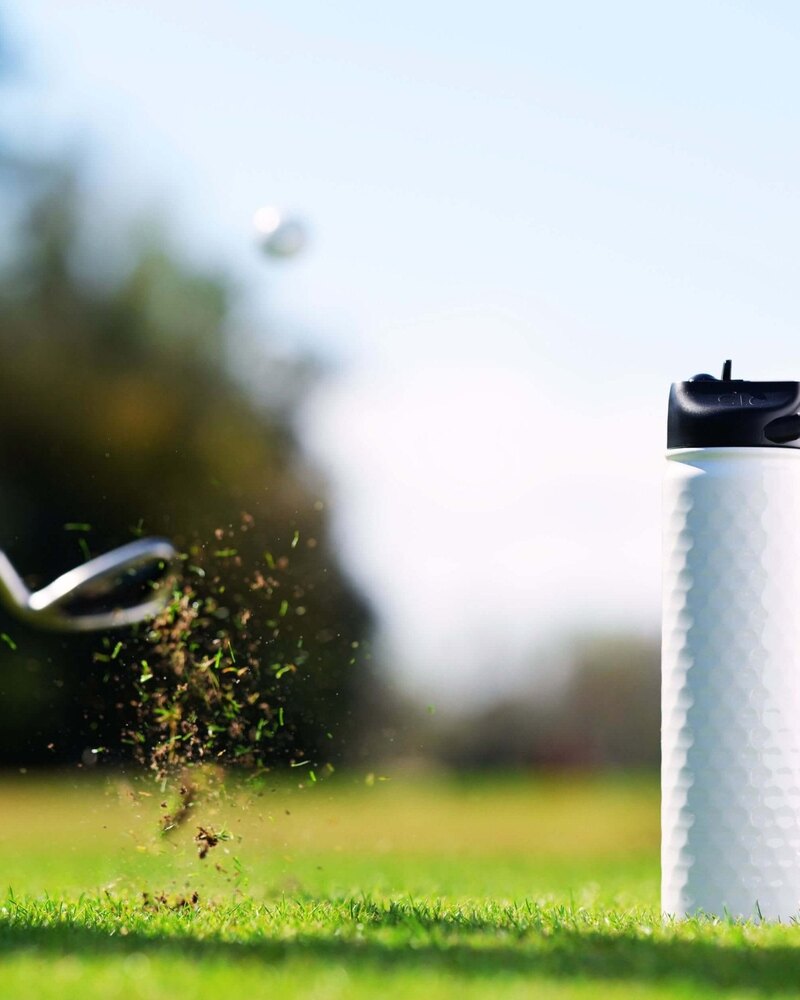
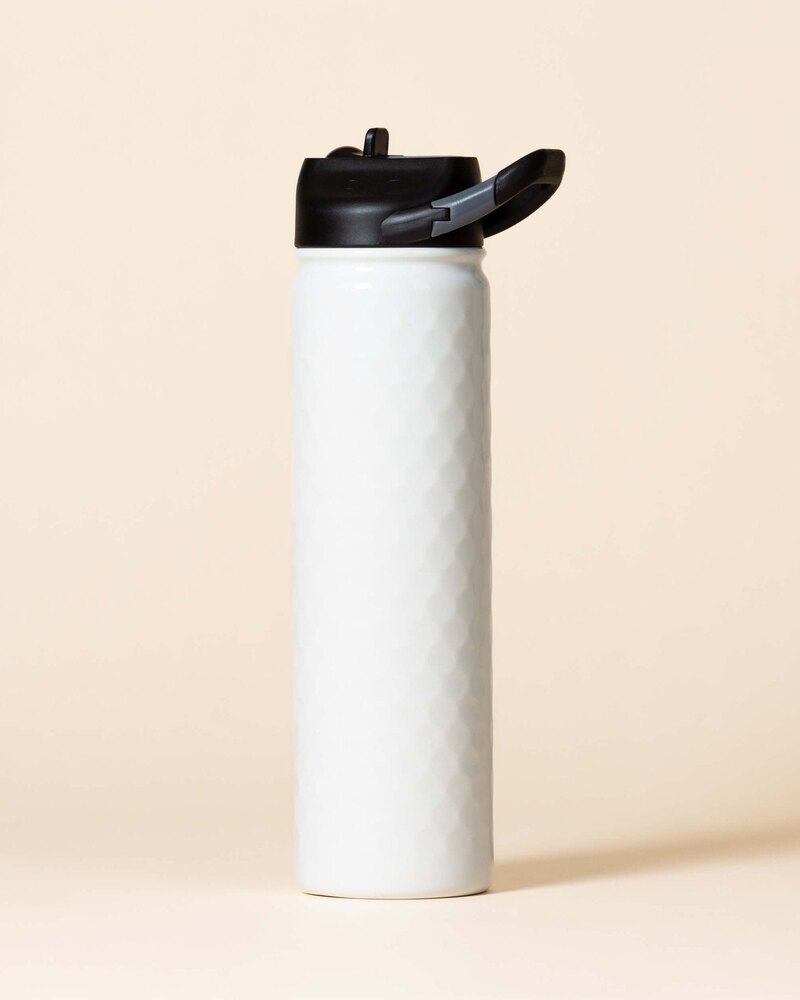
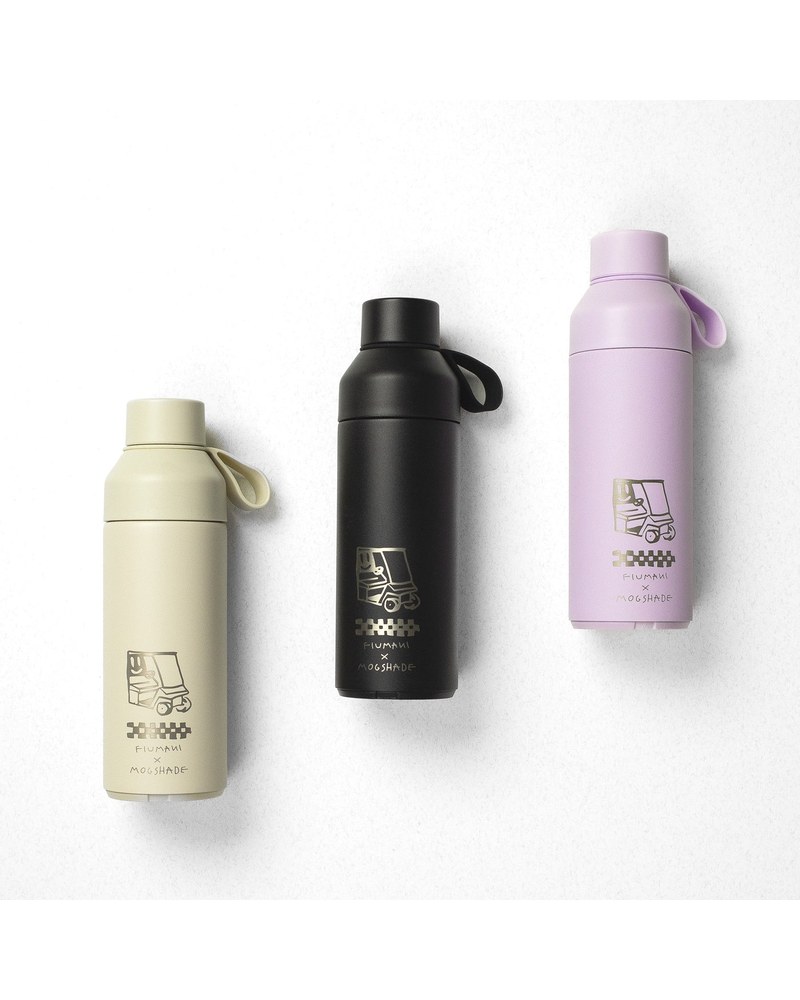
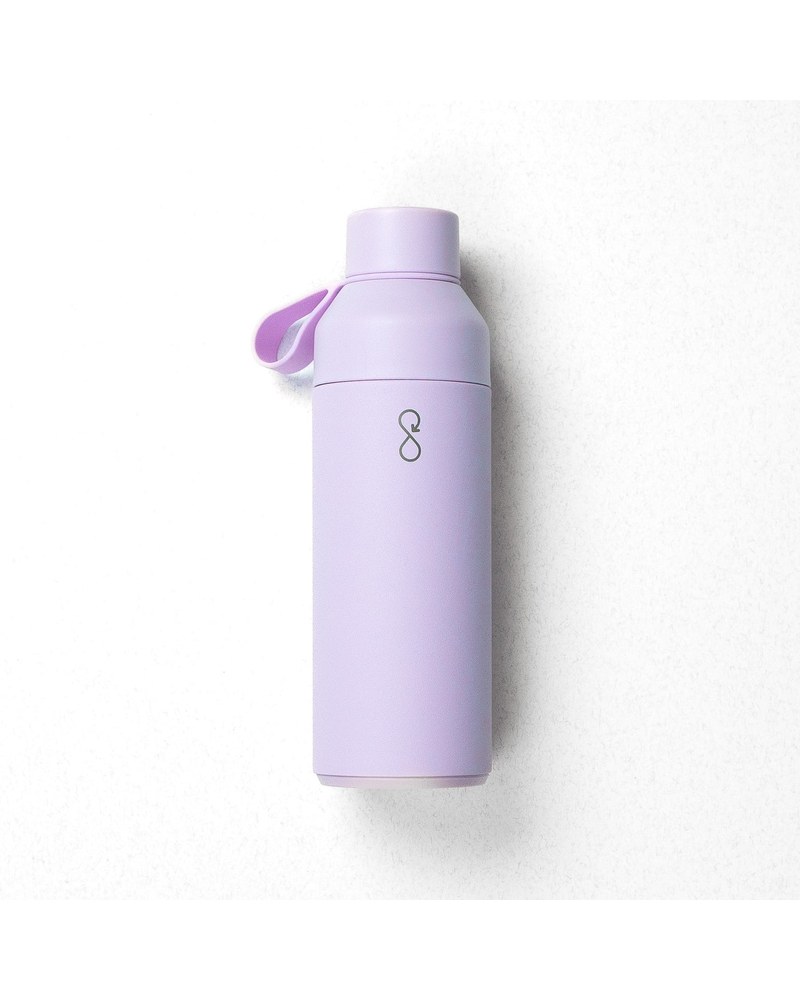
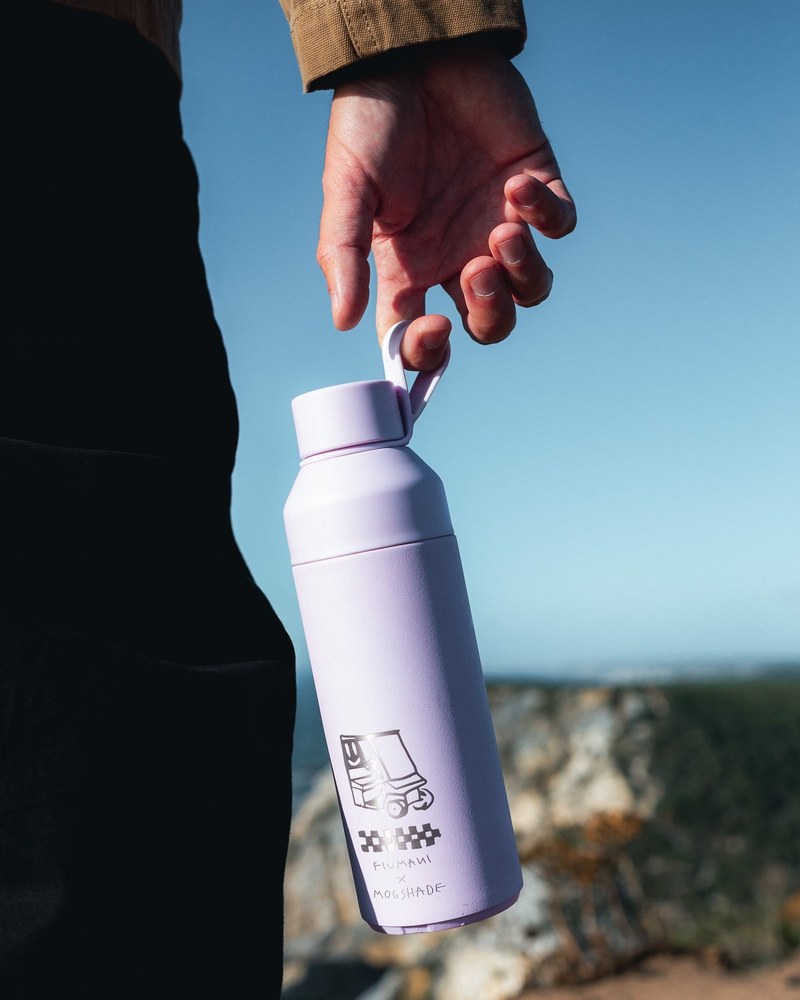
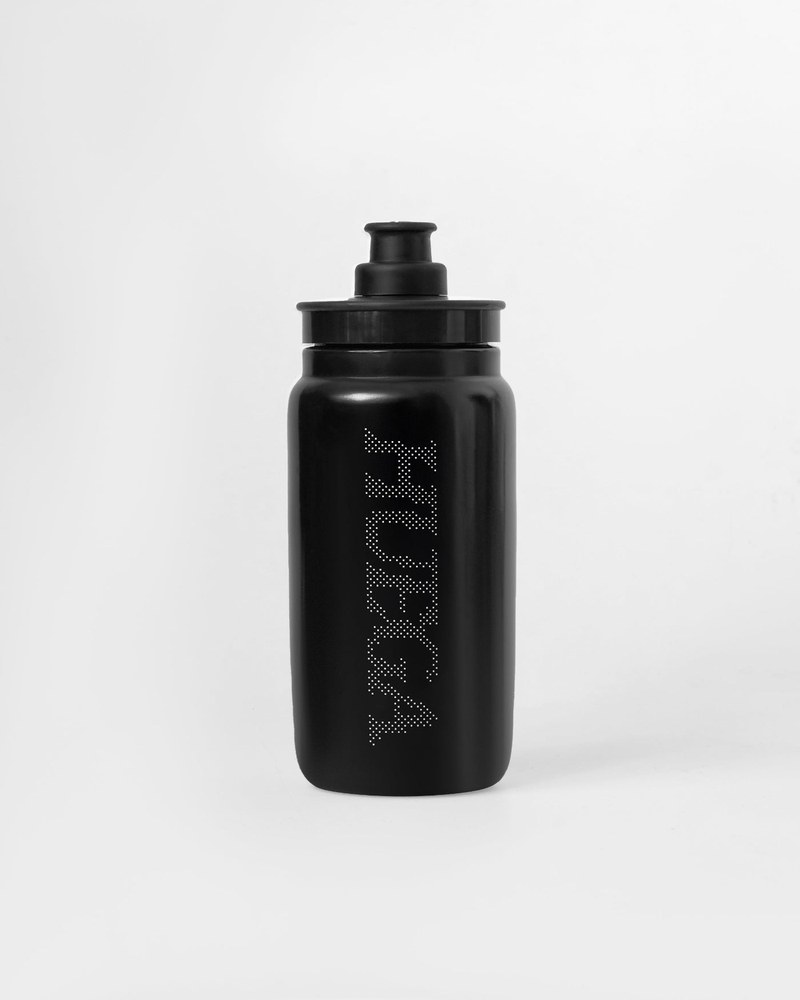
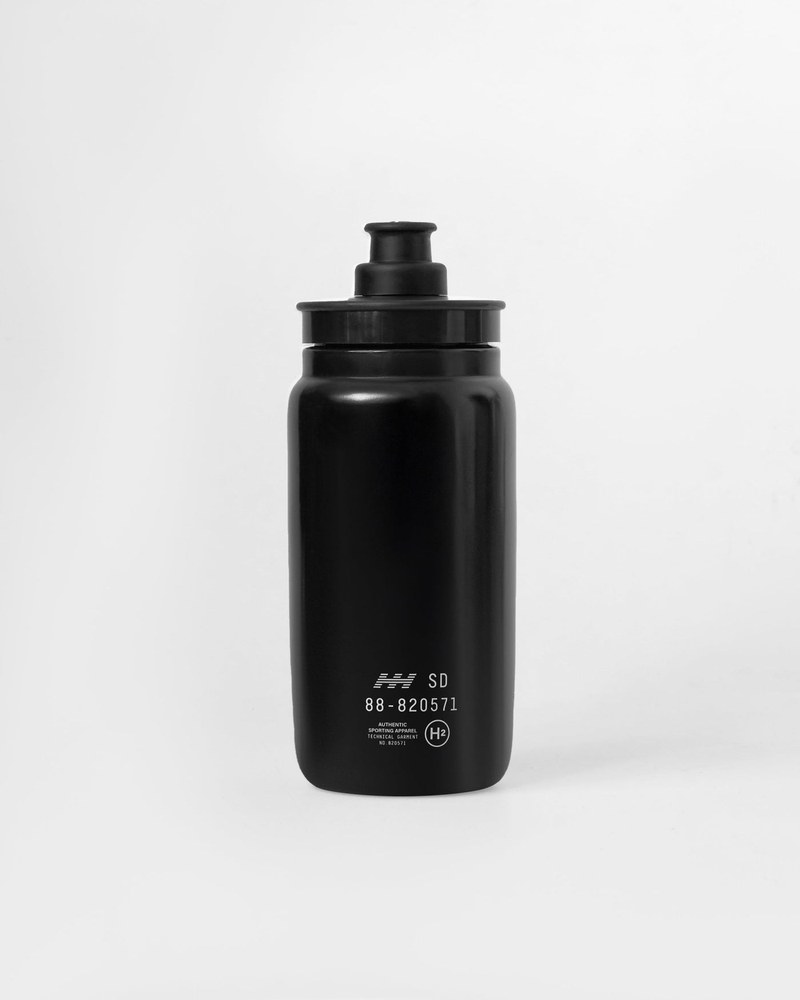
A bottle is a simple object with four expensive decisions inside it.
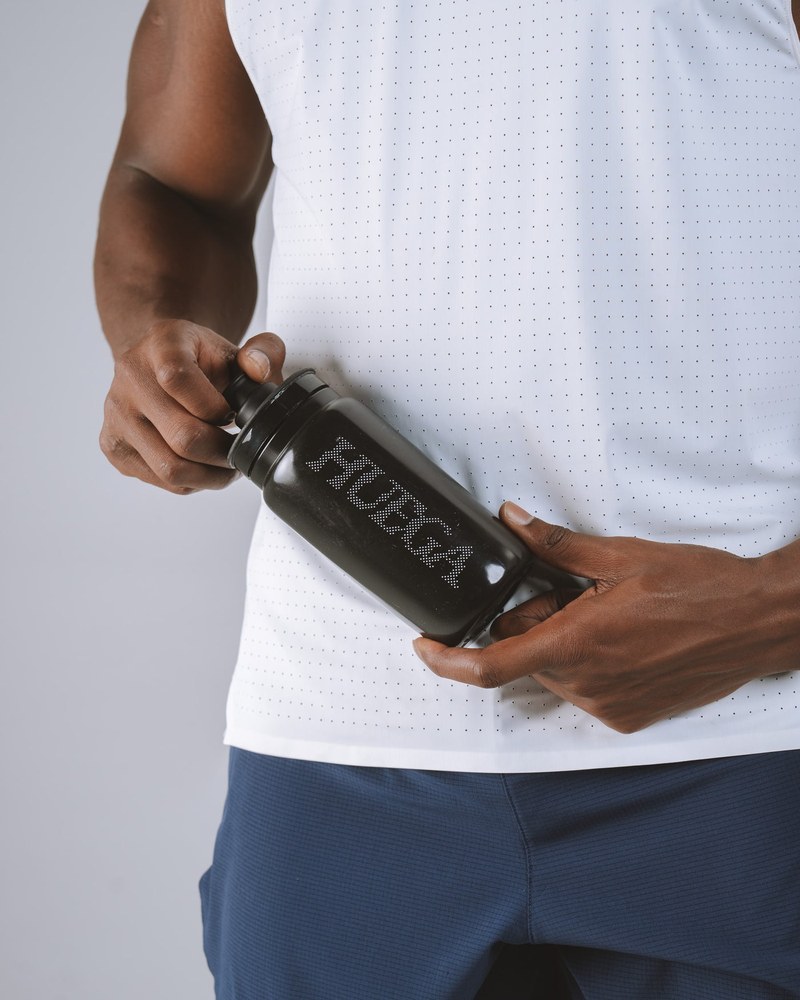
The vacuum. This is the whole ballgame and it is the reason a $15 bottle and a $59 bottle are different products rather than the same product at two prices. A vacuum-insulated bottle is two stainless vessels with the air drawn out of the gap between them; with no air there is almost nothing to carry heat across, so the contents hold temperature for hours instead of minutes. It is expensive because it is two bottles welded into one, and it is why the Ocean Bottle collaboration holds ice for eighteen hours while the Huega squeeze holds it for about as long as your walk to the first tee.
Capacity, and why 32oz keeps turning up. A 20oz bottle is a cart bottle. If you are walking eighteen in Texas heat you will drink two or three of them, which means either a refill stop or a bigger vessel — and that is the argument for a 32oz Nalgene, which holds most of a round in one fill and takes ice cubes through the wide mouth. The trade-off is weight: water is roughly a kilogram a litre, so a full 32oz adds around two pounds to a carry bag you already chose for being light.
Wide mouth or narrow. A wide mouth takes ice, takes a bottle brush, and dries properly. A narrow mouth or a straw lid is easier to drink from while moving and much harder to clean, which is how bottles develop a smell. If a bottle cannot fit a brush, assume you will be replacing it rather than reviving it.
Dishwasher safe, and what it tells you. Most vacuum bottles are hand-wash only, because dishwasher heat can stress the seal on the outer wall and a bottle that loses its vacuum is just a heavy cup. When a brand does say dishwasher safe — Mogshade does — it is a claim about the weld, not about the finish, and it tells you more than any colourway does.
A 32oz wide-mouth bottle holds most of a round in one fill, which is why Nalgene-style bottles are the walking standard. A 20oz bottle is a cart bottle — you will drink two or three walking in heat. The cost of the bigger bottle is weight: water runs about a kilogram per litre, so a full 32oz adds roughly two pounds to the bag.
It depends entirely on whether you want cold water at the 14th. A vacuum bottle is two stainless vessels with the air pulled out of the gap between them, so there is almost nothing to carry heat across — the Ocean Bottle collaboration here is rated for eighteen hours cold. A single-wall or plastic bottle reaches air temperature within the hour. If you play early and finish before it warms up, the cheaper bottle is the honest answer.
Dishwasher heat can stress the seal on the outer wall of a vacuum bottle, and a bottle that loses its vacuum is just a heavy cup. That is why most insulated bottles are hand-wash only. When a brand states dishwasher safe, it is making a claim about the quality of the weld rather than about the paint.
Wide mouth takes ice cubes, takes a bottle brush and dries properly between rounds. Narrow mouths and straw lids are easier to drink from while you are moving and considerably harder to clean, which is how a bottle starts to smell. If a brush will not fit, plan on replacing it rather than rescuing it.
Nalgene is a copolyester bottle that started life as laboratory glassware in the 1940s and became the default outdoor water bottle in North America. Golf brands put colourways on it for the same reason they put them on Crazy Creek chairs and MiiR tumblers — the object is already good, already recognisable, and already made in the USA, so the brand is adding a graphic rather than solving a fluid-dynamics problem.
Every link and every price on this page was checked on 17 September 2026. Anything not buyable that day is tagged sold out on its card rather than quietly left as if it were available. Collaboration bottles in particular tend to be single runs that do not return.