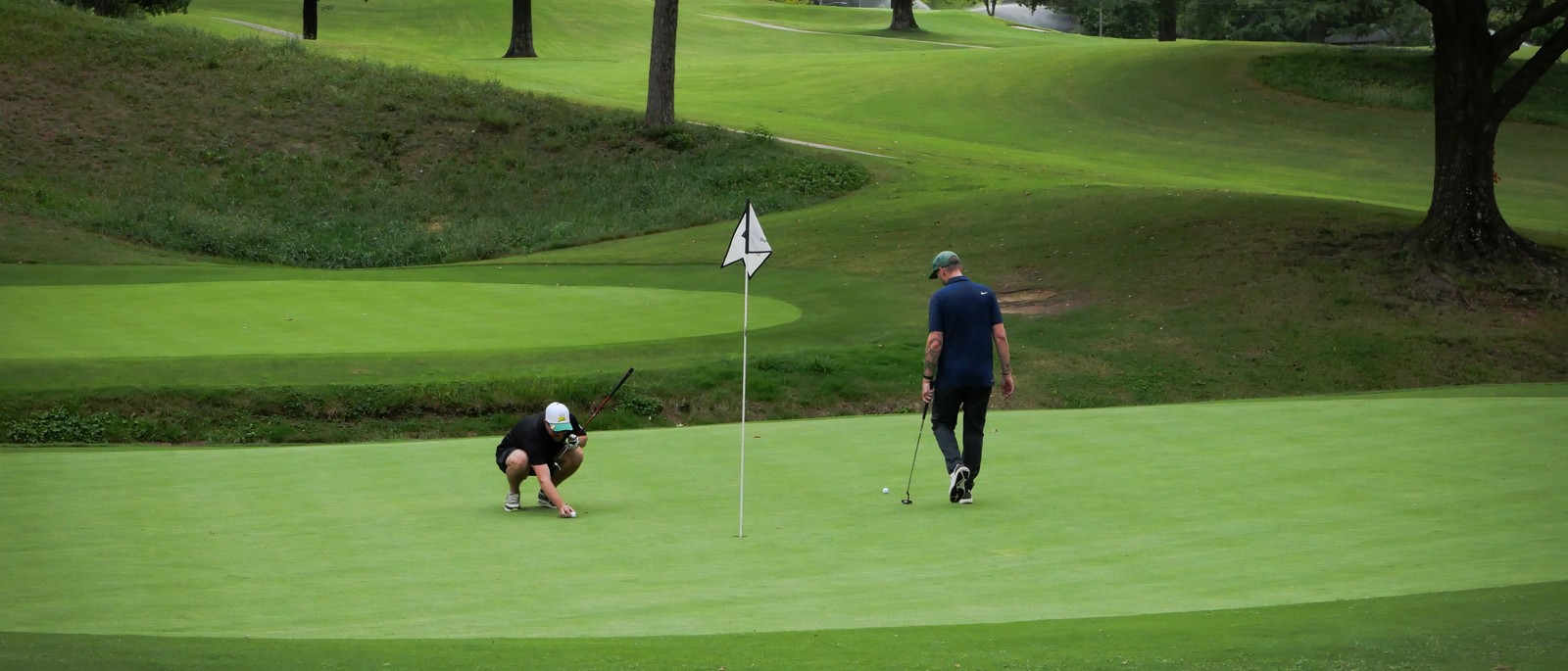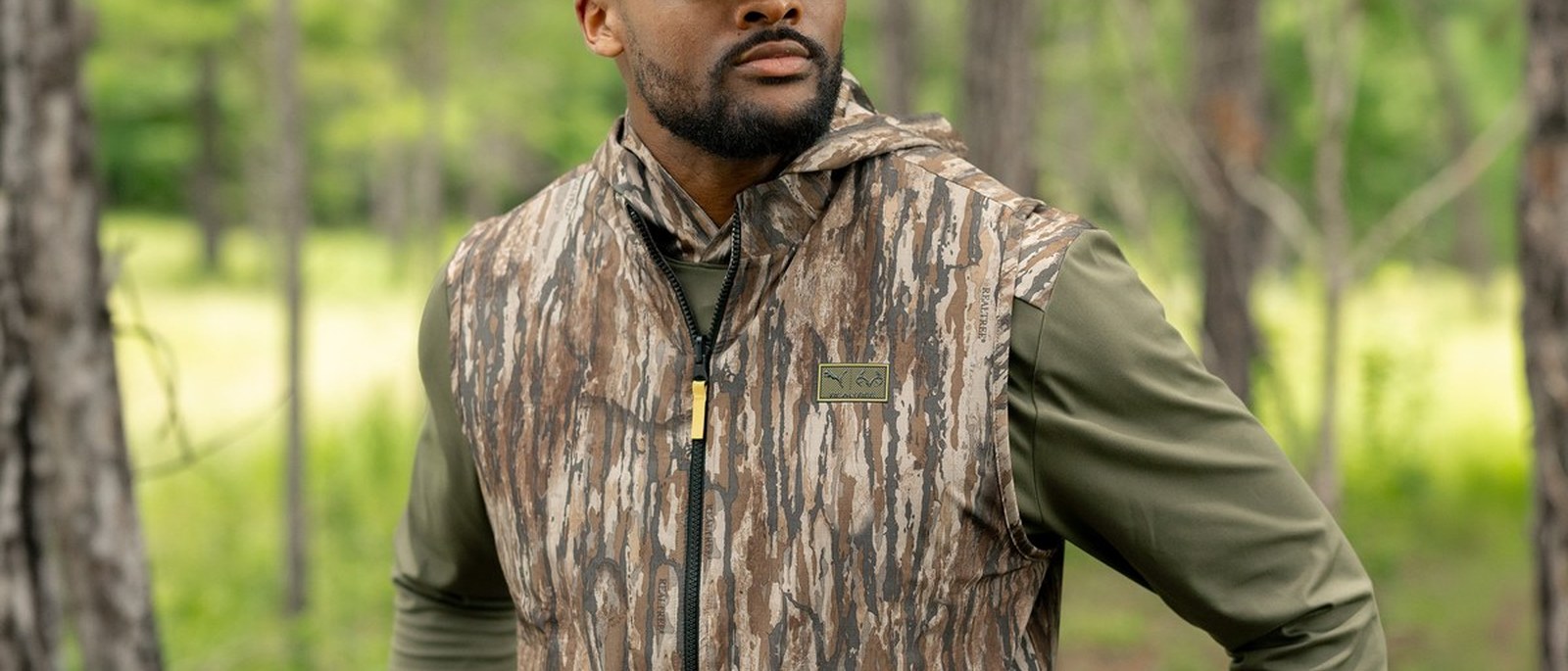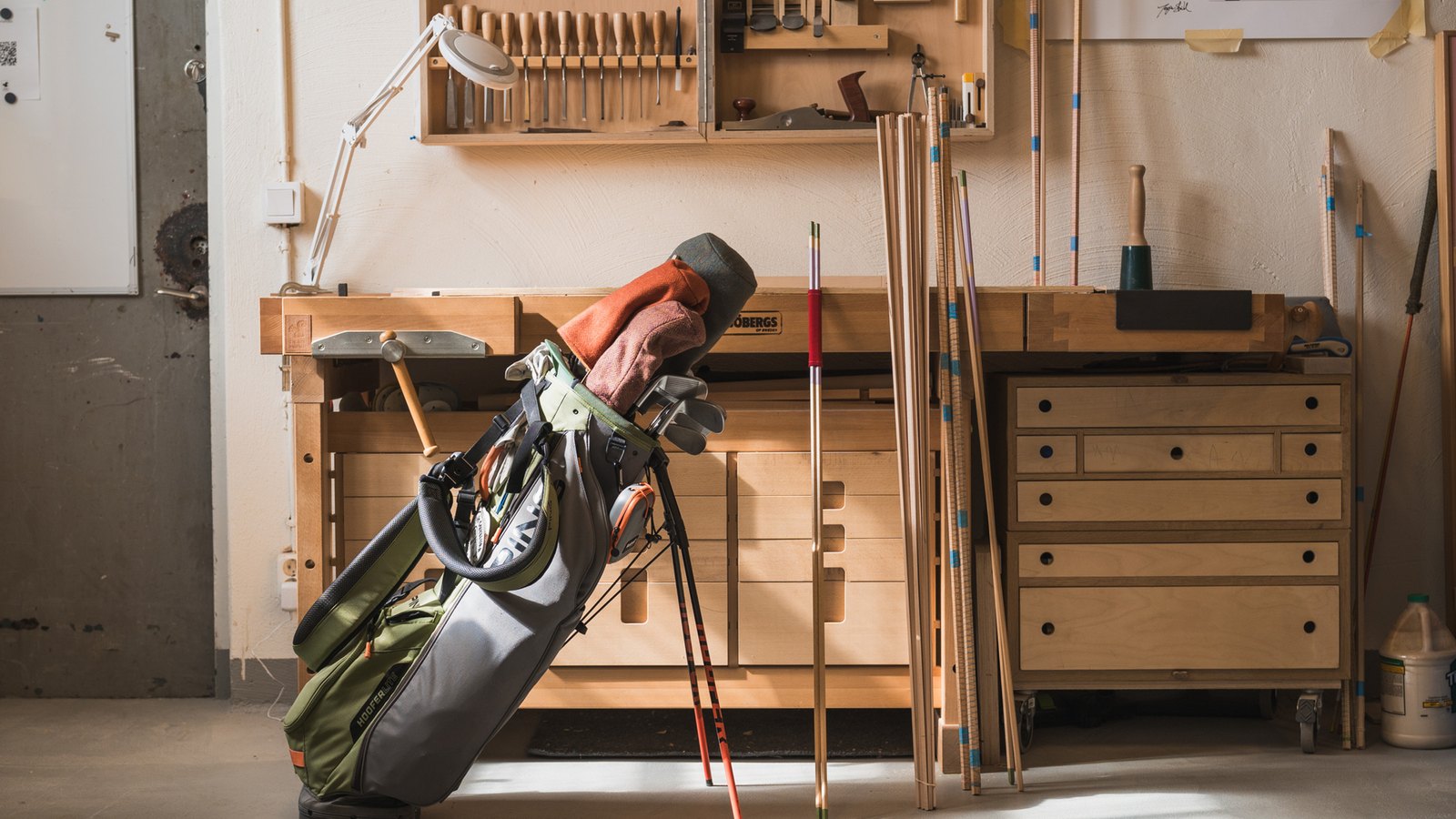
This is twelve pairs of alignment sticks, every one of them wood, every one painted or wrapped by hand, from a dozen small shops in West Virginia, Minnesota, New York, North Dakota, Florida, Scotland and Sweden. Prices run from $54.99 to about $255 and everything was in stock on 14 September 2026.
The alignment stick used to be the one piece of golf equipment nobody designed. You bought two orange fiberglass rods at a hardware store, or a pair with a tube from the pro shop, and they rattled in the bag for a decade. Somewhere around 2017 a few people started turning hickory — the wood golf shafts were made of before steel — painting bands on it and selling pairs, and the thing became a small craft category almost overnight. What you get for the money is a stick that looks like it belongs next to the clubs and ages the way a club does. On the range it draws the same line the orange ones did.
Who it is for: the range regular who has a pair already and is tired of looking at them, and anyone whose practice needs a reason to start.
Hickory is the default. Ash is the original. Walnut is the outlier.
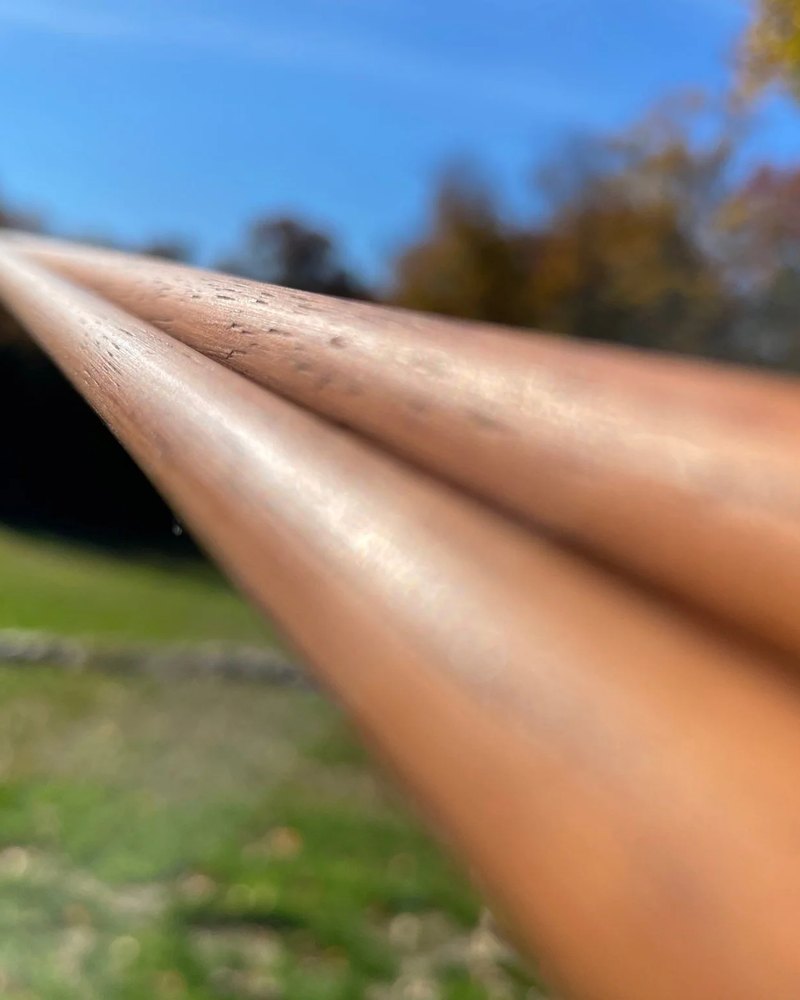
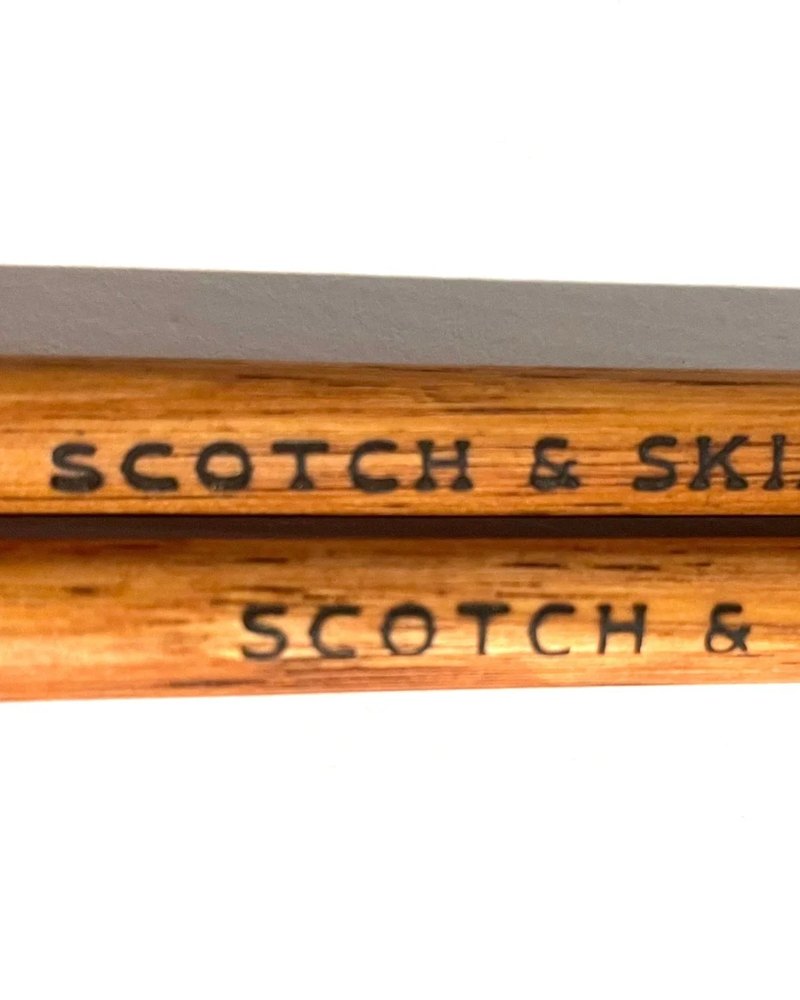
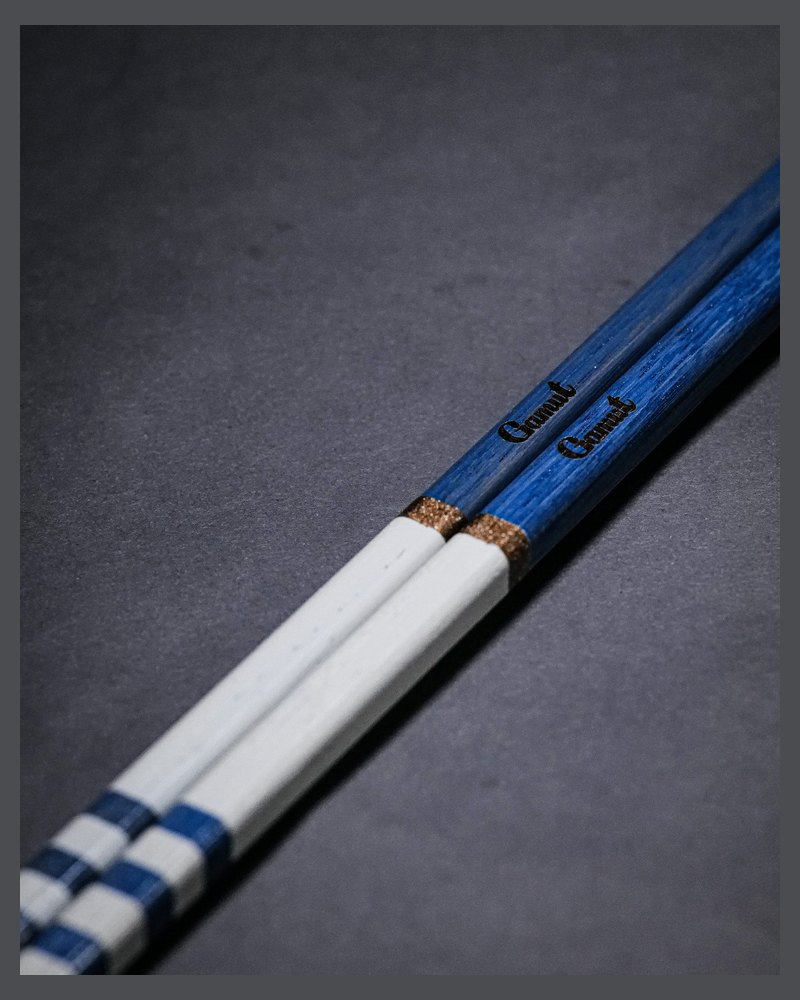
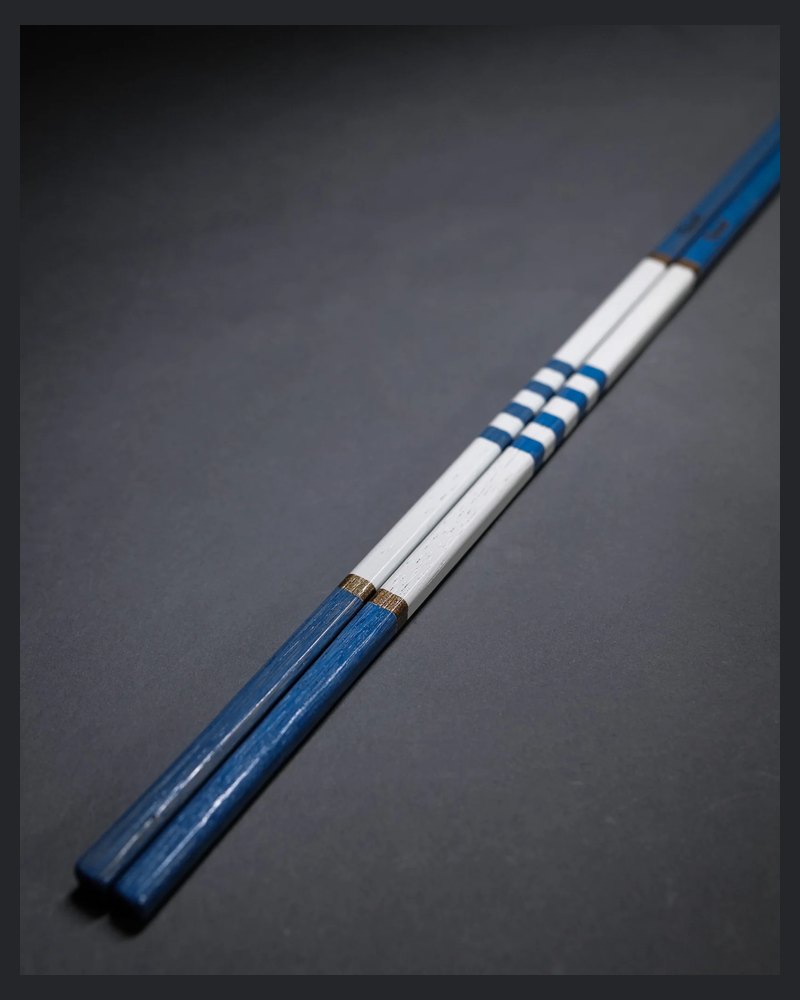
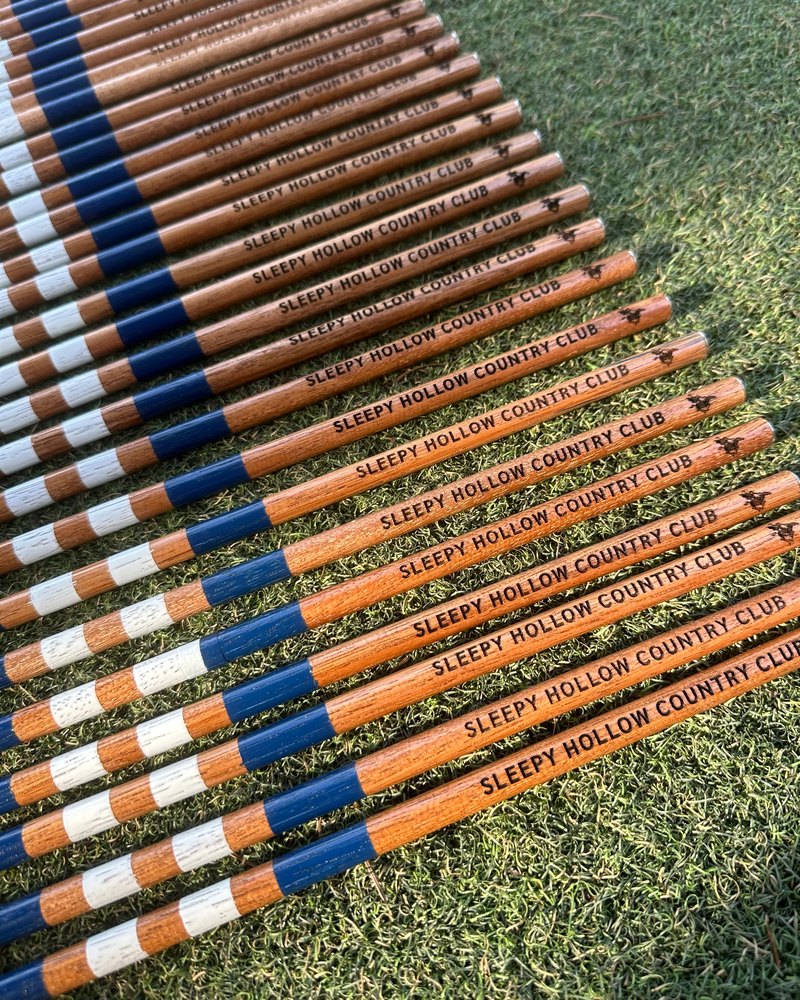
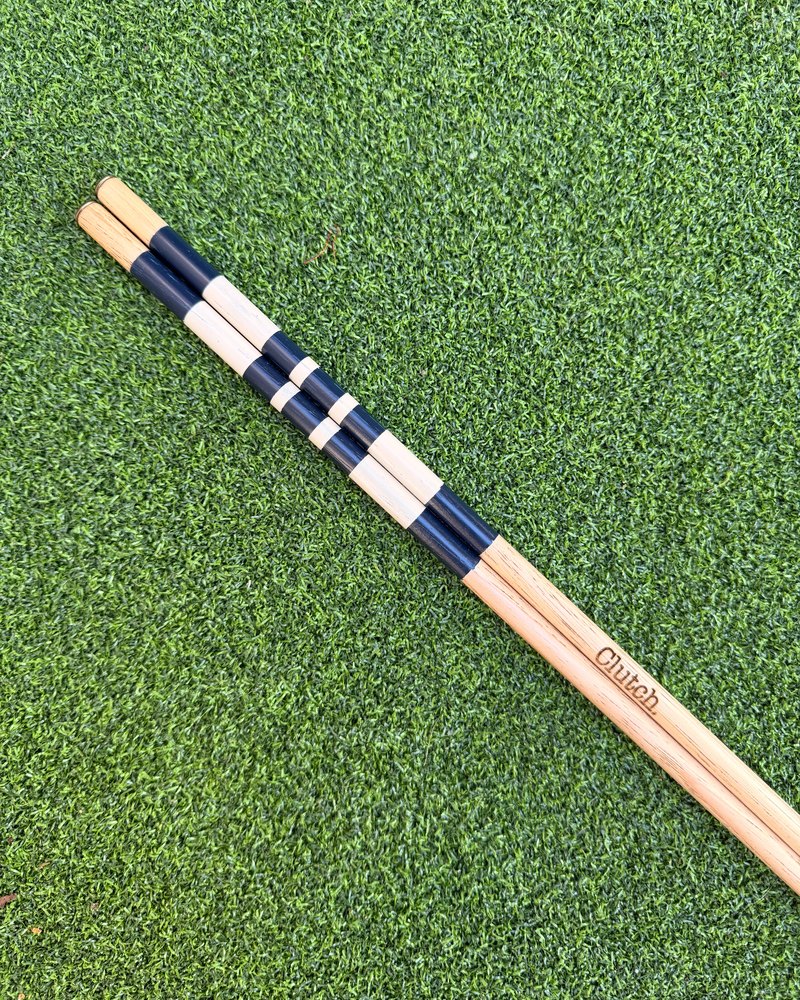
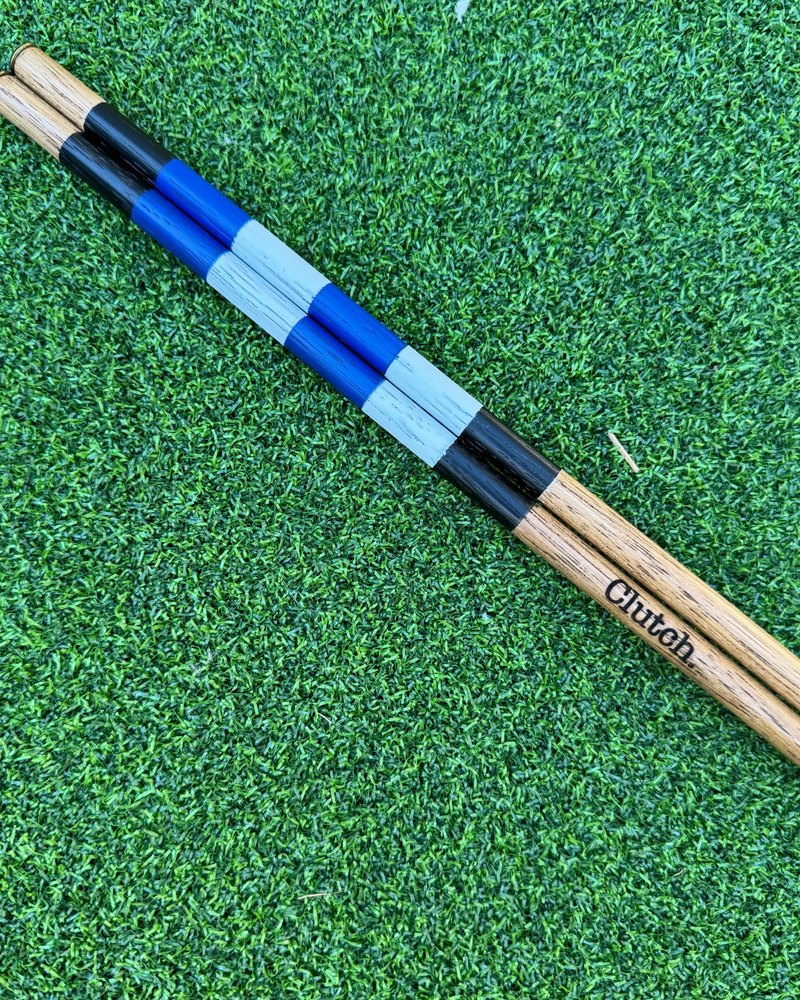
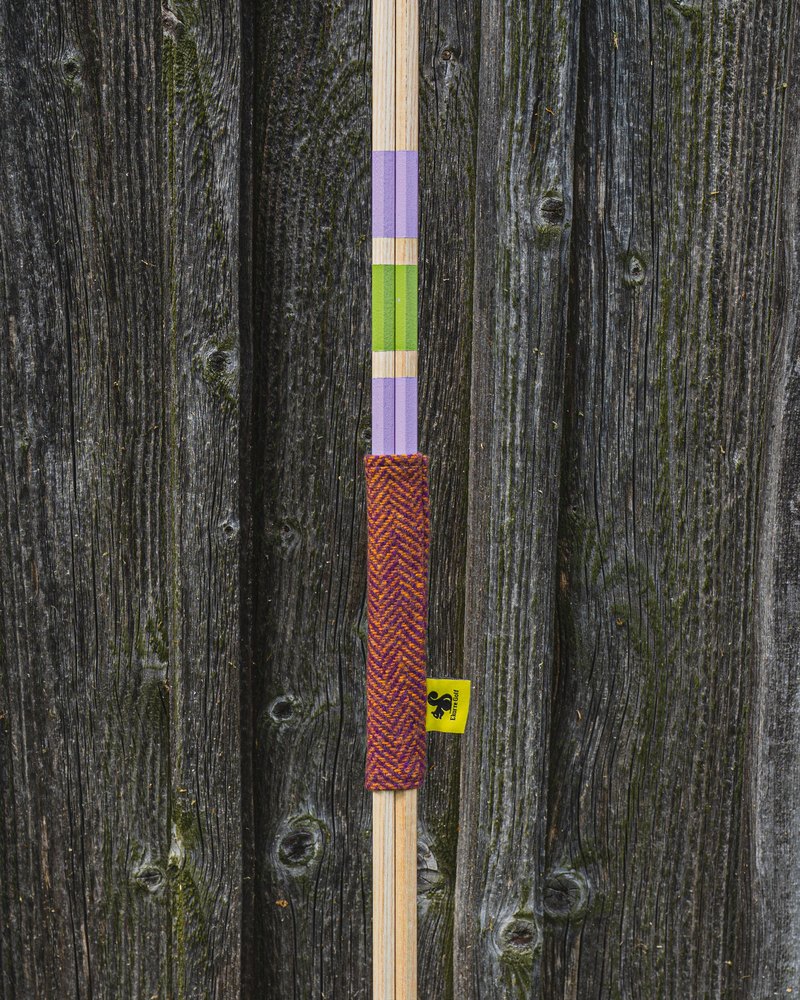
Hickory. Nine of the twelve. It was the shaft wood of golf’s first two centuries because it is hard, straight-grained and springy, and the makers here mostly buy it as dowel — Scotch & Skins names its supplier, Atlas Dowel & Wood in Ohio — then stain, paint, seal and cap it. It weathers: Gamut says the hickory “develops its own character,” and that is the point.
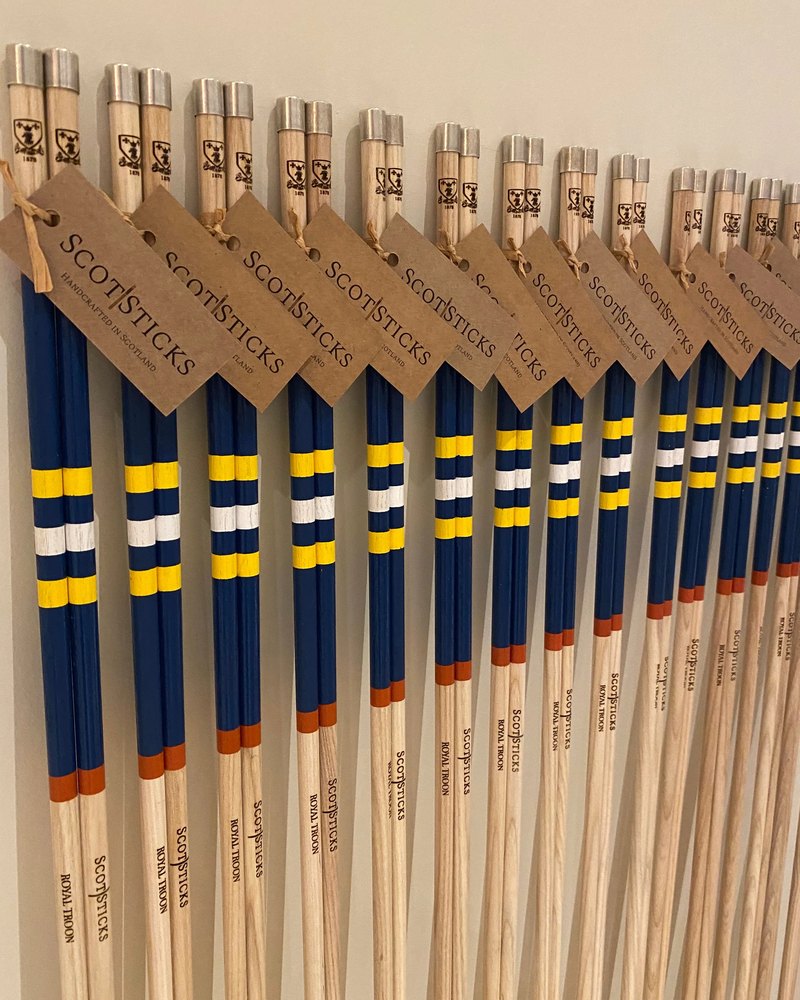
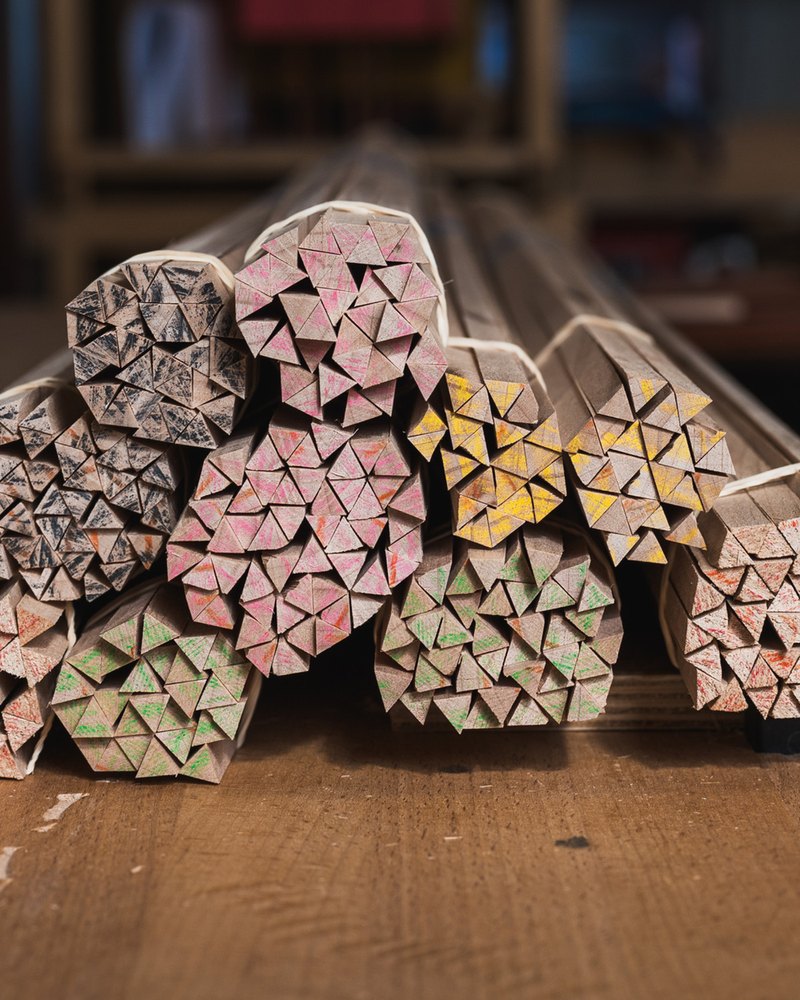
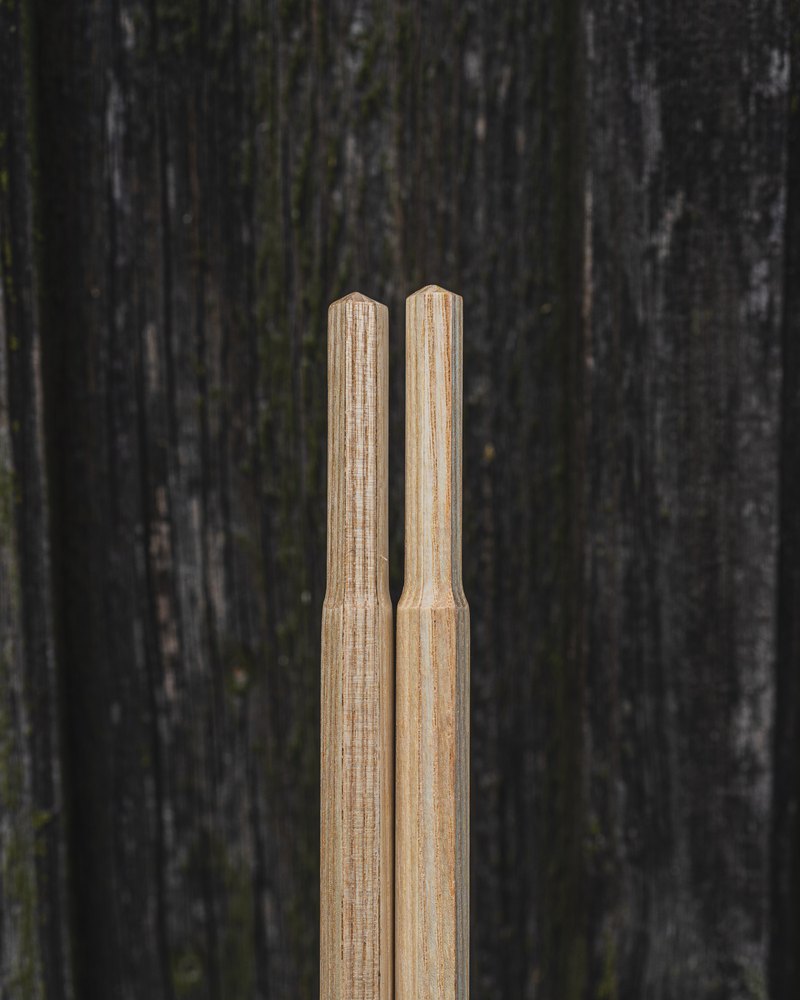
Ash. ScotSticks makes the case that ash was golf’s original wood before hickory crossed from America, and cuts its sticks from it in Scotland. Ekorre goes further and laminates six strips of Swedish ash into a hexagon, the way a split-cane fishing rod is made, so the stick flexes and returns straight.
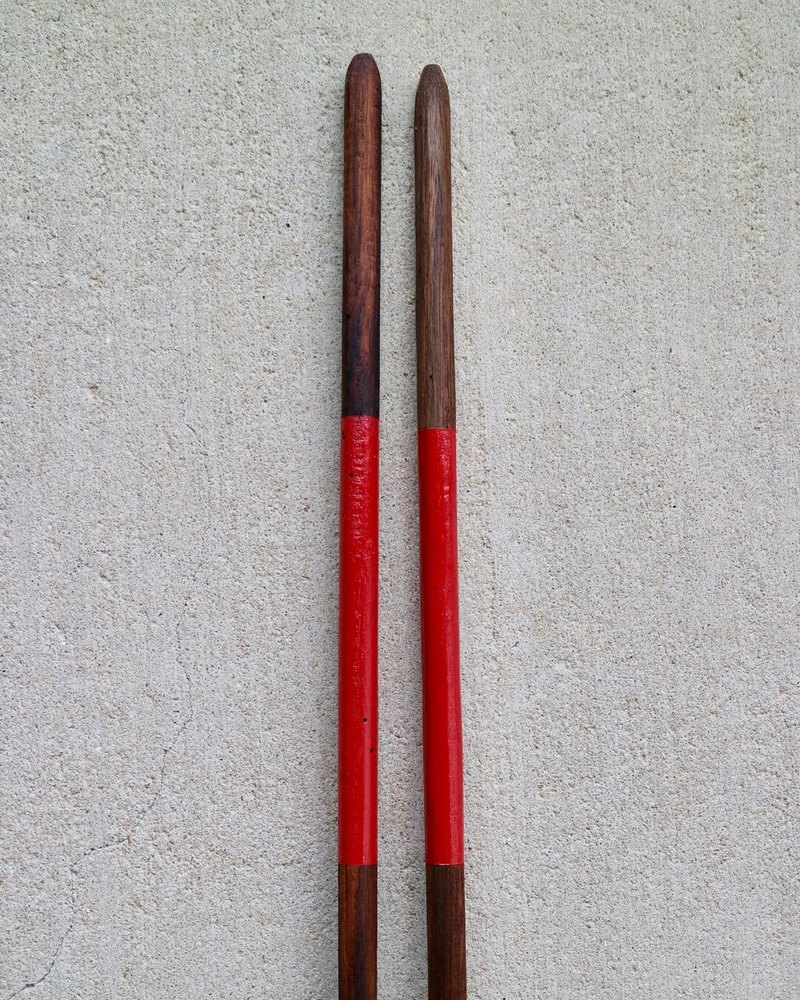
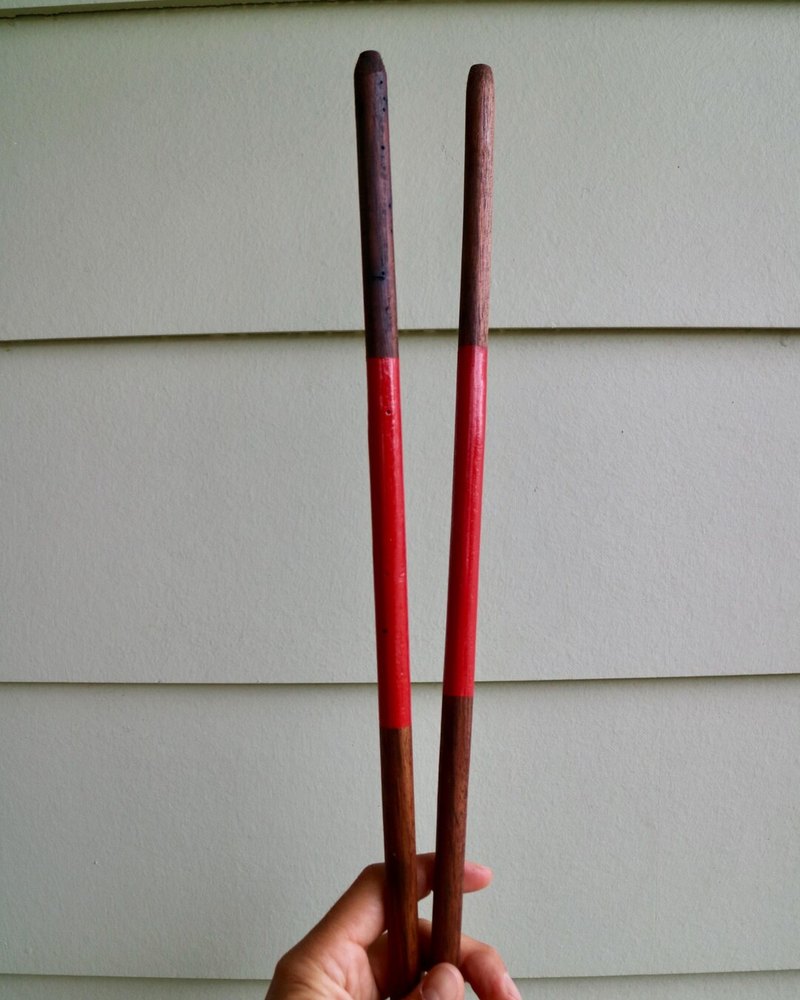
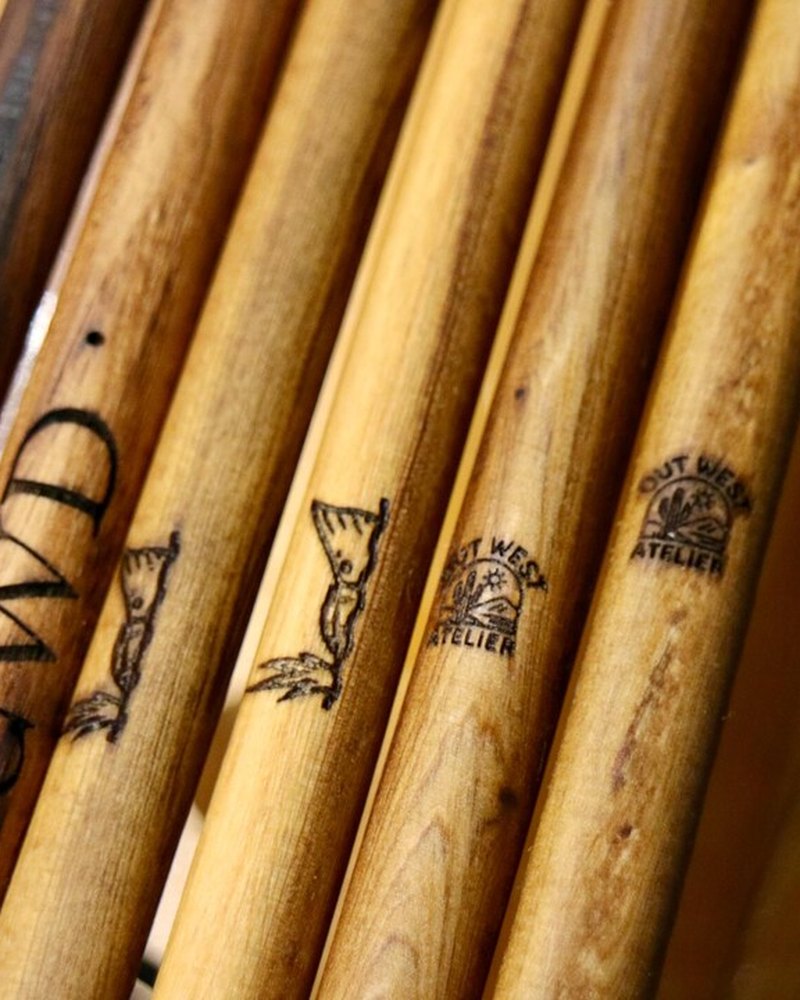
Walnut. Out West Atelier’s black walnut is denser and darker than either, and heavier in the hand. Nobody else here uses it.
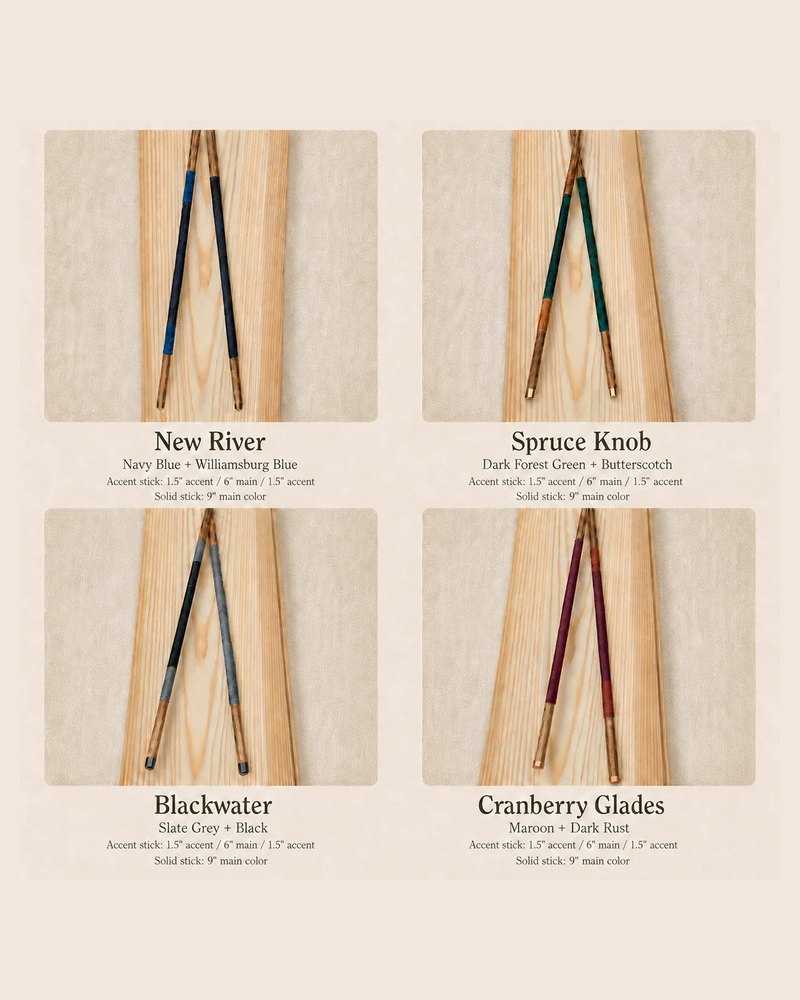
The details that differ. Length runs 42 to 45 inches; Hickory & Heath picked 43 so the sticks sit below the woods in the bag. Ends are either capped — bronze at Scotch & Skins, brass at Hazy, tack caps at Beavertail, nail caps at BubbaWhips — or bare and chamfered, as ScotSticks and Ekorre prefer. Almost everyone engraves, and about half will paint your colours to order.
From the original in Minnesota to a first run out of West Virginia, listed by the story rather than the price.
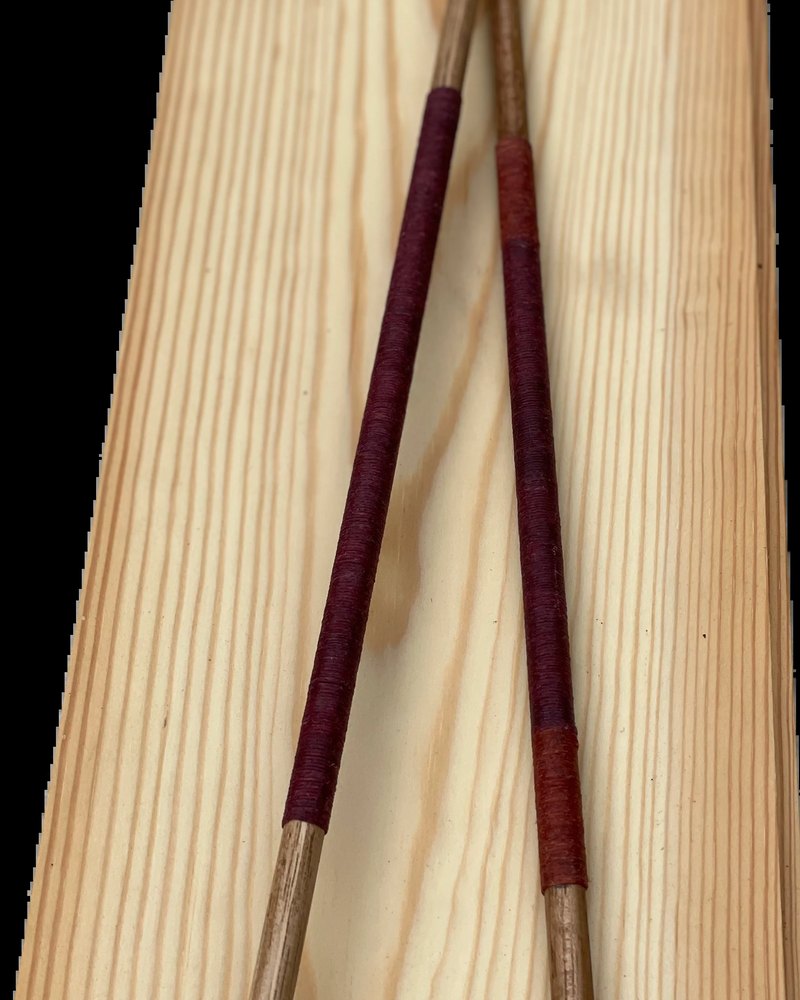
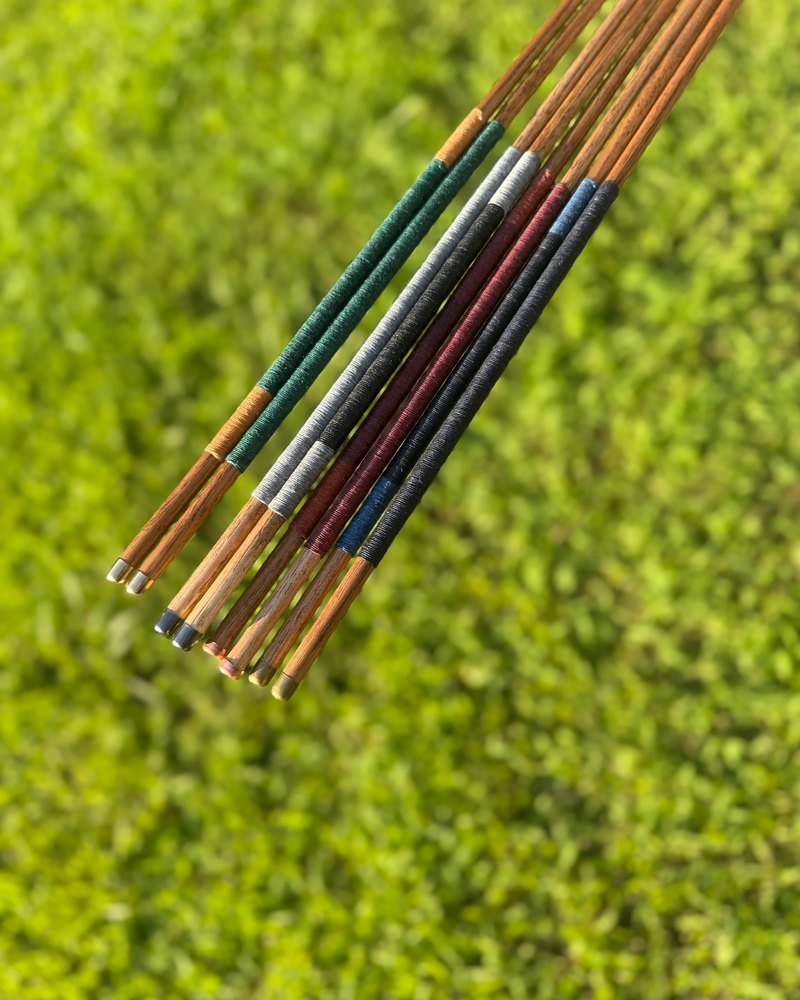
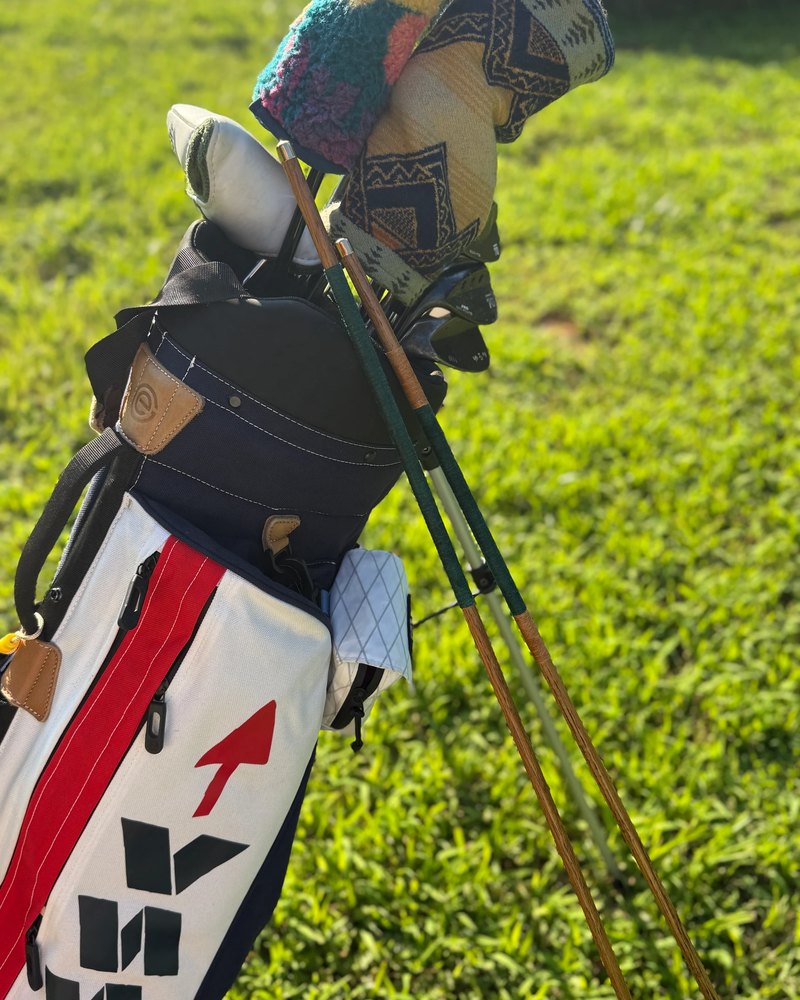
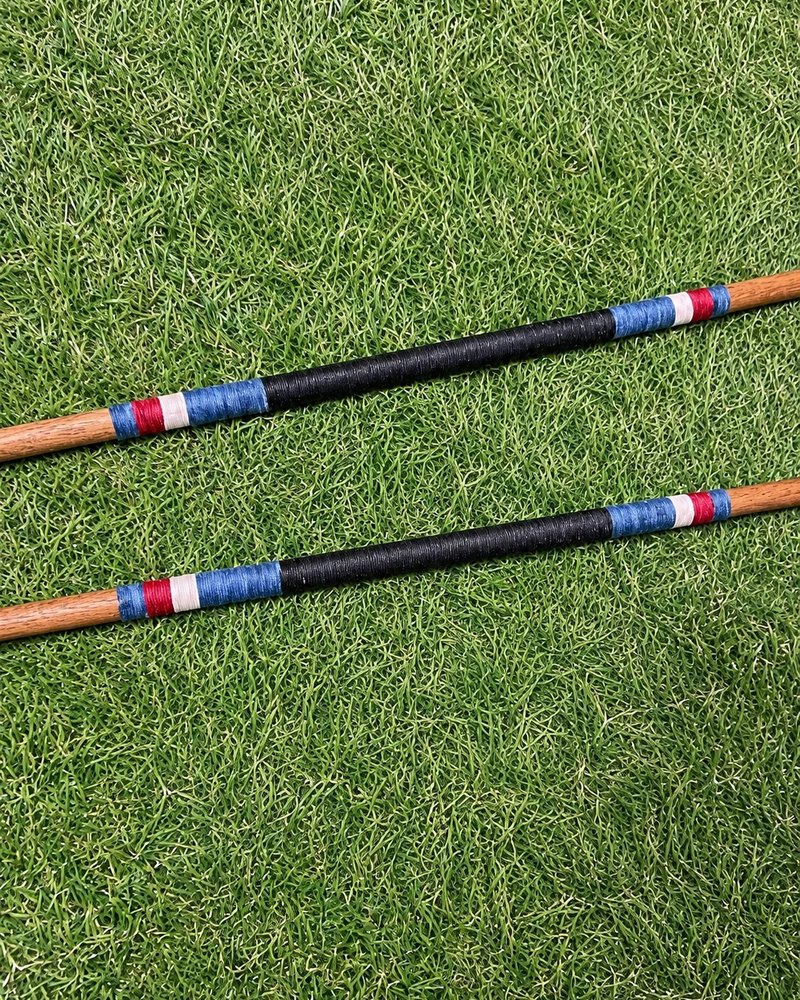
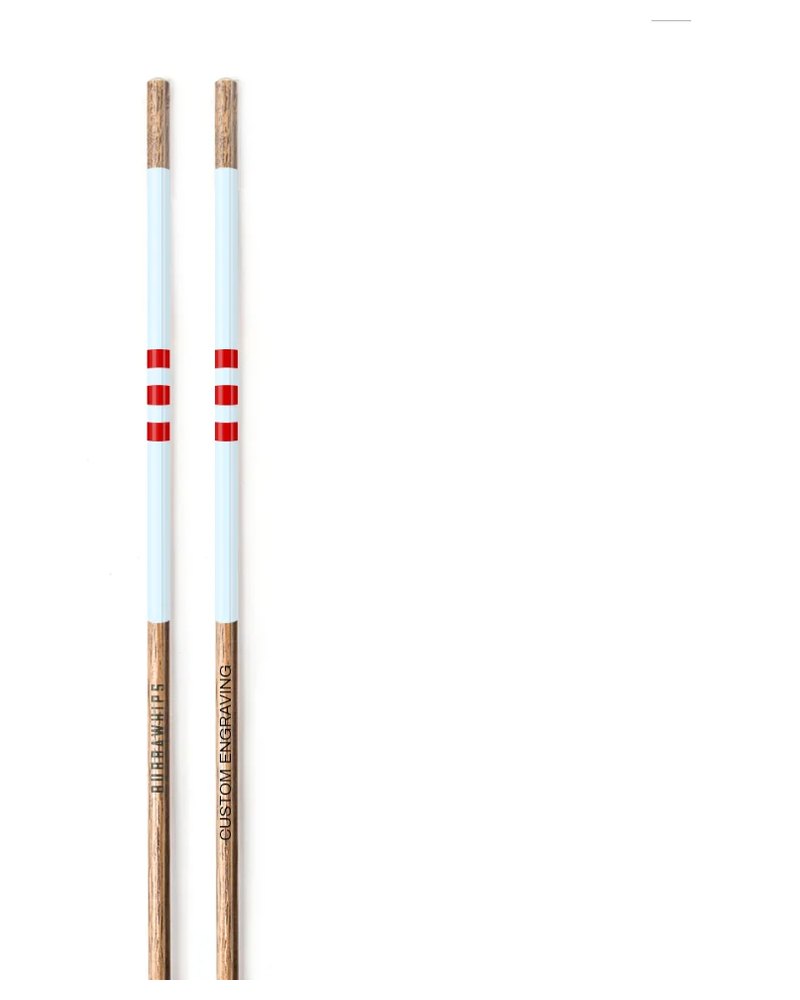
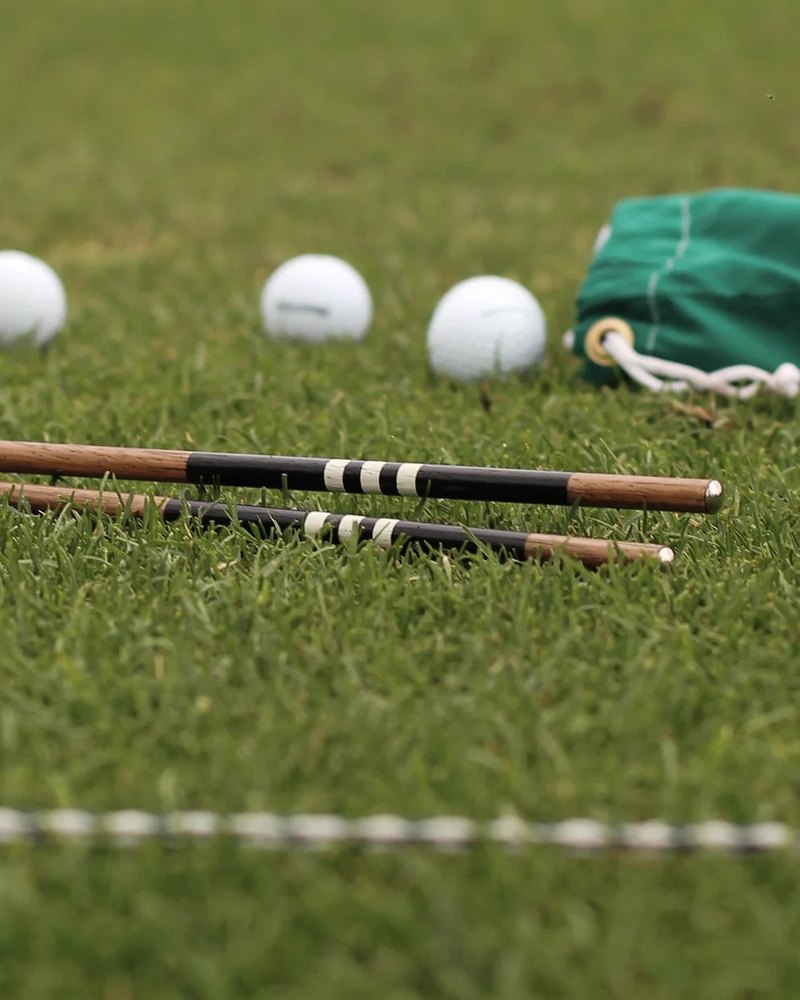
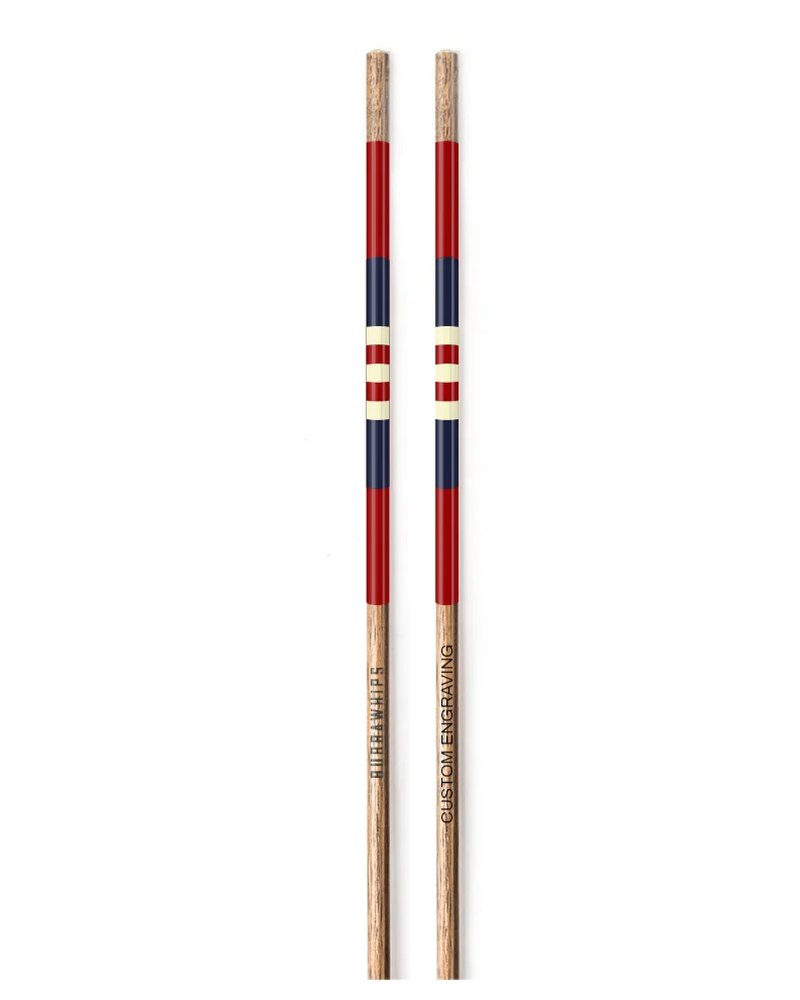
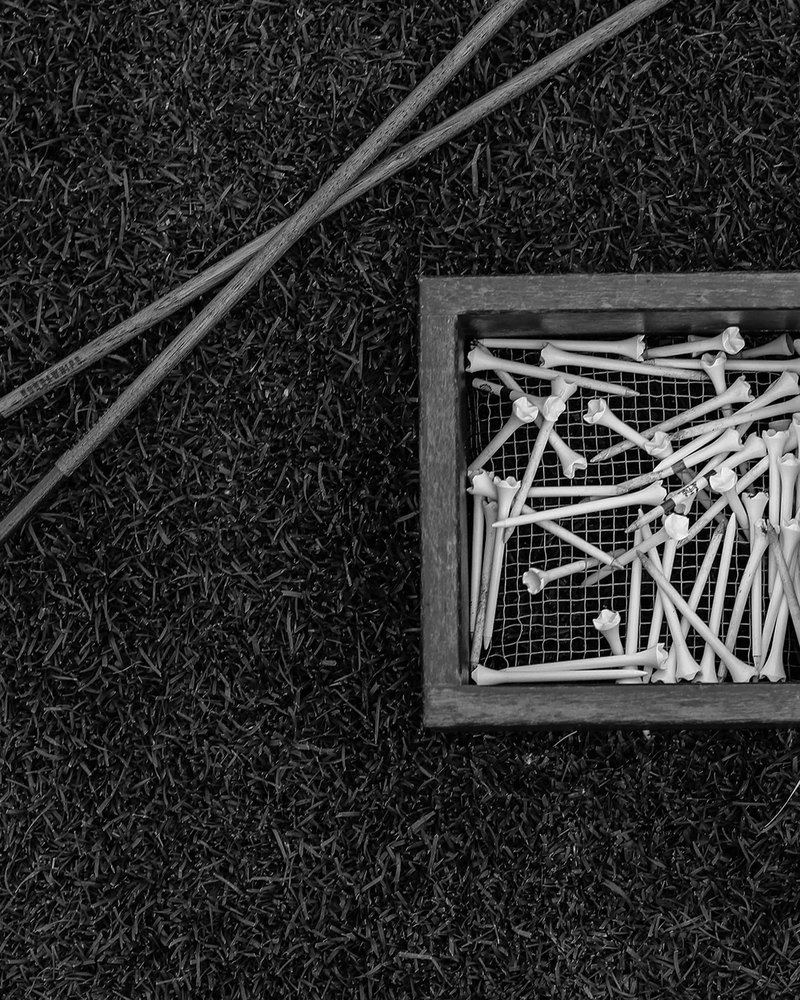
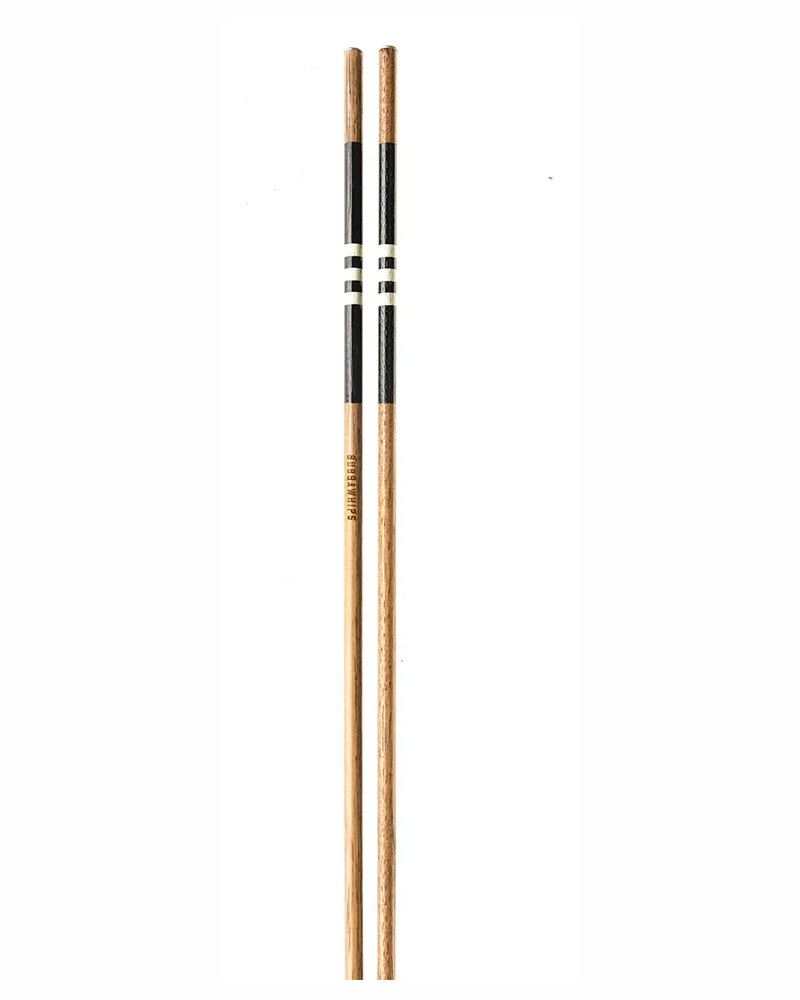
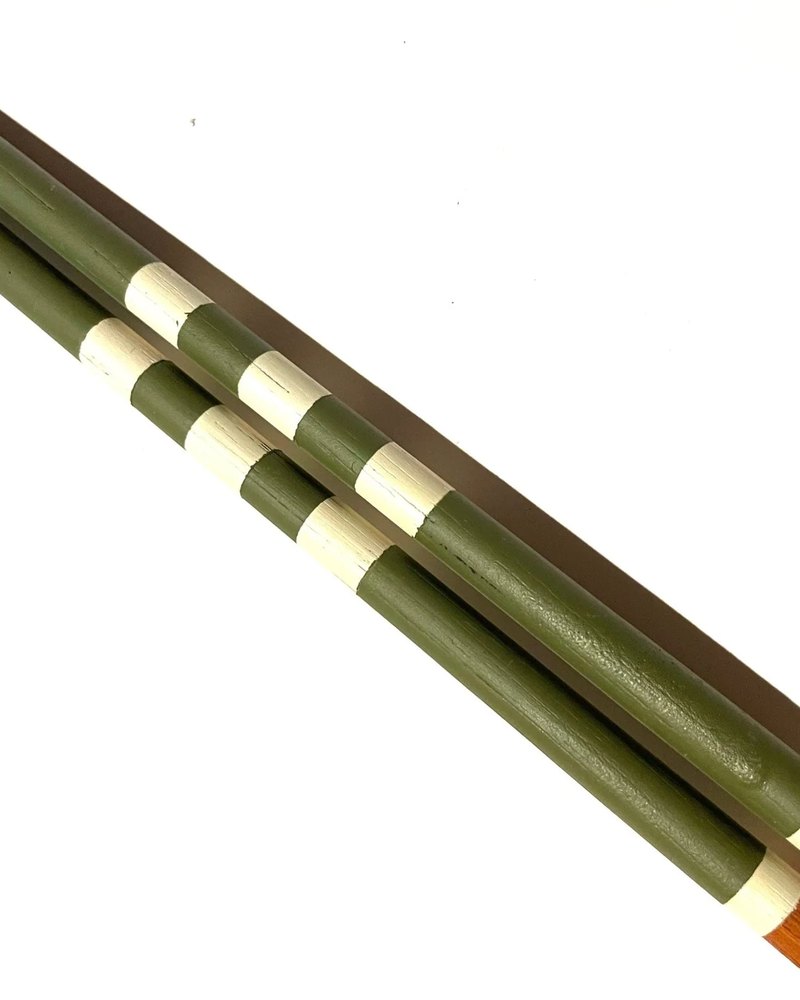
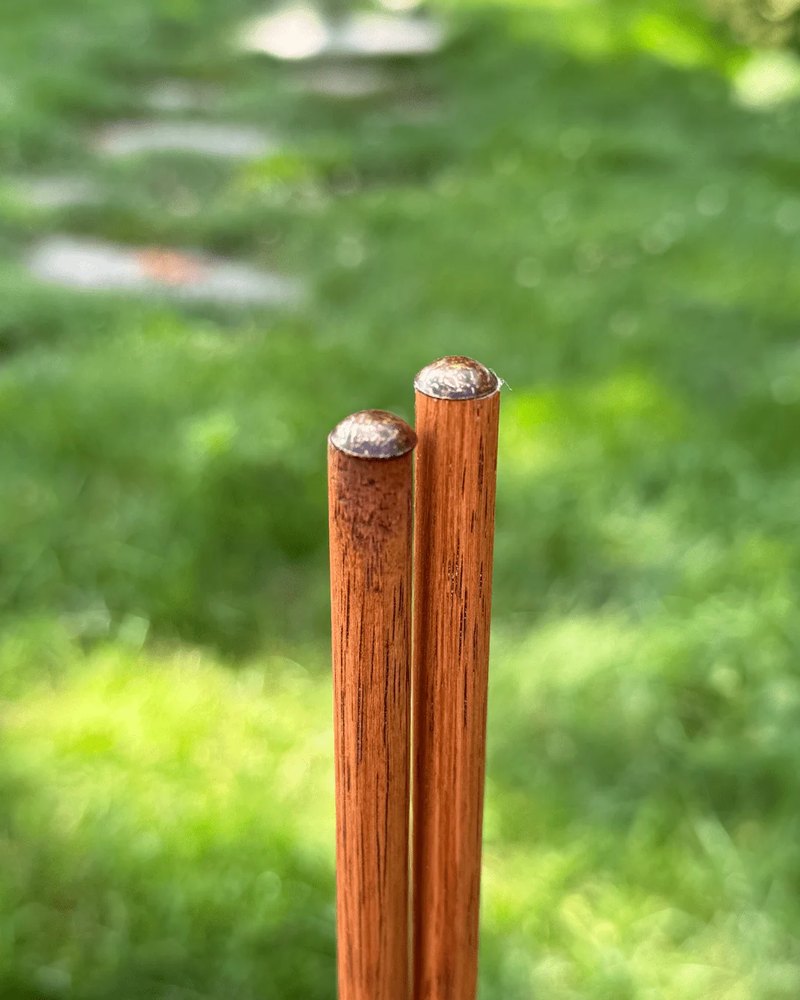
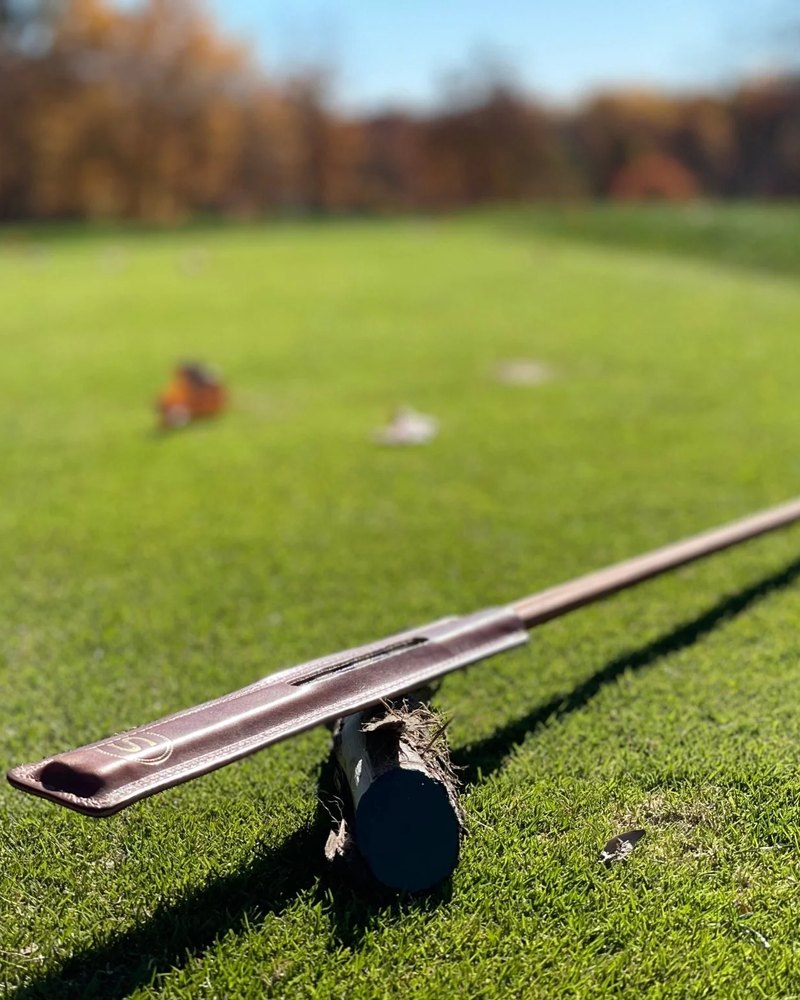
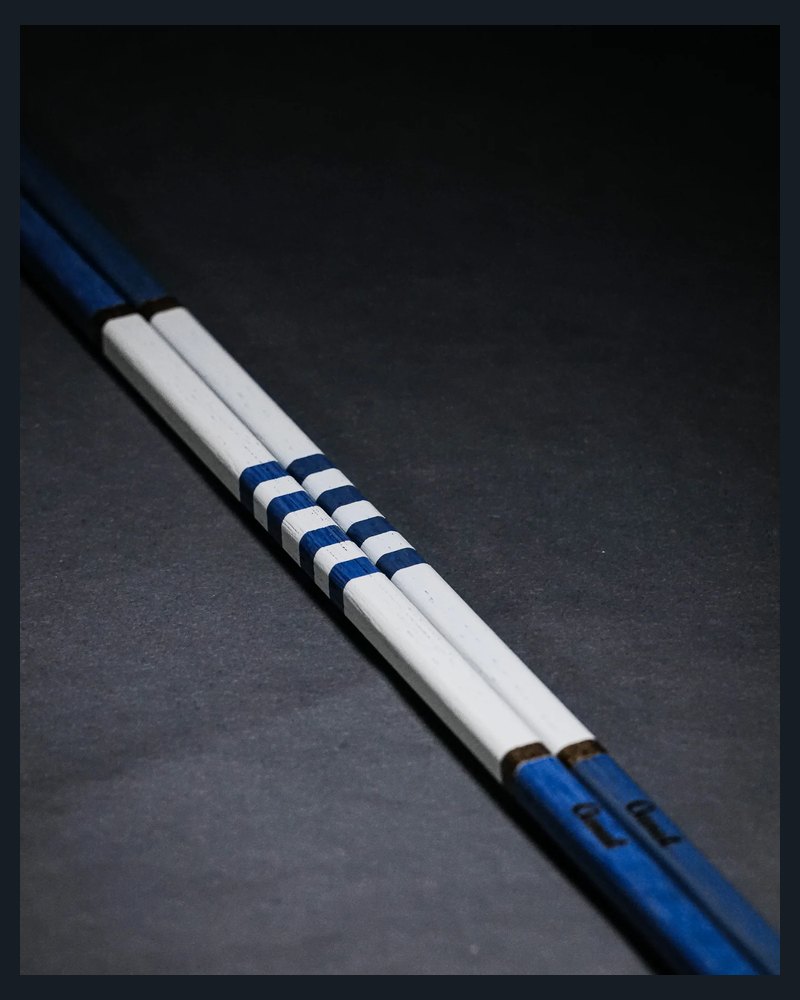
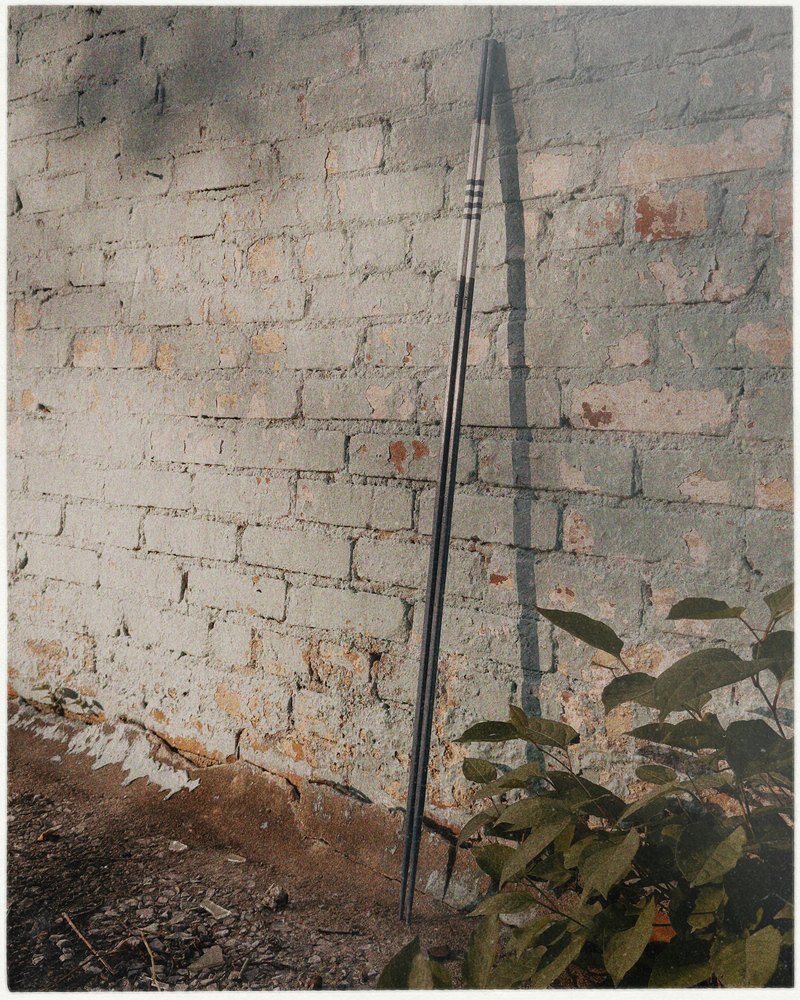
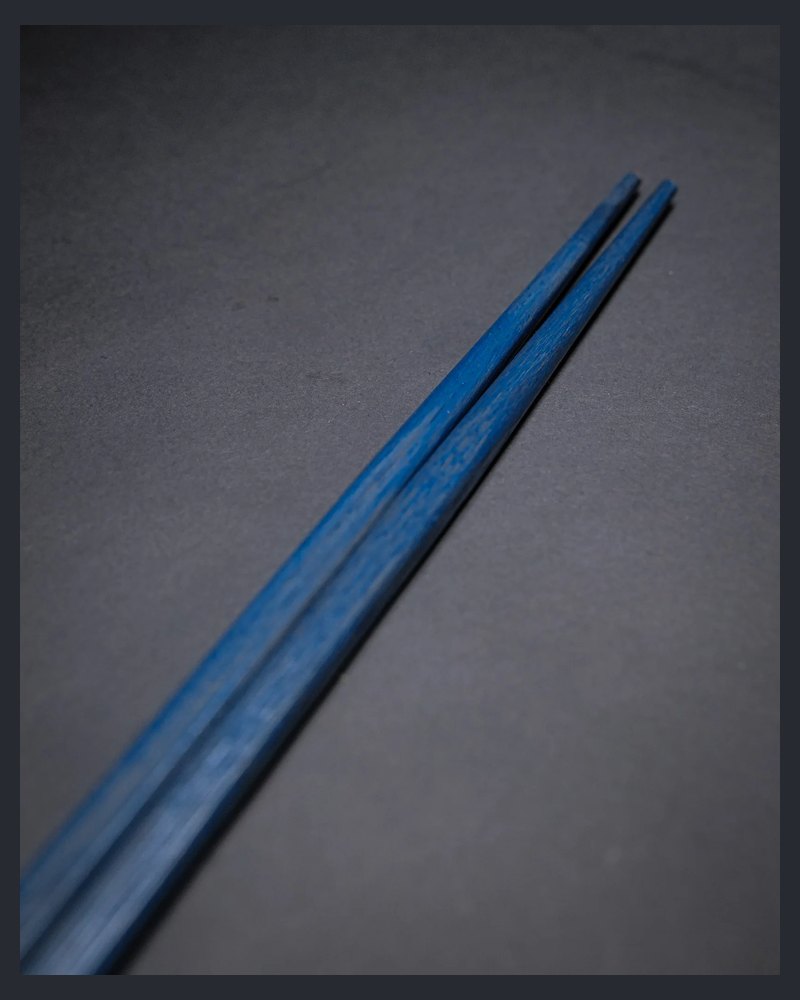
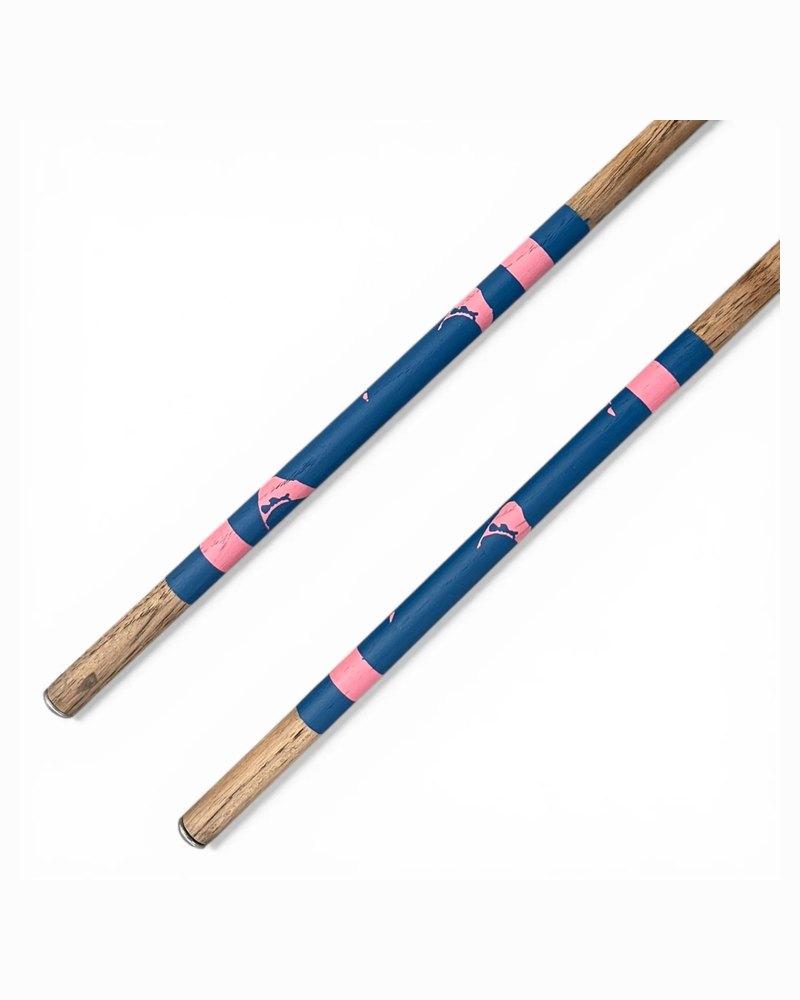
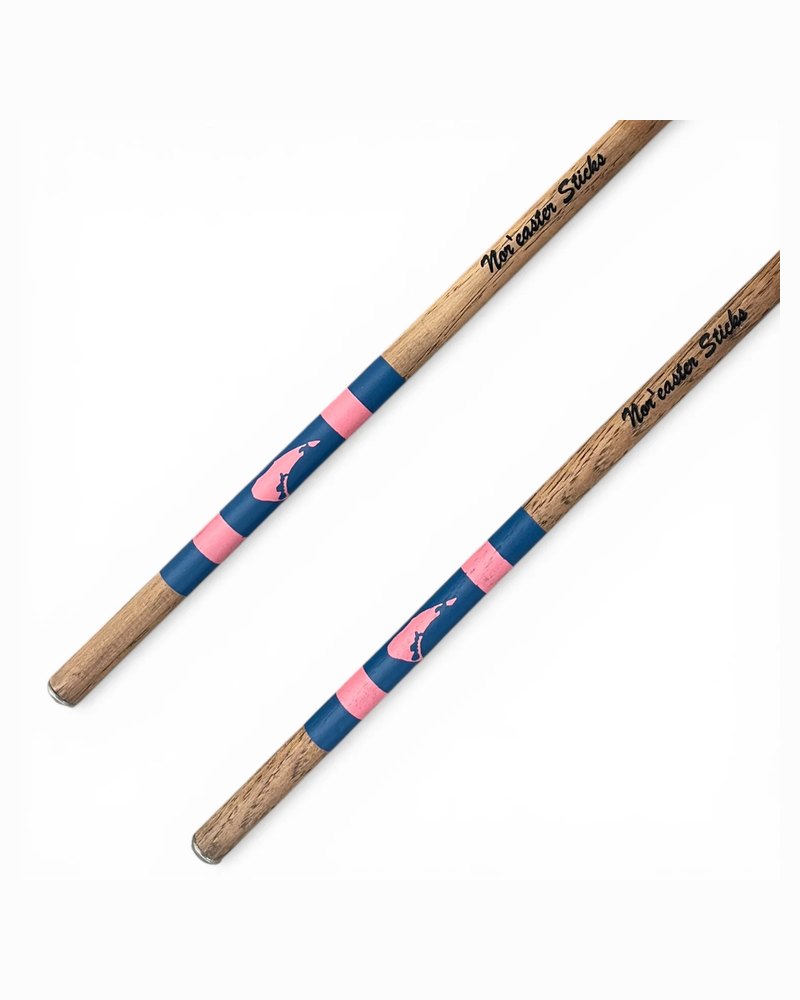
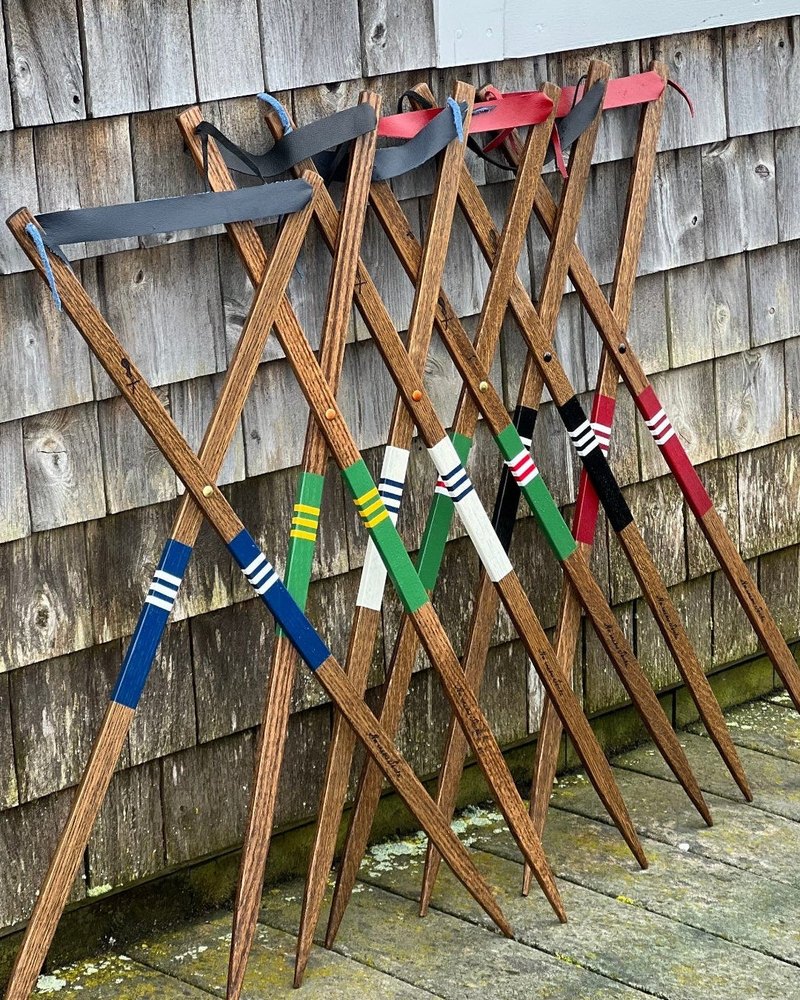
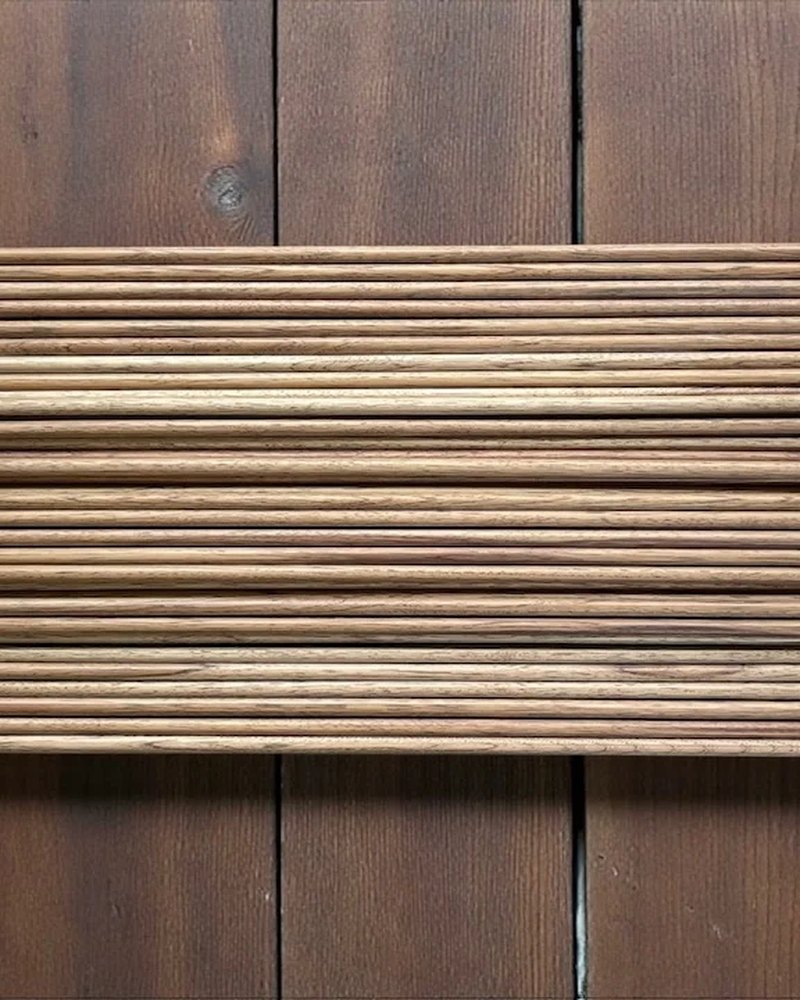
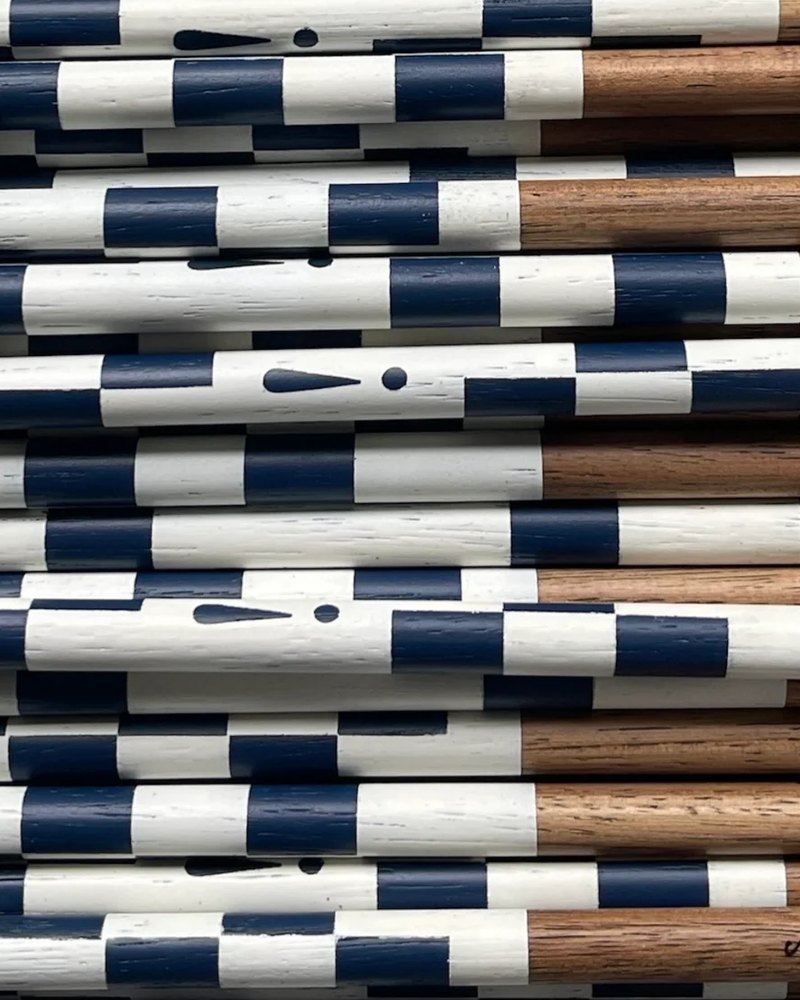
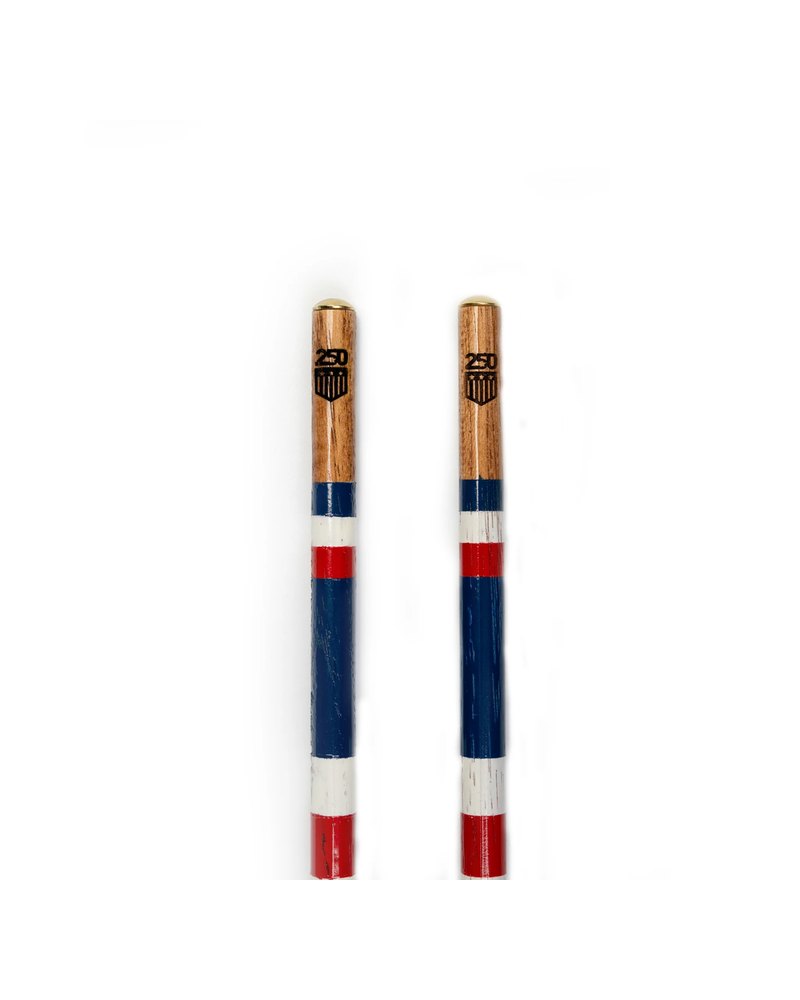
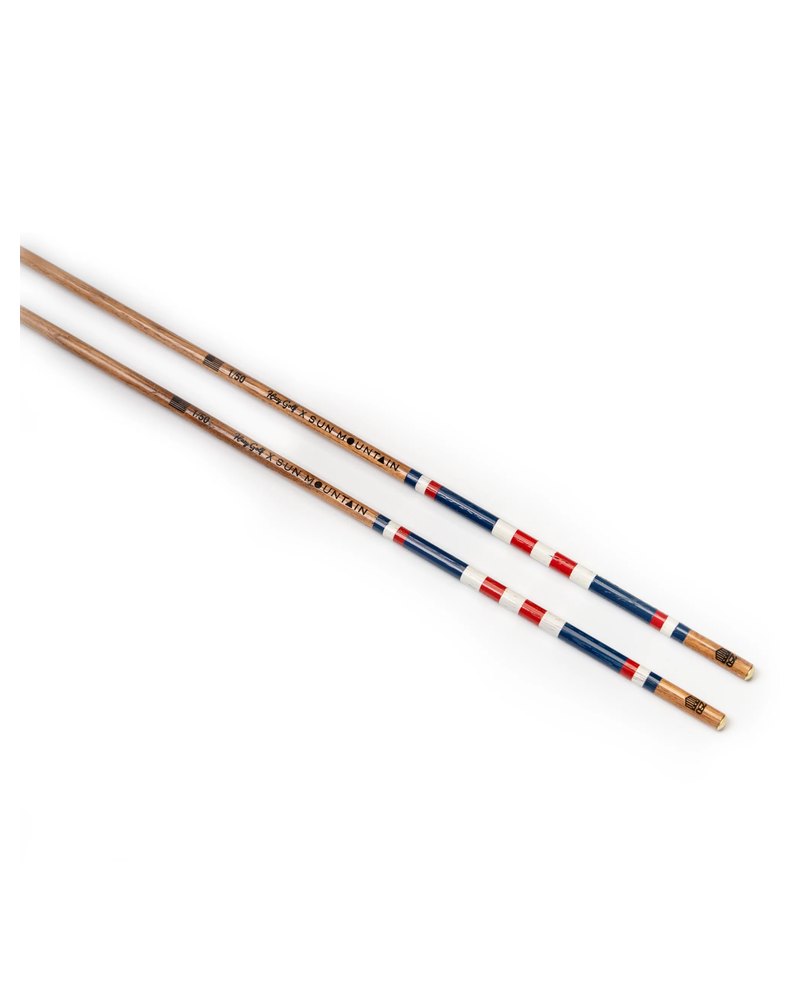
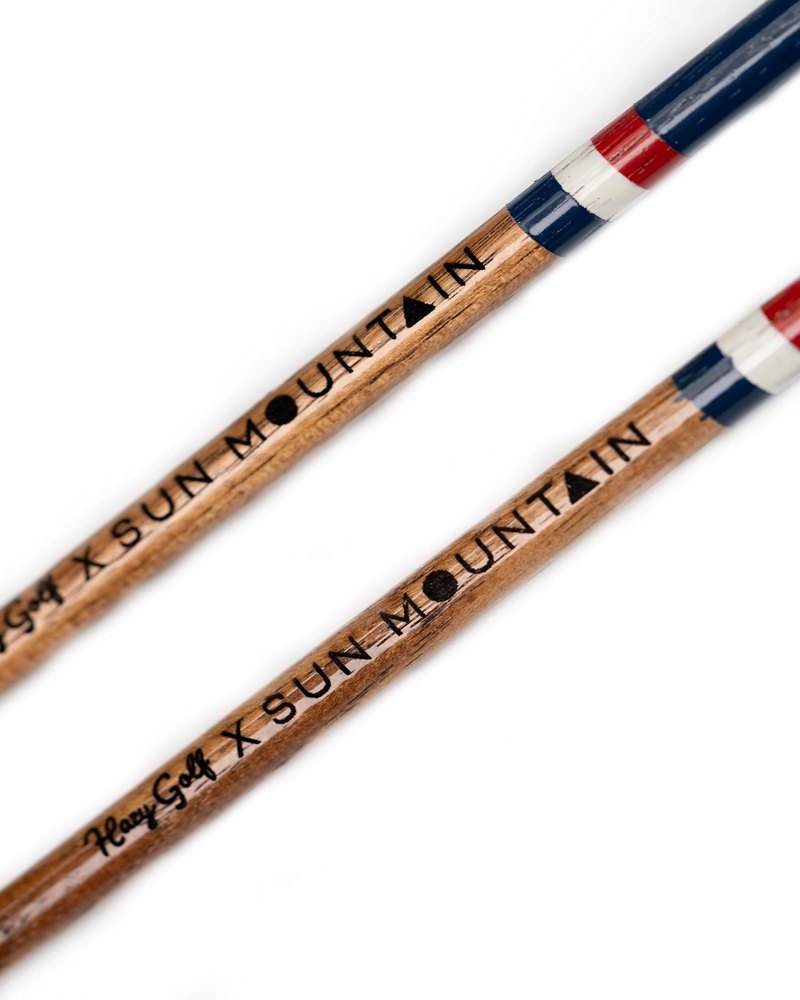
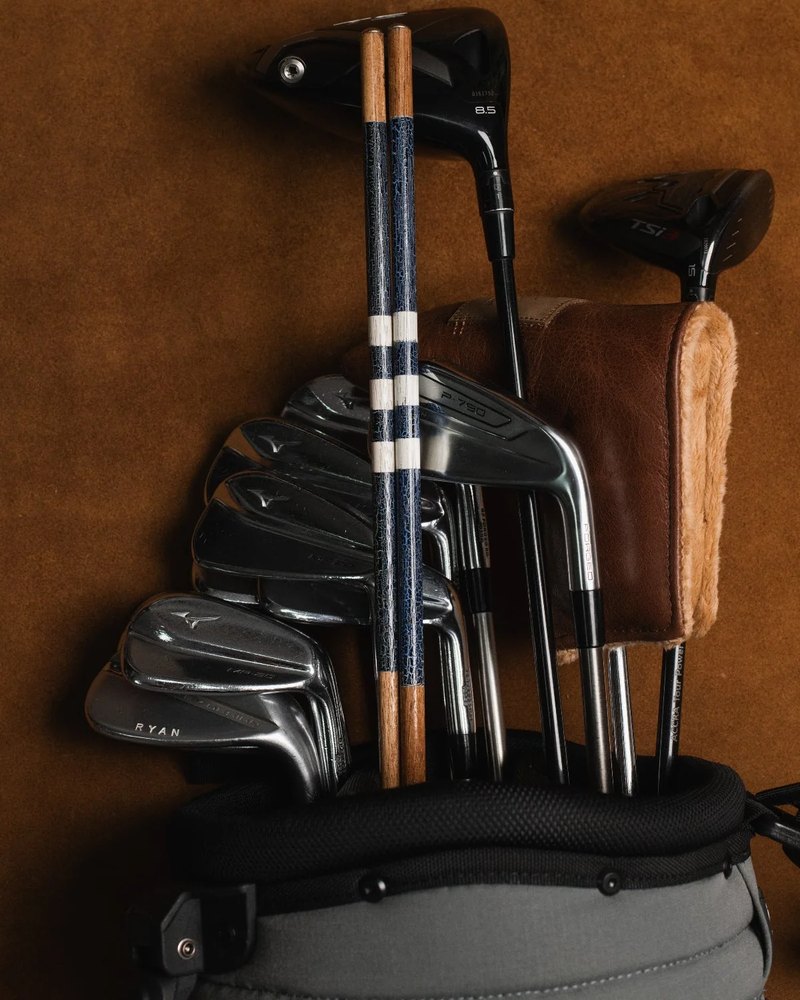
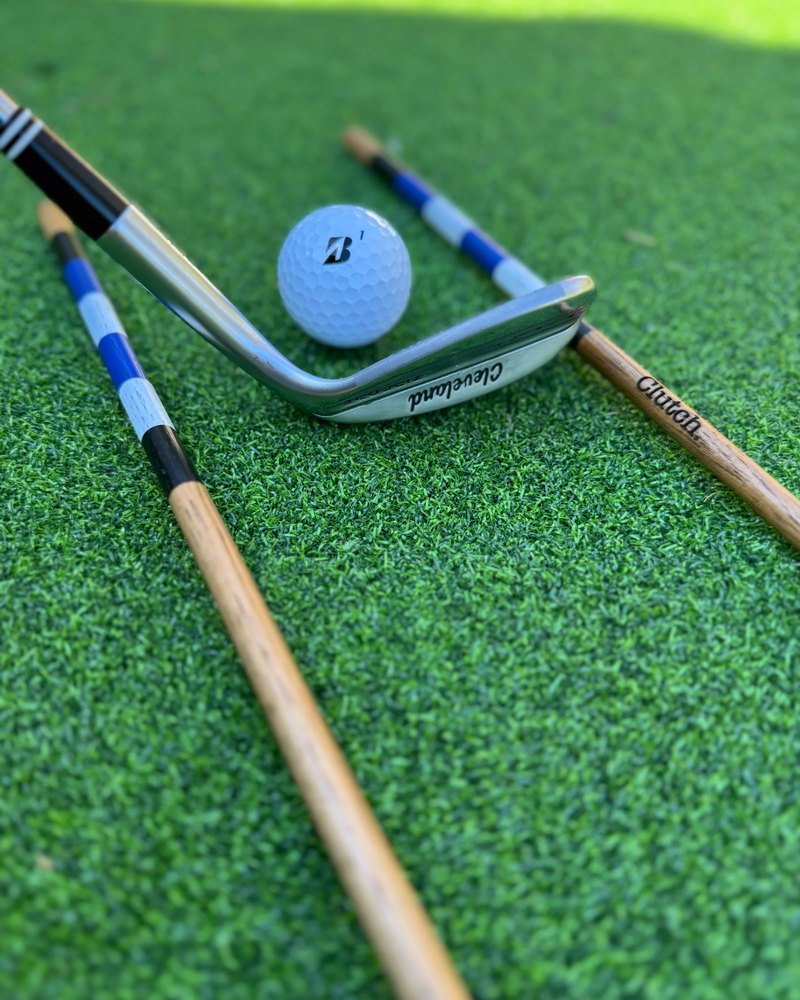
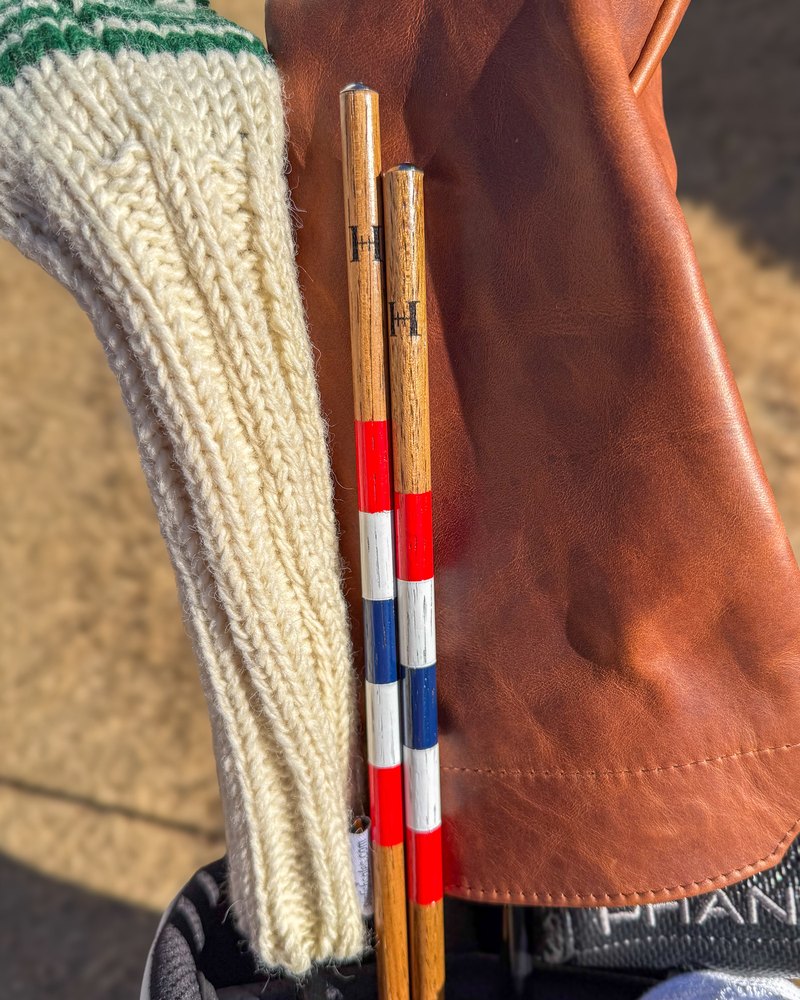
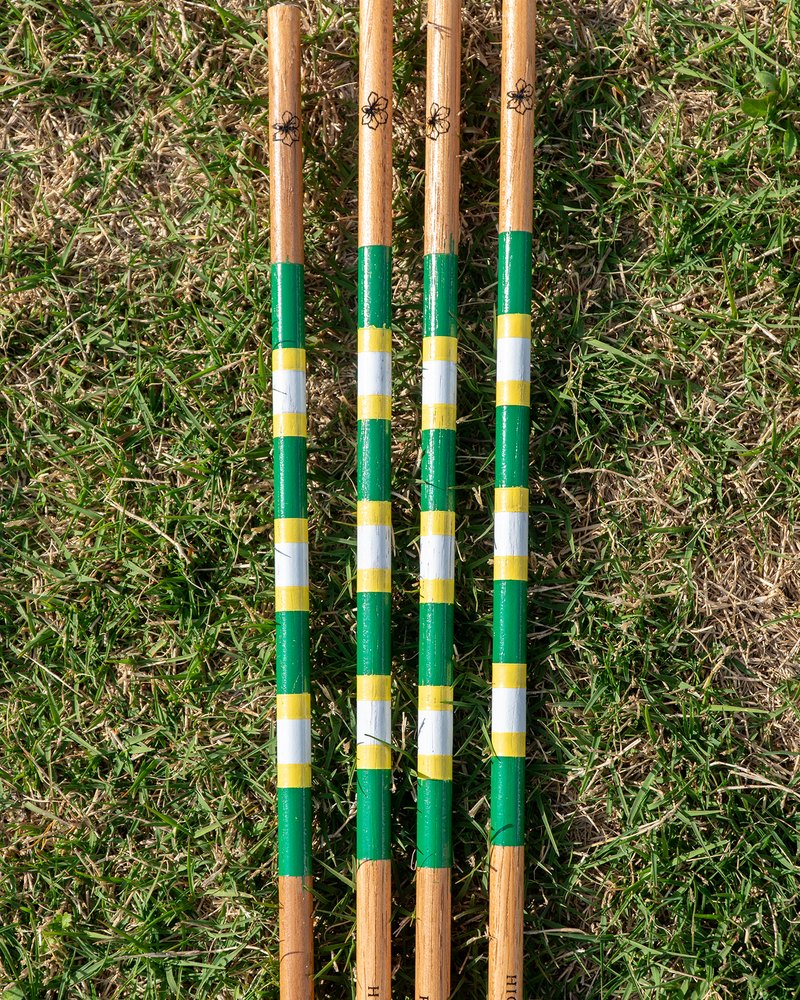
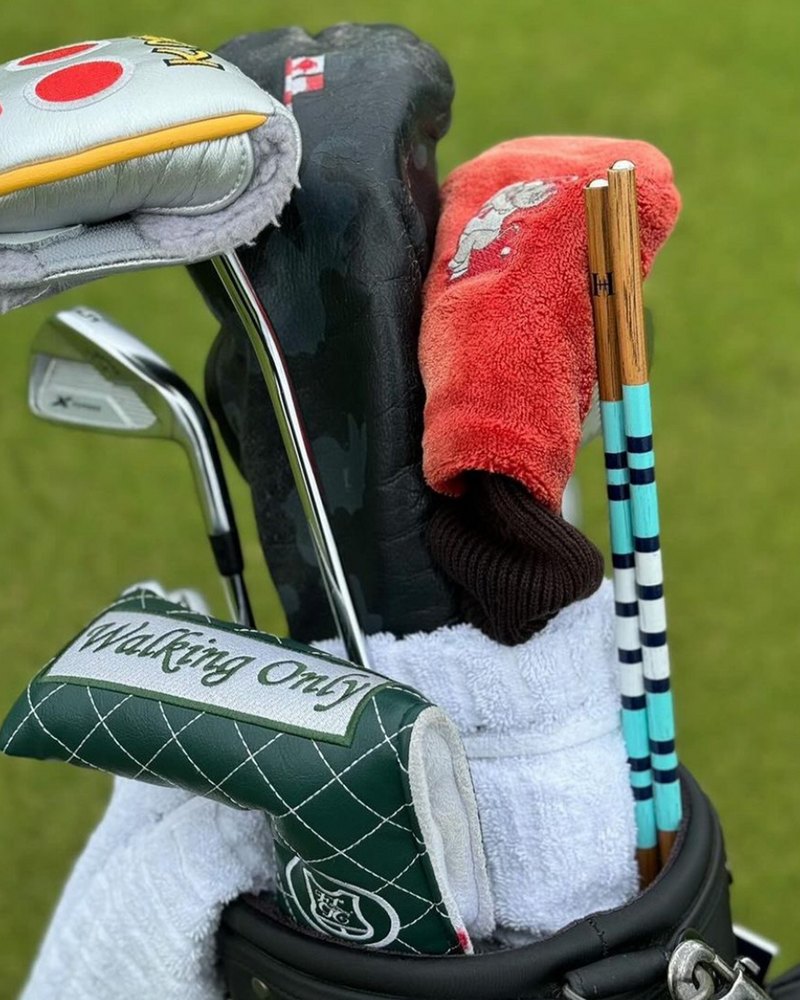
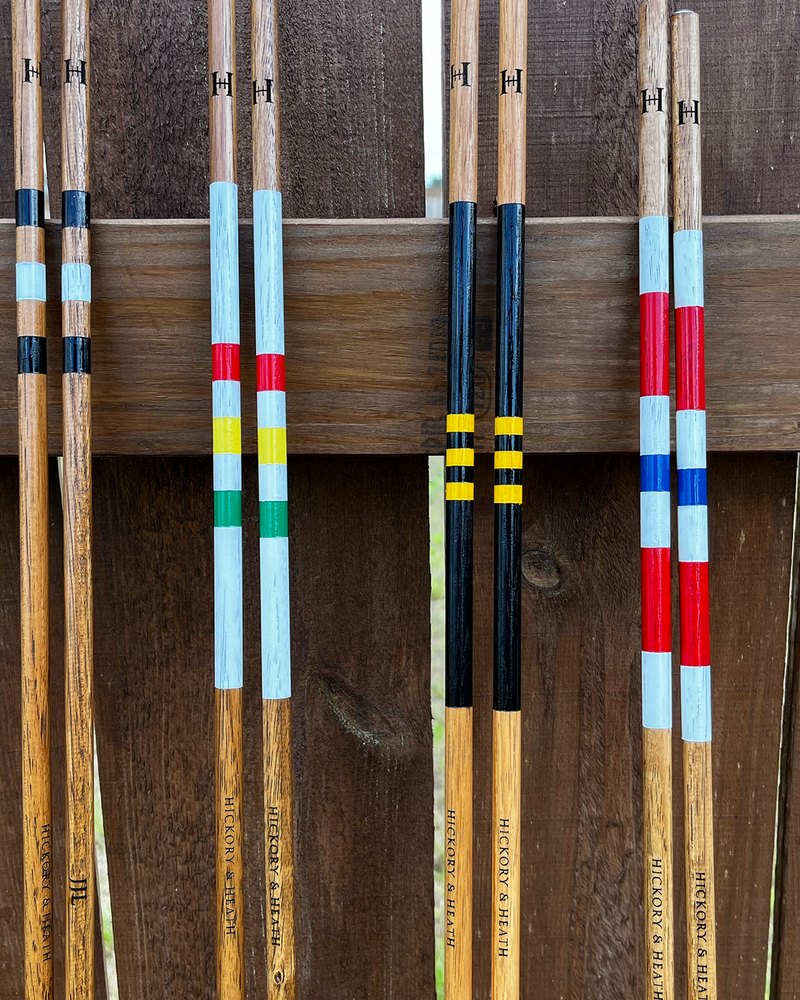
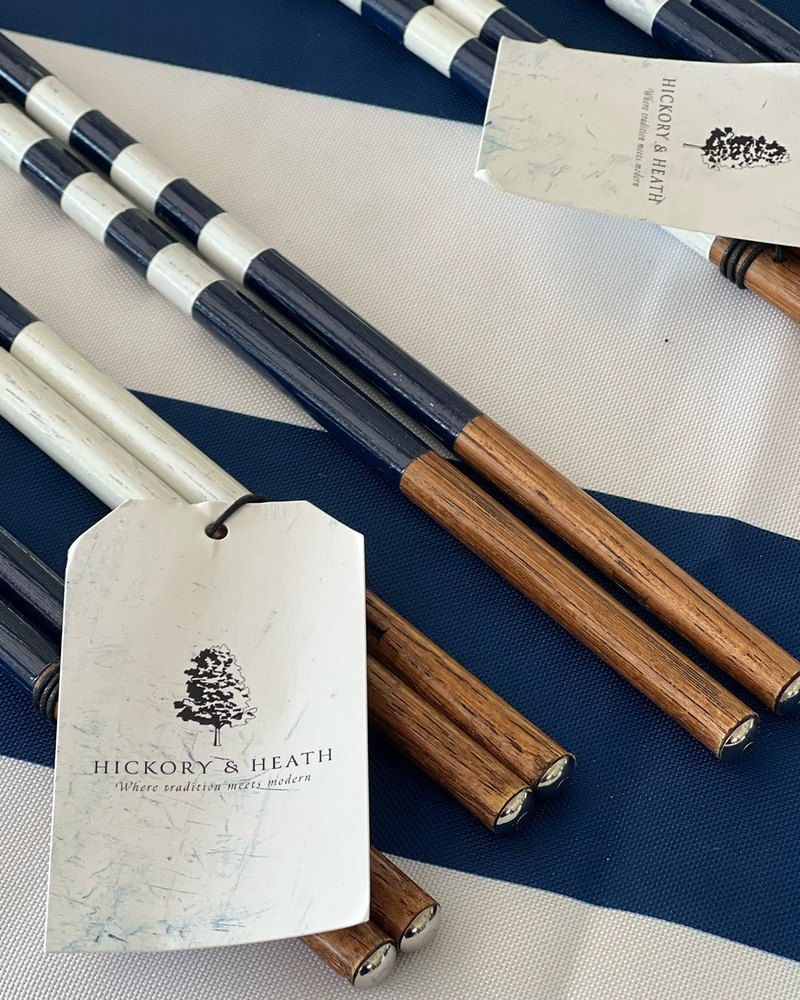
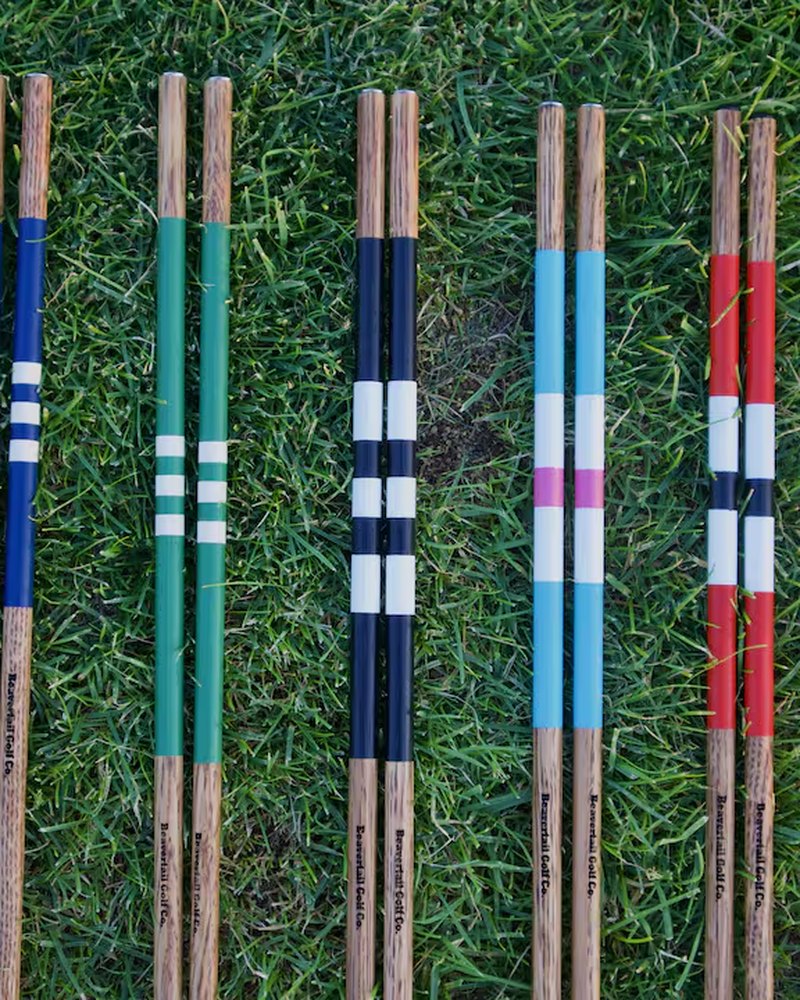
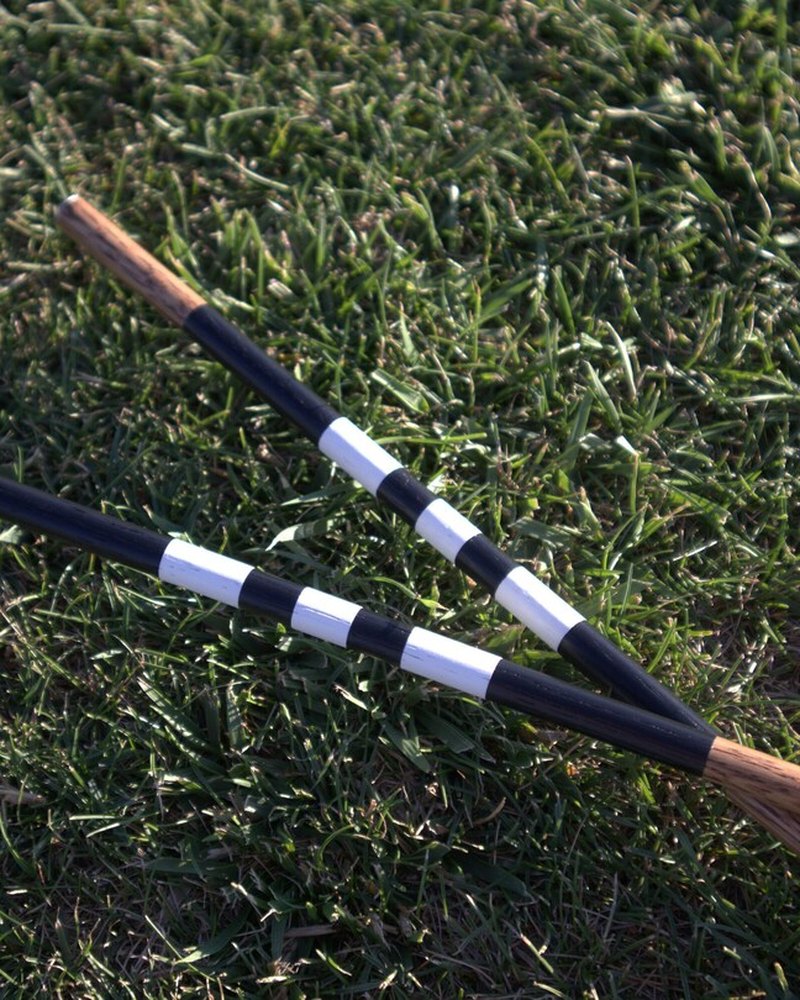
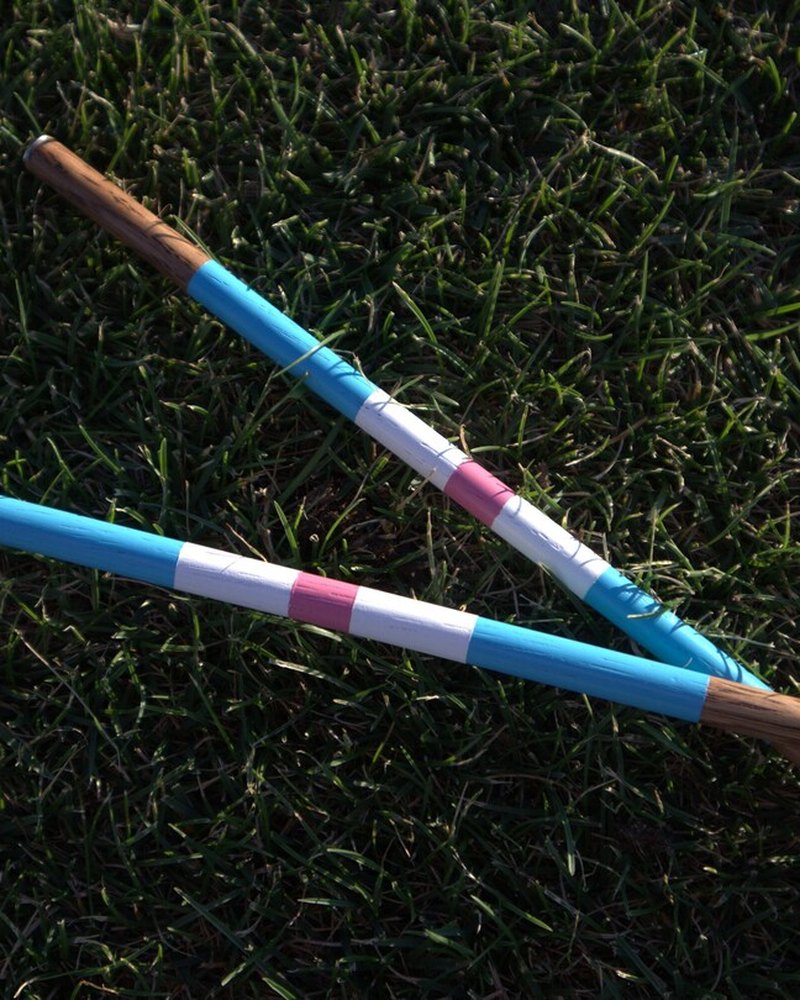
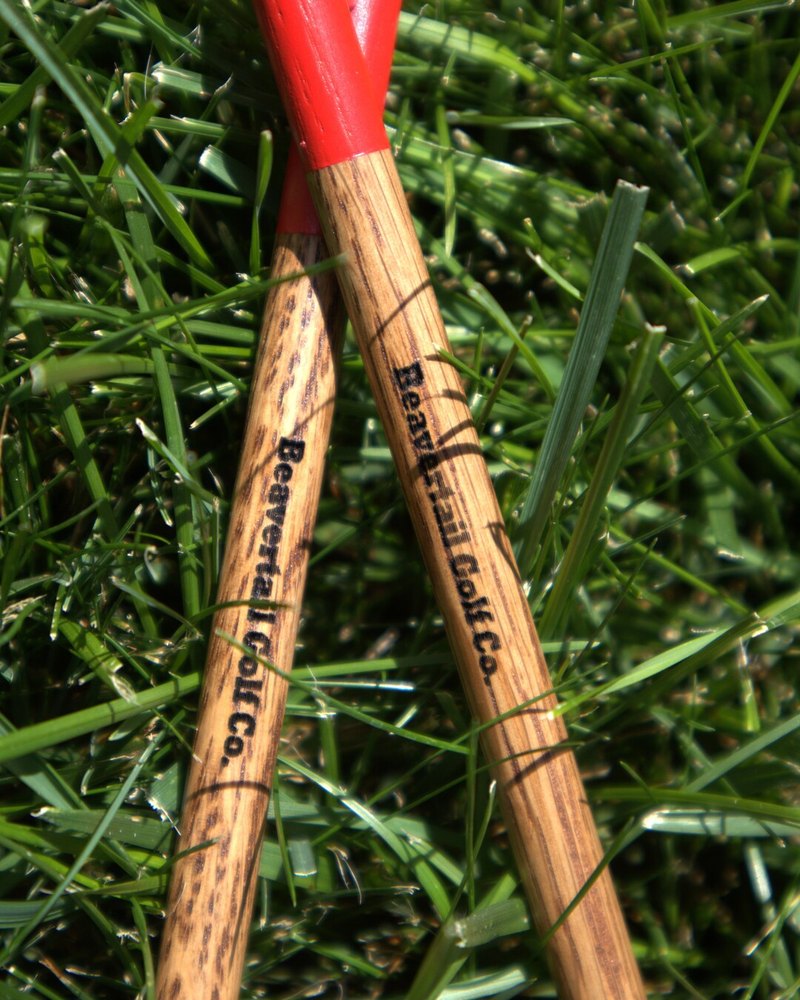
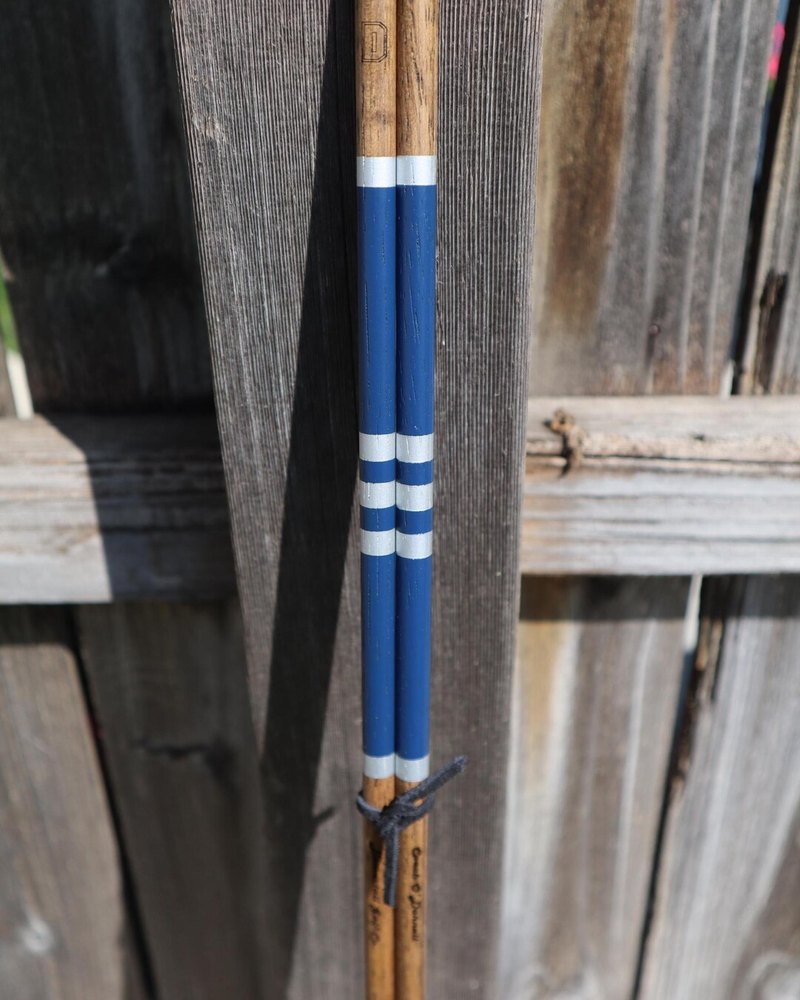
Erik Heltne on the hardware-store rods everybody used before, from Golf.com’s 2018 story on BubbaWhips.
The original shaft wood, cut in Scotland and laminated in Sweden, and the one walnut pair in the category.
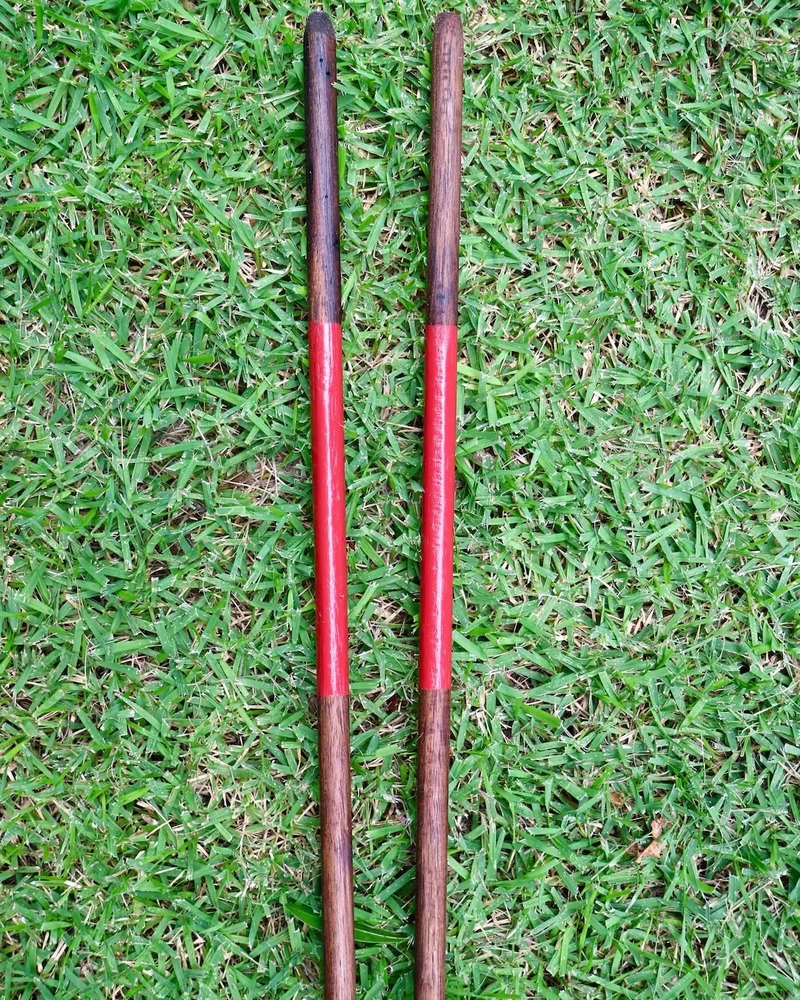
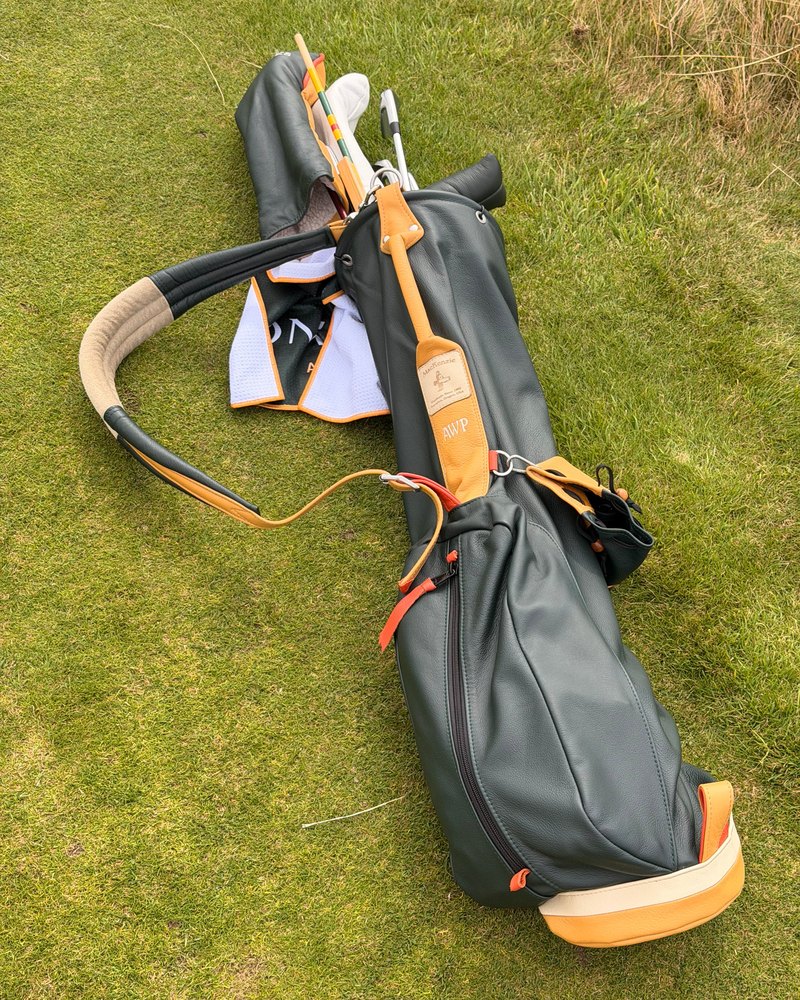
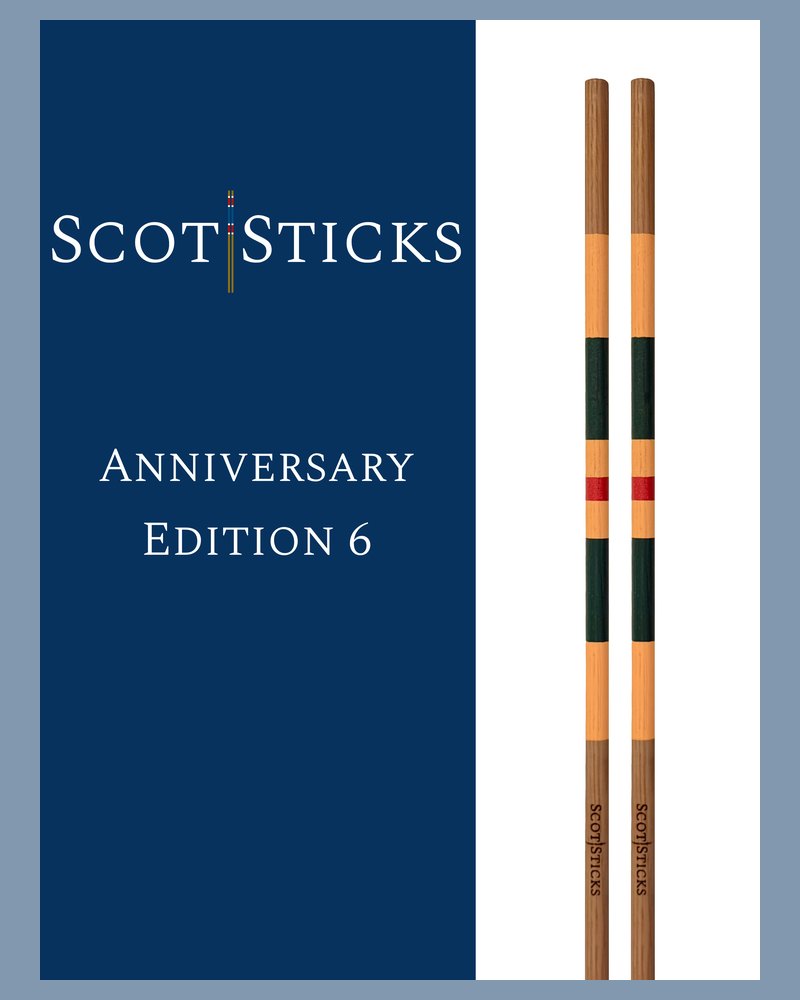
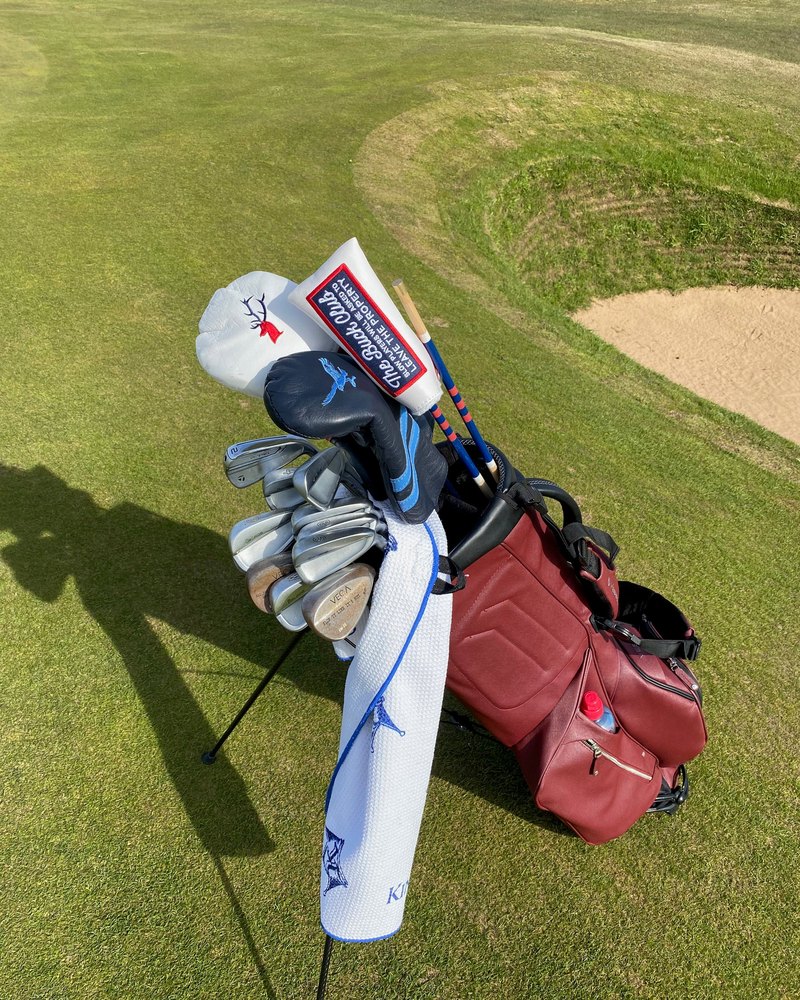
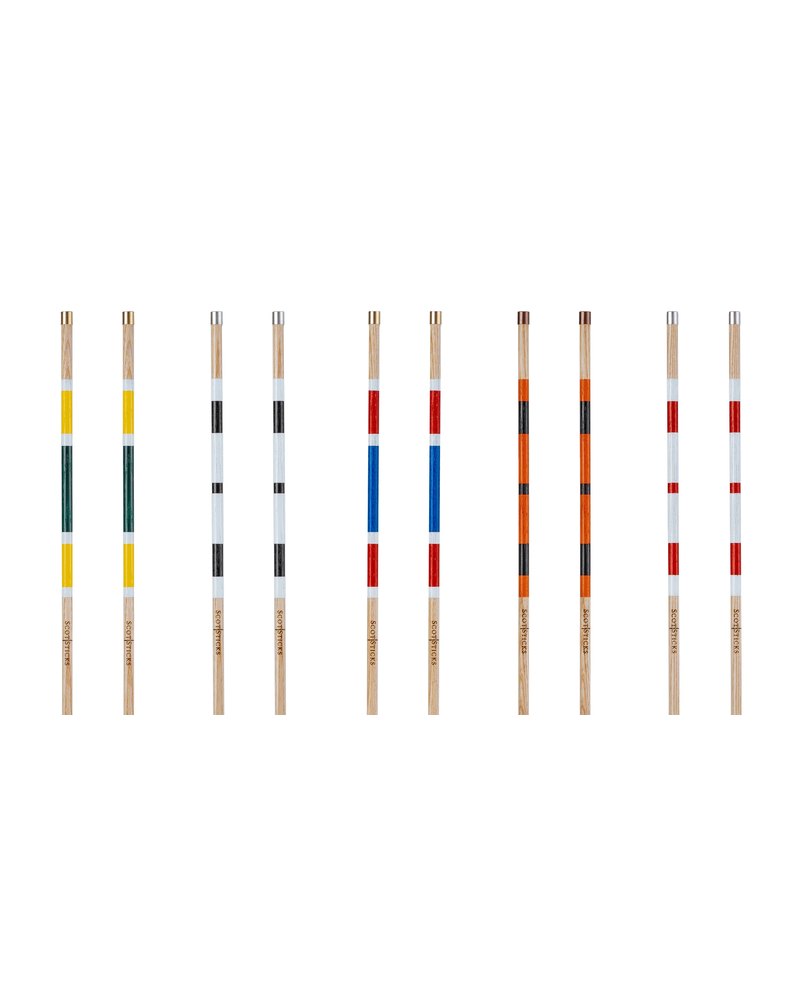
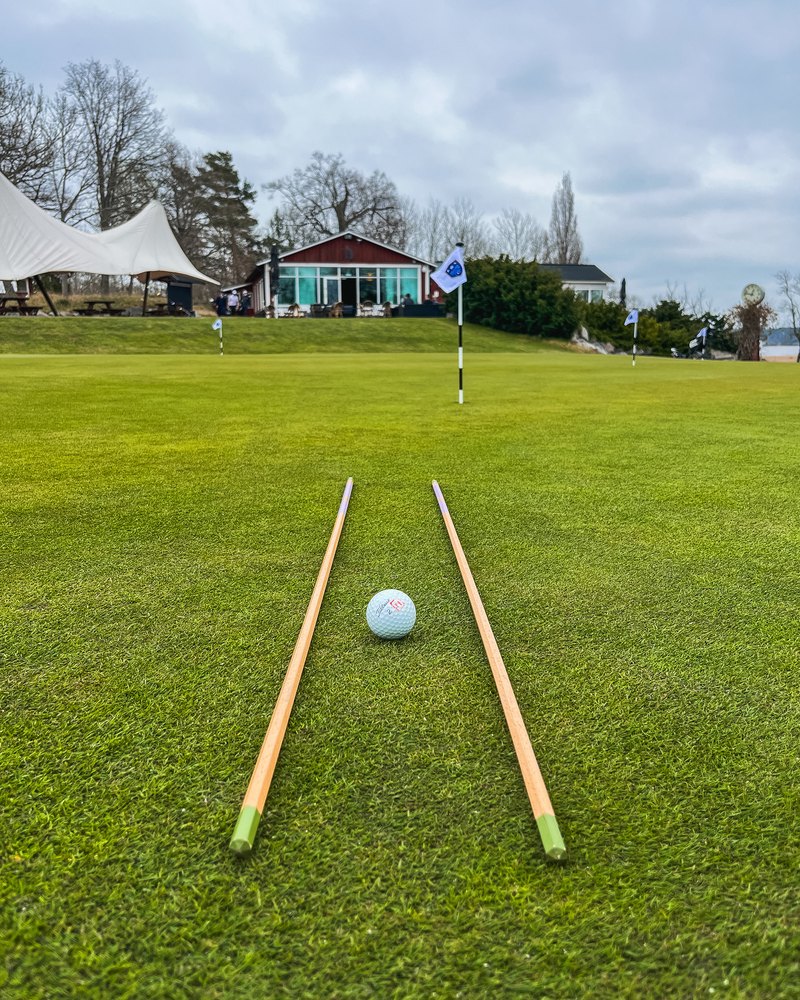
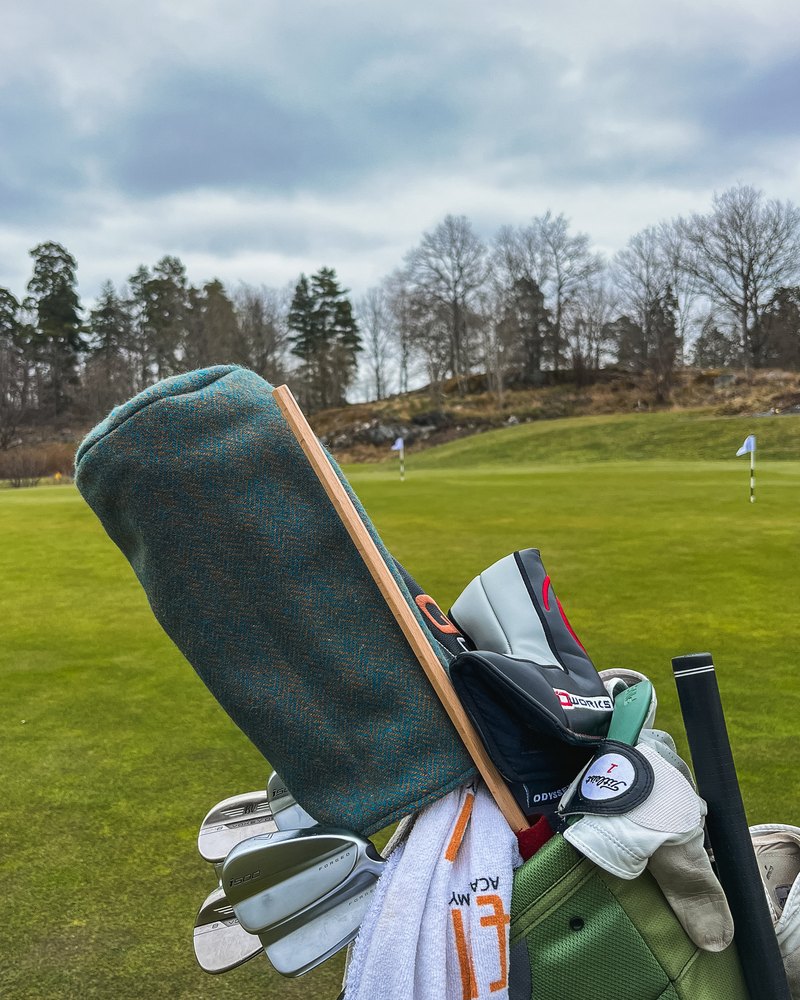
A stick in the bag is decoration until it goes on the ground. These are the three uses that come up in every lesson.
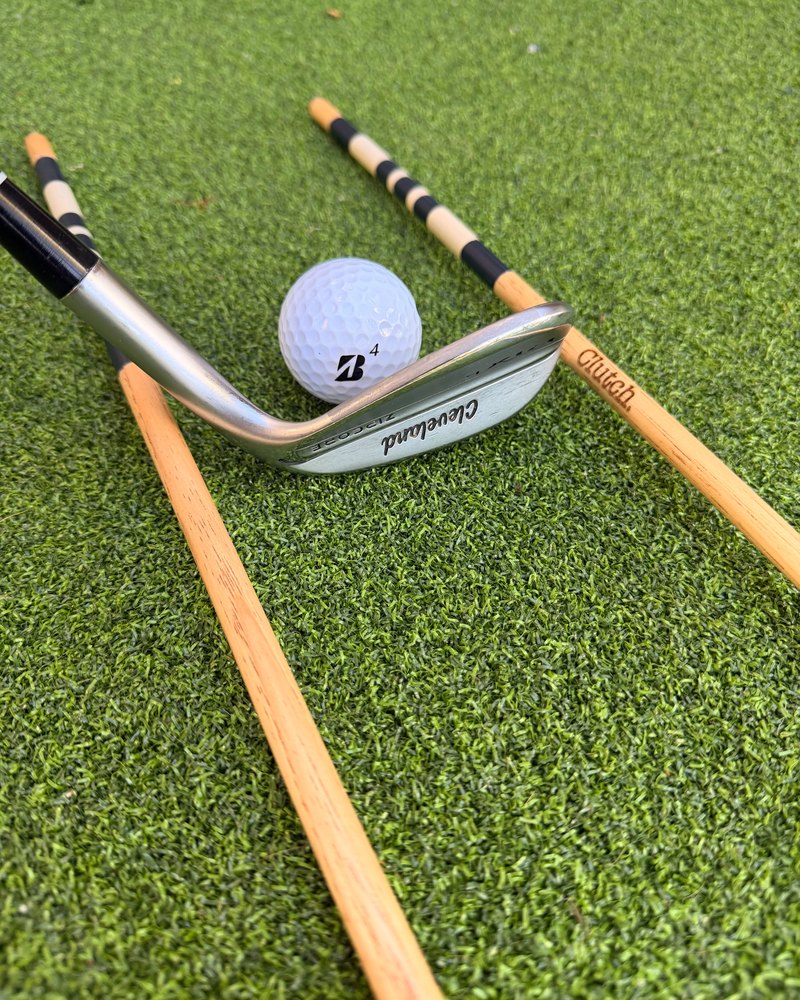
The railroad track. One stick on the target line just outside the ball, the second parallel to it along your toes. It is the only honest check on where you are actually aimed, because the eye lies about it from address, and most amateurs who think they aim square are closed. Hit a bucket this way before every round and the first tee stops being a surprise.
Ball position. Lay one stick along the toe line and the other perpendicular to it, pointing at the ball. Move the second stick as the club changes — forward for the driver, centred for wedges — and you build the memory of where the ball sits for each. This is the drill the range mats quietly ruin, because the mat has a line and the course does not.
The gate. Push both sticks into the turf a clubhead-and-a-half apart, just outside the ball, and swing through the gap. It punishes an over-the-top move and an early release with a clatter you cannot ignore, which is why the wooden ones matter here: hickory on titanium sounds worse than fiberglass does, and you will stop doing it sooner.
The makers here select straight-grained hickory, ash or walnut and most seal it against moisture; Ekorre laminates six strips of ash into a hexagon specifically so the stick returns to straight after flexing. Wood will always move a little more than a fiberglass rod, which is why several shops advise keeping the sticks out of a wet bag.
The twelve here run 42 to 45 inches. Longer reads better on the ground; shorter fits below the headcovers in a stand bag, which is why Hickory & Heath cuts to 43 inches. Any of them works for the railroad-track and ball-position drills.
No. Every pair in this edit ships bare; the tube-and-rods sets are the fiberglass ones from Tour Sticks, SuperStroke and the big brands. Scotch & Skins makes a matching leather cover but it is sold out, and Hazy sells a see-through leather cover for $60.
BubbaWhips, started by Erik Heltne in Minnesota in 2017. Golf.com reported that the sticks were in tour players' bags at that year's Ryder Cup within months of launch.
BubbaWhips (builder), Hickory & Heath (colours, stripe design, engraving), Beavertail (custom design plus free names), Nor'easter (its main line is fully custom; the ACK-ley is the stock pair), Thwack (Pick Your Own Hickory Switch, $139), Out West (engraving) and Ekorre (custom colours and a name for a fee).
Because they are made and sold from there. ScotSticks lists at £51 and ships worldwide with a three-week lead; Ekorre lists at 2,400 kr from Sigtuna. Both note that import duties outside their region are paid by the buyer, so the dollar figures in this post are approximate.