[Field Note]
72 Strangers, 3 Rounds, 1 Course.
By Lenny Harrington · Updated July 19, 2026
Photos by Lenny Harrington
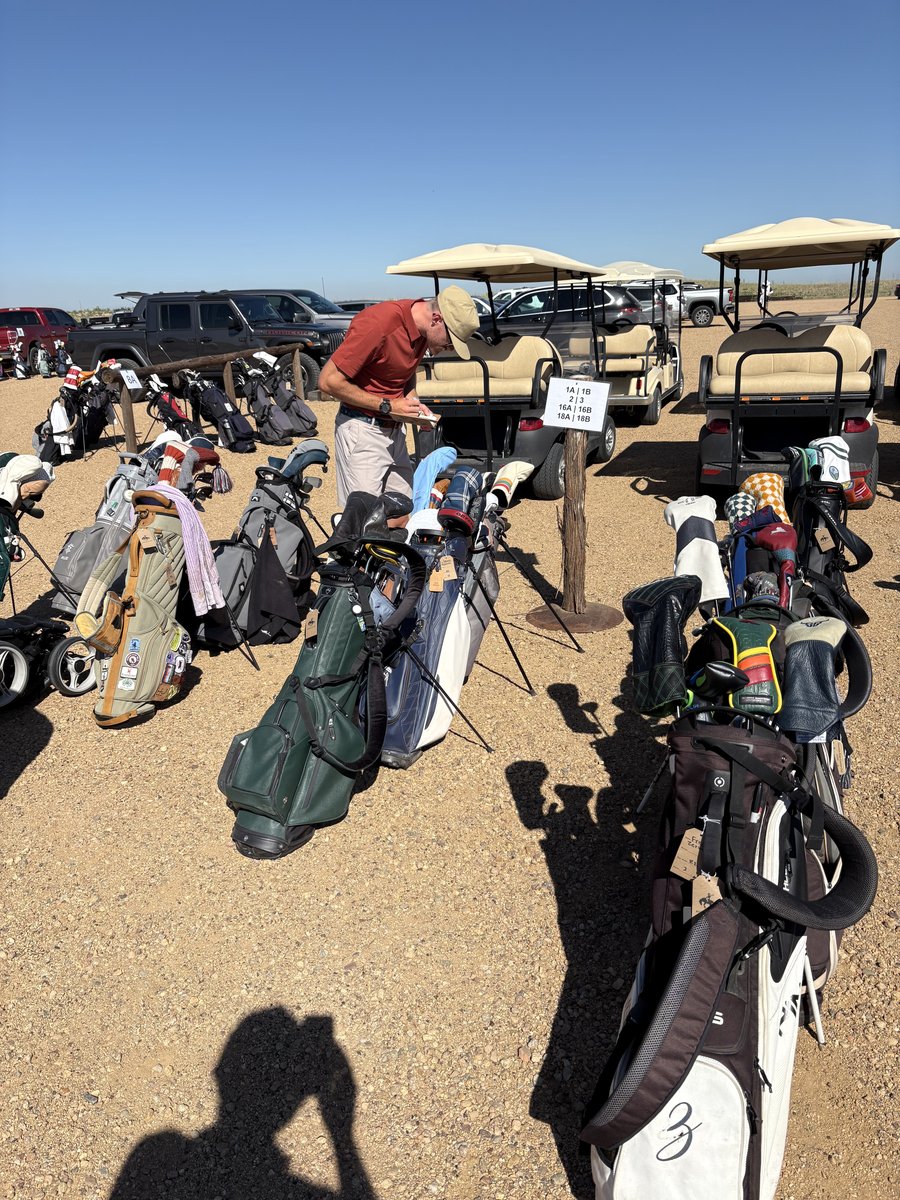
I didn’t know a single person when I pulled up to Rodeo Dunes. Seventy-two golfers from across the country, all Random Golf Club members, all here for The Great Divide — a three-round elimination event on one of the newest and most talked-about courses in America. By the time I left, I had a group chat with 15 new people and a very different understanding of what golf can feel like when you’re fully locked in.
The concept is simple. Red vs. Blue. First round: 36 vs. 36. Half the field gets cut. Second round: 18 vs. 18. Cut again. Final round: 9 vs. 9. I was Red. I was also eliminated in the first round. But here’s the thing about RGC events — getting bounced doesn’t mean you stop playing. You just play without the pressure. And that’s when things got good.
Three rounds on the same course with nothing to do but play golf, eat, and talk about golf. That’s it. No phone calls. No emails. Just full immersion.
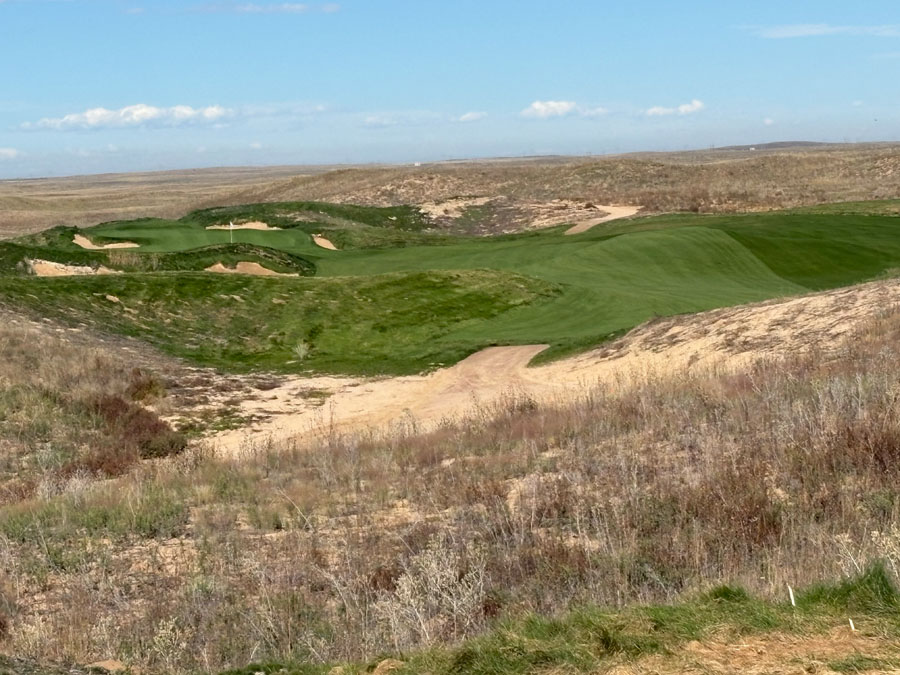
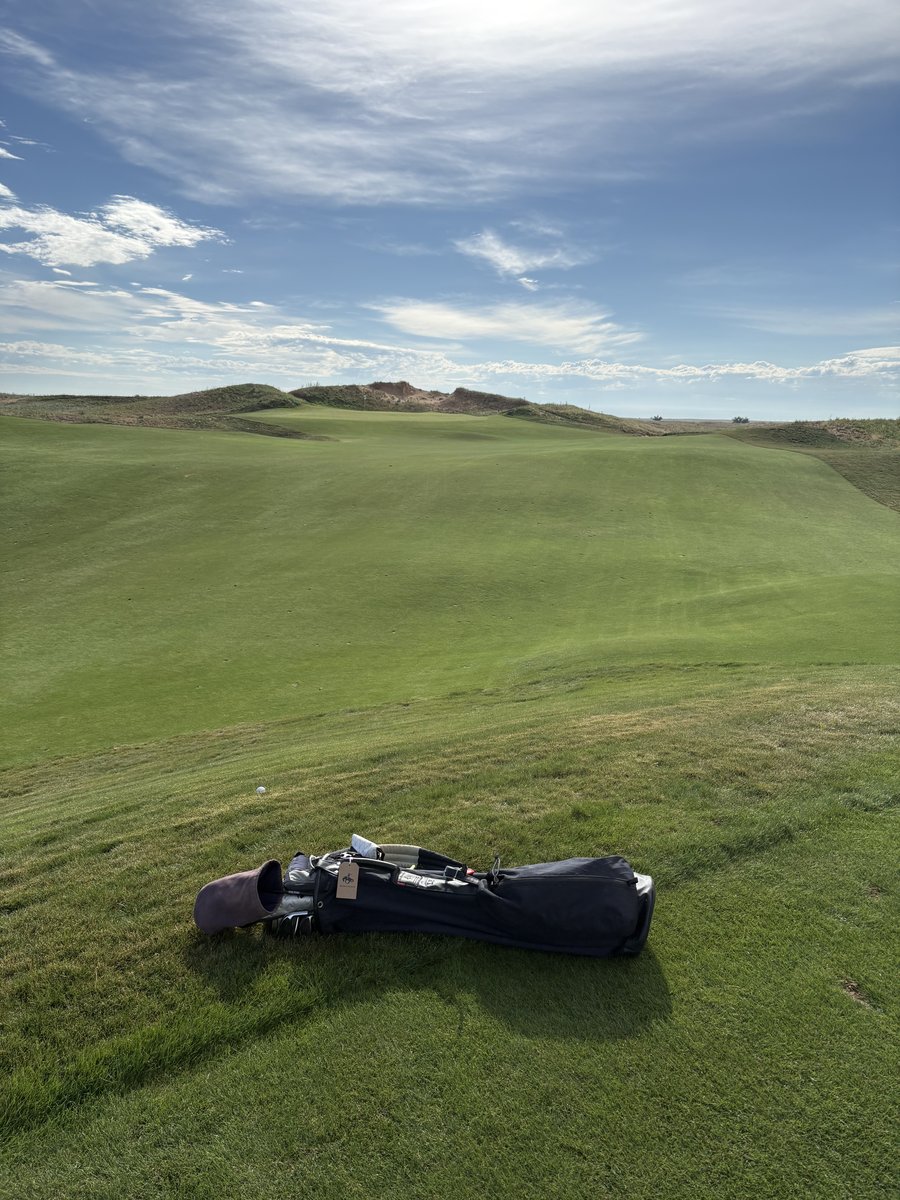
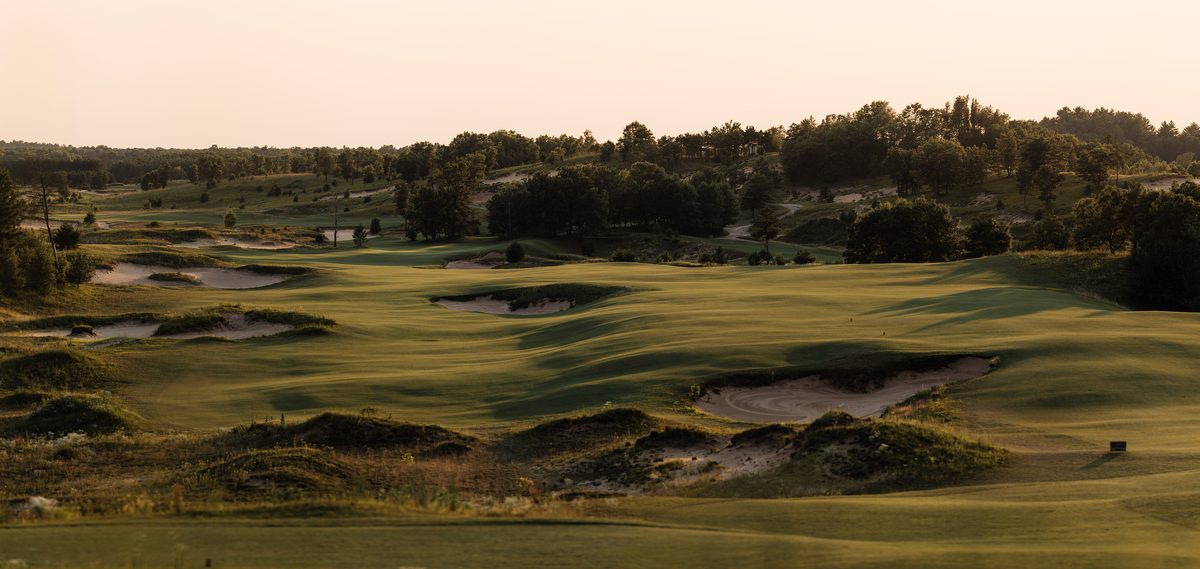
The first round was humbling. Rodeo Dunes is a Coore & Crenshaw design carved through 90-foot chop dunes on a former cattle ranch 40 minutes northeast of Denver. Bill Coore has called it “without question one of the boldest, brawniest courses” his firm has ever built, and he’s not exaggerating. There are blind shots everywhere. The fairways are massive, but if you miss them, you’re in sandy waste areas or ankle-deep native grass. The pin positions on day one were buried — tucked behind mounds and dunes in places you couldn’t see from the fairway. I spent half the round trusting my caddie and the other half wondering if my caddie was pranking me.
He was not. The caddies at Rodeo Dunes are a different breed. Wild, funny dudes who genuinely love the game and clearly love working this piece of land. First time I’d ever played with a caddie in my group, and it changes everything — the pace, the reads, the confidence on approach shots you’d normally second-guess. They know every ridge and false front out there, and they’re solid hangs on top of it. More friend than employee. More co-pilot than sherpa.
The course
Rodeo Dunes sits on 4,000 acres of the Cervi family’s 70,000-acre cattle ranch. The family had owned the land for over 140 years and never sold a parcel until Dream Golf’s Michael Keiser Jr. showed up after spotting the dunes on Google Earth. The terrain looks like the southwest coast of Ireland transplanted to the Colorado prairie — Ballybunion by way of the American West, with long views of the Rocky Mountains on the horizon.
Coore spent 150 days walking this land to find the routing. The course was largely built by hand, the way links courses were built in Scotland and Ireland centuries ago. He and Crenshaw deliberately left the quirks in — the blind tee shots over massive ridges, the false fronts that kick your approach 40 yards backward, the greens that feed toward hidden bunkers. They could have graded the land to give you visibility. They chose not to. “This is old-fashioned golf,” Coore has said. “They would not have changed this land in Ireland or Scotland.”
The result is something I haven’t experienced before: a course that’s simultaneously challenging and forgiving. The fairways are generously wide. If you find them, the course is very scoreable. But miss the short grass and the terrain eats you alive. My first round was all about learning where to miss. By round three, the course had taught me its language.
Round three — 81
I shot 81 on the final round, and it’s one of the rounds I’m most proud of. Not because of the number — I’ve shot lower — but because of the context. Three days of nothing but golf. No distractions. Waking up and walking straight to the first tee. Playing with strangers who became friends overnight. Having a caddie who knew every inch of the place and could read my game by the third hole. Full immersion into golf, and it showed up in my swing. The first round I was fighting the course. The third round I was playing with it.
The RGC community
Random Golf Club was founded in 2017 by Erik Anders Lang — filmmaker, photographer, late-to-golf convert who didn’t see himself in the sport and decided to build a version of it he recognized. RGC now has 30,000 members across 140 chapters worldwide. The Great Divide was one of their signature events: competitive enough to matter, casual enough that nobody’s checking your handicap card at dinner.
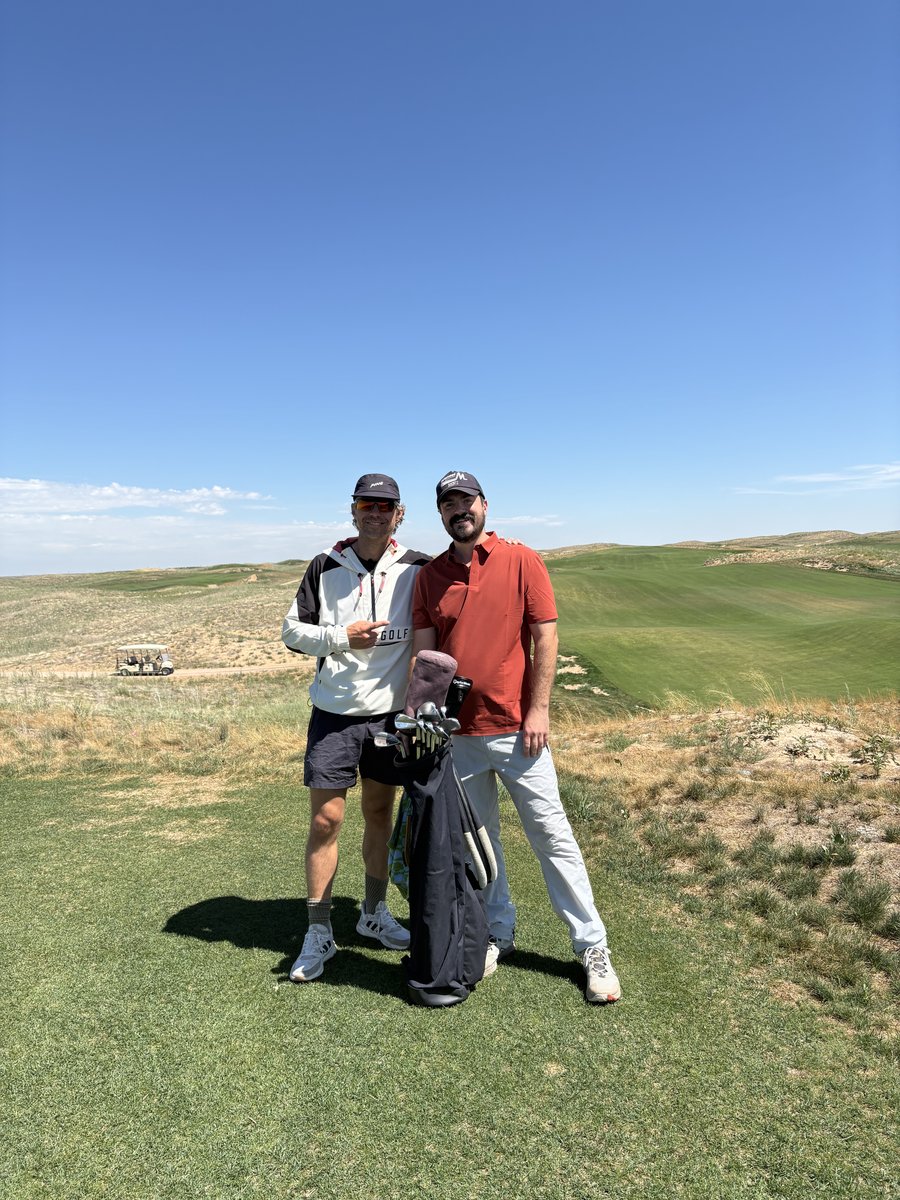
What struck me most was how welcoming everyone was. Seventy-two people who don’t know each other, thrown together on a course in the middle of Colorado ranch land, and within an hour it felt like a reunion. That’s the RGC thing — the randomness is the point. You don’t pick your group. You don’t pick your tee time. You show up and you play with whoever’s next to you. And it works. If you’re the kind of golfer who wants a younger crowd that doesn’t take the game too seriously but takes the experience very seriously, this is your event.
Would I go back?
Without question. If you’re on the fence about an RGC event, stop being on the fence. The Great Divide was three days of the best version of golf — competitive but not cutthroat, social but not schmoozy, on a course that will be ranked in the top 20 public courses in America within two years. The caddies are incredible. The landscape is otherworldly. The people are exactly the kind of golfers you want to be around. I showed up knowing nobody and left with a group chat that’s still going. Pick this event over the big-name golf trips if you want a younger crowd, better energy, and a course you can’t play any other way right now. — L.H.