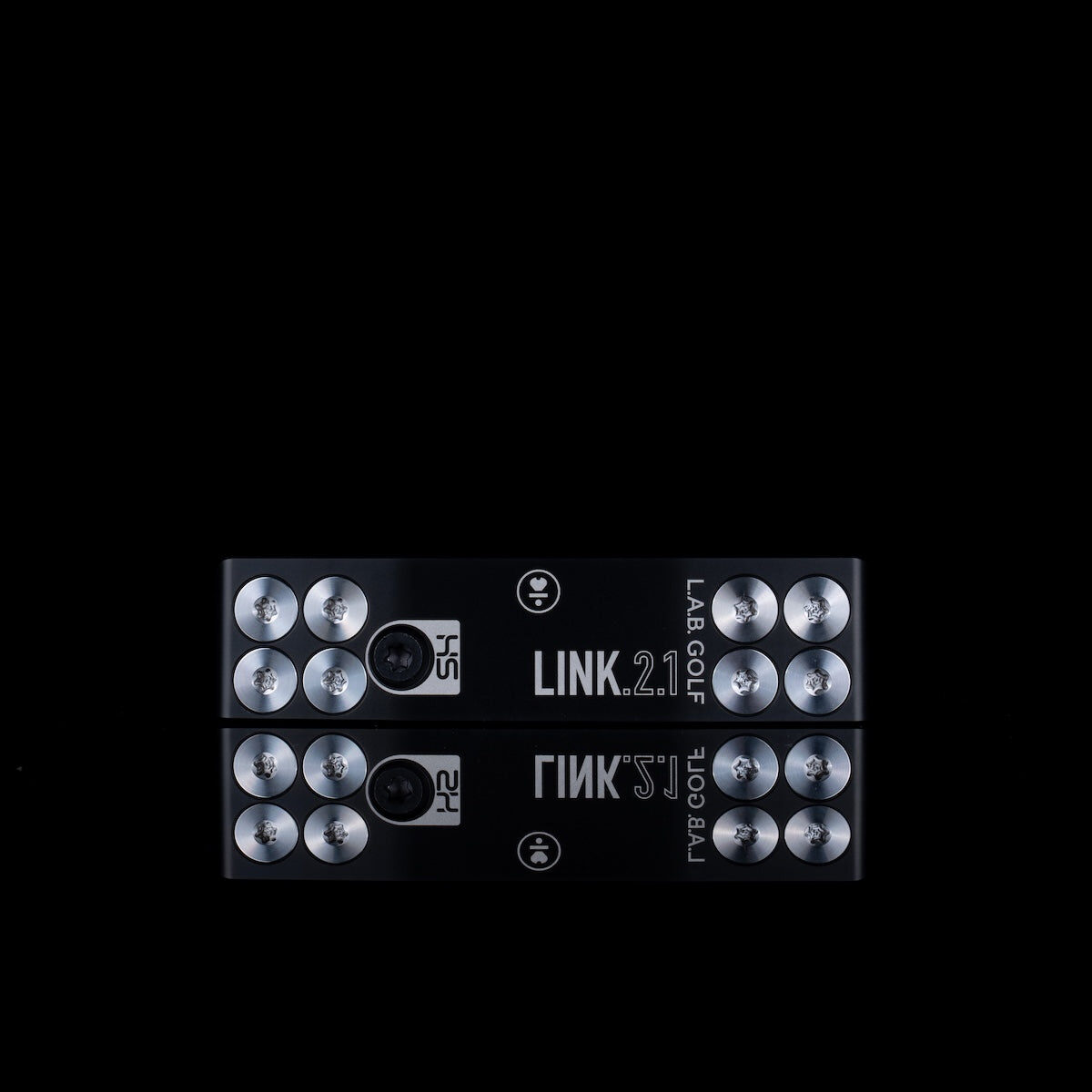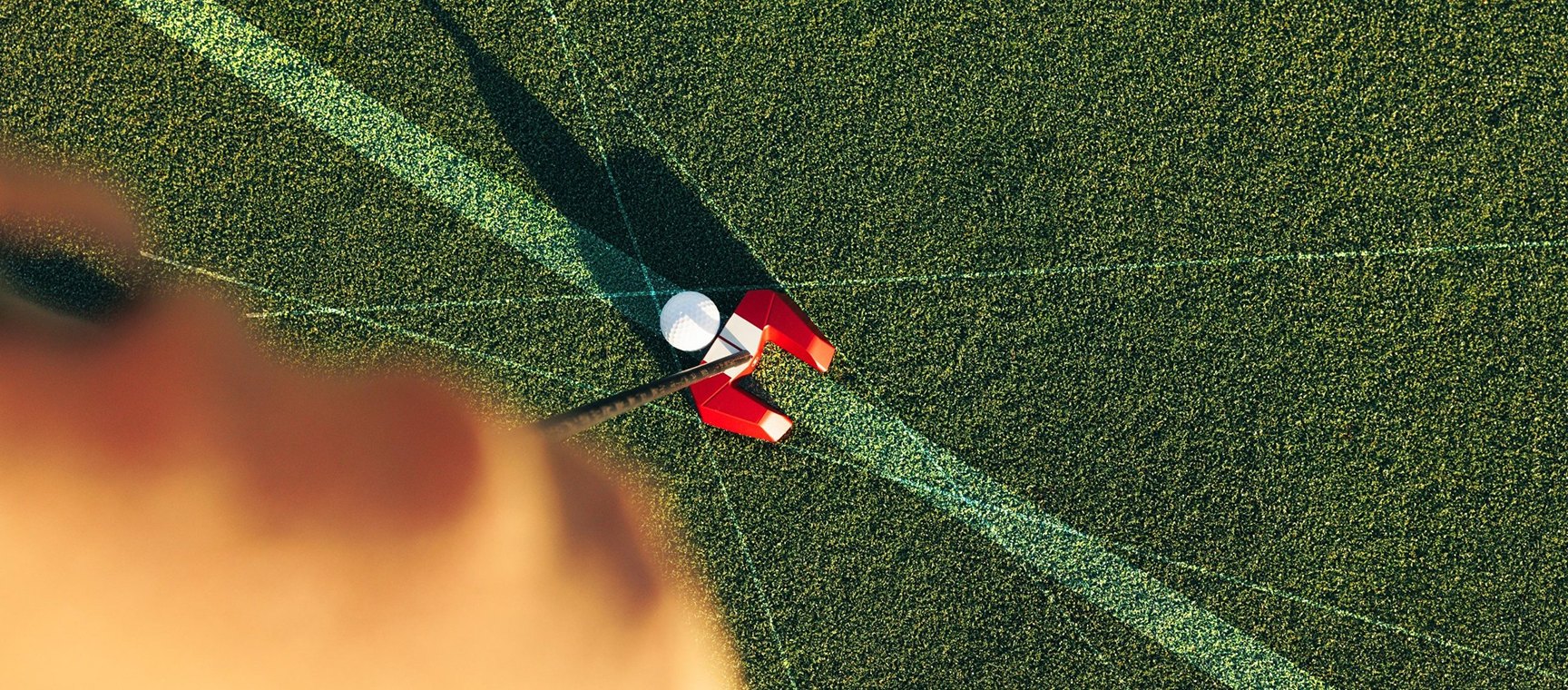
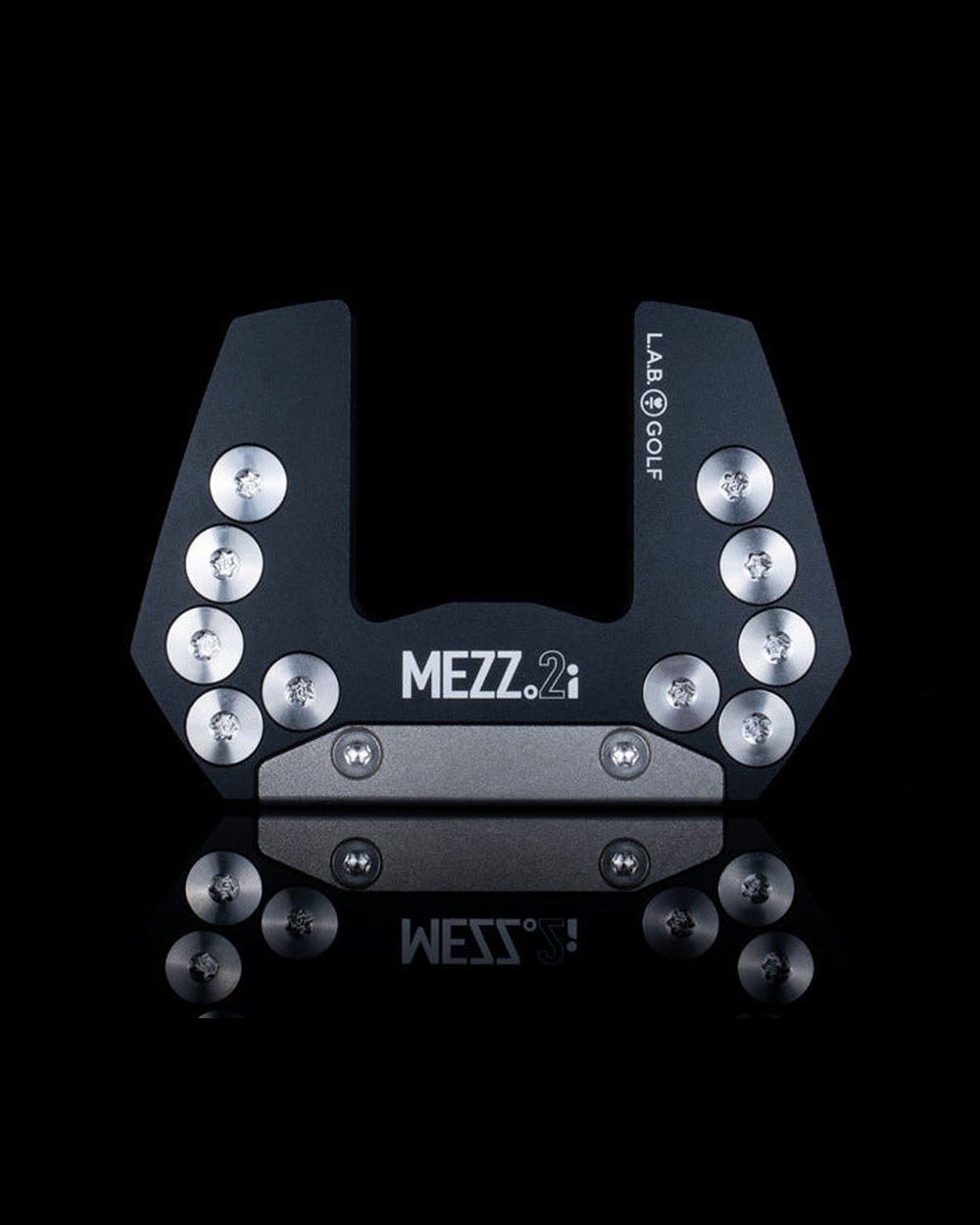
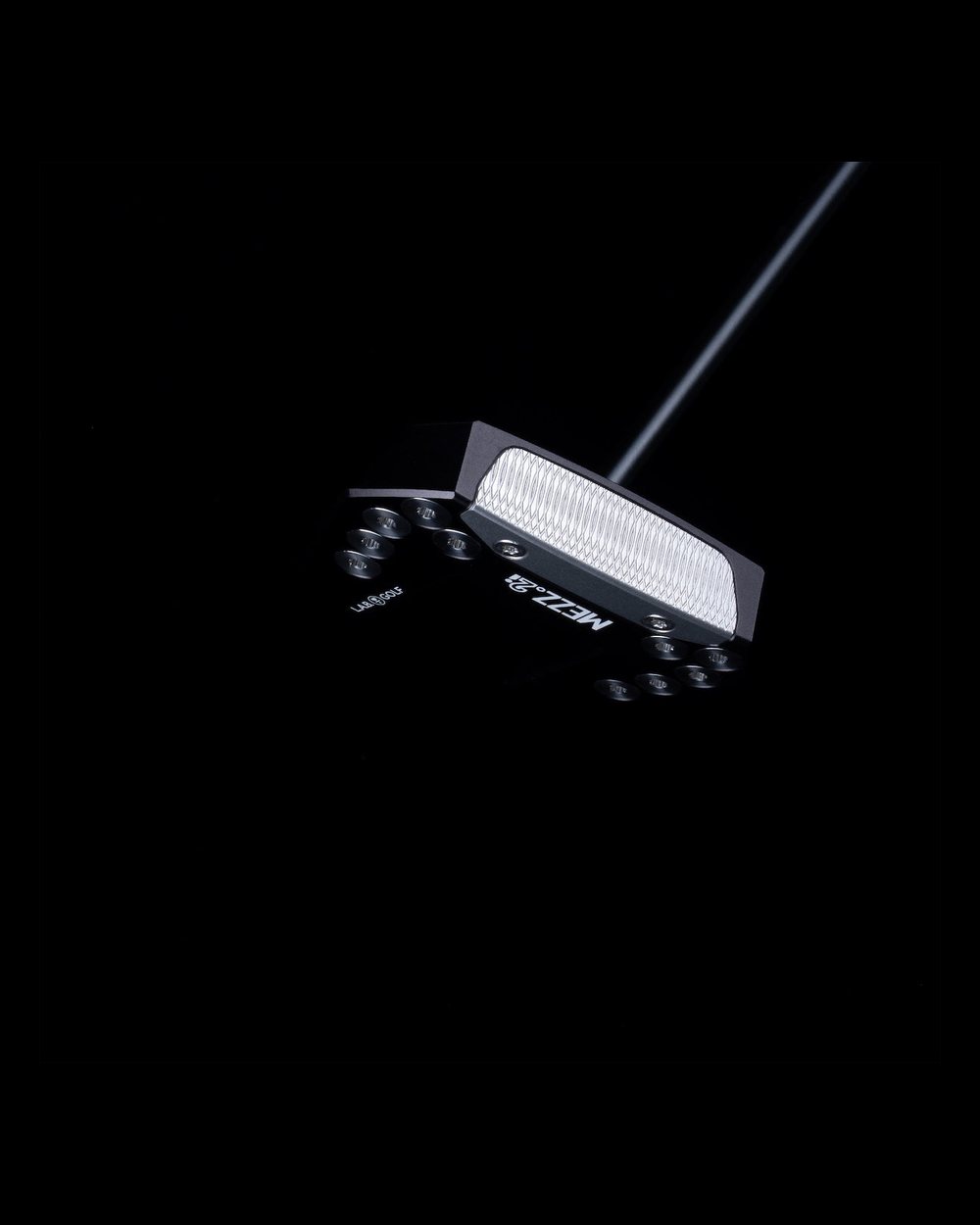
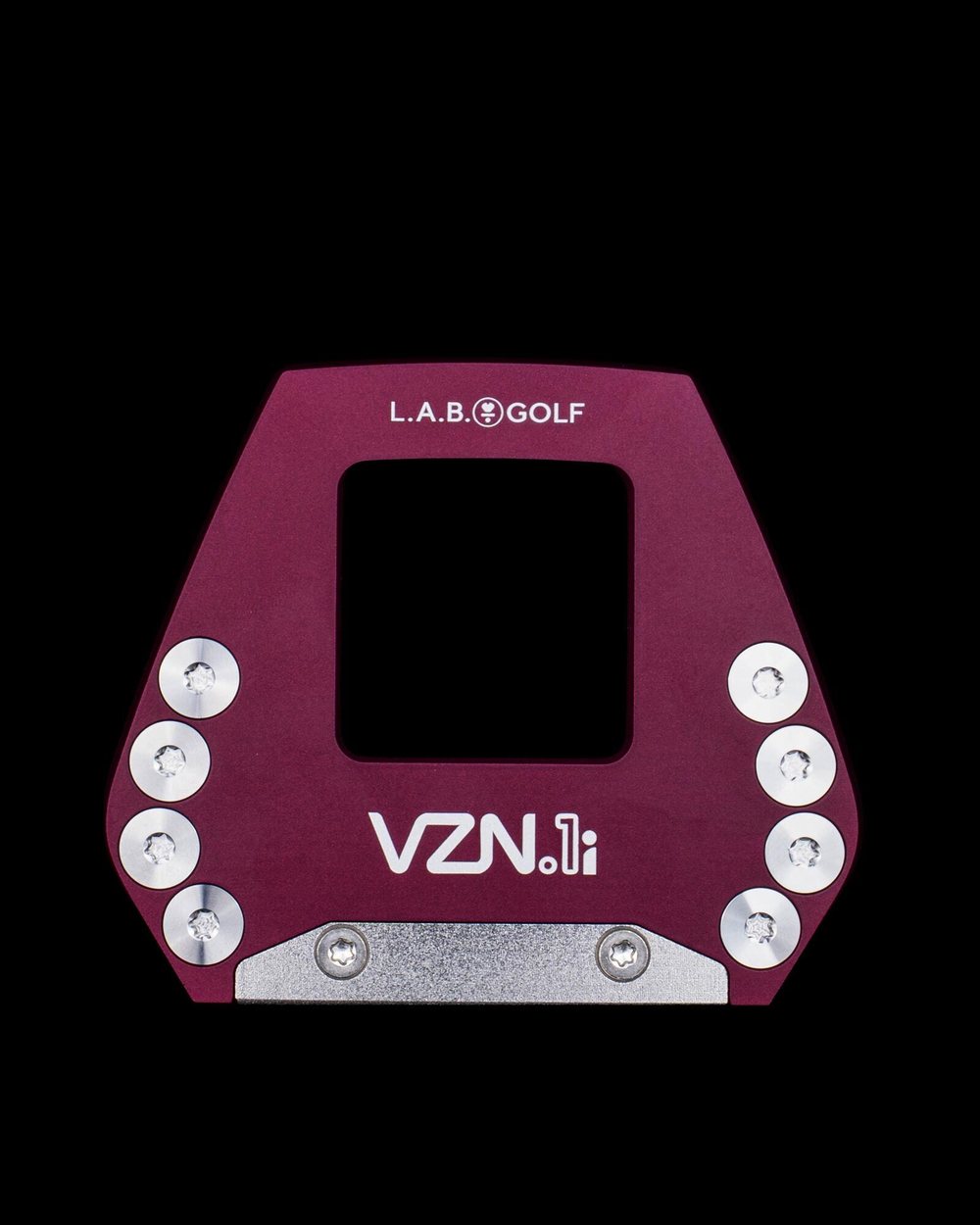
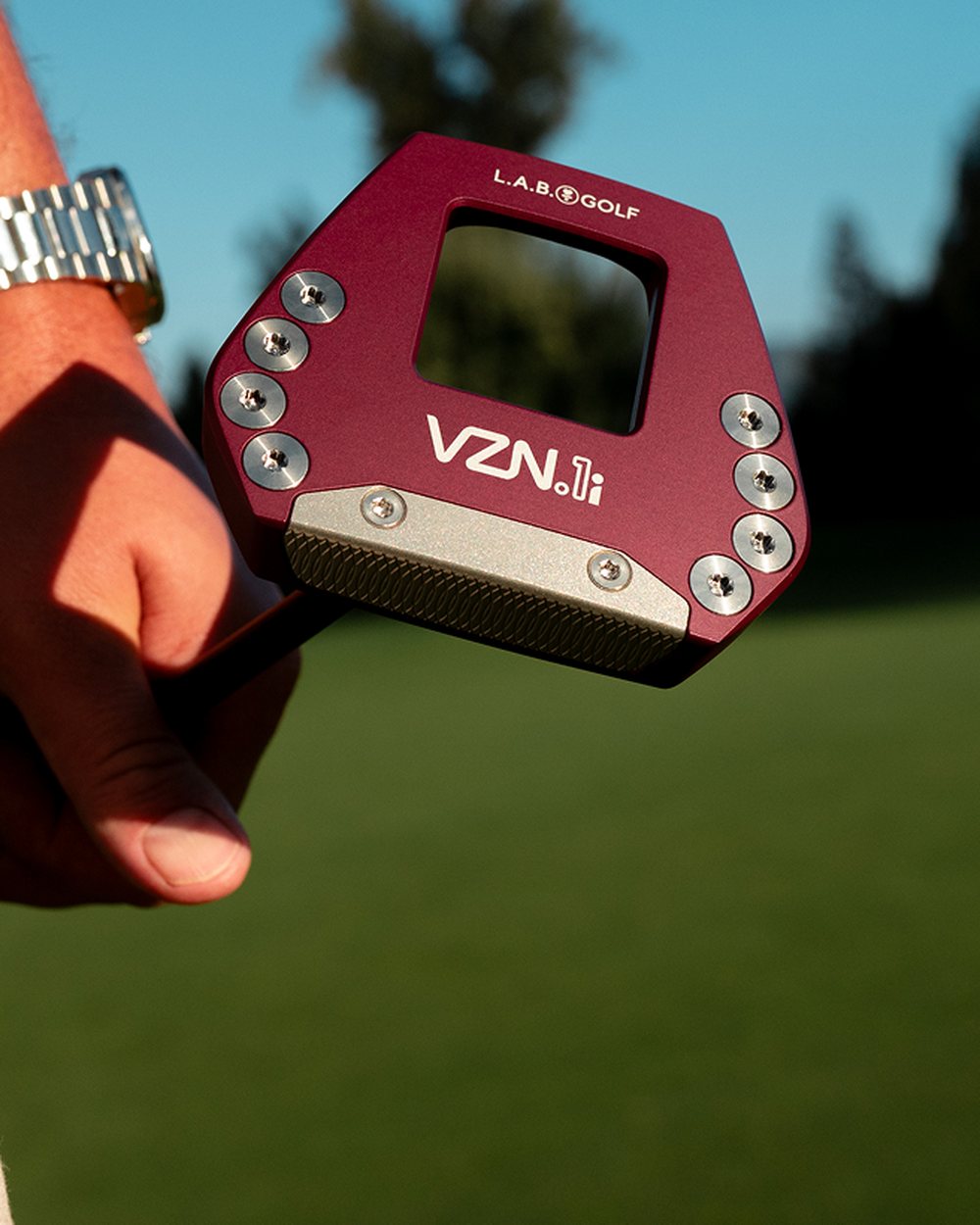
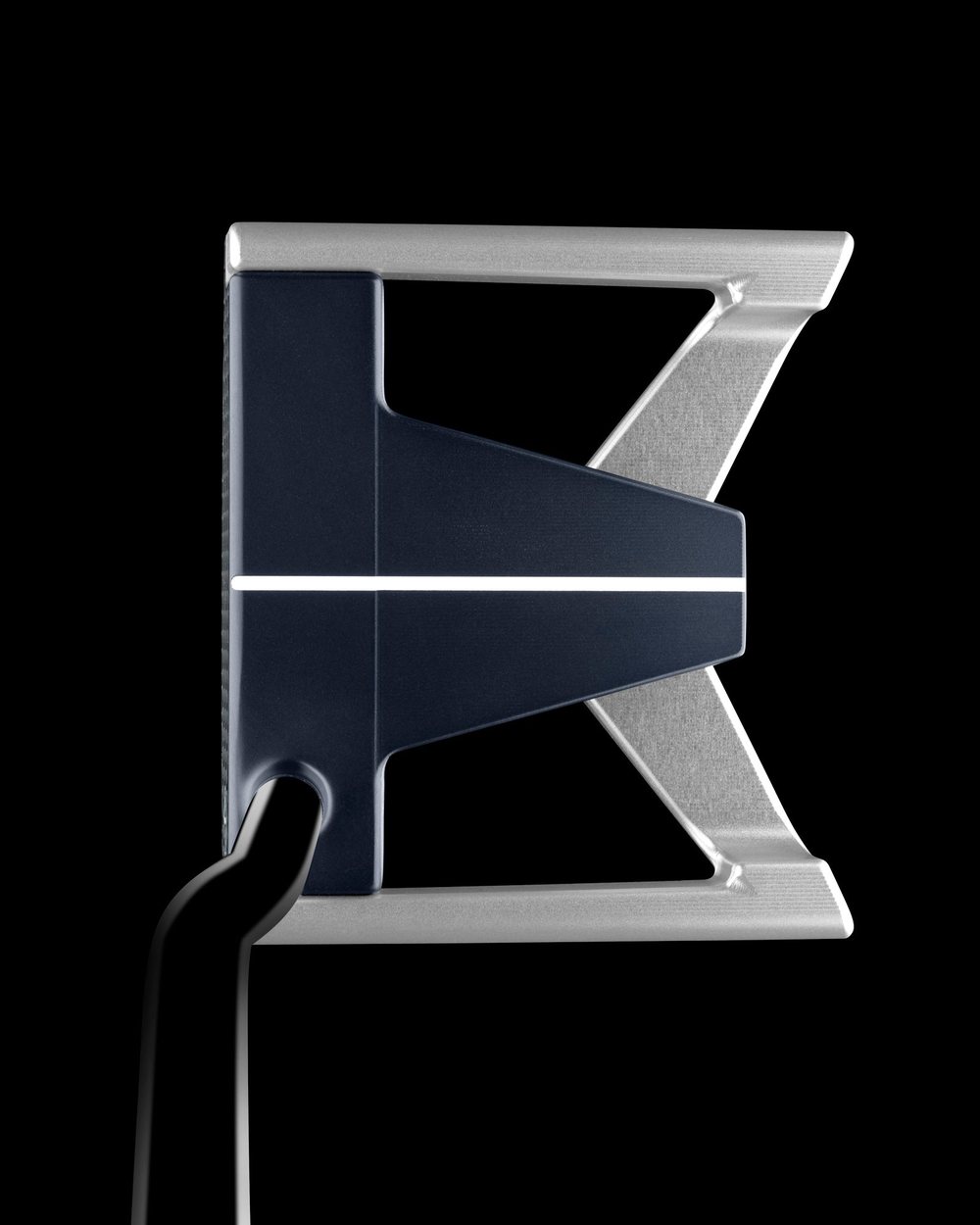
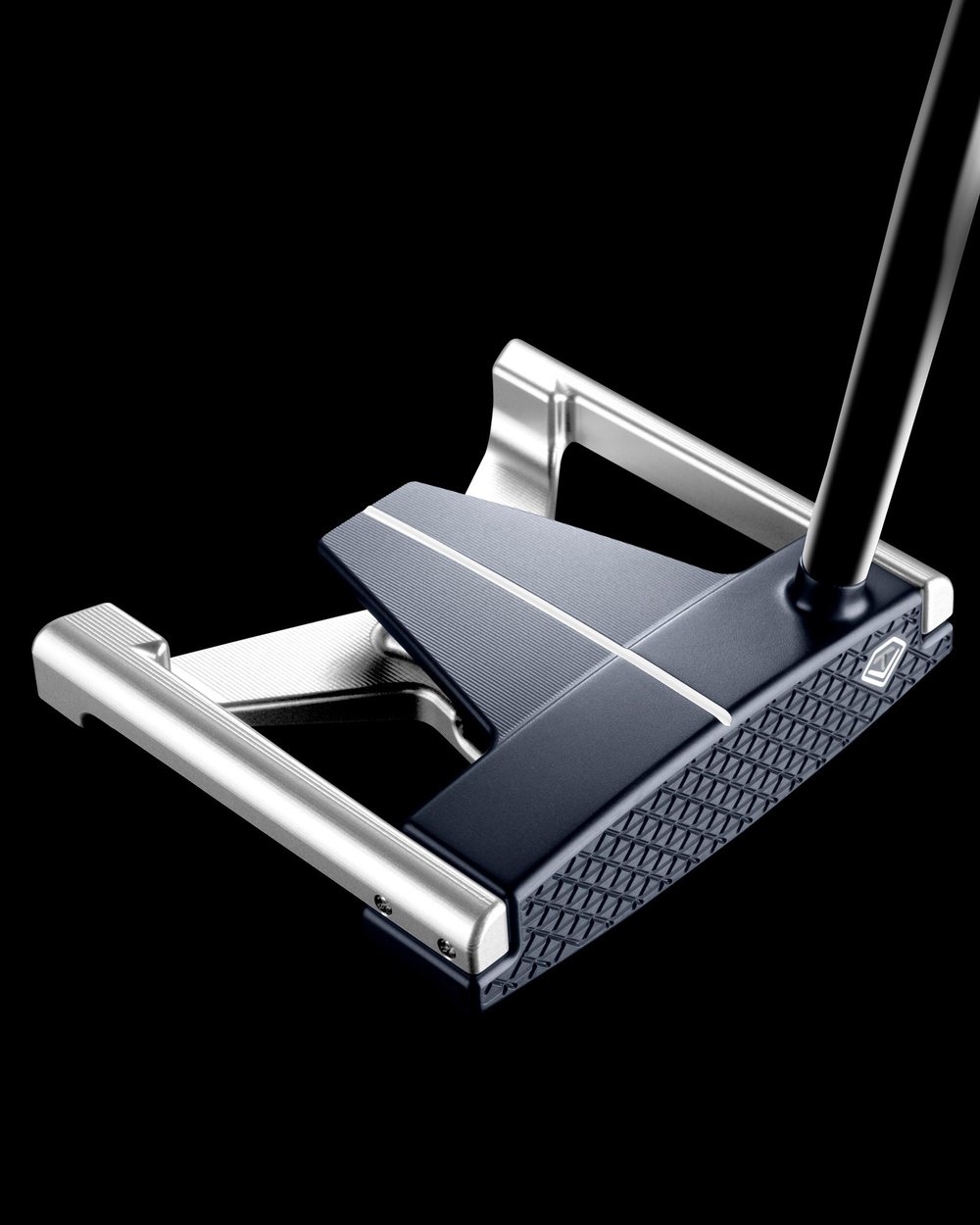
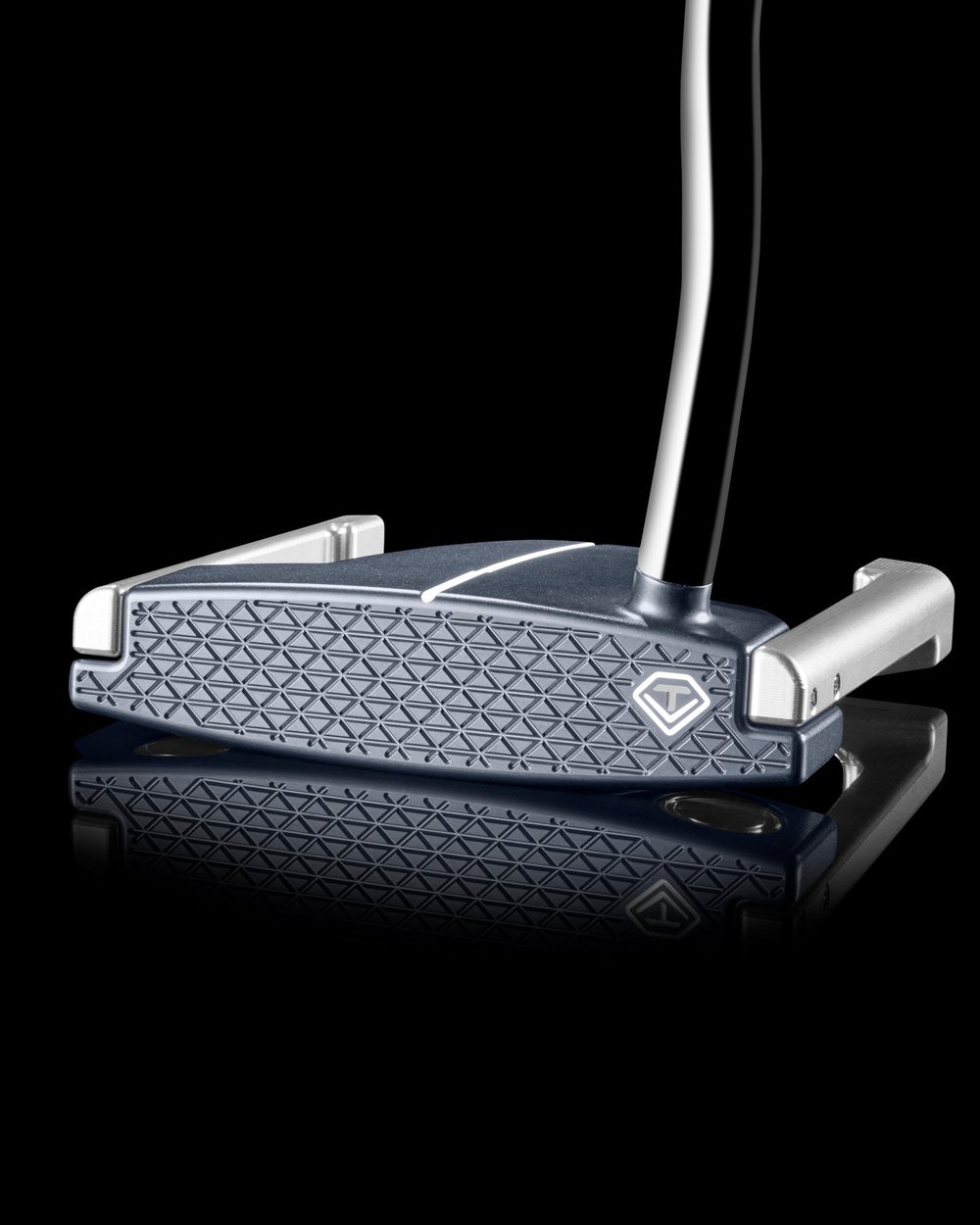
L.A.B. Golf released the MEZZ.2i on November 10, the first update to the putter that put the company on tour, and it lands at the end of the busiest fall for new putters we can remember. Fifteen putters from August to now, from a $219 direct-to-consumer mallet to an $800 limited Scotty Cameron.
Most of them are answering the same question: how do you stop the face from twisting during the stroke? L.A.B. made that question famous, and now everyone has an answer, each slightly different. So instead of a ranked list, this roundup groups the new putters by the idea behind them, explains each idea in plain terms, and lets you decide which one fits your stroke.
The short version. If your putts start off line, look at the zero-torque group. If you like a traditional look, start with the low-torque putters. If you already like your shape and want it to feel different, the face tech is where to look.
For you if: Your putts start off line, or the face opens and closes more than you want. These putters resist twisting, so the face comes back square on its own.
For you if: You want less twist but still like a putter that looks like a putter. Or you want to try the one brand going the other way.
For you if: You already like your shape and want it to sound and feel different at impact. Milling and inserts change feel more than line.
The big brands all have one now
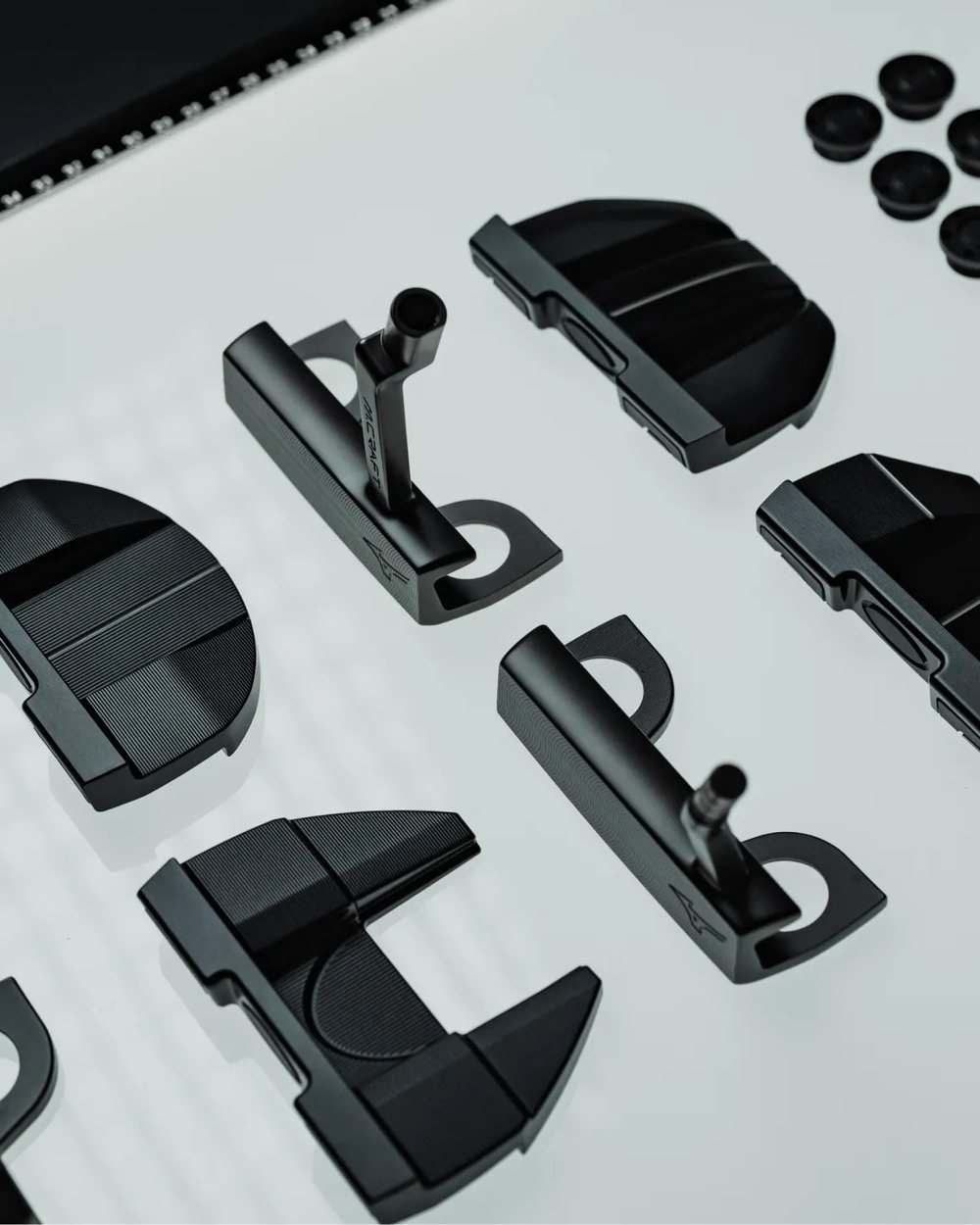
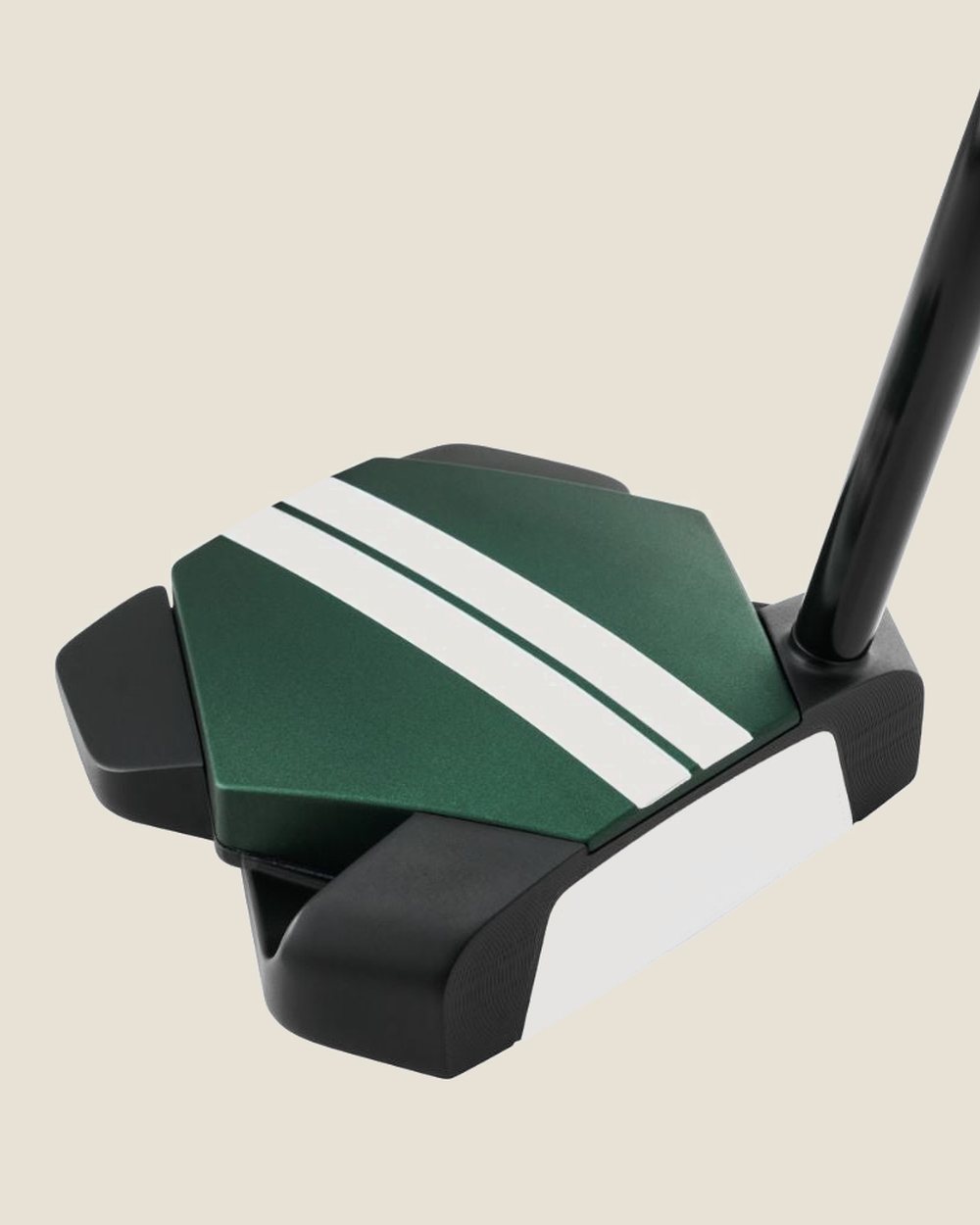
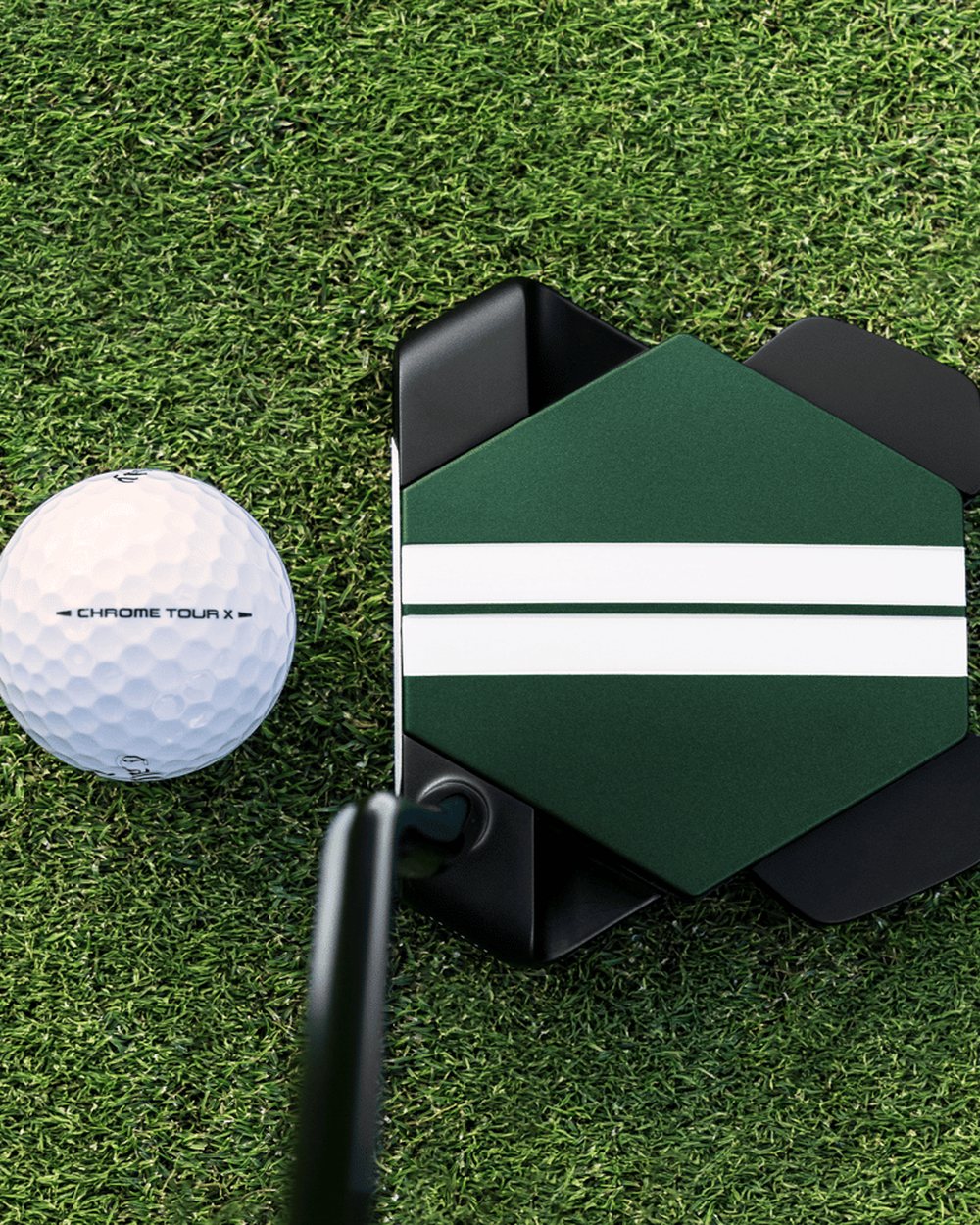
Two years ago, zero torque mostly meant L.A.B. This fall, almost every major brand has its own version, and they disagree on how to get there. L.A.B. balances the head on the lie angle. Odyssey’s Square 2 Square shapes hang toe-up. PXG uses an onset hosel set just above the center of gravity. Mizuno runs the shaft straight through the center of gravity so the head balances wherever you hold it.
The goal is the same in every case: a face that does not want to open or close as you swing it, so the putter returns square without you doing anything. We ranked the field earlier this year in our zero-torque putter edit; these are the new arrivals.
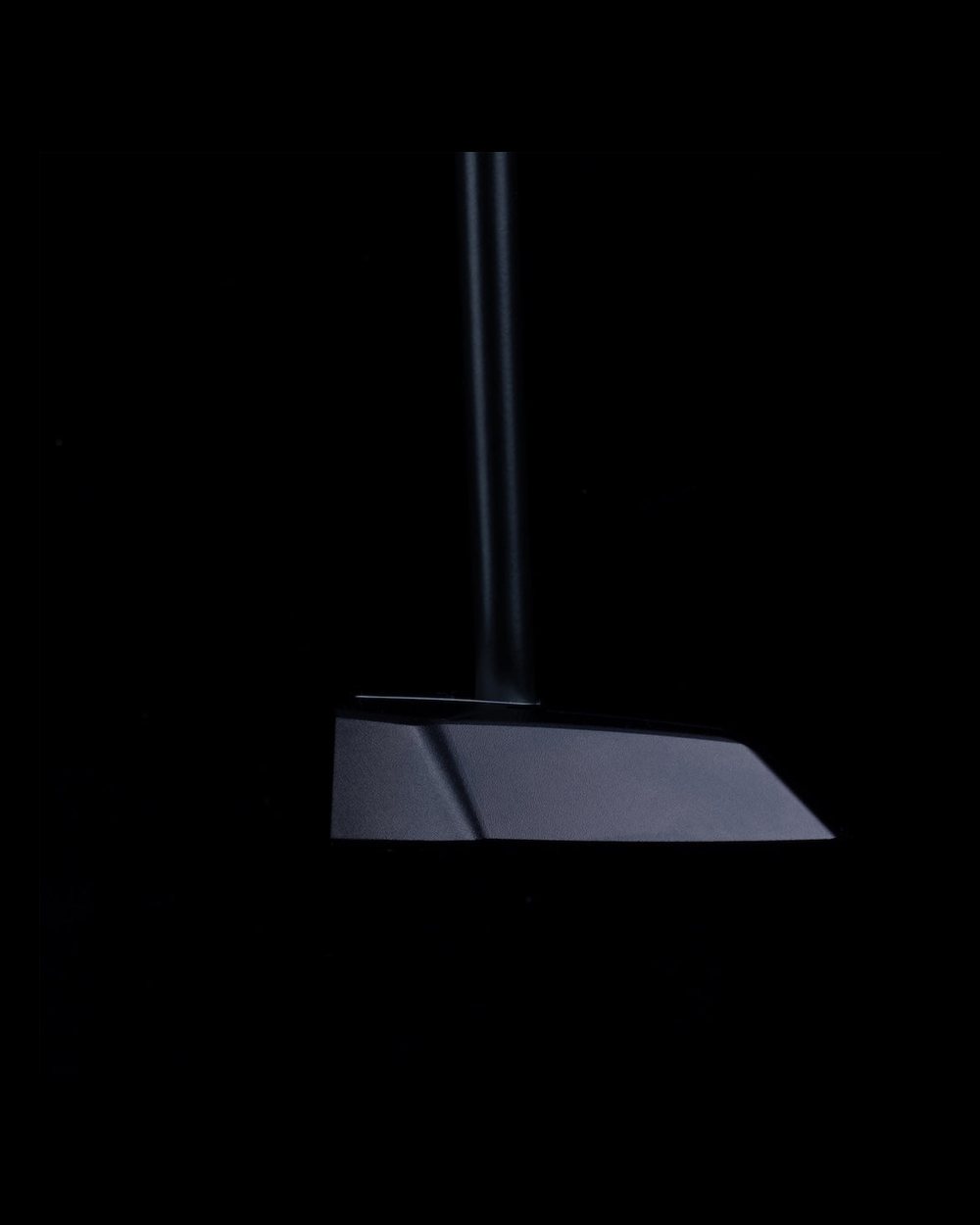
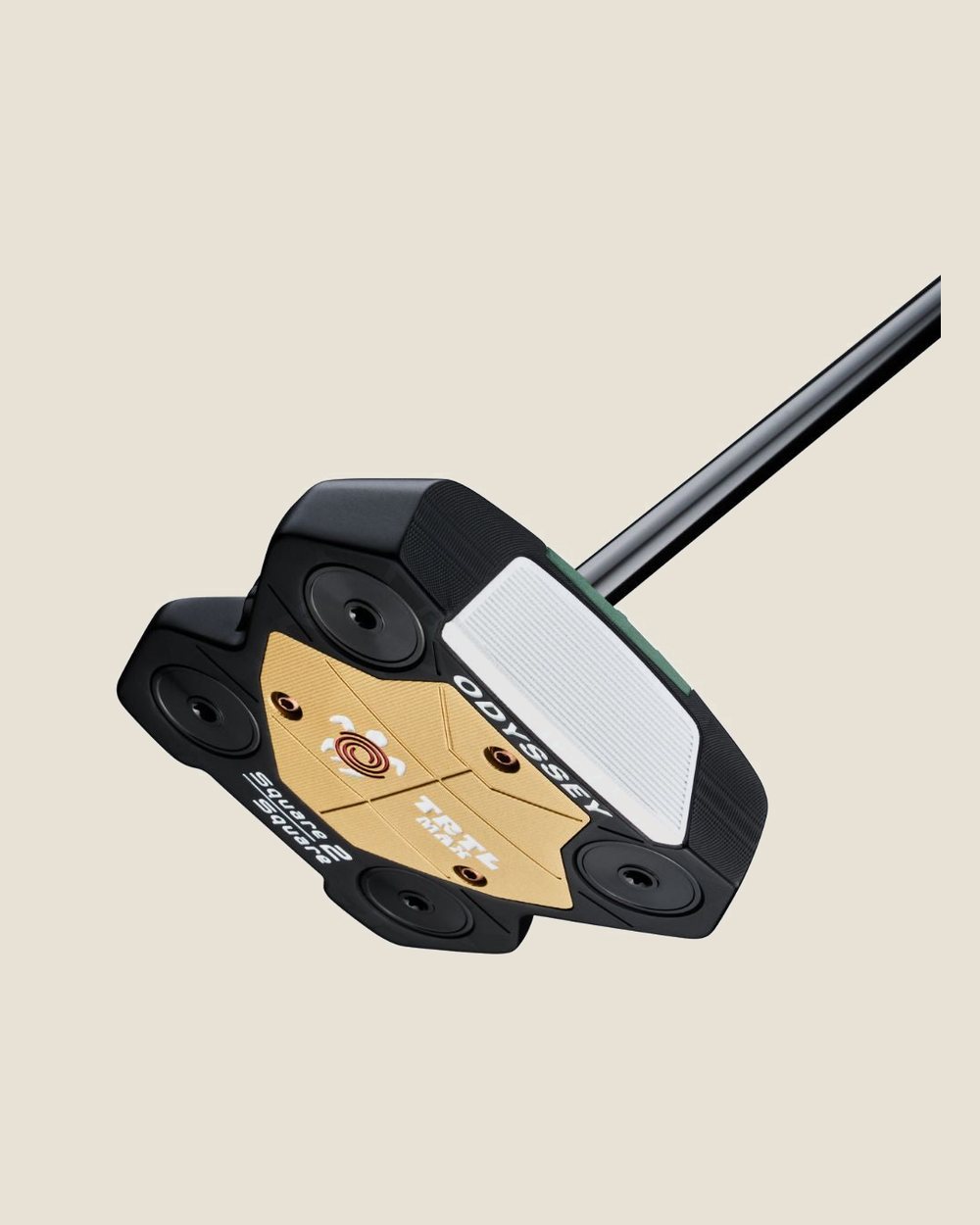
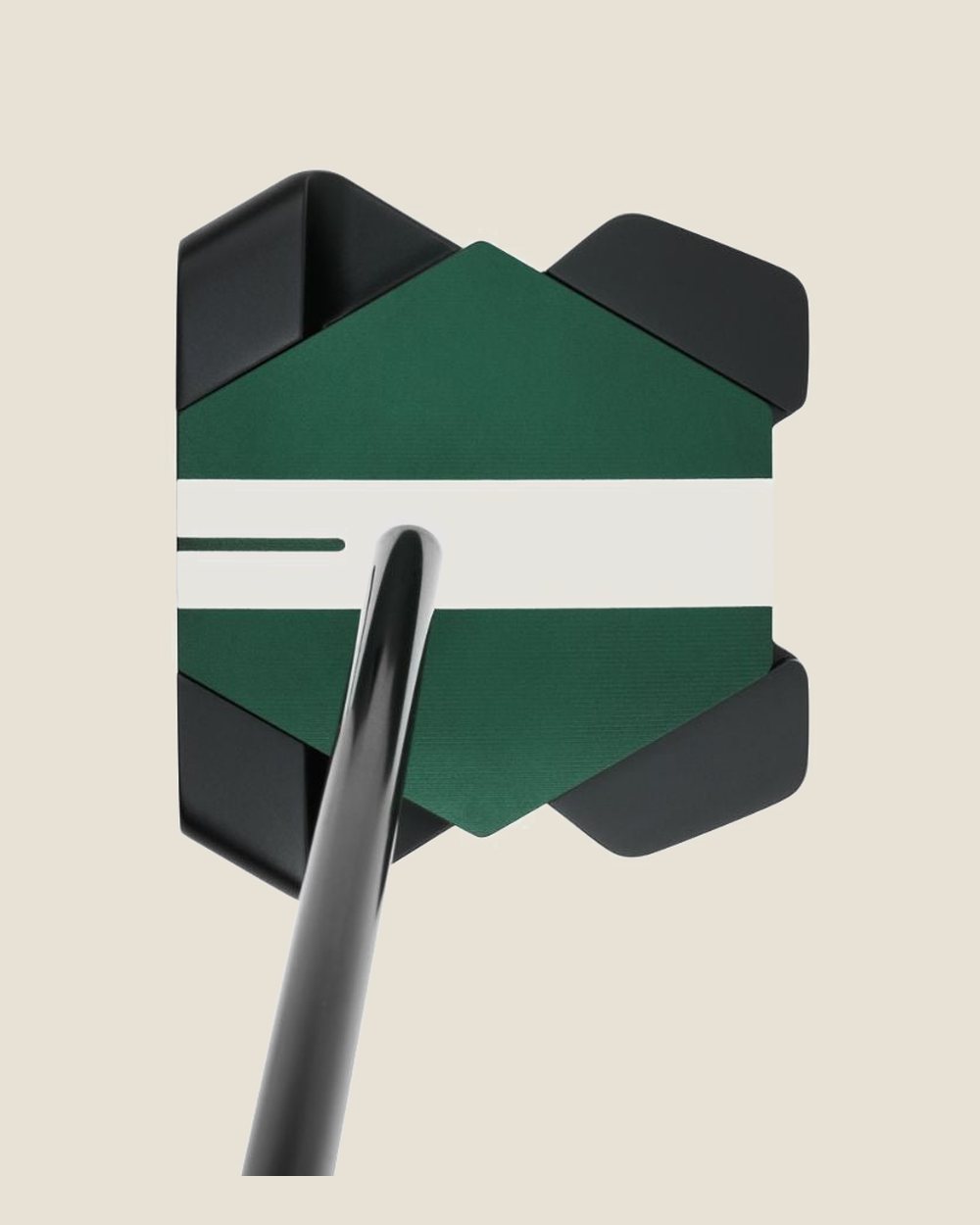
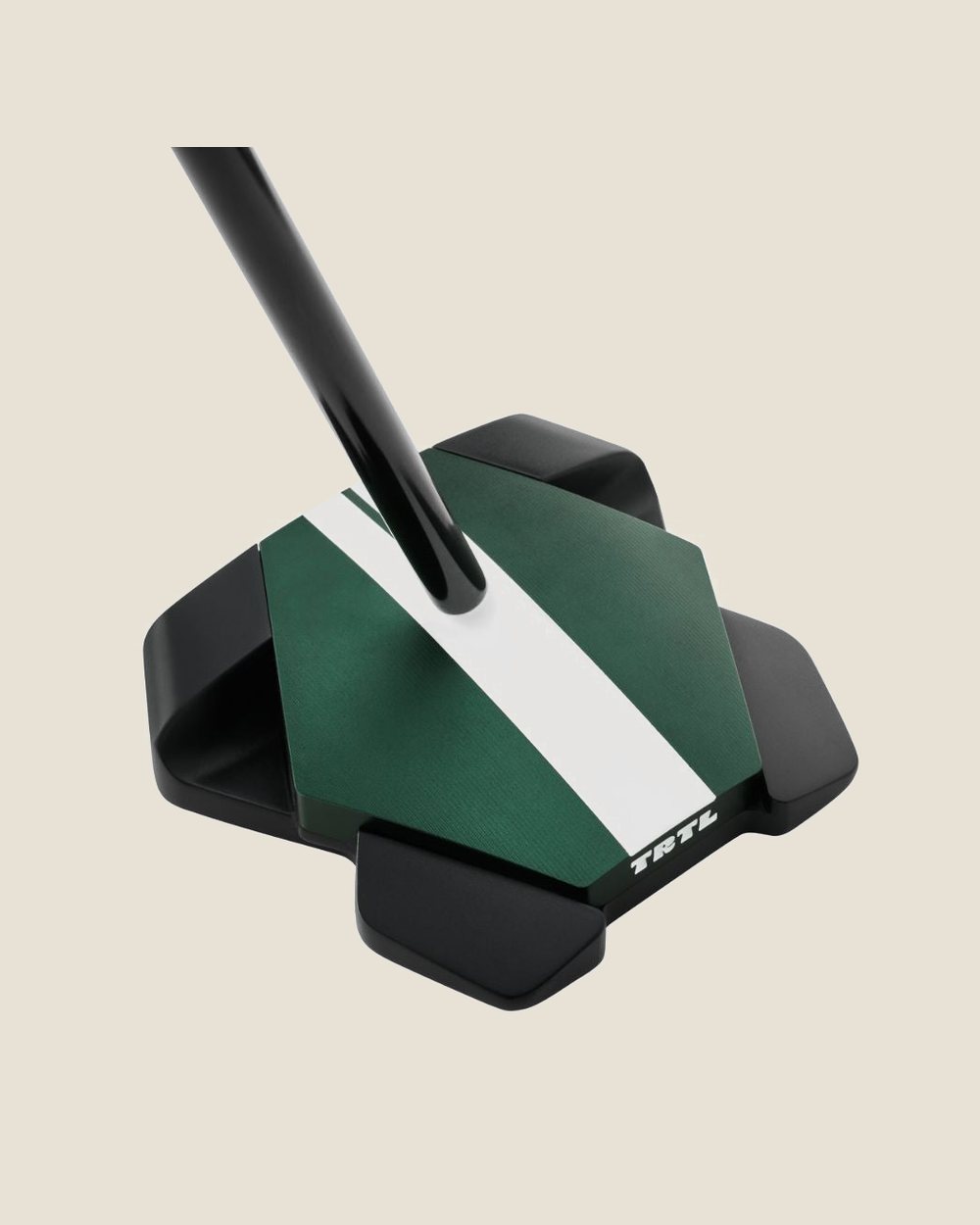
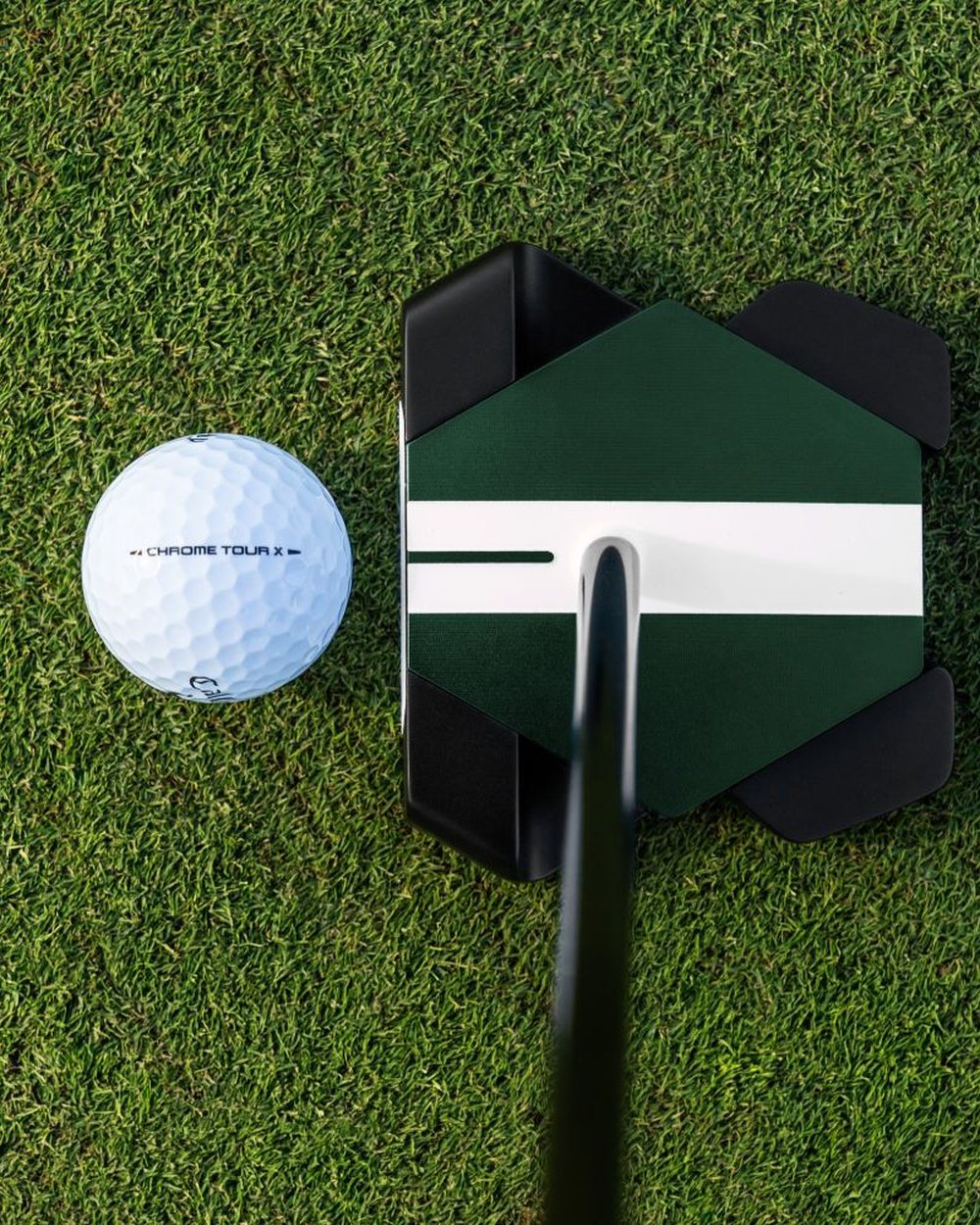
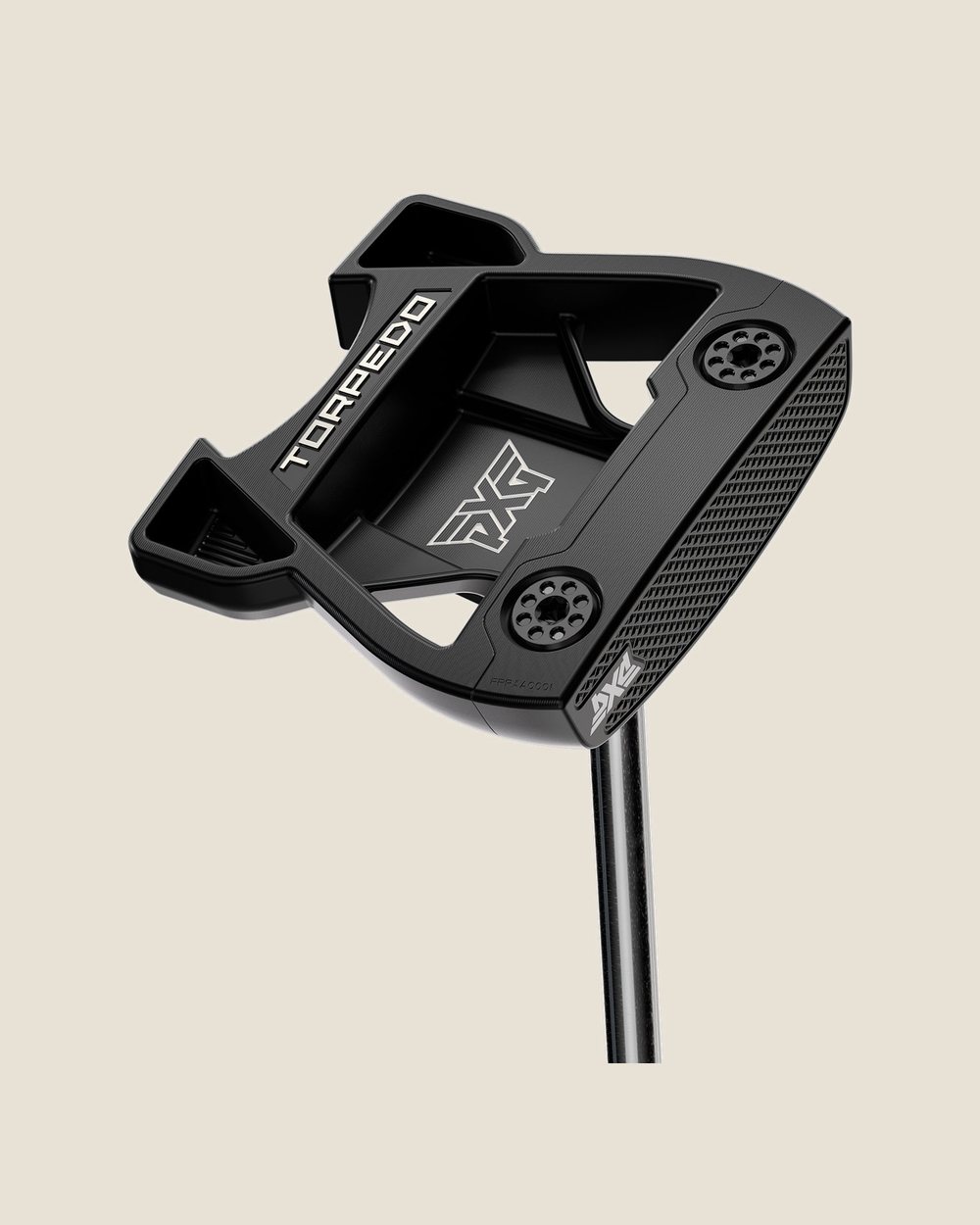
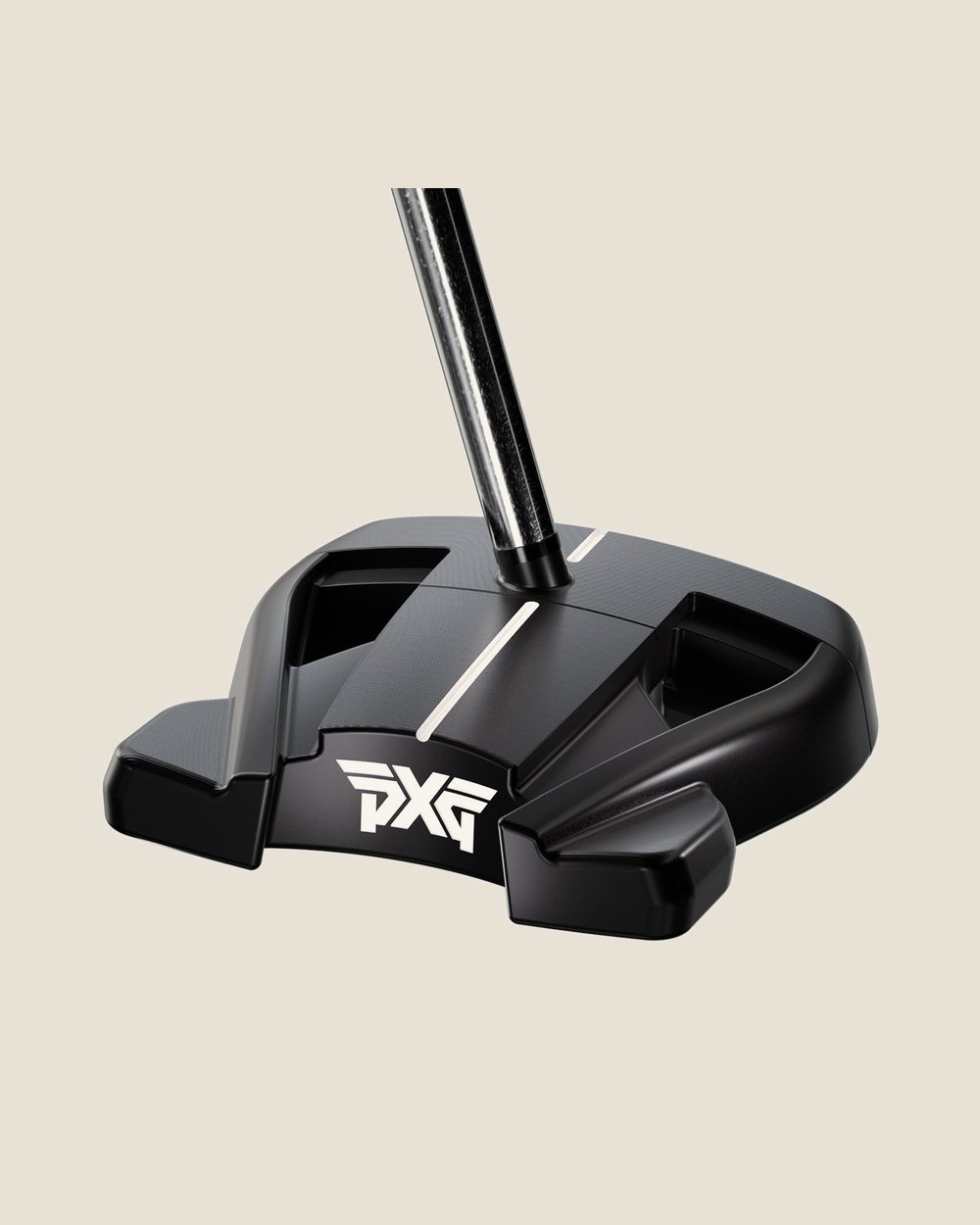
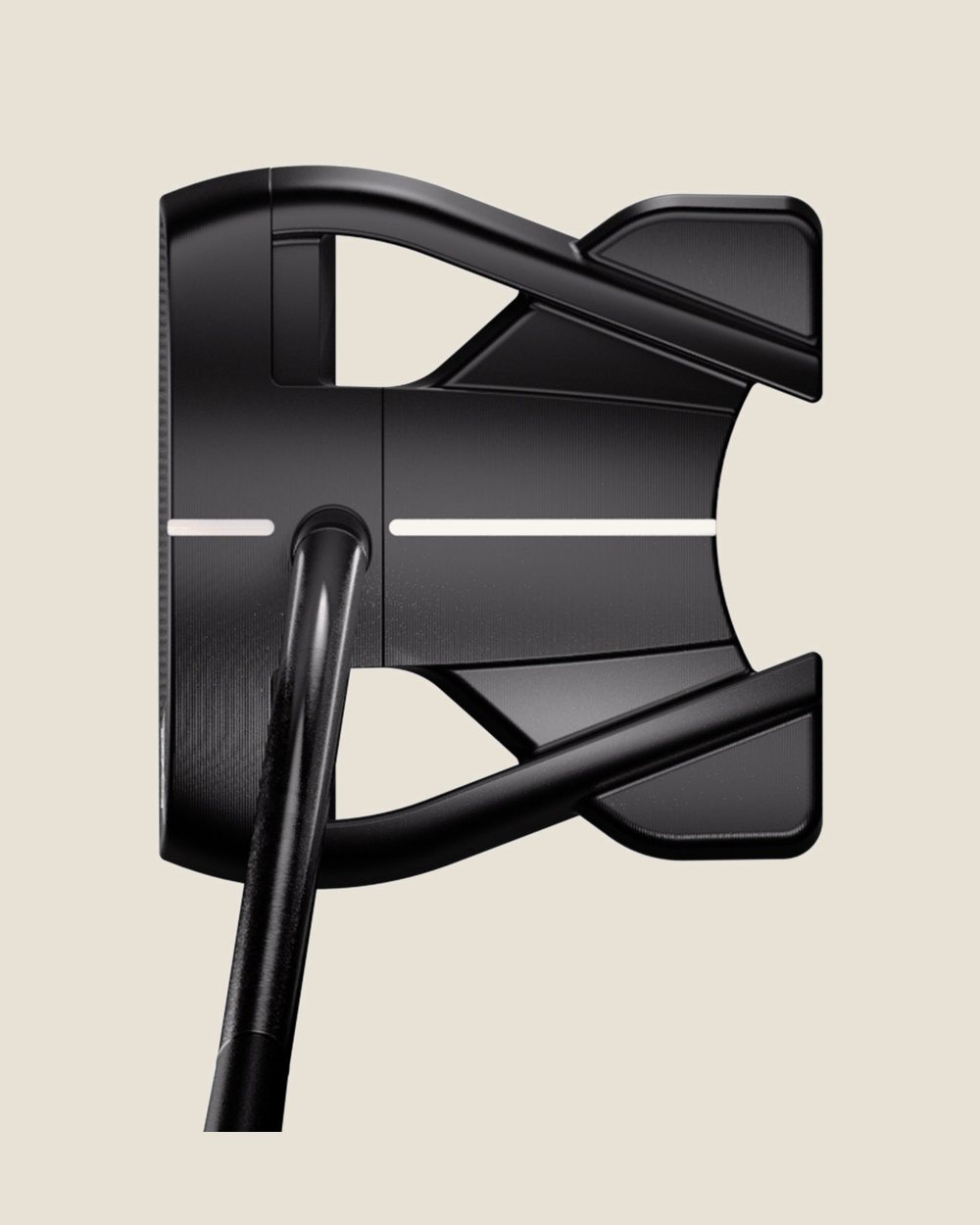
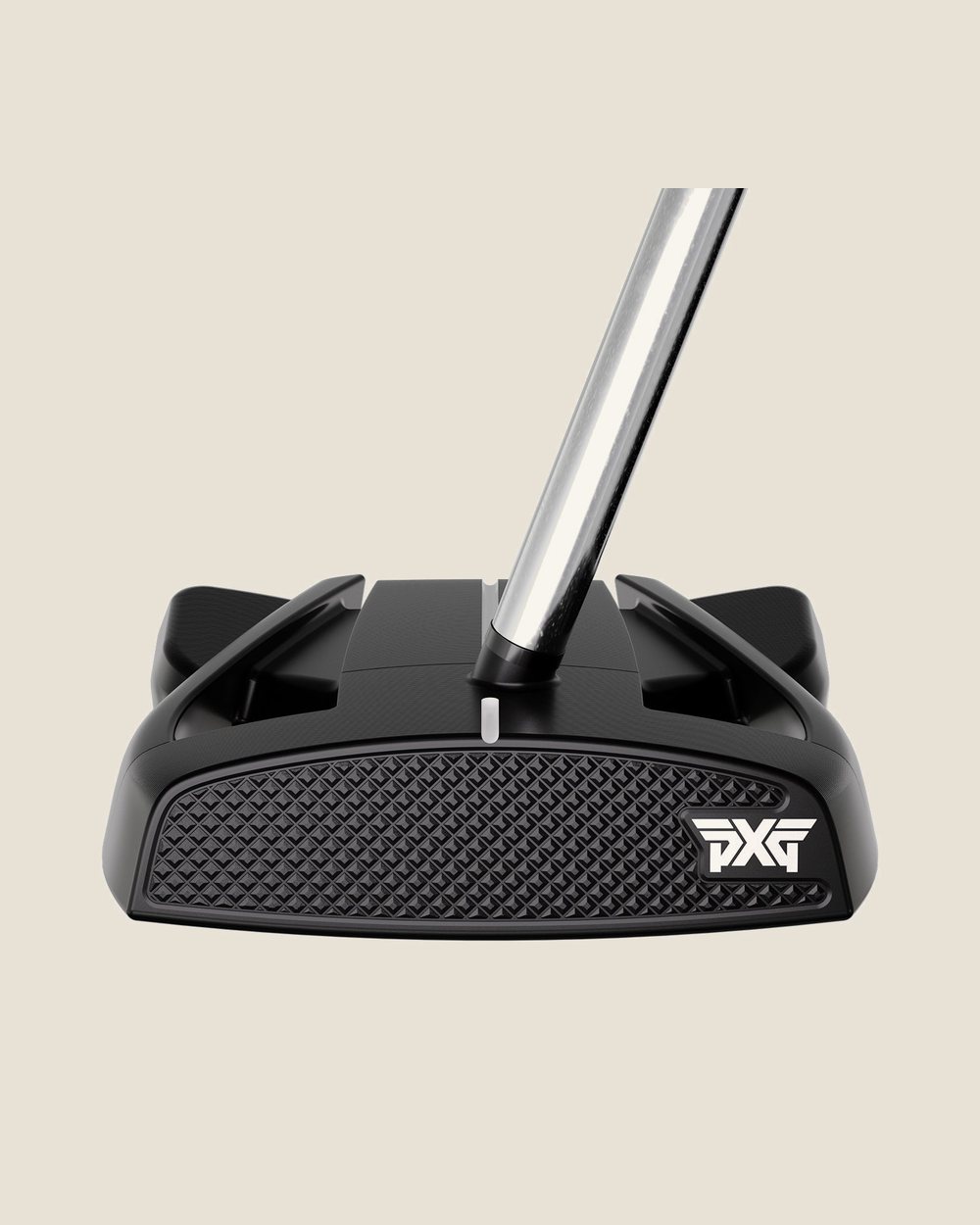
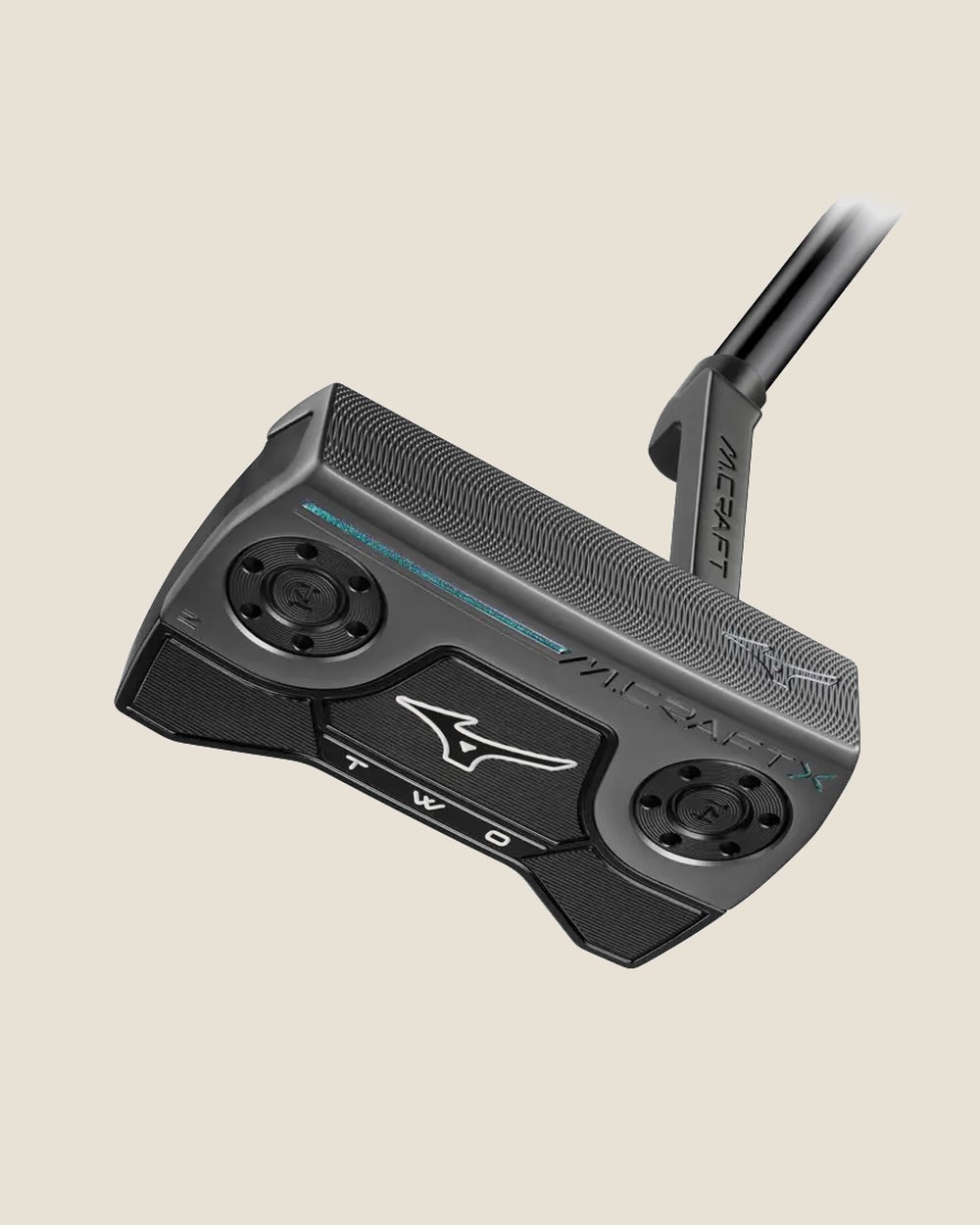
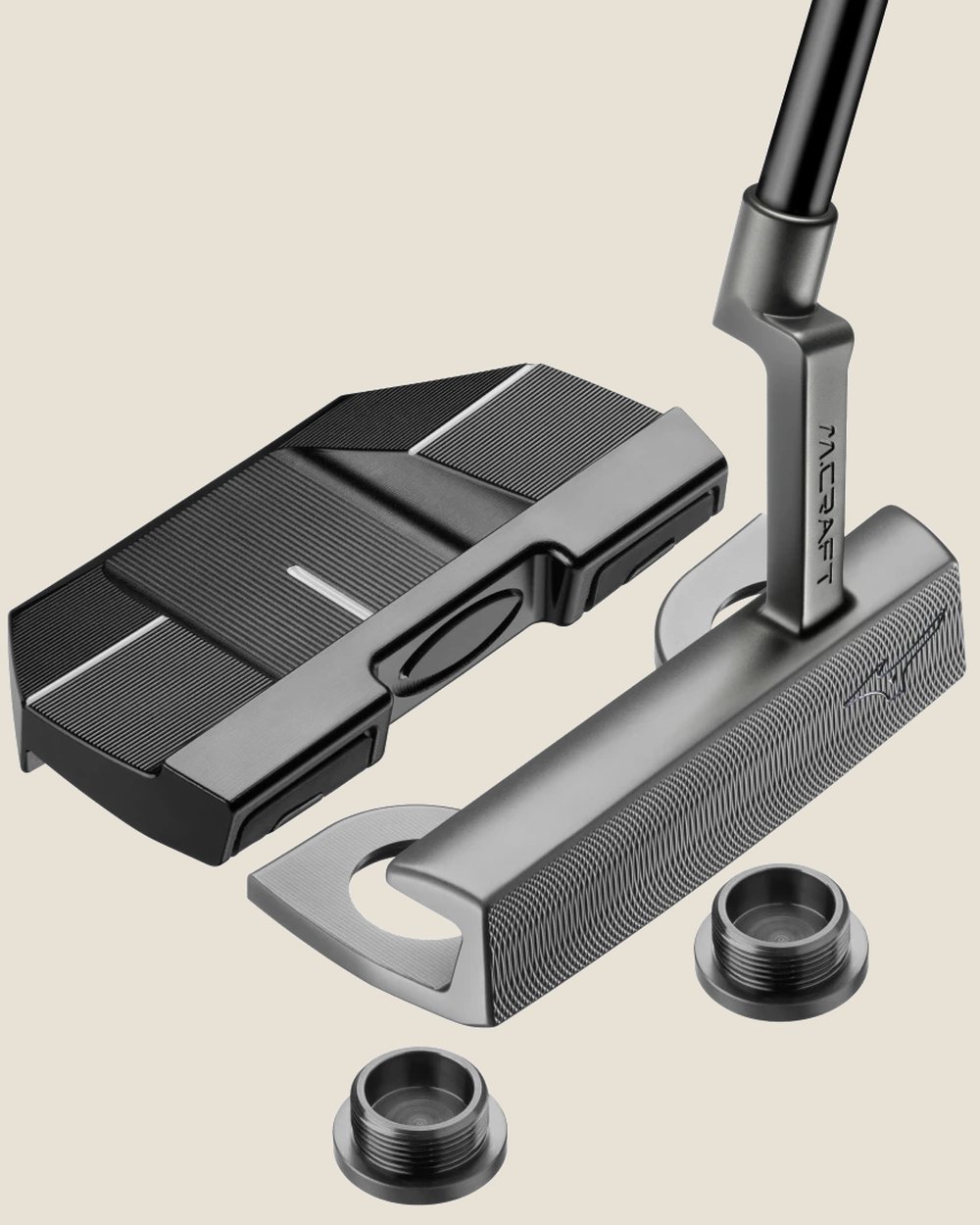
For golfers who want less twist without the look
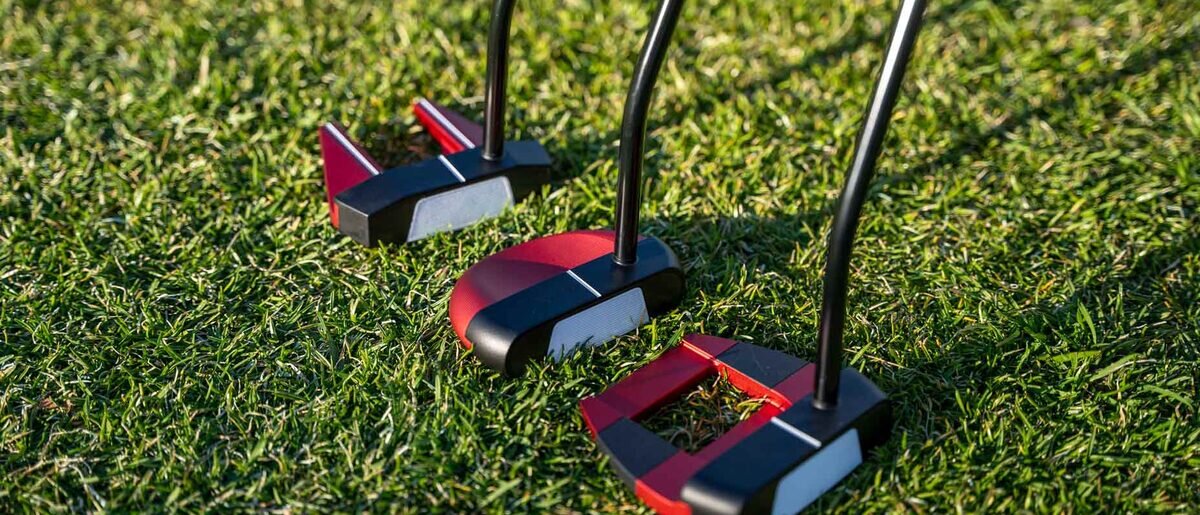
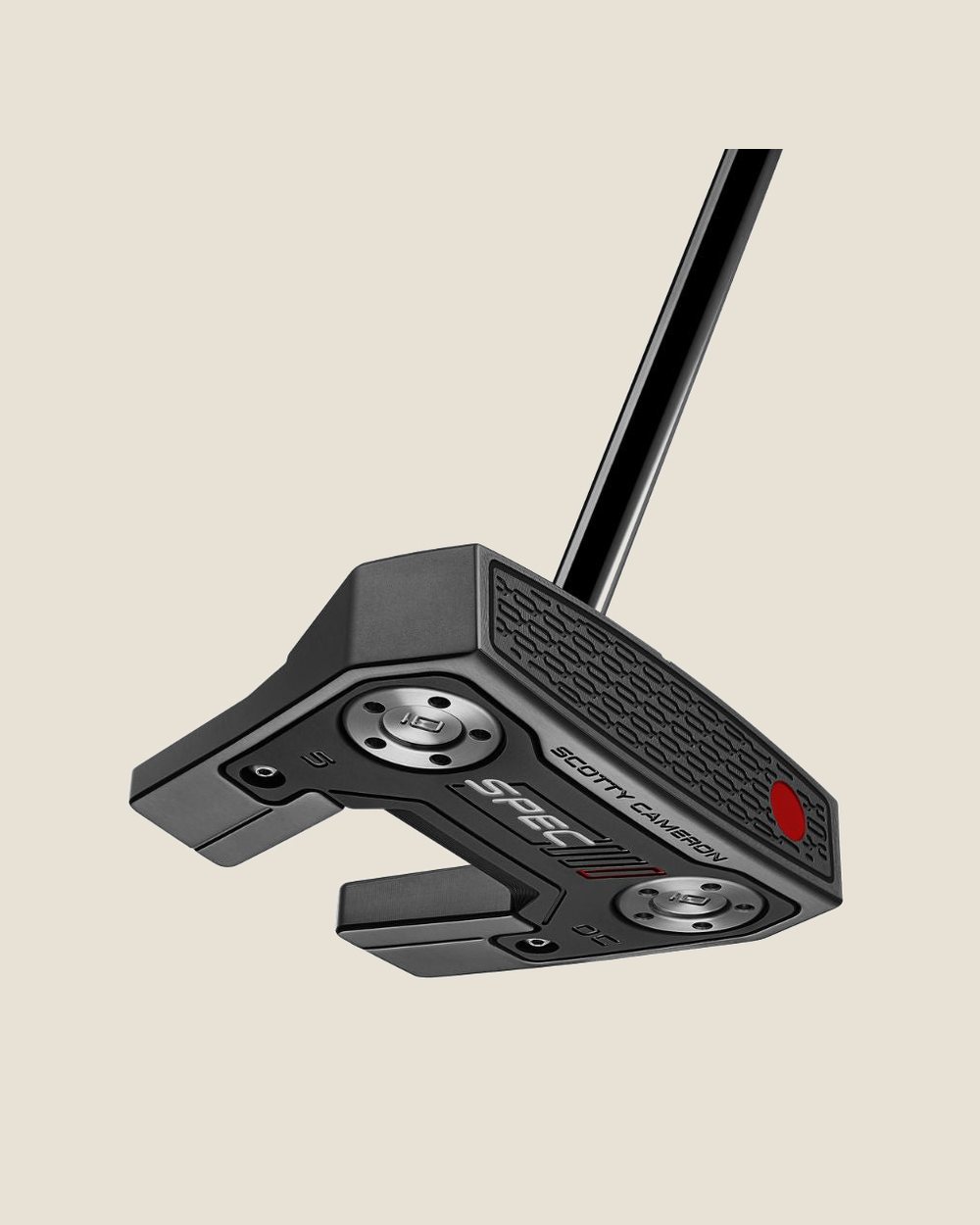
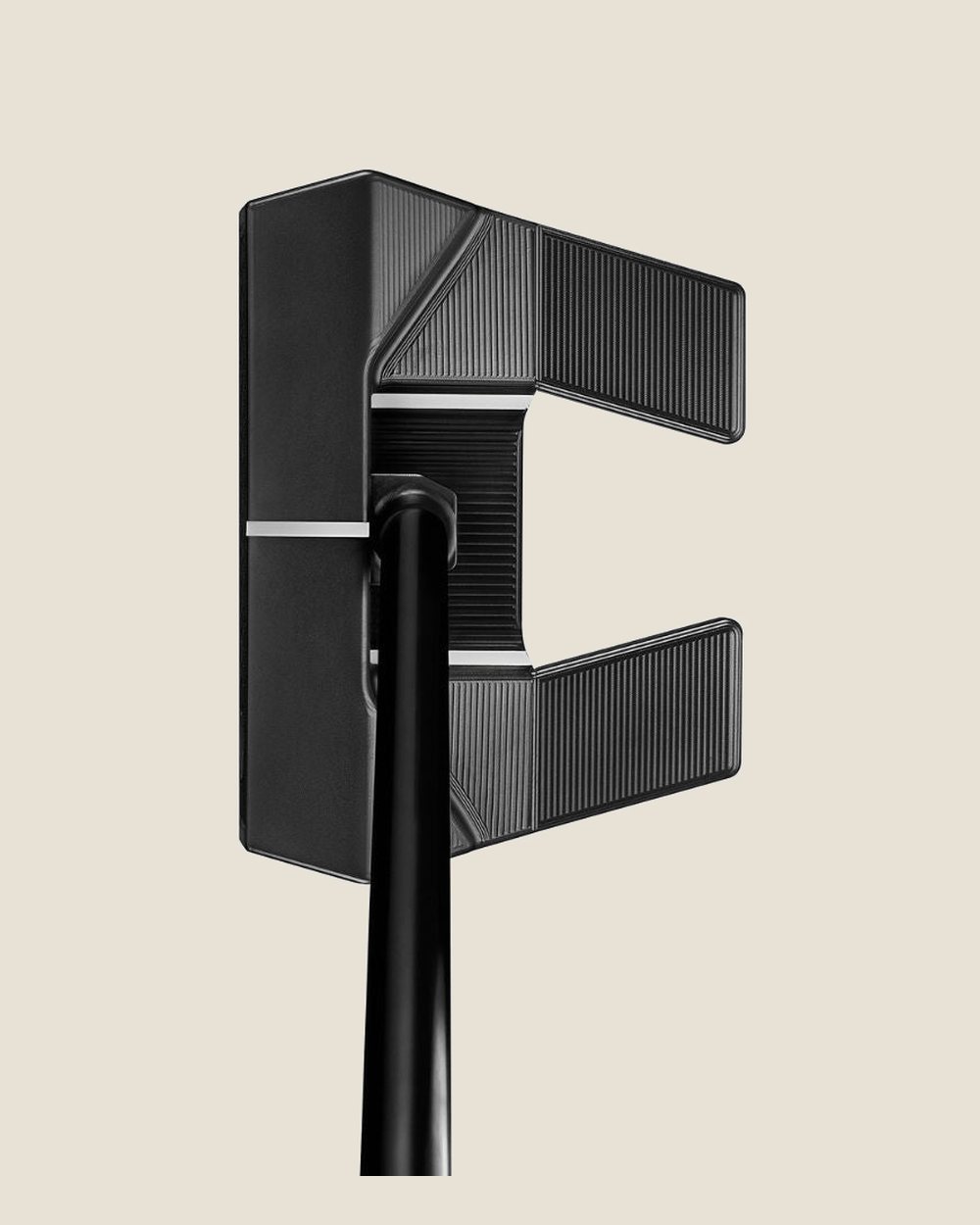
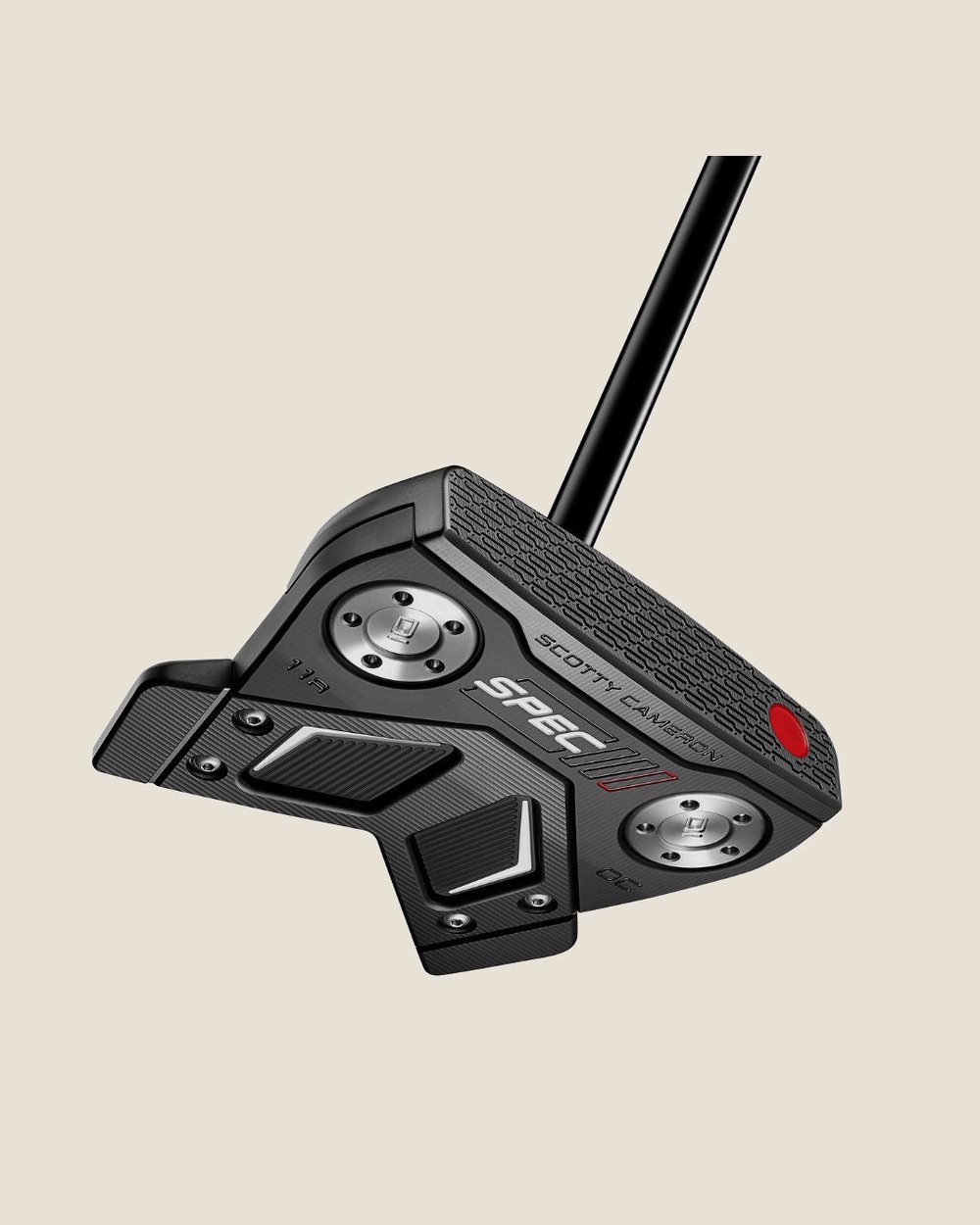
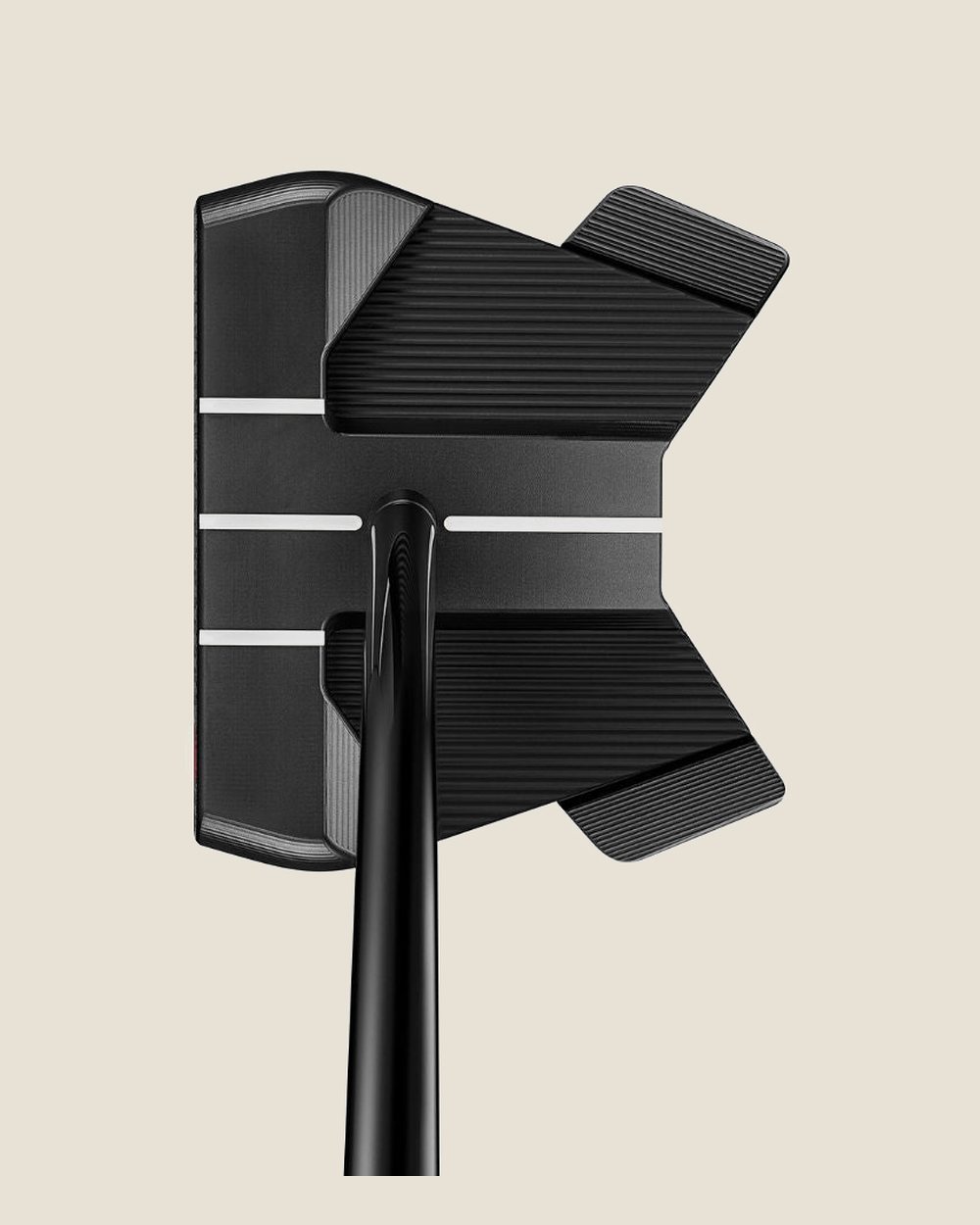
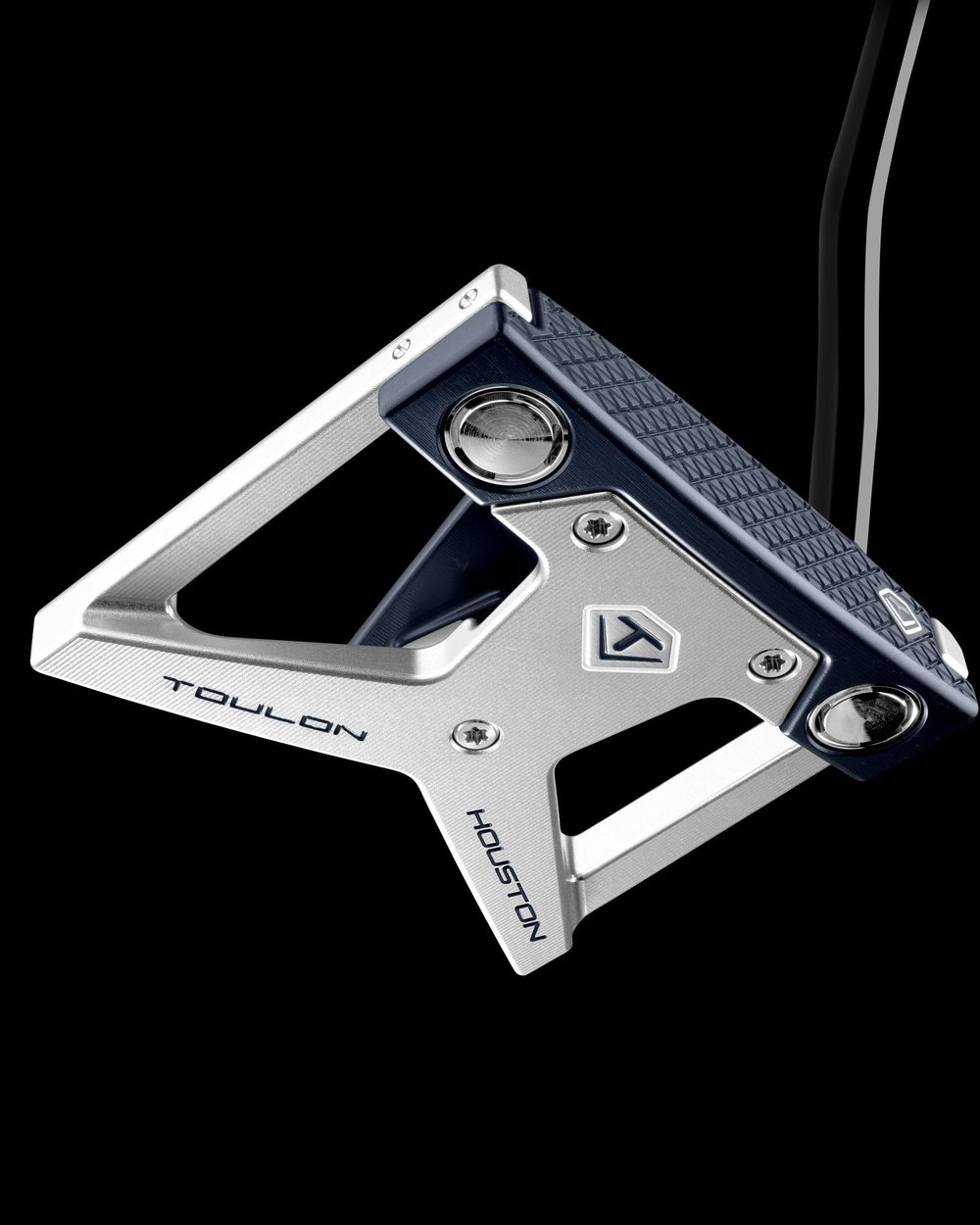
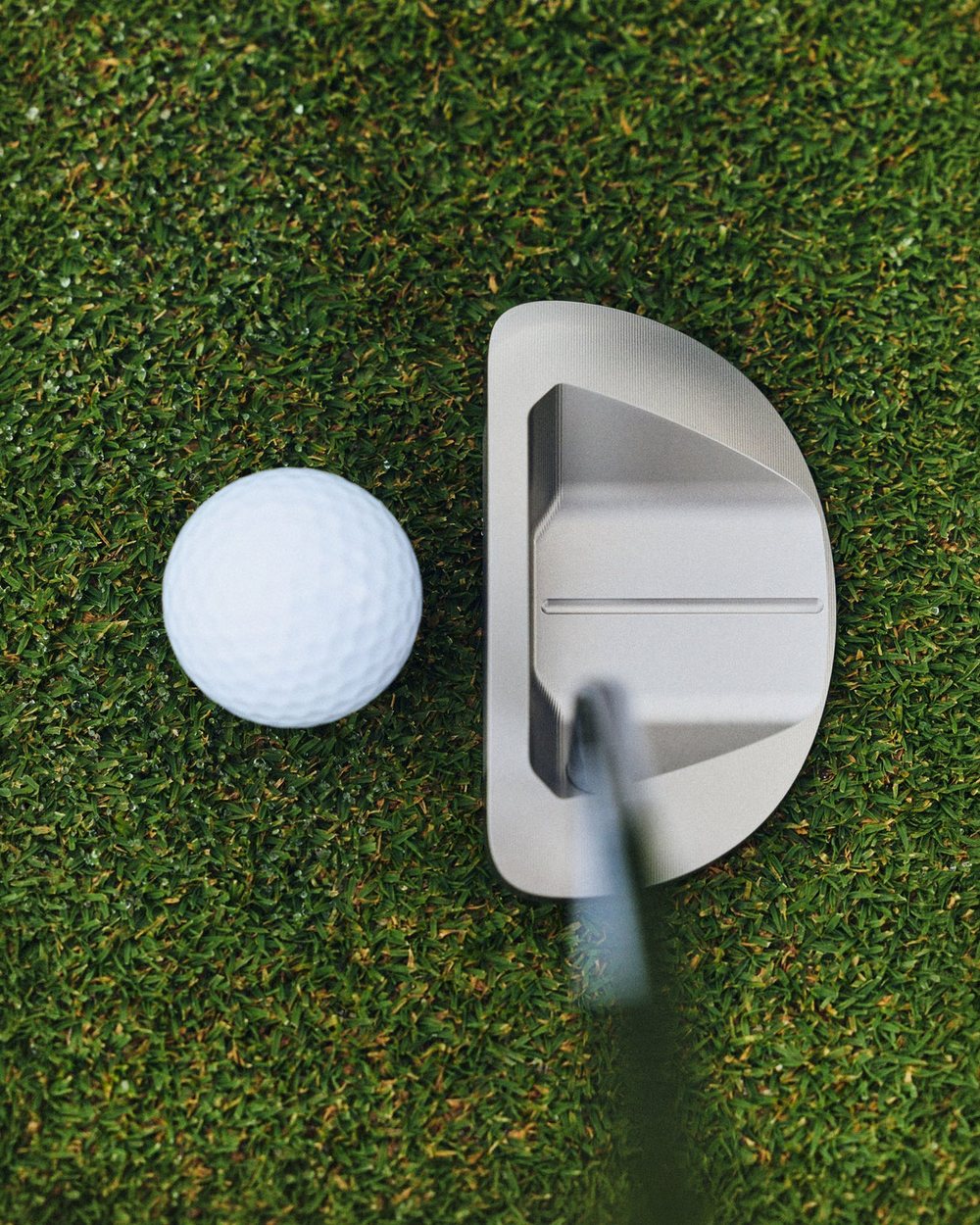
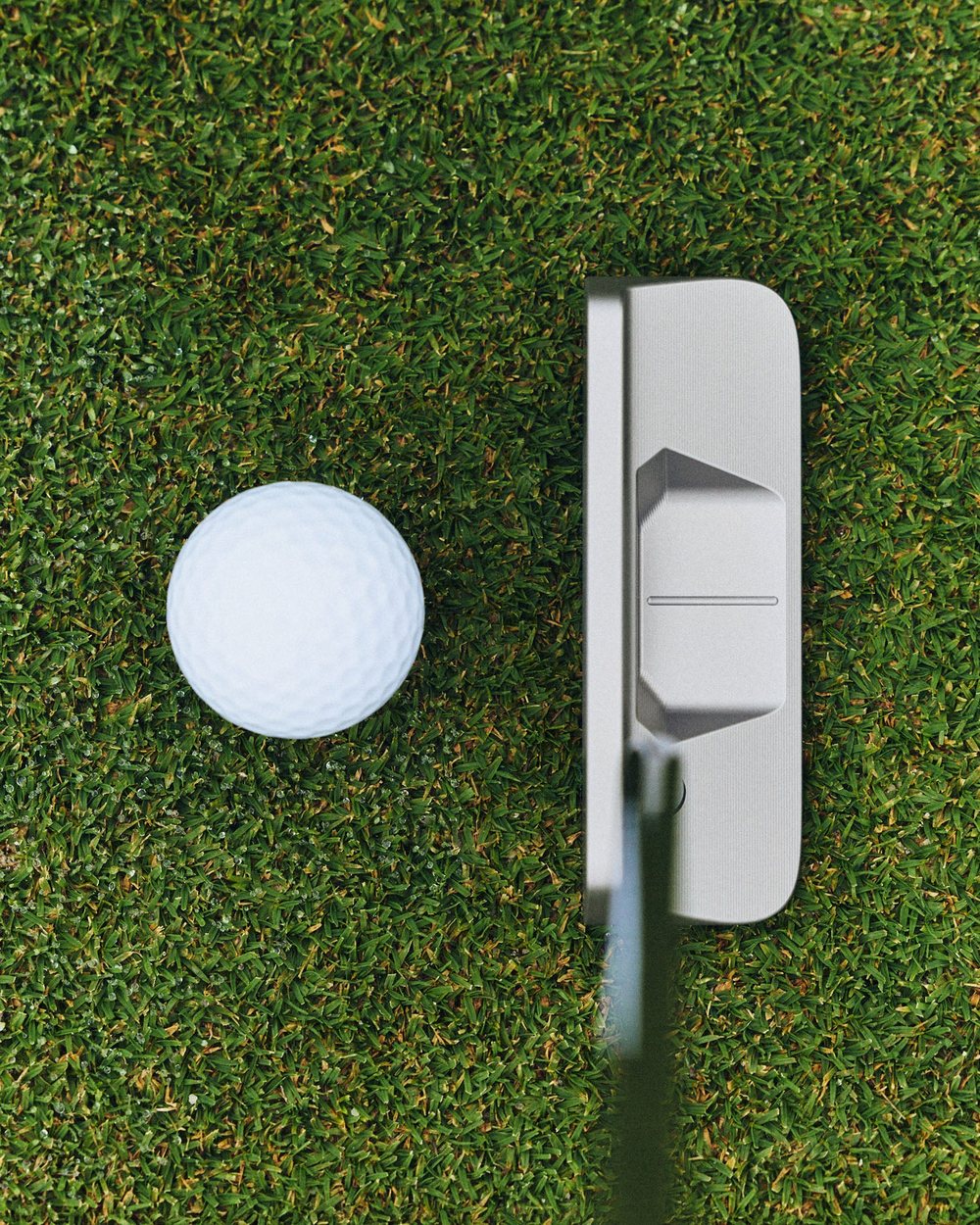
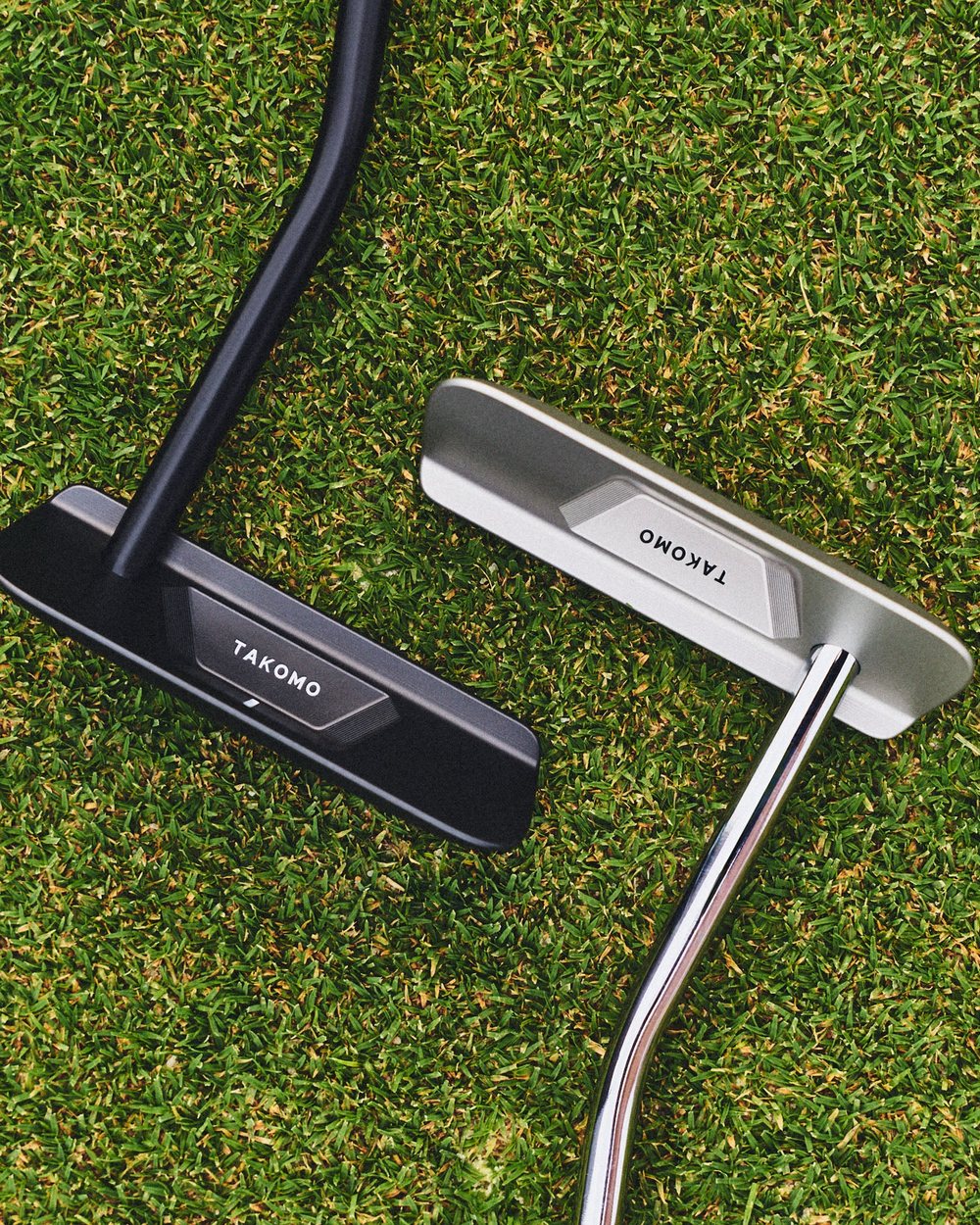
Not everyone wants a putter that sits toe-up. The middle ground this fall is low torque in familiar shapes. Scotty Cameron’s OC putters set the shaft back from the leading edge and in line with the center of gravity. Toulon took a head it designed for zero torque and put a traditional double bend on it, and Takomo’s first mallet and blade chase the same idea at a fraction of the price.
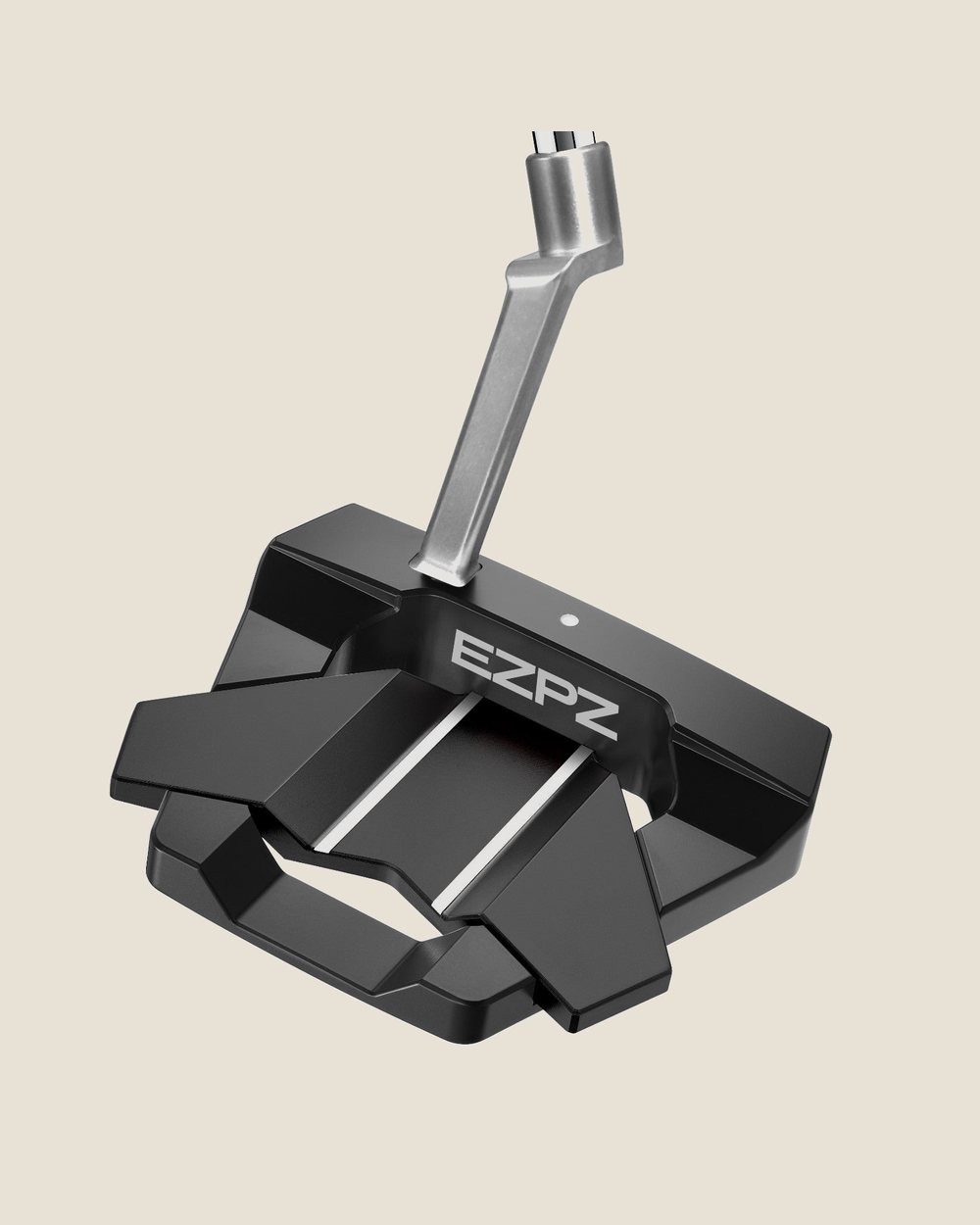
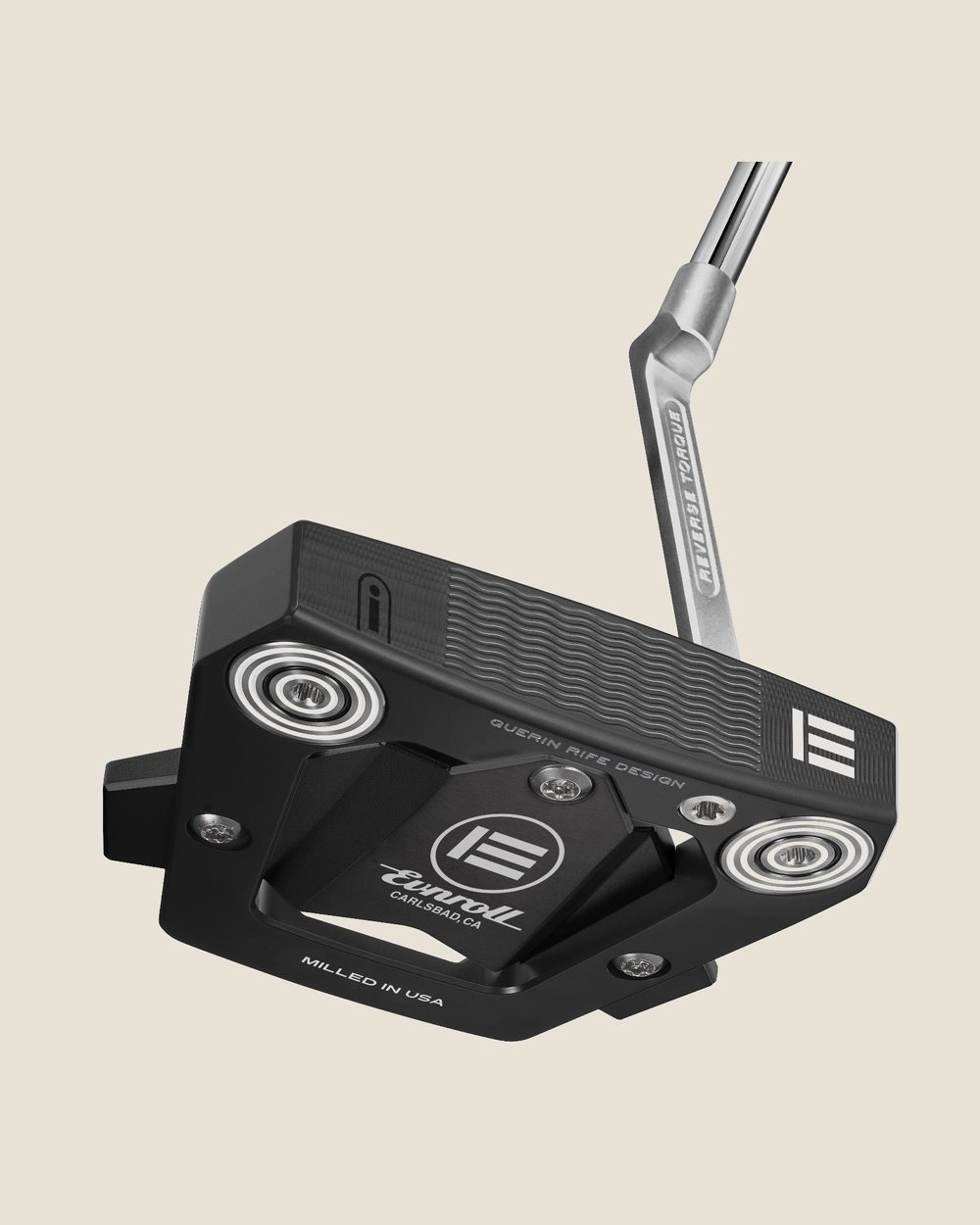
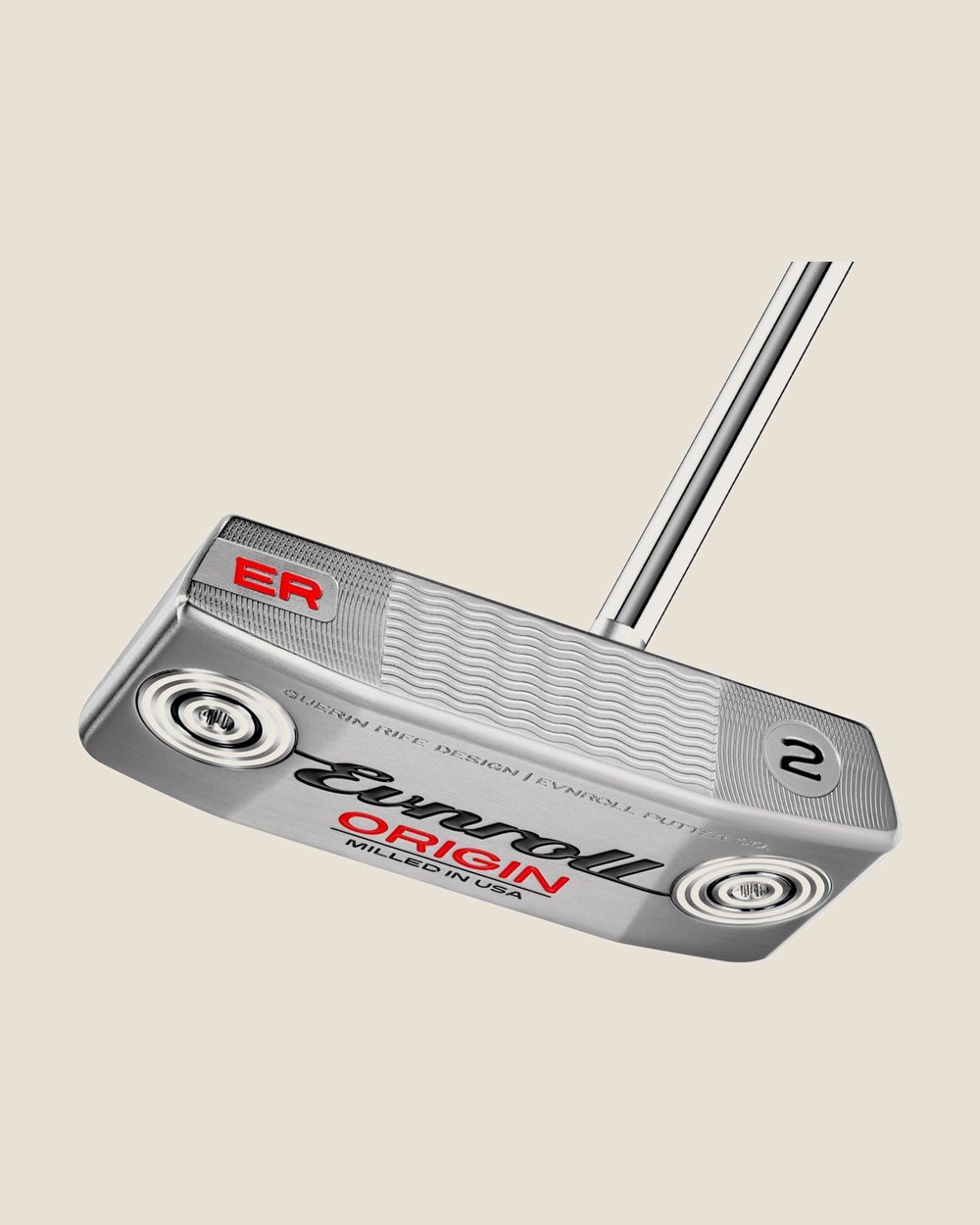
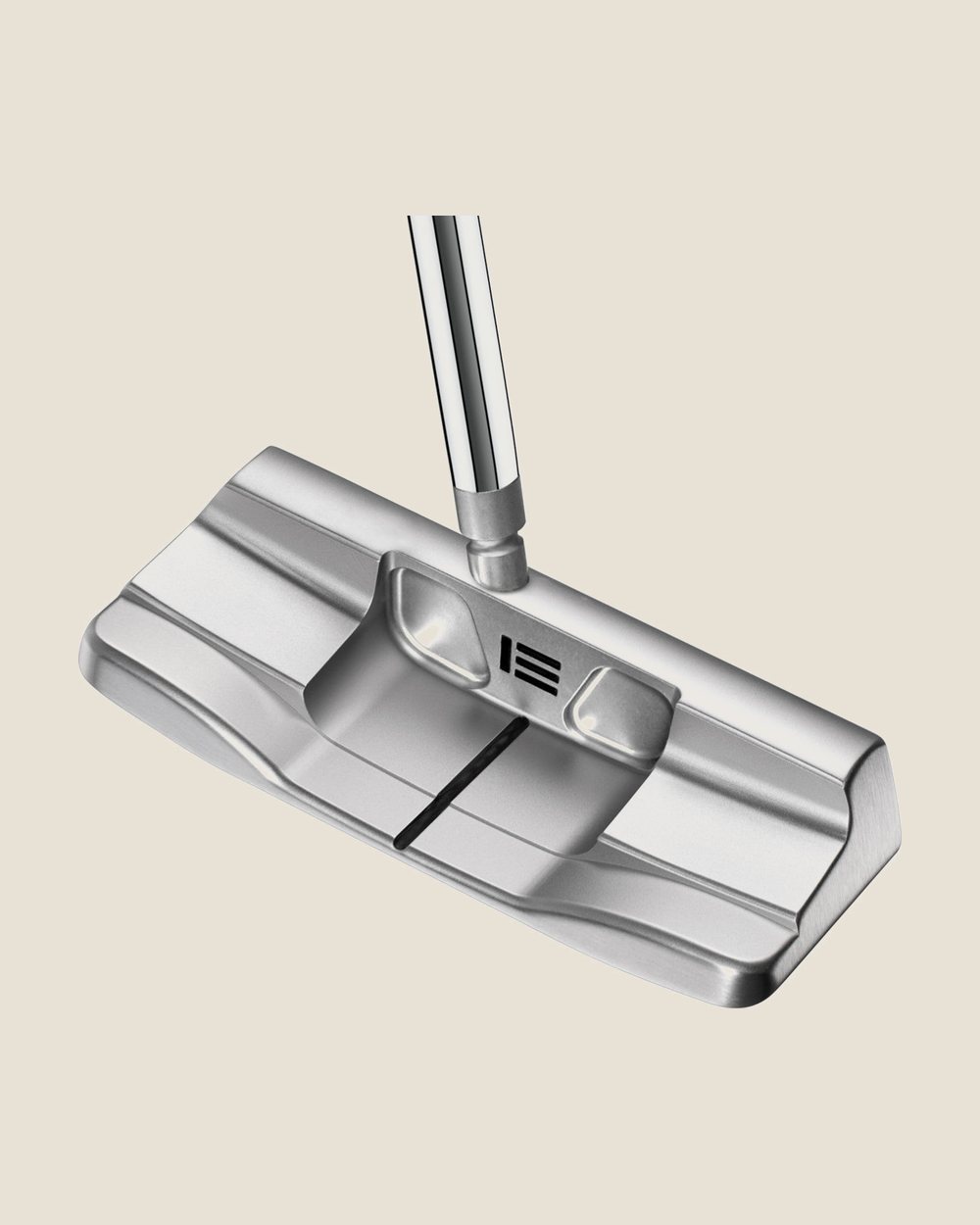
Then there is Evnroll, which went the other way. The EZPZ adds torque on purpose, leaning the hosel inward so the putter wants to close a little as you swing it. Whether that suits you is a fitting question, which is the point the whole category keeps coming back to.
What happens at impact
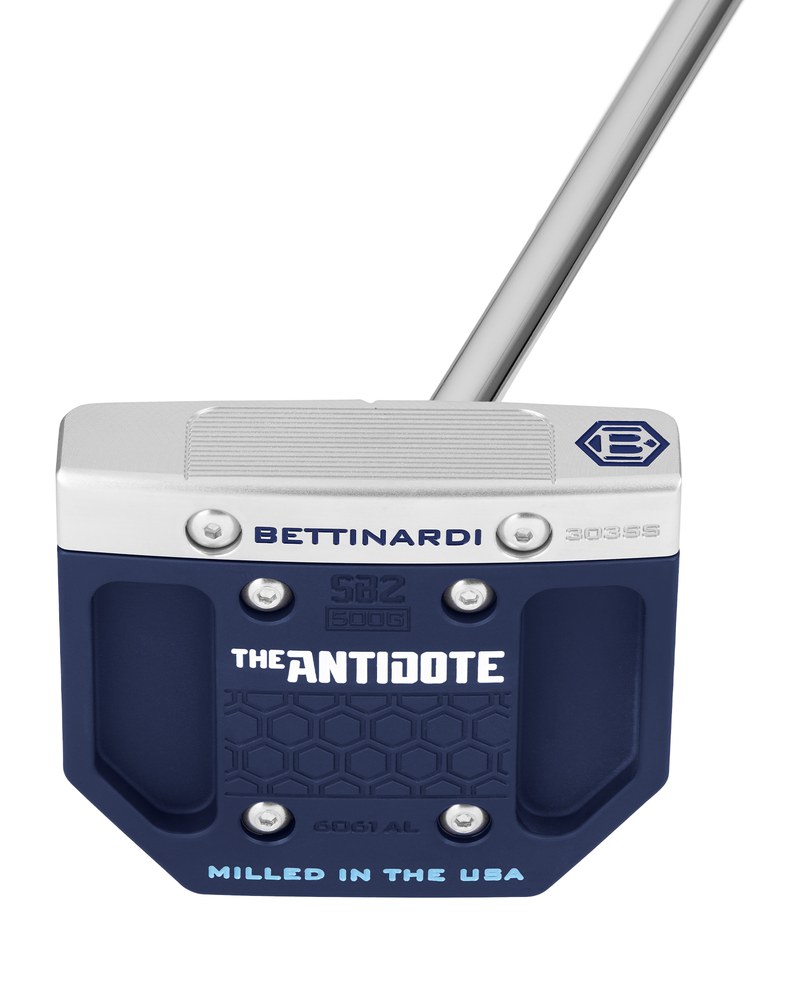
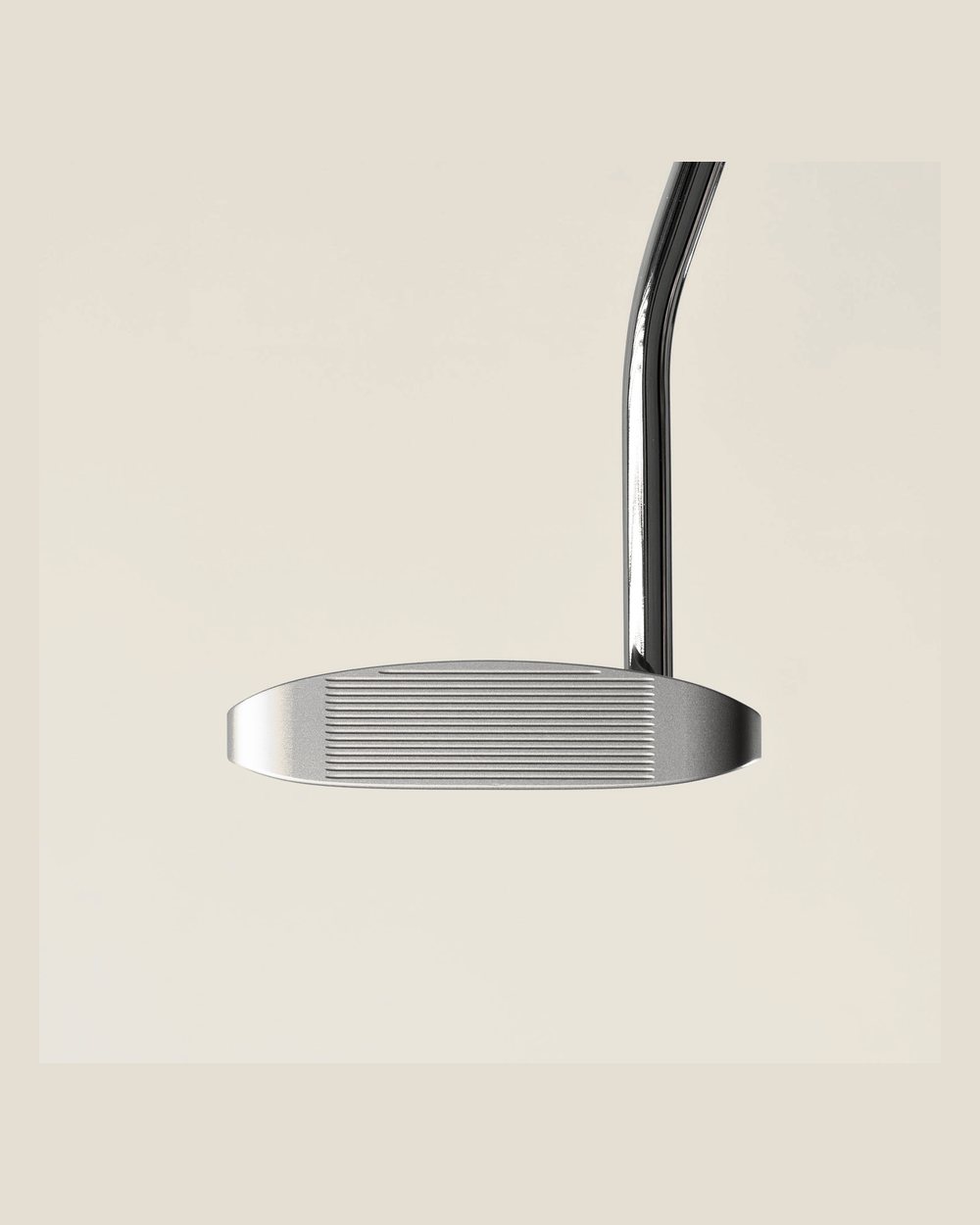
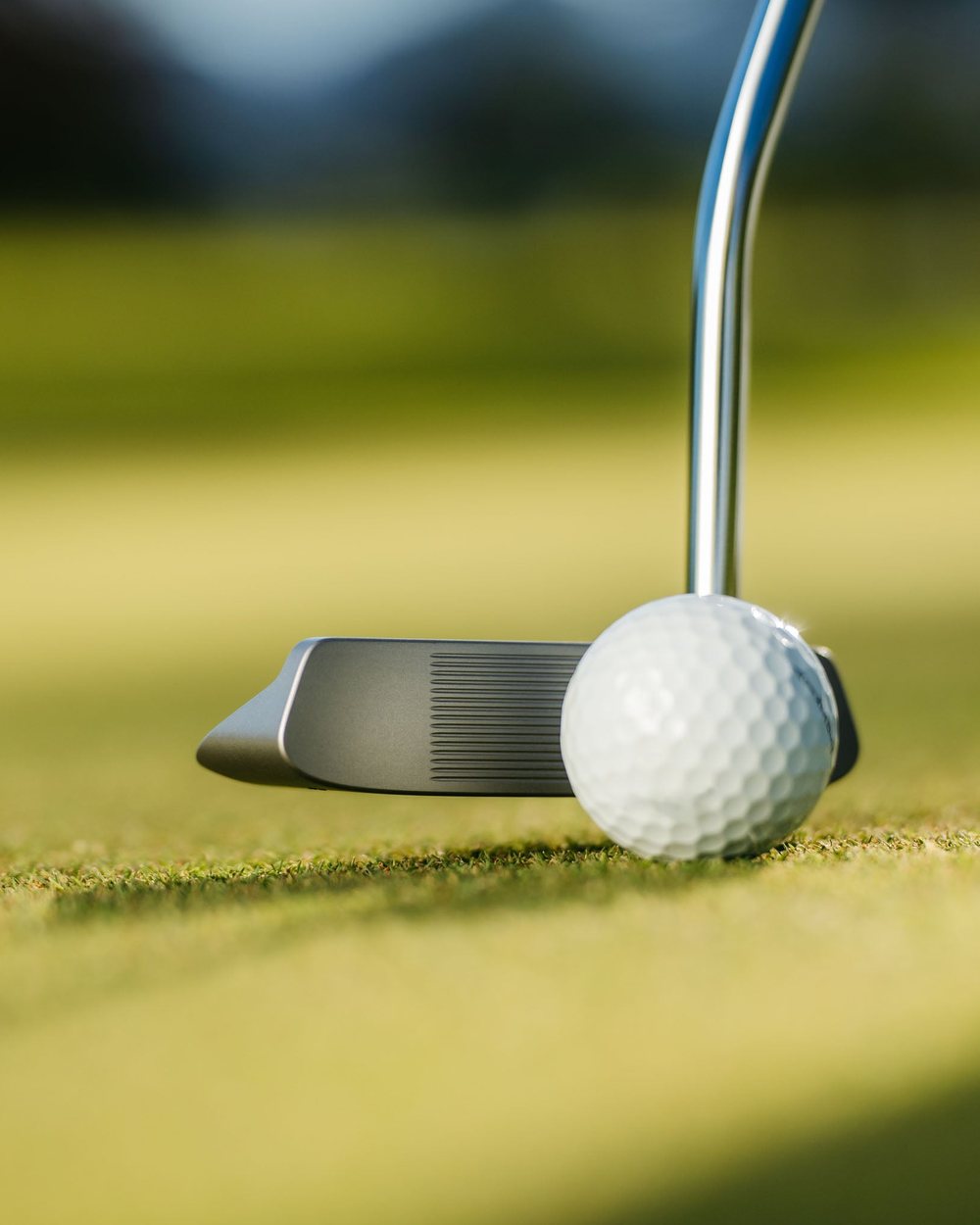
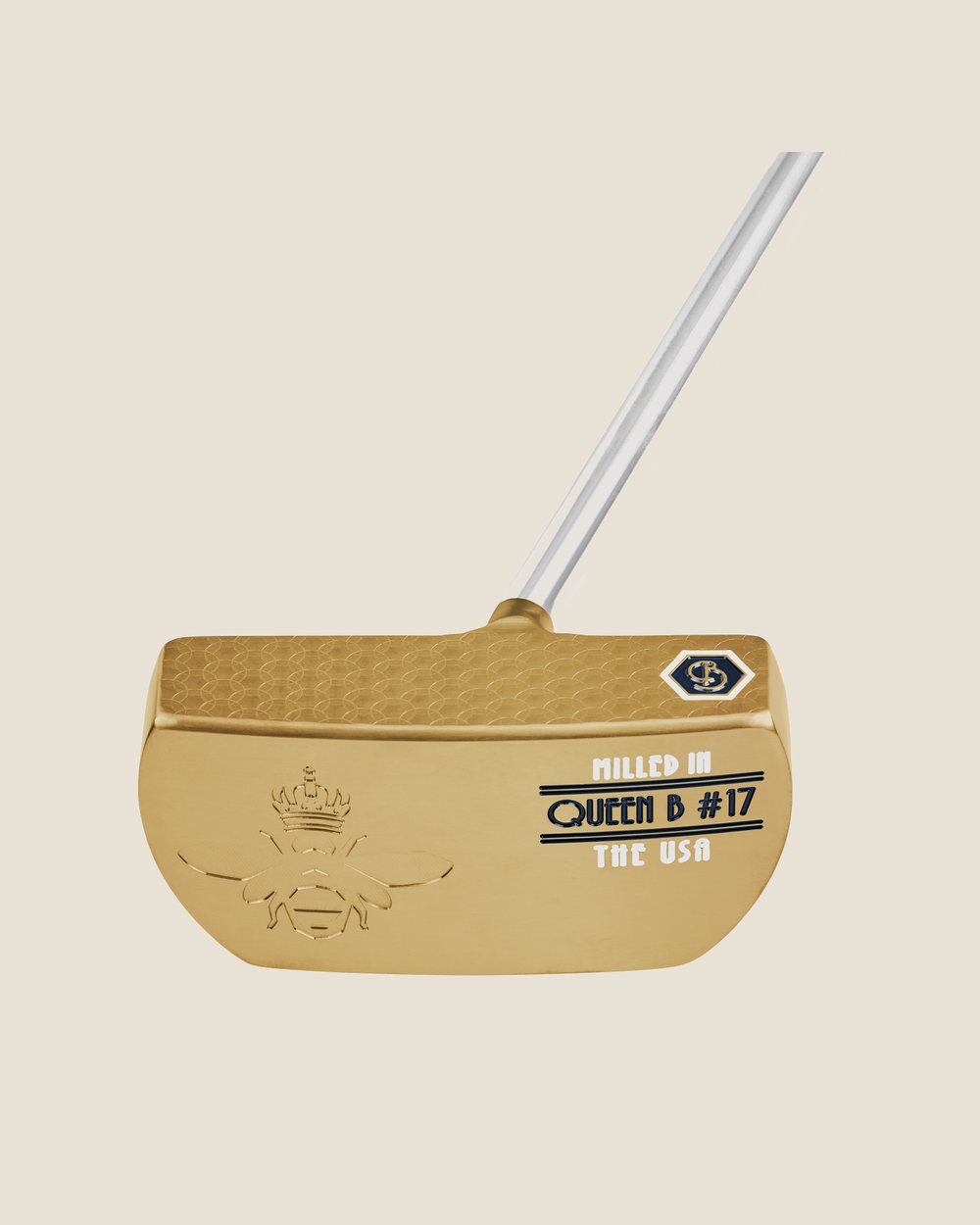
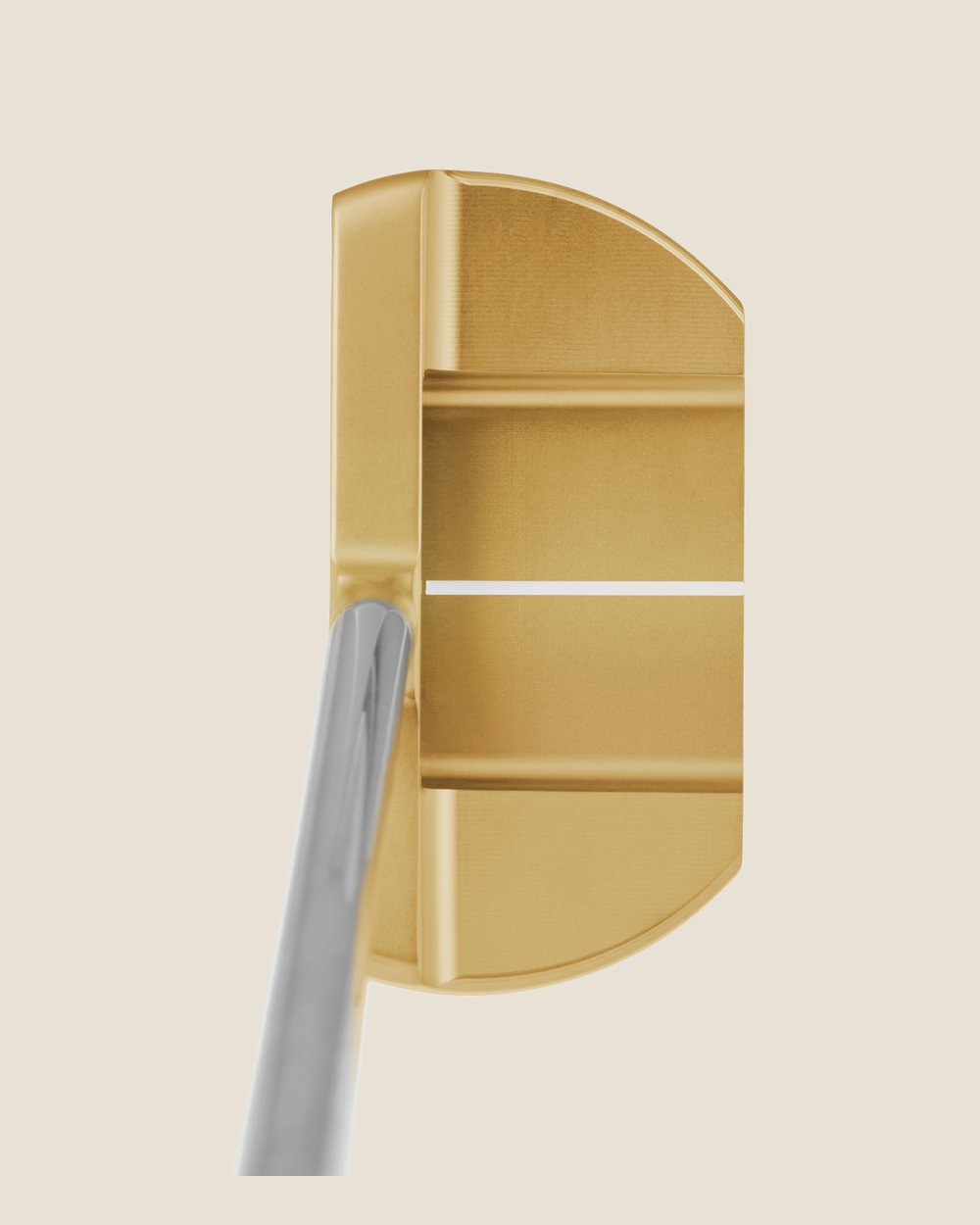
The other half of the story is the face. Bettinardi scaled up its signature honeycomb into a Macro Honeycomb mill, the firmest feel in its range, and gave Matt Fitzpatrick’s blade its own semi-circular Fitz Face. Odyssey’s new Ai-Star insert layers urethane over aluminum. Evnroll’s SweetFace grooves aim to keep ball speed even across the face, and PING went back to a fully milled carbon steel head with no insert at all.
Face technology changes the sound and feel more than the line, so if you can, hit these before you buy. Feel is personal in a way that torque is not.
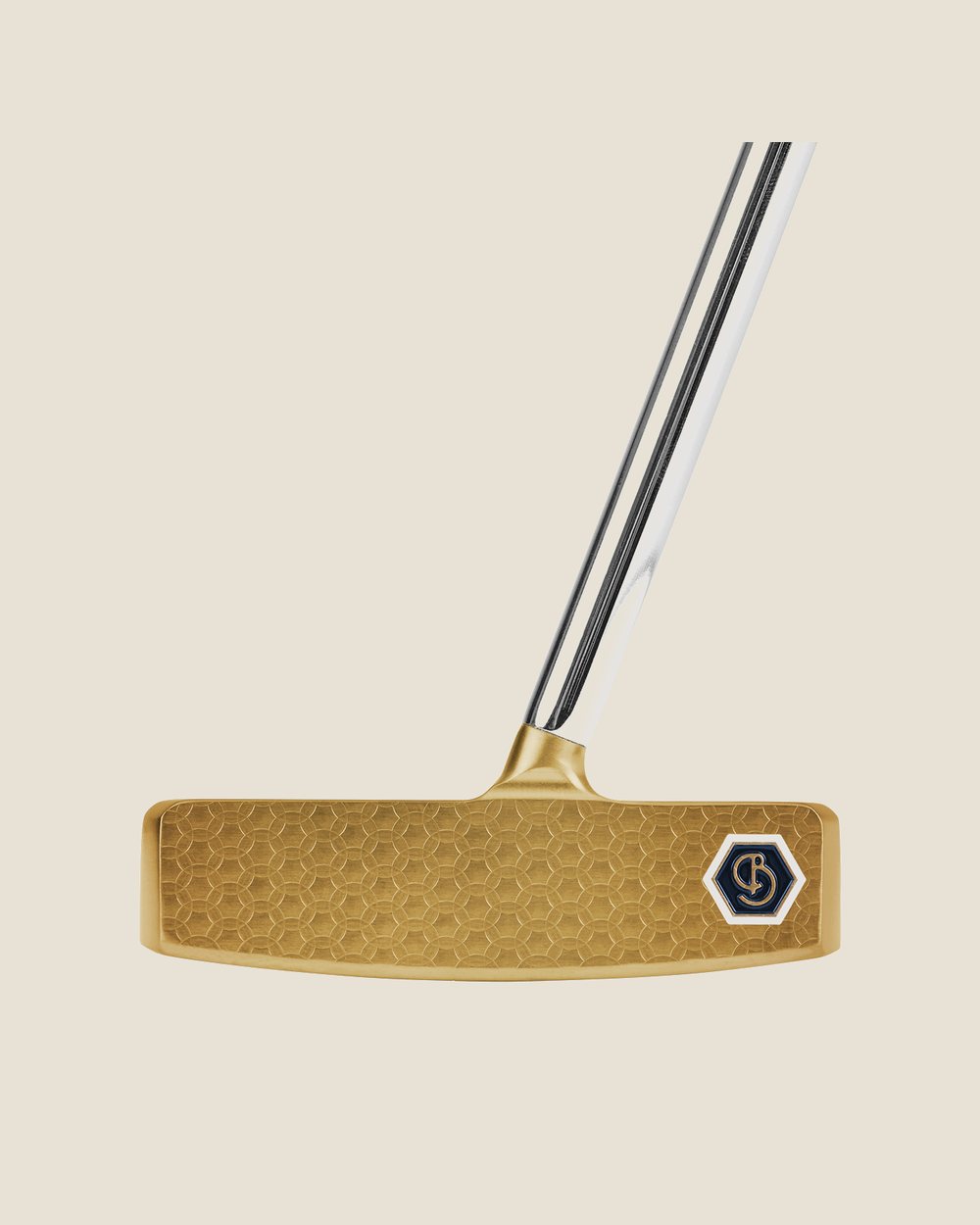
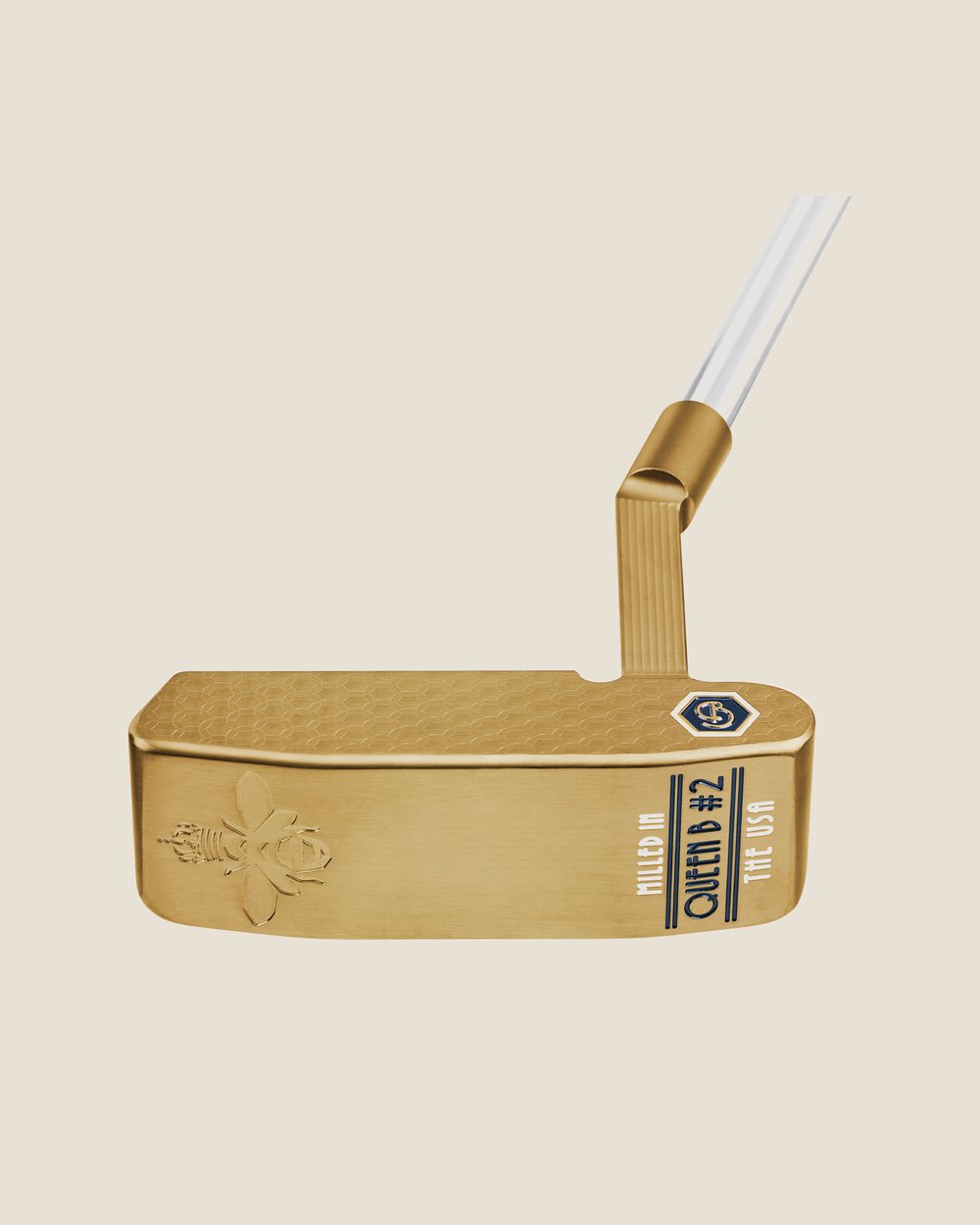
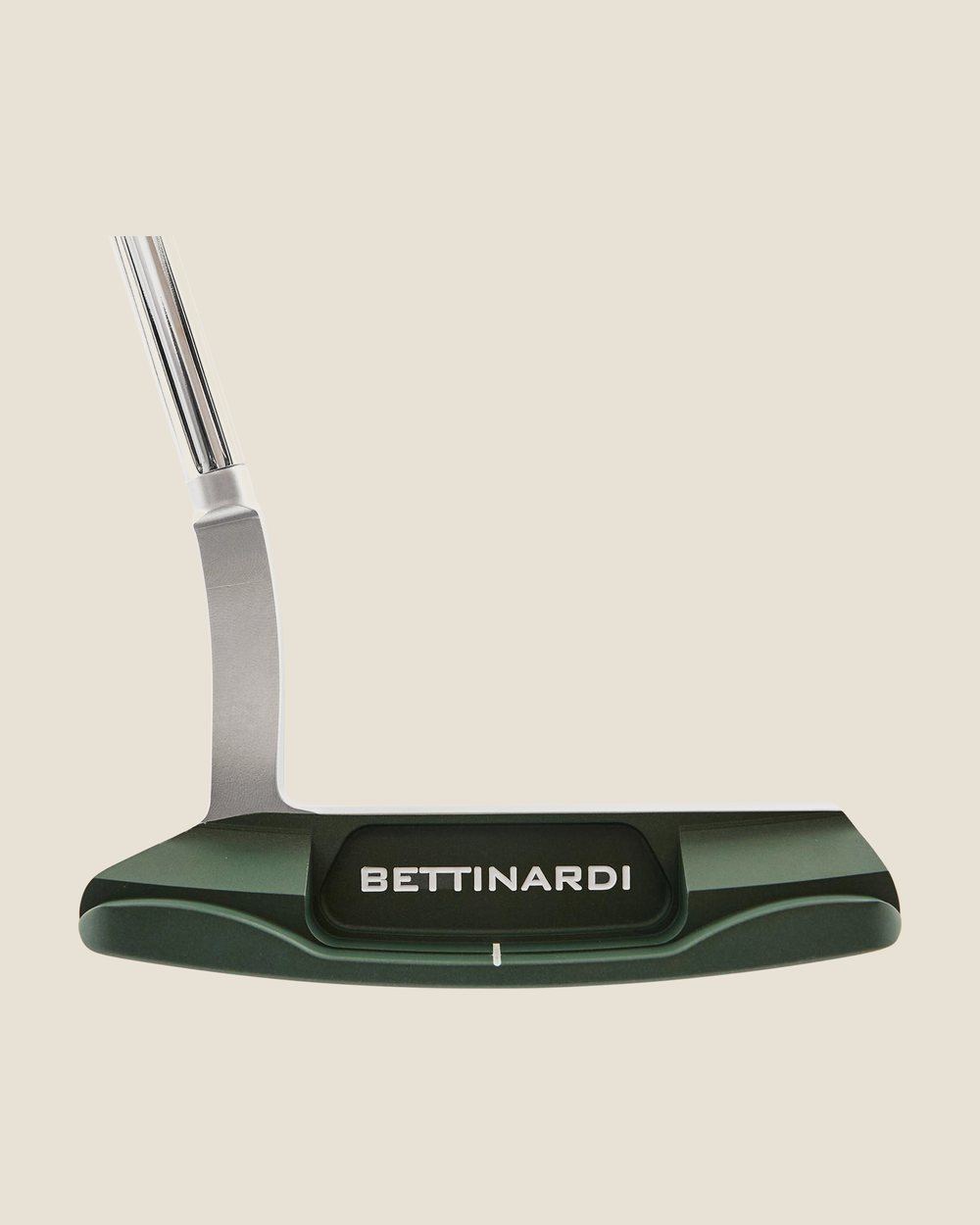
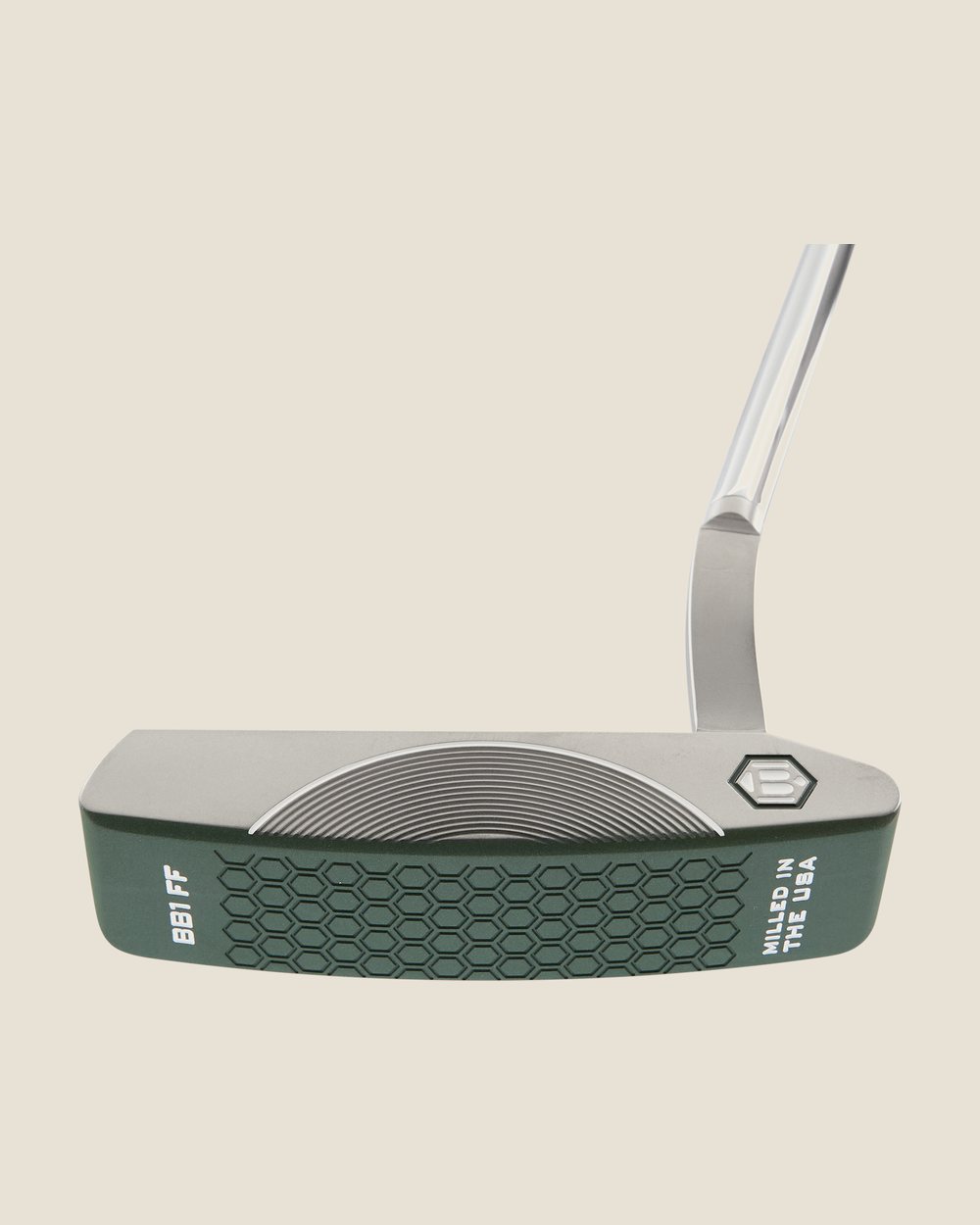
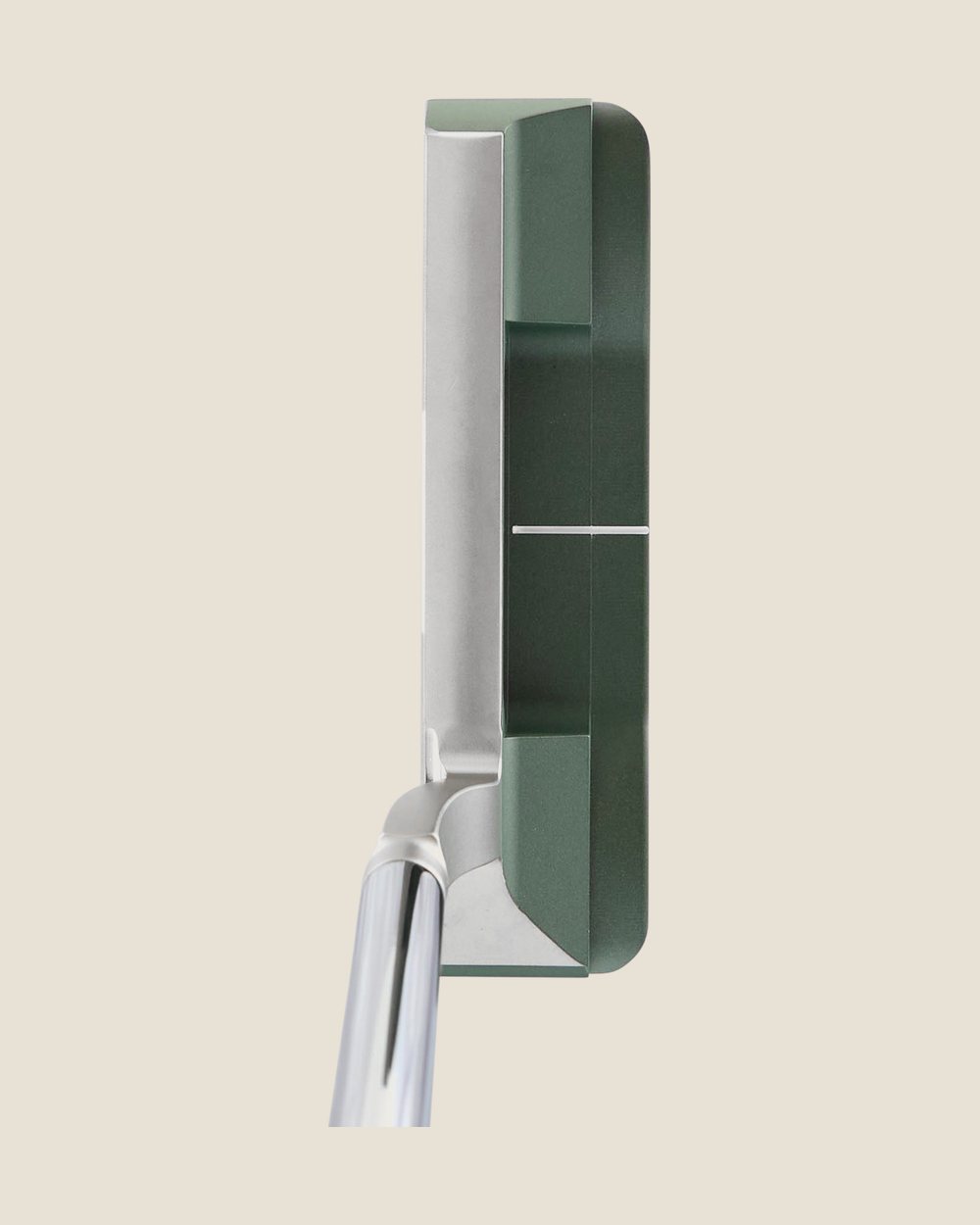
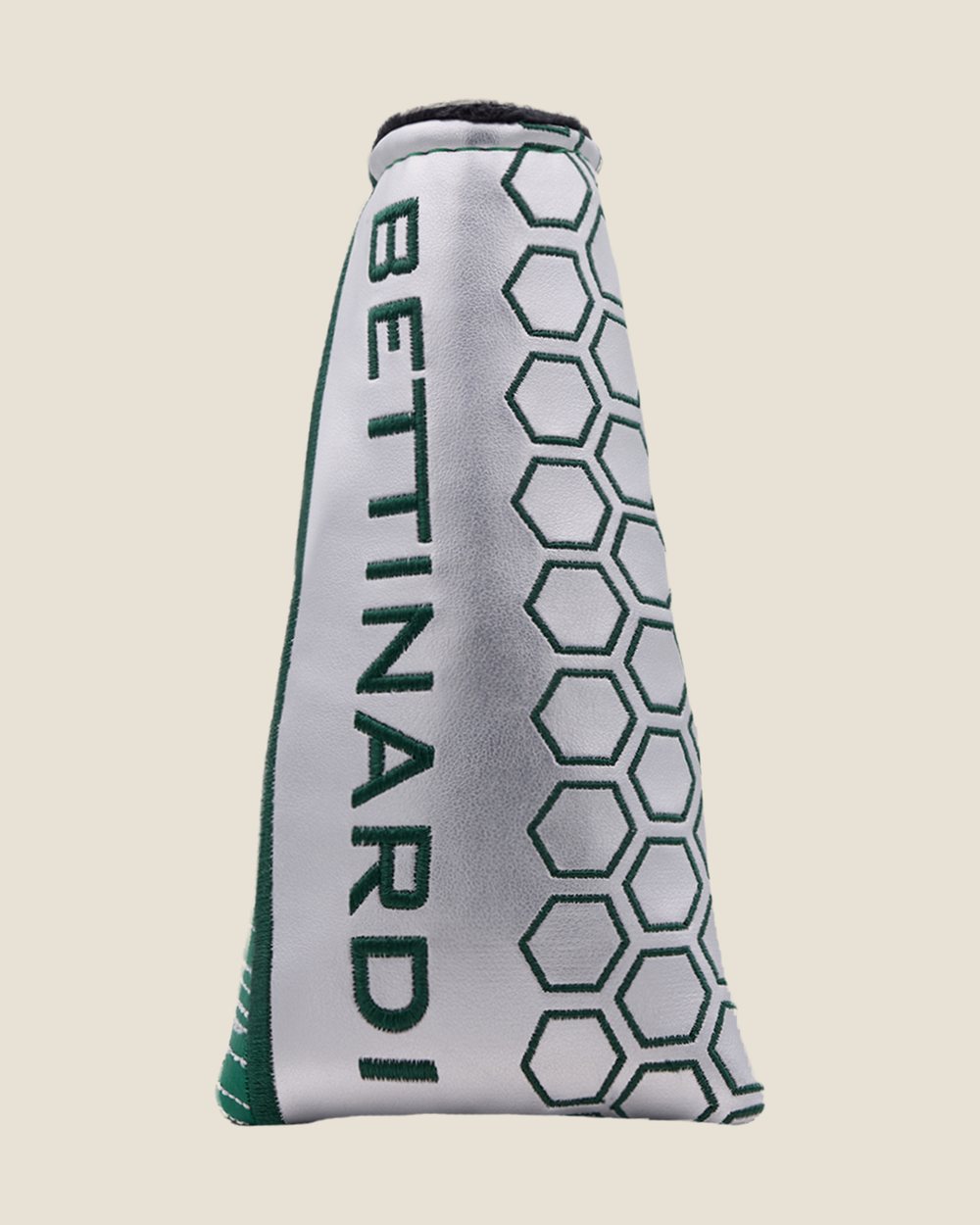
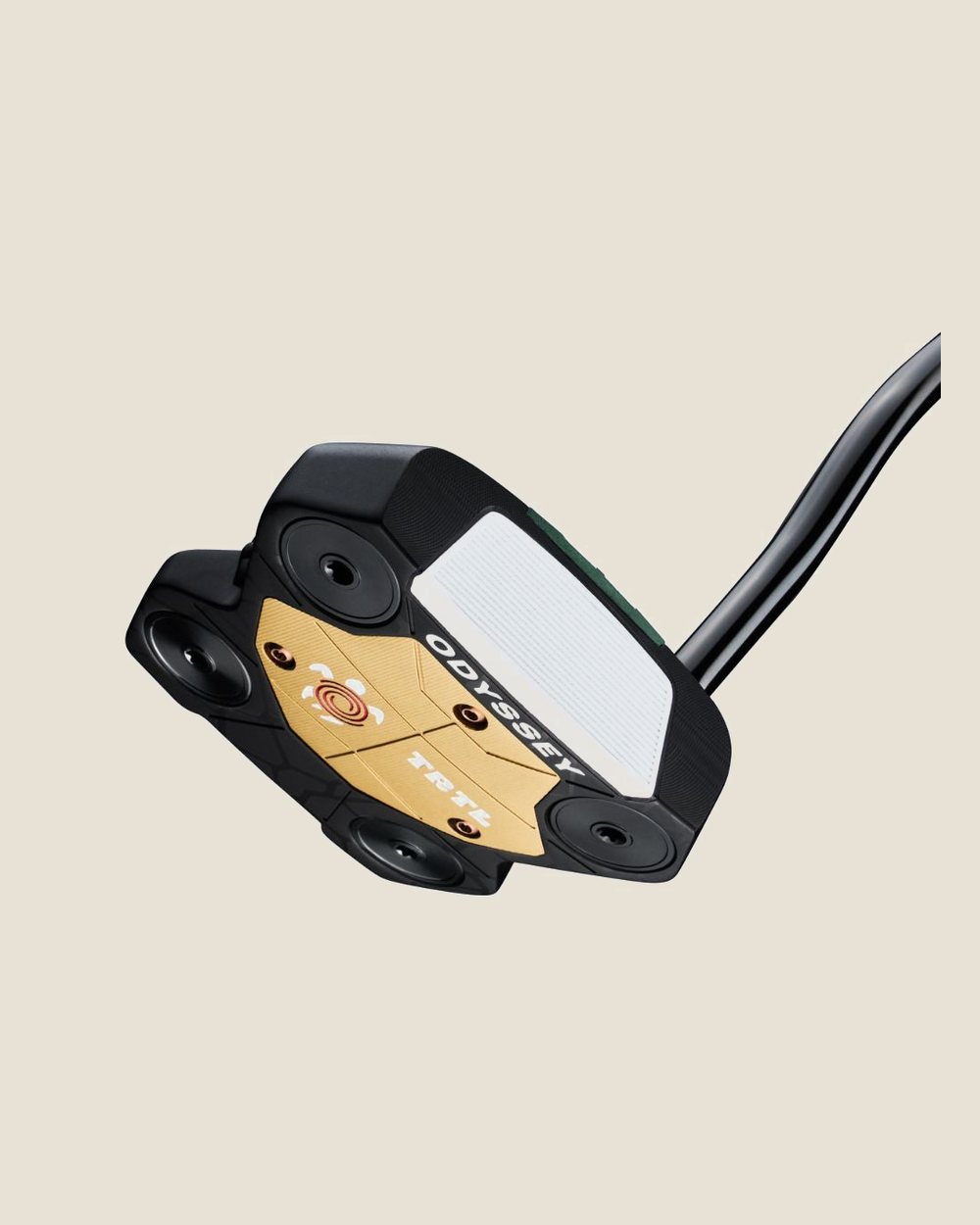
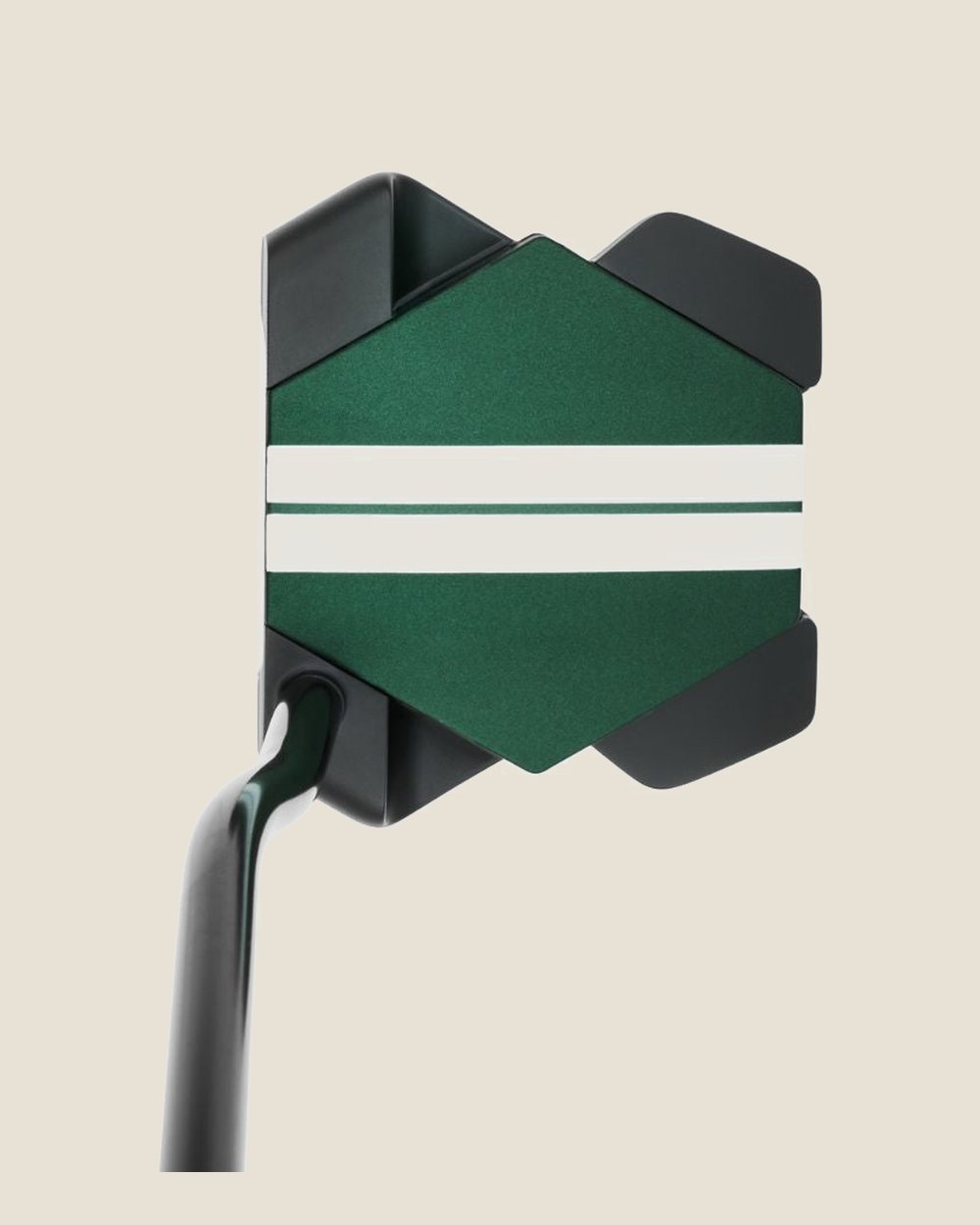
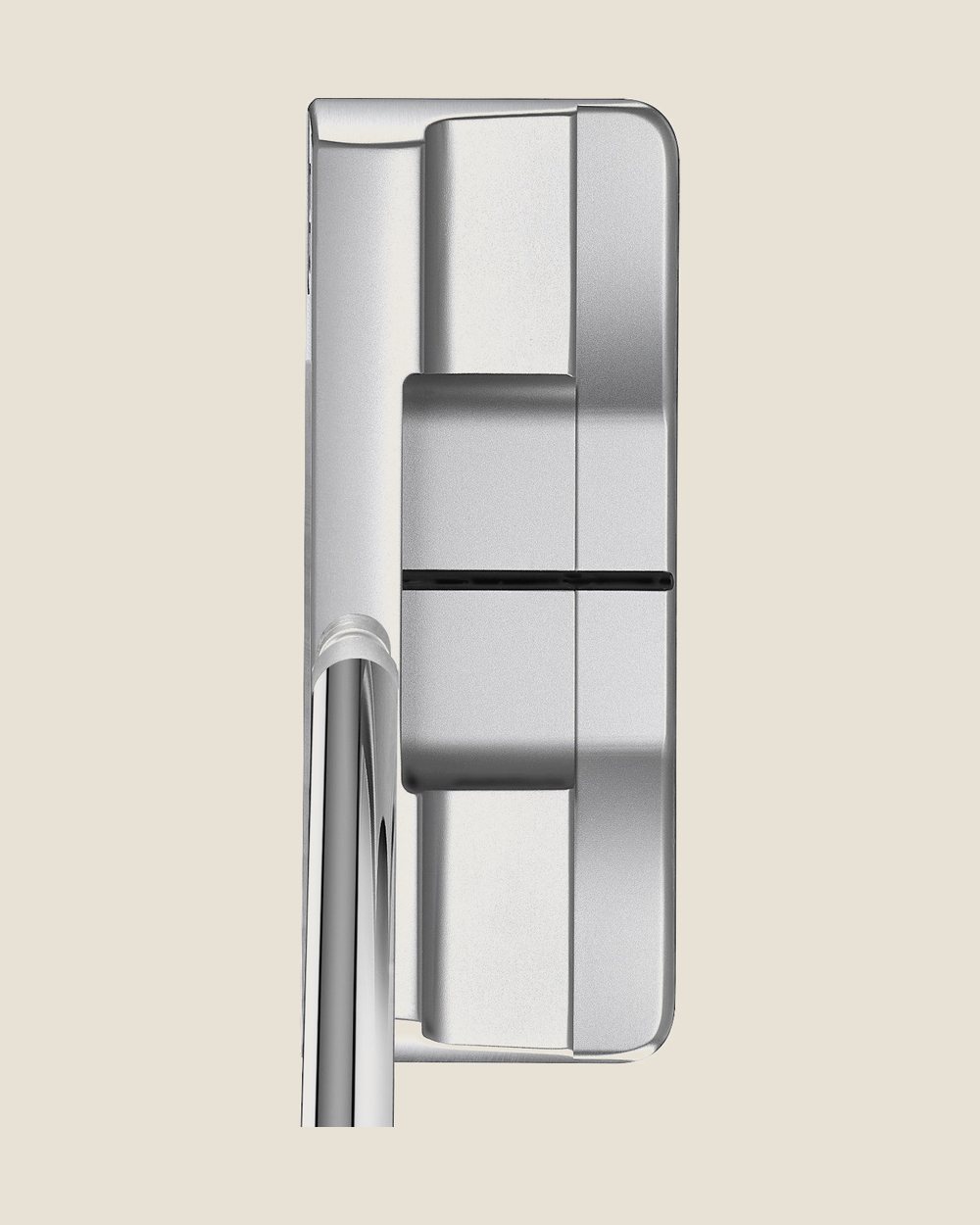
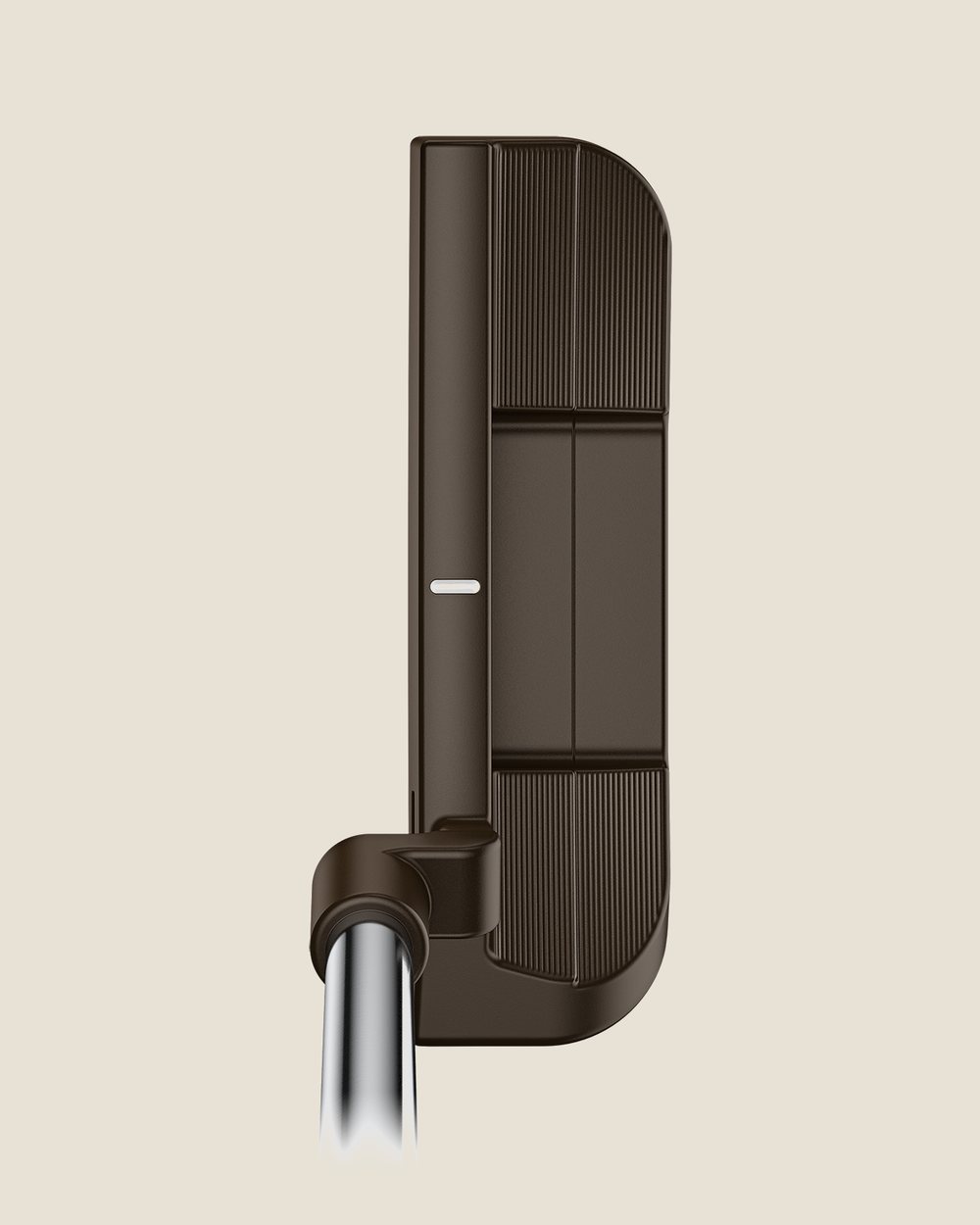
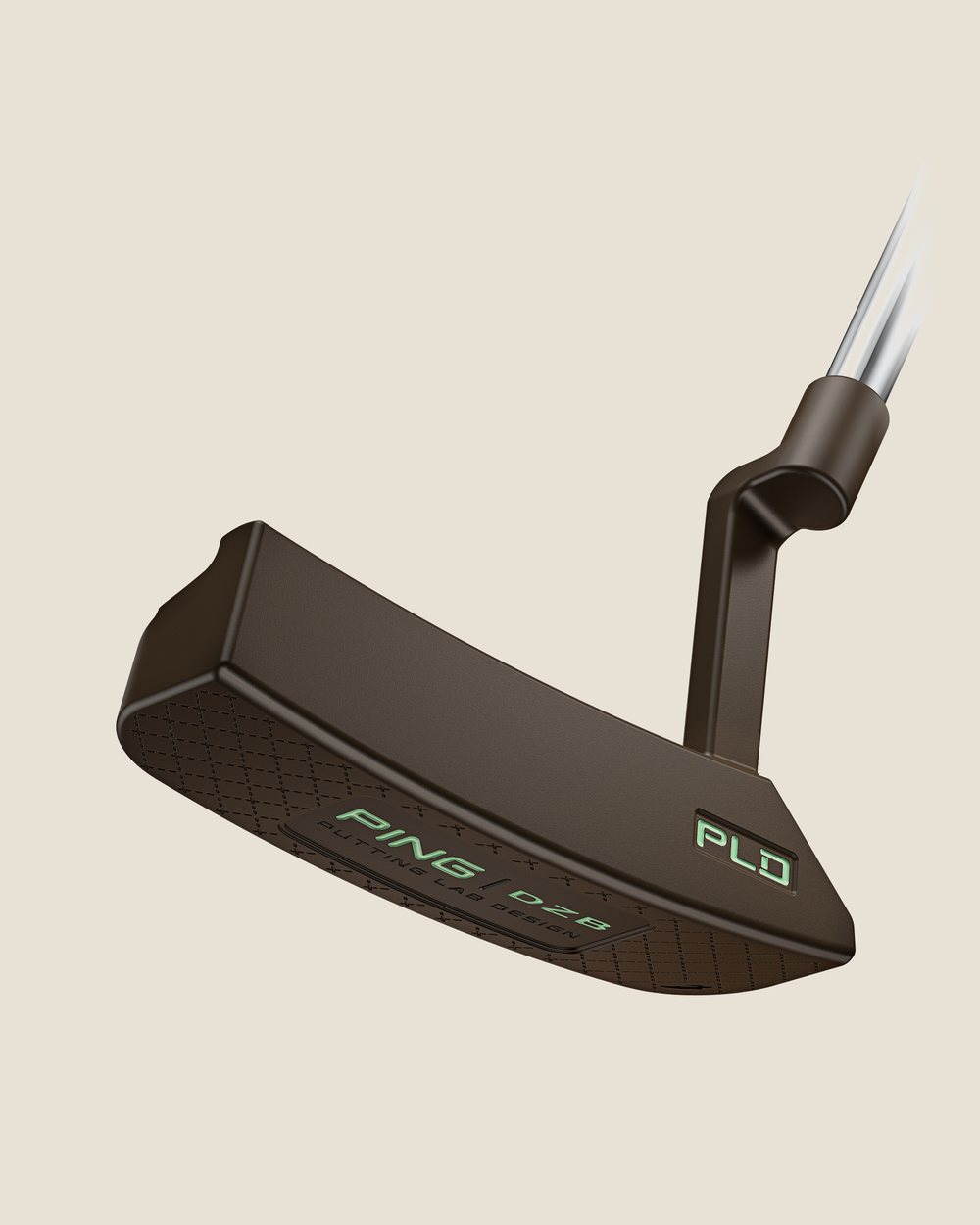
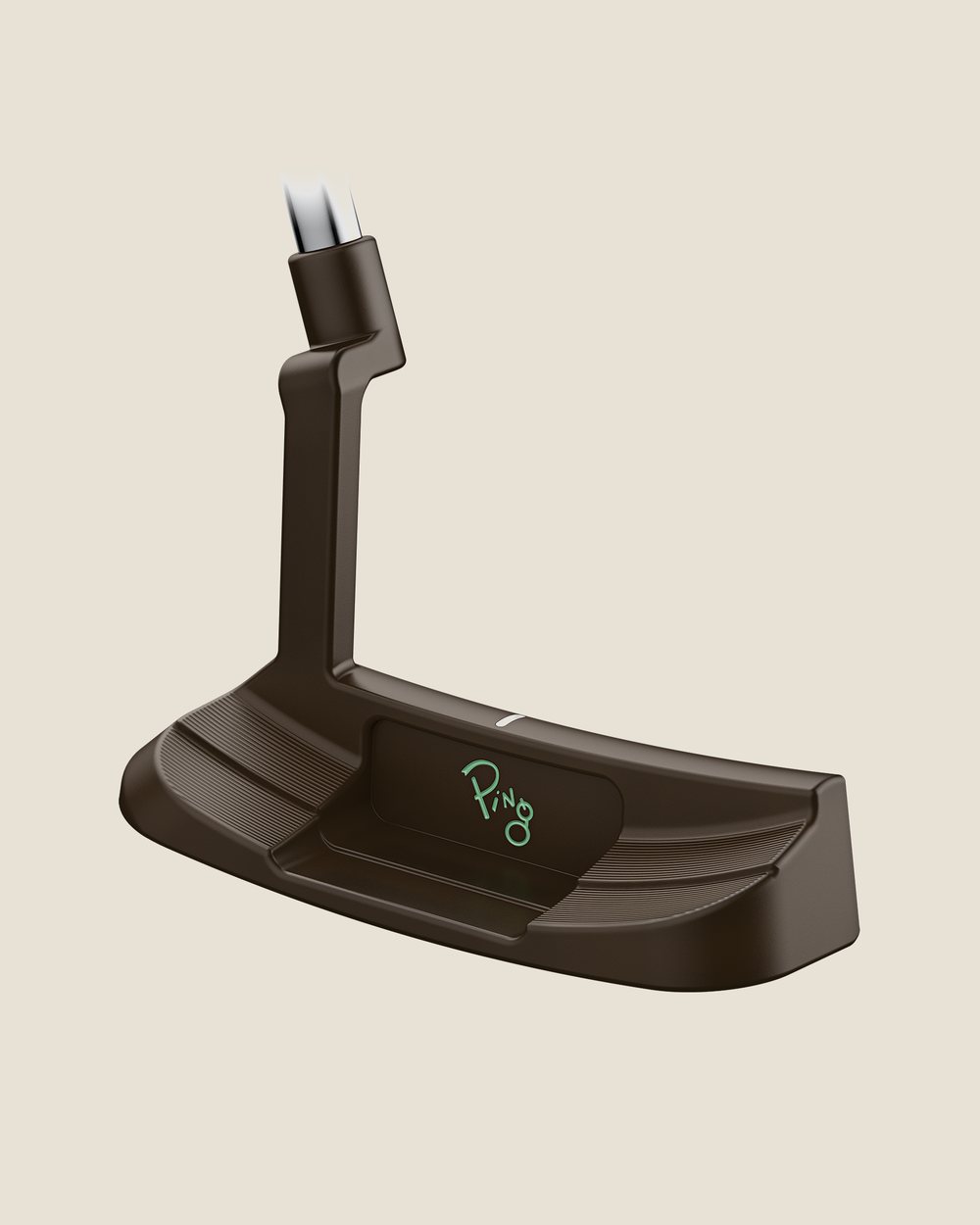
Zero torque, low torque and reverse torque all fix the same problem in different ways, and the right one depends on how much your putter face rotates in your stroke. A putting fitting will tell you in about twenty minutes. If you are switching for the off-season, our late-season putter switch post covers twenty more options, from $170 to $799.
Prices are as each brand showed them to a US visitor on November 12, 2026. The Scotty Cameron Spec III is sold through golf shops; the price and link are from Fairway Jockey. Several of these are limited runs, so stock may change quickly.