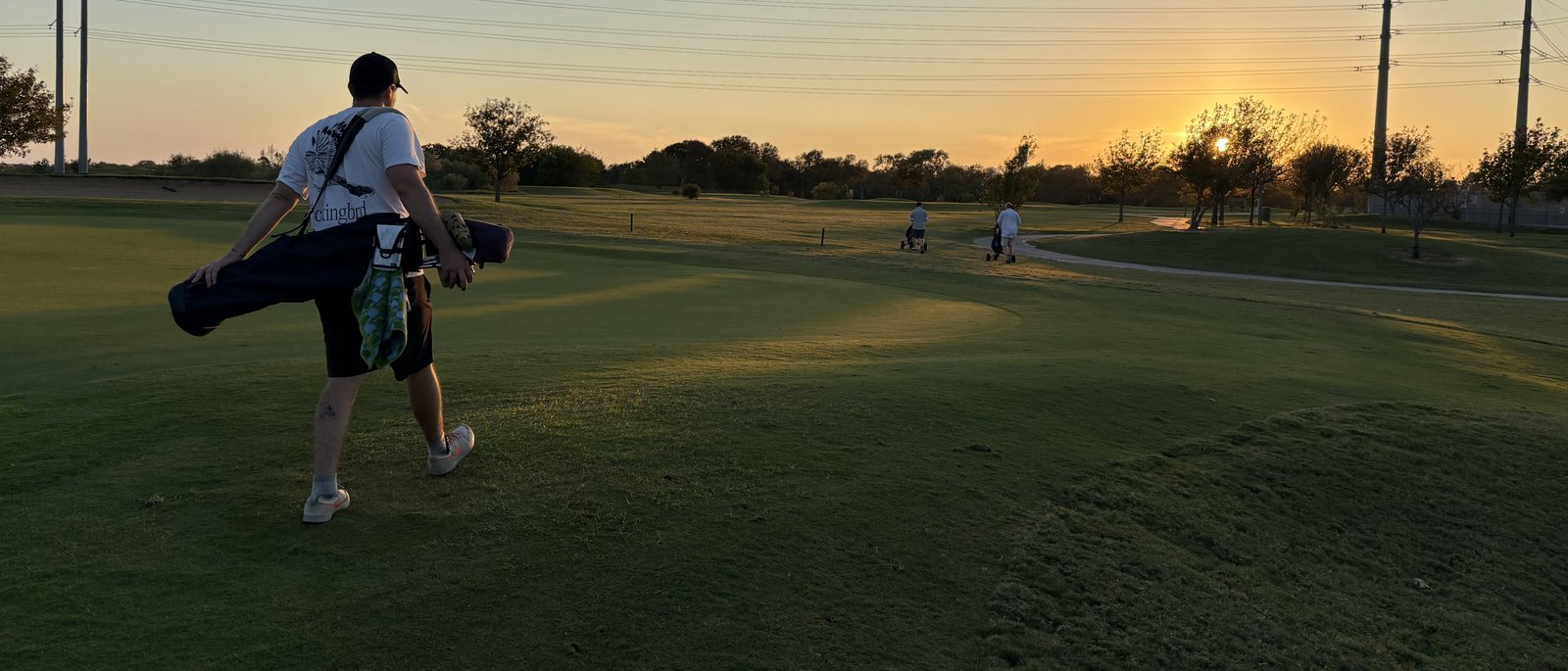
Let’s not pretend. The slow round is miserable. You find a swing on the range, get to the fourth tee at Jimmy Clay, and there are two groups waiting and a fivesome in the fairway. By the turn your tempo is gone and your back is stiff. It jams up your game, and anyone who says they don’t mind is lying.
You can’t speed up the group in front. You can’t move the wind at Kizer, fix the greens in August or make the week ahead any lighter. Most of what happens to us, on the course and off it, is out of our hands. What is left is small: where you look, how you breathe, what you do with a bad shot and whether you talk to the person next to you. That’s the whole case.
Thoreau wrote in Walking in 1862 that he could not stay sane “unless I spend four hours a day at least—and it is commonly more than that—sauntering through the woods and over the hills and fields, absolutely free from all worldly engagements.” He never played golf. On a slow Saturday at a muni, you will get your four hours whether you want them or not. You might as well saunter.
Look upWhen you can’t move forward, look around.
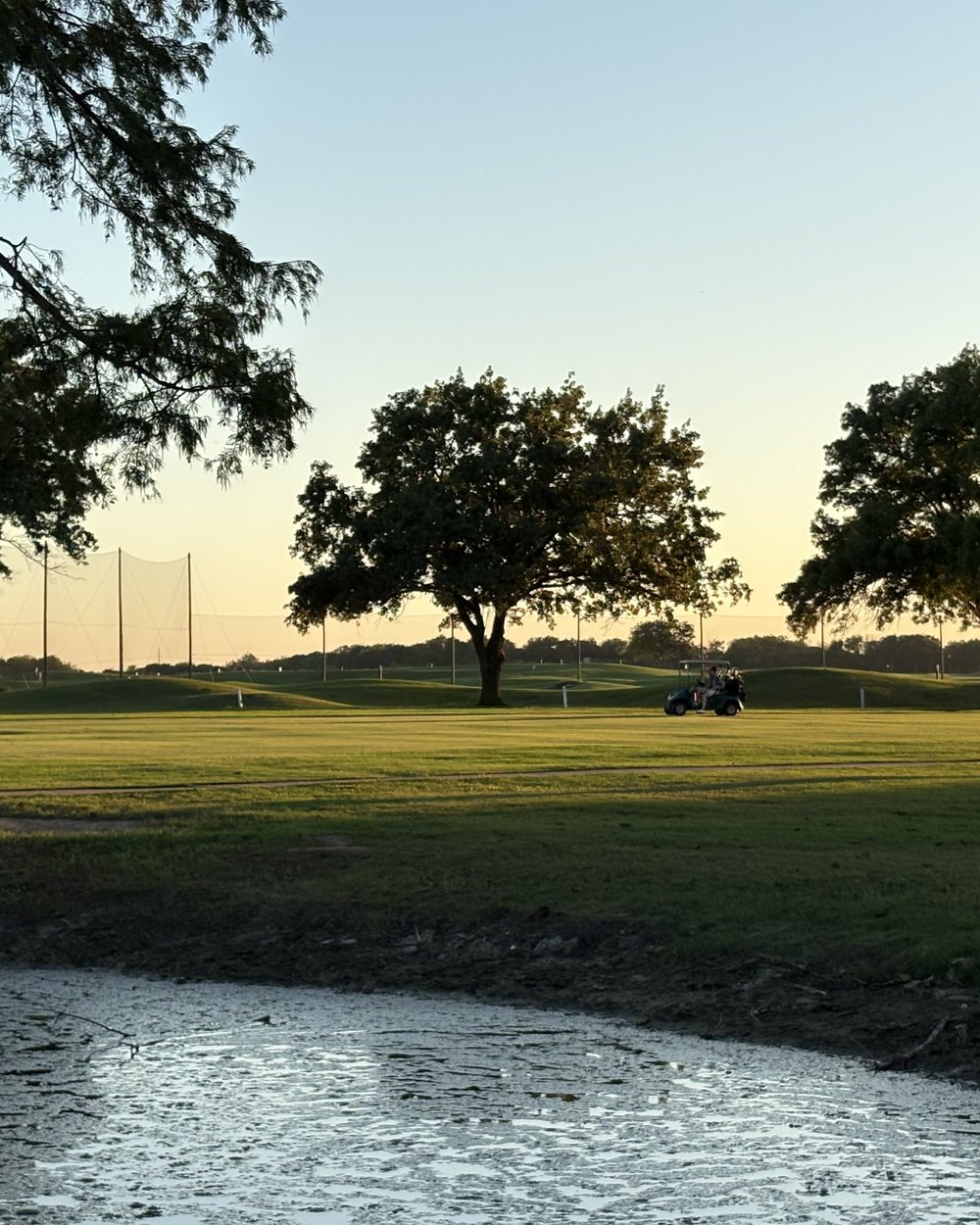
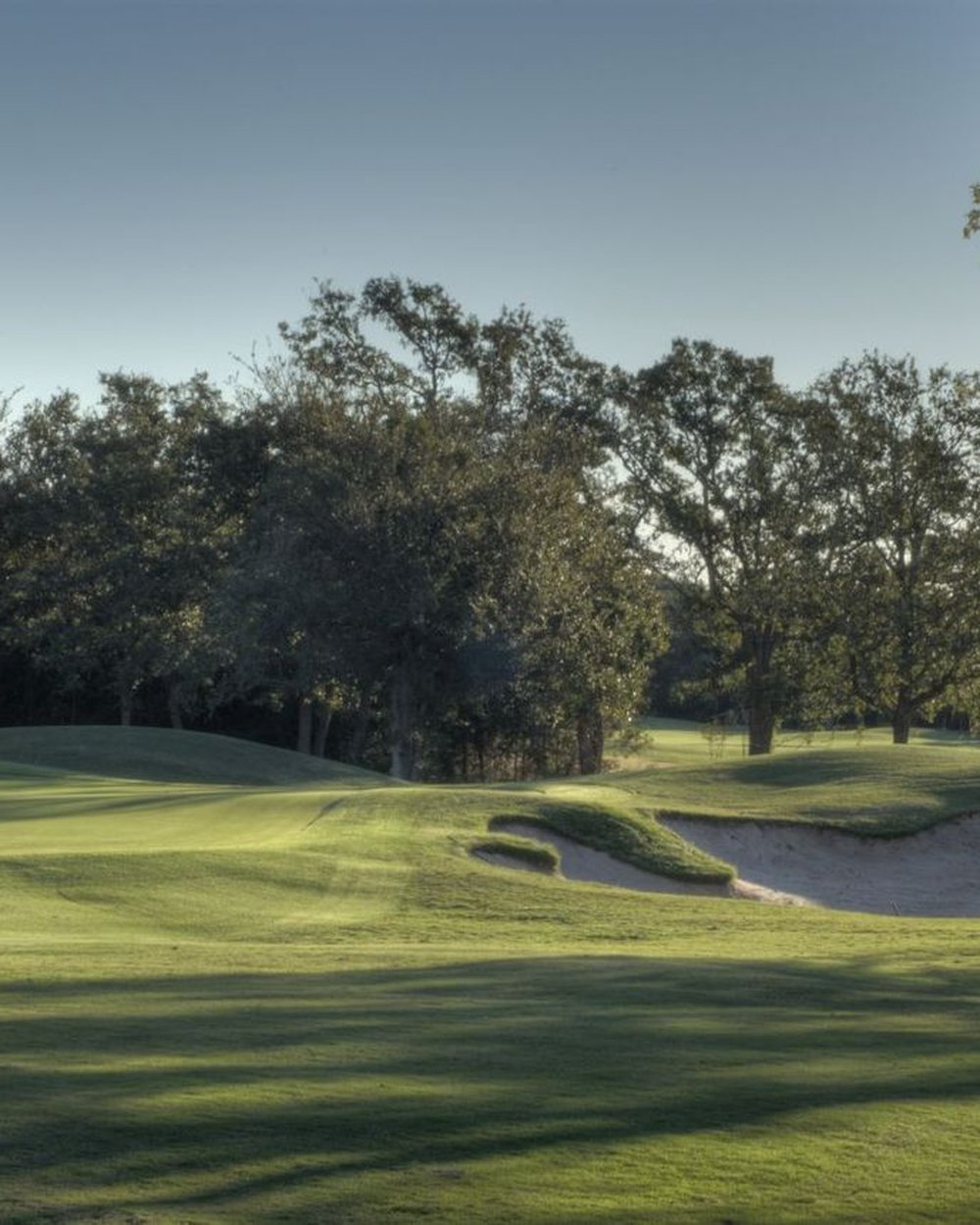
Austin sits under the Central Flyway, the main bird route through the middle of the continent, and October is rush hour. Our munis are some of the best open ground in town to watch it: big sky, ponds and creeks, and edges nobody mows.
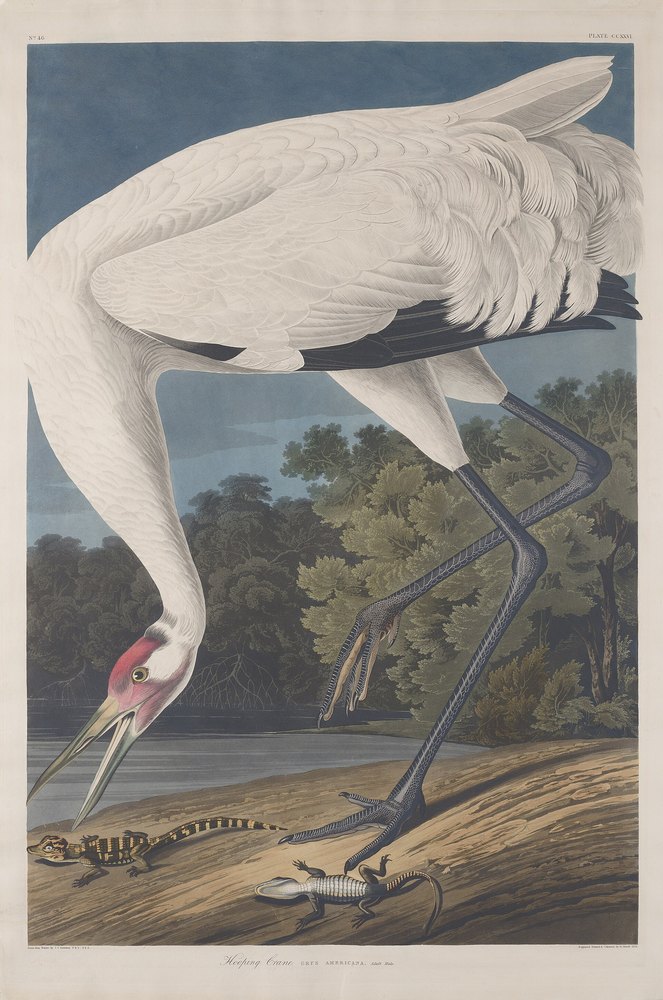
Listen first. Sandhill Cranes and Franklin’s Gulls pass over in flocks this month, and the cranes are loud enough that you hear them long before you find them. On a north-wind day, look for American White Pelicans, huge and silent, black along the back of the wings. If you are very lucky, a Whooping Crane travels with the Sandhills; Travis County’s sightings cluster in the third and fourth weeks of October.
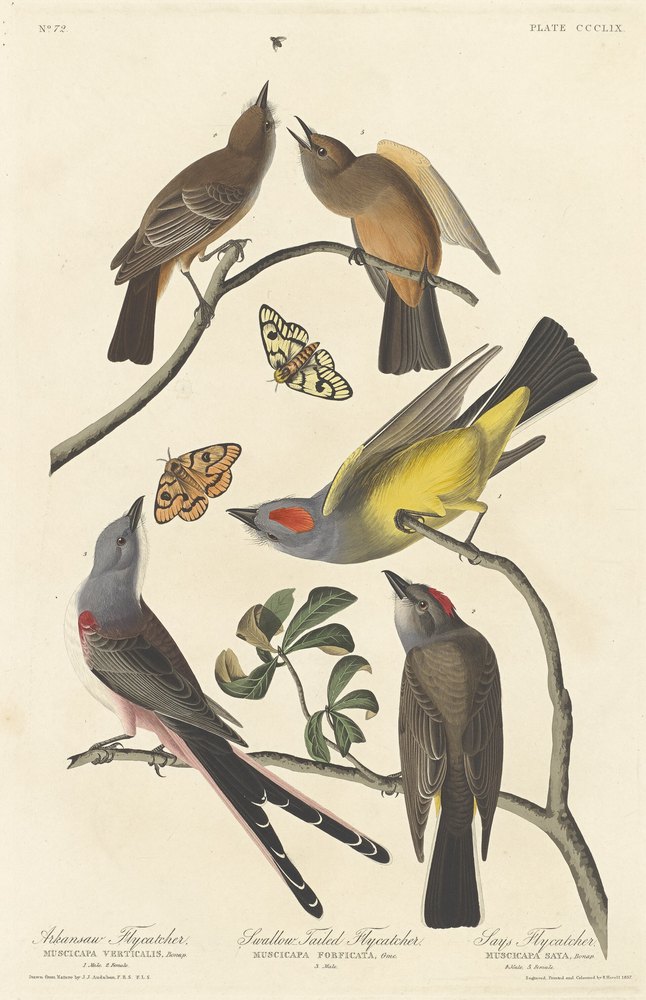
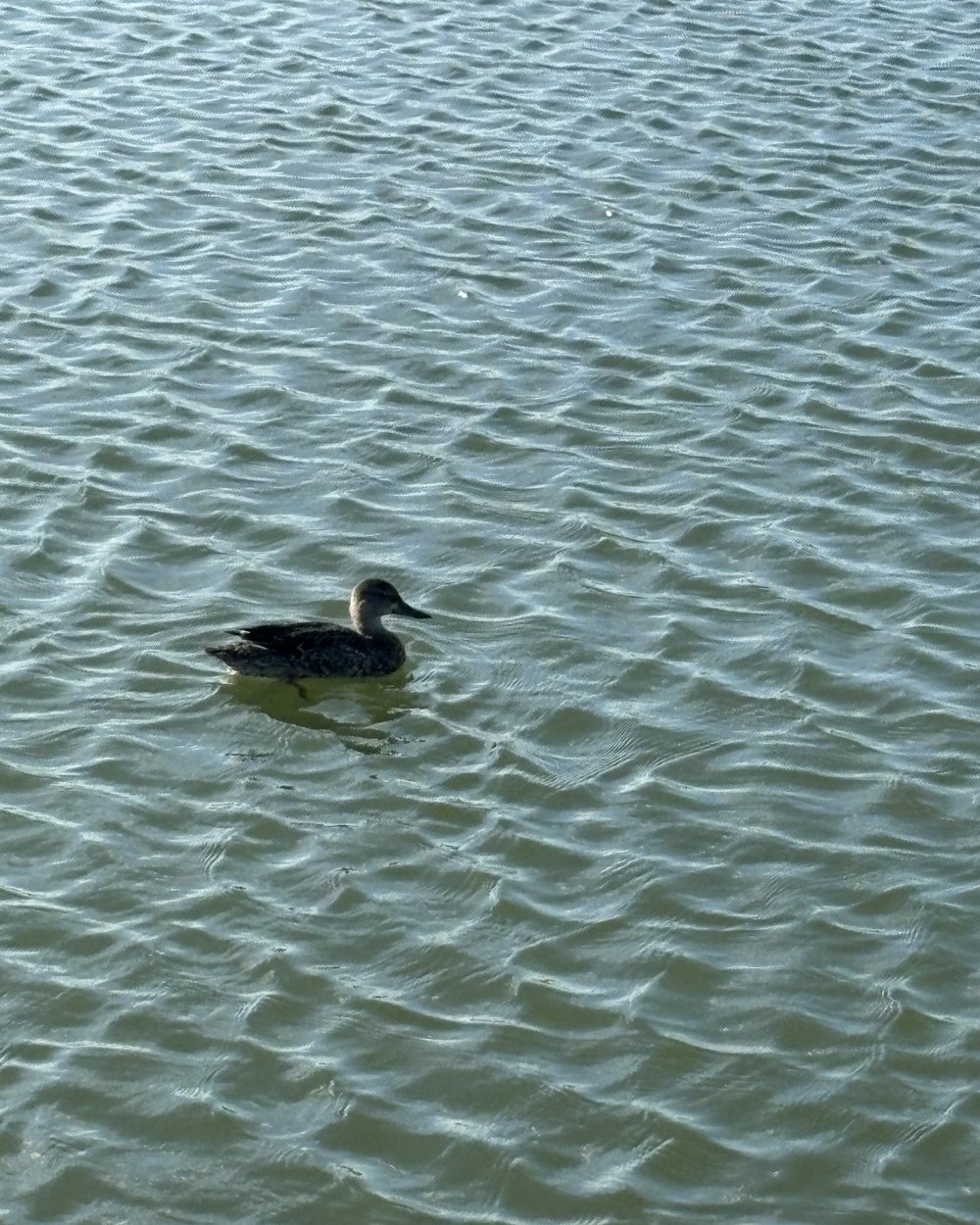
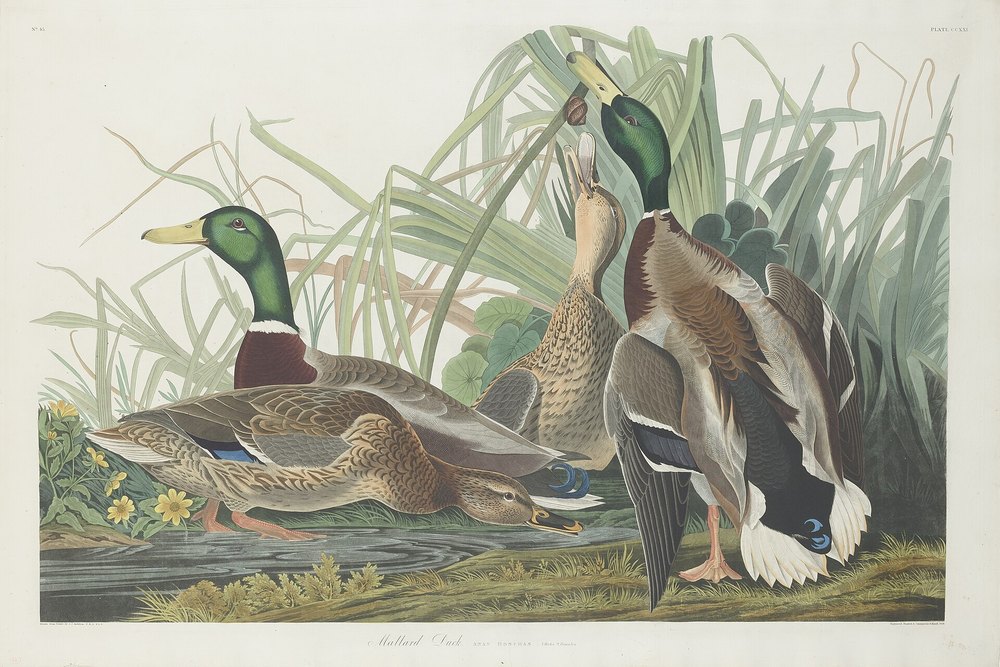
On the wires over the fairway, Scissor-tailed Flycatchers gather in groups before they head south for the winter. You will know them by the tail, twice the length of the bird. Then the ducks arrive. Roy Kizer has 35 acres of lakes and 22 of wetlands, and the duck in our photo was working a pond on the Jimmy Clay and Kizer complex on a Monday evening this month. After a round at Morris Williams, walk across Manor Road to the pond at the edge of Mueller; Travis Audubon has counted eight duck species there in past Octobers.
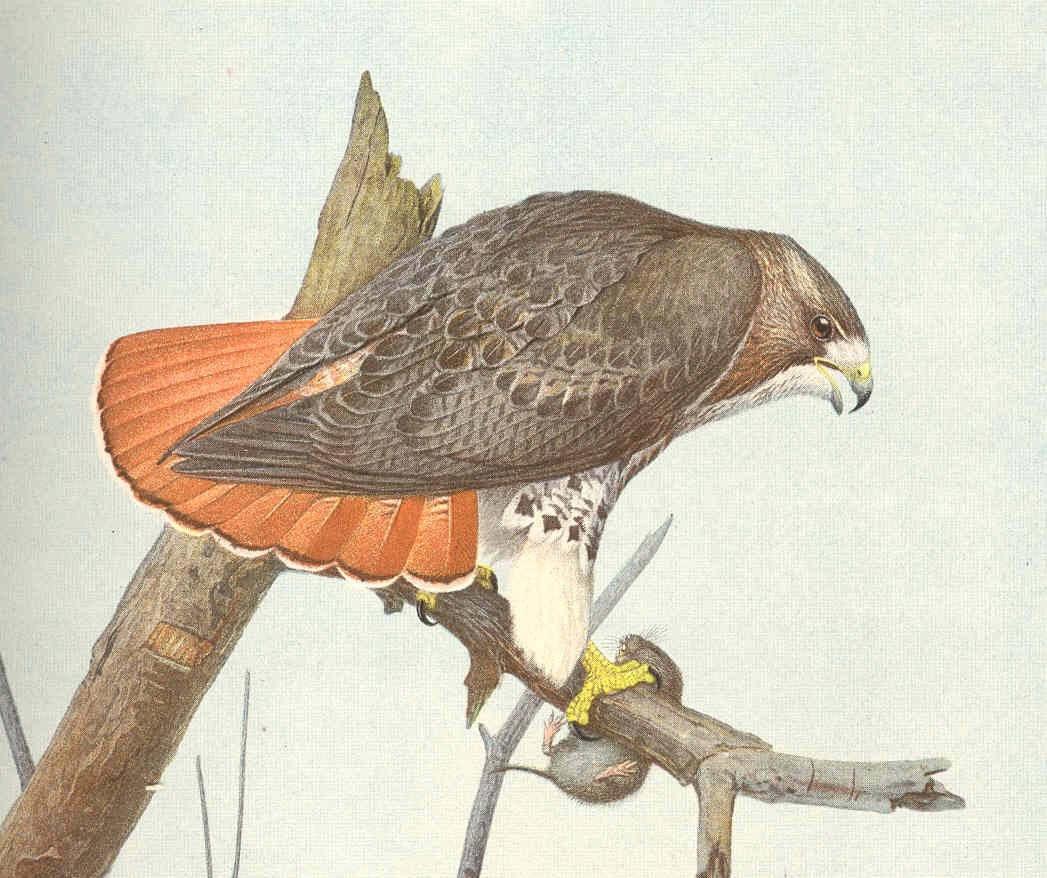
Some birds never leave. Red-tailed Hawks hunt the open rough all year, sitting on a light pole or a dead branch until something moves in the grass, and we watched one work the edges at Jimmy Clay. Watching one beats checking your phone on any tee. The other year-round local is the Northern Mockingbird, the state bird since 1927, doing impressions from the top of the nearest pole. Roy Bedichek, Austin’s great naturalist, loved them and refused to be impressed: “I have never been fooled more than momentarily by the so-called mimicry of the mockingbird.”
Look down, too. Monarchs cross Central Texas on their way to Mexico, peaking in late October and early November, and they feed in the rough on Maximilian sunflowers up to six feet tall, Gregg’s mistflower, frostweed and goldenrod. The trees framing every hole are live oak, cedar elm and Ashe juniper. That juniper is why the endangered Golden-cheeked Warbler exists: it nests only in Central Texas, builds with strips of juniper bark and leaves by early August. You are hitting out of its home.
What you can controlYou decide where your attention goes, how you breathe and what happens after a bad shot.
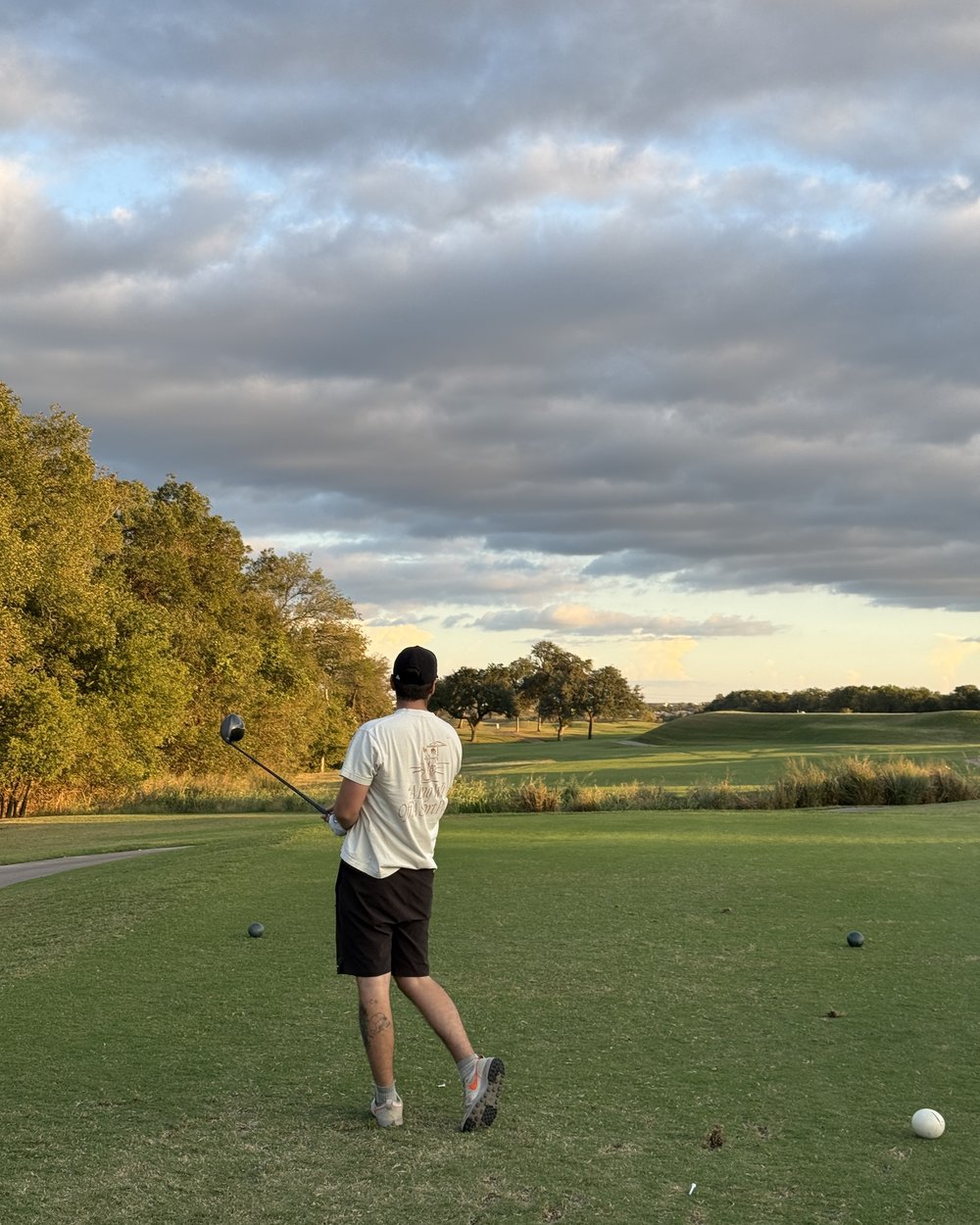

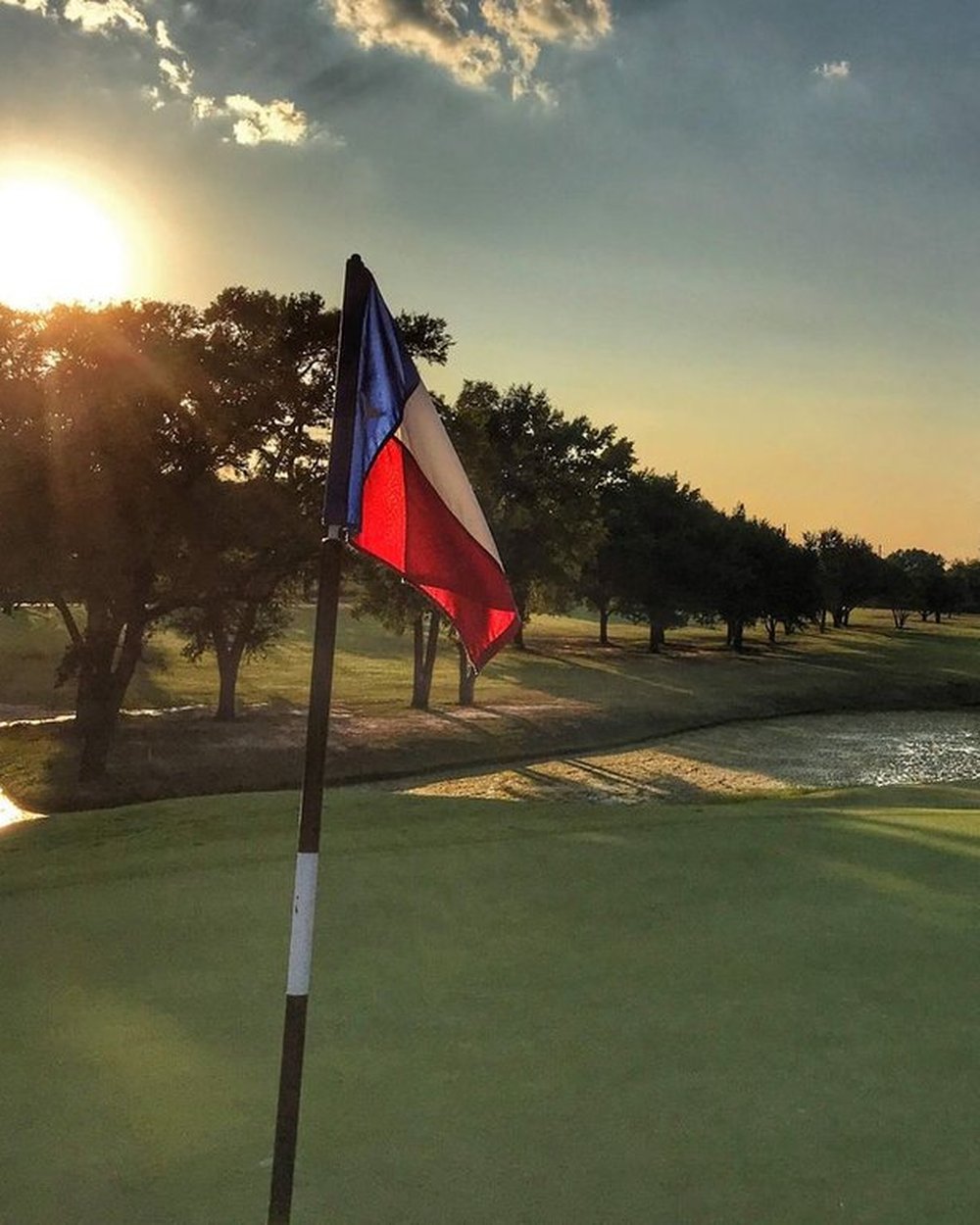
Thoreau knew the problem. In Walking he admits that some days the thought of work runs through his head and he is not where his body is. Most of us play the first three holes still in the meeting we just left.
So leave work in the car. Get there twenty minutes early, zip the phone into the bag and roll a few putts without counting. On the first tee, before you swing, name three things you can hear. It moves you out of your head and onto the grass.
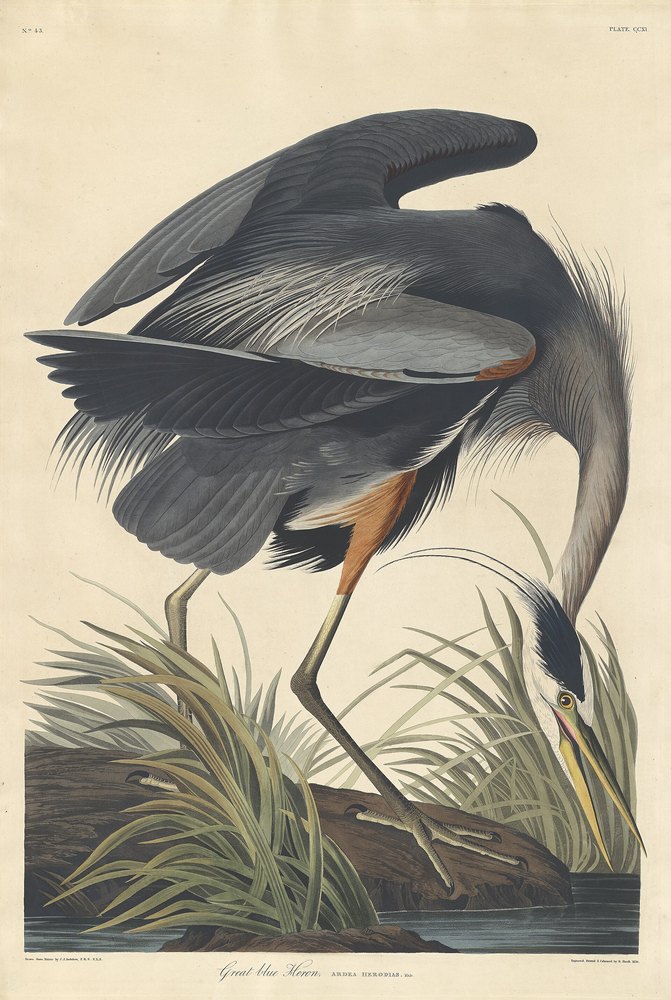
Then use the wait. A backed-up par three is five free minutes, so take them. Breathe in for four counts, hold for four, out for four, hold for four. Watch something that is not a screen. A Great Blue Heron will stand in the shallows at Kizer without moving for longer than you will wait on any tee, and it does not look frustrated.
Bad shots get ten paces. Feel it, say one useful word about it, like “tempo,” and let it go before you reach the ball. The ball does not know it was a bad shot, and the next one is a new problem. Once a month, leave the scorecard in the cart. Nothing quiets a head faster than taking away the thing it was counting.
Who is next to youThe one part of a slow round that gets better the slower it goes.
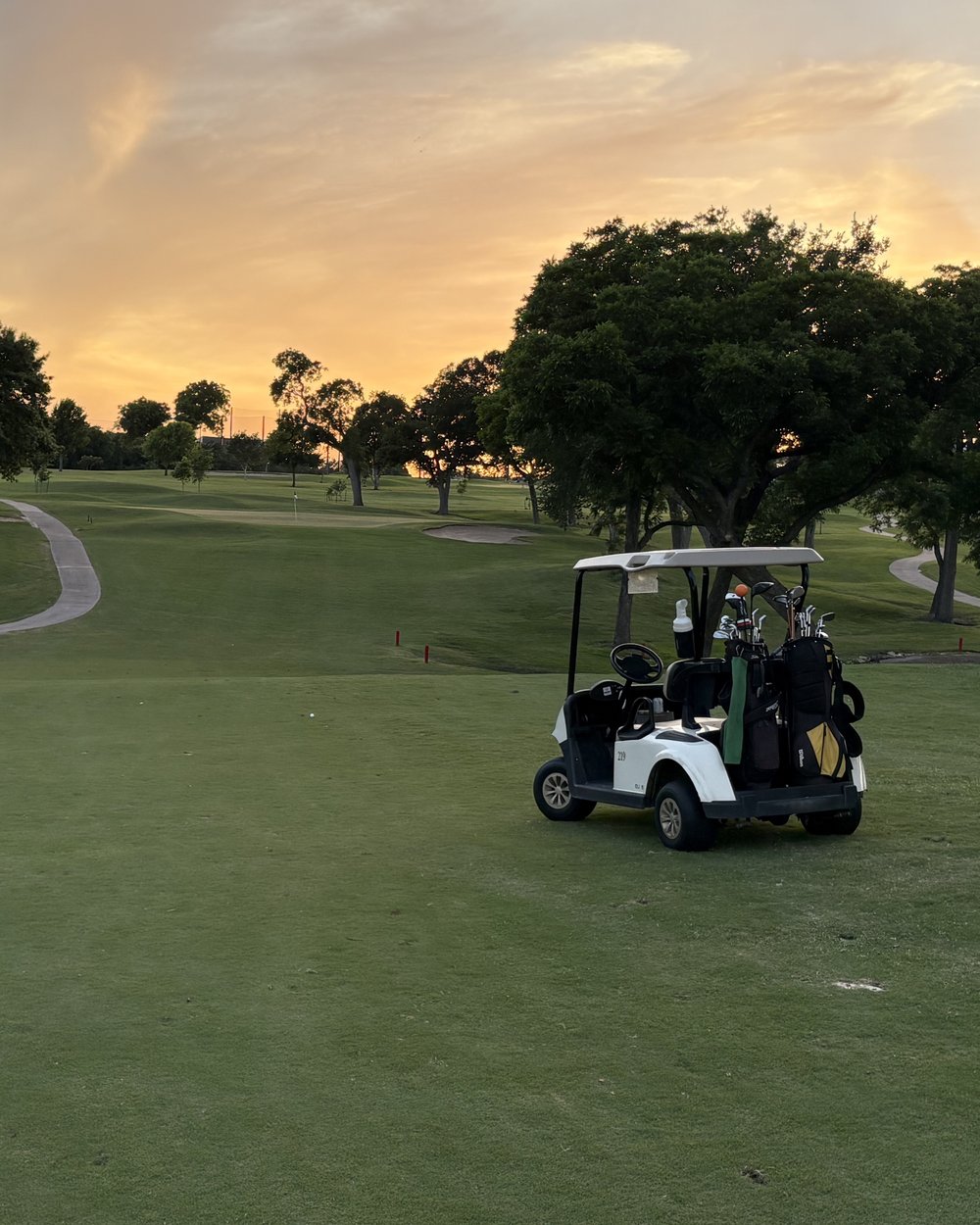
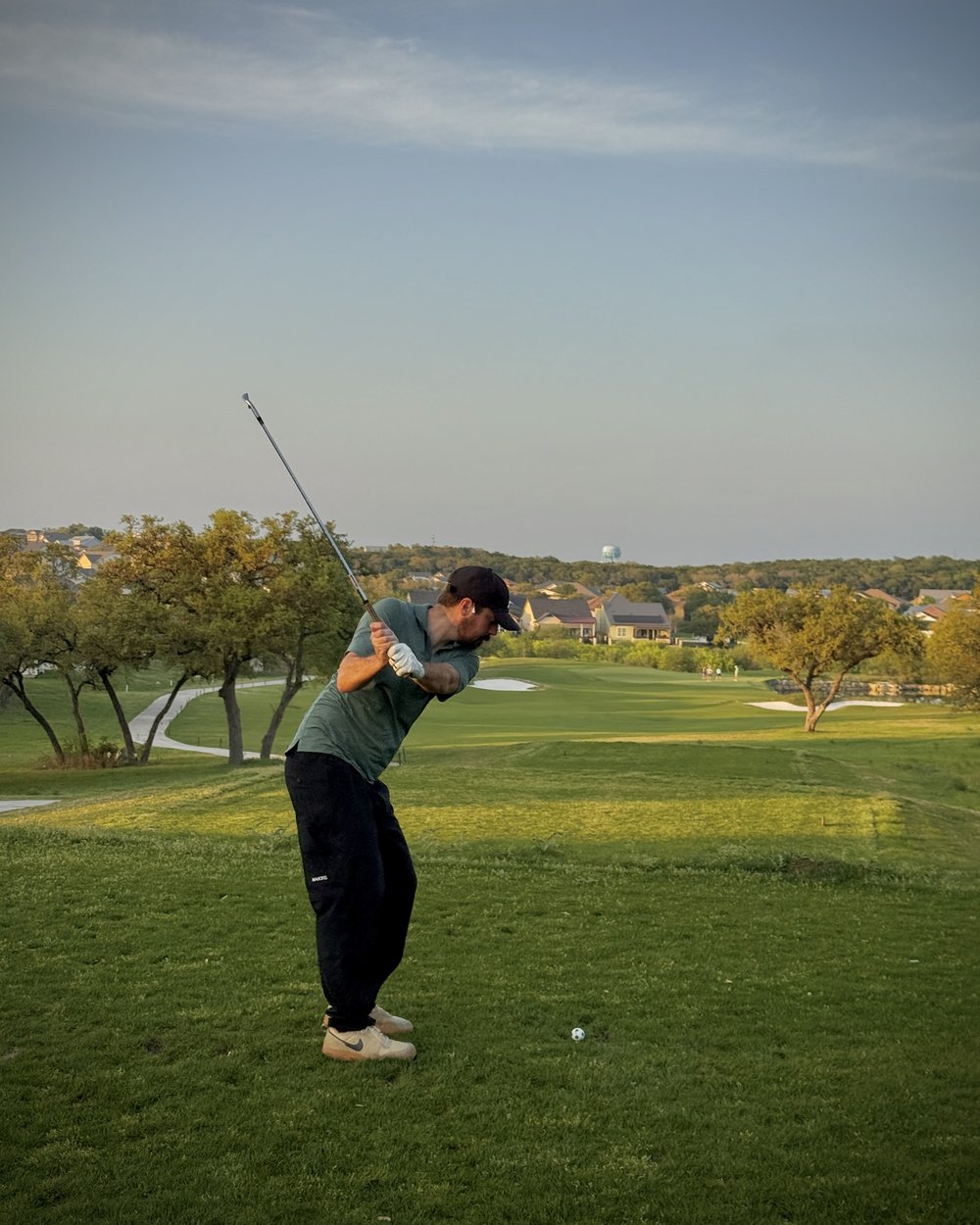
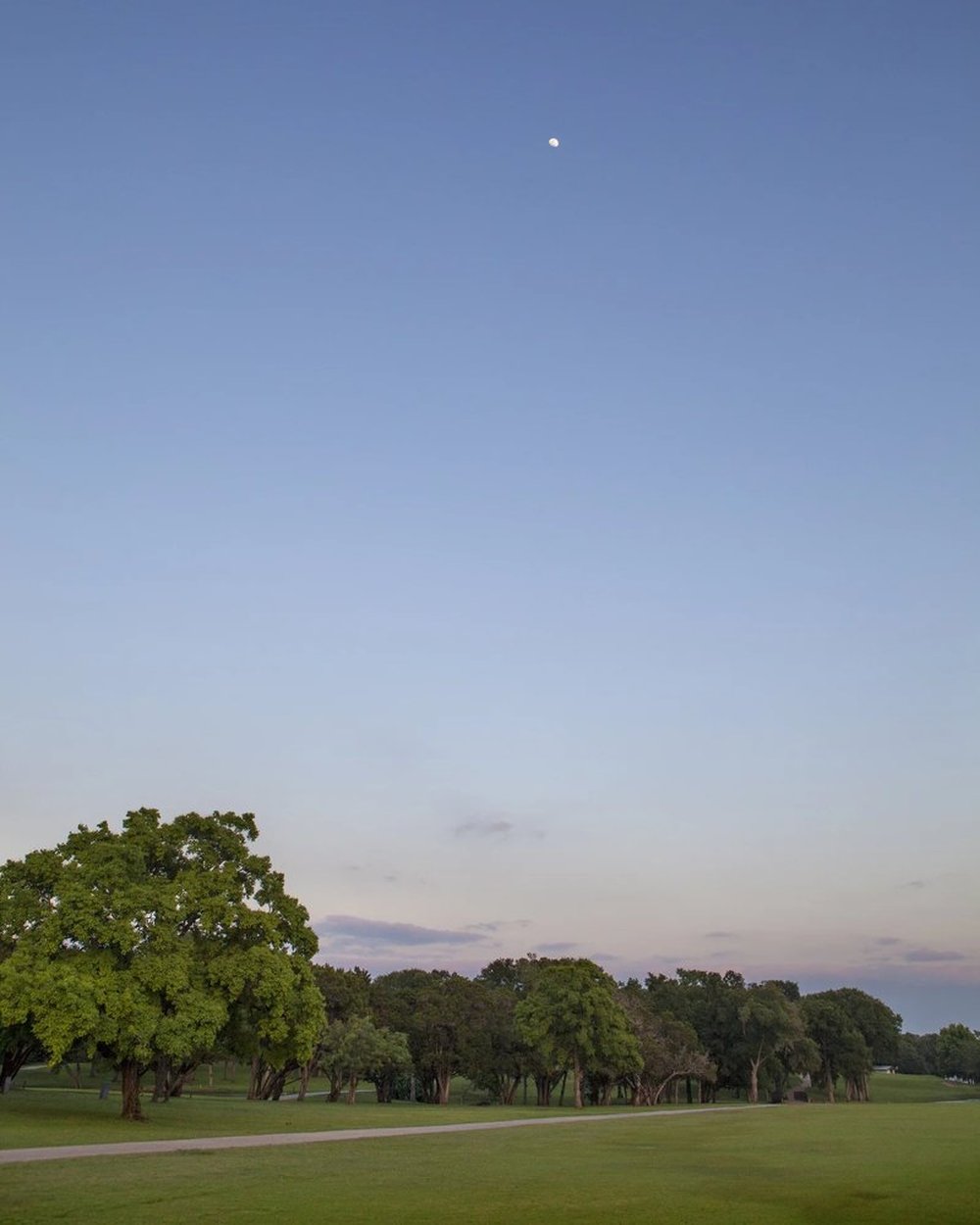
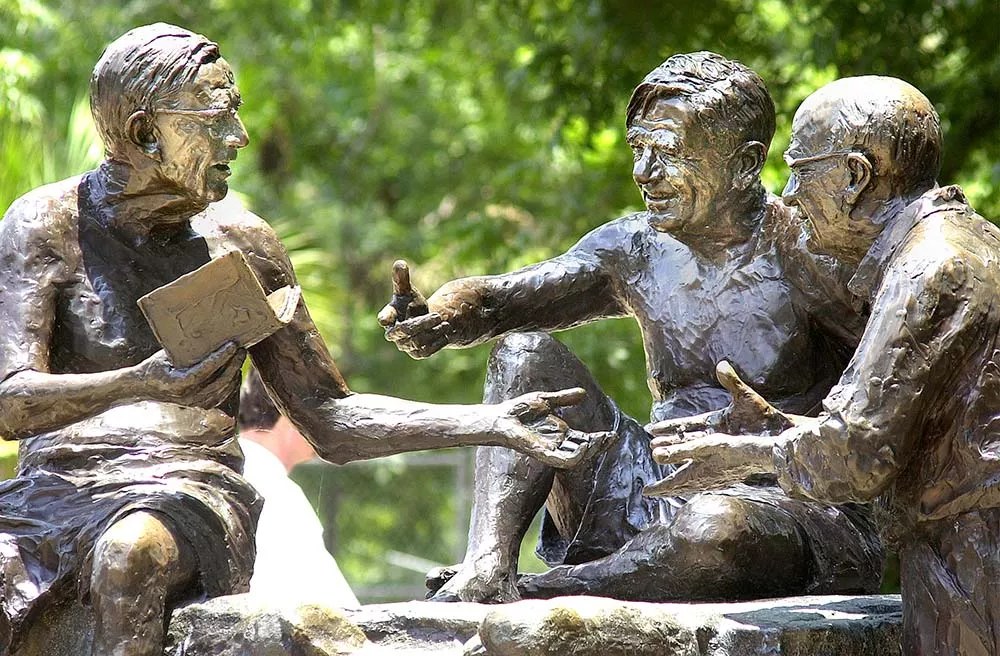
In the 1940s and ’50s, three of the best writers in Texas spent summer afternoons at Barton Springs doing nothing but talking: the naturalist Roy Bedichek, the folklorist J. Frank Dobie and the historian Walter Prescott Webb. Bedichek named their spot Philosophers’ Rock, and a bronze of the three, mid-argument in their swim trunks, has sat by the pool since 1994. A slow round is the closest most of us get to that rock.
Get past handicaps and jobs by the third hole. Start with the course, because everyone has an opinion: “Where do you usually play?” leads to “What’s the best round you’ve ever had?” and then “Who taught you?” That is usually where somebody starts talking about their dad.
Ask questions that need a story, not a number. A few that work on any tee:
Then ask a second question about the answer. That is where conversations start.
Strangers are the muni’s best feature. First name and one easy fact on the first tee. Name the good shots, keep the swing tips to yourself, and find a common enemy, like the wind at Kizer or a green that never breaks the way it looks. Strangers on the first tee are usually swapping numbers by the eighteenth.
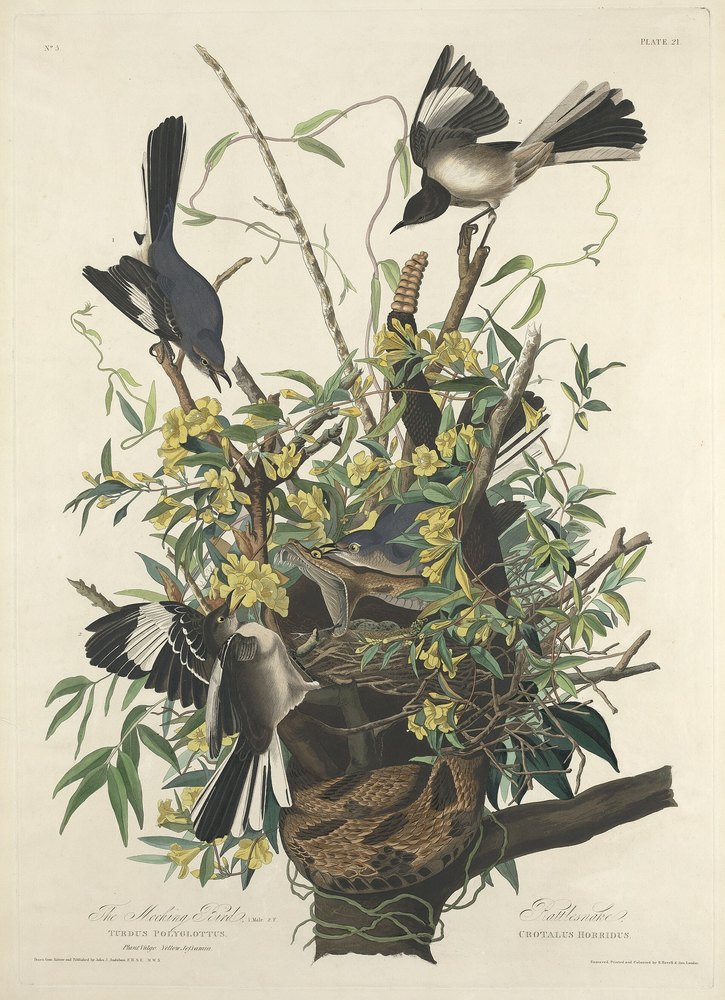
And don’t let it end on the last green. Morris Williams has rocking chairs on a porch that looks over the whole course. Sit in one. Bedichek said mockingbirds “have qualities we admire and talk about.” So do good playing partners.
The slow round will still be slow next weekend. The group ahead will still be looking for a ball in the creek. You don’t control any of it, and you never did.
You control the rest. Look up on the back nine. Breathe on the tee. Give the bad shot ten paces. Talk to the person next to you. Thoreau had the line in Walden: “I love a broad margin to my life.” A slow round is a broad margin. It just takes some getting used to.