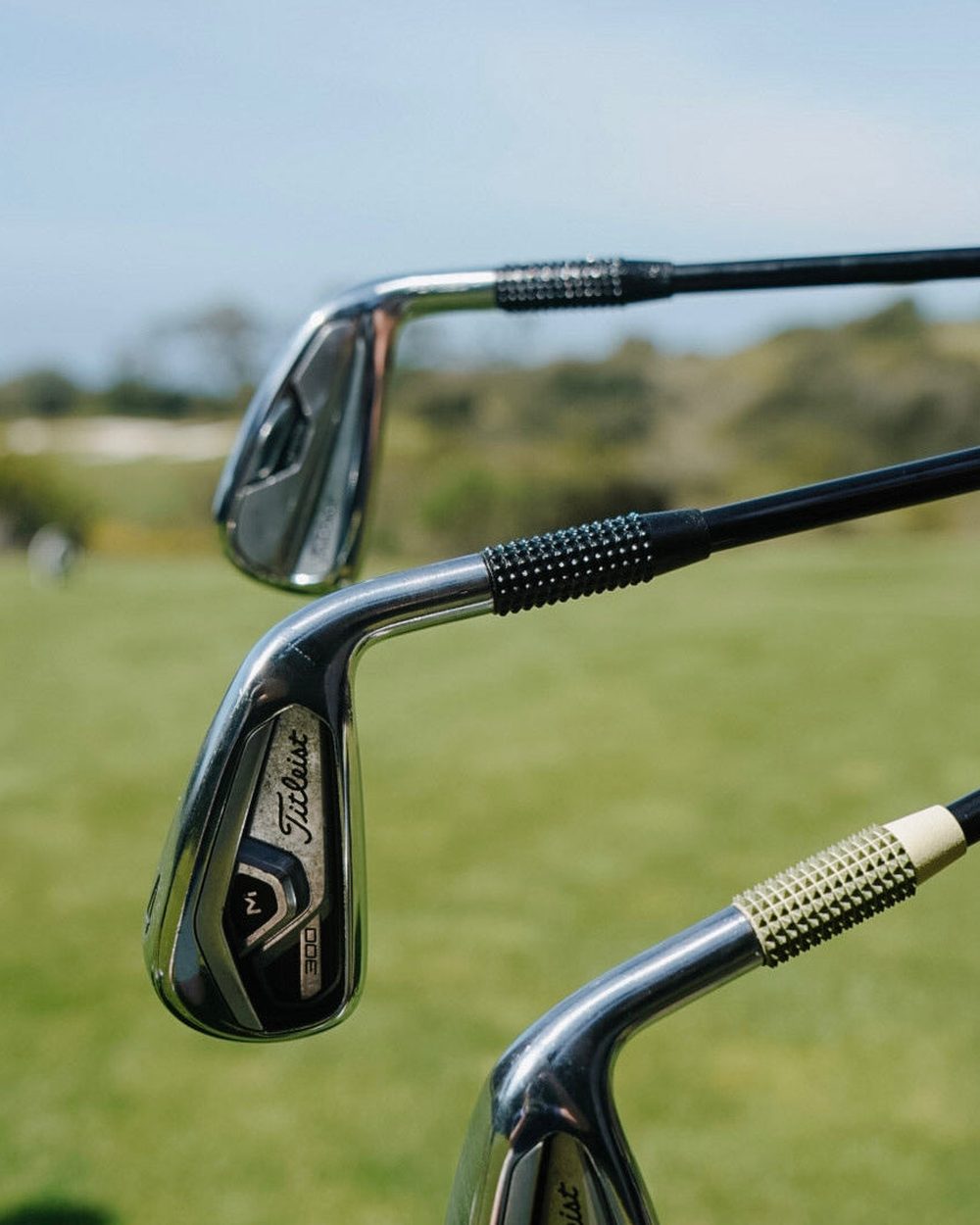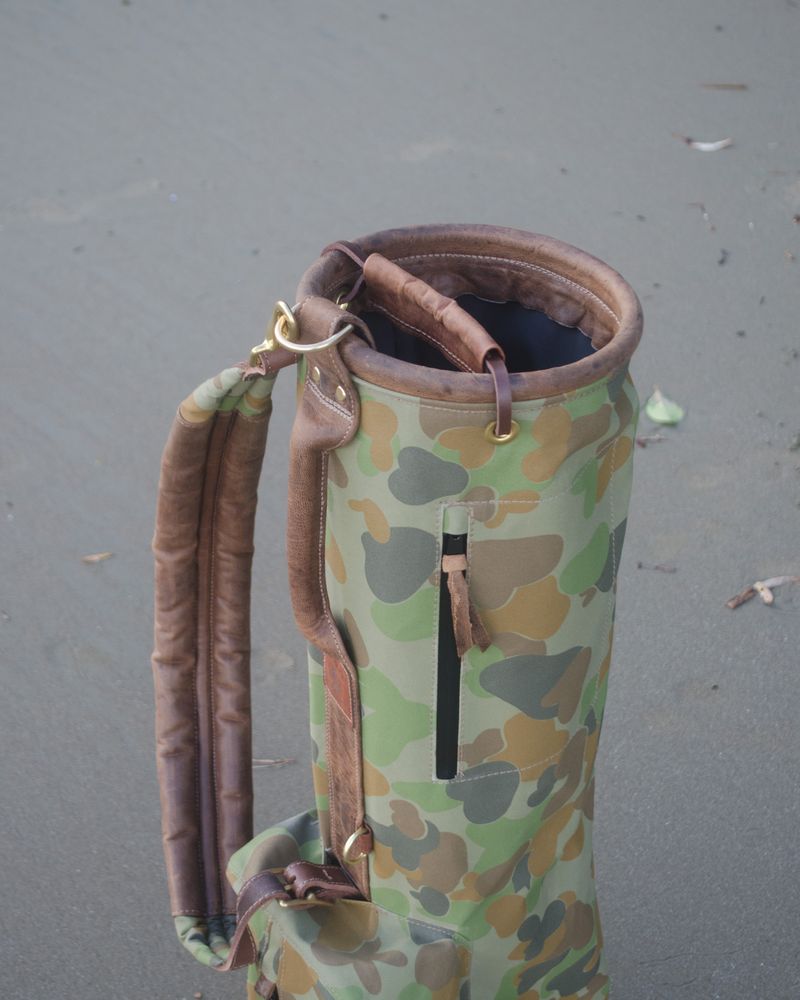
Breaking 80 is not about one magic club. It is about finding the three or four strokes a round you are giving away and closing them one at a time. For most golfers shooting 82 to 85, those strokes come from bad yardages, a swing fault that shows up under pressure, loose wedges and a double bogey that turns into three.
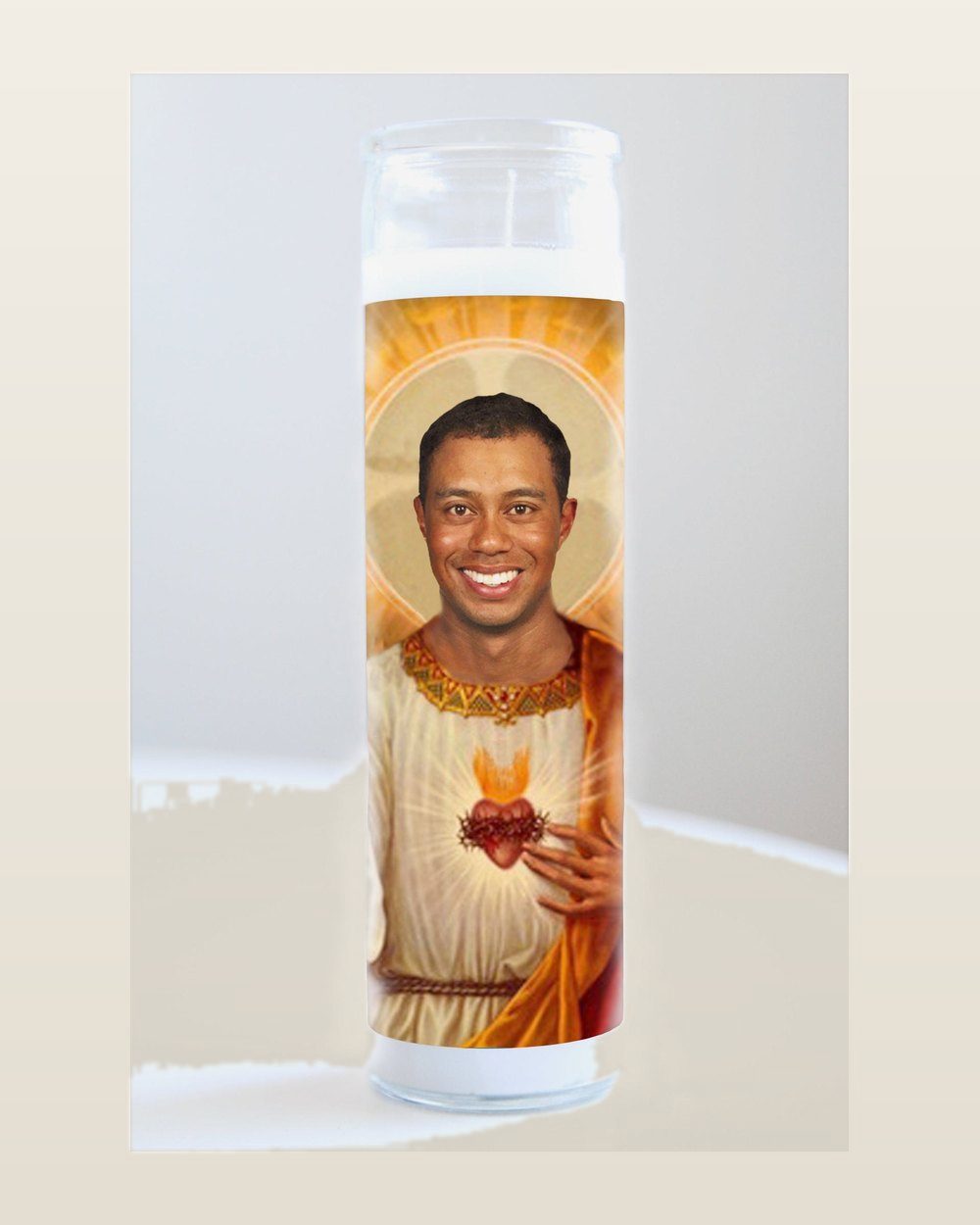
When we first built this kit in July, half of it was the usual big-brand gear. This version keeps what works, swaps in the newer training aids that reviewers rate highest this year, and adds three forged wedges from the direct brands we cover. The rituals stay, Tiger candle included. Every price was read on the maker's own site on 2 October 2026.
Start with data. Play ten rounds with Arccos or keep your own stats, and let the numbers tell you which section of this kit to buy from. If it is approach play, get a laser and a launch monitor. If it is the long game, pick one training aid and use it three times a week. If it is inside 100 yards, buy the wedge and read the books. Then light the candle.
No birdies requiredOn a par-72 course, 79 is seven over. That is eleven pars and seven bogeys, or twelve pars, five bogeys and one double. Add a second double and you are at 81. Breaking 80 is less about good holes than about never having a really bad one.
| Hole | 1 | 2 | 3 | 4 | 5 | 6 | 7 | 8 | 9 | Out | 10 | 11 | 12 | 13 | 14 | 15 | 16 | 17 | 18 | In | Tot |
|---|---|---|---|---|---|---|---|---|---|---|---|---|---|---|---|---|---|---|---|---|---|
| Par | 4 | 4 | 3 | 5 | 4 | 4 | 3 | 4 | 5 | 36 | 4 | 3 | 4 | 5 | 4 | 4 | 3 | 4 | 5 | 36 | 72 |
| 79 | 4 | 5 | 3 | 5 | 5 | 4 | 3 | 5 | 5 | 39 | 4 | 4 | 4 | 6 | 4 | 5 | 3 | 5 | 5 | 40 | 79 |
Eleven pars, seven bogeys (boxed), no birdies, no doubles.
Keep the double off the card. The gap between an 84 and a 79 is usually three or four doubles, not a shortage of birdies. Every decision below is about turning a possible double into a bogey.
Off the tee, avoid recovery shots. A drive in the fairway bunker, behind a tree or deep in the rough costs nearly as much as a penalty. Play to the safe side of the hole and club down when the fairway gets narrow.
From 150 to 200 yards, aim for the green plus one. This is where doubles pile up for a ten-handicap. Instead of firing at the flag, aim for the middle or the side with the easiest miss, and count a chip or putt for par as a win.
Lag it close. Three-putts are the quiet leak. Practise from 30 feet and beyond until two putts is automatic, and the putts for par will start to drop on their own.
Adapted from Luke Kerr-Dineen’s The Easiest Way To Break 80, which uses Arccos data and Lou Stagner’s research.
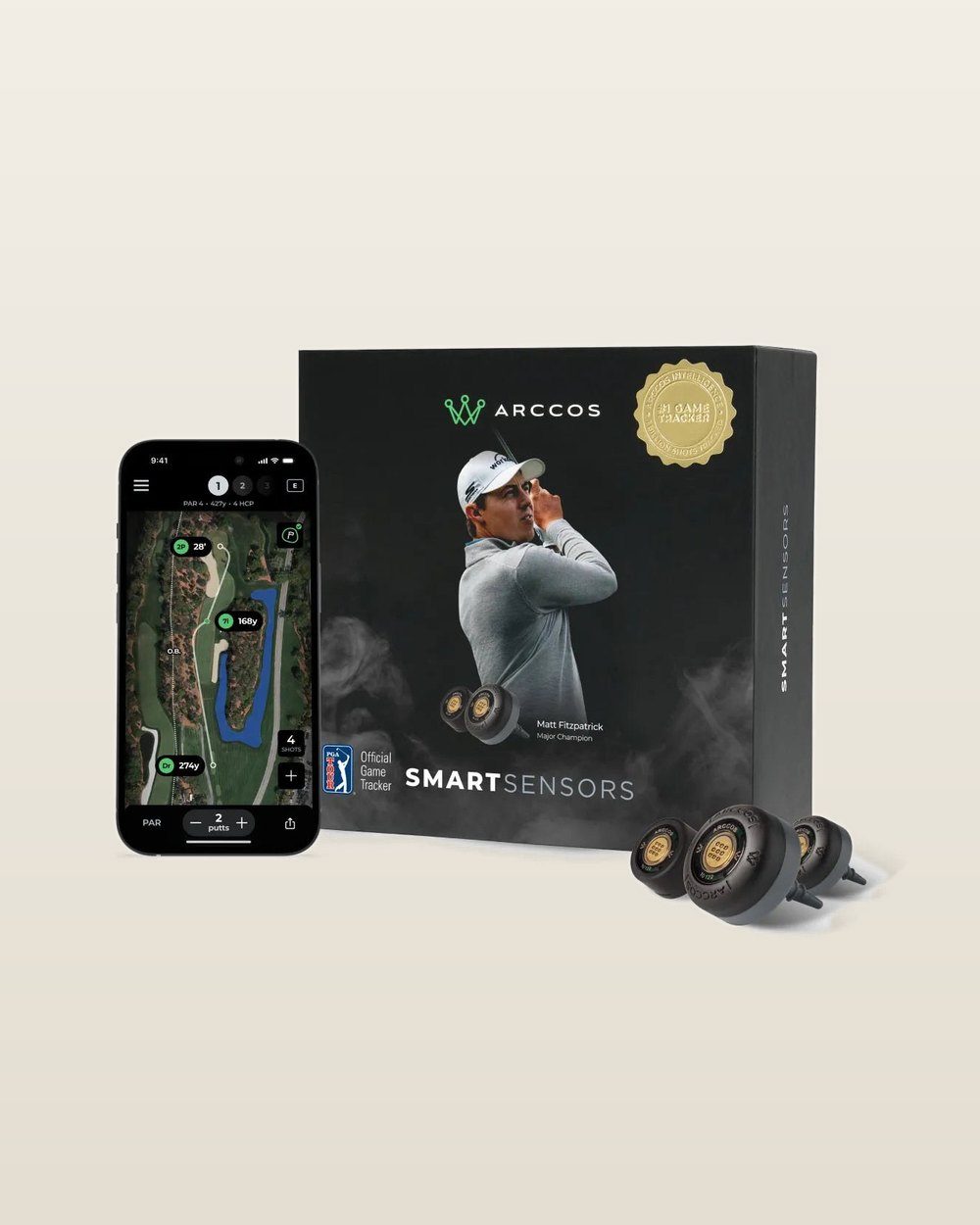
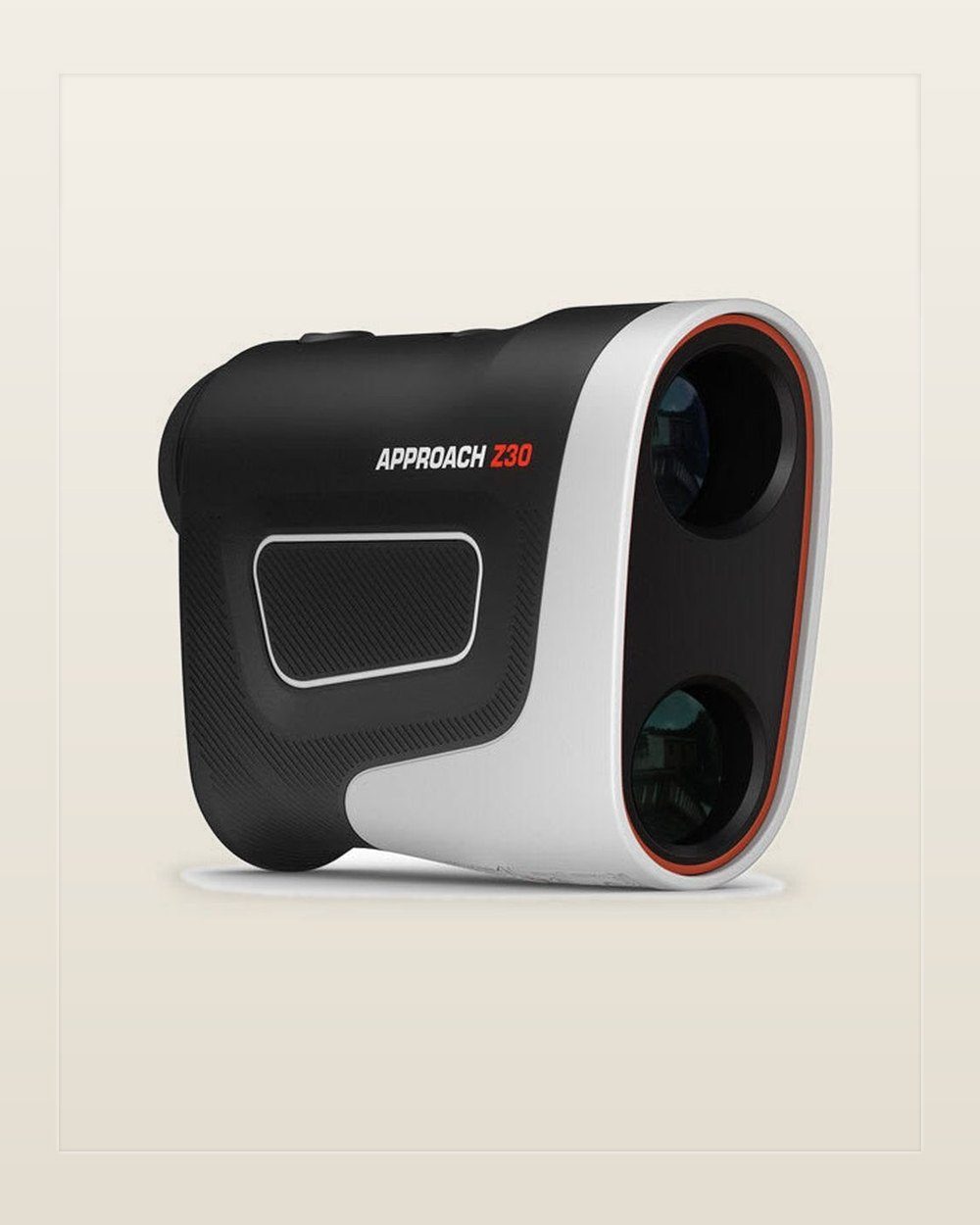
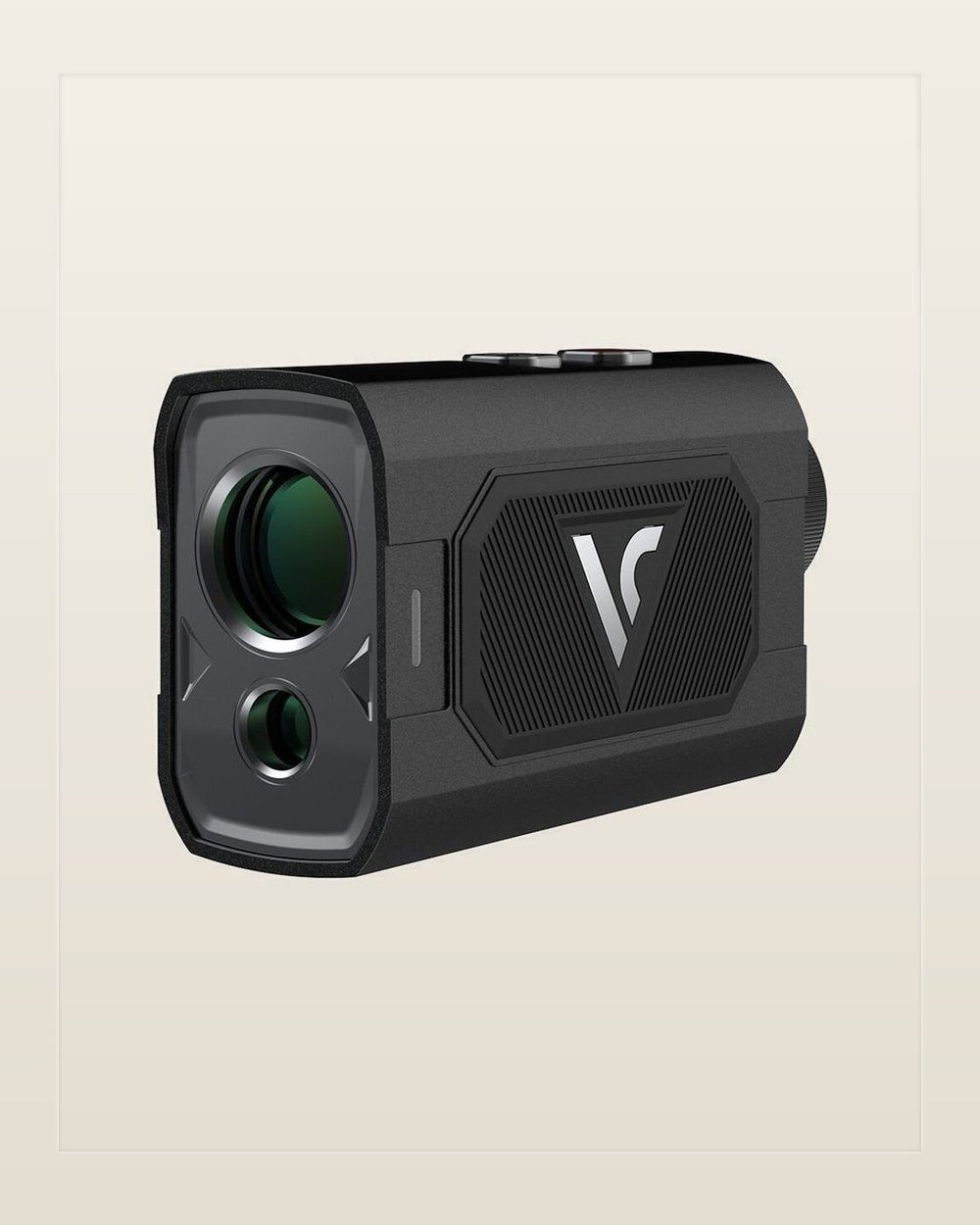
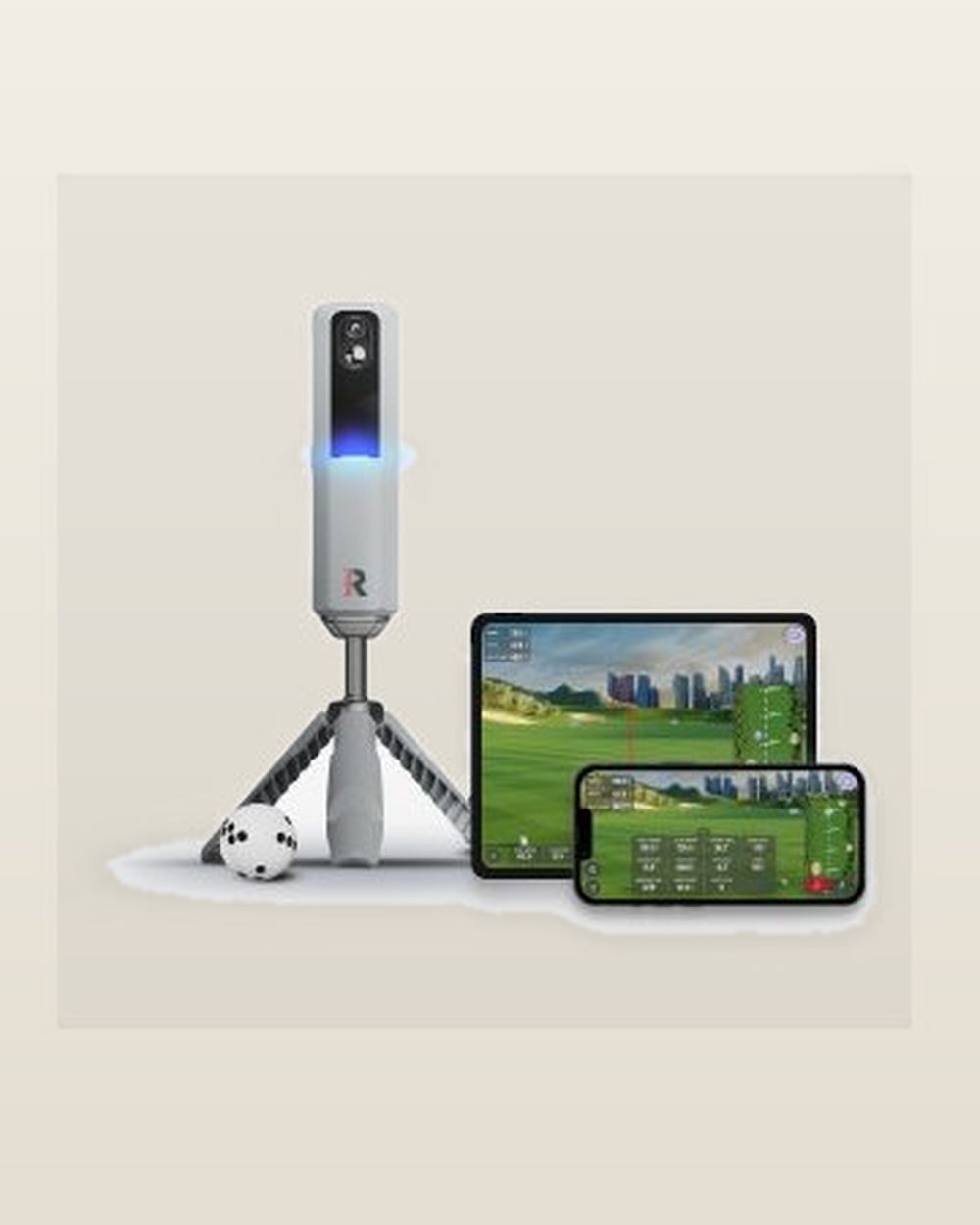
Four tools · $149.99–$599.99You cannot fix what you cannot see. Shot tracking tells you where the strokes go, a laser takes the guessing out of every approach, and a launch monitor tells you how far each club actually carries. Most golfers shooting 84 think it is their putting; the data usually says otherwise.
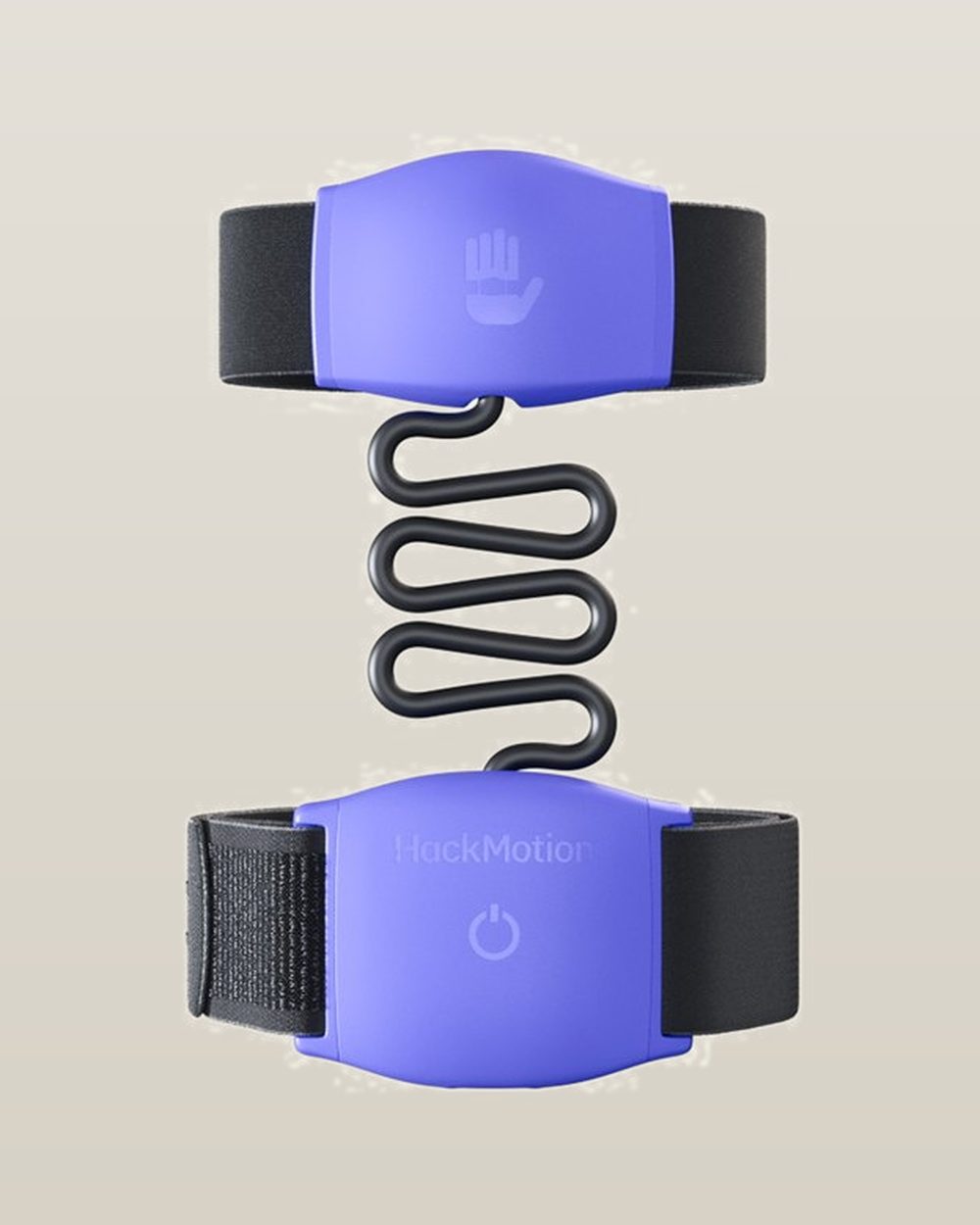
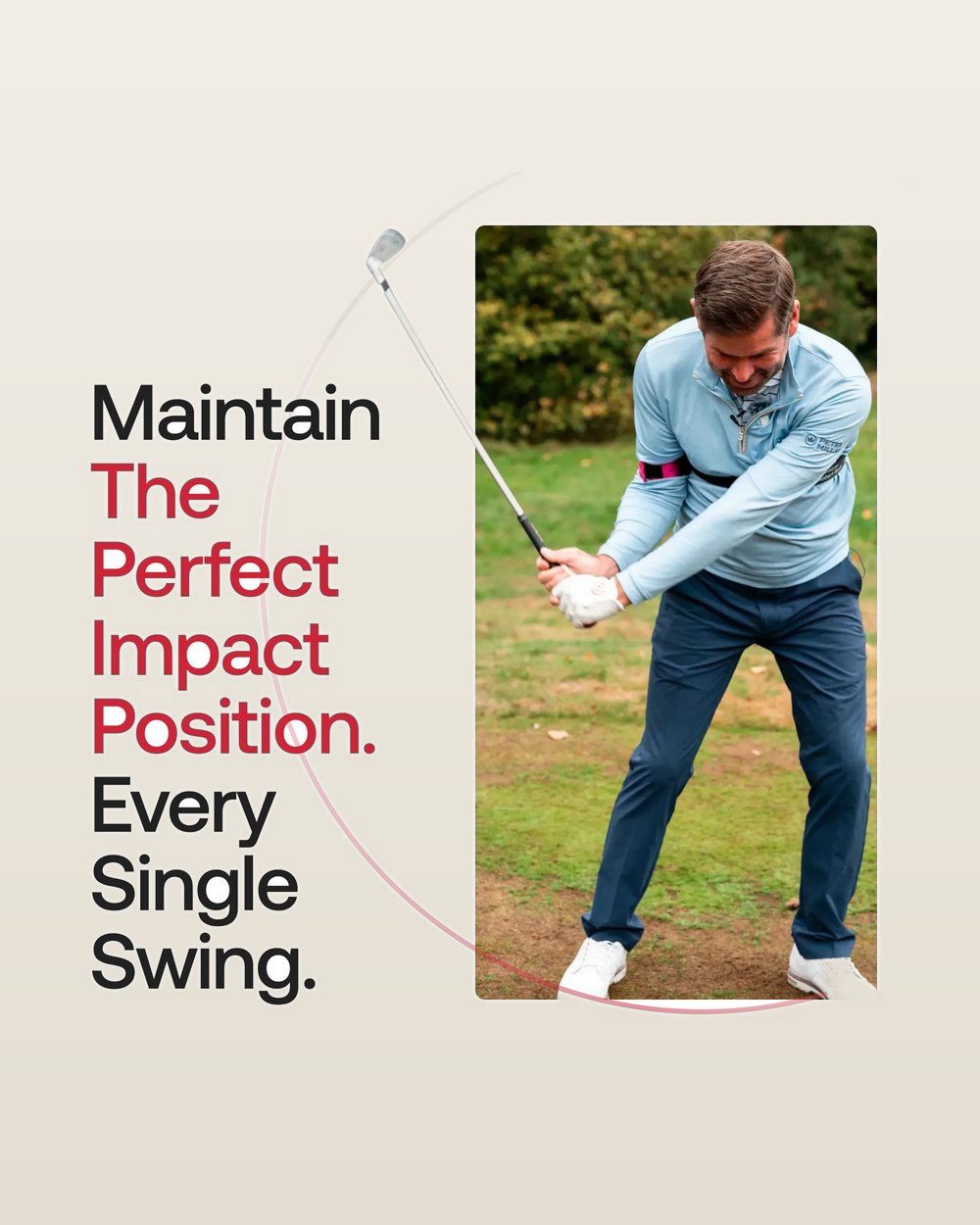
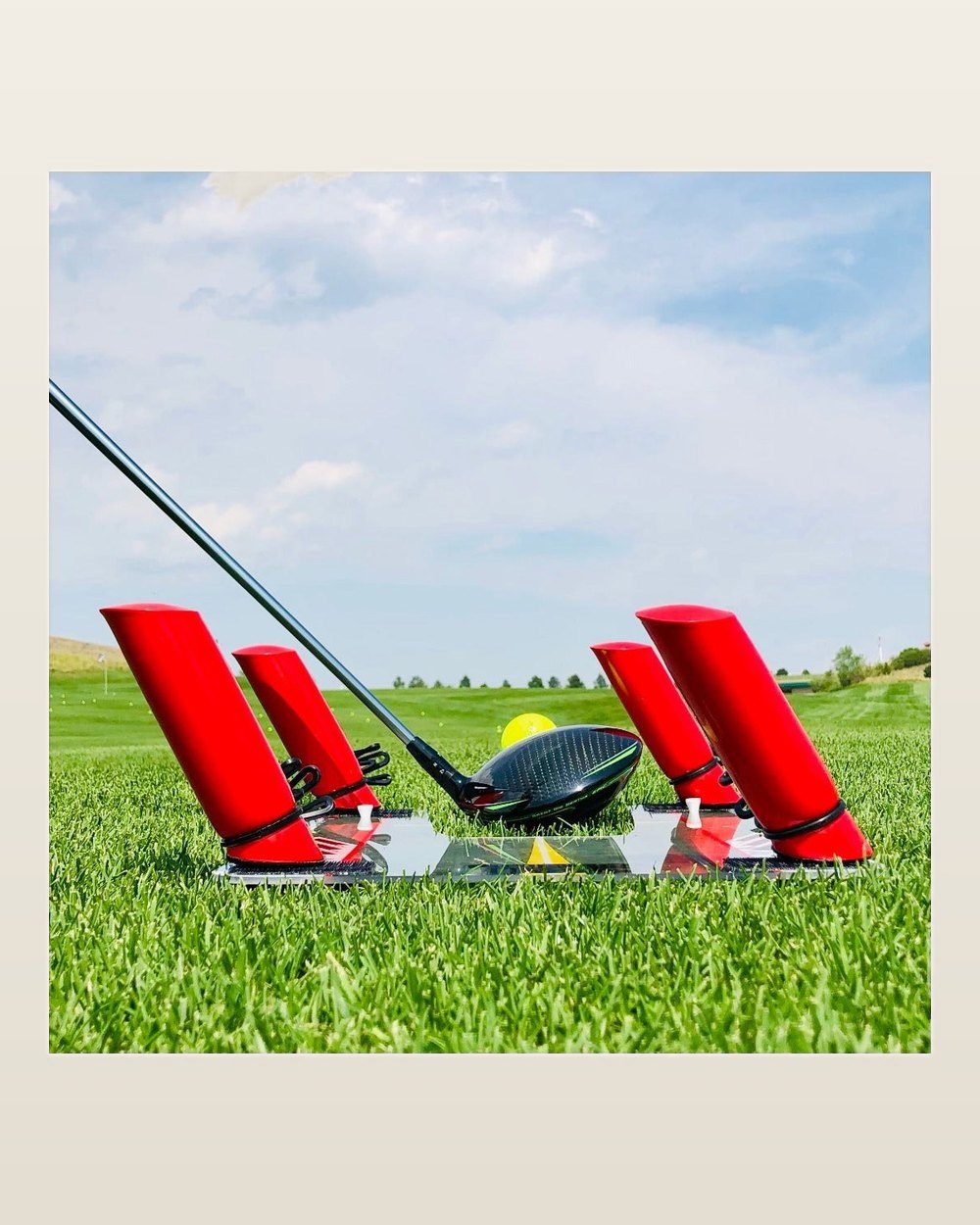
Six training aids · $99.95–$345The newest and best-reviewed tools for the faults that keep you in the 80s: a wrist that breaks down, a trail arm that flies away, a strike that wanders and a transition that rushes. Each one gives you instant feedback, and each one fits in a bag or a garage.
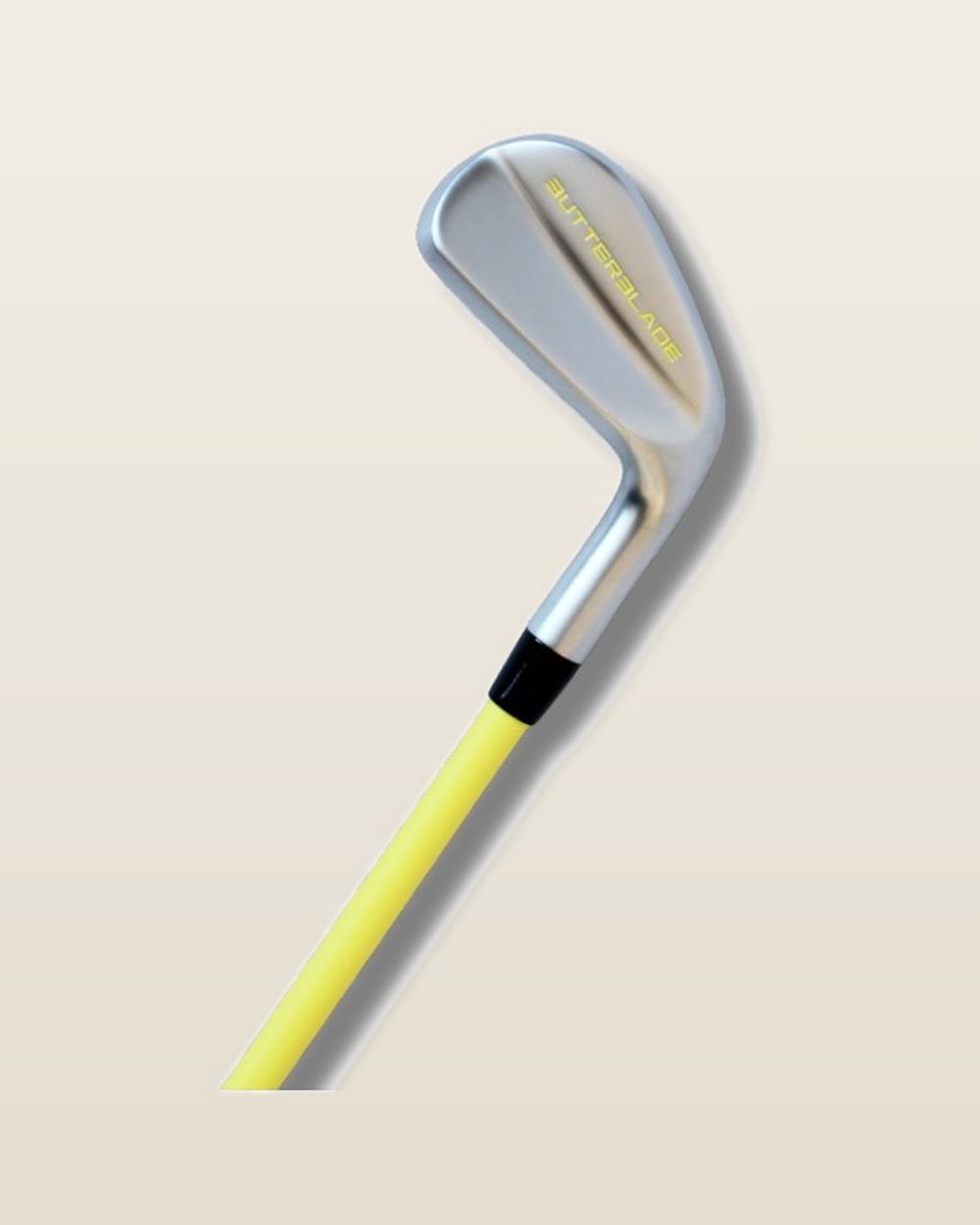
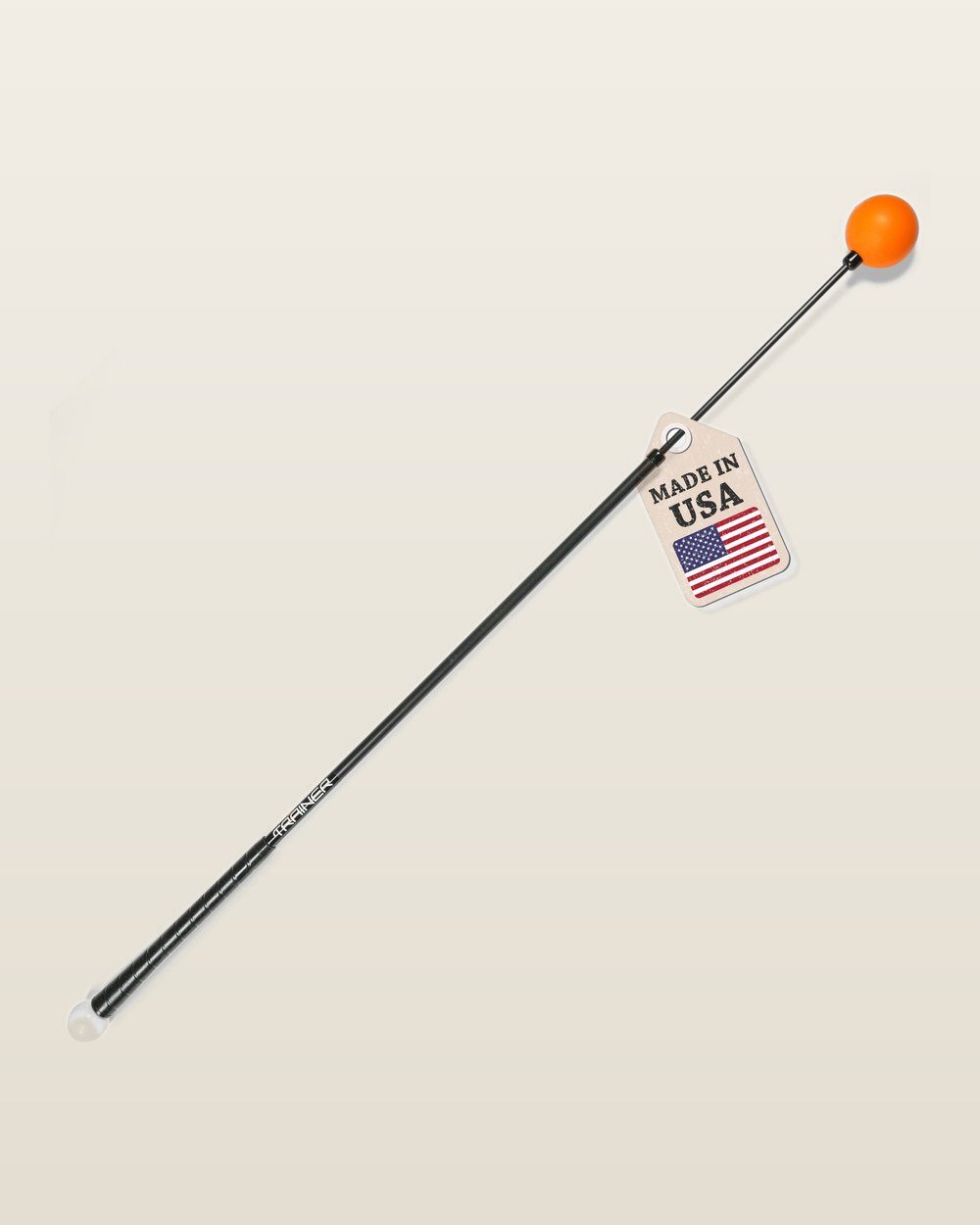
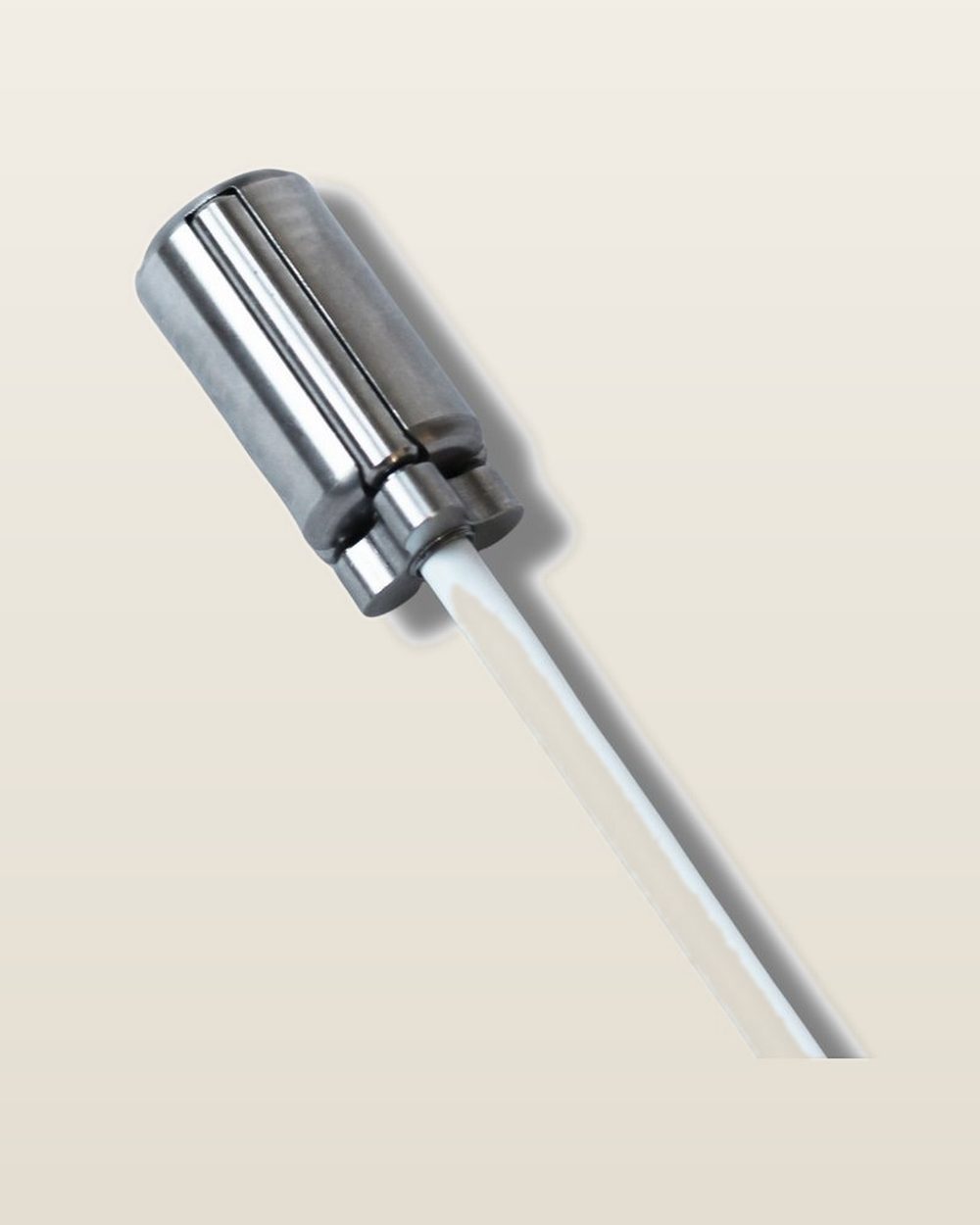
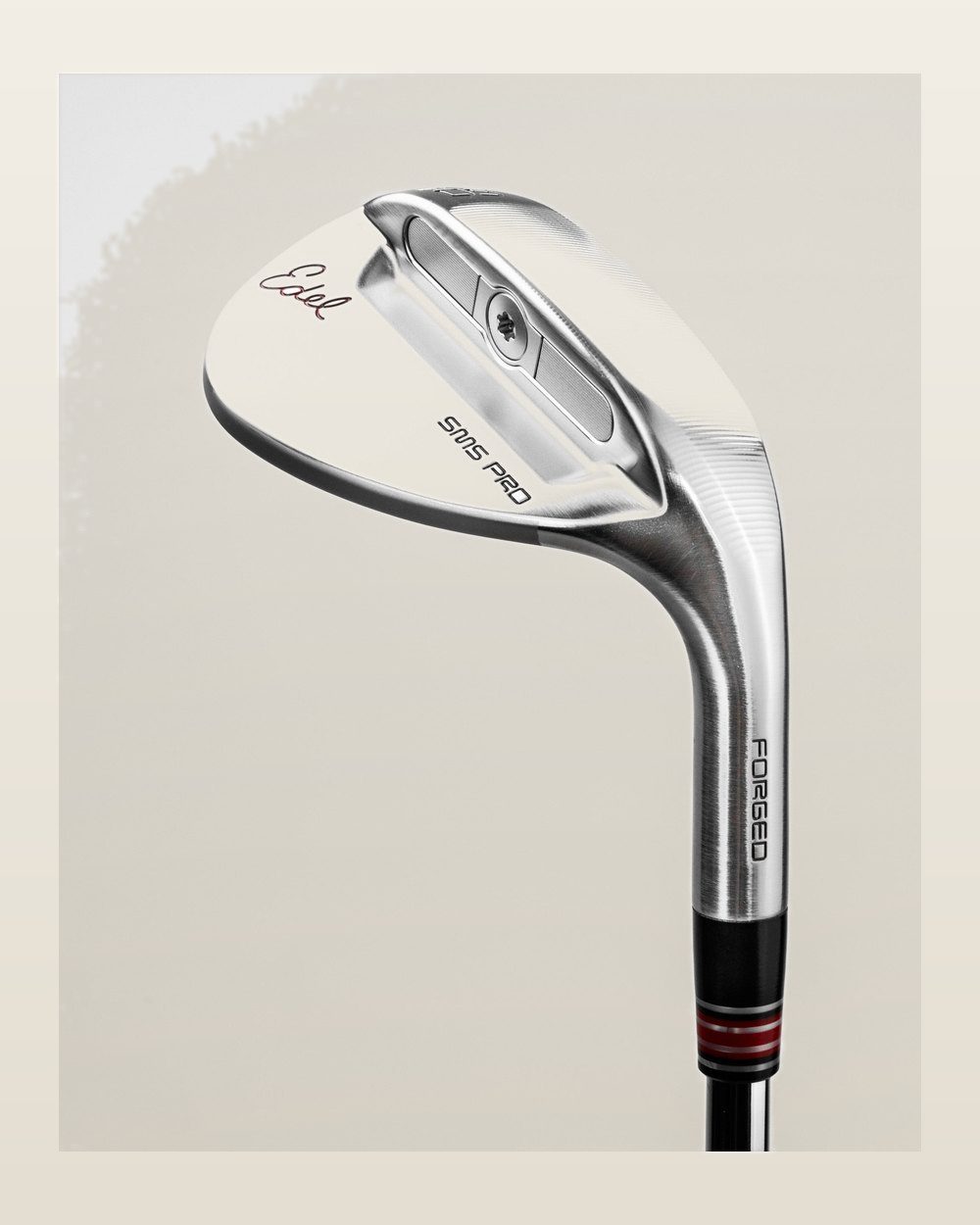
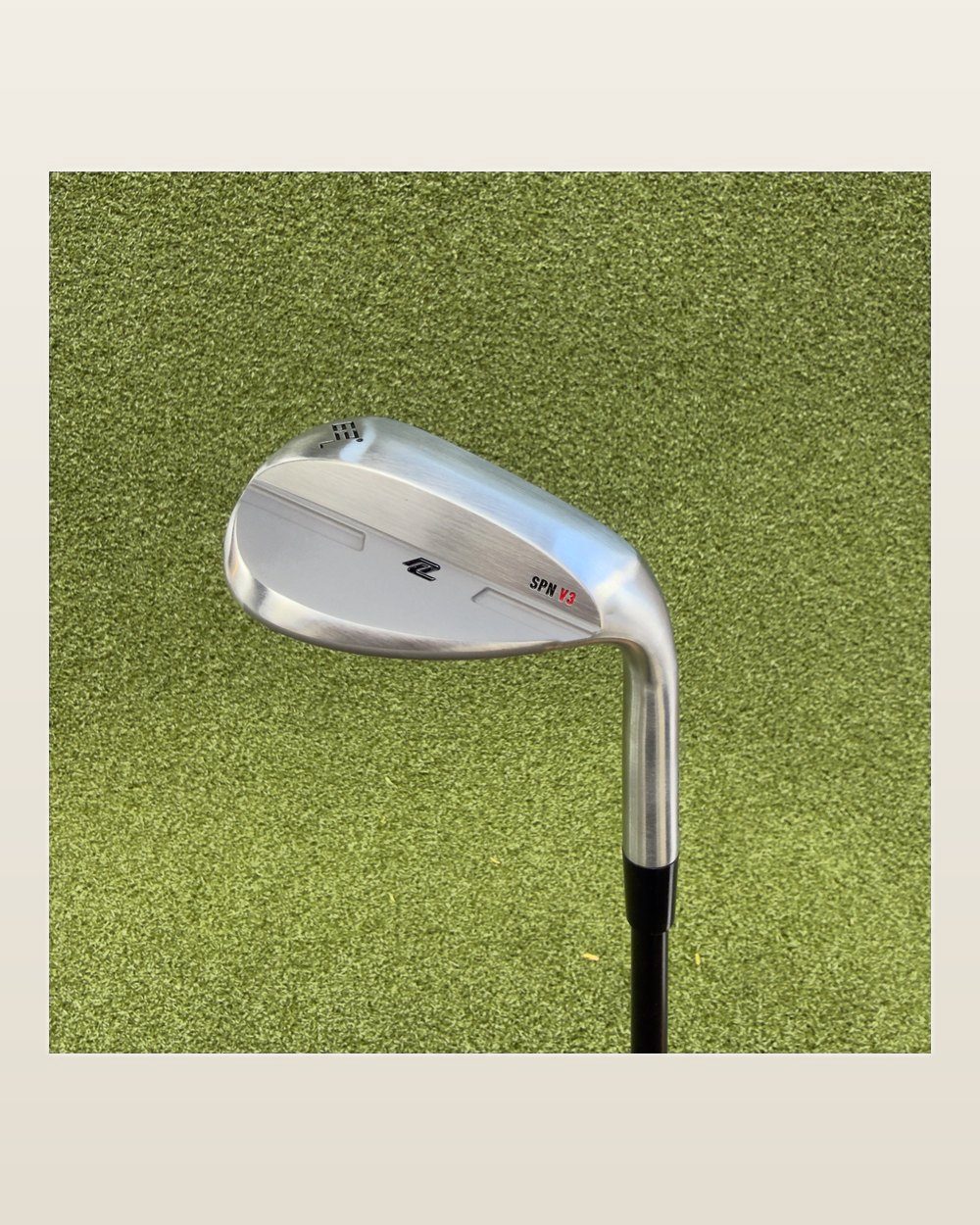
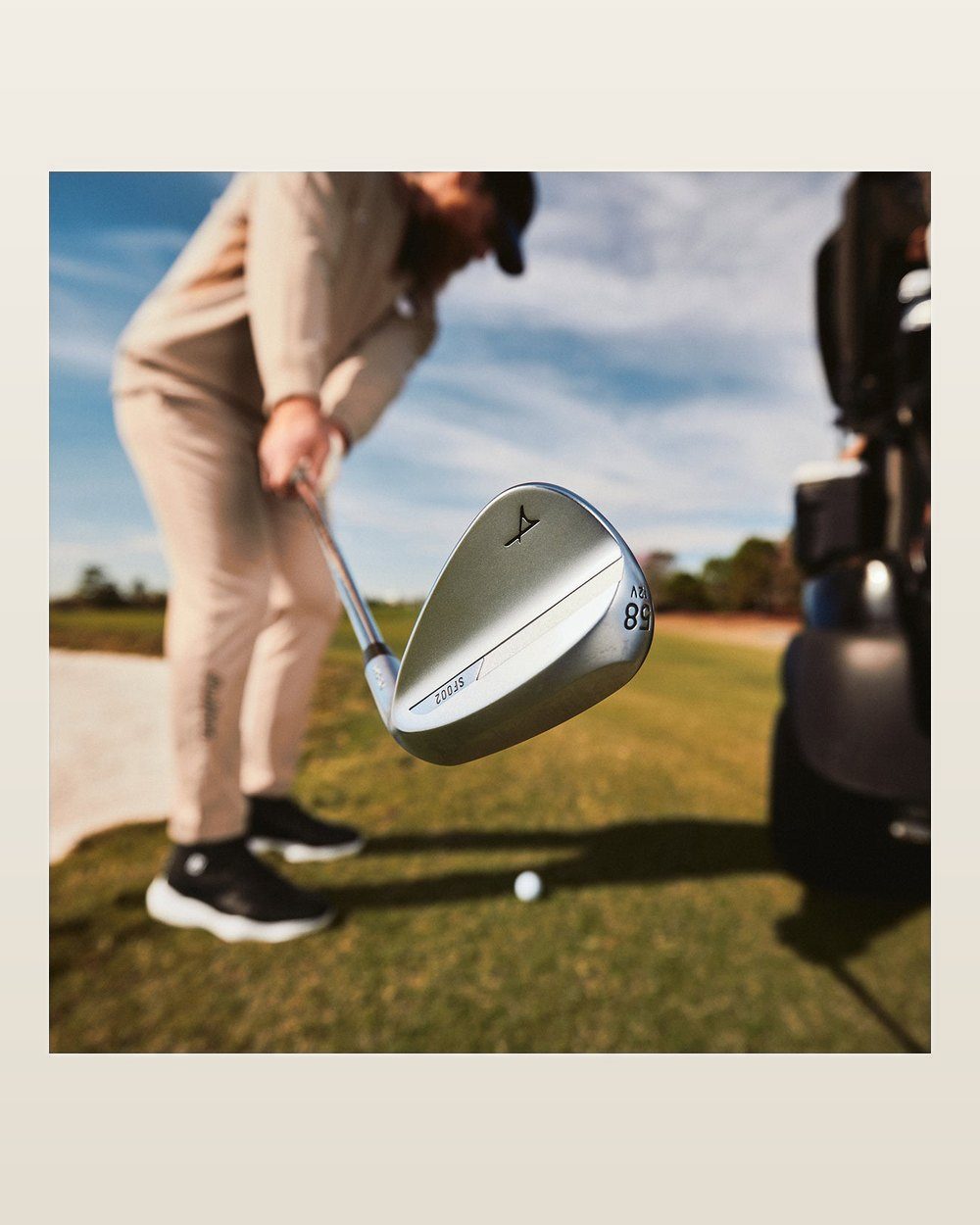
Three wedges · $99–$180Breaking 80 happens inside 100 yards. These three come from the direct-to-consumer brands in our clubs guide, so you get a forged, fitted wedge for less than a tour model.
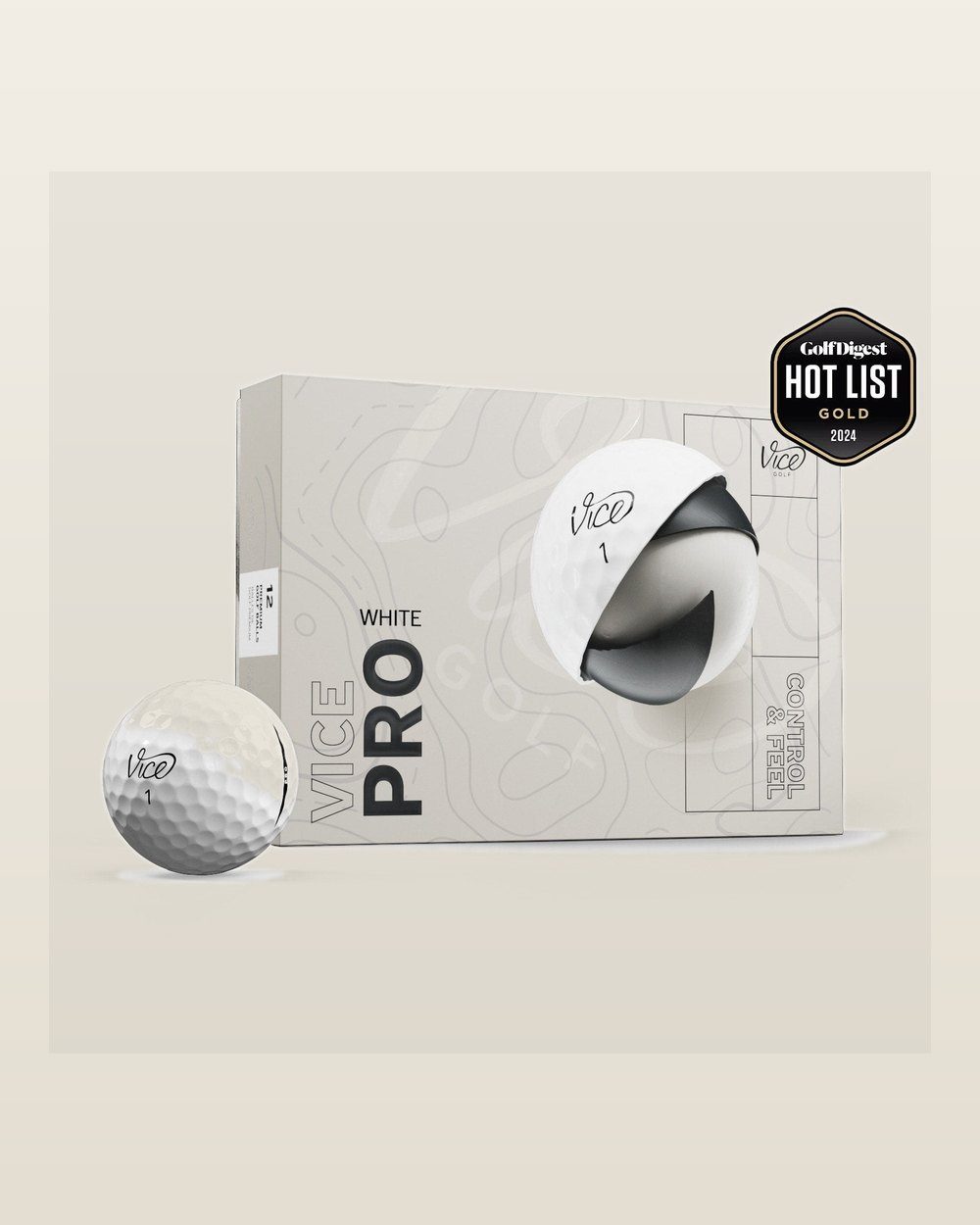
Three balls · $38.99–$58 a dozenPick one and play it every round. Consistency matters more than the brand, and all three are urethane tour balls that spin around the greens.


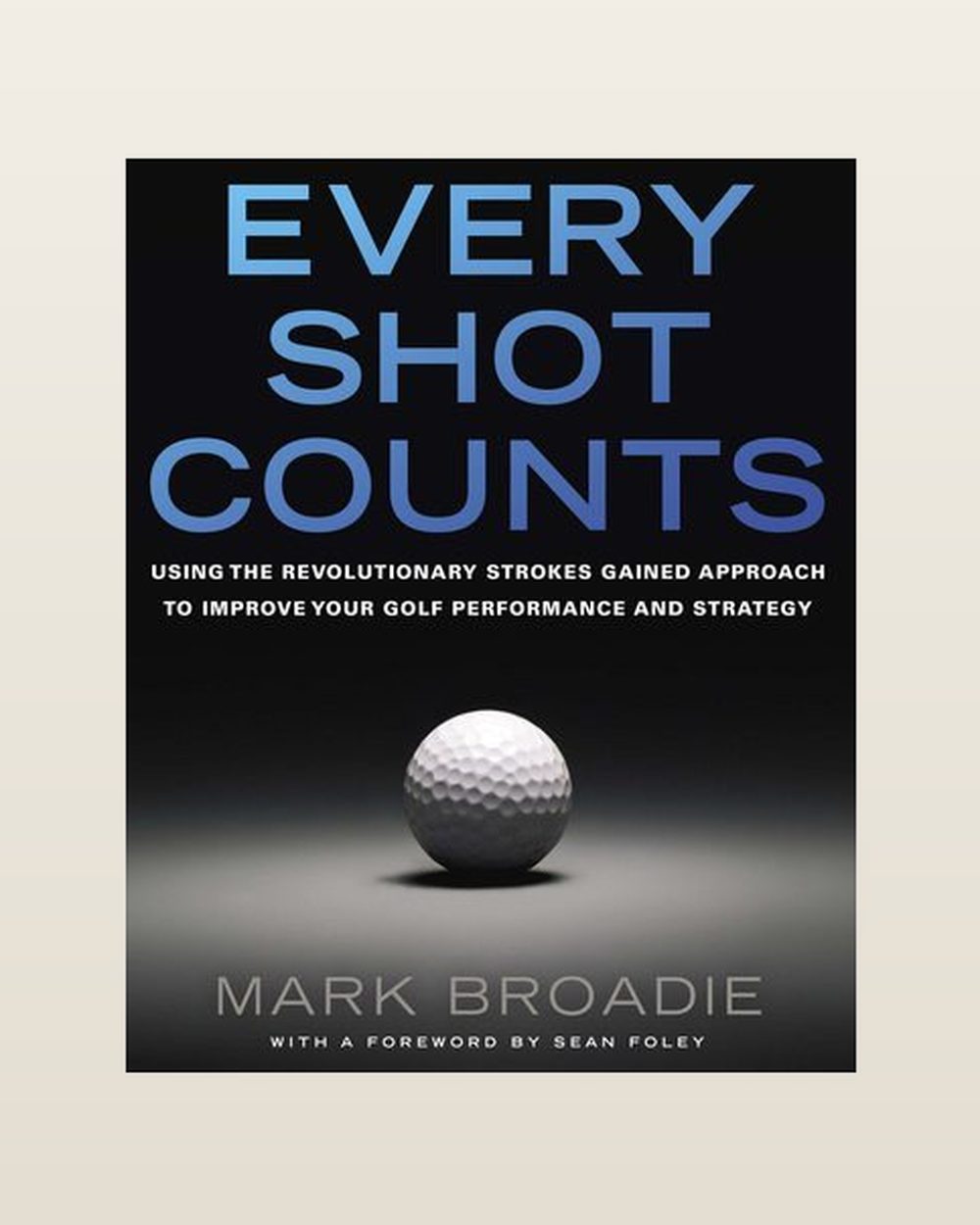
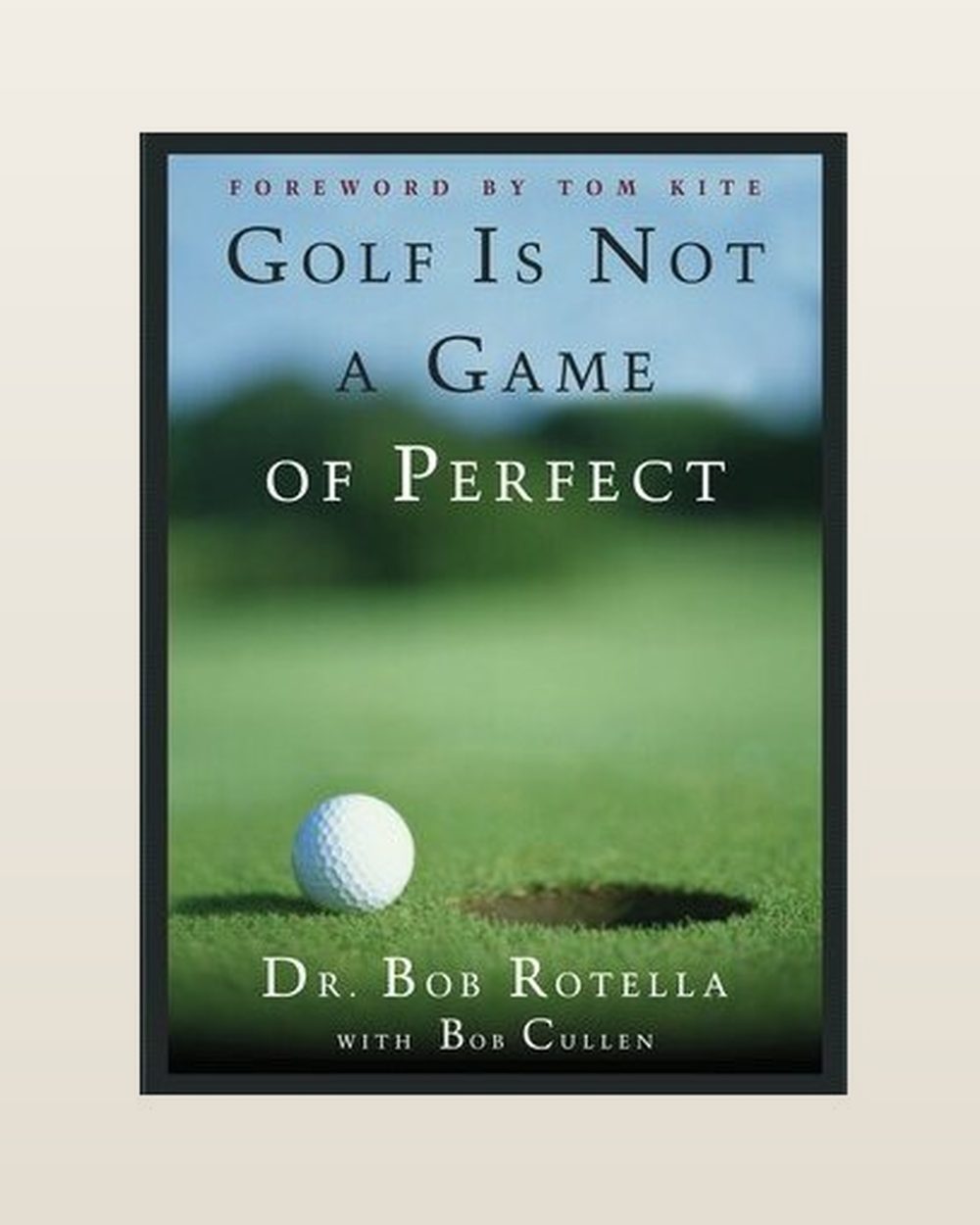
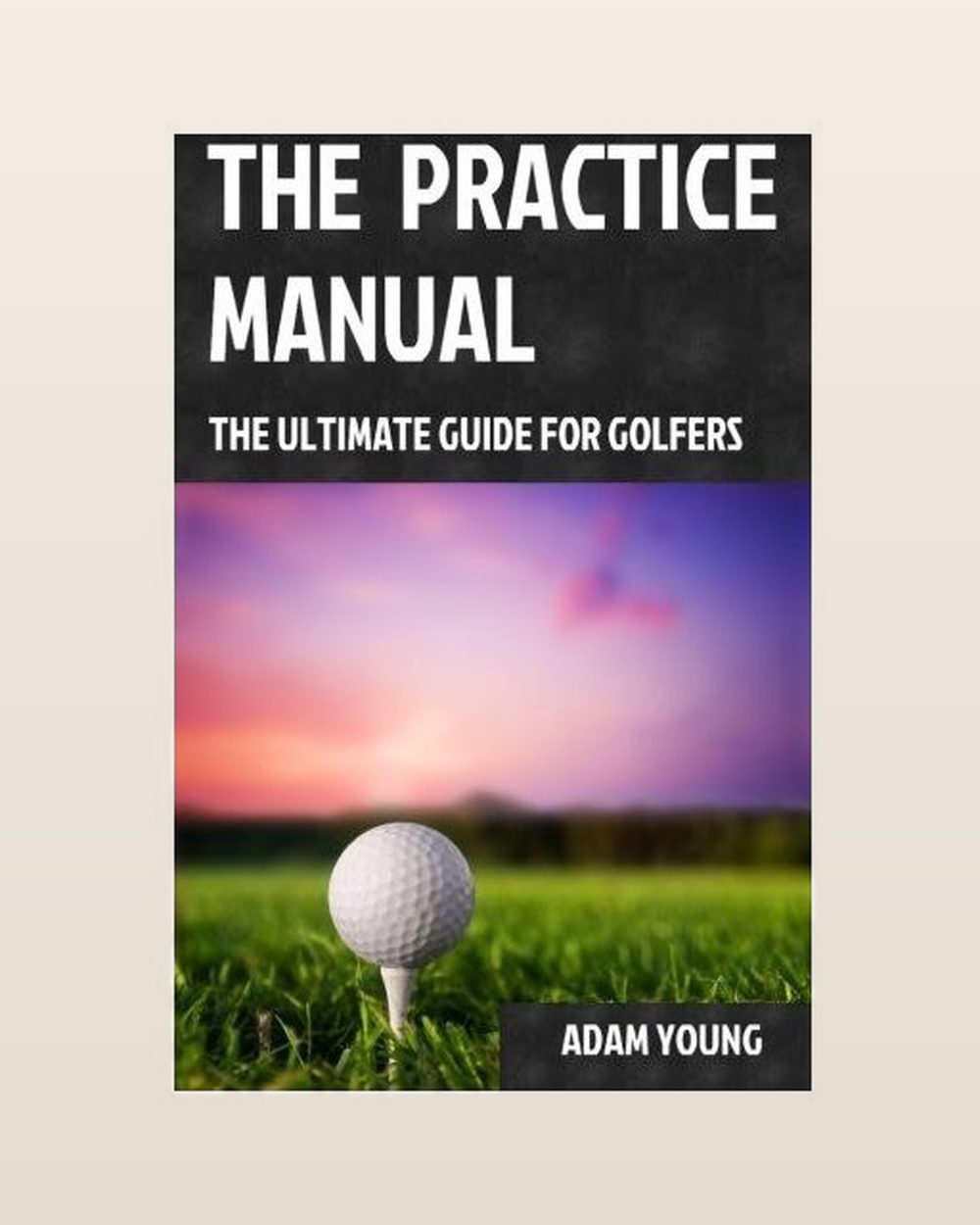
Three books · $25.99–$40One on where strokes are really lost, one on what to do after a bad hole, and one on how to practise so it sticks.
Three totems · $16.95–$48None of these will lower your handicap. All of them will remind you what the goal is.

Find out where you lose strokes before you buy anything. Shot tracking like Arccos, or simple stats on fairways, greens and putts, usually shows that approach shots and wedges cost more than putting. Fix the biggest leak first.
The good ones do, if you use them regularly. Aids that give instant feedback, like the HackMotion sensor, the TRS Slider or the EyeLine Speed Trap, work best because you feel the fault the moment it happens.
No, but knowing exactly how far each club carries helps a lot. A rangefinder plus a session on a launch monitor to set your yardages covers most of the benefit.
Any urethane tour ball, played every round. The Titleist Pro V1, Snell MTB Black and Vice Pro all fit, from $38.99 to $58 a dozen as of 2 October 2026.
Nothing officially. It is a Japanese good-luck doll: you paint one eye when you set a goal and the other when you reach it. Ours is for the day you sign for 79.