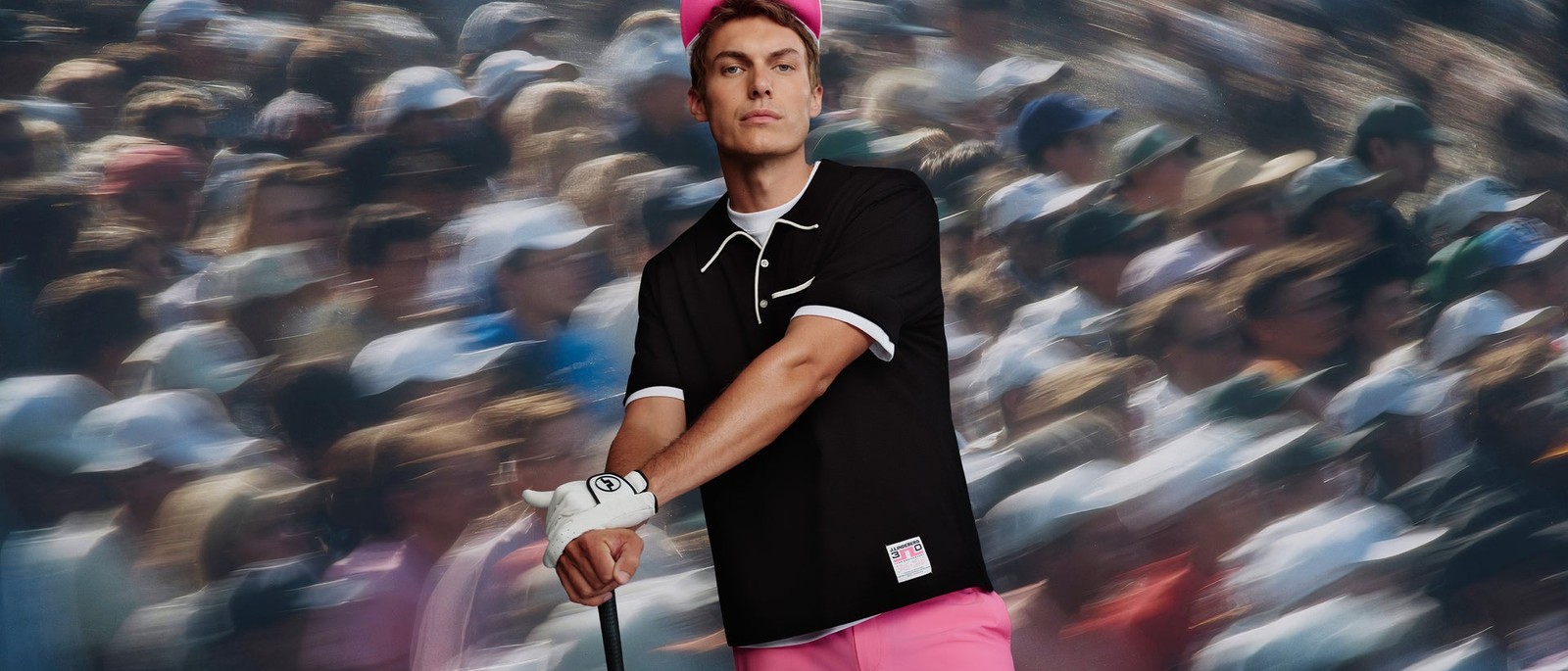
J.Lindeberg is the brand that made golf clothing fit, and it did it by dressing one Swede in trousers nobody else would wear. The label was founded in Stockholm in 1996 by Johan Lindeberg, who had spent the first half of the nineties building Diesel — first as its distributor in Sweden, later running the American business — and who arrived in golf with a fashion marketer's read on a sport that had stopped caring how it looked. Thirty years on, that founding argument has been so completely absorbed that it is hard to remember it was ever an argument.
The pitch was simple and slightly rude. Golf in the late eighties and early nineties had drifted into oversized polos, pleated slacks and beige, and Lindeberg thought the game had lost its own history. His reference points ran backwards rather than forwards — Walter Hagen's tailored knits, Arnold Palmer's pullovers, seventies silhouettes, Steve McQueen. He wanted golf to look like it had before it got comfortable.
To prove it he needed a player, and from the mid-nineties he had Jesper Parnevik. Parnevik gives him the credit without hedging: “Johan Lindeberg deserves a lot of the credit, though. When he first approached me, he had this idea to go back to the time when golfers dressed smart.” On what came before, he is blunter — “Something happened in the ’80s when all the clothes became XXXL in size, very loose and tacky.” And on the first pair of trousers he was handed: “They were so tight I could hardly bend over to pick the ball out of the hole but I shot a 63, so I didn’t really care.”
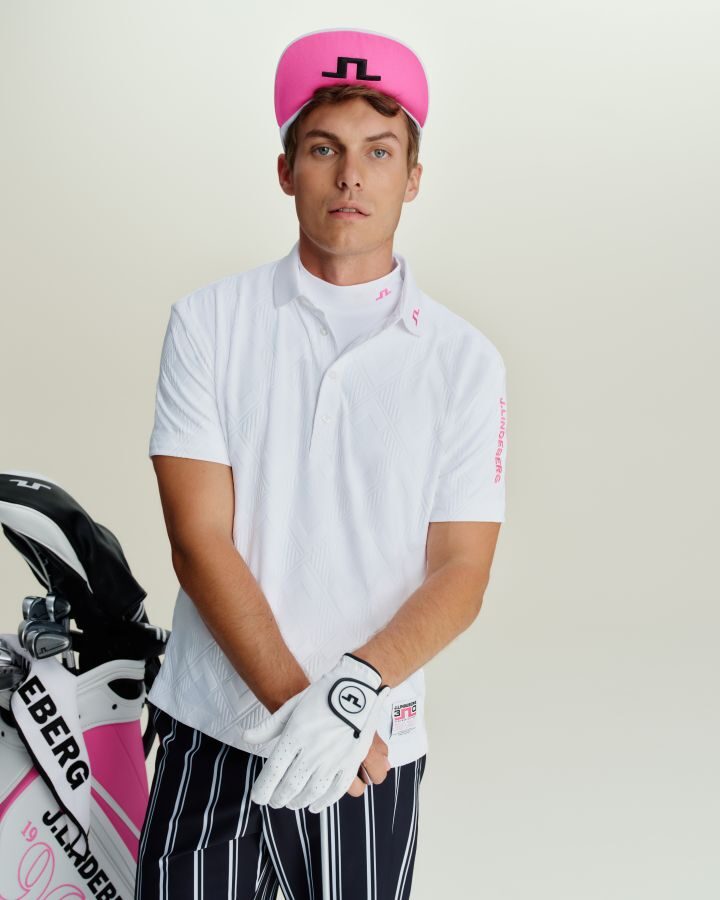
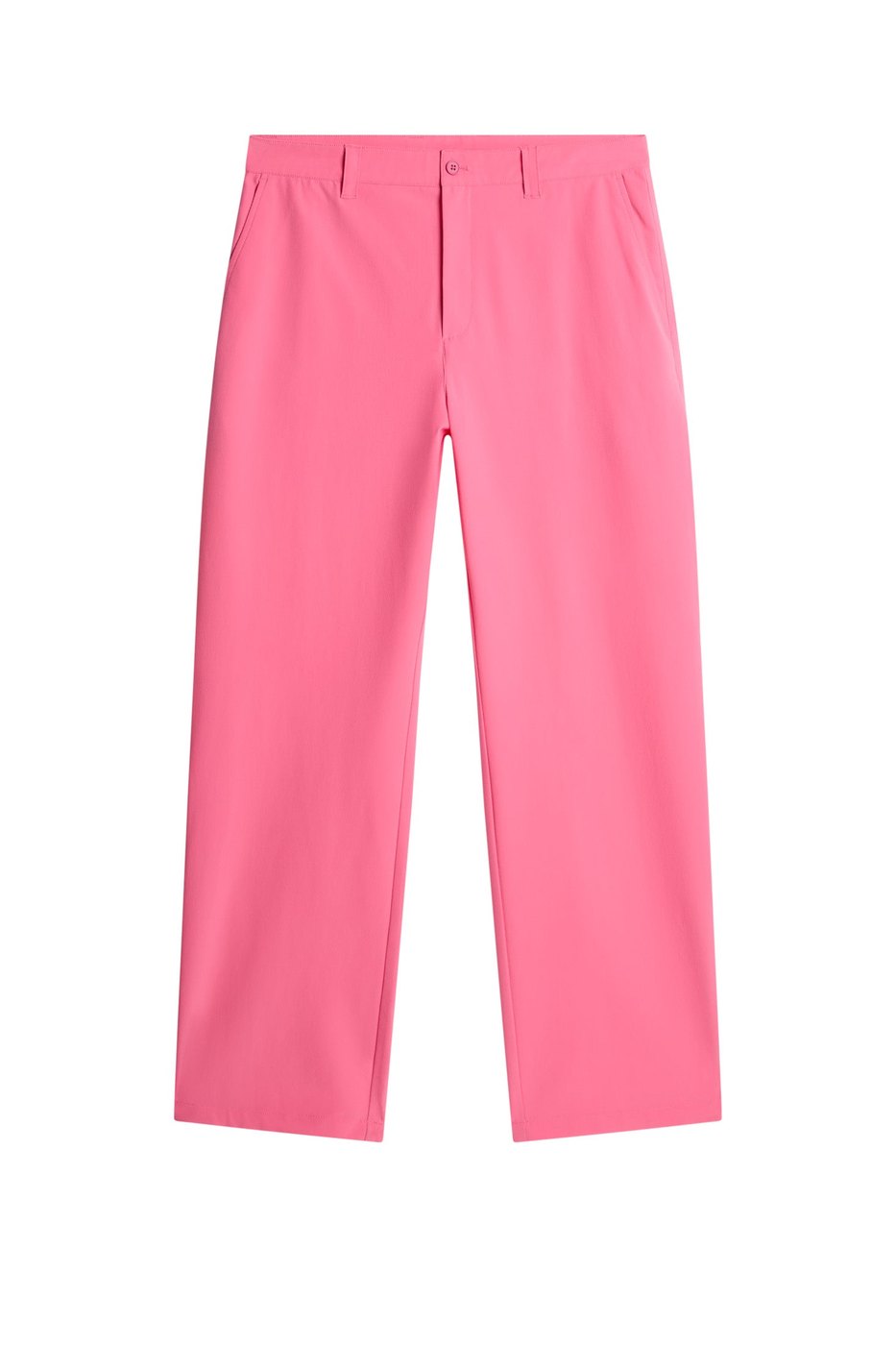
The moment everything turned on is precisely dated. May 14, 2000, the GTE Byron Nelson Classic at TPC Las Colinas. Parnevik started the final round three shots back, and instead of warming up he changed his trousers and walked to the first tee in pink. He won on the third playoff hole, beating Davis Love III. The same day, he reached number seven in the world — the highest ranking any Swede had held. Lindeberg named the idea the Pink Strategy, and the brand has revived it as the campaign for its thirtieth year, which is why a pink trouser sits at the top of this page.
One correction, since the two stories get welded together: the turned-up cap brim was Parnevik's own invention, not the brand's. He started flipping it soon after turning pro, in Florida, to get sun on a pale Swedish face, and kept it because his peripheral vision was clearer, all of which predates the partnership.
The company Johan Lindeberg started is no longer his. He left over clashes with investors, has been in and out since, and now runs a separate label; his own summary of the exit is “I left that boardroom with nothing. But I stood up for what I believed in.” The brand has been owned since 2012 by the people behind the Danish group Bestseller, and is run from Stockholm by chief executive Hans-Christian Meyer, who is unusually candid about the years in between: “For 10 years, the brand was not that successful and did not make much profit.” Revenue went from $60 million in 2020 to $130 million in 2022, and the business is now roughly sixty per cent sport and forty per cent fashion, with womenswear past half of sales.
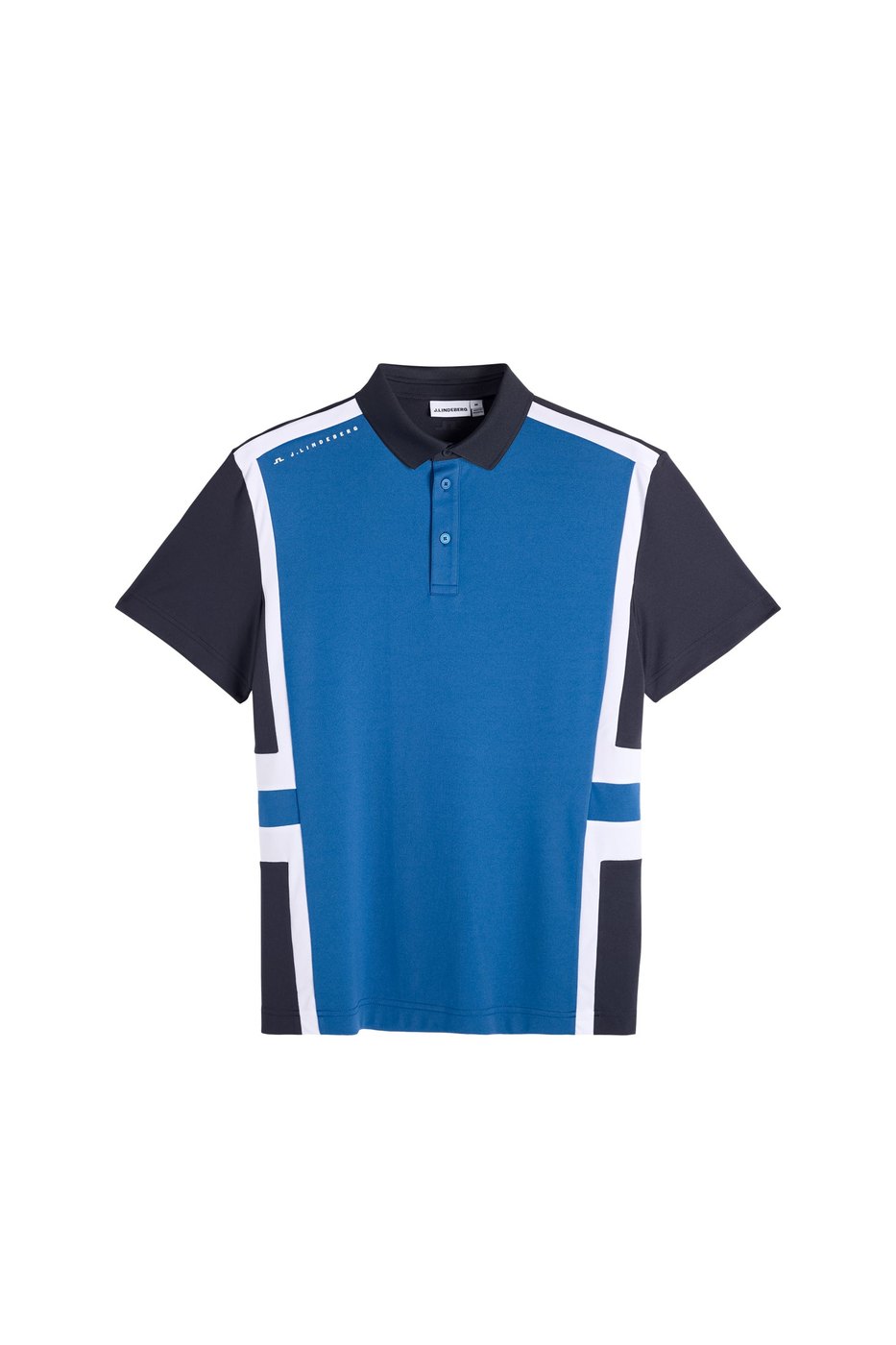
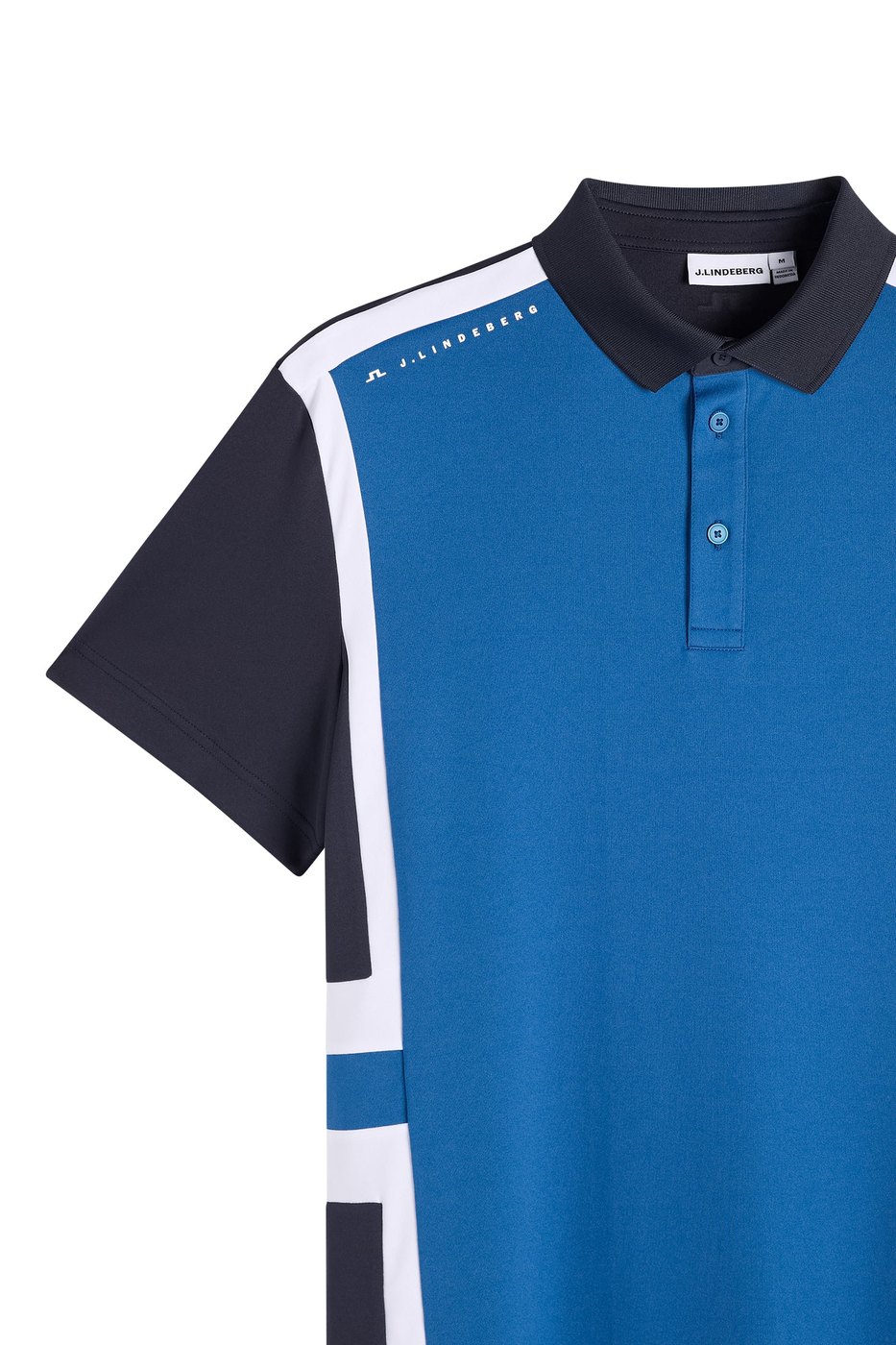
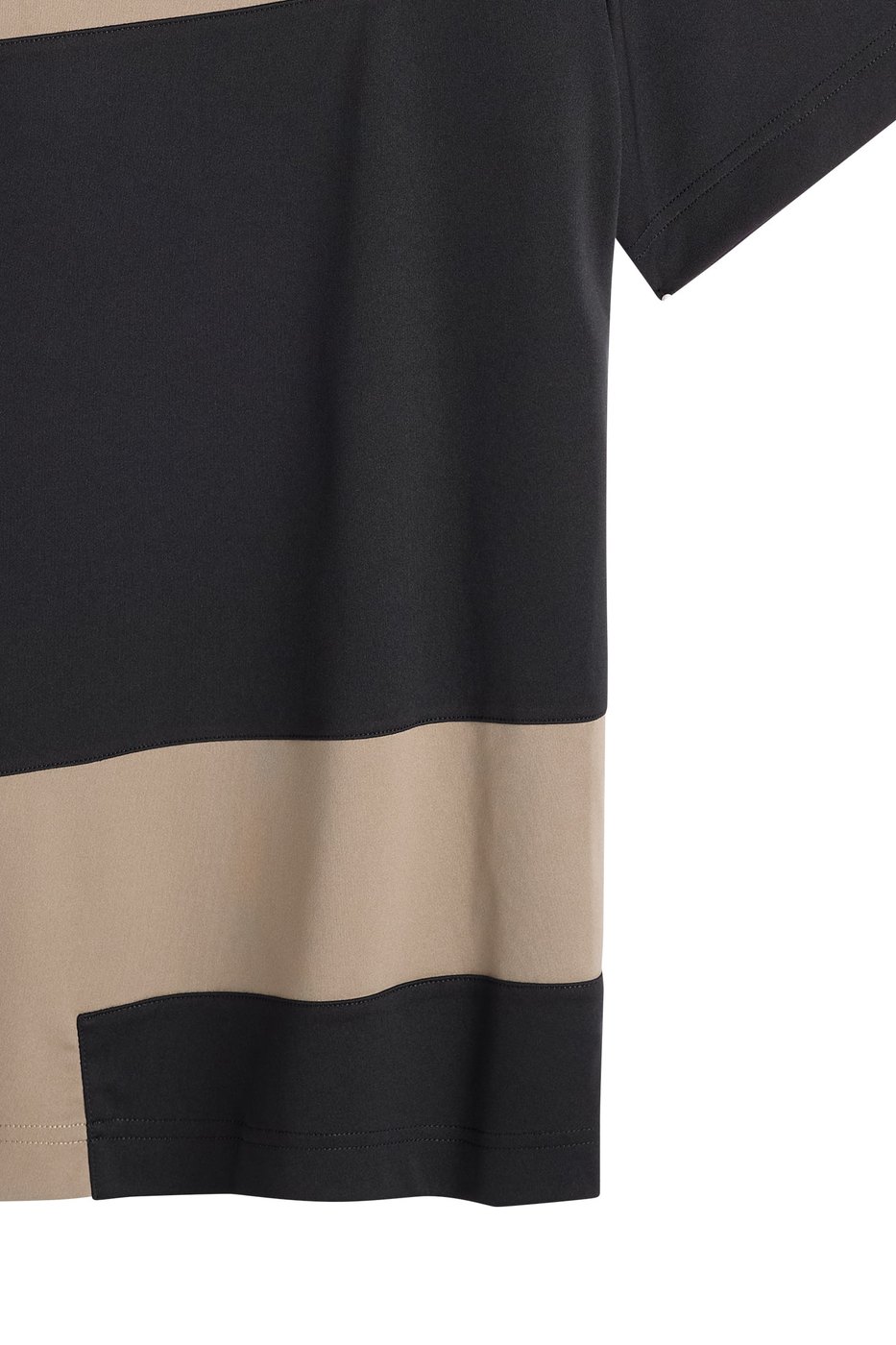
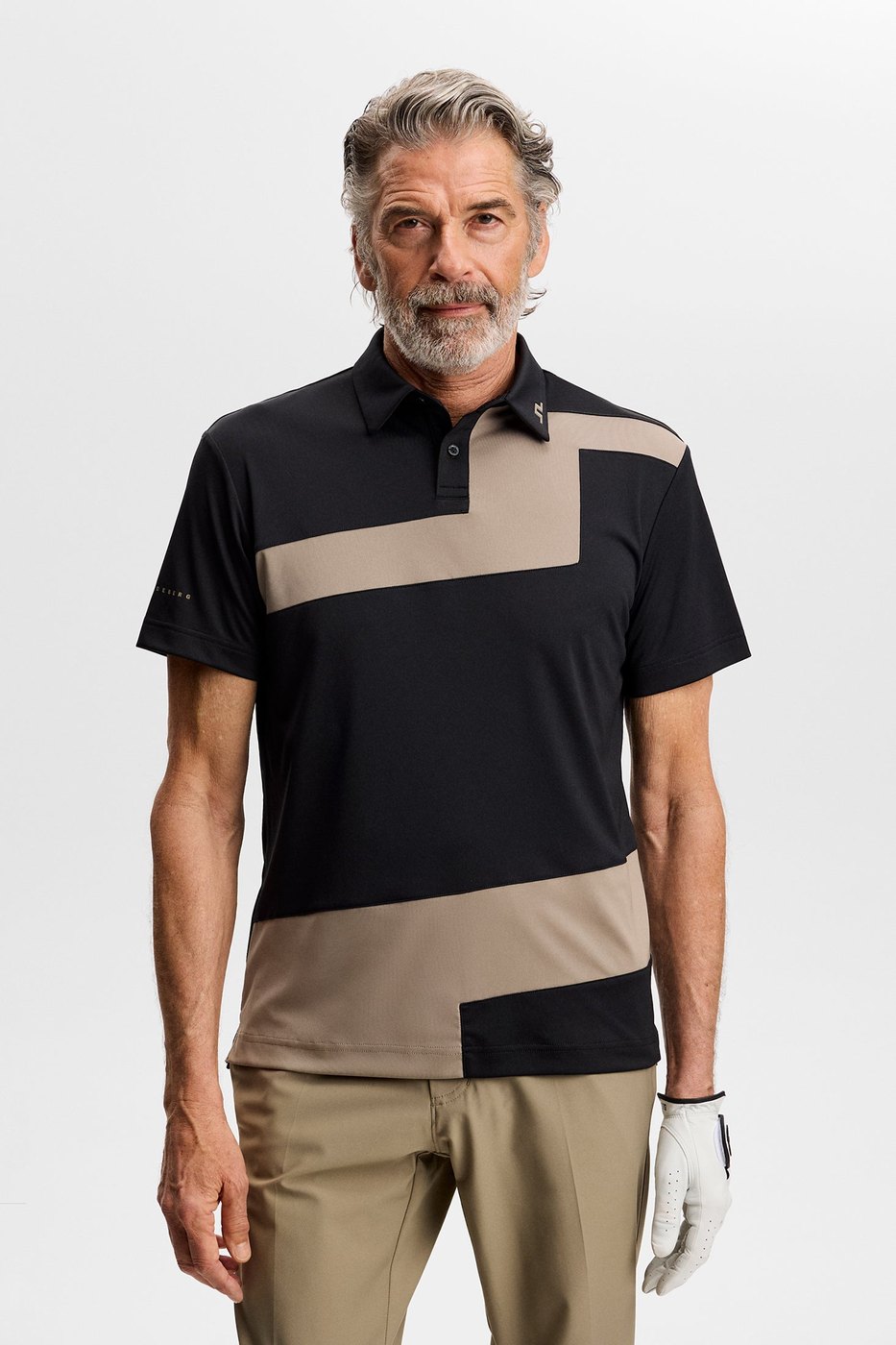
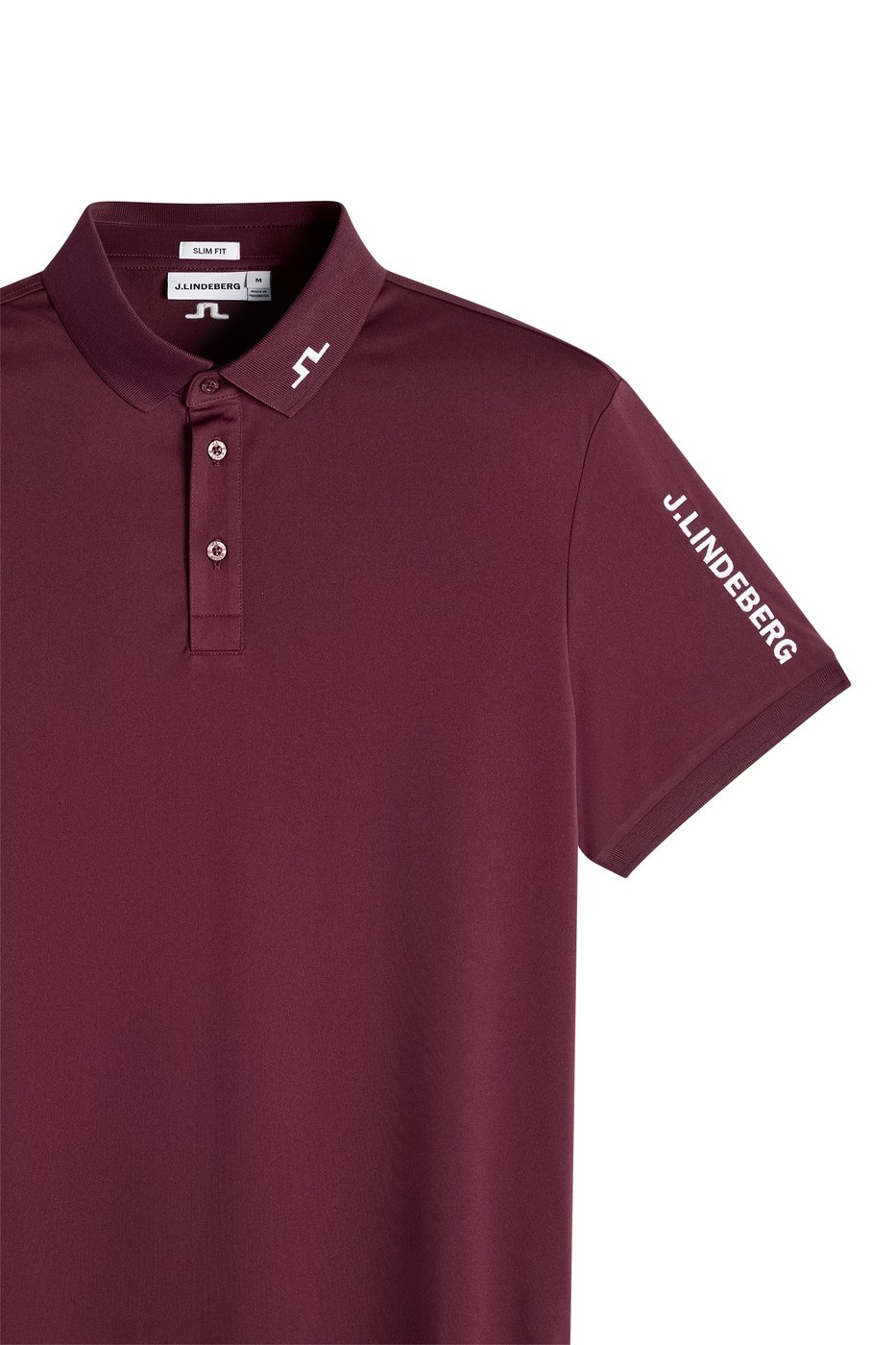
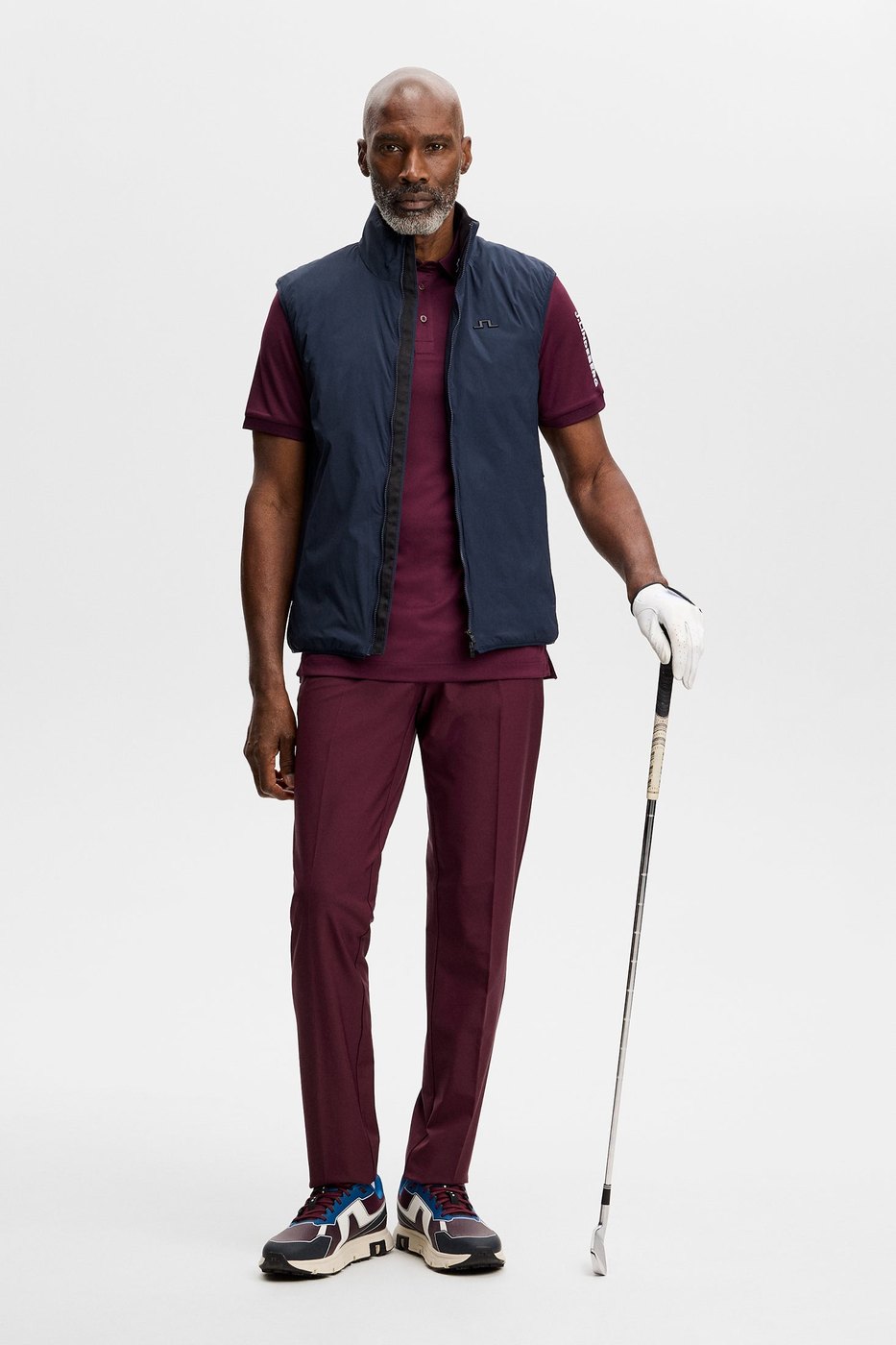
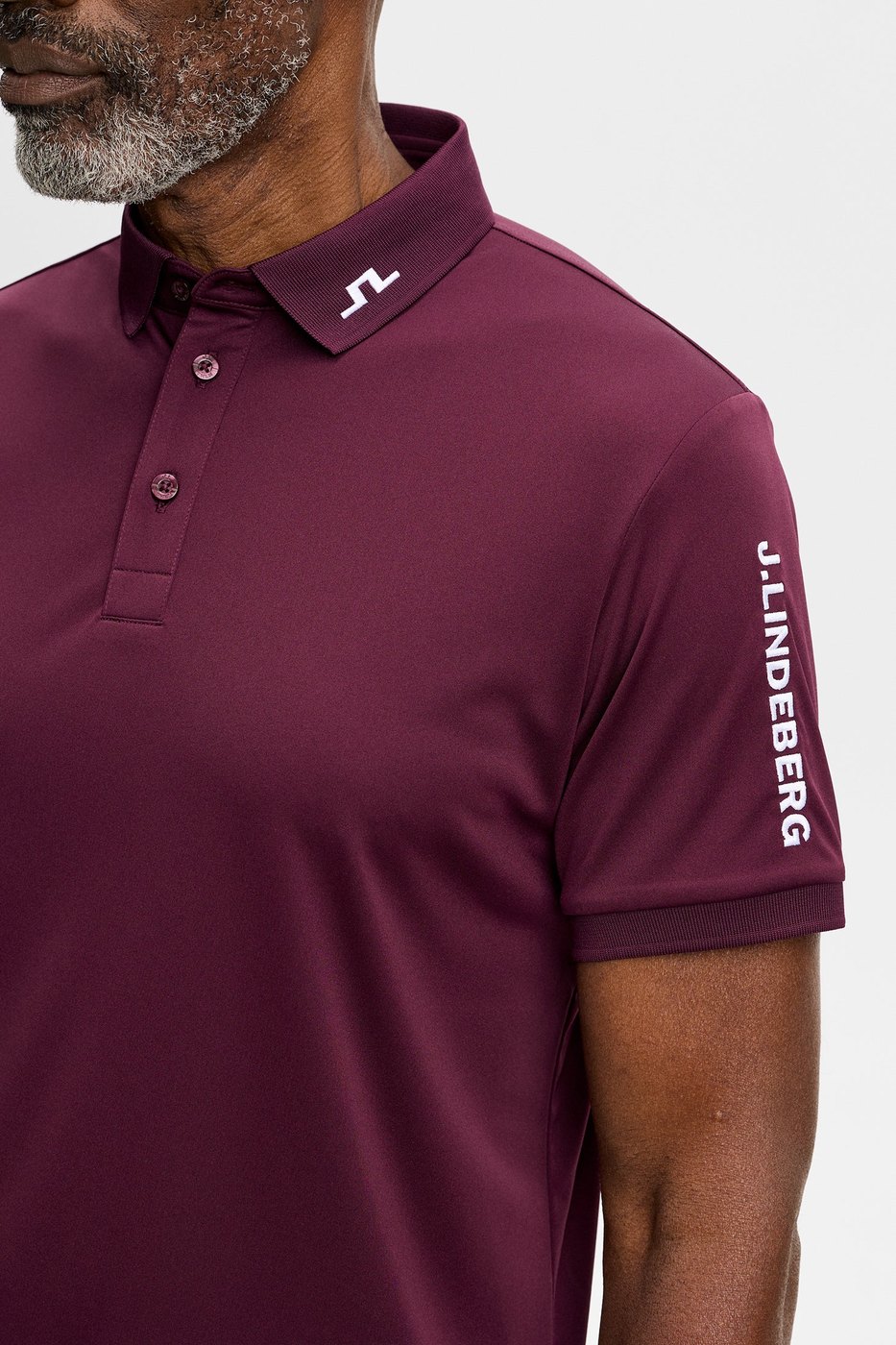
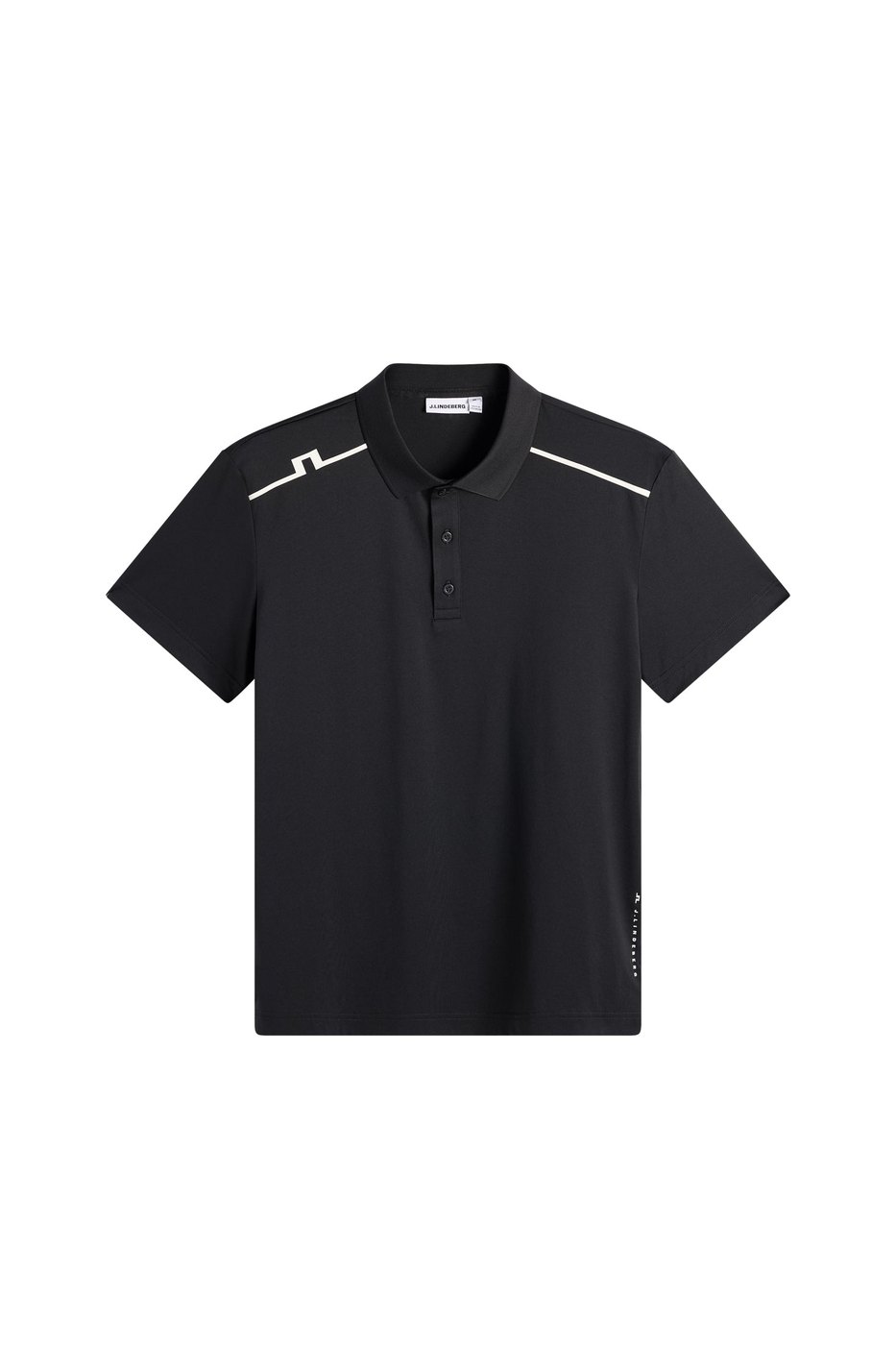
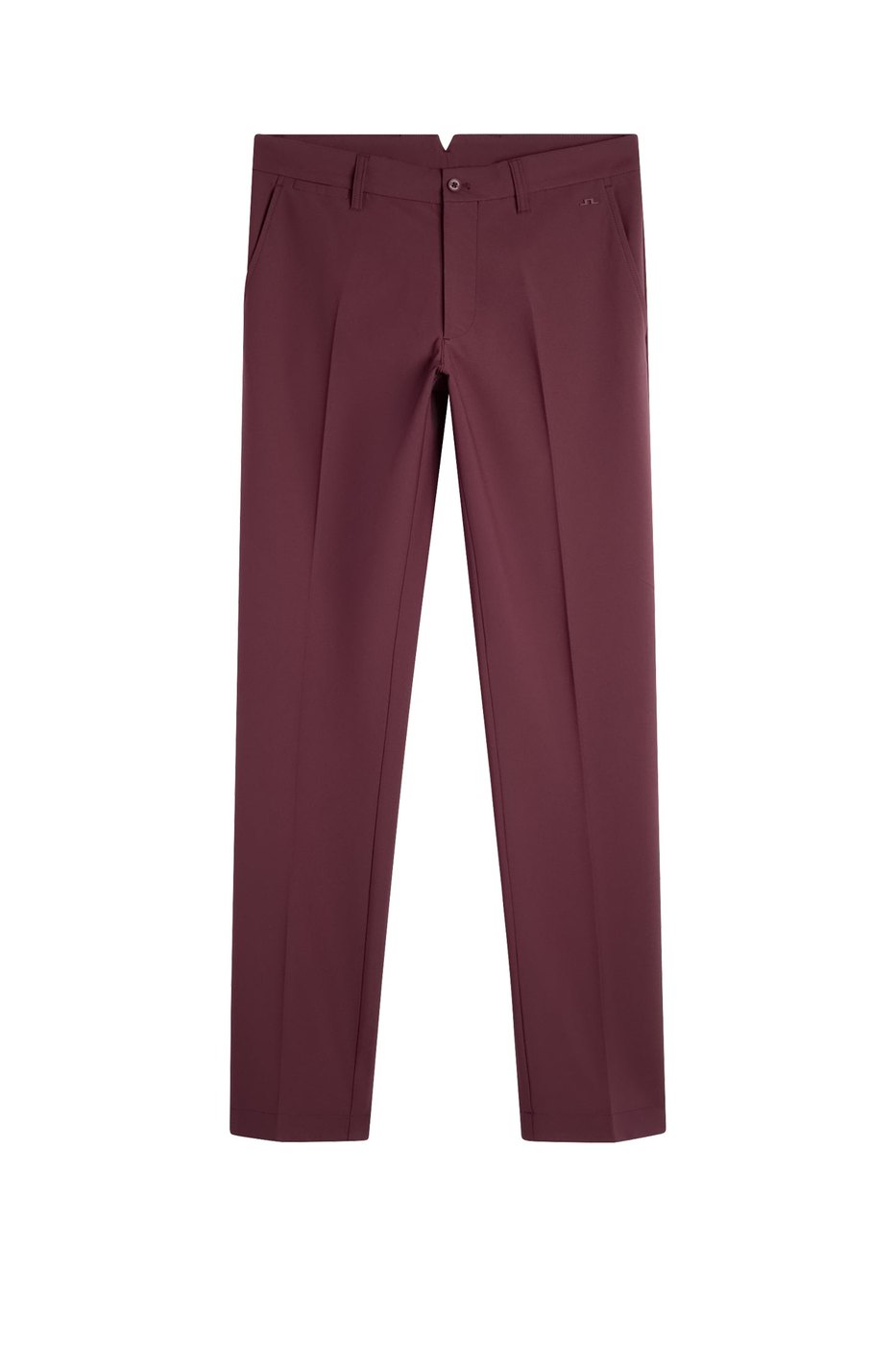
Which brings it to Viktor Hovland, who has worn the brand since 2019 and re-signed for three more years in January 2025. His collection is the honest picture of J.Lindeberg now: quieter than the archive, built on technical solids, brown and oxblood and navy, with one colour-blocked polo in it that remembers what this label used to be. Everything below comes from that line, plus the anniversary capsule and a handful of tees.
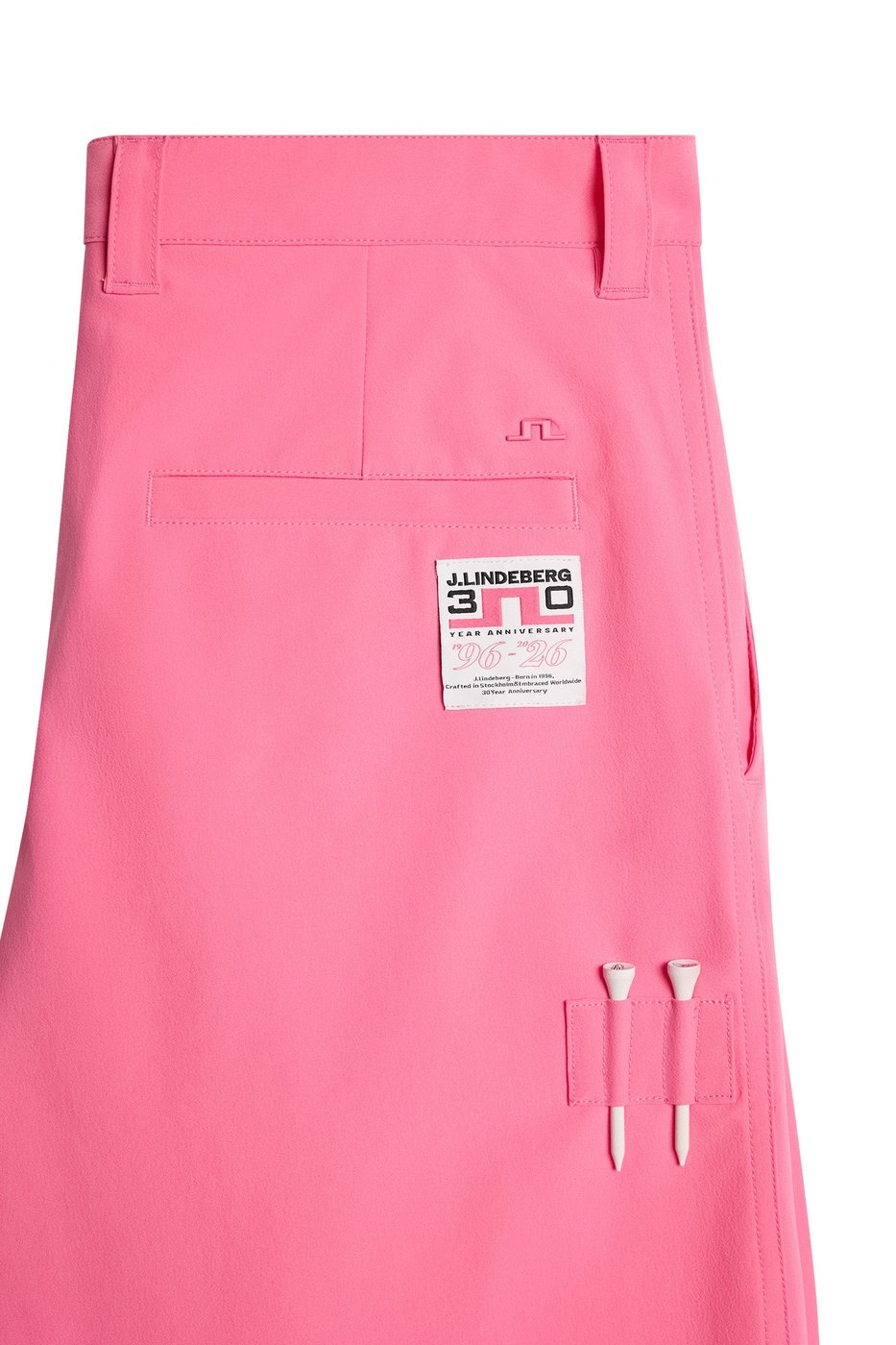
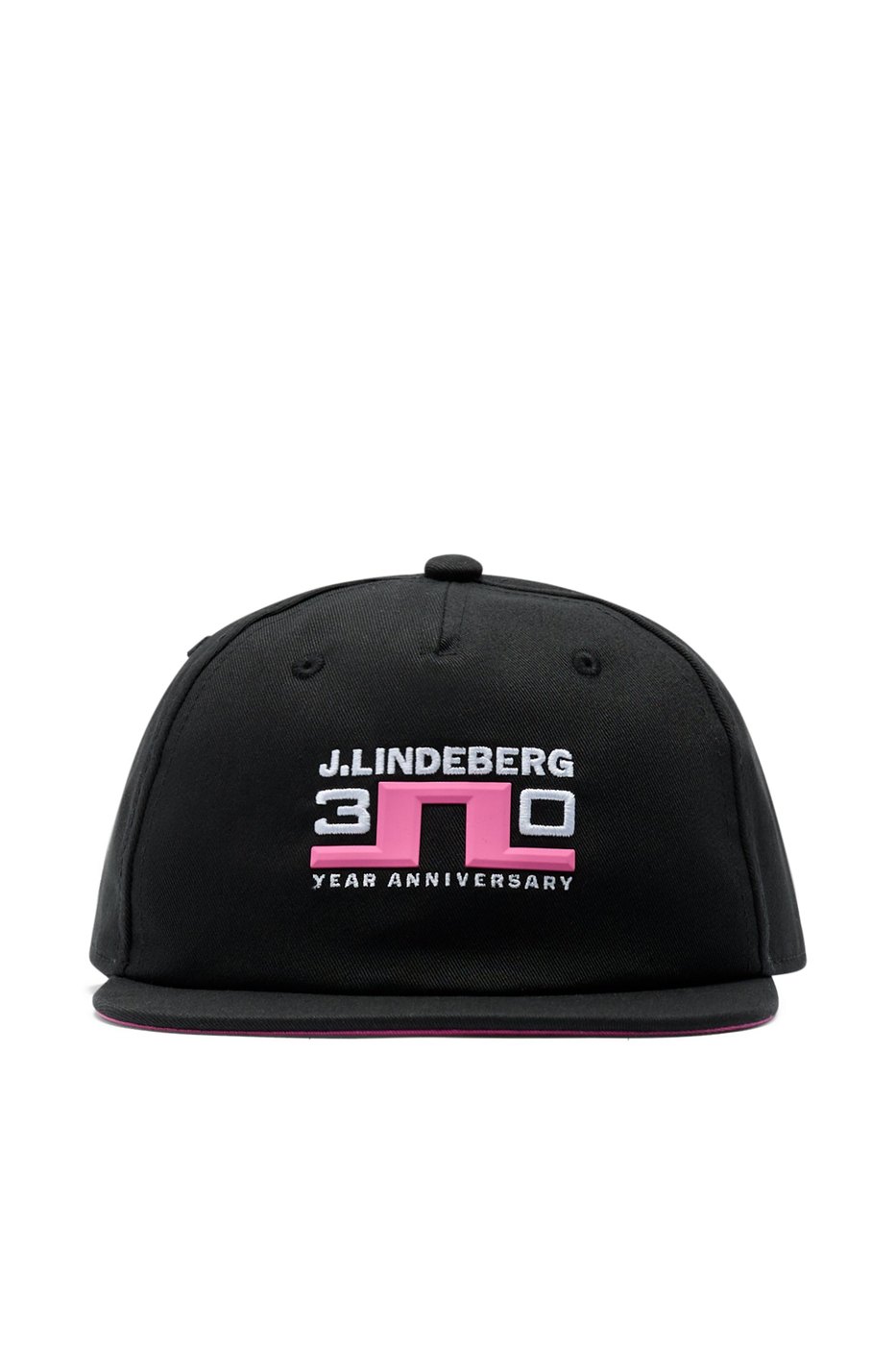
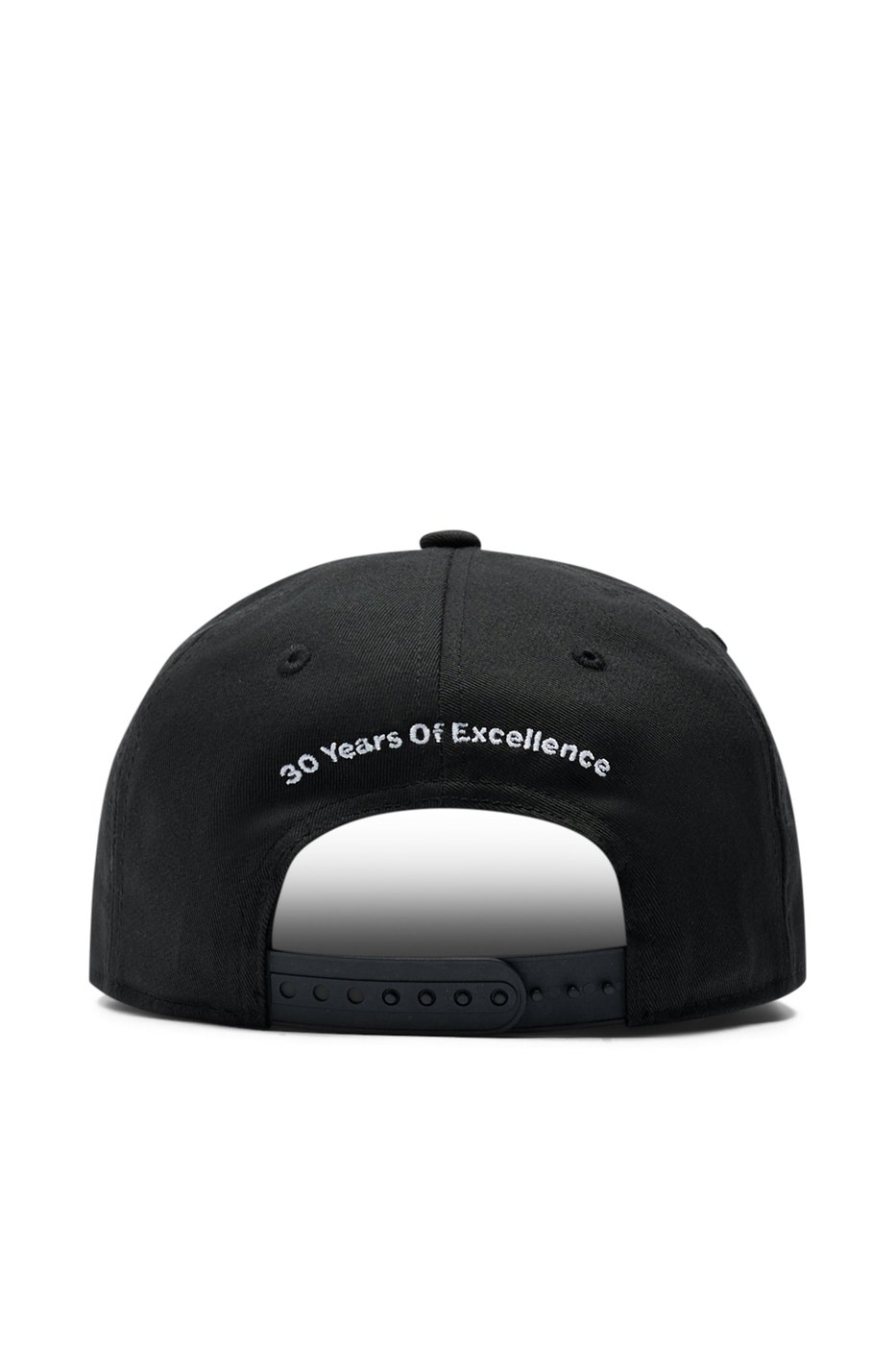
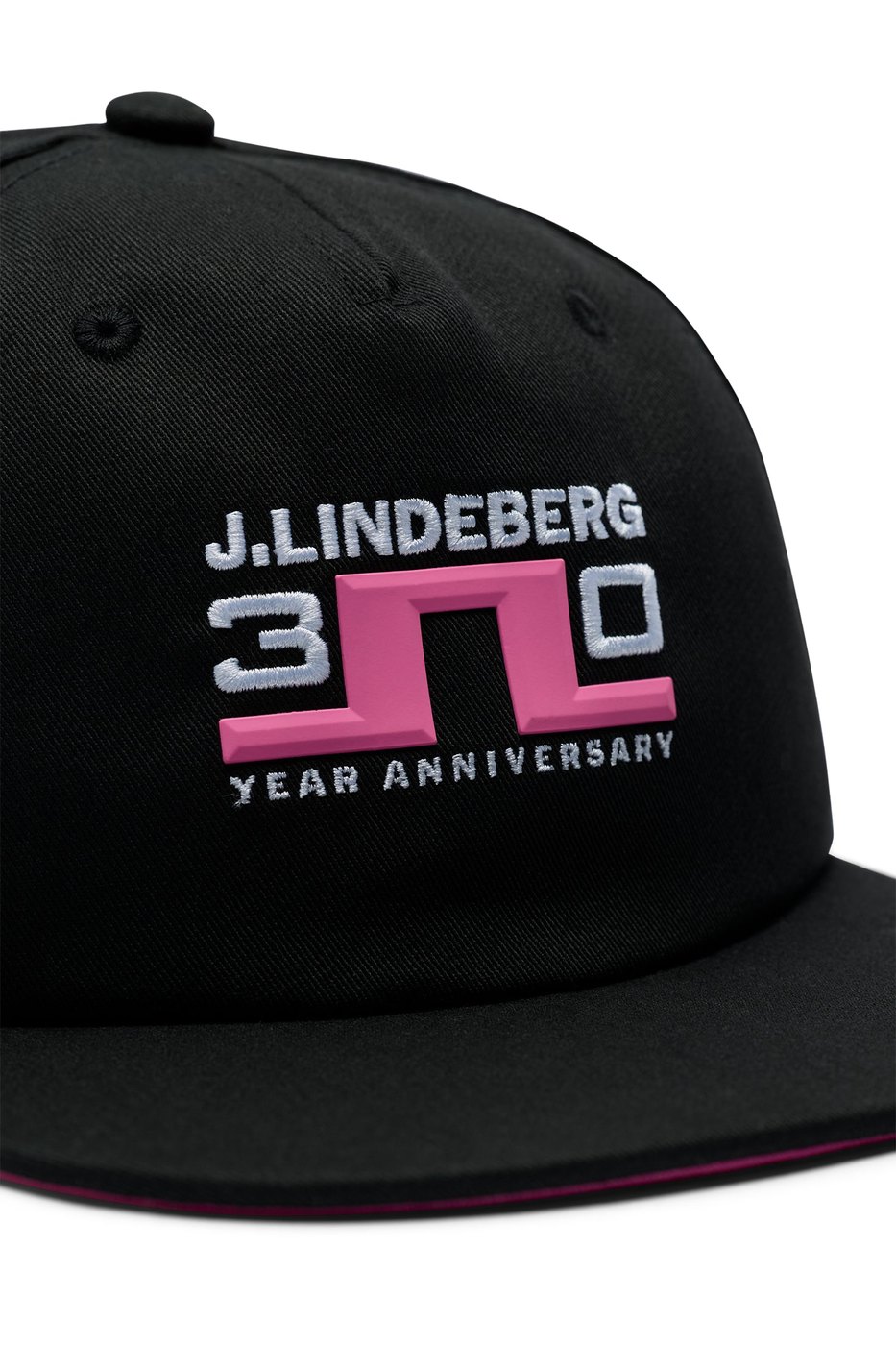
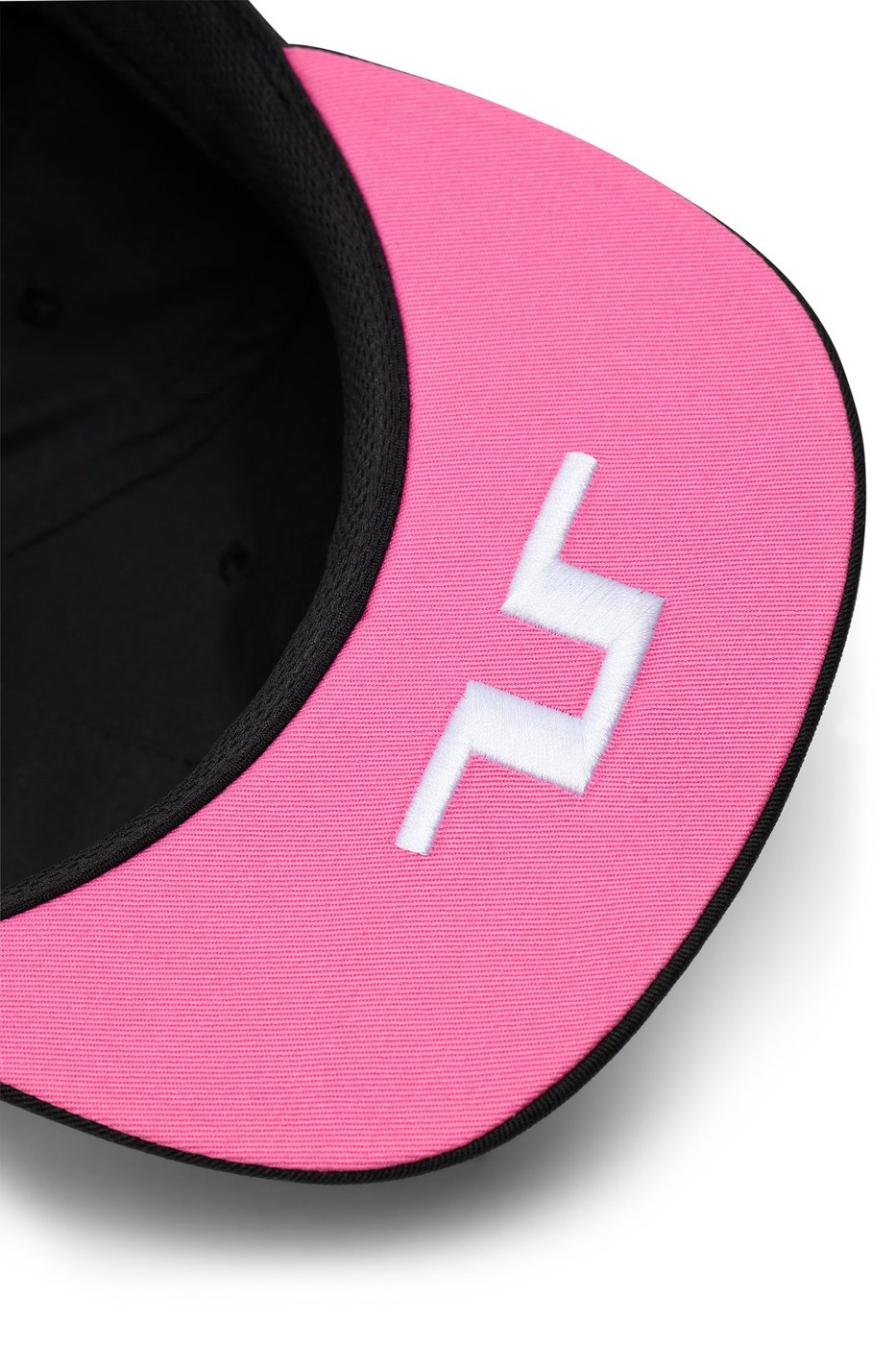
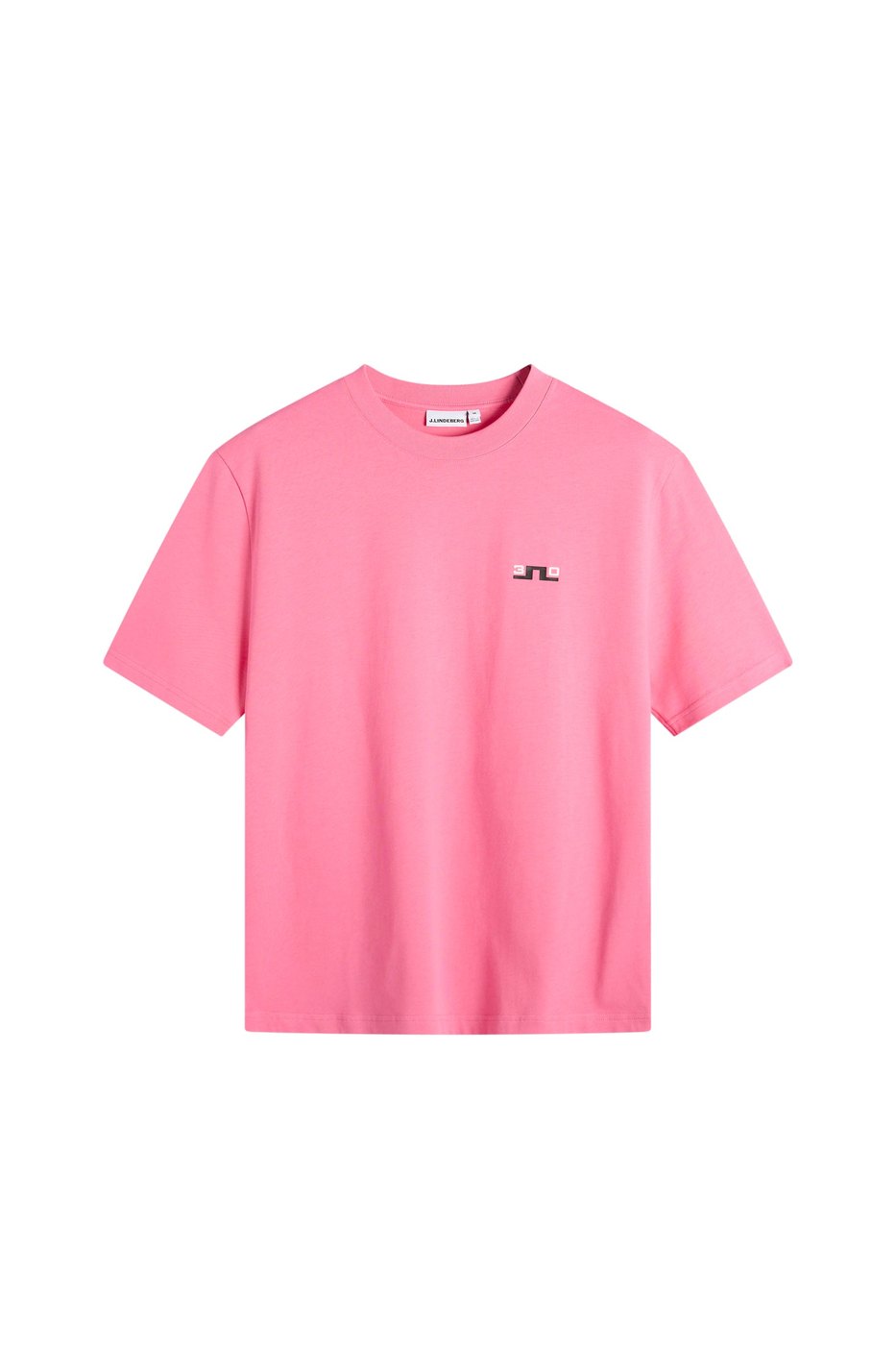
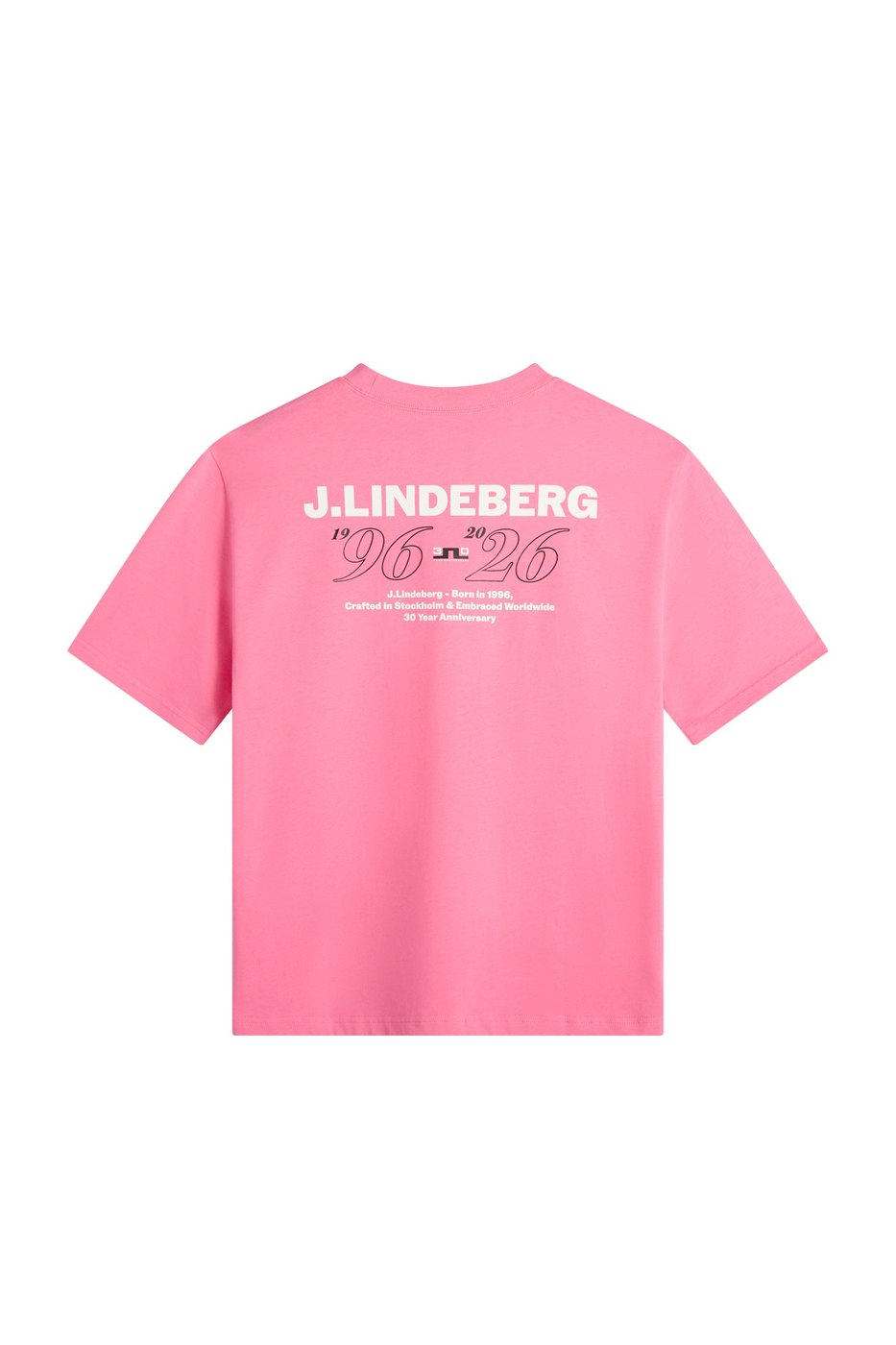
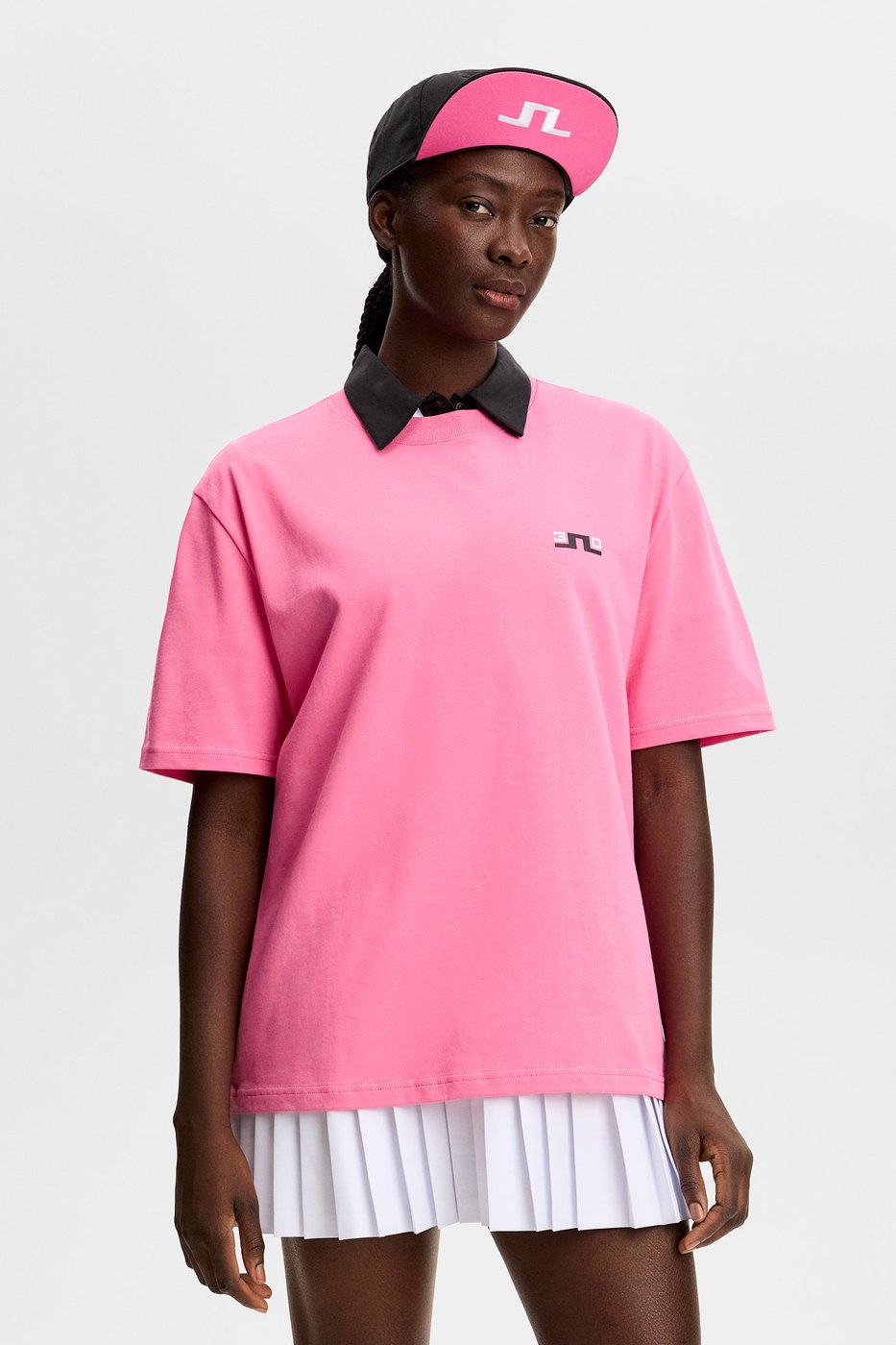
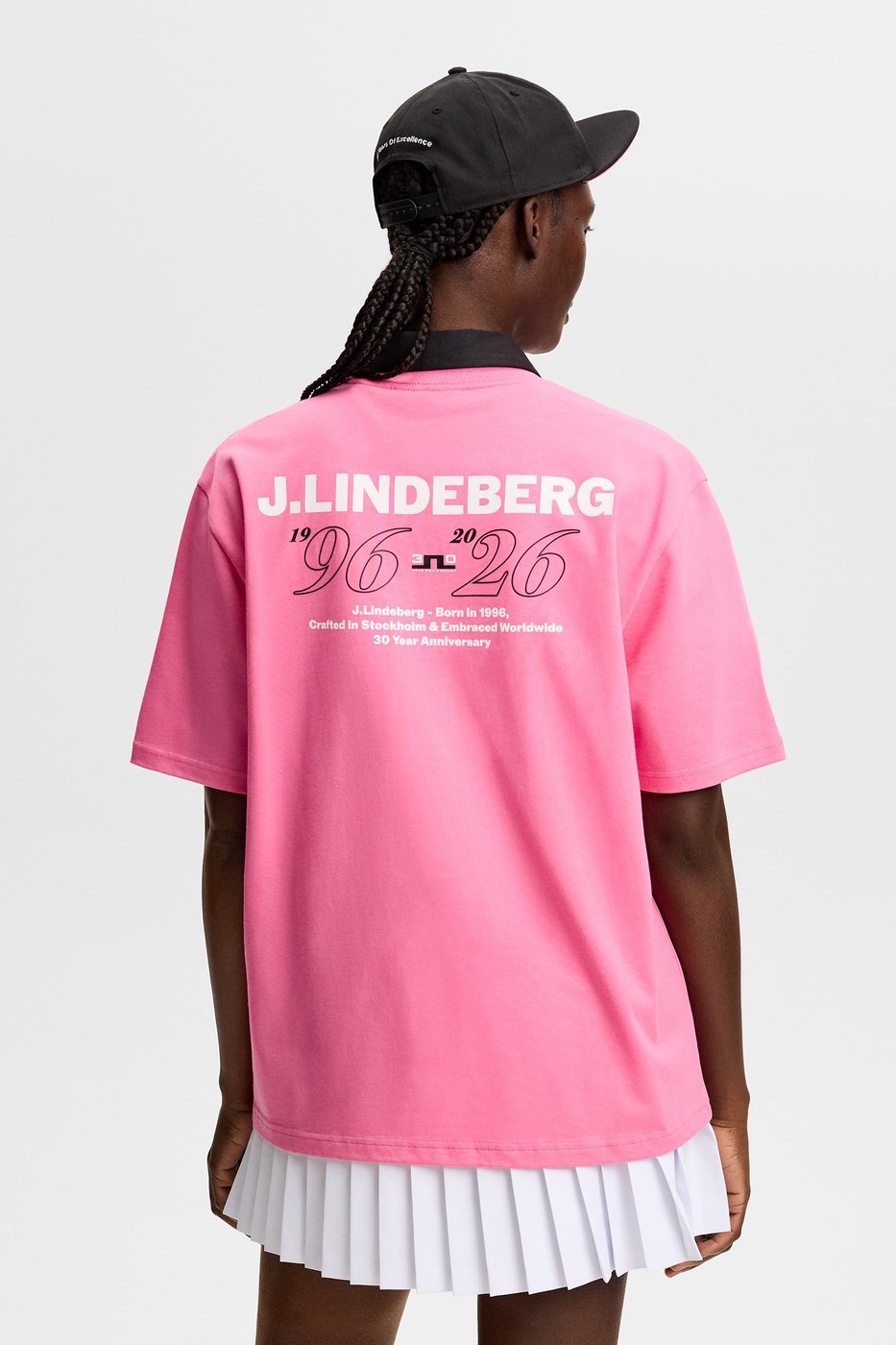
30 YEARS · AND A COLOURJ.Lindeberg is thirty this year and has chosen to celebrate by reselling its own origin story, which is either shameless or exactly right. The capsule is built around one color and one afternoon in Texas, and the pieces carry the anniversary marks quietly enough that you would have to know what you were looking at.
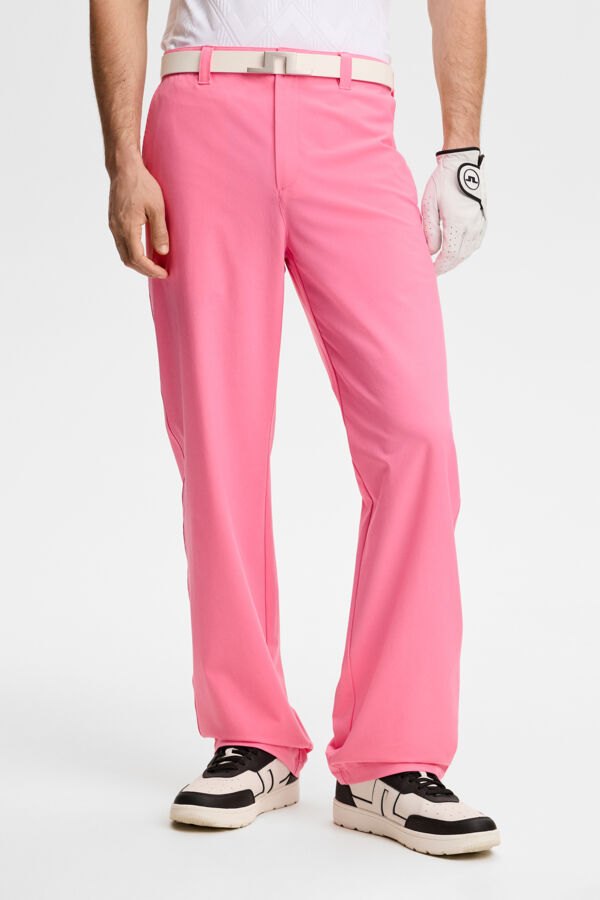
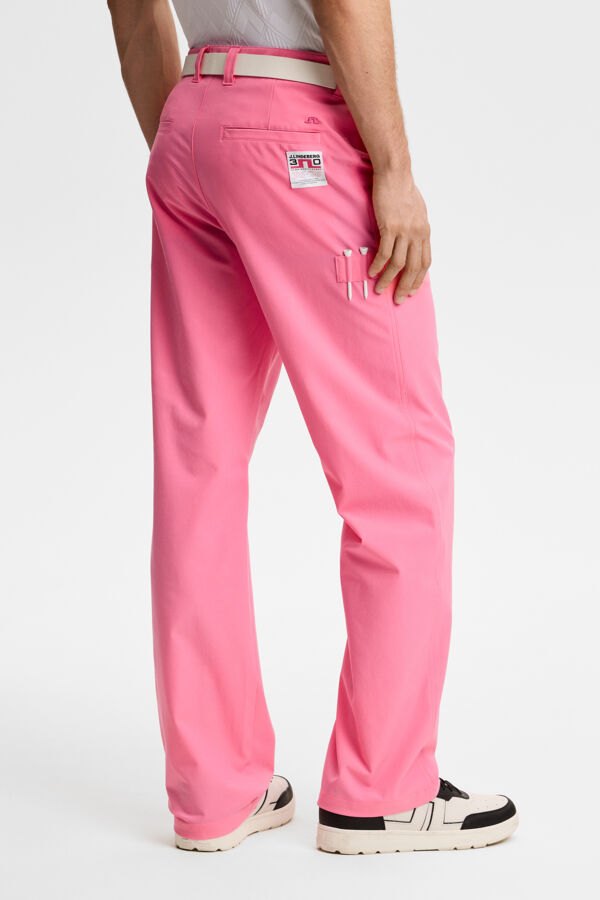
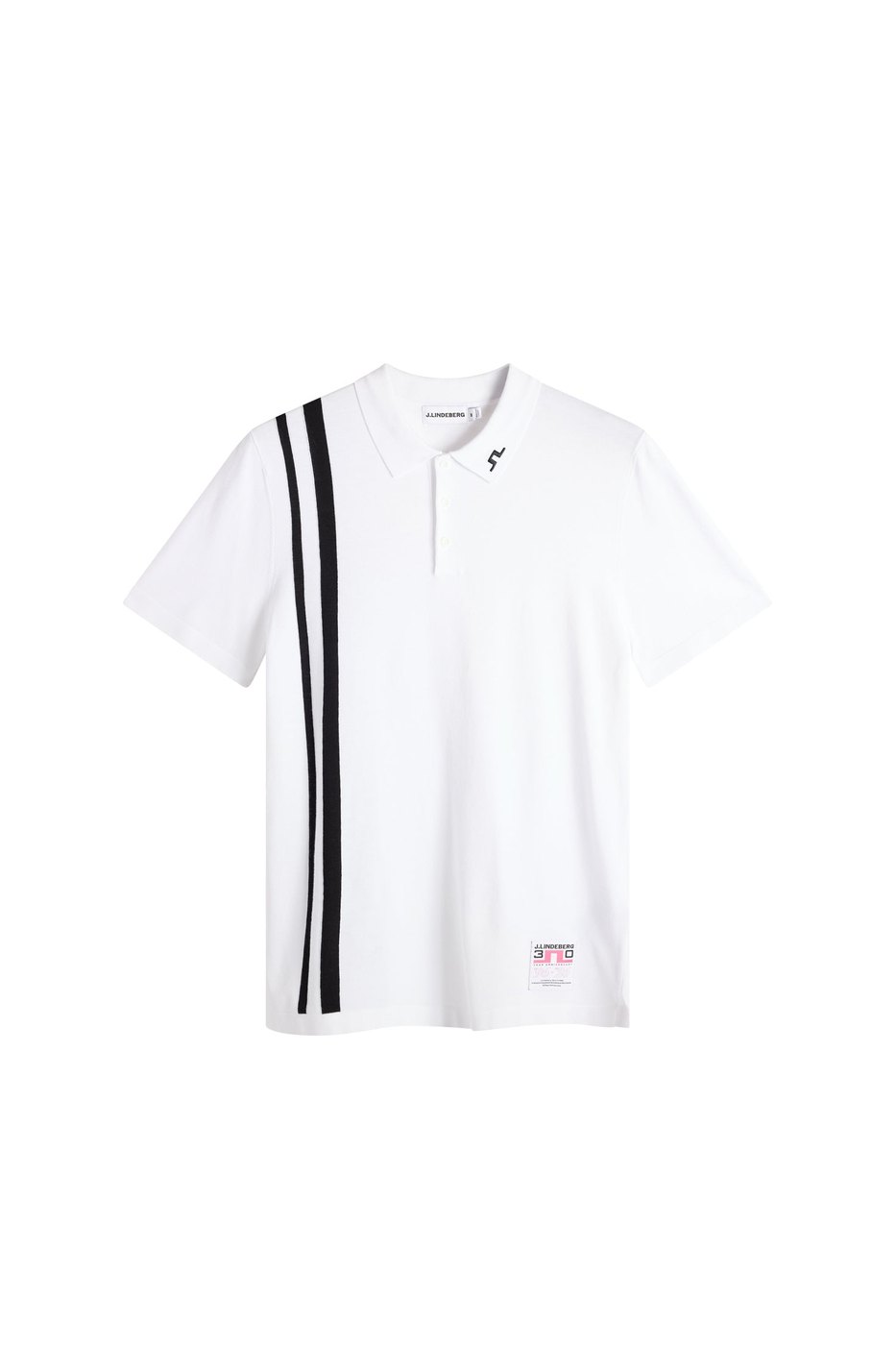
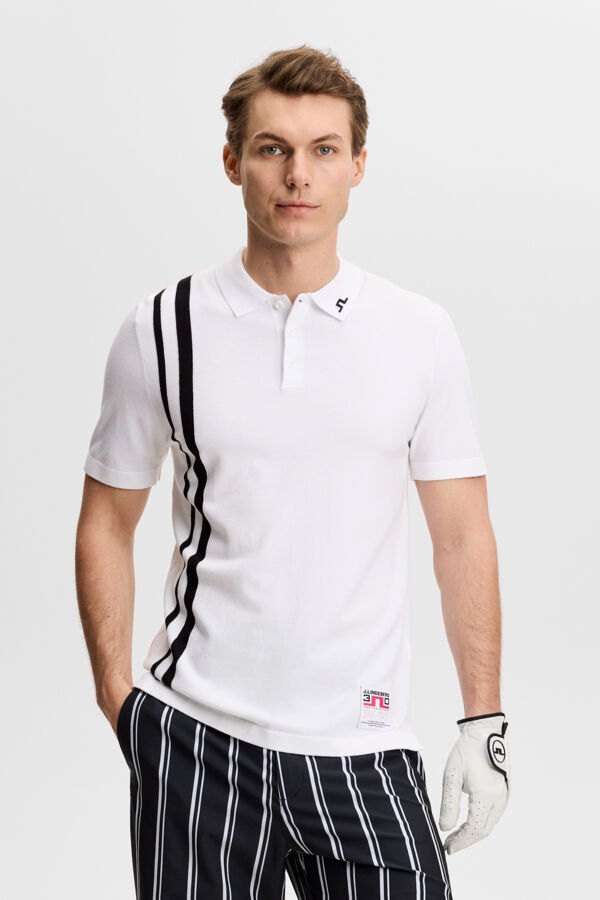
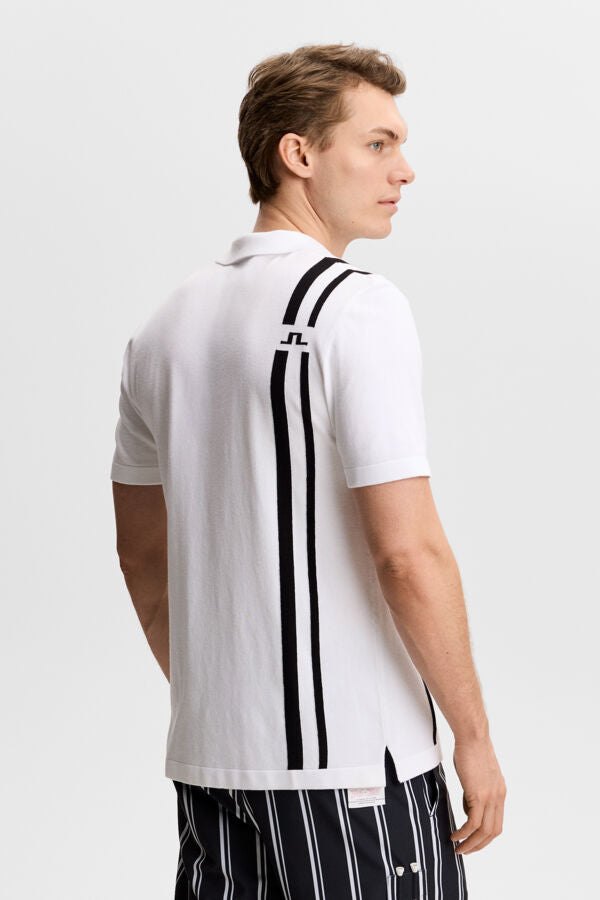
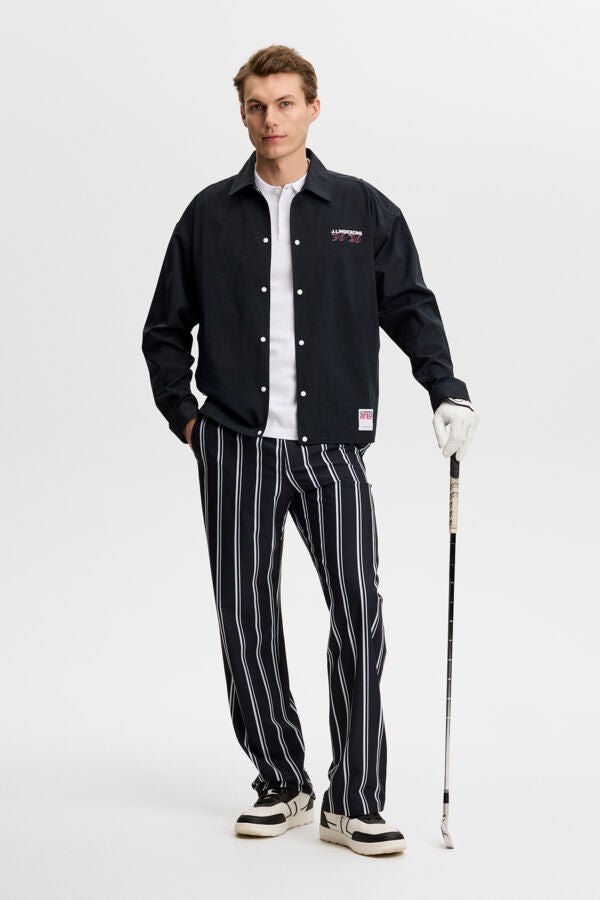
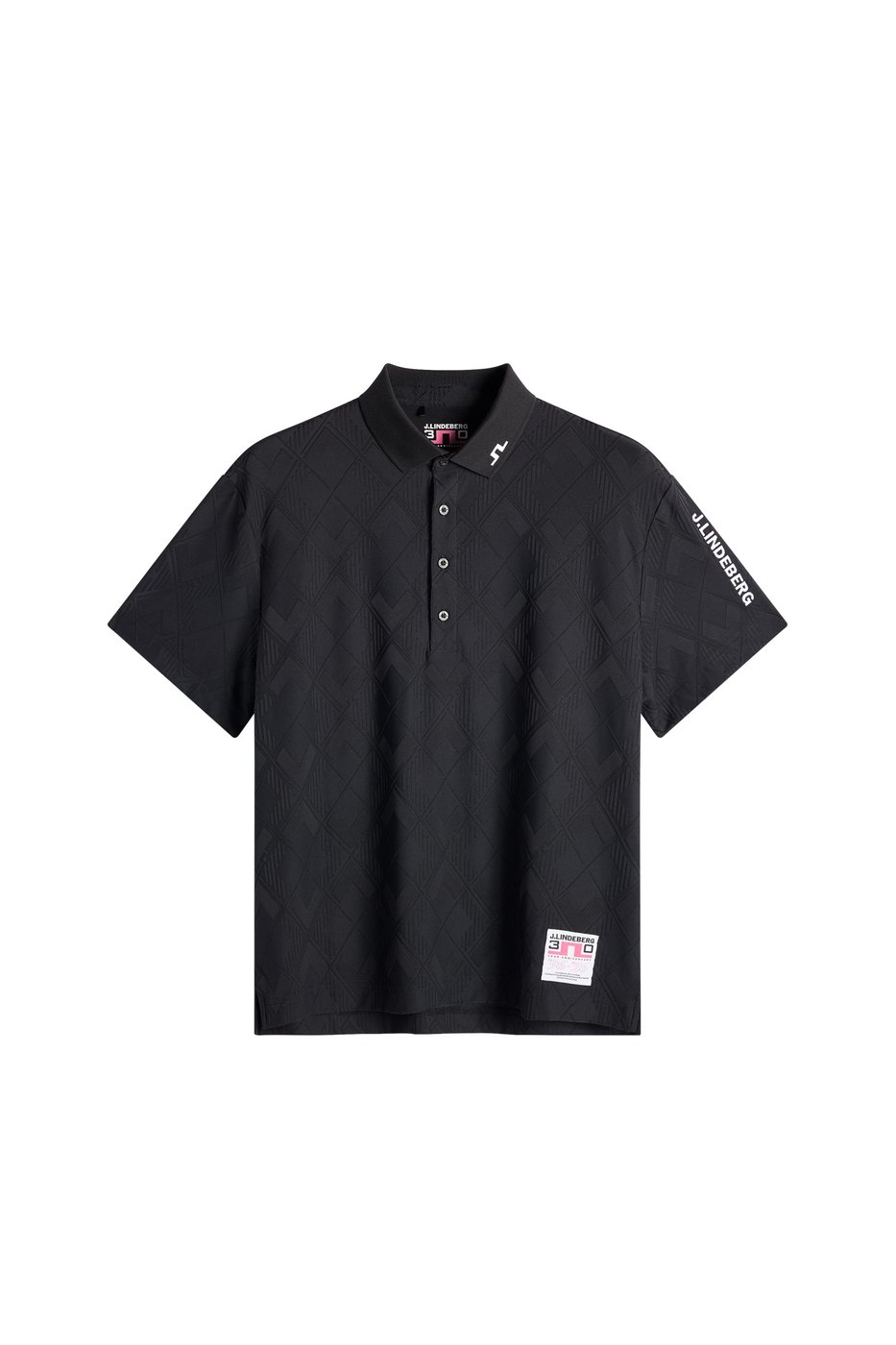
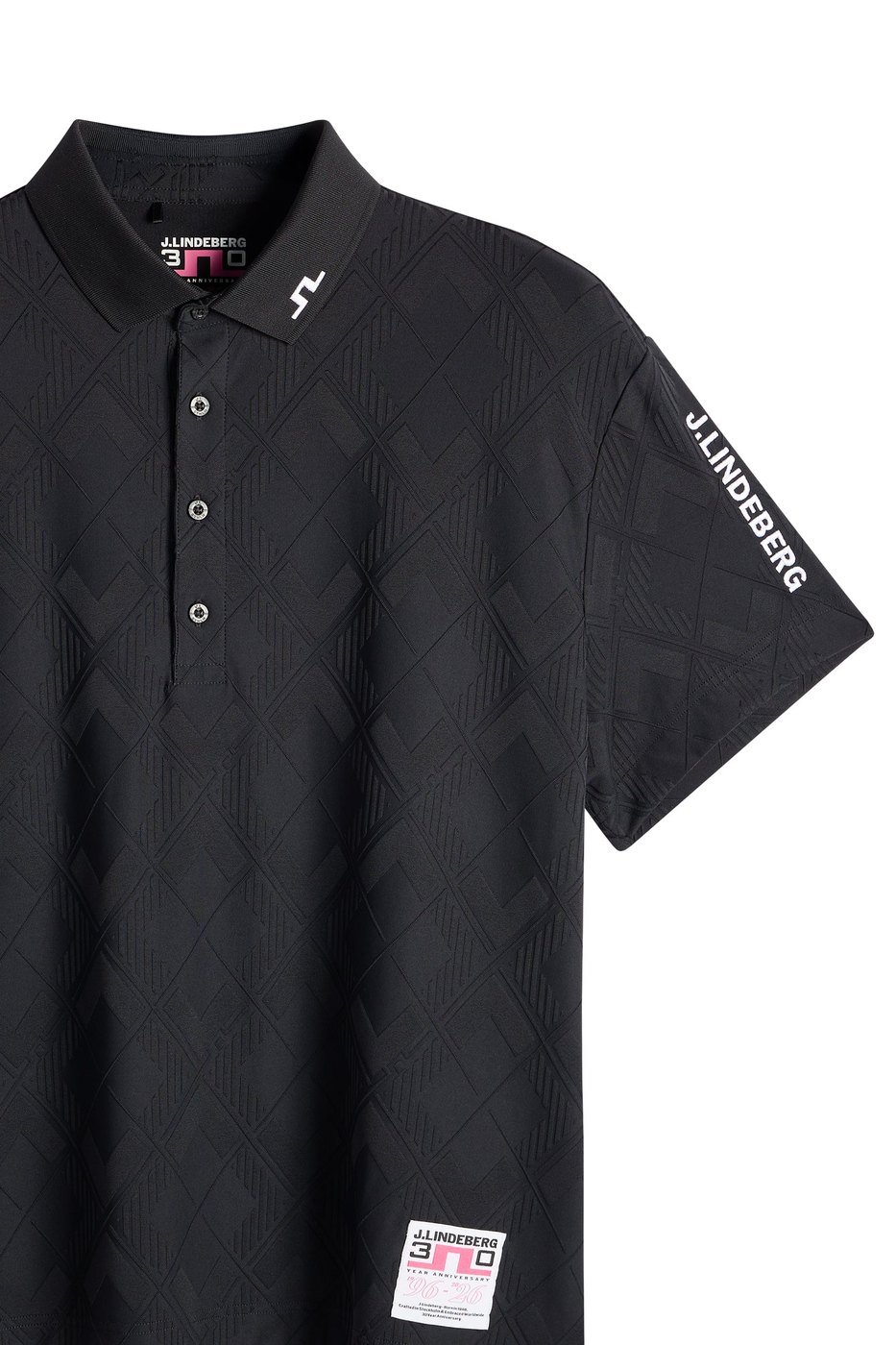
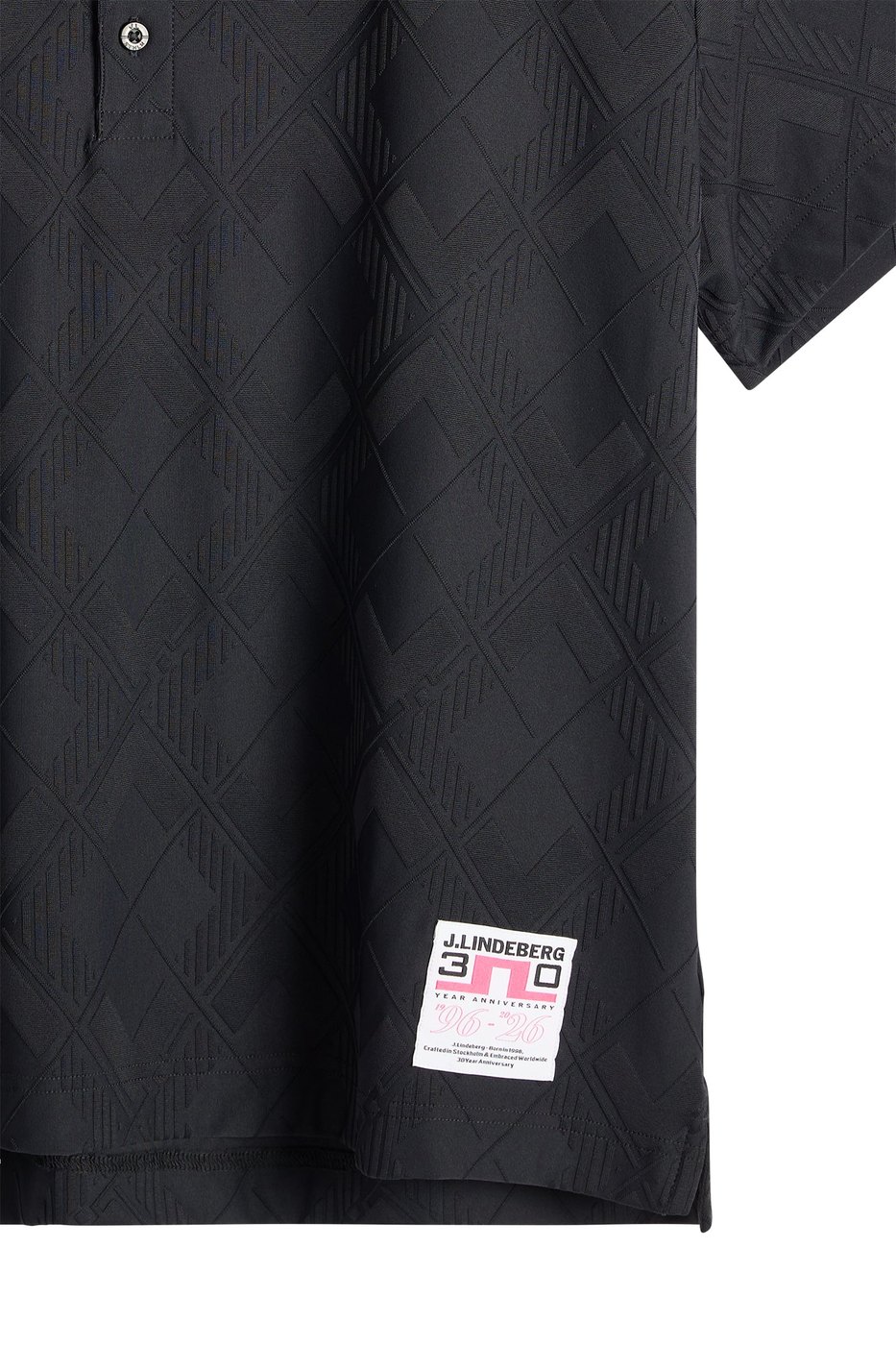
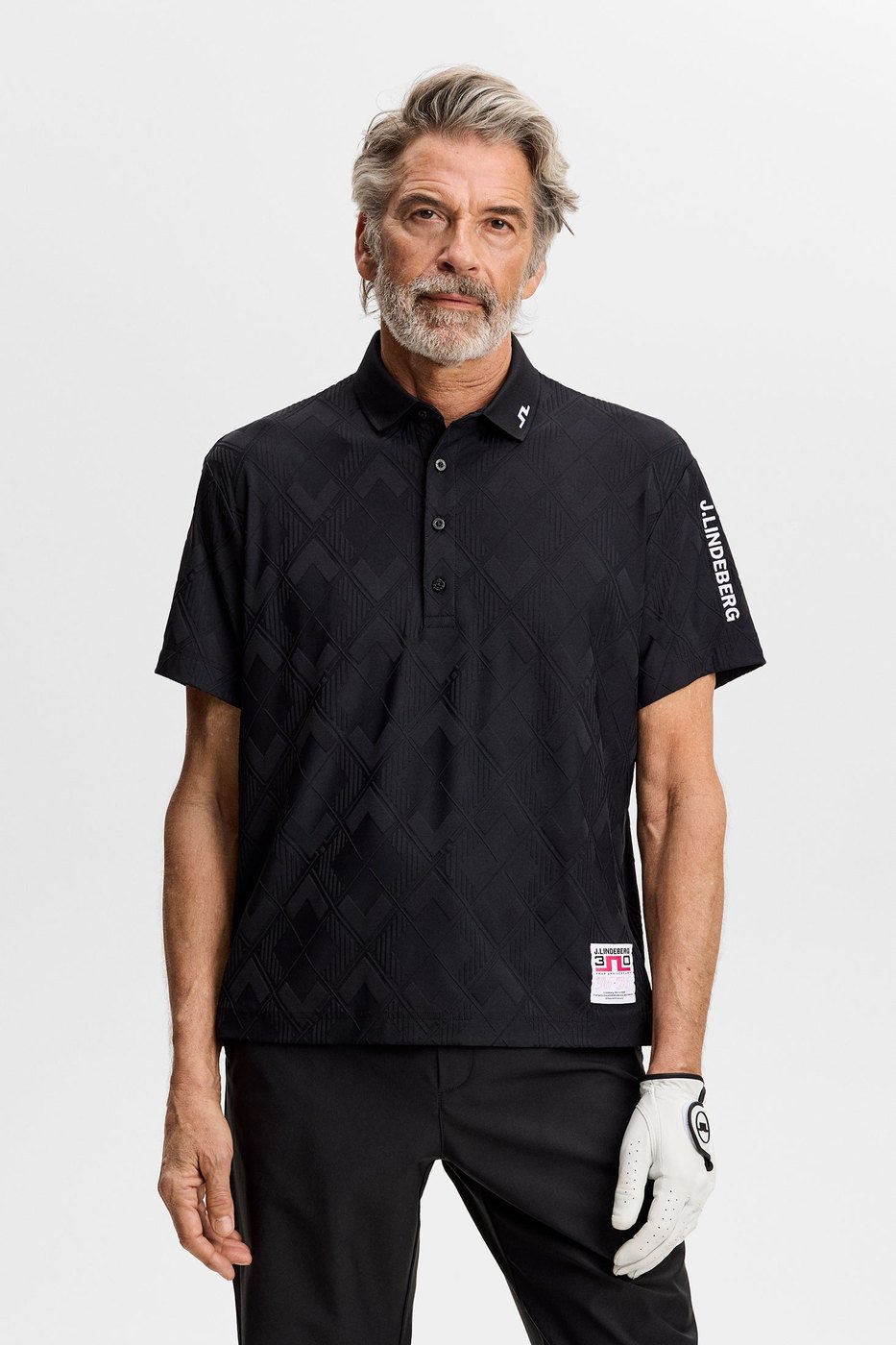
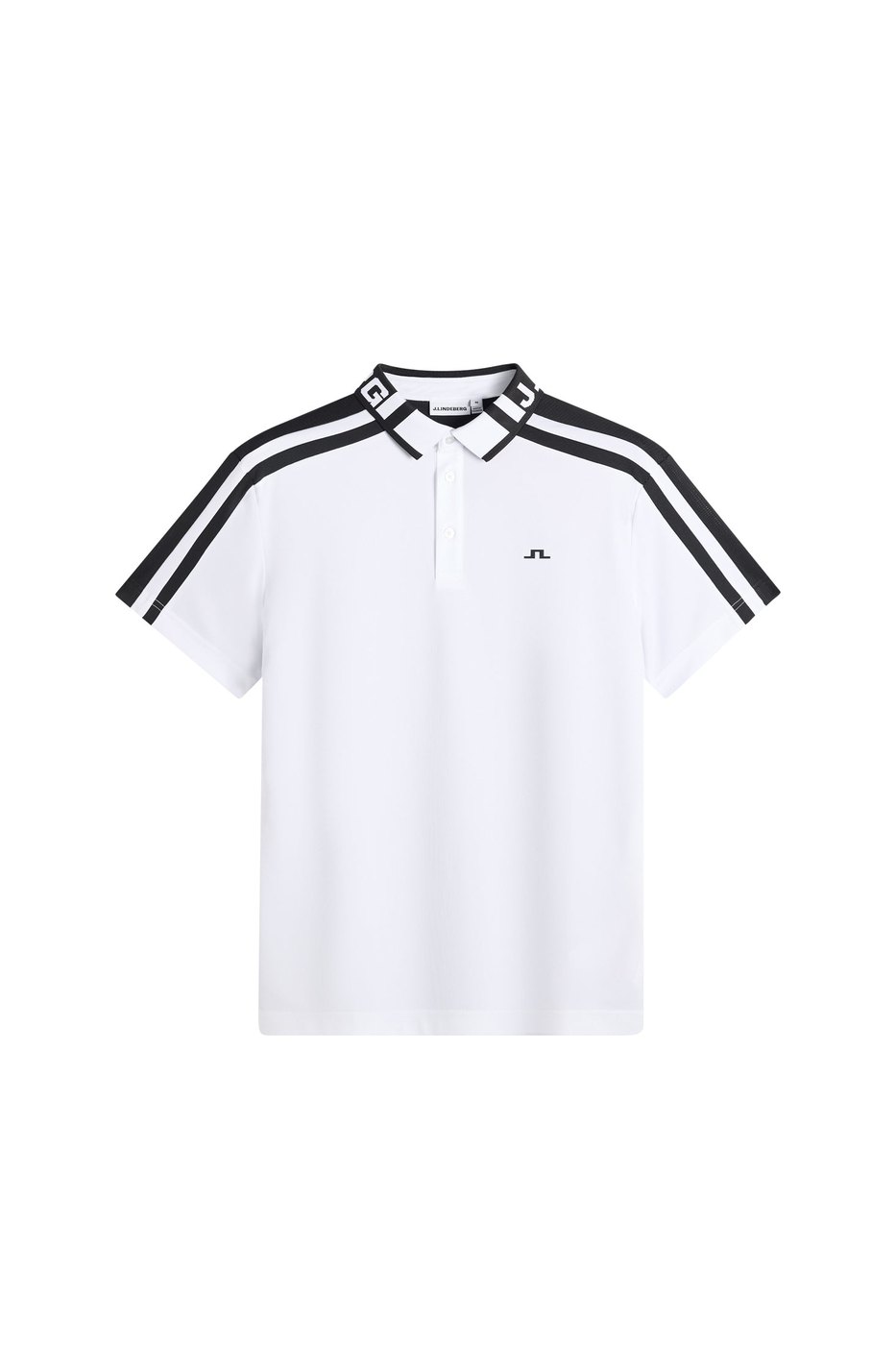
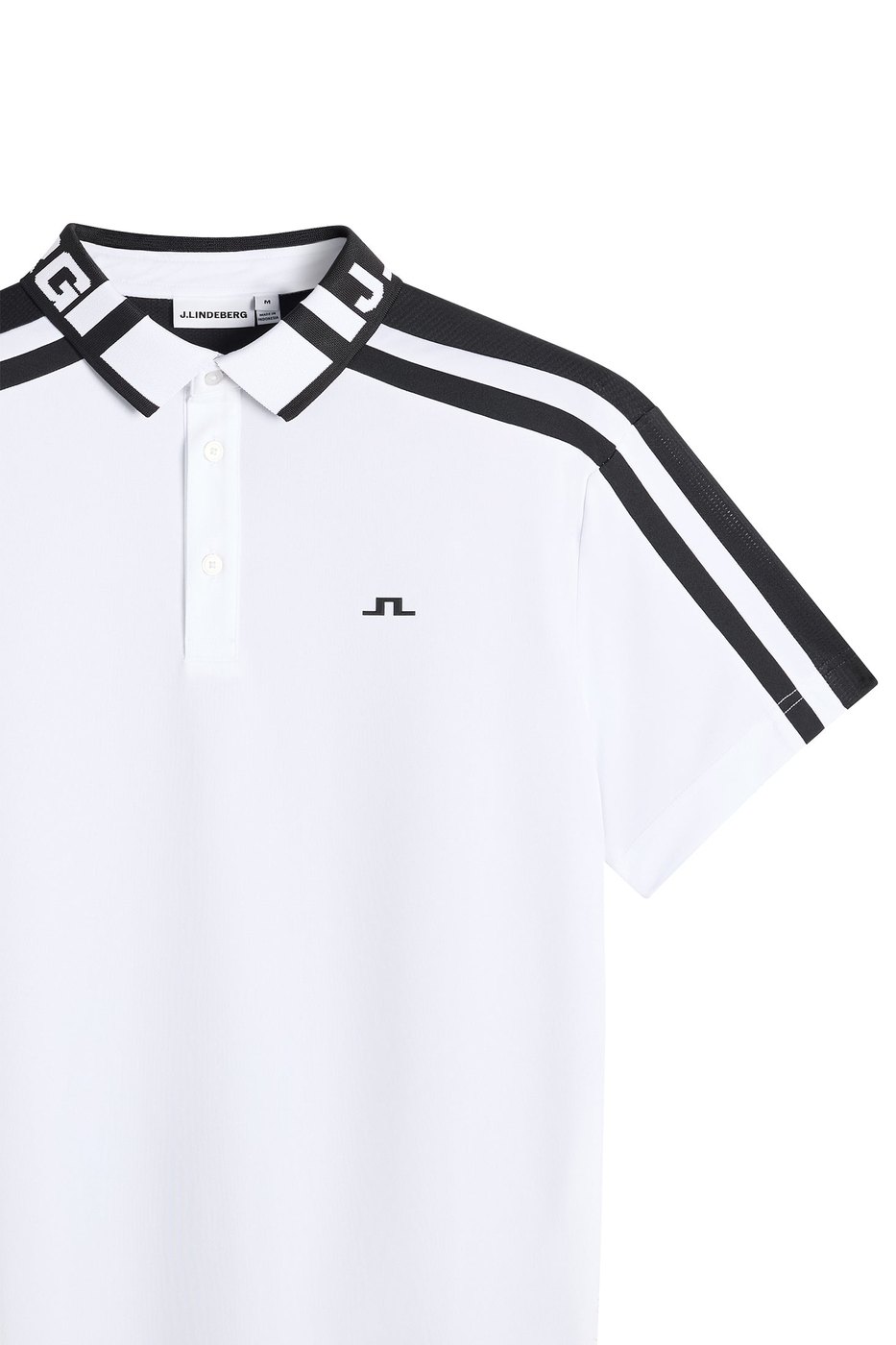
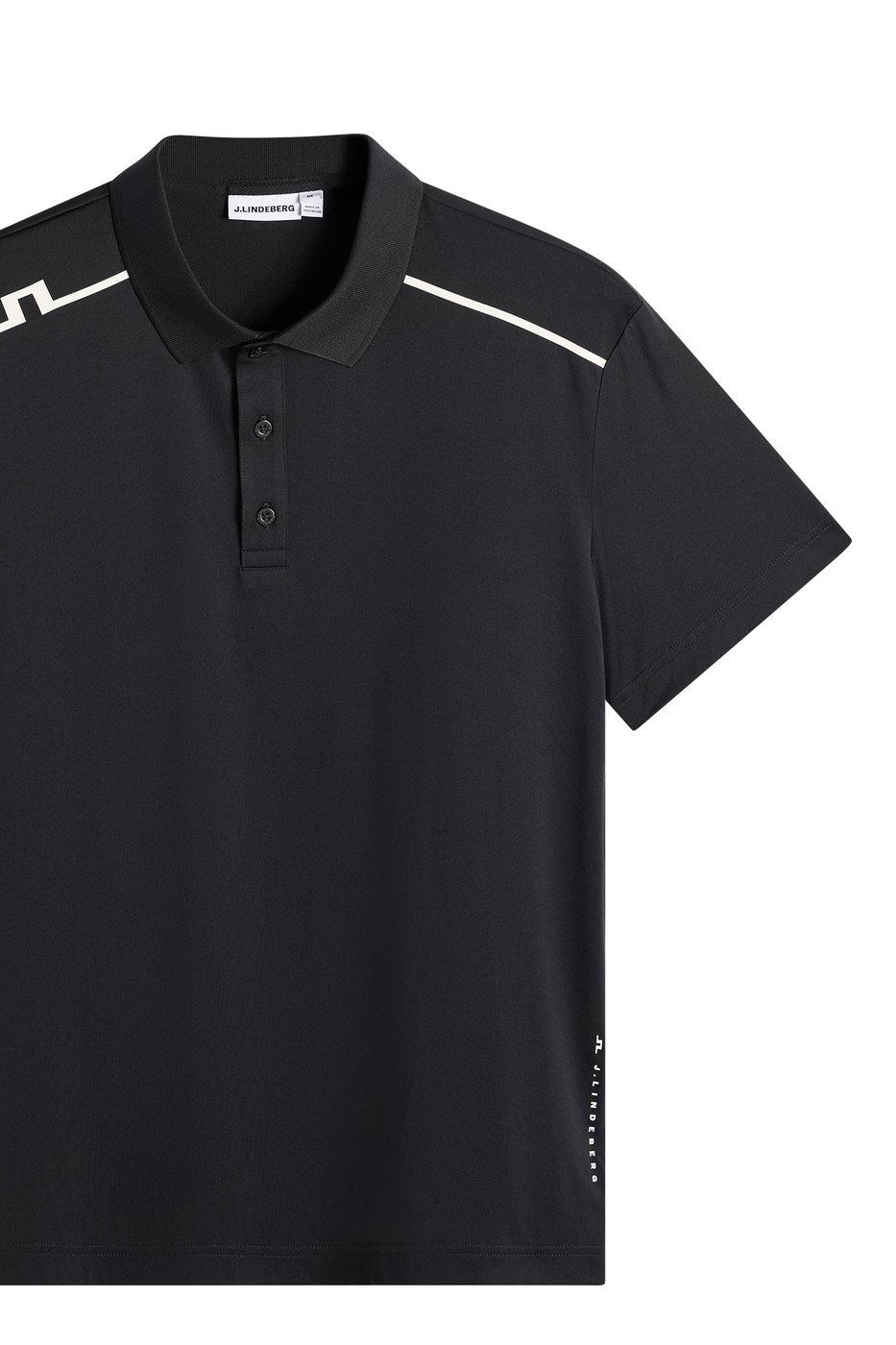
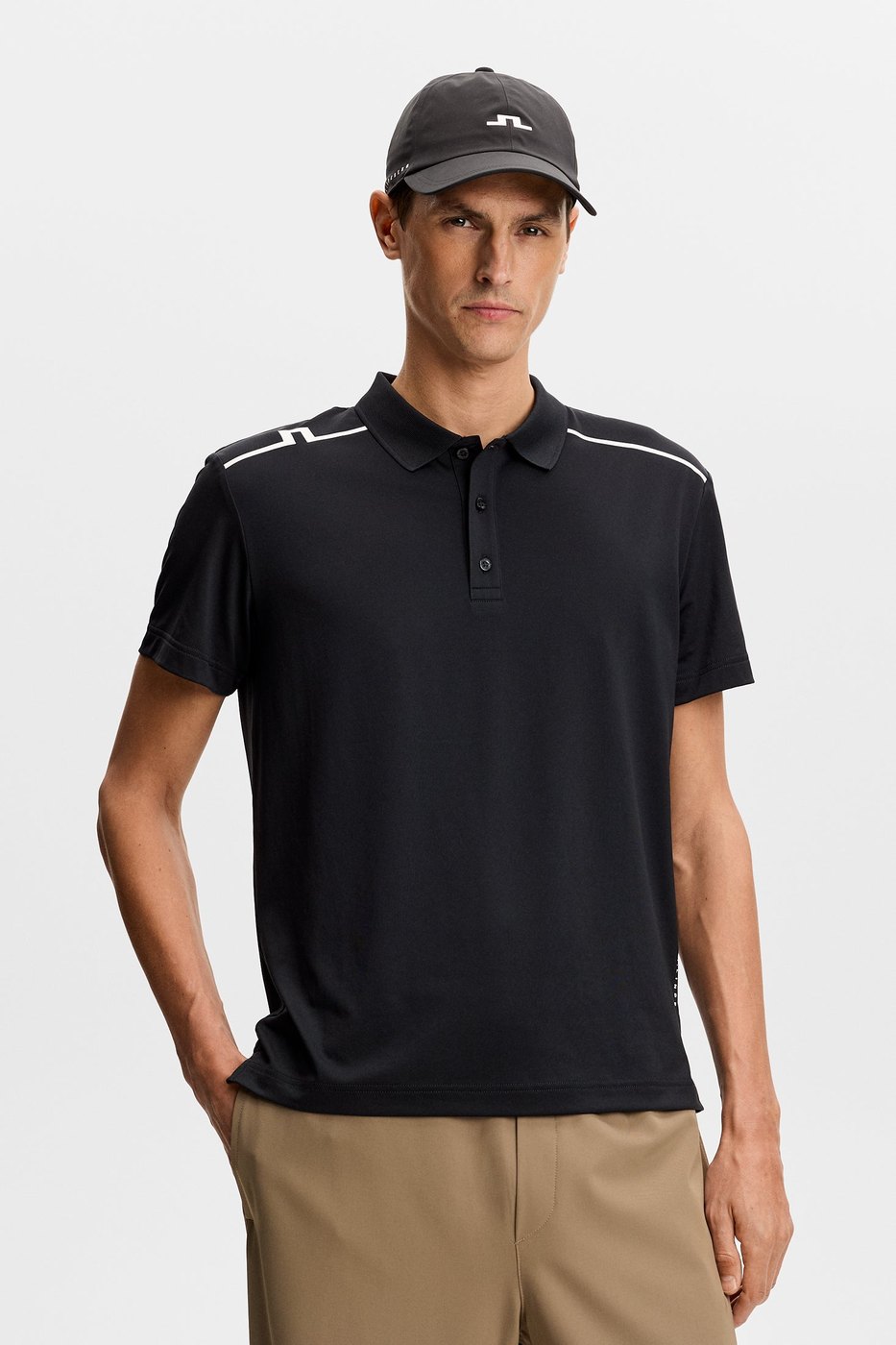
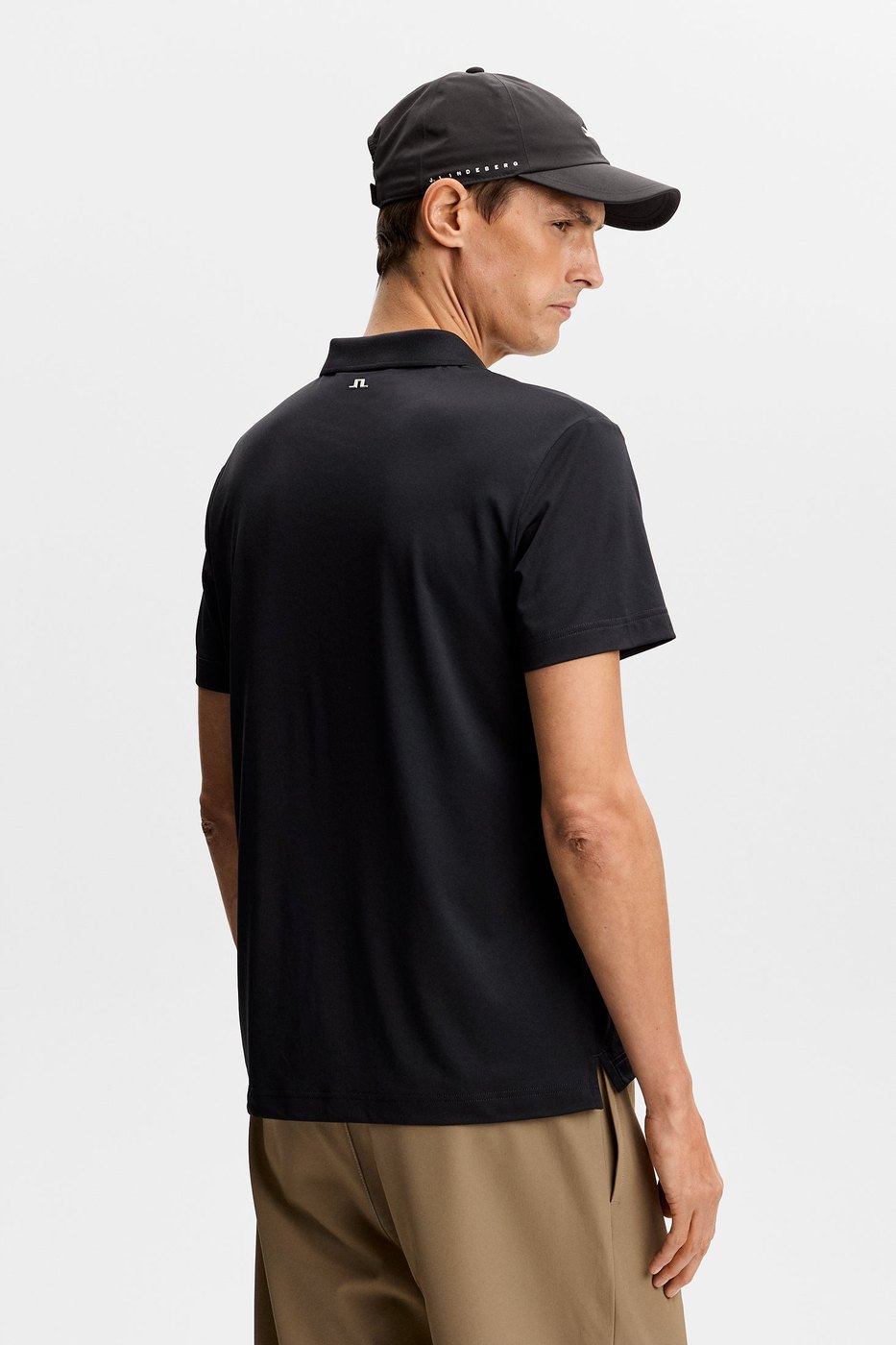
SIX FROM THE HOVLAND LINEViktor Hovland has worn J.Lindeberg since 2019 and extended for three more years in January 2025, which makes his collection the clearest statement of what the brand actually wants to be now. It is quieter than the archive suggests. Most of these are plain technical solids, and the one that breaks pattern is the one to look at.
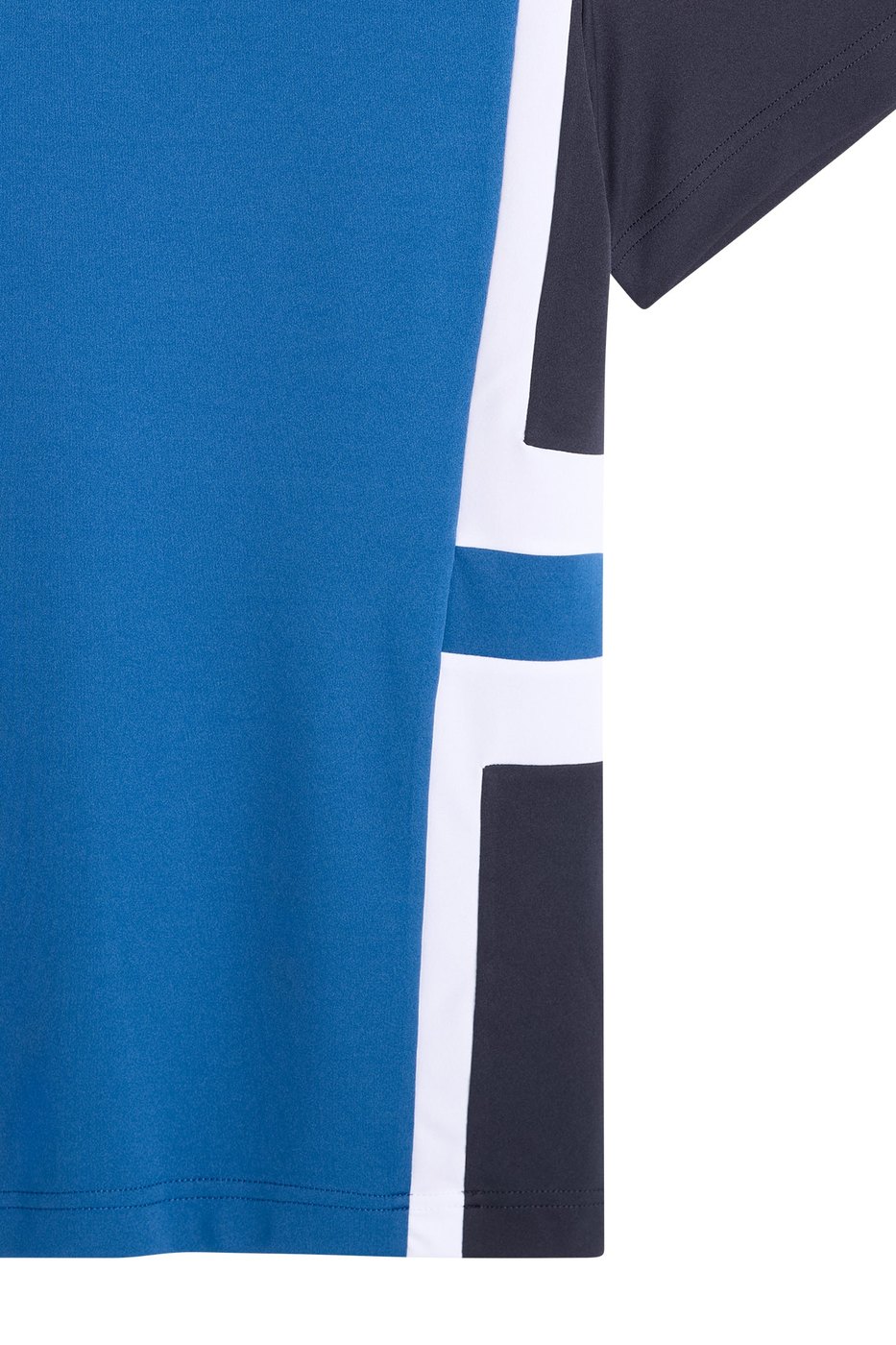
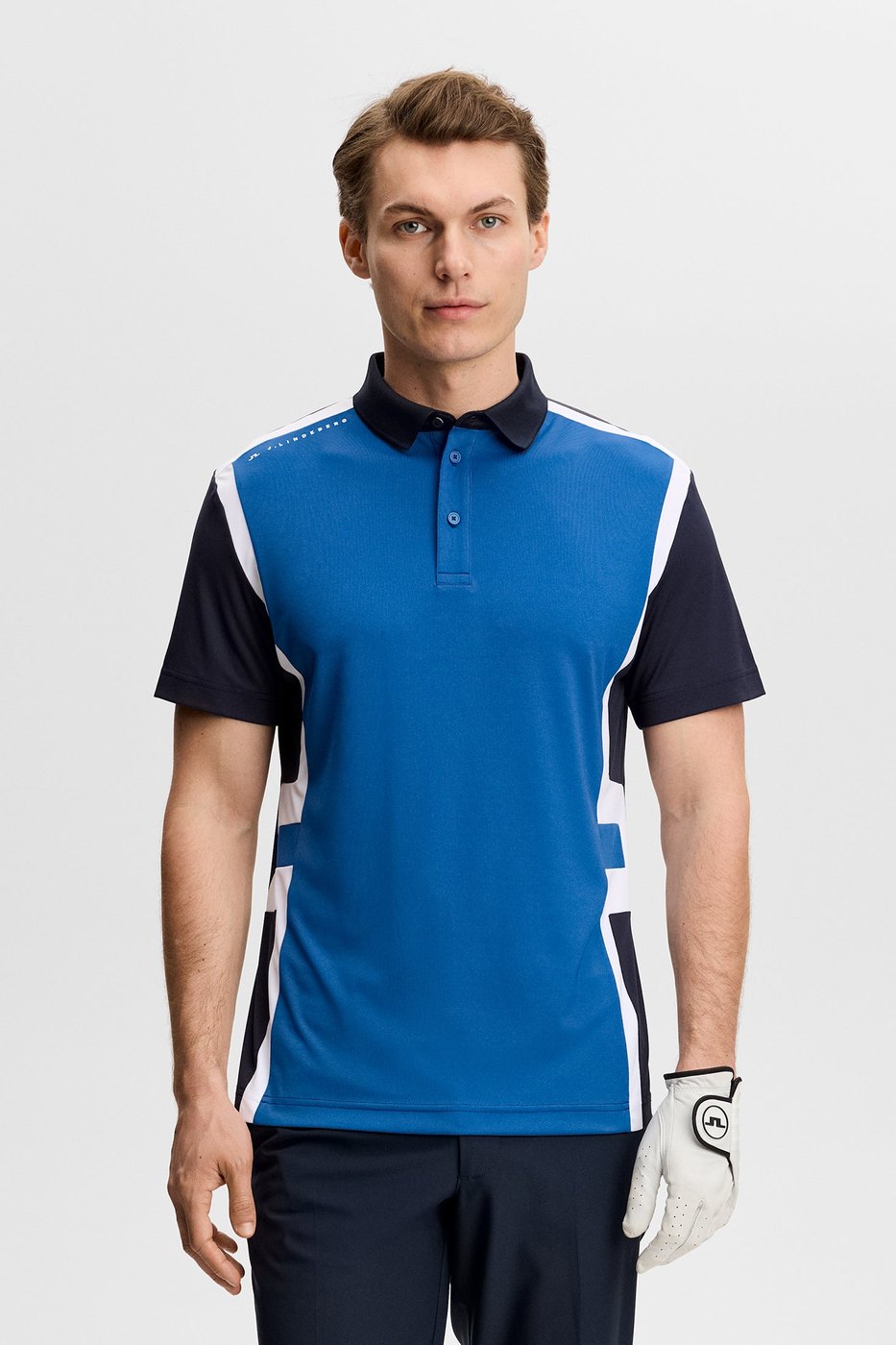
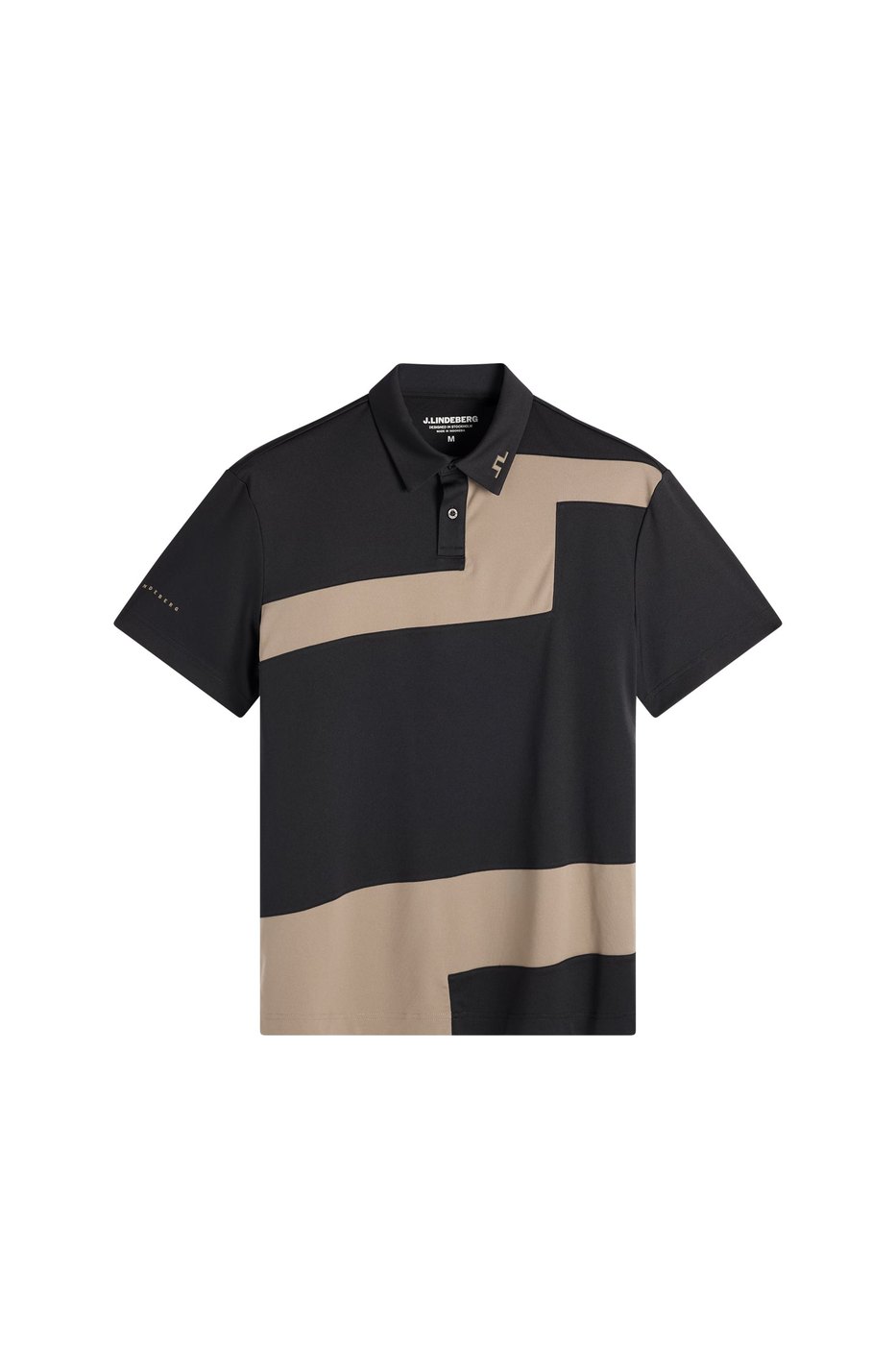
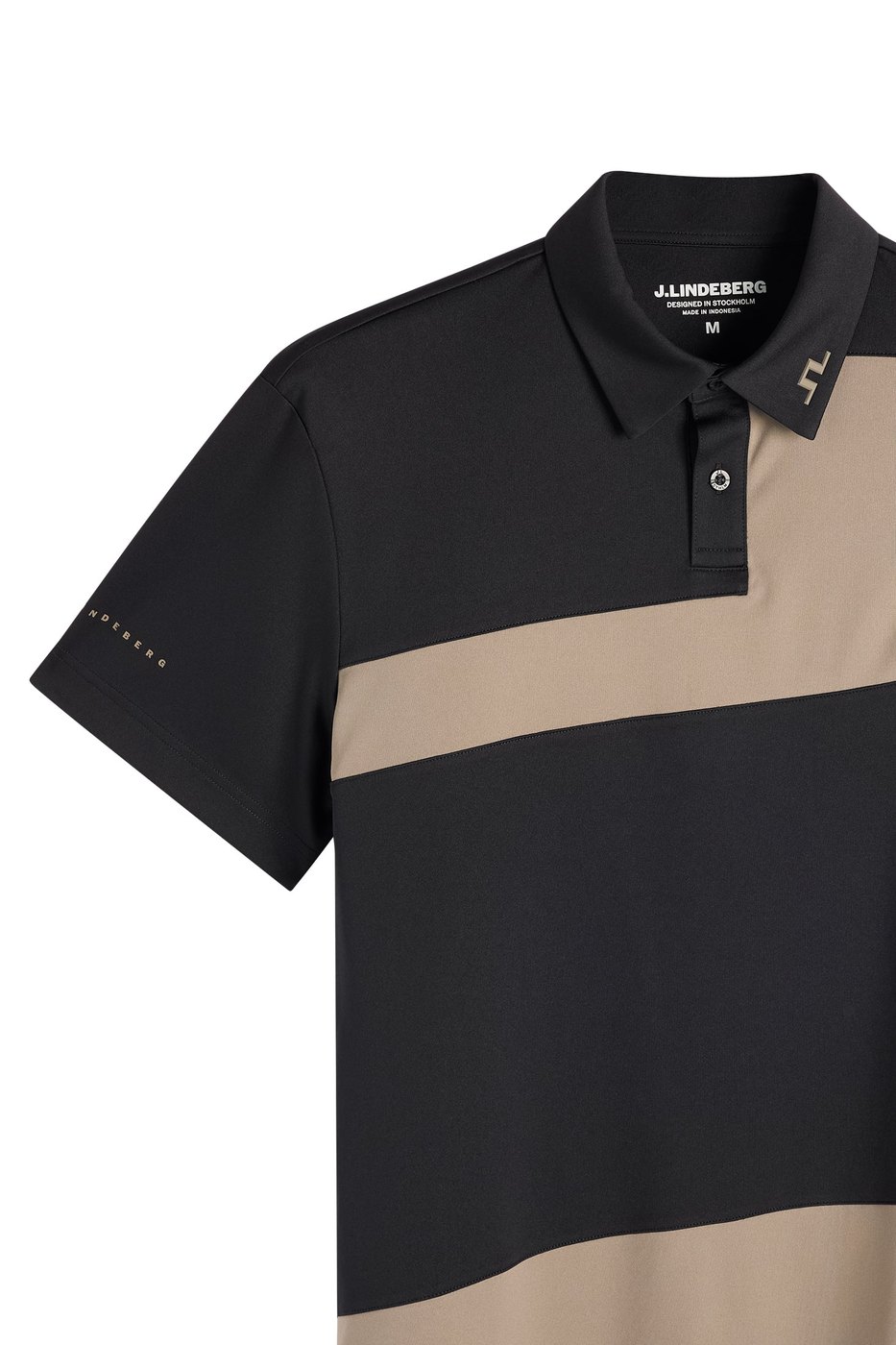
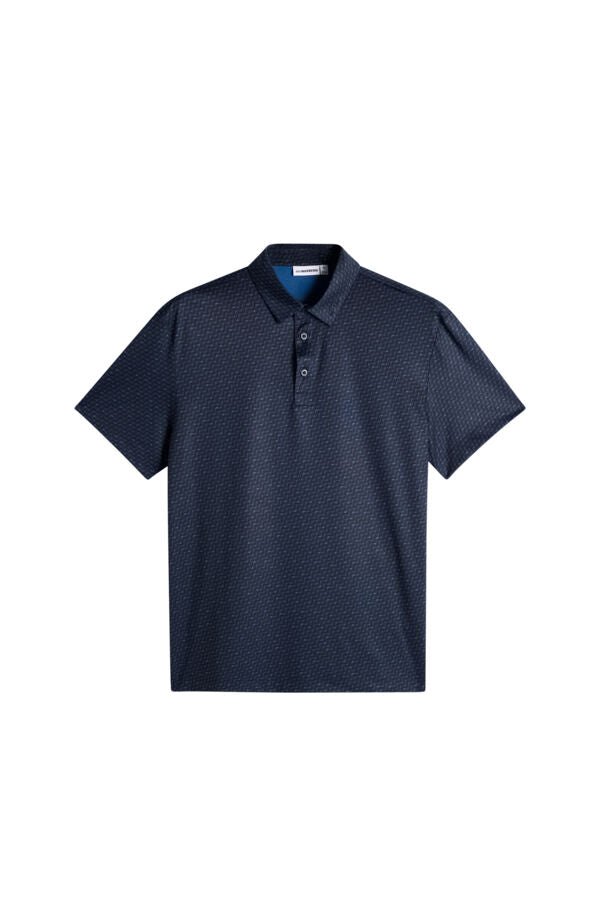
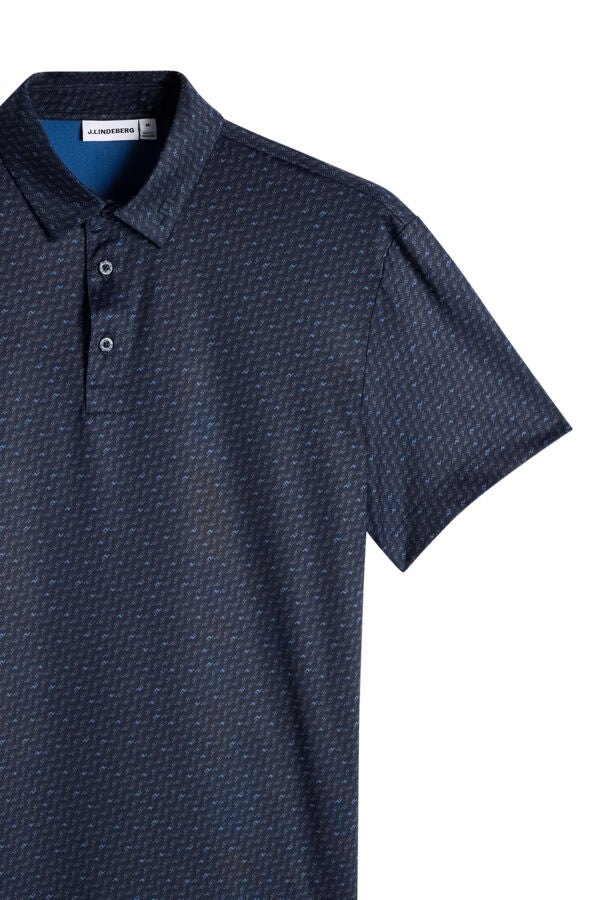
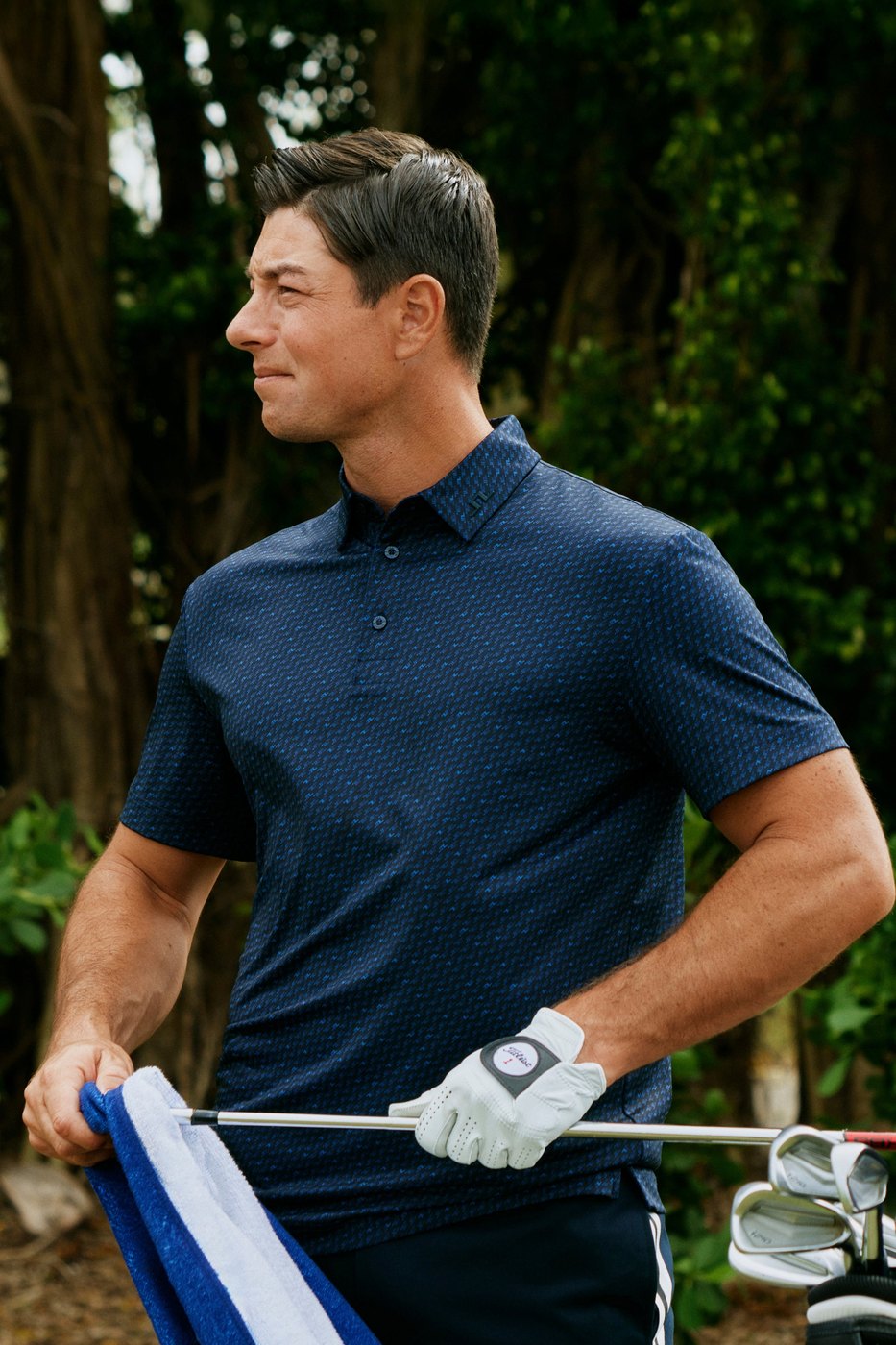
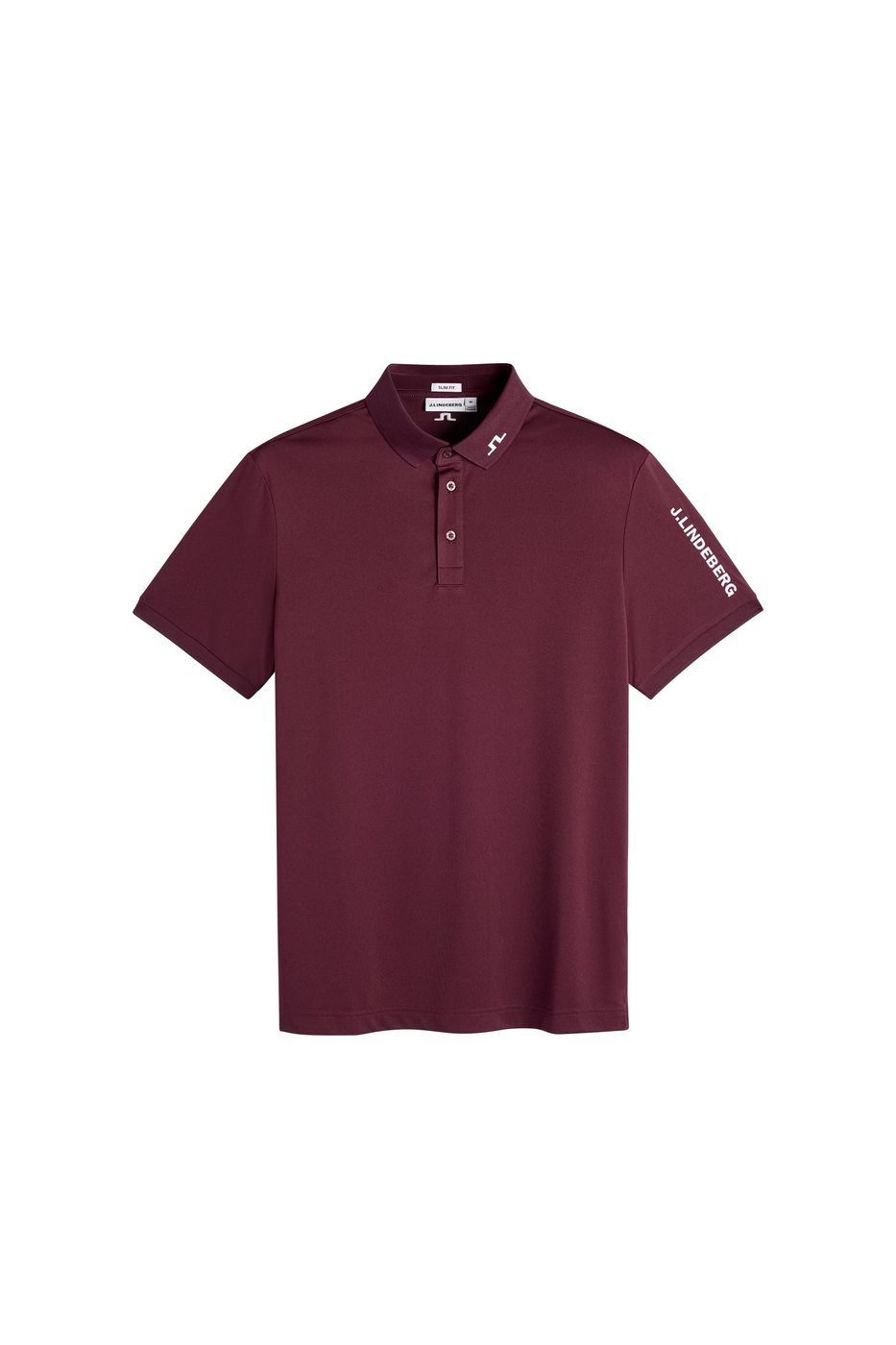
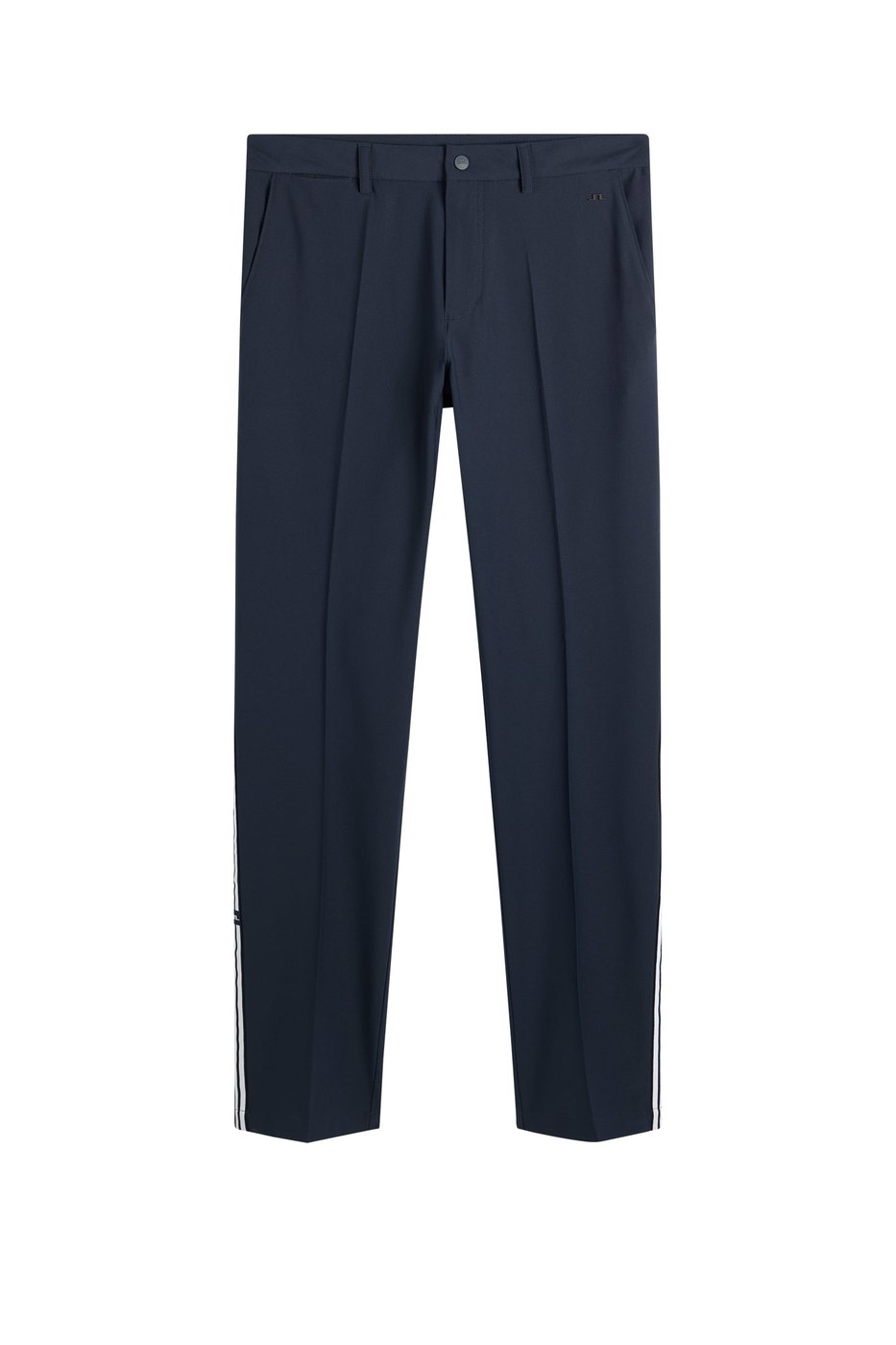
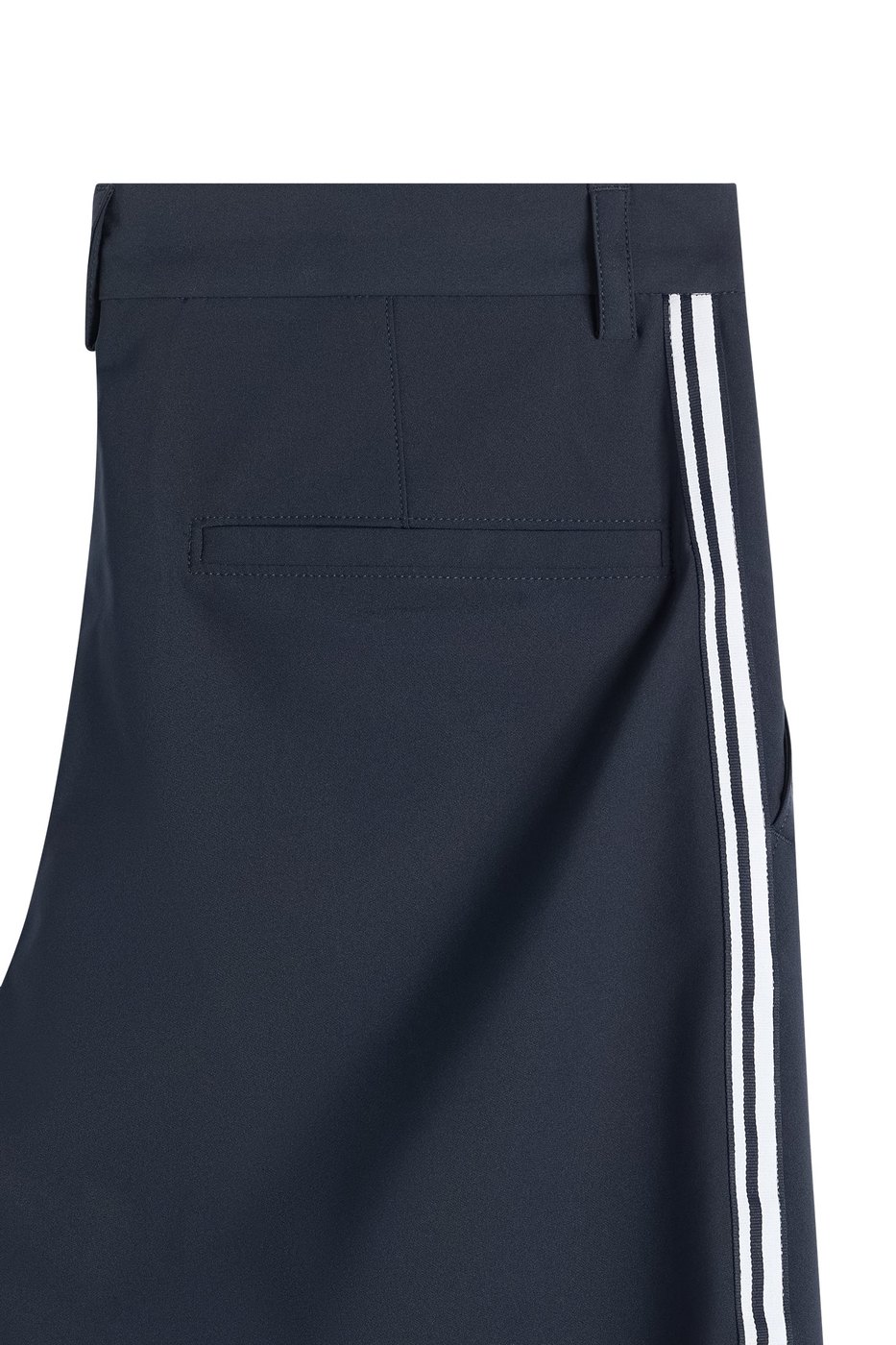
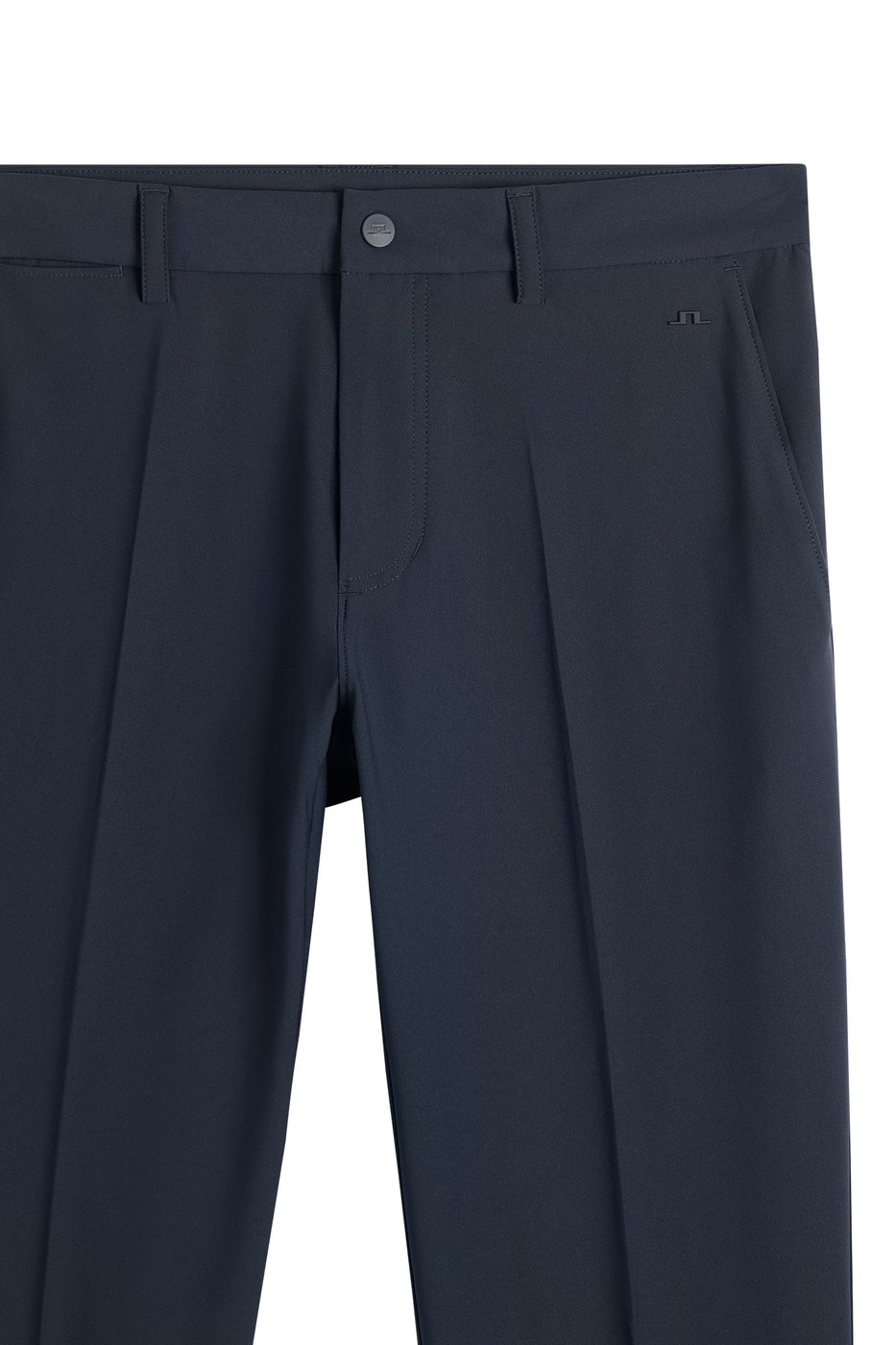
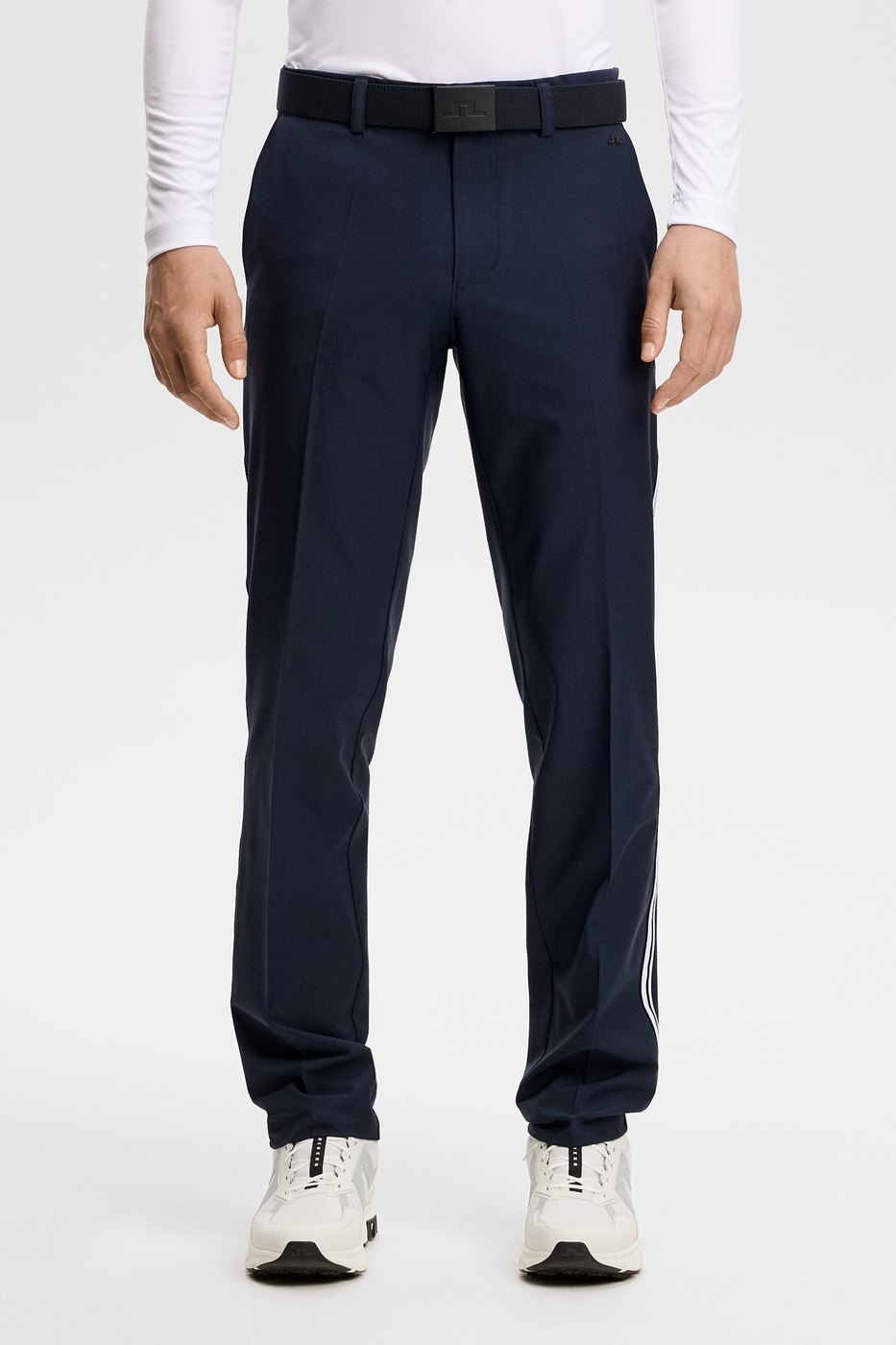
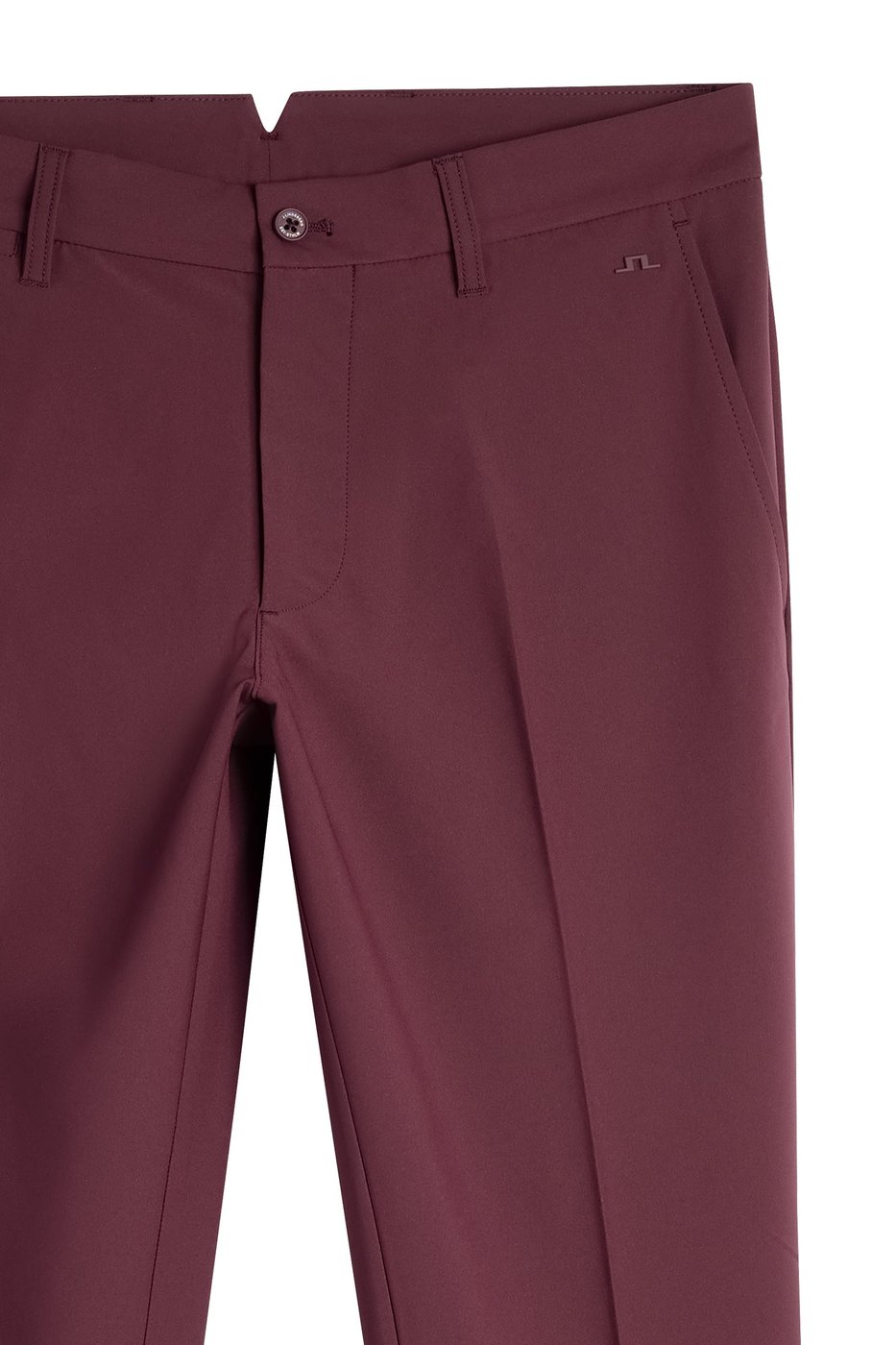
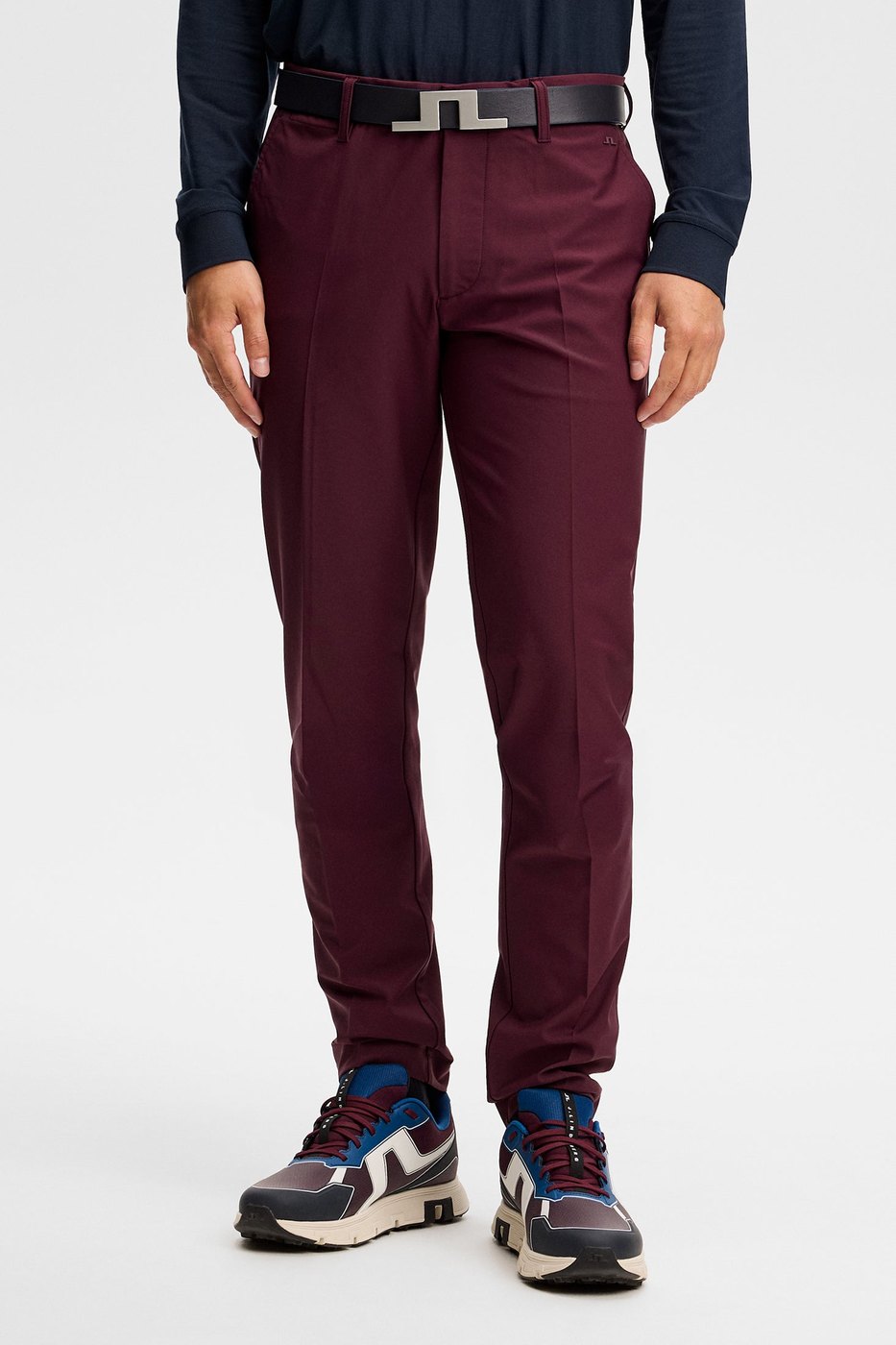
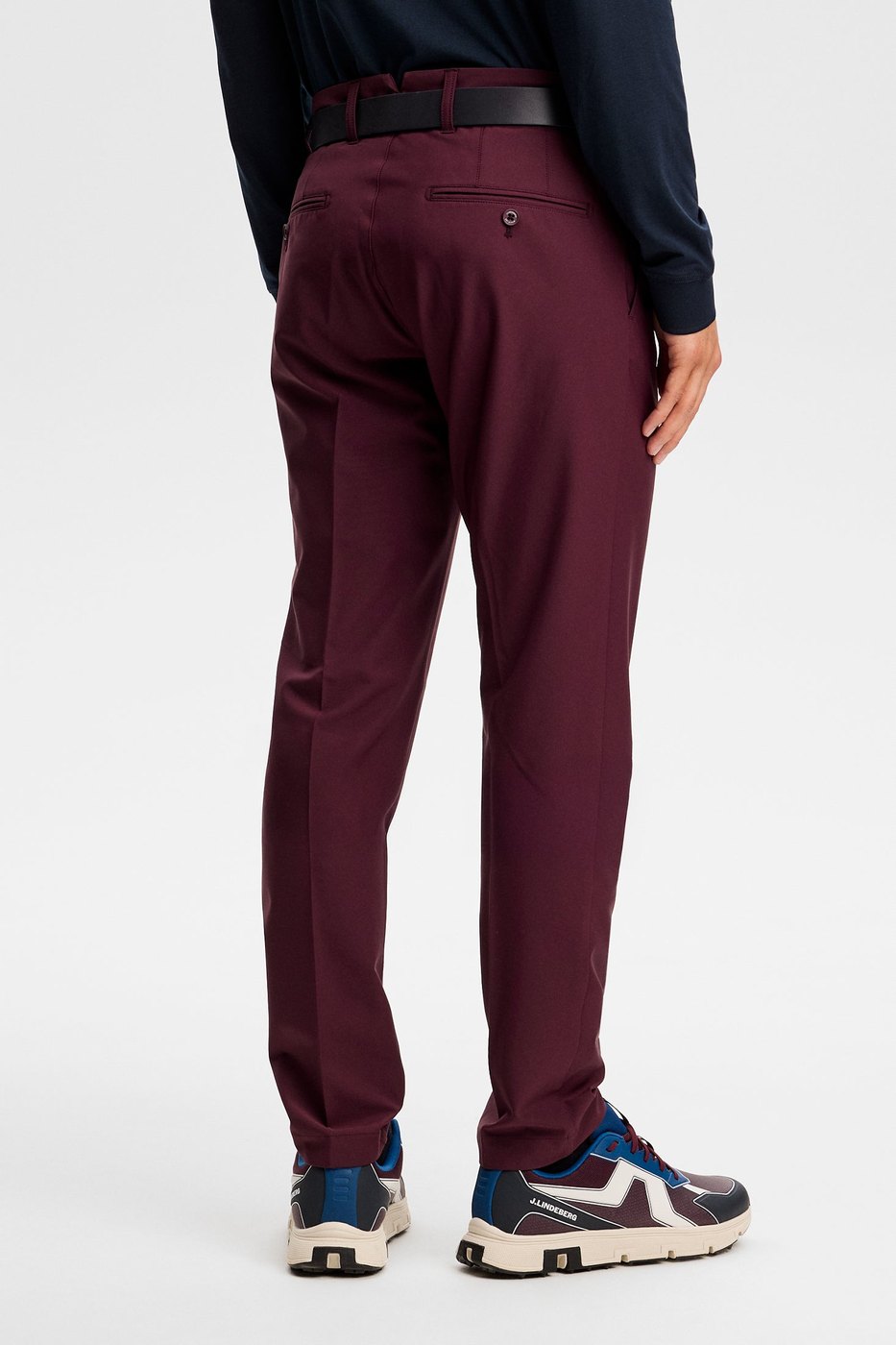
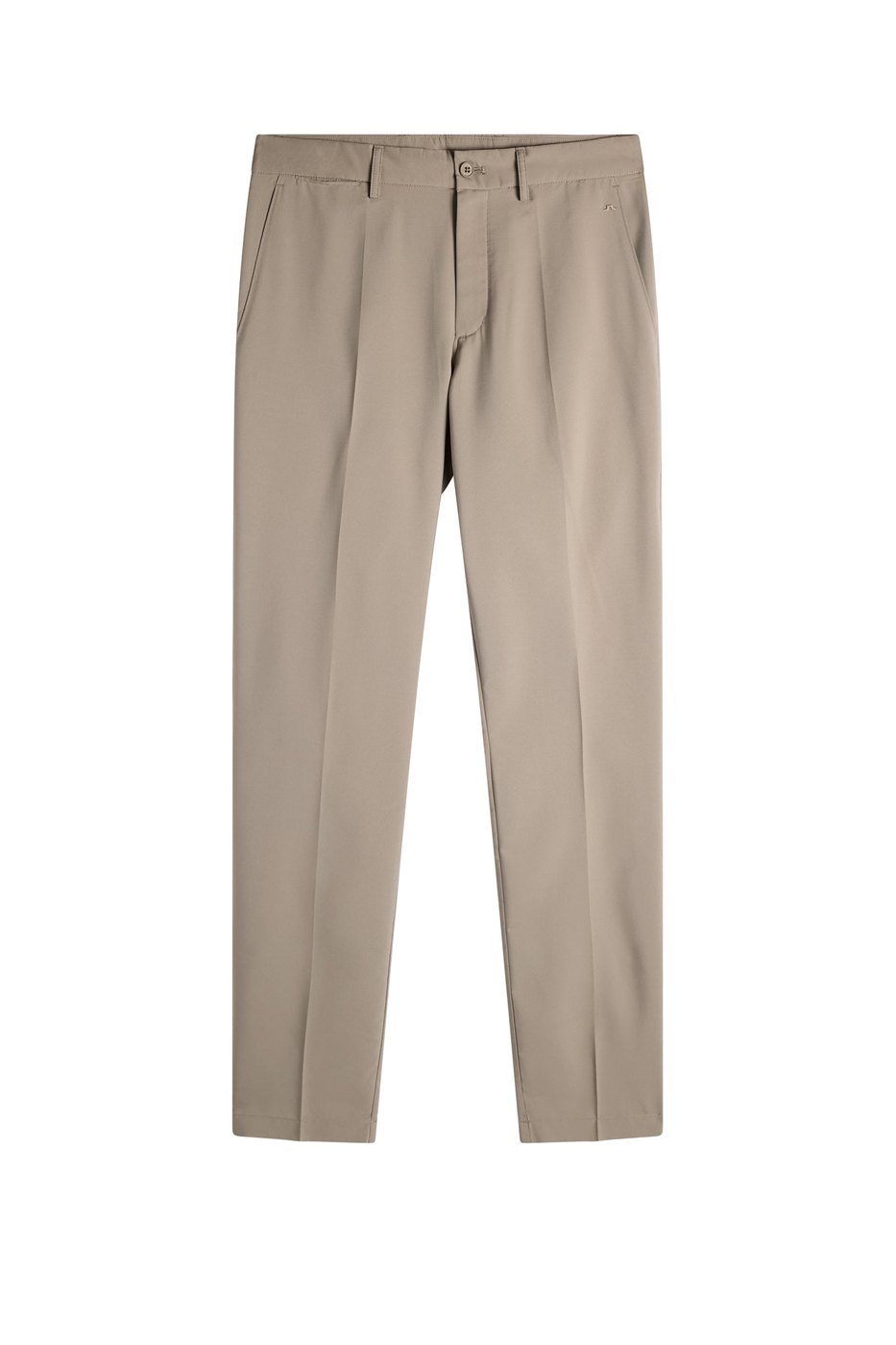
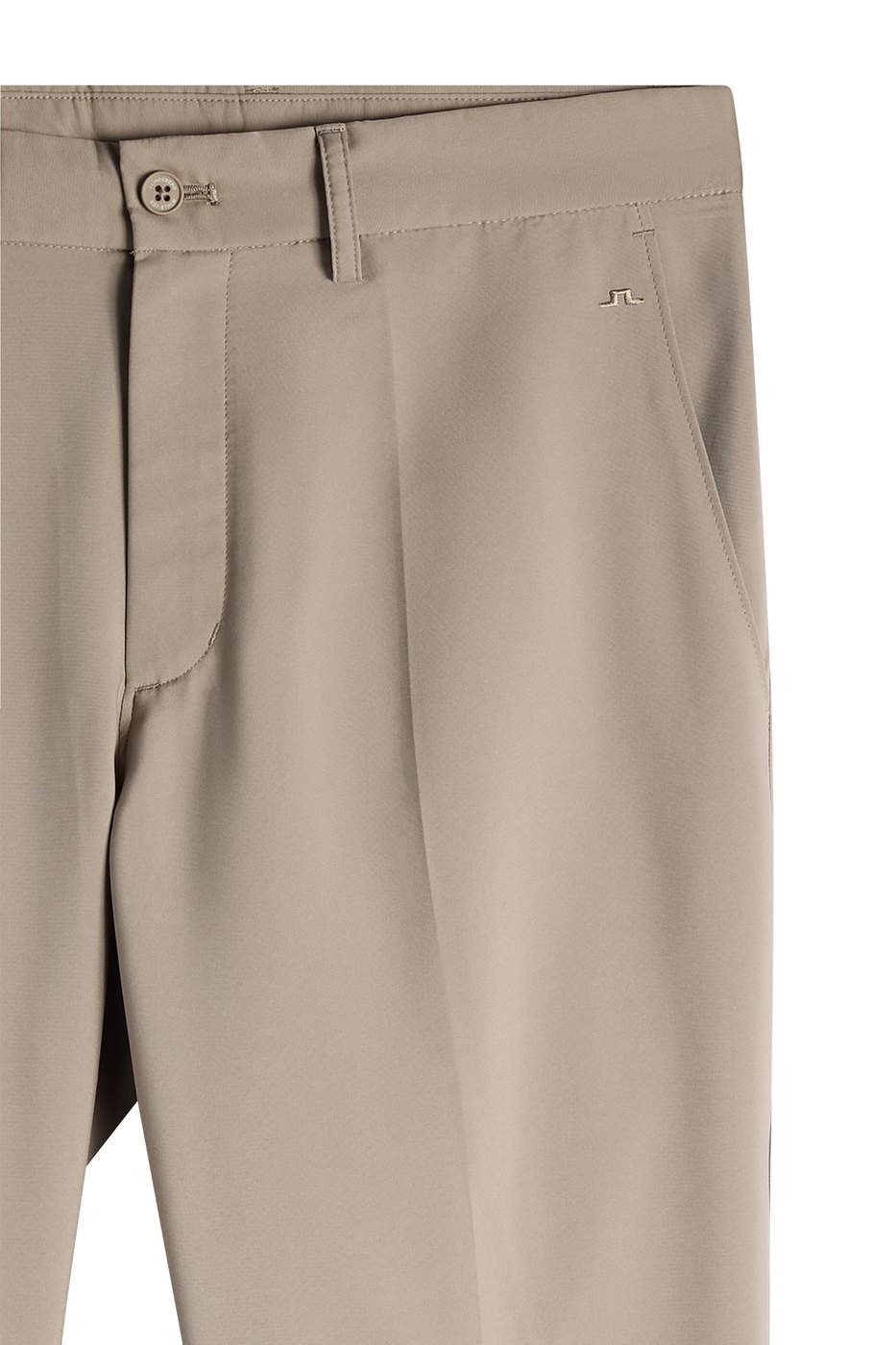
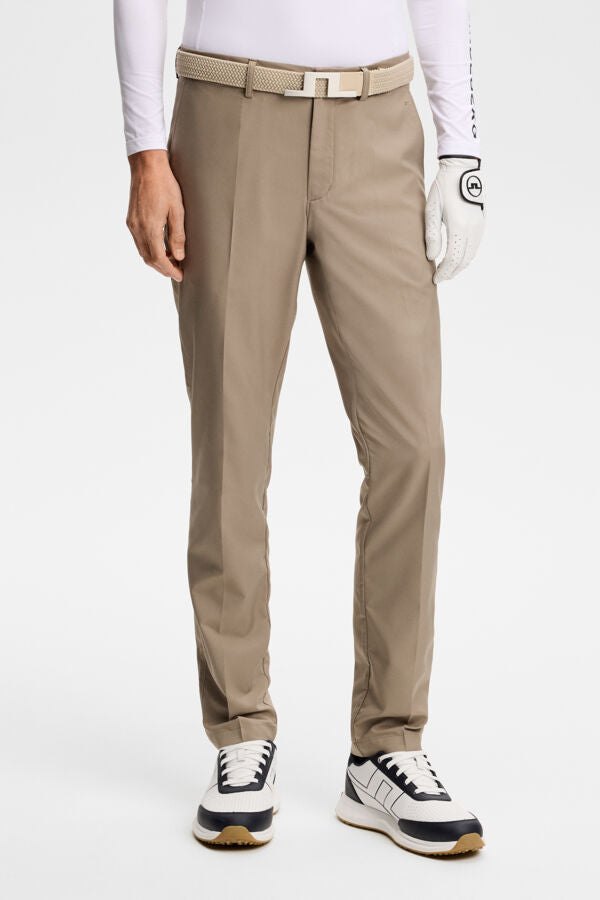
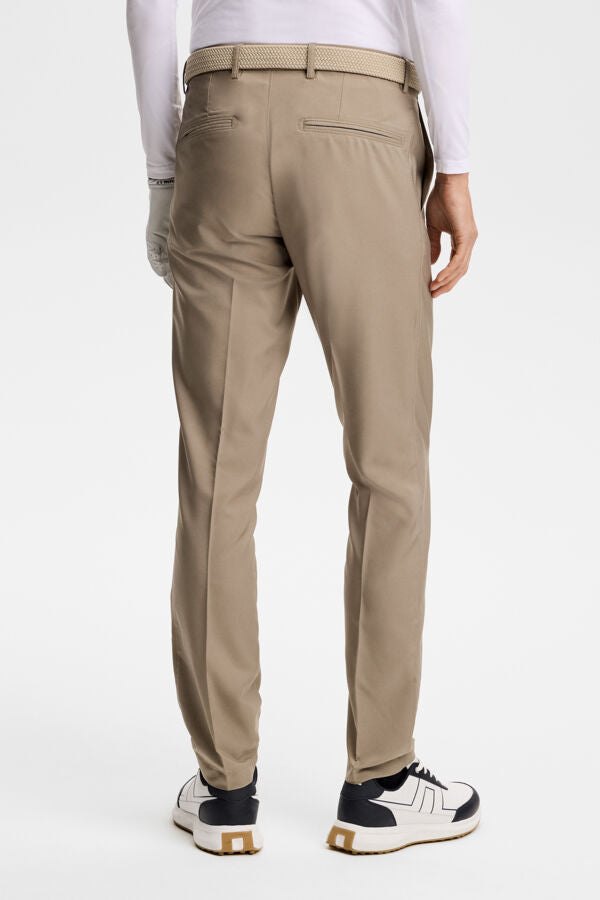
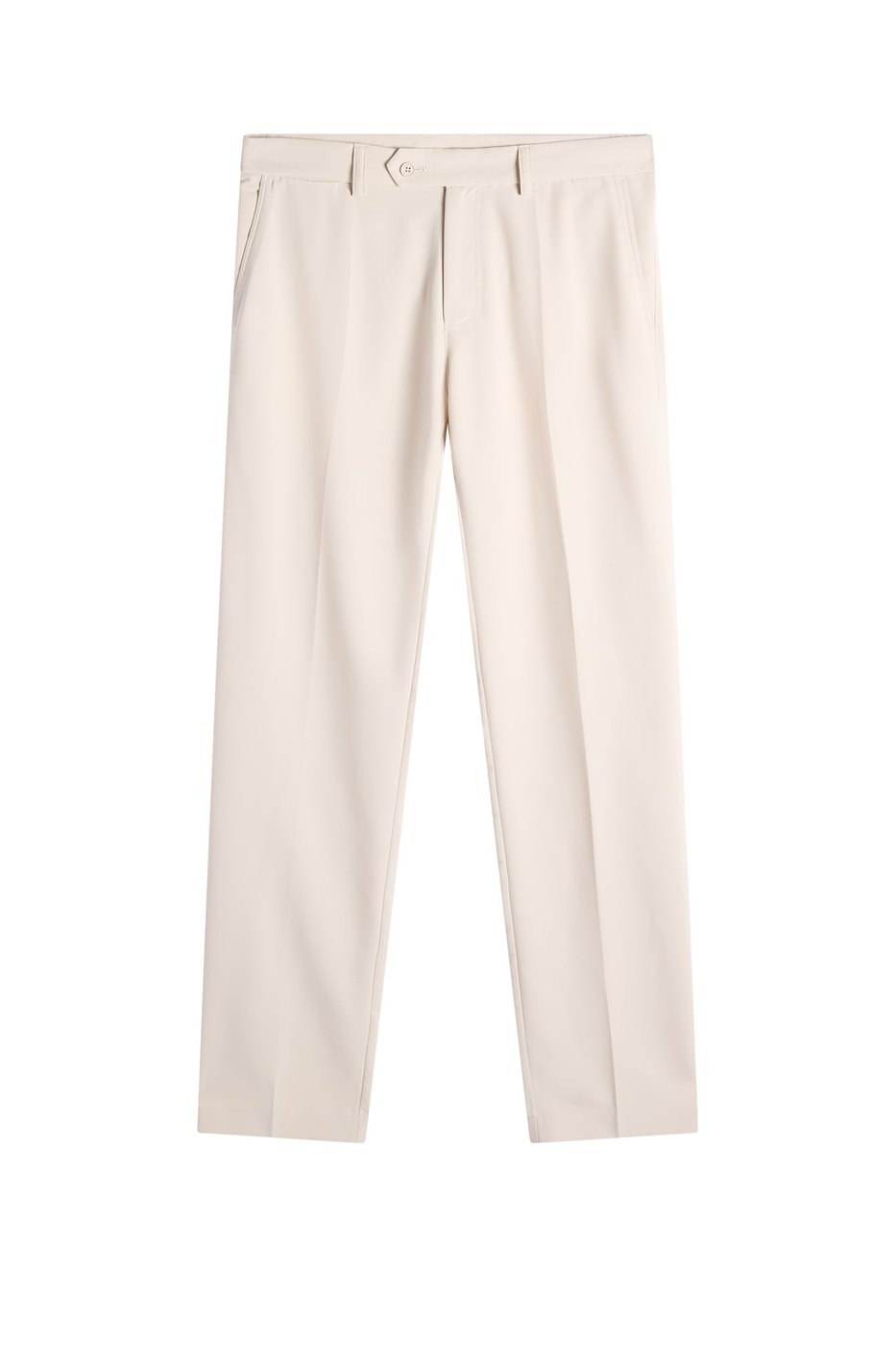
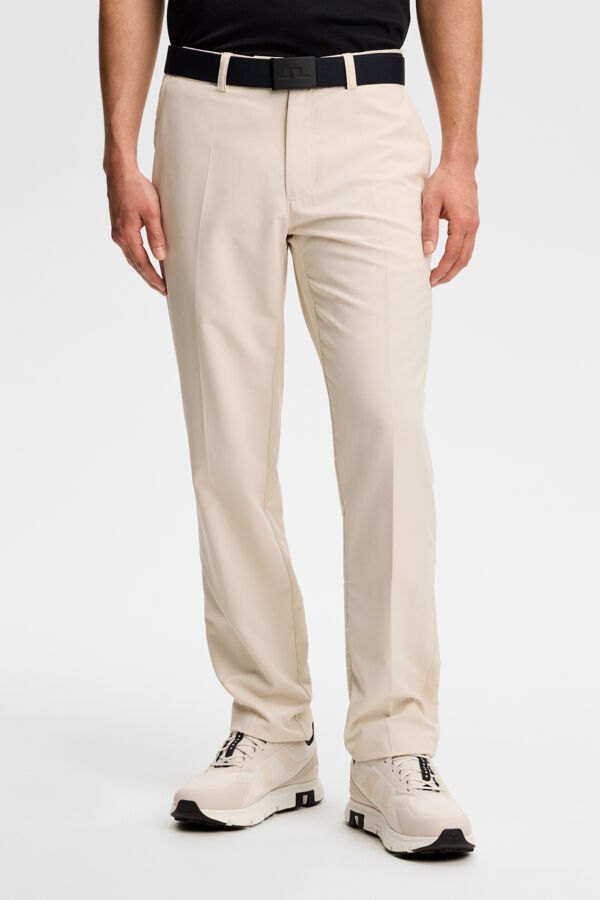
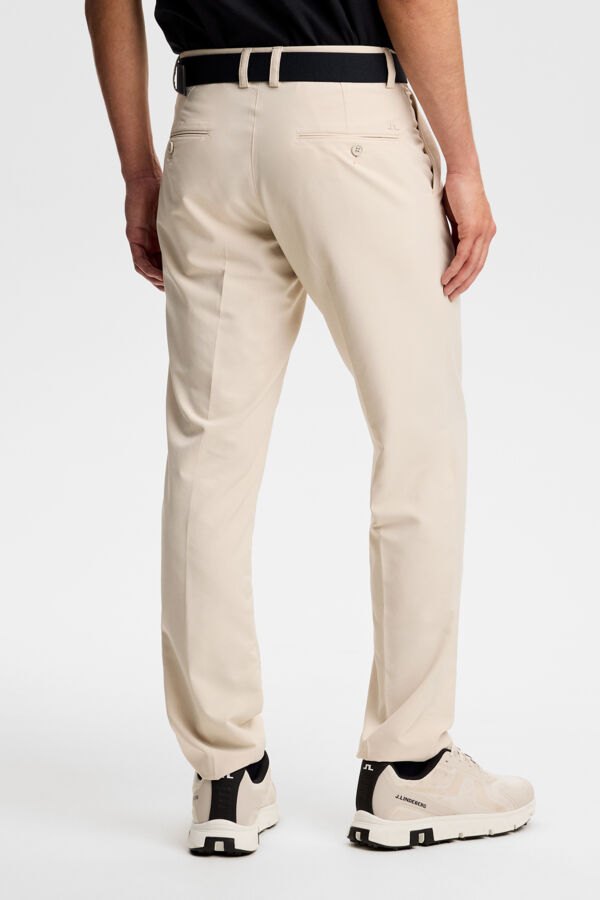
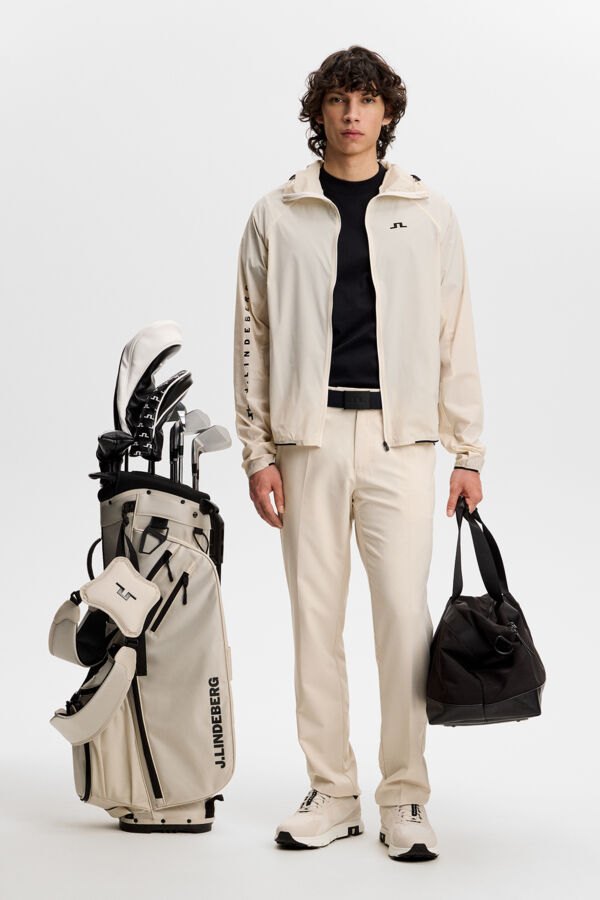
WHERE THE BRAND MADE ITS NAMETrousers are the reason anyone knows this label. The story golf tells about J.Lindeberg is a story about leg width — about a Swede turning up on the range in something cut close when everyone else was swimming in pleated XXXL. The current line is more restrained than that history, but the shapes are still the sharpest part of the range.
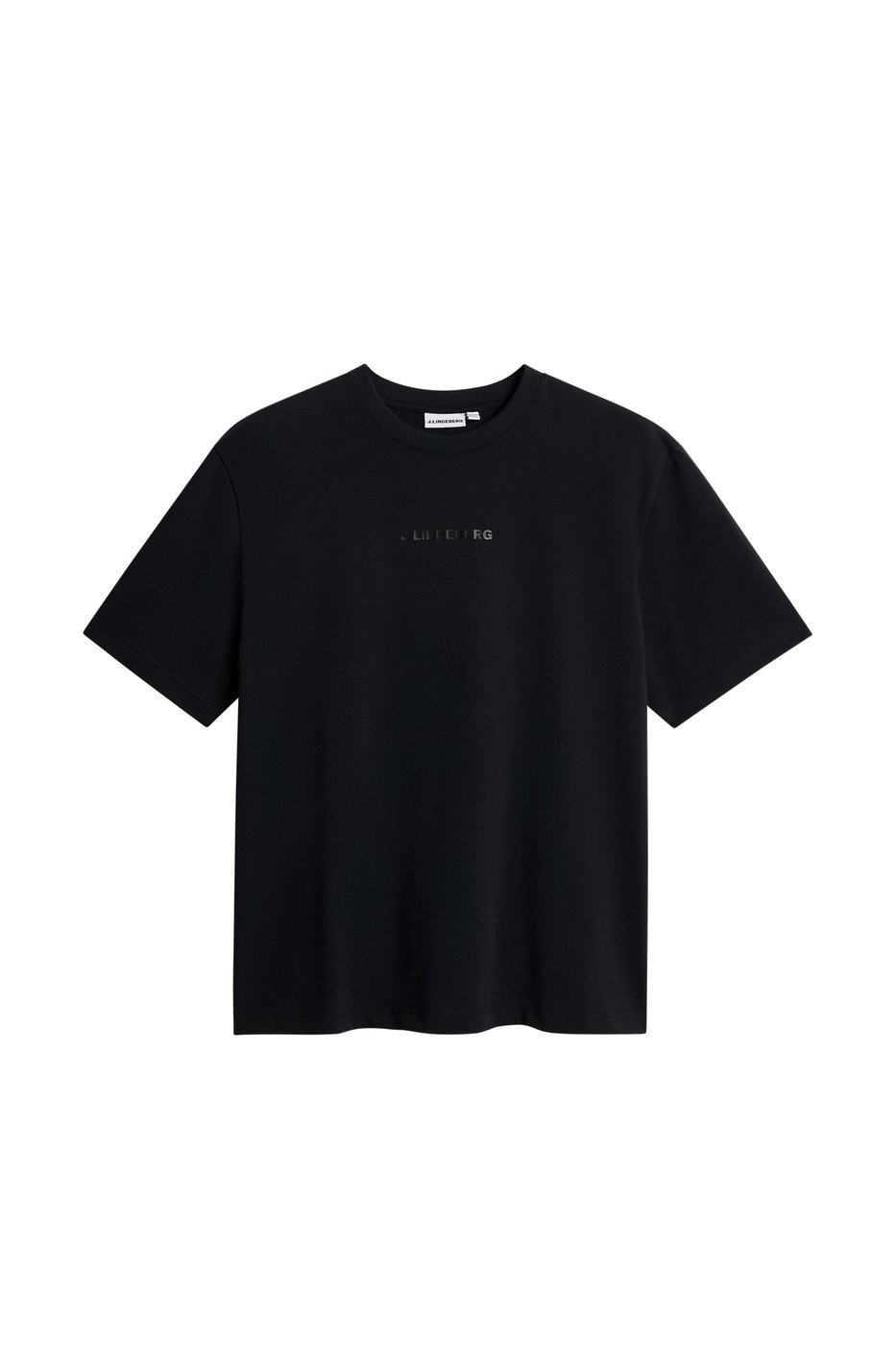
OFF-COURSE, MOSTLYThe brand runs a serious tee program because roughly forty per cent of the business is now fashion rather than golf, and the tees are where those two halves meet. None of these read as golf clothing, which is the point — J.Lindeberg has always argued the clothes should work before and after the round as well as during it.
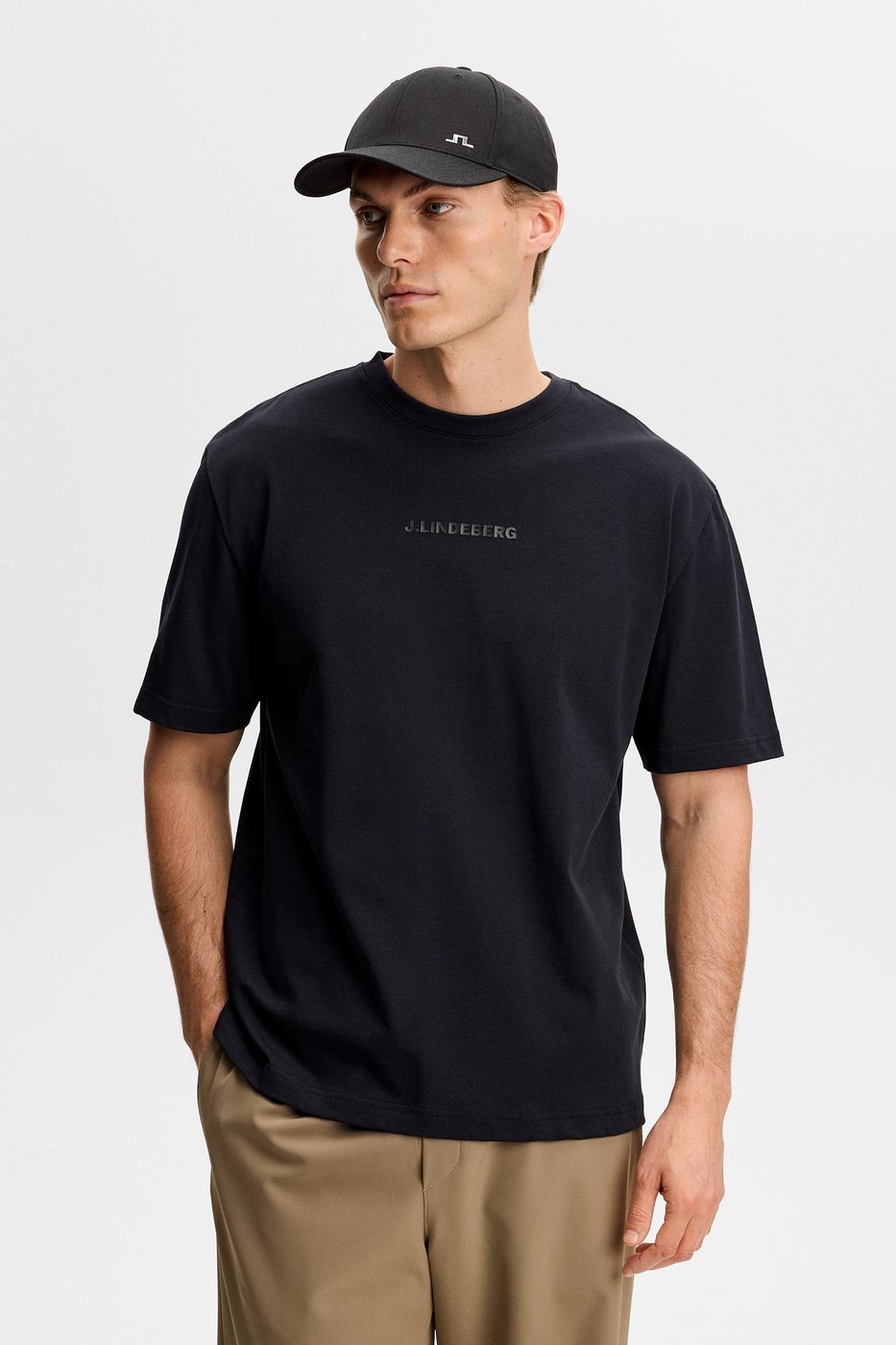
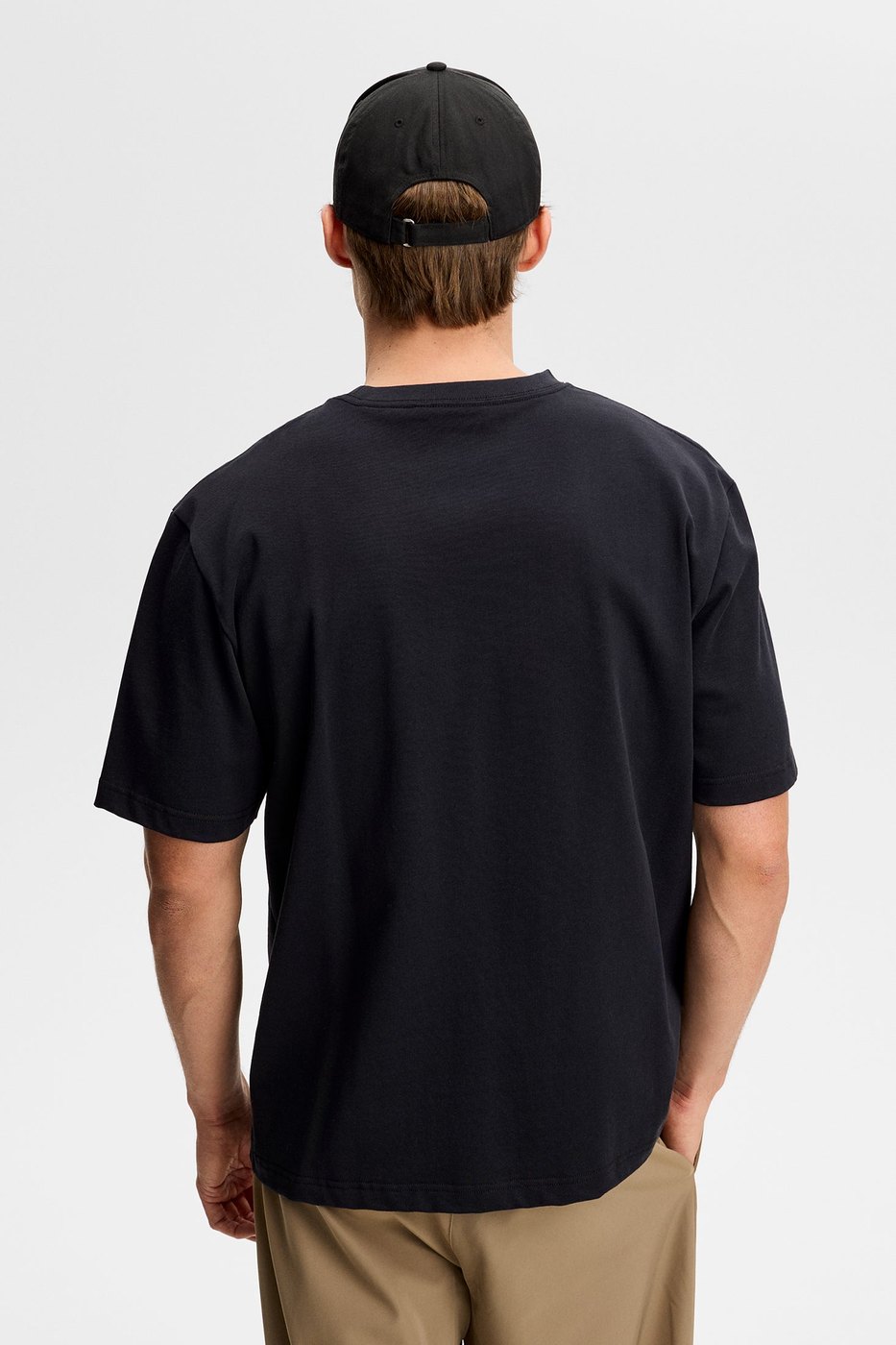
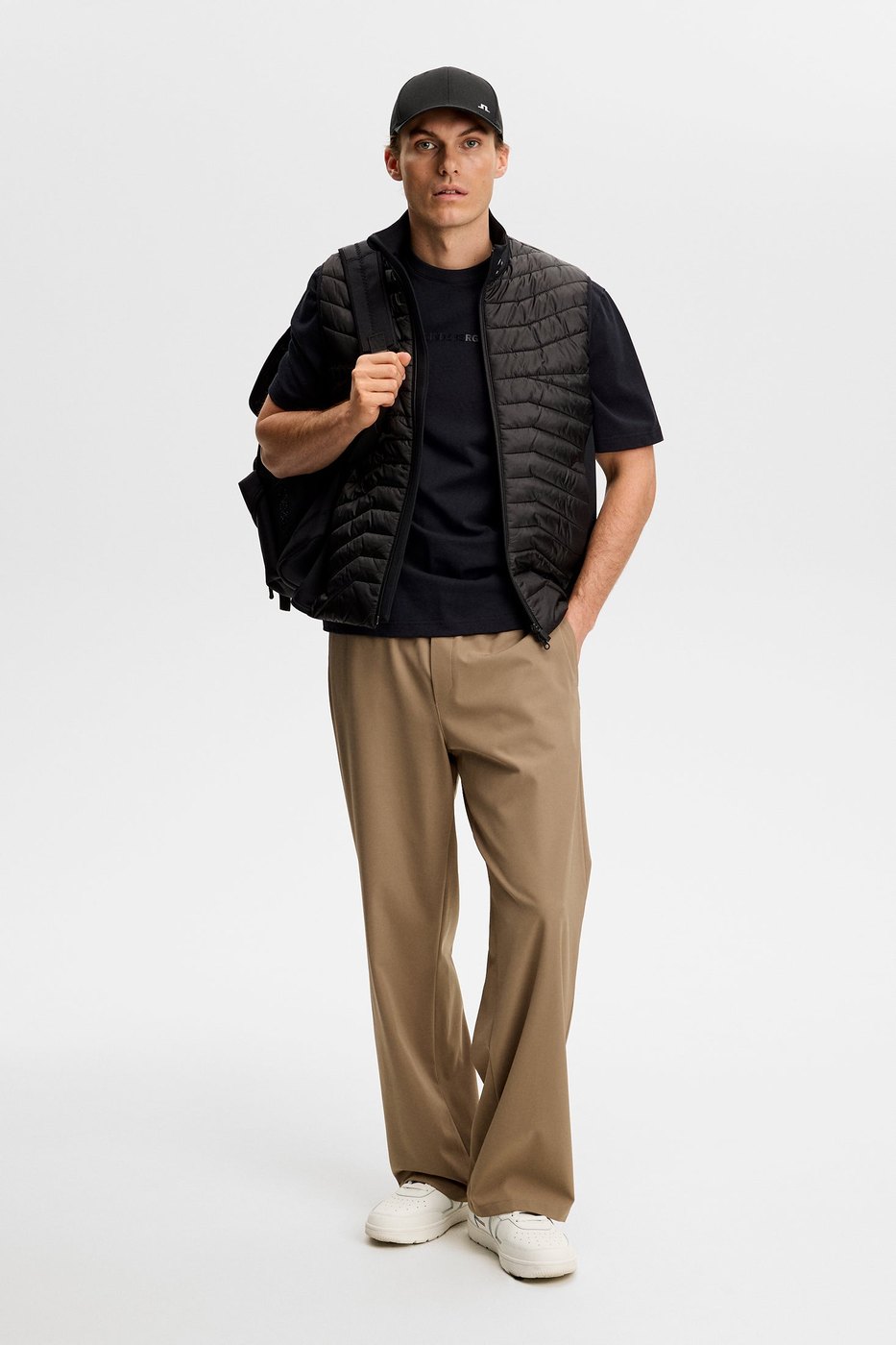
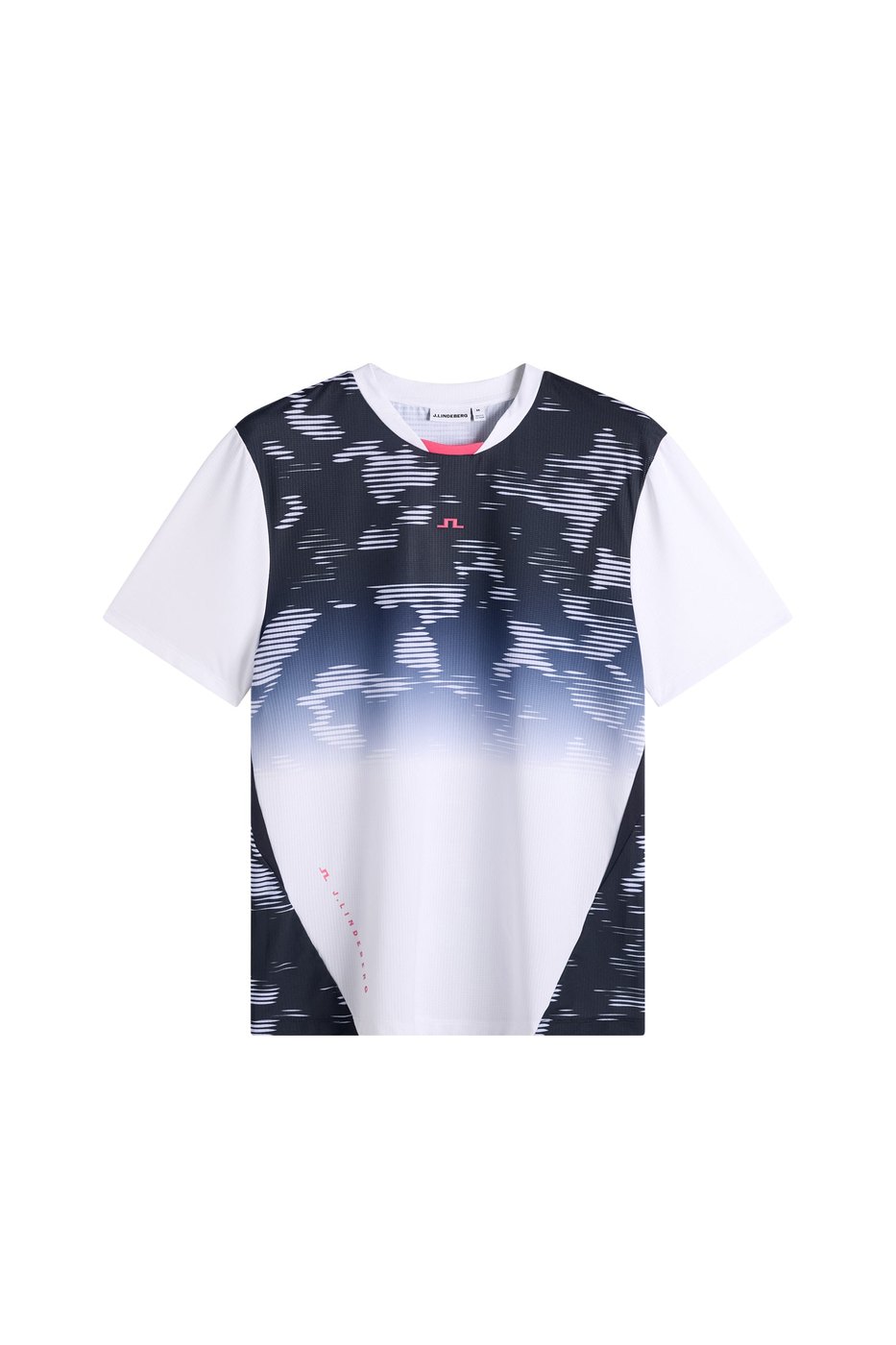
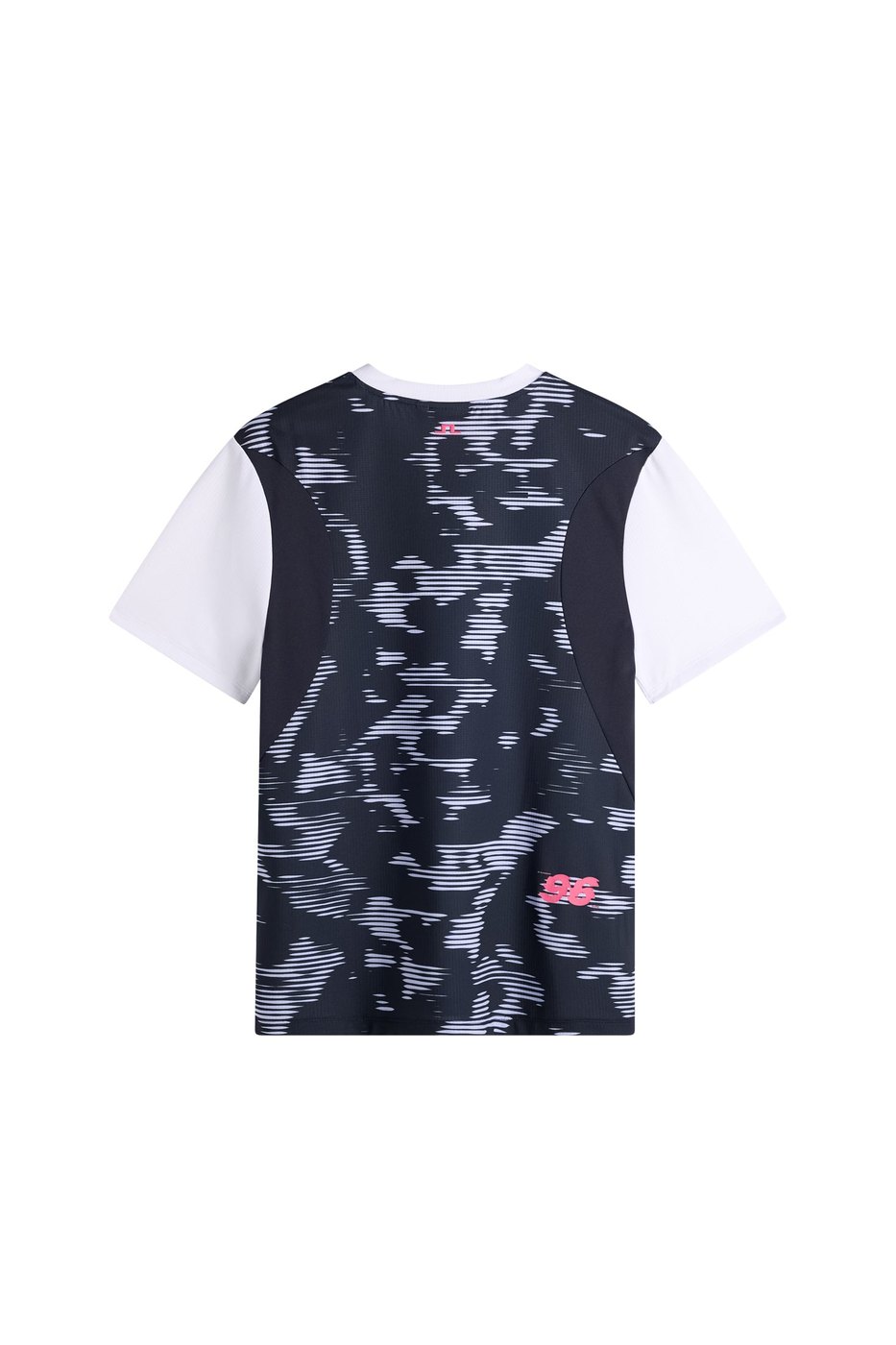
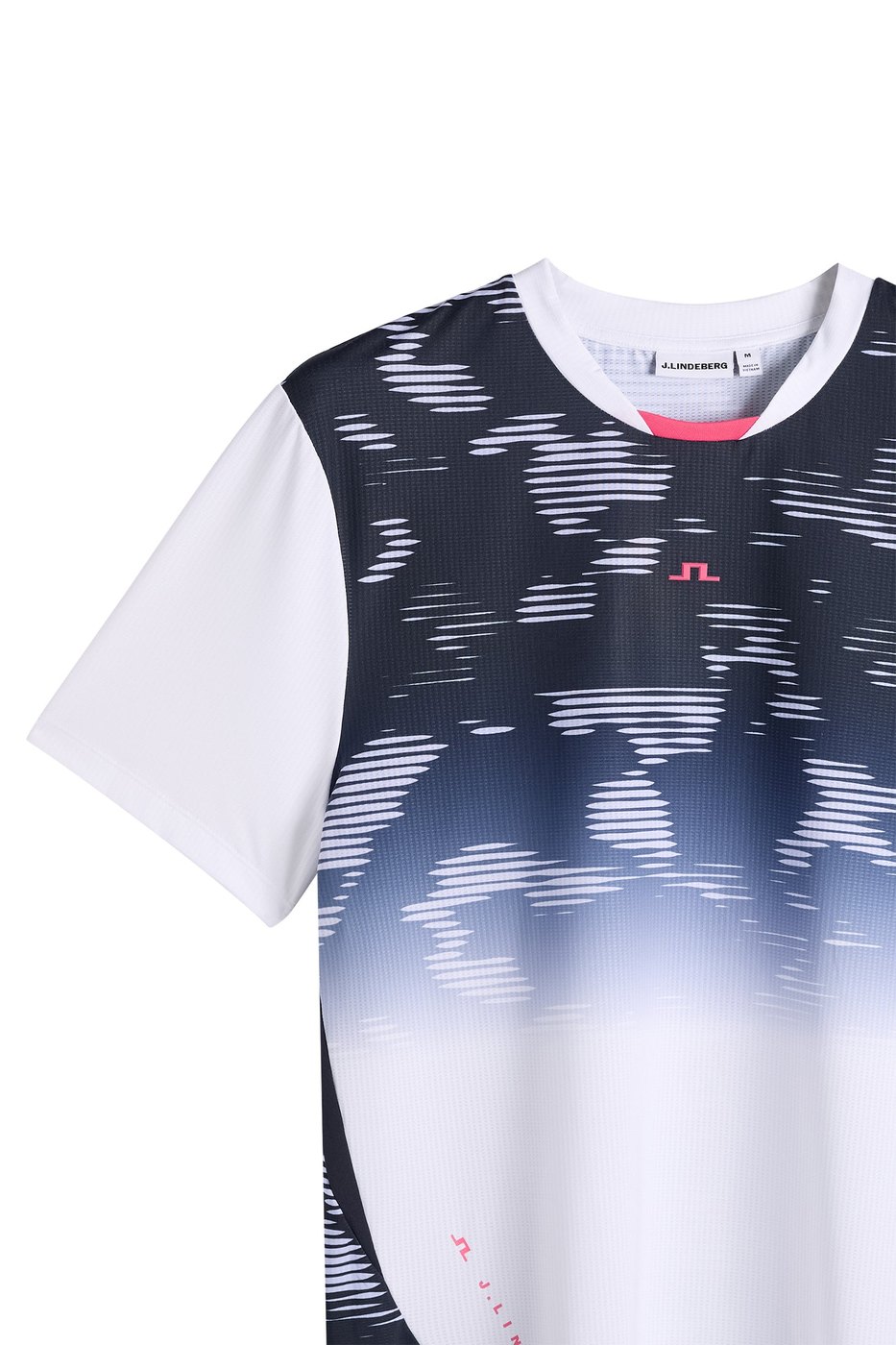
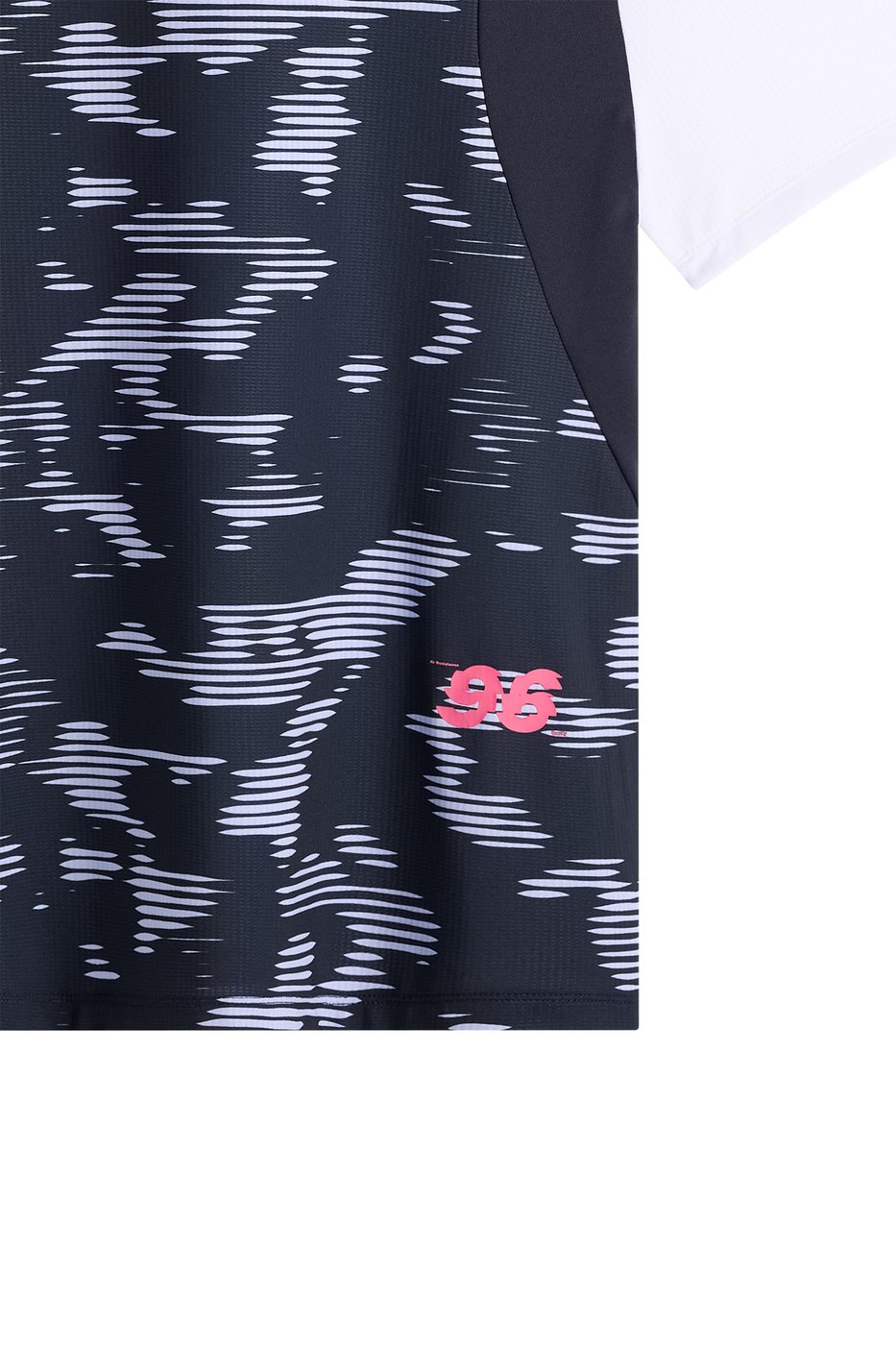
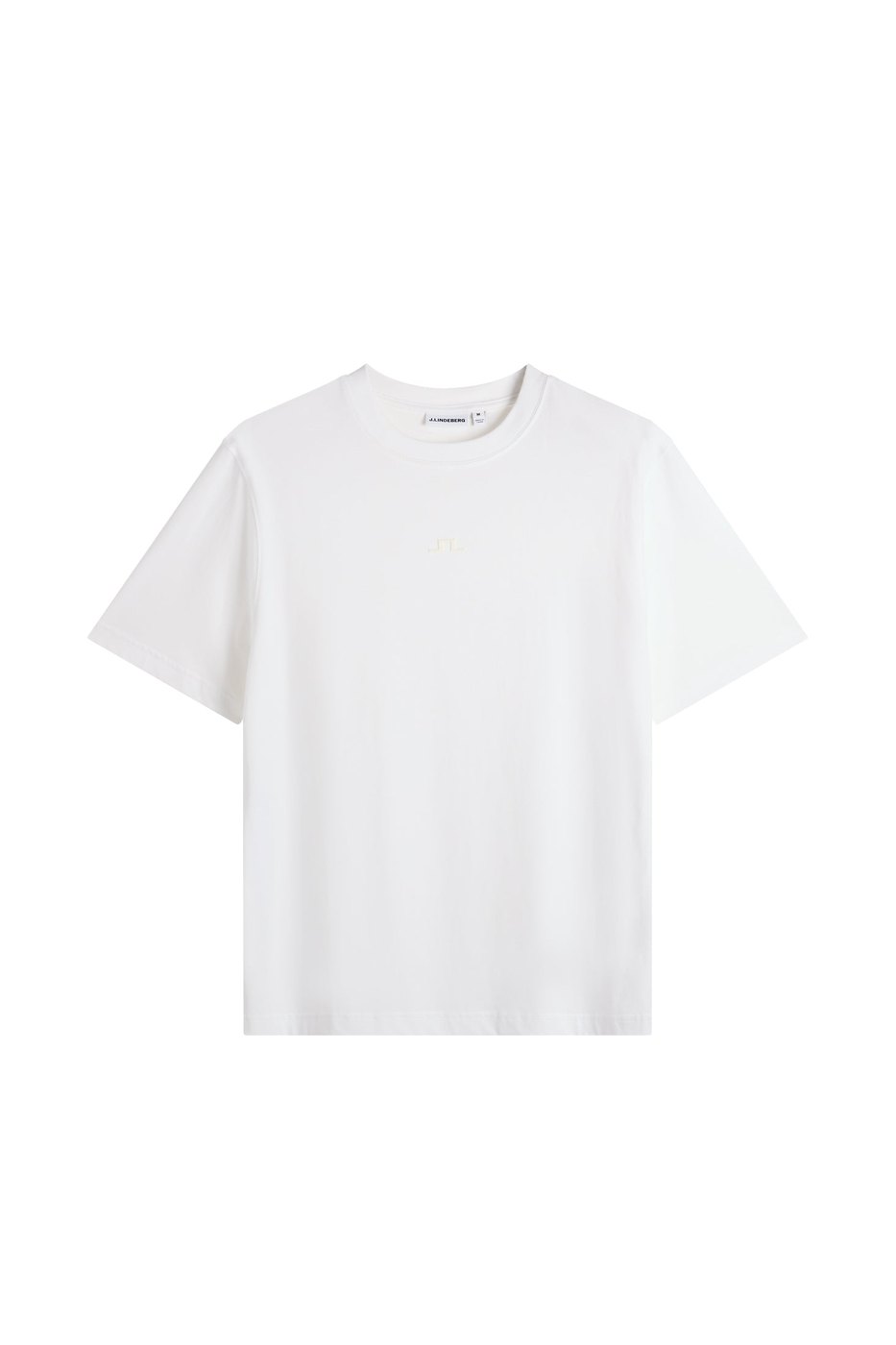
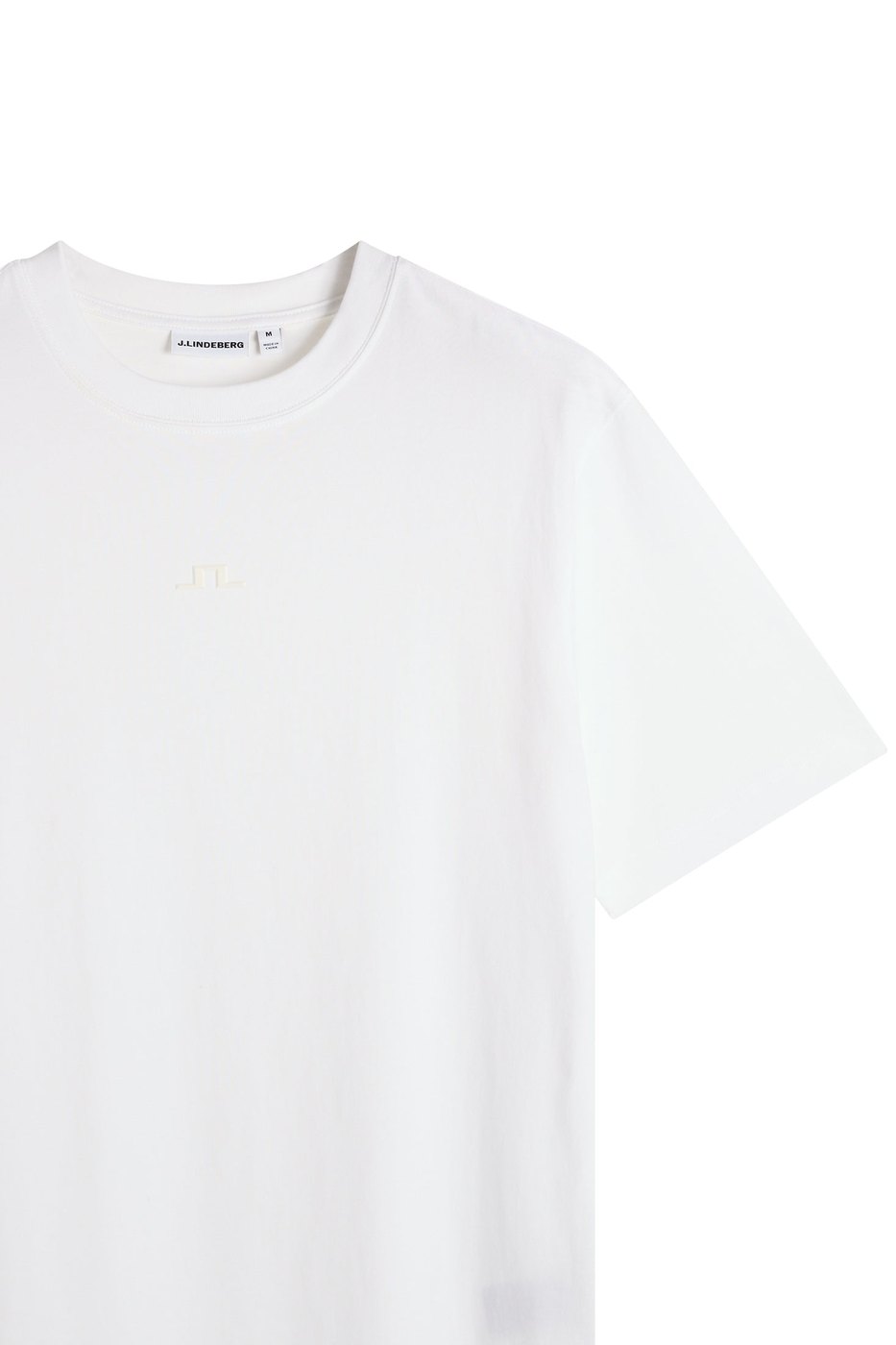
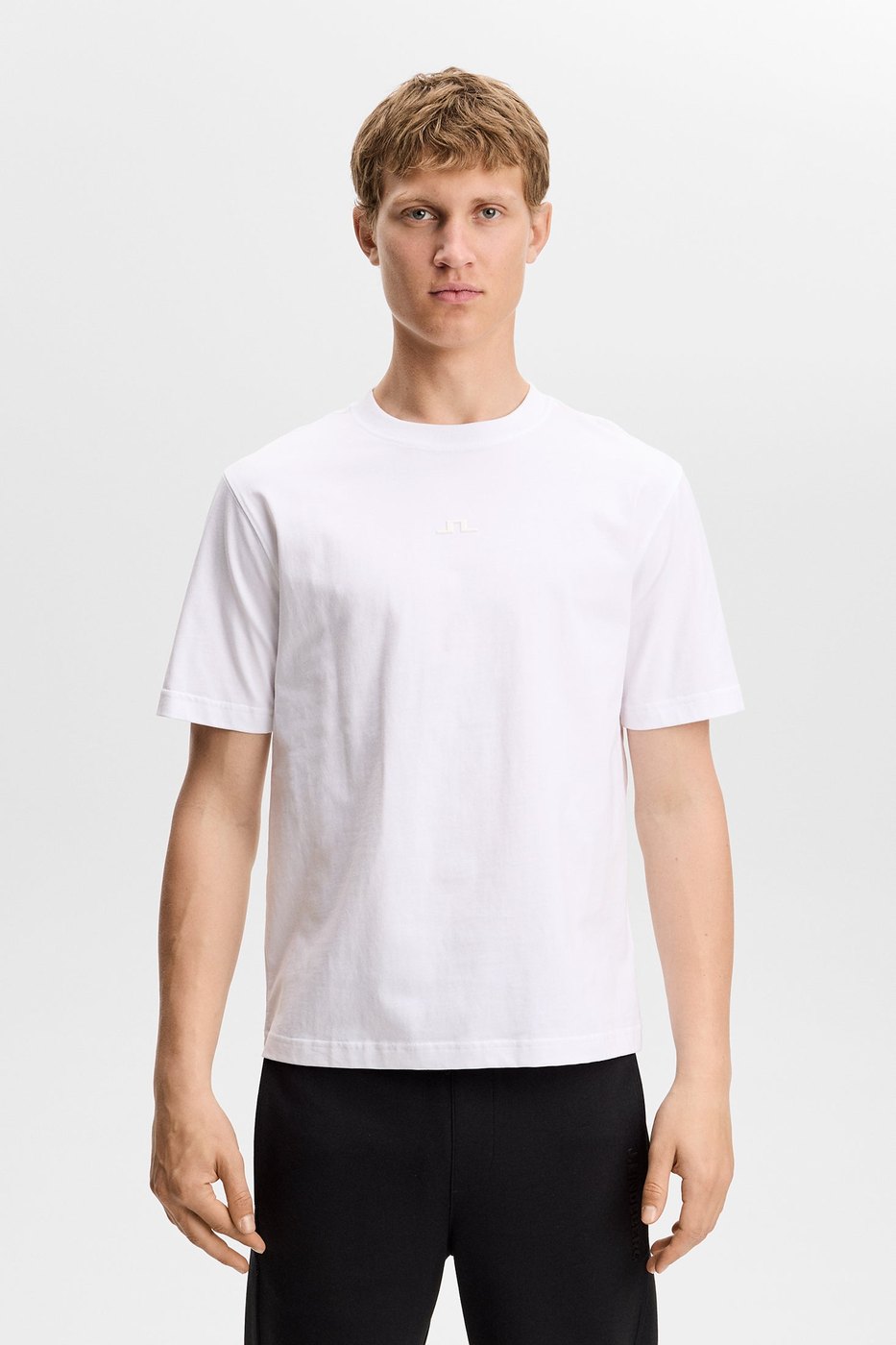
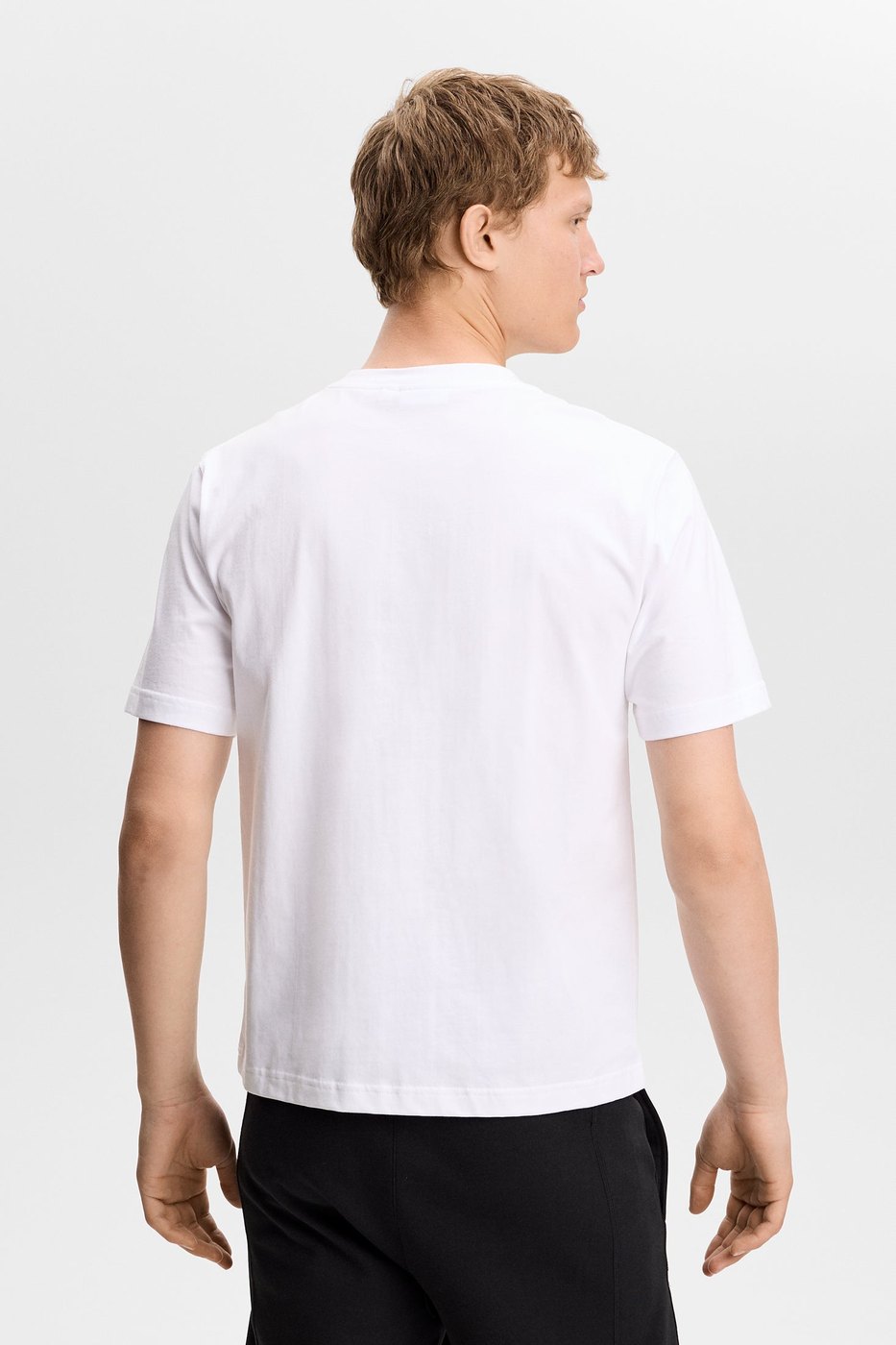
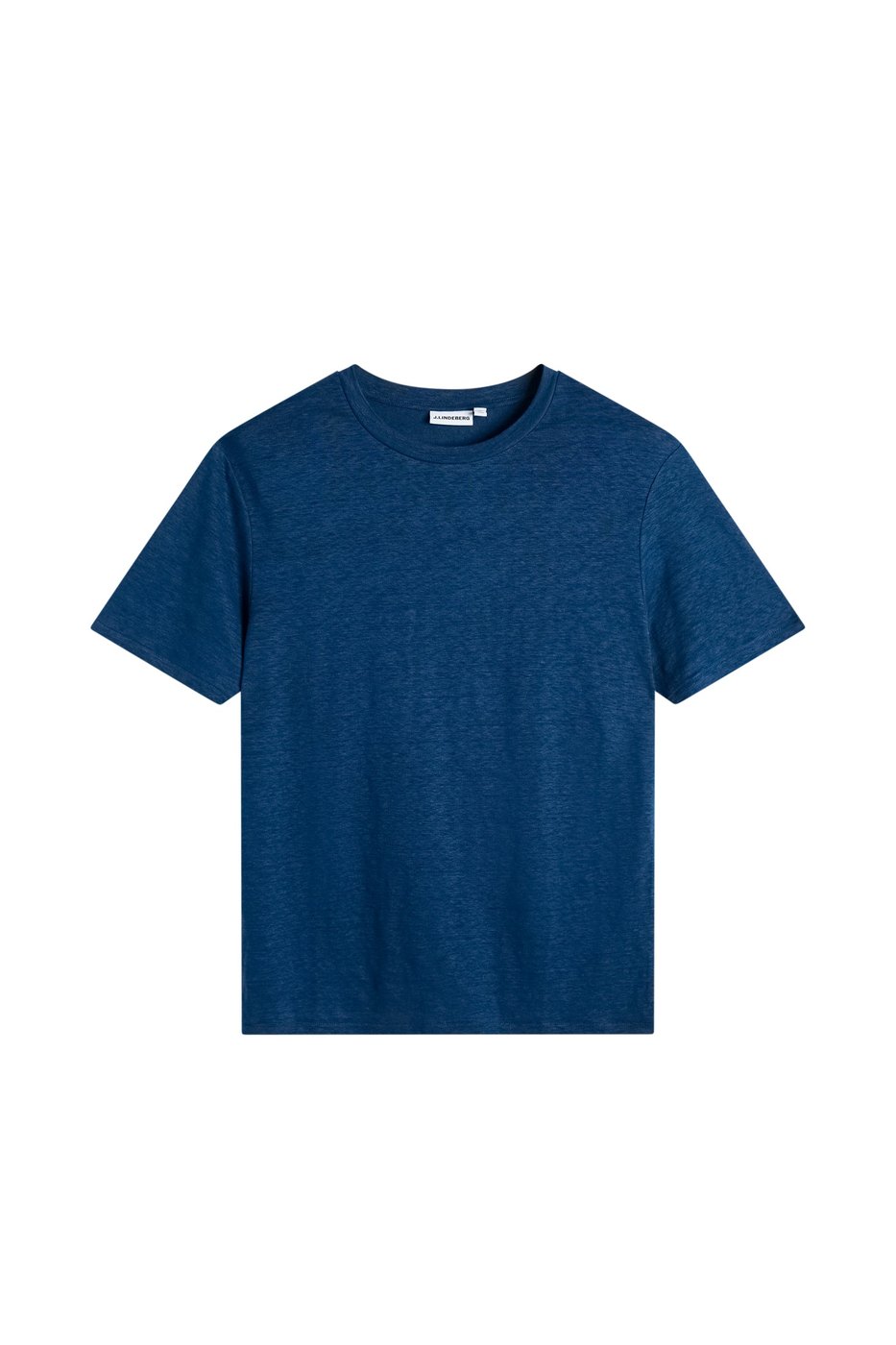
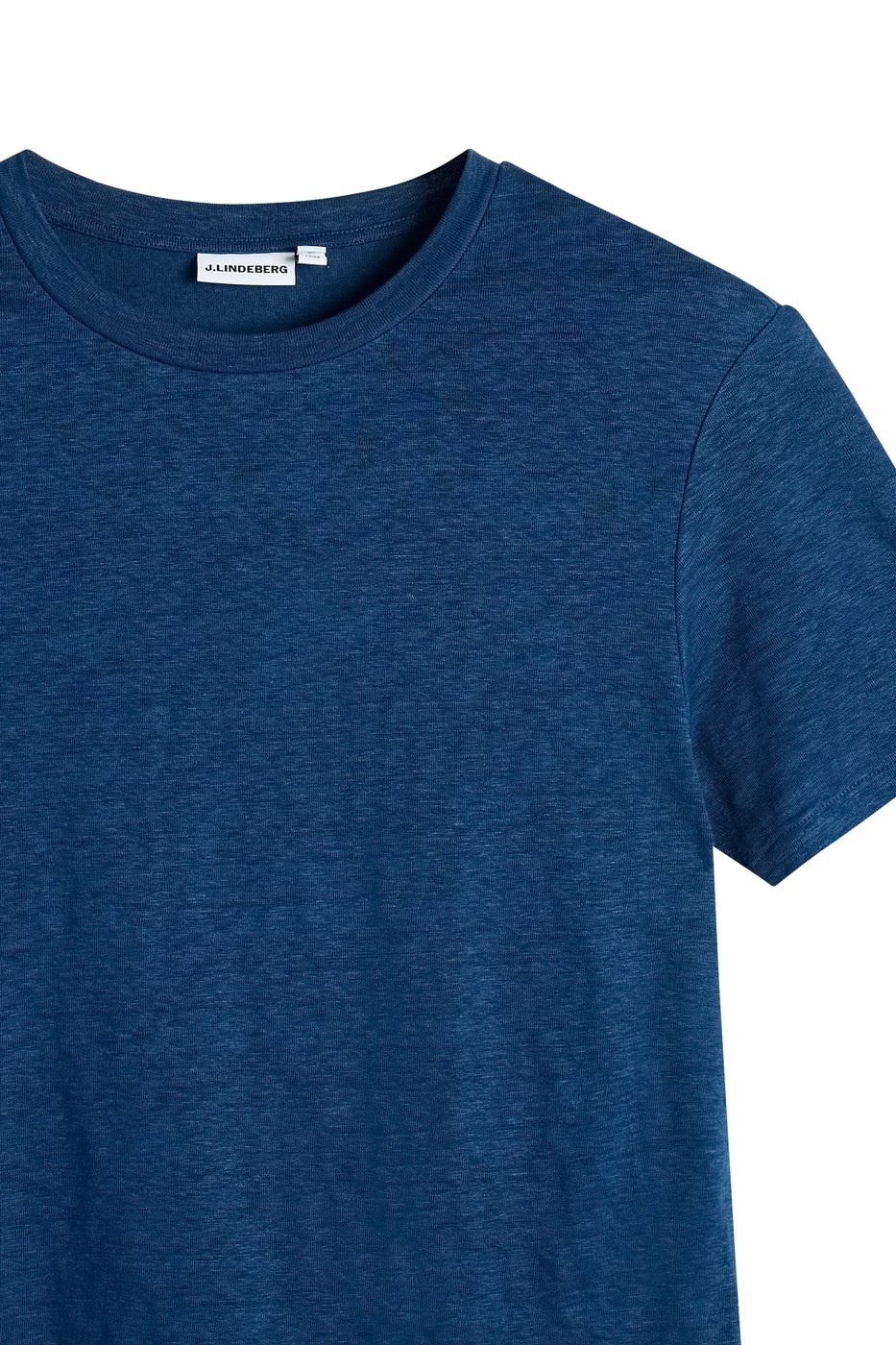
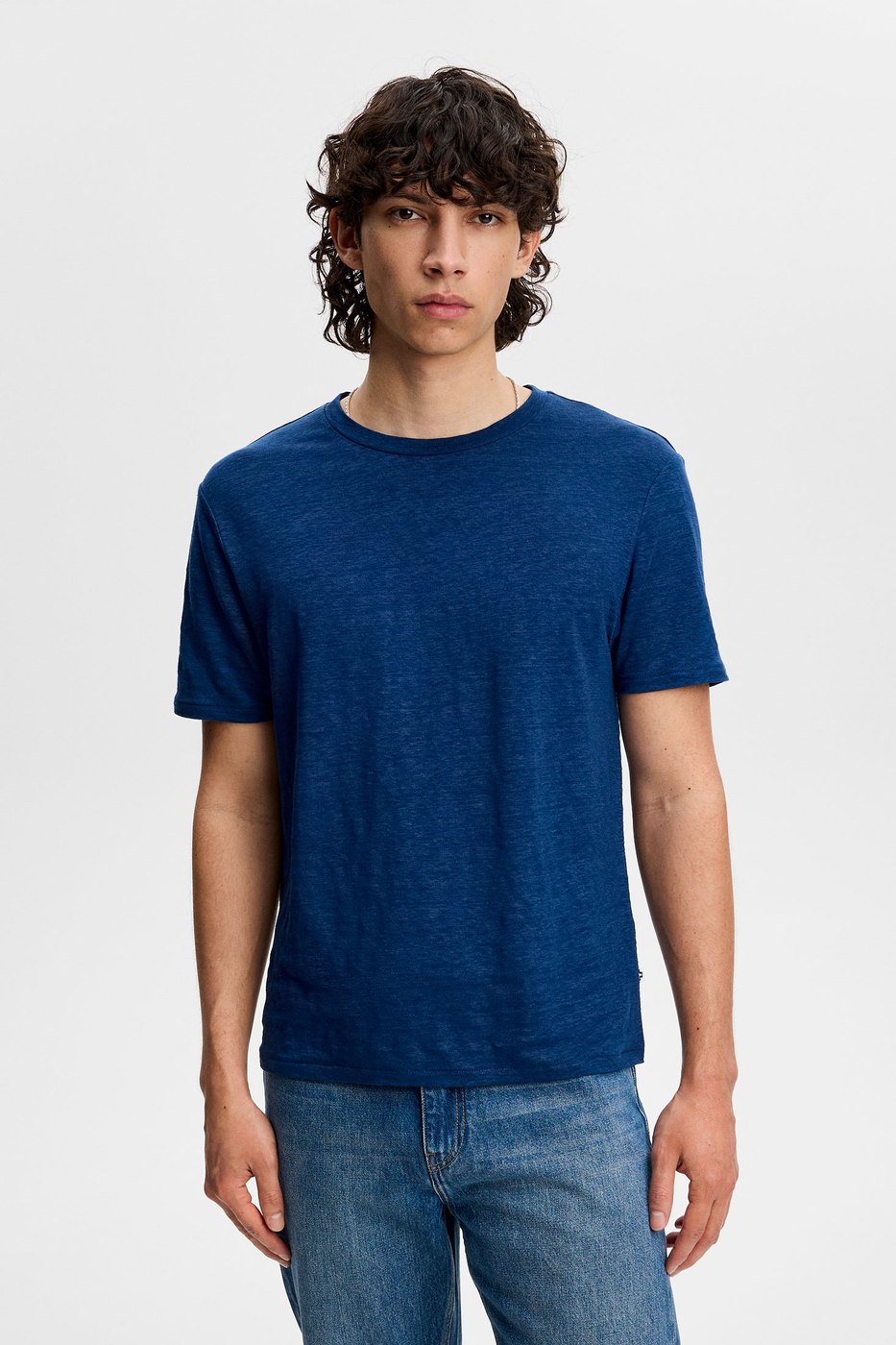
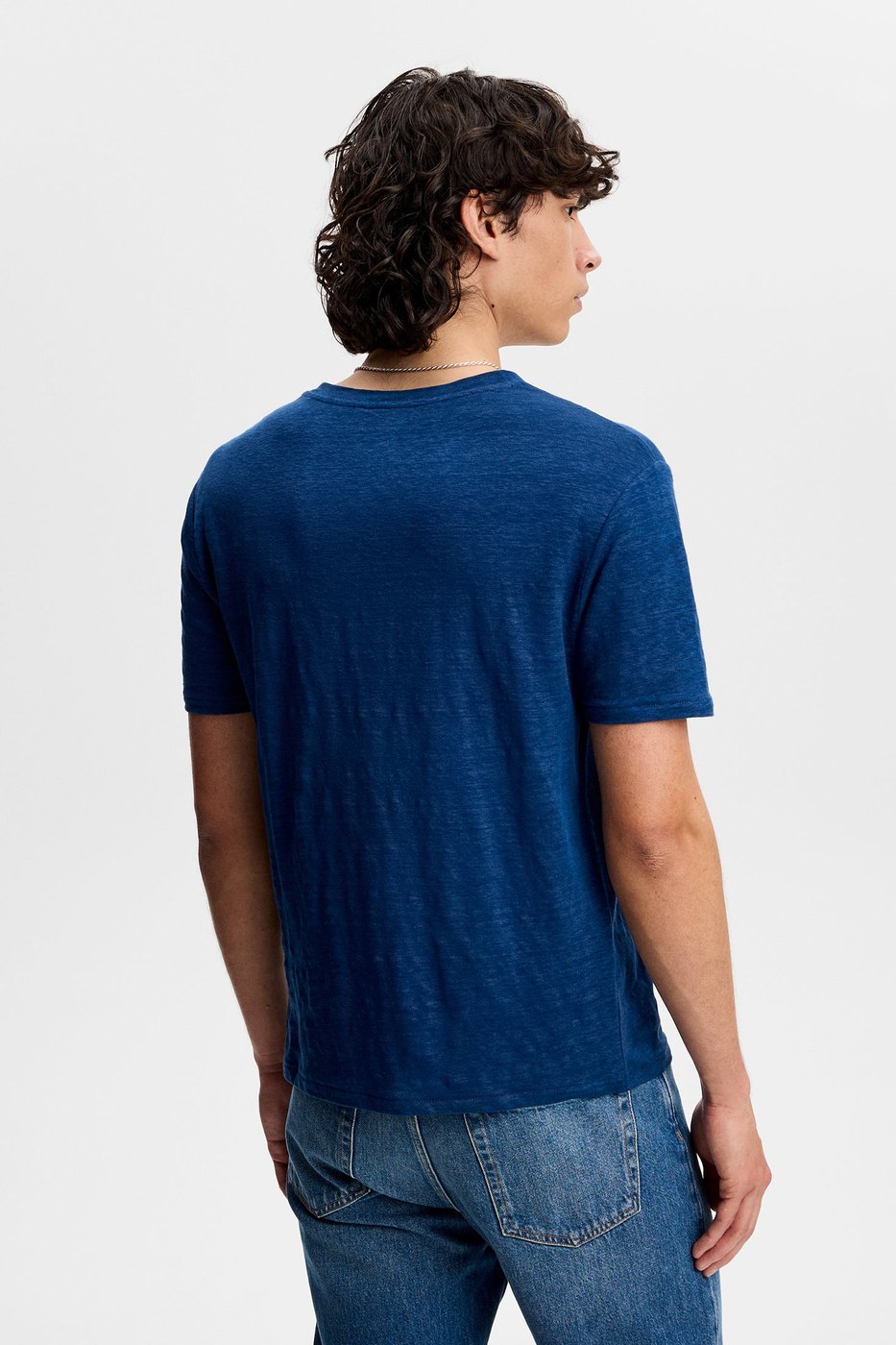
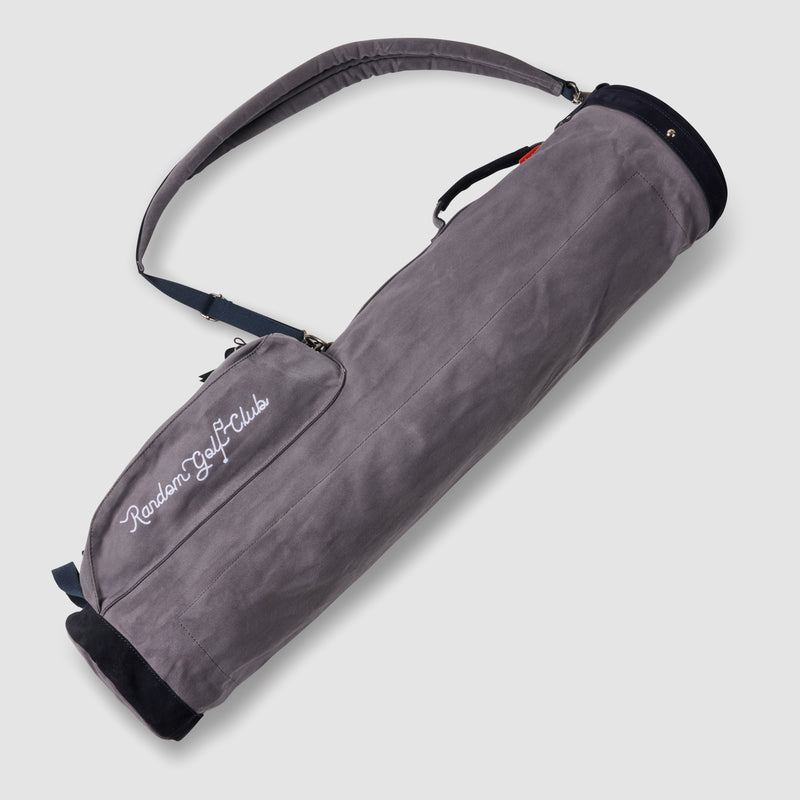
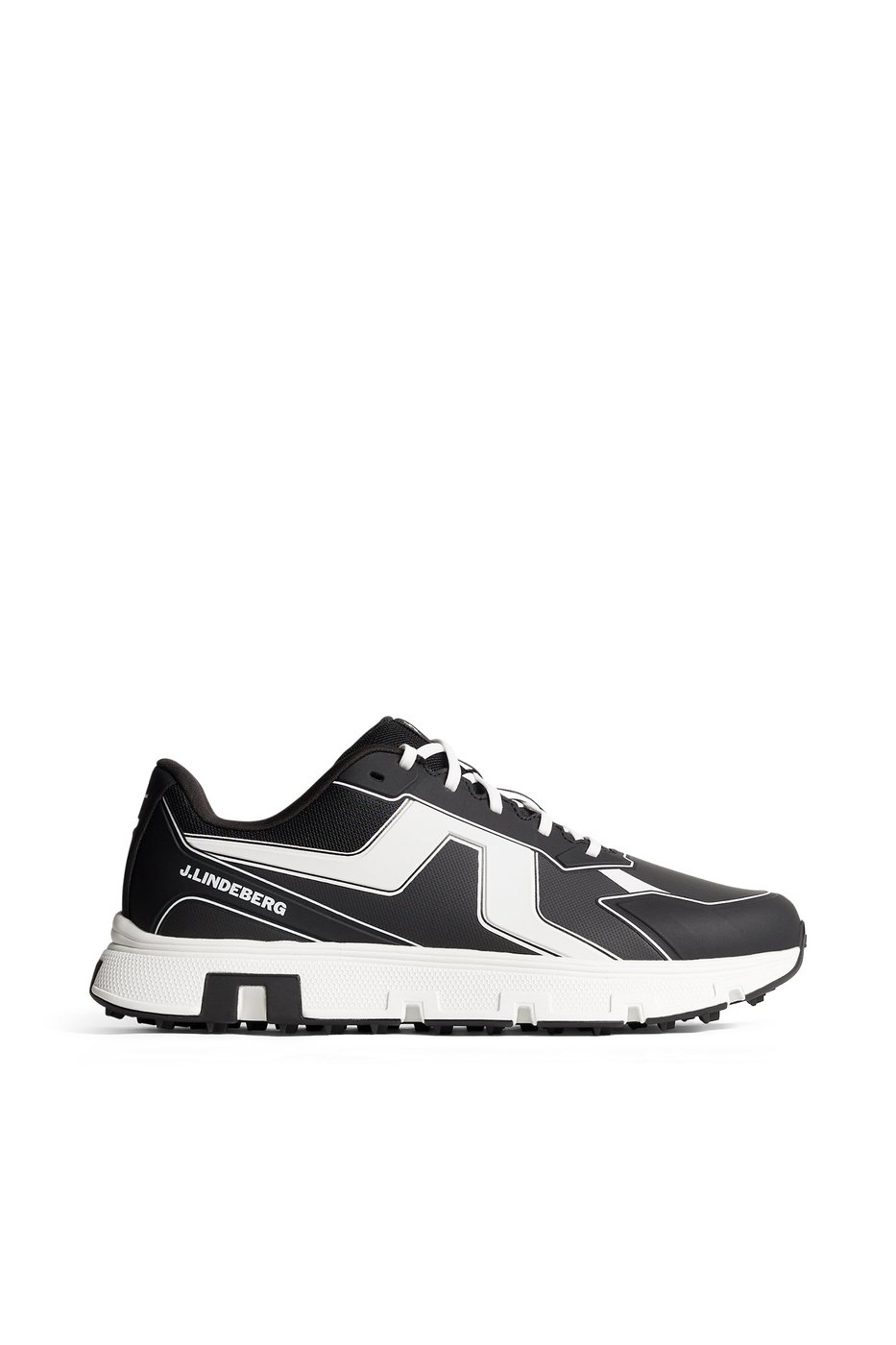
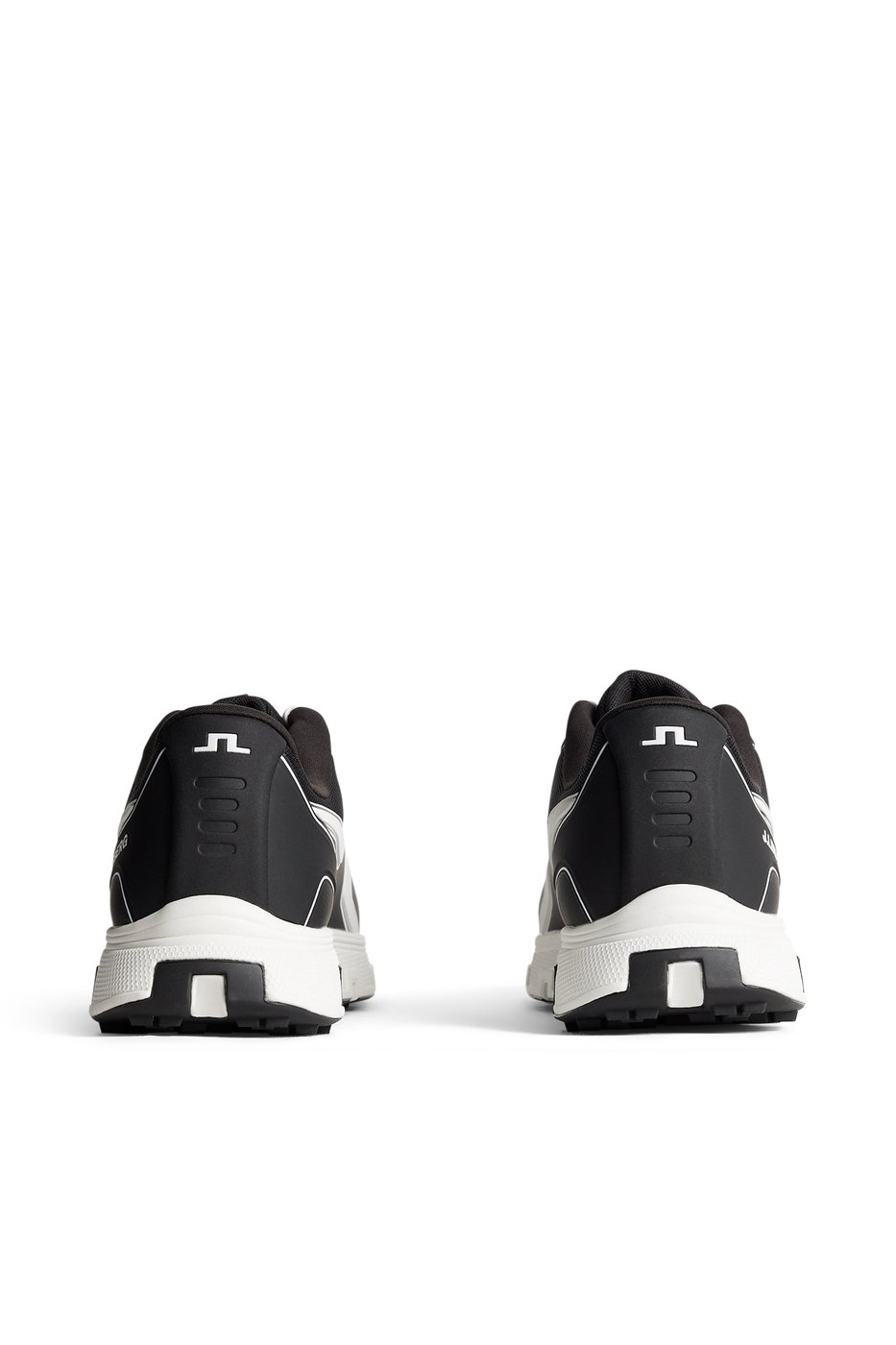
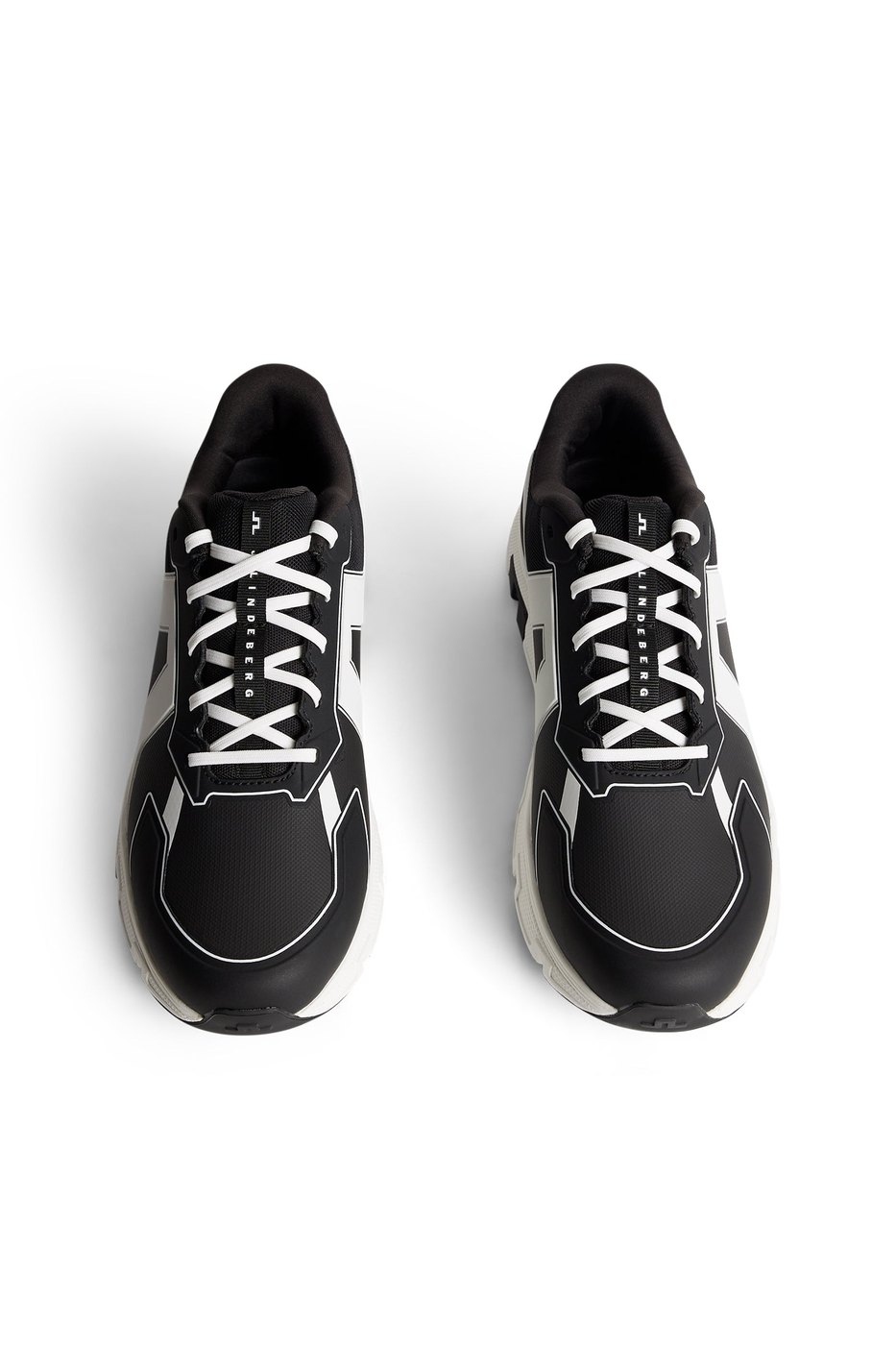
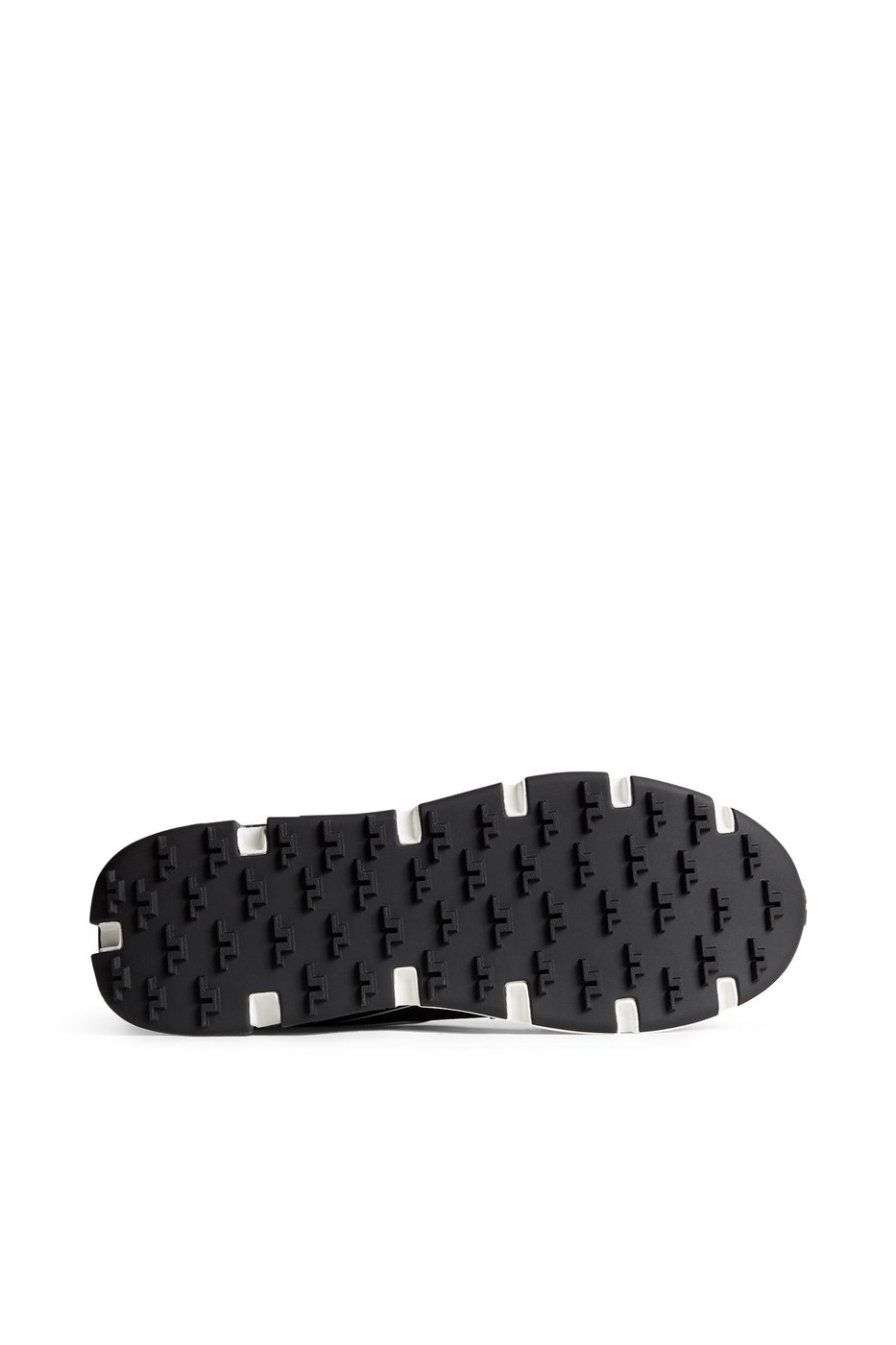
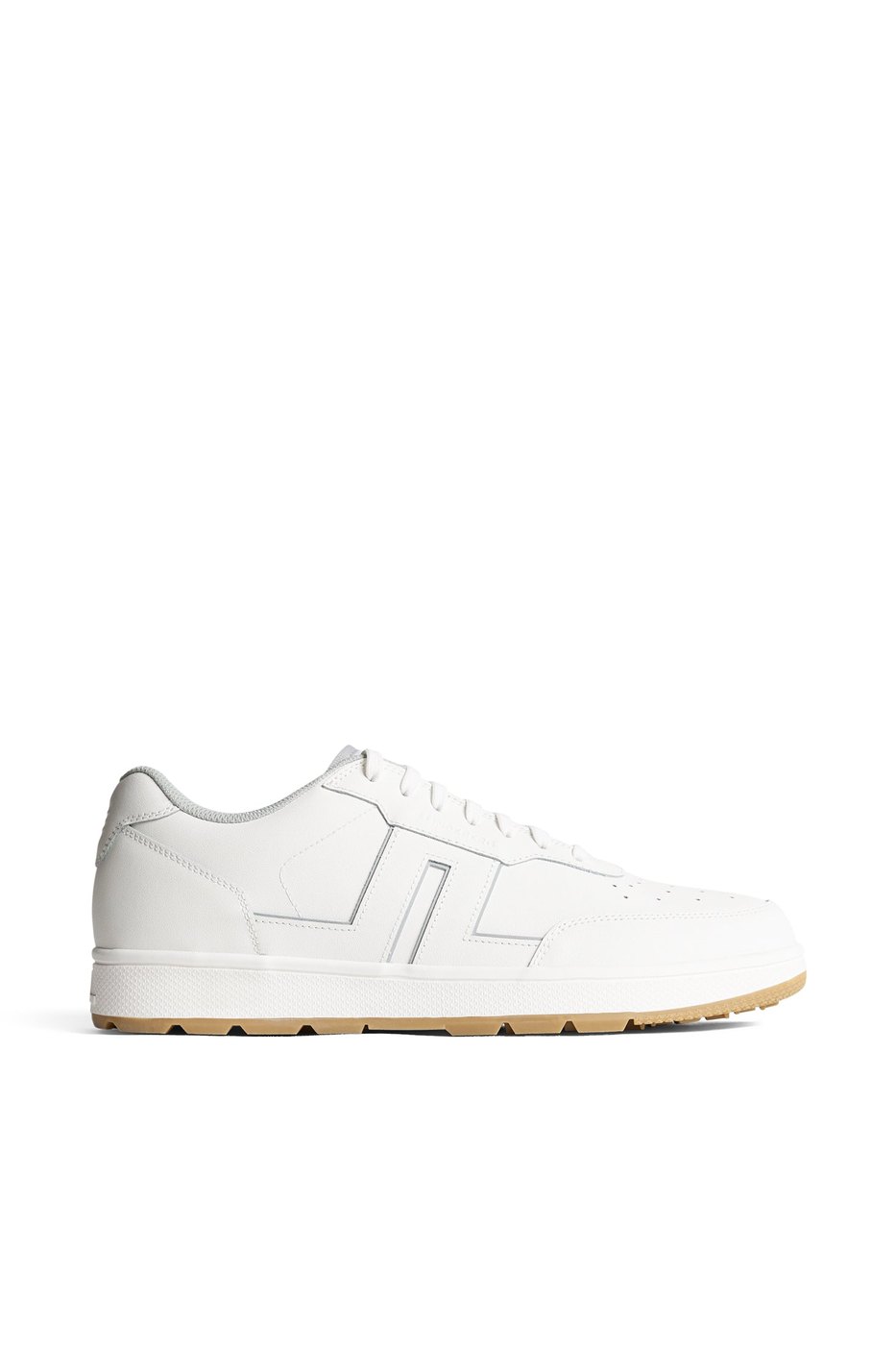
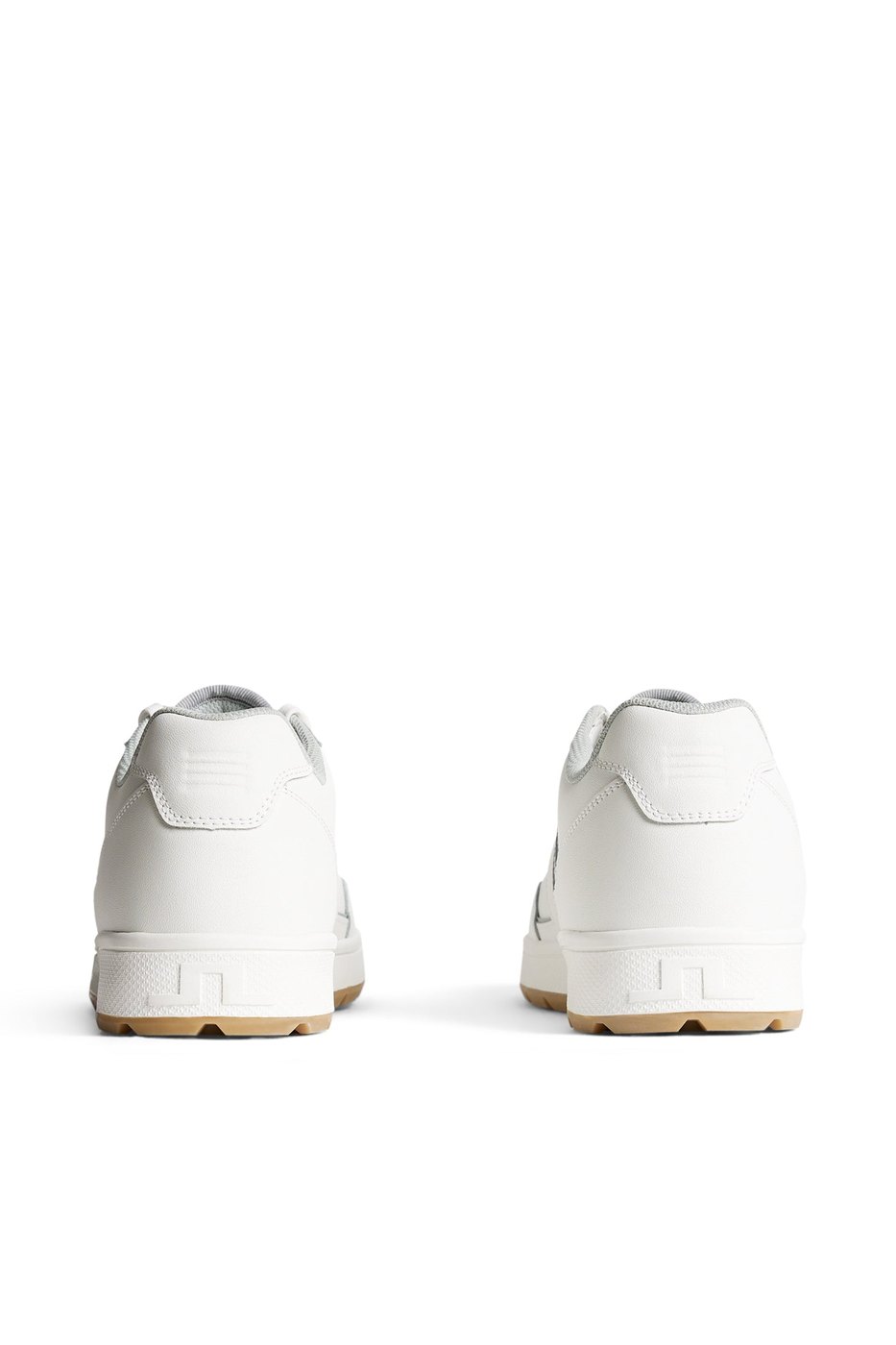
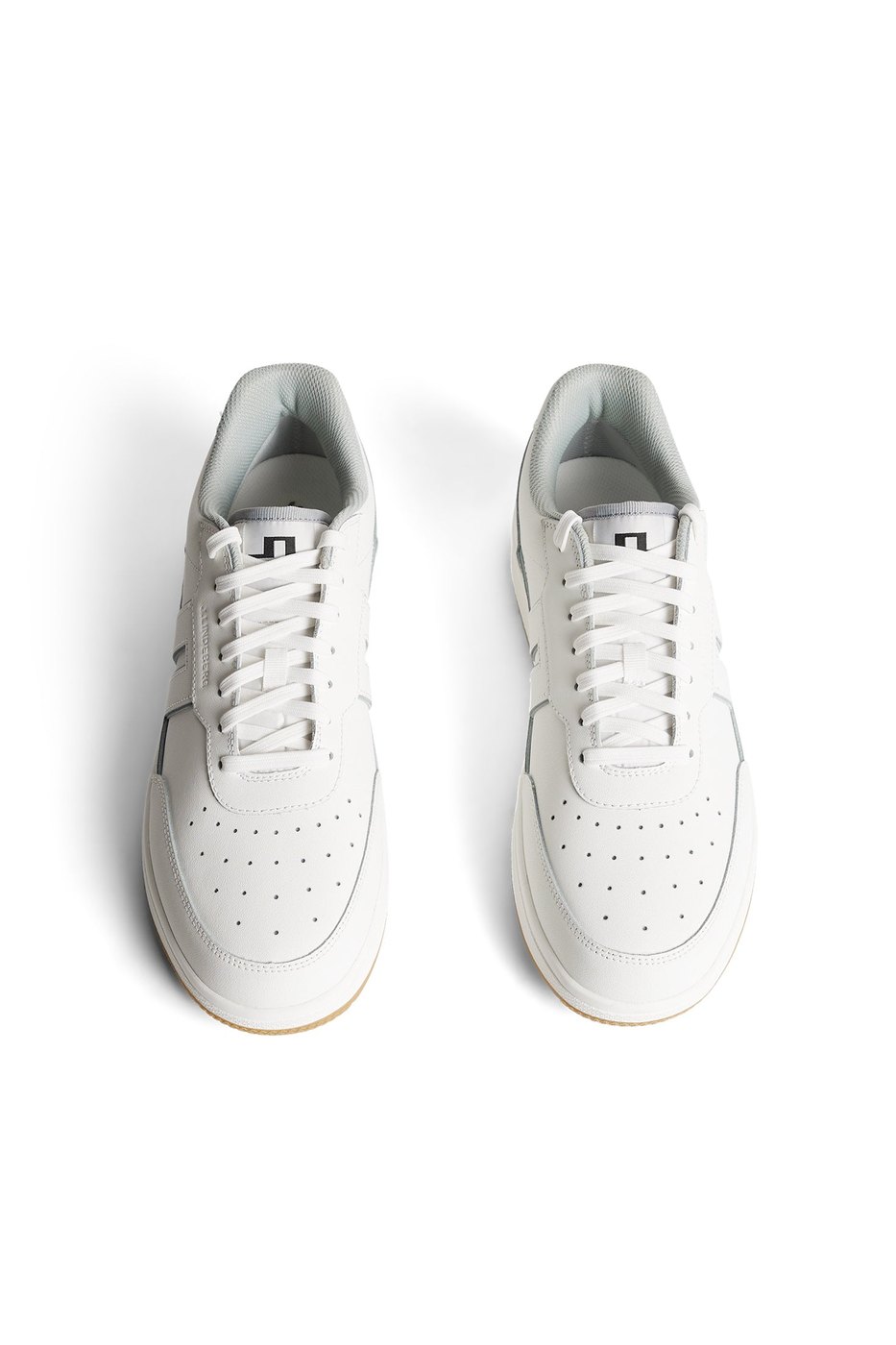
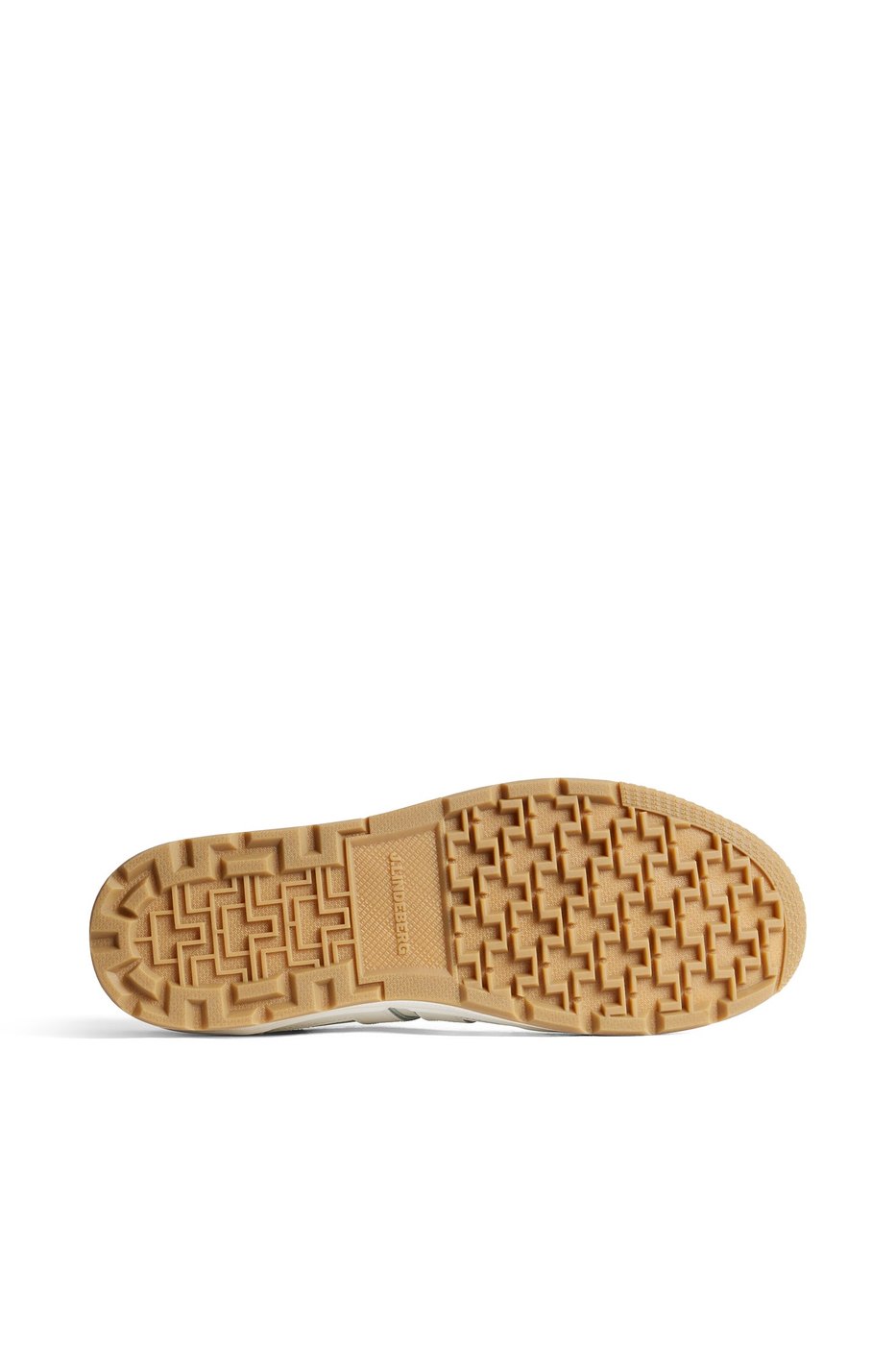
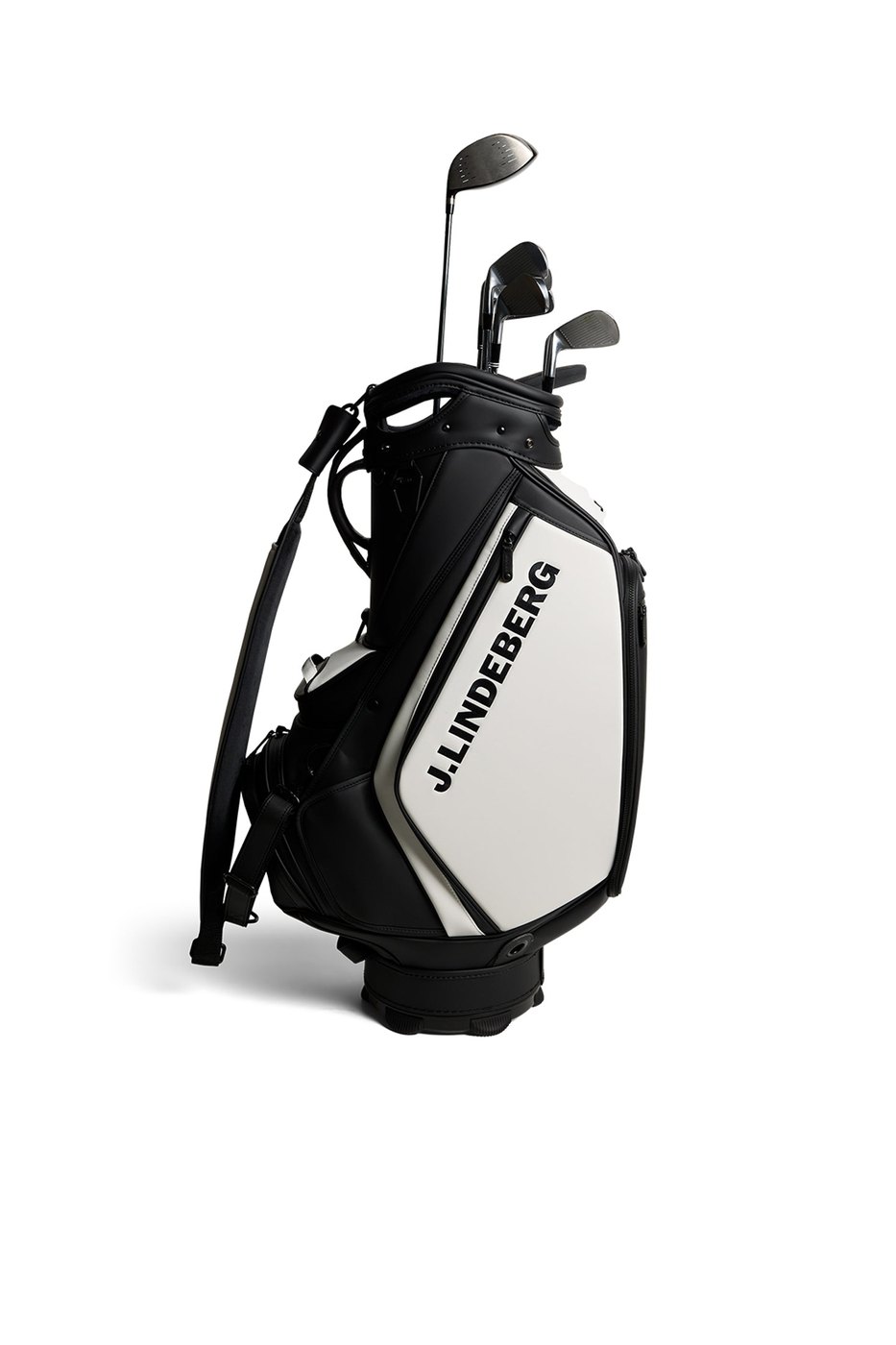
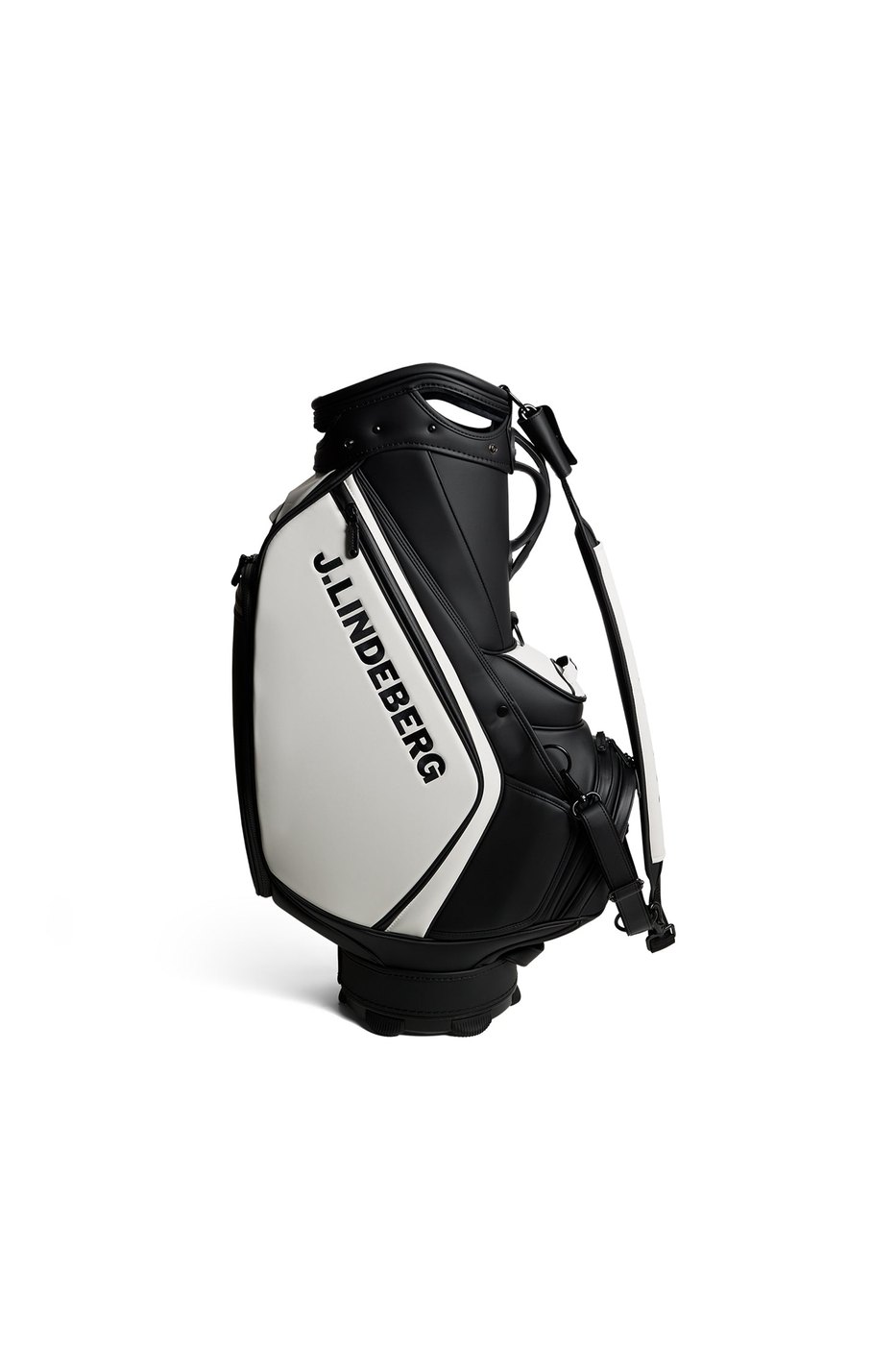
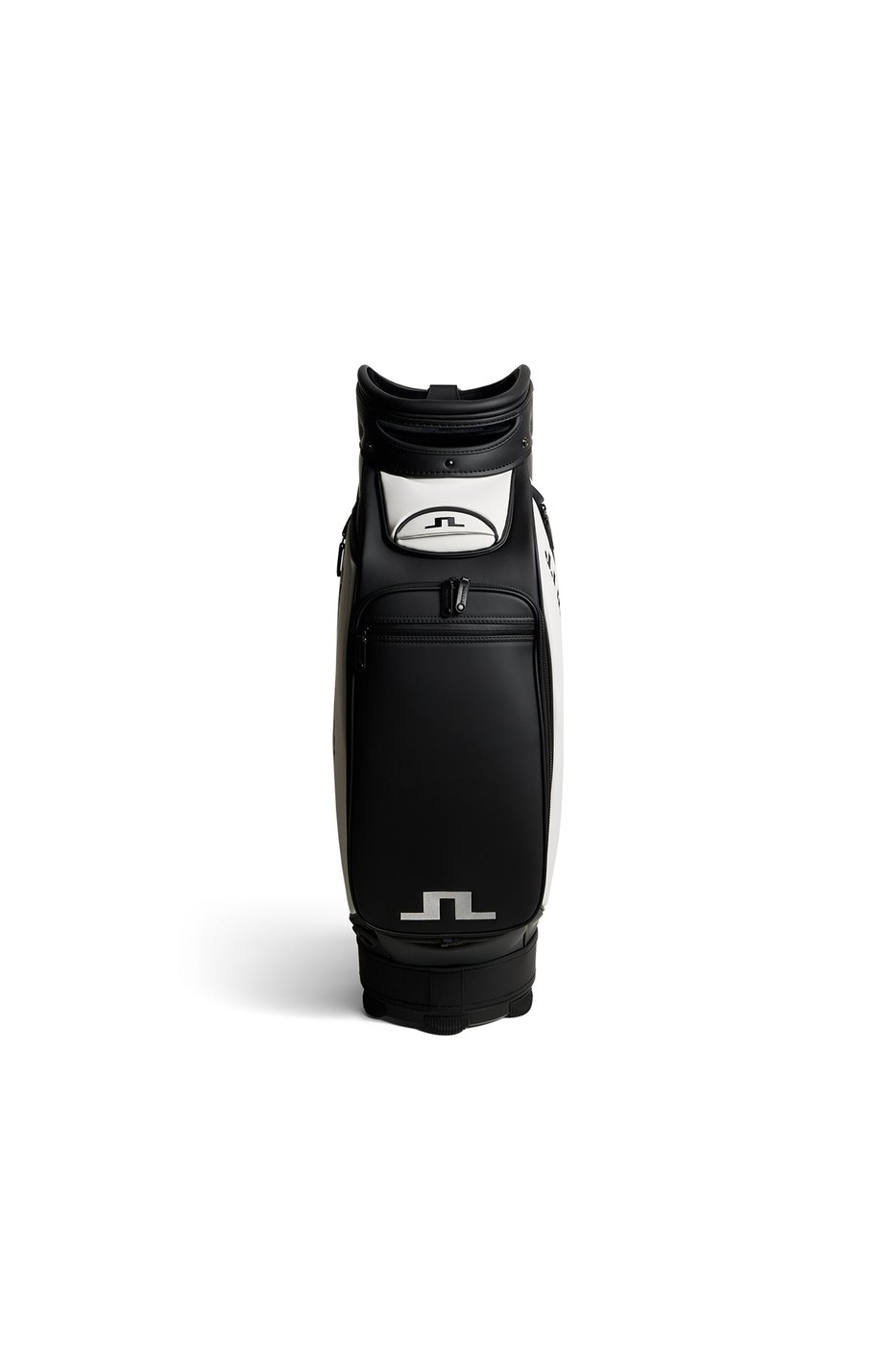
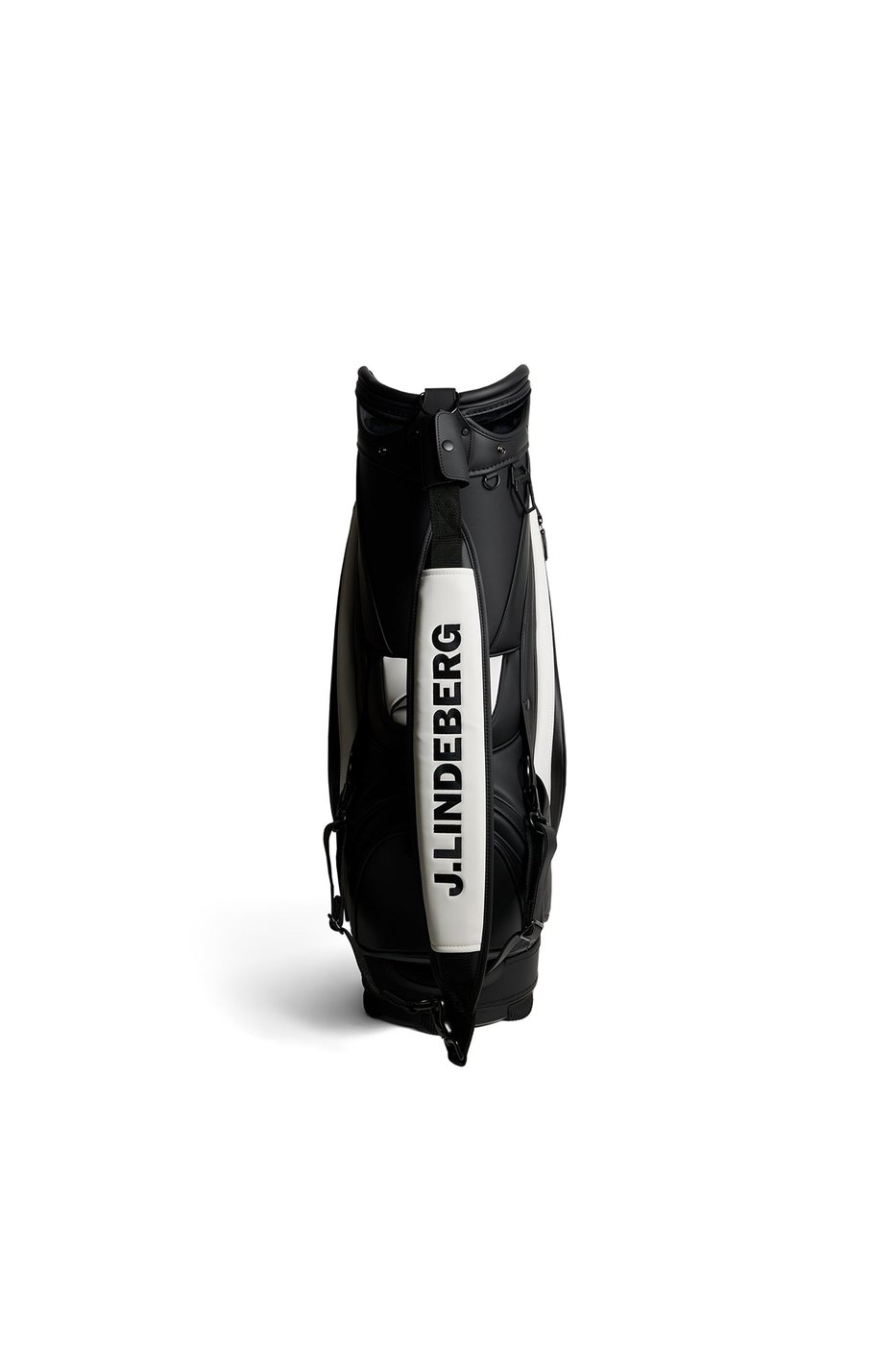
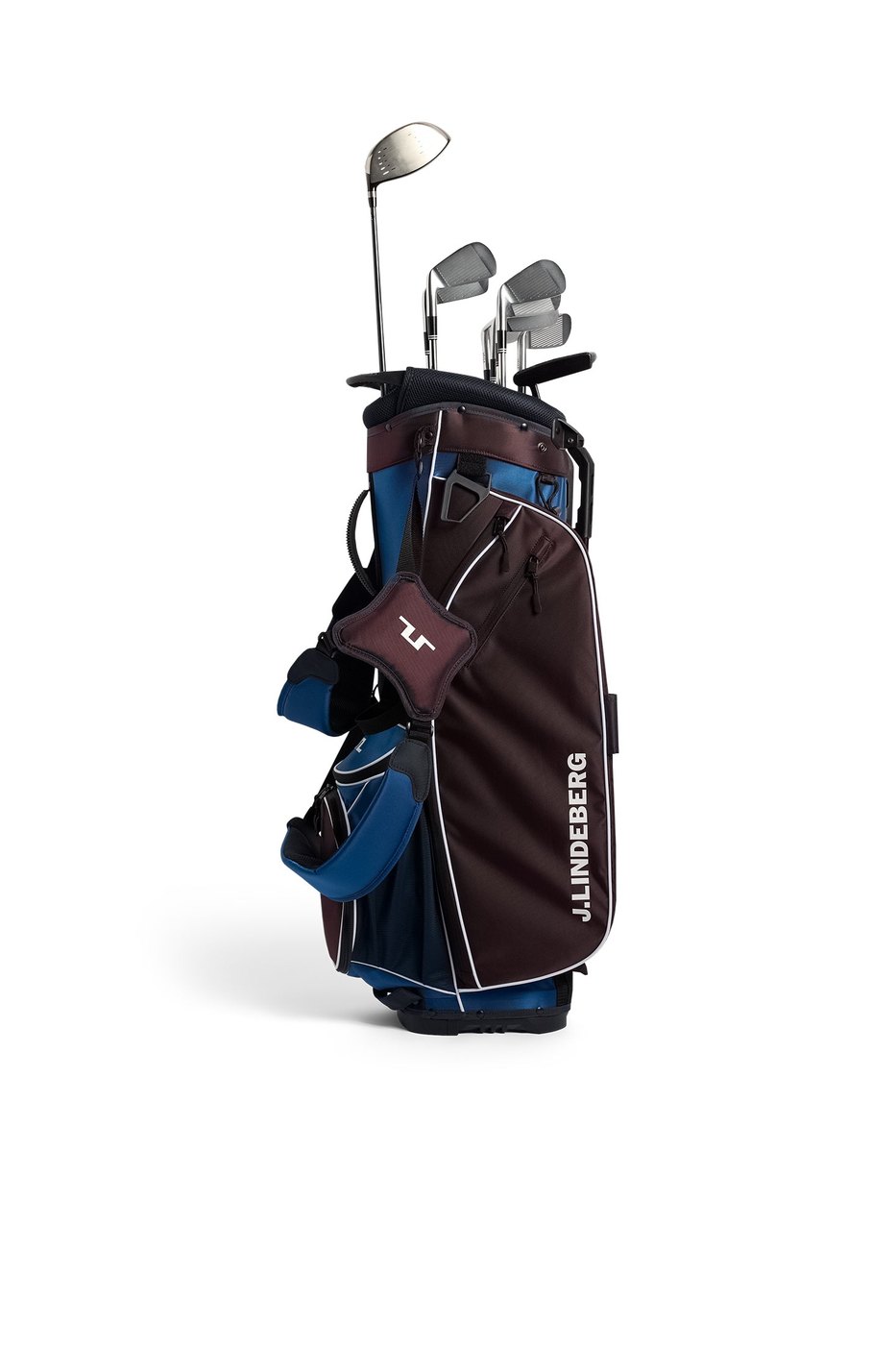
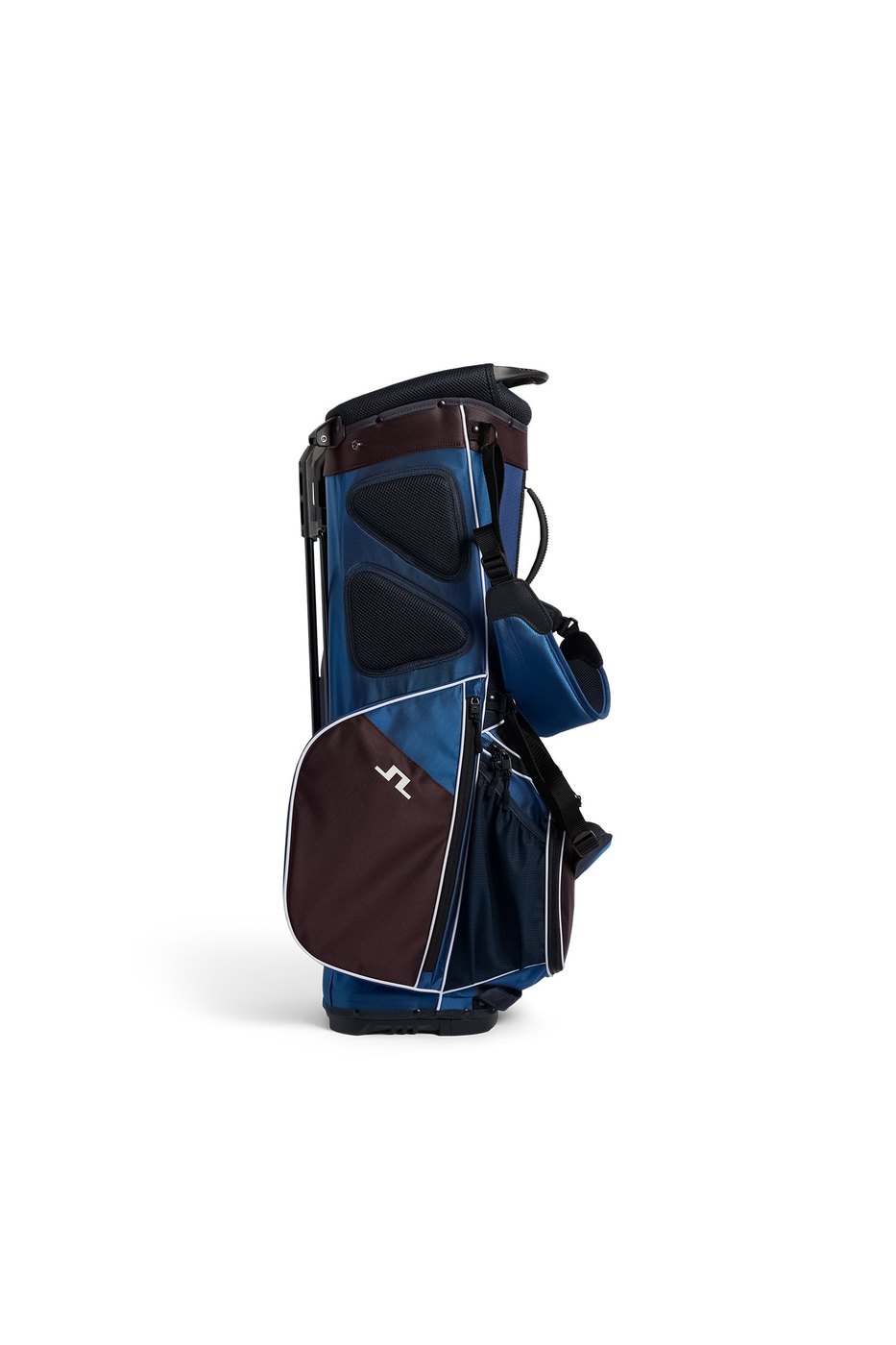
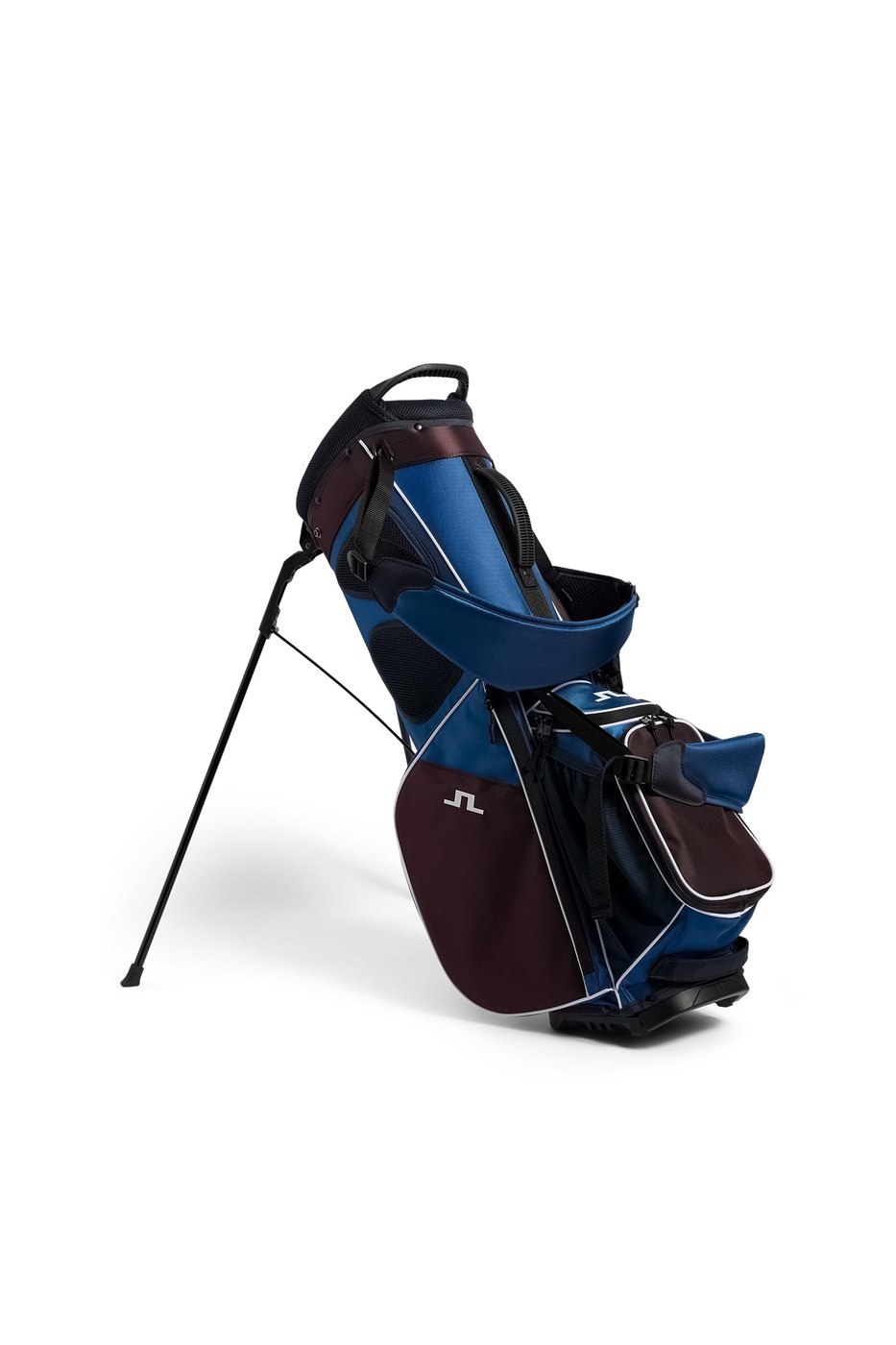
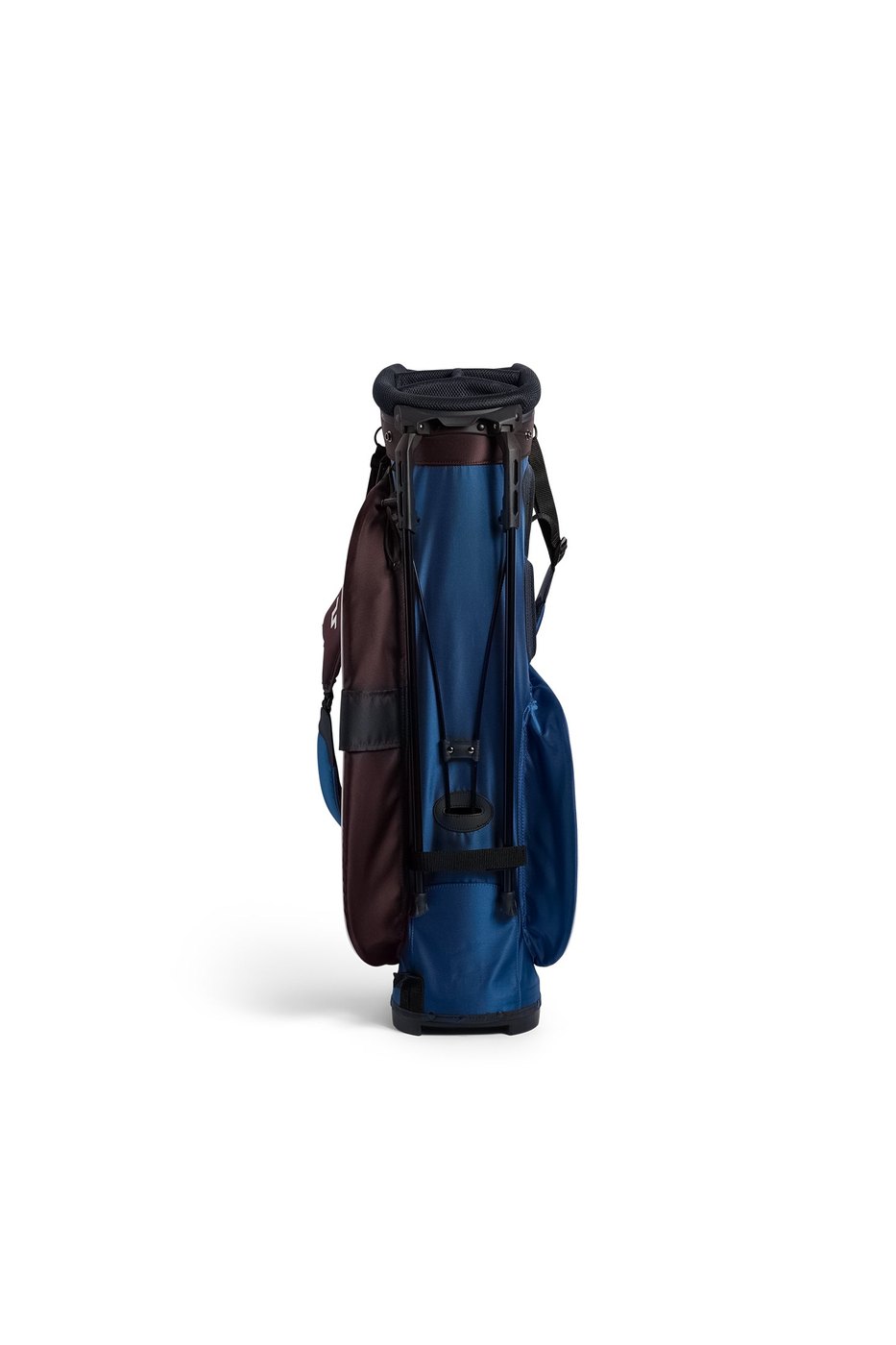
THE REST OF THE KITBoth halves of the brand come through here. The sneakers are the fashion side reasoning about golf shoes, and the bags are the golf side reasoning about how much a person will pay for one. The staff bag is the most expensive object J.Lindeberg sells to a man who is not buying outerwear.
Johan Lindeberg founded the brand in Stockholm in 1996. He had spent the first half of the nineties building Diesel initially as its distributor in Sweden, later running the US business before starting his own label. Golf was part of the concept from the beginning rather than added later.
Parnevik was J.Lindeberg's first PGA Tour ambassador, from the mid-nineties. His tailored, close-cut look stood against the oversized silhouettes of the era and effectively launched the brand in golf. On May 14, 2000 he won the GTE Byron Nelson Classic in pink trousers, beating Davis Love III on the third playoff hole.
The name Johan Lindeberg gave to the pink-trousers moment at the 2000 Byron Nelson. J.Lindeberg revived it in June 2026 as the campaign for its thirtieth anniversary, and the 30Y capsule includes an Azalea Pink golf pant, cap and t-shirt referencing it directly.
No. The flipped brim was Jesper Parnevik's own habit, started shortly after he turned professional in Florida to get sun on his face, and kept because it improved his peripheral vision. It predates his partnership with the brand.
No. He left after disagreements with investors, has been in and out of the company over the years, and is not associated with it now. He has since started a separate label. J.Lindeberg has been owned since 2012 by the owners of the Danish group Bestseller and is led by chief executive Hans-Christian Meyer.
Viktor Hovland is the headline ambassador, signed since 2019 and extended three years from January 2025. The roster also includes Matt Wallace, Matthieu Pavon, Niklas Nørgaard, Kevin Yu, Camilo Villegas, Curtis Luck, Anna Nordqvist, Yealimi Noh, Morgane Metraux and Mariah Stackhouse. The brand is also the official apparel partner of USA Golf for the Olympics and clothing supplier to the DP World Tour.
No. It sells golf alongside ready-to-wear, tailoring, denim, ski and racket sport, and shows at Copenhagen Fashion Week. As of the last publicly disclosed figures the business ran roughly sixty per cent sport to forty per cent fashion, with womenswear above half of sales.