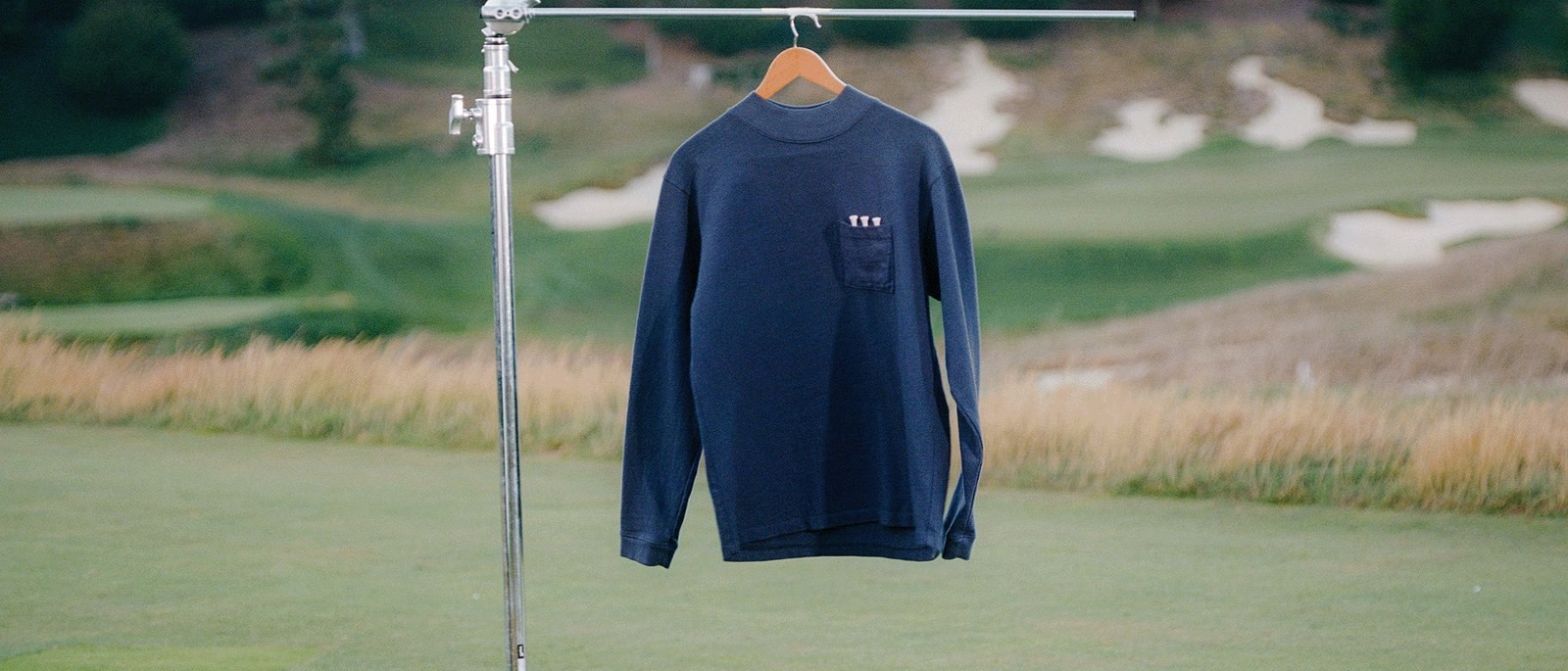
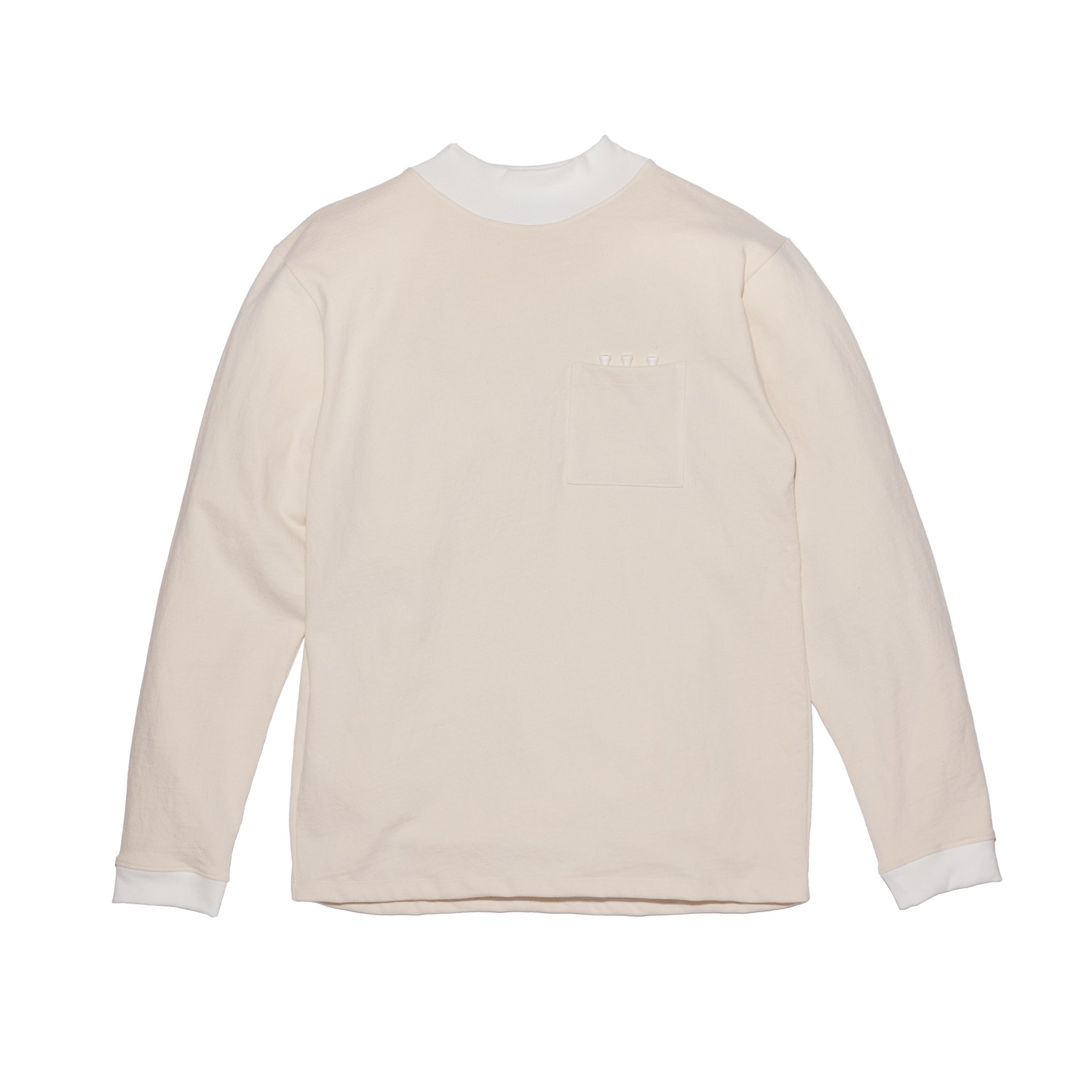
The L/S Heavyweight Work Shirt · photograph courtesy of Agronomy Workshop
The moodboard is four and a half years older than the company. Rob Junge keeps a public Are.na channel called Agronomy Workshop. It was created on 25 May 2021, it holds 1,113 blocks, and the last thing was added to it on 18 September 2026 — the day before this was written. The brand itself launched in October 2025. So the collecting ran for four and a half years before there was anything to sell, and it did not stop when there was.
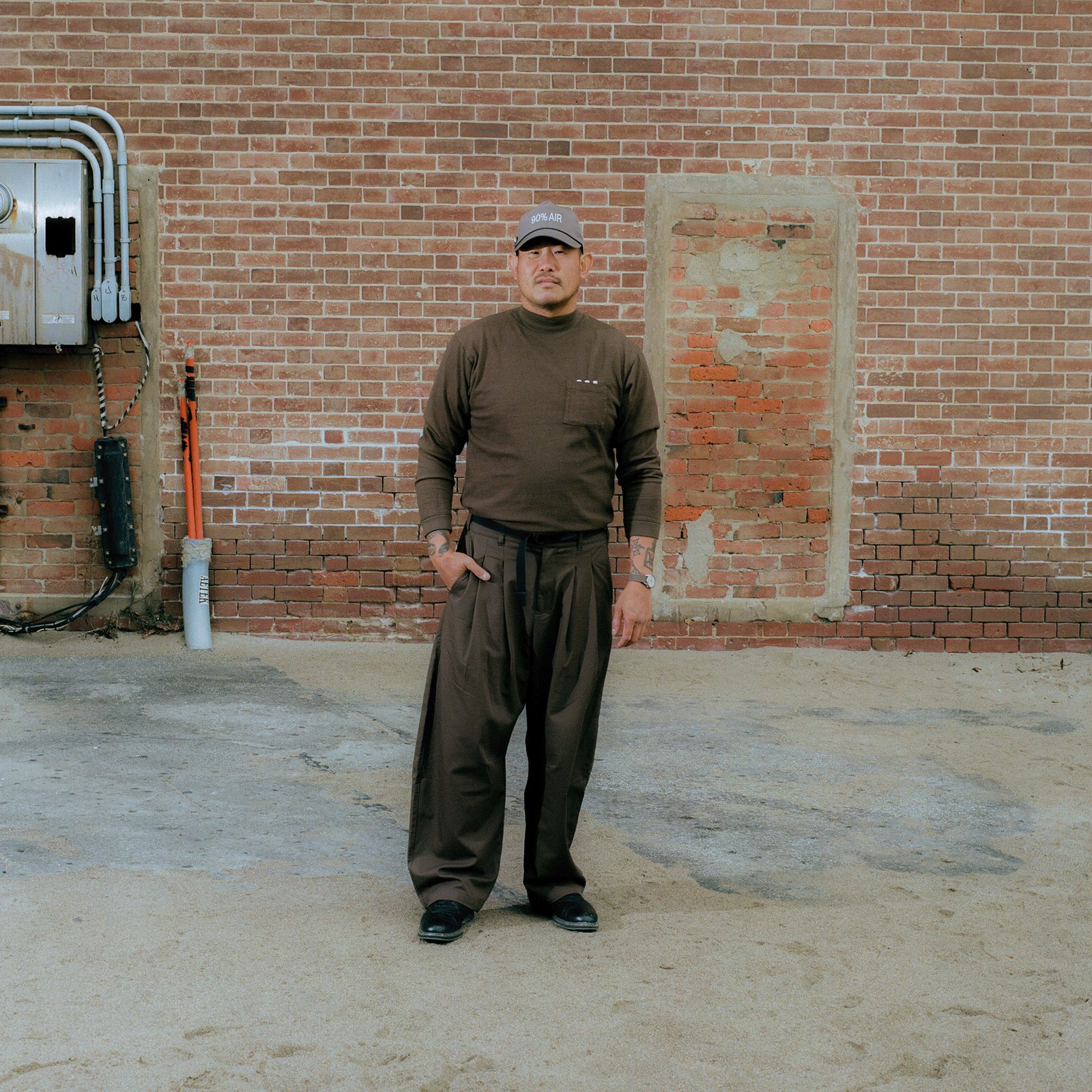
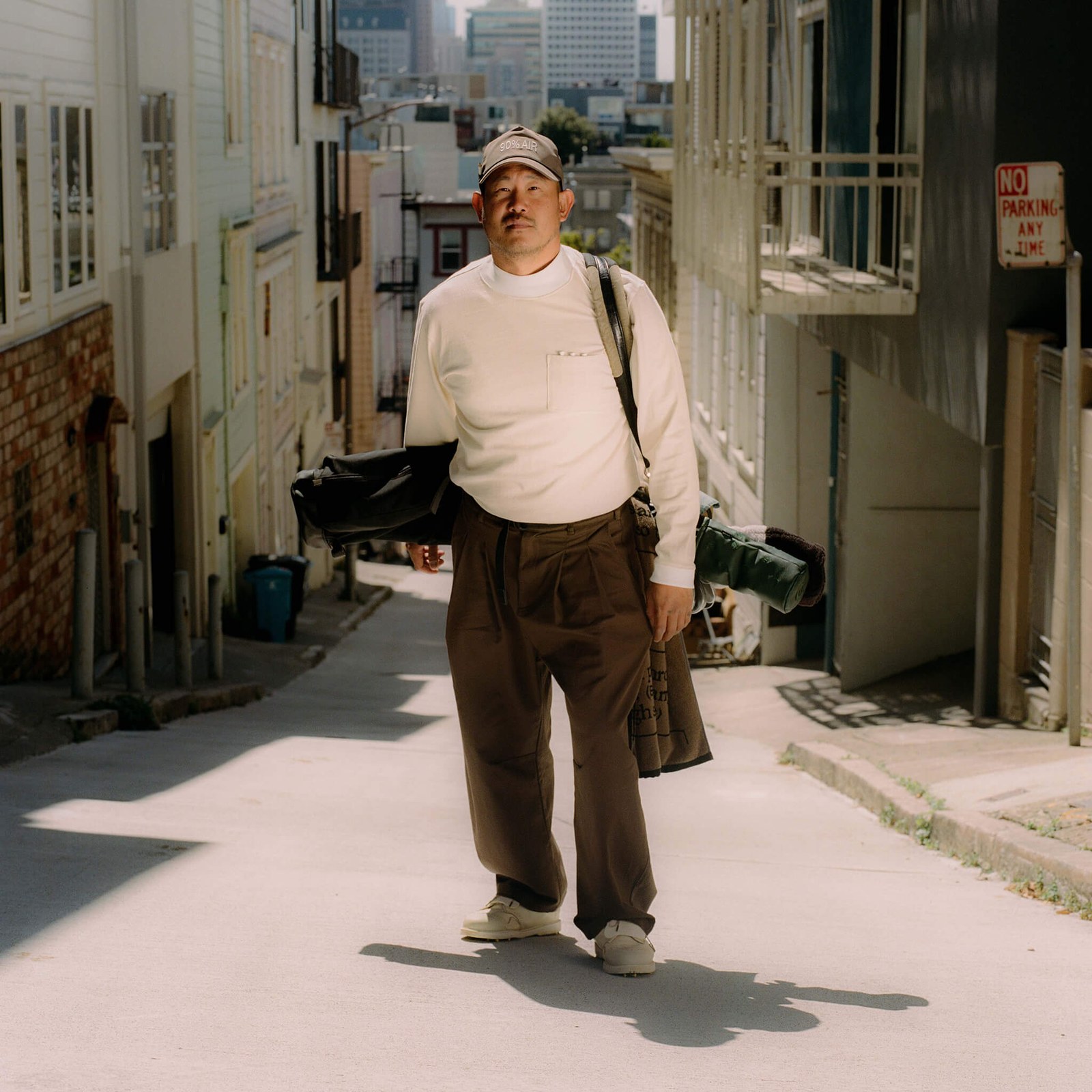
That gap is the most interesting fact about this brand, and it explains the thing people notice first. Agronomy Workshop does not behave like a golf company that hired a designer. It behaves like a designer who happens to have made golf clothes — which is exactly what it is. Junge is a working creative director: Wondersauce through the mid-2010s, then product design at Vimeo, then independent practice in San Francisco with Field Mag, Treaty, Lalo and Soft Services on the list, then Head of Design at the sports streaming startup Playback. The whole operation reads like a greenkeeper who reads design blogs: practical first, considered second, and loud about neither.
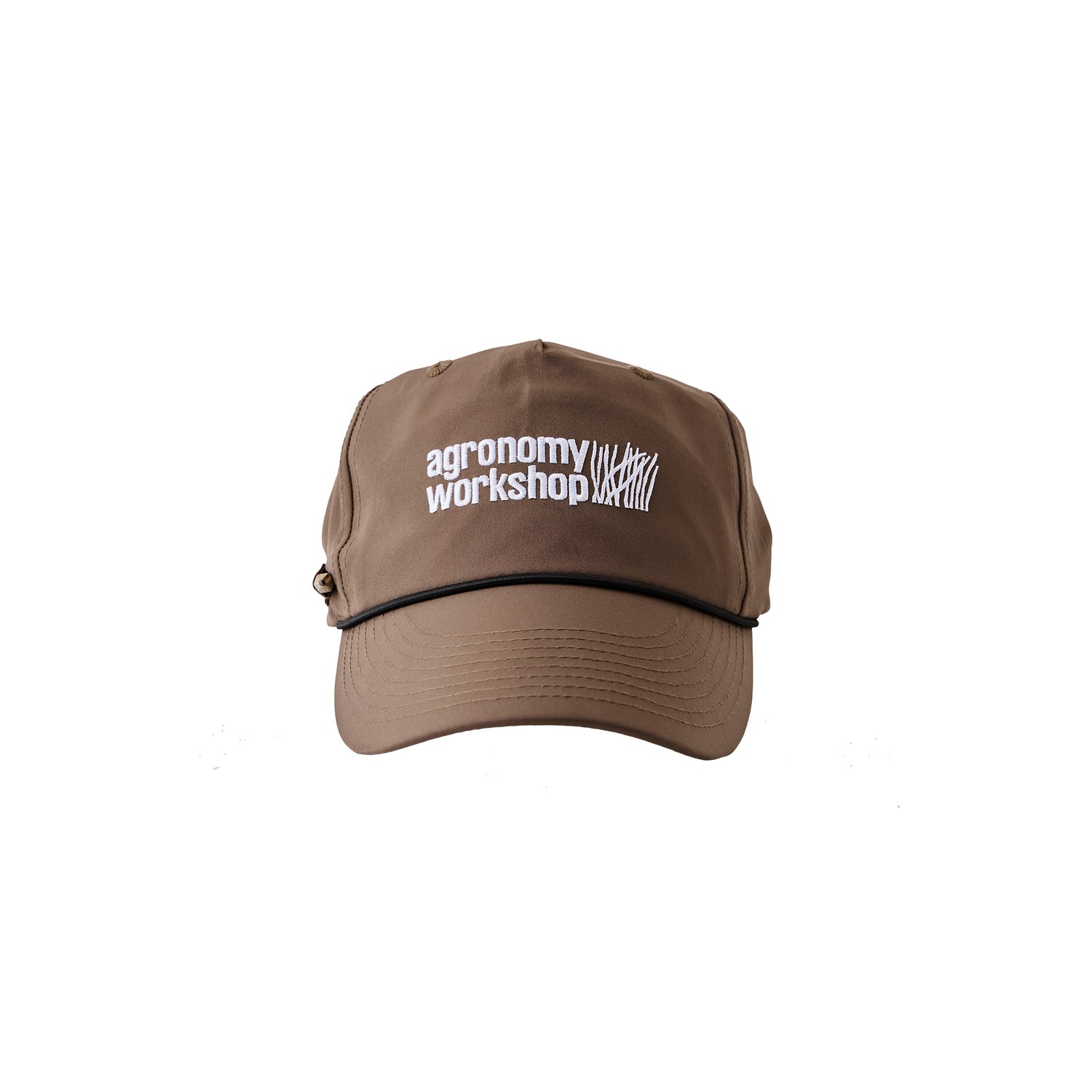
Read the catalogue that way and the decisions stop looking like restraint and start looking like art direction. Twelve SKUs — a catalog so small it fits on a scorecard. A shirt whose logo is embroidered tonal on the back, legible from about a foot away. A cap called the Golf Brand© Hat, whose entire graphic is the words “Golf Brand” with a copyright symbol. A site set in Gerstner Programm, a Swiss-modernist typeface, in a category that runs on athletic sans-serifs. None of that is apparel thinking. All of it is identity thinking.
What we cannot tell you is what he makes of any of it. There is no published interview with Rob Junge about this brand — not a profile, not a podcast, not a quote in anyone else’s coverage. Everything below in quotation marks is the brand’s own site copy or a named publication.
There is a through-line in the work, and it is soil. Treaty, where Junge was creative director, was a CBD line out of Hudson Hemp, built on a Hudson Valley farm and sold on the specifics of the ground it grew in. Damp, the wine project he co-founded, opens with the line “Honest wine reflects the ground from which the grapes are grown.” Then a golf brand named for the science of cultivating land. Three consecutive ventures about what happens in dirt, from a man who then went and made a shirt to last a decade.
The timing is its own small story. Playback raised $22 million in March 2025 and shut down that December, its team landing at Disney and ESPN the following March. Agronomy Workshop went live in October 2025 — in the gap, while the startup was closing.
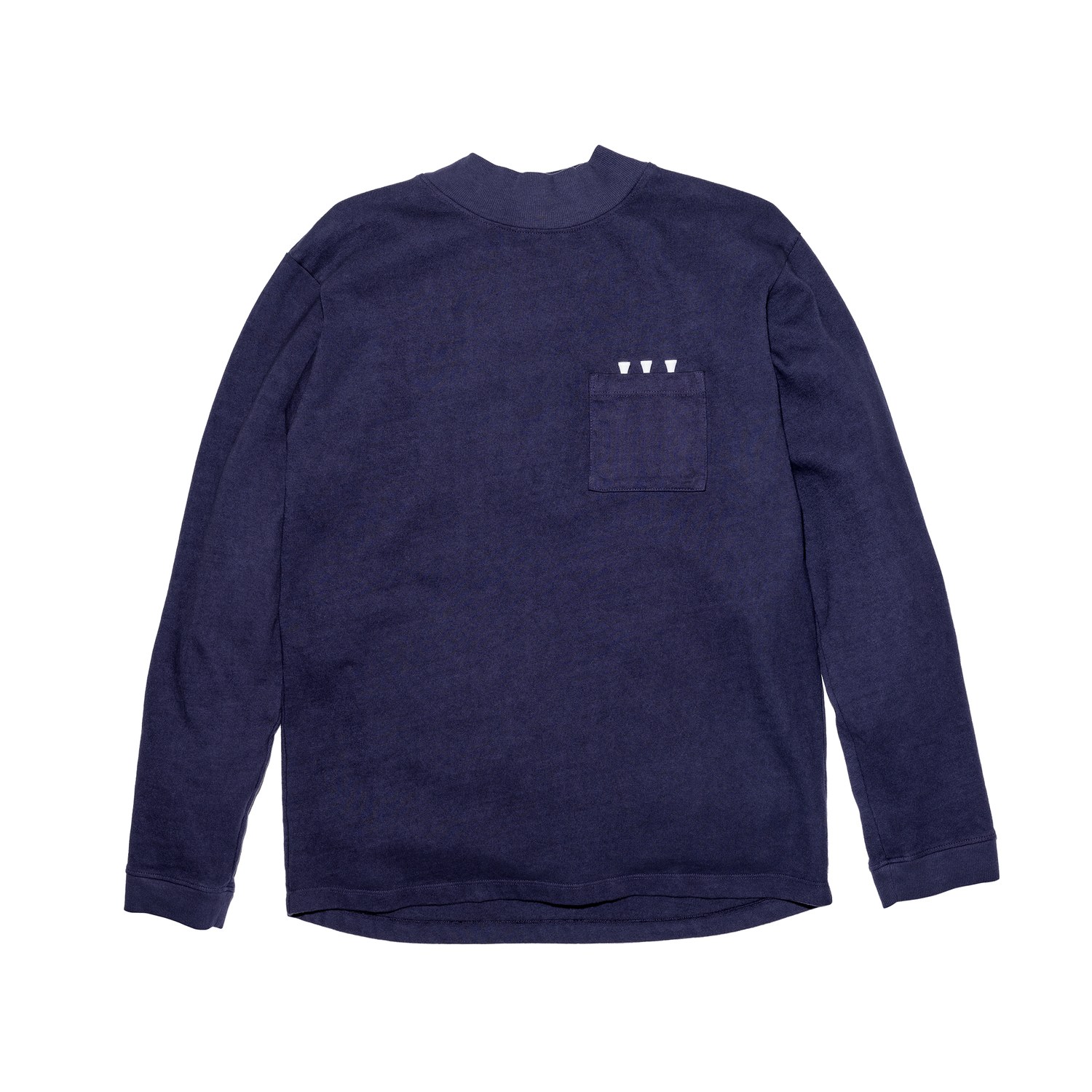
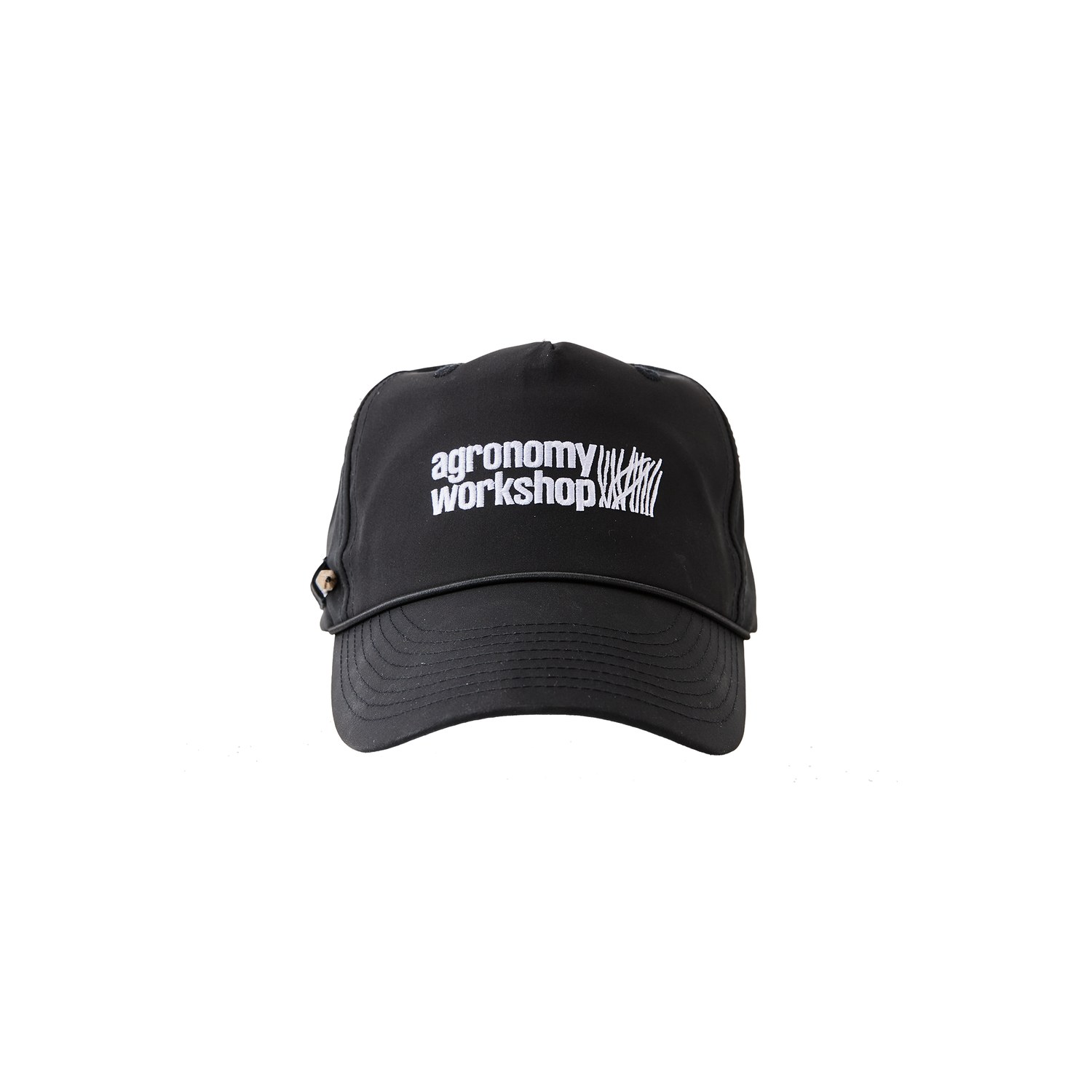
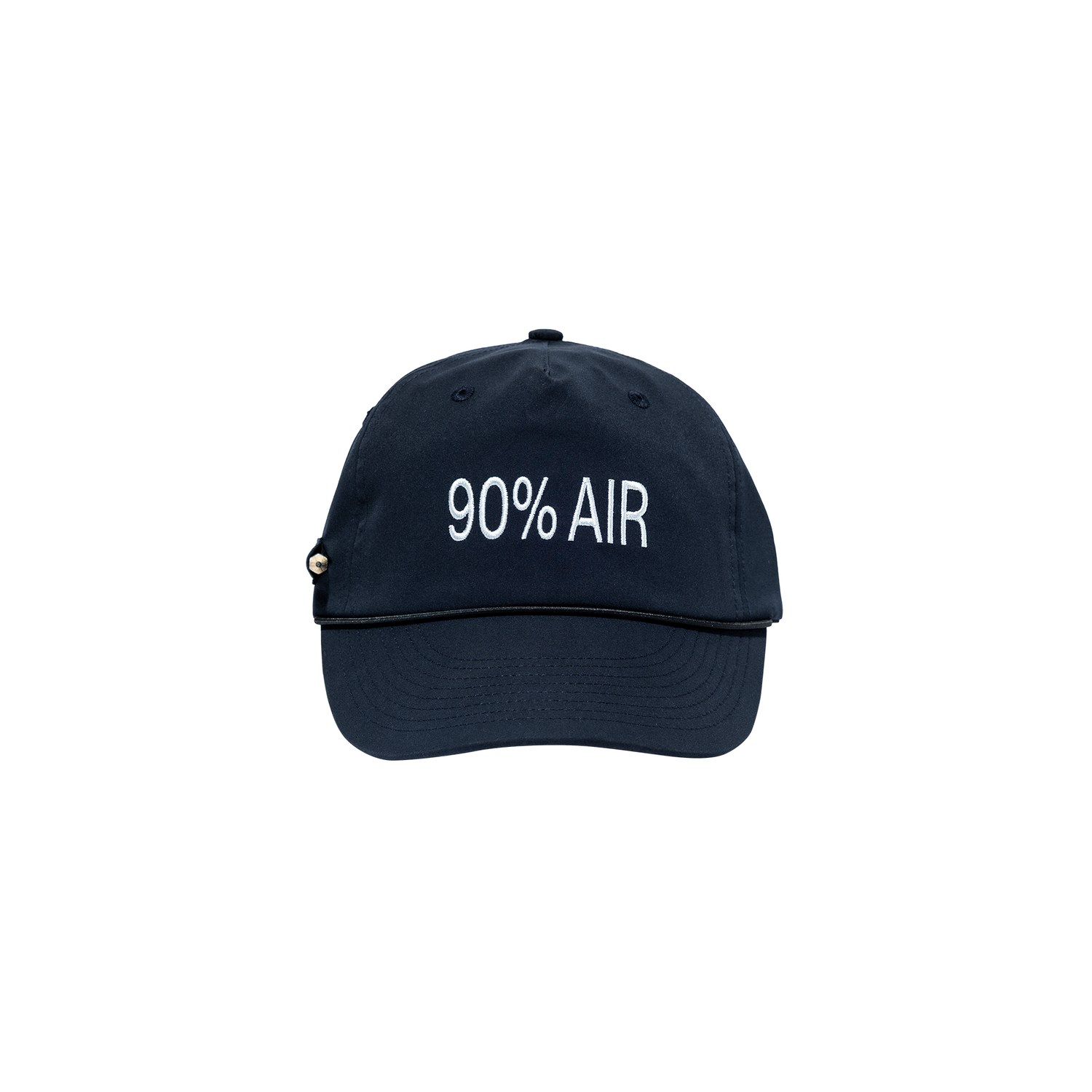
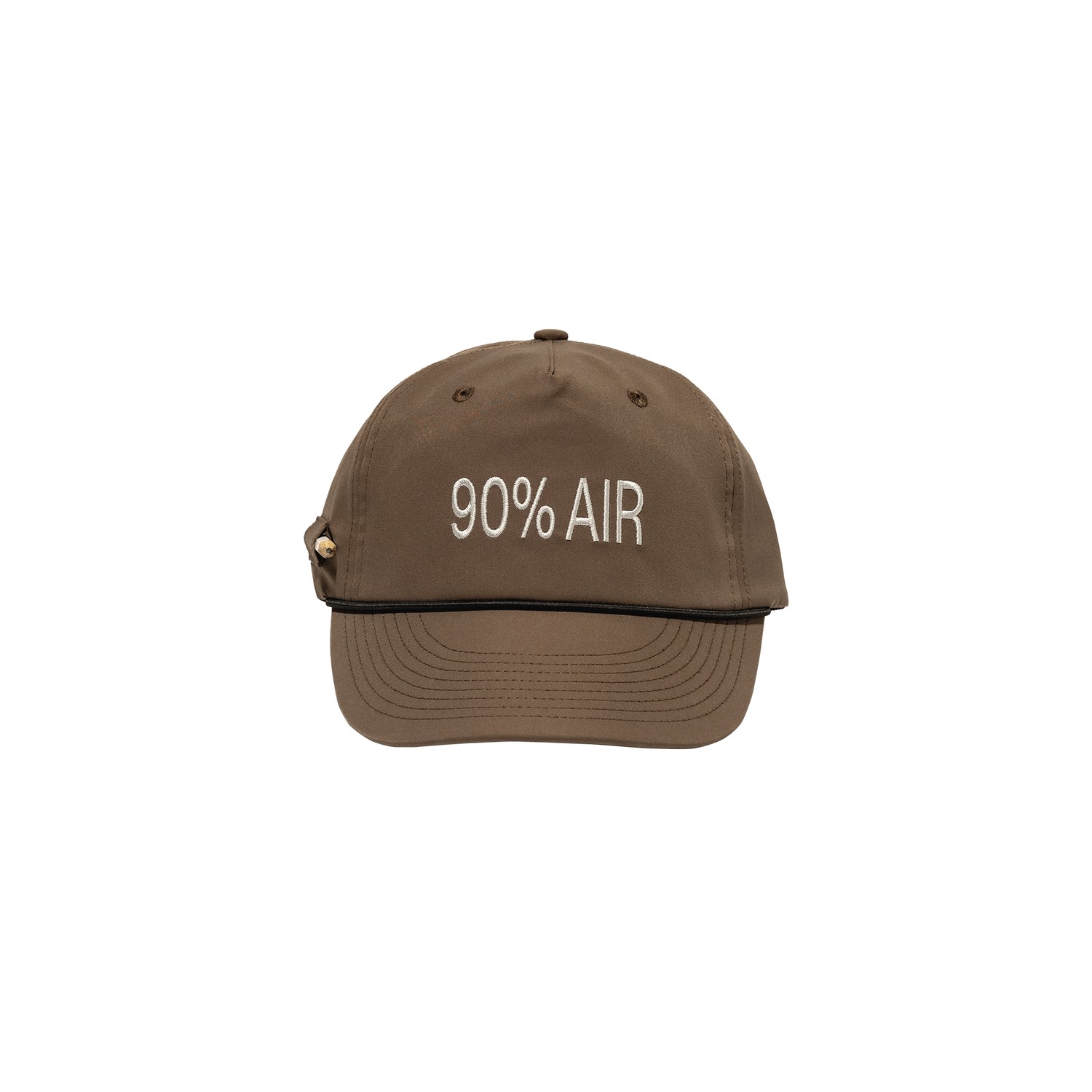
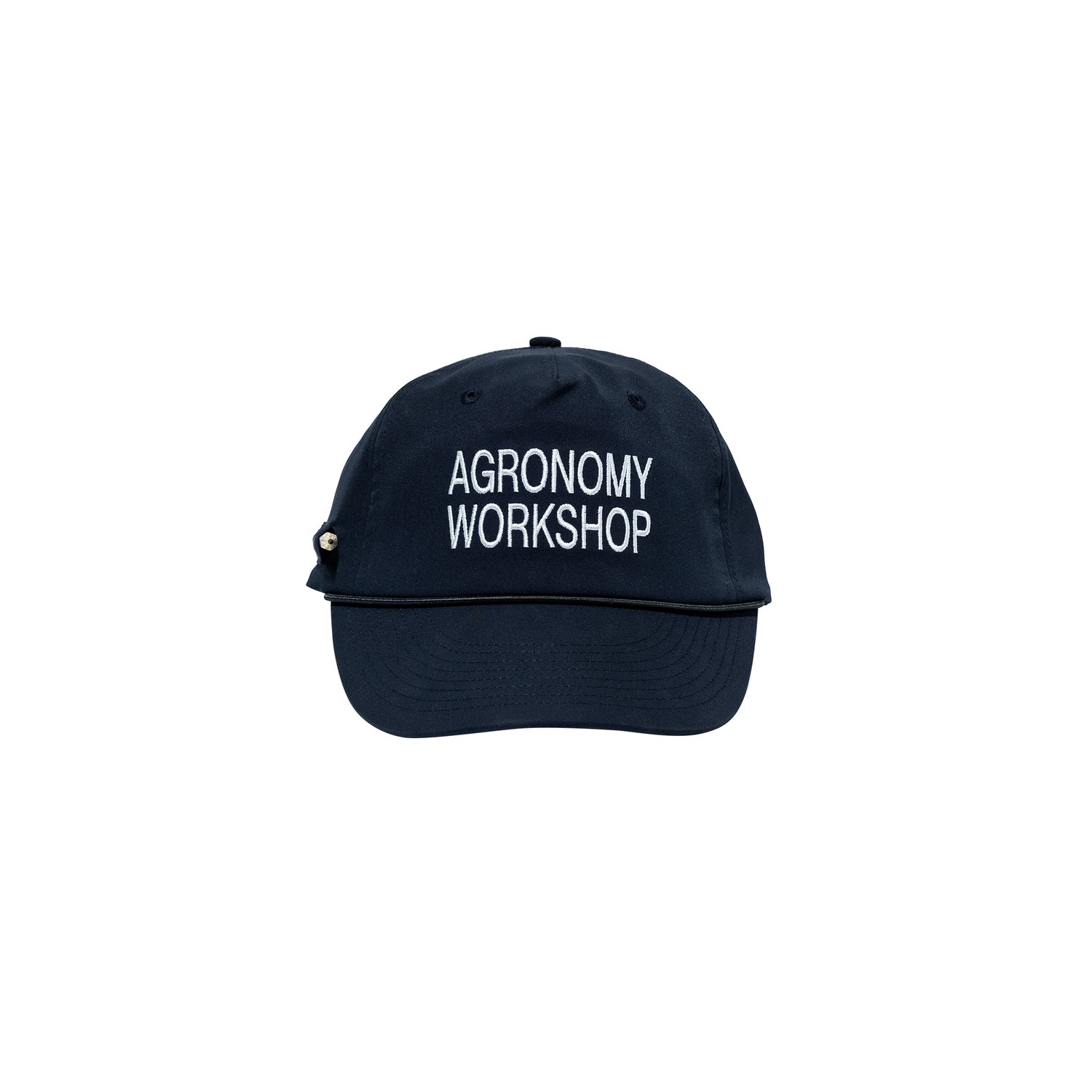
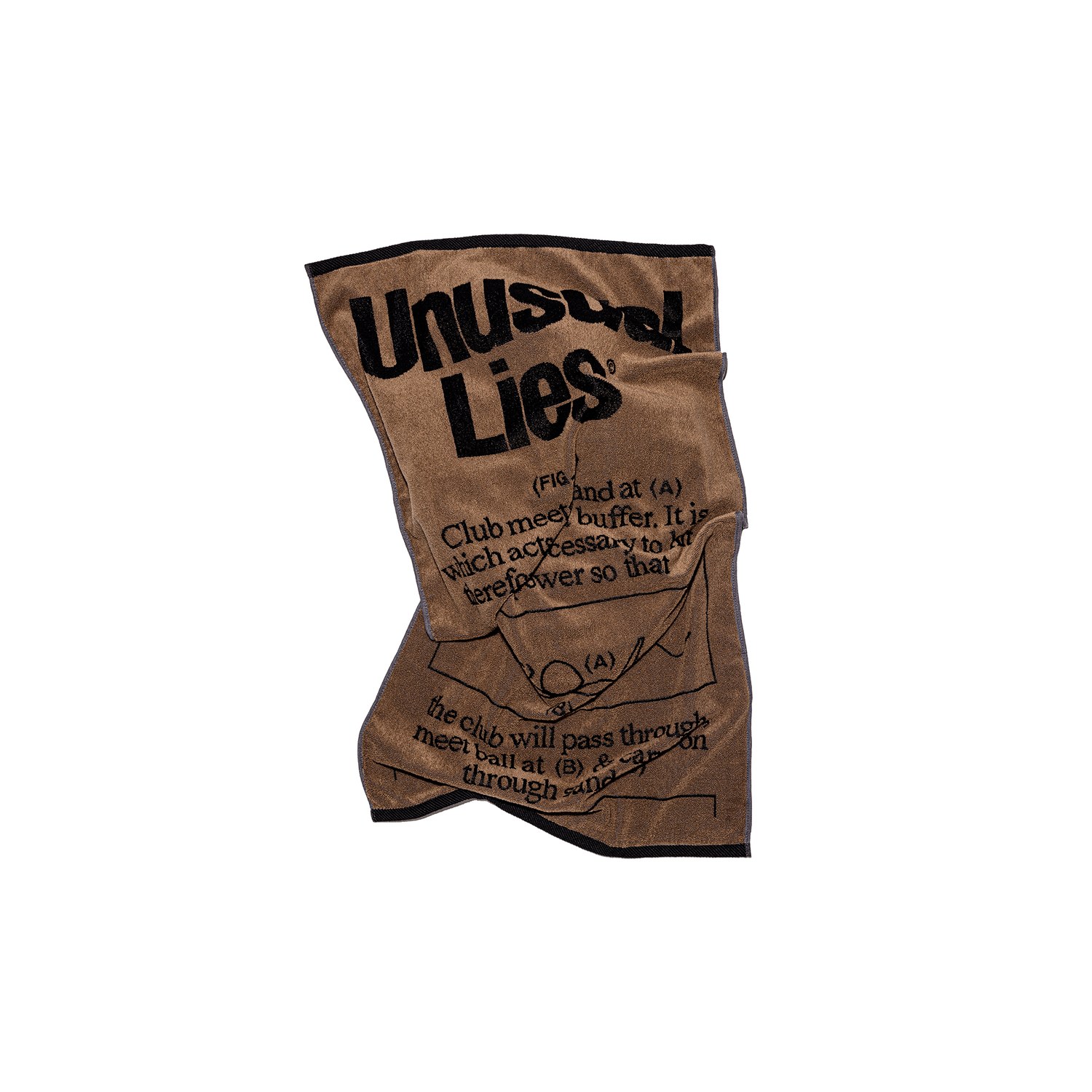
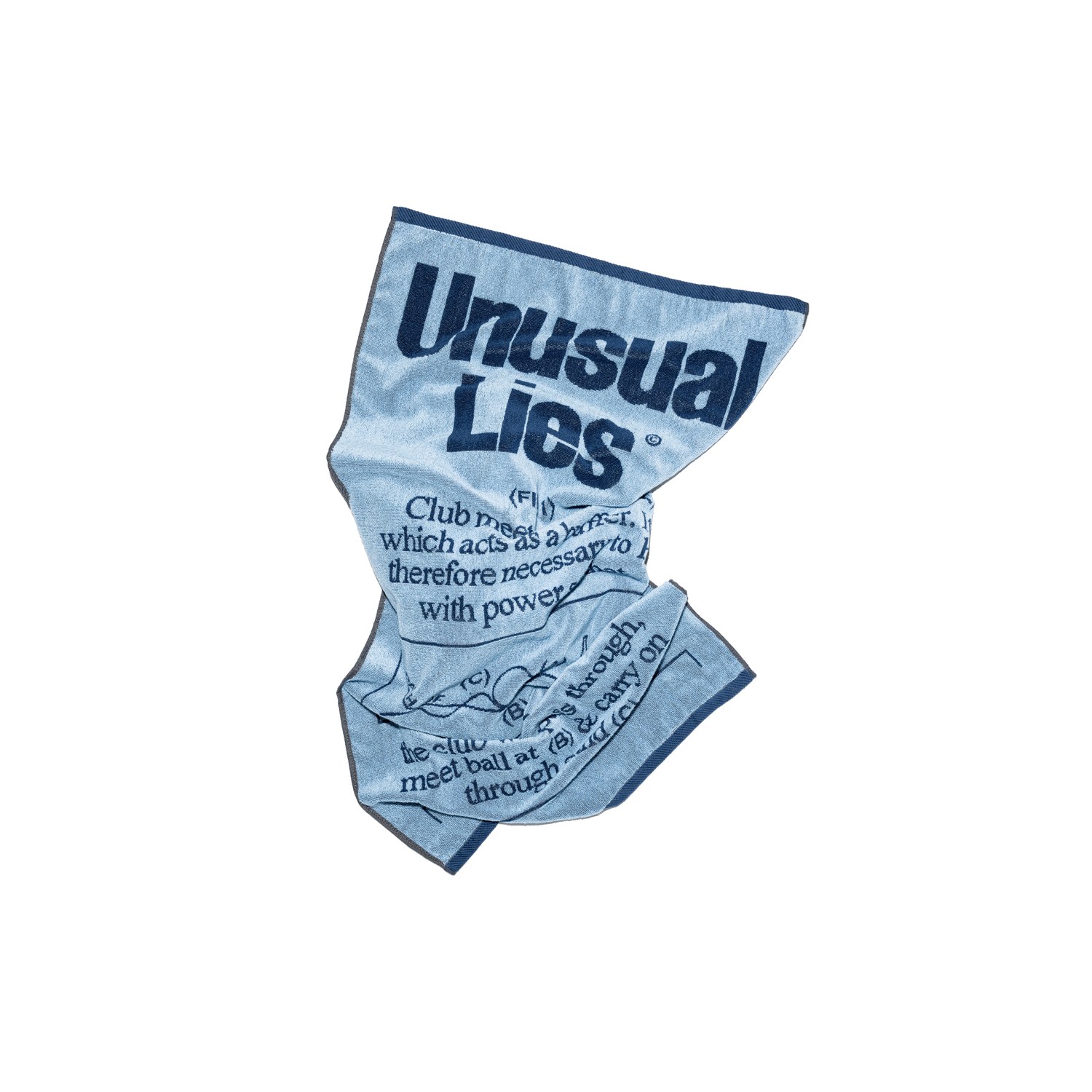
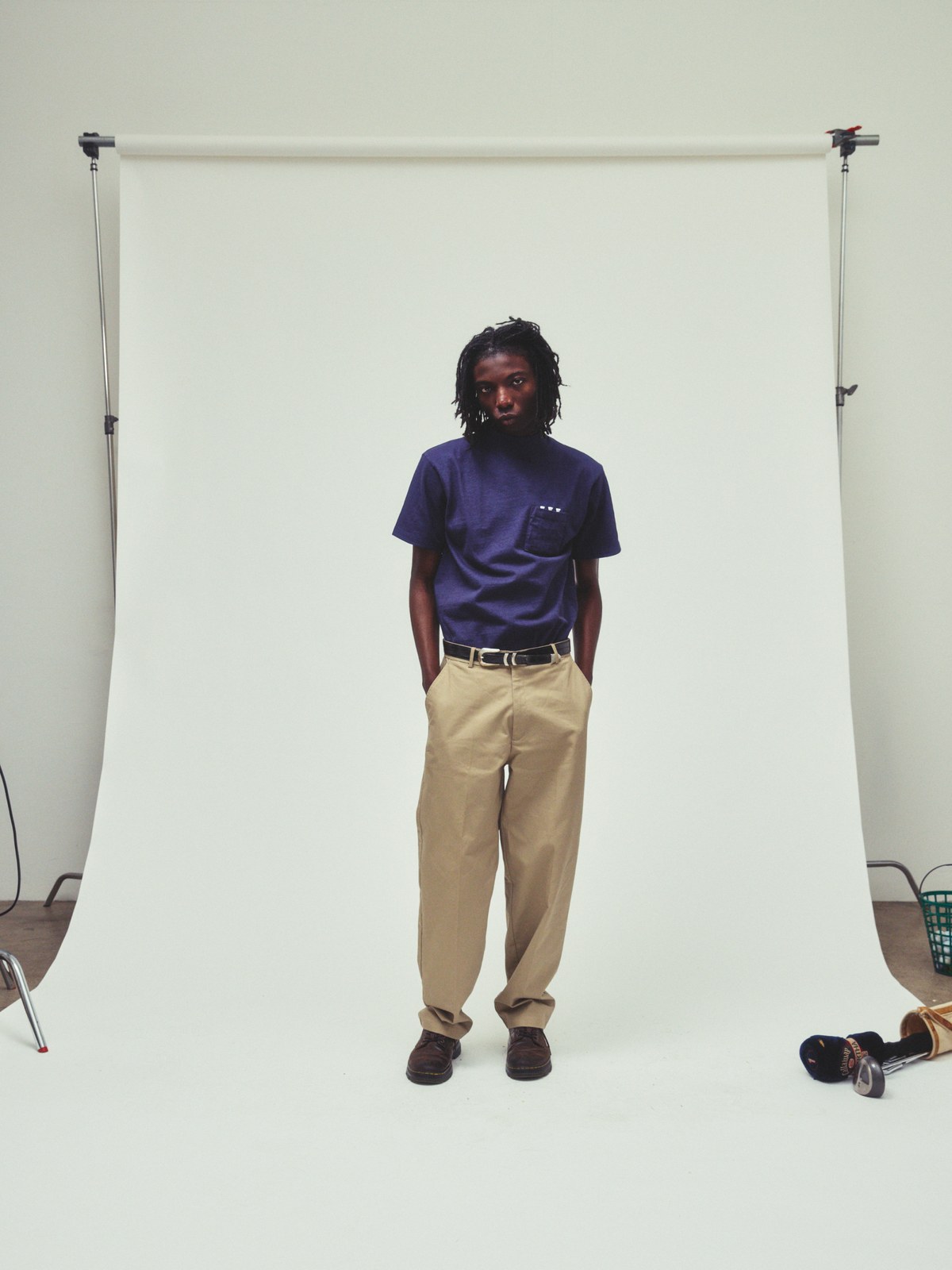
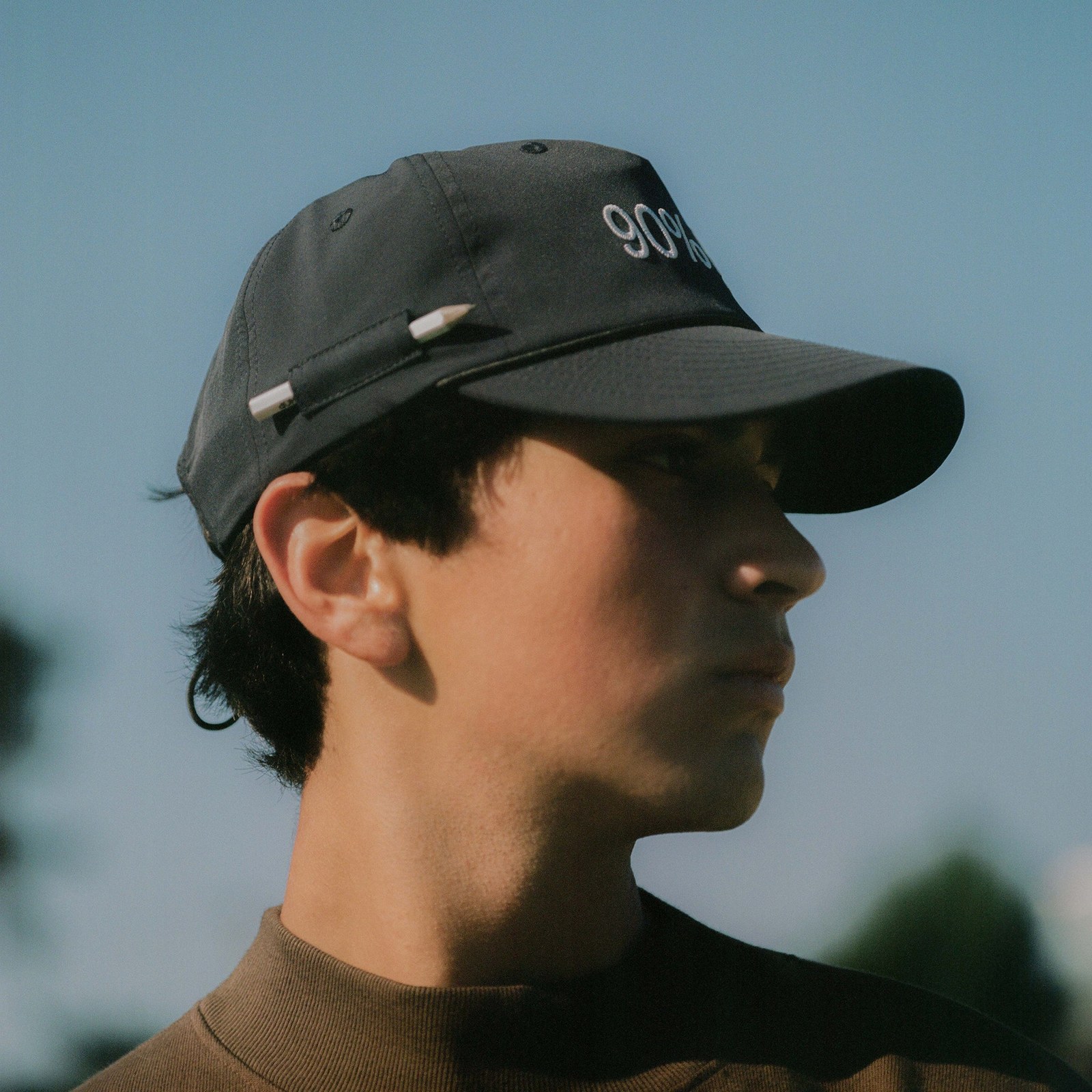
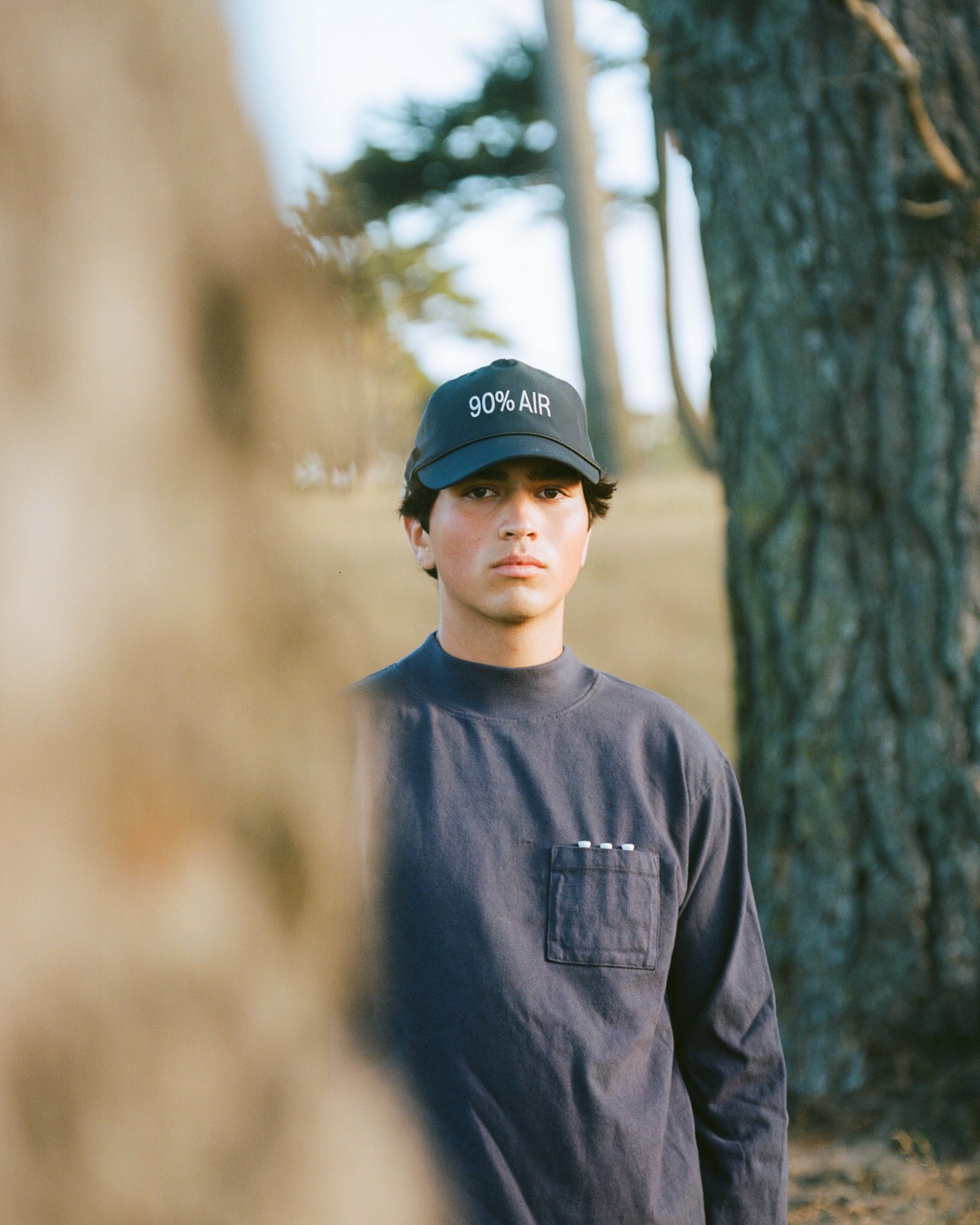
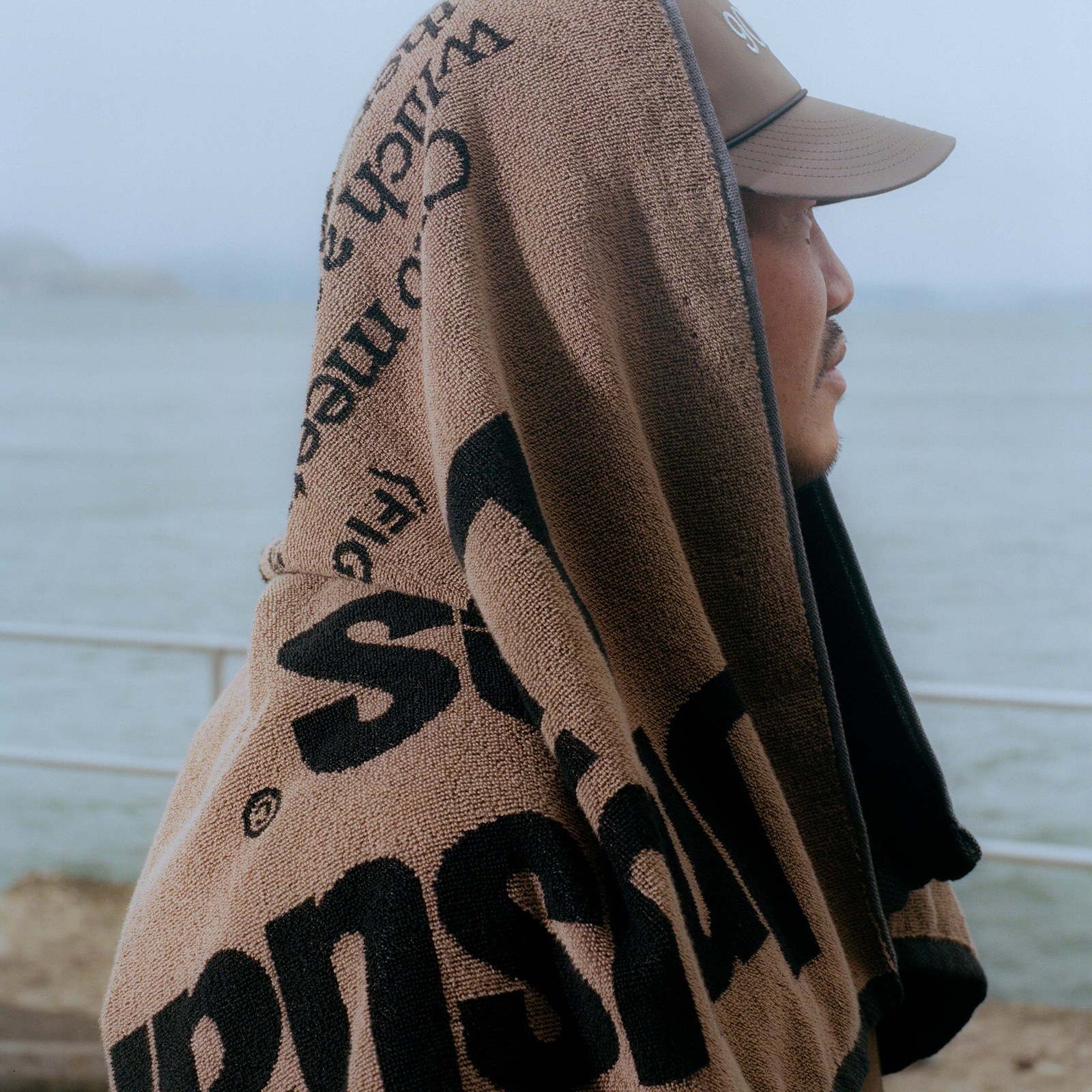
What has changed since we first wrote this up. The catalogue is the same size, but it is thinner than it looks. Four of the five shirts are gone in XL — only the long-sleeve in Navy still runs the full size range. Both towels are sold out. For a brand whose towel is the cheapest thing it makes and is called Unusual Lies, that is the item that keeps selling out.
There is also a sample sale now, which is the most revealing page on the site. Flawed units, each defect named in the product title — Thread Pull, Missing Front Rope, Minor Brim Scratch — under copy that reads: “With every production run a number of pieces get set to the side for inconsistencies. They usually have a small issue that most people wouldn’t notice. Every piece has its issue called out specifically. If that sounds like something you can live with, it’s yours.” Shirts come down to $99 from $172 and hats to $38 from $64. One thing to know before you click: the page itself displays the full retail figure where the sale price should be, so read the number in the cart rather than the one on the page.
The distribution has not moved much. Soft Hands Club in the UK announced itself as the brand’s retailer and built the page — “Soft Hands Club is proud to be Agronomy Workshop’s UK retailer” — but the collection currently reads “coming soon” and holds no products. In the US it is direct, plus listings on Mav Farm and Over Under. GolfMagic named it one of ten up-and-coming brands for 2026 back in December, describing “a fun towel and a cap” and an “integrated pen holder” — the brand says pencil, and ships one in the box.
Eleven months in, the shape of the thing is holding: one shirt, five hats, a towel, no collaborations, no seasons. The newsletter promises “Serious Interviews with Creatives & Unserious Guides on How to Run a Golf Brand©” and has not yet published an issue anyone can find. The Are.na channel, meanwhile, keeps growing.
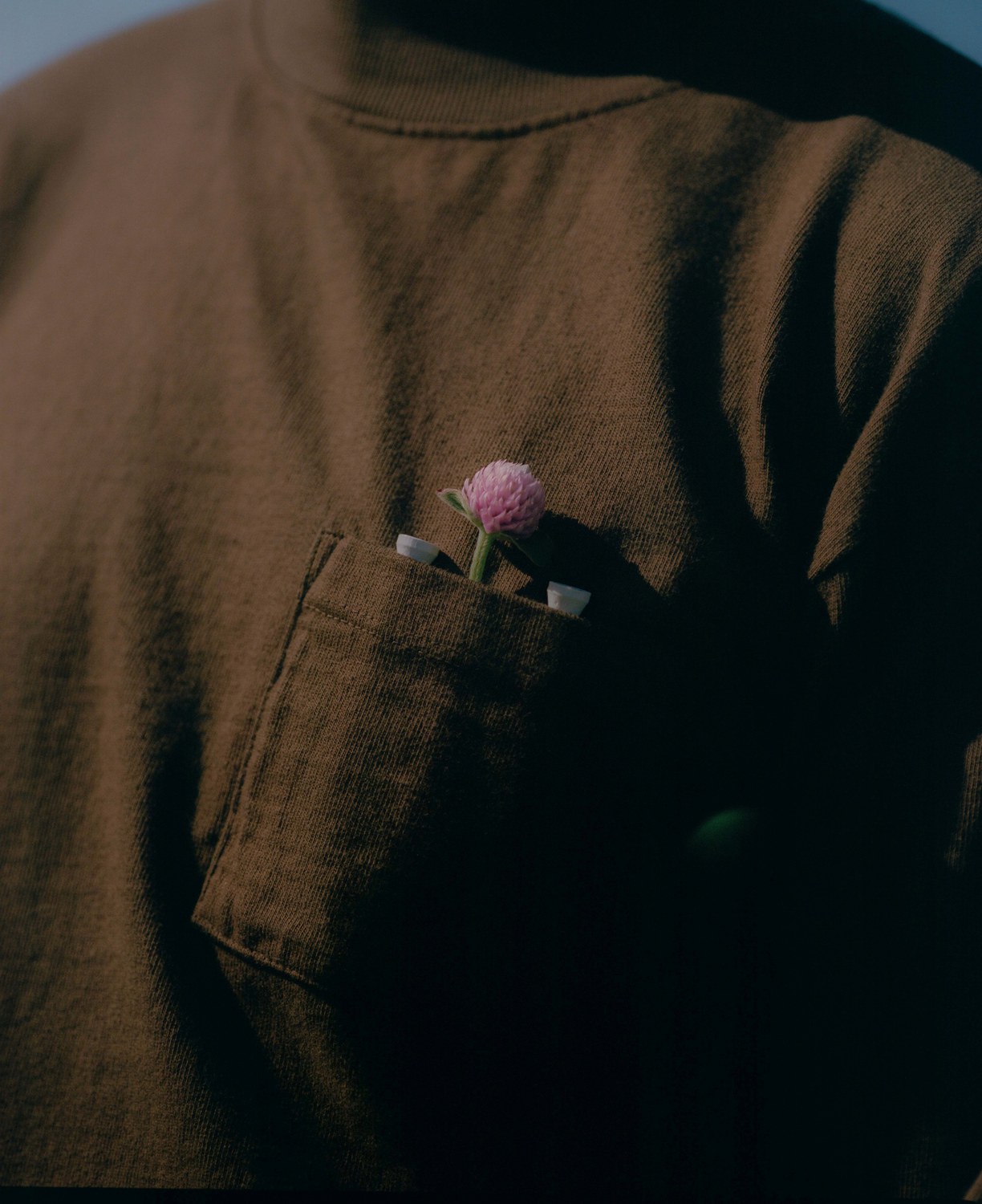
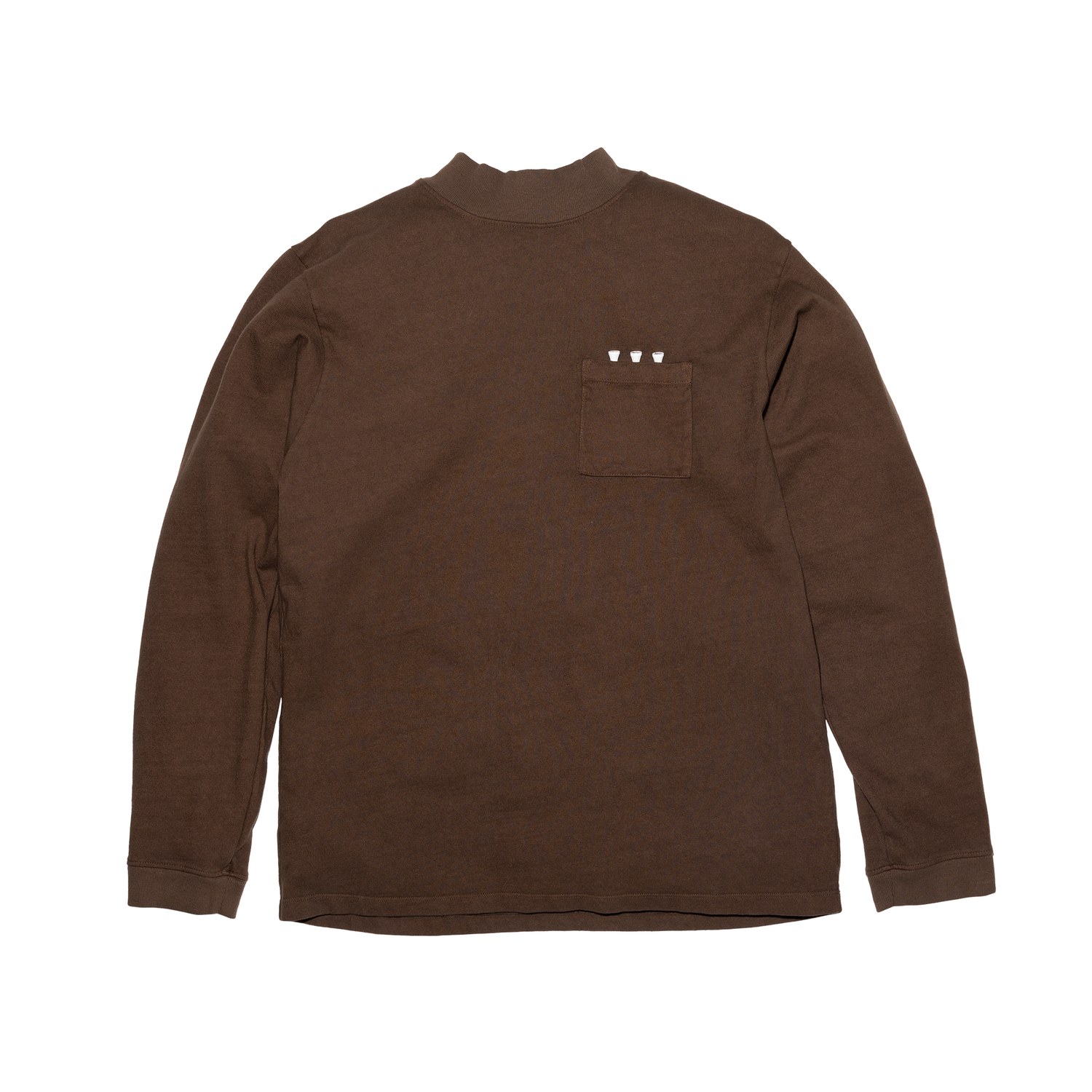
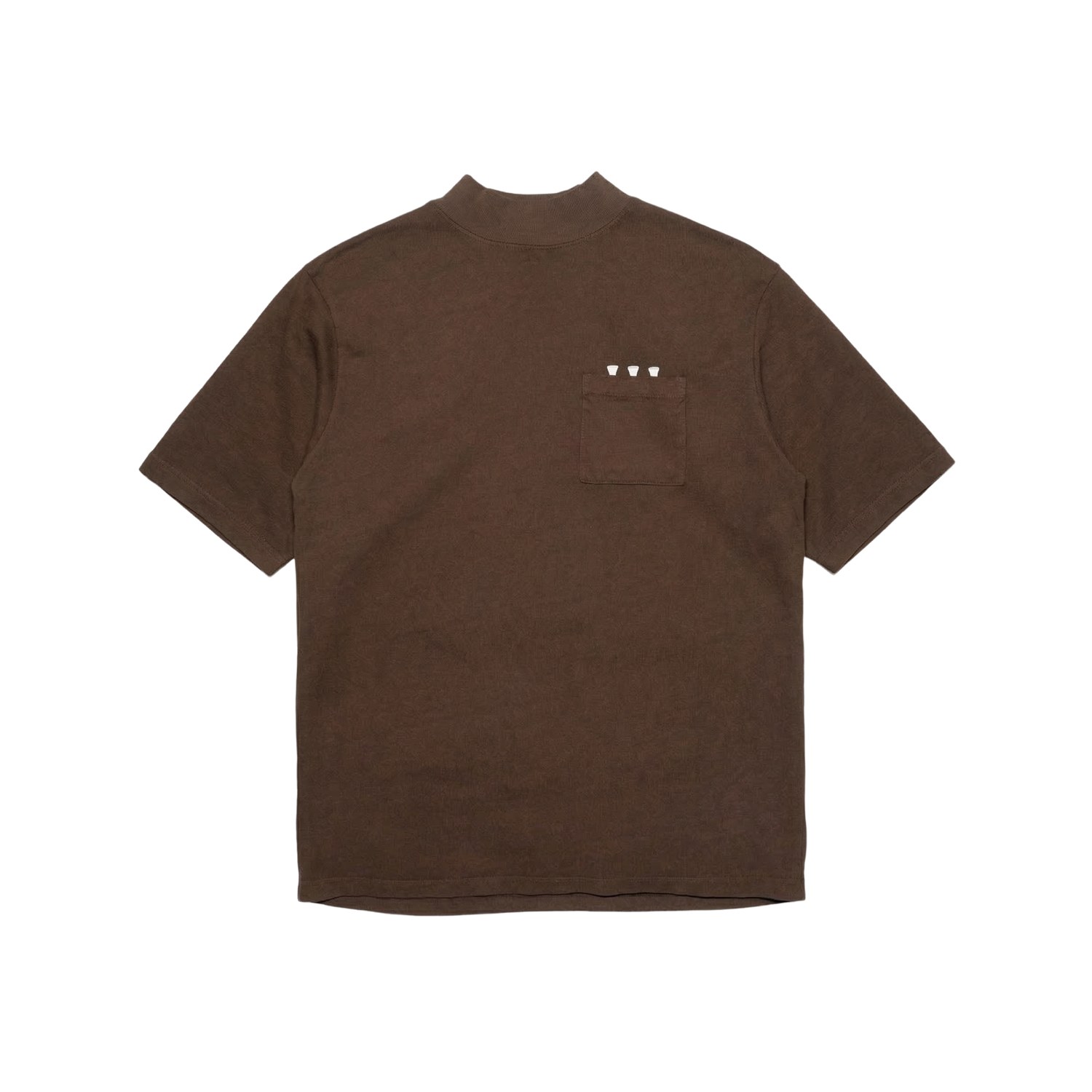
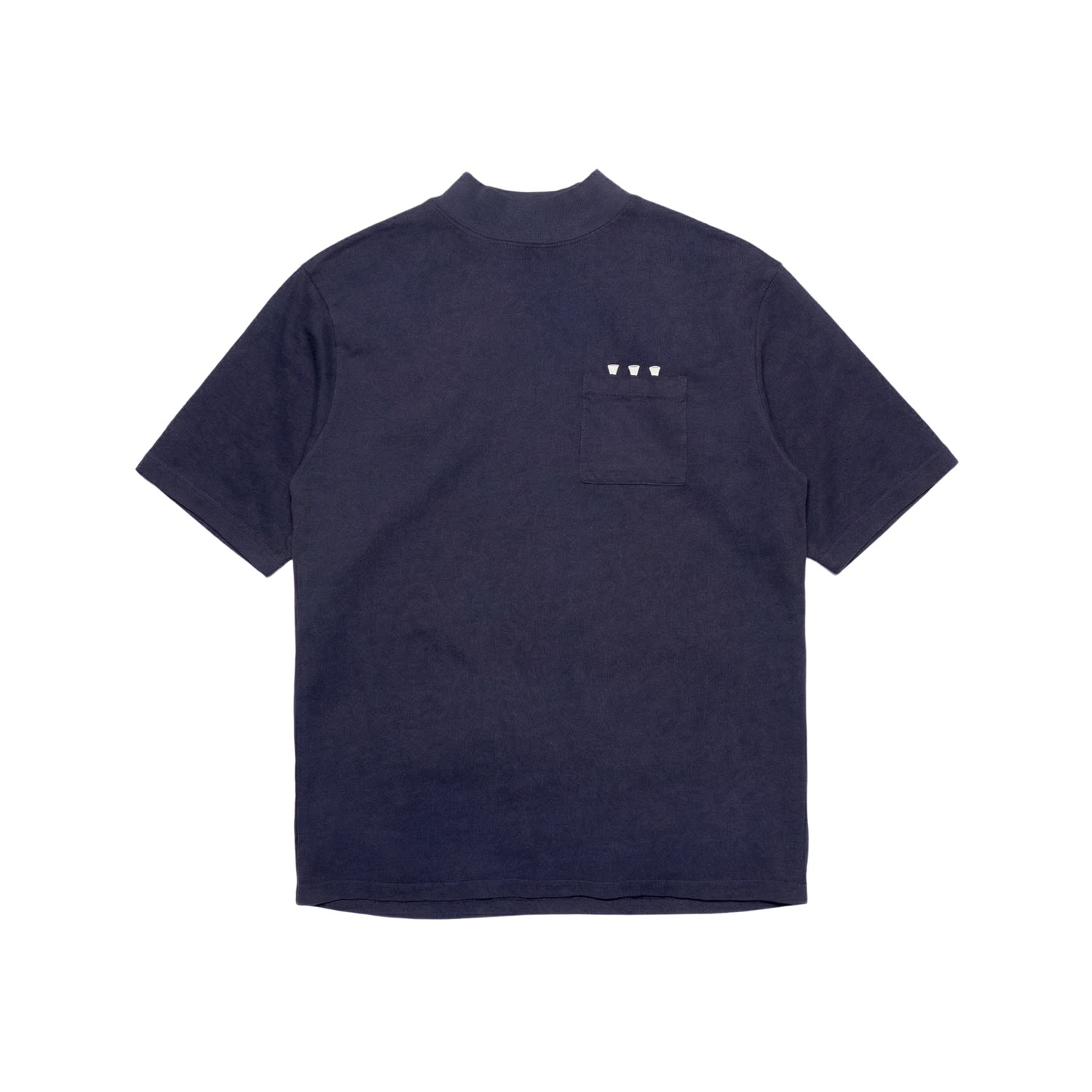
The answers are checkable, which is the unusual part. Question one is about plastic, and the shirt is “100% Heavyweight Cotton (17.5 oz). Made in the USA from imported yarns” — note the second half of that sentence, which most brands would have left off. Question two is about collars, and the shirt has a mock neck instead. Question three is about joy, and there is a hidden tee holder inside the chest pocket that “holds up to 3 tees.” Question four is about subtlety, and the logo is tonal embroidery on the back.
One line is scoped more narrowly than it first reads. The questions are about a golf shirt, and the shirts are cotton. The five caps are “100% Recycled Nylon.”
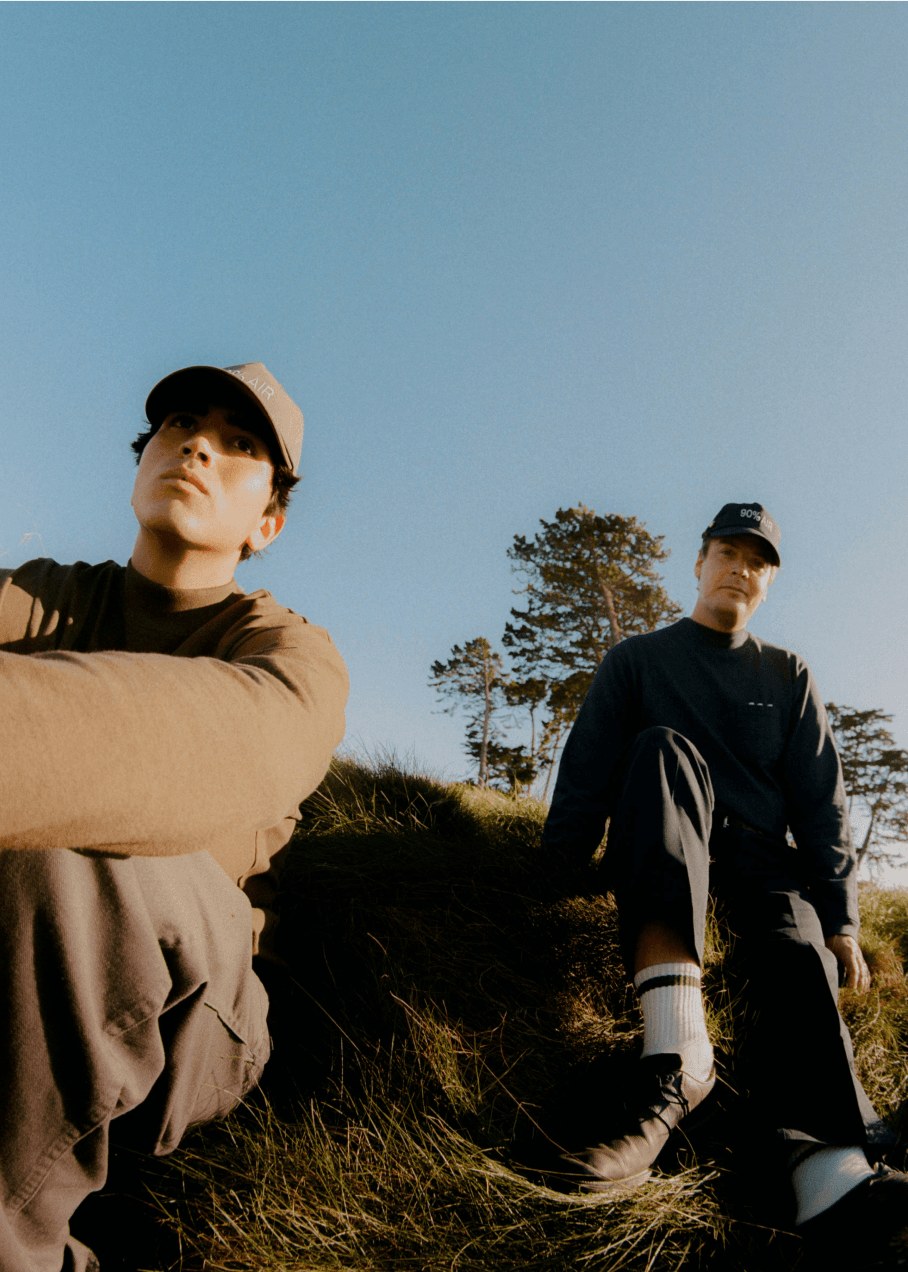
Agronomy Workshop is a San Francisco golf apparel brand founded in 2025 by the designer and creative director Rob Junge. It sells twelve pieces: a heavyweight cotton work shirt in two sleeve lengths, five rope caps and a golf towel.
The work shirt is hand-dyed and hand-sewn in Los Angeles. The brand describes it as 100% heavyweight cotton at 17.5 oz, made in the USA from imported yarns. Orders ship from San Francisco.
The chest pocket carries a concealed holder the brand says holds up to three tees. The shirt also uses a mock neck in place of a collar, and the logo is tonal embroidery on the back rather than a chest print.
Prices read on 19 September 2026: the long-sleeve work shirt is $172, the short-sleeve $136, rope caps $64 and the Unusual Lies towel $56. A sample sale offers flawed pieces at $99 and $38.