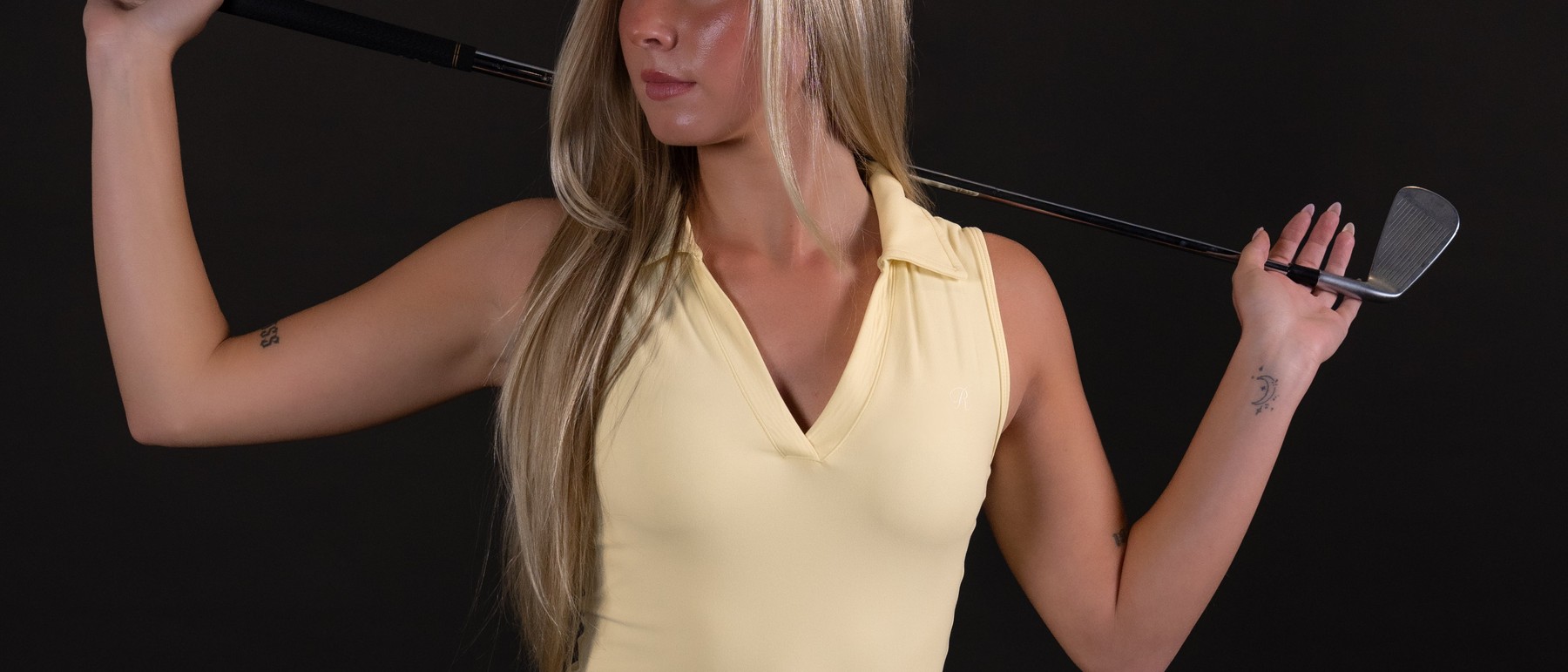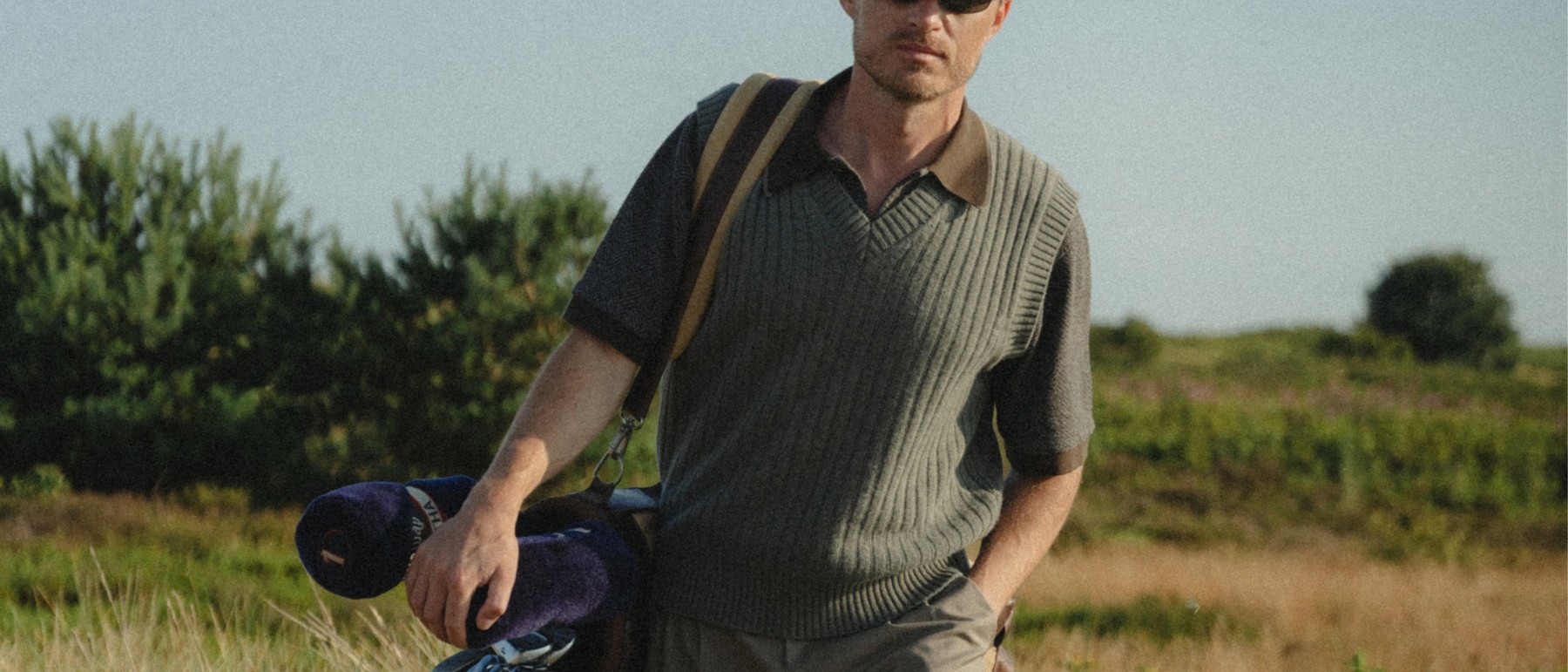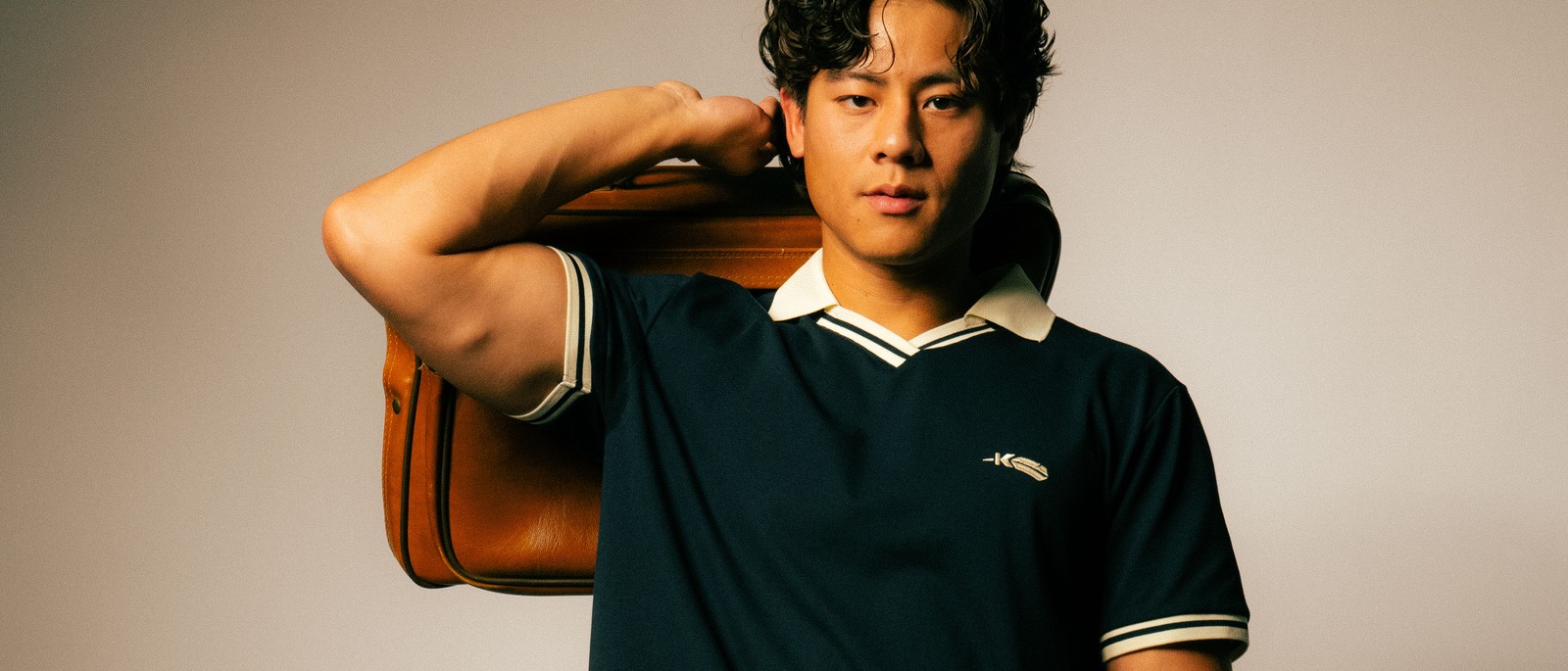
Independent golf is community first. The brands we cover usually start as a group of friends who play together and could not find clothes or gear that felt like them, so they made their own. The product comes second. The crew, the home course and the local scene come first, and you can see it in every lookbook.
That makes an indie brand the best travel guide golf has. Follow one from another country and you get a local’s view of the game there: the courses they shoot at, the café after the round, the weather they dress for, the jokes they make about the club down the road. It is an insider scoop you will not get from a resort brochure.
How we picked. One brand per country, all from our index, chosen because each one could only have come from where it is. Odd Ritual is Cape Town’s answer to stiff golf culture. Mogshade weaves Portugal’s tiles and mountain wool into headcovers. ANTi COUNTRY CLUB TOKYO turns the members’ wardrobe into Tokyo streetwear. Late Nine dresses like Swedish tour golf in the ’90s. Rouqe shoots its 1974 club-pro look in Canadian mountain country. Six pieces from each were in stock on November 4, 2026.
Then we went to their backyard. For each country we picked one course you could only play there, the kind you would plan a trip around: a helicopter tee in the Waterberg, Atlantic dunes outside Lisbon, an Alison course above Sagami Bay, a lighthouse links on Sweden’s southern tip and Stanley Thompson in the Rockies. Use the brand to get the feel of the place, then go play it.
A note on prices. We show each price the way the store shows it to a US visitor. Odd Ritual prices in rand and Late Nine in kronor, so those dollar figures are approximate. Mogshade, ANTi COUNTRY CLUB TOKYO and Rouqe show US dollars.
What to buy first. The Mogshade Castelo headcover. It is handwoven on wooden looms and could only have come from Portugal, which is the whole point of this post. On a budget, Rouqe’s whole line is under $52.
Where to go first. Falsterbo. A real links with a lighthouse on the course, an hour from Copenhagen, is one of the easiest bucket-list rounds in Europe to reach, and one of the few true links on the continent.
Cape Town
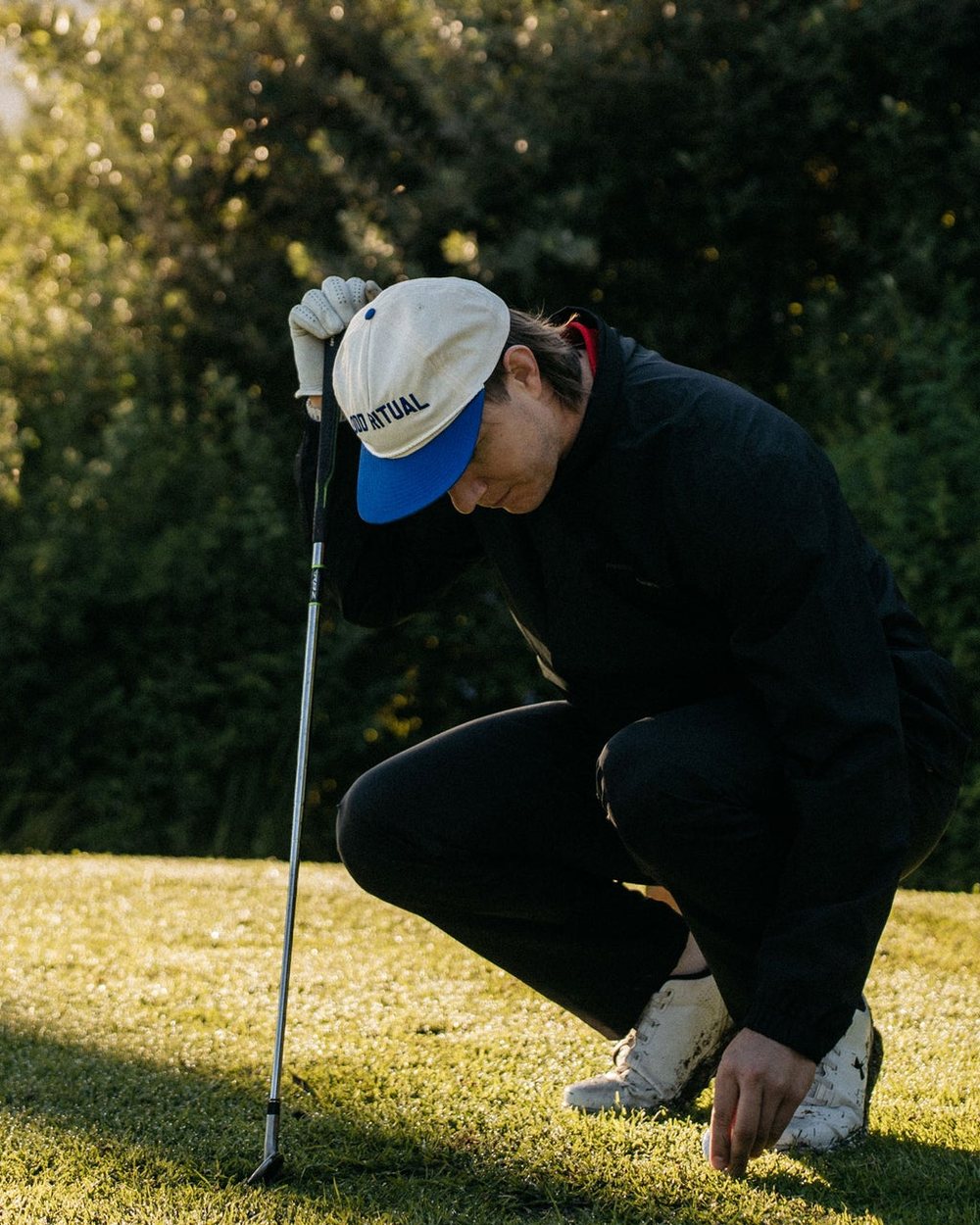
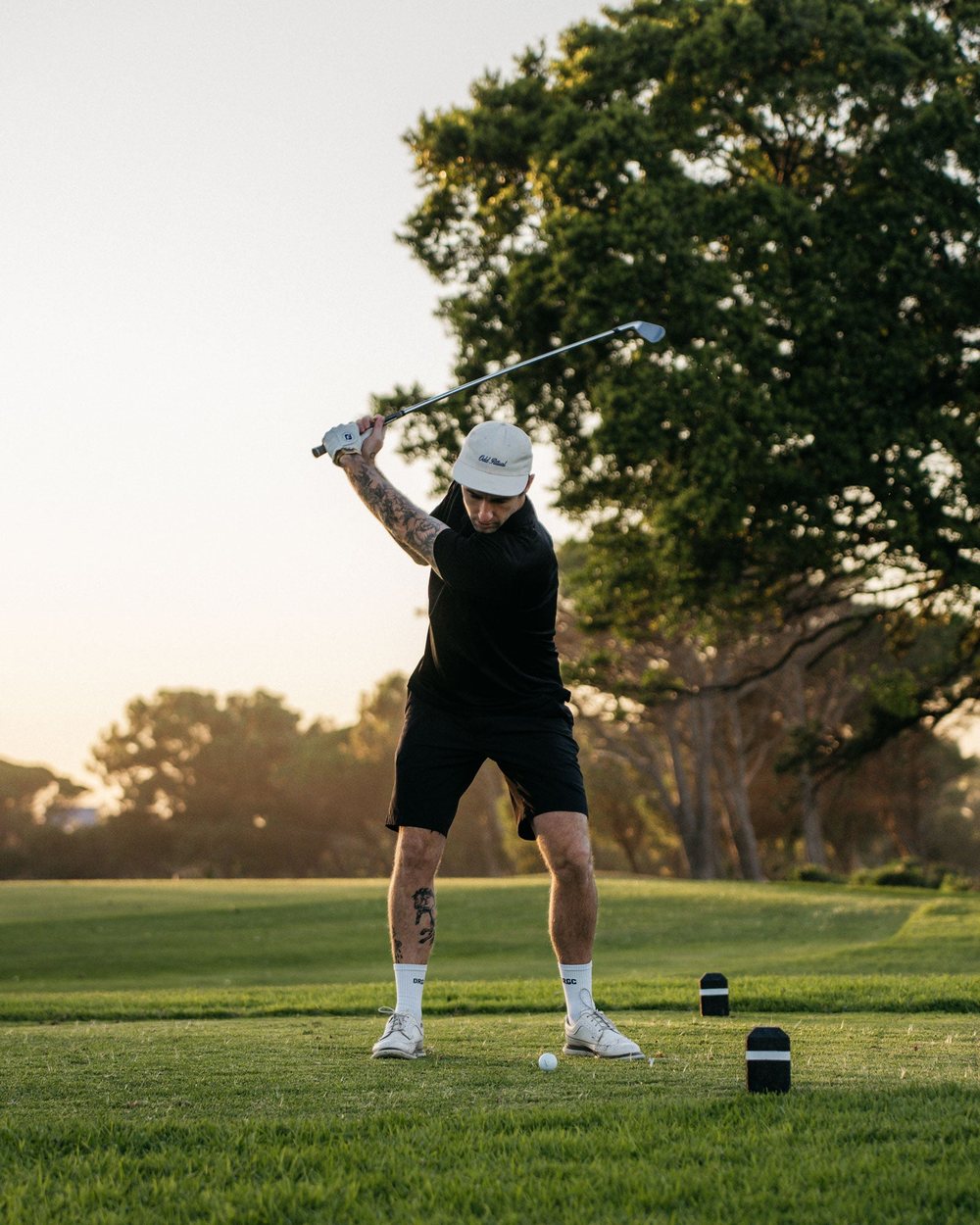
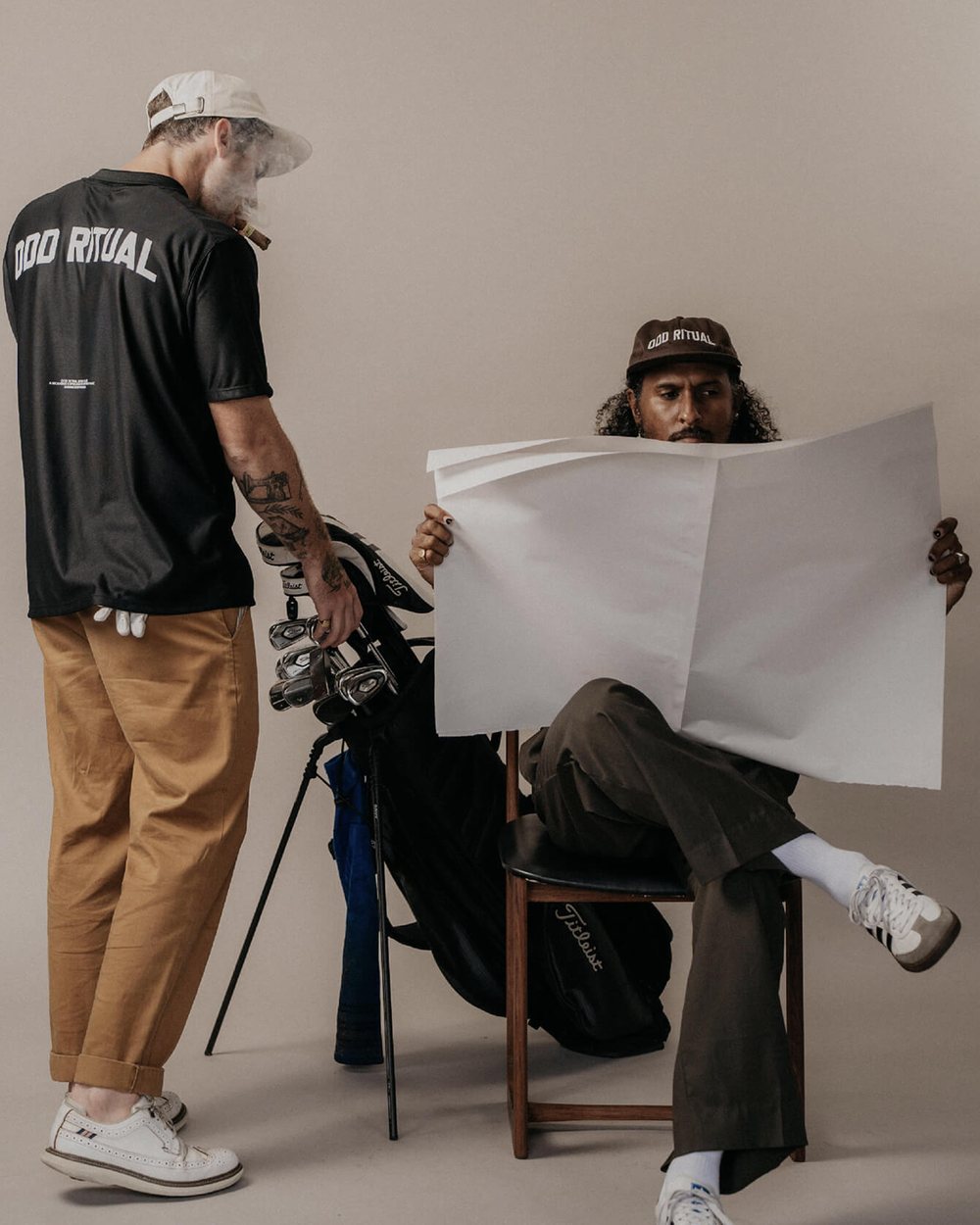
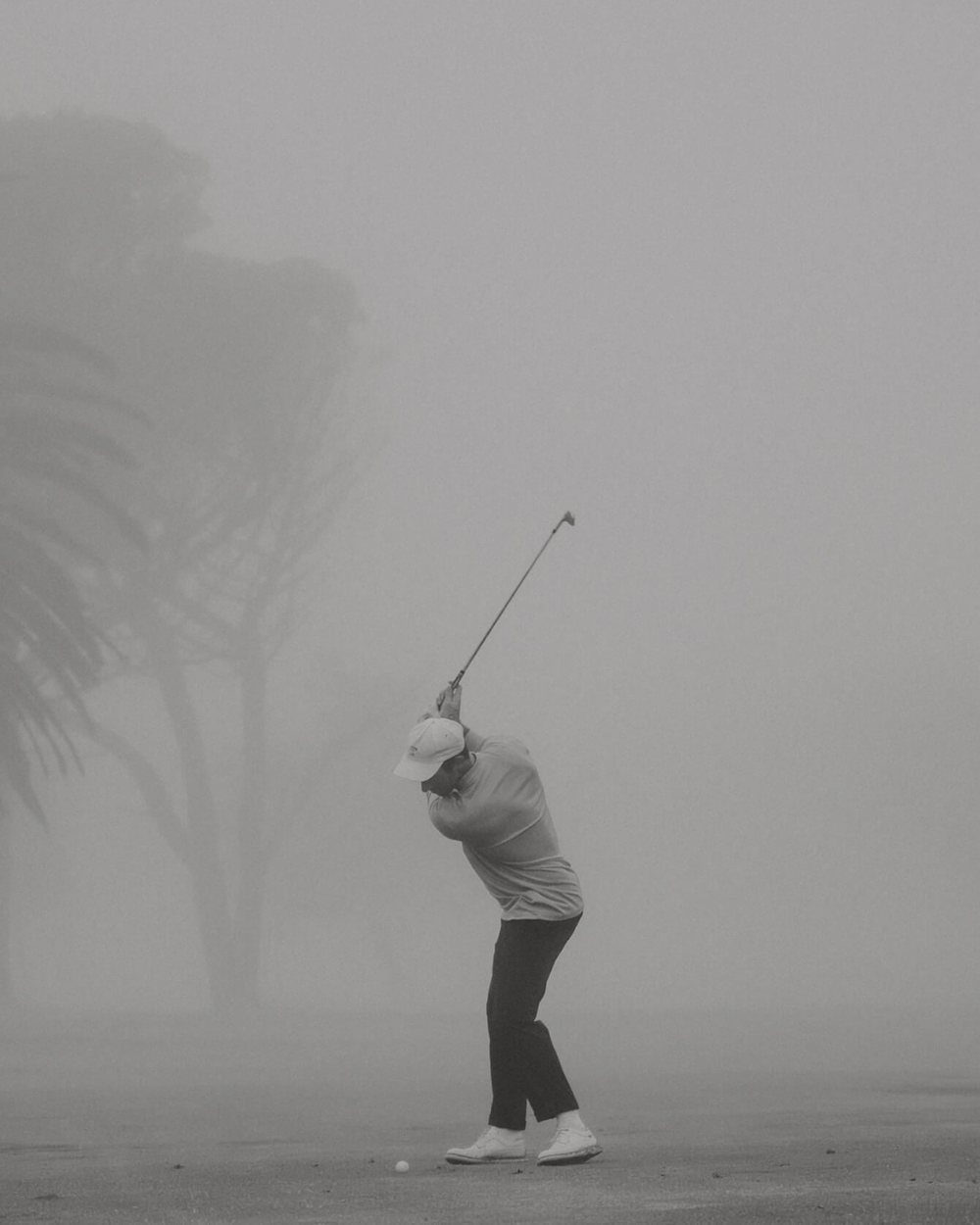
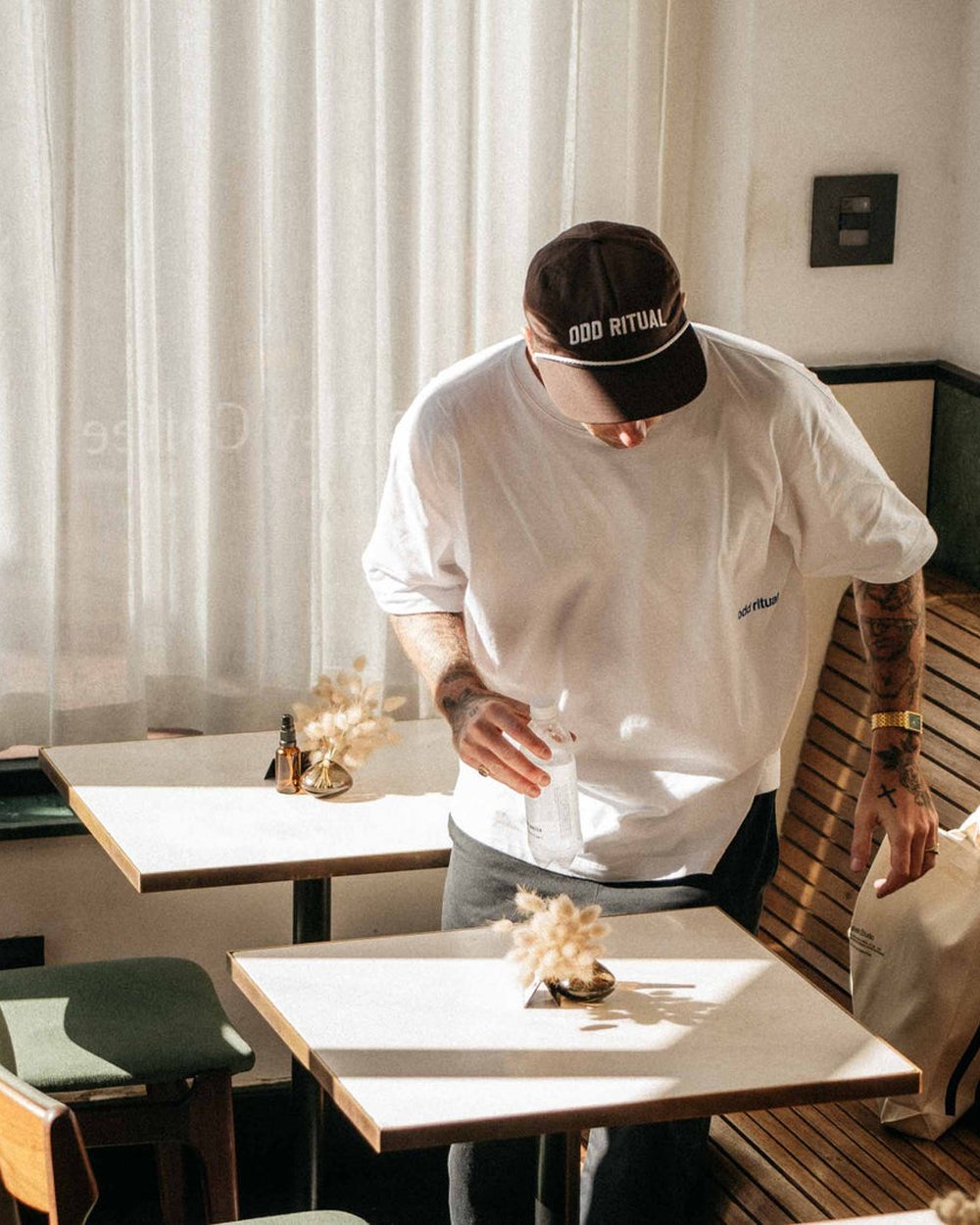
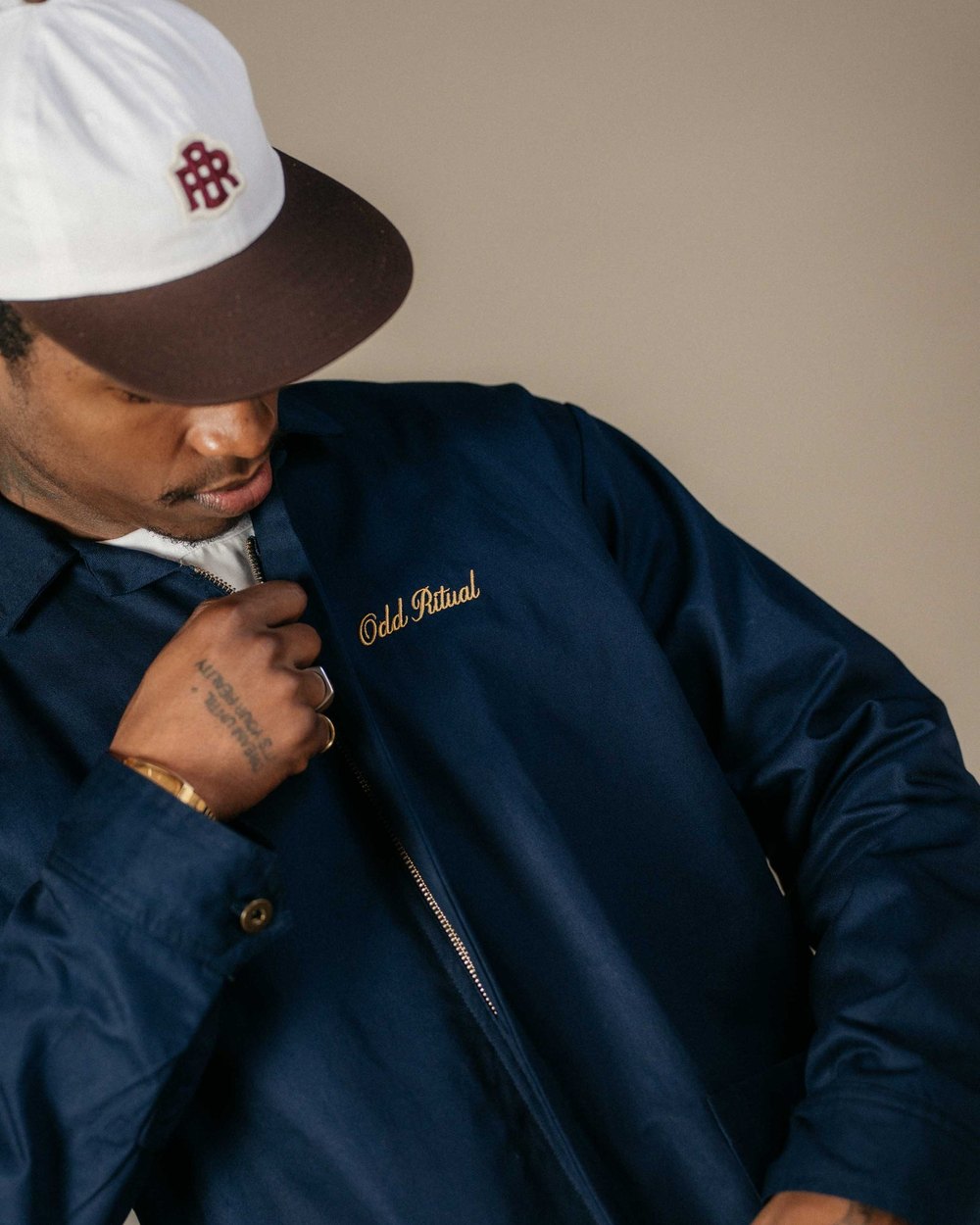
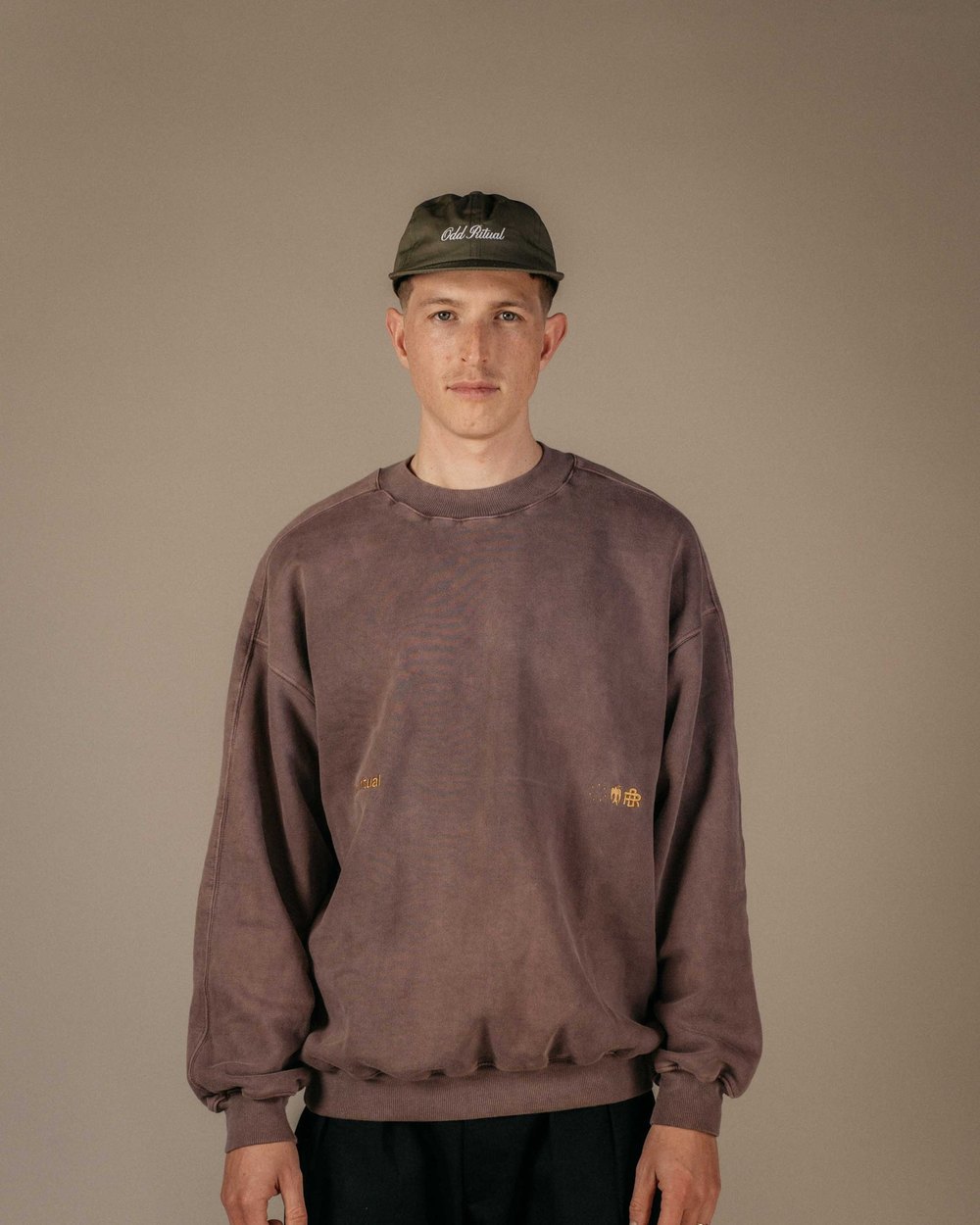
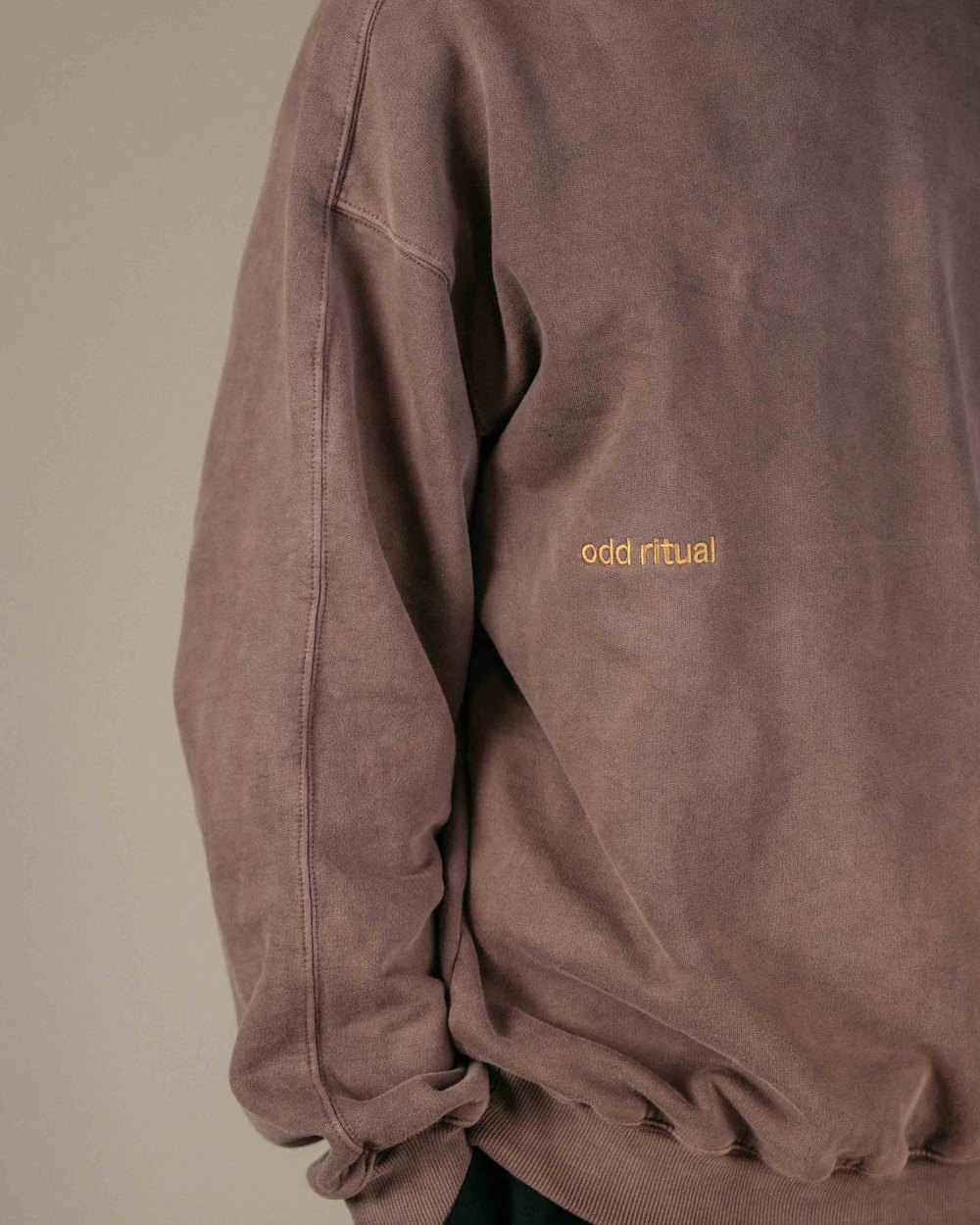
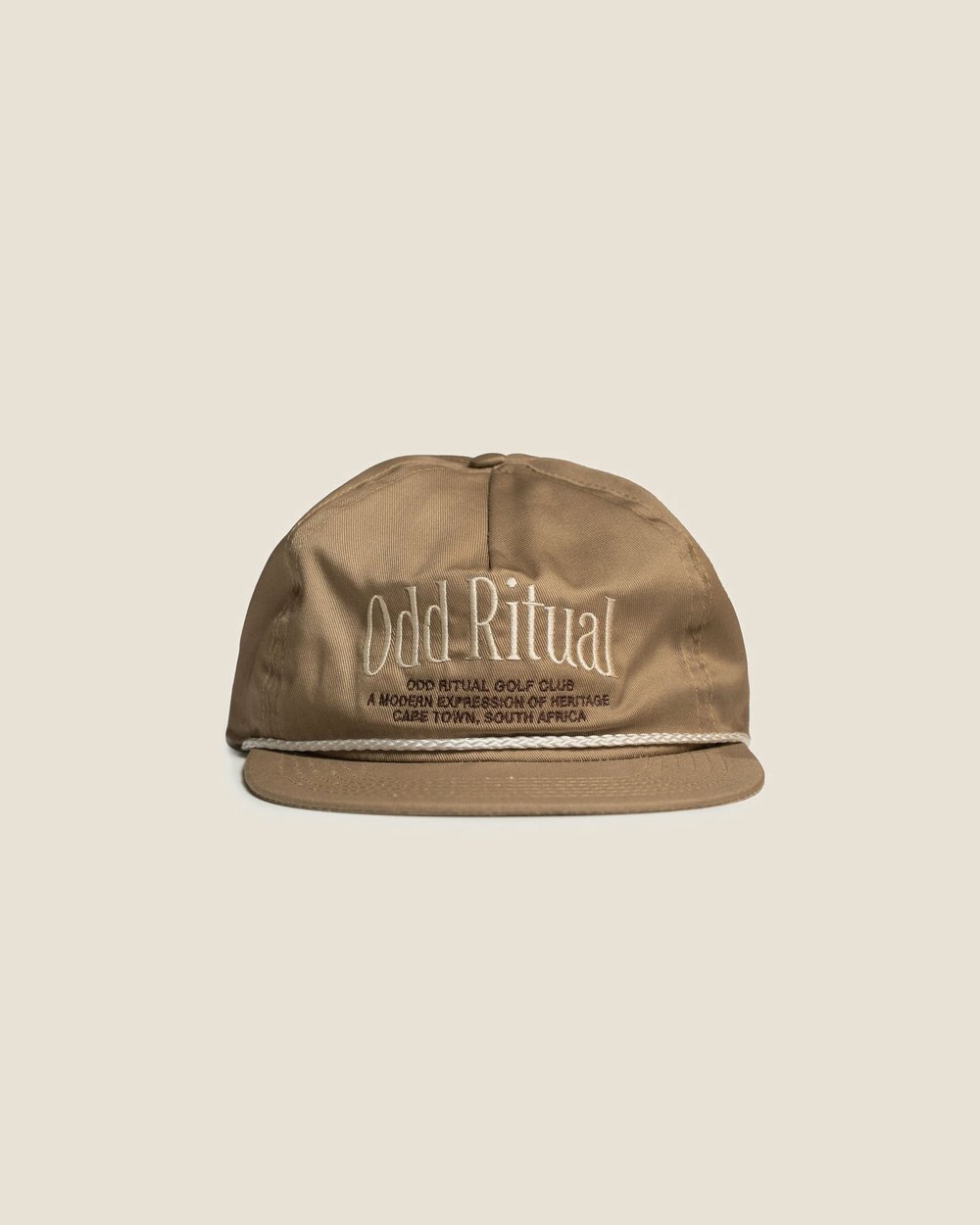
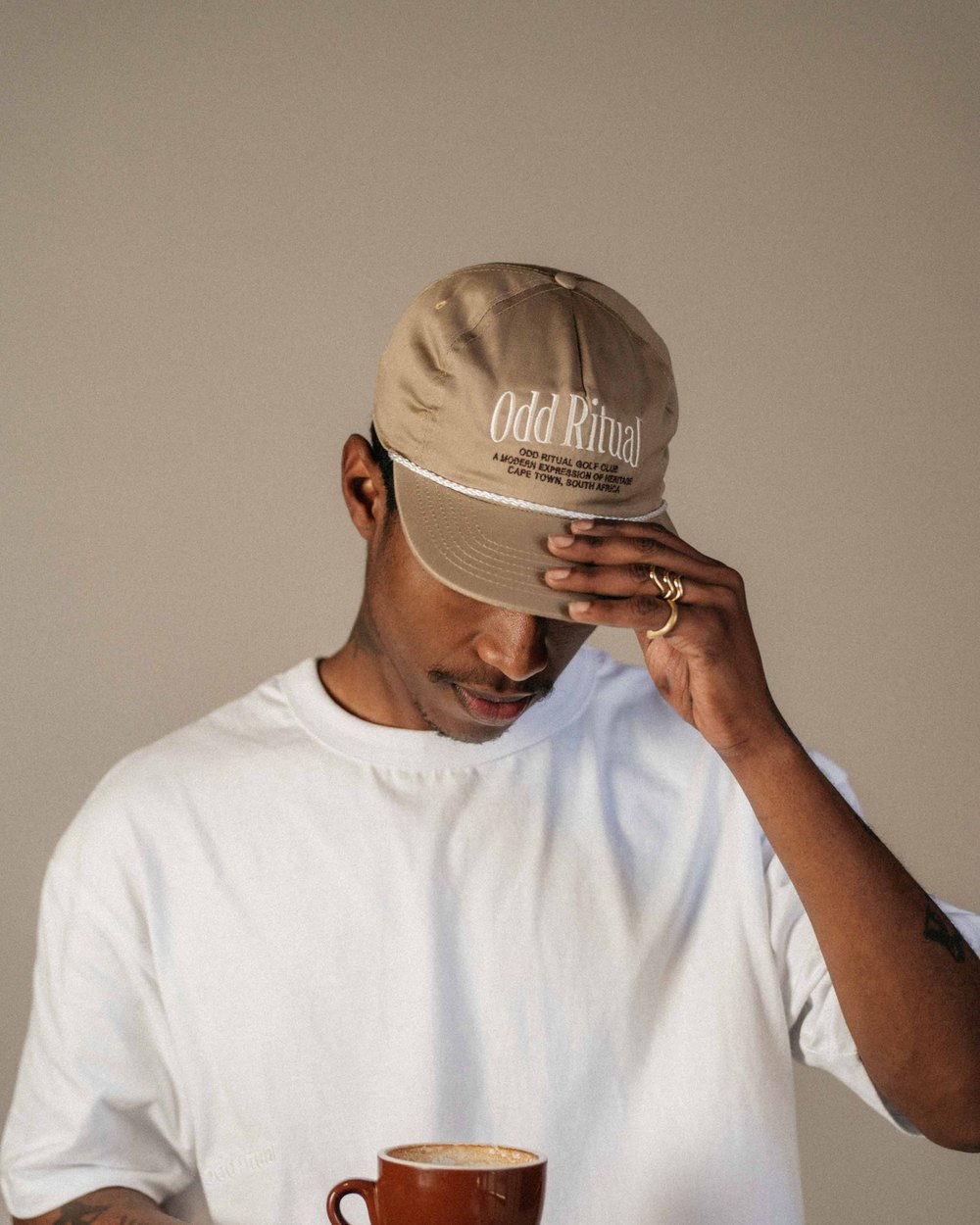
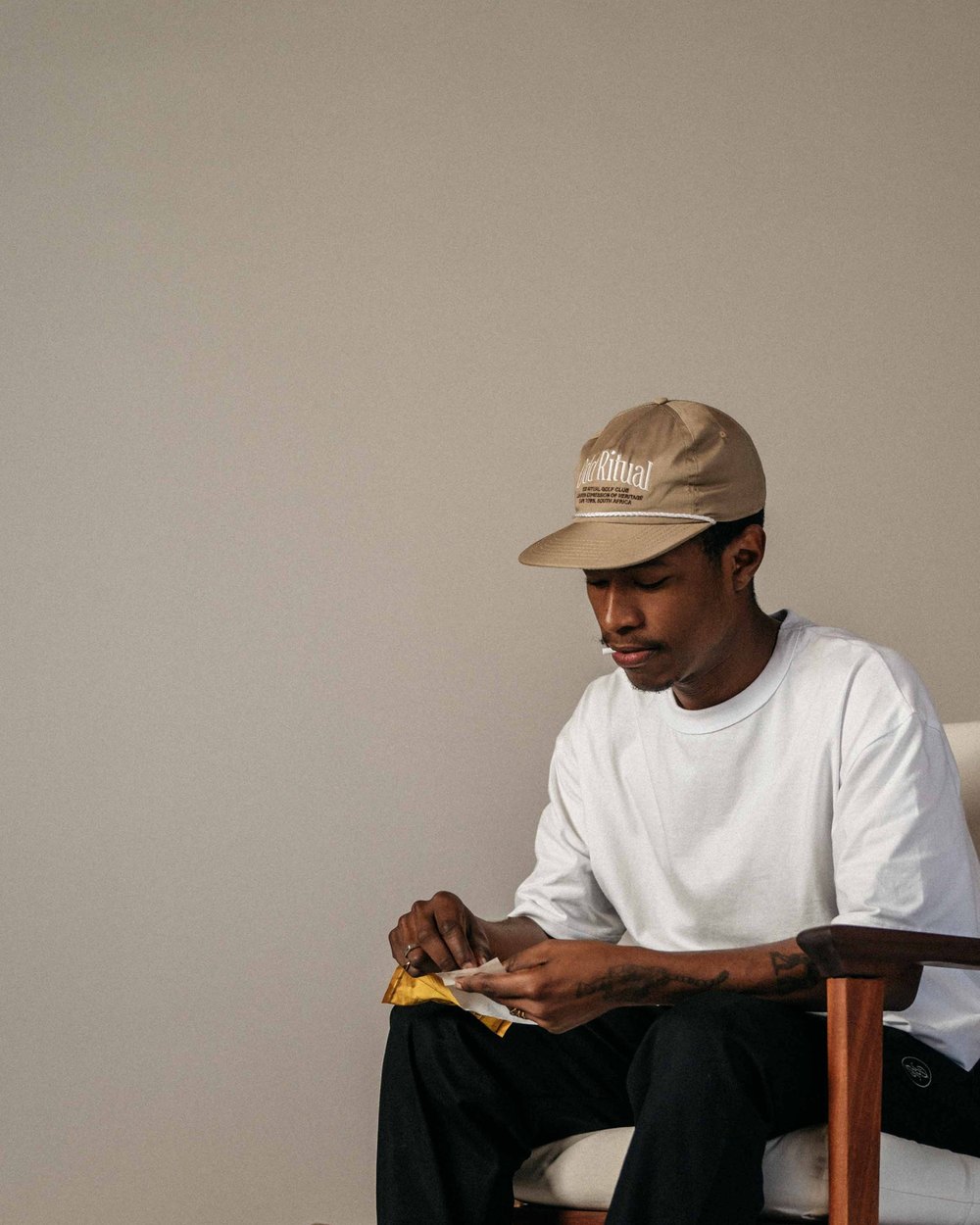
Odd Ritual was born in Cape Town because its founders could not find a local golf brand that spoke to them. The name comes from the small habits every golfer has before a shot: the waggle, the alignment check, the tap on the ball mark. Everything is designed and made in South Africa.
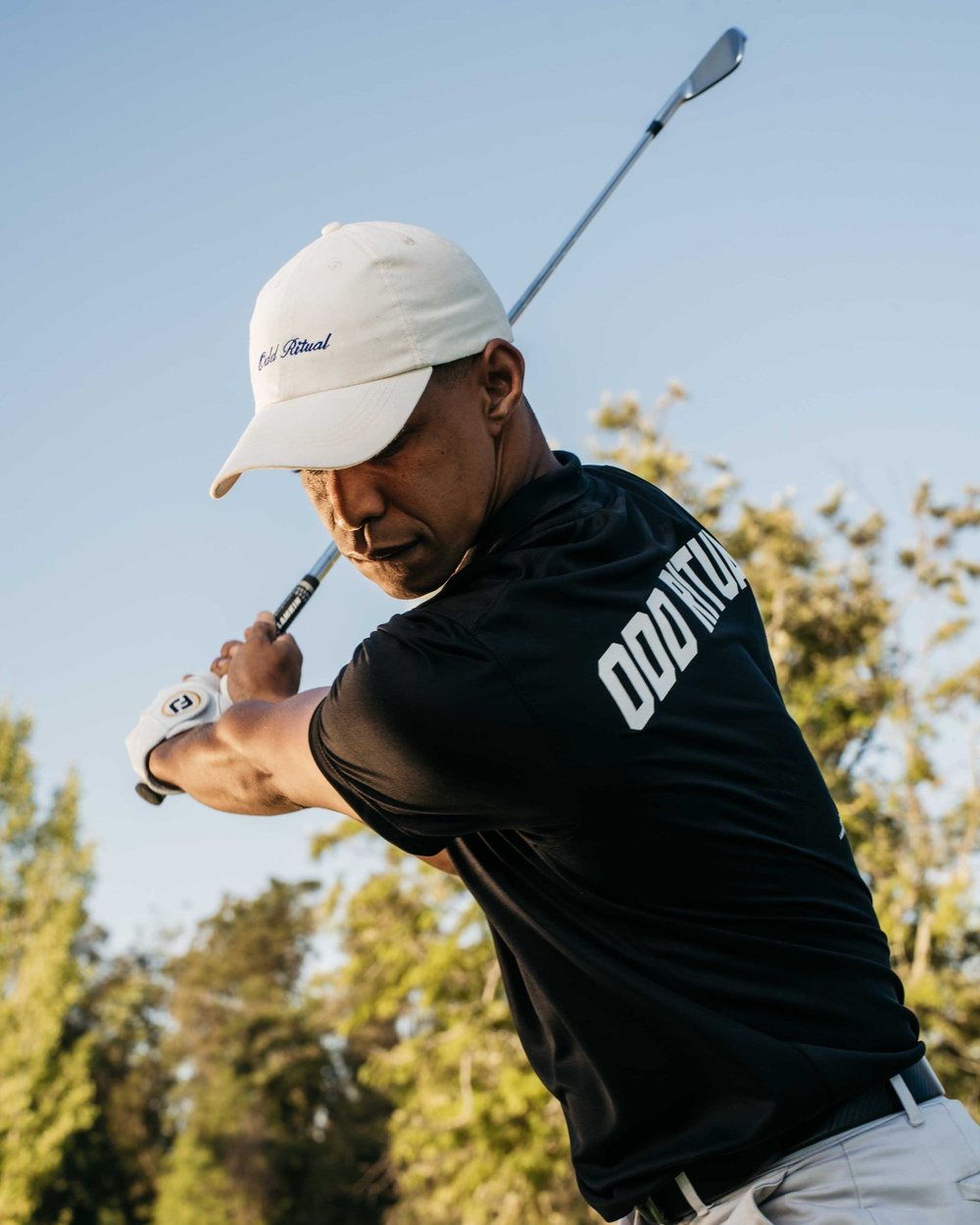
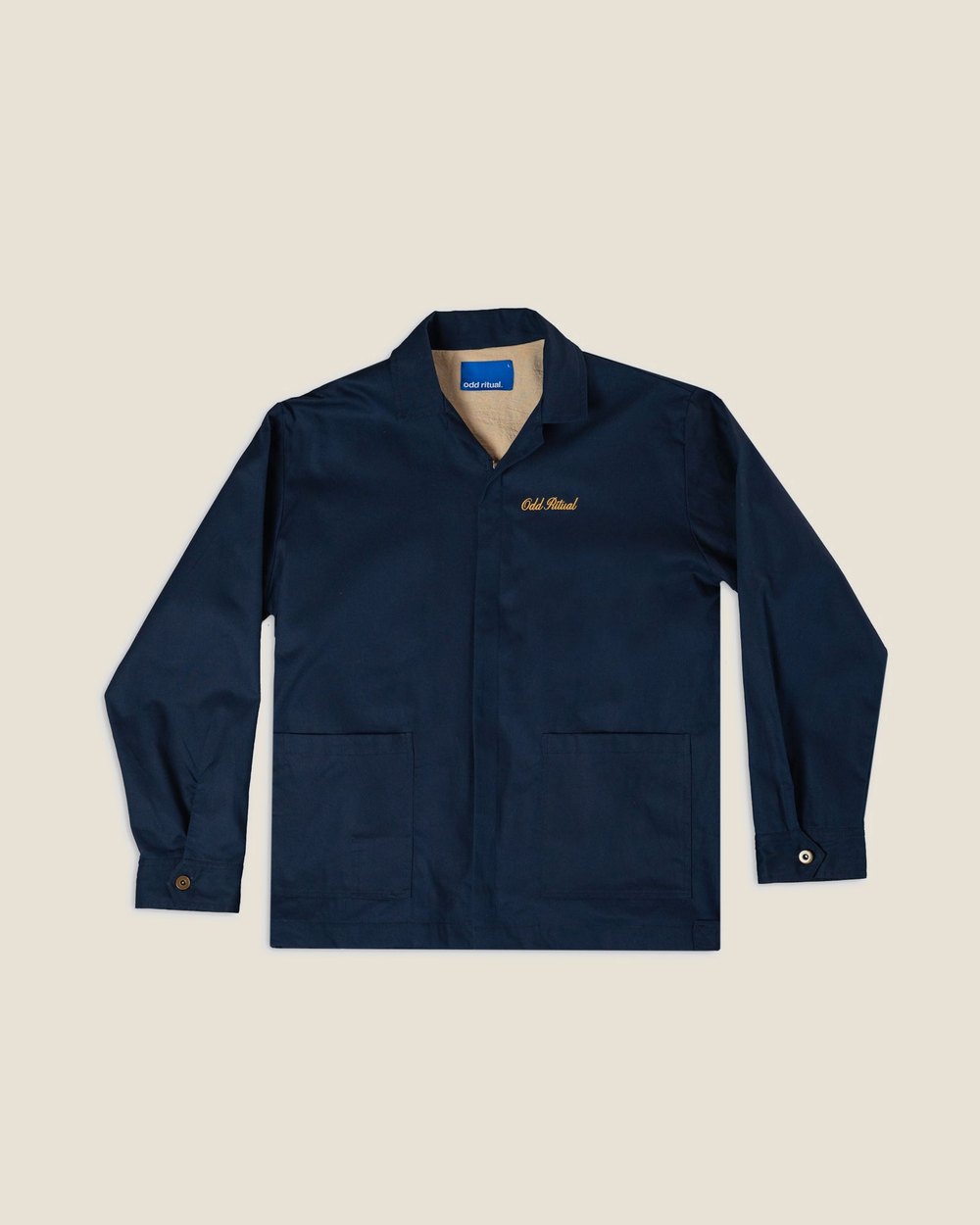
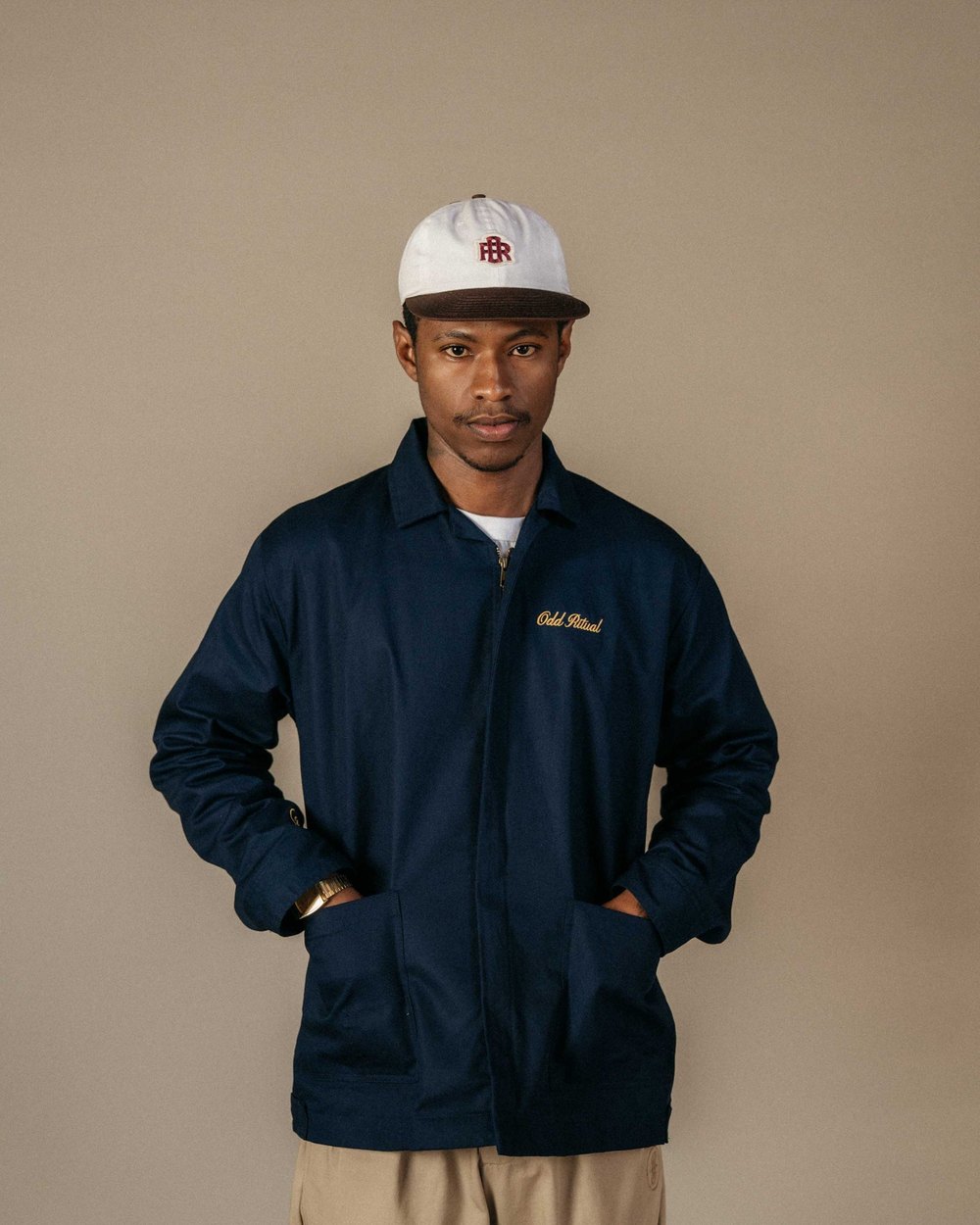
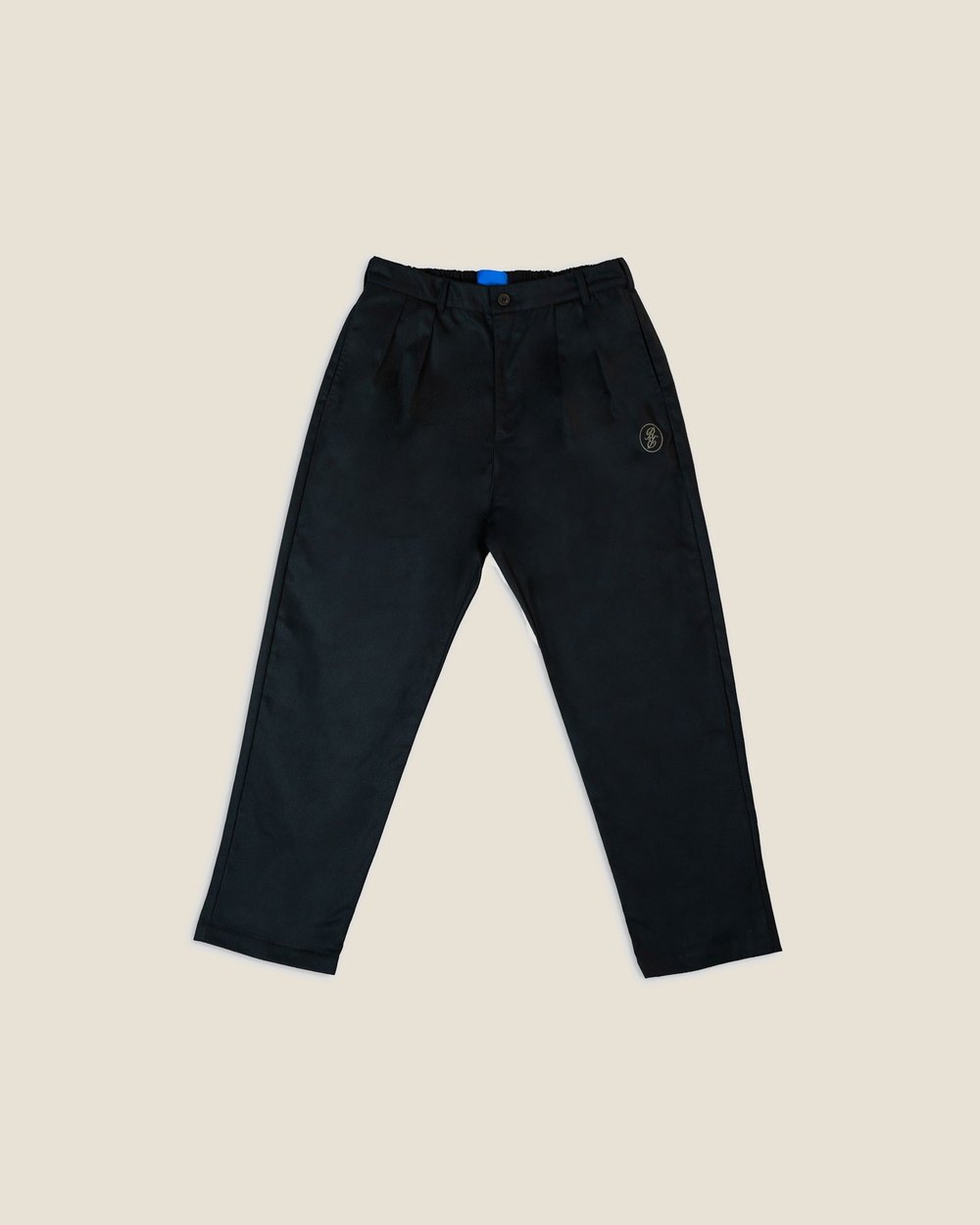
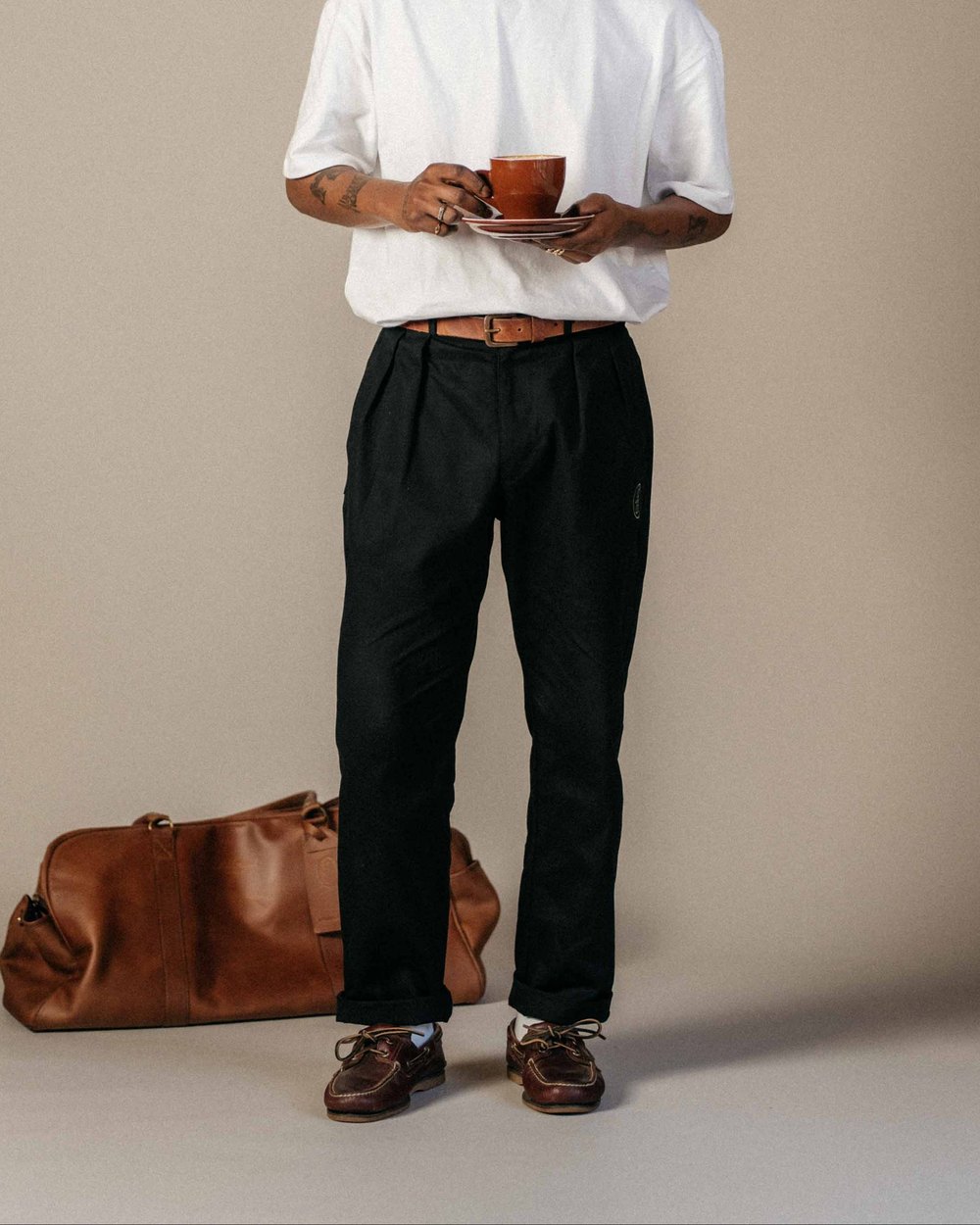
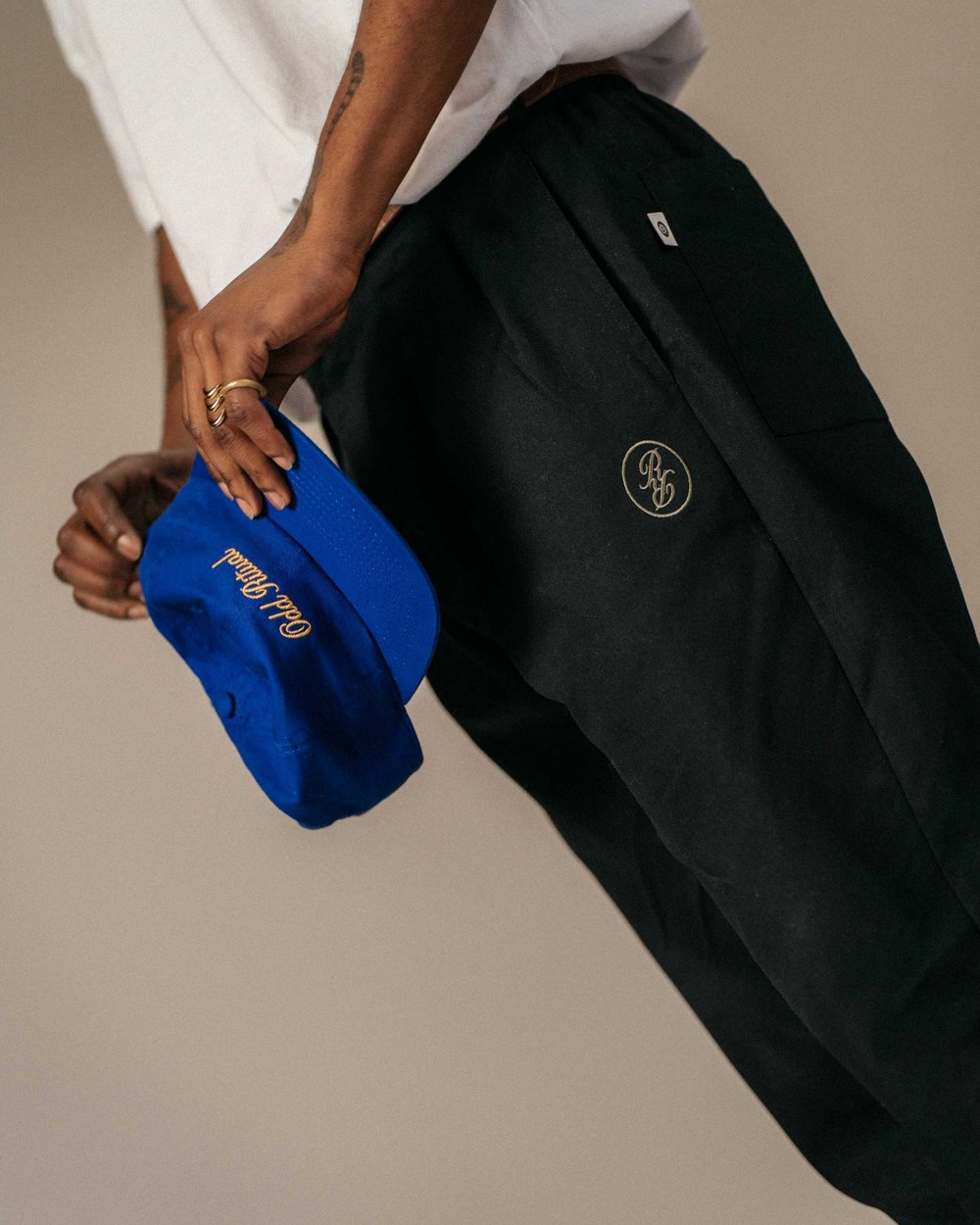
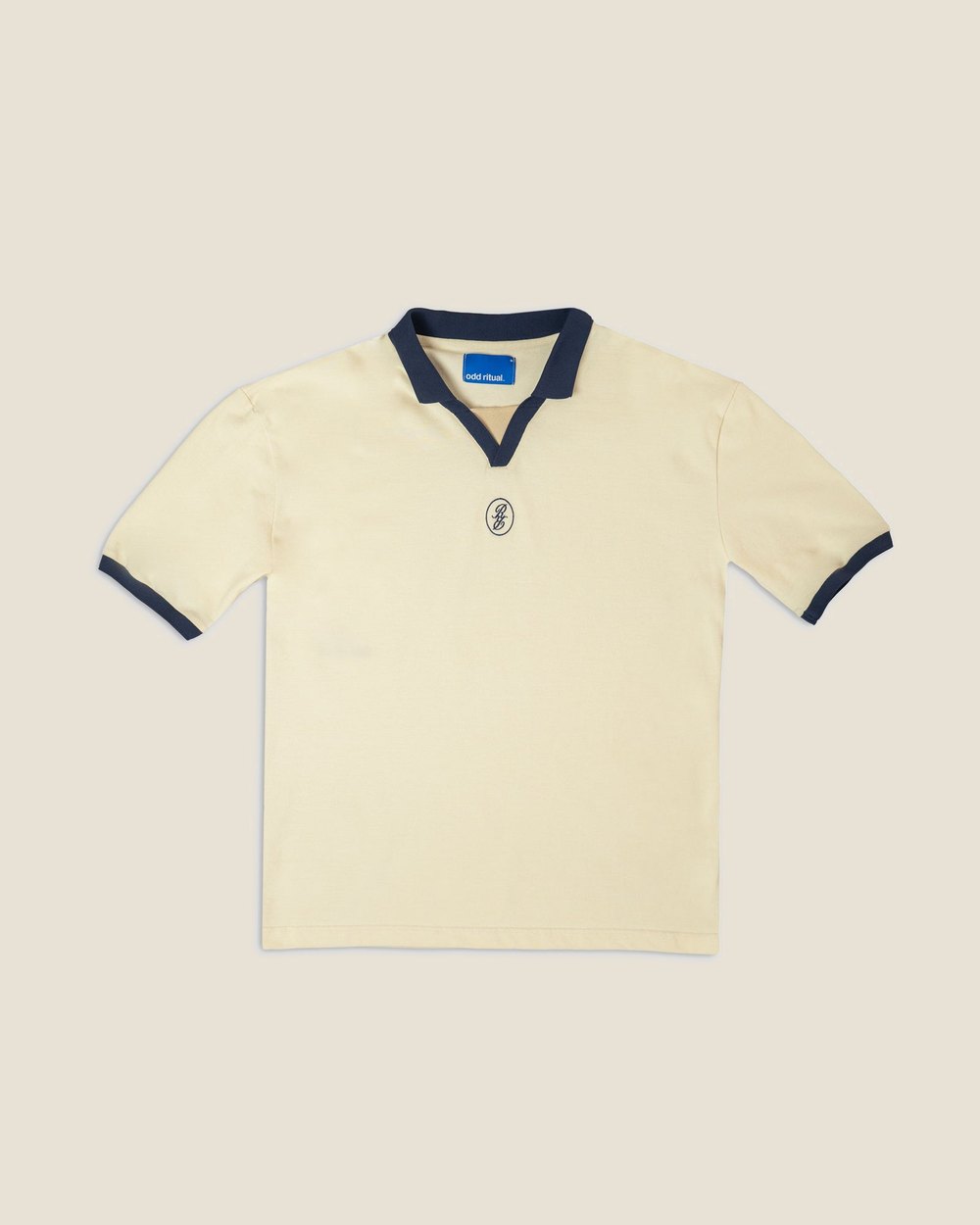
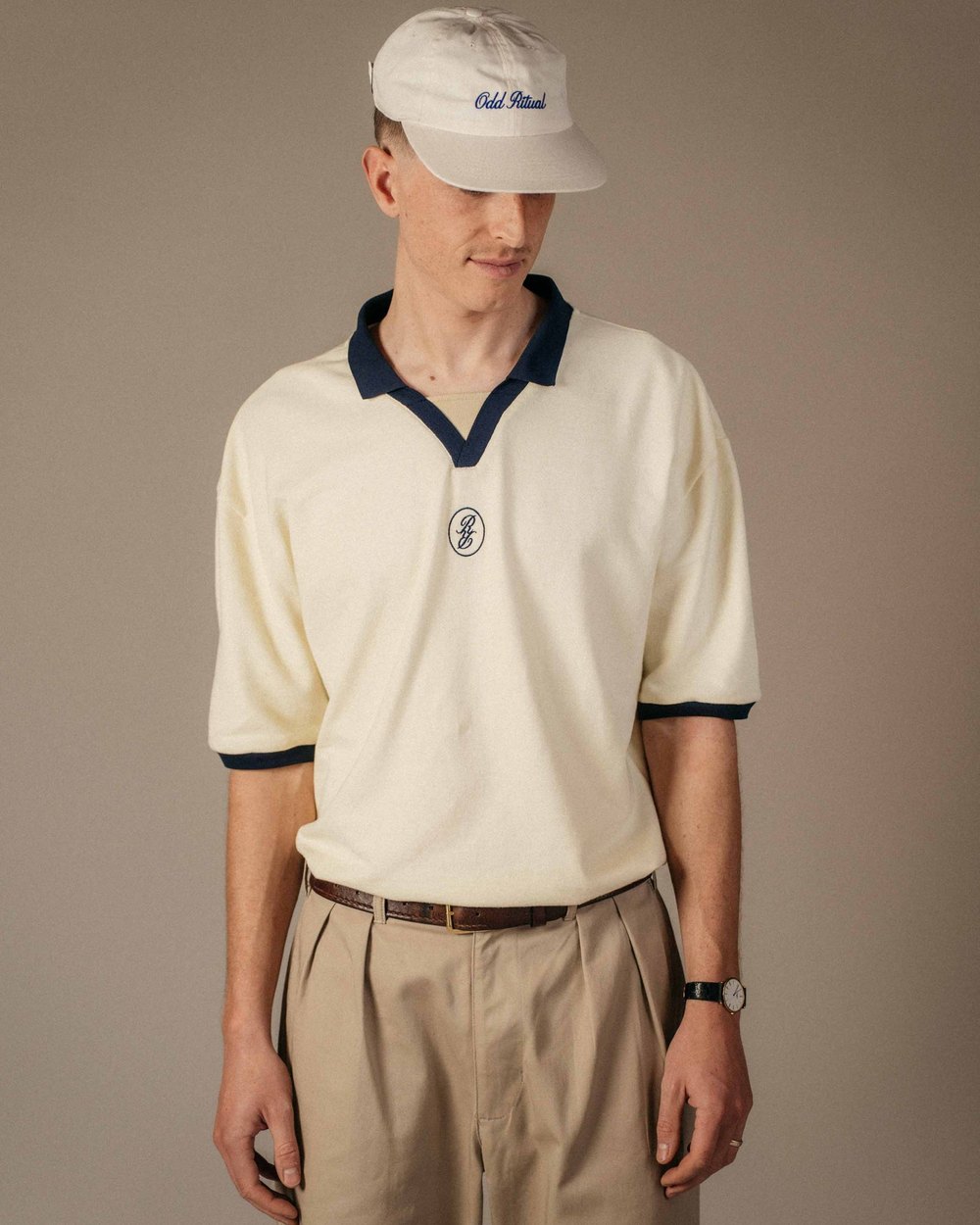
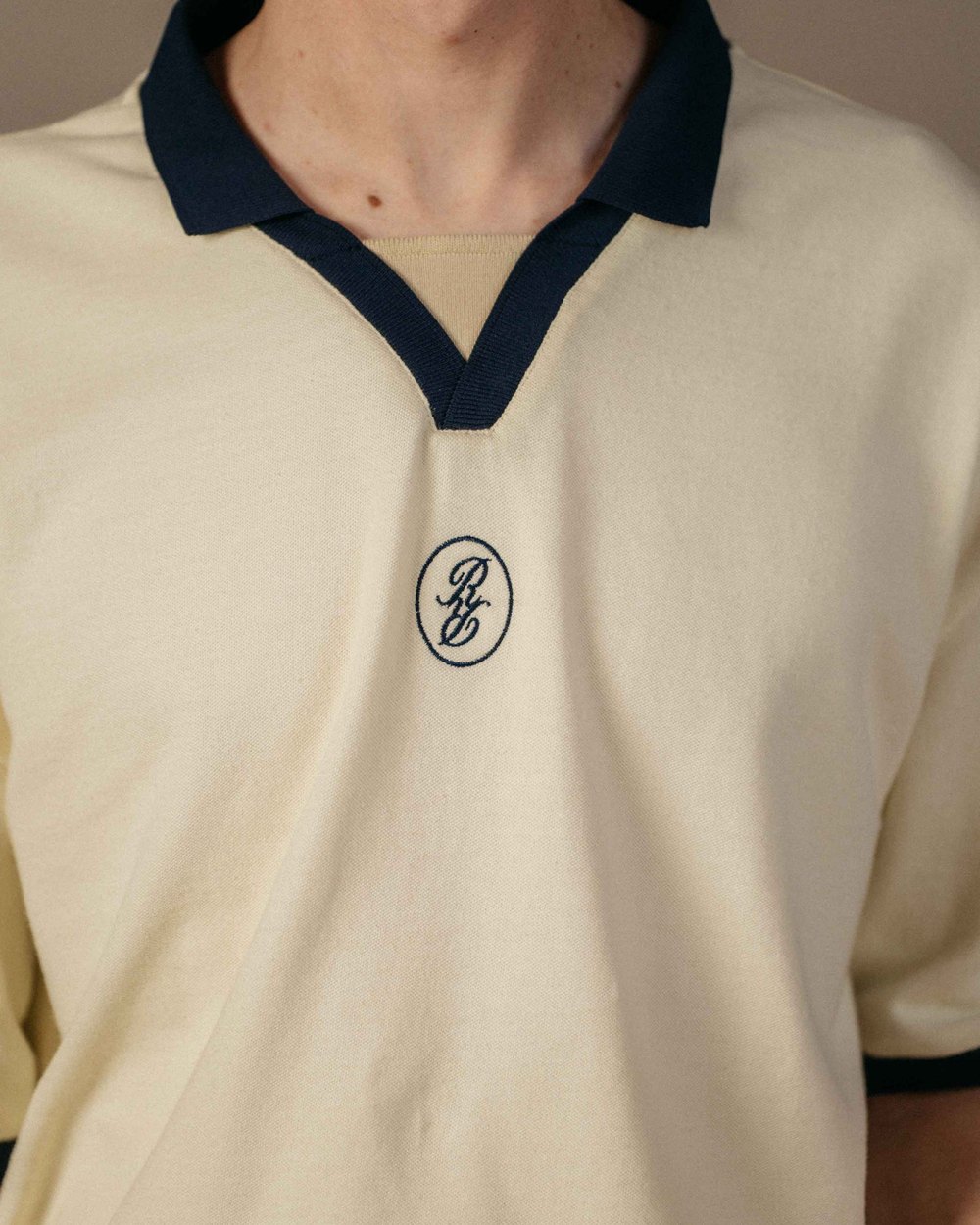
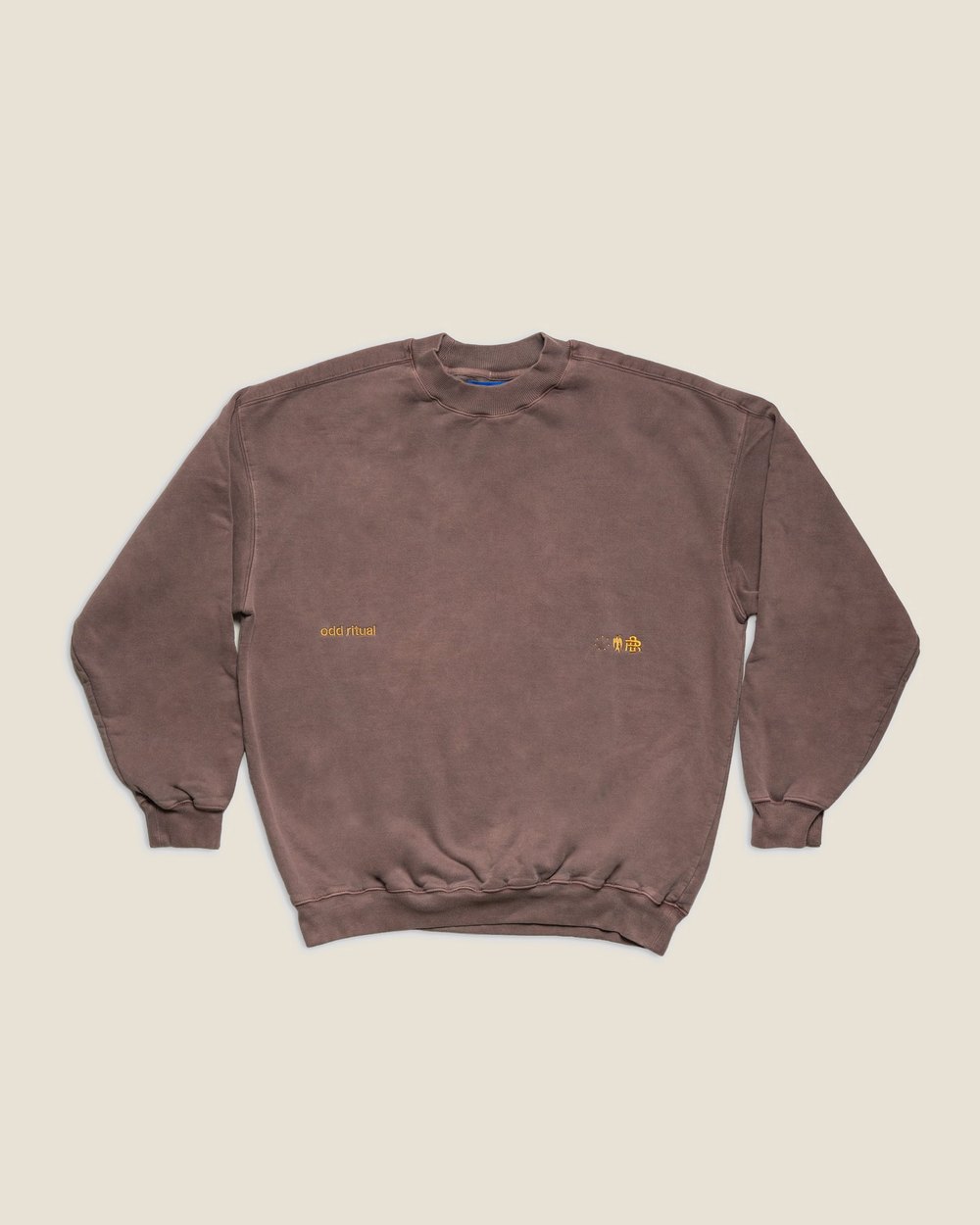
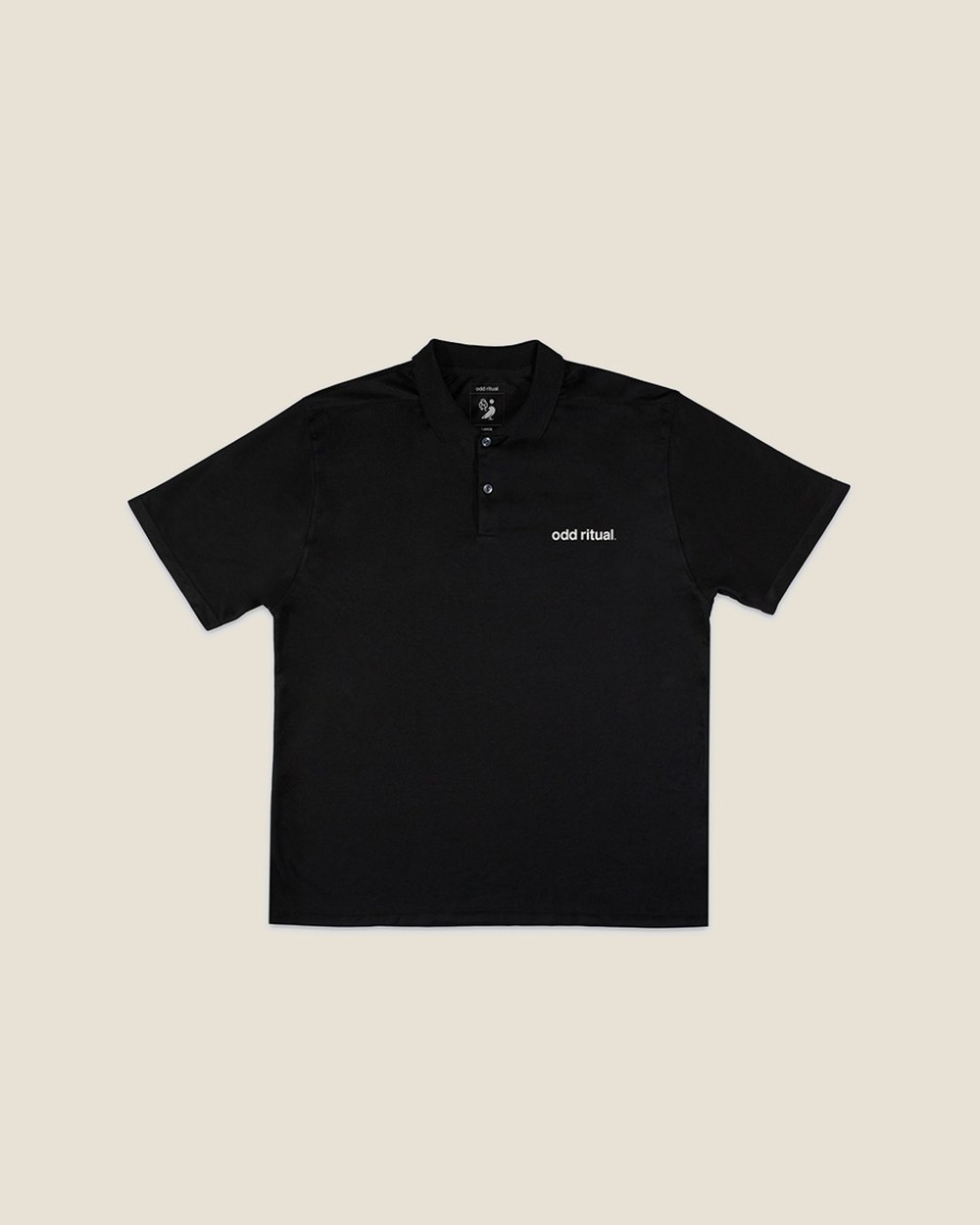
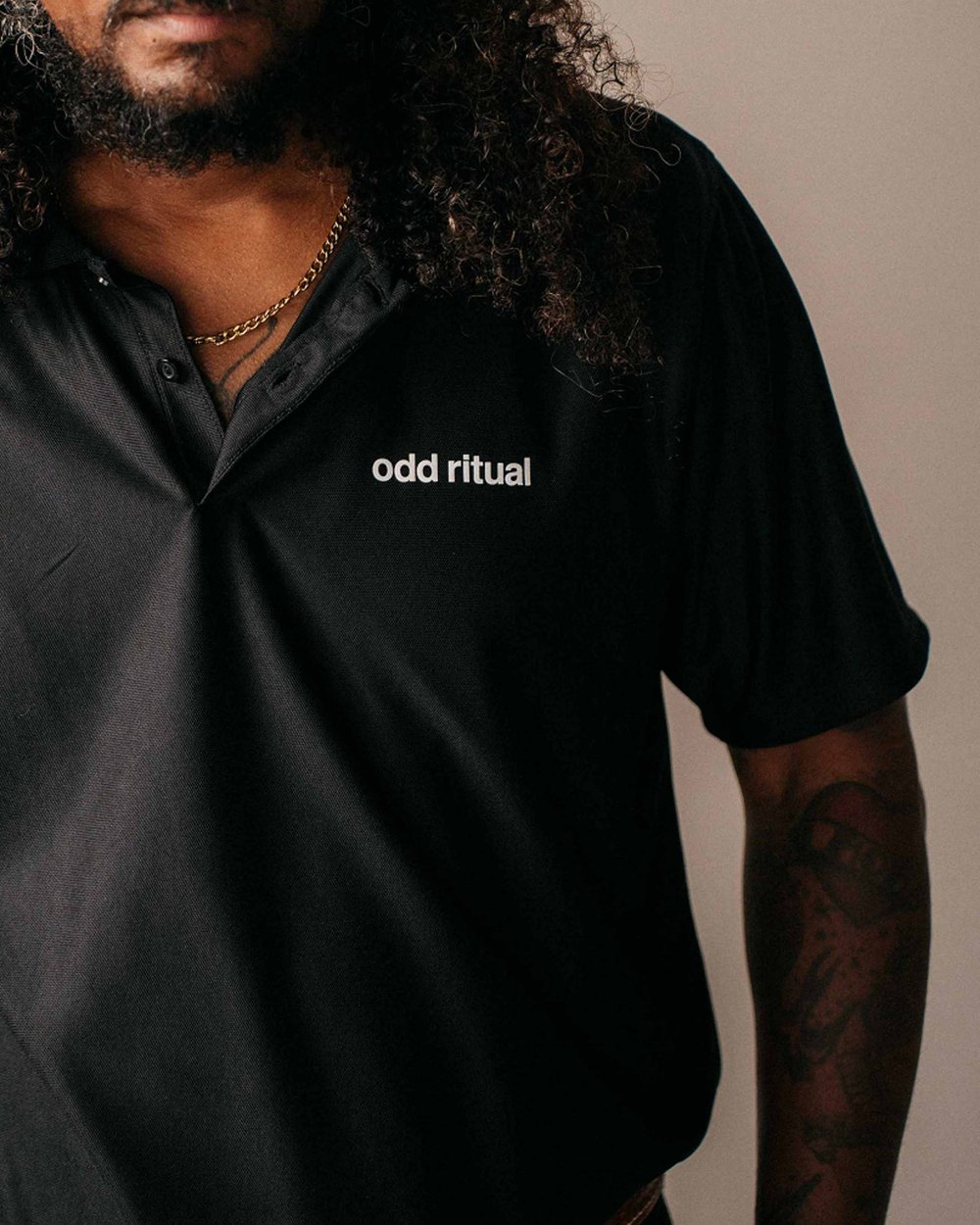
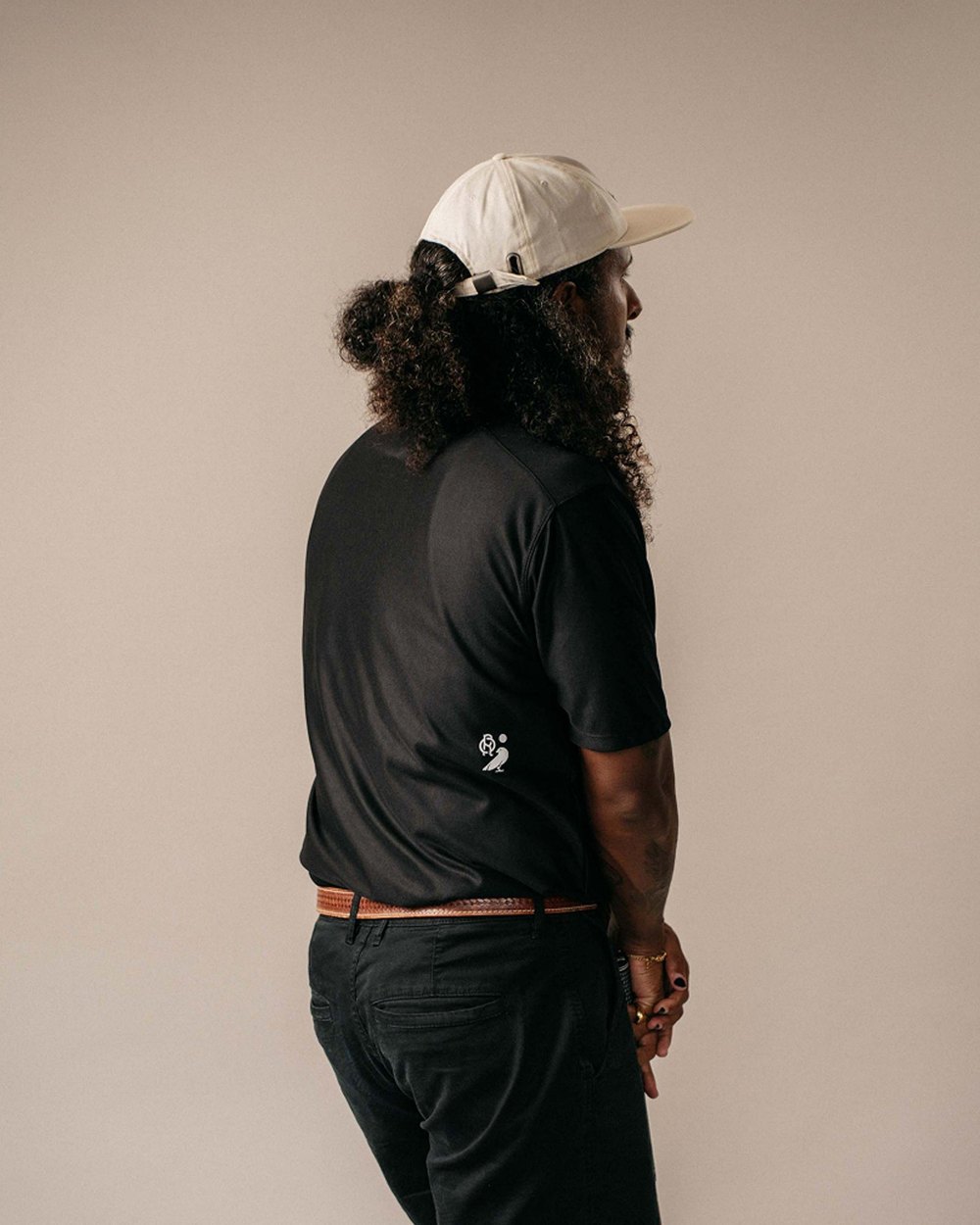
This season leans on workwear: a cotton twill Caddie Jacket, pleated trousers with a carrot leg and a 1990s polo with nylon trim. Prices are in South African rand on the store; the dollar figures here are approximate.
The lookbookOdd Ritual’s own photos
Where to play in South AfricaLegend Golf & Safari Resort · Waterberg, Limpopo
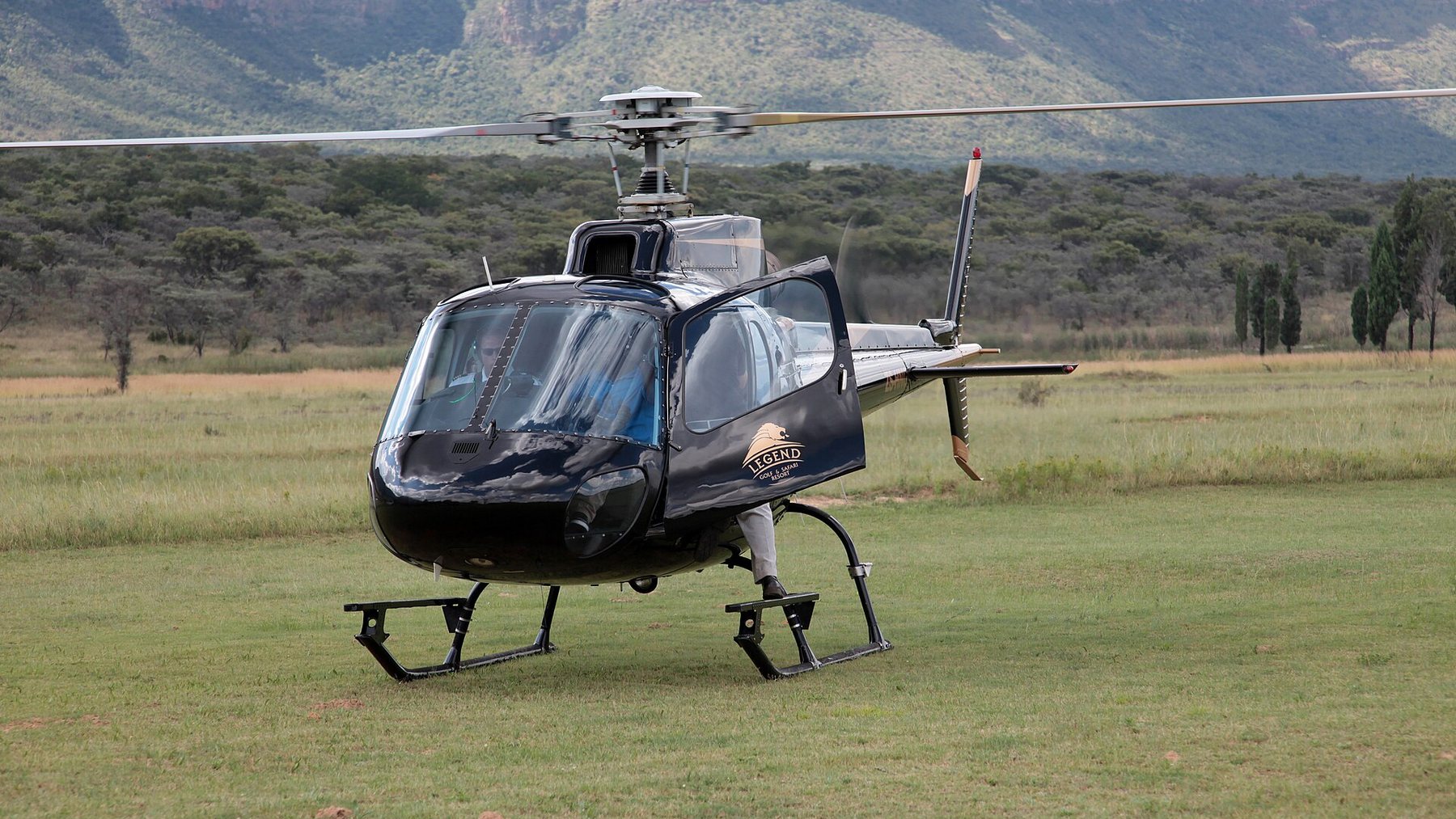
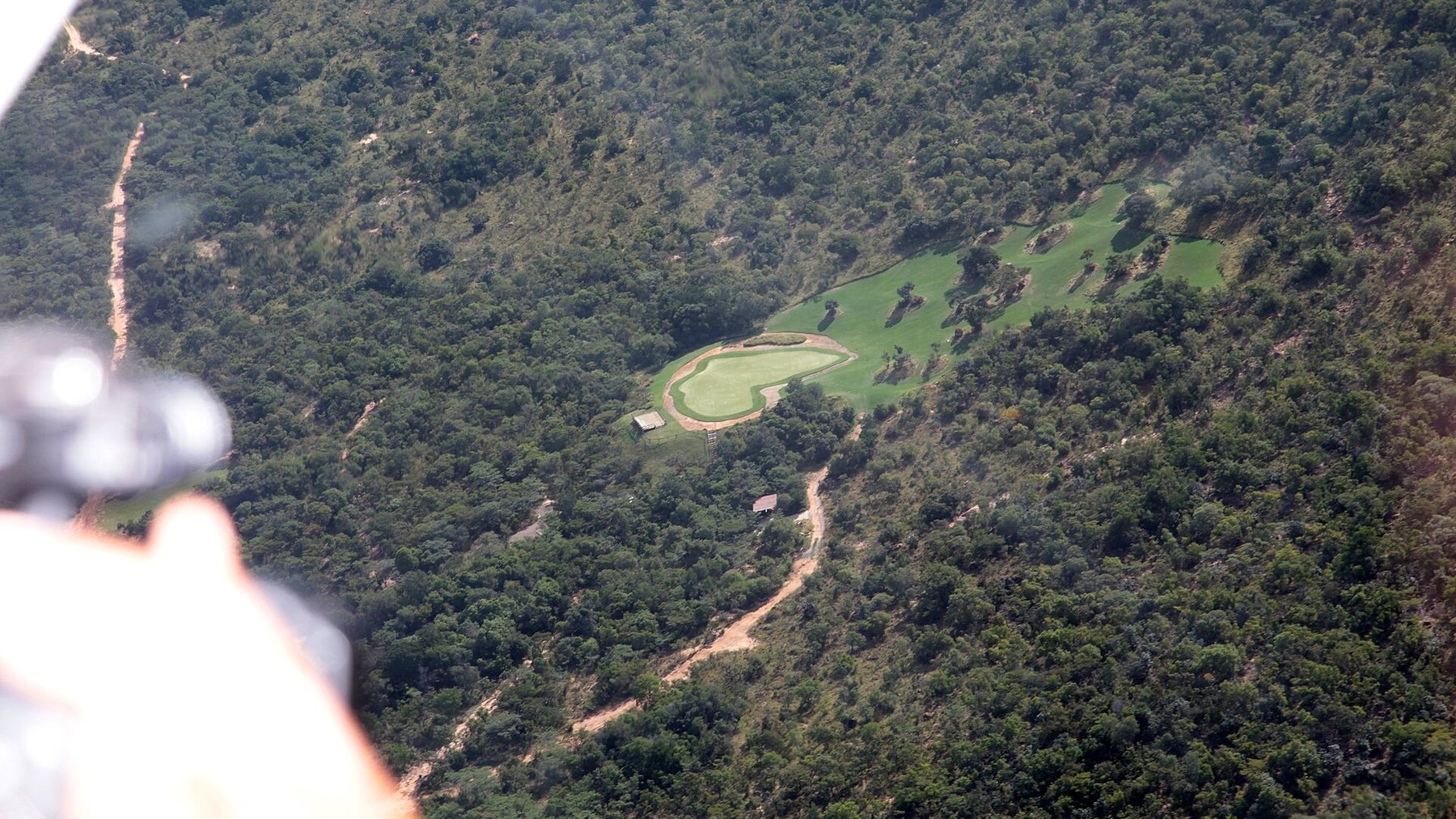
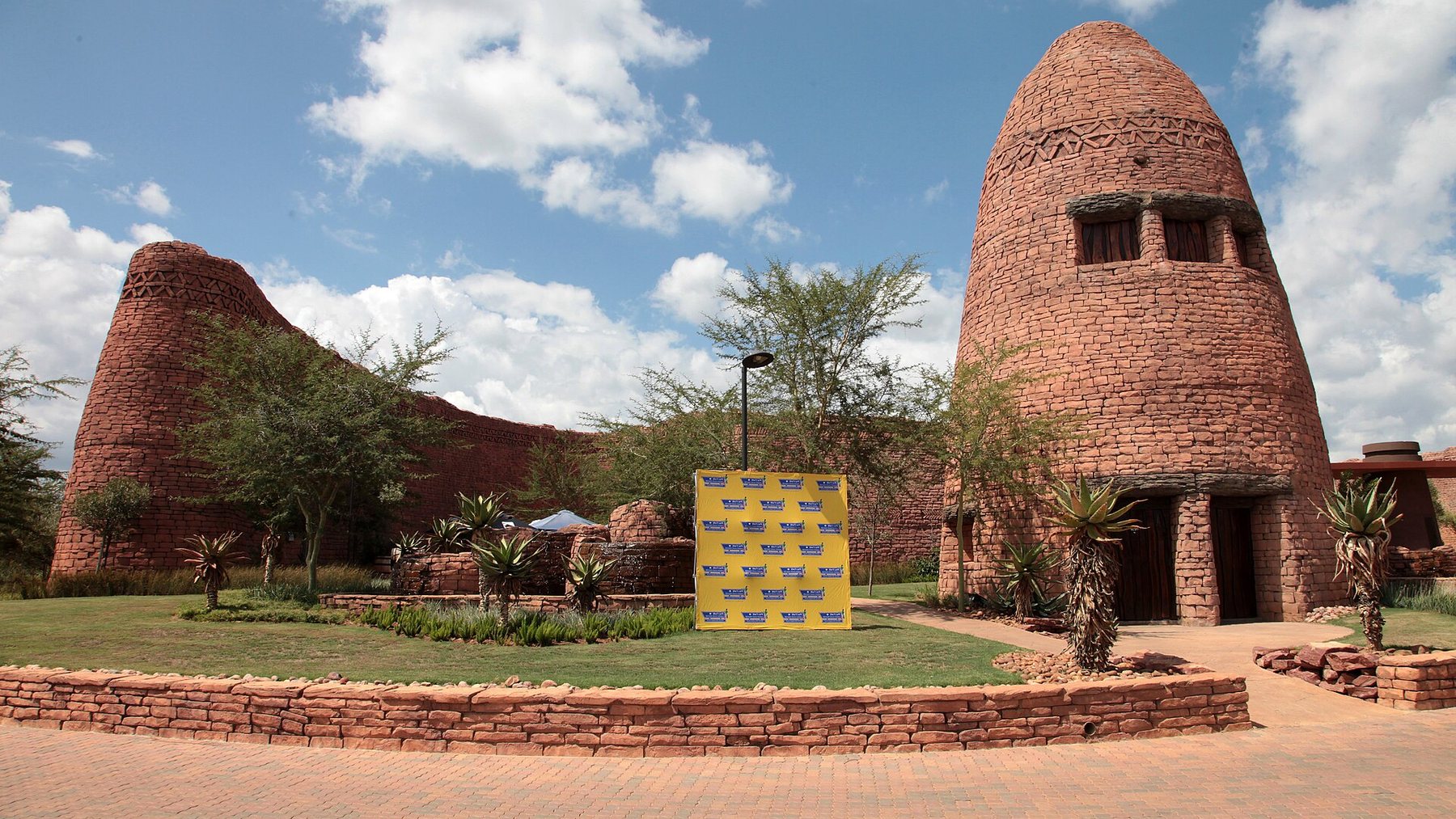
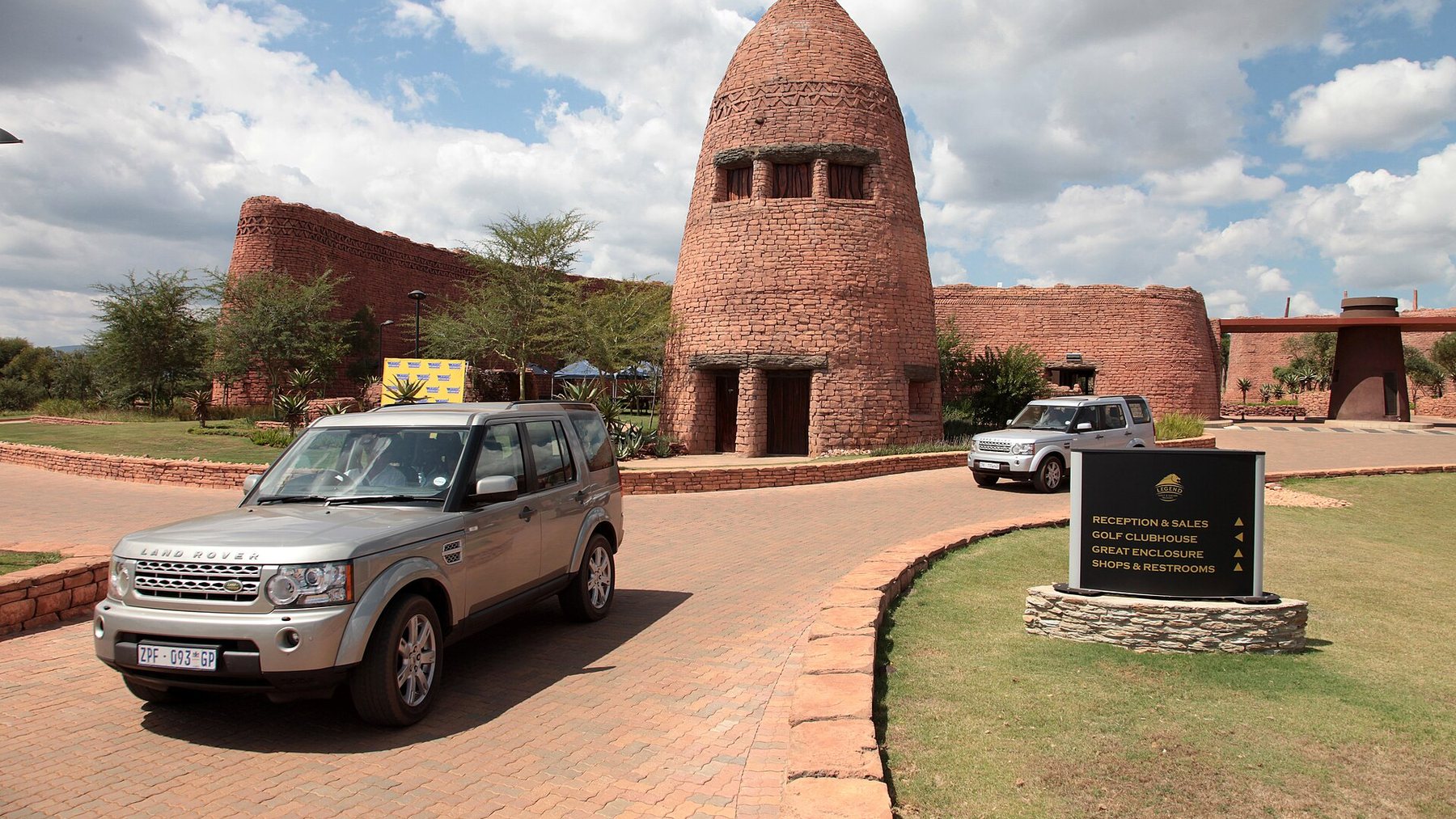
Legend sits beside the Entabeni Game Reserve in the Waterberg, about three hours from Johannesburg. It reopened in May 2026 after a year-long rebuild, with three courses and the Big Five roaming the wider conservancy.
The reason to go is the Extreme 19th. A helicopter flies you to the top of Hanglip Mountain, and you tee off roughly 400 meters down to a green shaped like the African continent. Nowhere else in golf does a par 3 start with a flight.
Portugal
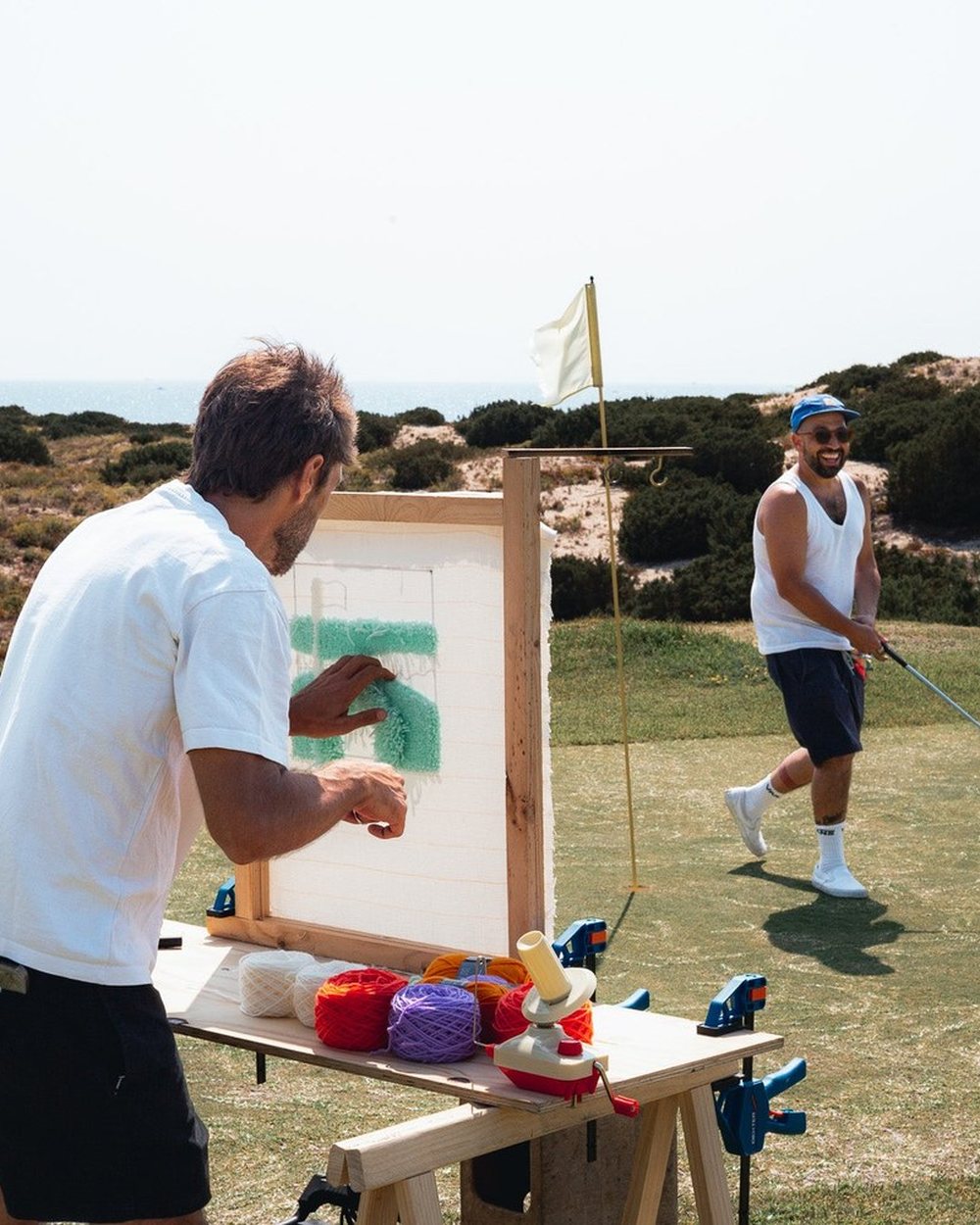
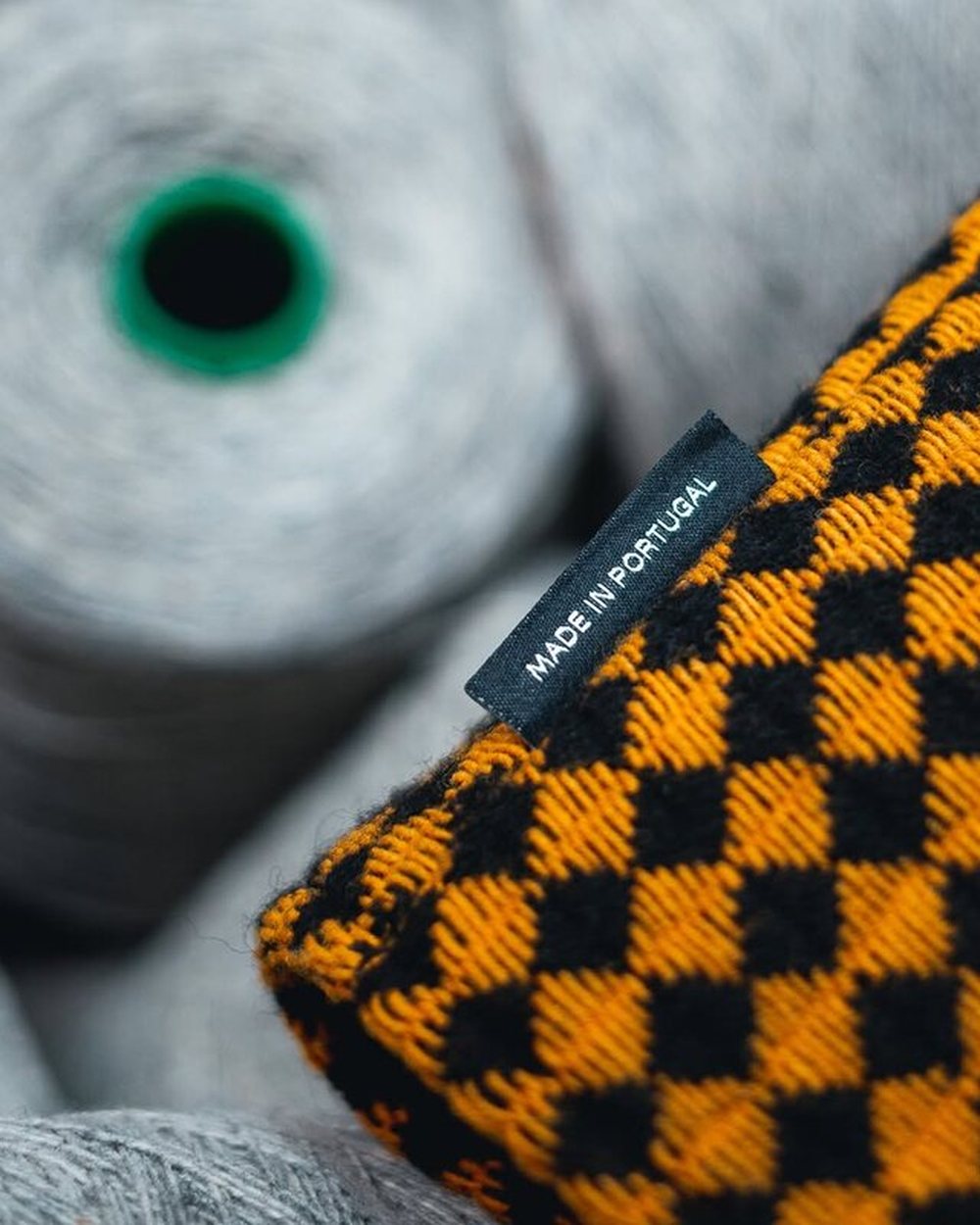
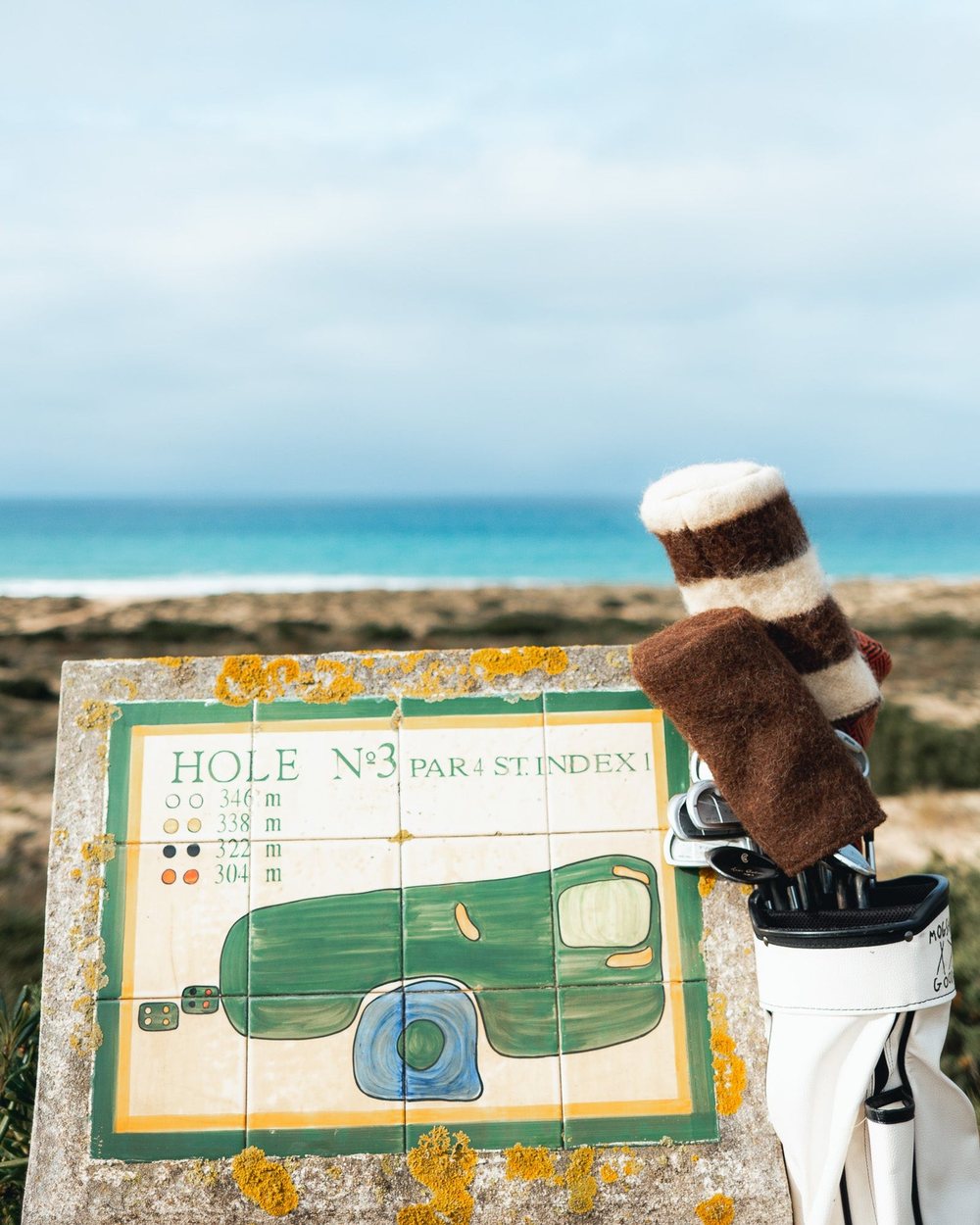
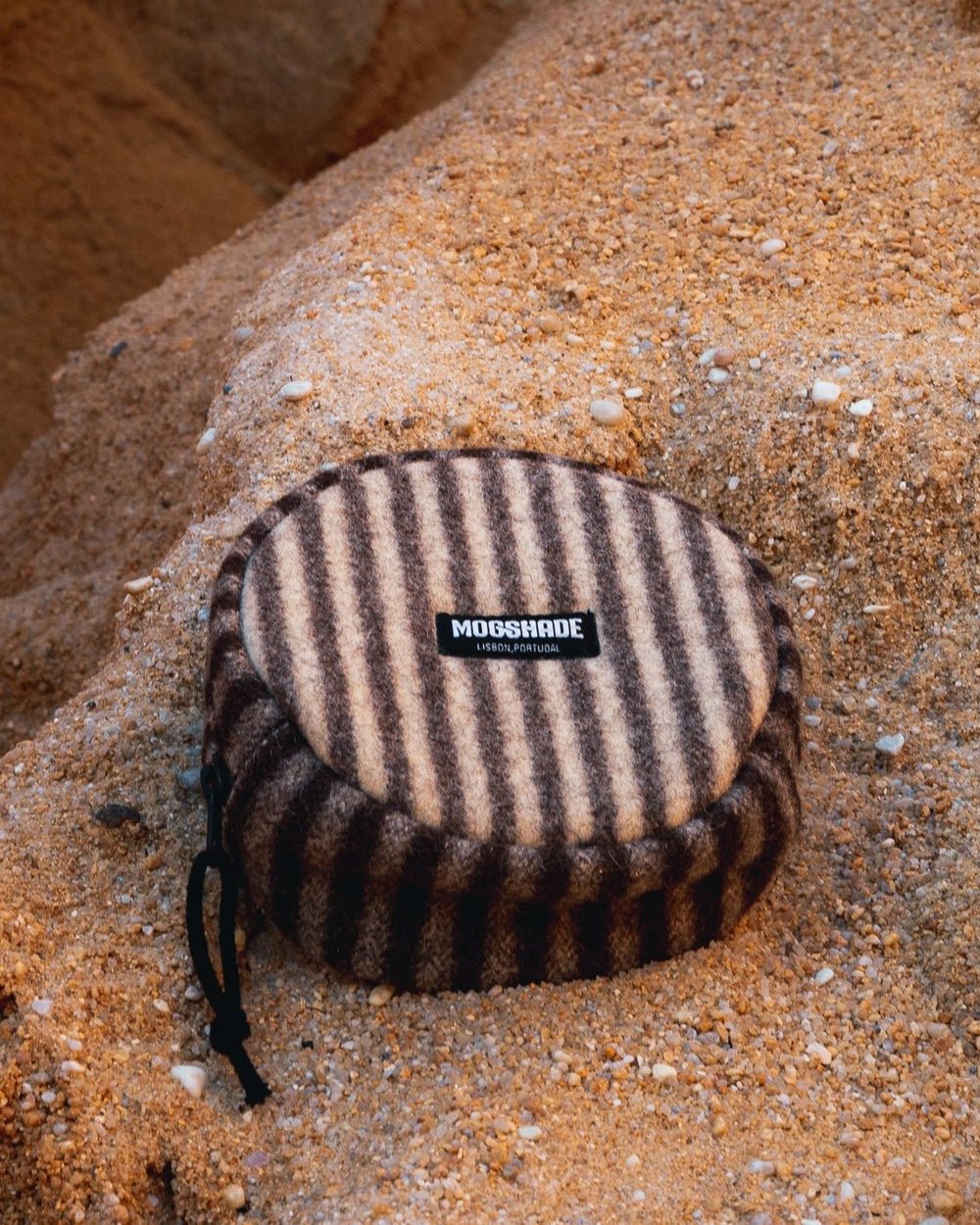
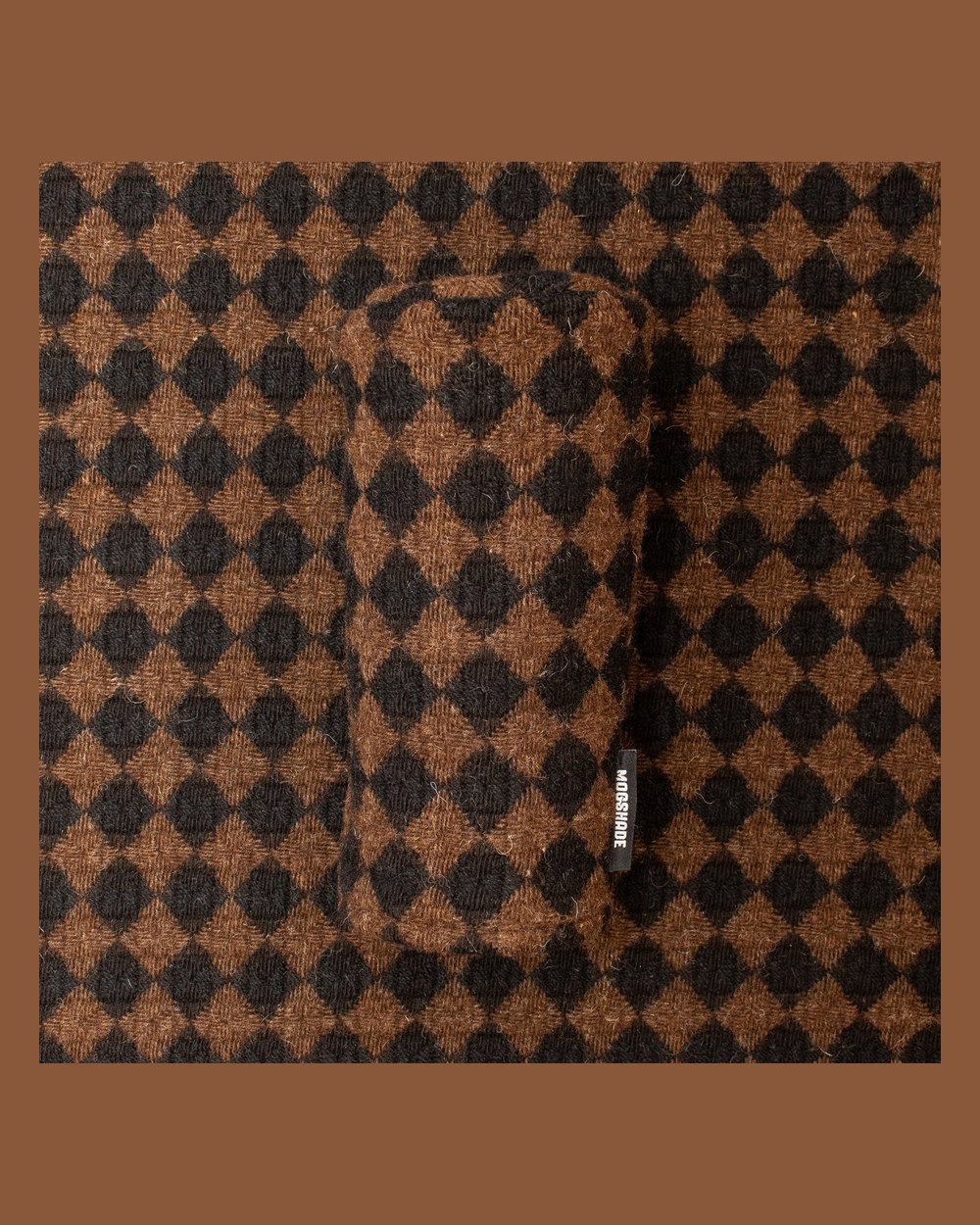
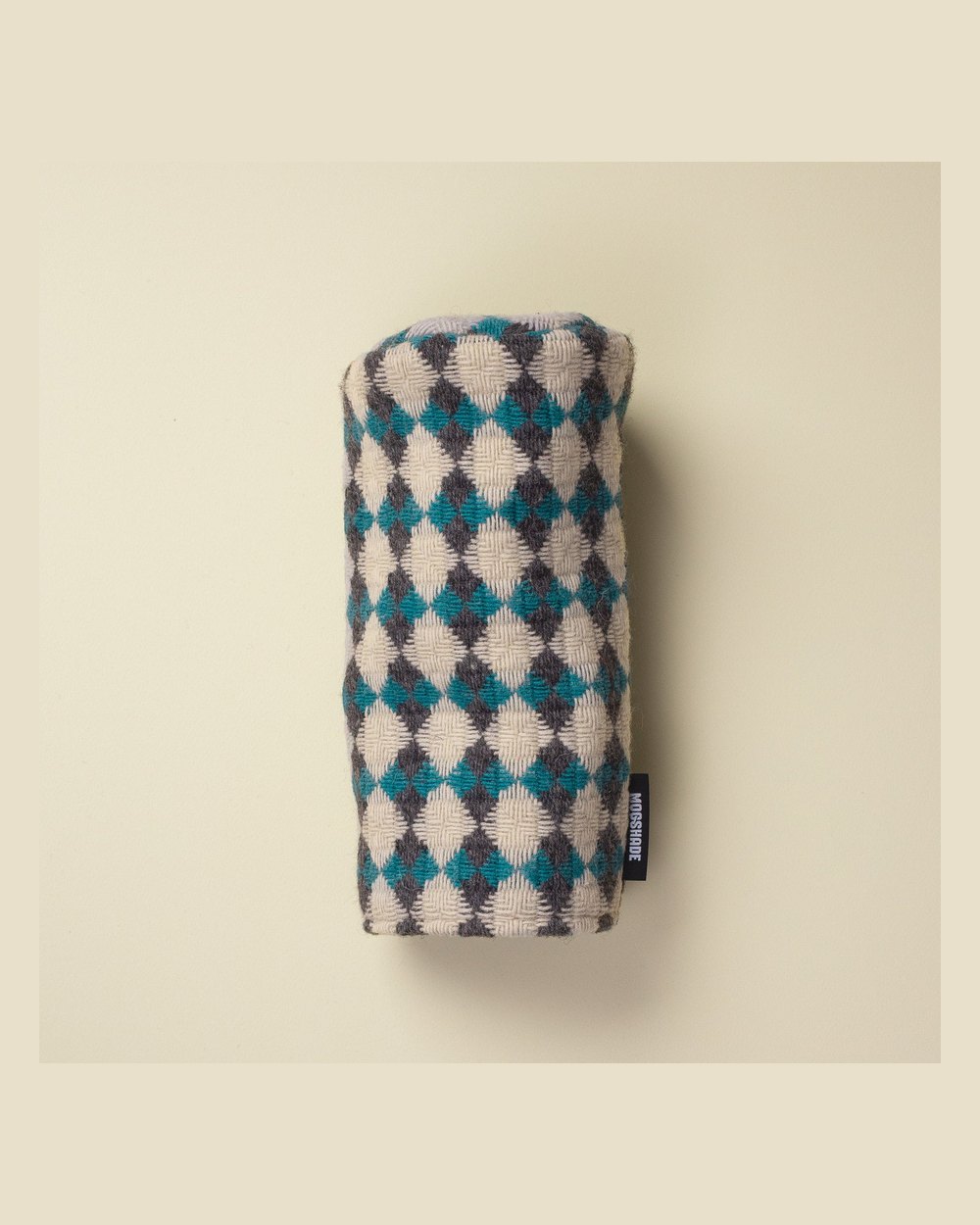
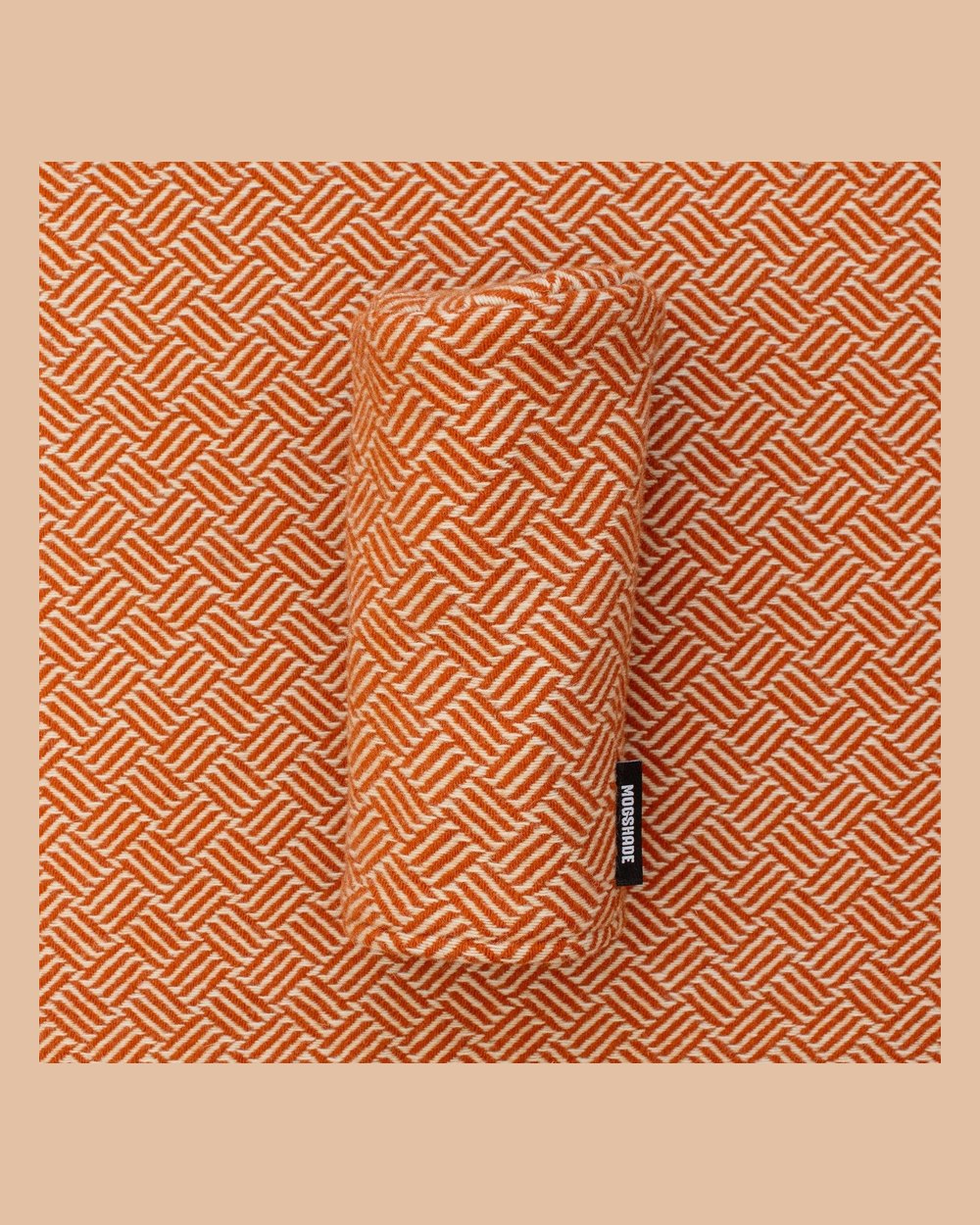
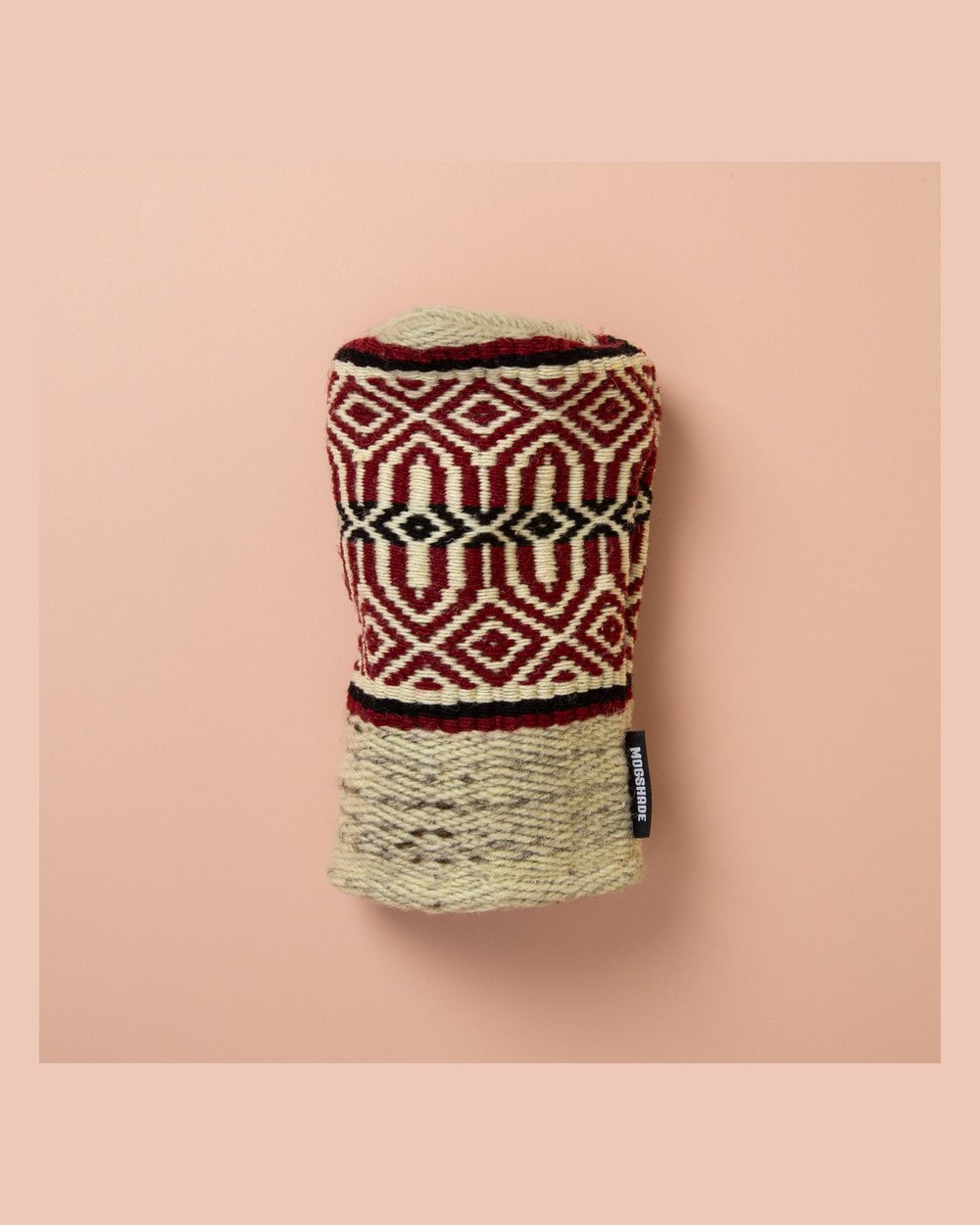
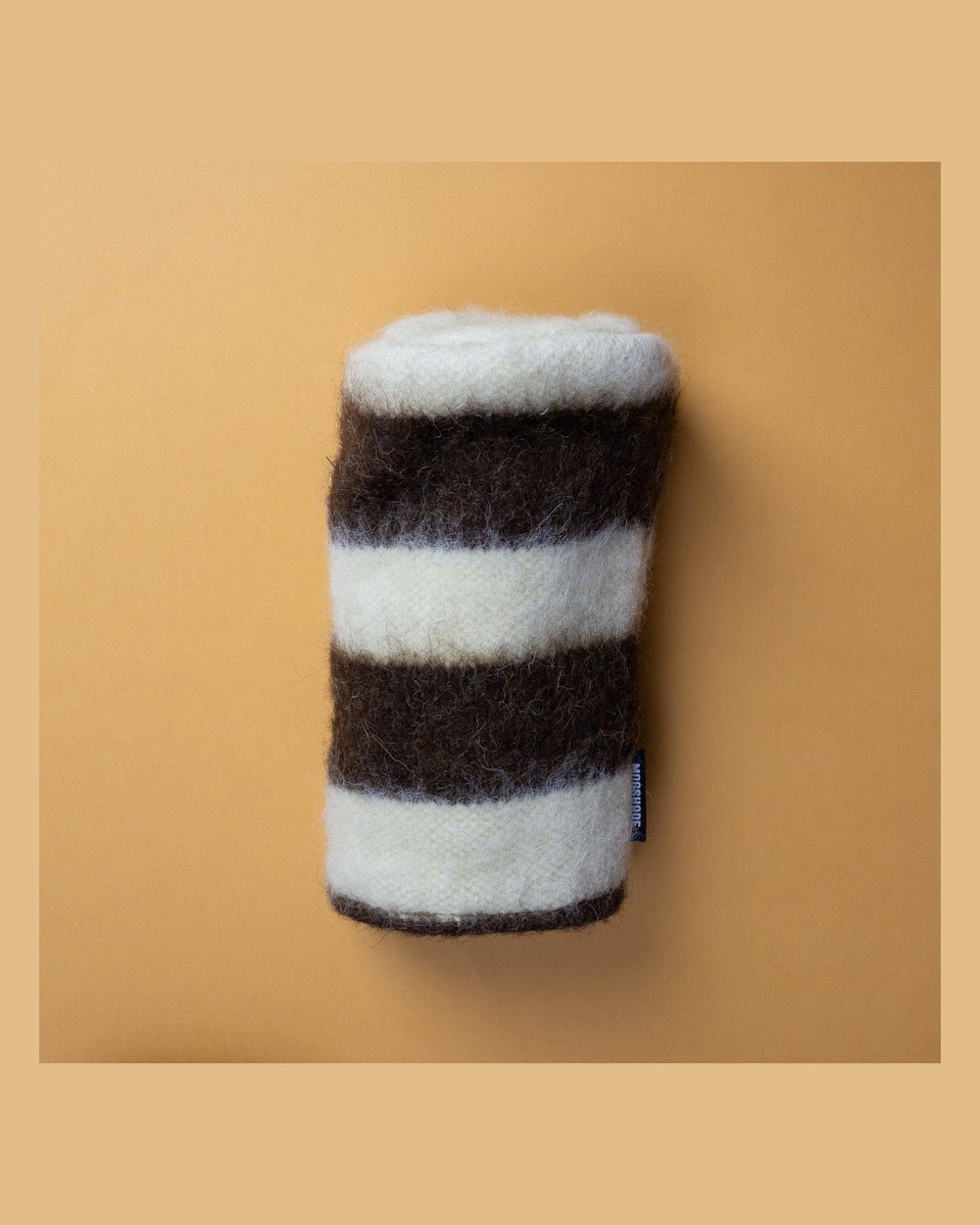
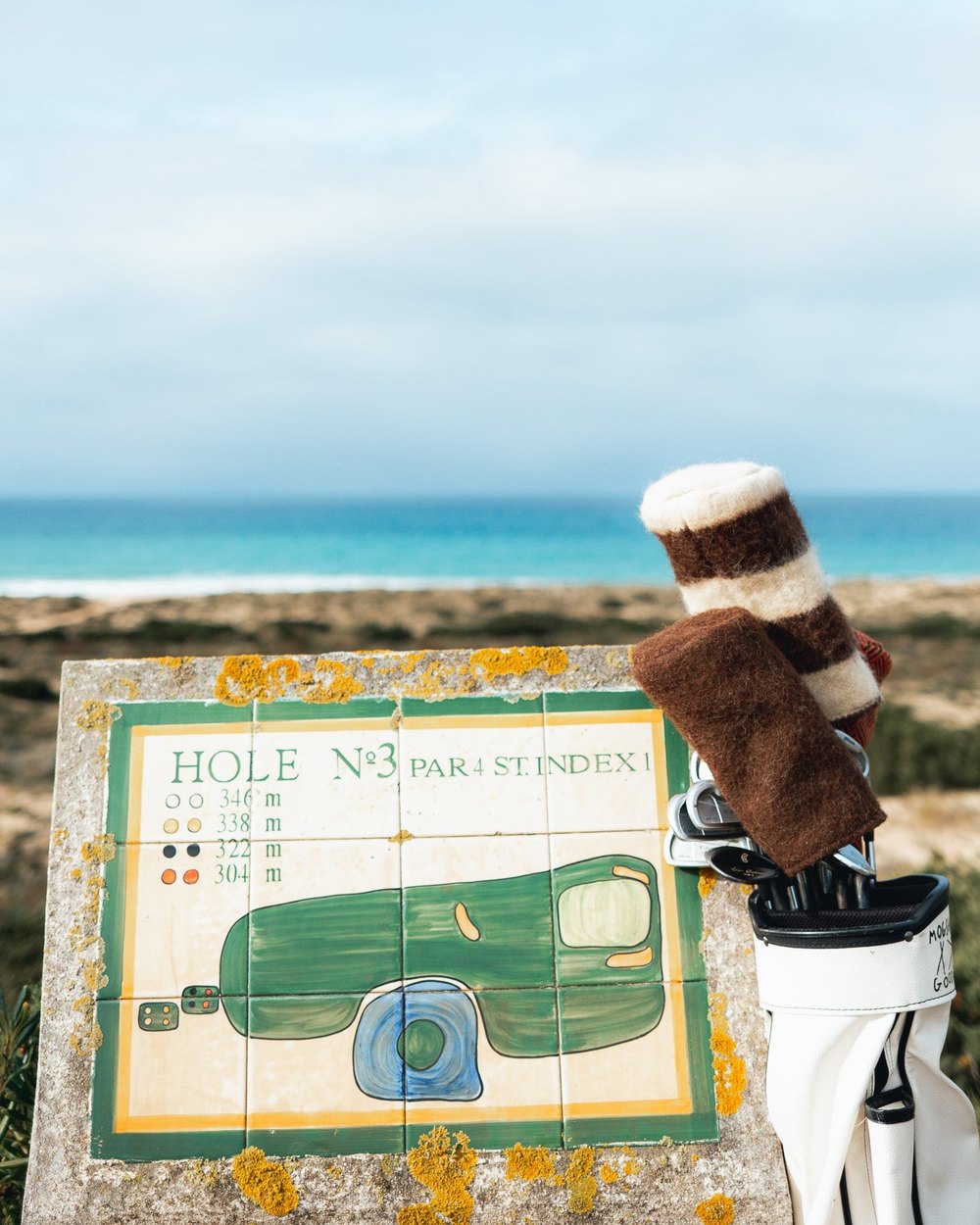
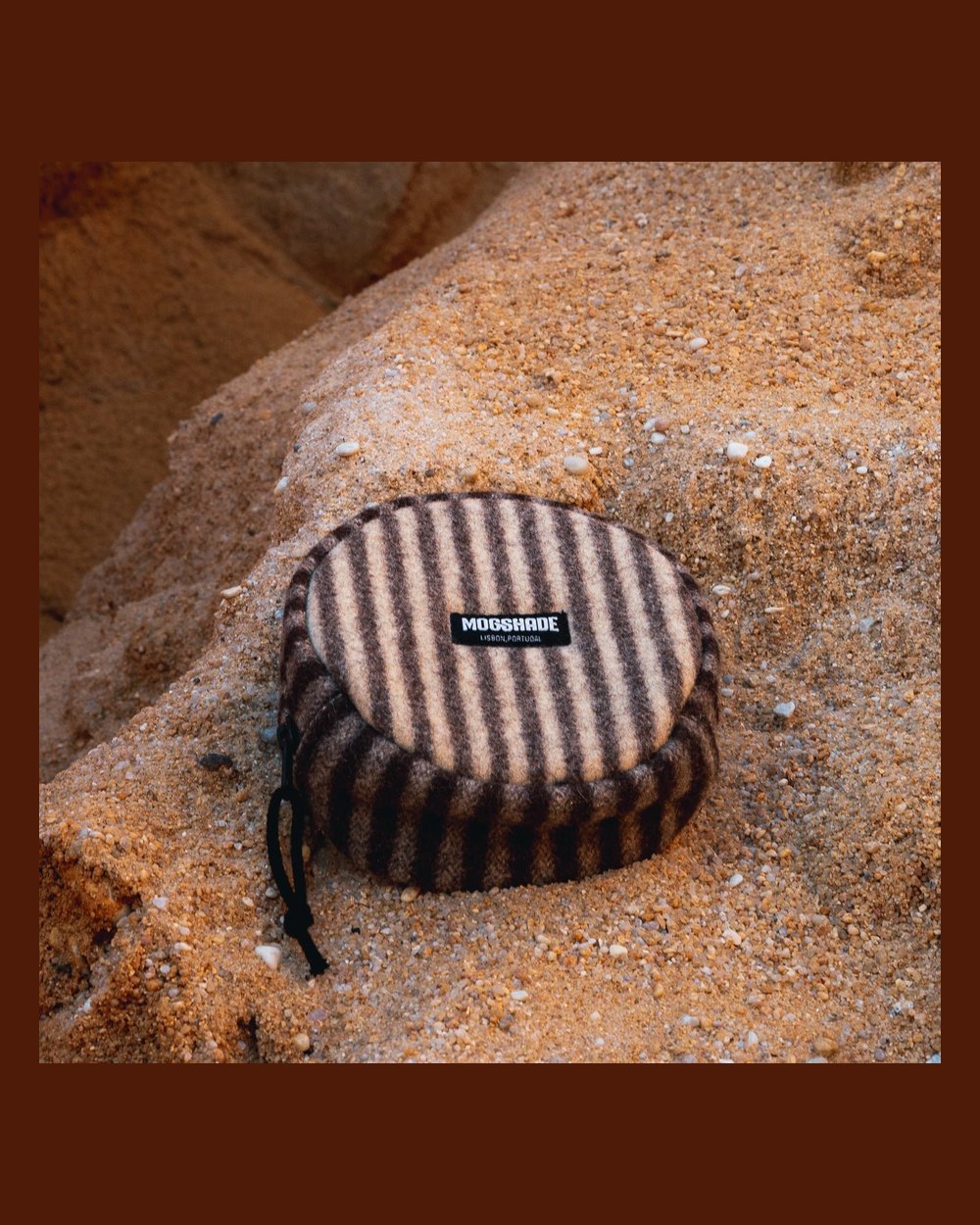
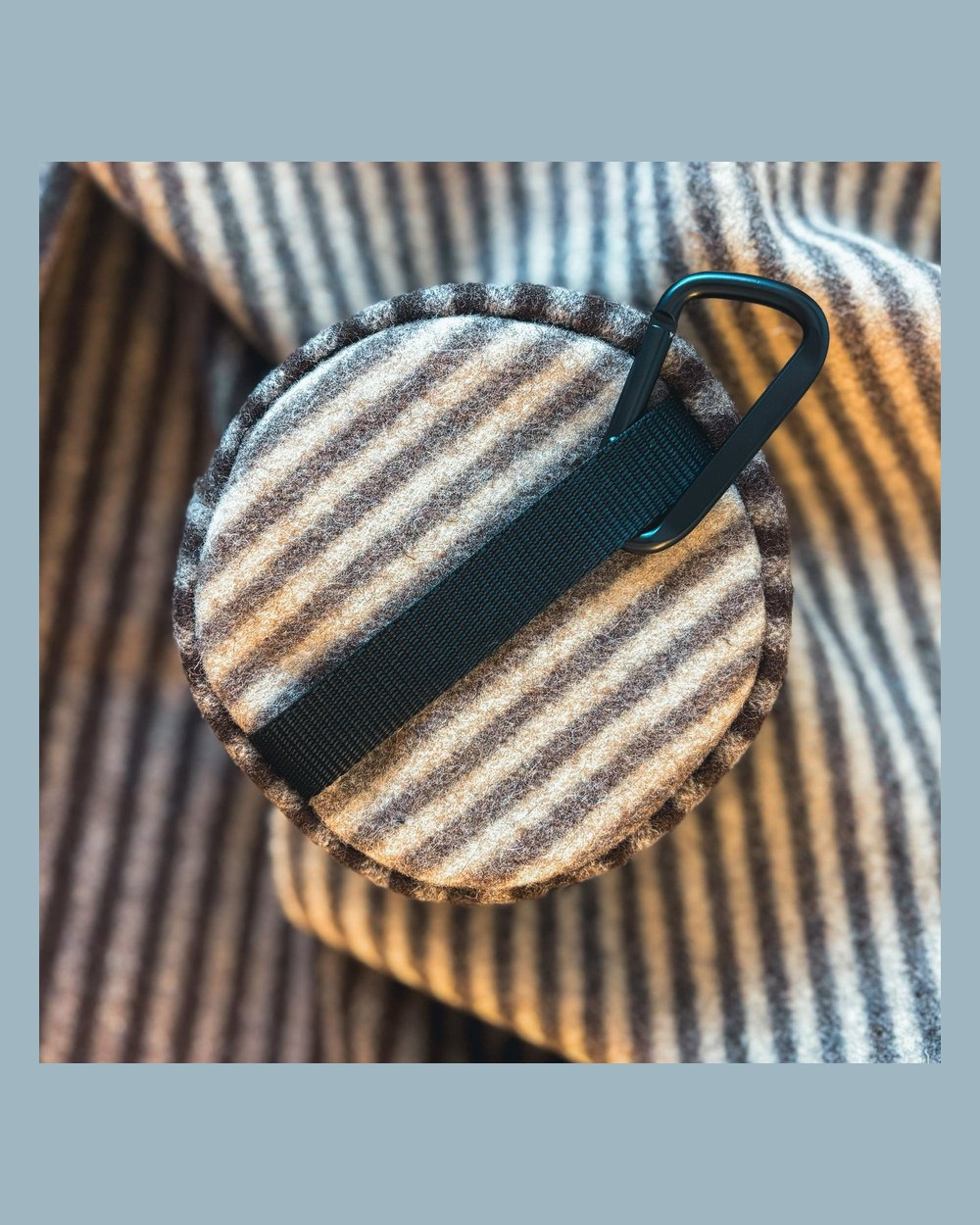
Mogshade makes headcovers and towels in Portugal, to order, on about a three-week lead. The patterns are woven, not printed, and they could only come from one place. The Azulejo covers take their geometry from the hand-painted tiles on Lisbon’s buildings.
The materials are local too. The Re.Weave covers use rescued fabric woven in the Serra da Estrela mountains. The Churra covers use wool from a sheep breed native to the same mountains. The Castelo cover is handwoven on wooden looms. The store shows prices in US dollars.
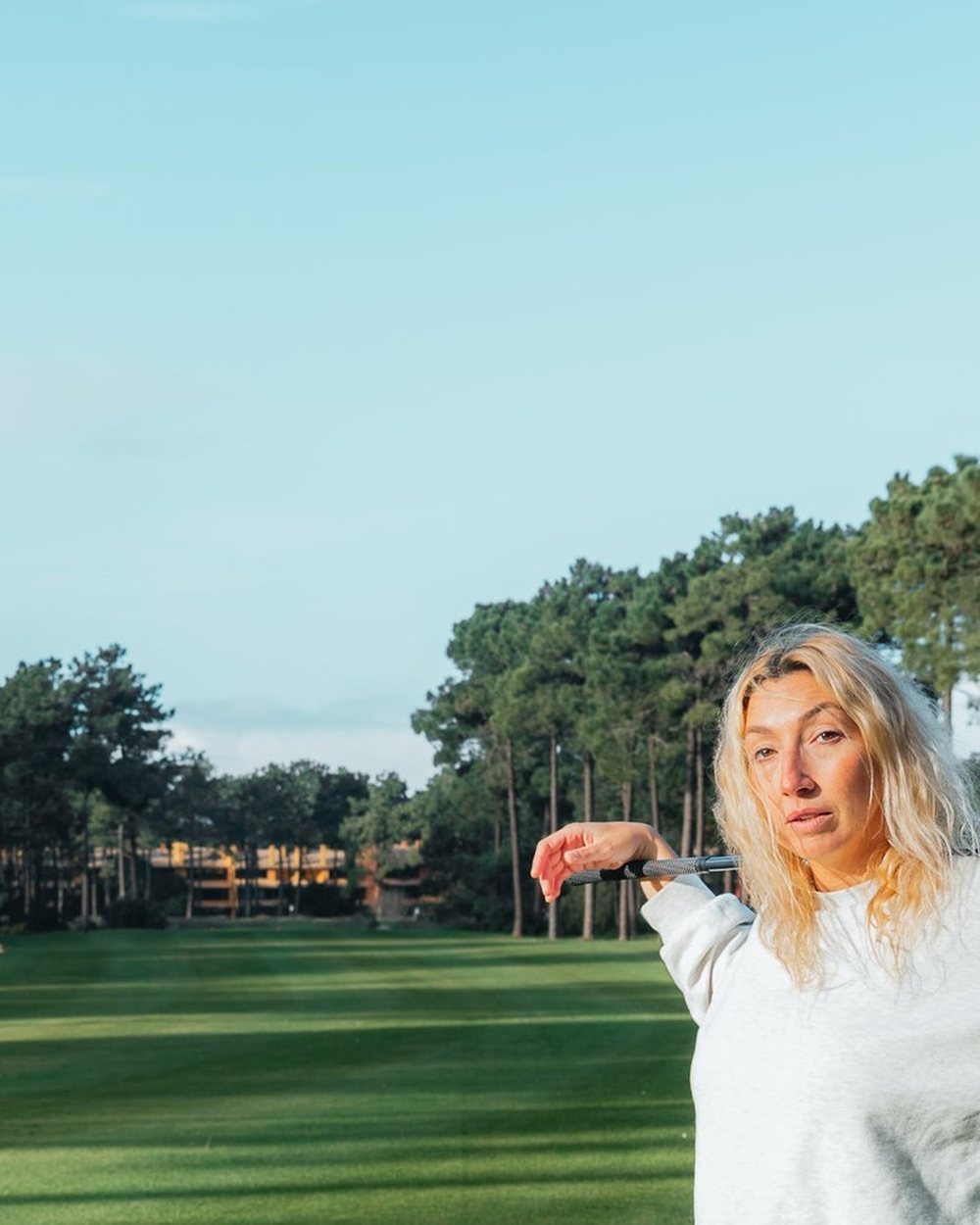
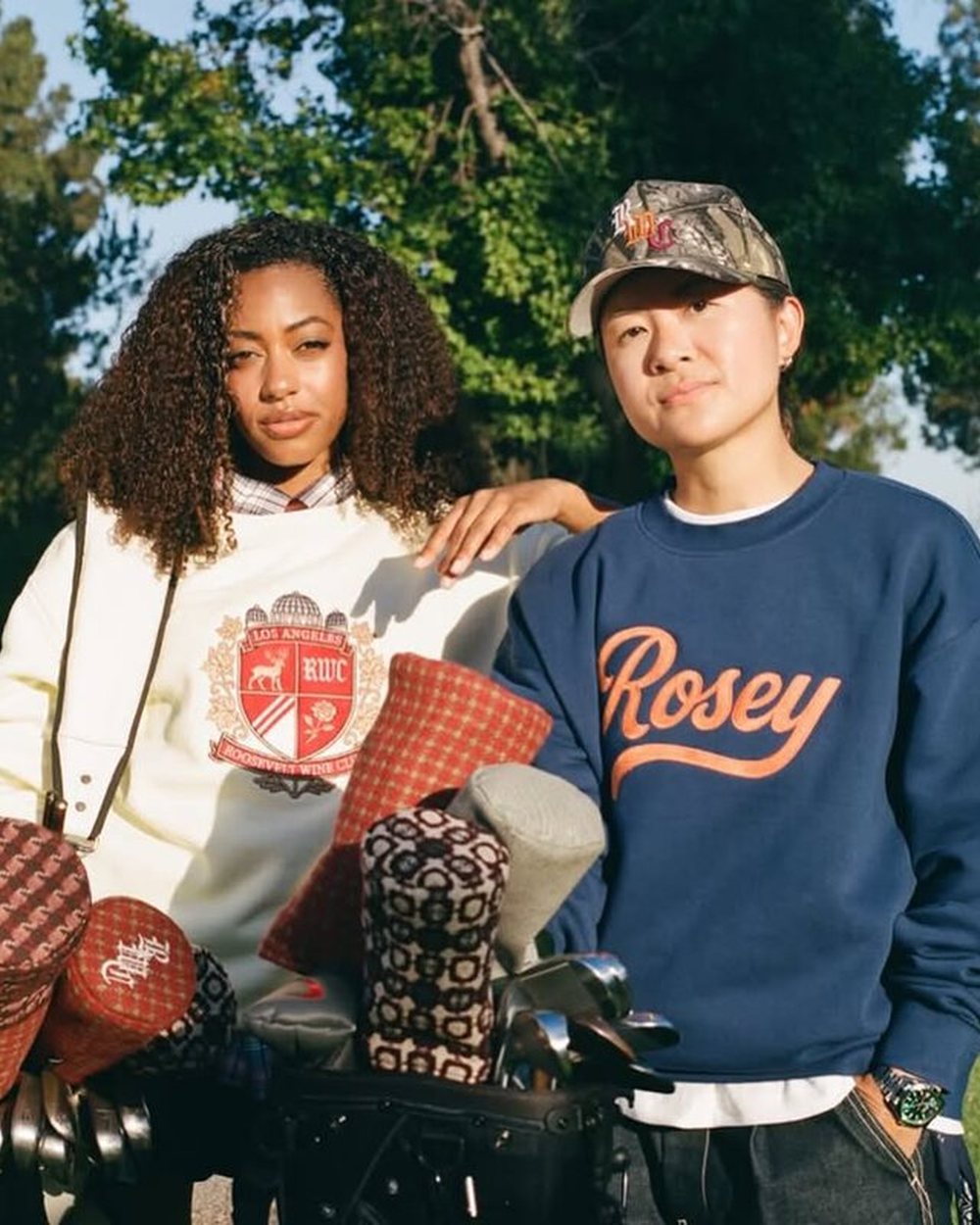
The lookbookMogshade’s own photos
Where to play in PortugalOitavos Dunes · Cascais, near Lisbon
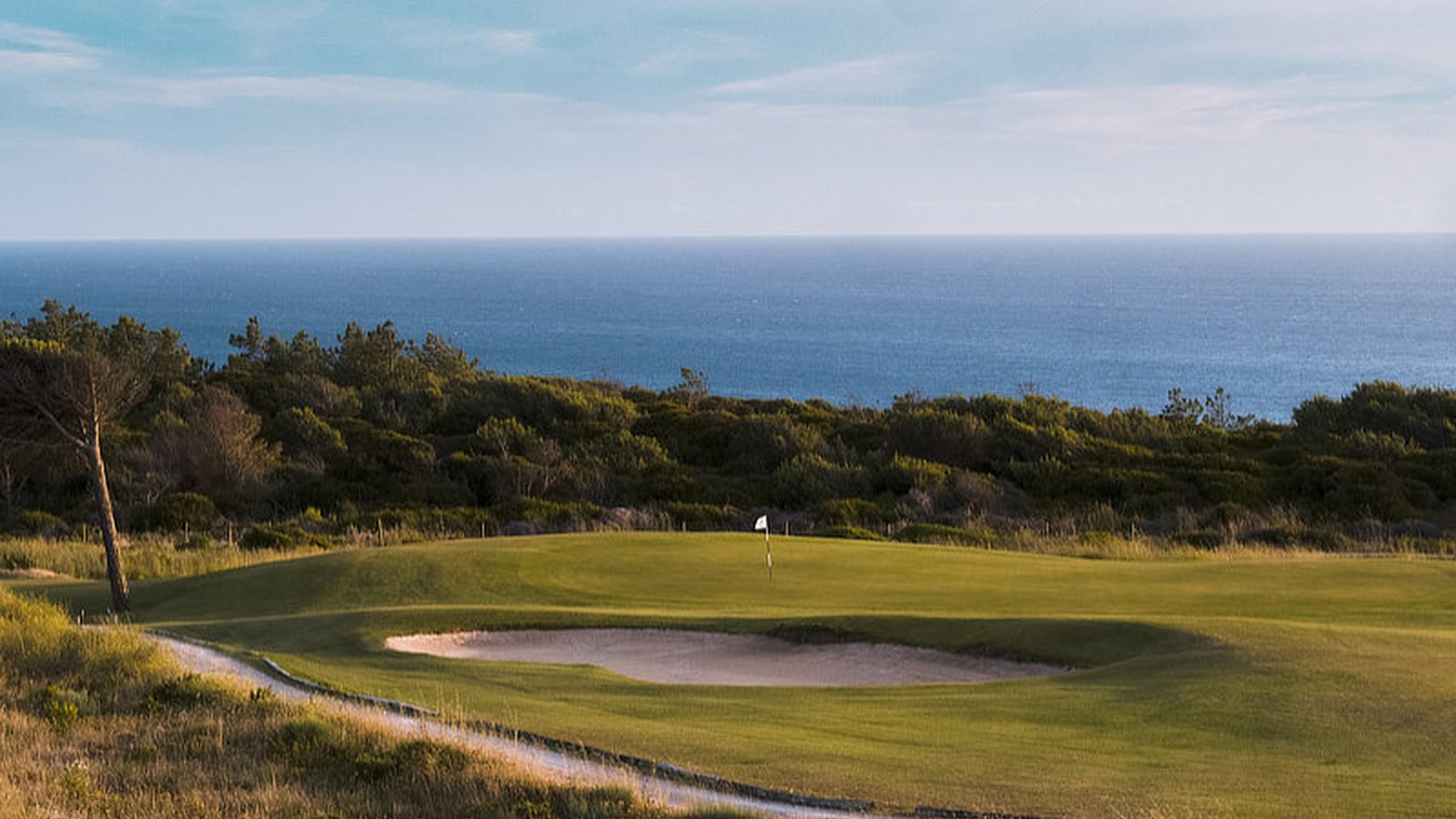
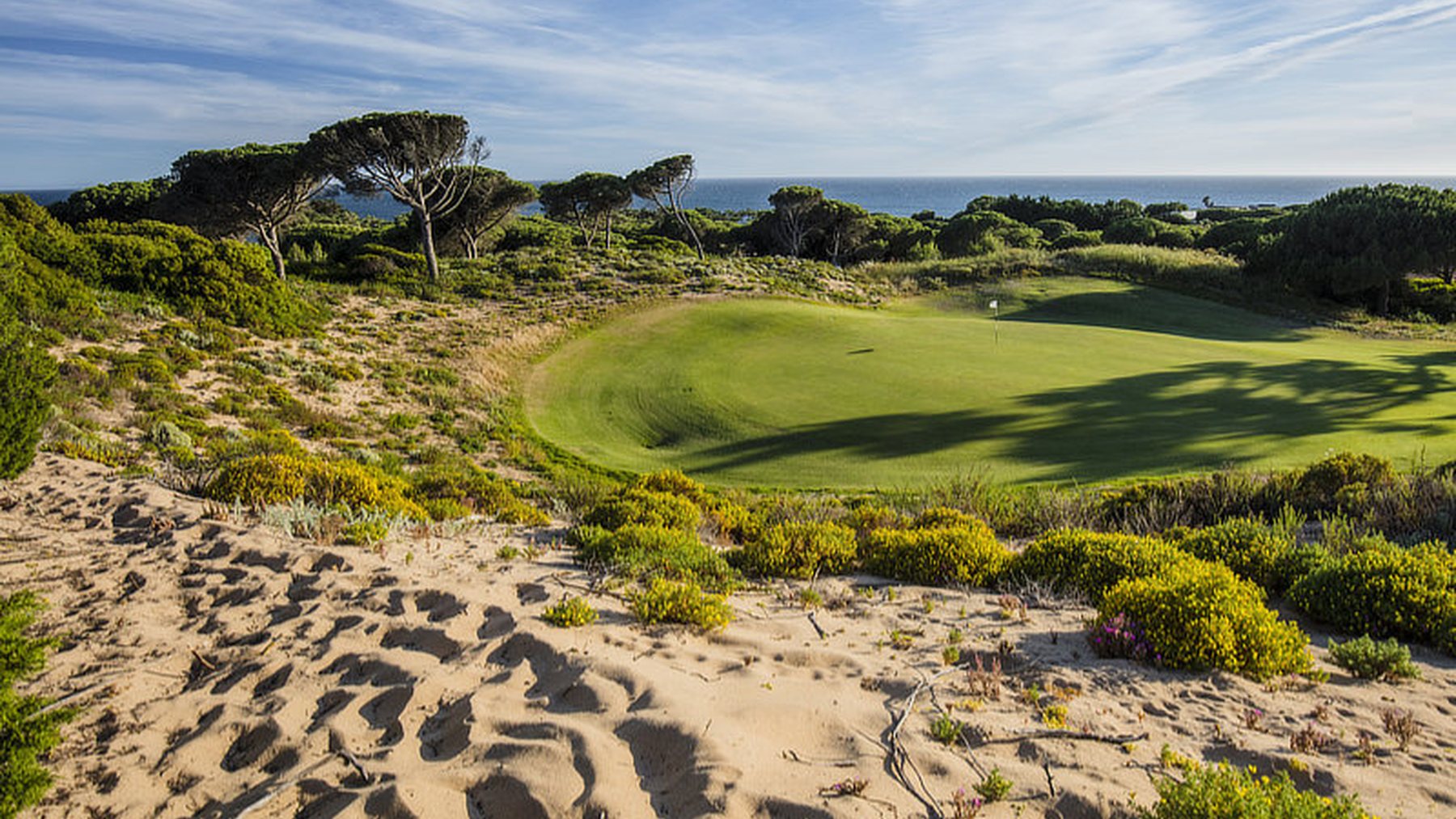
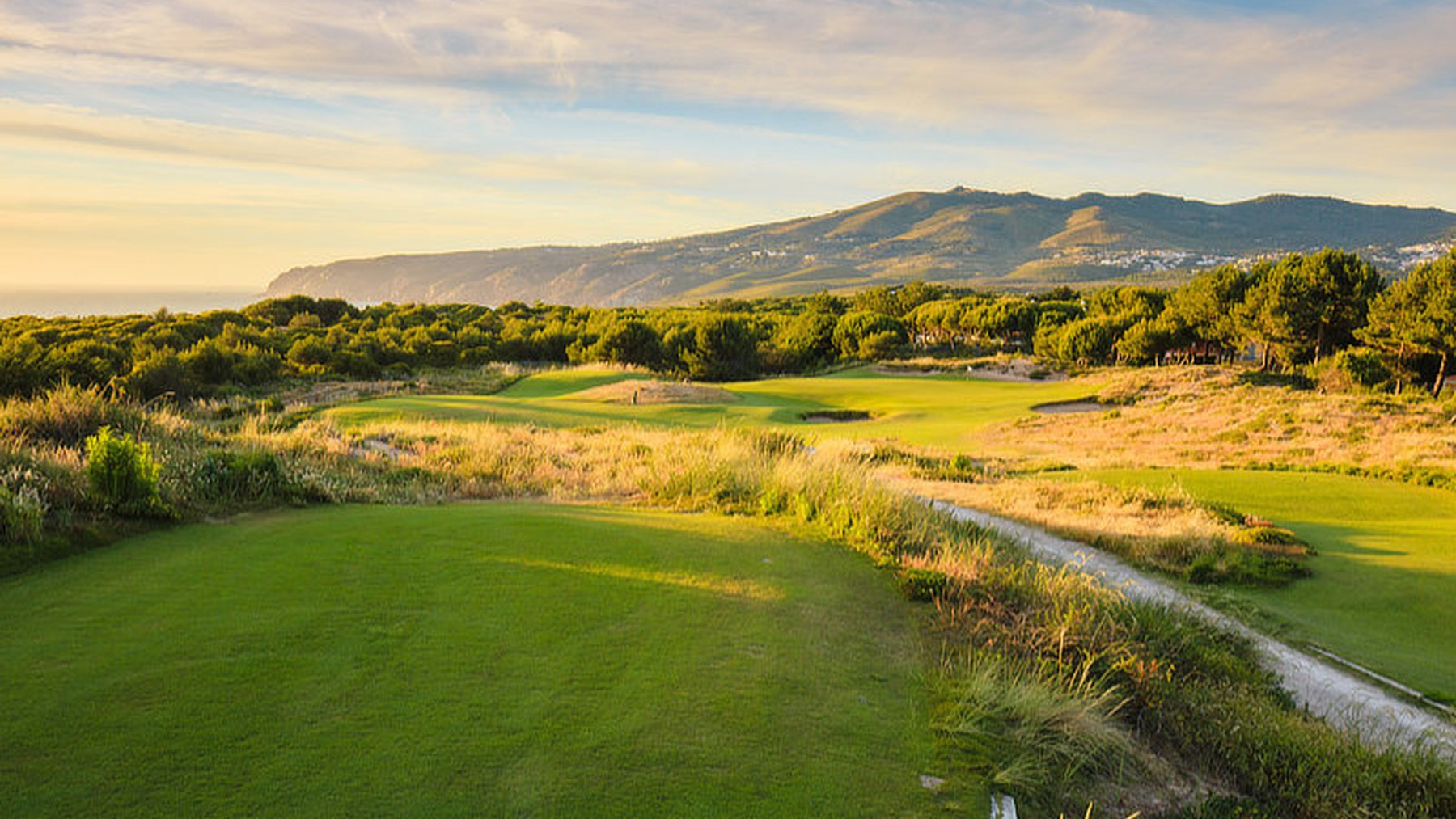
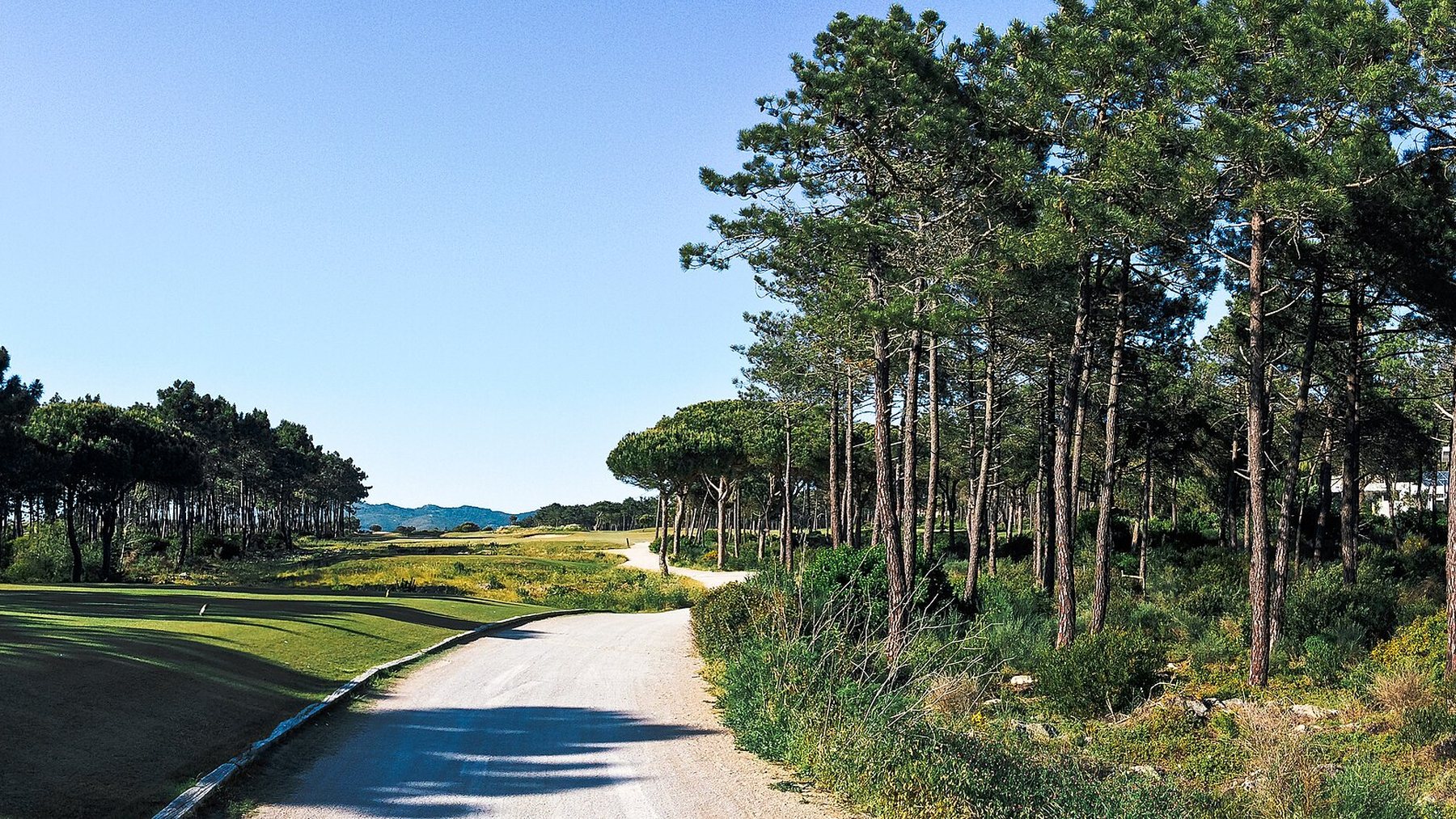
Oitavos Dunes runs through sand dunes and umbrella pines on the coast at Cascais, with the Atlantic on the horizon and the wind off the ocean deciding how it plays. Arthur Hills designed it, and it is the course people mean when they talk about golf near Lisbon.
It is about half an hour from the city, so you can play in the morning and be back for dinner in Alfama. Book ahead and bring a handicap certificate; the club asks for one.
Tokyo
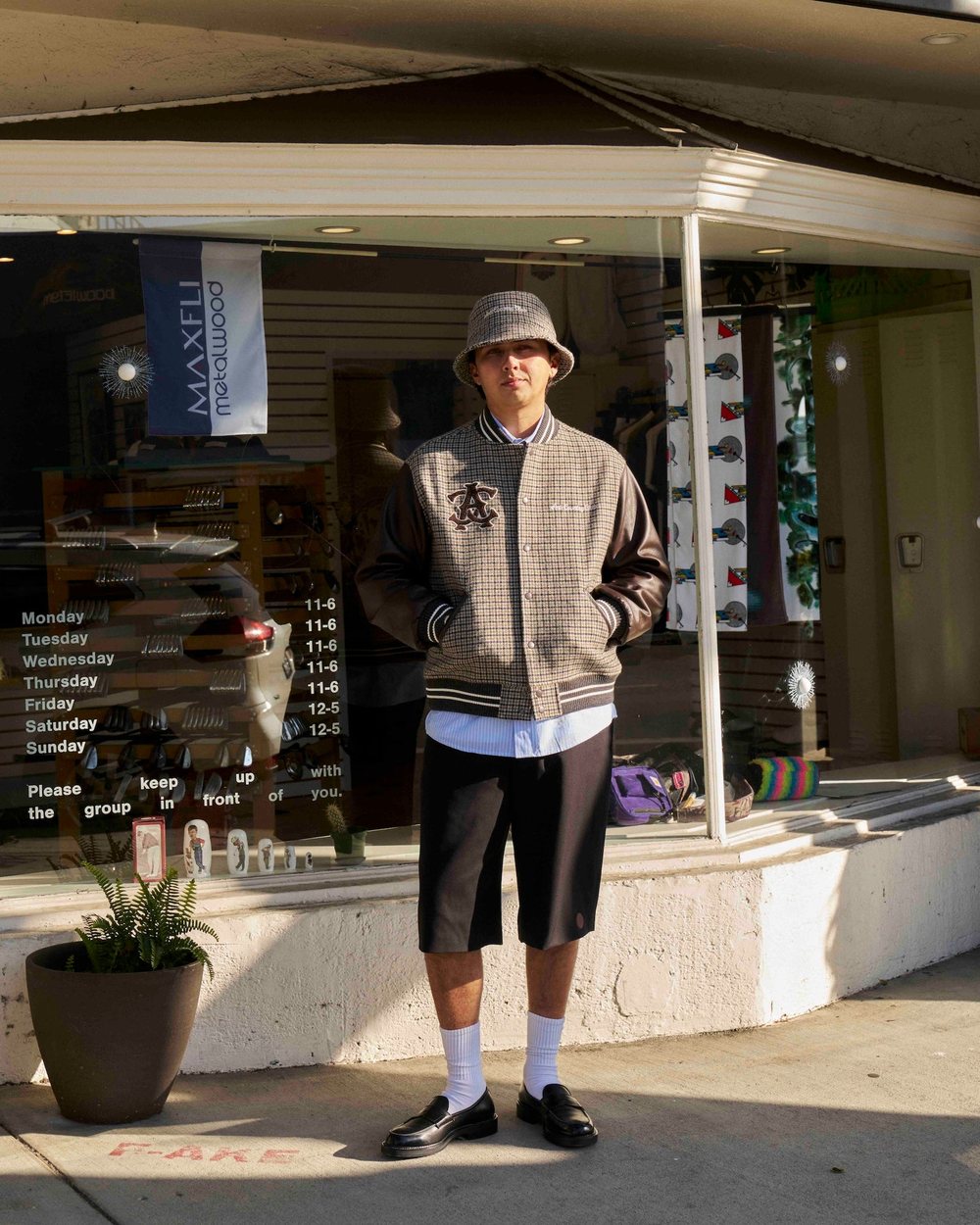
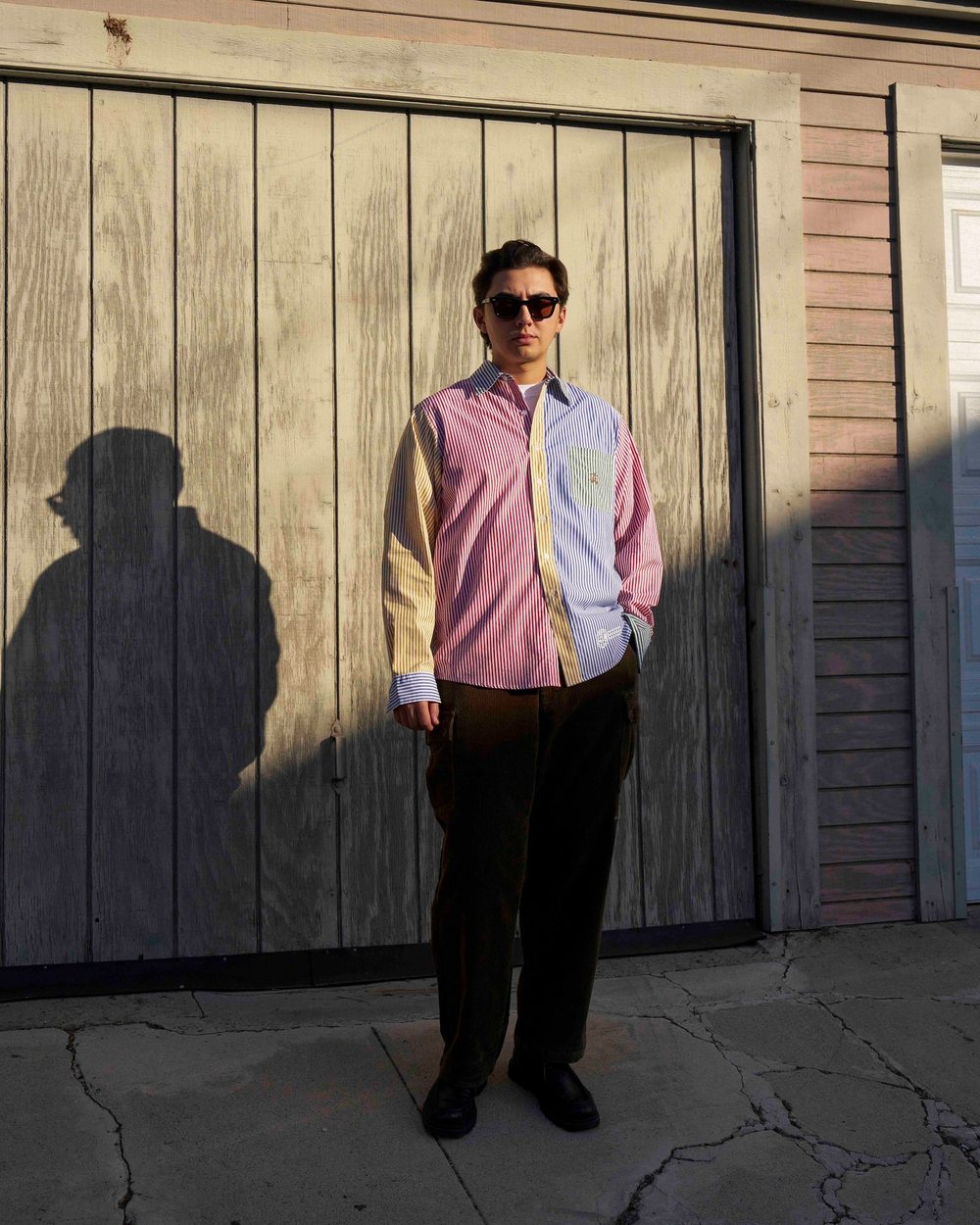
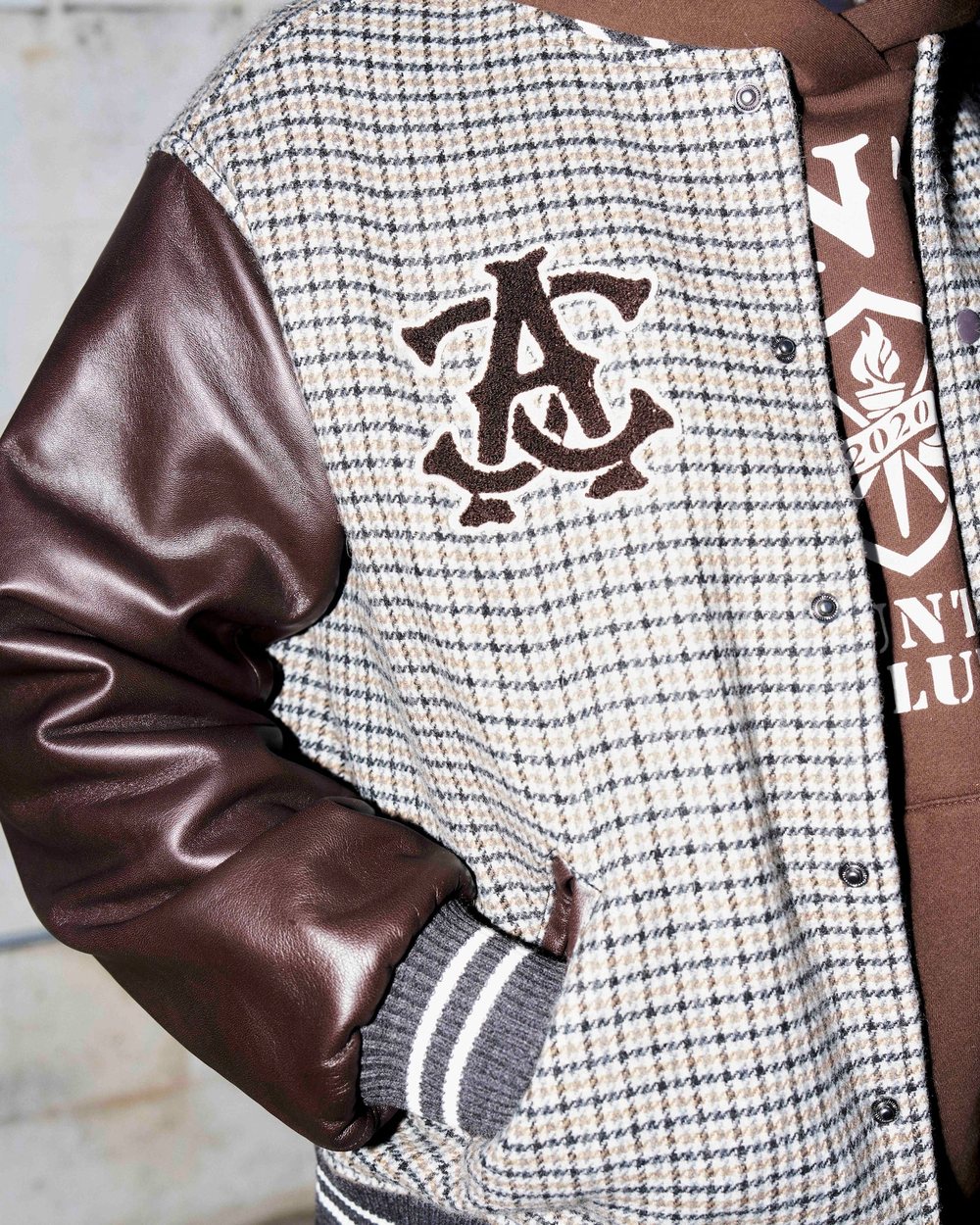
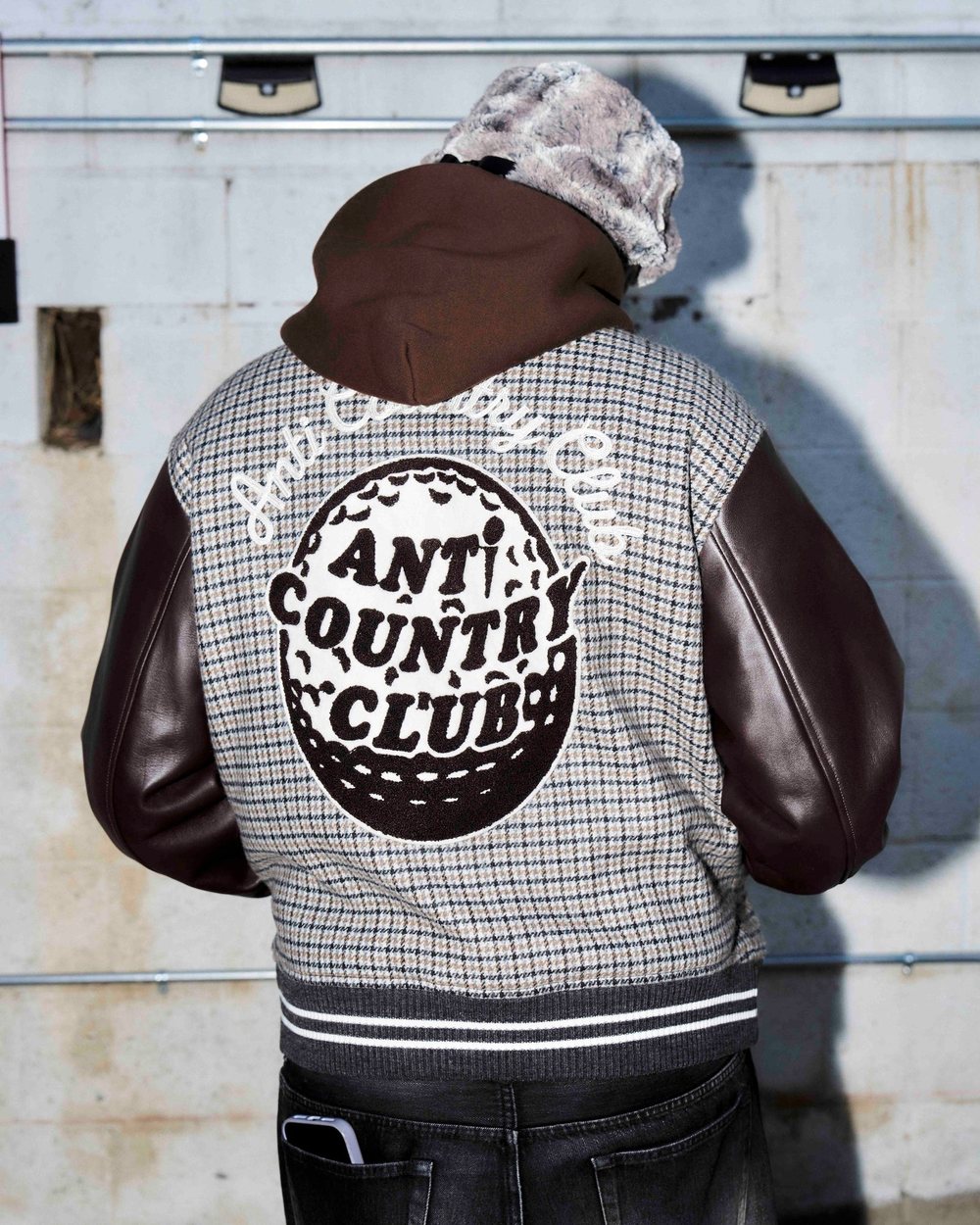
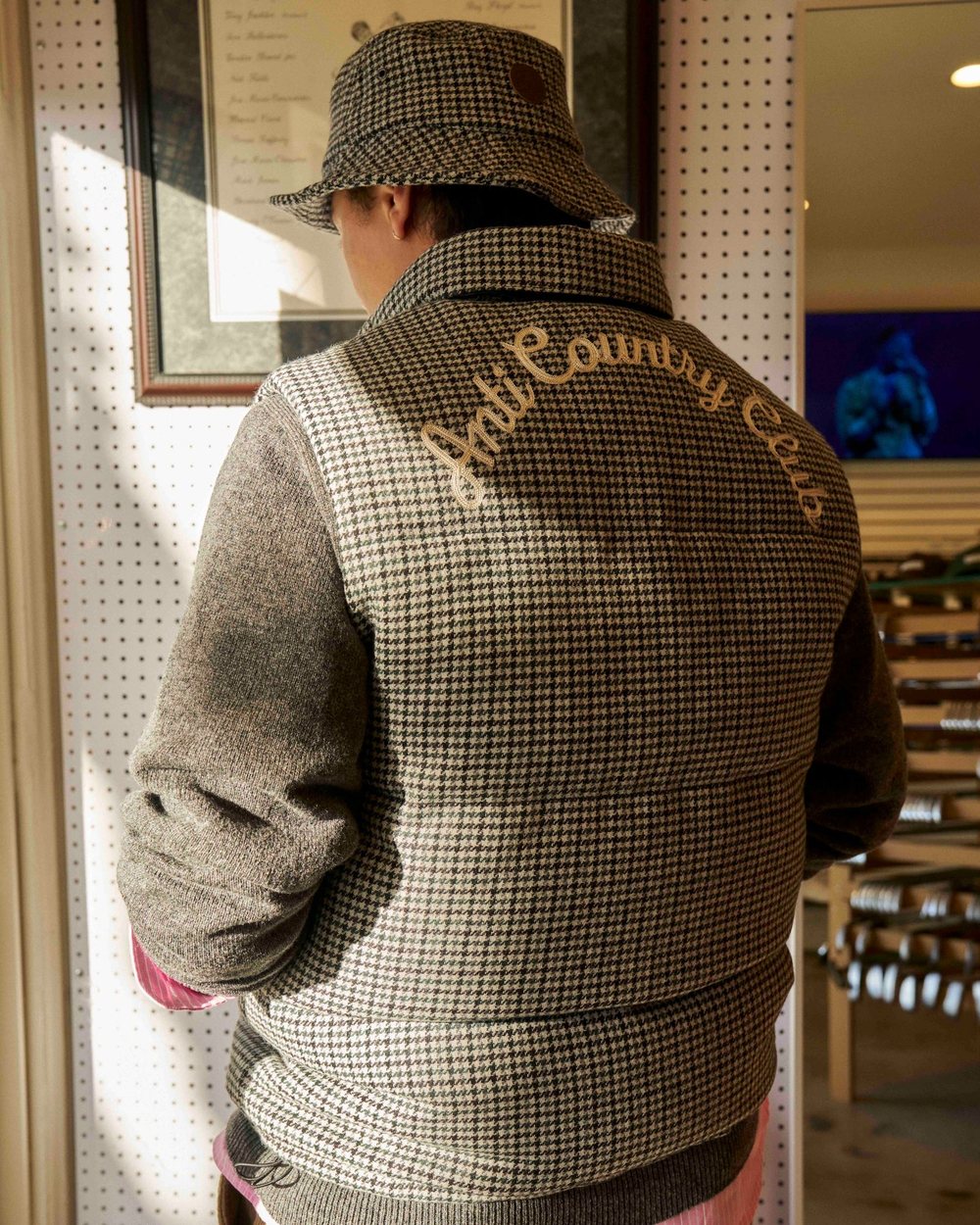
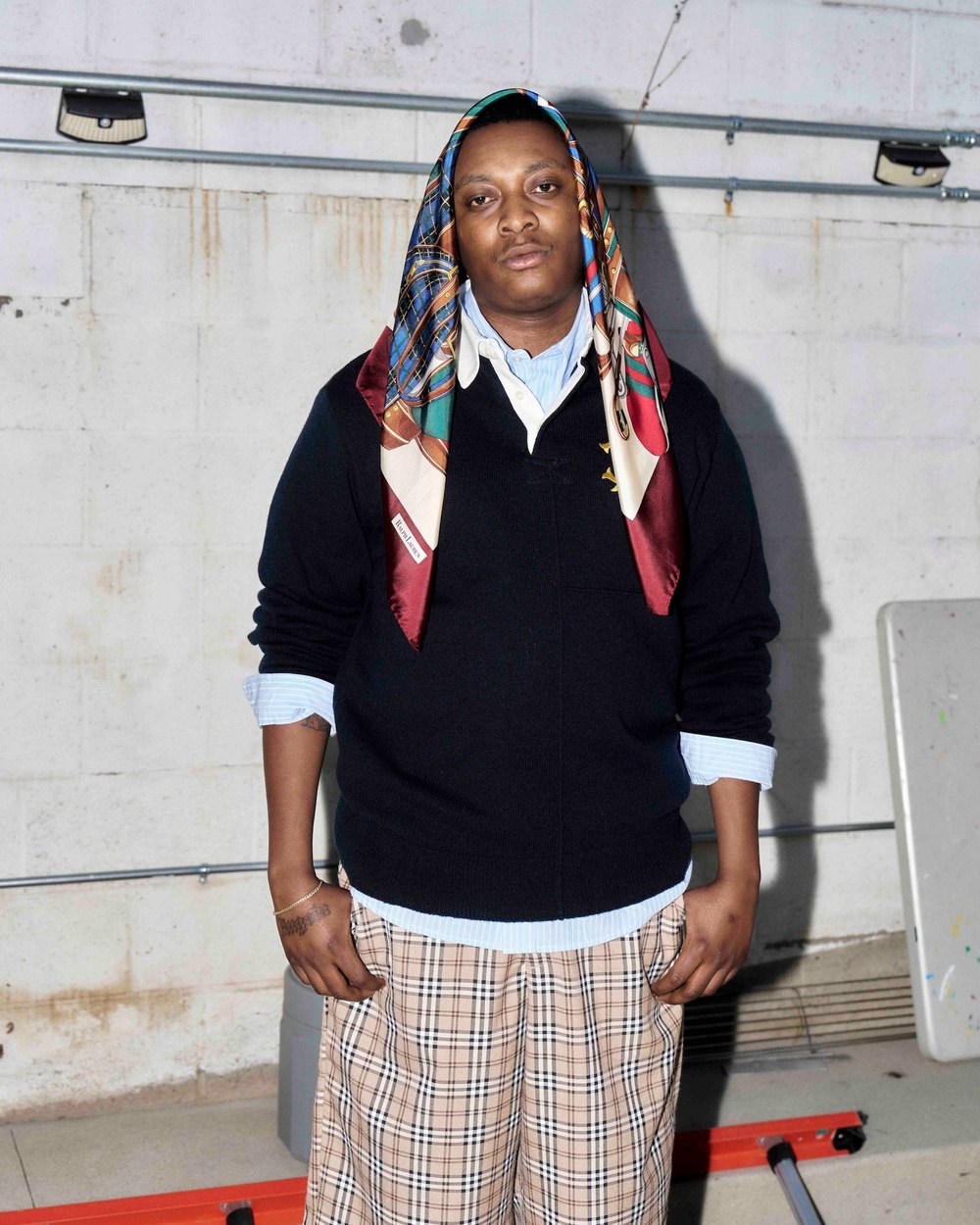
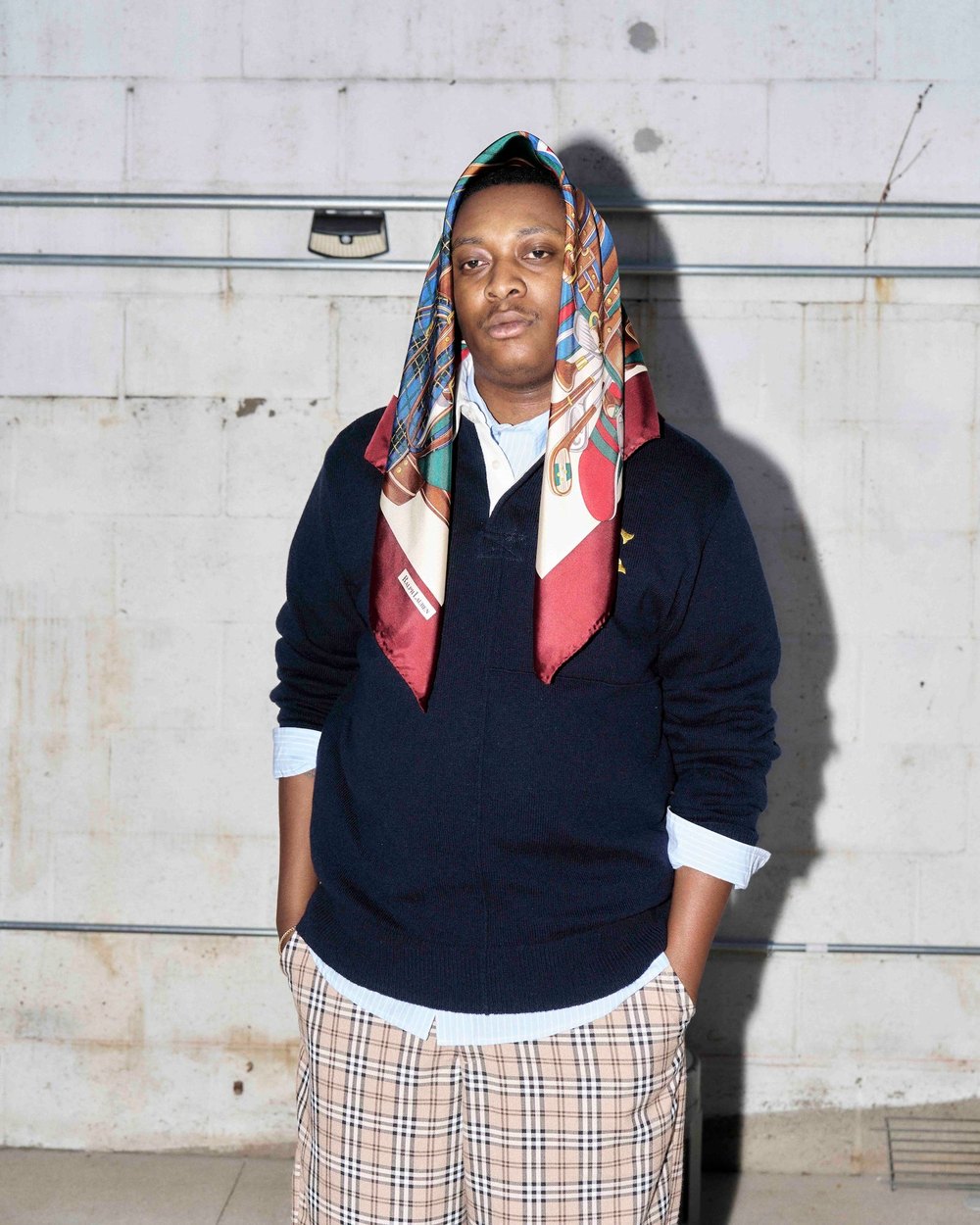
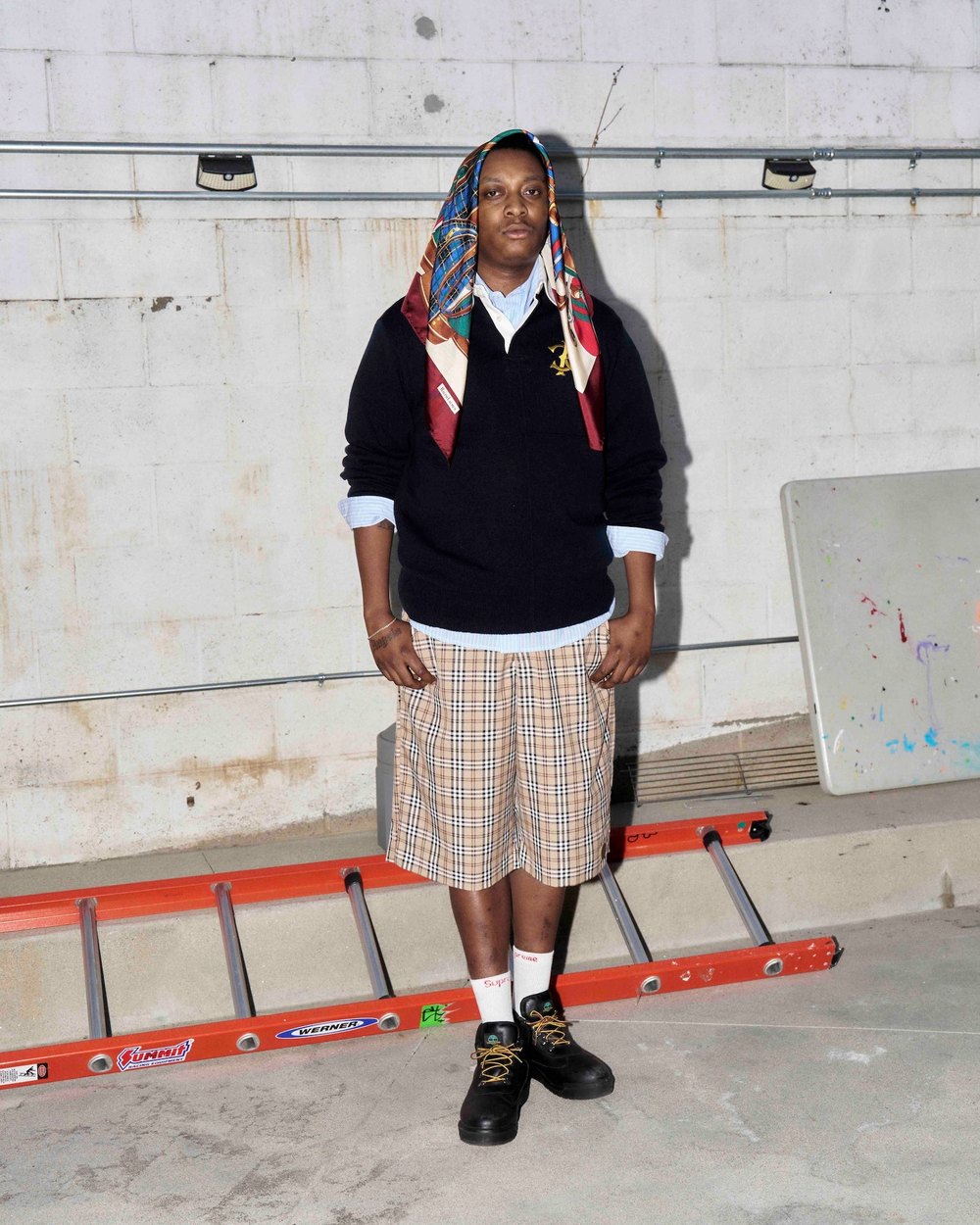
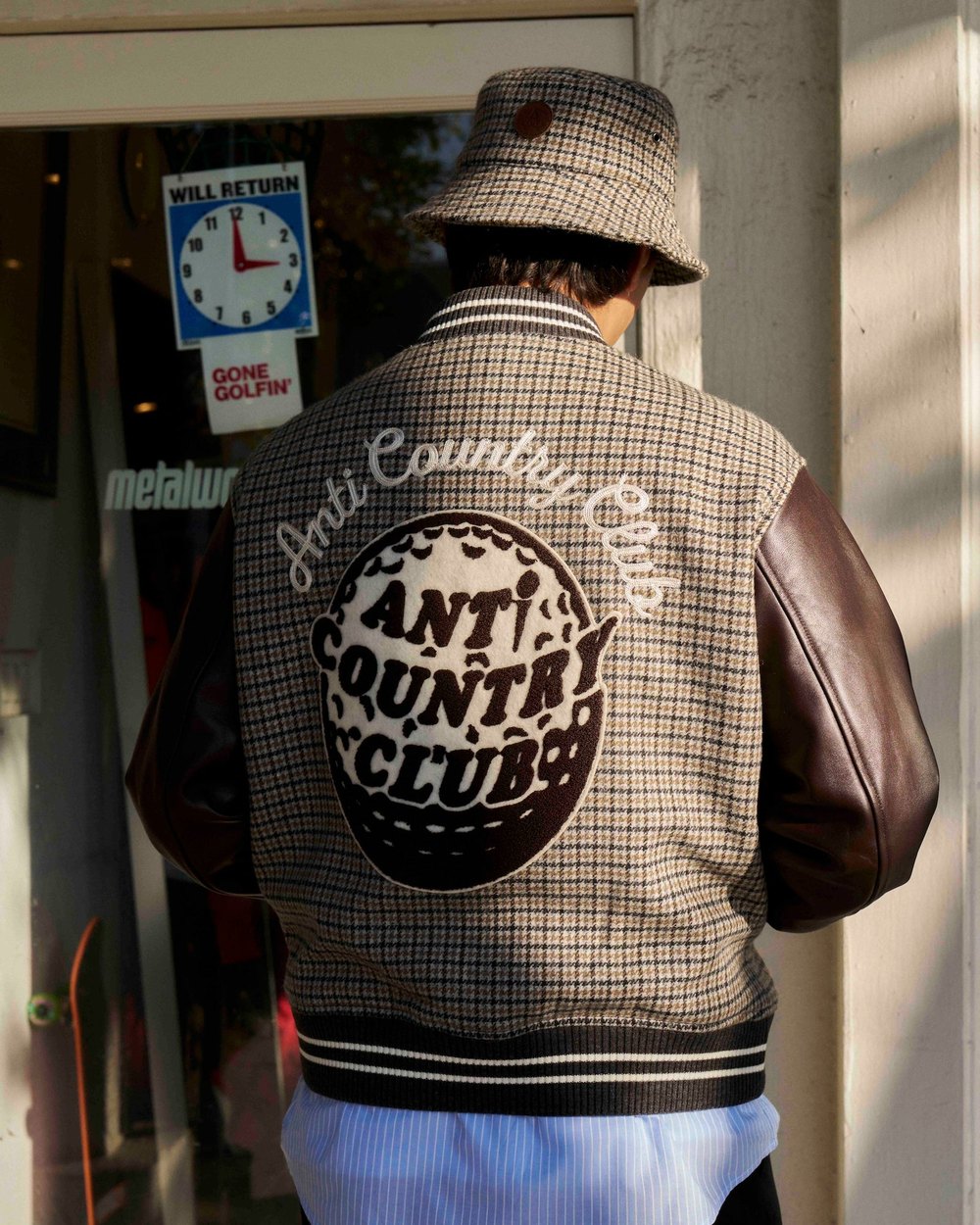
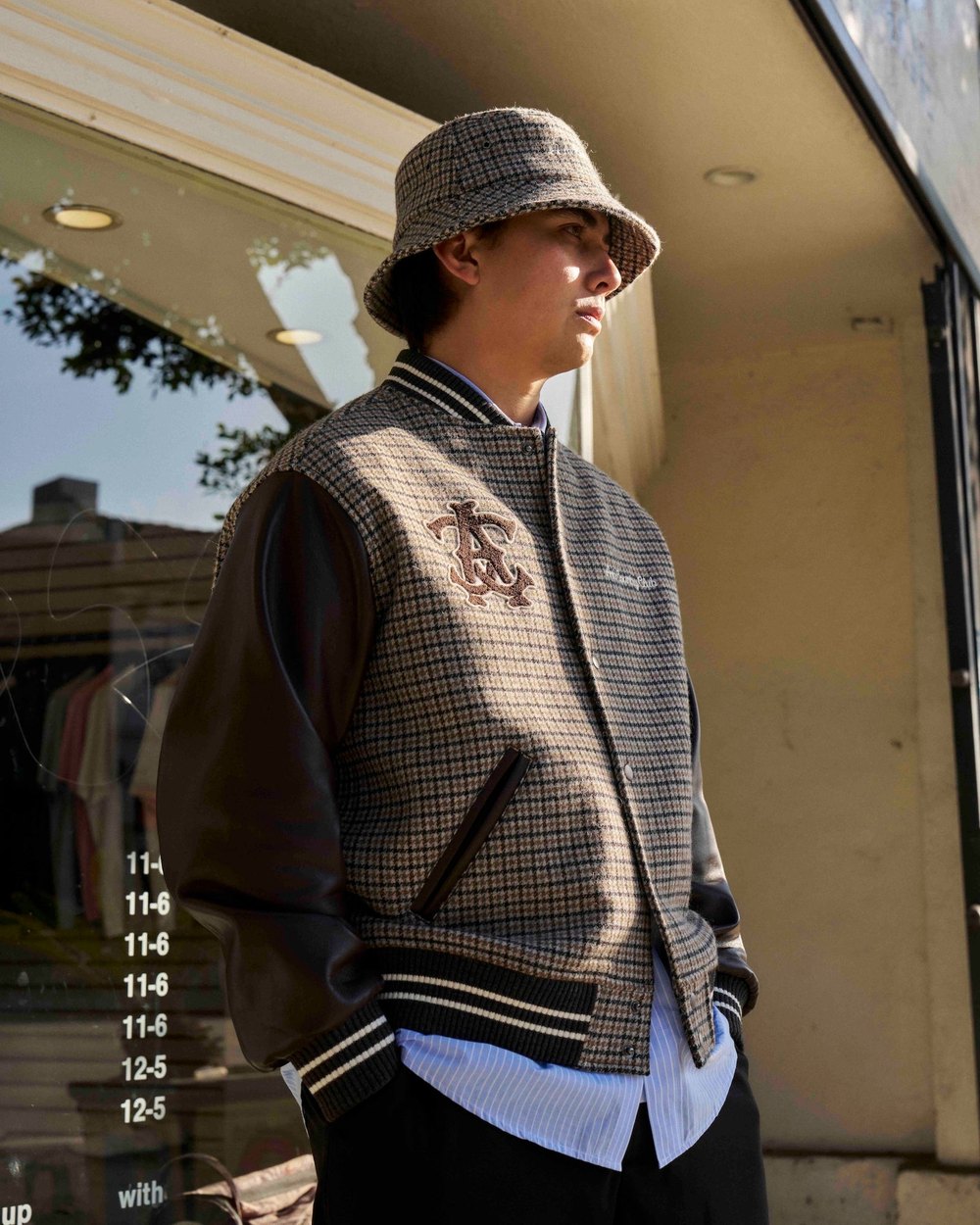
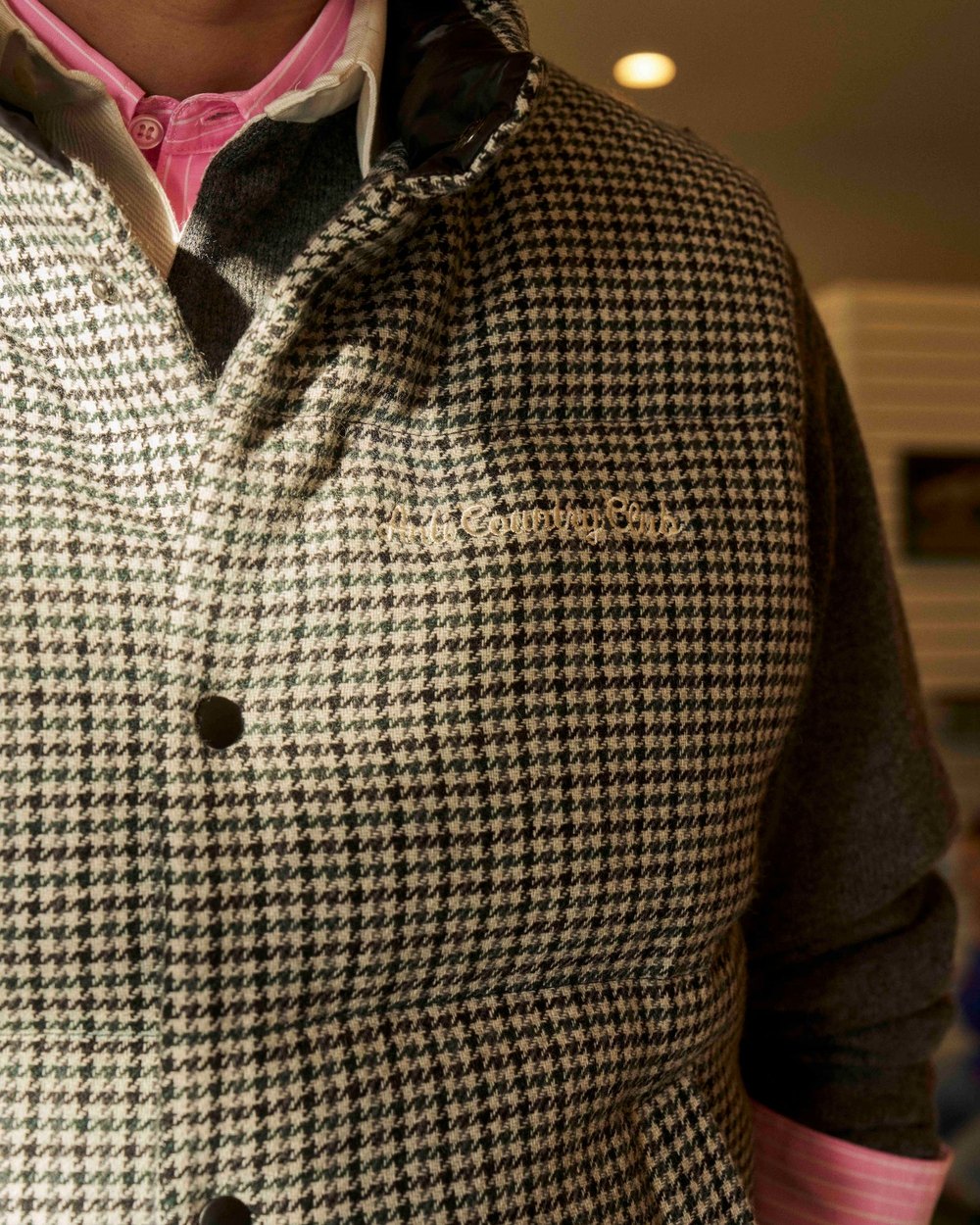
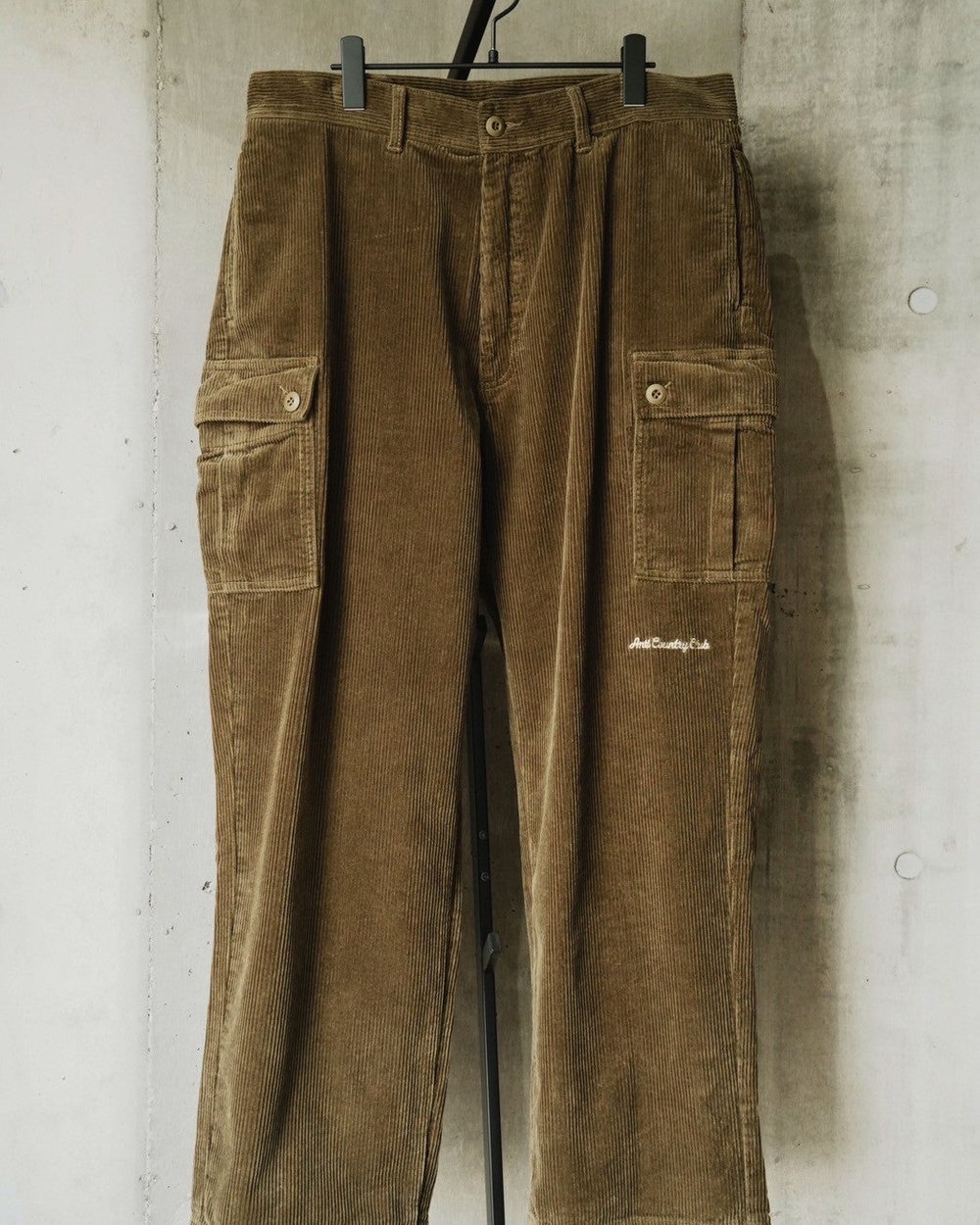
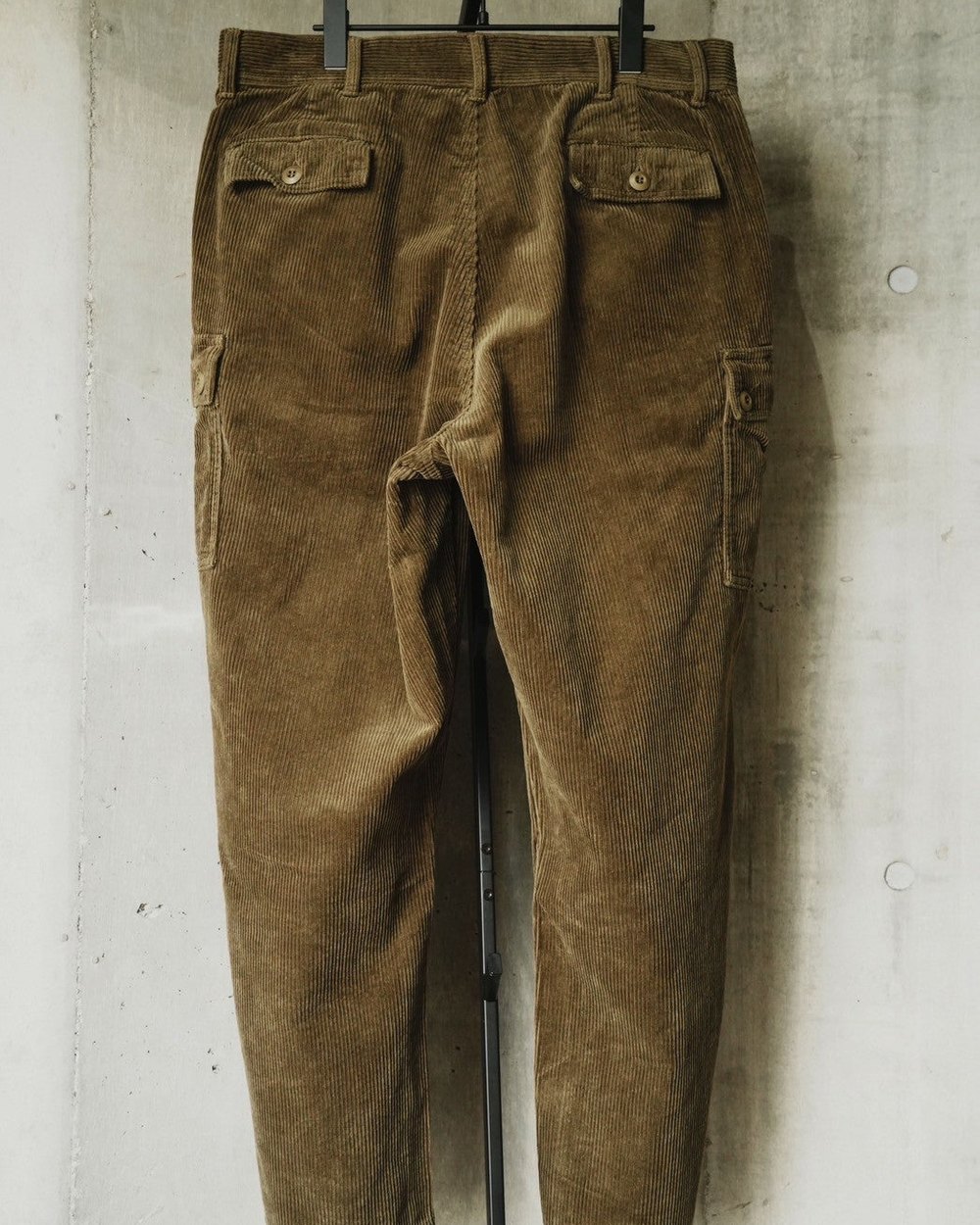
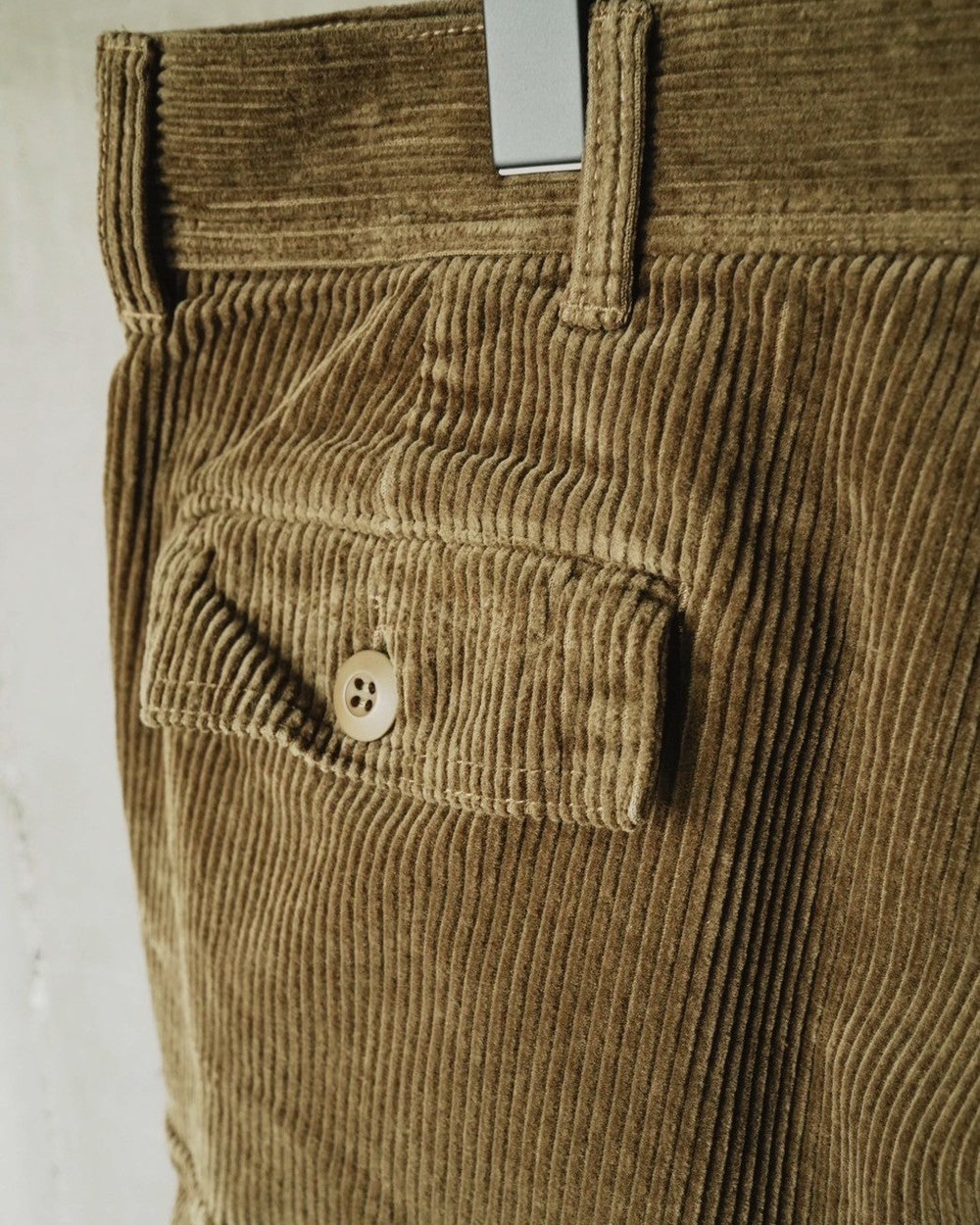
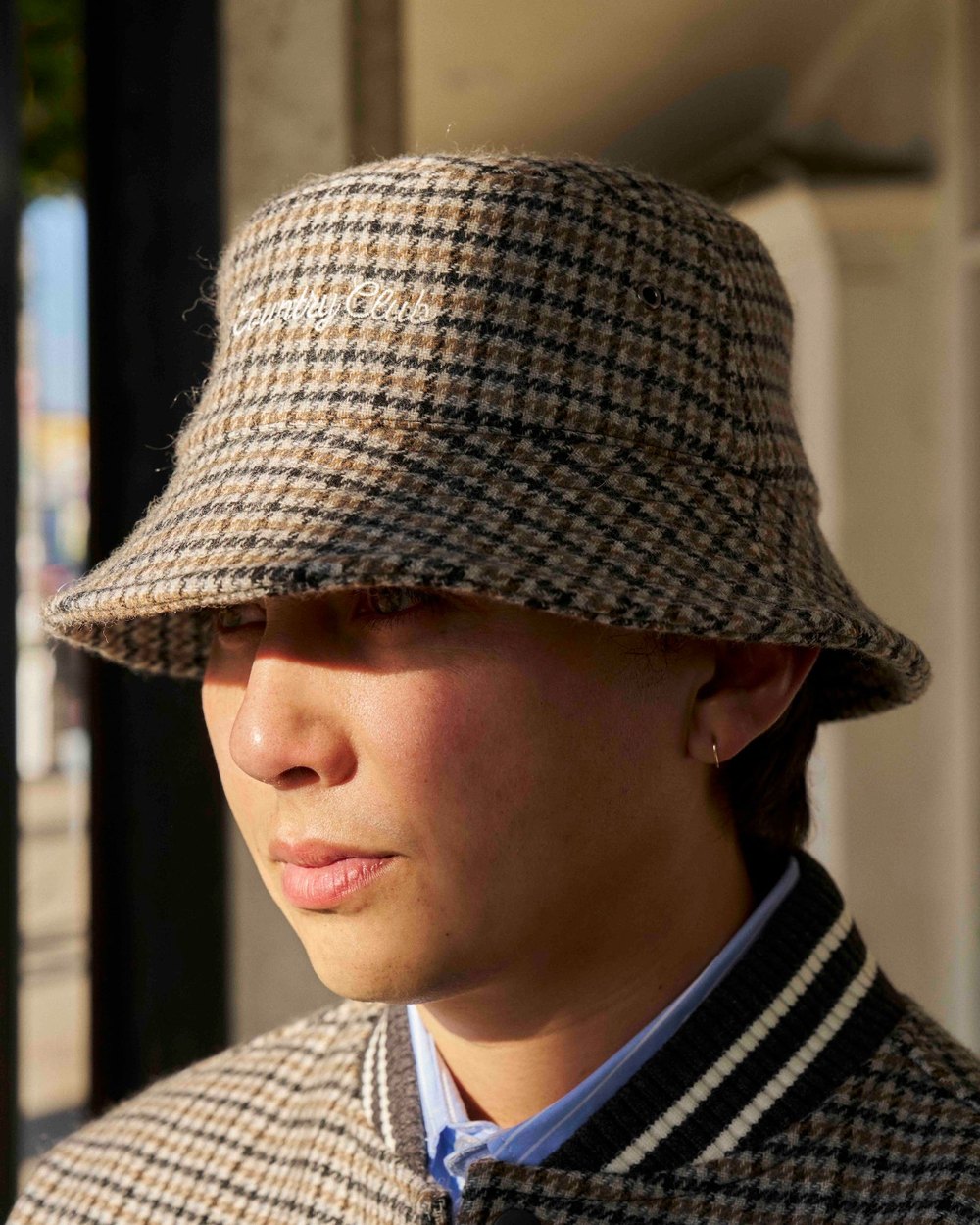
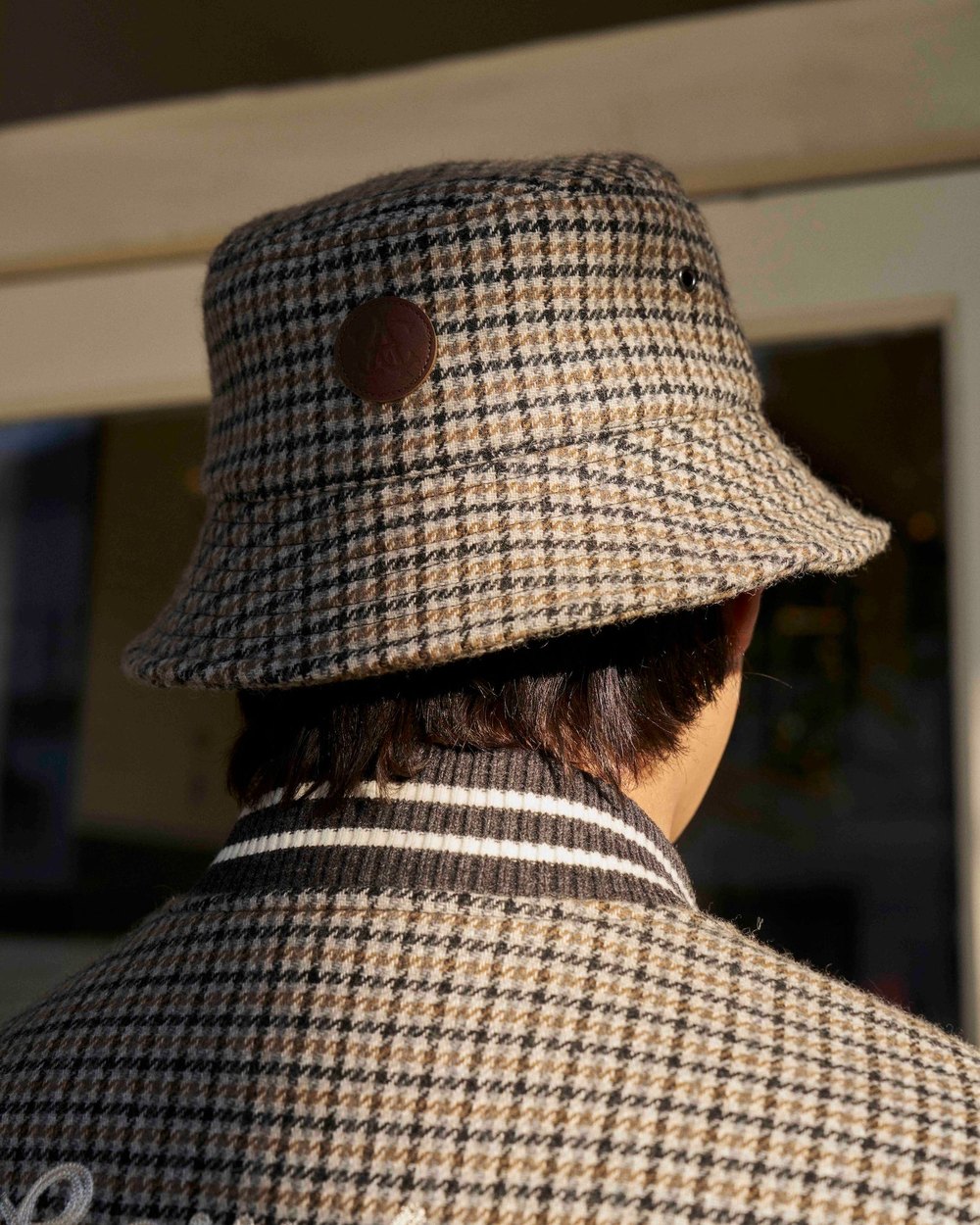
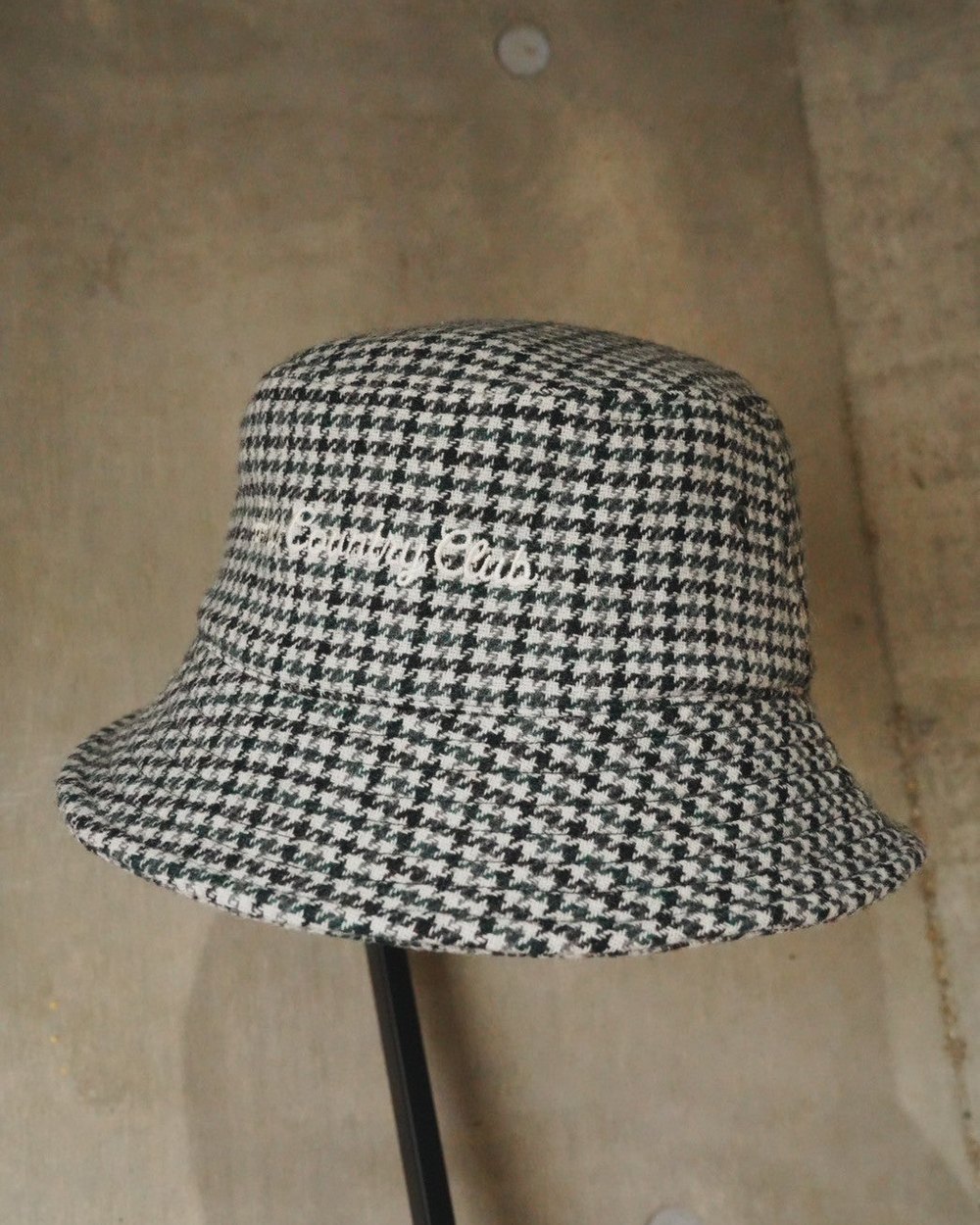
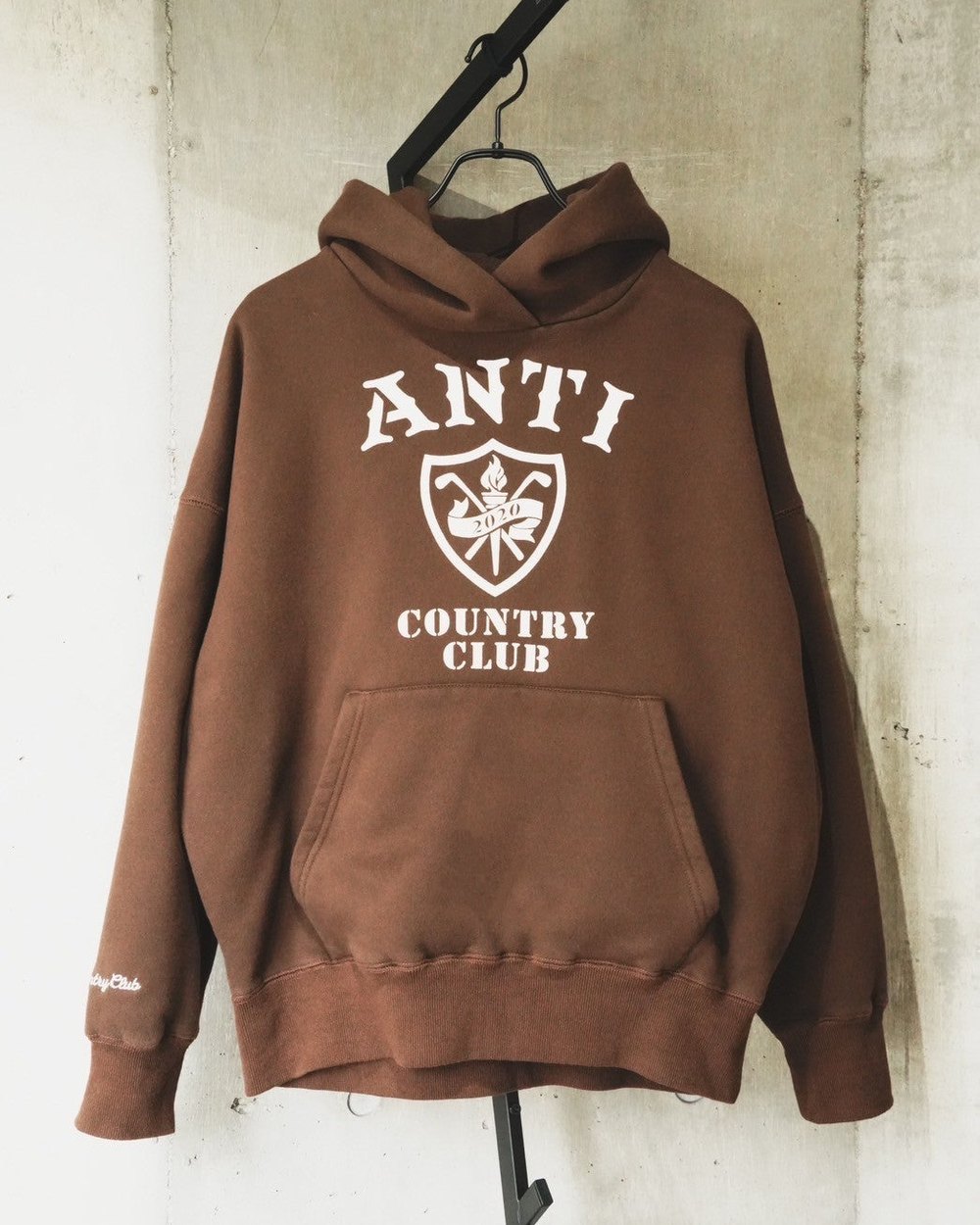
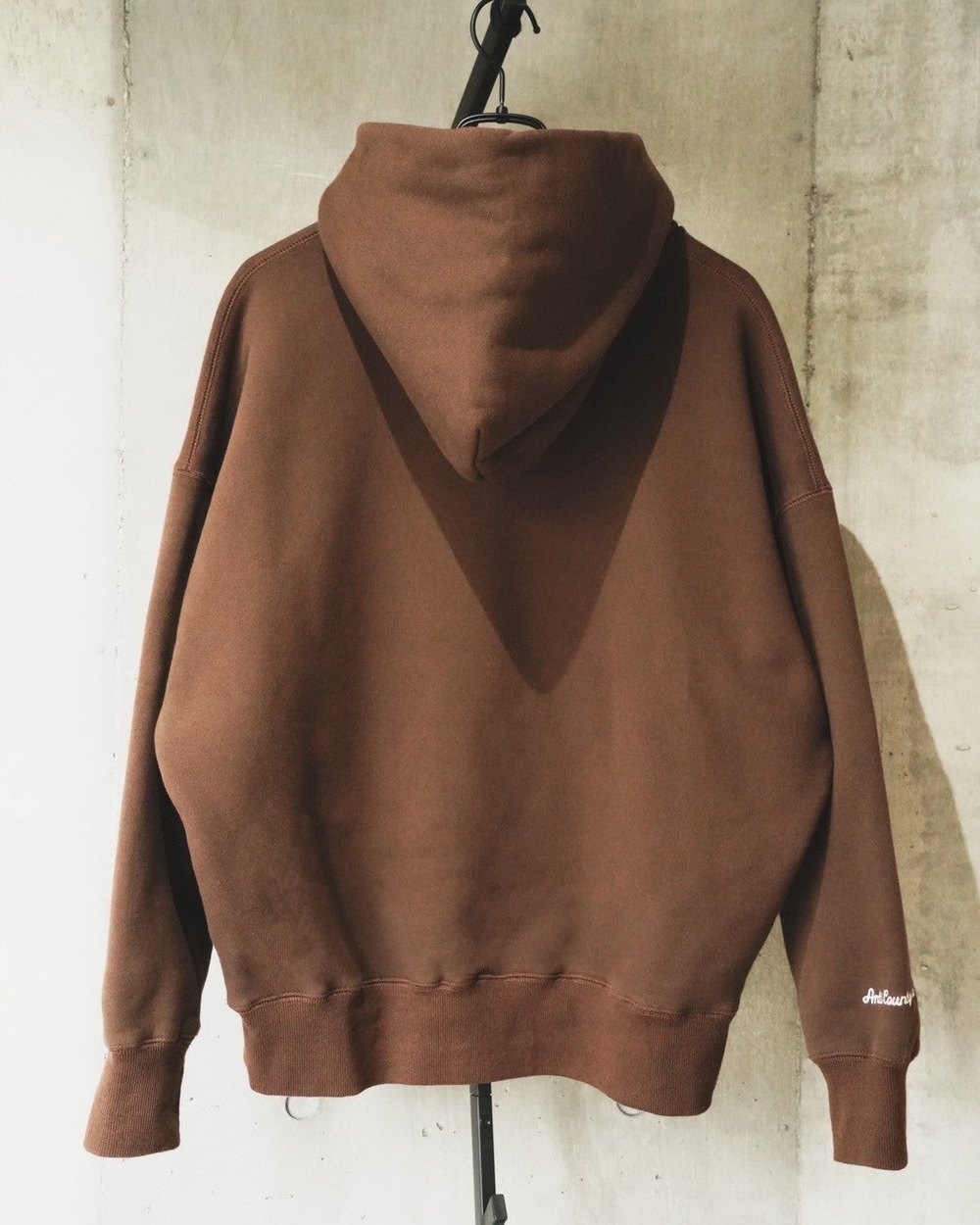
ANTi COUNTRY CLUB TOKYO says it in the name. It takes the old country-club wardrobe (rugby knits, varsity jackets, corduroy, a bucket hat) and makes it feel like something from a Tokyo vintage shop rather than a members’ lounge.
The fabrics are the real thing: Japanese wool for the rugby knit, a wool body and leather sleeves on the varsity jacket, a down vest with more than 80% feathers. The brand has worked with Metalwood Studio, adidas Golf and Vans. The store shows prices in US dollars, converted from yen.
The lookbookANTi COUNTRY CLUB TOKYO’s own photos

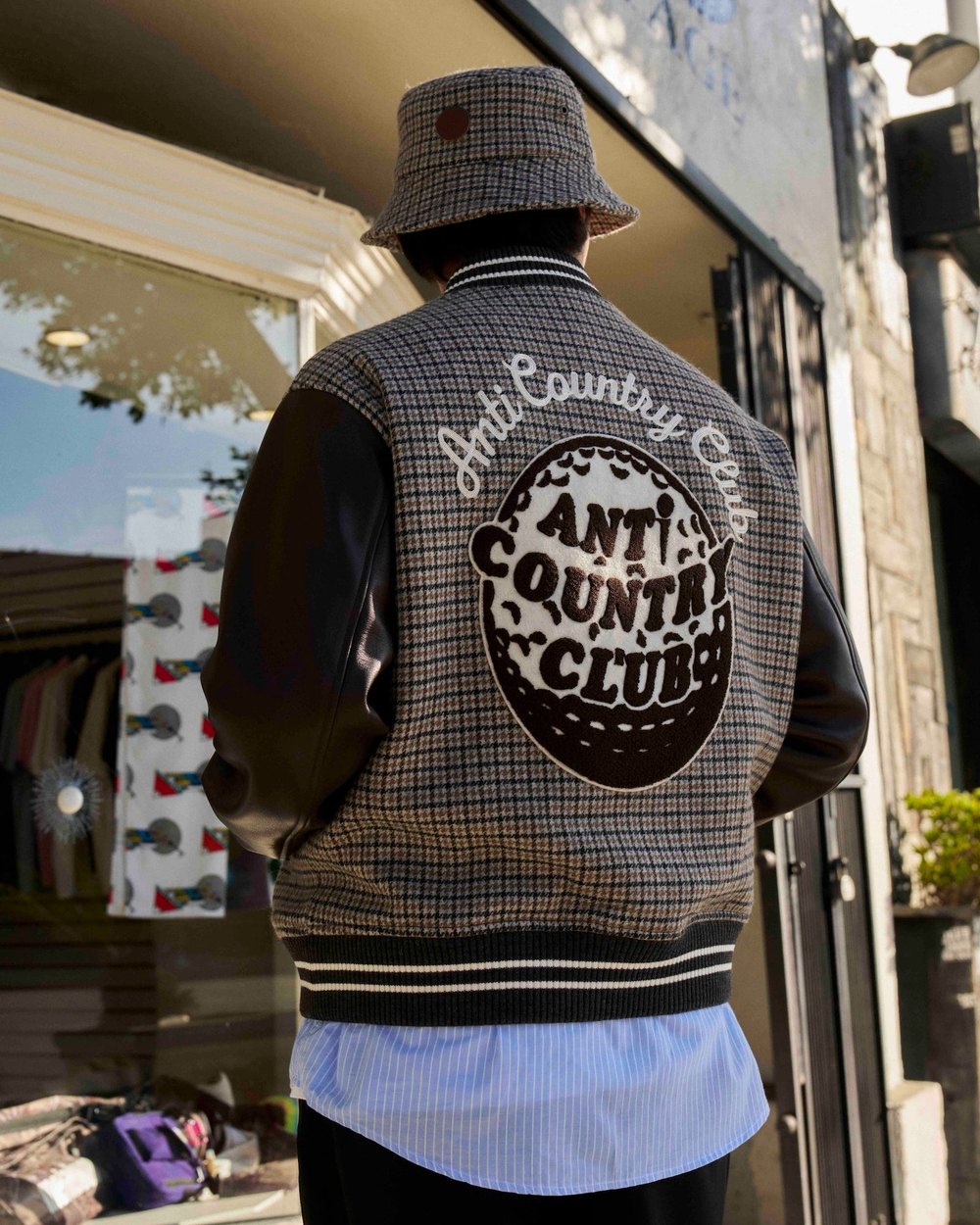
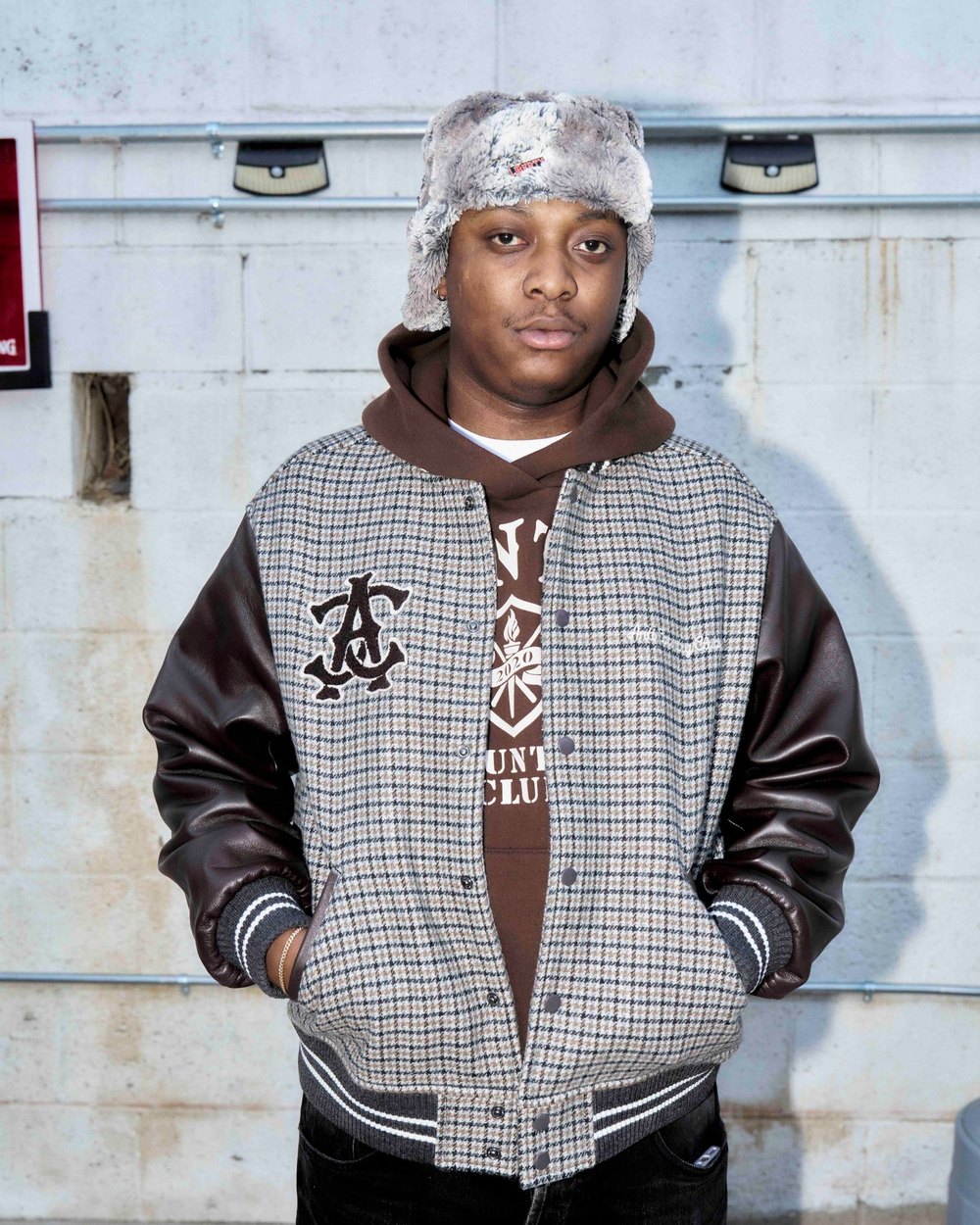
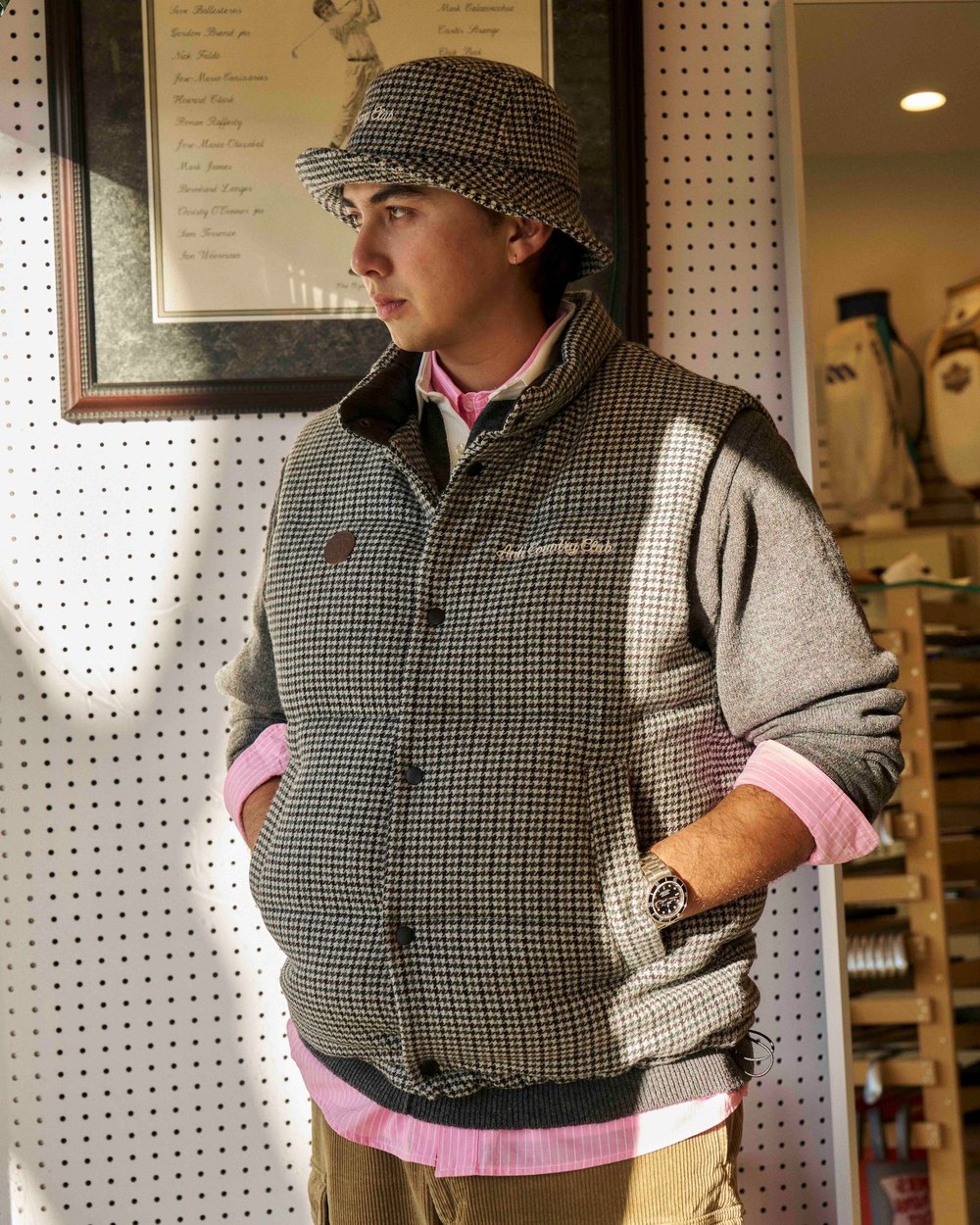
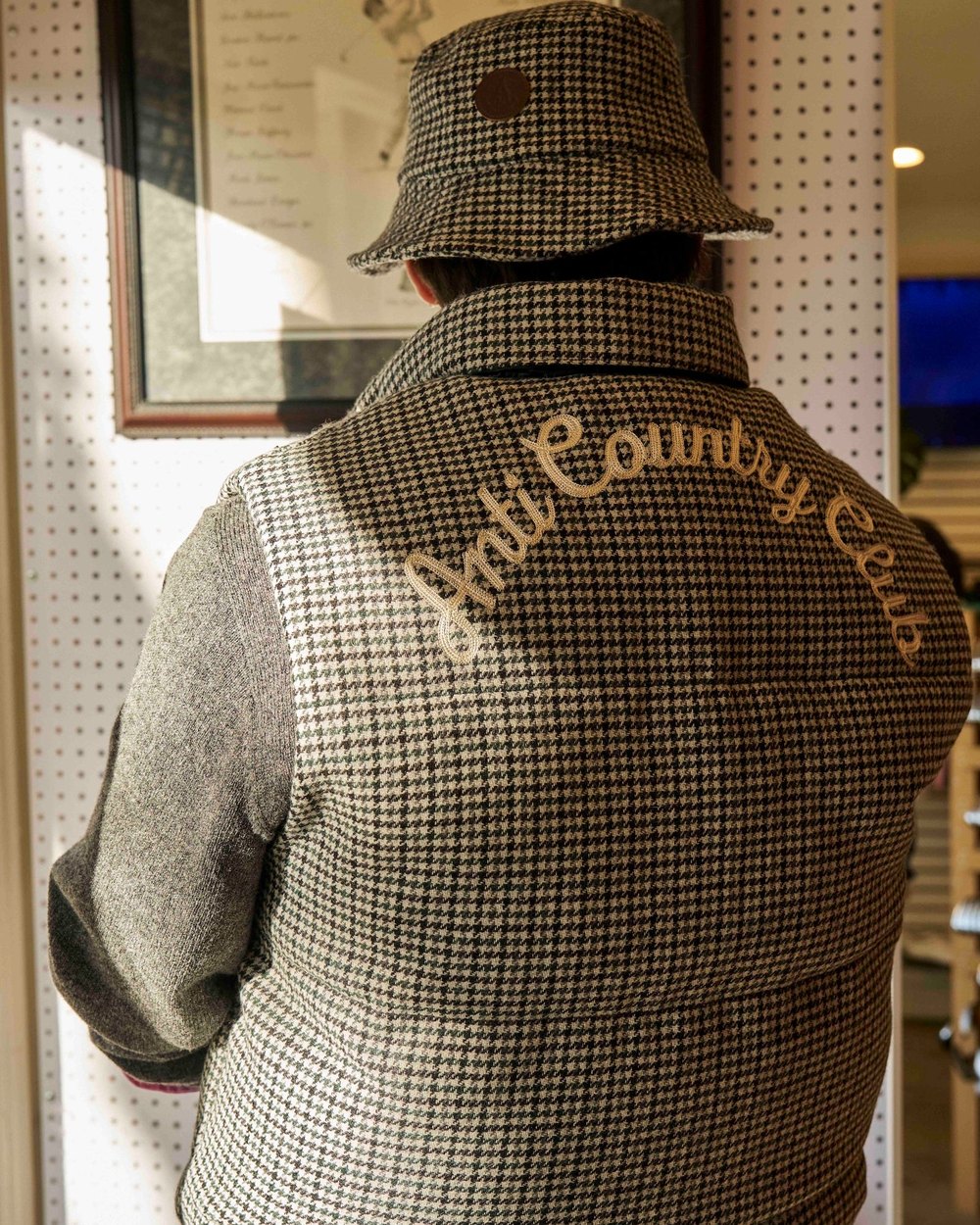
Where to play in JapanKawana Hotel, Fuji Course · Ito, Izu Peninsula
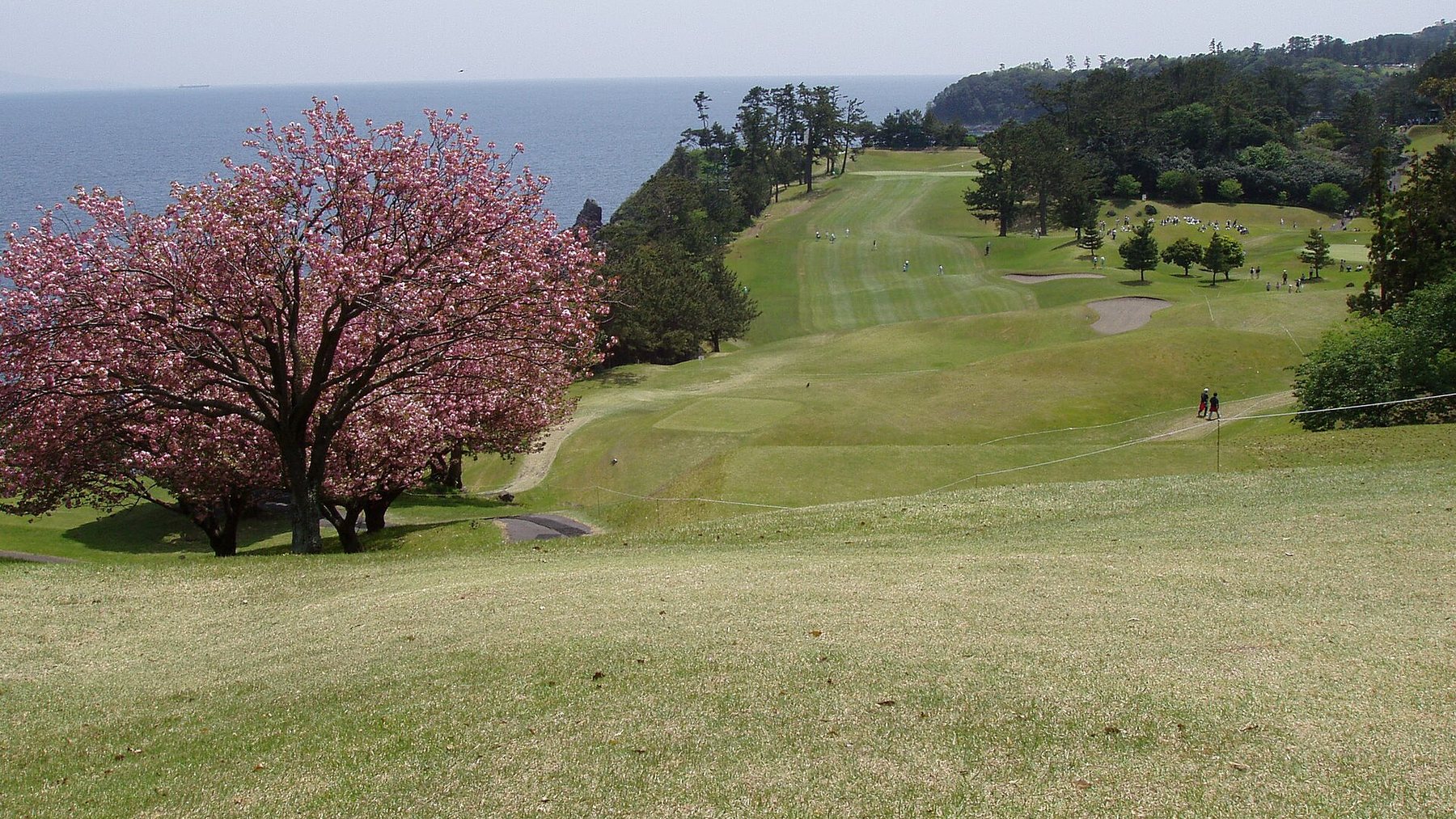
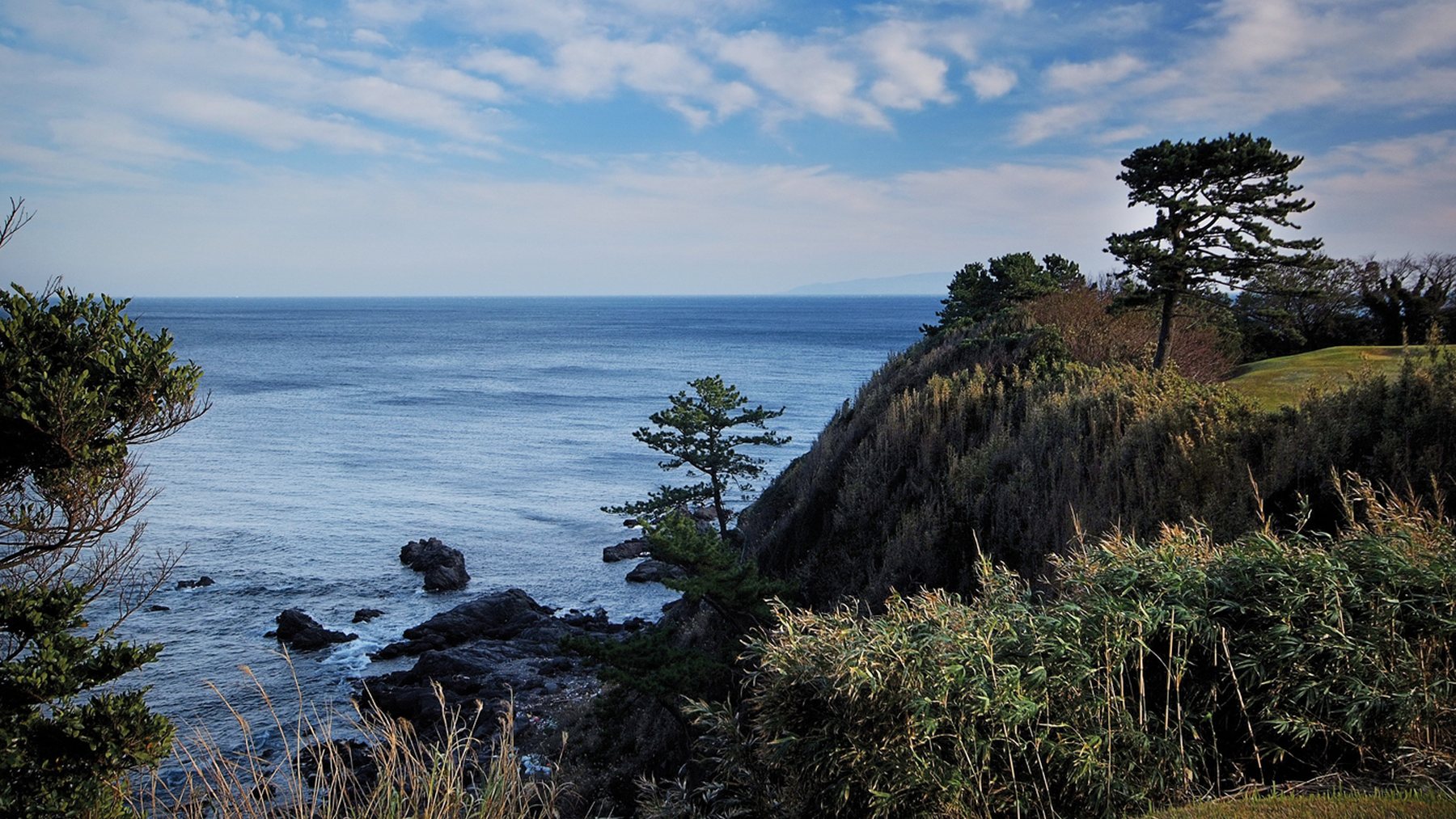
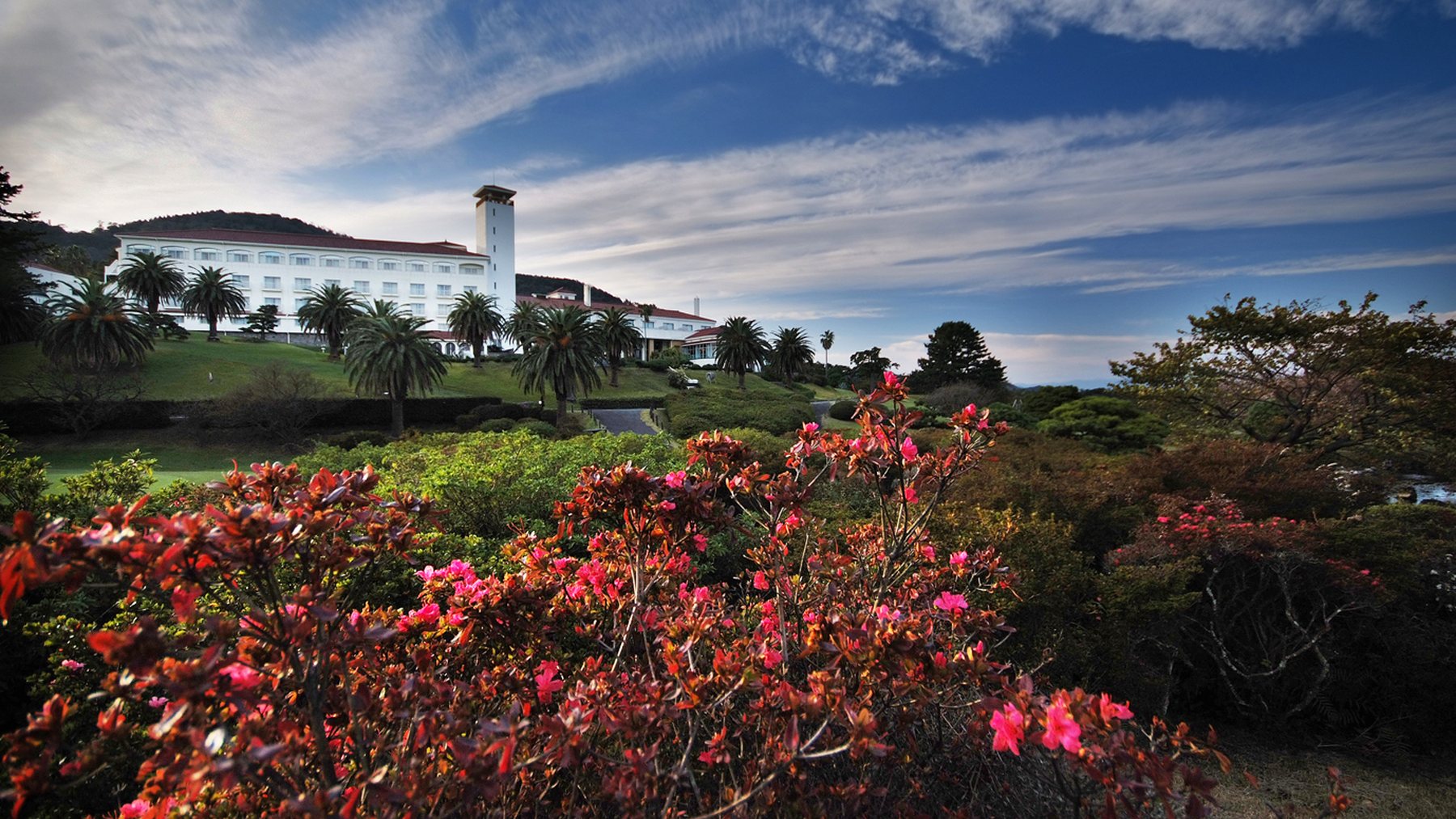
Charles Hugh Alison stayed at the Kawana Hotel in 1930 and talked the owner into building a course on the rocky ledge above Sagami Bay. The Fuji Course opened in 1936. On a clear day you can see Oshima Island out to sea and Mount Fuji inland, and in spring the cherry trees bloom between the fairways.
The 15th is the hole people remember, a par 5 with the fairway falling toward the sea. The catch: the Fuji Course is for hotel guests, so you book a room to play it. The Oshima Course next door takes outside visitors.
Stockholm
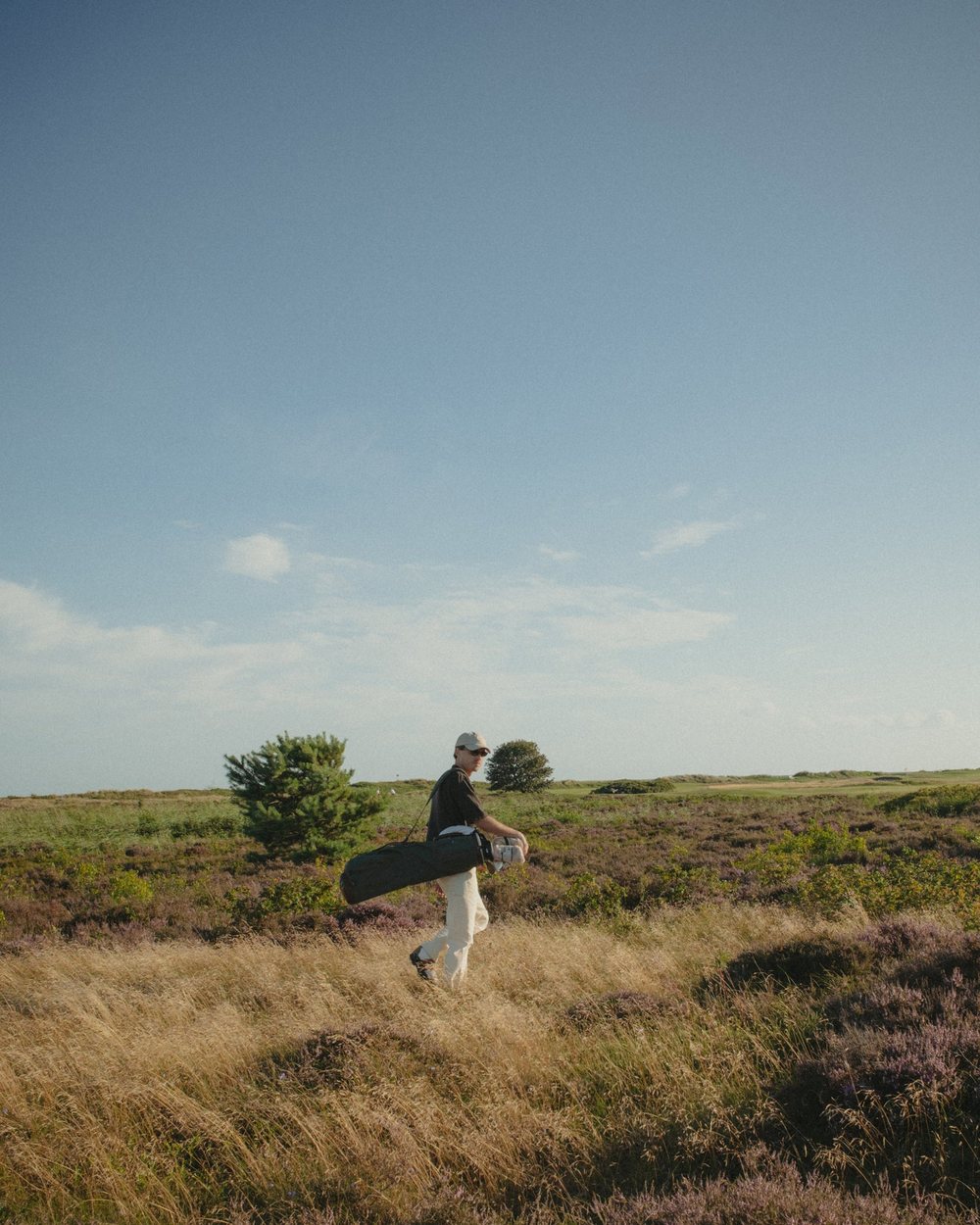
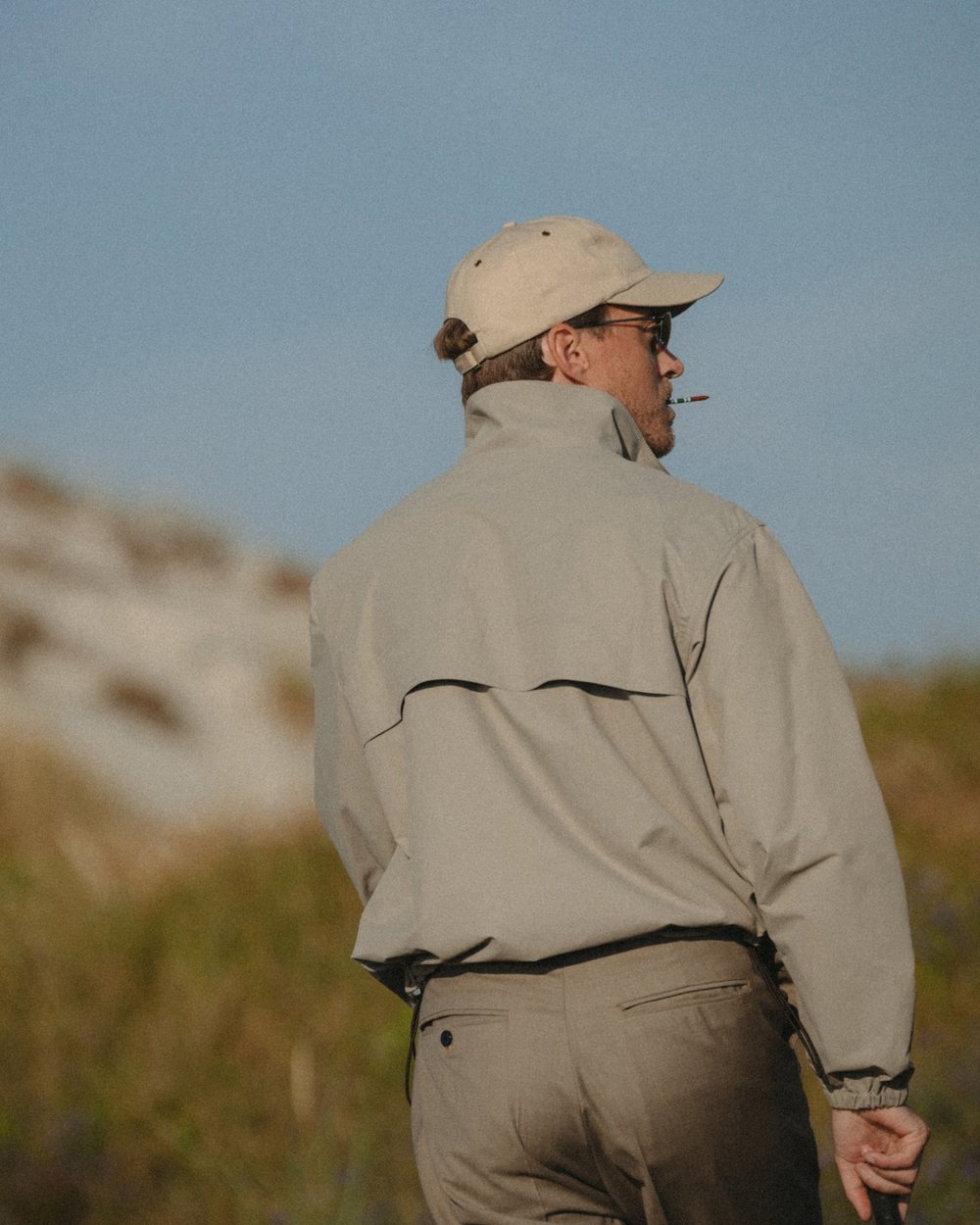
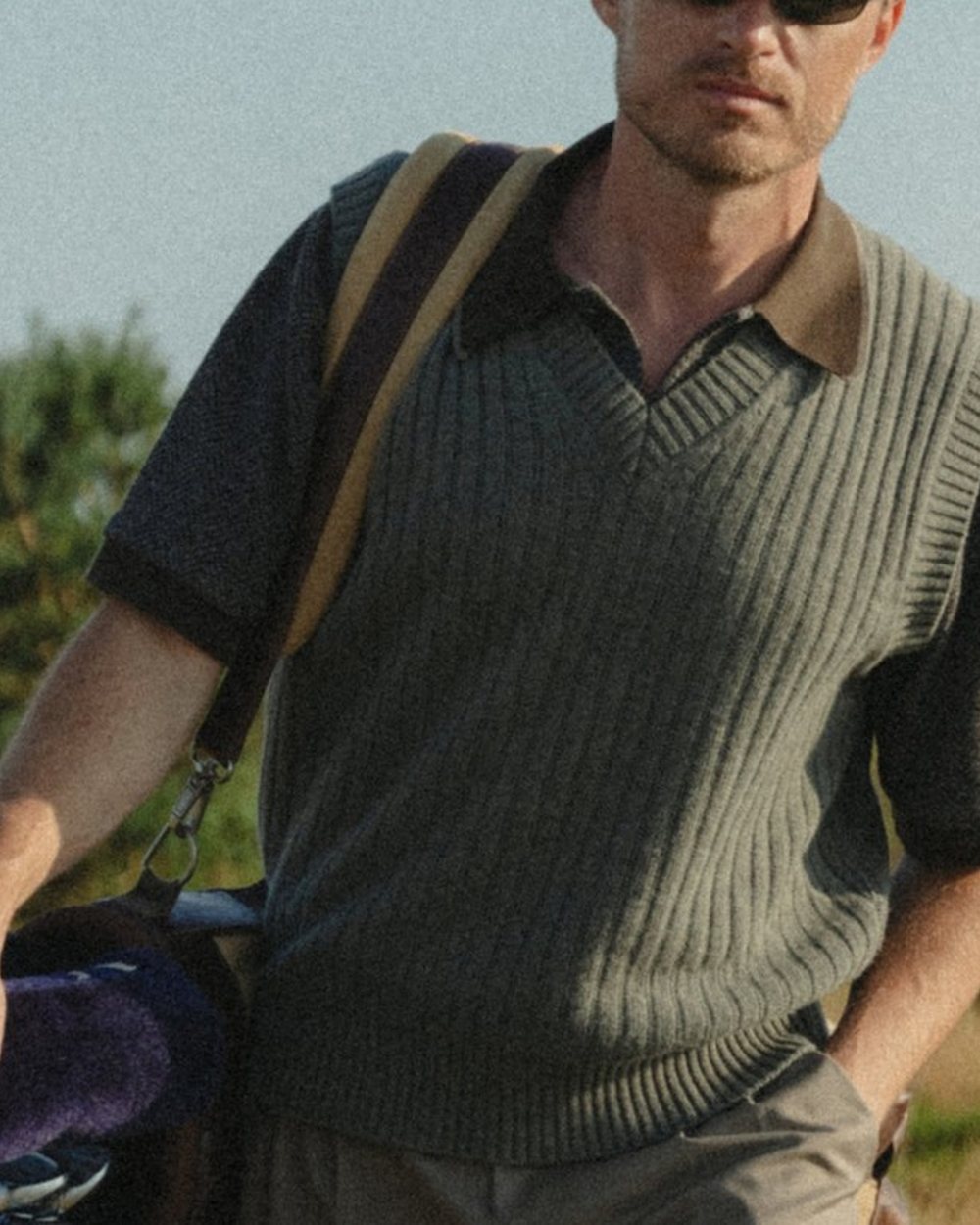
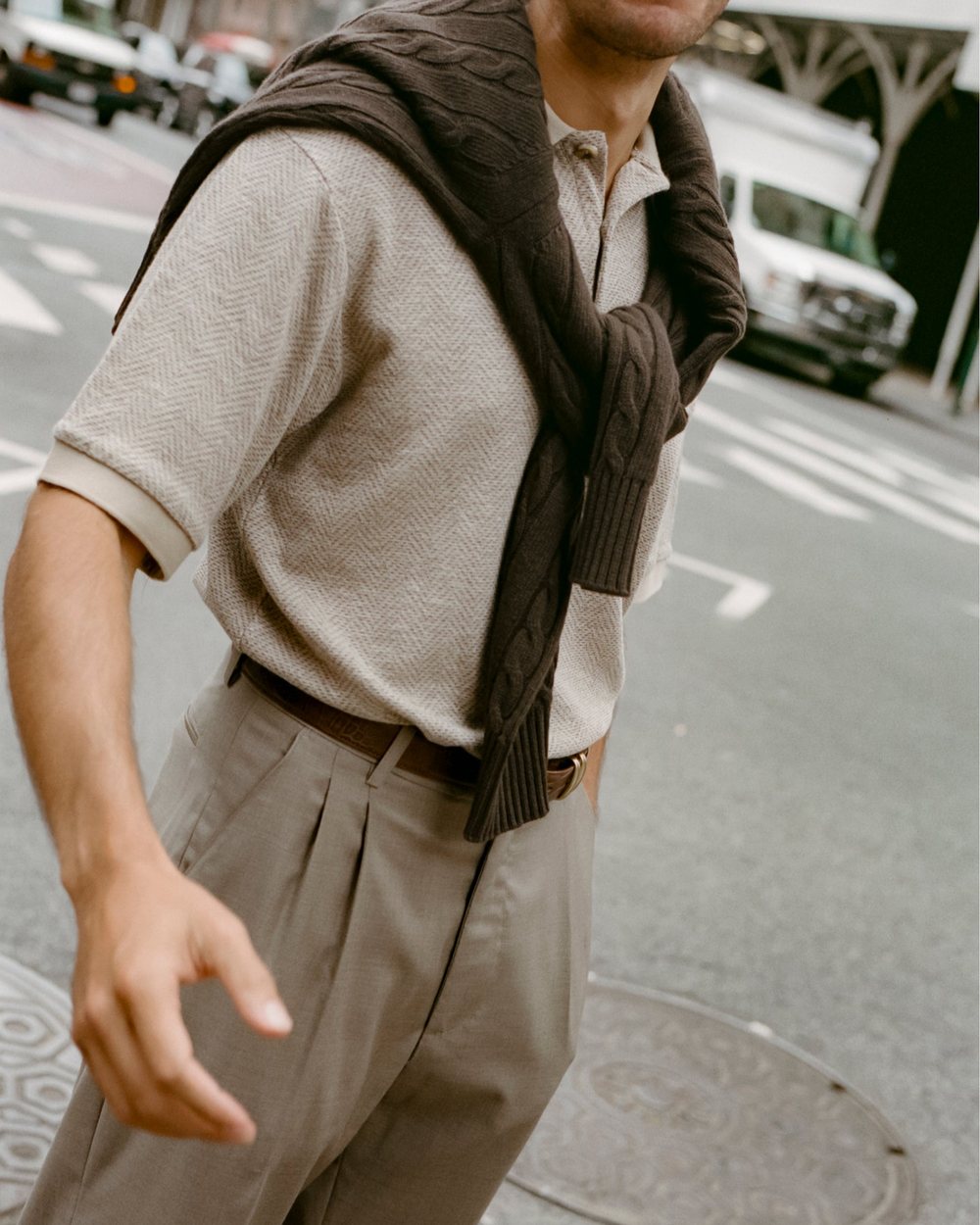
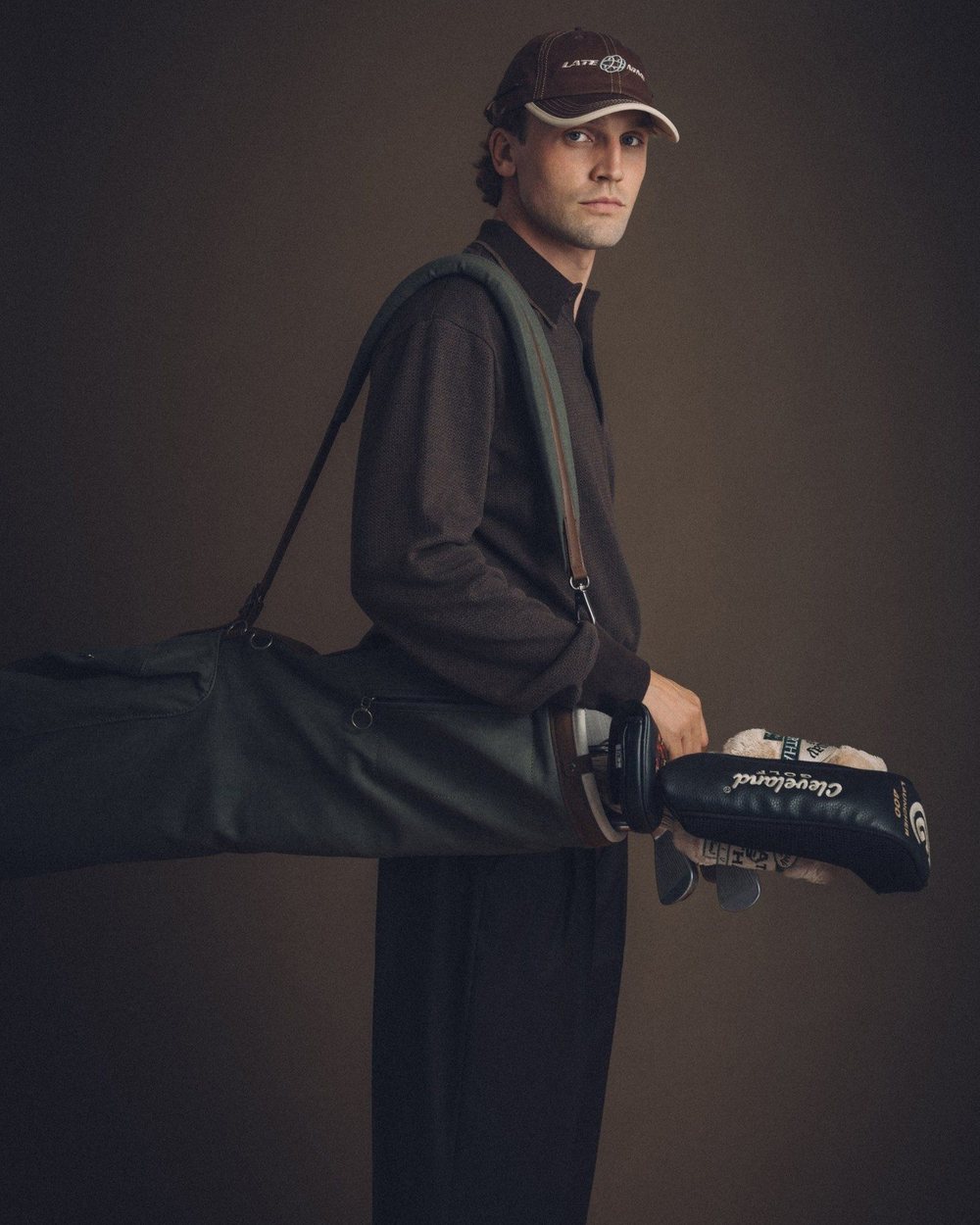
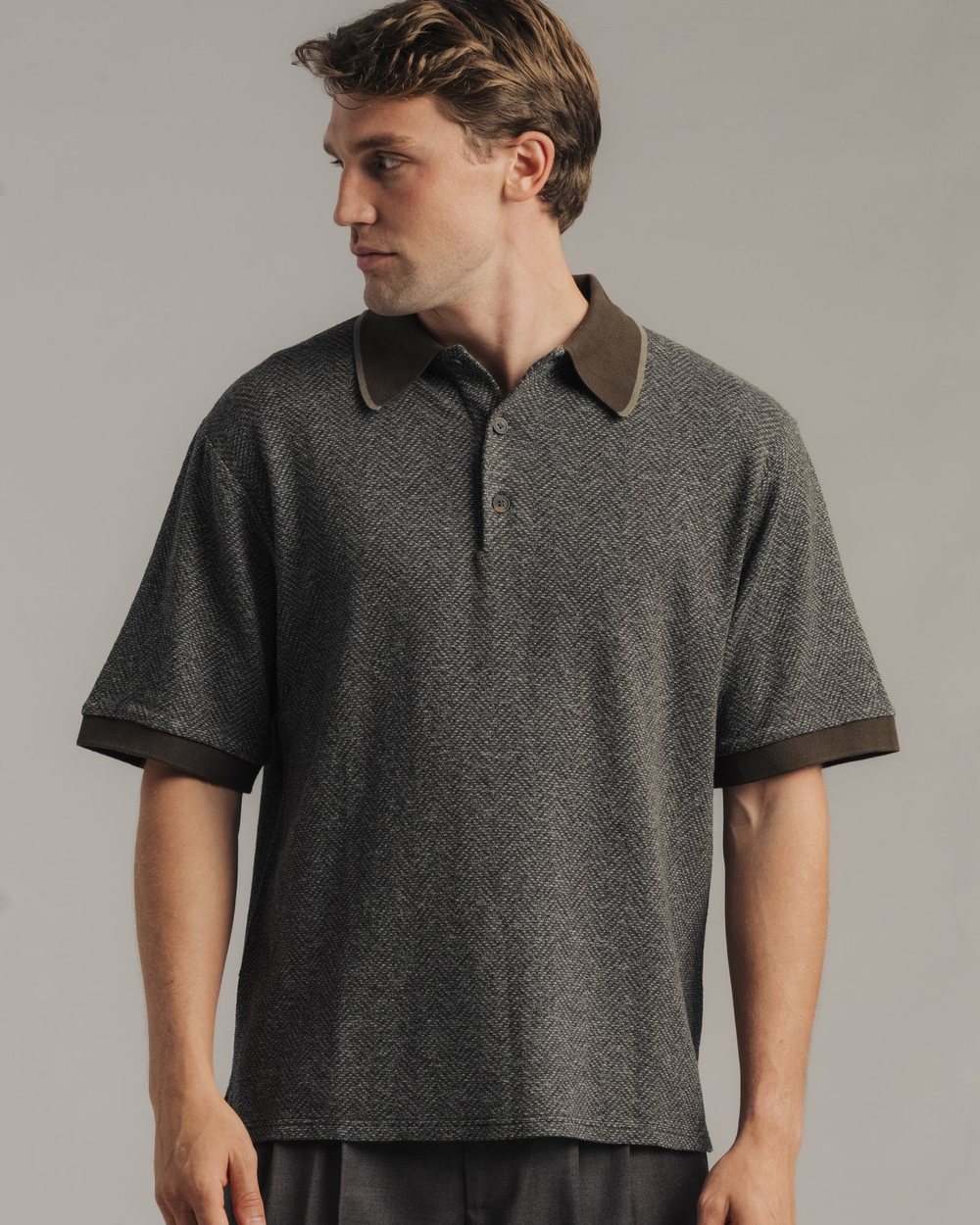
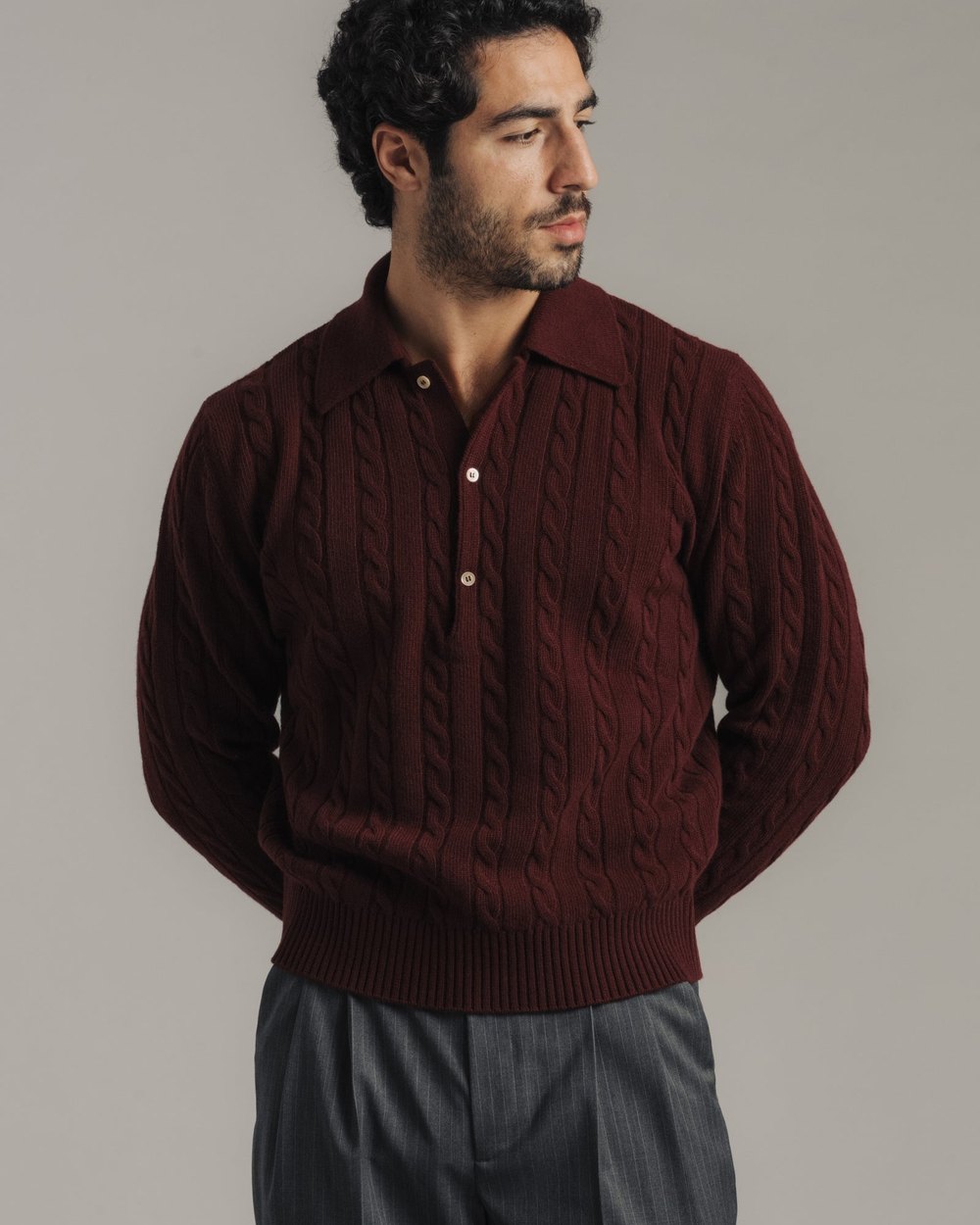
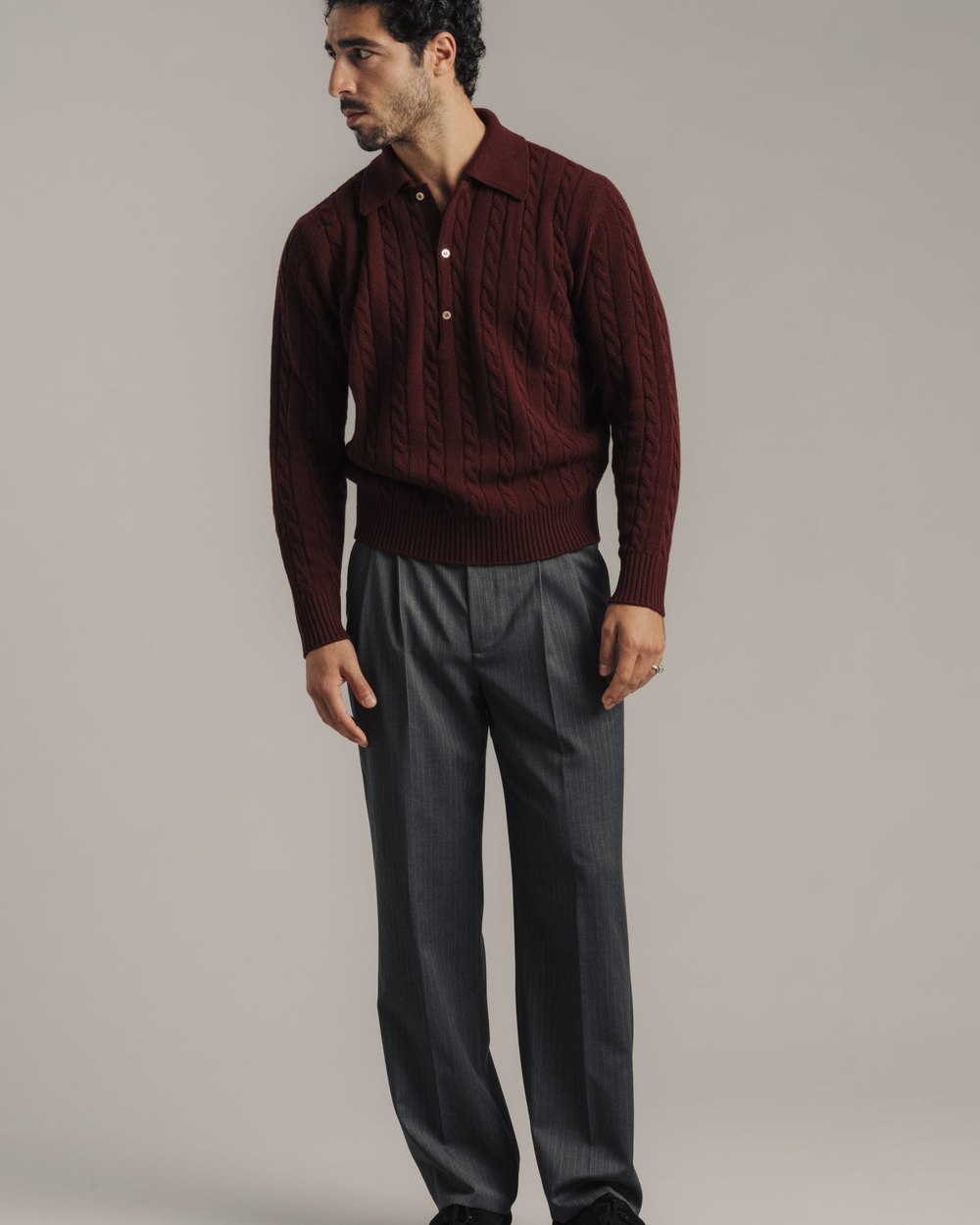
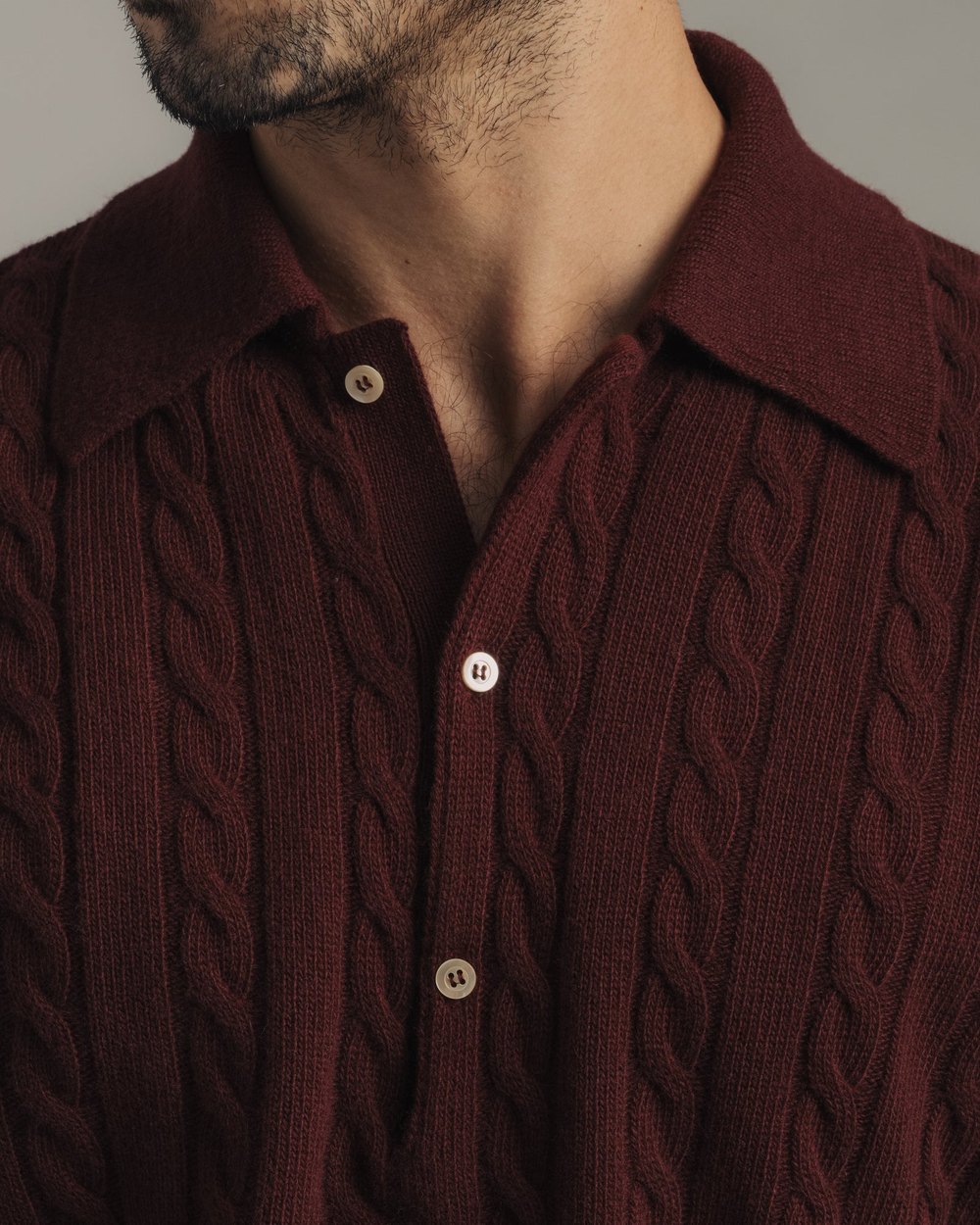
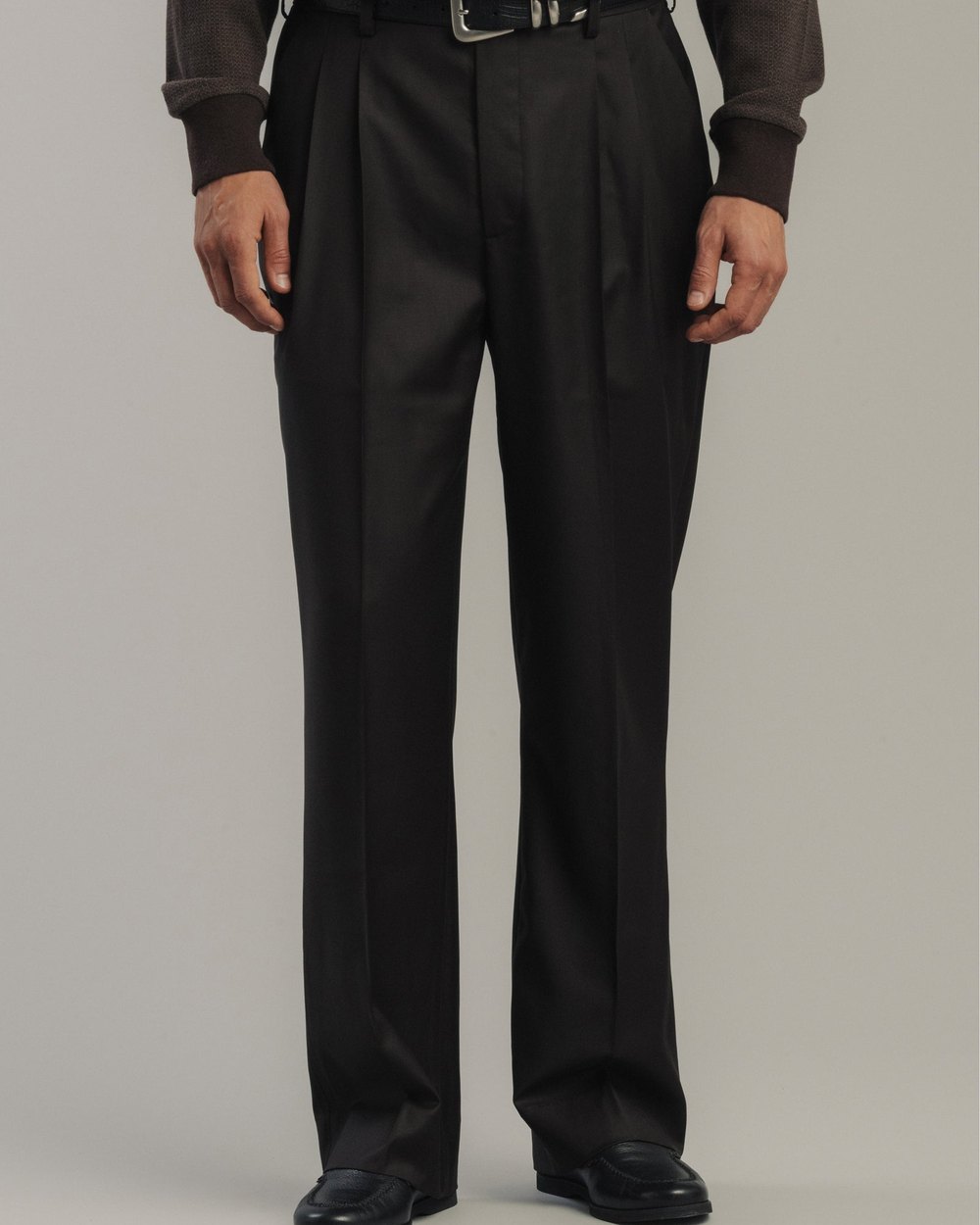
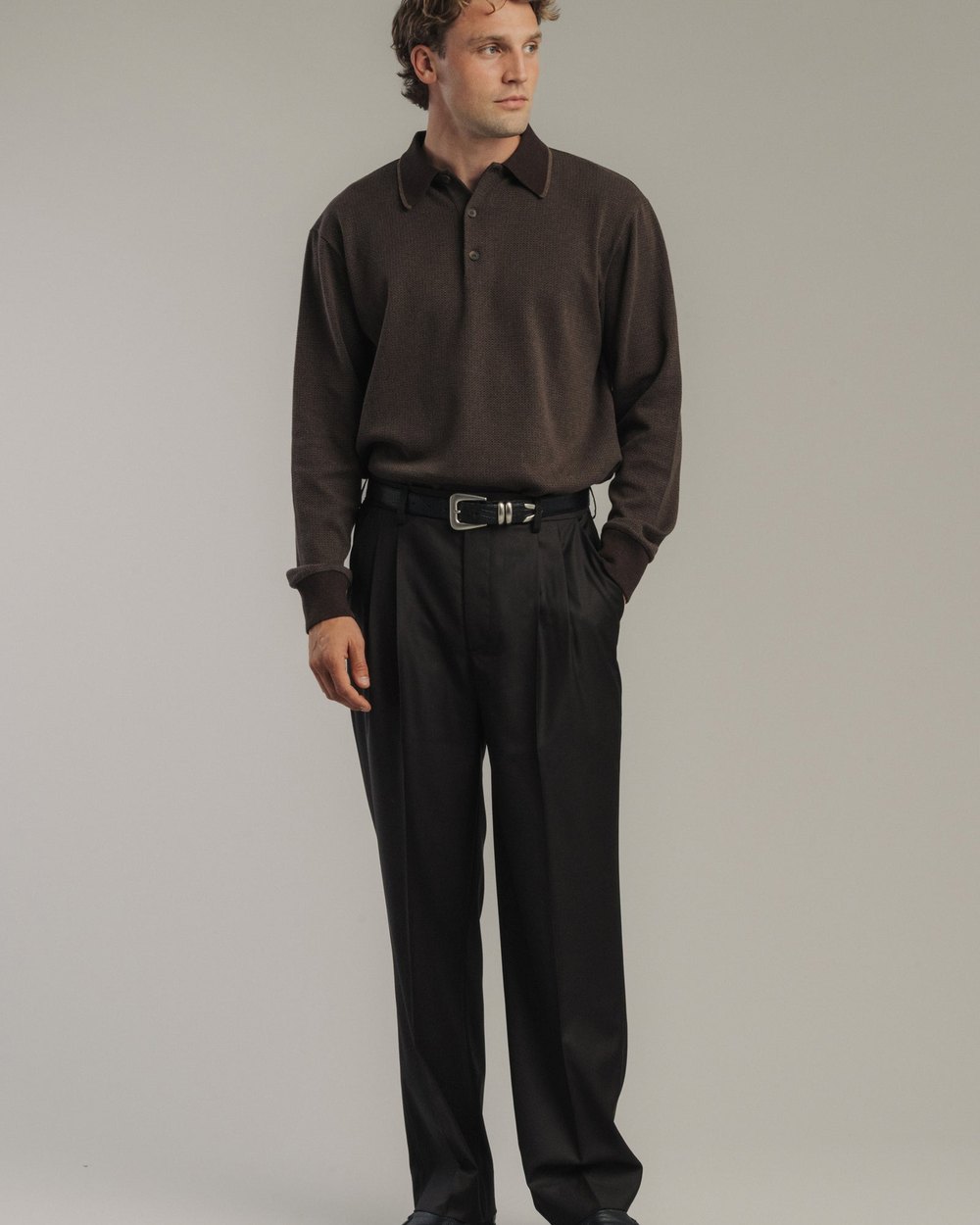
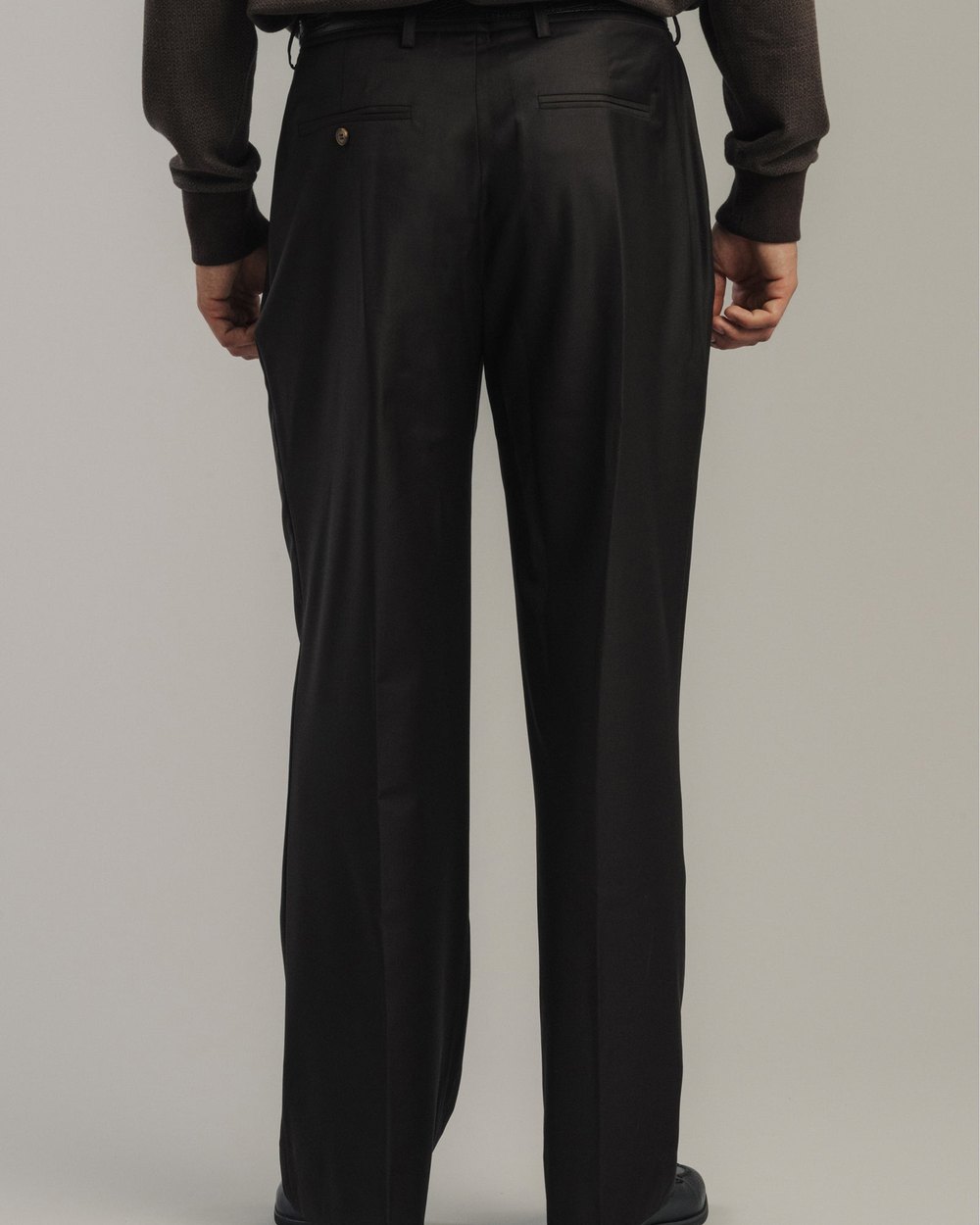
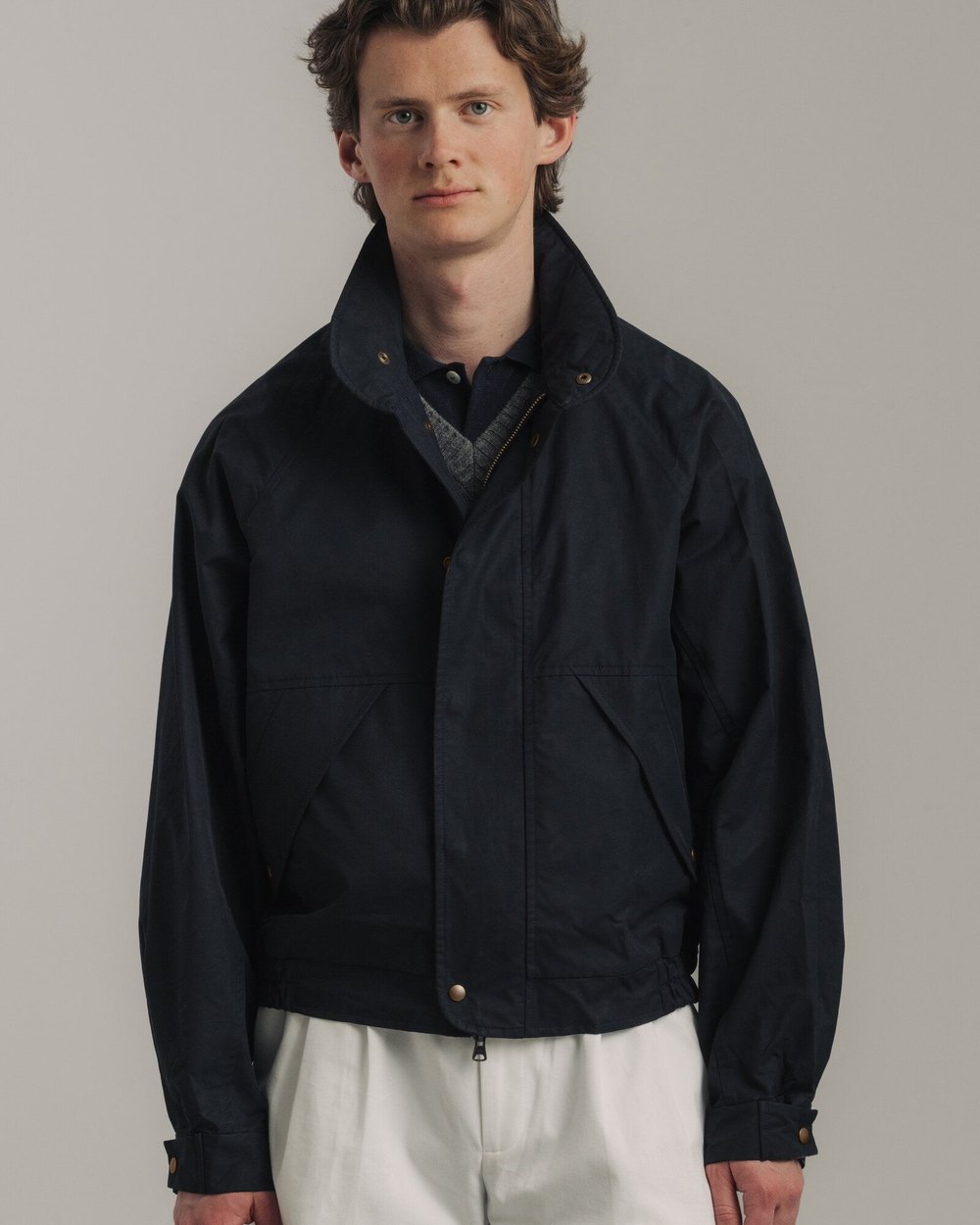
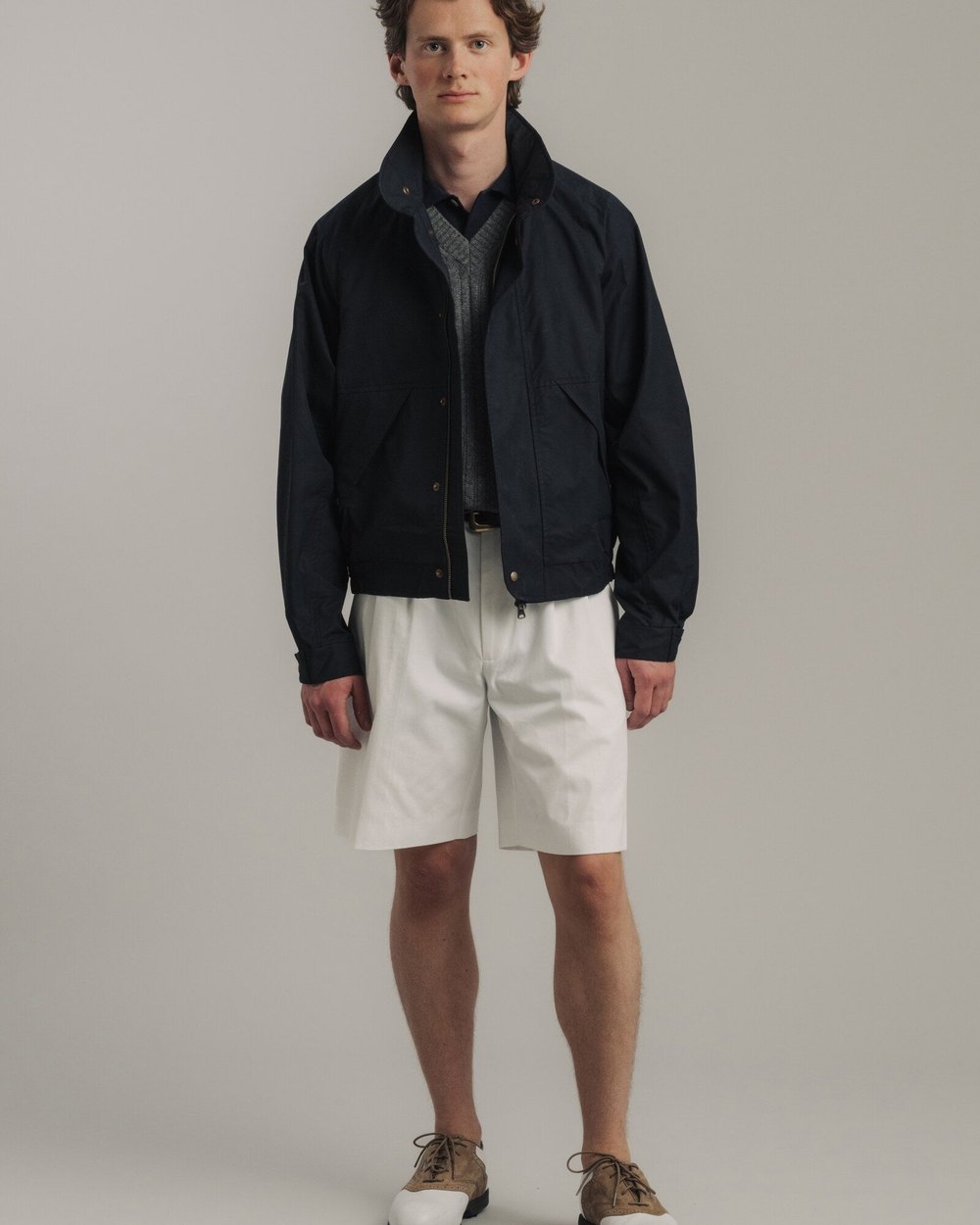
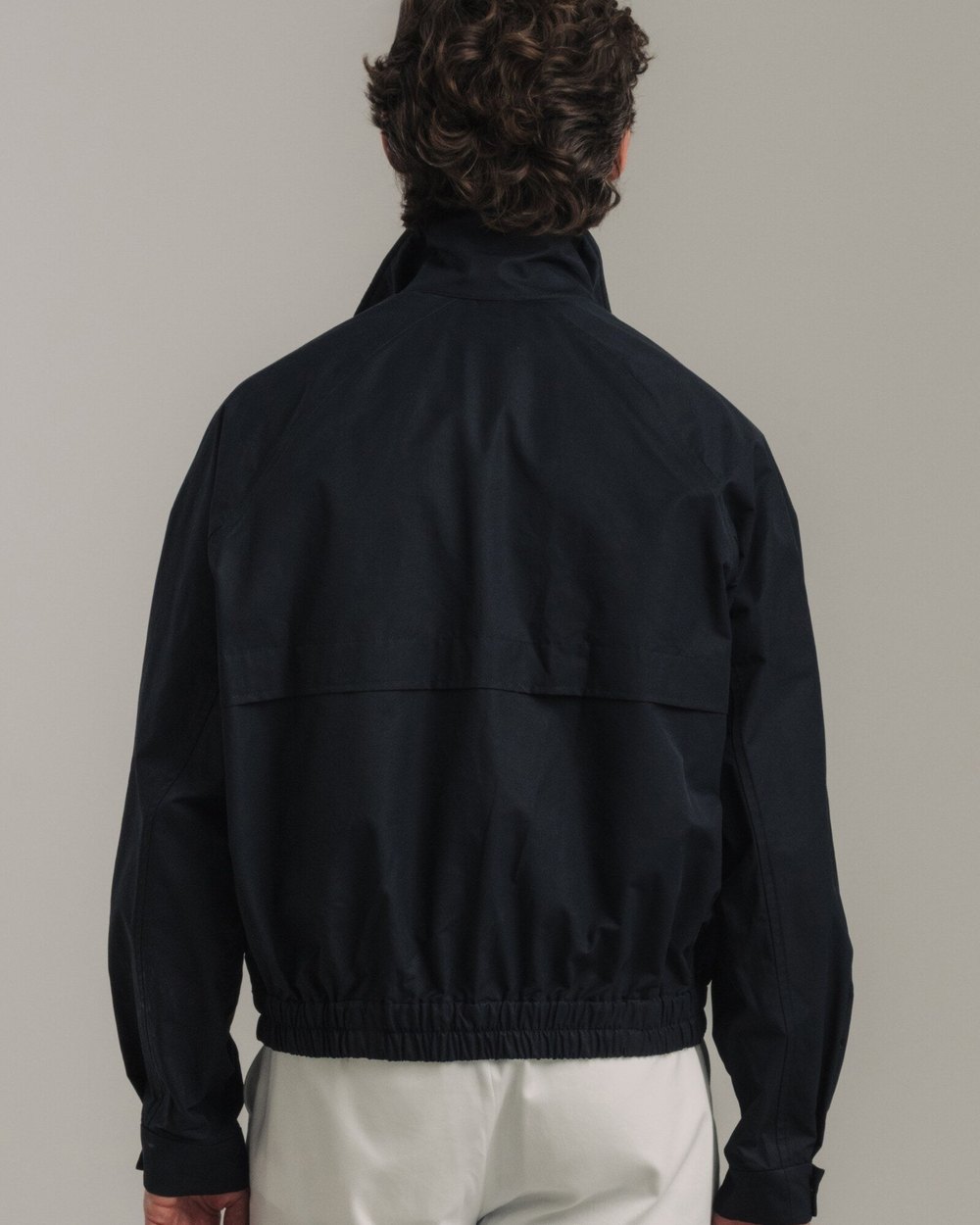
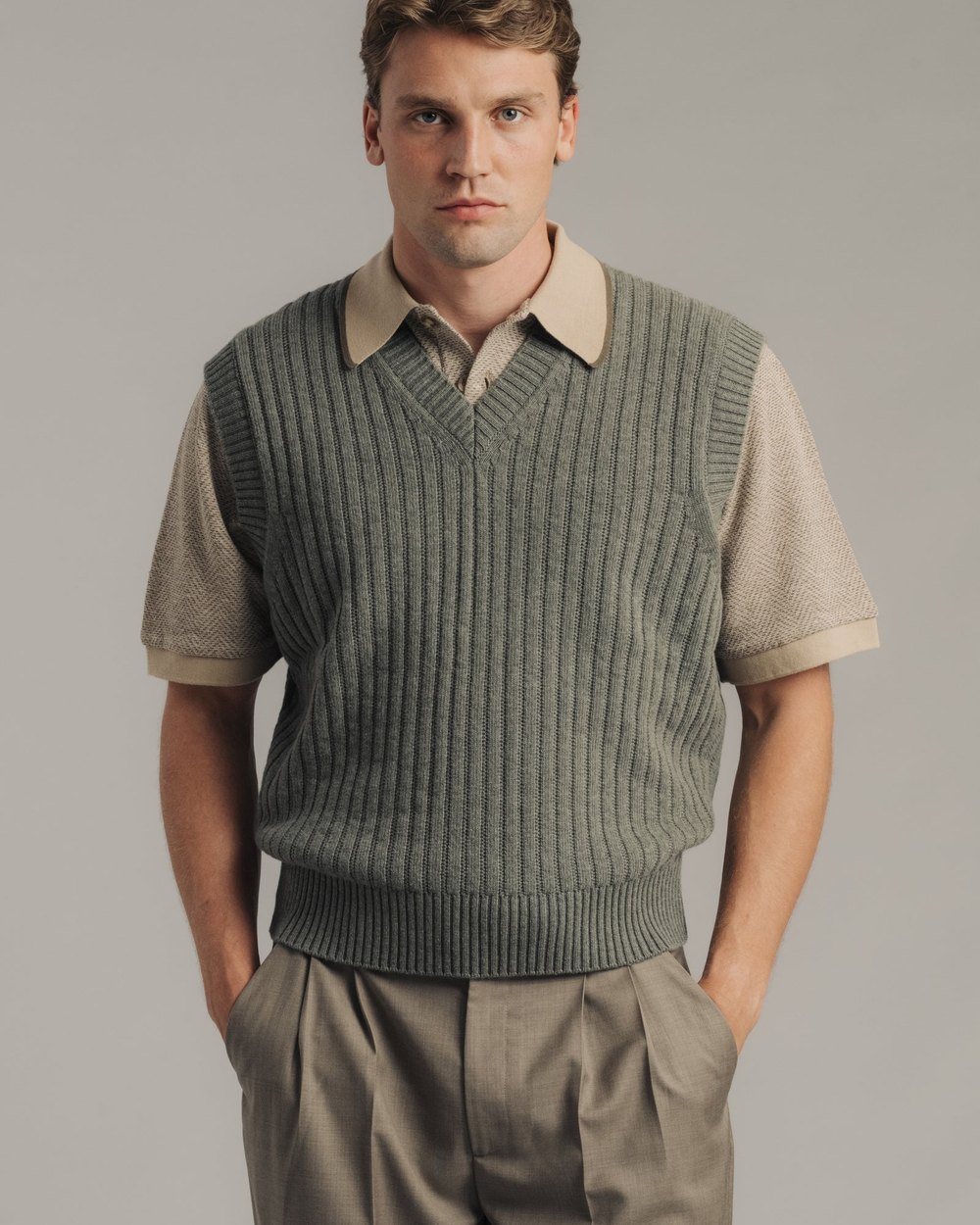
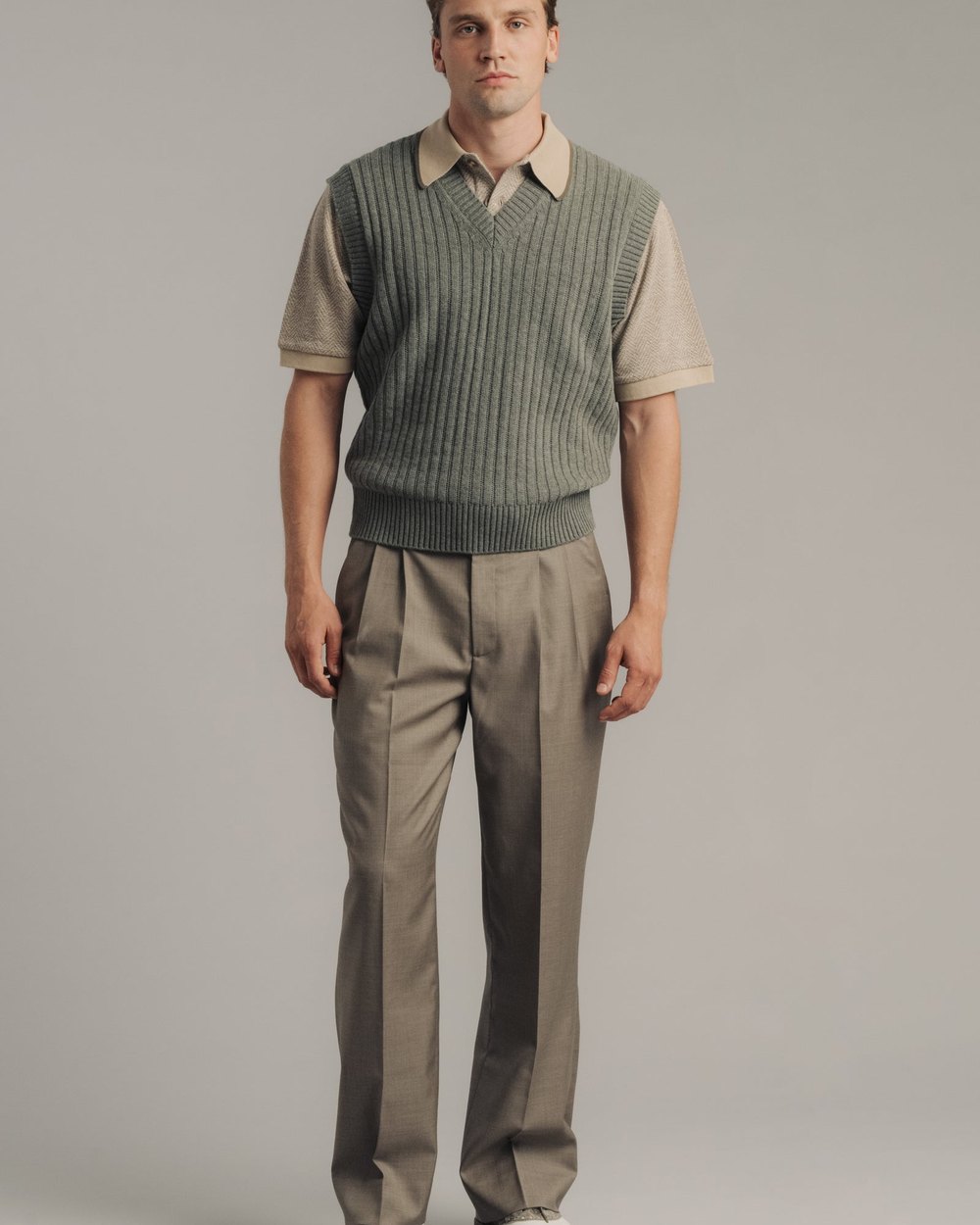
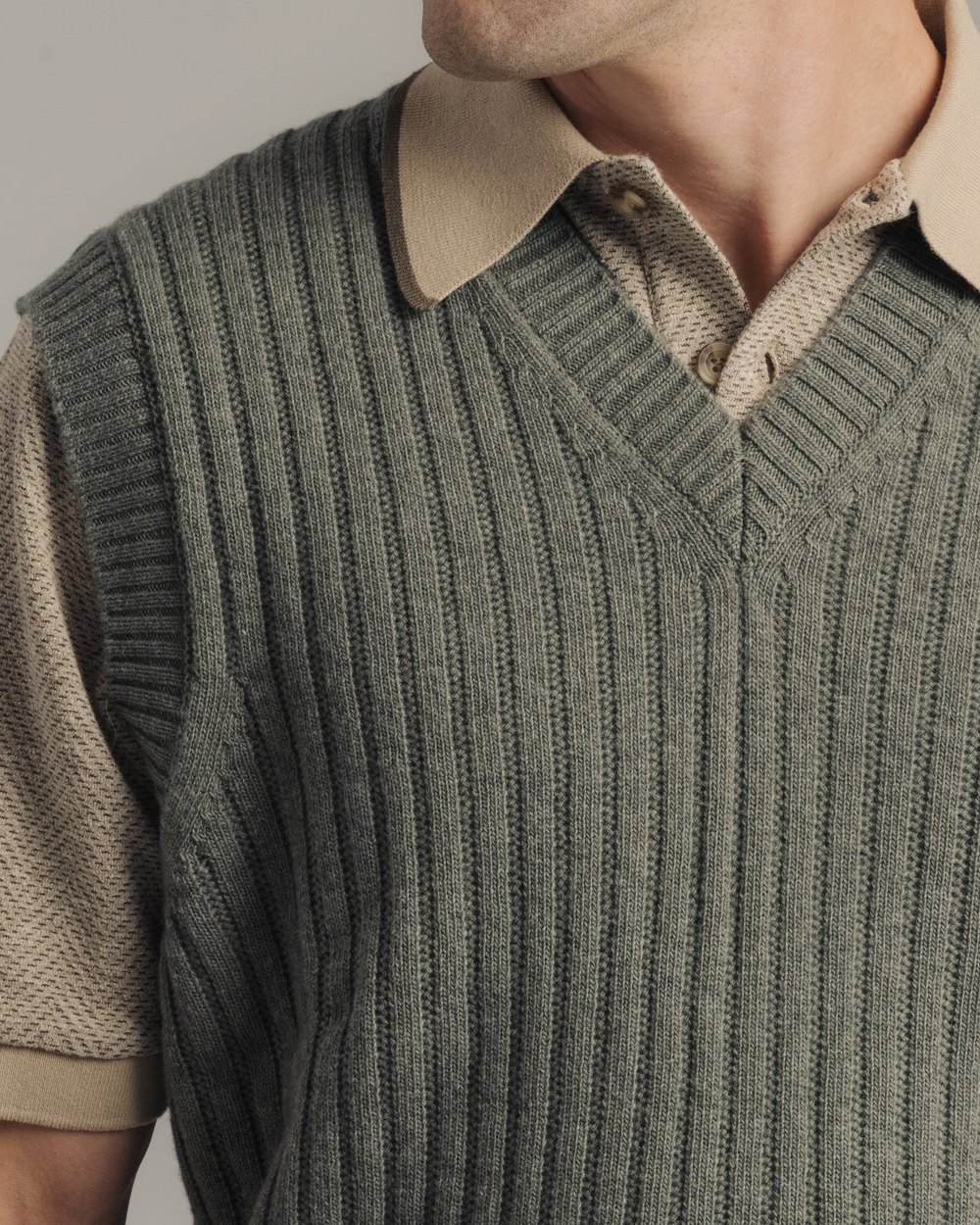
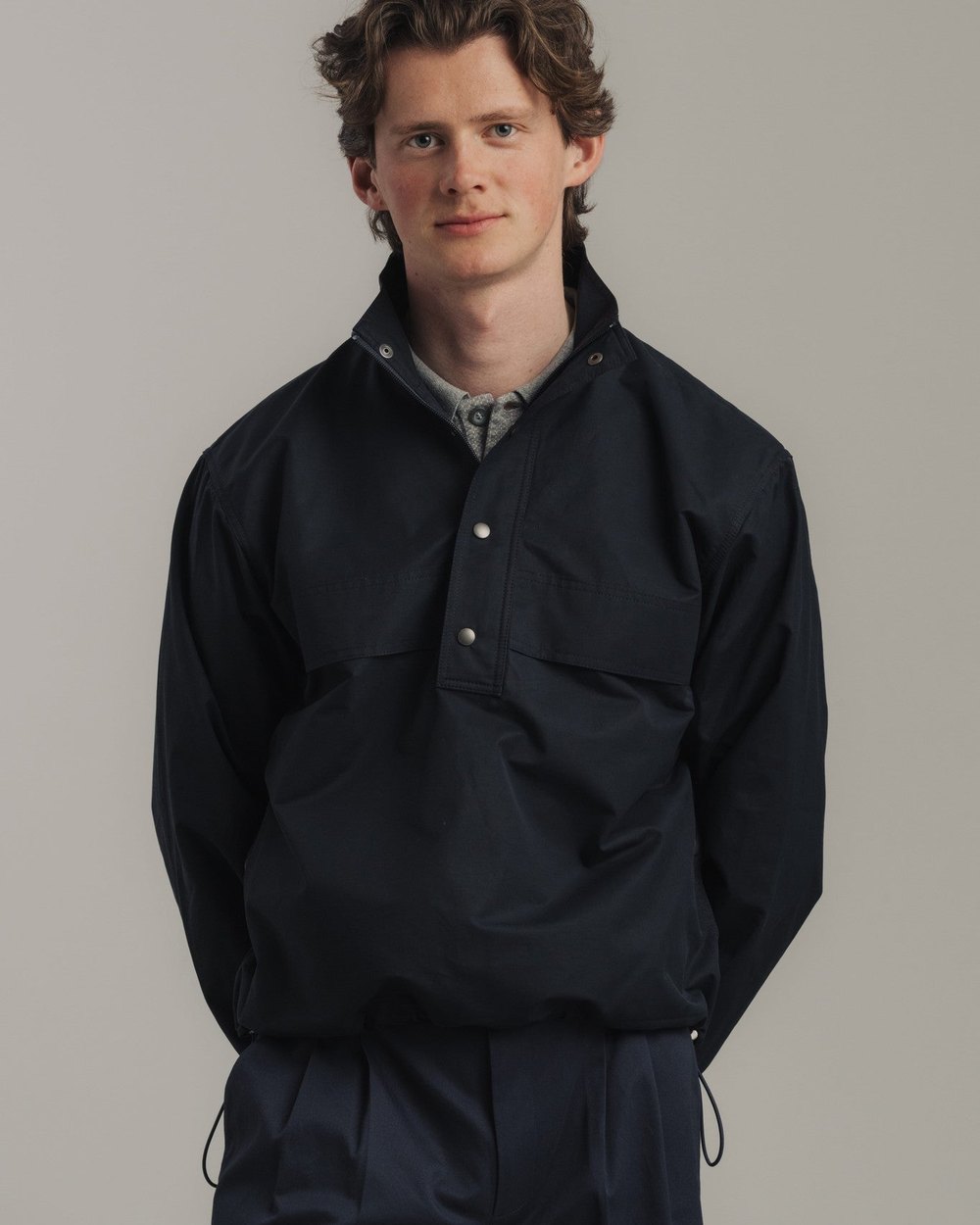
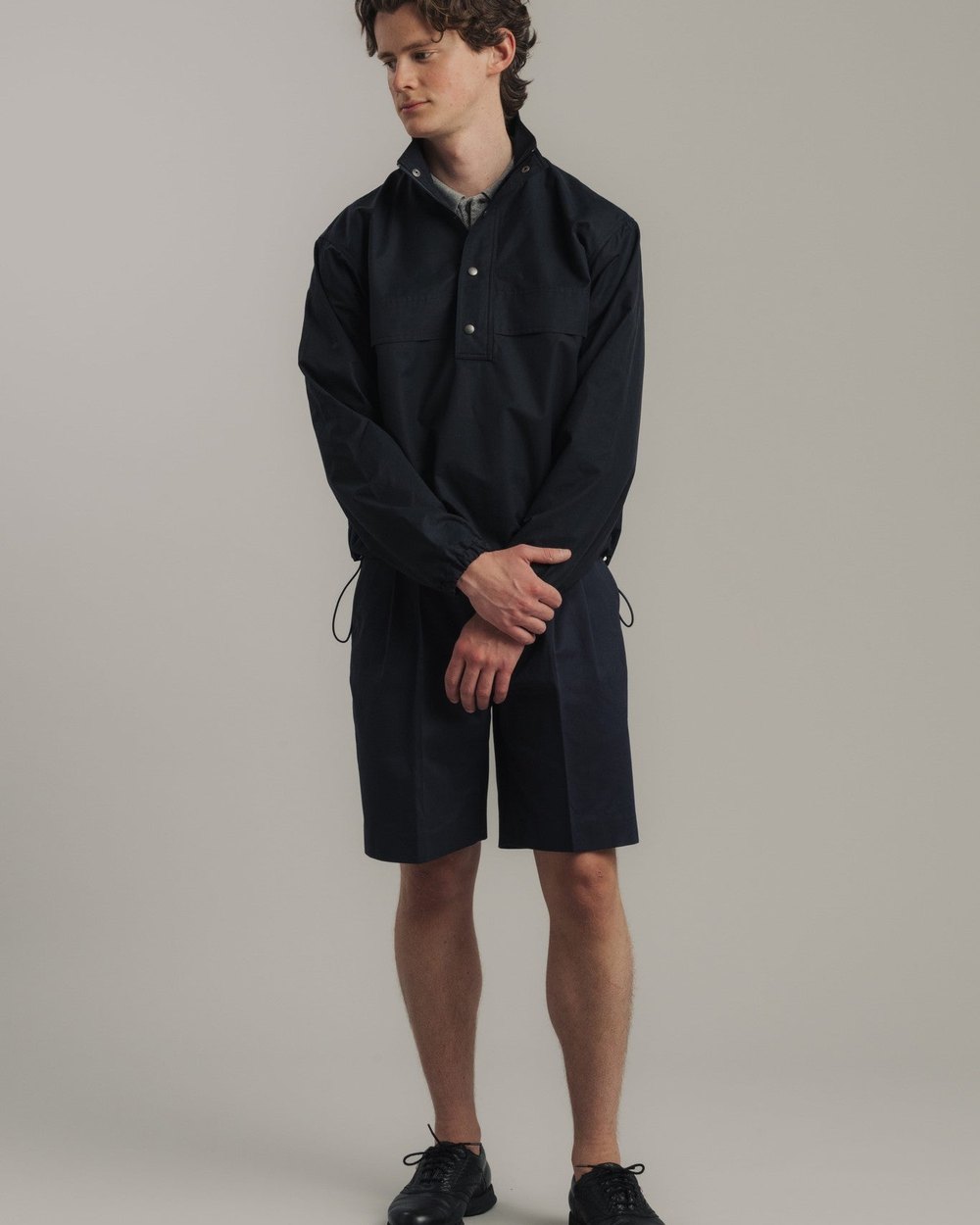
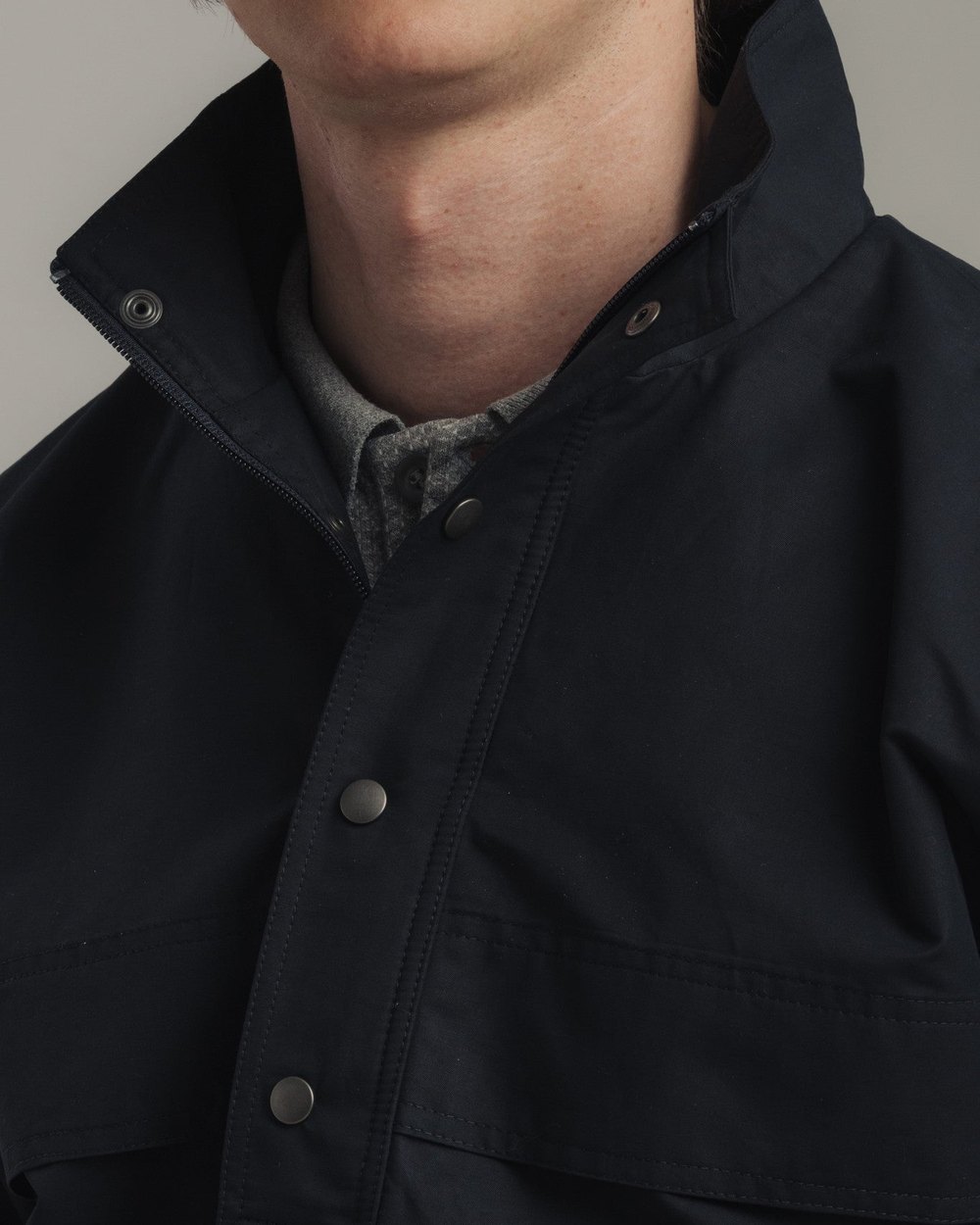
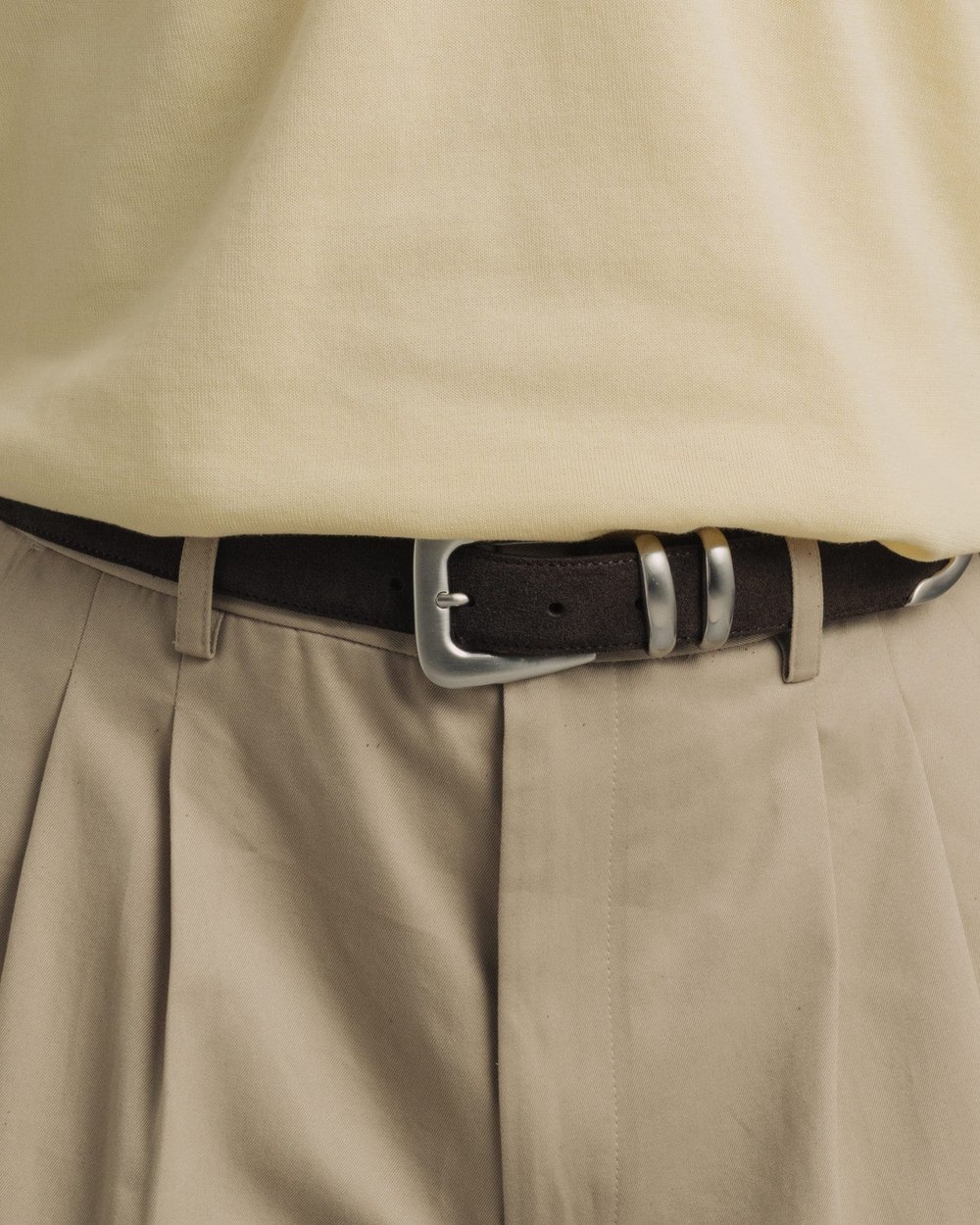
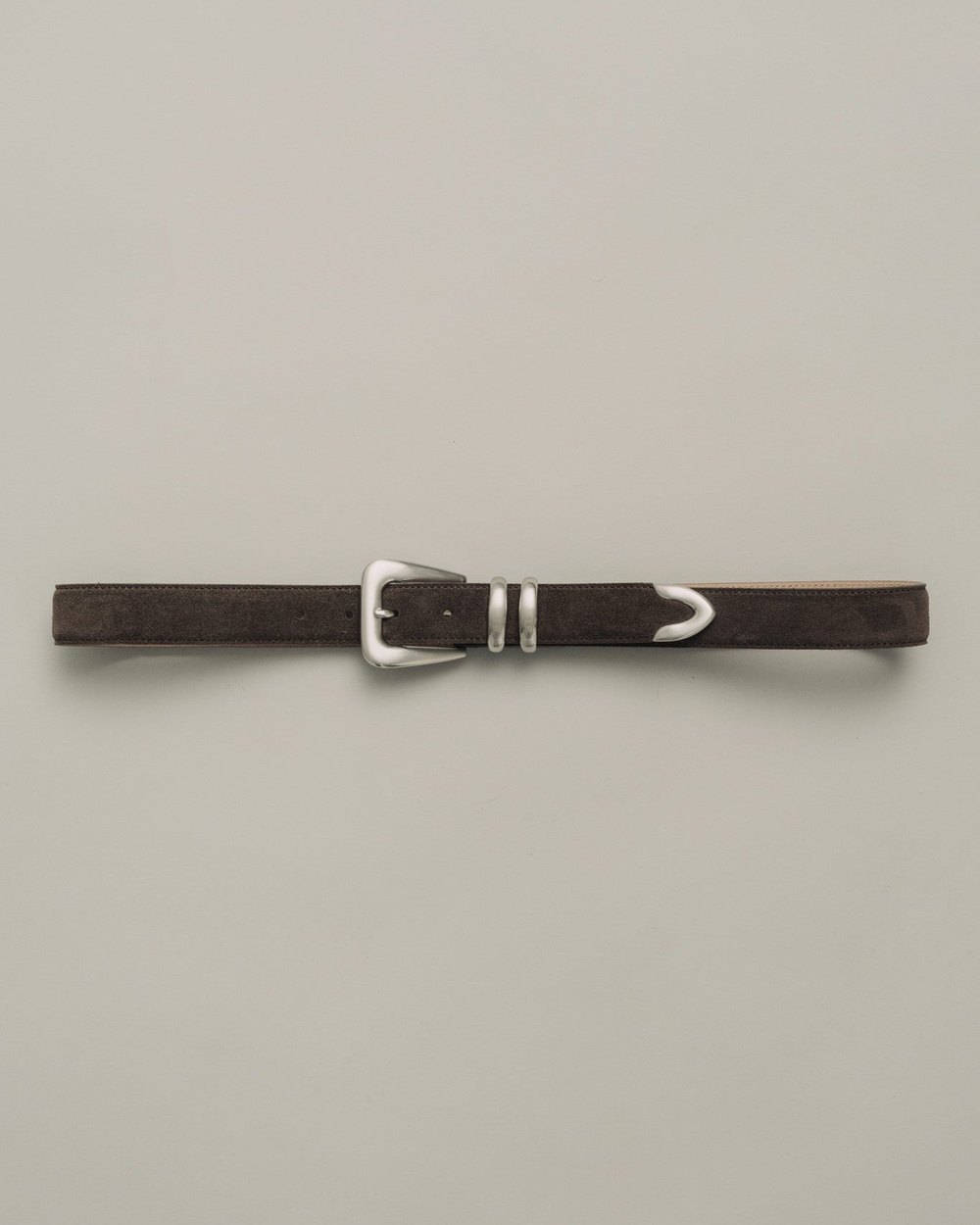
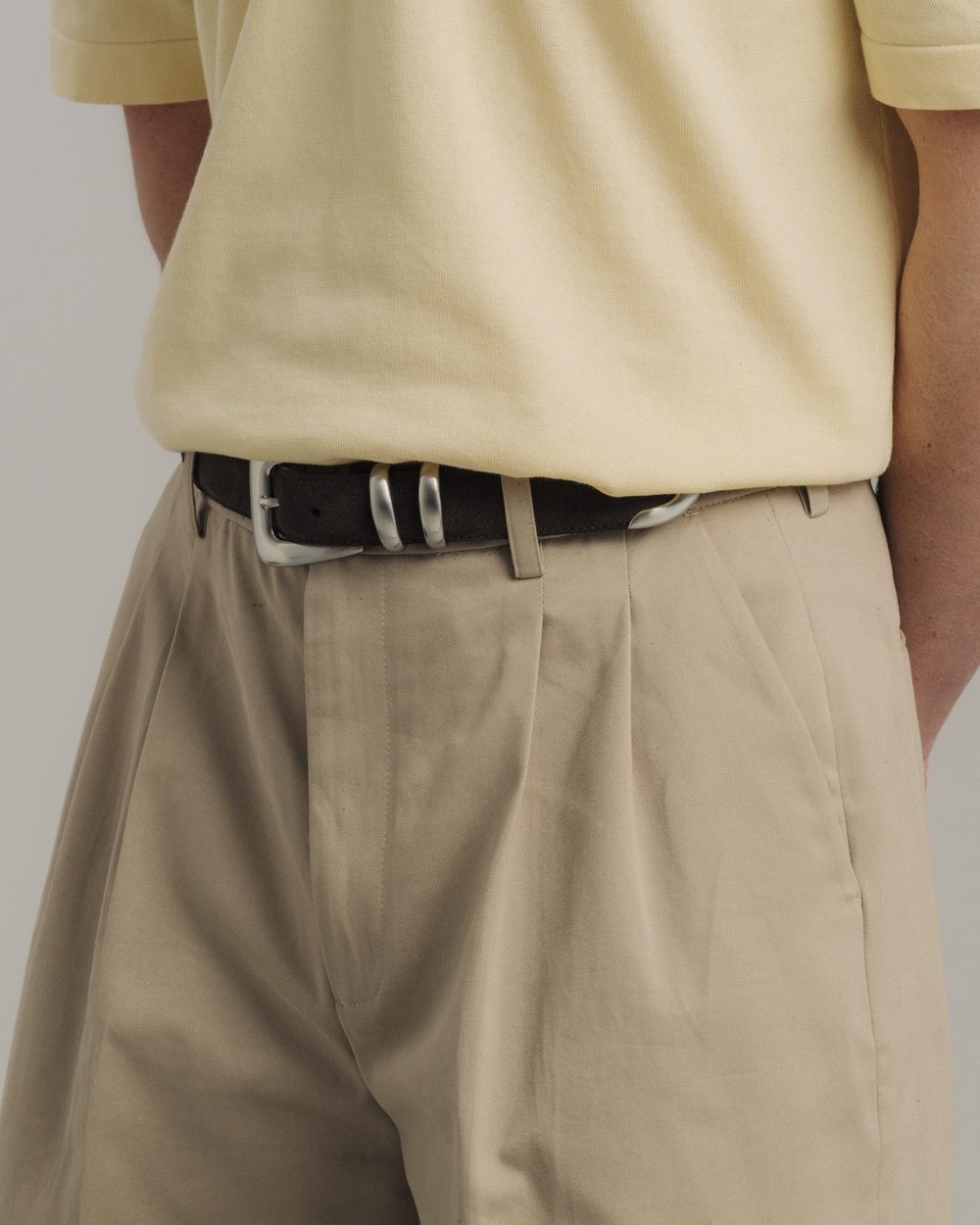
Late Nine is a Stockholm label built on late-’90s tour golf. Co-founder Maxim Lundh grew up copying Sergio Garcia and Jesper Parnevik, and you can see it: pleated slacks, cable knits and the jackets instructors wore on the range.
The materials are a step up from most golf clothing: first-shearing merino for the knits, Italian four-season wool for the slacks and LWG-certified Italian leather for the belt. Prices are in Swedish kronor on the store; the dollar figures are approximate.
The lookbookLate Nine’s own photos
Where to play in SwedenFalsterbo Golfklubb · Skåne, southern Sweden
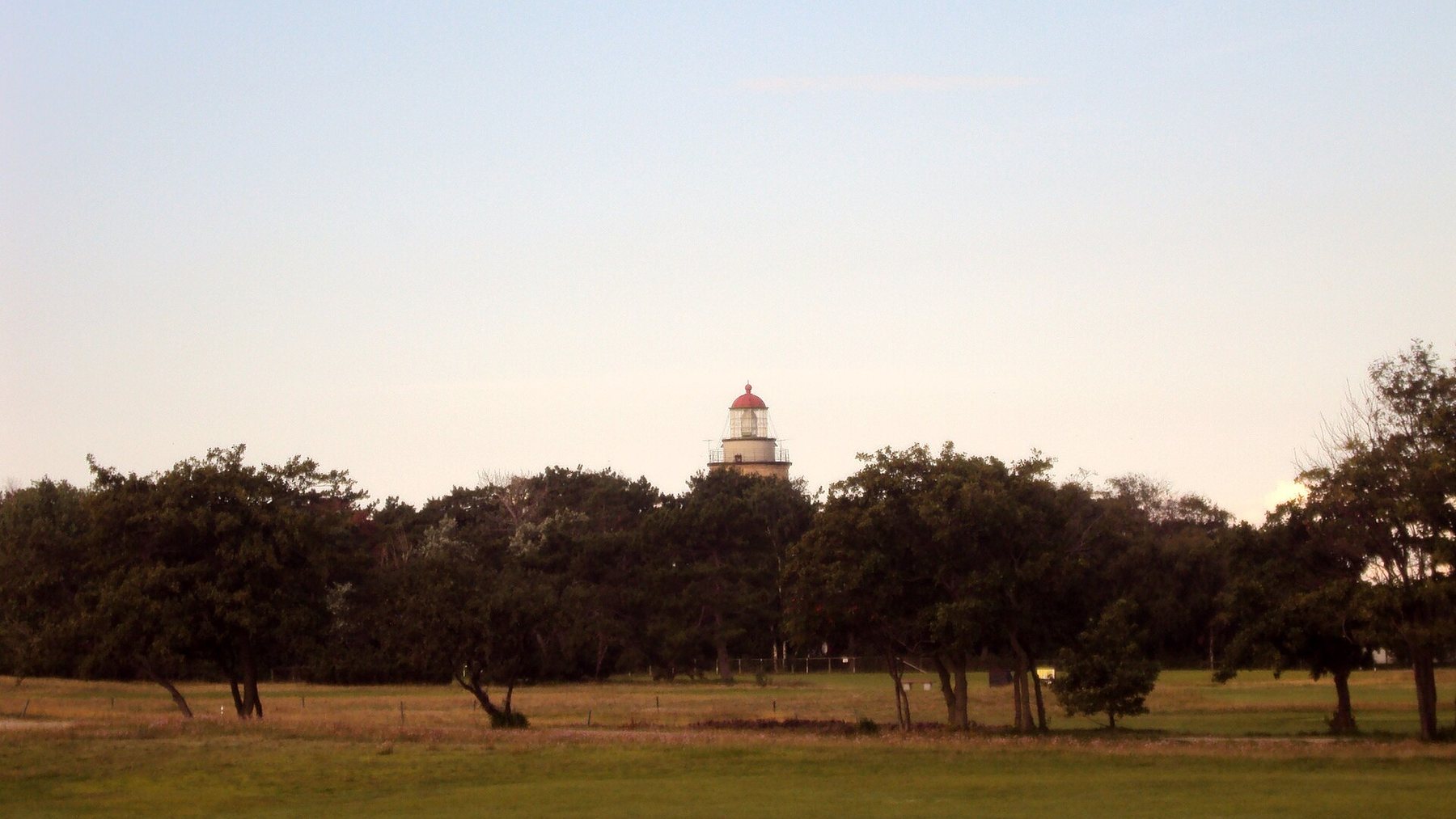
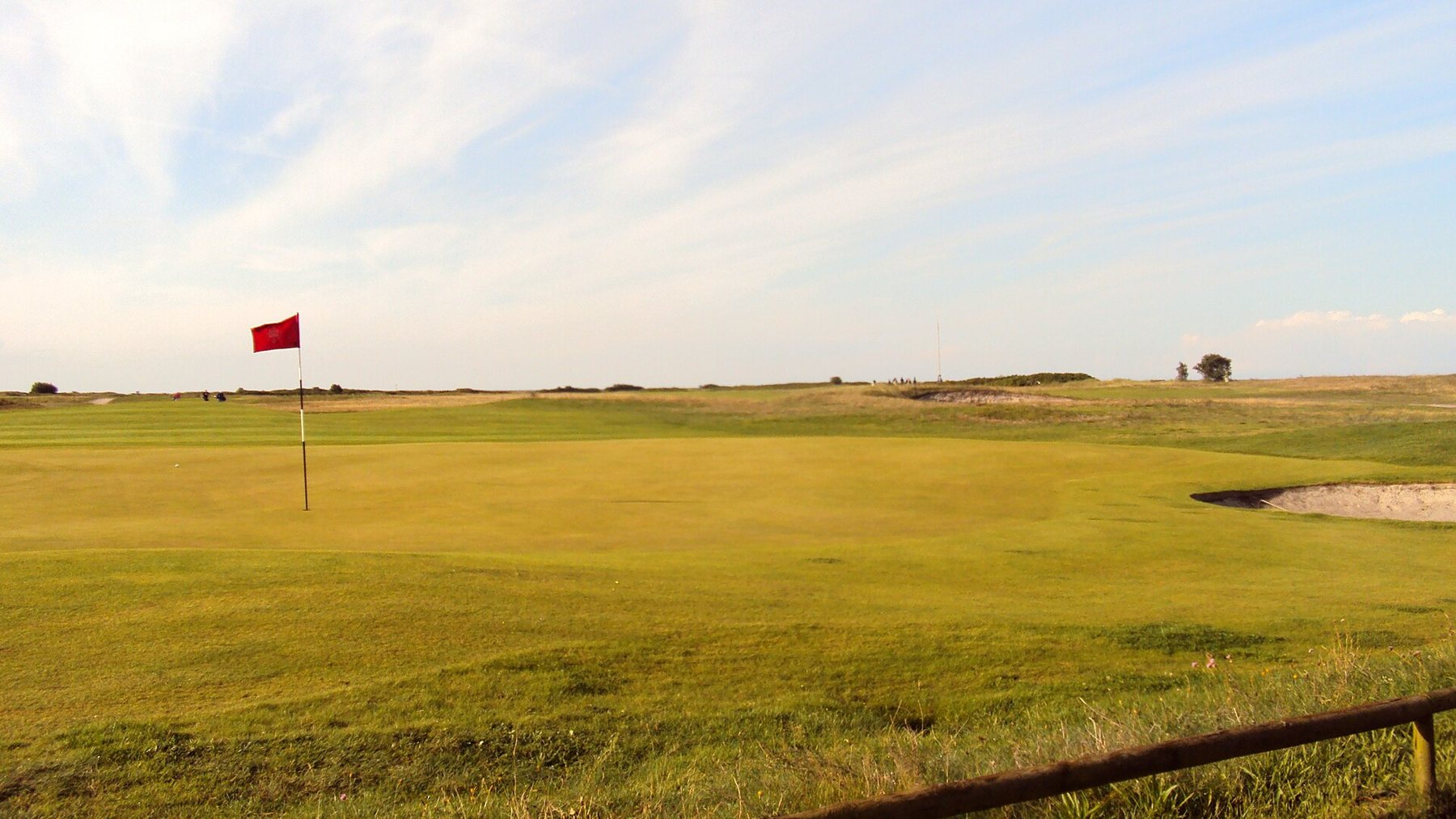
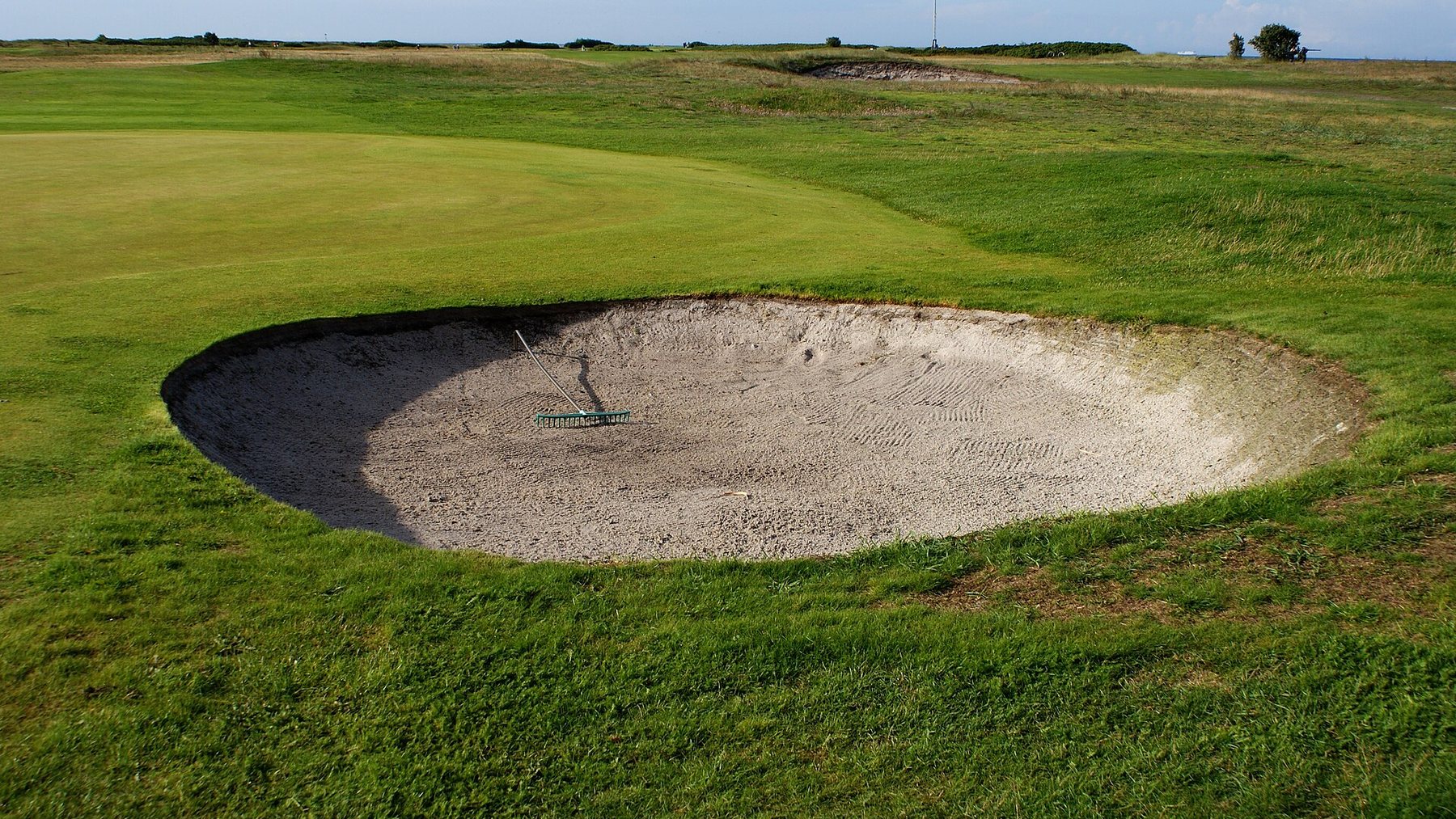
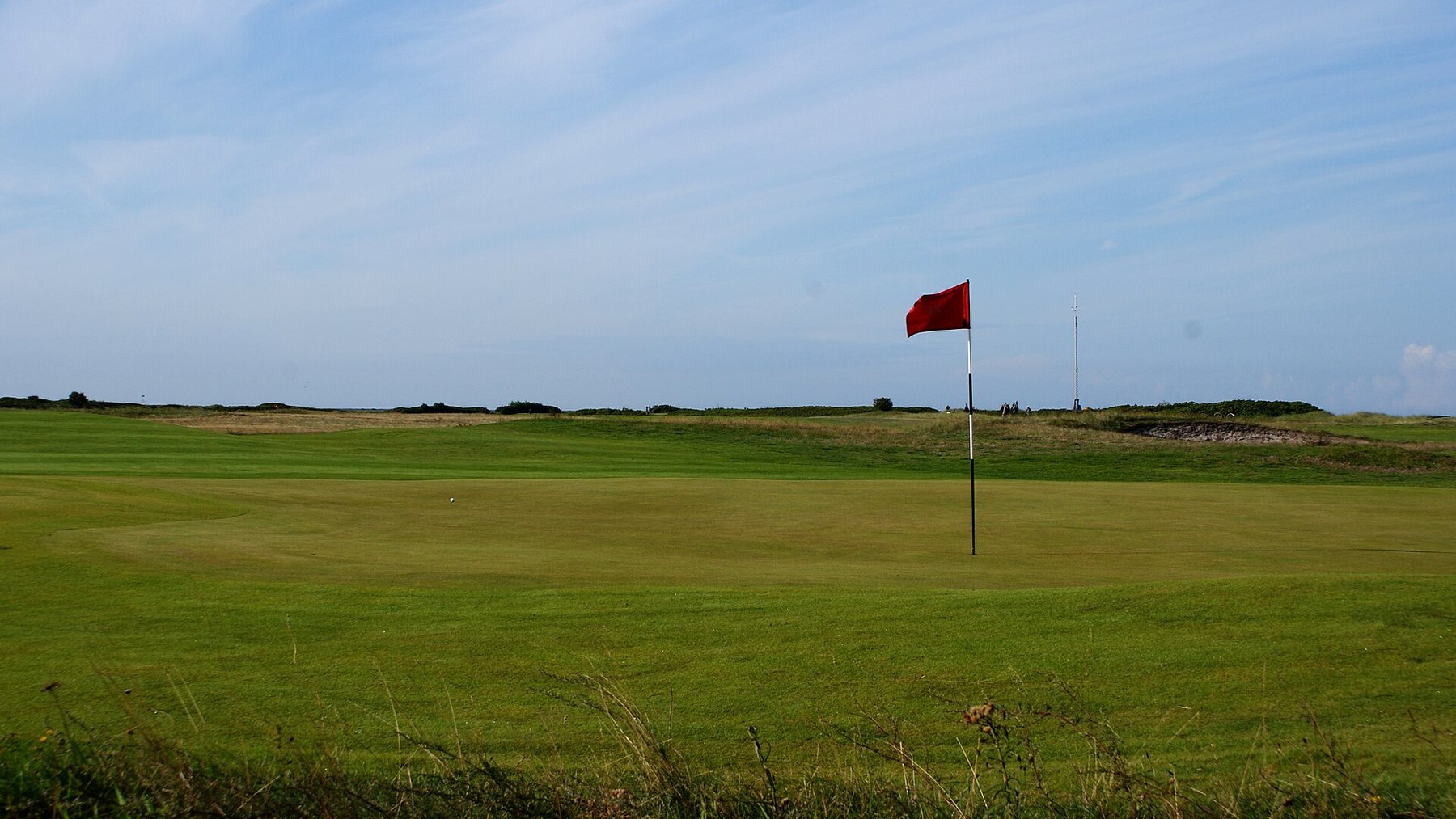
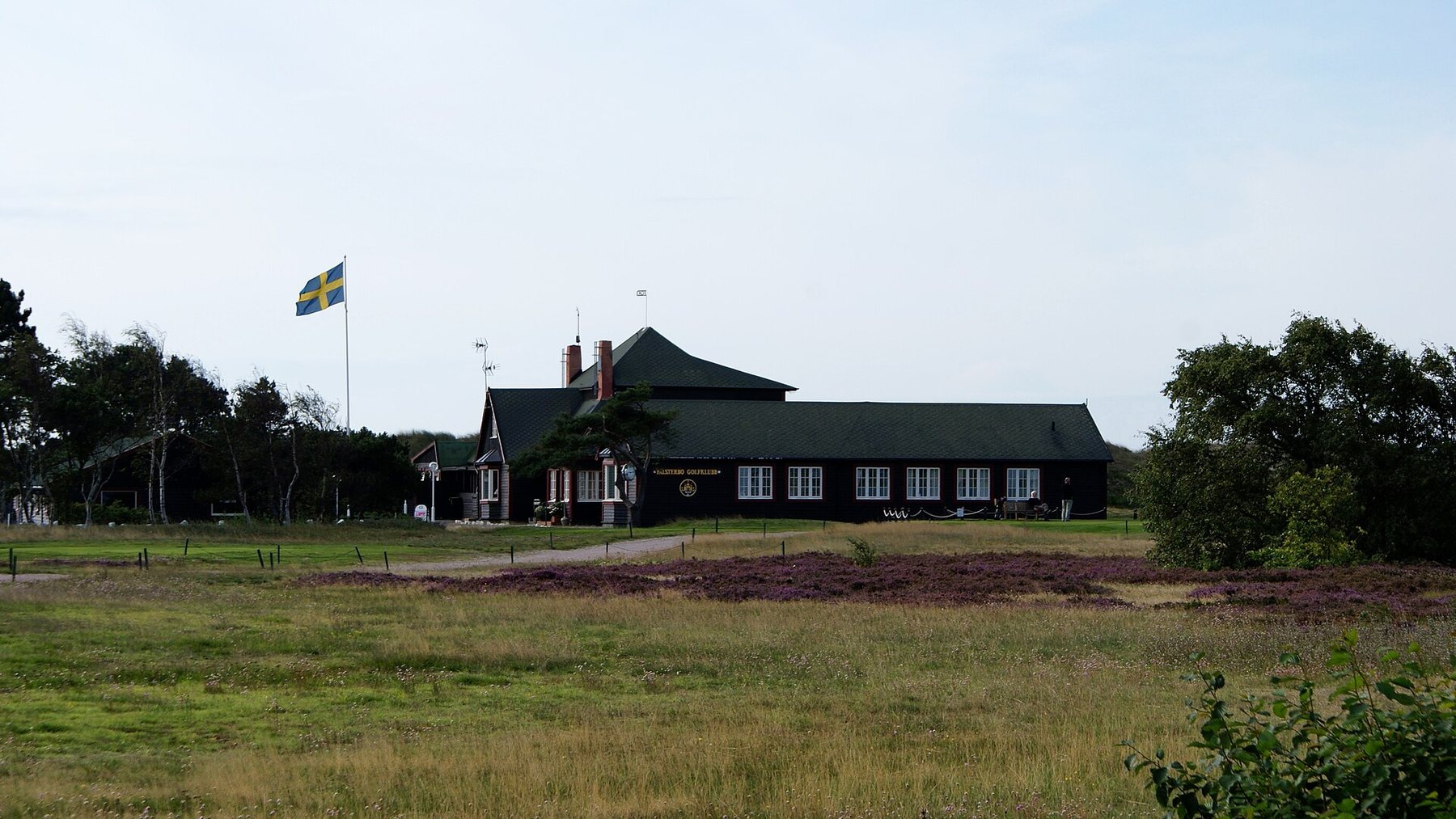
Most Swedish golf is parkland cut through forest. Falsterbo is the exception: a true links on a flat, sandy spit at the southwest tip of the country, with sea on three sides and a white lighthouse in the middle of the course. The club was founded in 1909, the third oldest in Sweden, and the 18 holes you play today were laid out by a local doctor, Gunnar Bauer, in 1930.
It is a par 71 of about 6,200 yards with around 90 bunkers, and the wind off the water does the rest. Out past the lighthouse is the Måklappen nature reserve, with seals and migrating birds on the sandbank. Play it on a long summer evening, then eat fish in Skånor.
Canada
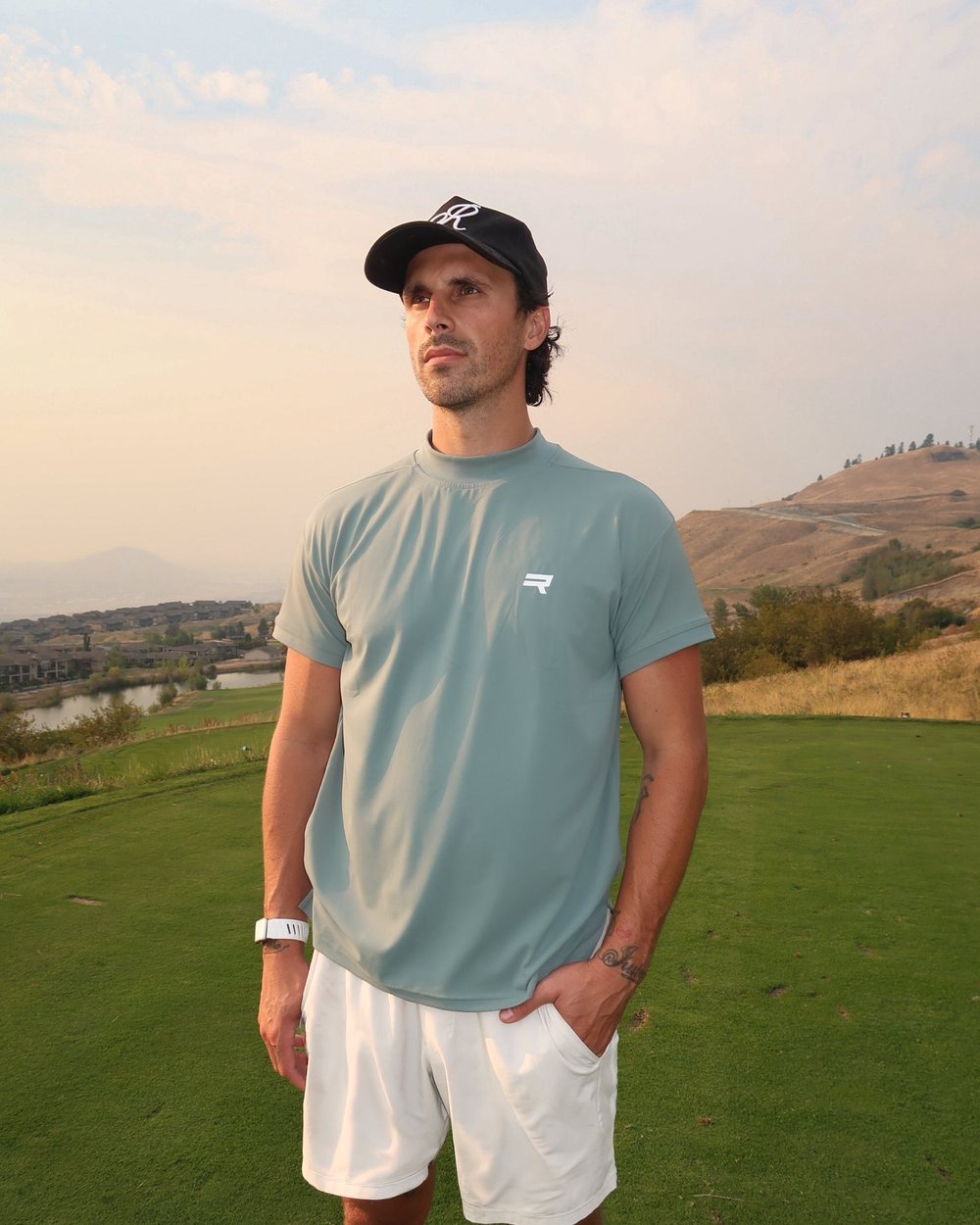
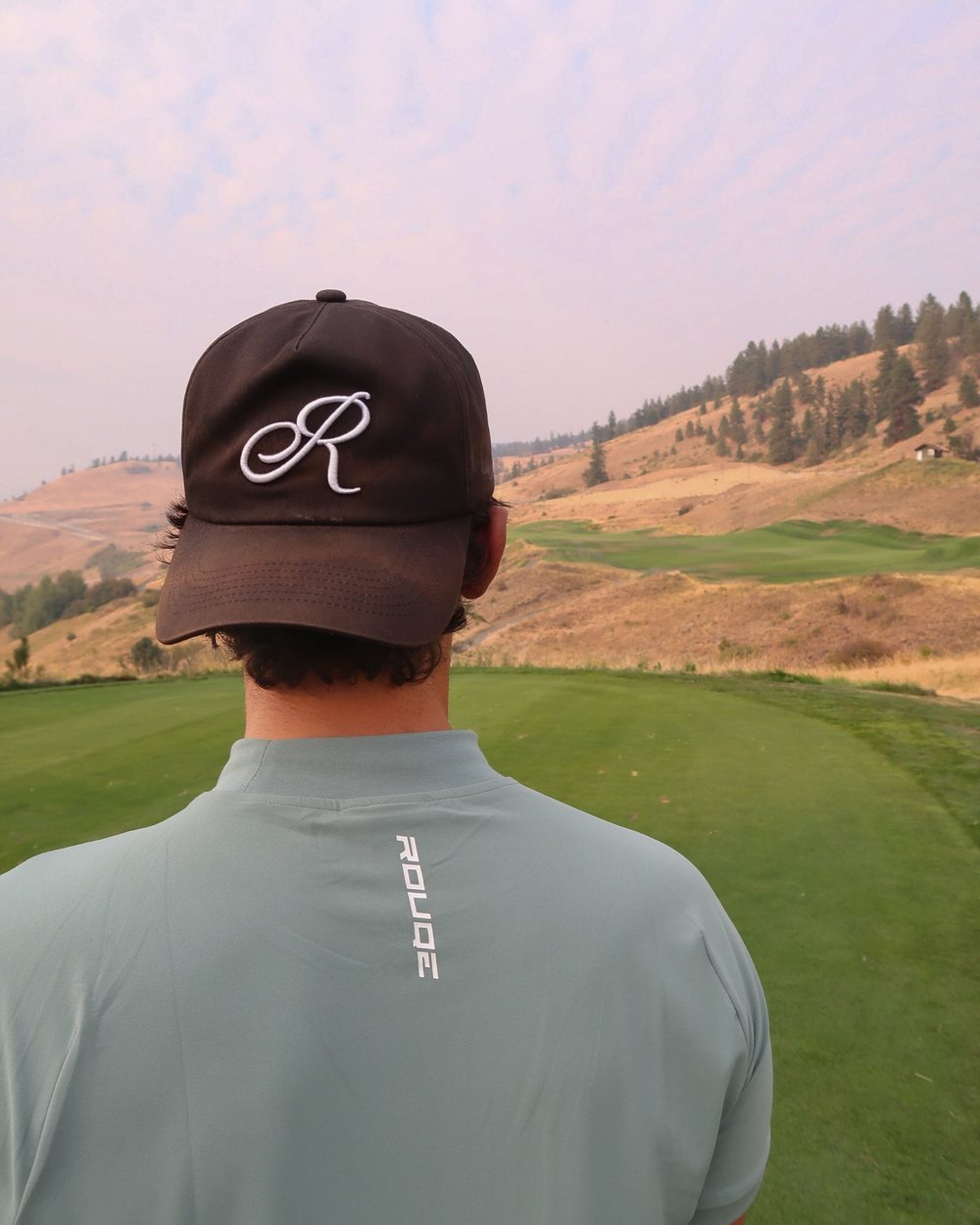
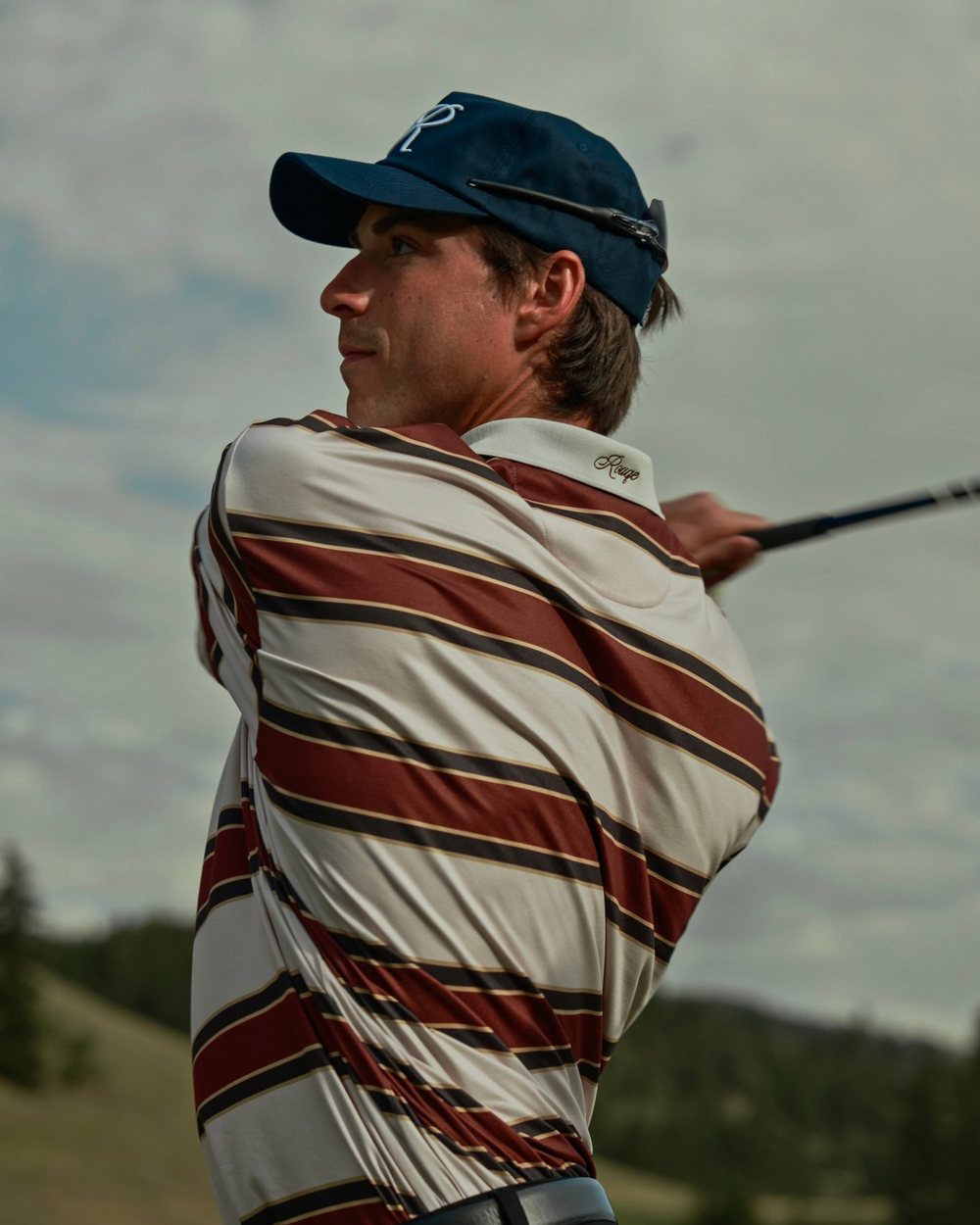
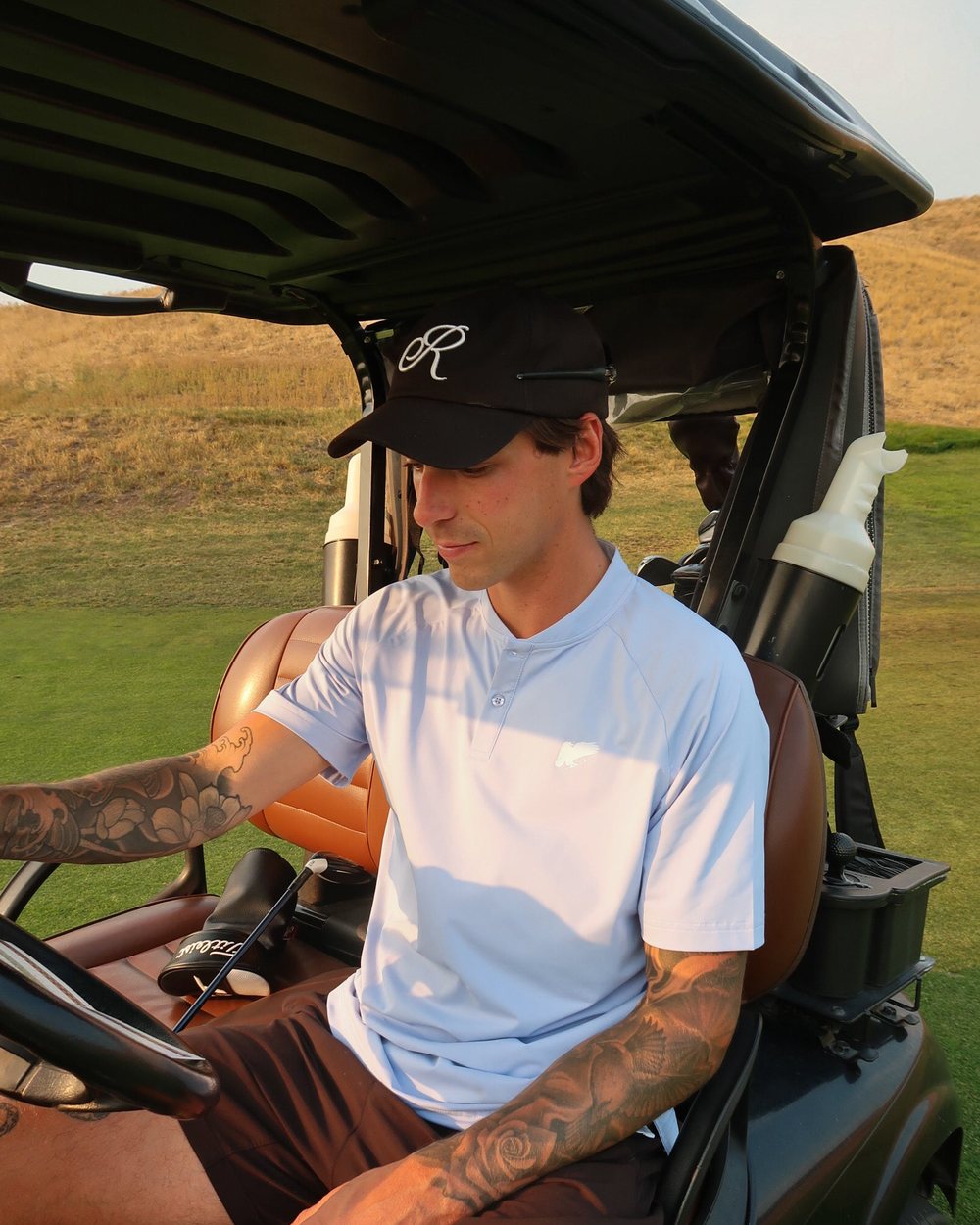
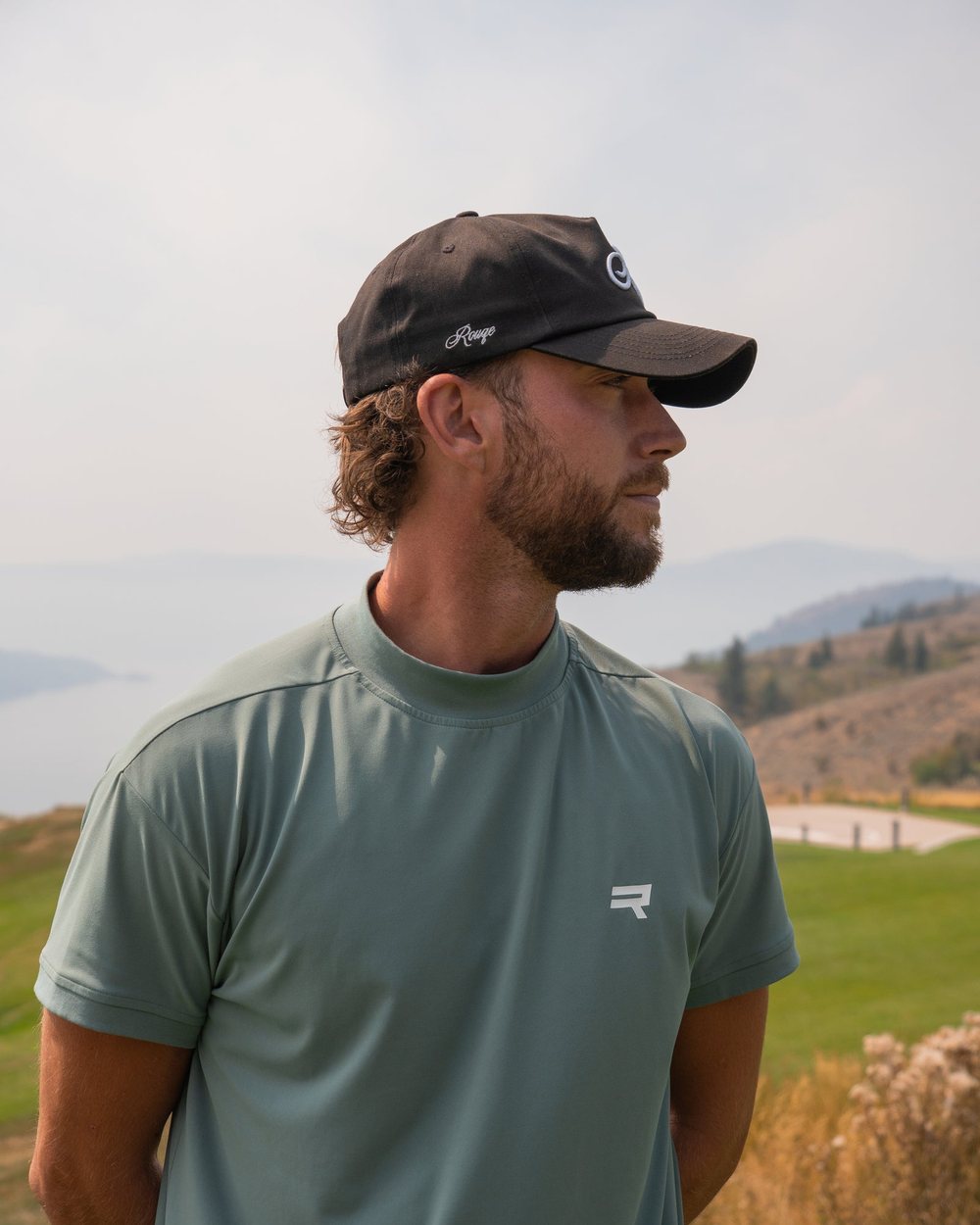
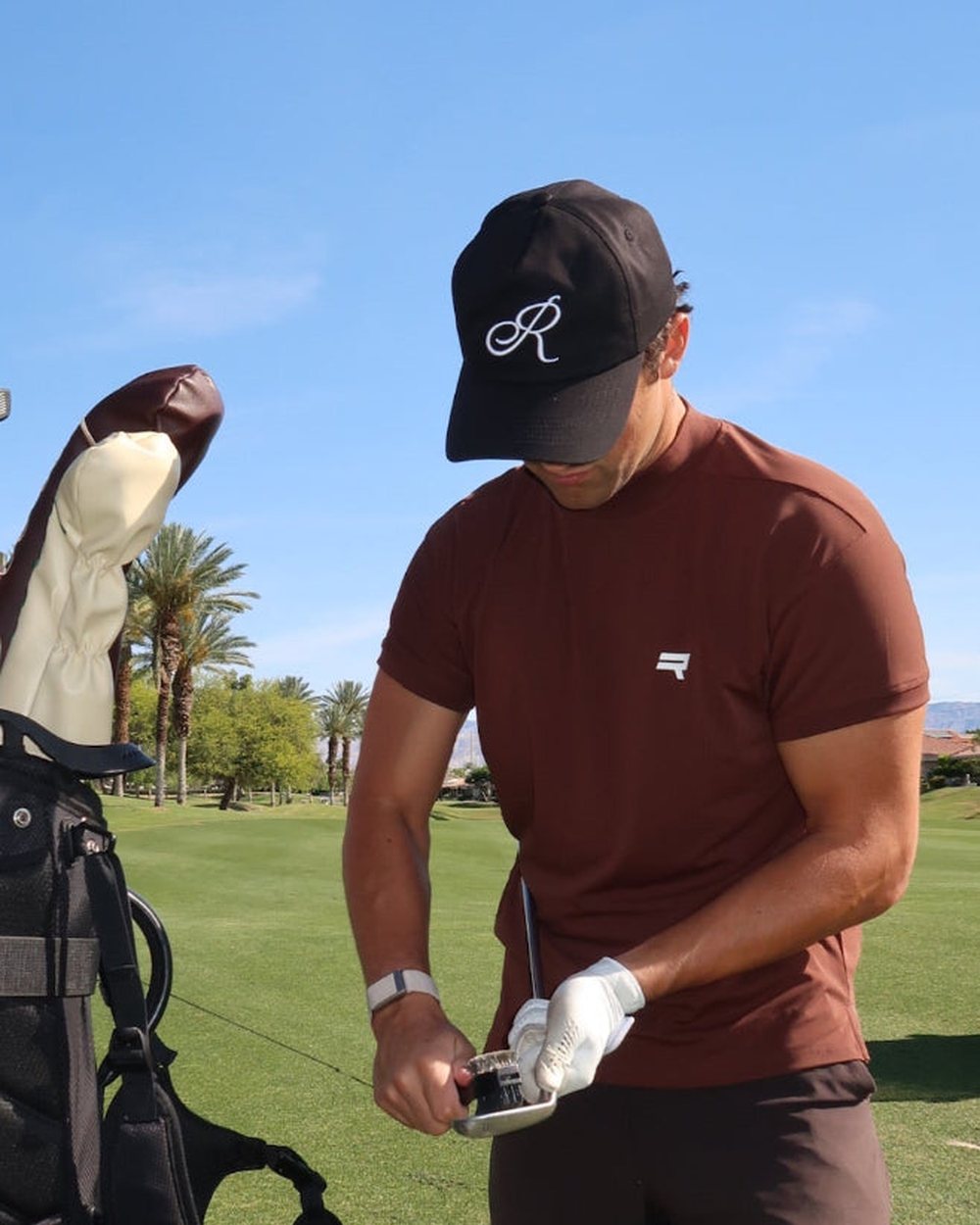
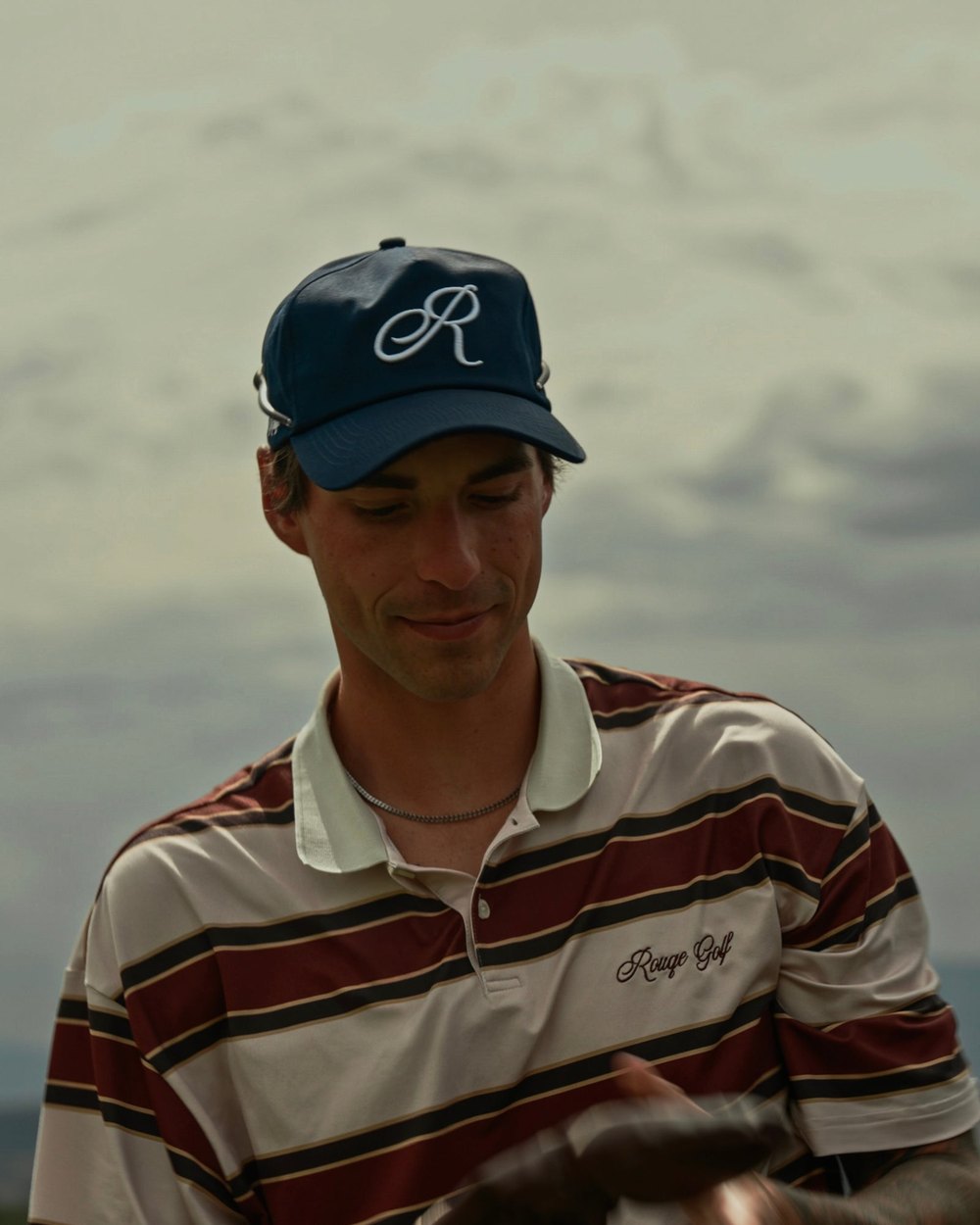
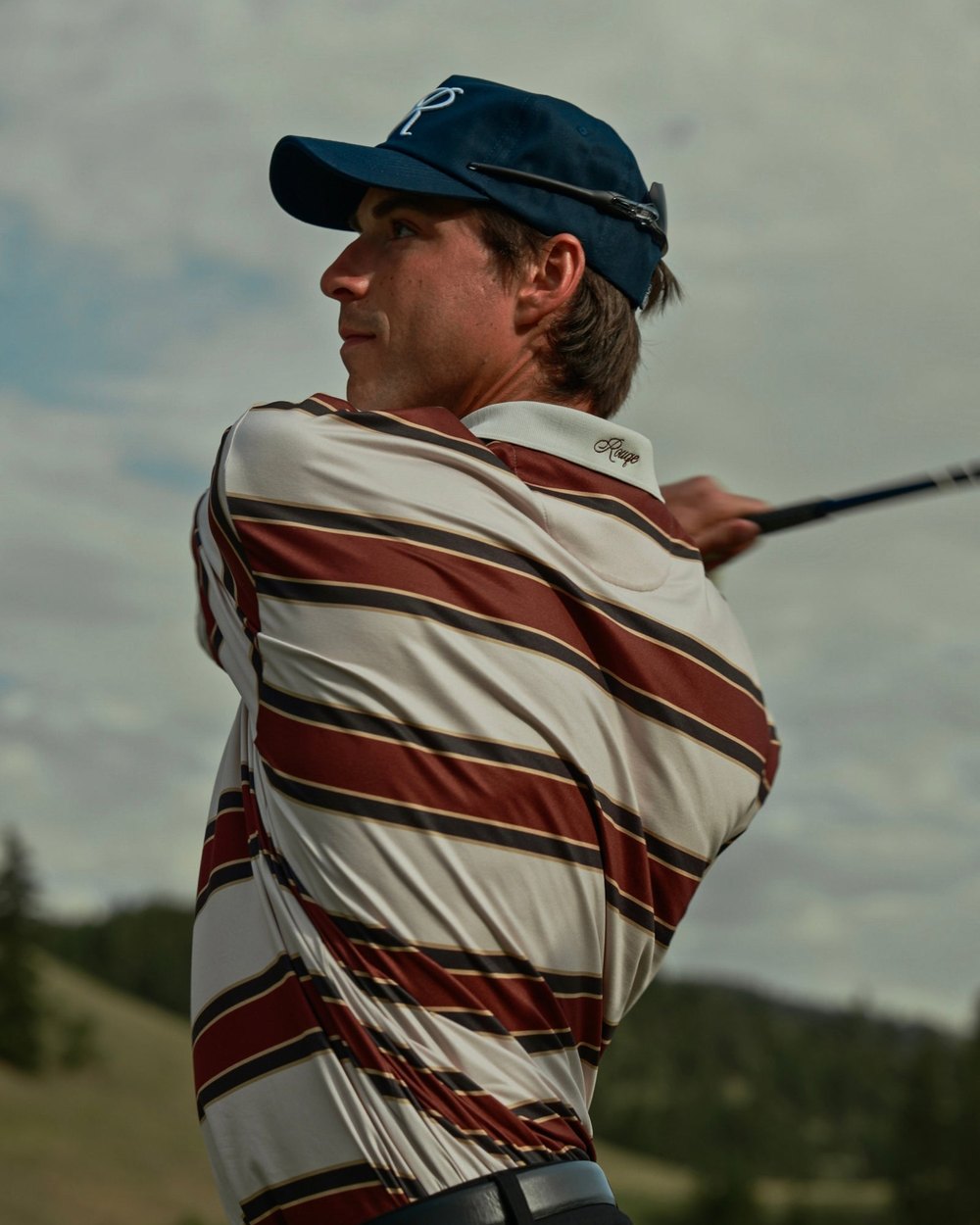
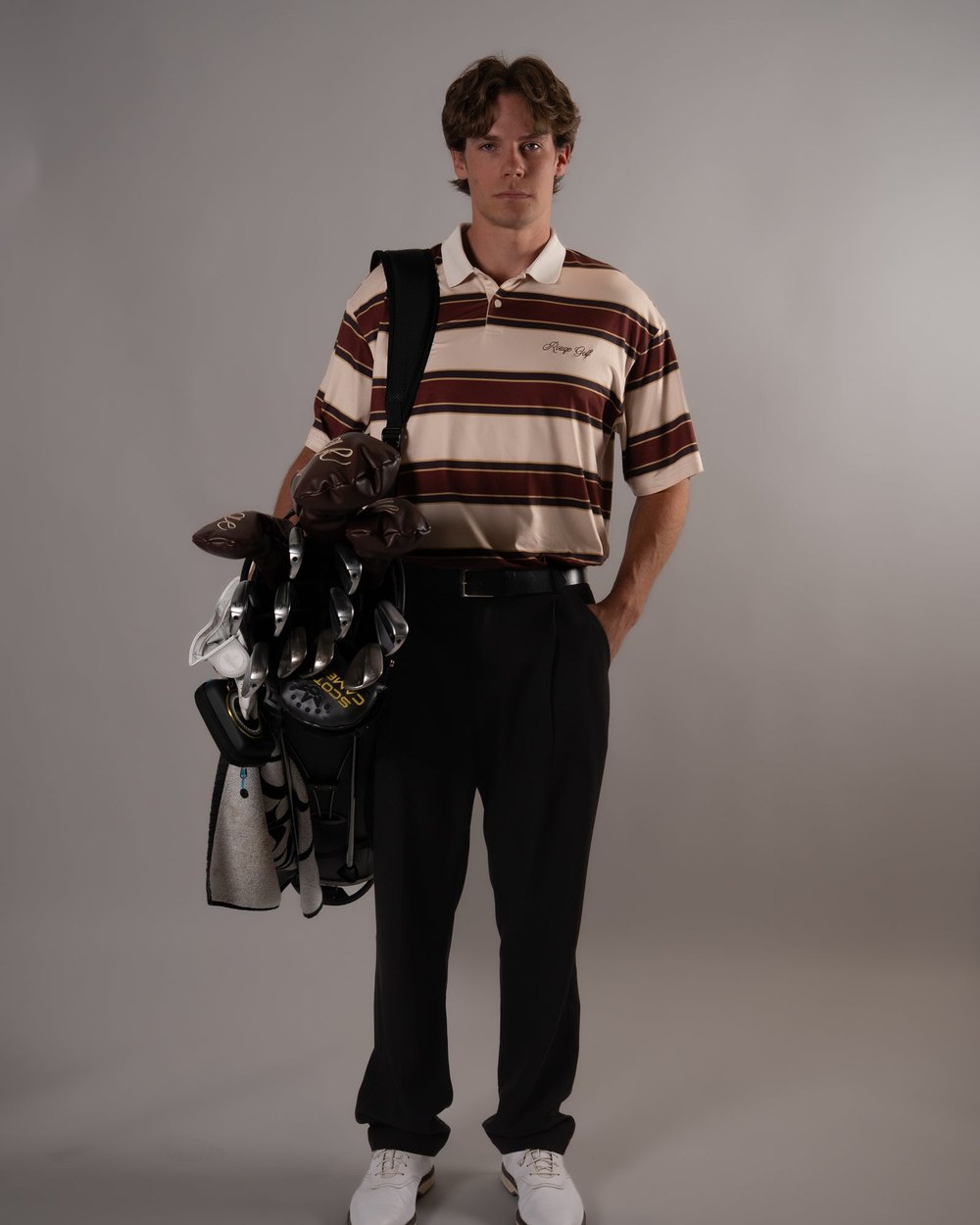
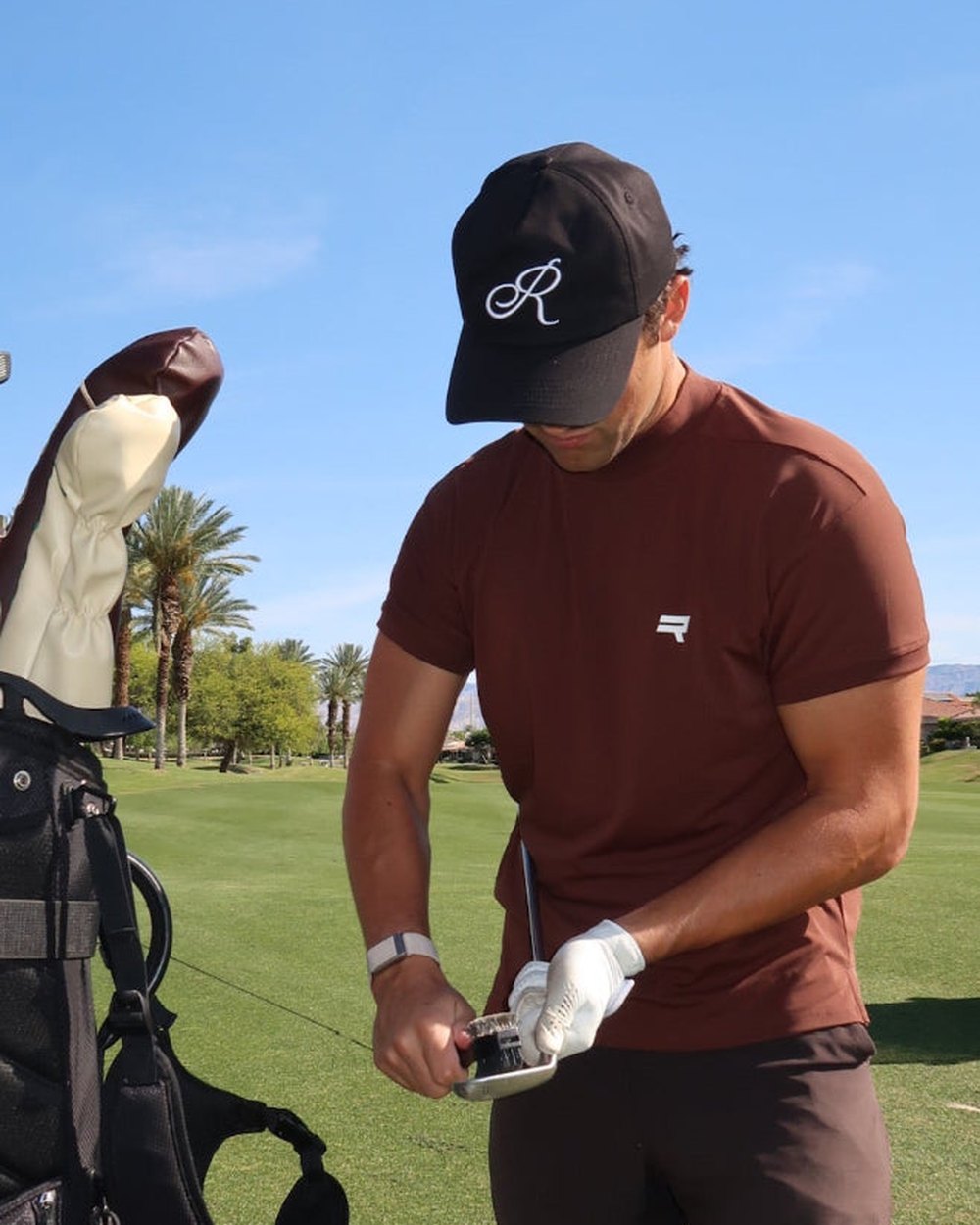
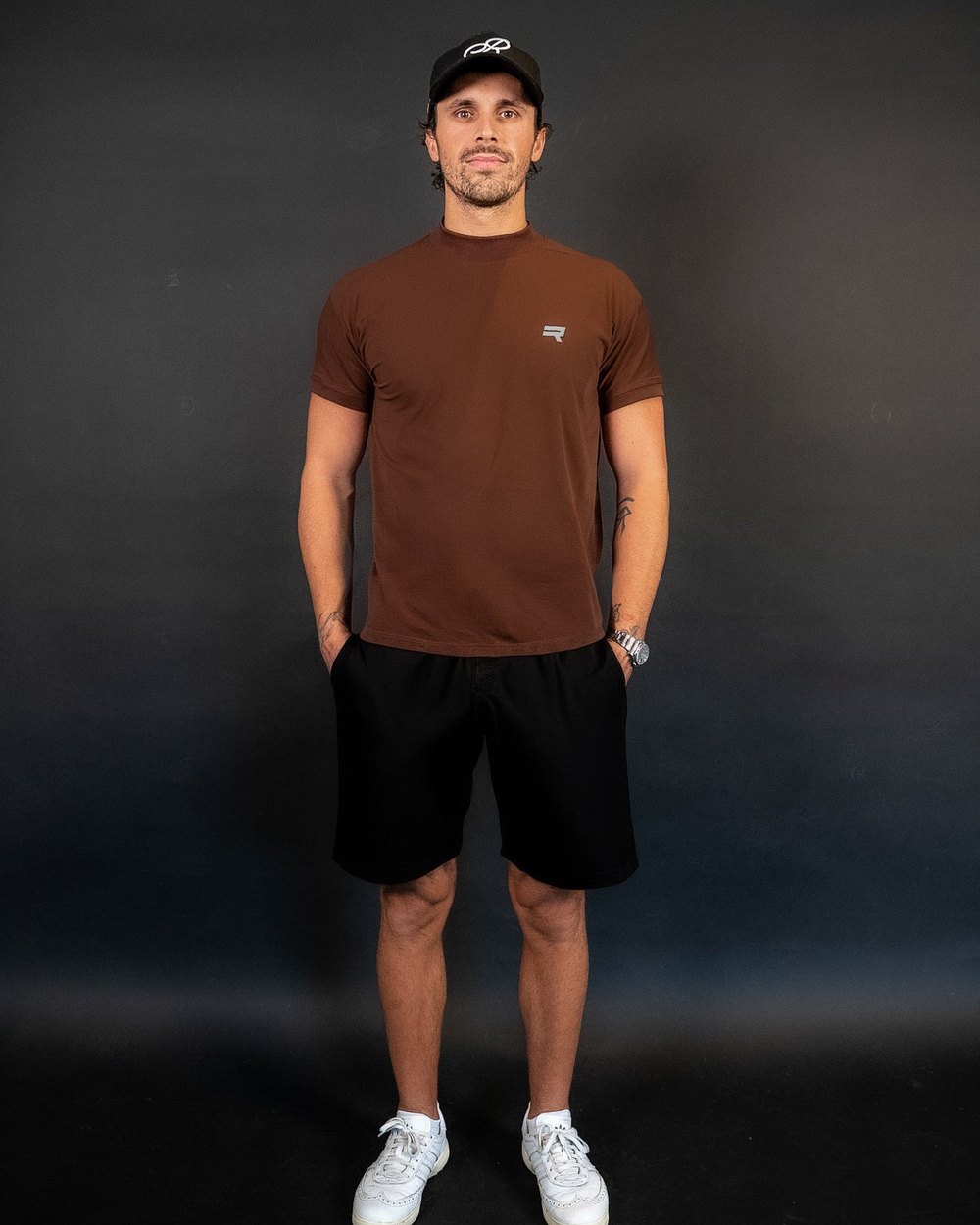
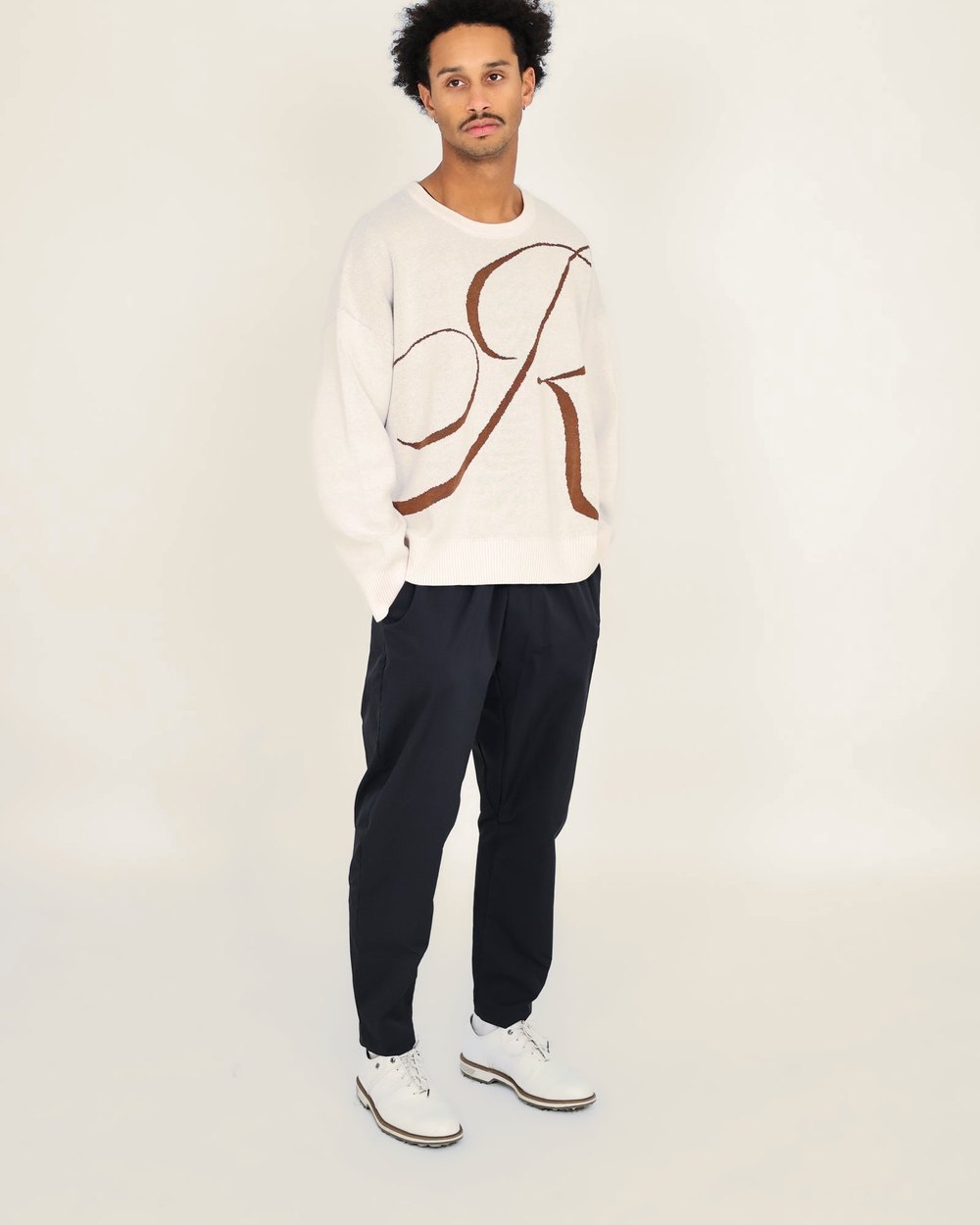
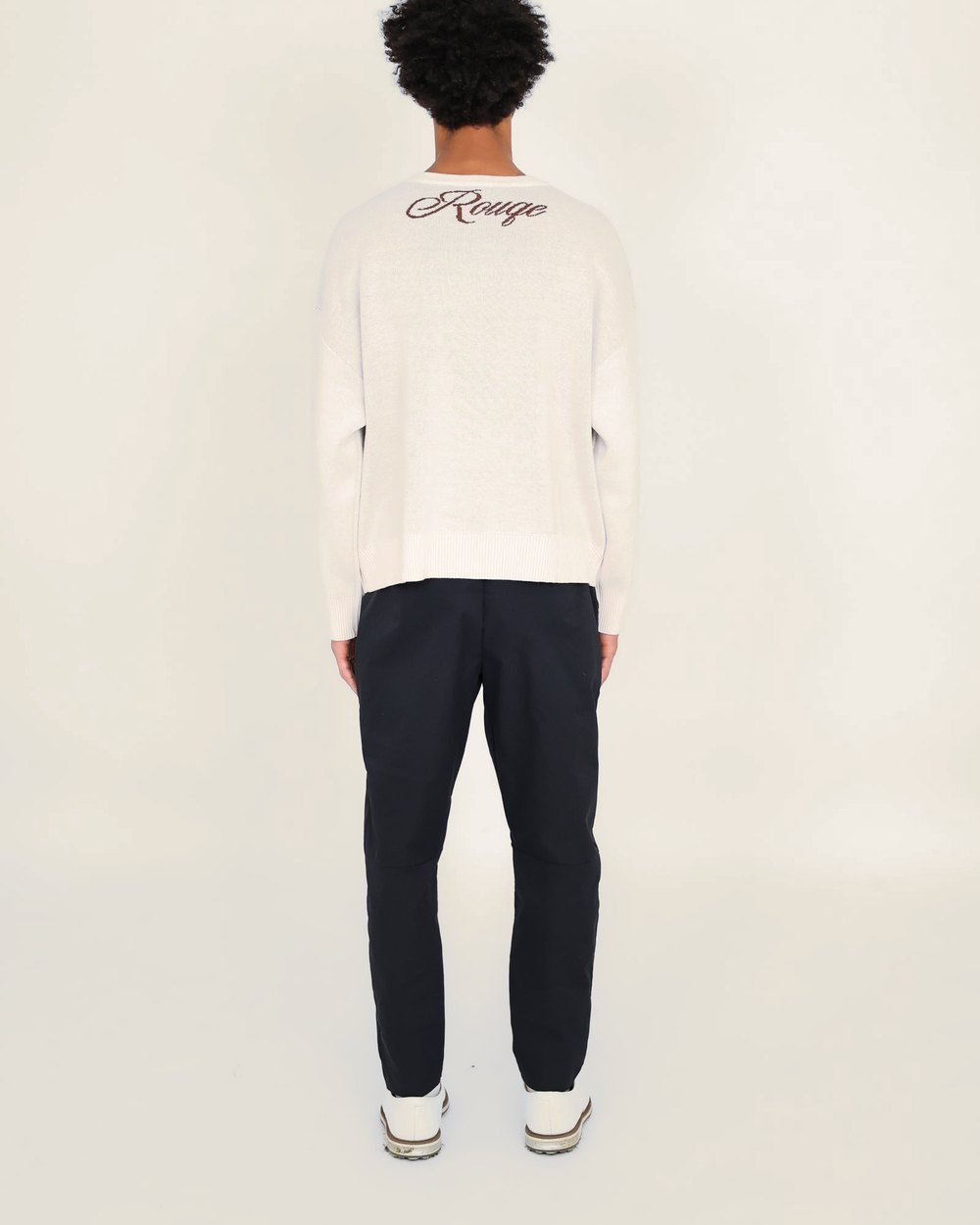
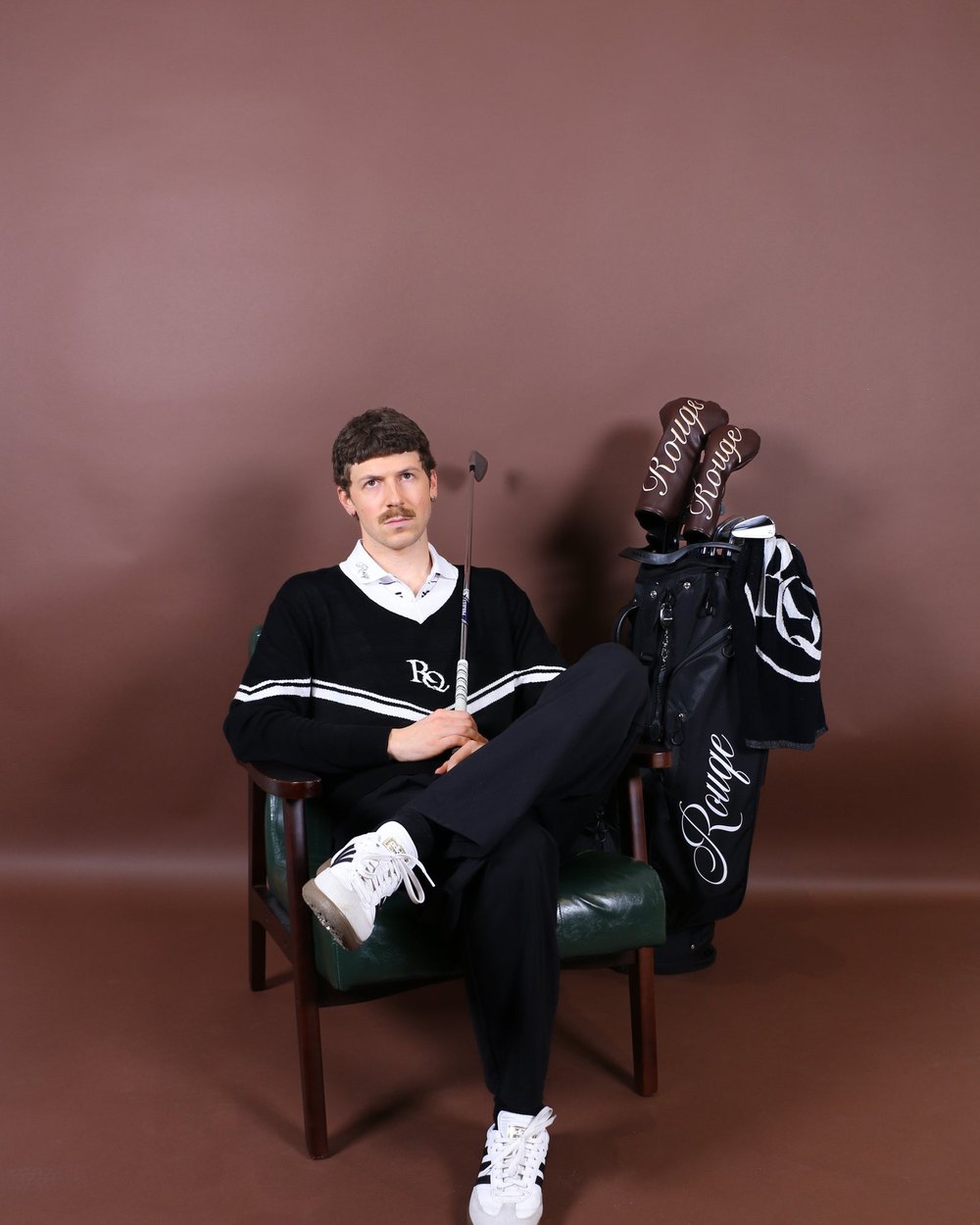
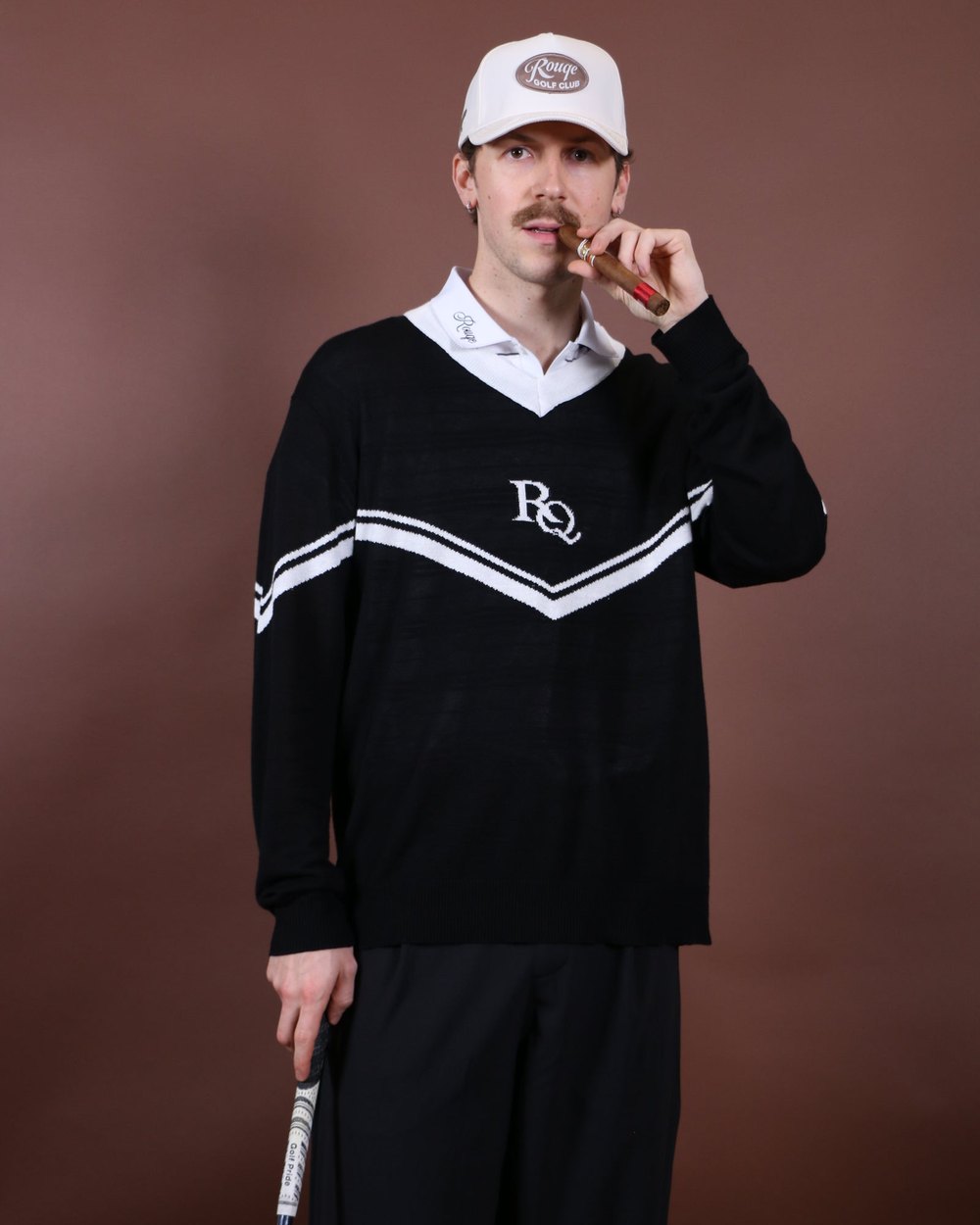
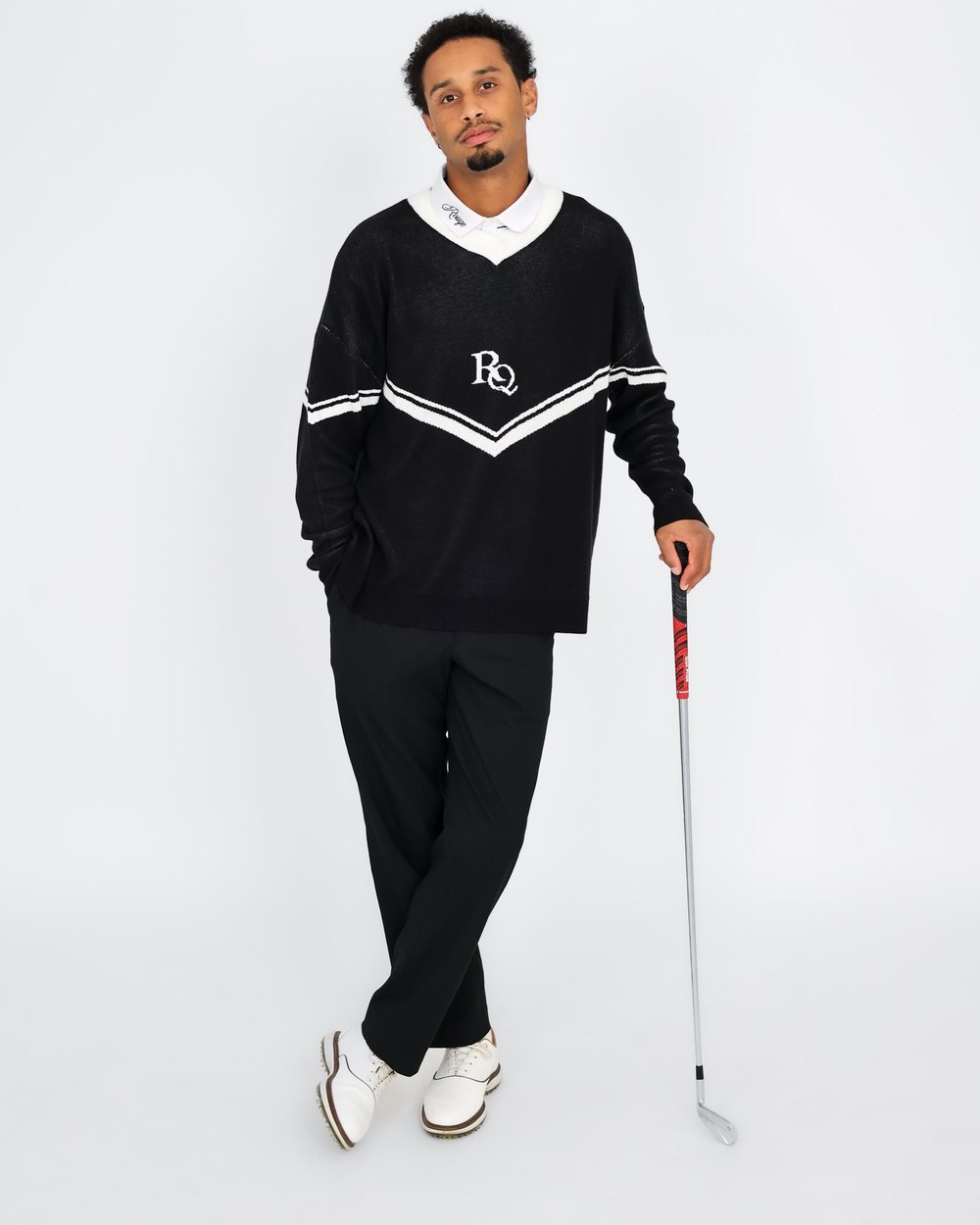
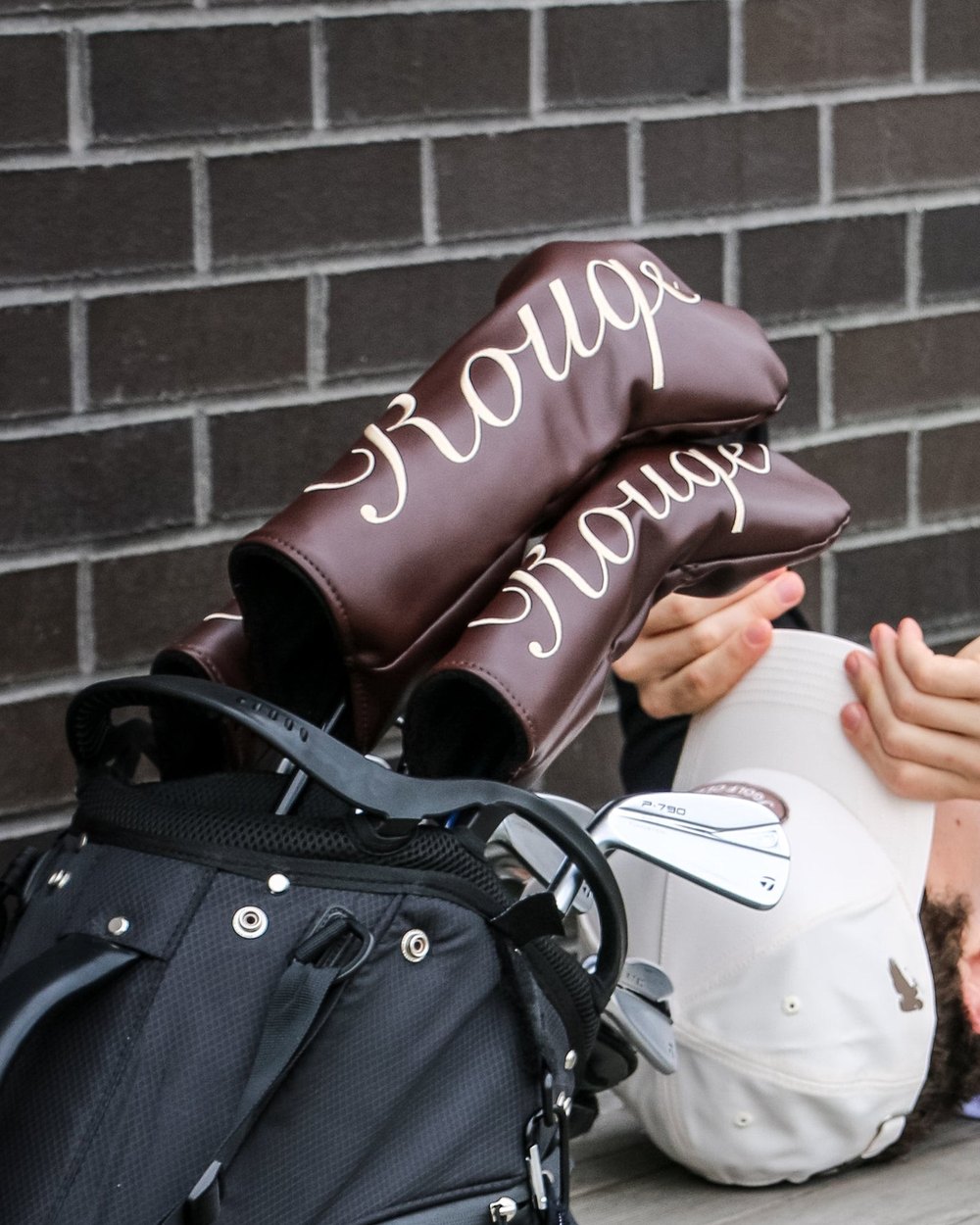
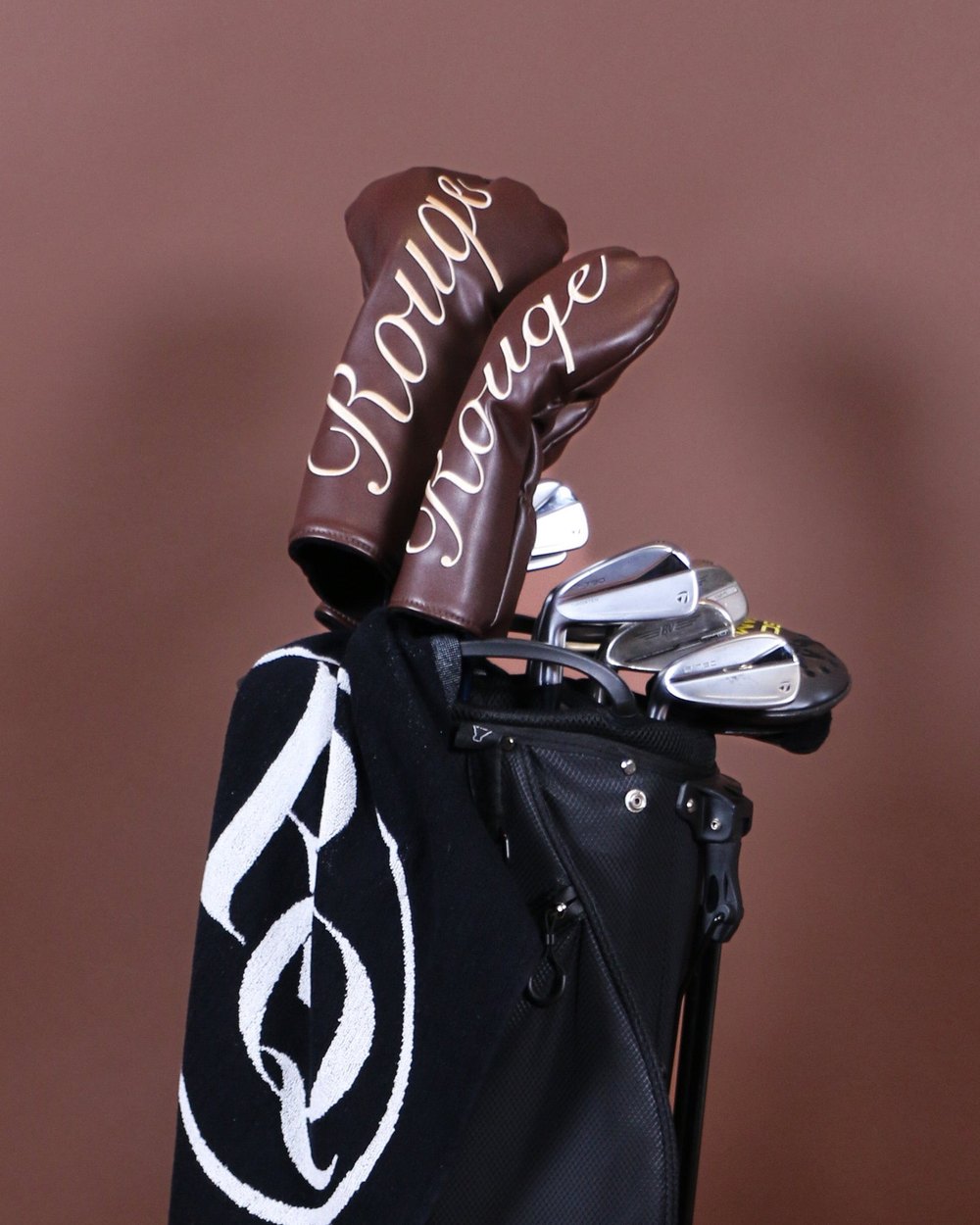
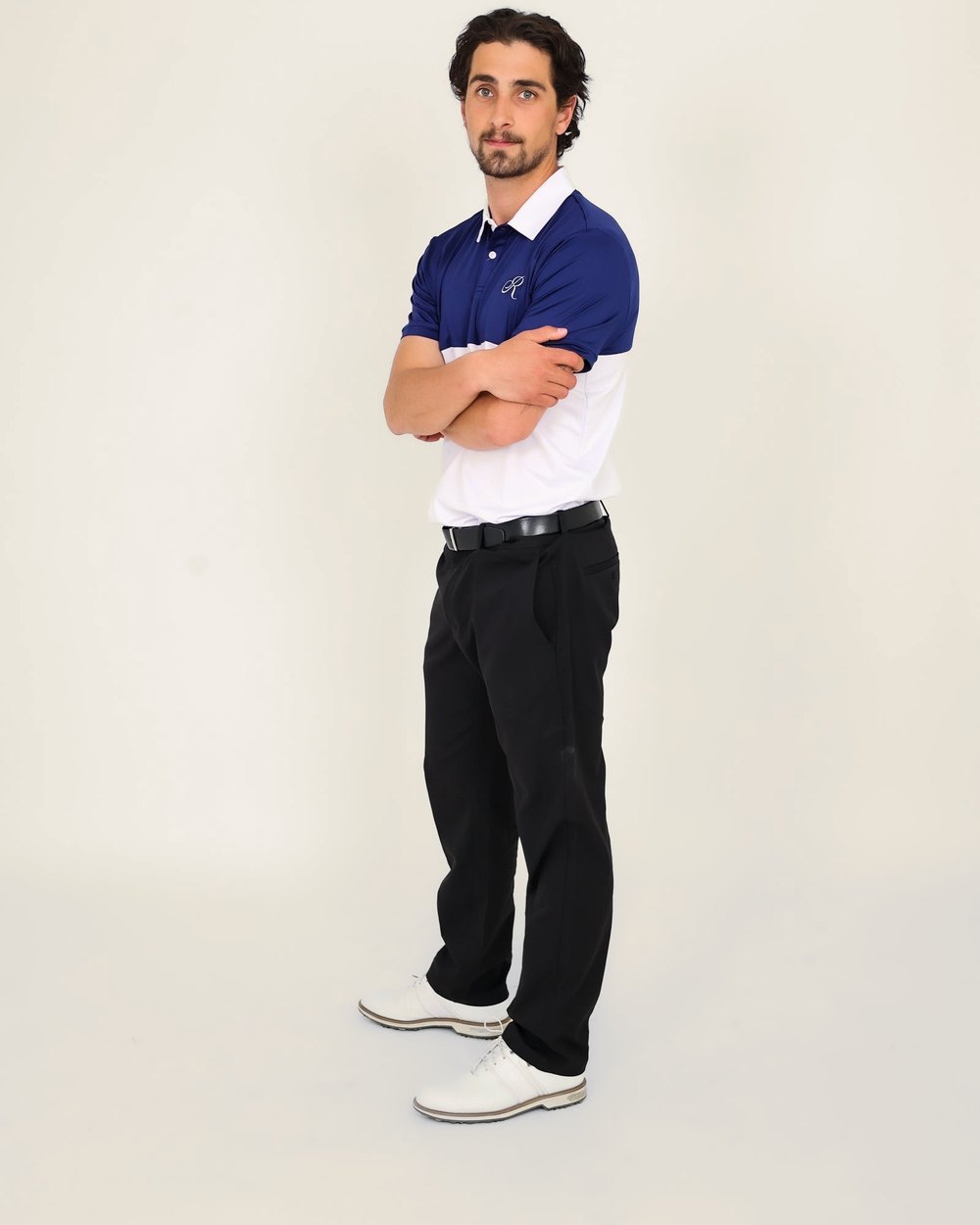
Rouqe does 1974 club-pro styling: mock necks, retro rugby stripes and script knits, shot on a dry mountain course. The loudest pieces sell out first, and the burgundy stripe here is back after a restock.
It is also the most affordable stop on the trip. Nothing on this list is over $51, and the polos are built for the course in four-way stretch with UPF 50+. The store shows prices in US dollars.
The lookbookRouqe’s own photos
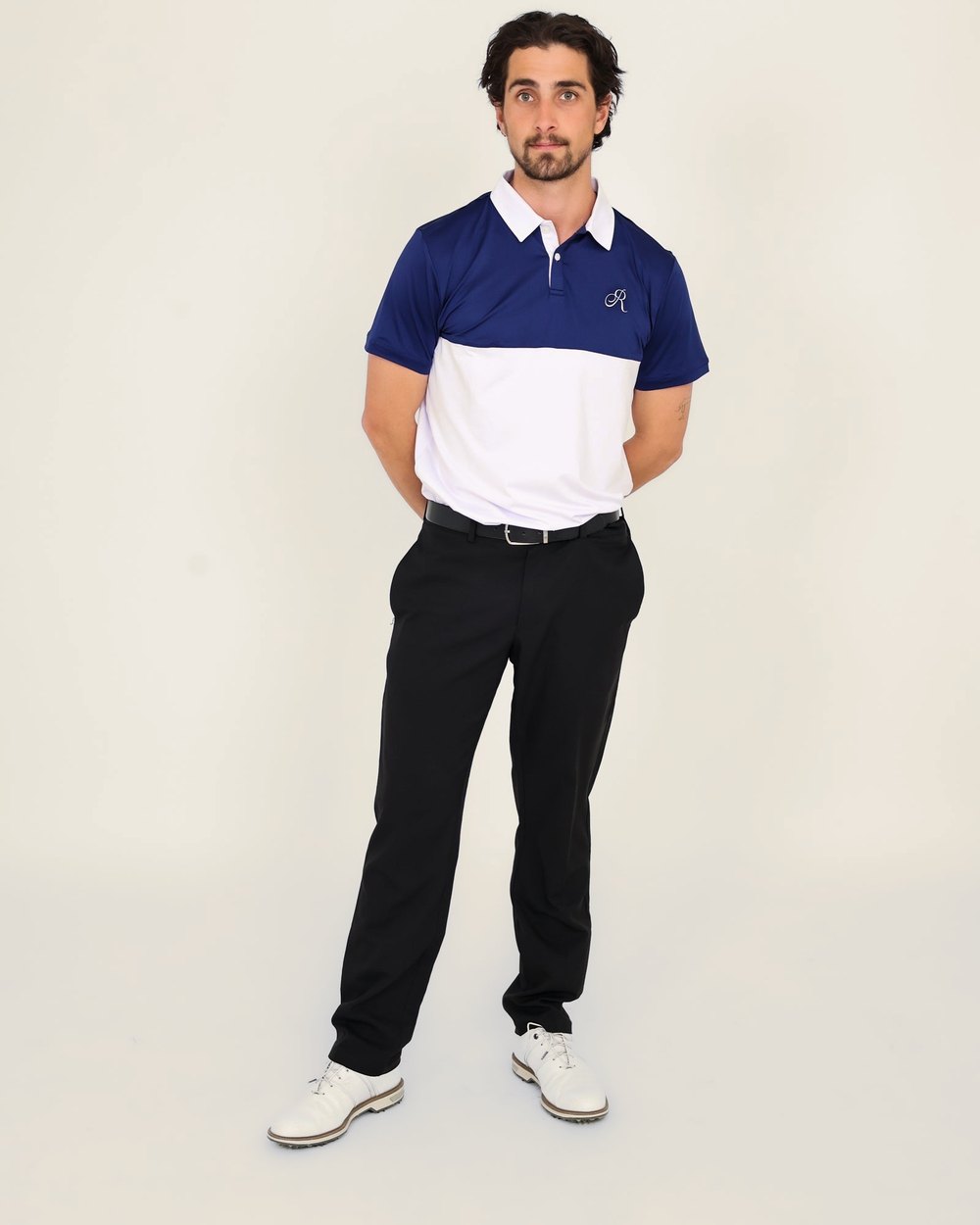
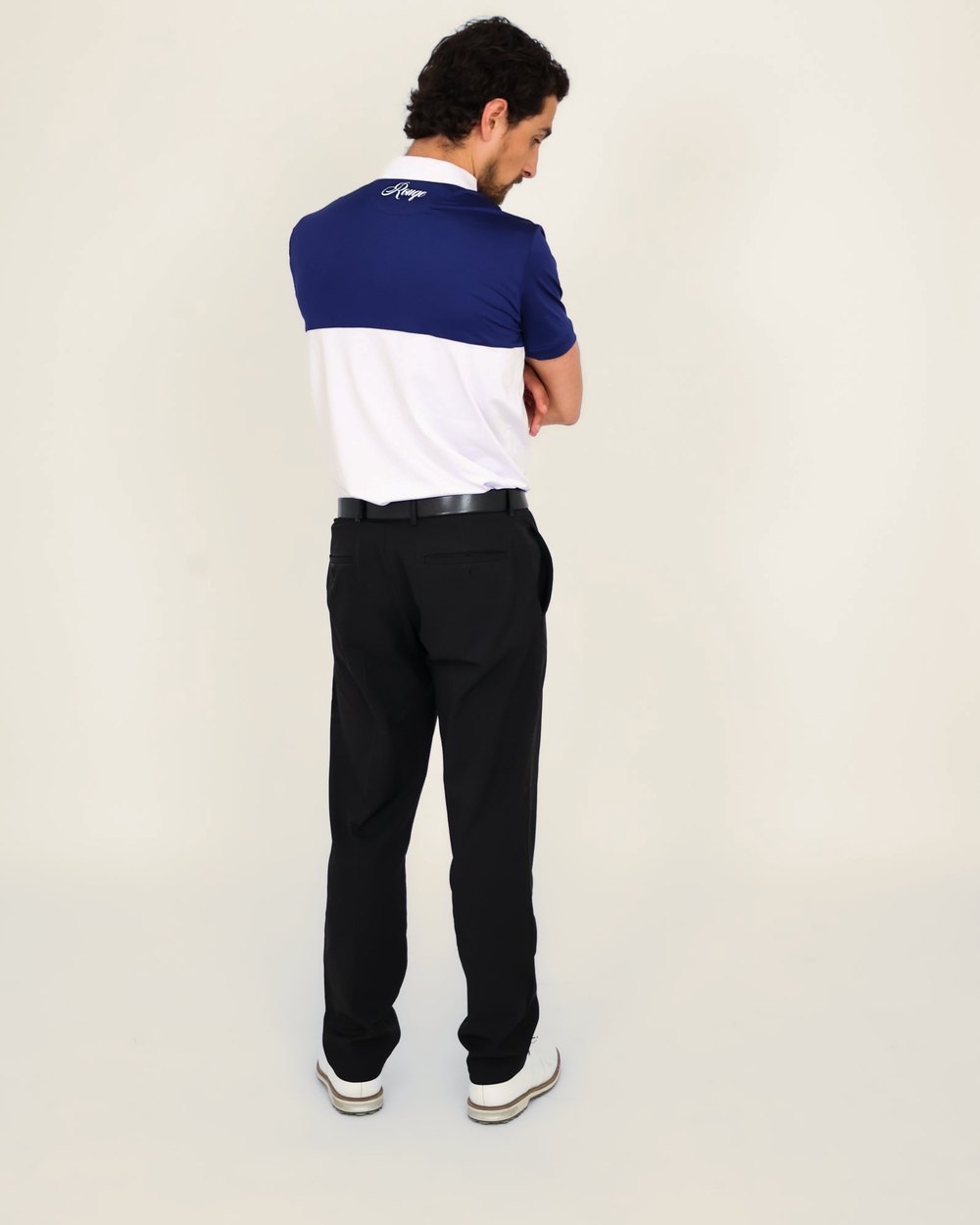
Where to play in CanadaFairmont Banff Springs · Banff National Park, Alberta
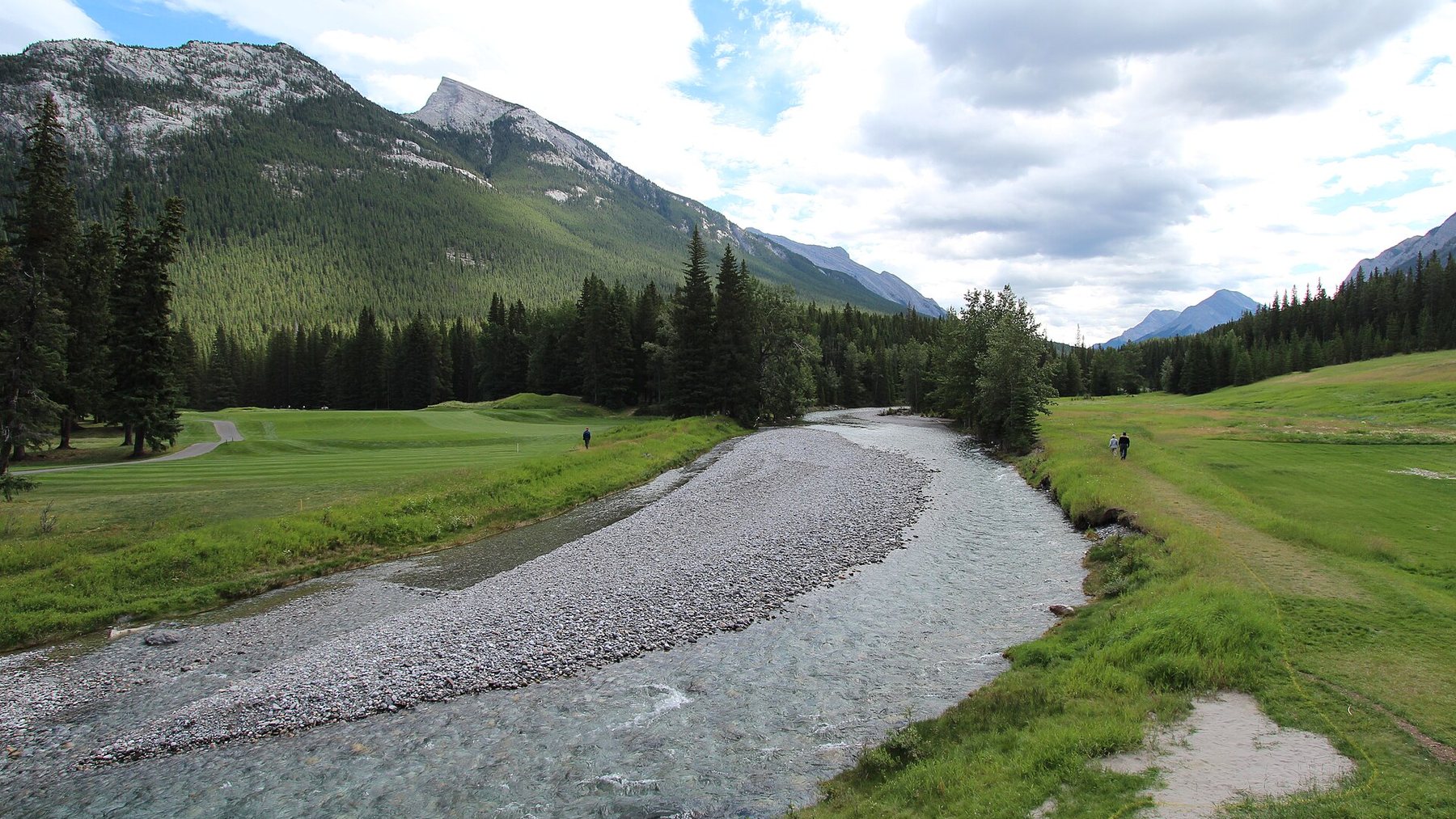
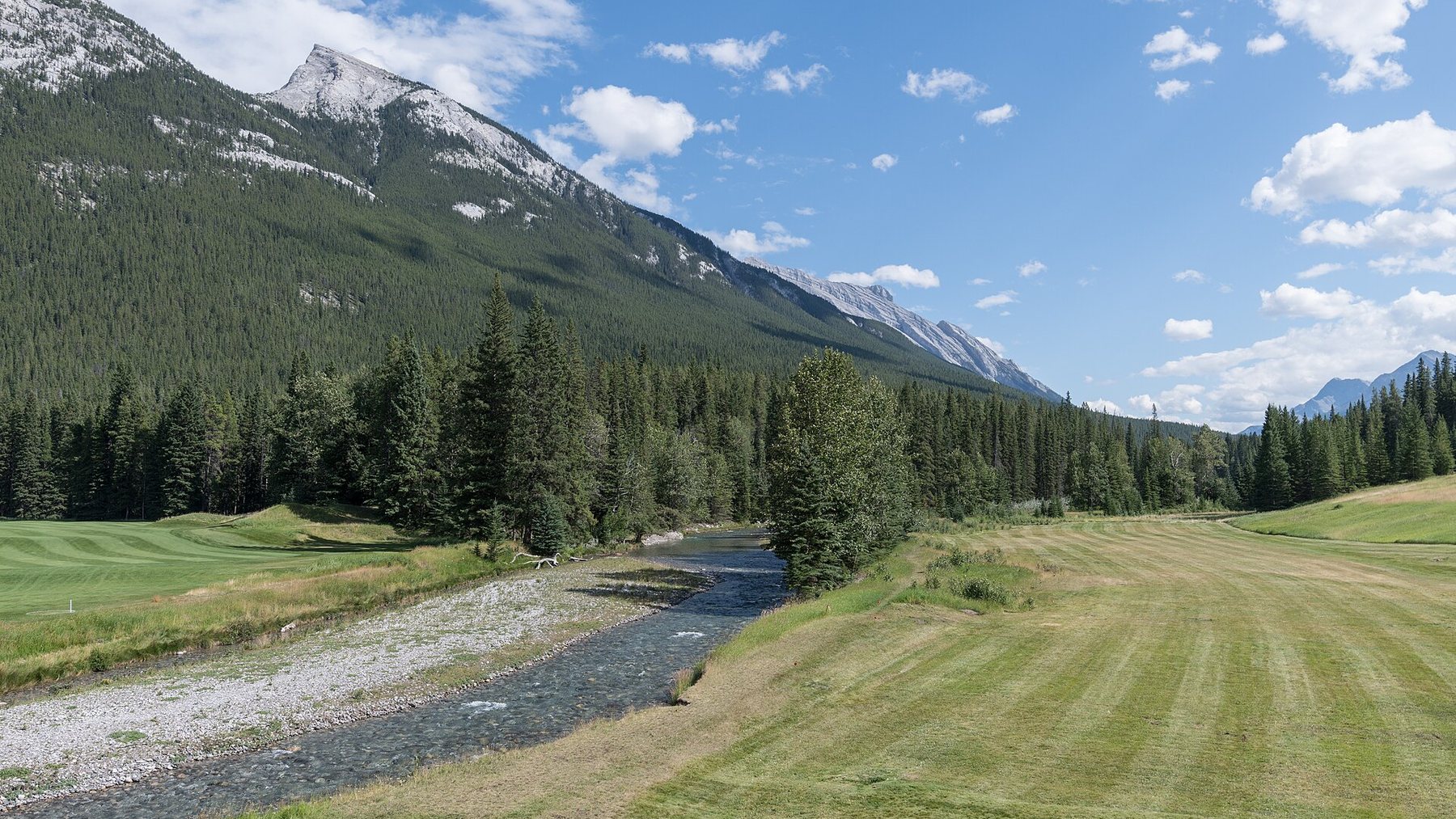
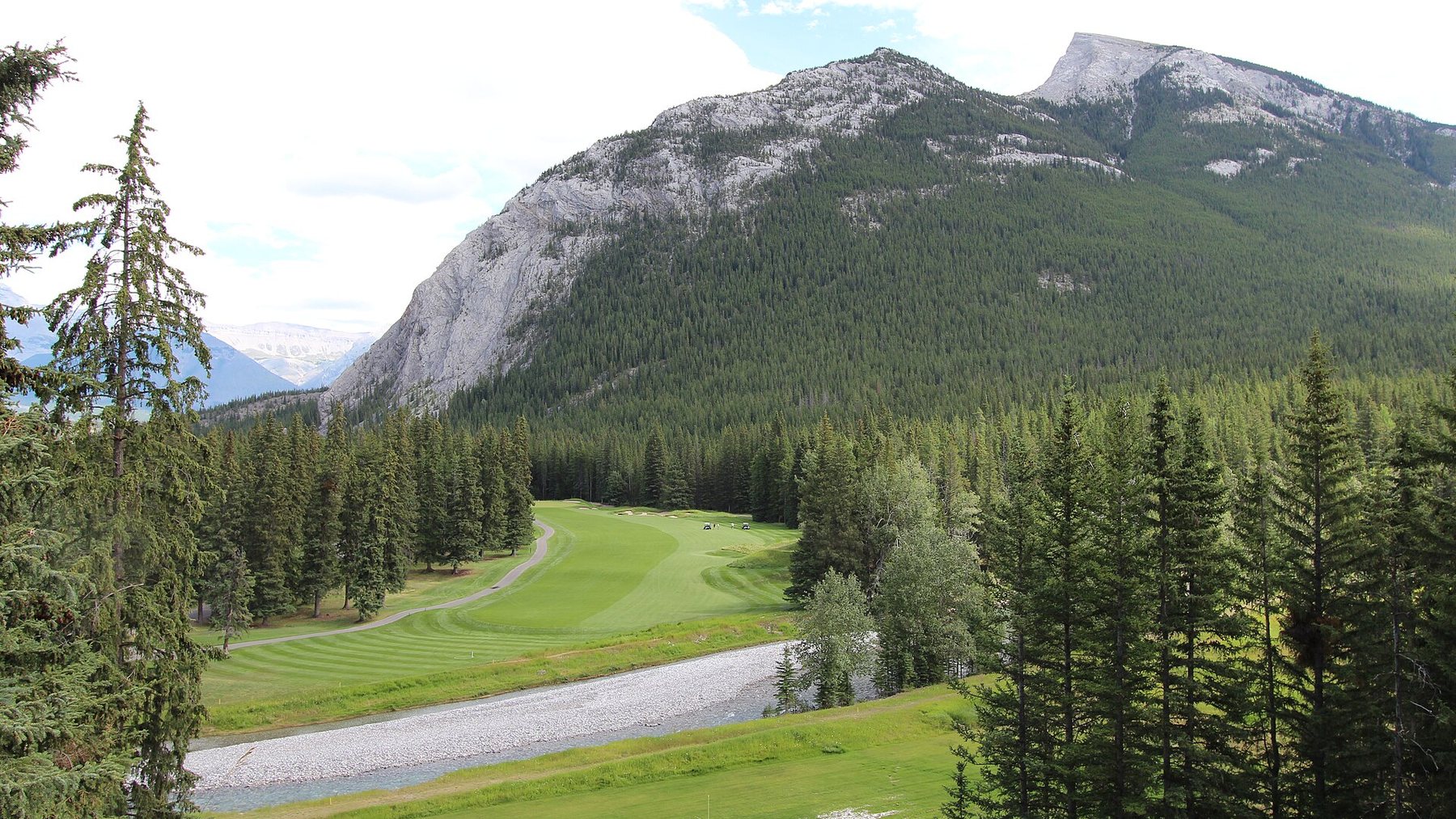
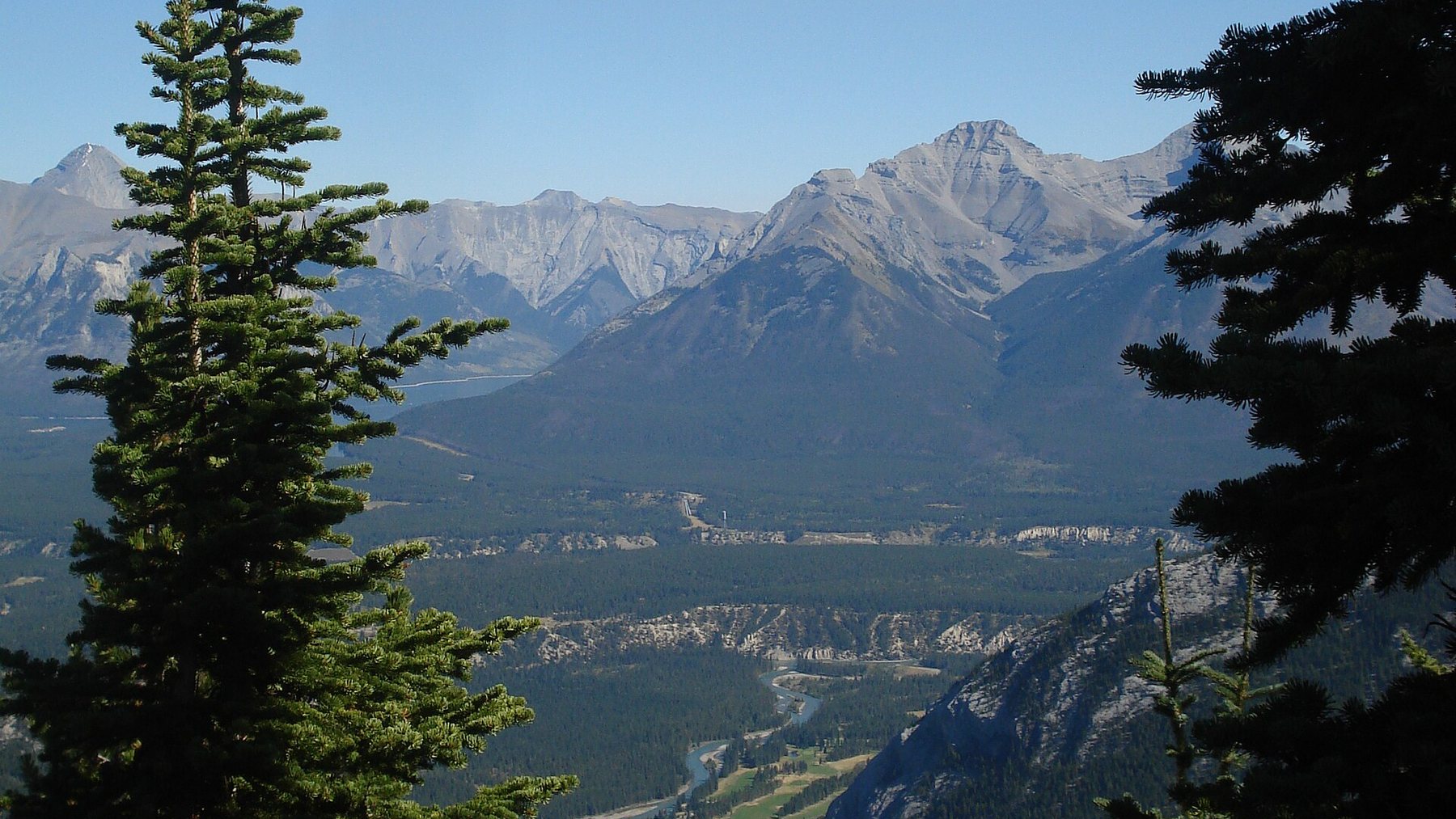
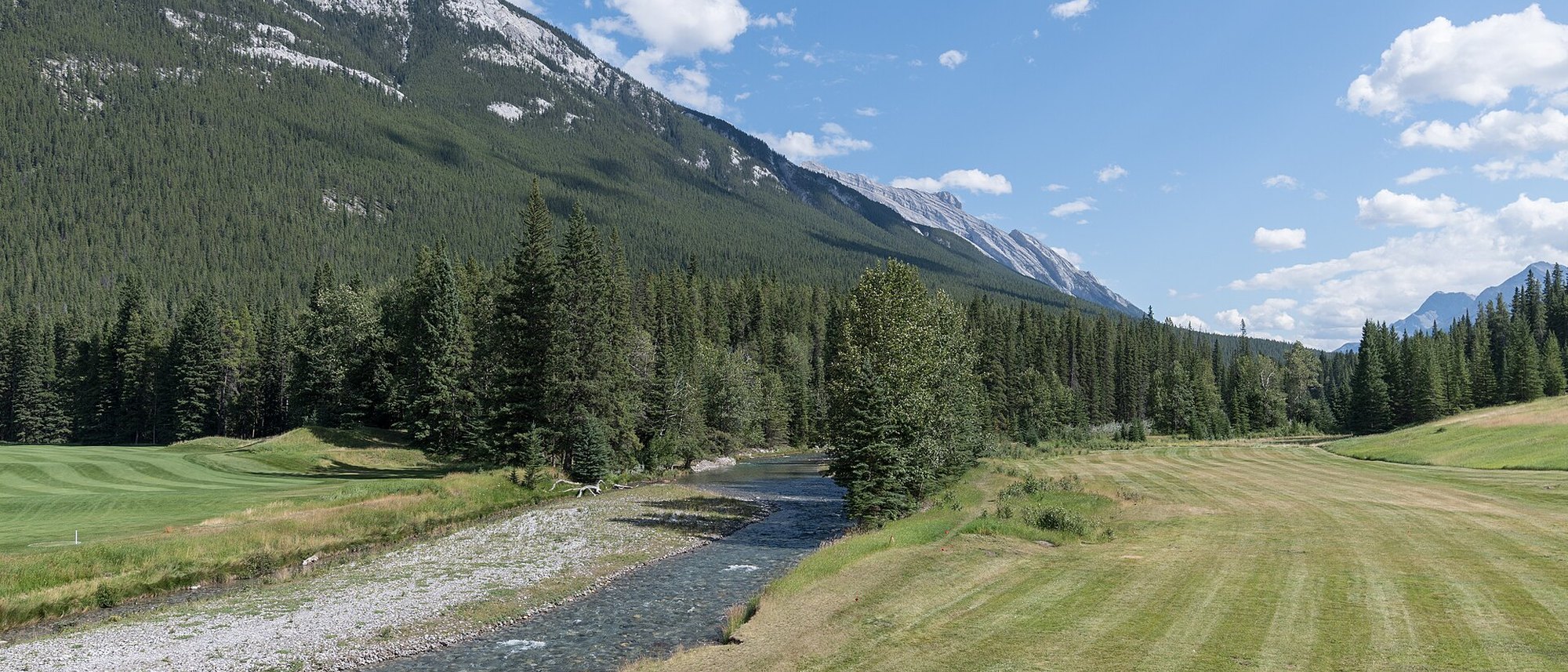
Stanley Thompson routed Banff Springs through the Bow Valley below Mount Rundle in the late 1920s, for the Canadian Pacific Railway and its castle of a hotel. It is golf inside a national park, with the Rockies on every side.
The famous hole is the Devil’s Cauldron, a par 3 of about 190 yards over a glacial pond to a bowl-shaped green. Play it once and you will understand why it shows up on every list of Canada’s great holes.
Golf is played almost everywhere now, and almost everywhere someone is making clothes and gear for it that only make sense from where they are. This is the first stop. If there is a brand from a country we have not covered, send it our way.
Course details and green fees were checked on November 4, 2026. Seasons and prices change, so confirm with the course before you book.
Header photo: Banff Springs and the Spray River, DXR, CC BY-SA 4.0. Course photos as credited. Product photos are each brand’s own.