Sun Mountain invented the bag with legs and four decades later still makes the lightest way to walk a golf course. Rick Reimers quit a club pro job in 1981 and designed a bag in his head on the drive to Montana because the car radio was broken — the nylon carry bag that resulted weighed less than half what leather and vinyl bags did.
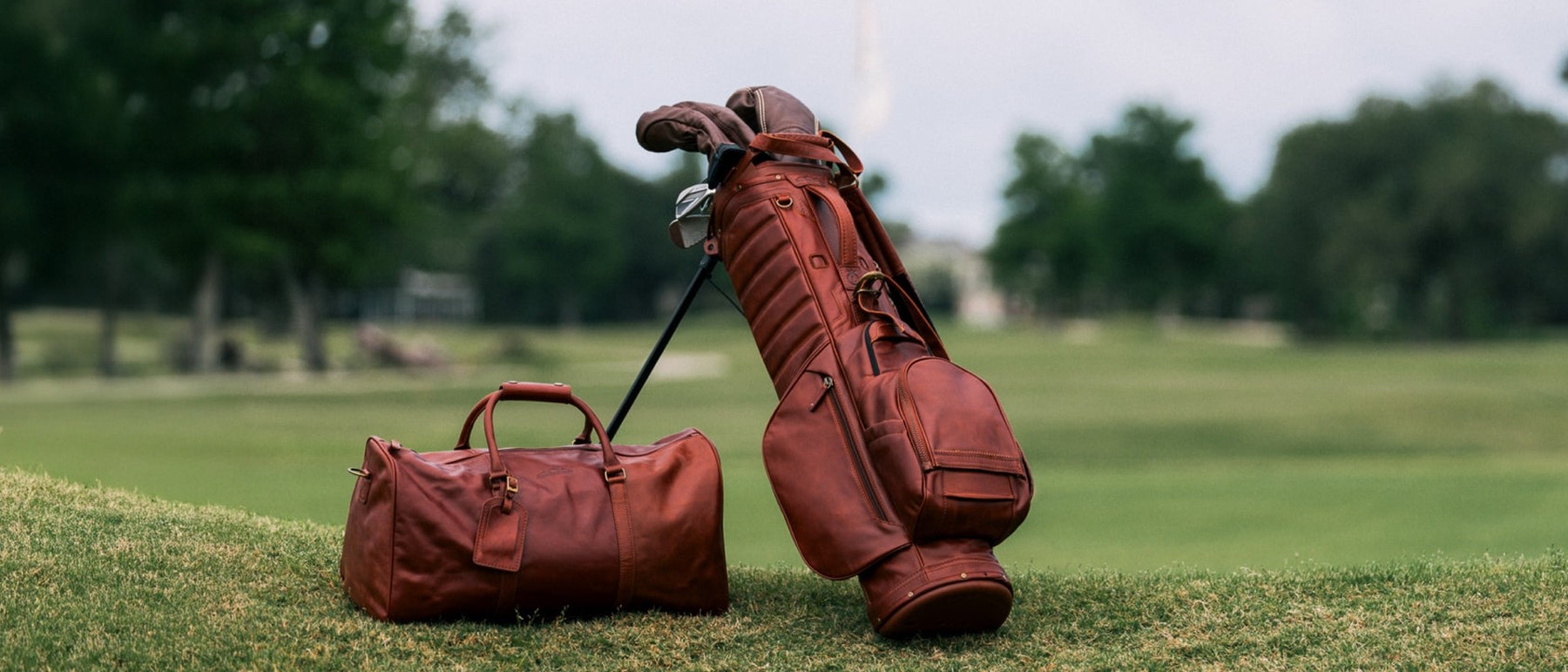
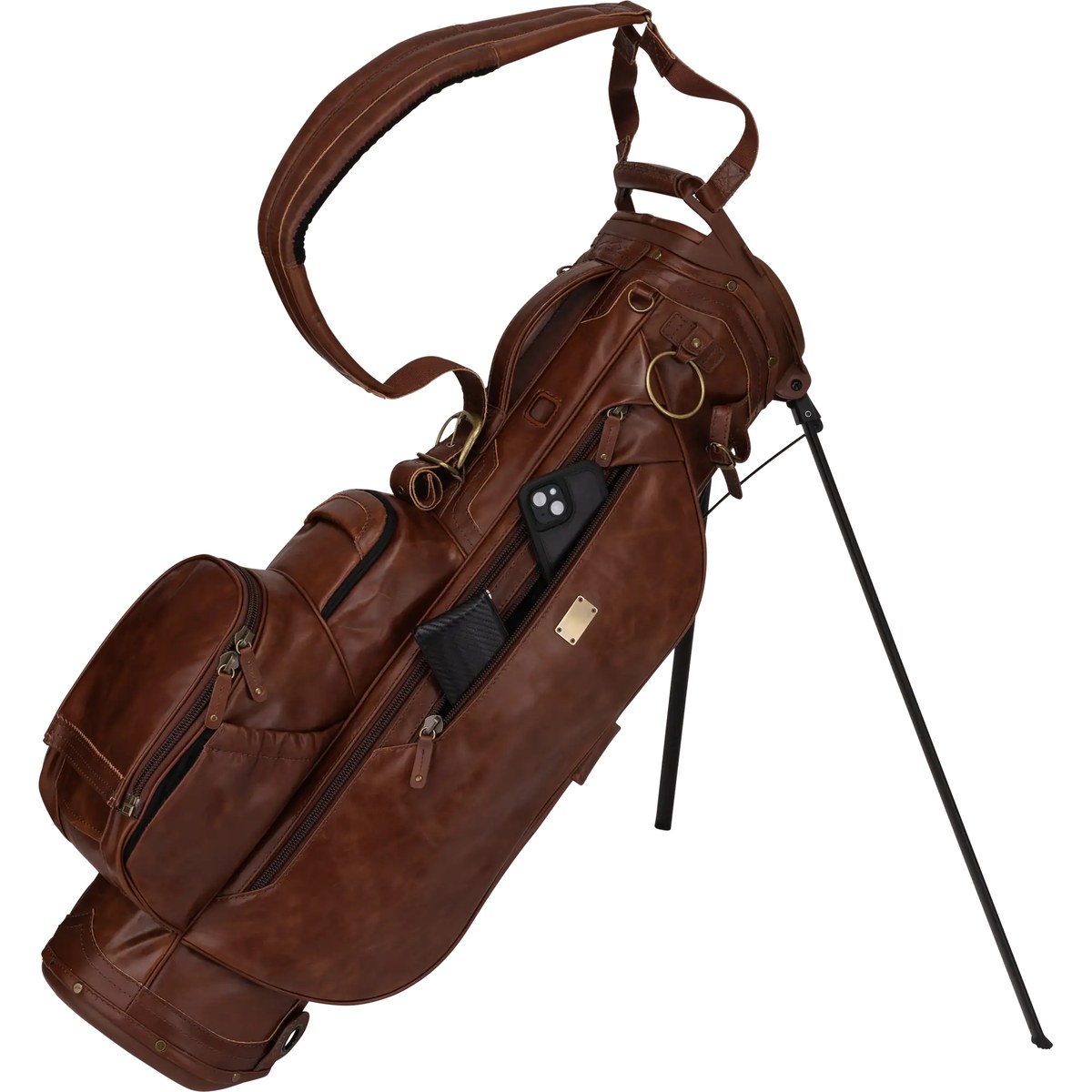
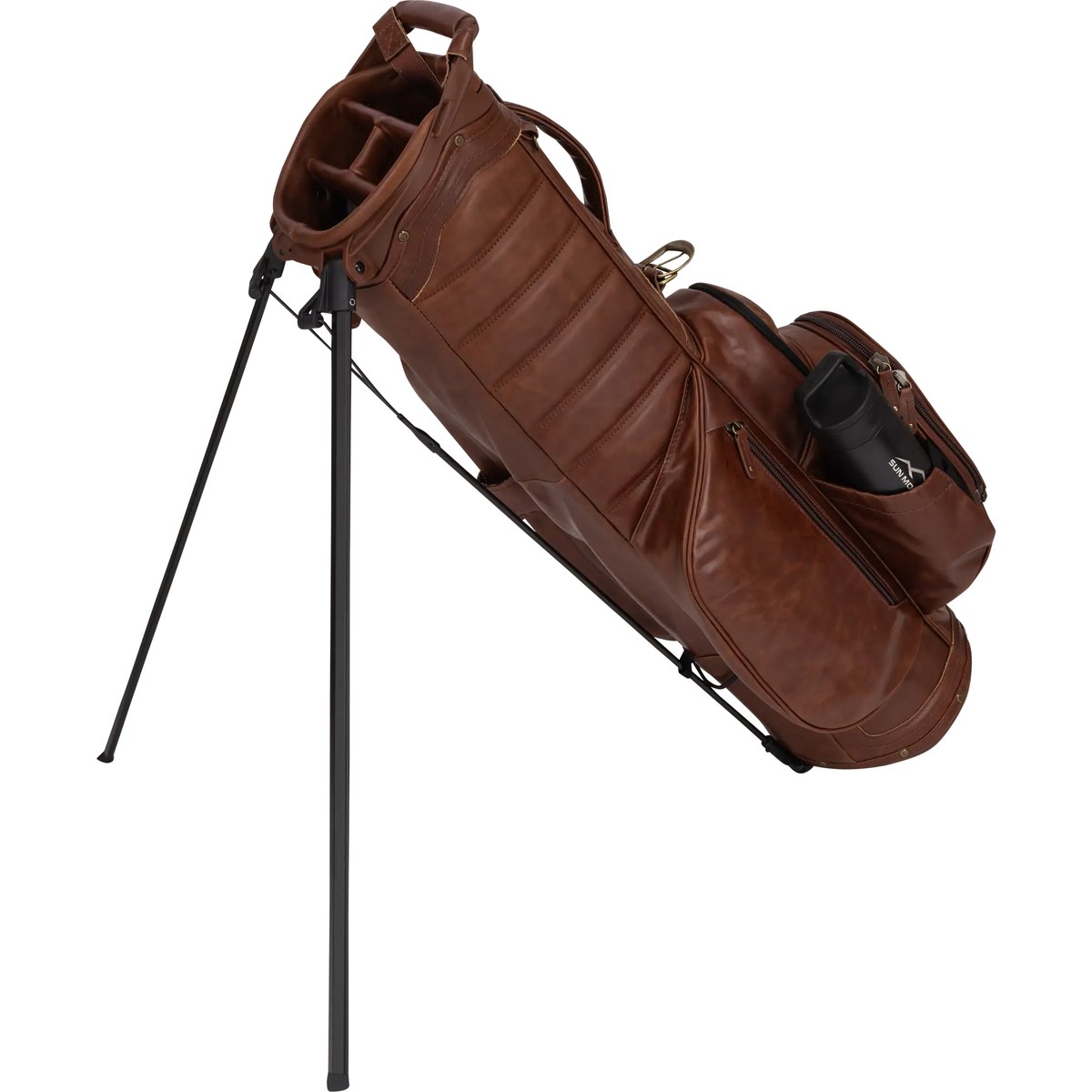
The Matchplay Swift Sunday at $315 is the modern descendant of that first idea, and the Legacy Leather at $1,200 is the other end of the same catalog.
It suits anyone who walks, and particularly anyone who has been talked into riding by the weight of their bag. Eighteen picks run $35 to $1,200.
Sun Mountain invented the bag with legs, and four decades on it still makes the lightest way to walk a golf course. In 1981 a club pro named Rick Reimers quit his job in Northern California and got in the car to drive north to Montana, to ski and think. The car radio was broken, so he spent the whole drive designing a golf bag in his head. What came out the other end was a nylon carry bag that weighed less than half what the leather and vinyl bags of the day weighed.
That was the BACK 9, and it was more interesting than it was successful. The FRONT 9 arrived in 1984 with a molded top and bottom, sold properly, and became the shape every other carry bag copied. It also earned Sun Mountain the job of building the L8 bag for Ping, which put a Missoula startup in the position of manufacturing for one of golf’s giants.
Then, in 1986, they put legs on it. The Eclipse is the bag Sun Mountain is credited with inventing, and its patented stand mechanism is now hinged onto almost every carry bag in the game. They ran the same trick twice more. The Speed Cart in 1999 folded down small enough that people bought one, and a walking-cart category appeared where there had not been one. The ClubGlider in 2008 put retractable legs on a travel bag, so an airport stopped being a workout.
Here is the part that gets left out. Reimers ran the company for 41 years as founder, director and sole shareholder, with no partners, no investors and no board. In March 2022 he sold Sun Mountain Sports to Solace Capital Partners, a Los Angeles private equity firm, and kept the scooter business. The bags are still assembled in Missoula, which remains unusual for the category. The fabrics come from Asia, and the company says “assembled in the USA” rather than made, which is the honest version.
The line runs across four categories: bags from the $224 Eclipse up to a $1,200 leather stand bag, push carts, travel covers, and small goods down to a $35 headcover. Three of those four are categories Sun Mountain either created or reshaped, which is a strange thing to say about the sensible default.
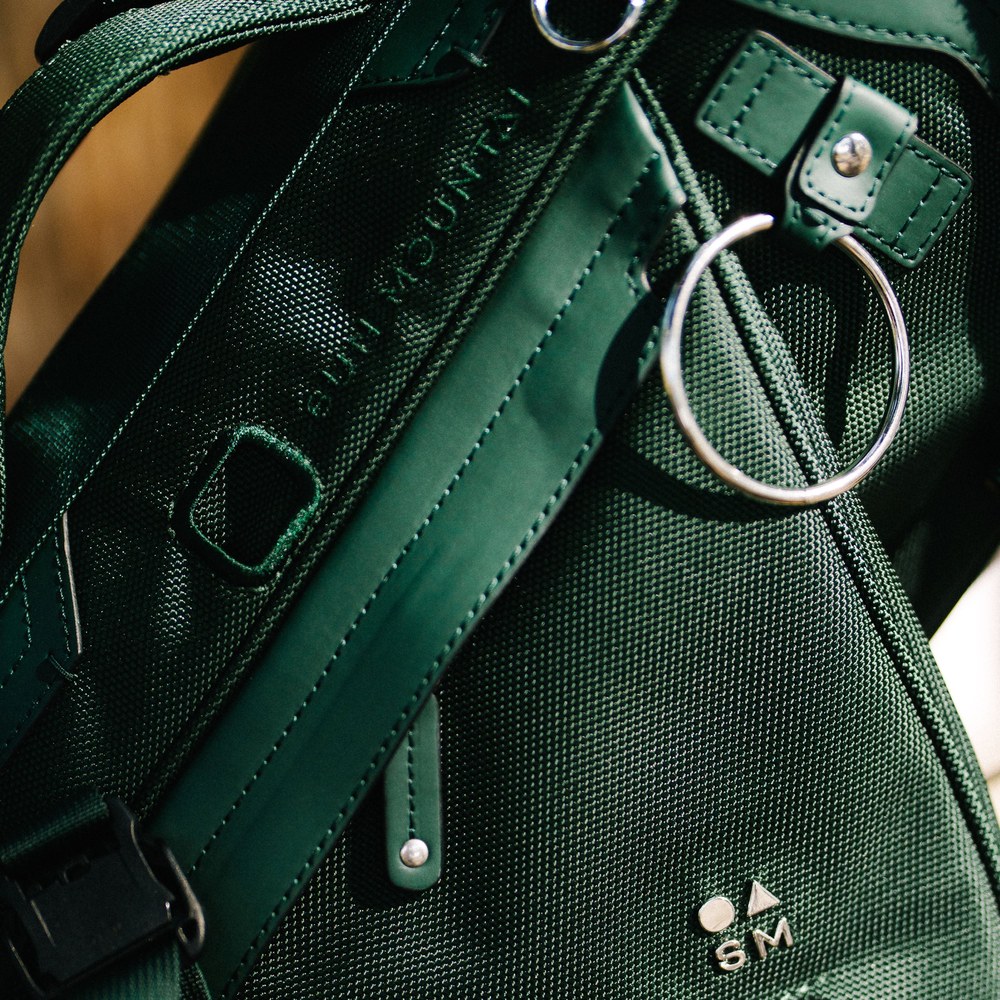
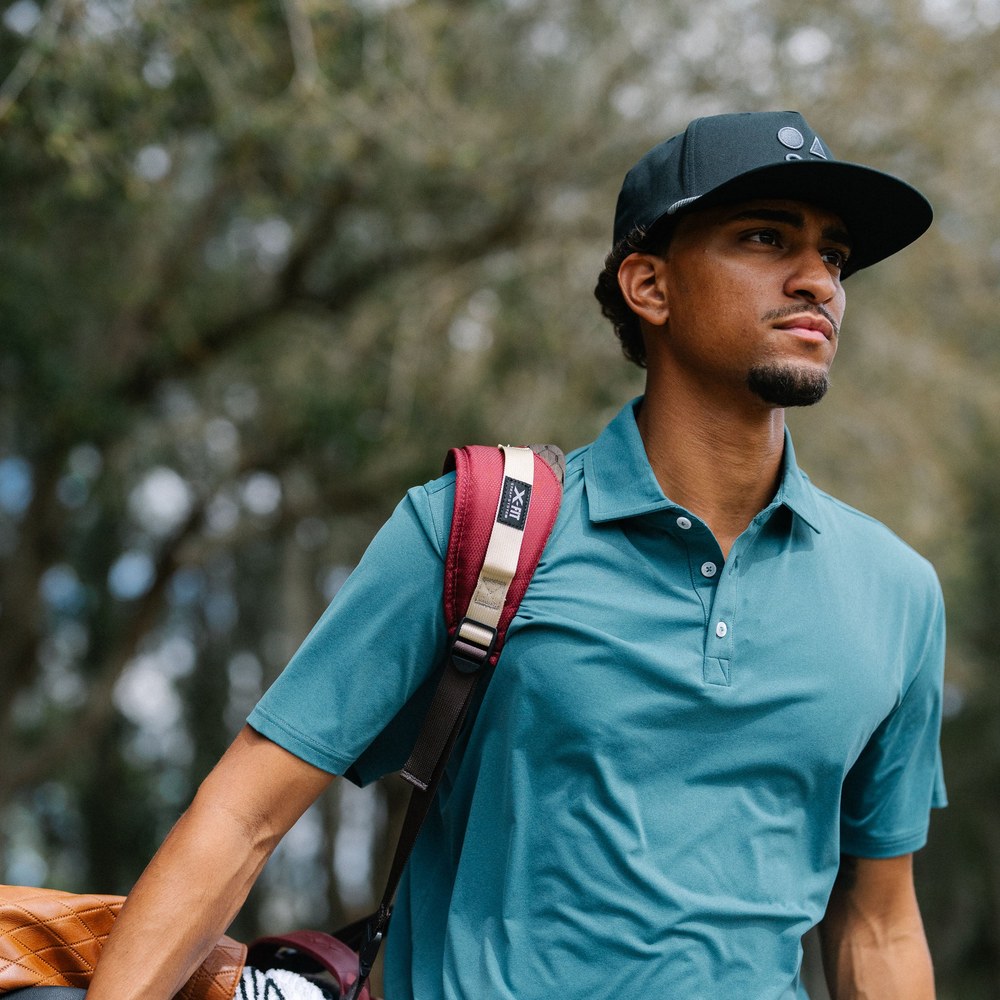
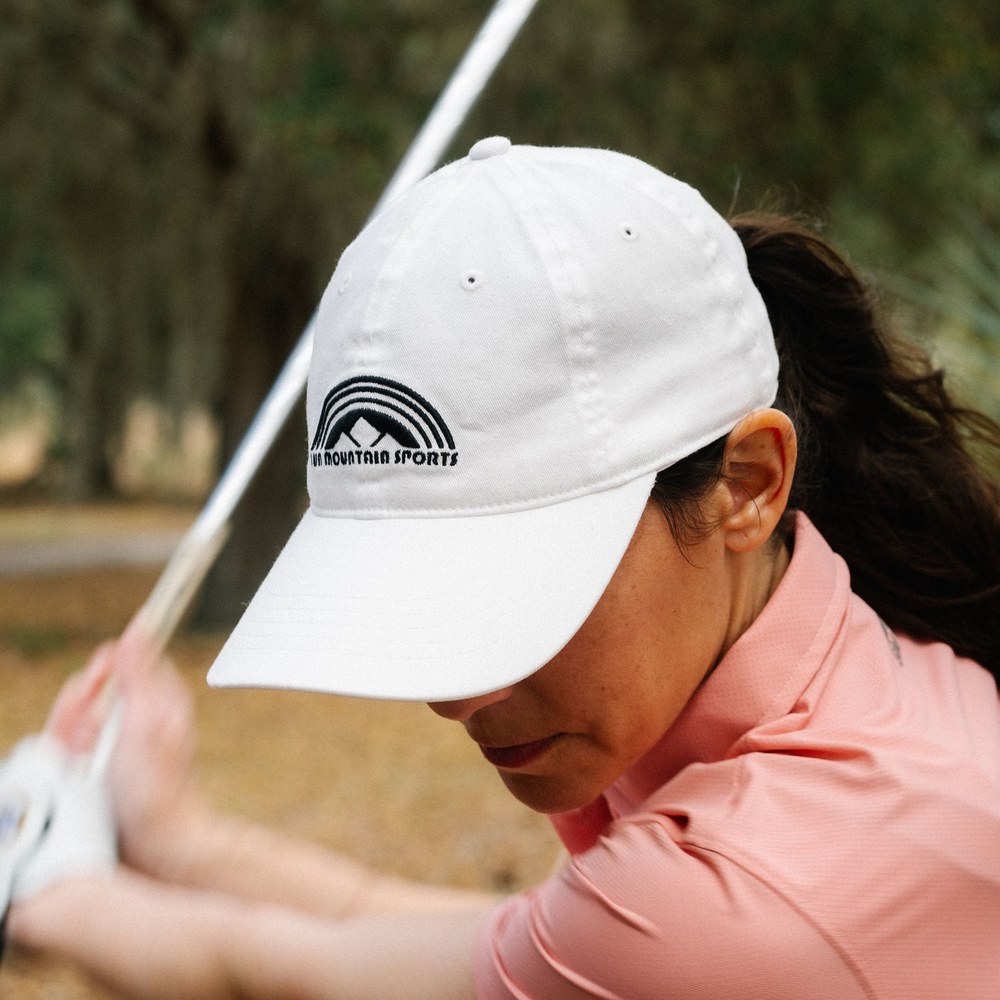
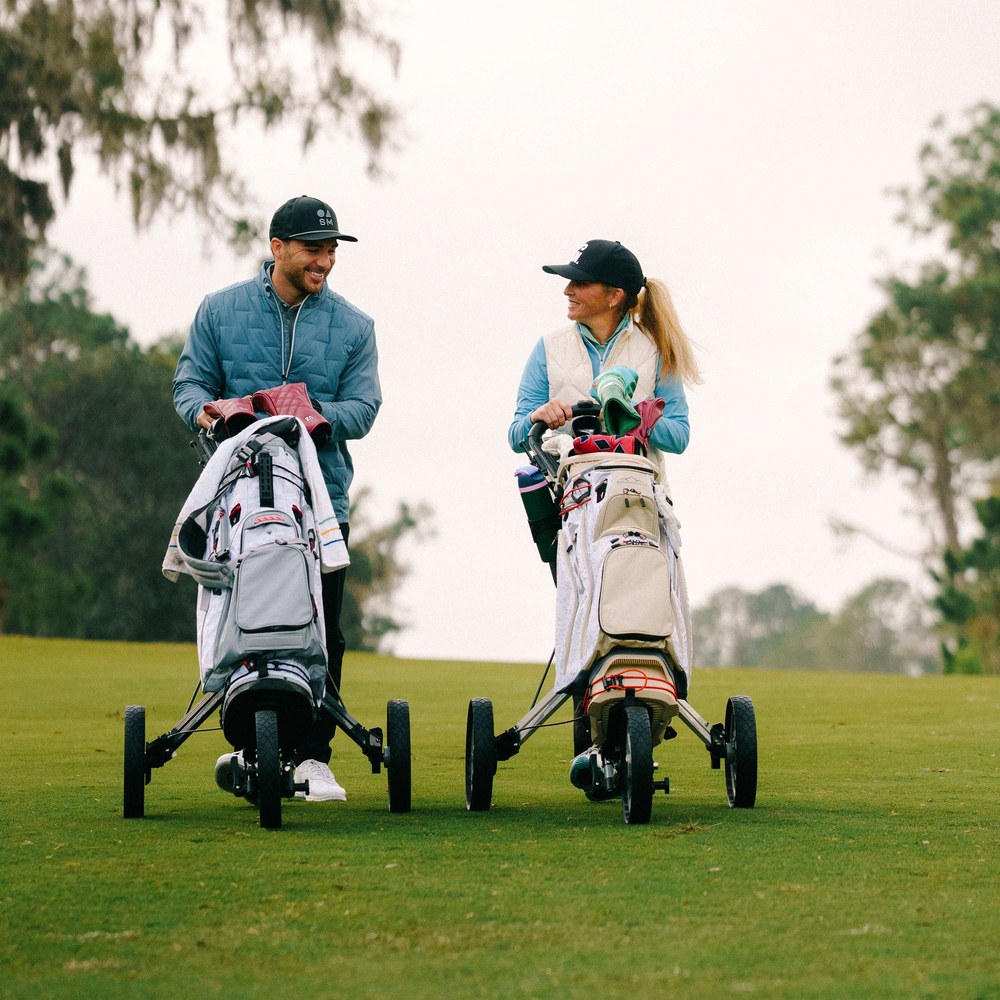
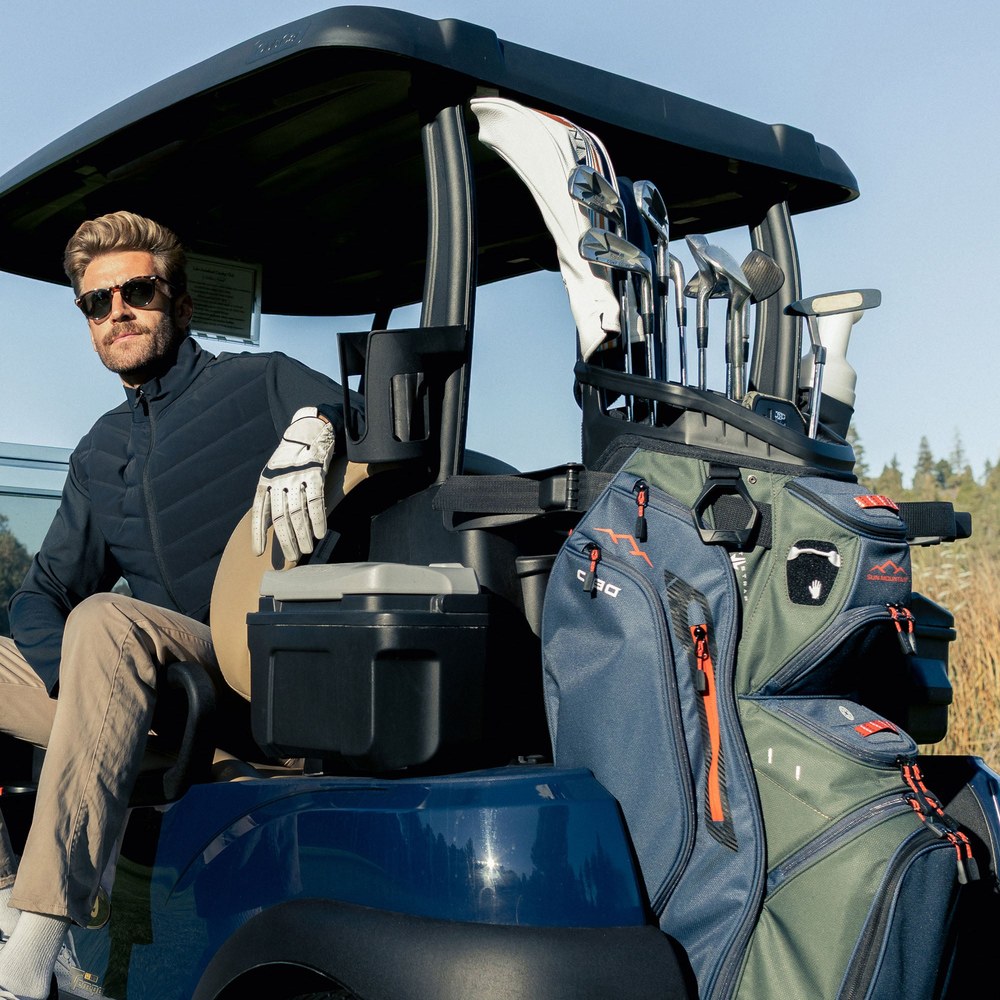

Photography courtesy of Sun Mountain
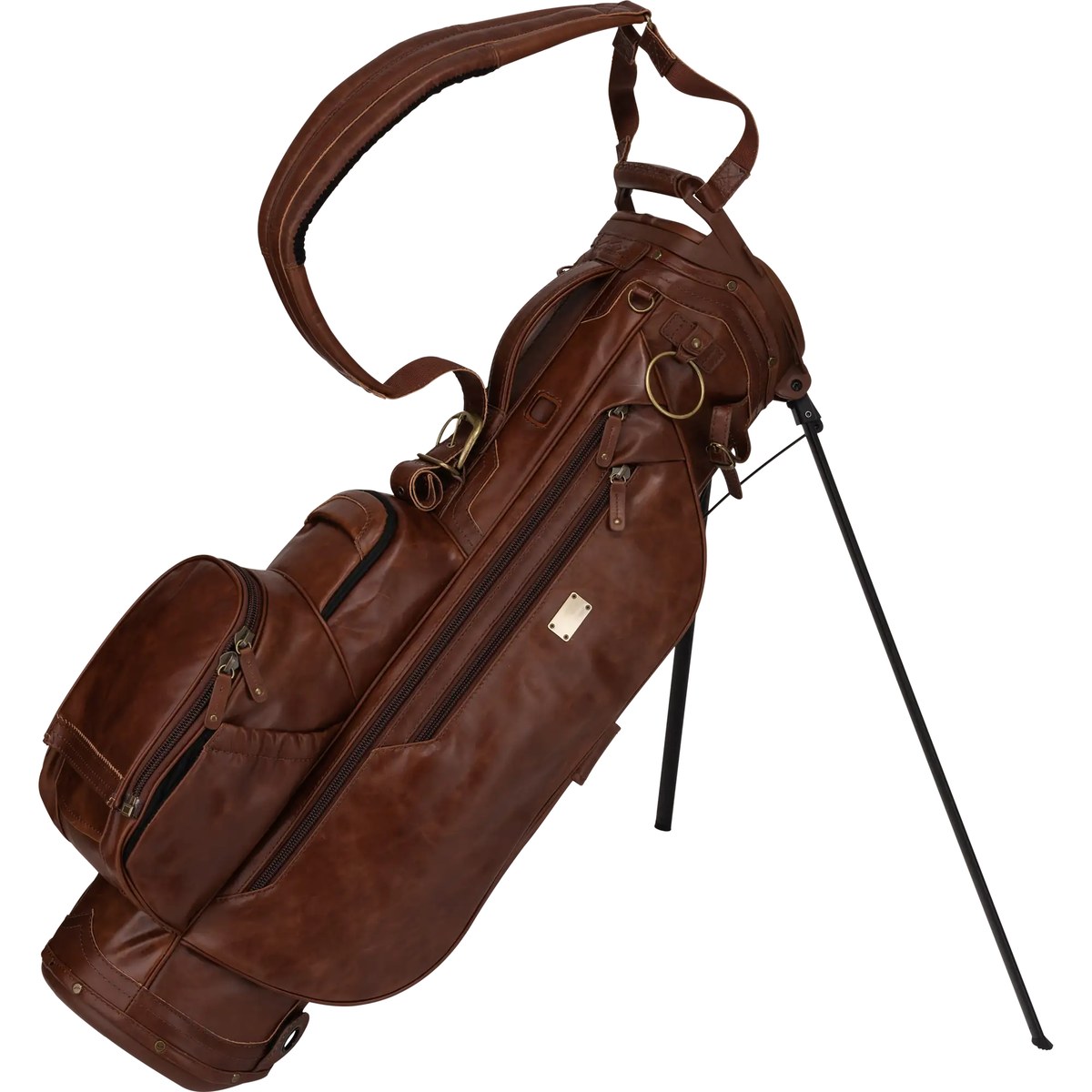
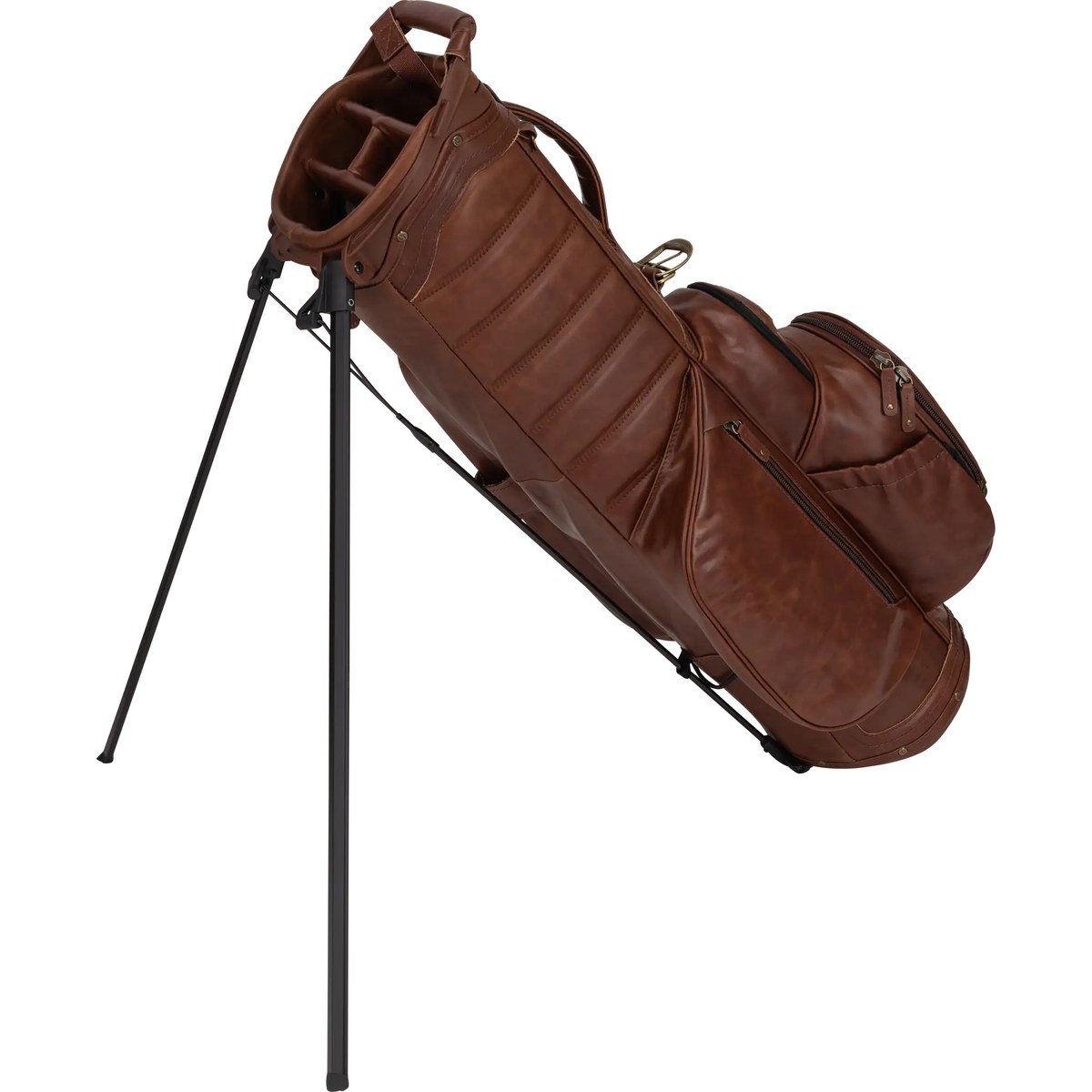
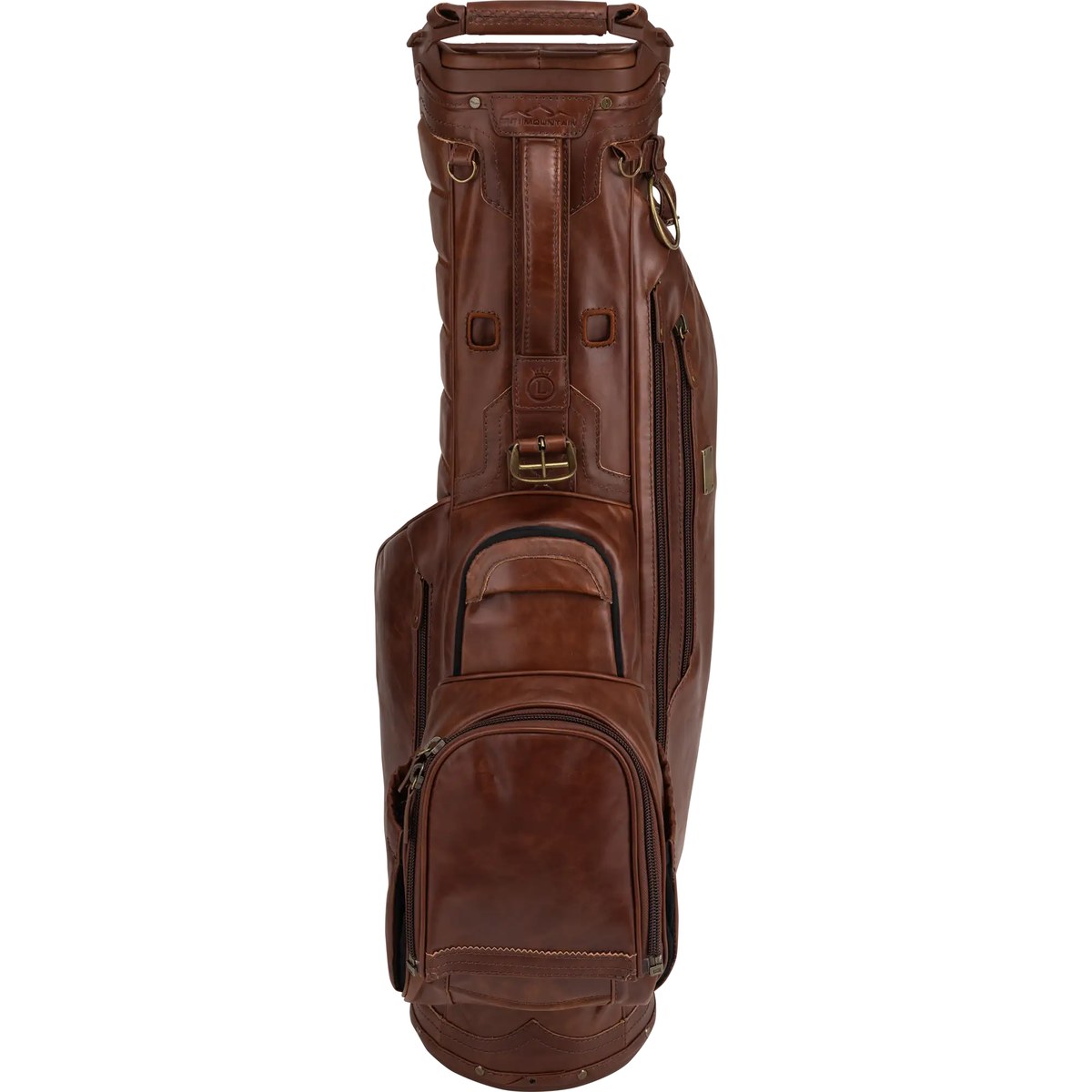
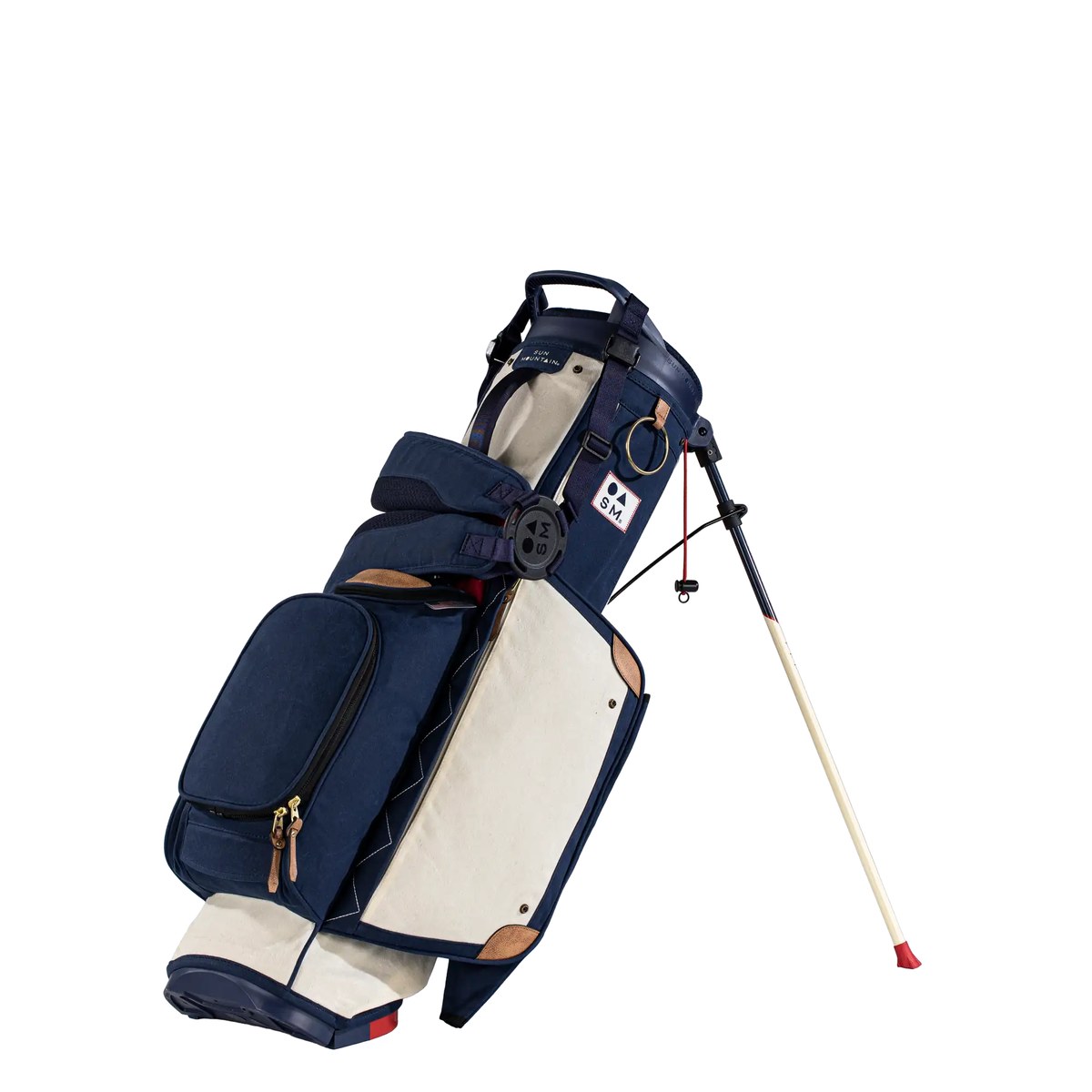
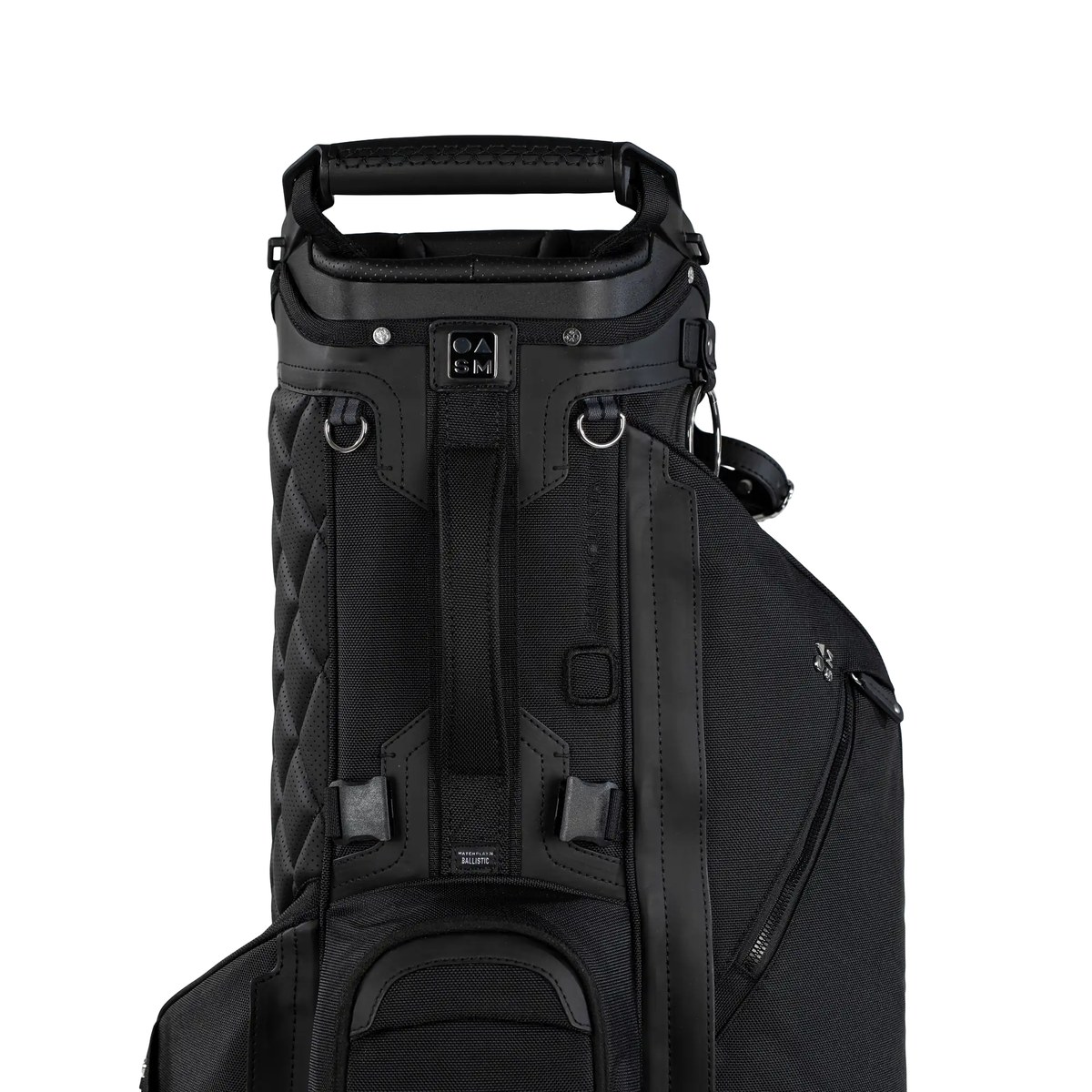
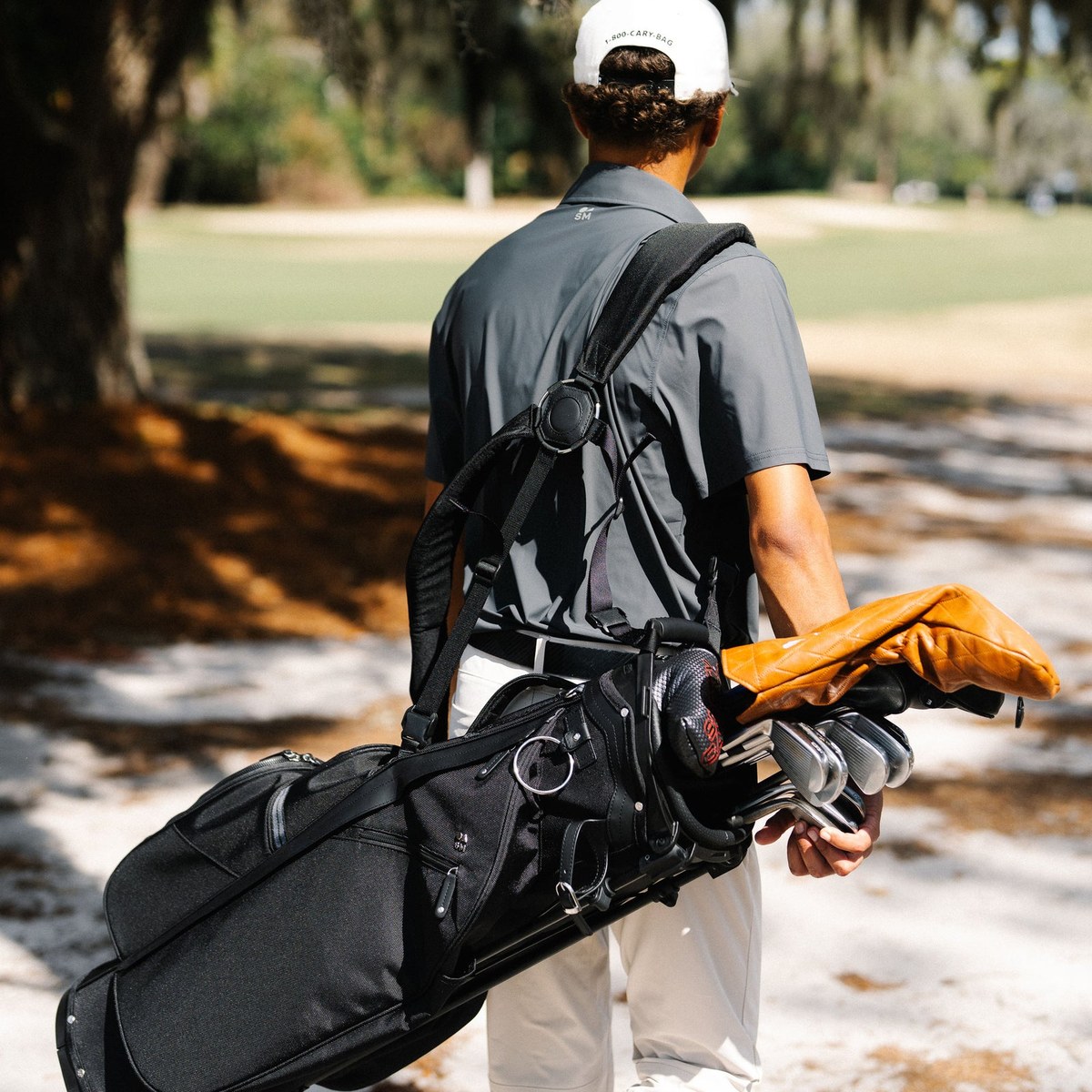
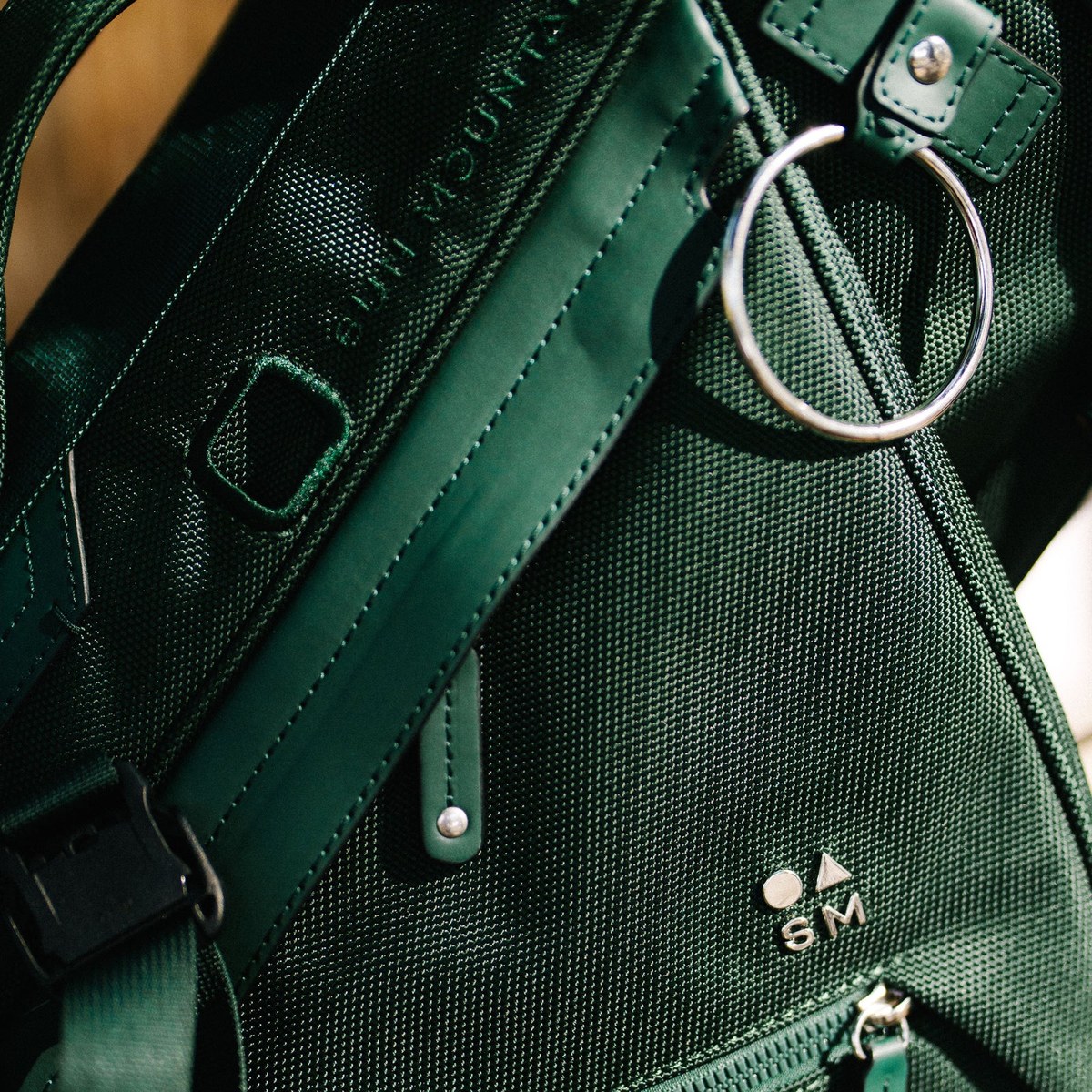
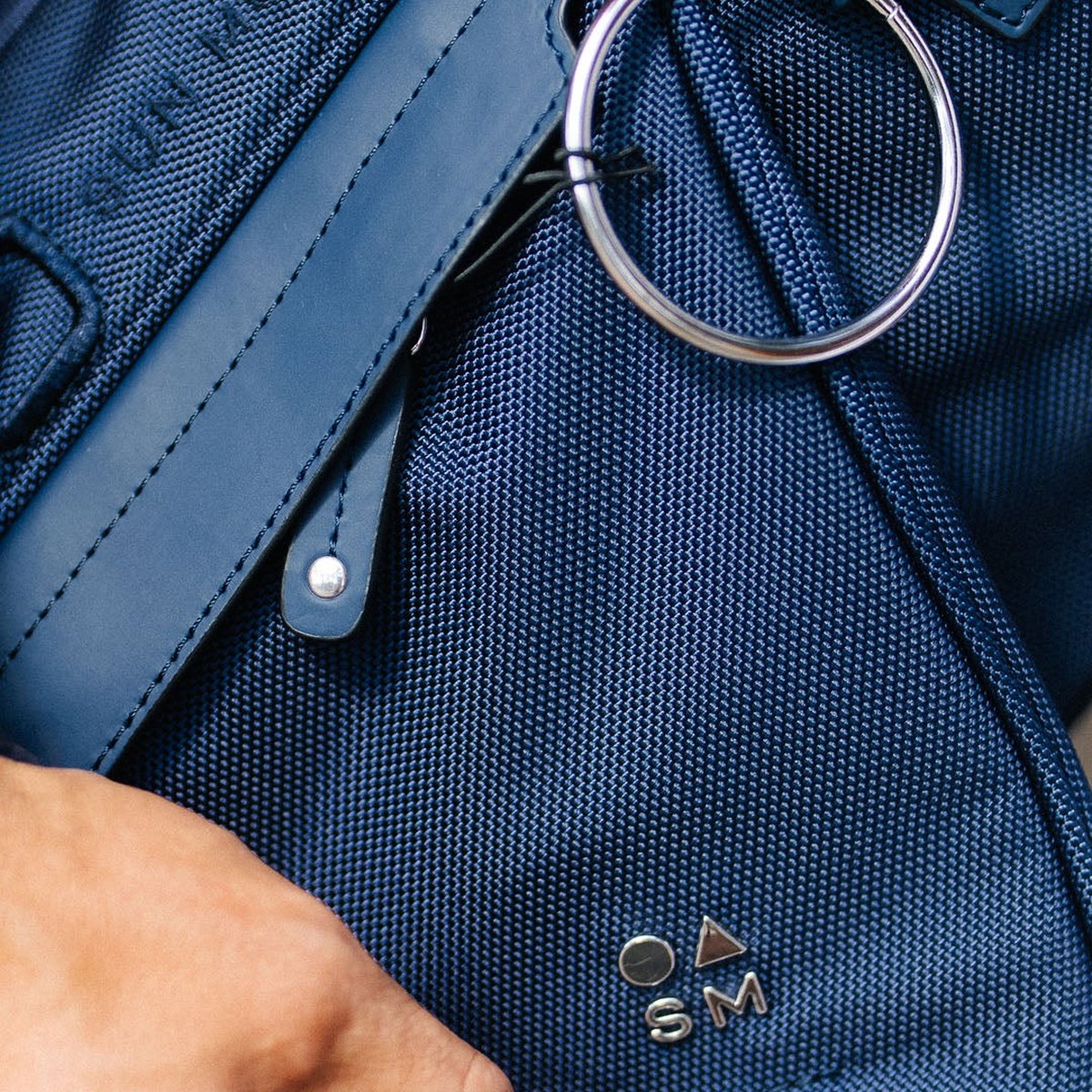
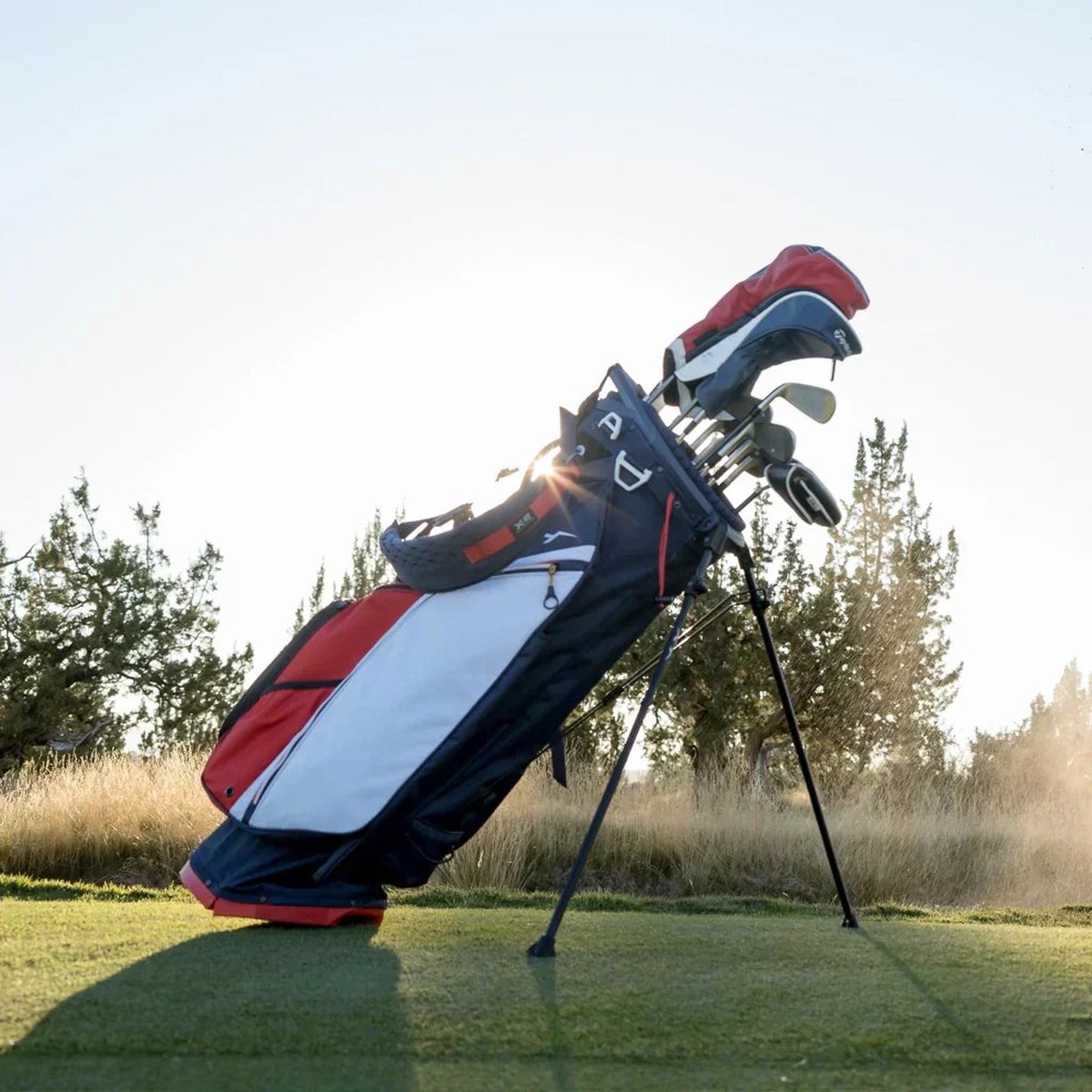
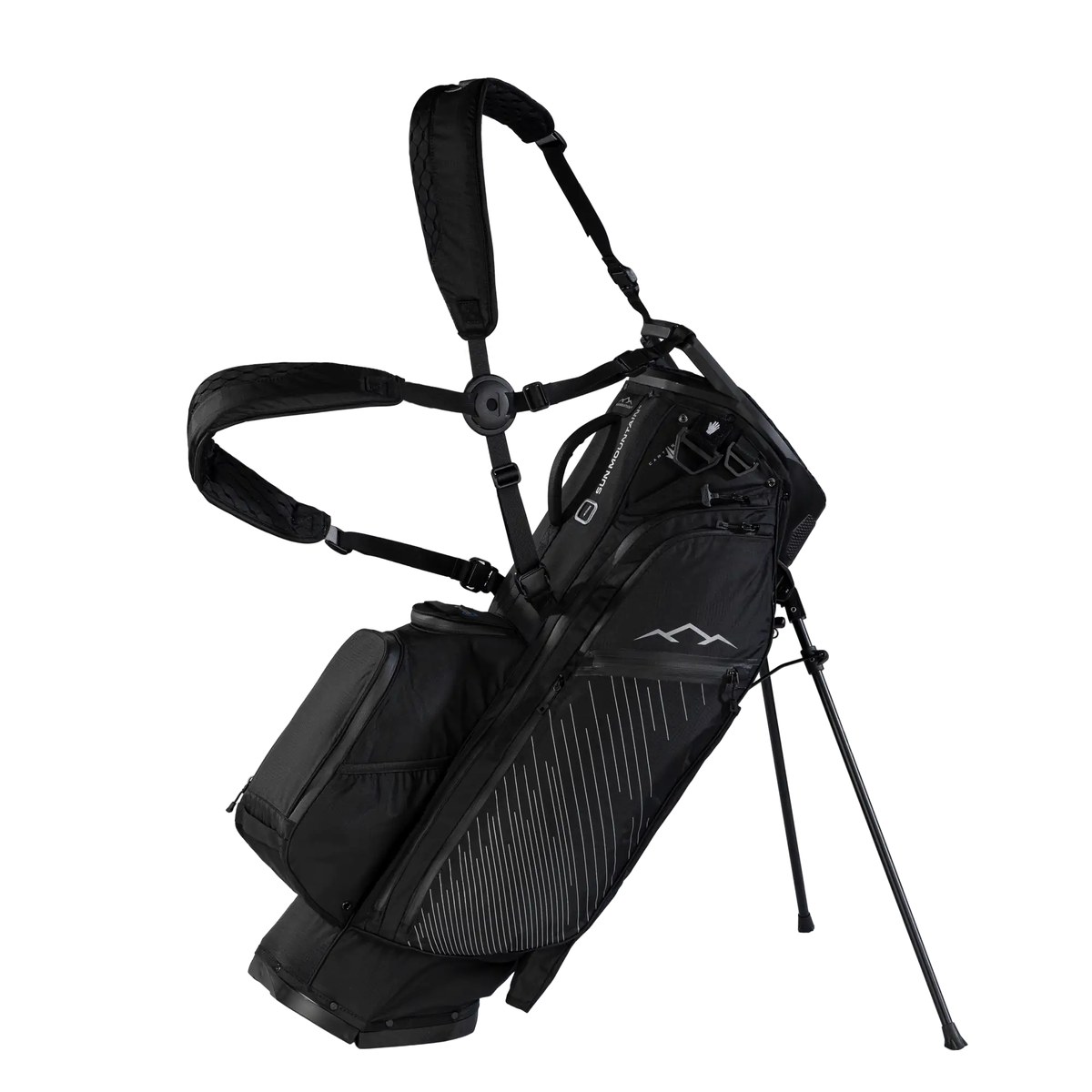
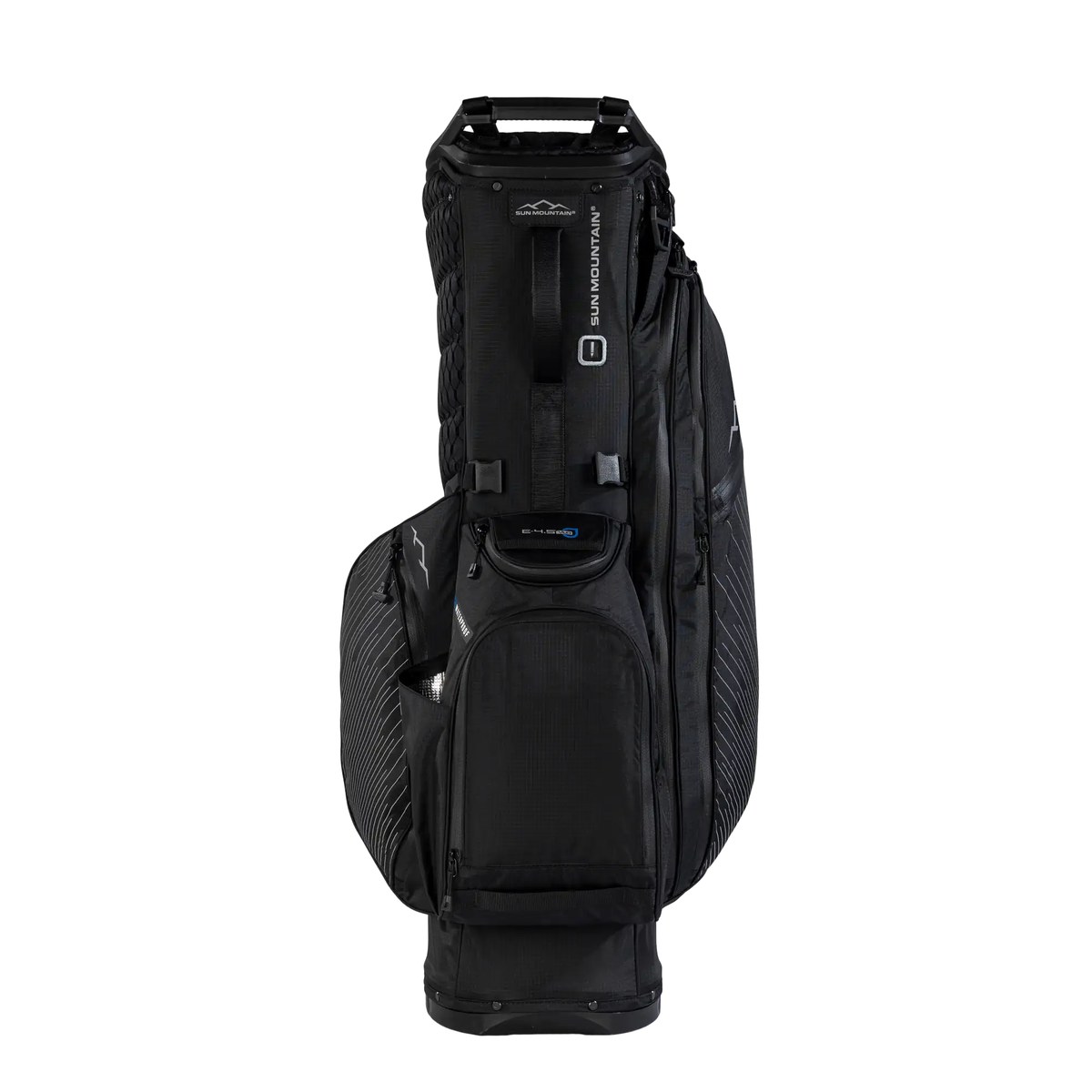
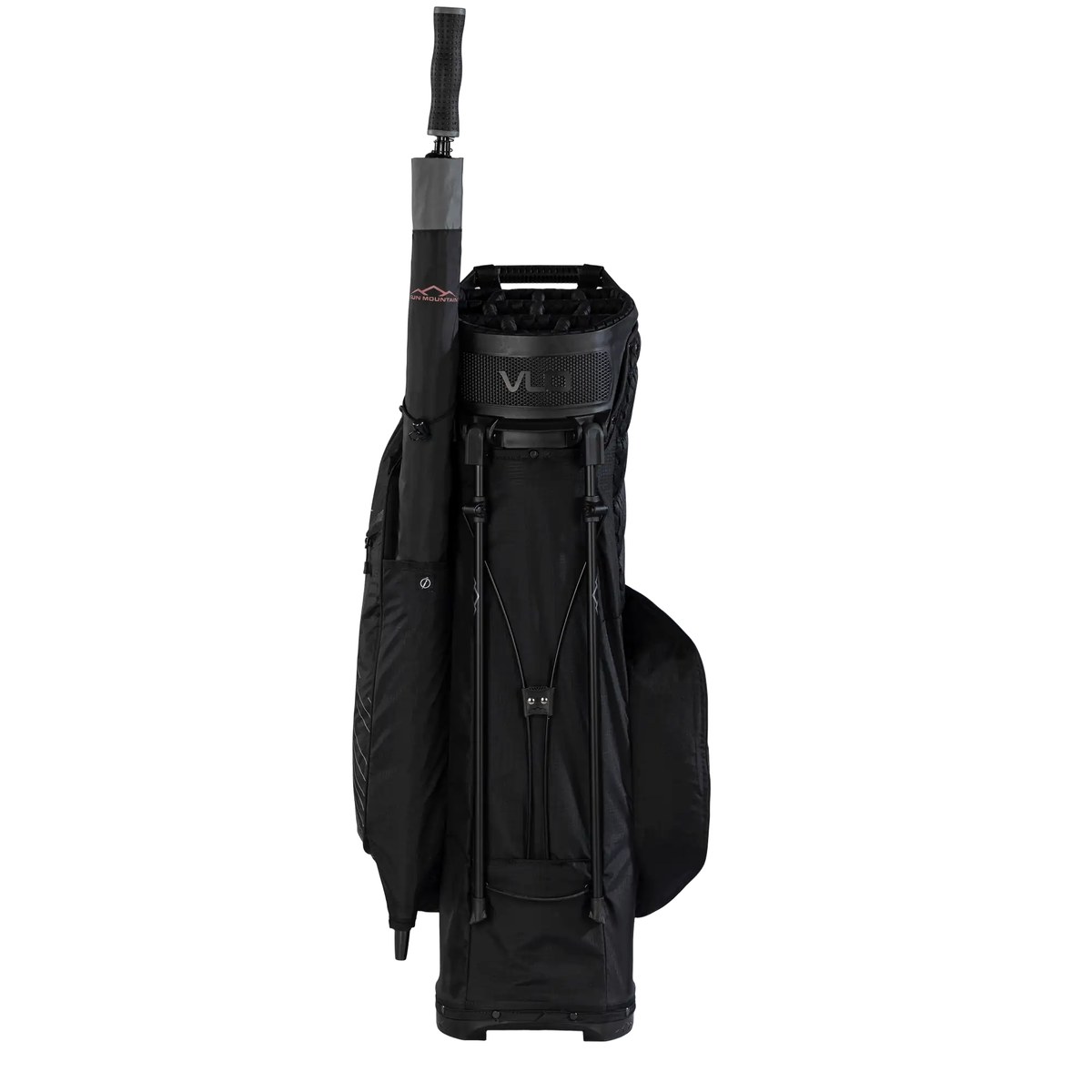
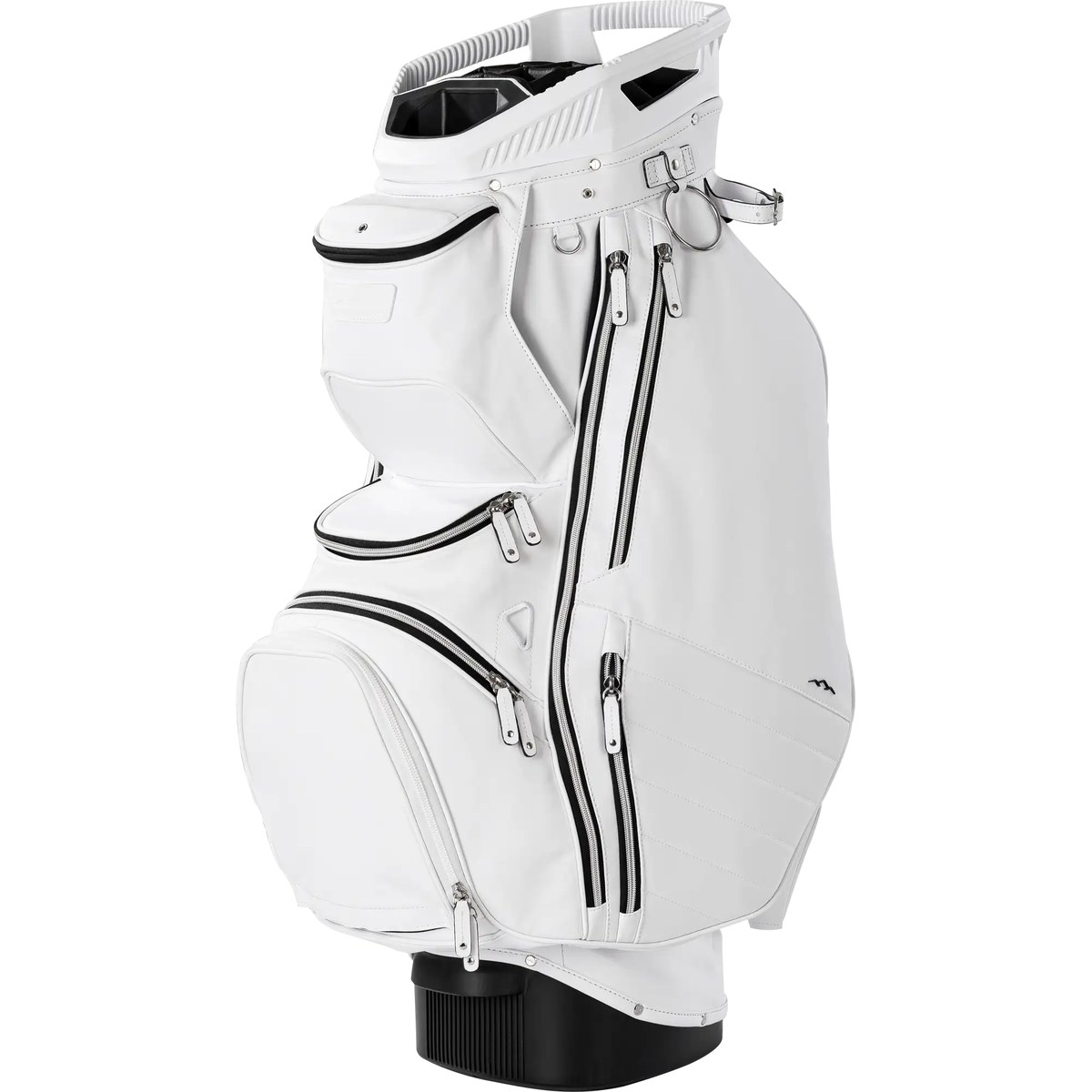
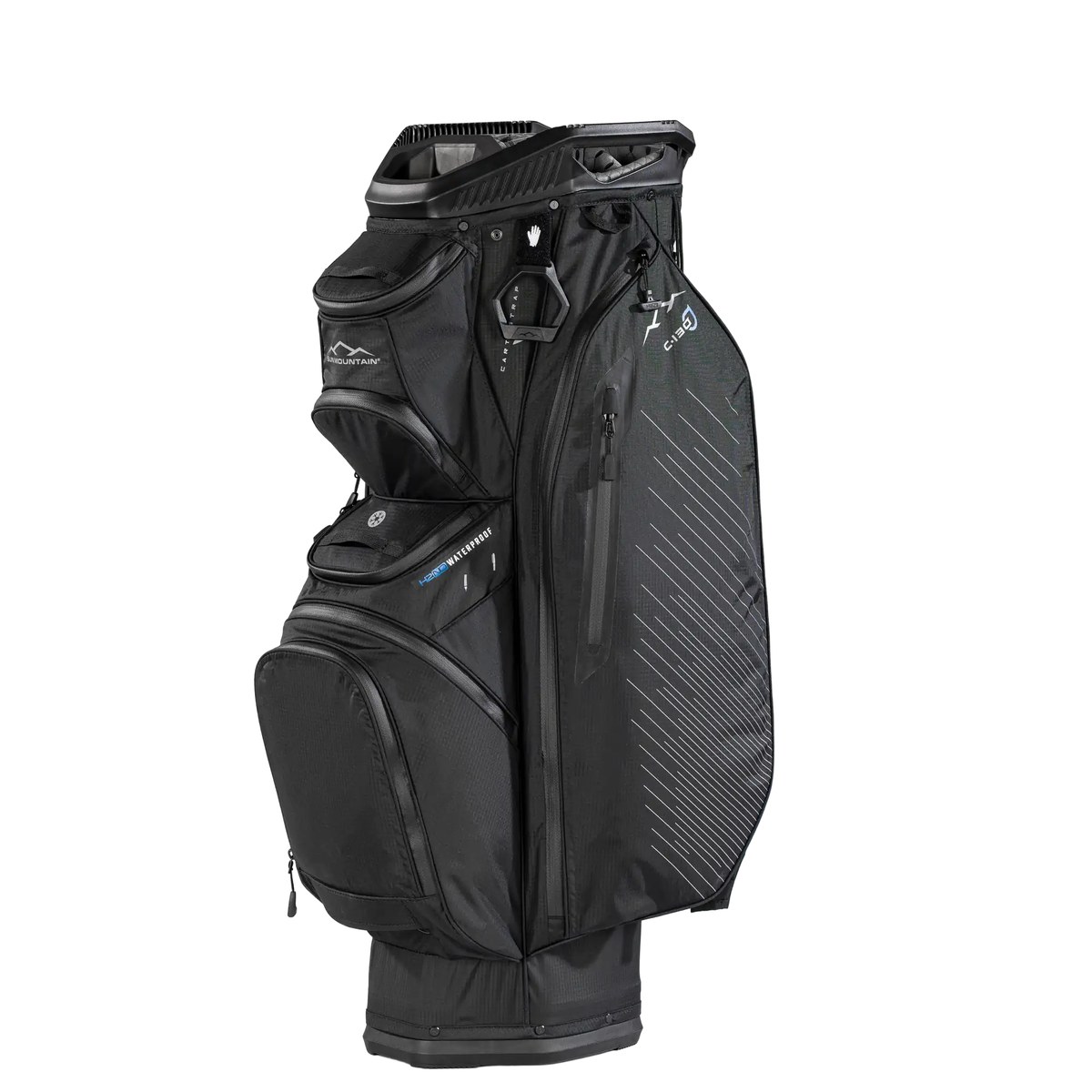
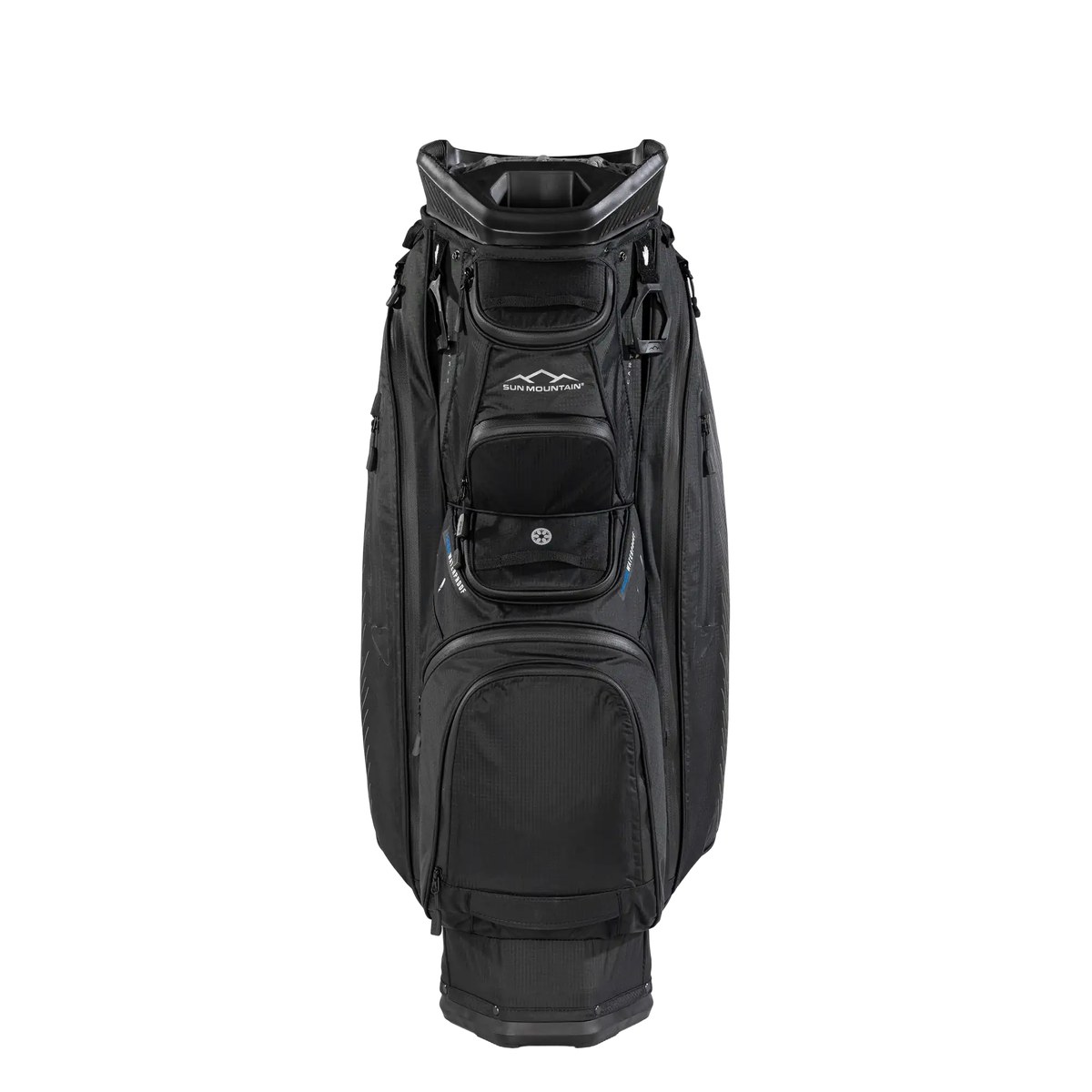
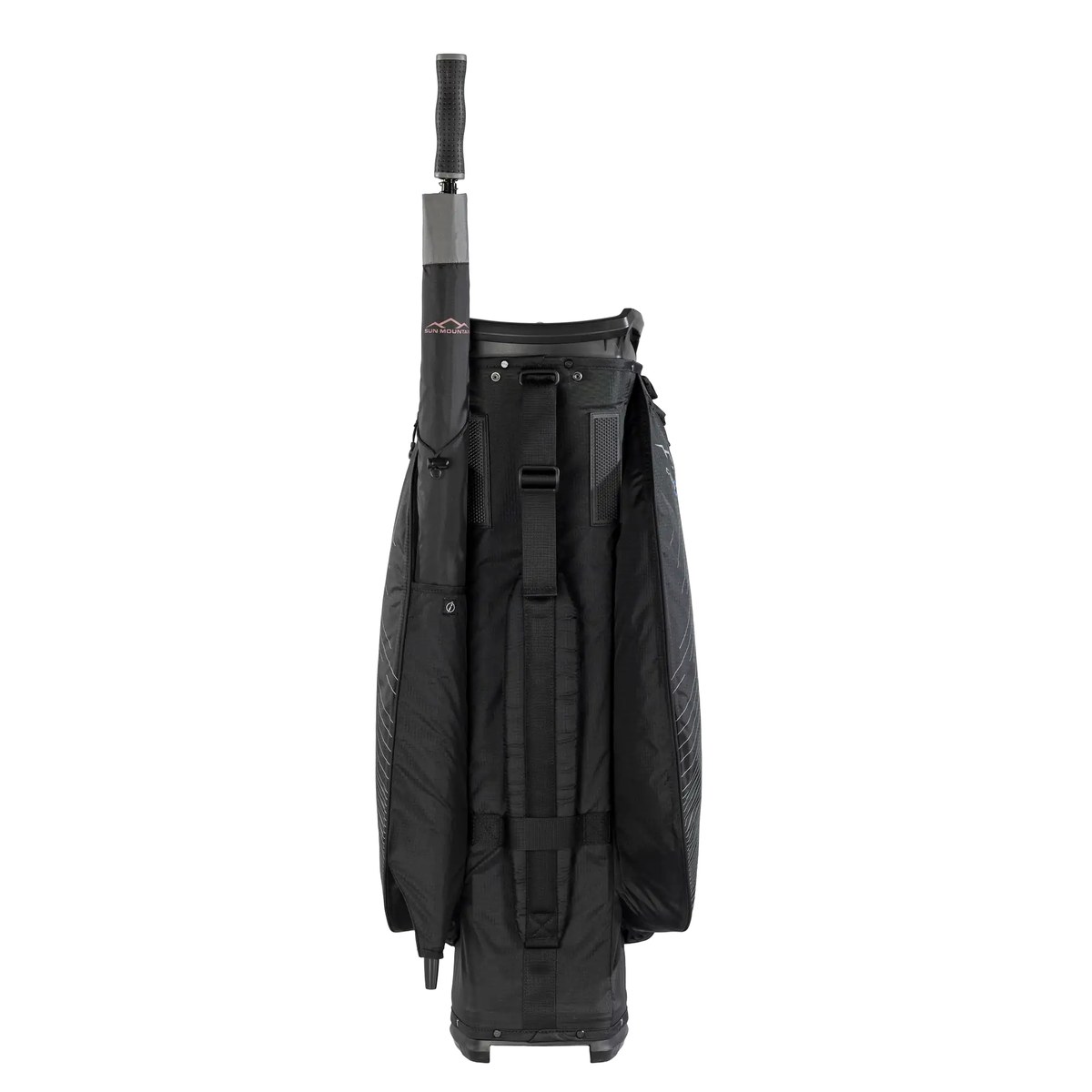
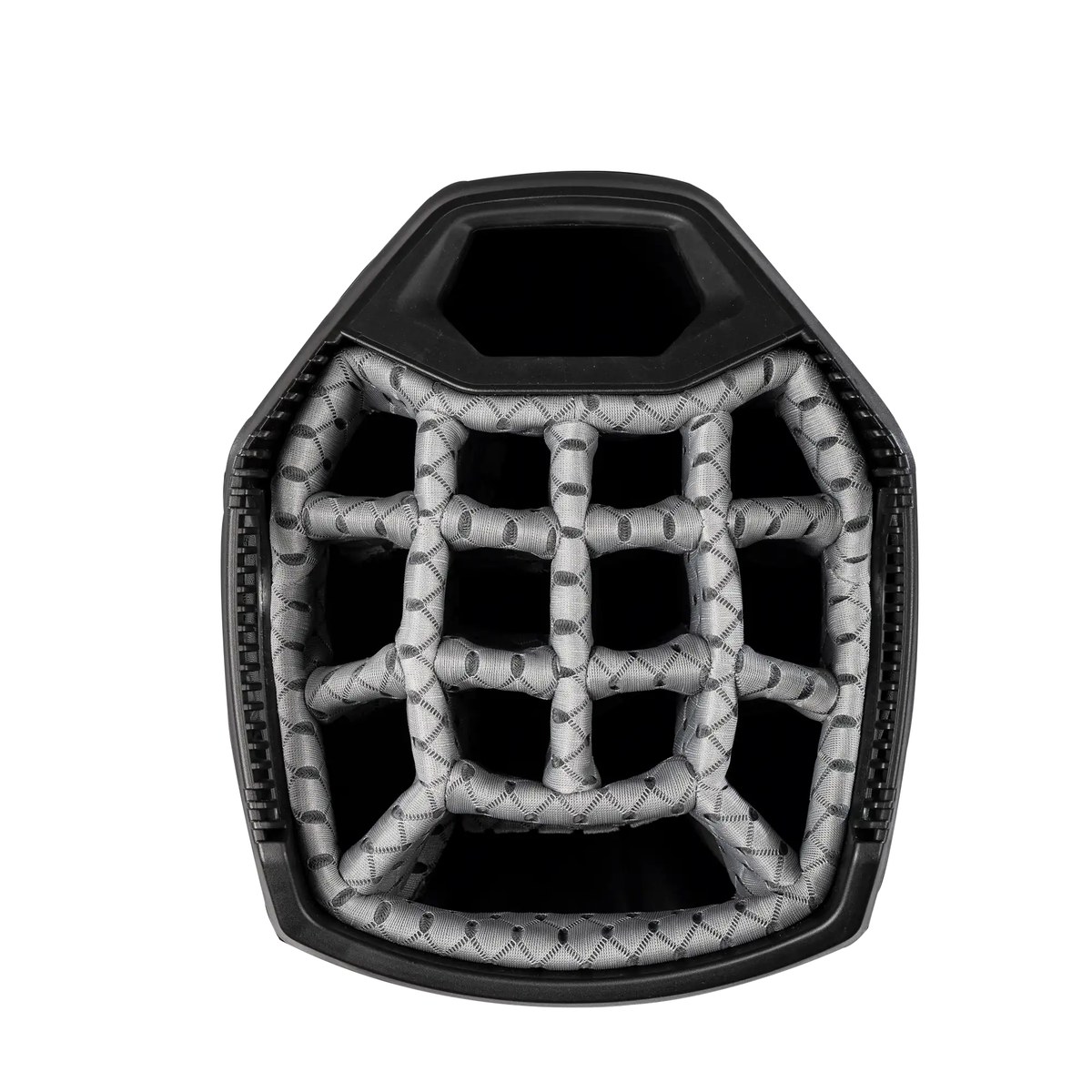
Nine picks · $224–$1,200Bags are where the company actually lives. The Eclipse descends from the 1986 bag that started all of this and the Matchplay is the modern flagship, while the C-130 has been the default cart bag since 2005.
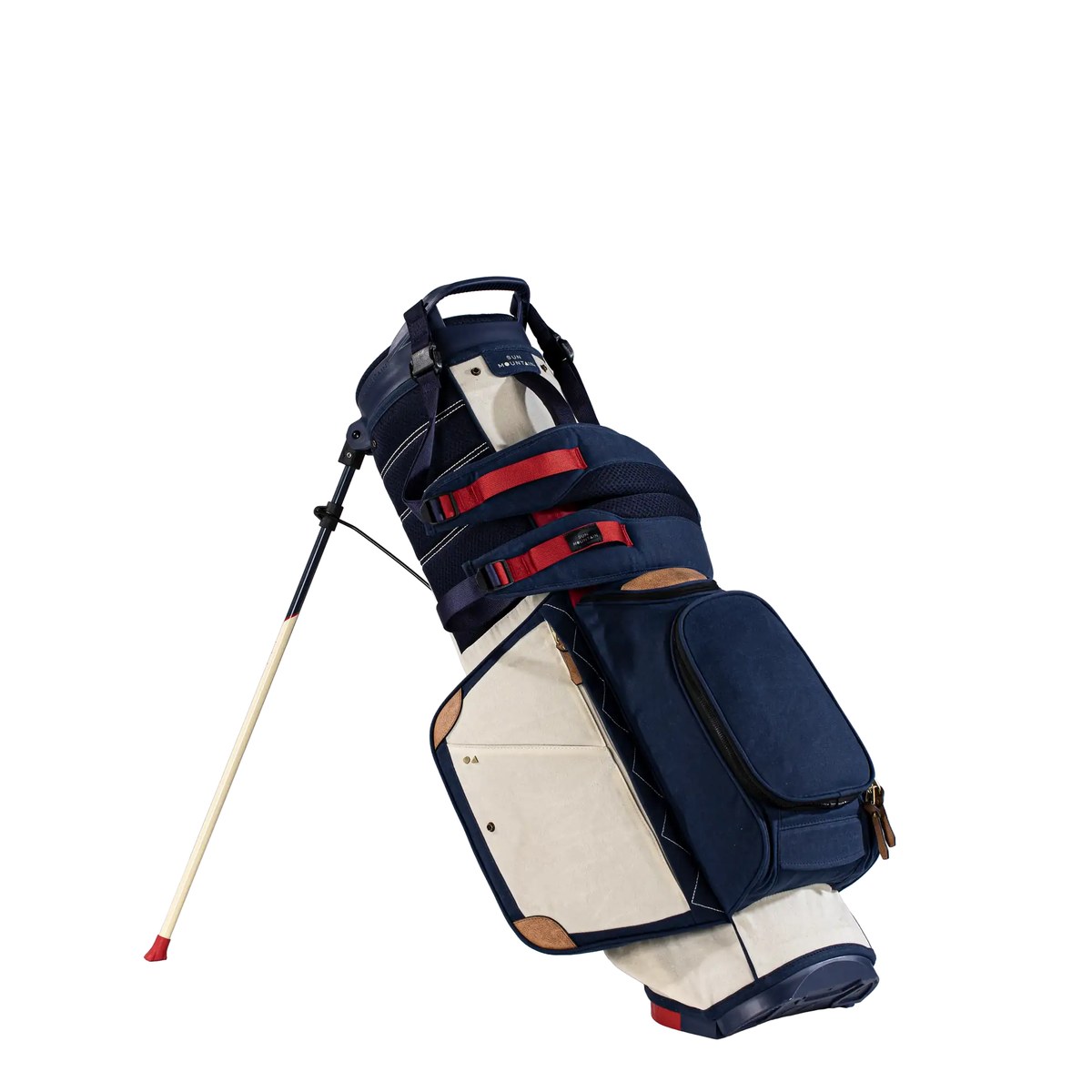
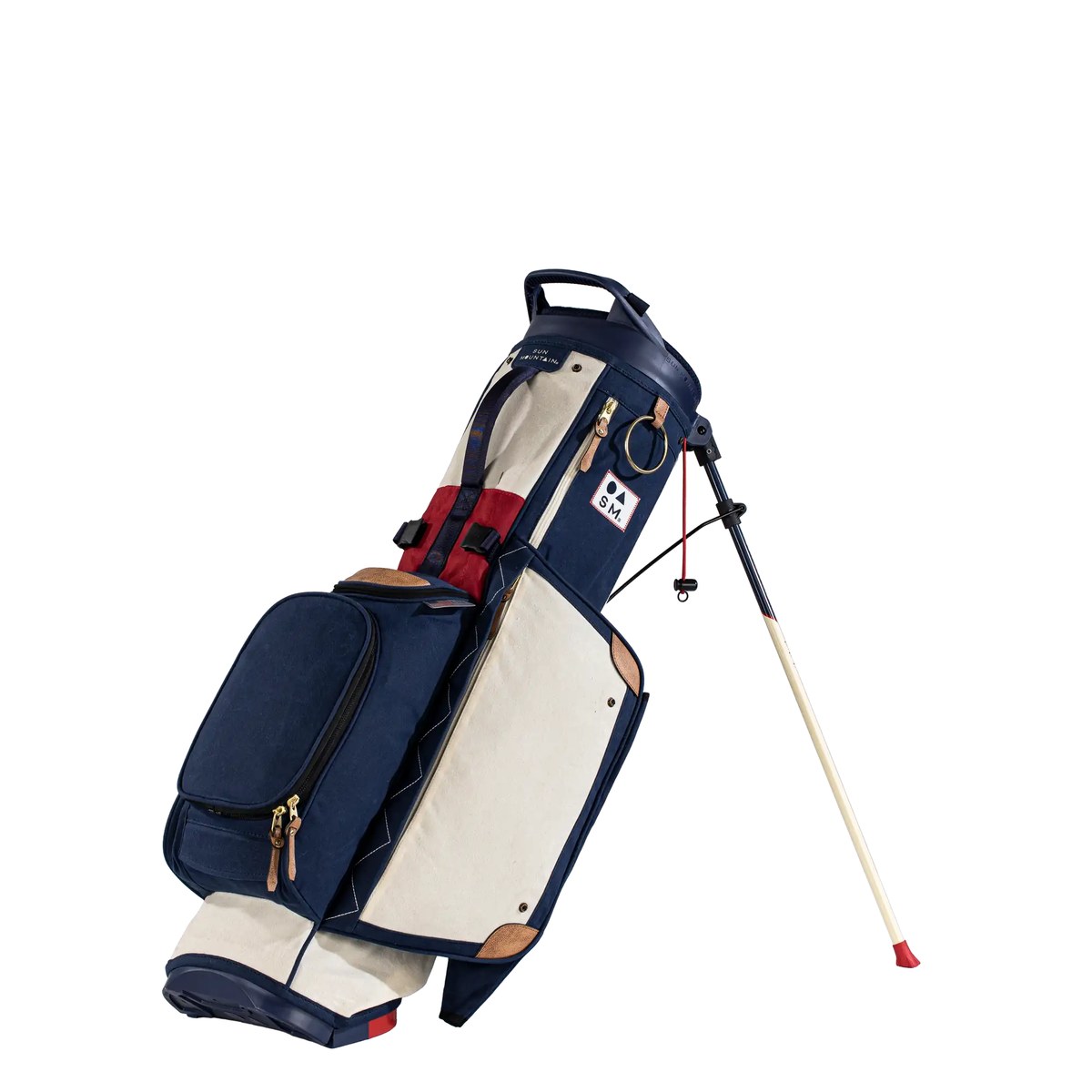
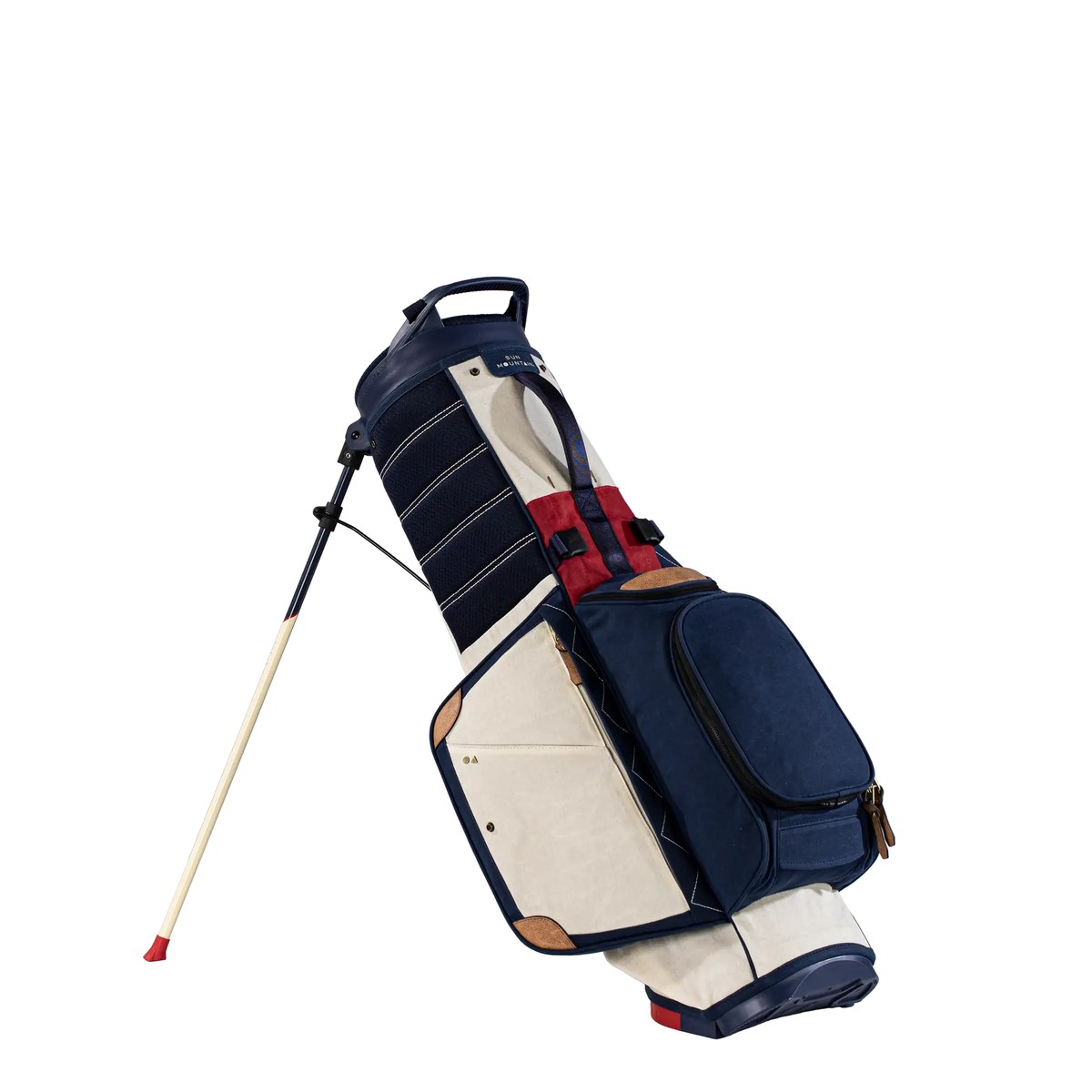
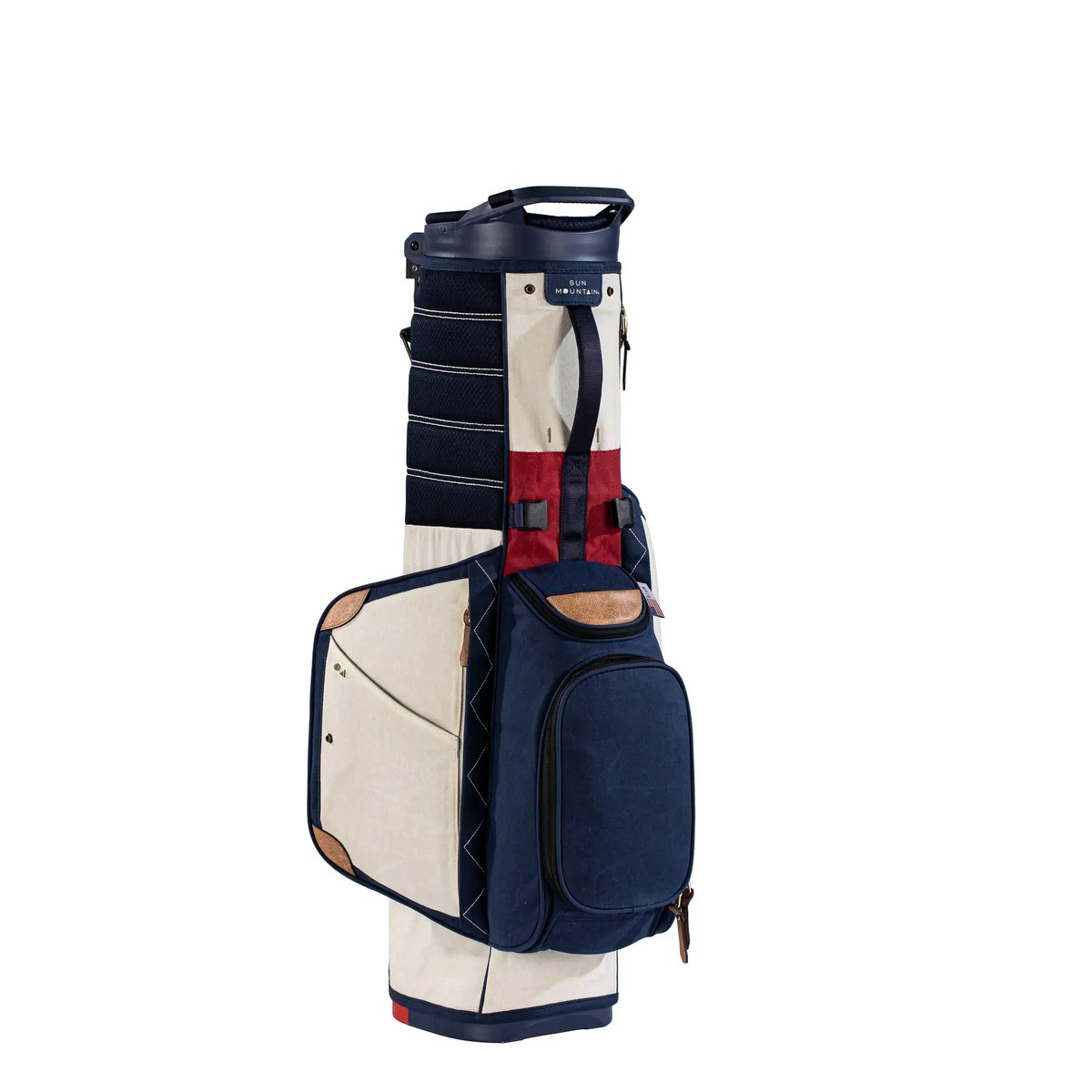
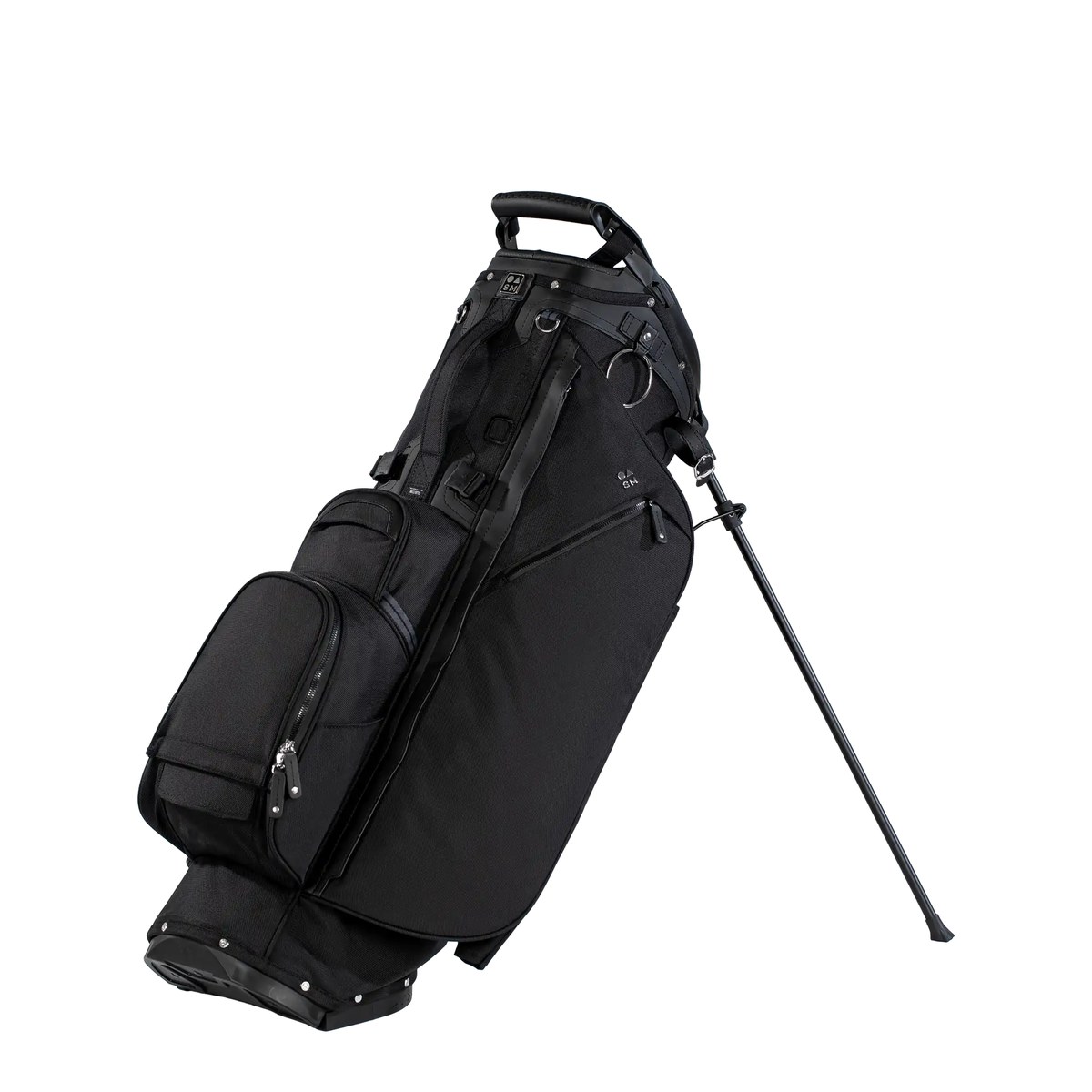
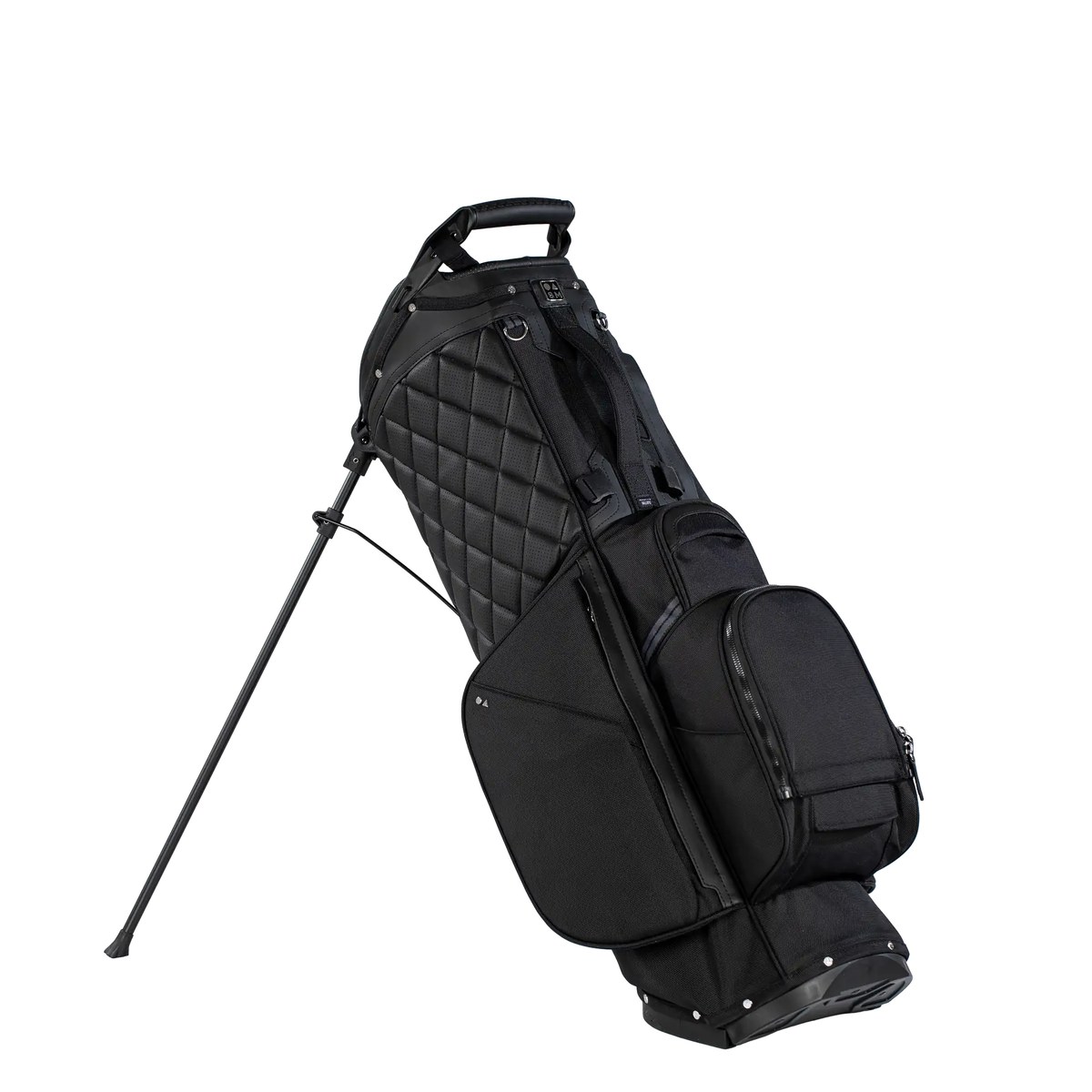
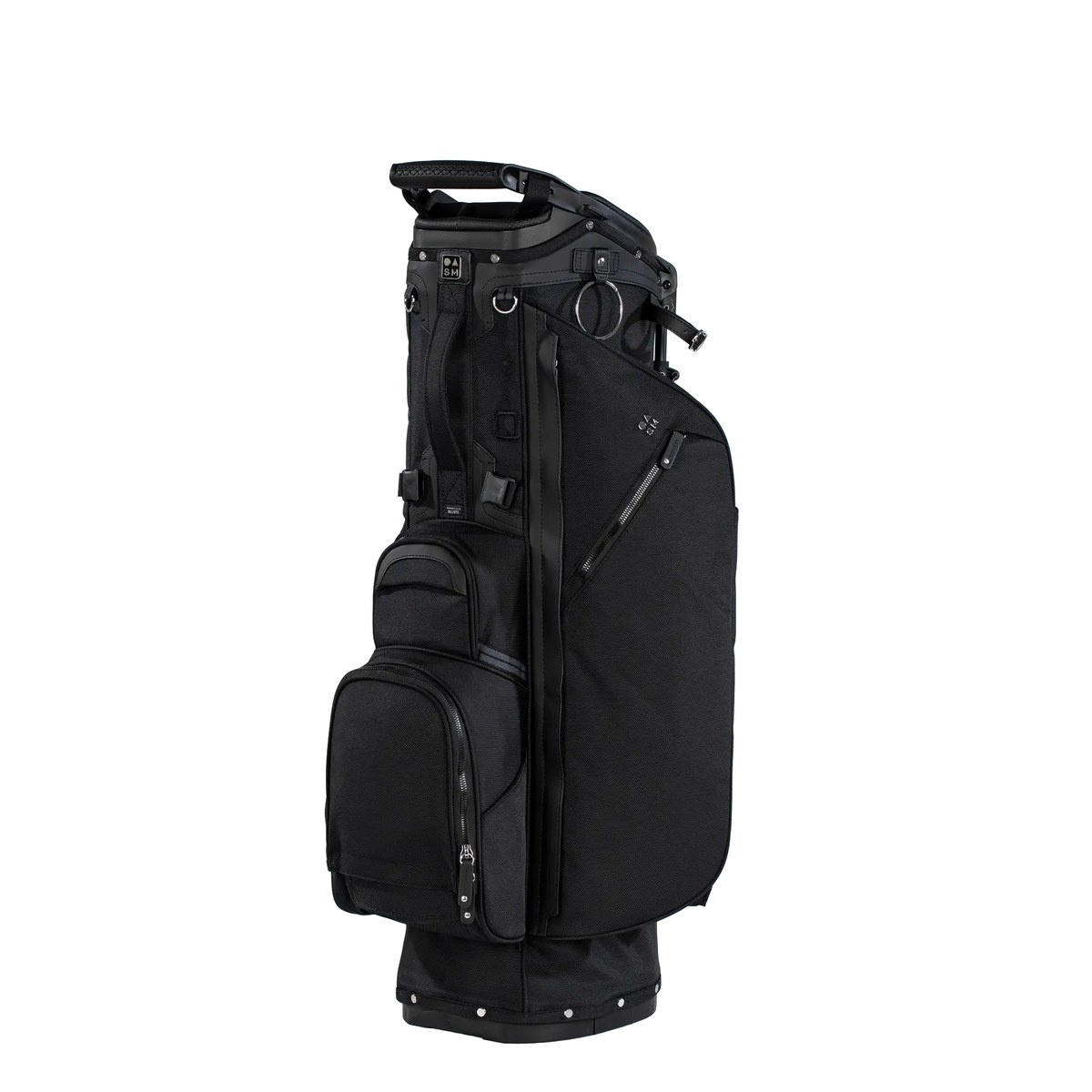
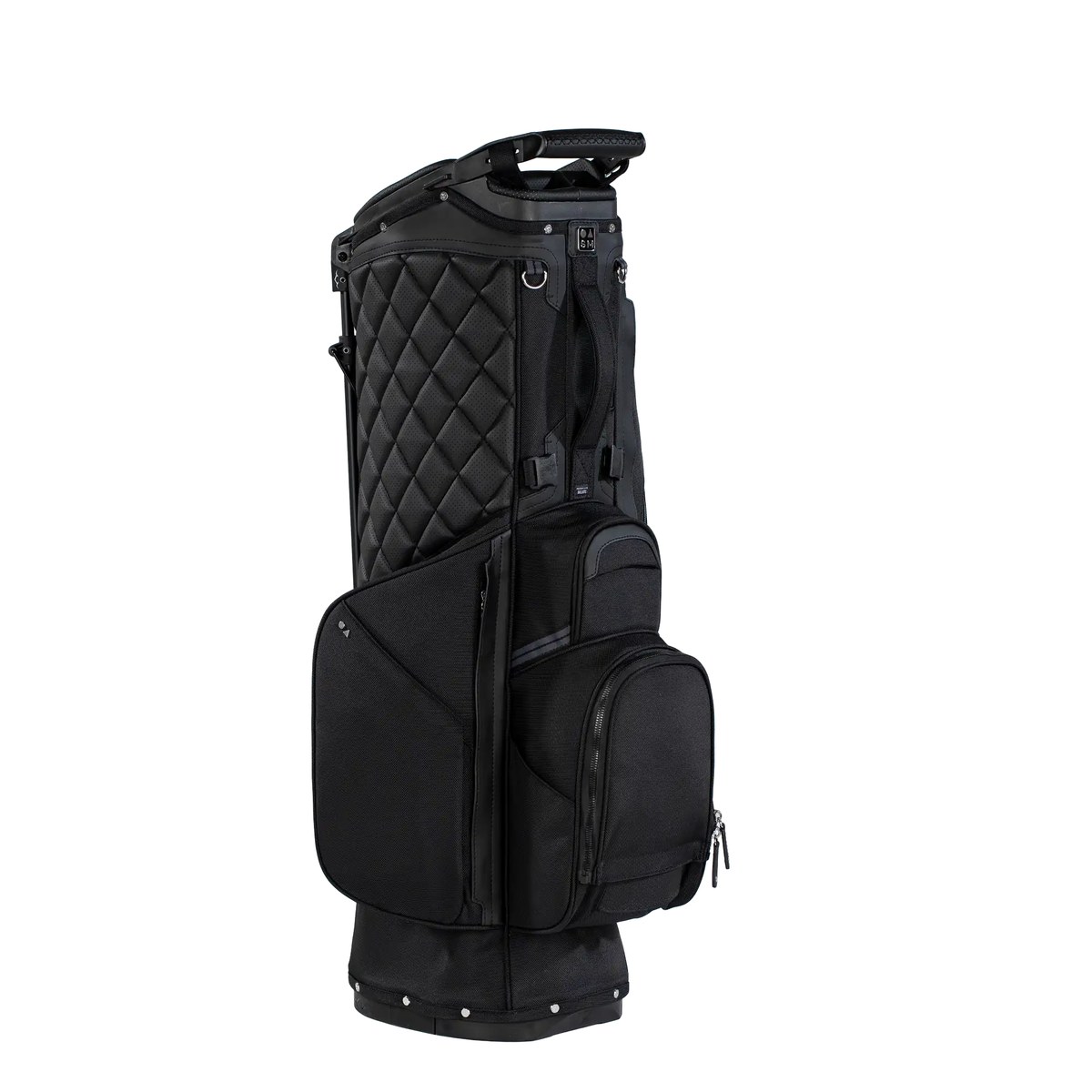
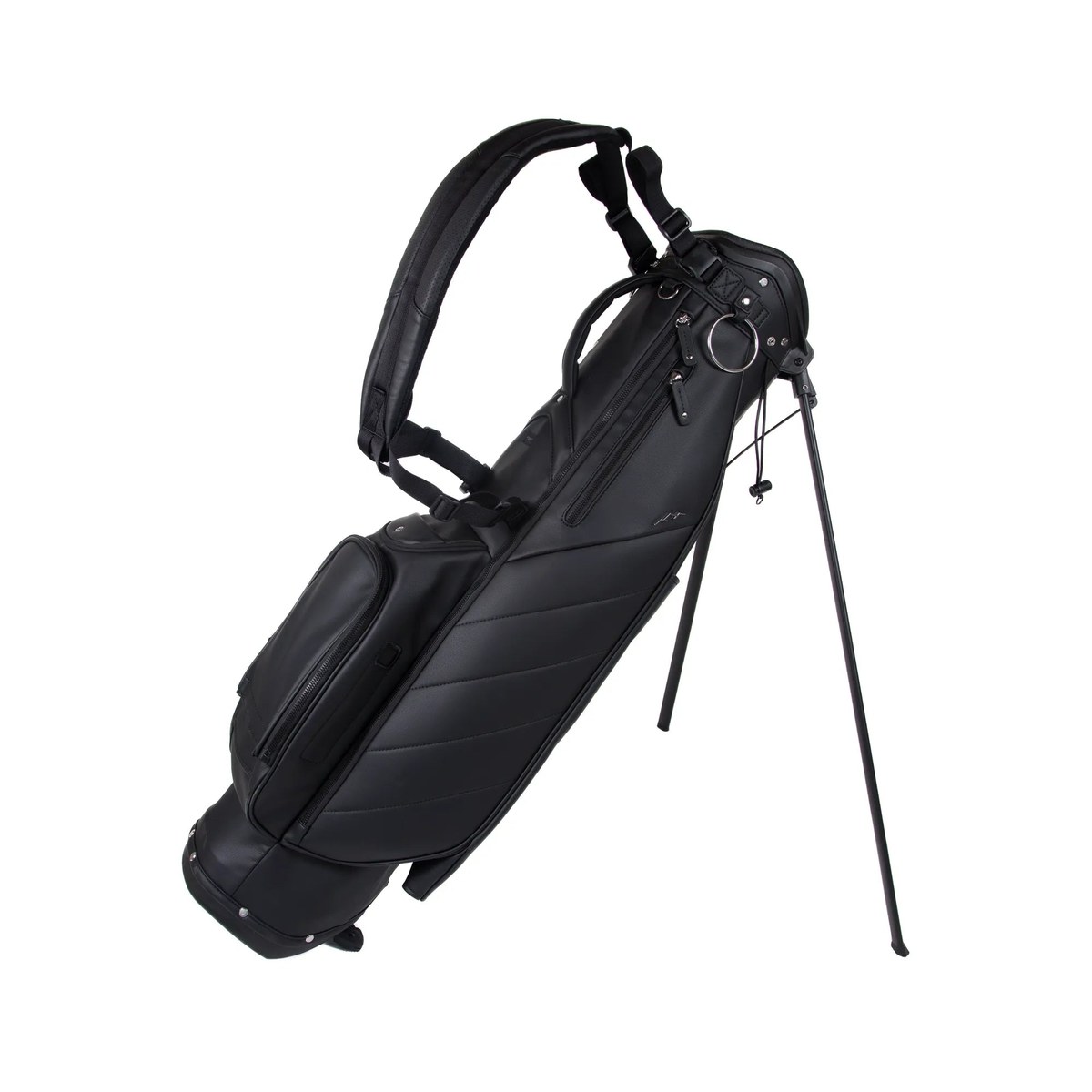
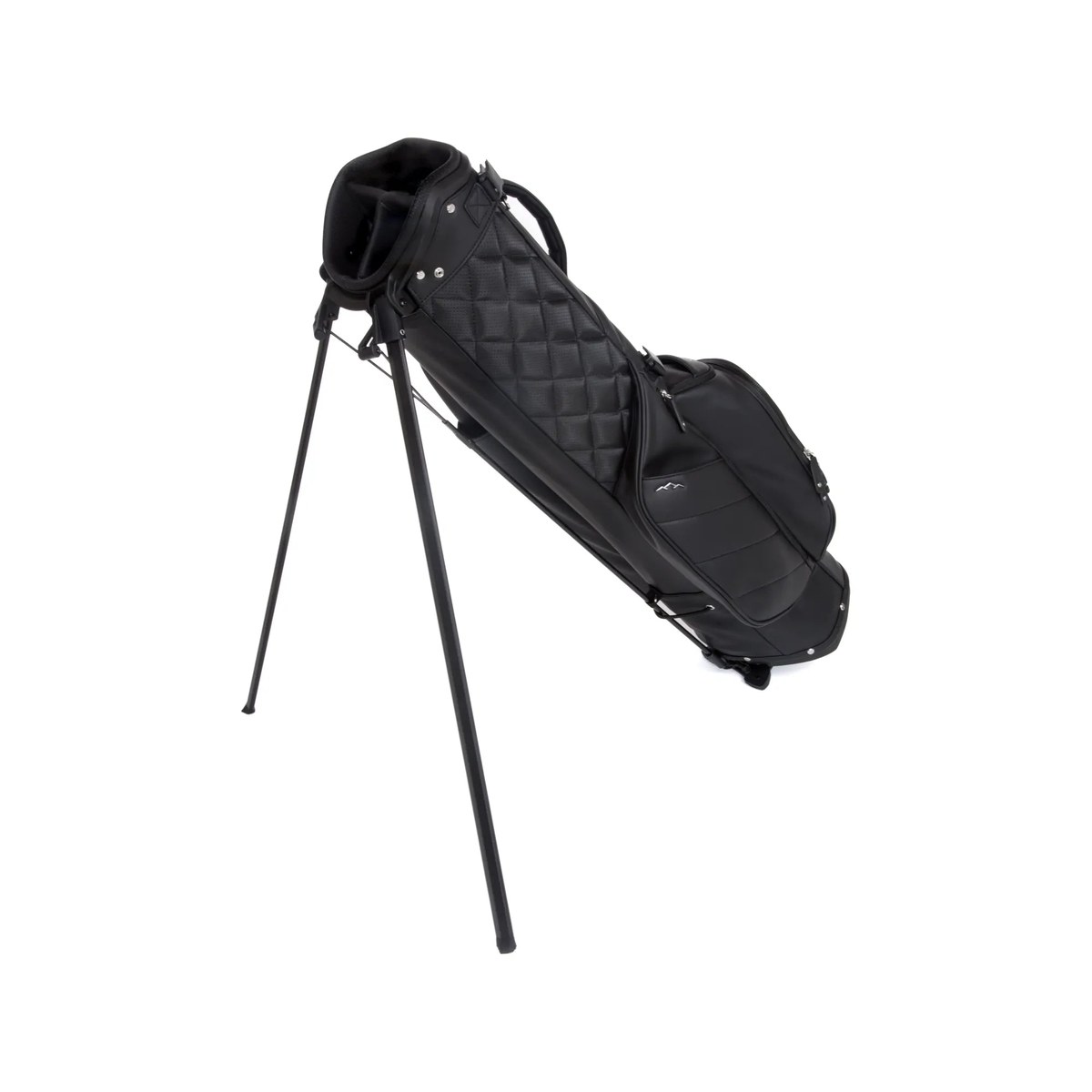
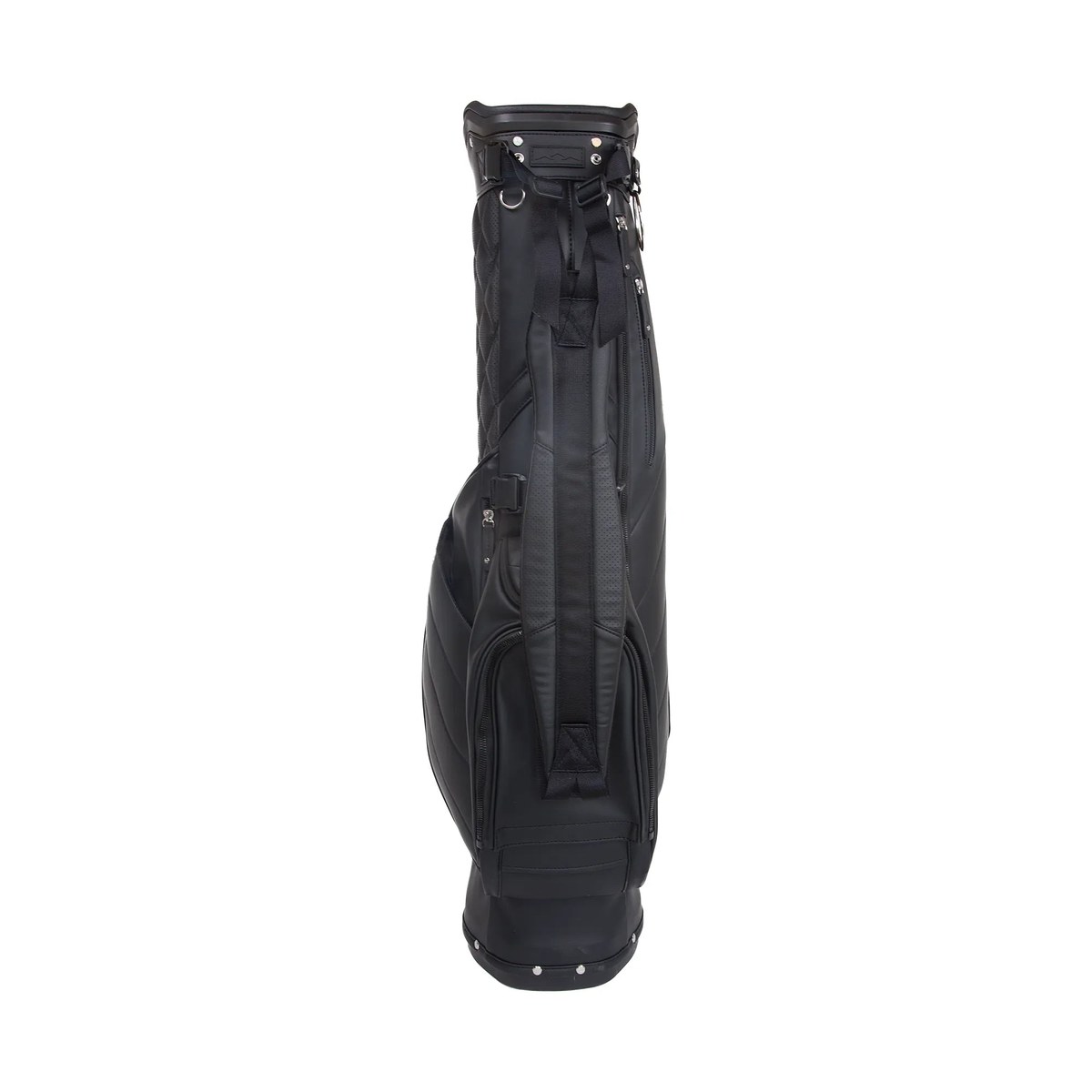
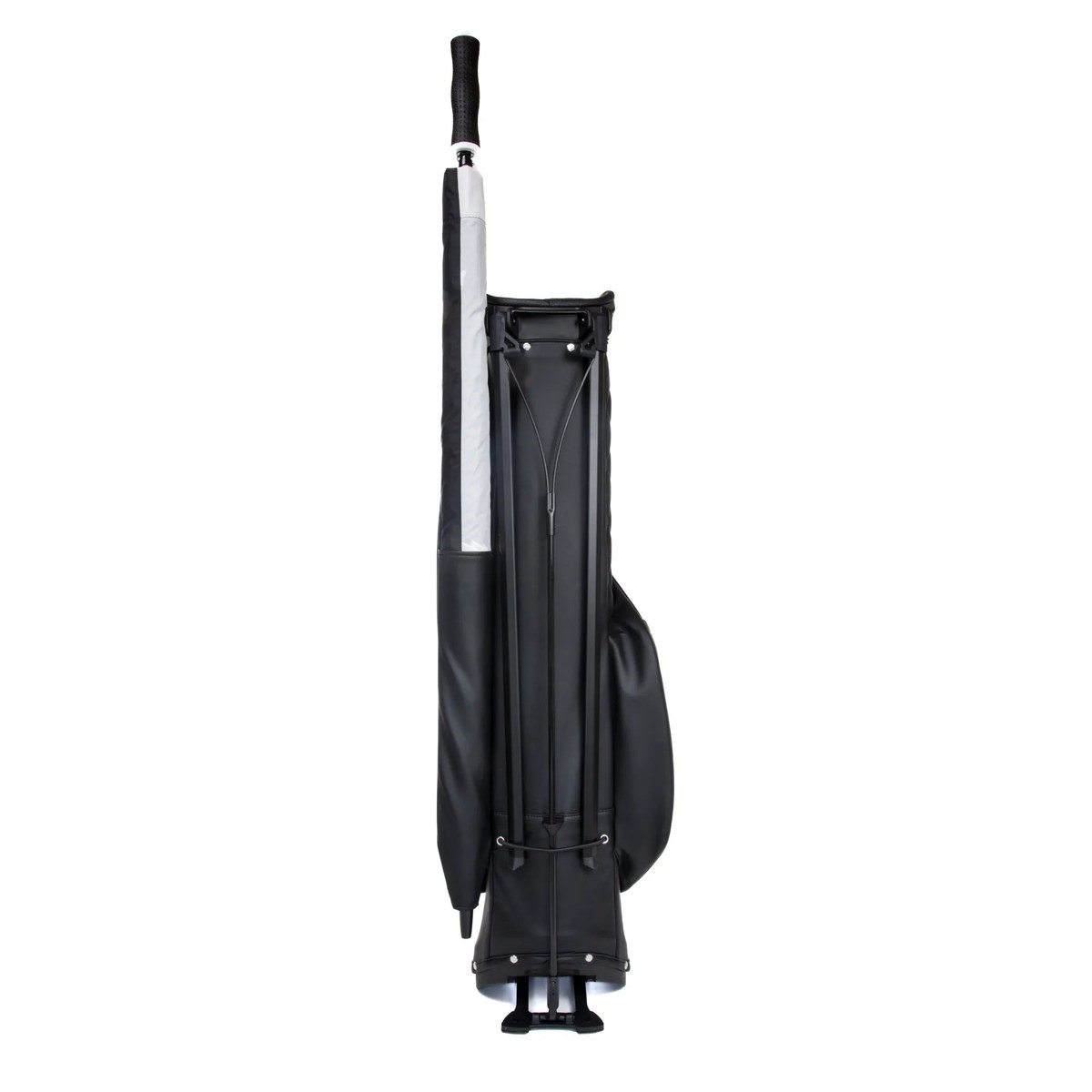
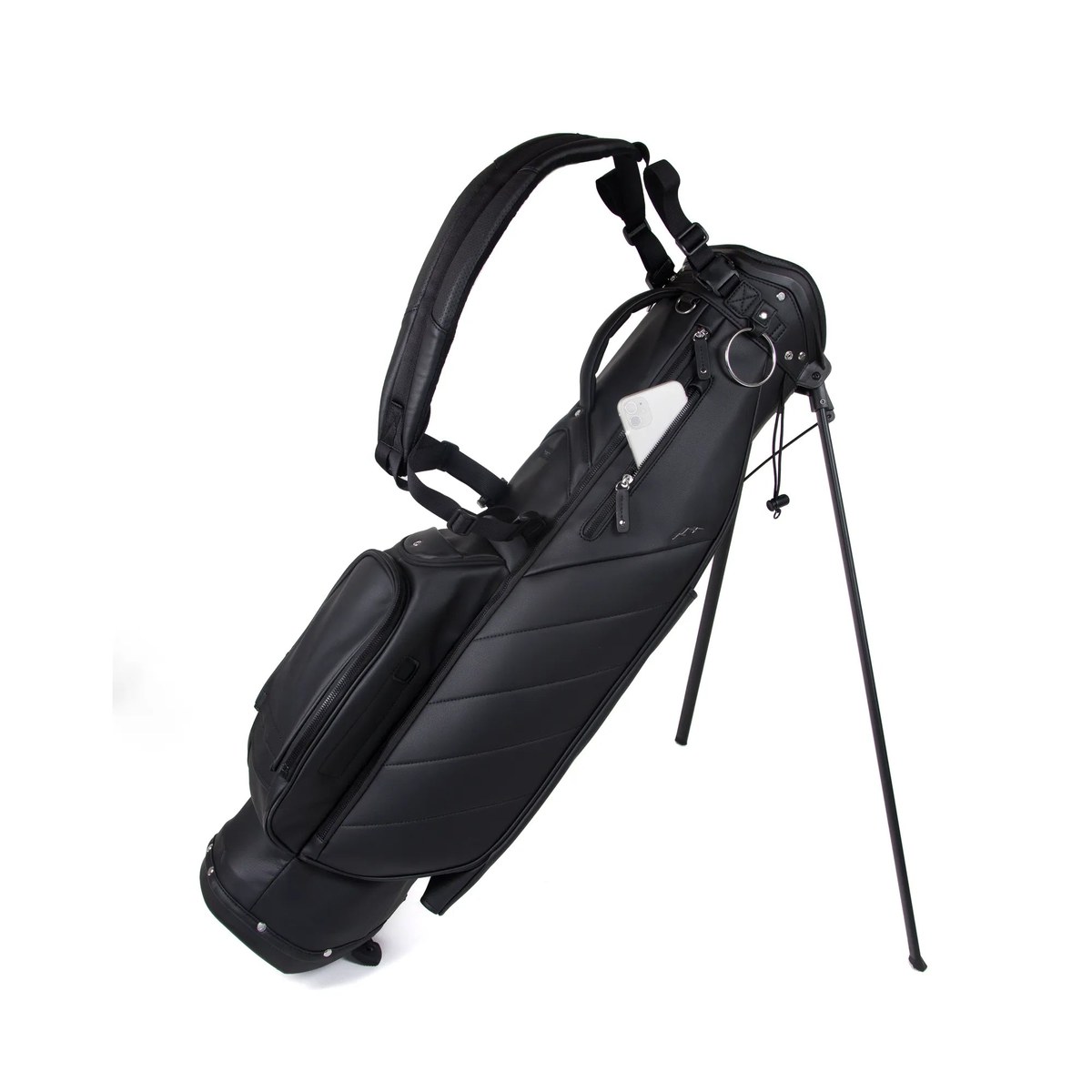
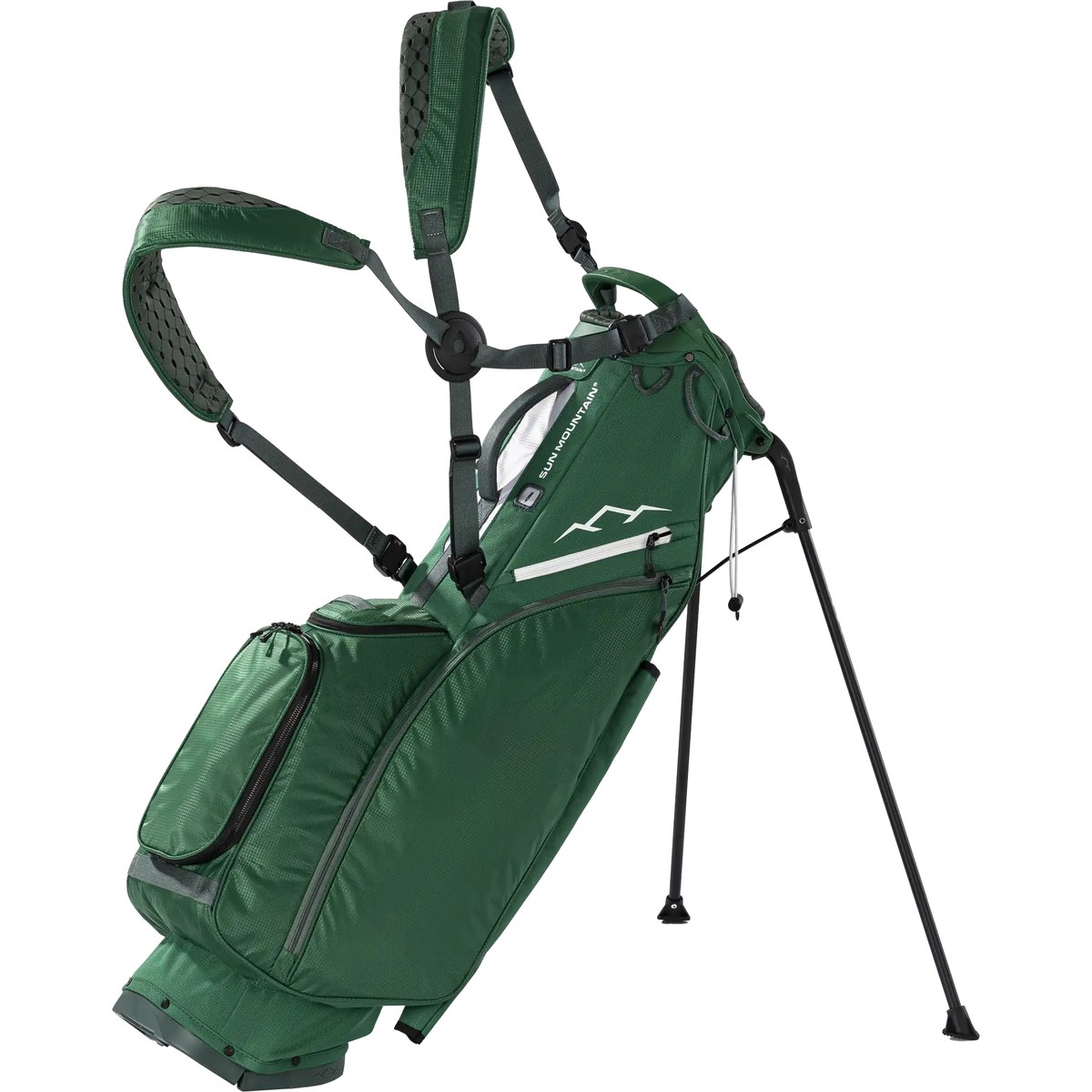
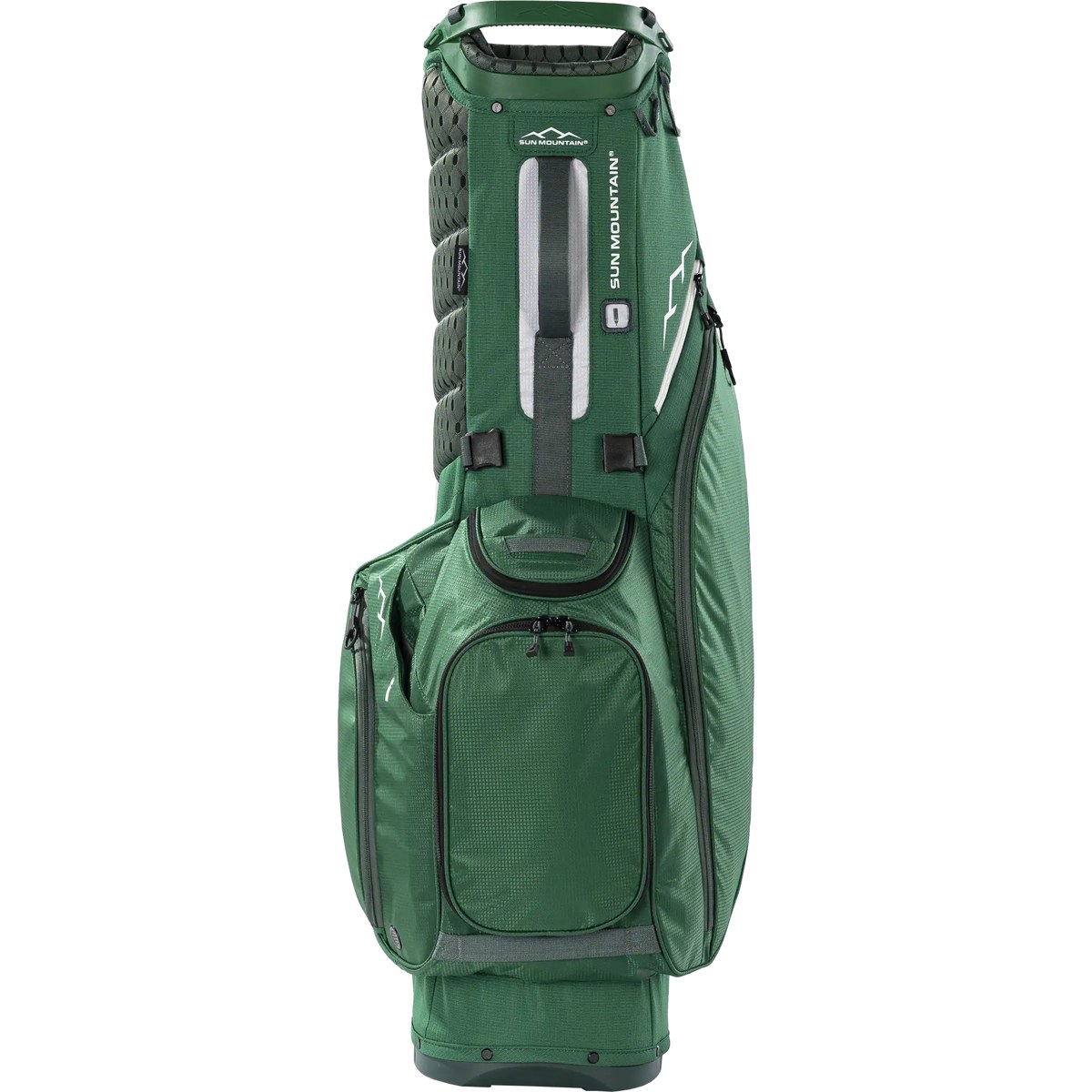
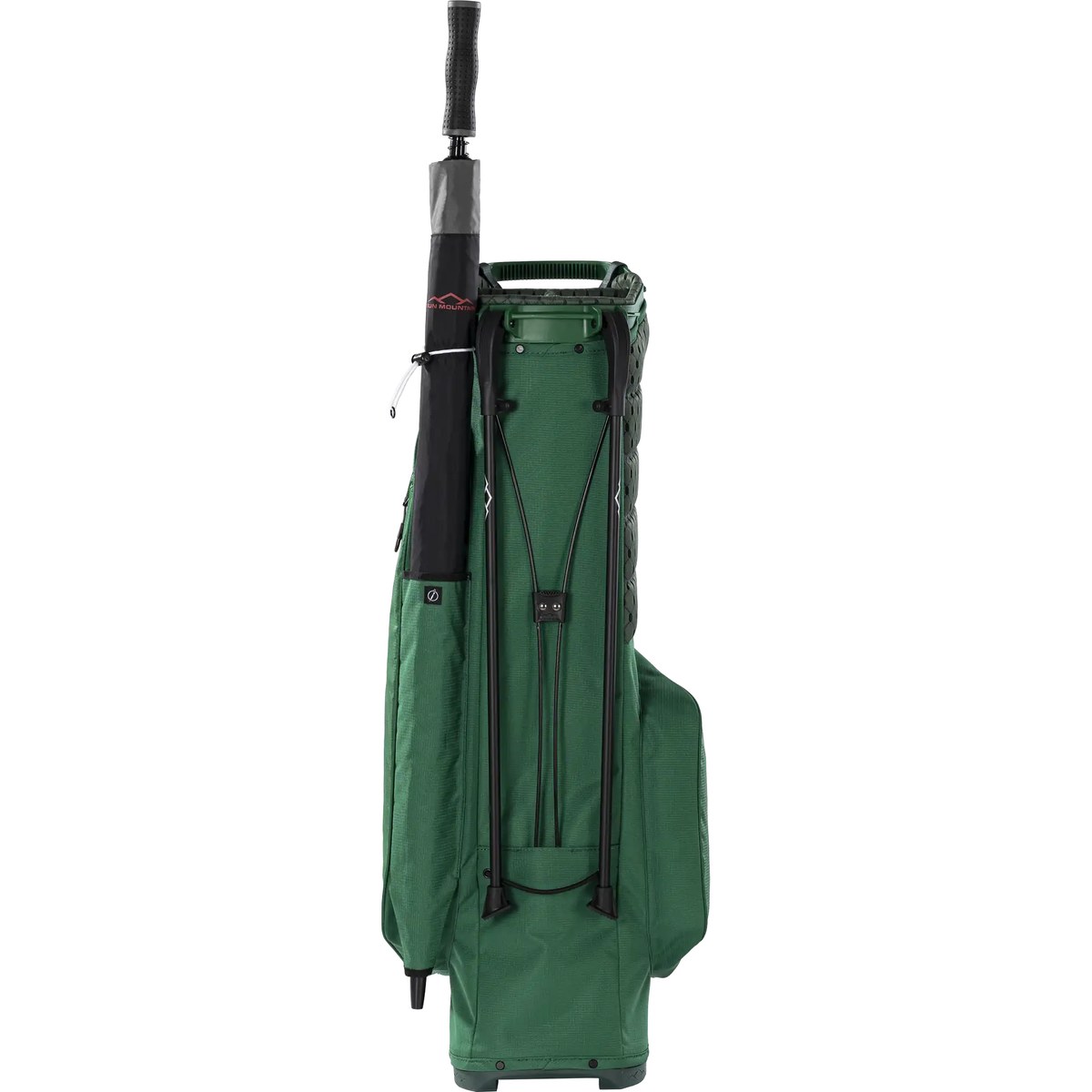
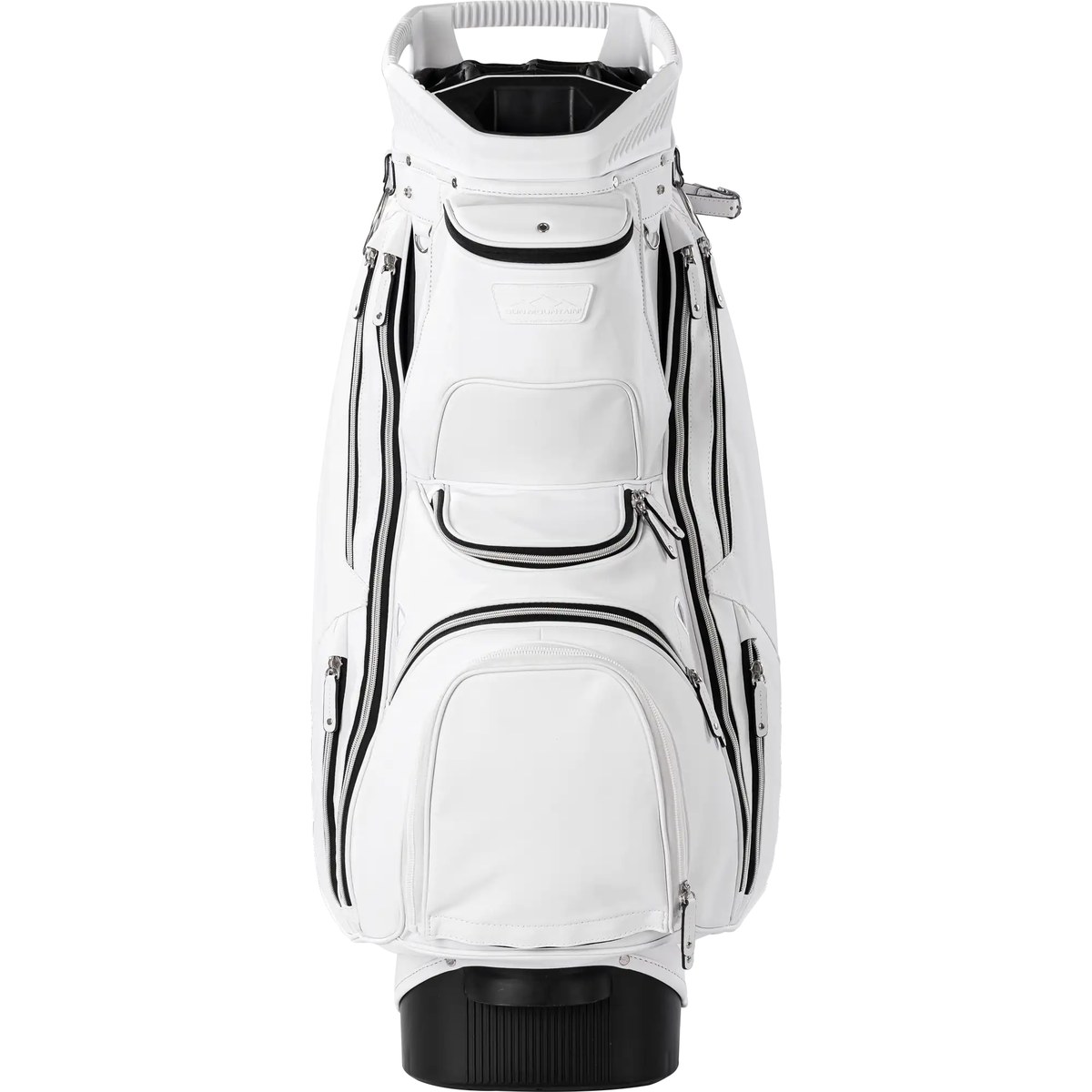
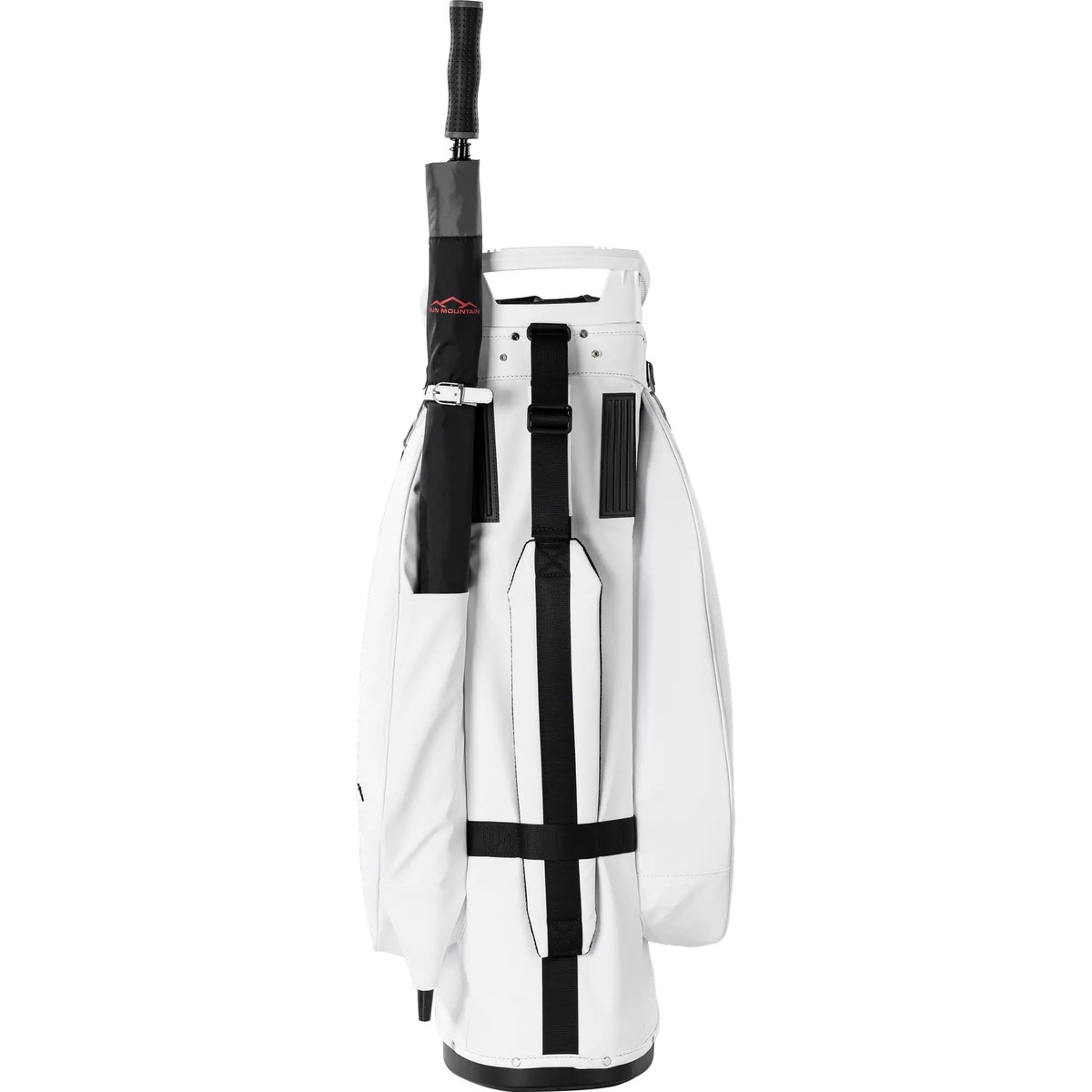
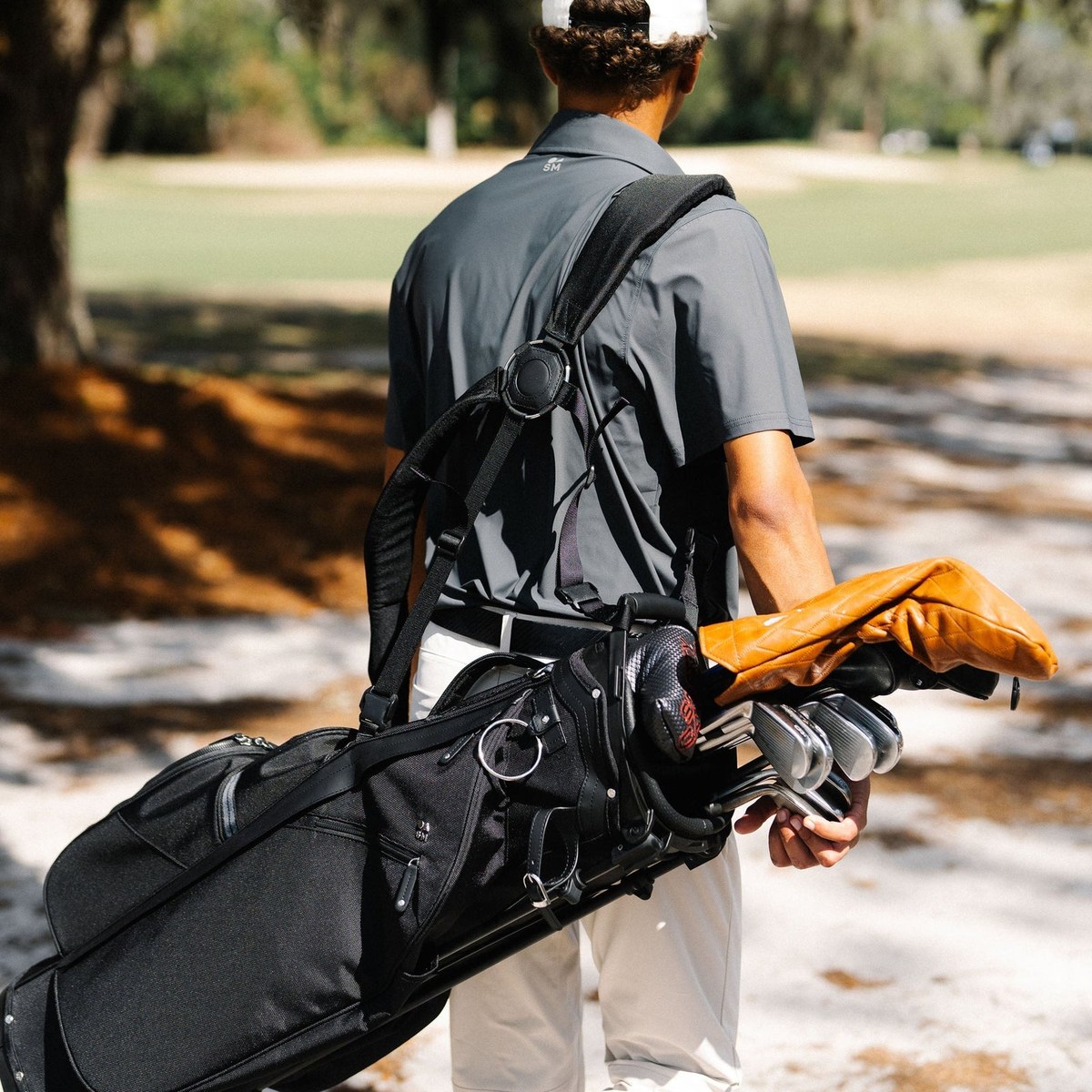
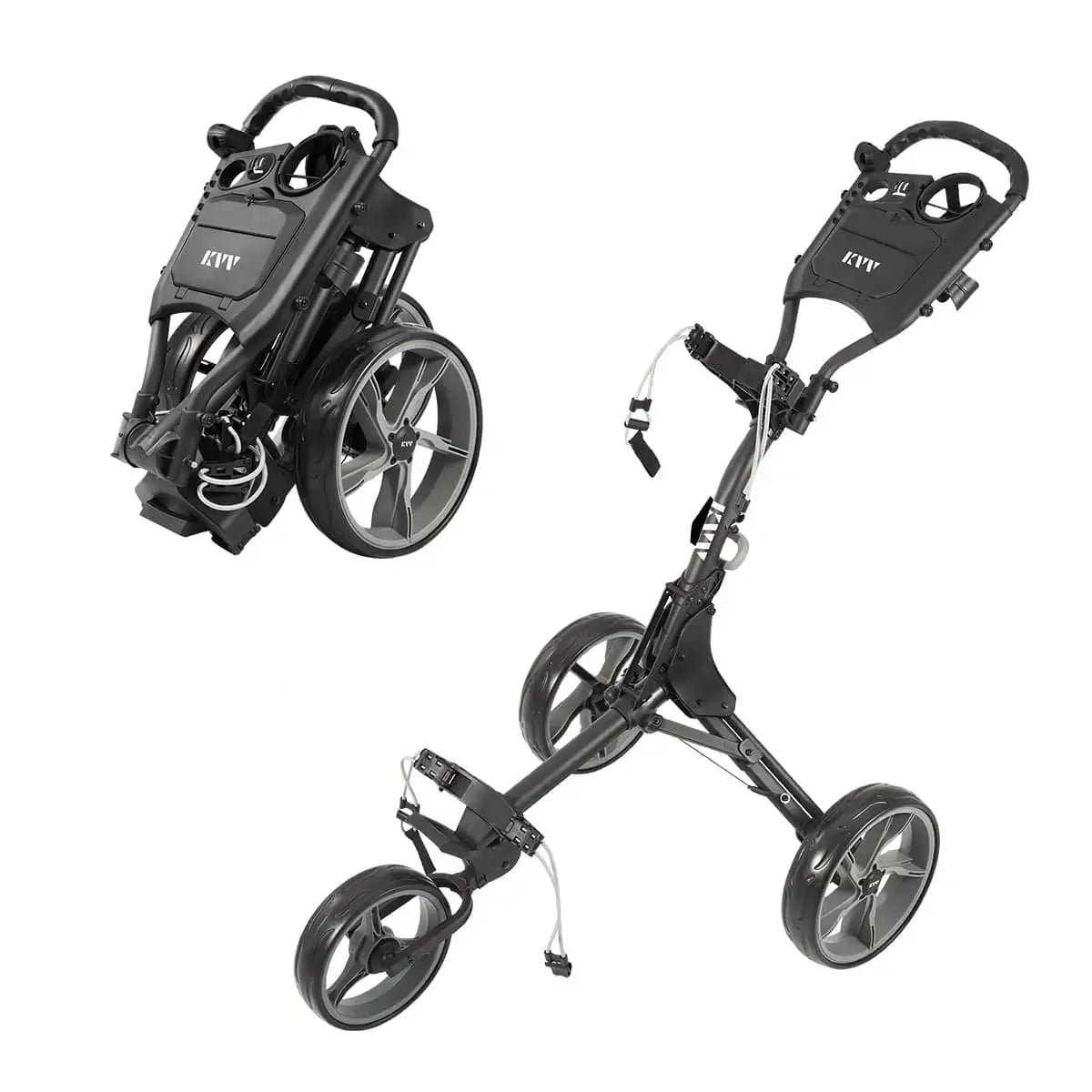
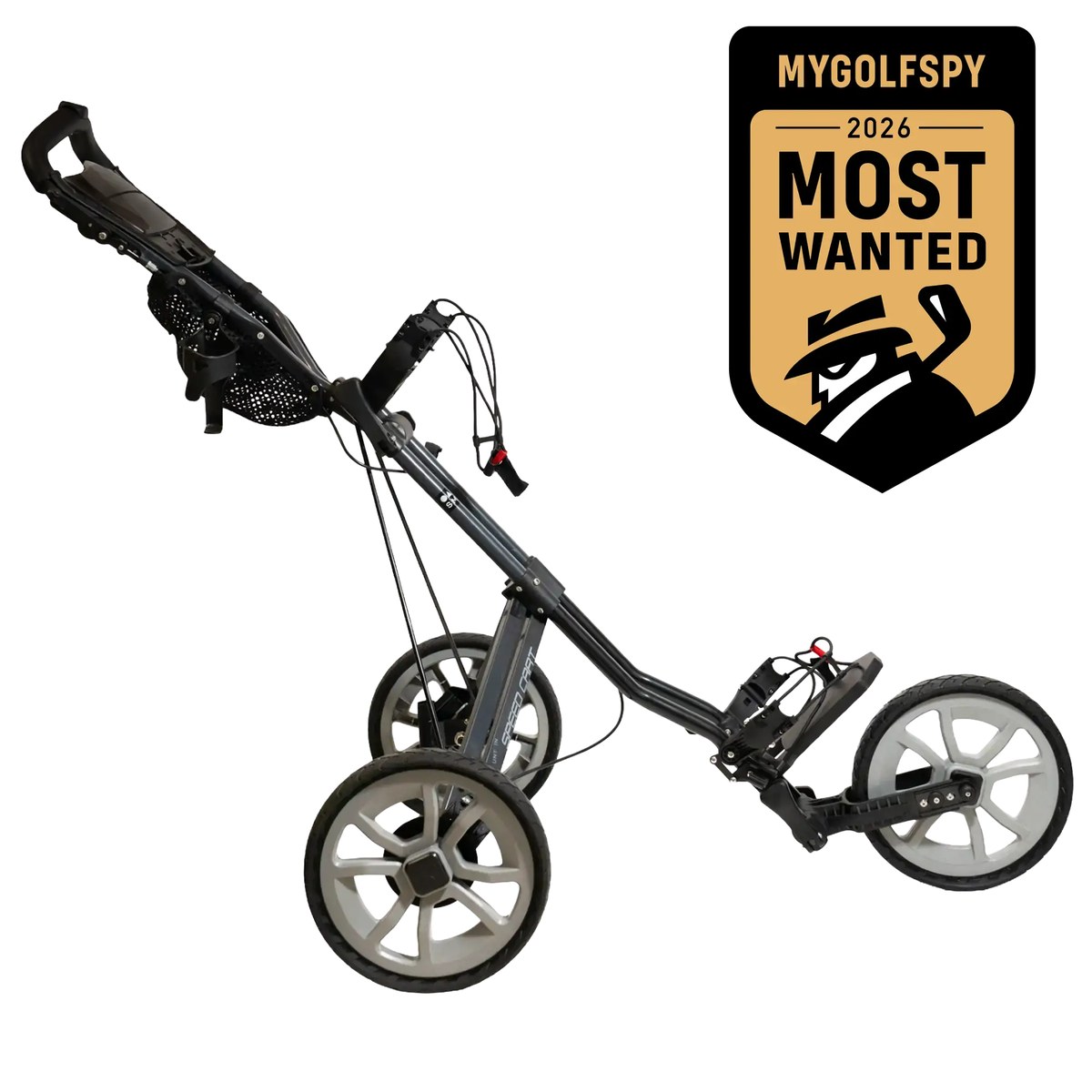
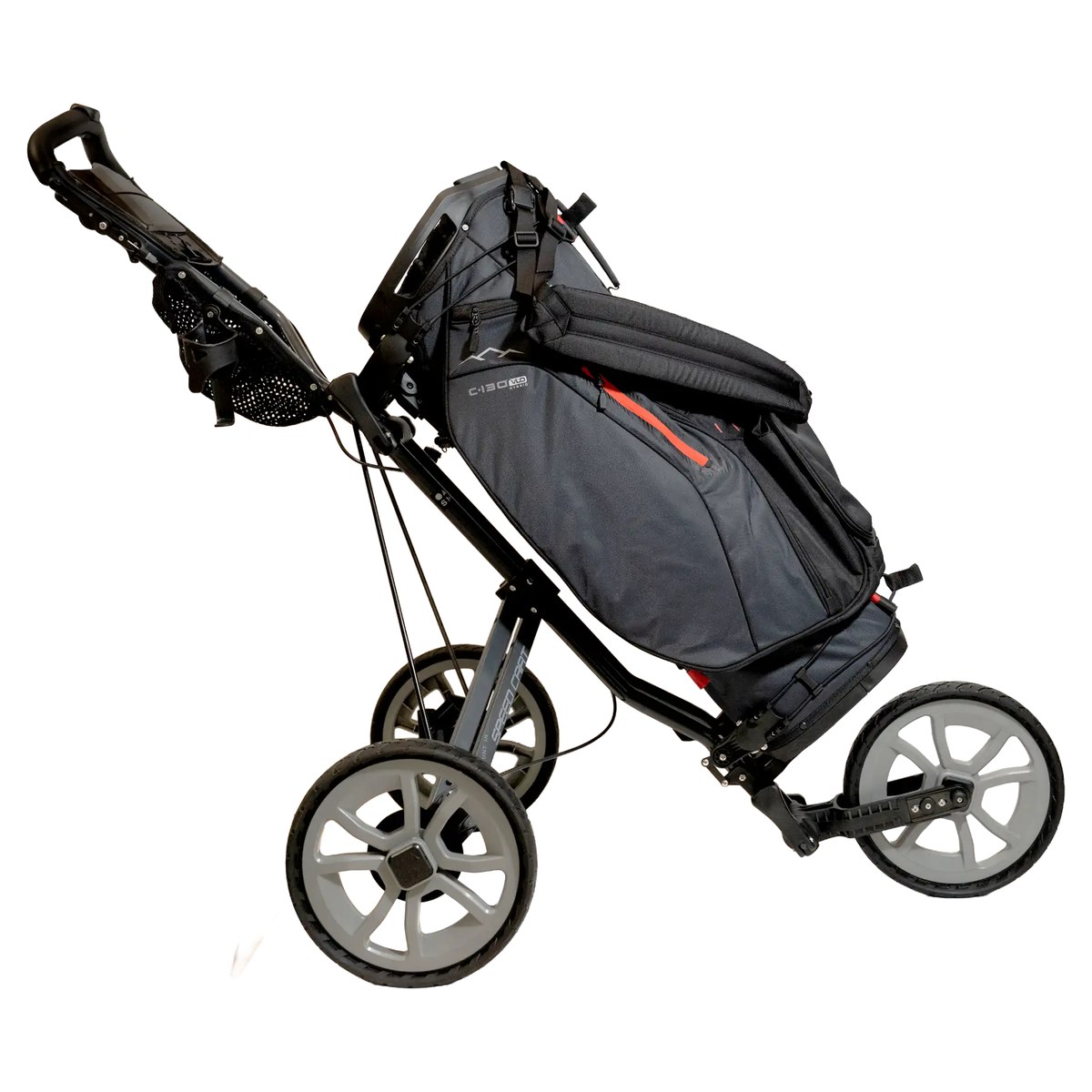
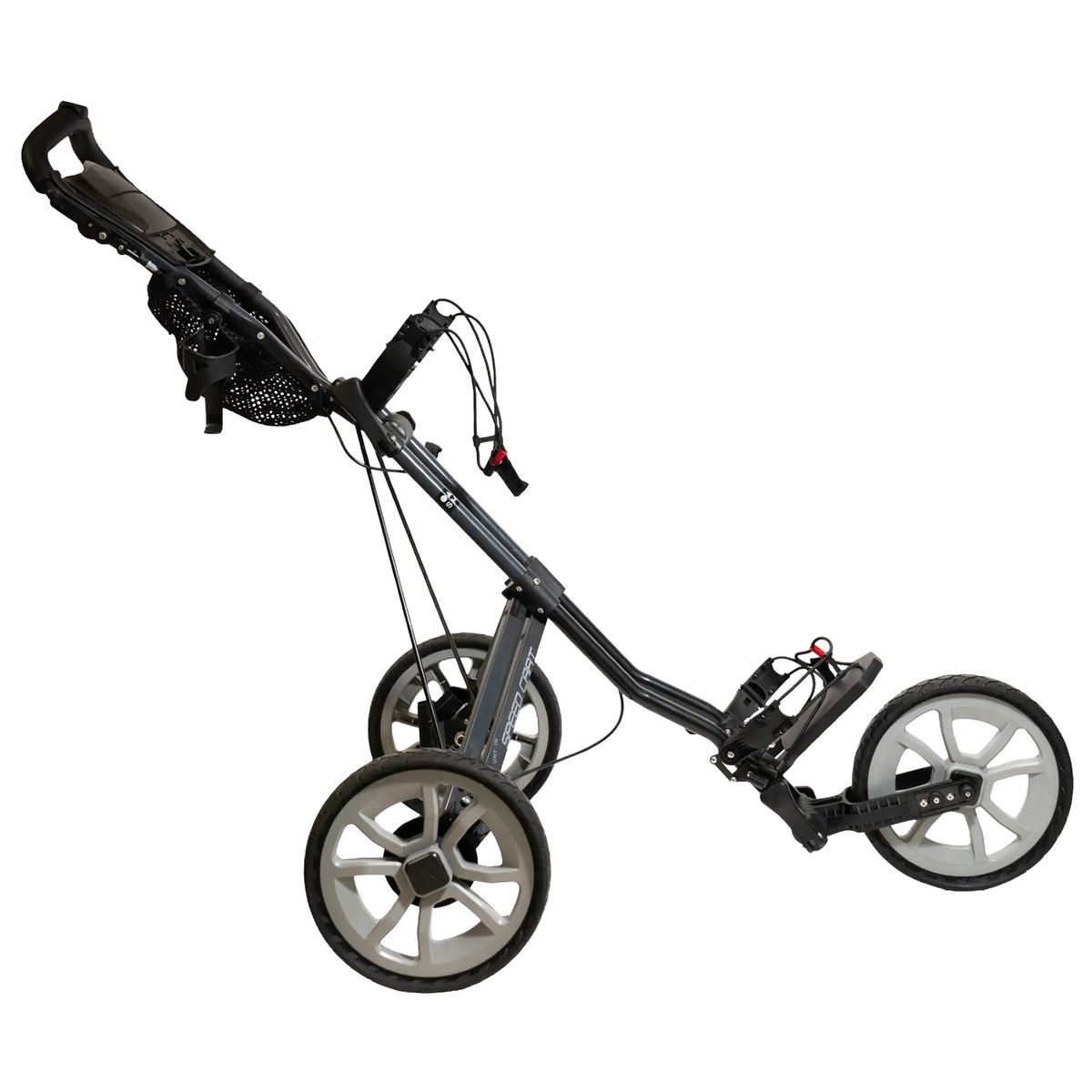
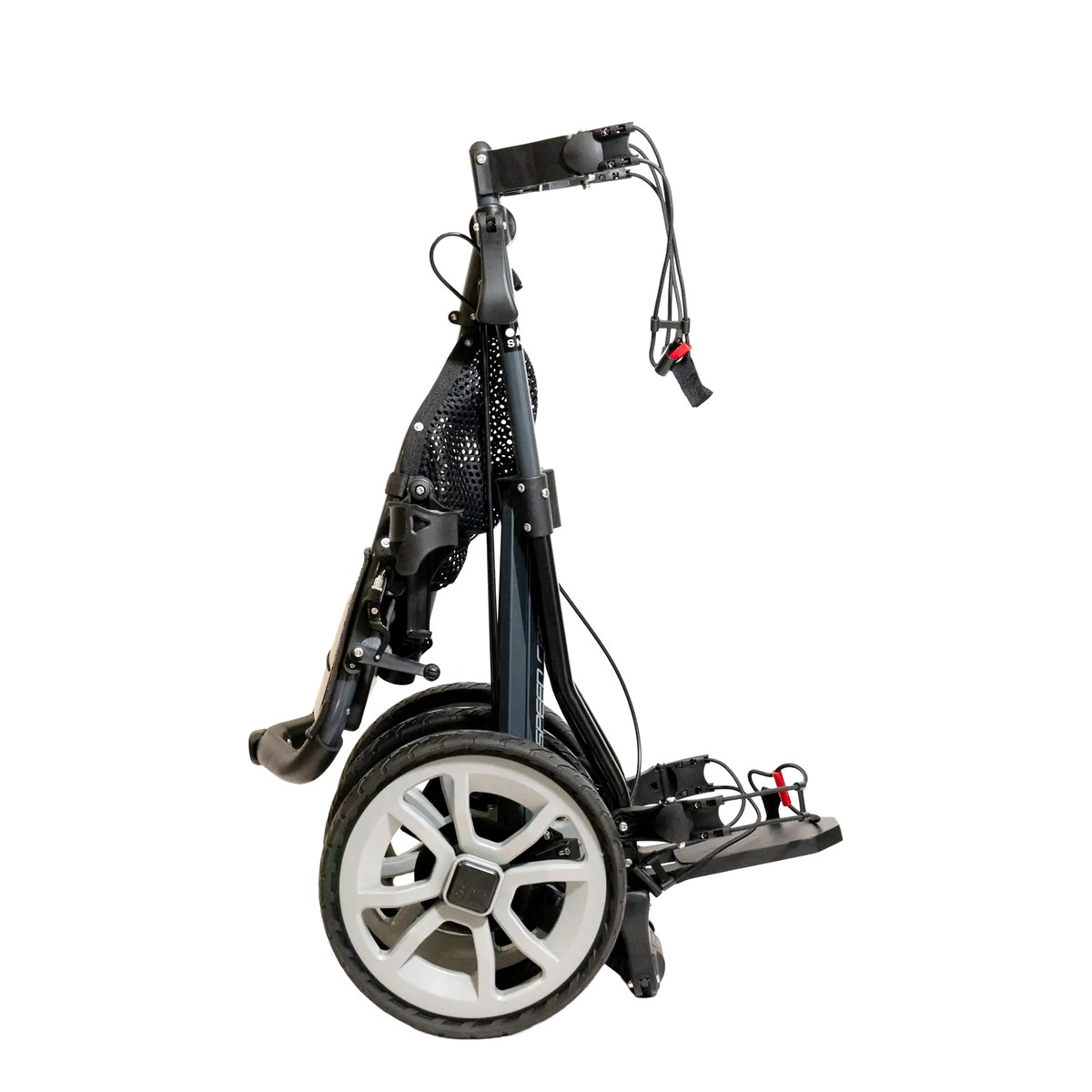
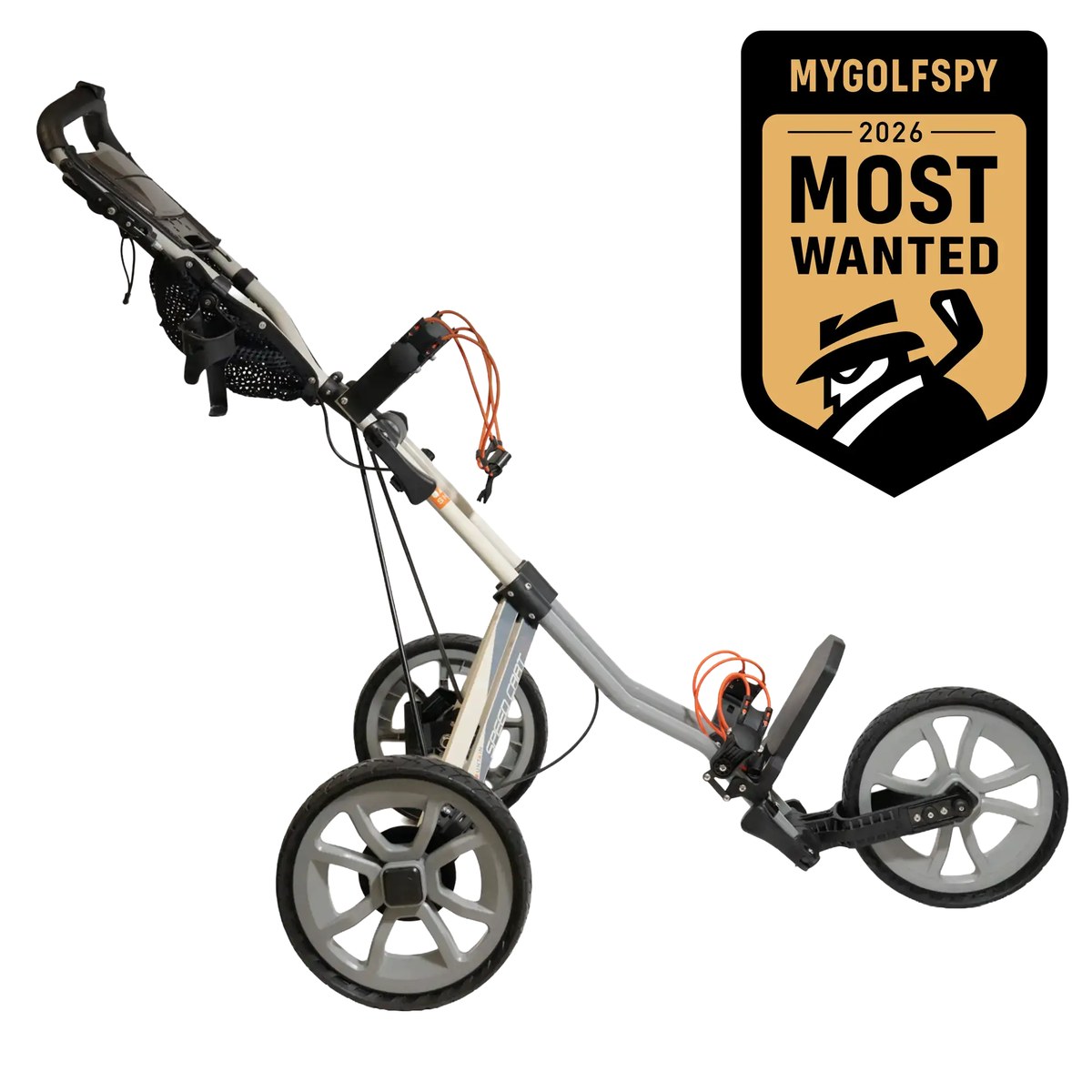
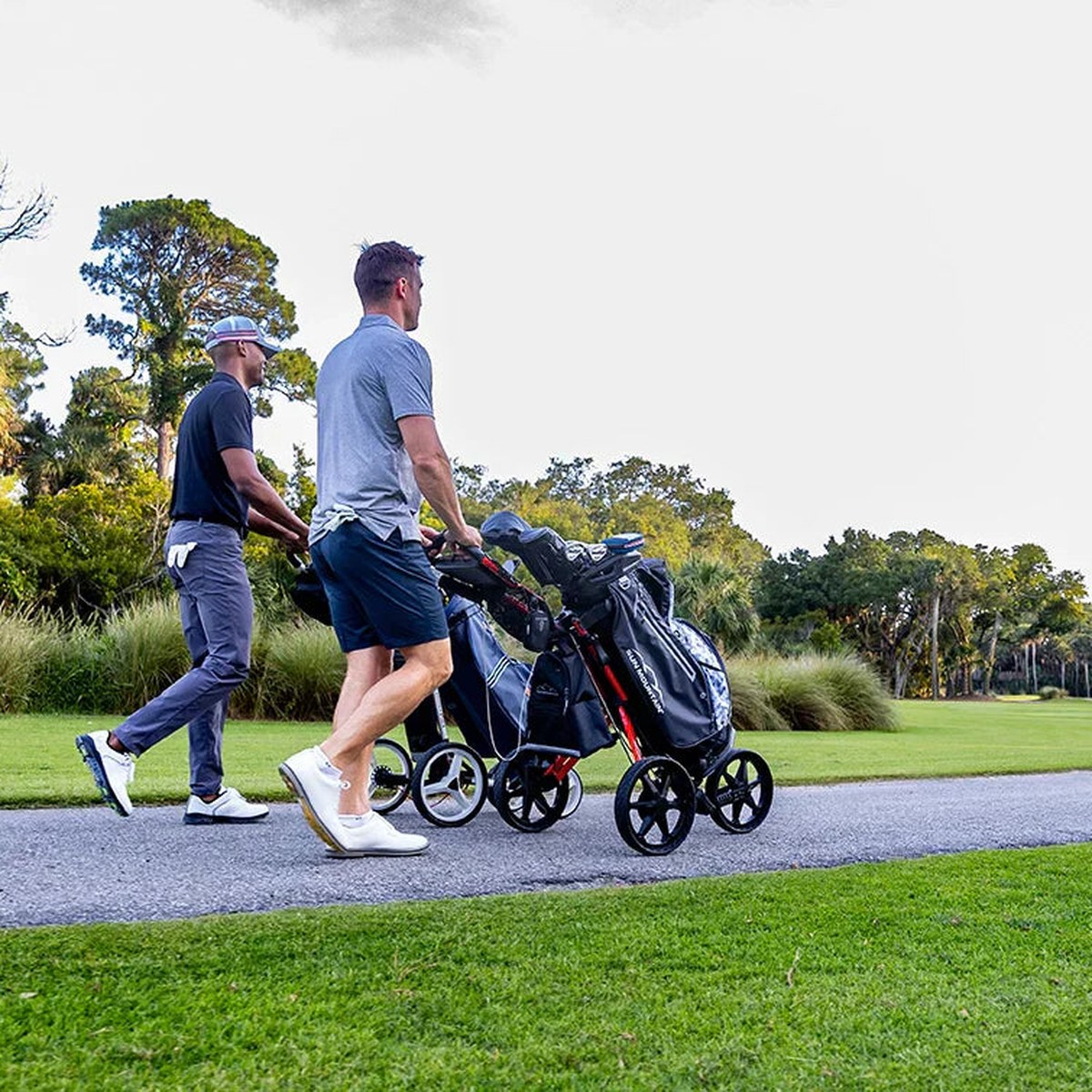
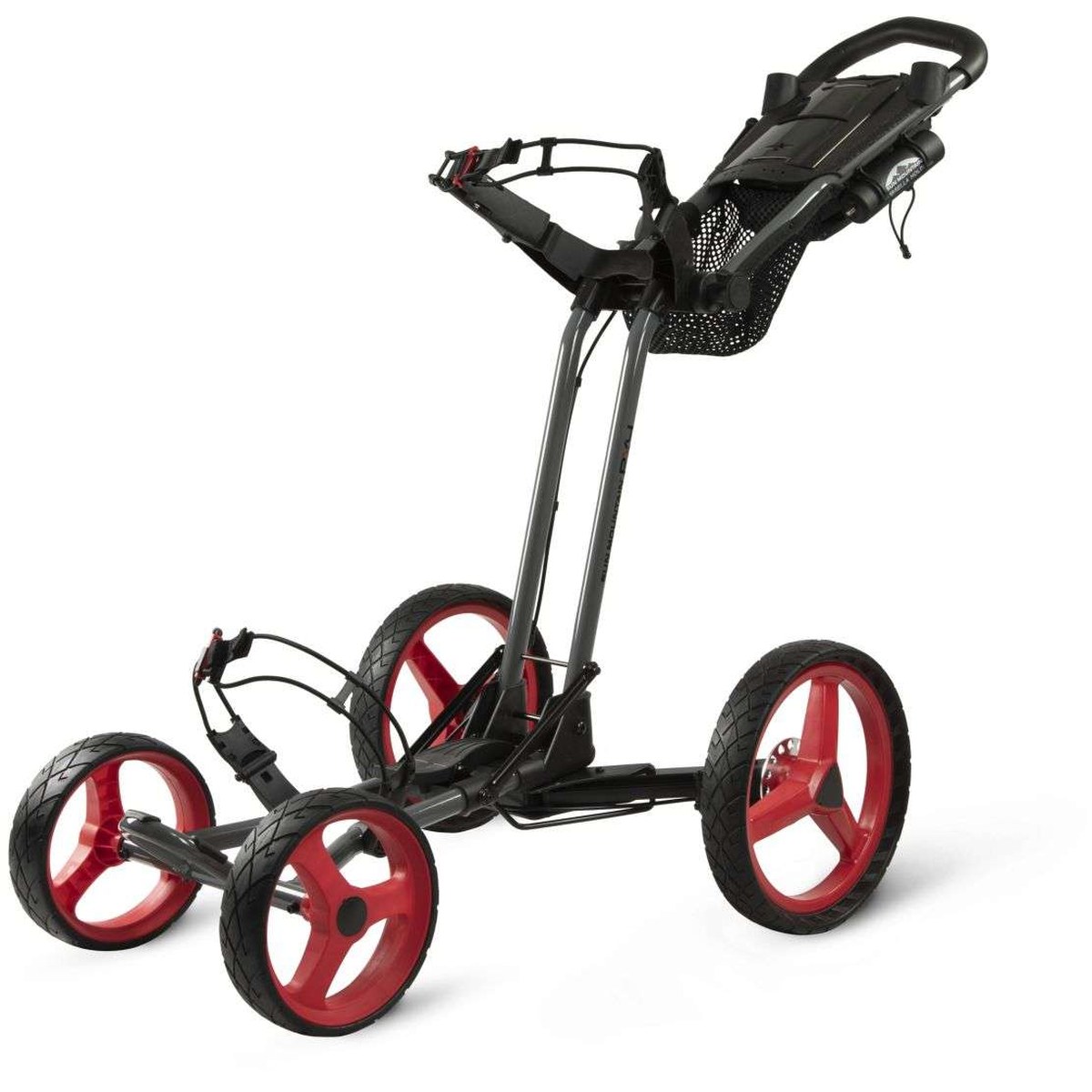
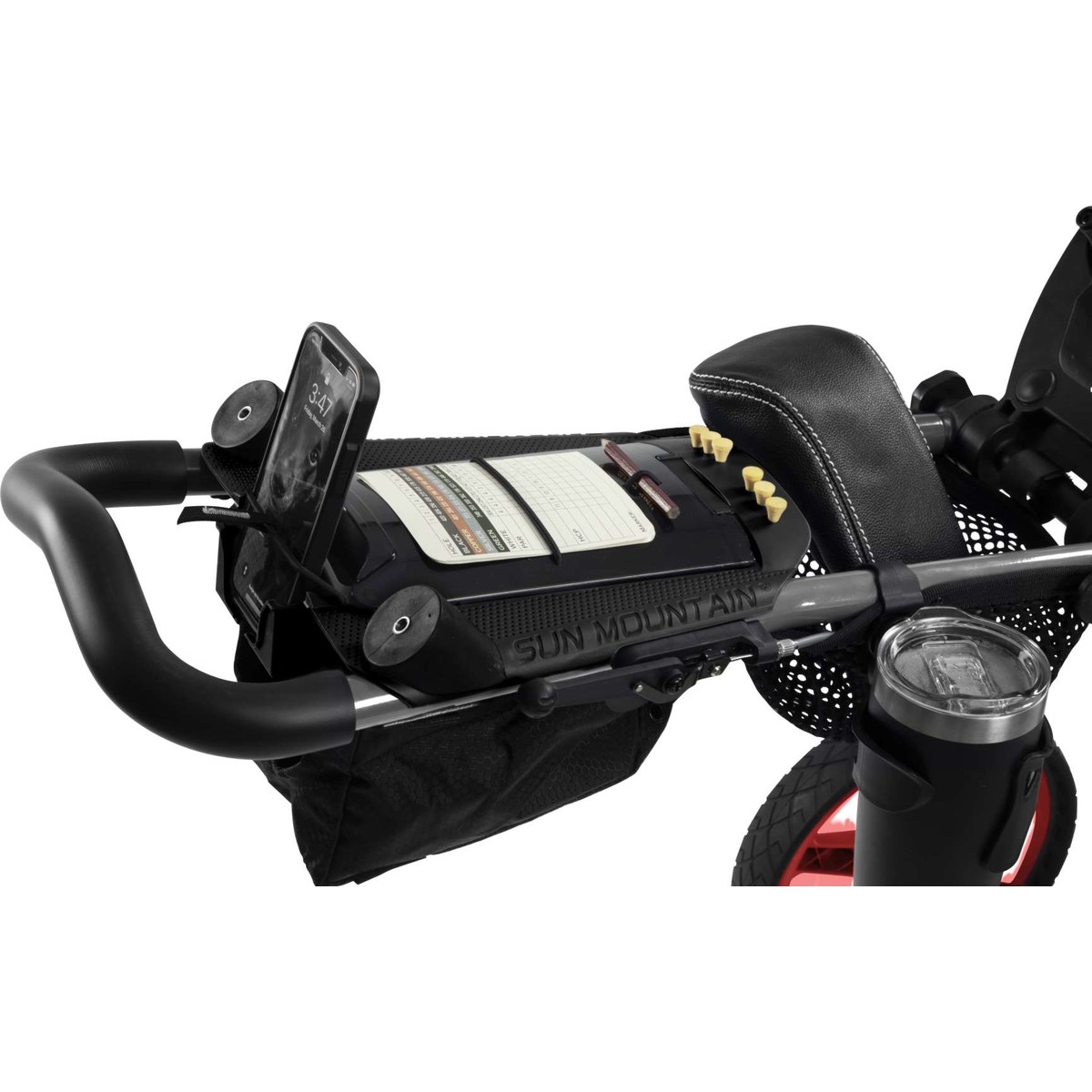
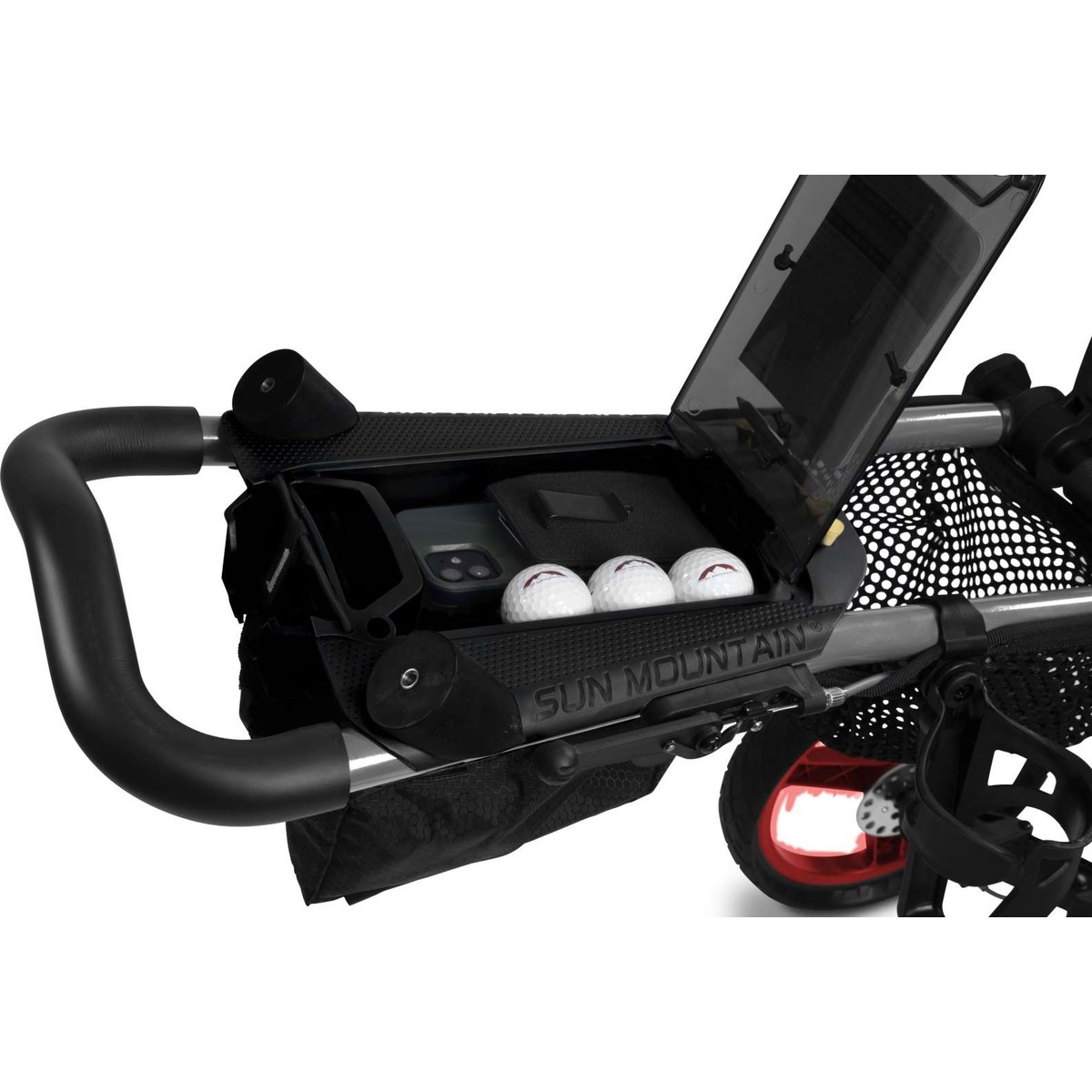
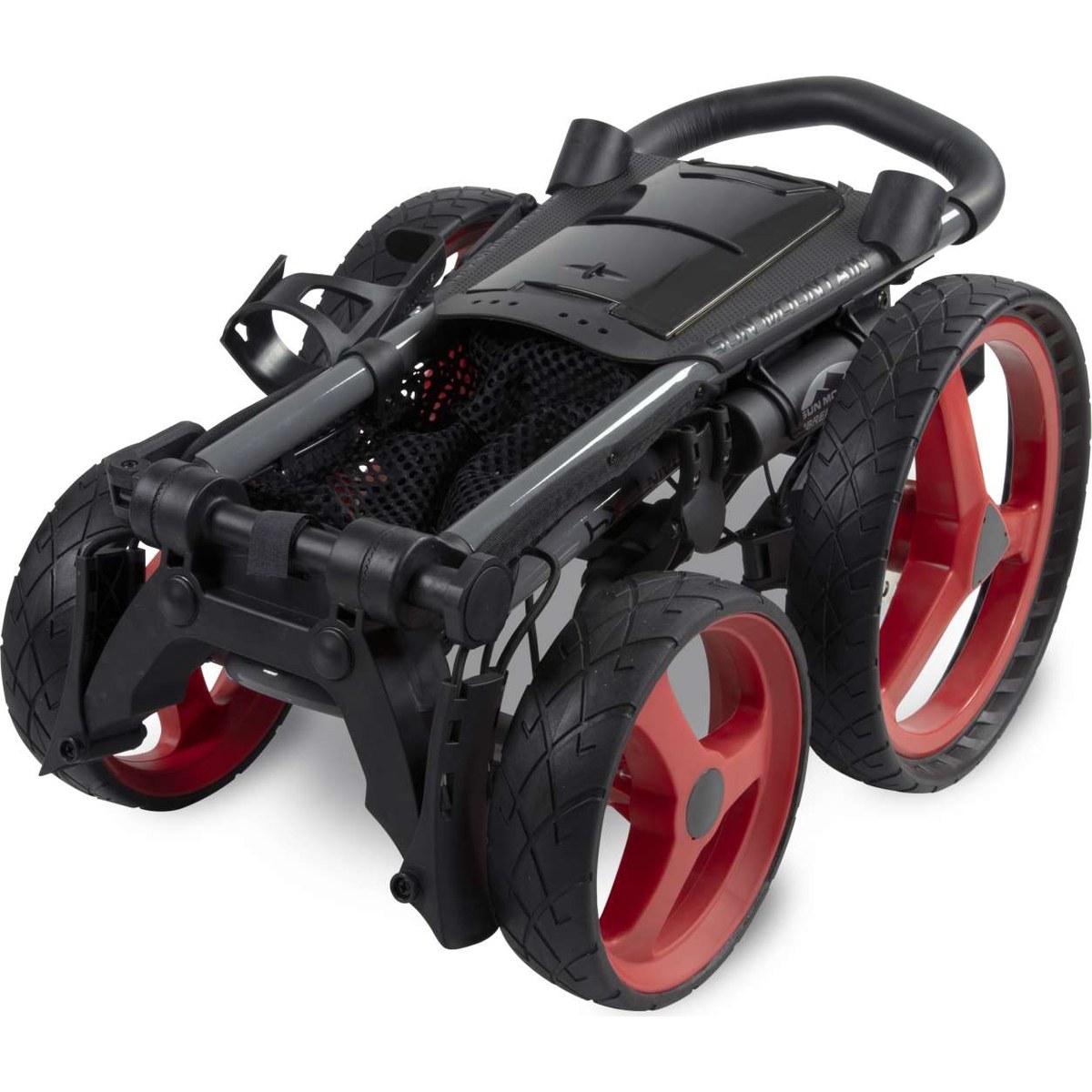
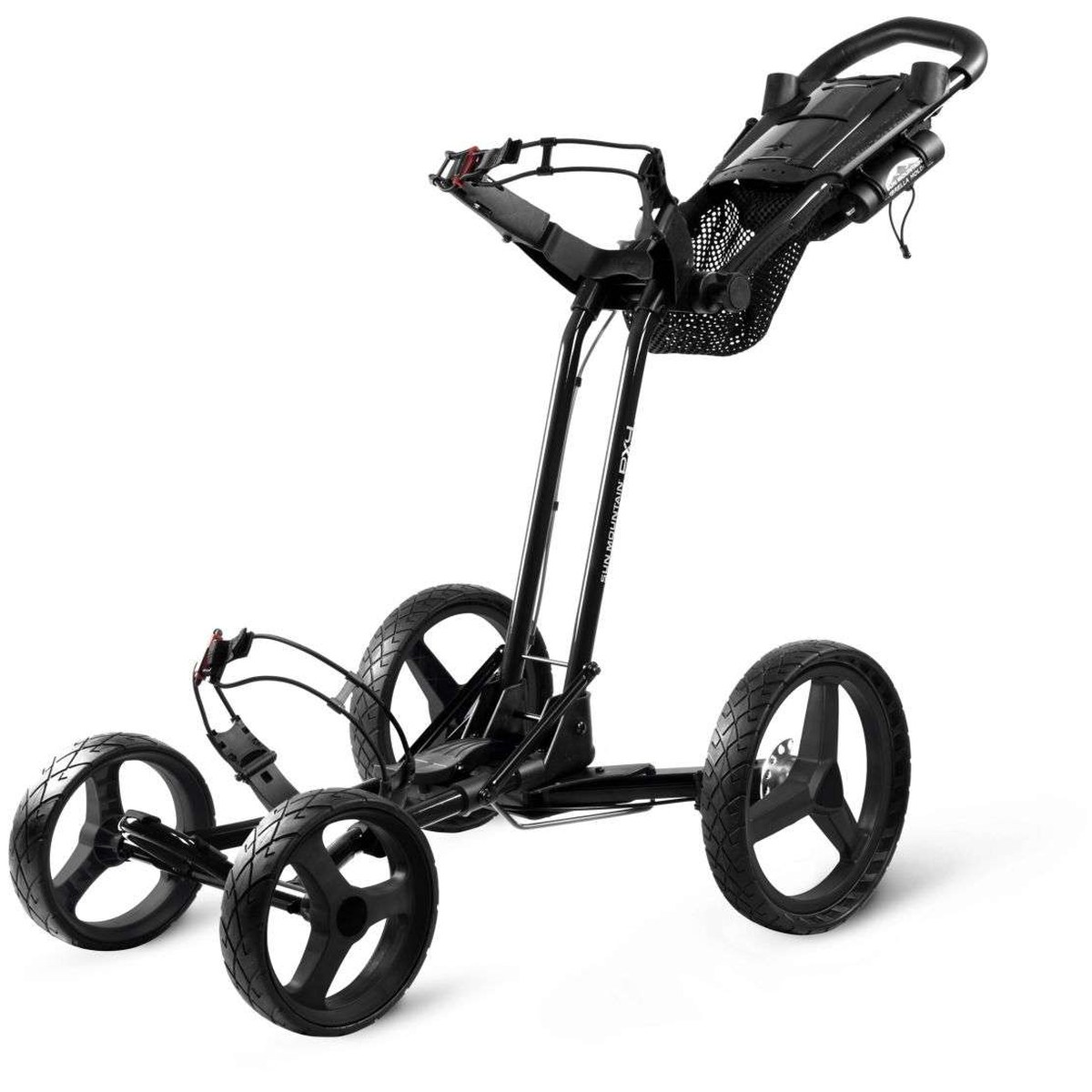
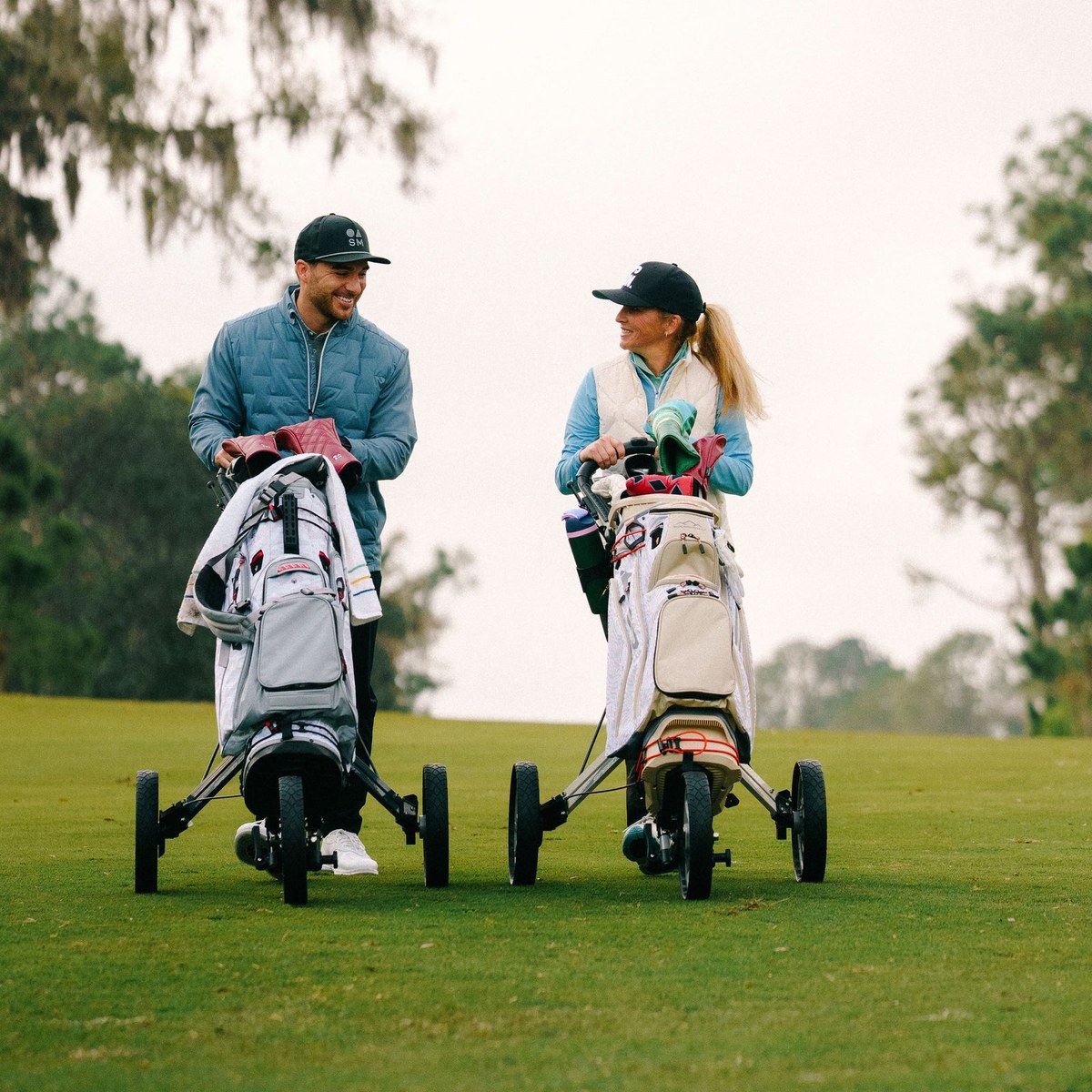
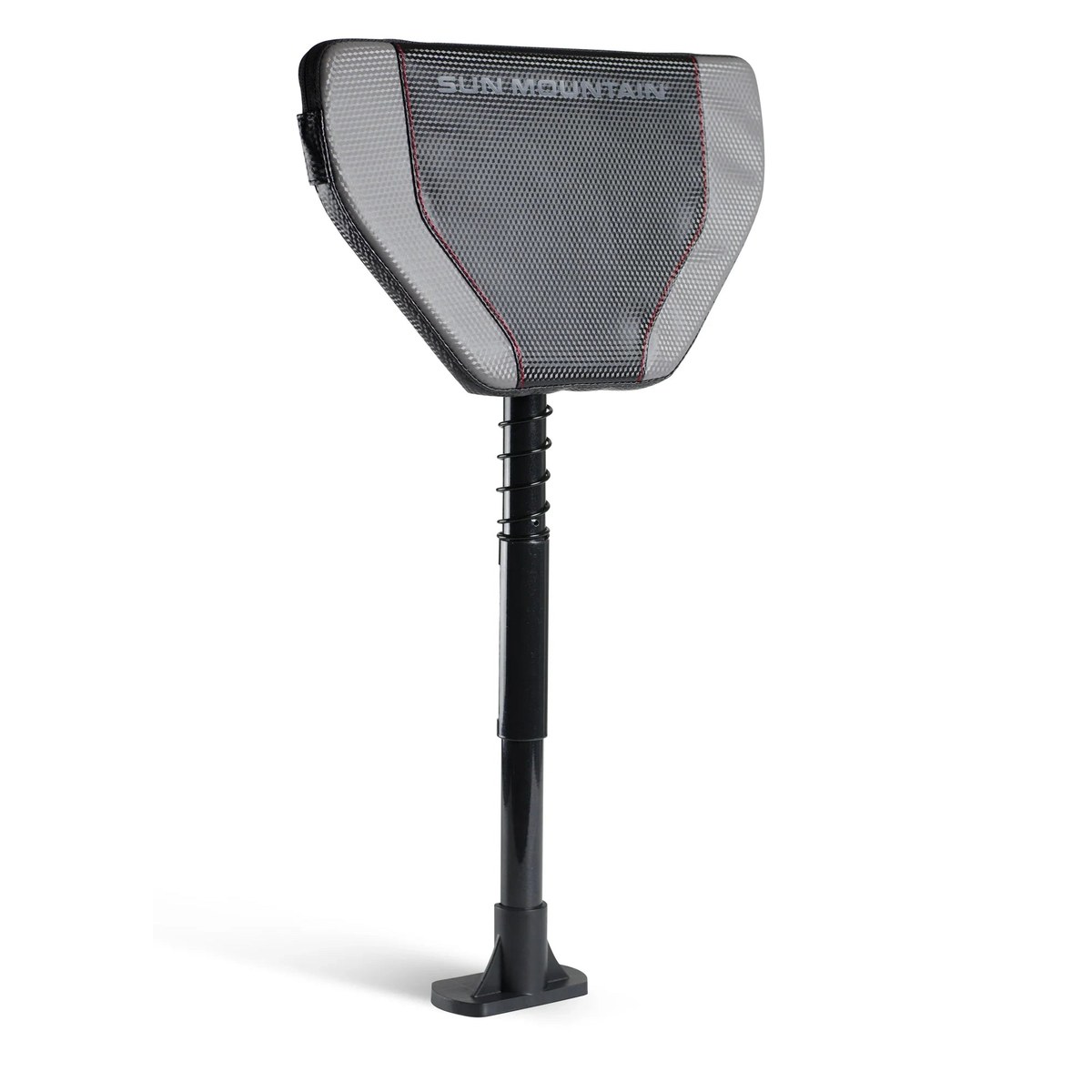
Three picks · $75–$330Sun Mountain did to walking carts in 1999 what it had done to bags in 1986. The Speed Cart folded down small enough that people actually bought one, and a category appeared where there had not been one.
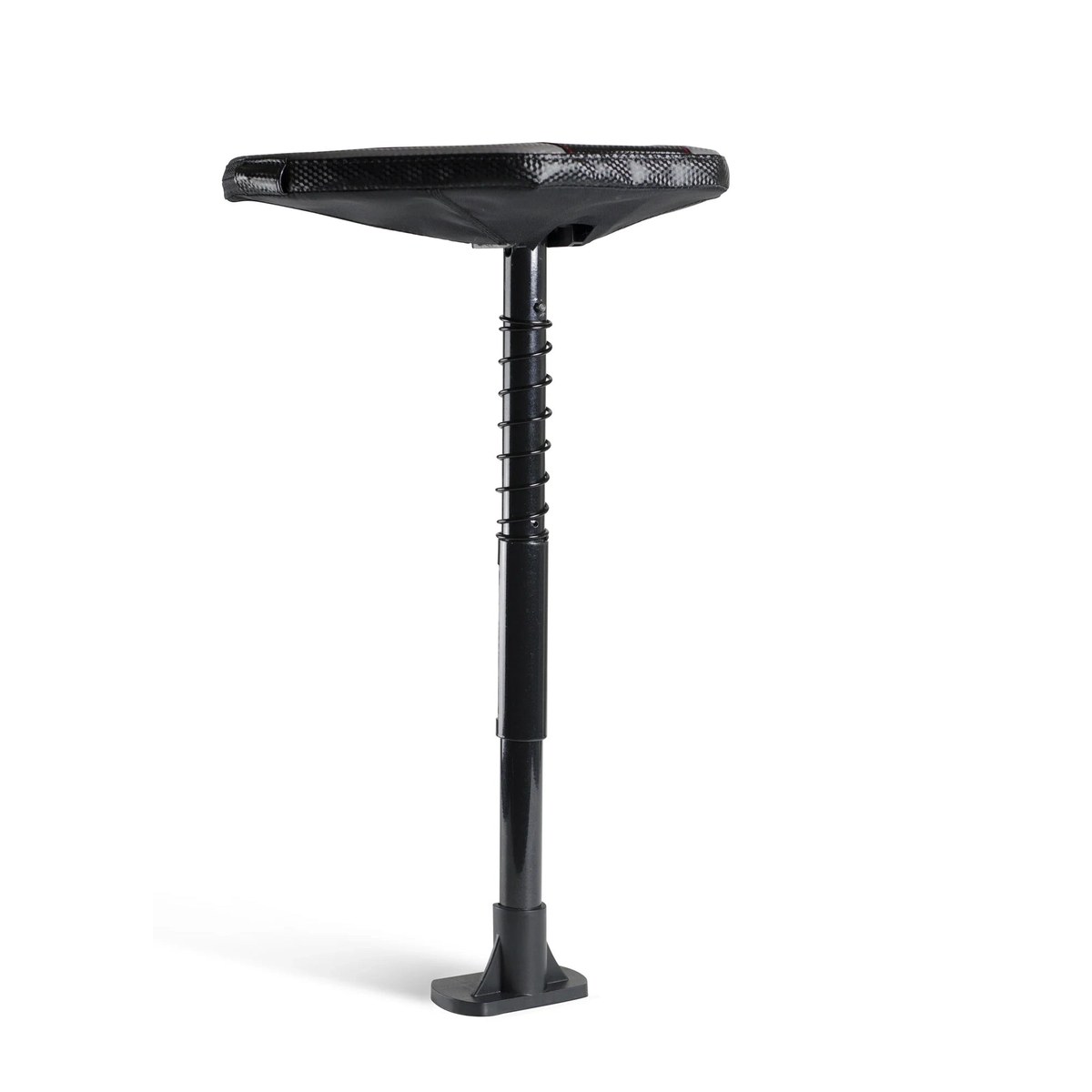
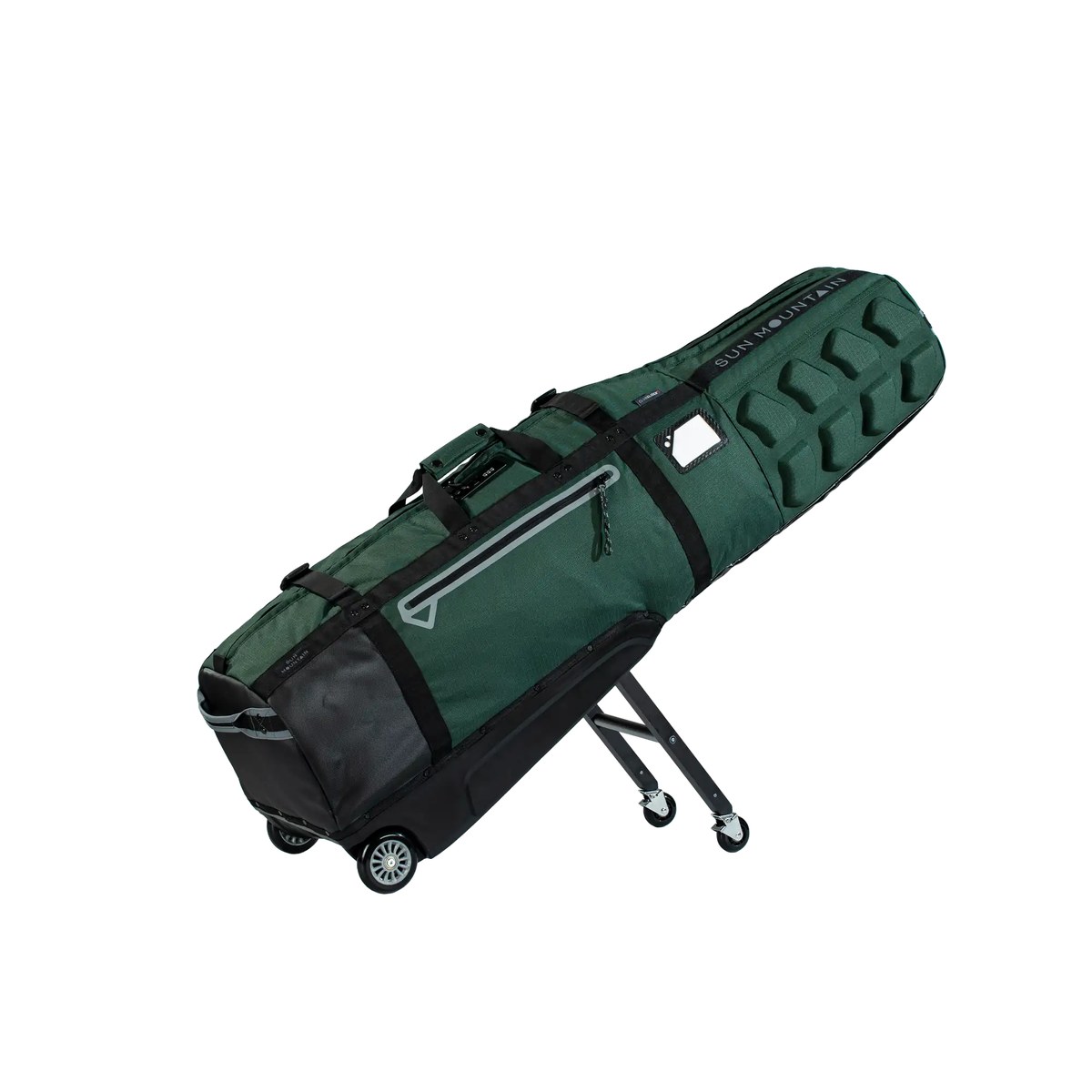
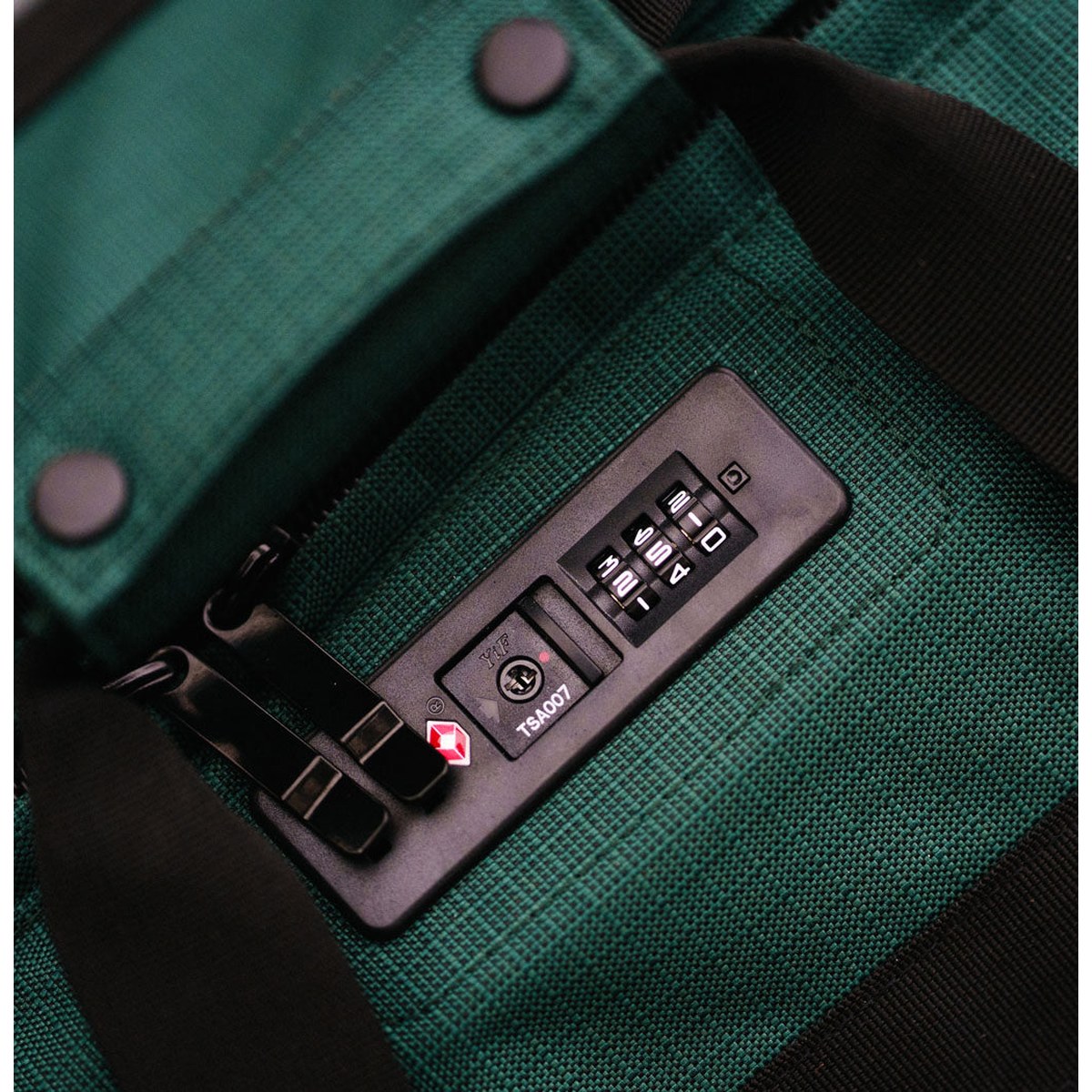
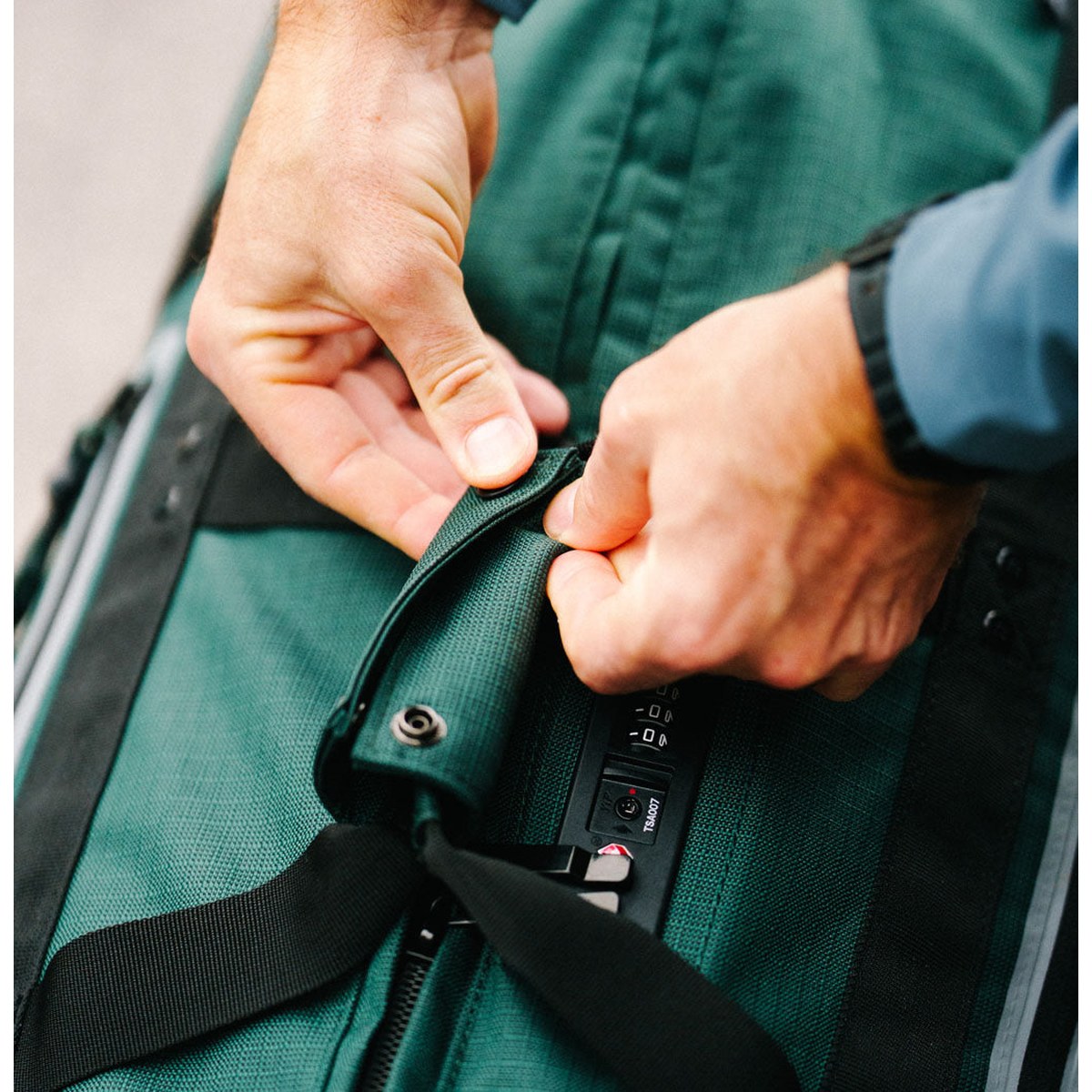
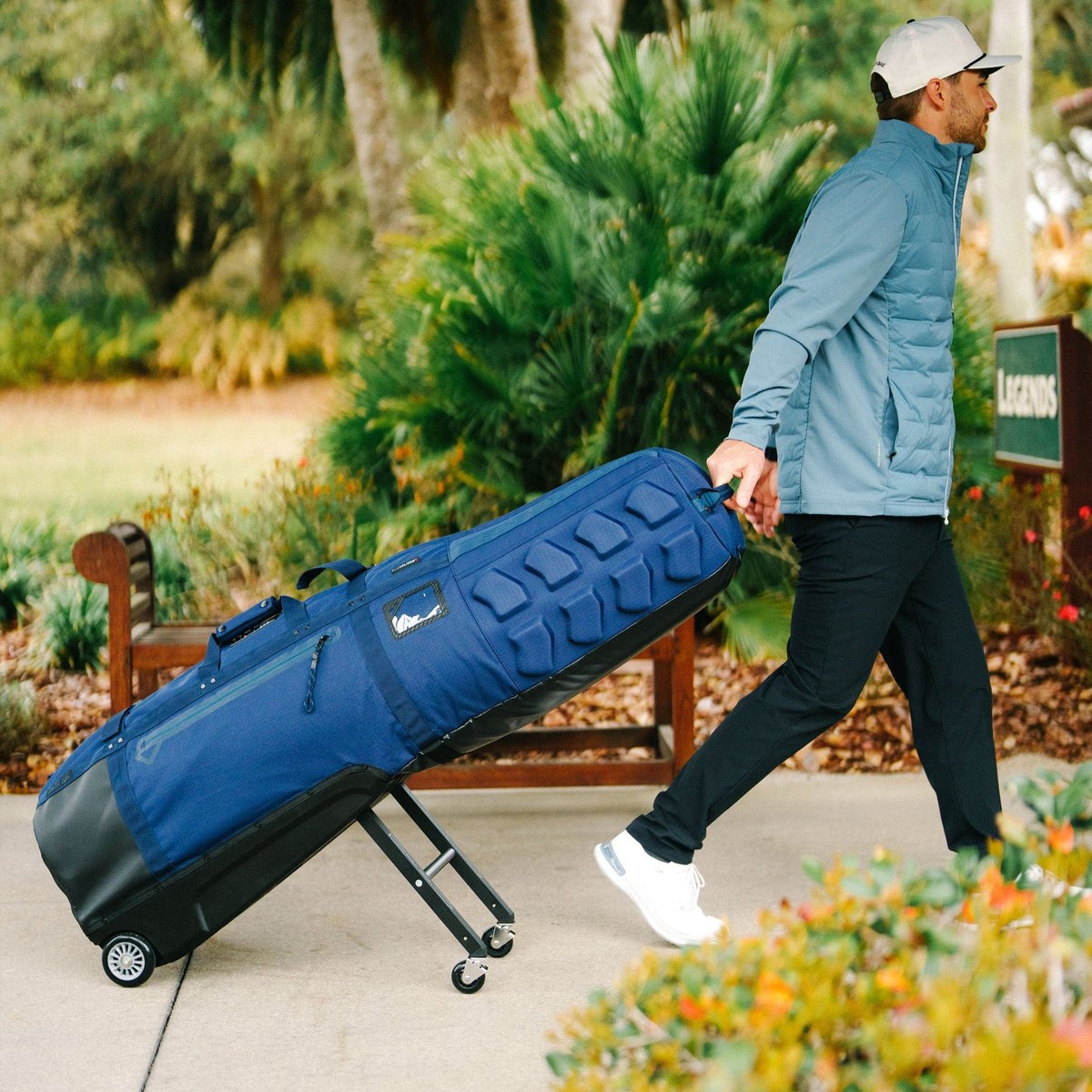
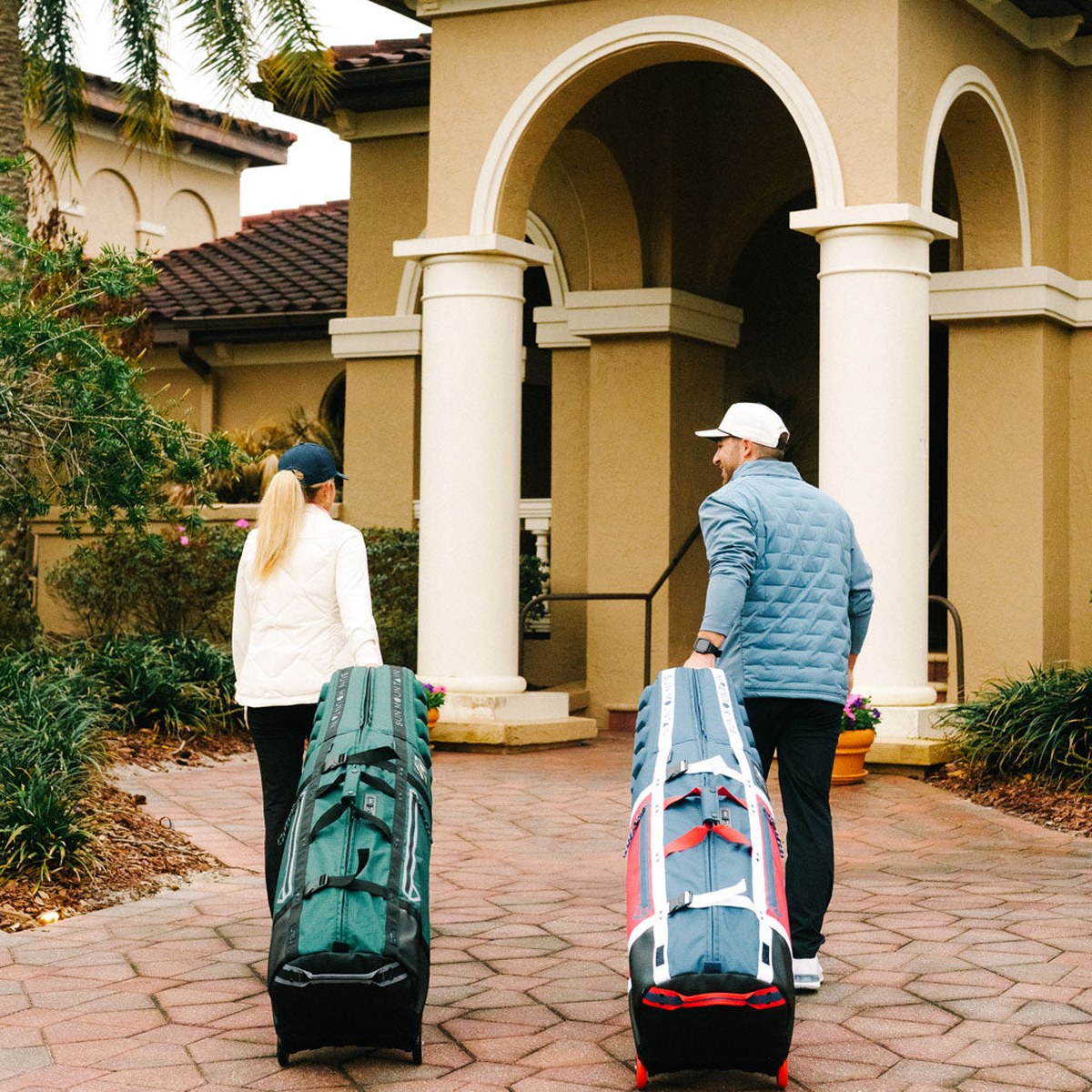
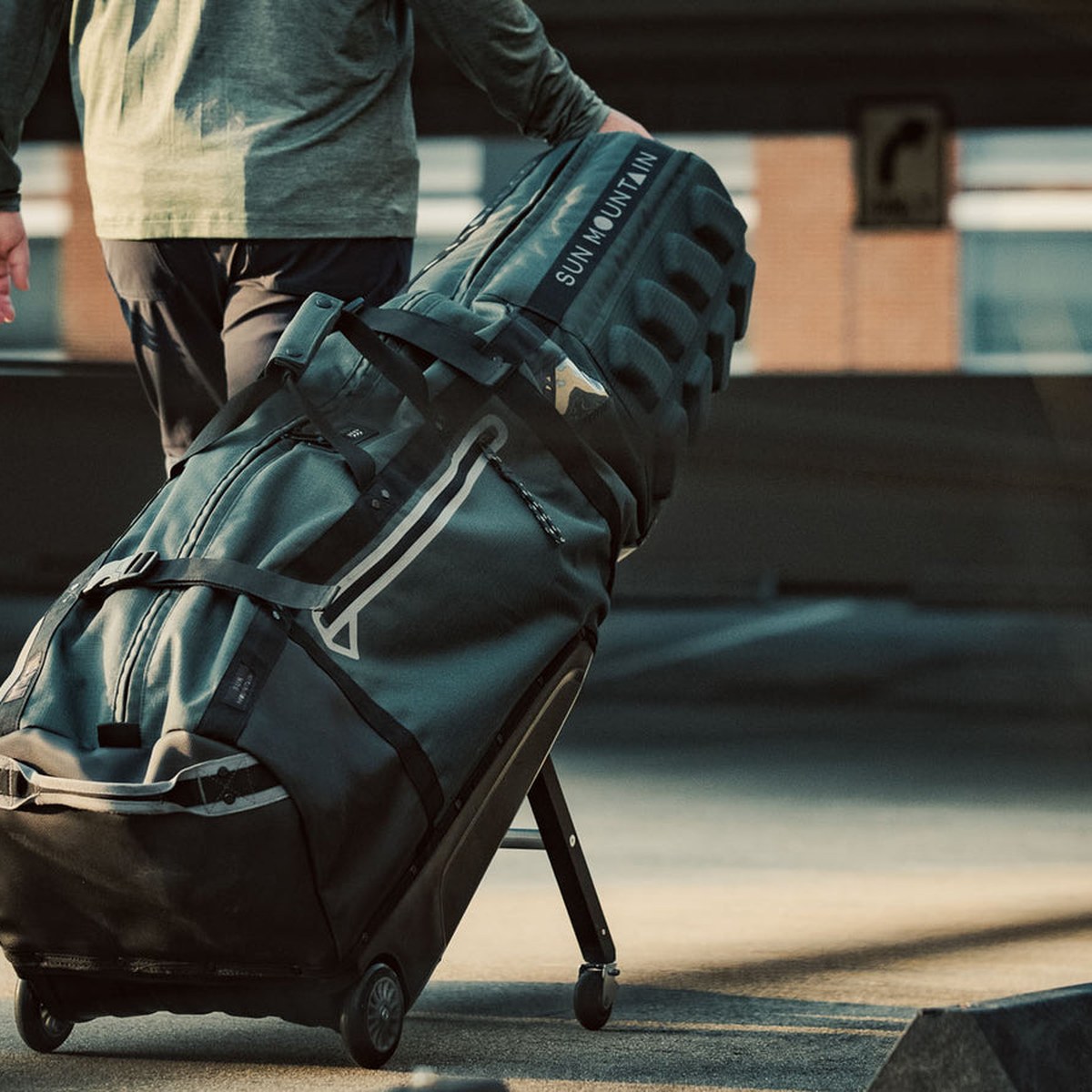
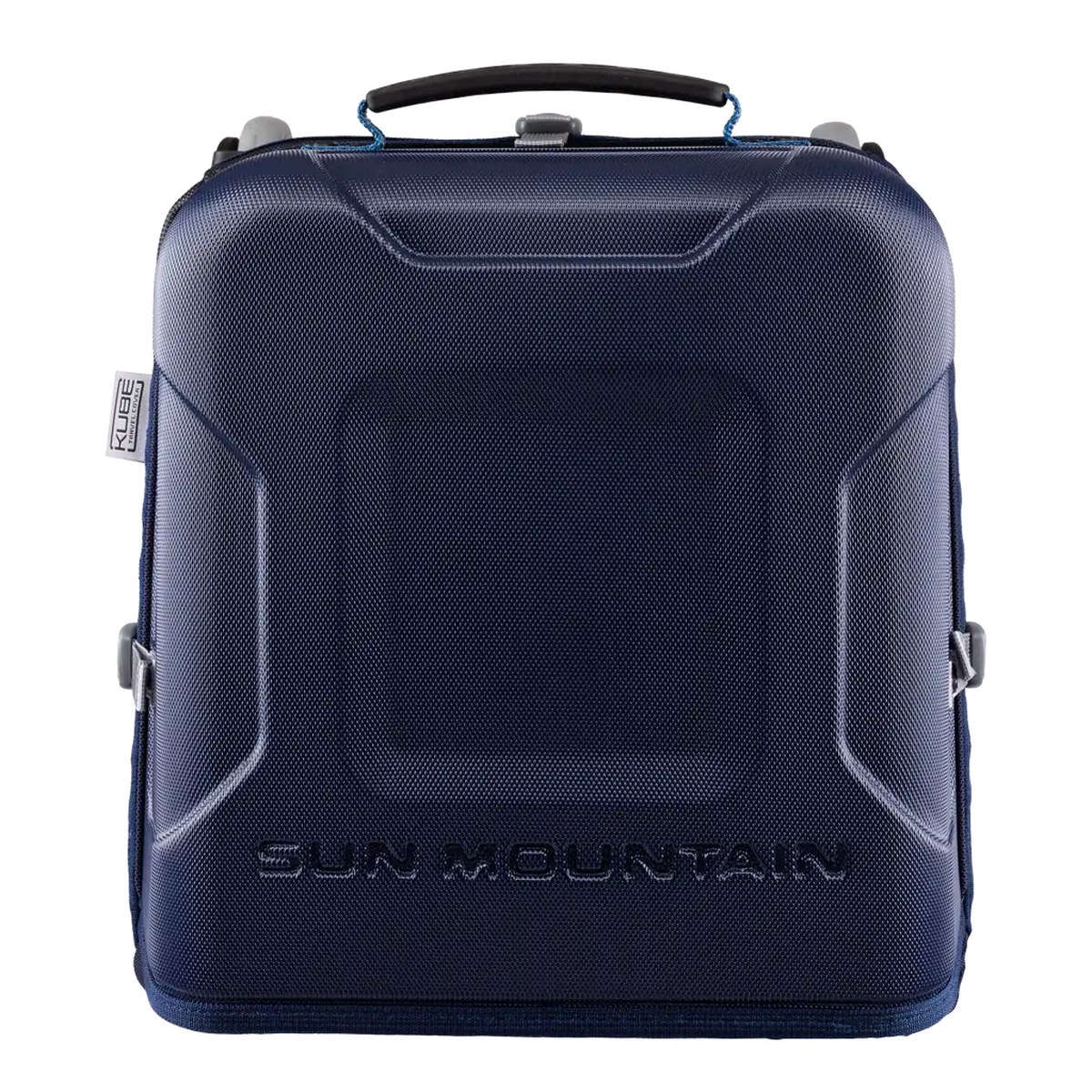
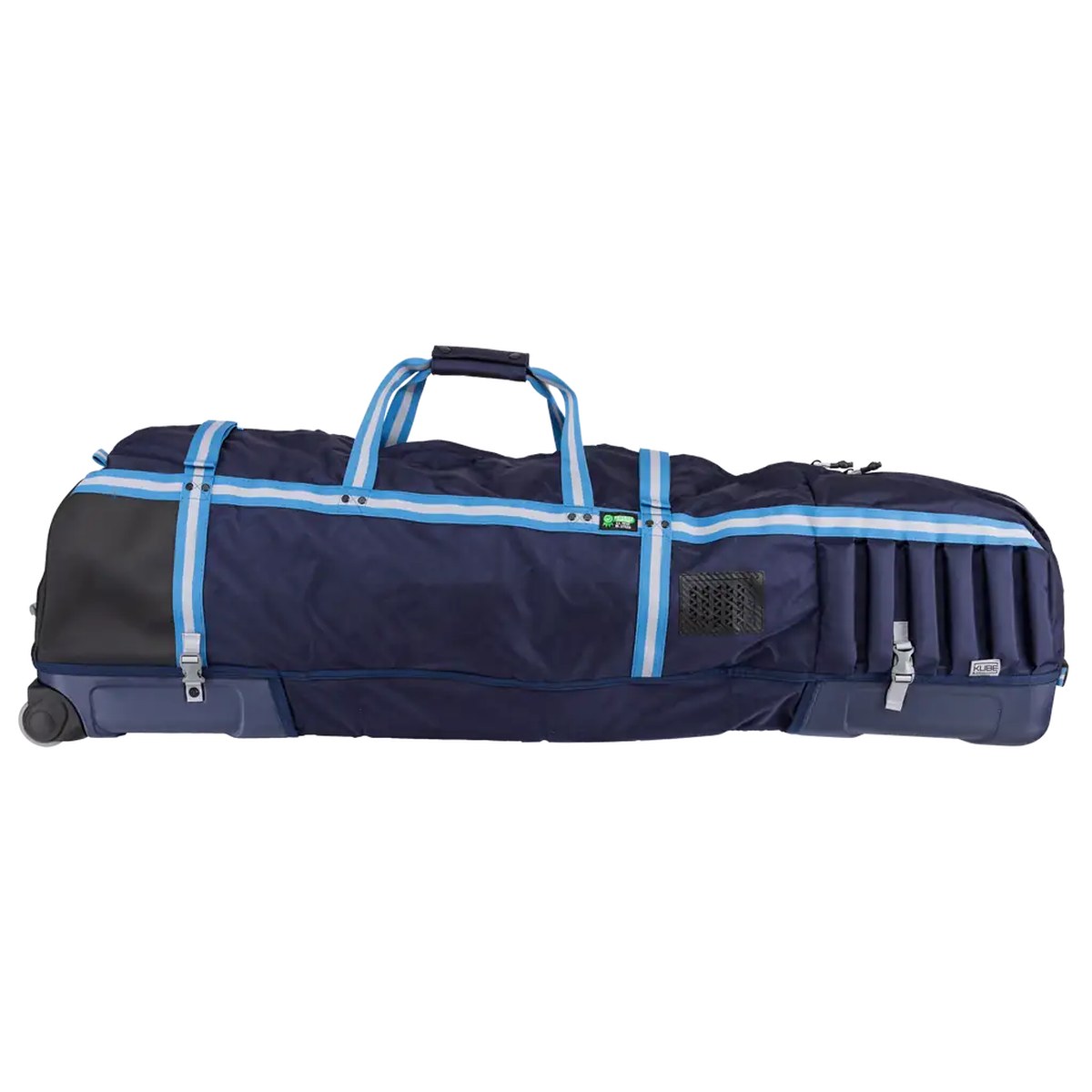
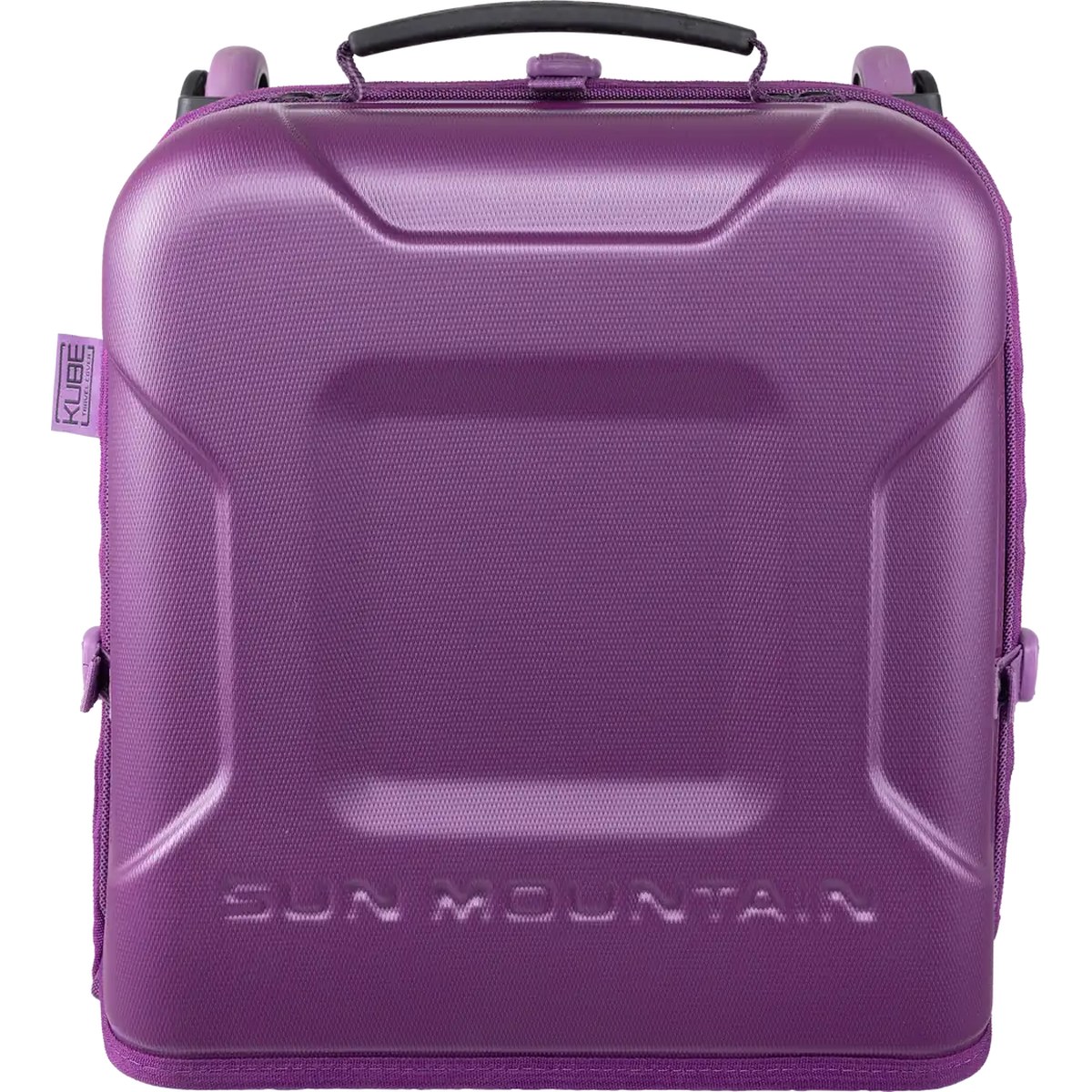
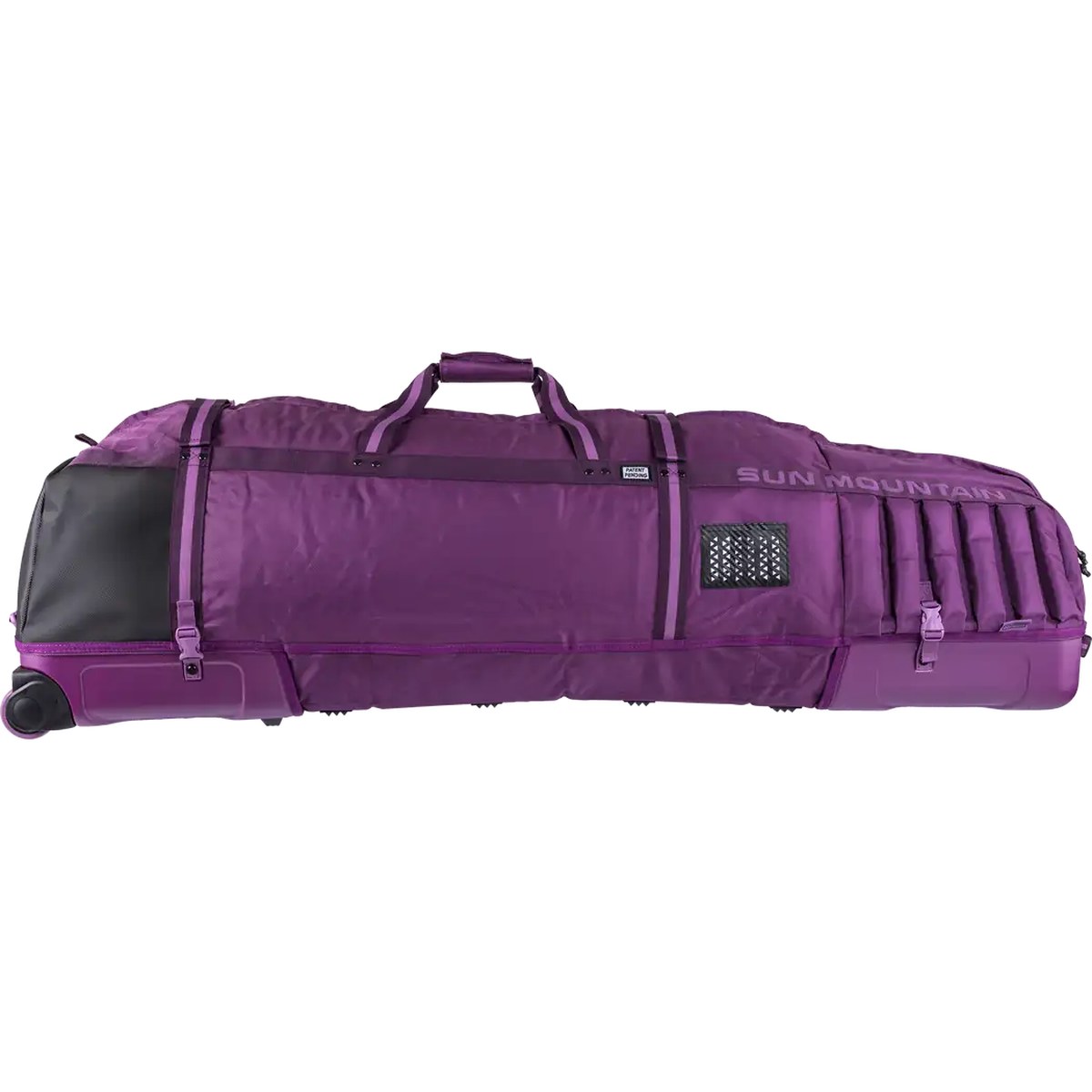
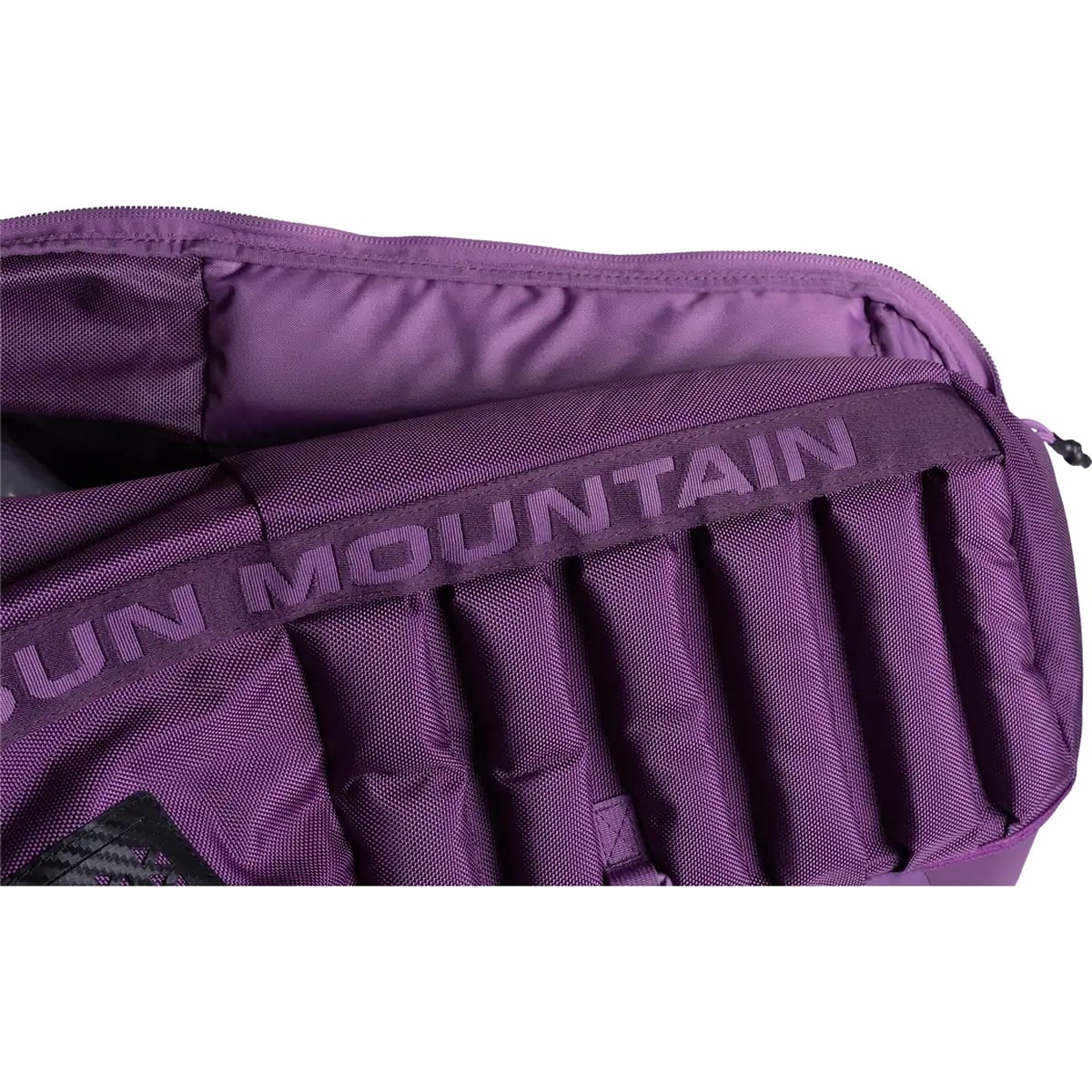
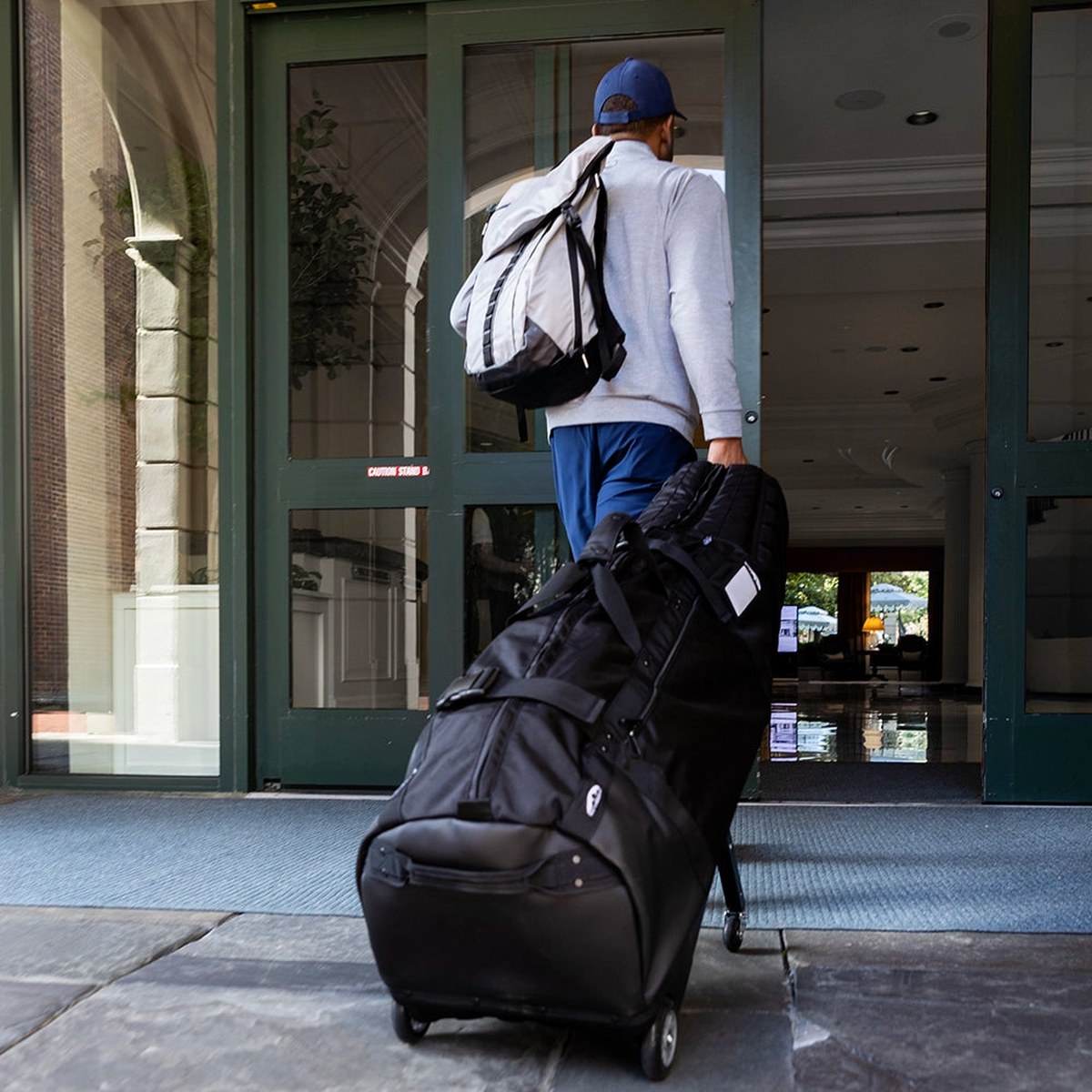
Two picks · $290–$450The ClubGlider is the third Sun Mountain invention here, after the legs and the folding cart: retractable wheels that carry the weight for you through an airport. The Kube is the armored alternative, a rigid shell instead of a mechanism.
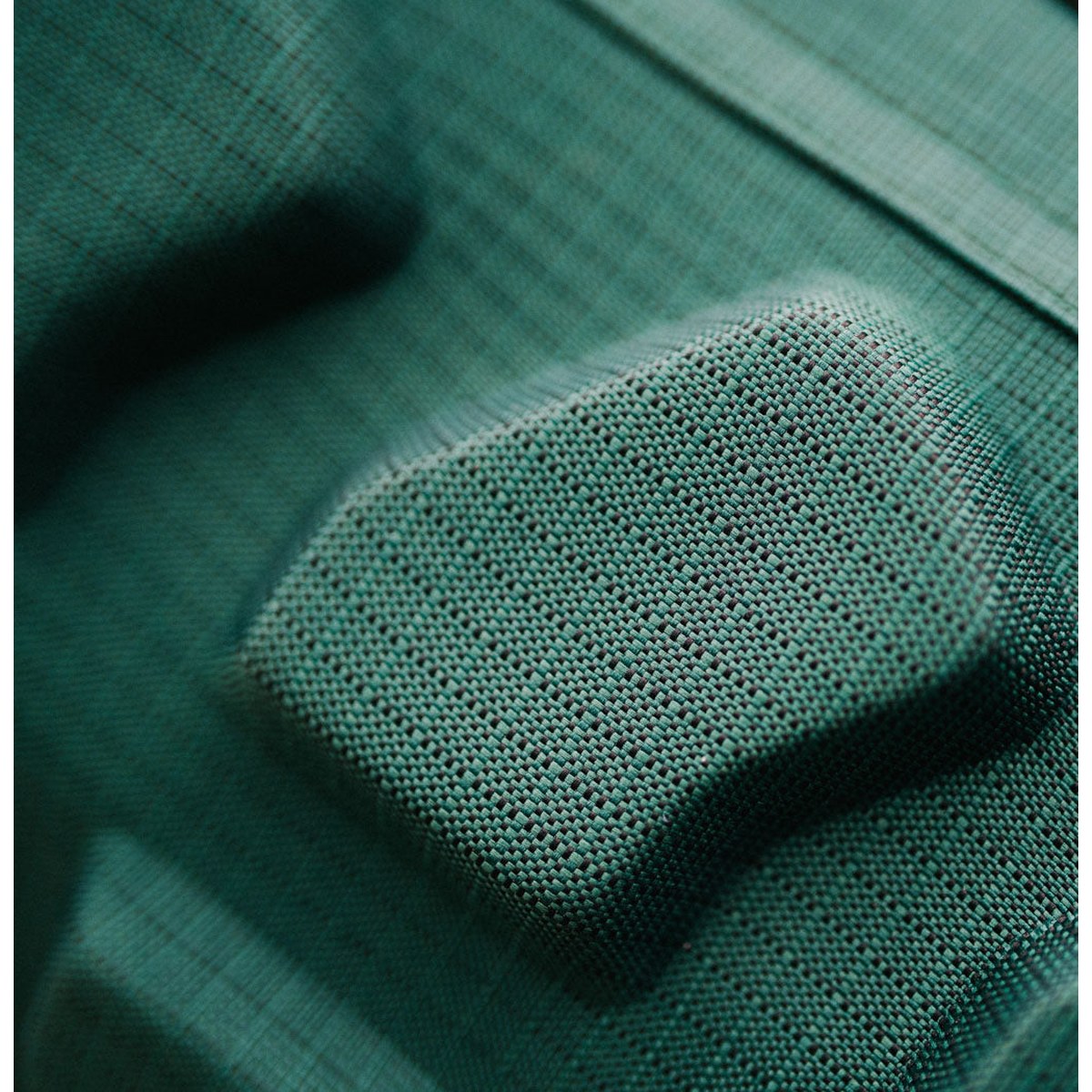
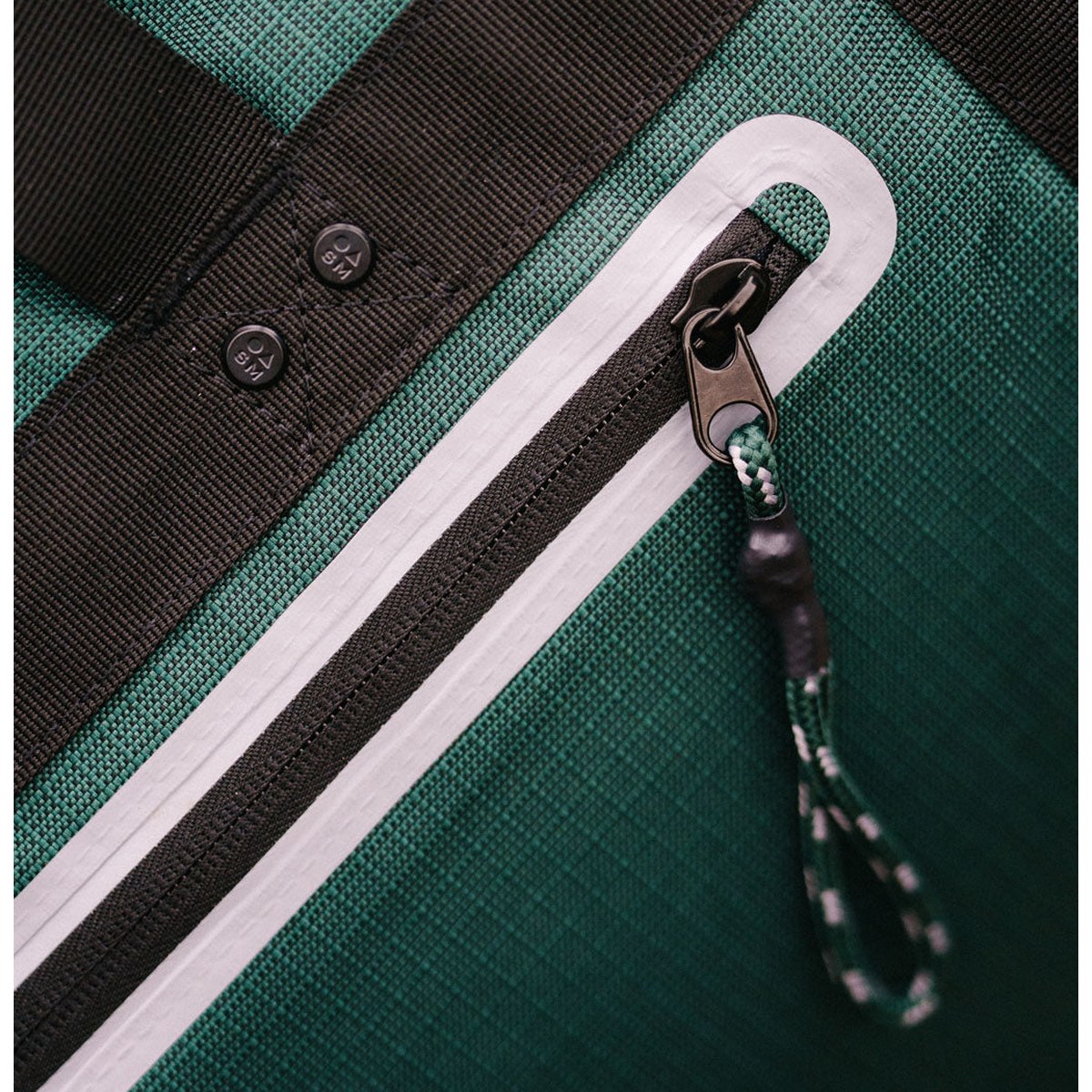
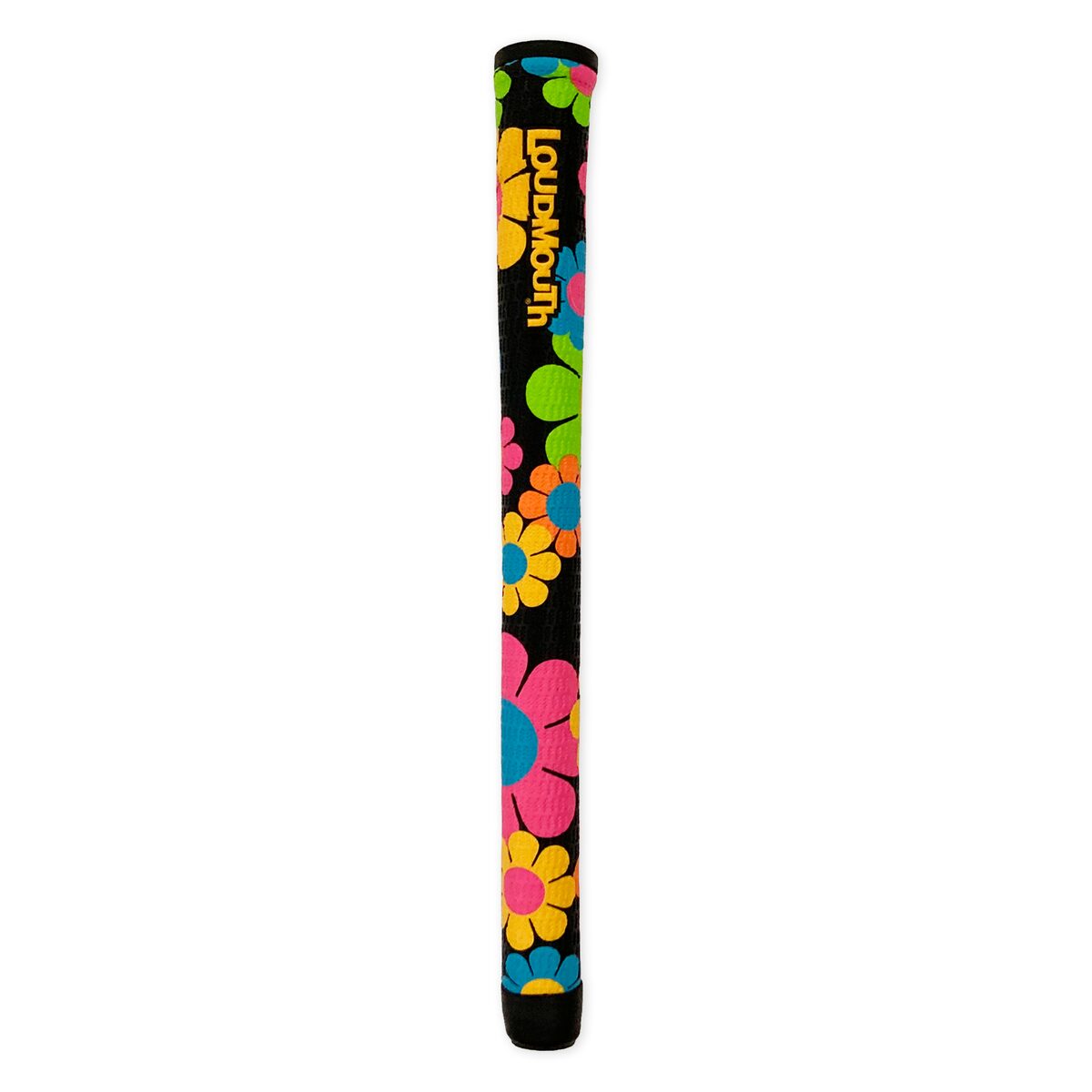
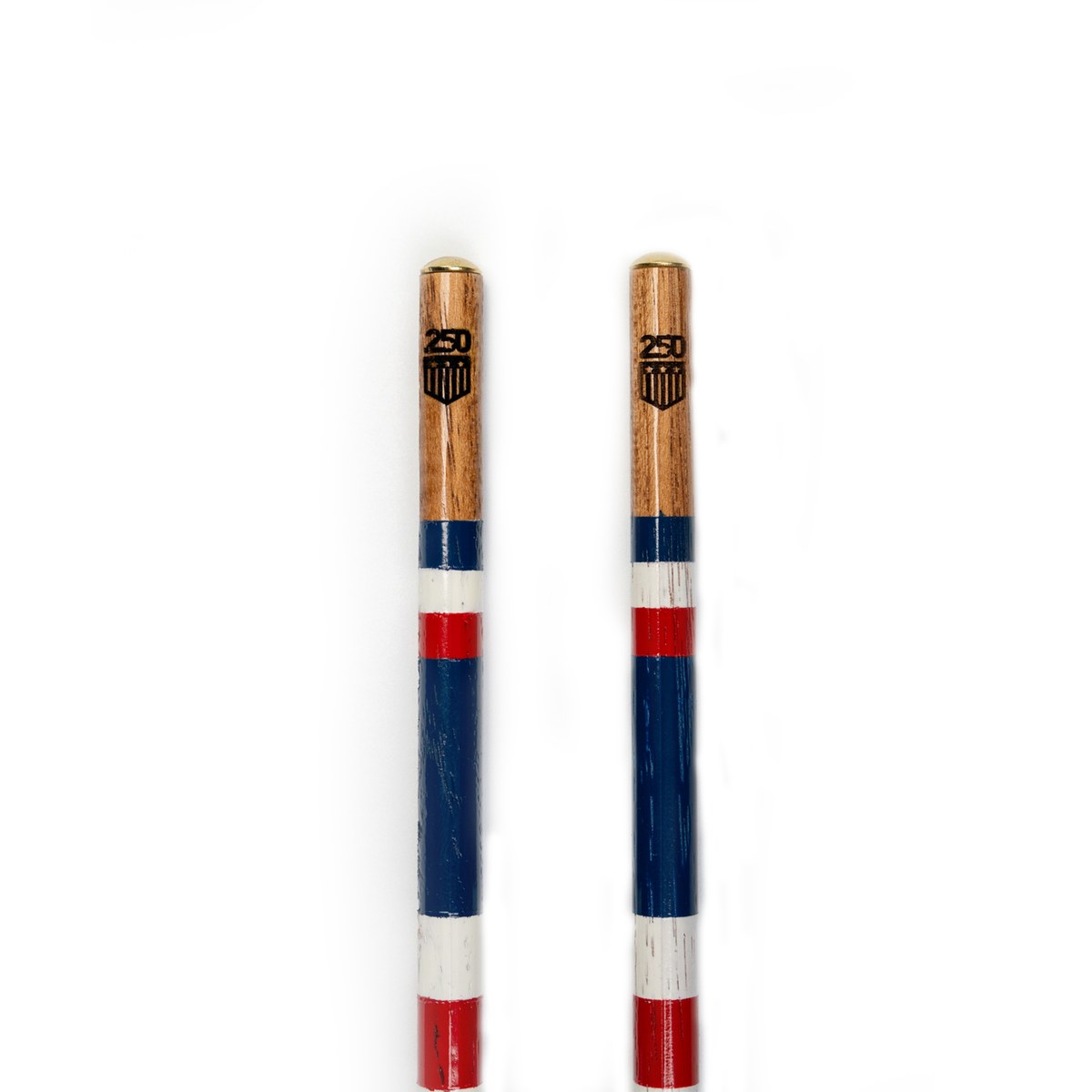
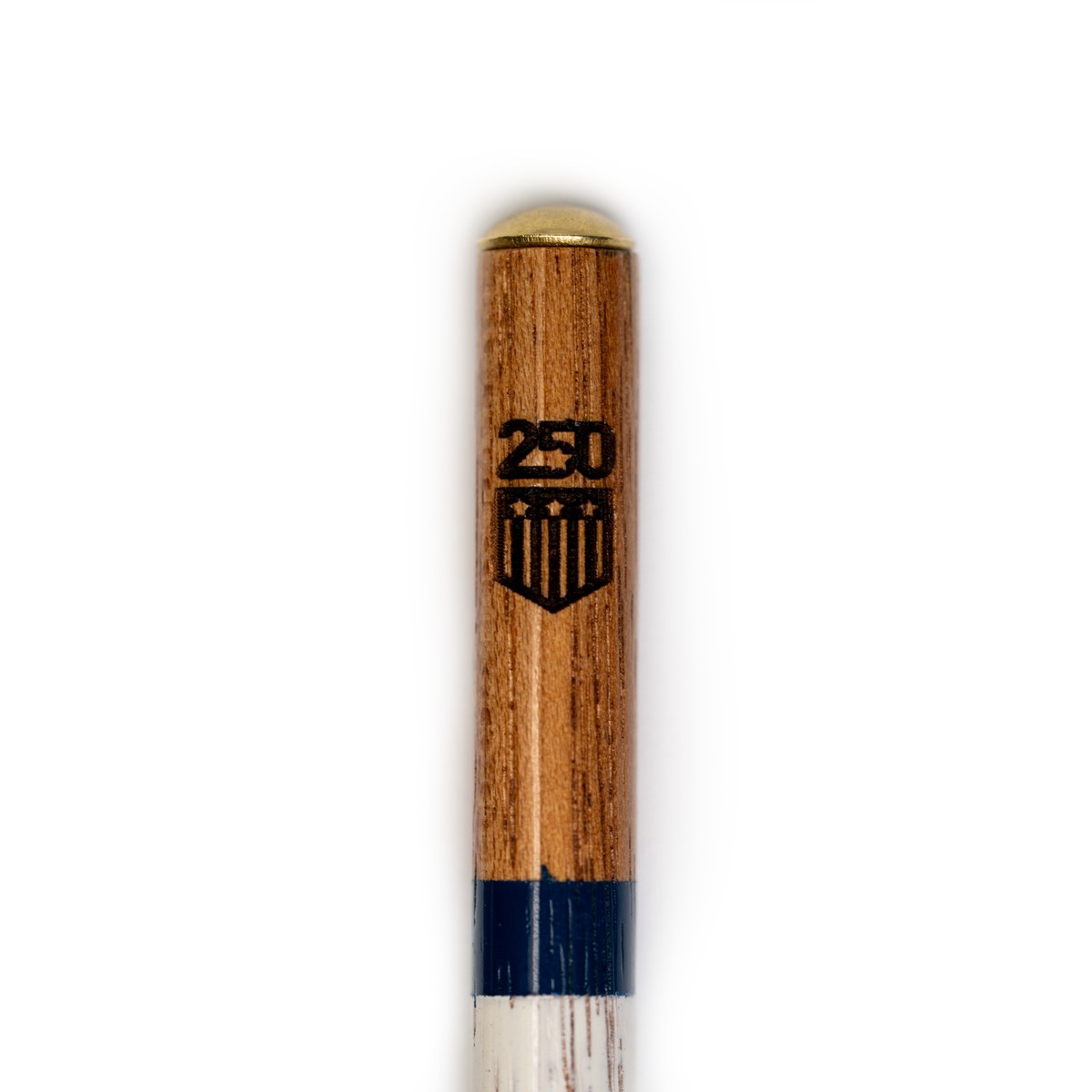
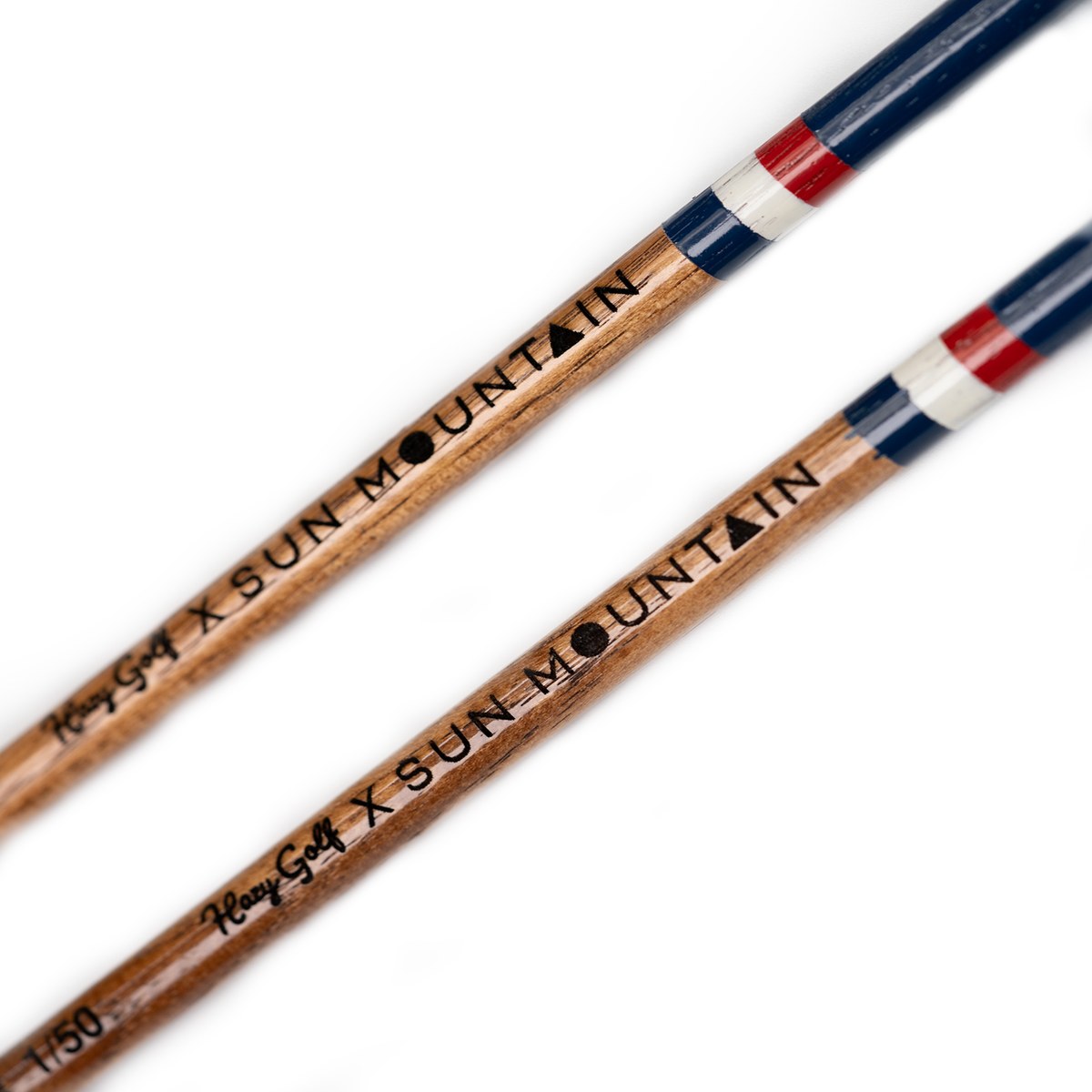
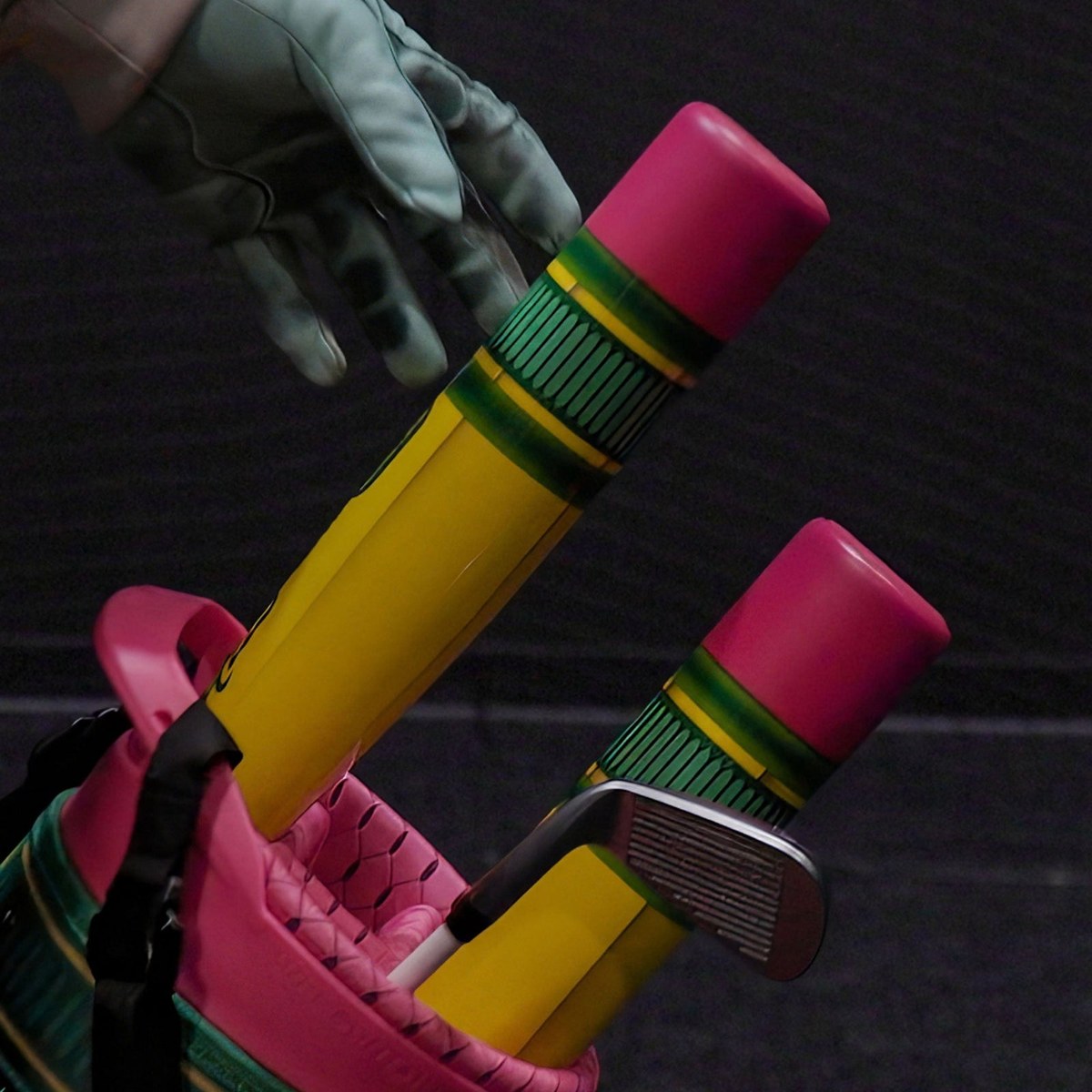
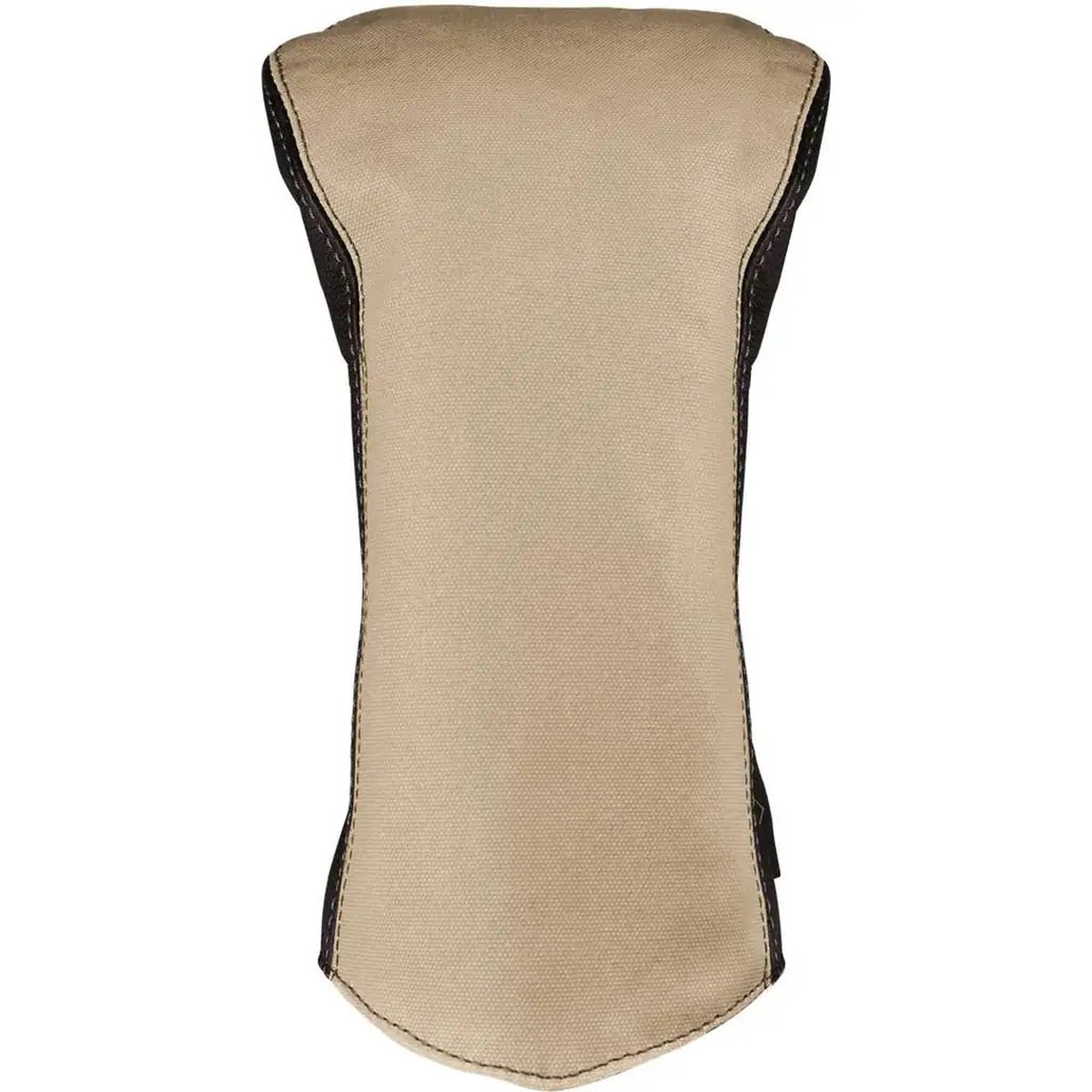
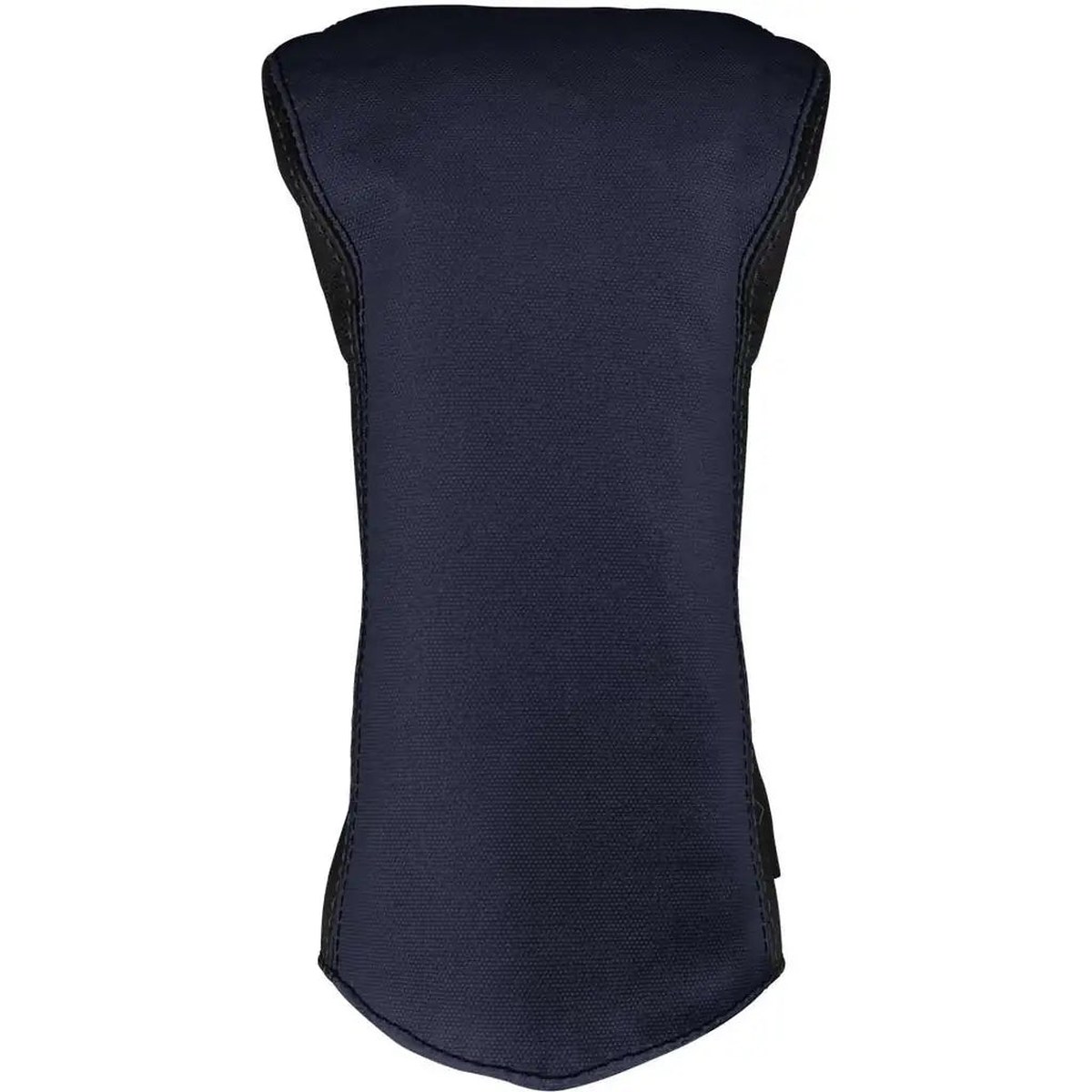
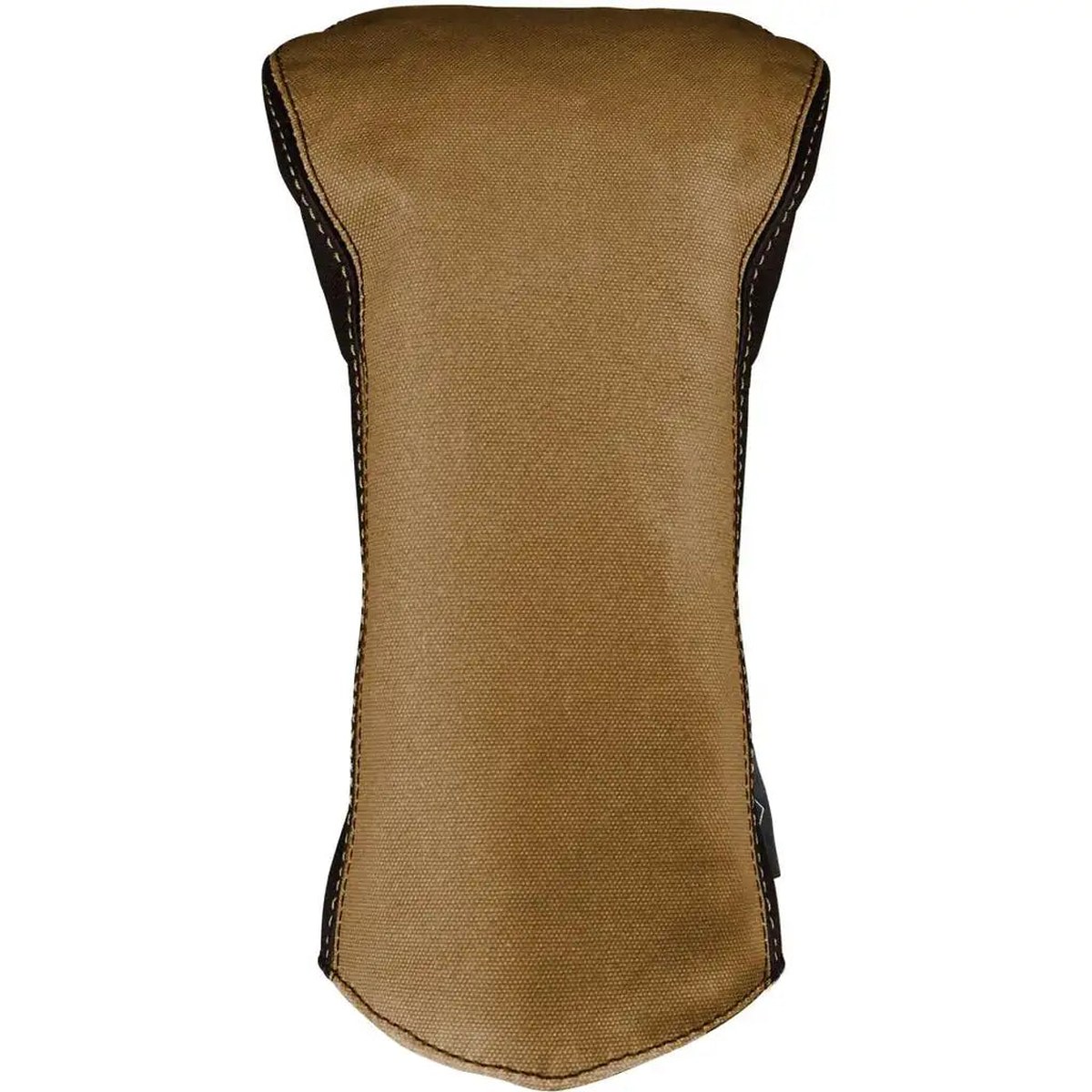
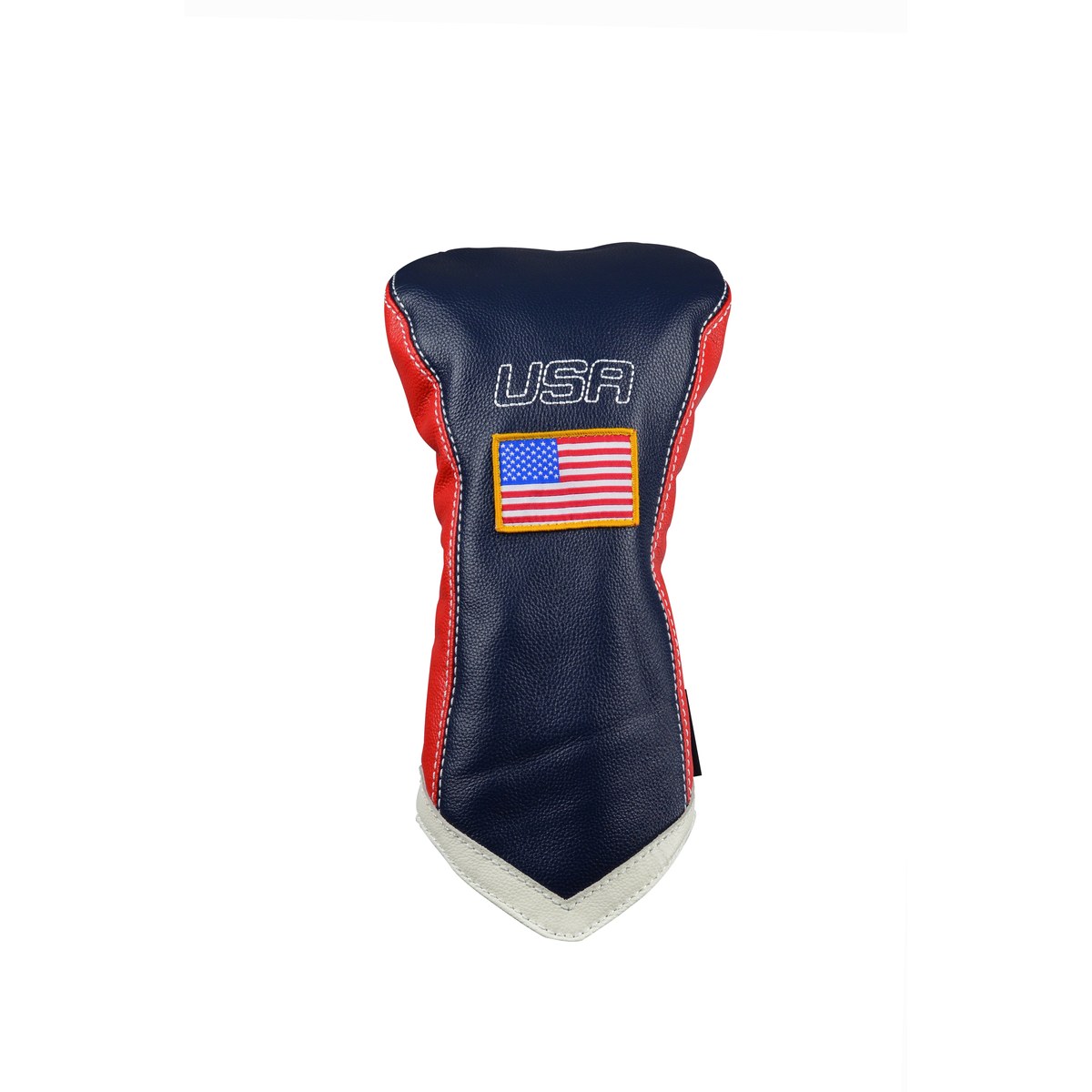
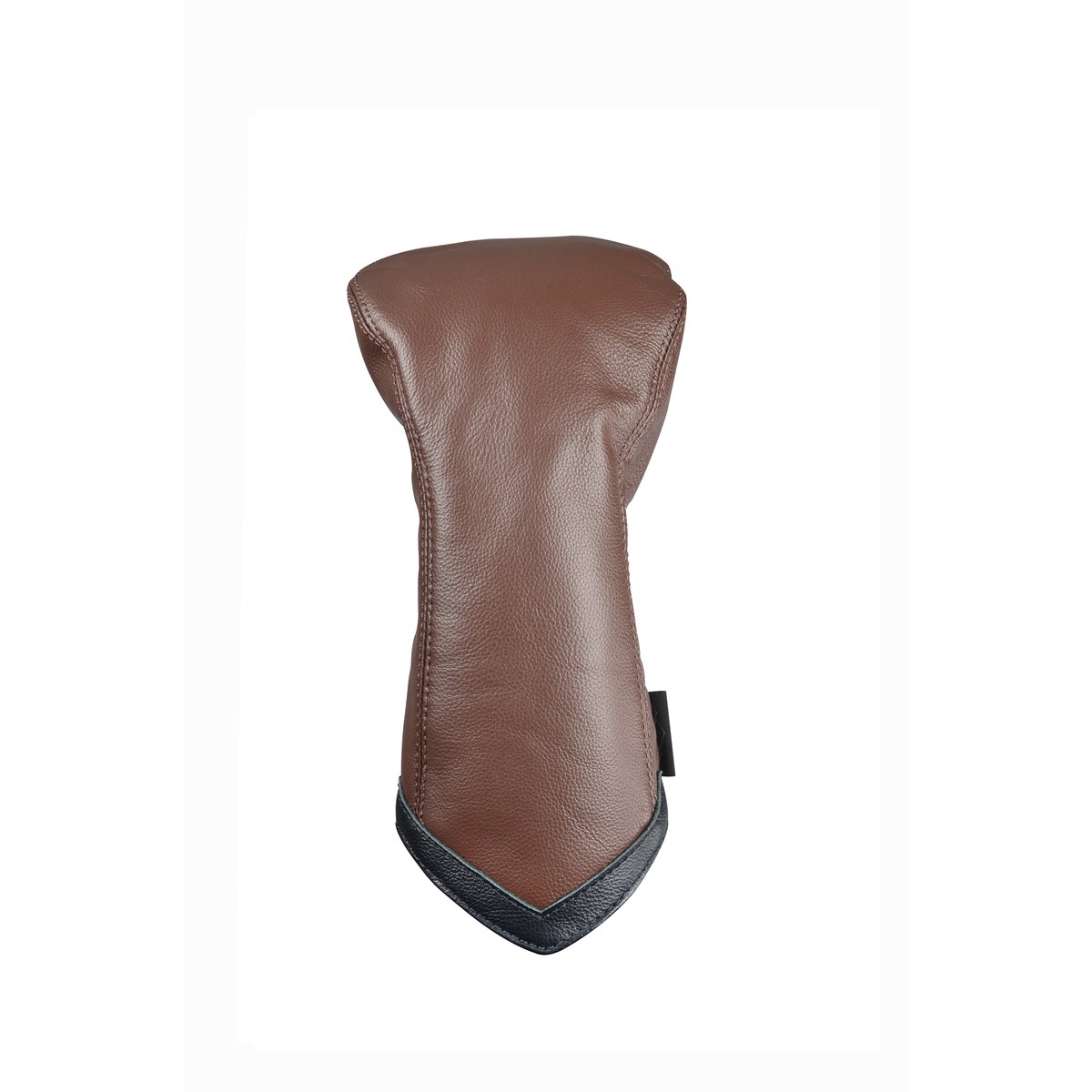
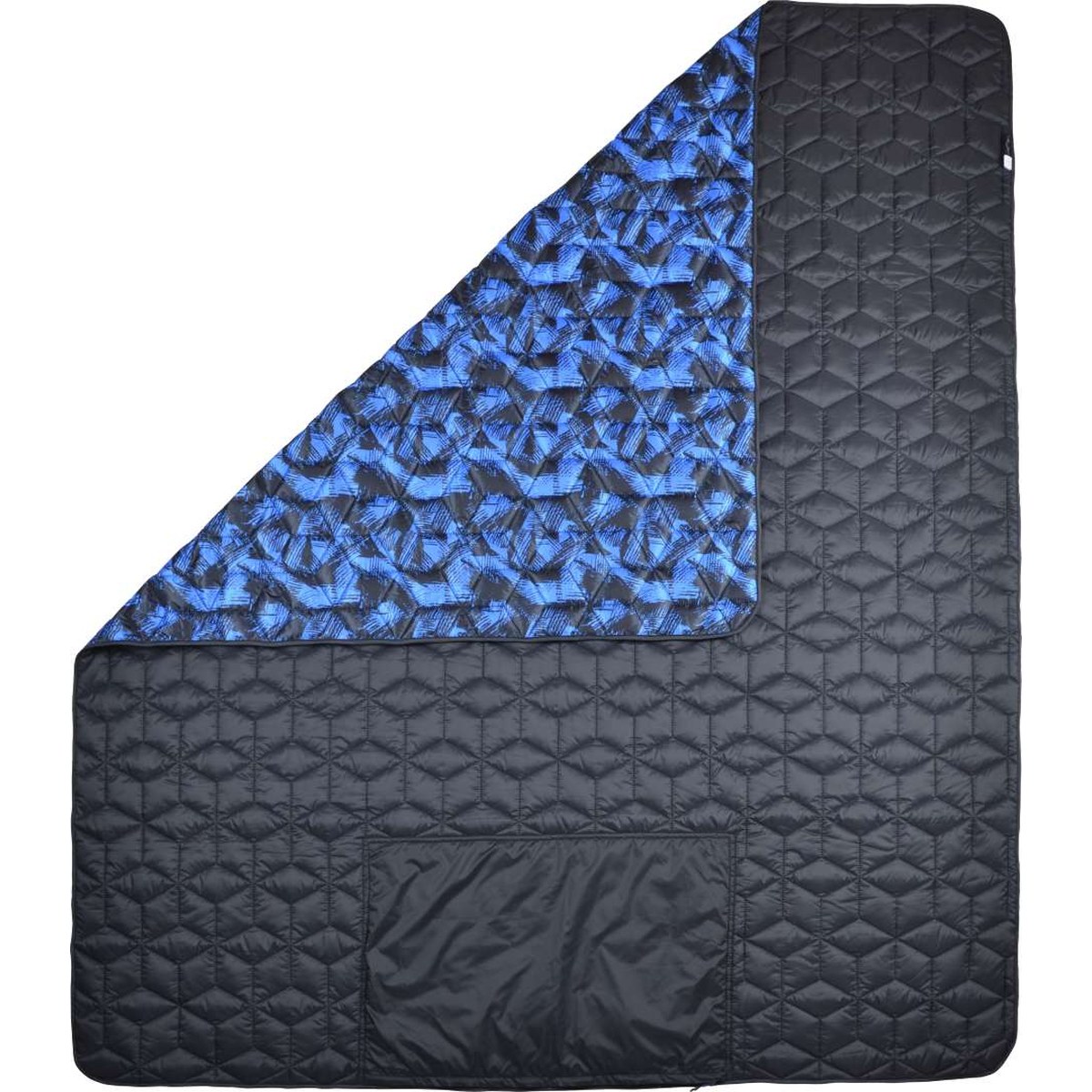
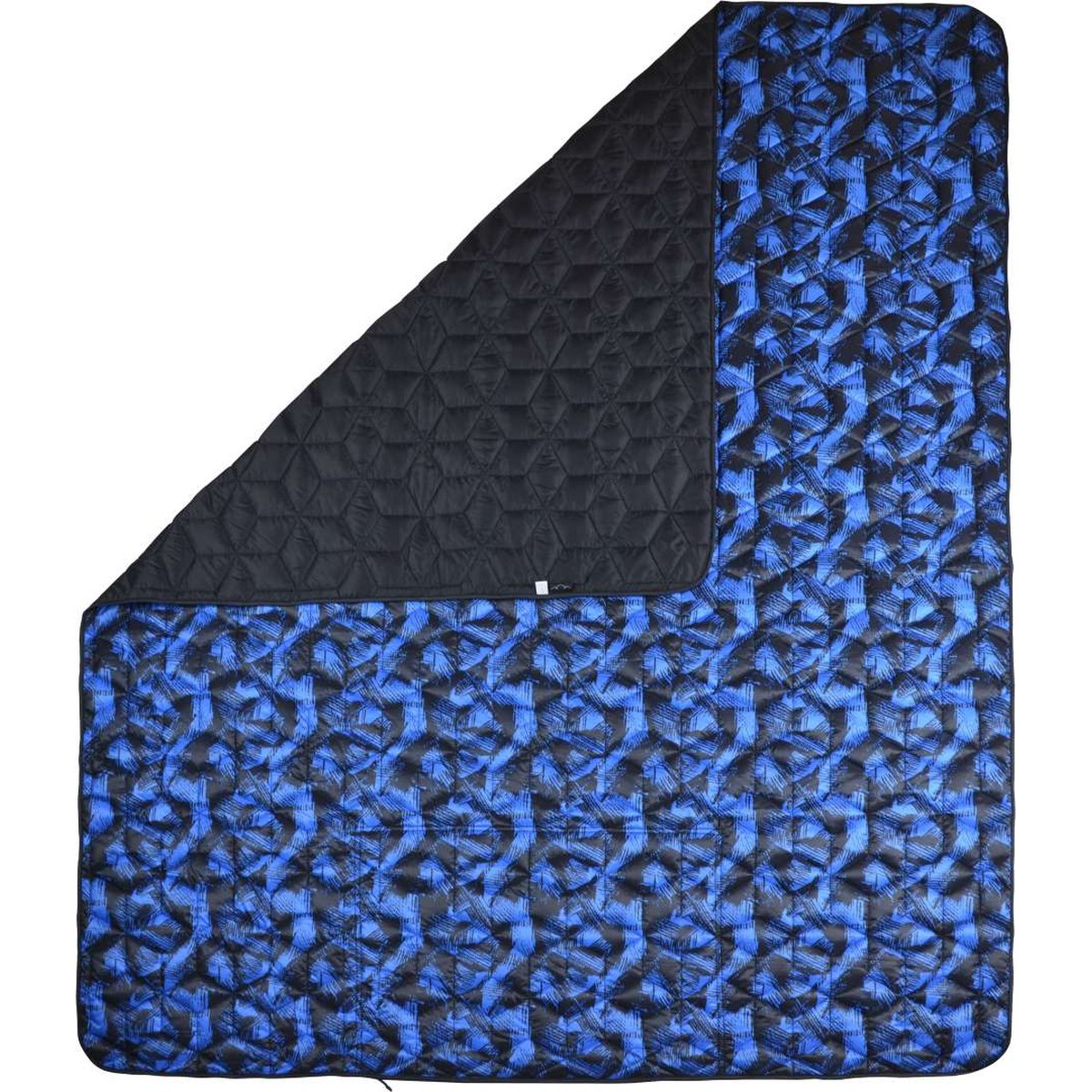
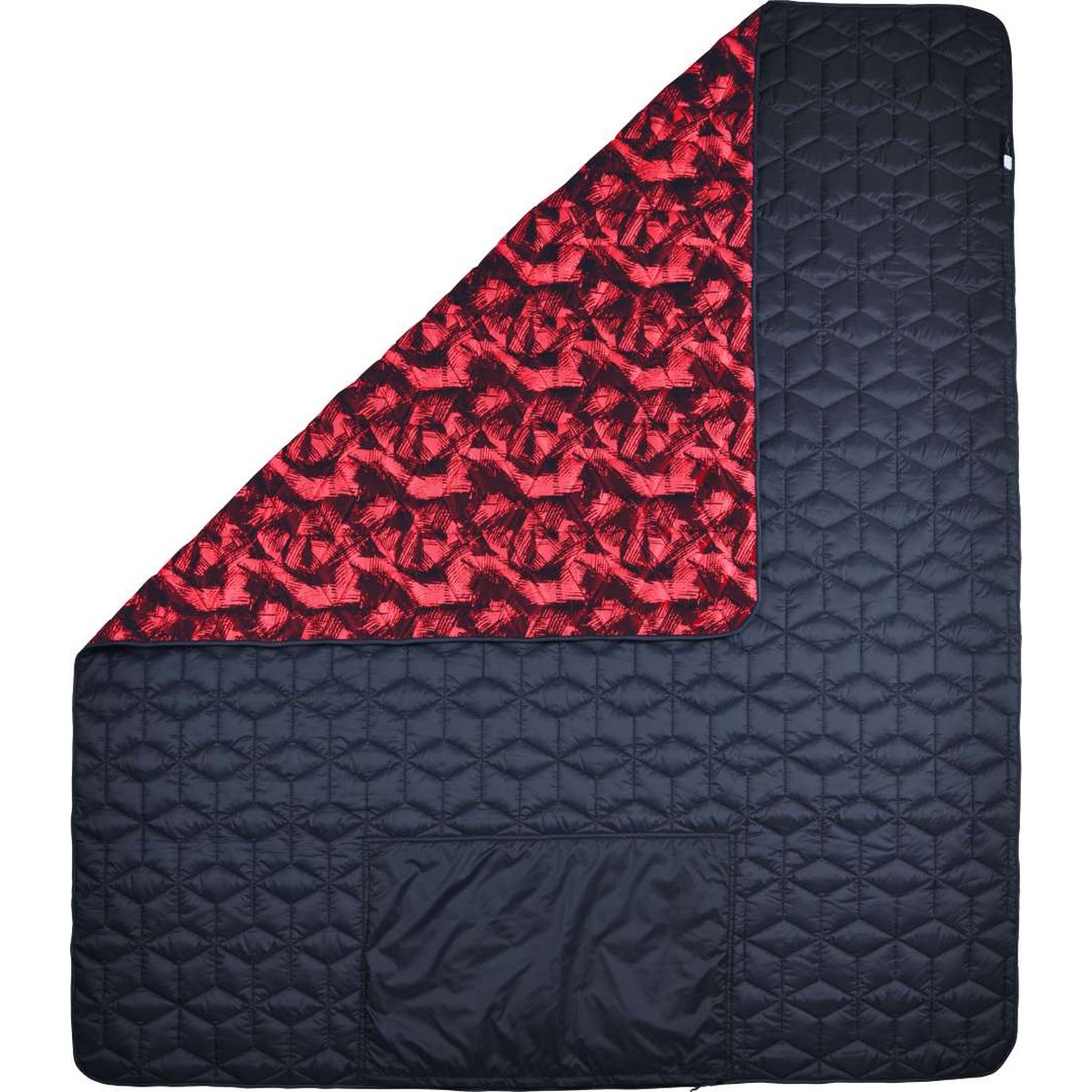
Four picks · $35–$130Headcovers, alignment sticks and a blanket named after a mountain man make up the small goods. They are also the place Sun Mountain’s current collaboration habit shows up first.
Rick Reimers founded Sun Mountain in 1981. He started it in San Jose, California, and moved the company to Missoula, Montana in 1984 — a detail often lost, because Sun Mountain is so thoroughly identified with Montana now. Reimers was a club and teaching pro in Northern California before he quit, and by his own account designed his first bag in his head on the drive north.
Sun Mountain is credited with creating the first modern lightweight stand bag — the Eclipse, in 1986 — and the company says it was the first to patent the stand mechanism used on essentially every stand bag since. No source we found establishes an earlier bag with built-in legs. Their nylon BACK 9 (around 1981) and FRONT 9 (1984) came first and made the lightweight carry bag viable; the legs came after.
No. Reimers ran it for 41 years as founder, director and sole shareholder — no partners, no outside investors, no board. In March 2022 he sold Sun Mountain Sports to Solace Capital Partners, a Los Angeles private equity firm. He kept Sun Mountain Motor Sports, which makes the Finn golf scooter he launched in 2019.
They are assembled in the USA — specifically in Missoula, Montana, which is the company's own wording and the accurate one. Fabrics and components are sourced overseas. The Montana assembly operation is real and unusual for the category; "made in the USA" would be overstating it.
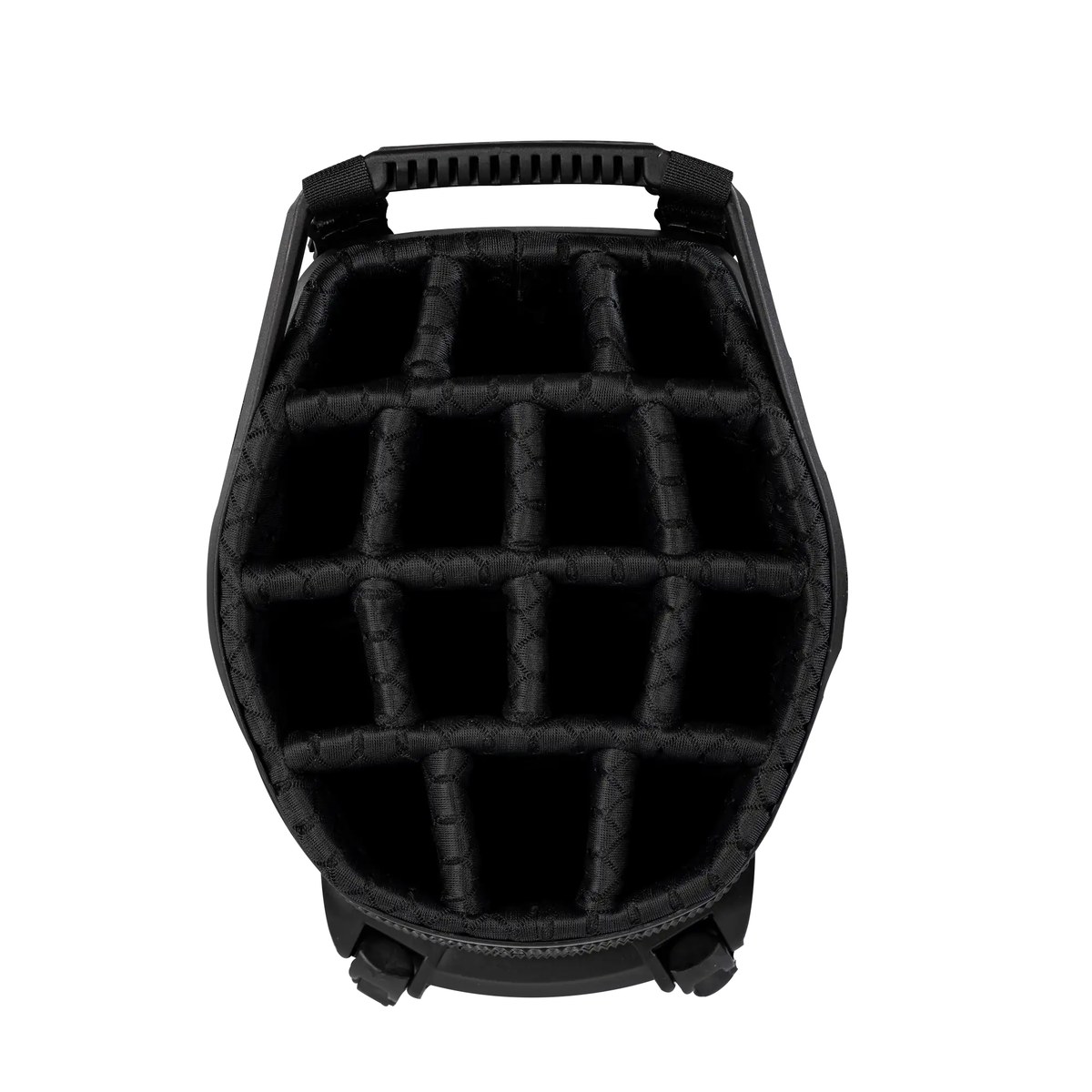
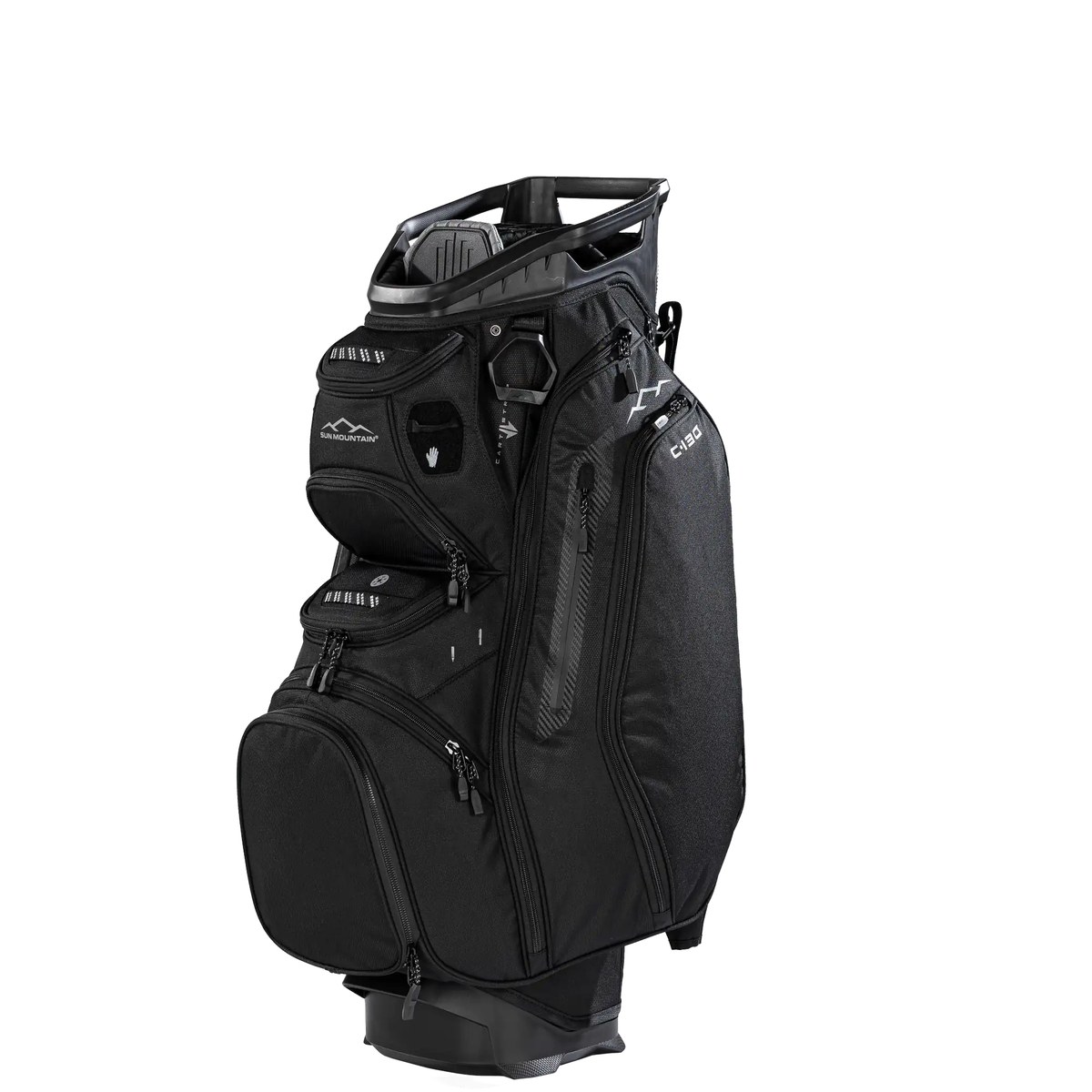
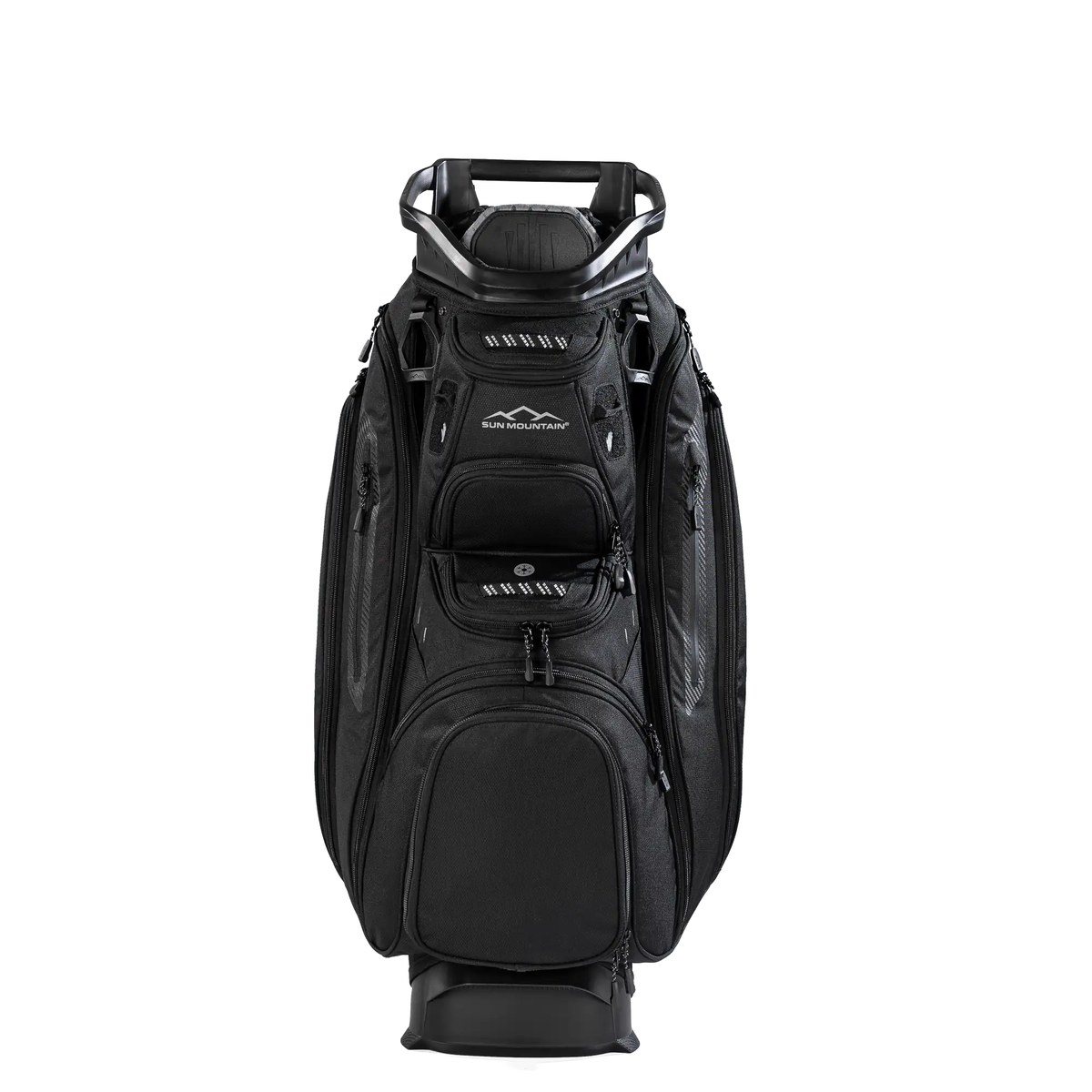
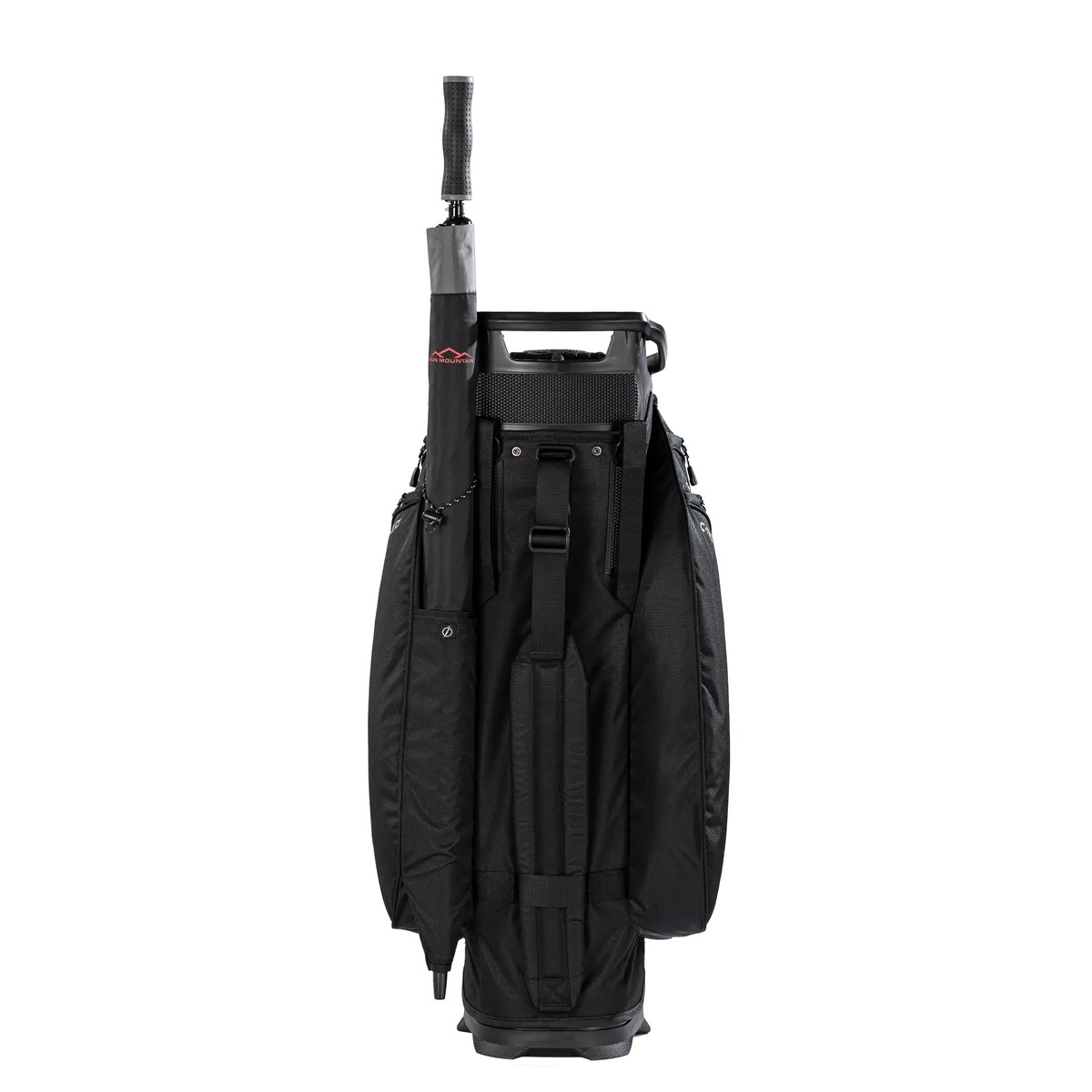
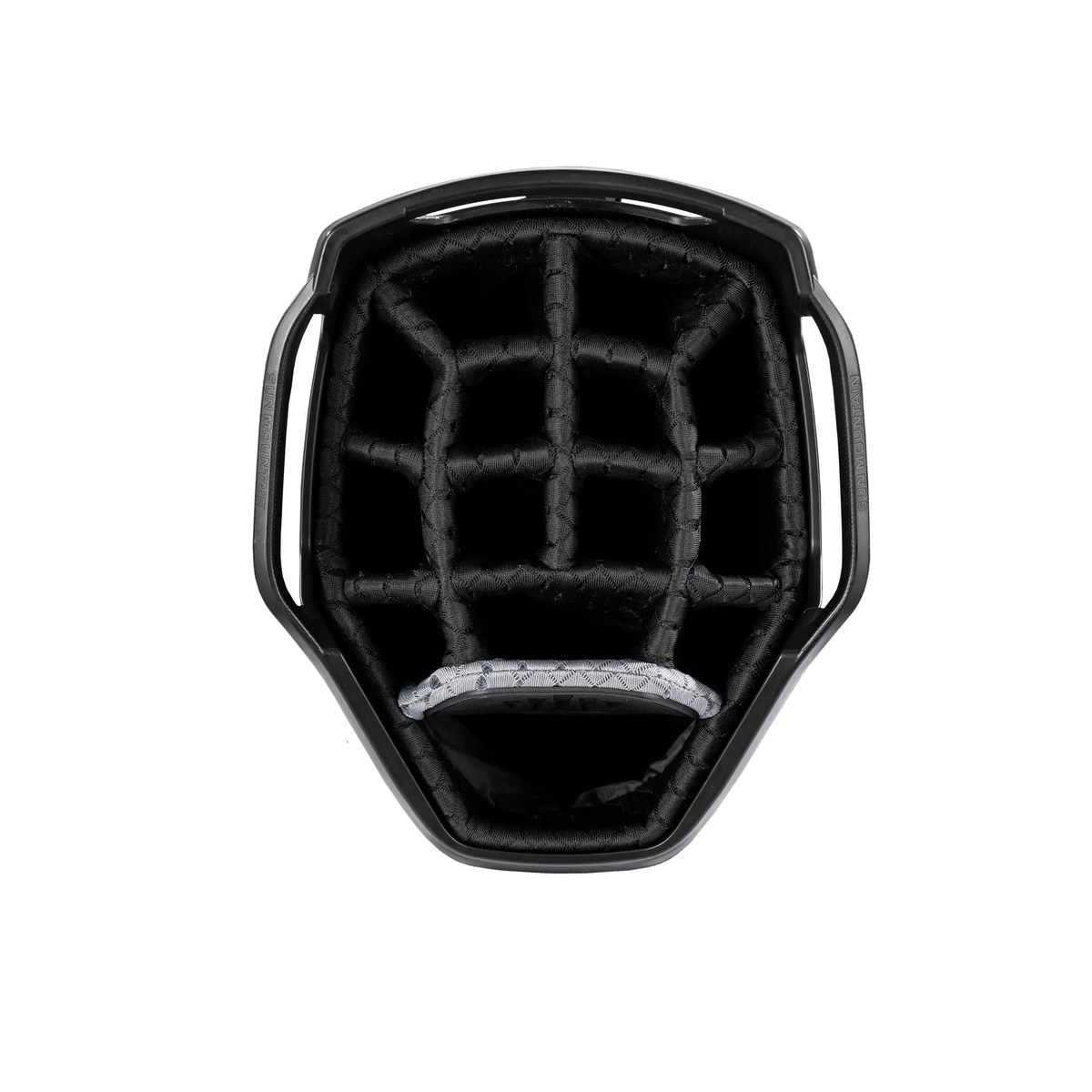
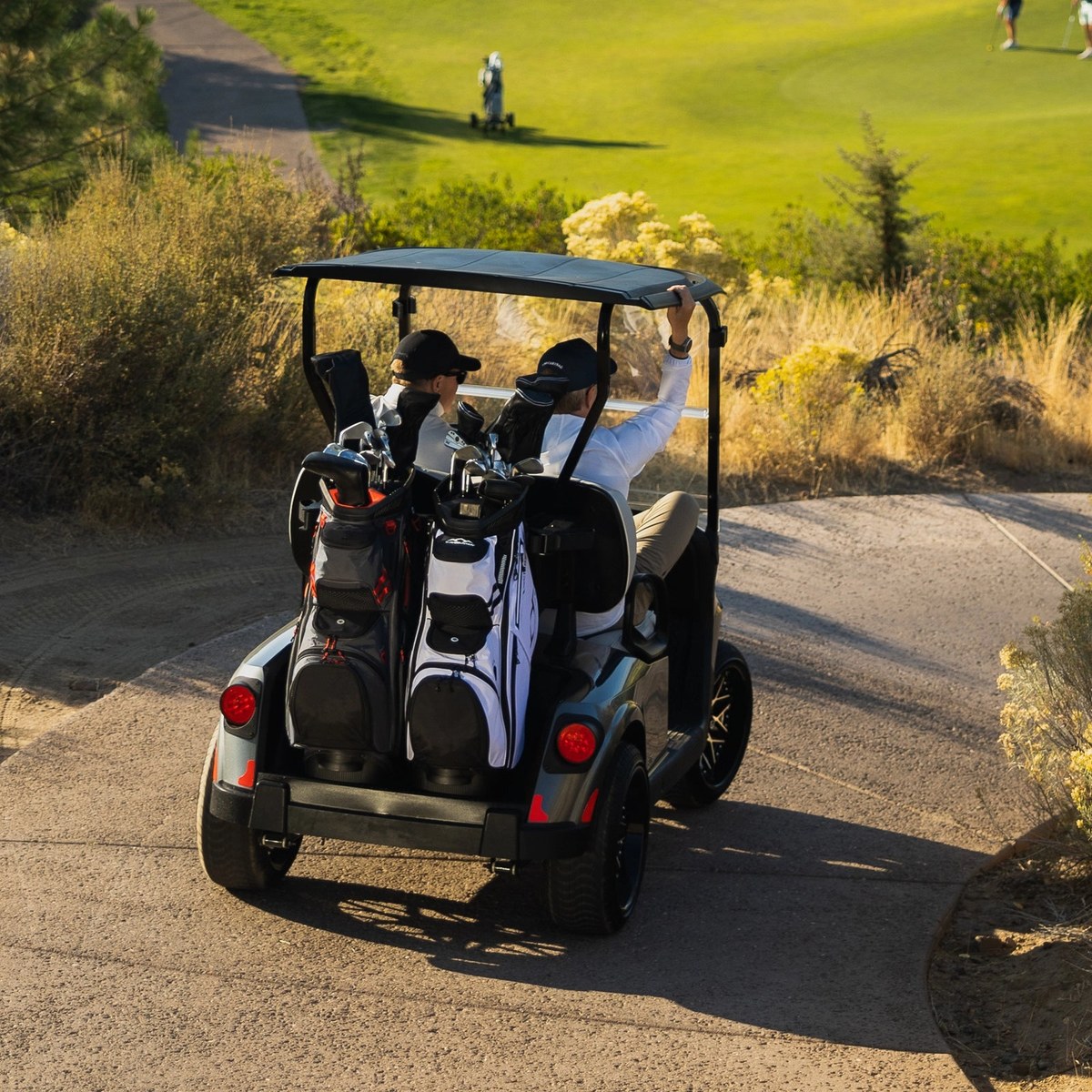
Their cart bag, introduced in 2005, and arguably the most widely used cart bag in golf. The current version has a 10.5-inch fourteen-way top, thirteen pockets, and a top reversed so the pockets face the player when the bag is strapped to a cart.
Not the push cart, but the modern folding one. The Speed Cart, launched in 1999, was the first easily foldable three-wheel cart, and the company's own line is that it "created an entirely new category." The four-wheel Micro-Cart followed in 2004.
Sun Mountain's travel bag with retractable legs and wheels that take the weight off your arm — you tilt it and tow it rather than drag it. It launched in 2008 and grew travel covers from roughly half a per cent of company sales to about seven per cent.
Yes, by retail market share. Golf Datatech's 2012 report had them as the best-selling golf bag brand for a third consecutive year, and they accounted for 16.5% of US golf bag sales in 2010.
Walking and want light: the Eclipse E-2.5 at $224. Walking and want the nice one: the Matchplay Ballistic at $435. Riding: the C-130 at $325. Rain: the H2NO line. Buying an object rather than equipment: the Hometown waxed canvas or the Legacy Leather.
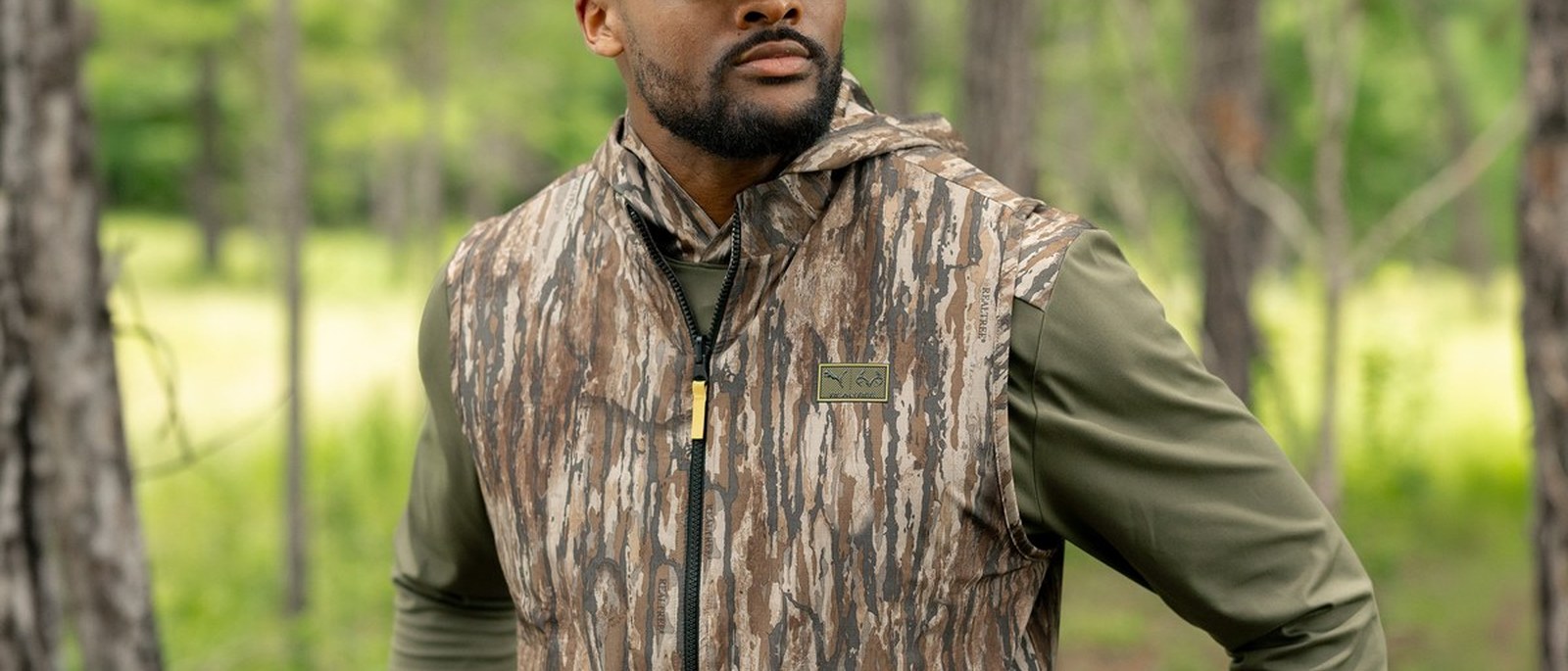
Push carts since 1999, travel covers since 2008, and outerwear since 1990 — the Headwind windshirt in 1990 and golf fleece in 1991 were both firsts for the category. They supplied the US Presidents Cup team's outerwear in 2011 and 2013.